TEMPLE VIEW TRANSITIONAL CARE CENTER
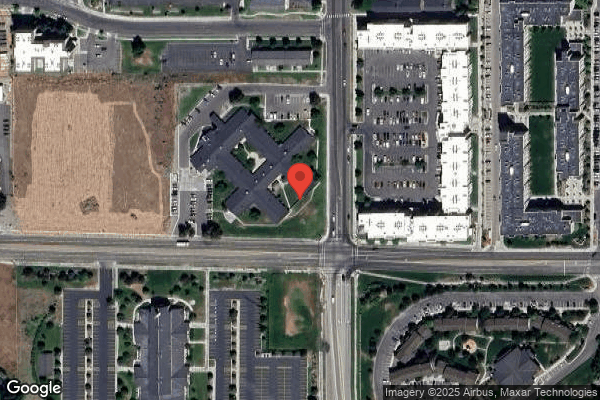
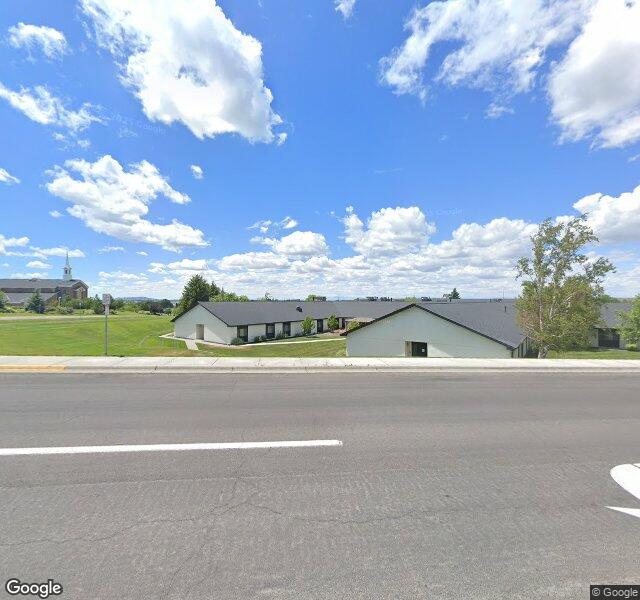
660 SOUTH SECOND STREET WEST, REXBURG, ID 83440 (208) 356-0220
For profit - Limited Liability company 119 Beds THE ENSIGN GROUP Data: November 2025
Trust Grade
55/100
#52 of 79 in ID
Last Inspection: October 2024

Within standard 12-15 month inspection cycle. Federal law requires annual inspections.

Overview

Temple View Transitional Care Center in Rexburg, Idaho, has received a Trust Grade of C, indicating it is average compared to other facilities, which means it is neither exceptional nor poor. It ranks #52 out of 79 facilities in Idaho, placing it in the bottom half, and #2 out of 2 in Madison County, meaning there is only one other local option that is better. The facility is improving, with issues decreasing significantly from 14 in 2024 to just 1 in 2025. Staffing is a strong point, rated at 4 out of 5 stars with a turnover rate of 46%, which is slightly below the state average, suggesting staff stability. On the downside, there are some concerning incidents, such as a resident sustaining a burn due to inadequate supervision, and failures in food safety practices that could lead to health risks for residents. Overall, while the facility shows some strengths, there are critical areas that families should consider carefully.

Trust Score
C
55/100
In Idaho
#52/79
Bottom 35%
Safety Record
Moderate
Needs review
Inspections
Getting Better
14 → 1 violations
Staff Stability
⚠ Watch
46% turnover. Above average. Higher turnover means staff may not know residents' routines.
Penalties
✓ Good
No fines on record. Clean compliance history, better than most Idaho facilities.
Skilled Nurses
✓ Good
Each resident gets 53 minutes of Registered Nurse (RN) attention daily — more than average for Idaho. RNs are trained to catch health problems early.
Violations
⚠ Watch
29 deficiencies on record. Higher than average. Multiple issues found across inspections.
★★★☆☆
3.0
Overall Rating
★★★★☆
4.0
Staff Levels
★★★★★
5.0
Care Quality
★★☆☆☆
2.0
Inspection Score
Stable
2024: 14 issues
2025: 1 issues

The Good

  • 4-Star Staffing Rating · Above-average nurse staffing levels
  • 5-Star Quality Measures · Strong clinical quality outcomes
  • Full Sprinkler Coverage · Fire safety systems throughout facility
  • No fines on record

Facility shows strength in staffing levels, quality measures, fire safety.

The Bad

3-Star Overall Rating

Near Idaho average (3.3)

Meets federal standards, typical of most facilities

Staff Turnover: 46%

Near Idaho avg (46%)

Higher turnover may affect care consistency

Chain: THE ENSIGN GROUP

Part of a multi-facility chain

Ask about local staffing decisions and management

The Ugly 29 deficiencies on record

1 actual harm
Apr 2025 1 deficiency
CONCERN (D) 📢 Someone Reported This

A family member, employee, or ombudsman was alarmed enough to file a formal complaint

Potential for Harm - no one hurt, but risky conditions existed

Resident Rights (Tag F0550)

Could have caused harm · This affected 1 resident

**NOTE- TERMS IN BRACKETS HAVE BEEN EDITED TO PROTECT CONFIDENTIALITY** Based on observation and interview, it was determined that the facility failed to treat each resident with respect and dignity. ...

Read full inspector narrative →
**NOTE- TERMS IN BRACKETS HAVE BEEN EDITED TO PROTECT CONFIDENTIALITY** Based on observation and interview, it was determined that the facility failed to treat each resident with respect and dignity. This was true for 1 of 1 resident (Resident #101) observed for dignity. This deficient practice had the potential for residents to experience embarrassment, and low feelings of self-worth. Findings include: Resident #101 was admitted on [DATE], with multiple diagnoses including multiple sclerosis (a disease in which the immune system eats away at the protective covering of the nerves) and overactive bladder. On 4/22/25 at 9:30 AM, Resident #101 was observed in her wheelchair in the hallway with her urinary drainage bag without a privacy cover. On 4/22/25 at 2:06 PM, the DON was interviewed and stated the urinary drainage bag should have been covered and was not.
Oct 2024 14 deficiencies
CONCERN (D) 📢 Someone Reported This

A family member, employee, or ombudsman was alarmed enough to file a formal complaint

Potential for Harm - no one hurt, but risky conditions existed

Resident Rights (Tag F0550)

Could have caused harm · This affected 1 resident

**NOTE- TERMS IN BRACKETS HAVE BEEN EDITED TO PROTECT CONFIDENTIALITY** Based on observation and interview, the facility failed to ensure dignity of residents when staff enter their rooms without knoc...

Read full inspector narrative →
**NOTE- TERMS IN BRACKETS HAVE BEEN EDITED TO PROTECT CONFIDENTIALITY** Based on observation and interview, the facility failed to ensure dignity of residents when staff enter their rooms without knocking and waiting for acknowledgement to enter. This was true for 2 out of 2 resident rooms observed during the morning meal tray delivery. This deficient practice placed residents at risk of embarrassment and diminished sense of self-worth. Findings include: On 10/21/24 at 8:04 AM, observed CNA #2 had not knocked or waited for resident acknowledgement prior to entering room [ROOM NUMBER] when delivering the breakfast meal. On 10/21/24 at 8:05 AM, CNA #2 stated she normally does knock but the door was open, so I did not knock on the resident's door. On 10/21/24 at 8:06 AM, observed NA #2 had not knocked or waited for resident acknowledgement prior to entering room [ROOM NUMBER] when delivering the breakfast meal. On 10/21/24 at 8:07 AM, NA #2 stated she should have knocked before entering the resident's room. On 10/25/24 at 11:20 AM, the ADON stated staff need to knock prior to entering a resident's room, even if you see the resident in their bed.
CONCERN (D) 📢 Someone Reported This

A family member, employee, or ombudsman was alarmed enough to file a formal complaint

Potential for Harm - no one hurt, but risky conditions existed

Deficiency F0554 (Tag F0554)

Could have caused harm · This affected 1 resident

**NOTE- TERMS IN BRACKETS HAVE BEEN EDITED TO PROTECT CONFIDENTIALITY** Based on policy review, observation, record review, and staff interview, it was determined the facility failed to ensure residen...

Read full inspector narrative →
**NOTE- TERMS IN BRACKETS HAVE BEEN EDITED TO PROTECT CONFIDENTIALITY** Based on policy review, observation, record review, and staff interview, it was determined the facility failed to ensure residents were assessed to determine if they were safe to self-administer medications for 2 of 6 residents (#3 and #36) reviewed for self-administration of medications. This failure created the potential for adverse effects if residents self-administered medications inappropriately. Findings include: The facility's Self Administration of Medications policy dated June 2023, documented: - If a resident desires to participate in self-administration of medications, the interdisciplinary team will assess and periodically re-assess the resident based on change in the resident's status. - If the resident is a candidate for self-administration of medications, a physician's order for self-administration of medications or for specific medications to be administered (example inhalers) will be obtained. Self-administration of medications will be care planned. - Resident will be instructed regarding proper administration of medication by the nurse. - Nursing will be responsible for monitoring self-administered doses in the resident's medication administration record. - Storage and location of drug administration (e.g., resident's room, nurses' station, or activities room) will comply with state and federal requirements for medication storage. 1. Resident #3 was initially admitted to the facility on [DATE], and readmitted on [DATE], with multiple diagnoses including multiple sclerosis (a disease in which the immune system eats away at the protective covering of nerves resulting in nerve damage) and nicotine dependence. On 10/21/24 at 10:24 AM, observed in Resident #3's room, a bottle of Equate Fiber Powder. A quarterly MDS, dated [DATE], documented Resident #3 had moderate cognitive impairment. A care plan, dated 11/19/21, documented Resident #3: - chooses to self-administer medications -Resident will self-administer Preparation H in accordance with the dosage and frequency prescribed by the physician x 90 days - Complete the self-medication assessment per protocol - Establish means of resident/nurse documentation of self-administered meds - If the resident requests, obtain a physician's order to store the medication at the bedside - May safely administer Preperation H and may keep at bedside - Obtain a complete physician's order for the resident to self-administer the specific medication - Re-assess resident's ability to safely self-administer with any significant changes in condition On 10/23/24 at 11:54 AM, a review of Resident #3's medication order list had not documented an order for the Fiber Powder. On 10/23/24 at 1:34 PM, LPN #1 stated she did not know the Fiber Powder was in Resident #3's room. On 10/23/24 at 2:13 PM, the DON stated she was told about the Fiber Powder being in Resident #3's room and she stated she had a hard time getting the case worker to not let Resident #3 buy items she does not need. The DON stated if a resident chooses to self-administer medication, an assessment is done, an order is received to allow them to self-administer the medication, and it is care planned. The DON stated the medication should not have been in Resident #3's room. 2. Resident #36 was admitted on [DATE], with multiple diagnoses including acute respiratory failure and COPD (a group of lung diseases that block airflow and make it difficult to breathe). On 10/21/24 1:46 PM, a bottle of TUMS (antacid medication) was observed in room Resident #36's room. Resident #36's physician order list did not document an order for the Tums. Resident #36's care plan dated 1/6/24, directed staff to assess resident quarterly and with COC for continued safety with self-administration of medications. A Self-Administration of Medications - IDT Determination assessment dated [DATE], documented Resident #36 was found safe to partially administer nebulizer. Nurses to open and place solution in nebulizer machine. No other self-administration assessments were documented in his medical records. A quarterly MDS, dated [DATE], documented Resident #36 was cognitively intact. On 10/23/24 at 1:35 PM, LPN #1 stated she was not sure if Resident #36 was care planned to have TUMS at the bedside, but he does have an order for the Tums. On 10/23/24 at 1:38 PM, LPN #1 reviewed Resident #36's physician's orders and stated he did not have an order for the TUMS. On 10/23/24 at 1:42 PM, LPN #1 stated, PRN medications are only good for 14 days then they come off the physician's order list. Resident #36 had a PRN order for TUMS but it must have fallen off his physician order list. LPN #1 also stated Resident #36 had no self-administration assessment for the TUMS but he should have had one completed.
CONCERN (D) 📢 Someone Reported This

A family member, employee, or ombudsman was alarmed enough to file a formal complaint

Potential for Harm - no one hurt, but risky conditions existed

Assessment Accuracy (Tag F0641)

Could have caused harm · This affected 1 resident

**NOTE- TERMS IN BRACKETS HAVE BEEN EDITED TO PROTECT CONFIDENTIALITY** Based on record review and staff interview, the facility failed to ensure residents' Minimum Data Set (MDS) had correct assessme...

Read full inspector narrative →
**NOTE- TERMS IN BRACKETS HAVE BEEN EDITED TO PROTECT CONFIDENTIALITY** Based on record review and staff interview, the facility failed to ensure residents' Minimum Data Set (MDS) had correct assessment information. This was true for 4 of 4 residents (#3, #4, #15, and #38) reviewed for accuracy of MDS assessments. This deficient practice created the potential for residents to have their mental health needs not met due to inaccurate assessments. Findings include: The Resident Assessment Instrument (RAI), revised 10/1/2024, documents if a PASRR (Preadmission Screening and Resident Review) Level II determines a resident has a serious mental illness then section A1500 of the MDS should be marked yes. 1. Resident #3 was initially admitted to the facility on [DATE], and readmitted on [DATE], with multiple diagnoses including schizophrenia and bipolar disorder. Resident #3's PASRR Level II dated 4/18/24, documented she had schizophrenia. Resident #3's admission MDS dated [DATE], documented she was not currently considered by the state level II PASRR to have serious mental illness and/or intellectual disability or a related condition. On 10/24/24 at 9:24 AM, the MDS clinical resource nurse stated Resident #3's diagnosis of schizophrenia should have been on her MDS. 2. Resident #4 was admitted to the facility on [DATE], and readmitted on [DATE], with a diagnosis of bipolar disease. Resident #4's PASRR Level II dated 5/31/12, documented she had a past diagnosis of bipolar disorder and meets the criteria of major mental illness. Resident #4's annual MDS dated , 8/13/20, 6/29/21, 6/25/22, 6/21/23, and 5/22/24 documented section A1500 was marked no. 3. Resident #15 was admitted to the facility on [DATE], with a diagnosis of schizophrenia. Resident #15's PASRR Level II dated 7/10/23, documented he had a diagnosis of schizophrenia. Resident #15's admission MDS dated [DATE], and annual MDS dated [DATE], documented section A1500 was marked no. 4. Resident #38 was admitted to the facility on [DATE], with a diagnosis of schizophrenia. Resident #38's PASRR Level II dated 5/11/23, documented he had a diagnosis of schizophrenia. Resident #38's admission MDS dated [DATE], and annual MDS dated [DATE], documented section A1500 was marked no. On 10/24/24 at 9:00 AM, the MDS Resource Nurse stated if the there was a mental illness diagnosis the MDS section A1500 should have been marked yes . On 10/25/24 at 10:53 AM, the Regional Nurse, with the ADON and Administrator present, stated resident's #3, #4, #15, and #38, all had Level II PASRR's with a diagnosis of mental illness and section A1500 of their MDS's should have been marked yes.
CONCERN (D) 📢 Someone Reported This

A family member, employee, or ombudsman was alarmed enough to file a formal complaint

Potential for Harm - no one hurt, but risky conditions existed

Deficiency F0655 (Tag F0655)

Could have caused harm · This affected 1 resident

**NOTE- TERMS IN BRACKETS HAVE BEEN EDITED TO PROTECT CONFIDENTIALITY** Based on record review, policy review, and interview, it was determined the facility failed to ensure a baseline care plan was d...

Read full inspector narrative →
**NOTE- TERMS IN BRACKETS HAVE BEEN EDITED TO PROTECT CONFIDENTIALITY** Based on record review, policy review, and interview, it was determined the facility failed to ensure a baseline care plan was developed within 48 hours of resident's admission. This was true for 1 of 5 residents (Resident #52) reviewed for baseline care plan. This failure created the potential for harm when the care plan failed to provide direction for care. Findings include: The facility's Comprehensive Person-Centered Care Planning policy, revised December 2023, documented under Procedure #1, Within 48 hours of the resident's admission, the facility will develop and implement a baseline care plan that includes instructions needed to provide effective and person-center care. The State Operation Manual, Appendix PP revised on 8/8/24, documents §483.21(a)(1) The facility must develop and implement a baseline care plan for each resident that includes the instructions needed to provide effective and person-centered care of the resident that meet professional standards of quality care. The baseline care plan must- (i) Be developed within 48 hours of a resident's admission. (ii) Include the minimum healthcare information necessary to properly care for a resident including, but not limited to- (A) Initial goals based on admission orders. (B) Physician orders. (C) Dietary orders. (D) Therapy services. (E) Social services. (F) PASARR recommendation, if applicable. Resident #52 was initially admitted to the facility on [DATE], and readmitted on [DATE], with multiple diagnoses including chronic right heart failure (occurs when the right side of the heart can't pump blood properly to the lungs) and COPD (a lung disease that causes breathing problems and restricted airflow). On 10/23/24, observed in Resident #52's record, the initial baseline care plan had not been completed for his admission on [DATE]. On 10/24/24 at 9:39 AM, the MDS clinical resource nurse and ADON stated Resident #52's baseline assessment for his admission on [DATE] had not been completed.
CONCERN (D) 📢 Someone Reported This

A family member, employee, or ombudsman was alarmed enough to file a formal complaint

Potential for Harm - no one hurt, but risky conditions existed

Deficiency F0657 (Tag F0657)

Could have caused harm · This affected 1 resident

**NOTE- TERMS IN BRACKETS HAVE BEEN EDITED TO PROTECT CONFIDENTIALITY** Based on observation, record review, policy review, and staff interview, it was determined the facility failed to ensure residen...

Read full inspector narrative →
**NOTE- TERMS IN BRACKETS HAVE BEEN EDITED TO PROTECT CONFIDENTIALITY** Based on observation, record review, policy review, and staff interview, it was determined the facility failed to ensure resident's care plans were revised to reflect current needs and interventions. This was true for 2 of 17 resident's (#3 and #21) whose care plans were reviewed. This placed resident at risk of adverse outcomes if care and services were not provided due to care plans not being revised as resident's needs changed. Findings include: The facility's Comprehensive Person-Centered Care Planning Policy, revision date December 2023, documented the resident's comprehensive plan of care will be reviewed and/or revised by the IDT after each assessment, including both the comprehensive and quarterly review assessments. 1. Resident #3 was initially admitted to the facility on [DATE], and readmitted on [DATE], with multiple diagnoses including multiple sclerosis (a disease in which the immune system eats away at the protective covering of nerves resulting in nerve damage) and nicotine dependence. Resident #3's Smoking Evaluation dated 7/19/24, documented she was able to light her own cigarette, holds smoking materials safely, and disposes of smoking materials appropriately. A quarterly MDS, dated [DATE], documented Resident #3 had moderate cognitive impairment. Resident #3's Smoking Evaluation dated 9/9/24, documented she had cognitive loss, a dexterity problem, falls/leans sideways, able to light her own cigarette, holds smoking materials safely, disposes of smoking materials appropriately, and had a need for adaptive clothing/device/assistance (smoking apron). Resident #3's care plan documented patient may smoke with supervision per facility policy. Maintain patients smoking materials at nurse's station. Resident #3's care plan also documented resident was able to smoke safely and independently, resident is able to keep smoking materials in her room in a locked box. On 10/23/24 at 3:42 PM, the DON stated Resident #3's care plan should have been updated. She is independent with smoking now. 2. Resident #21 was initially admitted to the facility on [DATE], and readmitted on [DATE], with multiple diagnoses including cirrhosis of the liver (chronic liver damage from a variety of causes leading to scarring and liver failure) and nicotine dependence. Resident #21's care plan dated 3/25/24, documented staff to assess resident quarterly and with change in condition for continued safety with self-administration of medications. A Self-Administration of Medication -IDT Determination assessment dated [DATE], was documented in Resident #21's medical record. A Self-Administration of Medications - Initial Evaluation dated 7/10/23, was documented in Resident #21's medical record. Resident 21's medical record did not document quarterly self-administration of medication assessments. A quarterly MDS assessment, dated 10/10/24, documented Resident #21 was cognitively intact. On 10/23/24 at 11:24 AM, the DON stated the self-administration assessment should be done periodically per regulations. She also stated Resident #21's care plan was incorrect and should have been updated.
CONCERN (D) 📢 Someone Reported This

A family member, employee, or ombudsman was alarmed enough to file a formal complaint

Potential for Harm - no one hurt, but risky conditions existed

Accident Prevention (Tag F0689)

Could have caused harm · This affected 1 resident

**NOTE- TERMS IN BRACKETS HAVE BEEN EDITED TO PROTECT CONFIDENTIALITY** Based on policy review, record review, observation, and interviews, the facility failed to ensure residents were free from accid...

Read full inspector narrative →
**NOTE- TERMS IN BRACKETS HAVE BEEN EDITED TO PROTECT CONFIDENTIALITY** Based on policy review, record review, observation, and interviews, the facility failed to ensure residents were free from accidents. This was true for 1 of 1 resident (Resident #9) reviewed for accidents. This failure had the potential to cause residents significant injuries. Findings include: The facility's Smoking Policy, undated, documented: - An independent smoker is a smoker who has been evaluated by the IDT team using the smoking assessment form and determined to be safe to smoke independently. - An assisted smoker is a smoker who has been evaluated by the IDT team using the smoking assessment form and determined to require assistance with smoking privileges. Current residents who have been assessed as assisted smokers will be supervised during designated times and smoking material will be kept in the designated area. Resident #9 was admitted on [DATE], with multiple diagnoses including anxiety disorder, depression, and malnutrition. Resident #9's care plan dated 7/22/24, documented he required supervised smoking. A nursing note dated 8/6/24, documented Resident #9 was outside smoking unsupervised when another resident gave him a cigarette. Resident #9 fell out of his wheelchair when attempting to put the cigarette butt in the ashtray. Resident #9 and other residents who were outside smoking stated he hit his head when he fell out of his wheelchair. Nursing assessed Resident #9 and found no injuries. A Fall Incident report dated 8/6/24, documented under Description, Resident #9 was outside smoking when he leaned forward to put his cigarette butt in the ashtray and fell out of his wheelchair hitting his head on the wall and received a skin tear to the left forearm. On 10/23/24 at 2:05 PM, the DON stated Resident #9 was put on supervised smoking after he was involved in a resident-to-resident incident in the smoking area on 7/21/24. When asked about the incident on 8/6/24, with the resident falling out of his wheelchair while smoking independently, she stated they had taken him off the supervision and he was able to smoke independently again. On 10/24/24 at 11:25 AM, the DON stated Resident #9 was a supervised smoker from 7/21/24 until 10/2/24. The DON was unable to provide documentation showing Resident #9 had been supervised during the incident.
CONCERN (D) 📢 Someone Reported This

A family member, employee, or ombudsman was alarmed enough to file a formal complaint

Potential for Harm - no one hurt, but risky conditions existed

Respiratory Care (Tag F0695)

Could have caused harm · This affected 1 resident

**NOTE- TERMS IN BRACKETS HAVE BEEN EDITED TO PROTECT CONFIDENTIALITY** Based on policy review, observation, record review, and interviews, it was determined the facility failed to provide respiratory...

Read full inspector narrative →
**NOTE- TERMS IN BRACKETS HAVE BEEN EDITED TO PROTECT CONFIDENTIALITY** Based on policy review, observation, record review, and interviews, it was determined the facility failed to provide respiratory services as ordered by the physician. This was true for 3 of 15 residents (#14, #28, and #52) whose records were reviewed for respiratory services. This failure created the potential for residents to experience increased fatigue and low oxygen levels. Findings include: 1. Resident #14 was initially admitted to the facility on [DATE], and readmitted on [DATE], with multiple diagnoses including chronic respiratory failure with hypercapnia (occurs when there is too much carbon dioxide (CO2) in the blood) and acute respiratory failure with hypoxia (occurs when the body doesn't have enough oxygen in the tissues). On 10/21/24 at 10:16 AM, observed Resident #14 outside her room without her oxygen cannula on, with staff present and talking to her. Resident #14's physician's order dated 7/2/24, documented oxygen at 3 liters per minute via nasal cannula continuously and check liter flow four times a day. On 10/25/24 at 11:18 AM, the DON stated staff should be reminding residents about oxygen usage when they see them without their oxygen cannula on. 2. Resident #28 was admitted to the facility on [DATE], with multiple diagnoses including emphysema (a chronic lung disease that damages the upper lobes of the lungs) and COPD (a lung disease that causes breathing problems and restricted airflow). On 10/22/24 at 10:50 AM, observed COTA #1 apply the nebulizer medication mask to Resident #28 and then started the nebulizer device. On 10/22/24 at 11:10 AM, RN #1 stated that she had filled Resident #28's nebulizer cup with the ipratropium-albuterol solution and left the nebulizer with the resident. Resident #28's medical record, IDT self administration of medication determination dated 1/8/24, documented resident can administer own nebulizer medications. The facility provided the COTA job description which had no documentation authorizing the COTA to apply the nebulizer mask or start the respiratory medication treatment. On 10/23/24 at 2:08 PM, the DON stated the COTA should not have administered the nebulizer medication mask treatment to Resident #28. 3. Resident #52 was initially admitted to the on facility 5/2/24, and readmitted on [DATE], with multiple diagnoses including chronic right heart failure (occurs when the right side of the heart can't pump blood properly to the lungs) and COPD (a lung disease that causes breathing problems and restricted airflow). On 10/22/24 at 8:41 AM, observed resident #52 in his room without his oxygen cannula on and his oxygen concentrator turned off. On 10/22/24 at 8:46 AM, Resident #52 stated he only uses the oxygen at night during sleep. On 10/22/24 Resident #52's physician's order dated 9/26/24, documented oxygen at 2 liters per minute via nasal cannula continuously and check liter flow four times a day. On 10/23/24 at 4:10 PM, the DON stated Resident #52 should have been wearing the oxygen cannula continuously as ordered, not just at night.
CONCERN (D) 📢 Someone Reported This

A family member, employee, or ombudsman was alarmed enough to file a formal complaint

Potential for Harm - no one hurt, but risky conditions existed

Deficiency F0757 (Tag F0757)

Could have caused harm · This affected 1 resident

**NOTE- TERMS IN BRACKETS HAVE BEEN EDITED TO PROTECT CONFIDENTIALITY** Based on record review and staff interview, it was determined the facility failed to ensure residents were monitored appropriate...

Read full inspector narrative →
**NOTE- TERMS IN BRACKETS HAVE BEEN EDITED TO PROTECT CONFIDENTIALITY** Based on record review and staff interview, it was determined the facility failed to ensure residents were monitored appropriately for medication, therapeutic range, and toxicity levels. This was true for 1 of 17 residents (Resident #49) reviewed for unnecessary medications. This failure created the potential for residents to experience adverse reactions due to the lack of appropriate monitoring. Findings include: Resident #49 was admitted to the facility on [DATE], with multiple diagnoses including acute osteomyelitis (a bone infection that occurs when an infection spreads to the bones, usually within two weeks of the onset of disease) and cerebral palsy (a group of neurological disorders that affect a person's ability to move, balance, and maintain posture). Resident #49's physician's order dated 3/7/24, documented Levetiracetam Oral Tablet 1000 MG, give 1000 MG three times a day for Seizure Disorder. On 10/25/24 at 8:46 AM, the ADON and Clinical Resource nurse stated they were going to call the Physician and Pharmacist for clarification on the drug dosage and blood monitoring. On 10/25/24 at 9:00 AM, the ADON stated the Physician and Pharmacist agreed Resident #49 should have gotten a Levetricetam baseline level and then monitored for therapeutic levels every 6 months.
CONCERN (D) 📢 Someone Reported This

A family member, employee, or ombudsman was alarmed enough to file a formal complaint

Potential for Harm - no one hurt, but risky conditions existed

Deficiency F0761 (Tag F0761)

Could have caused harm · This affected 1 resident

**NOTE- TERMS IN BRACKETS HAVE BEEN EDITED TO PROTECT CONFIDENTIALITY** Based on observation, policy review, and staff interview, it was determined the facility failed to ensure medications available ...

Read full inspector narrative →
**NOTE- TERMS IN BRACKETS HAVE BEEN EDITED TO PROTECT CONFIDENTIALITY** Based on observation, policy review, and staff interview, it was determined the facility failed to ensure medications available for residents were labeled, dated, and stored appropriately. This was true for 1 of 1 medication storage rooms inspected, 2 of 46 residents (#3 and #36) resident rooms inspected, and 1 of 2 treatment carts observed. This failure created the potential for residents to receive expired medications with decreased efficacy, the potential for adverse effects if residents self-administered medications inappropriately, and the potential for residents to obtain prescribed wound care supplies used for other residents and presented the risk for cross-contamination of wound care products stored in the treatment cart. Findings include: The CDC guidelines for Preventing Unsafe Injection Practices, dated 3/26/24, documented once a multi-dose vial is opened (e.g., needle-punctured) the vial should be dated and discarded within 28 days unless the manufacturer states another date for that opened vial. The beyond-use-date should never exceed the manufacturer's original expiration date. The facility's Medication Administration: Controlled Medication policy, undated, documented it is the policy of this facility to provide separately locked, permanently affixed compartments for storage of controlled drugs listed in Schedule II of the Comprehensive Drug Abuse Prevention and Control Act of 1976 and other drugs subject to abuse, except when the facility uses single unit package drug distribution systems in which the quantity stored is minimal and a missing dose can be readily detected. The facility's Self Administration of Medications policy, revision date June 2023, documented: - If a resident desire to participate in self-administration, the interdisciplinary team will assess and periodically re-assess the resident based on change in the resident's status. - Storage and location of drug administration (e.g., resident's room, nurse's station, or activities room) will comply with state and federal requirements for medication storage. The facility provided Policy/Procedure - Nursing Clinical for Med/Tx cart security, non-dated, documented Carts must be locked when 1. They are not in use (such as the station), 2. They are not in line of sight, 3. They are not in conscious control. 1. On 10/22/24 at 10:03 AM, the medication storage room was inspected with RN #1 present. Observed Tubersol solution vial with no opened date in the medication storage refrigerator. On 10/22/24 at 10:09 AM, RN #1 stated, should the Tubersol bottle be dated after opening? On 10/22/24 at 10:15 AM, the DON stated the bottle of Tubersol solution should have been dated. 2. The following observations were made for medications stored in resident's rooms: a) Resident #3 was initially admitted to the facility on [DATE], and readmitted on [DATE], with multiple diagnoses including multiple sclerosis (a disease in which the immune system eats away at the protective covering of nerves resulting in nerve damage) and nicotine dependence. On 10/21/24 at 10:24 AM, a bottle of Equate Fiber Powder was observed in Resident #3's room. A quarterly MDS dated [DATE], documented Resident #3 had moderate cognitive impairment. Resident #3's medication order list did not document an order for the Fiber Powder. On 10/23/24 at 1:34 PM, LPN #1 stated she did not know the Fiber Powder was in Resident #3's room. On 10/23/24 at 2:13 PM, the DON stated she was told about the Fiber Powder being in Resident #3's room and she had a hard time getting the case worker to stop Resident #3 from buying items she does not need. The DON stated the medication should not have been in Resident #3's room. b) Resident #36 was admitted on [DATE], with multiple diagnoses including acute respiratory failure and COPD (a group of lung diseases that block airflow and make it difficult to breathe). On 10/21/24 1:46 PM, a bottle of TUMS (antacid medication) was observed in room Resident #36's room. Resident #36's physician order list did not document an order for the Tums. A Self-Administration of Medications - IDT Determination assessment dated [DATE], documented Resident #36 was found safe to partially administer nebulizer medication. Nurses to open and place solution in nebulizer machine. No other self-administration assessments were documented in his records. A quarterly MDS dated [DATE], documented Resident #36 was cognitively intact. On 10/23/24 at 1:35 PM, LPN #1 stated Resident #36 does have an order for the Tums but, she was not sure if he is care planned to have TUMS at the bedside. On 10/23/24 at 1:38 PM, LPN #1 reviewed Resident #36's physician's orders and did not see that he had an order for the TUMS and his care plan did not document that he was able to keep them on his bedside table. On 10/23/24 at 1:42 PM, LPN #1 stated PRN medications are only good for 14 days then they come off the physician's order list. Resident #36 had a PRN order for TUMS and it must have fallen off his physician's order list. LPN #1 also stated Resident #36 had no self-administration assessment completed for the TUMS. On 10/23/24 at 2:16 PM, the DON stated Resident #36 did not have an order for him to self-administer TUMs and he should not have had them in his room. 3. On 10/21/24 at 9:48 AM, observed an unlocked wound care treatment cart parked outside of rooms [ROOM NUMBERS]. On 10/21/24 at 10:00 AM, RN #2 came out of room [ROOM NUMBER], locked the cart and stated the treatment cart should have been locked. On 10/21/24 at 10:08 AM, RN #2 stated there were several prescription wound care supplies for various residents in the cart. On 10/25/24 at 11:15 AM, the ADON stated the treatment cart should not have been left unlocked.
CONCERN (D) 📢 Someone Reported This

A family member, employee, or ombudsman was alarmed enough to file a formal complaint

Potential for Harm - no one hurt, but risky conditions existed

Deficiency F0801 (Tag F0801)

Could have caused harm · This affected 1 resident

Based on observation and staff interviews, it was determined that the facility failed to employ sufficient staff with the appropriate competencies and skill sets to carry out the functions of food and...

Read full inspector narrative →
Based on observation and staff interviews, it was determined that the facility failed to employ sufficient staff with the appropriate competencies and skill sets to carry out the functions of food and nutrition services, including resident assessments, individual plans of care, and the number, acuity, and diagnoses of the facility's resident population. These deficiencies had the potential to affect all residents requiring medical nutrition therapy, nutritional assessments, and appropriate supplementation and dietary interventions. Findings include: The State Operations Manual, Appendix PP, revised 8/8/24, documented, if a qualified dietitian or other clinically qualified nutrition professional is not employed full-time, the facility must designate a person to serve as the director of food and nutrition services. The director of food and nutrition services must at a minimum meet one of the following qualifications: - A certified dietary manager. - A certified food service manager, or - Has similar national certification for food service management and safety from a national certifying body; or - Has an associate's or higher degree in food service management or in hospitality, if the course study includes food service or restaurant management, from an accredited institution of higher learning; or - Has 2 or more years of experience in the position of director of food and nutrition services in a nursing facility setting and has completed a course of study in food safety and management, by no later than October 1, 2023, that includes topics integral to managing dietary operations including, but not limited to, forborne illness, sanitation procedures, and food purchasing/receiving. On 10/21/24 at 9:10 AM, the Food Service Manager stated the Dietician is part time, only coming in once or twice per month to do chart audits, but is available by the phone when needed. On 10/21/24 at 9:15 AM, observed the Food Service Manager's Idaho Nutrition and Food Service Professional online training program completion document. On 10/24/24 at 12:15 PM, the Food Service Manager stated she had attended a 26-hour course in Boise but did not complete the Certified Dietary Manager exam and had not obtained the Certified Dietary Manager certification. On 10/24/24 at 2:18 PM, the Administrator stated he thought the Food Service Manager was considered a CDM when she completed her training and was not aware she had to take a test to be certified.
CONCERN (E) 📢 Someone Reported This

A family member, employee, or ombudsman was alarmed enough to file a formal complaint

Potential for Harm - no one hurt, but risky conditions existed

Safe Environment (Tag F0584)

Could have caused harm · This affected multiple residents

**NOTE- TERMS IN BRACKETS HAVE BEEN EDITED TO PROTECT CONFIDENTIALITY** Based on observation, policy review, and staff interview, it was determined the facility failed to ensure residents were provide...

Read full inspector narrative →
**NOTE- TERMS IN BRACKETS HAVE BEEN EDITED TO PROTECT CONFIDENTIALITY** Based on observation, policy review, and staff interview, it was determined the facility failed to ensure residents were provided with a clean, safe, homelike environment. This was true for all 65 residents who resided in the facility whose equipment and environment were observed. This deficient practice created the potential for harm if: a) cross contamination due to equipment not being cleaned between use b) residents were embarrassed by and/or felt the disrepair in the facility was unacceptable, disrespectful, undignified, or c) residents were injured due to unsafe areas in the facility. Findings include: The facility's Housekeeping policy, revision date May 2007, documented the facility would provide a clean, comfortable, homelike, and sanitary living area. The following areas were observed: a) On 10/22/24 at 8:35 AM, observed the sit-to-stand (a device used to rise from a seated position to a standing position without using hands for assistance) base sides had a white dried substance, while the center of the base and in the crevasses had visible dirt and other debris on it . On 10/22/24 at 11:49 AM, Resident #49s feeding pump stand was observed with a dry, cream colored substance on the base. On 10/22/24 at 12:33 PM, the Housekeeping Supervisor stated the equipment in the rooms are cleaned 2-3 times a week. She also stated, when the housekeepers clean a resident's room they clean the bathroom, the oxygen concentrators top to bottom, and the feeding pump stands are cleaned top to bottom, including the base. On 10/22/24 at 12:39 PM, observed Resident #49's feeding pump pole with the Housekeeping Supervisor and she stated that pole got missed, it should have been cleaned. On 10/23/24 at 12:18 PM, the DON stated the Hoyer lifts, sit-to-stands, and vital sign machines should be cleaned after each use. The equipment in the room is cleaned by housekeeping and she was not aware of how often the housekeepers clean the equipment in the room. On 10/24/24 at 8:37 AM, the Maintenance Manager stated the sit-to-stand device should have been cleaned before being put in the storage room. b) On 10/21/24 at 9:35 AM, observed in room [ROOM NUMBER], food particles and large stains in the carpet. On 10/22/24 at 10:31 AM, room [ROOM NUMBER]-A's floor was observed with chunks of food substance and black, dry, smearing on the floor. On 10/22/24 at 2:11 PM, observed in room [ROOM NUMBER], the wall and wallpaper had large scrapes and scratches. On 10/22/24 at 3:23 PM, the privacy curtain in room [ROOM NUMBER] was observed with a dry, brown substance. On 10/24/24 at 10:00 AM, observed food particles smashed into the carpet in room [ROOM NUMBER] similar to what was observed on 10/21/24. On 10/24/24 at 10:09 AM, the housekeeping supervisor stated room [ROOM NUMBER] should have been vacuumed. c) On 10/21/24 at 8:00 AM, observed in room [ROOM NUMBER]'s bathroom, a piece of flooring was missing and there was a quarter inch gap between the flooring and the toilet base. On 10/21/24 at 10:10 AM, observed the window in room [ROOM NUMBER] with an approximate 8 inch crack. On 10/21/24 at 3:59 PM, observed loose plastic door protectors on the following rooms: room [ROOM NUMBER], 114, 208, 221, and the janitor closet on hall 100. On 10/23/24 at 8:04 AM, the Administrator stated the loose plastic door covering could cause a skin tear and it should have been repaired. On 10/24/24 at 10:18 AM, the Maintenance Supervisor stated the plastic door covering being loose could cause hazards and it does not look very good. On 10/24/24/ at 2:01 PM, the Maintenance Supervisor stated he did see where the missing door cover could be an issue and they should be fixed.
CONCERN (E) 📢 Someone Reported This

A family member, employee, or ombudsman was alarmed enough to file a formal complaint

Potential for Harm - no one hurt, but risky conditions existed

Infection Control (Tag F0880)

Could have caused harm · This affected multiple residents

Based on observation and staff interview, it was determined the facility failed to ensure infection control and prevention practices were maintained to provide a safe and sanitary environment when sta...

Read full inspector narrative →
Based on observation and staff interview, it was determined the facility failed to ensure infection control and prevention practices were maintained to provide a safe and sanitary environment when staff did not offer or encourage residents hand hygiene prior to meals and follow proper handling of medications. These failures had the potential to impact all residents in the facility by placing them at risk for cross contamination and infection. Findings include: The following was observed: 1. On 10/21/24 at 8:00 AM, observed food tray delivery and set up on Resident #19's overbed table. CNA #1 did not encourage him to perform hand hygiene before eating. On 10/21/24 at 8:03 AM, observed food tray delivery and set up on Resident #42's overbed table. NA #1 did not encourage him to perform hand hygiene before eating. On 10/21/24 at 8:09 AM, CNA #1 stated she should have provided hand hygiene to the residents. On 10/21/24 at 8:12 AM, NA #1 stated she should have asked if the residents wanted their hands cleaned before eating their meals. On 10/24/24 at 10:21 AM, the IP stated the staff should have offered hand hygiene before meals. 2. On 10/22/24 at 12:09 PM, RN #1 was observed dispensing medication into the medication bottle cap and poured out three tablets when she only needed two tablets. RN #1 held the third tablet in the medication bottle cap touching it with her ungloved finger and dispensed the two tablets into a medication cup and put the tablet she touched with her ungloved hand, back into the medication bottle. On 10/22/24 at 12:11 PM, RN #1 stated, she should not have touched the tablet with her bare hand. On 10/23/24 at 7:49 AM, LPN #1 was observed dispensing medication for Resident #53. She popped an Oxycodone tablet out of the package into her bare hand and then placed it in Resident #53's medication cup. LPN #1 then administered the medication to Resident #53. On 10/23/24 at 8:00 AM, LPN #1 stated she did not realize she had popped the pill directly into her hand. She also stated should not have touched the pill.
CONCERN (F) 📢 Someone Reported This

A family member, employee, or ombudsman was alarmed enough to file a formal complaint

Potential for Harm - no one hurt, but risky conditions existed

Staffing Information (Tag F0732)

Could have caused harm · This affected most or all residents

Based on observation and staff interview, it was determined the facility failed to ensure nurse staffing information was accurate and posted daily for each shift. This failed practice had the potentia...

Read full inspector narrative →
Based on observation and staff interview, it was determined the facility failed to ensure nurse staffing information was accurate and posted daily for each shift. This failed practice had the potential to affect all residents residing in the facility and their representatives, visitors, and others who wanted to review the facility's staffing levels. Findings include: The State Operation Manual, Appendix PP revised on 8/8/24, documented §483.35(g) Nurse Staffing Information. §483.35(g)(1) Data requirements. The facility must post the following information on a daily basis: (i) Facility name. (ii) The current date. (iii) The total number and the actual hours worked by the following categories of licensed and unlicensed nursing staff directly responsible for resident care per shift: (A) Registered nurses. (B) Licensed practical nurses or licensed vocational nurses (as defined under State law). (C) Certified nurse aides. (iv) Resident census. On 10/24/24 at 1:30 PM, observed the Daily Staffing sheets for April 2024 through October 2024, noting 46 days were not completed accurately with the scheduled total hours and the actual hours worked by RNs, LPNs, and CNAs. The following dates were missing the required data: - April 10 and 11, 2024 - May 15, 16, 18. 19, 21 through 30, 2024 - June 1 through 30, 2024 On 10/24/24 at 2:30 PM, the DON stated those dates listed were not completed and probably had been posted incomplete or were not posted at all. On 10/24/24 at 4:30 PM, the Administrator and ADON stated the Daily Staffing sheets had not been completed on those dates list above.
CONCERN (F) 📢 Someone Reported This

A family member, employee, or ombudsman was alarmed enough to file a formal complaint

Potential for Harm - no one hurt, but risky conditions existed

Food Safety (Tag F0812)

Could have caused harm · This affected most or all residents

Based on observation, policy review, and staff interview, it was determined the facility failed to ensure the food was stored in a safe and sanitary manner. These deficiencies had the potential to aff...

Read full inspector narrative →
Based on observation, policy review, and staff interview, it was determined the facility failed to ensure the food was stored in a safe and sanitary manner. These deficiencies had the potential to affect all residents who consumed food prepared by the facility. This placed residents at risk for potential contamination of food and adverse health outcomes, including food-borne illnesses. Findings include: The FDA (Food Drug Administration) Food Code Section 3-501.17 Ready-to-Eat, TCS (time/temperature control for safety) food, date marking, states marking the date or day the original container is opened in a food establishment, with a procedure to discard the food on or before the last date or day by which the food must be consumed on the premises, sold, or discarded. The facility's Kitchen Resource: Food Safety for Your Loved One policy/procedure, non-dated, documented Food or beverages that have past the manufacturer's expiration dated should be thrown away. Food and beverages items without a manufacturer's expiration date should be dated upon arrival in the facility and thrown away three days after the date marked. Food in unmarked or unlabeled containers should be marked with the current date the food item was stored. The facility's Handling Cold foods for Trayline policy, non-dated, documented under At the time of service: Cold food items will be taken from the refrigerator one tray at a time to be used at the meal service (unless a reach-in refrigerator is available). Milk will be iced to chill it for use at meal service. During the initial kitchen inspection conducted on 10/21/24 at 7:53 AM, the following was observed: Single serve milk and yogurt containers were placed on the counter without any ice tray to keep them cold. In the reach-in refrigerator: - one bag of shredded cheese, opened to the air, had not been sealed correctly - one tray of poured juice cups had not been dated - 5-pound sour cream container had not been labeled with opened date In the walk-in refrigerator: - one whipped cream container with use by date of 10/9/24 - two containers of Pesto with use by date of 10/17/2023 On 10/21/24 at 8:42 AM, the Food Service Manager stated the Dietary Aide should not have left the milk and yogurt on the counter without an ice tray to keep it cold. On 10/21/24 at 8:45 AM, the Food Service Manager stated the unlabeled and outdated food items in the refrigerators and freezer should have been removed and disposed of. On 10/22/24 at 10:22 AM, observed in the snack refrigerator/freezers, the following items: Hall two refrigerator: - 4 containers of non-dated cottage cheese - small milkshake bottles not dated - small bag of non-dated, opened, shredded cheese labeled with resident's name - opened cheese spread dated 9/30 - non-dated wrapped sandwich labeled with resident's name - non-dated plate of pizza - non-dated plate with brownies - non-dated opened food item wrapped in foil Hall one refrigerator: - non-dated open rice bowl with meat labeled with resident's name - opened non-dated potato salad container - opened non-dated macaroni salad container 10/22/24 at 11:05 AM, the Food Service Manager stated all the food in the refrigerators should have been labeled with a resident name and dated when opened.
Oct 2023 3 deficiencies
CONCERN (D) 📢 Someone Reported This

A family member, employee, or ombudsman was alarmed enough to file a formal complaint

Potential for Harm - no one hurt, but risky conditions existed

Report Alleged Abuse (Tag F0609)

Could have caused harm · This affected 1 resident

**NOTE- TERMS IN BRACKETS HAVE BEEN EDITED TO PROTECT CONFIDENTIALITY** Based on policy review, record review, review of the State Survey Agency's Long-Term Care Reporting Portal, resident interview, ...

Read full inspector narrative →
**NOTE- TERMS IN BRACKETS HAVE BEEN EDITED TO PROTECT CONFIDENTIALITY** Based on policy review, record review, review of the State Survey Agency's Long-Term Care Reporting Portal, resident interview, and staff interview, it was determined the facility failed to report allegations of potential abuse to the State Survey Agency within 24 hours. This affected 1 of 15 residents (Resident #1) whose records were reviewed for abuse. This deficient practice created the potential for harm if allegations were not acted upon in a timely manner and the alleged abuse continued. Findings include: The facility's policy, Abuse: Prevention of and Prohibition Against, dated 4/2019, stated: Allegations of abuse, neglect, misappropriation of resident property, or exploitation will be reported outside the Facility and to the appropriate State or Federal agencies in the applicable timeframes, as per this policy and applicable regulations. Resident #1 was admitted to the facility on [DATE], with multiple diagnoses including left sided hemiplegia (paralysis of one side of the body) following a stroke, chronic obstructive pulmonary disease (COPD), polyneuropathy (nerve damage), and chronic pain. On 10/2/23 at 2:27 PM, Resident #1 stated he brought up a concern at his recent care conference about 2 aides that worked on the overnight shift. He stated they frequently woke him up abruptly, failed to communicate their actions or acknowledge his concerns, hurt his back when turning him in bed, and he did not feel safe when they were working. A care conference note, dated 9/19/23, documented Resident #1 brought this concern to the Administrator. The Administrator offered to have an LN present in Resident #1's room at night when those 2 aides were working. Resident #1 accepted the offer. Resident #1's allegations were not reported to the State Agency's Long-Term Care Reporting Portal. On 10/3/23 at 6:12 PM, the Administrator stated these allegations of potential abuse were not reported to the State Survey Agency and the facility did not investigate these allegations.
CONCERN (D) 📢 Someone Reported This

A family member, employee, or ombudsman was alarmed enough to file a formal complaint

Potential for Harm - no one hurt, but risky conditions existed

Investigate Abuse (Tag F0610)

Could have caused harm · This affected 1 resident

**NOTE- TERMS IN BRACKETS HAVE BEEN EDITED TO PROTECT CONFIDENTIALITY** Based on policy review, record review, review of the State Survey Agency's Long-Term Care Reporting Portal, resident interview, ...

Read full inspector narrative →
**NOTE- TERMS IN BRACKETS HAVE BEEN EDITED TO PROTECT CONFIDENTIALITY** Based on policy review, record review, review of the State Survey Agency's Long-Term Care Reporting Portal, resident interview, and staff interview, it was determined the facility failed to ensure allegations of potential abuse were thoroughly investigated. This was true for 1 of 15 residents (Resident #1) whose records were reviewed for abuse. This failure created the potential for residents to be subjected to ongoing abuse without detection and protective measures implemented by the facility. Findings include: The facility's policy, Abuse: Prevention of and Prohibition Against, dated 4/2019, stated: After receiving the allegation, and during and after the investigation, the administrator will ensure that all residents are protected from physical and psychosocial harm. The facility's policy stated the investigation will, at a minimum, include an interview with the person reporting the incident, an interview with the resident, interviews with witnesses to the incident, including the alleged perpetrator (as appropriate), a review of the resident's medical record, an interview with staff members who may have information regarding the alleged incident, interviews with other residents to whom the accused employee provides care or services or who may have information regarding the alleged incident, and a review of all circumstances surrounding the incident. Resident #1 was admitted to the facility on [DATE], with multiple diagnoses including left sided hemiplegia (paralysis of one side of the body) following a stroke, chronic obstructive pulmonary disease (COPD - a disease that causes airflow blockage and breathing-related problems), polyneuropathy (nerve damage), and chronic pain. On 10/2/23 at 2:27 PM, Resident #1 stated he brought up a concern at his recent care conference about 2 aides that worked on overnight shift. He stated they frequently woke him up abruptly, failed to communicate their actions or acknowledge his concerns, hurt his back when turning him in bed, and he did not feel safe when they were working. A care conference note, dated 9/19/23, documented Resident #1 brought this concern to the Administrator. The Administrator offered to have an LN present in Resident #1's room at night when those 2 aides were working. Resident #1 accepted the offer. The allegations of potential abuse were not reported to the State Agency's Long-Term Care Reporting Portal or a thorough investigation conducted. On 10/3/23 at 6:12 PM, the Administrator stated these allegations of abuse were not reported to the State Survey Agency and the facility did not investigate these allegations.
CONCERN (D) 📢 Someone Reported This

A family member, employee, or ombudsman was alarmed enough to file a formal complaint

Potential for Harm - no one hurt, but risky conditions existed

Accident Prevention (Tag F0689)

Could have caused harm · This affected 1 resident

**NOTE- TERMS IN BRACKETS HAVE BEEN EDITED TO PROTECT CONFIDENTIALITY** Based on observation, record review, policy review, facility I&A review, and staff interview, it was determined the facility fai...

Read full inspector narrative →
**NOTE- TERMS IN BRACKETS HAVE BEEN EDITED TO PROTECT CONFIDENTIALITY** Based on observation, record review, policy review, facility I&A review, and staff interview, it was determined the facility failed to ensure fall prevention interventions were implemented following a fall and that the care plan interventions were put into place, reviewed, and updated and carried out consistently. This was true for 1 of 15 residents (Resident #2) whose records were reviewed. This had the potential for harm if the resident sustained an injury from a fall. The facility's policy Fall Management, revised 1/2022, stated the following: - Each resident will have an appropriate assessment and interventions to prevent falls and minimize complications should a fall occur. - Care plan interventions would address the risk factors for the resident and be individualized. - After a fall, a fall risk evaluation will be completed. - Review of the fall will include investigation to include probable causes and will be reviewed by the IDT. - The resident's care plan will be updated. This policy was not followed. Resident #2 was admitted to the facility on [DATE], with diagnoses that included high blood pressure, neuropathy (numbness, or lack of sensation in arms/legs), dementia, muscle weakness, overactive bladder, and a history of falling. An admission MDS assessment, dated 4/5/23, documented Resident #2 was cognitively impaired and required supervision to limited assistance of 1 staff with transfers and toileting. The assessment also documented Resident #2 was occasionally incontinent of bladder and needed the assistance of 1 staff with personal hygiene and toileting. Resident #2's care plan for falls included the following interventions: - Anticipate and meet needs, implemented 4/1/23 - Avoid rearranging furniture, implemented 4/1/23 - Be sure call light is within reach and encourage to use for assistance as needed, implemented 4/1/23 - Ensure resident is wearing appropriate footwear when ambulating or wheeling in wheelchair, implemented 4/1/23 - Follow facility fall protocol, implemented 4/1/23 - Keep needed items, water, etc. in reach, implemented 4/1/23 - Maintain a clear pathway, free of obstacles, implemented 4/1/23 - Medication evaluation as needed, implemented 4/1/23 - Orient to environment, implemented 4/1/23 - Therapy evaluation and treatment per MD order, implemented 4/1/23 - Will start Occupational Therapy for abilities training, implemented 4/4/23 - Non-skid strips in front of bed, implemented 4/13/23 - Has anti-rollbacks on wheelchair, implemented 4/17/23 Resident #2's care plan also included interventions for ADL deficits which included supervision with transferring, implemented on 4/1/23. A request was made for all facility I&A reports from 6/1/23 to 9/30/23. The I&A reports included a total of 14 falls for Resident #2. Resident #2 experienced 3 falls in August and September 2023 and 4 falls in the months of June and July 2023. Examples include: * An I&A report, dated 6/13/23, documented Resident #2 stated she slid out of her wheelchair near the bathroom at 8:30 PM the same day. Resident #2 was not assisted by staff at the time of the incident. The I&A report documented Resident #2 was assessed and there were no injuries. The report documented a predisposing factor was during transfer from her wheelchair. A fall risk evaluation, dated 6/14/23 at 7:56 AM for the fall on 6/13/23, documented Resident #2 was at medium risk for falls. The evaluation documented Resident #2 required the use of an assistive device such as a cane, walker, or wheelchair for ambulation. An IDT progress note, dated 6/18/23 at 2:49 AM, documented Resident #2 had a fall on 6/13/23. The progress note documented Resident #2 was able to transfer independently. This was inconsistent with her care plan and MDS assessment. * An I&A report, dated 6/14/23, documented Resident #2 was found on the floor in a curled position and stated she was attempting to go to the bathroom. Resident #2 reported she had hit her head and had a goose egg to the left side of her head. Two staff assisted Resident #2 from the floor to a chair. A fall risk evaluation, dated 6/14/23 at 6:09 PM, documented Resident #2 was at medium risk for falls. The evaluation documented Resident #2 had fallen 1-2 times in the past 3 months, took medications that increased her fall risk, required the use of an assistive device such as a cane, walker, or wheelchair for ambulation, and was continent. The previous fall risk evaluation dated 6/14/23 at 7:56 AM for the fall which occurred on 6/13/23, one day prior, did not include the information that Resident #2 took medications which increased her fall risk. An IDT progress note, dated 6/18/23 at 2:57 AM, documented Resident #2 was normally able to transfer independently and had no recent changes in her medications. This was inconsistent with her care plan, fall risk evaluations, and MDS assessment. * An I&A report, dated 6/16/23, documented Resident #2 was found on the floor in her room. Resident #2 stated she was looking for something and denied falling. The I&A report documented Resident #2 was oriented to person, place, time, and situation. The report documented the predisposing factors as ambulating without assistance and weakness/fainting. A fall risk evaluation, dated 6/17/23 at 12:48 AM, documented Resident #2 was at high risk for falls. The evaluation documented Resident #2 was not orientated to person, place, situation, and time. This was inconsistent with the I&A report which documented Resident #2 was oriented to person, place, time, and situation. An IDT progress note, dated 6/18/23 at 3:46 AM, documented Resident #2 was not lightheaded or dizzy. This was inconsistent with the I&A report which stated she had weakness/fainting. The progress note documented Resident #2 had no recent medication changes and she was normally able to transfer independently. This was inconsistent with her care plan, fall risk evaluations, and MDS assessment. * An I&A report, dated 6/22/23, documented Resident #2 was found sitting on the floor between her bed and her wheelchair calling out. Resident #2 stated she was trying to move from her bed to her wheelchair and the wheelchair moved so she sat on the floor. The report documented anti-roll back brakes (prevents a wheelchair from rolling backward by grabbing the tires as the user attempts to sit or stand) were supposed to be on the wheelchair. The I&A did not include if there was an anti-roll back device on her wheelchair per the care plan. Resident #2's care plan was updated on 6/22/23, with a new intervention she preferred to sit on the floor at times and staff were to assist as needed. A fall risk evaluation, dated 6/22/23, documented Resident #2 was at high risk for falls. The evaluation documented Resident #2 needed regular assistance with elimination, had a balance problem while standing/walking, a change in gait pattern, and had 3 or more falls in 3 months. A quarterly MDS assessment, dated 7/3/23, documented Resident #2 required supervision of 1 with transfers and supervision/set up for ambulation and locomotion. The assessment also documented Resident #2 was occasionally incontinent of bladder and she had severe cognitive impairment. This was inconsistent with her fall risk evaluation on 6/22/23. *An I&A report, dated 7/4/23, documented Resident #2 was found in her room on the floor by her wheelchair at the foot of her roommate's bed. Resident #2 stated she had slid out of her wheelchair. The report documented Resident #2 had no injury. The I&A report documented risk factors as confused, incontinent, gait imbalance, and impaired. A fall risk evaluation, dated 7/4/23, documented Resident #2 was at medium risk for falls. The evaluation documented Resident #2 had 1-2 falls in the past 3 months when she had 4 falls between 6/14/23 and 7/3/23. The evaluation also documented Resident #2 did not take medications which may have contributed as a predisposing factor which was identified on her previous fall risk assessment on 6/22/23. Resident #2's medications had not changed between 6/22/23 and 7/4/23. An IDT progress note, dated 7/7/23 at 3:46 PM, documented Resident #2 was able to self-transfer. The IDT progress note was inconsistent with her recent MDS assessment and care plan. Resident #2's MDS assessment and care plan documented she required supervision to assistance of 1 staff with transfers and toileting. *An I&A report, dated 7/6/23, documented Resident #2 was observed attempting to transfer herself from her bed to her wheelchair when she fell. The report also documented one of the brakes on Resident #2's wheelchair was engaged; the other was not. There was no documentation if Resident #2's wheelchair had the anti-roll back device per her care plan. An IDT progress note, dated 7/7/23 at 4:04 PM, documented Resident #2 was observed attempting to transfer herself from her bed to her wheelchair when she fell. The progress note documented one of the brakes on Resident #2's wheelchair was engaged; the other was not. The progress note also documented Resident #2 preferred to self-transfer. The IDT progress note was inconsistent with her recent MDS assessment and care plan. Resident #2's MDS assessment and care plan documented she required supervision to assistance of 1 staff with transfers and toileting. *An I&A report, dated 7/27/23, documented Resident #2 was found on the floor after attempting to transfer herself. The report documented Resident #2's wheelchair was near her, but not locked. There was no documentation if Resident #2's wheelchair had the anti-roll back device per her care plan. An IDT progress note, dated 8/2/23 at 3:23 PM, documented Resident #2 preferred to self-transfer. The IDT progress note was inconsistent with her recent MDS assessment and care plan. Resident #2's MDS assessment and care plan documented she required supervision to assistance of 1 staff with transfers and toileting. *An I&A report, dated 7/28/23, documented Resident #2 was found outside on the ground by another resident with her wheelchair tipped over with a laceration to her lower lip. Resident #2 was assisted back into her wheelchair and back into the facility. Her physician was notified. An IDT progress note, dated 7/31/23, documented Resident #2 self-transferred per her preference. The IDT progress note was inconsistent with her recent MDS assessment and care plan. Resident #2's MDS assessment and care plan documented she required supervision to assistance of 1 staff with transfers and toileting. *An I&A report dated, 8/21/23, documented Resident #2 was found sitting on the floor and stated she had tried to get up to use the toilet and her wheelchair rolled away. The report documented her wheelchair was not locked. A late entry IDT progress note, dated 8/24/23 for 8/21/23, documented Resident #2 preferred to self-transfer, was receiving restorative therapy for transfers and ambulation, and working with Occupational Therapy. The progress note documented Resident #2 had an anti-roll back device in place on her wheelchair but did not include documentation as to whether it was working properly, per Resident #2's statement that it had rolled away. The IDT progress note was inconsistent with her recent MDS assessment and care plan. The IDT progress note did not address Resident #2's continuing to self-transfer when her MDS assessment and care plan documented she required supervision to assistance of 1 staff with transfers and toileting. *An I&A report, dated 8/25/23, documented Resident #2 was found in her bathroom sitting on the floor after attempting to self-transfer. The report documented her wheelchair brakes were not in the locked position but the anti-roll back device was in place. The report also documented Resident #2 had a bruise to her left buttock. There was no description of the size of the bruise. An IDT progress note, dated 9/5/23, documented Resident #2 had a fall with no injury on 8/25/23. The progress note documented Resident #2 preferred to self-transfer from her bed to a chair but did not include transferring from her chair to the toilet. The progress note documented Resident #2 fell due to standing without assistance. The IDT progress note included an intervention for treating a respiratory infection which caused increased confusion. The IDT progress note did not address Resident #2's continuing to self-transfer when her MDS assessment and care plan documented she required supervision to assistance of 1 staff with transfers and toileting. * An I&A report, dated 8/28/23, documented Resident #2 was found sitting on the floor next to her roommate's bed. The report documented Resident #2 stated she hit her chin on her roommate's bed. The report documented Resident #2 was assessed and no injuries were identified. An IDT progress note, dated 9/5/23, documented Resident #2 had a fall on 8/28/23 with no injury. The progress note documented Resident #2 preferred to self-transfer from her bed to a chair. This was inconsistent with her MDS assessments and care plan. The IDT progress note did not address Resident #2's continuing to self-transfer when her MDS assessment and care plan documented she required supervision to assistance of 1 staff with transfers and toileting. * An I&A report, dated 9/14/23, documented Resident #2 was found sitting on the bathroom floor in front of the toilet with her pants and the floor visibly wet. An IDT progress note dated, 9/14/23, documented Resident #2 had a fall with no injury. The progress note documented Resident #2 preferred to self-transfer from her bed to a chair. This was inconsistent with her MDS assessments and care plan. The IDT progress note did not address Resident #2's continuing to self-transfer when her MDS assessment and care plan documented she required supervision to assistance of 1 staff with transfers and toileting. * An I&A report, dated 9/17/23, documented Resident #2 attempted to self-transfer with improper footwear and she fell. The report also documented Resident #2's wheelchair brakes were not locked. A fall risk assessment dated [DATE] documented Resident #2 is alert and orientated to person, place and time/situation and has sustained 3 or more falls in past 3 months. Resident #2 requires help with toileting and had a balance problem while. An IDT progress note, dated 9/18/23, documented Resident #2 attempted to self-transfer with improper footwear and she fell. The progress note documented Resident #2 preferred to self-transfer. This was inconsistent with her MDS assessments, fall risk assessment, and care plan. The IDT progress note did not address Resident #2's continuing to self-transfer when her MDS assessment and care plan documented she required supervision to assistance of 1 staff with transfers and toileting. * An I&A report, dated 9/23/23, documented Resident #2 was found on the floor in her room with her bed alarm sounding. An IDT progress note, dated 9/23/23, documented Resident #2 was found by staff on the floor in her room after attempting to walk to the bathroom. The report documented Resident #2 continues to transfer herself despite IDT interventions. The progress note also documented she is unable to be educated and increased supervision attempts were unsuccessful and at times agitated Resident #2. There was no previous documentation increased supervision was attempted or provided for Resident #2. The I&A report included an attached statement by a CAN, dated 9/23/23, which stated Resident #2 had normal socks on and her wheelchair did not have the brakes in the locked position. The CNA also documented Resident #2 had an open wound which was bleeding on her right elbow. The injury described by the CNA was not documented in the I&A report and the IDT progress note. On 10/2/23 beginning at 9:30 AM, Resident #2's room was observed. The left side of her bed was against the wall, a pressure alarm was on her bed, there was a fall mat on the floor by the right side of the bed, and there was a transfer pole with 2 handles at the head of the bed on the right side. The I&A reports, fall risk assessments, and IDT progress notes did not include documentation her bed was against the wall on the left, she had a transfer pole, and a fall mat. On 10/5/23 at beginning at 10:15 AM, the DON and Clinical Resource Nurse were interviewed together. The DON stated Resident #2 had severe cognitive problems which made it difficult to keep her from falling. She stated they regularly met as an IDT for her falls per their protocol to discuss potential causes and interventions to prevent her from falling. The DON acknowledged the interventions were not consistent.
Feb 2020 4 deficiencies
CONCERN (D)

Potential for Harm - no one hurt, but risky conditions existed

Deficiency F0558 (Tag F0558)

Could have caused harm · This affected 1 resident

**NOTE- TERMS IN BRACKETS HAVE BEEN EDITED TO PROTECT CONFIDENTIALITY** Based on observation, record review, policy review, and resident and staff interview, it was determined the facility failed to e...

Read full inspector narrative →
**NOTE- TERMS IN BRACKETS HAVE BEEN EDITED TO PROTECT CONFIDENTIALITY** Based on observation, record review, policy review, and resident and staff interview, it was determined the facility failed to ensure residents' call lights were within reach for 1 of 12 (Resident #13) residents reviewed for call lights. This deficient practice had the potential to cause harm if the resident could not request assistance when needed or experienced an adverse medical event requiring prompt staff attention. Findings include: The facility's Call Light policy, dated 5/2007, directed staff to place the call device within the resident's reach before leaving the room. Resident #13 was readmitted to the facility on [DATE], with multiple diagnoses including multiple sclerosis (a potentially disabling disease of the brain and spinal cord) and lack of coordination. Resident #13's 11/18/19 quarterly Minimum Data Set assessment documented he required two-person assistance for transfers. Resident #13's care plan, dated 7/25/19, directed staff to keep his call light within reach. On 2/4/20 at 8:49 AM, Resident #13 was in his electric wheelchair in his room with the door open. His pad type call light was on top of a plastic drawer unit to the right of his bed. He said he asked staff to place the call pad on top of his bed when he was in his wheelchair because he had a hard time reaching it where it was. He said staff sometimes forgot to place it on his bed. Resident #13 said he could not use his right hand and when the call pad was placed where it was located at that time, it made it hard for him to reach with his left hand because the back of his wheelchair hit his bed when he tried to move into a position where he could attempt to reach it. On 2/4/20 at 1:11 PM, Resident #13 was in his electric wheelchair in his room. His call pad on top of the plastic drawer unit. On 2/5/20 at 8:51 AM, Resident #13 was in his electric wheelchair in his room. His call pad was hanging above the plastic drawer unit. On 2/5/20 at 8:54 AM, the DNS went into Resident #13's room to view the call pad placement. Resident #13 told the DNS that staff sometimes forgot to place it on his bed where he preferred it. She unclipped the call pad and placed it on his bed. On 2/5/20 at 8:57 AM, the DNS said the call pad was out of reach of Resident #13. She said she expected staff to place it where he preferred it and within his reach.
CONCERN (D)

Potential for Harm - no one hurt, but risky conditions existed

Comprehensive Assessments (Tag F0636)

Could have caused harm · This affected 1 resident

**NOTE- TERMS IN BRACKETS HAVE BEEN EDITED TO PROTECT CONFIDENTIALITY** Based on observation, record review, policy review, and resident and staff interview, it was determined the facility failed to e...

Read full inspector narrative →
**NOTE- TERMS IN BRACKETS HAVE BEEN EDITED TO PROTECT CONFIDENTIALITY** Based on observation, record review, policy review, and resident and staff interview, it was determined the facility failed to ensure residents' were assessed for the safe use of enabling devices. This was true for 1 of 12 residents (Resident #14) whose assessments were reviewed. This deficient practice placed Resident #14 at risk of injury if the transfer pole in his bedroom was assessed and found to be unsafe for his use. Findings include: The facility's Enabling Device Assessment policy, dated 8/2007, documented assessments of enabling devices were to be completed prior to their use. This policy was not followed. Resident #14 was readmitted to the facility on [DATE], with multiple diagnoses including unsteadiness on feet and psychomotor deficit (a slowing-down of thought and a reduction of physical movements). Resident #14's care plan, dated 1/2/20, documented he used a transfer pole during transfers. Resident #14's physician's order, dated 1/2/20, documented an order for a transfer pole. Resident #14's record did not include an enabling device assessment for the transfer pole. On 2/3/20 at 4:42 PM, Resident #14 was on his bed in his room and had a transfer pole 18 inches away from his bed. Resident #14 said he was not sure how to use the transfer pole. On 2/4/20 at 10:15 AM, CNA #1 and CNA #2 assisted Resident #14 to transfer from his wheelchair to his bed with a gait belt. CNA #1 encouraged him to use his transfer pole, but he did not to use it. On 2/5/20 at 11:31 AM, CNA #3 said Resident #14 sometimes used his transfer pole. On 2/6/19 at 8:47 AM, the DNS said there was not an assessment completed for Resident #14's transfer pole. She said she expected an assessment to be completed to assess the risks and benefits of the device after it was placed in Resident #14's room.
CONCERN (D)

Potential for Harm - no one hurt, but risky conditions existed

Medication Errors (Tag F0758)

Could have caused harm · This affected 1 resident

**NOTE- TERMS IN BRACKETS HAVE BEEN EDITED TO PROTECT CONFIDENTIALITY** Based on staff interview, record review, and policy review, it was determined the facility failed to ensure physician orders for...

Read full inspector narrative →
**NOTE- TERMS IN BRACKETS HAVE BEEN EDITED TO PROTECT CONFIDENTIALITY** Based on staff interview, record review, and policy review, it was determined the facility failed to ensure physician orders for as needed psychotropic medications were limited to 14 days unless the physician documented rationale for the continued use of the medication and specified a duration for its use. This was true for 1 of 5 residents (Resident #26) who were reviewed for unnecessary medications. This deficient practice created the potential for harm if residents experienced adverse effects from unnecessary psychotropic medications. Findings include: The facility's policy for Psychotropic Drug Use, dated 8/2017, stated as needed orders for psychotropic drugs were limited to 14 days. If the prescribing practitioner believed it was appropriate to extend beyond 14 days, the practitioner was to document the rationale and indicate a duration for the use of the as needed medication in the resident's medical record. This policy was not followed. Resident #26 was admitted on [DATE], with diagnoses which included chronic kidney disease and bipolar disorder (mental health disorder causing extreme mood swings). Resident #26 had a physician order for Clonazepam (a psychotropic drug used to treat anxiety), 1 mg tablet as needed daily for anxiety, with a start date of 12/13/19, and an end date documented as indefinite. The Pharmacist Consultation Summary dated 1/30/20, documented a recommendation to discontinue Resident #26's Clonazepam or to document the indication for its use, intended duration, and rationale for the extended time period. Resident #26's record did not include the physician's rationale for the necessity of the Clonazepam after 14 days. Resident # 26's 2020 MAR (medication administration record), dated 1/1/20 through 1/31/20, documented the as needed Clonazepam was administered on 1/23/20, 1/24/20, 1/25/20, 1/29/20, and 1/31/20. Resident #26's 2020 MAR, dated 2/1/20 through 2/29/20, documented the as needed Clonazepam was administered on 2/1/20, 2/3/20 (two doses), 2/4/20, and 2/6/20. Resident #26 received a total of 10 doses over a period of 68 days without documentation by the physician to support the use of the as needed Clonazepam beyond 14 days. Additionally, a specified duration for use of the medication was not documented. On 2/6/20 at 3:19 PM, the DNS stated a review of the new orders for Resident #26 did not include a stop date and rationale for continuing the as needed medication beyond 14 days.
MINOR (C)

Minor Issue - procedural, no safety impact

Staffing Information (Tag F0732)

Minor procedural issue · This affected most or all residents

Based on observation, record review, policy review, and staff interview, it was determined the facility failed to ensure nurse staffing information was posted daily, at the beginning of each shift, an...

Read full inspector narrative →
Based on observation, record review, policy review, and staff interview, it was determined the facility failed to ensure nurse staffing information was posted daily, at the beginning of each shift, and was complete. This failed practice had the potential to affect the 36 residents residing in the facility and their representatives, visitors, and others who wanted to review the facility's staffing levels. Findings include: The facility's Nurse Staff Posting policy, dated 5/2007, documented the facility posted the number of staff and hours worked by licensed and unlicensed nursing staff directly responsible for residents' care. This policy was not followed. On 2/3/20 at 3:23 PM, the daily nurse staffing information was observed in the hallway near the nurses' station. The posted information was for the day, evening and night shift, and documented the following: * Day Shift: CNAs - 5, LPNs - 1, and RNs - 1 * Evening Shift: CNAs - 5, LPNs - 1, and RNs - 1 * Night Shift: CNAs - 2 and LPNs - 1 * The facility's census was 36 On 2/4/20 at 8:46 AM, the daily nurse staffing information was observed in the hallway near the nurses' station. The posted information was for the day, evening and night shift, and documented the following: * Day Shift: CNAs - 5 and RNs - 2 * Evening Shift: CNAs - 5, LPNs - 1, and RNs - 1 * Night Shift: CNAs - 2 and LPNs - 1 * The facility's census was 36 On 2/5/20 at 8:49 AM, the daily nurse staffing information was observed in the hallway near the nurses' station. The posted information was for the day, evening and night shift, and documented the following: * Day Shift: CNAs - 5, and RNs - 2 * Evening Shift: CNAs - 5 and RNs - 2 * Night Shift: CNAs - 2 and RNs - 1 * The facility's census was 36 The Nurse Staffing postings did not identify the actual hours worked and the information was not posted at the beginning of each shift. On 2/5/20 at 10:35 AM, the Administrator said the nurse staff information was posted for the whole day and not at the beginning of each shift. He said nursing hours were not documented on the form. The Nurse Staffing postings from 1/1/20 to 2/2/20 were reviewed. There were no postings for 1/12/20, 1/18/20, 1/19/20, 1/25/20, 1/26/20, 2/1/20, and 2/2/20. On 2/5/20 at 11:00 AM, the Administrator said the postings were not always posted on the weekends. He said he expected the staff postings to be correct and posted daily.
Oct 2018 7 deficiencies 1 Harm
SERIOUS (G)

Actual Harm - a resident was hurt due to facility failures

Accident Prevention (Tag F0689)

A resident was harmed · This affected 1 resident

**NOTE- TERMS IN BRACKETS HAVE BEEN EDITED TO PROTECT CONFIDENTIALITY** Based on observation, record review, facility policy and procedure review, and staff, resident, and family interviews, it was de...

Read full inspector narrative →
**NOTE- TERMS IN BRACKETS HAVE BEEN EDITED TO PROTECT CONFIDENTIALITY** Based on observation, record review, facility policy and procedure review, and staff, resident, and family interviews, it was determined the facility failed to provide adequate supervision to meet residents' needs. This was true for 2 of 5 residents (#4 and #21) reviewed for falls and accident hazards. Resident #21 was harmed when he sustained a burn requiring wound treatment, and this failure created the potential for harm when Resident #4 and Resident #21 experienced multiple falls. Findings include: The facility's policy and procedure for Dining Service Standards, revised 6/15/18, documented all staff involved with meal service are trained on general serving tasks, including safe food handling practices, and adaptive devices are provided as indicated on the resident's care plan. The facility's Food and Nutrition Services Guidelines for Hot Beverages, dated 4/1/14, documented the following: * Hot beverages such as coffee, tea and hot chocolate are often brewed and held at high temperatures (160-185 degrees.) .Brief exposures to liquids in this temperature range can cause significant scald burns. * Discourage residents from carrying a cup containing a hot beverage without a lid when walking or moving in a wheelchair. * When serving hot liquids to a resident, place the beverage away from the edge of the table and position the beverage near the dominant hand. * Identify residents at higher risk of spilling hot beverages, such as those with tremors, those with poor hand control from a stroke, arthritis, weakness, etc. 1. Resident #21 was re-admitted to the facility on [DATE] with multiple diagnoses, including muscle weakness, history of falling, Parkinson's Disease, difficulty in walking, reduced mobility, idiopathic peripheral autonomic neuropathy (nerve damage), and seizures. Resident #21's annual MDS assessment, dated 6/14/18, documented the following: * Severe cognitive impairment. * Independent with transfers and walking. * No setup or physical help from staff with eating. * Balance steady at all times. * A walker was used for mobility. * Two or more falls since admission or prior assessment. * No other ulcers, wounds, and skin problems. Resident #21's quarterly MDS assessment, dated 8/21/18, documented the following: * Severe cognitive impairment. * Independent with transfers, walking, and toileting. * No setup or physical help from staff with eating. * Balance not steady during transitions and walking, but able to stabilize without human assistance. * A walker was used for mobility. * Two or more falls since admission or prior assessment. *Burn(s) (second or third degree). * Application of non-surgical dressings and ointments/medications. Resident #21's current care plan documented the following: * At risk for falls, initiated on 9/23/16. Staff were directed to assist with mobilty and transfers as needed, conitnue/encourage use of assistive devices, encourage him to sit on the edge of the bed and dangle feet prior to transferring, ensure he has non-skid footwear, ensure the walker is in reach when he is in bed, and offer frequent toileting. * At risk for injuries related to excessive weakness from Parkinson's Disease, initiated on 9/23/16. * At risk for seizure activity, initiated on 9/23/16. - Staff were directed to maintain a safe environment, initiated on 9/23/16. * Actual skin breakdown was present related a burn on the left thigh, initiated on 8/2/18. Staff were directed to: * Special coffee mugs to prevent spilling, initiated 8/7/18. Resident #21's Change in Condition Evaluation, dated 8/1/18 at 3:41 PM, documented the following: * He became agitated after spilling coffee. * His left thigh had a 22 by 24 cm area of slight redness with mild pain. No blistering noted. * He experienced acute burning pain. * The CNA stated Resident #21 had spilled coffee in the past. An I& A Report, dated 8/1/18 at 5:00 PM, documented Resident #21 was sitting in the recliner near the nurses' station drinking a cup of coffee and he fell asleep. The coffee spilled on him causing a red, painful area on the upper, inner left thigh. Resident #21 and staff were educated regarding hot drinks. Staff were educated that he should not be given hot coffee, to make sure the coffee was cooled, and to provide a protective cover on his lap when he drinks. A Progress Note, dated 8/1/18 at 9:00 PM, documented Resident #21 spilled coffee on that evening and had a red area on the upper, inner left thigh. An ice pack was applied and the area was tender to touch. A Progress Note, dated 8/1/18 at 11:41 PM, documented Resident #21 had three blisters on the burn area to the left left upper inner thigh. An ice pack and dressing were applied. A Progress Note, dated 8/2/18 at 1:30 PM, documented the physician examined Resident #21 and was aware of the blisters to the resident's thigh. No new orders were received. A Progress Note, dated 8/2/18 at 5:30 PM, documented Resident #21 was protective of left upper thigh area. States it hurts and will not allow nurse to see it. Assessing facial expression, posture and protectiveness pain level is 5-6 on 0-10 scale. A Physical Therapy Initial Examination, dated 8/21/18, documented Resident #21 spilled a cup of coffee, which resulted in a burn to the left thigh. Resident #21 complained of pain described as sharp and rated as a 7 (on a scale of 0-10 with 10 being the worst imaginable pain.) The goal was to heal the wound and reduce pain. It was recommended to provide sharp debridement (removal of non-viable tissue) and daily dressing changes. An untitled facility document, dated 9/20/18, documented Resident #21 drank coffee, had Parkinson's, and could not safely hold a mug. An untitled facility document, dated 9/21/18, documented IDT (interdisciplinary team) met [and]decided to change all coffee mugs, and was signed by the DON. On 10/10/18 at 10:14 AM, LPN #2 performed a dressing change to Resident #21's left thigh. LPN #2 said Resident #21 spilled coffee on 8/1/18, causing the wound on his left thigh, and he liked coffee very hot. One large, mildly reddened area and one smaller, mildly reddened area were observed on his left upper, inner thigh. On 10/10/18 at 11:24 AM, Resident #21's family member stated he spilled coffee and caused a burn on his leg. Resident #21's family member stated it was an accident when the resident was reaching for something with one hand and spilled the coffee with the other hand. On 10/10/18 at 12:40 PM, Resident #21 was observed in the dining room at the table drinking from a small plastic mug with no lid. The plastic mug contained dark brown liquid that was steaming. On 10/11/18 at 9:32 AM, CNA #2 said staff had to be careful with Resident #21's coffee. CNA #2 said Resident #21 had to have a special mug with a special lid that screws on so it would not spill on him. CNA #2 said Resident #21 liked the coffee very hot. On 10/11/18 at 9:37 AM, the UM said Resident #21 needed only setup assistance with dining, including when drinking coffee in the dining room. On 10/11/18 at 4:47 PM, the UM said Resident #21 spilled coffee and sustained a burn to his leg. The UM said at the time of the burn, an assessment was completed and the physician saw Resident #21. The UM said the DON did a sweep of the building to identify other residents at risk, two residents were identified, and they had spill proof mugs. The UM said Resident #21 did everything by himself except dining and coffee, any staff member could get his mug and screw the lid on. On 10/11/18 at 5:36 PM, Resident #21 was in the dining room sitting at the table with a small plastic mug in front of him that was approximately one-half full of dark brown liquid. Resident #21 said he was drinking coffee. CNA #3 said she set him up for dinner and he did not need any special equipment. CNA #3 said if a resident required special equipment the kitchen would send it. Resident #21's meal ticket did not document any special equipment was needed. On 10/11/18 at 4:54 PM, the DON said all residents who prefer coffee were assessed for safety, and those who were felt to be at a higher risk received a cup with a twist top. The DON said Resident #21 was independent with dining at the time he received the burn from the spilled coffee, and the Resident was still independent. On 10/11/18 at 5:43 PM, the DON said if a resident required special equipment for dining it should be documented on the meal ticket, and the special mug should be on Resident #21's meal ticket. The DON said Resident #21 now had his special mug as they just gave it to him. b. The facility's policy and procedure for Falls management, dated 3/15/16, documented the following: * Patients will be assessed for risk of falling as part of the nursing assessment. Residents determined to be at risk will receive appropriate interventions to decrease risk and minimize injury. * Facility staff were directed to identify the resident's fall risk, communicate the fall risk to caregivers, and review and update the care plan regularly. A Progress Note, dated 6/12/18 at 8:00 PM, documented Resident #21 fell on 6/12/18 at night. A Change in Condition assessment, dated 6/13/18 at 10:30 PM, documented Resident #21 fell on 6/12/18. Interventions directed staff to remind him to put shoes or slippers on when getting up. A Progress Note, dated 6/14/18 at 5:30 PM, documented Resident #21 ambulated to meals and in the unit without assistance. A Nursing Assessment, dated 6/14/18 at 6:15 PM, documented Resident #21 had one fall since admission or the prior assessment and was receiving anti-Parkinson's and sedative medications. A Progress Note, dated 6/18/18 at 8:47 AM, documented Resident #21 fell on 6/12/18 when transferring from bed. Resident #21 had socks on and slid to the floor. Resident #21 was able to transfer independently using a front wheel walker, and staff were to encourage the Resident to wear non-skid socks and/or shoes for transfers and mobility. A Progress Note, dated 6/27/18 at 6:50 AM, documented Resident #21 had a large fading bruise to the left thigh from a fall during the previous week. An I&A Report, dated 8/10/18 at 11:50 PM, documented the following: * Resident #21 was found sitting on the floor next to his bed, and he slipped off the side of the bed. * Preventive measures prior to the fall included call light and personal items within reach, frequent checks, and reminding him to dangle his feet before standing up and to use the walker. * Interventions added after the fall included assess the Resident, Neuro checks, frequent checks when in bed, and walker and personal items within reach. * Corrective actions included frequent checks when Resident #21 was restless/confused, and keep personal items and walker within reach. A Progress Note, dated 8/10/18 at 11:57 PM, documented Resident #21 was found sitting on the floor next to the bed, and he stated he slipped off the bed. There was noted possible increased confusion. An I&A Report, dated 8/12/18 at 5:00 PM, documented the following: * Resident #21 slipped and fell in the bathroom. * Preventative measures in place prior to the fall included a transfer pole in the bathroom, non-skid shoes, and a walker. * Interventions added after the fall included reminding him to use the call light to request assistance with ambulating and toileting. * Corrective actions included reminding him to request assistance and all safety devices (walker, transfer pole, and bathroom rails) in use. A Progress Note, dated 8/12/18 at 5:37 PM, documented Resident #21 fell on that day in the afternoon. A Progress note, dated 8/14/18 at 2:54 AM, documented Resident #21's door was left slightly open for frequent room checks related to risk of falls. A Change in Condition Followup Assessment, dated 8/14/18 at 2:54 AM, documented nursing interventions included close supervision and frequent room checks. An I&A Report, dated 8/21/18 at 11:55 PM, documented the following: * Resident #21 fell in the bathroom. * Preventative measures in place prior to the fall included call light within reach, non-skid socks/slippers, and non-skid strips in front of bed. * Interventions added after the fall included non-skid strips in front of the toilet and slippers with a better grip on the bottom. * Corrective actions included non-skid strips in front of the toilet and new slippers. A Progress Note, dated 8/21/18 at 11:58 PM, documented Resident #21 was found in the bathroom sitting on the floor in front of the toilet, and he said his feet slipped out from under him. A dark purple bruise, measuring 8 cm by 4 cm, was present on his right sacrum (upper buttock area). Non-skid strips were ordered to be placed in front of the toilet, and Possible new slippers as [the Resident's] current slippers .has [sic] a bare area to center which could have contributed to fall. An I&A Report, dated 8/24/18 at 2:30 AM, documented the following: * Resident #21 fell in his room next to the bed. * Interventions in place prior to the fall included non-skid strips in front of the bed and in the bathroom, and call light and walker within reach. * Interventions added after the fall included new slippers and frequent checks at night. * Corrective actions included requesting new slippers and frequent checks at night due to increased unsteadiness and confusion. A Progress Note, dated 8/24/18 at 4:19 AM, documented Resident #21 had another fall at 2:30 AM as he slipped when attempting to get up out of bed. Action taken included non-skid strips and frequent checks during the night. A Progress Note, dated 8/24/18 at 6:40 AM, documented at 9:35 PM the previous night, Resident #21 was found lying flat on his back next to the recliner, and he said he did not know what happened. Resident #21 had been sitting in the recliner with the feet down. The CNA said she had just checked on him a few minutes ago and asked if he wanted to go to bed yet and he had stated no.Education was provided to not leave him in the recliner after dinner. A Change in Condition Evaluation, dated 8/24/18 at 6:42 AM, documented Resident #21 fell on 8/24/18 in the morning while attempting to get out of bed to go to the bathroom. Resident #21 slipped and fell next to the bed and landed on his right side. A Progress Note, dated 9/5/18 at 11:41 AM, documented a care team review was performed. Resident #21 fell on 8/21/18 and was found in the bathroom on the floor. A transfer pole was in place in the bathroom. Resident #21's slippers were slick on the bottom, facility slippers were offered and new slippers were requested. Resident #21 fell on 8/24/18 and was found lying on the floor next to the bed. He was unable to provide information about what happened. He was receiving therapy, a transfer pole was placed next to his bed as resident tends to walk holding onto furniture in [the Resident's] room and transfer pole will allow [the Resident] to stand straight and gain [the Resident's] balance. On 10/10/18 at 11:27 AM, Resident #21's family member said he had fallen recently, and the nurse told her he slipped on a wet floor in the bathroom and fell. Resident #21's family member said he fell a couple of times in September. On 10/11/18 at 9:37 AM the UM said Resident #21 had some falls and was independent with transferring and ambulating. The UM said she did not know what could have been done differently to prevent the falls. On 10/11/18 at 10:19 AM and 3:15 PM, the DON said Resident #21 had falls and he preferred to be independent. The DON said frequent checks were not documented for Resident #21, and frequent checks consisted of staff members walking by his room all the time. The DON said staff tried to do everything they could to prevent Resident #21's falls. 2. Resident #4 was admitted to the facility on [DATE] with multiple diagnoses, including muscle weakness, unspecified dementia, and hemiplegia (paralysis on one side) and hemiparesis (weakness on one side) following a stroke affecting the right side. Resident #4's quarterly MDS assessment, dated 7/31/18, documented the following: * Severe cognitive impairment. * Extensive assistance of two persons with bed mobility, transfers, and toileting. * Not steady when moving from seated to standing position and only able to stabilize with human assistance. * A wheelchair was used for mobility. * One fall since admission or the last assessment. Resident #4's current care plan documented the following: * Resident #4 was at risk for falls due to impaired mobility, history of falls, hemiplegia, resistive to cares, intolerant of close supervision, and medications, initiated on 5/14/16. * Assist the Resident with mobility and transfers as he allows, initiated on 5/14/16 and revised on 5/16/17. * Encourage the Resident to express needs and ask for assistance, initiated on 5/14/16. * Encourage the Resident to transfer and change position slowly, initiated on 5/14/16. * Offer toileting frequently, initiated on 5/14/16. * Ensure the use of non-skid footwear, initiated on 5/14/16. * One-person assistance with ambulation with front wheel walker, initiated on 5/14/16. * One-person assistance with transfers, initiated on 5/14/16. * Resident #4 had a self-care deficit related to impaired mobility due to a history of stroke with right-sided weakness, initiated on 5/14/16. * Encourage the Resident to sit on the edge of the bed and dangle feet before transferring, initiated on 5/14/16. * One to two person assistance with toileting, initiated on 5/14/16 and revised on 8/14/18. * Two person assistance with bed mobility, initiated on 5/14/16 and revised on 5/16/17. * Non-skid strips in front of recliner, initiated on 5/16/16. * Non-skid strips in front of the bathroom, initiated on 5/26/16. * Non-skid strips in front of dresser, initiated on 9/6/16. * The Resident removes shoes and will self-transfer to the bathroom, bed, and wheelchair. The Resident refuses non-skid socks. Non-skid strips in place to reduce risk of falls, initiated on 11/14/16. * gait belt with transfers, resident frequently refuses the gait belt, do not argue with resident as agitation causes increased risk for falls, allow resident to not use gait belt, initiated on 1/26/17 and revised on 2/8/17. * Encourage the Resident to sit in the recliner in between meals, initiated on 10/13/17. * Encourage the Resident to wear shoes when in the wheelchair, initiated on 8/3/18. * If the Resident demonstrates agitation, attempt transfers and mobility with two persons. If agitation worsens, resume with one staff member assistance with transfers, initiated on 9/5/18. Resident #4's I&A Reports, documented Resident #4 fell 9 times in four months. The falls occured on the following dates and time: 4/22/18 at 4:00 PM, 6/14/18 at 7:45 PM, 6/17/18 at 1:45 PM, 6/17/18 at 5:20 PM, 7/29/18 at 4:10 PM, 8/12/18 at 9:30 AM, 8/19/18 at 12:00 AM, 8/23/18 at 9:35 PM, and 8/29/18 at 7:30 PM, documented Resident #4 fell. An I&A Report, dated 4/22/18 at 4:00 PM, documented Resident #4 was found lying on his back by the chair, and he said he fell out of the chair onto the floor. Preventative measures in place prior to the fall included a self releasing seat belt, increased supervision, and educated him not to self-transfer. An I&A Report, dated 6/14/18 at 7:45 PM, documented a CNA found Resident #4 lying on his back between the bed and wheelchair. Preventative measures in place prior to the fall included call light within reach, shoes on feet, and door positioned so he was visible. An I&A Report, dated 6/17/18 at 1:45 PM, documented Resident #4 was found on the floor by a CNA. Resident #4 stated he attempted to stand up from the chair and fell. He was educated to wait for assistance before transferring. Preventative measures in place prior to the fall included self-releasing seatbelt and supervision. Interventions added after the fall included educating him about self-transferring. An I&A Report, dated 6/17/18 at 5:20 PM, documented Resident #4 had an unwitnessed fall in his room. He was attempting to self-transfer from his wheelchair. Preventative measures in place prior to the fall included shoes on feet and wheelchair seatbelt in place. Interventions added after the fall included placing Resident #4 on 15 minute checks. An I&A Report, dated 7/29/18 at 4:10 PM, documented Resident #4 was changing clothes and slid too far forward in the chair. He was assisted to the floor by an aide. Preventative measures in place prior to the fall included alarm on and functioning, and assistance. Interventions added after the fall included assisted to put shoes on. Education. An I&A Report, dated 8/12/18 at 9:30 AM, documented Resident #4 was found on the floor between the bed and wall. He was educated to not self-transfer. He was eating breakfast in bed and rolled out of bed. Preventative measures in place prior to the fall included a transfer pole beside Resident #4's bed, the bed was to be at a certain height when he was in the bed, and wear shoes when getting out of bed. Interventions added after the fall included frequent checks and remind him to request assistance with transfers. Corrective actions included keep the call light and personal items within reach, remind the him to request and wait for assistance, Medicate and assist with eating as needed. An I&A Report, dated 8/19/18 at 12:00 AM, documented Resident #4 fell when a CNA was transferring him from bed to the chair. He attempted to place his feet on the pedals of the wheelchair, the CNA asked him not to do that and instructed him to pivot and sit in the chair. He bent forward and fell. Preventative measures in place prior to the fall included a transfer pole by the bed, non-skid strips, and restorative therapy. Interventions added after the fall included he was assessed and assisted with cares. Corrective actions included two staff members to assist him if he became combative. An I&A Report, dated 8/23/18 at 9:35 PM, documented Resident #4 was found lying on his back next to the recliner, and he said he did not know what happened. He was sitting in the recliner with the feet down. A CNA said she checked on Resident #4 a few minutes ago and asked him if he wanted to go to bed and he said no. Preventative measures in place prior to the fall included frequent checks and make sure the call light is in place. Interventions added after the fall included staff educated to not leave him in the recliner after dinner, re-approach or have another staff member attempt if he refuses care, and notify the nurse immediately if he still refuses. An I&A Report, dated 8/29/18 at 7:30 PM, documented the CNA notified the nurse at 7:30 PM Resident #4 was on the floor, and he was found lying on the floor on the right side of his bed. He said he wanted to sleep on the floor and watch the game. Preventative measures in place prior to the fall included bed in low position, call light in place, frequent checks, transfer pole, and non-skid strips. Interventions added after the fall included continue bed in low position, frequent checks, and possible perimeter mattress or larger bed. Corrective actions included frequent checks as he allows and continue therapy evaluation. On 10/10/18 at 8:50 AM, 10/10/18 at 10:57 AM, 10/11/18 at 8:42 AM, and 10/11/18 at 1:49 PM, there were no non-skid strips observed in Resident #4's room. On 10/11/18 at 2:07 PM, the UM said Resident #4 previously had non-skid strips in his room. The UM said the DON and administrator were going through the building and trying to clean up the non-skid strips and she was not sure what happened to the non-skid strips. On 10/11/18 at 2:46 PM, the UM said the non-skid strips were not present in Resident #4's room. On 10/11/18 at 2:05 PM, the UM said Resident #4 had multiple falls, and when asked what could have been done to prevent the falls the UM said she was surprised at the number of falls Resident #4 had. On 10/11/18 at 3:20 PM, the DON said Resident #4 had multiple falls. The DON said when they tried to add more supervision to Resident #4 it could cause more agitation and injury. The DON said after each fall it was discussed in the interdisciplinary team meeting and she would enter a note. On 10/11/18 at 3:30 PM, the DON said they tried really hard to prevent more falls for Resident #4 and she could not think of anything else that could have been done.
CONCERN (D)

Potential for Harm - no one hurt, but risky conditions existed

Comprehensive Care Plan (Tag F0656)

Could have caused harm · This affected 1 resident

**NOTE- TERMS IN BRACKETS HAVE BEEN EDITED TO PROTECT CONFIDENTIALITY** Based on policy review, record review, and staff interview, it was determined the facility failed to develop and implement compr...

Read full inspector narrative →
**NOTE- TERMS IN BRACKETS HAVE BEEN EDITED TO PROTECT CONFIDENTIALITY** Based on policy review, record review, and staff interview, it was determined the facility failed to develop and implement comprehensive resident-centered care plans. This was true for 1 of 12 (#2) residents whose care plans were reviewed. Resident #2's care plan did not address monitoring the number of hours of uninterrupted sleep and her insomnia. These failures created the potential for harm due to inappropriate or inadequate care. Findings include: The facility's Person-Centered Care Plan Policy and Procedures, dated 3/1/18, documented the facility developed and implemented a person-centered care plan for each patient that included the instructions needed to provide effective and person-centered care that meet professional standards of quality care. The care plan should include measurable objectives and timetables to meet a patient's medical, nursing, nutrition, and mental and psychosocial needs that were identified in the comprehensive assessments. 1. Resident #2 was admitted to the facility on [DATE], with multiple diagnoses including dementia, anxiety, and depression. Resident #2's current care plan did not include directions for staff to monitor the number of hours of uninterrupted sleep per shift and did not include interventions for managing Resident #2's insomnia. Resident #2's physician orders, dated 5/24/18 and 9/18/18, directed staff to monitor the number of hours of uninterrupted sleep per shift, and Ativan 1 mg (milligram) by mouth daily at bedtime for insomnia. Resident #2's care plan, dated 6/6/18, documented she exhibited and was at risk for distress and fluctuating mood symptoms related to sadness and depression, caused by a long history of depression with anxiety as evidenced by some hallucinations and delusions. Interventions directed staff to administer Ativan as ordered. Resident #2's Psychotropic/Therapeutic Medication Use Evaluation, dated 7/30/18 and 9/17/18, documented insomnia behavior trends, and indicated use of Ativan 1.5 mg by mouth at night for psychosis with hallucinations. On 10/11/18 at 3:30 PM, the UM stated insomnia and sleep monitoring were care planned by the Social Worker and documented on the resident's care plan. On 10/12/18 at 9:15 AM, the Licensed Social Worker stated she thought insomnia and monitoring hours of sleep were documented on the care plan.
CONCERN (D)

Potential for Harm - no one hurt, but risky conditions existed

Quality of Care (Tag F0684)

Could have caused harm · This affected 1 resident

**NOTE- TERMS IN BRACKETS HAVE BEEN EDITED TO PROTECT CONFIDENTIALITY** Based on record review, facility policy and procedure review, and staff and resident family interviews, it was determined the fa...

Read full inspector narrative →
**NOTE- TERMS IN BRACKETS HAVE BEEN EDITED TO PROTECT CONFIDENTIALITY** Based on record review, facility policy and procedure review, and staff and resident family interviews, it was determined the facility failed to ensure professional standards of practice were met related to; a) following physician orders, b) neuro checks after unwitnessed resident falls. This was true for 2 of 12 sampled residents (#4 and #21). This failed practice created the potential for harm should residents experience undetected changes in neurological status after a fall or pain due to poor positioning. Findings include: The facility provided a document from the Agency for Healthcare Research and Quality Preventing Falls in Hospitals, dated January 2013, which documented the following: * It was adapted from the South Australia Health Fall Prevention Toolkit. * There is higher risk of intracranial hemorrhage (bleeding inside the head) in residents with advanced age, those receiving blood thinners and those with a bleeding disorder. * There may be late signs of head injury after 24 hours. * After an unwitnessed fall or when there is a fall with injury to the head, record vital signs and neurological observations at least hourly for 4 hours then review. * Continue observations at least every 4 hours for 24 hours, then as required. The facility's Fall Response Protocol, revised May 2013, directed staff to evaluate and monitor residents for 72 hours after a fall and to perform a neurological assessment for all unwitnessed falls and witnessed falls with a head injury. The facility's policy and procedure for Falls management, dated 3/15/16, directed staff to perform a neurological assessment for all unwitnessed falls and witnessed falls with head injury. 1. Resident #4 was admitted to the facility on [DATE] with multiple diagnoses, including muscle weakness, unspecified dementia, and hemiplegia (paralysis on one side) and hemiparesis (weakness on one side) following a stroke affecting the right side. a. An I&A Report, dated 4/22/18 at 4:00 PM, documented Resident #4 was found lying on his back by his chair, and he said he fell out of the chair onto the floor. A Neurological Assessment Flow Sheet documented neuro checks were performed for Resident #4 on 4/22/18 at 4:00 PM, 4:30 PM, 5:00 PM, 6:30 PM, 7:30 PM, 8:30 PM, 9:30 PM, and on 4/23/18 at 1:30 AM, 5:30 AM, 9:30 PM, and 1:30 AM. There was no pupil response documented at any time point on the Neurological Assessment Flow Sheet. There was no information documented on 4/22/18 at 5:30 PM and on 4/23/18 at 9:30 AM, 1:30 PM, and 5:30 PM. There was no pain response documented on 4/22/18 at 4:00 PM, 4:30 PM, 5:00 PM, and 5:30 PM. There were no vital signs documented on 4/23/18 at 5:30 AM. b. An I&A Report, dated 6/14/18 at 7:45 PM, documented a CNA found Resident #4 lying on his back between his bed and wheelchair. A Neurological Assessment Flow Sheet documented neuro checks were performed for Resident #4 on 6/14/18 at 8:00 PM, 8:30 PM, 10:00 PM, 11:00 PM, 12:00 AM, 4:00 AM, 8:00 AM, and 12:00 PM. There was no information documented on 6/14/18 at 4:00 AM. There was no neurological assessment information documented on 6/14/18 at 9:00 PM. There was no pupil response information documented at any time point on the Neurological Assessment Flow Sheet. There was no pain response documented on 6/14/18 at 8:00 PM, 8:30 PM, 9:00 PM, 10:00 PM, and 11:00 PM. c. An I&A Report, dated 6/17/18 at 1:45 PM, documented Resident #4 was found on the floor by a CNA. He stated he attempted to stand up from the chair and fell. A Neurological Assessment Flow Sheet documented neuro checks were performed for Resident #4 on 6/17/18 at 2:00 PM, 2:30 PM, 3:00 PM, 3:30 PM, 4:00 PM, and 5:00 PM. d. An I&A Report, dated 6/17/18 at 5:20 PM, documented Resident #4 had an unwitnessed fall in his room. He was attempting to self-transfer from his wheelchair. Documentation of neuro checks following the second fall on 6/17/18 was not found in Resident #4's clinical record. e. An I&A Report, dated 8/12/18 at 9:30 AM, documented Resident #4 was found on the floor between the bed and wall. He was eating breakfast in bed and rolled out of bed. A Neurological Assessment Flow Sheet documented neuro checks were performed for Resident #4 on 8/12/18 at 9:30 AM, 10:00 AM, 10:30 AM, 11:00 AM, 12:00 PM, 1:00 PM 2:00 PM, 3:00 PM, 4:00 PM, and 8:00 PM, and on 8/13/18 at 12:00 AM, 12:04 AM, 8:00 AM, 12:00 PM, and 4:00 PM. There was no documentation of motor functions on 8/12/18 at 11:00 AM, 12:00 PM, 1:00 PM, and 2:00 PM, and on 8/13/18 at 12:04 AM. There were no vital signs documented on 8/12/18 at 8:00 PM and 8/13/18 at 12:00 AM and 12:04 AM. f. An I&A Report, dated 8/23/18 at 9:35 PM, documented Resident #4 was found lying on his back next to his recliner. He said he did not know what happened. Documentation of additional neuro checks was not found in Resident #4's clinical record. g. An I&A Report, dated 8/29/18 at 7:30 PM, documented the CNA notified the nurse Resident #4 was on the floor. He was found lying on the floor on the right side of his bed, and he said he wanted to sleep on the floor and watch the game. A Neurological Assessment Flow Sheet documented neuro checks were performed for Resident #4 on 8/29/18 at 7:40 PM, 8:10 PM, 9:40 PM, 10:10 PM, 11:10 PM, 12:10 AM, 2:10 AM, 6:10 AM, 10:10 AM, 10:10 PM, 2:10 AM, and 6:10 AM. The level of consciousness was not documented on 8/29/18 at 2:10 PM, 6:10 PM, 10:10 PM, 2:10 AM, and 6:10 AM. There was no information documented on 8/29/18 at 2:10 PM and 6:10 PM. On 10/11/18 at 2:05 PM, the UM said there was missing documentation on Resident #4's Neurological Assessment Flow Sheets and it should have been filled out. h. Resident #4's Physician Orders, dated 10/11/18, documented an arm trough to the right side of wheelchair for positioning due to hemiparesis related to stroke, ordered on 3/14/18. On 10/10/18 at 8:50 AM, 10/10/18 at 10:57 AM, 10/11/18 at 8:42 AM, and 10/11/18 at 1:49 PM, the arm trough was not in place to the wheelchair. On 10/11/18 at 2:05 PM, the UM said Resident #4's arm trough may have been something from Occupational Therapy, he had a custom chair, and the arm trough was always on the wheelchair. The UM said she thought she recently saw the arm trough on his wheelchair. The UM looked for the arm trough in his room and did not locate it. On 10/11/18 at 2:46 PM, the UM said he previously had an arm trough, someone was doing something with the wheelchair, and she was not sure where the arm trough was. 2. Resident #21 was re-admitted to the facility on [DATE] with multiple diagnoses, including muscle weakness, history of falling, Parkinson's Disease, difficulty in walking, reduced mobility, idiopathic peripheral autonomic neuropathy (nerve damage), and seizures. Resident #21's annual MDS assessment, dated 6/14/18, documented the following: * Severe cognitive impairment. * Independent with transfers and walking. * Balance steady at all times. * A walker was used for mobility. * Two or more falls since admission or prior assessment. Resident #21's quarterly MDS assessment, dated 8/21/18, documented the following: * Severe cognitive impairment. * Independent with transfers, walking, and toileting. * Balance not steady during transitions and walking, but able to stabilize without human assistance. * A walker was used for mobility. * Two or more falls since admission or prior assessment. a. A Progress Note, dated 6/12/18 at 8:00 PM, documented Resident #21 fell on 6/12/18 at night. A Neurological Assessment Flow Sheet documented neuro checks were performed for Resident #21 on 6/12/18 at 7:50 PM, 8:20 PM, and 11:00 PM, and on 6/13/18 at 12:00 AM, 1:00 AM, 2:00 AM, 6:00 AM, 10:00 AM, and 2:00 PM. There was no information documented on 6/12/18 at 6:00 PM. b. An I&A Report, dated 8/10/18 at 11:50 PM, documented Resident #21 was found sitting on the floor next to the bed, and he said he slipped off the edge of the bed when trying to sit down on the bed. It was noted Resident #21 had increased confusion. A Neurological Assessment Flow Sheet documented neuro checks were performed for Resident #21 on 8/10/18 at 11:50 PM and on 8/11/18 at 12:20 AM, 12:50 AM, 1:20 AM, 1:50 AM, 2:50 AM, 3:50 AM, 4:50 AM, 5:50 AM, 9:50 AM, 1:50 PM, and 5:50 PM. c. An I&A Report, dated 8/12/18 at 5:00 PM, documented Resident #21 slipped and fell in the bathroom. A Neurological Assessment Flow Sheet documented neuro checks were performed for Resident #21 on 8/12/18 at 5:00 PM, 5:30 PM, 6:00 PM, 6:30 PM, 7:00 PM, 8:00 PM, 9:00 PM, and 10:00 PM, and on 8/13/18 at 2:00 AM, 6:00 AM, 12:00 PM, 4:00 PM, 8:00 PM, and at 12:00 AM. No Vital signs were documented on 8/12/18 at 10:00 PM and on 8/13/18 at 2:00 AM and 6:00 AM. d. An I&A Report, dated 8/21/18 at 11:55 PM, documented Resident #21 was found sitting on the floor in the bathroom in front of the toilet. Resident #21 said his feet slipped out from under him. A Neurological Assessment Flow Sheet documented neuro checks were performed for Resident #21 on 8/21/18 at 11:55 PM, on 8/22/18 at 12:25 AM, 1:55 AM, 2:55 AM, 3:55 AM, 4:55 AM, 9:55 AM, and 9:55 PM, and on 8/23/18 at 1:55 AM and 5:55 AM. There was no information documented on 8/22/18 at 5:55 AM and 1:55 PM, and on 8/23/18 at 9:55 AM. There was no neurological assessment information documented on 8/22/18 at 5:55 PM. e. A Progress Note, dated 8/24/18 at 6:40 AM, documented at 9:35 PM the previous night Resident #21 was found lying flat on his back next to the recliner, and he said he did not know what happened. An I&A Report, dated 8/24/18 at 2:30 AM, documented Resident #21 fell again in his room next to the bed. A Neurological Assessment Flow Sheet documented neuro checks were performed for Resident #21 on 8/24/18 at 2:30 AM, 3:00 AM, 3:30 AM, 4:00 AM, 5:30 AM, 7:30 AM, 11:30 AM, 3:30 PM, 7:30 PM, 11:30 PM, and 3:30 AM. On 8/24/18 at 4:30 AM it documented Sleeping. On 8/24/18 at 6:30 AM the neurological assessment information and vital signs were blank. On 10/10/18 at 11:27 AM, Resident #21's family member said he had fallen recently, the nurse told her he slipped on a wet floor in the bathroom and fell, and he fell a couple of times in September. On 10/11/18 at 9:37 AM, the UM said if a resident had an unwitnessed fall then neuro checks should be done every 30 minutes times 2, every 1 hour times 4, then every 4 hours times 24 hours. The UM said she was not aware of a standard for how long neuro checks should be performed after an unwitnessed fall. On 10/11/18 at 10:19 AM and 3:12 PM, the DON said neuro checks should be done when a resident may have hit their head and when a fall is unwitnessed. The DON said neuro checks should be done every 30 minutes times 2, every 1 hour times 4, then every 4 hours times 24 hours. The DON said the standard of practice for neuro checks was indicated in the previously provided facility's policy. The DON said there were holes in the documentation of neuro checks for Resident #21 and she did not have an answer for why the information was not documented.
CONCERN (D)

Potential for Harm - no one hurt, but risky conditions existed

Respiratory Care (Tag F0695)

Could have caused harm · This affected 1 resident

**NOTE- TERMS IN BRACKETS HAVE BEEN EDITED TO PROTECT CONFIDENTIALITY** Based on observation, record review, and resident and staff interview, it was determined the facility failed to ensure residents...

Read full inspector narrative →
**NOTE- TERMS IN BRACKETS HAVE BEEN EDITED TO PROTECT CONFIDENTIALITY** Based on observation, record review, and resident and staff interview, it was determined the facility failed to ensure residents received respiratory care as ordered by a physician. This was true for 1 of 1 (#16) residents reviewed for oxygen therapy. The deficient practice had the potential for harm if residents did not receive oxygen therapy to maintain adequate oxygen levels. Findings include: Resident #16 was admitted to the facility on [DATE] with multiple diagnoses, including shortness of breath. Resident #16's physician's order, dated 11/18/17, documented he was to receive O2 at 2 LPM via NC continuously and to check liter flow four times a day. Resident #16's October 2018 MAR documented the O2 liter flow checks had been completed as ordered. Resident #16's current care plan directed staff to administer O2 as ordered and observe signs for shortness of breath. On 10/10/18 from 4:10 PM to 4:49 PM, Resident #16 was in his wheelchair in the day room watching a favorite TV show. His portable O2 tank was on, set to 2 LPM, and his NC was in his lap: *At 4:10 PM, Resident #16 said he was hungry. The MDS Coordinator discussed a snack with Resident #16 and she did not attempt to place the NC in his nose. *At 4:13 PM, the MDS Coordinator came back with a sandwich for Resident #16 and then he requested chocolate pudding, and the MDS Coordinator left again and came back 2 minutes later with the pudding and a tray table. An unidentified staff member spoke with the resident while the MDS Coordinator set up the tray table, and neither of staff members did not attempt to place the NC in Resident #16's nose. *At 4:17 PM, the MDS Coordinator asked Resident #16 if there was anything else he needed and he requested a soft drink. The MDS Coordinator left and came back at 4:23 PM with a soft drink. *At 4:25 PM, the Unit Manager came into the room and was a few feet away from Resident #16. The UM looked at Resident #16 and then left the room. *At 4:37 PM, CNA #1 spoke with Resident #16 about his soft drink and food and then left the room without attempting to place the NC in his nose. *At 4:41 PM, the MDS Coordinator came back into the room and did not attempt to place the NC in Resident #16's nose. *From 4:49 PM to 5:10 PM, Resident #16's NC prongs were resting on his right wheelchair wheel. *At 5:02 PM, RN #1 spoke to Resident #16 and took his soft drink mug for a refill and did not attempt to place the NC in his nose. *At 5:05 PM, the Activity Director came into the room. Resident #16 requested a tissue and the Activity Director gave him a few tissues. The Activity Director prepared to assist Resident #16 to the dining room, and the Unit Manager directed her to make sure Resident #16's O2 was on. The Activity Director took the NC off the wheelchair wheel, placed it in his nose, and took him to the dining room. On 10/10/18 at 5:13 PM, the MDS Coordinator said she did not notice anything about Resident #16's O2 and she would have to check the physician orders to see how the O2 was to be administered. On 10/10/18 at 5:17 PM, LPN #1 checked Resident #16's O2 saturation level which was measured at 92%. On 10/10/18 at 5:21 PM, the Unit Manager said staff should have noticed that the NC was not on Resident #16. Resident #16's Progress Note, dated 10/10/18 at 6:10 PM, documented he went without O2, had no shortness of breath or respiratory distress, and his O2 saturation rate was 92% (desired O2 saturation is greater than 90%).
CONCERN (D)

Potential for Harm - no one hurt, but risky conditions existed

Infection Control (Tag F0880)

Could have caused harm · This affected 1 resident

**NOTE- TERMS IN BRACKETS HAVE BEEN EDITED TO PROTECT CONFIDENTIALITY** Based on observation, record review, policy review, and staff interview, it was determined the facility failed to ensure a resid...

Read full inspector narrative →
**NOTE- TERMS IN BRACKETS HAVE BEEN EDITED TO PROTECT CONFIDENTIALITY** Based on observation, record review, policy review, and staff interview, it was determined the facility failed to ensure a resident's O2 NC prongs were disinfected or replaced after they came into contact with a potentially contaminated surface. This was true for 1 of 12 (#16) residents sampled for infection control measures. This failure created the potential for harm by exposing residents to the risk of infection and cross-contamination. Findings include: The facility's cleaning and disinfecting policy, dated 7/24/18, directed staff that objects which came into contact with mucus membranes required a high level of disinfection. Resident #16 was admitted to the facility on [DATE] with multiple diagnoses, including shortness of breath. Resident #16's physician's order, dated 11/18/17, documented he was to receive O2 at 2 LPM via NC continuously and to check liter flow four times a day. Resident #16's current care plan directed staff to administer O2 as ordered. On 10/10/18 from 4:10 PM to 4:49 PM, Resident #16 was in his wheelchair in the day room watching a favorite TV show. His portable O2 tank was on, set to 2 LPM's, and his NC was in his lap: *From 4:49 PM to 5:10 PM, Resident #16's NC prongs were resting on his right wheelchair wheel. *At 5:05 PM, the Activity Director came into the room. Resident #16 requested a tissue and the Activity Director gave him a few tissues. The Activity Director prepared to assist Resident #16 to the dining room, and the UM directed her to make sure Resident #16's O2 was on. The Activity Director took the NC off the wheelchair wheel, placed it in his nose, and took him to the dining room. On 10/10/18 at 5:10 PM, the Activity Director said the NC was off Resident #16's face prior to placing it back on him and she did not notice where the NC was prior to placing it back in his nose. On 10/10/18 at 5:21 PM, the UM said staff should have noticed that the NC was not on Resident #16 and should have noticed where the NC was prior to placing it back on. She said she would have staff change the O2 tubing.
CONCERN (E)

Potential for Harm - no one hurt, but risky conditions existed

Safe Environment (Tag F0584)

Could have caused harm · This affected multiple residents

Based on observation, resident and staff interview, it was determined the facility failed to provide a clean and homelike environment. This was true for 1 of 3 shower rooms in the facility. This defic...

Read full inspector narrative →
Based on observation, resident and staff interview, it was determined the facility failed to provide a clean and homelike environment. This was true for 1 of 3 shower rooms in the facility. This deficient practice had the potential for psychosocial and physical harm for those using the poorly maintained shower room. Findings include: On 10/11/18 at 10:52 AM, Resident #1 said the shower room was not in good shape. Observation of the 200-hallway shower room on 10/11/18 at 3:32 PM found: *Missing and crumbling wall paint on both sides of the tub and on both sides of the doorway. *Several broken floor tiles in the shower stall area. *Grout missing around floor tiles in the first shower stall on the right. *Three large hard water deposits with a leaking faucet in the bathtub. On 10/11/18 at 3:32 PM and 3:55 PM, the Maintenance Director said he was new to the facility and had just been made aware of some of the conditions in the shower room. He said the room needed to be painted, there were hard water stains in the tub, the tub was leaking, and the floor tiles needed to be repaired or replaced. On 10/11/18 at 3:44 PM, CNA #3 said she assisted residents with showers and she did not use the shower stall on the right because she did not want residents to trip on the tiles with missing grout. CNA #3 said the shower room's condition was rough. On 10/11/18 at 4:05 PM, the Administrator said he was aware of the shower room conditions and staff had been trying to fix issues as they came up. On 10/11/18 at 4:50 PM, Resident #7 said the shower room was gross.
CONCERN (E)

Potential for Harm - no one hurt, but risky conditions existed

Deficiency F0804 (Tag F0804)

Could have caused harm · This affected multiple residents

Based on observation, record review, policy review, resident interviews, resident group interview, test tray evaluation and staff interview, it was determined the facility failed to ensure palatable f...

Read full inspector narrative →
Based on observation, record review, policy review, resident interviews, resident group interview, test tray evaluation and staff interview, it was determined the facility failed to ensure palatable food was served. This affected 5 of 9 (#1, #12, #13, #15, and #32) residents in the group interview and 2 of 12 (#30 and #192) sampled residents and had the potential to affect all 40 residents who dined in the facility. This failed practice created the potential to negatively affect residents' nutritional status and psychosocial well-being related to unpalatable food. Findings include: The facility's Food quality policy, dated September 2017, directed staff to prepare and serve palatable food at an appetizing temperature. The facility's Resident Council Minutes, dated 8/14/18, documented resident concerns regarding the quality and temperature of the food. Resident Council Minutes, dated 9/12/18, documented new menus began in October 2018. On 10/9/18 at 3:59 PM, Resident #192 stated the food was not very good. Resident #192's spouse stated there was no spice or flavor in the food. On 10/10/18 at 3:25 PM, Resident #30 stated sometimes the food was not very good, and although the facility provided a menu, the choices seemed to be limited. Resident #30 was on isolation and confined to her room. Resident #30 stated the food was cold a majority of the time when they brought it down to her room. Resident #30 stated she did not have problems with the food being cold when she was eating in the dining room. On 10/11/18 at 10:27 AM, Resident #192 stated the meal was cold the previous evening at dinner time. On 10/11/18 at 10:52 AM, during the Resident group interview, Residents #1, #12, #13, #15, and #32 said the food was terrible and the food was cold half of the time. They said dietary staff had told them the new menus would improve things, but the food had not improved. On 10/11/18 at 12:18 PM, a lunch meal test tray was evaluated by two surveyors with the CDM (Certified Dietary Manager) present. The chicken quesadilla had a temperature of 113-degrees F (Fahrenheit). The CDM said the quesadilla was too cool. The CDM and a surveyor said the vegetable barley soup was bland and undercooked with crunchy celery and carrots. On 10/12/18 at 9:39 AM, Resident #192 stated the meals from the previous couple of days were not on the warm side and were cold. On 10/12/18 at 10:00 AM, Resident #30 stated the food from the previous couple of days were not very good. Resident #30 stated the food was cold and did not taste very good.
Understanding Severity Codes (click to expand)
Life-Threatening (Immediate Jeopardy)
J - Isolated K - Pattern L - Widespread
Actual Harm
G - Isolated H - Pattern I - Widespread
Potential for Harm
D - Isolated E - Pattern F - Widespread
No Harm (Minor)
A - Isolated B - Pattern C - Widespread

Questions to Ask on Your Visit

  • "Can I speak with families of current residents?"
  • "What's your RN coverage like on weekends and overnight?"

Our Honest Assessment

Strengths
  • • No fines on record. Clean compliance history, better than most Idaho facilities.
Concerns
  • • 29 deficiencies on record, including 1 serious (caused harm) violation. Ask about corrective actions taken.
  • • Grade C (55/100). Below average facility with significant concerns.
Bottom line: Mixed indicators with Trust Score of 55/100. Visit in person and ask pointed questions.

About This Facility

What is Temple View Transitional's CMS Rating?

CMS assigns TEMPLE VIEW TRANSITIONAL CARE CENTER an overall rating of 3 out of 5 stars, which is considered average nationally. Within Idaho, this rating places the facility higher than 0% of the state's 100 nursing homes. This mid-range rating indicates the facility meets federal standards but may have areas for improvement.

How is Temple View Transitional Staffed?

CMS rates TEMPLE VIEW TRANSITIONAL CARE CENTER's staffing level at 4 out of 5 stars, which is above average compared to other nursing homes. Staff turnover is 46%, compared to the Idaho average of 46%. This relatively stable workforce can support continuity of care.

What Have Inspectors Found at Temple View Transitional?

State health inspectors documented 29 deficiencies at TEMPLE VIEW TRANSITIONAL CARE CENTER during 2018 to 2025. These included: 1 that caused actual resident harm, 27 with potential for harm, and 1 minor or isolated issues. Deficiencies causing actual harm indicate documented cases where residents experienced negative health consequences.

Who Owns and Operates Temple View Transitional?

TEMPLE VIEW TRANSITIONAL CARE CENTER is owned by a for-profit company. For-profit facilities operate as businesses with obligations to shareholders or private owners. The facility is operated by THE ENSIGN GROUP, a chain that manages multiple nursing homes. With 119 certified beds and approximately 56 residents (about 47% occupancy), it is a mid-sized facility located in REXBURG, Idaho.

How Does Temple View Transitional Compare to Other Idaho Nursing Homes?

Compared to the 100 nursing homes in Idaho, TEMPLE VIEW TRANSITIONAL CARE CENTER's overall rating (3 stars) is below the state average of 3.3, staff turnover (46%) is near the state average of 46%, and health inspection rating (2 stars) is below the national benchmark.

What Should Families Ask When Visiting Temple View Transitional?

Based on this facility's data, families visiting should ask: "Can I visit during a mealtime to observe dining assistance and food quality?" "How do you handle medical emergencies, and what is your hospital transfer rate?" "Can I speak with family members of current residents about their experience?"

Is Temple View Transitional Safe?

Based on CMS inspection data, TEMPLE VIEW TRANSITIONAL CARE CENTER has a clean safety record: no substantiated abuse findings (meaning no confirmed cases of resident harm), no Immediate Jeopardy citations (the most serious violation level indicating risk of serious injury or death), and is not on the Special Focus Facility watch list (a federal program monitoring the lowest-performing 1% of nursing homes). The facility has a 3-star overall rating and ranks #100 of 100 nursing homes in Idaho. While no facility is perfect, families should still ask about staff-to-resident ratios and recent inspection results during their visit.

Do Nurses at Temple View Transitional Stick Around?

TEMPLE VIEW TRANSITIONAL CARE CENTER has a staff turnover rate of 46%, which is about average for Idaho nursing homes (state average: 46%). Moderate turnover is common in nursing homes, but families should still ask about staff tenure and how the facility maintains care continuity when employees leave.

Was Temple View Transitional Ever Fined?

TEMPLE VIEW TRANSITIONAL CARE CENTER has no federal fines on record. CMS issues fines when nursing homes fail to meet care standards or don't correct problems found during inspections. The absence of fines suggests the facility has either maintained compliance or corrected any issues before penalties were assessed. This is a positive indicator, though families should still review recent inspection reports for the full picture.

Is Temple View Transitional on Any Federal Watch List?

TEMPLE VIEW TRANSITIONAL CARE CENTER is not on any federal watch list. The most significant is the Special Focus Facility (SFF) program, which identifies the bottom 1% of nursing homes nationally based on persistent, serious quality problems. Not being on this list means the facility has avoided the pattern of deficiencies that triggers enhanced federal oversight. This is a positive indicator, though families should still review the facility's inspection history directly.