Valley Vista Care Center of Sandpoint
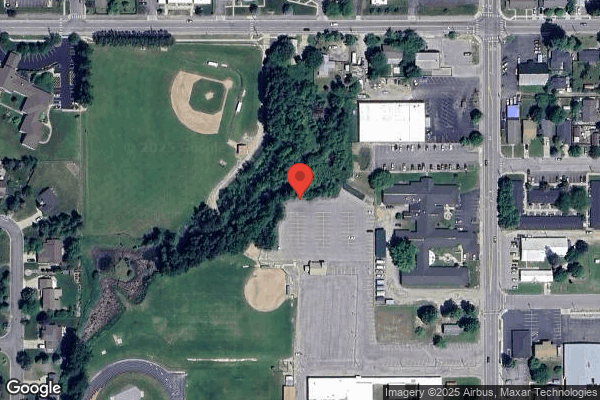
220 SOUTH DIVISION AVE, SANDPOINT, ID 83864 (208) 265-4514
Non profit - Corporation 73 Beds Independent Data: November 2025 1 Immediate Jeopardy citation
Trust Grade
13/100
#79 of 79 in ID
Last Inspection: June 2025

Inspected within the last 6 months. Data reflects current conditions.

Overview

Valley Vista Care Center of Sandpoint has received a Trust Grade of F, indicating significant concerns about the quality of care provided. It ranks #79 out of 79 facilities in Idaho, placing it in the bottom tier of nursing homes in the state, and #2 out of 2 in Bonner County, meaning it is the second and last option available locally. The facility's trend is stable, with 14 issues reported both in 2024 and 2025, suggesting ongoing problems rather than improvement. Staffing is a relative strength, with a 4-star rating; however, the turnover rate of 59% is concerning, as it is above the state average. There are also significant issues, including $40,918 in fines, which is higher than 90% of Idaho facilities, pointing to compliance problems. Despite having more RN coverage than 84% of facilities, the overall health inspection rating is poor at 1 star out of 5. Specific incidents of concern include a critical finding where staff members were observed mocking and teasing a resident with cognitive impairments, and a serious finding where a resident sustained a fracture due to improper assistance during care. Additionally, the facility failed to ensure accurate assessment records for multiple residents, which could lead to inadequate monitoring and care. While staffing levels are better than many other facilities, the troubling incidents and overall low ratings indicate families should carefully consider their options when looking for care for their loved ones.

Trust Score
F
13/100
In Idaho
#79/79
Bottom 1%
Safety Record
High Risk
Review needed
Inspections
Holding Steady
14 → 14 violations
Staff Stability
⚠ Watch
59% turnover. Above average. Higher turnover means staff may not know residents' routines.
Penalties
✓ Good
$40,918 in fines. Lower than most Idaho facilities. Relatively clean record.
Skilled Nurses
○ Average
Each resident gets 33 minutes of Registered Nurse (RN) attention daily — about average for Idaho. RNs are the most trained staff who monitor for health changes.
Violations
⚠ Watch
30 deficiencies on record. Higher than average. Multiple issues found across inspections.
★☆☆☆☆
1.0
Overall Rating
★★★★☆
4.0
Staff Levels
★★☆☆☆
2.0
Care Quality
★☆☆☆☆
1.0
Inspection Score
Stable
2024: 14 issues
2025: 14 issues

The Good

  • 4-Star Staffing Rating · Above-average nurse staffing levels
  • Full Sprinkler Coverage · Fire safety systems throughout facility
  • No fines on record

Facility shows strength in staffing levels, fire safety.

The Bad

1-Star Overall Rating

Below Idaho average (3.2)

Significant quality concerns identified by CMS

Staff Turnover: 59%

13pts above Idaho avg (46%)

Frequent staff changes - ask about care continuity

Federal Fines: $40,918

Above median ($33,413)

Moderate penalties - review what triggered them

Staff turnover is elevated (59%)

11 points above Idaho average of 48%

The Ugly 30 deficiencies on record

1 life-threatening 1 actual harm
Jun 2025 14 deficiencies
CONCERN (D) 📢 Someone Reported This

A family member, employee, or ombudsman was alarmed enough to file a formal complaint

Potential for Harm - no one hurt, but risky conditions existed

Resident Rights (Tag F0550)

Could have caused harm · This affected 1 resident

**NOTE- TERMS IN BRACKETS HAVE BEEN EDITED TO PROTECT CONFIDENTIALITY** Based on observation, record review, and staff interview, it was determined the facility failed to ensure residents' right to be...

Read full inspector narrative →
**NOTE- TERMS IN BRACKETS HAVE BEEN EDITED TO PROTECT CONFIDENTIALITY** Based on observation, record review, and staff interview, it was determined the facility failed to ensure residents' right to be treated with respect and dignity was upheld for 1 of 4 resident (Resident #1) who required assistance with their meals. This deficient practice resulted in a resident not being fed in a dignified manner. Findings include: The facility's Assistance with Meals policy, revised July 2017, documented residents who cannot feed themselves will be fed with attention to safety, comfort and dignity, for example not standing over residents while assisting them with meals. Resident #1 was admitted to the facility on [DATE], with multiple diagnoses including intracranial (brain) injury with loss of consciousness of unspecified duration. On 6/23/25 from 12:38 PM to 12:56 PM, LPN #4 was observed standing while feeding Resident #1 his meal. On 6/23/25 at 2:25 PM, LPN #4 stated he was standing when he assisted Resident #1 with his meal. LPN #4 stated he should have been sitting down while assisting Resident #1 with his meals.
CONCERN (D) 📢 Someone Reported This

A family member, employee, or ombudsman was alarmed enough to file a formal complaint

Potential for Harm - no one hurt, but risky conditions existed

Deficiency F0578 (Tag F0578)

Could have caused harm · This affected 1 resident

**NOTE- TERMS IN BRACKETS HAVE BEEN EDITED TO PROTECT CONFIDENTIALITY** Based on record review and staff interview it was determined the facility failed to ensure residents exercised their right to fo...

Read full inspector narrative →
**NOTE- TERMS IN BRACKETS HAVE BEEN EDITED TO PROTECT CONFIDENTIALITY** Based on record review and staff interview it was determined the facility failed to ensure residents exercised their right to formulate an Advance Directive. This was true for 2 of 15 residents (#37 and #38) whose records were reviewed. This failed practice created the potential for an adverse outcome if the resident's wishes were not followed. Findings include: The State Operation Manual (SOM), Appendix PP, defined an Advance Directive is a written instruction, such as a living will or durable power of attorney for health care, recognized under State law (whether statutory or as recognized by the courts of the State), relating to the provision of health care when the individual is incapacitated. Physician Orders for Life-Sustaining Treatment (or POLST) paradigm form is a form designed to improve patient care by creating a portable medical order form that records patients' treatment wishes so that emergency personnel know what treatments the patient wants in the event of a medical emergency, taking the patient's current medical condition into consideration. A POLST paradigm form is not an advance directive. 1. Resident #37 was admitted to the facility on [DATE] with multiple diagnoses including dementia, post-traumatic stress disorder (PTSD), and depression. Resident #37's record did not include an advance directive for healthcare. Resident #37's record did not include documentation of resources offered for assistance with executing a healthcare advance directive. On 6/26/25 at 9:54 AM, the CCU Coordinator stated Resident #37 had a BIMS of 15 on admission in 2022. His sister facilitated admission and signed the financial power of attorney, but Resident #37 did not sign the power of attorney form. There was no documentation the facility followed up with Resident #37 about his healthcare advance directive options. The CCU Coordinator stated the facility focused on the POLST form during discussions at care conferences and did not discuss advance directives. 2. Resident #38 was admitted to the facility on [DATE] with multiple diagnoses including dementia, hallucinations, and depression. Resident #38's record did not include an advance directive for healthcare. Resident #38's record did not include documentation of resources offered for assistance with executing a healthcare advance directive. On 6/26/25 at 9:57 AM, the CCU Coordinator stated there was no documentation information or assistance executing an advance directive was offered to Resident #38's legal guardian.
CONCERN (D) 📢 Someone Reported This

A family member, employee, or ombudsman was alarmed enough to file a formal complaint

Potential for Harm - no one hurt, but risky conditions existed

Safe Environment (Tag F0584)

Could have caused harm · This affected 1 resident

**NOTE- TERMS IN BRACKETS HAVE BEEN EDITED TO PROTECT CONFIDENTIALITY** Based on observation, resident representative, and staff interview, it was determined the facility failed to ensure residents ha...

Read full inspector narrative →
**NOTE- TERMS IN BRACKETS HAVE BEEN EDITED TO PROTECT CONFIDENTIALITY** Based on observation, resident representative, and staff interview, it was determined the facility failed to ensure residents had a homelike environment. This was true for 1 of 1 resident's (Resident #16) whose room was observed to have a wall in disrepair. This deficient practice created the potential for psychosocial harm if Resident #16 was not provided a homelike environment. Findings include: The facility's Homelike Environment policy, revised February 2020, documented the facility staff and management shall maximize, to the extent possible, the characteristics of the facility that reflect a personalized and homelike setting. Resident #16 was admitted to the facility on [DATE] with multiple diagnoses including aphasia (inability to communicate verbally) after a stroke, right side weakness and paralysis, and dementia. On 6/24/25 at 9:39 AM, Resident #16's Representative stated she was concerned the baseboard area of his wall had exposed wood. On 6/25/25 at 3:19 PM, the base of the wall near the headboard of the resident's bed was observed with a long section of coving peeling away from the wall. Additionally, there were multiple long scratches on the board panel placed to protect the wall. On 6/25/25 at 3:25 PM, CNA #1 stated the coving and board on the wall near the resident's headboard needed to be repaired. On 6/26/25 at 10:50 AM, the Maintenance Assistant stated he was not aware Resident #16's room needed repairs to the wall until the previous evening. He added the wall had been repaired that morning.
CONCERN (D) 📢 Someone Reported This

A family member, employee, or ombudsman was alarmed enough to file a formal complaint

Potential for Harm - no one hurt, but risky conditions existed

Deficiency F0627 (Tag F0627)

Could have caused harm · This affected 1 resident

**NOTE- TERMS IN BRACKETS HAVE BEEN EDITED TO PROTECT CONFIDENTIALITY** Based on record review and staff interview it was determined the facility failed to provide hospital transfer paperwork for 1 of...

Read full inspector narrative →
**NOTE- TERMS IN BRACKETS HAVE BEEN EDITED TO PROTECT CONFIDENTIALITY** Based on record review and staff interview it was determined the facility failed to provide hospital transfer paperwork for 1 of 3 residents (Resident #18) when they were discharged to the hospital. This deficient practice created the potential for Resident #18 to experience harm if the receiving hospital was not provided current medical documentation when he was transferred for emergency medical care. Findings include: The CMS SOM Appendix PP, revised 4/25/25, documented when a facility transfers or discharges a resident the facility must ensure the transfer or discharge is documented in the resident's medical record and appropriate information is communicated to the receiving health care institution or provider. Additionally, the facility must provide and document sufficient preparation and orientation to residents to ensure safe and orderly transfer or discharge from the facility in a form and manner the resident can understand. Resident #18 was admitted to the facility on [DATE] with multiple diagnoses including stroke and left-side paralysis. Review of Resident #18's record documented he was transferred to the hospital on 4/19/25. Review of Resident #18's record did not document the hospital was provided his current medical documentation when he was transferred. On 6/25/25 at 2:50 PM, the DON stated she could not provide documentation the transferring hospital was provided Resident #18's current medical documentation when he was transferred.
CONCERN (D) 📢 Someone Reported This

A family member, employee, or ombudsman was alarmed enough to file a formal complaint

Potential for Harm - no one hurt, but risky conditions existed

Deficiency F0628 (Tag F0628)

Could have caused harm · This affected 1 resident

**NOTE- TERMS IN BRACKETS HAVE BEEN EDITED TO PROTECT CONFIDENTIALITY** Based on record review and staff interview, it was determined the facility failed to ensure residents were provided notice of be...

Read full inspector narrative →
**NOTE- TERMS IN BRACKETS HAVE BEEN EDITED TO PROTECT CONFIDENTIALITY** Based on record review and staff interview, it was determined the facility failed to ensure residents were provided notice of bed-hold and return policy and the Ombudsman advocate for residents was not informed of their transfer. This was true for 2 of 4 residents (#18, and #54) whose records were reviewed for discharge documentation. This failure placed the residents at risk for unnecessary psychosocial distress if they were unaware they could return to the facility following a hospitalization or therapeutic leave and the Ombudsman was not made aware a resident may require an advocate while out of the facility. Findings include: 1. Resident #54 was admitted to the facility on [DATE] with multiple diagnoses including a history of blood clots and kidney and bladder cancer. Resident #54's medical record documented he went to the hospital on 6/14/25 when his nephrostomy tube (a thin surgically placed tube from the kidney to a collection bag outside the body for urine) fell out. Resident #54's medical record did not include documentation a written bed-hold policy notification was provided to the resident or the Ombudsman was notified of his transfer to the hospital. 2. Resident #18 was admitted to the facility on [DATE] with multiple diagnoses including stroke and left-side paralysis. Review of Resident #18's record documented he was admitted to the hospital on [DATE] for lethargy, confusion, low blood oxygen levels on room air, and for refusing supplemental oxygen. Review of Resident #18's record did not document a written bed-hold policy notification was provided to him and did not document the Ombudsman was notified of Resident #18's transfer to the hospital. On 6/25/25 at 2:45 PM, the DON stated they had not provided bed-hold policy notification. She added on admission, resident's sign they understand the facility did not hold a bed for residents if they were discharged from the facility. On 6/25/25 at 3:05 PM, the CCU Coordinator stated, I notify the Ombudsman if I need her help, but I have not notified her when we have transfers or discharges.
CONCERN (D) 📢 Someone Reported This

A family member, employee, or ombudsman was alarmed enough to file a formal complaint

Potential for Harm - no one hurt, but risky conditions existed

Deficiency F0655 (Tag F0655)

Could have caused harm · This affected 1 resident

**NOTE- TERMS IN BRACKETS HAVE BEEN EDITED TO PROTECT CONFIDENTIALITY** Based on policy review, record review, and resident and staff interviews, it was determined the facility failed to provide a cop...

Read full inspector narrative →
**NOTE- TERMS IN BRACKETS HAVE BEEN EDITED TO PROTECT CONFIDENTIALITY** Based on policy review, record review, and resident and staff interviews, it was determined the facility failed to provide a copy or summary of the baseline care plan to residents and/or their representative. This was true for 1 of 1 residents (Resident #115) reviewed for baseline care plan. This failure placed Resident #115 and/or his representative at risk of not being informed and having input in his care plan. Findings include: The facility's Care Plans - Baseline policy, revised December 2016 stated the resident and/or their representative will be provided a summary of the baseline care plan that includes but is not limited to: a. The initial goals of the resident. b. A summary of the resident's medications and dietary instructions. c. Any services and treatments to be administered by the facility and personnel acting on behalf of the facility, and d. Any updated information based on the details of the comprehensive care plan, as necessary. Resident #115 was admitted to the facility on [DATE], with multiple diagnoses including fracture of T(thoracic) 11 - T12 vertebra, ankylosing hyperostosis [NAME] (a non-inflammatory disorder characterized by calcifications and ossification (turns to bone) of spinal ligaments and entheses - places where tendons and ligaments connect to bones) and diabetes. An admission MDS assessment dated [DATE], documented Resident #115 was cognitively intact. On 6/24/25 at 9:58 AM, Resident #115 was in his room watching the television. When asked if he received a copy of his care plan, Resident #115 stated he was not sure if he had received a copy of his care plan or had a meeting with the staff about his care. Resident #115 stated he came from the hospital and there was no family member with him when he was admitted to the facility. A review of Resident #115's Baseline Care Plan did not include documentation a copy of his baseline care plan was provided to him and/or to his representative. On 6/25/25 at 9:43 AM, the DON stated she was unable to find documentation of Resident #115's Baseline Care Plan was provided to him and/or to his representative.
CONCERN (D) 📢 Someone Reported This

A family member, employee, or ombudsman was alarmed enough to file a formal complaint

Potential for Harm - no one hurt, but risky conditions existed

Deficiency F0658 (Tag F0658)

Could have caused harm · This affected 1 resident

**NOTE- TERMS IN BRACKETS HAVE BEEN EDITED TO PROTECT CONFIDENTIALITY** Based on observation, record review, and staff interviews, it was determined the facility failed to ensure medications were admi...

Read full inspector narrative →
**NOTE- TERMS IN BRACKETS HAVE BEEN EDITED TO PROTECT CONFIDENTIALITY** Based on observation, record review, and staff interviews, it was determined the facility failed to ensure medications were administered according to physician's order and professional standards of practice. This was true for 2 of 5 residents (#23 and #41) whose medications administration were observed. This deficient practice created the potential for Resident #41 to develop a yeast infection when he did not rinse his mouth after using his inhaler. Resident #23 had the potential of not receiving the full benefit of his medication from incorrect dosage administration. Findings include: 1. The Wixela Inhub website: www.wixelahcp.com, accessed on 7/1/25, documented Candida albicans [a fungus] has occurred in patients treated with fluticasone propionate and salmeterol inhalation powder. Advise patients to rinse the mouth with water without swallowing following inhalations to help reduce the risk of oropharyngeal candidiasis [mouth and throat yeast infection]. Resident #41 was admitted to the facility on [DATE], with multiple diagnoses including chronic obstructive pulmonary disease (COPD - a progressive lung disease characterized by increasing breathlessness) and dementia. A physician's order, dated 2/18/25 documented Resident #41 was to receive Advair Diskus inhalation (fluticasone-salmeterol) one inhalation orally two times a day for COPD, rinse mouth with water after each use. On 6/26/25 at 8:16 AM, LPN #1 handed the Wixela inhaler to Resident #41. Resident #41 took one inhalation of the Wixela and gave back the inhaler to LPN #1. LPN #1 did not instruct Resident #41 to rinse his mouth after taking one inhalation of the Wixela. On 6/26/25 at 8:40 AM, LPN #1 stated she did not offer Resident #41 to rinse his mouth after taking one inhalation of the Wixela. On 6/26/25 at 11:06 AM, the DON stated Advair Diskus and Wixela are two different names for the same fluticasone-salmeterol inhaled medication. The DON stated LPN #1 should have instructed Resident #41 to rinse his mouth after using the inhaler. 2. The WebMD website: www.webmd.com, accessed on 7/1/25, stated the seven rights of medication administration which included Right Dose. Along with giving the right medications comes giving the right dose. Resident #23 was admitted to the facility on [DATE], with multiple diagnoses including traumatic brain injury with loss of consciousness and quadriplegia (paralysis of both arms and legs). A physician's order dated 11/13/23, documented Resident #23 was to receive Vitamin B-12 oral tablet 1000 mcg, three tablets by mouth one time a day for vitamin deficiency. On 6/26/25 at 7:58 AM, LPN #1 was preparing Resident #23's oral medications to include Vitamin B-12. LPN #1 was observed to put one tablet of Vitamin B-12 to the medication cup. On 6/26/25 at 8:09 AM, LPN #1 administered Resident #23's medications. On 6/26/25 at 8:16 AM, LPN #1 reviewed Resident #23's physician's order and stated she gave Resident #23 one tablet of Vitamin B-12. LPN #1 stated she should have administered Resident #23 three tablets of Vitamin B-12.
CONCERN (D) 📢 Someone Reported This

A family member, employee, or ombudsman was alarmed enough to file a formal complaint

Potential for Harm - no one hurt, but risky conditions existed

Deficiency F0697 (Tag F0697)

Could have caused harm · This affected 1 resident

**NOTE- TERMS IN BRACKETS HAVE BEEN EDITED TO PROTECT CONFIDENTIALITY** Based on record review, policy review, and staff interview, it was determined the facility failed to ensure physician's order to...

Read full inspector narrative →
**NOTE- TERMS IN BRACKETS HAVE BEEN EDITED TO PROTECT CONFIDENTIALITY** Based on record review, policy review, and staff interview, it was determined the facility failed to ensure physician's order to provide non-pharmacological intervention were offered to residents prior to administration of their as needed narcotic pain medications. This was true for 3 of 3 residents ( #22, #54 and #115) reviewed for pain medications. This deficient practice created the potential for harm if the residents were overmedicated when their pain may have responded to nonpharmacological interventions. Findings include: The CDC website, www.cdc.gov, article titled, Overdose Prevention: Guideline Recommendations and Guiding Principles, accessed on 7/2/25, recommended clinicians should maximize use of nonpharmacological and nonopioid pharmacological therapies as appropriate for the specific condition and patient, and only consider opioid therapy for acute pain if benefits are anticipated to outweigh risks to the patient. 1. Resident #22 was admitted to the facility on [DATE], with multiple diagnoses including low back pain and dementia. A physician's order, documented Resident #22 was to receive the following medications: - oxycodone (narcotic pain medication) hcl oral tablet, 2.5 mg every eight hours as needed for pain. - acetaminophen oral tablet 500 mg, one tablet every four hours as needed for pain. The physician's order also directed staff to offer Resident #22 non-pharmacological interventions for pain: rest, positioning, distractions, application of cold and heat packs as needed prior to administration of PRN pain medication. Resident #22's June 2025 MAR documented the following: - She was not administered the acetaminophen 500 mg every four hours PRN for pain. - She received oxycodone 2.5 mg on 6/6/25, 6/7/25, 6/9/25, 6/10/25, 6/13/25, 6/14/25, 6/15/25, 6/18/25, 6/22/25, 6/23/25 and 6/24/25. There was no documentation in Resident #22's record she was offered non-pharmacological interventions prior to administration of her pain medications. 2. Resident #115 was admitted to the facility on [DATE], with multiple diagnoses including fracture of T(thoracic) 11 - T12 vertebra, ankylosing hyperostosis [NAME] (a non-inflammatory disorder characterized by calcifications and ossification (turns to bone) of spinal ligaments and entheses - places where tendons and ligaments connect to bones) and diabetes. A physician's order, dated 6/5/25 documented Resident #115 was to receive the following medications: - acetaminophen 500 mg, give one tablet by mouth every four hours as needed for pain level 1-5. - acetaminophen 500 mg, give two tablets by mouth every four hours as needed for pain level 6-10, not to exceed 3,000 mg per day. -oxycodone hcl 5 mg, give one tablet by mouth every six hours as needed for pain. The physician's order also directed staff to offer Resident #22 non-pharmacological interventions for pain: rest, positioning, distractions, application of cold and heat packs as needed prior to administration of PRN pain medication. Resident #115's June 2025 MAR documented the following: - He was not administered acetaminophen 500 mg every four hours as needed for pain - He received oxycodone 5 mg on 6/13/25, 6/14/25 and 6/18/25. There was no documentation in Resident #115's record he was offered non-pharmacological interventions prior to administration of his pain medications. 3. Resident #54 was admitted to the facility on [DATE] with multiple diagnoses including a history of blood clots, a history of substance use disorder, arthritis, and kidney and bladder cancer. Resident #54's physician orders documented the following: -Hydrocodone-Acetaminophen (a narcotic pain medication) tablet 7.5-325 mg, give 1 tablet by mouth every 6 hours as needed for severe pain, dated 3/24/25. -Prior to PRN medication offer nonpharmacological interventions for pain - rest, positioning, distractions, application of cold and heat packs, as needed. Resident #54's medication administration record for June 2025 documented he received the narcotic pain medication 69 times from June 1-24, 2025. The June 2025 medication administration record included documentation he had been offered nonpharmacological pain interventions 0 of the 69 times he received the narcotic pain medication. On 6/25/25 at 1:53 PM, the DON stated she was unable to find documentation Resident #22, #54, and #115 were offered non-pharmacological interventions prior to administration of their PRN narcotic pain medications. The DON stated Resident #22, #54, and #115 should have been offered the non-pharmacological interventions before giving their PRN narcotic pain medications.
CONCERN (D) 📢 Someone Reported This

A family member, employee, or ombudsman was alarmed enough to file a formal complaint

Potential for Harm - no one hurt, but risky conditions existed

Deficiency F0757 (Tag F0757)

Could have caused harm · This affected 1 resident

**NOTE- TERMS IN BRACKETS HAVE BEEN EDITED TO PROTECT CONFIDENTIALITY** Based on record review and staff interview, it was determined the facility failed to ensure a resident was free from unnecessary...

Read full inspector narrative →
**NOTE- TERMS IN BRACKETS HAVE BEEN EDITED TO PROTECT CONFIDENTIALITY** Based on record review and staff interview, it was determined the facility failed to ensure a resident was free from unnecessary medications. This was true for 1 of 5 residents (Resident #22) reviewed for unnecessary medications. Resident #22 was continually prescribed of cough medication without clear indication and in excessive duration. This deficient practice had the potential for harm if Resident #22 received medications that may result in negative outcomes without clear indication of need. Findings include: 1. Resident #22 was admitted to the facility on [DATE], with multiple diagnoses including chronic bronchitis, low back pain, and dementia. A physician's order, dated 1/30/25, documented Resident #22 was to receive guaifenesin ER (an expectorant-extended release) oral tablet 600 mg every 12 hours for congestion. Resident #22's March 2025, April 2025, May 2025, and June 1-26, 2025, documented Resident #22 was administered guaifenesin ER oral tablet 600 mg every 12 hours for congestion. A Nurse Practitioner's progress note dated 3/20/25, documented Resident #22 did not have cough or congestion and no shortness of breath. A Nurse Practitioner's progress note dated 4/25/25, documented Resident #22's lungs were clear on auscultation (listening with a stethoscope), no wheezing or rales (abnormal lung sounds) noted. A Nurse Practitioner's progress note dated 5/19/25, documented Resident #22 had no nasal congestion or nasal discharge, no dyspnea (difficulty of breathing), cough, congestion or wheezing. The note documented Resident #22's lungs were bilaterally clear to auscultation, no coughing, wheezing or rales. Resident #22 was observed on the following days with no cough or signs and symptoms of congestion or difficulty of breathing as follows: - 6/23/25 at 1:13 PM, she was sitting quietly on the couch by the nurse station. - 6/25/25 at 1:14 PM, she was lying in bed, eyes were closed. On 6/25/25 at 2:02 PM, when asked why Resident #22 was still taking guaifenesin when the Nurse Practitioner's progress dated 3/20/25, 4/25/25, and 5/19/25 documented she did not have congestion, the DON stated she was not sure why Resident #22 was taking guaifenesin. The DON stated it could be for prophylaxis (preventative), and added the order for guaifenesin needed to be clarified.
CONCERN (D) 📢 Someone Reported This

A family member, employee, or ombudsman was alarmed enough to file a formal complaint

Potential for Harm - no one hurt, but risky conditions existed

Deficiency F0839 (Tag F0839)

Could have caused harm · This affected 1 resident

Based on license and certification review and staff interview, it was determined the facility failed to ensure nursing staff were licensed/certified within the state where they provided care. This was...

Read full inspector narrative →
Based on license and certification review and staff interview, it was determined the facility failed to ensure nursing staff were licensed/certified within the state where they provided care. This was true for 1 of 3 nursing staff (Staff #1) whose licenses/certification were reviewed and had the potential to affect all 61 residents in the facility. This failure created the potential for harm if residents received inappropriate care due to a nursing staff lacking the credentials to provide nursing care. Findings include: On 6/25/25 at 3:18 PM, licenses and certification of three nursing staff were reviewed with the HR personnel. Staff #1 who was hired as a CNA on 3/26/25 did not have a certification to work as a CNA in this state. The HR personnel stated she was recently hired in the facility as the HR when Staff #1 was hired, and would look further for the certification of the Staff #1. On 6/26/25 at 2:01 PM, the HR personnel stated she reached out with the previous HR personnel and was told Staff #1 had certification as a nursing assistant when she was hired in the facility. The HR personnel also stated she called Staff #1 and asked her to provide a copy of her certification, but Staff #1 stated she did not have a copy of her certification. The HR personnel stated she was unable to find Staff #1 certificate. The HR personnel stated Staff #1 would not be allowed to work in the facility if she could not provide proof of her certification and her employment was immediately terminated.
CONCERN (E) 📢 Someone Reported This

A family member, employee, or ombudsman was alarmed enough to file a formal complaint

Potential for Harm - no one hurt, but risky conditions existed

Assessment Accuracy (Tag F0641)

Could have caused harm · This affected multiple residents

**NOTE- TERMS IN BRACKETS HAVE BEEN EDITED TO PROTECT CONFIDENTIALITY** 2. Resident #27 was admitted to the facility on [DATE], with multiple diagnoses including intrahepatic (within the liver) bile d...

Read full inspector narrative →
**NOTE- TERMS IN BRACKETS HAVE BEEN EDITED TO PROTECT CONFIDENTIALITY** 2. Resident #27 was admitted to the facility on [DATE], with multiple diagnoses including intrahepatic (within the liver) bile duct (small tubes that transport bile to the small intestine) cancer. Resident #27's record documented a PASRR Level II was completed on 4/18/24. Resident #27's admission MDS assessment section A1500 dated 4/24/24, documented she did not have a PASRR Level II evaluation. Based on review of the Resident Assessment Instrument (RAI) Manual, record review, and staff interview, it was determined the facility failed to ensure residents' Minimum Data Set (MDS) Assessments included correct assessment information. This was true for 6 of 6 residents (#27, #35, #37, #38, #47, and #57) whose MDS records were reviewed for accuracy. This deficient practice had the potential for negative outcomes if residents were not assessed and/or monitored due to inaccurate assessments. Findings include: The RAI Manual, revised 10/1/2024, documented section A1500, PASRR (Preadmission Screening and Resident Review), was to be coded yes when a PASRR Level II screening determined a resident had a serious mental illness and/or intellectual disability, or related condition. 1. Resident #35 was admitted to the facility on [DATE] with multiple diagnoses including senile degeneration of the brain, PTSD, and an unspecified personality disorder. Resident #35's PASRR Level I, dated 6/9/22, documented he had a major mental illness diagnosis of anxiety disorder. Resident #35's PASRR Level II, dated 7/5/22, documented he had a current diagnosis of severe mental illness per PASRR criteria of anxiety disorder. Resident #35's Significant Change in Status MDS Assessment, dated 4/27/25, at A1500, Is the resident currently considered by the state level II PASRR process to have serious mental illness and/or intellectual disability or a related condition?, documented the answer no. 3. Resident #37 was admitted to the facility on [DATE] with multiple diagnoses including dementia, PTSD, and depression. Resident #37's updated PASRR level II, dated 4/30/24, documented he had a primary diagnosis of dementia with PTSD and depression. Resident #37's Annual MDS assessment, dated 9/23/24, documented under question A1500 he was not considered by the state level II PASRR process to have a serious mental illness and/or intellectual disability or a related condition. 4. Resident #38 was admitted to the facility on [DATE] with multiple diagnoses including dementia, hallucinations, and depression. Resident #38's PASRR level II, dated 3/24/23, documented he had a primary diagnosis of dementia. Resident #38's Annual MDS assessment, dated 4/14/25, did not document at A1500 a PASRR Level II was completed. 5. Resident #47 was admitted to the facility on [DATE] with multiple diagnoses including neurocognitive disorder with Lewy Bodies (a progressive brain disorder characterized by dementia with fluctuating cognitive abilities, hallucinations, and parkinsonian motor symptoms), dementia with psychotic disturbance, PTSD, and depression. Resident #47's PASRR Level II, dated 1/15/25, documented he had a primary diagnosis of dementia and a secondary diagnosis of PTSD. Resident #47's Annual MDS assessment, dated 1/21/25, documented Resident #47 did not have a PASRR level II at A1500. On 6/25/25 at 10:12 AM, the MDS Coordinator stated, I interpreted the question incorrectly and marked no when it should have marked yes, at A1500 a PASRR level II was completed, for Resident #27, #35, #37, #38, and #47. 6. Resident #57 was admitted to the facility on [DATE], with multiple diagnoses including hypertension and chronic obstructive pulmonary disease. Resident #57's admission MDS assessment, Section P, dated 4/21/25, documented she was not using a wanderguard (a sensor for an alarm when a resident nears a building exit). On 6/24/25 at 9:44 AM, Resident #57 was observed to have a wanderguard attached to her left ankle. On 6/25/25 at 12:09 PM, the MDS Coordinator reviewed Resident #57's record and stated the MDS should have been coded yes.
CONCERN (E) 📢 Someone Reported This

A family member, employee, or ombudsman was alarmed enough to file a formal complaint

Potential for Harm - no one hurt, but risky conditions existed

Deficiency F0809 (Tag F0809)

Could have caused harm · This affected multiple residents

Based on observation, interview, and policy review, it was determined the facility failed to ensure residents were routinely provided nourishing evening snacks. This was true for 5 of 7 resident's (#5...

Read full inspector narrative →
Based on observation, interview, and policy review, it was determined the facility failed to ensure residents were routinely provided nourishing evening snacks. This was true for 5 of 7 resident's (#5, #26, #31, #56, and #115) who attended the resident council discussion with surveyors. This failure created the potential for residents to experience hunger between meals, increased fatigue, weight loss, and poor quality of sleep. Findings include: The CMS SOM, Appendix PP, updated 4/25/25, documented no more than 14 hours between a substantial evening meal and breakfast the following day should elapse, except when a nourishing snack is served at bedtime, up to 16 hours may elapse between a substantial evening meal and breakfast the following day if a resident group agrees to this meal span. The SOM defines a nourishing snack as items from the basic food groups (protein, grain, dairy, fruit, and vegetables), either singly or in combination with each other. On 6/25/25 at 10:33 AM, Resident #5, #26, #31, and #115 stated they were provided snacks when asked, but the snacks were not very big or filling. Resident #56 stated he was unaware he could ask for snacks after dinner. The residents added they were unaware they could ask for more than one snack. A review of the facility meal hours documented there were 15 hours between dinner and breakfast. On 6/26/25 at 2:55 PM, the CDM stated she was aware there were more than 14 hours between dinner and breakfast, and it was determined the snacks available were considered nourishing and appropriate for the residents. She was unaware of any resident group agreement to the meal hours as they were changed in 2020. The CDM stated the nursing staff should offer snacks to the residents between meals. On 6/27/25 at 10:50 AM, the DON stated nursing staff offered snacks available from the snack cart and whenever a resident asked for one. She was unaware if they were routinely offered between dinner and breakfast. On 6/27/25 at 11:15 AM, LPN #4 stated residents are always offered snacks between meals if they are care planned for staff to do so, or if a resident asks for a snack, but he was unaware if staff routinely offered snacks between dinner and breakfast for all residents.
CONCERN (E) 📢 Someone Reported This

A family member, employee, or ombudsman was alarmed enough to file a formal complaint

Potential for Harm - no one hurt, but risky conditions existed

Food Safety (Tag F0812)

Could have caused harm · This affected multiple residents

Based on observation and staff interview, it was determined the facility failed to ensure the resident's refrigerators were cleaned, and expired spices were discarded. These deficiencies had the poten...

Read full inspector narrative →
Based on observation and staff interview, it was determined the facility failed to ensure the resident's refrigerators were cleaned, and expired spices were discarded. These deficiencies had the potential to affect the 59 residents who consumed food prepared by the facility. This placed residents at risk for potential contamination of food and adverse health outcomes, including food-borne illnesses. Findings include: The FDA Food Code Section 3-501.17 Ready-to-Eat, TCS (time/temperature control for safety) food, date marking, documented marking the date or day the original container is opened in a food establishment, with a procedure to discard the food on or before the last date or day by which the food must be consumed on the premises, sold, or discarded. The FDA Food Code Section 6-501.12 Cleaning, Frequency and Restrictions, documented cleaning of the physical facilities is an important measure in ensuring the protection and sanitary preparation of food. A regular cleaning schedule should be established and followed to maintain the facility in a clean and sanitary manner. Primary cleaning should be done at times when foods are in protected storage and when food is not being served or prepared. On 6/26/25 at 2:25 PM, it was observed the following spices were expired in the spice rack next to the cook preparation area: Fajita (expired 12/24), Chili Powder (expired 6/24), and Onion Powder (expired 4/24). On 6/26/25 at 2:30 PM, the CDM stated she was unaware the spices were expired and they should have been thrown out. On 6/24/25 at 1:45 PM, and on 6/26/25 at 2:45 PM, it was observed the resident's refrigerators located in the Lodge, the Village, and the Kitchen were not clean, with food residue located on the interior shelves. On 6/26/25 at 3:50 PM, the CDM stated there is a cleaning schedule documenting what is cleaned and when; however, she was unable to find documentation a cleaning schedule had been followed in June 2025.
CONCERN (E) 📢 Someone Reported This

A family member, employee, or ombudsman was alarmed enough to file a formal complaint

Potential for Harm - no one hurt, but risky conditions existed

Infection Control (Tag F0880)

Could have caused harm · This affected multiple residents

Based on observation, policy review, and staff interview, it was determined the facility failed to ensure infection control and prevention practices were maintained when the facility failed to offer h...

Read full inspector narrative →
Based on observation, policy review, and staff interview, it was determined the facility failed to ensure infection control and prevention practices were maintained when the facility failed to offer hand hygiene to residents before their meals were served. This was true for 7 of 9 residents (#6, #9, #36, #37, #46, #47, and #50) eating in the Lodge dining room and 3 of 6 resident's (#12, #38, and #39) observed eating in their rooms. This failed practice had the potential for negative outcomes by exposing residents to the risk of infection and cross-contamination. Findings include: The CMS SOM, Appendix PP, revised 4/25/25, documented hand hygiene should be offered to residents before meals. The facility's Hand Hygiene Policy, revised October 2023, documented hand hygiene should be practiced helping to prevent the spread of infections, and offered to residents, family members, and/or visitors. On 6/23/25 at 12:04 PM, the following was observed in the Lodge dining room: 1. Residents #6, #9, #37, #46, #47, and #50 were not offered hand hygiene before being provided their beverages and meals. 2. Resident #36 was observed sitting at the dining table coughing into his hands and then rubbed his face after sneezing. Staff did not offer hand hygiene before serving his meal or after he sneezed into his hands. 3. Residents #12, #38, and #39 were not offered hand hygiene before being offered their meal trays. On 6/23/25 at 12:35 PM, LPN #2 stated she had not offered hand hygiene to residents #12, #38, and #39, and she should have. On 6/23/25 at 12:40 PM, LPN #3 stated we should be offering hand hygiene before their meals and after a resident sneezes.
May 2024 14 deficiencies 1 IJ
CRITICAL (J) 📢 Someone Reported This

A family member, employee, or ombudsman was alarmed enough to file a formal complaint

Immediate Jeopardy (IJ) - the most serious Medicare violation

Free from Abuse/Neglect (Tag F0600)

Someone could have died · This affected 1 resident

**NOTE- TERMS IN BRACKETS HAVE BEEN EDITED TO PROTECT CONFIDENTIALITY** 2. Resident #3 was admitted to the facility on [DATE] and readmitted on [DATE], with multiple diagnoses including traumatic brai...

Read full inspector narrative →
**NOTE- TERMS IN BRACKETS HAVE BEEN EDITED TO PROTECT CONFIDENTIALITY** 2. Resident #3 was admitted to the facility on [DATE] and readmitted on [DATE], with multiple diagnoses including traumatic brain injury with loss of consciousness, dementia, and epilepsy (seizure). An annual MDS assessment, dated 1/11/24, documented Resident #3 was moderately cognitively intact. An Abuse Investigation report, dated 10/24/23, documented CNA #14 reported to Human Resources (HR) that on 10/20/23, she observed CNA #15 and CNA #16 flick Resident #3's ear and start laughing. CNA #15 and CNA #16 continued to tease Resident #3 which made Resident #3 swear, causing other residents to also swear. CNA #14 asked CNA #15 and CNA #16 to stop, at which time CNA #14 and CNA #15 started to mock her. CNA #14 reported to LPN #5 about the incident, however LPN #5 thought it was funny and did nothing to stop the situation. The report also documented Housekeeper #1 reported to the Human Resources Coordinator that on 10/24/23, she saw a CNA pulling Resident #3's hair as she was pushing him in his wheelchair toward the nurses' station from the Day Room. This caused Resident #3 to yell out cuss words. Another CNA then yelled at Resident #3 for cussing. The same CNA pulled Resident #3's hair again which caused Resident #3 to yell out again. Housekeeper #1 was unable to identify the two CNAs' names. However, on 10/25/23, Housekeeper #1 was able to identify to the Human Resources Coordinator that it was CNA #15 and CNA #16 making fun of Resident #3. The report also included a statement made by CNA #17. CNA #17 reported on 10/24/23, she heard CNA #15 and CNA #16 getting Resident #3 all worked up using bad language. CNA #14 and CNA #15 were laughing at Resident #3 and CNA #17 felt they were antagonizing Resident #3. LPN #5, CNA #15, and CNA #16 all made statements and denied the abuse allegations regarding Resident #3. The Abuse Investigation report substantiated the abuse allegation based on the three separate witness statements, which two were observed and one heard on three separate occasions. LPN #5, CNA #15, and CNA #16 were terminated from employment at the facility. On 10/31/23, the facility provided abuse training titled Abuse - What it is and How to Report it to all staff. On 5/3/24 at 12:39 PM, CNA #17 stated she reported to the Human Resources Coordinator an incident wherein she heard a CNA making fun of a resident. CNA #17 stated the incident was investigated and the CNAs involved were no longer in the facility. On 5/2/24 at 2:49 PM, the DON stated staff involved in Resident #3's abuse allegation were removed from their schedule while it was being investigated. The DON stated the CNAs and the LPN were no longer in the facility. Based on record review, policy review, review of the State Agency's Long-Term Care Reporting Portal, and resident and staff interview, it was determined the facility failed to protect the residents' right to be free from physical and verbal abuse by staff. This was true for 2 of 3 residents (#3 and #37) who were reviewed for abuse. These deficient practices placed the safety of Resident #3 and Resident #37 and all other residents residing in the facility at risk for immediate jeopardy of serious harm, impairment or death. Findings include: The faclity's Abuse policy, dated December 2023, defined verbal abuse as the use of oral, written, or gestured language that willfully included disparaging derogatory terms to residents or their families, or within their hearing distance, regardless of their age, ability to comprehend, or disability. The policy stated when an incident of resident abuse was suspected staff were to ensure the resident was safe by stopping the abuse and/or removing the resident from the situation. If the accused individual was an employee, the alleged perpetrator was removed from resident care areas immediately and placed on suspension pending results of the investigation. 1. Resident #37 was admitted to the facility on [DATE], with multiple diagnoses including heart disease, high blood pressure, arthritis, and depression. An admission MDS assessment, dated 3/18/24 documented Resident #37 was cognitively intact. During an interview on 4/30/24 at 12:00 PM, Resident #37 stated LPN #1 on the night shift was confrontational. Resident #37 stated that LPN #1 hollered and screamed at her, leaned her body in toward her and stated she never liked Resident #37 and never would. LPN #1 continued to scream she wanted Resident #37 out of the facility because Resident #37 had turned everyone against her. Resident #37 stated she could not remember the date of the incident approximately two weeks ago, but knew it was around 8:00 or 8:30 PM. During the same interview, Resident #37 stated she was very afraid of LPN #1 and she was afraid when LPN #1 was in the building she may do something to her. Resident #37 stated after LPN #1 left her room she immediately called the Administrator and the Administrator planned to send LPN #2 to come to her room and sit with her. Resident #37 stated LPN #1 came back by herself a second time and they again had a verbal encounter. LPN #2 asked LPN #1 to leave Resident #37's room. Resident #37 stated she had not seen LPN #1 since the incident but knew she was in the building. On 4/30/24 at 1:16 PM, LPN #2 stated while on duty (she worked 2:00 PM to 10:00 PM on 4/7/24) the Administrator called her and instructed her to go to Resident #37's room and sit with her. The Administrator told LPN #2 Resident #37 called him and stated LPN #1 was yelling at her. LPN #2 stated the Administrator gave her no additional instructions regarding Resident #37. LPN #2 stated when she checked on Resident #37 she was upset, tearful, and stated she wanted to leave the facility. On 4/30/24 at 2:19 PM, the Administrator and the DON were asked if a resident had reported an allegation of verbal abuse in the last month. The DON stated no and the Administrator stated, nothing comes to mind. When asked if Resident #37 had made an allegation of verbal abuse against LPN #1, the DON stated the incident was investigated and unsubstantiated. On 4/30/24 at 3:15 PM, the DON confirmed the incident occurred on the evening shift of 4/7/24. The nursing schedule, provided by the DON, dated 4/7/24, documented LPN #1 was the only licensed nurse on duty on 4/7/24 and 4/8/24 during the night shift from 10:00 PM to 6:00 AM. The DON stated LPN #1 returned to work the following day on the night shift of 4/8/24. During an interview on 5/2/24 at 8:22 AM, LPN #1 stated her shift assignment was night shift from 6:00 PM to 6:00 AM. When asked what type of contact she had with Resident #37 on 4/7/24, LPN #1 stated she provided Resident #37 medication administration but did not answer Resident #37's call light. LPN #1 denied yelling or screaming at Resident #37 on the evening of the alleged incident on 4/7/24. When asked if she had spoken to the Administrator or the DON during her shift on 4/7/24 - 4/8/24 about the incident, LPN #1 stated no. The facility's failure to ensure residents were protected from alleged verbal abuse placed the health and safety of all residents residing in the facility at risk for immediate jeopardy of serious harm, impairment, or death. On 4/30/24 at 5:05 PM, the Administrator and DON were informed verbally and in writing of an Immediate Jeopardy (IJ) determination at F600 related to the facility's failure to protect residents from alleged verbal abuse. This failure resulted in a serious adverse outcome for Resident #37 who verbalized she was fearful LPN #1 would do something to her when LPN #1 continued working in the facility and placed other residents residing in the facility in immediate jeopardy of serious harm, impairment, or death. On 5/1/24 at 5:51 PM, the facility provided a plan to remove the immediacy which was accepted. The facility's IJ removal plan included: - All residents were safe by having the accused leave the building immediately and placed on administrative leave. LPN #1 was placed on administrative leave on 4/30/24. - The facility will re-educate all staff members to Valley Vista Care Corporation Abuse Policy and Procedures and the Federal and State requirements for reporting prior to their next shift following Train the Trainer in-service by 4 PM on 5/1/24. - The CEO, Director of Corporate Compliance, and/or Director of Administrative Services will be alerted of any allegation(s) of abuse immediately to ensure Federal and State law has been followed. - Residents were interviewed on 4/30/24 to ensure they felt safe in the building, if they were abused (verbal, physical, and/or neglect), and if they knew who they could report abuse allegations. On 5/3/24 at 1:00 PM, the Administrator was verbally notified the immediacy was removed based on onsite verification the IJ removal plan was implemented. Following the immediacy, noncompliance remained at actual harm.
SERIOUS (G) 📢 Someone Reported This

A family member, employee, or ombudsman was alarmed enough to file a formal complaint

Actual Harm - a resident was hurt due to facility failures

Accident Prevention (Tag F0689)

A resident was harmed · This affected 1 resident

**NOTE- TERMS IN BRACKETS HAVE BEEN EDITED TO PROTECT CONFIDENTIALITY** Based record review, review of the State Survey Agency's Long-Term Care Reporting Portal, I&A reports, and staff interview, it w...

Read full inspector narrative →
**NOTE- TERMS IN BRACKETS HAVE BEEN EDITED TO PROTECT CONFIDENTIALITY** Based record review, review of the State Survey Agency's Long-Term Care Reporting Portal, I&A reports, and staff interview, it was determined the facility failed to ensure residents' care plans were followed to prevent falls. This was true for 1 of 5 residents (Resident #16) reviewed for falls. This resulted in harm to Resident #16 when he fell and sustained a calcaneal (heel) fracture while being assisted by one staff during his pericare. Findings include: Resident #16 was admitted to the facility on [DATE] and readmitted on [DATE], with multiple diagnoses including viral infection of the brain, dementia, epilepsy (seizure), and abnormal posture. An annual MDS assessment, dated 9/27/23, documented Resident #16 was rarely/never understood. A care plan, revised 2/18/21, documented Resident #16 had an ADL self-care performance deficit related to his alteration in cognition, behaviors, weakness, and decreased mobility secondary to Human Prion (group of disorders that damage brain and nervous system tissues and function) disease. The care plan directed staff to provide him 2-person total assist in all his ADLs. An I&A report, dated 12/21/23 at 1:45 PM, documented Resident #16 had a witnessed non-injury fall. He was transferred to his bed by CNA #13 and RN #1 using a Hoyer lift. RN #1 left the room and CNA #13 proceeded to perform pericare to Resident #16. CNA #13 pulled Resident #16's pants down, turned him to his right side, and cleaned him. CNA #13 then turned Resident #16 towards her. While CNA #1 was turning Resident #16 towards her, Resident #16 threw his left arm to his right side and rolled off his bed onto the floor. The I&A report documented possible muscle spasm or seizure activity as the root cause of Resident #16's fall and to provide him with 2 staff for all his cares. A nurse's progress note, dated 12/22/23 at 10:10 PM, documented Resident #16 had a bruise to his right heel. A nurse's progress note, dated 12/23/23 at 12:01 PM, documented Resident #16 had no apparent signs of pain or other latent injuries. A nurse's progress note, dated 12/24/23 at 1:42 PM, documented Resident #16's right foot was swollen and bruised. He had no signs and symptoms of pain. A nurse's progress note, dated 12/28/23 at 1:27 PM, documented Resident #16's right foot was yellow and swollen. A physician's progress note, dated 1/4/24 at 10:15 AM, documented It was unclear if there was any injury. I do not appreciate any ecchymosis (bruise) but it is definitely painful to palpate. The physician ordered for Resident #16 to have an x-ray of his foot. An x-ray report, dated 1/5/24, documented Resident #16 had a nondisplaced superior calcaneal fracture. On 5/2/24 at 2:49 PM, the DON stated there was only one staff assisting Resident #16 during his pericare and he might have a seizure. The DON stated Resident #16's care plan was not followed, he needed two staff assistance during his cares because he could be combative and became rigid during his cares. She stated CNA #13 should have known Resident #16 needed two persons during cares by checking their [NAME] (a desktop file system that gives a brief overview of each patient and is updated every shift). The DON stated CNA #13 was in-serviced after Resident #16's fall.
CONCERN (D) 📢 Someone Reported This

A family member, employee, or ombudsman was alarmed enough to file a formal complaint

Potential for Harm - no one hurt, but risky conditions existed

Resident Rights (Tag F0550)

Could have caused harm · This affected 1 resident

**NOTE- TERMS IN BRACKETS HAVE BEEN EDITED TO PROTECT CONFIDENTIALITY** Based on observation, policy review, and staff interview, it was determined the facility failed to ensure to respect and maintai...

Read full inspector narrative →
**NOTE- TERMS IN BRACKETS HAVE BEEN EDITED TO PROTECT CONFIDENTIALITY** Based on observation, policy review, and staff interview, it was determined the facility failed to ensure to respect and maintain a residents' dignity. This was true for 1 of 1 resident (Resident #12) reviewed for respect and dignity. This deficient practice created the potential for psychosocial harm if Resident #12 experienced embarrassment or lack of self-esteem. Findings include: The facility's Resident Rights policy, dated 12/26/22, stated residents are to be treated with respect, kindness, and dignity. Resident #12 was admitted to the facility on [DATE], with multiple diagnoses including intracranial (brain) injury with loss of consciousness and epilepsy (seizure disorder), and aphasia (an impairment of language due to brain injury, affecting the production or comprehension of speech and the ability to read or write). An annual MDS assessment, dated 9/20/23, documented Resident #12 was rarely/never understood. On 4/29/24 at 1:11 PM and 5/2/24 at 7:36 AM, Resident #12 could be seen from outside his room with no sheet to cover his lower body. He was wearing an adult diaper and his legs were exposed. Resident #12's shirt was rolled up exposing his PEG (percutaneous endoscopic gastrostomy - a surgically placed tube inserted through the abdomen into the stomach to administer liquid feedings) tube. Resident #12's door was all the way open, and he was in full view of anyone passing by his room. On 5/2/24 at 7:47 AM, the DON entered Resident #12's room and stated he would always uncover himself. The DON then took the sheets to cover Resident #12 and stated she would remind the staff to always check on Resident #12 and make sure he had a sheet covering his body.
CONCERN (D) 📢 Someone Reported This

A family member, employee, or ombudsman was alarmed enough to file a formal complaint

Potential for Harm - no one hurt, but risky conditions existed

Deficiency F0554 (Tag F0554)

Could have caused harm · This affected 1 resident

**NOTE- TERMS IN BRACKETS HAVE BEEN EDITED TO PROTECT CONFIDENTIALITY** Based on record review, policy review, observation, and resident and staff interview, the facility failed to ensure the interdis...

Read full inspector narrative →
**NOTE- TERMS IN BRACKETS HAVE BEEN EDITED TO PROTECT CONFIDENTIALITY** Based on record review, policy review, observation, and resident and staff interview, the facility failed to ensure the interdisciplinary team had determined it was appropriate for a resident to self-administer medications for 2 of 6 residents (#39 and #52) reviewed for self-administration of medications. Findings include: The facility's policy Self-Administration of Medications dated December 2016, documented Residents had the right to self-administer medications if the interdisciplinary team clinically determined it was appropriate and safe for the resident to do so. 1. Resident #39 was admitted to the facility on [DATE], with multiple diagnoses including chronic obstructive pulmonary disease (COPD - group of diseases that cause airflow blockage and breathing-related problems). A quarterly MDS assessment, dated 3/25/24, documented Resident #39 was cognitively intact. A physician order, dated 4/4/24, documented Resident #39 was to start a Ventolin inhaler, two puffs every 4 hours as needed for bronchospasms and that she may keep the inhaler in her room. On 4/30/24 at 9:56 AM, and 5/1/24 at 4:57 PM, a Ventolin inhaler was observed on Resident #39's overbed table in her room. On 4/30/24 at 9:56 AM, Resident #39 stated, They let me have that [Ventolin inhaler] in case I get short of breath. On 5/1/24 at 5:03 PM, the DON accompanied the surveyor to Resident #39's room and stated there was an albuterol (Ventolin) inhaler with Resident #39's name on it lying on her overbed table. On 5/2/24 at 11:00 AM, the DON stated there was no checklist completed indicating Resident #39 knew and understood how to use the inhaler. On 5/2/24 at 2:30 PM, the RCS was asked if Resident #39 was able to self-administer medications. The RCS stated, I am not aware Resident #39 can. The RCS was notified of the 4/4/24 order which stated Resident #39 could have a Ventolin inhaler at the bedside. The RCS stated, I was not aware of that order. The RCS also confirmed the interdisciplinary team had not determined Resident #39 was appropriate for self-administering medications. 2. Resident #52 was admitted to the facility on [DATE], with multiple diagnoses including type 2 diabetes mellitus, heart disease, and dementia. A quarterly MDS assessment, dated 4/12/24 documented Resident #52 was moderately cognitively impaired. On 4/30/24 at 9:21 AM, LPN #3 was observed taking a cup containing Resident #52's pills and placed the cup on the dining room table where Resident #52 was sitting. LPN #3 walked out of the dining room to the hallway to obtain a glucometer strip from the medication cart before returning to Resident #52 in the dining room. On 4/30/24 at 9:24 AM, when asked if Resident #52 could self-administer medications, LPN #3 stated, No, I don't believe so. LPN #3 stated she could not visualize the medication cup she left on the table when she left the dining room and went into the hallway. On 5/3/24 at 2:00 PM, the DON stated Resident #52 was not assessed or determined by the interdisciplinary team to be appropriate to self-administer medications.
CONCERN (D) 📢 Someone Reported This

A family member, employee, or ombudsman was alarmed enough to file a formal complaint

Potential for Harm - no one hurt, but risky conditions existed

Notification of Changes (Tag F0580)

Could have caused harm · This affected 1 resident

**NOTE- TERMS IN BRACKETS HAVE BEEN EDITED TO PROTECT CONFIDENTIALITY** Based on record review and staff interview, it was determined the facility failed to ensure the physician was notified of a resi...

Read full inspector narrative →
**NOTE- TERMS IN BRACKETS HAVE BEEN EDITED TO PROTECT CONFIDENTIALITY** Based on record review and staff interview, it was determined the facility failed to ensure the physician was notified of a resident's decision to leave the facility against medical advice. This was true for 1 of 1 resident (Resident #62) reviewed for discharge. This deficient practice placed Resident #62 at risk of harm due to lack of physician input or involvement. Findings include: Resident #62 was admitted to the facility on [DATE], with multiple diagnoses including dementia, weakness, and anxiety. A nurse's progress note, dated 1/31/24 at 1:46 PM, documented Resident #62's representative told the nurse he was taking Resident #62 home. The nurse documented, I attempted to explain that unless we have a discharge order, he would have to take her home AMA [against medical advice]. A Social Services progress note, dated 1/31/24 at 3:37 PM, documented Resident #62's representative stated Resident #62 was unhappy with the placement and he was taking her home. The RSC informed Resident #62 that the facility would not be able to organize a discharge that quickly, and if her representative were to take Resident #62 home it would be AMA. Resident #62's representative was also informed of Resident #62's urinary retention and that she was unable to void (urinate) on her own without assistance. Resident #62's representative stated he was confident Resident #62 would be able to urinate once she was home. The Social Services progress note documented the AMA form was signed by Resident #62's representative at 12:50 PM. The DON was interviewed on 5/2/24 at 3:05 PM. When asked if the staff were expected to notify the physician of a resident's decision to leave the facility AMA, the DON stated, Yes, the physician is usually notified of every resident wanting to go home AMA. The DON then reviewed Resident #62's record and stated she was unable to find documentation the physician was notified. The DON then called the RSC and was told the physician was verbally notified but the RSC failed to document it into Resident #62's record.
CONCERN (D) 📢 Someone Reported This

A family member, employee, or ombudsman was alarmed enough to file a formal complaint

Potential for Harm - no one hurt, but risky conditions existed

Deficiency F0582 (Tag F0582)

Could have caused harm · This affected 1 resident

**NOTE- TERMS IN BRACKETS HAVE BEEN EDITED TO PROTECT CONFIDENTIALITY** Based on record review and staff interview, it was determined the facility failed to ensure residents were provided with an Adva...

Read full inspector narrative →
**NOTE- TERMS IN BRACKETS HAVE BEEN EDITED TO PROTECT CONFIDENTIALITY** Based on record review and staff interview, it was determined the facility failed to ensure residents were provided with an Advance Beneficiary Notice (ABN) when their Medicare Part A benefits ended. This was true for 1 of 3 residents (Resident #19) reviewed for an ABN. This failure created the potential for Resident #19 and his representative to experience financial and psychological distress when they were not informed of their potential financial liability to continue services. Findings include: Resident #19 was admitted to the facility on [DATE] for care related to his dementia diagnosis. Resident #19 had a representative who made healthcare and financial decisions on his behalf. On 4/3/24 Resident #19's Representative was given the Notice of Medicare Non-Coverage CMS 10123 Form (NOMNC). The form documented his Skilled Nursing Service Coverage would end on 4/5/24 as his health had improved and he no longer qualified for coverage. On 5/2/24 at 11:48 AM, the RSC stated Resident #19 continued to stay at the facility after 4/5/24 when his benefits ended. The RSC added the facility did not provide Resident #19 or his representative an ABN to inform them of the financial costs they would be liable to pay if he continued to receive care after 4/5/24 because they thought Resident #19 would be going home.
CONCERN (D) 📢 Someone Reported This

A family member, employee, or ombudsman was alarmed enough to file a formal complaint

Potential for Harm - no one hurt, but risky conditions existed

Report Alleged Abuse (Tag F0609)

Could have caused harm · This affected 1 resident

**NOTE- TERMS IN BRACKETS HAVE BEEN EDITED TO PROTECT CONFIDENTIALITY** Based on record review, policy review, and resident and staff interview, it was determined the facility failed to report allegat...

Read full inspector narrative →
**NOTE- TERMS IN BRACKETS HAVE BEEN EDITED TO PROTECT CONFIDENTIALITY** Based on record review, policy review, and resident and staff interview, it was determined the facility failed to report allegations of potential abuse to the State Survey Agency within 2 hours. This affected 1 of 3 residents (Resident #37) who were reviewed for abuse/neglect. This failure resulted in Resident #37's allegation of verbal abuse not being acted on in a timely manner, investigated, and measures implemented to protect residents during the investigation, which placed all residents in the facility at risk of abuse. Findings include: The facility's Abuse policy, dated December 2023, stated each resident had the right to be free from abuse. Residents must not be subjected to abuse by anyone. The policy defined verbal abuse as the use of oral, written, or gestured language that willfully included disparaging derogatory terms to residents or within their hearing distance, regardless of their age, ability to comprehend, or disability. The policy stated the Initial Report of allegations of abuse, or resulting serious bodily injury, the facility must report the allegation immediately, but no later than 2 hours after the allegation was made. The facility must provide a report with sufficient information to describe the alleged violation. The policy further stated It was important the facility provide as much information as possible at the time of submission of the report, so that State Agency (SA) can initiate action necessary to oversee the protection of nursing home residents. 1. Resident #37 was admitted to the facility on [DATE] with multiple diagnoses including heart disease, high blood pressure, arthritis, and depression. An admission MDS assessment, dated 3/18/24 documented Resident #37 was cognitively intact. During an interview on 4/30/24 at 12:00 PM, Resident #37 stated LPN #1 on the night shift was confrontational. Resident #37 stated that LPN #1 hollered and screamed at her, leaned her body in toward her and stated she never liked Resident #37 and never would. LPN #1 continued to scream she wanted Resident #37 out of the facility because Resident #37 had turned everyone against her. Resident #37 stated she could not remember the date of the incident approximately two weeks ago, but knew it was around 8:00 or 8:30 PM. Resident #37 stated she was very afraid of LPN #1 and she was afraid when LPN #1 was in the building she may do something to her. Resident #37 stated after LPN #1 left her room she immediately called the Administrator and that the Administrator planned to send LPN #2 to come to her room and sit with her. Resident #37 stated LPN #1 came back by herself a second time and they again had a verbal encounter. On 4/30/24 at 2:19 PM, the Administrator and the DON were asked if a resident had reported an allegation of verbal abuse in the last month. The DON stated no and the Administrator stated, nothing comes to mind. When asked if Resident #37 had made an allegation of verbal abuse against LPN #1, the DON stated she reported to the SA, investigated and unsubstantiated the allegation of verbal abuse. The Administrator stated he did not recall Resident #37 calling to report an allegation of verbal abuse to him. On 4/30/24 at 3:15 PM, the DON stated she could not find the investigation. The DON stated the incident should have been reported to the SA. The DON stated the incident occurred on the evening shift of 4/7/24, and LPN#1 was the only licensed nurse on duty during the evening/night shift on 4/7/24 - 4/8/24. The DON stated she was informed about the incident the next morning on 4/8/24 by the Administrator.
CONCERN (D) 📢 Someone Reported This

A family member, employee, or ombudsman was alarmed enough to file a formal complaint

Potential for Harm - no one hurt, but risky conditions existed

Investigate Abuse (Tag F0610)

Could have caused harm · This affected 1 resident

**NOTE- TERMS IN BRACKETS HAVE BEEN EDITED TO PROTECT CONFIDENTIALITY** Based on policy review, record review, and resident and staff interview, it was determined the facility failed to ensure an alle...

Read full inspector narrative →
**NOTE- TERMS IN BRACKETS HAVE BEEN EDITED TO PROTECT CONFIDENTIALITY** Based on policy review, record review, and resident and staff interview, it was determined the facility failed to ensure an allegation of verbal abuse was thoroughly investigated for 1 of 3 residents (Resident #37) reviewed for abuse. This failure subjected Resident #37 and other residents in the facility to ongoing abuse without detection. Findings include: The facility's Abuse policy, dated December 2023, stated Each resident has the right to be free from abuse. Residents must not be subjected to abuse by anyone. The policy defined verbal abuse as the use of oral, written, or gestured language that willfully includes disparaging derogatory terms to residents regardless of their age, ability to comprehend, or disability. The policy stated that when an incident of resident abuse is suspected staff members are to ensure the resident is safe by stopping the abuse and/or removing the resident from the situation. If the accused individual is an employee, the alleged perpetrator will be removed from resident care areas immediately and placed on suspension pending results of the investigation. 1. Resident #37 was admitted to the facility on [DATE] with multiple diagnoses including heart disease, high blood pressure, arthritis, and depression. An admission MDS assessment, dated 3/18/24 documented Resident #37 was cognitively intact. During an interview on 4/30/24 at 12:00 PM, Resident #37 stated LPN #1 on the night shift was confrontational. Resident #37 stated that LPN #1 hollered and screamed at her, leaned her body in toward her and stated she never liked Resident #37 and never would. LPN #1 continued to scream she wanted Resident #37 out of the facility because Resident #37 had turned everyone against her. Resident #37 stated she could not remember the date of the incident approximately two weeks ago, but knew it was around 8:00 or 8:30 PM. Resident #37 stated she was very afraid of LPN #1 and she was afraid when LPN #1 was in the building she may do something to her. Resident #37 stated after LPN #1 left her room she immediately called the Administrator and that the Administrator planned to send LPN #2 to come to her room and sit with her. Resident #37 stated LPN #1 came back by herself a second time and they again had a verbal encounter. LPN #2 asked LPN #1 to leave Resident #37's room. Resident #37 stated she had not seen LPN #1 since the incident but knew she was in the building. On 4/30/24 at 1:16 PM, LPN #2 stated while on duty (she worked 2:00 PM to 10:00 PM on 4/7/24) the Administrator called her and instructed her to go to Resident #37's room and sit with her. The Administrator told LPN #2 Resident #37 called him and stated LPN #1 was yelling at her. LPN #2 stated the Administrator gave her no additional instructions regarding Resident #37. LPN #2 stated when she checked on Resident #37 the resident was upset, tearful, and stated she wanted to leave the facility. On 4/30/24 at 2:19 PM, the Administrator and the DON were asked if a resident had reported an allegation of verbal abuse in the last month. The DON stated no and the Administrator stated, nothing comes to mind. When asked if Resident #37 had made an allegation of verbal abuse. During an interview on 4/30/24 at 3:15 PM, the DON presented a phone interview statement dated 4/8/24 for CNA #1. The DON stated these documents were all she could find about the investigation. When asked if LPN #1 was reassigned during the investigation, the DON stated no. When asked about the timeline of the investigation, the DON confirmed the incident occurred on the evening shift of 4/7/24, and that there were three LPNs (LPN #1, LPN #2, and LPN#3) working in the facility. Review of the nursing schedule, provided by the DON, dated 4/7/24, documented LPN #1 was scheduled to work the evening/night shift from 6:00 PM to 6:00 AM, and LPN#2 and LPN#3 were scheduled to work 2:00 PM to 10:00 PM. LPN#1 was the only licensed nurse on duty during the night shift from 10:00 PM to 6:00 AM on from 4/7/24 to 4/8/24. Further review of the nursing schedule documented 7 CNAs worked on 4/7/24 from 2:00 PM to 10:00 PM and 1 CNA worked 6:00 PM to 10:00 PM. The DON stated she was informed about the incident the next morning on 4/8/24 by the Administrator and completed interviews the same day. The DON stated LPN #1 worked the night shift from 4/8/24 to 4/9/24. The DON was unable to provide any documentation other than CAN #1's statement. The DON could not provide LPN #1, LPN #2, or LPN #3's statements or the other CNAs that were working that evening.
CONCERN (D) 📢 Someone Reported This

A family member, employee, or ombudsman was alarmed enough to file a formal complaint

Potential for Harm - no one hurt, but risky conditions existed

Deficiency F0676 (Tag F0676)

Could have caused harm · This affected 1 resident

**NOTE- TERMS IN BRACKETS HAVE BEEN EDITED TO PROTECT CONFIDENTIALITY** Based on record review, policy review, and staff and resident interview, it was determined the facility failed to implement a re...

Read full inspector narrative →
**NOTE- TERMS IN BRACKETS HAVE BEEN EDITED TO PROTECT CONFIDENTIALITY** Based on record review, policy review, and staff and resident interview, it was determined the facility failed to implement a restorative nursing program for 1 of 1 resident (Resident #13) reviewed for restorative nursing services. This deficient practice created the potential for Resident #13 to experience a decline in range of motion (ROM). Findings include: The facility's policy, Restorative Nursing Services, undated, documented residents would receive restorative nursing services care as needed to help promote optimal safety and independence. Resident #13 was admitted to the facility on [DATE], with multiple diagnoses including hemiplegia (paralysis on one side of the body) and hemiparesis (weakness on one side of the body) following stroke. Resident #13's care plan, revised 5/19/22, documented Resident #13 was to receive LUE/PROM (left upper extremity/Passive Range of Motion) 1 set/3 reps-Left shoulder flex/ext (extension) adb (abduction)/add (adduction) (up to 90 degrees). L (left) elbow flex/ext, L forearm pronation/sup (supination), L wrist flex/ext, L hand/finger joints PROM, including opposition. On 5/1/24 at 11:35 AM, Resident #13 stated he used to have a restorative program but noticed he was not receiving it lately. Resident #13 stated he did not know why he was not receiving a RNA program. On 5/2/24 at 2:00 PM, when asked about the facility's RNA program, the DON stated currently the facility did not have a restorative nursing program and they were planning to re-institute the RNA program. The DON stated the staff who the facility was going to appoint to do the RNA program had surgery recently.
CONCERN (D) 📢 Someone Reported This

A family member, employee, or ombudsman was alarmed enough to file a formal complaint

Potential for Harm - no one hurt, but risky conditions existed

Quality of Care (Tag F0684)

Could have caused harm · This affected 1 resident

**NOTE- TERMS IN BRACKETS HAVE BEEN EDITED TO PROTECT CONFIDENTIALITY** Based on observation and staff interview, it was determined the facility failed to ensure professional standards of practice wer...

Read full inspector narrative →
**NOTE- TERMS IN BRACKETS HAVE BEEN EDITED TO PROTECT CONFIDENTIALITY** Based on observation and staff interview, it was determined the facility failed to ensure professional standards of practice were followed for 1 of 1 resident (Resident # 12) reviewed for standards of practice. This deficient practice placed Resident #12 at risk of neck and back discomfort when his head was not supported. Findings include: Resident #12 was admitted to the facility on [DATE] with multiple diagnoses including intracranial (brain) injury with loss of consciousness and epilepsy (seizure disorder) and aphasia (loss of ability to understand or express speech). On 4/29/24 at 1:11 PM, Resident #12 was observed in his bed with his eyes closed. Resident #12's head was tilted to his left side almost touching his shoulder. On 4/30/24 at 10:40 AM and 5/2/24 at 2:47 PM, Resident #12 was observed sitting in his wheelchair in the Lodge Unit TV room. Resident #12's head was tilted to his left side and almost touching his shoulder. There was no supporting device for his head or to support his posture. On 5/2/24 at 9:43 AM, the DON and the surveyor went to Resident #12's room. The DON looked at Resident #12 and stated it had been a while since Resident #12 was evaluated by the Physical Therapist. The DON stated she was not sure if Resident #12 was evaluated for his neck positioning. When asked if Resident #12 should be evaluated for his neck positioning, the DON stated Yes, it is reasonable for him to be assessed by the Physical Therapist.
CONCERN (D) 📢 Someone Reported This

A family member, employee, or ombudsman was alarmed enough to file a formal complaint

Potential for Harm - no one hurt, but risky conditions existed

Respiratory Care (Tag F0695)

Could have caused harm · This affected 1 resident

**NOTE- TERMS IN BRACKETS HAVE BEEN EDITED TO PROTECT CONFIDENTIALITY** Based on record review, policy review, observation, and staff interview, the facility failed to ensure the cleanliness of a nebu...

Read full inspector narrative →
**NOTE- TERMS IN BRACKETS HAVE BEEN EDITED TO PROTECT CONFIDENTIALITY** Based on record review, policy review, observation, and staff interview, the facility failed to ensure the cleanliness of a nebulizer (a small machine that turns liquid medicine into a mist that can be easily inhaled) mouthpiece was maintained when not in use. This was true for 1 of 3 residents (Resident #42) reviewed for respiratory care. This created the potential for respiratory infections due to growth of pathogens (organisms that cause illness) in respiratory treatment equipment. Findings include: The facility's policy, Administering Medications through a Small Volume (Handheld) Nebulizer, dated October 2010, documented when the equipment was completely dry, to store it in a plastic bag with the resident's name and the date on it. 1. Resident #42 was admitted to the facility on [DATE], with multiple diagnoses including high blood pressure, dementia, malnutrition, and dementia. A quarterly MDS assessment, dated 3/26/24, documented Resident #42 was moderately cognitively impaired. On 4/30/24 at 9:34 AM and 5/1/24 at 4:58 PM, Resident #42's nebulizer mouthpiece was lying directly on the overbed table and was not stored in a plastic bag. On 5/1/24 at 4:58 PM, DON accompanied the surveyor to Resident #42's room and stated the nebulizer mask/mouthpiece should be stored in a plastic bag.
CONCERN (D) 📢 Someone Reported This

A family member, employee, or ombudsman was alarmed enough to file a formal complaint

Potential for Harm - no one hurt, but risky conditions existed

Medication Errors (Tag F0758)

Could have caused harm · This affected 1 resident

**NOTE- TERMS IN BRACKETS HAVE BEEN EDITED TO PROTECT CONFIDENTIALITY** Based on record review and staff interview, it was determined the failed to ensure professional standards of practice were met f...

Read full inspector narrative →
**NOTE- TERMS IN BRACKETS HAVE BEEN EDITED TO PROTECT CONFIDENTIALITY** Based on record review and staff interview, it was determined the failed to ensure professional standards of practice were met for monitoring the effectiveness of residents' medications. This was true for 1 of 17 residents (Resident #49) whose medications were reviewed. This deficient practice created the potential for Resident #49 to experience adverse reactions or side effects due to lack of appropriate monitoring of his medication. Finding include: The State Operation Manual, Appendix PP, documented an unnecessary drug is any drug when used: - in excessive dose, - for excessive duration or - without adequate monitoring or -without adequate indications for its use. Resident #49 was admitted to the facility on [DATE], with multiple diagnoses including senile degeneration of the brain, chronic obstructive pulmonary disease (progressive lung disease characterized by increasing breathlessness) and insomnia. Resident #49 physician's order, dated 6/6/22, included Trazodone (anti-depressant, also used to treat insomnia) 50 mg by mouth in the evening for insomnia. Resident #49's April 2023 MAR, documented he received Trazodone 50 mg in the evening. Resident #49's record did not include monitoring of his hours of sleep. On 5/2/24 at 7:55 AM, the DON stated Resident #49's hours of sleep were being monitored by the staff. The DON then reviewed Resident #49's record and stated she was unable to find his sleep monitor. The DON stated Resident #49 should have a sleep monitor.
CONCERN (E) 📢 Someone Reported This

A family member, employee, or ombudsman was alarmed enough to file a formal complaint

Potential for Harm - no one hurt, but risky conditions existed

Deficiency F0868 (Tag F0868)

Could have caused harm · This affected multiple residents

Based on record review and staff interview, it was determined the facility failed to meet the regulation requirements for frequency of QA meetings. This has the potential to negatively affect all resi...

Read full inspector narrative →
Based on record review and staff interview, it was determined the facility failed to meet the regulation requirements for frequency of QA meetings. This has the potential to negatively affect all residents in the facility if quality deficiencies throughout the facility were not identified and responded timely and appropriately. Findings include: The facility's Quality Assurance and Performance Improvement (QAPI) Program, revised February 2020, stated the committee meets monthly to review reports, evaluate data, and monitor QAPI-related activities and make adjustments to the plan. On 5/3/24 at 1:02 PM, the Administrator stated the facility held their QAPI meetings monthly. The surveyor then asked for the attendance sheet of QAPI meetings from April 2023 to April 2024. The QAPI attendance sheet was reviewed with the Administrator. Upon review of the sign-in sheets, it was determined there was no QAPI meetings held between April 2023 and June 2023. When asked why there was no meetings held between April 2023 and June 2023, the Administrator stated he could not find the sign-in sheets of QAPI meetings held between April and June 2023.
CONCERN (E) 📢 Someone Reported This

A family member, employee, or ombudsman was alarmed enough to file a formal complaint

Potential for Harm - no one hurt, but risky conditions existed

Deficiency F0947 (Tag F0947)

Could have caused harm · This affected multiple residents

Based on record review, policy review, and staff interview, the facility failed to provide a minimum of 12 hours of in-service education per year for 3 of 25 CNAs (CNA #7, CNA #8, and CNA #9) reviewed...

Read full inspector narrative →
Based on record review, policy review, and staff interview, the facility failed to provide a minimum of 12 hours of in-service education per year for 3 of 25 CNAs (CNA #7, CNA #8, and CNA #9) reviewed for sufficient and competent CNA staffing. This failure placed residents at risk of receiving care from staff who are not adequately trained in competencies to meet residents' needs. Findings include: The facility's policy, In-Service Training Program, dated 12/1/23, stated, .All nursing home direct care personnel (CNAs) are required to complete twenty-four (24) hours of in-service per year .Attendance at all mandatory in-service is incorporated as a part of the annual performance evaluation. Lack of completion of mandatory in-service hours or required in-services may impact any pay raise normally given at the time of the annual evaluation and will result in termination if the training is required for the position . An untitled document provided by the Human Resources Coordinator (HRC) documented CNA #7 was hired as a CNA in 2/2022. Review of CNA #7's training log documented 2.75 hours of training between 2/2023 through 2/2024. An untitled document provided by the HRC documented CNA #8 was hired as a CNA in 1/2023. Review of CNA #8's training log documented 6.75 hours of training between 1/2023 through 1/2024. An untitled document provided by the HRC documented CNA #9 was hired as a CNA in 4/2006. Review of CNA #9's training log documented 7.75 hours of training between 4/2023 through 4/2024. During an interview on 5/3/24 at 9:15 AM, the HRC stated the facility used the employee anniversary date for the training hours needed to meet the CNA education requirement. When asked how often the training hours were reviewed, the HRC stated, I review them [training hours] monthly. The HRC stated she was aware the CNAs were short on getting their 12 hours of training annually. During an interview on 5/3/24 at 11:35 AM, HR confirmed the training hours for CNA #7, CNA #8, CNA #9 did not meet the criteria for 12 hours of annual training.
Mar 2023 1 deficiency
CONCERN (E)

Potential for Harm - no one hurt, but risky conditions existed

Deficiency F0886 (Tag F0886)

Could have caused harm · This affected multiple residents

**NOTE- TERMS IN BRACKETS HAVE BEEN EDITED TO PROTECT CONFIDENTIALITY** Based on record review, and staff interview, it was determined the facility failed to complete COVID-19 testing for newly admitt...

Read full inspector narrative →
**NOTE- TERMS IN BRACKETS HAVE BEEN EDITED TO PROTECT CONFIDENTIALITY** Based on record review, and staff interview, it was determined the facility failed to complete COVID-19 testing for newly admitted residents for 3 of 5 residents (Resident #1, #4, and #5) reviewed for COVID-19 testing. The facility also failed to document when residents were offered and received COVID-19 testing, as well as the results of that testing. The facility's failure had the potential to increase the spread of COVID-19 to other residents and staff. Findings include: The CDC's website contained an article titled, Interim Infection Prevention and Control Recommendations for Healthcare Personnel During the Coronavirus Disease 2019 (COVID-19) Pandemic, revised 9/27/22. The article stated, Managing admissions and residents who leave the facility: Testing is recommended at admission and, if negative, again 48 hours after the first negative test and, if negative, again 48 hours after the second negative test. In general, admissions in counties where Community Transmission levels are high should be tested upon admission. 1. Resident #5 was admitted to the facility on [DATE]. Resident #5's Physician Order, dated 3/6/23, documented to test for COVID-19 as needed, per CDC guidelines. An order for COVID-19 testing was also present for 3/8/23 and 3/12/23. Resident #5's MAR, dated 3/2023, documented a check mark and a nurse signature indicating COVID-19 testing was completed on 3/10/23 for Resident #5. There was documentation to indicate the test results or that testing was completed on other days. Resident #5's EMR did not contain additional information regarding COVID-19 testing. During an interview on 3/14/23 at 2:01 PM, the IP revealed the county where the facility was located had high Community Transmission rates. The IP stated the facility followed the CDC's guidance and new admissions to the facility were to be tested for COVID-19 on admission, and subsequently on days three and five following admission. The IP stated the COVID-19 test on admission was typically completed by herself or the Patient Care Manager. The IP stated they would then enter an order for testing to be completed by the floor nurse on the third and fifth days of admission. The IP provided Point of Care Testing Results which documented Resident #5 was tested for COVID-19 on 3/6/23 and 3/10/23 with negative results. The IP stated Resident #5 should have also completed COVID-19 testing on 3/8/23 and there was no evidence this testing was completed. The IP confirmed the other test and test results had not been included in Resident #5's medical record. The IP acknowledged while Resident #5's MAR documented COVID-19 testing had been completed, she had not previously realized the system was not set up to prompt nursing staff to enter the results of the COVID-19 testing. 2. Resident #1 was admitted to the facility on [DATE]. Resident #1's EMR did not contain documented evidence that Resident #1 was tested for COVID-19 on admission to the facility. During an interview on 3/14/23 at 2:01 PM, the IP confirmed there was no evidence in the EMR that Resident #1 was tested for COVID-19 following admission to the facility. The IP provided Point of Care Testing Results which documented Resident #1 was tested for COVID-19 on 12/13/22 and 12/15/22 with negative results. The IP stated Resident #1 should have also completed COVID-19 testing on 12/17/22 and there was no evidence that testing was completed. The IP also confirmed the other tests and test results had not been included in Resident #1's medical record. 3. Resident #4 was re-admitted to the facility on [DATE]. Resident #4's EMR did not contain documented evidence that Resident #4 was tested for COVID-19 following admission to the facility. During an interview on 3/14/23 at 2:01 PM, the IP confirmed there was no evidence in the EMR that Resident #4 was tested for COVID-19 following admission to the facility. The IP provided Point of Care Testing Results which documented Resident #4 was tested for COVID-19 on 10/26/22 and 10/28/22 with negative results. The IP confirmed the tests and test results had not been included in Resident #4's medical record. The IP stated Resident #4 should have also completed COVID-19 testing on 10/30/22, and there was no evidence this testing was completed. The facility failed to complete COVID-19 testing for newly admitted residents.
Jan 2019 1 deficiency
CONCERN (E)

Potential for Harm - no one hurt, but risky conditions existed

Deficiency F0761 (Tag F0761)

Could have caused harm · This affected multiple residents

Based on observation and staff interview, it was determined the facility failed to ensure expired over the counter medications were removed from the medication carts. This failed practice created the ...

Read full inspector narrative →
Based on observation and staff interview, it was determined the facility failed to ensure expired over the counter medications were removed from the medication carts. This failed practice created the potential for residents to receive expired medications with decreased efficacy. Findings include: On 1/30/19 at 10:00 AM, during the inspection of the 200 Hall medication cart with LPN #1, three bottles of expired over the counter medications were found. The medications included: * Docusate Sodium (stool softener) 250 mg with an expiration date of 10/2018 * Calcium 600 mg tabs with an expiration date of 8/2018 * Multi Pride Multi vitamin formula (250mcg Lutein and 300 mg Lycopene) with the expiration date of 6/2018 LPN #1 stated the medications were not being used by residents at this time and removed them from the cart. On 1/30/19 at 10:20 AM, during the inspection of the 100 Hall medication cart with LPN #2, one bottle of the over the counter medication Docusate Sodium, was found with an expiration date of 8/2018. LPN #2 stated she would discard the expired medication.
Understanding Severity Codes (click to expand)
Life-Threatening (Immediate Jeopardy)
J - Isolated K - Pattern L - Widespread
Actual Harm
G - Isolated H - Pattern I - Widespread
Potential for Harm
D - Isolated E - Pattern F - Widespread
No Harm (Minor)
A - Isolated B - Pattern C - Widespread

Questions to Ask on Your Visit

  • "What changes have you made since the serious inspection findings?"
  • "Why is there high staff turnover? How do you retain staff?"
  • "Can I speak with families of current residents?"
  • "What's your RN coverage like on weekends and overnight?"

Our Honest Assessment

Strengths
  • • Licensed and certified facility. Meets minimum state requirements.
Concerns
  • • Multiple safety concerns identified: 1 life-threatening violation(s), 1 harm violation(s), $40,918 in fines. Review inspection reports carefully.
  • • 30 deficiencies on record, including 1 critical (life-threatening) violation. These warrant careful review before choosing this facility.
  • • $40,918 in fines. Higher than 94% of Idaho facilities, suggesting repeated compliance issues.
  • • Grade F (13/100). Below average facility with significant concerns.
Bottom line: Trust Score of 13/100 indicates significant concerns. Thoroughly evaluate alternatives.

About This Facility

What is Valley Vista Care Center Of Sandpoint's CMS Rating?

CMS assigns Valley Vista Care Center of Sandpoint an overall rating of 1 out of 5 stars, which is considered much below average nationally. Within Idaho, this rating places the facility higher than 0% of the state's 100 nursing homes. A rating at this level reflects concerns identified through health inspections, staffing assessments, or quality measures that families should carefully consider.

How is Valley Vista Care Center Of Sandpoint Staffed?

CMS rates Valley Vista Care Center of Sandpoint's staffing level at 4 out of 5 stars, which is above average compared to other nursing homes. Staff turnover is 59%, which is 13 percentage points above the Idaho average of 46%. High turnover can affect care consistency as new staff learn residents' individual needs.

What Have Inspectors Found at Valley Vista Care Center Of Sandpoint?

State health inspectors documented 30 deficiencies at Valley Vista Care Center of Sandpoint during 2019 to 2025. These included: 1 Immediate Jeopardy (the most serious level, indicating potential for serious harm or death), 1 that caused actual resident harm, and 28 with potential for harm. Immediate Jeopardy findings are rare and represent the most serious regulatory concerns. They require immediate corrective action.

Who Owns and Operates Valley Vista Care Center Of Sandpoint?

Valley Vista Care Center of Sandpoint is owned by a non-profit organization. Non-profit facilities reinvest revenue into operations rather than distributing to shareholders. The facility operates independently rather than as part of a larger chain. With 73 certified beds and approximately 61 residents (about 84% occupancy), it is a smaller facility located in SANDPOINT, Idaho.

How Does Valley Vista Care Center Of Sandpoint Compare to Other Idaho Nursing Homes?

Compared to the 100 nursing homes in Idaho, Valley Vista Care Center of Sandpoint's overall rating (1 stars) is below the state average of 3.2, staff turnover (59%) is significantly higher than the state average of 46%, and health inspection rating (1 stars) is much below the national benchmark.

What Should Families Ask When Visiting Valley Vista Care Center Of Sandpoint?

Based on this facility's data, families visiting should ask: "What changes have been made since the serious inspection findings, and how are you preventing similar issues?" "How do you ensure continuity of care given staff turnover, and what is your staff retention strategy?" "Can I visit during a mealtime to observe dining assistance and food quality?" "How do you handle medical emergencies, and what is your hospital transfer rate?" These questions are particularly relevant given the facility's Immediate Jeopardy citations and the facility's high staff turnover rate.

Is Valley Vista Care Center Of Sandpoint Safe?

Based on CMS inspection data, Valley Vista Care Center of Sandpoint has documented safety concerns. Inspectors have issued 1 Immediate Jeopardy citation (the most serious violation level indicating risk of serious injury or death). The facility has a 1-star overall rating and ranks #100 of 100 nursing homes in Idaho. Families considering this facility should ask detailed questions about what corrective actions have been taken since these incidents.

Do Nurses at Valley Vista Care Center Of Sandpoint Stick Around?

Staff turnover at Valley Vista Care Center of Sandpoint is high. At 59%, the facility is 13 percentage points above the Idaho average of 46%. High turnover means new staff may not know residents' individual needs, medications, or preferences. It can also be disorienting for residents, especially those with dementia who rely on familiar faces. Families should ask: What is causing the turnover? What retention programs are in place? How do you ensure care continuity during staff transitions?

Was Valley Vista Care Center Of Sandpoint Ever Fined?

Valley Vista Care Center of Sandpoint has been fined $40,918 across 1 penalty action. The Idaho average is $33,488. While any fine indicates a compliance issue, fines under $50,000 are relatively common and typically reflect isolated problems that were subsequently corrected. Families should ask what specific issues led to these fines and confirm they've been resolved.

Is Valley Vista Care Center Of Sandpoint on Any Federal Watch List?

Valley Vista Care Center of Sandpoint is not on any federal watch list. The most significant is the Special Focus Facility (SFF) program, which identifies the bottom 1% of nursing homes nationally based on persistent, serious quality problems. Not being on this list means the facility has avoided the pattern of deficiencies that triggers enhanced federal oversight. This is a positive indicator, though families should still review the facility's inspection history directly.