SERENITY TRANSITIONAL CARE

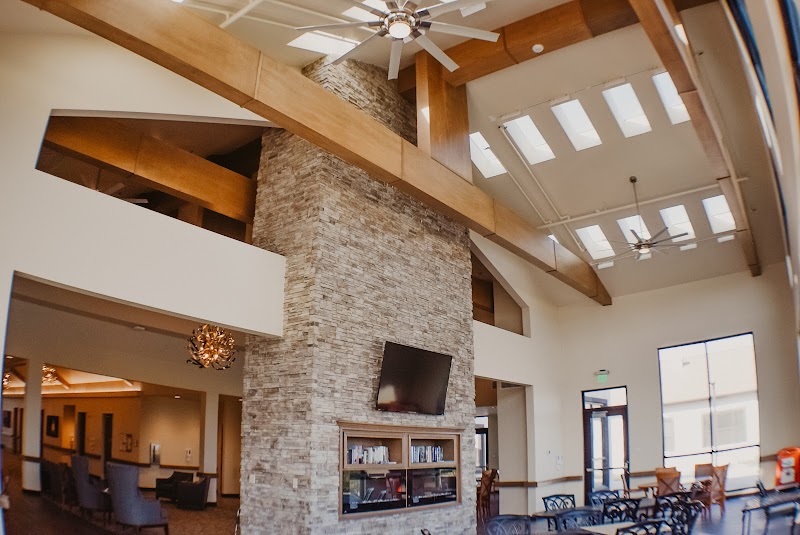
1134 CHENEY DR WEST, TWIN FALLS, ID 83301 (208) 644-7100
For profit - Corporation 60 Beds Independent Data: November 2025
Trust Grade
65/100
#37 of 79 in ID
Last Inspection: May 2025

Inspected within the last 6 months. Data reflects current conditions.

Overview

Serenity Transitional Care has a Trust Grade of C+, which means it is slightly above average but may not be the best choice for everyone. It ranks #37 out of 79 facilities in Idaho, placing it in the top half, and #2 out of 5 in Twin Falls County, indicating only one local option is better. However, the facility is getting worse, with issues increasing from 4 in 2024 to 7 in 2025. Staffing is a concern, with a rating of 2 out of 5 stars and a turnover rate of 65%, significantly higher than the state average of 47%, suggesting staff may not stay long enough to build strong relationships with residents. While there have been no fines, which is a positive sign, RN coverage is low, being less than that of 77% of Idaho facilities, which could mean less oversight for resident care. Specific incidents include a serious case where a resident fell during a Hoyer lift transfer, resulting in fractures, indicating safety protocols were not followed. Additionally, there were concerns about food storage and labeling, which could lead to potential contamination and health risks for residents. Lastly, the facility failed to serve meals according to their designated schedule, which could impact residents' nutritional needs. Overall, while there are some positive aspects, families should weigh the significant concerns against the strengths when considering this facility for their loved ones.

Trust Score
C+
65/100
In Idaho
#37/79
Top 46%
Safety Record
Moderate
Needs review
Inspections
Getting Worse
4 → 7 violations
Staff Stability
⚠ Watch
65% turnover. Above average. Higher turnover means staff may not know residents' routines.
Penalties
✓ Good
No fines on record. Clean compliance history, better than most Idaho facilities.
Skilled Nurses
○ Average
Each resident gets 31 minutes of Registered Nurse (RN) attention daily — about average for Idaho. RNs are the most trained staff who monitor for health changes.
Violations
⚠ Watch
18 deficiencies on record. Higher than average. Multiple issues found across inspections.
★★★★☆
4.0
Overall Rating
★★☆☆☆
2.0
Staff Levels
★★★★★
5.0
Care Quality
★★★☆☆
3.0
Inspection Score
Stable
2024: 4 issues
2025: 7 issues

The Good

  • 5-Star Quality Measures · Strong clinical quality outcomes
  • Full Sprinkler Coverage · Fire safety systems throughout facility
  • No fines on record

Facility shows strength in quality measures, fire safety.

The Bad

Staff Turnover: 65%

18pts above Idaho avg (46%)

Frequent staff changes - ask about care continuity

Staff turnover is elevated (65%)

17 points above Idaho average of 48%

The Ugly 18 deficiencies on record

1 actual harm
May 2025 7 deficiencies 1 Harm
SERIOUS (G) 📢 Someone Reported This

A family member, employee, or ombudsman was alarmed enough to file a formal complaint

Actual Harm - a resident was hurt due to facility failures

Accident Prevention (Tag F0689)

A resident was harmed · This affected 1 resident

**NOTE- TERMS IN BRACKETS HAVE BEEN EDITED TO PROTECT CONFIDENTIALITY** Based on record review, Hoyer lift manual review, interview, and review of the facility's investigation report, it was determine...

Read full inspector narrative →
**NOTE- TERMS IN BRACKETS HAVE BEEN EDITED TO PROTECT CONFIDENTIALITY** Based on record review, Hoyer lift manual review, interview, and review of the facility's investigation report, it was determined the facility failed to ensure resident safety during Hoyer lift transfers. This was true for 1 of 8 residents (Resident #174) whose record was reviewed for falls. This resulted in harm to Resident #174 when a proper Hoyer lift transfer was not provided. Findings include: Joerns Hoyer User Instruction Manual undated, documented under Warnings, always plan your lifting operations before commencing. Resident #174 was admitted to the facility on [DATE], with multiple diagnoses including dementia and anxiety. On 7/21/24 at 6:26 PM, Resident #174 fell out of a Hoyer lift during transfer resulting in left superior and inferior pubic fractures. On 4/30/25 at 2:15 PM, the DON stated during the Hoyer lift process with Resident #174 on 7/21/24, one of the Hoyer lift legs became stuck under the closet door causing a sling strap webbing loop to slip off one of the Hoyer lift 6 point loop connections. The DON also stated the CNA's should have moved furniture and planned better before starting the Hoyer lift transfer with Resident #174 and did not. These findings represent past non-compliance with this regulatory requirement. The facility did the following: -Resident representative was notified. -DON conducted a Hoyer lift training with the staff on duty the day of the incident. -All staff were given an in-service training Hoyer lift safety procedures, proper transfer procedures, the need to rearrange furniture to allow for safe transfer. Training completed on 7/25/24. -Plan put in place to make sure all new transfer slings were washed prior to first usage. There was sufficient evidence the facility corrected the non-compliance as of 7/25/24 as there were no further Hoyer lift incidents reported after this date. At the time of the survey, the facility was in substantial compliance and therefore does not require a plan of correction.
CONCERN (D) 📢 Someone Reported This

A family member, employee, or ombudsman was alarmed enough to file a formal complaint

Potential for Harm - no one hurt, but risky conditions existed

Resident Rights (Tag F0550)

Could have caused harm · This affected 1 resident

**NOTE- TERMS IN BRACKETS HAVE BEEN EDITED TO PROTECT CONFIDENTIALITY** Based on observations and interviews, it was determined that the facility failed to treat each resident with respect and dignity...

Read full inspector narrative →
**NOTE- TERMS IN BRACKETS HAVE BEEN EDITED TO PROTECT CONFIDENTIALITY** Based on observations and interviews, it was determined that the facility failed to treat each resident with respect and dignity. This was true for a) 2 of 5 residents (#22 and #45) who had uncovered urinary drainage bags and b) 1 of 19 Residents (Resident #50) who was addressed by a room number not her name. This deficient practice had the potential for residents to experience embarrassment, and low feelings of self-worth. Findings include: a) The following was observed for uncovered urinary drainage bags. Resident #22 was admitted on [DATE], with multiple diagnoses including pneumonia and urinary tract infection. On 4/29/25 at 9:34 AM, Resident #22's urinary drainage bag was uncovered and visible from the open doorway of his room. On 5/1/25 at 8:26 AM, the DON stated the urinary drainage bag should have been covered and was not. Resident #45 was admitted on [DATE], and readmitted on [DATE], with multiple diagnoses to include sepsis (a life-threatening condition that occurs when the body's response to an infection injures its own tissues and organs). On 4/29/25 at 10:58 AM, Resident #45's urinary drainage bag was uncovered and visible from the open doorway of his room. On 5/1/25 at 8:26 AM, the DON stated the urinary drainage bag should have been covered and was not. b) The following was observed for addressing resident by room number and not her name. Resident #50 was admitted to the facility on [DATE] with multiple diagnoses including diabetes and major depressive disorder. On 4/30/25 at 7:30 AM, observed Resident #50 in the hallway with LPN #2 who stated, take 21 back in her room so meds can be given. On 5/1/25 at 9:34 AM, the ADON stated all residents should be addressed by their name not their room number and was not.
CONCERN (D) 📢 Someone Reported This

A family member, employee, or ombudsman was alarmed enough to file a formal complaint

Potential for Harm - no one hurt, but risky conditions existed

Deficiency F0554 (Tag F0554)

Could have caused harm · This affected 1 resident

**NOTE- TERMS IN BRACKETS HAVE BEEN EDITED TO PROTECT CONFIDENTIALITY** Based on policy review, observation, record review, and interviews, it was determined the facility failed to ensure 1 of 1 resid...

Read full inspector narrative →
**NOTE- TERMS IN BRACKETS HAVE BEEN EDITED TO PROTECT CONFIDENTIALITY** Based on policy review, observation, record review, and interviews, it was determined the facility failed to ensure 1 of 1 resident (Resident #28), was assessed and evaluated for cognitive and physical ability to self-administer medications. This failure created the potential for adverse outcomes if Resident #28 self-administered medication inappropriately. Findings include: The facility's policy, Resident Self-Administration of Medication dated 12/16/24, documented a resident may only self-administer medications after the facility's interdisciplinary team has determined which medications may be self-administered safely. Resident #28 was admitted to the facility on [DATE], with multiple diagnoses including chronic kidney disease, COPD (a progressive lung disease making it hard to breath), and immunodeficiency (when a body's immune system is more susceptible to infections). On 4/29/25 at 10:38 AM, observed an open, uncapped bottle of Icy Hot (a topical pain relief medication) on Resident #28's bedside table. Resident #28 stated he uses the Icy Hot for the pain in his shoulder. Resident #28's medical record did not document a self-administration assessment for the Icy Hot. On 4/29/25 at 4:30 PM, the CCO stated there should be a self-administration assessment for the Icy Hot and there was not.
CONCERN (D) 📢 Someone Reported This

A family member, employee, or ombudsman was alarmed enough to file a formal complaint

Potential for Harm - no one hurt, but risky conditions existed

Deficiency F0655 (Tag F0655)

Could have caused harm · This affected 1 resident

**NOTE- TERMS IN BRACKETS HAVE BEEN EDITED TO PROTECT CONFIDENTIALITY** Based on observation, record review, and interview, it was determined the facility failed to ensure a baseline care plan was dev...

Read full inspector narrative →
**NOTE- TERMS IN BRACKETS HAVE BEEN EDITED TO PROTECT CONFIDENTIALITY** Based on observation, record review, and interview, it was determined the facility failed to ensure a baseline care plan was developed and implemented to include resident sleep apnea equipment needs. This was true for 1 of 19 residents (Resident #164) reviewed for baseline care plans. This failure placed residents at risk of negative outcomes if services were not provided or provided incorrectly due to lack of information in their care plans. Findings include: Resident #164 was admitted to the facility on [DATE], with multiple diagnoses including obstructive sleep apnea and bipolar disorder. On 4/29/25 at 8:29 AM, observed a continuous positive airway pressure (CPAP) device in Resident #164's room on his bedside table. On 4/29/25 at 8:30 AM, Resident #164 stated nursing staff help him put his CPAP on each night. Resident #164's baseline (initial) care plan dated 4/24/25, had not documented he uses a CPAP nightly. Resident #164's medical record had not documented a physician order to use his CPAP nightly. On 4/30/25 at 11:20 AM, the Chief Clinical Officer stated nursing staff failed to request a physician's order and care plan the CPAP upon Resident #164's admission.
CONCERN (D) 📢 Someone Reported This

A family member, employee, or ombudsman was alarmed enough to file a formal complaint

Potential for Harm - no one hurt, but risky conditions existed

Pharmacy Services (Tag F0755)

Could have caused harm · This affected 1 resident

Based on record review and staff interviews, it was determined the facility failed to ensure controlled medications were tracked and kept secure from potential theft and/or diversion. This was true fo...

Read full inspector narrative →
Based on record review and staff interviews, it was determined the facility failed to ensure controlled medications were tracked and kept secure from potential theft and/or diversion. This was true for 2 of 4 medication carts reviewed. This failure created the potential for undetected misuse and/or diversion of controlled medications and had the potential to affect all residents who received controlled medication in the facility. Findings include: On 4/28/25 at 1:50 PM, during [NAME] hall medication cart audit, observed the Narcotic Accountability Record, dated 4/8/25 to 4/28/25, with 11 licensed nurse signatures not documented. On 4/28/25 at 1:53 PM, LPN #3 stated two nurses should have signed the Narcotic Accountability Record when they accepted the medication cart or released the medication cart. On 4/30/25 at 7:55 AM, during East hall medication cart audit, observed the Narcotic Accountability Record, dated 4/15/25 to 4/30/25, with one licensed nurse signature not documented. On 4/30/25 at 7:57 AM, the ADON stated two nurses should have signed the Narcotic Accountability Record when they accepted the medication cart or released the medication cart.
CONCERN (D) 📢 Someone Reported This

A family member, employee, or ombudsman was alarmed enough to file a formal complaint

Potential for Harm - no one hurt, but risky conditions existed

Deficiency F0761 (Tag F0761)

Could have caused harm · This affected 1 resident

**NOTE- TERMS IN BRACKETS HAVE BEEN EDITED TO PROTECT CONFIDENTIALITY** Based on observations and staff interviews, it was determined the facility failed to ensure medications and lab draw supplies we...

Read full inspector narrative →
**NOTE- TERMS IN BRACKETS HAVE BEEN EDITED TO PROTECT CONFIDENTIALITY** Based on observations and staff interviews, it was determined the facility failed to ensure medications and lab draw supplies were properly stored in a locked compartment, and biologicals were labeled when opened. These deficient practices created the potential for undetected access to medications by unauthorized personnel and use of expired biologicals. Findings include: 1. The following was observed for unlocked medication cart. On [DATE] at 9:52 AM, observed the lab draw cart located on the East hall was unlocked. On [DATE] at 9:58 AM, LPN #1 stated the lab draw cart contained needles and draw tubes and it should have been locked but was not. On [DATE] at 11:38 AM, observed the [NAME] hall nursing medication cart was left unlocked without a nurse present. On [DATE] at 11:42 AM, RN #1 stated the medication cart should not have been left unlocked. On [DATE] at 1:42 PM, observed [NAME] hall medication cart had been left unlocked and unattended. On [DATE] at 1:44 PM, RN #1 stated the medication cart should have been locked when left unattended. 2. The following was observed for biologicals. On [DATE] at 8:11 AM, observed one set of glucose test solutions were not dated when opened. On [DATE] at 8:12 AM, the ADON stated the glucose test solution was not dated when opened and should have been. On [DATE] at 9:18 AM, the DON stated glucose test solution bottles should be dated when opened and discarded after three months per manufacturer recommendations and were not.
CONCERN (F) 📢 Someone Reported This

A family member, employee, or ombudsman was alarmed enough to file a formal complaint

Potential for Harm - no one hurt, but risky conditions existed

Food Safety (Tag F0812)

Could have caused harm · This affected most or all residents

Based on review of the FDA Food Code, observation, and interview, the facility failed to appropriately store, distribute, and label foods. This deficient practice had the potential to affect all resid...

Read full inspector narrative →
Based on review of the FDA Food Code, observation, and interview, the facility failed to appropriately store, distribute, and label foods. This deficient practice had the potential to affect all residents who received meals prepared in the facility's kitchen. This placed residents at risk for potential contamination and use of spoiled foods, and adverse health outcomes including food-borne illnesses. Findings include: The FDA Food Code revised 2022, documents Ready-to-Eat, Time/Temperature Control for Safety Food, Date Marking . refrigerated, ready-to-eat, time/temperature control for safety food prepared and held in a food establishment for more than 24 hours shall be clearly marked to indicate the date or day by which the food shall be consumed on the premises, sold, or discarded when held at a temperature of 5ºC (41ºF) or less for a maximum of 7 days. On 4/28/25 at 9:45 AM, observed the following in the walk-in refrigerator with the CDM present: - Ham with use by date of 4/25/25. - Roll of sausage with a use by date of 4/19/25. - Open bag of lettuce not properly sealed. - Sliced cheese was not properly sealed. The CDM stated the ham and sausage should have been used or discarded by the use by date and the lettuce and cheese should have been properly sealed. On 4/28/25 at 9:50 AM, observed the following in the dry food storage area with CDM present: - Granola in a plastic container with a use by date of 3/31/25. - Corn Flakes in a plastic container with a use by date of 4/20/25. On 4/28/25 at 9:52 AM, the CDM stated the granola and corn flakes should have been used or discarded by the use by date.
Jul 2024 4 deficiencies
CONCERN (D)

Potential for Harm - no one hurt, but risky conditions existed

Comprehensive Assessments (Tag F0636)

Could have caused harm · This affected 1 resident

**NOTE- TERMS IN BRACKETS HAVE BEEN EDITED TO PROTECT CONFIDENTIALITY** Based on record review, policy review, staff interview, it was determined the facility failed to ensure a resident's MDS assessm...

Read full inspector narrative →
**NOTE- TERMS IN BRACKETS HAVE BEEN EDITED TO PROTECT CONFIDENTIALITY** Based on record review, policy review, staff interview, it was determined the facility failed to ensure a resident's MDS assessment accurately reflected their status at the time of the assessment (Resident #30) and a resident's comprehensive MDS assessment was completed prior to the required completion date (Resident #211). This was true for 2 of 2 residents whose MDS assessments were reviewed. This failure created the potential for harm if care decisions were based upon inaccurate or lack of information. Findings include: The facility's policy titled, Conducting an Accurate Resident Assessment, revised 12/22/23, stated, The purpose of this policy is to assure that all residents receive an accurate assessment, reflective of the resident's status at the time of the assessment, by staff qualified to assess relevant care areas .each individual assessor is responsible for certifying the accuracy of responses relative to the resident's condition and discharge or entry status . 1. Resident #30 was admitted to the facility on [DATE], and readmitted on [DATE], with multiple diagnoses including hepatic encephalopathy (brain dysfunction due to liver dysfunction). An admission MDS assessment, dated 4/24/24, documented Resident #30 was cognitively intact. Additionally, the assessment documented Resident #30 did not have a life expectancy of six months or less and did not include hospice status. Resident #30's care plan, initiated on 4/15/24, included hospice care for hepatic encephalopathy terminal condition (an illness or condition which cannot be cured and is likely to lead to death). An Order Summary Report, included an order for Resident #30 to be admitted to hospice on located in the EMR under the Orders tab, included admission to hospice on 04/15/24. During an interview on 7/11/24 at 9:49 AM, the MDS Coordinator and DON confirmed the admission MDS for Resident #30 was coded incorrectly and the admission MDS should have included Resident #30's prognosis of six months or less and hospice should have been coded as well. During an interview on 7/11/24 2:19 PM, the ADON stated her expectation was for all assessments to be accurate. The ADON confirmed that Resident #30 had been on hospice services since admission. 2. Resident #211 was admitted to the facility on [DATE], with multiple diagnoses including stroke, weight loss, and cancerous tumor of the pancreas. An admission MDS assessment, dated 7/5/24 was pending. Further review of the assessment revealed the date for completion of the admission assessment was 7/8/24. During an interview on 7/11/24 at 9:49 AM, the MDS Coordinator stated Resident #211's admission MDS was not submitted on time by the 7/8/24 because it got missed. The MDS Coordinator confirmed that it was past the 14-day period. She stated they were waiting for therapy to complete their section of the assessment, but Resident #211was not on therapy and a hospice resident would require MDS coordinators to complete that section and not therapy. MDS Coordinator reviewed the MDS assessment and acknowledged it was not completed correctly since it documented Resident #211 was not a hospice resident. During an interview on 7/11/24 at 2:19 PM, the ADON stated she knew nothing about MDS assessments, but she would expect staff to submit assessments timely within specified timeframes.
CONCERN (D)

Potential for Harm - no one hurt, but risky conditions existed

Deficiency F0692 (Tag F0692)

Could have caused harm · This affected 1 resident

**NOTE- TERMS IN BRACKETS HAVE BEEN EDITED TO PROTECT CONFIDENTIALITY** 2. Resident #39 was admitted to the facility on [DATE] and with multiple diagnoses of moderate protein calorie malnutrition. An...

Read full inspector narrative →
**NOTE- TERMS IN BRACKETS HAVE BEEN EDITED TO PROTECT CONFIDENTIALITY** 2. Resident #39 was admitted to the facility on [DATE] and with multiple diagnoses of moderate protein calorie malnutrition. An admission MDS assessment, dated 5/27/24, documented Resident #39 had no cognitive impairment. Resident #39's care plan, dated 5/21/24, documented Resident #39 was at nutritional risk. Interventions in were to follow Speech swallow strategies which included close supervision, slow rate, slow bites, alternate bite and drink, effortful swallows, and chin tuck with foods. A Speech Therapy Evaluation and Plan, dated 5/24/24, documented Resident #39 had a diagnosis of Dysphagia (difficulty swallowing). The treatment approach included treatment of swallowing dysfunction and/or function for feeding and evaluation of oral and pharyngeal swallow function. Nursing provided the following recommendations: close supervision, verbal cues, slow rate, small bites, alternate bite and drink and effortful swallows. Resident #39's meal tickets, dated 7/9/24, for breakfast, lunch, and dinner included soft bite size-mix-regular bread. The meal tickets included Alerts: Alternate bite and drink. [NAME] tuck with foods and liquids. Cut bread into bite sizes, effortful swallows, no rice, slow rate, small bites. Supervision-Close. During a lunch observation on 7/9/24 at 1:42 PM, Resident #39 was seated at one of the restorative tables along with one another resident. NA #1 was seated at the table in between both residents. NA #1 picked up Resident #39's meal ticket and looked at it. Resident #39 was served chopped chicken with gravy over noodles, green beans, toasted bread, and milk. Resident #39 fed himself without staff assistance and did not take drinks in between bites. Resident #39 took 11 bites before the first sip of milk. Staff did not cue him or ensure he was taking small bites or swallowing before taking another bite. Resident #39 took several large spoonsful of green beans and did not swallow before he took another bite. During a dinner observation on 7/9/24 at 6:12 PM, Resident #39 was seated at the restorative tables along with one another resident. CNA #7 was at the table seated between Resident #39 and another resident. Resident #39 received shepherd's pie without peas, carrots, and cut up toasted bread with milk. CNA #7 did not look at Resident #39's meal ticket and did not cue Resident #39 during the meal. Resident #39 took multiple big bites of the shepherd's pie and did not drink between bites. Resident #39 coughed at 6:14 PM, 6:15 PM, and 6:18 PM while eating, but there was no indication of choking. CNA #7 did not intervene or provide cueing. Resident #39 did not take more than three drinks of milk during the meal. During an interview on 7/10/24 at 12:14 PM, NA #1 said she knew that residents who sat at table 11 required assistance with meals. She stated there was one resident who sat there who always choked. She said she was referring to Resident #39. She said she reminded him to slow down, watch his bite size, and reminded him to swallow the first bite before taking another. But she stated she forgot that day to cue him and remind him to swallow between bites. During an interview on 7/10/24 at 12:15 PM, CNA #1 stated the residents' meal tickets will say what type of meal assistance they required. She stated she did not look at Resident #39's meal ticket because another staff told her to sit at that table to assist another resident. She said it was the first time she sat at that table with Resident #39. CNA #1 stated she was unaware Resident #39 had choking incidents in the past or of meal assistance Resident #39 needed. During an interview on 7/10/24 at 1:35 PM, the Speech Therapist said that staff were aware of what type of assistance residents required with meals. She stated she provided a sheet with all recommendations to the Dietary Manger and the ADON. She stated the recommendations were care planned, and provided on the bottom of the meal tickets and there was a seating chart to indicate which residents required assistance with dining. The Speech Therapist said all the CNA and NA staff knew there were three assist tables that residents who sat at required supervision and cueing. She said all CNA and NA staff were provided with education on the dining assistance. She said staff should provide Resident #39 with a cue at start of a meal for him to remember his chin tucks, and every couple of bites he should be take a drink. She stated Resident #39 should take only small bites and staff should be queuing for him. During an interview on 7/11/24 at 2:16 PM, the ADON said she was not familiar with Resident #39, but she expected staff to look at the tray card and follow the tray card alerts and speech recommendations. She said staff should cue residents who require it while eating to ensure residents' safety to prevent choking. Based on observation, record review. policy review, and staff interview, the facility failed to ensure residents received meal assistance or were provided meal recommendations. This was true for 2 of 5 residents (#29 and #39) reviewed for nutritional status. This failure created the potential for harm if residents became dehydrated and they experienced unplanned weight loss. Findings include: The facility's policy titled, Weight Monitoring, revised 1/2/24, documented interventions will be identified, implemented, monitored, and modified (as appropriate), consistent with the resident's assessed needs, choices, preferences, goals and current professional standards to maintain acceptable parameters of nutritional status. 1. Resident #29 was admitted on [DATE], with multiple diagnoses including dementia, fractures and other multiple trauma, hypothyroidism, and history of skin cancer. A significant change MDS assessment, dated 6/16/24, documented Resident #29 was severely cognitively impaired. Resident #29's care plan, revised 5/9/24, documented she was at risk for weight fluctuations related to post hospitalization and rehabilitation activities. The care plan documented the goal was for Resident #29 not to experience significant weight loss/gain in the next 180 unless clinically unavoidable. Interventions included speech therapy. Recommendations included to provide Resident #29 with close supervision, verbal cues, cut and prepare foods, and cues to eat. Resident #29's Comprehensive Nutrition Assessment, dated 6/13/24, documented Resident #29 had significant weight loss. The assessment documented Resident #29 had some confusion and did not answer nutrition assessment questions. The assessment stated Resident #29 was on a fortified regular diet, regular texture, and thin liquids. Resident #29 liked to have whole milk with meals. The assessment further documented Resident #29's meal intake decreased to 58 percent. Resident #29 needed assistance with feeding at mealtimes and was now sitting at the assist table in the dining room. The assessment documented Resident #29's weight trend was 140 pounds on 6/3/24, 147.1 pounds on 5/10/24, and 149.2 pounds on 5/7/24, and her weight decreased 6.1 percent in one month which was significant. A Nutrition/Dietary Note, dated 6/14/24, documented the RD's recommendation for Resident #29 was to trial finger foods for one week and change her seating to the assistance table in the dining room for feeding assistance as needed. The note documented Resident #29 had triggered for significant weight loss. The note further documented Resident #29's care plan was updated, kitchen implemented on 6/13/24, and Resident #29's responsible party was notified. A physician order, dated 6/21/24, documented Resident #29 was to receive a regular diet, regular texture, and thin liquids. She was to receive fortified meals and Ensure (nutritional supplement) two times a day for inadequate oral intake and the Kitchen was to send 4 ounces of Ensure with lunch and dinner. Resident #29's record documented she had a 7.6% weight loss in 62 days: - 7/8/24 at 137.8 Lbs (pounds) - 7/1/24 at 137.4 Lbs - 6/24/24 at 138.0 Lbs - 6/13/24 at 140.0 Lbs - 6/3/24 at 140.0 Lbs - 5/27/24 at 143.1 Lbs - 5/20/24 at 145.4 Lbs - 5/13/24 at 147.2 Lbs - 5/10/24 at 147.1 Lbs - 5/9/24 at 146.8 Lbs - 5/8/24 at 148.1 Lbs - 5/7/24 at 149.2 Lbs A Nutrition At Risk Review Note, dated 7/1/24, documented Resident #29 was to continue to sit at the assistance table, needed cues and encouragement during meals and Resident #29 was dependent on staff for feeding. The note documented Resident #29's weight trend was 137.4 pounds on 7/1/24, 138 pounds on 6/24/24, 140 pounds on 6/3/24, and 149.2 pounds on 5/7/24. The note documented Resident #29 had non-significant weight changes at 1 week and 1 month. The note further documented Resident #29 had a 7.9 percent weight decrease in 2 months since her admission. Recommendations/New Interventions included staff were to assist Resident #29 with feedings as needed and have her continue to sit at the assistance table. During an observation on 7/9/24 at 1:22 PM, Resident #29's meal arrived at the regular table in the dining room where Resident #29 was seated. Resident #29 was served chicken and mushrooms, pasta, bread, fruit, green beans, milk, and a half cup of a nutritional supplement. Resident #29 was observed feeding herself the fruit and drinking her milk. No staff assisted or cued Resident #29 until 2:01 PM when RNA #1 at the adjacent table, inquired briefly about Resident #29's meal one time. At 2:03 PM, the Activity Director wheeled Resident #29 out of the dining room. Resident #29 was observed to have eaten poorly. Resident #29's record for meal consumption, dated 7/9/24, documented she consumed 26-50% of her meal for lunch. On 7/9/24 at 6:02 PM, Resident #29's meal arrived at the regular table in the dining room where Resident #29 was seated. Resident #29 was served shepherd's pie, pears, a roll, milk, half cup of a nutritional supplement, water, and raw vegetables with dip. Resident #29 was observed only feeding herself the fruit. No staff assisted or cued Resident #29. At 6:20 PM, the ADON stopped at Resident #29's table to encourage another resident to eat but did not encourage Resident #29 to eat. No staff assisted or cued Resident #29 to eat throughout her meal. At 6:27 PM, CNA #6 walked over to Resident #29 and asked her if she was going to eat and Resident #29 said, No. CNA #6 then wheeled Resident #29 out of the dining room. CNA #6 was asked what happened now that Resident #29 did not eat well. CNA #6 stated, we will give her an Ensure and we have a hard time getting her to eat. Resident #29's record for meal consumption, dated 7/9/24 documented she consumed 0-25 percent of her dinner. Resident #29's meal ticket for breakfast, dated 7/10/24, documented to provide Resident #29 cues to eat, cut up and prepare her meals, provide fortified menu, and to provide close supervision and verbal cues. It further documented Resident #29 was to be assigned to the dining room assistance table 2, seat 4. During an interview on 7/10/24 at 11:10 AM, the ADON was asked if she was aware of Resident #29's weight loss. The ADON stated, No, she was not aware because she had only been the ADON for one week and her past role at the facility did not involve her knowing such details. The ADON was asked who would know about Resident #29's weight loss. The ADON stated the previous ADON, and CDM who were no longer employed at the facility and the DON who was on vacation, and the RD. The ADON was asked why staff did not intervene during lunch and dinner on 7/9/24 when Resident #29 did not eat well. The ADON stated she did not know. The ADON was asked about Resident 329's Nutrition At Risk assessment, dated 7/1/24, which documented Resident #29 needed to be fed by staff at times. The ADON stated she thought Resident #29 had graduated from that but she would need to ask speech therapy. The ADON was asked what her expectation would be if staff saw Resident #29, who was known to have a poor appetite. The ADON stated she would see about moving Resident #29 to another table if staff noticed Resident #29 not eating. During an interview on 7/10/24 at 1:42 PM, the ST was asked if she was aware of Resident #29's weight loss. The ST stated, No but Resident #29 was not currently her patient. The ST stated Resident #29 had been on speech therapy services and was seated at the assisted dining table but because of the other resident who was recently admitted and needed to be at that the assisted dining table, Resident #29 was placed at a regular table. The ST stated Resident #29 needed her food cut up and prepared and required tactile cues with the first bite. The ST stated Resident #29's dementia was getting worse and she was not easily willing to eat so getting Resident #29 started with the first bite was critical. The ST further stated when Resident #29 was seated at the assisted dining table, she did get the needed assistance. During an interview on 7/11/24 at 10:35 AM, the RD was asked if she was aware of Resident #29's weight loss. The RD stated yes and Resident #29 was followed in the Nutrition at Risk program. The RD stated Resident #29 received fortified foods and a nutritional supplement twice daily. The RD stated Resident #29 was seated at the assisted dining table and sometimes staff needed to provide feeding assistance to Resident #29. The RD was asked if she was aware Resident #29 was not sitting at the assisted dining table for lunch and dinner on 7/9/24 and she had very poor intake. The RD was informed by the surveyor staff did not assist or cue Resident #29 or cut her food up such as the raw vegetables per the recommendations. The RD stated she was not aware of this, but yesterday the alert on the ticket to cut up her food was changed to read more clearly. The RD further stated Resident #29's food had always been required to be cut up. The RD stated her expectation was for staff to provide Resident #29 tactile cues and provide feeding assistance, seat Resident #29 at an assisted dining table, provide tray set up, and cut her food up. The RD stated she expected staff to try and get Resident #29 to eat the first bite of food and utilize Ensure as a last resort. During an interview on 7/11/24 at 10:54 AM, the CDM stated the tray cards were hard to read and CNAs did not understand the cards so he changed the alerts. The CDM stated before this change Resident #29's tray card did instruct staff Resident #29 was supposed to be at an assisted dining table, but he was not sure why Resident #29 was changed to a regular table. The CDM further stated the raw vegetables Resident #29 received at dinner on 7/9/24 was appropriate for Resident #29 according to ST but staff should have cut them up for easier consumption as Resident #29 had missing teeth.
CONCERN (D)

Potential for Harm - no one hurt, but risky conditions existed

Infection Control (Tag F0880)

Could have caused harm · This affected 1 resident

**NOTE- TERMS IN BRACKETS HAVE BEEN EDITED TO PROTECT CONFIDENTIALITY** Based on observation, policy review, record review, and staff interview, the facility failed to ensure enhanced barrier precauti...

Read full inspector narrative →
**NOTE- TERMS IN BRACKETS HAVE BEEN EDITED TO PROTECT CONFIDENTIALITY** Based on observation, policy review, record review, and staff interview, the facility failed to ensure enhanced barrier precautions were followed. This was true for 1 of 1 resident (Resident #8) reviewed. This failure increased the risk of spreading multidrug resistant organisms. Findings include: The facility's policy titled, Enhanced Barrier Precautions, dated 5/6/24 states, It is the policy of this facility to implement enhanced barrier precautions for the prevention of transmission of multidrug-resistant organisms .'Enhanced barrier precautions' (EBP) refer to an infection control intervention designed to reduce transmission of multidrug-resistant organisms that employs targeted gown and glove use during high contact resident care activities .High-contact resident care activities include .changing briefs or assisting with toileting . Resident #48 was admitted to the facility on [DATE] and readmitted on [DATE] with multiple diagnoses including stroke and right lower leg open wound. Resident #48's Clinical Physician Orders, dated 7/5/24, documented Resident #48 was to be placed on EBP. A physician's order, dated 7/9/24, included orders for care of Resident #48's right lower extremity wound including a wound vacuum (a device that decreases air pressure on the wound which can help the wound heal more quickly). Review of Resident #48's care plan, initiated 6/20/24, documented Resident #48 was to have EBP with signage posted outside the room indicating EBP and the high-contact resident care activities that required the use of gown and gloves while providing cares in Resident #39's room. During observation and interview on 7/8/24 at 11:20 AM, EBP signage was observed outside Resident #48's door indicating staff should wear a gown and gloves for procedures. LPN #1 stated Resident #48 was on EBP due to a wound on her right lower leg. During an observation on 7/8/24 at 1:55 PM, Resident #48 had an EBP sign outside her door, and was stating she needed assistance. The surveyor went to get assistance from staff due to her call light not working. CNA #1 and NA #1 came to assist Resident #48 and provide peri care. CNA #1 and NA #1 wore gloves but did not put on gowns during Resident #48's peri care. During an interview on 7/8/24 at 1:55 PM, NA #1 confirmed Resident #48 was on EBP and she and her co-worker were busy and did not wear gowns but should have. NA #1 confirmed she was hired 2/28/24 and had received EBP training. During an interview on 7/11/24 at 10:15 AM, CNA #1 stated she recalled providing care for Resident #48 on 7/08/24 for changing and repositioning. CNA #1 stated she was a shower aide and she went in to assist with cares for Resident #48 on 7/8/24 and she did not notice the EBP sign on door and was not aware she needed to wear a gown. CNA #1 confirmed she was hired 11/15/23 and had received EBP training.
CONCERN (E)

Potential for Harm - no one hurt, but risky conditions existed

Deficiency F0809 (Tag F0809)

Could have caused harm · This affected multiple residents

**NOTE- TERMS IN BRACKETS HAVE BEEN EDITED TO PROTECT CONFIDENTIALITY** Based on observation, policy review, review of Resident Council minutes, review of facility grievances, and resident and staff i...

Read full inspector narrative →
**NOTE- TERMS IN BRACKETS HAVE BEEN EDITED TO PROTECT CONFIDENTIALITY** Based on observation, policy review, review of Resident Council minutes, review of facility grievances, and resident and staff interview, it was determined the facility failed to ensure resident meals were served following the facility's designated meal schedule. This was true for 4 of 5 residents (#20, #29, #30, and #111) interviewed for concerns with food. This failure had the potential to impact residents in the facility who were at risk for nutritional compromise and had the potential to harm residents if they experienced hunger, low blood sugar levels, or did not receive adequate nutritional support for healing or weight loss. Findings include: The facility's policy titled, Frequency of Meals, dated 8/22/23, documented, The facility will ensure that each resident receives at least three meals daily without extensive time lapses between meals.l. The facility has scheduled three regular mealtimes, comparable to normal mealtimes in the community, per day and has scheduled three regular snack times. The facility meal schedule documented breakfast was scheduled at 7:30 AM to 8:30 AM, lunch was at 12:30 PM, and dinner was at 5:00 PM. 1. Resident #111 was admitted to the facility on [DATE], with multiple diagnoses including heart failure, peripheral vascular disease, and transient cerebral ischemic attack (a brief blockage of blood flow to the brain that usually lasts only a few minutes and does not cause long-term damage), Resident #R111's diet order, dated 7/4/24, documented he was to receive a regular diet. During an interview on 7/8/24 at 11:01 AM, Resident #111 was asked about the food at the facility. Resident #111 stated the food service is the worst. The meals are late. Yesterday lunch was served at 1:15 PM in the dining room and it should be 12:30 PM. On 7/9/24 at 6:02 PM, Resident #111 received her meal in the dining room, 62 minutes after the designated time. At 6:09 PM Resident #111 stated the food was warm, but late. 2. Resident #30 was admitted to the facility on [DATE] and readmitted on [DATE], with multiple diagnoses including hepatic encephalopathy (brain dysfunction due to liver dysfunction). Resident #30's diet order included a regular diet with small bite-sized and thin liquids. During an interview on 7/08/24 at 11:08 AM, Resident #30 stated mealtimes needed to be improved due to dinner meals not served until 6:30 PM to 7:00 PM, and lunch meals not served until 2:00 PM. 3. Resident #20 was admitted to the facility on [DATE] with multiple diagnoses including a traumatic subdural hemorrhage, depression, heart failure, and chronic respiratory failure. Resident #20's diet order was for a regular diet and thin liquids. On 7/8/24 at 2:01 PM, Resident #20's lunch tray arrived in her room delivered by CNA #2. At 2:51 PM, CNA #3 and CNA #4 walked into Resident #20's room and woke Resident #20 up, asking her if she wanted to eat. Resident #20 asked what time it was, and CNA #4 said it was almost 3:00 PM. Resident #20 then declined her meal saying it was too late to eat lunch. CNA #4 was asked why Resident #20 declined her lunch and CNA #4 confirmed she refused due the late hour. Resident #20's meal consumption record, documented Resident #20 refused her lunch on 7/8/24. 4. Resident #29 was admitted to the facility on [DATE], with multiple diagnoses dementia, fractures and other multiple trauma, hypothyroidism, and history of skin cancer. A physician order, dated 6/21/24, documented Resident #29 was to have a regular diet, thin liquids consistency, fortified meals, and Ensure (nutritional supplement) 2 times a day for inadequate oral intake. The kitchen was to send 4 ounces of Ensure with lunch and dinner. A Nutrition At Risk Review Note, dated 7/1/24, documented Resident #29 was to continue to sit at the assistance table, and needed cuing and encouragement during meals. The note documented Resident #29 was at times dependent on staff for feeding. On 7/9/24 at 1:22 PM, Resident #29 was served her lunch in the dining room, 52 minutes after the designated scheduled time. On 7/9/24 at 6:02 PM, Resident #29 was served her dinner in the dining room, 62 minutes after the designated scheduled time. 5. The following meals were observed served past the designated mealtime: - On 7/8/24 at 12:58 PM, lunch service started in the dining room, 28 minutes after the designated time. - On 7/8/24 at 1:56 PM, the lunch hall cart arrived on the East Hall, 86 minutes after the designated time. - On 7/8/24 at 2:00 PM, the lunch hall cart arrived on the [NAME] Hall, 90 minutes after the designated time. - On 7/9/24 at 12:49 PM, lunch service in progress on the East Hall, 19 minutes after the designated time. - On 7/9/24 at 1:20 PM, lunch service started in the dining room, 50 minutes after the designated time. - On 7/9/24 at 5:30 PM, the dinner hall cart arrived on the East Hall, 30 minutes after the designated time. - On 7/9/24 at 5:46 PM, the dinner hall cart arrived on the East Hall, 46 minutes after the designated time. - On 7/9/24 at 5:53 PM, lunch service started in the dining room, 53 minutes after the designated time. Resident Council Minutes, dated 5/28/24, provided by the facility, included, Discussion about shortages of ingredients to make the food, or food delivery did not arrive on time. No details were included about what the discussion concerning food delivery not arriving timely. A grievance report, dated 7/2/24, provided by the facility, documented, We have had a grievance from a family member that their loved lunch one had not received their tray and it was 1pm. They further disclosed that the staff member that was passing the hall tray had thought that this resident was in the dining room because the tray was not on the hall cart. The staff member ordered the hall tray and told the family member that they would bring it down when it was ready. The family stated that at 1:45pm they returned to the nurses station and care giver was at the desk and so was a meal tray and when they asked if it was their loved ones the care giver read the tray ticket, got up and took it to the room. The report documented the resolution was staff education. During an interview on 7/10/24 at 1:31 PM, the CDM was asked about the tardiness of lunch on 7/8/24 and lunch and dinner on 7/9/24. The CDM stated his first day at the facility was 7/8/24 and he noticed the late lunch. The CDM stated the fact that the previous dietary manager left her position and took half the dietary staff with her caused a problem because they had to hire new staff and train them. The CDM went on to say the late meals were also a result of time management issues that he was working with the staff on it. The CDM was asked if he was aware residents were complaining of meals being late. The CDM stated the Resident Council decided on 12:30 PM as lunch time in the dining room but he changed the meal carts and they now go out after the dining room. The CDM was asked if that would cause the hall trays to be late causing further complaints. The CDM stated they are considering other solutions. During an interview on 7/11/24 at 11:27 AM, the RD was asked if she was aware of resident complaints of late meals and she stated, Yes. The RD was asked when she become aware of resident complaints of late meals, the RD stated she became aware in the last two weeks by the previous dietary manager. The RD stated she and the previous dietary manager were trying to work out a solution.
May 2019 7 deficiencies
CONCERN (D)

Potential for Harm - no one hurt, but risky conditions existed

Deficiency F0578 (Tag F0578)

Could have caused harm · This affected 1 resident

**NOTE- TERMS IN BRACKETS HAVE BEEN EDITED TO PROTECT CONFIDENTIALITY** Based on record review, policy review, and staff interview, it was determined the facility failed to ensure a copy of residents'...

Read full inspector narrative →
**NOTE- TERMS IN BRACKETS HAVE BEEN EDITED TO PROTECT CONFIDENTIALITY** Based on record review, policy review, and staff interview, it was determined the facility failed to ensure a copy of residents' living wills were requested and present in their records and residents' records included documentation advance directives were reviewed with them. This was true to 1 of 4 residents (Resident #32) reviewed for advance directives. This failure created the potential for harm if a resident's medical treatment wishes were not followed due to lack of information in residents' records. Findings include: The facility's advance directives policy, dated 2019, documented upon admission the facility would obtain residents' advance directive and place them in residents' records. The facility would inform residents of advanced directives, such as a living will, and inform them of their right to consent or refuse treatment and would document these discussions in the record. Resident #32 was admitted to the facility on [DATE], with multiple diagnoses including chronic obstructive pulmonary disease (progressive lung diseases characterized by increasing breathlessness). Resident #32's physician orders for scope of treatment, dated 4/22/19, documented she had a living will and her code status was Do Not Resuscitate. Resident #32's record did not include a living will or documentation the facility's policy for advance directives was provided to, and discussed with, her. On 5/9/19 at 11:06 AM, the Health Information Manager said there was not a copy of a living will in Resident #32's record. On 5/9/19 at 11:14 AM, the Social Worker said there was not a living will or documentation of a discussion regarding a living will or advance directives in Resident #32's record.
CONCERN (D)

Potential for Harm - no one hurt, but risky conditions existed

Transfer Requirements (Tag F0622)

Could have caused harm · This affected 1 resident

**NOTE- TERMS IN BRACKETS HAVE BEEN EDITED TO PROTECT CONFIDENTIALITY** Based on staff interview, policy review, and record review, it was determined the facility failed to ensure information was prov...

Read full inspector narrative →
**NOTE- TERMS IN BRACKETS HAVE BEEN EDITED TO PROTECT CONFIDENTIALITY** Based on staff interview, policy review, and record review, it was determined the facility failed to ensure information was provided to the receiving hospital for 2 of 2 residents (#6 and #32) reviewed for transfers. This deficient practice had the potential to cause harm if the residents were not treated in a timely manner due to lack of information. Findings include: The facility's Transfer and Discharge policy, dated 10/1/18, documented when it was necessary to transfer or discharge a resident to a hospital, staff were to: * Obtain a physician's orders for emergency transfer or discharge * Complete a Transfer form to send with the resident * Contact an ambulance service for transportation service * Notify the hospital for admission arrangements * Copies of the Transfer form and Advance Directive were to go with the resident * Copies of the Transfer form and Advance Directive were to be retained in the resident's medical record This policy was not followed. Examples include: 1. Resident #6 was admitted to the facility on [DATE], with multiple diagnoses including chronic kidney disease and hypertension (high blood pressure). A Nursing Progress Note, dated 3/10/19 at 3:16 PM, documented Resident #6 had a red, painful, and very warm left leg and her right leg was beginning to get red and warm too. Resident #6 was also confused and emotional. The physician was notified and ordered a complete blood count (CBC), D-Dimer (a blood test used to rule out presence of blood clots), and urinalysis (a urine test). The Nursing Progress Note documented Resident #6 was clenching her legs together and the nurse was unable to collect a urine sample. The physician then advised sending Resident #6 to the hospital for possible deep vein thrombosis (DVT) and cellulitis (a common, potentially serious bacterial skin infection). A non-emergent ambulance was called and Resident #6 was sent to the hospital. Resident #6's medical record did not include documentation information was provided to the hospital to ensure a safe and effective transition of care. On 5/8/19 at 12:13 PM, the DON said the facility sent Resident #6's face sheet, Physician's Orders for Scope of Treatment (POST), a Transfer and Discharge form, her medication list, and physician's orders, with her to the hospital. The DON said the facility did not retain a copy of the medical records sent and did not document in Resident #6's record what was sent. 2. Resident #32 was admitted to the facility on [DATE], and readmitted on [DATE], with multiple diagnoses including chronic obstructive pulmonary disease (progressive lung diseases characterized by increasing breathlessness). A Nursing Progress Note, dated 4/18/19 at 12:20 AM, documented Resident #32 experienced altered mental status, was confused, and did not respond to verbal questions. The physician was notified and Resident #32 was sent to the hospital. Resident #32's medical record did not include documentation that information was provided to the hospital to ensure a safe and effective transition of care. On 5/9/19 at 8:41 AM, the DON said the facility sent Resident #32's face sheet, POST, Transfer and Discharge form, medication list and physician's orders with her to the hospital. The DON said the facility did not retain a copy of the medical records sent and did not document in Resident #32's record what records were sent to the hospital.
CONCERN (D)

Potential for Harm - no one hurt, but risky conditions existed

Deficiency F0625 (Tag F0625)

Could have caused harm · This affected 1 resident

**NOTE- TERMS IN BRACKETS HAVE BEEN EDITED TO PROTECT CONFIDENTIALITY** Based on resident and staff interview, policy review, and record review, it was determined the facility failed to ensure a bed-h...

Read full inspector narrative →
**NOTE- TERMS IN BRACKETS HAVE BEEN EDITED TO PROTECT CONFIDENTIALITY** Based on resident and staff interview, policy review, and record review, it was determined the facility failed to ensure a bed-hold policy and notice were provided to the residents or their representatives upon transfer to the hospital. This was true for 2 of 2 residents (#6 and #32) reviewed for transfers. This deficient practice created the potential for harm if residents were not informed of their right to return to their former bed/room at the facility within a specified time and may cause psychosocial distress if not informed they may be charged to reserve their bed/room. Findings include: The facility's Bed-Hold policy, updated on 1/10/19, documented the following: *All residents being discharged to the hospital must be offered an option of a bed-hold, regardless of their pay status. *Provide the resident a copy of the bed-hold policy and bed-hold agreement by the discharging nurse. *If not completed at the time of discharge, on the first business day following the discharge, the Social Services should contact the resident's responsible party regarding their choice of holding the bed. This policy was not followed. Examples include: 1. Resident #6 was admitted to the facility on [DATE], with multiple diagnoses including chronic kidney disease and hypertension. A Nursing Progress Note, dated 3/10/19 at 3:16 PM, documented Resident #6 was transferred to the hospital. Resident #6's medical record did not include documentation she or her representative received a bed-hold notification when she was transferred to the hospital. On 5/6/19 at 4:17 PM, Resident #6 said she did not receive a bed-hold notice from the facility. On 5/8/19 at 2:22 PM, the Health Information Manager said, the bed-hold notice and policy was given to the residents upon their admission to the facility and should also be given when they transferred to the hospital. On 5/8/19 at 3:27 PM, the Administrator said residents were informed of the facility's bed-hold policy upon admission. The Administrator said they have many rooms available and they just hold the beds for the residents when they need to be transferred to the hospital. 2. Resident #32 was admitted to the facility on [DATE] and readmitted on [DATE], with multiple diagnoses including chronic obstructive pulmonary disease. A Nursing Progress Note, dated 4/18/19 at 12:20 AM, documented Resident #32 was transferred to the hospital. Resident #32's medical record did not include documentation she or her representative received a bed-hold policy and notice when she was transferred to the hospital. On 5/6/19 at 4:27 PM, Resident #32 said she did not remember receiving a bed-hold notice from the facility. On 5/9/19 at 8:41 AM, the DON said the facility did not give Resident #32 a bed-hold notice when she was transferred to the hospital.
CONCERN (D)

Potential for Harm - no one hurt, but risky conditions existed

Respiratory Care (Tag F0695)

Could have caused harm · This affected 1 resident

**NOTE- TERMS IN BRACKETS HAVE BEEN EDITED TO PROTECT CONFIDENTIALITY** Based on observation, record review and staff interview, it was determined the facility failed to ensure staff cleaned the water...

Read full inspector narrative →
**NOTE- TERMS IN BRACKETS HAVE BEEN EDITED TO PROTECT CONFIDENTIALITY** Based on observation, record review and staff interview, it was determined the facility failed to ensure staff cleaned the water chamber, nasal mask, and tubing of residents' Bilevel Positive Airway Pressure (BiPAP) machines and ensured the BiPAP machines were properly stored. This was true for 1 of 2 residents (Resident #10) reviewed for respiratory care. This failure created the potential for harm from respiratory infections due to the growth of pathogens (organism that cause illness) in oxygen tubing and the humidifier chamber. Findings include: Resident #10 was admitted to the facility on [DATE] and was readmitted on [DATE], with multiple diagnoses which included obstructive sleep apnea (a sleep disorder that causes temporary stoppage of breathing during sleep). A Significant Change in Status MDS assessment, dated 2/22/19, documented Resident #10 was cognitively intact and he used a BiPAP machine. A physician's order, dated 2/15/19, documented the following: *BiPAP per home setting expiratory positive airway pressure (EPAP) of 5, inspiratory positive airway pressure (IPAP) of 11, back up rate of 12 at bedtime. Add distilled water every night and as needed. *BiPAP: empty any remaining water and then wash the water chamber in the sink with warm soapy water. Rinse well and drain out as much of the water as possible. Let the chamber air dry every day. A care plan, dated 5/7/19, directed staff to administer Resident #10's BiPAP per home setting EPAP of 5, IPAP of 11, back up rate of 12 at bedtime and to add distilled water every night and as needed. Resident #10's TAR, dated 4/1/19 through 5/7/19, directed staff to empty any remaining water from his BiPAP water chamber and then wash the water chamber with soapy water, and to rinse it well. The staff was also directed to drain the water chamber of water as much as possible and let it air dry daily. Resident #10's TAR did not include cleaning of the BiPAP machine's tubing and nasal mask. On 5/6/19 at 2:31 PM and on 5/7/19 at 9:29 AM, Resident #10's nasal mask, which was connected to the tubing, was observed resting on top of his bedside table next to his BiPAP machine. On 5/8/19 at 10:13 AM, LPN #3 said the BiPAP machine's water chamber was emptied and cleaned every day and set to air dry after each use. LPN #2 said the tubing was cleaned weekly, and the nasal mask was cleaned daily and stored in a plastic bag when not in use. On 5/8/19 at 10:15 AM, LPN #2 and the surveyor went to Resident #10's room. LPN #2 removed the water chamber from the BiPAP machine. The water chamber was observed to have chalky appearing white residue at the bottom of the water chamber and along the sides. LPN #2 said the whitish residue at the bottom of the water chamber was difficult to clean. LPN #2 looked at the nasal mask which was on top of the table and said it should be stored inside a plastic bag. LPN #2 then checked Resident #10's physician's order and TAR. LPN #2 said the physician's orders and Resident #10's TAR did not address cleaning the tubing and nasal mask of the BiPAP machine. On 5/8/19 at 4:37 PM, RN #1 said the facility did not have a policy for cleaning the BiPAP machines accessories. RN #1 said the tubing should be cleaned weekly and the nasal mask cleaned daily. RN #1 said the nasal mask was to be stored in a plastic bag.
CONCERN (D)

Potential for Harm - no one hurt, but risky conditions existed

Medication Errors (Tag F0758)

Could have caused harm · This affected 1 resident

**NOTE- TERMS IN BRACKETS HAVE BEEN EDITED TO PROTECT CONFIDENTIALITY** Based on record review and staff interview, it was determined the facility failed to ensure the behaviors were routinely monitor...

Read full inspector narrative →
**NOTE- TERMS IN BRACKETS HAVE BEEN EDITED TO PROTECT CONFIDENTIALITY** Based on record review and staff interview, it was determined the facility failed to ensure the behaviors were routinely monitored for residents receiving psychotropic medications. This was true for 1 of 5 residents (#22) reviewed who received psychotropic medications. This failed practice created the potential for harm should residents receive psychotropic medications that were unnecessary, ineffective, or used for excessive duration. Findings include: Resident #22 was admitted to the facility on [DATE], and was readmitted on [DATE], with multiple diagnoses which included major depressive disorder. A quarterly MDS assessment, dated 4/18/19, documented Resident #22 was moderately cognitively intact, she had no behaviors, and she received antipsychotic and antidepressant medications daily. A physician's order documented Resident #22 was to receive aripiprazole (antipsychotic) 5 milligrams (mg) once a day for depression ordered on 2/2/19 and citalopram hydrobromide (antidepressant) 20 mg once a day for depression ordered on 2/2/19, and staff were to monitor and document her behaviors of self-isolation and embellishing the truth to gain attention from staff and family. A care plan, dated 1/18/19, documented Resident #22 used psychotropic medications related to mood impairment and behaviors. The care plan directed staff to monitor Resident #22's behaviors related to mood state namely: insomnia (inability to sleep), tearfulness/crying, verbal agitation, feelings of worthlessness/guilt, suicidal ideation, social withdrawal, and loss of interest. A care plan, dated 2/27/19, documented Resident #22 had been observed exhibiting behaviors of embellishing the truth to gain attention from staff and family. The care plan directed staff to monitor and document Resident #22's attention seeking behavior. The Behavior Monitoring flowsheet, dated 4/1/19 through 5/7/19, documented Resident #22 was monitored for self-isolation and embellishing the truth to gain attention from staff and family. The other behaviors identified in her care plan related to her use of the psychotropic medications were not monitored. On 5/8/19 at 10:48 AM, LPN #3 said Resident #22 was monitored for social isolation and embellishing the truth to gain attention from staff and family. LPN #2 said the other target behaviors were not monitored. On 5/8/19 at 10:53 AM, the SW said Resident #22's target behaviors reflected in the care plan should have been monitored daily. The SW said she printed the care plan and highlighted Resident #22's target behaviors she wanted to be monitored. The SW said she did not know why the other target behaviors were not monitored.
CONCERN (D)

Potential for Harm - no one hurt, but risky conditions existed

Deficiency F0805 (Tag F0805)

Could have caused harm · This affected 1 resident

**NOTE- TERMS IN BRACKETS HAVE BEEN EDITED TO PROTECT CONFIDENTIALITY** Based on observation, record review, policy review, and staff interview, it was determined the facility failed to ensure physici...

Read full inspector narrative →
**NOTE- TERMS IN BRACKETS HAVE BEEN EDITED TO PROTECT CONFIDENTIALITY** Based on observation, record review, policy review, and staff interview, it was determined the facility failed to ensure physician ordered thickened liquids were served to residents. This was true for 1 of 3 residents (#30) reviewed for altered diets. This failure created the potential for harm if residents aspirated or choked due to incorrect fluid consistencies. Findings include: The facility's nutrition services policy, dated 4/2006, documented each resident shall receive the correct diet and nurse aides must check the tray card to ensure the proper diet was served. Resident #30 was admitted to the facility on [DATE], with multiple diagnoses including Parkinson's disease and dysphagia (difficulty swallowing). Resident #30's admission MDS assessment, dated 4/26/19, documented he required the assistance of one staff member with eating. Resident #30's physician orders, dated 4/28/19, documented he was to receive nectar thick liquids. Resident #30's speech therapy notes, dated 5/1/19 to 5/3/19, documented he had tolerated a trial of thin liquids each day with the speech therapist (ST). Resident #30's current care plan directed staff to provide assistance and cueing with meals, and to serve nectar thick liquids. On 5/6/19 from 5:27 PM to 5:44 PM, CNA #1 was cueing Resident #30 to drink from two glasses of nectar thick juice. At 5:44 PM, Resident #30's dinner meal arrived with an 8-ounce plastic container of whole milk. CNA #1 then opened the milk lid for him and he put the lid back on. At 5:50 PM, he opened the milk and drank 10% of the milk. From 5:50 PM to 6:09 PM, he drank small amounts from the milk container without signs of choking or aspiration. Resident #30's tray ticket, dated 5/6/19, documented nectar thick liquids. On 5/6/19 at 6:20 PM, CNA #1 said Resident #30 was on nectar thick liquids and the milk must have been fine for him because the kitchen sent the milk out with his meal. On 5/6/19 at 6:23 PM, Dietary Aide #1 said the facility had nectar thick milk products and dietary staff checked tray tickets before meals were sent out of the kitchen. On 5/6/19 at 6:26 PM, the Certified Dietary Manager (CDM) said she expected tray tickets to be checked by dietary and nursing staff before being served to the residents. The CDM said whole milk was a little thicker but was not nectar thick. The CDM said Resident #30 should not have been served the milk. On 5/7/19 at 2:59 PM, the ST said Resident #30 was admitted with thin liquids but experienced some coughing with thin liquids and was placed on nectar thick liquids. The ST said she had trialed thin liquids with her oversight and said he should not have received the milk unless there was an ST present to make sure he was able to handle thin liquids. The facility did not follow the nutrition services policy and Resident #30's physician orders for nectar thick liquids when he was served regular consistency milk.
CONCERN (E)

Potential for Harm - no one hurt, but risky conditions existed

Accident Prevention (Tag F0689)

Could have caused harm · This affected multiple residents

Based on observation and staff interview, it was determined the facility failed to ensure public restrooms, without call lights near the toilets, were securely locked. This was true for 2 of 4 public ...

Read full inspector narrative →
Based on observation and staff interview, it was determined the facility failed to ensure public restrooms, without call lights near the toilets, were securely locked. This was true for 2 of 4 public restrooms. This failure created the potential for harm if residents who used the toilets did not have a way to contact staff for help and experienced falls. Findings include: On 5/7/19 at 10:29 AM, 10:34 AM, 11:23 AM, 12:49 PM, 12:58 PM and 3:04 PM, the doors of the public restrooms in the East and [NAME] hallways were opened and ajar. There were no call light cords or call light system near the toilets. The toilets shared a full height wall with a shower stall on the other side that contained a pull cord call light which was six feet away from the toilets. On 5/7/19 at 10:37 AM, LPN #1 went into the East hallway restroom, washed her hands, and kept the door ajar when she left. On 5/7/19 from 11:08 AM to 11:11 AM, Housekeeper #1 cleaned the East hallway restroom and kept the door ajar when she left. On 5/7/19 at 11:20 AM, Housekeeper #1 said the East and [NAME] hallway restrooms were for visitors and were left opened and unlocked. On 5/7/19 at 3:30 PM, LPN #2 said the East and [NAME] restrooms were for visitors and the doors were kept open for visitor convenience. LPN #2 said staff occasionally used the restrooms to shower residents because the shower stalls in the visitor restrooms were bigger than the shower stalls found in the bathrooms in residents' rooms. On 5/7/19 at 3:45 PM and 3:51 PM, the Director of Plant Operations (DPO) was shown the open restroom doors in the East and [NAME] hallway restrooms and said he had not noticed there were no call lights near the toilets in the visitor restrooms. The DPO said staff sometimes showered residents in the showers in the hallway restrooms and said there were call lights near the showers. The DPO locked both bathroom doors with the privacy locks (locks that can be opened with a flathead screwdriver or similar object). On 5/7/19 at 4:35 PM, the Administrator said she would have the DPO install new door handles that evening which would require a key and would have the key kept at the nurses' station. On 5/8/19 at 10:10 AM and 2:01 PM, the East hallway restroom door was closed and was not locked. On 5/8/19 at 10:13 AM and 1:59 PM, the [NAME] hallway restroom door was ajar. On 5/8/19 at 2:05 PM, the DPO said he had changed the door locks to the restrooms the previous night and just needed to get extra keys made to place at the nurses' station. On 5/9/19 at 8:52 AM and 8:56 AM, the East and [NAME] restrooms had signs on the doors which read Please Keep Door Locked. The restroom doors were checked by the surveyor and found to be closed, but not locked.
Understanding Severity Codes (click to expand)
Life-Threatening (Immediate Jeopardy)
J - Isolated K - Pattern L - Widespread
Actual Harm
G - Isolated H - Pattern I - Widespread
Potential for Harm
D - Isolated E - Pattern F - Widespread
No Harm (Minor)
A - Isolated B - Pattern C - Widespread

Questions to Ask on Your Visit

  • "Why is there high staff turnover? How do you retain staff?"
  • "Can I speak with families of current residents?"
  • "What's your RN coverage like on weekends and overnight?"

Our Honest Assessment

Strengths
  • • No fines on record. Clean compliance history, better than most Idaho facilities.
Concerns
  • • 18 deficiencies on record, including 1 serious (caused harm) violation. Ask about corrective actions taken.
  • • 65% turnover. Above average. Higher turnover means staff may not know residents' routines.
Bottom line: Mixed indicators with Trust Score of 65/100. Visit in person and ask pointed questions.

About This Facility

What is Serenity Transitional Care's CMS Rating?

CMS assigns SERENITY TRANSITIONAL CARE an overall rating of 4 out of 5 stars, which is considered above average nationally. Within Idaho, this rating places the facility higher than 99% of the state's 100 nursing homes. This rating reflects solid performance across the metrics CMS uses to evaluate nursing home quality.

How is Serenity Transitional Care Staffed?

CMS rates SERENITY TRANSITIONAL CARE's staffing level at 2 out of 5 stars, which is below average compared to other nursing homes. Staff turnover is 65%, which is 18 percentage points above the Idaho average of 46%. High turnover can affect care consistency as new staff learn residents' individual needs. RN turnover specifically is 56%, which is notably high. RNs provide skilled clinical oversight, so turnover in this role can affect medical care quality.

What Have Inspectors Found at Serenity Transitional Care?

State health inspectors documented 18 deficiencies at SERENITY TRANSITIONAL CARE during 2019 to 2025. These included: 1 that caused actual resident harm and 17 with potential for harm. Deficiencies causing actual harm indicate documented cases where residents experienced negative health consequences.
Who Owns and Operates Serenity Transitional Care?

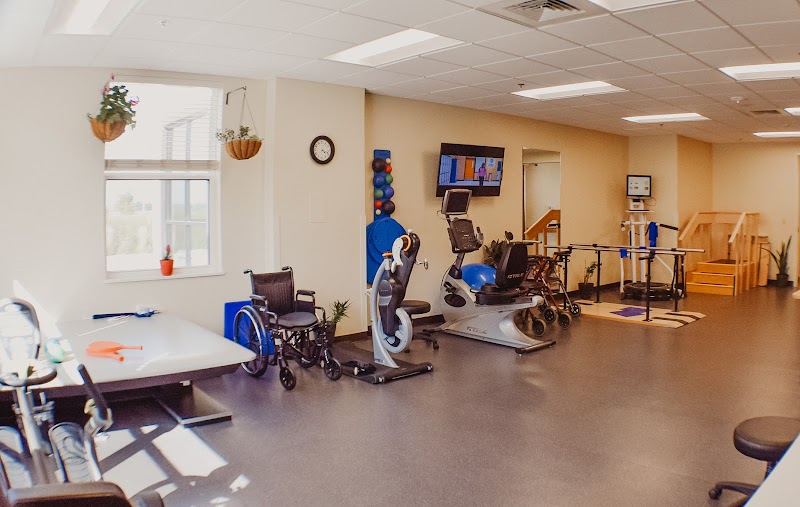
SERENITY TRANSITIONAL CARE is owned by a for-profit company. For-profit facilities operate as businesses with obligations to shareholders or private owners. The facility operates independently rather than as part of a larger chain. With 60 certified beds and approximately 54 residents (about 90% occupancy), it is a smaller facility located in TWIN FALLS, Idaho.
How Does Serenity Transitional Care Compare to Other Idaho Nursing Homes?

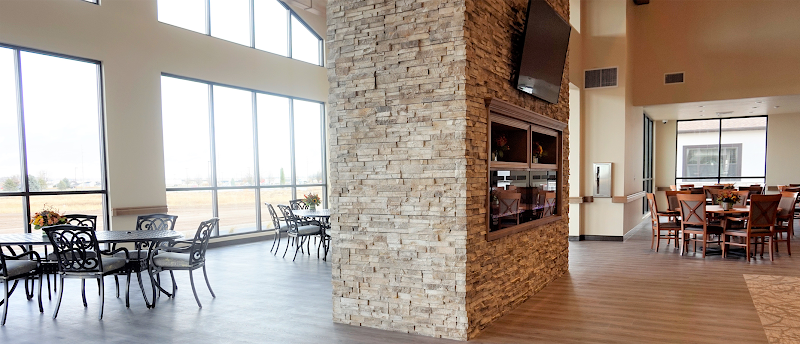
Compared to the 100 nursing homes in Idaho, SERENITY TRANSITIONAL CARE's overall rating (4 stars) is above the state average of 3.3, staff turnover (65%) is significantly higher than the state average of 46%, and health inspection rating (3 stars) is at the national benchmark.

What Should Families Ask When Visiting Serenity Transitional Care?

Based on this facility's data, families visiting should ask: "How do you ensure continuity of care given staff turnover, and what is your staff retention strategy?" "Can you walk me through typical staffing levels on day, evening, and night shifts?" "Can I visit during a mealtime to observe dining assistance and food quality?" "How do you handle medical emergencies, and what is your hospital transfer rate?" These questions are particularly relevant given the facility's high staff turnover rate and the below-average staffing rating.

Is Serenity Transitional Care Safe?

Based on CMS inspection data, SERENITY TRANSITIONAL CARE has a clean safety record: no substantiated abuse findings (meaning no confirmed cases of resident harm), no Immediate Jeopardy citations (the most serious violation level indicating risk of serious injury or death), and is not on the Special Focus Facility watch list (a federal program monitoring the lowest-performing 1% of nursing homes). The facility has a 4-star overall rating and ranks #1 of 100 nursing homes in Idaho. While no facility is perfect, families should still ask about staff-to-resident ratios and recent inspection results during their visit.

Do Nurses at Serenity Transitional Care Stick Around?

Staff turnover at SERENITY TRANSITIONAL CARE is high. At 65%, the facility is 18 percentage points above the Idaho average of 46%. Registered Nurse turnover is particularly concerning at 56%. RNs handle complex medical decisions and coordinate care — frequent RN changes can directly impact care quality. High turnover means new staff may not know residents' individual needs, medications, or preferences. It can also be disorienting for residents, especially those with dementia who rely on familiar faces. Families should ask: What is causing the turnover? What retention programs are in place? How do you ensure care continuity during staff transitions?

Was Serenity Transitional Care Ever Fined?

SERENITY TRANSITIONAL CARE has no federal fines on record. CMS issues fines when nursing homes fail to meet care standards or don't correct problems found during inspections. The absence of fines suggests the facility has either maintained compliance or corrected any issues before penalties were assessed. This is a positive indicator, though families should still review recent inspection reports for the full picture.

Is Serenity Transitional Care on Any Federal Watch List?

SERENITY TRANSITIONAL CARE is not on any federal watch list. The most significant is the Special Focus Facility (SFF) program, which identifies the bottom 1% of nursing homes nationally based on persistent, serious quality problems. Not being on this list means the facility has avoided the pattern of deficiencies that triggers enhanced federal oversight. This is a positive indicator, though families should still review the facility's inspection history directly.