HEALTHBRIDGE OF ARLINGTON HTS
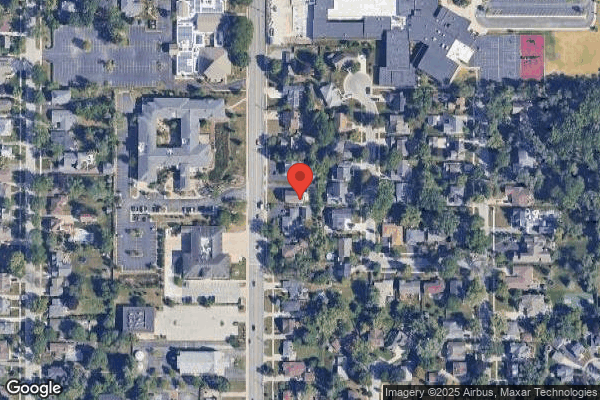

1200 N ARLINGTON HEIGHTS RD, ARLINGTON HEIGHTS, IL 60004 (847) 392-9000
For profit - Limited Liability company 120 Beds VIVRA SPECIALTY CARE Data: November 2025
Trust Grade
65/100
#153 of 665 in IL
Last Inspection: June 2025

Inspected within the last 6 months. Data reflects current conditions.

Overview

HealthBridge of Arlington Heights has a Trust Grade of C+, indicating it is slightly above average but not exceptional. It ranks #153 out of 665 facilities in Illinois, placing it in the top half of the state, and #53 out of 201 in Cook County, suggesting there are only a few local options that are better. However, the facility's trend is concerning, as it has worsened from 8 issues in 2024 to 10 in 2025. Staffing is a relative strength, with a rating of 4 out of 5 stars and RN coverage better than 92% of the state, although the 50% turnover rate is average. Notably, there have been serious incidents, including a resident who fell and fractured her ankle due to insufficient fall interventions, and failures in food safety practices that could affect all residents. Overall, while the facility has strengths in staffing and RN coverage, the increasing issues and some serious incidents raise significant concerns for potential residents and their families.

Trust Score
C+
65/100
In Illinois
#153/665
Top 23%
Safety Record
Moderate
Needs review
Inspections
Getting Worse
8 → 10 violations
Staff Stability
⚠ Watch
50% turnover. Above average. Higher turnover means staff may not know residents' routines.
Penalties
✓ Good
No fines on record. Clean compliance history, better than most Illinois facilities.
Skilled Nurses
✓ Good
Each resident gets 87 minutes of Registered Nurse (RN) attention daily — more than 97% of Illinois nursing homes. RNs are the most trained staff who catch health problems before they become serious.
Violations
⚠ Watch
23 deficiencies on record. Higher than average. Multiple issues found across inspections.
★★★★☆
4.0
Overall Rating
★★★★☆
4.0
Staff Levels
★★★★☆
4.0
Care Quality
★★★★☆
4.0
Inspection Score
Stable
2024: 8 issues
2025: 10 issues

The Good

  • 4-Star Staffing Rating · Above-average nurse staffing levels
  • 4-Star Quality Measures · Strong clinical quality outcomes
  • Full Sprinkler Coverage · Fire safety systems throughout facility
  • No fines on record

Facility shows strength in staffing levels, quality measures, fire safety.

The Bad

Staff Turnover: 50%

Near Illinois avg (46%)

Higher turnover may affect care consistency

Chain: VIVRA SPECIALTY CARE

Part of a multi-facility chain

Ask about local staffing decisions and management

The Ugly 23 deficiencies on record

1 actual harm
Jun 2025 9 deficiencies 1 Harm
SERIOUS (G)

Actual Harm - a resident was hurt due to facility failures

Accident Prevention (Tag F0689)

A resident was harmed · This affected 1 resident

**NOTE- TERMS IN BRACKETS HAVE BEEN EDITED TO PROTECT CONFIDENTIALITY** Based on observation, interview and record review the facility failed to have fall interventions in place for a resident at risk...

Read full inspector narrative →
**NOTE- TERMS IN BRACKETS HAVE BEEN EDITED TO PROTECT CONFIDENTIALITY** Based on observation, interview and record review the facility failed to have fall interventions in place for a resident at risk for fall and failed to ensure a resident was transferred safely for 2 of 20 residents (R33 and R36) reviewed for safety and supervision in the sample of 20. This failure resulted in R36 falling and sustaining a right ankle fracture that required surgical repair. The finding include: 1. R36's Face Sheet shows that she admitted to the facility on [DATE] with diagnoses of: cellulitis of right and left lower limbs, unsteadiness of feet, abnormalities of gait, reduced mobility and morbid obesity. R36's Functional Status Note dated 4/29/25 shows that R36 requires partial/moderate assistance to stand from sitting and transfer from bed to chair. On 6/9/25 at 11:35 AM, R36 was lying in bed. R36 had a cast on her right lower leg. R36 said that she fell in the bathroom and broke her leg. On 6/10/25 at 10:20 AM, V34 (R36's Spouse) said that he came in on 5/11/25 and R36 was sitting on the bathroom floor and had fallen. V34 said that a couple days later, R36's right leg was bruised, and her foot was pointed in an abnormal position. V34 said that eventually R36 had an X-ray and it showed that she had a fracture in two areas, and she had surgery. On 6/10/25 at 12:19 PM, V22, Certified Nursing Assistant (CNA) said that on 5/11/25, R36 had a fall in the bathroom. V22 said that he brought R36 into the bathroom to transfer to the toilet. V22 said that he instructed R36 to hold the grab bar and stand. V22 said that as R36 stood up, she lost her balance and started to fall. V22 said that he tried to place the wheelchair under her before she fell but was unable to. V22 said that when R36 fell, her right knee hit the floor, but she was still holding onto the grab bar and standing on her left leg. V22 said that he guided her to a sitting position on the floor. V22 said that when she was in the sitting position on the floor, her left leg was extended in front of her, and her right leg was under her weight, so he moved her right leg from under her and placed it in front of her. V22 said that he did not have a gait belt on R36 when the fall occurred because he did not have one but one was put on her when V32 came to help get her up off of the floor. On 6/11/25 at 12:51 PM, V32 said that V22 had requested her assistance to help with R36. V32 said that she entered R36's room and R36 was on the floor in the bathroom. V32 said that they applied a gait belt and lifted her up off the floor and into her wheelchair. On 6/11/25 at 12:52 PM, V22 was re-interviewed at the request of V4 (Director of Nursing) V22 stated, I do believe I did have a gait belt on before the fall. V22 explained the fall again in detail. V22 was then notified that this surveyor had spoken to V32 and V32 said that they applied the gait belt to R36 before they lifted her to her wheelchair. V22 stated, To be honest, I don't remember the scenario whatsoever. I do not remember exactly when the gait belt was put on. On 6/11/25 at 10:38 AM, V4 (Director of Nursing) said that R36 was a one person assist with a gait belt for transfers. V4 said that staff should always use a gait belt for the resident's safety. V4 said that it is likely that R36 received a small fracture during her fall on 5/11/25 but it worsened due to participation with therapy. V4 said that R36 had no other incident that had happened between R36's fall and the finding of the fracture. R36's right ankle X-ray results from 5/21/25 shows, There is an acute fracture of the distal fibula and of the medial malleolus with subluxation of the tibia on the talus medially There is soft tissue swelling diffusely. R36's Orthopedic Surgery Consult Note dated 5/22/25 shows, Patient is a 69 y.o. female who presents with right ankle fracture. She presented to my clinic today for this issue. The patient fell at her rehab on Mother's Day (5/11). She states that she had pain and swelling to the ankle over the past week and then they eventually got x-rays after she was in too much pain to ambulate with PT (Physical Therapy) there is moderate swelling to the ankle diffusely. There is tenderness medial and laterally Assessment: Right ankle bimalleolar fracture subluxation .Plan for ORIF (Open Reduction Internal Fixation) right ankle 5/23. The facility's Final Investigation Summary dated 5/23/25 shows, Resident Injury-Confirmed Fracture Post-Fall Based on the clinical record and timeline, no localized symptoms or signs of ankle injury were evident immediately following the assisted fall on 5/11/25 or in the days afterward However, the subsequent right ankle fracture confirmed on 5/21/25 may reflect an initially minor or hairline fracture caused by the assisted fall. Factors supporting this possibility include: The resident's high pain threshold and non-localized chronic lower extremity pain masking early injury. Morbid obesity contributes to mechanical stress and potential progression of injury. The facility's Gait Belt Policy revised on 1/2025 shows, Staff will use a gait/transfer belt on residents who need limited to total assistance with transfer or walking. 2. R33's facility assessment dated [DATE] showed R33 is a [AGE] year-old female with impaired cognition and was admitted to the facility on [DATE] with diagnosis which include dementia and unspecified disorientation. On 6/9/25 at 9:05 AM, R33's door was closed at this time. Upon entering R33's room, R33 was lying in bed diagonally across the mattress with her right foot off the edge of the bed and her head near the upper left bed mobility rail. Several fall mats were across the room leaning against the opposite wall from the bed. R33's bed was approximately two and a half to three feet above the ground which is not the bed's lowest position. On 6/10/25 at 1:20 PM and at 6/11/25 at 9:00 AM, R 33 was in bed with the fall mats stacked against the opposing wall from the headboard. On 6/10/25 at 1:25 PM, V26 CNA stated R33's fall mats should be next to the bed. On 6/11/25 at 9:44 AM, V35 CNA stated we are usually notified by the nurse or during morning report if a resident is a fall risk. V35 stated R33 does have fall mats, and they should be next to her bed when R33 is in it. R33's medical records showed R33's last Fall Assessment was completed on 9/11/24. R33 is listed as having a moderate risk for falls. R33's Care Plan showed R33 has a risk for falls with an intervention of having fall mats landing pads in position while in bed and have the bed in the lowest position. R33's Physician Orders has an order for floor mats and low bed position with a start date of 10/3/24. On 6/11/25 at 11:35 AM, V2 Director of Nursing stated a residents fall interventions should be in place when a resident is in bed (fall mats, bed in low position, door open etc.).
CONCERN (D)

Potential for Harm - no one hurt, but risky conditions existed

Deficiency F0628 (Tag F0628)

Could have caused harm · This affected 1 resident

Deficiency Text Not Available

Read full inspector narrative →
Deficiency Text Not Available
CONCERN (D)

Potential for Harm - no one hurt, but risky conditions existed

Assessment Accuracy (Tag F0641)

Could have caused harm · This affected 1 resident

**NOTE- TERMS IN BRACKETS HAVE BEEN EDITED TO PROTECT CONFIDENTIALITY** Based on interview and record review the facility failed to ensure a resident's assessment was completed accurately for 1 of 20 ...

Read full inspector narrative →
**NOTE- TERMS IN BRACKETS HAVE BEEN EDITED TO PROTECT CONFIDENTIALITY** Based on interview and record review the facility failed to ensure a resident's assessment was completed accurately for 1 of 20 residents (R95) reviewed for assessments in the sample of 20. The findings include: R95's Minimum Data Set (MDS) dated [DATE] shows Discharge status: short term General Hospital (acute hospital). R95's Progress Notes dated 3/28/25 at 4:28 PM shows Resident discharged home with granddaughter, to receive home health care. Resident discharged with all scripts, paperwork and belongings. On 06/11/25 at 10:25 AM, V5 Director of Nursing said R95's MDS was done in error, R95 was not hospitalized she went home with family per the progress notes. On 06/11/25 at 11:53 AM, V1 Chief Executive Officer said the facility doesn't have a policy on assessments, they just follow the Resident Assessment Instrument (RAI) procedure and are to submit MDS assessments timely and accurately.
CONCERN (D)

Potential for Harm - no one hurt, but risky conditions existed

Pressure Ulcer Prevention (Tag F0686)

Could have caused harm · This affected 1 resident

**NOTE- TERMS IN BRACKETS HAVE BEEN EDITED TO PROTECT CONFIDENTIALITY** 2. R299's admission Record showed R299 was admitted to the facility on [DATE]. R299's Wound Assessment Details Report dated 6/8/...

Read full inspector narrative →
**NOTE- TERMS IN BRACKETS HAVE BEEN EDITED TO PROTECT CONFIDENTIALITY** 2. R299's admission Record showed R299 was admitted to the facility on [DATE]. R299's Wound Assessment Details Report dated 6/8/25 showed R299 was admitted to the facility with a, DTI (deep tissue injury) to left buttock and blanchable redness to coccyx and right buttock. Patient noted in bed, very bony. NPO (eats nothing by mouth)- has G-tube (gastrostomy tube) feeding. Low air loss mattress ordered. The report showed R299's left buttock DTI measured 3.0 cm (centimeters) x 3.0 cm x 0.0. R299's Skin/Wound progress note dated 6/8/25 showed R299 was also admitted to the facility with blanchable redness to both of his heels. The note showed, Heel boots applied, educated on wearing them in bed to offload heels . A physician order for R299, dated 6/8/25, showed an order for R299 to have a low air loss mattress. A facility invoice receipt showed a low air loss mattress, for R299, was delivered to the facility on 6/8/25. On 6/9/25 at 9:33 AM, R299 was in bed, lying on a standard mattress. The mattress on R299's bed was not a low air loss mattress. On 6/10/25 at 8:14 AM, R299 was in bed, lying on a standard mattress. No heel boots were noted to R299's heels. R299's heels rested directly on the mattress. R299's heel boots noted on a chair next to the bed. On 6/10/25 at 10:56 AM, R299 was in bed, lying on a standard mattress. No heel boots were noted to R299's heels. R299's heels rested directly on the mattress. On 6/10/25 at 10:34 AM, V5 Director of Nursing (DON) stated residents that have wounds, are mostly bed-bound, and/or are failure to thrive require a low air loss mattress to help prevent skin breakdown. V5 stated heel boots are to be worn by residents, while in bed, to prevent skin breakdown to the heel area. V5 stated, Our low air loss mattresses are connected to a machine that regulates the air pressure of the mattress based on the resident's weight. Our wound nurses assess the resident and make the determination if the resident needs a low air loss mattress. The wound nurse orders the mattress from an outside company. It is usually delivered to the facility within 24 hours. On 6/10/25 at 1:09 PM, R299 was asleep in bed on a low air loss mattress. V9 (Family of R299) was in R299's room. V9 stated, He just got this new mattress today. V9 was asked about R299's heel boots, V9 stated, I visit him everyday. I have never heard him refuse to wear those boots. The facility's Pressure Ulcers/Skin Breakdown-Clinical Protocol dated April 2018 showed, Treatment/Management 1. The physician will order pertinent wound treatments, including pressure reductions surfaces, wound cleansing and debridement approaches, dressings (occlusive, absorptive, etc.), and application of topical agents . Based on observation, interview and record review the facility failed to ensure a resident had a dressing on a pressure injury and failed to ensure pressure prevention interventions were in place for 2 of 6 residents (R47, R299) reviewed for pressure injuries in the sample of 20. The findings include: 1. R47's Wound Assessment Details Report completed on 6/7/25 shows he has a stage 4 pressure injury to his left heel. The report shows his wound measures 1.00 centimeter (cm.) length x 1.00 cm. width x .20 cm. depth with a light amount of drainage. R47's Physician Order Summary shows he has treatment orders for medi-honey and a dry dressing over the wound bed. On 6/9/25 at 9:50 AM, V14 (Wound Care Nurse) and V15 (Wound Care Nurse Practitioner) were completing a wound assessment on R47's left heel wound. When V14 pulled off R47's sock there was no dressing on his left heel. V14 said R47 should have a dressing on his wound and he has orders for dressing changes 3 times a week and as needed. V14 said any nurse can reapply the dressing to R47. The facility provided Pressure Ulcers/ Skin Breakdown policy last revised April 2018 shows the facility will identify and implement treatment interventions for pressure injuries/ulcers with the wound care physician.
CONCERN (D)

Potential for Harm - no one hurt, but risky conditions existed

Incontinence Care (Tag F0690)

Could have caused harm · This affected 1 resident

Based on observation, interview and record review the facility failed to ensure indwelling urinary catheter bags were kept below the level of the bladder and off of the floor to prevent infections for...

Read full inspector narrative →
Based on observation, interview and record review the facility failed to ensure indwelling urinary catheter bags were kept below the level of the bladder and off of the floor to prevent infections for 2 of 3 residents (R148 and R47) reviewed for indwelling urinary catheters in the sample of 20. The findings include: 1. On 6/9/25 at 9:08 AM, R148 was being transferred from her bed to a shower chair with a mechanical lift. R148 had an indwelling urinary catheter in place with cloudy yellow urine present in the tubing. V19 and V20 (Certified Nursing Assistants) placed a mechanical lift sling under R148. V19 and V20 attached the sling to the mechanical lift and then hung R148's catheter bag on the sling strap which was above R148's bladder. R148's urine in her catheter tubing was seen backflowing into R148's bladder. On 6/10/25 at 11:02 AM, V5 (Director of Nursing) said that urinary catheter bags should always be kept below the level of the bladder. V5 said that hanging the bag from the straps of the mechanical lift sling is not appropriate. R148's Care Plan shows, Position catheter bag and tubing below the level of the bladder and away from entrance room door. The facility's Urinary Catheter Care Policy revised on 8/22 shows, Position the drainage bag lower than the bladder at all times to prevent urine from flowing back into the urinary bladder. 2. On 6/9/25 at 9:30 AM, R47's was lying in bed his indwelling urinary catheter bag was lying on the floor on the right side next to his bed. At 9:50 AM, V14 (Wound Care Nurse) and V15 (Wound Care Nurse Practitioner) came into R47's room to do a dressing change. V15 raised up R47's bed did the wound care measurements and when the wound care was completed, he lowered the bed. R47's catheter bag remained on the floor. On 6/9/25 at 11:57 AM, R47's catheter bag was still laying on the floor on the right side of his bed. On 6/10/25 at 11:03 AM, V5 (Director of Nursing) said catheter bags should not be on the floor. The facility provided Catheter Care policy revised August 2022 says catheter bags should be kept off the floor.
CONCERN (D)

Potential for Harm - no one hurt, but risky conditions existed

Pharmacy Services (Tag F0755)

Could have caused harm · This affected 1 resident

**NOTE- TERMS IN BRACKETS HAVE BEEN EDITED TO PROTECT CONFIDENTIALITY** Based on observation, interview, and record review the facility failed to monitor residents to ensure medications were administe...

Read full inspector narrative →
**NOTE- TERMS IN BRACKETS HAVE BEEN EDITED TO PROTECT CONFIDENTIALITY** Based on observation, interview, and record review the facility failed to monitor residents to ensure medications were administered completely which applies to 2 of 2 residents (R1, R4) reviewed for medication administration in a sample of 20. The findings include. 1. R1's Facility assessment dated [DATE] showed R1 to be a [AGE] year-old female resident with severe cognitive impairment admitted with diagnoses which included dementia. On 6/9/25 at 10:55 AM, R1 was resting in their wheelchair in the common area near the nurse's station. When R1 went to speak 2 partially dissolved pills fell out of R1's mouth. R1 was appeared very tired and had some confusion when asked when they had taken their pills. On 6/9/25 at 11:00 AM, V29 Registered Nurse stated R1 had received their medications with the morning medication pass around 9 AM. V29 stated they thought R1 had swallowed all their pills. V29 stated they did not check for pocketing after the medications were given. On 6/10/25 at 10:00 AM, V16 Licensed Practical Nurse (LPN) stated when giving medications to a resident the nurse should make sure the resident has swallowed the pills. On 6/10/25 at 1:00 PM, V2 VP of Operations stated nurses should make sure residents swallows their pills as part of the medication administration. The facility's Medication Administration Policy dated 4/2019 showed medications should be administered in a safe and timely manner, and as prescribed. 2. On 6/9/25 at 9:00 AM, R4 was asleep in her room. On her overbed table and nightstand were multiple bottles of medications including 2 bottles of Naso Gel spray for dry noses, a Fluticasone nasal spray and Systane eye drops. On 6/10/25 at 8:45 AM, R4 had the same bottles of medications at her bedside. V16 (Licensed Practical Nurse/LPN) said residents have to have an order to be able to self- administer medications and R4 is not able to administer her own medications. On 6/10/25 at 10:38 AM, V5 (Director of Nursing) said that residents have to be assessed for the ability to self-administer medications and have medications at the bedside. V5 said she does not believe anyone on the second floor has orders to be able to self-administer medications and nurses monitor this and there should not be medications left in resident rooms, they should be taken out. On 6/10/25 at 1:31 PM, The same medications were still at R4's bedside and R4 said that she takes these medications nasal sprays and eye drops by herself when she wants too usually one time a day. R4's Physician Order Summary (POS) does not show an order for medications to be stored at her bedside and self-administered. R4's POS shows an order for both Fluticasone 50 micrograms (mcg) spray in both nostrils every 6 hours as needed for nasal congestion and for Saliene Nasal Gel 1 spray in both nostrils 4 times a day for soothing and moisturizing. There was no order for Systane eye drops. On 6/11/25 at 10:10 AM, V5 said R4 did not have any order for her to self-administer the medications or have them at her bedside prior to the evening of 6/10/25. The facility provided Administering Medications policy last revised April 2019 shows that residents can only self- administer medications if it has been approved and assessed by the attending physician and treatment team.
CONCERN (E)

Potential for Harm - no one hurt, but risky conditions existed

Quality of Care (Tag F0684)

Could have caused harm · This affected multiple residents

**NOTE- TERMS IN BRACKETS HAVE BEEN EDITED TO PROTECT CONFIDENTIALITY** Based on observation, interview and record review the facility failed to ensure a cervical neck collar and ace wraps were in pla...

Read full inspector narrative →
**NOTE- TERMS IN BRACKETS HAVE BEEN EDITED TO PROTECT CONFIDENTIALITY** Based on observation, interview and record review the facility failed to ensure a cervical neck collar and ace wraps were in place as ordered, failed to clarify physician prescribed medication orders to ensure a resident received the medications and failed to perform an assessment immediately after and following a fall for 4 of 20 residents (R36, R52, R47 and R299) reviewed for quality of care in the sample of 20. The findings include: 1. On 6/9/25 11:35 AM, R36 was lying in bed and had a cast on her right lower leg. R36 said that she had a fall in the bathroom and broke her leg. On 6/10/25 at 10:20 AM, V34 (R36's Spouse) said that he came in on 5/11/25 and R36 was on the floor of the bathroom. V34 said that a male and female staff member came in and lifted her back up into her wheelchair. V34 said that a couple days later, he noticed that her leg was bruised, and her foot was pointed in an abnormal position. On 6/10/25 at 12:19 PM, V22, Certified Nursing Assistant (CNA) said that on 5/11/25, R36 had a fall in the bathroom. V22 said that R36 was holding the grab bar in the bathroom, and she began to fall. V22 said that she put her right knee onto the floor and was still standing on her left leg. V22 said that he assisted her into a sitting position and when he did that, her right leg was stuck under her weight, so he pulled her right leg out from under her to make her more comfortable. V22 said that he then went and got V32 (CNA) to assist him in getting R36 off of the floor and into her wheelchair. V22 said that V32 was in front of R36, and he was behind R36, and they lifted her off the floor and into her wheelchair. V22 said that after they got R36 into the wheelchair, he went and told the nurse, and she came in and did an assessment. On 6/11/25 at 12:51 PM, V32 said that V22 had requested her assistance to help with R36. V32 said that she entered R36's room and R36 was on the floor in the bathroom. V32 said that V22 and herself lifted R36 up from the bathroom floor with a gait belt and placed her into her wheelchair. R36's Nursing Incident Note dated 5/11/25 at 6:44 PM shows, CNA informed writer patient had slid off her WC (wheelchair) while transferring from toilet to wheelchair. Writer immediately proceeded to assess patient. Upon entering room patient on sitting up WC On 6/11/25 at 10:38 AM, V5 (Director of Nursing) said that once a resident falls, the staff should immediately call the nurse before moving the resident so the nurse can do a thorough assessment. V5 said that the resident should not be moved until the nurse does an assessment and feels it is safe to move the resident. V5 said that it is their policy for the nurse to complete a fall assessment in the computer and do follow up fall assessments every 8 hours for the next three day. V5 said that the follow up fall assessments entail asking the resident if they are having pain, checking their vitals, assessing for any bruising or other symptoms, checking for a change in mental status, mobility or change in sleep. V5 reviewed R36's electronic medical record and said that she does not see that any fall follow up assessments were completed after R36's fall. R36's Nursing Notes from 5/12/25 to 5/20/25 were reviewed. There were no nursing assessments documented. R36's Nursing Note dated 5/21/25 shows, Patient returned from therapy c/o (complains of) increased pain in right ankle. Patient states it started last night and is worse now after therapy Ankle is swollen and looks abnormal, but that is the patient's baseline. Ankle elevated with pillow and ice pack placed by nurse to decrease swelling. Physician contacted and X-ray ordered R36's right ankle X-ray results from 5/21/25 shows, There is an acute fracture of the distal fibula and of the medial malleolus with subluxation of the tibia on the talus medially There is soft tissue swelling diffusely. R36's Fall Care Plan shows, Monitor/Document/Report PRN (as needed) x 72h (hours) for MD (Physician) for s/sx (signs and symptoms): Pain, bruises, change in mental status, new onset: confusion, sleepiness, inability to maintain posture, agitation. The facility's Assessing Falls and Their Causes Policy revised 3/2018 shows, If a resident has just fallen, or is found on the floor without a witness to the event, evaluate for possible injuries to the head, neck, spine, and extremities If an assessment rules out significant injury, help the resident to a comfortable sitting, lying or standing position and then document relevant details Observe for delayed complications of a fall for approximately forty-eight (48) hours after an observed or suspected fall, and document findings in the medical record. Document any observed signs or symptoms of pain, swelling, bruising, deformity and/or decreased mobility; and any changes in level of responsiveness/consciousness and overall function. Note the presence or absence of significant findings. 2. R52's Podiatry Note dated 6/3/25 shows, Edema Control- Ace Wrap BLE (Bilateral Lower Extremities) On 6/9/25 at 11:50 AM, R52 was sitting in his wheelchair in his room. R52's lower extremities were swollen and reddened. R52 had socks on. R52 had ace wraps located on his windowsill. R52 said that he sees a podiatrist due to wounds on his legs. R52 said that the podiatrist is concerned about the swelling in his legs. R52 said that he used to wear support stockings on his legs, but they were too tight. R52 said that the last time that he went to the podiatrist, they put ace wraps on his legs, and it felt a lot better than the support stockings. R52 said that when the nursing staff at the facility changed his dressing, they did not re-apply the ace wraps. R52 said, I am not sure why they do not put them back on, maybe they think that I don't need them. On 6/10/25 at 10:00 AM, R52 was sitting in his wheelchair. R52's legs were swollen, and he did not have ace wraps applied to them. R52's June Medication Administration Record (MAR) shows an order for Tubigrip (elasticated tubular bandage) on right and left lower extremities in the morning every Monday, Wednesday, and Friday. These were signed out as applied on 6/9/25 at 9:00 AM. There was no order for ace wraps to be applied on R52's MAR. R52's Physician's Order Sheet printed on 6/9/25 does not show an order for ace wraps. On 6/11/25 at 10:35 AM, V14 (Wound Care Nurse) said that when R52 returned from his podiatry appointment, the ace wrap orders should have been entered into the computer by the nurse. V14 said that if a resident comes back to the facility with new wound orders, they should either put the orders into the system or notify the wound nurse. V14 said that she did speak to the nurse regarding the order, and it was a communication issue. V14 said that the nurse did see the order but never put it into the computer. On 6/10/25 at 11:02 AM, V4 (Director of Nursing) said that if a resident goes out to a doctor's appointment, it is the floor nurse's responsibility to enter any new orders into the computer system. 4. R299's admission Record showed R299 was admitted to the facility on [DATE] with a diagnosis of a cervical vertebral fracture of his neck due to a fall. R299's physician order dated 6/8/25 showed R299 was to wear a soft cervical collar around his neck, at all times, as treatment for his vertebrae fracture. On 6/9/25 at 9:06 AM, R299 was in bed, lying on his back. A soft, cervical neck collar was noted in R299's bed, however the collar was not secured around R299's neck. The collar laid loosely on R299's pillow. On 6/9/25 at 9:33 AM, V6 Certified Nursing Assistant (CNA) began providing incontinence care to R299. R299's neck collar laid loosely on his bed; not secured in place around R299's neck at any point. When V6 repositioned R299 on his right side in bed, R299 complained of neck pain as his head fell back towards the pillow, during the repositioning. After completing incontinence care on R299 and as V6 repositioned him on his back in bed. R299 again complained of neck pain with repositioning. On 6/10/25 at 10:34 AM, V5 Director of Nursing (DON) stated R299 should have a cervical collar in place around his neck at all times especially when doing cares and repositioning him to support his neck. V5 stated, I believe he has the collar because he fell and fractured his neck. The collar should be secured in place around his neck. 3. R47's face sheet shows he was admitted to the facility on [DATE] from a local community hospital. R47's After Visit Summary from the hospital provided to the facility on admission shows he had an order for mirtazapine (Remeron) 15 milligrams (mg.) to be given every night at bedtime for 30 days. R47's Order Summary Report shows an order for mirtazapine 15 mg. to be started on 4/6/25 and ended on 5/6/25. On 6/9/25 at 9:22 AM, V13 (R1's daughter and Power of Attorney) said she had a concern at the facility because R47 had been taking Remeron at home for an appetite stimulant and to help him sleep and the facility just stopped the medication for a couple of weeks. V13 said she is not sure why the medication was stopped no one could tell her but he is taking the medication again now. A physician note completed on 4/7/25 by V17 (R47's Primary Care Physician) shows he was aware that R47 was taking mirtazapine 15 mg at bedtime and documented the medication should be reviewed for an indication for use. A physician note completed on 4/14/25 by V11 (Psychiatrist) shows she spoke with V13 who had told her that R47 had been taking mirtazapine (Remeron) for 4 years for insomnia and for a weight stimulant. V11's note states, Continue Remeron 15 mg QHS, which he has been on for 4 years and tolerated well for insomnia and help with appetite. V11's note does not specify a stop date. R47's 5/1/25-5/31/25 Medication Administration Summary (MAR) shows his mirtazapine was stopped on 5/5/25 and restarted on 5/25/25. A provider note completed on 5/22/25 by V12 (Psychiatric Nurse Practitioner) shows V12 documented for R47's mirtazapine to be restarted at 7.5 mg. every night for appetite and depression. On 6/10/25 at 10:09 AM, V5 (Director of Nursing) said what happened with R47's mirtazapine was that he came in with a hospital order for it to only be for 30 days and that nurse who admitted him was new and did not know they shouldn't enter admission orders for only 30 days. V5 said facility nurses should also clarify with a physician the duration the medication should be given. V5 said V17 is out of the country and not reachable by phone but V4 (Medical Director) is available to speak with. On 6/10/25 at 12:53 PM, V4 said in his opinion this is a provider and hospital issue that the medication was only initially ordered for 30 days. The physician who assessed and documented the medication should have continued it and also should have specified how long they wanted the medication for. V4 said a verbal order for the medication should have been given. On 6/11/25 at 8:46 AM, V11 (Psychiatrist) said she could not recall if she gave a verbal order to continue the medication to any nurses when she saw R47 on 4/14/25, and typically when she sees residents at the facility she will go back and document the note in the residents Medical Record. V11 said she was not able to comment for the facility about why the medication was discontinued. On 06/10/25 at 1:45 PM, V30 (Registered Nurse) said when residents are admitted orders need to be clarified and if a medication is suddenly stopped, they have to contact the physician to clarify if the medication should be stopped especially for psychotropic medications. The facility provided Medication and Treatment Orders policy last revised on July 2016 shows that medication orders should include start and stop dates and if an order does not contain those and a stop order becomes effective due to the medication not having a stop dated the supervisor on duty must contact the prescriber or attending physician to determine if the medication should be continued.
CONCERN (E)

Potential for Harm - no one hurt, but risky conditions existed

Food Safety (Tag F0812)

Could have caused harm · This affected multiple residents

On 6/9/25 at 1:41 PM the refrigerator in the kitchenette of the 2nd floor north bistro area, contained an opened box of thickened prune juice dated 5/2/25. At 1:42 PM, the refrigerator in the kitchene...

Read full inspector narrative →
On 6/9/25 at 1:41 PM the refrigerator in the kitchenette of the 2nd floor north bistro area, contained an opened box of thickened prune juice dated 5/2/25. At 1:42 PM, the refrigerator in the kitchenette of the 1st floor north bistro area, contained 2 opened boxes of thickened water dated 4/25/25, and a box of thickened apple juice dated 5/30/25. The boxes of water and apple juice said, after opening discard after 7 days. On 6/10/25 at 9:10 AM, the opened prune juice dated 5/2/25 remained in the refrigerator in the 2nd floor north bistro area kitchenette. There was no other date or opened date. At 9:15 AM, the opened boxes of thickened water dated 4/25/25 and the box of apple juice dated 5/30/25 remained in the refrigerator in the 1st floor north bistro area kitchenette. There was no other date or opened date. On 6/10/25 at 10:00 AM, V28 Dietary Manager said the boxes of thickened liquids are dated when they are received. V28 said when the staff opens the box, they should label the box with opened and the date the box was opened. V28 said once the boxes area opened, they should be discarded after 6 days. V28 said there is no policy for this, this is just the recommendation from the manufacturer. V28 said if the boxes of liquid are not labeled with an open date they should be discarded because there is no way to know how long they have been opened. The facility's Diet Type Report for Nectar thick liquids dated 6/10/25 shows R65, R298, R199, and R80 are on thickened liquids. Based on observations, interviews, and record reviews the facility failed to ensure resident refrigerators were monitored and maintained, and failed to ensure perishable foods were dated which applies to 7 of 7 residents (R33, R55, R67, R65, R298, R199, R80) reviewed for safe food handling in a sample of 20. The findings include: On 6/9/25 at 9:00 AM, R33's room refrigerator thermometer read 55 degrees Fahrenheit (F). The refrigerator had yogurt and other personal food products in it. R33 was eating a yogurt of the same brand at that time. On 6/10/25 at 1:20 PM, R33's refrigerator thermometer read 50 degrees F. V26 Certified Nursing Assistant (CNA) was present at that time and verified the temperature reading on the thermometer. V26 stated they were pretty sure that was too high. On 6/9/25 at 9:15 AM, R55's room refrigerator had no thermometer in it. The refrigerator had 10 small foam food containers with no dates on them. R55 stated their daughter brought food from home for him all the time. R55 did not know how long the different items had been in the refrigerator. On 6/9/25 at 10:15 AM, R67's refrigerator had no thermometer in it. The refrigerator had opened packages (no open date) of hot dogs and lunch meat in it. R67 stated they had to have staff help get the food out of the refrigerator since they could not get it themselves (stroke). R67 stated he was not sure the last time anyone came in and checked the refrigerator. On 6/10/25 at 1:35 PM, V27 Environmental Services Director stated he uses the thermometers in the residents' refrigerators to check the temperatures. V27 stated the refrigerators should be kept between 33-41 degrees Fahrenheit. The rules for food in residents' refrigerators is the same as the kitchen. Open items should have some type of date on it. V27 stated opened and prepared food containers should be discarded between 5-7 days depending on the food type. On 6/11/25 at 9:30 AM, V36 (R55's Daughter) stated she has brought food from home. V36 stated she had not been asked to check in the food with the staff or put a date on it when it was made. The facility's Brought in Food Policy dated 2/2014 showed perishable foods need to be in containers and in the refrigerator. The food containers should be labeled with the resident's name and dated (use by date). This policy showed staff are responsible for discarding perishable foods on or before the use by date and if a package is past due expiration dates.
CONCERN (E)

Potential for Harm - no one hurt, but risky conditions existed

Infection Control (Tag F0880)

Could have caused harm · This affected multiple residents

**NOTE- TERMS IN BRACKETS HAVE BEEN EDITED TO PROTECT CONFIDENTIALITY** 4. On 6/9/25 at 11:35 AM, R36 was lying in bed. R36 said that she is getting treatment for the wounds on her buttock. R36's room...

Read full inspector narrative →
**NOTE- TERMS IN BRACKETS HAVE BEEN EDITED TO PROTECT CONFIDENTIALITY** 4. On 6/9/25 at 11:35 AM, R36 was lying in bed. R36 said that she is getting treatment for the wounds on her buttock. R36's room door did not have a sign on it saying she was on EBP (Enhanced Barrier Precautions) nor was there PPE (Personal Protective Equipment) outside of R36's room. On 6/9/25 at 11:37 AM, V7 (Infection Preventionist) put an EBP sign on R36's door and a cart of PPE outside of the door. On 6/9/25 at 2:25 PM, V7 said that she did just put R36's EBP sign on her door that day. V7 said that she was reviewing charts and noticed that R36 came back from the hospital with multiple wounds and should have been placed on EBP upon her re-admission. R36's Physician's Order Sheet printed on 6/9/25 shows that she re-admitted to the facility on [DATE] and an order for EBP for wounds was placed on 6/9/25. R36's Wound assessment dated [DATE] shows that she has an unstageable pressure injury on her left hip, right hip and buttock and a stage 3 pressure injury on her left lower buttock. The facility's Enhanced Barrier Precautions Policy shows, EBPs are indicated (when contact precautions do not otherwise apply) for residents with wounds EBPs remain in place for the duration of the resident's stay or until resolution of the wound signs are posted in the door or wall outside the resident room indicating the type of precautions and PPE required. Based on observation, interview and record review the facility failed to implement Enhanced Barrier Precautions (EBP) for a resident with a gastrostomy tube (G-tube) and a resident with a wound. The facility failed to inform a resident's private caregiver the resident was on Contact Isolation for an infection and failed to educate the caregiver on wearing PPE (personal protection equipment) in the resident's room. The facility failed to ensure staff changed their gloves and washed their hands to prevent cross contamination. These failures apply to 4 of 20 residents (R299, R301, R300, R36) reviewed for infection control in the sample of 20. The findings include: 1. R299's admission Record showed R299 was admitted to the facility on [DATE]. R299's admission care plan showed R299 required Enhanced Barrier Precautions due to R299 being admitted to the facility with a gastrostomy tube (G-tube) in place for nutrition/enteral feedings. On 6/9/25 at 9:06 AM, no EBP isolation sign hung on or around the door/doorframe to R299's room. Upon entrance to R299's room, V10 Licensed Practical Nurse (LPN) was holding R299's G-tube in her hand. V10 wore gloves but no gown. V10 LPN stated she had just finished giving R299 his morning medications via his G-tube. On 6/9/25 at 9:33 AM, V6 Certified Nursing Assistant (CNA) donned gloves and began to provide incontinence care to R299 as he was incontinent of urine. V6 CNA wiped R299's perineal area and repositioned him on his right side. V6 CNA wiped R299's buttocks and removed his soiled incontinence brief. Without changing her soiled gloves, V6 CNA then picked up R299's personal cell phone, that was lying next to R299 on the bed, and placed the phone on the bedside table. Without changing her soiled gloves, V6 CNA proceeded to place R299 in a clean incontinence brief and gown. Upon completion of these cares, V6 CNA removed her gloves. On 6/10/25 at 10:34 AM, V5 Director of Nursing (DON) stated residents that require Enhanced Barrier Precautions are residents with wounds, urinary catheters, G-tubes, and drains. V5 stated staff are to wear PPE, which includes a gown and gloves, when providing high-contact cares to a resident's G-tube. The facility Enhanced Barrier Precautions policy dated August 2022 showed, Enhanced barrier precautions (EBPs) are utilized to prevent the spread of multi-drug resistant organisms to residents . EBP's employ targeted gown and glove use during high contact resident care activities when contact precautions do not otherwise apply . Examples of high-contact resident care activities requiring the use of gown and gloves for EBP's include: device care or use (central line, urinary catheter, feeding tube, tracheotomy/ventilator, etc.) . 2. R301's admission Record dated 6/7/25 showed R301 was admitted to the facility with a diagnosis of colitis due to a Clostridium Difficile (c-diff) infection of her stool. R301's physician order dated 6/7/25 showed R301 required Contact Isolation Precautions due to her c-diff infection. On 6/9/25 at 9:35 AM, a Contact Isolation sign hung on the doorway of R301's room. V8 (Private Caregiver for R301) was seated in a chair in R301's room. R301 was asleep in bed. V8 wore no PPE, no gown or gloves. On 6/9/25 at 10:13 AM, V8 (Private Caregiver for R301) stood beside R301's bed. V8 held a cup to R301's mouth as she drank from the cup. V8 wore no PPE, no gown or gloves. On 6/9/25 at 11:40 AM, V7 Infection Control Nurse educated V8 (Private Caregiver for R301) on the importance of wearing PPE while in R301's room, while she was on Contact Isolation. On 6/9/25 at 2:20 PM, V8 (Private Caregiver for R301) stated, No one told me I had to wear a gown and gloves or that (R301) was on isolation until (V7 Infection Control Nurse) told me this morning. On 6/10/25 at 10:34 AM, V5 DON stated all staff are to don PPE, including a gown and gloves, prior to entering the room of a resident on Contact Isolation. V5 stated private caregivers and any visitors are to don and wear PPE while in the room of a resident on Contact Isolation. V5 stated when staff observe a visitor and/or caregiver not wearing the required PPE in an isolation room, staff are to immediately educate and ask them to don the required PPE to attempt to stop the spread of an infection. The facility's Isolation-Categories of Transmission-Based Precautions policy dated September 2022 showed, Contact precautions are implemented for residents known or suspected to be infected with microorganisms that can be transmitted by direct contact with the resident or indirect contact with environmental surfaces or resident-care items in the resident's environment . The policy showed staff and visitors must wear a PPE gown and gloves when in the room of a resident on Contact Isolation. 3. On 6/9/25 at 9:14 AM, R300 was in bed, R300 was on supplemental oxygen via a nasal cannula attached to his nose. On 6/9/25 at 9:15 AM, V6 CNA donned gloves and began providing incontinence care to R300 as he was incontinent of urine. V6 cleansed R300's groin and buttocks and removed R300's soiled incontinence brief. Without changing her soiled gloves, V6 removed the nasal cannula from R300's nose and placed the cannula on the bedside table. V6 CNA proceeded to place R300 in a clean incontinence brief, shirt, and shorts without changing her soiled gloves. V6 CNA then transferred R300 from his bed to the wheelchair. Upon completion of these cares, V6 CNA removed her soiled gloves. On 6/10/25 at 10:34 AM, V5 DON stated staff must change their gloves anytime gloves are soiled and prior to touching anything clean.
Mar 2025 1 deficiency
CONCERN (D) 📢 Someone Reported This

A family member, employee, or ombudsman was alarmed enough to file a formal complaint

Potential for Harm - no one hurt, but risky conditions existed

Accident Prevention (Tag F0689)

Could have caused harm · This affected 1 resident

**NOTE- TERMS IN BRACKETS HAVE BEEN EDITED TO PROTECT CONFIDENTIALITY** Based on observation, interview, and record review the facility failed to ensure a call light was within reach for a high fall r...

Read full inspector narrative →
**NOTE- TERMS IN BRACKETS HAVE BEEN EDITED TO PROTECT CONFIDENTIALITY** Based on observation, interview, and record review the facility failed to ensure a call light was within reach for a high fall risk resident which applies to 1 or 6 residents (R1) reviewed for safety in a sample of 16. The findings include: R1's admission Record printed on 3/10/25 showed R1 is an eighty five year old female resident admitted to the facility with diagnoses which include post surgical amputation, reduced mobility, needing assistance with personal care, absence of left leg below the knee. R1's Fall assessment dated [DATE] showed R1 is at High Risk for Falling. On 3/10/25 at 11:50 AM, R1 was sitting in their wheelchair with the bedside table across them eating lunch. R1 stated she was admitted to the facility after having her left lower leg amputated after having blood flow complications in her leg. R1's call light was wrapped around the bed rail on the opposite side of the bed from R1. R1 stated she would not be able to reach that. R1 demonstrated by leaning towards bed. The call light was approximately 2-3 feet away. On 3/10/25 at 12:00 PM, V11 Certified Nursing Assistant stated R1 needs assistance with transfers to the wheelchair and toileting. R1 uses a sit to stand mechanical lift device for the transfers. V11 stated before you leave a resident's room their call light needs to be placed where they can reach it. On 3/10/25 at 12:10 PM, V2 Director of Nursing stated residents call lights should be placed with in the resident's reach. The facility's Call light Policy dated 9/2022 showed call lights need to be accessible to the resident when in bed, from the toilet, from the shower or bathing facility, and the floor.
Sept 2024 1 deficiency
CONCERN (D) 📢 Someone Reported This

A family member, employee, or ombudsman was alarmed enough to file a formal complaint

Potential for Harm - no one hurt, but risky conditions existed

Pressure Ulcer Prevention (Tag F0686)

Could have caused harm · This affected 1 resident

**NOTE- TERMS IN BRACKETS HAVE BEEN EDITED TO PROTECT CONFIDENTIALITY** Based on interview and record review the facility failed to ensure treatment orders were performed for a resident with a stage 3...

Read full inspector narrative →
**NOTE- TERMS IN BRACKETS HAVE BEEN EDITED TO PROTECT CONFIDENTIALITY** Based on interview and record review the facility failed to ensure treatment orders were performed for a resident with a stage 3 sacral pressure injury. This applies to 1 of 3 residents (R1) reviewed for pressure injuries in the sample of 6. The findings include: R1's face sheet shows she is a [AGE] year-old female with diagnoses including spinal stenosis, history of falling, quadriplegia, unspecified injury at C4 level of cervical spinal cord, neuromuscular dysfunction of the bladder, neurogenic bowel, reduced mobility, muscle weakness and history of malignant neoplasm of the breast. R1's Wound Progress note dated 8/22/24 documents a stage 3 pressure wound to the sacrum, full thickness, measuring 7.1 cm (centimeters) x 4.5cm x 0.2 cm with moderate serous drainage. R1's Wound Progress note dated 8/29/24 documents a stage 3 pressure wound to the sacrum, full thickness, measuring 3.2 cm x 2.1 cm x 0.2 cm with moderate serous drainage. R1's Medication Administration Record (M.A.R.) dated August 2024 shows treatment orders to sacrum pressure injury. Cleanse with wound cleanser, apply skin barrier to periwound, apply silver calcium alginate and cover with silicon foam dressing daily. R1's M.A.R. shows there was no documentation the treatment was provided for 5 out of 23 days. On 9/11/24 at 1:30 PM, V2 (Director of Nursing) said V3 (Former Wound Nurse) was not documenting wound treatments that's why he is no longer here. Treatments should be documented at the time it was changed. Treatments promote wound healing. The facility's Wound Care Policy dated 2010 states, The purpose of this procedure is to provide guidelines for the care of wounds to promote wound healing .the following information should be recorded in the resident's medical record; the type of wound care given, the date and time the wound care was given, the name and the title of the individual performing the wound care .the signature and title of the person recording the data
May 2024 6 deficiencies
CONCERN (D)

Potential for Harm - no one hurt, but risky conditions existed

ADL Care (Tag F0677)

Could have caused harm · This affected 1 resident

**NOTE- TERMS IN BRACKETS HAVE BEEN EDITED TO PROTECT CONFIDENTIALITY** Based on observation, interview, and record review the facility failed to ensure a resident received showers for 1 of 1 resident...

Read full inspector narrative →
**NOTE- TERMS IN BRACKETS HAVE BEEN EDITED TO PROTECT CONFIDENTIALITY** Based on observation, interview, and record review the facility failed to ensure a resident received showers for 1 of 1 resident (R203) reviewed for activities of daily living in the sample of 14. The findings include: R203's face sheet printed on 5/8/24 showed an admission date of 4/19/24 and diagnoses including but not limited to multiple sclerosis, quadriplegia, cervical disc disorder, and need for assistance with personal care. R203's facility assessment dated [DATE] showed no cognitive impairment or memory problems. The assessment showed R203 is totally dependent on staff for showers and bathing. The same assessment showed it is very important to R203 to choose between a bath or a shower. On 5/7/24 at 11:00 AM, R203 was lying in bed and covered up to the waist with a light sheet. R203's hair was greasy and uncombed. R203 stated he has not been offered a shower since he was admitted (18 days ago). R203 said staff have quickly wiped him down with peri wipes once or twice but that is about it. R203 said he has asked for a shower, but staff won't do it. R203 said he must use a bed pan for bowel movements and wants to be cleansed more frequently than just a wipe under the arm pits and buttocks. R203's bath schedule and bath sheets were reviewed from the day of admission on [DATE]. The daily shower schedule showed Wednesdays and Saturdays as his scheduled shower days. Skin Observation Worksheets/shower sheets showed refusals on 4/20 and 4/24. The bed bath was given on 4/27. The dates of 5/1 and 5/4 were missing. (4 of the 5 scheduled days were missing showers or bed baths.) R203 was given a bed bath on 5/8, during the survey. On 5/8/24 at 9:39 AM, R203 and his wife stated he never refuses showers or bed baths. R203 said he is not even offered them, so how in the world could he refuse. R203 said he was shocked he got a bed bath today and that was the first one in quite a while. On 5/8/24 at 12:17 PM, V11 (Certified Nurse Aide) stated R203's wife visits almost every day and is aware of the care he gets daily. V11 said R203 is alert and fully aware of what is going on around him. On 5/9/24 at 9:11 AM, V16 (Registered Nurse) said residents should be receiving showers as they are scheduled, at least two times per week. If a resident refuses, they should be offered on the next day or when they prefer it. V16 said R203 has no memory problems and can express his wishes. On 5/9/24 at 9:30 AM, V2 (Director of Nurses) said all residents should be showered twice a week and as needed. they should be getting showered based on their preference. It is important for infection prevention, dignity, wound prevention, and feeling better about oneself. Good hygiene maintains overall good health. The facility's Activities of Daily Living (ADL) policy revision dated 3/2018 states: 2. Appropriate care and services will be provided for residents who are unable to carry out ADLs independently, with the consent of the resident and in accordance with the plan of care, including appropriate support and assistance with: a. hygiene (bathing, dressing, grooming, and oral care).
CONCERN (D)

Potential for Harm - no one hurt, but risky conditions existed

Pressure Ulcer Prevention (Tag F0686)

Could have caused harm · This affected 1 resident

**NOTE- TERMS IN BRACKETS HAVE BEEN EDITED TO PROTECT CONFIDENTIALITY** Based on observation, interview, and record review the facility failed to ensure a physician ordered dressing was in place for a...

Read full inspector narrative →
**NOTE- TERMS IN BRACKETS HAVE BEEN EDITED TO PROTECT CONFIDENTIALITY** Based on observation, interview, and record review the facility failed to ensure a physician ordered dressing was in place for a resident at risk for skin breakdown for 1 of 3 residents (R203) reviewed for pressure ulcers in the sample of 14. The findings include: R203's face sheet printed on 5/8/24 showed an admission date of 4/19/24 and diagnoses including but not limited to multiple sclerosis, quadriplegia, cervical disc disorder, and need for assistance with personal care. R203's facility assessment dated [DATE] showed no cognitive impairment or memory problems. The assessment showed R203 is totally dependent on staff for showers, bathing, lower body dressing, and transfers. The same assessment showed R203 is at risk for developing pressure ulcers. R203's pressure ulcer risk assessment dated [DATE] showed a moderate risk. R203's order summary report showed an order start dated 4/23/24 for: Sacrum-cleanse with NS (normal saline), apply foam dressing every day shift every Tues, Thurs, Sat for protection. R203's care plan showed a focus area start dated 4/19/24 for risk for impaired skin integrity. Interventions included provide skin care per facility guidelines and as needed. On 5/7/24 at 11:00 AM, R203 was lying in bed and covered up to the waist with a light sheet. R203 stated he had a chronic sore on his backside for a long time and it has healed before he arrived at the facility. R203 said it was a stage 4 pressure ulcer. R203 said the nurses had been putting a thick bandage on the area to keep it from breaking down again. R203 said he has a catheter for urine collection, but he uses a bed pan for bowel movements. R203 said the nurses change the bandage sometimes but he was unsure how often. R203 said for some reason they haven't been doing it lately. On 5/8/24 at 11:56 AM, V9 (Certified Nurse Aide) and V10 (Physical Therapy Assistant) changed R203's brief and rolled him from side to side. R203's sacrum (upper buttocks) area was observed and there was no foam dressing present. The sacrum had a grapefruit size, circular reddened area. On 5/9/24 at 9:19 AM, V2 (Director of Nurses) stated R203 is at a high risk for skin break down. He needs the foam dressing on his sacrum to protect the bony area. The dressing should be monitored and in place at all times. Staff should report any soiled, wet, or missing dressing right away. It is important to prevent any future breakdown. V2 was asked to provide documentation of the dressing being changed as ordered. At 10:48 AM, V2 stated there was no record of the dressing changes being done. The facility's Pressure Ulcers/Skin Breakdown policy revision dated 4/2018 states: The physician will order pertinent wound treatments, including pressure reduction surfaces, .dressings (occlusive, absorptive, etc.) . The policy states: In addition, the nurse shall describe and document/report the following: d. current treatments, including support surfaces .
CONCERN (D)

Potential for Harm - no one hurt, but risky conditions existed

Incontinence Care (Tag F0690)

Could have caused harm · This affected 1 resident

**NOTE- TERMS IN BRACKETS HAVE BEEN EDITED TO PROTECT CONFIDENTIALITY** 3. R190's face sheet printed on 5/8/24 showed diagnoses including but not limited to corticobasal degeneration, Parkinson's dise...

Read full inspector narrative →
**NOTE- TERMS IN BRACKETS HAVE BEEN EDITED TO PROTECT CONFIDENTIALITY** 3. R190's face sheet printed on 5/8/24 showed diagnoses including but not limited to corticobasal degeneration, Parkinson's disease, monoplegia of left upper limb, and dysphagia. R190's facility assessment dated [DATE] showed no cognitive impairment and dependent on staff for oral and personal hygiene. R190's order summary report showed an order dated 4/18/24 for a foley catheter due to urinary retention. R190's care plan showed catheter interventions including: Position catheter bag and tubing below the level of the bladder and away from entrance room door. On 5/7/24 at 10:09 AM, R190 was lying in bed and the urinary drainage bag was hanging on the bed railing. The bag was facing the doorway and fully visible from the hall. At 12:29 PM, the drainage bag was in the same position. On 5/8/24 at 9:50 AM, the drainage bag was still on the bed rail, uncovered and facing the door to the hall. At 10:27 AM, V11 (CNA-Certified Nurse Aide) performed catheter care for R190. The catheter stat lock (device used to secure and prevent tubing from pulling out) was not secure. The device was damp, curled under at the edges, and not attached to the thigh in any way. V11 laid the drainage bag on top of R190's feet and rolled her from side to side to change the incontinence brief. The tubing was pulling and tangled at her feet during the process. V11 emptied the drainage bag into a urinal and tapped the tubing against the edge. V11 reinserted the tubing into the bag holder without any sanitation or cleansing. On 5/9/24 at 9:34 AM, V2 (Director of Nurses) stated the statlocks are needed to secure the tubing to the inner thigh. It is needed to keep if from kinking up or pulling out during care. Any statlocks that are soiled, wet or damaged should be reported and replaced immediately. Drainage bags should remain below the level of the bladder at all times to prevent backflow into the bladder. Infection and retention problems are a big potential for residents with catheters. Proper drainage bag technique includes keeping the tubing clean and uncontaminated. It should be sanitized if it touches anything. Privacy bags should be used to maintain resident dignity. The facility's Catheter Care policy revision dated 8/2022 states: 3 . Avoid splashing and prevent contact of the drainage spigot with the nonsterile container. The facility's Dignity policy revision dated 2/2021 states: 12. Demeaning practices and standards of care that compromise dignity are prohibited. Staff are expected to promote dignity and assist residents; for example: a. helping the resident to keep urinary catheter bags covered . Based on observation, interview, and record review the facility failed to ensure a drainage bag was not laying on the bed, was kept below the level of the bladder, and a dignity bag was used to cover the drainage bag. The facility failed to ensure catheter tubing was not kinked or occluded. This applies to 3 of 3 residents (R287, R22, R190) reviewed for catheters in the sample of 14. The findings include: 1. On 5/7/24 at 9:44 AM, R287 was laying on her back in bed with her catheter tubing kinked and occluded under her right leg. There was cloudy yellow urine present in the catheter tubing. R287 stated she did not know why she had a catheter and has had it since she was in the hospital. On 5/08/24 at 1:34 PM, V2 DON stated there shouldn't be any kinks in the catheter tubing. The resident shouldn't be laying on the tubing because it can cause urinary retention. The urine needs to have good flow to get out and if it doesn't it can lead to a urinary tract infection and sepsis. It puts them at higher risk for infection. The Order Summary Report dated 5/8/24 for R287 showed diagnoses including chronic obstructive pulmonary disease, acute and chronic respiratory failure, myocardial infarction, hypertension, rheumatoid arthritis, type 2 diabetes mellitus, atherosclerotic heart disease, anxiety disorder, sepsis, acute and subacute endocarditis. R287 did not have a diagnosis for the use of the urinary catheter. The Care Plan dated 5/2/24 for R287 showed she has a urinary catheter. Check tubing for kinks during care and change position. The facility's Urinary Catheter Care policy (2022) showed check the resident frequently to be sure he or she is not lying on the catheter and to keep the catheter tubing free of kinks. 2. On 5/7/24 at 11:16 AM, R22 was laying on his back in his bed with the catheter drainage bag laying on his bed. V12 CNA (Certified Nursing Assistant) came into R22's room and stated she was going to get R22 up. R22's catheter drainage bag was pointed out to V12 who stated the drainage bag is not supposed to be in the bed for infection control. On 5/8/24 at 9:18 AM, R22 was sitting up in bed with drainage bag on lower side of bed that was visible from the hallway. There was a dignity bag hanging on his bed next to the catheter drainage bag. At 9:21 AM, V13 CNA came into R22's room and stated R22's catheter drainage bag should be covered because that is what his daughter requests. V13 stated R22's daughter wants the drainage bag covered when he is in bed and up in his chair. On 5/8/24 at 1:34 PM, V2 DON (Director of Nursing) stated the catheter bag should always be below the bladder. V2 stated she recommends the dignity bags be used all of the time. There isn't a specific policy about it. The CNAs know to use the dignity bags. V2 stated the drainage bag should not be laying in the resident's bed; there is a risk of backflow of urine. It is also for infection control. The Urinalysis Report dated 5/3/24 for R22 showed a high amount of protein, white bloods cells, and bacteria present; trace ketones, positive for nitrite, moderate blood and leukocytes present. The Nurses Note dated 5/3/24 for R22 showed the urine culture and sensitivity report was received, had escheria coli present. The results were relayed to the physician and the resident was started on macrobid 100 mg twice a day for 7 days. The Face Sheet dated 5/8/24 for R22 showed diagnoses including traumatic subdural hemorrhage, cerebral infarction, paraplegia, osteomyelitis of vertebra, hypertension, urinary retention, and paroxysmal atrial fibrillation. The Care Plan for R22 dated 4/22/24 showed he has a urinary catheter. Position catheter bag and tubing below the level of the bladder and away from the entrance room door. The facility's Urinary Catheter Care policy (2022) showed position the drainage bag lower than the bladder at all times to prevent urine from flowing back into the urinary bladder.
CONCERN (D)

Potential for Harm - no one hurt, but risky conditions existed

Respiratory Care (Tag F0695)

Could have caused harm · This affected 1 resident

**NOTE- TERMS IN BRACKETS HAVE BEEN EDITED TO PROTECT CONFIDENTIALITY** Based on observation, interview, and record review the facility failed to ensure oxygen was administered at the physician prescr...

Read full inspector narrative →
**NOTE- TERMS IN BRACKETS HAVE BEEN EDITED TO PROTECT CONFIDENTIALITY** Based on observation, interview, and record review the facility failed to ensure oxygen was administered at the physician prescribed rate for 1 of 1 resident (R192) reviewed for oxygen in the sample of 14. The findings include: R192's face sheet printed on 5/8/24 showed diagnoses including but not limited to chronic obstructive pulmonary disease, chronic diastolic heart failure, burns, left radius fracture, and hypertension. R192's facility assessment dated [DATE] showed supervision or touch assistance needed from staff for oral hygiene, toileting, showers, and personal hygiene. The same assessment showed no cognitive impairment. R192's order summary report shows a physician order start dated 4/27/24 for: Apply oxygen 2L/min (liters per minute) as needed to keep O2sat (oxygen saturation level) above 92% every shift for sob (shortness of breath). On 5/7/24 at 10:17 AM, R192 was seated in a wheelchair in his room. An oxygen line with the nasal cannula was inserted in his nose. The portable oxygen tank on the back of the wheelchair showed the level set at zero liters per minute (off). R192 stated he did not think the oxygen was running and was unsure if anything was coming out of the tubing. R192 said he wears it all day to help his breathing. At 12:34 PM, R192 was still in the wheelchair in his room. R192 was audibly wheezing and breathing in a labored manner. R192's oxygen was still set at zero liters. V8 (RN-Registered Nurse) was asked to verify the oxygen setting. V8 said it is not on at all and it is likely due to the therapy department turning it off earlier in the morning. V8 said R192 needs it set at two liters continuously or else he will desaturate (low blood oxygen level). V8 said R192 has breathing issues and the oxygen is necessary to keep his levels correct. On 5/9/24 at 9:07 AM, V16 (RN) said resident's oxygen should be set at the level ordered by the physician. Too low of a level can cause issues like labored breathing, shortness of breath, and heavy use of abdominals. Oxygen settings should be checked during all care. It is important to ensure it is at the correct level for resident safety and overall good health. On 5/9/24 at 9:32 AM, V2 (Director of Nurses) stated it is important oxygen is administered as ordered to prevent hypoxia, shortness of breath, or respiratory distress. Low oxygen levels can cause confusion, falls, and low brain function. The facility's undated Oxygen Administration policy revision dated 10/2010 states: 10. Adjust the oxygen delivery device so that it is comfortable for the resident and the proper flow of oxygen is being administered.
CONCERN (D)

Potential for Harm - no one hurt, but risky conditions existed

Deficiency F0806 (Tag F0806)

Could have caused harm · This affected 1 resident

**NOTE- TERMS IN BRACKETS HAVE BEEN EDITED TO PROTECT CONFIDENTIALITY** Based on observation, interview, and record review the facility failed to honor a resident's food preference and find an appropr...

Read full inspector narrative →
**NOTE- TERMS IN BRACKETS HAVE BEEN EDITED TO PROTECT CONFIDENTIALITY** Based on observation, interview, and record review the facility failed to honor a resident's food preference and find an appropriate alternative for 1 of 1 resident (R300) reviewed for food preferences in the sample of 14. The findings include: On 5/8/24 at 9:14 AM, R300 stated she got eggs this morning for breakfast. R300 stated she can't even stand the smell of eggs; it makes her sick to her stomach. R300 stated she keeps getting eggs for breakfast even though she told staff that she doesn't like them and is allergic to them. R300 stated she just eats the oatmeal that is sent up. On 5/8/24 at 9:25 AM, V13 CNA (Certified Nursing Assistant) stated, R300 is not allergic to eggs; she doesn't like eggs. V13 stated they bring her eggs, and she won't eat them; she usually just eats her oatmeal. V13 stated R300 was not the only resident that doesn't like eggs and doesn't want them. V13 stated there are other residents on the second floor that don't want the eggs. V13 stated they have called the kitchen to let them know R300 doesn't want eggs, but they don't listen. On 5/8/24 at 9:54 AM, V14 RD (Registered Dietician) stated everyone that comes into the facility she meets with and will go over the menu with them. V14 stated she obtains likes and dislikes, will put them in her progress notes and then lets the dietary manager know. V14 stated when a resident comes in, they are given an orange welcome bag with the menu in it, and she goes over the menu. V14 stated if there is something the resident doesn't like, she will suggest an alternative and then lets the dietary manager know. V14 stated she talked to R300 and gave an alternative to the kitchen for R300's eggs but she needed to follow up on that. The Week 1 facility menu (no date) showed on Sunday, Monday, Tuesday, Wednesday, Thursday, and Saturday eggs are served for breakfast. The Week 2 facility menu (no date) showed on Sunday, Monday, Tuesday, Wednesday, Thursday, and Saturday eggs are served for breakfast. The Face Sheet dated 5/8/24 for R300 showed diagnoses including type 2 diabetes mellitus, hypertension, acute kidney failure, and bacteremia. The Nutrition Form dated 5/3/24 for R300's admission on [DATE] showed she is on a carbohydrate controlled diet, has no known food allergies and dislikes eggs. The summary showed R300 is able to feed herself and verbalize food choices, which are provided. The Care Plan dated 5/3/24 for R300 showed, potential nutritional problem due to diagnosis of diabetes mellitus; therapeutic diet. Monitor tolerance of diet. RD educated guest on importance of adhering and reason for therapeutic diet. RD to evaluate and make diet change recommendations as needed. The facility's Food Preference policy (2021) showed, the food item requested by the residents will be provided as requested and in accordance with residents' diet orders. A designated person will monitor to make sure that food preferences are honored at all times.
CONCERN (E)

Potential for Harm - no one hurt, but risky conditions existed

Infection Control (Tag F0880)

Could have caused harm · This affected multiple residents

**NOTE- TERMS IN BRACKETS HAVE BEEN EDITED TO PROTECT CONFIDENTIALITY** Based on observation, interview and record review the facility failed to initiate Enhanced Barrier Precautions (EBP) for residen...

Read full inspector narrative →
**NOTE- TERMS IN BRACKETS HAVE BEEN EDITED TO PROTECT CONFIDENTIALITY** Based on observation, interview and record review the facility failed to initiate Enhanced Barrier Precautions (EBP) for residents with an increased risk of contracting a Multi-drug Resistant Organism (MDRO) during high contact activities for 8 of 10 residents (R198, R292, R22, R287, R190, R301, R203, R291) reviewed for infection control in the sample of 14 and 7 residents (R29, R202, R30, R294, R204, R200, R201) outside the sample. The findings include: The facility Matrix provided on 5/7/24 showed the following residents had invasive medical devices and/or pressure ulcers: R287, R198, R291, R190, R202, R30, R301, R203, R201, R22, and R200. The facility's Wound Report dated May 2024 showed the following residents had chronic wounds (pressure ulcers, venous stasis ulcers, or diabetic ulcers): R198, R292, R29, R202, R30, R294, R204, R22, and R200. A facility wide tour was conducted on 5/7/24 and 5/8/24, the residents listed above did not have EBP signs on door, nor did they have an isolation cart with PPE (Personal Protective Equipment) outside their rooms. On 5/7/24 at 11:06 AM, R301 was in his wheelchair in his room. R301 had a below the knee amputation. R301 said he had a problem with his right leg for years. R301 said he had a history of infections in his legs that he was taking IV (intravenous) antibiotics for. R301 said the reason for the amputation was he had three infections in his leg and blood. R301 has a PICC (Peripherally Inserted Central Catheter) in his arm and an IV pump in his room. R301 said the facility had changed his stump dressing earlier today and the staff wore a mask and gloves. R301 said the staff never wore a gown during his care. R301's door didn't not have a EBP sign on it, nor was there an isolation bin with PPE supplies near R301's door. On 5/8/24 at 9:59 AM, R301 had IV antibiotics running into the PICC line in his left arm. V15 (Registered Nurse - RN) was at R301's bedside with a mask and gloves on. V15 said R301 gets antibiotics twice a day at 9 AM and 9 PM. V15 said R301 was on antibiotics for an infection in his blood and because of his recent amputation. V15 did not done a gown before providing care to R301's PICC line. R301 removed the IV tubing from R301's PICC line and placed a cap on R301's PICC line. R301's Face sheet dated 5/8/24 showed he was admitted on [DATE] with diagnoses to include, but no limited to: orthopedic care following a surgical amputation; acute osteomyelitis of right ankle and foot; acquired absence of right foot; Methicillin susceptible staphylococcus aureus infection; peripheral vascular disease; bacteremia (systemic infection of the blood); atrial fibrillation; reduced mobility; generalized muscle weakness; Charcot's Joint in right foot/ankle; history of brain cancer; major depressive disorder; and seizures. R301's facility assessment dated [DATE] showed he was cognitively intact and had central IV access. R301's Physician Order Sheet (POS) did not contain orders for EBP. This document did show orders for an antibiotic (Vancomycin) IV every 12 hours for bacteremia and orders for PICC line maintenance. R301's Provider Note dated 5/8/24 showed R301 was admitted to the facility following a hospitalization for a right foot infection. This document showed R301 underwent a right below the knee amputation for chronic osteomyelitis and non-healing right foot ulcers. This document showed R301 was on IV Vancomycin for MRSA bacteremia. On 5/8/24 at 9:30 AM, V6 (RN) was preparing medications to administer through R198's G-tube (gastrostomy tube). There was not a EBP sign on R198's door, nor was there an isolation cart with PPE supplies. V6 prepared 16 medication cups for administration and entered R198's room at 9:50 AM. V6 explained the procedure to the resident, washed her hands and applied gloves. V6 did not put on a gown. R198 was in a bariatric air bed and had a G-tube to his abdomen. V6 leaned against R198's bed to check the placement of the G-tube, moved about his room, and administered each of the 16 medications cups. Each time V6 reached for the medication cups or fluid for flushing the G-tube her legs and abdomen came in contact with R198's bed. V6 administered R198's G-tube medications for the next 20 minutes and did not wear a gown the entire time. R198's Face sheet showed he had diagnoses to include, but not limited to: CHF (congestive heart failure), diabetes, Parkinson's disease, ischemic cardiomyopathy, severe chronic kidney disease, and gastrostomy (G-tube) status. R198's POS did not show an order for EBP. R198 had more than 20 medications ordered daily to be given through the G-tube. (R198's G-tube would be accessed numerous times throughout the day to administer these medications.) On 5/8/24 at 10:27 AM, V11 (Lead CNA - Certified Nursing Assistant) provided incontinence care, catheter care, and emptied R190's catheter. V11 was wearing a mask and gloves. V11 did not have a gown on during this care. R190's door did not have an EBP sign and there was not an isolation cart with PPE supplies outside the room. R190's Face sheet dated 5/8/24 showed diagnoses to include, but not limited to: corticobasal degeneration, Parkinson's disease, need for assistance with personal care, reduced mobility, dysphagia, anxiety, and contracture of left upper arm. R190's POS dated 5/8/24 had orders for an indwelling catheter, but no orders for EBP. On 5/8/24 at 11:56 AM, V9 (CNA) and V10 (PTA - Physical Therapy Assistant) provided incontinence care, rolled R203 from side to side in the bed, emptied his catheter, and transferred him with a mechanical lift. V9 and V10 did not put gowns on during this high contact care. R203's door did not contain a sign for EBP and there was not an isolation bin with PPE supplies near his door. R203's Face sheet dated 5/8/24 showed diagnoses to include, but not limited to: multiple sclerosis; infection and inflammatory reaction due to indwelling catheter; functional quadriplegia; anxiety; need for personal assistance with cares; reduced mobility; and generalized muscle weakness. R203's POS showed orders for an indwelling catheter, but no orders for EBP. On 5/8/24 at 2:46 PM, V3 (Infection Control Nurse) said the facility had a good supply of PPE. V3 said the facility used washable, white gowns and they would be kept in a bin outside the room, labeled, Clean gowns. V3 said the gowns are single use gowns and should be placed in the soiled laundry after each use. V3 said the facility may initiated EBP if a resident had a history of infections, especially MDRO's or was at high risk for infection with an MDRO. V3 said a EBP sign would be posted on the resident's door and the isolation cart and PPE supplies would be outside the resident's room. V3 said a resident isn't placed on EBP just because they have an invasive medical line, but if there were signs of infection at the site, then EBPs would be started. V3 said EBP are used to protect the residents and staff against MDRO infections. These practices keep everyone safe and prevents the spread of infections. On 5/9/24 at 10:29 AM, V2 (DON - Director of Nursing) said she didn't realize that residents with chronic wounds and residents with invasive medical devices needed to be on EBP. The facility's Enhance Barrier Precautions Policy dated 2022 showed, Enhanced barrier precautions (EBPs) are utilized to prevent the spread of multi-drug resistant organisms (MDROs) to residents. Policy Interpretation and Implementation: 1. Enhanced barrier precautions (EBPs) are used as an infection prevention and control intervention to reduce the spread of MDROs to residents. 2. EBPs employ targeted gown and glove use during high contact resident care activities when contact precautions do not otherwise apply . 3. Examples of high-contact resident care activities requiring use of gown and gloves for EBPs include a. dressing; b. bathing/shower; c. transferring; d. providing hygiene; e. changing linens; f. changing briefs or assisting with toileting; g. device care or use (central line, urinary catheter, feeding tube, tracheostomy/ventilator, etc.); and h. wound care . 5. EBPs are indicated (when contact precautions do not otherwise apply) for residents with wounds and/or indwelling medical devices regardless of MDRO colonization . 9. Staff are trained prior to caring for residents on EBPs. 10. Signs are posted in the door or wall outside the resident room indicating the type of precautions and PPE required. 11. PPE is available outside of the resident rooms . The Centers for Medicare & Medicaid Services' QSO-24-08-NH Memo titled Enhanced Barrier Precautions in Nursing Homes to Prevent Spread of Multidrug-resistant Organisms (MDROs), showed effective 4/1/24, facilities must implement EBP. This document showed, .EBP are indicated for residents with any of the following: Infection or colonization with CDC-targeted MDRO when Contact Precautions do not otherwise apply; or Wounds and/or indwelling medical devices even if the resident is not known to be infected or colonized. Wounds generally include chronic wounds, not shorter-lasting wounds, such as skin breaks or skin tears covered with an adhesive bandage (i.e., Band-Aid) or similar dressing. Examples of chronic wounds include, but are not limited to, pressure ulcers, diabetic foot ulcers, unhealed surgical wounds, and venous stasis ulcers. Indwelling medical device examples include central lines, urinary catheters, feeding tubes, and tracheostomies. A peripheral intravenous line (not a peripherally inserted central catheter) is not considered an indwelling medical device for the purpose of EBP. EBP should be used for any residents who meet the above criteria, wherever they reside in the facility .
Jan 2024 1 deficiency
CONCERN (D) 📢 Someone Reported This

A family member, employee, or ombudsman was alarmed enough to file a formal complaint

Potential for Harm - no one hurt, but risky conditions existed

Quality of Care (Tag F0684)

Could have caused harm · This affected 1 resident

**NOTE- TERMS IN BRACKETS HAVE BEEN EDITED TO PROTECT CONFIDENTIALITY** Based on observation, interview and record review the facility failed to assess a resident's skin condition for 1 of 3 residents...

Read full inspector narrative →
**NOTE- TERMS IN BRACKETS HAVE BEEN EDITED TO PROTECT CONFIDENTIALITY** Based on observation, interview and record review the facility failed to assess a resident's skin condition for 1 of 3 residents (R1) reviewed for non pressure skin condition in the sample of 5. The findings include: R1's electronic medical record shows R1 is [AGE] year old with diagnoses of dementia, osteoporosis, and history of falling. On 1/16/24 at 9:45 AM, V3 (Wound Nurse) said there was one resident (R1) that has a skin rash at the facility. This surveyor and V3 checked R1's skin. R1 was noted to have rashes on their buttocks and peri areas. V3 said R1's rashes were due to R1 being incontinent. V4 (R1's daughter) was also with R1. V4 said she now goes to the facility daily to monitor R1's care after R1 was noted to have developed a bad rash at the facility. V4 said R1 sits in her chair for long periods of time. V4 also said she was concerned if R1 was being checked if she was soiled to prevent her from having further rashes. On 1/16/24 at 10:30 AM, V3 (Wound Nurse) said on 1/5/24, he was the one who called R1's physician for antifungal cream since he was told R1 had rashes. V3 said R1's rashes were due to R1 being incontinent. R1's skin was not assessed at that time. V3 said the last skin assessment done on R1 was 12/31/23. V3 said he'll do a skin assessment to check R1's skin condition and rashes today. R1's admission skin assessment dated [DATE] shows R1 has redness to the right and left buttocks. An assessment was done on 12/31/23 (readmit) showing R1's skin was intact with blanching erythema (redness) on the sacral area. R1's skin was not assessed since 12/31/23. R1's medical record did not show further skin assessments. On 1/16/24 at 2PM, V2 (Director of Nursing) said Residents skin should be assessed every incontinence care, every week or as needed to check their skin conditions that include non-pressure wounds and rashes. R1's careplan did not address R1's skin condition of rashes to the buttocks and peri areas. The Facility Policy entitled Wound Care-Non Pressure dated 7/18 stated: The purpose of this procedure is to provide guidelines for the care of non-pressure wounds to promote healing. Wounds include any area that is not a pressure ulcer-this may include rashes .A clinical note will be completed weekly to address healing .
Jul 2023 5 deficiencies
CONCERN (D)

Potential for Harm - no one hurt, but risky conditions existed

Deficiency F0692 (Tag F0692)

Could have caused harm · This affected 1 resident

**NOTE- TERMS IN BRACKETS HAVE BEEN EDITED TO PROTECT CONFIDENTIALITY** Based on interview and record review, the facility failed to monitor residents' weight that have a history of weight changes for...

Read full inspector narrative →
**NOTE- TERMS IN BRACKETS HAVE BEEN EDITED TO PROTECT CONFIDENTIALITY** Based on interview and record review, the facility failed to monitor residents' weight that have a history of weight changes for two of three residents (R28, R25) reviewed for weight change in the sample of 12. The findings include: 1. R28's admission Record shows he was admitted to the facility on [DATE] with diagnoses including traumatic subdural hemorrhage, skull fracture, gastrostomy status, protein-calorie malnutrition, pneumonia, history of falling, cognitive communication deficit, need for assistance with personal care, and dysphagia. R28's Order Summary Report dated July 18, 2023 shows an order for, Weigh every Tuesday and record. R28's Dietary Note dated March 8, 2023 shows he was seen at bedside by registered dietitian for significant weight loss. R28's Weights and Vitals Summary shows he was weighed on March 21, 2023, April 26, 2023, May 9, 2023, June 17, 2023, and July 8, 2023. R28 weighed 152.8 pounds on March 21, 2023 and on July 8, 2023 R28 weighed 147.8 pounds. (Five pound weight loss) On July 19, 2023 at 8:59 AM, V2 DON (Director of Nursing) said R28 has a percutaneous gastrostomy tube but he is also eating orally. V2 said the weights are to monitor R28 for weight loss or gain. V2 said that V12 Dietitian emails or texts V2 when the weekly weights are not being done. V2 said the CNAs (Certified Nursing Assistants) weigh the residents and are to document the weights. 2. R25's admission Record shows he was admitted to the facility on [DATE] with diagnoses including hemiplegia, epilepsy, aphasia, traumatic hemorrhage of left cerebrum with loss of consciousness, major depressive disorder, need for assistance with personal care, abnormal weight gain, and localized edema. R25's Order Summary Report dated July 18, 2023, shows an order for weekly weights every Thursday. R25's Care Plan initiated on January 28, 2022 shows, The guest has nutritional problem or potential nutritional problem related to comorbidities. R25's Weights and Vitals Summary dated July 18, 2023 shows R25's weight was taken on May 11, 2023, June 1, 2023, June 8, 2023, June 22, 2023, and July 8, 2023. On 5/11/23, R25 weighed 206.2 pounds and on July 8, 2023, R25 weighed 199.6 pounds. (6.6 pound weight loss) On July 19, 2023 at 9:14 AM, V12 Dietitian said R25 had a history of weight gain. V12 said R25's weekly weights are to monitor him for weight change. V12 said residents weights are done to monitor residents for weight loss, and to keep a closer eye on the residents. V12 said she emails V2 DON when she sees that the weights are not being completed. The facility's Weight Assessment and Intervention policy revised March 2022 shows, Resident weights are monitored for undesirable or unintended weight loss or gain. Resident are weighed upon admission and at intervals established by the interdisciplinary team. Weights are recorded in each unit's weight record chart and in the individual's medical record.
CONCERN (D)

Potential for Harm - no one hurt, but risky conditions existed

Unnecessary Medications (Tag F0759)

Could have caused harm · This affected 1 resident

Based on observation, interview and record review the facility failed to administer medications as ordered. There were 29 opportunities with 5 errors resulting in a 17.24% error rate. The findings in...

Read full inspector narrative →
Based on observation, interview and record review the facility failed to administer medications as ordered. There were 29 opportunities with 5 errors resulting in a 17.24% error rate. The findings include: 1. On July 17, 2023 at 9:14 AM, V10 Registered Nurse (RN) was giving R21's his scheduled morning medication. She did not give R21 his scheduled senna-docusate (stool softener), thiamine (vitamin B-1) and hydrocortisone cream (anti-itch cream). When V10 RN gave R21 his morning medications he had a scheduled Lidoderm (pain patch) patch to his lower back. She had to remove his old Lidoderm patch to apply the new one. The old Lidoderm patch was dated July 16, 2023 (the day before). R21's Medication Administration Record (MAR) for July 2023 shows, Senna-Docusate sodium oral tablet 8.6-50 MG (milligram), give 2 tablet by mouth in the morning for constipation. Thiamine HCL (hydrochloric acid) oral tablet 100 mg, give 1 tablet by mouth one time a day for supplement. Hydrocortisone external cream 1%, apply to rt (right) lower back, rt (right) hip, leg topically every 12 hours for rash. Lidoderm patch 5% , apply to lower back topically in the morning for lower back on at 9AM (9:00 AM), off at 9PM (9:00 PM. And remove per schedule [SIC (statement is correct)]. On July 17, 2023 at 1:24 PM, V10 RN stated, the Lidoderm patch was dated from the day before (July 16, 2023) and she forgot to put the hydrocortisone cream on. She did not realize she missed the senna-docusate tablets and thiamine. 2. On July 17, 2023 at 9:47 AM, V10 RN was giving R93 her scheduled morning medications. R93's blood pressure was 100/55. V10 RN omitted her lisinopril (blood pressure) medication because she felt her blood pressure was too low. R93's MAR for July 2023 shows, lisinopril 5 mg tablet, give 1 tablet by mouth one time a day for HTN (hypertension (high blood pressure)). The physician order does not show parameters for when to give or not give the medication. On July 17, 2023 at 1:24 PM, V10 RN stated, she did not talk with the doctor (he was at the facility at the time of medication administration) about holding R93's blood pressure medication. The facility's administering medication policy last revised April 2019 shows, Policy Statement: Medications are administered in a safe and timely manner, and as prescribed. Policy Interpretation and Implementation: .4. Medications are administered in accordance with prescriber orders, including required time frame. 8. If a dosage is believed to be inappropriate or excessive for a resident, or a medication has been identified as having a potential adverse consequences for the resident or is suspected of being associated with adverse consequences, the person preparing or administering the medication will contact the prescriber, the resident's attending physician or the facility's medical director to discuss the concerns.
CONCERN (E)

Potential for Harm - no one hurt, but risky conditions existed

Deficiency F0804 (Tag F0804)

Could have caused harm · This affected multiple residents

Based on observation, interview, and record review the facility failed to follow the recipes, to ensure the nutritive value of pureed foods, for four of four residents (R18, R25, R28, R197) reviewed f...

Read full inspector narrative →
Based on observation, interview, and record review the facility failed to follow the recipes, to ensure the nutritive value of pureed foods, for four of four residents (R18, R25, R28, R197) reviewed for pureed diets in the sample of 12. The findings include: The facility's Diet Report dated July 17, 2023, showed R18, R25, R28, and R197 received a pureed diet. The facility's menu dated July 18, 2023, showed a lunch menu that included tuna salad on a croissant. The facility's pureed tuna salad on croissant recipe dated 2020, showed 1 cup of milk should be blended with 4 sandwiches of tuna salad on a croissant to make 4 pureed servings. On July 17, 2023, at 10:25 AM, V5 [NAME] added 4 servings of tuna salad and an unmeasured amount of water to the food processor. No croissants were added to the food processor. V5 blended the tuna salad and water. V5 [NAME] then divided the mixture into 4 separate servings, to be served at lunch, and placed them in the cooler. On July 17, 2023, at 11:48 AM, V6 Dietary Manager delivered pureed food trays to residents. V6 stated, (V5 Cook) did not puree the croissant with the tuna salad for lunch today. She should have. When I asked her why she didn't, she said she forgot. On July 17, 2023, at 12:04 PM, V6 Dietary Manager stated, Recipes should be followed. If water is added instead of milk to a recipe, it can change the nutritional value of the food. On July 18, 2023, at 9:10 AM, V5 [NAME] stated she should have followed the menu and recipe on July 17, 2023. The facility's Liquids Used In Preparing Pureed Food policy dated 2021 showed, The healthcare community serves food in a form designed to meet individual client's needs. Standardized recipes along with the Guidelines for Pureed Preparation will be used in pureed food preparation .
CONCERN (F)

Potential for Harm - no one hurt, but risky conditions existed

Food Safety (Tag F0812)

Could have caused harm · This affected most or all residents

Based on observation, interview and record review the facility failed ensure staff wore hairnets in the kitchen. The facility failed to store dry foods in a manner to prevent contamination. The facili...

Read full inspector narrative →
Based on observation, interview and record review the facility failed ensure staff wore hairnets in the kitchen. The facility failed to store dry foods in a manner to prevent contamination. The facility failed to sanitize/wash dishware in a manner to prevent cross contamination. The facility failed to ensure food storage areas were clean and free of debris. These failures have the potential to affect all 35 residents in the facility. The findings include: The facility's Resident Census and Conditions of Residents form dated July 17, 2023, showed a resident census of 35. On July 17, 2023, at 9:00 AM, V4 Kitchen Aide was observed walking around the kitchen with no hairnet on. V4 walked over to the dishwasher and removed clean dishes from the dishwasher. V4 did not wash her hands or don gloves prior to removing the dishes from the dishwasher. V4 then began rinsing dirty dishes, not wearing any gloves. V4 placed the dirty dishes in the dishwasher. At 9:05 AM, V4 removed the clean dishes from the dishwasher, without washing her hands or donning gloves prior to handling the clean dishes. On July 17, 2023, at 9:10 AM, an open plastic bag of raisin bran cereal was noted on a prep table in the kitchen. On July 17, 2023, at 9:12 AM, pieces of fruit were frozen to the floor in the walk-in freezer. Multiple pieces of plastic and cardboard were also noted on the floor in the walk-in freezer. On July 17, 2023, at 12:04 PM, V6 Dietary Manager stated, Staff should always wear a hairnet in the kitchen, so hair doesn't get in the food. We should have two people washing dishes. If we only have one person running the dishwasher, they are to change gloves and wash their hands in between handling dirty to clean dishes. All floors are to be swept daily. The facility's Storage of Dry Goods/Foods policy dated 2021 showed, Dry foods and goods are handled so that the integrity of the packaging is maintained until ready to use . Opened products are labeled, dated with the use by date and tightly covered to protect against contamination from insects and rodents . Opened products that have not been properly sealed and dated are discarded . The facility's Cleaning Dishes/Dish Machine policy dated January 1, 2015, showed, The person loading dirty dishes should not handle the clean dishes unless they change their apron and wash their hands thoroughly before moving from dirty to clean dishes . The facility's Employee Sanitary Practices policy dated January 1, 2015, showed, All kitchen employees will practice standard sanitary procedures . All employee are restraint hair and wear clean uniforms .
CONCERN (F)

Potential for Harm - no one hurt, but risky conditions existed

Infection Control (Tag F0880)

Could have caused harm · This affected most or all residents

Based on observation, interview and record review the facility failed to ensure a COVID positive staff member did not provide cares to facility residents. The facility failed to ensure staff wore the ...

Read full inspector narrative →
Based on observation, interview and record review the facility failed to ensure a COVID positive staff member did not provide cares to facility residents. The facility failed to ensure staff wore the recommended personal protective equipment (PPE) when caring for COVID positive residents and during facility testing for COVID-19.These failures have the potential to affect all 35 residents in the facility. The findings include: 1. V8 Certified Nursing Assistant's (CNA) COVID Point of Care Testing Result report dated July 14, 2023, showed V8 tested positive for COVID-19. The report showed V8 was symptomatic with a complaint of fatigue. V8's July 2023 timecard showed V8 clocked into work at 7:12 AM on July 14, 2023 and clocked out of work at 11:24 AM. On July 17, 2023, at 10:07 AM, V3 Registered Nurse/Infection Preventionist (RN/IP) stated, The facility is currently in (COVID-19) outbreak status. The outbreak started on July 3, 2023, when a resident tested positive for COVID. As of last Friday (7/14/23), we have 4 positive residents in our facility. Last Friday, we had a CNA (V8) report to work, and she turned up positive. She had been working on the unit where the COVID outbreak started. We are currently testing residents and staff for COVID every 3 days while in outbreak. Nurses are testing the residents. Staff are to self-test upon entrance to building, prior to reporting to their assigned area . On July 18, 2023, at 9:35 AM, V3 RN/IP stated, On July 14, 2023, (V8 CNA) reported to work around 7:00 AM. For some reason, she didn't do a COVID test prior to starting her shift on the floor. She proceeded to the floor to provide cares. Later that morning, (V8) said she felt tired so tested herself for COVID and her test was positive. That was probably around noon. She was immediately sent home by the nursing supervisor. We are in outbreak. Staff know they are to test upon arrival to work and prior to providing cares .Myself and the department heads are responsible for making sure staff test prior to starting cares to make sure if they are symptomatic, they don't pass COVID onto others. I don't know how (V8) got by without being tested that day . The facility's Infection Control Updated Outbreak Guidelines policy dated June 5, 2023, showed, Staff COVID Screening . 2. Anyone with even mild symptoms of COVID-19 or close contact with someone confirmed positive for COVID, regardless of vaccination status should receive a viral test for SARS-COV-2 ASAP . 2. The facility's list of COVID positive patients as of Monday July 17, 2023 shows, R29, R21, R95 & R44 are positive for COVID and on contact/droplet isolation. On July 17, 2023 at 9:14 AM, V10 Registered Nurse (RN) was passing morning medications to all the residents on the COVID unit. V10 went into R21's room wearing a KN95 mask and no goggles. At 11:21 AM, V10 RN went into R95's room wearing a KN95 and no goggles. R21 and R95 are on contact/droplet isolation for being positive for COVID. On July 18, 2023 at 10:19 AM, V11 RN went into R21's room wearing a KN95. On July 18, 2023 at 9:35 AM, V3 Infection Control Nurse stated, staff should be wearing an N95, goggles, gown and gloves when going into a resident on isolation for COVID. 3. On July 17, 2023 at 8:54 AM, V10 RN tested R94 for COVID. V10 RN was wearing only a KN95 and gloves. She did not have on an N95, goggles or gown. V10 RN brought the test card out to the nursing cart at the nursing station and set it done on the cart to wait for the results. On July 18, 2023 at 9:35 AM, V3 Infection Control Nurse stated, staff should be wearing an N95, gown, goggles and gloves when testing residents. They should also leave the test card in the room and go back to read it. The facility's PPE (personal protective equipment) Requirement for Confirmed or suspected COVID cases and during outbreak status within facility policy last revised June 5, 2023 shows, If a resident is suspected or confirmed to have COVID, staff must wear an N95 respirator, eye protection, gown and gloves.
Understanding Severity Codes (click to expand)
Life-Threatening (Immediate Jeopardy)
J - Isolated K - Pattern L - Widespread
Actual Harm
G - Isolated H - Pattern I - Widespread
Potential for Harm
D - Isolated E - Pattern F - Widespread
No Harm (Minor)
A - Isolated B - Pattern C - Widespread

Questions to Ask on Your Visit

  • "Can I speak with families of current residents?"
  • "What's your RN coverage like on weekends and overnight?"

Our Honest Assessment

Strengths
  • • No fines on record. Clean compliance history, better than most Illinois facilities.
Concerns
  • • 23 deficiencies on record, including 1 serious (caused harm) violation. Ask about corrective actions taken.
Bottom line: Mixed indicators with Trust Score of 65/100. Visit in person and ask pointed questions.

About This Facility

What is Healthbridge Of Arlington Hts's CMS Rating?

CMS assigns HEALTHBRIDGE OF ARLINGTON HTS an overall rating of 4 out of 5 stars, which is considered above average nationally. Within Illinois, this rating places the facility higher than 99% of the state's 100 nursing homes. This rating reflects solid performance across the metrics CMS uses to evaluate nursing home quality.
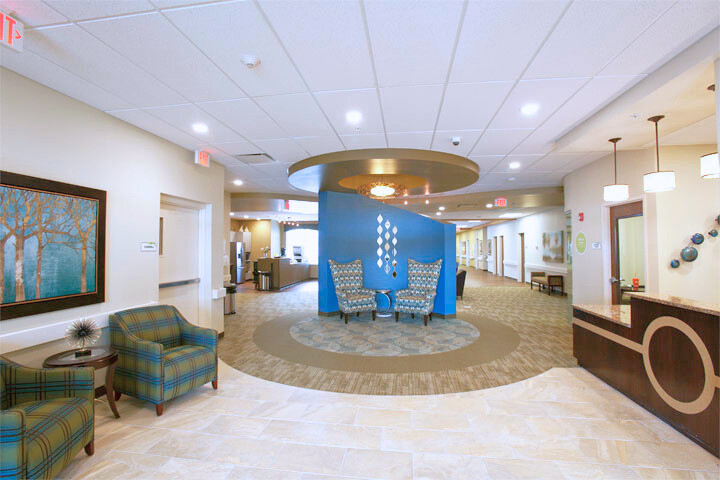
How is Healthbridge Of Arlington Hts Staffed?

CMS rates HEALTHBRIDGE OF ARLINGTON HTS's staffing level at 4 out of 5 stars, which is above average compared to other nursing homes. Staff turnover is 50%, compared to the Illinois average of 46%.

What Have Inspectors Found at Healthbridge Of Arlington Hts?

State health inspectors documented 23 deficiencies at HEALTHBRIDGE OF ARLINGTON HTS during 2023 to 2025. These included: 1 that caused actual resident harm and 22 with potential for harm. Deficiencies causing actual harm indicate documented cases where residents experienced negative health consequences.
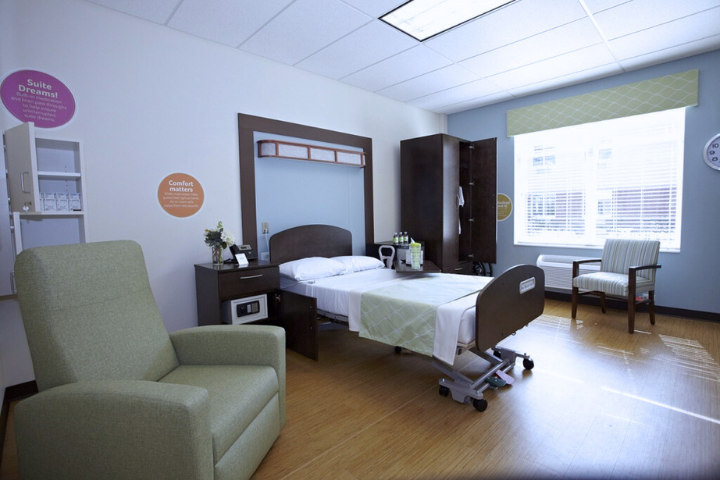
Who Owns and Operates Healthbridge Of Arlington Hts?

HEALTHBRIDGE OF ARLINGTON HTS is owned by a for-profit company. For-profit facilities operate as businesses with obligations to shareholders or private owners. The facility is operated by VIVRA SPECIALTY CARE, a chain that manages multiple nursing homes. With 120 certified beds and approximately 81 residents (about 68% occupancy), it is a mid-sized facility located in ARLINGTON HEIGHTS, Illinois.

How Does Healthbridge Of Arlington Hts Compare to Other Illinois Nursing Homes?

Compared to the 100 nursing homes in Illinois, HEALTHBRIDGE OF ARLINGTON HTS's overall rating (4 stars) is above the state average of 2.5, staff turnover (50%) is near the state average of 46%, and health inspection rating (4 stars) is above the national benchmark.

What Should Families Ask When Visiting Healthbridge Of Arlington Hts?

Based on this facility's data, families visiting should ask: "Can I visit during a mealtime to observe dining assistance and food quality?" "How do you handle medical emergencies, and what is your hospital transfer rate?" "Can I speak with family members of current residents about their experience?"

Is Healthbridge Of Arlington Hts Safe?

Based on CMS inspection data, HEALTHBRIDGE OF ARLINGTON HTS has a clean safety record: no substantiated abuse findings (meaning no confirmed cases of resident harm), no Immediate Jeopardy citations (the most serious violation level indicating risk of serious injury or death), and is not on the Special Focus Facility watch list (a federal program monitoring the lowest-performing 1% of nursing homes). The facility has a 4-star overall rating and ranks #1 of 100 nursing homes in Illinois. While no facility is perfect, families should still ask about staff-to-resident ratios and recent inspection results during their visit.

Do Nurses at Healthbridge Of Arlington Hts Stick Around?

HEALTHBRIDGE OF ARLINGTON HTS has a staff turnover rate of 50%, which is about average for Illinois nursing homes (state average: 46%). Moderate turnover is common in nursing homes, but families should still ask about staff tenure and how the facility maintains care continuity when employees leave.

Was Healthbridge Of Arlington Hts Ever Fined?

HEALTHBRIDGE OF ARLINGTON HTS has no federal fines on record. CMS issues fines when nursing homes fail to meet care standards or don't correct problems found during inspections. The absence of fines suggests the facility has either maintained compliance or corrected any issues before penalties were assessed. This is a positive indicator, though families should still review recent inspection reports for the full picture.

Is Healthbridge Of Arlington Hts on Any Federal Watch List?

HEALTHBRIDGE OF ARLINGTON HTS is not on any federal watch list. The most significant is the Special Focus Facility (SFF) program, which identifies the bottom 1% of nursing homes nationally based on persistent, serious quality problems. Not being on this list means the facility has avoided the pattern of deficiencies that triggers enhanced federal oversight. This is a positive indicator, though families should still review the facility's inspection history directly.