LAKEFRONT NURSING & REHAB CTR

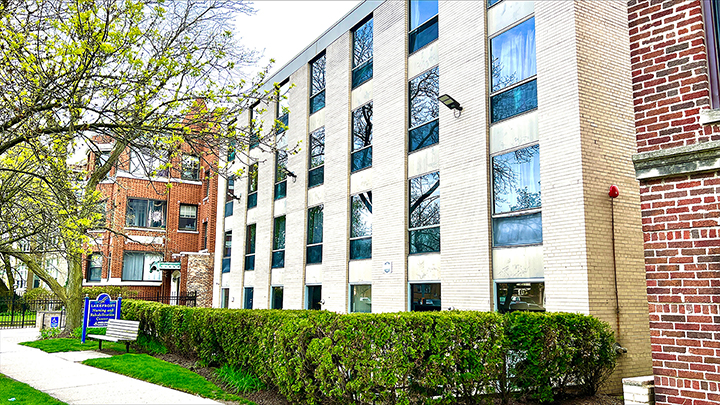
7618 NORTH SHERIDAN ROAD, CHICAGO, IL 60626 (773) 743-7711
For profit - Limited Liability company 99 Beds LEGACY HEALTHCARE Data: November 2025
Trust Grade
68/100
#54 of 665 in IL
Last Inspection: May 2025

Inspected within the last 6 months. Data reflects current conditions.

Overview

Lakefront Nursing & Rehab Center has a Trust Grade of C+, indicating it is slightly above average, but not without its issues. It ranks #54 out of 665 facilities in Illinois, placing it in the top half, and #16 out of 201 in Cook County, which means there are only 15 local options that are better. The facility is improving, with the number of reported issues decreasing from 11 to 9 over the past year. Staffing is a relative strength, as they have an 8% turnover rate, well below the state average, but their staffing rating of 2 out of 5 stars suggests there may still be challenges in this area. However, they have been fined $13,729, which is average, and they provide more RN coverage than 85% of other facilities in Illinois, ensuring better oversight of resident care. On the downside, there are serious concerns regarding resident safety and care. For example, one resident experienced emotional trauma after being inappropriately touched by another resident, violating their right to be free from abuse. Another incident involved a resident with a wound that was not properly cared for, leading to embarrassment and foul odor, while a third resident suffered severe tooth pain without timely pain management. These incidents highlight the need for improvements in both care and safety protocols.

Trust Score
C+
68/100
In Illinois
#54/665
Top 8%
Safety Record
High Risk
Review needed
Inspections
Getting Better
11 → 9 violations
Staff Stability
✓ Good
8% annual turnover. Excellent stability, 40 points below Illinois's 48% average. Staff who stay learn residents' needs.
Penalties
✓ Good
$13,729 in fines. Lower than most Illinois facilities. Relatively clean record.
Skilled Nurses
✓ Good
Each resident gets 42 minutes of Registered Nurse (RN) attention daily — more than average for Illinois. RNs are trained to catch health problems early.
Violations
⚠ Watch
30 deficiencies on record. Higher than average. Multiple issues found across inspections.
★★★★★
5.0
Overall Rating
★★☆☆☆
2.0
Staff Levels
★★★★★
5.0
Care Quality
★★★★☆
4.0
Inspection Score
Stable
2024: 11 issues
2025: 9 issues

The Good

  • 5-Star Quality Measures · Strong clinical quality outcomes
  • Low Staff Turnover (8%) · Staff stability means consistent care
  • Full Sprinkler Coverage · Fire safety systems throughout facility
  • No fines on record
  • Staff turnover is low (8%)

    40 points below Illinois average of 48%

Facility shows strength in quality measures, staff retention, fire safety.

The Bad

Federal Fines: $13,729

Below median ($33,413)

Minor penalties assessed

Chain: LEGACY HEALTHCARE

Part of a multi-facility chain

Ask about local staffing decisions and management

The Ugly 30 deficiencies on record

3 actual harm
May 2025 9 deficiencies
CONCERN (D)

Potential for Harm - no one hurt, but risky conditions existed

Deficiency F0578 (Tag F0578)

Could have caused harm · This affected 1 resident

**NOTE- TERMS IN BRACKETS HAVE BEEN EDITED TO PROTECT CONFIDENTIALITY** Based on interviews and record reviews, the facility failed to ensure that the code status for one resident (R73) was added to h...

Read full inspector narrative →
**NOTE- TERMS IN BRACKETS HAVE BEEN EDITED TO PROTECT CONFIDENTIALITY** Based on interviews and record reviews, the facility failed to ensure that the code status for one resident (R73) was added to his medical chart. This failure has the potential to affect 90 residents that reside in the facility. Findings include: R73 is [AGE] year old with diagnosis including but not limited to: Chronic Myeloid Leukemia, acute thyroiditis, essential hypertension and type 2 diabetes mellitus. On 4/28/2025 at 11:32 PM during investigation, V17 (LPN/ Licensed Practical Nurse) said that she was not sure what R73's code status was because it was not listed in his (R73's) chart and was not documented on the unit. On 4/28/2025 at 1:30 PM, R73's medical chart was noted with no code status listed. On 4/30/2025 at 12:32 PM, V26 (Regional Director of Clinical Services) said, Upon admission, we ensure that there is a code status. Ethically, a person that wishes to be a DNR (Do not resuscitate) should not be resuscitated. If there is no code status posted in the chart, we automatically default to full code and attempt to resuscitate the resident. The family is notified. On 4/30/2025 at 1:20 PM, V3 (DON/ Director of Nursing) said that all residents should have a code status ordered and entered into their chart so that the nurse is aware of the resident's and family's wishes. V3 also said that a code status is a personal choice and right of the resident and family. R73's admission Record printed 4/29/2025 documents an admission date of 2/20/2025 and excludes a code status or advance directive. R73's Physician Order Sheet dated 4/29/2025 documented all active orders as of 4/29/2025; R73's Physician Order Sheet excludes a code status or advanced directive order. Facility Census dated 4/28/2025 documents 90 active residents in the facility. Facility Policy titled Physician Orders and dated 8/16/2024 documents, physician orders must be documented in the Physician Order Sheet section of the patient's clinical records. Facility policy titled Advance Directive and dated 3/21/2025 documents, an advanced directive form shall be completed with resident and/or legal representative to verify treatment options as well as code status; appropriate information will be added to Physician Order Sheet. Facility policy titled In- house DNR Procedure and dated 7/24/2024 documents, It is the facility's policy to ensure that residents who re DNR (Do Not Resuscitate) receive no resuscitation when found without vital signs.
CONCERN (D)

Potential for Harm - no one hurt, but risky conditions existed

Deficiency F0605 (Tag F0605)

Could have caused harm · This affected 1 resident

**NOTE- TERMS IN BRACKETS HAVE BEEN EDITED TO PROTECT CONFIDENTIALITY** Based on interviews and record reviews, the facility failed to obtain consent for the use of a psychotropic medication according...

Read full inspector narrative →
**NOTE- TERMS IN BRACKETS HAVE BEEN EDITED TO PROTECT CONFIDENTIALITY** Based on interviews and record reviews, the facility failed to obtain consent for the use of a psychotropic medication according to their policy for one (R1) of four residents, reviewed for unnecessary psychotropic medication regiment in the sample of 60 residents. Findings include: Face Sheet Documents R1 was transferred from acute care hospital to the facility on 8/28/2017 with the following diagnosis but not limited to Psychosis, Cannabis Abuse with Psychotic Disorder Generalized Anxiety Disorder, Mood Affective Disorder, Major Depressive Disorder. Minimum Data Sheet (MDS) dated [DATE], in Section C- Cognitive Patterns documents Brief Interview for Mental Status (BIMS) Summary Score of 15 which indicates intact cognitive function. Care Plan Report, initiated on 10/6/2020, showed in part that R1demonstrates verbal behavioral distress that is related to mental illness. Problems could manifest by racial ethnic, religious, gender slurs and yelling of certain words in the hallway. Clinical Physician Orders, started date 10/19/2020, showed active orders for Depakote 250mg tablet twice a day and Depakote Delayed Release 500mg tablet, two tablets twice a day. On 4/29/2025 the facility presented consent for Depakote 500mg with 1000mg in parenthesis underneath with frequency BID signed by R1 on 9/28/2017. On 4/30/2025 at 10:11 AM, V1(Administrator), stated that the Psychotropic medication's consent forms should be a teamwork effort and collecting, updating, and maintaining are the responsibilities of all the nurses in the facility. The forms should be obtained and filled out upon admission by the admitting nurse or any other nurse available to help the staff. This includes the Director of Nursing (DON), the assistant of DON, restorative nurse, or a Medical records Nurse. V1 additionally stated that the forms should be updated for all current residents whenever there was a change in regiment. On 4/30/2025 at 10:32AM, V3 (Director of Nursing (DON) stated, that Psychotropic medications consents are filled out and reconciled by all nurses upon admission from other facilities. V3 additionally stated that, when there is increase or decrease in dose or any other changes to medication, a new consent should be filled out and the facility should discard the old consent. V3 stated that R1 should have new consent signed with the dosage changed since the only consent is from 2017. The Facility's policy on Psychotropic Medications Adopted on 5/30/2016 and revised on 2/3/2025 lists under Procedure 2. Obtain consent for each psychotropic medications from the resident or the person responsible for the resident. Obtain consent every time the dose is increased or decreased.
CONCERN (D)

Potential for Harm - no one hurt, but risky conditions existed

Quality of Care (Tag F0684)

Could have caused harm · This affected 1 resident

**NOTE- TERMS IN BRACKETS HAVE BEEN EDITED TO PROTECT CONFIDENTIALITY** Based on interviews and record review, the facility failed to ensure that one resident (R73's) wound treatment orders were enter...

Read full inspector narrative →
**NOTE- TERMS IN BRACKETS HAVE BEEN EDITED TO PROTECT CONFIDENTIALITY** Based on interviews and record review, the facility failed to ensure that one resident (R73's) wound treatment orders were entered per Physicians order. This failure has affected one of four residents reviewed for nursing care. Findings include: R73 is [AGE] year old with diagnosis including but not limited to: Acute osteomyelitis, Chronic Myeloid Leukemia, essential hypertension and type 2 diabetes mellitus. R73 has a BIMS (Brief Interview of Mental Status) score of 15, which indicates cognitively intact. On 4/28/2025 at 12:15 PM, R73 stated that his wound care treatment, which was ordered by his doctor, had not been started at the facility yet. R73 said that his new wound treatments were ordered last month after his last Doctor's visit and that his wound should be healing faster so that he can discharge home. On 4/30/2025 at 12:32 PM, V26 (Regional Director of Clinical Services) said that it is sometimes assumed that if the residents don't give paperwork to the nurse, that there is no change in treatment. V26 said that it is expected that a nurse communicates any changes in orders given from doctor's appointment. On 4/30/2025 at 12:35 PM, V1 (Administrator) said that he expects his staff to reach out and follow-up with the doctor's office after an appointment. On 4/30/2025 at 1:20 PM, V3 (DON/ Director of Nursing) said that all resident's orders should always be entered into the residents' medical records to prevent delay in treatment. R73's Wound Evaluation dated 3/15/2025 documents, partial thickness surgical wound on right great toe; cleanse with normal saline, pat dry and apply betadine to the base of the wound and cover with rolled gauze. Facility email dated 3/28/2025 documents, please send orders for R73 to nursing facility; diagnosis of diabetes Mellitus (DM) and post-op wound hallux; order for packing gauze daily (qd) and dressing change with betadine. R73's Physician Order Sheet dated 4/29/2025 excludes orders for packing gauze and dressing change with betadine. Facility Policy titled Physician Orders and dated 8/16/2024 documents, physician orders must be documented in the Physician Order Sheet section of the patient's clinical records; physician orders will be carried out at a reasonable time. Facility Policy titled skin care regimen and treatment and dated 3/24/2025 documents, it is the policy of this facility to ensure prompt identification, documentation and to obtain appropriate treatment for residents with skin breakdowns.
CONCERN (D)

Potential for Harm - no one hurt, but risky conditions existed

Deficiency F0692 (Tag F0692)

Could have caused harm · This affected 1 resident

**NOTE- TERMS IN BRACKETS HAVE BEEN EDITED TO PROTECT CONFIDENTIALITY** R38's admission diagnoses include but not limited to adult failure to thrive, depression, chronic obstructive pulmonary disease,...

Read full inspector narrative →
**NOTE- TERMS IN BRACKETS HAVE BEEN EDITED TO PROTECT CONFIDENTIALITY** R38's admission diagnoses include but not limited to adult failure to thrive, depression, chronic obstructive pulmonary disease, hypertension, pacemaker, and hypokalemia. R38's (4/18/25) Brief Interview of Mental Status (BIMS) score is 13. R38 is cognitively intact. On 4/28/25 at 11:25 am, R38 stated, I do not get my ensure and have not gotten it but three times this month. Surveyor asked about the ensure on the bedside table. R38 stated, This bottle makes number 3. I am supposed to get it 2 times a day and I need it because I don't always have an appetite. I do not want to lose weight. I am already small. On 4/29/25 at 11:54 am, V8 Dietary Manager stated. In March there was a shortage of ensure but not recently. Staff was giving ensure to residents who was not supposed to be getting it. After the floors get their ensure and run out, they have to get the ensure from the administrator. The administrator keeps ensure in his office. The residents on the weight program get the ensure on their trays. It is not fair for the residents who are supposed to get the ensure not to get it. The ensure is to help sustain weight. On 4/30/25 at 10:25 am, V1 Administrator stated, There is no shortage of ensure in the facility. The goal is to give it to the correct resident. I keep it in the office and pass it out to residents. The ensure is to make sure the resident maintains their weight or gains weight if desirable. If the staff do not have it, they should call me so I can get it. I am not aware of R38 not getting her ensure. It can put her (R38) at risk for not maintaining her weight. R38 should get it based on her orders. On 4/30/25 at 12:02 pm, V3 DON (Director of Nursing) stated that the expectation for supplements in the facility is to give it as ordered. If the ensure is not available, then the staff should call the administrator. If they (residents) do not get it for a couple of days, it can have a little effect on them if it is given for weight loss. I am not aware of R38 not getting her ensure. Surveyor showed V3 R38's MAR for April regarding the ensure and asked what do UV mean that is documented on the MAR? V3 stated, It means Unavailable, she did not get it. On 4/30/25 at 1:33 pm, V9 Dietitian stated that residents who gets ensure, or a supplement get it because they need more calories. Supplements are ideal for failure to thrive residents. It helps to prevent weight loss and maintain muscle. I was not aware of R38 not getting her supplement. R38's active orders as of 4/29/25 documents in part, house supplement two times a day Ensure or med pass 120 ml (prefers Ensure Plus when available). R38's April MAR (Med Administration Record) documents in part, House Supplement two times a day Ensure or Medpass 120 ml (milliliter)prefers ensure when available. House supplement documented unavailable on 4/2/25, (5 pm), 4/3/25 (5 pm), 4/5/25 (9 am and 5 pm), 4/6/25 (5 pm), 4/12/25 (5 pm), 4/13/25 (5 pm), 4/19/25 (5 pm), 4/20/25 (5 pm), 4/25/25 (5 pm), and 4/27/25 (5 pm). R38's care plan documents in part, Focus: R38 is at risk for alteration in nutritional status related to PMH (Primary Medical History) .Adult failure to thrive .Interventions: Provide general, regular, thin liquid diet. House supplement BID (twice daily). Focus: R38 often refuses to eat/resist feedings . Facility's job description titled Director of Dietary Services dated 12/1/2019, documents in part, Essential Functions: 4. Works closely with facility dietitian to ensure meals meet the nutritional needs of the guest. 5. Ensures supplies are appropriated and places orders when necessary. Based on observations, interviews, and record reviews, the facility failed to follow prescribed therapeutic diet order and failed to provide supplements for 2 of 4 residents reviewed for nutritional supplements. These failures affected two residents (R1, R38,) of four residents reviewed in the final sample of 60 residents. Findings Include: Face Sheet Documents R1 was admitted to the facility on [DATE] with the following diagnosis but not limited to Psychosis, Cannabis Abuse with Psychotic Disorder Generalized Anxiety Disorder, Mood Affective Disorder, Major Depressive Disorder, Personal history of COVID 19, Gastro-Esophageal Reflux Disease without Esophagitis, Vitamin D Deficiency, Hyperlipidemia, Constipation, Atherosclerotic Heart Disease, Hypertension. Minimum Data Sheet (MDS) dated [DATE], in Section C- Cognitive Patterns documents Brief Interview for Mental Status (BIMS) Summary Score of 15 which indicates intact cognitive function. On 4/29/2025 at 09:25 AM, V7 (Registered Nurse), stated that the facility was out of supplements and that they will substitute with another brand supplement which residents do not like. On 4/29/2025 at 11:57 AM, R1 stated that the food is not good and not enough and got upset when talking about food. On 4/29/2025 at 12:46 PM, R1's food tray was a standard portion size tray, consisted of two half links of sausages and potatoes with a small piece of cake and empty cup for coffee. R1's food tray ticket listed items as follows: hotdogs, potatoes, cake, Peanut Butter and Jelly Sandwich. The food tray did not have a peanut butter and jelly sandwich on it as listed per ticket. On 4/29/2025 At 12:48 PM, V10, (Regional Director of Operation), stated that R1's Peanut Butter sandwich should be on the tray. V10 and V17 (Licensed Practical Nurse), both stated that R1's diet order is general diet with thin consistency liquids with double entrée. On 4/30/2025 at 10:29 AM, V3 (Director of Nursing, DON), stated that R1's diet order is general diet with a double entrée. V3 stated that the expectation for specialized diets is communicated to the kitchen by sending the pink sheet that describes the special instructions, such as double entrée for meals and PBJ sandwich with meals. Once pink sheet is received, kitchen will then update the meal ticket and follow the instructions during meal service. V3 additionally stated, that residents could lose weight if not receiving the correct diet and nutritional supplements as ordered by the physician. On 4/30/2025 at 10:55 AM, V9 (Registered Dietician), stated that there was a miscommunication about R1's diet and V9 was not aware of R1 not receiving double portion food trays. V9 stated that R1 should have been receiving double entrées, but R1 told her that facility has not been providing double entrees. On 4/30/2025 at 11:30 AM V8 (Dietary Manager), stated, that there was no pink sheet given to the kitchen for R1's meals instructions about double entrées. V8 also stated that the electronic document system and the Meal tracker system that facility uses, did not transfer data and therefore V8 did not see the order for double entrees for R1. V8 additionally stated, that V8 did not check the diet order in the electronic records for R1. V8 indicated that there should be a pink sheet for the resident with special instructions and that V8 should check the electronic records for diet orders. V8 additionally stated that the past employed dietitian would email V8 diet orders for residents, but V8 never received an email update or a change in diet order for R1. Care Plan Report, initiated on 12/5/2023 showed in part interventions including but not limited to dietary health supplement as ordered, offer between meal snacks and meal substitutions, provide/serve the resident's nutritional diet as ordered. Order Summary Report, Active Diet order started date 9/8/2017, showed General diet Regular texture, Thin liquids consistency, Double Entrée portions at mealtimes; Two Peanut Butter and Jelly Sandwiches (PBJs) twice a day (BID) at lunch and Bedtime (HS) snack. Order Summary Report, Active Supplements order started date 12/12/2024, showed House Supplement one time a day ensure daily or Medpass 120ml .
CONCERN (D)

Potential for Harm - no one hurt, but risky conditions existed

Deficiency F0761 (Tag F0761)

Could have caused harm · This affected 1 resident

**NOTE- TERMS IN BRACKETS HAVE BEEN EDITED TO PROTECT CONFIDENTIALITY** Based on observation, interview and record review the facility failed to label and date opened multi-dose insulin Kwik pens for ...

Read full inspector narrative →
**NOTE- TERMS IN BRACKETS HAVE BEEN EDITED TO PROTECT CONFIDENTIALITY** Based on observation, interview and record review the facility failed to label and date opened multi-dose insulin Kwik pens for 2 residents (R34, R82), failed to date an eye drop for 1 resident (R57) and failed to discard an expired house stock. These failures affected three residents (R43, R57 and R82) and has the potential to affect all residents receiving medications from the second-floor medication cart. Findings include: On [DATE] at 11:09am surveyor observed R34's Kwik Pen with an open date of [DATE]. On [DATE] at 11:10am V11 (Registered Nurse) stated R34's blood sugar runs low, and it should have been discarded already because it's passed the 28-day expiration date. On [DATE] at 11:12am surveyor observed R82's Kwik pen with no date on the insulin pen or plastic bag that held the insulin pen. On [DATE] at 11:20am surveyor observed R57's eyedrops with no open date on it. On [DATE] at 11:21am surveyor observed a bottle of Folic Acid 400mcg, containing pills, with an expiration date of 01/2025. On [DATE] at 11:22am V11 stated insulin and eye drops should be labeled with open dates so that the nurse can figure out the discard date and the house stock should be discarded by manufacturers expiration date so I will discard it and order a new one. On [DATE] at 12:13pm V3 (Director of Nursing) stated house stock medications should be discarded if they are expired, based on the manufacturer's deadline, and all insulin pens and eyedrops should be dated when opened. V3 stated the purpose of the dating insulin and eye drops is to determine when it expires. Medication Storage, Labeling, and Disposal policy with a revised date of [DATE] documents, in part, house stocks designed for multiple administration will be labeled with the name of the medication, the strength, instruction, and expiration. The information from the manufacturer is enough to meet this requirement. And the medication automatically expires based on the manufacture's guideline. Medication Pass policy with a revised date of [DATE] documents, in part, all medication vials in the refrigerator should be labeled with the date when it was opened and discarded within 28 days of opening and Insulin vials are to be discarded within 28 days after opening.
CONCERN (D)

Potential for Harm - no one hurt, but risky conditions existed

Food Safety (Tag F0812)

Could have caused harm · This affected 1 resident

Based on observation, interview, and record review, the facility failed to ensure equipment used to puree food items was air dried prior to use in an effort to prevent food contamination. This failure...

Read full inspector narrative →
Based on observation, interview, and record review, the facility failed to ensure equipment used to puree food items was air dried prior to use in an effort to prevent food contamination. This failure has the potential to affect 2 (R21 and R59) residents on puree diet in the total sample of 60 residents. Findings include: On 04/29/2025 at 11:24am, V29 (Dietary Aide) stated we have 2 residents (R21 and R59) on puree diet. On 04/29/2025 at 10:54am, V10 (Aramark Regional Director of Operations) stated we use Quats (Quaternary Ammonium compound) solution on the 'Sanitize' sink of our 3-sink compartment. On 04/30/2025 at 10:35am, during the pureeing of food item observation of V27 (Cook) for 2 residents (R21 and R59). V27 immersed the pitcher blender into the 'wash', 'rinse', and 'Sanitize' sinks of the 3-sink compartment and poured, into the pitcher blender, rice pilaf without air dying the pitcher blender. At this time, V10 (Aramark Regional Director of Operations) was requested to join this surveyor in observing V27. V8 (Dietary Manager) also joined in observing V27. After completing the task of pureeing the rice pilaf, V27 immersed the pitcher blender into the 'wash', 'rinse', and 'Sanitize' sinks of the 3-sink compartment and poured the California blend vegetables into the pitcher blender without air drying the pitcher blender. On 04/30/2025 at 10:39am, V10 stated she (V27) did not let the pitcher blender to dry. She should have dried the pitcher blender. My expectation is for the staff to clean and sanitize the pitcher blender and air dry the pitcher blender prior to pureeing each menu item. The rice pilaf is one menu item, and the California blend vegetable is one menu item. On 04/30/2025 at 10:45am, V8 stated I cannot believe she (V27) did not let the pitcher blender dry prior to pureeing the California blend veggies. My expectation is to air dry the pitcher blender prior to use to prevent food contamination. To prevent the water particles from the sink to go into the food. On 04/30/2025 at 12:22pm, V26 (Regional Director of Clinical Services) stated we only have 2 residents on puree diet. V26 handed R21 and R59's order listing reports and additional records. R21's (Active Order as of: 04/30/2025) Order Summary Report documented, in part Diagnoses: (include but not limited to) gastro esophageal reflux disease and chronic obstructive pulmonary disease. Dietary: Regular diet puree texture. Start date: 03/25/2025. R21's (04/10/2025) Minimum Data Set documented, in part Section C. Cognitive Patterns. C0500. BIMS (Brief Interview for Mental Status) Summary Score: 15. Indicating R21's mental status as cognitively intact. R59's (Active Order as of: 04/30/2025) Order Summary Report documented, in part Diagnoses: (include but not limited to) gastro esophageal reflux disease and dysphagia. Dietary: Regular diet puree texture. Start Date: 11/06/2024. R59's (02/12/2025) Minimum Data Set documented, in part Section C. Cognitive Patterns. C0500. BIMS (Brief Interview for Mental Status) Summary Score: 11. Indicating R59's mental status as moderately impaired. The (04/30/2025) In-service sign in sheet documented, in part In-service topic: Puree-contamination Process. 1. Breakdown machine with removing blade, bowl and top. 2. Clean and sanitize each machine item blade, bowl and top. 3. Air dry before using. Once complete, proceed to use to puree food item. Repeat with each menu option. The (undated) Puree Process documented, in part Break down blender with removing blade, bowl, and Top. Clean and sanitize thoroughly Blade, Bowl and top. Allow each to air dry completely before use. Once Air dried Blender is ready for next food product use. Will need to repeat process for each menu item.
CONCERN (F)

Potential for Harm - no one hurt, but risky conditions existed

Garbage Disposal (Tag F0814)

Could have caused harm · This affected most or all residents

Based on observation, interview, and record review, the facility failed to ensure the outside dumpster's lid was closed in an effort to prevent pest migration. This failure has the potential to affect...

Read full inspector narrative →
Based on observation, interview, and record review, the facility failed to ensure the outside dumpster's lid was closed in an effort to prevent pest migration. This failure has the potential to affect all 90 residents at the facility. Findings include: The 04/28/2025 the facility resident census was 90. On 04/28/2025 at 10:01am, during the outside dumpster observation with V8 (Dietary Manager) and V10 (Aramark Regional Director of Operations). The outside dumpster has 3 lids. An unbroken box kept one of the dumpster's lids open. V8 stated the dumpster lid should be closed at all times to keep rodents from getting into the dumpster and to keep them from getting into the facility. V10 stated I will inservice them again to make sure the dumpster lids are kept closed at all times. The (undated) Outside Dumpster Expectations documented, in part The lid(s) on the outside dumpster serve multiple purposes including preventing rainwater from entering, containing trash to prevent littering and contain our daily waste and pest infestations. 1. Keep lid closed.
CONCERN (F)

Potential for Harm - no one hurt, but risky conditions existed

Infection Control (Tag F0880)

Could have caused harm · This affected most or all residents

**NOTE- TERMS IN BRACKETS HAVE BEEN EDITED TO PROTECT CONFIDENTIALITY** Based on observation, interview and record review, the facility failed to ensure staff don appropriate Personal Protective Equip...

Read full inspector narrative →
**NOTE- TERMS IN BRACKETS HAVE BEEN EDITED TO PROTECT CONFIDENTIALITY** Based on observation, interview and record review, the facility failed to ensure staff don appropriate Personal Protective Equipment (PPE) while providing care to three residents (R10, R18, R343) in an Enhanced Barrier Precaution (EBP) room on the first floor and failed to decrease risk of cross contamination of linens in the laundry room. These failures have the potential to affect all 31 residents on the first floor and all 90 residents in the facility receiving laundry/linen services. Findings include: On 04/28/25 at 11:52 AM, V5 Certified nursing assistant (CNA) was observed in room transferring R10 without use of gown during care, he (V5) stated he did not use a gown on R10 because a gown was not required for transferring R10 into the wheelchair. When V5 was asked why he didn't use a gown when putting R10 into the wheelchair, he (V5) stated he did not change R10, and that he just transferred R10 into the wheelchair, so he (V5) did not need to use a gown. V5 stated he was educated by the Director of Nursing about reading the EBP sign on the door and about wearing gown and gloves during care to residents. On 04/28/25 at 11:56 AM, V6 (CNA) was observed in room transferring R10 without use of gown during care, she (V6) stated she did not use a gown on R10 because a gown was not required for transferring a patient into the chair. V6 stated she was educated about Enhanced Barrier Precautions (EBP) and when to use personal protective equipment (PPE). V6 stated she did see the EBP sign on the door but did not need to use a gown this time during the transfer because she (V6) was only helping to get R10 out of bed. On 4/28/25 at 12:12 PM V5 was observed in room with R18, he (V5) repositioned R18 from a lying position in bed to a sitting position at the side of her (R18's) bed. V5 did not have or use appropriate personal protective equipment in room with enhanced barrier precautions. On 04/29/25 at 11:07 AM, V22 (Physical Therapist) was observed in the room providing therapy care to R343, she (V22) was observed with gloves on and no gown while providing therapy to R343. V22's uniform and arms were observed touching against the bed while she (V22) was providing therapy to R343 in the bed. V22 did not have on any PPE and stated she (V22) could be wearing a gown, but she was done providing therapy to R343 and getting ready to leave the room. V22 stated to be honest there are signs on most doors, and she (V22) has become desensitized to wearing the gowns. When asked the purpose of wearing the gown V22 stated the gown should be used for protection for herself and residents that I am providing care too. On 04/29/25 at 11:58 AM, V24 (Laundry Aide) was observed in laundry room moving a yellow dirty bin past a grey clean linen cart that had linen in the cart. The yellow bin was in front of the dryer while the clean grey clothes cart was in a bin right next to it. V24 stated she is aware to place clean clothes bin in the clean linen room out of the way before she (V24) brings the dirty clothes bin in laundry room to decrease risk of cross over contamination but today has been so busy and she (V24) was rushing and forgot. R10's Face sheet dated April 30, 2025, documents that R10 was admitted to facility on January 29,2024 with diagnosis including osteoarthritis, protein calorie malnutrition, bipolar, hypertension, chronic obstructive pulmonary disease, psychosis, major depressive disorder. R10's MDS (Minimum Data Set) dated March 26,2025, shows R10 has a BIMS (Brief Interview for Mental Status) score of 8 which means R10 has moderate cognitive impairment. Section GG (Functional Abilities) shows that R10 has a score of 1 which means that R10 is dependent for all transfers and requires staff to provide all effort to complete the task for transfers. R10's care plan dated April 2,2024, shows R10 is on Enhanced Barrier Precautions related to gastrostomy tube (G-tube) feeding. Task/Interventions: [staff to ensure gown and gloves are used during high contact resident care activities like transferring resident into chair, feeding tube, changing briefs]. R10's care plan dated February 21,2023 shows that R10 utilizes a H** lift (Mechanical lift) for transfers. Task/Interventions: [staff to transfer resident with two staff assistance]. R10's physician order review report dated March 12,2025, shows R10 has an Enteral Feed of Jevity1.5, 1 carton 237 milliliters (ml) bolus feeding to be given to patient 3 times per day. R18's Face sheet dated April 30, 2025, documents that R18 was admitted to facility on March 5, 2024, with diagnosis of Dysphagia, moderate protein calorie malnutrition, hypertension, seizures, atrial fibrillation. R18's MDS dated [DATE], shows R18 has a BIMS score of 8 which means R18 has moderate cognitive impairment. Section GG (Functional Abilities) shows that R18 has a score of 1 which means that R18 is dependent for transfers and repositioning in bed and requires staff to provide all effort to complete the task. R18's care plan dated February 8,2025, shows R18 has self-care deficit of impaired bed mobility. Task/Intervention: [staff to assist resident to move and reposition in bed from lying position]. R18's care plan dated December 13,2024, shows Enhanced barrier precautions related to G-tube feeding. Task/Interventions: [staff to ensure gown and gloves are used during high contact resident care activities like transferring resident into chair, feeding tube, changing briefs]. R18's physician order review report dated July 18,2024, shows R18 has an Enteral Feed of Jevity1.5 with rate of (60 ml /hour) or until a total volume of 1200 ml infused. Diet order dated March 15,2025, shows R18 has a diet of Regular consistency with thin liquids. R343's Face sheet dated April 30, 2025, documents that R 343 was admitted to facility on April 17,2025, with diagnosis of Hypertension and weakness. R343's MDS dated [DATE], shows R343 has a BIMS score of 15 which means R343 is cognitively intact. Section GG (Functional Abilities) shows that R343 has a score of 1 which means that R43 is dependent for transfers and repositioning in bed and requires staff to provide all effort to complete the task. R343's care plan dated April 18,2025, shows R343 has self-care deficit of impaired bed mobility. Task/Intervention: [staff to assist resident to move and reposition in bed from lying position]. R343's care plan dated April 19,2025, shows Enhanced barrier precautions related to catheter and wound. Task/Interventions: [staff to ensure gown and gloves are used during high contact resident care activities like transferring resident into chair, urinary catheter, dressing, changing linens, providing care]. R343's physician order review report dated April 18,2024, shows R343 has an order for an indwelling catheter. Wound care order dated 4/22/25 shows that R343 has a wound on her right great toe and right medial ankle. On 04/29/25 at 11:18 AM, V25 (CNA supervisor) stated that the Director of Nursing educates the staff about EBP and the use of PPE. She (V25) stated staff is educated to wear PPE in EBP rooms to protect themselves and the residents that they are providing care too, and that the therapy/restorative department has also been educated on EBP and PPE use. V25 stated you are supposed to wear a gown when transferring a patient into the wheelchair who is on EBP. On 04/29/25 at 12:00 PM, V23 (Laundry Manager) stated that dirty clothes bin and clean clothes bin are not supposed to come into contact and laundry staff is aware not to bring dirty clothes bin in laundry if clean clothes are in the path because this could cause cross contamination. On 4/29/25 at 1:38 PM, V3 Director of Nursing (DON) stated she expects all staff to read the Enhanced barrier precautions (EBP) sign outside of the resident's door and follow instructions of EBP while providing care to residents. This includes transferring a patient from bed to wheelchair that is on EBP. She (V3) stated that she provides education too all nursing staff and department directors about EBP and what to wear and give them examples and staff are required to sign the education in-service form. V3 stated she does not in-service therapy department staff because the directors of each department are expected to take the education that she (V3) provides to them and educate their own departments, the therapy director has been educated about EBP. V3 stated the risk of not following EBP and wearing appropriate PPE could result in staff contaminating themselves or other residents. On 4/29/25 at 1:45PM, V3 provided a list titled Residents on Enhanced barrier precautions dated 4/29/25. The residents (R10, R18, R343) where listed on the document as having EBP. V3 also provided an in-service sheet for EBP staff training dated 3/7/25 and (V5 & V6) both signed the in-service form regarding education for EBP. On 04/30/25 at 10:36 AM, V28 (Therapy Director) stated he (V28) has been educated on EBP by the DON. V28 stated he reminds all therapy staff via email and or phone calls when they will be coming into the facility to provide care to residents to wear PPE and adhere to EBP. I expect my staff to wear PPE in rooms that have EBP signs on the door. Facility policy titled, Linen Handling by Laundry Staff, revision date 8/16/24, documents, It is the policy of this facility to wash linens and clothes to produce hygienically clean laundry. Procedures:1). All laundry staff will be trained upon hire how to handle regular soiled linens and isolation linens and clothing properly, to avoid cross contamination. Facility policy titled, Infection Prevention and Control revision date 11/21/24, documents, Policy statement: The facility has established a policy to identify, record, investigate, control, test and prevent infections in the facility. Procedures: 1). Enhanced Barrier Precautions is an infection control intervention designed to reduce transmission of Multiple drug resistant organisms (MDRO's). The goal is to prevent transmission of MDRO' to others. The facility should use a risk-based approach to determine the type of precaution if any are warranted, 2). Involves the use of gloves and gowns during high contact resident care activities for residents infected or colonized with MDRO's as well as residents with indwelling medical devices. Facility Enhanced Barrier Precautions sign documents in part Providers and staff must: wear gloves and gown for the following high-contact resident care activities: not limited to these care areas with residents transferring, dressing, providing hygiene, feeding tube, urinary catheter, changing linens. Facility's Job description titled, Physical therapist, dated 12/1/2019, documents in part, Assure that established infection control and prevention practices and standard precautions are maintained at all times. Facility's Job description titled, Certified Nursing Assistant, dated 5/20/2022, documents in part, Assure that established infection control and prevention practices and standard precautions are always maintained, 2) attends to individual needs of all guests regarding transferring, incontinent care, range of motion. Facility's Job description titled, Laundry Aide dated 12/1/2019, Summary: Laundry workers main function is to wash, dry, fold and mend clothing while following infection control and safety procedures. Essential functions: 2). sort soiled laundry in accordance with established infection control procedures, 3). assure that established infection control and prevention practices and standard precautions are always maintained.
MINOR (B)

Minor Issue - procedural, no safety impact

Deficiency F0912 (Tag F0912)

Minor procedural issue · This affected multiple residents

Based on observations, interview, and record review the facility failed to provide at least 80 square feet per resident in 6 multiple occupancy resident bedrooms. This affected 17 (R1, R2, R5, R15, R2...

Read full inspector narrative →
Based on observations, interview, and record review the facility failed to provide at least 80 square feet per resident in 6 multiple occupancy resident bedrooms. This affected 17 (R1, R2, R5, R15, R20, R22, R33, R34, R35, R47, R50, R55, R62, R72, R77, R81, R82) residents. Findings include: On 4/28/2025 at 9:45 AM, during the entrance conference with V1 (Administrator), V1 stated that several rooms did not meet the square footage requirements per residents. V1 said that although the facility does not have the required room sizes, the facility follows the guidelines of the State Operations Manual. On 5/1/2025 at 3:30 PM, V2 (Assistant Administrator) said that in addition to rooms 108, 208 and 308, more rooms shall be added to the facility room waiver (107, 207, and 307). V2 said that no construction had been done to rooms 107, 108, 207, 208, 307 or 308, and that all six rooms had three residents in them. On 5/1/2025 at 3:30 PM, V2 said that she did not have the documented square footage of the rooms, but that the measurements of the rooms are the same as previously documented (226 square feet per room; 75.3 square feet per resident). The facility census dated 4/28/2025 documents, 48 rooms in the facility; rooms 107, 108, 207, 208, 307 and 308 are three-resident rooms.
Nov 2024 1 deficiency
CONCERN (D) 📢 Someone Reported This

A family member, employee, or ombudsman was alarmed enough to file a formal complaint

Potential for Harm - no one hurt, but risky conditions existed

Free from Abuse/Neglect (Tag F0600)

Could have caused harm · This affected 1 resident

**NOTE- TERMS IN BRACKETS HAVE BEEN EDITED TO PROTECT CONFIDENTIALITY** Based on interview and record review, facility failed to protect a resident from physical abuse. This failure affected one resid...

Read full inspector narrative →
**NOTE- TERMS IN BRACKETS HAVE BEEN EDITED TO PROTECT CONFIDENTIALITY** Based on interview and record review, facility failed to protect a resident from physical abuse. This failure affected one resident (R2) of seven residents reviewed for abuse. This failure resulted in R2 and R3 having a physical altercation, resulting in R2 bleeding from a scrape R2 sustained above the right eyebrow. Findings include: Facility's Investigation Report (dated 09/06/2024) notes: On 09/01/2024, at approximately 12:30 PM, R2 and R3 got into a verbal disagreement that resulted in a scuffle. Security immediately intervened and successfully separated both parties. An in-depth investigation was conducted which included staff and resident interviews. R3 was offered a beverage from a staff member. R3 declined which is when R2 chimed in strongly insisting that he accept the beverage. As both residents continued to disagree on the situation they became increasingly agitated with the situation to the point where R2 began to walk into R3's personal space. That is when R3 put out his arms to establish a personal space boundary. When this action took place, he made contact with R2. The assistant administrator interviewed both residents and both of them admitted that things got out of hand, and they did not mean for the situation to escalate. They both were able to identify other methods of handling the situation and agreed to utilize them if they are in a similar situation in the future. Abuse and Neglect Policy (date revised 07/12/2024) notes in part: It is the policy of the facility to provide professional care and services in an environment that is free from any type of abuse, corporal punishment, misappropriation of property, exploitation, neglect or mistreatment. Resident Rights Policy (undated) notes in part: You must not be abused by anyone-physically, verbally, mentally, financially or sexually. R2's Face Sheet documents resident is a [AGE] year-old with diagnoses including but not limited to: Generalized anxiety disorder, insomnia, unspecified, type 2 diabetes mellitus with ketoacidosis without coma, chronic obstructive pulmonary disease, unspecified, hyperlipidemia, unspecified, hypothyroidism, unspecified, other chronic pain. Minimum Date Set (MDS) section C (dated Sep.30, 2024) documents that R2 has a BIMS score of 15, indicating that R2's cognition is intact. Care plan (dated 10/02/2024) documents that R2 is at risk for falls due to decrease functional mobility and poor safety awareness. R3's Face Sheet documents resident is a [AGE] year-old with diagnoses including but not limited to: Hypertensive heart disease, with heart failure, generalized anxiety disorder, paranoid schizophrenia, major depressive disorder, schizoaffective disorder, bipolar type, hyperlipidemia, unspecified, heart failure, unspecified. Minimum Date Set (MDS) section C ([DATE]) documents that R3 has a BIMS score of 15, indicating that R3's cognition is intact. Care plan (dated 10/8/2024) documents that R3 uses psychotropic medication and at risk for possible drug reactions dizziness, headache, drowsiness, sedation, hypotension, tremors, poor coordination, impaired balance, constipation, insomnia, tardive dyskinesia and dry mouth. Care plan (dated 11/12/2024) documents that R3 demonstrates behavioral distress, being challenged by mental illness, ineffective coping mechanisms, physically aggressive behavior when agitated. On 11/12/2024, at 11:36 AM, surveyor interviewed R3 regarding the physical altercation that occurred between R2 and R3 on 09/01/2024. The interview took place in R3's room on the 3rd floor. R3 stated, My family is from Virginia, and I have family in North Carolina. I believe in Jehovah, and I follow his laws. The sister (R2) from the second floor was coming on to me and I had to turn it down in the name of Jehovah. R2 said to me that she wanted to make passionate love to me all night long. There was no argument that took place with R2. R2 thought I was born in [NAME], and this is a crazy world. There was no argument, I'm from Virginia and [NAME]. I read several different Bibles and many of them are not true. Jehovah's name was taken out of the Bible. R2 found out that she was my family, and she was still hitting on me. Making love to R2 would be considered incest and I rejected her in the name of Jehovah because R2 is my immediate family. R2 was disappointed but I said no. There was no physical argument or verbal argument that took place between R2 and I that I remember. On 11/12/2024, at 11:54 AM, surveyor interviewed R2 regarding the physical altercation that occurred between R2 and R3 on the date of 09/01/2024. The interview took place in R2's room on the 2nd floor. R2 stated, The incident happened in the hallway. I finished by meal. I went to the hallway to put my tray on the cart and after that I was going to go to my boyfriend's room. R3 was residing on the 2nd floor at the time. While I was in the hallway, R3 was talking to me. At that time, the housekeeper offered R3 a soda pop, and he refused it. R3 started talking to me and the housekeeper in a crazy way. R3 pushed me and my head hit the doorway and I fell. After that, R3 kept hitting me and he beat my a**, while the staff kept watching. R3 was beating me and one of the certified nursing assistants came and separated us. I was bleeding; my face was leaking bad. The security guy from downstairs also came and separated us too. As long as R3 is not on the same floor as me, I feel safe here. I'm a woman and I didn't put my hands on him and R3 kept beating me. They separated us and they sent me to the hospital to get checked out and they also sent R3 to the hospital. On 11/12/2024, at 2:01 PM, V8 (Psychiatric Rehabilitation Services Coordinator) stated, I was not there the day that the incident between R2 and R3 took place. I know that there was an altercation between the two of them and that R3 was evaluated for his behavior. When R3 returned from the hospital, we made sure that R3 is placed on a different floor away from R2. R3 is not historically an aggressive resident. R3 is not a good historian. R3 is very tangential and has a flight of ideas and he goes all over the place. R3's baseline is pretty delusional. R3's standard frame of mind is that he has delusions on everyday basis. R3 is not known to be aggressive, he is mostly in his own world. R3 likes to keep to himself. R2 is friendly and non-aggressive towards anyone. R3 has never had any issues with fighting with anyone since she has been to the facility. On 11/12/2024, at 2:25 PM, V1 (Administrator) stated, I am the Abuse Prevention Coordinator. The residents have the right to be free from abuse, comfortable and feeling like they are at home. The incident between R2 and R3 was a quick encounter that started as a verbal disagreement that turned physical. I believe that the altercation stared as a verbal argument over a pop that was being offered to R3. R3 was also a newer resident to the facility at the time of the altercation. I believe a staff member offered R3 a soda pop. I believe it was a housekeeper who might have offered R3 a pop. That's when R2 interfered with R3 and said to R3 that he should take the pop. From that point, per the investigation, R2 and R3 got into a disagreement over the soda pop. R2 approached R3 and kept getting closer to R3's face. R2 was the aggressor not R3. At that point when R2 got closer to R3's personal space, that's when it turned into a scuffle. The way it was explained to me is that R3 put his arm out to push R2 away from R3, to defend himself and to move R2 away from his personal space. That's when R2 fell. Staff called a code gray right away when R2 fell to the ground. The housekeeper saw the whole incident. The 2 residents were immediately separated. R3 walked away and went into his room. R2 kept trying to go after R3. R2 was more of the aggressor and R2 kept trying to look for assistive devices to hit R3 with. R3 was placed on a 1 to 1 supervision. R2 was also placed on 1 to 1 supervision because she was the aggressor and not R3. R3 is not a resident who bothers other residents. R3 is calm and keeps to himself. R2 was placed on staff supervision because she would not stop going after R3. R2 was so agitated that R2 would not stop going after R3, and R2 had to be sent out. R2 was on the floor because she fell. R2 had to be sent out to get medically checked out and because R2 was aggressive. She needed a psychiatric evaluation. When I investigated this incident, I did not substantiate the incident because it was a behavior. The incident was sparked by R2 and led to R3 also having behaviors. Both residents were separated and kept safe and R3 was moved to a different floor. On 11/13/2024, at 10:26 AM, V11 (Registered Nurse) stated, I am familiar with the incident that took place on 09/01/2024, between R2 and R3. I was working on the 1st floor that day, and the incident took place on the 2nd floor. They called a code gray (fight between residents), and I went to the 2nd floor to respond to the code. When I got to the second floor, I saw that the CNAs (Certified Nursing Assistants) escort R2 back to her room. I did not get a chance to assess the situation because there was a nurse present on the floor and the residents were already separated and I went back downstairs. On 11/13/2024, at 11:37 AM, V12 (Assistant Administrator) stated, On 09/01/2024, I received the initial report that an incident took place between R2 and R3. I proceeded to investigate and ask questions of what took place. I asked the security guard what happened, and I got his statement. I also got the statement from the CNAs and the nurses that were there. From getting the statement, what basically happened is that R3 was offered a soda pop on the second floor. R3 refused the soda pop and that's when R2 put in her two sense and just started telling R3 to just take the pop. As R2 chimed in and started telling R3 to take the pop, R2 was walking towards R3, and that's when R3 put out his hand to protect himself, to establish his personal boundary or his personal space, and that's when the contact happened between R2 and R3. As R3 put out his hand to protect his personal space from R2, I do not recall anybody telling me that R2 fell. R2 did not tell me that she fell when R3 put out his hand to establish his personal space. Staff separated the 2 residents to prevent any further escalation and both residents were placed on 1 to 1 monitoring. The physicians were called and notified, and orders were given to send both residents to the hospital for evaluations. R3 was admitted to the hospital and R2 returned to the facility with no new orders. At the time of the initial report, it was believed that R3 was the aggressor, but in reality, after the investigation was done it was actually R2 who instigated the incident. R2 said to me that R2 should not have put her two cents in when R3 refused the soda. R2 was very remorseful about butting into other people's business. Nobody was the aggressor, because it was not abuse, it was just an incident that unfortunately escalated more than it should have. There was no maliciousness and no intent for abuse. R2 admitted that R3 was putting up his hands to establish his boundary. R2 admitted that when R2 talks to others, she has a tendency to walk towards that person, and R3 misunderstood that that's why he put his hand up as a boundary. On 11/13/2024, at 12:15 PM, V13 (Certified Nursing Assistant) stated, What happened is that day I worked the 7:00 AM to 3:00 PM shift. I was sitting at the nursing station trying to do my documentation on the computer and I heard the noise. I did not know what the noise was. I got up from the chair and I went to the hallway, and I saw both residents, R2 and R3, fighting each other physically. I ran to them and I immediate separated both the residents. I moved R3 to his room and I closed the door so that he is away from R2. R2 was in the hallway. I saw R2 hitting R3 and R3 was hitting R2. They were both physically fighting each other. It looked like R3 had the upper hand above R2 during the fight. I did not see R2 on the floor. I saw R2 lose balance and I saw R2 struggling because R3 had the upper hand during the fight. The code was called, but the residents were separated by me before anyone else arrived. When I saw the residents fighting each other, I moved R3 away from R2. I did not see R2 on the floor, but I saw R2 get hit and I saw R2 hitting R3 as well. I separated the 2 residents immediately and made sure that they are both safe and R3 was in his room with the door closed while the code was called. R2's Progress Notes (dated 09/01/2024) documents, Resident back From ER after evaluation done and found stable condition. Follow up with primary DR. within 3 days. R2's Progress Notes (dated 09/01/2024) documents, Resident on 1-1 ongoing observation. R2's emergency room Record (dated 09/01/2024) documents in part, Patient states she resides in a nursing home, today she reports she was involved in a physical altercation. Patient reports she obtained trauma to the head and chest. States she has pain in the back of her neck, in the chest where she states she was hit and her face. Physical Exam- Head: normocephalic, scrape over right eyebrow. R3's Progress Notes (dated 09/02/2024) documents, Resident is admitted at community hospital for aggressive behavior as per nurse on duty. Called emergency guardian at 6:40 AM with no answer and message cannot be left. The answering machine stated to call back during regular hours.
Oct 2024 1 deficiency
CONCERN (D) 📢 Someone Reported This

A family member, employee, or ombudsman was alarmed enough to file a formal complaint

Potential for Harm - no one hurt, but risky conditions existed

Deficiency F0692 (Tag F0692)

Could have caused harm · This affected 1 resident

**NOTE- TERMS IN BRACKETS HAVE BEEN EDITED TO PROTECT CONFIDENTIALITY** Based on observation, interview and record review, the facility failed to follow the plan of care to provide mechanically altere...

Read full inspector narrative →
**NOTE- TERMS IN BRACKETS HAVE BEEN EDITED TO PROTECT CONFIDENTIALITY** Based on observation, interview and record review, the facility failed to follow the plan of care to provide mechanically altered diet and nutritional supplements as ordered by physician for 1 (R1) of 4 residents reviewed for improper nursing care. The findings include: R1's admission record documented admit date on 1/28/2021 with diagnoses not limited to Dysphagia, Chronic obstructive pulmonary disease, Gastro-esophageal reflux disease, Essential (primary) hypertension, Hyperlipidemia, Vitamin d deficiency, Atherosclerotic heart disease of native coronary artery, Anxiety disorder, Cocaine abuse, Alcohol abuse, Schizophrenia, Adult failure to thrive. On 10/1/24 at 12:12pm Observed R1 resting on bed, head of bed elevated, appears comfortable, alert and verbally responsive. Lunch tray was served with ham sandwich, potato salad, juice, cookie. R1's meal ticket showed Mechanical Altered/Ground, whole milk, Frozen nutritional treat. Ham/meat was not ground. Whole milk and frozen nutritional treat were not available on the tray. R1 was assisted by V4 (Certified Nursing Assistant) at mealtime. R1 ate 100% of the food. Whole milk and frozen nutritional treat were not provided to R1. On 10/1/24 at 12:41pm V14 (Dietary Manager) stated he has been working in the facility for 6 months. V14 stated his responsibilities include ensuring residents are getting the right diet and correct portion of food, and making sure dietary staff follow the meal ticket. Every resident has meal ticket. R1's meal ticket reviewed with V14 and said R1 is getting regular mechanical ground. He said meat should be ground. He said R1 has a swallowing problem, easy to swallow if grounded. R1 could possibly choke if it is not grounded. Everything on the ticket should be on the meal tray. He said today for lunch, kitchen is serving cold cut sandwiches due to oven replacement. He said notification were sent to the units and residents were made aware. V14 stated at lunch time, R1 received ham sandwich and the ham should have been ground. He said if not ground it could be a choking hazard. R1's meal ticket reflected Whole milk and dietary aide should provide whole milk on the meal tray from the kitchen. Whole milk helps with weight maintenance. He said R1 should have nutritional frozen/ice cream twice a day (lunch and dinner) and should be included in the meal tray. Nutritional frozen treat has high calorie and that helps with weight gain or maintenance. On 10/1/24 at 1:17pm V15 (Registered Dietician) stated she has been working in the facility for almost 3 weeks. She said R1 was evaluated on 9/27/24 upon readmission. R1 needed 1:1 assistance at mealtime. R1 had been eating 100% since readmission. R1's diet is mechanical soft. All meat should be ground- soft bread should be okay. If R1 was served with ham sandwich, the meat should be ground. She said the potential risk if not ground could have a problem chewing and possibly choking. For safety meat should be ground. She said R1 is underweight, and recommendations included 1:1 feed assistance, appetite stimulant, oral nutrition supplement: Frozen nutritional should be included in the lunch tray lunch and dinner. She said frozen nutritional treat, is dense and has high calorie, has a lot of nutrition with a few bites. Helps with weight gain, easy way to get nutrition if appetite is poor. If nutritional treat is not provided or given could potentially not gain weight as it helps with weight gain which is desirable for R1. She said whole milk, provides extra calorie. May help with weight gain. If nutritional supplement is not provided prohibiting from gaining weight. On 10/3/24 At 1:34pm V2 (Director of Nursing) said has been working in the facility for 14 years. She said if the diet order is mechanical soft, the meat should be ground to prevent possible choking. She said nutritional treat/supplements should be given to resident as ordered or per dietician's recommendation to help with weight gain. R1's physician order sheet (POS) dated 10/1/24 documented in part: Diet - mechanical soft texture, thin liquids consistency. R1's MDS (Minimum Data Set) dated 8/27/2024 showed cognition is moderately impaired. She needed substantial/maximal assistance with eating. R1's Dietary evaluation/nutritional assessment dated [DATE] documented in part: Regular diet, mechanical soft texture, thin liquids. Supplements: Frozen Nutritional Treat BID (twice a day). Weight: 102lbs on 9/11/24. Height: 67. BMI (Body Mass Index): 16.0 (underweight). R1's Care plan dated 4/6/21 and 6/5/24 documented in part: Despite R1's BMI being underweight for her age, she is at risk for weight fluctuations due to variable PO (oral) intake at mealtimes and increased energy expenditure due to constant involuntary movements. Provide dietary supplements as ordered: Frozen Nutritional Treat BID (twice a day). Provide/serve R1 nutritional diet as ordered: Mechanical Soft, thin liquids. Facility's policy on therapeutic diets (Undated) documented in part: Diets are prepared in accordance with the guidelines in the approved diet manual and the individualized plan of care. Facility's nutritional assessment and care policy dated 10/1/23 documented in part: To ensure all residents have individualized care plans reflecting their needs and preferences for care. To provide guidance for caregivers to ensure residents maintain an appropriate level of nutritional care. Facility's Nutritional assessment and clinical guidelines dated 8/5/19 documented in part: The nutritional assessment will comprise the following elements but not limited to: therapeutic diet, dietary supplements. Individualized care plans are developed to identify nutrition problems / strengths, goals, and approaches.
Apr 2024 9 deficiencies
CONCERN (D)

Potential for Harm - no one hurt, but risky conditions existed

Deficiency F0554 (Tag F0554)

Could have caused harm · This affected 1 resident

Based on observation, interview, and record review the facility failed to determine self-administration of medication was appropriate for 1 (R22) out of 12 residents reviewed for medication administra...

Read full inspector narrative →
Based on observation, interview, and record review the facility failed to determine self-administration of medication was appropriate for 1 (R22) out of 12 residents reviewed for medication administration but allowed the resident to self-administer topical medication. Findings include: On 04/02/24 at 11:54 AM, V7 (Registered Nurse/RN) was observed during medication administration. (Brand name for pain relief cream) was ordered to be applied to R22's right knee. V7 accessed (Brand name for pain relief cream), put the cream in a medicine cup, handed the medicine cup to R22, exited the room, and documented the medication administration in the resident's electronic health record. V7 did not assess the right knee, apply the cream, or observe R22 applying the cream. On 04/03/24 at 09:50 AM, interviewed V7 (RN) who stated that R22 self-applies (Brand name for pain relief cream). V7 stated that R22 is alert and able to put it on himself. V7 stated that it is a stock drug and not a controlled substance. When V7 was asked if an order is needed for R22 to self-administer medication, V7 stated Normally, we are supposed to get an order for the resident to self-administer medicine. V7 and surveyor reviewed the medical record. V7 stated that R22 did not have an order to self-administer prescribed cream or medications. On 04/04/24 09:51 AM during interview, V2 (Director of Nursing) stated that for topical medication administration, the nurse is expected to complete hand hygiene, check the order, prepare the medication, put the cream in a medicine cup so that the nurse does not bring the tube into a resident's room, assess the area where the topical medication is to be applied, and then apply the medicine to the affected area as ordered. V2 stated that if the resident has an order for self-administration, the nurse makes sure that the resident applies the cream as ordered. V2 further stated that the nurse does not sign off on the medication in the electronic health record until the nurse sees the topical cream applied. On 4/4/2024 at 11 AM, R22's electronic health record (EHR) was reviewed. No physician order for medication self-administration was found and no Medication Self-Administration Evaluation Form was found. On 4/4/2024 at 11:30 AM, request was made to V4 (Assistant Administrator) for documentation of medication self-administration assessment for R22. No documentation was provided. On 4/5/2024 at 7 AM, R22's medication orders were again reviewed and now included a discontinuation of Diclofenac Sodium Gel and (Brand name anorectal cream) and the initiation of an order to may self-administer for both medications on 4/4/2024. The order for self-administration of (Brand name anorectal cream) was obtained 4/4/2024 at 11:57 AM. The order for self-administration of Dicofenac Sodium Gel was obtained on 4/4/2024 at 12:01 PM. Review of Medication Pass policy adopted January 5, 2016 and revised July 28, 2023 states in part It is the policy of the facility to adhere to all federal and state regulations with medication pass procedures. Review of Self-Administration of Medication policy adopted December 3, 2015 and revised July 28. 2023 states: Policy Statement: A resident who requests to self-administer medications will be assessed to determine if resident is able to safely self-medicate. Procedure 1. The IDT will assign a staff to evaluate resident's ability to safely administer medication. A self-administration evaluation will be filled out to determine capability. A return demonstration will be done to accurately evaluate resident's ability after the health teaching.
CONCERN (D)

Potential for Harm - no one hurt, but risky conditions existed

Comprehensive Care Plan (Tag F0656)

Could have caused harm · This affected 1 resident

**NOTE- TERMS IN BRACKETS HAVE BEEN EDITED TO PROTECT CONFIDENTIALITY** Based on observation, interview and record review, the facility failed to develop a timely person-centered care plan until after...

Read full inspector narrative →
**NOTE- TERMS IN BRACKETS HAVE BEEN EDITED TO PROTECT CONFIDENTIALITY** Based on observation, interview and record review, the facility failed to develop a timely person-centered care plan until after a resident experienced a forty-five-pound weight loss in less than 3 months from the date of admission. This failure affected 1 (R20) out of 4 residents who were reviewed for nutrition in the final sample of 19 residents. Findings include: During interview with R20 on 04/02/24 at 10:48 AM, R20 stated that the food is good. On 4/3/2024 at 12:36 PM, R20 stated that R20 knows that R20 has lost weight. R20 stated that R20 is happy with the weight loss but wants to gain some of the weight back. During review of record, on 4/3/2024 at 10 AM, R20 was admitted on [DATE]. R20's Minimum Data Set (MDS) dated [DATE] showed it was completed on 2/1/24. R20's weights were documented as: 1/18/2024 - 280 pounds, 2/7/2024 - 274 pounds, 3/9/2024 - 235 pounds. Dietary assessment dated [DATE] was reviewed on 4/3/2024 at 11 AM. The summary stated that the goal for R20 was weight maintenance or gradual weight loss. Dietary Care Plan was not initiated and entered by V14 (Registered Dietician) until 3/30/2024. It was reviewed on 4/3/2024 at 2 PM and stated that R20 has a nutritional problem related to overweight. R20 triggered for significant weight loss at one month which was unintentional and likely related to R20's eating habits being better than when he was living out in the community. The goal was for R20 to maintain body weight within ideal body weight range through the next review date. Interventions included encouraging R20 to follow health eating behaviors, preparing, and serving the prescribed diet as ordered, and weight to be obtained as ordered by physician. During interview with V17 (Care Plan Coordinator) on 4/3/2024 3:00 PM, V17 stated that for new admissions, a care plan is completed within 72 hours. At a minimum, the care plan should include Nursing, Social Services, Restorative, Dietary and Skin. V17 stated that the care plan is updated quarterly, annually and if there is a significant change in condition. V17 described a significant change in condition as a decline in resident function, weight change, decline in eating, or fall. If there is a significant change in condition, the care plan should be updated with interventions. V17 stated, If today we observe something, we must add to the care plan interventions. During interview with V2 (Director of Nursing) on 04/04/24 9:31 AM, V2 stated that at a minimum, the admission care plan should include Nursing, Social Services, Dietary, Restorative and Skin. V2 stated that if there is a significant change in a resident's condition, it should be care planned. Significant change in condition would include weight change, eating problems or ADLs. If there was a significant change in condition, the issue would be raised by the Nurse, Physical Therapy or Social Services. V2 stated, We also meet every morning to discuss care plans. V2 reviewed the care plan for R20. V2 confirmed that R20 had no care plan or dietary assessment from 1/19/2024 until 3/30/2024. When asked if a 45-pound weight loss in less than 3 months would raise concern as a significant change in condition, V2 stated yes. V2 stated that they changed dieticians. V14 (Registered Dietician) started 2 weeks ago. V2 stated, The previous dietician should have caught that. V2 stated that the facility has one person doing the weights so they should raise a concern about weight change and give that information directly to the Dietician. The policy titled Care Plan adopted November 28, 2023 and revised July 27, 2023 states in part Policy Statement: It is the policy of the facility to ensure that all care plans including base line care plans are in conjunction with the federal regulations. Procedures 4. After the comprehensive assessment (state/federal/-required MDS) is completed, the facility will put in place person-centered care plans outlining care for the resident within 7 days.
CONCERN (D)

Potential for Harm - no one hurt, but risky conditions existed

Accident Prevention (Tag F0689)

Could have caused harm · This affected 1 resident

**NOTE- TERMS IN BRACKETS HAVE BEEN EDITED TO PROTECT CONFIDENTIALITY** Based on interview and record review, the facility failed to ensure that smoking assessment/evaluation were completed on a quart...

Read full inspector narrative →
**NOTE- TERMS IN BRACKETS HAVE BEEN EDITED TO PROTECT CONFIDENTIALITY** Based on interview and record review, the facility failed to ensure that smoking assessment/evaluation were completed on a quarterly basis. This failure could potentially affect 3 (R16, R78 and R85) of 5 residents reviewed for smoking in a total sample of 19. The findings include: 1.) R16's health record documented admission date on 12/15/23 with diagnoses not limited to schizoaffective disorder bipolar type, Chronic obstructive pulmonary disease, Essential (primary) hypertension, other hyperlipidemia, other seizures, other specified anemias, Gastro-esophageal reflux disease without esophagitis, Human Immunodeficiency Virus (HIV) disease. On 4/2/24 at 10:48am observed R16 alert and oriented x 3, verbally responsive. Stated he is a smoker. MDS dated [DATE] showed R16's cognition was intact. Care plan dated 2/6/2024 documented in part: R16 is a smoker and expresses the desire to smoke at this facility. Assess the resident for smoking safety according to facility policy [assessment/evaluation]. R16's Smoking assessment dated [DATE] documented in part: Resident is considered a safe smoker and may use/access smoking materials consistent with facility policy. Staff is not required to remain in attendance while resident is smoking. 2.) R78's health record documented admission date on 5/12/22 with diagnoses not limited to Unspecified fracture of upper end of right tibia, Opioid dependence, Unspecified osteoarthritis, Atherosclerotic heart disease of native coronary artery without angina pectoris, Diabetes mellitus, Major depressive disorder, Migraine, Gastro-esophageal reflux disease without esophagitis, Hyperlipidemia, Essential (primary) hypertension, Chronic obstructive pulmonary disease, Vitamin d deficiency, Pure hyperglyceridemia, History of falling, Insomnia, Bipolar disorder, Generalized anxiety disorder, Tobacco use, Bipolar disorder, Alcohol dependence with intoxication, Nondisplaced fracture of right tibial tuberosity. On 4/2/24 at 10:51am observed R78 sitting on the side of the bed, alert, and oriented x 3, verbally responsive. Stated she is a smoker and showed her cigarette inside her bag to the surveyor. MDS dated [DATE] showed R78's cognition was intact. R78's Smoking Program Evaluation dated 7/27/23 documented in part: Resident is considered a safe smoker and may use/access smoking materials consistent with facility policy. Staff is not required to remain in attendance while resident is smoking. Care plan dated 2/6/2024 documented in part: R78 is a smoker and expresses the desire to smoke at this facility. On 4/2/24 at 2:25pm V8 (Social Service Director) said Smoking assessments are done upon admission, quarterly, and as needed. She stated the purpose of completing the smoking assessment is to evaluate the resident to make sure the resident is a safe smoker. On 4/4/24 at 11:21 am reviewed R16's electronic health record (EHR) with V8 and stated 2 recent smoking assessment were done on 12/16/23 and 4/2/24. She said 2 recent R78's smoking assessment were done on 7/27/23 and 4/2/24. Facility's smoking policy dated 7/28/23 documented in part: -It is the facility's policy to monitor and assess residents that smoke to promote smoking in a safe manner. 3.) On 04/02/24 at 11:40 AM, R85 stated, I smoke and have my cigarettes and lighter right here. R85 reached into a black plastic bag at bedside and took out a pack of cigarettes and a lighter. R85 was initially admitted to the facility on [DATE]. R85's diagnosis included but not limited to Tobacco Use, Psychoactive Substance Abuse, Atherosclerotic Heart Disease, Insomnia, Chronic Pain, Major Depressive Disorder, Iron Deficiency Anemia, Type 2 Diabetes Mellitus, Hyperlipidemia, Hypothyroidism, Personal History of Pulmonary Embolism. R85's MDS (Minimum Data Set) dated 02/23/24 indicates intact cognition with BIMS (Brief Interview for Mental Status) 15/15. R85's initial Smoking Program Evaluation in R85's electronic health record (EHR) completed 11/17/23 documents in part resident agrees to follow smoking rules, is considered a safe smoker and may use/access smoking materials consistent with facility policy, staff is not required to remain in attendance while resident is smoking, and resident is a safe and independent smoker. On 04/04/24 at 8:28 AM, V8 (Social Service Director) reviewed R85's electronic health record (EHR) with surveyor. V8 stated R85 has a Smoking Program Evaluation completed 11/17/23 when R85 was first admitted to the facility. V8 stated R85 should have had another Smoking Program Evaluation completed in February 2024 when quarterly MDS was done. V8 stated a quarterly smoking assessment was not done and it should have been completed because they are supposed to be completed on a quarterly basis.
CONCERN (D)

Potential for Harm - no one hurt, but risky conditions existed

Deficiency F0692 (Tag F0692)

Could have caused harm · This affected 1 resident

**NOTE- TERMS IN BRACKETS HAVE BEEN EDITED TO PROTECT CONFIDENTIALITY** 3.) R66 clinical record indicates in part, R66 was admitted on [DATE] with the medical diagnosis of hemiplegia affecting left si...

Read full inspector narrative →
**NOTE- TERMS IN BRACKETS HAVE BEEN EDITED TO PROTECT CONFIDENTIALITY** 3.) R66 clinical record indicates in part, R66 was admitted on [DATE] with the medical diagnosis of hemiplegia affecting left side, heart disease, osteoarthritis, schizoaffective disorder bipolar type, anxiety, recurrent depressive disorders, essential hypertension, cerebral infarction, chronic obstructive pulmonary disease, prediabetes, and dizziness. Minimum Data Set Brief Interview Mental Status scored (11) indicates R66 is cognitively intact. R66's care plan documented in part: 1/24/24- R66 has actual decline in ability to feed self, and needs staff to set up tray, and monitor. Provide assistance to R66 to scoop food onto spoon with each bite of food. 12/2/22- R66 will be free of significant weight changes of greater than 5%. 12/2/22- Prepare R66's diet as ordered: Regular diet, thin liquids with double portions at mealtimes. R66 weights: lbs. (Pounds) 4/2/24-147lbs., 3/9/24-160.0 lbs., 2/16/24-162.0lbs., 1/12/24- 163.0 lbs., 12/5/23-158.5lbs., 11/10/23-163.0lbs., and 10/26/23-171.0lbs. R66 progress notes in part: 11/15/2023 16:35-Nutrition (Former Dietary) Note Text: Weight Assessment R66, 66 y/o male. PMHx (past medical history) swelling, bipolar disorder, paranoid personality disorder, HTN (hypertension), dysphagia. AOx3. Diet order: general, regular, thins. PO (oral) intake mostly 75-100%. Weight: 163lbs; BMI 24.8-WNL; significant weight loss -11.4%, 21.0lbs compared to 5/5/2023 weight of 184lbs. R66 reports a good appetite, recent oral intakes 75-100%. Since appetite and intake are intact, will order double entrée portions at all meals. Goal is for weight stability, adequate oral intakes. V14 (Registered Dietician/RD)] Progress Note: 4/3/2024 10:15 Nutrition (Dietary). Note Text: Significant weight loss review. RD received notification from Restorative Director about R66's weight loss. Current weight record for 4/2/24 is 147# (pounds). Weight over 1, 3, and 6 months are as follows: 1 month - 3/9/24 - 160(8.1%), 3 months - 1/12/24 - 163(9.8%), and 6 months - 10/26/23 - 171(14.0%). Significant weight loss at 1, 3, and 6 months, which is planned and likely related to R66 purposely trying to lose weight as he reports my doctor told me. Writer followed up with CNAs (Certified Nursing Assistants), in which CNAs also confirmed that resident has been cutting back on his intake purposely to adhere to his doctor's orders. MD will be notified of R66's significant weight loss. Weight fluctuations may also occur due to fluid shifts and diuretic use. BMI: 22.3 - underweight; desirable BMI for age >65: 23-29.9 kg/m2. Diet: Regular, thin liquids. Per staff, resident is observed to have fair PO intake at mealtimes. No edema noted. Skin remains intact. Meds: lisinopril, furosemide, atorvastatin calcium, docusate sodium, lactulose, carvedilol, famotidine, polyethylene glycol powder, melatonin. Continue double entrée portions at all meals to promote weight maintenance. On 04/2/24 at 11:47 AM, observed R66 eating lunch alone without staff assistance or encouragement. On R66's plate was one strip piece of [NAME] lemon pepper fish, 4 ounces of buttered chopped spinach, 4ounces of buttered egg noodles, one dinner roll, half cup of apple crisp, eight ounce of whole milk, six ounces of red sugar free punch. R66 ate 2 bites of fish and one fork full of his spinach. R66 stated, I don't really have an appetite. I try to eat as much as I can and my clothes are getting big on me, I wonder how much I weigh. I have not been weighed in a few months. Most of the time the food is too salty and greasy, I have not tried or wanted to lose weight, I just don't like how the food is made and I am not hungry. On 4/2/24 at 12:10 PM, Surveyor accompanied V12 (CNA) and R66 in his wheelchair down to the ground level therapy gym to be weighed. V13 (Restorative Aide) turned on the wheelchair scale and zero out the scale. V13 then pushed R66 while sitting in wheelchair without any leg rest, onto the scale and secured the wheelchair. Surveyor, V12 and V13 witnessed the total of the wheelchair and R66 was 189.0 pounds. V12 and V13 took R66 back to his bed and brought the empty wheelchair to the therapy gym. Surveyor and V13 witnessed the empty wheelchair weighed 42.0 pounds. V13 stated, R66 weight is 147.0 pounds. I assist with monthly weights. I am not sure how R66 lost 13 pounds in one month, on 3/9/24 R66 weighed 160.0 pounds. On 4/3/24 at 12:05 PM, V14 stated, I only been working for this facility for two weeks. I have been a registered dietician for five years. Today was my first day working with R66. He said to me that he was purposely trying to lose weight. I spoke to several certified nurse assistants confirmed that R66 has been cutting back on his intake purposely to adhere to his doctor's orders. A weight loss trend for significant weight loss is 5% or more in one month, 7.5% in three months, or 10% or more in six months. R66 weighed 160 pounds on 3/9/24 and on 4/2/24 he weighed 142pounds. R66's clinical record showed, 1 month - 3/9/24 - 160(8.1%), 3 months - 1/12/24 - 163(9.8%), and 6 months - 10/26/23 - 171(14.0%). Significant weight loss was noted at 1, 3, and 6 months. If a resident weight is trending down, I would recommend supplements, sandwich, snacks, or double portions to increase calories. I can enter the recommendation in the facility physician order system as a pending order. The floor nurse would call and give my recommendations to the physician for approval, once the physician approves my recommendation, then the nurse would confirm the recommendation that will become a standing order. Once approved, then I would email the dietary manager my recommendations. My recommendations should be followed out and printed on the resident's diet slip for the next meal. If the physician denied my recommendation, there would be a progress note to reflect the physician's decision. After reviewing the former dietitian assessment notes, double portions were recommended on 11/15/23, I placed in the order for double portions today. R66 was eating well according to his meal intake documentation 76-100% of his meals. If the facility followed the recommendation of double portions dated 11/15/23, it could have potentially slowed down or prevented R66's weight loss, but there is other illness that can also cause weight loss. Surveyor gave V14 R66's physician orders, dietary slip, March 2024, and April 2023 meal intake documentation to review. V14 stated, I do not see any physician order that document for R66 to eat less or to lose weight. I do not see any physician order or diet order that has double portions for R66. Looking at R66 dietary slip dated 4/2/24 and labeled Tuesday Lunch does not reflect R66 to receive double portions. R66's meal intakes from March to present, the majority document that R66 ate 76 to 100% of his meals. After I reviewed R66's progress notes, he did not have any illness documented that would account for a thirteen-pound weight loss in one month. I am not sure where the weight loss in the last thirty days came from. On 4/4/24 at 11:26 AM, V2 (Director of Nursing) stated, A few years ago the facility gave the dieticians access to our system to place in their own recommendations. The floor nurse will open the resident's chart and see there is an order pending, the nurse confirms order with physician then on the computer and the recommendation becomes an order. The nurse then completes a dietary slip and take the order to the kitchen manager. If a recommendation for double portions was placed in the system and given to the kitchen for R66, it could have potentially prevented or slowed down his weight loss. Policy documents in part: Nutritional Assessment (No Date) -The nutritional assessment will be a systematic, multidisciplinary process that includes gathering and interpreting data and using that data to help define meaningful interventions for the resident at risk for or with impaired nutrition. Weights dated 7/28/23. -The significant weight changes will be assessed and addressed by the interdisciplinary team which includes but not limited to the dietician, physician, and nurses. Based on observations, interviews, and record reviews, the facility failed to follow the dietary recommendations for residents who have weight loss for 3 (R45, R58, R66) out of 4 residents reviewed for nutrition in the final sample of 19 residents. Findings Include: 1.) On 4/02/24 at 12:22 PM, R45 was eating lunch in R45's room. R45's lunch tray consisted of one serving of noodles, one serving of fish, one serving of spinach, apple crisp, coffee, and juice. R45's meal ticket dated 4/2/24 does not indicate double portions. On 4/03/24 at 12:32 PM, R45 was eating lunch in R45's room and R45's lunch tray consisted of one piece of pork roast, one dinner roll, one scoop of mashed potato, juice, coffee, one serving of broccoli florets, and pudding. R45's meal ticket dated 4/3/24 does not indicate double portions. R45's progress notes dated 1/11/2024 at 11:28 PM documented by V15 (Former Registered Dietitian) reads in part: Diet order: CCHO (Consistent Carbohydrate Diet), regular, thin liquids. No known food allergies. Salad added to L/D (Lunch/Dinner). Weight: 128 lbs. (pounds) 1/8/24; BMI 17.9 - -7.2%, -10lb weight loss in 1 month compared to 12/5/23 weight of 138lbs. (R45) with a good appetite, adequate oral intakes 75-100% intakes. No chewing or swallowing difficulty. Food preferences up to date. (R45) at nutritional risk due to dementia diagnosis, HIV; will monitor need for CCHO diet, most recent HgA1C is WNL (within normal limits), good control. Will order 2 boiled eggs to breakfast, will order double protein portions for L/D. Goal for wt. (weight) stability, gradual wt. gain ideal, labs WNL. Recommended to continue with nutrition plan of care, no significant changes since last assessment. R45's weight shows: 3/9/2024 132.0 Lbs., 2/16/2024 134.0 Lbs., and 1/12/2024 136.0 Lbs. R45's physician orders do not show any order for double portion as recommended by V15. 2.) On 4/03/24 at 12:27 PM, R58 was eating lunch in R58's room. R58's lunch tray consisted of one serving of ground pork, one serving of broccoli florets, one serving of mashed potato, one serving of pudding, juice, and coffee. R58's meal ticket dated 4/3/24 does not indicate double portions. R58's progress notes dated 12/5/2023 at 11:26 PM documented by V15 reads in part: Diet: General, Mechanical Soft, Thin Liquids; PO intake 75-100%, Weight 12/5/23 126.0lbs, significant loss of 10.6%, -15lbs compared to 10/26/23 weight of 141.0lbs, -10.6%, -15lbs compared to 6/9/23 weight of 141.0lbs. BMI 20.3-underweight for advanced age. R58 significant loss is undesirable as BMI considered underweight. Since appetite and PO intake is intact, will order double entrée portions to help prevent further weight loss, promote weight gain. Will also order house supplement BID. Weight maintenance or gain desired. R58's progress notes dated 3/14/24 at 11:22 AM documented by V15 shows R58 should be receiving double entrée portions. R58's weights show: 10/26/23 141 pounds, 12/5/23 125.4 pounds, 1/12/24 125 pounds, 2/16/24 125 pounds, and 3/9/24 128 pounds. R58's physician orders do not show any order for double portion as recommended by V15. On 4/3/24 at 11:34 AM, V14 (Registered Dietitian) stated that it is important to follow the dietary recommendations for the residents especially with weight loss to prevent malnutrition. V14 stated that double portions are recommended for R45 and R58 to provide extra calories to prevent further weight loss. V14 stated that it is the responsibility of the Dietitian to communicate dietary recommendations to the staff and to enter order in the residents' electronic charting. V14 stated that R45 and R58 should have orders for double portions as recommended by V15. V14 stated that Dietary recommendations should be reflected in the residents' meal tickets.
CONCERN (D)

Potential for Harm - no one hurt, but risky conditions existed

Deficiency F0761 (Tag F0761)

Could have caused harm · This affected 1 resident

**NOTE- TERMS IN BRACKETS HAVE BEEN EDITED TO PROTECT CONFIDENTIALITY** Based on observation, interview, and record review, the facility failed to properly discard multi dose insulin vial after 28 day...

Read full inspector narrative →
**NOTE- TERMS IN BRACKETS HAVE BEEN EDITED TO PROTECT CONFIDENTIALITY** Based on observation, interview, and record review, the facility failed to properly discard multi dose insulin vial after 28 days of opening for 1 (R32) resident and properly date opened multi-dose nasal spray for 1 (R83) resident. The facility also failed to properly discard 2 expired house stock multi dose insulin pens from 2 of 3 medication carts and medication storage room inspected for medication storage and labeling. The findings include: 1.) R32's health record documented admission date on [DATE] with diagnoses not limited to Type 2 diabetes mellitus. Atherosclerotic heart disease of native coronary artery, Anxiety disorder, Heart failure, Primary generalized (osteo)arthritis, schizoaffective disorder bipolar type, Major depressive disorder, Hyperlipidemia, Gastro-esophageal reflux disease without esophagitis, Chronic obstructive pulmonary disease, Other psychoactive substance use substance-induced persisting dementia, Essential (primary) hypertension, Nondependent opioid abuse, Alcohol dependence. R32's Physician Order Sheet (POS) with order not limited to Admelog solution 100unit/ml inject as per sliding scale: If 0-150=0 u; 151-200=1u; 201-250=2u; 251-300=3u; 301-350=4u; 351-400=5u. Call MD if BS <60 or >400, subcutaneously with meals. 2.) R83's health record documented admission date on [DATE] with diagnoses not limited to Other asthma, Major depressive disorder, Encounter for screening for other viral diseases, Insomnia, Neuralgia and neuritis, Atherosclerotic heart disease of native coronary artery, Anxiety disorder, Chronic obstructive pulmonary disease with (acute) exacerbation, Gastro-esophageal reflux disease without esophagitis, Polyosteoarthritis, Essential (primary) hypertension, Opioid dependence, Mixed hyperlipidemia. R83's POS with order not limited to Fluticasone Propionate nasal suspension 50mcg/act 2 spray in each nostril one time a day. On [DATE] at 11:15am 1st floor medication cart inspected with V6 (Registered Nurse/RN) and observed R32's Admelog insulin vial date opened [DATE] (expiration date [DATE]) was found inside the medication cart. Pharmacy label indicated: Once opened, refrigerated, or not discard after 28 days. V6 stated insulin should be discarded after 28 days of opening. Observed clear plastic box inside the refrigerator with 4 insulin pens and found 2 expired Glargine insulin pens with manufacturer expiration date on 3/2024. V6 said 2 Glargine insulin pens expiration date was 3/2024, these should be discarded. On [DATE] at 12:05pm 2nd floor medication cart inspected with V7 (RN) and found R83's Fluticasone 50mcg/act nasal spray opened with no date labelled. V7 stated medication should be dated once opened to know when it was opened and when to discard the medication. On [DATE] at 11:08am V2 (Director of Nursing) said medications should be dated once opened. She said dating/labeling opened medication is important to know when it was opened and when to discard the medication. V2 said nasal spray medication should be dated once opened. She said expired medication/insulin should be discarded as it could potentially put resident at risk or could be hazardous if expired medication was given to resident. Facility's medication storage, labeling and disposal policy dated [DATE] documented in part: -It is the facility's policy to comply with federal regulations in storage, labelling and disposal of medications.
CONCERN (E)

Potential for Harm - no one hurt, but risky conditions existed

Deficiency F0805 (Tag F0805)

Could have caused harm · This affected multiple residents

Based on observation, interview and record review, the facility failed to prepare and serve mechanical soft food at the appropriate texture. This failure affected 8 (R8, R12, R16, R36, R42, R44, R58, ...

Read full inspector narrative →
Based on observation, interview and record review, the facility failed to prepare and serve mechanical soft food at the appropriate texture. This failure affected 8 (R8, R12, R16, R36, R42, R44, R58, R62) of 12 residents reviewed for mechanical soft diet prepared in the facility's kitchen, in a total sample of 19 residents. Findings Include: On 04/03/24 at 11:45 AM, during tray line observations observed V10 (Dietary Aide) calling out for a mechanical soft/ground diet order. Observed V23 (Cook) give V26 (Cook) slices of pork loin. V26 brought the slices of pork loin to a cutting board near the stove and began to chop the pork using a knife. V26 stated I'm helping to cut this food up for the mechanical soft diets. Observed the final chopped pork product to have no uniformity in size with larger and smaller pieces mixed together and the overall consistency appeared very dry. V26 placed the chopped pork into a container and gave it to V23. On 04/03/24 at 11: 50 AM, observed V23 portion chopped pork onto a plate for a resident's meal ticket which read mechanical soft/ground. No gravy or sauce was served with the chopped pork. On 04/03/24 at 11:55 AM, V23 stated there is no difference between the mechanical soft/ground diets and the mechanical soft/chopped diet. V23 stated for both the ground and chopped diet consistencies the cooks manually chop the meat using a knife and do not put meat through a commercial food processor unless the meat is very tough. On 04/03/24 at 12:05 PM, V9 (Culinary Service Manager) stated the mechanical soft/ground should be prepared using the commercial food processor not chopped with a knife by hand. V9 stated this is because the chopped consistency is not the same as the mechanical soft/ground. V9 stated the chopped consistency has bigger pieces than the mechanical soft and if residents on a mechanical soft/ground diet are given a chopped consistency it could be a choking hazard. On 04/03/24 at 12:14 PM, V25 (Contracted Regional Director of Operations) stated, they should not be serving the same consistency to both mechanical soft/ground and chopped. V25 stated chopped is bite sized pieces and mechanical soft/ground should be run through the commercial food processor to break down the food. On 04/04/24 at 11:34 AM, during phone interview V27 (Speech Language Pathologist) stated residents may need to be on an altered diet consistency if they do not have any teeth, or refuse to wear dentures, or if they have dysphagia which is a swallowing disorder. V27 stated residents with dysphagia are at Increased risk for aspiration which is when food/liquid goes into a resident's trachea or airway instead of going down their esophagus. V27 stated the kitchen should be following the specific diet order. V27 stated meat tends to be dry and therefore V27 recommends that the meat be served with a gravy because having an extra sauce or gravy softens the meat further to ensure safety and to make it easier to chew. 1.) R8's diagnoses includes but not limited to Dysphagia, Chronic Obstructive Pulmonary Disease. R8's Physician Orders ordered 06/22/22 documents in part, diet order is mechanical soft texture. R8's nutrition care plan documents in part, R8 has the following risk factors that place resident at risk for alteration in nutritional status: dysphagia, mechanically altered diet. R8's meal ticket dated 04/03/24 documents in part diet Mechanical Altered/Ground and lists Mechanically Altered/Ground Pork Roast Loin Garlic Herb to be served. 2.) R12's diagnoses includes but not limited to Dysphagia, Oropharyngeal Phase, Cerebral Infarction, Dysphagia Following Other Cerebrovascular Disease, Chronic Obstructive Pulmonary Disease. R12's Physician Orders ordered 10/29/21 documents in part, diet order is mechanical soft texture, honey thick liquids consistency. R12's nutrition care plan documents in part, R12 has the potential for alteration in nutritional status related to dysphagia, history of G-tube feedings, cerebral infarction, COPD, mechanically altered diet and need for thickened liquids. R12's meal ticket dated 04/03/24 documents in part diet Mechanical Altered/Ground, honey liquids and lists Mechanically Altered/Ground Pork Roast Loin Garlic Herb to be served. 3.) R16's diagnoses includes but not limited to Chronic Obstructive Pulmonary Disease. R16's Physician Orders ordered 12/21/23 documents in part, diet order is mechanical soft texture. R16's meal ticket dated 04/03/24 documents in part diet Mechanical Altered/Ground and lists Mechanically Altered/Ground Pork Roast Loin Garlic Herb to be served. 4.) R36's diagnoses includes but not limited to Chronic Obstructive Pulmonary Disease. R36's Physician Orders ordered 07/14/23 documents in part, diet order is mechanical soft texture. R36's nutrition care plan documents in part, R36 has the potential for alteration in nutritional status related to COPD, mechanically altered diet. R36's meal ticket dated 04/03/24 documents in part diet Mechanical Altered/Ground and lists Mechanically Altered/Ground Pork Roast Loin Garlic Herb to be served. 5.) R42's diagnoses includes but not limited to Chronic Obstructive Pulmonary Disease. R42's Physician Orders ordered 06/30/21 documents in part, diet order is mechanical soft texture. R42's nutrition care plan documents in part, R42 has the potential for alteration in nutritional status related to COPD, mechanically altered diet. R42's meal ticket dated 04/03/24 documents in part diet Mechanical Altered/Ground and lists Mechanically Altered/Ground Pork Roast Loin Garlic Herb to be served. 6.) R44's diagnoses includes but not limited to Chronic Obstructive Pulmonary Disease, Bell's Palsy. R44's Physician Orders ordered 01/11/23 documents in part, diet order is mechanical soft texture. R44's nutrition care plan documents in part, R44 is at risk for alteration in nutritional status related to mechanically altered diet order. R44's meal ticket dated 04/03/24 documents in part diet Mechanical Altered/Ground and lists Mechanically Altered/Ground Pork Roast Loin Garlic Herb to be served. 7.) R58's diagnoses includes but not limited to Dysphagia, Chronic Obstructive Pulmonary Disease. R58's Physician Orders ordered 04/02/20 documents in part, diet order is mechanical soft texture. R58's nutrition care plan documents in part, R58's nutritional status is compromised due to need for mechanically altered diet order. R58 is edentulous and is without dentures. R58's meal ticket dated 04/03/24 documents in part diet Mechanical Altered/Ground and lists Mechanically Altered/Ground Pork Roast Loin Garlic Herb to be served. 8.) R62's diagnoses includes but not limited to Dysphagia, Chronic Obstructive Pulmonary Disease, Adult Failure to Thrive. R62's Physician Orders ordered 02/03/21 documents in part, diet order is mechanical soft texture. R62's nutrition care plan documents in part, R58's nutritional status is compromised due mechanically altered diet, dysphagia, need for 1:1 feeding assistance, history of unintentional weight loss, adult failure to thrive diagnosis. R62's meal ticket dated 04/03/24 documents in part diet Mechanical Altered/Ground and lists Mechanically Altered/Ground Pork Roast Loin Garlic Herb to be served. Facility's policy titled, Consistency Modified Diets undated documents in part, mechanical soft consists of ground meats, and lists allowed protein foods as ground eggs, meats, poultry, pork, seafood, meat analogues, legumes, nuts, and seeds served with sauce or gravy, and not allowed protein foods as tough or dry meat products that cannot be served as a moist and cohesive product. Kitchen recipe titled Pork Roast documents in part for ground to grind to appropriate consistency. If needed, add gravy or broth to moisten meat. Kitchen spreadsheet titled Southern SS Diet Guide Sheet for Wednesday (Day 25) lunch mechanical altered/ground pork roast loin garlic herb.
CONCERN (E)

Potential for Harm - no one hurt, but risky conditions existed

Deficiency F0809 (Tag F0809)

Could have caused harm · This affected multiple residents

On 4/3/24 at 10:15 AM, during the Resident Council Meeting interview, one of the concerns brought up by the group was the lack of evening snacks provided on a consistent basis and the evening snacks n...

Read full inspector narrative →
On 4/3/24 at 10:15 AM, during the Resident Council Meeting interview, one of the concerns brought up by the group was the lack of evening snacks provided on a consistent basis and the evening snacks not being substantial enough. On 4/3/24 at 10:37 AM, R47 stated R47 gets hungry at bedtime because no evening snack is provided. On 4/3/24 at 10:42 AM, R73 stated the facility offers one cookie and a cup of juice sometimes, but not every day. R73 stated just one cookie is not enough for R73. On 4/3/24 at 12:15 PM, V9 (Culinary Service Manager) stated we do not provide bedtime snacks for every resident. V9 stated we provide bedtime snacks to a few residents on the Snacks list. On 4/4/24 at 9:40 AM, R60 stated R60 eats dinner around 4:30 PM and that is too early for R60. On 4/4/24 at 10:05 AM, R52 stated R52 does not receive an evening snack every day. R52 stated sometimes the staff offers R52 something, but other times they do not give R52 anything for an evening snack. R52 stated R52 would like to get an evening snack every night. On 4/2/24, surveyor reviewed Resident Council Meeting Minutes dated between 04/2023 to 03/2024 provided by the facility and there was no mention of resident request or approval for mealtimes to be extend beyond 14 hours lapse time between dinner and breakfast meal. Based on observation, interview, and record review the facility failed to ensure there are no more than 14 hours between the evening meal and breakfast the following day and failed to serve a substantial or nourishing snack at bedtime to residents who are not provided with an individualized evening snack. This deficient food service practice has the potential to affect 64 residents in a total sample size of 94 residents receiving an oral diet from the facilities kitchen. Findings include: On 04/02/24 after initial kitchen tour and tray line observation, V9 (Culinary Service Manager) provided mealtime schedule which documents range of mealtimes between 4:45 PM-5:05 PM for dinner and 7:15-7:35 AM for breakfast and that the nursing units are scheduled to be delivered in the same order for every meal (1st floor, then 2nd floor, and finally 3rd floor). The mealtime schedule documents in part, the 1st floor receives dinner at 4:45 PM and breakfast at 7:15 AM, the 2nd floor receives dinner at 4:55 PM and breakfast at 7:25 AM, the 3rd floor receives dinner at 5:05 PM and breakfast at 7:35 AM. On 04/03/24 at 3:40 PM, V9 stated the delivery mealtimes were changed and are now being used as of 04/02/24 because V25 (Contracted Dietary Regional Director of Operations) said the kitchen needed more time to get the meals out. V9 provided copy of updated meal schedule which documents range of mealtimes between 4:15 PM - 5:15 PM for dinner and 7:15 AM - 8:05 AM for breakfast and that the nursing units are scheduled to be delivered in the same order for every meal (1st floor, then 2nd, and finally 3rd floor). The revised mealtime schedule documents in part, the 1st floor receives dinner between 4:10-4:15 PM and breakfast between 7:15 - 7:25 AM, the 2nd floor receives dinner between 4:20 - 4:45 PM and breakfast between 7:30 -7:45 AM, the 3rd floor receives dinner between 4:50-5:15 PM and breakfast between 7:50-8:05 AM. On 04/02/24 at 10:30 AM, V9 stated not all residents receive an evening snack. V9 pointed to a list posted which listed residents' names by unit and specific food items to be prepared for them. V9 stated the residents on that list receive individual labeled evening snacks after the dinner meal because they are specifically ordered by the resident's doctor or the dietitian. V14 stated that if a resident does not have a specific order for an evening snack. On 04/03/24 at 3:43 PM, observed evening snacks for 04/03/24 prepared for 1st/2nd/3rd floor located in kitchen's walk-in cooler. Each tray contained individually labeled snacks for some residents. Surveyor did not observe any additional snack items on the trays and per observation there was not enough snacks on the trays for all the residents on the floor. On 04/03/24 at 4:18 PM, V9 stated V25 wants the kitchen to start giving snacks out so everyone can get an evening snack so for the past three weeks the kitchen has been sending up cookies when in stock along with the individually labeled snacks. V9 stated prior to this the kitchen was only sending snacks to the residents who were on the list to receive individually labeled snacks. V9 stated because of this change V9 has started to order packaged cookies but said, we don't have any in stock right now. On 04/03/24 at 4:40 PM, observed dinner meal trays in hallway by the elevator. On 04/04/24 at 8:08 AM, observed breakfast meal trays in the hallway by the elevator. V23 (Cook) stated these trays were being delivered to the 2nd floor. On 04/03/24 at 3:48 PM, V28 (Registered Nurse) stated snacks delivered to the 3rd floor after dinner are individually labeled with the resident's name and not all the residents get an individually labeled snacks. V28 stated the kitchen sometimes sends up cookies and juice for the other residents who do not receive individually labeled snacks. V28 stated for some of the resident's the cookies are not enough and those resident's ask us for more food because they complain about still being hungry. V28 stated V28 tells them to talk to the dietitian so they can get something more substantial than cookies for snack. On 04/03/24 at 3:54 PM, viewed the 3rd floor pantry with V28. V28 stated no extra food is stored in the pantry and the kitchen does not stock the pantry with any items for the residents. V28 stated the refrigerator is used only for staff food. V28 stated if a resident complains of hunger in the evening the only thing V28 can give them is a cookie if there are any still left over or available. On 04/03/24 at 3:58 PM, V30 (Registered Nurse) stated V30 was a Certified Nursing Assistant for 10 years and has been a RN for the past seven years. V30 stated V30 works on the 2nd floor usually on the (11-7) shift but that every Wednesday V30 does a double shift working from (3-11) and (11-7) shift. V30 stated dinner arrives by 5:00 PM and breakfast is served between 8:00-8:15 AM. V30 stated V30 knows the time breakfast is served because it arrives as V30 is leaving the unit which is around 8:00 AM. On 04/03/24 at 4:02 PM, V31 (Certified Nursing Assistant) stated V31 has been working at the facility for three years and that V31 works the 3-11 shift on the 2nd floor. V31 stated dinner is served by 5:00 PM and snacks arrive after dinner. V31 stated some of the resident's receive individually labeled snacks. V31 stated if a resident does not have an evening snack but wants a snack, the residents can ask the nurse to put in a request for one. V31 stated once the kitchen closes at 7:00 PM we cannot do anything about it and the resident just needs to wait. V31 stated no extra food is served on the unit or in the pantry unit. On 04/03/24 at 4:08 PM, V32 (Registered Nurse) stated the evening snacks arrive on the 1st floor unit between 6:00-6:30 PM. V32 stated some of the residents receive individually labeled snacks. V32 stated for the residents who do not receive an individually labeled snack the kitchen will send up one cookie and some juice. V32 stated if the resident is still hungry after eating the one cookie V32 cannot do anything about it. V32 stated the kitchen closes at 7:00 PM and the kitchen does not stock the unit pantry with any food. V32 stated the residents would like to receive something more substantial for the evening snack like sandwiches instead of only one cookie. V32 stated some of the residents can buy snacks from the vending machines downstairs but that is only if those residents have their own money. On 04/03/24 at 12:32 PM, V14 (Registered Dietitian) stated if there is more than a 14-hour difference supper and breakfast everyone should have access to a snack. V14 stated this is done for nourishment purposes because it is a long period to go without nourishment so that is why they need to have a snack in place. On 04/04/23, surveyor asked V9 for Food Committee Meeting Minutes for the past 12 months and V9 stated V9 could only find minutes from 12/13/23. Surveyor reviewed Resident Council Food Committee Meeting Minutes dated 12/13/23 and there was no mention of resident request or approval for mealtimes to be extend beyond 14 hours lapse time between dinner and breakfast meal. Kitchen facility policy titled, Bedtime (HS) Snacks dated 07/27/23, documents in part: 1.) The facility will provide the residents bedtime snacks in accordance with the federal regulations, 2.) The facility must offer snacks at bedtime daily. 3.) There must be no more than 14 hours between a substantial evening meal and breakfast the following day. 4.) However, if a nourishing snack is provided at bedtime, up to 16 hours may elapse between a substantial evening meal and breakfast the following day.
CONCERN (F)

Potential for Harm - no one hurt, but risky conditions existed

Food Safety (Tag F0812)

Could have caused harm · This affected most or all residents

Based on observations, interviews, and record reviews, the facility failed to a.) ensure refrigerated food items were dated with a use by date, b.) discard expired and/or rotten foods, c.) follow manu...

Read full inspector narrative →
Based on observations, interviews, and record reviews, the facility failed to a.) ensure refrigerated food items were dated with a use by date, b.) discard expired and/or rotten foods, c.) follow manufacturer guidelines for storage, d.) keep food storage areas clean, e.) monitor chemical sanitizer concentrations of dish machine for dishware to be properly sanitized, f.) label and date dry storage items stored in bins, g.) clean ice machine and monitor for working order. These failures have the potential to affect all 94 residents receiving food prepared in the facility's kitchen. Findings include: On 04/02/24 at 9:15 AM, during initial kitchen tour V9 (Culinary Service Manger) stated refrigerated items should be labeled with a delivery date, the date the item was opened and the use by date. V9 stated the use by date varies depending on what the food item is. V9 stated the kitchen follows the guidelines titled Expiration Dates posted outside the walk-in cooler V9 stated each kitchen employee is responsible for doing their own labeling and dating after using a product. On 04/02/24 at 9:25 AM, observed the following items in the walk-in cooler: 1.) Opened 1 gallon container Barbeque Sauce dated with delivery date 03/12/24 and opened date 03/27/24. No use by date was documented on the product. V9 stated the Barbeque Sauce should be labeled with a use by date so the staff knows when to discard the product. V9 stated this is important so the product is not used beyond the discard date to cut down on food borne illness. V9 stated upon opening, this product is good for 30 days so the use by date of this product should have been written on the label as 04/27/24. 2.) Opened 1 gallon container Sweet Pickle Relish dated with delivery date 01/02/24 and opened date 03/24/24. No use by date was documented on product. V9 stated once the product was opened should have been labeled with a use by date per policy. 3.) Half case of fresh lemons packed on 01/09/24 and delivered 01/23/24 per packing stickers on the side of the box. No use by date was documented on the product. Observed most of lemons to be very soft and discolored in light brown and pale gray areas. V9 observed the fresh lemons and stated these should have been thrown out because they are rotten and have gone bad. 4.) Two cases of (Name brand shakes) labeled with delivery date 01/24/24. V9 stated this product arrives frozen and is stored in the freezer until it is removed and put into the walk-in cooler so it can be defrosted for use. V9 stated the product is served to the residents after it has been defrosted. V9 stated he remembers seeing the cases taken out of the freezer and put into the walk-in cooler to be defroster when V9 first started working at the facility which was toward the end of February 2024. V9 was not sure how long the items could be kept in the refrigerator after they had been defrosted. On 04/02/24 at 9:42 AM, observed the floor in the walk-in cooler underneath the metal shelving along the perimeter and behind the cases of food to be dirty with layers of grime and food wrappers. V9 observed the area and stated that area has been neglected, the staff are only cleaning in the middle of the cooler, and that they do not pull anything out to get behind the metal racks to clean the area properly. V9 stated the staff should pull everything away from the walls of the cooler to clean the hard-to-reach areas. On 04/02/24 at 9:45 AM, observed black material around the exhaust fan in the walk-in cooler, and gray fuzzy material stuck on the ceiling of the walk-in cooler near the exhaust fan extending toward the door. V9 observed the material and stated, they look like dust bunnies. V9 stated that is a physical contaminant because the dust can fall on the open boxes with raw vegetables them. On 04/02/24 at 9:51 AM, observed two staff members working in the dish room area cleaning dishes. V9 stated the test trips should read 100 parts per million (ppm) which is dark purple color based on the test strip indicator on the side of the bottle. Surveyor asked V10 (Dietary Aide) to run a test strip through the dish machine. Observed V10 send multiple test strips through the dish machine and test the water directly in the side drain. V10 stated V10 has checked the test strips 3-4x and none of them are reading anything. V10 showed surveyor the test strip which was wet but still white. It had not changed any color. V9 stated if there is no change in color then that means there is no sanitizing solution in the system and the items are not getting cleaned properly. V9 stated sanitizing solution is needed to disinfect and sanitize the dishes to keep the germs out. V9 stated the dishes are not fully cleaned until they are sanitized. On 04/02/24 at 10:07 AM, observed in the dry storage room white sugar in a bin in a closed bag not labeled or dated and white rice in a bin not labeled or dated. V9 stated both items should have been labeled and dated when they were filled up. On 04/02/24 at 10:15AM, observed in cook area where spices were stored the following: 1.) Opened 1 quart bottle of lemon juice dated with an opened date 03/21/24. On the bottle manufacturer instructions document refrigerate after opening for best results. V9 stated this lemon juice should be stored in the refrigerator based on the manufacturer guidelines. 2.) Opened 1 gallon container of hot sauce labeled with delivery date 06/01/23 and opened date 08/17/23. V9 stated once opened the hot sauce is good for 6 months. V9 stated the hot sauce is over the 6-month period and should not be used and will be thrown out. 3.) Opened 2-quart bottle of low sodium soy sauce dated with a delivery date 02/28/24 and opened date 03/16/24. On the bottle manufacturer instructions document refrigerate after opening. V9 stated the kitchen follows manufacturer guidelines so this item should have been refrigerated after opening. V9 stated by not storing the lemon juice and low sodium soy sauce in the refrigerator per the manufacturers guidelines those items could grow bacteria which could be harmful to residents if they were to consume them. On 04/02/24 at 10:23 AM, observed ice machine dripping water from the outside front corner onto the tiled floor. Also observed a white drainage pipe extending from behind the ice machine actively draining large amounts of water (constant stream) into a floor drain near the front corner of the ice machine. The titled area around the front corner of ice machine was observed to have large amounts of wet black material imbedded into the grout and the tile was covered in a white, grayish material. Also, observed a lot of condensation around the lid of the ice machine, and some standing water on the inside lid of the ice machine. Surveyor asked V9 why there was so much running water from the white drainage pipe and V9 stated the drainage pipe was draining water from the ice machine and that the ice machine should not be draining water like that. Surveyor asked how often the ice machine is cleaned and V9 stated we don't clean it; an outside company comes to the facility to do the cleaning. V9 stated the last time the outside company was here to clean the ice machine was 09/11/23. V9 stated the wet black material around the tiles looks like mold. On 04/04/24 at 8:21 AM, observed (Brand name shakes) carton. Printed on the side of the carton by the manufacturer documented Thaw under refrigeration (40 degrees or below). Shake well before using. Open top, then pour and serve. After thawing keep refrigerated. Use within 14 days after thawing. On 04/02/24, V9 provided list of diet orders for all residents in the facility printed 04/02/24 at 11:05 AM. V9 stated everyone receives a tray from the kitchen and none of the residents receive nothing by mouth (NPO). Facility provided kitchen policy titled; Food Receiving and Storage undated which documents in part, culinary services will maintain clean food storage areas at all times, dry foods that are stored in bins will be labeled and dated (use by date), and all goods stored in the refrigerator will be covered, labeled and dated (use by date). Facility provided kitchen document titled, Expiration Dates undated which documents in part foods that expire 60 days after opening: BBQ Sauce. Facility provided document titled TCS (Temperature Control for Safety) Foods & 7-Day Labeling dated 2024 documents in part follow the 7-day rule, trust your senses, if the food looks, seems or smells bad before then, throw it out. Facility provided policy titled Cleaning Guidelines Ice Machine undated which documents steps for cleaning. Facility provide policy titled Dishwashing Machine Use undated which documents in part dishwashing machine chemical sanitizer concentrations and contact times will be as follows: Chlorine 50-100 ppm and a supervisor will check the dishwashing machine for proper concentrations of sanitizer solution after filling the dishwashing machine. Facility provided product description of Sysco Imperial Shakes which documents in part thaw under refrigeration and refrigerate for up to 14 days. Facility provided document titled SAFE Food Handling Standards and Procedures undated which documents in part, the purpose is to establish consistent standards and procedures when serving and delivering food this is important because harmful bacteria can be introduced into food causing foodborne illness. Based on observations, interviews, and record reviews, the facility failed to a.) ensure refrigerated food items were dated with a use by date, b.) discard expired and/or rotten foods, c.) follow manufacturer guidelines for storage, d.) keep food storage areas clean, e.) monitor chemical sanitizer concentrations of dish machine for dishware to be properly sanitized, f.) label and date dry storage items stored in bins, g.) clean ice machine and monitor for working order. These failures have the potential to affect all 94 residents receiving food prepared in the facility's kitchen. Findings include: On 04/02/24 at 9:15 AM, during initial kitchen tour V9 (Culinary Service Manger) stated refrigerated items should be labeled with a delivery date, the date the item was opened and the use by date. V9 stated the use by date varies depending on what the food item is. V9 stated the kitchen follows the guidelines titled Expiration Dates posted outside the walk-in cooler V9 stated each kitchen employee is responsible for doing their own labeling and dating after using a product. On 04/02/24 at 9:25 AM, observed the following items in the walk-in cooler: 1.) Opened 1 gallon container Barbeque Sauce dated with delivery date 03/12/24 and opened date 03/27/24. No use by date was documented on the product. V9 stated the Barbeque Sauce should be labeled with a use by date so the staff knows when to discard the product. V9 stated this is important so the product is not used beyond the discard date to cut down on food borne illness. V9 stated upon opening, this product is good for 30 days so the use by date of this product should have been written on the label as 04/27/24. 2.) Opened 1 gallon container Sweet Pickle Relish dated with delivery date 01/02/24 and opened date 03/24/24. No use by date was documented on product. V9 stated once the product was opened should have been labeled with a use by date per policy. 3.) Half case of fresh lemons packed on 01/09/24 and delivered 01/23/24 per packing stickers on the side of the box. No use by date was documented on the product. Observed most of lemons to be very soft and discolored in light brown and pale gray areas. V9 observed the fresh lemons and stated these should have been thrown out because they are rotten and have gone bad. 4.) Two cases of (Name brand shakes) labeled with delivery date 01/24/24. V9 stated this product arrives frozen and is stored in the freezer until it is removed and put into the walk-in cooler so it can be defrosted for use. V9 stated the product is served to the residents after it has been defrosted. V9 stated he remembers seeing the cases taken out of the freezer and put into the walk-in cooler to be defroster when V9 first started working at the facility which was toward the end of February 2024. V9 was not sure how long the items could be kept in the refrigerator after they had been defrosted. On 04/02/24 at 9:42 AM, observed the floor in the walk-in cooler underneath the metal shelving along the perimeter and behind the cases of food to be dirty with layers of grime and food wrappers. V9 observed the area and stated that area has been neglected, the staff are only cleaning in the middle of the cooler, and that they do not pull anything out to get behind the metal racks to clean the area properly. V9 stated the staff should pull everything away from the walls of the cooler to clean the hard-to-reach areas. On 04/02/24 at 9:45 AM, observed black material around the exhaust fan in the walk-in cooler, and gray fuzzy material stuck on the ceiling of the walk-in cooler near the exhaust fan extending toward the door. V9 observed the material and stated, they look like dust bunnies. V9 stated that is a physical contaminant because the dust can fall on the open boxes with raw vegetables them. On 04/02/24 at 9:51 AM, observed two staff members working in the dish room area cleaning dishes. V9 stated the test trips should read 100 parts per million (ppm) which is dark purple color based on the test strip indicator on the side of the bottle. Surveyor asked V10 (Dietary Aide) to run a test strip through the dish machine. Observed V10 send multiple test strips through the dish machine and test the water directly in the side drain. V10 stated V10 has checked the test strips 3-4x and none of them are reading anything. V10 showed surveyor the test strip which was wet but still white. It had not changed any color. V9 stated if there is no change in color then that means there is no sanitizing solution in the system and the items are not getting cleaned properly. V9 stated sanitizing solution is needed to disinfect and sanitize the dishes to keep the germs out. V9 stated the dishes are not fully cleaned until they are sanitized. On 04/02/24 at 10:07 AM, observed in the dry storage room white sugar in a bin in a closed bag not labeled or dated and white rice in a bin not labeled or dated. V9 stated both items should have been labeled and dated when they were filled up. On 04/02/24 at 10:15AM, observed in cook area where spices were stored the following: 1.) Opened 1 quart bottle of lemon juice dated with an opened date 03/21/24. On the bottle manufacturer instructions document refrigerate after opening for best results. V9 stated this lemon juice should be stored in the refrigerator based on the manufacturer guidelines. 2.) Opened 1 gallon container of hot sauce labeled with delivery date 06/01/23 and opened date 08/17/23. V9 stated once opened the hot sauce is good for 6 months. V9 stated the hot sauce is over the 6-month period and should not be used and will be thrown out. 3.) Opened 2-quart bottle of low sodium soy sauce dated with a delivery date 02/28/24 and opened date 03/16/24. On the bottle manufacturer instructions document refrigerate after opening. V9 stated the kitchen follows manufacturer guidelines so this item should have been refrigerated after opening. V9 stated by not storing the lemon juice and low sodium soy sauce in the refrigerator per the manufacturers guidelines those items could grow bacteria which could be harmful to residents if they were to consume them. On 04/02/24 at 10:23 AM, observed ice machine dripping water from the outside front corner onto the tiled floor. Also observed a white drainage pipe extending from behind the ice machine actively draining large amounts of water (constant stream) into a floor drain near the front corner of the ice machine. The titled area around the front corner of ice machine was observed to have large amounts of wet black material imbedded into the grout and the tile was covered in a white, grayish material. Also, observed a lot of condensation around the lid of the ice machine, and some standing water on the inside lid of the ice machine. Surveyor asked V9 why there was so much running water from the white drainage pipe and V9 stated the drainage pipe was draining water from the ice machine and that the ice machine should not be draining water like that. Surveyor asked how often the ice machine is cleaned and V9 stated we don't clean it; an outside company comes to the facility to do the cleaning. V9 stated the last time the outside company was here to clean the ice machine was 09/11/23. V9 stated the wet black material around the tiles looks like mold. On 04/04/24 at 8:21 AM, observed (Brand name shakes) carton. Printed on the side of the carton by the manufacturer documented Thaw under refrigeration (40 degrees or below). Shake well before using. Open top, then pour and serve. After thawing keep refrigerated. Use within 14 days after thawing. On 04/02/24, V9 provided list of diet orders for all residents in the facility printed 04/02/24 at 11:05 AM. V9 stated everyone receives a tray from the kitchen and none of the residents receive nothing by mouth (NPO). Facility provided kitchen policy titled; Food Receiving and Storage undated which documents in part, culinary services will maintain clean food storage areas at all times, dry foods that are stored in bins will be labeled and dated (use by date), and all goods stored in the refrigerator will be covered, labeled and dated (use by date). Facility provided kitchen document titled, Expiration Dates undated which documents in part foods that expire 60 days after opening: BBQ Sauce. Facility provided document titled TCS (Temperature Control for Safety) Foods & 7-Day Labeling dated 2024 documents in part follow the 7-day rule, trust your senses, if the food looks, seems or smells bad before then, throw it out. Facility provided policy titled Cleaning Guidelines Ice Machine undated which documents steps for cleaning. Facility provide policy titled Dishwashing Machine Use undated which documents in part dishwashing machine chemical sanitizer concentrations and contact times will be as follows: Chlorine 50-100 ppm and a supervisor will check the dishwashing machine for proper concentrations of sanitizer solution after filling the dishwashing machine. Facility provided product description of (Brand name shakes) which documents in part thaw under refrigeration and refrigerate for up to 14 days. Facility provided document titled SAFE Food Handling Standards and Procedures undated which documents in part, the purpose is to establish consistent standards and procedures when serving and delivering food this is important because harmful bacteria can be introduced into food causing foodborne illness.
MINOR (B)

Minor Issue - procedural, no safety impact

Deficiency F0912 (Tag F0912)

Minor procedural issue · This affected multiple residents

**NOTE- TERMS IN BRACKETS HAVE BEEN EDITED TO PROTECT CONFIDENTIALITY** Based on observations, interviews, and record reviews, the facility failed to provide the required square footage of 80 square f...

Read full inspector narrative →
**NOTE- TERMS IN BRACKETS HAVE BEEN EDITED TO PROTECT CONFIDENTIALITY** Based on observations, interviews, and record reviews, the facility failed to provide the required square footage of 80 square feet per resident for multiple resident bedrooms for 6 out of 48 rooms in the facility. Findings Include: On 4/2/24 at 9:25 AM, during the entrance conference with V1 (Administrator), V1 stated that the facility has multiple residents' rooms that are less than the required square footage per resident and that requires a variance. At 11:57 AM, V3 (Maintenance Director) stated that there are 6 residents' rooms in the facility that have waivers, and they are rooms 107, 108, 207, 208, 307, and 308. V3 stated that all 6 rooms have almost the same measurements. At 11:58 AM, there were 3 beds in room [ROOM NUMBER]. V3 measured the room and stated that the total area is approximately 226 square feet. At 12:01 PM, there were 3 beds in room [ROOM NUMBER]. V3 measured the room and stated that the total area is approximately 226 square feet. At 12:03 PM, there were 3 beds in room [ROOM NUMBER]. V3 measured the room and stated that the total area is approximately 226 square feet. At 12:05 PM, there were 3 beds in room [ROOM NUMBER]. V3 measured the room and stated that the total area is approximately 226 square feet. At 12:07 PM, there were 3 beds in room [ROOM NUMBER]. V3 measured the room and stated that the total area is approximately 226 square feet. At 12:09 PM, there were 3 beds in room [ROOM NUMBER]. V3 measured the room and stated that the total area is approximately 226 square feet. On 4/4/24 at 11:10 AM, V1 stated that the requirement is 80 square footage per resident in a multi bed resident's room. V1 stated that there are currently 6 residents' rooms that do not meet the requirement and that there are 3 beds in each of those rooms. V1 state that the facility has not made any changes in the size of the rooms since the last annual re-certification survey. The 4/2/24 facility daily roster documented that there are 48 rooms in the facility and rooms 107, 108, 207, 208, and 308 are 3-resident rooms. The (undated) room [ROOM NUMBER], 108, 207, 208, 307, and 308 floor plans documented the room floor areas ranges from 205 square feet to 223 square feet. These indicate that each resident is provided 68.3 square feet to 74.3 square feet size space in the room. The (8/3/22) Facility waiver Request Per F912, 42 CFR 483.90 (e) (1) (ii) Survey Type: Annual Certification Survey Date: 7/12/22 documents in part, This is a request for a variation/waiver of the requirement for F912, 42 CFR 483.00 (e)(1)(ii), the requirement that the bedrooms measure at least 80 square feet per resident in multiple resident bedrooms. The variation/waiver is requested for rooms numbered 108, 208 and 308 at [facility].
Sept 2023 3 deficiencies 1 Harm
SERIOUS (G) 📢 Someone Reported This

A family member, employee, or ombudsman was alarmed enough to file a formal complaint

Actual Harm - a resident was hurt due to facility failures

Free from Abuse/Neglect (Tag F0600)

A resident was harmed · This affected 1 resident

**NOTE- TERMS IN BRACKETS HAVE BEEN EDITED TO PROTECT CONFIDENTIALITY** Based on interview and record review, the facility failed to protect the resident's right to be free from sexual abuse by anothe...

Read full inspector narrative →
**NOTE- TERMS IN BRACKETS HAVE BEEN EDITED TO PROTECT CONFIDENTIALITY** Based on interview and record review, the facility failed to protect the resident's right to be free from sexual abuse by another resident for one (R4) out of three residents reviewed for abuse. This incident resulted in one (R4) resident feeling emotionally and psychologically traumatized. Findings include: R4 is a [AGE] year-old female with a BIMS (Brief Interview for Mental Status) score (4/20/2023) of 15, which means R4's cognition is intact. Per Face sheet, R4 has diagnosis of major depression. R4's abuse care plan documents: History of sexual abuse. On 09/19/2023 at 11:32 AM, R4 was inside her room, alert and able to express her thoughts very well. R4 stated a male resident who she has never seen before, touched her arm and shoulder, tried to wake her up and solicited unilateral aggressive sexual contact. R4 stated that she screamed upon realizing the situation that is transpiring. R4 stated that she screamed for help and then V6 (Registered Nurse) came right away. R4 stated that she was traumatized with the incident and unable to sleep because she had past sexual abuse experience. R4 stated that she was afraid that the unidentified male person would come back into her room. On 09/19/2023 at 11:08 AM V3 (Registered Nurse) stated that he is familiar with R2. V3 stated that when R2 was admitted to the facility on [DATE], on (floor different than R4). V3 stated that R2 is a wanderer. V3 stated that on 08/08/2023 R2 went into R4's room (R4's room is located on a different floor than R2) and made aggressive sexual inappropriate comments to R4. V3 stated that he went into R2's room and saw V6 (Registered Nurse) telling R2 that he cannot make inappropriate comments like that, and it was wrong. V3 stated that he talked to R4. V3 stated that R4 told V3 that she was shocked because R2 touched her arm and neck. V3 stated that R4 told him that she was scared and worried and concerned. R4 told V3 that R2 made inappropriate comments. V3 stated that R4 told him that R2 was trying to wake her up. On 09/19/2023 at 02:01 PM, V6 (Registered Nurse) stated that he was working the 3:00 PM to 11:00 PM shift on (R4's floor) on 08/08/2023. V6 stated that R4 is a resident residing (stated floor location). V6 stated that he did not notice R2 going into R4's room. V6 stated that R4 told him saying, somebody, who she did not recognize, came in her room, and made an inappropriate/sexual proposal. She said no and he left. V6 stated that he went into R2's room and talked to R2. V6 asked R2 if he went into R4's room. R2 stated he did and was looking for R4 to have sex with her. V6 stated that he called R2 outside his room and R4 identified the resident. V6 stated that R2 admitted that he made inappropriate sexual comments to R4. R4 stated that she was anxious. V6 stated, R4 told him, I hope he doesn't come down to my floor and into my room again. V6 assured her that R2 won't come down. R4's progress note by V6 on 08/08/2023 at 07:40 PM documents: Around 7:40pm, resident reported that a male resident came into her room and made an inappropriate verbal proposal to her; she refused. According to Face sheet, R2 is a [AGE] year-old male. R1 has medical diagnosis of schizoaffective disorder, homicidal ideation, and bipolar disorder. On 09/20/2023 at 09:47 AM, V4 (Clinical Manager) stated that at admission we have 72-hour constant observation and monitoring by the interdisciplinary team including social worker, CNA and nurses also watches him. It's our practice to constantly monitor them because we need to understand their behavior. On 09/20/2023 at 10:37 AM, V5 (Social Services Director) stated the resident must be watched for 72 hours by the social worker. We do not have any behavior interventions in place for R2 to monitor and watch him from going into another resident's room. On 09/20/2023 at 2:13 PM, V9 (Nurse Practitioner) stated that schizoaffective is derived of two words. Schizo- meaning prominent psychotic symptoms such as hallucinations, delusions, auditory symptoms, disorganized speech. Affective which means mood such depression, anxiety, and mania. Homicidal Ideation means that there is an intent to harm others. Thought to harm others or specific plan. For example, I want to hurt the nurse with the knife. Intentional motivation to harm others. Schizoaffective disorder can make you sexual aggressive. It's not always but usually. V9 stated, you can google this information. It is the same. Progress Note by V4 (Clinical Manager) for R2 documents in part: R2 presents as danger to self & others and requires immediate hospitalization due to sexually inappropriate behavior. Resident solicited sexual behavior (to) other resident and touched another resident's arm and neck. Resident is irrational, unpredictable, acting on impulsiveness, and likely to engage in harmful behavior due to impaired judgment, and mental health decompensation. V9 was notified with new order noted and carried out. Resident on monitoring. Progress Note by V3 (Registered Nurse) for R2 on 08/08/2023 documents: R2 had an incident where he said inappropriate comments to another resident on (location of R4's floor). Administrator made aware. Resident is being monitored on (R2's floor location) and has been instructed to avoid this resident and (R4's floor location). (R4's) Floor Nurse made aware. Resident is on continuous monitoring. R2's baseline care plan does not have behavior interventions related to R2's mental illness diagnosis. Per census, R2 was admitted on the XXX floor and incident happened on the YYYY floor in R4's room. Per incident report, the incident happened inside R4's room located on the YYYY floor. Facility's Abuse Report Final documents in part: R4 did report difficulty sleeping for two nights after the incident. Facility's Abuse Policy (07/14/2023) documents in part: It is the policy of the facility to provide professional care and services in an environment that is free from any type of abuse, corporal punishment, misappropriation of property, exploitation, neglect, or mistreatment. Abuse is the willful infliction of mistreatment, injury, unreasonable confinement, intimidation, or punishment. Abuse assumes to intent harm, but inadvertent or careless behavior done deliberately that results in harm may be considered abuse. Sexual abuse is defined as non-consensual sexual contact of any type with a resident. Even if there is capacity to give consent, consent obtained to intimidation, coercion, or fear is considered sexual abuse.
CONCERN (D) 📢 Someone Reported This

A family member, employee, or ombudsman was alarmed enough to file a formal complaint

Potential for Harm - no one hurt, but risky conditions existed

Report Alleged Abuse (Tag F0609)

Could have caused harm · This affected 1 resident

**NOTE- TERMS IN BRACKETS HAVE BEEN EDITED TO PROTECT CONFIDENTIALITY** Based on interviews and review of records, facility failed to follow their policy to report allegation of abuse within required ...

Read full inspector narrative →
**NOTE- TERMS IN BRACKETS HAVE BEEN EDITED TO PROTECT CONFIDENTIALITY** Based on interviews and review of records, facility failed to follow their policy to report allegation of abuse within required time frame for one (R4) out of three residents reviewed for abuse. The failure has the potential to affect one resident in addressing abuse incident. Findings include: R4 is a [AGE] year-old female with a BIMS (Brief Interview for Mental Status) score (4/20/2023) of 15. Which means R4's cognition is intact. Per Face sheet, R4 has diagnosis of major depression. R4's abuse care plan documents: History of sexual abuse. On 09/19/2023 at 11:32 AM, R4 was inside her room, alert and able to express her thoughts very well. R4 stated a male resident who she has never seen before, touched her arm and shoulder, tried to wake her up and solicited unilateral aggressive sexual contact. R4 stated that she screamed upon realizing the situation that is transpiring. R4 stated that she screamed for help and then V6 (Registered Nurse) came right away. R4 stated that she was traumatized with the incident and unable to sleep because she had past sexual abuse experience. R4 stated that she was afraid that the unidentified male person would come back into her room. Per incident report, a solicitated inappropriate sexual incident happened by R2 to R4 inside R4's room. According to Face sheet, R2 is a [AGE] year-old male. R1 has medical diagnosis of schizoaffective disorder, homicidal ideation, and bipolar disorder. There was no documentation of interventions related to his (R2) behavior in R2's care plan. On 09/20/2023 at 10:37 AM, V5 (Social Services Director) stated R4's nurse was the nurse who knew about the incident first. On 09/20/2023 at 11:01 AM V1 (Administrator) stated that any time there is an allegation of abuse, we must report to the Department right away. The moment there is an allegation of abuse you report immediately and go in to investigate right away. Initially I got a call from V6 (Registered Nurse) about a proposition that was made. It was told to me that R2 wanted to engage in sexual behavior and R4 said no. V1 stated that V6 talked to him about the proposition. V5 told him the next day that R4 was touched. The story that was initially reported me didn't sound like abuse, so I waited till the next day. R2 did make a proposal for sexual proposal. Just a question, I wouldn't say is an allegation of sexual abuse. The parameters of the story changed the next day. There was a one-on-one CNA placed in front of R4's room. Progress Note by V3 (Registered Nurse) for R2 on 08/08/2023 at 10:36 PM documents: R2 had an incident where he said inappropriate comments to another resident. Administrator made aware. Resident is being monitored and has been instructed to avoid this resident and the (floor R4 was located). Floor Nurse (for R4) made aware. R4's progress note by V6 (Registered Nurse) on 08/08/2023 at 07:40 PM documents: Around 7.40pm, resident reported that a male resident came into her room and made an inappropriate verbal proposal to her; she refused, and the male resident left her room immediately. This made resident to be anxious. Administrator notified immediately and suggestion appreciated; resident was reassured that the male resident would be kept off the floor and referred to social service and psych for an eval and counselling. Facility Abuse Report Initial Form confirmation documents facility emailed initial report to IDPH on 08/09/2023 at 01:40 PM. Facility Abuse Initial Form 08/09/2023 documents in part: Date & time when staff became aware of the incident: 08/09/2023 11:39 AM. Name of staff who 1st became aware of the incident: V5 (Social Services Director). Facility's Abuse Report Final documents in part: R4 did report difficulty sleeping for two nights after the incident. Facility's Abuse Policy (07/14/2023) documents in part: All allegation of abuse will be reported to IDPH immediately not exceeding 2 hours after the initial allegation is received.
CONCERN (D) 📢 Someone Reported This

A family member, employee, or ombudsman was alarmed enough to file a formal complaint

Potential for Harm - no one hurt, but risky conditions existed

Accident Prevention (Tag F0689)

Could have caused harm · This affected 1 resident

**NOTE- TERMS IN BRACKETS HAVE BEEN EDITED TO PROTECT CONFIDENTIALITY** Based on observations, interviews, and review of records, facility failed to follow their policy of completing quarterly fall ri...

Read full inspector narrative →
**NOTE- TERMS IN BRACKETS HAVE BEEN EDITED TO PROTECT CONFIDENTIALITY** Based on observations, interviews, and review of records, facility failed to follow their policy of completing quarterly fall risk assessments and failed to ensure resident has the right to be free from hazards, accident, and injuries for one (R1) out of three residents reviewed for hazards and accidents. This failure resulted in one resident (R1) sustaining multiple rib fractures. Findings include: On 09/19/2023 at 10:30 AM, surveyor observed R1 rolling around in her wheelchair. R1 stated that she doesn't want to talk. R1 stated that she fell by the bathroom. R1 stated that she demanded to go to the hospital. On 09/20/2023 at 1:00 PM, V2 (Director of Nursing) stated that R1 fell in the bathroom on 07/17 and had multiple rib fractures but we only found out about the fractures later. On 09/20/2023 at 10:12 AM, V7 (Restorative Nurse/Minimum Data Set Coordinator), stated that the nurses are the ones doing the baseline care plan. Me as a care plan coordinator should make sure all of the care plan is updated initially, quarterly and after significant change of condition. V7 stated R1 fell on [DATE]. We sent her out to the hospital on the same day and she returned to us on 07/19/2023. V7 stated R1 fell by going to the bathroom by herself. She will go to the bathroom, hold onto the railing, stand, and pivot herself. But R1 needs extensive assist. R1 is refusing care. We tried to advise her that she needs assistance, but she refuses. At the time she feels she was sick. She went to bathroom, and she fell. The policy is when a resident falls, we must do a risk assessment and update care plan. We found that R1 has fracture of the ribs and femur. R1 also had an infection at that time. She had an upper respiratory infection, I think pneumonia. Fall risk assessment done upon admission, quarterly and any time there is a fall. V7 stated the only fall risk assessments done on the resident was upon admission on [DATE] and then post hospitalization 07/19/2023. There was no fall risk assessment done quarterly for R1. Quarterly assessment is to see if there are any changes to the resident. Per Face sheet, R1 was admitted to facility on 01/23/2023. R1's fall risk assessment (01/23/2023) documents in part: score of 5, which means R1 is a low fall risk. R1's fall risk assessment (07/19/2023) documents in part: score of 13, which means R1 is a high fall risk. R1's care plan (2/10/2023) documents in part: R1 requires assistance from staff to come to standing position due to unsteady gait, poor sequencing, poor coordination and decrease muscle strength. R1's fall care plan (02/10/2023) documents in part: R4 is a high fall risk for falls due to decrease functional mobility and poor safety awareness related to diagnoses. There is no added intervention after the fall. Facility's facility incident report (07/21/2023) documents in part: On 07/17/2023 approximately 04:50 PM, R1 was observed by nurse on duty in a semi-fetal position on the floor next to the bathroom. R1 verbalized that she hit her head. On 07/18/2023 at around 2:42 PM, facility received the above resident's ed (emergency department) notes, CT chest without contrast resulted in nondisplaced fractures of the anterolateral aspect of the Right fourth, fifth, sixth ribs. Possibly acute or subacute. Facility's Fall Occurrence policy (07/17/2023) documents in part: A fall risk assessment form will be completed by the nurse or the falls coordinator upon admission, readmission, quarterly, significant change and annually.
May 2023 7 deficiencies 2 Harm
SERIOUS (G)

Actual Harm - a resident was hurt due to facility failures

Quality of Care (Tag F0684)

A resident was harmed · This affected 1 resident

Based on observation, interview, and record review the facility failed to provide a working wound vacuum and failed to assess one resident's (R85) wound. These failures affected one resident (R85) cau...

Read full inspector narrative →
Based on observation, interview, and record review the facility failed to provide a working wound vacuum and failed to assess one resident's (R85) wound. These failures affected one resident (R85) causing (R85's) wound to have a foul odor, purulent greenish drainage and (R85) feeling embarrassed due to the odor that permeated (R85's) room. Findings include: R85's Face sheet documents R85 has a diagnosis that include but not limited to acute hematogenous osteomyelitis left ankle and foot, unspecified abnormalities of gait and mobility, other lack of coordination, peripheral vascular disease, idiopathic aseptic necrosis of the femur, complete traumatic amputation at level between knee and ankle unspecified lower leg sequela and acquired absence of unspecified foot. R85's Brief Interview for Mental Status (BIMS) dated 03/20/23 documents that R85 has a BIMS score of 15 which indicates that R85 is cognitively intact. On 05/08/23 at 10:49 am, Surveyor observed R85's room door closed. Upon opening R85's room door, surveyor observed R85 in bed asleep and R85's room with a foul odor. Surveyor unable to interview R85 due to R85 asleep. On 05/08/23 at 3:00 pm, V2 (Director of Nursing/DON) stated, V2 was the facility's wound care nurse. Surveyor requested to see R85's wound. V2 stated, that R85's wound is changed on Monday's Wednesday's and Friday's and was already changed and will not be changed again until Wednesday May 10, 2023. On 05/09/23 at 11:40 am, Surveyor and V2 observed R85 sitting in a wheelchair in R85's room with a wound vacuum device in place on R85's amputated left leg area between R85's knee and ankle area and a foul odor in R85's room. R85 stated, Now that my machine (referring to R85's wound vacuum device) is back working, what is the smell and this green drainage in this container (referring to the wound vacuum device canister)? Surveyor and V2 observed R85's wound vacuum canister with moderate amount of foul odorous green drainage. V2 replied to R85, That is the drainage. When V2 was asked regarding the odor in R85's room V2 stated that the foul odor in R85's room was from R85's drainage from R85's wound (referring to R85's wound to left leg area between R85's knee and ankle area). V2 also stated, R85's wound vacuum device was not working for a few days and that R85 was giving a new wound device on May 9, 2023. On 05/09/23 at 11:45 am, R85 stated that on May 5, 2023, R85 informed the nurse (unknown nurse) that R85's wound vacuum device was not working. R85 stated, the broken wound device stayed in place to R85's wound and R85 did not receive a working wound vacuum device until 05/09/23. R85 stated, On 05/07/23 is when I noticed my room developed a foul smell from my wound that made me feel embarrassed. R85 stated, I told V20 yesterday about the smell and V20 did not do anything. I don't want people to think that I smell. My wound vacuum cord was broken, and I only needed a new cord and they (referring to the nurses) waited until Monday to order a whole new machine. On 05/09/23 at 11:47 am, Surveyor and V20 (Licensed Practical Nurse/LPN) observed a foul odor in R85's room. When V20 was asked regarding R85's foul room odor R85 stated, It (referring to R85's foul room odor) is better today. Yesterday it (referring to R85's foul room odor) was bad because R85's wound vacuum was not working. When V20 was asked regarding R85's wound vacuum not working. V20 stated, V20 was aware that R85's wound device stopped working on May 6, 2023, and that V20 informed V2 (DON) on May 8, 2023. V20 explained, R85's wound only gets changed on Monday, Wednesday, Fridays and that R85's wound vacuum device was replaced on Monday May 8, 2023, and that R85 received a new wound vacuum dressing then. V20 was asked regarding the facility's policy for a wound vacuum device if it is not working. V20 stated, We (referring to staff) have to tell the DON. On 05/10/23 at 9:30 am, Surveyor requested to see R85's wound and V2 stated that R85 was not in the building and that R85 was sent to the wound clinic for R85's wound to R85's left leg area between R85's knee and ankle area to be assessed. V2 also stated that V21 (Nurse Practitioner/NP) saw R85 on 05/09/23 and ordered for R85 to go to the wound clinic. On 05/10/23 at 12:43 pm, Surveyor requested R85's wound assessments for the past four weeks from V2 (DON). V2 stated, I (V2) do not have it. I usually do it (referring to R85's weekly wound assessment) every week but I (V2) did not do it. R85's last assessment I (V2) completed in the system was April 5, 2023. On 05/10/23 at 1:45 pm, V21 (Nurse Practitioner) stated, R85 is an alert and oriented resident and that V21 last saw R85 on May 09, 2023. V21 explained, R85 has a vascular wound to her lower left extremity with a wound vacuum device in place that is changed on Monday's, Wednesdays, and Fridays by the facilities nurses as well as R85 also goes to wound clinic (unsure of how often). V21 stated, on May 09, 2023, V21 assessed R85's wound with a foul odor and green drainage in R85's canister. V21 stated, R85's wound should be assessed every time R85's wound vacuum dressing is changed on Monday's, Wednesday's, and Friday's. V21 also explained, If R85's wound vacuum is left in place and goes without being changed or unassessed there is a possibility of sepsis and infection occurring to R85's wound. Surveyor asked V21 if R85's wound vacuum device is not working, what should happen to R85's wound. V21 stated, R85's wound vacuum device should be removed immediately, and a wet-to-dry dressing should be applied to avoid infection from occurring to R85's wound. V21 was asked signs of infection. V21 stated, Foul odor and green drainage are signs of an infection. V21 stated, On May 9, 2023, staff informed V21 that R85's wound vacuum stop working on May 05, 2023, and that R85's wound vacuum was not replaced until May 09, 2023. V21 stated, V21 ordered for R85 to go to the wound clinic on May 10, 2023 and a culture of R85's wound to be collected at R85's wound clinic. On May 10, 2023, at 2:15 pm, V2 (DON) stated that if a residents wound vacuum device is not draining the drainage properly from the wound, then the wound will deteriorate and show signs of infection. V2 stated, Signs of infection include green drainage and foul odor. V2 stated, The purpose of the wound vacuum is to drain the wound drainage, prevent signs of infection and help with wound healing. V2 also stated, If a wound vacuum is left in place and not working for several days the wound can deteriorate and have and odor and show signs and symptoms of infection. V2 explained, the floor nurses are in charge of changing R85's wound vacuum dressing and that V2 was told on May 8, 2023, that R85's wound vacuum device was not working since May 05, 2023. V2 stated on May 08, 2023, V2 called the Durable Medical Equipment (DME) supplier right away to get R85 another wound vacuum device. V2 also explained, R85 was given a working wound vacuum device on May 09, 2023, that was delivered by the wound DME supplier. V2 was asked regarding assessment of R85's wound. V2 stated, R85's wound is expected to be assessed at least weekly and should be assessed every time R85's wound vacuum is removed three times a week. V2 explained, if a wound goes more than a week without being assessed the wound can deteriorate and can have signs of infection. V2 also stated that if a wound vacuum device is not working properly, the wound vacuum device should be reported to V2 immediately, the wound should have a dry dressing placed until the equipment is replaced and the equipment should be replaced as soon as possible. V2 stated, This did not happen with R85. I am not sure why I was not immediately informed. R85's POS (Physician Order Sheet) dated 03/29/23 documents, in part: Change wound vac (vacuum) dressing every 3 days and PRN (as needed) monitor wound weekly every day shift every Monday, Wednesday, Friday related to complete traumatic amputation at level between knee and ankle unspecified lower leg sequela. R85's progress note dated 05/09/23 authored by V2 (DON) documents, in part: R85 noted with mild odor and mild greenish drainage in wound vac . R85 offered to go to the hospital for further evaluation of wound . drainage in vac tubing pale brown in color. R85's care plan dated 03/28/2023 documents, in part: Focus: R85 has venous/stasis ulcer related to PVD (Peripheral Vascular Disease). Goal: R85 will have no signs/symptoms of infection through next review dated. Interventions: Monitor/document/report to MD (Medical Doctor) as needed for signs/symptoms of infection: green drainage, foul odor, redness and swelling, red lines coming from wound, excess pain, fever. R85's care plan dated 03/28/23 documents, in part: Interventions: Change dressing using the topical and dressing materials ordered at the prescribed frequency . Frequently reassess the integrity of the dressing. Reinforce dressing as needed. Monitor for changes in amount, type, odor and frequency of drainage and need for reinforcement. R85's Wound Assessment Details Report dated 04/05/23 and authored by V2 (DON) documents R85's last wound assessment prior to 05/10/23. The facility's policy dated 07/28/22 and titled Skin Care Treatment Regimen documents, in part: Policy Statement: It is the policy of this facility to ensure prompt identification, documentation and to obtain appropriate topical treatment for residents with skin breakdown. Procedure: . 2. Routine daily wound care treatment/dressing change is administered by the wound care nurse or designee daily unless otherwise indicated by the patient's attending physician.
SERIOUS (G)

Actual Harm - a resident was hurt due to facility failures

Deficiency F0697 (Tag F0697)

A resident was harmed · This affected 1 resident

Based on observation, interview, and record review the facility failed to assess and rate pain for one resident (R73) that was experiencing a tooth ache and failed to administer pain medication as ord...

Read full inspector narrative →
Based on observation, interview, and record review the facility failed to assess and rate pain for one resident (R73) that was experiencing a tooth ache and failed to administer pain medication as ordered. This failure resulted in R73 experiencing severe pain with facial grimacing and pain with eating. Findings Include: R73's admission record includes but not limited to diagnoses of schizoaffective disorder, atherosclerotic heart disease, chronic obstructive pulmonary disease, encephalopathy, hypertension, anxiety, and paranoid schizophrenia. R73's (2/21/23) Brief Interview of Mental Status documents a score of 15. (Cognitively intact). On 5/8/23 at 10:55 am surveyor observed R73 lying in bed with the covers pulled over R73's head. R73 pull the covers from over her head and surveyor observed R73 with facial grimacing when talking. R73 stated, My tooth hurts. I told the nurse, but they haven't given me anything. The doctor said he was going to order me some oral gel, but I haven't gotten it yet. My pain is an 8 on a pain scale of 1 to 10. I can hardly eat. I have to switch the food from side to side in my mouth when I'm eating because of the pain. On 5/8/23 at 11:05 am surveyor informed V9 (Registered Nurse/RN) that R73 stated she has tooth pain. V9 stated, I will go and see R73 and call the doctor. On 5/9/23 at 10:20 am surveyor observed R73 in room lying in bed. R73 stated, I still have tooth pain and still haven't gotten anything for my pain. R73 stated, The pain is a 4 on a pain scale of 1 to 10. The surveyor asked R73 if V9 (RN) gave her something for the tooth pain yesterday (5/8/23). R73 stated, No, I didn't get anything. On 5/9/23 at 10:25 am surveyor asked V9 if V9 administered R73 any pain medication for R73's toothache on 5/8/2023 when surveyor informed V9 that R73 was in pain. V9 stated, I did not go into R73's room. I did not give R73 anything for pain or call the doctor yesterday (5/8/23) because I was busy. Surveyor asked V9 if residents are assessed for pain. V9 stated, No I do not ask if the residents are in pain. I only ask if I know someone has chronic pain then, I will ask if they are in pain today. V9 stated, I will call the doctor. R73's (4/25/23) active orders, documents in part, oral relief give 1 application by mouth every 24 hours as needed for tooth pain. On 5/10/23 at 1:40 pm V21 (Nurse Practitioner) stated, R73 said she had tooth pain and needed something for the pain. V21 stated, Oral gel was order for the tooth pain. V21 stated, Nurses are expected to carry out orders and I wasn't aware that R73 did not receive the ordered medication. On 5/10/23 at 2:15 pm V2 (Director of Nursing) stated, pain assessment is done as soon as the resident complain of pain and is documented on the MAR (Medication Administration Record) or progress notes. Nurses are expected to carry out physician orders and manage resident's pain. Surveyor asked if a resident reports pain to nurse, what is the expectation of the nurse? V2 stated, The nurse should go and immediately assess the resident for pain, ask the pain scale and give the appropriate pain relief medication. V2 stated, It is not acceptable for a nurse to not assess a resident for pain and say they are too busy. On 5/10/23 at 2:30 pm, surveyor and V9 (RN) checked the medication cart for R73's oral relief medication ordered on 4/25/23. Medication was not observed on second floor medication cart by surveyor and V9. V9 stated, I will reorder and call the pharmacy. R73's MAR (Medication Administration Record) documents, in part, Oral Relief for dry mouth, Mouth/Throat Gel (Artificial Saliva) Give 1 application by mouth every 24 hours as needed for tooth pain-Start Date- 4/25/2023. Review of MAR shows no documentation R73 received ordered medication from 4/25 to 5/10/23. R73's MAR documents in part, Acetaminophen Tablet 650 mg give 1 tablet by mouth every 4 hours as needed for General Discomfort. Review of MAR shows no documentation R73 received ordered medication from 4/25 to 5/10/23. R73's electronic records shows no pain assessment documentation noted on pain assessment flow sheet, MAR, or progress notes from 4/25/23 to 5/10/23. R73's last pain assessment was documented on 11/16/22. R73's care plan dated 2/21/23 documents in part, at risk for acute and chronic pain. Interventions: observe for non-verbal signs of pain, provide analgesic as ordered, utilize non-pharmacological intervention. Facility Registered Nurse Job Description (5/5/2015) documents, in part, Summary/Objective: In keeping with our organization's goal of improving the lives of the Guest ER serve, the Registered Nurse (RN) plays a critical role in providing superior customer service and nursing care to all Guests and guest. The RN provides supervision of staff and will safeguard the health, safety, and welfare of all Guest/guest under their care by following applicable laws, regulations, and established nursing policies and procedures. Essential Functions: 7. Place pharmacy orders, for and administer all newly prescribed medications and document. Facility Pain Policy (7/28/22), documents, in part, Policy Statement: It is the policy of the facility to ensure that all residents are assessed for pain in every situation where there is a potential for pain. For pain complaints and for situations/ incidents that might result to pain (Example: fall incident, altercation, cuts, bruises, wound care, etc.), the nursing staff may document it in any part of the resident's medical record that includes Nurses Notes, Incident Report, and Medication Administration Record.
CONCERN (D)

Potential for Harm - no one hurt, but risky conditions existed

Deficiency F0578 (Tag F0578)

Could have caused harm · This affected 1 resident

**NOTE- TERMS IN BRACKETS HAVE BEEN EDITED TO PROTECT CONFIDENTIALITY** 2. R73's admission record includes but not limited to diagnoses of schizoaffective disorder, atherosclerotic heart disease, chro...

Read full inspector narrative →
**NOTE- TERMS IN BRACKETS HAVE BEEN EDITED TO PROTECT CONFIDENTIALITY** 2. R73's admission record includes but not limited to diagnoses of schizoaffective disorder, atherosclerotic heart disease, chronic obstructive pulmonary disease, encephalopathy, hypertension, anxiety, and paranoid schizophrenia. R73's ([DATE]) Brief Interview of Mental Status documents a score of 15. (Cognitively intact). R73's Order Summary Report printed on [DATE], documents no physician order for an advance directive (Full code or DNR [Do Not Resuscitate] status) for R73. R73's ([DATE]) care plan documents in part, Advance Directive Status (Code Status; Full Code). Interventions: As indicated, document the code status on the Physicians' Order Sheet (POS) in the EMR (Electronic Medical Record) system. Based on interview and record review, the facility failed to ensure that there was a physician's order for the code status in the resident's electronic medical record (EMR) which affected two residents (R40, R73) in a sample of 47 residents reviewed for advance directives. Findings include: 1. R40's admission Record documents, in part, diagnoses of hyperlipidemia, hypertension, chronic obstructive pulmonary disease, schizoaffective disorder and bipolar disorder. R40's Advance Directive on the admission Record (profile section) is blank. R40's Minimum Data Set (MDS), dated [DATE], documents, in part, a Brief Interview of Mental Status (BIMS) score of 15 which indicates that R40 is cognitively intact. R40's Care Plan, dated [DATE], documents, in part, a focus of Advance directive status (code status: FULL CODE) . made a decision not to execute an advance directive with an intervention of As indicated, document the code status on the Physician's Order Sheet (POS) in the EMR system. In review of R40's Order Summary Report (POS), dated [DATE], which includes all active orders, no code status order is noted for R40. On [DATE] at 10:11 am, V6 (Licensed Practical Nurse/LPN) stated, to find the code status of V6's residents, the code status is listed in the resident's chart where there's the name of the resident, allergies, and code status. V6 confirmed with this surveyor that it's the profile section of resident's EMR where the code status should be documented. Surveyor asked V6 as a nurse caring for the residents, what's the importance of knowing or being able to find their code status. V6 stated, It's important to know whether to apply medical intervention to resuscitate a resident or not. V6 stated, the physician is contacted for orders when admitted or readmitted to facility, and that nurse will put in the code status order as a telephone order into the resident's EMR upon the physician approving the orders. On [DATE] at 11:33 am, V2 (Director of Nursing/DON) stated that the social services staff speak to residents about the advance directives form, called a Physician Order for Life Sustaining Treatment (POLST) form. V2 stated, if a resident doesn't complete a POLST form, the resident is then a full code status. V2 stated, In (facility's EMR system), in each resident's profile screen, nurses look on the resident file to see the code (status). When asked how the code status on the resident's profile screen in the EMR is documented, V2 stated that it's generated in the EMR by the physician order for a code status. V2 stated, when the code status physician order is placed in the EMR, it flows through to the profile (section). When asked if a physician order is needed for a code status of full code or DNR (do not resuscitate), V2 stated, Yes. When asked about the purpose of nurses being able to locate the code status of a resident, V2 stated, in an emergency, the nurse will know what treatment to do. V2 stated that the code status physician order is what is needed to be done to the resident. On [DATE] at 12:01 pm, V11 (Social Services Director/SSD) stated, if the resident is not admitted to the facility with advance directives and does not complete a POLST form in the facility, the resident is considered a full code and must still have a code status physician order in the EMR indicating full code. This surveyor requested R40's POLST form from V11. On [DATE] at 12:36 pm V11 (SSD) stated to this surveyor that R40 has not completed a POLST form in the facility and has no advance directives. Facility policy titled Advance Directives, dated [DATE], documents, in part, Upon admission: 1. Designated staff will review and explain the Statement on Illinois Law addressing Advance Directives option and Life Sustaining Treatment with the resident and/or representative. 2. Staff will provide the resident and/or representative with information regarding advance care planning which will address types of Advance Directives, treatment options and refusal of treatment . 5. Appropriate information will be added to Physician Order Sheet (POS) . 10. If the resident is unable or chooses not to initiate any type of Advance Directive, it is the policy of this facility for the resident to be a Full Code and receive appropriate life sustaining treatment interventions such as CPR (Cardiopulmonary Resuscitation).
CONCERN (D)

Potential for Harm - no one hurt, but risky conditions existed

Respiratory Care (Tag F0695)

Could have caused harm · This affected 1 resident

Based on observation, interview and record review, the facility failed to label and date oxygen equipment (oxygen tubing) per the facility policy. This failure affected one resident (R14) reviewed for...

Read full inspector narrative →
Based on observation, interview and record review, the facility failed to label and date oxygen equipment (oxygen tubing) per the facility policy. This failure affected one resident (R14) reviewed for oxygen equipment, in a total sample of 47 residents. Findings include: On 05/08/23 at 11:05 am, Surveyor observed R14 in bed awake and alert. R14 was observed with 1 liter (L) nasal cannula (NC) tubing in place unlabeled and not dated. When R14 was asked regarding R14's NC oxygen tubing R14 stated, They (referring to staff) change it (referring to R14's nasal cannula oxygen tubing) about once of month. It (referring to R14's NC oxygen tubing) should be changed once a week but they (referring to staff) don't do it. On 05/09/23 at 10:30 am, Surveyor observed R14 in bed awake and alert. R14 was observed with 2 liters (L) nasal cannula (NC) tubing in place unlabeled and not dated. On 05/10/23 at 11:40 am, V2 (Director of Nursing/DON) stated, oxygen tubing should be changed weekly by the floor nurse to prevent the resident from getting an infection. V2 explained when oxygen tubing is not labeled with a date no one knows how long the patient has been wearing the oxygen tubing which can also cause the resident to get an infection. When V2 was asked regarding the last time R14's oxygen tubing was changed. V2 stated, I do not know, they (referring to staff) should change it every week. R14's Face sheet documents that R14 has a diagnosis that include but not limited to personal history of COVID 19, essential primary hypertension, and chronic obstructive pulmonary disease. R14's Brief Interview for Mental Status (BIMS) dated 03/01/23 documents that R14 has a BIMS score of 15 which indicates that R14 is cognitively intact. R14's Physician Order Sheet (POS) dated 08/01/22 documents, in part: oxygen supplemental concentrator via nasal cannula 2-4 L/ per Minute for comfort while in room as needed for shortness of breath. R14's POS dated 08/01/22 documents, in part: change oxygen tubing as needed, and every night shift every Friday concentrator and the inogen (sic). The facility's policy dated 07/28/22 and titled Oxygen Therapy and Administration documents, in part: Purpose: To assure adequate oxygenation . c. oxygen setups should be changed every seven days and as needed if heavy soiling is present.
CONCERN (E)

Potential for Harm - no one hurt, but risky conditions existed

Pharmacy Services (Tag F0755)

Could have caused harm · This affected multiple residents

Based on observation, interview, and record review the facility staff failed to complete the controlled drug count sheet which is utilized to complete a shift-to-shift count for controlled substances....

Read full inspector narrative →
Based on observation, interview, and record review the facility staff failed to complete the controlled drug count sheet which is utilized to complete a shift-to-shift count for controlled substances. This failure has the potential to affect all 31 residents on the second floor and all 33 residents on the third floor. Findings include: On 05/09/2023 at 10:50 AM surveyor with V6(Licensed Practical Nurse/LPN) reviewed the third-floor medication cart Controlled Drug Count Sheets for April 2023 and May 2023. V6 stated, these forms are used by the facility for shift change accountability for controlled substances. Document review showed the Nurse Leaving and/or Nurse Arriving initial boxes were left blank for the following dates and shifts: April 06, 2023, 11pm-7am shift (arriving nurse) April 07, 2023, 7 am-3pm shift (leaving nurse) April 09, 2023, 11pm-7am shift (arriving nurse) April 10, 2023, 7 am-3pm shift (leaving nurse) April 10, 2023, 7am-3pm shift (arriving nurse) April 10, 2023, 3pm-11pm shift (leaving nurse) April 10,2023, 3pm-11pm shift (arriving nurse) April 10, 2023, 11pm-7am shift (leaving nurse) April 11, 2023, 3pm-11pm shift (arriving nurse) April 11, 2023, 11pm-7am shift (leaving nurse) April 19, 2023, 3pm-11pm shift (leaving nurse) April 20, 2023, 11pm-7am shift (arriving nurse) May 04, 2023, 11pm-7am shift (arriving nurse) May 05, 2023, 7am-3pm shift (leaving nurse) May 07, 2023, 3pm-11pm shift (leaving nurse) On 05/09/2023 at 1:56 PM surveyor with V9 (Registered Nurse/RN) reviewed the second-floor medication cart Controlled Drug Count Sheet for May 202.3. V9 stated, this form is used by the facility for shift change accountability for controlled substances. Document review showed the Nurse Leaving and/or Nurse Arriving initial boxes were left blank for the following dates and shifts: May 06, 2023, 7am-3pm shift (arriving nurse) May 06, 2023, 3pm-11pm shift (leaving nurse) May 06, 2023, 11pm-7am shift (arriving nurse) May 07, 2023, 7am-3pm shift (leaving nurse) The missing initials indicate the controlled substance medication reconciliation at the end/ beginning of shift was not completed. On 05/09/2023 at 10:50 AM V6 (LPN) stated, the nurses are responsible for completing the controlled drug count sheet. V6 stated, the arriving nurse is to count the controlled substances with the leaving nurse and both the nurses are to verify the count for the controlled substances is correct. V6 both nurses will initial the controlled drug count sheet verifying the count of the controlled substances in the medication cart is correct. V6 stated, the nurses are to notify the Director of Nursing if the controlled substances check form is not completed by both nurses and/or the count for the controlled substances is not correct. On 05/09/2023 at 2:10 PM V9 (RN) stated, the nurse is responsible for completing the controlled drug count sheet. V9 stated, the purpose of the controlled drug count sheet is to log in which nurse is taking care of the controlled substance medications on a set date and hour. V9 stated, I am unaware if the nurses are supposed to report to the Director of Nursing if there are missing nurse's initials on the controlled drug count sheet. On 05/10/2023 at 2:20 PM V2 (Director of Nursing) stated the nurses are responsible for completing the controlled drug count sheet. V2 stated the nurses must do the reconciliation for the controlled substance medications and complete the endorsement between the two nurses. V2 stated this is done to ensure that the count of the controlled substances is correct. V2 stated, the form should be initialed by the arriving and leaving nurses, this is verifying that both nurses have counted the controlled substances and agree the count is correct. V2 stated, if there are no documented initials from a nurse, there was no reconciliation of the controlled substance medications that happened between two nurses. Facility's policy (revision date of 07/27/2022) titled Controlled Medications Count which documents, in part, Policy Statement: It is the policy of the facility to maintain an accurate count of Scheduled II (2) controlled medications. Facility's job description for RN (Registered Nurse) dated 05/05/2015 which documents, in part, underneath Essential Functions 6. Review daily the documentation of the dispensing of the controlled substances and narcotics. Ensure that drugs covered by controlled substances laws are verified by inventory. Facility's job description for LPN (Licensed Practical Nurse) dated 05/05/2015 which documents, in part, underneath Essential Functions 6. Review daily the documentation of the dispensing of the controlled substances and narcotics. Ensure that drugs covered by controlled substances laws are verified by inventory.
CONCERN (F)

Potential for Harm - no one hurt, but risky conditions existed

Food Safety (Tag F0812)

Could have caused harm · This affected most or all residents

Based on observation, interview and record review, the facility failed to ensure that residents' food items in the facility kitchen are properly labeled, dated when received and when opened, and a foo...

Read full inspector narrative →
Based on observation, interview and record review, the facility failed to ensure that residents' food items in the facility kitchen are properly labeled, dated when received and when opened, and a food package is securely sealed after opening. The facility failed to discard expired food items; failed to store drink items 6 inches off the floor; failed to ensure staff store their food and drinks out of the facility kitchen used for residents. The facility failed to maintain the proper sanitation levels of the kitchen sanitation buckets and the kitchen's low temperature dishwasher; failed to accurately test the sanitation level of the low temperature dishwasher; and failed to ensure that all kitchen staff were up to date with their food handler certifications. These deficient food storage and sanitation practices have the potential to affect all 94 residents receiving oral diets from the facility's kitchen. Findings include: On 5/8/23 at 9:26 am, during the initial kitchen tour with V4 (Dietary Director), this surveyor observed a 16.9-ounce water bottle in the white, reach in freezer, located against the east wall in the kitchen. When asked about the water bottle, V4 stated that it should be labeled and could be a staff member's personal water, said It shouldn't be in the freezer. In the same reach in freezer, this surveyor also observed a round, frozen biscuit in no package or container at the bottom of the freezer. When asked what food item this is, V4 stated that it is a biscuit, and it should not be stored without any packaging. Next, this surveyor observed, in the same reach in freezer, two pieces of white fish in a clear, plastic bag along with ice crystals inside the bag, and no label or date noted on the plastic bag. When asked what item this is, V4 stated that it's fish and confirmed with this surveyor that there is no label or date on the package. V4 stated that it should have been tossed. On 5/8/23 at approximately 9:42 am, this surveyor entered the kitchen's walk-in refrigerator and observed on the shelving unit two bottles of flavored coffee creamers (28 ounces) with one visibly open with dried, residual creamer noted on the lid. When asked when the flavored coffee creamer is used, V4 stated that it's the staff member's coffee creamers and shouldn't be in the kitchen refrigerator. This surveyor then observed two foil wrapped portions of white cheese slices (opened and verified by V4) with no label or date on the foil package. On the same refrigerated shelving unit, one clear, plastic package of flour tortilla shells observed opened and is not dated or labeled. V4 stated that these items shouldn't be stored in the refrigerator with no date or label. Next, a 5-pound container of low-fat cottage cheese observed in the walk-in refrigerator with a manufacturer's Best Use By date printed on it of 2/10/23. The low-fat cottage cheese container observed with a written date in black marker of 4/28/23 on the lid, and both dates were verified with V4. V4 stated, This should have been thrown out. Then a 6.5-pound container of strawberry compost observed with a manufacturer's Best Use By date printed on it of best use by date printed by manufacturer as 5/13/22. Strawberry Compost container with written black marker of 4/3/23 and verified both dates with V4. V4 stated that this strawberry compost is expired and should have been removed from the refrigerator. Next, a log of pasteurized processed Swiss cheese slices observed with opened packaging at one end, and this surveyor can visibly see the cheese slices through the opening of the package. No date is written on the packaging of when it was opened. When asked when this log of Swiss cheese slices was opened, V4 stated, I (V4) can't tell you that. V4 stated that any package of food should be dated when it's opened. On this same shelving unit in the walk-in refrigerator, a foil covered item on a plate with no label or date was observed. When asked what this is, V4 peeled back the foil covering to show cut pieces of cheesecake. V4 stated that this was from the weekend when a facility staff member had a baby shower. V4 stated, This shouldn't be in there. In the walk-in refrigerator, on the opposite side shelving unit, fresh green onions bundles, and fresh broccoli heads observed in cardboard boxes with the top flaps of the boxes opened all the way, and no date is noted on the box. When asked when the green onions and broccoli were received, V4 stated that it would have been within 2 weeks, but that the food should be labeled when the fresh vegetables were received in the facility. In between both shelving units in the walk-in refrigerator, a black milk crate containing 5 milk cartons (half pint) observed stored directly touching the floor. V4 stated that the milk cartons in the crate should not be stored on the floor and should be stacked up off the floor. On 5/8/23 at approximately 9:55 am, this surveyor asked V4 to check the sanitation levels of the sanitation buckets in kitchen. For the #1 sanitation bucket near the food preparation table (south end of kitchen), V4 removed a test strip from the quaternary ammonium (quat) test strips and placed it in solution in bucket #1 for approximately 2 seconds. V4 removed the quat test strip, and the test strip turned dark green in color. When asked how does V4 interpret the reading of the quat test strip, V4 held the test strip up to color indicators on the quat test packaging and stated, 400 (parts per million, ppm). Over. When asked to clarify what the dark green color of the test strip means, V4 stated, It's heavy. When asked what the appropriate level of sanitation should read on the quat test strip for the no-rinse sanitation buckets, V4 stated 100 to 400 (ppm). This surveyor then asked V4 to perform the quat testing on the #2 sanitation bucket near the cook station near the north wall of the kitchen. V4 removed a strip from the quat test strips container and placed it in the bucket #2 for approximately 2 seconds. V4 removed the quat test strip, and it turned dark green in color. When asked to interpret the test result, V4 stated, The same. When asked what the sanitation level is interpreted from the dark green color of the test strip results, V4 stated, About 400 (ppm). On 5/9/23 at 10:29 am, during a revisit to the facility kitchen, this surveyor asked V4 to check the sanitation buckets again for the concentration of the no-rinse sanitizer. For the #1 sanitation bucket (south), V4 removed a test strip from the quat test strips package and placed it in bucket for approximately 2 seconds. The test strip turned dark green in color. When asked how does V4 interpret this test strip color reading, V4 held the dark green test strip up to colors on the packaging and stated, 400 (ppm). For the #2 sanitation bucket (north), V4 removed another test strip from the quat test strips package and placed it in the bucket for approximately 2 seconds. The test strip turned dark green in color. When asked how does V4 interpret this color reading, V4 held the test strip up to the colors on quat test strip packaging and stated, Same. 400 (ppm). On 5/9/23 at 10:33 am, V4 and this surveyor were near the kitchen's dishwasher, and V4 stated that it's a low temperature (temp) dishwasher. When asked to perform a sanitation test with the low temp dishwasher, V4 removed a test strip from the vial labeled for the chlorine testing. V4 placed the chlorine test strip on a fork, placed the fork with the test strip on a dish rack along with other ware and ran a dishwasher cycle. When the cycle was complete, V4 pulled out the rack from the dishwasher, and the chlorine test strip on the fork was white in color. V4 compared the white test strip to the color squares on the vial of chlorine test strips container. When asked what the reading of this chlorine test strip is, V4 stated, 10 (ppm). When asked what the chlorine test strip reading should be for this low temp dishwasher, V4 stated that it's per the manufacturer's recommendation. When asked what is the proper sanitation reading needed on the chlorine test strip, as this surveyor is viewing the chlorine test strips vial with the colors and numbers of 10 ppm color of very light gray, 50 ppm color of medium purple, 100 ppm color of dark purple, 200 ppm color of very dark purple, near black, V4 stated, To the best of my knowledge, as long as it reads (on the test strip), it's legal. V4 stated that if it's below or above the low (10 ppm) and high (200 ppm) ranges on the chlorine test strip, then it's not sanitized. V4 stated that V4 doesn't know when the last time that this low temp dishwasher was serviced, but V4 is concerned about the calibration of the dishwasher. When asked what is used as a sanitizer for this low temp dishwasher, V4 pointed to container under the dishwasher with the label of (Chlorine Additive) solution. This surveyor then asked V4 to review the dishwasher sanitation log, and V4 retrieved the May 2023 log from a plastic holder on the wall near the dishwasher. Three columns were noted on the May 2023 dishwasher log with the last entry noted 5/9/23 for breakfast with a sanitizer level of 100 ppm. V4 stated that facility staff test the low temperature dishwasher three times a day. V4 stated that the dishwasher was tested last after breakfast today, 5/9/23, and the reading was 100 ppm. This surveyor asked V4 to run another sanitation test of the low temp dishwasher, where V4 used the same process of placing the chlorine test strip on a fork and ran it through a complete cycle of the dishwasher. The test strip on the fork was a very faint light gray color. V4 interpreted the chlorine test strip color as light gray, and V4 said, 10 (ppm). This surveyor noted an operations requirements sticker mounted on the front of the facility's low temp dishwasher reading, Required - 50 PPM Available Chlorine. On 5/9/23 at 12:58 pm, during a revisit to the kitchen, this surveyor asked V16 (Dietary Aide) to perform a chlorine test strip with the low temp dishwasher. V4 was present at the dishwasher station. V16 reached for the chlorine test strips containers, and V4 said to V16 put it in on a fork. V16 removed a chlorine test strip, put on a fork, and placed the fork in with rack with lid covers. V16 ran the dishwasher cycle of the rack, and when completed, the test strip disappeared off the fork. On 5/9/23 at 1:02 pm, V16 (Dietary Aide) ran another chlorine test strip through the low dishwasher cycle on a fork with trays and lids on the rack. When the dishwasher cycle ended, V16 pulled out the wet test strip on the fork, and this surveyor asked what the sanitation test reading was, and V16 stated, It (color) didn't change. It's white. V16 stated that V16 did not do the chlorine testing for the dishwasher this morning (5/9/23), when pointing at the log that the surveyor was holding. V16 stated that the initials on the log were from V17 (Dietary Aide). On 5/9/23 at 1:07 pm, this surveyor showed V17 (Dietary Aide) the dishwasher test log from 5/9/23 breakfast section, and V17 confirmed that V17 did the sanitation testing of the low temp dishwasher. When asked when V17 performed the dishwasher chlorine test this morning (5/9/23) after the breakfast meal service, what color did the test strip turn, and V17 stated, Red. This surveyor asked the question again, and V17 reiterated red. This surveyor showed V17 the chloride test strip container with the 4 colored squares, and V17 stated, It was kind of pinkish as a result of the chlorine test for the 5/9/23 breakfast service. This surveyor showed V17 the 4 colors squares on the chlorine test strip vial (controls) of very light gray, 50 ppm color of medium purple, 100 ppm color of dark purple, 200 ppm color of very dark purple, near black, and V17 pointed to the light gray square saying, It was closest to this. Light gray. Asked what the test result for light gray color is, and V17 stated, 10 ppm. This surveyor showed V17 the dishwasher sanitation log for 5/9/23 breakfast service and asked what V17 documented, and V17 said, 100. When asked how could V17 have documented 100 ppm for this morning, 5/9/23, when V17 stated that the chlorine test strip color was light gray for 10 ppm, and V17 said, I (V17) was going too fast. On 5/9/23 at 1:10 pm, when asked what the proper level for chloride sanitation for the low temp dishwasher machine in facility, V4 stated, What I (V4) remember, it's 10 to 200 (ppm). Not above or below that. V4 stated that V4 inherited this (kitchen) staff. V4 stated that V4 is the dietary director and is responsible for the kitchen staff. Facility's quat test strips packaging documents, in part, Dip paper in quat solution, not foam surface, for 10 seconds. Don't shake. Compare colors at once. Facility's chlorine test strips packaging documents, in part, 100 Chlorine Test Strips. Dip and remove quickly. Blot immediately with paper towel. Compare to color chart at once. Measured in ppm. Facility document provided by V4 from the facility dishwasher's supply company, undated and titled National Science Foundation (NSF) Operation Requirements as Manufactured by (Dish machines Company), documents, in part . Required - 50 PPM Available Chlorine. Facility document dated May 2023 and titled Dishwashing Machine Form, documents, in part three sanitizer readings daily (from 5/1/23 breakfast to 5/9/23 breakfast) of 100 ppm and initials of each entry by kitchen staff members. On 5/10/23 at 10:40 am, V4 (Dietary Director) stated when facility received food deliveries, the kitchen staff will label the food items with the date that they are received. When asked about staff labeling the food items for use, V4 stated that when kitchen staff use the food item (more than one item) for the first time, they will write the open date on the container or package and will follow the use by date from manufacturer. When asked if food should be used after the manufacturer's use by date, V4 stated, No. V4 stated that V4 does not expect for expired foods to be stored or to be used after that date and should be discarded. V4 stated that opened protein items expire in 3 days. When asked about the best use by dates for fresh vegetables such as the green onions or broccoli, V3 stated that it's still 3 days. When asked about the purpose of dating foods when received and when first used, V4 stated, It's quality control. It's the best usage of food, or it will break down and degrade. When asked about using foods before the expiration dates so expired foods are not consumed by residents (with example given of observation on 5/8/23 with strawberry compost manufacturer expiration date in 2022 and then an open date by kitchen staff written in April 2023), No, it's for safety of foods. When asked about the containment of food items once they are opened from the original packaging, V4 stated that kitchen staff are to be resealing packages after opening (multi-item package). V4 stated that staff should open the package and close it; then label and put the use by date on the opened package. When asked the observation on 5/8/23 of Swiss cheese slices with the packaging that was open with cheese slices exposed to the air, V4 stated that it should be tossed. V4 stated, If no date or not sealed then it's tossed. When asked the purpose of removing the non-dated or non-sealed food items, V4 stated, Cross contamination is possible. When asked about the purpose of labeling food items, V4 stated that so staff know what food item they are using to prepare for the residents. V4 stated, No date, no label, it's tossed. When asked where personal food and drink items are to be stored, V4 stated they are not to be stored in with the resident's food. V4 stated, It's never done. Don't want them to intermix. When asked why it is important not to intermix staff and resident food items in the kitchen, V4 stated that the kitchen is only for resident food and drink. V4 stated, I (V4) have a budget to resident food. This should never be done (having staff food or drink stored with resident food/drink items). When asked about the two produce cases with lids open (green onions, broccoli), V4 stated that when food items are delivered, the staff needs to date them. V4 stated that packages are to be closed to prevent cross contamination. V4 stated that it's everyone's responsibility in the kitchen for labeling, dating, and packaging items closed. V4 stated that any item (food or drink) should be stored 6 inches off the floor, and when asked why, V4 stated, That's been the rule forever. V4 stated, Pests. (Food items) shouldn't be on the floor. V4 stated that food or drink packaging can be damaged, water could get into the boxes and for sanitation reasons. V4 confirmed that quat (quaternary ammonium chloride) solution is used for the sanitation buckets in the kitchen. When asked what the proper sanitation level is when the sanitation bucket is prepared, V4 stated, 100 to 300 (ppm). V4 stated that when V4 tested the two sanitation buckets with this surveyor on 5/8/23 and 5/9/23, V4 stated, It was heavy (on level of quat) and that the kitchen staff is using the pump to put the quaternary ammonium chloride into the buckets with the water. When asked what the effect on residents is if kitchen ware and equipment is being tested with 400 ppm on the quat test strips, V4 stated, It's too high. There's residual sanitation. Cross contamination which can make residents sick. When asked about the low temp dishwasher usage, V4 stated that the dishwasher must reach a sanitation point due to no hot water reaching 180 degrees. When asked what the proper level of chlorine for sanitation in the facility's low temp dishwasher machine is, V4 stated, 50-100 ppm. When asked about the testing process of chlorine for the low temp dishwasher, V4 stated, I (V4) put (the chlorine test strip) on fork, run through machine. That's been the practice in place. V4 stated that V4 hasn't worked with a low temp dishwasher before. V4 stated, I have been following that process (for testing low temp dishwasher). I have no excuses. When asked if V4 has trained the kitchen staff in preparing the quat sanitation buckets, V4 stated that V4 has not walked through this process with kitchen staff. V4 stated that V4 has had no breakdown on the PPM with kitchen staff about the appropriate sanitation level for the quat solution. V4 stated, I (V4) took this unit on to turn it around. They (kitchen staff) have not been trained properly. This is still a work in progress. When asked how kitchen staff are trained, V4 stated they have different competencies and that they do online certifications. On 5/10/23 at 12:22 pm, V23 (Dishwasher Supply Company Representative) was interviewed via V4's cellular phone with the speaker phone engaged where V4 present for V23's interview. When this surveyor's request was made from V23 for the operations manual for the facility's low temp dishwasher, V23 stated that V23 does not have a manual. V23 stated that the facility's low temp dishwasher's operation requirements are printed on the front of the dishwasher, and that V4 made a copy for this surveyor. V23 stated that the printed and posted operation requirements have the wash temp, rinse temp, required chlorine and optimum fill cycle. This surveyor informed V23 that the dishwasher's posted operation requirements were presented by V4. V4 stated that testing of chlorine sanitation for the facility's low temp dishwasher machine is when the load is done. V23 stated that there's two types of ways of testing chlorine sanitation with that staff can take a test strip and put it in puddle on the washed load or put the test strip in the front of the dishwasher where the plunger goes up and down to fill and pump. V23 stated that the sump fills with water; starts the detergent and washes; then drain will open; food comes out; and when the drain closes, then it pumps rinse and sanitizer into the load. This surveyor then asked for V4 to explain to V23 how V4 and the kitchen staff were testing for chlorine sanitation of the ware in the low temp dishwasher. V4 stated that they put the test strip on a plate or fork and run the machine for a cycle then read the test strip. V23 stated, Oh no. Then it (test strip) would be white. V23 stated that testing for chlorine in low temp is done after the wash mode. When asked about how this testing process was presented to the facility kitchen staff using the low temp dishwasher, V23 stated, Typically there is a wall chart, and it's on the chlorine test strip (container). When asked if V4 and kitchen staff were testing for chlorine with the test strips the way V4 explained, would V23 expect for the kitchen staff to get a reading of 100 ppm? V23 stated, No. It wouldn't come out a viable reading. When asked to explain the specifics of using the chlorine test strips, V23 stated that staff are to dip the test strip in the solution in front of the machine where the plunger is and put the test strip in when the sump is open, or they can put the strip on a puddle (of sanitation moisture) on a coffee cup after the cycle is completed. V23 stated that staff are to dip the chlorine test strip in during the machine running or after the cycle, so They are testing the same (sanitizing) solution that is all over the dishes. When asked what does V23 expects the chlorine test strip to read for dishware to be properly sanitized in low temp dishwasher machine, V23 stated, 50 to a little over 100 ppm. On 5/9/23 and 5/10/23, this surveyor reviewed the licenses and certifications of V4, V24 (Registered Dietitian) and the kitchen staff. V4's foodservice manager certificate is up to date. V17's food handler training certificate expired 4/11/22. On 5/10/23 at 1:32 pm, V4 stated that V17 stated that V17 did renew the food handler training certification, but V4 cannot find it. V4 then provided this surveyor with a receipt, dated 5/10/23, for V17's renewal of the food handler training certificate. On 5/11/23 at 11:06 am, V24 (Registered Dietitian) stated that V24 is the dietitian for the facility and visits the facility once a week. V24 stated, When I (V24) am there, I am definitely in the kitchen throughout the day. V24 stated, I (V24) am available for kitchen staff for questions. When asked about V24 providing education to the kitchen staff about food handling safety and kitchen processes, V24 stated, I (V24) have not at this time. That's more what the director (V4) does. (V4) would take the lead on that. When asked if all the kitchen staff have up to date with their food handler certifications, V24 stated, To my knowledge, yes. V24 stated that V24 will check the kitchen staff's certifications annually with myself and (V4) and self-audit to make sure they are up to date. When asked V24 when was the last audit of staff's certificates that V24 performed, V24 stated, It probably would have been 1 year ago with the old manager. When asked if V24 provides training on the sanitation testing in the kitchen, like for the sanitation levels of the dishwasher or sanitation buckets, V24 stated, I (V24) have not. When asked who is responsible for the training of sanitation testing in the kitchen, V24 stated, The food service director is. When asked about the certified foodservice manager certificates, what does it entail, and V24 stated that it includes more in-depth information on handling safe foods and more up to date knowledge to ensure food is safe from start to finish in the kitchen. When asked if the sanitation of kitchen equipment and ware in the kitchen is included in this training, V24 stated, Sanitation. It would encompass sanitation in the kitchen. When asked what's the difference between a foodservice manager certificate and a food handler certification, V24 stated, There is more in-depth training, and there's quite a bit of overlap. (Foodservice manager) certification is more in depth. V24 stated that the food handler certificates do need to be renewed. V24 stated that they expire differently depending on what company is used, but They do need to renew. Not just one time. V24 stated that there are different types of dishwashers: low temperatures, and high temperatures. When asked if in the foodservice manager certification, is there education on how to test for the appropriate sanitation levels needed in the kitchen, V24 stated, I (V24) believe so. It would talk about temperatures to reach (for sanitation) as well as using test strips (for sanitation). When asked if the foodservice manager certification would include training on setting up and testing sanitation buckets using quat solutions and testing dishwashers' chlorine levels, V24 stated, Yes, it would be included. On 5/11/23 at 11:31 am, V1 (Administrator) stated that all the kitchen staff are contracted from an external food service company. Facility document, undated and titled (External Food Service Company) Employees, documents, in part, the list of kitchen staff as contract employees with titles of Dietary Director, Dietary Aides and Registered Dietitian which includes V4, V16, V17 and V24's names. Facility document dated 5/8/23 and titled Diet Type Report, documents, in part, All facility residents, counted as 94, receive oral diet meals from the facility kitchen. Facility Safety Data Sheet, undated, for (Company name) Chlorine Additive, documents, in part, the recommended use is machine dishwashing, and the compositive on ingredients is Sodium Hypochlorite. Facility Safety Data Sheet, undated, for (Company name) No-Rinse Sanitizer, documents, in part, the recommended use is sanitizing nonporous surfaces, and the compositive on ingredients is Quaternary Ammonium Chlorides. Facility policy dated October 2019 and titled Food: Preparation, documents, in part, Policy Statement: It is the center policy that all foods are prepared in accordance with the guidelines of the FDA (Food and Drug Administration) Food Code. Definitions: . Cross-contamination - means the transfer of harmful substances or disease-causing microorganisms to food by hands, food contact surfaces, sponges, clothe towels, or utensils which are not cleaned after touching raw food, and then touch ready-to-eat food. Cross contamination can also occur when raw food touches or drips onto cooked or ready-to-eat foods. Action Steps: . 2. The Dining Services Director or Cook(s) are responsible for food preparation procedures that avoid contamination by potentially harmful physical, biological, and chemical contamination. 3. The Dining Services Director or [NAME] is responsible to ensure that all utensils, food contact equipment, and food contact surfaces are cleaned and sanitized after every use. Facility policy dated October 2019 and titled Receiving, documents, in part, Policy Statement: It is the center policy that safe food handling procedures for time and temperature control will be practiced in the transportation, delivery, and subsequent storage of all food items. Action Steps: . 4. The Dining Services Director or designee ensures that all non-perishable foods and supplies are stored appropriately . 6. All food items will be appropriately labeled and dated either through manufacturer packaging or staff notation. 7. All food items will be stored in a manner that insures appropriate and timely utilization based on the principles of 'first in - first out' (FIFO). Facility policy dated October 2019 and titled Food Storage: Cold, documents, in part, Policy Statement: It is the center policy to insure all Time/Temperature Control for Safety (TCS), frozen and refrigerated food items, will be appropriately stored in accordance with guidelines of the FDA Food Code. Action Steps: 1. The Dining Services Director is responsible for storing all times 6 inches above the floor and 18 inches below the sprinkle unit . 5. The Dining Services Director/Cook(s) insures (ensures) that all food items are stored properly in covered containers, labeled and dated and arranged in a manner to prevent cross contamination. Facility policy dated October 2019 and titled Ware Washing, documents, in part, Policy Statement: It is the center policy that all dishware and service ware will be cleaned and sanitized after each use. Action Steps: 1. The Dining Services Director insures (ensures) that the nutrition service staff is knowledgeable in proper technique for processing dirty dish ware to clean through the dish machine and proper handling of sanitized dish ware. 2. The Dining Services Director insures (ensures) that all dish machine water temperatures are maintained in accordance with manufacturer recommendations for high temperature or low temperature machines. 3. The Dining Services Director is responsible for insuring (ensuring) appropriate completion of temperature and/or sanitizer concentration logs as appropriate. Facility job description, updated 5/5/2015, and titled Director of Dietary Services, documents, in part, Summary/Objective: In keeping with our organization's goal of improving the lives of the Guests we serve, the Director of Dietary Services position is responsible for providing nourishing food to Guests, guests and employees under sanitary conditions and in accordance with established policies and procedures. The Dietary Director manages the day-to-day operations of the dietary department by ordering food supplies, providing supervision of staff and working with the interdisciplinary team to ensure quality nutritional meals are delivered on-time. Essential Functions: . 1. Plans, directs, and supervises the activities of the dietary staff. 2. Operates the dietary department in a safe and sanitary manner by ensuring compliance with Federal, State, and local regulations and following established policies and procedures . 9. Responsible for training and educating staff members . 11. Following established safety precautions when performing tasks and using equipment and supplies. Facility job description, updated 5/5/2015, and titled Dietary Aide, documents, in part, Summary/Objective: In keeping with our organization's goal of improving the lives of the Guests we serve, the dietary aide is responsible for providing superior customer service to guests and employees. The Dietary Aide will help to assure that the dietary department is maintained in a clean, safe, and sanitary manner by providing assistance in all dietary functions as directed and in accordance with established dietary policies and procedures. The Dietary Aide will assist in the preparation of food to assure that the quality of nutritional services are provided. Essential Functions: . 8. Assist in the operation of the dishwashing machine.
MINOR (B)

Minor Issue - procedural, no safety impact

Deficiency F0912 (Tag F0912)

Minor procedural issue · This affected multiple residents

**NOTE- TERMS IN BRACKETS HAVE BEEN EDITED TO PROTECT CONFIDENTIALITY** Based on observations, interviews, and record reviews, the facility failed to provide the required square footage of 80 square f...

Read full inspector narrative →
**NOTE- TERMS IN BRACKETS HAVE BEEN EDITED TO PROTECT CONFIDENTIALITY** Based on observations, interviews, and record reviews, the facility failed to provide the required square footage of 80 square feet per resident for multiple resident bedrooms for 6 out of 48 rooms in the facility. Findings include: The 05/08/2023 Facility Daily Roster documented that there were 48 rooms in the facility and rooms 107, 108, 207, 208, 307, and 308 were 3-resident rooms. On 05/08/23 at 10:46am, there were 3 beds on R90's room. R90 stated my (R90) room is not that big and I (R90) am not putting my stuff animal on the floor. The room is too small. It should just be two people in this room not 3 people. On 05/08/23 at 10:53am, there were 3 beds on R21's room. R21 stated the room is too small and uncomfortable. There are too many people in one room. There should be just two people in the room. On 05/08/2023 at 11:32am, V7 (Maintenance Director) measured room [ROOM NUMBER] per this surveyor request and stated, the room is about 225 square feet. On 05/08/2023 at 11:38am, V7 stated, room [ROOM NUMBER] has been inspected and it has a waiver. The waiver is with the Administrator. Rooms 108, 208, 308, 107, 207, and 307 have almost the same measurements. On 05/08/2023 at 11:39am, there were 3 beds in room [ROOM NUMBER]. V7 measured room [ROOM NUMBER] per this surveyor request and stated the total area is about 225sq feet. On 05/08/2023 at 11:43am, R1 stated the room is not big enough. On 05/08/2023 at 11:51am, there were 3 beds in room [ROOM NUMBER]. V7 (Maintenance Director) measured room [ROOM NUMBER] and stated the total area is about 225 sq feet. On 05/08/2023 at 11:56am, there were 3 beds in room [ROOM NUMBER]. V7 measured room [ROOM NUMBER] and stated, the total area is about 225 square feet. On 05/08/2023 at 12:04pm, there were 3 beds in room [ROOM NUMBER]. V7 measured the room and stated the total area is about 225 square feet. On 05/08/2023 at 12:07pm, there were 3 beds in room [ROOM NUMBER]. V7 measured the room and stated, the total area is about 225 square feet. On 05/09/2023 at 11:55am, V7 stated, for rooms with multiple residents, the facility should provide 80 square feet for each resident. We (facility) are not in compliance with the room sizes. On 05/10/2023 at 2:14pm, V1 (Administrator) stated, the requirement for the room square footage is 80 square feet per resident in a multi bed resident's rooms. I (V1) have a waiver for rooms [ROOM NUMBER]. V1 stated, the waiver encompasses for all the rooms. It applies to all the rooms in the facility. We (facility) are not in compliance with room sizes that's why we (facility) have a waiver. The (undated) room [ROOM NUMBER], 108, 207, 208, 307, and 308 floor plans documented the room floor areas ranges from 205square feet - 223square feet. Indicating each resident was provided 68.3 square feet to 74.3 square feet size bedroom. The (8/3/22) Facility Waiver Request Per F912, 42 CFR 483.90 (e) (1) (ii) Survey Type: Annual Certification Survey Date: 7/12/22 documented, in part This is a request for a variation/waiver of the requirement for F912, 42 CFR 483.00 (e)(1)(ii), the requirement that the bedrooms measure at least 80 square feet per resident in multiple resident bedrooms. This variation/waiver is requested for rooms numbered 108, 208 and 308 at the (facility). The (05/11/2023) email correspondence with V1 documented the facility did not have a policy and procedure in reference to the required room size in the facility. The (10-21-22) State Operations Manual documented, in part (Rev. 173, Issued: 11-22-17, Effective: 11-28-17, Implementation: 11-28-17) §483.90(e)(1)(ii) Measure at least 80 square feet per resident in multiple resident bedrooms, and at least 100 square feet in single resident rooms; GUIDANCE: §483.90(e)(1)(ii) See §483.90(e)(3) regarding variations. The measurement of the square footage should be based upon the useable living space of the room. Therefore, the minimum square footage in resident rooms should be measured based upon the floor's measurements exclusive of toilets and bath areas, closets, lockers, wardrobes, alcoves, or vestibules.
Understanding Severity Codes (click to expand)
Life-Threatening (Immediate Jeopardy)
J - Isolated K - Pattern L - Widespread
Actual Harm
G - Isolated H - Pattern I - Widespread
Potential for Harm
D - Isolated E - Pattern F - Widespread
No Harm (Minor)
A - Isolated B - Pattern C - Widespread

Questions to Ask on Your Visit

  • "Can I speak with families of current residents?"
  • "What's your RN coverage like on weekends and overnight?"

Our Honest Assessment

Strengths
  • • 8% annual turnover. Excellent stability, 40 points below Illinois's 48% average. Staff who stay learn residents' needs.
Concerns
  • • Multiple safety concerns identified: 3 harm violation(s). Review inspection reports carefully.
  • • 30 deficiencies on record, including 3 serious (caused harm) violations. Ask about corrective actions taken.
  • • $13,729 in fines. Above average for Illinois. Some compliance problems on record.
Bottom line: Mixed indicators with Trust Score of 68/100. Visit in person and ask pointed questions.

About This Facility

What is Lakefront Nursing & Rehab Ctr's CMS Rating?

CMS assigns LAKEFRONT NURSING & REHAB CTR an overall rating of 5 out of 5 stars, which is considered much above average nationally. Within Illinois, this rating places the facility higher than 99% of the state's 100 nursing homes. This rating reflects solid performance across the metrics CMS uses to evaluate nursing home quality.

How is Lakefront Nursing & Rehab Ctr Staffed?

CMS rates LAKEFRONT NURSING & REHAB CTR's staffing level at 2 out of 5 stars, which is below average compared to other nursing homes. Staff turnover is 8%, compared to the Illinois average of 46%. This relatively stable workforce can support continuity of care.

What Have Inspectors Found at Lakefront Nursing & Rehab Ctr?

State health inspectors documented 30 deficiencies at LAKEFRONT NURSING & REHAB CTR during 2023 to 2025. These included: 3 that caused actual resident harm, 24 with potential for harm, and 3 minor or isolated issues. Deficiencies causing actual harm indicate documented cases where residents experienced negative health consequences.
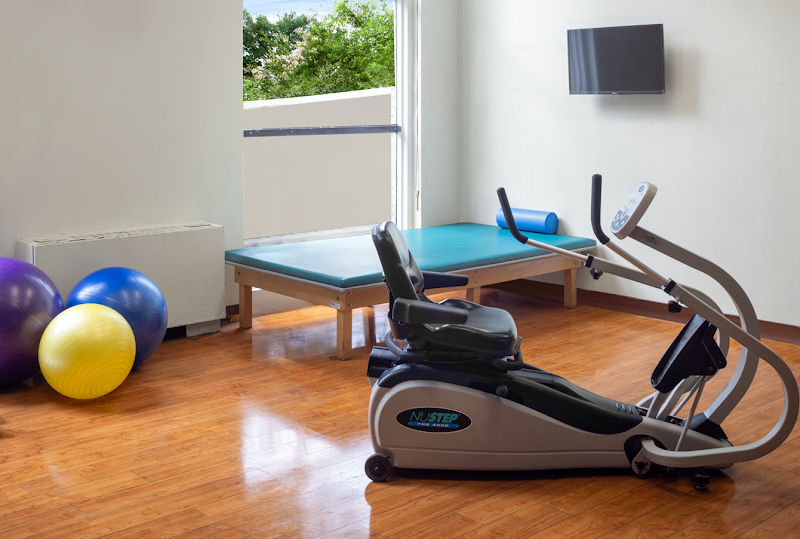
Who Owns and Operates Lakefront Nursing & Rehab Ctr?

LAKEFRONT NURSING & REHAB CTR is owned by a for-profit company. For-profit facilities operate as businesses with obligations to shareholders or private owners. The facility is operated by LEGACY HEALTHCARE, a chain that manages multiple nursing homes. With 99 certified beds and approximately 90 residents (about 91% occupancy), it is a smaller facility located in CHICAGO, Illinois.

How Does Lakefront Nursing & Rehab Ctr Compare to Other Illinois Nursing Homes?

Compared to the 100 nursing homes in Illinois, LAKEFRONT NURSING & REHAB CTR's overall rating (5 stars) is above the state average of 2.5, staff turnover (8%) is significantly lower than the state average of 46%, and health inspection rating (4 stars) is above the national benchmark.

What Should Families Ask When Visiting Lakefront Nursing & Rehab Ctr?

Based on this facility's data, families visiting should ask: "Can you walk me through typical staffing levels on day, evening, and night shifts?" "Can I visit during a mealtime to observe dining assistance and food quality?" "How do you handle medical emergencies, and what is your hospital transfer rate?" "Can I speak with family members of current residents about their experience?" These questions are particularly relevant given the below-average staffing rating.

Is Lakefront Nursing & Rehab Ctr Safe?

Based on CMS inspection data, LAKEFRONT NURSING & REHAB CTR has a clean safety record: no substantiated abuse findings (meaning no confirmed cases of resident harm), no Immediate Jeopardy citations (the most serious violation level indicating risk of serious injury or death), and is not on the Special Focus Facility watch list (a federal program monitoring the lowest-performing 1% of nursing homes). The facility has a 5-star overall rating and ranks #1 of 100 nursing homes in Illinois. While no facility is perfect, families should still ask about staff-to-resident ratios and recent inspection results during their visit.

Do Nurses at Lakefront Nursing & Rehab Ctr Stick Around?

Staff at LAKEFRONT NURSING & REHAB CTR tend to stick around. With a turnover rate of 8%, the facility is 38 percentage points below the Illinois average of 46%. Low turnover is a positive sign. It means caregivers have time to learn each resident's needs, medications, and personal preferences. Consistent staff also notice subtle changes in a resident's condition more quickly. Registered Nurse turnover is also low at 13%, meaning experienced RNs are available to handle complex medical needs.

Was Lakefront Nursing & Rehab Ctr Ever Fined?

LAKEFRONT NURSING & REHAB CTR has been fined $13,729 across 1 penalty action. This is below the Illinois average of $33,216. While any fine indicates a compliance issue, fines under $50,000 are relatively common and typically reflect isolated problems that were subsequently corrected. Families should ask what specific issues led to these fines and confirm they've been resolved.

Is Lakefront Nursing & Rehab Ctr on Any Federal Watch List?

LAKEFRONT NURSING & REHAB CTR is not on any federal watch list. The most significant is the Special Focus Facility (SFF) program, which identifies the bottom 1% of nursing homes nationally based on persistent, serious quality problems. Not being on this list means the facility has avoided the pattern of deficiencies that triggers enhanced federal oversight. This is a positive indicator, though families should still review the facility's inspection history directly.