LUTHERAN HOME FOR THE AGED
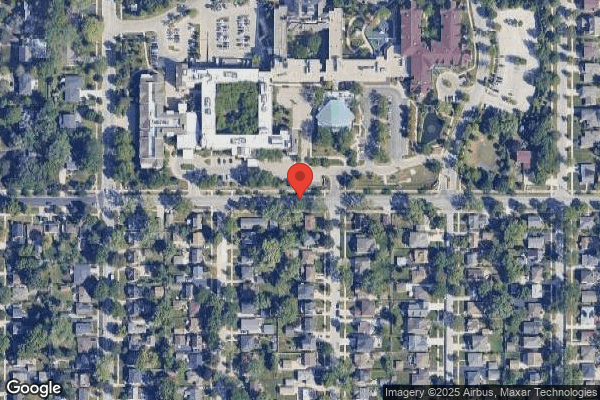

800 WEST OAKTON STREET, ARLINGTON HTS, IL 60004 (847) 253-3710
Non profit - Church related 354 Beds Independent Data: November 2025 1 Immediate Jeopardy citation
Trust Grade
0/100
#258 of 665 in IL
Last Inspection: November 2024

Within standard 12-15 month inspection cycle. Federal law requires annual inspections.

Overview

Lutheran Home for the Aged has received a Trust Grade of F, indicating significant concerns about the facility's care quality. With a state rank of #258 out of 665 in Illinois, they are in the top half, but this ranking does not reflect the serious issues found. While the facility is improving, decreasing from 14 to 2 issues over the past year, it still reported 47 deficiencies, including a critical incident of sexual abuse by a staff member and serious incidents involving inadequate pain management and a resident falling during care. Staffing is relatively strong with a 4 out of 5 rating and a turnover rate of 38%, which is better than the state average. However, the facility has incurred $194,069 in fines, which raises concerns about compliance and care standards, despite having good RN coverage compared to other facilities.

Trust Score
F
0/100
In Illinois
#258/665
Top 38%
Safety Record
High Risk
Review needed
Inspections
Getting Better
14 → 2 violations
Staff Stability
○ Average
38% turnover. Near Illinois's 48% average. Typical for the industry.
Penalties
✓ Good
$194,069 in fines. Lower than most Illinois facilities. Relatively clean record.
Skilled Nurses
✓ Good
Each resident gets 69 minutes of Registered Nurse (RN) attention daily — more than 97% of Illinois nursing homes. RNs are the most trained staff who catch health problems before they become serious.
Violations
⚠ Watch
47 deficiencies on record. Higher than average. Multiple issues found across inspections.
★★★☆☆
3.0
Overall Rating
★★★★☆
4.0
Staff Levels
★★★★★
5.0
Care Quality
★★☆☆☆
2.0
Inspection Score
Stable
2024: 14 issues
2025: 2 issues

The Good

  • 4-Star Staffing Rating · Above-average nurse staffing levels
  • 5-Star Quality Measures · Strong clinical quality outcomes
  • Full Sprinkler Coverage · Fire safety systems throughout facility
  • No fines on record
  • Staff turnover below average (38%)

    10 points below Illinois average of 48%

Facility shows strength in staffing levels, quality measures, fire safety.

The Bad

3-Star Overall Rating

Near Illinois average (2.5)

Meets federal standards, typical of most facilities

Staff Turnover: 38%

Near Illinois avg (46%)

Typical for the industry

Federal Fines: $194,069

Well above median ($33,413)

Significant penalties indicating serious issues

The Ugly 47 deficiencies on record

1 life-threatening 7 actual harm
Jul 2025 1 deficiency 1 Harm
SERIOUS (G) 📢 Someone Reported This

A family member, employee, or ombudsman was alarmed enough to file a formal complaint

Actual Harm - a resident was hurt due to facility failures

Accident Prevention (Tag F0689)

A resident was harmed · This affected 1 resident

Based on interview and record review the facility failed to ensure a resident was safely transferred using a mechanical sit to stand lift for 1 of 3 residents (R1) reviewed for safety in the sample of...

Read full inspector narrative →
Based on interview and record review the facility failed to ensure a resident was safely transferred using a mechanical sit to stand lift for 1 of 3 residents (R1) reviewed for safety in the sample of 3. This failure resulted in R1 being assisted to the ground and sustaining a proximal tibia and fibula fracture of her right leg. The findings include: R1's Nursing Notes dated 6/28/25 shows that at 1:00 PM, the Certified Nursing Assistant said that R1 passed out while providing care to R1 after having an extra large bowel movement while using a sit to stand lift and R1 was assisted to the floor with two person assist. R1's Right Tibia/Fibula X-ray dated 6/28/25 shows, There is a fracture involving proximal tibia and fibula (bones of the upper shin) with minimal displacement. On 7/2/25 at 10:12 AM, V3, Certified Nursing Assistant (CNA) said that on 6/28/25 after lunch, she was assisting R1 to use the toilet. V3 said that she placed R1 on the toilet from her wheelchair using the mechanical sit to stand lift. V3 said that once R1 was done using the bathroom, she lifted her up from the toilet with the lift and moved her to the side so she could clean her up. V3 said R1 then had another bowel movement all over herself and the floor. V3 said that as she was cleaning her up, R1 slumped over and her hands went down from holding onto the lift and would not respond to her. V3 said that she immediately started calling for V4 (CNA) and the nurse. V3 said that R1 was brought out of the bathroom and into her room area. V3 said that she tried to lower her to her wheelchair but the lift was not lowering and the emergency release button was not working as well. V3 said that V5, Registered Nurse (RN) and V6 Licensed Practical Nurse (LPN) Supervisor showed up and said to put her on the ground. V3 said that her and V4 both grabbed under R1's arms and lowered her to the ground while the nurse used the control to lower the machine. V3 stated, I guess the nurse was able to get the machine to work to be able to lower her as we were lowering her. On 7/2/25 at 10:34 AM, V4 (CNA) said that she was by the shower room waiting for her resident to get done going to the bathroom when V3 came to the door of R1's room and said to call the nurse. V4 said that she immediately went into R1's room and R1 was hooked up to the sit to stand lift and was located outside of the bathroom door. V4 said that R1 was unresponsive and her right leg was off of the platform of the lift and her foot was turned inward. V4 said that the leg strap was not around R1's legs. V4 said that they were not able to sit her into her wheelchair because her leg was in the way and they did not want to twist it anymore. V4 said that V3 told her that they were going to have to put her onto the floor. V4 said that she was worried about putting her onto the floor because of the way her leg was positioned. V4 stated, I was worried that putting her on the floor would break her leg based on how it was already positioned. V4 said that they proceed to slowly lower her to the floor by holding under her arms. On 7/2/25 at 10:51 AM, V5 (RN) said that she heard V4 yelling for help. V5 said that she went into R1's room and saw R1 hanging from the sit to stand lift and unresponsive. V5 said that she did not pay attention to the positioning of R1, she was more worried about her being unresponsive. V5 said that she immediately called V6 (LPN Supervisor) to help. V5 said that she then exited the room and went and got R1's code status and oxygen. V5 said that when she returned, R1 was on the floor. V5 said that she did an assessment and found R1 to have a bruise with an abrasion on her right shin area. On 7/2/25 at 11:08 AM, V6 said that V5 called her while she was on the elevator. V6 said that she immediately went to R1's room and saw R1 still harnessed into the sit to stand lift. V6 said that R1 was unresponsive, her left arm was hanging down and her right arm was elevated above her head due to the harness slipping up and pushing her arm up. V6 said that she tried to put the wheelchair under her but she had slipped down too far so was unable to get the wheelchair under her. V6 said that they then lowered her to the ground. V6 said that during the transfer, her right leg was bent and turned but they were unable to straighten it so when she was lowered to the ground, her right lower leg was bent and under her. On 7/2/25 at 11:40 AM, V3 said that when R1 was taken out of the bathroom, her right leg came off of the platform. V3 said that the leg strap was on but it was loose. V3 said that she removed the strap to try and get R1's right leg back onto the platform but she was unable to. On 7/2/25 at 11:49 AM, V4 said that when they got R1's bottom to the floor, her left leg was straight out and her right lower leg was under her and to the side. V4 said that V3 moved her leg to a straight position and then they laid her flat on the floor. On 7/2/25 at 1:27 PM, V9 (R1's Physician) said that she saw R1 immediately after the fall. V9 said that R1 had some bruising and swelling of her lower leg right below her knee which is where the fracture was found. V9 said that R1's leg must have twisted during the fall. V9 said that the fracture is directly related to the fall. On 7/2/25 at 1:45 PM, V8 (Restorative Aide) said that residents should be secured appropriately in the sit to stand lift before performing any transfers. V8 said that a harness is applied to the torso and secured with a strap. The strap should be snug. V8 said that the feet should be placed flat on the platform and their knees should be up against the knee pad. V8 said that once the resident's legs are in proper position, the leg strap should be applied snuggly. V8 said that the resident should be lifted a little bit and the torso harness strap should be tightened more. V8 said that resident's should only be moved short distances with the sit to stand lift. V8 said that if a resident becomes unresponsive during a transfer, the staff should immediately lower the resident back to a seated position on whatever surface is closest to the resident. V8 said that if a resident is secured correctly on the sit to stand lift, the torso should not be able to slip from the harness and the feet would not be able to fall off of the platform. V8 said that it could be very dangerous if a resident was transferred with a sit to stand lift and not secured appropriately. On 7/2/25 at 2:22 PM, V2 (Director of Nursing) said that when using a sit to stand lift, the resident should have the harness strap secured tightly around their waist and should have the leg strap secured tightly around their lower legs. V2 said that if the leg strap is on securely, a resident's foot would not be able to come off of the platform. The facility's Mechanical Lift Policy dated 5/23/24 shows, The purpose of this policy is to establish the general principles and procedure of safe lifting using mechanical lifting devices Position the top of the harness around the upper body of the resident (approximately 4-5 inches below the underarm). Securely fasten the harness safety strap around the resident's chest . Position the unit in front of the resident and have the resident place their feet on the foot plate and position their shins into the shin pad Secure the shin straps around the resident legs .
Apr 2025 1 deficiency 1 Harm
SERIOUS (G) 📢 Someone Reported This

A family member, employee, or ombudsman was alarmed enough to file a formal complaint

Actual Harm - a resident was hurt due to facility failures

Deficiency F0697 (Tag F0697)

A resident was harmed · This affected 1 resident

**NOTE- TERMS IN BRACKETS HAVE BEEN EDITED TO PROTECT CONFIDENTIALITY** Based on observation, interview, and record review the facility failed to provide adequate pain control for a resident with a hi...

Read full inspector narrative →
**NOTE- TERMS IN BRACKETS HAVE BEEN EDITED TO PROTECT CONFIDENTIALITY** Based on observation, interview, and record review the facility failed to provide adequate pain control for a resident with a history of cancer and compression fracture. This failure resulted in R1 experiencing increased pain from 4/21/2025 to 4/24/2025. This applies to 1 of 3 (R1) residents reviewed for pain in the sample of 3. The findings include: R1's current admission Record shows R1 is an [AGE] year-old female resident with a history of lung cancer and compression fracture who was admitted on [DATE]. On 4/30/2025 at 10:00AM, R1 was observed lying in bed resting comfortably and showing a slight grimace with movement. On 4/30/2025 at 10:00AM & 10:18AM, R1 said her pain was 4 out of 10 and a 4 was acceptable. R1 said her pain is more controlled now. R1 said she doesn't like using the numbers to describe the pain. R1 said she had increased pain when she came into the facility because the facility had trouble getting her medication. On 4/30/2025 at 11:04PM, V5 Nurse Practitioner (NP) said she saw [R1] on 4/24/024 for the first time and she had reported increased pain in the previous days but stated her pain was better controlled now after she got a dose of medication this morning. On 4/30/2025 at 1:30PM, V3 Licensed Practical Nurse (LPN) said [R1] was admitted on [DATE] and [R1] complained of 10/10 pain in the evening at 10:30PM. V3 said she gave [R1] Tylenol for her pain because she didn't have the morphine order from pharmacy yet. V3 said she would normally give a narcotic for that type of pain. V3 said she did get the morphine tablets that night and gave [R1] her morphine pills at 2:00AM on 4/22/2025. V3 said she never received the PRN (as needed) morphine from pharmacy that night. V3 said she couldn't get into the controlled substance box because her morphine order wasn't the right concentration and needed to be clarified. V3 said she did not contact the doctor to get a different as needed medication. V3 said [R1's] pain was an 8/10 when she gave her the morphine tablet and the resident was resting comfortably in bed with her eyes closed. On 4/30/2025 at 12:54PM, V4 Physician said Tylenol is not adequate for a patient complaining of 10/10 pain because Tylenol is a very mild analgesic. The facility provided Electronic Shipping Manifest shows the Morphine Sulfate 100mg/5mL was delivered on 4/24/2025 at 12:51AM and the Morphine Sulfate ER 15mg tablet was delivered on 4/22/2025 at 1:28AM. On 4/30/2025 at 9:52AM & 10:10AM, V6 LPN said he normally works the unit [R1] is on and has seen her since she came. V6 said [R1's] pain is more controlled now compared to where she was when she first came. V6 said [R1] is still working with therapy and pain medication is given prior to receiving therapy services. R1's Progress Notes dated 4/22/2025 at 11:22AM states the resident declined to get out of bed, complaining of back pain. R1's Weights and Vitals Summary dated 4/30/2025 shows the following pain scores 4/21/2025 10:32PM score of 10, 4/22/2025 [2:00AM verified by V3] score of 8 and 6:37AM score of 2. R1's Medication Administration Record dated 4/1/2025 to 4/30/2025 showed R1 received Morphine Sulfate Oral Tablet 15mg was scheduled on 4/21/2025 at 9:00PM but didn't receive the medication until 4/22/2025 at 2:00AM.
Nov 2024 10 deficiencies 1 Harm
SERIOUS (G)

Actual Harm - a resident was hurt due to facility failures

Deficiency F0697 (Tag F0697)

A resident was harmed · This affected 1 resident

Based on observation, interview, and record review the facility failed to communicate and effectively treat a resident's pain; and failed to verify and obtain a resident's ordered pain medication in a...

Read full inspector narrative →
Based on observation, interview, and record review the facility failed to communicate and effectively treat a resident's pain; and failed to verify and obtain a resident's ordered pain medication in a timely manner for 1 of 1 resident (R425) reviewed for pain in the sample of 35. These failures resulted in R425 experiencing continued pain and emotional anguish. The findings include: On 11/19/24 at 11:46 AM, R425 was lying in bed, on his left side. R425 had a catheter drainage bag on each side of the bed frame. R425 said he's been sick since March and was in the hospital. R425 said the hospital found out that he had urine draining into his right upper leg area (fistula - an abnormal opening in the urinary tract). R425 said that caused him to develop an abscess in his right upper leg. R425 said they had to drain out the fluid from his leg and now he has a catheter in his penis to protect the fistula and a suprapubic catheter (directly through the abdominal wall, into the bladder) to empty most of his urine. R425 said his pain seemed to be getting worse. R425 said in the hospital he was getting 2 Norcos (opiate pain medication), but when he was transferred to the facility it was changed to 1 Norco. R425 started crying and plead, I'm just so miserable and I can't get anyone to listen to me. R425 shook his head then became irritable. R425 stated, I just don't feel like anyone communicates with each other. I'm tired of being in pain. I tell them and no one listens. This position (left side lying) is the only position that is even the slightest bit comfortable for me. Any movement of my right leg is excruciating. I can't do therapy because my right leg hurts so bad when it's moved. I'm so f****** frustrated! I'm sorry I'm cussing, but that's how I feel. (R425 began crying again). Most days I just lay here, grip the side rail and cry. This pain is awful, and no one is doing anything about it. V20 (R425's spouse) was seated in a chair at the bedside. V20 said the facility wasn't managing his pain, but they had a tele-visit with R425's pain doctor at 1:30 PM today. V20 reminded R425 of the appointment and attempted to reassure him. On 11/20/24 at 12:47 PM, R425 was sitting up in the wheelchair in his room. R425 and V20 (R425's spouse) were discussing nutritional supplements with V15 (RN - Registered Nurse). After V15 left the room, the surveyor asked R425 how he was feeling today. R425 reported, I'm miserable! (and began crying). R425 became agitated and said they had the tele-visit with V22 (Pain Nurse Practitioner) at 1:30 PM yesterday. R425 said about an hour later V22 called V20 (R425's spouse) to provide an order for Fentanyl patch 12 mcg. R425 said he was supposed to continue the Norco scheduled every 4 hours and start the Fentanyl patch. R425 said V22 (Pain NP) would follow-up with them in a few days to see if his pain was improving. R425 yelled, I still don't have the damn patch! I guess they don't have the order or something like that! How can that be, it's almost been 24 hours! See what I mean. The communication sucks! R425 was becoming agitated and crying. V20 (R425's spouse) rubbed his shoulders and tried to calm him. V20 said when V22 (Pain NP) called with the order for Fentanyl, she couldn't find the nurse. V20 said she went to the desk; the nurse wasn't there. V20 said the receptionist was there and said she would make sure the order was put in right away. V20 said she's not sure what the receptionist's credentials were, but she trusted that the information would be communicated. V20 said the receptionist provided the facility's pharmacy information to her. V20 said she provided the pharmacy information to V22 (Pain NP), and she said that she would send the Fentanyl patch prescription directly to the pharmacy. V20 said the nurse did not come in the room to discuss it with her later. V20 stated, I expected the pain patch to be delivered by this morning (at the latest), but it's still not here. They don't even have an order for it here. R425 stated, I'm so disgusted, miserable, and frustrated! They need to communicate and control my pain. R425 started crying and placed his face into his hands. At 12:55 PM, V16 (NP) entered the room. V16 asked R425 how are you? R425 replied, Don't even ask! R425 reported his frustrations to V16. V16 stated, This is my first time seeing you. I'll have to take a look at your notes. There is no Fentanyl order in the computer at this time. The surveyor walked to the nurses' station where V15 (RN) was on the phone with pharmacy. V15 said there was a prescription for a Fentanyl patch sent yesterday and the family is asking me about it. V15 said he reviewed the chart and R425 did not have an order for Fentanyl and there were no progress notes. V15 said the pharmacy said they received a prescription from V22 (Pain NP), but the prescription was for 30 patches, and they will not accept it. V15 stated, I don't know why the pharmacy didn't call [V22 - Pain NP] to verify the order. They are the ones that gave the phone number for [V22]. V16 (NP) walked up to V15 sand stated, I'll give you a one-time order (for Fentanyl patch) now, so the resident can get it right away. He's in pain. Then we can make follow-up appointments to get an order (for ongoing treatment). Don't even bother to call this office [V22]. I'll give the Fentanyl order and [V23 - Pain MD] will follow-up. V16 asked V15 to call the nursing supervisor and see if they can get the Fentanyl patch from the emergency box, so he (R425) doesn't have to wait any longer. V15 said R425's Fentanyl patch prescription was sent directly to the pharmacy, but they didn't call the doctor's office to get the quantity changed. V15 stated, They should have done that. They gave me the number. Why didn't they call? I'm putting the orders in now. Hopefully they can get the Fentanyl patch from the emergency box. This is the first time I've experienced Pharmacy not liking a quantity. They (Pharmacy) didn't call us to check. The previous nurse would have told me that. The pharmacy should have sent at least 1 Fentanyl patch to get the resident's pain controlled, then got the clarification. It's important to control the resident's pain. That's why I was surprised someone came to me and said he was asking for his pain medication. I didn't know anything about the Fentanyl. I checked the orders and progress notes and there wasn't anything. It's true that there was a communication break down and I'm sorry this happened to them. V15 said R425 has prostate cancer and had pain to his lower back and right hip area. V15 said R425 had therapy in the gym and that may have triggered more pain again. V15 said V23 (Pain MD) is at the facility 1-2 times per week and will see R425 tomorrow. On 11/20/24 at 1:23 PM, V17 (RN - Registered Nurse/Unit Manager) said she is not sure what happened with R425's Fentanyl. V17 said she called V18 (LPN - Licensed Practical Nurse) because she was R425's nurse yesterday (11/19/24). V17 said V18 didn't know anything about a Fentanyl order sent to the pharmacy. V17 states if an outside physician order's medication, then the facility needs to get approval from an in-house provider and enter an order. V17 said R425 did not have a Fentanyl order entered into the EMR (electronic medical record) yesterday. V17 said the emergency box does not contain Fentanyl patches. V17 said pharmacy was called and a STAT order was placed. V17 said the pain patch should be here in 2-4 hours. On 11/20/24 at 1:34 PM, V19 (Guest Services Associate) said she works at the reception desk on R425's floor. V19 said she works 8 AM to 4 PM. V19 said she answers the phones, assists with scheduling appointments, and orders equipment and supplies for the unit. V19 said she was working 11/19/24 and spoke with V20 (R425's spouse). V19 said the nurse was busy and V20 was asking what pharmacy we used and what their phone number was. V19 said she gave V20 the information because the nurses were busy. V19 said she didn't ask V20 why she needed the pharmacy number. On 11/21/24 at 9:08 AM, V18 (LPN) said she worked 11/19/24 and took care of R425. V18 said she was not aware that R425 had a tele-visit with a pain NP. V18 said V19 (Guest Services Associate) did tell me that V20 (R425's spouse) was asking for the pharmacy we use and for the number. The surveyor asked why V20 would be asking about the pharmacy information. V18 replied, I'm not sure why she would be asking for the pharmacy information. That's a good question. V18 said she didn't follow-up with R425 or V20 regarding their request for the pharmacy information. V18 said she worked until 7 PM on 11/19/24. V18 said they didn't mention they were waiting for a pain patch. V18 said if she knew, then she would have checked to see if there was an order in the EMR. V18 said if there wasn't an order, then she would call the facility provider to obtain an order, enter it into the EMR, and notify pharmacy. V18 said there should have been follow-up to V20's request for the pharmacy information. V18 said she didn't speak to the pharmacy about R425's Fentanyl patch because she didn't know anything about it. On 11/21/24 at 9:26 AM, V21 (Pharmacist) said an electronic order for Fentanyl patch 12 mcg was sent on 11/19/24 at 7:43 PM by V22 (Pain NP). V21 said it looks like there was a discrepancy on the quantity. I see documentation that the pharmacy attempted to contact the facility at 9:11 PM and was not get in contact with facility staff. There was a note in the system that the Fentanyl patch was pending clarification. V21 said there is no further documentation, and he is unsure if the pharmacist made contact with someone at the facility. V21 said on 11/20/24 at 1:13 PM, V16 (NP) entered an order for 1 Fentanyl patch for R425. V21 said the delivery left the pharmacy at 2 PM and arrived at the facility a few hours later. V21 said the pharmacy director will follow-up with more details on 11/22/24. On 11/21/24 at 9:59 AM, V24 and V25 (Restorative Aides) were donning gowns and gloves to provide R425 incontinence care and get him up to the wheelchair. R425 looked up and started crying and motioned for the surveyor to come talk. R425 stated, This is a f****** mess! The system is broken down. I tell every f****** person that comes in that I'm in pain. I lay here in unbearable pain. One time I laid here crying for what seemed like 5 hours, but only 1 f****** hour had passed. I don't feel like I'm moving forward with pain control. I had that tele-visit on Tuesday at 1:30 PM (11/19/24) with [V22 (Pain NP)]. [V22] called back within an hour to give an order. It took damn near 24 hours to get the pain patch (Fentanyl patch). When I finally got the patch, they started messing with my Norco. I don't like taking narcotics. It scares the s*** out of me, but I need them! I don't like it, but I NEED them. (R425 was lying on his back in bed, speaking loudly, cursing frequently, and his eyes welled up with tears.) I've never not been in pain. I can't even say if this pain patch is working because they quit giving my Norco last night. [V22 - Pain NP] knew I was on Norco every 4 hours and said it wasn't effective and added the Fentanyl patch. They were NOT supposed to stop my Norco! I got a couple doses of my scheduled Norco with the Fentanyl patch, but then the nurse last night said she I couldn't have them both together. I told her I was in pain and needed them. (R425 began crying). Why do they keep messing with stuff. I can hardly take this and their poor communication. See what I mean? They don't communicate! It's beyond frustrating and I'm still in pain. V24 and V25 came in the room to assist R425. They provided incontinence care and dressed R425, rolling him side to side. Each time R425 was rolled onto his right side, or his right leg was touched, he groaned in pain and grimaced. R425 told V24 and V25 that it hurt whenever his right leg was moved. They assisted R425 to roll up on his right side to sit up on the edge of bed. R425's right side was on the bed, and he started crying, It hurts, lying on this side hurts. I'm lying on my sore spot. V24 and V25 assisted off his right side and to a sitting position on the edge of the bed. On 11/21/24 at 11:17 AM, V20 (R425's Spouse) said the facility's pain doctor (V23) just left R425's room. V20 said they are going to allow him to take his scheduled Norco every 4 hours and the Fentanyl patch to see if it works. If that doesn't work, then they will come up with a different plan. V20 said R425 seemed to be in better spirits after the visit and he feels like they are finally starting to listen to him. V20 said R425 had been in so much pain every day, so they decided to call his pain doctor because he needed some relief. V20 said she told the receptionist (V19) why she needed the pharmacy number because the nurse wasn't around. V20 said she doesn't know what happened after that because she went back to R425's room. V20 stated, All I know is when I came back yesterday (11/20/24) he still didn't have his pain patch and he was very upset about it. It didn't come until around 4 PM. R425's Facesheet dated 11/20/24 showed he had diagnoses to include, but not limited to: urinary tract infection; sepsis; cutaneous abscess of right lower limb; diabetes; prostate cancer; obstructive and reflux uropathy; other injury of the ureter; chronic kidney disease; and benign prostatic hyperplasia with lower urinary tract symptoms. R425's Brief Interview for Mental Status (BIMS) Evaluation dated 11/17/24 showed he was cognitively intact. R425's Physician Order Sheet dated 11/20/24 showed Norco 5-325 mg - Give 1 tablet by mouth every 4 hours for pain was started on 11/15/24. On 11/20/24 an order for Fentanyl 12 mcg transdermally every 72 hours for pain was entered. (The facility did not have an order in the EMR prior to 11/20/24. V20 (R425's spouse) requested the facility's pharmacy information at approximately 2:30 PM. The nurse did not follow-up with V20 and R425 regarding their request for the pharmacy information). R425's November 2024 MAR (Medication Administration Record) showed he received the Fentanyl patch at 4:09 PM on 11/20/24. This document showed that R425's Norco tablet scheduled for midnight on 11/21/24 was held. The code 5 was documented. This form showed 5 means hold, see progress notes. R425's Progress Notes did not contain an entry explaining why this dose was held. R425's NP Progress Note dated 11/20/24 showed the patient is upset he has not received his Fentanyl patch. The wife relayed it was ordered by his pain MD. Spoke to RN and gave order for Fentanyl patch and V23 (Pain MD) to follow-up with patient for pain control. The patient is complaining of right thigh pain. R425's Nursing Note dated 11/20/24 at 12:50 PM showed, Resident and family asking about the order for Fentanyl patch as from pain MD office. As nurse writer verified today (11/20/24). Pharmacy received order/prescription directly from Pain MD office on 11/19/24 for Fentanyl 12 mcg every 72 hours; but it was not delivered due to questions regarding the prescription. [The pharmacy] did not call [the unit] for verification of order. Upon knowledge, nurse immediately contacted primary attending NP to inform resident circumstance of investigation and approved orders for Fentanyl by outside MD, with current med order on Norco given at 12 PM for pain 8/10 (rated at 8 on 1-10 scale, 10 being worst pain ever experienced) . 4 PM Resident comfortable in bed, left side lying; received from pharmacy and applied Fentanyl patch 12 mcg on right upper chest . 6 PM Resident comfortable in bed, with some relief of pain observed. On 11/21/24 at 11:29 AM, V3 (ADON - Assistant Director of Nursing) said if the pharmacy has questions regarding a medication order, then they usually call the floor nurse of the 24/7 supervisor. V3 said the staff receiving the call should address the clarifications as soon as possible. V3 said the pharmacy makes three scheduled deliveries per day and can make STAT deliveries in between. V3 said STAT deliveries usually arrive to the facility in 2 hours. V3 said if a resident is complaining of pain, then the staff should believe it. The nurse should perform a pain assessment and determine the level of pain. If the resident is already receiving pain medications, then the nurse will need to notify the physician of continued pain. V3 said the resident may need additional pain medications or a different approach to pain control. V3 said as soon a resident is complaining of pain, then the nurse should start working on obtaining orders for pain control. V3 said the R425, and his family shouldn't have felt they needed to call an outside pain clinic. V3 said V23 (Pain MD) rounds at the facility 1-2 times per week and is available for consults when residents complain of pain. V3 said she expects her staff to communicate a resident's complaints of pain to each other and continuity of care should be maintained. V3 said if R425's wife was asking for pharmacy information, then the staff should have followed-up with her. I don't know why the nurse didn't follow up. There isn't a progress note that showed the nurse was aware of the request for pharmacy information. V3 said pain control is important to a resident's healing, rehab, overall health, and resident comfort. V3 said she was not aware that R425 was unhappy and experiencing such pain. The surveyor asked why R425's scheduled Norco was held at midnight 11/21/24. V3 said she didn't know, but 5 stands for hold, see progress notes. The surveyor asked V3 to review R425's progress notes for an entry for the held 11/21/24 midnight dose of Norco. V3 reviewed R425's chart and said there isn't a note, but there should be one. V3 stated, I'm not sure everyone is aware that he is in pain. It's expected that we would do our best to control the resident's pain. We must listen to them. I can't say what happened because the nurse didn't chart anything to explain why the Norco was held. She should have. On 11/22/24 at 12 PM, V33 (Director of Pharmacy) said he followed up regarding my questions for R425's Fentanyl patch. V33 said the electronic order was received from pharmacy at 7:43 PM on 11/19/24. V33 said there were errors with the prescription regarding the quantity and duration. V33 said the order was not entered as a STAT, so the pharmacist reviewed the orders later in the evening. V33 said pharmacy sent an email to V34 and V35 (Supervisors) regarding the need for order clarifications. V33 said it's the facility's procedure to email V34 and V35. V33 said a new order was entered for Fentanyl on 11/20/24 by V16 (NP) and it was filled STAT. V33 said he would expect the facility staff to communicate effectively to address any pharmacy concerns or resident complaints with pain. The facility's Pain Assessment and Management Policy reviewed 11/27/24 showed, A comprehensive and effective pain management program is provided to residents who require such services to ensure comfort, facilitate independence, and preserve dignity. The purpose of this policy is to provide guidelines for the assessment and identification of the resident's pain with underlying causes, and the development of pain management interventions consistent with professional standards of practice, person-centered care plan, and the resident's goals and preferences. Guidelines: 1. The pain management program is based on professional standards of practice and the resident's preferences related to pain management. 2. Pain management is defined as the process of alleviating the resident's pain based on his or her clinical condition and established treatment goals. 3. Pain management is a multidisciplinary care process that includes the following: a. Assessments and recognition of pain. b. Identifying the underlying causes and characteristics of pain; c. Developing and implementing a treatment/pain management plan; d. Monitoring for effectiveness and modifying interventions; and 3. Documentation and reporting . Documentation and Reporting: 1. The following information shall be documented and reported to the physician/medical provider immediately: a. Significant changes in the level of the resident's pain . d. Prolonged, unrelieved pain despite care plan interventions.
CONCERN (D)

Potential for Harm - no one hurt, but risky conditions existed

Resident Rights (Tag F0550)

Could have caused harm · This affected 1 resident

**NOTE- TERMS IN BRACKETS HAVE BEEN EDITED TO PROTECT CONFIDENTIALITY** Based on observation, interview, and record review the facility failed to provide feeding assistance in a dignified manner and f...

Read full inspector narrative →
**NOTE- TERMS IN BRACKETS HAVE BEEN EDITED TO PROTECT CONFIDENTIALITY** Based on observation, interview, and record review the facility failed to provide feeding assistance in a dignified manner and failed to utilize a catheter dignity bag. This applies to 2 of 2 residents (R108, R425) reviewed for dignity in the sample of 35. The findings include: 1. R108's admission Record (Face Sheet) showed he was admitted to the facility on [DATE] with diagnoses to include but not limited to dementia, lack of coordination, and need for assistance with personal care. R108's 10/2/24 Significant Change Minimum Data Set (MDS) showed he had severe cognitive impairment with a Brief Interview for Mental Status (BIMS) score of 0 out of 15. On 11/19/24 at 11:49 AM, V9 Certified Nursing Assistant (CNA) provided R108's feeding assistance. V9 stood over R108 during the entire noon meal while she provided feeding assistance. On 11/20/24 at 2:24 PM, V10 Memory Care Unit Manager/Registered Nurse stated staff can either sit or stand when providing feeding assistance. On 11/20/24 at 3:00 PM, V3 Assistant Director of Nursing (ADON) stated staff should be seated and making eye contact with residents while providing feeding assistance. V3 stated this is the dignified way to provide feeding assistance. The facility's Assistance with Meals policy (effective date 4/1/24) showed, Residents who require feeding assistance will receive appropriate assistance with meals in a safe, dignified manner. In implementing the policy, the following shall apply: .Resident who cannot feed themselves will be fed with attention to safety, comfort and dignity, for example: Not standing over residents while assisting them with meals . 2. On 11/19/24 at 11:46 AM R425 was lying in bed, on his left side. R425 had a catheter drainage bag, draining cloudy yellow urine, visible from the hallway. R425's catheter drainage back was not covered with a dignity bag. R425 said he'd prefer for everyone not to see his catheter bag. R425's Facesheet dated 11/20/24 showed he had diagnoses to include, but not limited to: urinary tract infection; sepsis; cutaneous abscess of right lower limb; diabetes; prostate cancer; obstructive and reflux uropathy; other injury of the ureter; chronic kidney disease; and benign prostatic hyperplasia with lower urinary tract symptoms. R425's Brief Interview for Mental Status (BIMS) Evaluation dated 11/17/24 showed he was cognitively intact. R425's Physician Order Sheet dated 11/20/24 showed he had orders for a indwelling urinary catheter and a suprapubic urinary catheter. R425's Indwelling Urinary Catheter care plan initiated 11/18/24 showed he had an indwelling urinary catheter and a suprapubic catheter due to prostate cancer with ureteral stricture and obstructive uropathy. The Interventions included, but were not limited to: Position the catheter bag and tubing below the level of the bladder and away from the entrance room door. On 11/20/24 at 1:23 PM, V17 (RN - Registered Nurse/Unit Manager) said R425's catheter bag should be covered with a dignity bag, especially if the drainage bag was facing the hallway door. V17 said these bags are used to cover the catheter drainage back for the resident's dignity. On 11/21/24 at 9:59 AM, V24 and V25 (Restorative Aides) provided incontinence care and assisted R425 with getting dressed. V24 and V25 placed each drainage back through R425's short openings and placed each bag in a dignity bag. They said the catheter drainage bags should always be covered in the dignity bags. On 11/21/24 at 11:29 AM, V3 (ADON - Assistant Director of Nursing) said R425's catheter bag should have been covered or facing away from the hallway. V3 said the purpose of doing this is so people passing by can't see what is draining and for the resident's privacy and dignity. The facility's Resident Rights Policy reviewed 12/10/24 showed, Employees shall treat resident with kindness, respect, and dignity. Policy Interpretation and Implementation: 1. Federal and state laws guarantee certain basic rights to all residents of this facility. These rights include the resident's right to: a. a dignified existence . t. privacy and confidentiality .
CONCERN (D)

Potential for Harm - no one hurt, but risky conditions existed

Deficiency F0645 (Tag F0645)

Could have caused harm · This affected 1 resident

**NOTE- TERMS IN BRACKETS HAVE BEEN EDITED TO PROTECT CONFIDENTIALITY** Based on interview and record review, the facility failed to obtain a Level I Preadmission Screening and Resident Review (PASSAR...

Read full inspector narrative →
**NOTE- TERMS IN BRACKETS HAVE BEEN EDITED TO PROTECT CONFIDENTIALITY** Based on interview and record review, the facility failed to obtain a Level I Preadmission Screening and Resident Review (PASSAR) for a resident who admitted with a serious mental health diagnosis for 1 of 1 residents (R77) reviewed for PASSAR in a sample size of 35. Findings include: R77's face sheet documented that resident last admitted to the facility on [DATE] and has a past medical history not limited to major depressive disorder, recurrent dated 07/25/2023. Review of R77's care plan showed the following: has known history of displaying inappropriate behavior and/or resisting care/services. Specific behavior exhibited: paranoia in the evenings, hallucinations. She has diagnosis of dementia, delusional disorder. Date Initiated: 08/19/2022. Revision on: 08/19/2022; is an elopement risk/wanderer related to impaired safety awareness. Resident wanders aimlessly. Date Initiated: 11/09/2022; uses psychotropic medications (antipsychotic and antidepressant medications) related to behavior management, depression. Date Initiated: 01/05/2023. Revision on: 10/18/2024. Review of R77's Minimum Data Set (MDS) quarterly resident care assessment screening dated 10/17/2024 documented in Section I for Active Diagnoses under Psychiatric/Mood Disorder, the diagnoses of Depression and Psychotic Disorder. On 11/21/24 at 09:21 AM, V4 (Social Services Director) said she attempted to complete a level I PASSAR screen upon R77's admission to the facility, but the system would not allow her to do so and showed an error message. V4 reviewed R77's medical diagnosis list with surveyor and indicated that R77 has a diagnosis of major depressive disorder dated 07/25/2023. At 09:58 AM, V4 (Social Services Director) said the hospital usually does the level I PASARR screening prior to admission, but if the screening is not completed by the hospital, then she is the person responsible to complete the screen. V7 then said that R77 was hospitalized in 2024 with covid so a screening should have been done upon her readmission. On 11/21/2024, requested PASSAR policy from the facility. Received Referral and admission Process for Short-Term Skilled Nursing Admissions policy that did not include any information related to the PASSAR screening process.
CONCERN (D)

Potential for Harm - no one hurt, but risky conditions existed

ADL Care (Tag F0677)

Could have caused harm · This affected 1 resident

**NOTE- TERMS IN BRACKETS HAVE BEEN EDITED TO PROTECT CONFIDENTIALITY** Based on observation, interview, and record review, the facility failed to provide assistance with activities of daily living fo...

Read full inspector narrative →
**NOTE- TERMS IN BRACKETS HAVE BEEN EDITED TO PROTECT CONFIDENTIALITY** Based on observation, interview, and record review, the facility failed to provide assistance with activities of daily living for a resident assessed to be dependent on staff for grooming and personal hygiene for 1 of 1 residents (R166) reviewed for activities of daily living in a sample size of 35. Findings include: R166's face sheet documented that resident last admitted to the facility on [DATE] and has a past medical history not limited to: cerebral infarction, dementia, need for assistance with personal care, problem related to care provider dependency, pain and anxiety disorder. Review of R166's functional abilities and goals assessment with effective date of 10/14/2024 documented that R166 is dependent on staff for shower/bathing and personal hygiene. Review of R166's Minimum Data Set (MDS) quarterly resident care assessment screening dated 10/15/2024 documented in section C for cognitive patterns, a brief interview for mental status (BIMS) score of 15/15 that indicated no cognitive impairment. Section GG for functional abilities documented that R166 is dependent on staff for shower/bathing self and requires partial/moderate assistance with personal hygiene that includes the ability to maintain personal hygiene, including combing hair, shaving, applying makeup, washing/drying face and hands (excludes baths, showers, and oral hygiene). On 11/19/24 at 10:55 AM, R166 was observed by surveyor lying in bed watching television. Resident was wearing a hospital gown and appeared disheveled with noted facial hair to her upper lip and chin that was long and coarse in appearance. Her fingernails extended approximately 0.5 centimeters (cm) in length beyond the tips of her fingers to both hands and were noted with debris under several fingernails to both hands. R166 said she was last given a bed bath on Sunday and has not received any type of bathing since then. On 11/20/24 at 10:08 AM, R166 was observed by surveyor with a visibly unkept appearance, her hair was uncombed and appeared disheveled and her fingernails remained long in length with noted debris under several fingernails to both hands. R166 voiced that she had not received any recent assistance with oral hygiene then stated that she was last given a bed bath on Sunday and has not received any type of bathing since then. On 11/20/2024, reviewed R166's care plan with last completion date of 10/30/2024 that documented resident has a behavior, prefers and want to stay in bed 24/7 with date initiated on 08/09/2023. No documentation was found indicating that resident is resistive to care. On 11/21/2024 at 09:33 AM, R166 was again observed by surveyor with a visibly unkept and disheveled appearance, her hair was uncombed, and her fingernails remained long in length with noted debris under several fingernails to both hands. R166 again voiced that she had not received any recent assistance with oral hygiene then stated that she was last given a bed bath on Sunday and has not received any type of bathing since then. Facial hair to upper lip and chin remains long and course in appearance. On 11/21/24 at 09:37 AM, V6 (Registered Nurse) said R166 receives a bed bath weekly on Sundays and as needed if we see that she needs it and she receives daily hygiene and grooming which includes shaving her facial hair and trimming her long fingernails. V6 added that R166 is also seen by podiatry monthly for nail trimming to her hands and feet, then said if R166's family complains or requests for her facial hair to be trimmed, then staff will do so. V6 (Registered Nurse) also said that staff should encourage residents daily to receive grooming, that R166 refuses care often and any refusals of care should be documented within the resident's progress notes. On 11/21/24 at 09:43 AM, V7 (Certified Nursing Assistant) said she is assigned to R166 and was just about to provide her with morning care. When surveyor asked what care will be provided, V7 said that she will change her gown, diaper and bed pad and will check her for any skin issues. When asked by surveyor if she will provide any other type of care, V7 (Certified Nursing Assistant) said see if her linens need to be changed and that's it. On 11/21/2024 at 10:07 AM, V5 (Clinical Educator) said residents receive either a shower or bed bath weekly and as needed. She then said residents should be provided with daily hygiene that includes face and hand washing, grooming and/or shaving, oral hygiene and hair combing. She added that female should not have long facial hair. On 11/21/2024 at 11:05 AM, V5 (Clinical Educator) provided care plan for R166 that documented the following revision that was not previously noted by surveyor, the resident is resistive to care (washing face, brushing teeth, washing and combing hair, shaving) related to anxiety with date initiated of 03/10/2023 and last revision date of 11/21/2024. Review of R166's podiatry notes for last three months showed care provided to bilateral feet only. Progress notes for last thirty days showed no documented refusals of care including daily bathing and/or grooming. Review of Activities of Daily Living Policy retrieved on 11/21/2024 indicated that residents will be provided with the necessary care and services to ensure that a resident's abilities in activities of daily living do not diminish unless circumstances of the individual's clinical condition demonstrate that such diminution was unavoidable. A resident who is unable to carry out activities of daily living will receive the necessary services to maintain good nutrition, grooming, personal and oral hygiene. Requested bathing, grooming and/or personal hygiene policies from facility. None were provided.
CONCERN (D)

Potential for Harm - no one hurt, but risky conditions existed

Quality of Care (Tag F0684)

Could have caused harm · This affected 1 resident

Based on observation, interview, and record review the facility failed to ensure a wound vacuum was operational, failed to ensure physician orders were obtained, and failed to have care interventions ...

Read full inspector narrative →
Based on observation, interview, and record review the facility failed to ensure a wound vacuum was operational, failed to ensure physician orders were obtained, and failed to have care interventions in place for 1 of 3 residents (R371) reviewed for non-pressure wounds in the sample of 35. The findings include: R371's face sheet printed on 11/20/24 showed an admission date of 11/13/24 and diagnoses including but not limited to aftercare following joint replacement, displaced fracture of the left femur, and the presence of left artificial hip joint. R371's brief interview of mental status report dated 11/15/24 showed cognitively intact. On 11/19/24 at 12:09 PM, R371 was seated in an upright recliner in her room and stated she had left hip surgery a week ago. R371 said she was wet underneath her left buttocks and the aide was on her way to get her cleaned up. R371 repeatedly said she was soaked and could not understand why her pants were all wet. A wound vacuum was lying on her bed and the tubing was running under her clothing, to the left side of her body. The vacuum fluid collection chamber appeared to be dry and empty. On 11/19/24 at 12:15 PM, V27 (RN-Registered Nurse) stated R371 came from the hospital with the wound vacuum following hip surgery. V27 said the surgical site orders are to change and empty the wound vacuum device as needed. V27 said there were no scheduled orders for the surgical site care. V27 said the only other order is for a follow up appointment with the orthopedic surgeon. V27 said there was nothing related to when or how to change the surgical dressings. On 11/19/24 at 12:21 PM, V28 (CNA-Certified Nurse Aide) entered the room and assisted R371 to stand to change her wet pants. V28 said R371 was at a therapy session earlier in the morning and she found the wound vacuum disconnected. V28 said she assumed R371's left side and buttocks were wet because the vacuum was not working. R371's left side and buttocks were observed. A large wound sponge was on the side of her left hip, a white dressing was top of her left hip, and a white dressing was near her left knee. The areas were covered with a clear, plastic dressing. The hip and buttock were wet with a clear fluid. V28 removed R371's brief which was clean and dry. V28 stated she was sure it was the surgical site draining onto R371's pants. V28 stated she was not sure how long the wound vacuum was not working but guessed quite a while since the clothing was thoroughly saturated. On 11/19/24 at 1:33 PM, V27(RN) examined R371's wound vacuum. V27 said it was not working. The device should have a light turned on to show it is suctioning fluid from the surgical wound. V27 examined the collection chamber and noted it was empty. V27 examined the surgical site and said fluid has been leaking out of the site. V29 (R371's family member) was seated on the edge of the bed. V29 said she was glad someone finally noticed the device. V29 said when R371 came into the facility last week, in the evening, none of the staff knew how to work it. It was acting weird and nobody could figure it out. R371's progress note dated 11/15/24 at 6:47 AM (morning following the prior evening admission) stated Resident's wound vac battery dead. No charger to charge the equipment. Endorsed to the oncoming nurse to contact the facility wound care nurse for possible solution to the situation. On 11/20/24 at 8:44 AM, R371 was seated in the upright chair in her room. R371 stated the wound vacuum was removed yesterday. She said she had no idea why it was removed or if it was going to be replaced. R371's November 2024 physician orders and care plan were reviewed by this surveyor. There was nothing related to the surgical site care, order to remove the wound vacuum, or interventions in place. There was an order start dated 11/14/24 to check wound vacuum placement and functioning. The treatment administration record was documented as being done twice per day, including 11/19 (day found by surveyor not operating). On 11/20/24 at 12:41 PM, V11 (Wound Care Nurse) stated she removed R371's wound vacuum just yesterday on the evening shift. V11 said the device light was flickering and the battery was close to dead. V11 said the floor nurse (V27) told her it was not working so she took it out. V11 said wound vacuums are important to suction the open skin area. Wound drainage can set in and cause the potential of a delay in healing. Skin maceration can be an issue if the drainage is allowed to sit on the skin too long. Infection is always an issue for surgical sites. V11 reviewed R371's electronic medical record and confirmed there were no treatment orders for the surgical wound site. V11 said there should be orders stating how often to change dressings, the type to use, and how to monitor the site. V11 confirmed there were no care plan interventions related to the surgical site or use of a wound vacuum. V11 said both are important to ensure wound healing, reduce the risk of infection and guide resident care. V11 said they should already be in place for a resident who has been here for a week. On 11/20/24 at 1:16 PM, V2 (Director of Nurses) stated physician care orders need to be in place within 24 hours of admission. They are important to give staff direction on how to care for residents. Orders are necessary to indicate when to start or stop medical intervention. Care plans do just as they say, direct care. A baseline care plan should be done within 48 hours of admission. On 11/21/24, R371's November 2024 Treatment Administration Record (TAR) showed orders start dated 11/20/24 (7 days after admission) to clean left hip surgical incision with normal saline and cover with dry dressing. Monitor daily for signs of infection. The TAR showed at second order start dated 11/20/24 to monitor surgical site of left hip daily for signs of infection, increased drainage, foul smell, redness. R371's care plan showed a focus area related to the potential/actual impairment to skin start dated 11/20/24. The goal and intervention sections were blank. The facility's Non-Sterile Dressing Change policy last revision dated 7/18/23 states under the procedure section: 1. Review the medical orders for wound care related to wound care.
CONCERN (D)

Potential for Harm - no one hurt, but risky conditions existed

Pressure Ulcer Prevention (Tag F0686)

Could have caused harm · This affected 1 resident

**NOTE- TERMS IN BRACKETS HAVE BEEN EDITED TO PROTECT CONFIDENTIALITY** 3. R466's admission Record (Face Sheet) showed he was admitted on [DATE] with diagnoses to include but not limited to dementia, ...

Read full inspector narrative →
**NOTE- TERMS IN BRACKETS HAVE BEEN EDITED TO PROTECT CONFIDENTIALITY** 3. R466's admission Record (Face Sheet) showed he was admitted on [DATE] with diagnoses to include but not limited to dementia, Parkinson's disease, and weakness. R466's 11/11/24 admission Minimum Data Set (MDS) showed he had short-term and long-term memory problems. (Brief Interview for Mental Status was not able to be done.) R466's 11/14/24 Physician wound care note showed he had a stage 3 pressure wound to the sacrum which was identified on admission. R466's Order Summary Report (as of 11/20/24) showed he had an active order, started on 11/7/24, for a low air loss mattress (commonly referred to as an air mattress). The order showed the mattress should be verified every shift. R466's November 2024 Treatment Administration Record (TAR) showed a treatment for Low air loss mattress every shift (twice daily) with an 11/7/24 start date. The TAR showed the 11/19/24 day shift, night shift, and 11/20/24 day shift air mattress checks were documented as being completed. On 11/19/24 at 3:05 PM, R466 was laying on his back in bed. At the foot of his bed was an air mattress pump/control unit, which was running. The air mattress was set to the highest weight setting which was 400 pounds. R466 appeared thin, frail, malnourished, and weighing less than 150 pounds. The air mattress control unit showed an applied label stating, in capital letters, KEEP DIAL AT RESIDENT WEIGHT. On 11/20/24 at 9:00 AM, R466's air mattress was set at the maximum weight of 400 pounds. On 11/20/24 at 2:07 PM, R466's air mattress remained at the 400-pound setting. R466's Weights and Vitals Summary showed, on 11/11/24, he weighed 110. (Nearly 300 pounds less than the air mattress setting.) On 11/20/24 at 3:00 PM, V3 Assistant Director of Nursing stated the purpose of an air mattress, for a resident with pressure ulcers, is to promote healing and to prevent further skin breakdown. V3 stated the air mattress should be set to the resident's weight, which alters the pressure in the air mattress to match an optimal pressure for the resident. V3 stated low air loss entry in the TAR is when the nursing staff should be verifying the air mattress pressure. Based on observation, interview, and record review the facility failed to ensure preventative measures were in place, correct treatment orders were in place, and air mattress settings were for a resident's weight for 3 of 3 residents (R197, R280, & R466) reviewed for pressure in the sample of 35. The findings include: 1. On 11/20/24 at 8:59 AM, R 197 was laying in bed on his back with his heels resting on the bed. R197 had a pillow under his calves that was flat and did not provide any offloading to his heels. R197 had a dressing to his right heel dated 11/20/24. The Face Sheet dated 11/20/24 for R197 showed diagnoses including right femur fracture, type 2 diabetes mellitus, atrial fibrillation, congestive heart failure, hypertension, abnormalities of gait and mobility, muscle weakness, hyperlipidemia, benign prostatic hyperplasia, cardiomegaly, fall, and need for assistance with personal care. The Physician Orders for November 2024 for R197 showed, 10/3/24 - elevate heels. Apply boots on both heels. 11/5/24 - To Right heel, cleanse wound with normal saline, apply foam dressing, and offload heel when in bed. Apply boots on both heel every shift. Elevate heels every shift. The Wound Care Physician's Progress note dated 11/14/24 for R197 showed, stage 3 pressure wound of the right heel; wound size (L x W x D) 2.4 x 4.2 x 0.1 cm; moderate serous exudate. Treatment plan alginate calcium once daily with a gauze island dressing with border. The TAR (Treatment Administration Record) for November 2024 for R197 showed right heel - cleanse wound with normal saline, apply foam dressing, and offload heel when in bed with a start date of 11/5/24. The order was completed every Tuesday, Thursday, and Saturday on 11/5, 11/7, 11/9, 11/12, 11/14, 11/16, and 11/19/24. R197's pressure ulcer treatment was changed on 11/14/24 by the wound care physician and that change was not on the R197's TAR; he did not receive the correct wound care treatment. On 11/20/24 at 12:59 PM, V14 RN (Registered Nurse) stated, R197 has a dressing change daily and as needed. His dressing was changed this morning. V14 went into R197's orders and stated his heels are to be offloaded and on Tuesday, Thursday, Saturday the residents wound is cleaned with normal saline and a foam dressing applied. V14 stated the order was placed on 11/5/24. V14 stated the wound nurse does the wound orders. V14 stated the wound care nurse looks at the wound care doctor's note for treatment orders and puts those in as orders. V14 reviewed the 11/14/24 wound care physician note and stated the treatment order was for calcium alginate daily for 30 days with a secondary dressing of gauze island with border. On 11/20/24 at 1:15 PM, V 11 RN (Registered Nurse/Wound Care Nurse) stated, she looks at the physician orders for the treatment orders. The treatment orders for R197 pressure ulcer said to clean with saline and apply a foam dressing on Tuesday, Thursday, Saturday, and as needed. Those orders come from the wound care physicians progress notes when he see's the patient. V11 reviewed the Wound Care Physician Note dated 11/14/24 and stated the doctor changed the treatment to calcium alginate. V11 stated R197 has not been receiving the correct treatments. V11 stated R197's heels should be offloaded when he is in bed to take pressure off the wound. The Care Plan dated 10/3/24 for R197 showed, the resident has a right heel deep tissue injury. At risk for skin breakdown related to impaired mobility; right hip fracture - status post surgery. Administer treatments as ordered and monitor for effectiveness. Follow facility policies/protocols for the prevention/treatment of skin breakdown. The facility's Pressure Injury Prevention policy (1/10/24) showed a resident with pressure ulcers receives necessary treatment and services, consistent with professional standards of practice, to promote healing, prevent infection and prevent new ulcers from developing. The wound team will manage wound care, implement prevention interventions, and monitor compliance with documentation. Residents with pressure injury whether facility acquired or present on admission will have specialized mattress and wheelchair cushion appropriate to the resident's need. Redistribute pressure (such as repositioning, protecting and/or offloading heels, etc). 2. On 11/19/24 at 11:39 AM, V11 and V12 RN (Registered Nurse/Wound Care Nurse) changed the dressing on R280's coccyx/right buttock area. R280 had a round open area to his right inner buttock. V12 stated it was a stage 3 pressure ulcer. R280 had a flat pressure relief cushion between two towels on his wheelchair seat. After the dressing change was completed, V11 and V12 were asked to look at the pressure relieving device in R280's chair. V11 stated that sometimes the cushions get flattened out. The Face Sheet dated 11/21/24 for R280 showed diagnoses including benign neoplasm of pancreas, secondary malignant neoplasm, severe protein-calorie malnutrition, type 2 diabetes mellitus, gastrostomy, thalassemia, anxiety, hypertension, essential tremor, benign prostatic hyperplasia, sepsis, and acquired absence of pancreas. Physician Order dated 11/12//24 for R280 showed, apply calcium alginate and then foam on coccyx (buttock) pressure wound every night shift and as needed. The Wound Care Physician's Note dated 11/14/24 for R280 showed, Dressing Treatment Plan: Primary Dressing(s) Foam silicone border apply three times per week for 30 days The November 2024 TAR (Treatment Administration Record) for R280 showed starting on 11/12/24 the treatment provided was calcium alginate and then foam dressing daily every night to coccyx (buttock). This was being completed 11/12/24 - 11/18/24. The Physician Orders for R280 showed on 11/19/24 the wound care nurse changed the wound care treatment orders in the physician orders 5 days after the physicians treatment orders changed. The order entered on 11/19/24 for R280 showed, apply foam dressing on right medial buttock pressure ulcer wound every night shift every Tuesday, Thursday, Saturday for wound and as needed if dressing is soiled or loose. On 11/21/24 at 10:00 AM, V11 RN (Registered Nurse/Wound Care Nurse) reviewed R280's wound orders and stated the original order was for calcium alginate because he had drainage. V11 stated the orders from the wound care physician's visit on 11/14/24 should have been entered as the current treatment order for R280 and that was not done. V11 stated R280 had only one pressure ulcer that the facility said was on the coccyx and the wound care physician stated it was located in the right inner buttock. The Care Plan dated 11/1/24 for R280 showed, the resident has pressure ulcer to coccyx (buttock) and potential for pressure ulcer development related to history of ulcers and immobility. Follow facility policies/protocols for the prevention/treatment of skin breakdown. The resident is on Pressure relieving/reducing device) on bed/cushion in chair. The MDS (Minimum Data Set) dated 11/2/24 showed partial/moderate assist rolling in bed, moving from sitting to lying, sit to stand, chair/bed transfer, and toilet transfer. Walk 10 feet with supervision. The facility's Pressure Injury Prevention policy (1/10/24) showed a resident with pressure ulcers receives necessary treatment and services, consistent with professional standards of practice, to promote healing, prevent infection and prevent new ulcers from developing. The wound team will manage wound care, implement prevention interventions, and monitor compliance with documentation. Residents with pressure injury whether facility acquired or present on admission will have specialized mattress and wheelchair cushion appropriate to the resident's need. Redistribute pressure (such as repositioning, protecting and/or offloading heels, etc).
CONCERN (D)

Potential for Harm - no one hurt, but risky conditions existed

Accident Prevention (Tag F0689)

Could have caused harm · This affected 1 resident

**NOTE- TERMS IN BRACKETS HAVE BEEN EDITED TO PROTECT CONFIDENTIALITY** Based on observation, interview, and record review the facility failed to supervise a resident with difficulty swallowing while ...

Read full inspector narrative →
**NOTE- TERMS IN BRACKETS HAVE BEEN EDITED TO PROTECT CONFIDENTIALITY** Based on observation, interview, and record review the facility failed to supervise a resident with difficulty swallowing while eating for 1 of 6 residents (R8) reviewed for safety in the sample of 35. The findings include: R8's face sheet printed on 11/21/24 showed diagnoses including but not limited to multiple sclerosis, dementia, psychotic disturbance, bipolar disorder, and dysphagia (difficulty swallowing). R8's facility assessment dated [DATE] showed moderate cognitive impairment and staff assistance of setup for eating meals. R8's physician orders showed an order start dated 6/21/24 for: Regular diet, pureed texture, regular/thin consistency, please feed for Multiple Sclerosis, Dysphagia, Oropharyngeal Phase. R8's care plan showed an intervention initiated on 9/20/24 to assist/feed at mealtimes. On 11/19/24 at 12:35 PM, R8 was seated in a wheelchair in the unit dining room. R8's lunch was a pureed consistency and approximately 50% of the food had been consumed. Another resident was seated next to R8 and eating a regular texture meal. A third resident was across the room with her private caregiver who was talking on the phone. There was a dietary aide at the serving counter across the room and R8's back was facing her. There were no facility nursing staff present in the dining room supervising. On 11/20/24 at 8:57 AM, R8 was in his wheelchair in his room and alone. A pureed texture breakfast tray was in front of him. R8 was feeding himself and there were no staff present. At 12:36 PM, R8 was in his room eating his pureed lunch and alone. On 11/21/24 at 9:24 AM, R8 was in his wheelchair in his room and alone. A pureed texture breakfast was in front of him. On 11/21/24 at 9:30 AM, V31 (Licensed Practical Nurse) stated R8 has dysphagia due to his multiple sclerosis. He has trouble swallowing and has been on a puree texture diet since he was admitted . The texture helps him swallow more easily. On 11/21/24 at 9:36 AM, V32 (Diet Technician) stated R8 needs a pureed diet because of swallowing difficulties. He has the potential to choke if he isn't supervised while eating. He should be eating meals in the dining room so staff can supervise him. The nursing department would be the ones to determine if it is safe for him to eat alone in his room. On 11/21/24 at 9:51 AM, V3 (Assistant Director of Nurses) said R8 needs to eat meals in the dining room so that staff can supervise him. He has the potential to choke if he is eating alone. It is not safe for him to be eating alone in his room. The facility was unable to provide any policy related to the supervision of residents with dysphagia or difficulty swallowing.
CONCERN (D)

Potential for Harm - no one hurt, but risky conditions existed

Incontinence Care (Tag F0690)

Could have caused harm · This affected 1 resident

Based on observation, Interview, and Record Review the facility failed to ensure a resident's indwelling urinary catheter bag was not on the floor or stepped on for 1 of 1 residents (R291) reviewed fo...

Read full inspector narrative →
Based on observation, Interview, and Record Review the facility failed to ensure a resident's indwelling urinary catheter bag was not on the floor or stepped on for 1 of 1 residents (R291) reviewed for catheters in the sample of 35. The findings include: On 11/20/24 at 9:32 AM, R291 was sitting on the toilet in her bathroom with the catheter drainage bag laying on the floor. V13 CNA (Certified Nursing Assistant) picked the drainage bag up from the floor, treaded it through R291's pants and put the drainage bag back on the floor. R291 scooted forward on the toilet and her right foot was stepping on the catheter drainage bag. V13 counted to three and had R291 stand and she cleaned R291's buttocks. V13 put an incontinence brief on the resident and pulled up her pants. R291 sat in her wheelchair and her drainage bag continued to lay on the floor. V13 moved the drainage bag over next to the outside of R291's leg, went to the back of her chair, grabbed the bag and placed it in the dignity bag under the wheelchair. V13 stated the catheter bag should be below the bladder so it can drain. V13 stated the drainage bag shouldn't be on floor because a lot of things can happen to the bag. On 11/20/24 at 12:59 PM, V14 RN (Registered Nurse) stated the catheter drainage bag should not be on the floor because it can cause an infection. On 11/20/24 at 2:20 PM, V5 RN (Registered Nurse/Nurse Educator) stated the catheter bag should not be on the floor for infection control. The floor is not the cleanest; we want to prevent an infection from happening. The Face Sheet dated 11/20/24 for R291 showed diagnoses including congestive heart failure, low back pain, neuropathy, pleural effusion, hypertension, generalized edema, muscle weakness, cellulitis of right lower limb, atrial fibrillation, hyperlipidemia, gastroesophageal reflux disease, venous insufficiency, retention of urine, and peripheral vascular disease. The Care Plan dated 11/5/24 for R291 showed resident requires enhanced barrier precautions related to indwelling catheter. Make sure PPE, including gown and gloves are available. Post clear sign on wall outside room indicating type of precautions and required PPE. The resident has and indwelling urinary catheter for urinary retention. The resident has 16 french indwelling catheter. Position catheter bag and tubing below the level of the bladder and away from entrance door. The facility's Catheter Care, Urinary policy (7/6/23) showed, Infection Control: b. Be sure the catheter and tubing are kept off the floor.
CONCERN (D)

Potential for Harm - no one hurt, but risky conditions existed

Infection Control (Tag F0880)

Could have caused harm · This affected 1 resident

Based on observation, interview, and record review the facility failed to ensure enhanced barrier precautions were implemented for residents with surgical wounds (R371, R197) and failed to ensure pers...

Read full inspector narrative →
Based on observation, interview, and record review the facility failed to ensure enhanced barrier precautions were implemented for residents with surgical wounds (R371, R197) and failed to ensure personal protective equipment was worn during catheter care (R291) for 3 of 8 residents reviewed for infection control in the sample of 35. The findings include: 1. R371's face sheet printed on 11/20/24 showed an admission date of 11/13/24 and diagnoses including but not limited to aftercare following joint replacement, displaced fracture of the left femur, and the presence of left artificial hip joint. R371's brief interview of mental status report dated 11/15/24 showed cognitively intact. On 11/19/24 at 12:09 PM, R371 was seated in an upright recliner in her room and stated she had left hip surgery a week ago. R371 said she was wet underneath her left buttocks and the aide was on her way to get her cleaned up. A wound vacuum was lying on her bed and the tubing was running under her clothing, to the left side of her body. R371 did not have any type of signage on her door and there was no PPE bin (personal protective equipment) outside the doorway. On 11/19/24 at 12:21 PM, V28 (CNA-Certified Nurse Aide) entered the room and assisted R371 to stand to change her wet pants. R371's left side and buttocks were observed. A large wound sponge was on the side of her left hip, a white dressing was on top of her left hip, and a white dressing was near her left knee. V28 removed R371's brief and provided pericare to the groin and buttock areas. V28 was only wearing gloves. At 1:33 PM, V27(Registered Nurse) examined R371's wound vacuum and said it was not working. V27 examined the surgical site and said fluid has been leaking out of the site. V27 wore only gloves. At 1:47 PM, V28 (CNA) transferred R371 from her recliner to the bed. V28 handled the wound vacuum and wore only gloves. On 11/20/24 at 1:03 PM, V30 (RN/Infection Control Preventionist) stated residents with any draining wound need to be on (EBP) enhanced barrier precautions. V30 said residents with wound vacuums indicate the wound is draining and need to be on EBP. Staff should be wearing gowns and gloves during all resident care. Face shields are needed if there is a chance of any splashing during care. The PPE needs to be worn during all high contact activities. V30 said there is the risk of spreading germs to other residents if it is not worn. EBP rooms should have signs posted on the door and PPE bins in the hall. The facility's Enhanced Barrier Precautions policy last revision dated 1/1/2024 states 2. EBPs employ targeted gown and glove use during high contact resident care activities . The policy listed examples of high contact care activities which require the use of gown and gloves. The list included dressing, providing hygiene, changing briefs, and wound care. The policy further stated: 9. Signs are posted in the door or wall outside the resident room indicating the type of precautions and PPE required. 10. PPE is available outside of the resident room. 2. On 11/20/24 at 9:32 AM, R291 was sitting on the toilet in her bathroom with the catheter drainage bag laying on the floor. V13 CNA (Certified Nursing Assistant) had gloves on but was not wearing a gown. V13 picked the drainage bag up from the floor, treaded it through R291's pants and put the drainage bag back on the floor. R291 scooted forward on the toilet and her right foot was stepping on the catheter drainage bag. V13 counted to three and had R291 stand and she cleaned R291's buttocks. V13 put and incontinence brief on the resident and pulled up her pants. V13 removed her gloves. R291 sat in her wheelchair and her drainage bag continued to lay on the floor. V13 moved the drainage bag over next to the outside of R291's leg without any gloves on. V13 stood up, put gloves on, went to the back of her chair, grabbed the bag and placed it in the dignity bag under the wheelchair. V13 was asked what EBP (Enhanced Barrier Precautions) was and she stated she believes gloves is the only PPE (Personal Protective Equiment) she should wear. R291 had an EBP sign outside the door that stated what staff should wear for PPE. On 11/20/24 at 2:20 PM, V5 RN (Registerd Nurse/Nurse Educator) stated EBP is for people with devices like catheters, picc (peripherally inserted central catheter), feeding tube, wounds, surgical wounds, stage 3 & 4 wounds, and tracheostomy; there is a long list. V5 stated when staff are providing direct care the PPE they should wear is gown and gloves because we dont want to introduce anything to the patient and put them more at risk. The Face Sheet dated 11/20/24 for R291 showed diagnoses including congestive heart failure, low back pain, neuropathy, pleural effusion, hypertension, generalized edema, muscle weakness, cellulitis of right lower limb, atrial fibrillation, hyperlipidemia, gastroesophageal reflux disease, venous insufficiency, retention of urine, and peripheral vascular disease. The Physician Orders for R291 showed an order dated 11/15/25, enhanced barrier precautions related to foley catheter every shift for urinary retention. The Care Plan dated 11/5/24 for R291 showed resident requires enhanced barrier precautions related to foley catheter. Make sure PPE, including gown and gloves are available. Post clear sign on wall outside room indicating type of precautions and required PPE. The Enhanced Barrier Precautions (1/11/24) showed, enhanced barrier precautions (EBPs) are utilized to prevent the spread of multi-drug resistant organisms (MDROs) to residents. 1. Enhanced barrier precautions (EBPs) are used as an infection prevention control intervention to reduce the spread of MDROs to residents. 2. EBPs employ targeted gown and glove use during high contact resident care activities when contact precautions do not otherwise apply. a. Gloves and gown are applied prior to performing the high contact resident care activity (as opposed to before entering the room). Examples of high-contact resident care activities requiring the use of gown and gloves for EBPs include: a. dressing; b. bathing/showering; c. providing hygiene; .f. device care or use (central line, urinary catheter, feeding tube, tracheostomy/ventilator, etc); and wound care (stage II skin opening requiring a dressing). Signs are posted in the door or wall outside the resident room indicating the type of precautions and PPE required. 3. On 11/20/24 at 8:59 AM, R197 was laying in bed on his back with his heels resting on the bed. R197 had a pillow under his calves that was flat and did not provide any offloading to his heels. R197 had a dressing to his right heel dated 11/20/24. R197 stated his dressing to his right heel was changed this morning. R197 did not have EBP (Enhanced Barrier Precautions) sign posted on his doorway and/or next to his door. The Face Sheet dated 11/20/24 for R197 showed diagnoses including right femur fracture, type 2 diabetes mellitus, atrial fibrillation, congestive heart failure, hypertension, abnormalities of gait and mobility, muscle weakness, hyperlipidemia, benign prostatic hyperplasia, cardiomegaly, fall, and need for assistance with personal care. The Physician Orders for November 2024 for R197 did not show any orders for EBP (Enhanced Barrier Precautions). The Wound Care Physician's Progress note dated 11/14/24 for R197 showed, stage 3 pressure wound of the right heel; wound size (L x W x D) 2.4 x 4.2 x 0.1 cm; moderate serous exudate. Treatment plan alginate calcium once daily with a gauze island dressing with border. On 11/20/24 at 12:59 PM, V14 RN (Registered Nurse) stated R197 has a dressing change daily and as needed. V14 stated if a resident is on EBP then staff should wear a gown and gloves because they can come in contact with bodily fluids. EBP are put in place to protect the resident and yourself; to prevent any contamination. On 11/20/24 at 1:15 PM, V11 RN (Registered Nurse/Wound Care Nurse) stated, R197 should have EBP in place. V11 walked down to R197's room and confirmed there wasn't a sign up for R197 to show that he was on enhanced barrier precautions. The Care Plan dated 10/3/24 for R197 did not show a plan in place for EBP. The Enhanced Barrier Precautions (1/11/24) showed, enhanced barrier precautions (EBPs) are utilized to prevent the spread of multi-drug resistant organisms (MDROs) to residents. 1. Enhanced barrier precautions (EBPs) are used as an infection prevention control intervention to reduce the spread of MDROs to residents. 2. EBPs employ targeted gown and glove use during high contact resident care activities when contact precautions do not otherwise apply. a. Gloves and gown are applied prior to performing the high contact resident care activity (as opposed to before entering the room). Examples of high-contact resident care activities requiring the use of gown and gloves for EBPs include: a. dressing; b. bathing/showering; c. providing hygiene; .f. device care or use (central line, urinary catheter, feeding tube, tracheostomy/ventilator, etc); and wound care (stage II skin opening requiring a dressing). Signs are posted in the door or wall outside the resident room indicating the type of precautions and PPE required.
CONCERN (E)

Potential for Harm - no one hurt, but risky conditions existed

Deficiency F0761 (Tag F0761)

Could have caused harm · This affected multiple residents

Based on observation, interview, and record review the facility failed to ensure insulin was refrigerated or dated and failed to ensure controlled medications were double locked for 2 residents in the...

Read full inspector narrative →
Based on observation, interview, and record review the facility failed to ensure insulin was refrigerated or dated and failed to ensure controlled medications were double locked for 2 residents in the sample (R8, R172) and 4 residents outside of the sample (R367, R375, R41, R179). The findings include: 1. On 11/20/24 at 9:42 AM, the 2B unit medication cart was reviewed with V26 (RN-Registered Nurse) present. The top drawer of the cart contained an insulin pen labeled with R172's name. A multi-dose vial of insulin belonging to R375 was in the drawer. Both items were unopened and inside clear bags stating to keep refrigerated. The drawer had an opened insulin pen belonging to R367 and a multi-dose vial of insulin belonging to R41. Neither of the open insulin containers were labeled with any dates. V26 (RN) stated insulin needs to be refrigerated until it is opened. It maintains the usefulness. Any open insulin needs to be dated to know when it will expire. It needs to be discarded after 28 days. The insulin proteins can breakdown and not work effectively. 2. On 11/20/24 at 10:01 AM, the 2B unit medication room was reviewed with V26 (RN). The medication refrigerator was unlocked and contained two multi-dose vials of lorazepam (anti-anxiety medication). The vials were labeled with R8 and R179's names. V26 stated the lock is needed for safe keeping of the medications. V26 said the refrigerator is always kept unlocked and he was not even sure if he had keys to the lock. V26 did locate the key in his possession and stated the refrigerator is normally kept open from shift to shift. V26 and this surveyor exited the medication room with the refrigerator left unlocked. On 11/21/24 at 11:20 AM, V3 (Assistant Director of Nurses) stated insulin needs to be refrigerated until it is opened. Any open insulin should be dated with the day opened and day it will expire. It is necessary so staff know how long it is good for. There is the potential for less efficacy if it is not stored correctly or used after 28 days. V3 said controlled medications should always be under a two-lock system. It ensures it is in a safe place and prevents unauthorized people from taking the medication. The facility's Medication Storage policy dated 1/24 states under the procedures section: 2. Controlled substances stored in refrigerator should be secured such as a separately locked, permanently affixed compartment. 12. Insulin products should be stored in the refrigerator until opened. Note the date on the label for insulin vials and pens when first used.
Nov 2024 1 deficiency 1 Harm
SERIOUS (G) 📢 Someone Reported This

A family member, employee, or ombudsman was alarmed enough to file a formal complaint

Actual Harm - a resident was hurt due to facility failures

Pressure Ulcer Prevention (Tag F0686)

A resident was harmed · This affected 1 resident

**NOTE- TERMS IN BRACKETS HAVE BEEN EDITED TO PROTECT CONFIDENTIALITY** Based on observation, interview, and record review, the facility failed to implement interventions to prevent pressure ulcers an...

Read full inspector narrative →
**NOTE- TERMS IN BRACKETS HAVE BEEN EDITED TO PROTECT CONFIDENTIALITY** Based on observation, interview, and record review, the facility failed to implement interventions to prevent pressure ulcers and failed to identify a pressure ulcer for 2 of 3 residents, R1 and R3, reviewed for pressure injuries in the sample of 3. These failures resulted in R1 developing a Stage 3 sacral pressure wound which later became an infected Stage 4 pressure ulcer and R3's pressure wound not receiving wound care treatment until it was an unstageable pressure injury. The findings include: On 11/6/24 at 10:42 AM, V4, Wound Care Nurse, V7, Registered Nurse, and V8, Certified Nursing Assistant transferred R1 from her chair to her bed to provide wound care. R1 had a half dollar coin sized wound to her sacrum. R1's admission Record dated 11/7/24 shows R1 was admitted to the facility on [DATE]. R1's Braden Scale for Predicting Pressure Ulcer Risk Evaluation shows R1 was At Risk on 10/20/23, was a High Risk on 11/3/23, a Moderate Risk on 12/13/23 and 1/4/24, High Risk again on 1/15/24 and Moderate Risk on 4/18/24. R1's Care Plan initiated on 10/20/23 shows R1 has an ADL (activities of daily living) self-care performance and functional mobility deficit related to confusion, dementia, and impaired balance. On 11/1/23, R1's care plan identifies she is incontinent of bowel and bladder. R1's care plan does not identify that she is at risk to develop pressure injuries with corresponding prevention interventions. R1 is totally dependent on staff for toilet use. R1's Full Body Skin Assessment effective 10/20/23 shows R1 has no wounds. R1's Wound Evaluation dated 5/8/24 shows R1 has a new, facility acquired, Stage 2 pressure wound of her butt crack. R1's Wound Evaluated dated 5/9/24 which was completed by V4, shows R1 has a Stage 3 facility acquired pressure wound of her sacrum. R1's Wound Evaluation & Management Summary completed by the Wound Care Physician, V5, on 5/9/24, shows the visit is an initial evaluation of R1's sacral wound and confirms R1's sacral wound is a Stage 3 Pressure Wound. R1's Wound Evaluation & Management Summary dated 7/18/24 shows R1's Stage 3 sacral Pressure Wound merged with a non-pressure wound of her right upper medial buttock and became a Stage 4 sacral pressure wound with odor, heavy serosanguinous exudate, and 100 percent necrotic tissue. R1's sacral wound culture collected 7/25/24 shows the wound has become infected by Escherichia coli (E-coli), and Morganella morganii. R1's Order Recap Report dated 11/7/24 shows R1 was prescribed an antibiotic on 7/30/24 for eight days related to her wound culture. R3's admission Record dated 11/7/24 shows he was admitted to the facility on [DATE]. R3's Braden Scale for Predicting Pressure Ulcer Risk Evaluation dated 4/11/24 shows he was a Very High Risk. R3's Skin/Wound Note dated 4/12/24 at 3:17 PM shows R3's sacrum is clear. R3's Skin/Wound Note dated 5/23/24 at 5:31 PM shows R3 has MASD (moisture associated skin damage) to sacrum/coccyx, dry healing, also present upon admission, but much improved, this is not a pressure injury. R3's Skin/Wound Note dated 6/21/24 at 3:17 PM shows R3 has an unstageable sacral wound with a 3 centimeter (cm) by 3 cm area of slough surrounded by a 10 cm by 7 cm area of redness. It does not note the etiology of the wound. R3's Initial Wound Evaluation & Management Summary dated 6/28/24 shows an unstageable (due to necrosis) sacral pressure wound measuring 11.6 cm by 10 cm by 0.2 cm with heavy sero sanguinous exudate and 70 percent necrotic tissue. On 11/6/24 at 3:18 PM, V5 ( Wound Care Doctor) said (wound) infection is never normal. V5 said he would expect a wound to be identified before it is the size R3's sacral pressure wound was when it was found. V5 said R3 had a pretty horrific (pressure) ulcer. On 11/7/24 at 9:45 AM, V4 (Wound Care Nurse) said R1 did not have any pressure wounds on admission, but R1 was at risk of developing a pressure ulcer. V4 said R1 was a 12 on the Braden scale which puts her at high risk of developing a pressure wound. V4 said they should develop a care plan to include pressure injury prevention measures such as frequent turning. V4 said R1's risk factors include limited mobility, need for assistance with ADLs (toileting and transferring), bowel and bladder incontinence, and dementia. V4 said R1 did develop a wound infection this past summer. Signs and symptoms of wound infection include increased redness, drainage, warm to touch, necrotic tissue, increased slough, purulent drainage, increased drainage, and odor. V4 said wound infections are not very common and should not occur as part of the normal wound healing process. V4 said they are still working on healing R1's sacral pressure wound. V4 said R3 was admitted to the facility on [DATE] with a history of pressure ulcers. V4 said R3 was at risk for developing pressure ulcers. V4 said R3's sacral pressure ulcer was first identified on 6/21/24 as an open, unstageable pressure ulcer with slough and V5 first saw R3 on 6/28/24 regarding the sacral pressure ulcer. V4 said she would expect to have been notified (about R3's pressure ulcer) when there was just redness, before it opened. V4 said she expects nursing to notify her about any change in skin, any alterations of the skin, especially in the pressure point areas such as the sacrum. V4 said it is obvious a wound would not start out at 10 centimeters, she should be notified long before it ever gets to a significant size so she can assess the wound, make sure there is wound treatment and get the wound care physician involved. The facility's Pressure Injury Prevention Policy (revised 1/10/24) shows the wound team will manage wound care, implement prevention interventions, and monitor compliance with documentation. If a wound is identified, a would assessment is done and should include the type of injury (pressure versus non-pressure related). Identified wounds are assessed and measured on a regular basis at least weekly and documented. Based on the Braden's Scale, any resident who is identified as high risk for developing pressure injuries will have interventions initiated to decrease risks. The IDT (interdisciplinary team) will review care plan ensuring that it includes measurable goals for prevention and management of pressure ulcers with appropriate interventions.
Jun 2024 1 deficiency
CONCERN (D) 📢 Someone Reported This

A family member, employee, or ombudsman was alarmed enough to file a formal complaint

Potential for Harm - no one hurt, but risky conditions existed

Deficiency F0760 (Tag F0760)

Could have caused harm · This affected 1 resident

**NOTE- TERMS IN BRACKETS HAVE BEEN EDITED TO PROTECT CONFIDENTIALITY** Based on interview and record review, the facility failed to provide ordered chemotherapy drugs for one of three residents (R1) ...

Read full inspector narrative →
**NOTE- TERMS IN BRACKETS HAVE BEEN EDITED TO PROTECT CONFIDENTIALITY** Based on interview and record review, the facility failed to provide ordered chemotherapy drugs for one of three residents (R1) reviewed for medications in the sample of three. The findings include: R1's admission Record shows he was admitted to the facility on [DATE] with diagnoses including congestive heart failure, secondary malignant neoplasm of bone, malignant neoplasm of prostate, low back pain, chronic kidney disease, and osteoarthritis. R1's admission record shows the listed pharmacy as the pharmacy that the facility goes through. R1's Order Summary Report dated June 26, 2024 shows an order dated June 10, 2023, Nursing to inform guardian office for any changes in resident status and when refill needed for orgovyx. It also shows an order for abiraterone acetate oral tablet 250 mg daily for prostate cancer started May 15, 2023 and an order for orgovyx oral tablet 120 mg daily for prostate cancer started on August 18, 2023. R1's MAR (medication administration record) dated April 1, 2024-April 30, 2024 shows R1's Abiraterone acetate tablet was not available on April 15, 19-21, 25, and 28-29, 2024. R1's Orgovyx was not available on April 25, 2024. R1's MAR dated May 1, 2024-May 31, 2024 shows R1's abiraterone acetate tablet was not available on May 2-12, May 14, and May 16-31, 2024. R1's orgovyx was not available on May 5, 2024, May 9, 2024, and May 28, 2024. R1's MAR dated June 1, 2024 shows R1's abiraterone acetate tablet was not available on June 3, 2024. On June 26, 2024 at 2:27 PM, V6 Memory Care Manager said R1's Guardian reached out to her in regards to R1's medications not being available. V6 said that V4 (R1's Guardian) was filling in for V5 (R1's primary guardian) while V5 was out of the office. V6 said V4 told her that V4 received a voicemail from the floor nurse saying that the facility was running out of R1's chemotherapy medications for his prostate cancer. V6 said she worked with the guardian and the guardians supervisor to obtain R1's chemotherapy medications. V6 said that V3 RN (Registered Nurse) called V4 and left V4 a voicemail that R1's medications needed to be refilled. V6 said that V5 normally ordered R1's chemotherapy drugs through a specialty pharmacy. V6 said that since this incident, there is now an order in R1's orders to call the guardian for refills prior to running out of the medications. On June 26, 2024 at 11:16 AM, V4 said she was covering for R1's regular guardian which was V5. V4 said that R1 had a urology appointment on May 14, 2024 where he was going to find out if the urologist wanted to continue his abiraterone medication. V4 said she spoke to R1's urologists office that said they wanted R1 to continue his medication. V4 said she called V6 on May 17, 2024 and V6 had told V4 that V6 was not aware that R1 was out of his abiraterone medication so she assumed he had his medications. V4 said a floor nurse called V4 (but couldn't understand her name) on May 28, 2024 and said that R1 was out of his orgovyx chemotherapy medication. V4 said she asked the nurse why they ran out of R1's medication and the nurse said she did not know. V4 said she then called V6 on May 29, 2024 to report that R1 was out of his medications. V4 said she assisted with obtaining R1's orgovyx on May 30, 2024 and the medication was delivered to the facility on May 31, 2024. V4 said she went to the facility to see R1 on May 31, 2024 and spoke with V3 RN. V4 said that V3 RN said she had not given R1 his chemotherapy medications because the facility didn't have them in stock. On June 27, 2024 at 10:41 AM, V3 RN said she was new to the unit. She started about the second week of May. V3 said she noticed R1 did not have his abiraterone medication. V3 said after two days of not having the medication, V3 called the facility pharmacy to order it and the pharmacy said they would send the medication the following day. V3 said she waited an additional two days, when the medication was still not in the facility V3 said she then called R1's guardian to report that R1 did not have the medication. V3 said a couple days later, the guardian got in touch with a specialty pharmacy and ordered R1's medication. V3 said there was no information as to how the facility obtains R1's medications. V3 said she did not know if the facility was able to obtain R1's chemotherapy medications through the facility pharmacy. V3 said typically the facility staff calls the pharmacy for refills when there are three pills left. V3 said that R1's chemotherapy drugs are very important and are used to destroy the cancer cells. On June 27, 2024 at 1:45 PM, V5 (R1's Primary Guardian) said she had been R1's guardian for years, so she is very familiar with him. V5 said that R1's chemotherapy medications were never an issue until R1 moved from the assisted living side of the facility to the long term care side of the facility. V5 said that when R1 moved to the long term care side, the medication got delivered to the facility's shipping doc. V5 said she spoke with the facility's shipping doc manager to let him know to keep an eye out for R1's medications. At one point, V5 said the facility's pharmacy took over in providing both of the medications. V5 said she made a visit to the facility in April 2024 and the nurse let V5 know that there was some issues with R1's insurance. V5 said the nurse said that R1 had a low quantity of medications remaining but was not out. The facility's Physician Order Entry in the Electronic Health Record policy revised November 15, 2017 shows, In accordance with section 300.1810, all medications, treatments and other orders shall be given only upon the written, facsimile or electronic order of a licensed prescriber. The facility's General Nursing and Personal Care policy revised October 25, 2016 shows, General nursing care will be provided on a 24 hour, seven day a week basis. Medication, including oral, rectal, hypodermic, intravenous and intramuscular, shall be properly administered. All treatments and procedures shall be administered as ordered by the physician.
Apr 2024 1 deficiency
CONCERN (D) 📢 Someone Reported This

A family member, employee, or ombudsman was alarmed enough to file a formal complaint

Potential for Harm - no one hurt, but risky conditions existed

Deficiency F0660 (Tag F0660)

Could have caused harm · This affected 1 resident

Based on interview and record review the facility failed to ensure continuity of medications for a resident being discharged to home. This applies to 1 of 3 residents (R1) reviewed for discharge plann...

Read full inspector narrative →
Based on interview and record review the facility failed to ensure continuity of medications for a resident being discharged to home. This applies to 1 of 3 residents (R1) reviewed for discharge planning in the sample of 3. The findings include: R1's admission Record (Face Sheet) showed an admission date of 3/1/24 with diagnoses to include metabolic encephalopathy (brain damage), acute kidney failure, diabetes type II, need for assistance, difficulty in walking, weakness, and depression. R1's 4/8/24 progress note from 8:03 PM showed, R1 was discharged home and .discharge instruction handed over to the POA. (Power of Attorney) On 4/16/24 at 2:14 PM, V4 R1's POA/Daughter stated she is the POA and her sister V13 R1's Daughter was the family representative at the facility for R1's discharge. V4 stated she had been told by the facility R1 would be sent home with any medications that remained, which would be approximately two or three days. V4 said, at some point during R1's stay, she was told R1 would be discharged home with whatever medication remained at the facility, which would be 2 to 3 days worth of medications. V4 said R1 was not discharged home with any medications. V4 said she then went to R1's pharmacy to pick up his daily medications and they were not available. V4 stated the pharmacy took R1's discharge medication list and they reached out to R1's primary care doctor for refills. V4 stated the refill process took 2 to 3 days. V4 said R1 is an insulin diabetic; however, she was able to find R1's insulin and a few of his other medications. V4 said the medications, which were not available, were atorvastatin (high cholesterol medication), gabapentin (pain pill), glipizide (diabetes medication), metoprolol (high blood pressure medication), and citalopram (depression medication). V4 said at no time during the several discharge meetings, did the facility discuss his medications or how the medications would be continued at home. R1's April 2024 Medication Administration Record (MAR) showed, on April 8, 2024, R1 was taking daily gabapentin, atorvastatin, citalopram, glipizide, and metoprolol. On 4/16/24 at 1:53 PM, V9 Licensed Practical Nurse (LPN) stated she did not give R1's family any medications when he went home. V9 stated the discharge medication list was given to V13 as R1 was being discharged . V9 stated the facility recently changed pharmacies and the previous pharmacy provided pill packs, which contained all the residents' medications in a single pouch. V9 said the facility would only keep 3 days of the packs on hand at a time and the remainder would be sent home with the resident on discharge. V9 stated the new pharmacy sends punch cards which are not sent with the residents on discharge. V9 stated she did not check with the family to ensure they had sufficient medications prior to discharging R1 home. V9 stated she received a call from R1's family stating they did not have any medication for R1. V9 stated, I told her I had done everything I needed to do, and I had given her all the paperwork. On 4/16/24 at 2:35 PM, V2 Director of Nursing (DON) stated she had worked at the facility for one month and the change in pharmacies happened shortly after her arrival. V2 stated if a resident or family stated they did not have any medications at home she would send some with the resident. On 4/16/24 at 2:35 PM, V3 Assistant DON stated the discharging nurse has the responsibility to ensure a resident has a supply of medications at home or prescriptions in hand prior to discharge. V3 said if a family stated they did not have medications at home the nurse should contact the physician and the provider can the send electronic scripts to the pharmacy. V3 said it was the policy, with the previous pharmacy, to send all pill packs home with the resident, which would be a couple of days' worth of medications. V3 stated the facility does not yet have a policy regarding discharge medications for the new pharmacy. V3 stated R1 was in the facility during the change in pharmacies and said it is likely the family was told they would be sent home with medications. V3 stated medications will be discussed with the family at care plan meetings by nursing staff. V3 said the importance of continuing medications after discharge is to ensure adequate treatment of residents' medical conditions. R1's 3/5/24, 3/13/24, 3/26/24, and 4/2/24 care plan meeting notes showed, therapy, social services, and family attended. The meeting attendees did not include nursing. The facility's Discharge Planning and Summary policy (revised 4/16/24) showed, The skilled nursing facility will implement an effective discharge planning process that focuses on the resident's discharge goals, the preparation of residents to be active partners and effective transition them to post-discharge care, and the reduction of factors leading to the preventable readmissions. The policy showed, Ensure that the discharge needs of each resident are identified and result in the development of a discharge plan for each resident.
Jan 2024 1 deficiency
CONCERN (D) 📢 Someone Reported This

A family member, employee, or ombudsman was alarmed enough to file a formal complaint

Potential for Harm - no one hurt, but risky conditions existed

Free from Abuse/Neglect (Tag F0600)

Could have caused harm · This affected 1 resident

**NOTE- TERMS IN BRACKETS HAVE BEEN EDITED TO PROTECT CONFIDENTIALITY** Based on interview and record review the facility failed to ensure a resident was free from sexual abuse for 1 of 4 residents (R...

Read full inspector narrative →
**NOTE- TERMS IN BRACKETS HAVE BEEN EDITED TO PROTECT CONFIDENTIALITY** Based on interview and record review the facility failed to ensure a resident was free from sexual abuse for 1 of 4 residents (R2) reviewed for abuse in the sample of 4. The findings include: The Facility Reported Incident as Final Report dated 1/19/24 (date of incident 1/14/24) showed (R1) is a 73 y/o male, alert and oriented x1, and a long-term dementia resident who was admitted on [DATE] with diagnoses of vascular dementia, atrial fibrillation, glaucoma, and hypothyroidism. (R2) is an 83 y/o female resident, alert and oriented x1, and a long-term dementia resident who was admitted on [DATE] with diagnoses of Alzheimer's disease, glaucoma, and hypothyroidism. The final report showed a culinary staff member reported to the nurse that she observed a male resident (R1) inappropriately touch the lower breast of (R2) in the dining room. The culinary staff immediately separated R1 and R2. R2 had no harm, concerns, or distress. The family and physician were notified. R1 was placed on 1:1 supervision. Multiple staff and residents were interviewed with no concerns. The medical record and care plan were updated for both residents including orders for a psychiatric evaluation and treatment for R1. On 1/24/24 at 9:00 AM, R2 was in the dining room finishing her breakfast. She was alert and smiling at this surveyor. R2 said she was fine, and she feels safe at the facility. On 1/24/24 at 9:10 AM, R1 was sitting in his wheelchair, was alert and pleasant, and watching TV. R1 was in a separate area away from other residents. R1 pointed to the staff with him and stated, He's watching me because they think I am dangerous but I am not. I have not done anything to anyone. V9 (Certified Nursing Assistant- CNA) the staff that was with R1 said he was providing 1:1 to R1 due to an incident with another resident, R2. R1 touched R2 inappropriately. On 1/24/24 at 9:15 AM, V3 (Culinary Staff) said on 1/14/24 at around 7:00 AM, she was in the 3rd floor dining room getting ready to serve breakfast. V3 said R2 was already in dining room watching TV. V3 said she saw R1 wheeling himself towards the dining room where R2 was. V3 said she then saw R1, placing his hands under R2's shirt to touch R2's breast. V3 said she yelled at R1 and said, What are you doing? R1 immediately removed his hands from R2 and wheeled himself away from R2. V3 said she immediately reported the incident to the nurse. V3 said R2 did not react to what happened and seemed unaware. On 1/24/24 at 10:23 AM, V7 (Registered Nurse-RN) said she was the nurse working on 1/14/24. At the start of morning shift, V3 (Culinary Staff) informed her that (V3) witnessed R1 touched R2's breast in the dining room. Both residents (R1 and R2) were immediately separated and R1 was provided 1:1. R2 was unaware of what happened. R2 remained calm and had no trauma due to the incident. Both of the residents' families and physicians were notified. V7 (RN) said R1 was able to wheel himself around but had not witnessed R1 sexually touching any resident, this was the first time. On 1/24/24 at 10:50 AM, V6 (Nurse Supervisor) said R1 has history of touching residents in a non-sexual manner (touching arms and legs) but is easily redirected. After this incident (1/14/24), R1 had been seen by the Psychiatrist and was prescribed medication for his behavior. R1 will continue to have 1:1 staff with him. . On 1/24/24 at 12:05 PM, V2 (Director of Nursing) said the facility takes abuse very seriously, the facility does not allow any kind of abuse. The facility will monitor all residents including R1 to prevent this abuse from happening again. The facility Policy on Abuse and Neglect with revised date of 6/16/23 showed, Policy Statement. The resident has the right to be free from abuse, neglect, misappropriation of resident property and exploitation. This includes but not limited to freedom from corporal punishment, involuntary seclusion and any physical or chemical restraint not required to treat the resident's symptoms. Definitions: Abuse: the willful infliction of injury unreasonable confinement intimidation or punishment resulting in physical harm, pain, or mental anguish. Abuse also includes deprivation by an individual, including caretaker of goods or services that are necessary to attain or maintain physical, mental, and psychosocial well-being. Sexual abuse- is non-consensual sexual contact of any type with a resident, including but not limited, assault, rape, or sexual harassment. Examples are: exhibitionism by the service provider, forcing the individual receiving services to view pornographic material, intimate touching of the individual receiving services by the service provider during bathing, molesting the individual receiving services. -Criminal Sexual Abuse- serious bodily injury includes sexual intercourse with a resident by force or incapacitation or through threats of harm to the resident. Serious bodily injury also includes sexual intercourse with a resident who is incapable of declining to participate in the sexual act or lacks the ability to understand the nature of the sexual act.
Dec 2023 8 deficiencies
CONCERN (D)

Potential for Harm - no one hurt, but risky conditions existed

Deficiency F0578 (Tag F0578)

Could have caused harm · This affected 1 resident

Based on interview and record review the facility failed to verify a resident's code status was clarified. This applies to 2 of 35 (R243 & R173) in the sample of 35 reviewed for advance directives. O...

Read full inspector narrative →
Based on interview and record review the facility failed to verify a resident's code status was clarified. This applies to 2 of 35 (R243 & R173) in the sample of 35 reviewed for advance directives. On 12/19/2023 at 1:54PM, V17 Social Services said nursing staff addresses code status upon admission if they provide documentation. V17 said social services follows up on code status to complete the POLST forms. V17 said they did not follow up on R243's and R173's advance directives. V17 said she was unaware she couldn't just write FC on the POLST without a signature. V17 said she now knows its not valid without a signature. R243's Order Summary Report active as of 12/19/2023 shows an active order for Full Code ordered on 11/10/2023. R243's Order Summary Report shows an order for DNR/DNI needs updated POLST form completed ordered on 12/2/2023. R173's Order Summary Report active as of 12/18/2023 shows an active order for Full Code ordered on 11/16/2023. R173's Clinical Summary shows Advanced Directives Full Code date activated 10/7/2014, date inactivated 10/8/2014. DNR activated 5/24/2021 with no date inactivated. The facility failed to provide a signed copy of the POLST form addressing R243's updated code status. The facility's Advance Directives and Code Status Determination policy with an origination date of 3/23/2021 and last revised on 12/19/2023 states, prior to or upon admission of a resident, the social services director or designee inquires of the resident, his/her family members and/or his or her legal representative, about the existence of any written advance directives.
CONCERN (D)

Potential for Harm - no one hurt, but risky conditions existed

Deficiency F0645 (Tag F0645)

Could have caused harm · This affected 1 resident

**NOTE- TERMS IN BRACKETS HAVE BEEN EDITED TO PROTECT CONFIDENTIALITY** Based on interview and record review the facility failed to ensure a resident had a PASARR (Preadmission Screening and Resident ...

Read full inspector narrative →
**NOTE- TERMS IN BRACKETS HAVE BEEN EDITED TO PROTECT CONFIDENTIALITY** Based on interview and record review the facility failed to ensure a resident had a PASARR (Preadmission Screening and Resident Review) completed prior to admission for 1 of 8 residents (R189) reviewed for PASARR's in the sample of 35. The findings include: R189's face sheet shows she was admitted to the facility on [DATE] with diagnoses including: Multiple Sclerosis, dementia and unspecified psychosis. R189's Electronic Medical Record (EMR) has no PASARR in it. On 12/19/23 at 9:45 AM, V1 (Administrator) said R189 came from home and there was there was apparently no PASARR screening done for her prior to admission so they have requested one today. The facility provided a copy of the pre-screening request for R189 that was dated for 12/19/23. The facility provided Behavioral Health Services policy revised on 12/19/23 shows that the Pre-admission Screening and Resident Review (PASARR) will be reviewed for recommendations and all qualifying referrals will be screened for behavioral health needs.
CONCERN (D)

Potential for Harm - no one hurt, but risky conditions existed

Pressure Ulcer Prevention (Tag F0686)

Could have caused harm · This affected 1 resident

Based on observation, interview and record review the facility failed to ensure pressure injury treatments and pressure relieving interventions were in place for 2 of 8 residents (R19, R463) reviewed ...

Read full inspector narrative →
Based on observation, interview and record review the facility failed to ensure pressure injury treatments and pressure relieving interventions were in place for 2 of 8 residents (R19, R463) reviewed for pressure injuries in the sample of 35. The findings include: 1. R19's care plan dated 11/2/23 showed R19 was at high risk for skin impairment related to his diagnoses of reduced mobility, previous skin impairments, and incontinence. The care plan showed, Keep skin clean and dry . Frequent repositioning . R19's Wound Evaluation dated 12/14/23 showed R19's had no wounds or skin impairments to his left buttock area. On 12/18/23 at 10:30 AM, R19 was seated in a wheelchair in his room. An odor of stool was noted in the room. R19's indwelling urinary catheter bag hung off R19's wheelchair. R19 grimaced and stated, My butt hurts. I have been up in this wheelchair since 7:00 AM. I feel damp down there. On 12/18/23 at 10:55 AM, R19 remained in a wheelchair in his room. V5 Certified Nursing Assistant (CNA) and V6 CNA entered R19's room. V5 CNA stated R19 had been up in the wheelchair for at least 4 hours. V5 CNA stated, He's been up since 7 am. That was also the last time we checked him (for incontinence). V5 and V6 CNAs transferred R19 to bed. V5 CNA removed R19's incontinence brief. R19 was incontinent of mushy brown stool. Large red creases were noted to the skin of R19's buttocks. An irregular-shaped, circular, opened, excoriated area was noted to R19's left buttock. R19 complained of pain as V5 CNA wiped R19's left buttock. V5 CNA stated, He didn't have this open area last week (to his left buttock). This is new. R19's progress note dated 12/18/23 at 1:02 PM, showed a new wound was identified to R19's left buttock. The note showed, noted MASD (moisture associated skin disorder) to left buttock .new orders given and carried out . On 12/19/23 at 8:35 AM, V4 Wound Nurse stated, (R19) is at risk for pressure (injuries). I was notified yesterday that he had a new open area to his left buttock, so I went to assess him. That new area is a MASD. It's caused by his skin being damp or wet. He needs to be checked frequently (for incontinence). They need to keep his skin clean and dry. He should be repositioned every 2-3 hours. It's probably not good for him to be up in wheelchair for long periods of time. The facility's Pressure Injury Prevention System policy dated 10/26/23 showed resident pressure injury prevention interventions included minimizing resident skin to moisture, keeping skin clean, and redistribute pressure (such as repositioning, protecting and/or offloading heels, etc) . 2. R463's Wound Evaluation form dated 12/16/23 showed R463 had a Stage 2 pressure injury to his left buttock. R463's physician order dated 12/13/23 showed staff were to apply an optifoam (adhesive dressing), daily, to R463's left buttock wound. On 12/18/23 at 9:35 AM, R463 was in bed, lying on right side. R463 stated, I got a sore to my butt. R463 pulled down his incontinence brief, exposing his left buttock. No dressing was noted to the circular reddened area to his left buttock. A small linear abrasion/closed laceration was noted to R463's left buttock wound. On 12/19/23 at 8:35 AM, V4 Wound Nurse stated, If a dressing is ordered as part of the treatment for (R463's) pressure injury, a dressing should be always in place. The facility's Pressure Injury Prevention System policy dated 10/26/23 showed, A resident with pressure ulcers receives necessary treatment and services, consistent with professional standards of practice, to promote healing, prevent infection and prevent new ulcers from developing.
CONCERN (D)

Potential for Harm - no one hurt, but risky conditions existed

Incontinence Care (Tag F0690)

Could have caused harm · This affected 1 resident

Based on observation, interview and record review facility staff failed to maintain a resident's indwelling urinary catheter bag below the level of the resident's bladder and off the floor for 1 of 5 ...

Read full inspector narrative →
Based on observation, interview and record review facility staff failed to maintain a resident's indwelling urinary catheter bag below the level of the resident's bladder and off the floor for 1 of 5 residents (R19) reviewed for indwelling urinary catheters in the sample of 35. The findings include: R19's care plan dated 11/2/23 showed R19 had an indwelling urinary catheter due to urinary retention. On 12/18/23 at 10:55 AM, R19 remained in a wheelchair in his room. V5 Certified Nursing Assistant (CNA) and V6 CNA entered R19's room to provide cares. R19's urinary catheter drainage bag hung off R19's wheelchair. V5 CNA picked up R463's catheter bag and laid the bag on the floor, by R463's feet. V5 and V6 CNAs transferred R19 to bed. During the transfer, V5 CNA and R19 stepped on the urinary catheter bag. Once R19 was in bed, V5 CNA picked R19's catheter bag off the floor and laid the bag next to R19 in bed. A backflow (towards R19) of cloudy urine was noted in the tubing of R19's urinary catheter. On 12/19/23 at 10:05 AM, V7 Licensed Practical Nurse stated, Catheter bags are not to be kept on the floor because it's not sanitary. The catheter bag should be kept off the bed and below the level of the bladder so the urine can drain out. We don't want to cause any backflow of urine. The facility's Urinary Catheter Care policy dated 7/6/23 showed, The purpose of this procedure is to prevent urinary catheter-associated complications, including urinary tract infections .Position the drainage bag lower than the bladder at all times to prevent urine from flowing back into the urinary bladder .
CONCERN (D)

Potential for Harm - no one hurt, but risky conditions existed

Deficiency F0692 (Tag F0692)

Could have caused harm · This affected 1 resident

Based on interview and record review the facility failed to identify a significant weight loss. This applies to 1 of 10 (R243) in the sample of 35 reviewed for weight loss. On 12/19/2023 at 12:05PM, ...

Read full inspector narrative →
Based on interview and record review the facility failed to identify a significant weight loss. This applies to 1 of 10 (R243) in the sample of 35 reviewed for weight loss. On 12/19/2023 at 12:05PM, V19 Dietary Technician and V20 Registered Dietician were interviewed together regarding R243. V19 said [R243] should have triggered for weight loss on 12/4/2023. V19 and V20 said they were unaware of the weight loss. V20 said a weight loss of >5% in 30 days is considered a significant weight loss and should be followed up on. R243's Order Summary Report dated 12/19/2023 shows an active order for weekly weights started on 11/12/2023. R243's Weights and Vitals Summary dated 12/21/2023 shows a weight of 171.6 lbs on 11/10/2023 and a weight of 160.2 lbs on 12/4/2023 a weight change of 6.64% within 30 days. The facility's Weight Monitoring - Procedure policy revised on 11/1/2021, states the Diet Technician/Dietician will monitor all weights with a tracking form and assess all individuals with significant change, make appropriate interventions and update the plan of care. The individual's physician will be notified of significant weight changes >5% in 1 month, >7.5% in 3 months and >10% in 6 months and as warranted outside those parameters.
CONCERN (D)

Potential for Harm - no one hurt, but risky conditions existed

Deficiency F0825 (Tag F0825)

Could have caused harm · This affected 1 resident

Based on interview and record review the facility failed to ensure a resident received physical therapy services as requested for 1 of 8 residents (R232) reviewed for therapy in the sample of 35. The...

Read full inspector narrative →
Based on interview and record review the facility failed to ensure a resident received physical therapy services as requested for 1 of 8 residents (R232) reviewed for therapy in the sample of 35. The findings include: R232's face sheet shows she has diagnoses including: difficulty walking and need for assistance with personal care. R232's face sheet also shows she is her own representative. R232's active care plan initiated 10/11/23 shows she has limited physical mobility related to weakness. An intervention of PT/OT (Physical Therapy and Occupational Therapy) referral as ordered is in her care plan. The care plan also shows she is a fall risk due to unsteady gait. R232's 10/15/23 facility assessment shows her cognition and memory are intact. R232's Physician Order Summary (POS) shows an order on 11/29/23 for PT evaluation and treat as indicated. Provide services 4 times a week for 8 weeks. R232's Physical Therapy Discharge Summary shows she was discharged from therapy on 12/5/23 and was only seen for 3 sessions in total. On 12/18/23 at 11:03 AM, R232 said she is upset because she has not seen therapy in weeks and she agreed to self- pay for it. She said if she doesn't get therapy she cannot get up or out of bed and is afraid that she won't be able to keep walking. On 12/20/23 at 9:00 AM, V10 (Director of Physical Therapy) said R232 was started on Physical Therapy on 11/28/23 and only 3 sessions were approved for payment under her medicare plan. V10 said in order for R232 to continue in therapy she needed to pay out of pocket. She said the therapy department was waiting for the Social Worker to get approval from the family to pay for the sessions and how often they want therapy done. V10 said the turnaround time is about 1 day for a resident therapy evaluation to be completed after a request for therapy is received. On 12/20/23 at 9:35 AM, V12 (Social Worker) said she was aware and informed the therapy department that R232 wanted to pay out of pocket for therapy after medicare denied more then 3 therapy sessions. V12 said R232 is her own representative and can make the decision to self- pay for therapy. V12 said she also followed up last week because R232 had brought it to her attention that she still had not re-started her therapy. V12 said she believes the delay for R232 to resume therapy was due to miscommunication with the therapy department. R232's POS shows the most recent order for her to receive continued therapy was not entered until 12/18/23. The facility provided Specialized Rehabilitation Services policy revised on 12/20/23 shows that therapy will be provided to avoid physical deterioration and keep residents functioning at the highest level.
CONCERN (E)

Potential for Harm - no one hurt, but risky conditions existed

Deficiency F0583 (Tag F0583)

Could have caused harm · This affected multiple residents

Based on observation, interview, and record review the facility failed to ensure a resident was given privacy for a physician visit which effects 5 of 35 residents (R40, R67, R70, R160, R209) reviewed...

Read full inspector narrative →
Based on observation, interview, and record review the facility failed to ensure a resident was given privacy for a physician visit which effects 5 of 35 residents (R40, R67, R70, R160, R209) reviewed for privacy in a sample of 35. The findings include: On 12/18/23 at 11:25 AM, R40, R67, R70, R160, and R209 were sitting in the dining room waiting for the noon meal to be served. V21 Psychiatry Assistant was using a tablet to assist with residents telehealth psychiatric visits with V22 Psychiatrist. Between 11:25 AM and 11:45 AM, R40, R67, R70, R160, and R209 were approached by V21 to initiate their telehealth visit in the dinning room. Other residents were present at the same or adjacent tables in the dining room. V22 could be heard asking the resident questions. V22 asked the residents questions pertained to the resident's mood, if they felt anxious or depressed, current medications, and medications he was discontinuing. On 12/20/23 at 10:30 AM, V2 Director of Nursing stated a residents physician visits should be in private whether it is in person or telehealth. V22's Resident Visit List dated 12/17/23 showed R209, R70, R40, R67, and R160 were to have psychiatry visits. The facility's Residents Rights Policy dated 12/11/23 showed residents have basic rights which include privacy and confidentiality.
CONCERN (E)

Potential for Harm - no one hurt, but risky conditions existed

Infection Control (Tag F0880)

Could have caused harm · This affected multiple residents

**NOTE- TERMS IN BRACKETS HAVE BEEN EDITED TO PROTECT CONFIDENTIALITY** 4.) R232's face sheet shows she has diagnoses that include her having a Gastrostomy tube (G-tube). R232's physician order summar...

Read full inspector narrative →
**NOTE- TERMS IN BRACKETS HAVE BEEN EDITED TO PROTECT CONFIDENTIALITY** 4.) R232's face sheet shows she has diagnoses that include her having a Gastrostomy tube (G-tube). R232's physician order summary report shows there is no order for her to be on Enhanced Barrier Precautions (EBP) even though she has a G-tube. On 12/18/23 and 12/19/23 the outside of R232's room had no PPE bin outside of her room. There was no signage identifying that she was on any special precautions and staff were not wearing PPE when entering her room. On 12/19/23 at 9:16 AM, V9 (Licensed Practical Nurse/LPN) said there is no one on the hallway that R232's room is on that is on (EBP) because all the residents are alert and oriented and do not need to be. Based on observation, interview, and record review the facility failed to implement the facility's water management policy after a resident room tested positive for Legionella. The facility failed to implement their enhanced barrier precautions policy which applies to 25 residents (R98, R15, R107, R177, R194, R4, R31, R20, R122, R18, R190, R117, R202, R148, R43, R116, R57, R204, R74, R210, R163, R175, R27, R3, R232) reviewed for infection control in a sample of 35. The findings include: 1. The facility's routine Legionella test results showed the facility had a reported positive head test result in the Memory Care Unit JH (Oak Neighborhood) on 4/6/23. On 12/20/23 at 9:20 AM, V15 Maintenance Director stated during a routine Legionella testing a room on the memory care unit tested positive. No other rooms were tested on the unit. The water supply for the rooms on that unit are fed by the same water source. We did not test any other resident rooms on that unit. When asked why any other rooms were not tested V15 responded I did not think to do it. V15 stated there has not been any additional testing in the facility since April 2023. An email dated 4/10/23 between V15 and the 3rd party water testing vendor showed the vendor recommended the facility retesting for Legionella in two weeks. The facility was unable to provide any test results after April 6, 2023 at the time of the survey. On 12/20/23 at 10:30 AM, V1 Administrator stated she was not notified about the April (2023) positive Legionella test until today (12/20/23). V1 stated if they knew about the positive water culture the resident would have been moved, no residents would be put into that room until more testing was completed, and our advisors were contacted to see what the next steps would be to fix the problem. V1 stated the recommended retesting was not completed. The facility's room tracking census dated 12/20/23 for R175 showed R175 was occupant of the Legionella positive room at the time of the testing on 4/6/23. The room tracking census list showed R175 was transferred to a new room on 7/24/23. The Census list showed R190 has been the occupant of the Legionella positive room since 7/26/23. On 12/20/23 at 12:30 PM, V8 Infection Control Nurse stated he was not previously informed of a positive Legionella culture until today (12/20/23). During the interview the facility's Upper Respiratory Infection Tracking was reviewed with V8. V8 stated there has been no upper respiratory concerns on the memory care unit from April 2023 through October 2023. V8 stated R190 did have a respiratory panel completed in November with no positive test results. The facility's Memory care Census showed the Memory Care unit with the positive Legionella culture had 21 residents at the start of the survey on 12/18/23 which includes: R98, R15, R107, R177, R194, R4, R31, R20, R122, R18, R190, R117, R202, R148, R43, R116, R57, R204, R74, R210, R163. The facility's Water Management Policy dated June 2018 showed the policy follows the American Society of Heating, Refrigerating, and Air Conditioning Engineers (ASHRAE) and Centers for Disease Control (CDC) guidelines with the objective to minimize the risk of Legionnaires' disease. Part of the strategy includes monitoring (testing) to see if corrective actions (disinfect, filtering, flushing, etc) is effective at controlling/reducing the levels of Legionella when detected in a water system. 2. R27's facility assessment dated [DATE] under active diagnosis show R27 has a multi drug resistant organism-MDRO. R27's Wound Evaluation/treatment sheet dated 12/23 shows R27 has an active open wounds on her left shin that needed wound treatment. R27 also has an indwelling urinary catheter. R27's room had no signage of any isolation precautions and there was no cart outside of her door with personal protective equipment-PPE. On 12/19/23 at 8:30 AM, V18 (Registered Nurse) said she was not aware of enhance barrier or MDRO. On 12/20/23 at 9 AM V8 (Infection Control) confirmed R27 has a diagnosis of MDRO but now colonized. 3. R3's Wound Evaluation/treatment sheet dated 12/23 show R3 has pressure open wounds on her sacral area, right lower legs and a deep tissue injury on her right lateral foot that requires wound treatments. R3 also has indwelling urinary catheter. R3's room had no signage of any isolation precautions and there was no cart outside of her door with PPE. On 12/19/23 at 10:10 am, V8 (Infection Control Nurse) said he had been instructed last September by the Health Department to start inservicing and implement Enhance Barrier Precautions but he has been busy and will be inservicing this week. The CDC's Implementation of Personal Protective Equipment (PPE) Use in Nursing Homes to Prevent Spread of Multidrug-resistant Organism (MDROs) dated July 12, 2022, shows: Enhanced Barrier Precaution (EBP) are an infection control interventions designed to reduce transmission of resistant organism that employs targeted gown and glove use during high contact resident care activities. EBP may be indicated (when Contact Precaution do not otherwise apply) for residents with any of the following: Wounds or indwelling medical devices, regardless of MDRO colonization status and or Infection or colonization with an MDRO.
Dec 2023 2 deficiencies
CONCERN (D) 📢 Someone Reported This

A family member, employee, or ombudsman was alarmed enough to file a formal complaint

Potential for Harm - no one hurt, but risky conditions existed

Resident Rights (Tag F0550)

Could have caused harm · This affected 1 resident

Based on interview and record review the facility failed to treat a resident in a dignified manner for 1 of 3 residents (R1) reviewed for residents rights in the sample of 3. The findings include: R1...

Read full inspector narrative →
Based on interview and record review the facility failed to treat a resident in a dignified manner for 1 of 3 residents (R1) reviewed for residents rights in the sample of 3. The findings include: R1's Physician Order sheet dated 11/23 shows R1 has a diagnoses of dementia and has cognitive impairment. R1's electronic medical record shows R1 was discharged to an Assisted Living Facility on 11/8/23. On 12/6/23 at 9AM, V7 (R1's wife) said R1 was not treated with respect at the time of discharge at the facility. V7 said she was there at the Assisted Living when R1 arrived. V7 said as R1 was being wheeled into the entrance of the Assisted Living with all the employees welcoming R1; R1 was only wearing a gown, a sleeveless vest, and socks. V7 said R1 has dementia and If he would have known that's how he was seen in public, he would have been horrified!. V7 said R1 is a decent man and always has been well dressed. V7 said she left an outfit at the facility for R1 to wear to the Assisted Living yet R1 was just in the gown and socks. V7 stated I felt so sad, it made me feel like my husband did not matter to them, no one cared. I called the facility and told them that my husband was not treated with dignity and that he was basically kicked to the curb! V7 said all the facility did was to apologize repeatedly. On 12/6/23 at 9:51 AM, V5 (Registered Nurse-RN) said at around 10am on 11/8/23, the ambulance arrived for R1 to be transported to the Assisted Living. R1 was only wearing a gown and nonskid socks. V5 said as R1 was being wheeled to the wheelchair van, then R1's outfit was located. V5 said we should have dressed R1 correctly instead of just the gown and socks. V5 said it was cold outside. On 12/6/23 at 8:46 AM V2 (Director of Nursing) said R1 was discharged to an Assisted Living on 11/8/23. R1 was only wearing a hospital gown and nonskid socks. R1's wife (V7) called the day after and said she will be calling the state, write a Google review about the facility and will notify the news media about how R1 was badly treated at the facility. V2 said V7 left an outfit for R1 to wear the day of discharge to the Assisted Living. V2 said unfortunately R1 did not wear the outfit. All residents have the right to be treated with dignity and respect. On 12/6/23 at 9:25 am, V4 (Vice President of Operation) said she spoke to R1's wife and apologized for the manner R1 was transferred to another facility only wearing a hospital gown instead of the outfit she provided. We could have done much better than that. An undated policy entitled Your Rights and Protection as Nursing Home Resident show, You have the right to be treated with dignity and respect.
CONCERN (D) 📢 Someone Reported This

A family member, employee, or ombudsman was alarmed enough to file a formal complaint

Potential for Harm - no one hurt, but risky conditions existed

Notification of Changes (Tag F0580)

Could have caused harm · This affected 1 resident

Based on interview and record review the facility failed to notify a resident's representative of a skin alteration for 1 of 3 residents (R1) reviewed for notification in the sample of 3. The findings...

Read full inspector narrative →
Based on interview and record review the facility failed to notify a resident's representative of a skin alteration for 1 of 3 residents (R1) reviewed for notification in the sample of 3. The findings include: On 12/6/23 at 9 AM, V7 (R1's wife) said when R1 was discharged to the Assisted Living, R1 had a cut on his right elbow that was bleeding. V7 said no one notified her from the previous facility how it happened. V7 said she called the facility and asked what happened to R1's elbow. V7 said no one can tell her, all they said was he had thin skin and they apologized to me repeatedly that I was not informed of this cut. On 12/6/23 at 9:51 AM, V5 (Registered Nurse-RN) said R1 discharged to the Assisted Living on 11/8/23 with a skin tear on his elbow. V5 said she thought R1's wife have been notified of the skin tear. V5 said families should be informed of any change to the resident, including skin condition. A document entitled Incident dated 11/7/23, shows R1 has a skin tear to his right elbow. The document did not show that V7 (R1's wife) was informed. On 12/6/23 at 12:30 PM, V2 (Director of Nursing) said the nurse working on 11/7/23 was an Agency Nurse and should have notified R1's wife (representative) of the skin tear. Residents representative should be informed of any changes in residents condition that includes skin alterations like skin tears.
Jun 2023 1 deficiency
CONCERN (D) 📢 Someone Reported This

A family member, employee, or ombudsman was alarmed enough to file a formal complaint

Potential for Harm - no one hurt, but risky conditions existed

Deficiency F0691 (Tag F0691)

Could have caused harm · This affected 1 resident

**NOTE- TERMS IN BRACKETS HAVE BEEN EDITED TO PROTECT CONFIDENTIALITY** Based on observation, interview, and record review, the facility failed to ensure necessary care and treatment was provided for...

Read full inspector narrative →
**NOTE- TERMS IN BRACKETS HAVE BEEN EDITED TO PROTECT CONFIDENTIALITY** Based on observation, interview, and record review, the facility failed to ensure necessary care and treatment was provided for a resident with a colostomy. This applies to 1 of 2 residents reviewed for ostomies in the sample of 3. The findings include: R1's face sheet shows she was admitted to the facility on [DATE] with diagnosis including colostomy status, diverticulitis of the large intestine with perforation and abscess, encounter for surgical aftercare following surgery on the digestive system, COPD, anxiety, and bipolar. On 6/20/23 at 9:30 AM, R1 was observed lying in bed, her colostomy was in place to her right upper abdomen. R1 said she's been having problems with her appliance leaking and had an episode last week when her bag exploded, and stool was leaking on to her skin. R1 said the stool leakage is causing skin irritation. R1 said not all the staff know what they are doing when changing the appliance. They were not using skin adhesive when they changed the appliance. On 6/20/23 at 9:35 AM, V9 (R1's sister) said there have been a lot of issues with R1's colostomy leaking, causing skin irritation, and the staff not knowing how to cleanse the skin around the stoma. Staff were using baby wipes, and that was causing the wafer not to adhere to the skin. The facility did not have all the supplies needed to care for her colostomy, so I had to bring in the supplies for R1. She spoke to several staff about her concerns and V4 (Nurse Supervisor) told me they can't guarantee all the nurses know how to change R1's colostomy. On 6/20/23 at 10:23 AM, V4 (Nurse Supervisor) said R1 and V8 reported issues with her colostomy and the facility did not have all the supplies for her colostomy. On 6/20/23 at 10:52 AM, V3 (Wound Nurse) said V9 reported the staff did not know how to change the appliance, and every time the staff changed the appliance, stool was leaking. R1 has some skin irritation around the stoma site, it could be from the stool leaking onto her skin. Staff should be cleaning the stoma site with warm water, drying the skin and applying the adhesive, then the wafer. Staff should not be using wipes to cleanse the skin. R1 has been in the facility for almost two weeks, and we received a box of ostomy supplies today. On 6/20/23 at 12:05 PM, V6 (Agency RN) said when she cared for R1, she had to change her ostomy appliance twice because stool was seeping from the bottom of the wafer. She cleansed the area around the stoma with wipes and the wafer was not adhering to the skin. There was no skin adhesive to use, I used tape to secure the wafer. On 6/20/23 at 12:42 PM, V2 (Interim DON) said R1 and V9's (R1's sister) had concerns about her ostomy care. They said the staff did not know how to change it because stool was leaking from the appliance. Staff should use an adhesive to make a seal, if stool leaks it can cause irritation to the skin. Staff should follow the orders on how to change the appliance. R1's Medication Administration Record dated June 2023 shows order on 6/15/23 (7 days after admission) for ostomy care instructions when changing bag, wash site with water, pat dry, apply powder, brush any excess powder off, apply convex ostomy and then attach bag. R1's nurse's note dated 6/12/23 documents, ostomy bag appliance changed this shift due to leaking appliance. R1's nurse's note dated 6/15/23 documents, ostomy leaking .peri-stoma skin is irritated . The facility's Ostomy Care Policy, revised 6/20/23, states, Residents who require colostomy, ileostomy, or urostomy management and services will receive care consistent with professional standards of practice . ostomy care will be performed by the nursing team to maintain ostomy site integrity and function; maintain hygiene and skin condition at ostomy site .7. Cleanse skin: thoroughly wash and dry peristomal skin with soap and warm water (unless otherwise prescribed by the physician) .evaluate the condition of the skin and stoma site note the following: a. breaks in skin. B. excoriation .
May 2023 2 deficiencies 1 IJ
CRITICAL (J) 📢 Someone Reported This

A family member, employee, or ombudsman was alarmed enough to file a formal complaint

Immediate Jeopardy (IJ) - the most serious Medicare violation

Free from Abuse/Neglect (Tag F0600)

Someone could have died · This affected 1 resident

**NOTE- TERMS IN BRACKETS HAVE BEEN EDITED TO PROTECT CONFIDENTIALITY** Based on interview and record review, the facility failed to ensure a demented resident was free from sexual abuse by a staff m...

Read full inspector narrative →
**NOTE- TERMS IN BRACKETS HAVE BEEN EDITED TO PROTECT CONFIDENTIALITY** Based on interview and record review, the facility failed to ensure a demented resident was free from sexual abuse by a staff member for 1 of 4 residents (R1) reviewed for sexual abuse in the sample of 17. This failure resulted in R1 being sexually assaulted. This failure resulted in an Immediate Jeopardy. The Immediate Jeopardy began on 5/20/23 when V7 (Certified Nursing Assistant-CNA) found V8 (Housekeeper) in R1's room, forcing his penis into R1's mouth and was touching R1's exposed breast. V1 (Administrator) was notified of the Immediate Jeopardy on 5/23/23 at 3:15 PM. The surveyor confirmed by observation, interview, and record review, the Immediate Jeopardy was removed on 5/24/2023; however, noncompliance remains at a Level Two because additional time is needed to evaluate the implementation and effectiveness of the in-service training. The findings include: R1's electronic medical record accessed on 5/23/23 showed R1 is an 88 y/o female admitted to the facility on [DATE] with diagnoses that include severe dementia, fracture of left femur and respiratory failure. R1's facility admission assessment dated [DATE] show R1 has severe cognitive impairment. R1's Facility Reported Incident (FRI) dated 5/20/23 with Final report dated 5/22/23 show, On 5/20/23 at approximately 1PM, the CNA heard the resident yelling and entered the room. Upon entering the room, the CNA observed a male housekeeper with his penis pressed against the resident's mouth and his hand on her breast while she was laying in her bed. The housekeeper was startled by the interruption and stopped his actions, zipped up his pants and began pleading with the CNA not to report him. CNA confronted the housekeeper when she realized what was happening and started recording the interaction on her phone; she told him what he was doing was wrong and that she must report him. Conclusion: Investigation concluded that housekeeper engaged in a nonconsensual sexual act toward resident This conclusion is based on CNA witnessing the act, housekeeper reaction, and pleading not to be reported. R1's progress notes dated 5/20/23 by V3 (License Practical Nurse-LPN) shows, About 13:10pm, I walked down the hallway because I heard the CNA shouting, upon entering R1's room I saw the housekeeper begging the CNA not to report, she reported she saw the housekeeping forcing his penis into the resident mouth and touching her left breast. The CNA showed me what she recorded; I told her to write an incident report which I took to the supervisor. On 5/23/23 at 10:53 AM, V7 (Certified Nursing Assistant-CNA) said she was R1's CNA last Saturday, 5/20/23. At around 1PM, V7 (CNA) said she was walking by R1's room when she heard R1 yelling for help. R1's door was opened. When she entered R1's room, she observed V8 (Housekeeper-Hskp) standing by R1. V7 (CNA) said she went to the opposite side of R1's bed and clearly saw V8 (Hskp) forcing his penis into R1's mouth and was touching R1's exposed breast. V7 said she screamed at V8 and told him to leave R1's room at once then turned her phone on video to record what was happening. V7 said she was able to record V8 putting his penis back into his pants. V8 then pleaded to V7 not to report him, he was afraid losing his job. V8 said what he did was wrong, it was a mistake and that he won't do it again. At this time, the Nurse (V3-LPN) entered R1's room and asked what was going on. V7 said V8 was forcing his penis into R1's mouth and touching her exposed breast. V3 (LPN) told V7 to put what she witnessed in writing, then told V8 to leave R1's room now. V8 again begged that he is not reported. V7 on her way to the nurse's station to write her statement, V8 followed and repeatedly begged again not to be reported. V7 said she told V8 he will be reported, V8 then disappeared. V7 said 30-45 minutes after the incident happened, V8 was again in the resident's unit and begged V7 to not report him, he would be losing his job. V7 informed V8 that he had been reported and there was nothing to discuss further. V7 stated she did not know where V8 was during the 30-45 minutes he was unaccounted for in the building. On 5/23/23 at 10: 05 PM, V3 (LPN) said on 5/20/23, she was in the nurse's station when she heard voices talking loudly. V3 said she walked towards the hallway and found V7 (CNA) confronting V8 (Housekeeper) in R1's room. V7 was very angry and said, this man, (pointed to V8) was forcing his penis in R1's mouth and he was also touching R1's breast! Then showed the recorded video. V3 said she told V7 to give a written statement. V3 ordered V8 to leave R1's room, instead V8 said he was sorry of what he did, and it was wrong. V8 pleaded to not report him. V3 said she told V8 again to get out of the room and that he will be reported. V3 said she was so upset at the same time heartbroken of R1 being sexually abused. V3 said she assessed R1 who was in bed, her eyes were wide open with her oxygen via nasal cannula. V3 asked R1 are you ok, did anyone put anything in your mouth? R1 responded, I don't know. V3 said everything with R1 was either I don't know or no due to dementia, R1 is cognitively impaired. V3 said after completing R1's body check, she went to find the Nurse Supervisor. V3 said this was clearly sexual abuse. On 5/23/23 at 12:05 AM, V4 (Nurse House Supervisor-RN) said on 5/20/23 at around 2PM, V3 (LPN) handed her V7's written statement. V4 (RN) said after reading the statement stating V8 (Housekeeper) forced his penis into R1's mouth and touching R1's breast, she immediately notified V5 (Nurse Unit Manager). V4 (RN) said she did not know where V8 was and did not look for him. (An hour had gone by and V8's whereabouts were unknown.) V4 said she proceeded to R1's room to check R1's wellbeing after the sexual assault. On 5/24/23 at 9:13 AM, V5 (RN Unit Manager) said on 5/20/23 at around 2PM, he was in the facility and received a call from V4 (RN Supervisor) informing him of what happened to R1 being sexually abused, a housekeeper forcing his penis into R1's mouth and grabbing R1's breast. V5 said he called V1 (Administrator- Abuse Coordinator) to report the sexual abuse. V5 said he also went to security to report that no one knew where V8 was. V5 said, later he was told that V8 punched out at 2:55 PM on 5/20/23. (An hour and 55 minutes after the incident.) On 5/23/23 at 8:52 AM, V1 (Administrator) said on 5/20/23 at around 2:20 PM she received a call from V5 (RN Unit Manager) regarding V8 sexually abusing R1. V1 said she instructed V5 to call the police. V1 said on her way to the facility, she called R1's daughter to inform her of the incident. V1 said Police were already at the facility when she arrived. V1 said per family's request, R1 was transported to the hospital at around 3:30 PM. V1 said during all this time, no one knew where the perpetrator (V8) was. Video surveillance show V8 punched out at 2:55pm and used the back stairwell towards the Assisted Living exit. V1 said her investigation concluded that sexual abuse was substantiated. V1 said the Police informed her on 5/20/23 at around 5PM that V8, the perpetrator, was now in custody. R1's Hospital Records dated 5/20/23 timed at 3:58 PM show, an [AGE] year-old female with advanced dementia alert and oriented x1 came from a local nursing home for evaluation of sexual assault. Per EMS (Emergency Medical Services), a male Environmental Services worker touched patient's chest and placed his penis in patient's mouth. Patient does not recall the event. Patient's POA gave verbal permission for sexual assault kit and to treat for potential sexually transmitted disease. Adult protective services have been notified The facility Policy on Abuse and Neglect effective 5/21/23 show, Policy Statement. The resident has the right to be free form abuse, neglect, misappropriation of resident property and exploitation. This include but not limited to freedom from corporal punishment, involuntary seclusion and any physical or chemical restraint not required to treat the resident's symptoms. Definitions: Abuse: the willful infliction of injury unreasonable confinement intimidation or punishment resulting in physical harm, pain, or mental anguish. Abuse also includes deprivation by an individual, including caretaker of goods or services that are necessary to attain or maintain physical, mental, and psychosocial well-being. Sexual abuse- is non-consensual sexual contact of any type with a resident, including but not limited, assault, rape, or sexual harassment. Examples are: exhibitionism by the service provider, forcing the individual receiving services to view pornographic material, intimate touching of the individual receiving services by the service provider during bathing, molesting the individual receiving services. -Criminal Sexual Abuse- serious bodily injury includes sexual intercourse with a resident by force or incapacitation or through threats of harm to the resident. Serious bodily injury also includes sexual intercourse with a resident who is incapable of declining to participate in the sexual act or lacks the ability to understand the nature of the sexual act. The Immediate Jeopardy that began on 5/20/23 was removed on 5/24/23 when the facility took the following actions to remove immediacy. 1. V8 had worked on the XX Unit, the facility assessed all residents on the XX Unit with skin checks and interviews. No evidence of abuse toward any other resident of XX Unit was found. Completed 5/24/23 2. The facility terminated V8's employment on 5/20/23. 3. The facility began in-service training to all facility staff about the facility's Abuse and Neglect of a Resident policy and procedure. The in-service training reviewed the whole Abuse and Neglect policy and also emphasized 1) to remove a resident from harm's way immediately; 2) to report the incident immediately to the Abuse Prevention Coordinator; and 3) to immediately secure the alleged perpetrator to ensure no interaction with other residents. The in-service started on 5/20/23 and extended to staff on all units, including non-clinical staff and was completed on 5/22/23. Individual staff who did not receive the in-service training on those three days will view the in-service before working a next shift at the facility. 4. The Unit manager or designee will conduct documented, daily surveillance rounds of the memory care units. The Executive Administrator or designee will audit the daily surveillance rounds and all reports pursuant to the Abuse and Neglect Policy for the next 4 weeks to confirm all allegations or suspicions of abuse, neglect, mistreatment, and injuries of unknown source are timely and correctly reported and investigated. 5. Audit results and any identified trends will be forwarded to the QAPI Committee for review and follow up until resolved. QAPI review will be completed weekly. 6. The Medical Director was notified of the incident on 5/20/2023 and approved the Removal Plan. Completed 5/24/23
CONCERN (F) 📢 Someone Reported This

A family member, employee, or ombudsman was alarmed enough to file a formal complaint

Potential for Harm - no one hurt, but risky conditions existed

Abuse Prevention Policies (Tag F0607)

Could have caused harm · This affected most or all residents

Based on interview and record review the facility failed to implement their Abuse Prevention Policy by not immediately removing the accused employee from resident contact. This applies to all 239 res...

Read full inspector narrative →
Based on interview and record review the facility failed to implement their Abuse Prevention Policy by not immediately removing the accused employee from resident contact. This applies to all 239 residents. The findings include: The updated Facility Data Sheet dated 5/23/23 shows 239 residents reside in the facility. The facility's Abuse Policy dated 5/21/23, shows, Protection of Residents. The facility will take steps to prevent mistreatment while the investigation is underway. Team members of this facility who have been accused of mistreatment will be removed from resident contact immediately until the administrator or or designee has reviewed the results of the investigation. R1's Facility Reported Incident (FRI) dated 5/20/23 with Final report dated 5/22/23 show, On 5/20/23 at approximately 1PM, the CNA heard the resident yelling and entered the room. Upon entering the room, the CNA observed a male housekeeper with his penis pressed against the resident's mouth and his hand on her breast while she was laying in her bed. The housekeeper was startled by the interruption and stopped his actions, zipped up his pants and began pleading with the CNA not to report him. CNA confronted the housekeeper when she realized what was happening and started recording the interaction on her phone; she told him what he was doing was wrong and that she must report him. Conclusion: Investigation concluded that housekeeper engaged in a nonconsensual sexual act toward resident This conclusion is based on CNA witnessing the act, housekeeper reaction, and pleading not to be reported. On 5/23/23 at 10:53 AM, V7 (Certified Nursing Assistant-CNA) said after she left R1's room on 5/20/23, V8 (Housekeeper) followed her towards the nurse's station and continued to plead not to report him. V7 said she told him to leave her alone and V8 disappeared. V7 said 30 to 45 minutes after the incident happened, V8 was back in the resident's unit (Dementia Unit) and was still begging for V7 not to report him. V7 said he told him he had been reported. V8 again disappeared, and did not know where V8 went. V7 stated she did not know where V8 was during the 30-45 minutes he was unaccounted for in the building. On 5/23/23 at 12:05 AM, V4 (Nurse House Supervisor-RN) said on 5/20/23 at around 2PM, V3 (LPN) handed her V7's written statement regarding V8 sexually assaulting R1. V4 (RN) said she did not know V8 where abouts and did not look for him. (An hour had gone by and V8's whereabouts were unknown.) On 5/24/23 at 9:13 AM, V5 (RN Unit Manager) said on 5/20/23 at around 2PM, he was in the facility and received a call from V4 (RN Supervisor) informing him of what happened to R1 being sexually abused by V8, the housekeeper. V5 said he went to security to report that no one knows where V8 was. V5 said later he was told that V8 punched out at 2:55 PM on 5/20/23. (An hour and 55 minutes after the incident.) On 5/23/23 at 8:52 AM, V1 (Administrator) said last 5/20/23 at around 2:20 PM she received a call from V5 (RN Unit Manager) regarding V8 sexually abusing R1. V1 said during all this time, no one knew where the perpetrator (V8) was. Video surveillance show he punched out from the facility at 2:55pm (showing R1 was at the facility almost 2 hours after he sexually abused R1) and used the back stairwell towards the Assisted Living exit. V1 said the Police informed her on 5/20/23 at around 5PM that V8 the perpetrator was now in custody. V8 should have been immediately secured and removed away from the residents. V8's timecard show V8 was at the facility from 6:55 AM and punched out at 2:55 PM (an hour and 55 minutes after V8 committed sexual abuse to R1.)
Feb 2023 3 deficiencies 2 Harm
SERIOUS (G) 📢 Someone Reported This

A family member, employee, or ombudsman was alarmed enough to file a formal complaint

Actual Harm - a resident was hurt due to facility failures

Free from Abuse/Neglect (Tag F0600)

A resident was harmed · This affected 1 resident

Based on interview and record review, the facility neglected to ensure contracted staff reported a fall with a head injury for 1 of 3 residents (R1) reviewed for abuse in the sample of 7. This failure...

Read full inspector narrative →
Based on interview and record review, the facility neglected to ensure contracted staff reported a fall with a head injury for 1 of 3 residents (R1) reviewed for abuse in the sample of 7. This failure resulted in resident (R1) not being monitored for an hour and a half after the fall occurred. R1 was later sent to a local emergency room and admitted to the intensive care unit. The findings include: The facility's Initial IDPH (Illinois Department of Public Health) Notification of Serious Incident, dated 1/29/23, showed R1 was noted to have a laceration with purplish discoloration to forehead while in bed during nursing rounds at 7:56 PM on 1/27/23. The notification showed 911 was activated and R1 was transferred to a hospital. R1's Progress Notes, printed by the facility on 1/31/23, showed she had diagnoses including pneumonitis due to inhalation of food and vomit, altered mental status, moderate protein-calorie malnutrition, dysphagia (difficulty swallowing), reduced mobility, weakness, and need for assistance with personal care. R1's Brief Interview For Mental Status Assessment (an assessment to determine cognitive status), dated 1/23/23, showed she was not able to complete the assessment due to Resident is rarely/never understood. The assessment also showed R1 had a short-term and long-term memory problem. R1's admission Baseline Care plan showed she needed one-person physical assist for eating, personal hygiene, and bed mobility. The care plan showed R1 required assistance of two staff persons for transfers. On 1/30/23 at 4:50 PM, V16 (R1's daughter) said the incident happened on 1/27/23. V16 said she was at the facility until 11:00-11:30 AM on 1/27/23. V16 said V3 (Licensed Practical Nurse-LPN) called her around 8:00 PM and said she found (R1) in the bed with an injury to her head. V16 said there is no way (R1) could have made that kind of injury on her head by herself. V16 said Something happened, either accidental or on purpose. V16 said there is no way (R1) could have fallen out of the bed and got herself back up on her own. V16 said something happened between 11:30 AM and 8:00 PM. V16 said when she went to the emergency room to be with R1, she had a laceration about the size of your hand on her head. V16 said R1 was wailing and sobbing and making noises like an animal would make. V16 said R1 was on the critical care unit and was moved to the hospice unit of the hospital on 1/30/23. On 1/31/23 at 9:02 AM, V1 (Administrator) said V5 (Registered Nurse-RN) started his shift at 7:00 PM on 1/27/23. V1 identified V3 (LPN-Agency) as R1's nurse from 7:00 AM-7:00 PM on 1/27/23. V1 said V18 (an RN that works for a company that specializes in vascular access and is contracted with the facility's pharmacy) was in the facility and left around 6:00ish (PM). V1 said she spoke with V18, and he said he noticed a bump on R1's head when he was starting the intravenous (IV) line. V1 said she asked V18 if he reported it to the nurse, and he said no. V1 was told by V3 (LPN) that V18 seemed to be in a rush when he was leaving. V1 said V6 (Certified Nursing Assistant-CNA) told her (V1) that about 6:00 PM, she was sitting at a computer and heard R1 yell out. V1 said V6 ran to the doorway of R1's room where she saw a man trying to put both of R1's legs in the bed, like she had her legs off the side of the bed, and he was trying to put them back up on the bed. V1 said V6 asked the man what was going on and he got out of the room quick. V1 said around 7:00 PM, V6 noticed blood on the sheet by R1's arm. V5 (RN) went into R1's room to check her IV line and that is when the bump on her head was discovered. V1 said V18 came into the facility around 5:00 PM on 1/27/23 and was in R1's room for about 45 minutes to an hour. V1 said during that time, no one went into R1's room to check and see how it was going. On 1/31/23 at 11:38 AM, V5 (RN) said he worked on 1/27/23. V5 said his shift started at 7:00 PM and he got the shift report from V3. V5 said V3 (LPN) mentioned during report that R1 had a PICC line (a Peripherally Inserted Central Catheter that goes into a vein in the upper arm). V5 said after getting report, he started his medication pass and rounds. V5 said he went into R1's room to check her PICC line and saw bleeding near the PICC line. V5 said he did not notice the injury to R1's head at that time because her hair covered the area and R1 was looking the other way. V5 said he went out and got V20 (Nurse) to come in with him to check R1's PICC line and that is when V20 noticed the bump on R1's head. V5 said V20 asked V5 if he saw the injury on R1's head. V5 said it was probably a little smaller than a golf ball, with blood that was dried and crusted on it. V5 said it was not fresh blood. V5 said he went back out and asked V3 about it and V3 said she did not know anything about it. V5 said V3 told him it must have happened earlier and no one reported it to her. V5 said V3 took over for R1 after that. On 1/31/23 at 11:56 AM, V6 (CNA) said she worked on 1/27/23. V6 said she was not assigned to R1. V6 said about 6:00 PM, she was on the computer doing her charting and she heard R1 scream. She ran to R1's room to check on her, and she saw a guy bending down to put R1's legs back on the bed. V6 said she asked what happened and the guy said just bring a couple of sheets, maybe she's cold, then he went out of R1's room. She took a couple of sheets to R1 and covered her up. After the guy left R1's room, he went into the dining room and sat at a table for at least 10 minutes doing something on his computer, maybe charting. V6 said about 7:00 PM she went in to take R1's blood pressure and saw blood on R1's right arm and sheet. She ran to inform V5, and he (V5) came back to R1's room with her. V6 said she left R1's room at that time. She went back in to do R1's vitals a little later and that is when she saw the bump on R1's head. V6 said she heard V5 just outside of R1's room telling someone on the phone that she had a bump on her head. On 1/31/23 at 12:34 PM, V9 (RN/Unit Manager) said he worked on 1/27/23. V9 said he and V10 (Licensed Practical Nurse-LPN/IV Certified) went in to R1's room between 2:30 - 3:00 PM to try to start an IV. They were unsuccessful in trying to start the IV for R1, so they put R1's bed back down to the floor (low position) and placed the fall mat next to R1's bed. V9 said he did not see any injuries to R1 at that time. V9 said he and V10 went out and informed V3 that they were not able to start the IV and to call and get an order for someone from (the company that specializes in vascular access and is contracted with the facility's pharmacy) to come in and start the IV. On 1/31/23 at 12:43 PM, V7 (Certified Nursing Assistant/CNA) said she was assigned to R1 on 1/27/23. V7 said she did not see any bump, bruising or bleeding on R1 during her shift. V7 said after the residents had lunch, she took her break and then put R1 into her bed. V7 said she put R1's bed in the low position and placed the mat on the floor next to her bed. V7 said she was moved to another floor at 2:57 PM because someone had to leave. On 1//31/23 at 12:55 PM, V8 (Physician's Assistant) said she saw R1 around 11:30 AM on 1/27/23. V8 said R1 did not have any injuries to her face at that time. On 1/31/23 at 1:08 PM, V10 (LPN) said between 2:30-3:00 PM on 1/27/23 she went in with V9 to try to get a peripheral IV started on R1. V10 said they were not able to get the IV started. V10 said R1 was in bed with a sweater and pants on. V10 said R1 did not have any bumps, bruising or bleeding on her forehead when she and V9 were attempting to start the IV. V10 said they let V3 (LPN) know they were unsuccessful and V3 called to get an order for someone from (company that specializes in vascular access and is contracted with the facility's pharmacy) to come in and start the IV. V10 said she (V10) is the one that called the company to have them come in. On 1/31/23 at 1:18 PM, V1 (Administrator) said she spoke with V18 (RN that works for a company that specializes in vascular access and is contracted with the facility's pharmacy) again and he told her that R1 had fallen out of bed while he was trying to start the IV. V1 said V18 panicked and thought it was something manageable. V1 said V18 told him he changed R1's clothes and placed a gown on her because there was blood on R1's clothes. V1 said V18 told her he did not tell the nurse about the fall, and he knew it was not the right thing to do. He panicked. On 1/31/23 at 1:29 PM, V3 (LPN) said she was R1's nurse on 1/27/23 from 7:00 AM-7:00 PM. V3 said between 5:00-6:00 PM she took the tech (RN that works for a company that specializes in vascular access and is contracted with the facility's pharmacy) to R1's room. V3 said when V18 went to leave the area, he was in a hurry and was not going to provide her with paperwork about the procedure. She had to flag V18 down to get the paperwork from him. V18 handed her the paperwork, said here, and then left the area. V3 said R1 had been fully dressed when she took V18 to R1's room. V3 said after the injury was discovered, R1 had a gown on. She does not know who put the gown on R1. V3 said it was about 7:20 PM when V5 told her there was blood around R1's IV. V3 said she and V5 were in R1's room a few times tending to the IV and did not notice the injury to R1 because they were focusing on the IV. V3 said she went back out to chart and V5 came up to her asking about the injury to R1. She went back in to assess R1 and then called 911 because it was a bruise that she did not know where it came from and had not been there earlier. On 2/1/23 at 11:26 AM, V3 said she had walked by R1's room some time between 5:00-6:00 PM and R1's door was still closed. V3 said she told another nurse that it seemed to be taking a long time to start the IV. V3 said she did not go in to see what was taking so long. V3 said the injury was discovered some time between 7:30-8:00 PM. On 1/31/23 at 5:26 PM, V18 said on 1/27/23 he went to the facility to start three IVs. V18 said V3 took him to R1's room. V18 said he saw the mattress on the floor by R1's bed. He introduced himself to R1 and explained why he was there. V18 said he moved the mattress out of the way that was on the floor and raised R1's bed up about six to eight inches. V18 said he lifted R1's sleeve and prepared his kit. He applied a tourniquet to her arm and gave R1 lidocaine. V18 said R1 became squirrely at that time and was reaching over with her left arm to where he was working with her right arm. He wanted to get R1 more comfortable, so he turned to get more lidocaine from his cart. V18 said he heard a thud. V18 said he turned around and R1's torso and face were on the floor, and her feet were still on the bed. V18 said he panicked and lifted R1 back up into the bed. He did not notice any injury at that time. He asked R1 if she was okay and R1 did not respond. V18 said R1 had not responded when he introduced himself to her either. V18 said he gave R1 more lidocaine and inserted the mid-line. V18 said then he noticed blood on the right side of R1's head. He cleaned up the wound and applied pressure for about five minutes until the bleeding stopped. V18 said he noticed blood on R1's clothes and pillow case, so he removed her clothes and put a gown on her. V18 said he felt comfortable with R1's wound, that it was not bleeding. He was stressed out about what had happened, and he had other jobs to do. V18 said he moved onto the other residents in the facility. V18 said he panicked. He understands he should have reported it. It was a bad, bad, bad decision not to tell the nurse. When asked why he told V1 when she interviewed him the first time about the incident, V18 said he was scared to say what happened. V18 said he panicked. He was scared not only for her (R1), but for himself-the consequences. V18 said he is beside himself and feels horrible. He had been a nurse for 23 years and had emergency department experience. V18 said it is important to inform the nurse when a resident has a fall because they could have a head injury, a concussion, possible brain-bleed, or broken bones. R1's notes from a local hospital show R1 was sent to the emergency department on 1/27/23 and was diagnosed with acute localized area of extra-axial hematoma overlying the lateral left frontal lobe (intracranial hemorrhage). The hospital notes showed R1 was transferred from the emergency department to the ICU unit and a critical care physician was consulted. The facility's Abuse and Neglect of a Resident policy, with a revision date of 12/20/22, defined Neglect as Failure of the facility, it's associates or service providers to provide goods and services to a resident, necessary to avoid physical harm, pain, mental anguish, or emotional distress. Medical care, mental health treatment, psychiatric rehabilitation, personal care, or assistance with activities of daily living are necessary to avoid physical harm, mental anguish, or mental illness of a resident. Examples are but not limited to not acting on medical problems, prescribed treatment, or therapies, not calling a physician when necessary .
SERIOUS (G) 📢 Someone Reported This

A family member, employee, or ombudsman was alarmed enough to file a formal complaint

Actual Harm - a resident was hurt due to facility failures

Accident Prevention (Tag F0689)

A resident was harmed · This affected 1 resident

Based on interview and record review, the facility failed to ensure the safety of a resident during care for 1 of 3 residents (R1) reviewed for abuse in the sample of 7. This failure resulted in R1 f...

Read full inspector narrative →
Based on interview and record review, the facility failed to ensure the safety of a resident during care for 1 of 3 residents (R1) reviewed for abuse in the sample of 7. This failure resulted in R1 falling out of bed, getting a head injury, being sent to a local hospital emergency room, and later to the intensive care unit of the hospital. The findings include: R1's Progress Notes, printed by the facility on 1/31/23 showed she had diagnoses including pneumonitis due to inhalation of food and vomit, altered mental status, moderate protein-calorie malnutrition, dysphagia (difficulty swallowing), reduced mobility, weakness and need for assistance with personal care. R1's Brief Interview for Mental Status assessment (an assessment to determine cognitive status) dated 1/23/23, showed she was not able to complete the assessment due to Resident is rarely/never understood. The assessment also showed R1 had a short-term and long-term memory problem. R1's admission Baseline Care plan showed she needed one-person physical assist for eating, personal hygiene and bed mobility. The care plan showed R1 required assistance of two staff persons for transfers. No observations were made of R1 as she is no longer a resident of the facility. R1 is now on the hospice unit of a local hospital. On 1/30/23 at 4:50 PM, V16 (R1's daughter) said she received a call from the facility informing her that R1 had been found in bed with an injury to her head. V16 said there is no way R1 could have caused that kind of injury to herself. V16 said if R1 had fallen out of the bed, there is no way she would be able to get up and get back in bed by herself. On 1/31/23 at 11:56 AM, V6 (Certified Nursing Assistant-CNA) said she worked on 1/27/23. V6 said about 6:00 PM, she was on the computer doing her charting and she heard R1 scream. V6 said she ran to R1's room to check on her, and she saw a guy bending down to put R1's legs back on the bed. V6 said she asked what happened and the guy said just bring a couple of sheets, maybe she's cold, then he went out of R1's room. V6 said she took a couple of sheets to R1 and covered her up. She did not notice any injury at that time because R1's hair was covering her forehead. V6 said about 7:00 PM she saw blood on R1's right arm and sheet. She informed V5(Registered Nurse/RN), and he went back to R1's room with her. V6 said she left R1's room at that time. V6 said she went back in to do R1's vitals a little later, and that is when she saw the bump on R1's head. V6 said she heard V5 just outside of R1's room telling someone on the phone that she had a bump on her head. On 1/31/23 at 1:29 PM, V3 (Licensed Practical Nurse/LPN) said she was R1's nurse on 1/27/23 from 7:00 AM-7:00 PM. V3 said between 5:00-6:00 PM she took the tech (V18- RN that works for a company that specializes in vascular access and is contracted with the facility's pharmacy) to R1's room. V3 said when V18 went to leave the area he was in a hurry. V3 said she had to flag V18 down to get the paperwork from him. R1 had been fully dressed when she took V18 to R1's room. V3 said after the injury was discovered, R1 had a gown on. V3 said she was out charting and V5 (RN) came up to her asking about the injury to R1. No one had reported an injury regarding R1 to her. V3 said she went back in to assess R1 and then called 911 because it was a bruise that she did not know where it came from and had not been there earlier. On 1/31/23 at 5:26 PM, V18 (an RN that works for a company that specializes in vascular access and is contracted with the facility's pharmacy) said on 1/27/23 he went to the facility to start three IVs (Intravenous access). V18 said V3 (LPN) took him to R1's room. He saw the mattress on the floor by R1's bed. V18 said he moved the mattress out of the way that was on the floor and raised R1's bed up about six to eight inches. R1 became squirrely and was reaching over with her left arm to where he was working with her right arm. V18 said he turned to get more lidocaine from his cart, and he heard a thud. He turned around and R1's torso and face were on the floor, and her feet were still on the bed. V18 said he panicked and lifted R1 back up into the bed. He did not notice any injury at that time. V18 said he gave R1 more lidocaine and finished the procedure. Then he noticed blood on the right side of R1's head. V18 said he cleaned up the wound and applied pressure for about five minutes until the bleeding stopped. V18 said he noticed blood on R1's clothes and pillow case, so he removed her clothes and put a gown on her. V18 said he felt comfortable with R1's wound, that it was not bleeding. V18 said he was stressed out about what had happened, and he had other jobs to do. He moved onto the other residents in the facility. V18 said he panicked. V18 said he understands he should have reported it. It was a bad, bad, bad decision not to tell the nurse. V18 said it is important to inform the nurse when a resident has a fall because they could have a head injury, a concussion, possible brain-bleed or broken bones. R1's progress note dated 1/27/23 at 7:56 PM, showed Writer noted resident with discoloration/dry blood to right forehead and lethargic. Writer assessed. Called 911. The progress note dated 1/27/23 at 8:20 PM, showed Resident via stretcher transported to (local ER) . R1's notes from a local hospital show R1 was sent to the emergency department on 1/27/23 and was diagnosed with acute localized area of extra-axial hematoma overlying the lateral left frontal lobe (intracranial hemorrhage). The hospital notes showed R1 was transferred from the emergency department to the ICU unit and a critical care physician was consulted.
CONCERN (D) 📢 Someone Reported This

A family member, employee, or ombudsman was alarmed enough to file a formal complaint

Potential for Harm - no one hurt, but risky conditions existed

Report Alleged Abuse (Tag F0609)

Could have caused harm · This affected 1 resident

**NOTE- TERMS IN BRACKETS HAVE BEEN EDITED TO PROTECT CONFIDENTIALITY** Based on interview and record review, the facility staff failed to report an injury of unknown origin to the Abuse Prevention Co...

Read full inspector narrative →
**NOTE- TERMS IN BRACKETS HAVE BEEN EDITED TO PROTECT CONFIDENTIALITY** Based on interview and record review, the facility staff failed to report an injury of unknown origin to the Abuse Prevention Coordinator in a timely manner for 1 of 3 residents (R1) reviewed for abuse in the sample of 7. The findings include: R1's Progress Notes, printed by the facility on 1/31/23 showed she had diagnoses including pneumonitis due to inhalation of food and vomit, altered mental status, moderate protein-calorie malnutrition, dysphagia (difficulty swallowing), reduced mobility, weakness and need for assistance with personal care. R1's Brief Interview For Mental Status (an assessment to determine cognitive status) assessment dated [DATE], showed she was not able to complete the assessment due to Resident is rarely/never understood. The assessment also showed R1 had a short-term and long-term memory problem. R1's admission Baseline Care plan showed she needed one-person physical assist for eating, personal hygiene and bed mobility. The care plan showed R1 required assistance of two staff persons for transfers. On 1/30/23 at 4:50 PM, V16 (R1's daughter) said she received a call from V3 (Licensed Practical Nurse-LPN) on 1/27/23 around 8:00 PM telling her that (R1) had been found in bed with an injury to her forehead. V16 said V3 did not say how the injury happened. On 1/31/23 at 1:29 PM, V3 (LPN) said R1's injury on her head was discovered by facility staff on 1/27/23 between 7:30-8:00 PM. V3 said prior to that time, no one reported any injury to R1. V3 said she did not know how R1 got the injury. On 1/31/23 at 11:38 AM, V5 (Registered Nurse-RN) said after R1's injury was discovered, he could not remember if it was him (V5), V3 or V20 (Nurse) that notified V19 (LPN/Night Supervisor). On 1/31/23 at 3:12 PM, V19 (LPN/Night Supervisor) said R1's injury was reported to her between 8:00-9:00 PM on 1/27/23. V19 said V5 (RN) reported the injury to her. V19 said she sent an email to the Director of Nursing. The Director of Nursing was on a maternity leave at that time. V19 said she called the Assistant Director of Nursing (ADON) and there was no answer. V19 said the ADON's automatic reply on her email showed she was also on leave at that time. V19 said she should have reported the injury to V1 (Administrator). It was her fault. V19 said she was not aware of how the injury occurred. V19 said V5 told her (V19) that he (V5) did not know how it happened either. It would be an injury of unknown origin. V19 said with an injury of unknown origin, V1 should be notified immediately. It is important to report any injury of unknown origin to V1 right away in case it is abuse: To protect the resident and to remove the staff member to prevent further harm. On 1/31/23 at 9:02 AM, V1 (Administrator) said she was first notified about R1's injury on Sunday (1/29/23). V1 said she was not getting information as soon as she is supposed to. V1 said she should be informed immediately when there is an injury of unknown origin. On 1/31/23 at 5:26 PM, V18 (an RN that works for a company that specializes in vascular access and is contracted with the facility's pharmacy) said he was in R1's room starting an IV (intravascular) line. V18 said he turned to get some lidocaine out of his cart and R1 fell out of bed. V18 said R1's torso and face were on the floor and her feet were still in the bed. He picked R1 up and put her back in bed. He did not see any injury at first, so he finished the procedure. V18 said after inserting the IV line, he noticed blood on R1's forehead. V18 said he cleaned the wound and applied pressure for five minutes until the bleeding stopped. He removed R1's clothing and put a gown on her because there was blood on her clothes. V18 said he did not report the fall or injury to R1's Nurse (V3). The facility's Abuse and Neglect of a Resident policy, with a revision date of 12/20/22, showed Definitions .8. Injuries of Unknown Origin- An injury should be classified as an injury of unknown source when both of the following conditions are met: The source of the injury was not observed by any person, or the source of the injury could not be explained by the resident; and The injury is suspicious because of the extent of the injury or the location of the injury (e.g., the injury is in an area not generally vulnerable to trauma) or the number of injuries observed at one particular point in time or the incidence of injuries over time. Bruising of unknown origin. The policy showed Policy Implementation .4. Identification .Possible indicators of abuse include, but are not limited to: An injury that is suspicious because the source of the injury is not observed or the extent or location of the injury is unusual, or because the number of injuries either at a single point or over time . The policy showed 5. Investigation: The Abuse Prevention Coordinator or designee will coordinate the initial investigation of the abuse allegation .
Jan 2023 15 deficiencies 1 Harm
SERIOUS (G)

Actual Harm - a resident was hurt due to facility failures

Accident Prevention (Tag F0689)

A resident was harmed · This affected 1 resident

**NOTE- TERMS IN BRACKETS HAVE BEEN EDITED TO PROTECT CONFIDENTIALITY** 2. R600's Progress Note dated September 28, 2022, showed R600 sustained a C2 (second cervical (neck) vertebrae (spine) fracture...

Read full inspector narrative →
**NOTE- TERMS IN BRACKETS HAVE BEEN EDITED TO PROTECT CONFIDENTIALITY** 2. R600's Progress Note dated September 28, 2022, showed R600 sustained a C2 (second cervical (neck) vertebrae (spine) fracture) with severe cervical stenosis and (spinal) cord edema after a fall. R600's Restorative Progress note dated January 23, 2023, showed R600 wears Aspen collar (cervical collar) on at all times except for eating and bathing time for spinal precautions . R600's physician order dated January 23, 2023, showed, Precautions: Fall Risk, cervical collar on at all times except eating and drinking: spinal precautions. On January 23, 2023, at 9:22 AM, R600 was lying in bed with no cervical collar around her neck. A cervical collar was noted on R600's bedside table. At 9:40 AM, V6 (Certified Nursing Assistant/CNA) and V7 (Certified Nursing Assistant/CNA) transferred R600, from her bed to a chair, without a cervical collar in place. At 12:20 PM, R600 was seated in her room with no cervical collar on. On January 24, 2023, at 9:24 AM, R600 was alone in her room with no cervical collar on. On January 23, 2023, at 10:15 AM, V6 (CNA) stated, I don't know why exactly she (R600) needs to wear that collar. I know she doesn't wear it when she eats. She is a new resident to us. She just got admitted last week. On January 25, 2023, at 9:10 AM, V3 (Assistant Director of Nursing/ADON) stated, R600 is to have her cervical collar on at all times except when eating or drinking. She needs it to keep her cervical spine fracture stable. She is at risk for falls. If she were to fall again, without the collar on, it could make her spine fracture worse or cause another spinal fracture. 3. R188's current care plan showed R188 was at high risk for falls due to her diagnosis of dementia and problems with her balance/gait. The care plan showed R188 required the assistance of one staff, with the use of a gait belt and walker, for all transfers. On January 23, 2023, at 9:10 AM, V7 (CNA) transferred R188 from a wheelchair to a recliner without the use of a gait belt. V7 placed her hand on the waistband of R188's pants to assist her with the transfer. On January 24, 2023, at 11:20 AM, V3 (ADON) stated, A gait belt should be used for all transfers. R188 had a fall about a month ago so a gait belt should be used when transferring her. The facility's Gait Belt/Transfers policy dated May 10, 2021, showed, Gait belt must be used with any assisted transfer or ambulating procedure. 4. R452's electronic medical record (EMR) shows, she was admitted to the facility on [DATE]. On January 23, 2023, at 9:34 AM, R452 was lying in bed. Her breakfast tray was on her bedside table, pushed up against the wall. She was served a regular diet of french toast, breakfast sausage, oatmeal and regular thin orange juice. There were 4 cups of water on her bedside dresser. 2 of them were regular water and the other 2 were thickened water. She had not eaten breakfast yet. On January 23, 2023, at 10:56 AM, V49 (Occupational Therapist/OT) asked V29 (CNA) to please warm up R452's breakfast so she could eat breakfast. (lunch being served at 11:30 AM) On January 23, 2023, at 11:15, V33 (R452's sister) was at the facility visiting her. She stated, they served her a regular diet for breakfast that morning. She had a feeding tube until Thursday last week (January 19, 2023). She was on a special diet when she left the hospital on Friday (January 20, 2023). We told them that on Friday when she was admitted . She can't eat a regular diet. On January 23, 2023, at 11:50 AM, V29 (CNA) stated, she did not know what R452's diet order was. V29 did not have a meal ticket for R452. She had given her a regular diet this morning even though she didn't know what her diet was. She stated, she asked the nurse, but the nurse did not have time to look at R452's diet order. V29 felt she couldn't wait for the nurse to look so she served her a regular tray. On January 23, 2023, at 12:03 PM, V30 (Licensed Practical Nurse/LPN) stated, she didn't know what R452's dietary orders were because she didn't see anything in the computer. R452's order summary report provided on January 24, 2023 shows, no dietary orders were entered into the computer until Monday, January 23, 2023 (3 days after she was admitted to the facility). Regular diet, mechanical soft texture, nectar/mildly thick consistency, seen by ST (speech therapy). R452's ST daily treatment note provided on January 25, 2023, shows, Reason for referral: Dysphagia (difficulty swallowing), The patient (R452) is a [AGE] year old female who was admitted to the facility following hospitalization with diagnosis of CVA (cerebral vascular accident). During hospitalization, patient with increased lethargy and recommendations of NPO (nothing by mouth) with NG tube (nasogastric tube) for immediate nutrition. Increased levels of alertness noted, and video swallow study completed on 1/19/23 with diet recommendations of NTL (nectar thick liquids)/mechanical soft solids. Upon admission to the facility, no diet orders were placed in patient's chart, with staff requesting immediate SLP (speech language pathologist) evaluation to determine safest least restrictive diet . ST was not requested to see patient until January 23, 2023 (3 days after admission and no diet orders). On January 25, 2023, at 10:25 AM, V31 (Speech Therapist) stated that there were no orders from the hospital, but they should have still verified what her diet order was. She definitely is recommending nectar thick liquids because she is a silent aspirator (swallows liquids into her lungs) which was shown on the video swallow study. There were no orders for speech therapy either. If they would have entered orders for ST, we would have seen her over the weekend. R452's hospital admission paperwork dated January 20, 2023, shows, SLP recommendations: Compensatory swallowing strategies: Upright 90 degrees for all oral intake; remain upright for 10-30 minutes after meals; eat/feed slowly; small bites/sips; alternate solids and liquids. Recommended form of medications with puree. SLP skilled therapy needed at next level of care, YES. No ST orders were placed until January 23, 2023 (3 days after admission). Based on observation interview and record review, the facility failed to ensure fall interventions were put in place after a resident (R11) at risk for falls fell. This failure resulted in R11 sustaining a right hip fracture requiring surgical intervention. The facility failed to ensure a cervical collar was applied during transfer, the facility failed to ensure a gait belt was used to transfer a resident safely, and the facility failed to ensure a resident received nectar-thick liquids as ordered. This applies to 4 of 35 residents (R11, R600, R188, R452) reviewed for falls and safety in the sample of 35. The findings include: 1. R11's Physician Order Sheet dated 8/22 show R11 has diagnoses that include seizure, hypothyroidism and bipolar disorder. R11's facility assessment dated [DATE] show R11 is moderately cognitively impaired and needs extensive assist of 2 person assist with all transfers. R11's Fall Risk assessment dated [DATE] show R11 was at risk for falls. A Facility Reported Incident (FRI) dated 12/13/22 sent to the state agency show as initial and final, 12/12/22 at 10:30 AM, resident called out and was attended to in the room. The resident was observed lying on the floor by the bed, with call light within easy not activated by resident. When asked by the nurse what happened, resident verbalized, I stood up trying to look for my mask and lost balance. Nurse immediately initiated assessment. Head to toe assessment performed, noted with skin tear to right elbow, resident denies hitting his head noted pain in right hip .MD notified of incident and resident c/o of pain, STAT X-ray of the right hip was ordered . Results came back with Acute displaced right femoral neck fracture. MD notified of results with order to send patient out to the hospital for evaluation and treatment . (R11) was transported to ER via 911. Resident admitted for right hip fracture. Surgery planned 12/14/22 .Injury acute displaced right femoral neck fracture. R11's Emergency notes (ER) dated 12/12/22, show 80 y/o sig (significant) for developmental delay, seizure disorder CAD s/p CABG bipolar hypothyroidism who presented to ED with complaints of mechanical fall unto his right side .He was in a wheelchair when he dropped his mask onto the floor. He bent down from the wheelchair to pick up his mask, lost his balance and fell onto his R side . R11's radiology report dated 12/12/22 show R11 sustained Fracture of the right femoral neck (Right hip fracture) R11's surgical consultation dated 12/13/22 show the patient presents with observed fall . living in nursing home .who has pain and dysfunction in his right hip region. He was seen in the ER .X-rays taken in the ER consistent with right femoral neck fracture .He has pain with movement of the right hip .the right hip is short and externally rotated. It was difficult to get the history, he has some developmental delay which have been life long. Plan: We will take the patient to the operating room where he was medically optimized. R11 underwent surgical procedure: hemiarthroplasty of right hip. On 1/23/23 at 1pm, R11 was sitting in his wheelchair in his room. When asked how he was doing, he said Ok. When asked about his recent fall, he said he did not remember falling. On 1/24/23 at 8:34 am, V12 (Registered Nurse/RN) said she was the nurse when R11 fell. V12 (RN) said on 12/12/22 she was at the nurses' station when she heard R11 screaming. V12 said she ran to R11's room and found R11 on the floor on his right side. V12 said R11 said he was reaching for his mask and fell. V12 said R11 had discomfort to his right hip. R11 was sent to the ER via 911. R11 fractured his right hip. V12 said R11 had surgery to fix R11's right hip. V12 said R11 has history of falling due to unassisted transfers. V12 said R11 tends to forget frequent reminders. R11 has poor safety awareness and does not ask for assistance. V12 said R11 needs frequent monitoring. V12 said R11's room is far from the nurses' station. On 1/24/23 at 8:38 AM, V13 (Certified Nursing Assistant/CNA) said he was one of the CNAs working on 12/12/22. V13 said he heard R11 yelling for help. V13 said he went to R11's room and saw R11 on the floor. R11 said he stood up and tried to reach for something on the floor and fell. V13 said R11 has history of getting up from wheelchair without asking for assistance. R11 does not remember reminders. V13 said staff tries to make sure R11 was not transferring himself without assistance. V13 said there was no device to alarm staff when R11 was attempting to transfer. On 1/24/23 at 8:47 am, V14 (Certified Nursing Assistant/CNA) said R11 fell trying to reach for his mask. R11 was sent to the hospital. V14 said R11 had done this in the past, trying to transfer himself without waiting for assistance. V14 said staff do their best to check and monitor R11, but staff gets busy. A fall incident dated 9/30/22 show per resident had a fall . his head and c/o of back pain. Resident description: I slid from the chair. A fall incident dated 8/7/22 show writer heard a call from resident's room, went to resident's room and noted resident lying on his left side on the floor. Resident description: Per resident he was trying to go to bed by himself lost balance and fell to the floor. R11's fall care plan did not show any fall interventions or necessary precautions after R11's previous falls of 9/30/22 and 8/7/22. R11's latest care plan with revision date of 12/28/22 (only updated after R11 already had the fall with injury.) show R11 has history of falls r/t poor balance, unsteady gait, recent fall with right hip fracture with intervention to include remind resident to call for help and not to get up unassisted. On 1/24/23 at 11:30 AM, V3 (Assistant Director of Nursing/ADON) said reminders do not work for R11 since R11 has developmental delay. V3 said R11 does not retain reminders. V3 (ADON) said R11 is a fall risk due to history of unassisted transfers. V3 said unfortunately R11's care plan did not show any new evaluation and new fall interventions after R11's repeated falls due to unassisted transfers. V3 said there should be interventions for each fall that works for R11. R11's room is not visible from the nurses' stations. V3 said R11 will be moved closer to the nurses' stations, and more effective intervention has to be put into place to prevent falls and falls with injury. R11's progress notes, dated 12/28/22, by V48 (R11's physician), confirms R11's diagnosis of having developmental delay. The facility policy entitled Fall Risk Assessment and Prevention with revised date of 10/11/22 shows, Purpose: to guide management of falls within (name of the facility) according to regulation and best practices for fall management to assist the IDT in reducing the risks of resident falls in the community as well as managing post fall interventions.
CONCERN (D)

Potential for Harm - no one hurt, but risky conditions existed

Resident Rights (Tag F0550)

Could have caused harm · This affected 1 resident

**NOTE- TERMS IN BRACKETS HAVE BEEN EDITED TO PROTECT CONFIDENTIALITY** Based on observation, interview and record review, the facility failed to treat a resident with dignity by not ensuring he was ...

Read full inspector narrative →
**NOTE- TERMS IN BRACKETS HAVE BEEN EDITED TO PROTECT CONFIDENTIALITY** Based on observation, interview and record review, the facility failed to treat a resident with dignity by not ensuring he was dressed in clothes when propelling through the hallways and in the dining room. This applies to 1 of 35 residents (R235) reviewed for dignity in a sample of 35. The findings include: On 1/25/23 at 8:15 AM, R235 was propelling himself back and forth down the center hallway of the unit. R235 was dressed in 2 hospital gowns, one on the front and one on his back and only socks on his feet, no shoes. R235 was looking for his wife and asked Surveyor to do him a favor and find out what room she was in. R235 was also wearing a sling on his right arm and was trying to pull the gown down on the right side using his left hand and trying to cover his legs. At 8:30 AM, R235 began asking V23 (Licensed Practical Nurse/LPN) where his room was because he needed to get his clothes. R235 has significant short-term memory issues and repeated the same statements over and over, I need to find my wife; can you do me a favor; where is my room, I need to find my clothes; etc. On 1/25/23 at 8:48 AM, V27 (Registered Nurse/RN Unit Supervisor) stated, Maybe the family took the clothes home to do the laundry. I think I have seen him in clothes before. On 1/25/23 at 9:00 AM, Surveyor entered R235's room and looked in the closet for resident's clothing. There were no clothes or shoes in the room. On 1/25/23 at 10:05 AM, V25 (Social Services) stated, I have been talking to R235's son as (R235) is quite confused. I have had a few conversations about clothes with different families, but I don't know if I have had one with him. We don't do the laundry for the rehab residents, the family has to do it. Some families choose not to bring in clothes, and the facility does not provide clothes for the residents. At 10:15AM, V25 stated, I forgot that we do have a fund - if he needs clothes then we could get him clothes. At 10:25AM, V25 stated, I do not have any notes about clothes for R235. R235's Physician's Order Sheet printed on 1/25/23 shows that R235 was admitted to the facility on [DATE] with diagnoses including Traumatic Subdural Hemorrhage, Non-displaced Fracture of Right Humerus, Dementia and Anxiety. R235's Care plan dated 1/12/23 states, The resident requires assistance of staff to dress.
CONCERN (D)

Potential for Harm - no one hurt, but risky conditions existed

Deficiency F0578 (Tag F0578)

Could have caused harm · This affected 1 resident

**NOTE- TERMS IN BRACKETS HAVE BEEN EDITED TO PROTECT CONFIDENTIALITY** Based on interview and record review, the facility failed to ensure a resident's advance directives were accurate in their medi...

Read full inspector narrative →
**NOTE- TERMS IN BRACKETS HAVE BEEN EDITED TO PROTECT CONFIDENTIALITY** Based on interview and record review, the facility failed to ensure a resident's advance directives were accurate in their medical record. This applies to 1 of 35 residents (R452) reviewed for advance directives in the sample of 35. The findings include: R452's local hospital medical records provided to the facility on admission ([DATE]) shows, Advance Directives: Latest Code Status on File: DNR (Do Not Resuscitate), [DATE] 3:47 PM. On [DATE], R452's paper medical record included a signed IDPH uniform practitioner order for life-sustaining treatment (POLST) form. R452's POLST form dated [DATE], was signed by her POA (Power of Attorney) and an authorized practitioner showing, NO CPR (Cardiopulmonary Resuscitation): Do Not Attempt Resuscitation (DNAR). R452's electronic medical record (EMR) order summary report provided on [DATE], shows Full Code. (The facility is to provide CPR in the event that the resident was found unresponsive). On [DATE] at 9:10 AM, V3 Assistant Director of Nursing (ADON) stated that staff can check the paper chart for the residents code status/advance directives. She was not sure why R452's EMR showed a physician order showing she was a full code if she had a signed DNR. The facility's advance directives policy effective [DATE] shows, Policy statement: The law and this community recognize the right of a competent adult to make an advance directive instructing his or her physician to provide, withhold, or withdraw life-prolonging procedures; to designate another individual to make treatment decisions if the person becomes unable to make his or her own decisions; and/or to indicate the desire to make an anatomical donation after death. Residents or the resident representative, as applicable, will receive written information, as required by law, concerning health care advance directives. Definitions: .C. Cardiopulmonary resuscitation (CPR): any medical intervention used to restore circulatory, and/or respiratory function that has ceased. D. Code Status Order: medical treatment order stating the resident's desire to receive or decline cardiopulmonary resuscitation (CPR) attempts if the resident's heart or breathing stops. E. Do-not-resuscitate order (DNR Order): medical treatment order stating that CPR will not be attempted if the resident's heart or breathing stops.G. Full Code Order: medical treatment order stating that CPR will be attempted if the resident's heart or breathing stops. Policy Implementation: .G. A code status order will be obtained from the physician and recorded in the medical record: 1. Full Code if CPR is desired or if no advanced directives is in place, meaning that CPR will be provided if the resident's heart or breathing stops. 2. DNR if CPR is not to be performed .
CONCERN (D)

Potential for Harm - no one hurt, but risky conditions existed

Deficiency F0635 (Tag F0635)

Could have caused harm · This affected 1 resident

Based on observation, interview and record review, the facility failed to ensure a resident admitted to the facility had admitting physician orders for immediate care. This applies to 1 of 5 residents...

Read full inspector narrative →
Based on observation, interview and record review, the facility failed to ensure a resident admitted to the facility had admitting physician orders for immediate care. This applies to 1 of 5 residents (R452) reviewed for admission orders in the sample of 35. The findings include: R452's electronic medical record (EMR) shows her admission date as January 20, 2023. On January 23, 2023, at the noon meal, V29 (Certified Nursing Assistant/CNA) stated, she did not know what R452's diet order was. At 12:03 PM, V30 (Licensed Practical Nurse/LPN) stated that she didn't know what R452's dietary orders were because she didn't see anything in the computer. R452's order summary report provided on January 24, 2023, shows that no dietary orders were entered into the computer until Monday, January 23, 2023 (3 days after she was admitted to the facility). On January 24, 2023 at 12:15 PM, V35 (Registered Nurse/RN Supervisor) stated that the nurses should clarify diet orders with the physician when the resident is admitted to the facility. The facility did not provide an admission policy/procedure.
CONCERN (D)

Potential for Harm - no one hurt, but risky conditions existed

ADL Care (Tag F0677)

Could have caused harm · This affected 1 resident

**NOTE- TERMS IN BRACKETS HAVE BEEN EDITED TO PROTECT CONFIDENTIALITY** Based on observation, interview and record review, the facility failed to ensure residents requiring extensive/total assist wit...

Read full inspector narrative →
**NOTE- TERMS IN BRACKETS HAVE BEEN EDITED TO PROTECT CONFIDENTIALITY** Based on observation, interview and record review, the facility failed to ensure residents requiring extensive/total assist with feeding were fed in a timely manner. This applies to 2 of 35 residents (R1 and R452) reviewed for ADL's (activities of daily living) in the sample of 35. The findings include: 1. On January 23, 2023, at 9:30 AM, R1 was lying in bed. His breakfast tray was on his bedside table next to him. He stated that they brought in his breakfast tray and left about a half hour ago. He stated, he needs help to eat and was waiting for them to come back to help him. On January 23, 2023, at 9:45 AM, V29 (Certified Nursing Assistant/CNA) stated she had not fed R1 yet. Breakfast trays usually come around 7:30 AM. On January 23, 2023, at 9:58 AM, V29 (CNA) was feeding R1 his breakfast (an hour later). R1's minimum data set (MDS) dated [DATE], shows he requires extensive assist of two people for eating. R1's care plan initiated on October 31, 2022, shows Focus: R1 has nutritional problem or potential nutritional problem r/t (related to) diagnosis: severe aspiration, at risk for malnutrition, BMI (body mass index) overweight, edema. Interventions: Assist/feed at all meals; 1:1 feeding assistance and general swallowing precautions. 2. On January 23, 2023, at 9:34 AM, R452 was lying in bed. Her breakfast tray was on her bedside table pushed up against the wall. R452 was confused. It appeared that R452's breakfast tray had not been touched and she had not eaten yet. On January 23, 2023, at 9:45 AM, V29 (CNA) stated that she did not know if R452 had eaten. She did not feed her because she didn't know if she needed to be fed. On January 23, 2023, at 10:25 AM, V49 (Occupational Therapist/OT) came to R452's room to assist her out of bed. She stated, R452 requires max assist with all of her ADLs, including assistance with eating. On January 23, 2023, at 10:56 AM, V49 (OT) asked V29 (CNA) to please warm up R452's breakfast so she could eat breakfast. (Lunch is being served at 11:30 AM) R452's electronic medical record (EMR) showed that she was admitted to the facility on [DATE]. R452's task list showed, she required extensive and total dependence on staff for eating. The facility's activities of daily living, effective on November 28, 2021, shows, Objective: Residents will be provided with the necessary care and services to ensure abilities in activities of daily living do not diminish unless circumstances of the individual's clinical condition demonstrate that such diminution was unavoidable. A resident who is unable to carry out activities of daily living will receive the necessary services to maintain good nutrition, grooming, personal and oral hygiene.
CONCERN (D)

Potential for Harm - no one hurt, but risky conditions existed

Quality of Care (Tag F0684)

Could have caused harm · This affected 1 resident

Based on observation, interview and record review, the facility failed to provide skin care to a resident with a diagnosis of cellulitis to his left lower extremity for 1 of 2 residents (R652) reviewe...

Read full inspector narrative →
Based on observation, interview and record review, the facility failed to provide skin care to a resident with a diagnosis of cellulitis to his left lower extremity for 1 of 2 residents (R652) reviewed for skin care in the sample of 35. The findings include: R652's face sheet printed 1/24/2023 showed diagnoses to include but not limited to cellulitis, type 2 diabetes mellitus with foot ulcer, neuropathy, peripheral vascular disease, and venous insufficiency chronic peripheral. R652's physicians' orders printed 1/24/23, showed skin assessment weekly every Friday. R652's baseline care plan printed 1/24/23, showed current skin integrity with diabetic wound with history of skin integrity issues. Bathing with one-person physical assist. On 1/23/23 at 2:14 PM, there was old dried blood from the upper leg area of R652's right lower extremity which drained down the right lower extremity of the calf area. His legs were weeping. The skin to the bilateral legs were dry and flaky. On 1/25/2023 at 10:55 AM, V3 (Assistant Director of Nursing/ADON) went into R652's room and observed R652's lower extremities. The lower extremities remained dry and flaky, with old dried blood on the right lower extremity. V3 said, The legs should have been addressed as to the weeping and dried blood on the legs. On 1/24/23 at 2:08 PM, V44 (License Practical Nurse/LPN) said, I am not sure why they are not having us wrap his legs if they are weeping. On 1/25/2023 at 10:55 AM, R652 said, They (the staff) have not touched my legs. I get dressed myself and they don't wash my legs. On 1/25/23 at 11:55 AM, V5 (Wound Care Nurse/WCN) said, We need an order for leg care. It should have been brought to the doctor's attention before now regarding the drainage to his legs. Yes, it is old dried blood that should have been cleaned before now. V5 said, I think a moisturizing agent would be good to moisturize the legs. A warm soak once or twice a week, and it needs to be washed prior to putting on a moisture barrier which would be good. By not addressing the skin care he needs, it could affect him by having feelings of not receiving the care that he needs. The facility policy entitled Activities of Daily Living with a revised date of 11/28/21 showed, Residents will be provided with the necessary care and services to ensure abilities in activities of daily living . a. hygiene (bathing, dressing, grooming, and oral care .)
CONCERN (D)

Potential for Harm - no one hurt, but risky conditions existed

Pressure Ulcer Prevention (Tag F0686)

Could have caused harm · This affected 1 resident

**NOTE- TERMS IN BRACKETS HAVE BEEN EDITED TO PROTECT CONFIDENTIALITY** Based on observation, interview and record review the failed to ensure a resident admitted with a pressure injury was assessed o...

Read full inspector narrative →
**NOTE- TERMS IN BRACKETS HAVE BEEN EDITED TO PROTECT CONFIDENTIALITY** Based on observation, interview and record review the failed to ensure a resident admitted with a pressure injury was assessed on admission and failed to ensure treatment orders were obtained. This applies to 1 of 4 residents (R452) reviewed for pressure injuries in the sample of 35. The findings include: R452's electronic medical record (EMR) shows, she was admitted to the facility on [DATE]. Her EMR lists her diagnoses include cerebral infarction, sever sepsis with septic shock, atrial fibrillation, and encephalopathy. On January 25, 2023, at 10:19 AM, R452 was assisted back to bed. V5 (Wound care Nurse) showed this surveyor R452's pressure injury on her sacrum. She had an elongated quarter size open area on her right sacrum. The wound bed was yellow, white and brown tinged. The surrounding skin tissue was bright red and slightly open. R452's clinical admission assessment date January 20, 2023, shows Skin: Deep Tissue Injury. Location: coccyx (back of body above buttocks). Wound exudate: serosanguineous-thin, watery, pale, red/pink drainage. Peri wound (around wound): Normal. Wound Color: No. Tunneling: No. There is no assessment of the wound (measurements, color of wound bed, stage, etc.). The facility's wound care list provided on January 23, 2023, does not show R452 as having any wounds/pressure injuries. R452's skin & wound evaluation dated January 23, 2023 (3 days after admission) shows, Type: pressure. Stage: unstageable: obscured full-thickness skin and tissue loss. Due to: slough and/or eschar (dead tissue). Acquired: present on admission. How long has the wound been present? Unknown. Wound Measurements: Length: 2.9 cm (centimeters), Width: 2.7 cm. Wound Bed: slough. Percent of slough: 100%. Exudate: Amount: Moderate. Type: serous (clear). R452's physician order summary report provided on January 24, 2023, shows no wound care orders until January 23, 2023. (3 days after admission). On January 24, 2023 at 1:40 PM, V5 (Wound Care Nurse stated) the nurses can perform skin checks on residents if wound care is not there to do it. A skin assessment should be done on admission. The facility's pressure injury prevention system effective October 26, 2022, shows, The facility has developed and gathered guidelines and best practices for pressure injury prevention to assist the IDT (Interdisciplinary Team) in reducing the risks of residents developing pressure injuries in the community as well as managing these wounds. Pressure ulcer/injury (PU/PI) refers to localized damage to the skin and/or underlying soft tissue usually over a bony prominence or related to a medical or other device. The injury occurs as a result of intense and/or prolonged pressure or pressure in combination with shear. The tolerance of soft tissue for pressure and shear may be affected by skin temperature and moisture, nutrition, perfusion, co-morbidities, and condition of the soft tissue. F686- Treatment/Services to Prevent/Heal pressure ulcers: The community must ensure that: .2. A resident with pressure ulcers receives necessary treatment and services, consistent with professional standards of practice, to promote healing, prevent infection and prevent new ulcers from developing.
CONCERN (D)

Potential for Harm - no one hurt, but risky conditions existed

Incontinence Care (Tag F0690)

Could have caused harm · This affected 1 resident

2. R651's face sheet printed on 1/24/23, showed R651's diagnoses to include but not limited to multiple sclerosis, acute cystitis with hematuria, neuromuscular dysfunction of bladder. R651's physician...

Read full inspector narrative →
2. R651's face sheet printed on 1/24/23, showed R651's diagnoses to include but not limited to multiple sclerosis, acute cystitis with hematuria, neuromuscular dysfunction of bladder. R651's physicians order sheet printed on 1/24/23, showed indwelling catheter 16 French, balloon size 10-millimeter bulb for diagnosis of neurogenic bladder, change catheter bag and tubing as needed. R651's care plan, R651 is at risk for urinary tract infection due to indwelling catheter use, position catheter bag and tubing below the level of the bladder and away from the entrance room door, monitor and record and report to the doctor signs and symptom of urinary tract infection. R651's minimum data set (MDS) showed no cognitive impairment, indwelling catheter. On 1/24/23 at 8:44 AM, R651 was sitting in his chair in between the door entrance to his room and his bed. The catheter bag was not in a dignity bag and was lying on the floor under the left side of the chair. On 1/24/23 at 8:47 AM, V47 (Registered Nurse/RN) entered R651's room. V47 said, The foley bag is on the floor, and it does not have a protective bag. V47 stated R651 could get an infection if the bag is on the floor. On 1/24/23 at 9:50 AM, R651 said, I had developed a urinary tract infection at home, and it was rough on me, I could not move and ended up in the hospital. On 1/25/23 at 9:10 AM, V46 (Certified Nursing Assistant/CNA) said, The bag should be placed in a dignity bag and should not be placed on the floor. V46 stated R651 could get an infection if the bag is on the floor. On 1/25/23 at 10:46 AM, V3 (ADON) said, The drainage bag should be hanging somewhere by (R651) and not on the floor it should be placed in a privacy bag. V3 stated that R651 could get an infection. The facility's policy titled Catheter care, Urinary showed, Residents who have an indwelling catheter will receive catheter care to reduce the risk of infection in the urinary tract . maintain clean technique when handling or manipulating the catheter, tubing, or the drainage bag . secure so they are kept off the floor. Based on observation, interview and record review, the facility failed to ensure a urinary catheter bag remained below the level of a resident's bladder and off of the floor to prevent the spread of infection for 2 of 6 residents (R132 and R651) reviewed for urinary catheters in the sample of 280. The findings include: 1. R132's current care plan showed R132 had an indwelling suprapubic urinary catheter due to his diagnosis of multiple sclerosis. The care plan showed R132 had a history of urinary tract infections (UTI). The care plan showed, Position catheter bag and tubing below the level of the bladder . On January 23, 2023, at 10:55 AM, V6 (Certified Nursing Assistant/CNA) and V7 (Certified Nursing Assistant/CNA) transferred R132 via a mechanical lift. Prior to the transfer, V6 placed R132's urinary catheter bag, on top of R132's lap (above the level of the bladder) and proceeded to help V7 transfer R132 via the lift. A back flow of urine, towards R132, was noted in the catheter tubing, during the transfer. R132 was placed in a reclined, high-back wheelchair with the urinary catheter bag remaining on R132's lap. On January 24, 2023, at 11:20 AM, V3 (Assistant Director of Nursing/ADON) stated, Catheter bags should be kept below the level of a resident's bladder during cares and transfers. The facility's Urinary Catheter Care policy dated December 9, 202, showed that Residents who have an indwelling catheter will receive catheter care to reduce the risk of infection in the urinary tract . The urinary drainage bag must be held or positioned lower than the bladder at all times to prevent the urine in the tubing and drainage bag from flowing back into the urinary bladder.
CONCERN (D)

Potential for Harm - no one hurt, but risky conditions existed

Deficiency F0697 (Tag F0697)

Could have caused harm · This affected 1 resident

**NOTE- TERMS IN BRACKETS HAVE BEEN EDITED TO PROTECT CONFIDENTIALITY** Based on observation, interview and record review, the facility failed to ensure that a resident's pain medication was availabl...

Read full inspector narrative →
**NOTE- TERMS IN BRACKETS HAVE BEEN EDITED TO PROTECT CONFIDENTIALITY** Based on observation, interview and record review, the facility failed to ensure that a resident's pain medication was available and administered when a resident complained of pain for 1 of 3 residents (R359) reviewed for pain in a sample of 35. The findings include: On 1/23/23 at 10:33 AM, V21(R359's daughter) stated to V19 (Licensed Practical Nurse/LPN), Yesterday, he had a breakdown because he was in so much pain. V19 stated to V21 that R359 was out of Norco (Analgesic) yesterday so she gave him 2 Tylenol and it seemed to help a little bit but the Norco came in last night so now he has some. On 1/24/23 at 9:50AM, V21 (R359's daughter) stated, My father has had memory issues for quite a while, but he is usually pleasant. V21 voiced a concern about an incident from Sunday (1/22/23). V21 stated, (R359) was in severe pain when I came in at 11:30 AM. V21 stated she was told by a CNA that the nurse did not want to give him pain medication because she didn't want to make him too groggy. V21 stated that she talked to V19 (On 1/23/23- R359's nurse on 1/22/23) and she was told that he was given Aleve, but then found out it was because they had run out of Norco for him and that it did not come in until late Sunday night. V21 stated, He was so off the wall in pain on Sunday that is was hard to see him that way. He couldn't even speak. R359's Medication Administration Record (MAR) dated January 2023 shows that R359 has an order for Norco 5/325mg every 4 hours as needed. R359 was not given any doses of Norco on 1/22/23. However, R359 was given 1 dose on 1/20/23 and 1/21/23 and 2 doses on 1/23/23. This same form shows that R359's pain level on 1/22/23 was documented as a 0. R359's pain was also documented as 0 on 1/20, 1/21 and 1/23. The MAR does not show an order for Tylenol or Aleve. On 1/24/23 at 1:40 PM, V18 (Licensed Practical Nurse/LPN) stated, If we don't have a medication, we can contact a supervisor and there is a cart downstairs with extra medications. Or else we call the pharmacy. On 1/24/23 at 2:09 PM, V20 (RN, Nurse Supervisor) stated, Our staff can go and get the meds they need from the machine. The Agency staff need to call me or the weekend supervisor. We have 2 locations with machines that have meds. Norco is definitely in there. They don't have to wait for the pharmacy. R359's Progress Notes dated 1/22/23 written by V19 state, Patient observed demonstrating aggressive, agitation and combative behavior this shift with staff, refusing to use walker for ambulation on numerous occasions this shift. MD notified via telephone and made aware. Received new order for Seroquel (antipsychotic) 12.5mg Twice a day as needed related to mood disorder with lab order urinalysis/ Culture and Sensitivity one time per MD. Order Carried out. (The MAR does not show that the Seroquel was even given on 1/22/23). R359's Minimum Data Set, dated [DATE] shows that R359 has moderate cognitive impairment (6). R359's Care Plan dated 1/15/23 states, R359 has acute pain related to recent fall with right rib fracture. The Interventions include: Anticipate the resident's need for pain relief and respond immediately to any complaint of pain and Norco PRN.
CONCERN (D)

Potential for Harm - no one hurt, but risky conditions existed

Deficiency F0744 (Tag F0744)

Could have caused harm · This affected 1 resident

**NOTE- TERMS IN BRACKETS HAVE BEEN EDITED TO PROTECT CONFIDENTIALITY** Based on observation, interview and record review the facility failed to ensure that residents with dementia received the approp...

Read full inspector narrative →
**NOTE- TERMS IN BRACKETS HAVE BEEN EDITED TO PROTECT CONFIDENTIALITY** Based on observation, interview and record review the facility failed to ensure that residents with dementia received the appropriate treatment and services to maintain their highest level of psychosocial well-being for 2 of 11 residents (R359, R360) reviewed for dementia care in the sample of 35. The findings include: 1. R359's Minimum Data Set of 1/18/23 shows his current diagnoses as Urinary Tract Infection, (Right Rib) Fracture, Malnutrition, Bipolar Disorder, Rhabdomyolysis, Fall, Lack of Coordination, Need for Assistance with Personal Care and Weakness. On 1/24/23 at 9:50AM V21 (R359's daughter) stated, My father has had memory issues for quite a while but he is usually pleasant at home when we come to see him. R359's Minimum Data Set, dated [DATE] shows that R359 has moderate cognitive impairment (6). R359's Progress Notes dated 1/22/23 written by V19 state, Patient observed demonstrating aggressive, agitation and combative behavior this shift with staff, refusing to use walker for ambulation on numerous occasions this shift. MD notified via telephone and made aware. Received new order for Seroquel (antipsychotic) 12.5mg Twice a day as needed related to mood disorder with lab order urinalysis/ Culture and Sensitivity one time per MD. Order Carried out. (The MAR does not show that the Seroquel was even given on 1/22/23). On 01/24/23 at 8:00 AM R359 was sitting on the edge of the bed, putting his socks on. R359 was pleasant, appeared alert and oriented and denied need for assistance. Surveyor left the room to talk to another resident. R359 was then observed walking down the hall wearing only a t-shirt and pull-up diaper. R359 was going in and out of the other rooms on is hallway. V4 (Infection Control Preventionist) saw R359 and quickly came to assist him. R359 quickly became very aggressive and started yelling. Leave me alone, get out of my way, I'm looking for my bathroom, I just want to sit down! V4 attempted to force R359 to sit in a wheelchair and R359 continued to yell that he wanted to sit at the table. V4 allowed R359 to sit in the stationary chair in the dining room and stated, I will get you some pants. V4 returned to R359 with sweat pants and tennis shoes and assisted R359 to put them on. R359 then wanted to go to his room so stood up and started walking. R359 reached his room, sat in the chair while V4 entered the bathroom to look for his R359's comb. R359 stated, Ok but don't take too long in there I need to use the bathroom. R359 very easily frustrated by V4. V4 then assisted R359 into the bathroom and left the room. Within a minute R359 left the bathroom and this time with his walker started going from room to room again now looking for his comb. V22 (CNA) came out of another resident's room and tried to get R359 to go back in his room. R359 became increasingly agitated and angry. Yelling This is my house and every room in it is mine! Looking for his comb. Going from room to room and trying to open every door he saw on the unit. Refusing assist from CNA and yelling louder and louder as V22 attempted to stand in front of him and block him from going into other rooms. Insisting that this is his house and he can go into any room he wants. Looking for a bathroom. V22 keeps repeating, That is not your room and R359 keeps repeating, This is my house, they are all my rooms and I can go in any room I want, this is my house. (There were no other residents in most of the rooms R359 was trying to enter) V22 then held on to R359's walker so he could not move forward and R359 screamed, Let it go!! V22 did not let go of the walker and R359 turned to walk away from the walker. V22 told R359 he needed his walker and R359 yelled, Then get out of my way! V22 then told R359 he needed to be nice and R359 got more angry and yelled at V22 that she was not being nice. R359 was getting very sarcastic at times, continuing to look for his comb and very angry with V22. V17 ( Administrator of Reimbursement) stood in the dining room observing the interaction between V22 and R359. R359 then walked to the sitting area and sat down in the chair. V22 left the area. R359 sat for about 2 minutes then got up and was approached by V17. R359 stated he needed to go to the bathroom so V17 began to walk with R359 down the hallway (going the wrong way for R359's room). R359 wants to sit in almost any chair he sees for just a minute to rest then gets up to walk again. R359 kept walking getting more and more angry and yelling that he wants to use the bathroom, keeps insisting this is his house and he can use any room/bathroom he wants. V17 realized she took him to the wrong room and tried to walk back to where they came from . R359 found a chair in the TV area and sat down stating, I will poop in the chair if I have to. V22 returned and assisted R359 into the hall bathroom close to where he was seated. When finished in the bathroom, V22 assisted R359 to the dining room where he calmly sat at the table and ate breakfast. On 1/25/23 at 9:26 AM V26 (Restorative Tech) entered the unit and began looking for R359. R359 was brought to the TV area and told he had an appointment to see the foot doctor. V27 attempted to put leg rests on R359's wheelchair and R359 started yelling that he did not want them. R359 grew increasingly agitated as V27 and V26 kept repeating that he needed to go to the foot doctor and he needed to have leg rests on his wheelchair. V26 stated to R359, If you are going to be propelling yourself down the hallway then we need to put the legs rests on the wheelchair for safety. R359 yelled at V26, I don't know what you are saying! R359 became more angry and wanted to sit on the couch. Staff continued to try to tell him he needed to go to the foot doctor and that he had an appointment. Resident transferred himself to the couch and stated that the doctor can come and see him right there! V27 then got called away by another staff member. R359's care plan dated 1/14/23 does not address R359's confusion or his behaviors. 2. R360's Minimum Data Set, dated [DATE] shows that R360 has diagnoses including Non- Alzheimer's Dementia, Neurocognitive Disorder with Lewy Bodies, Lack of Coordination, Need for Assistance with Personal Care, Unsteadiness on her feet and History of Falling. This same document shows that R360 has severe cognitive impairment. On 1/24/23 at 8:15AM R360 was agitated and kept standing up from her wheelchair, placed between the wall and a table. Resident side stepped her way to the other side of the table and was approached by V50 (CNA). V50 asked R360 to sit down. R360 got more and more agitated and started walking towards other residents who were calling her ever to their table. V50 continued to stand with resident, holding on to her shirt and the back of her pants. R360 was trying to get V50 to remove her hands by pushing on her hands and wiggling her body to get away from her. Resident crying saying, It is not fair, I just want to go home. R360 pleading with V50 to let her go and stop pulling on her clothes. V50 continued to tell R360 she didn't want her to fall. R360 continues saying please don't hold on to my clothes and trying to get away from V50. V50 continues to hold onto R360. After about 5 or 6 minutes occupational therapy arrived and took R360 for a therapy session. R360's care plan dated 1/12/23 does not address R360's confusion or her behaviors. On 1/25/23 at 11:55 AM V37 (Clinical Educator) stated, We use Relias and the core classes include 4 hours yearly-but we usually end up 8-12 hours annually of just Dementia Care. We have at least one Dementia training per quarter. Agency staff get a brief review on the first day they are here. They should then know how to do things like how to work with Dementia residents. The facility policy entitled Behavioral Health Services and lasted reviewed on 11/28/22 states, Each resident will have an individualized health care evaluation, services and medically related social services to attain to maintain the highest practicable physical, mental and psychosocial well being . This same policy states, All staff will have knowledge and skill sets to effectively interact with residents (communication, resident rights, meaningful activities). Person centered approaches to care will be implemented based in the comprehensive assessment, in accordance with resident's customary daily routine, life long patterns, interests, preferences and choices .
CONCERN (D)

Potential for Harm - no one hurt, but risky conditions existed

Deficiency F0805 (Tag F0805)

Could have caused harm · This affected 1 resident

Based on observation, interview and record review, the facility failed to ensure a resident was served the appropriate diet texture for 1 of 35 residents (R59) reviewed for diets in the sample of 35. ...

Read full inspector narrative →
Based on observation, interview and record review, the facility failed to ensure a resident was served the appropriate diet texture for 1 of 35 residents (R59) reviewed for diets in the sample of 35. The findings include: On 1/23/23 at 11:29 AM, R59 was served a regular texture diet for the noon meal. V41 (Certified Nursing Assistant/CNA) said, I though she (R59) was mechanical. V41 then looked at the meal ticket and served R59 the regular texture diet. R59's printed Meal Ticket from 1/23/23 shows a liquid texture diet. R59's Nursing Notes shows that on 1/19/23 she had two emesis and was sick to her stomach. R59 was seen by the Nurse Practitioner and changed to a clear liquid diet. On 1/20/23, the physician gave an order for a low fiber diet for one week and then resume the mechanical soft diet. R59's Physician's Order Sheet (POS) printed on 1/24/23 shows an active order for a clear liquid texture diet was ordered on 1/20/23 and had no end date. The same POS shows she also has an order for mechanical soft texture dated 6/29/22 that was revised on 1/24/23 to include low fiber. R59 did not have an order for a regular texture diet. On 1/24/23 at 1:30 PM, V32 (Registered Dietitian) reviewed R59's notes and orders. V32 said that R59 was ordered a clear liquid diet for one day and then was supposed to receive a mechanical soft low fiber diet for one week. V32 said that the orders were put in the system wrong, so the meal ticket system got confused, so the meal ticket never changed back to mechanical soft. V32 said that R59's meal ticket on 1/23/23 still had liquid texture printed on it but should have had a low fiber mechanical soft texture on it.
CONCERN (D)

Potential for Harm - no one hurt, but risky conditions existed

Deficiency F0806 (Tag F0806)

Could have caused harm · This affected 1 resident

Based on interview and record review the facility failed to ensure a resident was offered food substitutions. This applies to 1 of 35 residents (R451) reviewed for food substitutions in the sample of ...

Read full inspector narrative →
Based on interview and record review the facility failed to ensure a resident was offered food substitutions. This applies to 1 of 35 residents (R451) reviewed for food substitutions in the sample of 35. The findings include: On January 23, 2023, at 10:10 AM, R451 stated, I have IBS (Irritable Bowel Syndrome) and I can't have certain foods. They gave me french toast and sausage this morning. I can't have either one. I told the girl that I didn't order that and I can't have it. The girl told me that was what someone ordered for me, and it was my breakfast. She said, this is fine, eat it. I wanted to order an over easy egg and 1 pancake. I can have that. On January 23, 2023 at 11:53 AM, V34 (Certified Nursing Assistant/CNA) stated, I gave her breakfast tray to her this morning. She said, I didn't order that. I told her, well, this is what they had ordered for you. She did not offer her anything else to eat for breakfast. The facility's food substitutions effective November 28, 2022, shows, Policy Statement: Residents may request food substitutions to served menu items. In implementing this policy, the following shall apply: Policy Implementation: A. An always available menu will be available in addition to the planned menu .
CONCERN (E)

Potential for Harm - no one hurt, but risky conditions existed

Deficiency F0692 (Tag F0692)

Could have caused harm · This affected multiple residents

**NOTE- TERMS IN BRACKETS HAVE BEEN EDITED TO PROTECT CONFIDENTIALITY** 2. R172's admission Record showed R172 was admitted to the facility on [DATE]. R172's Nutrition assessment dated [DATE], showed ...

Read full inspector narrative →
**NOTE- TERMS IN BRACKETS HAVE BEEN EDITED TO PROTECT CONFIDENTIALITY** 2. R172's admission Record showed R172 was admitted to the facility on [DATE]. R172's Nutrition assessment dated [DATE], showed R172 was at high risk for weight loss/malnutrition due to his diagnoses of a stroke, sepsis, and diabetes. R172's care plan dated January 4, 2023, showed R172 required the assistance of staff to eat. The care plan showed, Monitor/record/ report to MD (physician) signs or symptoms of malnutrition: emaciation, muscle wasting, significant weight loss . R172's physician order dated December 26, 2022, showed, Weigh every day shift, every Sunday, for 4 weeks. R172's Weights and Vitals Record showed R172 weighed 173 pounds (lbs) on 12/28/22, 173.2 lbs on 1/15/23, and 159 lbs on 1/22/23. The record showed R172 sustained a significant weight loss of 8.2 % (14.2 lbs) in 7 days (1/15-23-1/22/23). The report showed no recorded weights for the weeks of 1/2/23 or 1/9/23. On January 24, 2023, at 8:15 AM, V8 (Certified Nursing Assistant/CNA) delivered a breakfast tray to R172 in his room. V8 lifted the cover off of R172's tray and left the room. R172 slowly began feeding himself, as he lay reclined in his bed. From 8:15 AM-8:51 AM, continuous observations of R172 were made. During this time, no staff provided any feeding assistance or encouragement to eat to R172. At 8:51 AM, V8 (CNA) entered R172's room and reached for R172's breakfast tray. V8 asked R172 if he was done with breakfast. R172 shook his head, yes. V8 exited with R172's breakfast tray. R172 had eaten approximately 25-50 % of breakfast. On January 24, 2023, at 9:15 AM, R172 was reweighed by V10 (Registered Nurse/RN). The scale showed R172 weighed 160.2 lbs. V10 stated she was not aware that R172 had lost any weight but that dietary asked me to reweigh him. On January 24, 2023, at 8:32 AM, V9 (Registered Dietary Technician) stated, I follow the residents for weight loss and do their nutritional assessments. New admissions are weighed once a week for the first 4 weeks after admission. I monitor residents for weight loss by reviewing the weights documented in the chart and their intake. I run a weight loss report on the computer once a week to look for weight loss. Nursing is responsible for weighing the residents and recording the weights in the computer. If they notice a drastic weight loss, they are to contact me and the physician immediately. I did R172's admission assessment. He was at risk for weight loss and malnutrition, so I put him on a liquid supplement twice a day. He needs the assistance of one staff to eat or at least make sure he is eating. He was to be weighed weekly. I see there are no weight for the weeks of 1/2/23 and 1/9/23. I see he weighed 159 lbs on 1/22/23. No one called me to notify me of the loss. That is definitely a significant weight loss in just one week. Someone should have notified me or the physician of the weight on 1/22/23. If I had been notified, I would have ordered a re-weigh to confirm. If it is truly that weight loss, I would have evaluated him and ordered more supplements. Looks like he saw the Physician Assistant (PA) yesterday (1/23/22). The PA's note shows no documentation of (R172's) weight loss so I don't think he's aware either . R172's progress notes dated January 15, 2023-January 23, 2022, were reviewed and showed no documentation related to R172's significant weight loss or documentation that R172's physician or V9 were notified of the weight loss. The facility's Weight Monitoring-Procedure policy dated November 1, 2021, showed, Each individual will have their weight determined upon admission . Subsequent weights will be measured weekly .The Diet Technician/Dietician will monitor all weights with a tracking form and assess all individuals with significant, make appropriate interventions and update the plan of care. The individual's physician will be notified of significant weight changes >5% in 1 month, >7.5% in 3 months, and >10% in 6 months and as warranted outside those parameters . 4. R1's electronic medical records (EMR) lists his diagnoses to include: gastrostomy, muscle weakness, permanent atrial fibrillation, chronic diastolic (congestive) heart failure, chronic kidney disease, dysphagia, acute and chronic respiratory failure, and chronic obstructive pulmonary disease. R1's nutrition/dietary note dated January 11, 2023, shows, Weight loss from 1/1 158.5 to 1/8 153.2 lbs (pounds), weight loss 3.3% x 11 days. Removed his tube feeding and didn't want it re-inserted. BMI (body mass index) 20.8 normal. On mechanical soft diet . R1's nutrition/dietary note dated January 11, 2023, shows, Recommend appetite stimulant be considered. R1's EMR did not show, he is currently taking an appetite stimulant. His EMR also did not show that his physician was provided the recommendation by the dietitian. On January 25, 2023, at 9:45 AM, V48 (R1's physician) stated that she was not aware of the dietary recommendation. R1's minimum data set (MDS) dated [DATE], shows that he requires extensive assist of two people for eating. R1's care plan initiated on October 31, 2022 shows, Focus: R1 has nutritional problem or potential nutritional problem r/t (related to) diagnosis: severe aspiration, at risk for malnutrition, BMI (body mass index) overweight, edema. Interventions: RD (registered dietitian) to evaluate and make diet change recommendations PRN (when needed). The facility's weight monitoring-procedure effective November 28, 2022, shows, .4. The diet technician/Dietitian will monitor all weights with a tracking from and assess all individuals with significant change, make appropriate interventions and update the plan of care. 3. On 1/24/23 at 9:30 AM, R9 was in her room sitting in her wheelchair. R9 looked thin and frail. R9's Weight Summary shows that R9 weighed as follows: 10/2/22-173.8 pounds (lbs); 11/1/22 weighed 167.4 (lbs.). 12/1/22-164.2 lbs.; 1/1/23- 156.2 lbs. R9 lost 11.45% for 3 months. R9 was reweighed on 1/2/23 and weighed 153.2 lbs. R9 lost a total of 11 lbs in 1 month. (6.7 % loss in 1 month) On 1/25/23 at 9 AM, V9 (Dietary Technician) said she was made aware on 1/5/23 that R9 had an additional 3 lbs of weight loss from the original weight of 156.2 to 153.2 lbs. V9 said R9 has an order of liquid protein since 11/1/22, but R9 still continues to lose weight. When asked why there was no new intervention put in place as R9 continues to lose weight, V9 said she just added additional intervention today (1/25/23-almost 3 weeks after the weight loss.) V9 said new interventions should have been added sooner. R9's care plan with revision date of 1/12/23 show R9 has nutritional problem d/t weight loss .6.7% X 1 month and 11% in 3 months. With intervention to include: R9 will have no significant weight change through next review The facility policy entitled Weight Monitoring-Process 4. Long Term Resident The diet technician will monitor all weight with tracking form and assess all individuals with significant change, make appropriate intervention and update plan of care. Based on observation, interview and record review, the facility failed to weigh residents upon admission to the facility and then weekly to monitor for weight loss, failed to assist a resident with weight loss with meal intake, failed to notify the dietician of a resident with significant weight loss, failed to follow the dietician's recommendations for a resident with weight loss and failed to notify the physician of the dietician's recommendations for a resident with weight loss requiring medical intervention for 4 of 7 residents (R235, R172, R9 and R1) reviewed for weight loss in a sample of 35. The findings include: 1. On 1/25/23 from 8:15AM to 9:15AM, R235 was propelling himself throughout the unit. R235 was very confused and looking for his wife, his room and his clothes. At approximately 9:00 AM, R235 asked Surveyor if he could have some breakfast. V24 (Dietician) was present, spoke to the server in the kitchenette, returned to R235 and told him that he already ate but asked him what else he wanted to eat for breakfast. R235 stated, Two eggs over easy and raisin toast. V24 then checked with the server in the kitchenette and called down to the kitchen to order food for R235. On 1/25/23 at 9:16 AM, V24 stated, I started him on MedPass 2.0 right from the beginning. He thought his normal weight was 105, but that seems very small for him. His hospital weight was documented as 129. This morning he doesn't remember eating breakfast and they said he didn't eat very well so they are bringing him another breakfast. I have been requesting a weight. He is supposed to be weighed on admission and then weekly. I am hoping they will get it today. On 1/25/23 at 9:30 AM, V23 (Licensed Practical Nurse/LPN) stated, He has been refusing to eat, so they are bringing him something now. He has been so hyper- focused on his wife. I don't know if he ate or not, maybe he just had coffee or a piece of toast. I really don't know. R235's Dietary assessment dated [DATE] states, On a Cardiac diet. Feeds self with setup and supervision. (Facility) admit weight pending and requested. Hospital 129 # 13. 6 oz. UBW: thought 105 ? BMI: 20.34 normal. Based on current food intake po 25 to 40% . Start Med Pass 2.0, 120 ml three times a day. Monitor weight, food and supplement intake. R235's Progress Notes dated 1/23/23 state, Poor appetite, dietician to follow, await weight. R235's Progress Notes dated 1/24/23 state, Admit weight requested to nursing on 1/23/23. On 1/25/23 at 8:48 AM, V27 (RN- Unit Manager) stated, No admission weight was ever done. I was just told about it this morning. I will follow up today. R235's EMR (Electronic Medical Record) shows that R235's weight was done for the first time since admission on [DATE] and the results were 119lbs. (weight loss of 10 lbs. in 20 days) R235's Physician's Order Sheet printed on 1/25/23 shows that R235 was admitted to the facility on [DATE] with diagnoses including Traumatic Subdural Hemorrhage, Non-displaced Fracture of Right Humerus, Dementia and Anxiety. R235's Care plan dated 1/6/23 states, The resident has nutritional problem or potential nutritional problem related to diagnosis: at risk for pcm (?), decreased po intake, dementia, therapeutic diet. The resident will maintain adequate nutritional status as evidenced by no significant weight change and food intake improve. Weight at the same time of day and record.
CONCERN (E)

Potential for Harm - no one hurt, but risky conditions existed

Menu Adequacy (Tag F0803)

Could have caused harm · This affected multiple residents

Based on observation, interview and record review, the facility failed to follow the menu by not serving egg rolls to residents on a pureed diet for 4 of 4 residents (R59, R117, R144 and R185) reviewe...

Read full inspector narrative →
Based on observation, interview and record review, the facility failed to follow the menu by not serving egg rolls to residents on a pureed diet for 4 of 4 residents (R59, R117, R144 and R185) reviewed for menus in the sample of 35. The findings include: The facility provided People Roster Report dated 1/23/23 shows that R59, R117, R144 and R185 all are on a pureed diet. The Week 2 Diet Extensions Menu shows that residents on a pureed diet should receive pureed orange chicken, pureed fluffy rice, pureed sugar snap peas, pureed mandarin oranges, a pureed egg roll and a pureed almond cookie. On 1/23/23 during the noon meal, R59, R117, R144 and R185 were not served a pureed egg roll. On 1/24/23 at 9:21 AM, V43 (Executive Chef) said that he pureed the egg rolls yesterday and all pureed residents should have received pureed egg roll. V43 said that the staff is directed to review the spread sheet and call to the kitchen if they are missing something. The facility's Pureed Food Preparation Policy revised on 2/22/21 shows, Pureed food items will be the same as those served on the planned cycle menu unless otherwise indicated. Foods pureed for a meal should follow the expanded menu for both regular and therapeutic diets.
CONCERN (F)

Potential for Harm - no one hurt, but risky conditions existed

Food Safety (Tag F0812)

Could have caused harm · This affected most or all residents

Based on observation, interview and record review, the facility failed to ensure the dishwasher was sanitizing dishes, failed to ensure pans in the three-compartment sink were sanitized, failed to ens...

Read full inspector narrative →
Based on observation, interview and record review, the facility failed to ensure the dishwasher was sanitizing dishes, failed to ensure pans in the three-compartment sink were sanitized, failed to ensure opened dry storage items were labeled after opening and failed to ensure scoops were not left in storage containers to prevent cross-contamination. This applies to all 280 residents who reside at the facility. The findings include: The facility's Resident Census and Conditions of Residents (Form 672) dated 1/25/23 shows that there were 280 residents residing in the facility. On 1/23/23 at 9:30 AM, the kitchen staff were using the dishwasher to wash pans, meal trays, cups and silverware. The electronic system that was attached to the dishwasher was flashing that there was a temperature error. The temperatures readings on the system read: wash 20.8 degrees Celsius (69 degrees Fahrenheit (F)) and rinse 34.8 degrees Celsius (94.6 degrees F). The facility's digital thermometer was run through the dishwasher and read 153 degrees F. It was run a second time and read 153 degrees F. It was run a third time and it read 148.6 degrees F. A bleach sanitizer test strip was performed. The test strip did not read that any bleach was detected. On 1/23/23 at 9:30 AM, V38 (Culinary Director) said that on Friday they had a company come out and reset the electronic system. V38 said that the dishwasher is a high-temperature dishwasher, but they have been having problems getting it up to temperature, so they added a bleach sanitizer as a backup. 01/23/23 at 10:26 AM, V39 (Cook) was preparing the pureed foods for the noon meal. V39 took two pan out to use and both of them had food debris still on them. On 1/24/23 at 9:16 AM, V38 said that the sanitizer tubing was clogged and had to be changed. V38 said that the boiler was also turned up to ensure the temperatures were able to reach 180 degrees F. On 1/24/23 at 9:21 AM, V43 (Executive Chef) said that the rinse temperature of the dishwasher should reach at least 180 degrees F. The facility's Mechanical Cleaning and Sanitizing Policy, revised on 6/3/21, shows, High temperature dishwashers: dish machines using hot water for sanitizing may be used .if the final rinse temperature is not less than 180 degrees F. On 1/23/23 at 9:53 AM, V40 (Dietary Aide) was using the three-compartment sink. V40 filled the sanitizer sink with 19 pans. The top six pans were not touching the sanitizer solution. The six pans were taken out of the sanitizer sink and set to dry without being submerged in the sanitizer. At 10:03 AM, V40 filled the sanitizer sink with 25 pans. The top eight pans were not touching the sanitizer solution. Three of the pans were removed and placed on the drying area without touching the sanitizer, and five of them were dipped into the sanitizer and immediately taken out to dry. On 1/24/23 at 9:21 AM, V43 (Executive Chef) said that all dishes need to be fully submerged in the sanitizer tub of the three-compartment sink for at least 30 seconds. The facility's Manual Cleaning and Sanitizing Policy revised 6/1/21 shows, Three Compartment Sink usage: .Sanitize items in the third sink. Change the sanitizing solution when the temperature of the water or sanitizer concentration falls below requirements. Never rinse items after sanitizing them as this could contaminate their surfaces . On 1/23/23 at 10:42 AM, there was an open box of barley, two open bag of powdered sugar, one open bag of sunflower kernels, one open bag of bread crumbs, and one open bag of walnut halves in the dry storage room. These items were not marked with a date that they were opened. There were two bins with lids on them that had bread crumbs in them. The bins were not labeled with what was in the bins or a date of when they were put in the bins. At 10:47 AM, there was a pan sitting on top of a bucket in the kitchen that had an off-white substance in it. The pan was unlabeled. One of the dietary personnel said that it was a roux to be used a thickener. The buckets of beef base and chicken base both had a scoop in the bucket with the handle of the scoop in contact with the contents of the bucket. On 1/24/23 at 9:21 AM, V43 (Executive Chef) said that all items that are multi-use should be labeled with the date that they are opened before putting back onto the shelf. V43 said that food is only good for a certain time frame after it is opened. The facility's Storage Procedures Policy, revised on 6/1/21, shows, Open packages are labeled, dated and covered. Dry bulk foods are stored in bins or plastic containers with covers which are easily sanitized. Handles of scoops in bins will be stored up and not buried in food. The facility's Food Shelf Life and Dating Guidelines shows, Dry storage: Opened Dry Goods .Dates to include: Opened and Use By .Storage Guidelines: Not to exceed 6 months.All items should include name of product and 2 dates as indicated above.
Understanding Severity Codes (click to expand)
Life-Threatening (Immediate Jeopardy)
J - Isolated K - Pattern L - Widespread
Actual Harm
G - Isolated H - Pattern I - Widespread
Potential for Harm
D - Isolated E - Pattern F - Widespread
No Harm (Minor)
A - Isolated B - Pattern C - Widespread

Questions to Ask on Your Visit

  • "What changes have you made since the serious inspection findings?"
  • "Can I speak with families of current residents?"
  • "What's your RN coverage like on weekends and overnight?"

Our Honest Assessment

Strengths
  • • 38% turnover. Below Illinois's 48% average. Good staff retention means consistent care.
Concerns
  • • Multiple safety concerns identified: 1 life-threatening violation(s), 7 harm violation(s), $194,069 in fines, Payment denial on record. Review inspection reports carefully.
  • • 47 deficiencies on record, including 1 critical (life-threatening) violation. These warrant careful review before choosing this facility.
  • • $194,069 in fines. Extremely high, among the most fined facilities in Illinois. Major compliance failures.
  • • Grade F (0/100). Below average facility with significant concerns.
Bottom line: Trust Score of 0/100 indicates significant concerns. Thoroughly evaluate alternatives.

About This Facility

What is Lutheran Home For The Aged's CMS Rating?

CMS assigns LUTHERAN HOME FOR THE AGED an overall rating of 3 out of 5 stars, which is considered average nationally. Within Illinois, this rating places the facility higher than 99% of the state's 100 nursing homes. This mid-range rating indicates the facility meets federal standards but may have areas for improvement.
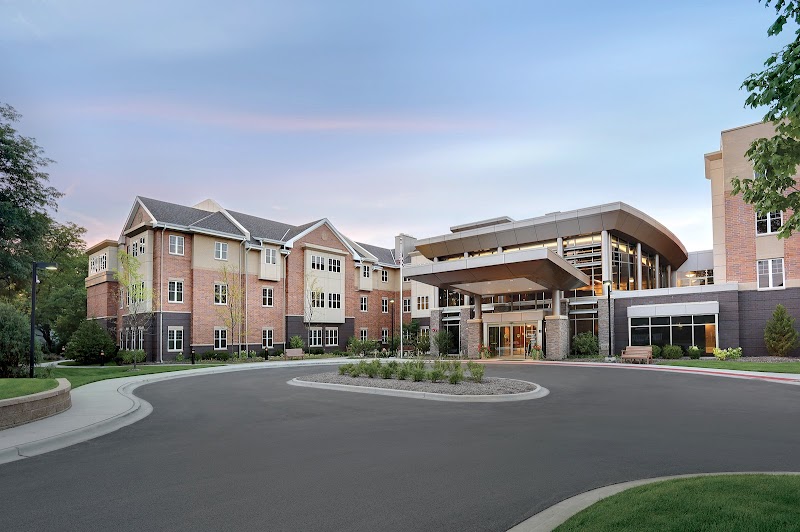
How is Lutheran Home For The Aged Staffed?

CMS rates LUTHERAN HOME FOR THE AGED's staffing level at 4 out of 5 stars, which is above average compared to other nursing homes. Staff turnover is 38%, compared to the Illinois average of 46%. This relatively stable workforce can support continuity of care.

What Have Inspectors Found at Lutheran Home For The Aged?

State health inspectors documented 47 deficiencies at LUTHERAN HOME FOR THE AGED during 2023 to 2025. These included: 1 Immediate Jeopardy (the most serious level, indicating potential for serious harm or death), 7 that caused actual resident harm, and 39 with potential for harm. Immediate Jeopardy findings are rare and represent the most serious regulatory concerns. They require immediate corrective action.

Who Owns and Operates Lutheran Home For The Aged?

LUTHERAN HOME FOR THE AGED is owned by a non-profit organization. Non-profit facilities reinvest revenue into operations rather than distributing to shareholders. The facility operates independently rather than as part of a larger chain. With 354 certified beds and approximately 235 residents (about 66% occupancy), it is a large facility located in ARLINGTON HTS, Illinois.
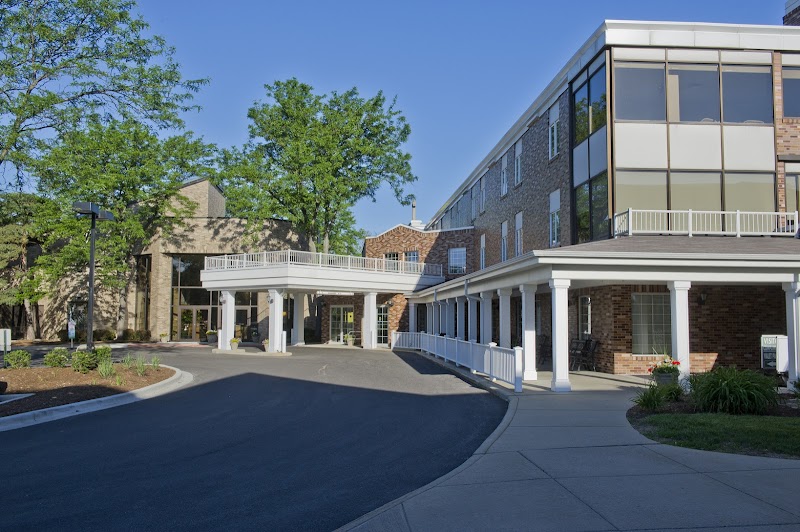
How Does Lutheran Home For The Aged Compare to Other Illinois Nursing Homes?

Compared to the 100 nursing homes in Illinois, LUTHERAN HOME FOR THE AGED's overall rating (3 stars) is above the state average of 2.5, staff turnover (38%) is near the state average of 46%, and health inspection rating (2 stars) is below the national benchmark.

What Should Families Ask When Visiting Lutheran Home For The Aged?

Based on this facility's data, families visiting should ask: "What changes have been made since the serious inspection findings, and how are you preventing similar issues?" "Can I visit during a mealtime to observe dining assistance and food quality?" "How do you handle medical emergencies, and what is your hospital transfer rate?" "Can I speak with family members of current residents about their experience?" These questions are particularly relevant given the facility's Immediate Jeopardy citations.

Is Lutheran Home For The Aged Safe?

Based on CMS inspection data, LUTHERAN HOME FOR THE AGED has documented safety concerns. Inspectors have issued 1 Immediate Jeopardy citation (the most serious violation level indicating risk of serious injury or death). The facility has a 3-star overall rating and ranks #1 of 100 nursing homes in Illinois. Families considering this facility should ask detailed questions about what corrective actions have been taken since these incidents.

Do Nurses at Lutheran Home For The Aged Stick Around?

LUTHERAN HOME FOR THE AGED has a staff turnover rate of 38%, which is about average for Illinois nursing homes (state average: 46%). Moderate turnover is common in nursing homes, but families should still ask about staff tenure and how the facility maintains care continuity when employees leave.

Was Lutheran Home For The Aged Ever Fined?

LUTHERAN HOME FOR THE AGED has been fined $194,069 across 7 penalty actions. This is 5.5x the Illinois average of $35,020. Fines at this level are uncommon and typically indicate a pattern of serious deficiencies, repeated violations, or failure to correct problems promptly. CMS reserves penalties of this magnitude for facilities that pose significant, documented risk to resident health or safety. Families should request specific documentation of what issues led to these fines and what systemic changes have been implemented.

Is Lutheran Home For The Aged on Any Federal Watch List?

LUTHERAN HOME FOR THE AGED is not on any federal watch list. The most significant is the Special Focus Facility (SFF) program, which identifies the bottom 1% of nursing homes nationally based on persistent, serious quality problems. Not being on this list means the facility has avoided the pattern of deficiencies that triggers enhanced federal oversight. This is a positive indicator, though families should still review the facility's inspection history directly.