MOORINGS OF ARLINGTON HEIGHTS
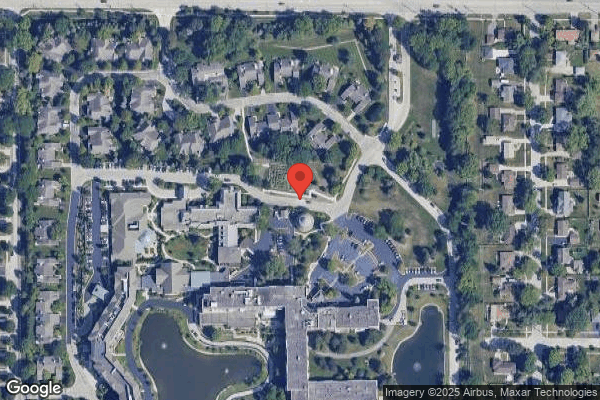
761 OLD BARN LANE, ARLINGTON HTS, IL 60005 (847) 364-2435
Non profit - Corporation 92 Beds Independent Data: November 2025
Trust Grade
88/100
#68 of 665 in IL
Last Inspection: April 2024

Within standard 12-15 month inspection cycle. Federal law requires annual inspections.

Overview

Moorings of Arlington Heights has a Trust Grade of B+, indicating it is above average and recommended for potential residents. It ranks #68 out of 665 facilities in Illinois, placing it in the top half, and #21 out of 201 in Cook County, meaning only 20 local options are better. However, the facility's trend is worsening, with issues increasing from 2 in 2023 to 3 in 2024. Staffing is a strength, rated 4 out of 5 stars, with a very low turnover of 0%, significantly better than the Illinois average of 46%. On the downside, the facility has incurred $3,250 in fines, which is average, but they do have more RN coverage than 97% of Illinois facilities, helping to catch potential issues. Specific incidents noted include a failure to maintain proper sanitizer levels in the dishwasher, which could affect resident safety. Additionally, there were concerns about not changing face masks and eye protection after caring for a COVID-positive resident, potentially risking infection spread. Finally, the facility did not adequately investigate a bruise on a resident's head of unknown origin, which raises concerns about the attention given to resident injuries. Overall, while there are strengths like good staffing and high RN coverage, the facility needs to address these significant concerns to improve its care quality.

Trust Score
B+
88/100
In Illinois
#68/665
Top 10%
Safety Record
Low Risk
No red flags
Inspections
Getting Worse
2 → 3 violations
Staff Stability
○ Average
Turnover data not reported for this facility.
Penalties
○ Average
$3,250 in fines. Higher than 74% of Illinois facilities. Some compliance issues.
Skilled Nurses
✓ Good
Each resident gets 115 minutes of Registered Nurse (RN) attention daily — more than 97% of Illinois nursing homes. RNs are the most trained staff who catch health problems before they become serious.
Violations
○ Average
8 deficiencies on record. Average for a facility this size. Mostly minor or procedural issues.
★★★★★
5.0
Overall Rating
★★★★☆
4.0
Staff Levels
★★★★★
5.0
Care Quality
★★★★★
5.0
Inspection Score
Stable
2023: 2 issues
2024: 3 issues

The Good

  • 4-Star Staffing Rating · Above-average nurse staffing levels
  • 5-Star Quality Measures · Strong clinical quality outcomes
  • Full Sprinkler Coverage · Fire safety systems throughout facility
  • No fines on record

Facility shows strength in staffing levels, quality measures, fire safety.

The Bad

Federal Fines: $3,250

Below median ($33,413)

Minor penalties assessed

The Ugly 8 deficiencies on record

Apr 2024 3 deficiencies
CONCERN (D)

Potential for Harm - no one hurt, but risky conditions existed

Abuse Prevention Policies (Tag F0607)

Could have caused harm · This affected 1 resident

Based on observation, interview, and record review the facility failed to follow their policy to investigate a bruise/injury of unknown origin for 1 of 16 residents (R33) reviewed for injuries of unkn...

Read full inspector narrative →
Based on observation, interview, and record review the facility failed to follow their policy to investigate a bruise/injury of unknown origin for 1 of 16 residents (R33) reviewed for injuries of unknown origin/abuse in the sample of 16. The findings include: R33's care plan dated 3/2/24 showed R33 was cognitively impaired related to her diagnosis of dementia. The plan showed R33 was legally blind, hard of hearing, and required staff assistance for all activities of daily living. On 4/15/24 at 9:30 AM, R33 was asleep in a high-back wheelchair located in the doorway of her room. A nickel-sized, light purple bruise was noted to R33's right temple/forehead area. On 4/15/24 at 9:30 AM, V4 Registered Nurse (RN) was asked about R33's bruise. V4 stated, I noticed the bruise sometime last week. The CNA (certified nursing assistant) brought it to my attention because he said the bruise wasn't there the day before. She hasn't had any falls. I am not sure what happened. She can't tell us what happened. Her skin is really thin, so I just thought she hit her head on something or rubbed her head. V4 stated she did not report R33's bruise to V2 Director of Nursing/DON or V1 Administrator. V4 stated she did not document R33's bruise/change in skin condition. On 4/15/24 at 11:35 AM, V5 Family of R33 stated she was notified of R33's bruise one day last week when I was visiting. V5 stated she did observe a bruise to R33's right forehead/temple area last week. On 4/16/24 at 8:17 AM, V6 CNA stated, I noticed (R33's) bruise one day last week. It was much darker initially. I don't exactly remember what day but she didn't have the bruise the day before, so I reported it to (V4 RN). If we notice a new bruise on a resident, we are to report it to a nurse right away so they can do an investigation. (R33) can't tell us how it happened. V6 stated he did not document R33's bruise/change in skin condition. On 4/16/24 at 8:47 AM, V2 DON stated R33 did have a discoloration to her head but she bruises easily. V2 DON stated R33 could not explain what caused the bruise due to her impaired cognition. V2 stated V4 RN did not report R33's bruise to her when it was found by V4. V2 DON stated bruises or injuries of unknown origin should be investigated. V2 DON stated no investigation had been done in regard to R33's new bruise. The facility's Prevention of Abuse, Neglect, and Exploitation policy dated 1/16/24 showed, Injuries of unknown origin may be indicators of abuse which may include, but are not limited to bruising, swelling, increased pain, changes in behaviors or physical indications that are different than the resident's baseline. Nursing staff is responsible for reporting unusual occurrences, including the appearance of bruises, lacerations, or other abnormalities observed. Upon report of such occurrence, a registered nurse is responsible for assessing the resident, reviewing the documentation, and immediately reporting the occurrence to the Abuse Coordinator (Healthcare Administrator) .
CONCERN (D)

Potential for Harm - no one hurt, but risky conditions existed

ADL Care (Tag F0677)

Could have caused harm · This affected 1 resident

Based on observation, interview, and record review the facility failed to provide ADL (activities of daily living) assistance to residents that required staff assistance for toileting/incontinence car...

Read full inspector narrative →
Based on observation, interview, and record review the facility failed to provide ADL (activities of daily living) assistance to residents that required staff assistance for toileting/incontinence care for 2 of 16 residents (R218, R31) reviewed for activities of daily living in the sample of 16. The findings include: 1. R218's care plan dated 4/12/24 showed R218 required the extensive assistance of staff for toileting. The care plan showed R218 had a history of urinary incontinence. On 4/15/24 at 9:36 AM, R218 was seated in a wheelchair in his room. A strong odor of urine was noted in the room. A circular, wet area was noted to the groin area of R218's sweatpants. R218 stated, I'm wet. I called someone to help clean me up. R218 stated he had been up in the wheelchair since 6:00 AM. R218 stated he was last toileted around 6:00 AM. At 9:40 AM, V3 Certified Nursing Assistant (CNA) entered R218's room. R218 stated to V3 CNA, I'm wet. V3 CNA stated to this surveyor, He was up in the wheelchair when I started my shift this morning at 7:00 AM. I haven't toileted him yet today. V3 CNA propelled R218, in his wheelchair, into the bathroom and assisted him onto the toilet. 2. R31's care plan dated 3/29/24 showed R31 required extensive to limited assistance of staff for transferring and toileting. The care plan showed R31 had a history of urinary incontinence. On 4/15/24 at 9:45 AM, R31 was seated on the side of her bed, dressed in pajamas. A strong odor of urine and stool was noted in R31's room. When R31 was asked when she was last toileted and/or had her incontinence brief changed, R31 stated, Sometime last night. At 9:47 AM, V3 CNA entered R31's room. V3 CNA took R31 into the bathroom. As V3 pulled back the adhesive clasp on the left side of R31's brief, R31's brief immediately dropped to R31's ankles due to the heaviness of R31's brief. R31's brief was saturated with dark yellow urine and stool. R31's buttocks were pink in color. V3 CNA stated this was the first time she had toileted or changed R31 since she started her shift at 7:00 AM. On 4/16/24 at 10:20 AM, V3 CNA stated staff are to toilet or change residents every two hours. The facility's Activities of Daily Living policy dated 6/30/23 showed every resident in the facility will maintain their abilities in Activities of Daily Living which included bathing, dressing, toileting, transferring, and eating. The policy showed, Resident who is unable to carry out Activities of Daily Living will receive the necessary services to maintain good nutrition, grooming, and personal, and oral hygiene.
CONCERN (F)

Potential for Harm - no one hurt, but risky conditions existed

Food Safety (Tag F0812)

Could have caused harm · This affected most or all residents

Based on observation, interview, and record review the facility failed to ensure the dishwasher final rinse sanitizer solution concentration was at the required level. This has the potential to affect...

Read full inspector narrative →
Based on observation, interview, and record review the facility failed to ensure the dishwasher final rinse sanitizer solution concentration was at the required level. This has the potential to affect all 51 resident's residing in the facility. The findings include: The CMS-671 dated 4/15/2024 lists total residents at 51. On 4/15/2024 at 10:15AM, a test strip was run by V8 Dietary with V9 Food Service Director present. Color of the test strip was a light pink/purple color correlating with the 10 result color on the color chart being used by staff. On 4/15/2024 at 10:15AM, V9 said the result should be 10-50 and thinks the log might be the wrong one. On 4/15/2024 at 11:03AM, V9 said the dishwasher isn't delivering the chemical and unsure why. V9 said the machine washing in that area is stopped for now and a company has been called to come look at the machine. V9 said that dishwasher is used for resident dishes in the building. V9 said the larger pots and pans are sent to the other kitchen. On 4/15/2024 at 11:55AM, V8 said she normally works in a different area. V8 said she just received some additional education today regarding the dishwasher and 10 is too low for that machine. V8 said she thought it was the wrong log for the machine. V8 said she didn't check the dishwasher in the morning, but [V7 Dietary] did. On 4/15/2024 11:59AM, V7 said she checked the machine in the morning, and it was low. V7 said sometimes the machine comes back low and sometimes high. V7 said it was low this time. On 4/17/2024 at 9:38AM, V9 said the machine was inspected and there was a crack in the line that pulls the chemical in. The facility provided Dish machine Temperature Record (Low Temperature Machine) shows chlorine rinse reference range as (50-99ppm). The facility's Dish machine Temperatures policy revised 1/24, states Low Temperature Machine Wash Temperature 120F, Final Rinse Sanitizer Solution Concentration 50-100ppm (parts per million) sodium hypochlorite (chlorine) on dish surface in final rinse (minimum of 100F).
Mar 2023 2 deficiencies
CONCERN (D)

Potential for Harm - no one hurt, but risky conditions existed

ADL Care (Tag F0677)

Could have caused harm · This affected 1 resident

Based on observation, interview, and record review the facility failed to ensure a resident with an extensive need for assistance was repositioned for one of two residents (R16) reviewed for ADLs (act...

Read full inspector narrative →
Based on observation, interview, and record review the facility failed to ensure a resident with an extensive need for assistance was repositioned for one of two residents (R16) reviewed for ADLs (activities of daily living) in the sample of 19. The findings include: On 3/14/23 at 11:30 AM, R16 was observed in supine position with her head off the pillow tilted to her left side. On 3/14/23 at 12:30 PM, R16 was observed in supine position with her head off the pillow tilted to her left side. On 3/14/23 at 2:00 PM, R16 was observed in supine position with her head off the pillow tilted to her left side. On 3/15/23 at 8:30 AM, R16 was observed in supine position with her head off the pillow tilted to her left side. On 3/15/23 at 11:30 AM, R16 was observed in supine position with her head off the pillow tilted to her left side. On 3/15/23 at 12:55 PM, R16 was observed in supine position with her head off the pillow tilted to her left side. On 3/15/23 at 1:35 PM, V3 (Nurse Manager) stated that the residents who need extensive assist for ADLs are turned at least every two hours. V3 stated that the CNAs (certified nursing assistants) document it on the kiosks that are stationed near the resident's rooms on the unit, after a task is done. On 3/15/23 at 2:00 PM, this surveyor reviewed the documentation, with V3, on the kiosks. The following was documented for R16: Bladder care on 3/14/23 at 6:19 AM, Bowel care on 3/14/23 at 9:56 PM, Morning care at 6:36 AM on 3/15/23. No other documentation for R16's repositioning was documented on 3/14/23 or 3/15/23. On 3/15/23 at 2:15 PM, V3 stated that the care plan is developed by the inter-disciplinary team and the family and, that is the actual care that is carried out for that resident. V3 also stated that to ensure that an order is carried out, the staff documents it after it is done or signs off on it. V3 stated that if it's not documented, it is considered as not done. On 3/16/23 at 1:17 PM, V7 (certified nursing assistant) stated that he repositions R16 every couple hour. V7 stated that if R16 is not repositioned, she would get a bedsore. R16's face sheet, printed on 3/16/23, showed her date of admission to the facility was on 2/18/2020 with diagnoses to include pressure ulcer of heel stage 3, Alzheimer's disease, muscle weakness, unspecified dementia, and severe protein-calorie malnutrition. R16's facility assessment printed on 3/16/23, showed R16 had severe cognitive impairment and required extensive assistance of two staff for Activities of Daily Living (ADLs). R16's POS (Physician Order Sheet) showed an order, dated 8/11/22, to reposition frequently. R16's Care Plan, initiated on 3/3/23, showed a problem of fragile skin and poor skin turgor. The interventions included, encourage to turn and reposition while in bed and in wheelchair. The facility policy number FT686, revised on 8/15/22, showed, Statement of Policy Promote the prevention of pressure injury development B. Plan/Intervention Redistribute pressure (repositioning, protecting heels etc.).
CONCERN (D)

Potential for Harm - no one hurt, but risky conditions existed

Infection Control (Tag F0880)

Could have caused harm · This affected 1 resident

Based on observation, interview, and record review the facility failed to ensure PPE (personal protective equipment) was worn in a manner to prevent cross contamination for one of two residents (R48) ...

Read full inspector narrative →
Based on observation, interview, and record review the facility failed to ensure PPE (personal protective equipment) was worn in a manner to prevent cross contamination for one of two residents (R48) reviewed for infection control in the sample of 19. The findings include: On 3/14/23 at 11:33 AM, R48 was observed with a large sign on the door of his room that said, STOP Enhanced Barrier Precautions. The signage had illustrations to show gloves and gowns must be worn when inside the room. The sign clearly stated gloves and gowns to be worn when high-contact resident care activities were performed. The care activities included, but were not limited to transferring, providing hygiene, changing briefs or assisting with toileting, and when a urinary catheter was in use. On 3/15/23 at 10:14 AM, the enhanced barrier sign was still on R48's door. This surveyor entered the resident's room and observed V4 (CNA-Certified Nurse Aide) standing next to R48 at the toilet. R48 had a urinary drainage bag attached to his right, upper thigh. V4 was assisting R48 to transfer from the toilet to the wheelchair. V4 wore gloves but was not wearing a gown. On 3/15/23 at 1:08 PM, V4 (CNA) was questioned regarding the enhanced barrier precautions for R48 and stated, I guess it is because he has a foley catheter. My understanding is a gown is only necessary in a COVID positive room. I am a travel aide and honestly the whole thing wasn't explained very well to me. This is my first time working in this facility and I am still learning the ways here. I don't wear gowns in the enhanced barrier rooms. I just wear gloves and use hand sanitizer before and after care. At 1:54 PM, V4 approached this surveyor and stated, I did go get clarification on that sign. The nurse told me the special precautions are for any resident with a foley catheter, wounds, feeding tube, and stuff like that. We do have to wear the gown and gloves when giving care. It is an extra form of protection against spreading germs. I probably should have had a gown on earlier. On 3/15/23 at 2:03 PM, V4 donned gloves and a gown then entered R48's room. V4 explained to R48 she was going to empty the urinary drainage bag attached to his thigh. V4 opened the drainage nozzle on the collection bag and drained the urine into a beaker. V4 was touching the tip of the nozzle with her gloves, resting the nozzle on the side of the beaker, and allowing the nozzle to float in the urine container. V4 closed the nozzle with her gloves and reinserted the nozzle into the bag holder. V4 did not alcohol off the nozzle before or after emptying the urinary bag. V4 went to the bathroom and dumped the urine into the toilet. V4 noticed R48's pants were wet and decided to change the leg bag into his nighttime, full collection bag. V4 continued wearing the same gloves and got the nighttime bag from the bathroom, which she laid on the floor next to the bed. V4 disconnected the leg bag tubing and connected the nighttime bag tubing. V4 did not alcohol any tubing during the process. R48's nighttime bag quickly filled with urine. V4 opened that bag and drained the urine into the collection beaker. V4 closed the nozzle and reinserted it into the bag. Again, V4 did not alcohol off the nozzle before or after emptying the nighttime bag. R48's nighttime bag remained lying on the floor during the entire bag exchange. V4 dumped the second beaker of urine into the toilet. Returned to the bedside and touched the wheelchair, bed linens, and assisted R48 to a lying down position. V4 finally removed her contaminated gloves that she had first donned upon entrance to the room and had continued to wear during the entire catheter care process. On 3/16/23 at 11:26 AM, V2 (Director of Nurses/Infection Control Preventionist) stated gowns are to be worn inside any enhanced barrier precaution room if there is prolonged resident contact. It is important for infection control. The gowns stop the spread of any secretion or fluids. Gowns protect staff so they don't become infected with an organism that a resident may have. It is important to stop the spread of germs to other residents and/or staff members. V2 said aides should be sanitizing catheter tubing with an alcohol swab before reinserting the drainage tubing back into the collection bags. Tubing should be sanitized before connecting to a different collection bag. Gloves should always be changed between dirty and clean areas. Fresh gloves are needed before touching anything. It is important to prevent the spread of contaminates to other surfaces. Catheter bags should not be placed on the floor. It is not a clean surface. There is the potential for the spread of organisms and infections, like UTIs (urinary tract infections). R48's March 2023 Physician Order Sheet showed the indwelling catheter was ordered on 2/28/23 and the Enhanced Barrier Precautions implemented the next day on 3/1/23. The facility's Enhanced Barrier Precautions policy dated 11/1/22 states under the procedure section: EBP will be implemented for all residents with any of the following- .indwelling medical devices (e.g. central line, urinary catheter, feeding tube, .) . The policy further states: 11. PPE, gloves and gowns, will be required for all staff providing high-contact care activities which include: .changing briefs or assisting with toileting, indwelling device care or use .urinary catheter . The facility's Standard Precautions policy last review dated 9/14/22 states: Gloves should be changed during care of residents to prevent cross contamination from one body site to another. The facility was unable to provide a policy related to changing urinary catheter collection bags.
Jan 2022 3 deficiencies
CONCERN (D)

Potential for Harm - no one hurt, but risky conditions existed

Pressure Ulcer Prevention (Tag F0686)

Could have caused harm · This affected 1 resident

**NOTE- TERMS IN BRACKETS HAVE BEEN EDITED TO PROTECT CONFIDENTIALITY** Based on observation, interview, and record review the facility failed to identify a pressure ulcer prior to becoming unstageabl...

Read full inspector narrative →
**NOTE- TERMS IN BRACKETS HAVE BEEN EDITED TO PROTECT CONFIDENTIALITY** Based on observation, interview, and record review the facility failed to identify a pressure ulcer prior to becoming unstageable and failed to ensure preventative measures were in place for 1 of 6 residents (R12) reviewed for pressure ulcers in the sample of 16. The findings include: On 1/05/22 at 10:00 AM, R12 was sitting up in bed wearing a hospital type gown. R12 had an air mattress in place and stated, I have a sore to my backside. I got it here. I didn't have it when I came in. There is a nurse that looks at it once a week; she was here yesterday. R12 stated staff do not come in and turn R12 every couple of hours. R12 stated, Occasionally someone will come in and put a pillow behind my back. I try to turn myself in bed so it will heal. It would be nice if they did come in and help turn me. R12's Nurses Notes showed R12 was admitted to the facility on [DATE]. On 10/11/21 a CNA (certified Nursing Assistant) noted a blister to the right buttock. It was shown to the nurse practitioner during rounds, and she gave an order for treatment. R12's Wound Skin Care Assessment Tools showed: On 10/13/21 she had a stage 2 pressure ulcer to R12's right buttock that was identified by the facility on 10/11/21 and healed on 11/8/21. On 11/4/21 R12 had a facility acquired, unstageable pressure ulcer to the coccygeal area that was identified on 11/4/21. The Wound Care Physicians Note dated 1/4/22 showed, Patient presents with a wound to (R12's) coccyx. (R12) has an unstageable (due to necrosis) to (R12's) coccyx for at least 53 days duration. There is moderate serous exudate. Past Medical History: Muscle Weakness, Venous Insufficiency, Diabetes Mellitus, Hyperlipidemia, and Hypothyroidism. Off-load wound; reposition per facility protocol; Turn side to side and front to back every 1-2 hours if able. R12's Care Plan dated 10/19/21 showed, R12 is at risk for skin breakdown. Coccygeal pressure injury will heal by next review. Turn and reposition R12 in bed and in wheelchair. On 1/05/22 at 2:10 PM, V8 RN (Registered Nurse/ Wound Care Nurse) stated, On 10/8/21 is when I first saw (R12) at 9:00 AM. I put a note in the computer. V8 reviewed the Wound Care Skin Assessment Tools for R12 dated 10/13/21 that showed 10/11/21 as the date the resident's wound was assessed. V8 stated, I didn't have a chance to put in the assessment right away. I documented it on 10/13/21. The right buttock wound healed on 11/8/21. A new wound that was facility acquired was identified to (R12's) coccyx on 11/4/21. It was unstageable when it was identified because there was slough in the wound so you cannot see the base of the wound. Staff are supposed to identify the pressure at any stage that they find it. Of course, ideally, they should find pressure at a stage I. R12 only has one wound to (R12's) coccyx now. The latest assessment was done yesterday on 1/4/21 and (R12) has an unstageable wound with daily dressing changes. The facility's Prevention and healing of pressure injuries and non-pressure related injuries policy (5/19/21) showed, Residents at the facility will not develop clinically avoidable pressure injuries. Residents admitted with pressure injuries will receive care and services to promote healing and prevent further injuries. Plan/Intervention: Implement individualized interventions to attempt to stabilize, reduce or remove each underlying risk factor. Prevention - redistribute pressure (repositioning, protecting heels.) Monitor/Evaluate: monitor and evaluate the resident's response to preventative efforts. Revise approaches as necessary. Nursing assistant observes and reports alteration in skin integrity. Notify the nurse of any change in skin condition. Nurse evaluates skin condition weekly or more often if indicated.
CONCERN (D)

Potential for Harm - no one hurt, but risky conditions existed

Deficiency F0809 (Tag F0809)

Could have caused harm · This affected 1 resident

Based on interview and record review the facility failed to ensure bedtime snacks were offered to 1 of 1 resident (R11) reviewed for bedtimes snacks in the sample of 16. The findings include: On 1/5/2...

Read full inspector narrative →
Based on interview and record review the facility failed to ensure bedtime snacks were offered to 1 of 1 resident (R11) reviewed for bedtimes snacks in the sample of 16. The findings include: On 1/5/21 at 11:00 AM, R11 stated, I am supposed to have crackers and cheese at bedtime because my doctor didn't want me to have low blood sugars during the night. It is on my meal ticket that I am supposed to have a bedtime snack, but they still didn't provide that. The Face Sheet dated 1/6/22 for R11 showed diagnoses including Type I Diabetes Mellitus with Ketoacidosis, Diabetic Autonomic Neuropathy, Acute Kidney Failure, Obesity, Gastroparesis, Chronic Kidney Disease, Hypertension, and Parkinson's Disease. The MDS (Minimum Data Set) dated 10/13/21 showed no impairment of memory and cognition. The Physician's Note dated 12/20/21 for R11 showed, History of present illness: Is a resident of the health center due to diabetic management needs. History of labile Diabetes Mellitus and recurrent Diabetic Ketoacidosis. Bedtime snack: crackers and cheese ordered per patient choice of snack when reviewed by me. R11's Physician Order Sheet for January 2022 showed to offer a bedtime snack and stated, Patient should get cheese and crackers every night at 8:30 PM or 9:00 PM. R11's Physician Order Sheet for January 2022 showed R11 receives the following: Levemir insulin 18 units in the morning and 8 units at bedtime; Novalog insulin 8 units at 8:00 AM, 12:00 PM and 5:00 PM. On 1/5/21 at 11:00 AM, during the group interview they stated, You can ask for bedtime snacks it is not a voluntary offering. They don't come around and ask if you want one. The residents in the group interview stated they would like bedtime snacks offered. On 1/06/22 at 8:50 AM, V2 DON (Director of Nursing) stated they have bedtime snacks available in the pantry and the residents have to request them. V2 stated bedtime snacks are not offered. V2 stated the residents on the first floor are alert and oriented and can ask for them. V2 stated it is different upstairs because those residents have memory problems. On 1/06/22 at 9:17 AM, V3 Director of Food Service stated, For bedtime snacks we assign a stocking sheet to a dietary aide. Then they gather what they need and deliver it to the units. We only have one resident that gets a snack all the time at bedtime because (R11) is diabetic and that is R11. (R11) is supposed to get a bedtime snack and it's delivered on (R11's) dinner tray because it is on the meal ticket. If nursing checks (R11's) blood sugar and its low nursing can grab additional snacks. Residents have to request snacks. The facility's HS (bedtime) Snacks policy (11/17/15) showed, Each resident is provided with a nourishing, palatable, well-balanced diet that meets their daily nutritional and special dietary needs. If necessary, in between nourishments are provided for residents as deemed necessary by the physician, registered dietician (RD) or designee, and/or at a resident's request. Bedtime snacks are in addition to three meals served daily, with no more than 14 hours between the start of dinner and breakfast.
CONCERN (E)

Potential for Harm - no one hurt, but risky conditions existed

Infection Control (Tag F0880)

Could have caused harm · This affected multiple residents

**NOTE- TERMS IN BRACKETS HAVE BEEN EDITED TO PROTECT CONFIDENTIALITY** Based on observation, interview, and record review, the facility failed to change and disinfect eye protection and face masks af...

Read full inspector narrative →
**NOTE- TERMS IN BRACKETS HAVE BEEN EDITED TO PROTECT CONFIDENTIALITY** Based on observation, interview, and record review, the facility failed to change and disinfect eye protection and face masks after caring for a COVID positive resident and before caring for COVID negative residents. The facility also failed to have signage for droplet precautions outside a COVID positive resident's room during a COVID-19 outbreak for seven of seven residents (R1, R10, R14, R30, R43, R46, R301) reviewed for infection control in the sample of 16. The findings include: On 1/4/22 at 11:11 AM, V6 Certified Nursing Assistant (CNA) entered R43's room to assist R43 with care. R43 did not have a face mask on. V6 was within six feet on R43. R43 was in a wheelchair next to the bed. V6 exited R43's room and did not remove, change, or disinfect her goggles and N95 mask. V6 walked around the unit caring for other residents and talking with staff. R43's room is located on the second floor in a locked dementia rehab unit. The unit had seven residents residing in rooms on the unit. On 1/4/22, R43's room door had two contact isolation signs and no droplet isolation sign during observations by two surveyors. On 1/4/22 at12:40 PM, R1, R10, R30, R46 and R301 were served lunch in the second-floor rehab unit and assisted by V6 and another CNA. R14 was in bed in R14's room. V6 brought lunch into R43's room. R43's face mask was under R43's chin. V6 cut up R43's food. After exiting R43's room, V6 did not remove, change or disinfect her face shield and N95 mask. V6 was asked why she now had a face shield on (instead of the goggles she had on earlier). V6 said they (goggles) didn't fit right. V6 then pulled two pairs of goggles out of her uniform pocket to show this surveyor. They were too small. V6 said she is the main person caring for R43 but assists with other resident care as well. V6 said R14 needs two people to help R14 so she helps the other CNA turn (R14) and stuff. V6 then returned to the dining area to assist the other residents as needed. On 1/5/22 at 9:42 AM, V2 Director of Nursing (DON) said on 1/1/22, R43 complained of watery eyes and congestion. R43 tested positive and told us then R43's brother who visited R43 (did not remember the date) had since tested positive for COVID-19. R43 couldn't remember the date. That's why R43 is on our dementia rehab unit. R43 is the only known COVID positive resident on the unit and the only resident on isolation. The facility's visitor log showed R43's brother last visited on 12/12/21. On 1/5/22 at 1:25 PM, V2 said (for COVID positive residents) full PPE is required goggles or a face shield and a N95 face mask when caring for the resident. A sign outside the door is posted to tell you the resident is on precautions and what PPE to wear. Placing isolations signs is important because we have an obligation to let anyone entering the room know what PPE (personal protective equipment) is recommended to prevent transmission. Contact isolation doesn't require eye protection. Droplet isolation requires an N95 mask and eye protection. Staff keep the same mask and eye protection on while caring for all residents. They don't disinfect or change them after caring for a COVID positive resident. I am not sure if that's per facility but that is what they are doing. V2 confirmed she is the facility's Infection Preventionist. On 1/5/22 at 2:22 PM, V4 Central Supply said she does not have trouble ordering PPE and receiving what is ordered. V4 said she had worked at the facility for over 30 years and the facility's current supply of N95's, goggles and face shields would not be considered contingency or crisis levels. We have about three weeks of PPE in stock and that was their norm. On 1/6/22 at 09:56 AM, V2 DON said V5 Licensed Practical Nurse developed symptoms while working on the subacute dementia unit (R43's unit) tested positive for COVID-19 and was sent home some time before lunch that day. V2 said V5 is a floater and works all areas of the facility. V2 said on 12/23/21, V5 worked in the assisted living area and was unsure where V5 worked prior to 12/23/21. On 1/6/22 at 10:32 AM, V2 said the facility declared an outbreak (COVID) on 12/22/21. The following second floor rehab unit staff tested positive for COVID: On 12/24/21, V5 LPN; on 12/26/21 V6 CNA; on 12/29/21 V13 social worker; and on 12/29/21 V14 maintenance worker for the health center. On 1/6/22 at 11:00 AM, V2 said it's not appropriate to wear same eye protection and N95 while caring for COVID positive and COVID negative residents. We now changed our practice to double masking (surgical mask over N95) and disinfecting eye protection. The other practice was in place before I came (four months ago). We learn from each other so thank you for pointing this out. The facility's rapid COVID testing log showed R43 tested positive for COVID on 1/1/22. R43's physician order sheet showed contact and droplet isolation were ordered on 1/1/22. The facility's vaccination log showed R1, R10, R14, R30, R43, R46, R301, V5, V6, and V14 were fully vaccinated for COVID-19. The facility's 1/5/22 PPE supply log showed 10,080 KN95 face masks, 14,000 surgical masks, 1200 goggles, and 950 face shields. The log did not indicate the number of N95 face masks. The facility's 11/24/21 Interim PPE use and Extended/Re-use of PPE during COVID-19 showed the intent of the optimization strategies is to use these options as PPE becomes stressed, running low or if facility is out. As the supply of PPE returns to normal, standard practices should be resumed. Place TBP (Transmission Based Precautions) signage outside each resident's room. Facemasks should not be reused. Reuse of face mask is not recommended unless there used as a crisis capacity strategy in limited situations with extended use. Extended wear is considered contingency use. Reuse is considered crisis use. Disposable respirators should be removed and discarded after exiting the resident's room. Extended use refers to the practice of wearing the same PPE for repeated [NAME] contact encounters with individual or multiple residents without removing the PPE between resident encounters. Extended use may be implemented when multiple residents are infected with the same respiratory pathogen and residents are placed together in dedicated units/areas. When to discard respirators/facemasks: There are times that it becomes important to discard the mask due to significant chance of contamination. These circumstances should be cause to discard a respirator/facemask and to secure a new unused respirator/facemask. Discard following close contact with, or exit from, the care area of any resident co-infected with an infectious disease requiring contact precautions. The facility's 12/30/21 Interim Policy for Suspected or Confirmed Coronavirus showed healthcare facilities should not be using crisis capacity strategies at this time. Place signage on the use of specific PPE.
Understanding Severity Codes (click to expand)
Life-Threatening (Immediate Jeopardy)
J - Isolated K - Pattern L - Widespread
Actual Harm
G - Isolated H - Pattern I - Widespread
Potential for Harm
D - Isolated E - Pattern F - Widespread
No Harm (Minor)
A - Isolated B - Pattern C - Widespread

Questions to Ask on Your Visit

  • "Can I speak with families of current residents?"
  • "What's your RN coverage like on weekends and overnight?"

Our Honest Assessment

Strengths
  • • Grade B+ (88/100). Above average facility, better than most options in Illinois.
  • • No major safety red flags. No abuse findings, life-threatening violations, or SFF status.
  • • $3,250 in fines. Lower than most Illinois facilities. Relatively clean record.
Concerns
  • • No significant concerns identified. This facility shows no red flags across CMS ratings, staff turnover, or federal penalties.
Bottom line: Generally positive indicators. Standard due diligence and a personal visit recommended.

About This Facility

What is Moorings Of Arlington Heights's CMS Rating?

CMS assigns MOORINGS OF ARLINGTON HEIGHTS an overall rating of 5 out of 5 stars, which is considered much above average nationally. Within Illinois, this rating places the facility higher than 99% of the state's 100 nursing homes. This rating reflects solid performance across the metrics CMS uses to evaluate nursing home quality.

How is Moorings Of Arlington Heights Staffed?

CMS rates MOORINGS OF ARLINGTON HEIGHTS's staffing level at 4 out of 5 stars, which is above average compared to other nursing homes.

What Have Inspectors Found at Moorings Of Arlington Heights?

State health inspectors documented 8 deficiencies at MOORINGS OF ARLINGTON HEIGHTS during 2022 to 2024. These included: 8 with potential for harm.

Who Owns and Operates Moorings Of Arlington Heights?

MOORINGS OF ARLINGTON HEIGHTS is owned by a non-profit organization. Non-profit facilities reinvest revenue into operations rather than distributing to shareholders. The facility operates independently rather than as part of a larger chain. With 92 certified beds and approximately 61 residents (about 66% occupancy), it is a smaller facility located in ARLINGTON HTS, Illinois.

How Does Moorings Of Arlington Heights Compare to Other Illinois Nursing Homes?

Compared to the 100 nursing homes in Illinois, MOORINGS OF ARLINGTON HEIGHTS's overall rating (5 stars) is above the state average of 2.5 and health inspection rating (5 stars) is much above the national benchmark.

What Should Families Ask When Visiting Moorings Of Arlington Heights?

Based on this facility's data, families visiting should ask: "Can I visit during a mealtime to observe dining assistance and food quality?" "How do you handle medical emergencies, and what is your hospital transfer rate?" "Can I speak with family members of current residents about their experience?"

Is Moorings Of Arlington Heights Safe?

Based on CMS inspection data, MOORINGS OF ARLINGTON HEIGHTS has a clean safety record: no substantiated abuse findings (meaning no confirmed cases of resident harm), no Immediate Jeopardy citations (the most serious violation level indicating risk of serious injury or death), and is not on the Special Focus Facility watch list (a federal program monitoring the lowest-performing 1% of nursing homes). The facility has a 5-star overall rating and ranks #1 of 100 nursing homes in Illinois. While no facility is perfect, families should still ask about staff-to-resident ratios and recent inspection results during their visit.

Do Nurses at Moorings Of Arlington Heights Stick Around?

MOORINGS OF ARLINGTON HEIGHTS has not reported staff turnover data to CMS. Staff turnover matters because consistent caregivers learn residents' individual needs, medications, and preferences. When staff frequently change, this institutional knowledge is lost. Families should ask the facility directly about their staff retention rates and average employee tenure.

Was Moorings Of Arlington Heights Ever Fined?

MOORINGS OF ARLINGTON HEIGHTS has been fined $3,250 across 1 penalty action. This is below the Illinois average of $33,111. While any fine indicates a compliance issue, fines under $50,000 are relatively common and typically reflect isolated problems that were subsequently corrected. Families should ask what specific issues led to these fines and confirm they've been resolved.

Is Moorings Of Arlington Heights on Any Federal Watch List?

MOORINGS OF ARLINGTON HEIGHTS is not on any federal watch list. The most significant is the Special Focus Facility (SFF) program, which identifies the bottom 1% of nursing homes nationally based on persistent, serious quality problems. Not being on this list means the facility has avoided the pattern of deficiencies that triggers enhanced federal oversight. This is a positive indicator, though families should still review the facility's inspection history directly.