AVISTON COUNTRYSIDE MANOR
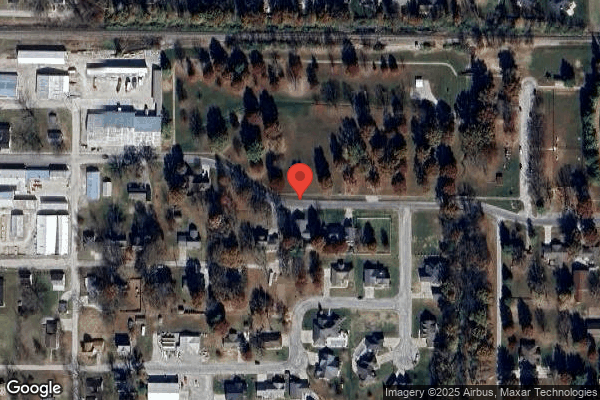

450 WEST 1ST STREET, AVISTON, IL 62216 (618) 228-7615
For profit - Corporation 97 Beds PALLADIAN HEALTHCARE Data: November 2025 1 Immediate Jeopardy citation
Trust Grade
33/100
#221 of 665 in IL
Last Inspection: June 2024

Within standard 12-15 month inspection cycle. Federal law requires annual inspections.

Overview

Aviston Countryside Manor has received a Trust Grade of F, which indicates significant concerns about the facility's care quality. Ranking #221 out of 665 nursing homes in Illinois places it in the top half of facilities in the state, while being #2 of 4 in Clinton County means only one local option is better. The facility is currently improving, having reduced its issues from 8 in 2023 to just 1 in 2024. Staffing is a weak point, with a low rating of 1 out of 5 stars and a turnover rate of 52%, which is about average for Illinois but suggests instability. However, the nursing home has good RN coverage, exceeding 76% of other facilities in the state, which can help catch problems that other staff might miss. There have been significant issues reported as well. For example, a resident developed a serious Stage IV pressure ulcer due to a failure to provide proper monitoring and treatment, leading to a hospital admission. Another incident involved a resident who fell while being assisted by only one staff member instead of the required two, resulting in multiple skin tears. Additionally, there were concerns about food safety in the facility, as some food items were not properly labeled or dated, posing a risk for foodborne illnesses. Overall, while there are some positive aspects, the serious incidents and poor staffing ratings raise valid concerns for families considering this nursing home.

Trust Score
F
33/100
In Illinois
#221/665
Top 33%
Safety Record
High Risk
Review needed
Inspections
Getting Better
8 → 1 violations
Staff Stability
⚠ Watch
52% turnover. Above average. Higher turnover means staff may not know residents' routines.
Penalties
✓ Good
$108,318 in fines. Lower than most Illinois facilities. Relatively clean record.
Skilled Nurses
⚠ Watch
Each resident gets only 20 minutes of Registered Nurse (RN) attention daily — below average for Illinois. Fewer RN minutes means fewer trained eyes watching for problems.
Violations
⚠ Watch
14 deficiencies on record. Higher than average. Multiple issues found across inspections.
★★★☆☆
3.0
Overall Rating
★☆☆☆☆
1.0
Staff Levels
★★☆☆☆
2.0
Care Quality
★★★★☆
4.0
Inspection Score
Stable
2023: 8 issues
2024: 1 issues

The Good

  • Full Sprinkler Coverage · Fire safety systems throughout facility
  • No fines on record

Facility shows strength in fire safety.

The Bad

3-Star Overall Rating

Near Illinois average (2.5)

Meets federal standards, typical of most facilities

Staff Turnover: 52%

Near Illinois avg (46%)

Higher turnover may affect care consistency

Federal Fines: $108,318

Well above median ($33,413)

Significant penalties indicating serious issues

Chain: PALLADIAN HEALTHCARE

Part of a multi-facility chain

Ask about local staffing decisions and management

The Ugly 14 deficiencies on record

1 life-threatening 1 actual harm
Jun 2024 1 deficiency
CONCERN (D)

Potential for Harm - no one hurt, but risky conditions existed

Accident Prevention (Tag F0689)

Could have caused harm · This affected 1 resident

**NOTE- TERMS IN BRACKETS HAVE BEEN EDITED TO PROTECT CONFIDENTIALITY** Based on observation, interview, and record review, the facility failed to provide proper supervision to prevent falls for 1 of ...

Read full inspector narrative →
**NOTE- TERMS IN BRACKETS HAVE BEEN EDITED TO PROTECT CONFIDENTIALITY** Based on observation, interview, and record review, the facility failed to provide proper supervision to prevent falls for 1 of 7 residents (R45) reviewed for supervision to prevent accidents in the sample of 28. Findings include: 1. R45's Face Sheet documents she was admitted on [DATE] with the diagnosis of Orthostatic Hypotension. On 6/23/24 at 9:30 AM R45 has purple bruises to her face around her left eye and a bruised purple underneath her right eye. R45 has purple linear bruises on her neck. R45 stated I had to pee, I thought I could do it, but I hadn't taken my Midrin and I got dizzy and fell from the commode. R45's Physician Order Sheet dated 1/17/24 documents STAT (immediate) cardio referral. R45's Administrative Note dated 1/17/24 documents Called (local) Cardio referring to STAT Cardio referral. Waiting for a call back to schedule appointment. Administrative Note, dated 1/25/24, documents Got in contact with (A local hospital) Cardiology regarding Cardio referral. Faxing all information over and office will review and contact R45 or myself (V11) to schedule an appointment. Phone: (office phone numbers and office fax numbers). R45's Nursing Note dated 1/27/24 documents Resident seen by NP (Nurse Practitioner) with new order Diclofenac gel 1% 4G to L knee 4 x (times) daily PRN (whenever necessary). Draw CBC (complete blood count), BMP (Basic metabolism Panel), lipid panel, vit (vitamin) D, A1C. Obtain orthostatic BP (blood Pressure) daily 3 days, send results. There was no documentation regarding the Cardiology referral. R45's Minimum Data Set (MDS) dated [DATE] documents for transferring R45 requires partial to moderate assist, and when going from sit to stand she is a substantial/maximal assistance. R45's Care Plan dated 1/27/24 documents Resident is at risk for falls due to weakness 1/27/2024 assisted to floor by nurse and 6/2/2024 fall in room. R45's Care Plan Interventions documented Order comprehensive medication review by pharmacist, assess for polypharmacy and medications that increase the fall risk which was created on 1/29/24. The following approaches documented 1/29/24, Assessment and treatment for postural/orthostatic hypotension; 1/29/24, Provide individualized toileting interventions based on needs/patterns; 1/29/24, Resident educated to use her call light and wait for staff assistance; 3/4/24, Falling star program initiated; 6/2/24, Send to ER evaluation as ordered; and 6/2/24, Resident to use her call light and ask for staff assistance when feeling dizzy. R45's Care Plan did not address R45's orthostatic hypotension and what approaches staff should use to address this problem. R45's Safety Events Event Report Fall and Investigation dated 1/27/24 documents resident fell this morning while transferring to BSC (Bedside Commode) This nurse was assisting resident to BSC and caught resident when she fell and assisted her to the ground no injury noted. R45's 6/2/24 Nurse's Note documents Res (resident) observed lying face down on bedroom floor with BSC (bedside commode) to R (right) of her. Res stated she became dizzy and fell forward off of BSC onto floor. Dark purple hematoma to L eye. Gait belt on place, gripper socks in place. Res c/o (complained of) of generalized discomfort. Transferred with 2 assist and gait belt back to BSC as resident requested. CNA (Certified Nursing Assistant) remained with resident. Writer notified PCP (Primary Care Physician) and called EMS (Emergency Medical Service) for transport to Local Hospital Emergency Department) r/t (related to) fall with hematoma to L eye and use of Eliquis & Plavix. Awaiting arrival of EMS. Report called to (Local Hospital Emergency Department) at this time. Awaiting EMS arrival. Nurses note dated 6/3/24 documents Resident returned from (Regional Teaching Hospital following fall with hematoma to L eye. Res was under observation during hospitalization. Returned via EMS with 2 attendants, transferred from stretcher to bed with 2 assists of EMS. Res A&O (Alert and Oriented) x4, able to make needs known. Res to f/u (follow up) with Ophthalmologist per discharge instructions. Plavix and Eliquis on hold x 5 days, then may resume. Discharge orders/instructions reviewed. re-admission assessments completed. PCP Primary Care Physician notified of return. Will continue current POC (Plan of Care). R45's Safety Events Event Fall and Investigation dated 6/2/24 documents resident observed lying face down on bedroom floor with BSC to the right of her. Resident stated she became dizzy and fell forward off the BSC onto the floor. Dark purple hematoma to left eye gait belt in place gripper socks in place. Resident complained of generalized discomfort transferred with 2 assist and gait belt bake to BSC as resident requested Vital signs CNA (Certified Nurse's Assistant) remained with resident EMS (Emergency Medical System) transported to Local Hospital Emergency Room) related to fall. R45's Physician Order Sheet dated 6/24/24 documents referral to cardiology r/t (related to) orthostatic hypertension. R45's Administrative Note dated 6/25/24 documents faxed cardiology referral to (local) Cardio. Will call office to f/u (follow up). Will notify resident, family, and physician. R45's Fall Risk assessment dated [DATE] documents R45 is a moderate risk for falls. On 6/25/24 at 3:16 PM V12 Physician stated, Maybe she became bradycardic I don't see that they could have done anything different if she asked for privacy. On 6/25/24 at 2:00PM V18 CNA stated, that morning she rang to get her on the commode. She is a two person assist. Me (V18) and (V19, CNA) got her on the commode. She likes her privacy, so I gave her the call light and left to go across the hallway to help another resident I heard all of the commotion. I heard later what happened. On 6/26/24 10:00 AM V2 Director of Nursing stated, If I know a resident had falls at home or has a high score on the John Hopkins fall assessment, we put them on the falling stars program. It just indicates the resident is high risk for falls. They called her back about the cardiology appointment and she declined. She likes to go out to eat but she does not like to leave the building. R45's Electronic Health Record was reviewed, and a refusal to go to cardiology was not documented. On 6/26/24 at 11:00 AM V5 Licensed Practical Nurse, LPN, stated, I entered the room. She (R45) was lying on the floor. I assessed her (R45), and she complained of generalized pain. Her (R45) vital signs were normal. She (R45) stated she got dizzy and fell from the bedside commode. Her eye was bruised, and she (R45) had a hematoma. No, I wouldn't expect the staff to stay with her if she asked for privacy. Yes, I did know she had Orthostatic Hypotension. We assisted her back to the bedside commode. We sent her out due to blood thinners. On 6/26/24 at 12:05 PM V19, CNA stated, I got her up and put her on the bedside commode. She (R45) asked me to give her, her phone, because she had to do number two. I gave her the call light and the telephone, and left the room, because she is alert and oriented. She stated she got dizzy and fell from the commode. Facility policy, updated July 2014, documents It is the policy of (the facility) to decrease the number of falls in the facility. The Fall Program is designed to facilitate recognition of residents that are at a high risk of falls. Residents will be placed in the Fall Program if their fall risk assessment identifies them at high risk, or if determined by the interdisciplinary team.
Aug 2023 5 deficiencies
CONCERN (D)

Potential for Harm - no one hurt, but risky conditions existed

Respiratory Care (Tag F0695)

Could have caused harm · This affected 1 resident

Based on observation, interview, and record review, the facility failed to provide distilled water and cleaning for Continuous Positive Airway Pressure (CPAP) machines for 2 of 2 residents (R2, R25) r...

Read full inspector narrative →
Based on observation, interview, and record review, the facility failed to provide distilled water and cleaning for Continuous Positive Airway Pressure (CPAP) machines for 2 of 2 residents (R2, R25) reviewed for respiratory therapy in the sample of 37. Findings include: R2's Physician Order Sheet (POS) dated 3/8/23 documents CPAP home setting with 2 liters of oxygen bled into CPAP apply at HS (Bedtime) remove upon rising. R2's Care plan dated 6/22/23 and revised on 8/2/23 documents resident (R2) will have an effective respiratory rate and depth and rhythm. R2's Care Plan intervention is assessing signs of ineffective breathing. The CPAP Care Plan does not document the cleaning of the CPAP machine or the changing of the filters. R2's July and August 2023 Medication Administration Record (MAR) documents CPAP at home setting with 2L 02 bled into CPAP twice a day apply at HS and remove upon rising. This MAR did not document cleaning of the CPAP machine. On 8/17/23 at 9:50 AM, V3 (Assistant Director of Nursing/ADON) stated the CPAP was not found on the treatment sheet, but it is found on the MAR. On 8/17/23 at 11:00 AM, R2's (Company name) CPAP machine was on his nightstand. The CPAP machine was on and running. V12 (Certified Nursing Assistant/CNA) turned it off when it was brought to her attention. The (CPAP Company's) Website dated 2021 documents R2's CPAP machine had been recalled due a defective foam. 08/17/23 10:21 AM, V15 (Registered Nurse/RN) and V11 LPN (Licensed Practical Nurse) both stated they think the night should be cleaning R2's CPAP machine. They both noted it comes up on the MAR to put the water in and place it. V15 (RN) also stated, The family comes in to clean the machines. Although we shouldn't rely on them. On 08/17/23 12:04 PM, V16 (R2's Power of Attorney/POA) stated, I've been bringing in the water (distilled) because they (the facility) want 6 dollars a gallon. I've been cleaning his machine. On 08/18/23 at 2:00 PM, V3 (ADON) stated, I called the family about the recall, and they stated the company sent out a new machine, but they didn't like it and instead sent the old machine to the facility. The family will bring out the new machine. V3 (ADON) stated, I talked with the family and let them know that we will now supply water and clean the machine. The (CPAP Company) User Manual dated 2018, which states, Rinse the blue pollen filter at least every two weeks and replace with a new one every six months. The disposable light blue filter should be replaced after 30 months. The tubing and mask adapter should be washed with warm water and liquid dish soap before the first use and daily. 2. R25's POS dated 4/24/23 documents CPAP at HS (hour of sleep) at home setting, apply at HS, and remove upon rising bleed 2L 02 into CPAP. R25's Progress Note dated 1/18/23 documents Family in office at this time upset that resident does not have distilled water for her CPAP. Aggressive with V20 (CNA) telling her that she will not leave until V20 (CNA) brings distilled water to her. CNA told family member we do not have distilled water for CPAP, and she requested to speak with myself (V21-ADON). Discussed with family that if we are to supply distilled water, we will have to order from (Supply Company), and it is $18 for 6 gallons to be billed to family. Stated understanding and took my card and said she would discuss with family and let me know if they want us to supply the distilled water. Will follow up with family. On 8/17/23 at 10:00 AM, V17 (R25's POA) stated, We bring in the distilled water, because the facility wants to charge us 6 dollars a gallon for the water. I bring in a vinegar solution to clean the machine, but I doubt they are cleaning the machine. R25's CPAP Care Plan dated 12/16/22 and revised 7/26/23 documents goal the resident will state feeling rested her (R25) intervention or approach is assure CPAP is applied and in working order. (This CPAP Care Plan does not document cleaning of the CPAP or changing of the filters.) The undated (R25's CPAP Company) Clinical Guide documents empty the humidifier tub and wipe it thoroughly with a clean disposable cloth. Allow it to dry out of direct sunlight. refill the humidifier tub with distilled water daily. Weekly wash the components using one of the following options: wash the humidifier tub, air tubing, and outlet connector with warm water using a household dishwashing liquid. The air tubing should not be washed in temperatures higher than 149 Fahrenheit or wash the humidifier and outlet connector in a solution of 1 part vinegar and 9 parts water wash the air tubing in warm water using a household dishwashing liquid. the air tubing should not be washed in temperatures higher than 149 Fahrenheit. rinse each component thoroughly in water and allow to dry out of direct sunlight and heat. wipe the exterior of the device with a dry cloth. The air filter is not washable or reusable. The facility policy entitled CPAP Support dated July 2014 documents To provide the spontaneously breathing resident with continuous positive airway pressure with or without supplemental oxygen. To improve arterial oxygenation in residents with respiratory insufficiency, obstructive to sleep apnea or restrictive/obstructive lung disease.
CONCERN (E)

Potential for Harm - no one hurt, but risky conditions existed

Resident Rights (Tag F0550)

Could have caused harm · This affected multiple residents

**NOTE- TERMS IN BRACKETS HAVE BEEN EDITED TO PROTECT CONFIDENTIALITY** Based on interview and record review, the facility failed to answer call lights and address resident's needs in a timely manner ...

Read full inspector narrative →
**NOTE- TERMS IN BRACKETS HAVE BEEN EDITED TO PROTECT CONFIDENTIALITY** Based on interview and record review, the facility failed to answer call lights and address resident's needs in a timely manner for 4 of 4 residents (R9, R29, R30, and R52) reviewed for dignity in the sample of 37. Findings include: On 8/16/23 at 12:38 PM, during the Group Resident Council Meeting, R9, R29, R30, and R52 all stated it often takes more than an hour to get help, especially around bedtime. R9's Minimum Data Set (MDS) dated [DATE] documented R9 was cognitively intact. R29's MDS dated [DATE] documented R29 was moderately cognitively impaired. R30's MDS dated [DATE] documented R30 was cognitively intact. R52's MDS dated [DATE] documented R52 was moderately cognitively impaired. On 8/17/23 at 12:21 PM, V10 (Certified Nurse Aide/CNA), stated sometimes residents have to wait a while for assistance. On 8/17/23 at 12:24 PM, V11 (Licensed Practical Nurse/LPN), stated each hallway could use an extra CNA to help out with call lights. On 8/17/23 at 12:26 PM, V12 (Certified Nurse Aide/CNA) stated, I'm a little preoccupied right now. I've got somebody in bed trying to get them on the bed pan, and I'm helping with a transfer, and somebody else needs to get in the shower. On 8/27/23 at 12:28 PM, V4 9 Certified Nurse Aide/CNA) stated, I've had residents crying because it takes so long for us to help them, and it's not fair for them to wait 45 minutes to use the bathroom or whatever it is they need to do. On 8/16/23 at 1:57 PM, V9 (CNA Scheduler) stated sometimes there is no CNA on A Hall, so the nurses on B and C Halls have to split up A Hall. The Facility's Resident Council Meeting Minutes dated 8/24/22 documents, Residents stating takes 40 plus minutes to have call light answered to use toilet. (More than 2 residents reported this.) The Facility's Resident Council Meeting Minutes dated 10/21/22 document, Residents state that they are having slow response to answering call lights. The Facility's Resident Council Meeting Minutes dated 11/21/22 document, Lack of availability to respond to call lights, getting meals timely, environment cleaned, etc. On 8/18/23 at 9:32 AM, V3 (Assistant Director of Nursing/ADON) stated she expects staff to answer call lights as promptly as possible. The Facility's Call Light Policy, undated, documents, The facility will have all call lights in working order. These call lights will be accessible to the residents and will be answered promptly by staff. All nursing personnel must be aware of call lights at all times. Answer ALL call lights promptly whether or not you are assigned to the resident. Answer all call lights in a prompt, calm, courteous manner.
CONCERN (E)

Potential for Harm - no one hurt, but risky conditions existed

Deficiency F0725 (Tag F0725)

Could have caused harm · This affected multiple residents

**NOTE- TERMS IN BRACKETS HAVE BEEN EDITED TO PROTECT CONFIDENTIALITY** Based on interview and record review, the facility failed to provide sufficient nursing staff to assure resident safety and att...

Read full inspector narrative →
**NOTE- TERMS IN BRACKETS HAVE BEEN EDITED TO PROTECT CONFIDENTIALITY** Based on interview and record review, the facility failed to provide sufficient nursing staff to assure resident safety and attain or maintain the highest practicable physical, mental, and psychosocial well-being of 4 of 4 residents (R9, R29, R30, and R52) reviewed for staffing in the sample of 37. Findings include: On 8/16/23 at 12:38 PM, during the Group Resident Council Meeting, R9, R29, R30, and R52 all stated nurse aid staffing has become a problem. They stated it often takes more than an hour to get help, especially around bedtime. R9's Minimum Data Set (MDS) dated [DATE] documented R9 was cognitively intact. R29's MDS dated [DATE] documented R29 was moderately cognitively impaired. R30's MDS dated [DATE] documented R30 was cognitively intact. R52's MDS dated [DATE] documented R52 was moderately cognitively impaired. On 8/17/23 at 12:21 PM, V10 (Certified Nurse Aide/CNA) stated she was assigned to C Hall but was helping out with a resident on A Hall. She stated sometimes residents have to wait a while for help due to CNA staffing. On 8/17/23 at 12:24 PM, V11 (Licensed Practical Nurse/LPN) stated each hallway could use an extra CNA to help out with things like showers and call lights. On 8/17/23 at 12:26 PM, V12 (CNA) stated, I'm a little preoccupied right now. I've got somebody in bed trying to get them on the bed pan, and I'm helping with a transfer, and somebody else needs to get in the shower. On 8/27/23 at 12:28 PM, V4 (CNA) stated weekend staffing is atrocious. She stated CNAs get residents up and ready, take them to the dining room, help serve and feed them, then clean them up and put them in bed or take them to activities or whatever they want to do. V4 stated the hallways have four or five showers to be given each morning on top of everything else. She stated, I've had residents crying, because it takes so long for us to help them, and it's not fair for them to wait 45 minutes to use the bathroom or whatever it is they need to do. V13 (CNA) agreed that the facility needs more CNAs. On 8/16/23 at 1:57 PM, V9 (CNA Scheduler) stated typically there is one CNA on A Hall and two CNAs on B and C Halls, but sometimes there is no CNA on A Hall so the nurses on B and C Halls have to take A Hall and split it. On 8/17/23 at 9:44 AM, V1 (Administrator) stated the facility meets minimum staffing requirements, but the residents want more staff, and that has been ongoing. The Facility's Resident Council Meeting Minutes dated 8/24/22 documents, Residents stating takes 40 plus minutes to have call light answered to use toilet. (More than 2 residents reported this.) The Facility's Resident Council Meeting Minutes dated 10/21/22 document, Residents state that they are having slow response to answering call lights. The Facility's Resident Council Meeting Minutes dated 11/21/22 document, Residents feel that staffing shortages are affecting quality of care. Lack of availability to respond to call lights, getting meals timely, environment cleaned, etc. On 8/18/23 at 9:32 AM, V3 (Assistant Director of Nursing/ADON) stated she expects staff to answer call lights as promptly as possible. The Facility's Staffing Policy revised 7/2019 documents, Our facility provides adequate staffing to meet needed care and services for our resident population. Our facility maintains adequate staffing on each shift to ensure that our resident's needs and services are met. Licensed registered nursing and licensed nursing staff are available to provide and monitor the delivery of resident care services. Certified Nursing Assistants are available on each shift to provide the needed care and services of each resident as outlined on the resident's comprehensive care plan.
CONCERN (E)

Potential for Harm - no one hurt, but risky conditions existed

Antibiotic Stewardship (Tag F0881)

Could have caused harm · This affected multiple residents

**NOTE- TERMS IN BRACKETS HAVE BEEN EDITED TO PROTECT CONFIDENTIALITY** Based on interview and record review, the facility failed to establish an infection prevention and control program that reduces...

Read full inspector narrative →
**NOTE- TERMS IN BRACKETS HAVE BEEN EDITED TO PROTECT CONFIDENTIALITY** Based on interview and record review, the facility failed to establish an infection prevention and control program that reduces the risk of adverse events, including the development of antibiotic-resistant organisms, from unnecessary or inappropriate antibiotic use in 5 of 5 residents (R5, R16, R35, R50, and R217) reviewed for antibiotic stewardship in the sample of 37. Findings include: 1. The Facility's Infection Tracker documents R50's 6/29/23 onset infection type as Prophylaxis. R50's Order History documents order for Trimethoprim tablet; 100 mg (milligrams); Take one tablet by mouth at bedtime for long term abx (antibiotics) for tx (treatment) of frequent UTI (Urinary Tract Infection) with start date of 4/1/22 and end date of 8/15/23. R50's Medication Administrator Record (MAR) for the months of May 2023 through August 2023 document R50 received 106 doses of Trimethoprim. R50's Progress Note dated 7/28/23 at 2:44 PM documents, This nurse informed NP (Nurse Practitioner) of resident long-term use of antibiotic for history of UTI (Urinary Tract Infection). At this time, NP wants to continue and let hospice address. Waiting callback from hospice. R50's Progress Note dated 8/11/23 at 3:01 PM documents, This nurse called hospice in regarding long-term antibiotic use. awaiting callback. On 8/17/23 at 8:40 AM, V3 (Assistant Director of Nursing/ADON and Infection Control Preventionist/ICP) stated R50 was on Trimethoprim prior to admission, and the Facility does not have a culture. On 8/18/23 at 8:37 AM, V3 stated she expects the Facility to obtain a culture for any residents receiving antibiotics to treat urinary infections. 2. R5's Face Sheet undated documents diagnosis as Enterocolitis due to Clostridium difficile, recurrent. R5's Minimum Data Set (MDS) dated [DATE] documents R5 is cognitively intact is occasionally of bladder, frequently incontinent of bowel, is not on a bowel or bladder training program. R5's MDS documents antibiotics are documented as a medication that R5 received in past 6 days. R5's Physician Order Report undated documents orders Dificid (fidaxomicin) tablet 200 milligram (mg), 1 tab twice a day for 11 days. Start date 5/27/23 and End date 6/7/23. Cephalexin 500 milligram (mg) capsule 1 tab four times a day. Start date 5/27/23 and End date 6/3/23; Vancomycin 125 mg tablet every 6 hours (four times a day) for 14 days. Start date 6/22/23 and End date 7/6/23; Vancomycin 125 mg tablet, twice a day for 7 days. Start date 7/7/23 and End date 7/14/23; Vancomycin 125 mg tablet, once a day for 7 days. Start date 7/15/23 and End date 7/22/23 and Vancomycin 125 mg tablet, 1 tablet every other day for 28 days. Start date 7/23/23 and End date 8/16/23. R5's electronic Medication Administration Record (eMAR) dated 01/01/23-01/31/23 documents R5 received 8 out of 8 doses of 500mg of Levofloxacin with a Start date 1/10/23 and End date 1/17/23. R5's (eMAR) dated 03/01/23-03/31/23 documents R5 received 18 out of 18 doses of 500 mg of Cephalexin three times a day with a Start date 03/26/23 and End date 04/01/23. R5's (eMAR) dated 04/01/23-04/30/23 documents R5 received 3 out of 3 doses of 875-125 mg of Amoxicillin-pot Clavulanate with a Start date 04/14/23 and End date 04/15/23. R5's (eMAR) dated 04/01/23-04/30/23 documents R5 received 18 out of 18 doses of 875-125 mg of Amoxicillin-pot Clavulanate with a Start date 04/15/23 and End date 04/23/23. R5's (eMAR) dated 04/01/23-04/30/23 documents R5 received 3 out of 3 doses of 500 mg Cephalexin with a Start date 03/36/23 and End date 04/01/23. R5's (eMAR) dated 05/01/23-05/31/23 documents R5 received 4 out of 4 doses of 500 mg Cephalexin with a Start date 05/21/23 and End date 05/22/23. R5's (eMAR) dated 05/01/23-05/31/23 documents R5 received 18 out of 18 doses of 500 mg Cephalexin with a Start date 05/27/23 and End date 06/03/23. R5's (eMAR) dated 05/01/23-05/31/23 documents R5 received 4 out of 4 doses of 200 mg Dificid (fidaxomicin) with a Start date 05/27/23 and End date 06/07/23. R5's (eMAR) dated 05/01/23-05/31/23 documents R5 received 1 out of 1 dose of 1-gram Ertapenem injection (administer 1,000 mg-3.57 mL) with a Start date 05/27/23 and End date 05/28/23. R5's (eMAR) dated 05/01/23-05/31/23 documents R5 received 3 out of 3 doses of 1-gram Ertapenem injection (administer 1,000 mg-3.57 mL) daily for 4 days with a Start date 05/28/23 and End date 05/30/23. R5's (eMAR) dated 05/01/23-05/31/23 documents R5 received 3 out of 3 doses of 100 mg Macrobid (Nitrofurantoin) twice a day with a Start date 05/23/23 and End date 05/27/23 (DC date). R5's (eMAR) dated 07/01/23-07/31/23 documents R5 received 16 out of 16 doses of 125 mg Vancomycin for seven days with a Start date 07/07/23 and End date 07/14/23. R5's (eMAR) dated 07/01/23-07/31/23 documents R5 received 13 out of 14 doses of 125 mg Vancomycin capsule for 7 days with a Start date 07/15/23 and End date 07/22/23. R5's (eMAR) dated 07/01/23-07/31/23 documents R5 received 12 out of 12 doses of 125 mg Vancomycin capsule four times a day with a Start date 06/22/23 and End date 07/06/23. R5's Urinalysis collected 6/21/23 documented the presence Toxigenic C. difficile DNA detected (Positive). R5's Urinalysis dated 7/25/23 did not document the presence of any organisms and collection of another sample was requested due to possible contamination. R5's Urinalysis dated 7/28/23 did not document the presence of any organisms. On 8/18/23 at 12:35 PM, V3 (Assistant Director of Nursing/Infection Control Preventionist-ADON/ICPC) stated the doctor has begun a taper of the antibiotics. Efforts have been made to encourage providers to adhere to the Antibiotic Stewardship Program. R5 is currently not experiencing any loose stools but remain on isolation. 3. R16's Face Sheet undated documents a pertinent diagnosis as a personal history of Urinary Tract Infections. R16's MDS dated [DATE] documents R16 has moderate cognitive impairment is frequently incontinent of bowel and bladder, is not on a bowel or bladder training program. Antibiotics are not documented as a medication that R16 received in past 7 days. R16's Physician Order Report dated 06/01/2022-08/18/2023 documents orders for antibiotics: sulfamethoxazole-trimethoprim 400-80 mg, 1 tablet once a day on Monday, Wednesday and Friday (order on hold from 4/24/23 to 5/02/2023) Start date: 06/09/2022- End date: Open Ended; Vibramycin (doxycycline hyclate) 100 mg capsule, 1 tablet, twice a day for 3 days, Start date: 07/11/2022- End date 07/14/2022; Vibramycin (doxycycline hyclate) 100 mg capsule, 1 tablet, twice a day. Start date: 12/13/2022- End date 12/20/2022; Azithromycin 500 mg, 1 tablet once a day. Start date: 4/18/2023-End date: 4/20/2023; Bactrim DS (sulfamethoxazole-trimethoprim) 800-160 mg, 1 tablet twice a day x 7 days, Start date: 4/24/2023- End date- 5/01/23. R16's eMAR dated 01/01/2023-01/31/2023 documents R16 received 13 out of 13 doses of sulfamethoxazole-trimethoprim. R16's eMAR dated 02/01/2023-02/28/2023 documents R16 received 12 out of 12 doses of sulfamethoxazole-trimethoprim. R16's eMAR dated 03/01/2023-03/31/2023 documents R16 received 14 out of 14 doses of sulfamethoxazole-trimethoprim. R16's eMAR dated 04/01/2023-04/30/2023 documents R16 received 9 out of 9 doses of sulfamethoxazole-trimethoprim (order on HOLD from 4/24/23-5/2/23). R16's eMAR dated 05/01/2023-05/31/2023 documents R16 received 13 out of 13 doses of sulfamethoxazole-trimethoprim. R16's eMAR dated 06/01/2023-06/30/2023 documents R16 received 13 out of 13 doses of sulfamethoxazole-trimethoprim. R16's eMAR dated 07/01/23-07/31/2023 documents R16 received 13 out of 13 doses of sulfamethoxazole-trimethoprim. R16's eMAR dated 08/01/23-08/18/2023 documents R16 received 8 out of 8 doses of sulfamethoxazole-trimethoprim. R16 urinalysis specimen collected 4/21/23 was positive for the organism proteus mirabilis and was resistive to the drug sulfamethoxazole-trimethoprim. R16's Nurse's Progress Notes dated 07/28/2023 04:58 PM documents discuss long-term use of Bactrim DS antibiotic with Nurse Practitioner (NP). Resident takes medication for personal history of UTI and at this time the NP wants to keep this drug regimen related to it has decreased hospitalizations and has improved quality of life and patient is therapeutic at this time. On 8/18/23 at 10:30 AM, R16 stated she was on long-term antibiotics because of her getting a lot of urinary tract infections (UTIs). 4. R35's Face sheet undated documents pertinent diagnosis as history of Urinary Tract Infections (UTIs), and Neuromuscular Dysfunction of Bladder, Unspecified. R35's MDS dated 7/1423 documents R35 is cognitively intact, has an indwelling catheter, urinary incontinence was not rated but R35 is frequently incontinent of bowel, is not on a bowel or bladder training program. R35's MDS documents antibiotics are documented as a medication that R16 received in past 7 days. R35's Physician Order Summary dated 07/01/2022-08/18/2023 documents physician orders for Amoxicillin-Potassium Clavulanate 875-125 mg, 1 tablet twice a day Start date: 1/20/23- End date 1/20/23 (DC date); Amoxicillin-Potassium Clavulanate 875-125 mg 1 tab twice a day, start date: 1/21/23- End date: 1/28/23; Sulfamethoxazole-trimethoprim 800-160 mg, 1 tab twice a day, Start date 6/26/23-7/8/23. UA with C&S if indicated, once 6/6/23-6/6/23; UA with C&S if indicated, once 6/14/23. R35's eMAR dated 01/01/2023-01/31/2023 documents R35 received 1 out 1 dose of Amoxicillin-Potassium Clavulanate 875-125 mg. Start Date:1/20/23- End Date: 1/21/23 (DC Date) R35's eMAR dated 01/01/2023-01/31/2023 documents R35 received 15 out 16 doses of Amoxicillin-Potassium Clavulanate 875-125 mg. Start Date:1/21/23- End Date: 1/28/23. R35's eMAR dated 06/01/2023-06/30/2023 documents R35 received 10 out of 10 doses of Bactrim DS (sulfamethoxazole-trimethoprim) 800-160 mg. Start Date: 06/26/23- End Date: 07/06/23. R35's eMAR dated 07/01/2023-07/31/2023 documents R35 received 12 out of 12 doses of Bactrim DS (sulfamethoxazole-trimethoprim) 800-160 mg. Start Date: 06/26/23- End Date: 07/06/23. R35's eMAR dated 08/01/2023-08/18/2023 documents R35 received 17 out of 18 doses Bactrim DS (sulfamethoxazole-trimethoprim) 800-160 mg. Start Date: 07/08/23- End Date: Open Ended R35's urinalysis specimen collected 6/21/23 was positive for 2 organisms ((1) Escherichia Coli and (2) Proteus Mirabilis. Bactrim DS (sulfamethoxazole-trimethoprim) was sensitive to both organisms. R35's Nurse Progress notes dated 7/7/23 documents R35 will be started on Bactrim DS long-term daily related to re-current urinary tract infections. On 8/18/23 at 12:35 PM, V3 stated R35 is on hospice and hospice has stopped all lab work and testing. 5. R217's Face Sheet undated documents pertinent diagnosis as Obstructive and Reflux Uropathy and history of Urinary Tract Infections. R217's Minimum Data Set (MDS) dated [DATE] documents Cognitive Skills for Daily Decision Making is moderately impaired. R17 has an indwelling catheter and is frequently incontinent of bowel. R217 is not on a bowel or bladder toileting program. Antibiotics are documented as a medication that R217 received in past 6 days. R217's Physician Order Summary dated 06/01/2023-06/30/2023 documents orders for Macrobid (nitrofurantoin monohydrate-macrocrystalline) 100 mg capsule once a day. Start date: 6/24/2023- Open Ended. R217's eMAR dated June 2023 documents 7 out of 7 doses of Macrobid 100 mg. Start date: 6/24/23 -open ended. R217's eMAR dated July 2023 documents 1 out of 1 dose of Macrobid 100 mg. Start date: 6/24/23-open ended. On 8/18/23 at 12:39 PM, V3 stated R217 was placed for respite stay. V3 stated R217 was unable to talk and walk and required total care. V3 stated R217 arrived on antibiotics for frequent Urinary Tract Infections (UTIs) and was under Hospice care. The Facility's Antibiotic Stewardship - Review and Surveillance of Antibiotic Use and Outcomes revised October 2017 documents, Antibiotic usage and outcome data will be collected and documented using a facility-approved antibiotic surveillance tracking form. The data will be used to guide decisions for improvement of individual resident antibiotic prescribing practices and facility-wide antibiotic stewardship. As part of the facility Antibiotic Stewardship Program, all clinical infections treated with antibiotics will undergo review by the Infection Preventionist, or designee. The IP, or designee, will review antibiotic utilization as part of the antibiotic stewardship program and identify specific situations that are not consistent with the appropriate use of antibiotics. Therapy may require further review and possible changes if: (1) The organism is not susceptible to the antibiotic chosen; (2) The organism is susceptible to narrower spectrum antibiotic; (3) Therapy was ordered for prolonged surgical prophylaxis; or (4) Therapy was started awaiting culture, but culture results and clinical findings do not indicate continued need for antibiotics. All resident antibiotic regimens will be documented on the facility-approved antibiotic surveillance tracking form. The information gathered will include a. Resident name and medical record number; b. Unit and room number; c. Date symptoms appeared; d. Name of antibiotic (see approved surveillance list); e. Start date of antibiotic; f. Pathogen identified (see approved surveillance list); g. Site of infection; h. Date of culture; i. Stop date; j. Total days of therapy; k. Outcome; and l. Adverse events.
CONCERN (F)

Potential for Harm - no one hurt, but risky conditions existed

Food Safety (Tag F0812)

Could have caused harm · This affected most or all residents

Based on observation, interview, and record review, the facility failed to store food in a manner that prevents foodborne illness. This has the potential to affect all 63 residents living in the Facil...

Read full inspector narrative →
Based on observation, interview, and record review, the facility failed to store food in a manner that prevents foodborne illness. This has the potential to affect all 63 residents living in the Facility. Findings include: On 8/15/23 at 8:07 AM, in the walk-in refrigerator, there was a pitcher containing brown liquid labeled tea and 8/1/23. There was a cart with one tray of individual cups of fruit and three trays with individual cups of dessert. Each tray was covered with another tray, and none were labeled or dated. There was a bag of crumbled sausage that was previously opened and tied up in a knot but was not labeled or dated. There were three bags of shredded cheese that were previously opened and resealed but were not dated. On 8/15/23 at 8:09 AM, in the standing freezer, there was a plastic bag containing yellow, crescent shaped items that was previously opened and resealed, but was not dated or labeled. There was a plastic bag of meat patties with no date or label. V8 (Cook) stated the items in the bags were omelets and hamburgers. On 8/15/23 at 8:11 AM, there were boxes stacked directly on the floor in the storeroom. The first stack was comprised of two boxes of chips. The second stack included pizza sauce, spaghetti sauce, baked beans, cranberry juice, and apple juice. V8 (Cook) stated the boxes just came last night. In the storeroom, there were also four clear bins with oats, thickener, sugar, and flour that were labeled but were not dated. On 8/15/23 at 8:14 AM, in the standing freezer in the storeroom, there were four bags of breaded meat strips that were not labeled or dated. There was a plastic bag of chocolate chip cookie dough inside a cardboard box. The bag was previously opened, but not resealed. The contents were open to air, and package was not dated upon opening. There was an opened plastic bag of buns that was not resealed, labeled, or dated. There was a plastic bag of cinnamon rolls, a bag of breadsticks, and a bag of egg rolls that were all opened and tied up but were not labeled or dated. On 8/15/23 at 8:21 AM, on the tray line there were four clear tubs of dry cereal that were labeled but not dated. On 8/15/23 at 9:23 AM, the refrigerator in the dining room contained four slices of pizza inside a plastic bag with no label or date. On 8/15/23 at 9:24 AM, the entire ice scoop, including handle, was inside the cooler on the beverage cart in the dining room. On 8/18/23 at 8:37 AM, V3 (Assistant Director of Nursing/ADON) stated she expects food service staff to follow their policies and label and date all items. The Facility's Food and Supply Storage Policy revised January 2012 documents, Food and supply storage areas shall be maintained in a clean, safe, and sanitary manner. Food and supplies will be stored six (6) inches above the floor on clean racks or shelves and at least eighteen (18) inched from sprinkler heads. All foods will be covered, labeled, and dated. The Facility's Resident Census and Conditions of Residents Form (CMS 672) dated 8/15/23 documents there are 63 residents living in the Facility.
Jul 2023 1 deficiency
CONCERN (F) 📢 Someone Reported This

A family member, employee, or ombudsman was alarmed enough to file a formal complaint

Potential for Harm - no one hurt, but risky conditions existed

Deficiency F0727 (Tag F0727)

Could have caused harm · This affected most or all residents

Based on interview and record review, the facility failed to provide consecutive 8 hour Registered Nurse (RN) coverage daily in the facility. This has the potential to affect all 64 residents in the f...

Read full inspector narrative →
Based on interview and record review, the facility failed to provide consecutive 8 hour Registered Nurse (RN) coverage daily in the facility. This has the potential to affect all 64 residents in the facility. Findings include: On 7/12/2023 at 3:00 PM, the Nursing Working staffing schedule from 6/1/23 through 7/10/23 was reviewed with V2, Director of Nurses and V3, Staffing Coordinator. There was no consecutive 8-hour RN coverage in 24 hours in the Month June 2023 for the following dates: 6/3, 6/6, 6/8, 6/17, and 6/18. There was no consecutive 8-hour RN coverage in 24 hours in the Month July 2023 for the following dates: 7/1, 7/8, and 7/9. On 7/10/2023 at 9:45 AM V2 stated that the facility has had some staffing problems but no more than anyone else. V2 stated that the weekends are where they struggle. V2 stated that they had call offs on the weekend. V2 stated that if they don't have enough staff the management staff works the floor. On 7/12/2023 at 3:00 PM V3 stated that there was not RN coverage on 6/3, 6/6, 6/8, 6/17, 6/18/2023, 7/1, 7/8, and 7/9/2023. On 7/10/2023 at 9:38 AM V1, Administrator, stated that the census in the facility was 64. The facility's Staffing Policy, dated 7/2019, documents Our facility provides adequate staffing to meet needed care and services for our resident population. 1. Our facility maintains adequate staffing on each shift to ensure that our resident's needs as services are met. Licensed registered nursing and licensed nursing staff are available to provide and monitor the delivery of resident care services.
May 2023 1 deficiency 1 Harm
SERIOUS (G) 📢 Someone Reported This

A family member, employee, or ombudsman was alarmed enough to file a formal complaint

Actual Harm - a resident was hurt due to facility failures

Accident Prevention (Tag F0689)

A resident was harmed · This affected 1 resident

**NOTE- TERMS IN BRACKETS HAVE BEEN EDITED TO PROTECT CONFIDENTIALITY** Based on record review and interview, the facility failed to ensure a 2-person assist when providing bathing and bed mobility a...

Read full inspector narrative →
**NOTE- TERMS IN BRACKETS HAVE BEEN EDITED TO PROTECT CONFIDENTIALITY** Based on record review and interview, the facility failed to ensure a 2-person assist when providing bathing and bed mobility and preventing fall for one of 4 residents (R2) reviewed for accidents and supervision. This failure resulted in R2's fall and was transferred to a local hospital after sustaining multiple skin tears to left upper arm, left lower leg and right neck, ecchymosis on the right neck, left hand and forearm. Findings include: R2's Minimum Data Set, (MDS), dated [DATE] documents R2's cognitive skills for daily decision making is moderately impaired. R2 requires extensive assistance 2-person assist in bed mobility, transferring and bathing. No fall history documented. R2's Physician Order Sheet, (POS), dated 3/6/23-3/17/23 documents pertinent diagnoses as Age-related cognitive decline, Unsteadiness on feet, Difficulty in walking, not elsewhere classified and History of falling. R2's Care Plan dated 10/27/22 documents, R2 is at risk for falls related to glaucoma. Personal history of falls, Diabetes Mellitus, and weakness. 3/17/2023-witnessed fall out of bed with injury Interventions: 3/17/2023 documents R2 was sent to ER for evaluation; Observe for safety; Invite/escort to activities of choice as tolerated as desired; Rest periods as needed; Cues/redirect as needed, use proper assistive device wheelchair/walker as needed; Proper footwear as indicated; Clutter free environment; Call light within reach while in room and remind resident to call for assistance as needed. R2's Fall Risk assessment dated [DATE], documents R2 is High Risk for Falls. R2's Fall Investigation dated 3/17/23 documents, while CNA was attempting to change resident, she reached over to grab the (Brand) incontinence underwear, and the resident, continued to roll out of the bed. The resident hit her head on the dresser next to bed. R2's face, arm, and leg have skin tears. Bruising and pain noted. R2's medical records, dated 3/17/23, documents that R2 presented to a local hospital after a fall from bed unwitnessed at nursing home. Patient found on floor by staff wedged between bed and wall, Unknown if there was a loss of consciousness, (LOC). Has multiple skin tears: Left upper arm, left lower leg and right neck, has ecchymosis right neck, left hand and forearm. Patient is poor historian and oriented x 1. Brought to ER by EMS who provided history. All vital signs within normal limits except blood pressure which was 199/111 at 7:10 AM, at 8:00 BP was 157/65. Physical exam revealed- Mucous: Extremity Left Upper Extremity, ([NAME]), with flexion deformity elbow, Contracture left fingers, multiple areas of chamois left elbow/forearm/hand with soft tissue swelling, (sts), neurovascular intact. No pelvic tenderness to palpitation, (ttp), or instability. Hips partially flexed and knees flexed. Unable to fully extend. No leg length discrepancy noted. NF intact lower extremities. Large skin tear distal upper arm and partially avulsed, (torn flap of skin). Left lower extremity, (LLE), with anterior skin tear with partially avulsed skin. 5 x 5 cm skin tear with avulsed skin right lateral neck with surrounding ecchymosis, no hematoma appreciated. Neurological: Oriented x1, repeated What are you doing to me? Speech is clear and fluent. Does not initiate conversation. Does not answer questions. Able to move extremities although has limit contractions. Psychiatric: Patient is uncomfortable and aggravated with any questions or examinations. She was upset while cleaning wounds and changing positions. 3/17/23 X-ray, (XR), elbow Left, (LT), Exam XR hand LT, XR elbow LT, XR humerus LT Min, XR forearm LT, CT Head without Contrast and XR Chest documents some arthritic, ground glass opacity in the right upper lobe, and degenerative disease but there were no fractures or intracranial hemorrhage, midline shift or mass present. There was fecal impaction. Summary: Discussed findings with POA, her daughter. She declines cervical collar and spine surgery follow-up for her mother. She states that her mother would not tolerate it and it would make her uncomfortable. She instead wants comfort care and would contact hospice. R2 was returned to nursing home. V18 (Certified Nursing Assistant/CNA), stated she was reaching for a diaper when R2 fell out of bed. It was just a fluke, because R2 normally does not move without assistance or physical guidance. R2 is a 2-person assist, but to change her in bed can be accomplished by 1 person. The Facility policy Fall Management dated July 2017 documents it is the facility's policy to assess and manage resident falls through prevention, investigation, and implementation and evaluation of interventions.
Jan 2023 1 deficiency 1 IJ
CRITICAL (J) 📢 Someone Reported This

A family member, employee, or ombudsman was alarmed enough to file a formal complaint

Immediate Jeopardy (IJ) - the most serious Medicare violation

Pressure Ulcer Prevention (Tag F0686)

Someone could have died · This affected 1 resident

**NOTE- TERMS IN BRACKETS HAVE BEEN EDITED TO PROTECT CONFIDENTIALITY** Based on interview and record review, the facility failed to assess, monitor, and provide treatment to prevent the development o...

Read full inspector narrative →
**NOTE- TERMS IN BRACKETS HAVE BEEN EDITED TO PROTECT CONFIDENTIALITY** Based on interview and record review, the facility failed to assess, monitor, and provide treatment to prevent the development of pressure ulcers for 1 of 4 residents (R2) reviewed for pressure ulcers in the sample of 12. This failure resulted in R2 developing a Stage IV pressure ulcer and being admitted to the hospital with a diagnosis of Osteomyelitis. The Immediate Jeopardy began on 12/14/22 when due to the facility's failure to assess and monitor and provide progressive treatment, R2 developed excoriated buttocks. R2's excoriation worsened without progressive treatment and R2 developed osteomyelitis, and an unstageable pressure ulcer which required hospitalization and surgical debridement. V1 (Administrator), V2 (Director of Nursing/DON) and V3 (Assistant Director of Nursing/ADON) were notified of the Immediate Jeopardy on 1/17/23 at 3:20 PM. The Immediate Jeopardy was removed on 01/18/23, but noncompliance remains at Level Two because additional time is needed to evaluate the implementation and effectiveness of the in-service training. Findings include: R2's Face Sheet, undated, documents R2 was admitted to the facility on [DATE] and had diagnoses of chronic kidney disease, stage 3, Obstructive and reflux Uropathy, Retention of urine, Type II diabetes Mellitus with diabetic Chronic Kidney disease, Pressure Ulcer of left buttock, stage 3, and need for assistance with personal care. R2's Minimum Data Set (MDS), dated [DATE], documents R2 is cognitively intact and requires extensive assistance, 2 plus person physical assist with bed mobility. It also documents R2 is total dependence, 2 plus person physical assist with toilet use and bathing. R2's MDS documents R2 has an indwelling catheter and is always incontinent of bowel. It documents R2 is at risk for developing pressure ulcers/injuries. It further documents R2 has no skin issues. R2's Care Plan, undated, documents Problem start date: 06/01/22, R2 is at risk for pressure ulcers/skin breakdown r/t (related to) incontinence. On 12/30/22, R2's Care Plan was updated and documents 12/14/22, Excoriation to bilateral buttocks noted, and Triad cream as ordered for protection. Do weekly skin checks, notify family and MD (Medical Doctor) of any new skin issues. On 01/03/23, R2's Care Plan was updated and documents R2 has an unstageable pressure ulcer to his coccyx. R2's Physician's Orders, dated 06/04/22, documents apply Triad Cream to buttocks every shift and PRN (as needed). R2's Progress notes, dated 07/29/2022 at 4:50 PM, documents Resident seen by V19 (Wound Care Physician), the new wound Dr (doctor), for treatment to the coccyx. The order is for Silvadene, antifungal and Maalox every shift. R2's Initial Wound Evaluation & Management Summary, dated 07/30/22, documents Stage 3 Pressure Wound of the left buttock. R2's Physician's Orders, start date of 08/01/2022, documents Cleanse with NS (normal saline), apply Silvadene, calcium alginate, collagen powder and a dry dressing to left buttocks once daily for 30 days. R2's Wound Evaluation & Management Summaries, dated 08/19/22 and 8/26/22, documents R2 had a Stage 3 Pressure Wound of the left buttock, which was improving and healed. R2's Electronic Medical Record, had no documentation R2 had any pressure ulcers /injuries from 9/12/22 through 12/8/22. Skin Observation Information in R2's Electronic Medical record, dated 12/08/22 at 12:16 AM, documents excoriated buttocks. There was no documentation in R2's medical record that V8 (Medical Doctor/MD), or V12 (Nurse Practitioner/NP), were notified of R2's excoriated buttocks. R2's Progress Notes, dated 12/14/22 at 12:47 AM, written by V21 (Licensed Practical Nurse/LPN), documents Night nurse went into resident's room to look at buttocks due to concern noted by hall aide. Nurse examined resident's skin and saw there were 2 prominent areas on both L (Left) & R (Right) buttock that were excoriated. Redness also covered both of resident's buttocks. (Brand type) skin protectant/barrier cream, applied and note left for wound nurse. Will continue to update & monitor. On 01/10/23 at 1:58 PM, V21 (LPN) stated she had worked at the facility only one time. She said she remembers R2. V21 said she went in to look at his bottom and noted the top layer to be excoriated. She said she did not see any open areas. V21 stated she put the (Brand type) skin protectant/barrier cream, on it to protect it more, and then asked him (R2) if he wanted anything on it to cover it. V21 said R2 said no, he would just have the wound nurse look at it tomorrow (12/15/22). V21 stated she wrote a note on a piece of paper and enclosed it, labeled it as per wound nurse, and the other nurse told her what door to hang it on. V21 stated she also passed it on in report about R2's buttocks being excoriated. R2's Skin Observation Information in R2's Electronic Medical record, dated 12/14/22 at 10:12 PM, documents R2 had an excoriated buttock. R2's Electronic Medical Record, documents Confidentiality Note, dated 12/15/22 at 7:55 PM, Attn (Attention) V8 (Medical Doctor), Resident (R2), 4 new open wounds on resident L (Left) R (Right) buttock, 1 coccyx, 1 under right testicle. Applying Triad. Please advise. There was no documentation describing the size or appearance of any of these new pressure ulcers. R2's Fax Response from V12 (NP), dated 12/16/22 at 8:47 AM, documents Continue with barrier cream to area BID (twice a day) and PRN (as needed) for soiling. Monitor for improvement, if no improvement or any worsening, update provider. There was no documentation a physician's order was written for the barrier cream, which V12 ordered on 12/16/22. R2's Skin Observation Information in R2's Electronic Medical record, dated 12/21/22 at 2:51 AM, documents (bilateral) buttocks excoriated. There is no documentation of any pressure ulcer to R2's right testicle or any description of R2's skin condition. R2's Skin the Vital Organ Assessment and Documentation Tool, dated 12/27/22, written by V9 (Certified Nurse's Aide/CNA), documents Open Area. The adjacent body figure has a circle placed around the buttocks. This documentation did not describe the open areas or condition regarding R2's skin or R2's scrotum. On 01/10/23 at 1:15 PM, V9 (CNA) stated she did give R2 a shower on 12/27/22. When question about the shower sheet having documentation stating there was an open area on R2, V9 stated there must have been an open area for her to circle that. She said the whole area was excoriated and he had an open area on his buttocks. V9 said she put on the sheet no new wounds because it was a wound they already knew about. She said she doesn't think she informed the nurse because it was an area they already knew about. V9 stated if it had been something new, she would have put it on the sheet. R2's Skin Observation Information in R2's Electronic Medical record, dated 12/28/22 at 9:20 AM, documents coccyx excoriated. The Observation Information documented that wound physician would be consulted and the area measured 18.4 centimeters (cm) by (x) 15 cm. This Observation did not include a description of the areas including odor or drainage. There was no documentation regarding any opened pressure ulcer to R2's scrotum. On 01/11/23 at 8:34 AM. V2 (Director of Nursing/DON), stated she would expect the nurses to just document the assessment, and if they see any changes in the resident, to get an order if they didn't already have an order in place. She said if the nurses were to see the wound wasn't improving or was worsening, she would expect the nurses to call the doctor to see if they wanted to change the order and get an order for them to be seen by the wound specialist. V2 said she reads the nurses notes every day, and if she sees something that is off, she will go down and look at that resident, then if she thinks they need it, she will have them on the list to be seen by the wound specialist. V2 stated what had changed from 12/08/22 to 12/28/22 was she believes on the left side of his buttocks he had what looked like an open area and yellow slough on it. She said the order he had in place was triad cream, PRN, and barrier cream. V2 said for a treatment for an open wound, she would have them seen by the wound doctor the next day, and he would give them an order. She said usually Silvadene Cream. V2 said she would expect the CNAs to report any skin issues to the nurses. R2's Skin the Vital Organ Assessment and Documentation Tool, dated 12/28/22, documents red, open. The adjacent body figure on the assessment has a circle placed around the buttocks and documents red, open. This documentation did not describe the open area or condition regarding R2's skin and scrotum. R2's Progress Notes, dated 12/29/22 at 9:45 AM, written by V15, (Licensed Practical Nurse/LPN), documents CNA reported res (resident) has large open area to coccyx. Upon assessment, unstageable pressure ulcer noted to coccyx. Whole area measures 14.5cm (centimeter) x 11.2cm x 0.1cm. Center covered with yellow/tan slough and measures 3.5cm x 5.7cm x UTD (Unstageable). Scant amount of serous drainage from area. Cleansed with NS (Normal Saline). Unable to apply dressing r/t (related to) location and proximity to anus. Silvadene and collagen powder mixed and applied to open area. DON (Director of Nursing) aware and reports res (resident) is to be seen by (Wound consultant company) specialist tomorrow. Fax sent to V8's (Medical doctor) office re (regarding): area and (Wound Consultant Company) referral. R2's Physician's Orders, dated 12/29/22, documents Barrier Cream to buttocks BID (twice a day) for soiling. R2's Progress Notes, dated 12/29/2022 at 2:24 PM, document POA (Power of Attorney), V6, here and looked at res wound. Indwelling catheter draining cloudy amber urine. Output of 900cc (cubic centimeters) at this time. (Indwelling) Catheter care provided. Noted posterior penile shaft is split from chronic catheter. POA requested res be sent to Local Hospital ED (Emergency Department) for eval/tx (evaluation/treatment). On 01/09/23 at 12:27 PM, V15 (LPN) said it started with R2 not being out of bed for breakfast. She stated she asked the CNA (V16) why R2 was still in bed. V15 said V16 told her R2 was only to be up out of bed for one meal because he had a wound on his bottom, and he chose lunch. V15 stated she asked V16 if they were doing any kind of treatment for him because she didn't have a treatment ordered. She said V16 told her they were putting barrier cream on his bottom. V15 stated she wanted to look at R2's bottom, so she asked V16 to help her. V15 stated she went and got R2's medications ready and came back to R2's room. V16 was busy with someone else at this time so V15 said she gave R2 his medications, and after that, she helped R2 to turn on his side. V16 stated R2 was soiled, so she went and got V16 to help, and they cleaned R2 up. V15 stated I was so angry at what I saw. V15 stated the wound had an appearance of a butterfly shape and deep purple in color. She said the CNA told her it had been red for a couple of weeks before this. V15 stated the center was yellow/tan in color with what appeared to slough/eschar. V15 stated there was open tissue around it, and it went down further on his right side, down towards his scrotum. V15 stated V16 said she worked on Sunday (12/25/22) and that was what R2's bottom looked like on Sunday. On 01/03/23 at 10:31 AM, V6 (R2's POA) stated when R2 was admitted to the facility he did not have any pressure ulcers. She said R2 has been at the facility for a while (over a year). V6 said the facility called her about 2 to 3 weeks ago and told her R2 had 2 red areas noted to his bottom. V6 stated the nurse told her they were going to put some cream on the areas and keep him in bed longer and on his sides to keep him off his bottom a little more. V6 said last Wednesday, 12/28/22, R2 called her and said his butt hurt really bad. V6 stated she told R2 she would be up to see him the next day (which was Thursday 12/29/22) and she would look at it. She stated the nurse (V15) told her when she got to the facility R2's bottom was really bad. She said when she saw it, she couldn't believe it. V6 said no one at the facility had called her to inform her that the areas to R2's bottom had gotten worse. V6 said she talked with the DON (V2) and the DON told her (V6) that she worked the on the floor the previous Saturday to help out and she had seen R2's bottom. V6 said V2 stated she was going to have R2 seen by wound care the following day (which was Friday). V6 stated she told V2 that it would almost be a week since this was noticed, and he should have had something done sooner. V6 said that was when she told the facility she wanted R2 to be sent out to the hospital to be evaluated and treated. V6 said that R2 was admitted to the hospital, and he has an admitting diagnosis of Osteomyelitis. The Facility's Wound Summary Report dated 12/24/22 at 3:32 PM, documents R2 has excoriation to his sacrum (bony structure that is located at the base of the lumbar vertebrae and that is connected to the pelvis), with the current size of 14.5cm x 11.2cm and with the healing status of declining. The Facility's Wound Summary Report, dated 12/29/22 at 9:01 AM, documents that R2 has an unspecified ulcer to his sacrum with a current size of 14.4cm x 11.2cm and a healing status of declining. R2's Hospital Emergency Department records, dated 12/29/22 at 4:23 PM, documents Musculoskeletal: Comments: Large area of red excoriated skin throughout perineum, buttocks and lower scrotum- very weepy with clear drainage- appears bad candida rash that the skin appears wet and saturated and sloughing off- at lower sacrum/coccyx there is a 4cm circular ulcer with purulent drainage. R2's Hospital Emergency Department records, dated 12/29/22 at 19:38 (7:38 PM), documents CT scan (Computed Tomography Scan) with contrast, Clinical impression: Acute Osteomyelitis (inflammation or swelling in the bone) of coccyx, sacral decubitus ulcer, stage IV (4), and candida skin infection. Npiap.com (National Pressure Injury Advisory Panel) documents a stage 4 Pressure Injury as full thickness skin and tissue loss with exposed or directly palpable fascia, muscle, tendon, ligament, cartilage or bone in the ulcer. Slough and/or eschar may be visible. Epibole (rolled edges), undermining, and/or tunneling often occur. Depth varies by anatomical location. If slough or eschar obscures the extent of tissue loss this is an Unstageable Pressure Injury. R2's Hospital Emergency Department records, dated 12/29/22 at 11:17 PM, documents Assessment/Plan: Principle Problem: Acute Osteomyelitis of coccyx Acutely infected chronic sacral decubitus ulcer Plan: -general surgery consult - hold Eliquis as per surgeon for likely OR (Operating Room) in the upcoming days - IV (Intravenous) ABX (Antibiotics) - DVT (Deep Vein Thrombosis) prophylaxis Lovenox for now then switch back to Eliquis when okay with surgeon. Estimated LOS (length of stay) > (greater than) 2 midnights. MDM (medical decision making) complexity: High. On 01/04/23 at 10:32 AM, V5 (Emergency Department Registered Nurse/ED RN), stated R2 presented to their facility with wound infection and red area to buttocks. V5 said upon her assessment it was noted R2 had a significant area to his sacral area with green/yellow drainage noted. She said they did tests, and it showed the area to have Osteomyelitis. V5 stated R2 also had a pressure ulcer to his scrotal area. V5 stated, to her knowledge R2 did not have an order in place for the area to his bottom. V5 said R2 was admitted to the hospital with a diagnosis of Osteomyelitis. On 01/05/23 at 12:40 PM, R2 stated he was not turned and repositioned every 2 hours while he was in bed, and he wasn't repositioned while he was up in his wheelchair. R2 said he would have let the staff turn and reposition him in bed and his chair at any time, and he stated he never refused to let them turn or reposition him. R2 stated he did not have any skin issues when he first arrived at the facility. R2 stated he started having issues about 6 months ago, and he let them know when he first started having the issues. R2 stated the facility didn't look at his bottom every day. He said they would put the cream on his bottom every time he went to the bathroom (was dirty), but they didn't do anything else for it. R2 stated he didn't know if the CNA's told the nurses about his bottom being sore. On 01/04/23 at 1:40 PM, V7 (Registered Nurse/RN) stated she took care of R2 a couple of times since she started working at the facility. She said the first time she saw R2's buttocks, they were red and excoriated, and she felt like part of the wound was a little darker. V7 said they were applying cream to R2's buttocks at that time. On 01/04/23 at 2:10 PM, V9 (Certified Nursing Assistant/CNA) said the last time she seen R2's buttocks they were red and looked like some of the skin was peeling off. V9 said they were putting cream on his bottom. On 01/09/23 at 10:30 AM, V9 (CNA) stated she doesn't remember R2 having any open areas on his bottom, but she does remember a little bleeding when they had to clean him up. V9 stated she remembers R2 was sitting in his wheelchair, and she was pushing him out to the dining room, and R2 complained his bottom hurt. V9 stated she doesn't remember what day this was on, but it was recent. She said she doesn't think she reported it to the nurse because the nurses already knew about R2's bottom being sore. On 01/12/23 at 12:55 PM, V23 (Certified Nursing Assistant/CNA) said it was a time between 12/05/22 to 12/16/22 when R2's bottom opened up. She said she was the one that found it and she reported it to V13 (LPN). V23 stated when it first opened, it just looked like the first layer of skin had come off. She said V13 reported it to the doctor, and then she went on vacation and no one else did anything. She said it got worse about a week before he got sent out. She stated she had worked Christmas day, and when questioned if his bottom looked the same as the day he was sent to the hospital, V23, stated, I believe so, yes. On 01/05/23 at 11:03 AM, V12 (Nurse Practitioner/NP), stated she received a fax on 12/15/22 in the evening or the early morning of 12/16/22 from the facility stating R2 had an open area on his scrotum, and excoriation and open area to his buttocks. V12 said the fax documented the nurse had applied cream to R2's buttocks. V12 said she sent an order back to the facility, stating continue with barrier cream to area BID and PRN for soiling. Monitor for improvement, if no improvement or any worsening, update provider. V12 stated that she was never notified of any changes in R2's condition. She said she even came and saw R2 on 12/19/22 and no one mentioned anything to her about R2's condition. V12 stated if someone would have notified her of R2's buttocks had gotten worse, she would have ordered a consult with wound care. When V12 was questioned, could the outcome for R2 been different if she (V12) had been notified in R2's change of condition? V12, stated, Potentially. On 01/12/23 at 2:55 PM, V19 (Wound Care Doctor) stated his methodology when it comes to assessing skin/wound issues of any kind would be where is the wound located, how long has the wound been there, the story behind the wound (he stated it will differ from patient to patient), he stated a good history will help the treatment plan, size of the wound, any odor, and is there any drainage. V19 stated if someone is excoriated, it doesn't change to a pressure ulcer overnight. V19 said if it is from moisture, it will usually have multiple spots, will be bright red, will sometimes bleed, and it will take a while for it to break down to a mild ulcer. V19 said they will use barrier cream, repositioning, and nutrition. V19 stated R2's condition could have potentially had a different outcome if the facility would have contacted him (V19), and it (wound) had been treated sooner. V19 stated he had treated him (R2) once and healed him. The Facility's Wound Management Program, revised date 02/26/2021, documents Policy it is the policy of (Corporation) to manage resident skin integrity through prevention, assessment, and implementation and evaluation of interventions. Procedure 1. The facility is provided with Wound care Protocols. There are to be utilized to assist in the care and treatment of wounds. It further documents Physician orders should be obtained and followed for each resident. The policy further documents 3. Residents identified at risk on the Braden scale will have this addressed on their care plan and will have interventions put in place for preventative measure. Identifier will be assigned to resident room nameplate for risk assessment score. High risk or with a wound identified will have skin checks daily. It also documents c. If any new areas are identified, write a nurse's note describing the area found and the protocol followed to treat it, Skin Tear Protocol (NUR1225) or New Skin Condition Protocol (NUR1230). Assessments for EHR (Electronic Health Record) are assigned. It further documents f. The nurse will measure the area; call physician to obtain appropriate treatment order, call the guardian/family member to inform him/her, document the area on the T.A.R. (treatment administration record), and initiate the treatment. It also documents 15. Physician and guardian/family member are called after the weekly Wound Committee meeting with an update of the current wound condition. These calls are documented in the nursing notes. The Immediate Jeopardy that began on 12/14/22 was removed on 01/18/23 when the facility took the following actions to remove the immediacy: 1. Immediate Corrective Action for those affected by the deficient practice: A. All residents with a Pressure Ulcer(s) have been assessed by the Wound Physician, V19, on 1/13/2023 and again by the Director of Nurses, V2, on 1/17/2023. B. Progressive interventions are in place and Care Plans have been Updated by the Care Plan/MDS Nurse, V26, on 1/17/2023. C. All residents at high risk for Pressure Ulcers have been assessed by V2 (DON) and V3 (ADON) on 1/17/2023 and progressive interventions are confirmed to be in-place and Care Plans updated by the Care Plan Nurse, V26, on 1/17/2023. D. Wound Management Policy has been reviewed by V1 (Administrator) and V2 (DON) on 1/17/2023. This includes a Policy for what the CNA's responsibility toward wound care entails, which includes looking at skin during routine care and reporting any abnormalities to their nurse. E. Nurses have been educated on the Wound Management Policy by V3 (ADON) starting on 1/17/2023 and completed on 1/18/2023. CNA's have been educated on the Wound Management Program starting on 1/18/2023. Nurses and CNAs that were not educated on 1/17/2023 or 1/18/2023, will be educated prior to beginning their next working shift. 2. Process/Steps to Identify Others having the potential to be impacted by the same deficient practice: A. All residents at High Risk of Pressure Ulcers have been assessed by V3 (ADON) on 1/17/2023 and interventions are confirmed to be in place. B. All residents' skin were assessed by Administrative Nursing and new Braden assessments were completed on every resident on 1/18/2023. C. Care Plans for all residents for High Risk of Pressure Ulcers have had their Care Plans reviewed/Updated by V26 (Care Plan/MDS Nurse) on 1/17/2023. 3. Measures Put into Place/Systemic Changes to Ensure the Deficient Practice Does Not Recur: A. All residents will be assessed for Pressure Ulcer risk on admission and/or readmission, quarterly and with any significant changes using the Braden Scale by the Nurse and resident Care Plans will be updated appropriately as needed. This will be completed on an on-going basis. B. Residents deemed High Risk for Pressure Ulcers, or who are admitted with a Pressure Ulcer will have interventions initiated and appropriate Care Plans in place. V2 (DON)/or designee will ensure that the Braden scale is completed upon admission and/or readmission, quarterly and with any significant change. The DON and/or designee will review the care plan to ensure that the care plan has been updated and appropriate interventions are in place. V2 (DON) and/or designee will complete the Braden Audit and Care Plan Audit to show that this has been completed. 4. Plan to Monitor Performance to Ensure Solutions are Sustained: A. Skin checks are scheduled in the electronic medical record. V2 (DON) and/or designee will run the schedule compliance report out of the electronic medical record on a weekly basis to ensure that all residents received a skin check. Any abnormalities noted will be addressed immediately, interventions put into place, and care plans updated appropriately by V2 and/or designee. Findings will be documented on the skin compliance audit report and reviewed weekly in the IDT meeting with the QA Team which includes Administrator, Director of Nursing, Assistant Director of Nursing, MDS/Care Plan Nurse, Social Service Director, Therapy Director and Dietary Manager. B. V2 and/or designee will perform skin checks on three residents weekly x 8 weeks to ensure accuracy of completed skin checks. Findings will be reported IDT meeting weekly. C. V2 and/or designee will complete rounds with the wound care physician weekly to observe residents with pressure injuries on an ongoing basis. DON and/or designee will review wound care report weekly to ensure appropriate treatment and interventions are in place for all residents that have a pressure injury. On 1/19/23, the surveyors confirmed the facility removed the Immediacy by observing R1's, R3's, and R7's pressure ulcer treatments. The surveyors reviewed R1's, R3's, R6's, R7's, R8's, R9's, R10's, R11's, and R12's Braden Scale, Care Plan, Skin Assessments, Progress Notes, and Physician's Orders, with no issues or concerns noted. V10 (Certified Nursing Assistant/CNA), V13 (Licensed Practical Nurse/LPN), V24 (CNA), V26 (Minimum Data Set/MDS Coordinator), V27 (Agency LPN), V28 (CNA), V31 (Agency LPN), V32 (Agency CNA), V33 (CNA), and V34 (Agency CNA) were all interviewed regarding Wound Management Policy, expectations, and responsibilities.
Nov 2022 1 deficiency
CONCERN (D) 📢 Someone Reported This

A family member, employee, or ombudsman was alarmed enough to file a formal complaint

Potential for Harm - no one hurt, but risky conditions existed

Deficiency F0692 (Tag F0692)

Could have caused harm · This affected 1 resident

**NOTE- TERMS IN BRACKETS HAVE BEEN EDITED TO PROTECT CONFIDENTIALITY** Based on observation, interview and record review, the facility failed to offer, serve, or send a lunch to a resident prior to l...

Read full inspector narrative →
**NOTE- TERMS IN BRACKETS HAVE BEEN EDITED TO PROTECT CONFIDENTIALITY** Based on observation, interview and record review, the facility failed to offer, serve, or send a lunch to a resident prior to leaving the facility for dialysis for 1 of 3 residents (R2) reviewed for nutrition in the sample of 10. Findings include: R2's current Face Sheet documents R2 has a diagnosis of Dependence on renal dialysis, Dementia, Vitamin D deficiency, and Metabolic Encephalopathy (A broad category that describes abnormalities of the water, electrolytes, vitamins, and other chemicals that adversely affect brain function) and Protein-Calorie Malnutrition. R2's Minimum Data Set (MDS) dated [DATE] documents R2 is moderately cognitively impaired and is independent with eating with set up help only required. R2's Intake Records for Sunday, 11/20/22, Tuesday 11/22/2022, and Monday, 11/28/2022 document None or Not taken for the lunch intake. R2's Care Plan, dated 11/28/2022 and edited on 11/29/2022, documents, I am at risk for complications due to end-stage renal disease and hemodialysis. On dialysis days, I do not always eat lunch because I eat a later breakfast. R2's Care Plan does not address R2's nutritional status. On 11/28/2022 from 9:36 AM until 11:25 AM, R2 was observed in his wheelchair in sitting area/dining room of the facility. During this time, R2 was not offered anything to eat. R2 was observed leaving the facility at 11:25 AM for dialysis. On 11/28/2022 at 11:23 AM, V6 (MDS/Care Plan Nurse) stated, (R2's) dialysis days are usually Monday, Wednesday and Friday but last week was different because of the Holiday. He had it Sunday (11/20/2022), Tuesday (11/22/2022) and Friday. On 11/28/2022 at 1:00 PM, V11 (Dietary Aid) stated, I'm not sure what (R2) had for lunch. I will ask (V9) because she served lunch today. At this time, V9 (Dietary Aid) stated, Did he get lunch? I don't think he did. Usually, we save him a tray. I will make him a grilled cheese when he gets back, but he usually doesn't want to eat after dialysis. On 11/28/2022 at 2:00 PM, V13 (Certified Nursing Assistant/CNA), stated R2 gets back from dialysis around 3:30 or 4:00 PM. On 11/29/2022 at 10:24 AM, V1 (Administrator) stated, R2 eats a late breakfast. We used to pack a lunch for him, but he says the dialysis makes him nauseated even though we offered options for lunch. He eats well at breakfast and then eats dinner. We offer him something as soon as he gets back but he doesn't feel like eating. On 11/29/2022 at 10:59 AM, V2 (Director of Nursing/DON) stated, R2 eats a late breakfast. We used to send sack lunches with him, but he never ate them. It just got to where he just didn't take it. Now they offer him something when he gets back. R2 just wants 2 peanut butter and jelly sandwiches and he eats them when he gets back. On 11/29/2022 at 12:20 PM, R2 was observed in the dining room, eating the lunch that was served. On 11/29/2022 at 2:35 PM, V1 (Administrator) stated that he would expect the staff to give the meal early or save the meal for when the resident got back from an appointment.
Jul 2022 4 deficiencies
CONCERN (D)

Potential for Harm - no one hurt, but risky conditions existed

Pressure Ulcer Prevention (Tag F0686)

Could have caused harm · This affected 1 resident

Based on observation, interview and record review, the facility failed to identify and assess pressure ulcers for one of five residents (R44) reviewed for pressure ulcers in the sample of 33. Findings...

Read full inspector narrative →
Based on observation, interview and record review, the facility failed to identify and assess pressure ulcers for one of five residents (R44) reviewed for pressure ulcers in the sample of 33. Findings Include: R44's Skin Integrity Care Plan date initiated is 12/25/20 documents I will have no skin issues/break down through next review period. The Care Plan also documents Do a weekly skin check and notify my family and Physician of any new areas. Peri care after each incontinence episode. R44's Physician Order Sheets (POS) dated 6/26/22 with an open-ended date, documents cleanse right buttocks with normal saline and apply Santyl and Calcium Alginate. Cover it with a dry dressing. R44's June POS dated 6/29/22 to 7/7/22 documents cleanse scrotal area with normal saline and apply collagen powder, cover with dry dressing daily until healed. R44's Local Wound consultant Form dated 7/6/22 also documents R44's Non pressure ulcer to scrotum with fat layer exposed is resolved. R44's Local Wound consultant Form documents R44's right buttock pressure ulcer is resolved and discontinue treatment. R44's POS dated 7/7/22 with an open-ended end date documents apply barrier cream to the scrotum twice daily and whenever necessary. (The previous treatment was discontinued when the scrotum was resolved on 7/6/22.) R44's Local Wound Consultant Form dated 7/12/22 documents that the Wound Consultant did not see R44's scrotum and right buttock for this visit. On 7/14/22 at 11:30 AM, V6 (Licensed Practical Nurse/LPN) entered the room to perform treatments on R44's left heel, right buttock. R44 has two dime size open areas to his scrotum. He also has a nickel size area open on his right buttock. There was no documentation in R44's medical record when these areas developed and if a new treatment was ordered for these pressure ulcers. R44's Treatment Administration Record for the month of July 2022 documents that skin checks are to be done daily with CROPS which stands for C-clear, R-redness, O-open, P-pressure, and S-skin tear. The daily skin check was completed but did not document the new open areas to the buttocks and scrotum. On 7/15/22 at 12:09 PM, V3 (Assistant Director of Nursing/ADON) (The Local Wound Consultant) did not look at it because it was healed the week before, and no one told us that the pressure ulcer had reopened. The facility's Wound Care Program Policy dated 7/2014 documents in developing a comprehensive treatment plan for wounds, the clinician should assess not just the wound, but the whole person. The factors affecting the ability of the wound to close and ultimately heal need to be included in the overall treatment. Expect a clean ulcer with adequate interventions and blood supply to show evidence of healing within two weeks. Failure to do so should prompt a reevaluation of the plan of care, and evaluation of adherence to the plan and a possible modification of the plan. Assessment of the wound is necessary prior to developing a plan of care Parameters Include: etiology, pathogen confirmation, wound bed, location.
CONCERN (D)

Potential for Harm - no one hurt, but risky conditions existed

Accident Prevention (Tag F0689)

Could have caused harm · This affected 1 resident

**NOTE- TERMS IN BRACKETS HAVE BEEN EDITED TO PROTECT CONFIDENTIALITY** Based on observation, interview and record review, the facility failed to provide supervision and implement effective intervent...

Read full inspector narrative →
**NOTE- TERMS IN BRACKETS HAVE BEEN EDITED TO PROTECT CONFIDENTIALITY** Based on observation, interview and record review, the facility failed to provide supervision and implement effective interventions to prevent accidents/falls for 2 of 2 residents (R21, R257) reviewed for supervision to prevent accidents/falls in the sample of 33. Findings include: 1. R21's Care Plan dated 4/27/2022 (initiated 8/21/2021) documents At risk for skin breakdown. I have thin skin and am prone to skin tears. I wear derma-sleeves to my bilateral lower extremities R/T (related to) frequent reoccurrence of skin tears to my lower legs. Goal: My skin tear will be closed without infection by next review. Interventions/tasks: Administer treatment as ordered. See current physician order sheet or treatment book. Apply derma-sleeves to my lower extremities prior to getting out of bed and remove at bedtime. Encourage me to be out of bed as tolerated. Keep skin tear site clean and dry. Monitor dressing(s) if applicable and let the nurse know if it is saturated or falling off. Monitor fingernails weekly for length and jagged edges. Monitor for discoloration, bruises, swelling, new skin tears, and redness. If noted, report to nurse/MD (physician.) Notify physician if any s/sx (signs and symptoms) of infection occur. Please pay special attention when moving me. Use caution during transfers and bed mobility to prevent striking arms, legs, and hands against any sharp or hard surface. Turn and reposition every 2 hours and PRN (as needed). R21's Skin/Wound Note, dated 5/8/2022 at 6:27 AM documents CNA (Certified Nurse's Assistant) was getting resident out of bed and into wheelchair and hit resident's right leg on the wheelchair causing a 3 cm (centimeter) long skin tear. Skin well approximated. Area cleansed with NS (normal saline.) 3 steri strips and dry dressing applied. Resident denies pain. MD (physician) updated. R21's Physician's Order Sheet, dated 5/8/2022 documents right shin: monitor steri-strips to skin tear and change dressing daily and PRN until healed. On 7/14/2022 at 12:45 PM V7 (Certified Nursing Assistant/ CNA) and V8 (Certified Nursing Assistant/ CNA) transferred R21 from wheelchair to bed using a full body lift. V7 stated R21 used to be a 1 or 2 staff assist stand and pivot transfer but she is weaker now, so they use the lift. While R21 lay in bed, no derma sleeves were on her bilateral lower extremities. On 7/14/2022 at 1:40 PM, V7 stated R21 used to wear derma sleeves on her arms and legs, but she doesn't wear them anymore. On 7/14/2022 at 12:55 PM, V3 (Assistant Director of Nurses/ADON) stated when the incident is witnessed the facility does not document an investigation because they know how it occurred. V3 didn't know who transferred R21 to bed that day. She stated R21 was a 1 or 2 staff stand and pivot transfer in May 2022, it depended on how R21 was feeling that day to see how many staff needed to assist the transfer. On 7/14/2022 at 1:30 PM, V2 (Director of Nursing/DON) stated she expects staff to follow physician's orders and if the resident had a physician's order for derma sleeves to her bilateral lower extremities she should have them on. 2. R257's undated Face Sheet documents he was admitted to the facility on [DATE]. R257's Fall Risk Assessment, dated 7/8/2022 documents he was a high fall risk. R257's Progress Note dated 7/8/2022 at 9:00 PM documents resident arrived to facility via ambulance with two attendants and multiple family members accompanying. Resident transferred to bed with assistance of ambulance attendants. Resident admitted with hx (history): CVA (stroke), COPD (lung disorder) prostate CA (cancer), syncope and anemia. Resident incontinent of bowel and bladder. Alert and oriented x 0. Blind in both eyes r/t recent CVA. Allergic to morphine. Max (maximum) assist. Resident on 2L (liters) oxygen per NC (nasal cannula.) Respirations even and non-labored. Bowel sounds active and present x 4. R257's Progress Note dated 7/09/2022 at 5:27 PM documents At 4:24 writer observed res (resident) slide out of bed and onto his knees. Torso/head remaining on bed. Incontinent of bladder and linens soiled. Res unable to explain what he was doing. Appears he was attempting to gather soiled linens as he was balling them in his hands. No injuries noted to bil (bilateral) knees. Gripper socks on and bed in lowest position at time of fall. MD (doctor) notified of fall. Family, informed of fall with no injury. No questions voiced at this time. R257's Progress Note dated 7/10/2022 at 12:22 AM documents CNA found resident on floor of room. CNA notified nurse. No apparent injuries upon assessment. POA (Power of Attorney) and physician to be notified. R257's Progress Note dated 7/10/2022 at 11:09 AM documents At approximately 7:00 AM resident attempting to climb out of chair and has previously fallen twice. R257's Progress Note dated 7/10/2022 at 7:40 PM documents CNA called nurse to room at this time and resident was lying on floor. Family had recently been here and he was sleeping in (brand name) chair. Once family left resident tried transferring self out of chair and was found on the floor by his bed. No injuries noted. Combative with staff as we were trying to get resident assessed and back in chair. Appears to be baseline. Vitals obtained at this time. MD faxed. POA called and aware of fall. R257's Progress Note dated 7/10/2022 at 10:45 PM documents CNA called nurse to room and resident was lying on floor in urine. No injuries noted. Vitals assessed and neuros. WNL (within normal limits). R257's Progress Note dated 7/10/2022 at 11:46 PM documents due to combativeness and reoccurring falls discussed with POA sending resident to hospital for evaluation and treatment. R257's Electronic Medical Record (EMR) no documentation of when he was readmitted to the facility from the hospital. R257's Progress Note dated 7/11/2022 at 6:10 PM documents resident had witnessed fall. This nurse witnessed resident attempting to get of w/c (wheelchair) and slid and fell to the floor. Resident did not hit his head. Resident assessed, [NAME]. Vital signs WNL. Resident's family called to inform of event. R257's Undated Baseline Care Plan documents he was a high fall risk, no progressive interventions after the falls were documented. On 7/15/2022 at 8:45 AM, V2 (Director of Nursing/DON) stated she expects staff to document a progressive intervention after every fall. There were progressive interventions in place after the resident fell but they weren't documented on his care plan. The facility's Fall Management Policy, revised July 2017 documents residents identified as high fall risk will have fall prevention addressed on the plan of care.
CONCERN (D)

Potential for Harm - no one hurt, but risky conditions existed

Incontinence Care (Tag F0690)

Could have caused harm · This affected 1 resident

**NOTE- TERMS IN BRACKETS HAVE BEEN EDITED TO PROTECT CONFIDENTIALITY** 2. R30's admission MDS, dated [DATE] documents he is moderately cognitively impaired, requires extensive assistance of one-perso...

Read full inspector narrative →
**NOTE- TERMS IN BRACKETS HAVE BEEN EDITED TO PROTECT CONFIDENTIALITY** 2. R30's admission MDS, dated [DATE] documents he is moderately cognitively impaired, requires extensive assistance of one-person physical assist for toilet use and personal hygiene and an indwelling catheter. R30's Care Plan, dated 2/11/2022, had no documentation regarding R30's indwelling catheter. R30's Physician Order Sheet, dated 3/2022 documents an order dated 2/10/2022: Eliquis (anticoagulant) 2.5 mg (milligrams) take one tablet by mouth twice daily. R30's Nursing Note, dated 3/30/2022 at 4:34 PM documents CNA (certified nurse assistant) reported res sitting in w/c (wheelchair) in room bleeding from unknown source. Entered room to observe res sitting in w/c near bed 2. Wearing t-shirt, gait belt and non-skid socks. Pants sitting on floor under front wheel of w/c. Nasal cannula in place, but not connected to concentrator. Foley drainage (catheter) bag hanging on side of bed closest to door and catheter lying across bed. Balloon intact. Large amount of blood smeared on floor and both beds. Large clots noted on floor under seat of w/c and blood dripping from urethral meatus (tip of penis). Res unable to report what happened. Writer and CNA assisted res from w/c to bed with use of gait belt and w/w (wheeled walker.) Physical assessment completed with only one source of blood identified. Perineal care provided. Small amount of bleeding continues from site. R30's Communication with Physician Situation Note, dated 3/30/2022 at 4:45 PM the Nurse Practitioner (NP) informed of displacement of foley catheter with bleeding from urethral meatus r/t (related to) trauma. Background: Currently on Eliquis therapy. Assessment (RN)/Appearance (LPN): Recommendations: Instructed to monitor bleeding. When it ceases, attempt to re-insert catheter. If met with resistance, unable to place catheter, it doesn't drain or he doesn't stop bleeding in 5-10 min (minutes) send res (resident) to ER (emergency room) for eval (evaluation)/tx (treatment.) If catheter re-inserted, monitor output and send to ER if bleeding continues. R30's Electronic Medical Record, dated 3/30/2022 between 4:45 PM and 6:59 PM documents no assessment of the resident. R30's Nursing Note, dated 3/30/2022 7:00 PM writer called to resident's room by aide and noted bright red blood dripping on bathroom floor and large amount noted to front of gown. resident up with walker and gait belt with stand by assist. Denies any dizziness, lightheadedness or pain. small amount of bright red blood/urine noted in cath (catheter) bag. vs (vital signs) 141/66-84-18-93% on O2 (oxygen) at 2L (liters.) R30's Communication with Physician Situation Note, dated 3/30/2022 7:05 PM large amount of bright blood noted around urethral meatus and in cath bag. Background: no information documented. Assessment (RN)/Appearance (LPN): no information documented. Recommendations: NP updated by ADON of impending transfer per previous order. R30's Communication with Family NOK (next of kin)/POA (power of attorney) Note, dated 3/30/2022 7:20 PM documents POA updated on continued bleeding and impending transfer for further eval. POA upset at resident's current condition and feels staff should have been monitoring more closely. this writer voiced understanding and stated ADON would be made aware of concerns. R30's Nursing Note, dated 3/30/2022 10:55 PM notified of need for pick up at 7:40 PM. Arrived with 2 EMTs (Emergency Medical Technicians) at 8:00 PM. Report called to hospital ER at 8:02 PM. On 7/14/2022 at 9:15 AM, the Director of Nursing (DON) stated the resident is alert and could say what happened so no investigation was completed. 7/14/2022 at 10:11 AM, V4 (Licensed Practical Nurse/ LPN) stated she was assigned to the resident on 3/30/2022 and recalled the incident. Staff notified her the resident was bleeding. She walked in the resident's room and there was a bloody mess. The resident was sitting in his wheelchair and there was blood dripping from his penis. The catheter bag was laying across the bed, the catheter balloon was intact. The resident was not able to state what occurred. There was a large puddle of blood with clots under the resident's wheelchair. V4 didn't put the catheter back in and could not recall if she monitored him after she left his room at that time. On 7/14/2022 at 10:30 AM, V3 (ADON) stated V4 (LPN) notified her that R30 pulled out his catheter. When she entered R30's room she observed blood on the floor, his bed sheet and on his curtain. R30's catheter was hanging on the side of the bed and it was pulled out. Blood was dripping from his penis and his penis was split open. She called the Nurse Practitioner (NP) and she instructed staff to monitor the resident for bleeding and if he's still bleeding to send him to the emergency room (ER.) She didn't know if the nurse put the catheter back in or not. On 7/14/2022 at 11:14 AM, V2 (Director of Nursing/DON) stated she expected staff to document if they reinserted the resident's catheter after it was pulled out but if nothing was occurring during that time, she didn't expect staff to document if they were monitoring the resident for bleeding or not. The facility's Catheter Care, Urinary policy, revised 7/2017 documents the purpose of this procedure is to prevent catheter-associated urinary tract infections. Complications: observe the resident for complications associated with urinary catheters check the urine for unusual appearance (color, blood etc.) Notify physician or supervisor in the event of bleeding, or if the catheter is accidently removed. Documentation: the following information should be recorded in the resident's medical record: any problems noted at the catheter-urethral junction during perineal care such as drainage, redness, bleeding, irritation, crusting or pain. Any problems or complaints made by the resident related to procedure. Reporting: report other information in accordance with facility policy and professional standards and practice. The facility's Change in Condition policy, revised 2/2021 documents policy: it is the policy of the facility that resident change in condition will be assessed promptly and follow up activity will occur as appropriate and in a timely manner. Definition: change in condition is defined as an improvement or decline in the resident's physical, mental or psychosocial status that effects less than two areas of activities of daily living. Significant change is defined as an improvement or decline in the resident's physical, mental or psychosocial status that effects two or more areas of activities of daily living. Procedure: the staff person who first notices the change reports resident change in condition immediately to the licensed nurse. The licensed nurse assesses the resident including vital signs and notes signs and symptoms, regarding physical and mental changes in condition. The results of the assessment, including vital signs, symptoms and any physical and/or mental changes in condition are documented in the resident's medical report. The resident's primary physician or designated alternate will be notified immediately of any change in resident's physical or medical, this includes: accident involving the resident, deterioration in health, mental or psychosocial status. Need to alter (need to discontinue an existing form of treatment due to adverse consequences or to commence new form of treatment.) Notification of physician and/or responsible parties shall be documented in the clinical record as well as on the 24-hour report form. Status changes, which are not significant enough to be reported, must also be documented in the medical record. Significant change in condition requires a comprehensive resident reassessment (MDS) with associated documentation in the clinical record and care plan. The assessment must address all aspects of the resident's condition affected by the change. Acute conditions or clinical complications can trigger a reassessment. All changes in condition must be completely and objectively documented in the clinical record. Appropriate follow through from shift to shift is imperative for all resident with any change in condition. The nursing staff must utilize the tools provided for formal communication from shift to shift. Based on interview, record review, and observation the facility failed to provide catheter care without breaches in infection control, and or reassess catheter after self-removal for two of three residents (R44, R30) reviewed for catheter care in the sample of 33. Findings Include: 1. R44's Minimum Data Set (MDS) dated [DATE] documents R44 has a catheter and is always incontinent of bowel. R44's Catheter Care Plan initiated on 9/24/2020 documents R44 has a suprapubic catheter and will show no signs and symptoms of a urinary tract infection. The Catheter Care Plan also documents cleanse the suprapubic catheter every day, and apply triad paste. Cover the catheter with a dry dressing. On 7/14/22 at 11:00 AM, V7 (Certified Nursing Assistant/CNA) removed the old dressing off of R44's left buttock, because he was incontinent of bowel. but she did not wash her hands or change her gloves. She wiped feces off of the resident with a washcloth that she wet in a basin of water and no rinse peri wash. V7 then went into the wash basin with the same gloves two more times to wet wash cloths, to cleanse the rectal area of feces. She then went in with same gloves, in the wash basin and performed catheter care. She removed the old dressing off of the catheter area with the same gloves and cleansed around the catheter insertion site and down the catheter with the same gloves. V7 did not cleanse her hands when going from soiled to clean while performing catheter care. On 7/14/22 at 11:30 AM, V6 (Licensed Practical Nurse/LPN) went in and applied Triad Cream and placed a dry dressing on R44's suprapubic catheter site. The Catheter bag was on the floor, and she was standing on it. On 7/15/22 at 9:15 AM, V3 (Assistant Director of Nursing/ADON) stated during catheter care. I would expect the (CNA) to introduce herself to the resident wash her hands, gather the water and wash cloths. Use more than one wash cloth, and wash hand and change gloves, when going from dirty to clean. The facility Care Plan dated 7/2017 documents use standard precautions when handling and manipulating the drainage system. Maintain clean technique when handling or manipulating the catheter, tubing or drainage bag.
CONCERN (F)

Potential for Harm - no one hurt, but risky conditions existed

Food Safety (Tag F0812)

Could have caused harm · This affected most or all residents

Based on observation, interview, and record review the facility failed to store and label food in a manner that keeps it free from contaminants. This has the potential to affect all 57 residents livin...

Read full inspector narrative →
Based on observation, interview, and record review the facility failed to store and label food in a manner that keeps it free from contaminants. This has the potential to affect all 57 residents living in the facility. Findings include: On 07/12/22 at 8:08 AM on the initial tour and follow-up tour on 07/13/22 at 7:45 AM of kitchen, the following dry foods were found opened, not dated and no expiration date: - 50-pound bag of rolled oats was opened and left open with no date of opening. - 60-ounce bag of croutons open, with no date of opening. Bag was closed with a rubber band - 60-ounce bag of baking coconut, open, with no date of opening and taped closed. - 100-ounce bag of spaghetti, open, with no date of opening and closed with a rubber band. - 160-ounce bag of macaroni, open with no opening date and closed with a rubber band. On 07/13/22 at 7:45 AM, the following refrigerated items were found to be unlabeled and undated: Two 1- gallon pitchers with liquid (1 red and 1 brown) were not labeled and without a date. On 7/13/22 at 7:45 AM, V18 (Dietary Manager) states This must have occurred because my worker was out sick. I have trained staff to make sure they follow the policy and procedures, and my directions are followed. I normally double check to make sure things are labeled and sealed. On 7/13/22 at 8:00 AM, V1 (Administrator) states, I rely on my staff to make sure we are following our policy and procedures. V18 is pretty thorough so I am sure it was something that was overlooked. On 7/13/22 at 12:30 PM, both V12 (Cook) and V13 (Dietary Aide) both state they have been trained on when and how to label, date and close bulk dry goods. The policy on Food and Storage dated 2019 and revised March 2022 documents: Plastic containers with tight-fitting covers must be used for storing grain products, sugar, dried vegetables, and broken lots of bulk foods. All containers must be legible and accurately labeled and dated. The Facility's Resident Census and Census and Conditions of Residents form, CMS 672, dated 07/12/22 documents the facility had a census of 57 residents.
Understanding Severity Codes (click to expand)
Life-Threatening (Immediate Jeopardy)
J - Isolated K - Pattern L - Widespread
Actual Harm
G - Isolated H - Pattern I - Widespread
Potential for Harm
D - Isolated E - Pattern F - Widespread
No Harm (Minor)
A - Isolated B - Pattern C - Widespread

Questions to Ask on Your Visit

  • "What changes have you made since the serious inspection findings?"
  • "Can I speak with families of current residents?"
  • "What's your RN coverage like on weekends and overnight?"

Our Honest Assessment

Strengths
  • • Licensed and certified facility. Meets minimum state requirements.
Concerns
  • • Multiple safety concerns identified: 1 life-threatening violation(s), 1 harm violation(s), $108,318 in fines. Review inspection reports carefully.
  • • 14 deficiencies on record, including 1 critical (life-threatening) violation. These warrant careful review before choosing this facility.
  • • $108,318 in fines. Extremely high, among the most fined facilities in Illinois. Major compliance failures.
  • • Grade F (33/100). Below average facility with significant concerns.
Bottom line: Trust Score of 33/100 indicates significant concerns. Thoroughly evaluate alternatives.

About This Facility

What is Aviston Countryside Manor's CMS Rating?

CMS assigns AVISTON COUNTRYSIDE MANOR an overall rating of 3 out of 5 stars, which is considered average nationally. Within Illinois, this rating places the facility higher than 99% of the state's 100 nursing homes. This mid-range rating indicates the facility meets federal standards but may have areas for improvement.

How is Aviston Countryside Manor Staffed?

CMS rates AVISTON COUNTRYSIDE MANOR's staffing level at 1 out of 5 stars, which is much below average compared to other nursing homes. Staff turnover is 52%, compared to the Illinois average of 46%.

What Have Inspectors Found at Aviston Countryside Manor?

State health inspectors documented 14 deficiencies at AVISTON COUNTRYSIDE MANOR during 2022 to 2024. These included: 1 Immediate Jeopardy (the most serious level, indicating potential for serious harm or death), 1 that caused actual resident harm, and 12 with potential for harm. Immediate Jeopardy findings are rare and represent the most serious regulatory concerns. They require immediate corrective action.

Who Owns and Operates Aviston Countryside Manor?

AVISTON COUNTRYSIDE MANOR is owned by a for-profit company. For-profit facilities operate as businesses with obligations to shareholders or private owners. The facility is operated by PALLADIAN HEALTHCARE, a chain that manages multiple nursing homes. With 97 certified beds and approximately 67 residents (about 69% occupancy), it is a smaller facility located in AVISTON, Illinois.

How Does Aviston Countryside Manor Compare to Other Illinois Nursing Homes?

Compared to the 100 nursing homes in Illinois, AVISTON COUNTRYSIDE MANOR's overall rating (3 stars) is above the state average of 2.5, staff turnover (52%) is near the state average of 46%, and health inspection rating (4 stars) is above the national benchmark.

What Should Families Ask When Visiting Aviston Countryside Manor?

Based on this facility's data, families visiting should ask: "What changes have been made since the serious inspection findings, and how are you preventing similar issues?" "Can you walk me through typical staffing levels on day, evening, and night shifts?" "Can I visit during a mealtime to observe dining assistance and food quality?" "How do you handle medical emergencies, and what is your hospital transfer rate?" These questions are particularly relevant given the facility's Immediate Jeopardy citations and the below-average staffing rating.

Is Aviston Countryside Manor Safe?

Based on CMS inspection data, AVISTON COUNTRYSIDE MANOR has documented safety concerns. Inspectors have issued 1 Immediate Jeopardy citation (the most serious violation level indicating risk of serious injury or death). The facility has a 3-star overall rating and ranks #1 of 100 nursing homes in Illinois. Families considering this facility should ask detailed questions about what corrective actions have been taken since these incidents.

Do Nurses at Aviston Countryside Manor Stick Around?

AVISTON COUNTRYSIDE MANOR has a staff turnover rate of 52%, which is 6 percentage points above the Illinois average of 46%. Moderate turnover is common in nursing homes, but families should still ask about staff tenure and how the facility maintains care continuity when employees leave.

Was Aviston Countryside Manor Ever Fined?

AVISTON COUNTRYSIDE MANOR has been fined $108,318 across 2 penalty actions. This is 3.2x the Illinois average of $34,162. Fines at this level are uncommon and typically indicate a pattern of serious deficiencies, repeated violations, or failure to correct problems promptly. CMS reserves penalties of this magnitude for facilities that pose significant, documented risk to resident health or safety. Families should request specific documentation of what issues led to these fines and what systemic changes have been implemented.

Is Aviston Countryside Manor on Any Federal Watch List?

AVISTON COUNTRYSIDE MANOR is not on any federal watch list. The most significant is the Special Focus Facility (SFF) program, which identifies the bottom 1% of nursing homes nationally based on persistent, serious quality problems. Not being on this list means the facility has avoided the pattern of deficiencies that triggers enhanced federal oversight. This is a positive indicator, though families should still review the facility's inspection history directly.