ALDEN ESTATES OF BARRINGTON
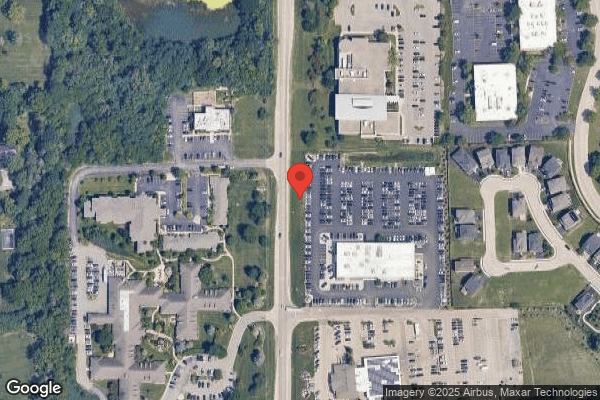

1420 SOUTH BARRINGTON ROAD, BARRINGTON, IL 60010 (847) 382-6664
For profit - Limited Liability company 150 Beds THE ALDEN NETWORK Data: November 2025
Trust Grade
48/100
#204 of 665 in IL
Last Inspection: September 2024

Within standard 12-15 month inspection cycle. Federal law requires annual inspections.

Overview

Alden Estates of Barrington has a Trust Grade of D, indicating below-average performance with some concerns about care quality. While it ranks #204 out of 665 facilities in Illinois, placing it in the top half, its county rank of #63 out of 201 shows that there are better options nearby. The facility is improving, having reduced its issues from 11 in 2023 to none in 2024, which is a positive trend. However, staffing is a significant weakness, reflected in a low 1/5 star rating and a turnover rate of 0%, which is good, but suggests challenges in attracting and retaining staff. Recent inspections revealed serious incidents, including a resident suffering a fracture during care and another resident sustaining a head injury after being found alone, which highlights ongoing concerns regarding safety and supervision.

Trust Score
D
48/100
In Illinois
#204/665
Top 30%
Safety Record
High Risk
Review needed
Inspections
Getting Better
11 → 0 violations
Staff Stability
○ Average
Turnover data not reported for this facility.
Penalties
✓ Good
$18,395 in fines. Lower than most Illinois facilities. Relatively clean record.
Skilled Nurses
✓ Good
Each resident gets 51 minutes of Registered Nurse (RN) attention daily — more than average for Illinois. RNs are trained to catch health problems early.
Violations
⚠ Watch
18 deficiencies on record. Higher than average. Multiple issues found across inspections.
★★★☆☆
3.0
Overall Rating
★☆☆☆☆
1.0
Staff Levels
★★★☆☆
3.0
Care Quality
★★★★☆
4.0
Inspection Score
Stable
2023: 11 issues
2024: 0 issues

The Good

  • Full Sprinkler Coverage · Fire safety systems throughout facility
  • No fines on record

Facility shows strength in fire safety.

The Bad

3-Star Overall Rating

Near Illinois average (2.5)

Meets federal standards, typical of most facilities

Federal Fines: $18,395

Below median ($33,413)

Minor penalties assessed

Chain: THE ALDEN NETWORK

Part of a multi-facility chain

Ask about local staffing decisions and management

The Ugly 18 deficiencies on record

3 actual harm
Aug 2023 9 deficiencies 2 Harm
SERIOUS (G) 📢 Someone Reported This

A family member, employee, or ombudsman was alarmed enough to file a formal complaint

Actual Harm - a resident was hurt due to facility failures

Quality of Care (Tag F0684)

A resident was harmed · This affected 1 resident

Based on interview and record review, the facility failed to prevent a resident from sustaining an injury during care for one (R272) of three residents reviewed for injury in a sample of 25. The defic...

Read full inspector narrative →
Based on interview and record review, the facility failed to prevent a resident from sustaining an injury during care for one (R272) of three residents reviewed for injury in a sample of 25. The deficient practice resulted in R272 sustaining a linear incomplete oblique fracture of the mid and proximal shaft of the right humerus. Findings Include: Initial State Reportable dated 7/12/23 documents: R272 is a long-term resident at facility. R272 has the following diagnosis anxiety, BPH, protein calorie malnutrition, epilepsy, type 2diabetes and muscle spasms. On 7/11/23 an x-ray was performed on R272's right arm due to swelling and resulted in an incomplete right humerus fracture. Investigation started immediately. Final report to follow. Final State Reported dated 7/17/23 documents: Investigation completed, it was noted through staff and resident interview that no trauma or fall occurred. Resident is severely contracted which most likely contributed to the facture. Resident has returned to the facility. Pain management in place, care plan has been updated. NP Progress note dated 7/12/23 documents that R272 was seen for follow-up and increased right arm swelling noted. On 7/11/23 an x-ray was done and it was reported that it showed a linear incomplete oblique fracture of the mid and proximal shaft of the right humerus. R272 with no reported fall or trauma. R272 sent to ER for further evaluation. R272 underwent an x-ray which showed a right humerus minimally displaced spiral fracture of the right proximal and mid right humoral shaft. NP Progress note dated 7/17/23. R272 was seen by orthopedic in ER and it was recommended that R272 is non-weightbearing to right upper extremity. The Incident Report dated 7/11/23 an x-ray was performed on R272's right arm due to swelling reported by the CNA and resulted in an incomplete right humerus fracture. R272 was sent out for further evaluation and returned to the facility the next day but is no longer in the facility (sic). On 8/16/23 at 2:12pm V20 (Primary Physician) stated that, due to R272 being contracted, he was always in a contracted position to his right side and difficult to move from that position. V20 stated that R272 was at high risk for fracture because of his comorbidity, low calorie intake, low muscle mass, and non-weight bearing and thinner bone. V20 stated that, she believes the facture was accidental and can happen from twisting the arm. V20 stated I don't think this was avoidable even with all precaution taken. On 8/16/23 at 2:37 pm, V19 (Nurse Practitioner) stated that she last saw the resident on 7/3/23 and did not see any swelling on the resident's arm. V19 stated that R272 was seen and sent out on 7/12/23 for further evaluation. V19 stated that residents are seen once a month, but R272 was seen more often or as needed due to his high comorbidity. V19 stated that she is not aware how the swelling happened. On 8/17/23 at 10:00am, V18 (RN) stated that she took care of R272 on 7/10/23 and did not notice any swelling. V18 stated that she was informed by V17 on 7/11/23 that R272's arm was swollen. V18 stated that she notified V19 (NP) who ordered an x-ray. V18 stated that the night nurse got the results, and the resident was sent out to the emergency room (ER) for further evaluation. V18 stated I know he is contracted; spiral fractures happen from sudden movement. V18 stated that R272 returned to the facility the same day with a splint. On 8/17/23 at 10:15 am, V17 (CNA) stated that she reported the swelling to the nurse after returning from a day off (7/10). V17 stated I saw the arm was different and asked the mom who was at the bedside if she noticed any difference with the arm. I reported it to the nurse. On 8/17/23 at 10:45am, V15 (Restorative Nurse) stated that R272 was in a restorative, splint and PRM program 5-6 times provide by restorative aid. V15 stated she did not receive any information about R272 having a swollen arm. We found out when the nursing assistant reported it to the nurse. V15 stated that Therapy orders the brace and restorative follow their recommendations. On 8/17/23 at 11:am, V1(Administrator) stated that R272 was in a vegetative state, V1 stated the fracture could have happened when he was being turned or when they were trying to put a gown on him. I do not think it was intentional and the staff that cares for the resident on a regular basis was not able to tell me what happened and how it happened. On 7/17/23 at 11:40am V22 (RN) stated that she worked the night shift on 7/12/23 and did not notice any swelling to R272's arms. V22 stated that R272 was normal with no pain and the arm did not look swollen. V22 stated that she got the results that morning and notified the NP. On 7/17/23 at 1:50 V28(Director of Nursing) stated that he saw R272 daily and did not notice any swelling to his arms as he always had his gown on. Care plan reads; assist and instruct family and staff in proper splinting and positioning to manage existing/improved/prevent contractures of the bilateral upper extremities while in bed. Bed Mobility . Be sure your physical contact is gentle do not grab right upper extremity, monitor for presence of pain/intolerance, total assist with bed mobility. Radiology report dated 7/11/23 reads; Procedure: X-ray exam of humerus. Reason, Pain and swelling. Impression: Linear incomplete oblique fracture of the mid and proximal shaft of the right humerus. R272's Hospital discharge record dated 7/12/23 document: what causes a humerus Fracture? A humerus facture is most often the result of trauma. This may be from fall, blow, accident or sport injury. Facility unable to provide ADLs (Activity of Daily Care) policy.
SERIOUS (G) 📢 Someone Reported This

A family member, employee, or ombudsman was alarmed enough to file a formal complaint

Actual Harm - a resident was hurt due to facility failures

Accident Prevention (Tag F0689)

A resident was harmed · This affected 1 resident

**NOTE- TERMS IN BRACKETS HAVE BEEN EDITED TO PROTECT CONFIDENTIALITY** Based on interview and record review the facility failed to supervise a resident that was a high fall risk and presented with im...

Read full inspector narrative →
**NOTE- TERMS IN BRACKETS HAVE BEEN EDITED TO PROTECT CONFIDENTIALITY** Based on interview and record review the facility failed to supervise a resident that was a high fall risk and presented with impulsive behaviors for 1 of 3 residents (R176) in a total sample of 25. This failure resulted in R176 having an unwitnessed fall sustaining a laceration to her head and requiring 14 staples. Findings include: On 8-16-23 at 12:13 PM, V1 (Administrator) said R176 is alert and oriented to self and able to make simple needs known. R176 does not use the call light. R176 has impulsive behaviors and will get up by herself without asking for help. R176 requires 1 person assist with transfers. V1 thinks R176 would be high risk for falls. R176 has history of falls prior to facility. V1 said R176 was last seen in the dining room and must have left the dining room on her own and was later found by CNA in her room. R176 was noted with active bleeding from the head and was on anticoagulants. R176 was sent out 911, treated, received 14 sutures to her head and returned the same day. On 8-17-223 at 11:15 AM, V2 (DON) said R176 is alert, oriented x1, unable to carry meaningful conversation. R176 is confused and forgetful and has Alzheimer's. R176 has poor safety awareness due to forgetfulness and impulsivity. R176 will get up from bed and chair without asking for helping. requires 1 person assistance for transfers. R176 has history of fall at facility and high risk for falls. On 8-17-23 at 9:36 AM, V15 (Restorative Nurse) said is alert to self, confused and forgetful. R176 is able to make simple needs known. R176 is forgetful and forgets to use the call light. R176 has poor safety awareness due to impulsivity and forgetting to ask for assistance. R176 requires 1 person physical assistance for transfer and ambulation. R176 is a high fall risk. R176 has a history of falls at facility and at home. This was unwitnessed fall. Staff was aware of fall risk, frequent rounding, keep items in reach, low bed, call light in reach, encourage activity, by nursing station for supervision. Around 7:30 AM, R176 had unwitnessed fall in room, nurse saw R176 in wheelchair, nurse saw blood and R176 said she lost balance when walking in the room and did not ask for help. This was unwitnessed fall. On 8-16-23 at 12:04 PM, V10 (RN) said R176 is alert to self and confused at night. R176 is able to make her needs known. R176 does use the call light and will get up by herself. R176 is a fall risk due to impulsivity and needs assistance with transferring. R176 thinks she can do more than she can and has impaired safety awareness. R176 requires supervision every 15 minutes in her room or kept in common area with staff supervision. On 8-16-23 at 12;29 PM V11 (CNA) said R176 is alert and sometimes able to make her needs known. R176 seldom uses the call light. R176 is impulsive, gets up by herself, R176 requires 1 person assistance with transfers and getting up. R176 is high fall risk because she is impulsive. R176 has dementia and thinks she is more independent than she actually is and therefore has poor safety awareness. V11 said R176 was kept at the nurse station under staff supervision. R176 prefers to be in the room however it not safe to let R176 stay in the room because she will get up by herself. R176 needs frequent checks when she is in her room for safety. On 8-16-23 at 12:44 PM, V12 (LPN) said is alert and oriented x1. R176 is confused forgetful and impulsive. R176 would get up by herself without calling for help. R176 require 1 person assistance with transfers. R176 is a fall risk due impulsiveness, confusion, unsteady gate, and poor safety awareness. LPN is aware of R176 having history of falls and has seen R176 attempt to get up without using her call light. Staff was doing frequent checks, kept in the common area (by nursing station or activities) for supervision. LPN said she noted R176 in her wheelchair with bleeding to her head. Progress not said R176 told LPN she must have fallen. R176 was sent out via 911. R176's Fall Risk Assessments (dated 1-23-23, 3-5-23, and 4-17-23) document R176 as a High Fall Risk. MDS (ARD 6-6-23) documents: 1 Person Physical Assistance for Support Transfers, Moving from seated to standing position: not steady, Walking: not steady. Final State Reportable (dated 4-18-23) documents: R176 is [AGE] year old female resident at facility. She admitted to facility after CVA with left side hemiparesis and fall with scalp hematoma. R176 developed hydrocephalus during her hospitalization requiring a shunt. She has diagnosis Cerebral Edema, muscle weakness, unsteadiness on feet, abnormalities of gait/mobility. Pulmonary fibrosis, left hemiplegia, unspecified urinary incontinence, dementia, overactive bladder and Alzheimer's disease and osteoporosis. On 4-17-23, R176 was observed in her wheelchair with small amount of blood on her left arm and posterior left occipital area. Resident reports having an unwitnessed fall and did not alert staff at the time of the incident. Initial assessment by the nurse revealed small laceration to head, therefore she was sent to the ER for evaluation per MD order. Resident required 14 staples to laceration site. The facility conducted an investigation it was note through interviews that the resident was assisted by assigned CNA with morning care and dressing and then assisted to the dining room for breakfast. Resident wheeled herself back to the room, got out of wheelchair to ambulate around her room. She lost her balance resulting in a fall. R176's Hospital Record (dated 4-17-23) documents: HPI: Patient is a [AGE] year old female with extensive past medical history presents to the emergency department via EMS from facility after unwitnessed fall. Patient has history of dementia and is an unreliable historian. Patient had a fall hit the back of her head sustaining a minor laceration. Patient states she falls a lot. Comments: 2 inch laceration left side posterior occipital scalp. Procedure Note: Laceration repair: the 2 inch laceration was irrigated with normal saline under normal pressure and anesthetized locally with 1% lidocaine. 14 staples were placed in simple interrupted fashion. Hemorrhage controlled. Fall Policy (dated 8-20) documents: The facility is committed to minimizing resident falls and/or injury so as to maximize each resident's physical, mental, and psychosocial wellbeing. While preventing all resident falls is not possible, it is the facility policy to act in a proactive manner to identify and assess those residents at risk for falls, plan for preventive strategies and facilitate a safe environment.
CONCERN (D)

Potential for Harm - no one hurt, but risky conditions existed

Deficiency F0558 (Tag F0558)

Could have caused harm · This affected 1 resident

Based on observation, interviews and record review, the facility failed to follow their call light policy. The facility failed to place call light within reach. This deficient practice affects three r...

Read full inspector narrative →
Based on observation, interviews and record review, the facility failed to follow their call light policy. The facility failed to place call light within reach. This deficient practice affects three residents (R15, R41 and R71) of three residents reviewed for call light placement in a total sample of 25 residents. Findings Include: On 8/15/23 at 10:30AM, Observed R71 in bed, observed call light placement not within reach. Call light was on the floor on the right side of R71's bed. R71 stated that she does not know where her call light is. Also stated that when her call light is not within reach, R71 will yell or call for help. On 8/15/23 at 10:35AM, V13 (RN) confirmed that the call light of R71 is on the floor and not within R71's reach. V13 also stated that she will inform the maintenance that the call light needs a clip. On 8/15/23 at 10:45AM, R15 in bed, observed call light wrapped in left upper side rail, No clip. R15 said she don't know where her call light is at that moment. Pointed at the left side rail, and R15 said I cannot see or reach it. On 8/15/23 at 10:50AM, V13 also confirmed that the fall light placement is not within reach of R15. State surveyor asked R15 if she is able to reach the call light, R15 said No. V13 again said she will let the maintenance know that the clip is not available. On 08/15/23 11:27AM, surveyor asked R41 to activate her call light. R41 said she cannot activate her call light because she cannot reach the call light. On 08/15/23 11:27AM, R41's call light was not accessible and was on the floor in back of R41's wheelchair. R41's left arm is in a splint and was not able to reach the call light on the floor. V30 (CNA) noted R41's call light on the floor and in back of R41's wheelchair. V30 was able to reach behind and attach the call light to the side rail and ensure call light is R41's in reach. On 8/17/23 at 1:45PM, V28 (DON) stated that call light should be within residents' reach. Use of Call Light Policy reads in part: To respond promptly to resident's call for assistance. When providing care to residents, position the call light continently for the resident's use. Tell the residents where the call light is and show him/her how to use the call light and provide reminders to use the call light as needed. Be sure call lights are placed within resident reach at all times.
CONCERN (D)

Potential for Harm - no one hurt, but risky conditions existed

Pressure Ulcer Prevention (Tag F0686)

Could have caused harm · This affected 1 resident

Based on observation, interview and record review the facility failed to follow their prevention and treatment of pressure injury policy and failed to implement preventative measure appropriately by n...

Read full inspector narrative →
Based on observation, interview and record review the facility failed to follow their prevention and treatment of pressure injury policy and failed to implement preventative measure appropriately by not following the operation manual for a pressure injury preventative mattress. This deficient practice affected one resident (R38) of three residents reviewed for skin alterations in a total sample of 25 residents. Findings Include: On 8/15/23 at 11:00AM, observed R38 in bed, using a low air loss mattress (pressure injury preventative mattress). Machine checked and it is set on 230lbs (pound in weight). On 8/15/23 at 11:10AM, V14 (LPN) confirmed that the machine is set for 230 lbs. Stated that the low air loss mattress is supposed to be set to the weight of R38 and that she will check the weight of the resident and change the setting as necessary. On 8/16/23 at 10:00AM, observed R38 in bed, using a low air loss mattress (pressure injury preventative mattress). Machine checked and it is set on 280lbs (pound in weight). Machine for the low air loss mattress had six lights for weight by lbs. The light goes in 80lbs, 130lbs, 180lbs, 230lbs, 280lbs, and 340lbs. On 8/16/23 at 10:35AM, V5 (Wound Care Coordinator) stated that the mattress machine setting check is done randomly by her wound care team and they make adjustments when needed. The light should be close to the weight of the resident. The weight light lit in the machine should show closer to the weight of R38. R38 had a history of pressure injuries but they are already healed and we are using the special mattress as preventative measure for R38. R38 is assessed as moderate risk for skin alteration. We follow the recommendation setting of the manufacturer of the mattress, which to set it for the weight of the resident using the machine. It defeats the purpose of the machine if the recommendation is not followed. I will in-service the staff and educate them about the importance of the low air loss mattress in the right setting. R38's weight in July 2023 was 144.6lbs and in August of 2023 was 146.6lbs. Braden Scale Assessment (predicting pressure injury risk) dated 6/3/23 shows R38 scored 14 (Moderate Risk). R38 has a care plan for alteration of skin integrity related to moisture to under breast and a history of pressure wounds to bilateral buttocks. R38 requires extensive assist in ADL care, bed mobility, and transfers. R38 has occasional incontinece of bowel and bladder and intentional friction of buttocks against bed. Intervention initiated: pressure redistribution support-low air loss mattress in bed. Operation Manual for low air loss mattress provided by the facility, reads in part: Pressure set up: users can adjust the pressure level of the air mattress to the desired firmness by themselves or according to the suggestions from a health care professional. Note: It is recommended to press auto firm on the panel when the mattress is first inflated. Users can easily adjust the air mattress to a desired firmness according to the patient's weight and comfort. Braden Scale for Predicting Pressure Injury Risk policy, reads in part: To be completed for all residents to assess level of risk for developing pressure injury. Regardless of the resident's total risk score, eacj risk factor and potential cause(s) should be reviewed individually. Implement intervention according to the resident's Braden Score and/or individual risk factors identified. Prevention and Treatment of Pressure injury and Other Skin Alterations policy, reads in part: identify residents at risk for developing pressure injuries. Implement preventative measures and appropriate treatment modalities for pressure injuries and/or other skin alterations through individualized resident care plan. Identify residents at risk for developing pressure injuries utilizing the Braden scale.
CONCERN (D)

Potential for Harm - no one hurt, but risky conditions existed

Respiratory Care (Tag F0695)

Could have caused harm · This affected 1 resident

**NOTE- TERMS IN BRACKETS HAVE BEEN EDITED TO PROTECT CONFIDENTIALITY** 2. On 08/15/2023 at 11:33AM during observation with V36 (Registered Nurse), R322 was observed with tracheostomy attached to wall...

Read full inspector narrative →
**NOTE- TERMS IN BRACKETS HAVE BEEN EDITED TO PROTECT CONFIDENTIALITY** 2. On 08/15/2023 at 11:33AM during observation with V36 (Registered Nurse), R322 was observed with tracheostomy attached to wall oxygen with no extra emergency tracheostomy kit and artificial manual breathing unit (AMBU) at bedside. On 08/15/2023 at 11:33AM, V36 said that residents on tracheostomy tubes usually have a spare tracheostomy kit and AMBU at bedside but she does not know why R322 did not have one. R322's face sheet indicated admission date of 07/10/2023, and diagnoses including paralysis of vocal cords and larynx, bilateral, encounter for attention to tracheostomy and dependence on supplemental oxygen. R322's order listing report dated 8/17/2023 indicated and active order for in case of emergency, trained nurse may reinsert outer cannula of tracheostomy as needed with order date of 7/10/2023. Facility unable to provide policy. Based on observation, interview and record review the facility failed to provide an extra tracheostomy (trach) cannula at the bed side and failed to have enough water in the aerosol bottle at the bed for two residents (R58 and R322) of nine residents reviewed for Trach care in a total sample of 25 residents. Findings Include: 1. On 8/15/23 at 11:30 am during screening R58's humidifier was observed with approximately 2 milliliters of water in the bottle, no bubbles were seen in the aerosol bottle or in the large bore corrugated tubing while still connected to R58's tracheostomy (trach) collar. There was no extra emergency tracheostomy cannula at the bedside. V23 (LPN) was observed going out to request an extra cannula from the respiratory therapist, V23 was informed by V24 (Respiratory Therapist) that there was an extra piece of cannula in R58's cupboard. V23 did not know where to find the extra emergency tracheostomy cannula. On 8/15/23 at 11:35 am, V23 and V24 both stated that there should be an extra tracheostomy cannula at the bedside in case of an emergency. Both stated that, the humidifier bottle should have enough water to keep the tracheostomy moist. V24 stated that the humidifier is used to prevent plug formation. R58 was admitted on [DATE] with multiple sclerosis, functional quadriplegia, and dependence on supplemental oxygen. Care plan dated 7/28/23 reads, adjust oxygen to maintain saturation with adequate parameters, R58 has alteration due to Trach and has potential for complications secondary to tracheostomy . Facility policy dated 09/2020 titled, Oxygen Therapy Devices High Humidity. Policy: Oxygen delivered with high humidity or high humidity without O2 will be set up to enhance humidification of mucous membrane . Procedure: 3. High humidity -with oxygen, can be provided using an aerosol bottle, large bore corrugated tubing, 02 device and 100% source .
CONCERN (D)

Potential for Harm - no one hurt, but risky conditions existed

Infection Control (Tag F0880)

Could have caused harm · This affected 1 resident

Based on observation and interview, the facility failed to properly store Bi-pap masks and Nebulizer mask and left masks open to air on bedside table. This failure affected 2 residents (R8 and R88) of...

Read full inspector narrative →
Based on observation and interview, the facility failed to properly store Bi-pap masks and Nebulizer mask and left masks open to air on bedside table. This failure affected 2 residents (R8 and R88) of 3 reviewed for oxygen equipment in a total sample of 25. Findings include: On 08/15/23 at 10:30 AM, observed R88's Bi-pap mask on the bedside table exposed to the air (not stored in plastic bag) as observed by V14 (LPN). On 08/15/23 at 10:49 AM, observed R8's nebulizer mask on the bedside table open to air (not stored in a plastic bag) as verified by V29 (CNA) and V29 immediately placed nebulizer mask in plastic bag in front of surveyor. On 8/17/23 at 11:48 AM, V2 (DON) said Bi-pap masks and nebulizer masks are stored in plastic bags. The masks are kept in a bag to keep masks clean after being cleaned per policy. On 08/15/23 at 10:30 AM, V14 (LPN) said the CNA is to inform the nurse and the nurse will place the Bi-pap mask in the bag. V14 said she will place the Bi-pap mask in a bag to keep it clean. On 08/15/23 at 10:49 AM, V29 (CNA) said it is the nurse's job to store nebulizer masks in a bag to keep it clean. On 08/15/23 at 11:01 AM, V31 (LPN) said the face mask is stored in a plastic bag for infection control. Bi-Pap Policy (dated 9-20), Nebulizer Policy (dated 9-20), and Infection Control Policy were reviewed but there was no guidance provided on mask storage.
CONCERN (D) 📢 Someone Reported This

A family member, employee, or ombudsman was alarmed enough to file a formal complaint

Potential for Harm - no one hurt, but risky conditions existed

Deficiency F0919 (Tag F0919)

Could have caused harm · This affected 1 resident

Based on interview and record review, the facility failed to ensure a resident's call light was in working condition. This failure affected 1 resident (R80) of 4 reviewed for call lights in a total sa...

Read full inspector narrative →
Based on interview and record review, the facility failed to ensure a resident's call light was in working condition. This failure affected 1 resident (R80) of 4 reviewed for call lights in a total sample of 25. Findings include: On 08-15-23 at 11:26 AM, asked R80 to push the call light and the resident was unable to activate the call light. The call light button and was unable to activate the call light. V30(CNA) asked to verify that the call light was working. V30 was observed pushing the the call light button several times and noted the light outside the room was not activated. V30 pulled the call light cord from the wall and replaced the cord. V30 pushed the call light button and the call light worked. On 08-15-23 at 11:26 AM, R80 said she is pushing the call light however the hallway light is not activated and there was no sound noted. On 8-18-23 at 12:55 PM, V1 (Administrator) said all staff are responsible for ensuring call lights are working. On 08-15-23 at 11:26 AM, V30 (CNA) said it is staff responsibility to ensure the call lights are working and in reach of the residents.
CONCERN (E)

Potential for Harm - no one hurt, but risky conditions existed

Tube Feeding (Tag F0693)

Could have caused harm · This affected multiple residents

Based on observation, interview and record review the facility failed to label the enteral tube feeding bags with the date and time it was initiated for four of thirteen residents (R24, R32, R52, R323...

Read full inspector narrative →
Based on observation, interview and record review the facility failed to label the enteral tube feeding bags with the date and time it was initiated for four of thirteen residents (R24, R32, R52, R323) reviewed for tube feeding in a sample of 25. Findings include: On 08/15/2023 at 10:32AM during observation, R52 was observed with enteral tube feeding attached to her gastrostomy tube labeled with initiation date of 8/14/2023 with no time indicated. At 11:06 AM during observation, R32 was observed with enteral tube feeding attached to her gastrostomy tube labeled with initiation date of 8/14/2023 with no time indicated. At 11:10 AM during observation, R323 was observed with enteral tube feeding attached to her gastrostomy tube without label indicating the resident's name, and date and time it was initiated. At 12:13 PM during observation, R24 was observed with enteral tube feeding attached to her gastrostomy tube labeled with initiation date of 8/14/2023 with no time indicated. On 08/15/2023 at 12:02PM, V33 (Registered Nurse/RN) stated that they only write the date the feeding was initiated on the enteral feeding not the time because they go by the electronic medication administration record (eMAR). On 08/15/2023 at 12:19PM, V34 (RN) said that she is not sure if the time has to be written down on the enteral feeding. R52's admission record indicated admission date of 07/08/2023 and diagnoses including dysphagia oropharyngeal phase. R52's order listing report dated 08/17/2023 indicated active order of enteral feeding with order date of 08/04/2023. R32's admission record indicated admission date of 07/24/2020 and diagnoses including dysphagia and encounter for attention to gastrostomy. R32's order listing report dated 08/17/2023 indicated active order of enteral feeding with order date of 06/05/2023. R323's admission record indicated admission date of 10/08/2021 and diagnoses including dysphagia and encounter for attention to gastrostomy. R323's order listing report dated 08/17/2023 indicated active order of enteral feeding with order date of 08/11/2023. R24's admission record indicated admission date of 06/13/2023 and diagnoses including encounter for attention to gastrostomy. R24's order listing report dated 08/17/2023 indicated active order of enteral feeding with order date of 06/14/2023. Facility Policy: Title: Enteral Nutrition Feeding Date: 09/2020 Procedure: 13. Change enteral feeding solution and bag/bottle per manufacturer guidelines. Nestle: Enteral feeding closed system can hang up for up to 48 hours. Enteral feeding in an open system bag should be changed every 24 hours (bag itself). A carton/can (250 milliliters/ml) should be used/infused within an 8 hour hang time. Label bag/container with name, date, time. Change spike set with each new ready to hang bottle. Change irrigation set and/or piston syringe weekly and prn (as needed). Label with name, use and date. Shake formula well and check for expiration date prior to administration.
CONCERN (F)

Potential for Harm - no one hurt, but risky conditions existed

Deficiency F0761 (Tag F0761)

Could have caused harm · This affected most or all residents

**NOTE- TERMS IN BRACKETS HAVE BEEN EDITED TO PROTECT CONFIDENTIALITY** Based on observation, interview and record review, the facility failed to discard expired house stock medications and label mult...

Read full inspector narrative →
**NOTE- TERMS IN BRACKETS HAVE BEEN EDITED TO PROTECT CONFIDENTIALITY** Based on observation, interview and record review, the facility failed to discard expired house stock medications and label multi-dose medications with open date for three of four medication carts and one of one medication room observed for medication storage and labeling. This deficiency can affect all 126 residents residing in the facility. Findings include: On [DATE] at 1:20PM during observation with V33 (Registered Nurse/RN), Cart 4 in C-wing was observed with the following: 1. Opened house stock Lactobacillus acidophilus bottle with expiration date 7/23 2. R67's budesonide 0.5 milligrams (mg)/2 milliliters (ml) nebules in an open foil pouch with no open date 3. R9's budesonide 0.5 milligrams (mg)/2 milliliters (ml) nebules in an open foil pouch with no open date At 2:05PM during observation with V14 (Licensed Practical Nurse/LPN), Cart 2 in B-wing was observed with the following: 1. R22's opened 10ml vial of Heparin sodium 5000 units/ml with no open date 2. R12's opened 10ml vial of Heparin sodium 5000 units/ml with no open date At 2:40PM during observation with V31 (LPN), B-wing medication room was observed with opened multidose vial of tuberculin purified protein derivative (PPD) with no open date. At 2:51PM during observation with V7 (LPN), Cart 1 of C-wing was observed with the following: 1. R110's opened 10ml vial of Heparin sodium 5000 units/ml with no open date 2. R110's opened latanoprost solution 0.05% eye drops with no open date with label that reads Discard 42 days after opening 3. Two opened 10 ml vials of R95's Heparin sodium 5000 units/ml with no open date On [DATE] at 1:30PM, V33 said that the house stock lactobacillus bottles should have been discarded and the budesonide foil pouch should indicate an open date once opened. On [DATE] at 2:15PM, V14 said that she does not know why the vials did not have open dates. She added that they should have an open date, so they know when to stop using it. On [DATE] at 2:45 PM, V31 said that the PPD vial should have an open date so other nurses would know when to discard it and not use it. On [DATE] at 3:10PM, V7 said all multidose vials should have an open date and the eye drops that has a specific instruction of when to discard should be labeled with open date as well. Facility Documents: Title: Medicine Information Leaflet (Budesonide) Patient Information and Instruction for Use: How should I store budesonide inhalation suspension? · Budesonide inhalation suspension vials can be stored for 2 weeks after opening the protective aluminum foil envelope. Patient Instructions for Use: 1. Budesonide inhalation suspension vials come in a sealed protective aluminum foil envelope. · Do not open the sealed pouch until you are ready to use a dose of budesonide inhalation suspension. · Record the date that you opened the foil in the space provided on the envelope. Policy Title: Medication Pass Guidelines Date: 09/2022 16. House stock medications · Check expiration dates of all medications before administration. 19. Eye medications · Eye drops/ointments/gels are considered safe and effective for use until the manufacturer ' s expiration date when stored according to manufacturer guidelines, unless otherwise specified by the manufacturer or pharmacy. Policy Title: Multi-Dose Vials, Use of Date: 01/2022 C. Policy: Multi-dose vials (MDVs) contain preservative, so they may be used multiple times. The opened and beyond-use (expiration) dates will be noted and initialed at the time the vial cap is removed. D. Procedure: 4. If this is a previously opened vial, check that the opened and expiration dates are noted and initialed and that the vial has not expired. a. If the vial has been opened longer than 28 days, or has expired per the manufacturer ' s guidance, it should no longer be used and should be discarded in a sharp container and a new vial of medication should be obtained. 5. If this is a new vial, remove the cap from the vial. Using an ink pen, write the opened and expiration dates, as well as the nurse ' s initials, on the vial ' s label or pharmacy-provided sticker.
Jan 2023 2 deficiencies 1 Harm
SERIOUS (G) 📢 Someone Reported This

A family member, employee, or ombudsman was alarmed enough to file a formal complaint

Actual Harm - a resident was hurt due to facility failures

Accident Prevention (Tag F0689)

A resident was harmed · This affected 1 resident

**NOTE- TERMS IN BRACKETS HAVE BEEN EDITED TO PROTECT CONFIDENTIALITY** Based on observation, interview and record review the facility failed to provide appropriate and sufficient supervision to preve...

Read full inspector narrative →
**NOTE- TERMS IN BRACKETS HAVE BEEN EDITED TO PROTECT CONFIDENTIALITY** Based on observation, interview and record review the facility failed to provide appropriate and sufficient supervision to prevent falls to residents who are at high risk. This deficiency resulted in R1 (who recently had a left hip surgery for a fracture) sustaining a dislocated prosthetic left hip and R3 sustaining a fractured hip requiring surgery and hospitalization. The facility also failed to implement fall prevention care plan interventions, failed to accurately complete the fall assessment and failed to use a gait belt when transferring a resident. This deficiency affects all four (R1, R3, R5 and R6) residents reviewed for fall prevention management. Findings include: 1. R1 is admitted on [DATE] with diagnosis listed in part but not limited to Intracapsular fracture of left femur, left artificial hip joint, Type 2 Diabetes Mellitus with mild non proliferative diabetic retinopathy, Dementia, Hypertension, Generalized muscle weakness, Cognitive communication deficit, Difficulty in walking, Visual loss both eyes, Legal blindness, Long term use of anti-coagulant, History of falling, History of neoplasm of large intestine. admission fall assessment dated [DATE] indicated score of 10, at risk for fall. Physician Order sheet indicated: Hip precaution and WBAT (weight bearing as tolerated to left extremity) .Physical, Occupational and Speech therapy evaluation and treatment. Surgical site: Left hip monitor daily for sign and symptoms of infection. Use Aquacel dressing to left hip and do not remove until 5-7 days. R1's unwitnessed fall incident report dated 10/20/22 indicated: CNA's rounding noted R1 on the floor in her room next to her bed at 11:20pm. R1 confused, cannot explain what happened. R1 was sent out to the hospital for evaluation due to being prescribed blood thinners. R1's family notified at 12:30am. 10/21/22 - Root cause analysis- IDT (Interdisciplinary Team) met after fall. R1 was noted with fall at bedside, unable to verbalize what happened, R1 was sent out to the hospital for further evaluation. R1's fall assessment after fall 10/20/22 indicated score of 6, at risk for fall. R1's progress notes dated 10/21/22, R1 was admitted with diagnosis of displaced hip and stroke. R1's fall care plan indicated: at risk for fall and at high risk for fall was initiated on 10/21/22 after R1 was admitted to the hospital. Surveyor unable to interview with Nurse and CNA who worked with R1 on the shift that she fell. V1 Administrator, V2 Assistant administrator and V3 DON are aware. V2 said that V15 LPN who worked with R1 on the night that she fell is no longer working in the facility. R1's hospital emergency room record dated 10/21/22 indicated: R1 is an 85year old female presenting with complaints of a fall. R1 recently has a left hip surgery for fracture about 8 days ago. R1 has history of dementia. R1 apparently got out of bed and fell. R1 was found by staff on her knees. R1 complained of bilateral knee pain worsen on right than on left. R1 denies nay headache or neck pain. Physical Exam: Extremities: rotated internally and shortened. Left hip and pelvis x-ray showed a dislocated prosthetic left hip. Conscious sedation and reduction of the left hip done. On 1/10/23 at 2:28pm V11 Restorative/Fall Coordinator said that they have 48 hours to do base line plan of care of the resident. V11 said that she has spoken to V13 Family member prior to fall occurrence regarding fall interventions of R1 since she is at high risk of fall such as low bed, floor mat, frequent rounding, call light within reach, etc. but she did not write in R1's care plan. Informed V11 of inconsistency in R1's fall assessment. V11 said that she will do in-services with the nurses regarding properly completing of fall assessment. The score should go up not goes down after fall. R1 is at high risk for fall. On 1/11/23 at 11:27am, V12 CNA said that she took care of R1 on morning shift of 10/20/22 prior to fall. R1 is confused and restless and moving in bed. She placed wedges on both side of the bed and bilateral floor mat. R1 was complaining of pain and not comfortable in bed. V12 reported to the nurse and endorsed to next shift. R1 needs total care with ADLs due to her confusion and restlessness. R1 needed 2 persons to boost her up to bed because she is restless and keeps on moving. R1 stayed in bed during her shift. On 1/11/23 at 11:45am V14 Therapy Director said that he evaluated R1 on 10/19/22. V14 said that R1 was referred to Physical therapy (PT)due to exacerbation of decrease in strength, decrease in functional mobility, decrease in transfers, reduced balance and reduced ability to safely ambulate indicating the need for PT to increase LE (lower extremity) ROM ( range of motion) and strength, increase functional activity tolerance, improve dynamic balance, facilitate with all functional mobility and increase independence with gait. R1 is on fall risk precautions, posterior hip precautions, WBAT, legally blind. After evaluation V14 discussed precautions to the floor Nurse and CNA for safety. R1 is total dependence with ADLs and transfers. On 1/11/23 at 2:28pm V11 Restorative/Fall Coordinator said that if resident is confused and restless, they should provide close supervision/monitoring for safety. 2. R3 is admitted on [DATE] with diagnosis listed in part but not limited to Myocardial infarction, Enterocolitis due to Clostridium Difficile, Infection and inflammation due to indwelling catheter, Urinary tract infection, Hypotension, Difficulty walking, Hypertension, Coronary artery disease, Inguinal hernia, Benign prostate hypertrophy, long term use of aspirin. Care plan indicated: Impaired ambulatory skills. ADLs self-care performance deficit. At risk for falls r/t weakness and UTI, generalized weakness secondary to ST elevation, hypotension, polyosteoarthritis and hernia. Incontinent of bowel. admission fall assessment dated [DATE] indicated score of 9, at risk for fall. Fall assessment after fall dated 12/30/22 indicated score of 6, at risk for fall. R3's witnessed fall incident reported to IDPH dated 12/30/22 indicated at 5:10pm, R3 was walking to the bathroom without staff assistance. R3 was witnessed coming back from bathroom and lost hi balance and fell. V16 RN assessed R3 and notified Nurse practitioner to send R3 to hospital for evaluation. R3 was admitted with closed fracture of right femur investigation completed and it was revealed through staff and resident interviews that R3 was attempting to go to the bathroom without assistance. Staff witnessed R3 walking and very unsteady, staff immediately went to R3 to attempt to assist however R3 lost his balance and fell. Safety interventions will be implemented upon return from hospital. This is the final report dated 1/4/22. R3's hospital record dated 12/30/22 indicated: an [AGE] year-old male presents with chief complaint of mechanical fall today. R3 was at the rehab facility after being discharged from the hospital . R3 was allowed to walk to the bathroom himself when he tripped and fell o his right side. No head injury or LOC (Loss of consciousness). R3 is complaining of pain on the right hip worse with movement, no alleviating factors with no associated symptoms. R3 had history of left hip replacement. Physical exam: Significant tenderness on the right hip, limited ROM. CT of the right lower extremity indicated: Acute intracervical fracture of right femoral neck. Hospital admission diagnosis: Closed fracture of neck of right femur. On 1/10/23 at 2:28pm, Informed V11 of inconsistency in R3's fall assessment. V11 said that she will do in-services with the nurses regarding properly completing of fall assessment. The score should go up not goes down after fall. On 1/11/23 at 10:44am, V17 CNA said that she took care of R3 in the morning shift of 12/30/22 prior to his fall. V17 said that R3 is confused and restless. R3 needs total assist due to his confusion. R3 needs 2 persons assist for transfers from bed to wheelchair. V17 does not know if R3 can walk because he was just admitted a day before she took care of him. The therapist has not informed them regarding his mobility. R3 uses wheelchair for mobility. V17 said that R3 eats independently but needs supervision. V17 said that during her shift R3 attempted to get out from bed. He is restless in bed, so V18 RN and her transfer him to wheelchair and endorsed it to the next shift. On 1/11/23 at 11:05am, V18 RN said that she took care of R3 on 12/30/22 in the morning shift prior to fall. V18 said that R3 is confused and restless. She and V17 CNA transferred him to wheelchair because he is restless and keeps moving in bed. They endorsed R3 to the next shift for monitoring/supervision due to his confusion and restlessness. On 1/11/23 at 12:30pm V16 RN said that she worked with R3 on 12/30/22 on 3-11 shift. V16 said that she saw R3 walking from his bathroom going back to his bed without walker. V16 said she run to assist him walking. She did not hold to guide him, she just stands behind him when he was walking toward his bed. When he was close to his bed, he lost his balance and fell on the floor. V16 said that she could not prevent the fall. V16 said that R3 is confused. She is not aware that R3 is at risk for fall. She was not aware that R3 was restless and attempted to get out from bed in the morning shift. She is not aware that she R3 needs supervision and monitoring. V16 said that there is gait in the room that is accessible, but she did not use with R3 because he is already walking when she saw him. V16 said that she should use the gait belt to assist him in ambulation back to his bed. Surveyor unable to interview CNA who worked with R3 on 12/30/22 on 3-11 shift. V1 Administrator, V2 Assistant administrator and V3 DON are aware. On 1/11/23 at 11:45am, V19 Physical Therapist (PT) said that she evaluated R3 on 12/30/22. V19 said that he was referred for PT services to evaluate need for assistive device, promote safety awareness, enhance rehab potential, increase awareness of environmental hazards, minimize falls, increase LE ROM and strength and increase functional activity tolerance in order to enhance patient quality of life by improving ability to safely return to ALF ( assisted living facility), decrease level of care required from caregivers, perform steady gait and facilitate increased independent with functional mobility throughout facility. R3 needs moderate assistance with ADLs and transfers. R3's precautions: Fall risk, isolation, contact and droplet precaution due to possible COVID 19 exposures, catheter. V19 said that after her evaluation with R3 she discussed precautions to the floor nurse and CNA for safety. V19 said that she left walker at bedside for R3 to use when ambulating with staff supervision. On 1/11/23 at 2:28pm V11 Restorative/Fall Coordinator said that if resident is confused and restless, they should provide close supervision/monitoring for safety. 3. R5 is admitted on [DATE] with diagnosis listed in part but not limited to Type 2 Diabetes Mellitus with diabetic polyneuropathy, Vascular dementia, Kidney transplant, Epilepsy, Hypertension, Anxiety disorder, End stage renal failure, Gastroesophageal reflux disease, Long term use of insulin, history of traumatic brain injury. Care plan indicated: ADLs self-care performance deficit. AT risk for fall r/t generalized weakness and decreased safety awareness secondary to history of left femur fracture after fall, epilepsy, dementia, history of traumatic brain injury, left hip ORIF (Open reduction internal fixation). Currently receiving psychotropic medications due to anxiety and depression. Noted with behavior or mood issues of restlessness, anxiousness and feeling disconnected to everything. admission fall assessment done on 5/14/21 indicated score of 9, at risk for fall. Fall assessment after fall dated 1/21/22 indicated score of 5, at risk for fall. Fall assessment after fall dated 2/15/22 indicated score of 10, at risk for fall. Fall assessment after fall dated 4/18/22 score of 3, at risk for fall. Fall assessment after fall dated 1/1/23 score of 6, at risk for fall. R5's fall incident dated 1/1/23 reported to IDPH indicated: R5 was sitting in the TV room when staff witnessed her fall forward. The nurse assessed and notified the doctor. She was sent tot hospital for evaluation. Hospital notified staff that she was diagnosed with nasal fracture. Investigation completed and revealed that R5 was in the TV room watching TV when she fell asleep and fell forward. She returned to facility, pain management and safety intervention implemented. This is the final report dated 1/6/23. Pain management intervention was not implemented. R5's fall incident dated 4/18/22 indicated: R5 found on the floor on her left side in her bedroom. R5 said that she was attempting to walk to the bathroom, tripped and fell on the floor. R5 denied hitting her head. R5 was sent out to the hospital for Right hip, sacral, thoracic and spinal x-ray. 4/18/22 Root cause analysis- IDT met after fall R5 alert and oriented x 2. R5 noted with fall in bedroom, per R5 she attempted to transfer unassisted. R5 will be encouraged to participate in activities that promote maintenance of gross motor skills. X-ray to sacral and right hip, will continue to monitor. Fall care plan interventions was not updated based on IDT recommendation. R5's fall incident dated 2/15/22 indicated: Heard R5 yelling for help at 3am. Found R5 sitting on the floor in her room. R5 said that she was trying to get out of bed and slid off of bed. R5 complained of lower back pain. R5 was sent out to the hospital for lumbar and sacral x-ray. 2/16/22-Root cause analysis- IDT met after the fall. R5 was noted with fall in her room. R5 stated that she slid from bed, intervention increase rounding at a minimum of every 2hrs and prompt or assist for change in position, toileting, offer fluids and ensure resident is warm and dry and keep in lowest position. No documentation of increased rounding/monitoring that was done. R5's fall incident dated 1/21/22 indicated: Heard R5 screaming for help. Found R5 on the floor. R5 said that she fell asleep in the wheelchair and fell on the floor and hit her head. R5 complained of left hip pain. R5 was sent out to the hospital for evaluation. 1/22/22- Root cause analysis. IDT met after fall. R5 fell due to falling asleep in her room. Intervention: Encourage participation in activities to keep resident's focus on task, maintain resident in well supervised areas when up in wheelchair. On 1/11/23 at 10:10 am Observed R5 lying in bed, restless and moaning. R5 said that she is in pain and has been waiting for the nurse for pain medication. R5 has facial bruising on her check bilateral cheek bone. Her bed is in high position. She has bilateral floor mat on side of the bed. Called V20 RN and showed observation made. V20 said that the CNA probably left the bed in a high position when providing the breakfast tray to R5. V20 said that R5's bed should be in the lowest position when she is in bed for safety. R5 is at a high risk for falls. V20 put the bed in the lowest position. V20 said that she has not given R5 her pain medication. V20 said that R5 is confused and always complains of pain. V20 checked R5's e-MAR. She said that the last time R5 had her pain medication was yesterday at 4:45pm. On 1/11/23 at 12:15pm, Informed V11 Restorative/Fall Coordinator of inconsistency in R5's fall assessment. V11 said that she will do in-services with the nurses regarding properly completing fall assessments. The score should go up not go down after falls. Informed V11 of observation made with R5's bed in high position with V20 RN. V11 said that R5's bed should be in lowest position when she is in bed. Informed V11 that pain management for R5 as plan of care after the recent fall is not implemented. 4. R6 is admitted on [DATE] with diagnosis list ed in part but not limited to Cerebral edema, History of falling, Hemiplegia and hemiparesis following intracerebral hemorrhage affecting left non dominant side, Facial weakness following cerebral infarction, Laceration with foreign body of part of head, Unsteadiness on feet, generalized muscle weakness, Dementia, age related cataract, hearing loss, chronic kidney disease, age related osteoporosis, Alzheimer's disease. Care plan indicated: ADLs self-care performance deficit. At risk for fall secondary to recent hospitalization with dx of cerebral edema is noted with increased weakness. Unsteadiness on feet. Gait/mobility abnormality. Has other co-morbidities, pulmonary fibrosis, left hemiplegia, urinary incontinence, dementia, overactive bladder and Alzheimer's disease. She has impaired cognitive function. admission fall assessment done but not signed on 12/5/22 indicated score of 8, at risk for fall. Fall assessment after fall incident on 12/22/22 was not done. Fall assessment after fall incident on 1/5/23 indicated score of 12, at high risk for falls. Fall assessment after fall incident on 1/9/23 indicated score of 13, at high risk for falls. R6's fall incident dated 1/9/23 reported to IDPH on 1/10/23 indicated: At approximately 9:45pm, R6 was observed sitting in her wheelchair next to her bed with laceration to the back of her head. R6 said that she attempted to self-transfer and fell, hitting her head. R6 then got herself back into her wheelchair. R6 is alert and oriented to self but pleasantly confused. Nurse assessed laceration, applied pressure, cleansed, and covered with dry gauze. R6 was sent out to the hospital for evaluation. R6 returned to the facility with 3 staples to the back of the head. Pain management in place. Investigation started. Final report to follow. 1/10/23- Root cause analysis- IDT met after fall. R6 was noted with fall at bedside sent out for further evaluation, came back with laceration to left side of head. Intervention: initiate 3-day elimination record and increase rounding at a minimum of every 2 hours and prompt or assist for change in position, toileting, offer fluids and ensure R6 is warm and dry. Facility unable to provide documentation of increased rounding/monitoring of R6. R6's fall incident dated 1/5/23 indicated: At approximately 4am, noted sitting in her chair at bedside. R6 is conscious, alert, and oriented to self but pleasantly confused and forgetful. R6's roommate uses her call light to call for help and verbalized that she saw R6 on the floor but did not see how she fell. R6 unable to give description on what happened due to confusion. R6 has an old healing laceration to the left side of head with dry scab but after she fell noted the dry scab re-opened measuring 1.5cm x 1cm with scant blood. Site cleansed with NS and kept clean and dry. R6 assisted back to bed with 2 persons assist. R6 was sent out to the hospital for CT of the head. 1/7/23-Root cause analysis- IDT met after fall. R6 was noted with fall and sent out to hospital for eval. Came back with negative findings. Intervention: dx UTI. Currently on anti-biotics, staff will increase frequent monitor. Facility unable to provide documentation of increased monitoring. V3 DON said that they did not submit report to IDPH because the scab re-opened causing open wound and not new injury related to fall. R6's fall incident dated 12/24/22 indicated: R6 found in other resident room. R6 said that when she realized that it was not her room, she turned too fast and lost her balance and fell on the resident's bed. No injury noted 12/24/22-Root cause analysis - IDT met after fall. R6 was noted with fall due to impaired balance and was not wearing proper shoes, intervention: R6 was provided with proper footwear/nonskid socks. No fall assessment done after fall incident. On 1/11/22 at 10:18am, Observed R6 lying in bed. She is alert and responsive, able to verbalize needs. She is hard of hearing. Her bed is in a high position. Her call light is on the floor on right side of the bed. She does not have floor mat. Called V21 CNA and showed observation. V21 said that R6's bed should be in the lowest position. V21 said that she raised her bed when she provided her breakfast meal and forgot to put it down. V21 picked up the call light on the floor placed it within reach. Informed V11 Restorative/Fall coordinator of observation made. On 1/11/23 at 10:51am, Observed V21 CNA transferred R6 from toilet to wheelchair without using a gait belt. V21 said that she forgot to use a gait belt. V21 said that she should use a gait belt when transfering R6. R6 is high risk for falls. On 1/11/23 at 12:15pm, Informed V11 Restorative/Fall Coordinator of R6's fall assessment after fall incident on 12/24/22 was not done. V11 said that floor nurse should complete fall assessments after each fall occurrence. Informed V11 of observation made V21 CNA transferring R6 from toilet to wheelchair without gait belt. V11 said that CNA should use a gait belt when transferring resident or ambulating for safety. On 1/11/23 at 12:31pm, V10 CNA Supervisor said that CNA should use a gait belt when transferring resident for safety. On 1/11/23 at 2:04pm V3 DON and V11 Restorative /Fall Coordinator said that they don't document their monitoring for residents' who are high risk for falls as indicated in care plan. Informed both the fall care plan interventions for R5 and R6 who has recently fallen and sustained injuries- R5 sustained basal fracture and R6 sustained laceration at the back of the head both requires visit to the hospital for treatment. Both residents fall care plan intervention indicted increased rounding /monitoring. V3 and V11 said that they just informed the CNAs to do frequent or increased rounding/monitoring, but they don't have documentation of date and frequency of time residents' are being monitored. Facility's policy on Fall risk assessment indicates: Policy: Residents will be assessed for risk factors that increase their potential falls in order to identify the need to initiate additional safety measures. Procedures: 1. Residents shall be assessed upon admission, re-admission, with significant change , post fall , quarterly and annual . 2.The resident who scores 0-1 shall be considered at risk for fall 3.The resident who scores 12 or greater will have considered at high risk 4.All resident will have universal fall intervention applied 6. With each fall, the care plan interventions will be reviewed for their effectiveness and modified as appropriate to reduce hazards and risk to the residents. Facility's policy on Management of falls indicates: Policy: The facility will assess hazards and risks, develop a plan of care to address hazards and risks, implement appropriate resident interventions and revised the resident 's plan of care in order to minimize the risk for fall incidents and or injuries to the resident. Facility's policy on Fall management program indicates: Policy: The facility is committed to minimizing resident falls and or injury so as to maximize each resident's physical, mental and psychosocial wellbeing. While preventing all resident falls is not possible, it is the facility's policy to act in a proactive manner to identify and assess those resident at risk for falls, plan for preventive strategies and facilitates a safe environment. Facility's policy on Gait belt/Transfer belt indicates: Policy: To assist with a transfer or ambulation. A gait belt will b eused with weight bearing residents who requires hands on assistance.
CONCERN (D) 📢 Someone Reported This

A family member, employee, or ombudsman was alarmed enough to file a formal complaint

Potential for Harm - no one hurt, but risky conditions existed

Abuse Prevention Policies (Tag F0607)

Could have caused harm · This affected 1 resident

**NOTE- TERMS IN BRACKETS HAVE BEEN EDITED TO PROTECT CONFIDENTIALITY** Based on observation, interview and record review the facility failed to implement its written policy to prevent abuse of reside...

Read full inspector narrative →
**NOTE- TERMS IN BRACKETS HAVE BEEN EDITED TO PROTECT CONFIDENTIALITY** Based on observation, interview and record review the facility failed to implement its written policy to prevent abuse of residents by failure to suspend an accused employee of possible abuse pending investigation. Facility also failed to complete the resident safety abuse assessment upon admission and update the assessment, and complete the assessment accurately. Facility failed to formulate an abuse prevention care plan as triggered in the assessment and update the care plan after the abuse investigation was conducted. This deficiency affects all three (R2, R4 and R7) residents reviewed for Abuse prevention program. Findings include: 1. R2 is admitted on [DATE] with diagnosis listed in part but not limited to Surgical aftercare following surgery on the digestive system, Diverticulitis of the intestine, Disruption of external operation wound, Chronic respiratory failure, Cognitive impairment, Aphonia, Generalized weakness, Difficulty walking, Hypertension, abnormal posture, Anxiety, Gartroesophageal Reflux disease, Gastrostomy, Colostomy, Ventilator, Supplemental oxygen. No abuse /neglect screening assessment done upon admission. No abuse/neglect prevention care plan formulated. R2's alleged abuse incident report dated 12/14/22 indicated: On 12/15/22, R2's family called V1 Administrator and alleged that V22 LPN hit R2 in the head the evening prior. Skin check was completed with no abnormalities found consistent with allegations voiced. Family identified the alleged V22 LPN but R2 unable to provide additional information. Investigation was immediately conducted through interviews with resident, staff and other residents. As a result of these interviews, it was determined that no abuse nor trauma occurred. Despite facility's investigation, R2's family decided to notify the police of their allegations as well. Police officer conducted interviews with R2 and her family at the facility and could not substantiate abuse either. During officer's interview with R2 and family, family became verbally aggressive towards officer, expressing that they felt he did not know how to do his job. As facility 's investigation was being conducted. R2 transferred out to the facility and is not in an Long Term Acute Care Hospital (LTACH) as part of her plan of care/ Care plan has been updated. This is the final report. On 1/10/23 at 11:12am, V22 LPN said that R2 accused her of physical abuse. R2 alleged her of physical abuse by hitting her in head/face. V22 denied abuse allegation. V22 said that she admitted R2 with family at bedside on 12/13/22. R2 has tracheostomy tube connected to vent, colostomy. She is depressed, alert able to verbalize needs but limited in expression because of trach. She has a good rapport with R2 and Family. V22 said on 12/15/22 at 3pm, she was called to the nursing office before reporting to the unit and informed her about the allegation of abuse of R2 against her. She denied allegation made. The police also talked to her, and they did not find any bruise/injury on R2 's face/head. She was not suspended. V1 told her not to take care of R2 but she still worked on the same unit with other residents. On 1/10/23 at 1:07pm, V9 Human Resource said that she did not hear that V22 LPN was accused of alleged abuse by R2. V22 was not suspended. V9 said that usually, V1 will coordinate with her if there are any employee's that will be suspended pending investigation of abuse allegation. V9 presented V22's work schedule time in and out record from 12/13 to 12/22/22. V22 was not suspended. On 1/11/23 at 11:03am, Informed V2 Assistant Administrator that R2's safety abuse assessment was not done, and abuse prevention care plan was not formulated and updated when R2 and her family complained of alleged physical abuse by V22 LPN. V2 said that she was covering for the Social Service Director who was on maternity leave. V2 said that she did not complete R2's admission safety abuse assessment and develop abuse prevention care plan. She is aware that R2 and her family has a complaint of alleged physical abuse by V22 LPN. She said that she should've completed the abuse assessment, developed and updated an abuse prevention care plan. V2 said that during an abuse investigation, an employee who is accused of alleged abuse should be suspended pending investigation. On 1/1/23 at 3:15pm, V1 Administrator said that he did not suspend V22 LPN pending investigation because they will be short of nurses on the unit. 2. R4 is admitted on [DATE] with diagnosis listed in part but not limited to Metabolic encephalopathy, Transient cerebral ischemic attack, Hypertension, Weakness, Unsteadiness on feet, Generalized muscle weakness, dysphagia, aphasia, cognitive communication deficit, Depression, Anxiety, History of neoplasm. Care plan indicated: Impaired ADLs. She presents with severe cognitive/communication deficit impacting memory, attention, reasoning and problem solving. She has ADLs self-care performance deficit. She is at risk for fall related to generalized weakness and impaired balance secondary to encephalopathy, history of TIA, dementia, polyneuropathy. She is currently receiving psychotropic medications to manage behaviors or mood issues of agitation, becoming withdrawn, refusing care related to (r/t) anxiety disorder and depression. She is incontinent of bowel and bladder. She has severely impaired cognitive function r/t dementia with agitation. She has an alteration in visual function r/t glaucoma. She is noted to resist care as evidenced by refusing to take medication and participate in therapy due to anxiety, cognitive impairment, dementia. R4 has several fall incidents without injury. admission abuse/neglect assessment done on 12/22/22 indicated marked No to all factors triggered. On 1/11/23 at 9:56am, Observed R4 lying in bed. She is alert and responsive, able to verbalize needs to staff. She ambulates with rolling walker. On 1/12/23 at 10:34am, V2 Assistant Administrator said that she did the safety abuse assessment for R4 on 12/22/22 because she is covering for the Social Service Director who was on medical leave. Review R4's medical record with V2. Informed that R4's abuse screening is inaccurately completed. V2 said that she should've marked #14 yes instead of No. Abuse prevention care plan should've been formulated because it triggered in the assessment. Resident safety abuse screening assessment form indicated: #14 Is there a current diagnosis of severe mental illness ( e.g, schizophrenia, schizoaffective, major depression, etc) Intellectual/developmental deficit, Dementia ( e,g Alzheimer's Vascular, etc). 3. R7 is admitted on [DATE] with diagnosis listed in part not limited to Spinal stenosis, lumbar region, Type 2 Diabetes Mellitus, Radiculopathy, Depression, Benign Prostate Hypertrophy, Adjustment disorder with depressed mood, chronic kidney disease. Care plan indicates ADLs self-care performance deficit. Receiving psychotropic medications due to depression. Noted with mood behavior or mood issues of sadness due to needing an increasing amount of assistance with ADLs and is not able to return home alone. Impaired cognitive functioning due to current medical dx of cognitive communication deficit. No resident safety abuse assessment done upon admission. No abuse prevention care plan formulated. R7's abuse resident to resident altercation incident reported to IDPH dated 11/17/22 indicated: On 11/18/22 R7 reported to staff that a resident-to-resident altercation has occurred between him and his roommate (who no longer resides in the facility). R7 alleged that in the middle of the night, he was woken up by his former roommate who he claimed approached and slapped him in the head. Residents' were immediately separated. Head to toe assessment completed on R7 with no injuries nor abnormalities noted. X-rays ordered with results all returning negative. Investigation initiated and allegations were fully investigated through interviews with staff and residents. Through this interview process, R7's allegation could not be substantiated, and it was determined that no harm occurred to R7. In further discussing the investigation with R7, just a few days after initial allegations were made. R7 cannot recall the details of his claims and stated that he no longer believes that his former roommate slapped him. R7 further expressed that he got along well with his former roommate during their time as roommate and does not feel he would intentionally try to harm him. Nonetheless, resident remains separated. Care plan updated. Final report dated 11/23/22. On 1/12/23 at 11:45am, Observed R7 up in high back wheelchair. He is alert and oriented and responsive. He can verbalize needs to staff. He is total care with ADLs and transfers. He uses mechanical lift for transfers with 2 persons assist. On 1/12/23 at 12:10pm, Reviewed R7's Abuse incident report and his medical record with V2 Assistant Administrator. Informed V2 that resident safety abuse assessment was not done upon admission and was not updated during the abuse investigation. R7 does not have abuse prevention care plan and care plan was not updated as indicated in the Abuse report plan of action submitted to IDPH. V2 said that Resident abuse safety assessments should be done upon admission, quarterly and as needed. Abuse care plans should be formulated and updated during an abuse investigation. V2 said that V8 Social Service Designee is responsible for completing R7's abuse assessment and developing abuse prevention care plans. On 1/12/23 at 12:12pm, V8 Social Service Designee (SSD) said that she completes the resident abuse safety assessment 72 hours upon admission and initiating abuse prevention care plan as indicted. She receives report when there is abuse allegations presented by residents. She is aware that R7 had an abuse resident to resident altercation with his former roommate. She said that she just missed completing R7's resident abuse safety assessment upon admission, quarterly and during the abuse investigation. She also said that she did not develop and update the abuse prevention care plan after the abuse investigation. Facility's policy on Abuse prevention program indicates: Policy: The facility affirms the right of our residents to be fee from abuse, neglect, misappropriation of resident property, corporal punishment, and involuntary seclusion. The facility will report reasonable suspicion of a crime. This facility therefore prohibits mistreatment, neglect or abuse of its residents and has attempted to establish a resident sensitive and resident secure environment. The purpose of this policy is to assure that the facility is doing all that is within its control to prevent occurrences of mistreatment, neglect or abuse of our residents. 3. Prevention: The facility desires to prevent abuse, neglect and theft by establishing a resident sensitive and resident secure environment. d. As part of the social service assessment, staff will identify residents with increased vulnerability for abuse or who have needs and behaviors that might lead to conflict. Through the care planning process, staff will identify any problems, goals and approaches which would reduce the chances of mistreatment for these residents. Staff will continue to monitor the goals and approaches on a regular basis. 5 Protection of Residents: The facility will take steps to prevent mistreatment while investigation is underway. c. Employees of the facility who have been accused of mistreatment will be removed from the resident contact immediately until the results of the investigation has been reviewed by the administrator or designee. e. Employees accused of possible abuse shall not complete the shift as a direct care provider to residents. Facility's policy on Resident safety/abuse assessment indicates: Policy: It is the policy to protect the health, safety and welfare of all individuals that reside in this facility. One of the steps the facility utilizes in protecting its residents is the Resident safety/abuse assessment. Procedure: 1. Upon admission to the facility, the Social service designee (SSD) will complete a resident safety/abuse assessment on each individual. This assessment will determine if the resident at risk as a vulnerable adult. A resident is at risk if any of the questions result in a yes response. 2. If the individual meets the criterion, the SSD will generate a care plan with appropriate interventions in relation to the assessed criteria. This will be reviewed with the IDT. 3. The resident safety/abuse assessment will be completed upon initial admission, quarterly, annually, with any significant change, and or as indicated by IDT.
Sept 2022 7 deficiencies
CONCERN (D)

Potential for Harm - no one hurt, but risky conditions existed

Pressure Ulcer Prevention (Tag F0686)

Could have caused harm · This affected 1 resident

**NOTE- TERMS IN BRACKETS HAVE BEEN EDITED TO PROTECT CONFIDENTIALITY** Based on observation, interviews, and record reviews, the facility failed to follow the plan of care for a resident with a press...

Read full inspector narrative →
**NOTE- TERMS IN BRACKETS HAVE BEEN EDITED TO PROTECT CONFIDENTIALITY** Based on observation, interviews, and record reviews, the facility failed to follow the plan of care for a resident with a pressure ulcer by not turning and repositioning the resident every two hours to aid in the prevention and healing of a sacral pressure ulcer. This failure applied to one (R70) of four residents reviewed for pressure ulcers in the sample of 53. Findings include: R70 is a [AGE] year-old male admitted to the facility on [DATE] with diagnoses of Chronic Respiratory Failure, Chronic Embolism and Thrombosis of unspecified Deep Veins of Lower Extremities, Hyperlipidemia, Encounter for Attention to Tracheostomy, and Encounter for Attention to Gastrostomy. According to MDS (Minimum Data Set) dated 08/04/2022 under Section C, R70 has a BIMS (Brief Interview of Mental Status) score of 15 indicating a high level of cognitive functioning; under section G, R70 requires extensive assistance in bed mobility with two+ person physical assist; under section M, R70 has one stage IV pressure ulcer that was not present upon admission. On 09/12/22 02:30 PM V15 (family member) expressed concerns regarding lack of repositioning, V15 stated, I'm here on Wednesday and when I'm in the room staff doesn't come to reposition R70, he remains in the same position for hours. On 09/12/22 02:35 PM Surveyor observed R70's wound care. V4 (Licensed Practical Nurse) and V3 (Licensed Practical Nurse) both indicated that they are substituting for a regular wound care nurse who is absent at this time. Surveyor observed no dressing covering R70's sacral wound upon initial observation. V3 (LPN) indicated that it must have fallen off during R70's transport to and from the doctor's visit earlier that today. V3 proceeded to clean the site with normal saline and applied adaptic calcium alginate and dry dressing as per order. Current wound size is 3cmx4.5cmx1.5cm at this time. Wound care progress note dated 09/07/2022 reads in part, Sacral pressure ulcer, size 2cmx4.2cmx1cm, indicating that wound has increased in size. On 09/12/2022 at 3:07 PM V3 stated, R70 has had this wound for a very long time. I believe he acquired it here (at the facility). R70 is prone to developing wounds due to several factors, such as comorbidities, nutrient intake and others. Surveyor asked if repositioning would have an impact in acquiring sacral wound, V3 indicated that lack of repositioning would have a negative impact on the wound not only in acquiring but also healing. On 09/13/2022 at 09:42 AM Surveyor observed R70 lying in bed positioned onto his right side. On 09/13/2022 at 10:00 AM Surveyor observed two Certified Nursing Assistants reposition R70 onto supine position. During continuous observations, surveyor noted that at 12:07 PM, R70 remained in supine position after two-hour period. Care plan for R70 focus area Alteration in skin integrity, dated 11/19/2019, reads in part, Avoid turning body to sacral area with pressure ulcer as much as possible. Turn and reposition every two hours and as need/tolerated.
CONCERN (D)

Potential for Harm - no one hurt, but risky conditions existed

Unnecessary Medications (Tag F0759)

Could have caused harm · This affected 1 resident

Based on observation, interview, and record review, the facility failed to administer medications as ordered (at ordered times). There were 30 opportunities with 2 errors resulting in a 6.67% error ra...

Read full inspector narrative →
Based on observation, interview, and record review, the facility failed to administer medications as ordered (at ordered times). There were 30 opportunities with 2 errors resulting in a 6.67% error rate. This applies to one (R53) of five residents reviewed during the medication pass task. Findings include: On 09/13/2022 at 11:40 AM Surveyor observed V5 (Licensed Practical Nurse) administer the following medications to R53: 1. Gabapentin Capsule 300 MG 1 capsule by mouth with apple sauce 2. Eliquis Tablet 5 MG 1 tablet by mouth with apple sauce On 09/13/2022 R53's Order Summary Report state in part; 1. Gabapentin Capsule 300 MG 1cap by mouth three times a day 2. Eliquis 5 mg 1 tablet by mouth every 12 hours On 09/13/2022 at 11:50 am, review of R53's Medication Administration Audit for 09/13/2022. Gabapentin Capsule 300 MG has a Schedule Date of 09/13/2022, with scheduled administration times of 0800, 1400, and 2000. Eliquis 5 mg 1 tablet has a Schedule Date of 09/13/2022, with scheduled administration times of 0900 and 2100. On 09/13/2022 at 11:57 AM V5 stated, I administered R53's medications late because I had a busy morning. It's important to give medications on time to prevent anything abnormal from happening and follow doctor's orders. We do have a one-hour window before and after medication administration time. If morning medications are administered late the expectation is to follow up with the doctor to see what needs to be done with later doses. On 09/14/2022 at 02:04 PM V1 (Administrator) stated, My expectation regarding medication administration is to give out medication on time. Medication administration window is one hour before and one hour after medication administration time, but there are circumstances when medications get administrated outside of the time frame. In such case, nurses should call the physician to notify of the change. There are certain medications that have parameters and are time sensitive; therefore, it is even more important to notify physician if these medications are given outside of the time frame. V1 further indicated that if medication is scheduled multiple times a day, following doses get affected and physician's expertise is needed to be able to proceed with further medication administration. 09/14/2022 at 02:37 PM Per record review, no indication of late medication administration physician notification noted. Medication Administration policy dated 09/2020 reads in part, Drugs must be administered in accordance with the written orders of the attending physician.
CONCERN (D)

Potential for Harm - no one hurt, but risky conditions existed

Deficiency F0804 (Tag F0804)

Could have caused harm · This affected 1 resident

Based on observation, interview, and record review, the facility failed to serve food in a manner that maintained proper holding temperatures. This failure affected all 89 residents that receive meals...

Read full inspector narrative →
Based on observation, interview, and record review, the facility failed to serve food in a manner that maintained proper holding temperatures. This failure affected all 89 residents that receive meals from the kitchen. Findings include: On 09/12/2022 V1 (administrator) presented the survey team with the number of residents currently in the facility. Facility census provided showed 121 residents. Of these residents V7 (dietary Manger) indicated there were 89 residents receiving food from the kitchen. On 09/12/2022 at 11:54am during an interview with Resident # 25 said when they bring my food in its cold and dried out so I don't eat it I send it back. Sometimes I do ask for something else and sometimes I don't be as hungry. On 09/12/2022 at 12:32pm during an interview with Resident # 75 said The food here is sometimes a hit or miss. It does be cool sometimes depending on what it is. Yes i have mention this to the dietary they supposed to be working on it. Hall trays are place on a hot heated food cart. On 09/13/2022 at 12:18pm Test tray temperatures was completed with (V10 Dietary hostess). The temperatures read: Mash potatoes and gravy at 134 degrees Fahrenheit Egg Noodles 118 degrees Fahrenheit Puree beef Stroganoff is at 115 degrees Fahrenheit Soup is at 140 degrees Fahrenheit. On 09/14/2022 at 10:57am interview with V7 (dietary manger) said Some of our residents like their food to be cold well not cold cold but not warm. We don't have a standard temperature we use. Food that come off the steam table we have up to four hours to serve the food before bacteria start to grow. Our facility say we have to serve it with in 30 minutes. The hot holding is 135 degrees Fahrenheit. During a resident council meeting held at 10:07am on 09/14/2022 with fellow surveyor there was 10 residents that attended this meeting and all 10 residents was in agreement that the facility serves cold meals and they prefer meal be a little warmer. Record review of a document submitted by the facility titled Food Temperatures with no date noted under policy states: Food will be served to the resident at a temperature that is palatable. Under procedure number 4 states: Food will be transported via methods that maintain the proper temperature of the foods being served. Number 5 states hot foods will be presented to the resident within 30 minutes of leaving the steam table. Record review of a document titled At risk hot food and Beverage Temperature service with a date of 5/19 under Procedure number 2 states: Food will be held at 135 degrees Fahrenheit or higher, minimizing excessively high temperatures.
CONCERN (F)

Potential for Harm - no one hurt, but risky conditions existed

Deficiency F0761 (Tag F0761)

Could have caused harm · This affected most or all residents

Deficiency Text Not Available

Read full inspector narrative →
Deficiency Text Not Available
CONCERN (F)

Potential for Harm - no one hurt, but risky conditions existed

Deficiency F0809 (Tag F0809)

Could have caused harm · This affected most or all residents

Based on interview and record review, the facility failed to provide and distribute nourishing snacks at bedtime to all residents in the facility. This failure affects all 89 residents receiving food ...

Read full inspector narrative →
Based on interview and record review, the facility failed to provide and distribute nourishing snacks at bedtime to all residents in the facility. This failure affects all 89 residents receiving food from the facility. Findings include: On 9/12/22 V1 (administrator) presented the survey team with the number of residents currently in the facility. Facility census provided showed 121 total residents. Of these residents V7 (dietary manager) indicated there were 89 residents receiving food from the kitchen. On 9/12/22 at 11:45 am during the initial tour of the facility, R13 was observed in bed and spoke with the surveyor about her some concerns. R13 stated, I am concerned about the food as sometimes I get cold food given to me. I cannot walk or put myself on the wheelchair because I need a lot of help to do that so I rely on staff to do this for me. I sometimes go to bed hungry and I can't get a snack at night or anything. I have to wait until the next morning for breakfast before I eat and I am so hungry. Surveyor asked if she is ever offered any snacks during bed time or whether anyone comes around to offer snacks in the evening, R13 stated, Never. I'm told they are delivered at the nursing station but when I request for something, I never receive any or I'm told that they are out of snacks. All I want is a cookie or something, anything. Surveyor asked what time she usually has dinner, R13 stated, Dinner here is served really early so I get to eat dinner around 5:00 PM or 5:30 PM and then like I said I have to wait until the next morning around 8:30 AM to eat breakfast. That's just way to long to lay here and starve. On 9/14/22 at 10:10 AM, 10 residents present in the resident council meeting were interviewed on the concerns and complements they had with the facility. During this meeting with the surveyor, R42 (resident council president) stated to surveyor that obtaining evening snacks was an issue. Surveyor asked for specifics, R42 stated, I've had residents complain to me and to management that bedtime snacks aren't being passed around. I have no issue getting any but I am able to get around but some residents who are bed-ridden can't get any snacks and sometimes I've experienced that when I go to the nursing station that they even run out of snacks or the snacks never came out from the kitchen. Surveyor asked the rest of the resident council participants if this was their experience, all 9 residents in attendance concurred and wanted assistance from the surveyor to correct the issue. On 9/14/22 at 11:30 AM, V7 was asked about the bedtime snacks, V7 stated, We usually bring out a tray of snacks and they are placed at the nursing station. Surveyor asked who's responsibility it was for these snacks to be distributed to residents, V7 stated, Not my staff, it's the nurses that should do this if the residents ask for it. Surveyor asked whether any staff offer residents snacks, V7 stated, No that's the nurses job. Surveyor team asked V7 for any policies and procedures for the distribution of evening snacks but was not provided any after several requests to do so.
CONCERN (F)

Potential for Harm - no one hurt, but risky conditions existed

Food Safety (Tag F0812)

Could have caused harm · This affected most or all residents

Based on observation, interview, and record review the facility failed to properly cover and label food items stored in the refrigerator and failed to follow their food storage policy and food storage...

Read full inspector narrative →
Based on observation, interview, and record review the facility failed to properly cover and label food items stored in the refrigerator and failed to follow their food storage policy and food storage guideline policy for the use of and discarding of foods. This failure has affected all 89 residents that receives meals from the kitchen. Findings include: On 09/12/2022 V1 (administrator) presented the survey team with the number of residents currently in the facility. Facility census provided showed 121 residents. Of these residents V7 (dietary Manger) indicated there were 89 residents receiving food from the kitchen. 09/12/22 at 9:59am During the observation of the refrigerator the surveyor noted two pans of Jell-O in the refrigerator not covered or dated, In the freezer there 4 packs of hot dog buns one noted with an expiration date of 09/06/2022 the other three packs of buns did not have dates . The buns have freezer burn on all 4 packs of bread. Observation of the dry storage room surveyor noted one can of dented sliced apples on the shelf mixed in with the non-dented cans, two packs of flour tortillas with the expiration date of 07/21/2022. On 09/12/2022 at 11:10am interview with V7 (Dietary manger) said We had extra bread the use by date is September 6th it can be frozen we kept it for emergency purpose we get bread delivered every Tuesday. If the bread gets freezer burn we have to throw it away. The flour tortillas are staff food no they are not allowed to have their food in the resident food storage. When we get dented cans we store them here but the staff know not to use them. Yes they know not to use them then we give them back. Because they automatically know not to touch it we store them with the regular cans and then give them back. Jell-O should be stored in the refrigerator covered with the date on it but we was letting it cool and then we will cover it and put the date on it. On 09/13/2022 at 11:10am Interview with V8 (Dietary consultant) said Bread is good as long as it doesn't have any sign of mold or spoilage. Yes we use the first in, first out (FIFO) the staff should be checking to make sure the bread is good before serving it. The staff should be checking to see if the Hot dogs buns have freezer burn and if it does they should throw them away. Dented cans should be put aside they should not be stored with regular cans. Food items of staff should not be stored with the resident's food items. Record review of a document titled Food storage guidelines with the dates of 7/17 and 8/18. Under policy states: Food will be stored and used in an acceptable amount of time. Under procedure number 5. Common terms letter C states Expiration date is the last day the product must be used or eaten. The food is no longer safe to eat after the expiration date and will be discarded. Record review of a document titled Food storage with the dates of 6/97, 2/12 and 7/17 under policy states Food storage areas will be maintained in a clean, safe and sanitary manner. Under procedure number 3 states: Food inventory will be maintained using the first in, first out (FIFO). Food stock will be rotated by placing new stock behind old. Items will be marked with date prior to storage. Number 6 states: Food taken from their original container will be label by common name.
CONCERN (F)

Potential for Harm - no one hurt, but risky conditions existed

Infection Control (Tag F0880)

Could have caused harm · This affected most or all residents

Based on observation, interview, and record review, the facility failed to follow federal regulations and their infection prevention and control program regarding donning personal protective equipment...

Read full inspector narrative →
Based on observation, interview, and record review, the facility failed to follow federal regulations and their infection prevention and control program regarding donning personal protective equipment (PPE) prior to entry into a resident's room who is under contact isolation precautions, failed to practice proper PPE use and/or perform hand hygiene during food preparation to minimize the spread of infection. This failure has the potential to affect all 121 residents that reside in the facility. Findings include: On 09/12/2022 at 11:50 AM, observed standard precaution and contact isolation signs both posted on the outside of R73's room door which both indicated to don gloves and gown prior to entering. Also observed a three-drawer bin next to the doorway of R73's room that contained personal protective equipment and supplies. Reviewed resident isolation list provided by the facility for September 2022 that showed R73 is under contact isolation precautions for CRAB/ESBL in sputum/urine. Reviewed R73's active physician's orders which showed contact precautions for extended spectrum beta-lactamase (ESBL) in the urine and contact precautions for carbapenem-resistant Acinetobacter baumannii (CRAB) in the sputum. Reviewed R73's immunization records that showed consent denied for all Covid-19 vaccinations. On 09/13/2022 at 11:41 AM, surveyor observed V11 (Nurse Practitioner) enter R73's room without donning gloves or an isolation gown. V11 then removed a stethoscope from around her neck and shoulders and proceeded to auscultate R73's heart and lungs with this stethoscope. V11 (Nurse Practitioner) placed the stethoscope back onto her shoulders then exited R73's room. Surveyor did not observe V11 sanitize the stethoscope upon leaving R73's room. At 11:44 AM, V11 (Nurse Practitioner) said she is new to the facility and did not notice the isolation signs on the door. Surveyor then observed a second nurse practitioner rounding on hall 3 of C wing with her face mask flipped up, nose and mouth both were exposed. On 09/14/2022 at 2:10 PM, V4 (Infection Preventionist) said R73 is under contact and droplet isolation precautions for ESBL in the urine and CRAB in the sputum. At 2:16 PM, V4 (Infection Preventionist) said her expectation is for the nurse who received lab results and new orders, to initiate antibiotic and must inform floor staff of the type of isolation and PPE required. V4 then said all staff must wear an N95 mask and face shield and apply proper PPE such as gown and gloves for example, if a resident has clostridium difficile (c-diff) to avoid cross contamination. V4 (Infection Preventionist) added that the nurse practitioners are contracted through the facility's medical providers and her expectations for contract staff are the same as facility staff and are to follow guidelines for infection control purposes to avoid the spread. Reviewed community level of Covid-19 transmission provided by facility for 09/06/22-09/13/22 that showed high for facility's county. Reviewed list of fully vaccinated practitioners provided by facility that showed 17 in total. Facility did not indicate V11's (Nurse Practitioner) vaccination status. Reviewed facility's infection prevention and control program policy and procedures that showed the following: The primary mission is to provide a safe, sanitary and comfortable environment and to help prevent the development and transmission of communicable diseases and infections. The policy for infection prevention and control is based upon information from facility assessment and follows national standards and guidelines to prevent, recognize and control the onset and spread of infection and shall include standard and transmission-based precautions to be followed to prevent the spread of infections through selection, use of PPE, and hand hygiene procedures to be followed by staff involved in direct resident contact. The policy indicates that standard precautions include but are not limited to hand hygiene; use of gloves, gown, mask, eye protection or face shield. Also, equipment or items handled in a manner to prevent transmission of infectious agents (e.g., wear gloves for direct contact, properly clean and disinfect or sterilize reusable equipment). The intent is to implement standard precautions and when transmission-based precautions should be utilized, including type of precautions for particular infections and organisms and require staff follow hand hygiene practices consistent with accepted standards of practice. The elements of the program include policies, procedures, and practices which promote consistent adherence to evidence-based infection control practices such as managing food safety, including employee health and hygiene. Observations and interview by a fellow surveyor noted during this survey include: On 09/12/22 at 9:59am, entrance into the kitchen area surveyor noted two employees doing food preparation without mask on. V12 Dietary Aide grab a mask off the counter and put the mask on but did not perform hand hygiene before handling the food she was wrapping (salads and cut vegetables). On 09/13/2022 at 11:32am, observation of lunch being served on B-wing V14 Dietary aid noted with her N95 mask not completely on with one strap over her head and the other strap hanging from her chin. V10 Dining room hostess noted to readjust her mask with her gloves on and did not perform hand hygiene or change her gloves before doing temperature of food. On 09/13/2022 at 11:50am, V13 Dietary Aide picked a bowel off the floor and did not perform hand hygiene or change her gloves before continuing her task of plating resident food. On 09/14/2022 at 10:57am, interview with V7 dietary manger said If the staff have to readjust their mask my expectation is that the staff have to wash their hands or use alcohol gel before doing the task. They need to take the gloves of wash their hands and then put the gloves back on. They should pick up the dish put it on the bottom of the cart then take their gloves off, wash their hands and put gloves back on to complete whatever they was doing.
Understanding Severity Codes (click to expand)
Life-Threatening (Immediate Jeopardy)
J - Isolated K - Pattern L - Widespread
Actual Harm
G - Isolated H - Pattern I - Widespread
Potential for Harm
D - Isolated E - Pattern F - Widespread
No Harm (Minor)
A - Isolated B - Pattern C - Widespread

Questions to Ask on Your Visit

  • "Can I speak with families of current residents?"
  • "What's your RN coverage like on weekends and overnight?"

Our Honest Assessment

Strengths
  • • Licensed and certified facility. Meets minimum state requirements.
Concerns
  • • Multiple safety concerns identified: 3 harm violation(s). Review inspection reports carefully.
  • • 18 deficiencies on record, including 3 serious (caused harm) violations. Ask about corrective actions taken.
  • • $18,395 in fines. Above average for Illinois. Some compliance problems on record.
  • • Grade D (48/100). Below average facility with significant concerns.
Bottom line: Trust Score of 48/100 indicates significant concerns. Thoroughly evaluate alternatives.

About This Facility

What is Alden Estates Of Barrington's CMS Rating?

CMS assigns ALDEN ESTATES OF BARRINGTON an overall rating of 3 out of 5 stars, which is considered average nationally. Within Illinois, this rating places the facility higher than 99% of the state's 100 nursing homes. This mid-range rating indicates the facility meets federal standards but may have areas for improvement.
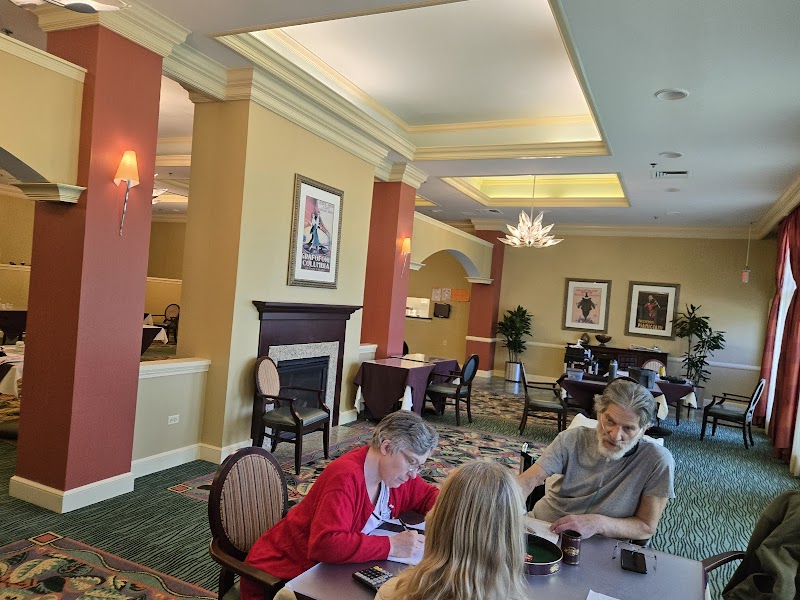
How is Alden Estates Of Barrington Staffed?

CMS rates ALDEN ESTATES OF BARRINGTON's staffing level at 1 out of 5 stars, which is much below average compared to other nursing homes.

What Have Inspectors Found at Alden Estates Of Barrington?

State health inspectors documented 18 deficiencies at ALDEN ESTATES OF BARRINGTON during 2022 to 2023. These included: 3 that caused actual resident harm and 15 with potential for harm. Deficiencies causing actual harm indicate documented cases where residents experienced negative health consequences.

Who Owns and Operates Alden Estates Of Barrington?

ALDEN ESTATES OF BARRINGTON is owned by a for-profit company. For-profit facilities operate as businesses with obligations to shareholders or private owners. The facility is operated by THE ALDEN NETWORK, a chain that manages multiple nursing homes. With 150 certified beds and approximately 111 residents (about 74% occupancy), it is a mid-sized facility located in BARRINGTON, Illinois.

How Does Alden Estates Of Barrington Compare to Other Illinois Nursing Homes?

Compared to the 100 nursing homes in Illinois, ALDEN ESTATES OF BARRINGTON's overall rating (3 stars) is above the state average of 2.5 and health inspection rating (4 stars) is above the national benchmark.

What Should Families Ask When Visiting Alden Estates Of Barrington?

Based on this facility's data, families visiting should ask: "Can you walk me through typical staffing levels on day, evening, and night shifts?" "Can I visit during a mealtime to observe dining assistance and food quality?" "How do you handle medical emergencies, and what is your hospital transfer rate?" "Can I speak with family members of current residents about their experience?" These questions are particularly relevant given the below-average staffing rating.

Is Alden Estates Of Barrington Safe?

Based on CMS inspection data, ALDEN ESTATES OF BARRINGTON has a clean safety record: no substantiated abuse findings (meaning no confirmed cases of resident harm), no Immediate Jeopardy citations (the most serious violation level indicating risk of serious injury or death), and is not on the Special Focus Facility watch list (a federal program monitoring the lowest-performing 1% of nursing homes). The facility has a 3-star overall rating and ranks #1 of 100 nursing homes in Illinois. While no facility is perfect, families should still ask about staff-to-resident ratios and recent inspection results during their visit.

Do Nurses at Alden Estates Of Barrington Stick Around?

ALDEN ESTATES OF BARRINGTON has not reported staff turnover data to CMS. Staff turnover matters because consistent caregivers learn residents' individual needs, medications, and preferences. When staff frequently change, this institutional knowledge is lost. Families should ask the facility directly about their staff retention rates and average employee tenure.

Was Alden Estates Of Barrington Ever Fined?

ALDEN ESTATES OF BARRINGTON has been fined $18,395 across 1 penalty action. This is below the Illinois average of $33,263. While any fine indicates a compliance issue, fines under $50,000 are relatively common and typically reflect isolated problems that were subsequently corrected. Families should ask what specific issues led to these fines and confirm they've been resolved.

Is Alden Estates Of Barrington on Any Federal Watch List?

ALDEN ESTATES OF BARRINGTON is not on any federal watch list. The most significant is the Special Focus Facility (SFF) program, which identifies the bottom 1% of nursing homes nationally based on persistent, serious quality problems. Not being on this list means the facility has avoided the pattern of deficiencies that triggers enhanced federal oversight. This is a positive indicator, though families should still review the facility's inspection history directly.