HEARTHOOD SNF SENIOR LIVING
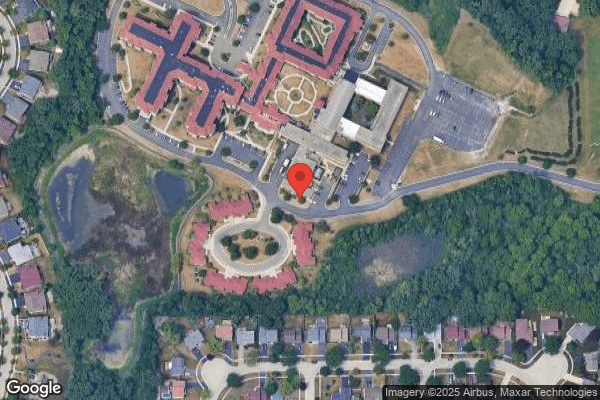
829 CARILLON DRIVE, BARTLETT, IL 60103 (630) 483-3905
For profit - Limited Liability company 60 Beds Independent Data: November 2025
Trust Grade
85/100
#44 of 665 in IL
Last Inspection: February 2025

Within standard 12-15 month inspection cycle. Federal law requires annual inspections.

Overview

Hearthood SNF Senior Living has a Trust Grade of B+, indicating it is above average and recommended for families considering care options. With a state rank of #44 out of 665 facilities in Illinois, they are in the top half, and they rank #14 out of 201 in Cook County, meaning there are only 13 local facilities that are better. However, the trend is concerning as the number of issues reported has worsened, increasing from 4 in 2024 to 5 in 2025. Staffing is a strong point, with a 4 out of 5 rating, a turnover rate of 31%, which is significantly lower than the state average, and they provide more RN coverage than 92% of facilities in Illinois. On the downside, there were 14 concerns noted during inspections, including failing to test water for harmful pathogens and not providing required training for CNAs, as well as issues with food safety in the kitchen.

Trust Score
B+
85/100
In Illinois
#44/665
Top 6%
Safety Record
Low Risk
No red flags
Inspections
Getting Worse
4 → 5 violations
Staff Stability
○ Average
31% turnover. Near Illinois's 48% average. Typical for the industry.
Penalties
✓ Good
No fines on record. Clean compliance history, better than most Illinois facilities.
Skilled Nurses
✓ Good
Each resident gets 73 minutes of Registered Nurse (RN) attention daily — more than 97% of Illinois nursing homes. RNs are the most trained staff who catch health problems before they become serious.
Violations
⚠ Watch
14 deficiencies on record. Higher than average. Multiple issues found across inspections.
★★★★★
5.0
Overall Rating
★★★★☆
4.0
Staff Levels
★★★★★
5.0
Care Quality
★★★★☆
4.0
Inspection Score
Stable
2024: 4 issues
2025: 5 issues

The Good

  • 4-Star Staffing Rating · Above-average nurse staffing levels
  • 5-Star Quality Measures · Strong clinical quality outcomes
  • Full Sprinkler Coverage · Fire safety systems throughout facility
  • No fines on record
  • Staff turnover below average (31%)

    17 points below Illinois average of 48%

Facility shows strength in staffing levels, quality measures, fire safety.

The Bad

Staff Turnover: 31%

14pts below Illinois avg (46%)

Typical for the industry

The Ugly 14 deficiencies on record

Feb 2025 5 deficiencies
CONCERN (D)

Potential for Harm - no one hurt, but risky conditions existed

ADL Care (Tag F0677)

Could have caused harm · This affected 1 resident

Based on observations, interviews, and record review, the facility failed to provide ADL (Activities of Daily Living) for residents who require assistance with ADL cares. This applies 3 of 8 resident...

Read full inspector narrative →
Based on observations, interviews, and record review, the facility failed to provide ADL (Activities of Daily Living) for residents who require assistance with ADL cares. This applies 3 of 8 residents (R10, R32, R33) reviewed for daily cares in a sample of 23. The findings include: 1. On 02/18/25 at 11:55 AM R32 was observed with her fingernails long and jagged. R32's 1/14/25 MDS (Minimum Data Set) showed her cognition is severely impaired and is dependent on staff for personal hygiene. R32's 1/22/25 care plan showed R32 has an ADL self-care performance deficit related to impaired balance, limited mobility, limited range of motion, and left sided weakness. The interventions include, check nail length and trim and clean on bath day and as necessary. R32 needs staff assistance in personal hygiene. 2. On 02/18/25 at 10:13 AM R10 was observed with facial hair on his chin and above his upper lip and said that he didn't recall the last time he was shaved, and his fingernails were long, jagged and with a brown substance under the nails. R10 said that his nails needed to be trimmed and he didn't recall the last time he received nail care. R10's 2/10/25 MDS showed that R10 needs substantial/maximal assistance for personal hygiene. R10's 2/4/25 care plan showed that R10 requires assistance with activities of daily living with interventions including set up assistance by staff for personal hygiene. 3. On 02/18/25 at 12:05 PM R33 was observed with her fingernails jagged with brown substances under the nails. R33 chin and upper lip was observed with hair. R33 said that the facial hair bothers her, and she would like for someone to help her with it. R33's 2/17/25 MDS showed her cognition is moderately impaired and that she needs partial/moderate assistance with personal hygiene. R33's 11/27/24 care plan showed that R33 has an ADL self-care performance deficit with interventions including check nail length and trim and clean on bath day and as necessary, and personal hygiene care she needs partial assistance from staff. On 2/20/25 at 1:40 PM V2 DON (Director of Nursing) said that the CNAs (Certified Nurses' Assistants) are responsible for shaving and nail care and ADLs are done as needed, there is no scheduled time. The facility's policy Activities of Daily Living (ADLs) dated March 2018 shows, residents who are unable to carry out activities of daily living independently will receive the services necessary to maintain good nutrition, grooming, and personal and oral hygiene. Appropriate care and services will be provided for residents who are unable to carry out ADL's independently, with the consent of the resident and in accordance with the plan of care, including appropriate support and assistance with hygiene, bathing, dressing, grooming, and oral care.
CONCERN (D)

Potential for Harm - no one hurt, but risky conditions existed

Deficiency F0679 (Tag F0679)

Could have caused harm · This affected 1 resident

Based on observation, interview, and record review the facility failed to provide meaningful activities to residents. This applies to 3 residents (R25, R32, & R33) reviewed for activities in a sample ...

Read full inspector narrative →
Based on observation, interview, and record review the facility failed to provide meaningful activities to residents. This applies to 3 residents (R25, R32, & R33) reviewed for activities in a sample of 23. Findings include: 1. On 02/18/25 at 11:05 AM R25, who was alert and oriented, denied attending any activities and said that staff does not bring activities to her room. R25 said that she would like to attend activities. R25's 12/26/24 care plan showed that R25 enjoys socializing with peers, watching TV gameshows, and doing word search puzzles and visiting with family. The interventions include the resident will express satisfaction with type of activities and level of activity involvement when asked through the review date. Assess the residents strengths and abilities. Evaluate the resident for participating in active and passive programs. Check in to see if the resident has any change in activity preferences. Continue assessment of activities enjoyed in the past that could be built upon to enhance current involvements. Encourage participants involvement and enjoyment of activities program; provide activities that resident can complete, has stated enjoyment. Encourage residents creativity and curiosity, encourage participant to try a new activity when they choose not be involved in programs. Offer individual activities designed to match the preference and resident goals. Offer recreational cart to increase independent leisure activities. Offer visits to ensure sufficient independent social and recreational contacts. Provide with calendar and identify time and place of recreational programs of assessed interests. Staff will encourage resident to attend programs of choice, offering escort and assistance with programs when resident agrees. Support preferences to spend time alone and introspectively. Validate feelings and emotions. 2. On 02/18/25 at 12:05 PM R33, who's cognition is intact, said that staff doesn't bring any activities to her room or come and visit or talk to her. R33's 11/27/24 care plan showed R33 prefers to spend duration of time in her room, relaxing in her bed, engage in informal room activities, reading novels, watching TV, listening to music, and taking short naps. Has good family support. The interventions including likes to talk about cats and animals in general. Allow freedom of choice of activity interests. Bring to R33's attention activity programs which coincide with past interests. During in room activities: ask resident where she would like staff to be seated. Express appreciation for willingness to try new activities. [NAME] rapport with frequent greetings without expectations; observe feeling of frustration. Introduce R33 to peers with similar interests. Ask resident and peers open-ended questions to promote opportunity for development of friendship. Observe R33 for signs of increased distress, anxiety or nervousness and positive signs of relaxation or calming and modify interventions accordingly. Offer brief visits as support and to keep open the opportunities for recreational pursuits. Offer individual activities designed to match the preference and resident goal. Offer simple explanation of programs contents. Offer to take R33 out of room for short period of time: a change of environment. Promote gradual exposure to alternate recreational setting as R33 becomes willing or comfortable. Remind of the open opportunity to decline recreational invitations without apologies. Remind to stay within her comfort zone. Respect residents right to refuse activities. Validate feelings and emotions. R33 prefers to socialize with staff about magazines that she enjoys reading, daily news, and family. 3. On 02/18/25 at 11:55 AM, R32 was observed in her room with V32 (R32's Private Care Giver) and V32 said that she is there every day, all day, Mondays through Fridays and the facility does not bring any activities to R32 room or come in and read or talk to R32. V32 said that the staff does nothing with R32. R32's 10/17/24 care plan showed that R32 enjoys in engaging in independent leisure activities with assistance. She will occasionally participate in facility recreational, spiritual, and social activities. She enjoys relaxing in her room after meals listening to music, watching TV, talking on the phone, and spending time with family. The interventions include assess strengths and ability, evaluate the resident for participating in activities and passive programs. Check in to see if resident has any change in activity preference. Community life will provide rosary beads as needed. Encourage and support the development of new interests, hobbies, and skills. [NAME] rapport with frequent greetings without expectations. Offer individual activities designed to match the preference and resident goal. Offer recreational cart to increase independent leisure activities. Offered visits to ensure sufficient independent social and recreational contacts. Provide a program of activities that is of interest and empowers the resident by encouraging allowing choice, self-expression, and responsibility. Staff will encourage R32 to attend programs of choice, offer escort and assistance with programs when resident agrees. Staff will visit resident in room for short durations based on resident's ability and acceptance of visits on a daily basis. On 02/19/25 at 10:15 AM V4 Activities Director provided the state surveyor a One on One Visits list updated 2-3-25 and it showed that R25, & R33 were on the list. V4 also provided a book with documentation showing when staff provided 1 to 1 activities for R25, & R33. V4 said that this was where the staff documents when they provide activities for the residents who stay in bed. R25's 1 to 1 Activities documentation showed that R25 only received activities for February 2025 on 2/5/25 and 2/13/25, and for January 2025 only received activities on 1/1/25, 1/3/25, 1/5/25, 1/5/25, & 1/16/25. R33's 1 to 1 Activities documentation showed that R33 only received activities for February 2025 on 2/3/25, 2/5/25, 2/11/25, 2/13/25, and January 2025 on 1/1/25, 1/4/25, 1/5/25, 1/7/25, 1/30/25, 1/31/25. On 02/19/25 at 02:08 PM a review of progress notes were done, and no notes were found showing R25, R32 or R33 refusing to attend or participate in activities. The Activities Participation Record [unit] book was also reviewed and there was no documentation in it for R25, R32 or R33. On 02/19/25 at 02:00 PM V2 DON (Director of Nursing) said that all residents are to get some form of activities every day in their room or outside of their room. The facility's Activity Program policy dated June 2018 showed that activity programs are designed to meet the interests of and support the physical, mental, and psychosocial well-being of each resident. The policy's Interpretation and Implementation showed: 1. The activities program is provided to support the well-being of residents and to encourage both independence and community interaction. 2. Activities offered are based on the comprehensive resident-centered assessment and the preferences of each resident. 3. The activities program is ongoing and includes facility-organized group activities, independent individual activities and assisted individual activities. 4. Activities are considered any endeavor, other than routine ADLs, in which the resident participates, that is intended to enhance his or her sense of well-being and to promote or enhance physical, cognitive, or emotional health. 5. Our activity programs are designed to encourage maximum individual participation and are geared to the individual resident's needs. 6. Activities are scheduled 7 (seven) days a week and residents are given an opportunity to contribute to the planning, preparation, conducting, cleanup, and critique of the programs.
CONCERN (E)

Potential for Harm - no one hurt, but risky conditions existed

Deficiency F0761 (Tag F0761)

Could have caused harm · This affected multiple residents

**NOTE- TERMS IN BRACKETS HAVE BEEN EDITED TO PROTECT CONFIDENTIALITY** Based on observation, interview, and record review, the facility failed to ensure resident medications were safely secured. Thi...

Read full inspector narrative →
**NOTE- TERMS IN BRACKETS HAVE BEEN EDITED TO PROTECT CONFIDENTIALITY** Based on observation, interview, and record review, the facility failed to ensure resident medications were safely secured. This applies 6 to 6 residents (R3, R13, R26, R33, R34, and R115) reviewed for medications in a sample of 23. The findings include: 1. On 2/18/25 at 10:13 AM, there were bottles of Advil (Ibuprofen 200mg), DayQuil severe cold and flu (Acetaminophen, Guaifenesin, Phenylephrine HCL, Dextromethorphan), and Loperamide hydrochloride (1mg per 7.5mg) on top of R34's bedroom dresser. V30 (R34's husband) said the Loperamide was his; he said his son brought it for them. V30 said his wife does not talk much. On 2/19/25 at 9:36 AM, the medications were still noted on R34's dresser. Review of R34's Electronic Medical Record (EMR) showed diagnoses of atrial fibrillation and dementia. R34's Minimum Data Set (MDS) of 1/22/25 shows that R34's cognition is severely impaired. Review of R34's orders shows that R34 had an order for Loperamide HCL solution 1gm/7.5ml to give 15ml by mouth for times a day. R34 did not have an order for Advil (Ibuprofen) or DayQuil; R34 did not have an order for medications to be stored in resident's room. 2. On 2/18/25 at 10:51 AM, there was a bottle of Nystatin 100 000 USP powder on R13's bedside table. At 11:24 AM, R34 said the Nystatin powder was his. On 2/19/25 at 9:44 AM, the Nystatin powder was still noted on R13's bedside table. Review of R13's EMR showed diagnoses of heart failure, atrial fibrillation and personal history of urinary tract infection (UTI). R13's MDS of shows that R13's 12/11/24 cognition is severely impaired. Review of R13's orders shows that R13 had an order for Nystatin External Powder 100 000 unit, apply to groin and scrotum topically every day and evening shift for redness; R13 did not have an order for medication be stored in resident's room. 3. On 2/18/25 at 10:54 AM, there was a bottle of Nystatin 100 000 USP powder on R3's bedside table; R3 said it was hers, and staff uses it on her. On 2/19/25 at 9:50 AM the Nystatin powder was still on R3's bedside table. Review of R3's EMR showed diagnoses of polyosteoarthritis, lymphedema, rash and other nonspecific skin eruption. R3's MDS of 12/3/24 shows that R3's cognition is intact. Review of R3's orders shows that R3 had an order for Nystatin External Powder 100 000 unit, apply to vaginal skin every shift for redness; R3 did not have an order for medication be stored in resident's room. 6. On 02/18/25 at 12:05 PM the following medications were found on R33's dresser: 2 medication cups half full of a white powder, 1 opened tube of Nystatin and Triamcinolone Acetonide cream, 2 opened tubes of Medihoney, and 1 plastic bag with 2 unopened tubes of Triamcinolone AC 0.5% cream inside the bag. R33's 2/12/25 MDS showed that R33's cognition is moderately impaired. A review of R33's electronic health record did not show any order to have medications at bedside. R33's physicians orders showed: 11/16/24 Desenex External Powder 2%, & 2/8/25 Triamcinolone Acetonide External cream 0.5%. 4. On 2/18/25 at 11:20 AM, during initial tour, surveyor went to R115's room. On her bedside table, there was saline nasal spray on top of her bedside table. R115 stated she brought it from home. On top of R115's dresser, there was a Fluticasone Propionate nasal spray. R115 stated she brought it from the hospital. R115's face sheet shows an admission date of 7/11/23. R115's POS (Physician Order Sheet) shows no order for the saline nasal spray. It indicates a physician order of Fluticasone Propionate Nasal Suspension 50 MCG (Micrograms)/ACT-2 sprays in each nostril at bedtime for nasal agent. There is no order for the medication to be stored at the bedside. R115's MDS (Minimum Data Set) dated 2/20/25 shows a BIMS (Brief Interview for Mental Score) of 14, which means she is cognitively intact. 5. On 2/18/25 at 12:58 PM, on R26's bedside table, there was Nystatin 100,000 units/GM powder. R26 stated that it's always kept in her room. R26 stated, The CNA (Certified Nursing Assistant) comes and cleans me. Then she puts the powder in my groin area and then she changes me and puts a new brief on me. R26's MDS dated [DATE] shows a BIMS score of 13 which indicates normal cognition and intact cognitive response. R26's POS shows an order for Nystatin External Powder 100000 unit/GM-Apply to groin topically everyday and evening shift for fungal infection. There was no order for the medication to be stored at the bedside. On 2/20/25 at 11:15 AM, V2 (DON-Director of Nursing) stated, All medications brought from home should be given back to the resident's family or be put in the medication cart. They should be not stored in the room. Specialty medications brought from home can be used but must need a doctor's order. All medications that residents take should have physician orders for it. Antifungal creams are medicated creams. They can be left at the bedside without a physician's order. Facility's policy titled Storage of Medications (Undated) showed The facility stores all drugs and biologicals in a safe, secure and orderly manner. 1. Drugs are biologicals used in the facility are stored in locked compartments under proper temperature, light and humidity controls.
CONCERN (F)

Potential for Harm - no one hurt, but risky conditions existed

Infection Control (Tag F0880)

Could have caused harm · This affected most or all residents

4. On 02/20/25 at 10:38 AM V1 (Administrator) said that the facility has never tested the facility's water for Legionella or any other opportunistic waterborne pathogen. The facility's Water Manageme...

Read full inspector narrative →
4. On 02/20/25 at 10:38 AM V1 (Administrator) said that the facility has never tested the facility's water for Legionella or any other opportunistic waterborne pathogen. The facility's Water Management Plan dated 12/1/2017 showed, collect water samples from appropriate locations and have the samples tested for Legionella by a highly qualified laboratory that has certifications and approvals applicable to the facility's location - e.g., certified by the CDC's ELITE program in the US; certified per the Public Health England external quality assessment (EQA) Legionella isolation scheme in the UK; approved by the state environmental laboratory approval program (ELAP). Sample domestic water system and other drinking water (e.g. bottled water dispenser) at the following minimum frequencies initially, and then more frequently if indicated by test results: residential buildings occupied primarily by seniors nursing homes, health care facilities, and other buildings occupied by persons at high risk four times yearly. Based on observation, interview, and record review, the facility failed to ensure staff and visitors wore corresponding PPE (Personal Protective Equipment) for resident isolation status, and failed to have measures to test for growth of Legionella and other opportunistic water borne pathogens in the building water system. This affects 3 out of 3 residents (R28, R54, R211) and all 54 residents in the facility. Facility's Long-Term Care Facility Application for Medicare and Medicaid dated 2/18/2025 to 2/21/2025 showed a census of 54 residents. Findings include: 1. On 2/18/2025 at 11:14 AM, R28 was on contact and droplet isolation. On 2/18/2025 at 12:10 PM, V8 (RN-Registered Nurse) was observed in front of R28's door when a visitor arrived. V8 stepped aside and let the visitor enter the room with only a surgical mask on. V8 did not educate or encourage visitor to wear appropriate PPE. Review of R28's EHR (Electronic Health Record) shows diagnosis of Covid-19. 2. On 02/19/25 at 02:00 PM, a visitor was observed inside R211's room. Visitor was not wearing any PPE. R211's EHR documents she is on contact isolation for Herpes Simplex. On 2/20/2025, V27 (IP-Infection Preventionist) said visitors are expected to follow facility policy when entering an isolation room. He said for droplet isolation, visitors are expected to wear gown, gloves, well fitted mask and eye protection. He said for contact isolation, visitors are expected to wear gown and gloves. He said he expects staff to educate visitors of what PPE to wear before going inside an isolation room. He said it is important for visitors to wear appropriate PPE to stop spread of infection. He said it is the responsibility of staff to provide education to visitors regarding use of proper PPE. Facility's undated Isolation - Categories of Transmission-Based Precautions Policy showed Transmission-based precautions are additional measures that protects staff, visitors, and other residents from becoming infected. The policy stated for contact isolation, staff and visitors will wear gloves and disposable gowns upon entering the room. Policy showed for droplet precautions, mask, gloves, gown, and goggles should be worn if there is a risk for spraying respiratory secretions. 3. On 02/19/25 at 08:43 AM, R54's wound care was observed. Wound care was done by V23 (Wound Care Nurse). R54 has pressure ulcer on her right buttock. All throughout providing wound treatment, V23 was only wearing gloves. After wound care, V23 said I forgot to wear a gown. R54's EHR documents she is on EBP (Enhanced Barrier Protection) due to wounds. On 2/20/2025, V27 (IP-Infection Preventionist) said residents are put on EBP when they have open wounds that require dressing. He said staff should wear gown and gloves when providing care to protect both staff and resident. Facility's Policy and Procedure on Enhanced Barrier Protection dated 4/1/24 documents that EBP precautions are defined as use of gowns and gloves during high contact care activities that generate opportunities for transfer of MDROs (Multidrug-resistant Organisms) in the form of blood or body fluids, onto the hands and/or clothing of the caregiver. Policy states that precautions are generally in place until there is resolution of the wound. Policy further documents dressing care/changes/management of dressings as an example of high contact resident care activity.
CONCERN (F)

Potential for Harm - no one hurt, but risky conditions existed

Deficiency F0947 (Tag F0947)

Could have caused harm · This affected most or all residents

Based on interview and record review, the facility failed to provide the mandatory 12 hours of annual training to their CNA's (Certified Nursing Assistants). This applies to all 54 residents in the f...

Read full inspector narrative →
Based on interview and record review, the facility failed to provide the mandatory 12 hours of annual training to their CNA's (Certified Nursing Assistants). This applies to all 54 residents in the facility reviewed for staff training. The findings include: On 2/18/2025, V1 (Administrator) submitted Form CMS (Centers for Medicare and Medicaid Services) 671: Long Term Care Facility Application for Medicare and Medicaid. It documents the facility has a current census of 54 residents. On 2/19/25 at 9:30 AM, V22 (CNA Supervisor/Staffing Coordinator) stated I don't have any record of the 12 hours of dementia and abuse training that CNA's are supposed to do. I think they do that in the skills fair. I will talk to human resources. On 2/20/25 at 10:02 AM, V2 (DON-Director of Nursing) stated, We don't have the 12 hours of training for the CNA's. We usually do it in our skills fair. Yes, CNA's are supposed to do the required 12 hours every year. Yes, it is required for my CNA's to do the dementia and abuse training. HR (Human Resources) was responsible for doing it at the skills fair. We had it 2 years ago in (2023) before our annual survey (4/25/24). We didn't have a skills fair in 2024. We are going through a transition with a new HR and new management. The skills fair is part of it. Competencies and inservices are done by (V22), me or my ADON (Assistant Director of Nursing). On 2/20/25 10:12 AM, V3 (HR-Human Resources Director) stated, I took over the role as HR Director in November 2024 very suddenly. We usually would have an annual skills fair encompassing all of that training. They did not do a skills fair in 2024. I'm unable to provide you any documentation that says my CNA's got 12 hours of training. The 12 hours are mandatory every year. On 2/20/25 at 10:50 AM, V3 came back to the conference room with a list of all her CNA's. The document shows the facility currently has 36 CNA's. She stated the skills assessment quiz doesn't show how many hours the subjects were. V3 stated that V16 (Former Director of Assisted Living) did an inservice on dementia in March 2024. However, she was unable to find the inservice sign in sheets at this time. The following five CNA's files were reviewed with V3: V14 (hire date of 6/22/22), V17 (hire date of 4/20/09), V18 (hire date of 5/23/16), V19 (hire date of 12/28/10), and V20 (hire date of 10/19/10). They did not have the required 12 hours of annual training. V3 showed a skills fair quiz from 2023 for the CNA's, but it did not specify the number of hours for each topic and V3 was unable to determine how many hours of presentation the skills fair was for. Facility's policy titled Nurse Aide Qualification and Training Requirements (August 2022) show the following: 6. Nurse aides will have a minimum of 16 hours of training in the following areas prior to direct contact with the residents: a. communication and interpersonal skills; b. infection control; c. safety/emergency procedures; d. promoting residents' independence; e. respecting residents' rights; f. basic nursing skills; g. personal care skills; h. mental health and social service needs; i. care of the cognitively impaired residents; j. basic restorative services; and k. resident rights.
Apr 2024 4 deficiencies
CONCERN (D)

Potential for Harm - no one hurt, but risky conditions existed

Deficiency F0578 (Tag F0578)

Could have caused harm · This affected 1 resident

**NOTE- TERMS IN BRACKETS HAVE BEEN EDITED TO PROTECT CONFIDENTIALITY** Based on interview and record review the facility failed to ensure that a resident's signed POLST (Practitioner Order for Life-S...

Read full inspector narrative →
**NOTE- TERMS IN BRACKETS HAVE BEEN EDITED TO PROTECT CONFIDENTIALITY** Based on interview and record review the facility failed to ensure that a resident's signed POLST (Practitioner Order for Life-Sustaining Treatment) form and physician's order are consistent, to reflect the resident's treatment wishes in an event of a medical emergency, based on the facility's advance directives policy. This applies to 1 of 2 residents (R29) reviewed for advance directives in the sample of 16. The findings include: R29 was admitted to the facility on [DATE]. R29 had multiple diagnoses including Parkinsonism, generalized muscle weakness and stage 3 chronic kidney disease. R29's quarterly MDS (Minimum Data Set) dated [DATE] showed that the resident was cognitively intact. R29's active physician order summary report showed an order dated [DATE] for Full Code - CPR (Cardiopulmonary Resuscitation). R29's POLST form dated [DATE] showed that if R29 had a cardiac arrest and had no pulse, No CPR: Do Not Attempt Resuscitation (DNAR). The POLST form was signed by R29's legal representative and primary care physician. R29's POLST form was inside the resident's physical chart and was not scanned in the resident's electronic records. On [DATE] at 10:24 AM, V17 (Registered Nurse) reviewed R29's physical chart and stated that a signed POLST for No CPR was available. V17 reviewed R29's electronic physician's order report and stated that the order was Full Code. According to V17, he will ask the social service department for clarification because the POLST and the physician's order were conflicting. On [DATE] at 10:27 AM, V8 (Social Service Director) stated that the POLST form and the physician's order should reflect the same code status and/or advance directives to avoid confusion, because in an emergency the physician's order and the signed POLST will direct the care that should be given to a resident. On [DATE] at 12:27 PM, V2 (Director of Nursing) stated that a physician's order is part of the resident's plan of care. V2 stated that the code status order on a resident's physician's order and the signed POLST should always be consistent to prevent any concerns during provision of emergency procedure to a resident. According to V2, R29's order should have been changed from a Full Code to DNR (Do not Resuscitate) on [DATE] when the resident's POLST was signed by the legal representative. The facility's undated policy regarding advance directives showed 9. If resident has chosen any other advance directive from current OBRA (Omnibus Budget Reconciliation Act) definitions and guidelines, resident will have a valid POLST form or alternative state issued document placed in the physical chart 12. The plan of care for each resident will be consistent with his or her documented treatment preferences and/or advance directive.
CONCERN (D)

Potential for Harm - no one hurt, but risky conditions existed

Respiratory Care (Tag F0695)

Could have caused harm · This affected 1 resident

Based on observation, interview and record review, the facility failed to administer oxygen to a resident as ordered by the physician. This applies to 1 of 1 resident (R42) reviewed for oxygen in a sa...

Read full inspector narrative →
Based on observation, interview and record review, the facility failed to administer oxygen to a resident as ordered by the physician. This applies to 1 of 1 resident (R42) reviewed for oxygen in a sample of 16. The findings include: Face sheet, dated April 23, 2024, shows R42's diagnoses include respiratory failure with hypercapnia, congestive heart failure, bradycardia, atrial fibrillation, obstructive sleep apnea, and anxiety disorder. Physician order, initiated July 17, 2023 and discontinued April 22, 2024 at 2:13 PM, shows R42 had a physician's order for continuous oxygen to be administered at 5 liters per minute via nasal cannula. Care plan, initiated April 22, 2024, shows R42 had orders for oxygen therapy related to congestive heart failure and his care plan interventions included providing oxygen as ordered. On April 22, 2024 at 11:38 AM, R42 was resting in his bed with his nasal cannula placed in his nose. R42's oxygen concentrator was turned on and R42's oxygen was set to deliver 3.5 liters per minute. At 1:33 PM, R42's oxygen remained set to deliver 3.5 liters per minute of oxygen. At 1:52 PM, V9 (CNA/Certified Nursing Assistant) examined R42's oxygen concentrator setting and stated the oxygen was set to deliver 3.5 liters per minute of oxygen. At 1:55 PM, V15 (Infection Control Nurse) and V16 (Licensed Practical Nurse) both examined R42's oxygen concentrator and stated R42's oxygen was set to deliver 3.5 liters per minute of oxygen. Facility policy Oxygen Administration, revised October 2023, shows, Verify that there is a physician's order for the procedure. Review the physician's order of facility protocol for oxygen administration 8. Turn on the oxygen. Unless otherwise ordered, start the flow of oxygen at the rate of 2 to 3 liters per minute 10. Adjust the oxygen delivery device so that is comfortable for the resident and the proper flow of oxygen is being administered
CONCERN (D)

Potential for Harm - no one hurt, but risky conditions existed

Pharmacy Services (Tag F0755)

Could have caused harm · This affected 1 resident

**NOTE- TERMS IN BRACKETS HAVE BEEN EDITED TO PROTECT CONFIDENTIALITY** Based on observation, interview and record review, the facility failed to ensure that a narcotic medication was not borrowed fro...

Read full inspector narrative →
**NOTE- TERMS IN BRACKETS HAVE BEEN EDITED TO PROTECT CONFIDENTIALITY** Based on observation, interview and record review, the facility failed to ensure that a narcotic medication was not borrowed from one resident and given to another resident. This applies to 1 of 5 residents (R306) reviewed for medication administration in the sample of 16. The findings include: R306 is an [AGE] year old female admitted to the facility on [DATE] with medical diagnoses that include syncope and collapse, history of falling, pain in right shoulder, and presence of cardiac pacemaker. R306 has a physician order dated April 21, 2024 for hydrocodone/acetaminophen 5/325 milligrams (mg) - give 1 tablet every 4 hours as needed for moderate pain. R48 also has a physician order dated April 14, 2024 for hydrocodone/acetaminophen 5/325 mg - give 1 tablet by mouth every 8 hours as needed for pain. On April 22, 2024 at 11:13 AM while observing 3rd floor split cart and narcotic reconciliation, V12 (Registered Nurse) stated that the narcotic count would be off because he gave one of R48's hydrocodone/acetaminophen 5/325 mg tablets to R306. V12 stated that R306 has an order for hydrocodone/acetaminophen 5/325 mg but did not have a prescription for Hydrocodone 5/325 yet. V12 stated they are waiting for R306's doctor to send a prescription for hydrocodone/acetaminophen 5/325 mg. R48's controlled drug receipt record for hydrocodone/acetaminophen 5/325 mg showed that R48 had 17 tablets remaining. However, the actual count in the medication blister card was 16 tablets remaining. V12 stated that it is the facility's policy not to share one resident's narcotic medication with another resident. V12 also stated that he was not able to pull the hydrocodone/acetaminophen 5/325 mg tablet for R306 from the backup medication supply machine because there was no prescription available to be processed by the pharmacy at that time. Review of R306's medication administration record shows that hydrocodone-acetaminophen 5/325 mg was given to R306 on April 22, 2024 at 9:22 AM On April 23, 2024 at 10:41 AM, V12 stated R306's hydrocodone-acetaminophen 5/325 mg came that day. V12 stated he was able to get a prescription from the doctor yesterday afternoon via fax. V12 stated he then faxed the prescription to the pharmacy. On April 24, 2024 at 11:05 AM, V13 (Pharmacist) stated that an order is not an actual prescription when dealing with narcotics. V13 stated that they received an order for R306's Hydrocodone/acetaminophen 5/325 mg via fax on April 22, 2024 at 10:32 am. V13 state that the prescription came later in the day at 2:08 PM. V13 stated the facility would not be able to pull hydrocodone/acetaminophen 5/325 mg from the backup medication supply machine without a prescription. V13 stated that the nurse should not share narcotic medications with other residents. V13 stated that if the doctor has not signed the prescription and approved a narcotic medication then the facility should not administer the medication. On April 24, 2024 at 1:33 PM, V2 (Director of Nursing) stated there must be a prescription for a narcotic to be administered. V2 stated it is their policy not to take from one resident's medication and give it to another resident. V2 stated without a prescription for a narcotic medication, the physician is not giving his permission to administer the medication. V2 stated it is their policy not to give a narcotic medication until the pharmacy receives a valid prescription and agrees to its distribution. The facility's administering medications policy showed in-part, under Policy interpretation and implementation: 10. The individual administering the medication checks the label to verify the right resident, right medication, right dose, right time, right route, and right documentation of administration when giving the medication.
CONCERN (D)

Potential for Harm - no one hurt, but risky conditions existed

Medication Errors (Tag F0758)

Could have caused harm · This affected 1 resident

Based on observation, interview, and record review, the facility failed to identify and monitor behaviors and provide diagnosis targeted for a prescribed antipsychotic medication. This applies to 1 of...

Read full inspector narrative →
Based on observation, interview, and record review, the facility failed to identify and monitor behaviors and provide diagnosis targeted for a prescribed antipsychotic medication. This applies to 1 of 5 residents (R15) reviewed for unnecessary medications in the sample of 16. The findings include: On April 22, 2024 at 10:57am, R15 was in a wheelchair in the resident room. R15 was dressed, groomed, and calm. R15 answered questions with slight nods only. R15's affect was flat. According to the facility Face Sheet, R15 has diagnoses at admit, March 17, 2024, with diagnoses including pneumonia; urinary tract infection; weakness; shortness of breath; acute respiratory failure with hypoxia; unsteadiness on feet; dysphagia, oropharyngeal phase; unspecified atrial fibrillation; thoracic aortal aneurysm; hyperlipidemia; unspecified dementia, unspecified severity with other behavioral disturbance; anxiety disorder unspecified; other recurrent depressive disorders; anemia unspecified; presence of other vascular implants and grafts; essential (primary) hypertension; constipation unspecified. The physician order sheet (POS) shows an order for Quetiapine Fumarate (an anti-psychotic medication) 50 milligrams by mouth at bedtime for anxiety. The order is dated March 17, 2024. The diagnosis list includes no psychotic illness that would necessitate the use of an antipsychotic medication. The PASRR (Preadmission Screening and Record Review) for R15, dated March 15, 2024, shows PASRR Level 1 Determination: No Level 2 required - No SMI (severe mental illness). There is no record of monitoring R15's behavior in the facility record. A Progress Note dated April 1, 2024 at 3:50 pm, from the psychiatric Nurse Practitioner (V7) shows R15 has a history of screaming and resisting care and notes these behaviors are not occurring at the time of the examination and refers to no other diagnostic criteria for the use of an antipsychotic medication. On April 24, 2024 at 12:25 pm, V19 (Spouse to R15) stated R15 was not taking quetiapine or Seroquel (the brand name for quetiapine fumarate) at home before being hospitalized immediately prior to admission to the facility on March 17, 2024. The facility provided their policy titled Psychotropic Medication Use. The policy includes: 1. Residents will only receive antipsychotic medications when necessary to treat specific conditions for which they are indicated and effective. 2. The Attending Physician and other staff will gather and document information to clarify a resident's behavior, mood, function, medical condition, specific symptoms, and risks to the resident and others. 7. Psychotropic medications shall generally be used only for the following conditions/diagnoses as documented in the record, consistent with the definition(s) in the Diagnostic and Statistical Manual of Mental Disorders (current and subsequent editions): a. Schizophrenia; b. Schizoaffective disorder; c. Schizophreniform disorder; d. Delusional disorder; e. Mood disorders (e.g. bipolar disorder, depression with psychotic features, and treatment refractory major depression); f. Psychosis in the absence of dementia; g. Medical illnesses with psychotic symptoms and/or treatment-related psychosis or mania (e.g. high dose steroids); h. Tourette's Disorder; i. Huntington Disease; j. Hiccups; k. Nausea and vomiting associated with cancer or chemotherapy. 8. Diagnoses alone do not warrant the use of antipsychotic medication. In addition to the above criteria, antipsychotic medications will generally only be considered if the following conditions are also met: a. The behavioral symptoms present a danger to the resident or other; AND: (1) the symptoms are identified as being due to mania or psychosis (such as auditory, visual, or other hallucinations; delusions, paranoia or grandiosity; or (2) behavioral interventions have been attempted and included in the plan of care, except in an emergency. 11. Antipsychotic medications will not be used if the only symptoms are one or more of the following: a. Wandering; b. Poor self-care c. Restlessness; d. Impaired memory; e. Mild anxiety; f. Insomnia; g. Inattention or indifference to surroundings; h. Sadness or crying alone that is not related to depression or other psychiatric disorders; i. Fidgeting; j. Nervousness; or k. Uncooperativeness.
Jul 2023 5 deficiencies
CONCERN (D)

Potential for Harm - no one hurt, but risky conditions existed

Accident Prevention (Tag F0689)

Could have caused harm · This affected 1 resident

**NOTE- TERMS IN BRACKETS HAVE BEEN EDITED TO PROTECT CONFIDENTIALITY** Based on observation, interview, and record review, the facility failed to implement fall care plan interventions to prevent fur...

Read full inspector narrative →
**NOTE- TERMS IN BRACKETS HAVE BEEN EDITED TO PROTECT CONFIDENTIALITY** Based on observation, interview, and record review, the facility failed to implement fall care plan interventions to prevent further falls. This applies to 1 of 6 residents (R42) reviewed for fall in a sample 20. The findings include: R42 is a [AGE] year-old female with severe cognitive impairment per Minimum Data Set, dated [DATE]. The facility presented fall risk assessment for R42 dated 6/11/23, documenting that R42 is at risk for falls. On 7/13/23 at 9:39 AM, R42 was observed in her wheelchair in the TV room talking to her husband. On 7/13/23 at 9:45 AM per the surveyor's request, V5 (Certified Nursing Assistant/CNA) escorted R42 back to the resident's room to see if any non-slip material was in place with the wheelchair and R42 was sitting in the wheelchair without having the material in place. On 7/13/23 at 9:50 AM, V5 stated, The night shift staff get her up. There should have been the [anti-slip material] on her wheelchair to prevent slipping. Record review on fall log/fall care plan review document that R42 had fallen on 2/23/23, 3/25/23, 3/25/23, 4/16/23, 5/2/23, and 5/20/23. R42's fall care plan documented anti-slip material was placed in a wheelchair to help prevent the resident from sliding. The facility presented Fall - Clinical Protocol (revised March 2018) document: 4. If the individual continues to fall, the staff and physician will re-evaluate the situation, reconsider possible reasons for the resident's falling, and reconsider the current interventions.
CONCERN (D)

Potential for Harm - no one hurt, but risky conditions existed

Deficiency F0694 (Tag F0694)

Could have caused harm · This affected 1 resident

Based on observation, interview, and record review, the facility failed to ensure an IV (intravenous) dressing was changed. This applies to 1 of 2 residents (R203) reviewed for IV use and maintenance....

Read full inspector narrative →
Based on observation, interview, and record review, the facility failed to ensure an IV (intravenous) dressing was changed. This applies to 1 of 2 residents (R203) reviewed for IV use and maintenance. Findings include: On 7/11/23 at 10:47 AM, R203 was in bed in his room. R203 said he was admitted to the facility because he needs IV antibiotics for infection. R203 said he is on two different antibiotics and will be here at the facility for four weeks. R203 had an implanted port/central venous catheter access site on his right upper chest for the antibiotic infusions. The date on the dressing of the central line that showed when the dressing was last changed was 7/3/23 (eight days earlier). R203's current Physician Order Sheet (POS) shows the following orders: access Port-A-Cath change Huber needle and dressing weekly, Meropenem-Sodium Chloride Intravenous solution reconstituted 1 gram (GM)/50 milliliters (ML) three times a day for infection until 8/4/23 and Sulfamethoxazole-Trimethoprim Intravenous solution 400-80 milligrams (MG)/5 ml three times a day for infections until 8/4/23. R203's face sheet dated 7/13/23 showed that R203 had diagnoses of intracranial abscess and granuloma, small cell B-cell lymphoma, sepsis and viral infection. On 7/11/23 at 3:10 PM, V8 (Registered Nurse-RN) said the catheter dressing is done weekly by the third shift nurses and as needed. V8 stated if the nurse is unable to change it, they should endorse it to the oncoming nurse. V8 confirmed that the date on dressing was 7/3/23 and that it should have been changed on 7/10/23 by the night shift nurse. On 7/13/23 at 9:45 AM, V2 (Director of Nursing-DON) said catheter dressing changes is done weekly by the third shift nurses, if they are busy, they should inform the morning shift nurses and it needs to be changed for infection control reasons. The facility's IV (Intravenous) Dressing Changes policy (undated) states that the purpose of this procedure is to prevent catheter-related infections associated with contaminated, loosened, or soiled catheter-site dressings. Change the dressing if it becomes damp, loosened or visibly soiled and at least every 5-7 days.
CONCERN (D)

Potential for Harm - no one hurt, but risky conditions existed

Deficiency F0697 (Tag F0697)

Could have caused harm · This affected 1 resident

Based on observation, interview and record review, the facility failed to assess for pain and address pain during wound dressing changes. This applies to 1of 1 resident (R253) reviewed for pain manag...

Read full inspector narrative →
Based on observation, interview and record review, the facility failed to assess for pain and address pain during wound dressing changes. This applies to 1of 1 resident (R253) reviewed for pain management in sample of 20. The findings include: R253's skin impairment care plan (revised 6/30/23) shows that R253 has an actual impairment to skin integrity to his legs, left and right upper arms, left ankle, left 4th toe, left bunion, right lateral big toe, scrotum, groin (related to edema with multiple dry blood blisters), chronic venous stasis ulcers, moisture-associated skin damage/rash, and skin tears, and R253 has diagnoses of multiple wounds, bruises, and skin tears. R253's pressure ulcer care plan (revised 6/30/23) showed he also has pressure injuries to his right and left buttocks and on his left heel. Interventions on R253's pressure ulcer care plan include to treat pain as per orders prior to treatment/turning to ensure [R253's] comfort and he prefers to be positioned with [head of bed] elevated for comfort. On 7/12/23 at 2:12 PM, V9 (Wound Care Nurse/Licensed Practical Nurse-LPN) completed wound dressing changes on R253. V9 was assisted by V11 (CNA-Certified Nurse Assistant Supervisor/Scheduler), and V10 (Wound Care Doctor) was at the bedside to assess and measure R253's wounds. V9 informed R253 of the dressing changes and gathered supplies. V9 and V11 removed both of R253's pressure-relieving boots and the pillows from under R253's knees. V9 then removed old dressing on R253's right upper arm. When V9 removed it, R253 flinched and said, Ow. V9 proceeded to remove old dressings on R253's left forearm and left upper arm, and R253 grimaced and said, ow that hurts- I want to sit up. V9 informed R253 that he will get up after the dressing change and that he needed to turn on his side and V11 assisted V9 with turning R253 to his right side. As they were turning R253, he grimaced again and said, Ow. V9 removed the old dressing on R253's buttocks and R253 said, Ouch. V9 apologized and V11 said, Take a deep breath. R253 grimaced and said again that he wanted to sit up and V11 said, Hang in there. V10 measured the wounds on R253's left forearm and left upper arm and V9 cleansed R253's skin tears on the left forearm and left upper arm with normal saline and applied skin prep. R253 said, Ouch and said he wanted the head of his bed elevated, V9 put the head of his bed up and did not ask R253 about his pain. V9 applied skin prep, the treatment, and covered the wound on R253's buttocks while R253 kept saying ow, ow, and ouch. V10 informed R253 to hold on and that he could get up when the dressing change was completed. V9 moved to the wound on his left toes; V9 removed dressing, R253 said Ouch, that hurts. V9 cleansed the wound on R253's left third and fourth toe and applied skin prep and dressings. During the treatment application, R253 said, Don't do that, whatever you are doing, it hurts. V9 said she was almost done. V9 and V11 repositioned R253 after the dressing changes. The observation of the dressing changes was from 2:12 PM to 3:00 PM. On 7/12/23 at 3:01 PM, V9 said R253 gets Acetaminophen 500 mg every 12 hours, and he received the last dose in the morning and was not sure if R253 receives any narcotic medication. R253's current Physician Order Sheet (POS) shows that R253 has the following orders: Acetaminophen 500 milligram (MG) by mouth every 12 hours for pain management. R253's July 2023 Medication Administration Record (MAR) showed that R253 received Acetaminophen 500 mg on 7/12/23 at 8:00 AM, six hours earlier. R253's pain care plan (revised 6/30/23) showed interventions of encourage/educate resident of methods to notify staff of pain and effectiveness of interventions, and review orders to identify pain relief medications or treatments, notify practitioner if ineffective. On 7/13/23 at 9:50 AM, V2 (Director of Nursing-DON) said that if the resident is in visible pain or distress, the nurse should have checked the last time the resident got medication and if it was effective and see why the resident was still in pain. The facility's policy Pain Management Clinical Protocol (undated) stated that the nursing staff will identify any situations or interventions where an increase in the resident's pain maybe anticipated, for example, wound care, ambulation, or repositioning. Staff will provide the elements of a comforting environment and appropriate physical and complementary interventions.
CONCERN (E)

Potential for Harm - no one hurt, but risky conditions existed

Infection Control (Tag F0880)

Could have caused harm · This affected multiple residents

**NOTE- TERMS IN BRACKETS HAVE BEEN EDITED TO PROTECT CONFIDENTIALITY** 2. On 7/11/2023, at 3:20 PM, V8 (RN-Registered Nurse) administered an IV (Intravenous) antibiotic to R203. R203 had an implanted...

Read full inspector narrative →
**NOTE- TERMS IN BRACKETS HAVE BEEN EDITED TO PROTECT CONFIDENTIALITY** 2. On 7/11/2023, at 3:20 PM, V8 (RN-Registered Nurse) administered an IV (Intravenous) antibiotic to R203. R203 had an implanted port on his right chest. After the medication was hung and all used supplies were discarded, V8 (RN) took off her gloves without performing any hand hygiene and left R203's room. V8 opened her computer and documented. R203's admission Records showed he was admitted on [DATE] with a diagnosis of sepsis. 3. On 7/11/2023, at 11:43 AM, V6 (Licensed Practical Nurse/LPN) put on gloves without performing any hand hygiene and checked R304's blood sugar level. Afterwards, V6 removed his gloves and did not perform any hand hygiene. V6 (LPN) then went to the medication cart and documented. R304's admission Record showed diagnosis of diabetes mellitus, type II. R304's POS (Physician Order Sheet) shows order for blood sugar checks before meals and at bedtime. 4. On 7/11/2023, at 11:53 AM, V6 (LPN) put on gloves without performing any hand hygiene and obtained a blood sample from R21. After the procedure, V6 discarded all the used supplies and removed his gloves and did not perform hand hygiene. V6 (LPN) then put on new gloves and prepared R21's insulin and injected R21's insulin into her abdomen. 5. On 7/11/2023, at 11:16 AM, R303's CPAP mask and tubing were lying on the nightstand unprotected. R303's oxygen tubing was draped around the oxygen concentrator machine with part of the tubing touching the floor. 6. On 7/11/2023, at 10:47 AM, R305's BIPAP mask and tubing were seen draped on top of the machine unprotected. R305's oxygen tubing and mask were seen draped around the oxygen concentrator with part of the tubing touching the floor. On 7/13/2023, at 9:44 AM, V2 (DON-Director of Nursing) said if oxygen masks and tubing and CPAP/BIPAP masks and tubing were not in use, they should be contained in a bag to prevent contamination and for infection control purposes. V2 said hand hygiene should be done before putting on gloves and after taking off gloves. V2 said hand hygiene is important especially when taking care of an implanted port and administering IV (intravenous) antibiotic medication because the resident already has an ongoing infection. Facility's undated Handwashing/ Hand Hygiene Policy stated the following: .2. All personnel shall follow the handwashing/ hand hygiene procedures to help prevent the spread of infections to other personnel, residents, and visitors.7. Use and alcohol-based hand rub containing at least 62% alcohol; or alternatively, soap (antimicrobial or non-antimicrobial) and water for the following situations: . b. Before and after direct contact with residents; c. Before preparing or handling medications; d. Before performing any non-surgical invasive device (e.g., catheters, IV access sites); i: after contact with resident's intact skin; m: After removing gloves. 8. Hand hygiene is the final step after removing and disposing of personal protective equipment. Facility's undated Policy on Administering Medications by IV stated that hand antisepsis should be performed after medication administration. Facility's undated Policy on Storage of Drugs and Biologicals stated 9. O2 tubing, CPAP/BIPAP and masks should be washed and placed in a bag (dated) bedside after every use. If any of these devices are in room however not being used, should be placed in a bag, and sealed. Based on observation, interview and record review, the facility failed to have visitors follow its Personal Protective Equipment (PPE) policy by having visitors visiting COVID-positive resident without having, mask, gown, gloves, and goggles. The facility also failed to perform hand hygiene with glove use during blood sugar checks and after intravenous medication administration and failed to contain oxygen and CPAP (Continuous Positive Airway Pressure) or BIPAP (Bilevel Positive Airway Pressure) mask and tubing to prevent contamination. This applies to six out of 20 (R21, R104, R203, R303, R304, R305) residents reviewed for infection control in the sample of 20. The findings include: 1. On 7/13/23 at 9:32 AM, R104 (COVID positive) observed with a PPE box at the door side. R104 has a visitor/daughter at the bedside without having a mask, gloves, gown, and goggles. V6 (Licensed Practical Nurse/LPN) was observed standing in the hallway talking to R104's visitor at the bedside. On 7/13/23 at 9:35 AM, V6 instructed the visitor to wear PPE when V6 noticed the presence of the surveyor. On 07/13/23 at 09:53 AM, V6 stated, R104 was admitted last night and had tested COVID positive in the Hospital. Everybody should wear a mask and gown to go to [R104's] room. On 7/13/23 at 10:32 AM, V16 (Infection Preventionist) stated, Everyone, including staff and visitors, should wear PPE. The nurses should educate the family to wear gowns, masks, gloves, and goggles for isolation resident rooms. The family should be educated on PPE use with COVID residents. The facility presented PPE Policy Statement (Revised October 2018) documenting: 7. Visitors and residents asked to comply with transmission-based precautions are educated on the proper use of PPE and provided with equipment at no charge.
CONCERN (F)

Potential for Harm - no one hurt, but risky conditions existed

Food Safety (Tag F0812)

Could have caused harm · This affected most or all residents

Based on observation, interview, and record review, the facility failed to properly label/date, seal/store, and remove expired food items and maintain a hazard free kitchen. This applies to all resid...

Read full inspector narrative →
Based on observation, interview, and record review, the facility failed to properly label/date, seal/store, and remove expired food items and maintain a hazard free kitchen. This applies to all residents that receive oral nutrition and foods prepared in the facility kitchen. Findings include: Facility Resident Census and Condition of Residents (Form CMS--Centers for Medicare and Medicaid Services--672) dated 7/11/23 documents that the total census was 53 residents. On 7/13/23 at 11:41AM, V1 (Administrator) said all 53 residents eat from the facility kitchen. On 7/11/23 starting at 10:11AM, the facility kitchen was toured in the presence of V13 (Assistant Director of Dining Services/Dietician) and V12 (Executive Chef). On 7/11/23 at 10:24AM in kitchen refrigerator #3 the following food items were found: 1. A fully thawed half ham, dated 5/9/23. 2. An unlabeled/undated/uncovered tray of raw catfish. The catfish was placed below a tray of raw salmon and visible condensation was seen dripping from the salmon tray onto the catfish. At 10:24AM, V12 (Executive Chef) said the catfish should be covered because there is a risk of cross contamination when left uncovered. 3. A tray of 17 filets labeled chicken bacon wrap dated 6/13. At 10:30AM, V12 (Executive Chef) said the filets were thawed and served yesterday and the leftovers should have been thrown in the garbage yesterday. 4. A large deep silver bin labeled chicken teriyaki dated 6/23. At 10:30AM, V12 (Executive Chef) said 6/23 is the date the food was frozen and they should have written a defrost date. 5. A small deep silver bin with unlabeled/undated cinnamon rolls. 6. A small deep silver bin labeled feta cheese and dated 6/24/23. At 10:35AM, V12 (Executive Chef) said the feta cheese is expired; it should have been thrown away after 14 days. On 7/11/23 at 10:36AM in kitchen refrigerator #4, four large trays of defrosting chicken thighs were found uncovered and unlabeled/undated. At 10:36AM, V12 (Executive Chef) said the trays of chicken should be covered. On 7/11/23 at 10:41AM and 7/12/23 at 11:40AM in Freezer #5, water was observed dripping from the ceiling at freezer entrance and a layer of bumpy, chunky, and thick ice was observed on the floor. On 7/11/23 at 10:41AM, V12 (Executive Chef) said to be careful when walking into the freezer. On 7/13/23 at 10:52AM, V13 (Dietician) said all foods should be labeled and dated for food safety. V13 said thawed/defrosted food should be labeled with defrost date to ensure food is discarded by the correct date for food safety. V13 said all foods in the refrigerator should be sealed/covered to prevent contamination and risk of foodborne illness to the residents due to bacteria growth. V13 said the ice on the floor of the freezer is a fall hazard for kitchen staff. The facility's policy titled, Food Storage Policy revised 1/2/2023 states, .4. Food and non-food supplies are to be clearly labeled. 5. Prepared food items will be used, frozen, or discarded within 7 days of preparation . 7. All food items will be stored in air tight packaging 11. All food stored in coolers shall be stored .not subject to .contamination by condensation . The facility's policy titled, Labeling, Dating, and Storage of Received and Prepared Foods Policy revised 1/2/2023 states, .4. Any food items prepared in house will be labeled with food name and date of preparation. Prepared foods will be sealed air tight and placed in appropriate food storage areas. 5. All food storage areas will be monitored regularly to discard any outdated food items from inventory stock. The facility's undated policy titled, Maintenance Service states, Policy Interpretation and Implementation 2 b. maintaining the building in good repair and free from hazards .d. maintaining the heat/cooling system, refrigerator, . in good working order .
Understanding Severity Codes (click to expand)
Life-Threatening (Immediate Jeopardy)
J - Isolated K - Pattern L - Widespread
Actual Harm
G - Isolated H - Pattern I - Widespread
Potential for Harm
D - Isolated E - Pattern F - Widespread
No Harm (Minor)
A - Isolated B - Pattern C - Widespread

Questions to Ask on Your Visit

  • "Can I speak with families of current residents?"
  • "What's your RN coverage like on weekends and overnight?"

Our Honest Assessment

Strengths
  • • Grade B+ (85/100). Above average facility, better than most options in Illinois.
  • • No major safety red flags. No abuse findings, life-threatening violations, or SFF status.
  • • No fines on record. Clean compliance history, better than most Illinois facilities.
  • • 31% turnover. Below Illinois's 48% average. Good staff retention means consistent care.
Concerns
  • • 14 deficiencies on record. Higher than average. Multiple issues found across inspections.
Bottom line: Generally positive indicators. Standard due diligence and a personal visit recommended.

About This Facility

What is Hearthood Snf Senior Living's CMS Rating?

CMS assigns HEARTHOOD SNF SENIOR LIVING an overall rating of 5 out of 5 stars, which is considered much above average nationally. Within Illinois, this rating places the facility higher than 99% of the state's 100 nursing homes. This rating reflects solid performance across the metrics CMS uses to evaluate nursing home quality.

How is Hearthood Snf Senior Living Staffed?

CMS rates HEARTHOOD SNF SENIOR LIVING's staffing level at 4 out of 5 stars, which is above average compared to other nursing homes. Staff turnover is 31%, compared to the Illinois average of 46%. This relatively stable workforce can support continuity of care.

What Have Inspectors Found at Hearthood Snf Senior Living?

State health inspectors documented 14 deficiencies at HEARTHOOD SNF SENIOR LIVING during 2023 to 2025. These included: 14 with potential for harm.

Who Owns and Operates Hearthood Snf Senior Living?

HEARTHOOD SNF SENIOR LIVING is owned by a for-profit company. For-profit facilities operate as businesses with obligations to shareholders or private owners. The facility operates independently rather than as part of a larger chain. With 60 certified beds and approximately 54 residents (about 90% occupancy), it is a smaller facility located in BARTLETT, Illinois.

How Does Hearthood Snf Senior Living Compare to Other Illinois Nursing Homes?

Compared to the 100 nursing homes in Illinois, HEARTHOOD SNF SENIOR LIVING's overall rating (5 stars) is above the state average of 2.5, staff turnover (31%) is significantly lower than the state average of 46%, and health inspection rating (4 stars) is above the national benchmark.

What Should Families Ask When Visiting Hearthood Snf Senior Living?

Based on this facility's data, families visiting should ask: "Can I visit during a mealtime to observe dining assistance and food quality?" "How do you handle medical emergencies, and what is your hospital transfer rate?" "Can I speak with family members of current residents about their experience?"

Is Hearthood Snf Senior Living Safe?

Based on CMS inspection data, HEARTHOOD SNF SENIOR LIVING has a clean safety record: no substantiated abuse findings (meaning no confirmed cases of resident harm), no Immediate Jeopardy citations (the most serious violation level indicating risk of serious injury or death), and is not on the Special Focus Facility watch list (a federal program monitoring the lowest-performing 1% of nursing homes). The facility has a 5-star overall rating and ranks #1 of 100 nursing homes in Illinois. While no facility is perfect, families should still ask about staff-to-resident ratios and recent inspection results during their visit.

Do Nurses at Hearthood Snf Senior Living Stick Around?

HEARTHOOD SNF SENIOR LIVING has a staff turnover rate of 31%, which is about average for Illinois nursing homes (state average: 46%). Moderate turnover is common in nursing homes, but families should still ask about staff tenure and how the facility maintains care continuity when employees leave.

Was Hearthood Snf Senior Living Ever Fined?

HEARTHOOD SNF SENIOR LIVING has no federal fines on record. CMS issues fines when nursing homes fail to meet care standards or don't correct problems found during inspections. The absence of fines suggests the facility has either maintained compliance or corrected any issues before penalties were assessed. This is a positive indicator, though families should still review recent inspection reports for the full picture.

Is Hearthood Snf Senior Living on Any Federal Watch List?

HEARTHOOD SNF SENIOR LIVING is not on any federal watch list. The most significant is the Special Focus Facility (SFF) program, which identifies the bottom 1% of nursing homes nationally based on persistent, serious quality problems. Not being on this list means the facility has avoided the pattern of deficiencies that triggers enhanced federal oversight. This is a positive indicator, though families should still review the facility's inspection history directly.