BEECHER MANOR NRSG & REHAB CTR
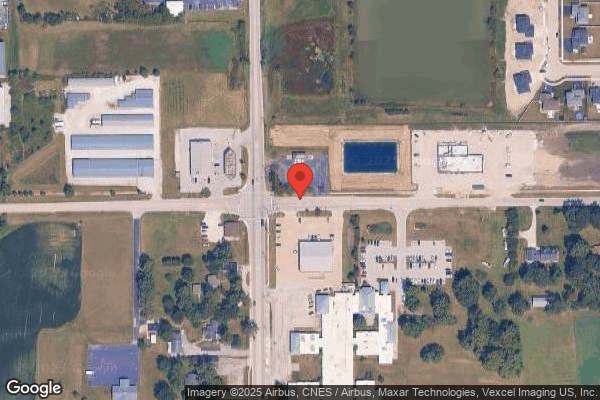

1201 DIXIE HIGHWAY, BEECHER, IL 60401 (708) 946-2600
For profit - Limited Liability company 128 Beds EXTENDED CARE CLINICAL Data: November 2025
Trust Grade
50/100
#222 of 665 in IL
Last Inspection: August 2024

Within standard 12-15 month inspection cycle. Federal law requires annual inspections.

Overview

Beecher Manor Nursing and Rehab Center has received a Trust Grade of C, which means it is average compared to other facilities. It ranks #222 out of 665 in Illinois, placing it in the top half of all state facilities, and #5 of 16 in Will County, indicating only four local options are better. The facility is improving, with a significant drop in issues from 13 in 2024 to just 1 in 2025. However, staffing is a concern, rated at 1 out of 5 stars, with a turnover rate of 53%, which is higher than the state average. While there have been no fines reported, which is positive, there are serious incidents that raise concerns: one resident suffered a fractured femur and nasal injury because they were assisted by one caregiver instead of the required two, and another resident rolled out of bed and fractured their ankle when care was provided solo despite their request for assistance. On a positive note, the facility boasts excellent quality measures, receiving 5 out of 5 stars in this area.

Trust Score
C
50/100
In Illinois
#222/665
Top 33%
Safety Record
Moderate
Needs review
Inspections
Getting Better
13 → 1 violations
Staff Stability
⚠ Watch
53% turnover. Above average. Higher turnover means staff may not know residents' routines.
Penalties
✓ Good
No fines on record. Clean compliance history, better than most Illinois facilities.
Skilled Nurses
○ Average
Each resident gets 30 minutes of Registered Nurse (RN) attention daily — about average for Illinois. RNs are the most trained staff who monitor for health changes.
Violations
⚠ Watch
35 deficiencies on record. Higher than average. Multiple issues found across inspections.
★★★☆☆
3.0
Overall Rating
★☆☆☆☆
1.0
Staff Levels
★★★★★
5.0
Care Quality
★★★☆☆
3.0
Inspection Score
Stable
2024: 13 issues
2025: 1 issues

The Good

  • 5-Star Quality Measures · Strong clinical quality outcomes
  • Full Sprinkler Coverage · Fire safety systems throughout facility
  • No fines on record

Facility shows strength in quality measures, fire safety.

The Bad

3-Star Overall Rating

Near Illinois average (2.5)

Meets federal standards, typical of most facilities

Staff Turnover: 53%

Near Illinois avg (46%)

Higher turnover may affect care consistency

Chain: EXTENDED CARE CLINICAL

Part of a multi-facility chain

Ask about local staffing decisions and management

The Ugly 35 deficiencies on record

2 actual harm
May 2025 1 deficiency
CONCERN (D) 📢 Someone Reported This

A family member, employee, or ombudsman was alarmed enough to file a formal complaint

Potential for Harm - no one hurt, but risky conditions existed

Free from Abuse/Neglect (Tag F0600)

Could have caused harm · This affected 1 resident

**NOTE- TERMS IN BRACKETS HAVE BEEN EDITED TO PROTECT CONFIDENTIALITY** Based on interview and record review, the facility failed to prevent physical abuse between two residents. This applies to 2 of...

Read full inspector narrative →
**NOTE- TERMS IN BRACKETS HAVE BEEN EDITED TO PROTECT CONFIDENTIALITY** Based on interview and record review, the facility failed to prevent physical abuse between two residents. This applies to 2 of 4 residents (R1, R2) reviewed for abuse in a sample of 4. The findings include: R2's face sheet shows an admission date of 4/25/25. R2's face sheet shows diagnoses of Alzheimer's disease, unspecified and Dementia in other diseases classified elsewhere, unspecified severity, without behavioral disturbance, psychotic disturbance, mood disturbance, and anxiety. R2's MDS (Minimum Data Set) dated 4/27/25 shows nothing entered for the BIMS (Brief Interview for Mental Status) summary score. R2 was assessed as modified independence, meaning some difficulty in new situations only under cognitive skills for decision making. R2's care plan dated 4/25/25 shows he has compromised mental status. R2's progress notes indicate the following: On 4/27/25 at 10:00 AM, (R2) struck (R1) outside of the cafeteria with both hands. (R2) struck the other resident in the face and neck area on the left side. (R2) has a broken nail and some bleeding noted to the right left pinky finger. It was reported to writer from housekeeping that (R2) was ambulating without walker before the incident occurred POA (Power of attorney) agreed to have (R2) sent out for evaluation and on call for primary doctor gave a verbal order to send (R2) to (Hospital). Writer spoke to administrator who spoke to son about resident going to a different facility for a neuro psychiatric evaluation. On 4/27/25 at 3:10 PM, (R2) left facility with ambulance service. On 4/27/25 at 3:15 PM, (R2) left facility per nurse practitioner's order. (R2) left per stretcher with all paperwork for (R2)'s involuntary discharge per petition given to paramedics. Report given to accepting facility about (R2)'s reason for transfer out of facility. R2's petition for involuntary/judicial admission dated 4/27/25 shows Person continues to be subject to involuntary admission on an inpatient basis. On 4/26/25, (R2) attempted to choke floor nurse. On 4/27/25, (R2) punched and scratched (R1) repeatedly. R2's incident report dated 4/27/25 shows: (R2) became physically aggressive towards another (R1). Residents immediately separated for safety. (R2) is unable to recall what happened. R1's face sheet shows an admission date of 1/8/25. R1's face sheet shows diagnoses of unspecified dementia, unspecified severity, without behavioral disturbance, psychotic disturbance, mood disturbance, and anxiety, and depression. R1's MDS (Minimum Data Set) dated 4/15/25 shows a BIMS score of 6, which means R1 has severe cognitive impairment. R1's care plan dated 1/16/25 shows he has a psychosocial well being problem related to anxiety. It also documents that he has impaired cognitive function/dementia or impaired thought process related to dementia/impaired decision making. R1's incident report dated 4/27/25 shows: (R1) got into a physical altercation with another resident. (R1) sustained an abrasion to the left side of his neck right below his ear. Scant amount of blood. Area cleansed and pat dry. Unable to recall what happened. Denies pain or discomfort. Both residents were separated and closely monitored. Neck area cleansed and pat dry. Nurse's assessment dated [DATE] documents that R1 had a reddened area to nose, right side of face and left side of face just below the left ear and has a scratch. There was also a reddened, small scratch to the left side of the neck and right back of hand. On 5/1/25 at 10:58 AM, R1stated, We were looking at each other. He hit me. I don't remember what or where it happened. I can't remember if I had bleeding or bruising. I can't remember. I have not seen (R2) since then. I don't remember nothing. R1 and R2's initial abuse incident report dated 4/27/25 shows: At 10:00 AM, (R2) hit (R1). Residents immediately separated. Full body assessment completed on both residents. Families and physicians notified for both (R2) and (R1). (R2) sent to the hospital for psychiatric evaluation. Investigation initiated. On 5/1/25 at 10:16 AM, V1(Administrator) and V2 (DON-Director of Nursing) were interviewed. They both stated the following: (R2) came to us on Friday 4/25/25. He had no prior history of aggression. He had dementia and exit seeking behaviors. On Saturday 4/26/25, (R2) was exit seeking and running towards the door. He put his hands around (V3-LPN/Licensed Practical Nurse) as she stood in front of the door. (V5-LPN) was behind (R2) and she was able to remove (R2)'s hands from (V3)'s neck. (R2)'s son was called on the phone and he came to the facility and sat with (R2). He was able to calm (R2) down. (V1), (V2), and the psychiatric nurse practitioner were notified. (R2) was ordered new medications of Ativan 0.25 MG (Milligrams), Trazodone 25 MG, and Aricept 5 MG. He took the medications from the nurse with the help of his nurse. On Sunday 4/27/25, V4 (LPN, Agency Nurse) called us at home and she said that (R2) hit (R1) on the side of head (right side) outside the dining room. (R1) became verbally abusive with (R2). They both have dementia. (R1) told us that (R2) didn't like him because he was from another country. (R1) had a scratch to the right side of his face and there was a scant amount of bleeding. (R1) didn't hit (R2) back. They were separated and both were given first aid. We did a petition for involuntary/ judicial admission for (R2). (R2) was sent to this hospital where he is supposed to get neuro psychiatric testing. His POA (Power of Attorney) was in agreement with this. (R2) is still in the hospital. On 5/1/25 at 12:07 PM, V3 (LPN) stated, On Saturday 4/26/25, (R2) was trying to leave the building. He was basically sundowning and exit seeking. I was facing him and trying to redirect him. (R2) put his hand around my throat. He was agitated and was trying to leave. My coworker (V5-LPN) pulled him off me by grabbing the back of his shirt. I called (R2)'s POA, (V1) and (V2). (R2) and (V1) came to the facility. We were initially going to send him to the hospital, but the psychiatric nurse practitioner said to not send him. She wanted us to give (R2) some new medications. (R2) took his medications and was able to calm down. The next day at 2 PM, I started my shift. I heard from the morning nurse (V4-LPN) that there was resident to resident contact between (R2) and (R1). I was told that (R2) scratched (R1). I don't know the full details. I remember me and the two managers were working on the paperwork. On 5/1/25 at 12:24 PM, V5 (LPN) stated, I worked with (V3) on Saturday 4/26/25. (R2) was in his wheelchair. He proceeded to get up and go to the doors. I didn't want him to fall. So, I came behind him with the wheelchair. (V3) came in front of him so he wouldn't leave. Then, (R2) grabbed (V3)'s neck. I grabbed (R2) by the shirt and he let go of (V3). We put him back in his wheelchair. The psychiatric nurse practitioner ordered him some medication. He got the medication, and he was able to calm down. The next day I worked from 2 PM to 10 PM. I heard in the morning that (R2) choked (R1) and they sent (R2) to the hospital. On 5/1/25 at 12:45 PM, V4 (LPN, Agency Nurse) stated, I worked on Sunday 4/27/25 in the morning. The housekeeper and other staff members didn't actually see (R2) and (R1) fighting. I think it was outside the dining room. (R1) came to me and told me that (R2) hit and scratched him on the face. He didn't know why. There was a scratch to the left side of the neck below his ear and it was bleeding a little. (R2) had a broken nail bed and it was bleeding a little. V6 (RN-Registered Nurse/Wound Nurse) helped me. She did a head to toe assessment and cleaned them both up. I notified (V1), (V2), and the doctor. We did an involuntary petition and we sent (R2) to the hospital. (V1) and (R1)'s POA agreed to the transfer. On 5/1/25 at 2:05 PM, V1 (Administrator) stated, It's our job to prevent abuse as best as we can and protect our residents. Absolutely! Facility's policy titled Abuse Prevention Policy (Undated) shows: This facility affirms the right of our residents to be free from abuse, neglect, exploitation, misappropriation of property, deprivation of good and services by staff or mistreatment. This facility therefore prohibits abuse .abuse means any physical or mental injury or sexual assault inflicted upon a resident other than by accidental means physical abuse is the infliction of injury on a resident that occurs other than by accidental means and that requires medical attention. Physical abuse includes hitting, slapping, pinching, kicking, and controlling behavior through corporal punishment.
Aug 2024 12 deficiencies
CONCERN (D)

Potential for Harm - no one hurt, but risky conditions existed

Deficiency F0558 (Tag F0558)

Could have caused harm · This affected 1 resident

Based on observation, interview, and record review, the facility failed to provide an ambulatory resident with continuous oxygen (a portable oxygen tank holder). This applies to 1 of 1 residents (R76)...

Read full inspector narrative →
Based on observation, interview, and record review, the facility failed to provide an ambulatory resident with continuous oxygen (a portable oxygen tank holder). This applies to 1 of 1 residents (R76) reviewed for oxygen in a sample of 37. Findings include: On 8/27/24 at 10:52 AM, R76 was observed lying in bed wearing 4 liters of oxygen per nasal cannula. R76 said 4 liters was her baseline oxygen setting and what she was wearing at home before coming to facility. R76 said she is able to walk to the bathroom by herself, but she does not have a way to bring the oxygen with her to the bathroom. R76 said she has a portable oxygen tank holder on the back of her wheelchair, but her wheelchair is bariatric and is too wide to fit into the bathroom. R76 said when she has a bowel movement she requires staff assistance to help wipe and it can take them a long time to come and help her in the bathroom. R76 said she feels short of breath after a few minutes without her oxygen on while bearing down for a bowel movement, while waiting for staff assistance, and while pulling her pants up. On 8/28/24 at 2:00 PM, R76 said she needs her oxygen while she is in the bathroom. R76 said being in that small of an area makes her breathe heavier and she has not been offered a portable oxygen tank holder on wheels. On 8/28/24 at 1:50 PM, V8 (LPN/Licensed Practical Nurse) said R76 wears continuous 4 liters of oxygen per nasal cannula and she is able to take herself to the bathroom. V8 said the facility does have portable oxygen tank holders, but they don't use them because the residents have an oxygen tank holder on the back of their wheelchairs. V8 said she was aware that R76 had a bariatric wheelchair that it did not fit in the bathroom. V8 said she knew R76 would go to the bathroom without her oxygen on. V8 said R76 was just given the okay to go to the bathroom on her own within the past week, and now that the staff is not aware when R76 is in the bathroom, R76 should be given a portable oxygen tank holder so she can bring her oxygen with her. On 8/29/24 at 2:30 PM, V2 (DON/Director of Nursing) said an ambulatory resident with a continuous oxygen order should be able to go to the bathroom with their oxygen on. V2 said R76 should have been provided a portable oxygen tank holder for the bathroom because with her chronic respiratory failure she can experience difficulty breathing and/or her oxygen level could drop if she goes without her oxygen. R76's Face Sheet shows diagnoses of chronic obstructive pulmonary disease, morbid obesity, and chronic respiratory failure. R76's MDS (Minimum Data Set) shows her cognition is intact. R76's POS (Physician Order Sheet) shows an order dated 7/8/24 for 4 liters oxygen per nasal cannula indefinitely related to chronic respiratory failure. R76's Care Plan dated 7/1/24 shows she has oxygen therapy related to respiratory failure and COPD (Chronic Obstructive Pulmonary Disease). Interventions include oxygen via nasal cannula per doctor's orders. The facility's policy titled, Oxygen Administration last revised March 2004 states, Purpose: The purpose of this procedure is to provide guidelines for safe oxygen administration. Preparation: 1. Verify that there is a physician's order for this procedure. Review the physician's orders or the facility's protocol for oxygen administration. 2. Review the resident's care plan to assess for any special needs of the resident. 3. Assemble the equipment and supplies as needed . Equipment and Supplies: The following equipment and supplies will be necessary when performing this procedure. 1. Portable oxygen cylinder (strapped to the stand) .
CONCERN (D)

Potential for Harm - no one hurt, but risky conditions existed

Deficiency F0578 (Tag F0578)

Could have caused harm · This affected 1 resident

Based on interview and record review the facility failed to maintain current and accurate advanced directives for 2 residents (R69, R115) in a sample of 37. Findings include: On 08/28/24 at 02:03 PM...

Read full inspector narrative →
Based on interview and record review the facility failed to maintain current and accurate advanced directives for 2 residents (R69, R115) in a sample of 37. Findings include: On 08/28/24 at 02:03 PM until 02:09 PM, the state surveyor and V2 DON (Director of Nursing) were conducting a record review for R69 and R115. 1. R69's electronic health record showed 6/21/24 Full Code Status POLST (Physician Orders for Life Sustaining Treatment) Declaration form, and the Advance Directive book at the nurses' station showed R69's 2/23/21 DNR (Do Not Resuscitate) form. 2. R115's electronic health record showed a 5/11/24 DNR form and in the Advance Directive book it showed R115's 2/16/24 Full Code form. On 08/28/24 02:13 PM V2 (DON) V2 said that both the Advance Directive book and the electronic health record should be the same because if they are not the facility may not give the right life sustaining measures that the person wants. The facility's Advance Directive policy dated November 2016 showed that copies of written advance directives documents will be filed uploaded in the residence clinical records and for staff not having access rights to the residents' clinical records the residents' advanced directives is maintained on the nursing unit and available to staff members for reference to and consideration of in rendering care and services to residents to whom they are assigned for duty.
CONCERN (D)

Potential for Harm - no one hurt, but risky conditions existed

Deficiency F0604 (Tag F0604)

Could have caused harm · This affected 1 resident

**NOTE- TERMS IN BRACKETS HAVE BEEN EDITED TO PROTECT CONFIDENTIALITY** Based on observation, interview, and record review, the facility confined a resident to her bed by placing interconnected bed bo...

Read full inspector narrative →
**NOTE- TERMS IN BRACKETS HAVE BEEN EDITED TO PROTECT CONFIDENTIALITY** Based on observation, interview, and record review, the facility confined a resident to her bed by placing interconnected bed bolsters on both sides of the bed and two upper side rails up. This applies to 1 of 1 resident (R81) reviewed for physical restraint in a sample of 37. The findings include: R81 is a [AGE] year-old female with moderate cognitive impairment as per the Minimum Data Set, dated [DATE]. On 8/29/24 at 9:45 AM, during wound care with V3 (Assistant Director of Nursing) and V16 (wound care nurse), R81 was observed with a wedge to her right upper body with both upper side rails up and two Bolsters to the bottom of bed inter-connected with a strap. On 8/29/24 at 9:45 AM, V3 (Assistant Director of Nursing / ADON) stated, Those bolsters are inter-connected with a strap restricting her to get out of bed. It can be a restraint if we don't have a physician order. We put it there to prevent her fall. R81's care plan does not indicate any use of bed bolsters planned for resident care (falls). R81's physician order sheet (POS) for 08/24 does not indicate any physician order for bolsters. On 08/29/24 at 12:27 PM, V2 (Director of Nursing / DON) stated, There should have been a physician order for using bolsters and should have been care planned. The purpose statement of the facility presented physical restraint policy dated 02/2014 document: Restraint shall not be used for the purpose of punishment or for staff convenience. A review of the facility-provided physical restraint policy (effective date February 2014) document: 3. Restraint use data will be provided to the physician for review and prior to ordering/re-ordering restraint use.
CONCERN (D)

Potential for Harm - no one hurt, but risky conditions existed

Deficiency F0625 (Tag F0625)

Could have caused harm · This affected 1 resident

Based on record review and interview the facility failed to provide written notice of the facility's bed hold policy to 1 resident (R69) or representative before being transferred to the hospital in a...

Read full inspector narrative →
Based on record review and interview the facility failed to provide written notice of the facility's bed hold policy to 1 resident (R69) or representative before being transferred to the hospital in a sample of 37. Findings include: On 08/28/24 at 11:46 AM a review of R69's electronic health record showed that on 8/6/24 R69 was sent to the hospital for labored breathing, oxygen saturation at 86% while on 2 liters of oxygen, a blood pressure of 100/46, and a heart rate of 143. The record review did not show any documentation that R69, or his representative, received a copy of the facility's bed hold policy. On 8/29/24 02:14 PM, V2 DON (Director of Nursing) said that the facility did not have any documentation showing that the resident or representative received the facility's bed hold policy. On 8/29/24 at 4:06 PM, V2 DON said that it is her expectations that the facility staff provide the resident or the resident's representative, the facility's bed hold policy when they are being transferred to the hospital.
CONCERN (D)

Potential for Harm - no one hurt, but risky conditions existed

Pressure Ulcer Prevention (Tag F0686)

Could have caused harm · This affected 1 resident

**NOTE- TERMS IN BRACKETS HAVE BEEN EDITED TO PROTECT CONFIDENTIALITY** Based on observation, interview, and record review, the facility failed to follow the physician's order to provide wound care. ...

Read full inspector narrative →
**NOTE- TERMS IN BRACKETS HAVE BEEN EDITED TO PROTECT CONFIDENTIALITY** Based on observation, interview, and record review, the facility failed to follow the physician's order to provide wound care. This applies to 1 of 3 residents (R1) reviewed for wound treatment and care in a sample of 37. The Findings include: R1 is an [AGE] year-old female with mild cognitive impairment as per the minimum data set (MDS) dated [DATE]. On 8/29/24 at 10:01 AM, V16 (Wound Care Nurse) and V3 (Assistant Director of Nursing) provided wound care to R1. V16 removed the old dressing from the right hip wound and observed no hydrofera blue (thick blue pad to absorb exudate/drainage from the wound). V16 then cleansed the right hip wound with saline, pat dry it, and applied Hydrofera blue with a gauze dressing. On 8/29/24 at 10:10 AM, V16 removed the old dressing from the right hip superior wound and observed no hydrofera blue (thick blue pad to absorb exudate/drainage from the wound). On 8/29/24 at 10:10 AM, in response to the surveyor's inquiry, V16 stated that she changed R1's wound dressing yesterday and didn't have an explanation for why hydrofera blue wasn't used yesterday. On 8/29/24 at 10:15 AM, V16 cleansed right hip superior wound with saline, pat dried, and applied Hydrofera blue with gauze dressing. A record review of the R1's Physician Order Sheet indicates cleansing the right hip and right hip superior wound with saline, applying hydrofera blue, and covering it with a dry dressing. On 8/29/24 at 11:15 AM, V16 stated, V2 (Director of Nursing) talked to V15 (wound care physician/MD) and on 8/27/24, during wound rounds, we discussed changing dressing from hydrofera blue to Santyl, and that's why Hydrofera blue was not used yesterday. I will go and change the Hyfrafera blue dressing to the Santyl dressing. On 8/29/24 at 11:27 AM, V15 (Wound Care Physician) stated, We discussed the wound dressing on Tuesday (8/27/24), and the most updated order is Calcium Alginate with form dressing. The resident has been on Hydrofera Blue for a while. The staff should have updated the system to reflect my new order and should have followed.
CONCERN (D)

Potential for Harm - no one hurt, but risky conditions existed

Deficiency F0688 (Tag F0688)

Could have caused harm · This affected 1 resident

**NOTE- TERMS IN BRACKETS HAVE BEEN EDITED TO PROTECT CONFIDENTIALITY** Based on observation, interview and record review the facility failed to provide restorative care services. This applies to 2 o...

Read full inspector narrative →
**NOTE- TERMS IN BRACKETS HAVE BEEN EDITED TO PROTECT CONFIDENTIALITY** Based on observation, interview and record review the facility failed to provide restorative care services. This applies to 2 of 2 residents (R65 and R74) reviewed for rehab services in a sample of 37. Findings include: 1. R65 admitted to the facility on [DATE] with diagnoses that includes cerebral infarction, dysarthria, weakness, aphasia, Alzheimer's, foot drop, basal cell carcinoma, and left artificial knee joint. R65 MDS (Minimum Data Set) dated 7/15/24 shows she is cognitively impaired and dependent on staff for all care needs. R65 current care plan includes nursing rehab PROM (Passive Range of Motion) to right hand with 3 sets 4 reps 6-7 days a week as tolerated. Restorative program to apply right wrist splint apply upon rising remove at night. Review of R65's restorative care documentation for August 2024 shows she received PROM 18 times August 1st through August 29th. R65's right hand splint was placed 17 times August 1st through August 29th. On 8/27/24 at 12:44 PM, R65 did not have a splint on her hand. On 8/28/24 at 1:39PM, R65 did not have a splint on her hand. 2. R74 admitted to the facility on [DATE]. R74 has diagnoses that includes chronic obstructive pulmonary disease, morbid obesity, fibromyalgia, schizoaffective disorder, bipolar, depression, stiffness of left ankle, anxiety, seizures, heart failure, lymphedema, gout, polyarthritis, and systemic lupus. R74's MDS shows she is cognitively intact and dependent on staff for hygiene, dressing and repositioning. R74's current care plan includes restorative program for AROM (Active Range of Motion) to bilateral upper and lower extremities 8 to 10 reps 2 sets twice daily 6-7 days a week. Bed mobility requires assistance with bed mobility. Resident will turn from side to side in bed 3 set of 3 reps and move up and down and reposition 6 -7 days a week as tolerated. Review of R74's restorative documentation show she received AROM 9 times and side to side turning exercise 9 times August 1st thru August 29th. In July 2024 R74 received AROM 18 times and side to side activity 20 times. In June 2024 R74 received AROM 18 times and side to side activity 16 times. On 8/27/24 at 12:21 PM, R74 stated she is supposed to get up a couple of times per week but has not been gotten up. On 8/27/24 at 2:21 PM, R74 stated she is supposed to receive restorative visits 6 to 7 times per week but has gone months without seeing them. R74 stated she saw them the prior week after complaining, but has not seen them since. On 8/29/24 at 12:14 PM V20 Restorative Director stated NA restorative documentation means the task was not done. On 8/29/24 at 12:20 PM, V21 Restorative Aide stated R65 and R74 have never refused restorative services. V21 stated she receives a daily list of residents that are to be seen. Residents that have an up coming MDS are seen first followed by residents that receive walking assistance. All other residents receiving restorative services are seen after that if there is time. On 8/29/24 at 12:29 PM, V22 Restorative Aide stated R65 and R74 have never refused restorative services. States residents that have an MDS scheduled are seen 100% first, walers and everyone else in between. V22 states she always documents. If the activity did not occur, she documents NA. V22 stated there is an option to document if a resident refuses. V22 stated she informs V20 of any changes in a resident if they are not able to do the task so that the care plan can be updated. The facility policy Rehabilitative Nursing Care dated April 2007 states rehabilitative nursing care is provided to for each resident admitted to the facility. The facility's rehabilitative nursing care program is designed to assist each resident to achieve and maintain an optimal level of self-care and independence.
CONCERN (D)

Potential for Harm - no one hurt, but risky conditions existed

Deficiency F0813 (Tag F0813)

Could have caused harm · This affected 1 resident

**NOTE- TERMS IN BRACKETS HAVE BEEN EDITED TO PROTECT CONFIDENTIALITY** Based on observation, interview, and record review, the facility failed to label, date, and discard old food and beverages from ...

Read full inspector narrative →
**NOTE- TERMS IN BRACKETS HAVE BEEN EDITED TO PROTECT CONFIDENTIALITY** Based on observation, interview, and record review, the facility failed to label, date, and discard old food and beverages from resident's personal refrigerators. This applies to 2 of 2 residents (R34 and R49) in the sample of 37. The findings include: 1. On 08/27/24 at 10:52 AM R34's personal refrigerator in her room had nine soft, and old individual ice cream sandwiches in the freezer. The ice cream sandwiches did not have an opened or expiration date. R34 said it's been a long time since I ate one. R34 stated the staff assists her with cleaning out the refrigerator. On 08/28/24 at 1:43 PM the individual ice cream sandwiches remained in the freezer. On 08/28/24 at 1:46 PM V13 (Housekeeper) stated she cleans the resident's refrigerators out. V13 said she did not know R34 had old ice cream sandwiches. V13 said old, soft ice cream should not be in the refrigerator. R34 could get sick if she eats it. On 08/29/24 at 9:37 AM V2 (Director of Nursing) said all residents food in the personal refrigerators should labeled and dated. V2 said the ice cream sandwiches should have been dated and labeled. Residents can get sick if they eat old food. R34's Face Sheet showed multiple diagnoses which included heart failure, dementia, muscle wasting, abnormalities of gait and mobility, depression, hypertension, and ischemic cardiomyopathy. R34's MDS (MDS/Minimum Data Set) dated 06/05/24 showed R34 was cognitively intact. 2. On 08/27/24 at 11:38 AM R49's personal refrigerator in her room had three cups with an unknown liquid in them. The cups were not dated or labeled. R49 said she consumes the drinks that are in the refrigerator. On 08/28/24 at 1:51 PM the cups with unknown liquids remained in the refrigerator, without a date or label. On 08/28/24 at 1:52 PM V13 said all liquids and cups should be labeled and dated. V13 said residents can get sick if they drink old beverages. On 08/29/24 at 9:37 AM V2 said all drinks that are opened should be labeled and dated. Residents can get sick if they eat old food or drink an unknown beverage. On 08/29/24 at 2:02 PM V1 (Administrator) said our housekeeping staff is responsible for cleaning all resident's personal refrigerators. We clean them out, discard old food and drinks whether the resident can clean it or not. I'm not sure how often they are cleaned. If a resident consumes old food and beverages, the residents could potentially become sick. There could also be an odor in the room from old foods. R49's Face Sheet showed multiple diagnoses which included fracture of left pubis, osteoporosis, chronic kidney disease, atherosclerotic heart disease, major depressive disorder, dysarthria, dementia, and anxiety disorder. R49's MDS dated [DATE] showed R49 had severe cognitive impairment. The facility's Use and Storage of Outside Foods in Resident's Room Policy showed: To ensure that food brought into the facility is stored, handled, and consumed safely, these instructions must be followed. 2. Any food or beverage must be dated and labeled with the resident's name. 3. Unlabeled food will be discarded. 5. Any perishable food or leftover foods not consumed after 3 days will be discarded. Refrigerator in resident's room: 4. Facility staff are responsible to ensure the refrigerator is clean at all times. 5. Date and label all food items.
CONCERN (E)

Potential for Harm - no one hurt, but risky conditions existed

ADL Care (Tag F0677)

Could have caused harm · This affected multiple residents

**NOTE- TERMS IN BRACKETS HAVE BEEN EDITED TO PROTECT CONFIDENTIALITY** 3. On 08/28/24 at 10:55 AM R4 was sitting in the dining room watching other residents play a game. R4 had long chin hairs. R4 sa...

Read full inspector narrative →
**NOTE- TERMS IN BRACKETS HAVE BEEN EDITED TO PROTECT CONFIDENTIALITY** 3. On 08/28/24 at 10:55 AM R4 was sitting in the dining room watching other residents play a game. R4 had long chin hairs. R4 said she wanted the chin hairs removed. She said, she does not like when hairs grow. On 08/28/24 at 1:56 PM V5 (CNA) stated that female residents should not have chin hairs. [NAME] hairs should be removed on shower days and as needed. V5 said chin hairs on females are a dignity issue. On 08/29/24 at 9:37 AM V2 (DON) said female residents should not have chin hairs. Facial hair should be removed whenever the staff does ADL care and notices it. It is a dignity issue for a woman to have chin hairs, she could be embarrassed. The staff is expected to shave women. R4's Face Sheet showed R4 had diagnoses of rhabdomyolysis, lack of coordination, need for assistance with personal care, atrial fibrillation, rheumatoid arthritis, major depressive disorder, polymyalgia rheumatica, and osteoarthritis. R4's MDS dated [DATE] showed R4 had moderate cognitive impairment. 4. On 08/27/24 at 11:00 AM R90 was sitting in the hallway. R90 had a left-hand splint. R90's fingernails to his left hand were long and curled in a downward position. R90's fingernails to his right hand were long and curled in a downward position. R90 stated he wanted his fingernails cut. On 08/28/24 at 10:18 AM R90's fingernails to both hands remained long and curled in a downward position. On 08/28/24 at 2:01 PM V5 stated residents fingernails should not be long, dirty, and curled downward. V5 stated residents nails should be cut on their shower days and as needed. V5 stated the resident could scratch himself and get an infection from long, dirty nails. On 08/29/24 at 9:37 AM V2 said residents nails should not be long and curled in a downward position. Nail care should be performed weekly. Residents with long nails can create skin tears or scratch themselves. The staff is expected to provide nail care when they provide ADL care. R90's Face Sheet showed R90 had diagnoses of sequelae of cerebral infarction, acute respiratory failure with hypoxia, chronic obstructive pulmonary disease, dysphagia, metabolic encephalopathy, seizures, chronic pain, and spinal stenosis. R90's MDS dated [DATE] showed R90 had severe cognitive impairment. The same MDS showed R90 was dependent upon staff for personal hygiene. R90's ADL deficit care plan showed an intervention to provide care with dignity and respect. The facility's Nail Care Guideline effective 02/2023 Guideline showed: 1. Nail care includes routine cleaning and regular trimming. 2. Trimmed and smooth nails prevent the resident from accidentally scratching and injuring his or her skin. The facility's Activities of Daily Living (ADL) policy effective 02/2023 Guideline showed: 1. In accordance with the comprehensive assessment, together with respect for individual resident needs and choices, our facility provides care and services for the following activities: A. Hygiene: bathing, dressing, grooming and oral care. B. Elimination: toileting. Our collaborative professional team, together with the resident and/or resident representative: 1. Will recognize and evaluate an inability to perform ADL's or risk for decline in any ability to perform ADL's. 2. Develop and implement interventions in accordance with the resident's evaluated need, goals for care, and preferences and will address the identified limitation in an ability to perform ADL's. Based on observation, interview and record review the facility failed to provide hygiene care and maintenance. This applies to 4 of 6 residents reviewed for ADL (Activities of Daily Living) in a sample of 37. Findings include: 1. R65 admitted to the facility on [DATE] with diagnoses that includes cerebral infarction, dysarthria, weakness, aphasia, Alzheimer's, foot drop, basal cell carcinoma, and left artificial knee joint. R65 MDS (Minimum Data Set) dated 7/15/24 shows she is cognitively impaired and dependent on staff for all care needs. On 8/27/24 at 12:47 PM, V16 RN (Registered Nurse) and V3 ADON (Assistant Director of Nursing) was observed providing incontinence care for R65. R65's incomitance brief was overly saturated with urine. R65's coccyx and perineum were reddened. On 8/28/24 at 1:59 PM, V19 CNA (Certified Nursing Assistant) assisted R65 with incontinence brief. R65's coccyx and perineum were still reddened. On 8/28/24 at 2:08 PM, V6 RN stated R65 had a skin assessment done on 6/12/24 showing she was a high risk for skin break down. V6 stated a new order was entered for R65 for zinc cream to coccyx every shift on 8/27/24 by V16 RN. No order in place prior to 8/27/24. 2. R106 was admitted to the facility on [DATE] with diagnoses that includes osteoarthritis, morbid obesity, polyneuropathy, hypertension, gout, muscle wasting and atrophy and pain. R106's MDS dated [DATE] shows she cognitively intact and dependent on staff for her care needs. On 8/27/24 at 1:05 PM V19 CNA (Certified Nursing Assistant) was observed providing care to R106. R106' s incontinence brief was saturated with urine. V19 stated she started work at 6am but that was her first-time providing care to R106. R106 stated she had not been provided incontinence care since 5am. R106 stated staff have come in the room turned her call light off without providing her care. R106 stated around 11:30 am V3 ADON (Assistant Director of Nursing) came in her room and told her she would get V19 to provide her care, but no one came. On 8/28/24 at 1:48 PM, 106 stated it was very upsetting to be left sitting in a wet undergarment and not receiving any help from the staff. On 8/29/24 at 1:51 PM, V2 DON (Director of Nursing) stated if staff are unable to complete their tasks, they should inform her. V2 stated her expectation is that residents receive incontinence care every two hours and as needed. The facility policy Perineal Care date August 2008 states the purpose of this procedure is to provide cleanliness and comfort to the resident, to prevent infections and skin irritation and to observe the resident's skin condition.
CONCERN (E)

Potential for Harm - no one hurt, but risky conditions existed

Accident Prevention (Tag F0689)

Could have caused harm · This affected multiple residents

Based on observations, interviews, and record reviews, the facility failed to have proper fall precaution measures in place for 4 residents (R33, R14, R69 & R52) who are at risk for falls in a sample ...

Read full inspector narrative →
Based on observations, interviews, and record reviews, the facility failed to have proper fall precaution measures in place for 4 residents (R33, R14, R69 & R52) who are at risk for falls in a sample of 37. The findings include: 1. On 08/27/24 at 10:46 AM R33 was observed in her bed with her bed in a high position. R14 said that the CNA (Certified Nurse's Assistant) had left the bed in that position for the last hour. V3 ADON (Assistant Director of Nursing) was present at that time. R33's 8/27/24 care plan showed that she is at risk for falls related to injury, weakness, impaired balance, decreased mobility and transfers, poor judgment and decreased safety awareness, dementia, and a history of falls. The interventions showed keep bed in lowest position with brakes locked. 2. 08/28/24 at 03:09 PM R14 was observed in bed with a mat on the left side of her bed but not on the right side of her bed. R14's 6/17/24 care plan showed that she is at risk for fall related injury due to a diagnosis of CVA (cerebral vascular accident) with left hemiparesis, obesity, decreased mobility and transfers. The care plan interventions showed floor mats to bedside. 3. On 08/29/24 at 11:45 PM R52 was observed in bed with only 1 mat on the floor on the right side of his bed. R52's 7/5/24 care plan showed resident has a history of falling related to status post fall diagnosis Parkinson disease, dementia, poor safety awareness, and weakness. The intervention showed floor mats at bedside. 4. On 08/27/24 at 11:31 AM R69 was observed in bed with only one mat on the floor on the left side of his bed. On 08/28/24 at 03:07 PM R69 was observed in bed with only one mat on the floor on the left side of the bed. R69's 6/21/24 care plan showed that R69 has a history of falls and remains at risk for falls related to diagnoses of Alzheimer's, Dementia, CAD (coronary artery disease), COPD (chronic obstructive pulmonary disease), Chronic contractures, Closed left femoral neck fracture, and right cerebellar. The interventions showed floor mats. On 08/28/24 at 02:25 PM V7 (Physical Therapist) said that if the resident is a high fall risk, there should be a mat on both sides of the bed, and the bed should be in a low position. On 08/29/24 at 4:06 PM V2 DON (Director of Nursing) said that if the resident is a high risk for falls, her expectations are that residents' beds are kept in low positions and that they have mats on the floor on both sides of the bed. The facility's Falls and Fall Risk, Managing policy (August 2008) showed, based on previous evaluations and current data, the staff will identify interventions related to the resident's specific risks and causes to try to prevent the resident from falling and to try to minimize complications from falling. Staff will identify and implement relevant interventions (e.g., hip padding or treatment of osteoporosis, as applicable) to try to minimize serious consequences of Falling.
CONCERN (E)

Potential for Harm - no one hurt, but risky conditions existed

Infection Control (Tag F0880)

Could have caused harm · This affected multiple residents

**NOTE- TERMS IN BRACKETS HAVE BEEN EDITED TO PROTECT CONFIDENTIALITY** 3. On 08/27/24 at 12:21 PM R40 was in her room sitting in her recliner. Her Foley catheter bag was hanging from her wheelchair i...

Read full inspector narrative →
**NOTE- TERMS IN BRACKETS HAVE BEEN EDITED TO PROTECT CONFIDENTIALITY** 3. On 08/27/24 at 12:21 PM R40 was in her room sitting in her recliner. Her Foley catheter bag was hanging from her wheelchair in front of her. At 12:27, V2 DON (Director of Nursing) asked V4 CNA (Certified Nurses' Assistant) to move the bag to R40's bed frame closer to R40. V4, with ungloved hands, moved the catheter bag that was filled with reddish colored urine, from under R40's wheelchair to the bedframe next to R40. Then V4 assisted in setting up R40 lunch tray touching the food items on her tray including opening up her carton of milk. V4 did this with ungloved hands. On 08/27/24 at 12:30 PM V4 said that she should have cleaned her hands after moving the catheter bag and before setting up R40's tray including opening the carton of milk. V4 said she should have done this so she would not contaminate R40's food. On 8/29/24 at 4:06 PM V2 DON said that the staff should have clean her hands after moving R40's catheter bag before she setup her lunch including opening R40's carton of milk. R40's electronic health record showed that R40 has a history of urinary tract infections. R40's 8/29/24 physician orders showed - Culture, catheter urine, related to history of urinary tract infections and Urinalysis, related to history of urinary tract infections. R40's MDS (minimum data set) section GG showed that R40 needs setup assistance for eating. The facility's Hand -Washing/Hand Hygiene Policy (March 2020) showed, it is the policy of the facility to assure staff practice recognized hand washing hand hygiene procedures as a primary means to prevent the spread of infections among residents, personnel, and visitors. When hands are not visibly soiled, employees may use alcohol based hand rub, foam, gel, liquid containing at least 60% alcohol in all of the following situations: after direct contact with residents, before performing a non-surgical invasive procedure, before handling clean or soiled dressing gauze pads etc., after contact with the residents intact skin, after handling used dressings, potentially contaminated equipment, etc., after contact with objects such as medical devices or equipment in the immediate vicinity of the resident that may be potentially contaminated, after contact with potentially infectious materials, during resident meal service, in between tray pass if contact with resident is made hand hygiene should be used, when removing trays hand hygiene should be used, & before contact with fresh tray or with a resident. 4. 08/27/24 at 12:40 PM R80 was receiving perineal care from V4 & V5 CNAs (Certified Nurses' Assistants). R80 was in the bathroom in a standing position with the use of a Sit to Stand lift. V4 was observed wiping R80's buttocks 7 times without folding or turning the cloth towel. Then with the same cloth towel V4 washed R80 perineal area at least 9 times without folding or changing the towel. On 08/27/24 at 01:04 PM V4 (CNA) said that she should have had had another cloth or folded the washcloth or only wiped one time when she was providing perineal care. V4 said that this should be done to prevent cross contamination. V4 said that she did it because she was rushing because she did not want R80 to fall. On 08/29/24 at 04:06 PM V2 (DON) said that her expectations are that when staff are providing perineal care they wipe once then fold the washcloth before wiping again. R80's electronic health record showed diagnoses including hemiplegia and hemiparesis, muscle wasting and atrophy, altered mental status, attention and concentration deficit following cerebral infarction, lack of coordination, and weakness. R80's 7/30/24 MDS (minimum data set) Section GG showed that R80 is dependent on staff for toileting hygiene. The facility's Perineal Care policy (revised August 2008) showed the purpose of this procedure are to provide cleanliness and comfort to the resident, to prevent infections and skin irritations, and to observe the resident's skin condition. For female residents wash peroneal area wiping from front to back, then wash the rectal area thoroughly wiping from the base of the labia towards and extending over the buttocks do not reuse the same washcloth or water to clean the labia. Based on observation, interview, and record review, the facility failed to follow its Enhance Barrier Precautions (EBP) Guidelines by staff not wearing gowns during incontinent care to EBP residents and not having a trash can inside the resident room and near the exit for discarding PPE after removal. The facility also failed to maintain effective hand hygiene during resident care. This applies to 4 of 4 residents (R1, R56, R40, and R80) reviewed for infection control practices in a sample of 37. The findings include: 1. R1 is an [AGE] year-old female with mild cognitive impairment as per the Minimum Data Set (MDS) dated [DATE]. On 8/28/24 at 1:57 PM, V8 (Licensed Practical Nurse / LPN) stated that R1 is on EBP because of her wounds, suprapubic catheter, and nephrostomy tube. On 8/28/24 at 10:20 AM, the surveyor observed V9 (Certified Nursing Assistant -CNA) & V10 (CNA) providing incontinent care to R1 without wearing a gown. On 08/28/24 at 10:25 AM, V8 stated that anybody with wounds or catheters is treated as EBP. When staff provide incontinent care to those residents, they are supposed to wear gowns. 2. R56 is a [AGE] year-old female with mild cognitive impairment who has a suprapubic catheter due to bladder dysfunction. On 08/28/24 at 11:15 AM, her room was observed with an EBP sign, no PPE cart at the door, and no trash bin at the exit door to discard used PPEs. V8 was observed checking R56's blood sugar without wearing a gown. On 8/28/24 at 11:18 AM, observed V8 administering 9 units of Aspart insulin to R56 without wearing gown. V8 stated that R56 is on EBP due to suprapubic urinary catheter. On 8/29/24 at 10:37 AM, V6 (Infection Preventionist) stated, As V8 and V9 were giving direct care to R1, they should have worn gowns. V8 also should have worn a gown when she was checking R56's blood sugar. There should have been a trash bin at the exit door for R56 to discard used PPEs. On 8/28/24 at 11:20 AM, no trash bins were available at R56's exit door to discard PPEs ((Personal Protective Equipment). The facility presented EBP Guidelines documents: 2. Initiation of Enhanced Barrier Precaution b. Implement EBP for residents with wounds, urinary catheters, and feeding tubes 3. Implementation of EBP c. Position a trash can inside the resident room and near the exit for discarding PPE removal . 5. EBP should be followed . when anticipating close physical contact while assisting with transfers and mobility or any high-contact activity. 4. High-contact resident care activities include: f. Changing briefs or assisting with toileting.
CONCERN (F)

Potential for Harm - no one hurt, but risky conditions existed

Food Safety (Tag F0812)

Could have caused harm · This affected most or all residents

Based on observation. Interview and record review the facility failed to maintain the kitchen in a manner that would prevent foodborne illness. This applies to 112 residents that receive their meal fr...

Read full inspector narrative →
Based on observation. Interview and record review the facility failed to maintain the kitchen in a manner that would prevent foodborne illness. This applies to 112 residents that receive their meal from dietary services. Findings include: On 8/29/24 at 4:43 PM, 112 residents served from the kitchen on 8/27/24 was confirmed with V2 DON (Director of Nursing). On 8/27/24 at 10:03 AM, the kitchen tour was conducted with V25 Dietary Consultant. The dry storage floors were sticky. Vanilla wafers 16 oz (ounce) bag was opened and did not have an open on date or use by date. Spaghetti 10 lb. (pounds) was opened. Walk in cooler- Bag of carrots, celery and onion mix opened no label identifying contents, opened on date use by date 8/23/24. Five-gallon bucket of pickles with unsecured lid Seven cartons of strawberry topping dated 7/17/24. Two 24 oz jars of marinara, one half empty, one with the safety seal broken and no opened on or use by date. Two metal trays of ham chunks covered with saran wrap stored over three pans of Jello, two pans of uncooked roll and three pans of uncooked biscuits. Deli sandwiches one bologna, one turkey and one roast beef dated 8/23/24. V25 stated he has worked in the facility for two weeks. V25 stated he would not serve the strawberry topping because he did not know if it was expired. V25 stated he would not serve the deli sandwiches because they should not be kept longer than 48 to 72 hours. V25 stated there were no logs for the sanitization buckets. Walk in freezer- Two fast food restaurant cups with frozen brown liquids and a 16 oz ½ empty bottle of water. One sanitization bucket in use measured at 100 ppm (parts per million). On 8/28/24 at 11:40 AM, V25 was in the kitchen with facial hair not covered with hair net. On 8/29/24 at 12:46 PM, two large clear bags in the facilities walk in cooler were identified by V18, Dietary Manager, as shredded chicken did not have a label identifying contents or expiration date. Water was observed dripping from the ceiling and the kitchen floor was wet. On 8/28/24 at 12:16 PM, V25, Dietary Consultant, stated facial hair should be covered. V25 stated the sanitization buckets are changed every two hours and as needed. The sanitization ppm should be documented every shift / meal. Review of the facility provided documentation showed the facility did not conduct consistent daily monitoring of chemical sanitization level in the or three compartment sinks from December 2023 thru August 2024. The facility did not provide any documentation for the monitor of their red sanitization buckets. The facility provided logs for food cooking and holding temperatures from June thru August that show temperature monitoring is not consistently done with every meal every day. The facility policy Sanitization and Infection Control dated June 2023 states sanitizer solution should read at 200ppm. The facility policy Dishwashing and Sanitization dated June 2023 states adequate food temperature will be maintained throughout meal service and delivery. The facility policy Food Storage date June 2023 stated food storage areas shall be clean at all times. Left over foods are labeled, dated, immediately placed under refrigeration and used within 72 hours or discarded. All exposed foods should be stored tightly covered. No personal items will be stored with food items. The facility policy Personnel Health and Sanitization dated June 2023 states employees who handles food and food contact surfaces use hairnets, caps or other effective hair restraints in order to keep hair from contacting food and food contact surfaces. The facility policy Food Temperatures dated June 2023 states hot food temperatures will be taken upon cooking, holding and on the line before service at each meal. Temperatures will be recorded each time in a temperature logbook. The undated facility provided chart for refrigerator storage states always store ready to eat foods on the top shelf. Arrange other shelves by cooking temperature with the highest cooking temperature on the bottom.
MINOR (C)

Minor Issue - procedural, no safety impact

Deficiency F0925 (Tag F0925)

Minor procedural issue · This affected most or all residents

**NOTE- TERMS IN BRACKETS HAVE BEEN EDITED TO PROTECT CONFIDENTIALITY** Based on observation, interview, and record review, the facility failed to provide a pest-free environment to residents by havin...

Read full inspector narrative →
**NOTE- TERMS IN BRACKETS HAVE BEEN EDITED TO PROTECT CONFIDENTIALITY** Based on observation, interview, and record review, the facility failed to provide a pest-free environment to residents by having house flies and gnats in the resident rooms and common areas. This applies to all 117 residents residing in the facility. The Findings include: R57 is a [AGE] year-old female with moderate cognitive impairment as per the Minimum Data Set (MDS) dated [DATE]. On 8/27/24 at 11:31 AM, the surveyor observed house flies in R57's room and on R57. On 8/27/24 at 11:31 AM, R57 stated, I do have flies here, and I don't know how to get rid of them. 08/27/24 02:29 PM, house flies around the food cart were observed in front of the Kitchen hallway. On 8/28/24 at 10:13 AM, the surveyor observed R57's room again with a house fly on her (left leg). 08/28/24 at 10:32 AM, observed gnats and house flies around North Nurse's station. On 08/29/24, at 11:20 AM, house flies were observed in the South Nurse's station. As per the surveyor's notification, V3 (Assistant Director of Nursing/ADON) cleansed the nurse's station and stated, Those flies are everywhere. On 8/28/24 at 1:46 PM, V17 (Maintenance Director) stated, We treat our facility with a pest control company twice per month. We were treated on 8/16/24. I notified them yesterday. They said they will spray chemicals outside on next visit. I know residents should have a pest-free environment. A review of the facility-provided pest control policy dated 11/1/23 document: 1. Ongoing measures are being taken to prevent, contain, and eradicate common household pests such as bed bugs, lice, roaches, ants, mosquitoes, flies, mice, and rats
May 2024 1 deficiency 1 Harm
SERIOUS (G) 📢 Someone Reported This

A family member, employee, or ombudsman was alarmed enough to file a formal complaint

Actual Harm - a resident was hurt due to facility failures

Accident Prevention (Tag F0689)

A resident was harmed · This affected 1 resident

**NOTE- TERMS IN BRACKETS HAVE BEEN EDITED TO PROTECT CONFIDENTIALITY** Based on observation, interview and record review the facility failed to provide safe bed mobility assistance for one (R1) of th...

Read full inspector narrative →
**NOTE- TERMS IN BRACKETS HAVE BEEN EDITED TO PROTECT CONFIDENTIALITY** Based on observation, interview and record review the facility failed to provide safe bed mobility assistance for one (R1) of three resident reviewed for resident injury and siderail use in a sample of seven. These failures resulted R1 incurring a right femur fracture, a nasal fracture and a laceration requiring sutures. This was identified as past non-compliance that occurred from 04/02/2024 to 04/05/2024. Findings include: The 5/7/2024 admission Record shows R1 with diagnoses to include morbid obesity, Hemiplegia and Hemipariesis following brain bleed affecting the left non-dominant side, and contractures. On 5/7/2024 at 10:20 AM R1 laid in bed with an air mattress and one quarter siderail at the top of each side of the bed. R1 had an immobilizer brace to her right lower leg, and contractures to her feet and hands. R1 stated her leg and nose were broke when she was being provided personal care with one staff person instead of the two staff she requires. R1 stated she uses the siderail to assist staff with positioning which was not loose but when she was rolled onto her left side all her weight was placed onto the rail and it broke off causing her to fall to the floor. R1 stated she has had little use of her extremities on her left side, and limited ability to move her right leg, right hand and right arm. On 5/8/2024 at 1:22 PM V4 (Nursing Assistant) stated she was alone providing care to R1 and when V4 turned R1 onto her left side, with R1 assisting and grabbing the siderail with her right hand and arm, the siderail broke and R1 fell to the floor. V4 confirmed R1 was a 2 person assist but was not aware at the time of this incident. The Facility Event Report dated 4/2/2024 at 4:15 AM documents R1 was turned on her side while being changed, the siderail broke and she fell from the bed onto the floor landing on her face. R1 incurred a laceration to the bridge of her nose and complaining of pain and was transferred to the hospital for evaluation. R1 returned from the hospital with diagnoses to include a nasal fracture and laceration with 4 sutures and a right lower leg immobilizer for a right femur fracture. On 5/7/2024 at 12:18 PM V2 (Director of Nurses) stated R1's care card used by the direct care staff to determine resident care needs showed R1 as one person assist for bed mobility. V2 stated as she investigated this incident, she discovered R1's care card should show R1 as a two person assist for bed mobility per her assessments and plan of care. V2 stated R1 denied the siderail being loose during the incident and the facility was unable to prove the siderail failed or was not secured properly during this incident. On 5/7/2024 at 12:55 PM V5 (Nursing Assistant) stated she is familiar with R1, and R1 is a two person staff assist to roll from side to side in bed. V5 stated R1 can assist using the siderails but R1 is not steady when she is laying on her side and one staff is needed on each side so she does not tip over and fall out of the bed. On 5/7/2024 at 1:10 PM V6 (Nursing Assistant) stated R1 always requires two staff to provide bed mobility because she is a larger person and needs assistance to turn. V6 stated when rolling R1 from side to side one staff person is placed on each side of the bed to keep her from toppling over and falling out of the bed. The Care Plan dated 3/17/2009 documents R1 with decreased mobility and transfers related to left sided Hemipariesis and obesity requiring the extensive assistance of two staff members for bed mobility. R1's Minimum Data Set, dated [DATE] documents R1 as cognitively intact and dependent on staff to roll right and left. R1's Weight on 03/11/2024 is documented at 203.0 pounds. The hospital After Visit Summary dated 4/2/2024 documents a Cat Scan of the facial bones showing a nasal fracture, a nasal laceration was repaired with sutures, and an X-Ray of the right knee showed a fracture of the distal right femur. On 5/8/2024 at 4:20 PM V9 (Nurse Practitioner) stated confirmed staff should follow the residents plan of care to ensure the safe provision of care. V9 stated, I agree if staff had followed her care plan and utilized the correct number of staff while performing her care during this incident she likely would not have fallen. V9 confirmed R1 incurred a fracture to her nose, laceration to her nose requiring sutures, and a fracture to her right lower leg during this incident. The manufacturers safety ring (siderail) instructions show the device can be used for residents weighing up to 1000 pounds. These instructions also document, . although the device is rated for such use, it may break if excessive force is exerted on the device. The surveyor confirmed through observation, interview and record review the facility took the following actions prior to the survey date, which were initiated on 04/02/2024 and completed on 04/05/2024, to correct the deficient practice: 1. R1's care plan and resident care card were reviewed and updated on 4/2/2024. 2. All residents with siderails had siderails inspected by Maintenance on 4/2/2024. Audits were conducted weekly by Maintenance for 4 weeks, then are ongoing monthly thereafter. 3. Audits for the use for the correct number of staff during the provision of care were completed by V2 (Director of Nursing) on 4/5/2024. Audits were conducted weekly by V2 for 4 weeks, then ongoing weekly thereafter. 4. Audits of the resident care cards and ADL (Activities of Daily Living) Care Plans were completed by Restorative Nursing on 4/5/2024. Audits were then conducted weekly for 4 weeks and will are ongoing weekly by Restorative Nursing thereafter. 5. Ongoing daily monitoring will occur for resident changes in condition requiring an updated plan of care. 6. Staff reeducation occurred and was completed by 4/5/2024 as follows: A. Nursing and Nursing Assistants were inserviced on resident care cards, following provision of resident care per their care plan, and notification of any status changes. B. Housekeeping movement of resident care cards during room changes. 7. A Quality Assurance and Performance Improvement meeting was held on 04/03/2024. In attendance - V1 (Administrator), V2 (Director of Nurses), V3 (Assistant Director of Nurses) and V17 (Medical Director). These meetings were held weekly for 4 weeks, then resumed their regular monthly schedule.
Oct 2023 2 deficiencies
CONCERN (E) 📢 Someone Reported This

A family member, employee, or ombudsman was alarmed enough to file a formal complaint

Potential for Harm - no one hurt, but risky conditions existed

Report Alleged Abuse (Tag F0609)

Could have caused harm · This affected multiple residents

Based on interview and record review, the facility failed to report an alleged accusation of misappropriation of resident narcotics. This applies to 10 of 10 residents (R1-R10) reviewed for misappropr...

Read full inspector narrative →
Based on interview and record review, the facility failed to report an alleged accusation of misappropriation of resident narcotics. This applies to 10 of 10 residents (R1-R10) reviewed for misappropriation of property in the sample of 10. The findings include: R1-R10 were on narcotics and resided in zones that V3 RN (Registered Nurse) was scheduled to work per facility nursing assignment sheets. On 10/10/23 at 9:33 AM, and 1:40 PM, V2 (Director of Nursing) stated that during suspension of an employee (V6 Certified Nurses Assistant) related to an altercation that occurred involving her and two other Registered Nurses (V3 and V5). V6 stated V3 was taking narcotics from the carts. V2 stated that the altercation had occurred during overnight shift from 10/03/23 to 10/04/23 at 1:30 AM. V2 stated an investigation [for misappropriation of property] was initiated on 10/04/23 when the suspension occurred [for inappropriate staff behavior]. V2 added that a narcotic count of residents was done and residents on PM narcotics were interviewed and no issues were found. V2 stated documentation of the investigation was not recorded. Per request, a synopsis of the above investigation was submitted at around 1:40 PM on 10/10/23. On 10/10/23 at 12:05 PM, and 3:11 PM, V1 (Administrator) stated as follows: I came to know about it because an irate employee [V6] got suspended because of her behavior and she was terminated. V2 knew about the issue before me and she had already investigated it on 10/4/23. It was brought to my attention on Thursday 10/5/23. V2 thought I knew about it on 10/4/23 as she assumed that I heard the conversation she had over the phone with V6. I was outside the office making photocopies and did not hear. V5 resigned and would not talk to us. Because V6 was terminated, V6 stated 'V3 is taking drugs. Everybody knows about it.' We only do a formal investigation and report it to IDPH if there is an allegation [finding]. On 10/10/23 at 2:41 PM, V10 (Corporate Registered Nurse) stated, When an employee [V6 CNA] was notified that she was suspended, in retaliation she responded and made an allegation about the nurse [V3] taking narcotics. The facility did a narcotic count of the whole building and did not find anything. They interviewed residents on V3's unit and they had no complaints. There was no validation of the allegation. It was not reported as no concerns were found. Facility undated policy and procedure on Conducting a Thorough Investigation included as follows: The following guidance represents the components of an investigation that would constitute a 'thorough investigation'. The facility should document all aspects of their investigation to provide evidence that all allegations were thoroughly investigated. Drawing a reasonable inference or an assumption about what happened does not negate the requirements for a thorough investigation and reporting of the incident. Reporting Requirements: The facility must ensure that all allegations of abuse, neglect, injuries of unknown source, and misappropriation of resident property are reported immediately to the administrator of the facility, the State Survey Agency, to other officials in accordance with the state law, and take all necessary corrective actions depending on the results of the investigation. Reporting Timeframe's: All allegations of abuse, neglect, misappropriation of resident property, including injuries of unknown source must be reported immediately. The result of the facility investigations must be reported to the State Survey Agency within five working days of the incident.
CONCERN (E) 📢 Someone Reported This

A family member, employee, or ombudsman was alarmed enough to file a formal complaint

Potential for Harm - no one hurt, but risky conditions existed

Investigate Abuse (Tag F0610)

Could have caused harm · This affected multiple residents

Based on interview and record review, the facility failed to have evidence of a thorough investigation regarding allegation of misappropriation of resident narcotics. This applies to 10 of 10 resident...

Read full inspector narrative →
Based on interview and record review, the facility failed to have evidence of a thorough investigation regarding allegation of misappropriation of resident narcotics. This applies to 10 of 10 residents (R1-R10) reviewed for misappropriation of property in the sample of 10. The findings include: R1-R10 were on narcotics and resided in Zones that V3 RN (Registered Nurse) was scheduled to work per facility nursing assignment sheets. On 10/10/23 at 9:33 AM, and 1:40 PM V2 (Director of Nursing) stated that during suspension of an employee (V6 Certified Nurses Assistant) related to an altercation that occurred involving her and two other Registered Nurses (V3 and V5), V6 stated that V3 was taking narcotics from the carts. V2 stated that the altercation had occurred during overnight shift from 10/03/23 to 10/04/23 at 1:30 AM. V2 stated that an investigation [for misappropriation of property] was initiated that same morning when the suspension occurred [for inappropriate staff behavior]. V2 added that a narcotic count of residents was done and residents on PM narcotics were interviewed and no issues were found. V2 stated that V3 was not suspended during investigation and V3 came in for the next shift that evening after investigation was completed with no findings. V2 stated that documentation of the investigation was not recorded. Per request, a synopsis of the above investigation was submitted at around 1:40 PM on 10/10/23. On 10/10/23 at 2:41 PM, V10 (Corporate Registered Nurse) stated When an employee [V6 CNA] was notified that she was suspended, in retaliation she responded and made an allegation about the nurse [V3] taking narcotics. She did not give a date, day, time, shift, medication, or resident. That CNA and Nurse [V5] worked different shifts. The facility did a narcotic count of the whole building and did not find anything. They interviewed residents on V3's unit and they had no complaints. There was no validation of the allegation. It was not reported as no concerns were found. A thorough investigation is all the steps you took. Some lawyers tell us not to write things down. Facility undated policy and procedure on Conducting a Thorough Investigation included as follows: Federal guidelines require that a facility must have evidence that all allegation of abuse, neglect and misappropriation of property, including injuries of unknown source, have been thoroughly investigation. In addition, the facility must take action to prevent potential abuse while the investigation is in progress. The following guidance represents the components of an investigation that would constitute a 'thorough investigation'. The facility should document all aspects of their investigation in order to provide evidence that all allegations were thoroughly investigated. Drawing a reasonable inference or an assumption about what happened does not negate the requirements for a thorough investigation and reporting of the incident. The investigation: 1. Identify the type of reportable incident (injury of unknown source or alleged abuse). 6. Interview the person reporting the incident. Was the incident reported timely? What allegedly occurred? When and where did the alleged incident occur? . 7. Develop a list of known and possible witnesses to the reportable incident. Interview staff, residents and/or visitors or anyone who has or might have knowledge of the incident under investigation Consider who may have seen or heard something and what they think could have happened. Observe and document any unusual demeanor of the person being interviewed. 9. Obtain written, signed, double witnessed or notarized statement from the reporter and all other identified witnesses 10. Review and have documentation of the as worked schedule for 48-hour period prior to the day of the reportable incident. When and where was the alleged abuser(s) working at the time of the incident? Be specific to the hall, section, and room numbers 11. Review the alleged abuser(s) personal record of history of previous disciplinary actions, previous employment evaluations, background investigation, Inservice record and the status of the certification or license 12. Document any action(s) taken by the facility to protect the resident and to prevent possible retaliation during the investigation (maintain punch card reports to show alleged abuser(s) was suspended during the investigation). 13. Document any knowledge of bias between abuser(s) and witnesses . 15. Facility Investigative file: At the onset of the investigation, begin compiling the investigative file, to be maintained as a record.
Oct 2023 1 deficiency
CONCERN (D) 📢 Someone Reported This

A family member, employee, or ombudsman was alarmed enough to file a formal complaint

Potential for Harm - no one hurt, but risky conditions existed

Pressure Ulcer Prevention (Tag F0686)

Could have caused harm · This affected 1 resident

Based on observation, interview, and record review, the facility failed to ensure a wound dressing was in place for a resident with a stage 4 pressure ulcer. This applies to 1 out of 3 residents (R2) ...

Read full inspector narrative →
Based on observation, interview, and record review, the facility failed to ensure a wound dressing was in place for a resident with a stage 4 pressure ulcer. This applies to 1 out of 3 residents (R2) reviewed for pressure wounds in a sample of 3. Findings include: On 9/29/23 at 2:28 PM, surveyor observed R2's sacral pressure wound with V3 (Wound Nurse). V3 stated R2's sacral wound is a stage 4 wound. When V3 opened R2's incontinence brief to visualize the dressing, the brief was soaked with urine and feces. No dressing was in place on her sacral wound. On 9/29/23 at 2:30 PM, V3 verified the dressing had come off and stated no one notified her to replace it. In R2's 9/27/23 Wound Evaluation and Management Summary, the Site 1 Focused Wound Exam showed a full thickness stage 4 pressure wound of the sacrum with duration of more than 207 days, with an objective to manage the moderate serous exudate. The Summary lists wound size in cm (centimeters) as 4 cm long x 3.5 cm wide x 1 cm deep. The Summary also lists wound undermining of 2.5 cm.at 9 o'clock. Primary dressing Alginate calcium with silver apply once daily for 23 days, with a secondary dressing of a bordered gauze island dressing applied once daily as needed. R2's 10/3/23 Braden Scale with Score (pressure ulcer risk assessment) showed the facility has identified R2's skin as very moist, she is completely immobile (does not make even slight changes in body or extremity position without assist), and friction and shearing are a problem. The Scale scores R2 as a moderate risk for pressure ulcer development. R2's Face Sheet includes a diagnosis of pressure ulcer of sacral region, stage 4, and her 9/2/23 Minimum Data Set showed she is severely cognitively impaired. R2's Physician Order dated 9/7/23 indicated Sacrum: cleanse with normal saline, pack with silver alginate and cover with gauze island dressing, change daily and PRN (as needed). On 10/3/23 at 12:48 PM, V2 DON (Director of Nursing) stated the CNAs (Certified Nursing Assistants) who notice a dressing is missing should notify the nurse and the nurses must replace the dressing.
Jul 2023 8 deficiencies
CONCERN (D)

Potential for Harm - no one hurt, but risky conditions existed

Deficiency F0688 (Tag F0688)

Could have caused harm · This affected 1 resident

Based on observation, interview and record review, the facility failed to apply a splint and provide treatment plan as recommended and ordered to prevent contractures. This applies to 1 of 3 residents...

Read full inspector narrative →
Based on observation, interview and record review, the facility failed to apply a splint and provide treatment plan as recommended and ordered to prevent contractures. This applies to 1 of 3 residents (R24) reviewed for range of motion in the sample of 24. The findings include: R24's diagnoses on the face sheet included Multiple sclerosis, Weakness, Dysarthria and Anarthria, Aphasia. R24's POS (Physician Order Sheet) included Restorative Programming PROM (Passive Range of Motion) to bilateral upper/lower extremities 10 reps [repetition] times one set, daily 6 to 7 days a week start date 5/17/23. The POS also included for R24 to get up in the [mechanical] chair on Monday, Wednesday and Friday from 1:00 PM-4:00 PM. R24's Annual MDS (Minimum Data Set) dated 5/17/23 showed R24 requires total dependence of two-person physical assistance for transfer and has impairment on both sides for functional range of motion. On 7/17/23 at 10:53 AM, on 7/18/23 at 11:14 AM and 1:38 PM, and on 7/19/23 at 11:25 AM, R24 was seen lying in bed and noted to have no hand splint on. R24 was nonverbal and was unable to move her extremities. A hand splint was seen on the side table with signage posted on wall, Please remove hand splints on PM. They are placed on AM. R24 was also not seen up in mechanical chair on 7/17/23 Monday from 1:00 PM-4:00 PM. On 7/18/23 at 1:52 PM, R24 was not wearing a hand splint, this was verified by V18 CNA (Certified Nursing Assistant). V18 stated she works for agency and it was her first day at the facility and does not know specifics about R24's care. On 7/19/23 at around 9:45 AM, V25 (CNA) stated she was not aware R24 wears splints. On 7/18/23 at 2:42 PM, V5 (MDS Nurse) stated R24 has orders for PROM and the restorative staff should be doing them. V5 stated R24 has orders to get up 3 times a week on [mechanical] chair. V5 added V24 (Restorative Nurse) currently oversees the program. On 7/19/23 at 10:36 AM, V24 stated she works part time for 20 hours a week. V24 stated she worked on 7/17/23 but she did not see R24 for PROM or apply any splints on R24. V24 stated the facility has 2 restorative staff who do the PROM exercises and apply the splints but are unable to get to all the residents they need to see in the facility and do what they can. V24 stated ideally the CNA's should do these tasks but the facility has multiple agency staff who are not familiar with the resident needs. V24 stated the PROM when done, is recorded in Restorative Nursing under POC (Point of Care). V24 stated a splint treatment was added to R24's right hand to prevent contracture and is to be on 6-7 days per week. V24 stated she overlooked to add the orders for splints on R24's POS but had it documented in the care plans. V24 added the order for the same was added on 7/19/23. Review of POC Nursing Restorative Time log for number of minutes for PROM from 7/01/23-7/19/23 showed PROM was only done on 7/11/23 and 7/16/23 for 15 minutes on each of these days. R24's care plan last revised 5/29/23 included as follows: -R24 requires passive range of motion related to weakness and requires a restorative PROM program. Goal for this problem included R24 will receive 1 set of 10 reps of PROM to upper extremities 6-7 days/week through next review 8/29/23. -R24 has a splint to right hand related to preventing contracture and requires a restorative splint/brace program. Goal for this problem included staff will monitor splint to be on all times 6-7 days per week through next review 8/29/23. -R24 does not have the capacity to transfer self without use of [mechanical] lift due to diagnoses of Multiple Sclerosis, impaired mobility and decreased strength. Goal for this problem included R24 will transfer safely with use of [mechanical] lift and 2 staff assist through next review 8/29/23.
CONCERN (D)

Potential for Harm - no one hurt, but risky conditions existed

Incontinence Care (Tag F0690)

Could have caused harm · This affected 1 resident

**NOTE- TERMS IN BRACKETS HAVE BEEN EDITED TO PROTECT CONFIDENTIALITY** 3. R60 had multiple diagnoses which included hemiplegia and hemiparesis following cerebral infarction affecting left non-dominan...

Read full inspector narrative →
**NOTE- TERMS IN BRACKETS HAVE BEEN EDITED TO PROTECT CONFIDENTIALITY** 3. R60 had multiple diagnoses which included hemiplegia and hemiparesis following cerebral infarction affecting left non-dominant side, chronic urinary tract infection, history of ESBL (extended spectrum beta-lactamase), neuromuscular dysfunction of the bladder, based on the face sheet. R60's quarterly MDS (minimum data set) dated 6/19/23 showed the resident was severely impaired with cognition and required extensive assistance from the staff for personal hygiene and toileting. The same MDS showed the resident had an indwelling urinary catheter and was always incontinent of bowel function. On 7/18/23 at 1:34 PM, with the assistance of V16 (CNA/Certified Nursing Assistant), V15 (CNA) provided incontinence care to R60. V15 used disposable cloths to wipe R60's left outer groin area, folded the same disposable cloth to wipe the right outer groin area and then using the same side of the used disposable cloths (without folding) proceeded to wipe R60's middle outer groin area. V15 did not clean R60's front perineal area and did not clean and separate the resident's labial folds. V15 also did not clean R60's urinary catheter insertion site and tubing. R60's active care plan initiated on 9/22/22 showed R60 required an indwelling urinary catheter due to neurogenic bladder. The same care plan showed multiple approaches which included provision of catheter care every shift, and as needed, and routine incontinence care. On 7/19/23 at 2:11 PM, V2 (Director of Nursing) stated for female resident's incontinence care, it is expected the nursing staff separate the labial folds for cleaning to prevent urinary tract infection and maintain hygiene. During the same interview V2 stated cleaning the urinary catheter insertion site and the catheter tubing should be performed during incontinence care to prevent infection as well as to maintain hygiene. The facility's policy and procedure regarding perineal care revised on 8/2008 showed the purpose of the procedure is to provide cleanliness and comfort to the resident to prevent infections and skin irritations and to observe the resident's skin condition. The same policy under procedures showed in-part, 9. For a female resident (1) Separate labia and wash area downward from front to back. (Note: If the resident has an indwelling catheter, gently wash the juncture of the tubing from the urethra down the catheter about 3 inches. Gently rinse and dry the area. (2) Continue to wash the perineum moving from inside outward to and including thighs, alternating from side to side, and using downward strokes. Based on observation, interview, and record review, the facility failed to provide incontinence and catheter care in a manner that would prevent potential urinary tract infection and reduce friction at the catheter insertion site. This applies to 4 of 7 residents (R40, R57, R60, R67) reviewed for incontinence and catheter care in the sample of 24. The findings include: 1. Face sheet shows that R57 is 83 years-old who has multiple medical diagnoses which include hemiplegia and hemiparesis affecting left non-dominant side, lack of coordination and weakness. Minimum Data Set (MDS) dated [DATE] shows that R57 requires extensive assistance for personal hygiene. On 7/18/23 at 4:39 PM, V30 (Certified Nursing Assistant/CNA) rendered incontinence care to R57 who was wet with urine. V30 used wet wipes to clean R57 from front to back of her peri-area. V30 wiped R57 in a downward stroke from the pubic area down to the groin, and from pubic area down to outer labia. However, V30 did not separate the labia to clean inner area of the perineum. 2. Face sheet shows that R67 is 70 years-old who has multiple medical diagnoses which include hemiplegia and hemiparesis following unspecified cerebrovascular disease affecting right non-dominant side, and weakness. Minimum Data Set (MDS) dated [DATE] showed that R67 requires extensive assistance for toileting and hygiene. On 7/19/23 at 11:16 AM, V20 and V32 (Both CNAs) rendered incontinence care to R67 who was wet with urine and had a bowel movement. V20 used wet wipes to clean R67's frontal perineum up and down, back, and forth (from the pubic area to the phallus, down to the groins and back) with the same wet wipes. In addition, R67 was not circumcised and V20 did not retract foreskin of the phallus to clean the inner area. On 7/19/23 at 12:07 PM, V2 (Director of Nursing/DON) stated when providing incontinence care for uncircumcised male the staff needs to retract foreskin. Wipe frontal perineum from top to bottom in downward stroke and use different wet wipes on each area. For female resident, the staff must wipe from front to back. Use different wipes from clean to dirty. Separate labia and clean the inner area of the perineum to prevent potential infection. 4. R40 had multiple diagnoses which included right femur-right hip hardware acute osteomyelitis, hemiplegia and hemiparesis following cerebral infarction affecting right dominant side, type 2 diabetes mellitus and neuromuscular dysfunction of the bladder, based on the face sheet. R40's admission MDS dated [DATE] showed the resident was moderately impaired with cognition and required extensive assistance from the staff with toilet use and personal hygiene. The same MDS showed R40 had an indwelling urinary catheter and was always incontinent of bowel function. On 7/18/23 at 2:22 PM, while V2 (Director of Nursing) and V3 (Assistant Director of Nursing) were turning and repositioning R40 during bowel incontinence care. R40's indwelling urinary catheter was getting tugged. A foam anchor pad was observed on R40's right inner leg area, however, the lock portion was left open, and the urinary catheter tubing was not secured/anchored to prevent tension on the catheter which can cause urethral tears or dislodgement of the catheter. R40's active care plan initiated on 5/15/23 showed the resident required the use of an indwelling urinary catheter due to diagnosis of neurogenic bladder. The same care plan showed multiple approaches which included securing the urinary catheter for resident's safety. On 7/19/23 at 8:54 AM, V2 (Director of Nursing) stated all residents with indwelling urinary catheter should have their catheter secured on their leg to prevent pulling/tugging and/or dislodgment. Review of the facility's policy and procedure regarding urinary catheter care revised on September 2005 showed in-part under general guidelines, 15. Ensure the catheter remains secured with a leg strap to reduce friction and movement at the insertion site and 16. Report unsecured catheters to the supervisor. Review of the facility's policy and procedure regarding perineal care revised on 8/2008 showed in-part, 10. For a male resident: b. Wash perineal area starting with urethra and working outward. (1) Retract foreskin of the uncircumcised male.
CONCERN (D)

Potential for Harm - no one hurt, but risky conditions existed

Pharmacy Services (Tag F0755)

Could have caused harm · This affected 1 resident

Based on interview and record review the facility failed to ensure that accurate documentation of controlled drugs was maintained. This applies 6 of 6 residents (R2, R5, R12, R29, R66, R99) reviewed f...

Read full inspector narrative →
Based on interview and record review the facility failed to ensure that accurate documentation of controlled drugs was maintained. This applies 6 of 6 residents (R2, R5, R12, R29, R66, R99) reviewed for controlled medications. The findings include: On 7/19/23 9:30 AM, the zone 2 medication cart was reviewed with the nurse on duty, V12 (Licensed Practical Nurse). V2 (Director of Nursing/DON) was present. During the review of controlled substances on the medication cart it was noted that quantities of resident medication on hand did not match the quantity documented for 4 residents as follows: R99's prescribed Lacosamide 100 MG (milligrams) tablet, was to be administered one tablet by mouth every 12 hours. The actual quantity on hand in the blister-pack medication package showed there were 20 tablets remaining, and R99's-controlled drug receipt documented there were 21 tablets remaining. R5's prescribed Phenobarbital 64.8 MG tablet, was to be administered one tablet by mouth every morning and two tablets by mouth at bedtime. The actual quantity on hand in R5's blister-pack medication package showed there were 6 tablets remaining, and R5's controlled drug receipt documented there were 7 tablets remaining. R2's prescribed Hydrocodone/APAP tab 5-325 MG, was to be administered by mouth twice daily as needed. The actual quantity on hand in R2's blister-pack medication package showed there were 8 tablets remaining, and R2's-controlled drug receipt documented there were 9 tablets remaining. R29's prescribed Clonazepam 0.5 MG tab, was to be administered one tablet by mouth twice daily. The actual quantity on hand in R29's blister-pack medication package showed there were 10 tablets, and R29's controlled drug receipt documented there were 11 doses remaining. Regarding the discrepancies, V12 stated, I gave it this morning and didn't sign it out yet. V12 added she administered the medications with the 8:00 AM medication pass, and she was supposed to document the medication right after administering to the resident. V2 who was present confirmed the expectation was the medication should be signed out when administered. On 7/19/23 at 10:16 AM, the Zone 4 medication cart was reviewed with the assigned nurse, V33 (LPN, Agency). V2 (DON) was also present. During the review of the controlled substances on the medication cart, it was noted that the quantities of resident medication on hand did not match the quantity documented for 2 residents as follows: R12's prescribed Hydrocodone/APAP 10-325 MG Tabs, was to be administered one tablet by mouth twice daily. The actual quantity on hand in R12's blister-pack medication package showed there was one tablet remaining, and R12's controlled drug receipt documented there were 2 tablets remaining. R66's prescribed Hydrocodone/APAP 10-325 MG tab, was to be administered one tablet by mouth every four hours as needed. The actual quantity on hand in R66's blister-pack medication package showed there were 23 tablets remaining, and R66's controlled drug receipt documented there were 24 tablets remaining. V33 reported she administered R12's and R66's medications earlier in the morning with morning medication pass, but didn't sign it out. V33 added, You're supposed to sign it out right after giving it .I didn't sign it out. V2, who was present confirmed the medications are to be signed out right after it is administered. The facility's policy IIA7: Controlled Substances (dated 10/25/14) stated in part, Procedures, D. Accurate accountability of the inventory of all controlled drugs is maintained at all times. When a controlled substance is administered, the licensed nurse administering the medication immediately enters the following information on the accountability record and the medication administration record: 1) Date and Time of administration. 2) Amount administered. 3) Remaining quantity. 4) Initials of the nurse administering the dose, completed after the dose is administered.
CONCERN (E)

Potential for Harm - no one hurt, but risky conditions existed

ADL Care (Tag F0677)

Could have caused harm · This affected multiple residents

**NOTE- TERMS IN BRACKETS HAVE BEEN EDITED TO PROTECT CONFIDENTIALITY** Based on observation, interview and record review, the facility failed to assist residents identified as needing assistance with...

Read full inspector narrative →
**NOTE- TERMS IN BRACKETS HAVE BEEN EDITED TO PROTECT CONFIDENTIALITY** Based on observation, interview and record review, the facility failed to assist residents identified as needing assistance with personal hygiene. This applies to 7 of 7 residents (R3, R23, R40, R50, R57, R89, R110) reviewed for ADL (activities of daily living) in the sample of 24. The findings include: 1. R50 had multiple diagnoses which included dementia, functional quadriplegia, acquired absence of right hand, cognitive communication deficit, and weakness, based on the face sheet. R50's quarterly MDS (minimum data set) dated 5/8/23 showed that R50 was severely impaired with cognition. The same MDS showed that R50 required extensive assistance from staff with personal hygiene. On 7/17/23 at 11:41 AM, R50 was sitting in his wheelchair across the unit nursing station. R50 had right below elbow amputation. R50's left hand fingernails were long, jagged, with black substances underneath. R50 had an accumulation of facial hair. R50 stated that he wanted to be shaven, and his fingernail trimmed and cleaned. V7 (nurse) was informed of R50's request to be shaven and nails trimmed and cleaned. R50's active care plan initiated on 2/4/22 showed that R50 had an ADL deficit due to functional quadriplegia and dementia. The care plan showed that R50 required extensive to total assistance from staff for most tasks. The same care plan showed multiple approaches which included provision of care. 6. R3's face sheet included diagnoses of unspecified intellectual disabilities (mental retardation) and other idiopathic scoliosis, site unspecified. R3's quarterly MDS dated [DATE] showed that R3 was severely impaired with cognition and required extensive one person assistance for personal hygiene. On 7/17/23 at 11:01 AM, R3 was lying in bed with arms under blanket. R3 was alert and able to convey needs and stated she is unable to move her arms and is fed by staff. R3 was noted to have multiple long facial hairs and stated would like it removed. On 7/18/23 at 01:38 PM, R3 was seen fed by V18 CNA (Certified Nursing Assistant). R3 still had long facial hair on her upper lip area. V18 was made aware that R3 would like her facial hair removed. V18 stated she worked for Agency and remarked, Today is my first day coming here. 7. R110's face sheet included diagnosis of other displaced fracture of upper end of left humerus, subsequent encounter for fracture with routine healing. R110's admission MDS dated [DATE] showed R110 is intact with cognition and required extensive two person assistance for personal hygiene. On 7/17/23 at 11:08 AM, R110 was lying in bed and had multiple upper lip long facial hairs. R110 remarked, I know its long. I used to do it but now I can't do it myself with my arm hurting. I fell at my house 2-3 weeks ago and left arm hurts and I am hardly able to use it. On 7/17/23 at 11:33 AM, R110 was seen in therapy and facial hairs on upper lip were still present and V17 (Licensed Practical Nurse) was notified of the same. 5. Face sheet shows that R57 is 83 years-old who has multiple medical diagnoses which include hemiplegia and hemiparesis affecting left non-dominant side, lack of coordination and weakness. Minimum Data Set (MDS) dated [DATE] shows that R57 requires extensive assistance for personal hygiene. On 7/17/23 at 12:27 PM (in the dining room) and on 7/18/23 at 4:44 PM (in the bedroom), R57 was observed with long dirty fingernails (with black/brown substance underneath nails) and hair on the chin curled up. On 7/18/23 at 4:45 PM, R57 stated she would love to have her face shaven, and her nails cleaned and polished. V30 (Certified Nursing Assistant/CNA) was at bedside when R57 verbalized it. On 7/19/23 at 12:13 PM, V2 (Director of Nursing/DON) stated when staff provides personal hygiene and grooming this includes ensuring that a resident is clean and dry, wearing clean clothes, face is washed, teeth are brushed, facial shaving/hair removal for the ladies, and nails are clean and trimmed. 2. R23 had multiple diagnoses which included Alzheimer's disease and type 2 diabetes mellitus, based on the face sheet. R23's quarterly MDS dated [DATE] showed the resident was severely impaired with cognitive skills for daily decision making and required extensive assistance from the staff with personal hygiene. On 7/17/23 at 12:01 PM, R23 was in bed, alert but non-verbal. R23's fingernails were long with dark substances underneath. V9 (CNA/Certified Nursing assistant) was present during the observation and was made aware of R23's fingernails. On 7/18/23 at 2:36 PM, R23 was in bed. R23's fingernails were long with dark substances underneath. V3 (Assistant Director of Nursing) was present during the observation and stated R23's fingernails needed trimming and cleaning. R23's active care plan initiated on 11/2/22 showed the resident had an ADL (activities of daily living) deficit due to advanced age and cognitive/functional deficits. 3. R40 had multiple diagnoses which included right femur-right hip hardware acute osteomyelitis, hemiplegia and hemiparesis following cerebral infarction affecting right dominant side and type 2 diabetes mellitus, based on the face sheet. R40's admission MDS dated [DATE] showed the resident was moderately impaired with cognition and required extensive assistance from the staff with personal hygiene. On 7/18/23 at 2:16 PM, R40 was in bed, alert and verbally responsive. R40's fingernails were long, jagged and with black substances. R40 stated she wanted her fingernails trimmed and cleaned. V2 (Director of Nursing) and V3 were both present during the observation. R40's active care plan initiated on 5/6/23 showed the resident had an ADL deficit. The same care plan showed R40 required extensive to full staff assistance during performance of task. 4. R89 had multiple diagnoses which includes hemiplegia and hemiparesis following nontraumatic subarachnoid hemorrhage affecting left dominant side, weakness and type 2 diabetes mellitus, based on the face sheet. R89's quarterly MDS dated [DATE] showed the resident was cognitively intact and required extensive assistance from the staff with personal hygiene. On 7/17/23 at 12:52 PM, R89 was sitting in her wheelchair, eating lunch independently inside her room. R89 was alert, oriented and verbally responsive. R89 had a left-hand splint in place and was using her right hand fingers to eat chicken nuggets. R89's fingernails were long and with black substances underneath. R89 wanted the staff to trim and clean her fingernails. V9 (CNA) was informed of R89's request to have her fingernails trimmed and cleaned. On 7/18/23 at 2:44 PM, R89 was in bed, alert, oriented and verbally responsive. R89 stated the staff did not trim and/or clean her fingernails. R89's fingernails remained long with black substances underneath. V2 and V3 were both present during the observation. R89's active care plan initiated on 9/22/22 showed the resident had ADL deficit due to hemiparesis and extensive assistance is needed to complete most task. On 7/19/23 at 8:51 AM, V2 stated for residents needing assistance with fingernails trimming and cleaning and shaving of unwanted facial hair, the staff should assist those residents to ensure good personal hygiene and grooming.
CONCERN (E)

Potential for Harm - no one hurt, but risky conditions existed

Menu Adequacy (Tag F0803)

Could have caused harm · This affected multiple residents

Based on observation, interview and record review, the facility failed to serve sauce over mechanically ground chicken as shown on menu spreadsheet. This applies to 5 of 5 residents (R67, R88, R92, R9...

Read full inspector narrative →
Based on observation, interview and record review, the facility failed to serve sauce over mechanically ground chicken as shown on menu spreadsheet. This applies to 5 of 5 residents (R67, R88, R92, R99, R110) observed for dining in the sample of 24. The findings include: On 7/17/23 starting at 12:25 PM, during lunch meal service, R67 and R99 received very dry ground chicken without any sauce over it or ranch dressing on the side. R88 also received a room tray without any sauces on the dry ground meat or ranch dressing on the side. R92 and R110 received the dry ground chicken and received one packet of ranch sauce on the side. R92 took only a few bites and stated she does not want the rest. R92 stated she cannot open the ranch dressing packet. R110 was attempting to pick up the dry flaky ground chicken with her fork with some spillage and stated she is unable to open the ranch dressing packet. V1 (Administrator) who was in the vicinity, was notified about R92 and R110. On 7/17/23 at 12:31 PM, when V19 (Cook), who was at the tray line, was asked why the residents on mechanical soft did not receive any sauce as shown on the menu spreadsheet. V19 stated, The ladies who pass the tray are supposed to open the packet and put it on (the ground chicken nuggets) when thy pass the trays. On 7/19/23 at 10:55 AM, V22 (Dietitian) stated the facility should be following the menu spreadsheet. Menu spread sheet for Spring Summer 2023 (Week 3 Monday) showed ground chicken nuggets (#8 scoop=4 oz/ounce plus 1 oz sauce) for mechanical soft diets. The same menu also included Ranch dressing 2 tablespoons for all diet consistencies. Recipe (undated) for ground chicken nuggets included as follows: Place prepared chicken nuggets in food processor and grind to appropriate consistency. Portion with #8 scoop plus 1 oz ranch sauce to keep moist. Facility (undated) Policy and Procedure for Mechanical soft (Dysphagia Level 3) included meat items are designated to be ground and served with a sauce, gravy or both. Facility diet order report printed on 7/17/23 included R67, R88, R92, R99 and R110 were on mechanical soft diets.
CONCERN (E)

Potential for Harm - no one hurt, but risky conditions existed

Infection Control (Tag F0880)

Could have caused harm · This affected multiple residents

**NOTE- TERMS IN BRACKETS HAVE BEEN EDITED TO PROTECT CONFIDENTIALITY** 3. R60 had multiple diagnoses which included hemiplegia and hemiparesis following cerebral infarction affecting left non-dominan...

Read full inspector narrative →
**NOTE- TERMS IN BRACKETS HAVE BEEN EDITED TO PROTECT CONFIDENTIALITY** 3. R60 had multiple diagnoses which included hemiplegia and hemiparesis following cerebral infarction affecting left non-dominant side, chronic urinary tract infection, history of ESBL (extended spectrum beta-lactamase), neuromuscular dysfunction of the bladder, based on the face sheet. R60's quarterly MDS (minimum data set) dated 6/19/23 showed R60 was severely impaired with cognition and required extensive assistance from the staff for personal hygiene and toileting. The same MDS showed R60 had an indwelling urinary catheter and was always incontinent of bowel function. On 7/18/23 at 1:34 PM, with the assistance of V16 (CNA/Certified Nursing Assistant), V15 (CNA) with her gloved hands provided incontinence care to R60. After the provision of incontinence care, V15 used the same gloves to apply barrier cream to R60's buttocks. After applying the barrier cream, V15 removed her used gloves then put on a new pair of gloves without performing hand hygiene, then proceeded to transfer R60 from bed to the high back reclining chair using a full body mechanical lift. 5. On 7/17/23 at 1:01 PM, V20 (CNA/Certified Nursing Assistant) entered R48's contact isolation room without donning a gown or gloves. V20 placed R48's lunch meal tray on R48's bedside table and adjusted the bedside table over R48 who was sitting up in a chair so that R48 could reach the tray. V20 then took the lid off the plate and placed it on R48's bed. On 7/17/23 at 1:04 PM, V20 stated when entering a contact isolation room, a gown and gloves should be worn. When the surveyor asked if V20 donned appropriate PPE when entering R48's room, V20 turned around, noticed the contact isolation sign on R48's door and replied, I sure didn't. On 7/18/23 at approximately 12:49 PM, V6 (Infection Preventionist) stated she (V6) expects staff to don full PPE when entering a contact isolation room even if it is just dropping off a meal tray. V6 added that contact isolation PPE includes wearing a gown and gloves. Upon review of R48's EMR (Electronic Medical Record), there was no physician's order for isolation. On 7/19/23 at 2:21 PM, V2 (DON/Director of Nursing) acknowledged that residents on isolation should have a physician order for the type of isolation. V2 also affirmed that proper PPE should be worn when delivering a meal tray to an isolation room. V2 stated that wearing PPE, Maintains consistency and maintains that barrier. V2 added that more than likely, when bringing in a meal tray, something will need to be moved around on the bedside table to put the tray down so wearing proper PPE as well as performing hand hygiene is important to prevent transmission of disease. R48's Resident face sheet documents diagnoses including but not limited to pressure ulcer of sacral region stage 4. R48's 3/8/23 Wound Culture Laboratory Report documented that the following organisms were cultured in R48's wound: 1. Proteus mirabilis-heavy growth 2. Klebsiella pneumoniae - CRE, light growth: Carbapenemase detected. All carbapenems should be considered resistant. Isolation precautions may be required. Please refer to your Infection Control Policy. Positive for ESBL (Extended Spectrum Beta-lactamase). This organism is an extended-spectrum beta-lactamase producer .Isolation precautions may be required .3. Enterococcus species-heavy growth. The 8/2008 Isolation-Categories of Transmission-Based Precautions facility policy documents, in part, 1. Transmission-Based Precautions will be used whenever more stringent than Standard Precautions are needed to prevent the spread of infection .Contact Precautions: In addition to Standard Precautions, implement Contact Precautions for resident known or suspected to be infected with microorganisms that can be transmitted by direct contact with the resident or indirect contact with environmental surfaces or resident-care items in the resident's environment. a. Examples of infections requiring Contact Precautions include, but are not limited to: (1) Gastrointestinal, respiratory, skin, or wound infections with multi-drug resistant organisms (e.g. VISA, VRSA, VRE, ESBL, MRSA) .c. Gloves and Handwashing (1) In addition to wearing gloves as outlined under Standard Precautions, wear gloves (clean, non-sterile) when entering the room .d. Gown (1) In addition to wearing a gown as outlined under Standard Precautions, wear a gown (clean, nonsterile) when entering the room if you anticipate that your clothing will have substantial contact with an actively infected resident, with environmental surfaces, items in the residents room . The 8/2008 Isolation-Initiating Transmission-Based Precautions facility policy documents, in part, 2. The Charge Nurse shall obtain and document a physician's order for appropriate isolation precautions. 6. R24's POS (Physician Order Sheet) included indwelling [urinary] catheter related to Neurogenic bladder. On 07/18/23 at 01:42 PM, R24's urinary catheter bag and tubing with urine was lying on the floor near the foot of the bed. R24 was immobile and depended on staff for all activities of daily living. V18 (Certified Nursing Assistant) who was in the room feeding R24's roommate stated, It shouldn't be on the floor. I don't know who put it on the floor. R24's care plan start date 04/11/2023 included: Do not allow tubing or any part of the drainage system to touch the floor. Based on observation, interview and record review, the facility failed to follow standard infection control practices with regards to hand hygiene and gloving during provisions of care, and use of PPE (Personal Protective Equipment) when entering an isolation room. The facility also failed to ensure a resident had a physician's order for isolation, and the indwelling urinary catheter bag was not touching the floor. This applies to 6 of the 24 residents (R24, R40, R48, R57, R60, R67) reviewed for infection control in the sample of 24. The findings include: Face sheet shows that R57 is 83 years-old who has multiple medical diagnoses which include hemiplegia and hemiparesis affecting left non-dominant side, lack of coordination and weakness. Minimum Data Set (MDS) dated [DATE] shows R57 requires extensive assistance for personal hygiene. 1. On 7/18/23 at 4:39 PM, V30 (Certified Nursing Assistant/CNA) rendered incontinence care to R57 who was wet with urine. V30 cleaned R57 from front to back of the perineum, applied barrier cream and new incontinence brief while wearing same soiled gloves. After completing the peri-care, V30 changed her gloves without hand hygiene, and proceeded to reposition and straightened R57's clothes. 2. R67 is 70 years-old who has multiple medical diagnoses which include hemiplegia and hemiparesis following unspecified cerebrovascular disease affecting right non-dominant side, and weakness. Minimum Data Set (MDS) dated [DATE] showed he requires extensive assistance for toileting and hygiene. On 7/19/23 at 11:16 AM, V20 and V32 (Both CNAs) rendered incontinence care to R67 who was wet with urine and had a bowel movement. V20 cleaned R67's frontal perineum then she changed her gloves without hand hygiene. V20 proceeded to clean the back peri-area, she changed gloves without hand hygiene and proceeded to clean the rectal and buttocks area and applied incontinence brief while wearing the same soiled gloves. On 7/19/23 at 12:05 PM, V2 (Director of Nursing/DON) stated staff must perform hand hygiene, before they apply their gloves and before they provide care. The staff must also change gloves and perform hand hygiene in between dirty to clean task. 4. R40 had multiple diagnoses which included right femur-right hip hardware acute osteomyelitis, hemiplegia and hemiparesis following cerebral infarction affecting right dominant side, type 2 diabetes mellitus and neuromuscular dysfunction of the bladder, based on the face sheet. R40's admission MDS dated [DATE] showed R40 was moderately impaired with cognition and required extensive assistance from the staff with toilet use and personal hygiene. The same MDS showed R40 had an indwelling urinary catheter and was always incontinent of bowel function. On 7/18/23 at 2:22 PM, with the assistance of V3 (Assistant Director of Nursing), V2 (Director of Nursing) provided bowel incontinence care to R40. V2 with her gloved hands used disposable cloths to clean R40's rectal area, handled and placed the clean disposable brief on the resident and then proceeded to clean R40's front perineal area. During the entire procedure, V2 did not remove her gloves and perform hand hygiene in between dirty and clean procedure. On 7/19/23 at 8:54 AM, V2 stated when providing care to residents from dirty to clean procedure, gloves should be removed, hand hygiene should be performed either handwashing or use of alcohol-based sanitizer and then re-gloved, especially after providing bowel incontinence care to a resident. The facility's handwashing/hand hygiene policy dated 3/2020 showed, It is the policy of the facility to assure staff practice recognized handwashing/hand hygiene procedures as a primary means to prevent the spread of infections among residents, personnel and visitors. Alcohol based hand rubs (ABHR) can be used for hand hygiene when hands are not visibly soiled or contaminated with blood or bodily fluids. The policy under specifications showed that handwashing/hand hygiene should be performed before moving from a contaminated body site to a clean body site during resident care, before and after putting on and upon removal of PPE (personal protective equipment), including gloves, after contact with a resident's intact skin and after removing gloves. The same policy showed in-part, 6. The use of gloves does not replace compliance with handwashing/hand hygiene procedures.
CONCERN (E)

Potential for Harm - no one hurt, but risky conditions existed

Deficiency F0883 (Tag F0883)

Could have caused harm · This affected multiple residents

**NOTE- TERMS IN BRACKETS HAVE BEEN EDITED TO PROTECT CONFIDENTIALITY** Based on interview and record review, the facility failed to adequately monitor and track the status of influenza (flu) and pneu...

Read full inspector narrative →
**NOTE- TERMS IN BRACKETS HAVE BEEN EDITED TO PROTECT CONFIDENTIALITY** Based on interview and record review, the facility failed to adequately monitor and track the status of influenza (flu) and pneumococcal (pneumonia) vaccinations to ensure eligible residents were offered a vaccine or residents who consented to receive a vaccine actually received it. This failure affected 5 out of 5 (R2, R48, R60, R66, R90) residents reviewed for influenza and pneumococcal vaccinations in the total sample of 24 residents. Findings include: On 7/19/23 at approximately 10:30 AM, the influenza and pneumococcal vaccine consents were compared to the spreadsheet V6 (Infection Preventionist) provided for tracking of the flu and pneumonia vaccines. The following concerns were identified: 1. For R2, the tracking sheet was noted blank for both the flu and pneumonia. R2's Informed Consent for Vaccinations shows a verbal consent for the Influenza Vaccine was obtained on 10/16/20 from R2's POA. The pneumococcal immunization section was left blank. A second Informed Consent for Vaccinations was provided for R2. On the second form, under the influenza section, is written Given 10/22/20, however V6 was unable to provide documentation of this. Under the pneumococcal section, a box was checked off, I decline the Pneumococcal Immunization with the reason, Not administered/unknown 3/14/20 and in parenthesis Refused 7/15/19. This was missing the signature of the resident/authorized representative. No documentation was provided R2 was offered or received an influenza vaccine after 2020 and R2 or R2's representative was provided education regarding the vaccine. R2's Resident Face Sheet documents a current admission date of 6/25/2018. R2's age is documented as [AGE] years old, and R2's diagnoses include but are not limited to multiple sclerosis, essential hypertension (high blood pressure) and adult failure to thrive. 2. For R48, the tracking sheet was noted blank for the pneumonia vaccine. R48's Authorization and Release for Pneumococcal Vaccine consent shows R48 consented to receive the Pneumococcal Vaccine on 4/18/22. When enquired why the pneumococcal vaccine was not administered, V6 answered she believes R48 received her Covid booster and influenza vaccine the same day so the vaccine clinic did not want to administer three vaccines on the same day or R48 may have had the pneumonia vaccine in the past. V6 added, A lot of times family will say they got it (vaccine) but I don't have proof of that. R48's Informed Consent for Immunization with Inactivated and Live Viruses, dated 10/13/22, which was completed during the facility's vaccine clinic provided by an outside vendor shows for the question, Have you ever received a pneumonia vaccine the box is checked Yes,. However, the next line asking, If yes, when and what kind(s), was left blank. R48's Resident face sheet documents a current admission date of 4/15/22. R48's age is documented as [AGE] years old, and R48's diagnoses include but are not limited to essential hypertension, history of blood clot in the left lower extremity and stage 4 sacral pressure ulcer. 3. For R60, the tracking sheet was noted blank for the pneumonia vaccine. R60 was noted to have declined the pneumococcal vaccine on 1/31/22, however the Authorization and Release for Pneumococcal Vaccine was noted to be signed by R60's POA (Power of Attorney) on 2/4/22. R60's Informed Consent for Immunization with Inactivated and Live Viruses, dated 10/12/22 which was completed during the facility's vaccine clinic provided by an outside vendor shows for the question, Have you ever received a pneumonia vaccine, the box is checked Yes,. However, the next line asking, If yes, when and what kind(s) documents, Yes, but unsure when. R60's Resident Face Sheet documents an initial admission date of 1/27/22. R60's age is documented as [AGE] years old and R60's diagnoses include but are not limited to cerebral infarction (stroke), type 2 diabetes mellitus, atrial fibrillation, and obesity. 4. For R66, the tracking sheet was noted blank for the pneumonia vaccine. R66's Informed Consent for Vaccinations shows, on 2/25/22, R66 declined the pneumococcal vaccine with the reason listed as already had,. However, R66 also has an Authorization and Release for Pneumococcal Vaccine which shows R66 consented to receive the pneumococcal vaccine on 4/1/22. R66's Informed Consent for Immunization with Inactivated and Live Viruses, dated 10/20/22, which was completed during the facility's vaccine clinic provided by an outside vendor shows for the question, Have you ever received a pneumonia vaccine?, there is no answer selected. R66's Resident Face Sheet documents a current admission date of 2/25/22. R66's age is documented as [AGE] years old, and R66's diagnoses include but are not limited to type 2 diabetes mellitus, asthma, essential hypertension, and reduced mobility. 5. For R90, the tracking sheet was blank for both the flu and pneumonia vaccines. R90's Informed Consent for Immunization with Inactivated and Live Viruses, dated 10/19/22, which was completed during the facility's vaccine clinic provided by an outside vendor shows box for flu was marked under, Vaccine(s) requested,. However, there is no documentation of any vaccine administered on the form. R90's Authorization and Release for Influenza Vaccine was noted to be signed and dated 2/8/23. The form for the pneumonia vaccine was checked Refused to sign. When the surveyor inquired why R90 did not receive the flu vaccine, V6 stated at the time, R90 had just returned from the hospital and her (V6) husband declined the vaccine because he didn't want R90 poked anymore. Regarding the pneumonia vaccine, V6 added, I guess I could put they declined in here (on spreadsheet). Definitely still learning. R90's Resident Face Sheet documents a current admission date of 4/21/23. R90's age is documented as [AGE] years old, and R90's diagnoses include but are not limited to asthma, multiple sclerosis, and adult failure to thrive. During the same interview, when enquired why there were three different consents forms for flu and pneumonia vaccinations. V6 stated, the Authorization and Release for Influenza/Pneumococcal Vaccine forms are part of the resident's admission packet while the Informed Consent for Vaccinations form is provided by the nurses. Lastly, the Informed Consent for Immunization with Inactivated and Live Viruses form was provided by the outside vendor during the vaccine clinics. On 7/19/23 at 2:21 PM, enquired why it's important to accurately track the status of vaccinations. V2 (DON/Director of Nursing) answered, if people are vaccinated at a great enough rate, then the facility is less likely to have an outbreak. V2 added, she would expect the flu vaccine to be offered every flu season and the pneumonia vaccine to be offered at any time if the resident hasn't had it. V2 acknowledged, We may need to review the process again and start from scratch. The 11/2016 Influenza and Pneumococcal Immunizations facility policy documents, in part, .3. The facility will document both the education provided and the resident's decision, or when appropriate of the resident representative, to accept or refuse the offered immunizations will be maintained in the resident's clinical record. 4. The facility will maintain additional documentation for those residents offered immunizations including: date(s) the immunizations were provided; vaccine agent type(s); vial lot numbers; injection sites(s); post-vaccination monitoring of adverse effects. 5. The facility will assure an on-going process exists to educate and provide new residents or their representatives with the opportunity to accept or refuse both the pneumococcal and influenza immunizations, the latter of which will be offered during the annual influenza season. The 2/13/23 CDC (Centers for Disease Control and Prevention) online article titled Pneumococcal Vaccination: Summary of Who and When to Vaccinate documents, in part, CDC recommends pneumococcal vaccination for adults 19 through [AGE] years old who have certain chronic medical conditions or other risk factors. This includes but is not limited to chronic lung disease, including chronic obstructive pulmonary disease, emphysema, and asthma; diabetes mellitus; and chronic heart disease. Also, CDC recommends pneumococcal vaccination for all adults 65 years or older. (www.cdc.gov/vaccines/vpd/pneumo/hcp/who-when-to-vaccinate.html)
CONCERN (F)

Potential for Harm - no one hurt, but risky conditions existed

Deficiency F0882 (Tag F0882)

Could have caused harm · This affected most or all residents

Based on interview and record review, the facility failed to ensure the Infection Preventionist (IP) has the required professional training to perform the role. This failure has the potential to affec...

Read full inspector narrative →
Based on interview and record review, the facility failed to ensure the Infection Preventionist (IP) has the required professional training to perform the role. This failure has the potential to affect all 114 residents residing in the facility. Findings include: Resident Census and Condition of Residents report dated 7/17/23 documents a total of 114 residents residing in the facility. On 7/18/23 at 12:41 PM, V6 (Infection Preventionist) stated, I do not have a degree. I took the class through the CDC (Centers for Disease Control and Prevention). On 7/18/23 at 2:16 PM, V1 (Administrator) stated corporate told her (V1) the IP did not need a degree as long as the training was completed. V1 affirmed V6 does not have any training in nursing or any health-related fields. V1 also added V6 did have a degree. On 7/19/23 at 10:17 AM, V6's personnel file showed V6 does not have any professional training and/or degrees other than a certificate from a Nursing Home Infection Preventionist Training Course dated 7/18/22 among other basic training certificates. The file showed V6 was previously employed as a secretary (2009-1/2017) and was hired by the facility as a resident assistant on 9/1/17. V6 then transferred to the position of admissions assistant on 4/26/21. At 10:30 AM, V6 stated she (V6) transitioned into the IP role in July of 2022 and trained with the IP of a sister facility in March of 2023. On 7/19/23 at 10:35 AM, during review of the facility's influenza (flu) and pneumonia vaccinations with V6, a concern was found with tracking of the vaccinations. V6 stated she (V6) is definitely still learning.
May 2023 1 deficiency
CONCERN (D) 📢 Someone Reported This

A family member, employee, or ombudsman was alarmed enough to file a formal complaint

Potential for Harm - no one hurt, but risky conditions existed

Deficiency F0849 (Tag F0849)

Could have caused harm · This affected 1 resident

Based on interview and record review, the facility failed to ensure hospice services were notified of a change in condition resulting in a resident's unauthorized transfer. This applies to one of five...

Read full inspector narrative →
Based on interview and record review, the facility failed to ensure hospice services were notified of a change in condition resulting in a resident's unauthorized transfer. This applies to one of five residents (R1) who were reviewed for hospice services in a sample of 5. Findings include: The Nursing Progress note dated 05/13/2023 at 07:45 AM by V6 (Licensed Practical Nurse-LPN) documents, At 7:45am writer was alerted by staff that (R1) wasn't looking well. Upon assessment resident slumped over on right side with head and face on the bed. Responsive to tactile stimuli but not verbally responsive per baseline. Weakness noted to right side and discolored area noted to right corner of the eye with no drainage noted. Resident unable to verbalize what happened. Dr. called without success unable to leave voicemail d/t being full. Writer called (V12 Power of Attorney {POA} for R1) at 7:45am and made aware of clinical situation . verbalized understanding said he will be calling Hospice to make them aware. 911 called at 7:48am. Fire department along with police arrived at the facility at 7:53am and went to nearest hospital. (V12 POA) made aware of pick up and destination at 7:55am verbalized understanding. Writer received a call from (V13 Hospice Nurse) at 9:20 AM that resident will be returning to the facility with no aggressive measures to be taken and only comfort focused measures to be initiated. On 05/18/2023 at 09:01 AM V13 Hospice Case Manager / Registered Professional Nurse stated We expect the facility staff to call the 24 hour support line with information on change of condition of our hospice residents. Then we send a nurse to assess the patient and determine how to best help. I spoke with (V6 LPN) and she realized she acted a bit too quickly in sending (R1) to the hospital. On 05/18/2023 at 11:18 AM V6 Licensed Practical Nurse stated, I saw (R1) and she was in distress. I called (V12 Power of Attorney {POA}) and told him what was happening. I said I think she should be seen in the hospital and I wanted to send her in. He said Okay and where are you sending her? I told him I didn't know but would find out and call him back when I knew. When I called him back, he was grateful and thanked me. (V12 POA) never said Don't send (R1) in she's on hospice.
Mar 2023 1 deficiency 1 Harm
SERIOUS (G) 📢 Someone Reported This

A family member, employee, or ombudsman was alarmed enough to file a formal complaint

Actual Harm - a resident was hurt due to facility failures

Accident Prevention (Tag F0689)

A resident was harmed · This affected 1 resident

Based on observation, interview, and record review, the facility failed to ensure a resident was provided care in a safe manner. This failure resulted in a resident (R2) being rolled out of bed by sta...

Read full inspector narrative →
Based on observation, interview, and record review, the facility failed to ensure a resident was provided care in a safe manner. This failure resulted in a resident (R2) being rolled out of bed by staff, sustaining a right ankle fracture. This applies to 1 of 3 residents (R2) reviewed for accidents. The findings include: On 3/7/2023 at 9:23 AM, R2 was in bed with a cast on her right leg. R2 stated that on February 5, 2023, at around 6 AM, V17 CNA (Certified Nurse Assistant) came to her room to provide incontinence care. R2 stated V17 provided care alone even though she asked V17 to get another staff to assist. R2 stated V17 turned R2 away from her, then pulled the sheets from underneath R2. R2 stated when V17 pulled the sheets, R2 rolled out of the bed and fell to the floor on top of her right leg. R2 stated she fractured her ankle, and had ankle, shoulder, and rib pain. R2's nursing progress note from February 5, 2023, at 6:17 AM showed, .notified by CNA that as she was providing [activities of daily living] care resident slid off bed onto floor landing on her right side. Writer went into room and observed resident lying on floor on left side of bed lying on her right side . R2's February 5, 2023, right ankle X-ray Patient Report showed an age-indeterminate nondisplaced fracture . [differential diagnosis] includes acute fracture . the patient is acutely symptomatic in this region . R2's Face Sheet showed her diagnoses includes nondisplaced fracture of medial malleolus of right tibia, weakness, morbid obesity, polyarthritis, and idiopathic progressive neuropathy. R2's November 21, 2022, MDS (Minimum Data Set) showed she is cognitively intact and requires extensive assistance from two or more staff for bed mobility, toileting, and personal hygiene. R2's Weight Record showed she weighed 271.8 pounds on February 28, 2023. On March 10, 2023, at 10:16 AM, V17 stated she was the only CNA in the room providing care to R2 when she fell on February 5, 2022. V17 stated the facility provided information sheets at the start of her shift regarding each resident's assistance needs. V17 stated R2's information sheet did not specify how many staff assist was needed for bed mobility or incontinence care and it showed she required a mechanical lift for transfers. On March 7, 2023, at 2:51 PM, V11 LPN (Licensed Practical Nurse) stated that on February 5, 2023, V17 reported R2 slid off the mattress to the floor when she was turning R2 in bed. V11 stated there should have been two staff members caring for her due to the extent of R2's care needs. On March 7, 2023, at 11 AM, V8 (Physical Therapy Aide) stated R2 required at least two staff members for incontinence care and bed mobility, and a staff member should be on each side of R2's bed when providing cares. V8 stated staff need to be careful because low air loss mattresses can be slippery or become puffy underneath residents, making it easier for a resident to slide off the bed. V8 also said if a resident only required one staff member for assistance with turning in bed, it is safest to position the resident closer to her to give more space, then walk to the opposite side of the bed and roll the resident towards her, not push the resident away from her. On March 7, 2023, at 10:55 AM, V7 (Occupational Therapy Aide) stated R2 needed total assist with bed mobility and was dependent on staff because of poor hand coordination and because she cannot move by herself. On March 8, 2023, at 10:45 AM, V14 (Nurse Practitioner) stated it was her expectation that if R2 required two staff members to provide care, it should be two staff members. V14 said the fall was the cause of her fracture to the right ankle. Under the Steps in the Procedure section of the facility's Repositioning policy (revised August 2008), it showed 1. Check the care plan, assignment sheet, or the communication system to determine resident's specific positioning needs including special equipment, resident level of participation and the number of staff required to complete the procedure .
Feb 2023 1 deficiency
CONCERN (D) 📢 Someone Reported This

A family member, employee, or ombudsman was alarmed enough to file a formal complaint

Potential for Harm - no one hurt, but risky conditions existed

Pharmacy Services (Tag F0755)

Could have caused harm · This affected 1 resident

**NOTE- TERMS IN BRACKETS HAVE BEEN EDITED TO PROTECT CONFIDENTIALITY** Based on interview and record review, the facility failed to obtain medications in a timely manner for a new admission resident....

Read full inspector narrative →
**NOTE- TERMS IN BRACKETS HAVE BEEN EDITED TO PROTECT CONFIDENTIALITY** Based on interview and record review, the facility failed to obtain medications in a timely manner for a new admission resident. This applies to 1 of 3 residents (R1) reviewed for medications in the sample of 3. The findings include: R1's Face Sheet showed he was admitted on [DATE], at 8:45 PM (a Friday night). R1's February 4, 2023 nursing progress note from February 4, 2023 at 9:50 PM (approximately 25 hours after arrival to the facility) showed, Wife called 911 via cellular phone [related to] oxygen desaturation and audible congestion; states oxygenation is '79%' on 3 [liters] continuous oxygen [nasal cannula]. [Local] paramedics arrive to facility at 9:50 PM to transport to [local] Emergency Department R1's February 3, 2023 progress note from 8:45 AM (in error- was PM) showed Resident admitted to facility from [local] hospital . All hospital reconciliation orders verified by Physician upon admission to the facility . On February 17, 2023 at 11: 20 AM, V3 (Pharmacist) stated that they received R1's initial orders on February 3, 2023 at 10:07 PM. V3 stated pharmacy received two orders for the same medicine- one for amiodarone 400 mg and one for amiodarone 200 mg and there was no start date. V3 stated since it is the same drug but a different dose, it was considered as duplicate orders and more clarification was needed. V3 stated the pharmacy was not able to get hold of a nurse until 1:45 AM on February 4, 2023. V3 stated the updated order came from the facility to administer amiodarone 400 mg twice daily until February 8, 2023, and then decrease it to amiodarone 200 mg after February 8, 2023. V3 stated Pharmacy received the clarification order on February 4, 2023 at 6:21 AM, but not as a STAT (rush the delivery) order. V3 stated it became a STAT order from the facility at 4:09 PM on February 4, 2023. V3 stated normal pharmacy delivery times to the facility are at 8:00 PM and 12:00 PM. On February 17, 2023 at 11:25 AM, V5 (Pharmacist) stated the STAT order for R1's amiodarone was delivered to the facility on February 4, 2023 at 6:42 PM. V5 stated medications are not delivered as a STAT unless a nurse calls and requests them as an expedited delivery. On February 17, 2023 at 2:38 PM V4 RN (Registered Nurse) stated R1 was new to her and when she arrived, R1's significant other person came to her and expressed her concern that R1 did not get his medication. V4 stated she reviewed R1 in the Electronic Medical Record and noted Pharmacy did not bring his medications so she called the Pharmacy to send his amiodarone. R1's February 2023 MAR (Medication Administration Record) showed different medication entries where the indicator for medication administration was either left blank (no initials), or initials were present but they were also circled. On February 17, 2023 at 1:00 PM, V2, DON (Director of Nursing) stated if the nurse initialed and circled a medication entry on the MAR, it means the medication is not given. R1's February 2023 MAR showed an anticoagulant medication with one blank dose area and one with circled initials; an anti-arrhythmia medication with one area with circled initials; two separate insulin orders that totaled two blank areas and two areas where initials were circled; three different medications for inhalation with four blanks doses and two doses with circled initials; one eyedrop ordered every four hours with five blank areas for missed doses; a nicotine patch with one dose blank and one dose with circled initials; and two medications for constipation that showed a blank for one dose and two areas where initials were circled. R1 received other Physician ordered medications that were available, including aspirin, furosemide, metoprolol, trazodone and iron, which were available in the facility's Emergency Medication System. R1's Face Sheet R1's diagnoses included chronic obstructive pulmonary disease with (acute) exacerbation, unspecified atrial fibrillation, essential (primary) hypertension, anxiety disorder, retention of urine, and generalized edema. On February 17, 2023 at 12:00 PM, V6 (R1's Physician) stated that R1 was hospitalized for an extended period prior to his facility admission and his medicine was adequate. V6 stated R1 was found de-saturating (not oxygenating) and he was sent to the hospital again. V6 stated missing one dose of amiodarone would not cause a heart attack, adding one dose was not an issue with R1's medical history. The facility's October 25, 2014 Ordering and Receiving Non-Controlled Medications from the Dispensing Pharmacy indicated in part . on page 2 of 3, b. For same day delivery refills received by 12:00 pm, Monday through Saturday will be delivered on the nightly delivery. 5). STAT and emergency medications are ordered as follows: a. During regular pharmacy hours, the pharmacy is notified of the emergency or STAT order; the order is then phoned or faxed or electronically transmitted to the pharmacy. Such medications are delivered and administered within four [4] hours. If not available, the initial dose is obtained from the emergency kit when necessary. The facility's Medication Administration policy (revised 2006) showed .17. In the event a drug is unavailable the charge nurse shall be responsible for notifying the pharmacy for delivery.
Apr 2022 7 deficiencies
CONCERN (D)

Potential for Harm - no one hurt, but risky conditions existed

Quality of Care (Tag F0684)

Could have caused harm · This affected 1 resident

**NOTE- TERMS IN BRACKETS HAVE BEEN EDITED TO PROTECT CONFIDENTIALITY** Based on observation, interview and record review the facility failed to monitor and assess the IV (intravenous) antibiotic admi...

Read full inspector narrative →
**NOTE- TERMS IN BRACKETS HAVE BEEN EDITED TO PROTECT CONFIDENTIALITY** Based on observation, interview and record review the facility failed to monitor and assess the IV (intravenous) antibiotic administration and failed to disconnect and flush the midline catheter after completion of the IV antibiotic administration. This applies to 1 of 5 residents (R72) reviewed for IV medication administration in the sample of 20. The findings include: R72 was admitted to the facility on [DATE], with multiple diagnoses which included UTI (urinary tract infection) based on the face sheet. R72's admission MDS (minimum data set) dated March 23, 2022, shows that the resident is cognitively intact and would require extensive assistance from the staff with most of her ADL (activities of daily living). On April 19, 2022, at 12:05 PM, V8 (RN/Registered Nurse) started the IV antibiotic for R72 via midline catheter on the resident's left arm. The IV antibiotic bag label indicated that the IV medication was a reconstituted Meropenem 500 mg with 50 ml Normal saline. The same IV antibiotic bag label shows that this medication is to run for an hour. On April 19, 2022, at 1:53 PM, R72 was sitting in her wheelchair watching television. R72 was alert, oriented and verbally responsive. R72 stated, I am bleeding while pointing at her IV (intravenous) site. R72's left midline IV catheter had back flow of blood extending approximately 6 inches to the IV tubing/line. The IV antibiotic bag that was hanging on the pole was depleted but the IV antibiotic bag and tubing/line was still connected to R72's midline IV catheter. R72 stated that the nurse started her IV medication around 12 noon that day and had not come back to unhook her IV tubing from the midline catheter and flush her IV line after the IV antibiotic was consumed. V2 (Director of Nursing) was immediately informed of the above observation. V2 detached the IV tubing/line from R72's midline catheter, sanitized the cap and flushed the midline catheter with 10 ml normal saline, then heparin lock flush with 5 ml. R72's physician order report shows an order dated April 15, 2022, for, Midline insertion for IV ABT (intravenous antibiotic). Further review of the physician order report shows an order dated April 15, 2022, for Meropenem reconstituted solution 500 mg, amount: 500 mg; intravenous, every 8 hours. The same physician order shows under special instructions, UTI (urinary tract infection). R72's April 19, 2022, progress notes show no documentation of the IV antibiotic monitoring and observation for the administered IV antibiotic which was started at 12:05 PM. On April 20, 2022 at 10:18 AM, V2 (Director of Nursing) stated that after R72's IV medication was started by the RN (Registered Nurse) on April 19, 2022 (sometime after 12:00 PM), it is expected for R72's assigned nurse who is an LPN (Licensed Practical Nurse) to monitor the IV medication administration and for the assigned nurse to notify the RN who started the IV medication for any untoward reaction including back flow of the blood. According to V2 it is also expected for R72's assigned nurse to notify the RN who started the IV medication that the medication is almost consumed, so that the RN can disconnect the IV tubing with medication and flush the midline catheter as ordered. V2 added that R72 was not monitored during the IV medication administration because the assigned nurse was not aware that there was a back flow of the blood and that R72's IV medication was not disconnected, and the midline catheter not flushed after close to an hour of the IV medication being consumed. On April 20, 2022, at 1:31 PM, V8 (RN) stated that after he had started the IV antibiotic administration for R72, he informed V9 (LPN) that R72's IV antibiotic was started and the said IV medication was to run for one hour. V8 stated that he told V9 to notify him or any other RN on duty when the infusion is completed so that the resident could be safely disconnected and the midline catheter flushed as appropriate. According to V8 he also notified V9 to monitor for any issues that may arise during the IV antibiotic infusion. V8 added that he was not called/notified of any problem with R72's midline catheter, was not notified of back flow of blood and was not notified that the IV antibiotic medication was completed.
CONCERN (D)

Potential for Harm - no one hurt, but risky conditions existed

Pressure Ulcer Prevention (Tag F0686)

Could have caused harm · This affected 1 resident

**NOTE- TERMS IN BRACKETS HAVE BEEN EDITED TO PROTECT CONFIDENTIALITY** Based on observation, interview, and record review, the facility failed to perform treatment for pressure ulcers that would prev...

Read full inspector narrative →
**NOTE- TERMS IN BRACKETS HAVE BEEN EDITED TO PROTECT CONFIDENTIALITY** Based on observation, interview, and record review, the facility failed to perform treatment for pressure ulcers that would prevent potential development of infection. This applies to 2 of 8 residents (R55 and R62) reviewed for pressure ulcers in a total sample of 20 residents. The findings include: 1. R55's EHR (Electronic Health Record) showed R55 had diagnoses including atrial fibrillation, chronic kidney disease, diabetes, congestive heart failure, pemphigus vulgaris, and urinary tract infection. The EHR continued to show R55 was on contact isolation for and MRSA (Methicillin-resistant Staphylococcus aureus) of the blood. R55's MDS (Minimum Data Set) dated April 1, 2022, showed R55 had moderate cognitive impairment. The MDS continued to show R55 required the assistance of two staff members for bed mobility, transfers, and dressing. R55's Physician Order Report showed an order dated April 1 2022, to swab the left heel with betadine and wrap with gauze to protect. A Progress Note dated April 12, 2022, by V18 (Nurse Practitioner) showed R55 had a DTI (Deep Tissue Injury) to the left heel. On April 19, 2022, at 1:22 PM, V3 (RN/Registered Nurse) swabbed R55's left medial foot wound with a betadine swab. The wound bed was open, and no drainage was present. Using the same betadine swab, V3 swabbed R55's left heel DTI. 2. R62 was admitted to the facility on [DATE], with multiple diagnoses which included resistance to Vancomycin-VRE (Vancomycin-resistant Enterococcus), based on the face sheet. R62 is on contact precaution due to diagnosis of CRE (carbapenem-resistant enterobacterales) of the wound. R62's laboratory report dated 3/26/22 shows that a wound culture was performed and that the resident was detected with Klebsiella pneumoniae - CRE. Further review of the same report shows no specific location/site where the wound specimen was obtained. On April 19, 2022, at 11:54, V3 (Nurse) with the assistance of V7 (CNA/Certified Nursing Assistant) provided treatments to R62's bilateral foot. R62's right foot has two areas with intact and discolored wounds, one on the lateral ankle and one on the posterior heel. V3 with her gloved hands cleaned the two sites on R62's foot using the same gauze wet with NS (normal saline). V3, after removing her gloves, performing hand hygiene and re-gloving, she used two Povidone-Iodine swab sticks (at the same time) and applied/swabbed R62's right ankle and right heel using the same Povidone-Iodine swab sticks. Then proceeded to cover R62's right foot. R62's left foot has three areas with intact and discolored wounds, one on the heel and two separate sites on the top of the foot (dorsal region). V3 with her gloved hands cleaned the three sites on R62's foot using the same gauze wet with NS. R62's wound evaluation and management summary dated April 14, 2022, created by the physician shows that the resident has an unstageable deep tissue injury (etiology is pressure) on the right posterior heel and a diabetic wound on the right lateral ankle. Further review of the same wound evaluation and management summary shows that the resident has an unstageable deep tissue injury (etiology is pressure) on the left heel and diabetic wound on the left dorsal foot. On April 20, 2022, at 10:21 AM, V2 (Director of Nursing) stated that to clean the resident's wounds, each site should be cleaned using a clean gauze and the gauze used to clean a site should not be used to clean another site to prevent cross-contamination of the wounds. During the same interview, V2 stated that the Povidone-Iodine swab stick should also not be used to swab multiple wound sites. The swab stick should be discarded after application to one site and another swab stick should be used to swab a different site to prevent cross-contamination.
CONCERN (D)

Potential for Harm - no one hurt, but risky conditions existed

Medication Errors (Tag F0758)

Could have caused harm · This affected 1 resident

**NOTE- TERMS IN BRACKETS HAVE BEEN EDITED TO PROTECT CONFIDENTIALITY** Based on observation, record review and interview, the facility failed to ensure that assessment, monitoring, and targeted behav...

Read full inspector narrative →
**NOTE- TERMS IN BRACKETS HAVE BEEN EDITED TO PROTECT CONFIDENTIALITY** Based on observation, record review and interview, the facility failed to ensure that assessment, monitoring, and targeted behavior is being documented for a resident who is receiving psychotropic medications. This applies to 1 of 3 residents (R45) reviewed for psychotropic medications in the sample of 20. The findings include: Face sheet documents that R45 is [AGE] years old who has multiple medical diagnoses which include Altered Mental Status, Unspecified Dementia without Behavioral Disturbance, Major Depressive Disorder, Anxiety Disorder. On 4/18/22 and 4/19/22 between 11:00 AM to 1:00 PM, R45 was randomly observed in her bedroom. She was sitting on her wheelchair with flat affect. When state representative approached R45 to greet her and asked questions, R45 just stared without expression on her face. Physician Order Sheet (POS) showed multiple medication prescriptions which include Zyprexa (olanzapine) tablet 5 mg given at bedtime (8:00 PM) and Effexor XR (venlafaxine) capsule 150 mg given orally once a day at 8:00 AM. On 4/20/22 at 3:58 PM, V2 (Director of Nursing) stated that they do have baseline behavior documented for a resident who receives psychotropic medication especially anti-psychotic medication. V2 also said that the resident should have behavioral monitoring and targeted behavior for the use of anti-psychotic medication. Care plan with revised date of 2/28/22 showed: R45 is at risk for adverse consequence related to receiving antipsychotic medication. The goal is that R45 will receive lowest effective medication dosage and will not exhibit signs of drug related side effects or adverse drug reaction. Care plan has multiple approaches which include to monitor R45's behavior and response to medication and monitor R45's functional status. There was also an updated care plan for the use of anti-depressant. However, the facility was unable to present documentation of comprehensive behavioral assessment, R45's baseline behavior, behavioral monitoring and targeted behavior for the use of anti-psychotic medication. In addition, there was no non-pharmacological intervention listed or documented for the event that R45 display unusual behavior. Facility's Psychotropic Medication Policy indicates: Policy: To establish the process of monitoring the use of and the reduction of doses of psychotropic medications without compromising the resident's health and safety, ability to function appropriately, or the safety of others. Definitions: Anti-psychotic drug: A neuroleptic drug that is helpful in treatment of psychosis and has a capacity to improve thought disorders. Psychopharmacologic Drug Use Procedure indicates: Procedures: To assure that appropriate monitoring is provided to residents receiving psychopharmacologic drugs, that the lowest possible dose necessary for the benefit of the resident to improve or control mood, mental status and/or behavior is utilized, and to reduce or eliminate the usage of these medications. Procedural Specifications: 1. Residents shall not be given antipsychotic drugs unless antipsychotic drug therapy is necessary to treat a specific or suspected condition as diagnosed and documented in the clinical record or to rule out the possibility of one of the conditions listed in guidelines of recognized external review agencies. 5. Documentation of behaviors and conditions requiring the use of these medications must be done on a routine basis including resident response to the medication.
CONCERN (D)

Potential for Harm - no one hurt, but risky conditions existed

Deficiency F0888 (Tag F0888)

Could have caused harm · This affected 1 resident

Based on observation, interview, and record review, the facility failed to ensure all staff were fully vaccinated for COVID-19. This has the potential to affect all 94 residents in the facility. Fin...

Read full inspector narrative →
Based on observation, interview, and record review, the facility failed to ensure all staff were fully vaccinated for COVID-19. This has the potential to affect all 94 residents in the facility. Findings include: According to the COVID-19 Staff Vaccination Status for Providers list, the facility had a total of 345 staff members. There are two staff members partially vaccinated. The Staff Formulas calculations showed the facility has a 99.4 percent staff vaccination rate. The COVID-19 Staff Vaccination Status for Providers list showed V11 (CNA/Certified Nursing Assistant) and V17 (housekeeper) only received one vaccination of a multi-dose vaccine for COVID-19. On April 20, 2022, at 11:15 AM, V11 performed incontinence care on R48. On April 19, 2022, at 12:10 PM, V17 was wheeling his housekeeping cart out of the resident care area, wearing a surgical mask. V17 said he was unvaccinated when he applied for the job and received his first vaccination the day he started. On April, 20, 2022, at 10:55 AM, V17 was cleaning R19 and R56's room wearing a surgical mask. On April 20, 2022, at 11:15 AM, V2 (DON/Director of Nursing) said staff that are not fully vaccinated need to wear an N95 mask as all times while at work. On April 20, 2022, at 4:00 PM, V2 said V11 and V17 should not be working in the care units because they are only partially vaccinated. The facility policy titled, Policy and Procedure: Accommodations of Unvaccinated, with a revision date of March 15, 2022, showed . Therefore, this facility has implemented a policy that all staff* are required to be vaccinated. Any staff that does not have appropriate or required evidence of vaccination or an approved appropriate exemption will not be allowed to work or enter the care units. External staff* i.e., agency, hospice, etc. documentation of exemption will be accepted from employees' employer in letter, form, or other official documentation. Contingency Plans for those unvaccinated staff with exceptions & For those that are not up to date with their vaccination status regarding booster vaccination . staff will wear an N95 (or higher equivalent) in resident areas** . ** Resident areas would be defined as areas where residents may normally be present such as Resident Units, Dining and Activity rooms.
CONCERN (E)

Potential for Harm - no one hurt, but risky conditions existed

Incontinence Care (Tag F0690)

Could have caused harm · This affected multiple residents

**NOTE- TERMS IN BRACKETS HAVE BEEN EDITED TO PROTECT CONFIDENTIALITY** 4. R55's EHR (Electronic Health Record) showed R55 had diagnoses including atrial fibrillation, chronic kidney disease, diabetes...

Read full inspector narrative →
**NOTE- TERMS IN BRACKETS HAVE BEEN EDITED TO PROTECT CONFIDENTIALITY** 4. R55's EHR (Electronic Health Record) showed R55 had diagnoses including atrial fibrillation, chronic kidney disease, diabetes, congestive heart failure, pemphigus vulgaris, and urinary tract infection. The EHR continued to show R55 was on contact isolation for MRSA (Methicillin-resistant Staphylococcus aureus) of the blood and VRE (Vancomycin-resistant Enterococcus) of the urine. R55's MDS (Minimum Data Set) dated April 1, 2022, showed R55 had moderate cognitive impairment, and was totally dependent on one staff for toilet use and personal hygiene. The MDS continued to show, during the five day look back period the activities of bed mobility, transfers between surfaces, and dressing only occurred once or twice and required two staff assistance. R55 was always incontinent of urine and bowels. On April 19, 2022, at 1:22 PM, V13 (CNA/Certified Nursing Assistant) donned clean gloves and assisted with wound care and found R55's incontinence brief to be soiled with urine and stool. V13 cleaned stool from R55's buttocks. While wearing the same soiled gloves, V13 continued to assist with positioning R55 while V3 (RN/Registered Nurse) administered wound care to R55's coccyx and buttocks. At the completion of wound care, V13 positioned R55 onto her back and continued to provide urinary incontinence care. V13 wiped R55's front perineal area multiple times using the same disposable wipe. V13 did not clean R55's labial folds. 5. R77's EHR showed diagnoses including hemiplegia and hemiparesis (paralysis) following cerebral infarction (stroke) affecting the left non-dominant side, dysphagia, chronic kidney disease, chronic urinary tract infections, and diabetes. R77's MDS dated [DATE], showed R77 had severe cognitive impairment and required extensive assistance with bed mobility, transfers between surfaces, eating, and personal hygiene. The MDS continued to show, during the five day look back period the activity of toilet use only occurred once or twice and required two staff physical assist. R77's MDS also showed R77 was always incontinent of bowel and bladder. On April 19, 2022, at 2:56 PM, V4 (CNA) and V5 (CNA) donned clean gloves and transferred R77 from the wheelchair to the bed to provide incontinence care. R77 was noted to have a strong urine odor on her clothing. V4 and V5 pulled R77's pants down to R77's knees and removed her incontinence brief. V5 said R77's incontinence brief was soaked with urine. R77 was positioned onto her left side and V5 was behind R77 and cleaned stool from R77's buttocks. While R77 remained on her left side and V5 remained behind R77, V5 reached between R77's legs and made one wiping motion from R77's front perineal area to her buttocks. V4 and V5 applied a new incontinence brief to R77. V4 and V5 did not clean R77's front perineal area including bilateral groin areas, abdomen, and labial folds before fastening the incontinence brief. V4 and V5 started to pull R77's pants up to her waist, V5 said the pants were soaked with urine and needed to be changed as well. V4 and V5 placed a new pair of pants onto R77. On April 19, 2022, at 3:15 PM, V5 said she performed R77's urinary incontinence care while R77 was lying on her side because it is easier that way. On April 20, 2022, at 11:15 AM, V2 (DON/Director of Nursing) said when performing female urinary incontinence care, staff should wipe female residents from front to back and the resident must be positioned on her back. V2 continued to say staff should be separating the labial folds to cleanse the front perineal area. The facility policy entitled Perineal Care, with a revision date of August 2008, showed, Purpose: The purposes of this procedure are to provide cleanliness and comfort to the resident, to prevent infections and skin irritation, and to observe the resident's skin condition. Steps in the Procedure: . 9. For a female resident: .b. wash perineal area, wiping front to back. (1) Separate labia and wash area downward from front to back . (2) Continue to wash the perineum moving from inside outward to and including thighs, alternating from side to side and using downward strokes. (3) Rinse perineum thoroughly in same direction . e. wash the rectal area thoroughly, wiping from the base of the labia towards and extending over the buttocks . Based on observation, interview and record review, the facility failed to provide incontinence care in a manner that would prevent potential infection, and failed to ensure that an indwelling urinary catheter bag and tube is not positioned higher than the bladder to prevent potential urinary tract infection. This applies to 5 of 5 residents (R40, R48, R55, R62, R77) reviewed for bowel, bladder, and urinary catheter care in the sample of 20. The findings include: 1. Face sheet showed that R40 is 78 years-old with multiple medical diagnoses which include Cerebral Palsy, Postherpetic Nervous System Involvement-Postherpetic Neuralgia, and Unspecified Intellectual Disabilities-Mental Retardation. On 4/19/22 at 10:39 AM, V3 (Nurse) provided incontinence care to R40 who was wet with urine. V3 cleaned R40's rectal and buttocks area, then applied clean incontinence brief without cleaning the frontal perineum. 2. Face sheet showed that R48 is 53 years-old with multiple medical diagnoses to include Multiple Sclerosis, Neuromuscular Dysfunction of Bladder, Neurogenic bladder, Stage 4 chronic kidney disease and weakness. On 4/20/22 at 11:34 AM, V10 and V11 (Both Certified Nursing Assistant/CNA) provided incontinence care to R48 who was wet with urine and had a bowel movement. R48 had a strong urine odor. V10 did not separate R48's labia and did not open the folds of the groins to clean. R40's and R48's most recent Minimum Data Set (MDS) showed that these residents are totally dependent with toileting. On 4/20/22 at 1:04 PM, V12 (Corporate Nurse) stated that when providing incontinence care, the staff must clean from front to back, from cleaner area to dirty area. The staff must also clean the outer and inner labia, folds of the groins, abdominal folds, and pubic area then proceed to the back area. This is to prevent spread of infection, prevent skin breakdown and promote comfort. 3. R62 was admitted to the facility on [DATE] with multiple diagnoses which included resistance to Vancomycin-VRE (Vancomycin-resistant Enterococcus), unspecified and neuromuscular dysfunction of the bladder, based on the face sheet. R62's admission MDS (minimum data set) dated March 13, 2022 shows that the resident is cognitively intact and would require limited assistance from the staff with most of his ADL (activities of daily living). R62 is on contact precaution due to diagnosis of CRE (carbapenem-resistant enterobacterales) of the wound. On April 19, 2022 at 11:29 AM, R62 was in bed alert, oriented and verbally responsive. R62's urinary catheter tubing was observed with scattered white sediments. After providing pressure injury treatment to R62's coccyx area, V3 (Nurse) and V7 (CNA/Certified Nursing Assistant) turned and repositioned R62. Prior to turning and repositioning the resident, V7 unhooked R62's urinary catheter bag from the left side of the bedframe and handed (over the bed) the said urinary catheter bag to V3 who was standing on the right side of the bed. V3 held the urinary catheter bag and tubing higher than R62's bladder that caused visible movement (from the catheter tubing) of the urine towards the urinary opening. V3 was informed of the observation. R62's indwelling urinary catheter care plan initiated on March 7, 2022 shows that the resident has neurogenic bladder. The target goal for this care plan was dated June 7, 2022, indicating Resident will have catheter care managed appropriately as evidenced by: not exhibiting signs of urinary tract infection or urethral trauma. The same care plan shows multiple approaches which included, Position bag below level of bladder. On April 20, 2022 at 10:32 AM, V2 (Director of Nursing) stated that any resident's urinary catheter bag and/or catheter tubing should not be raised higher than the bladder to avoid back flow of the urine to the bladder to prevent UTI (urinary tract infection), especially with R62 because this resident is currently on isolation precaution due to CRE.
CONCERN (F)

Potential for Harm - no one hurt, but risky conditions existed

Infection Control (Tag F0880)

Could have caused harm · This affected most or all residents

**NOTE- TERMS IN BRACKETS HAVE BEEN EDITED TO PROTECT CONFIDENTIALITY** 4. R55's EHR (Electronic Health Record) showed R55 had diagnoses including atrial fibrillation, chronic kidney disease, diabetes...

Read full inspector narrative →
**NOTE- TERMS IN BRACKETS HAVE BEEN EDITED TO PROTECT CONFIDENTIALITY** 4. R55's EHR (Electronic Health Record) showed R55 had diagnoses including atrial fibrillation, chronic kidney disease, diabetes, congestive heart failure, pemphigus vulgaris, and urinary tract infection. The EHR continued to show R55 was on contact isolation for and MRSA (Methicillin-resistant Staphylococcus aureus) of the blood and VRE (Vancomycin-resistant Enterococcus) of the urine. R55's MDS (Minimum Data Set) dated April 1, 2022, showed R55 had moderate cognitive impairment, and was totally dependent on one staff for toilet use and personal hygiene. The MDS continued to show, during the five day look back period the activities of bed mobility, transfers between surfaces, and dressing only occurred once or twice and required two staff assistance. R55 was always incontinent of urine and bowels. On April 19, 2022, at 1:22 PM, V13 (CNA/Certified Nursing Assistant) was assisting with wound care and found R55's incontinence brief to be soiled with urine and stool. V13 cleaned stool from R55's buttocks. While wearing the same soiled gloves, V13 continued to assist with positioning R55 while V3 (RN/Registered Nurse) administered wound care to R55's coccyx and buttocks. At the completion of wound care, V13 positioned R55 onto her back and continued to provide urinary incontinence care and apply a new incontinence brief without removing her soiled gloves or performing hand hygiene. V13 removed her gown and gloves and left R55's room and went into a supply room to retrieve a clean sheet and new gown for R55 without performing hand hygiene. 5. R77's EHR showed diagnoses including hemiplegia and hemiparesis (paralysis) following cerebral infarction (stroke) affecting the left non-dominant side, dysphagia, chronic kidney disease, chronic urinary tract infections, and diabetes. R77's MDS dated [DATE], showed R77 had severe cognitive impairment and required extensive assistance with bed mobility, transfers between surfaces, eating, and personal hygiene. The MDS continued to show, during the five day look back period the activity of toilet use only occurred once or twice and required two staff physical assist. R77's MDS also showed R77 was always incontinent of bowel and bladder. On April 19, 2022, at 2:56 PM, V4 (CNA) and V5 (CNA) donned clean gloves and transferred R77 from the wheelchair to the bed to provide incontinence care. A strong urine odor was present. V4 and V5 pulled R77's pants down to R77's knees and removed her incontinence brief. V5 said R77's incontinence brief was soaked with urine. V5 cleaned stool from R77's buttocks. While wearing the same soiled gloves used to clean R77's stool, V5 reached between R77's legs, wiped R77's front perineal area, and then applied barrier cream to R77's buttocks. With the same soiled gloves, V4 and V5 applied a new incontinence brief to R77. When V4 and V5 started to pull R77's pants up to her waist, V5 said the pants were soaked with urine and needed to be changed as well. V4 and V5 removed the urine-soaked pants and placed a new pair of pants onto R77 without cleaning the areas on R77's legs and waist that came in contact with the urine-soaked pants. While wearing the same soiled gloves, V4 and V5 transferred R77 into a reclining chair using the total body mechanical lift. V4 and V5 never removed their soiled gloves and performed hand hygiene throughout the entire incontinence care episode or prior to transferring R77 into the reclining chair. The facility policy entitled Hand-Washing. Hand Hygiene Policy, dated March 2020, showed Policy: It is the policy of the facility to assure staff practice recognized hand-washing/hand hygiene procedures as a primary means to prevent the spread of infections among residents, personnel, and visitors. Alcohol based hand rubs (ABHR) can be used for hand hygiene when hands are not visibly soiled or contaminated with blood or bodily fluids. Policy Specifications: . 4. When hands are not visibly soiled, employees may use an alcohol-based hand rub (foam, gel, liquid) containing at least 60% alcohol in all of the following situations: . c. before donning gloves; . g. before moving from a contaminated body site to a clean body site during resident care; h. before and after putting on and upon removal of PPE (personal protective equipment), including gloves; . m. after removing gloves . 6. The use of gloves does not replace compliance with hand-washing/hand hygiene procedures . Based on observations, interviews, and record reviews, the facility failed to have a facility wide IPCP (Infection Prevention Control Plan) and failed to provide an Infection surveillance plan. The facility also failed to follow standard infection control practices during provisions of care related to hand hygiene and gloving for R20, R48, R55 and R77. This applies to all 94 residents residing at the facility. The findings include: 1. On April 20, 2022, V1 (Administrator) said she has never seen the facility's IPCP and has been looking for it since February 2022. She said that she has no knowledge of the facility's infection control policies having been reviewed after the dates shown on the policies. V1 said that the facility should have an IPCP, and the infection control policies should be updated at least annually. On April 20, 2022, V2 (Director of Nursing/Infection Preventionist) said she could not find the facility's IPCP, and she has worked at the facility for a year and in that time the facility's infection control policies have not been reviewed. On April 21, 2022, V2 said that the facility did not have a infection surveillance plan. V2 said the facility should have one, So we can show how we are running our infection control program. On April 21, 2022, V1 said that the facility should have and infection surveillance plan, but she could not find it and she doesn't recall seeing it. V1 said that the facility should have an infections surveillance plan, because it is required. A review of the form CMS-672 (Resident Census and Condition of Residence) dated April 18, 2022 shows that the facility had a total of 94 residents. A review of the facility's COVID 19 Policy and Procedure Coronavirus Disease, had a revised date of May 28, 2020, the facility's Influenza and Pneumococcal Immunization policy had a revised date of November 2016, the Isolation - Categories of Transmission - Based Precautions policy had a revised date of March 3, 2020, the Isolation - Initiating Transmission -Base Precautions policy had a revised date of August 2008, the facility's Reporting Communicable Diseases policy had a revised date of April 2007, and the facility's Infection Control Protocol for all Nursing Procedures had a revised date of January 2019. 2. On 4/19/22 at 1:41 PM, V15 and V16 (Both Certified Nursing Assistant/CNA) rendered incontinence care to R20 who had a bowel movement. V15 cleaned R20's buttocks with the help of V16 who also wiped/cleaned R20. Both staff changed gloves, however, they did not perform hand hygiene prior to donning another set of gloves. 3. On 4/20/22 at 11:34 AM, V10 and V11 (Both CNA) rendered incontinence care to R48 who was wet with urine and had a bowel movement. V10 cleaned R48's perineum from back to front, applied new diaper and straightened resident's gown while wearing same soiled gloves. On 4/20/22 at 1:01 PM, V12 (Corporate Nurse) stated hand hygiene are to be performed before and after glove use, and when visibly soiled. Remove gloves and do hand hygiene prior to proceeding to clean task to prevent potential spread of infection.
CONCERN (F)

Potential for Harm - no one hurt, but risky conditions existed

Antibiotic Stewardship (Tag F0881)

Could have caused harm · This affected most or all residents

Based on interviews and record reviews the facility failed to have an ongoing antibiotic stewardship program. This applies to all 94 residents residing in the facility. The findings include: On April ...

Read full inspector narrative →
Based on interviews and record reviews the facility failed to have an ongoing antibiotic stewardship program. This applies to all 94 residents residing in the facility. The findings include: On April 20, 2022, V2 (Infection Preventionist/Director of Nursing) said that the facility does not have an antibiotic stewardship program or plan. V2 said she tracks antibiotics on a spreadsheet, but she doesn't put the results or the effects of the antibiotics, on the tracking sheet. V2 said that the facility does not have protocols for prescribing antibiotics. On April 21, 2022, V1 (Administrator) said that the facility should have an antibiotic stewardship program, but she could not find it and does not recall seeing it. V1 said that the facility should have the program so the facility can provide good care and to meet regulations. A review of the form CMS-672 (Resident Census and Condition of Residence) dated April 18, 2022 shows that the facility had a total of 94 residents. On April 20, 2022, a review of V2's antibiotic spreadsheet did not show results or effects of the prescribed antibiotics. The facility's Antibiotic Stewardship policy showed an effective date of November 28, 2017. The policy showed under Policy: It is the policy of this facility to maintain an antibiotic stewardship program with the mission of promoting the appropriate use of antibiotics to treat infections and reduce possible adverse events associated with antibiotic use.
Understanding Severity Codes (click to expand)
Life-Threatening (Immediate Jeopardy)
J - Isolated K - Pattern L - Widespread
Actual Harm
G - Isolated H - Pattern I - Widespread
Potential for Harm
D - Isolated E - Pattern F - Widespread
No Harm (Minor)
A - Isolated B - Pattern C - Widespread

Questions to Ask on Your Visit

  • "Can I speak with families of current residents?"
  • "What's your RN coverage like on weekends and overnight?"

Our Honest Assessment

Strengths
  • • No fines on record. Clean compliance history, better than most Illinois facilities.
Concerns
  • • 35 deficiencies on record, including 2 serious (caused harm) violations. Ask about corrective actions taken.
  • • Grade C (50/100). Below average facility with significant concerns.
Bottom line: Mixed indicators with Trust Score of 50/100. Visit in person and ask pointed questions.

About This Facility

What is Beecher Manor Nrsg & Rehab Ctr's CMS Rating?

CMS assigns BEECHER MANOR NRSG & REHAB CTR an overall rating of 3 out of 5 stars, which is considered average nationally. Within Illinois, this rating places the facility higher than 99% of the state's 100 nursing homes. This mid-range rating indicates the facility meets federal standards but may have areas for improvement.

How is Beecher Manor Nrsg & Rehab Ctr Staffed?

CMS rates BEECHER MANOR NRSG & REHAB CTR's staffing level at 1 out of 5 stars, which is much below average compared to other nursing homes. Staff turnover is 53%, compared to the Illinois average of 46%. RN turnover specifically is 68%, which is notably high. RNs provide skilled clinical oversight, so turnover in this role can affect medical care quality.

What Have Inspectors Found at Beecher Manor Nrsg & Rehab Ctr?

State health inspectors documented 35 deficiencies at BEECHER MANOR NRSG & REHAB CTR during 2022 to 2025. These included: 2 that caused actual resident harm, 32 with potential for harm, and 1 minor or isolated issues. Deficiencies causing actual harm indicate documented cases where residents experienced negative health consequences.
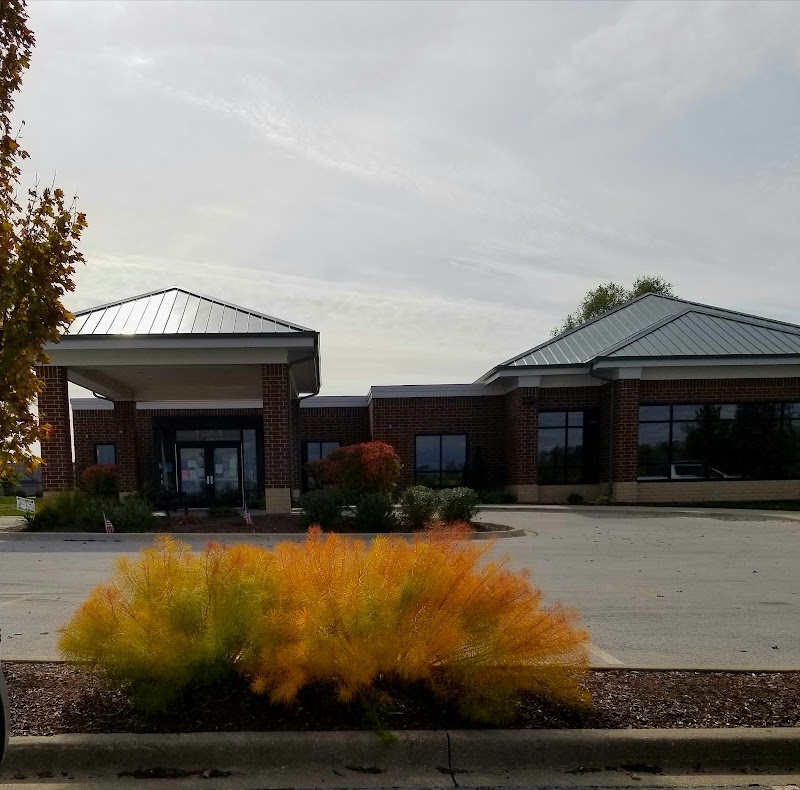
Who Owns and Operates Beecher Manor Nrsg & Rehab Ctr?

BEECHER MANOR NRSG & REHAB CTR is owned by a for-profit company. For-profit facilities operate as businesses with obligations to shareholders or private owners. The facility is operated by EXTENDED CARE CLINICAL, a chain that manages multiple nursing homes. With 128 certified beds and approximately 113 residents (about 88% occupancy), it is a mid-sized facility located in BEECHER, Illinois.

How Does Beecher Manor Nrsg & Rehab Ctr Compare to Other Illinois Nursing Homes?

Compared to the 100 nursing homes in Illinois, BEECHER MANOR NRSG & REHAB CTR's overall rating (3 stars) is above the state average of 2.5, staff turnover (53%) is near the state average of 46%, and health inspection rating (3 stars) is at the national benchmark.

What Should Families Ask When Visiting Beecher Manor Nrsg & Rehab Ctr?

Based on this facility's data, families visiting should ask: "Can you walk me through typical staffing levels on day, evening, and night shifts?" "Can I visit during a mealtime to observe dining assistance and food quality?" "How do you handle medical emergencies, and what is your hospital transfer rate?" "Can I speak with family members of current residents about their experience?" These questions are particularly relevant given the below-average staffing rating.

Is Beecher Manor Nrsg & Rehab Ctr Safe?

Based on CMS inspection data, BEECHER MANOR NRSG & REHAB CTR has a clean safety record: no substantiated abuse findings (meaning no confirmed cases of resident harm), no Immediate Jeopardy citations (the most serious violation level indicating risk of serious injury or death), and is not on the Special Focus Facility watch list (a federal program monitoring the lowest-performing 1% of nursing homes). The facility has a 3-star overall rating and ranks #1 of 100 nursing homes in Illinois. While no facility is perfect, families should still ask about staff-to-resident ratios and recent inspection results during their visit.

Do Nurses at Beecher Manor Nrsg & Rehab Ctr Stick Around?

BEECHER MANOR NRSG & REHAB CTR has a staff turnover rate of 53%, which is 7 percentage points above the Illinois average of 46%. Moderate turnover is common in nursing homes, but families should still ask about staff tenure and how the facility maintains care continuity when employees leave.

Was Beecher Manor Nrsg & Rehab Ctr Ever Fined?

BEECHER MANOR NRSG & REHAB CTR has no federal fines on record. CMS issues fines when nursing homes fail to meet care standards or don't correct problems found during inspections. The absence of fines suggests the facility has either maintained compliance or corrected any issues before penalties were assessed. This is a positive indicator, though families should still review recent inspection reports for the full picture.

Is Beecher Manor Nrsg & Rehab Ctr on Any Federal Watch List?

BEECHER MANOR NRSG & REHAB CTR is not on any federal watch list. The most significant is the Special Focus Facility (SFF) program, which identifies the bottom 1% of nursing homes nationally based on persistent, serious quality problems. Not being on this list means the facility has avoided the pattern of deficiencies that triggers enhanced federal oversight. This is a positive indicator, though families should still review the facility's inspection history directly.