SYMPHONY MAPLE CREST
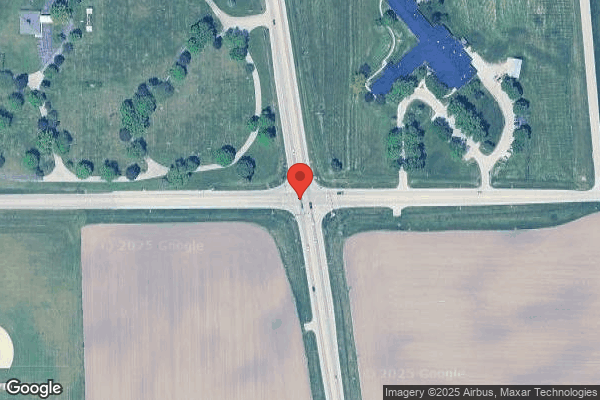
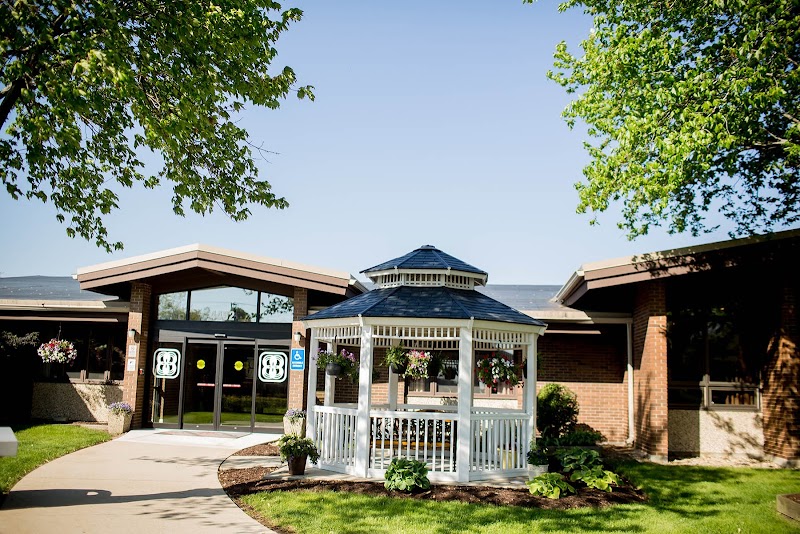
4452 SQUAW PRAIRIE ROAD, BELVIDERE, IL 61008 (815) 547-6377
For profit - Limited Liability company 86 Beds SYMPHONY CARE NETWORK Data: November 2025 2 Immediate Jeopardy citations
Trust Grade
0/100
#644 of 665 in IL
Last Inspection: November 2024

Within standard 12-15 month inspection cycle. Federal law requires annual inspections.

Overview

Symphony Maple Crest in Belvidere, Illinois has received a Trust Grade of F, indicating significant concerns regarding its care quality. It ranks #644 out of 665 facilities in Illinois, placing it in the bottom half of all nursing homes in the state, and #3 out of 3 in Boone County, meaning there are no better local options available. While the facility is improving, with issues decreasing from 15 in 2024 to 2 in 2025, the staffing rating is poor at 1 out of 5 stars, with a concerning turnover rate of 62%, which is higher than the state average. Additionally, the facility has incurred $192,360 in fines, which is higher than 90% of other facilities in Illinois, suggesting repeated compliance issues. Specific incidents include a resident suffering severe burns from hot coffee due to improper temperature monitoring and another resident with a history of wandering being allowed to leave the facility unsupervised, raising serious safety concerns. While there are strengths, such as a good quality measures rating of 4 out of 5, the overall picture raises significant red flags for families considering this nursing home for their loved ones.

Trust Score
F
0/100
In Illinois
#644/665
Bottom 4%
Safety Record
High Risk
Review needed
Inspections
Getting Better
15 → 2 violations
Staff Stability
⚠ Watch
62% turnover. Above average. Higher turnover means staff may not know residents' routines.
Penalties
○ Average
$192,360 in fines. Higher than 72% of Illinois facilities. Some compliance issues.
Skilled Nurses
○ Average
Each resident gets 31 minutes of Registered Nurse (RN) attention daily — about average for Illinois. RNs are the most trained staff who monitor for health changes.
Violations
⚠ Watch
45 deficiencies on record. Higher than average. Multiple issues found across inspections.
★☆☆☆☆
1.0
Overall Rating
★☆☆☆☆
1.0
Staff Levels
★★★★☆
4.0
Care Quality
★★☆☆☆
2.0
Inspection Score
Stable
2024: 15 issues
2025: 2 issues

The Good

  • 4-Star Quality Measures · Strong clinical quality outcomes
  • Full Sprinkler Coverage · Fire safety systems throughout facility
  • No fines on record

Facility shows strength in quality measures, fire safety.

The Bad

1-Star Overall Rating

Below Illinois average (2.5)

Significant quality concerns identified by CMS

Staff Turnover: 62%

16pts above Illinois avg (46%)

Frequent staff changes - ask about care continuity

Federal Fines: $192,360

Well above median ($33,413)

Significant penalties indicating serious issues

Chain: SYMPHONY CARE NETWORK

Part of a multi-facility chain

Ask about local staffing decisions and management

Staff turnover is elevated (62%)

14 points above Illinois average of 48%

The Ugly 45 deficiencies on record

2 life-threatening 3 actual harm
Sept 2025 1 deficiency 1 Harm
SERIOUS (G) 📢 Someone Reported This

A family member, employee, or ombudsman was alarmed enough to file a formal complaint

Actual Harm - a resident was hurt due to facility failures

Pressure Ulcer Prevention (Tag F0686)

A resident was harmed · This affected 1 resident

**NOTE- TERMS IN BRACKETS HAVE BEEN EDITED TO PROTECT CONFIDENTIALITY** Based on interview and record review the facility failed to identify two areas of pressure until becoming unstageable. This fail...

Read full inspector narrative →
**NOTE- TERMS IN BRACKETS HAVE BEEN EDITED TO PROTECT CONFIDENTIALITY** Based on interview and record review the facility failed to identify two areas of pressure until becoming unstageable. This failure resulted in one of the wounds requiring debridement and becoming a stage 4 pressure ulcer. This applies to one of three residents (R1) reviewed for pressure in the sample of three.The findings include:The facility face sheet shows R1 to have diagnoses to include Type 2 Diabetes Mellitus, peripheral vascular disease, stage three pressure ulcer of left buttock and stage four pressure ulcer of the right buttock. The facility assessment dated [DATE] shows R1 to be cognitively intact and requires moderate assistance with his personal hygiene. The Physician Order Record (MAR) shows an order dated 2/3/2025 for a skin check to be completed two times per week.The wound assessment details report dated 4/19/2025 shows a new area of pressure was identified to R1's left buttock measuring 4 by 2.25 by 0.25 centimeters (CM) and was listed as unstageable and facility acquired. A second wound assessment details report dated 4/19/2025 shows another area of pressure was identified to R1's right buttock measuring 6.5 by 6 by 0.25 CM with soft necrotic (dead tissue) present and was listed as unstageable and facility acquired.The wound evaluation and management summary dated 4/23/2025 completed by the wound care Physician shows R1 to have two new areas of pressure to his left and right buttock. The right buttock wound was debrided by the Physician and a note was added showing [the previously unstageable necrotic wound has revealed the underlying deep tissue at the muscle/fascia level which had been obscured by necrosis prior to this point. This wound has now revealed itself to be a stage four pressure injury.] The wound measures 6.7 by 7.8 by 1.9 CM. The same summary shows the left buttock to have a stage three pressure injury measuring 3.2 by 2.6 by 0.1 CM.On 9/11/2025 at 12:00 PM, V3 Assistant Director of Nursing (ADON) said she was the nurse who was first alerted by staff that R1 had new sores to his buttocks. V3 said R1 always wanted to sit up in his wheelchair and would use the bed pan in his wheelchair to have a bowel movement. R1 would sit on the bed pan for long periods of time and when he was done, he would lift up and the staff would help him to wipe. V3 said the staff would not have been able to see the skin to R1's buttocks this way. V3 said R1 refused showers and would sit up all day and only get into bed late at night. V3 said the new pressure ulcers should have been found before becoming a stage three and a stage four.On 9/11/2025 at 4:00 PM, V2 Director of Nursing (DON) said the purpose of skin checks are to check the skin for redness, ulcers and to check the healing of any skin issues. V2 said the staff providing care for R1 are the ones responsible for doing the skin checks.On 9/11/2025 at 2:30 PM, V4 Wound Care Physician said The reason he has the pressure ulcer is due to the fact he is always up. He refuses to lie in bed. Plus, he has so much pain to his hips and it's worse during transfers, so he is reluctant to move much. Certainly, when he is cleaned up after using the bathroom the staff could have seen changes to his skin. I can't say they should have seen it or how quickly a wound can become necrotic. If you look at my notes, you will see the wound was very advanced when I first saw it. Every time I am there and see him, he is up in his wheelchair.The undated facility policy for skin management program shows it is the facility's policy that a resident does not develop pressure injury unless it is clinically unavoidable. The Certified Nursing Assistants will report any new skin impairments to the licensed nurse identified during daily care.
Mar 2025 1 deficiency
CONCERN (D) 📢 Someone Reported This

A family member, employee, or ombudsman was alarmed enough to file a formal complaint

Potential for Harm - no one hurt, but risky conditions existed

Pharmacy Services (Tag F0755)

Could have caused harm · This affected 1 resident

**NOTE- TERMS IN BRACKETS HAVE BEEN EDITED TO PROTECT CONFIDENTIALITY** Based on interview and record review the facility failed to administer medications as ordered to a resident newly admitted to th...

Read full inspector narrative →
**NOTE- TERMS IN BRACKETS HAVE BEEN EDITED TO PROTECT CONFIDENTIALITY** Based on interview and record review the facility failed to administer medications as ordered to a resident newly admitted to the facility. This applies to 1 of 4 residents (R1) reviewed for medication administration in the sample of 6. The findings include: R1's Progress Notes and Face Sheet show that R1 was admitted to the facility on [DATE] at approximately 3:00PM. R1's diagnoses include Diabetes Mellitus, Malnutrition, Hodgkin's Lymphoma, Chronic Gout, Benign Prostatic Hyperplasia (BPH) and Weakness. R1's Medication Administration Record for February shows orders for Allopurinol 300 mg in the evening (for Gout), Atorvastatin 80 mg in the evening (For High Cholesterol), Flomax 0.4 mg in the evening (for BPH), Lantus 12 units in the evening (for Diabetes), Eliquis 2.5 mg two times a day (Blood thinner), Famotidine 20 mg twice a day (Prophylaxis GI upset), Magnesium Oxide 400 mg twice a day (Supplement), Metformin 1000 mg twice a day (for Diabetes), and Senna Plus 1 tablet twice a day (Constipation). This document shows that none of these medications were signed out/ administered for the 7:00PM dose on 2/19/25. On 3/17/25 at 12:00PM V3 (RN) stated, (On 2/20/25) The daughter brought in all of his medications and gave them to me. I told her we ordered them from our pharmacy. He didn't ask or seem to need a pain pill before they got there. The meds all came from the pharmacy during my shift. On 3/17/25 V2 (Director of Nursing) confirmed that the facility does have a convenience box that the nurse's can pull medications from if they need to. V2 also stated that staff should call the doctor and get orders to substitute medications if they are not available in the convenience box. The undated facility policy entitled General Guidelines for the Administration of Medications states, The facility staff will provide safe and accurate medication administration to the residents.
Nov 2024 9 deficiencies
CONCERN (D)

Potential for Harm - no one hurt, but risky conditions existed

Resident Rights (Tag F0550)

Could have caused harm · This affected 1 resident

Based on observation, interview, and record review the facility failed to ensure residents were provided ADL's (Activities of Daily Living) care in a dignified manner for 1 of 3 residents (R44) review...

Read full inspector narrative →
Based on observation, interview, and record review the facility failed to ensure residents were provided ADL's (Activities of Daily Living) care in a dignified manner for 1 of 3 residents (R44) reviewed for resident rights in the sample of 64. The findings include: On 11/19/24 at 1:30 PM, R44's room door was open. R44 was laying on her right side as V5 (CNA-Certified Nursing Assistant) was providing peri-care. R44's buttock and posterior thighs were visible from the hallway. At 1:34 PM, R44 was sitting in a shower chair with her pants around her knees. R44's buttock was visible as V5 (CNA) pushed R44 down the hallway in a wheeled shower chair. Every eight to ten feet a drop of fecal matter fell from R44 onto the hallway floor. On 11/20/24 at 12:23 PM, V17 (CNA) said, prior to providing peri-care, I will wash my hands, don appropriate PPE-Personal Protective Equipment, and close the resident's room door to provide privacy. The facility's Incontinence Care policy revision 05/2024 shows, provide privacy for the resident.
CONCERN (D)

Potential for Harm - no one hurt, but risky conditions existed

ADL Care (Tag F0677)

Could have caused harm · This affected 1 resident

Based on observation, interview, and record review, the facility failed to provide ADL (Activities of Daily Living) assistance for residents that require staff assistance for incontinence care/toileti...

Read full inspector narrative →
Based on observation, interview, and record review, the facility failed to provide ADL (Activities of Daily Living) assistance for residents that require staff assistance for incontinence care/toileting for 3 of 16 residents (R21, R1, R40) reviewed for ADLs in the sample of 16. The findings include: 1. R21's current care plan showed R21 required the extensive assistance of staff for toileting, transferring and repositioning. The care plan showed R21 was incontinent of urine and stool. On 11/18/24 at 9:07 AM, R21 was asleep in her wheelchair in her room. On 11/18/24 at 10:36 AM, R21 remained seated in her wheelchair. R21 stated, I have to pee. No one has come. On 11/18/24 at 11:40 AM, V5 (Certified Nursing Assistant/CNA) and V7(CNA) transferred R21 into bed from her wheelchair. The pad on the seat of R21's wheelchair was wet with urine. The groin area of R21's pants was wet with urine. V5 and V7 removed R21's saturated incontinence brief. V7 (CNA) stated she had last changed R21's incontinence brief at 7:00 AM that morning. 2. R1's current care plan showed R1's is completely dependent on staff for repositioning and toileting/incontinence care. The care plan showed R1 was incontinent. On 11/18/24 at 9:30 AM, R1 was asleep in a high-back wheelchair. On 11/18/24 at 10:05 AM, R1 remained asleep in her wheelchair. An odor of urine was noted in R1's room. On 11/18/24 at 10:10 AM, V7 (CNA) stated R1's incontinence brief was last changed at 7:00 AM. On 11/18/24 at 11:29 AM, V7 (CNA) and V5 (CNA) transferred R1 into bed from her wheelchair. V7 and V5 repositioned R1 in bed and removed R1's incontinence brief. R1's brief was saturated with urine. R1's buttocks appeared red. 3. R40's current care plan showed R40 required the extensive assistance of staff for toileting and repositioning. The care plan showed R40 was incontinent of urine and stool. On 11/18/24 at 9:30 AM, R40 was seated in his wheelchair by the nurses station. On 11/18/24 a 10:00 AM, R40 remained seated in his wheelchair. Facility staff wheeled R40 into the main dining room for an activity. On 11/18/24 at 10:32 AM, R40 remained in the activity. On 11/18/24 at 11:06 AM, V4 (CNA) wheeled R40 into the bathroom and transferred him to the toilet. V4 removed R40's incontinence brief which was saturated with urine. R40's buttocks and groin were bright red in color. V4 stated she had last toileted R40 at 7:30 AM. On 11/19/24 at 12:08 PM, V1 (Administrator/Registered Nurse) stated, All residents should be checked and changed for incontinence care every 2 hours.
CONCERN (D)

Potential for Harm - no one hurt, but risky conditions existed

Pressure Ulcer Prevention (Tag F0686)

Could have caused harm · This affected 1 resident

Based on observation, interview and record review the facility failed to complete weekly wound assessments on a resident's pressure injury. The facility failed to ensure pressure treatments and pressu...

Read full inspector narrative →
Based on observation, interview and record review the facility failed to complete weekly wound assessments on a resident's pressure injury. The facility failed to ensure pressure treatments and pressure relieving interventions were in place. These failures apply to 2 of 5 residents (R36, R31) reviewed for pressure injuries in the sample of 16. The findings include: 1. R36's current care plan showed R36 was at risk for impaired skin integrity related to her history of pressure injuries and diagnoses of decreased mobility, incontinence, and dementia. The care plan showed R36 had been under hospice care since October 2023. R36's Wound Assessment reports dated 9/4/24-11/15/24 were reviewed. R36's report dated 9/4/24 showed R36 had developed a new unstageable pressure injury to her sacral area measuring 2 cm (centimeters) x 1.5 cm x 0.1 cm. The report showed only one weekly wound assessment was completed on R36's pressure injury in October 2024. R36's physician order dated 9/6/24 showed R36's sacral pressure injury was to be cleansed with Dakin's solution (wound antiseptic) with Thera Honey (wound healing crème) applied to the wound bed, and covered with a gauze dressing, every Monday, Wednesday, Friday and PRN (as needed). On 11/18/24 at 10:55 AM, V4 (Certified Nursing Assistant/CNA) and V5 (CNA) provided incontinence care to R36. Upon removal of R36's soiled brief, no dressing was noted to R36's sacral pressure injury. R36's sacrum appeared red with a dime-sized open area noted to the sacrum. A small amount of dried blood was noted to the wound. V4 and V5 placed R36 in a clean brief. On 11/19/24 at 9:10 AM, V4 and V5 again provided incontinence care to R36. Upon removal of R36's soiled brief, no dressing was noted to R36's sacral pressure injury. V4 and V5 cleansed R36 and placed R36 in a clean incontinence brief. On 11/19/24 at 12:08 PM, V1 (Administrator/Registered Nurse) stated, Pressure injuries are to be assessed and measured weekly until healed. I can tell you weekly measurements were not done on (R36). My wound nurse left and my DON (Director of Nursing) walked out in October (2024). (R36's) wound should be covered with a dressing. If staff see there isn't one, they need to tell the nurse to make sure one is put on. The facility's Skin Management Program policy dated July 2024 showed, Residents with wounds and/or pressure injury and those at risk for skin compromise are identified, assessed, and provided appropriate treatment to promote healing. Ongoing monitoring and evaluation are provided to ensure optimal resident outcomes . Residents with pressure injury will be assessed, measured, and staged weekly in accordance with practice guidelines until healed . 2. On 11/18/24 at 10:15 AM, R31 was in bed with his heels on the mattress. R31's heel boots were laying at the foot of the bed. R31's Physician Wound Evaluation Summary dated 11/15/24 shows R31 has a Stage 3 Pressure Wound of the right heel with recommendations to float heels in bed: off-load wound. On 11/20/24 at 09:25 AM, V14 (Wound Registered Nurse) said R31 has a pressure ulcer on his right heel that is almost healed. V14 said R31 should have heel boots on both feet when in bed and on the right heel when up in the chair. V14 said R31's heels should be offloaded with the heel boots or pillows so the heels are not touching the mattress to reduce pressure on the heels. The facility's Skin Management Program dated 7/24 shows Residents with wounds and/or pressure injury and those at risk for skin compromise are identified, assessed,and provided appropriate treatment to promote healing. Ongoing monitoring and evaluation are provided to ensure optimal resident outcomes. Appropriate preventative measures will be implemented on resident identified at risk (a score of 18 or less on the Braden Scale) and the interventions documented on the care plan.
CONCERN (D)

Potential for Harm - no one hurt, but risky conditions existed

Deficiency F0692 (Tag F0692)

Could have caused harm · This affected 1 resident

**NOTE- TERMS IN BRACKETS HAVE BEEN EDITED TO PROTECT CONFIDENTIALITY** Based on observation, interview and record review the facility failed to ensure a resident, with a history of significant weight...

Read full inspector narrative →
**NOTE- TERMS IN BRACKETS HAVE BEEN EDITED TO PROTECT CONFIDENTIALITY** Based on observation, interview and record review the facility failed to ensure a resident, with a history of significant weight loss, received weight loss interventions as ordered. The facility failed to monitor this resident's weights as directed by the dietician. These failures apply to 1 of 3 residents (R21) reviewed for weight loss in the sample of 16. The findings include: R21's Dietician assessment dated [DATE] showed R21 was at risk for malnutrition related to her diagnoses of dementia and dysphagia. R21's Weights and Vitals Summary showed R21 weighed 126.4 pounds (lbs) on 5/1/24 and dropped to 117.2 lbs on 6/4/24. This showed R21 sustained 7.28 % (9.2 lbs) in one month. R21's nutrition note dated 6/18/24 showed R21 was evaluated by V9 (Registered Dietitian/RD) for significant weight loss. The notes showed R21 was to receive supercereal at breakfast due to weight loss. The note showed V9 (RD) requested for R21 to be weighed, once a week, for the next four weeks, to monitor R21's weights. R21's Weights and Vitals Summary showed no documented weekly weights for R21 from 6/6/24-7/1/24. R21's weights for August 2024-November 2024 showed R21 maintained weights between 116-117 lbs. On 11/19/24 at 8:03 AM, R21 was seated in the main dining room of the facility eating breakfast. On R21's tray was a serving of pureed eggs and oatmeal. No pureed bread or supercereal was noted on R21's tray. V8 (Dietary Manager) was asked if R21 was served supercereal with breakfast. V8 stated R21 did not receive supercereal with breakfast. V8 looked at R21's meal ticket and stated, Does she get supercereal? R21's breakfast meal ticket dated 11/19/24 showed R21 was to receive supercereal and pureed bread with breakfast. On 11/19/24 at 10:37 AM, V9 (RD) stated she evaluated R21 on 6/18/24 after she had sustained a significant weight loss. V9 stated, I recommended she be weighed weekly for the next four weeks to monitor her weights and to make sure her weights were accurate. I see they were never done. She is to get supercereal at breakfast for her weight loss; to add increased calorie and protein to her diet. The facility's Communication of Weight Concerns policy dated July 2017 showed, Identified concerns with a change in weight will be recorded and reported in accordance with this policy . In the event of a 5% weight loss or weight gain, the guest will be re-weighed on the same scale to verify the weight change . If the re-weigh verifies a 5% weight loss or 5% weight gain, the nurse will notify the physician and the RD (Registered Nurse) . After evaluating the guest, the RD/CDM (Certified Dietary Manager) will initiate the appropriate interventions and update the guest's care plan .
CONCERN (D)

Potential for Harm - no one hurt, but risky conditions existed

Respiratory Care (Tag F0695)

Could have caused harm · This affected 1 resident

Based on observation, interview, and record review the facility failed to ensure oxygen was administered by the nurse, failed to have orders for oxygen, and failed to change oxygen tubing in order to ...

Read full inspector narrative →
Based on observation, interview, and record review the facility failed to ensure oxygen was administered by the nurse, failed to have orders for oxygen, and failed to change oxygen tubing in order to prevent infection for 2 of 4 residents (R116, R31) reviewed for oxygen in the sample of 16. The findings include: 1. On 11/18/24 at 9:26 AM, V12 (Certified Nursing Assistant) and V11 (Restorative Aid) were attempting to take R116 to the bathroom in the hallway. R116 was wearing a nasal canula connected to an oxygen concentrator, set at 2 liters. V12 went and got a portable oxygen tank to hang on the back of R116's wheelchair. V11 connected R116's nasal canula to the oxygen tank, turned the tank on, and set the dial to 2 liters. On 11/19/24 at 12:13 PM, V2 (Director of Nursing) said only nurses should administer oxygen and set the dial to liters per the physician order, including setting up portable oxygen tank. On 11/20/24 at 11:00 AM, V2 said there should be physician orders for residents on oxygen that have the number of liters the resident should be receiving. V2 said R116 is on oxygen, but there is no physician order currently entered. R116's Physician Order dated 11/20/24 shows, Oxygen 2 Liters Nasal Canula to maintain SPO2 >90% every shift for COPD. 2. On 11/18/24 at 10:15 AM, R31 was in bed wearing a nasal canula. R31's oxygen tubing was dated 11/4/24. On 11/19/24 at 8:17 AM, R31 was sitting up in his wheelchair with his oxygen on. R31's oxygen tubing was dated 11/4/24. R31 said he uses his oxygen all the time. On 11/19/24 at 9:48 AM, V3 (Assistant Director of Nursing) said oxygen tubing should be changed weekly and as needed. R31's Physician Orders dated 10/27/24 shows an order change oxygen tubing weekly as needed. The facility's Oxygen Administration dated 8/2024 The purpose of this procedure is to provide guidelines for safe oxygen administration. Verify that there is a physician's order for this procedure. The oxygen delivery device will be changed once a week or as needed. The tubing will be dated to assist with tracking of when tubing should be changed.
CONCERN (D)

Potential for Harm - no one hurt, but risky conditions existed

Unnecessary Medications (Tag F0759)

Could have caused harm · This affected 1 resident

Based on observation, interview and record review the facility failed to administer medications as ordered. There were 32 opportunities with 10 errors resulting in a 31.25% error rate. This failure ap...

Read full inspector narrative →
Based on observation, interview and record review the facility failed to administer medications as ordered. There were 32 opportunities with 10 errors resulting in a 31.25% error rate. This failure applies to 3 of 4 residents (R60, R11, R117) observed in the medication pass. The findings include: 1. R60's admission Record dated 9/15/23 showed R60 had diagnoses of atrial fibrillation, congestive heart failure, hypertension and macular degeneration. R60's November 2024 Medication Administration Record showed the following physician orders: Calcium-Vitamin D Tablet 660/400 mg (milligram) tablet; give one tablet twice a day at 8 AM and 4 PM. Carvedilol 12.5 mg tablet; give one tablet twice a day at 8 AM and 4 PM. PreserVision/Lutein Oral Capsule; give one tablet twice a day at 8 AM and 4 PM. Tramadol 50 mg tablet; give one tablet twice a day at 8 AM and 4 PM. Tylenol Extra Strength 500 mg tablet; give one tablet twice a day at 8 AM and 4 PM. On 11/18/24 at 9:46 AM, V6 (Licensed Practical Nurse/LPN) administered one tablet (each) of Carvedilol, Calcium/Vitamin D, PreserVision, Tramadol, and Tylenol to R60. V6 (LPN) stated, I am running late with med pass today. These are 8 AM meds (medications). I am still trying to learn these residents. On 11/19/24 at 12:08 PM, V1 (Administrator/Registered Nurse) stated, Med administration is considered late if the med is given one hour or more after the time it is prescribed. 2.On 11/18/24 V13 (LPN) provided medications to R117 at 9:59 AM, and R11 at 10:05 AM. R117's and R11's EMAR (Electronic Medication Administration Record) administration tabs were colored red. R117 was provided aspirin 81 mg, bupropion 150 mg twice a day, losartan 50 mg, multivitamin, potassium chloride 20 milliequivalents twice a day, prednisone 10 mg 2 tablets daily for three days, rivaroxaban 15 mg twice a day. R11 was provided a physician ordered dietary protein twice a day, aspirin 81 mg, ciprofloxacin (antibiotic) 500 mg twice a day, diltelazem 120 mg, methimazole 5 mg twice a day, vitamin C 500 mg twice a day, multivitamin. R11's blood pressure was 148/63. On 11/18/24 at 9:59 AM, V13 (LPN) was asked why R117 and R11's EMAR tabs are red. V13 said, I am late passing medication. I was attending to a resident that passed away this morning. The facility's Medication Pass Times provided 11/18/2024 by V1 (Administrator) shows medication pass times of : 6:00 AM, 8:00 AM, Noon, 2:00 PM, 4:00 PM, 6:00 PM, and 8:00 PM.
CONCERN (E)

Potential for Harm - no one hurt, but risky conditions existed

Deficiency F0761 (Tag F0761)

Could have caused harm · This affected multiple residents

Based on observation, interview and record review the facility failed to ensure opened, multi-dose insulin bottles and insulin pens were labeled with expiration dates for 4 of 4 residents (R3, R1, R29...

Read full inspector narrative →
Based on observation, interview and record review the facility failed to ensure opened, multi-dose insulin bottles and insulin pens were labeled with expiration dates for 4 of 4 residents (R3, R1, R29, R169) reviewed for medication storage in the sample of 16. The findings include: R3's physician order dated 10/25/24 showed R3 received 26 units of Lantus insulin, subcutaneously once a day. R1's physician order dated 5/23/23 showed R1 received 10 units of Aspart insulin, subcutaneously twice a day. R29's physician order dated 8/21/24 showed R29 received 40 units of Lantus insulin, subcutaneously once a day. R169's physician order dated 10/11/24 showed R169 received 6 units of Lispro insulin, subcutaneously three times a day. On 11/18/24 at 9:55 AM, the facility's 100 wing medication cart was reviewed with V6 (Licensed Practical Nurse/LPN). The following medication insulin pens/bottles were found opened with no expiration dates: one (1) Lantus insulin pen for R3, one Aspart insulin pen for R1, one bottle of Lantus insulin for R29, and one Lispro insulin pen for R169. V6 (LPN) stated all insulin bottles/pens must be dated when opened to know when the medication will expire. V6 stated, Most insulin expires 28 days after opened. The facility's Medication Storage in the Facility policy dated November 2021 showed, Medications and biologicals are stored safely, securely, and properly, following manufacturer's recommendations or those of the supplier . Certain medications or package types, such as IV solutions, multiple dose injectable vials, certain ophthalmic, nitroglycerin tablets, blood sugar testing solutions and strips, once opened, require an expiration date shorter than the manufacturer's expiration date to insure medication purity and potency . The nurse shall place a date opened sticker on the medication and enter the date opened and the new expiration date, if applicable. Examples of medications with shortened expiration dates include insulins and inhalers .
CONCERN (E)

Potential for Harm - no one hurt, but risky conditions existed

Infection Control (Tag F0880)

Could have caused harm · This affected multiple residents

2. R36's physician order dated 11/4/24 showed, Maintain enhanced barrier precautions (EBP) to prevent infections related to wound . R36's current care plan showed R36 required EBP due to her sacral pr...

Read full inspector narrative →
2. R36's physician order dated 11/4/24 showed, Maintain enhanced barrier precautions (EBP) to prevent infections related to wound . R36's current care plan showed R36 required EBP due to her sacral pressure injury. The care plan showed, Ensure all staff and visitors are aware of precautions . Utilize appropriate PPE (personal protective equipment) . On 11/18/24 at 10:55 AM, V4 (CNA) and V5 (CNA) wheeled R36 into her room. An enhanced barrier precautions isolation sign on the door to R36's room. V4 and V5 transferred R36 into bed and provided incontinence care to R36, which included cleansing over and around R36's sacral pressure injury. Neither V4 nor V5 donned a protective gown prior to providing cares. On 11/19/24 at 9:10 AM, V4 (CNA) and V5 (CNA) again wheeled R36 into her room. An enhanced barrier precautions isolation sign on the door to R36's room. V4 and V5 transferred R36 into bed and provided incontinence care to R36; which included cleansing over and around R36's sacral pressure injury. Neither V4 nor V5 donned a protective gown prior to providing cares. On 11/19/24 at 12:08 PM, V1 (Administrator/Registered Nurse) stated if staff are providing incontinence care to a resident with a sacral wound, they are to don a protective gown and gloves prior to providing cares as per the enhanced barrier precautions guidelines. The facility's Enhanced Barrier Precautions policy dated 4/16/24 showed, Enhanced Barrier Precautions (EBP) is an approach of targeted gown and glove use during high contact resident care activities, designed to reduce transmission of S. aureus and Multidrug Resistant Organisms (MDRO) . EBP may be applied to residents with any of the following: wounds or indwelling medical devices . Examples of high contact resident care activities: dressing, bathing, transferring, hygiene, changing linens, changing briefs . 3. On 11/18/24 at 10:42 AM, V4 (CNA) and V5 (CNA) transferred R39 into bed to provide cares. V5 pulled down the front of R39's incontinence brief. V5 began wiping R39's groin and perineal area as dried stool was noted to the area. Without changing her contaminated gloves, V5 helped reposition R39 on her side as V4 wiped R39's buttocks. Without changing her contaminated gloves, V4 placed a clean incontinence brief under R39. 4. On 11/18/24 at 9:10 AM, V4 (CNA) and V5 (CNA) transferred R57 into bed to provide cares. V4 pulled down the front of R57's incontinence brief. R57 was incontinent of urine and stool. V4 provided incontinence care R57. Upon completion of these cares, V4 did not change her gloves. While wearing the contaminated gloves, V4 helped place R57 in a clean brief; touching R57, R57's bedding, and R57's bed with the soiled gloves. On 11/19/24 at 12:08 PM, V1 (Administrator/Registered Nurse) stated staff are to change gloves when they are dirty and before touching anything clean to prevent cross contamination. Based on observation, interview, and record review the facility failed to wear Personal Protective Equipment (PPE) in a contact isolation room, failed to implement Enhanced Barrier Precautions (EBP) for a resident with a pressure injury, and failed to change gloves during incontinence care in a manner to prevent cross contamination. This failure applies to 4 of 4 residents (R116, R36, R39, R57) reviewed for infection control. The findings include: The Resident Census and Condition Form (CMS 671) shows there are 64 residents residing in the facility. 1. On 11/18/24 9:26 AM, R116 was sitting in her wheelchair in her room. There was a contact isolation sign on R116's door. V12 (Certified Nursing Assistant/CNA) entered the room without donning PPE and stood at R116's side. R116 said she needed to go to the bathroom and needed her pants changed due to being incontinent. V12 asked R116 how she transferred and R116 said this was her first time up in the wheelchair. V12 left the room, without hand washing, and got V11 (Restorative Aid). V11 donned gloves and V12 (CNA) did not don any PPE. V11 and V12 put a gait belt around R116 and transferred R116 to bed to use the bedpan and changed R116's soiled clothes and incontinence brief without wearing PPE. R116's shorts were visibly wet with urine. R116's Physician Orders shows R116 is on contact isolation for ESBL (a multi-drug resistant organism) in the urine. On 11/19/24 at 9:53 AM, V2 (Director of Nursing) said for residents on contact isolation, staff should don PPE before entering the room and should be wearing gown and glove when providing care.
CONCERN (F)

Potential for Harm - no one hurt, but risky conditions existed

Deficiency F0725 (Tag F0725)

Could have caused harm · This affected most or all residents

Based on observation, interview, and record review the facility failed to attain and/or maintain the highest practicable physical, mental, and psychosocial well-being of each resident in the facility,...

Read full inspector narrative →
Based on observation, interview, and record review the facility failed to attain and/or maintain the highest practicable physical, mental, and psychosocial well-being of each resident in the facility, this failure has the potential to affect all 64 residents in the facility. The facility's 671 Application for Medicare and Medicaid dated 11/18/2024 shows, 64 residents in the facility and a Medication Administration error rate of 31.25 percent. The findings include: 1. On 11/19/24 at 9:55 AM, R29 said, I waited 2.5 hours to get help changing my incontinent brief. (R45) was watching the clock to confirm how long it took. The afternoon shift and the weekend shifts are the hardest on the residents. On 11/20/24 at 8:25 AM, R29 said, The other night (11/18/24 evening shift) when I was lying in bed incontinent of urine and stool, I felt like the facility kind of forgotten us. I need help. I need help getting out of bed and into bed. I need help moving around in bed. I wish I could do it on my own. On 11/20/24 at 8:26 AM, R45 said, On Monday evening (11/18/24) (R29) waited from 6:30 PM, to 9:00 PM, to get help. Last night (11/19), again at 6:25 PM, (R29) asked for help, it took 2 hours to get help. She had wounds. The wounds could come back. It's not comfortable for me when (R29) is incontinent of stool and has to lay like that. I am independent, I do not get any help. I have fallen eight times; I use the bed rail and the arm of the wheelchair to transfer. If I did not have the bed rail I could not move. 2. On 11/19/24 at 9:50 AM, R17 (Resident Council President), R28, R29, R45, R60, and the Ombudsmen attended the Resident Council Meeting. On 11/19/24 at 9:55 AM, R28 said, We've had call lights on, and the CNAs (Certified Nursing Assistants) are always on their cell phones or talking at the nurses' station. The cell phones seem to be the issue. The facility has rules of no phones on the floor. I would think they could put their phones in their lockers. I think the staff should keep moving and not be playing on their phones when they should be giving us help. We need more staff and the staff we do have need to stay off their phones. It would help stop people from falling. Resident Council meeting minutes dated 10/09/2024 shows, Nursing: Customer Services concerns and concerns about cell phone usage. 3. On 11/19/24 at 10:00 AM, R17, R28, R29, R45, and R60 agreed they are not offered snacks. On 11/19/24 at 10:01 AM, R45 said, We use to get snacks. R29 said, We must get our own snacks. One of the resident's family members just brought snacks for us. (R45) and I will have to ration it for the next few days. On 11/19/24 at 10:57 AM, V8 (Dietary Manager) said, In the evening, to ensure the resident's dietary needs are met and compliance with their dietary order, I send down multiple types of snacks. Pudding or sweetened/flavored gelatin for puree and cookies for general texture diets. I provide them to the nurse on the floor. The nursing staff distribute the snacks to the residents. On 11/19/24 at 9:50 AM, R17, R28, R29, R45, and R60 agreed there are not enough CNAs on the evening shift. The facility's Nourishments (Night-Time Snacks) policy dated 2021 shows, Nursing will distribute the bedtime nourishments. 4. R1, R21, R36, and R40 are dependent upon staff for ADL's (Activities of Daily Living) including toileting. On 11/18/24 at 10:10 AM, V7 (CNA) stated R1's incontinence brief was last changed at 7:00 AM. On 11/18/24 at 11:29 AM, V7 (CNA) and V5 (CNA) transferred R1 into bed from her wheelchair. V7 and V5 repositioned R1 in bed and removed R1's incontinence brief. R1's brief was saturated with urine. R1's buttocks appeared red. On 11/18/24 at 11:40 AM, V5 (CNA) and V7 (CNA) transferred R21 into bed from her wheelchair. The pad on the seat of R21's wheelchair was wet with urine. The groin area of R21's pants was wet with urine. V5 and V7 removed R21's saturated incontinence brief. V7 stated she had last changed R21's incontinence brief at 7:00 AM that morning. On 11/18/24 at 11:06 AM, V4 (CNA) wheeled R40 into the bathroom and transferred him to the toilet. V4 removed R40's incontinence brief which was saturated with urine. R40's buttocks and groin were bright red in color. V4 stated she had last toileted R40 at 7:30 AM. R36's Wound Assessment reports dated 9/4/24-11/15/24 were reviewed. R36's report dated 9/4/24 showed R36 had developed a new unstageable pressure injury to her sacral area measuring 2 cm (centimeters) x 1.5 cm x 0.1 cm. The report showed only one weekly wound assessment was completed on R36's pressure injury in October 2024. R36's physician order dated 9/6/24 showed R36's sacral pressure injury was to be cleansed with Dakin's solution (wound antiseptic) with Thera Honey (wound healing crème) applied to the wound bed, and covered with a gauze dressing, every Monday, Wednesday, Friday and PRN (as needed). On 11/18/24 at 10:55 AM, V4 (CNA) and V5 (CNA) provided incontinence care to R36. Upon removal of R36's soiled brief, no dressing was noted to R36's sacral pressure injury. R36's sacrum appeared red with a dime-sized open area noted to the sacrum. A small amount of dried blood was noted to the wound. V4 and V5 placed R36 in a clean brief. On 11/19/24 at 9:10 AM, V4 and V5 again provided incontinence care to R36. Upon removal of R36's soiled brief, no dressing was noted to R36's sacral pressure injury. V4 and V5 cleansed R36 and placed R36 in a clean incontinence brief. On 11/19/24 at 12:08 PM, V1 (Administrator/Registered Nurse) stated, Pressure injuries are to be assessed and measured weekly until healed. I can tell you weekly measurements were not done on (R36). My wound nurse left and my DON (Director of Nursing) walked out in October (2024). (R36's) wound should be covered with a dressing. If staff see there isn't one, they need to tell the nurse to make sure one is put on. 5. On 11/18/24 at 9:59 AM, R60, R117's and R11's 8:00 AM medications were not provided on time due to their nurse needing to attend to another resident. This resulted in a 31.25 percent medication error rate due to late medications. 6. The facility's PBJ-Payroll Based Journal Staffing Data Report dated April 1 to June 30 2024 shows, One Star Staffing Rating was triggered.
Nov 2024 1 deficiency 1 Harm
SERIOUS (G) 📢 Someone Reported This

A family member, employee, or ombudsman was alarmed enough to file a formal complaint

Actual Harm - a resident was hurt due to facility failures

Accident Prevention (Tag F0689)

A resident was harmed · This affected 1 resident

**NOTE- TERMS IN BRACKETS HAVE BEEN EDITED TO PROTECT CONFIDENTIALITY** Based on observation, interview, and record review the facility failed to ensure residents were transferred in a safe manner for...

Read full inspector narrative →
**NOTE- TERMS IN BRACKETS HAVE BEEN EDITED TO PROTECT CONFIDENTIALITY** Based on observation, interview, and record review the facility failed to ensure residents were transferred in a safe manner for 2 of 3 residents (R1, R2) reviewed for safety in the sample of 5. This failure resulted in R1 sustaining a right femur fracture and R2 sustaining a laceration requiring 21 sutures. The findings include: 1. The facility's Incident Report dated [DATE] shows R1 is an [AGE] year old male resident who resides at the facility for long term care services since [DATE]. On [DATE], at approximately 5:30 PM, staff were assisting resident with bed linen change. Resident was sitting at the side of the bed and staff was going to stand him at bedside to adjust his pants when resident attempted to self transfer to the wheelchair. Resident's legs crossed causing him to fall to the floor onto his right side. Assessment completed with external rotation, shortening and deformity observed to upper right leg. Hospice, Power of Attorney, and Physician notified with orders to send to the emergency room for further evaluation. Notified by emergency room that resident admitted with a diagnosis of right hip fracture. On [DATE] at 9:25 AM, V3 Licensed Practical Nurse said R1 is a frequent faller and will transfer himself to bed without waiting for staff. V3 said R1 is alert and oriented to person, is impulsive, and can stand with a gait belt and one assist with frequent cueing. V3 said she was called into R1's room by the Certified Nursing Assistant (CNA) and found R1 on the floor on his right side with his legs under the bed. V3 said R1 kept trying to pull himself up and would not be still so she could assess him. V3 said R1 was saying Ouch, but would not say where the pain was. V3 said she was unable to assess R1 on the floor and was afraid R1 was going to hurt himself more trying to pull himself up, so herself and V4 and V5 CNA transferred him to bed. V3 said when R1 was in bed, she noticed R1's right leg was rotated out and was shortened. V3 said R1 was saying Ouch my leg. V3 said at the time of the fall, V4 and V5 were getting R1 up for supper and R1 was sitting on the side of bed with his pants down around his ankles. V3 stated you always use a gait belt for transfer so you don't hurt their arms by using them to help stand. In this case, they didn't even have pants to grab onto to. V3 said R1 had his shoes on, an incontinence brief, and his pants were down at his ankles. V3 said R1 did not have a gait belt on. V3 said R1 was sent to the emergency room and had a right hip fracture. V3 said R1 returned to the facility with continued hospice and expired at the facility. On [DATE] at 9:38 AM, V4 CNA said she was getting R1 up for dinner at the time of the fall. V4 said R1 was wobbly and anxious that day so she asked V5 CNA for help getting him up. V4 said they had rolled him in bed, changed his linens and his brief, and assisted R1 to sit at bedside. V4 said R1 was sitting with his legs crossed and his pants down at his ankles. V4 said V5 was on the opposite side of the bed and she was next to R1 getting the wheelchair in position. V4 said R1 tried to stand by himself and his right hand reached for the wheelchair which moved (was not locked due to not in position yet) and R1 fell forward onto the floor on his right side. V4 said R1 kept saying ouch, but was moving around on the floor. V4 said she sent V5 to get the nurse. V4 said R1 didn't have a gait belt on, the plan was to hold R1 by the pants to transfer him. On [DATE], V5 was attempted to be reached via phone two times and messages left, with no return call. The facility's Incident Staff Statement from V5 shows R1 stood up with pants down without support, slipped on pants and fell criss-cross on his right leg. I heard him scream ow my leg repeatedly. R1's Progress Note dated [DATE] shows called to room by CNA and observed resident sitting on the floor with legs crossed under the bed facing the doorway. Resident was attempting to get up form floor independently and would not follow request to wait until assessment was completed. When asked what happened resident stated, I fell. Assist resident into bed, assessment completed, noted external rotation, shortening, and deformity noted to upper right leg no other injuries observed. On [DATE] at 10:01 AM, V2 Assistant Director of Nursing said R1 had poor safety awareness, was cognitively impaired, and was impulsive. V2 said R1 transferred via stand pivot with one assist to the wheelchair. V2 said staff are supposed to use a gait belt for transfers per the facility policy and for safety. V2 said the gait belt helps with stability and helps staff have some control during the transfer and staff can hold the gait belt to lower the resident to the floor during a fall. V2 said after speaking with the staff, R1 was sitting at the bedside and before staff was able to assist, R1 attempted to stand but has his legs crossed and fell to the right onto the floor. V2 said at the time, R1 did not have a gait belt on. On [DATE] at 2:05 PM, V10 Nurse Practitioner said R1 had progressing dementia and was on hospice at the time of his fall. V10 said resident's Care Plans and facility policy should be followed when transferring residents. R1's Fall Risk Screen dated [DATE] shows R1 is at high risk for falls due to history of multiple falls and R1 exhibits loss of balance while standing. R1's Hospital After Visit Summary shows R1 has a periprosthetic fracture of proximal end of right femur. R1's Care Plan shows R1 is at risk for injury from falls related to unsteady gait, reduced strength, poor decision making related to dementia. The same Care Plan shows R1 is a restorative program for ambulation with interventions to give verbal cues and assistance to don gait belt, stand upright and avoid leaning, and stand using a wide support base. The facility's undated Safe Resident Policy shows Gait belt usage is mandatory for all residents handling with the exception of bed mobility and medical contraindications. 2. On [DATE] at 12:10 PM, R2 was sitting at the dining room table with her husband V11. R2 had visible blood crusted sutures along her hair line extending from the middle toward the right side. R2 had yellowish colored bruising on her right to middle forehead and some purple/red colored bruising under her right eye. R2's left arm was in a brace. V11 said R2 has 21 sutures from her fall on [DATE]. R2 nodded and touched her hairline and continued eating. V11 said that day it was so windy, there was 50 mph wind gusts and R2 had a doctor appointment. V11 said they were coming down the sidewalk of the facility to the van and there is a slope in the sidewalk after going around the flagpole to go down to get to the ramp of the van. V11 said the slope of the sidewalk made the wheelchair lean forward a bit and R2 fell forward out of the wheelchair onto the ramp of the van. V11 said he was at the back of the wheelchair and there was the van driver trying to get R2's wheelchair down the slope of the sidewalk and onto the ramp. V11 said the sidewalk goes around the flag pole area and then slopes down sharply to meet the sloped area of the sidewalk going into the drive. V11 said there are better areas of the sidewalk to load a wheelchair from where the slope is less steep and you don't have to maneuver around the flagpole. V11 said there was only one staff member and himself trying to get R2 onto the van. On [DATE] at 12:18 PM, this surveyor observed the facility sidewalk leading from the entrance to the driveway of facility. The sidewalk from the facility entrance leads perpendicular to the driveway. There is a sidewalk that runs along side the driveway and intersects with the entrance sidewalk. At the intersection there is a triangular flower bed with a flag pole in the center. In order to reach the sloped area from the sidewalk into the driveway, you have to walk around the flag pole area and go down a sharp incline to then reach the sloped area of the sidewalk going down to the driveway. A wheelchair would have to go left or right around the flag pole, propel forward (parallel to the driveway) go down the sharp incline, then turn perpendicular to the driveway to go down the slope in the sidewalk that connects with the driveway. On [DATE] at 10:01 AM, V2 Assistant Director of Nursing said she was in the administrators office by the facility entrance when staff came and told her a resident had fallen outside. V2 said she ran outside and found R2 on the ground with her face on the wheelchair ramp of the transport van. V2 said V11 told her R2 had leaned forward and fell out of the wheelchair. V2 said she could see blood pooling but could not tell where it was coming from and didn't want R2 to move. V2 said V10 Nurse Practitioner had also come outside and was helping stabilize R2's head and hold pressure. V2 said it was extremely windy and started to pour down rain on them. V2 said V11 was propelling R2 in the wheelchair up until V7 Activity Aid took over at some point. V2 said there is a dip in the sidewalk leading to the slope of sidewalk where the wheelchair lift of the van was. On [DATE] at 12:26 PM, V7 said she is the driver of the van that takes residents to appointments. V7 said she is an activity aid and is not a CNA. V7 said V11 pushed R2 in her wheelchair from the front door, down the sidewalk, around the flag pole and down the sidewalk incline to the sloped area of the sidewalk leading to the driveway. V7 said she took over pushing R2 and then R2 leaned forward and fell out of the wheelchair. V7 said it was very windy that day and almost immediately started pouring when R2 fell. V7 said there was no other staff that assisted her that day. V7 said she should have asked someone to come along since it was so windy. V7 said R2 did not have any foot pedals on her wheelchair and had her left arm in a brace so was not able to stop herself when she was falling forward. On [DATE] at 1:12 PM, V8 Restorative Aid said R2's left arm is broken and is in a brace so R2 can't propel herself and can't stand without staff assistance. V8 said she issues foot pedals to all new residents. V8 said R2 should have had foot pedals on since R2 can't propel or stabilize herself in the wheelchair. V8 said she got R2 up for the day and took her to therapy. V8 said she didn't put foot pedals on R2's wheelchair at that time. V8 said after therapy, R2 went to breakfast and then was leaving to go to a doctors appointment. V8 said she was not R2's CNA that day, and had just helped by getting her up that morning. V8 said she was not sure if R2 left for the appointment with her foot pedals on the wheelchair. On [DATE] at 1:15 PM, V9 Nurse Practitioner said R2 is so fearful of falling and is not able to stand for any significant amount of time. V9 said R2 had Parkinson's and has an elbow fracture from a fall at home. V9 said R2's left arm is in a brace and R2 has generalized weakness and unsteadiness due to Parkinson's V9 said R2 has no ability to stop herself from falling forward from the wheelchair. On [DATE] at 1:32 PM, R2 was sitting up in her wheelchair in her room, there were no foot pedals on her wheelchair. R2 said when she fell, she was going downhill and leaned forward and couldn't stop herself from falling since her left arm was in a brace. R2 said she didn't have foot pedals on her wheelchair. R2's Hospital After Visit Summary dated [DATE] shows 7 sutures place in [NAME] (layer of scalp) and 14 sutures placed superficially. The facility's Fall Report dated [DATE] shows V7 statement I was transporting R2 to her doctor appointment today. It was approximately 10:20 AM. I was pulling the bus to the front door and R2 and V11 were waiting at the front door to come out the bus. I pulled up and and V11 started pushing R2 down the sidewalk towards the bus and when he got R2's wheelchair to the edge of the sidewalk/start of the wheelchair lift I was trying to turn R2's wheelchair so that I could put her wheelchair on the lift, but it was extremely windy causing problems turning R2 and V11 was in a rush to get her to her appointment. I went to push her onto the wheelchair ramp and she tipped forward and fell forward onto the ramp. I told V11 to get someone right away in the building. R2's Care Plan shows R2 has diagnoses of muscle weakness (generalized), unsteadiness on feet, difficulty walking, Parkinson's disease with dyskinesia with fluctuations and injury of left elbow. The same Care Plan shows R2 has a hinged brace to her left arm related to a fracture, demonstrates a self-care deficit and requires assist with activities of daily living related to limited mobility and impaired balance, non-weight bearing to left upper extremity, needs assist of 2 for transfers. The Care Plan shows R2 has potential for falls and is at risk for injury from falls. The same Care Plan was updated after R2's fall on [DATE] with the intervention staff to ensure resident foot pedals are on wheelchair prior to propelling resident, Ensure resident positioned properly in wheelchair. R2's Occupational Therapy Evaluation and Plan of Treatment dated [DATE] shows R2 has impaired range of motion to her upper extremities and R2's sitting balance during activities of daily living is fair (reach to ipsilateral side and unable to weight shift). Clinical Impressions: Patient presents with reduced functional activity tolerance, balance and strength affecting safety, ease and independence with activities of daily living and functional mobility. Risk factors: Due to the documented physical impairments and associated functional deficits the patient is at risk for falls, further decline in function and increase dependency upon caregivers.
Oct 2024 1 deficiency 1 IJ (1 affecting multiple)
CRITICAL (K) 📢 Someone Reported This

A family member, employee, or ombudsman was alarmed enough to file a formal complaint

Immediate Jeopardy (IJ) - the most serious Medicare violation

Accident Prevention (Tag F0689)

Someone could have died · This affected multiple residents

Based on observation, interview, and record review the facility failed to monitor temperatures of hot beverages prior to serving to residents, resulting in R1 sustaining full thickness (third degree) ...

Read full inspector narrative →
Based on observation, interview, and record review the facility failed to monitor temperatures of hot beverages prior to serving to residents, resulting in R1 sustaining full thickness (third degree) and partial thickness (second degree) burns to her thighs. This failure had the potential to affect 50 out of 75 residents residing in the facility that drink hot beverages and resulted in Immediate Jeopardy to their health and safety. The Immediate Jeopardy began on 9/15/24 when R1 sustained burns to her inner thighs from hot coffee. V1 Administrator was informed of the Immediate Jeopardy on 10/1/24 at 3:29 PM. The surveyor confirmed by observation, interview, and record review that the Immediate Jeopardy was removed on 10/2/24 but compliance remains at a Level 2 because additional time is needed to evaluate the implementation and effectiveness of the in-service training. The findings include: The facility's Residents who drink hot liquids form dated 9/30/24 shows 50 out of 75 residents drink hot liquids. On 9/30/24 at 8:25 AM, residents were observed drinking coffee at the breakfast meal. On 9/30/24 at 8:27 AM, V3 (Dietary Manager) showed this surveyor the hot water machine. The digital temperature reading on the hot water machine showed 155 degrees Fahrenheit (F). On 9/30/24 at 8:27 AM, V3 (Dietary Manager) said the facility uses instant coffee packets which are put into a carafe, hot water from the machine is poured into carafe, and then the carafe is sent out to the dining room to serve the residents. V3 said hot water for tea is put into a carafe as well and served. On 9/30/24 at 9:50 AM, V4 (Dietary Aid) said the coffee is pre-made in a packet which is dumped into a carafe and then you pour water from the machine into the carafe. V4 said all coffee for the facility is made from this machine. V4 said the coffee temperature is not checked before putting the carafes out in serving area for staff to serve the residents. V4 said there is no temperature log for hot beverages. On 9/30/24 at 9:55 AM, V3 (Dietary Manager) said they do not check temperature of coffee or hot water before it is served to the residents. V3 said she has never temped the coffee since she started at the facility in July of 2024. V3 said she was not aware of any issues with the hot water machine and there were no work orders for it. At 10:05 AM, V3 said a resident (R1) recently got burned from the coffee and V1 (Administrator) had her turn the machine down to 135 degrees F. V3 said prior to the resident getting burned the machine was set at 165 degrees F. V3 said after she turned it down to 135 degrees F the residents complained and so she turned it back up to 155 degrees F. V3 said she doesn't have a owner's manual for the hot water machine, she just Googled what temperature to set the machine to. V3 was not aware of what temperature to serve hot liquids at. V3 said when R1 got burned it was a Sunday, and she came in and temped the coffee but she didn't document it. V3 said there was no process change for making coffee after the incident and she did not start temping the coffee or hot water before serving. On 9/30/24 at 9:55 AM, V3 (Dietary Manager) poured hot water from the machine and temped the water. The thermometer read 146.9 degrees F. On 9/30/24 at 10:15 AM, V5 (Assistant Maintenance Director) with this surveyor, calibrated his thermometer with ice water and got a temperature of 33 degrees F. V5 then poured hot water from the hot water machine into a coffee cup (used to serve residents) and got a temperature of 143.2 degrees F. V5 said he is not aware of any problems with the hot water machine. On 9/30/24 at 11:05 AM, V6 (Licensed Practical Nurse/LPN) said on 9/15/24, R1 had coffee in an insulated metal to go cup that her family supplied and had spilled the coffee on her lap. V6 said V7 (Certified Nursing Assistant/CNA) had brought R1 from the dining room to the resident hallway outside of R1's room. V6 said she heard R1 yell it's burning! V6 said she had V15 (CNA) lay R1 down in bed to remove her pants. V6 said R1 had redness to her left inner thigh area. V6 said R1's family was at the facility and wanted R1 to get back up to her chair and go the the dining room. V6 said she notified V2 (Director of Nursing), V9 (Nurse Practitioner), and V11 (hospice nurse). V6 said she worked on R1's section for the morning shift and then worked in another section for the PM shift. V6 said V10 (LPN) (who was taking care of R1's section for the PM shift) called her over to look at R1's legs. V6 said both legs around the inner thigh were blistered. V6 said she didn't measure the burns at the time, but the left inner thigh was about the size of a softball and the right inner thigh had multiple blisters of all sizes from just below the groin down her thigh to about 4 inches above her knee. On 9/30/24 at 11:22 AM, V7 (CNA) said she had brought R1 back from the dining room to her hallway and R1 started pulling on her pants and yelling it's hot! V7 said at that time she noticed R1's pants were wet on her inner thighs. On 9/30/24 at 1:48 PM, V1 (Administrator) said when she was notified of R1's burns on 9/15/24, she had V3 (Dietary Manager) tell her the temperature that the hot water machine was set at, and had her lower it. V1 said she didn't have any one check temperatures of the hot water at that time or have had kitchen staff monitoring the temperatures of the hot water since. R1's most recent Care Plan shows R1 has diagnoses of spinal stenosis, unspecified dementia, Parkinson's disease with dyskinesia, and unspecified neuropathy of lower limbs. This same Care Plan shows R1 has severe impaired cognitive function related to dementia, has Parkinson's with tremors, neck contracture, and decreased safety awareness. R1's Progress Note dated 9/15/24 at 9:14 AM, by V6 (LPN) shows resident spilled coffee on her left leg, redness and irritation. R1's Wound Summary dated 9/16/24 by V8 (Wound LPN), shows right medial thigh, burn, 2nd degree, facility acquired, measuring 13.0 x 6.0 x 0.1 cm (centimeters). R1's Wound Summary dated 9/16/24 by V8 shows left medial thigh, burn, second degree, facility acquired, measuring 18.0 x 18.0 x 0.1 cm. R1's Physician Wound Evaluation and Management Summary dated 9/18/24 (3 days after sustaining burns) shows: Burn of the left anterior thigh full thickness (3rd degree), etiology: hot liquid, wound size: 2.7 x 7.5 x 0.1 cm. Burn of the right medial thigh partial thickness (2nd degree), etiology: hot liquid, wound size: 7.5 x 6.0 x 0.1 cm. Burn of the left medial thigh, etiology hot liquid, wound size: 2.5 x 4.0 x not measurable cm, fluid filled blister. The facility's undated Hot Beverage Policy shows hot beverages are provided to the clients in a safe manner. There is no specific temperature at which hot beverages should be served. Palatability versus the risk of scalding are factors the community takes into consideration when serving hot beverages. On 10/1/24 at 1:12 PM, V1 (Administrator) said she reached out to the kitchen provider for safe temperatures for serving hot liquid and the preferred temperature for consuming is 120-135 degrees F, which they will be implementing. 10/1/24 at 1:05 PM, V17 (Dietitian) said she didn't know the safe temperature range to serve hot beverages at, she would need to consult her manual. V17 said the kitchen should have a policy on temperatures, how to monitor temperatures and by whom. The Immediate Jeopardy that began on 9/15/24 was removed on 10/2/24 when the facility took the following actions to remove the immediacy: -Procedure developed and implemented to ensure safety with hot beverages, including checking and logging temperatures prior to the beverages leaving the kitchen and beverages not being served if they do not meet the appropriate temperature range of 120 F to 135 F. -Preferred temperature for consuming coffee/tea is 135 F =/- 15 F. (120 F to 135 F). Procedure includes acceptable temperature range. -100% of kitchen staff in-serviced on procedure to check hot beverage temperatures. Hot beverages are only prepared by kitchen staff. -100% of kitchen staff in-serviced on safe temperature range for consuming hot beverages. -Appropriate thermometer present in kitchen with ability to be calibrated. Temperature range 0 F to 220 F. -Four additional thermometers were ordered with the ability to be calibrated with a temperature range 0 F to 220 F to be delivered on 10/2/24. -The fifty residents currently residing in the facility that were identified to prefer hot beverages had screening completed to assess for safe handling of hot beverages. -The remaining twenty five residents in the facility that were not identified to prefer hot beverages will have screening completed to assess for safe handling of hot beverages in case of preference change. -Effective 10/2/24, all residents will be screened by therapy/nursing using the Interdisciplinary therapy screening tool to determine safe handling of hot beverages. Diet order, diet tray card and individualized care plan will be updated accordingly. -Staff training to be 100% completed by 10/2/24. -Screening for safe handling of hot beverages audit tool to be completed by DON/designee: 3 x/wk [times per week] for 2 weeks, then 2 x/wk for 2 weeks then weekly times 2 weeks and results reviewed at QAPI [Quality Assurance and Performance Improvement] with Interdisciplinary Team (IDT) and Medical Director. -Hot beverage temperature audit tool to be completed by Dietary Manager/Administrator: 5 x/wk for 2 weeks, then 3 x/wk for 2 weeks then 2 x/wk for 2 weeks, then weekly times 2 weeks and results reviewed at QAPI with Interdisciplinary Team (IDT) and Medical Director.
Jul 2024 2 deficiencies
CONCERN (D) 📢 Someone Reported This

A family member, employee, or ombudsman was alarmed enough to file a formal complaint

Potential for Harm - no one hurt, but risky conditions existed

ADL Care (Tag F0677)

Could have caused harm · This affected 1 resident

**NOTE- TERMS IN BRACKETS HAVE BEEN EDITED TO PROTECT CONFIDENTIALITY** Based on observation, interview and record review the facility failed to provide showers to a resident that needs assistance in ...

Read full inspector narrative →
**NOTE- TERMS IN BRACKETS HAVE BEEN EDITED TO PROTECT CONFIDENTIALITY** Based on observation, interview and record review the facility failed to provide showers to a resident that needs assistance in activities of daily living (ADL) to 1 of 5 residents (R3) reviewed for ADL care in the sample of 5. The findings include: R3's facility assessment dated [DATE] show R3 has no cognitive impairment. On 7/10/24 at 9:20 AM, R3 was sitting in her wheelchair in her room. R3 said her scalp was itching and said she has not had a shower or her hair washed since 7/1/24 (Monday). R3 said her shower days are Mondays and Thursdays. R3 said she did not have a shower last July 4 (she would remember since it was a holiday.) R3 said she did not receive any shower last Monday (July 8). R3 stated I better have a shower tomorrow! The running water is refreshing to me. R3 said what she had done was to wash up in her sink but she was looking forward to her shower and her hair wash tomorrow. On 7/10/24 at 12:00 PM, V2 (Director of Nursing-DON) said she had updated all the residents shower schedules. V2 (DON) confirmed R3's shower days are Mondays and Thursday per facility tasks. V2 said all residents should receive their shower per their schedule for hygiene purposes. V2 said she will make sure R3 will receive her shower today. R3's careplan dated 12/12/23 shows, (R3) has ADL self care performance deficit and will maintain current level of function: Bathing- requires staff participation. Personal Hygiene-requires assistance with personal hygiene care. The facility ADL policy dated 11/2023 shows, A Hygiene, a. self image is maintained. f. Showers or baths will be scheduled per facility protocol while incorporating residents preferences.
CONCERN (D) 📢 Someone Reported This

A family member, employee, or ombudsman was alarmed enough to file a formal complaint

Potential for Harm - no one hurt, but risky conditions existed

Incontinence Care (Tag F0690)

Could have caused harm · This affected 1 resident

**NOTE- TERMS IN BRACKETS HAVE BEEN EDITED TO PROTECT CONFIDENTIALITY** Based on observation, interview and record review the facility failed to provide incontinence care in a manner to prevent infect...

Read full inspector narrative →
**NOTE- TERMS IN BRACKETS HAVE BEEN EDITED TO PROTECT CONFIDENTIALITY** Based on observation, interview and record review the facility failed to provide incontinence care in a manner to prevent infection to 1 of 5 residents (R2) reviewed for incontinence care in the sample of 5. The findings include: R2's Facility assessment dated [DATE] show R2 has no cognitive impairment and R2 is incontinent of bladder function. R2's medical record show R2 has history of urinary tract infections (UTI). On 7/10/24 at 8:30 AM, R2 was in his room doorway sitting in his wheelchair with strong urine odor. This surveyor requested for skin check. R2 was placed in bed. V4 (Certified Nursing Assistant-CNA) removed incontinent brief soiled with urine. V4 (CNA) took incontinent wipes and wiped R2's frontal area then applied new incontinent brief. V4 did not cleanse or provide incontinence care to buttocks or thigh area to R2. On 7/10/24 at 9:35 AM, V5 (Licensed Practical Nurse-LPN) said residents should be provided thorough incontinence care including their back area, buttocks and thighs to prevent skin breakdown since R2 now has skin irritations and redness. Incontinence care also provides comfort and prevents infection. R2's careplan dated 6/28/24 shows, R2 has bladder incontinence, R2 will remain free from skin breakdown due to incontinence and brief use through the review date with intervention to include: Check as required for incontinence. Wash, rinse and dry perineum. Change clothing PRN after incontinence episodes. The facility policy on Incontinence Care dated 11/2023 shows, Incontinence care is provided to keep residents as dry, comfortable and odor free as possible.
Feb 2024 1 deficiency
CONCERN (D) 📢 Someone Reported This

A family member, employee, or ombudsman was alarmed enough to file a formal complaint

Potential for Harm - no one hurt, but risky conditions existed

ADL Care (Tag F0677)

Could have caused harm · This affected 1 resident

**NOTE- TERMS IN BRACKETS HAVE BEEN EDITED TO PROTECT CONFIDENTIALITY** Based on observation, interview, and record review the facility failed to to provide ADL (Activities of Daily Living) assistance...

Read full inspector narrative →
**NOTE- TERMS IN BRACKETS HAVE BEEN EDITED TO PROTECT CONFIDENTIALITY** Based on observation, interview, and record review the facility failed to to provide ADL (Activities of Daily Living) assistance to residents that required assistance with toileting/incontinence care for 3 of 5 residents (R2, R5, R3) reviewed for ADLs in the sample of 5. The findings include: 1. R2's current care plan showed R2 required the extensive assistance of staff for toileting and perineal cares due to her diagnosis of a stroke (CVA/cerebrovascular accident). The plan showed R2 was incontinent of urine. The care plan showed, Check as required for incontinence. On 2/28/24 at 8:19 AM, R2 was in bed, dressed in a nightgown. A strong odor of urine was noted from R2's side of the room. At 8:30 AM, V5 Certified Nursing Assistant (CNA) and V6 CNA approached R2 and began providing cares. V5 stated, We are getting a late start today getting everyone up. We only had one CNA on the unit last night. This is my first time doing cares on (R2). V5 stated she was unsure the last time R2 was provided with incontinence care, stating, sometime on night shift. V5 and V6 removed R2's incontinence brief. R2's brief was saturated with urine, turning the padding of the brief brown in color. R2 has a small amount of dried stool to both buttocks. R2's urinary incontinence monitoring and toileting records dated 2/27/24 showed R2 was last provided with incontinence care at midnight on 2/27/24. 2. R5's current care plans showed R5 required the assistance of staff for toileting due to her diagnosis of stroke. R5's resident assessment dated [DATE] showed R5 was always incontinent of urine. On 2/28/24, R5 was awake, in bed, dressed in a nightgown. V5 CNA entered R5's room. R5 stated, I'm ready to get up. V5 CNA stated to R5, Got a late start today. We are short-staffed. V5 CNA got R5 out of bed and took her into the bathroom. V5 removed R5's incontinence brief before setting R5 on the toilet. R5's brief was soiled with a large amount of urine. R5's inner buttocks were light pink in color. When R5 was asked when she was last toileted or provided with incontinence care, R5 stated, Some time late last night. R5's urinary incontinence monitoring and toileting records dated 2/27/24 showed R5 was last provided with incontinence care at 12:05 AM on 2/28/24. 3. R3's current care plan showed R3 required the extensive assistance of staff for toileting related to her history of falls. The plan showed R3 had a history of urinary incontinence. On 2/28/24 at 9:10 AM, R3 was seated in her room, talking with her roommate. R3 stated, Just this morning I wet myself because no one came. I pressed the call light. Someone answered my light on the intercom and then turned my light off. I told them I had to go to the bathroom. I waited and waited. I started to wet myself so I got myself into my wheechair and into the bathroom. By this time, I had wet on myself and my sheets. By the time someone came in (staff), I was already done and getting off the toilet. They had to change my sheets because they were soaked. On 2/28/24 at 11:00 AM, V3 Assistant Director of Nursing stated incontinence care and/or toileting should be provided to residents every two hours and as needed. The facility's Incontinence Care policy dated January 2022 showed, Incontinence care is provided to keep residents as dry, comfortable and odor free as possible.
Feb 2024 1 deficiency
CONCERN (D) 📢 Someone Reported This

A family member, employee, or ombudsman was alarmed enough to file a formal complaint

Potential for Harm - no one hurt, but risky conditions existed

Deficiency F0776 (Tag F0776)

Could have caused harm · This affected 1 resident

Based on interview, and record review the facility failed to obtain an x-ray ordered by the physician. This applies to 1 of 3 (R1) residents in the sample of 8. On 2/6/2024 at 10:20 AM, V3 Registered...

Read full inspector narrative →
Based on interview, and record review the facility failed to obtain an x-ray ordered by the physician. This applies to 1 of 3 (R1) residents in the sample of 8. On 2/6/2024 at 10:20 AM, V3 Registered Nurse (RN) said on 12/28/2023 V5 Physician came to round on residents at the facility and saw (R1). V3 said she placed an order for an x-ray on (R1) related to (R1) having a cough. V3 said the facility uses two companies for x-ray. V3 said she does not recall which x-ray company she notified of the x-ray order. V3 said once the company is notified the requisition is printed along with the resident's face sheet and kept at the desk until the x-ray is completed. V3 said there is no log in place to track if an x-ray company is notified or not. V3 said it is passed along in report. On 2/6/2024 at 12:58 PM, V1 Administrator said facility staff must contact the x-ray companies once the order is entered into the computer because the x-ray companies are unable to see the order in their computer system. V1 said there is no written documentation to keep track of when x-ray companies have been notified. On 2/6/2024 at 2:06 PM, V2 Assistant Director of Nursing (ADON) said she was unable to find a request or requisition from either x-ray company on 12/28/2023 for (R1's) x-ray to be completed. On 2/6/2024 at 12:15 PM, V5 said the x-ray ordered on 12/28/2023 should have been completed and 48 hours is not an acceptable timeframe for a routine x-ray. V5 said the x-ray not being completed did not harm (R1). R1's Order Summary Report with an order date range of 12/1/2023 to 2/29/2024 shows a chest x-ray order (due to) deep cough on 12/28/2023. The facility's Radiological Services policy reviewed 7/14, states . an x-ray is done based on order. if at any time, the x-ray company is not available to come to the facility in a timely manner and do an x-ray, the physician is contacted so that the resident may be sent to the hospital if necessary.
Oct 2023 10 deficiencies
CONCERN (D)

Potential for Harm - no one hurt, but risky conditions existed

Deficiency F0583 (Tag F0583)

Could have caused harm · This affected 1 resident

Based on observation, interview, and record review the facility failed to ensure residents were provided privacy during personal care. This applies to 1of 17 residents (R43) reviewed for privacy in th...

Read full inspector narrative →
Based on observation, interview, and record review the facility failed to ensure residents were provided privacy during personal care. This applies to 1of 17 residents (R43) reviewed for privacy in the sample of 17. The findings include: On October 23, 2023 at 1:48 PM, V3 and V4 both Certified Nursing Assistants were putting R43 back to bed. R43 was dressed in a sweatshirt and pants. She was saturated with urine. V3 and V4 lifted her into bed and undressed her. She was naked lying in bed, uncovered. R20's bed is positioned straight across from R43 and she could see R43 naked. The curtain was not pulled and open. On October 25, 2023 at 9:53 AM, V2 Director of Nursing stated, if a resident has a room mate they should keep the resident covered and the curtain pulled to provide them with privacy when providing personal care. The facility's privacy and dignity policy dated October 2023 shows, General: The facility ensures the privacy and dignity of the its residents. Guidelines: .5. Close door, close bed privacy curtain, and close window blinds or curtain when providing care.
CONCERN (D)

Potential for Harm - no one hurt, but risky conditions existed

ADL Care (Tag F0677)

Could have caused harm · This affected 1 resident

Based on observation, interview, and record review the facility failed to provide incontinence care to 2 of 17 residents (R47, R43) reviewed for activities of daily living in the sample of 17. The fin...

Read full inspector narrative →
Based on observation, interview, and record review the facility failed to provide incontinence care to 2 of 17 residents (R47, R43) reviewed for activities of daily living in the sample of 17. The findings include: 1. On 10/24/23 at 08:31 AM, R47 was in bed with his breakfast tray on the over bed table. R47 was wearing only a gray T-shirt and in incontinence brief, R47's gray T-shirt was visible wet in the front around the top of R47's brief and around R47's right side. R47 stated I got problems. I'm all wet, and lowered the bed sheet and pointed to his incontinence brief and bedding. R47's incontinence brief was visibly saturated with urine and the bed pads underneath were saturated with urine and visible rings of wetness on the pads extended out and around R47. On 10/24/23 at 08:37 AM, V6 Certified Nursing Assistant (CNA) said she didn't change R47 this am. V6 stated it's just me and V7 CNA and V7 has to help me with the mechanical lift transfer and we had to pass breakfast trays first before getting R47 up V6 removed R47's soiled shirt and rolled R47 to his side to remove the incontinence brief. R47's incontinence brief was completely saturated with urine in the front and back. There was a strong urine smell. R47 had two bed pads under him that were both saturated through to the sheet underneath. There was urine rings visible on the bed pads and sheet in a large circle around R47. On 10/25/23 at 9:52 AM, V2 Director of Nursing said incontinence care should be provided every 2 hours and as needed. R47's Care Plan shows R47 is occasionally incontinent and requires extensive assist for dressing and toileting. 2. On October 23, 2023 at 1:48 PM, V3 and V4 both Certified Nursing Assistants were putting R43 back to bed after lunch. R43 was saturated with urine. She had urinated through her adult brief, pants, and mechanical lift pad. V3 stated, she is soaking wet. R43 stated, she's been up since 4:00 AM. V3 stated, night shift got her up. She stated, R43 is a heavy wetter. R43's care plan date initiated January 22, 2020 shows, Focus: R43 has an ADL (activities of daily living) self care performance deficit r/t (related to) stroke. Interventions: Toilet use: R43 requires total assist for peri cares. On October 25, 2023 at 9:53 AM, V2 Director of Nursing stated, incontinence care should be provided every 2 hours and as needed. The facility's incontinence care Policy dated October 2023 shows, General: Incontinence care is provided to keep residents as dry, comfortable and odor free as possible.
CONCERN (D)

Potential for Harm - no one hurt, but risky conditions existed

Quality of Care (Tag F0684)

Could have caused harm · This affected 1 resident

Based on observation, interview, and record review the facility failed to assess a resident and notify the physician after a change in condition for 1 of 17 residents (R168) reviewed for care and serv...

Read full inspector narrative →
Based on observation, interview, and record review the facility failed to assess a resident and notify the physician after a change in condition for 1 of 17 residents (R168) reviewed for care and services in the sample of 17. The findings include: On 10/23/23 at 11:35 AM, R168 was in bed and stated I have pain from a fall this morning. It just happened. I was trying to get out of bed with therapy. I sat at the edge of the bed and tried to stand. I slipped trying to stand and fell on my left hip. I have a bruise. I fell on the surgical hip that has a rod in it. The nurse she gave me a pain pill but it hurts. It was V9 Restorative Aid and V14 Occupational Therapy trying to help me stand. I was trying to pivot with a walker and slipped. I had a gait belt on. They used a lift to get me up. On 10/24/23 at 11:20 AM, R168 was in bed and stated ever since my feet slid out under me, it hurts. The nurse (V12 Assistant Director of Nursing) talked to me about what happened. The incision was bleeding again. R168 pulled back sheet and on her upper left thigh, there was a 2 inch section of steri strips over an incision. The steri strips were covered with dried blood and there was dried blood spots on the sheet and blankets of R168's bed. On 10/24/23 at 11:20 AM, V13 Physical Therapy said V9 and V14 worked with R168 yesterday and told me R168 slid to floor. V13 said they reported it to the nurse (V12). V13 said when this happens, staff is supposed to report it to the nurse and fill out an incident report. On 10/24/23 at 11:25 AM, V2 Director of Nursing said V12 was working on the floor yesterday and had not completed her charting. V2 said V12 told her R168 did not fall, but slid off mechanical lift sling and was lowered to floor. V2 said she was not sure if V12 assessed R168 or informed the physician. V2 said the standard procedure for a near fall is to assess the resident and notify the physician. On 10/24/23 at 11:30 AM, V9 said she was working with V14 and they assisted R168 to stand up beside bed with a gait belt on and a walker. V9 said R168 tried to pivot to the wheelchair and the mechanical lift pad was in the wheelchair. V9 said when R168 sat on the edge of the wheelchair, the lift pad began slipping. V9 said V14 and herself, each held a side of gait belt and assisted R168 to the floor. V9 said it was a slow assist down and R168 was lowered so her bottom was on the floor and then they yelled for help. V9 said R168 was transferred back to the wheelchair with a mechanical lift and had no complaints of pain at that time. V9 said V12 was present at the time and knew what happened. V9 said she did report it to V8 Restorative Nurse and gave her a statement. On 10/24/23 at 11:37 AM, V8 said she reviews falls and did get statements from staff yesterday. V8 said the nurse should assess the resident after a fall or near fall and call the doctor. V8 said she was not sure if V12 assessed R168 or not. On 10/24/23 at 01:11 PM, V12 said when she got to R168's room, R168 was up in the mechanical lift and being lowered to the wheelchair. V12 said she was told R168 slipped to floor and it was a prevented fall. V12 said she did not do an assessment of R168 or report to the doctor. V12 said R168 didn't complain of pain until the afternoon around 2 and she gave R168 pain medication for incision pain. V12 said she didn't look at R168's incision site. V12 said if a resident is lowered to the floor or touches the floor you should report it to the physician, because there could have been damage to the surgical area. V12 said yesterday they didn't say fall or lowered to floor. V12 said any change of plain is considered a fall and should have a risk form done and the physician should be notified. V12 said R168 had surgical repair done for a femur fracture of her left leg. On 10/24/23 at 01:45 PM, V2 Director of Nursing said if a resident has a near fall or is lowered to he floor, it should have been treated as a fall and an assessment done of resident and the physician notified. R168's Occupational Therapy note dated 10/24/23 shows Patient was lined up to wheelchair and was able to safely sit on wheelchair however proceeded to slide forward out of chair with therapy having hands on at all times as patient lowered to floor with bilateral lower extremities straight out in front of her. Patient denied any pain and did not hit her head on any surface as she landed long sitting position. The facility's Falls Management Policy dated 8/1/23 shows All resident falls shall be reviewed, and the resident's existing plan of care shall be evaluated and modified as needed. If a fall occurs the following actions will be taken: Nurse at time of fall will evaluate the resident including initial neurological check, pain, range of motion, skin, joints, extremities, and vital signs. Pain will be evaluated, notify the Licensed Practitioner, Document evaluation and pertinent information about the fall occurrence.
CONCERN (D)

Potential for Harm - no one hurt, but risky conditions existed

Pressure Ulcer Prevention (Tag F0686)

Could have caused harm · This affected 1 resident

Based on observation, interview and record review the facility failed to ensure pressure ulcer injuries were identified prior to an unstageable wound. This applies to 1 of 4 residents (R20) reviewed f...

Read full inspector narrative →
Based on observation, interview and record review the facility failed to ensure pressure ulcer injuries were identified prior to an unstageable wound. This applies to 1 of 4 residents (R20) reviewed for pressure ulcer injuries in the sample of 17. The findings include: R20's face sheet lists her diagnoses to include: pressure ulcer of unspecified part of back, stage 4 and paraplegia On October 24, 2023 at 10:30 AM, V5 Wound Care Nurse was changing R20's pressure ulcer dressing to her midline spine. V5 stated, she was not sure how R20 developed this wound. R20 doesn't feel anything from her breasts down. It could possibly be from the pad or something else, we are not sure. It was found at an unstageable pressure injury covered in slough (dead tissue). R20 had two very small red areas on her midline spine. There was a scar from a previous back surgery and the pressure injury was just below the scar on the left side. On October 23, 2023 at 1:58 PM, R20 stated, they think the pad she lays on had a ridge in it and she laid on it too long that it created a sore. R20's wound assessment details report shows, Wound: midline spine; Assessment date: 10/13/2023 9:05 AM; Wound information: Type: Pressure; Classification: Ulceration; Source: Facility-acquired; Date Identified: 10/13/2023; Measurements: Size: 3.50 X 4.00 X 0.10 (L x W x D (length x width x depth); Tissue Types: Deep Maroon = 100%. R20's progress notes dated October 13, 2023 shows, Received endorsement from floor staff that resident had alteration in skin integrity. Upon assessment, DTI (deep tissue injury) noted to midline spine. Resident has hx (history) of pressure injuries to this site. Wound bed noted with deep maroon tissue. Peri wound is free of induration, warmth, tenderness and crepitus. Resident has no feeling/sensation to site . R20's wound evaluation and management summary dated October 20, 2023 shows, History: Chief Complaint: Patient has a wound on her left lower back. Focused Wound Exam (Site 4): Stage 3 pressure wound of the left lower back full thickness, Etiology: Pressure, MDS 3.0 Stage: 3, Wound Size: 0.6 x 4.1 x 0.1 cm (centimeters) (length x width x depth), Exudate: Moderate Serous. Additional Wound Detail: This is a recurrant stage 3 as this is at site of freshly resolved long-standing pressure ulcer. On October 24, 2023 at 3:16 PM, V5 Wound Care Nurse stated, didn't have a response when asked why R20's pressure injury was found at an unstageable. She did state, overnight should be doing bed checks and checking her skin. R20's Daily Skin Check 2 shows, Skin not intact- has current issue on October 2nd, 3rd, 6th (marked three times), 10th and 12, 2023. R20's Daily Skin Check 2 shows, Area of body with skin issue: back of torso is checked on October 2nd, 6th, 10th and 12, 2023. R20's care plan date initiated April 7, 2023 shows, Focus: Alteration in skin integrity- R20 has pressure injury. Site Vertebra (upper-mid) and left hip. Factors that may inhibit wound healing: End Stage Cardiac Disease, immobility. Interventions: Daily Skin checks during care. The facility's skin management program dated August 23, 2023 shows, General: It is the policy of the facility that a guest does not develop pressure injury unless clinically unavoidable. Guests with wounds and/or pressure injury and those at risk for skin compromise are identified, assessed and provided appropriate treatment to promote healing. Ongoing monitoring and evaluation are provided to ensure optimal guest outcomes.
CONCERN (D)

Potential for Harm - no one hurt, but risky conditions existed

Accident Prevention (Tag F0689)

Could have caused harm · This affected 1 resident

Based on observation, interview, and record review the facility failed to safely secure an oxygen cylinder in a resident's room for 1 of 17 residents (R47) reviewed for safety in the sample of 17. The...

Read full inspector narrative →
Based on observation, interview, and record review the facility failed to safely secure an oxygen cylinder in a resident's room for 1 of 17 residents (R47) reviewed for safety in the sample of 17. The findings include: On 10/23/23 at 09:53 AM, there was an oxygen cylinder, sitting on the floor (not in a stand or holder), under the TV in the middle of R47's room. On 10/23/23 at 01:40 PM, R47 was up in his wheelchair propelling himself around his room, eating peanuts. The oxygen tank remained sitting on the floor unsecured. On at 10/24/23 at 08:31 AM, the oxygen cylinder was still sitting on the floor in R47's room unsecured. On 10/24/23 at 02:25 PM, V10 Medical Records said the oxygen tank must belong to R47's roommate. V10 said portable oxygen tanks or cylinders are for the wheelchair, and should be either in the wheelchair sleeve or a holder. V10 said oxygen cylinders shouldn't be sitting on floor, they can blow up if fall over and hit the floor. The facility's Oxygen Cylinder Safety Guidelines Policy dated 11/14 shows small cylinders should be attached to a cylinder stand or to a therapy apparatus.
CONCERN (D)

Potential for Harm - no one hurt, but risky conditions existed

Incontinence Care (Tag F0690)

Could have caused harm · This affected 1 resident

Based on observation, interview, and record review the facility failed to ensure residents were provided perineal care to prevent the spread of infection. This applies to 2 of 5 residents (R58 & R43) ...

Read full inspector narrative →
Based on observation, interview, and record review the facility failed to ensure residents were provided perineal care to prevent the spread of infection. This applies to 2 of 5 residents (R58 & R43) reviewed for incontinence care in the sample of 17. The findings include: 1. On October 23, 2023 at 11:35 AM, V4 Certified Nursing Assistant (CNA) was providing perineal care to R58. He used wipes to clean the front perineal area. With the same wipes he wiped down both of her legs. He set the used wipes on the bedside table and rolled R58 over. He grabbed the same used wipes and continued to clean the back perineal area with the same wipes he used for the front perineal area. 2. On October 23, 2023 at 1:48 PM, V3 and V4 both CNAs were putting R43 back to bed after lunch. R43 was saturated with urine. She wet through her adult brief, pants and mechanical lift pad. V3 used wipes to clean R43's front perineal area. She wiped R43's front perineal area up instead of down. On October 25, 2023 at 11:32 AM, V3 CNA stated, you clean from dirty to clean. We always wipe front to back and never wipe back to front. If you wipe back to front you will wipe dirty into the front and that may cause an infection. The facility's incontinence care POLICY dated October 2023 shows, General: Incontinence care is provided to keep residents as dry, comfortable and odor free as possible. Guideline: .6. Cleansing should always be from front to back.
CONCERN (D)

Potential for Harm - no one hurt, but risky conditions existed

Infection Control (Tag F0880)

Could have caused harm · This affected 1 resident

Based on observation, interview, and record the facility failed to ensure staff wore the required PPE (personal protection equipment) in COVID-19 positive rooms. This applies to 1 of 17 residents (R58...

Read full inspector narrative →
Based on observation, interview, and record the facility failed to ensure staff wore the required PPE (personal protection equipment) in COVID-19 positive rooms. This applies to 1 of 17 residents (R58) reviewed for infection control in the sample of 17. The findings include: R58's face sheet shows, she is positive for COVID-19 with an onset date of October 18, 2023. R58's order summary report provided on October 24, 2023 shows, Transmission Based Precautions. Contact and Droplet Precautions every shift for 10 days. Start date October 18, 2023 and an end date of October 28, 2023. On October 23, 2023 at 11:35 AM, V4 Certified Nursing Assistant (CNA) was providing personal care to R58. He was wearing a surgical mask, a gown and gloves. He did not have an N95 mask or eyewear on. On October 25, 2023 at 9:53 AM, V2 Director of Nursing stated, staff have to wear a face mask, N95, gown and gloves in COVID-19 positive rooms. The facility's transmission based/contact precautions policy dated August 2022 shows, Droplet Precautions: Droplet Precautions are intended to prevent transmission of pathogens spread through close respiratory or mucous membrane contact with respiratory secretions as described by the CDC (Centers for Disease Control). Because these pathogens do not remain infectious over long distances in a healthcare facility, special air handling and ventilation are not required to prevent droplet transmission. Infectious agents for which droplet precautions are indicated are found in Appendix A and include COVID . Put source control (a face mask) on the resident when interacting with resident (N95 or high will be worn if required by Diagnosis) . Healthcare personnel wear a mask or if appropriate a N95 for close contact with infectious residents; The mask or if appropriate N95 is donned upon room entry . Droplet Precautions: Facemask: Facemask is required unless N95 required for COVID-19 .
CONCERN (E)

Potential for Harm - no one hurt, but risky conditions existed

Deficiency F0800 (Tag F0800)

Could have caused harm · This affected multiple residents

Based on observation, interview, and record review the facility failed to serve two scoops of mechanical soft pork to residents requiring a mechanical soft diet. This applies to 4 of 4 (R10, R19, R44,...

Read full inspector narrative →
Based on observation, interview, and record review the facility failed to serve two scoops of mechanical soft pork to residents requiring a mechanical soft diet. This applies to 4 of 4 (R10, R19, R44, R268) residents reviewed for mechanical soft diets in the sample of 17. The findings include: Facility provided Diet Type Report dated 10/23/23 shows R10, R19, R44, and R268 receive a mechanical soft diet. On 10/23/23 between 12:04 PM and 12:24 PM, V15 (Cook) used a single #12 scoop to plate mechanical soft pork. On 10/23/23 at 12:24 PM, V15 confirmed only one #12 scoop was provided of mechanical soft pork. On 10/25/23 at 9:01 AM, V16 (Food Service Director) stated if the incorrect scoop size is used, residents could get a lesser amount of protein or other nutrients required for their therapeutic diets. Facility provided Daily Spreadsheet dated 10/23 shows mechanical soft pork requires two #12 scoops for one serving. Facility Serving Portions (no date) policy states, Food will be served in portions indicated on the cycle menu and on the standardized recipes.
CONCERN (E)

Potential for Harm - no one hurt, but risky conditions existed

Deficiency F0805 (Tag F0805)

Could have caused harm · This affected multiple residents

Based on observation, interview, and record review the facility failed to provided pureed pork in a pudding-like consistency for residents requiring a pureed diet. This applies to 4 of 4 (R2, R27, R41...

Read full inspector narrative →
Based on observation, interview, and record review the facility failed to provided pureed pork in a pudding-like consistency for residents requiring a pureed diet. This applies to 4 of 4 (R2, R27, R41, R43) residents reviewed for pureed diets in the sample of 17. The findings include: Facility provided Diet Type Report dated 10/23/23 shows R2, R27, R41, and R43 receive a pureed diet. On 10/23/23 at 12:31 PM, the facility provided test tray of pureed pork, pureed buttered noodles, and pureed mixed vegetables was evaluated. The pureed pork was not smooth, was grainy, and required chewing. On 10/23/23 at 11:16 AM, V15 (Cook) said purees should be similar to a pudding-like consistency. On 10/23/23 at 12:36 PM, V16 (Food Service Director) said the pureed pork was not an appropriate texture. V16 prefers the purees to resemble a smooth, mousse-like consistency. On 10/25/23 at 9:01 AM, V16 said if the puree is not a smooth, mousse-like consistency, a resident may have issues ingesting the food. Facility Guidelines for Pureed Preparation policy (no date) states, The pureed diet provides food with a semi-liquid to semi-solid consistency (i.e. pudding-like).
CONCERN (E)

Potential for Harm - no one hurt, but risky conditions existed

Food Safety (Tag F0812)

Could have caused harm · This affected multiple residents

Based on observation, interview, and record review the facility failed to handle a spatula in a manner to prevent cross-contamination when preparing pureed pork. This applies to 4 of 4 (R2, R27, R41, ...

Read full inspector narrative →
Based on observation, interview, and record review the facility failed to handle a spatula in a manner to prevent cross-contamination when preparing pureed pork. This applies to 4 of 4 (R2, R27, R41, R43) residents reviewed for pureed diets in the sample of 17. The findings include: Facility provided Diet Type Report dated 10/23/23 shows R2, R27, R41, and R43 receive a pureed diet. On 10/23/23 at 11:14 AM, V15 (Cook) began the puree process with pork and broth. At 11:15 AM, V15 grabbed a clean spatula from a steam table pan, stirred the pureed pork in the food processor container, and placed the spatula onto the food prep counter. At 11:16 AM, V15 grabbed the spatula from the food prep counter and used it to stir the pureed pork again. Once finished, V15 placed the spatula back onto the food prep counter. At 11:18 AM, V15 grabbed the spatula from the food prep counter and used the spatula to dish the pureed pork into the steam table pan and placed the pan into the oven. On 10/24/23 at 1:37 PM, V16 (Food Service Director) said the spatula should be placed on a plate, aluminum foil, or into another pan instead of being placed onto the food prep counter. On 10/25/23 at 9:00 AM, V16 said the spatula could pick up bacteria of other food particles if placed onto the food prep counter. Facility Preparation/Cooking Policy (no date) states, Food is prepared using safe food handling methods which protect the food from contamination, prevent food-borne illness and preserve the nutritive value of the food.
Aug 2023 1 deficiency 1 IJ
CRITICAL (J) 📢 Someone Reported This

A family member, employee, or ombudsman was alarmed enough to file a formal complaint

Immediate Jeopardy (IJ) - the most serious Medicare violation

Accident Prevention (Tag F0689)

Someone could have died · This affected 1 resident

**NOTE- TERMS IN BRACKETS HAVE BEEN EDITED TO PROTECT CONFIDENTIALITY** Based on observation, interview and record review the facility failed to ensure that a resident with a history of wandering and ...

Read full inspector narrative →
**NOTE- TERMS IN BRACKETS HAVE BEEN EDITED TO PROTECT CONFIDENTIALITY** Based on observation, interview and record review the facility failed to ensure that a resident with a history of wandering and elopement attempts and a diagnosis of Frontotemporal Neurocognitive Disorder did not leave the facility unsupervised. The facility failed to have a policy and procedure in place to account for all residents after the emergency exit door alarm sounded and no residents could be observed outside. This failure resulted in R1 eloping from the facility at 7:15 PM on [DATE] and was found at approximately 8:55 PM on [DATE] by V13 (CNA) in the rear parking lot of a local business over 800 feet from the facility. On [DATE], R1 was last seen by facility staff between 6:00 PM-6:30 PM. The door alarm sounded at approximately 7:15 PM. The facility began a search for R1 when they discovered R1 missing from her room between 8:00 PM and 8:30 PM. This applies to 1 of 3 residents (R1) reviewed for safety and supervision in the sample of 5. The Immediate Jeopardy began on [DATE] when R1 eloped from the facility. V1 (Administrator) was notified of the Immediate Jeopardy on [DATE] at 2:05 PM. The Surveyor confirmed by observation, interview and record review that the Immediate Jeopardy was removed on [DATE] at 3:30 PM however, noncompliance remains at a Level Two because additional time is needed to evaluate the implementation and effectiveness of the in-service training. The findings include: R1's Incident Report dated [DATE] states, The nurse noted the resident was not in her room. A search was initiated inside the building. The resident was unable to be located. Elopement procedure was initiated. Staff began searching building and perimeter. 911 was called. On-call nurse (manager) made aware. Officers and medic arrived at approximately 8:55 PM. Resident located prior to police and ambulance arrival. Resident was returned to her room and EMT assessed resident. After EMT left, this nurse did full body assessment of the resident. No bruising, skin tears or scratches observed. VS (vital signs) stable. BS (blood sugar) checked and neuro-check done and were within normal limits. Resident was asked if she had any pain and she denied pain or discomfort. When resident asked what she had been doing, she stated, I was just out for a walk. I may have tripped but I am okay. Resident stated that she was a little bit cold. Resident was given a blanket and made comfortable in bed. Fifteen minute checks initiated. POA and Providers were called and notified. R1's Physician's Order Sheet dated [DATE] shows that R1 has diagnoses including Frontotemporal Neurocognitive Disorder, Atrial Fibrillation and Polyosteoarthritis. R1's Minimum Data Set of [DATE] shows that R1 has moderate cognitive deficit. (8 on a scale of 0-15) This same document shows that R1 requires supervision for walking in her room and in the corridor. R1's Elopement Screen date [DATE] shows that R1 is High Risk for elopement. On [DATE] at 10:20 AM V10 (RN) stated, My shift ended at 6:00PM, I had already given report and I was finishing my charting so I could leave. I heard the alarm, I got up and checked the doors by the nurse's station in the 200 wing. There is a panel by the nurse's station and it says front door, side door etc. There were no lights on the panel but the alarm was going off. (V4-LPN) said she was going to check the back door of the 200 wing and she was going to walk the perimeter of the building. The alarm was going off about 6:30 PM and I left the building about 7:00PM. The alarm was not going off anymore when I left. The CNAs both said they checked their rooms and everyone was there. I saw (V4) as I was leaving and I think I said to her- Everything good? and she said yes. On [DATE] at 2:30 PM V9 (CNA) stated, I came in at 6:00 PM. I spent time in Dining Room and I took care of (R1's) roommate about 6:15 PM- 6:20 PM and (R1) was in her room. When the alarm went off I was on the floor, I was on the end of the hallway so I checked the door. I don't remember if (V4) was down there. The CNAs are usually the ones to check the doors. I looked out the door, this alarm was going off a very long time. Longer than usual. I checked both doors (on the 200 wing). I don't know which door is making the alarm. The alarm to the porch door has a code-I put the code in and the the alarm didn't stop. That is the most popular door that people use. The door at the end is the Fire exit- I checked that one too. I can look out the door but can not get out that door. The alarm kept going. I don't know how the alarm turned off. I went to nurse's station. V10 was checking the alarms. I continued working and I didn't see anyone else around. (V4) was sitting by the computer and the alarm was going off. (V10) just said we don't know what happened. I didn't get any orders from anyone- it was chaotic, 20-30 minutes all this was going on. When I realized there was no one on the floor, I just stayed on the floor. I did not go outside and look for anyone. On [DATE] at 9:10 AM V4 (LPN) stated, I went to give (R1) her meds at 8:30-8:40 PM and she wasn't there (in her room). We searched the building and she wasn't there. We didn't find her. We called V3 (Assistant Director of Nursing) and then we called 911 and started looking outside. CNAs went out all over and one of the CNAs drove up towards the animal control building and (R1) was up there. She was just standing around and V13 (CNA- Certified Nursing Assistant) said she thought she was a volunteer. Then she got (R1) to get into the car. That all took about 20 minutes. The last time I saw (R1) was at dinner. Dinner is about 6:00 PM. I think (R1) went out one of the doors in the back of the 200 wing. We heard the alarm go off and I did a search and I didn't see anyone. I went to the side door and walked around the whole building and I didn't see anyone. That was about 7:15 PM. I was at the nurse's station (when the alarm went off). I had two CNAs- (V5 and V9- CNAs) (V13) is the CNA that found her. (R1) got into (V13's) car and came willingly back to the facility. (R1) had no injuries. She said that she tripped but she is not a good historian. She was found about 8:55 PM. 911 arrived the same time she was found. They assessed her and then they left. (V2 -Director of Nursing) and (V3) also came to the facility. (R1) has a (Electronic Monitoring Device). We try to notice what she is doing. She wanders around the building after dinner most of the time. It was just me that looked when the alarm went off about 7:15 PM. I just assumed that since people push on that door all the time it alarms and then they walk away, I assumed that is what had happened. The Sheriff's Department Call for Service Report dated [DATE] shows that the call came in to them regarding a missing person at 8:51 PM. On [DATE] at 10:00 AM V2 and V3 (interviewed together) stated, We have discovered through our investigation that it was the alarm at the end of the 200 wing. It went off about 7:10-7:15 PM. (V4) said she was there at the nurse's station. She looked out the door then went out the door across from the nurse's station, looked around by the screen porch. Then she turned left (going towards the door that was alarming) and walked around the building and then came back in and assumed someone had pushed the bar and not gone out. Around 8:30 PM (V4) went to administer (R1's) medication and (R1) was not in her room and she looked around the 200 wing and talked to the 100 wing nurse and asked if she had seen (R1). (V4) instructed everyone to look for (R1). They did not find her so (V4) sent staff outside to look for (R1). At 8:45 PM (V4) called (V3) and (V4) was instructed to look in every room at the facility. They had already initiated the search outside so (V3) instructed (V4) to call 911. V3 said she then notified (V1-Administrator) and (V2 -Director of Nursing). V2 stated, I live about 5 minutes away. Staff were all out looking for (R1) when I pulled in. (V13) found her at the animal control building and put her in the car and brought her back- (R1) was in the front seat, giggling. (R1) said I went out for a walk. The EMT went to the room and assessed her when he left he said she seems fine. No reason to transport (R1) to the ER. (R1) will usually walk out there with the CNAs. Her family takes her out for ice cream. R1's private caregiver takes her out for walks. We have never seen her attempt to open the door and go out. V3 stated, (R1) needs to be with people that are similar to her. Now we are doing 15 minute checks, we have had the (Electronic Monitoring Device) on her. We try to redirect her to activities and she is usually easily redirected. V2 stated, That night she was wearing pants, a jacket and a hat. She had her (Electronic Monitoring Device) on her shoe- white rubber shoes. We put it on the shoes because she keeps taking it off. We are still investigating. (V4) said she walked the whole perimeter of the building and she did not see anybody. (R1) walks well but I don't know how she walks on uneven ground. V3 stated, When the alarm triggers- (V4) said she walked around the perimeter. Two people should go and then do a head count if no residents are found outside. We should at least look for those residents that are at risk or elopement. On [DATE] at 9:30 AM, V8 (Maintenance) stated, I check the alarms every Friday. I remember what happened next door and I don't want that to happen here. A lady died. On [DATE] at 10:45 AM V8 stated, The door panel is not part of the system and has not worked for at least 15 years, since I have been here. There is no way to tell which door is alarming, If a door alarms you have to go to THAT door and push the button or enter the code in order to turn the alarm off. Someone has to physically push the button to stop the alarm from sounding. At 9:35 AM, Surveyor and V8 walked the suspected route that R1 took from the exit door at the end of the 200 wing to the Animal Control Building, across the grassy field. V8 used a wheeled measuring device and measured 798 feet from the facility door to front door of the business. (It was later discovered that R1 was found in the back of the building). The grassy field was bumpy and uneven with many divots. On [DATE] at 2:27 PM V5 (CNA) stated, I was working on the 200 wing when (V13-CNA) came down and asked if I had seen (R1). That was about 8:00 PM. About 7:15 PM the alarm had gone off. I was toileting a resident in the hall bathroom and when I came out the alarm was going off. Everyone was running around looking for the alarm so I took the resident back to their room. (V10-RN, V4-LPN and V9- CNA) were all looking for the alarm. Then the alarm shut off. Then about 7:30 PM the alarm went off again. (V10 ) was up at the front door with a resident from the 100 wing (R2) and her (Electronic Monitoring Device) had set off the alarm. (V10) took (R2) back to her room and I went back to working on my hall. Then about 8:00 PM, me and (V9) were in a room putting a resident to bed with a (mechanical lift). (V13) came and asked me if I had seen (R1) and I told her I had not seen her since after dinner. I told (V9) I was going to go outside and I told her to stay on the floor. (V13) went outside with me. Then (V13) said she was going to go get her keys and go out in her car. We continued to look around the building. Other staff came out too. Then I called (V13) and I was on the phone with her when she found (R1). (When (R1) came back to the facility) (R1) was in the car and smiling as usual. She didn't have an injuries and (R1) just said, I went for a walk. I have heard that (R1) has tried to get out a couple of times but she has never actually gotten out. On [DATE] at 2:40 PM V13 stated, I saw (R1) at supper about 6:15 PM when we were taking everyone back to their rooms. Me and the other CNA on the 100 wing were putting someone to bed when (V4) and the other nurse asked us if we had seen (R1). The other CNA went outside right away and I started looking all over the building, every room I could get to. I saw (V5) and (V9) and asked them if they had seen (R1). (V5) went outside and (V9) stayed on the floor. Then I went outside and we were looking through the fields with our cell phone flash lights. I said to (V4), Should we call the police? and she told me to calm down, we are going to find her and to just keep looking. I decided to go in and get my keys and take my car and start driving around. I told everyone I was going to drive over to the cemetery (across the street from the facility) and then they all came over and started looking through the cemetery too. We were driving around and then the other CNA got in my car and we drove over to (Assisted Living Facility) (Located on the opposite side of the facility from the cemetery) because (R1) used to live there so I thought maybe she went over there. We went to the front door and it was locked so we pushed the buzzer and asked if they had seen a lady walking around outside. They said No so the other CNA walked back to the facility and I decided to turn right (came from the left) out of the parking lot and go up by the animal control building. It was dark so I really don't know where I pulled in but I saw a white van so I kind of pulled in at an angle. I turned on the road just past the building (back of the building) and I thought I saw someone. At first I thought is was her and then I thought it was a man so I started to back up and leave. Then I thought I could ask the man if he had seen a lady walking around. I pulled forward again and realized it was (R1). I told (V5) on the phone that I think I found her. I got out of the car and called her name. She was between the building and a white van that was parked there. I could hear a lot of dogs barking. (R1) saw me and she smiled. She said, I was looking for everyone. I told her we have been looking for her and I was going to take her back home. I helped her get in my car and I told her I was going to honk the horn and not to be scared. Then I honked the horn several times to let everyone else know that I had found (R1). When I pulled into the parking lot there were 2-3 cop cars and about 6 staff members. (V2 and V3) were there and a couple of family members that were visiting another resident were out there too. (R1) seemed happy and content. The police went up to her and talked to her. She didn't have any dirt on her or anything. She looked fine. On [DATE] at 2:00 PM, V7 (R1's Physician) stated, As I understand it, she wandered outside away from the facility The problem is she wants to leave and she can't. The family does not want her in a locked unit which would be the second floor at (Sister Facility). The facility is between a rock and a hard place. We need (The State Health Department) to help us out. (R1) is in danger if she goes out, I can agree with that but what are we supposed to do? The family doesn't want her at (Sister Facility). Aside from monitoring the doors as much as they can, with the weather being so nice people want to be outside and even if things are controlled, things are going to happen. On [DATE] at 11:35 AM, R1 was in her room, walking in just socks, talking to staff. R1 sat down on the bed with Surveyor to talk. R1 stated, There are wonderful people here, I love it here. Surveyor asked about her walk she took the other night. R1 stated, I never thought it was such a big deal. I don't remember what door I went out but I'm sure I went out a door. I didn't climb through the window. I was going out for some air- some cooler air. That sounds weird because I am always freezing. I went to the green trees. Like the ladies bathroom has but theirs are gold. Like little leaves, very simple. I think I came back in the wheelchair, it wasn't cold outside or raining. I wouldn't go out in the rain. I didn't fall or hurt myself. I was at the green seats and we talked and then she left and I said ok I'll go in now. I just went out to get some cool air. It frustrates me sometimes. I just feel so light and just want to be outside . My daughter got me these good shoes (pointing to shoes on the floor in front of her) I try not to get too involved with the drama around here. I try to keep everyone happy. R1 picked up her shoes to put them on. R1 stated, That is a little alarm ( R1 pointed to the electronic monitoring device on her right shoe) so I don't go out! R1 got up and walked to the hallway. R1 stated Want to see the green room? It is at the end of the hall. Surveyor walked with R1 down the hall as R1 left her wheelchair outside of her room and walked unassisted with slow steady gait. As we approached the 2 chairs at the end of the hall, R1 stated, Oh, those chairs are gold, I see them as green. We just sit here and talk or read. R1 motioned for Surveyor to sit in one of the chairs. ( The chairs are located next to the Exit door R1 used on [DATE]) R1 sat for a minute. Surveyor asked R1 if she ever went out the door. R1 got up from the chair and walked to the door. R1 stated, This door, I opened it. R1 was pointing to the door on the right of the double doors. R1 tried to push on the door on the left but did not use much force. R1 stated, Oh, this one must be locked for a reason. (Door was opened earlier by V8 and Surveyor- alarm sounded without difficulty) R1 sat back in the chair and talked about the books on the table between the chairs. I look at all the books and find one I like to read. R1 looked at Surveyor and smiled, I would really like to set off that alarm and let you hear it. Surveyor asked R1 if the alarm goes off often and R1 stated, No only once about every 2 years. Surveyor then encouraged R1 to walk back to her wheelchair and get ready for lunch. R1 stated she was thirsty and hungry. R1 ambulated back down the hall and found her wheelchair in the hallway where she left it. Staff then assisted R1 to sit in the chair and wheeled her to the dining room. While passing the restrooms in the hallway outside the dining room, R1 stated, When did they change those cushions? (2 benches outside the restrooms with a similar pattern as the chairs at the end of the 200 hall) They used to be green and now they are gold. R1 continued into the dining room, smiling and very pleasant. On [DATE] at 3:45 PM, V1 (Administrator) stated that the facility did not have a policy regarding expected staff response to triggered alarms. The Police Report dated [DATE] states, On [DATE] at approximately 2055 hours (8:55 PM) I (V14) received a call from dispatch for a missing person from (Facility) which is a local nursing home in (Facility City) . I then spoke with (V4) . I asked (V4) when the last time she did rounds to ensure patients were accounted for. (V4) replied that there was no scheduled checks for individuals but rather they monitor the citizens by walking down the hall periodically throughout their shift. I then asked (V4) when she last saw (R1) and she replied she last saw (R1) at dinner time which is around 1800 (6:00 PM). I then asked (V4) about the alarm that tripped on the door and at what time that was. (V4) stated it was between 1900-1911 hours (7:00 PM- 7:11 PM). I asked (V4) if she checked the door immediately once the alarm triggered and she states she checked it within 3-4 minutes of the door triggering. (V4) stated she checked the interior and the exterior and did not see any citizens so assumed it was a false trigger. I then asked (V4) at what time did she notice the (R1) was missing. (V4) stated at approximately 2045 hours (8:45 PM) she was performing medication rounds and found that (R1) was not in her room. (V4) stated she then checked the interior of the building in an attempt to locate (R1) as she sometimes wanders into other citizen's rooms. (V4) stated that when she could not locate (R1) she called 911 . R1's Progress Notes dated [DATE] state, Patient presented with an altered mental status, increased confusion and aggression. She packed up her belongings into a wheelchair and she ran towards front entrance and attempted to elope. Staff redirected her, but she was combative, hitting and pinching staff. Four staff attempted to redirect her with ineffective results. NP (Nurse Practitioner) witnessed patient's manic episode, ordered Haldol (Antipsychotic) shot, one time dose. Notified POA, he asked to speak with her and get (her) to head back to her room. Patient was at door, on her phone for another hour before redirection was effective. Did not administer shot at this time. R1's Care Plan dated [DATE] states, (R1) has exhibited movement behavior that may be interpreted as wandering or roaming as she is able to propel self in wheelchair independently in the facility. Resident exhibits short term memory deficits and impaired decision making skills. The interventions related to safety include, (Electronic Monitoring Device) for safety. (Electronic Monitoring Device) placed on R1's shoe. R1's Care Plan also states, (R1) may be at risk for potential abuse related to cognitive deficits. elopement attempts. refusing care. verbal/physical aggression at times, being impulsive and not remember her physical limitations, fall risk due to her impulsiveness and cognitive deficits, need for physical care and supervision. On [DATE] at 3:35 PM, V3 stated that the interventions that were put in place on [DATE] worked because R1 did not elope. So there was no need to put any other interventions in place. The undated facility policy (Created on [DATE]) states, No alarm should ever be shut off without verifying the cause. If no identifiable cause for the triggering of the alarm can be found, you must leave the alarm on until the cause of the alarm is identified and follow the steps below. a) Ask staff, visitors, venders or residents in the vicinity if they saw anyone trigger the alarm. b) Search the perimeter outside the door that alarmed for the cause of the alarm. c) Account for all residents identified to be at risk for elopement. d) Account for all residents residing in the facility. The Immediate Jeopardy that began on [DATE] was removed on [DATE] when the facility took the following actions to remove the immediacy: 1. The facility Regional Nurse provided the Administrator and DON a policy and procedure for a (Facility Corporation) locked memory care unit on elopement. Regional Nurse, Administrator and DON amended the policy to fit the facility's needs and include response to door alarms. ([DATE]) 2. Administrator and DON trained the facility IDT on [DATE] of the revisions to the elopement policy and procedure. 3. Education and training was provided to all current staff regarding staff responsibility to ensure the safety of residents at high risk for elopement, the process of door alarms sounding and the facility elopement policy and procedure on [DATE] by the Administrator, the nurse management team and the IDT. Any current staff members who have not been educated in person or via phone will not be allowed to work until they receive education. Education will be conducted twice monthly beginning [DATE] for 3 months then quarterly thereafter by the DON or designee. All new hires will be trained by the DON or designee in new hire orientation upon hire. 4. Door alarm checks were completed to ensure they are functioning properly on [DATE] by the Maintenance Director and documented on the facility weekly door alarm inspection log. Door alarm checks will be completed on all access doors every week on Friday for 4 weeks and thereafter weekly by the Maintenance Director or designee. The door alarm checks will be documented on the weekly door alarm inspection log. 5. A Master list of residents at risk for elopement was reviewed on [DATE] to ensure accuracy and was place in all the required locations by the Administrator. A master list was added to the break room. 6. A Responding to door alarms guide was created by the administrator on [DATE] and placed at the front desk, kitchen, laundry room, therapy room, maintenance, all manager offices, break room and nurse's stations. 7. All residents were reassessed ( [DATE]) for risk of elopement by the nurse management team. All residents at high risk for elopement, care plans were reviewed, interventions were reviewed and orders were reviewed and revised as necessary by the nurse management team. 8. Elopement drills will be conducted on random shifts twice a week for 6 weeks and monthly thereafter, Elopement drills will begin on [DATE] according to the elopement drill schedule. Maintenance or designee will perform the monthly elopement drill. The elopement drill will be documented on the facility record of drill form. Staff participating in the drill will sign an education form. 9. The facility's elopement policy and procedure was revised to include staff response to sounding of door alarms, procedure to follow to ensure resident safety and interventions to follow for exit seeking residents. [DATE] 10. The facility IDT held and ad hoc QAPI meeting to review the facility abatement plan on [DATE] for any further recommendations and or resolutions. 11. The results of audits, drills and educations will be reviewed monthly in the QAPI meeting until the facility has maintained a 100% effective rate for 3 consecutive months. Measure rates under 90% will be evaluated for cause and effectiveness. Revisions will be made based on identifications of cause or ineffectiveness. 12. The facility abatement plan, response to door alarm guide and the revision to elopement policy and procedure were reviewed with the facility medical director on [DATE]. The facility medical director approved the revision to the facility elopement policy and procedure and the response to door alarms guide created on [DATE].
Mar 2023 3 deficiencies
CONCERN (D) 📢 Someone Reported This

A family member, employee, or ombudsman was alarmed enough to file a formal complaint

Potential for Harm - no one hurt, but risky conditions existed

Deficiency F0658 (Tag F0658)

Could have caused harm · This affected 1 resident

**NOTE- TERMS IN BRACKETS HAVE BEEN EDITED TO PROTECT CONFIDENTIALITY** Based on interview and record review the facility failed to follow physician orders. This applies to 1 of 3 residents (R1) revie...

Read full inspector narrative →
**NOTE- TERMS IN BRACKETS HAVE BEEN EDITED TO PROTECT CONFIDENTIALITY** Based on interview and record review the facility failed to follow physician orders. This applies to 1 of 3 residents (R1) reviewed for physician orders in the sample of 5. The findings include: R1's nursing discharge/transfer communication report from the hospital dated 3/7/23 shows R1 is alert and oriented and on a regular diet. R1's face sheet shows he is a [AGE] year-old male admitted to the facility on [DATE] with diagnoses including anxiety, depression, restless leg syndrome, idiopathic aseptic necrosis of unspecified bone, fracture of manubrium, fracture of lumbar vertebrae, fracture of sacrum, fracture of left pubis, fracture of left ulna, fracture of left femur, left patella, left fibula, and multiple fractures of pelvis. On 3/20/23 at 11:07 AM, V2 (Director of Nursing/DON) said, R1 was admitted to the facility on [DATE] between 3:00 to 4:00 PM. The admitting nurse is responsible to enter the admission orders including medications and diet. R1's family member reported to another staff R1 did not get a meal and I was emailed about the concern. I apologized to R1 about the missing meal. If the nurse does not put in the diet order, the kitchen cannot give the resident a meal without the order. On 3/20/23 at 11:32 AM, V7 (Licensed Practical Nurse/LPN) said she was R1's nurse on 3/7/23 when he admitted to the facility. She was overwhelmed that day and did not enter all of his orders. There's an admission packet that comes with the resident. V7 stated, I thought I passed it on to the oncoming nurse. On 3/20/23 at 11:20 AM, V8 (Registered Nurse/RN) said he was R1's nurse on third shift on 3/7/23. V8 stated, The admitting nurse enters the admission orders. I don't know what happened on the previous shift. Nothing was reported to me about his orders. On 3/20/23 at 12:40 PM, V4 (Dietary Manager) said, I can't print a ticket until there is a diet order. The dashboard shows when a new resident is admitted , but I'm at the mercy of nursing of getting the diet order. I can't do anything without a diet order. The Physician Order Sheets dated through March 2023 show R1's regular diet order was entered on 3/8/23 at 3:30 PM (approximately 24 hours after admission). The facility's Physician's Orders Policy dated 2021 states, II. Taking the order .f. place orders in the electronic medical records .a. the nurse that takes the physician order will be responsible for executing the order .
CONCERN (D) 📢 Someone Reported This

A family member, employee, or ombudsman was alarmed enough to file a formal complaint

Potential for Harm - no one hurt, but risky conditions existed

Quality of Care (Tag F0684)

Could have caused harm · This affected 1 resident

**NOTE- TERMS IN BRACKETS HAVE BEEN EDITED TO PROTECT CONFIDENTIALITY** Based on interview and record review the facility failed to ensure necessary care and services were provided for a resident with...

Read full inspector narrative →
**NOTE- TERMS IN BRACKETS HAVE BEEN EDITED TO PROTECT CONFIDENTIALITY** Based on interview and record review the facility failed to ensure necessary care and services were provided for a resident with surgical wounds to his lower extremities. This applies to 1 (R1) of 3 residents reviewed for quality of care in the sample of 5. The findings include: R1's face sheet shows he is a [AGE] year-old male admitted to the facility on [DATE] with diagnoses including anxiety, depression, restless leg syndrome, idiopathic aseptic necrosis of unspecified bone, fracture of manubrium, fracture of lumbar vertebrae, fracture of sacrum, fracture of left pubis, fracture of left ulna, fracture of left femur, left patella, left fibula, and multiple fractures of pelvis. R1's hospital discharge report dated 3/7/23 shows orders Per vascular surgeon notation on 3/6: Dressings changed skin grafts to right wounds look great .will keep the leg wrapped in compression with ace. R1's nursing note dated 3/8/23 documents right lower extremity wound dressing with ace wrap clean dry and intact. R1's wound assessment report dated 3/8/23 at 4:35 PM, shows a right lower leg surgical wound with grafts and flaps. R1 has a graft site to leg dressing is to remain intact. A second wound report shows a wound to his left thigh, (R1) has a donor site to leg, dressing to remain intact. Both reports do not show what treatment orders/dressings are to remain intact. The Physician Orders dated March 2023 does not show orders for R1's wounds. On 3/20/23 at 10:24 AM, V6 (Wound Nurse) said R1 came in with wounds to his lower legs. He had an ace wrap on his right lower extremity. She called the vascular surgeon and only spoke to his nurse to clarify the wound orders. V6 said she removed R1's ace wrap to see what dressings he had underneath and did not reapply the ace wrap. V6 said, The vascular surgeon's nurse told me to leave the dressings on and she did not say anything about the ace wrap. V6 said she did not ask if the ace wrap should remain on. On 3/20/23 at 12:30 PM, V10 (Licensed Practical Nurse/LPN) said she was R1's nurse on 3/10/23; she took over at 2:00 PM. The previous nurse reported he notified V3 (Nurse Practitioner/NP) of R1's swelling to his lower legs. V3 instructed nursing to contact the surgeon to get the order to wrap his legs. V10 said, R1's legs were swollen, but I told him I needed the order to wrap his legs. V10 said R1 was very concerned about the swelling and said he was going to contact the surgeon himself. R1 said they were wrapping his legs in the hospital, and she (V10) did not look at his admitting orders. On 3/20/23 at 11:53 AM, V9 (Registered Nurse/RN) said she was R1's nurse on 3/10/23 during 2nd shift. She received report from V10; they were waiting on the order to wrap R1's legs with the ace wrap. When she entered R1's room he was having a fit and yelling. R1 wanted to go to the hospital because he was not happy, they needed an order to wrap his legs. The nurse prior said they attempted to contact the surgeon but was not able to. She called V3 (NP) and informed her what was going on and she said to send him to the hospital. She looked at the order in the electronic medical records but did not see the orders to wrap his legs. She did not look at the orders from the hospital. V9 said R1 had swelling to his upper legs and scrotum. On 3/20/23 at 2:45 PM, V3 (NP) said nursing called her and requested orders to wrap R1's legs. She informed them to contact the surgeon. V3 said she did not know until later R1 was admitted with the ace wraps on. V3 said staff should follow the admitting orders that R1 was admitted with. The nursing note dated 3/10/23 documents: (R1) alert and oriented. Anxious and agitated today, presented with swelling in the upper thighs and scrotum. He stated he wanted his legs wrapped in ace wrappings as they did for him in the hospital .(R1) attempted to get an order for his legs wrapped from his surgeon but unable to reach him. (R1) very upset and agitated and requesting to go to the hospital. (V3) was contacted and orders received to send resident out to the local hospital. The nursing note dated 3/11/23 documents (R1) was admitted for leg swelling and unlikely to return to the facility.
CONCERN (D) 📢 Someone Reported This

A family member, employee, or ombudsman was alarmed enough to file a formal complaint

Potential for Harm - no one hurt, but risky conditions existed

Pharmacy Services (Tag F0755)

Could have caused harm · This affected 1 resident

**NOTE- TERMS IN BRACKETS HAVE BEEN EDITED TO PROTECT CONFIDENTIALITY** Based on interview and record review the facility failed to ensure physician ordered prescribed medications were administered at...

Read full inspector narrative →
**NOTE- TERMS IN BRACKETS HAVE BEEN EDITED TO PROTECT CONFIDENTIALITY** Based on interview and record review the facility failed to ensure physician ordered prescribed medications were administered at the prescribed time. This applies to 1 of 3 residents (R1) reviewed for medication administration in the sample of 5. The finding include: R1's face sheet shows he is a [AGE] year-old male admitted to the facility on [DATE] with diagnoses including anxiety, depression, restless leg syndrome, idiopathic aseptic necrosis of unspecified bone, fracture of manubrium, fracture of lumbar vertebrae, fracture of sacrum, fracture of left pubis, fracture of left ulna, fracture of left femur, left patella, left fibula, and multiple fractures of pelvis. R1's hospital discharge report dated 3/7/23 shows his discharge medication orders include pramipexole 0.5 mg to give nightly for restless legs, and Xanax 0.5 mg give nightly. The report showed the next dose due was for the evening of 3/7/2023 for both medications. On 3/20/23 at 11:20 AM, V8 (Registered Nurse/RN) said he was R1's night shift nurse on 3/7/23 starting at 10:00 PM. R1 was admitted on 2nd shift. When he went to go see R1, he was very anxious, and his legs were shaking. V8 said, R1 told me he did not get his medications for his restless legs or anxiety. Usually, the admitting nurse enters the medications orders. I don't know what happened on the previous shift. He processed R1's medications and called the physician to get his medication for his restless legs increased to the dose R1 was taking at home. The nurse prior did not report to me anything about R1's medications and this should have been taken care of on the prior shift. R1 received his medications around midnight that night. On 3/20/23 at 11:32 AM, V7 (Licensed Practical Nurse/LPN) said she was R1's nurse when he was admitted on [DATE]. She remembers when he came, he had a lot of medications that had to be entered. She entered some of the medications but does not recall putting in all off his 30 medications. V7 said, It was very overwhelming. I was really trying to get the medications entered and tried to let the next nurse which ones I didn't get a chance to do. On 3/20/23 at 11:07 AM, V2 (Director of Nursing/DON) said, R1 was admitted on [DATE] between 3:00 to 4:00 PM. The admitting nurse is responsible for entering the admission orders. It's important to enter the orders right away so pharmacy can deliver any medications the resident needs. The nurse should enter the orders for medications and when the next dose is due. It was a tough afternoon; we had two admits. I think V7 was overwhelmed, and she is a new nurse. R1's Medication Administration Record (MAR) for March 2023 shows orders for pramipexole 0.5 mg give two tablets in the evening for restless legs and Xanax 0.5mg give one tablet in the evening. The MAR shows on 3/7/23 there was no documentation R1 received his evening dose and showed the orders were not entered until 3/8/23. The facility's Medication Policy reviewed 11/2021 states, All medications are administered safely and appropriately to aid residents to overcome illness, relieve and prevent symptoms and help diagnosis .5. check medication administration record prior to administering medication for the right medication, dose, route, patient, time, reason, response, and documentation .6. Read each order entirely .
Dec 2022 1 deficiency
CONCERN (D) 📢 Someone Reported This

A family member, employee, or ombudsman was alarmed enough to file a formal complaint

Potential for Harm - no one hurt, but risky conditions existed

Deficiency F0744 (Tag F0744)

Could have caused harm · This affected 1 resident

**NOTE- TERMS IN BRACKETS HAVE BEEN EDITED TO PROTECT CONFIDENTIALITY** Based on observation, interview, and record review, the facility failed to implement interventions for a resident (R1) with a be...

Read full inspector narrative →
**NOTE- TERMS IN BRACKETS HAVE BEEN EDITED TO PROTECT CONFIDENTIALITY** Based on observation, interview, and record review, the facility failed to implement interventions for a resident (R1) with a behavior of wandering into resident rooms, and failed to implement interventions for a resident (R2) with a history of combativeness and resident altercation. These failures apply to 2 of 3 residents reviewed for dementia care in the sample of 9. The findings include: 1) R1's electronic face sheet printed on 12/14/22 showed R1 has diagnoses including but not limited to severe dementia with behaviors, senile degeneration of the brain, and prostate cancer. R1's facility assessment dated [DATE] showed R1 has severe cognitive impairment and has physical behaviors that intrude on the privacy or activity of others. R1's nursing progress notes dated 10/31/22 (the day of R1's admission to facility) showed, Patient became restless and began to wander. Redirection and personal care provided, despite all efforts patient continues to wander. Writer left message for power of attorney (POA) of patient to call facility at earliest convenience regarding consent for medications. R1's nursing progress notes for November 2022 showed, 11/8/22 Resident got up from his bed and walked into female room across the hall. Certified Nursing Assistants (CNA's) were able to redirect resident back to his room. 11/9/22 Care plan meeting was held with POA and hospice in person at the facility. Discussed placement in a different facility (Dementia unit). 11/21/22 Writer heard a female resident call for help. Went into the patient room to see what was going on. Male patient was observed sitting on the foot of the female patient bed with no pants or undergarments on. His penis was out and visible for other residents to see. Care plan ongoing. 11/30/22 Resident wandered into female patient room late night/early morning multiple times. When staff is not busy he is noticed immediately. R1's nursing progress notes for December 2022 showed three additional instances where R1 entered a female resident's room without staff knowledge and female residents yelling for help for R1 to be removed from their room. R1's nursing care plan did not show any problems or interventions regarding R1 entering female resident's rooms. On 12/13/22 at 9:11AM, V4 (Restorative CNA/Nursing Scheduler) was assisting R1 to get out of bed. V4 stated, (R1) has a sitter from an outside company because he gets agitated a lot and hits us. We have to provide cares at his pace and no faster otherwise he will hit us. He can walk on his own and frequently goes into other resident's rooms. One of our staff try to sit with him overnight because that's when his behaviors are the worst. We can't always do it because we have limited staff on the night shift. He goes into other resident rooms and urinates in the corner or wherever he feels like it. We do frequent visual checks on him but I'm not sure how often. On 12/13/22 at 9:50AM, R7 stated, I had to move my room because (R1) kept coming in my room all the time and he was making me uncomfortable. I know he can't help it but the staff should be watching him more closely. He doesn't know what he's doing and might hurt someone. On 12/13/22 at 10:05AM, V5 and V6 (Licensed Practical Nurses) stated, (R1's) behaviors are very sporadic and from what we've seen during our shifts he wanders into other resident rooms and can be difficult to redirect and will punch staff. We offer activities, food, fluids, and the bathroom when he's like that. Sometimes it works, sometimes it doesn't. He has a sitter from an outside agency that comes in but we never know when they are going to show up and how long they'll be here until they arrive at the facility. When the sitter isn't here, it is up to the floor staff to watch him and sometimes that's not possible. There are times he is left alone and by the time we get to him he is across the hall in a female resident's room with his pants down and is urinating anywhere he wants to. If bothers the female residents and they usually yell and scream until we get there to get him out of their room. Unfortunately, we can't watch him all the time but I don't know what else we are supposed to do. On 12/13/22 at 11:28AM, V9 (Social Service Director) stated, (R1's) behaviors are increasing due to his dementia and he's getting more combative and hitting staff. He is not easy to redirect most of the time. We had a care plan meeting with (V11-R1's power of attorney) when (R1) first came to the facility but we haven't had a meeting since then. Nobody from the facility has contacted (V11) recently that I am aware of. (V11) is the one who pays for (R1's) sitters from the outside agency so he probably talks with them. For a while the caregivers were consistent but then they started quitting because (R1) is combative. I don't know what the schedule is right now. They just come as often and as long as they can as far as I can tell. Anytime the sitters aren't here, our staff trys to be with (R1) as much as possible but we can't provide 1:1 care for him constantly. We just don't have the staff for that. I know (R1) goes into the female resident's room across the hall from him and urinates so I try to keep an eye on him when I can to help but I'm not down on the unit very often. On 12/13/22 at 11:43AM, R4 stated, I usually just stay quiet when (R1) comes into our room. If we yell, he gets scared and I don't want him to get hurt. He always comes in here looking for my roommate and one time he came in and pulled his pants down and tried to urinate on her bed. She wasn't in here, but it was kind of scary. The girls aren't always with him so he tends to take advantage of those times. On 12/13/22 at 11:53AM, V10 (CNA) stated, If (R1's) caregiver isn't here we will do 1:1's as needed. The caregivers aren't here overnight and that's when he usually has the worst behaviors and goes into female rooms. On 12/13/22 at 12:06PM, V11 (R1's power of attorney) stated, I had an initial care plan meeting with the facility when (R1) first got to the facility. I have not heard anything from them since then. The caregiving company called me today to ask for 24-hour care for (R1) but I don't know why because the facility isn't communicating with me. On 12/13/22 at 12:15PM, V1 (Administrator) stated, The hospice company for (R1) said they would speak with (V11) about 24-hour care. They are usually the ones communicating with him, not us. We don't do 1:1's for (R1). If he is up and moving we try to stay with him but that's not always possible. On 12/14/22 at 8:51AM, V12 (Licensed Practical Nurse) stated, I work the overnight shift usually and (R1) wanders quite a bit and he's hard to redirect. He wanders into the room across the hall a lot and that's where 2 female residents are. He pulls out his genitals and urinates wherever he wants, sometimes in the resident rooms and sometimes in common areas. We can't always catch him before he does it because we are busy with other resident's and can't watch him all the time. On 12/14/22 at 11:39AM, V1 and V2 (Director of Nursing) stated, The report we got about (R1) from his previous facility did not indicate he had any behaviors, so we accepted him. We don't always do an in-person assessment and for (R1) we did a record review and accepted him based upon his records. We know he has a lot of behaviors and we are trying to get alternate placement for him but it just hasn't happened yet. We have made medication changes for him but as far as non-pharmacological interventions we haven't really tried anything else other than having a sitter for him. V2 stated, I guess there are probably other things we could try with him but we have just been focusing on finding other placement for him. The facility's policy titled, Safety and Behavior Management Guidelines dated 12/2022 showed, It is the mission of the facility to provide an interdisciplinary approach to allow each person to function at his or her highest practicable level based on his or her medical and behavioral health condition. In addition, the facility aims to improve quality of life, improve compliance with the established treatment plan, reduce hospital readmissions and eliminate acute episodes. The staff will establish an individualized treatment plan that addresses the patient's medical, physical, psychosocial, and spiritual needs. 2) R2's electronic face sheet printed on 12/14/22 showed R2 has diagnoses including but not limited to dementia with psychotic disturbances, depression, psychosis, and anxiety disorder. R2's facility assessment dated [DATE] showed R2 has moderate cognitive impairment and has verbal behaviors directed towards others. R2's nursing care plan dated 4/7/22 showed, (R2) displays behaviors of repetitive movements, yelling and anxiety, restless, agitated, wandering in and out of other resident's rooms, rearranging things, easily redirected. R2's care plan for this date had not been updated with new interventions since 4/21/22. R2's nursing care plan dated 8/30/22 showed, (R2) attempted to throw a cup of water on a peer and exhibited agitation and confusion. 10/10/22 she hit staff with a plant pot and threw water. 11/9/22 (R2) displayed aggressive behaviors towards resident's and staff. She was sent to behavioral unit. R2's care plan for this date had not been updated with new interventions since 10/10/22. The facility's incident report dated 10/30/22 showed, (R9) told the nurse today that (R2) had come into her room. (R9) pushed her wheelchair out of the room and when she did that (R2) hit her .(R9) said (R2) came into her room looking for a bathroom and was pulling her pants down to go into the bathroom and when I tried to get her out of my room she hit me. I think I just surprised her. No new care plan interventions for behavior management were added to R2's care plan following this incident. R2's nursing progress notes dated 11/9/22 showed, (R2) began to get combative. I witnessed her grab the CNA binder with papers and start to hit another resident aggressively with it (V1) notified and when she came down the hallway, (R2) was found throwing cleaning cloths around the hall. R2 was then sent to a behavioral health facility and no new behaviors health interventions were applied to her nursing care plan upon her readmission to the facility on [DATE]. On 12/13/22 at 12:54PM, V6 (LPN) stated, (R2) has had pretty aggressive behaviors in the past. We are just monitoring her as far as I know. I don't think there is anything else that was being done for her after the episodes she had other than sending her to a behavioral health unit. On 12/14/22 at 9:52AM, R9 stated, The day of the incident with (R2) I was sitting in my room looking out the window and (R2) came in my room and threw a cup of water on me. I told her to get out of my room and she wouldn't leave so I started to back her wheelchair out of the room and that's when she slapped me on the arm. We had never had issues before but she was always in and out of everyone's room and stealing their things. There just aren't enough staff her to help manage her. On 12/14/22 at 11:39AM, V1 and V2 stated no behavioral interventions were initiated for R2 after the 10/30/22 incident. R2 was sent to a behavioral health unit on 11/9/22 and then came back to the facility on [DATE]. No new interventions have been put into place to prevent R2 from having any further incidents.
Aug 2022 13 deficiencies 1 Harm
SERIOUS (G)

Actual Harm - a resident was hurt due to facility failures

Accident Prevention (Tag F0689)

A resident was harmed · This affected 1 resident

**NOTE- TERMS IN BRACKETS HAVE BEEN EDITED TO PROTECT CONFIDENTIALITY** Based on observation, interview, and record review the facility failed to provide adequate supervision for a resident (R10) with...

Read full inspector narrative →
**NOTE- TERMS IN BRACKETS HAVE BEEN EDITED TO PROTECT CONFIDENTIALITY** Based on observation, interview, and record review the facility failed to provide adequate supervision for a resident (R10) with a history of falls and failed to ensure safety interventions were in place. These failures resulted in R10 having an unwitnessed fall and sustaining a laceration to her eye brow and a maxilla (facial) fracture. The facility failed to provide adequate supervision for a resident (R49) with a history of falls and failed to ensure a resident was positioned properly while dining alone in her room (R7). This applies to 3 of 5 residents (R10, R7, R49) reviewed for safety and supervision in the sample of 20. The findings include: 1. On 8/16/22 at 11:24 AM, R10 was lying on her back in bed, at a diagonal angle. Her head was near the bottom of the right side rail and her feet were hanging off the opposite side of the bed. R10's feet were touching the wheelchair, parked next to R10's bed. R10's left eyebrow had a glued laceration and the left side of her face had bruises at various stages of healing. R10 had greenish yellow bruising noted under her left eye. There was deep purple bruising to her left eye brow and above her left eye. R10's left cheek had several bruised areas with varying colors of light purple and greenish yellow. R10 did not have any fall mats in her room. R10 said she wasn't sure what happened to her eye, but it does hurt sometimes. R10 said she thinks whatever happened, it was at night. On 8/17/22 at 9:51 AM, R10 was lying on top of her bed linens, fully clothed with her shoes on. R10 was lying diagonally across the bed with her head near the bottom of the right side rail and her legs hanging off the side of the bed. R10's wheelchair was parked next to the bed and it appeared resident had self-transferred. There were no fall mats on the floor. On 8/17/22 at 11:30 AM, R10 was lying in bed awake. R10 was lying diagonally across the bed with her legs hanging off the bed, from her knees down. At 2:25 PM, R10 was lying on her right side in bed. R10's head was near the side rails and her legs were bent slightly. R10 had her lower legs, from her feet to her knees, resting on the seat of the wheelchair. (During all the above observations, R10's door was open and she was visible from the hallway. The facility staff walked passed R10's room numerous times and did not reposition R10. The facility's Incident Report Form dated 8/13/22 showed R10 fell at 1:48 AM and sustained a left maxilla fracture and 2 centimeter laceration to her left eyebrow. This document showed, Resident self-transferring and sustained a fall, bleeding noted to left eyebrow, pressure applied. NP (Nurse Practitioner) notified and orders to send to the hospital obtained . Resident was self-transferring without shoes on and fell in the hallway. Resident returns to facility at 8 AM with a fractured left maxilla and 2 cm laceration to left eyebrow that was closed with glue . Gripper socks to be applied at night . R10's Facesheet dated 8/17/22 showed R10 had diagnoses to include, but not limited to: anxiety disorder, thyroid cancer, congestive heart failure, hypothyroidism, dementia without behavioral disturbance, major depressive disorder, unspecified fall, and stroke. R10's facility assessment dated [DATE] showed she had severe cognitive impairment; required extensive assistance of 2 or more staff for bed mobility, transfers, and toilet use; required extensive assistance of 1 staff for personal hygiene and bathing; was not steady without staff assistance; and had 2 or more falls since admission. R10's Fall Risk assessment dated [DATE] showed she was at high risk for falls. R10's EMR (Electronic Medical Record) showed 8 fall events since 1/1/22. R10 had falls on 1/6, 1/16, 3/1, 3/27, 4/26, 4/30, 7/24, and 8/13. R10's Fall Event dated 8/13/22 showed was found in the hallway. R10 had hit her head. R10's left pupil was misshapen/sluggish response. R10 had regular socks on. R10 had a laceration to her left eyebrow. R10's Progress Note dated 8/13/22 at 3:39 AM, showed, 100 wing nurse informed this writer that R10 was on the floor on 100. Assessed and noted R10 laying face down, partially on her left side, in front of room [ROOM NUMBER], fully clothed with regular socks on, moderate amount of blood draining from face, body kept in alignment and rolled over; 2 inch deep laceration noted to left eyebrow, resident kept immobile. NP and hospice notified and received order to send to emergency room . R10's Progress Note dated 8/13/22 at 8:15 AM showed, Returned from local hospital with closed fracture of left side of maxilla and facial laceration. The laceration was closed with glue. Tylenol given for facial discomfort. Hospice in facility and stated that they will order her safety mats for the floor while in bed. Gripper socks were provided for when out of bed . R10's Interdisciplinary Note dated 8/15/22 showed, R10 fell on 8/13 at 1:30 AM. Resident was found in the 100 hall facedown after self-transferring. Root Cause: resident has poor safety awareness and attempts to self-transfer and ambulate. She was fully dressed with regular socks and no shoes . R10's Nurse Practitioner Narrative dated 8/16/22 showed, . Resident is seen for follow-up after being seen in the emergency room related to a fall during the middle of the night. She tried to ambulate alone and fell face first on the floor. She sustained a laceration to her left forehead that was glued. She also sustained a fracture to the left maxilla . She complained of the left side of her face is sore . She has some bruising in left orbital (eye) area and also on left check/jaw area . Laceration to left temporal area scabbed and approximated with glue .Facial pain related to maxillary fracture and laceration. Pain controlled with Tylenol . R10's Actual Fall Care Plan initiated 7/29/22 showed interventions to include: Educate staff to monitor resident frequently for transfer needs. Encourage resident to wait for assistance . R10's Potential for Falls Care Plan initiated 10/26/21 showed, Resident at risk for injury from falls due to unsteady gait. Goal: The facility will reduce the likelihood of the resident experiencing an injury related to a fall . Interventions include: .Event occurred 11/14: Gripper socks placed on resident . Event occurred 4/30: Staff to continue increased rounds; if resident is anxious offer to get resident up and dressed for the day. On 8/17/22 at 4:32 PM, V3 (Wound Care Coordinator) said she saw R10 recently because she had a laceration to her forehead from a fall and to go to the emergency room. She likes to self-transfer and we have to keep a close eye on her. She doesn't realize she needs help. On 8/18/22 at 7:35 AM, V10 (Licensed Practical Nurse - LPN/Night Shift Clinical Supervisor) said he was working the night of 8/13/22, when R10 fell. V10 said he was assigned 200 hall and the first part of 100 hall. V10 said he had seen R10 earlier in the night and she was resting in bed. R10 is alert to self, is unsteady with transfers, and had extremely poor cognition. R10 came from assisted living to the facility because she was falling excessively. R10 keeps falling, as she continues to decline overall. R10 has had multiple falls. I did not see R10 fall. I was on the 200 hall and V12 (100 hall Registered Nurse - RN) came and told me R10 had fallen and was bleeding. The night she fell, she was fully clothed and 2-3 doors down from her room, in the hallway. I'm not sure how she dressed herself and got down the hallway that far. R10's head was facing the nurses' station. She was lying face down, partially on her left side. Her left arm was tucked underneath her. She didn't really say anything. She didn't know what happened. She just wanted to get up and put her shoes on. R10 had regular socks on, but no shoes. We carefully log rolled R10 onto her back to see where the blood was coming from. R10 had blood on her face and had a heck of a head injury. There was a laceration that was bleeding, so we held pressure and she had bruising and swelling from landing on her face. The facial swelling was quite pronounced and by the time she left with EMS her left eye was almost swollen shut. V13 (CNA) stayed with R10. V11 (CNA) came in at 2:00 AM and sat with R10 until EMS arrived. It was the craziest thing. She had on an incontinence brief, pants, shirt, socks and no one heard a thing. R10 came back from the emergency room later that morning. R10 doesn't mean to cause any problems or break rules, it's just her cognition declining. She doesn't realize she can't get up without help. If R10 is in bed, the bed should be in the lowest position and she should have fall mats now. R10's legs should not be hanging off the bed. It's bad for circulation and tempts her to get up and take off. On 8/18/22 at 1:01 PM, V7 (NP) said she is familiar with R10. R10 is confused and has a wheelchair. The facility called me the other night and said she had gotten out of bed and fell face first, hitting her head. R10 was sent to the ER and she sustained a laceration to her head and a maxillary fracture. The injuries were caused by the fall, she did not have either injury prior to falling. R10 has had previous falls. She needs to be watched closely. It would not be safe for R10 to be lying in bed with her legs hanging over the side or resting on the seat of the wheelchair. On 8/18/22 at 2:05 PM, V12 (RN) said she was the nurse assigned to R10's hall when she fell (8/13/22). V13 (CNA) was working with me that night. She went to answer a call light at the other end of the hall and I was in the bathroom, by the nurses' station. We did not see R10 fall. V13 told me R10 had fallen and was on the floor in the hallway. I went to check R10. She was lying on her left side and V13 said she thought she saw blood. I told her not to move R10 and I went to get V10 (LPN). V10 came back with me and we carefully turned R10 onto her back. There was blood on the floor and the side of her face. There was a laceration above her left eyebrow that was bleeding, so we cleaned her up and applied pressure. V13 told me that R10 was in bed the last time she saw her before the fall. R10 has done this before. She wakes up in the middle of the night and thinks it's time to get up. She will get herself dressed and walk into the hall. R10 wasn't saying much when she was on the floor. She said she wanted to get up and she thought it was time to go to breakfast. The facility's Fall Management Policy reviewed 6/21 showed, The facility is committed to maximizing each resident's physical, mental and psychosocial well-being. While preventing all falls is not possible, the facility will identify and evaluate those residents at risk for falls, plan for preventative strategies, and facilitate as safe an environment as possible . 2. Residents at risk for falls will have Fall Risk Identified on the interim plan of care with interventions implemented to minimize fall risk . 2. On 8/16/22 at 9:28 AM, R7 was yelling for help. R7 yelled three times, but no staff responded. R7 was lying in bed. The head of the bed was elevated at approximately 50 degrees. R7 was positioned down in the bed, so her head and shoulders were positioned over the bed in the bed. This caused R7's head to be pushed forward with her chin touching her chest. R7 had her breakfast tray on the overbed table, in front of her. R7's head was below the level of the tray. R7 had sausage and toast on her plate, a cup of coffee sitting on the table (near the edge of the overbed table, not on the dietary tray), and a bowl of oatmeal resting on her chest. R7 was attempting to eat her oatmeal with a spoon. The surveyor asked R7 if she needed help. R7 replied, Obviously! I need to be pulled up in bed, so I can eat. It's very hard to eat like this. It's hard to swallow. I want to have my coffee, but I don't want to spill it on myself. R7 did not have dentures in her mouth. R7's Face Sheet dated 8/17/22 showed diagnoses to include, but not limited to: coronary artery disease, heart failure, seizures, osteoarthritis, dysphagia, lack of coordination, dysarthria, aphasia, right side weakness, anxiety disorder, stroke, peripheral vascular disease, and major depressive disorder. R7's facility assessment dated [DATE] showed R7 had severe cognitive impairment; required extensive assistance of two persons for bed mobility, transfers, and toilet use; required extensive assist of one person for personal hygiene; and was always incontinent of bowel and bladder. R7's Speech Therapy Evaluation and Plan of Treatment dated 6/21/22 showed, Patient was referred to ST due to coughing episode witnessed by nursing staff indicating the need for ST to assess/evaluated least restrictive oral intake. R10 has a complicated medical history including a stroke and seizures. R10 had no postural difficulties (ability to maintain posture while eating). R10's recommendations to facilitate safety and efficiency was for R10 to follow general swallow techniques and precautions. On 8/17/22 at 3:10 PM, V4 (Restorative Nurse) said the residents should be up and out of bed in a chair or in the dining room for meals. Sometimes R7 wants to stay in bed. If R7 stays in bed, then the head of the bed should be elevated and her body should be in good alignment. The staff should be aware of R7's needs. V4 was asked if R7's head should be below the level of the tray. V4 replied, No, unpleasant things could have happened. She could have choked or burned herself. On 8/18/22 at 8:48 AM, V27 (Speech Language Pathologist) said all residents should be upright when eating, as close to 90 degrees as possible, for safety. If a resident is lying back, the food can fall back and block their airway. They are usually more alert when they are in an upright position. I did evaluate R7, but she didn't need any special recommendations. General Swallow Precautions include: eating at a slow rate, proper positioning, and nothing in their mouth when they lay down. R7 should not be slouched down in the bed. That would be a problem and a safety concern. R7 should have been assisted with positioning when her tray was delivered. On 8/18/22 at 9:02 AM, V1 (Administrator) said the facility did not have a Swallowing Policy or a Policy that described General Swallow Precautions. 3. R49's facesheet shows that she was admitted on [DATE] with diagnoses to include metabolic encephalopathy; disorder of muscle, unspecified; lack of coordination; generalized muscle weakness, and cognitive communication deficit. The facility assessment dated [DATE], showed R49 has no cognitive impairment and requires extensive assistance of 1 staff member for dressing. R49's Fall Risk Screen dated 07/20/22, shows that R49 is a high risk for falls and has a history of multiple falls. The same assessment shows that R49 is unable to independently come to a standing position. R49's Fall Event dated 8/14/22 showed R49 experienced a fall on 8/14/22 at 08:00 AM. The same document showed R49 hit her head and reported a headache and a pain level of 3 (on a scale of 1-10), and she was sent to the emergency room for evaluation. R49's Care Plan initiated on 6/15/22 shows,Potential for falls, Resident is at risk for injury from falls .interventions get to know resident's habits to anticipate resident's needs . check on resident frequently and place resident in visible view of the staff when up in chair when resident will allow. R49's Care Plan initiated on 7/20/21 shows, [R49] has an Activities of Daily Living (ADL) Self Care Performance Deficit related to weakness Interventions . Transfer: [R49] requires 1 staff participation with transfers . Dressing: [R49] requires 1 staff participation to dress. The Fall Incident log provided by the facility on 8/18/22 shows that R49 fell five times from 3/5/22 to 8/14/22. On 8/16/22 at 09:56 AM, R49 was sitting in her wheelchair in her room. R49 had a bluish, red discoloration on the right side of her forehead. On 8/16/22 at 09:56 AM, R49 said that she fell this past Sunday (08/14/22) in the morning when she was trying to put on her pants. R49 said she does not receive the assistance she needs. R49 said on the day of her fall, the Certified Nurse Assistant (CNA) came into her room, handed her clothes to her and told her that she could get dressed herself, then left the room. While R49 was trying to put on her pants, she fell off the bed onto the floor and hit her head. R49 said she yelled for help and the CNA came back in. R49's Inter Disciplinary Team (IDT) note dated 8/15/22 at 01:05 PM showed, [R49] had a fall on 8/15 at 0830. Resident was found on floor in between bed and closet. Resident states she pulled up her pants and just fell over . On 8/17/22 at 2:15 PM, V15, Licensed Practical Nurse (LPN) said, [R49] usually doesn't dress herself. She can dress upper body herself, but needs help with her lower body. On 8/17/22 at 2:20 PM V26, CNA, said that she was on duty on the day of R49's fall. V26 said, I have not seen her dress herself, but she can. On 8/17/22 at 3:10 PM, V4, Restorative Nurse said, From what I heard [R49] was trying to adjust her pants. She stood up and went to adjust them and fell to the floor. She will self transfer and our staff knows to kind of keep an eye on her. She will ask for help at times. In the morning when staff round, the night shift will offer to get her up and dressed. She can stand on her own but she shouldn't. V4 said that R49's clothes should not have been given to her. The facility's policy titled 'Falls Management' with review date of 06/21 showed This facility is committed to maximizing each resident's physical, mental and psychosocial wellbeing. While preventing all falls is not possible, the facility will identify and evaluate those residents at risk for falls, plan for preventive strategies, and facilitate as safe an environment as possible. All resident falls shall be reviewed, and the resident's existing plan of care shall be evaluated and modified as needed .
CONCERN (D)

Potential for Harm - no one hurt, but risky conditions existed

Resident Rights (Tag F0550)

Could have caused harm · This affected 1 resident

**NOTE- TERMS IN BRACKETS HAVE BEEN EDITED TO PROTECT CONFIDENTIALITY** Based on observation, interview, and record review the facility failed to provide privacy to a resident during care (R21) and fa...

Read full inspector narrative →
**NOTE- TERMS IN BRACKETS HAVE BEEN EDITED TO PROTECT CONFIDENTIALITY** Based on observation, interview, and record review the facility failed to provide privacy to a resident during care (R21) and failed to respond to a resident's repeated request for cake for 2 of 2 residents (R21, R57) reviewed for dignity in the sample of 20. The findings include: 1. On 8/17/22 at 1:12 PM, V14 (Registered Nurse - RN) entered R21's room with prepared medications for G-tube administration. V14 did not pull the privacy curtain in R21's room. R53 (R21's roommate) was lying on top of his bed, facing R21. V14 pulled V21's shirt up, exposing his abdomen and G-tube site, checked residual, flushed with water, and prepared to administer medications via R21's G-tube. R53 was watching the entire time. V14 spilled R21's medication and had to leave to prepare new medication. V14 returned with new medications and failed to pull the privacy curtain. V14 turned R21's wheelchair around, so he was facing the wall and R53. V14 administered R21's medication and followed it with a flush. R53 continued to watch. R21's Face Sheet dated 8/17/22 showed diagnoses to include, but not limited to: cerebral palsy, dysphagia (difficulty swallowing), and encounter for attention to gastrostomy (G-tube). R21's facility assessment dated [DATE] showed he was cognitively intact and required extensive assistance from two or more staff for bed mobility, transfers, dressing, and toilet use. On 8/18/22 at 8:08 AM, V10 (Licensed Practical Nurse - LPN/Night Shift Supervisor) said a privacy curtain should always be pulled while providing care to a resident, regardless of whether or not they have a roommate. V10 said the privacy curtain should be pulled for the resident's privacy and dignity. On 8/18/22 at 10:15 AM, V2 (Director of Nursing - DON) said R21's privacy curtain should have been pulled during the G-tube care and medication administration. The privacy curtain is so no one else can see the resident and the care provided. R53 should not have been able to watch the care provided to R21. That is a privacy and dignity issue. The Illinois Department on Aging: Resident Rights pamphlet (rev. 11/18) showed, Your rights to privacy and confidentiality: .Your medical and personal care are private. Facility staff must respect your privacy when you are being examined or given care. 2. R57's face sheet showed she was admitted to the facility on [DATE] with diagnoses to include myocardial infarction type 2, dysphagia, hyperlipidemia, depression, hypertension, and chronic congestive heart failure. R57's facility assessment dated [DATE] showed she is cognitively impaired and requires set up and supervision of 1 for eating. R57's care plan initiated 2/24/22 showed, [R57] is able to make her preferences known to staff. [R57]'s preferences and choices will be upheld within the facility setting . On 8/16/22 at 12:47 PM, R57 was sitting in her wheelchair in the dining room. R57 had her meal tray in front of her with a pureed diet which she was refusing to eat. V18 (Dietary Cook) approached R57 and asked her if she was done eating. (R57 had not consumed anything on her plate.) R57 responded to V18 and said I don't want to eat this s### anymore but I would just take a piece of cake. V18 told R57 she would get her cake and walked away. V18 did not return and bring R57 the requested cake. On 8/16/22 at 12:55 PM, V17 (Activity Director/Paid Feeding Assistant) approached R57. R57 was still sitting at the table with the plate pushed away from her. V17 asked R57 if she was going to eat her lunch. R57 responded and said, No, I don't want that crap (referring to her pureed diet). I would like a piece of cake. V17 responded that she would check on the cake and went into the kitchen. A few minutes later V17 exited the kitchen and did not return to R57's table or bring cake to R57. On 8/16/22 at 12:58 PM, R57 wheeled herself out of the dining room. R57 did not eat any of her lunch and never received cake. On 8/16/22 at 1:00 PM, the kitchen door was open a tray of cake was observed inside. On 8/17/22 at 3:13 PM, V4 (Restorative Nurse) said the reason R57 is on a pureed diet is because she threw her dentures away. V4 said, We are aware that she is upset about her diet. She was seen by ST and the recommendation was puree until further notice, I assume when her teeth come in. Someone should have responded and brought her cake. I don't know why they would not have. I will have to check on that. The Illinois Long Term Care Ombudsman Program Resident Right's for People in Long-Term Care Facilities booklet with revision date of 11/2018 showed, . Your rights to dignity and respect . Your facility must treat you with dignity and respect and must care for you in a manner that promotes your quality of life .
CONCERN (D)

Potential for Harm - no one hurt, but risky conditions existed

ADL Care (Tag F0677)

Could have caused harm · This affected 1 resident

**NOTE- TERMS IN BRACKETS HAVE BEEN EDITED TO PROTECT CONFIDENTIALITY** 2. R21's admission Record (Face Sheet) shows an original admission date of 6/17/2010 with diagnoses to include Cerebral Palsy, c...

Read full inspector narrative →
**NOTE- TERMS IN BRACKETS HAVE BEEN EDITED TO PROTECT CONFIDENTIALITY** 2. R21's admission Record (Face Sheet) shows an original admission date of 6/17/2010 with diagnoses to include Cerebral Palsy, chronic pain, and nephrostomy tube (urine drainage from the kidneys.) R21's 6/20/22 Minimum Data Set (MDS) showed he was cognitively intact with a Brief Interview for Mental Status score (BIMS) of 15 out of 15. R21's MDS showed he was totally dependent on one staff member for personal hygiene to include shaving and brushing teeth. On 8/16/22 at 9:33 AM, R21 was in bed and covered with a sheet. R21's wrists were contracted to the extent that his fingers where touching his inner forearm. R21's right thumb, right index finger, and right middle finger had nails that were at least 3/8 of an inch long and his thumb nail was over a half inch in length. R21's right index nail was long enough that it was causing an indentation in his right forearm due to the length of his nail and the extent of his contractures. R21's upper lip appeared to be permanently pulled upwards exposing his upper teeth. R21's teeth showed a layer of scum that was pealing off his teeth. R21 also had approximately one week of facial hair growth. On 8/16/22 at 9:33 AM, R21 stated his sister will trim his nails; however, if she doesn't do them he does allow staff to trim them. R21 stated he is only shaved on his shower days, which is once a week, and he would like to be shaved more often. R21 stated, when he has a fresh shave and trimmed nails; I feel nice and clean. R21 stated staff do not offer to shave him more than once a week. R21 said he doesn't ask the staff to shave him because he does not want to be a bother and he doesn't feel as if there are enough staff to shave him more than once a week. R21 stated the staff do occasionally forget to brush his teeth. On 8/16/22 at 9:58 AM, V22 Certified Nursing Assistant (CNA) stated his teeth are caked with either food debris or dried skin. V22 stated R21 is not provided oral care until he is transferred to his chair which is approximately 11:30 AM. V22 stated R21 is an aspiration risk if his teeth are brushed in bed. V22 stated raising the head of the bed to provide oral care would not be sufficient to prevent aspiration. On 8/16/22 at 11:32 AM, V25 CNA Manager transferred R21 to his chair. V25 stated R21 does not refuse care. The old skin debris is now removed. On 8/17/22 at 2:33 PM, V2 Director of Nursing stated residents should be shaved at least every couple of days and oral care should be provided morning and night. V2 said, I think oral care and shaving is important for the residents' dignity; it feels clean and it feels good. There is an order for the nurses to cut his (R21) nails every Wednesday, which was just put into place like a week ago. I've never known him to refuse nail care. I can see that he would have issues with aspiration but they could sit him up 90 degrees in bed and provide the care. Three weeks of oral care and nail care were requested for R21. On 8/18/22 at 2:44 PM, V1 Administrator stated there was no documentation that R21 received oral or nail care for the previous 3 weeks. The facility's Activities of Daily Living policy (Reviewed 8/22) showed activities of daily living is encourage to prevent disability and return or maintain residents at their maximal level of functioning . The facility's Mouth (Oral) Care policy (reviewed 8/22) showed, The purpose of this procedure is to keep the resident's lips and oral tissues moist, to cleanse and freshen the resident's mouth, and to prevent infections of the mouth. Based on observation, interview and record review the facility failed to provide oral care, nail care, grooming, and incontinence care to dependent residents for 2 of 4 residents (R7, R21) reviewed for ADLs (Activities of Daily Living) in the sample of 20. The findings include: 1. On 8/16/22 at 9:28 AM, R7 was yelling for help. R7 yelled three times, but no staff responded. R7 was lying in bed. The head of the bed was elevated at approximately 50 degrees. R7 was positioned down in the bed, so her head and shoulders were positioned over the bend in the bed. This caused R7's head to be pushed forward with her chin touching her chest. R7 had her breakfast tray on the overbed table, in front of her. R7's head was below the level of the tray. R7 had sausage and toast on her plate, a cup of coffee sitting on the table (near the edge of the overbed table, not on the dietary tray), and a bowl of oatmeal resting on her chest. R7 was attempting to eat her oatmeal with a spoon. The surveyor asked R7 if she needed help. R7 replied, Obviously! I need to be pulled up in bed, so I can eat. It's very hard to eat like this. It's hard to swallow. I want to have my coffee, but I don't want to spill it on myself. R7 did not have dentures in her mouth. R7's fingernails were long, there was brown debris under the nails, and there was chipped red polish that was away from the cuticles. R7 said they don't cut my fingernails often. I don't know why. I'd like them trimmed up. This surveyor notified V8 and V9 (CNAs) of R7's request to be pulled up in bed. V8 looked at R7 and stated, Oh, well you can't eat like that. You are really down there. V8 and V9 (CNAs) boosted R7 up in bed. R7 crossed her arms over her chest and stated, Brrrr! I'm cold. R7 told V8 that she needed a bath. V8 pulled R7's blankets back to check her. V8 told V9, She needs to be changed. R7's incontinence brief was bulging and sagging with urine. V8 and V9 loosened R7's incontinence brief and turned her side to side to remove the soiled brief. R7 had a bright red, moist, slightly raised rash to her perineum, bilateral groin (where incontinence brief contacted her skin), extending back to her lower buttock. R7 did not have any barrier cream on her skin. R7 said, Oh, be careful that hurts (when the brief was moved). When R7 was turned to remove the brief, V8 stated, We're going to have to change the entire bed, it's wet. R7's incontinence pad was soaked in urine and had leaked onto the bed sheet underneath. There was a dark yellow stain surrounding the wet spot on the bottom sheet. The mattress was also wet. There was a strong odor of urine. V8 and V9 provided incontinence care. V8 stated, We'll just get her up in the chair. V9 left to get the total lift machine. R7 pointed to her mouth and said, Teeth. V8 asked, You want your teeth? R7 replied, Yes! V8 said, You're not telling jokes, what's wrong? R7 repeated, Need my teeth. V8 went to resident's bathroom to get R7's dentures. After R7's dentures were placed in her mouth, she smiled widely. On 8/17/22 at 9:53 AM, R7 was self-propelling her wheelchair to the doorway of her room. R7 had white matter in the corner of both her eyes and she was wiping her eyes her hands. R7's fingernails continued to be long, soiled, and have chipped polish. On 8/18/22 at 1:00 PM, R7 was sitting in the main dining room eating lunch. R7 was holding a slice of bread in her hand. R7's fingernails continued to be long, soiled, and have chipped paint. R7's Face Sheet dated 8/17/22 showed diagnoses to include, but not limited to: coronary artery disease, heart failure, seizures, osteoarthritis, dysphagia, lack of coordination, dysarthria, aphasia, right side weakness, anxiety disorder, stroke, peripheral vascular disease, and major depressive disorder. R7's facility assessment dated [DATE] showed R7 had severe cognitive impairment; required extensive assistance of two persons for bed mobility, transfers, and toilet use; required extensive assist of one person for personal hygiene; and was always incontinent of bowel and bladder. R7's Personal Hygiene Documentation from 8/5/22 to 8/15/22 showed resident had not refused care. R7's Behavior Monitoring was reviewed for the same dates. There was no documentation of R7 rejecting care. R7's Care Plan revised 2/1/21 for bladder incontinence showed interventions to include: Check as required for incontinence. Wash, rinse, and dry perineum . R7's Care Plan revised 2/1/21 showed R7 had dentures. R7's Care Plan initiated 8/17/22 showed R7 has alteration of skin integrity related to a yeast infection. The interventions include: Apply Antifungal cream, ointment, powder as ordered. Keep skin folds clean and dry . Wash affected area with mild soap and water; rinse and dry well. R7's ADL Self-Care Performance Care Plan revised 1/21/21 showed R7 required assistance of one staff member for personal hygiene and oral care. On 8/18/22 at 7:73 AM, V10 (Licensed Practical Nurse - LPN/Night shift supervisor) said R7 is alert and oriented to person and place. R7 is able to make her needs known. She has refused medications for me before. I'm not aware of her refusing to have her nails trimmed. The CNAs can clean and trim the resident fingernails, on shower days. If a resident has more complicated needs or is diabetic, then the wound care nurse can trim the fingernails, so the resident doesn't get hurt. If a resident's nails needed to be addressed by the wound care nurse or a provider, then there would be a progress note (R7 did not a progress note regarding any concerns with trimming and cleaning her fingernails). The CNAs usually try to get the residents out of the bed for meals, but if they choose to stay in bed their head should be at least at a 45 degree angle. R7 should not have been below the level of her tray with her neck bent forward. That is an aspiration risk. R7 should have had her dentures before she tried to eat breakfast. They should be washed, cleaned, and properly affixed before the resident eats. R7 not having her dentures increased the risk of choking risk and may lead to weight loss because she can't eat properly. V10 said R7 will turn on her call light when she is wet. If there are dark rings around urine soaked linens, then it means that the urine had been there a while. That should not happen. On 8/18/22 at 9:19 AM, V2 (DON) said the CNAs can clean and trim the residents' fingernails on shower days and as needed. If a resident is diabetic, then the nurse may need to trim the nails. The length and cleanliness of fingernails should be assessed during every shower or bath. If the nails are long, jagged, or dirty, then nail care should be provided for cleanliness. We try to get all the residents up for meals. I know R7 was evaluated by Speech Therapy. When R7 eats in bed, then her head should be at a 40-90 degree angle to prevent any swallowing issues or difficulties, spills or choking hazards. R7 should have had her dentures in place to eat breakfast to ensure she was able to eat her meal. It could also be a dignity issue. V2 said the resident's should be checked for toileting needs or incontinence care at least every two hours. This helps prevent potential skin breakdown or irritation. R7 should not have been so wet and the dark ring surrounding the soiled linens means the urine had been there a while. The timely response to incontinence is important for dignity and to prevent skin breakdown. The facility's Activities of Daily Living (ADLs) Policy reviewed 8/22 showed, Activities of daily living is encouraged to prevent disability and return or maintain residents at their maximal level of functioning based on their diagnosis . 1. A Licensed Nurse will review resident to determine their capability of meeting the demands of ADLs. 2. A program of assistance and instructions in ADL skills are care planned and implemented Procedure: A. Hygiene: a) Resident self-image is maintained . e. Equipment and instruction for mouth care are provided . C. Feeding: a) Residents are encouraged to eat in the group dining room when possible, for socialization. b) Proper positioning for eating is maintained. c) Dentures are provided if necessary and available . The facility's Fingernail Care Policy reviewed 10/21 showed, To provide a guideline for care of resident's fingernails . 1. Resident fingernails will be inspected during morning and evening ADL care, for cleanliness, length, and that no sharp or jagged edges are present. 2. Hand hygiene will be performed with ADL care and as needed to ensure nails are clean . The facility's Incontinence Care Policy revised 1/22 showed, Incontinence care is provided to keep residents as dry, comfortable, and odor free as possible . Guideline: .8. Apply barrier cream if appropriate . 12. Notify nurse if areas of red skin or breakdown so that the Licensed Practitioner may be notified for further orders.
CONCERN (D)

Potential for Harm - no one hurt, but risky conditions existed

Quality of Care (Tag F0684)

Could have caused harm · This affected 1 resident

**NOTE- TERMS IN BRACKETS HAVE BEEN EDITED TO PROTECT CONFIDENTIALITY** 2. On 8/16/22 at 9:28 AM, R7 was yelling for help. R7 yelled three times, but no staff responded. R7 stated, I need to be pulled...

Read full inspector narrative →
**NOTE- TERMS IN BRACKETS HAVE BEEN EDITED TO PROTECT CONFIDENTIALITY** 2. On 8/16/22 at 9:28 AM, R7 was yelling for help. R7 yelled three times, but no staff responded. R7 stated, I need to be pulled up in bed, so I can eat. This surveyor notified V8 and V9 (CNAs) of R7's request to be pulled up in bed. V8 and V9 (CNAs) boosted R7 up in bed. R7 crossed her arms over her chest and stated, Brrrr! I'm cold. R7 told V8 that she needed a bath. V8 pulled R7's blankets back to check her. V8 told V9, She needs to be changed. R7's incontinence brief was bulging and sagging with urine. V8 and V9 loosened R7's incontinence brief and turned her side to side to remove the soiled brief. R7 had a bright red, moist, slightly raised rash to her perineum, bilateral groin (where incontinence brief contacted her skin), extending back to her lower buttock. R7 did not have any barrier cream on her skin. R7 said, Oh, be careful that hurts (when the brief was moved). When R7 was turned to remove the brief, V8 stated, We're going to have to change the entire bed, it's wet. R7's incontinence pad was soaked in urine and had leaked onto the bed sheet underneath. There was a dark yellow stain surrounding the wet spot on the bottom sheet. The mattress was also wet. There was a strong odor of urine. V8 and V9 provided incontinence care. When V9 cleansed R7's lower buttock area, R7 winced and grimaced. R7 was turned onto her back and her perineum was cleansed with wipes. R7 winced, grimaced, and said, Oooohhh, when wipe contacted the rash area. V8 and V9 did not apply any cream to R7's rash/perineum. They placed a clean incontinence brief on R7 and when attempting to secure it, R7 stated, Ouch! That's too snug, it hurts. Can you loosen it? The incontinence brief was in contact with the entire [NAME] area. R7's Face Sheet dated 8/17/22 showed diagnoses to include, but not limited to: coronary artery disease, heart failure, seizures, osteoarthritis, dysphagia, lack of coordination, dysarthria, aphasia, right side weakness, anxiety disorder, stroke, peripheral vascular disease, and major depressive disorder. R7's facility assessment dated [DATE] showed R7 had severe cognitive impairment; required extensive assistance of two persons for bed mobility, transfers, and toilet use; required extensive assist of one person for personal hygiene; and was always incontinent of bowel and bladder. R7's Physician Order Sheet dated 8/17/22 showed an order to Apply barrier cream to bilateral buttocks every shift and as needed. There were no orders for specific treatments to R7's rash until 8/17/22 (after this surveyor notified V3 (Wound Care Coordinator) of R7's rash. On 8/17/22 an order was placed to, Cleanse peri-area towards buttocks with soap and water, pat dry, and apply antifungal ointment daily and as needed. R7's Electronic Medical Record did not contain any identification, assessment, or treatment of R7's rash prior to the surveyor notifying the facility on 8/17/22. (Rash was observed on 8/16/22) R7's Personal Hygiene Documentation from 8/5/22 to 8/15/22 showed resident had not refused care. R7's Behavior Monitoring was reviewed for the same dates. There was no documentation of R7 rejecting care. R7's Care Plan dated 1/21/21 showed R7 is at risk for impaired skin integrity with an intervention to, Assist the resident to change his or her position in the chair/bed. Monitor the need for toileting or incontinence care when changing position. R7's Care Plan dated 1/21/21 showed R7 had a ADL (Activity of Daily Living) self care performance deficit. The interventions included: Call light: R7 demonstrates the ability to use her call light consistently . Toilet Use: R7 requires 1-2 staff participation to use bed pan; and R7 requires 1 staff participation with personal hygiene . R7's Wound assessment dated [DATE] showed R7 had facility-acquired MASD (Moisture Associated Skin Damage). On 8/17/22 at 4:32 PM, V3 (Wound Care Coordinator) said R7 is alert and oriented to person and place; and able to make her needs known. The CNAs should be checking the residents' skin during every care interaction. If a CNA noticed a new skin issue, then they should report it to the nurse right away. The nurse should assess the wound, enter documentation in our risk management system (quality assurance records), call the provider, and initiate any treatment ordered. The risk management will notify me, V2 (Director of Nursing - DON), and V1 (Administrator) of a new skin issue, so we can follow-up. The surveyor described R7's rash and the urine soaked linens/incontinence brief. V3 replied, The rash you described should have had an entry in risk management. I don't see a risk management for R7 related to the rash. I wasn't aware she had that rash. She does have a little redness that comes and goes, but that's what the barrier cream is for. A red, moist, painful rash would likely require an anti-fungal ointment. I would have to assess the wound to determine what treatment is needed. R7 is incontinent and has a lot of moisture in that area. This certainly can contribute to R7 developing this rash. R7 should have an assessment of her rash in the record and I don't see one. The assessments are completed so we know how the wound is progressing and if we need to try a different treatment. The nurses should be assessing this area to ensure R7 rash doesn't deteriorate, get infected, or cause an open area to develop. It's important that the rash was identified and assessed, so the provider can order the proper treatment. The provider ordered treatment should be initiated as soon as possible. On 8/17/22 at 9:19 AM, V2 (DON) said residents should be checked for toileting needs or incontinence care at least every two hours. This helps prevent potential skin breakdown or irritation. If the CNA noticed a new rash, they should let the nurse know right away. The surveyor described R7's rash and urine soak linens/incontinence brief. V2 replied, I would not have expected that to happen to R7. She shouldn't been completely soaked and have the dark ring stain. That means the urine has been there a while. It could cause dignity issues and skin breakdown. R7's rash should have reported to the nurse, assessed, and treated immediately. I don't see any documentation of the rash described in R7's EMR (Electronic Medical Record) or in risk management. There should be documentation of R7's rash. The facility's Skin Care Prevention Policy (reviewed 1/22) showed, All residents will receive appropriate care to decrease risk of skin breakdown. (All nursing staff is responsible.) . 3. All residents will be observed daily during routine care for changes in their skin condition. 4. Residents will be assessed during care for any changes in skin condition including redness or any other alteration in skin integrity, and this will be reported to the nurse (Reference Wound Evaluation and Documentation Policy) . 9. Clean skin at time of soiling and routine intervals. 10. If incontinent, use moisture barrier . The facility's Wound Evaluation and Documentation Policy (reviewed 1/22) showed, To report and gather data for the purpose of planning and implementing wound care treatment procedures. To evaluation outcomes in terms of wound management . Guideline: .6. If a wound is present, the resident and resident representative and health care provider will be notified. The licensed nursing staff will notify the Wound Care Team in a timely manner upon identification of skin impairment. The licensed nursing staff should document the open area, risk management, skin event form and pain evaluation. Notify healthcare provider for orders. 8. When the Wound Care Team assesses the resident, they will take a photo, complete a Braden, measure the wound, review the orders, and update any notes and care plans as appropriate . 11. Wounds will be measured every 7 days. If a wound shows no signs of healing after 2 weeks, a reevaluation of the wound will be done. Reevaluation of treatment plan, including determining whether to continue or modify the current interventions, is also indicated . Based on observation, interview, and record review the facility failed to position a resident dependent on staff for positioning (R31) and failed identify, assess, and treat a rash (R7) for 2 of 5 residents (R31, R7) reviewed for quality of care in the sample of 20. The findings include: R31's face sheet showed she was admitted to the facility on [DATE] with diagnoses to include glaucoma, restless leg syndrome, major depressive disorder, anxiety disorder, spinal stenosis, and Parkinson's Disease. R31's facility assessment dated [DATE] showed she has severe cognitive impairment, requires extensive assistance of 2 staff members for most cares, uses a wheelchair for mobility, and has impairment to her range of motion on both lower extremities. R31's care plan initiated on 10/26/2017 showed, . at risk for impaired skin integrity . assist the resident to change her position in the chair On 8/16/22 at 9:09 AM, R31 was sitting in her specialty wheelchair with the back slightly reclined and the foot pad folded up. R31's legs were dangling free approximately 12 inches above the floor. On 8/16/22 at 10:20 AM, R31 was in her specialty wheelchair in the hallway in the same position with her legs dangling free above the floor and the footrest remained folded up out from under R31's feet. On 8/16/22 at 11:46 AM, R31 was being assisted to the dining room in her specialty wheelchair by staff. R31's foot rest remained folded up and her legs were dangling free. On 8/17/22 at 1:48 PM, R31 was in her specialty chair in the hallway, the foot rest was folded up behind her legs and her feet were dangling. R31 was more restless and was trying to get her feet to reach the floor by pushing up on the arm rests with her hands. On 8/17/22 at 2:08 PM, V26 CNA (Certified Nursing Assistant) said R31's foot rest should be down for positioning and then adjusted the foot rest. V26 said there was no reason the foot board was up and it should not be. On 8/17/22 at 3:04 PM, V4 (Restorative Nurse) said sometimes with positioning we will use the foot rest. V4 said R31 leans sometimes in the chair and her feet come forward and they rub on that. V4 said it was getting difficult to keep R31 in a good position. V4 said the foot rest should be in place and R31 should have her legs positioned with pillows. V4 said the staff should have tried to position her with the foot rest and the pillows. V4 said she did not think that she put that on her care plan but that she will add it to R31's care plan. The facility's policy titled Positioning with review date of 7/14 showed, The facility will position residents in a comfortable and appropriate way . 3. When a resident is in any type of chair, they will have their weight shifted for repositioning, if unable to do so themselves. Pillows will be placed as needed to keep the resident upright and reduce pressure under heels, calves, etc .
CONCERN (D)

Potential for Harm - no one hurt, but risky conditions existed

Pressure Ulcer Prevention (Tag F0686)

Could have caused harm · This affected 1 resident

**NOTE- TERMS IN BRACKETS HAVE BEEN EDITED TO PROTECT CONFIDENTIALITY** Based on observation, interview, and record review the facility failed to implement pressure reducing interventions for a reside...

Read full inspector narrative →
**NOTE- TERMS IN BRACKETS HAVE BEEN EDITED TO PROTECT CONFIDENTIALITY** Based on observation, interview, and record review the facility failed to implement pressure reducing interventions for a resident at risk for pressure ulcers and failed to accurately assess a pressure wound for a resident with a pressure injury for 2 of 4 residents (R3, R29) reviewed for pressure ulcers in the sample of 20. The findings include: 1. R3's face sheet showed she was admitted to the facility on [DATE] with diagnoses to include irritable bowel syndrome, chronic obstructive pulmonary disease, hypertension, anxiety disorder, and stage 3 chronic kidney disease. R3's facility assessment dated [DATE] showed she has no cognitive impairment, requires extensive assistance of 2 staff for bed mobility, and is at risk for developing pressure ulcers. R3's care plan initiated on 2/3/22 showed At risk for impaired skin integrity . The same care plan showed an intervention added on 8/9/22 for Convoluted/heel boots when in bed. On 8/17/22 at 10:00 AM, R3 said she has some pain to her buttocks and one of the staff members has told her she is getting a sore. R3 said she worries she will develop a sore. On 8/17/22 at 2:39 PM, V3 (Wound Nurse) and this surveyor went in R3's room to check her skin. R3 was laying on her back in her bed with a blanket up to her neck. R3's sheets and blanket were tucked around her legs and feet. V3 was trying to remove the sheet that had been tucked around R3's legs and feet and had a hard time pulling the sheet out because it was tucked so tightly. R3 had slid down in the bed and her feet were resting up against the footboard. V3 said, Your feet are touching the bottom of the bed and that's not good. Plus your feet are so tight in here. V3 exposed R3's feet and R3 had redness to the tops and tips of all her toes on both feet. R3's heels were resting directly on the bed. V3 said the sheets were tucked so tightly around R3's feet that they were causing the redness to her toes. V3 said, We need to get her heel boots on her feet. I expected her to have her heels floated or the boots on. V3 searched R3's room for her heel protector boots but was only able to find one. The facility's policy titled Skin Care Prevention with review date of 1/22 showed, General: All residents will receive appropriate care to decrease the risk of skin breakdown . 5. Residents will be repositioned with consideration to the individual's level of activity, mobility, and ability to independently reposition . 6. Unless contraindicated, elevate heels off bed surface and avoid skin-to-skin contact . 2. R29's face sheet showed she was admitted to the facility on [DATE] with diagnoses to include cerebral infarction, athersclerotic heart disease, polymyalgia rheumatica, hypertension, dysphagia, and lack of coordination. R29's facility assessment dated [DATE] showed she has some cognitive impairment, requires the physical assistance of staff for most cares, and is at risk for developing pressure ulcers. R29's care plan initiated on 2/1/2019 showed, [R29] has occasional incontinence . [R29] will remain free of skin breakdown due to incontinence and brief use . R29's care plan initiated on 1/24/2019 showed, At risk for impaired skin integrity . R29's care plan initiated on 7/26/22 showed, Alteration in skin integrity - Resident has Moisture Associated Skin Damage (MASD) Site: Right inner buttock. Factor that may inhibit healing: Moisture and obesity . Interventions: Apply barrier cream after each incontinent episode and PRN . [pressure reducing] cushion in wheelchair and moved to recliner when patient in recliner . Wound MD (physician) as needed . R29's August 2022 physician order sheet showed, 8/12/22, Cleanse right inner buttock gently with NS (normal saline) or wound cleanser, pat dry, apply small amount of Z-guard (protective cream) paste every shift and as needed. R29's wound assessment completed by V3 (Wound Care Nurse) dated 7/26/22 showed, . Wound: right buttock . Type: MASD . Classification: Incontinence . Date Identified 7/26/22 . Clinical Stage: Denuded . Measurements: 1 cm x 1 cm . Patient is alert and oriented, can be incontinent of urine at times. Patient is also a larger sized woman who refuses to lay in a bed during the day or night, patient will only sit in her wheelchair or sleeps in a recliner in her room. Educated the patient the need to offload her buttocks (pressure reduction intervention), also placed a [pressure reducing cushion] in wheelchair . educated the need and importance and to at least give [the cushion] a try for a few days because she needs a good cushion . will apply barrier cream and remind and assist patient with repositioning (pressure reduction intervention) and continue to monitor. R29's Wound Evaluation and Management Summary completed by R29's wound physician on 8/3/22 showed, . Patient presents with a wound on her right, medial buttock . a thorough wound care assessment and evaluation was performed today. She has a shear wound of the right, medial buttock for at least 7 days duration. there is light serous exudate . Focused Wound Exam (Site 1) Shear Wound of the Right Medial Buttock Full Thickness, Etiology: Shear . Wound Size: 1.1 x 0.6 x 0.1 cm . On 8/17/22 at 1:54 PM, R29 was sitting in her wheelchair in her room. R29 said she has a sore bottom but does not think the nurses have to put dressings on it. On 8/17/22 at 2:30 PM, V3 (Wound Nurse) said, [R3] has MASD where the buttocks meet, the left one has healed, the right one is still open. When we rounded earlier with the doctor it is much smaller than it was. It is sheared off a little bit from the MASD, so the area is kind of where they (the buttocks) meet which is why we called it 'moisture associated'. She tends to be in the wheelchair or the recliner which makes it hard to keep her off her buttocks too, but again it's the moisture that collects in the butt cheeks. For the most part [R3] is continent but she does wear a brief. We did get her to agree to use a pressure reducing cushion and I think she is getting used to that. The facility's policy titled Wound Evaluation and Documentation with review date of 1/22 showed, General: To report and gather data for the purpose of planning and implementing wound care treatment procedures .
CONCERN (D)

Potential for Harm - no one hurt, but risky conditions existed

Deficiency F0688 (Tag F0688)

Could have caused harm · This affected 1 resident

Based on observation, interview, and record review the facility failed to implement interventions (splint) to maintain or improve a residents range of motion. This applies to 1 of 1 residents (R21) re...

Read full inspector narrative →
Based on observation, interview, and record review the facility failed to implement interventions (splint) to maintain or improve a residents range of motion. This applies to 1 of 1 residents (R21) reviewed for Range of Motion (ROM) in the sample of 20. The findings include: R21's admission Record (Face Sheet) shows an original admission date of 6/17/2010 with diagnoses to include Cerebral Palsy, chronic pain, and nephrostomy tube (urine drainage from the kidneys). R21's 6/20/22 Minimum Data Set (MDS) showed he was cognitively intact with a Brief Interview for Mental Status score (BIMS) of 15 out of 15. R21's MDS showed he required extensive assistance of two staff for dressing, which includes donning/doffing his prosthesis. On 8/16/22 at 9:33 AM, 10:35 AM, and 11:16 AM R21 had no splint applied to either hand. On 8/16/22 at 9:33 AM, R21 had contractures to both of his wrists. The contractures were significant; R21's hand were folded back toward his forearm and his fingers nearly laid flat on his forearm. R21 stated the staff do forget to apply his splint, he does not refuse the splint, and the splint is supposed to be removed in the evening before bed. On 8/18/22 at 10:41 AM, V24 Certified Nursing Assistant (CNA) stated, .I helped put them (R21's splint) on this morning and he didn't refuse. The last couple of days he's been better about it . On 8/18/22 at 10:59 AM, V4 Restorative Nurse stated R21's interventions for his contractures are passive range of motion and his splint. V4 stated R21 does refuse the splint, however, herself or V21 restorative aide are usually able to persuade R21 to wear them. V4 stated staff need to notify herself or V21 when R21 refuses his splint. V4 stated, during this week, no staff had notified her that R21 had refused his splint. On 8/18/22 at 11:13 AM, V21 Restorative CNA stated, Usually between the two us (V4 and V21) we can get him (R21) to use the splints. V21 stated she had not been notified of R21 refusing his splints on 8/16/22. R21's Care Plan showed he has limited physical mobility related to contractures due to his cerebral palsy diagnosis. The goal of this care plan showed, .[R21] will wear left and right upper extremity splints as per schedule (see schedule inside his closet door) . The interventions for this care plan showed, .staff to apply and remove splints as (R21) is unable to apply himself. Staff to apply both hand splints per schedule and/or as resident permits. R21's Resident Plan of Care (found inside R21 closet door) showed his splint should be applied to both hands from 7:00 AM through 12:30 PM.
CONCERN (D)

Potential for Harm - no one hurt, but risky conditions existed

Incontinence Care (Tag F0690)

Could have caused harm · This affected 1 resident

Based on observation, interview, and record review the facility failed to ensure a catheter drainage bag was below the level of a resident's kidneys. This failure applies to 1 of 2 residents (R21) rev...

Read full inspector narrative →
Based on observation, interview, and record review the facility failed to ensure a catheter drainage bag was below the level of a resident's kidneys. This failure applies to 1 of 2 residents (R21) reviewed for catheters in the sample of 20. The findings include: R21's admission Record (Face Sheet) shows an original admission date of 6/17/2010 with diagnoses to include Cerebral Palsy, chronic pain, and nephrostomy tube (urine drainage from the kidneys). On 8/16/22 at 9:45 AM, R21 was supine in bed with a bed sheet covering him. R21's catheter drainage bag was not visible and was not hanging from either side of his bed. On 8/16/22 at 9:58 AM, V22 Certified Nursing Assistant (CNA) removed the sheet covering R21. R21's nepthrostomy bag was on the bed to his right side. The leg portion of R21's bed was elevated several inches and R21's nephrostomy tube ran up the incline, several inches, and was connected to his drainage bag. The drainage bag was laying in a position that the urine was allowed to backflow towards his kidneys. V22 replaced R21's sheet and did not repostion his urine collection bag below the level of his kidneys. On 8/17/22 at 2:33 PM, V2 Director of Nursing (DON) stated nephrostomy collection bags need to be placed below the level of the kidney to prevent backflow. V2 stated this is to prevent kidney infections and possibly a blood infection. V2 stated, V22 should have recognized the drainage bag was above the level of R21's kidneys when he was uncovered. The facility's Indwelling Catheter policy (Reviewed 10/2021) showed .Keep the drainage bag below the level of the resident's bladder .
CONCERN (D)

Potential for Harm - no one hurt, but risky conditions existed

Pharmacy Services (Tag F0755)

Could have caused harm · This affected 1 resident

**NOTE- TERMS IN BRACKETS HAVE BEEN EDITED TO PROTECT CONFIDENTIALITY** Based on observation, interview, and record review the facility failed to remove a lidocaine patch as ordered (R224) and applied...

Read full inspector narrative →
**NOTE- TERMS IN BRACKETS HAVE BEEN EDITED TO PROTECT CONFIDENTIALITY** Based on observation, interview, and record review the facility failed to remove a lidocaine patch as ordered (R224) and applied a new patch sooner than ordered. The facility also failed to document a controlled substance in the Medication Administration Record (R62) (MAR) for 2 of 2 residents reviewed for pharmacy services in sample of 20. The findings include: 1. R224's admission Record (Face Sheet) from 8/17/22 showed an original admission date of 8/9/22 with diagnoses to include: pneumonia, failure to thrive, and depression. On 8/16/22 at 1:40 PM, R224 had a lidocaine patch to her lower back that was 75 percent wet with urine. The patch was dated 8/15/22 and the time was not legible. R224's August 2022 Medication Administration Record (MAR) showed an order for Lidocaine External Patch Apply to affected area topically every 24 hours as needed for pain. 12 hours on and then 12 hours off. The MAR showed it was applied at 9:48 PM on 8/15/22. On 8/16/22 at 1:58 PM, V14 Registered Nurse (RN) removed the lidocaine patch and immediately applied a new patch. V14 stated she had not applied the patch dated 8/15/22. (Patch remained on for 4 hours longer than it should have and 12 hours had not elapsed prior to applying new patch.) On 8/17/22 01:56 PM V14 stated the lidocaine patches are supposed to be removed after 12 hours. V14 said if it is left on for longer than that it could lead to skin breakdown or more medication than was ordered by the doctor. On 8/17/22 at 2:33 PM, V2 Director of Nursing stated leaving a patch on for greater than 12 hours could lead to skin breakdown and/or the resident receiving more medication than was ordered. 2. R62's Face Sheet shows that she was admitted to the facility on [DATE] with diagnoses to include anxiety disorder, malignant neoplasm of lungs, shortness of breath, and depression. R62's facility assessment showed she has some cognitive impairment and uses antianxiety medications. R62's Physician Order Sheet for August 2022 included an order for Lorazepam oral tablet 0.5 mg every 6 hours as needed for anxiety. On 8/17/22 at 02:30 PM, V15, Licensed Practical Nurse (LPN), stated, [R62] gets the Ativan as needed (PRN) at least twice daily. Her order is every 8 hours PRN, but she asks for it more than that. So, yesterday, we received orders from the doctor to increase it to every six hours PRN. V15 reviewed R62's MAR (Medication Administration Record) and was not able to locate all the times Lorazepam had been administered for the current month. V15 reviewed the Controlled Substance Count Sheet to provide the times the Lorazepam was administered. R62's MAR for August 2022 showed R62 received Lorazepam a total of 16 times from 8/1/22 to 8/17/22. R62's Controlled Substance Count Sheet for Lorazepam showed the medication had been signed out 28 times. On 08/18/22 at 01:30 PM V2, Director of Nursing (DON) stated that when a PRN Lorazepam is administered to a resident, it is documented in the MAR and Controlled Substance Count Sheet. V2 said that it's documented in the MAR so the nurse knows when it was given and when it is due next. Also when it's signed off on the Controlled Substance Count Sheet, it means that the medicine is administered to the resident. The surveyor reviewed the MAR and Controlled Substance Count Sheet with the DON and discrepancies were found in documentation. Some doses were not documented in the MAR. The facility's Medication Administration Policy reviewed 11/2021, showed All medications are administered safely and appropriately to aid residents to overcome illness, relieve and prevent symptoms and help in diagnosis . Document as each medication is prepared on the MAR.
CONCERN (D)

Potential for Harm - no one hurt, but risky conditions existed

Infection Control (Tag F0880)

Could have caused harm · This affected 1 resident

Based on observation, interview, and record review the facility failed to place a resident in contact isolation while laboratory results were pending for an MDRO (Multi Drug Resistant Organism.) This ...

Read full inspector narrative →
Based on observation, interview, and record review the facility failed to place a resident in contact isolation while laboratory results were pending for an MDRO (Multi Drug Resistant Organism.) This failure applies to 1 of 3 residents (R224) reviewed for transmission based precautions in the sample of 20. The findings include: R224's admission Record (Face Sheet) from 8/17/22 showed an original admission date of 8/9/22 with diagnoses to include: pneumonia, failure to thrive, and depression. The facility census from 8/15/22 and the facility floor plan showed R224 had a roommate (R44) and she shared a bathroom with R54. On 8/16/22 at 1:40 PM, R224 was in the bed nearest the door. R224's roommate was in the bed nearest the window. R224 had no contact isolation signage on her door and there was no Personal Protective Equipment (PPE) bin outside her door. On 8/16/22 at 1:40 PM, V23 Physical Therapy Assistant entered R224's room without a gown or gloves and touched R224 for the purposes of transferring her. R224's Progress Note from 8/13/22 at 10:09 PM showed a stool specimen was collected for possible MDRO Clostridiodes Difficile (C-Diff). R224's 8/14/22 progress note from 2:53 AM showed, .[R224] was having loose stools during the evening shift. MD notified and specimen collected to check for C-Diff . On 8/17/22 at 1:56 PM, V14 Registered Nurse aid she was not aware of any C-Diff results for R224. V14 stated residents should be placed into contact isolation when C-Diff specimen is ordered and should remain in isolation until there is a negative result. On 8/17/22 at 2:33 PM, V2 Director of Nursing stated residents should be placed in contact isolation for C-Diff from the time the physician orders the test and until their are negative results. V2 stated this is to prevent the possible spread of C-Diff to staff and residents. R224's Physician Order summary showed an order to collect a stool specimen for C-diff was entered on 8/13/22 at 10:00 PM. R224's Laboratory result showed her C-Diff was reported Negative on 8/17/22 at 4:43 PM. The facility's C-Diff policy (revision date 11/2021) showed C-Diff causes severe diarrhea and colitis (inflammation of the colon.) Most cases of C-Diff infection occur while a resident is taking antibiotics or not long after finished taking antibiotics. The policy showed, Isolate and Initiate Contact Precaution for suspected or confirmed CDI (C-Diff Infection): 1. Nurse Driven Protocol to facilitate rapid isolation of residents with suspected or confirmed CDI. 2. For suspected residents, ensure rapid evaluation by healthcare personnel and infection prevention. 3. Place symptomatic resident on contact precautions, in a single-resident room with a dedicated toilet . The policy showed the required PPE for C-Diff is gown, gloves, and face shield. The policy showed hand washing with soap and water is required (alcohol based sanitizer is not effective.)
CONCERN (E)

Potential for Harm - no one hurt, but risky conditions existed

Deficiency F0805 (Tag F0805)

Could have caused harm · This affected multiple residents

The facility failed to blend vegetables to a smooth consistency for residents on a pureed diet. This applies to 2 of 6 residents (R57,R46) reviewed for mechanically altered diets inside the sample and...

Read full inspector narrative →
The facility failed to blend vegetables to a smooth consistency for residents on a pureed diet. This applies to 2 of 6 residents (R57,R46) reviewed for mechanically altered diets inside the sample and 4 residents (R51, R17, R35, R60) outside of the sample. The findings include: On 8/17/22 at 11:45 AM, V20 [NAME] was preparing pureed Italian Vegetables. After V20 completed the puree process, there were many pieces of vegetable which were the size of a quarter. On 8/17/22 at 1:15 PM, the pureed vegetables were sampled. The vegetables had several large bite size chunks remaining in the puree. On 8/18/22 at 9:36 AM, V27 Speech Therapist stated pureed foods should not contain chunks of food and should not require chewing. V27 stated, That is bit concerning that there were big chunks like that. The veggies should not have been like that, it does increase their (residents) risk for aspiration if the puree is not fully pureed. The facility's recipe care for Pureed Italian Vegetables showed, .Blend, adding cooking liquid, until smooth and correct consistency is reached . The facility provided a document dated 8/16/22 which shows R51, R17, R35, R60, R57, and R46 were on a pureed diet.
CONCERN (F)

Potential for Harm - no one hurt, but risky conditions existed

Menu Adequacy (Tag F0803)

Could have caused harm · This affected most or all residents

Based on observation, interview, and record review the facility failed to follow the menu regarding serving size and preparation. This failure has the potential to affect all residents in the facility...

Read full inspector narrative →
Based on observation, interview, and record review the facility failed to follow the menu regarding serving size and preparation. This failure has the potential to affect all residents in the facility. The finding include: 1. The CMS-672, dated 8/16/22, showed 72 residents reside in the facility. On 8/16/22 at 12:02 PM, lunch service began. At 12:10 PM a random lunch tray was pulled from service (test tray) for the purpose of verifying portion size. On the plate was a turkey loaf, mixed vegetables, gravy, and sweet potatoes. During lunch service many portions of turkey were served that appeared to be smaller than the test tray. At 12:45 PM, V5 Dietary Manager stated the turkey weighed 2.5 ounces and it should be 3 ounces. On 8/16/22 at 12:59 PM, V18 [NAME] stated she cut the turkey loaf to quarter inch sized pieces and she did not verify the weight of the pieces. On 8/18/22 at 9:52 AM, V5 stated the residents should have been given 3 ounces or more of turkey and V18 should have weighed some of the pieces of turkey to verify residents received the correct size portions. On 8/16/22 at 10:10 AM, R45 stated, .The food is not very good and you don't get very much. They say you can have more, but only if everyone has been served. You have to wait and if there's not enough then you get cereal or peanut butter and jelly. On 8/18/22 at 9:03 AM, V19 Dietician stated she did not sign off on the menus; however, a dietician from their distributor did. V19 stated the menus and portion sizes are based on providing the residents an adequate caloric and nutritional intake. V19 stated, protein, like turkey, is important for wound healing, muscles, general health, and caloric intake. V19 stated all residents should have been given at least 3 ounces of turkey. The facility's recipe for Oven Roasted Turkey showed .Once turkey is thoroughly cooked, allow the roast to slightly cool before slicing. Slice 3.5 ounce weighed portions. Use scale to weigh and portion accurately. 2. On 8/16/22 at 12:02 PM, lunch service began. V18 used a #16 scoop for the mechanical meat. The portions were small and were only a few bites of turkey. On 8/16/22 at 12:59 PM, V18 [NAME] stated .I just grabbed a scoop that looked like the right size. It doesn't say in the menu what size scoop to use, so I just grabbed the one that looked like the right size for mechanical meat. I did not weigh the mechanical meat scoop to see if it was the correct serving size. The facility's Dipper/Ladle Equivalents showed a #16 scoop was 2 ounces. The facility's Daily Spreadsheet showed, on 8/16/22, mechanical soft residents should have received 3 ounces of roasted turkey. (Mechanical soft residents were shorted 33 percent of their protein intake for lunch.) 3. On 8/17/22 at 10:33 AM, V20 [NAME] stated he prepared 72 servings of strawberry blondies according to the recipe card. V20 stated he cuts the cake based on the size of his spatula. On 8/17/22 at 10:33 AM, the strawberry blondies had been cut into an 8 by 11 sections for a total of 88 pieces of cake. (Pieces of cake were smaller than the approved menu.) On 8/17/22 at 12:30 PM, residents were given the smaller than ordered pieces of cake. On 8/18/22 at 9:52 AM, V5 stated the strawberry blondies should have been cut into 72 or fewer pieces of cake. V5 stated the residents were not given the correct serving size of cake on 8/17/22. 4. On 8/17/22 at 12:15 PM, V20 [NAME] began lunch service. The menu showed Italian Vegetables were to be served. The vegetables were sitting in a bath of water. On 8/17/22 at 1:15 PM, the pureed Italian Vegetables were tested. The vegetables were bland and without any seasoning. The facility's Italian Blend Vegetable recipe card showed, Boil vegetables for 5 to 7 minutes .Drain and transfer to steam table pans. Melt margarine. Mix margarine, lemon juice, salt, pepper, and parsley. Drizzle mixture over cooked and drained vegetables . (Vegetables were not drained prior to placing in steam table.) On 8/18/22 at 9:03 AM, V19 dietician stated adding any seasoning or margarine to a pan of vegetables covered with water would dilute the seasoning. V19 said when the vegetables were drained in the spoodle, the seasoning would be carried away with the water and not the vegetables. 5. On 8/17/22 at 11:40 AM, V20 [NAME] was preparing pureed meatballs and pasta sauce. During the puree process, V20 added approximately a half cup of water. At 11:55 AM, V20 was preparing the pureed spaghetti noodles. During the puree process he added at least a cup of plain water. The facility's recipe card for Pureed Meatballs with Tomato Sauce showed, .Blend to a smooth consistency, adding small amounts of hot sauce as needed . The facility's recipe care for Pureed Spaghetti showed, .add hot broth. Blend until smooth . The recipe card showed chicken broth was the intended broth. On 8/18/22 at 9:03 AM, V19 Dietician stated adding water to the meat sauce would have diluted the nutritional value of the sauce and diluted the flavor. V19 stated adding chicken broth adds to the flavor of the noodles which may encourage the residents to eat more.
CONCERN (F)

Potential for Harm - no one hurt, but risky conditions existed

Food Safety (Tag F0812)

Could have caused harm · This affected most or all residents

Based on observation, interview, and record review the facility failed to implement infection control practices to prevent cross contamination during meal service and puree preparation as well as stea...

Read full inspector narrative →
Based on observation, interview, and record review the facility failed to implement infection control practices to prevent cross contamination during meal service and puree preparation as well as steam table holding temperatures. These failures have the potential to affect all residents in the facility. The findings include: The CMS-672, dated 8/16/22, showed 72 residents reside in the facility. On 8/16/22, during the noon meal service, V18 grabbed every piece of turkey loaf with her gloved right hand. V18 did not change her gloves after touching dirty horizontal surfaces and touching meal tickets. During the noon meal service, V18 scraped the mixed vegetables off of a residents plate, with her gloved hand, back into the pan of vegetables and continued to serve the rest of the residents from the same pan. On 8/16/22, during the noon meal service, the mechanical soft turkey was in a stainless steel pan. The pan was in the steam table hovering inches above the steam table. Below the mechanical soft turkey was a larger pan that was void of any water or steam. On 8/16/22 at 12:30 PM, just minutes after the last mechanical soft turkey plate was served, V5 Dietary Manager checked the temperature of the mechanical soft turkey and stated it was 128 degrees Fahrenheit. On 8/18/22 at 9:52 AM, V5 stated foods held in the steam table should be maintained at 135 degrees Fahrenheit or higher. V5 stated this is to prevent the rapid growth of organisms. V5 stated, V18 should have used tongs to handle the turkey and she should not have touched the vegetables with her gloved hand. V5 stated, V18 risked cross contamination of the food by touching surfaces that were not clean then handling food, regardless of the glove. On 8/17/22 at 11:40 AM, V20 [NAME] was preparing pureed meat sauce. After scraping the blender, V20 placed the wet end of the spatula on the blenders power cord. V20 then used the spatula again to scrape down the blender. After the meat sauce was pureed, V20 washed the blender parts in the 3 compartment sink. V20 left the components in the sanitizer portion of the 3 compartment sink for less than 10 seconds. On 8/17/22 at 11:45 AM, V20 touched the inside of the blender with his gloved hand after touching potentially contaminated surface around the blender. On 8/17/22 at 12:03 PM, V20 dipped the blender blade, for less than a second, in the sanitizer sink prior to placing it in the blender. V20 then used the blender to puree garlic bread. On 8/18/22 at 9:52 AM, V5 Dietary Manger stated.It has to stay in there (Sanitizing sink) for 30 seconds to kill germs. V5 said not soaking for the full 30 seconds could leave bacteria on the equipment. The facility's Serving from the Steam Table policy showed, The temperature of the hot food will be maintained at 135 degrees Fahrenheit as long as the food is on the table .
CONCERN (F)

Potential for Harm - no one hurt, but risky conditions existed

Deficiency F0925 (Tag F0925)

Could have caused harm · This affected most or all residents

**NOTE- TERMS IN BRACKETS HAVE BEEN EDITED TO PROTECT CONFIDENTIALITY** Based on observation, interview, and record review the facility failed to implement measures to eradicate common household pests...

Read full inspector narrative →
**NOTE- TERMS IN BRACKETS HAVE BEEN EDITED TO PROTECT CONFIDENTIALITY** Based on observation, interview, and record review the facility failed to implement measures to eradicate common household pests. This has the potential to effect all residents residing in the facility. The findings include: The CMS (Centers for Medicare & Medicaid Services) 672 (Resident Census and Condition) dated 8/16/22 shows the facility census to be 72 residents. On 8/16/22 at 9:28 AM, R7 was lying in bed. There was an uncovered breakfast tray in front of her with sausage and toast on it. R7 had a bowl of oatmeal on her chest. R7 had six flies swarming her food and face. R7 swatted at the flies several times. V8 and V9 CNA's (Certified Nursing Assistants) entered R7's room to provide care. R7's food was left on the overbed table, uncovered. V8 and V9 boosted R7 in bed and the flies swarmed R7 and V9 (CNA). R7 and V9 swatted at the flies. V8 and V9 (CNAs) provided incontinence care to R7. The flies continued to land on the resident during care. V8 swatted at the flies. R7 stated, These damn flies! They're driving me crazy! V8 replied, I know. Me too! I'm going to get a fly swatter when I leave. The windows aren't open, so I don't know how they are getting in. The flies moved to R7's oatmeal and sausage, landing on both. R7 was transferred up to her chair and she returned to eating her oatmeal and sausage. On 8/17/22 at 9:53 AM, R7 was sitting in her wheelchair near the door to her room. R7 had five flies around her face and head. R7 made a ugh, noise in frustration and swatted at the flies. On 8/17/22 at 10:08 AM, R67 was lying on her left side with an open wound to her left buttock exposed. V3 (Wound Care Coordinator/LPN) was cleansing R67's wound. V3 said, R67's wound was caused by an abscess (infected skin lesion) that opened up. Flies were landing on R67's legs and buttocks during the dressing change. V3 swatted the flies away. On 8/17/22 at 10:16 AM, R67 said she recently had shingles on her face and it was causing her pain on the right side of her face and right eye today. A fly landed on R67's face. She swatted the fly away and said, These darn flies! Throughout the interview flies continued to land on the resident and this surveyor. R67 swatted at the flies and stated, I don't know why they can't do something about these flies. It's really aggravating. On 8/17/22 at 2:07 PM, the surveyor held a resident council meeting with R68, R43, R48, and R65. All the residents said the flies were terrible and the flies have been a problem the last couple months. R48 stated, I'm always swatting at the flies. (The other residents agreed). The facility got lights for the flies that hang up on the side of the wall. They are supposed to attract the flies, but the lights haven't been on. I don't know if the lights are malfunctioning or if they just are not plugged in. I know the one near my room isn't working (R48 is on 100 hall). On 8/18/22 at 9:54 AM, V6 (Maintenance Director) said, The pest control company comes once a month and as the facility needs. V6 said pest control was last here on 8/10/22 and installed blue light traps to help control the fly population. V6 said this is a heavy fly year, maybe because of the nearby county fair. On 8/18/22 at 12:30 PM, the blue light (designed to attract and trap flying pest) on the 100 hall, was not plugged in. V6 attempted to plug it in and discovered that one prong of the electrical cord was busted off. V6 said he was not aware the unit was not functioning. The blue light by the employee entrance was also not plugged in. V6 said, the outlet was being used for other purposes. On 8/18/22 at 10:05 AM, room [ROOM NUMBER] had several flies buzzing around R18's face. R18 said these flies are driving me crazy! On 8/18/22 at 12:30 PM, the dining area had several flies around residents food. A window in the dining area, although closed had a gap large enough for flies to enter. That window had no screen. The facility's March 2022, Pest Control Policy and Procedure shows, the facility will maintain an on-going pest control program to ensure that the building is kept free of insects and rodents.
Understanding Severity Codes (click to expand)
Life-Threatening (Immediate Jeopardy)
J - Isolated K - Pattern L - Widespread
Actual Harm
G - Isolated H - Pattern I - Widespread
Potential for Harm
D - Isolated E - Pattern F - Widespread
No Harm (Minor)
A - Isolated B - Pattern C - Widespread

Questions to Ask on Your Visit

  • "What changes have you made since the serious inspection findings?"
  • "Why is there high staff turnover? How do you retain staff?"
  • "Can I speak with families of current residents?"
  • "What's your RN coverage like on weekends and overnight?"

Our Honest Assessment

Strengths
  • • Licensed and certified facility. Meets minimum state requirements.
Concerns
  • • Multiple safety concerns identified: 2 life-threatening violation(s), 3 harm violation(s), $192,360 in fines, Payment denial on record. Review inspection reports carefully.
  • • 45 deficiencies on record, including 2 critical (life-threatening) violations. These warrant careful review before choosing this facility.
  • • $192,360 in fines. Extremely high, among the most fined facilities in Illinois. Major compliance failures.
  • • Grade F (0/100). Below average facility with significant concerns.
Bottom line: Trust Score of 0/100 indicates significant concerns. Thoroughly evaluate alternatives.

About This Facility

What is Symphony Maple Crest's CMS Rating?

CMS assigns SYMPHONY MAPLE CREST an overall rating of 1 out of 5 stars, which is considered much below average nationally. Within Illinois, this rating places the facility higher than 0% of the state's 100 nursing homes. A rating at this level reflects concerns identified through health inspections, staffing assessments, or quality measures that families should carefully consider.
How is Symphony Maple Crest Staffed?

CMS rates SYMPHONY MAPLE CREST's staffing level at 1 out of 5 stars, which is much below average compared to other nursing homes. Staff turnover is 62%, which is 16 percentage points above the Illinois average of 46%. High turnover can affect care consistency as new staff learn residents' individual needs. RN turnover specifically is 67%, which is notably high. RNs provide skilled clinical oversight, so turnover in this role can affect medical care quality.

What Have Inspectors Found at Symphony Maple Crest?

State health inspectors documented 45 deficiencies at SYMPHONY MAPLE CREST during 2022 to 2025. These included: 2 Immediate Jeopardy (the most serious level, indicating potential for serious harm or death), 3 that caused actual resident harm, and 40 with potential for harm. Immediate Jeopardy findings are rare and represent the most serious regulatory concerns. They require immediate corrective action.
Who Owns and Operates Symphony Maple Crest?

SYMPHONY MAPLE CREST is owned by a for-profit company. For-profit facilities operate as businesses with obligations to shareholders or private owners. The facility is operated by SYMPHONY CARE NETWORK, a chain that manages multiple nursing homes. With 86 certified beds and approximately 66 residents (about 77% occupancy), it is a smaller facility located in BELVIDERE, Illinois.
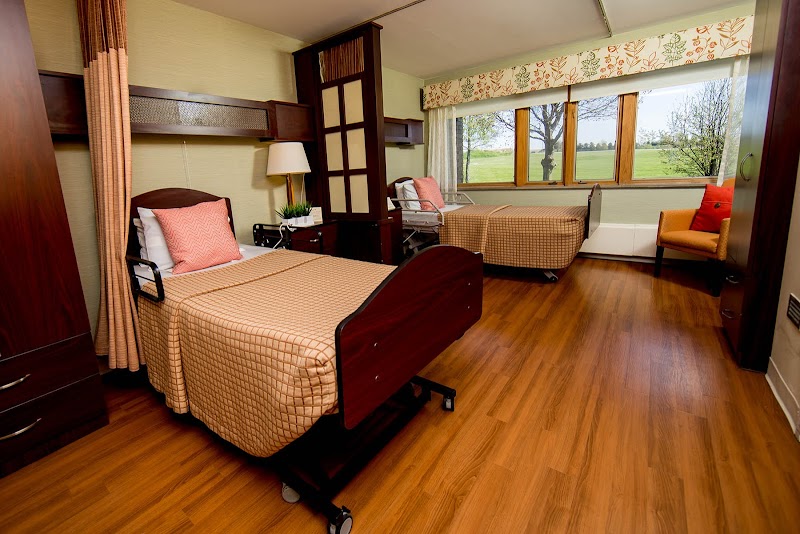
How Does Symphony Maple Crest Compare to Other Illinois Nursing Homes?

Compared to the 100 nursing homes in Illinois, SYMPHONY MAPLE CREST's overall rating (1 stars) is below the state average of 2.5, staff turnover (62%) is significantly higher than the state average of 46%, and health inspection rating (2 stars) is below the national benchmark.

What Should Families Ask When Visiting Symphony Maple Crest?

Based on this facility's data, families visiting should ask: "What changes have been made since the serious inspection findings, and how are you preventing similar issues?" "How do you ensure continuity of care given staff turnover, and what is your staff retention strategy?" "Can you walk me through typical staffing levels on day, evening, and night shifts?" "Can I visit during a mealtime to observe dining assistance and food quality?" These questions are particularly relevant given the facility's Immediate Jeopardy citations, the facility's high staff turnover rate, and the below-average staffing rating.

Is Symphony Maple Crest Safe?

Based on CMS inspection data, SYMPHONY MAPLE CREST has documented safety concerns. Inspectors have issued 2 Immediate Jeopardy citations (the most serious violation level indicating risk of serious injury or death). The facility has a 1-star overall rating and ranks #100 of 100 nursing homes in Illinois. Families considering this facility should ask detailed questions about what corrective actions have been taken since these incidents.

Do Nurses at Symphony Maple Crest Stick Around?

Staff turnover at SYMPHONY MAPLE CREST is high. At 62%, the facility is 16 percentage points above the Illinois average of 46%. Registered Nurse turnover is particularly concerning at 67%. RNs handle complex medical decisions and coordinate care — frequent RN changes can directly impact care quality. High turnover means new staff may not know residents' individual needs, medications, or preferences. It can also be disorienting for residents, especially those with dementia who rely on familiar faces. Families should ask: What is causing the turnover? What retention programs are in place? How do you ensure care continuity during staff transitions?

Was Symphony Maple Crest Ever Fined?

SYMPHONY MAPLE CREST has been fined $192,360 across 3 penalty actions. This is 5.5x the Illinois average of $35,002. Fines at this level are uncommon and typically indicate a pattern of serious deficiencies, repeated violations, or failure to correct problems promptly. CMS reserves penalties of this magnitude for facilities that pose significant, documented risk to resident health or safety. Families should request specific documentation of what issues led to these fines and what systemic changes have been implemented.

Is Symphony Maple Crest on Any Federal Watch List?

SYMPHONY MAPLE CREST is not on any federal watch list. The most significant is the Special Focus Facility (SFF) program, which identifies the bottom 1% of nursing homes nationally based on persistent, serious quality problems. Not being on this list means the facility has avoided the pattern of deficiencies that triggers enhanced federal oversight. This is a positive indicator, though families should still review the facility's inspection history directly.