
SYMPHONY NORTHWOODS

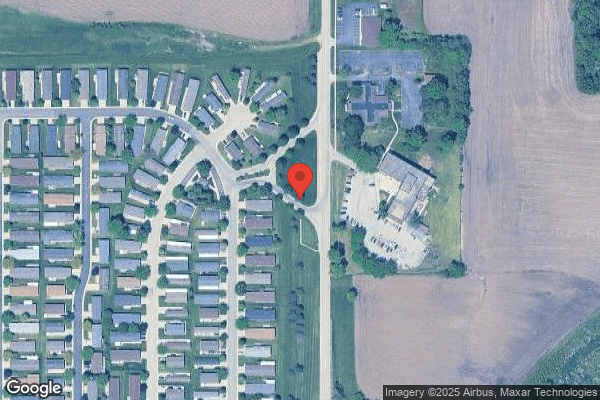
2250 PEARL STREET, BELVIDERE, IL 61008 (815) 544-0358
For profit - Corporation 113 Beds SYMPHONY CARE NETWORK Data: November 2025
Trust Grade
15/100
#408 of 665 in IL
Last Inspection: October 2024

Within standard 12-15 month inspection cycle. Federal law requires annual inspections.

Overview

Symphony Northwoods in Belvidere, Illinois has received a Trust Grade of F, indicating significant concerns about the quality of care provided. Ranking #408 out of 665 facilities in Illinois places them in the bottom half, and #2 out of 3 in Boone County suggests that only one nearby option is better. The facility has been improving over time, with issues decreasing from 8 in 2024 to 6 in 2025. Staffing is a weak point, earning only 1 out of 5 stars, with a turnover rate of 51%, which is higher than average. Recent inspections revealed serious incidents, including a resident suffering a shoulder dislocation due to improper care and another resident experiencing falls without preventive measures being implemented. While there is average RN coverage, these serious deficiencies raise concerns about the overall safety and well-being of residents.

Trust Score
F
15/100
In Illinois
#408/665
Bottom 39%
Safety Record
High Risk
Review needed
Inspections
Getting Better
8 → 6 violations
Staff Stability
⚠ Watch
51% turnover. Above average. Higher turnover means staff may not know residents' routines.
Penalties
✓ Good
$25,932 in fines. Lower than most Illinois facilities. Relatively clean record.
Skilled Nurses
⚠ Watch
Each resident gets only 25 minutes of Registered Nurse (RN) attention daily — below average for Illinois. Fewer RN minutes means fewer trained eyes watching for problems.
Violations
⚠ Watch
28 deficiencies on record. Higher than average. Multiple issues found across inspections.
★★☆☆☆
2.0
Overall Rating
★☆☆☆☆
1.0
Staff Levels
★★★☆☆
3.0
Care Quality
★★★☆☆
3.0
Inspection Score
Stable
2024: 8 issues
2025: 6 issues

The Good

  • Full Sprinkler Coverage · Fire safety systems throughout facility
  • No fines on record

Facility shows strength in fire safety.

The Bad

2-Star Overall Rating

Below Illinois average (2.5)

Below average - review inspection findings carefully

Staff Turnover: 51%

Near Illinois avg (46%)

Higher turnover may affect care consistency

Federal Fines: $25,932

Below median ($33,413)

Moderate penalties - review what triggered them

Chain: SYMPHONY CARE NETWORK

Part of a multi-facility chain

Ask about local staffing decisions and management

The Ugly 28 deficiencies on record

6 actual harm
Sept 2025 3 deficiencies 2 Harm
SERIOUS (G) 📢 Someone Reported This

A family member, employee, or ombudsman was alarmed enough to file a formal complaint

Actual Harm - a resident was hurt due to facility failures

Quality of Care (Tag F0684)

A resident was harmed · This affected 1 resident

Based on interview and record review the facility failed to assess, intervene and implement treatments in a timely manner for a resident (R2) found to have a new injury/bruising to her left shoulder w...

Read full inspector narrative →
Based on interview and record review the facility failed to assess, intervene and implement treatments in a timely manner for a resident (R2) found to have a new injury/bruising to her left shoulder which resulted in a delay in the diagnosis of and treatment of R2's left shoulder dislocation. This failure applies to 1 of 5 residents (R2) reviewed for the necessary care and services in the sample of 5.The findings include:A facility Incident report dated 9/6/25 showed on 9/5/25 at 4:20 AM, facility staff discovered new bruising to R2's left upper arm. The facility notified R2's hospice agency which subsequently ordered an X-ray of R2's left arm. An X-ray of R2's left arm was performed in the facility which showed R2's left shoulder was dislocated. The report showed R2 was sent to a local hospital on 9/6/25 for an evaluation of her shoulder dislocation. The report showed hospital recommended surgical intervention to reposition the shoulder; however, V8 (Power of Attorney/POA for R2) declined surgical intervention. R2's hospital records dated 9/6/25 showed a repeat X-ray of R2's left shoulder was performed which showed R2's left shoulder was dislocated with a possible glenoid (shoulder bone) fracture. R2 was discharged back to the facility on 9/6/25, on hospice, with orders for R2's left arm to be kept in a sling for comfort and conservative management of R2's shoulder dislocation. R2's current care plan showed R2 was severely cognitively impaired and primarily nonverbal due to her diagnosis of Alzheimer's disease. R2 was unable to verbalize her needs. R2 was dependent on staff for all cares. R2 was unable to move on her own. R2 required two staff members to safely reposition her in bed. R2 was on hospice.R2's progress note dated 9/5/25 showed at 4:20 AM, facility staff discovered new bruising to R2's left shoulder. The note showed R2's hospice agency was notified of the new bruise on 9/5/25. The note showed no documentation facility staffed notified R2's physician or nurse practitioner of the R2's new bruising. The note showed no documentation that facility staff attempted to obtain a physician order to X-ray R2's shoulder. A physician order dated 9/5/25 at 1:23 PM showed an X-ray of R2's left shoulder was ordered/obtained by V14 (R2's Hospice Nurse) after R2 was assessed by V14. R2's progress notes dated 9/5/25 from 4:20 AM to 9/6/25 at 9:30 PM were reviewed and showed no documentation of facility staff attempting to notify R2's physician or nurse practitioner of the new bruising to R2's shoulder. The progress notes showed no documentation of staff reassessing R2's left shoulder bruising at any time after the bruising was found. The progress notes showed no documentation of staff attempting to contact the facility's mobile X-ray company to ensure the X-ray of R2's left shoulder was completed as soon as possible. R2's progress note dated 9/6/25 at 10:21 AM showed an X-ray was completed in the facility of R2's left shoulder; over 24 hours after the new bruising/injury to R2's left arm was found by staff. R2's progress note dated 9/6/25 at 9:40 PM showed the facility was notified, by R2's hospice agency, of R2's X-ray results which showed her left shoulder was dislocated. R2 was sent to a local hospital for an evaluation due to her injury.On 9/10/25 at 10:48 AM, V10 RN stated she was notified of new bruising to R2's left shoulder by V9 CNA on 9/5/25. V10 stated she immediately went to assess R2 and found R2's left upper arm to be purple in color and warm to the touch. V10 stated she did not complete a range of motion assessment on R2's left arm. V10 stated she notified R2's hospice agency of R2's new bruise. V10 stated she did not notify R2's physician or nurse practitioner of the changes noted to R2's shoulder. V10 stated, I notified hospice. They were coming in to see her later that day (9/5/25). I just assumed hospice would follow up on her shoulder and get an X-ray if she needed it.On 9/10/25 at 11:15 AM, V3 Assistant Director of Nursing (ADON) stated he was notified of the new bruising to R2's left shoulder on the morning of 9/5/25. V3 stated when he observed R2's shoulder on that morning, he noted a new. large bruise to R2's left upper arm. V3 stated he did not contact R2's physician or nurse practitioner to inform them of the bruise and/or obtain an order for an X-ray because we were just kind of waiting on direction from her hospice. V3 stated facility staff are to notify a resident's physician or nurse practitioner immediately with any changes in resident condition. When asked why the facility did not order any X-ray of R2's shoulder themselves and why it took over 24 hours for R2's X-ray to be completed, V3 stated, I believe we could have ordered the X-ray ourselves if we had contacted the physician. I don't know how the X-ray was ordered by hospice. I don't know why it took so long to get it.On 9/10/25 at 11:19 AM, V14 (R2's Hospice Nurse) stated she was notified of the new bruising to R2's shoulder on 9/5/25. V14 came to the facility on 9/5/25 to assess R2. V14 stated, I found bruising to (R2's) left lateral arm and posterior shoulder area. (R2) didn't appear to be in pain. It was her bath day. My hospice CNA went to bathe her and called me immediately. She said that something was wrong with (R2's) shoulder because she said (R2's) shoulder was floppy and seemed unstable. That is when I ordered the X-ray. When asked if she ordered R2's X-ray to be done STAT (immediately), V14 stated she didn't know if it had been ordered STAT. V14 stated, We (hospice and the facility) should have collaborated better and ordered the X-ray sooner. V14 stated the facility could have contacted V15 (R2's Nurse Practitioner) directly when they found the new bruising to R2's shoulder to obtain an order for an X-ray. On 9/10/25 at 11:40 AM, V15 (R2's Nurse Practitioner/NP) stated she never received a call from the facility on 9/5/25 or 9/6/25 informing her of and/or updating her on the new bruising found to R2's left shoulder. V15 stated, The first I learned of the injury was on 9/5/25 when (V14 R2's Hospice Nurse) called me and got an order for the X-ray. V15 stated either V15 or R2's physician should have been notified immediately by the facility when the new bruising to R2's shoulder was found by facility staff. On 9/10/25 at 1:00 PM, V2 Director of Nursing (DON) stated she examined R2's left shoulder on 9/5/25 after she was notified of the new bruising. V2 stated she noted a large bruise to R2's left upper arm. V2 stated she did not complete a full assessment of R2's left arm at that time. V2 stated she did not contact R2's physician or NP to notify them of R2's new bruising or attempt to obtain an X-ray order. V2 stated, We were just waiting to see what hospice would say. The facility is responsible for all patient care and general treatment even with hospice residents. Hospice is kind of a second set of helping hands. We should have called (V15 R2's NP) ourselves to inform her of the bruising and to get the X-ray order. I am not sure why we didn't. V2 DON stated facility staff are to immediately report any changes in a resident's condition to the resident's physician or NP to ensure treatments are implemented as soon as possible.The facility's Responding to an Acute Change of Condition policy dated August 2025 showed, Residents who experience an acute change in condition will have their condition monitored, the attending physician notified, and the responsible party informed when the condition changes and as follow up actions occur. GOAL: 1. To ensure the resident changes are identified, communicated, and addressed timely. 2. To ensure that the attending physician of a resident is notified of changes in condition. The licensed nurse will evaluate the resident to determine the status of the condition change. If the resident is not presenting with a medical emergency but presents with an acute condition that requires prompt care and treatment, the licensed nurse will obtain a baseline assessment. and then contact the physician for further follow up and orders. The medical record should reflect the nurse's observation and assessments, physician notification, and follow-through, including updated plan of care.
SERIOUS (G) 📢 Someone Reported This

A family member, employee, or ombudsman was alarmed enough to file a formal complaint

Actual Harm - a resident was hurt due to facility failures

Accident Prevention (Tag F0689)

A resident was harmed · This affected 1 resident

Based on observation, interview and record review the facility failed to care for a resident (R2) in a safe manner which resulted in R2 sustaining a left shoulder dislocation. The facility failed to e...

Read full inspector narrative →
Based on observation, interview and record review the facility failed to care for a resident (R2) in a safe manner which resulted in R2 sustaining a left shoulder dislocation. The facility failed to ensure a resident (R2) was safely repositioned in bed, as directed per the resident's care plan. These failures apply to 1 of 5 residents (R2) reviewed for resident safety and supervision in the sample of 5.The findings include:A facility Incident report dated 9/6/25 showed on 9/5/25 at 4:20 AM, facility staff discovered new bruising to R2's left upper arm. The facility notified R2's hospice agency which subsequently ordered an X-ray of R2's left arm. An X-ray of R2's left arm was performed in the facility which showed R2's left shoulder was dislocated. The report showed R2 was sent to a local hospital on 9/6/25 for an evaluation of her shoulder dislocation. The report showed hospital recommended surgical intervention to reposition the shoulder; however, V8 (Power of Attorney/POA for R2) declined surgical intervention. R2's hospital records dated 9/6/25 showed a repeat X-ray of R2's left shoulder was performed which showed R2's left shoulder was dislocated with a possible glenoid (shoulder bone) fracture. The X-ray results showed no findings of osteopenia or osteoporosis. R2 was discharged back to the facility on 9/6/25. R2's current care plan showed R2 was severely cognitively impaired and primarily nonverbal due to her diagnosis of Alzheimer's disease. R2 was unable to verbalize her needs. R2 was dependent on staff for all cares. R2 was unable to move on her own. R2 required two staff members to safely reposition her in bed. R2 was on hospice related to her diagnosis of Alzheimer's disease. R2's progress note dated 9/5/25 showed at 4:20 AM, facility staff discovered new bruising to R2's left shoulder. The note showed the area of bruising to R2's left shoulder was warm to the touch. R2 was noted to be sleeping, looks comfortable. The note showed R2's hospice agency was notified of the new bruise on 9/5/25. A physician order dated 9/5/25 at 1:23 PM showed an X-ray of R2's left shoulder was ordered. R2's progress note dated 9/6/25 at 10:21 AM showed an X-ray was completed in the facility of R2's left shoulder. R2's progress note dated 9/6/25 at 9:40 PM showed the facility was notified, by R2's hospice agency, of R2's X-ray results which showed her left shoulder was dislocated. R2 was sent to a local hospital for an evaluation due to her injury.On 9/10/25 at 8:30 AM, R2 was asleep in a high-back wheelchair on the facility's memory care unit. A sling was noted around R2's left arm. The sling held her arm in place, close to R2's chest. On 9/10/25 at 11:04 AM, V11 Certified Nursing Assistant (CNA) stated she provided cares to R2 from 2 PM-10 PM on 9/4/25. V11 stated R2 had no bruising to her left shoulder during that time. V11 stated R2 did not have any falls or sustain any injuries during her shift on 9/4/25.On 9/10/25 at 10:28 AM, V9 CNA stated he provided cares to R2 on 9/4/25, from 10 PM - 6 AM. V9 stated from 10 PM on 9/4/25 to approximately 3 AM on 9/5/25, he repositioned R2 in bed and provided her with incontinence care, by himself, two different times. V9 stated R2 was nonverbal and totally dependent on staff for cares but that he always provides these cares, including bed mobility and repositioning, to R2 by himself. V9 stated R2 was dressed in a sweater when he provided cares to R2 from 10 PM-3AM so he was not able to visualize her left shoulder during that time. V9 stated around 4 AM on 9/5/25, he again provided cares to R2, by himself, which included repositioning her in bed, incontinence care, and getting her dressed. R2 stated, When I took her sweater off, I noticed her (left) shoulder was bruised and swollen. It looked abnormal. V9 stated R2 did not appear to be in pain and was not wincing or crying with movement of her left arm. V9 stated he immediately reported the new bruise to V10 Registered Nurse (RN). V9 stated R2 had no falls or injuries while being cared by V9. V9 stated, I don't know what happened to her. I just assumed something happened to her when someone was moving her or removing her shirt. On 9/10/25 at 10:48 AM, V10 RN stated she was notified of the new bruising to R2's left shoulder by V9 CNA on 9/5/25. V10 she immediately went to assess R2 and found R2's left upper arm to be purple in color and warm to the touch. V10 stated R2 did not appear to be in pain as V10 had administered hospice pain medications to R2 one hour prior. V10 stated she had no idea what caused the injury to R2's arm stating R2 was unable to move her extremities on her own. V10 stated she notified R2's hospice agency of R2's new bruise. V10 stated she did not notify R2's physician, nurse practitioner, or V8 (R2's POA) of the changes noted to R2's shoulder. On 9/10/25 at 11:19 AM, V14 (R2's Hospice Nurse) stated she was notified of the new bruising to R2's shoulder on 9/5/25. V14 came to the facility on 9/5/25 to assess R2. V14 stated, I found bruising to (R2's) left lateral arm and posterior shoulder area. (R2) didn't appear to be in pain. It was her bath day. My hospice CNA went to bathe her and called me immediately. She said that something was wrong with (R2's) shoulder because she said (R2's) shoulder was floppy and seemed unstable. That is when I ordered the X-ray. V14 stated R2 was nonverbal and dependent on staff for cares. V14 stated R2 did not have a diagnosis of osteoporosis or osteopenia. V14 stated she was unsure what caused the injury to R2's shoulder but stated, This is not an injury she could have done to herself. She has no physical behaviors and cannot move on her own. This injury will contribute to her decline.On 9/10/25 at 11:40 AM, V15 (R2's Nurse Practitioner/NP) stated R2 is unable to move on her own. V15 stated R2's left shoulder injury was caused by some sort of trauma or force. This is not an injury that spontaneously happens. V15 stated R2 had no underlying diagnoses of osteopenia or osteoarthritis that she was aware of. On 9/10/25 at 1:00 PM, V2 Director of Nursing (DON) stated R2 was nonverbal and fully dependent on staff for all ADL (activity of daily living) cares. V2 stated staff are to refer to the resident's care plan to verify the level of assistance a resident required for cares. V2 stated if R2's care plan showed R2 required the assistance of two staff to be safely repositioned in bed, then two staff members should be repositioning R2.
CONCERN (D) 📢 Someone Reported This

A family member, employee, or ombudsman was alarmed enough to file a formal complaint

Potential for Harm - no one hurt, but risky conditions existed

Notification of Changes (Tag F0580)

Could have caused harm · This affected 1 resident

Based on interview and record review the facility failed to inform a resident's representative of new a injury/bruise found to a resident's shoulder for 1 of 1 residents (R2) reviewed for a resident c...

Read full inspector narrative →
Based on interview and record review the facility failed to inform a resident's representative of new a injury/bruise found to a resident's shoulder for 1 of 1 residents (R2) reviewed for a resident change in condition in the sample of 5. The findings include:A facility Incident report dated 9/6/25 showed on 9/5/25 at 4:20 AM, facility staff discovered new bruising to R2's left upper arm. The facility notified R2's hospice agency which subsequently ordered an X-ray of R2's left arm. An X-ray of R2's left arm was performed in the facility which showed R2's left shoulder was dislocated. The report showed R2 was sent to a local hospital on 9/6/25 for an evaluation of her shoulder dislocation. R2's progress note dated 9/5/25 showed at 4:20 AM, facility staff discovered new bruising to R2's left shoulder. The note showed R2's hospice agency was notified of the new bruise on 9/5/25 by facility staff. The note showed no documentation facility staff notified V8 (R2's Power of Attorney/POA) of R2's new bruising. A physician order dated 9/5/25 at 1:23 PM showed an X-ray of R2's left shoulder was ordered/obtained by V14 (R2's Hospice Nurse) after R2 was assessed by V14. R2's progress notes dated 9/5/25 from 4:20 AM to 9/6/25 at 9:30 PM were reviewed and showed no documentation facility staff attempted to notify V8 (R2's POA) of the new bruising found on R2's left shoulder. Progress notes showed V8 was contacted by facility staff about a room change for R2 but not informed of the changes noted to R2's left shoulder. R2's progress note dated 9/6/25 at 9:40 PM showed the facility was notified, by R2's hospice agency, of R2's X-ray results which showed her left shoulder was dislocated. The note showed the hospice agency had notified V8 (R2's POA) of R2's X-ray results. R2 was sent to a local hospital for an evaluation due to her injury.On 9/10/25 at 10:37 AM, V8 (R2's POA) stated he upset because the facility never called him to inform him of the new bruising to R2's shoulder or that an X-ray had been ordered of R2's left shoulder. V8 stated, No one called me on September 5th or 6th to tell me about her shoulder. Someone called me on September 5th to tell me they were moving (R2) to a different room, but they didn't say anything to me about her shoulder. The first I heard anything about it was when someone from hospice called me that night (9/6/25) to tell me her shoulder was dislocated, and they needed to send her to the hospital.On 9/10/25 at 10:48 AM, V10 RN stated she was notified of new bruising to R2's left shoulder by V9 CNA on 9/5/25. V10 she immediately went to assess R2 and found R2's left upper arm to be purple in color and warm to the touch. V10 stated she notified R2's hospice agency of R2's new bruise. V10 stated she did not notify V8 (R2's POA) of the new bruising noted to R2's shoulder. On 9/10/25 at 11:15 AM, V3 Assistant Director of Nursing (ADON) stated he was notified of the new bruising to R2's left shoulder on the morning of 9/5/25. V3 stated when he observed R2's shoulder on that morning, he noted a new. large bruise to R2's left upper arm. V3 stated he did not notify V8 (R2's POA) of the new bruising noted to R2's shoulder. On 9/10/25 at 1:00 PM, V2 Director of Nursing (DON) stated she examined R2's left shoulder on 9/5/25 after she was notified of the new bruising. V2 stated she noted a large bruise to R2's left upper arm. V2 stated she did not contact V8 (R2's POA) to notify him of R2's new bruising. V2 DON stated facility staff are to immediately report any changes in a resident's condition to the resident's POA/representative as soon as possible.The facility's Responding to an Acute Change of Condition policy dated August 2025 showed, Residents who experience an acute change in condition will have their condition monitored, the attending physician notified, and the responsible party informed when the condition changes and as follow up actions occur. GOAL . To ensure that the responsible party is notified of a residents change in condition as soon as practical, and plan of care is updated .
Jul 2025 1 deficiency 1 Harm
SERIOUS (G) 📢 Someone Reported This

A family member, employee, or ombudsman was alarmed enough to file a formal complaint

Actual Harm - a resident was hurt due to facility failures

Accident Prevention (Tag F0689)

A resident was harmed · This affected 1 resident

**NOTE- TERMS IN BRACKETS HAVE BEEN EDITED TO PROTECT CONFIDENTIALITY** Based on interview and record review the facility failed to put interventions in place after a resident fall to protect the resi...

Read full inspector narrative →
**NOTE- TERMS IN BRACKETS HAVE BEEN EDITED TO PROTECT CONFIDENTIALITY** Based on interview and record review the facility failed to put interventions in place after a resident fall to protect the resident from future falls. This failure resulted in R1 falling in his room and sustaining 4 fractured ribs on 5/27/25. This applies to 1 of 3 residents (R1) reviewed for fall interventions in the sample of 7. The findings include: R1's EMR (Electronic Medical Record) dated 5/21/25 states, Resident observed laying on the floor next to his bed on his right side. Resident tried to get self up from his bed and slid to the floor. No injuries noted, no pain or discomfort verbalized or demonstrated . Resident transferred back to bed .R1's Care Plan dated 12/17/24 states, Potential for falls, Resident at risk for injury from falls, history of falls. The intervention UA sent to rule out infection shows a date initiated as 5/23/2025. No other interventions were put in place to prevent R1 from falling after the fall on 5/21/25. An incident report dated 5/29/25 states, On 5/27/25 at approximately 6:40PM the resident was reported to have an unwitnessed fall in the resident's room when attempting to self transfer to the restroom. This same report states, On 5/28/25 the resident was noted to be complaining of mild-moderate pain to the right side. An X-ray was ordered and performed on 5/28/25. X-ray results showed acute appearing right lateral 8-11 rib fractures with displacement and mild soft tissue swelling. NP (Nurse Practitioner) updated with results and order was given to transfer resident to the ED (Emergency Department) for further evaluation and treatment. This report also states, The resident has a BIMS (Basic Interview for Mental Status) of 12 on 12/13/24 (mild cognitive impairment). At the time of the resident's fall, the resident stated he was attempting to walk to his bathroom .R1's Radiology Report dated 5/28/25 states, Acute appearing right rib fractures. R1's Hospital admission Report dated 5/28/25 states, He had a mechanical fall- tripped and fell- about 2 days ago. Hitting his right side chest. He was discovered to have 4 broken ribs 8-11. He was brought to the ED tonight for further evaluation. He is complaining of pain onto his lateral right chest and right back. He is having difficulty breathing .Upon arrival in the ED he was hypoxic at 89% on room air at rest. He was tachypneic. Blood pressure was borderline low. On 7/21/25 at 2:30PM V2 (Director of Nursing) stated, (R1) was more confused than normal on the 21st after his first fall. He was with it and could answer questions but something was just off. The (V6- Nurse Practitioner) ordered a UA (Urinalysis). I didn't talk to any of the family before that. We did the UA and we could have started antibiotics based on that but (V6) waited for the culture. The UA looked bad but some of the doctors wait for the culture- I think we should start the antibiotic and change it if we need to when the culture arrives. The UA was done to try to clear up some of the confusion to prevent falls. On the second fall on the 27th the granddaughter came in right after it and thought he was a little confused and I told her that is how he has been and then we sent him out the next day for the rib fractures. I remember he told me that some guys had come into his room and he had to chase them out and then he had to go to the parking lot to get his truck. V2 did not know of any other interventions put in place after R1's first fall while they were waiting for the results of the UA. On 7/21/25 at 2:45PM V6 stated, If the resident is stable and there is no fever, chills, lethargy etc. then we wait for the culture. If the nurse would have told me there were other symptoms than confusion then I may have started the antibiotic before the culture. I could do a UA and start antibiotics on every resident up there just based on confusion. I like to wait for the culture so we are not giving antibiotics unnecessarily to all these elderly people.R1's Physician's Order Sheet for May 2025 shows that R1 has diagnoses including Chronic Obstructive Pulmonary Disease, Chronic Kidney Disease, Difficulty Walking, Unsteadiness on Feet, Depression, History of Falling and Metabolic Encephalopathy. This form also shows that R1 was started on antibiotics for a Urinary Tract Infection on 5/25/25. R1's Fall Risk assessment dated [DATE] shows that he is a High Risk for Falls.
Jun 2025 1 deficiency
CONCERN (D) 📢 Someone Reported This

A family member, employee, or ombudsman was alarmed enough to file a formal complaint

Potential for Harm - no one hurt, but risky conditions existed

Accident Prevention (Tag F0689)

Could have caused harm · This affected 1 resident

**NOTE- TERMS IN BRACKETS HAVE BEEN EDITED TO PROTECT CONFIDENTIALITY** Based on interview and record review the facility to ensure a resident with acute delusions was monitored and supervised. This a...

Read full inspector narrative →
**NOTE- TERMS IN BRACKETS HAVE BEEN EDITED TO PROTECT CONFIDENTIALITY** Based on interview and record review the facility to ensure a resident with acute delusions was monitored and supervised. This applies to 1 of 3 residents (R1) reviewed for safety in the sample of 3. The findings include: R1's face sheet shows she is a [AGE] year old female with diagnoses including unspecified psychosis, cerebral infarction, hypertension, adjustment disorder with depressed mood, weakness and unsteadiness on feet. R1's face sheet shows she was admitted to the facility on [DATE] from the hospital. On 6/11/25 at 9:57 AM, R2 (R1's roommate) said on Friday night (6/6/25), R1 woke up screaming after the nurse woke her up to give her medications. R1 was screaming your not my nurse, your not my nurse. R1 also alleged the nurse put something on her wrist and was hurting her (blood pressure cuff). R1 kept yelling and finally a male nurse came in V3 (Assistant Director of Nursing-ADON) and tried to calm her down. R1 was looking out the window yelling to call 911, and yelling out for Michael call 911. R2 said V3 sat in the room for a while until R1 calmed down. She said she did not witness any staff hurt R1. R2 said this was the 2nd night in a row she could not sleep because of R1 was not right during the night. R1 was fine during the day, we would talk, but during the night she was not right, not humane. Maybe she was sundowning, she was confused and a different person during the night. On 6/11/25 at 11:31 AM, V3 (ADON) said he came in to cover the first half of the 3rd shift due to a call off. He said sometime after 12:00 AM, he heard yelling from R1's room. R1 was picking up the blinds saying her husband (V7) was outside. There was a car outside, but it was not her husband. V3 said he encouraged R1 to go back to sleep. R1 was alert and oriented and he thought maybe she was not getting enough rest. On 6/11/25 at 11:11 AM, V4 (RN) said she came in at 2:00 AM to 6:00 AM and split the shift with V3. It was reported, R1 had behaviors of agitation but was re-directable. R1 was awake when she started her shift. R1 was placed at the nurses station so she could be supervised about 2:30-3:00 AM. R1 was pleasant when she was at the nurses station. She saw R1 last around 4:45 AM to 5:00 AM at the front lobby near the nurses station. Around 5:15 AM, V5 (Certified Nursing Assistant-CNA) came up to me if I had seen R1. She told V5 to check all the rooms and the basement and V6 (CNA) checked the rooms upstairs. V4 said she went outside to look for her and did not see her. She went back in the building and V5 and V6 reported they did not locate R1. V4 said she went back outside to the end of the driveway and saw R1 in her wheelchair down the street on the sidewalk. She assisted R1 back to the building, notified the POA and V2 (Director of Nursing). R1 told her she was trying to leave because she did not want to be at the facility anymore and reported an allegation of abuse. She said she was being abused by the RN who runs this place. R1 said it was a male nurse with glasses. R1 was very agitated, tearful and delusional. R1 remained with staff until V7 (R1's husband) showed up to the facility. R1 was placed at the nurses station for monitoring, V5 (CNA) got up to answer a call light and when she returned R1 was gone. We initiated a code gray and R1 was found shortly after with no injury. On 6/11/25 at 11:43 AM, V5 (CNA) said on 6/7/25, R1 was placed at the nurses station between 2:30 AM -3:00 AM. We were checking on her every 15 minutes and kept her at the nurses station. She got up to answer a call light before 5:00 AM and assisted a resident with cares and when she returned back to the nurses station, R1 was not at the nurses station. She asked V4 (RN) if she had seen R1 and then they started searching for R1 in the building. They searched every room, downstairs and did not locate R1. When she looked outside V4 (RN) was with R1 and we got R1 back in the building. R1 was in her wheelchair fully dressed when she left the building. She remained with R1 until V7 (R1's husband) arrived. V5 said R1 was calm whle at the nurses station and did not show any signs of elopement. On 6/11/25 at 12:04 PM, V7 said on 6/7/25, he received a call about 5:30 AM that R1 went outside in her wheelchair down the street from the facility. He said when he arrived to the facility about 15 minutes and R1 was very agitated and wanted to leave the facility. She alleged the nurse had slammed her and they were trying to hurt her roommate. She also alleged they put something on her wrist. V7 said he took R1 home and she has been fine since. Recently they made changes to her antipsychotic medications before her admission and she had a recent urinary tract infection. V7 said when R1 gets sick she gets delusional and maybe with the changes in her psych meds could have caused the delusions. V7 said he was R1 for most of the day on 6/6/25 and left the facility about 7:00 PM and R1 was fine. On 6/11/25 at 10:54 AM, V2 (Director of Nursing-DON) said she was notified about 5:15 AM, they could not locate R1. V4 (RN) found R1 outside on the sidewalk about 130 feet away from the facility. Prior to that R1 was at the nurses station being monitored for acute behaviors and V5 (CNA) got up to answer a call light and when she returned R1 was not at the desk. They searched for R1 in the facility and found R1 outside within 30 minutes. She notified V7 (R1's husband) and he went to the facility right away. R1 alleged allegation of abuse during this time and reported to V7 they would notify the police. V7 declined for the police to respond and took her home. R1 was a recent admit from the hospital with UTI, she was cognitively intact, and did not display exit seeking behaviors prior. There was a referred for psych prior and a UA was ordered due the recent behavior. They followed our protocol when they could not locate a resident and she was found with no injury. R1 had not shown exit-seeking behaviors prior. She would expect the staff to supervise a resident with acute cognitive changes. R1's Community Skills Determination form dated 5/27/25 shows she is alert, oriented, and free from confusion allowing her to be considered for independent pass privileges. The facility's Elopement Event Policy revised 8/22 states, The facility has a plan in case of an elopement of a resident from the facility. This enables the missing resident to be found as quickly as possible and to maintain the residents safety, dignity and privacy. If a resident is discovered missing: alert the nursing supervisor, staff on the unit should perform a thorough search of the unit/area. Notify the Administrator/DON immediately and announce facility code overhead. Immediately begin a thorough search of the facility grounds .when the resident is found the DON or administrator will notify the residents representative and police .
Mar 2025 1 deficiency
CONCERN (D) 📢 Someone Reported This

A family member, employee, or ombudsman was alarmed enough to file a formal complaint

Potential for Harm - no one hurt, but risky conditions existed

Free from Abuse/Neglect (Tag F0600)

Could have caused harm · This affected 1 resident

Based on interview, and record review the facility failed to ensure a resident (R2) was free from physical abuse for 2 of 6 residents (R1 and R2) reviewed for abuse in the sample 6. The findings incl...

Read full inspector narrative →
Based on interview, and record review the facility failed to ensure a resident (R2) was free from physical abuse for 2 of 6 residents (R1 and R2) reviewed for abuse in the sample 6. The findings include: The facility's Abuse Investigation dated 03/01/2025, showed, around 6:00PM, R1 and R2 were in the dining room at the table. R2 started to wave at R1. R1 was looking down then sat up and noticed R2. R1 suddenly slapped R2 in the face and her glasses fell to the floor. When asked why he hit R2, R1 stated, she had it coming. On 03/13/2025 at 2:24PM, V5 CNA-Certified Nursing Assistant said, R1 and R2 were sitting at the table together. I was down the hall walking towards them. R1 slapped R2 knocking her glasses off. R1 has other aggressive behaviors. We constantly observe him for aggressive behaviors. On 03/12/2025 at 9:00AM, V1 Administrator said, It just came out of the blue, knocked off the glasses. We just did a GDR-Gradual Dose Reduction on R1 ' s quetiapine (anti-psychotic), decreasing it from 50mg to 25mg. R1's current Care Plan on 03/12/2025 shows, R1 exhibits and has a history of behaviors including verbal and physical aggression towards staff and sexually inappropriate comments to staff.
Nov 2024 1 deficiency
CONCERN (D) 📢 Someone Reported This

A family member, employee, or ombudsman was alarmed enough to file a formal complaint

Potential for Harm - no one hurt, but risky conditions existed

Free from Abuse/Neglect (Tag F0600)

Could have caused harm · This affected 1 resident

**NOTE- TERMS IN BRACKETS HAVE BEEN EDITED TO PROTECT CONFIDENTIALITY** Based on observation, interview, and record review the facility failed to keep a resident free from physical abuse for 1 of 3 re...

Read full inspector narrative →
**NOTE- TERMS IN BRACKETS HAVE BEEN EDITED TO PROTECT CONFIDENTIALITY** Based on observation, interview, and record review the facility failed to keep a resident free from physical abuse for 1 of 3 residents (R1) reviewed for abuse in the sample of 7. The findings include: R1's face sheet showed she was admitted to the facility 2/13/24 with diagnoses to include dementia without behavioral disturbance, polyosteoarthritis, atrial fibrillation, hypertension, and frontotemporal neurocognitive disorder. R1's facility assessment dated [DATE] showed she has severe cognitive impairment. R2's face sheet showed she was admitted to the facility 8/28/24 with diagnoses to include age-related osteoporosis, epilepsy, rheumatoid arthritis, anxiety disorder, dementia with agitation, and neurocognitive disorder with behavior disturbance. R2's facility assessment dated [DATE] showed she has severe cognitive impairment. R2's care plan initiated 6/21/24 showed, [R2] has begun to have behaviors related to refusal of direct care. 8/16/24 and 8/17/24: Disruptive, acting out behaviors with staff and peers. Much yelling and throwing of beverages at different people. calmed with removal from environment and reduced stimulation . R2's care plan initiated 10/31/24 showed, The resident is/has, potential to demonstrate physical behaviors related to dementia. Resident noted on 10/27/24 to grab another patients wrists when she mistakenly believed that the other resident was in her room . Analyze of key times, places, circumstances, triggers, and what de-escalates behavior and document . Modify environment: Image of hot cup of tea placed on bathroom door to encourage resident to exit shared bathroom toward the correct room . R2's 10/27/24 Behavior Note showed, At 7:20 PM CNAs notified nurse that patient was in [R1's] room being aggressive with another patient. Nurse was also notified that she had injured the other patient. Nurse delegates removal of patient to the nurse desk for monitoring. Patient still being aggressive, did not want to stop yelling and leave room . R1's 10/27/24 Health Status Progress Note showed, Nurse attends to patient after incident. Patient states her left shoulder and hip hurt. Nurse notes 2 cuts on patient: left wrist and right pinky. Also, noted bruise on outer part of left hip. Nurse cleansed, measures and covered skin tears. Patient states being scared and not feeling safe. Nurse comforts patient and reassured patient that she is safe now . NP (Nurse Practitioner) has requested X-rays for hip and shoulder. R2's 11/2/24 Behavior Note showed, Roommate woke her when using bathroom. Screaming who are you yelling, separate the two in different directions. She came down to the nurse station and continue with yelling . she pushed objects off the desk . demands we all tell who we are . after a while she went away and back to room. On 11/7/24 during this investigation R1 and R2 remain in the same rooms and continue to utilize a shared bathroom. A picture was posted on the door that leads to R2's room of a cup of tea. The facility's investigation dated 10/27/24 showed, On 10/27/24, at approximately 7:15 PM, it was reported to the DON (Director of Nursing) that the staff had heard [R1] repeating Help. Upon entering [R1's] room the staff noted that [R1 was next to their bed and dresser. [R2] was noted to have her hands on [R1's] wrists and was yelling that '[R1] was in my bed.' The residents were immediately separated. [R1] was immediately assessed head to toe and noted to have a scratch to her left wrist and pinky, a bruise to the left hip, and complaints of pain to left hip and shoulder. X-rays performed showed no acute findings. [R2] was placed on 1:1 supervision and sent to the ED for evaluation . On 11/7/24 at 2:36 PM, V15 CNA (Certified Nursing Assistant) said, I heard a little commotion. One of the other CNAs went to check it out because I was with another resident. The CNA called my name and when I went into the room she was already cleaning up [R1's] finger and wrist. While the other CNA was with [R1] and I was trying to get [R2] out of [R1's] room. The nurse assessed [R1] to make sure she was okay. [R1] said her hip and back were hurting a little bit. She said she was pushed. She was in between the bed and the dresser so I think she was pushed up against the dresser or the bed but the height of the dresser matched up to where she was saying she was hurting. [R2] had been very angry all day. [R2] had been physical with staff that day but not with other residents a lot of times little things set her off . She has not shown physical aggression to [R1] before but they have had issues before . It is not a good idea for them to share a bathroom but it is going to happen with any room [R2] is in. On 11/7/24 at 1:11 PM, V8 LPN (Licensed Practical Nurse) said she did not see any of what happened because the CNAs got her after they separated them. V8 said the CNAs told her R2 had increased confusion and was trying to get R1 out of the room. V8 said when she went into the room R1 was sitting on the bed with a CNA and R2 was in her wheelchair continuing to be aggravated and aggressive. V8 said R2 was not accepting redirection and they had to remove her from R1's room. V8 said when she went back in to check on R1 she had a cut on her hand and on her wrist. V8 said they had to calm R1 down because she was really scared and said she did not feel safe. V8 said R1 did calm down. On 11/7/24 at 11:11 AM, V5 (Secured Unit Manager) said R1 and R2 are both confused and they continue to share a connecting bathroom. V5 said both residents believe the bathroom is theirs. The facility's policy and procedure dated 9/2016 showed, Abuse Prevention Program Facility Procedures . The facility desires to prevent abuse, neglect, mistreatment and misappropriation of resident property by establishing a resident sensitive and resident secure environment .
Oct 2024 6 deficiencies 2 Harm
SERIOUS (G)

Actual Harm - a resident was hurt due to facility failures

Pressure Ulcer Prevention (Tag F0686)

A resident was harmed · This affected 1 resident

Based on interview and record review the facility failed to identify pressure injuries prior to a stage 3 for a resident at risk for pressure with a history of pressure (R1). This failure resulted in ...

Read full inspector narrative →
Based on interview and record review the facility failed to identify pressure injuries prior to a stage 3 for a resident at risk for pressure with a history of pressure (R1). This failure resulted in a delay in assessing and obtaining treatment orders to prevent pressure injuries from worsening for R1. The facility failed to ensure pressure interventions were in place for a resident with a left heel pressure injury (R72). This applies to 2 of 5 residents (R1, R72) reviewed for pressure injuries in the sample of 18. The findings include: 1.) R1's self -care deficit care plan initiated on 6/5/23 shows R1 requires extensive to total staff dependence with incontinence care, personal hygiene, bed mobility, and transferring. R1's skin integrity care plan initiated on 6/29/24 and revised on 9/27/24 shows she is at risk for impaired skin integrity due to cognitive impairment, immobility and nutrition. The care plan identified that R1 currently has pressure injuries to her left buttock, left hip and left shoulder. R1's Pressure Risk Assessment (Braden scale) completed on 8/12/24 by V12 (former Wound Care Nurse) shows R1 scored a 12 and is at high risk for pressure. The assessment shows that skin should be observed and assessed regularly. A Wound Evaluation and Management Summary completed by V7 (Wound Care Physician) on 9/13/24 shows R1 had a stage 3 pressure injury to her left hip which was healed on 9/13/24. The summary does not show any additional pressure injuries for R1 on 9/13/24. A Wound Care noted completed on 9/21/24 shows that R1 was assessed head to toe and had no acute skin alterations. A nursing progress notes for R1 completed by V13 (LPN) on 9/24/24 states, This nurse observed an open skin area to the hip on the resident. Open sore to hip dark discolored area in center, beefy red tissue surrounding. Acute skin alteration noted to right/left buttocks. Area assessed and foam dressing per wound care nurse. A Wound Assessment Details Report for R1 completed on 9/25/24 by V12 (former Wound Care Nurse) shows R1 had the following new pressure injuries identified: 1. Right Buttock- Stage 2 measuring 1.00 cm. (Centimeters) x 1.00 cm x 0.10 cm. (LxWxD/length width and depth) 2. Left Buttock- Stage 2 measuring 1.0 cm. x 1.5 cm.10 cm. 3. Left Buttock- unstageable measuring 0.5 cm. x 0.5 cm. x unknown depth 4. Right Trochanter (hip)- unstageable measuring 1.50 cm. x 3.40 cm. x .10 cm. this wound is described as 80% pink or red tissue with non-granulating to the skin and 20% of the wound bed necrotic (dead tissue). The picture on the wound assessment clearly shows the black center of the wound bed. 5. Right hip- Stage 1 measuring 7.00 cm. x 5.00 cm. x 0.00 cm. 6. Left Shoulder- Stage 1 measuring 3.00 cm. x 3.00 cm. x 0.00 cm. On 9/27/24 V7 (Wound Care Physician) saw R1 and documented the following pressure injuries with his revised/current stages and additional wounds identified. 1. Left hip a full thickness pressure injury (no left hip pressure injury was documented by V12 on 9/25/24) identified as a stage 3 measuring 3.0 cm x 1.9 cm. x 0.2 cm. This wound is described as having 20% thick adherent devitalized necrotic tissue to the wound bed that required debriding and removal on 9/27/24 by V12, and 20% slough tissue with 60% viable tissue. 2. Left lower medial buttock a full thickness pressure injury a stage 3 measuring 1.0 cm. x 0.6 cm. x 0.2 cm. this wound also required debridement by V12 on 9/27/24. 3. Left upper medial buttock a full thickness pressure injury a stage 3 measuring 3.0 cm. x 1.1 cm x 0.2 cm. 4. Right upper medical buttock partial thickness pressure injury a stage 2 measuring 0.5 cm. x 0.5 cm. x 0.10 cm. 5. Right lower buttock partial thickness pressure injury a stage 2 measuring 1.4 cm. x 1.0 cm. x 0.10 cm. 6. Right hip partial thickness pressure injury a stage 2 measuring 4.2 cm. x 3.5 cm x 0.1 cm. On 9/27/24, V12 identified treatment orders for all wounds listed above to be leptospermum honey with a gauze island bordered dressing to be changed daily and PRN (as needed). On 10/22/24 at 9:23 AM, V3 (Wound Care Nurse) said the former wound care nurse V12 was let go at the facility on 9/25/24 and she was appointed the facility wound care nurse that same day. V3 said she came into the new wounds with R1 and would do her best to answer questions relative to the wounds. V3 said ideally pressure injuries are discovered as a stage 1 and CNA's (Certified Nursing Assistants) should immediately report skin changes to the nurses who should assess the wounds and immediately call for treatment orders. V3 said skin checks should be completed on shower days, when CNA's provide turning and re-positioning and incontinence care to residents. V3 confirmed R1 is a resident who is completely dependent on staff for her cares including re-positioning and incontinence cares. V2 (Director of Nursing) requested to be and was present and collaborated with V3 during the interview about R1's wounds. V2 verified that 6 new wounds were discovered on R1 between 9/24- 9/27 when V7 saw R1. On 10/22/24 at 12:39 PM, V7 (Wound Care Physician) said pressure injuries found past a stage 2 are a little late to the game being identified, especially wounds with necrotic tissue in the wound beds because these wounds are now advanced and more difficult to heal and don't just happen overnight. V7 said that is on the nurses and CNA's for not identifying these wounds sooner if they are providing care to the patient and doing incontinence cares and turning them regularly they should be noticing the areas sooner, multiple stage 3 pressure injuries being identified and pressure injuries to both sides of the body is concerning. V7 said even though R1 had co-morbidities that would contribute to her developing the wounds since she was on hospice he feels sometimes residents on hospice do not get the same care as non hospice residents because the assumption is they are going to die so additional care and treatment sometimes is not done. On 10/23/24 at 8:44 AM, V6 (CNA) said R1 has been totally dependent on staff for her cares for months. V6 said turning and repositioning and incontinence care should be provided for residents every 1-2 hours and skin should be assessed at that time and any abnormalities including pink or redness should be immediately reported to the nurse. On 10/23/24 at 10:36 AM, V2 said that R1 had tested positive for Covid on 9/16/24 and that staff should have been in the room a lot. V2 also verified that as of 9/13/24 R1 had no active pressure injuries on her body. The facility provided Skin Care Prevention policy revised on 10/16 shows residents will be evaluated daily for changes in their skin condition and dependent residents will be assessed during cares for any changes in skin including redness. 2.) R72's care plan shows she has an active stage 4 pressure injury to her left heel, and requires extensive staff assistance with turning and re-positioning. R72's Pressure Risk Assessment History (Braden Scale) shows she scored a 12 which is high risk to develop a pressure injury. A Wound Assessment Details Report completed by V3 (Wound Care Nurse) on 10/16/24 shows she has a healing stage 4 pressure injury and the plan of care is for protective heel boots to be worn. On 10/21/24 at 9:09 AM, V8 and V9 both (CNA's) put R72 to bed. After they were finished with her care they covered her up and left her heels flat against the mattress with no heel protectors on or pillow under her heels offloading them. On 10/21/24 at 11:18 AM, R72 was still in bed with her heels flat against the mattress and not offloaded. On 10/21/24 at 11:14 AM, V3 said for residents at risk for pressure or who have pressure they use offloading of heels with a pillow or heel protectors. On 10/22/24 at 9:50 AM, V3 said she was not aware of R72 not having her heels off loaded but she should have because she does have a current pressure injury. On 10/23/24 at 8:44 AM, V6 (CNA) said R72 has heel protectors that she should have on when she is in bed or up in her wheelchair. The facility provided Skin Care Prevention policy with a revised date of 10/16 shows residents at risk for skin breakdown will have their heels off loaded off the bed surface.
SERIOUS (G)

Actual Harm - a resident was hurt due to facility failures

Deficiency F0692 (Tag F0692)

A resident was harmed · This affected 1 resident

**NOTE- TERMS IN BRACKETS HAVE BEEN EDITED TO PROTECT CONFIDENTIALITY** Based on interview and record review the facility failed to notify the dietician in a timely manner of a resident with a signifi...

Read full inspector narrative →
**NOTE- TERMS IN BRACKETS HAVE BEEN EDITED TO PROTECT CONFIDENTIALITY** Based on interview and record review the facility failed to notify the dietician in a timely manner of a resident with a significant weight loss of 8 lbs. (pounds) 6.2% in one month. This failure resulted in a delay in dietary interventions being implemented and an additional 3.4 lb. 2.81% weight loss in one week. This applies to 1 of 18 residents (R77) reviewed for weight loss in the sample of 18. The findings include: R77's face sheet shows she was admitted to the facility on [DATE] and has diagnoses including cognitive communication deficit, other disorders of the brain, need for assistance with personal cares, and dysphagia. R77's weight summary sheet shows she weighed 129.2 lbs. on 9/21/24 on 10/14/24 she weighed 121.2 lbs. which is an 8 lbs. 6.2% significant weight loss in 24 days. From 10/14/24 she weighed 121.2 lbs. and on 10/21/24 she weighed 117.8 lbs. which was an additional 3.4 lbs. 2.81% weight loss in 7 days. R77's Dietary Review note completed by V4 (Dietician) on 10/22/24 states, I was notified by DON {V2} on the evening of 10/21/24 that resident {R77} has lost weight as of 10/14. Res. latest weight 117.8# does indicate an 8.6% significant weight x 1 month. Interventions added for R77 include a high calorie drink 120 milliliters (ml.) QID (four times a day), and double portions at lunch and dinner. R77's active Physician Order Summary shows an order for dietary consultation as needed and shows the order for double portions at lunch and dinner and a high calorie drink 120 ml four times a day were added on 10/22/24. R77's nursing progress notes do not show that R77's physician was contacted about her weight loss prior to 10/22/24. On 10/22/24 at 9:40 AM, V2 (Director of Nursing) said she notified V4 last evening of R77's significant weight loss. V2 said she is new to the facility and was not sure of the process for nurses reporting weight loss to the dietician. On 10/22/24 at 10:41 AM, V4 said she was not notified about R77's significant weight loss until the evening of 10/21/24. V4 said she pulls the facility weights at the beginning of each month to review weight loss, and ideally the facility should be notifying her immediately of any significant weight loss in between so she can implement interventions. V4 said if she was notified sooner she would have initiated the same interventions. On 10/23/24 at 8:48 AM, V5 (Licensed Practical Nurse/LPN) said when a resident has weight loss the nurse should notify the unit manager and also the Nurse Practitioner. The facility provided Weight Change Investigation policy with a review date of 7/14 shows the purpose of the policy is to investigate significant or insidious weight changes. The weight investigation will be initiated with a significant weight change of 5% or more in one month. Once the weight change is identified the facility will contact the dietician and health care provider for interventions.
CONCERN (D)

Potential for Harm - no one hurt, but risky conditions existed

Quality of Care (Tag F0684)

Could have caused harm · This affected 1 resident

**NOTE- TERMS IN BRACKETS HAVE BEEN EDITED TO PROTECT CONFIDENTIALITY** Based on observation, interview and record review the facility failed to ensure a non-pressure wound dressing was changed per ph...

Read full inspector narrative →
**NOTE- TERMS IN BRACKETS HAVE BEEN EDITED TO PROTECT CONFIDENTIALITY** Based on observation, interview and record review the facility failed to ensure a non-pressure wound dressing was changed per physician orders. This applies to 1 of 18 residents (R83) reviewed for skin conditions in the sample of 18. The findings include: R83's face sheet list her diagnoses to include: local infection of the skin and subcutaneous tissue, cellulitis of left lower limb and chronic embolism and thrombosis of unspecified deep veins. On October 21, 2024 at 9:38 AM, R83 stated, she has a wound on her foot. The dressing hadn't been changed all weekend. The dressing on the top of her left foot was dated October 18, 2024. R83's wound care evaluation and management summary dated October 18, 2024 by the wound care doctor shows, non-pressure wound of the left dorsal foot. Continue treatment dressing plan: Cleanse with dakins solution, apply mupirocin topical with calcium alginate, cover with gauze island dressing. Change daily. R83's treatment administration record for the month of October 2024 shows, no treatment orders for her left foot wound since October 13, 2024 besides a PRN (when needed) dressing change. No one has signed out the PRN order since it was ordered on October 5, 2024. On October 23, 2024 at 10:17 AM, V3 Wound Care Nurse (WCN) stated, she noticed on Monday (October 21, 2024) the dressing wasn't changed. She had talked with the nurse, who said, she didn't change the dressing because there was no order to change the dressing. V3 WCN stated, she forgot to put the orders in on Friday (October 18, 2024) when the wound care doctor was there. The dressing should have been changed every day. R83's care plan dated August 19, 2024 shows, Focus: Alteration in skin integrity- resident non-pressure wound. Site (left dorsal foot), left lower leg factors that inhibit wound healing: CHF (congestive heart failure). Interventions: Treat as ordered by physician. R83's Minimum Data Set, dated [DATE] shows, she is cognitively intact. The facility's physician's orders policy dated October 1, 2021 shows, General: It is the policy of this facility to provide resident centered care that meets the psychosocial, physical and emotional needs and concerns of the residents. The safety of residents, staff and visitors is of primary importance. The purpose of this policy is to provide guidance for licensed nurses and licensed therapist to accurately document physician and provider orders as determined by the licensee's Scope of Practice. The facility's skin care prevention policy last review date 10/16 shows, General: All residents will receive appropriate care to decrease the risk of skin breakdown.
CONCERN (D)

Potential for Harm - no one hurt, but risky conditions existed

Accident Prevention (Tag F0689)

Could have caused harm · This affected 1 resident

**NOTE- TERMS IN BRACKETS HAVE BEEN EDITED TO PROTECT CONFIDENTIALITY** 2. On 10/21/24 at 11:10 AM, R30 was in bed watching television. R30 had an orange extension cord plugged into the upper wall out...

Read full inspector narrative →
**NOTE- TERMS IN BRACKETS HAVE BEEN EDITED TO PROTECT CONFIDENTIALITY** 2. On 10/21/24 at 11:10 AM, R30 was in bed watching television. R30 had an orange extension cord plugged into the upper wall outlet. The cord went behind and under R30's bed. Plugged into the extension cord was a non-medical grade power strip. The power strip had R30's bed and pressure relieving air mattress plugged into it. R30 stated she has the air pump mattress due to a pressure wound on her heel. On 10/22/24 at 10:10 AM, R30's room still had the orange extension cord and power strip in the same location as 10/21/24. On 10/22/24 at 11:30 AM, V1 Administrator stated medical devices need to be plugged into a medical grade power strip. The facility did not provide a power strip policy at the time of the survey. Based on observation, interview and record review the facility failed to ensure a resident was transferred safely and failed to ensure resident's medical devices were not plugged into a power strip. This applies to 2 of 18 residents (R22 & R30) reviewed for safety in the sample of 18. The findings include: 1. On October 21, 2024 at 12:05 PM, R22 was eating in the dining room. He stated, everything was fine at the facility except what happened over the weekend with the sit to stand (mechanical lift). He lifted his shirt up and there was a large purple bruise to his left chest rib area. R22's new skin condition incident report dated October 20, 2024 shows, Nurse was informed that resident has a large bruise on his left rib side and left chest . Bruise seems to be in shape of the sit to stand sling. Resident stated that during therapy yesterday they had placed resident on sit to stand machine for therapy. R22's progress note dated October 21, 2024 shows, Resident has bruising on left side of body by armpit and upper rib cage. Does make it hard for resident to move around without pain. Resident does not recall anything happening to him for the bruising to be there. NP (Nurse Practitioner) suggests to send resident out for further evaluation R22's emergency department provider notes dated October 21, 2024 shows, [AGE] year old male presenting from nursing home for left rib bruising that was noted at his nursing home. Per staff he did have PT (physical therapy) on Saturday and the bruising was noted Sunday. On October 22, 2024 at 1:37 PM, V2 Director of Nursing (DON) stated, when she spoke with the CNA (Certified Nursing Assistant (V11 CNA)) who worked over the weekend, he stated, he transferred R22 with a sit to stand instead of a full mechanical lift (hoyer lift). V2 DON stated, R22 is not a sit to stand transfer and should have been transferred with the mechanical lift. On October 22, 2024 at 3:36 PM, V11 CNA stated, he was in a hurry to get R22 up for breakfast and transferred him using the sit to stand by him self. He didn't know how to transfer him so he just used the sit to stand. Normally even if you use the sit to stand he should of also had another CNA to help him during the transfer. He denies anything happened with the transfer. R22's resident plan of care dated October 3, 2024 shows, he is a 2 person assist with a mechanical lift (hoyer lift). R22's Minimum Data Set, dated [DATE] shows, he is mildly impaired. The facility's safe resident policy (no date) shows, Purpose: The safe resident lifting policy exists to ensure a safe working environment for resident handlers . Process and Procedures: .Caregivers (frontline staff) are NOT permitted to upgrade or downgrade a resident's transferring status prior to transfer assessment being conducted by the charge nurse or restorative nurse.
CONCERN (D)

Potential for Harm - no one hurt, but risky conditions existed

Respiratory Care (Tag F0695)

Could have caused harm · This affected 1 resident

**NOTE- TERMS IN BRACKETS HAVE BEEN EDITED TO PROTECT CONFIDENTIALITY** Based on observation, interview, and record review the facility failed to ensure the bedside suction was maintained for a reside...

Read full inspector narrative →
**NOTE- TERMS IN BRACKETS HAVE BEEN EDITED TO PROTECT CONFIDENTIALITY** Based on observation, interview, and record review the facility failed to ensure the bedside suction was maintained for a resident with a history of pneumonia which applies to 1 of 1 residents reviewed for suctioning in a sample of 18. The findings include: R81's Resident Information sheet printed 10/23/24 showed R81 is a [AGE] year old female admitted to the facility on [DATE] with diagnoses which include: hemiplegia/hemiparesis following a cerebral infarction and dysphagia . R81 was readmitted to the facility on [DATE] with diagnoses which include: pneumonia, sepsis, and acute respiratory failure. On 10/21/24 at 10:00 AM, R81 had a bedside suction set up on the nightstand next to 81's bed. The suction canister was full with a clear liquid which appeared to be water. The suctioning equipment (canister, tubing, yankauer) were not dated. The suction tubing and yankauer were hanging down the side of the nightstand with tip of the yankauer up against the nightstand. R81 has some communication difficulties, but answered questions by making appropriate head movements and hand gestures to answer yes and no questions. R81 shook their head and demonstrated a weak cough. R81 was asked if they had to have the staff used the suction equipment for them. R81 nodded yes. On 10/22/24 at 1:10 PM, R81's bedside suction set up was in the same position with the tubing still hanging down the side of the nightstand. V15 Licensed Practical Nurse (administering bolus tube feeding) stated R81 was sent out to the hospital for pneumonia a while ago. V15 stated she was not sure how long R81 had the bedside suction, but it has been for a while. V15 stated she did not know when this was set up with it not having a date on it. V15 was not sure how often suction equipment needed to be exchanged. On 10/23/24 at 8:35 AM, V14 Assistant Director of Nursing stated suction equipment should be exchanged after a certain amount of use, the canister is full, and/or the yankauer and tubing is clogged. When not in use yankauer should be stored in a holder like the original packaging to attempt to keep the yankauer clean as possible between uses. V14 did not know when the equipment was set up in R81's room. R81's current Care Plan dated 7/17/24 showed no focuses or interventions related to oral suctioning and airway management. R81's Physician Orders printed 10/23/24, showed no orders for PRN (as needed) oral suctioning. On 10/23/24 at 9:50 AM, V2 Director of Nursing stated she reviewed R81's current and discontinued orders. V2 stated she could not find a previous order for PRN oral suctioning. V2 stated oral suctioning needs an order, and the equipment should be maintained in a clean manner. The facility did not provide a oral suctioning or suctioning equipment policy at the time of the survey.
CONCERN (D)

Potential for Harm - no one hurt, but risky conditions existed

Infection Control (Tag F0880)

Could have caused harm · This affected 1 resident

Based on observation, interview and record review the facility failed to ensure the required Personal Protective Equipment (PPE) was worn when providing care to residents on Enhanced Barrier Precautio...

Read full inspector narrative →
Based on observation, interview and record review the facility failed to ensure the required Personal Protective Equipment (PPE) was worn when providing care to residents on Enhanced Barrier Precautions for 2 of 8 residents (R46, R72) reviewed for infection control in the sample of 18. The findings include: On 10/21/24 at 9:08 AM, on the door to R46 and R72's room there was an enhance barrier sign posted which indicated when staff were providing high-contact resident care for R46 and R72 which includes dressing, bathing/showering, transferring, changing linens, providing hygiene, changing briefs, handling devices including central lines, urinary catheters, feeding tubes, tracheostomy or wound care, gowns and gloves should be worn. On 10/21/24 at 9:09 AM, V8 (Certified Nursing Assistants/CNA had brought R72 back from the shower. V9 (CNA) entered the room and assisted V8 using a mechanical lift they transferred R72 to bed. V8 and V9 removed the wet hoyer sling that was underneath R72 and rolled her from side to side putting a new incontinent brief on her. R72 had a dressing on her left heel and V8 said she had a pressure ulcer to her heel. On 10/21/24 at 9:23 AM, V8 and V9 checked on R46 (R72's roommate) who indicated she would allow them to change her. R46 was soiled in stool and V8 and V9 provided incontinence care to her and changed her incontinence brief. R46 had a suprapubic catheter, and a healing pressure ulcer to her left buttock. During the cares observed on 10/21/24 for R46 and R72 no gown was applied by V8 or V9. R46's active Physician Order Summary shows she has a suprapubic catheter. R72's 10/16/24, Wound Assessment Details Report shows she has an unstageable pressure injury to her left heel which requires a dressing. On 10/21/24 at 9:44 AM, V8 said she was feeling a little overwhelmed and knows better she should have worn a gown when providing cares to R46 and R72. On 10/22/24 at 9:41 AM, V2 (Director of Nursing) said for residents who are on Enhanced Barrier Precautions the staff should wear a gown and gloves when providing direct patient care. The facility provided Enhance Barrier Precautions (EBP) policy last reviewed 4/24/24 shows that when a resident is placed on Enhanced Barrier Precautions gloves and gowns will be used for cares including dressing, bathing, transferring, providing hygiene, changing linens and briefs, or assisting with residents with devices including central lines, urinary catheter, feeding tubes, or wound care. The policy shows that EBP should be used for residents with urinary catheters and wounds.
Jun 2024 1 deficiency 1 Harm
SERIOUS (G) 📢 Someone Reported This

A family member, employee, or ombudsman was alarmed enough to file a formal complaint

Actual Harm - a resident was hurt due to facility failures

Pressure Ulcer Prevention (Tag F0686)

A resident was harmed · This affected 1 resident

**NOTE- TERMS IN BRACKETS HAVE BEEN EDITED TO PROTECT CONFIDENTIALITY** Based on interview and record review the facility failed to identify and treat a pressure ulcer for a resident dependent on staf...

Read full inspector narrative →
**NOTE- TERMS IN BRACKETS HAVE BEEN EDITED TO PROTECT CONFIDENTIALITY** Based on interview and record review the facility failed to identify and treat a pressure ulcer for a resident dependent on staff for care. This failure resulted in R1's pressure ulcer to his right heel not being identified until it was necrotic and unstageable on 3/18/24. This applies to 1 of 3 residents (R1) reviewed for pressure ulcers in the sample of 5. The findings include: R1's Face Sheet shows that he was admitted to the facility on [DATE] with diagnoses including Type 2 Diabetes, Atrial Fibrillation, Cellulitis of the Left Lower Limb, Lymphedema, Muscle Weakness, Acute Cystitis and Morbid Obesity. R1's Progress Notes dated 3/17/24 state, Necrotic tissue on bottom of Right heel surrounded by slough. Resident Unaware of wound. Wound care nurse notified. NP notified. POA updated. Foam boots applied. R1's Progress Notes dated 3/18/24 state, Resident was notified by staff regards new skin alteration to left heel, upon assessment noted unstageable to right heel, wound bed necrotic, no exudate noted, resident denies any pain to right heel but complains of pain to right leg. Writer notified NP (V4), per (V4) orders to send out to ER for further evaluations and to rule out DVT. On 6/3/24 at 11:15AM V3 (LPN-Wound Nurse) stated, He came from the hospital. He was resistive to all care, pericare, therapy. On Monday (3/18) morning when I came in he had a new skin alteration, he refused to wear the boots, refused to have heels elevated on a pillow because he said it was uncomfortable. I notified (V4) and she said to send him out. I was doing the dressing on his legs prior to that and they were weeping. I changed the dressings on Monday/Wednesday and Friday. He would not allow anymore than that, he said he didn't need it. I am here Monday - Friday-. When I saw the wound on the heel (V4) and I wanted to make sure it was not a DVT. I was doing the leg treatments so this had to have happened over the weekend. I do the wound assessments weekly. He tried to reposition himself but he wouldn't let us reposition him. He was admitted with chronic cellulitis and was always in supine position. He refused boots or pillows. On 6/3/24 at 1:32 PM R1 stated, The heel on my right foot got a terrible pressure sore on it that I am still working on healing today (at another facility). I looked at all my records from when I was in the hospital the first time and there was no mention of a pressure sore so I know I got it there. I was able to move my leg but every morning I would wake up in a puddle on the bed because my legs were weeping so much. I begged for a week for wound care to come and take care of my legs. I never had any boots until about 1/2 an hour before I left. Finally when they noticed my heel was black they sent me out right away. On 6/3/24 at 1:24 PM V5(RN) stated, He had been complaining of right leg pain. He had had therapy earlier and (V7-CNA) was getting him ready for bed. He complained of right heel pain. She asked me to come look at it. It was black and full of necrotizing tissue. I was unsure if anyone knew about it so I contacted wound care, the MD and the POA. There was no other documentation about it so I guess no one had noticed it. I never had any issues with him. I heard he was sometimes non-compliant with therapy during the day but I didn't try to get him to therapy. He was cooperative and took his medications . On 6/3/24 at 2:00PM V4 (Nurse Practitioner) stated, I didn't know anything about his heel. He never complained of pain to his heel, the pain was in his hip. The wound nurse called me and said it was black and it wasn't there before so I told her to send him out . With the heel, I wanted to make sure it wasn't circulatory, make sure it wasn't a DVT. On 6/3/24 at 2:30 PM V7 (CNA) stated, He had his call light on and I went in there and he said his leg was hurting- in the groin area. I put him in bed and then a little while later he wanted to get up to the chair and use the restroom again so I helped him and he said his heel was hurting. I looked at his foot and it was all blackish in color. This was my first day on the short hall so I had not really worked with his before. We are supposed to do skin checks on shower days and then document it on the shower sheet. I reported it to the nurse and she came and looked at it. R1's Wound Assessment Details Report dated 3/18/24 shows that R1 had Unstageable Necrotic, hard, Firm, Adherent- 100% Facility Acquired Pressure Ulcer to his right heel. This form shows the wound measured 5.5 x 7.0 cm. R1's Braden Scale for Predicting Pressure Ulcer Risks dated 2/10/24 shows that he scored a 15 (15-18= At Risk) R1's Physician's Order Sheet dated 2/10/24- 3/18/24 shows no orders for heel lift boots or off-loading of R1's heels. R1's Care Plan dated 3/8/24 states, Potential/At Risk for alteration in skin integrity due to risk factors associated with diabetes The interventions include: Reposition/shift weight at frequent intervals to resident's comfort, Remind/ Assist Resident to reposition frequently and Check skin daily. R1's Hospital Discharge summary dated [DATE]- 3/28/24 shows one of R1's admitting and discharge diagnoses as Decubitus Ulcer of right foot- s/p excisional debridement on 3/24/24. This form states, He will be weight bearing as tolerated for transfers and short distances attempting to avoid pressure to the right heel. The facility policy entitled Skin Management Program dated 8/23/23 states, It is the policy of the facility that a guest does not develop pressure injury unless clinically unavoidable. Guests with wounds and/or pressure injury and those at risk for compromise are identified, assessed and provided appropriate treatment to promote healing. Ongoing monitoring and evaluation are provided to ensure optimal guest outcomes. A Braden Scale will be completed upon admission, weekly for 4 weeks, quarterly and with a significant change of status by a licensed nurse to determine the risk of pressure injury development. Appropriate preventative measures will be implemented on guests identified as risk (a score of 18 or less on the Braden Scale) and the interventions documented on the care plan.
Sept 2023 7 deficiencies
CONCERN (D)

Potential for Harm - no one hurt, but risky conditions existed

Assessment Accuracy (Tag F0641)

Could have caused harm · This affected 1 resident

**NOTE- TERMS IN BRACKETS HAVE BEEN EDITED TO PROTECT CONFIDENTIALITY** 2. On 9/17/23 at 10:14 AM, R57's son said R57 does not use or need a restraint. R57 was currently in the bathroom with no restra...

Read full inspector narrative →
**NOTE- TERMS IN BRACKETS HAVE BEEN EDITED TO PROTECT CONFIDENTIALITY** 2. On 9/17/23 at 10:14 AM, R57's son said R57 does not use or need a restraint. R57 was currently in the bathroom with no restraints noted. R57 was seen on various occasions throughout the survey and was never restrained. On 9/18/23 at 9:44 AM, V12, CNA (certified nursing assistant), said R57 has never had a restraint. On 9/18/23 at 9:51 AM, V11, LPN (licensed practical nurse), said R57 does not have a restraint and never has. On 9/18/23 at 1:32 PM, V2, DON (Director of Nursing), said she completed R57's most current MDS Section P (8/9/23) and does not know why it was coded for a restraint. V2 said R57 does not have a restraint and has never had one. V2 said there are no restraints in the facility. V2 said the MDS should obviously be accurate and knows billing is from the MDS. R57's MDS dated [DATE] shows R57 has an Other restraint which is used less than daily when he is in a chair or out of his bed. Based on interview and record review the facility failed to ensure resident assessments were accurate for 2 of 18 residents (R72, R57) reviewed for minimum data set (MDS) assessments in the sample of 18. The findings include: 1.) R72's admission/5-day MDS assessment that was completed and transmitted by V13 (MDS coordinator) on 6/30/23 shows R72 has a tracheostomy and tracheostomy care is being provided by the facility. On 9/18/23 R72's Electronic Medical Record (EMR) was reviewed including the nursing admission assessments, which show R72 did not have a tracheostomy on admission to the facility on 6/26/23. On 9/18/23 at 8:25 AM, R72 said she has not had a tracheostomy since before she was admitted to this facility. She said she has never had one since she was a resident here. On 9/18/23 at 1:44 PM, V2 (Director of Nursing) said R72 has not had a tracheostomy since she has been here. V2 said MDS assessments should be accurate because it reflects billing for the residents. On 9/19/23 at 9:55 AM, V13 (MDS coordinator) said R72's admission assessment was incorrectly coded and transmitted that she has a tracheostomy and that was a mistake. V13 said the facility uses a triple check system for MDS assessment to ensure they are accurate and this one was missed by everyone. The facility provided MDS policy dated 5/14 shows that a MDS is completed for each resident on admission, quarterly, annually and with a change of and this is a Medicare requirement. The policy also shows nursing documentation is reviewed when completing the resident MDS.
CONCERN (D)

Potential for Harm - no one hurt, but risky conditions existed

ADL Care (Tag F0677)

Could have caused harm · This affected 1 resident

**NOTE- TERMS IN BRACKETS HAVE BEEN EDITED TO PROTECT CONFIDENTIALITY** Based on observation, interview, and record review, the facility failed to ensure residents were provided incontinence care in a...

Read full inspector narrative →
**NOTE- TERMS IN BRACKETS HAVE BEEN EDITED TO PROTECT CONFIDENTIALITY** Based on observation, interview, and record review, the facility failed to ensure residents were provided incontinence care in a timely manner for 2 of 18 residents (R30, R22) reviewed for Activities of Daily Living (ADL) in the sample of 18. The findings include: 1. On 9/17/23 at 8:55 AM, R30 was sound asleep in her bed. On 9/17/23 at 9:08 AM, V9 and V14, Certified Nursing Assistants (CNAs), went in to get R30 up and out of bed for the day. R30 had a foul urine odor and her brief, pad, bottom sheet, and blankets were all soaked in urine. V9 and V14 said their shift started at 6:00 AM this morning. R30 was unable to remember the last time she was changed. R30's admission Record dated 9/18/23 shows her diagnoses include, but are not limited to, multiple sclerosis, cerebral infarction (stroke), and hemiplegia and hemiparesis affecting her right side. R30's MDS dated [DATE] shows she has moderate cognitive impairment, is frequently incontinent of bowel and bladder, and requires extensive assistance with toilet use/cleansing after elimination. R30's Care Plan (last review completed 8/29/23) shows R30 has a potential for skin integrity impairment, a self-care deficit, and requires extensive assistance with toileting and incontinence care. 2. On 9/17/23 at 10:03 AM, R22 was sitting in his wheelchair in his room coloring pictures. R3 was wearing a gray sweat shirt and sweat pants. He was soaked in urine from his belly button area to his mid thighs. R22's admission Record dated 9/18/23 shows his diagnoses include, but are not limited to, Alzheimer's disease, cerebral infarction, and Parkinson's disease. R22's MDS dated [DATE] shows R22 has sever cognitive impairment, is frequently incontinent of urine and requires extensive assistance with toilet use/cleansing after elimination. R22's Care Plan (last review completed 8/22/23) shows R22 is unable to use a call light due to his cognitive status, has an ADL self-care performance deficit, self-toileting deficit and incontinence, and has a potential for skin integrity impairment. On 9/18/23 at 1:32 PM, V2, Director of Nursing (DON), said residents are checked and changed every two hours and as needed. V2 said residents need to be changed anytime they are wet or soiled. The facility's Incontinence Care Policy (Revised 1/22) shows incontinence care is provided to keep residents as dry, comfortable, and odor free as possible.
CONCERN (D)

Potential for Harm - no one hurt, but risky conditions existed

Quality of Care (Tag F0684)

Could have caused harm · This affected 1 resident

Based on observation, interview and record review the facility to failed to report a change in a resident's skin condition to ensure treatment for that resident's cellulitis was initiated in a timely ...

Read full inspector narrative →
Based on observation, interview and record review the facility to failed to report a change in a resident's skin condition to ensure treatment for that resident's cellulitis was initiated in a timely manner for 1 of 18 residents (R47) reviewed for necessary care and services in the sample of 18. The findings include: On 9/17/23 at 9:40 AM, R47 was in bed. A red, inflamed rash was noted from the top of R47's right foot and continued up R47's posterior and anterior right calf. The rash stopped directly above her right knee. R47 stated, I have had this rash for at least three days. It hurts. It feels hot. I wish they would put a cream on it to make it stop hurting and itching. I don't know what is going on my leg. On 9/17/23 at 9:55 AM, V7 Registered Nurse (RN) assessed R47's right leg. V7 stated, Wow, that rash has really spread since yesterday. It's warm to the touch too. The rash was only on her foot and up her posterior calf yesterday. V7 stated he was unsure if R47's physician was aware of R47's leg rash. R47's nurses notes dated 9/13/23-9/16/23 were reviewed. The notes showed no documentation of any rash or redness to R47's right lower extremity. The notes showed no documentation that R47's physician had been notified of R47's leg rash. R47's Interdisciplinary Note dated 9/17/23 at 10:44 AM, showed, Increased redness noted to RLE (right lower extremity) .warm to touch . The note showed a nurse practitioner was notified of R47's right leg redness. The note showed R47 was started on an oral antibiotic to treat R47's UTI (urinary tract infection) and right leg cellulitis. R47 was also started on a topical steroid cream for treatment of her cellulitis. On 9/17/23 at 2:03 PM, V7 RN stated he provided cares to R47 on 9/14/23-9/16/23. V7 stated he became aware of R47's right leg rash on 9/14/23. V7 stated, On Friday and Saturday (9/15-9/16/23), (R47) had a red rash to the top of her right foot that radiated around to the back of her right calf. The rash was not on the front of her leg or by her knee. I just assumed another nurse had told (R47's) physician about the rash. V7 RN stated he did not contact R47's physician, at any time prior to 9/17/23, to notify him/her of R47's new rash. V7 stated he did not contact R47's physician until after R47's rash had become worse on 9/17/23. On 9/18/23 at 9:41 AM, V8 Nurse Practitioner (NP) stated, If a resident develops a new rash, especially one that could be cellulitis, the physician or nurse practitioner should be notified immediately. I was not made aware of (R47's) cellulitis until today. Looks, like another nurse practitioner in our group was called yesterday about the rash. I was here on Friday (9/15/23) and no one reported it to me. I see she is on an antibiotic now to treat both her cellulitis and a urine infection . On 9/18/23 at 1:30 PM, V2 Director of Nursing stated if a resident develops a rash and/or has a change in skin condition, staff are to notify the NP or physician immediately and document the notification in a note. The facility's Skin Management Program policy dated 8/23/23 showed, The licensed nurse will monitor, evaluate, and document changes regarding skin condition (to include: dressing, surrounding skin, possible complications, and pain) in the medical record .If a new area of skin impairment is identified, notify the guest, responsible party, attending physician and Director of Health Services .
CONCERN (D)

Potential for Harm - no one hurt, but risky conditions existed

Incontinence Care (Tag F0690)

Could have caused harm · This affected 1 resident

**NOTE- TERMS IN BRACKETS HAVE BEEN EDITED TO PROTECT CONFIDENTIALITY** Based on observation, interview, and record review, the facility failed to ensure residents were rinsed and dried after using so...

Read full inspector narrative →
**NOTE- TERMS IN BRACKETS HAVE BEEN EDITED TO PROTECT CONFIDENTIALITY** Based on observation, interview, and record review, the facility failed to ensure residents were rinsed and dried after using soap for incontinence care for 2 of 5 residents (R53, R30) reviewed for incontinence care in the sample of 18. The findings include: 1. On 9/17/23 at 9:33 AM, V9, CNA (Certified Nursing Assistant) and V10, CNA were providing incontinence care to R53. V9 squirted soap onto a wet washcloth and proceeded to wash R53's perineal area, but did not rinse or dry the area. The bottle of soap used was labeled Shampoo & Body Wash Gel and the instructions on the bottle show, rinse off and pat dry. R53's admission Record dated 9/18/23 shows her diagnoses include, but are not limited to, dementia, Urinary Tract Infection (UTI), and Alzheimer's disease. R53's MDS (Minimum Data Set) dated 8/14/23 shows R53's cognitive skills for daily decision making are severely impaired, she is always incontinent of bowel and bladder, and requires extensive assistance with toilet use/cleansing after elimination. R53's Medication Administration Record (MAR) for September 2023 shows she is currently on a course of antibiotics for a UTI. 2.On 9/17/23 at 9:08 AM, V9 used a soapy wash cloth to clean R30 after she had been incontinent. V9 did not rinse or dry R30 following the cleansing. The bottle of soap used was labeled Shampoo & Body Wash Gel and the instructions on the bottle show, rinse off and pat dry. R30's admission Record dated 9/18/23 shows her diagnoses include, but are not limited to, dementia, multiple sclerosis, cerebral infarction (stroke), and hemiplegia and hemiparesis affecting her right side. R30's MDS dated [DATE] shows she has moderate cognitive impairment, is frequently incontinent of bowel and bladder, and requires extensive assistance with toilet use/cleansing after elimination. On 9/18/23 at 9:44 AM, V12, CNA, said the facility uses soap and water with wash cloths for incontinence care. V12 said the soap needs to be rinsed off so it does not irritate the resident. On 9/18/23 at 1:32 PM, V2, DON (Director of Nursing), said soap needs to be rinsed off (after providing incontinence care) because it can cause harm to the skin.
CONCERN (D)

Potential for Harm - no one hurt, but risky conditions existed

Deficiency F0847 (Tag F0847)

Could have caused harm · This affected 1 resident

**NOTE- TERMS IN BRACKETS HAVE BEEN EDITED TO PROTECT CONFIDENTIALITY** Based on interview and record review the facility failed to ensure residents understood the language and content of a binding ar...

Read full inspector narrative →
**NOTE- TERMS IN BRACKETS HAVE BEEN EDITED TO PROTECT CONFIDENTIALITY** Based on interview and record review the facility failed to ensure residents understood the language and content of a binding arbitration agreement prior to signing the agreement for 3 of 3 residents (R180, R179, R55) reviewed for binding arbitration agreements in the sample of 18. The findings include: 1. R180's admission Record showed R180 was admitted to the facility on [DATE]. R180's Healthcare Arbitration Agreement, signed by R180 on 8/25/23, showed R180 accepted the terms of the agreement. On 9/18/23 at 8:15 AM, R180's arbitration agreement (signed 8/25/23) was reviewed with R180. R180 stated, No one explained that (arbitration) to me. I wouldn't have agreed to that. I don't even remember what I signed when I got admitted . I was in so much pain. I didn't realize what I was signing. There were so many papers. 2. R179's admission Record showed R179 was admitted to the facility on [DATE]. R179's Healthcare Arbitration Agreement, signed by R179 on 9/8/23, showed R179 accepted the terms of the agreement. On 9/18/23 at 8:23 AM, R179's arbitration agreement (signed 9/8/23) was reviewed with R179. R179 stated, They didn't go over all of the paperwork (admission) with me. They didn't read the fine print to me. I was in pain when I got here. I'm not sure what I signed. I didn't realize I was signing that (agreement). 3. R55's admission Record showed R55 was admitted to the facility on [DATE]. R55's Healthcare Arbitration Agreement, signed by R55 on 4/25/23, showed R55 accepted the terms of the agreement. On 9/18/23 at 8:30 AM, R55's arbitration agreement (signed 4/25/23) was reviewed with R55. R55 stated, I had no idea I signed that (agreement). No one went over that with me. On 9/18/23 at 9:00 AM, V5 Business Office Assistant stated she reviews the admission contract, including the arbitration agreement, with residents upon admission. V5 stated, Sometimes I read it to them or email it to them if they request that. I try to explain it in a way they can understand it. I only allow residents to sign the arbitration agreement if they are cognitively intact. The facility's Arbitration Agreement policy dated 10/24/22 showed, The person obtaining signatures for Arbitration Agreements will know how to explain the Agreement to residents/responsible parties. The terms and conditions of the Arbitration Agreement must be clearly explained to the resident/responsible party . The Arbitration Agreement will be explained in form and manner that the resident/responsible party understands .The resident/responsible party must acknowledge understanding of the Arbitration Agreement and voluntarily enter into an Arbitration Agreement for such Agreement to be enforceable .
CONCERN (E)

Potential for Harm - no one hurt, but risky conditions existed

Safe Environment (Tag F0921)

Could have caused harm · This affected multiple residents

**NOTE- TERMS IN BRACKETS HAVE BEEN EDITED TO PROTECT CONFIDENTIALITY** Based on observation, interview and record review the facility failed to maintain the facility's roof to ensure a safe, comforta...

Read full inspector narrative →
**NOTE- TERMS IN BRACKETS HAVE BEEN EDITED TO PROTECT CONFIDENTIALITY** Based on observation, interview and record review the facility failed to maintain the facility's roof to ensure a safe, comfortable environment for 4 of 18 residents (R47, R49, R18, R40) reviewed for environment in the sample of 18. The findings include: The facility's Resident Matrix printed 9/17/23 showed R47, R49, R18, and R40 resided in room [ROOM NUMBER], on the second floor of the facility. On 9/17/23 at 9:40 AM, R47 was in bed, watching TV. From the ceiling of the room, directly next to the left side of R47's bed, water was dripping down onto the floor, in multiple areas. Cloth pads, towels, and garbage containers were in place, attempting to absorb/catch the water. R47 stated, It seems like the ceiling leaks every time it has rained lately. It started leaking again this morning when it started raining. By 11:00 AM on 9/17/23, R47, R49, R18, and R40 each had been moved to different rooms in the facility due to the leak. On 9/19/23 at 8:10 AM, water continued to leak from the ceiling in room [ROOM NUMBER]. On 9/18/23 at 9:25 AM, R49 stated, The ceiling in our room has leaked 2-3 times over the last six months. Yesterday was the first time they moved us out of our room because of the leak. They (administration) knew it had a leak. I am just glad it wasn't leaking directly on anyone. One time, before the leak we have now, the ceiling was leaking. I walked out of the bathroom and stepped right in a puddle on the floor. My socks were soaked. On 9/18/23 at 12:20 PM, V6 Maintenance Director stated, The roof has had a leak in that area since July 2023. We called a roofing company. They came out and patched the roof in July. It started leaking again yesterday. Yesterday was the worst the leak has been in that area. We are waiting for the roofing company to come back to fix the leak again . We need a new roof. I believe the roof is the original roof that was put on when this place was built. The roofing company said the roof needed to be replaced two years ago. On 9/19/23 at 8:55 AM, V1Administrator stated the facility had no policy related to building/roof maintenance.
CONCERN (F)

Potential for Harm - no one hurt, but risky conditions existed

Food Safety (Tag F0812)

Could have caused harm · This affected most or all residents

Based on observation, interview and record review the facility failed to ensure the kitchen floors, appliances, and areas of the ceiling were clean and free of debris. The facility failed to ensure co...

Read full inspector narrative →
Based on observation, interview and record review the facility failed to ensure the kitchen floors, appliances, and areas of the ceiling were clean and free of debris. The facility failed to ensure containers of opened, refrigerated condiments were stored and maintained in a sanitary manner. The facility failed to store dry foods in a manner to prevent cross-contamination. These failures have the potential to affect all 75 residents in the facility. The findings include: The facility's Resident Census and Conditions of Residents form dated 9/17/23 showed a resident census of 75. On 9/17/23, from 8:25 AM-8:50 AM, an initial tour of the kitchen was completed. The following observations were made: 1. A large plastic scoop laid in a bin of dry breakfast cereal. 2. A brown, sticky substance was noted on the lid of the ice machine and throughout the inner walls of the ice machine. 3. Food debris, including chips and dried cereal, were noted inside the milk cooler. Debris was noted around the seal of the cooler's lid and on the floor of the cooler. 4. A large spider web hung from the ceiling, by the south wall, over a rack of clean pots and pans. 5. Dried food debris was scattered across the stove. A sticky, brownish substance was noted down the front of the oven. The oven handles were sticky to touch. At 8:40 AM, V3 Dietary Manager touched the oven handles and stated, They are sticky. They need to be cleaned. 6. Peeling, white paint was noted on the ceiling, above the stove. 7. The doors and handle to the steam oven were sticky to touch. A food-like substance was spilled down the front of the steam oven. 8. Dry food debris was noted on the floor of the walk-in cooler. 9. A coffee drink, from a local fast-food restaurant, was sitting on a kitchen prep table. V3 picked up the drink and threw it away. V3 stated, That shouldn't be there. On 9/17/23 at 9:20 AM, a tour of the kitchen's walk-in cooler was completed with V3 Dietary Manager. The following were observed on a rack in the walk-in cooler: 1. An opened, undated, plastic gallon container of mustard. The container was half-full. Dried mustard was noted around the outside of the container. 2. An opened, undated, plastic gallon container of Italian dressing. The outside of the container was coated with Italian dressing. 3. An opened, undated, plastic gallon container of Worcestershire sauce, with only ¼ left in the container. 4. An opened, undated, plastic gallon container of barbeque sauce. Sauce had dripped down the outside of the container. 5. An opened, undated, 5-pound plastic container of sour cream. On 9/18/23 at 9:19 AM, V3 Dietary Manager stated the kitchen last deep-cleaned a month ago. V3 stated, We need to make sure the kitchen is clean, so we don't develop any food-borne illness. We need to make sure dirt doesn't get into the food. Bulk condiments must be dated when opened to make sure we use them before they expire. Most of them expire 30-60 days after being opened. Scoops should not be stored in cereal bins. The facility's Storage of Refrigerated Foods policy dated 5/20/2014 showed, Refrigerated food is stored in a manner that ensures food safety and preservation of nutritive value and quality .Food in the refrigerator is covered, labeled and dated with use by date . The facility's Storage of Dry Goods/Foods policy dated 5/20/2014 showed, Scoops are stored in scoop holders or in a clean designated space.
Aug 2023 1 deficiency
CONCERN (D) 📢 Someone Reported This

A family member, employee, or ombudsman was alarmed enough to file a formal complaint

Potential for Harm - no one hurt, but risky conditions existed

ADL Care (Tag F0677)

Could have caused harm · This affected 1 resident

**NOTE- TERMS IN BRACKETS HAVE BEEN EDITED TO PROTECT CONFIDENTIALITY** Based on observation, interview, and record review the facility failed to provide incontinent care to R2, this applies to one of...

Read full inspector narrative →
**NOTE- TERMS IN BRACKETS HAVE BEEN EDITED TO PROTECT CONFIDENTIALITY** Based on observation, interview, and record review the facility failed to provide incontinent care to R2, this applies to one of three residents (R2) reviewed for activities of daily living for dependent residents in the sample of three. The findings include: On 08/16/23 at 8:33AM, in the hall outside of R2's room was the smell of urine. Entering R2's room the smell increased. R2 was lying on his back on a scoop type mattress. R2's pants were pulled down past his hips exposing a saturated incontinent brief. On the bed sheet was a water mark that encircled R2's hips. At 9:38AM, the hall outside of R2's room smell of urine with an increased odor when entering R2's room. R2's pants were pulled down and his incontinent brief was saturated. The water mark on the sheets was larger and had a yellow/brown hue. R2's call light was under the bed and out of reach. At 9:42AM, R2 placed his legs over the side of the bed and after some effort sat up on the side of the bed. R2 stood up to his feet leaned forward and pushed the saturated incontinent brief down to his ankle. On 08/16/23 at 9:50AM, V5 CNA-Certified Nursing Assistant said, I do not know the last time R2 was assisted. R2 is not on my assignment. On 08/16/23 at 10:10AM, V8 CNA said, I do not know the last time R2 was assisted. I was working in another unit. I must call housekeeping to come clean the bed before I can put clean sheets on. On 08/16/23 at 11:02AM, V3 CNA-Certified Nursing Assistant said, I took R2 to the bathroom at 6:30AM. He was dressed by the third shift staff. On 08/16/23 at 2:26PM, V9 LPN-Licensed Practical Nurse said, R2 is to be rounded on every hour. R2's Minimum Data Set, dated [DATE] shows, R2 needs extensive assistance of two people when in bed, extensive assist of one person for transfer, extensive assist of two person physical assist for toileting, extensive assist of one person physical assist for hygiene. R2 is frequently incontinent of urine and occasionally incontinent of bowel. Current Care Plan interventions: initiated 01/06/23 provide staff education regarding importance of encouraging use of bathroom and assisting with toileting/incontinence care. Current Care Plan intervention: initiated 02/15/23 Education to staff regarding ensuring Resident is offered toileting prior to early mornings. The facility's Incontinence Care policy dated 1/22 shows, incontinence care is provided to keep residents as dry, comfortable, and odor free as possible.
Jun 2023 1 deficiency
CONCERN (D) 📢 Someone Reported This

A family member, employee, or ombudsman was alarmed enough to file a formal complaint

Potential for Harm - no one hurt, but risky conditions existed

Free from Abuse/Neglect (Tag F0600)

Could have caused harm · This affected 1 resident

**NOTE- TERMS IN BRACKETS HAVE BEEN EDITED TO PROTECT CONFIDENTIALITY** Based on observation, interview and record review the facility failed to ensure residents were free from physical abuse. This ap...

Read full inspector narrative →
**NOTE- TERMS IN BRACKETS HAVE BEEN EDITED TO PROTECT CONFIDENTIALITY** Based on observation, interview and record review the facility failed to ensure residents were free from physical abuse. This applies to 3 of 11 residents (R2, R3 & R6) reviewed for abuse in the sample of 11. The findings include: 1. The facility's IDPH (Illinois Department of Public Health) report from dated January 24, 2023 shows, Date of incident: January 19, 2023, Name of resident: R2 & R6, Type of accident: resident to resident, Allegations of Abuse: physical, Conclusion: 2:10 PM R6 informed Registered Nurse (V12 Registered Nurse- RN), that she was in R2's room, and R2 hit me, she hit me right here (pointing to her right thigh just above her knee). So I just left. Skin check completed without discoloration or break in skin to location or surrounding areas. Without complaints of pain/discomfort. R2 was interviewed and stated, yes R6 did come in the room and yes, I did hit her. She wouldn't leave. R2 was then asked where did you hit R6? R2 stated that she hit/tapped her on her leg . R6's progress notes dated January 19, 2023 shows, This writer (V12 RN) informed by resident at approx (approximately) 1410 (2:10 PM) that she had gone to another residents room and that resident was swearing at her and then hit her, this writer asked resident to show her where it happened and resident took this writer to outside room [ROOM NUMBER] and stated that she did not see the resident in the room any more but then stated the first name of the resident who hit her. This writer then took resident back to her own room and informed supervisor. Resident assessed, with no injuries noted . R2's progress notes dated January 20, 2023 shows, SS spoke to Pt this morning to discuss the incident of physical aggression that occurred yesterday. Per staff, a peer came into Pt's room and Pt hit the peer on peer's leg. In speaking to Pt, she stated the peer came into her room. Pt stated she told the peer to leave her room and the peer voiced that Pt should not tell her what to do. Pt stated she started after the peer in her wheelchair in attempts to get the peer to leave the room and then hit the peer on the peer's leg. SS reminded Pt that if she is upset or agitated with a peer, she should put her call light on and/or ask for staff for assistance vs. using aggression towards others . On June 27, 2023 at 3:05 PM, R2 was sitting in her wheelchair in her room (on the first floor). She stated, she pushed R6 in the leg and told her to get out of her room because she didn't want R6 in her room. On June 27, 2023 at 3:23 PM, R6 was lying in bed in her room (on the second floor). She stated, she didn't remember R2 hitting her but it probably did happen. 2. The facility's IDPH report form dated May 9, 2023 shows, Date of incident: May 4, 2023, Name of resident: R2 & R3, Type of accident: Other: physical abuse, 5/42023 at 1215 (12:15 PM) dietary director and activity director were in their office when they heard yelling coming from the dining room. They ran into the dining room and heard R3 state who are you to hit me! They separated the two residents and asked R2 what was going on and she stated I pushed her face. V3 Assistant Director of Nursing and V9 Licensed Practical Nurse/Social Services spoke with R2 regarding the incident that occurred in the MDR (main dining room). R2 stated she was sitting in her wheelchair having a brief conversation with another resident and R3 came up behind her and began yelling at her to move and to let her get through. She stated that R3 kept yelling for her to move repeatedly. R2 stated that she was not going to move until she finished up her conversation and R3 just kept yelling so R2 stated, she reached behind her and pushed her face. No redness, bruising or scratches on R3's face. Although the incident occurred, there was no indication that R2 was targeting R3, this incident was isolated. R2's progress notes dated May 4, 2023 shows, Pt (patient) was in the dining room today during lunch and was physically aggressive towards a female peer who was calling out. Per staff, pt struck the peer in the face. They were separated immediately by facility staff. SS (social services) spoke to pt who stated, Next time someone is being loud near me, I will sit on my hands. SS reminded her that she does not have the right to be physically aggressive towards anyone and she must seek out assistance from facility staff is she is angry or agitated with a peer vs being aggressive. Reminded her that SS has had this discussion with her in the past and it's a serious issue as we must ensure the safety and well-being of all residents living at the facility. R3's progress notes dated May 4, 2023 shows, Pt was in the dining room during lunch when a peer hit her in the face. Pt and the peer were separated immediately by facility staff. SS spoke with Pt shortly after the incident. She was lying in her bed and when asked if she was ok she stated that she was and denied any pain and stated she was not upset. On June 27, 2023 at 3:05 PM, R2 was sitting in her wheelchair in her room. She stated, R3 was a screamer and she doesn't like screamers. She kept yelling, she slapped me, she slapped me. I didn't slap her, I pushed her face because she wouldn't stop screaming. On June 27, 2023 at 1:08 PM, V2 Director of Nursing stated, it was her assumption that R2 slapped R3 in the face. This was also the second abuse investigation involving R2 hitting another resident (R6). R2's Minimum Data Set, dated [DATE] shows, she is cognitively intact with a BIMS (brief interview for mental status) of 15 out of 15. R2's care plan date initiated January 19, 2023 shows, R2 exhibited physical aggression towards a peer. 3/13/23 No further physical aggression exhibited. 5/4/23 R2 exhibited physical aggression towards a peer. The Illinois Long-Term Care Ombudsman Program Residents' Rights for people in long-term care facilities (no date) shows, Your rights to safety: You must not be abused, neglected, or exploited by anyone- financially, physically, verbally, mentally or sexually.
Aug 2022 5 deficiencies
CONCERN (D)

Potential for Harm - no one hurt, but risky conditions existed

Resident Rights (Tag F0550)

Could have caused harm · This affected 1 resident

**NOTE- TERMS IN BRACKETS HAVE BEEN EDITED TO PROTECT CONFIDENTIALITY** Based on observation, interview, and record review, the facility failed to treat a resident with dignity for 1 of 1 residents (R...

Read full inspector narrative →
**NOTE- TERMS IN BRACKETS HAVE BEEN EDITED TO PROTECT CONFIDENTIALITY** Based on observation, interview, and record review, the facility failed to treat a resident with dignity for 1 of 1 residents (R50) outside of the sample reviewed for dignity. The findings include: R50's electronic face sheet printed on 8/11/22 showed R50 has diagnosis including cerebral infarction, dysphagia, acute respiratory failure with hypoxia, and type 2 diabetes. R50's facility assessment dated [DATE] showed R50 has moderate cognitive impairment and requires 1 person assist with eating. On 8/9/22 at 11:17AM, V3 (Nurse Manager) was assisting R50 with his lunch meal. Throughout the lunch meal, V3 was on her cellular phone 5 times while R50 was waiting for verbal cues and encouragement to eat his food. V3 was observed to be on her smartwatch twice during the lunch meal while sitting with R50. On 8/10/22 at 10:56AM, V3 stated, When feeding a resident you should be trying to engage them with eating and offering substitutions if the resident does not want what is on their tray. I know I was on my phone when I was feeding (R50). I was making sure I wasn't being called to do something else. The floor staff should not be on their phones but as a nurse manager sometimes that's the only way to get a hold of me. On 8/10/22 at 11:04AM, V2 (Director of Nursing) Stated, When staff are feeding residents they should be providing the recommended level of assistance. Staff should not be on their phones while assisting residents because we are not here for run. This is their job to take care of our residents and they should be fully focused on the residents. If staff are not giving resident their full attention, aspiration and choking could occur. Psychosocial effects on the residents could be isolation and loneliness if you're not engaging with the residents. Phones are also a distraction to the staff and resident. The document titled, Illinois Long-Term Care Ombudsman Program Residents Rights for People in Long-Term Care Facilities updated 11/18 showed, Your facility must treat you with dignity and respect in a manner that promotes your quality of life.
CONCERN (D)

Potential for Harm - no one hurt, but risky conditions existed

Quality of Care (Tag F0684)

Could have caused harm · This affected 1 resident

**NOTE- TERMS IN BRACKETS HAVE BEEN EDITED TO PROTECT CONFIDENTIALITY** Based on interview, and record review, the facility failed to obtain and initiate physician's orders to assess and treat a surgi...

Read full inspector narrative →
**NOTE- TERMS IN BRACKETS HAVE BEEN EDITED TO PROTECT CONFIDENTIALITY** Based on interview, and record review, the facility failed to obtain and initiate physician's orders to assess and treat a surgical wound for 1 resident (R218). This failure applies to 1 of 1 residents reviewed for quality of care in the sample of 18. The findings include: R218's electronic face sheet printed on 8/11/22 showed R218 has diagnosis including but not limited to heart failure, chronic obstructive pulmonary disease, weakness, atrial fibrillation, history of falls, urinary tract infection, femur fracture, edema, and respiratory failure with hypoxia. R218's facility assessment dated [DATE] showed R218 has mild cognitive impairment. R218's nursing care plan dated 8/5/22 showed, (R218) has right hip fracture. Monitor/document/report to physician as needed signs and symptoms of hip fracture complications: contracture formation, embolism signs and symptoms, infection at surgical site, impaired mobility, unrelieved pain. R218's nursing care plan dated 8/5/22 showed, (R218) has potential for skin integrity impairment related to edema/lymphedema, femur fracture, weakness. R218's electronic medical record showed R218 was admitted to the facility on [DATE]. R218's physician's orders dated 8/8/22 (3 days after admission) showed, Right hip- monitor for increased redness, swelling, warmth or pain, if any notify physician every shift for wound monitoring. R218's physician's orders dated 8/8/22 (3 days after admission) showed, Right hip- monitor dressing dry and clean, clean site with normal saline/wound cleanser, apply gauze dressing as needed AND every day shift every Monday, Wednesday, Friday for wound monitoring. R218's treatment administration record for August 2022 showed R218's right hip treatment started 8/10/22 (2 days after order received by physician). R218's wound notes dated 8/6/22 and 8/8/22 showed no documentation present regarding treatment plan or orders for wound care. R218's daily skilled therapy documentation dated 8/6/22 and 8/7/22 showed no documentation related to R218's right hip surgical wound. R218's skilled therapy notes dated 8/8/22 showed all systems within normal limits except right lower extremity. No further information was documented regarding an assessment of R218's right hip surgical site. On 8/11/22 at 9:25AM, V6 (Registered Nurse) stated, Residents with surgical sites are assessed every shift at a minimum, unless the doctor wants it done more often. We would monitor the dressing to the site as well if they come in with one. Usually the discharge packets have orders but if not we will get in touch with the wound care nurse or director of nursing. Once orders are received, they should be put into effect immediately because the resident could have complications that we are unaware of. It is not acceptable for an assessment of a surgical wound to be initiated 3 days after admission due to the many complications that can occur with a surgical wound. On 8/11/22 at 9:31AM, V2 (Director of Nursing) stated, The floor nurse who receives the resident does the initial assessment and the wound care nurse then assesses the resident. Every shift the site should be assessed and that should begin upon admission. Treatment should begin upon admission unless it is the weekend and we cannot clarify the orders then we consider it a non-removable dressing until we can clarify. We can assess the dressing and monitor the dressing until the surgeon clarifies. (R218) came in on a Friday and had no orders and the nurse practitioner advised us to wait until the surgeon can clarify orders. She came in with no dressing on the wound and that is not standard practice for us as she is prone to infection. The wound nurse did assess her on 8/6/22 in the afternoon. I can't confirm that something was or wasn't done for her wound. In order to verify that assessments are performed, I check the treatment record and physician's orders. If they are checked off then they were done. If they are not checked off then I can only assume they were not done. On 8/11/22 at 10:22AM, V7 (Wound Care Nurse) stated, I perform the initial wound assessments if I am here. If I am not in the building then the floor nurse does them. We should assess the wound and note whether there is a dressing, how the wound looks, if dressing has drainage. If the resident comes in with no dressing then we notify the nurse practitioner and if it's intact she may just tell us to leave it open to air. Personally, I like to place a gauze pad in place for protection until the physician or nurse practitioner comes to see them. Surgical wounds should be monitored every shift for drainage and complications and a full assessment is done every other day and as needed. I failed to put the order in for the nurses to assess her site and change the dressing on 8/6/22. It really should have been entered upon admission. We got an order on 8/8/22 for the protection of the site and the gauze pad. I don't know why it wasn't initiated until 8/10/22. I did assess her but I didn't document it. The only way to ensure that something was done is to document it so it would be considered not done. As of 8/11/22, the facility was unable to provide a policy related to care of a surgical wound.
CONCERN (D)

Potential for Harm - no one hurt, but risky conditions existed

Deficiency F0809 (Tag F0809)

Could have caused harm · This affected 1 resident

Based on interview and record review the facility failed to ensure residents were offered night time snacks. This applies to 3 of 3 residents (R8, R23, R61) in the sample of 18. The findings include: ...

Read full inspector narrative →
Based on interview and record review the facility failed to ensure residents were offered night time snacks. This applies to 3 of 3 residents (R8, R23, R61) in the sample of 18. The findings include: On 8/10/22 at 1:20 PM, V4 DM (Dietary Manager) said, night time snacks are important because there is a long span of time between dinner and breakfast (14 hours). On 08/10/22 at 2:25 PM, V9 LPN (Licensed Practical Nurse) said, it is her expectation that night time snacks are offered to each resident. The resident should have some food to bridge the long gap of time. 08/10/22 at 2:28 PM, V11 CNA (Certified Nursing Assistant) said, the snacks are brought to the utility room and are supposed to be distributed to the residents. On 8/9/22 at 10:40 AM, R8 said she was not offered a night time snack. R8 said, she didn't know night time snacks were ever available. On 8/9/22 at R8's electronic medical record shows a diagnoses to include Type 2 Diabetes Mellitus. On 08/11/22 at 11:16 AM, R23 said, he is never offered a night time snack. On 8/10/22 at R23's electronic medical record shows a diagnoses to include Type 2 Diabetes Mellitus. 08/09/22 at 11:50 AM, R61 said no night time snacks are offered. On 8/10/22 at R61's electronic medical record shows a diagnoses to include Type 2 Diabetes Mellitus. The 2021 Policy and Procedure for Nourishments (Night-Time Snacks) shows, Policy: Nourishments will be provided to the clients at approximately bedtime. Procedure: Clients will receive an appropriate bedtime snack according to their diet order. Nursing will distribute the bedtime nourishments.
CONCERN (D)

Potential for Harm - no one hurt, but risky conditions existed

Infection Control (Tag F0880)

Could have caused harm · This affected 1 resident

**NOTE- TERMS IN BRACKETS HAVE BEEN EDITED TO PROTECT CONFIDENTIALITY** Based on observation, interview, and record review the facility failed to ensure staff wore full personal protective equipment (...

Read full inspector narrative →
**NOTE- TERMS IN BRACKETS HAVE BEEN EDITED TO PROTECT CONFIDENTIALITY** Based on observation, interview, and record review the facility failed to ensure staff wore full personal protective equipment (PPE) when going into an isolation room, and failed to ensure staff washed their hands with soap and water prior to leaving the room to prevent the spread of the C-Diff infection for 1 of 1 resident (R273) reviewed for infection control in the sample of 18. Findings include: R273's electronic face sheet showed he was admitted to the facility on [DATE]. R273 has a diagnoses including but not limited to heart transplant, acute respiratory failure with hypoxia, hypertension, and enterocolitis due to clostridium difficile. R273's physician order sheet printed on 8/10/22 showed he may be seen by infectious disease specialist, Transmission based precautions: contact and droplet precautions, diflcid oral tablet 200mg (fidaxomiacin) give 200mg by mouth for enterocolitis d/t clostridium difficile. R273's Minimum Data Set (MDS) showed he is cognitively intact, and he requires extensive assist of one person for bed mobility, transfers, and toileting. R273's Care plan printed on 8/10/22 showed R273 required contact isolation precautions until Centers for Disease Control (CDC) guidelines are met related to C-Diff. Educate staff and family on importance of hand washing and the purpose of isolation. Follow facility protocol for isolation, maintain universal precautions at all times. Mask, gown, and gloves as needed per policy. On 08/09/22 at 03:46 PM, R273 had a Contact Isolation sign on the door, and an isolation cart outside the room filled with PPE. V8 ADON (Assistant Director of Nursing) went into R273's room. R273 was lying in bed covered with a sheet, and the oxygen concentrator was next to the bed. V8 did not have on full PPE. She did not have a gown or gloves on. V8 brought water into the resident's room to fill the bubbler (a water bottle which is connected to the oxygen concentrator that moistens the air flow from the concentrator.) V8 did not wear gloves while doing so and she did not wash her hands with soap and water prior to leaving the room. On 08/09/22 at 04:04 PM, V2 (Director of Nursing) DON said for contact isolation they should wear a gown, gloves, N95 mask if on COVID isolation, surgical mask, goggles and/or a face shield. V8 said If a resident is on isolation for Clostridium-difficile (C-Diff) they still should wear full PPE. What we wear for COVID we will wear for contact. The only difference with C-Diff is you can wear a surgical mask instead of the N95 mask. She said if they don't wear full PPE it is a breach in safety precautions and that is why we have isolation for protection of the community, residents and anyone else. V2 said not wearing full PPE you could transmit something to other resident, the staff and the community. On 08/09/22 at 04:10 PM, V8 ADON said for contact isolation we wear a mask, gloves and a gown. The resident with C-Diff is a mask, glove and gown. V8 said I did not have gloves on because I did not have contact with him. She said If I had had contact with him then it would put other residents at risk. On 08/10/22 at 10:54 AM, V2 said it is important to wash your hands with soap and water prior to leaving an isolation room of a resident with c-diff because of the spores when they replicate they don't replicate like other spores. The shell of the spore is pretty sticky and that is why it is important to use soap and water. She said no you can't use the alcohol based hand rub (ABHR) when you have contact with a resident with C-Diff or any of the resident's items in the room. We need to use soap and water. V2 said by not washing your hands before leaving a residents room who is on isolation for C-diff could affect their safety by spreading the C-Diff infection to the staff or other residents or the community. The facility's hand hygiene policy dated 6/17/2020 documents the facility supports practicing hand hygiene, which includes .hand washing to prevent the spread of pathogens and infections in the healthcare settings. I. Hygiene b.hands should be washed with soap and water for at least 20 seconds. c. wash with soap and water vi. after known or suspected exposure to spores ( .C Difficile .) vii. after touching the patient or the patient's immediate environment. II. Glove use b.before touching the patient or the patient environment. The facility's glove use policy revised 10/2021 documents all employees who may come in contact with . potentially infected materials wear gloves as part of standard precautions. The facility's clostridium difficile policy revised on 11/2021 documents spores of c-diff can be acquired from the environment .unwashed hands from colonized or infected individuals . 5. Following hand hygiene practices .after removal of gloves with soap and water.
CONCERN (F)

Potential for Harm - no one hurt, but risky conditions existed

Food Safety (Tag F0812)

Could have caused harm · This affected most or all residents

Based on observation, interview, and record review, the facility failed to store dry foods in a manner to protect from pests, failed to dispose of expired food items, failed to provide meal service in...

Read full inspector narrative →
Based on observation, interview, and record review, the facility failed to store dry foods in a manner to protect from pests, failed to dispose of expired food items, failed to provide meal service in a manner to prevent foreign substances from entering food, failed to ensure room trays were covered during transportation and distribution to residents. These failures have a potential to affect all residents in the facility. The resident census and condition report dated 8/9/22 showed 76 residents residing in the facility. The findings include: On 8/9/22 at 10:09AM, an initial tour was conducted of the facility kitchen. The walk in cooler contained a container of 32 ounce yogurt with an expiration date of 6/20/22, a container of sour cream with an expiration date of 7/22/22, a bag of cooked pasta labeled 8/4 with no use by date, a ¼ sheet of cake with an expiration date of 8/1/22. On 8/9/22 at 10:17AM, V5 (Cook) stated, The cooks are usually the ones who go through the food storage areas and dispose of expired items. We do it several times each week so there shouldn't be anything expired. On 8/9/22 at 10:24AM, Observation of the facility's dry storage area was conducted. There were two bottles of apple cider vinegar with an expiration date of 11/15/20, a half opened bag of flour rolled up, a half full bag of opened dried bread crumbs, a 3lb can of chicken noodle soup with an expiration date of 12/10/21, 9 bags of whipped topping with no received or use by date, 11 bags of vanilla pudding with no received or use by date, and 12 bags of red gelatin with no received or use by date. On 8/9/22 at 10:50AM, V5 (Cook) stated, One of our steamtable compartments is out right now so I had to put the ground meat in aluminum foil and put it in with the regular meat. Throughout the meal service, V5 scooped ground meat out of the aluminum foil, causing the foil to tear on top of the regular meat. On 8/9/22 at 11:25AM, Preparation of room trays began for R5, R18, R28, R4, R30, R55, R44, R42, R271, R269, R268, R270, and R277. All residents' room trays were transported down the lower level hallways without their drinks or desserts covered. On 8/10/22 at 8:52AM, V5 stated, Bulk foods such as flour and bread crumbs should be closed to prevent insects from getting in. Normally when we prepare the room trays we have big bags that we put over the carts but we ran out of them so we didn't have anything to cover the drinks and desserts yesterday. We should have them covered to prevent anything from getting into the food during transport. When I made the meat yesterday I should have used an alternate pan for the ground meat because the foil was ripping and I can't guarantee that small pieces of foil weren't in the regular meat. I shouldn't have served it that way. On 8/10/22 at 9:52AM, V4 (Dietary Manager) stated, The cooks go through the food storage areas to check for expired items. (V5) does it on Sunday and Thursday and the other cook does it between Thursday and Sunday. Expired items are to be discarded immediately to prevent it from being served to the residents. Flour and bread crumbs are to be stored in plastic containers in the kitchen. If there is extra, it should be stored in a plastic container in the dry storage room to prevent pests from getting into it. (V5) should not have put the meat together with the aluminum foil because it could rip and get into the food and be harmful to the residents. Drinks and desserts should always be covered when delivering the hall trays but it wasn't done yesterday because the aide delivering the trays is new and probably didn't know. They should be covered to avoid bacteria, germs, and contamination.
Understanding Severity Codes (click to expand)
Life-Threatening (Immediate Jeopardy)
J - Isolated K - Pattern L - Widespread
Actual Harm
G - Isolated H - Pattern I - Widespread
Potential for Harm
D - Isolated E - Pattern F - Widespread
No Harm (Minor)
A - Isolated B - Pattern C - Widespread

Questions to Ask on Your Visit

  • "Can I speak with families of current residents?"
  • "What's your RN coverage like on weekends and overnight?"

Our Honest Assessment

Strengths
  • • Licensed and certified facility. Meets minimum state requirements.
Concerns
  • • Multiple safety concerns identified: 6 harm violation(s), $25,932 in fines, Payment denial on record. Review inspection reports carefully.
  • • 28 deficiencies on record, including 6 serious (caused harm) violations. Ask about corrective actions taken.
  • • $25,932 in fines. Higher than 94% of Illinois facilities, suggesting repeated compliance issues.
  • • Grade F (15/100). Below average facility with significant concerns.
Bottom line: Trust Score of 15/100 indicates significant concerns. Thoroughly evaluate alternatives.

About This Facility

What is Symphony Northwoods's CMS Rating?

CMS assigns SYMPHONY NORTHWOODS an overall rating of 2 out of 5 stars, which is considered below average nationally. Within Illinois, this rating places the facility higher than 0% of the state's 100 nursing homes. A rating at this level reflects concerns identified through health inspections, staffing assessments, or quality measures that families should carefully consider.

How is Symphony Northwoods Staffed?

CMS rates SYMPHONY NORTHWOODS's staffing level at 1 out of 5 stars, which is much below average compared to other nursing homes. Staff turnover is 51%, compared to the Illinois average of 46%.

What Have Inspectors Found at Symphony Northwoods?

State health inspectors documented 28 deficiencies at SYMPHONY NORTHWOODS during 2022 to 2025. These included: 6 that caused actual resident harm and 22 with potential for harm. Deficiencies causing actual harm indicate documented cases where residents experienced negative health consequences.

Who Owns and Operates Symphony Northwoods?

SYMPHONY NORTHWOODS is owned by a for-profit company. For-profit facilities operate as businesses with obligations to shareholders or private owners. The facility is operated by SYMPHONY CARE NETWORK, a chain that manages multiple nursing homes. With 113 certified beds and approximately 92 residents (about 81% occupancy), it is a mid-sized facility located in BELVIDERE, Illinois.

How Does Symphony Northwoods Compare to Other Illinois Nursing Homes?

Compared to the 100 nursing homes in Illinois, SYMPHONY NORTHWOODS's overall rating (2 stars) is below the state average of 2.5, staff turnover (51%) is near the state average of 46%, and health inspection rating (3 stars) is at the national benchmark.

What Should Families Ask When Visiting Symphony Northwoods?

Based on this facility's data, families visiting should ask: "Can you walk me through typical staffing levels on day, evening, and night shifts?" "Can I visit during a mealtime to observe dining assistance and food quality?" "How do you handle medical emergencies, and what is your hospital transfer rate?" "Can I speak with family members of current residents about their experience?" These questions are particularly relevant given the below-average staffing rating.

Is Symphony Northwoods Safe?

Based on CMS inspection data, SYMPHONY NORTHWOODS has a clean safety record: no substantiated abuse findings (meaning no confirmed cases of resident harm), no Immediate Jeopardy citations (the most serious violation level indicating risk of serious injury or death), and is not on the Special Focus Facility watch list (a federal program monitoring the lowest-performing 1% of nursing homes). The facility has a 2-star overall rating and ranks #100 of 100 nursing homes in Illinois. While no facility is perfect, families should still ask about staff-to-resident ratios and recent inspection results during their visit.

Do Nurses at Symphony Northwoods Stick Around?

SYMPHONY NORTHWOODS has a staff turnover rate of 51%, which is 5 percentage points above the Illinois average of 46%. Moderate turnover is common in nursing homes, but families should still ask about staff tenure and how the facility maintains care continuity when employees leave.

Was Symphony Northwoods Ever Fined?

SYMPHONY NORTHWOODS has been fined $25,932 across 2 penalty actions. This is below the Illinois average of $33,338. While any fine indicates a compliance issue, fines under $50,000 are relatively common and typically reflect isolated problems that were subsequently corrected. Families should ask what specific issues led to these fines and confirm they've been resolved.

Is Symphony Northwoods on Any Federal Watch List?

SYMPHONY NORTHWOODS is not on any federal watch list. The most significant is the Special Focus Facility (SFF) program, which identifies the bottom 1% of nursing homes nationally based on persistent, serious quality problems. Not being on this list means the facility has avoided the pattern of deficiencies that triggers enhanced federal oversight. This is a positive indicator, though families should still review the facility's inspection history directly.