WARREN BARR BUFFALO GROVE
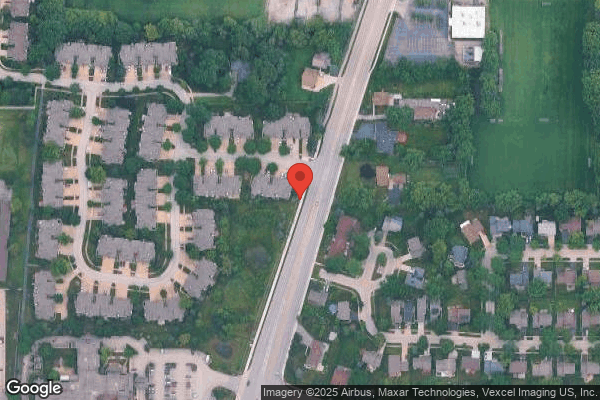
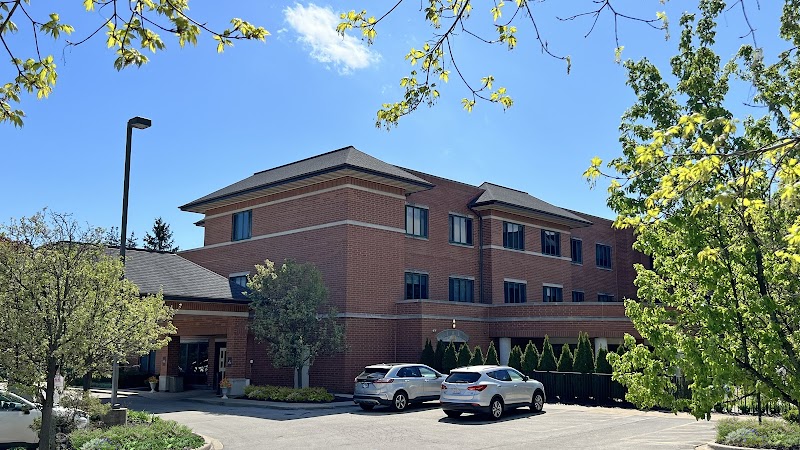
150 NORTH WEILAND ROAD, BUFFALO GROVE, IL 60089 (847) 465-0200
For profit - Partnership 200 Beds LEGACY HEALTHCARE Data: November 2025
Trust Grade
53/100
#295 of 665 in IL
Last Inspection: January 2025

Within standard 12-15 month inspection cycle. Federal law requires annual inspections.

Overview

Warren Barr Buffalo Grove has a Trust Grade of C, indicating it is average and sits in the middle of the pack among nursing homes. It ranks #295 out of 665 facilities in Illinois, placing it in the top half, but #15 out of 24 in Lake County suggests there are better local options. The facility is experiencing a worsening trend, with issues increasing from 12 in 2024 to 16 in 2025. While staffing is a relative strength with a turnover rate of 33%, which is lower than the state average, the facility's RN coverage is only average. Additionally, there were notable incidents during inspections, such as a resident needing oxygen being readmitted to the hospital due to inadequate oxygen supply and failures in food safety practices, including improper dishwashing temperatures that could lead to foodborne illnesses. Overall, families should weigh these strengths against the weaknesses when considering this nursing home.

Trust Score
C
53/100
In Illinois
#295/665
Top 44%
Safety Record
Moderate
Needs review
Inspections
Getting Worse
12 → 16 violations
Staff Stability
○ Average
33% turnover. Near Illinois's 48% average. Typical for the industry.
Penalties
○ Average
$9,311 in fines. Higher than 55% of Illinois facilities. Some compliance issues.
Skilled Nurses
✓ Good
Each resident gets 43 minutes of Registered Nurse (RN) attention daily — more than average for Illinois. RNs are trained to catch health problems early.
Violations
⚠ Watch
41 deficiencies on record. Higher than average. Multiple issues found across inspections.
★★★☆☆
3.0
Overall Rating
★★☆☆☆
2.0
Staff Levels
★★★★☆
4.0
Care Quality
★★★☆☆
3.0
Inspection Score
Stable
2024: 12 issues
2025: 16 issues

The Good

  • 4-Star Quality Measures · Strong clinical quality outcomes
  • Full Sprinkler Coverage · Fire safety systems throughout facility
  • No fines on record
  • Staff turnover below average (33%)

    15 points below Illinois average of 48%

Facility shows strength in quality measures, fire safety.

The Bad

3-Star Overall Rating

Near Illinois average (2.5)

Meets federal standards, typical of most facilities

Staff Turnover: 33%

13pts below Illinois avg (46%)

Typical for the industry

Federal Fines: $9,311

Below median ($33,413)

Minor penalties assessed

Chain: LEGACY HEALTHCARE

Part of a multi-facility chain

Ask about local staffing decisions and management

The Ugly 41 deficiencies on record

1 actual harm
Jul 2025 1 deficiency
CONCERN (D) 📢 Someone Reported This

A family member, employee, or ombudsman was alarmed enough to file a formal complaint

Potential for Harm - no one hurt, but risky conditions existed

Deficiency F0604 (Tag F0604)

Could have caused harm · This affected 1 resident

**NOTE- TERMS IN BRACKETS HAVE BEEN EDITED TO PROTECT CONFIDENTIALITY** Based on interview and record review the facility failed to ensure a resident was not restrained in bed for 1 of 3 residents (R1...

Read full inspector narrative →
**NOTE- TERMS IN BRACKETS HAVE BEEN EDITED TO PROTECT CONFIDENTIALITY** Based on interview and record review the facility failed to ensure a resident was not restrained in bed for 1 of 3 residents (R1) reviewed for restraints in the sample of 3. The findings include:R1's Face Sheet shows that he admitted to the facility on [DATE] with diagnoses of: aphasia, restlessness and agitation, dementia, lack of coordination, abnormalities of gait/mobility and need for assistance with personal care. On 7/31/25 at 10:45 AM, V9 (R1's Daughter) said that when she walked into R1's room to visit, R1 was lying in bed and had a thick mattress positioned on its side along one side of his bed that was being held up with a chair and the other side of his bed was against the wall. V9 said that she went and got a nurse to take it down.On 7/31/25 at 11:40 AM, V4, Licensed Practical Nurse (LPN) said that she did go into R1's room and saw a fall mattress on its side up against R1's bed and it was being held up with a chair. V4 said that she is not sure who put the mattress in that position, but it was probably because he was aggressive and always trying to get out of bed but was not safe to do so by himself. On 7/31/25 at 11:50 AM, V5 (LPN) said that fall mats should be placed on the floor next to the resident's bed to prevent injuries if they try and get out of bed on their own. V5 said that fall mats should never be upright along the side of the bed. V5 said that propping the fall mat up wound not be ok because it would be trapping them in the bed. On 7/31/25 at 2:02 PM, V1 (Administrator) said that fall mats should not be positioned in an upright position along the side of a bed. V1 said that if done, it would be considered a restraint and not appropriate. The facility's Restraints Policy revised on 7/3/25 shows, It is the facility's policy to ensure that each resident is not restrained for the purposes of discipline or convenience. Physical restraint is defined as any manual method, physical or mechanical device, equipment or material that meets all of the following criteria: attached or adjacent to the residents body, that the individual cannot intentionally remove easily, and restricts freedom of movement or normal access to one's body.
Jan 2025 15 deficiencies
CONCERN (D)

Potential for Harm - no one hurt, but risky conditions existed

Deficiency F0583 (Tag F0583)

Could have caused harm · This affected 1 resident

**NOTE- TERMS IN BRACKETS HAVE BEEN EDITED TO PROTECT CONFIDENTIALITY** Based on observation, interview, and record review, the facility failed to provided residents with privacy during personal cares...

Read full inspector narrative →
**NOTE- TERMS IN BRACKETS HAVE BEEN EDITED TO PROTECT CONFIDENTIALITY** Based on observation, interview, and record review, the facility failed to provided residents with privacy during personal cares for two of 30 residents (R81, R121) reviewed for privacy in the sample of 30. The findings include: 1. R81's admission Record dated January 26, 2025 shows R81 was admitted to the facility on [DATE] with diagnoses including antistrophic lateral sclerosis, anemia, restlessness and agitation, and adult failure to thrive. On January 26, 2025 at 1:13 PM, V13 CNA (Certified Nursing Assistant) provided incontinence care for R81. R81's door was opened and R81 was visible from the hallway. V13 removed R81's incontinence brief leaving R81's perineal area exposed to the hallway while being turned from side to side. 2. R121's admission Record dated January 29, 2025 shows she was admitted to the facility on [DATE] with diagnoses including major depressive disorder, pressure injury of sacral region, and peripheral vascular disease. On January 26, 2025 at 10:44 AM, V12 CNA was providing incontinence care to R121. R121's roommate got up from his bed and looked around the curtain prior to walking to the bathroom. R121's curtain was not pulled all around R121's bed. R121's buttocks was exposed. On January 28, 2025 at 2:07 PM, V18 CNA said the residents doors should be closes and the curtain should be pulled all the way closed to provide privacy to the residents. The facility's Privacy and Dignity policy dated August 16, 2024 shows, It is the facility's policy to ensure that resident's privacy and dignity is respected by the staff at all all times. During care that requires privacy such as incontinence care, the resident will be placed in bed and the privacy curtain will be drawn to provide full visual privacy if the privacy curtain is not sufficient to provide full visual privacy, the combination of the privacy curtain and privacy screen will be used.
CONCERN (D)

Potential for Harm - no one hurt, but risky conditions existed

PASARR Coordination (Tag F0644)

Could have caused harm · This affected 1 resident

Based on interview, and record review the facility failed to request a level II PASSAR (Preadmission Screening and Resident Review) screening for residents with a psychiatric/mood disorder which was a...

Read full inspector narrative →
Based on interview, and record review the facility failed to request a level II PASSAR (Preadmission Screening and Resident Review) screening for residents with a psychiatric/mood disorder which was added after the resident was admitted to the facility. This applies to 2 of 5 (R99, R119) residents reviewed for PASSAR in the sample of 30. The findings include: R99's PASSAR level 1 screening dated 11/11/2023 shows a determination of No Level II Required. R99's MDS (Minimum Data Set) section I dated 11/11/2024 under psychiatric/mood disorder I5950 Psychotic Disorder (other than schizophrenia) is checked for R99. R119's PASSAR level 1 screening dated 2/1/2023 shows a determination of No Level II Required. R119's MDS (Minimum Data Set) section I dated 11/1/2024 under psychiatric/mood disorder I5950 Psychotic Disorder (other than schizophrenia) is checked for R119. On 1/28/2025 at 1:29PM, V19 Admissions said PASSARs are completed prior to admission to make sure we provide the services the residents needs while they are at the facility. V19 said she was unsure if the PASSAR should be re-run if additional psychiatric diagnosis gets added but will check on that. On 1/28/2025 at 1:59PM, V19 said both [R99] and [R119] should have been rescreened. V19 said the facility will be running those now. The facility provided PASSAR Screening of Residents with Mental Disorder or Intellectual Disability revised 8/16/2024 fails to address residents being rescreened in the event additional psychiatric diagnoses are added during the resident's stay at the facility.
CONCERN (D)

Potential for Harm - no one hurt, but risky conditions existed

Deficiency F0645 (Tag F0645)

Could have caused harm · This affected 1 resident

**NOTE- TERMS IN BRACKETS HAVE BEEN EDITED TO PROTECT CONFIDENTIALITY** Based on observation, interview, and record review the facility failed to ensure a resident was screened prior to admission for ...

Read full inspector narrative →
**NOTE- TERMS IN BRACKETS HAVE BEEN EDITED TO PROTECT CONFIDENTIALITY** Based on observation, interview, and record review the facility failed to ensure a resident was screened prior to admission for 1 of 5 residents (R96) reviewed for preadmission screenings (PASARR) in the sample of 30. The findings include: On 01/27/25 at 10:03 AM, R96 was sitting up in a reclining chair in his room sleeping. On 01/28/25 at 12:00 PM, V1 Administrator said there was no PASARR done for R96. V1 said he has not left the facility since he was admitted . V1 said admissions is doing a screening now. R96's Face Sheet shows R96 was admitted to the facility on [DATE] with a diagnoses of unspecified dementia and schizophrenia. The facility's PASSAR Screening of Residents with Mental Disorder or Intellectual Disability dated 8/16/24 shows The facility will not allow admission form the hospital without a preadmission screening which includes PASSAR screening for those with mental or intellectual disorder.
CONCERN (D)

Potential for Harm - no one hurt, but risky conditions existed

ADL Care (Tag F0677)

Could have caused harm · This affected 1 resident

**NOTE- TERMS IN BRACKETS HAVE BEEN EDITED TO PROTECT CONFIDENTIALITY** Based on observation, interview, and record review the facility failed to provide ADL (Activities of Daily Living) assistance fo...

Read full inspector narrative →
**NOTE- TERMS IN BRACKETS HAVE BEEN EDITED TO PROTECT CONFIDENTIALITY** Based on observation, interview, and record review the facility failed to provide ADL (Activities of Daily Living) assistance for residents that are dependent on staff for two of 30 residents (R25, R1) reviewed for ADLs assistance in the sample of 30. The findings include: 1. R25's admission Record dated January 26, 2025 shows she was admitted to the facility on [DATE] with diagnoses including dysphagia, history of Covid-19, mid cognitive impairment, scoliosis, pain, and history of falling. R25's Care Plan initiated August 21, 2020 shows, [R25] is incontinent of bowel and bladder, check resident every two hours and assist in toileting as needed. Provide incontinence care after each incontinence episode. The resident requires extensive one staff participation with personal hygiene and oral care. On January 26, 2025 at 9:39 AM, V12 CNA (Certified Nursing Assistant) provided incontinence care for R25. R25's incontinence brief was saturated with dark urine and soft stool. There was creases in R25's buttocks. V12 said R25 was last changed during the night shift. On January 28, 2025 at 2:07 PM, V18 CNA said that residents should be checked and changed at least every two hours. The facility's Incontinent and Perineal Care policy revised July 31, 2024 shows, It is the policy of the facility to provide perineal care to ensure cleanliness and comfort to the resident, to prevent infection and skin irritation, and to observe the resident's skin condition. Do rounds at least every two hours to check for incontinence during shift. 2. R1's admission Record dated January 27, 2025 shows she was admitted to the facility on [DATE] with diagnoses including dementia, renal dialysis, adjustment disorder, anxiety disorder, and morbid obesity. R1's Care Plan dated January 26, 2025 shows, R1 has an ADL Self Care Performance deficit and Impaired Mobility. R1 requires weight bearing assistance with personal hygiene and oral care. R1's MDS (Minimum Data Set) dated January 15, 2025 shows R1 is cognitively intact, is dependent on staff for showering and bathing, and is always incontinent of bowel and bladder. On January 26, 2025 at 10:25 AM, R1 said she hasn't gotten a bed bath. R1 said she doesn't get in the shower, but staff give her a bed bath. R1 said she asked staff about her bed bath yesterday (January 25, 2025) but facility staff told R1 there was not enough staff. R1 said she is supposed to get two showers per week. On January 26, 2025 at 11:03 AM, V13 CNA (Certified Nursing Assistant) was finishing up changing R1 incontinence brief and V13 said R1 was supposed to get a bad bath yesterday, (January 25, 2025) but V13 did not know if R1 did. R1's shower/bathing and skin monitoring shows she has received three showers in the last 14 days. R1's showering/bathing and skin monitoring task documentation shows R1 did not receive a bed bath on January 23-28, 2025. On January 28, 2025 at 2:07 PM, V18 CNA said residents should get at least two showers/bed baths per week. V18 said she doesn't remember the last time R1 got a bed bath. The facility's Shower and Hygiene policy revised August 19, 2024 shows, It is the policy of this facility to ensure that resident shower/hygienic care is provided by the nursing staff to promote cleanliness, provide comfort to the resident and observed the condition of the resident's skin.
CONCERN (D)

Potential for Harm - no one hurt, but risky conditions existed

Quality of Care (Tag F0684)

Could have caused harm · This affected 1 resident

**NOTE- TERMS IN BRACKETS HAVE BEEN EDITED TO PROTECT CONFIDENTIALITY** 2. R70's Physician's Order Sheet (POS) printed on 1/28/25 shows an order dated 6/16/24 for: Tubigrip (protective arm sleeve) on ...

Read full inspector narrative →
**NOTE- TERMS IN BRACKETS HAVE BEEN EDITED TO PROTECT CONFIDENTIALITY** 2. R70's Physician's Order Sheet (POS) printed on 1/28/25 shows an order dated 6/16/24 for: Tubigrip (protective arm sleeve) on both arms in the morning. On 1/26/25 at 10:43 AM, R70 had a large brown/black discoloration and multiple small areas of discoloration on his right lower arm just below his elbow. R70 had multiple areas of discoloration to his left lower arm. R70 did not have any protective arm sleeves on. On 1/27/25 at 2:07 PM, V18, Certified Nursing Assistant (CNA) provided incontinence care to R70. R70 did not have protective arm sleeves on. On 1/28/25 at 12:10 PM, R70 did not have protective arm sleeves on. A pair of protective arm sleeves were on R70's night stand. On 1/28/25 at 2:15 PM, V18 (CNA) said that R70 is supposed to wear covers on his arms to prevent bruising but she did not put them on yesterday (1/27/25). V18 said that he is supposed to wear them throughout the day. R70's Care Plan shows, Alteration in musculoskeletal status r/t (related to) history of right hand amputation .5/28/24 right elbow contusion 2/2 (secondary to) ASA (Aspirin)/plavix (blood thinner) and advanced age, fragile skin .Tubigrip both arms. The facility's Physician Orders Policy revised on 8/16/24 shows, It is the policy of this facility to ensure that all resident/patient medications, treatment and plan of care must be in accordance to the licensed physician's orders. The facility shall ensure to follow physician orders as it is written in the POS. Based on observation, interview, and record review, the facility failed to obtain daily weights on a resident with a history of fluid overload and failed to ensure protective arm sleeves were applied as ordered for two of 39 residents (R37, R70) reviewed for quality of care in the sample of 30. The findings include: 1. R37's admission Record dated January 27, 2025 shows she was admitted to the facility on [DATE] with diagnoses including reduced mobility, need for assistance with personal care, prosthetic heart valve, pleural effusion, acute respiratory failure with hypoxia, pulmonary hypertension, chronic diastolic congestive heart failure, and stage four chronic kidney disease. R37's Order Review Report dated January 27, 2025 shows an order was entered on January 9, 2025 for daily weight due to diagnosis of congestive heart failure, notify doctor with patient gains three pounds in one day or five pounds in one week, in the morning. R37's Care Plan shows potential for fluid overload. Weight will be obtained as ordered by the doctor. R37's Progress Notes dated December 28, 2024 shows, Spoke with [registered nurse] from [local hospital] who stated resident is being admitted for hypervolemia (fluid overload) and renal failure. R37's Physician Progress Note dated January 9, 2025 shows, Patient is seen after returning from [local hospital]. She went to the hospital because of shortness of breath, hypoxia (low oxygen), and lethargy. She was fluid overloaded. On January 27, 2025 at 10:06 AM, R37 said she is supposed to be weighed daily because she retains fluid. R37 said staff do not always weigh her every day. R37's Weights and Vital Signs summary shows her weight was not obtain on January 18, 19, 23, and 25, 2025. On January 28, 2025 at 2:01 PM, V16 RN (Registered Nurse) said R37 is daily weight because she is a congestive heart failure resident. V16 said daily weights are obtain to watch for weight gain and fluid overload. The facility's Weights policy revised August 19, 2024 shows, It is the facility's policy to obtain resident's monthly weight unless otherwise ordered differently by the physician.
CONCERN (D)

Potential for Harm - no one hurt, but risky conditions existed

Accident Prevention (Tag F0689)

Could have caused harm · This affected 1 resident

Based on observation, interview and record review the facility failed to ensure fall interventions were in place for a resident that is at high risk for falls. This applies to 1 of 30 residents (R39) ...

Read full inspector narrative →
Based on observation, interview and record review the facility failed to ensure fall interventions were in place for a resident that is at high risk for falls. This applies to 1 of 30 residents (R39) reviewed for safety in the sample of 30. The findings include: R39's Face Sheet shows diagnoses of: parkinson's disease with dyskinesia, lack of coordination, unstreadiness of feet and history of falling. On 1/26/25 at 11:22 AM, R39 was in the common area. R39 had a wheelchair pressure sensor alarm attached to his wheelchair. R39 lifted his buttocks off of the seat of the wheelchair multiple times and the alarm did not sound. The In Use light on the alarm box was not on. At 2:16 PM, V29 (Certified Nursing Assistant) had R39 stand from his wheelchair. R39's alarm did not sound when he stood up. V29 turned the alarm box on and it sounded and there was a green light on the alarm box that was blinking In Use. On 1/27/25 at 2:07 PM, V18 (CNA) said that R39 is at fall risk. V18 said that R39 will try and stand on his own but he is not stable and that is why he has an alarm. V18 said that the alarm should be on when he is in his wheelchair. R39's Care Plan shows, [R39] is at high risk for falls related to history of falling, parkinson's, unsteady feet, unspecified lack of coordination, CHF (congestive heart failure), HTN (hypertension) .Interventions: Bed alarm and chair alarm to alert staff when resident attempts to get out of bed or wheelchair unassisted, so staff can assist resident. The facility's Fall Occurrence Policy revised on 7/26/24 shows, It is the policy of the facility to ensure that residents are assessed for risk for falls, that interventions are put in place, and interventions are reevaluated and revised as necessary .
CONCERN (D)

Potential for Harm - no one hurt, but risky conditions existed

Incontinence Care (Tag F0690)

Could have caused harm · This affected 1 resident

**NOTE- TERMS IN BRACKETS HAVE BEEN EDITED TO PROTECT CONFIDENTIALITY** 2. R121's admission Record shows he was admitted to the facility on [DATE] with diagnoses including major depressive disorder, p...

Read full inspector narrative →
**NOTE- TERMS IN BRACKETS HAVE BEEN EDITED TO PROTECT CONFIDENTIALITY** 2. R121's admission Record shows he was admitted to the facility on [DATE] with diagnoses including major depressive disorder, pressure injury of the sacral region, and other mechanical complication of other urinary devises and implants. R121's Care Plan initiated November 26, 2023 shows, Please position catheter bag and tubing below the level of the bladder and away from entrance room door. On January 26, 2025 at 10:44 AM, V12 CNA (Certified Nursing Assistant) performed peri care on R121. R121's urinary drainage bag had about 200-300 milliliters in it. The tubing was filled with amber colored urine. V12 lifted R121's urinary drainage bag above the level of R121's bladder when V12 was repositioning R121. V12 then set the urinary drainage bag on R121's bed at R121's feet. On January 28, 2025 at 2:07 PM, V18 CNA said urinary drainage bags should be kept below the level of the residents' bladder. The facility's Urinary Catheter Care policy revised August 19, 2024 shows, The urinary drainage bag must be held or positioned lower than the bladder at all times to prevent the urine in the tubing and drainage bag from flowing back into the urinary bladder. Based on observation, interview, and record review the facility failed to maintain a nephrostomy and urinary drainage bag below the level of the bladder for 2 of 7 residents (R67, R121) in the sample of 30. The findings include: 1. On 01/27/25 at 09:47 AM, R67 was in bed with her nephrostomy drainage bag containing urine laying on the bed. R67's foot of the bed was elevated making the urine pool at the opening of the nephrostomy drainage bag, and up into the nephrostomy tubing. The urine in the tubing unable to drain into the bag. On 01/27/25 at 12:26 PM, R67's nephrostomy drainage bag remained on the bed in the same position, with the urine unable to drain into the bag. On 01/27/25 at 3:00 PM. R67's nephrostomy drainage bag remained in the same position, with urine backing up into the nephrostomy tubing. On 01/29/25 at 09:31 AM, V2 Director of Nursing said you should position the nephrostomy drainage bag so the flow of urine can go into the bag to prevent infection. V2 said care is provided the same way as an indwelling urinary catheter. R67's Care Plan shows R67 has left side nephrostomy due to acute kidney injury and renal calculi. The facility's Urinary Catheter Care Policy dated 8/19/24 shows The purpose of this procedure is to prevent catheter-associated urinary tract infections. The urinary drainage bag must be held or positioned lower than the bladder at all times to prevent urine in the tubing and drainage bag from flowing back into the urinary bladder.
CONCERN (D)

Potential for Harm - no one hurt, but risky conditions existed

Tube Feeding (Tag F0693)

Could have caused harm · This affected 1 resident

**NOTE- TERMS IN BRACKETS HAVE BEEN EDITED TO PROTECT CONFIDENTIALITY** Based on observation, interview, and record review that facility failed to ensure placement of a gastrostomy tube was checked pr...

Read full inspector narrative →
**NOTE- TERMS IN BRACKETS HAVE BEEN EDITED TO PROTECT CONFIDENTIALITY** Based on observation, interview, and record review that facility failed to ensure placement of a gastrostomy tube was checked prior to administering medication for 1 of 4 residents (R39) reviewed for enteral nutrition in the sample of 30. The findings include: R39's Face Sheet shows that he re-admitted to the facility on [DATE] with a new diagnosis of gastrostomy. On 1/26/25 at 10:00 AM, V14 (Licensed Practical Nurse) went into R39's room to administer his medications. At that time, R39 said that it is sometimes painful when things are put into his tube. V14 assessed the area and told R39 that she would go slow and then administered his medications. V14 did not check the placement of R39's gastrostomy tube before administering his medications. On 1/28/25 at 1:53 PM, V16 (Registered Nurse) said that the type of gastrostomy tube that R39 had does not have a line to check for placement. V16 showed the gastrostomy tube insertion site and there was no line present. V16 said that placement is always checked before administering any tube feeding or medications by aspirating gastric content. R39's Physician's Order Sheet printed on 1/16/25 shows an order dated 1/26/25 for: Enteral feeding-Check G-tube placement by checking for marking at the insertion site every shift and or per policy . The facility's Medication Pass Policy revised on 8/16/24 shows, G-Tube medications .Check placement of G-tube by checking if the marker of the actual enteral tube is still located at the G-tube insertion site If the marker cannot be located or had become too light to see, the nurse will aspirate the gastric content and confirm the ph of the aspirated material
CONCERN (D)

Potential for Harm - no one hurt, but risky conditions existed

Respiratory Care (Tag F0695)

Could have caused harm · This affected 1 resident

Based on observation, interview, and record review the facility failed to ensure a resident's oxygen tubing and bubble humidifier bottle was changed as ordered and failed to ensure a resident's oxygen...

Read full inspector narrative →
Based on observation, interview, and record review the facility failed to ensure a resident's oxygen tubing and bubble humidifier bottle was changed as ordered and failed to ensure a resident's oxygen humidifier bottle was kept filled for 1 of 8 residents (R32) reviewed for oxygen administration in the sample of 30. The findings include: On 1/26/25 at 11:30 AM, R32 was laying in bed with oxygen being administered via nasal cannula. R32's oxygen tubing and bubble humidifier bottle was labeled 12/13/24. R32's bubble humidifier bottle was empty. On 1/27/25 (Monday) at 12:23 PM, the tubing and bottle were still labeled 12/13/24 and the humidifier bottle was still empty. On 1/126/25 at 11:30 AM, R32 said that she does frequently get sinus pain and a dry nose. On 1/27/25 at 1:37 PM, V28 (Licensed Practical Nurse) said that oxygen tubing and bubblers are changed weekly. V28 said that the bubbler humidifier bottle should be filled before it is empty. R32's Physician's Order Sheet printed on 1/27/25 shows an order dated 9/23/24 for, Change oxygen tubing/bubblers weekly and PRN (as needed) and every night shift every Sun (Sunday). The facility was unable to provide an oxygen administration policy.
CONCERN (D)

Potential for Harm - no one hurt, but risky conditions existed

Unnecessary Medications (Tag F0759)

Could have caused harm · This affected 1 resident

Based on observation, interview, and record review, the facility failed to administer medications according to standard of practice for a resident receiving medications through a gastrostomy tube. The...

Read full inspector narrative →
Based on observation, interview, and record review, the facility failed to administer medications according to standard of practice for a resident receiving medications through a gastrostomy tube. There were 25 opportunities with 5 errors resulting in a 20% error rate. This applies to 1 of 7 residents (R39) observed in the medication pass. The findings include: R39's January Medication Administration Record shows that he receives aspirin 81 mg (milligrams) chewable, omeprazole 20 mg, multiple vitamin with minerals, tramadol 25 mg, vitamin D3 25 mcg (micrograms)-2 tablets and carbidopa-levodopa 25-100 mg-2 tablets via G-tube at 9:00 AM. R39's Physician's Order Sheet does not document that all medications can be given at the same time. On 1/26/25 at 10:00 AM, V14 (Licensed Practical Nurse) prepared R39's morning medications. V14 put R39's aspirin, multivitamin, vitamin D3 and carbidopa-levodopa into a pill crusher pouch, crushed the medications and place them into a medication cup. V14 then opened the omeprazole capsule and placed the contents into the same cup. V14 then went into R39's room and mixed approximately 20 ml (milliliters) of water into the cup and administered the medications via gastrostomy tube to R39. On 1/27/25 at 2:20 PM, V34 (Registered Nurse) said that all medications should be crushed and given individually if administering through a gastrostomy tube to prevent interactions. V34 said that 10-30 mls of water should be given in between each medication. The facility's Medication Pass Policy revised on 8/16/24 shows, Separate each medication in med cup and flush between each med with at least 5 ml of water.
CONCERN (D)

Potential for Harm - no one hurt, but risky conditions existed

Deficiency F0761 (Tag F0761)

Could have caused harm · This affected 1 resident

Based on observation, interview and record review the facility failed to ensure a resident's medication was stored in a secure manner for 1 of 30 residents (R54) reviewed for medication storage in the...

Read full inspector narrative →
Based on observation, interview and record review the facility failed to ensure a resident's medication was stored in a secure manner for 1 of 30 residents (R54) reviewed for medication storage in the sample of 30. The findings include: On 1/26/25 (Sunday) at 10:32 AM, there was a blue and white capsule in a medication cup on R54's bedside table. R54 said that she was not sure what it was but she thinks that it is something she was supposed to take at breakfast. At 11:11 AM, V14 (Licensed Practical Nurse) brought R54 her medications. V14 said that she was unsure what the medication on her bedside table was. On 1/26/25 at 11:20 AM, V14 verified that the blue and white capsule was PhosLo 667 mg (milligrams). V14 said that medications should never be left at the resident's bedside. V14 said that the resident could forget to take the medication or another resident could take it. R54's Physician's Order Sheet (POS) printed on 1/27/25 shows an order for, PhosLo Oral Capsule 667 MG-Give 3 capsules by mouth with meals for end stage renal disease give at 6 am on HD (Hemodialysis) days. R54's POS shows that she receives dialysis on Monday, Wednesday and Fridays.
CONCERN (E)

Potential for Harm - no one hurt, but risky conditions existed

Resident Rights (Tag F0550)

Could have caused harm · This affected multiple residents

Based on observation, interview, and record review the facility failed to assist residents with feeding in a dignified manner. This applies to 5 of 30 (R6, R53, R17, R69, R81) residents reviewed for d...

Read full inspector narrative →
Based on observation, interview, and record review the facility failed to assist residents with feeding in a dignified manner. This applies to 5 of 30 (R6, R53, R17, R69, R81) residents reviewed for dignity in the sample of 30. The findings include: On 1/26/2025 at 12:43PM, general dining observations were made. At 12:43PM, V21 Activity Director was observed standing over R6 while assisting her with feeding her lunch. At 12:43PM, V20 CNA (Certified Nursing Assistant) was observed standing over R53 while assisting her with feeding her lunch. At 12:44PM, V22 CNA was observed standing over R17 while feeding him his lunch. At 12:45PM, V23 CNA was observed standing over R69 while feeding her lunch. At 12:48PM, V24 LPN (Licensed Practical Nurse) was observed leaning against the window standing over R81 while feeding him his lunch. On 1/26/2025 at 12:48PM, V2 DON (Director of Nursing) said staff should be seated when feeding residents. V2 said it is more comfortable for the resident if the staff sit next to them while they are being fed and it is also a dignity concern. The facility provided list of residents requiring feeding assistance lists [R53] as one person assist, [R6] as one person assist, [R69] as supervision, [R17] as one person assist, and [R81] as one person assist. The facility provided Privacy and Dignity policy dated 8/16/2024 states, it is the facility's policy to ensure that resident's privacy and dignity is respected by the staff at all times.
CONCERN (E)

Potential for Harm - no one hurt, but risky conditions existed

Deficiency F0688 (Tag F0688)

Could have caused harm · This affected multiple residents

Based on observation, interview, and record review the facility failed to ensure a palm protector was in place for a resident with a contracture and failed to ensure restorative assessments were done ...

Read full inspector narrative →
Based on observation, interview, and record review the facility failed to ensure a palm protector was in place for a resident with a contracture and failed to ensure restorative assessments were done for 4 of 5 residents (R38, R62, R65, R57) reviewed for restorative services in the sample of 30. The findings include: 1. 01/27/25 at 10:18 AM, R38 was sitting up in a chair at the bedside. R38's fingers of his left hand were contracted into his fist. There was nothing observed in R38's left hand. R38 said they usually put something in his hand. On 01/28/25 at 9:18 AM, R38 was up in a chair at the bedside. R38's left hand did not have a palm protector or other device. On 01/28/25 at 10:54 AM, V26 Restorative Nurse said R38 has a left hand contracture and a palm protector should be in on at all times except for hand hygiene and passive range of motion. V26 said the palm protector is to makes sure there is no further decline in R38's contracture and to maintain skin integrity. R38's most recent Restorative UDA Form is dated 12/5/23. R38's Care Plan dated 2/6/20 shows R38 requires restorative program for passive range of motion due to contracture of left hand with an intervention of palm protector on left hand to post range of motion exercises and check skin integrity to left hand daily post palm protector removal. On 01/28/25 at 12:30 PM, V26 said contracture assessment are on the Restorative UDA form and are supposed to be done quarterly. V26 said she has not able to do quarterly restorative assessments since 2023. V26 said there is no assessment for R38 for all of 2024, the last assessment was done 12/5/2023 for R38's contracture. 2. On 01/27/25 at 09:59 AM, R62 was in bed on her right side on an air mattress. R62 said staff help her turn and position in bed. R62's most recent Restorative UDA form is dated 9/11/23 and shows R62 requires extensive assistance with activities of daily living and is on a passive range of motion program. On 01/28/25 at 12:30 PM, V26 said contracture assessment are on the Restorative UDA form and are supposed to be done quarterly. V26 said she has not able to do quarterly restorative assessments since 2023. V26 said there is no assessment for R62 for all of 2024, the last assessment was done 9/11/23. 3. The facility provided Restorative assessment for R65 shows the resident had an assessment last completed on 12/31/2023. The facility failed to provide a more current Restorative assessment for R65. On 1/28/2025 at 11:45AM, V26 Restorative Nurse said she started on 1/4/2024. V26 said she has been doing the quarterly assessments but has not been documenting them. 4. The facility provided Restorative assessment for R57 shows the resident had an assessment last completed on 12/13/2023. The facility failed to provide a more current Restorative assessment for R57. On 1/28/2025 at 11:45AM, V26 Restorative Nurse said she started on 1/4/2024. V26 said she has been doing the quarterly assessments but has not been documenting them. The facility provided Restorative Nursing Program revised 8/19/2024 states, . nursing and restorative services may include the following: splint/orthotic management. evaluation as to the need of adaptive equipment/enabling devices to help accommodate the resident's needs, promote optimal functioning and self-sufficiency in ADL's may be referred to the Therapy Department. for the most appropriate device/s recommendations. the restorative programs shall be evaluated on a quarterly basis.
CONCERN (E)

Potential for Harm - no one hurt, but risky conditions existed

Infection Control (Tag F0880)

Could have caused harm · This affected multiple residents

**NOTE- TERMS IN BRACKETS HAVE BEEN EDITED TO PROTECT CONFIDENTIALITY** Based on observation, interview, and record review the facility failed to ensure multi-use resident equipment was cleaned after ...

Read full inspector narrative →
**NOTE- TERMS IN BRACKETS HAVE BEEN EDITED TO PROTECT CONFIDENTIALITY** Based on observation, interview, and record review the facility failed to ensure multi-use resident equipment was cleaned after being used by a resident on contact isolation, failed to ensure incontinence care was performed in a manner to prevent the spread of infections, failed to ensure staff removed their gloves and washed their hands to prevent to spread of infection and failed to ensure a resident with an indwelling medical device was placed on enhanced barrier precautions. This applies to 6 of 30 residents (R54, R70, R45, R25, R67 and R121) reviewed for infection control in the sample of 30. The findings include: 1. R54's Physician's Order Sheet printed on 1/27/25 shows an order dated 1/23/25 for, Strict contact isolation for Norovirus. On 1/27/25 at 10:49 AM, V18, Certified Nursing Assistant (CNA) wheeled R54 down the hallway in a dialysis chair to her room. V18 stopped before entering R54's room and took R54's blankets off of her and placed them in the soiled linen cart that was down the hallway. While carrying the soiled linens, they were touching her scrub top. V18 then placed R54's electronic tablet on a table that was in the hallway. V18 then placed R54's personal blanket and pillow onto a chair in the hallway. R54 stood up from her wheelchair and held onto the hallway grab bar and was assisted to sit down in her wheelchair. V18 then wrapped R54's blanket around her and gave her her tablet. V18 then brought the dialysis chair into the shower room and left. V18 did not sanitize the dialysis chair, table, chair or grab bar. On 1/28/25 at 2:08 PM, V27 (CNA) said that all shared equipment should be disinfected with a disinfecting wipe after being used on a resident who is on isolation for infection control reasons. V27 said that used linens should not be placed on a pubic surface without cleaning the surface afterwards. 2. On 1/27/25 at 2:07 PM, V18 (CNA) provided care to R70. V18 removed R70's soiled sheets and placed them onto the floor. V18 then started providing incontinence care. V18 cleaned R70's front perineal area and then turned him to the left side. V18 cleaned stool from R70's buttock. V18 then took the soiled incontinence brief off and placed it on the floor. V18 then took the soiled incontinence pad off and placed it on the floor With the same gloves on, V18 adjusted R70's shirt, used the bed control, put new sheets on and applied R70's positioning bolster. On 1/28/25 at 2:08 PM, V27 (CNA) said that when providing incontinence care soiled linen should be placed in a bag and soiled gloves and incontinence briefs should be placed in another bag. V27 said that they should not be placed on the floor for infection control reason. V27 said that gloves should be changed and hands sanitized after cleaning stool and before touching any other objects for infection control reasons. The facility Incontinent and Perineal Care Policy revised on 7/31/24 shows, Discard disposable items into designated containers/plastic bag. Remove gloves and dispose to designated plastic bag. Wash hands. Put on new set of clean gloves to put on clean briefs/incontinence pads, to make resident comfortable, groom and change clothing. The facility's Hand Hygiene Policy revised on 7/30/24 shows, Hand Hygiene using alcohol-based hand rub is recommended during the following situations: .Before moving from a soiled body site to a clean body site on the same resident. After contact with blood, body fluids or surface contaminated with blood and body fluids. 3. R45's admission Record dated January 26, 2025 shows she was admitted to the facility on [DATE] with diagnoses including cellulitis, history of covid 19, and history of falling. R45's Care Plan initiated May 17, 2024 shows R45 has had a urinary tract infection. On January 26, 2025 at 9:52 AM, V12 CNA performed perineal care on R45. V12 folded the front of R45's incontinence brief in between R45's legs while R45 was lying on her back. V12 wiped R45's front peri area and touched R45's body to help her turn onto her side. V12 then wiped the stool from R45's buttocks, placed a clean pad and clean brief under R45, touched R45's shirt, and then turned R45 back onto her back. V12 then pulled R45 up in bed and touched R45's pillows and blankets. V12 did not wash his hands nor change his gloves when going from clean to dirty items. 4. R25's admission Record dated January 26, 2025 shows she was admitted to the facility on [DATE] with diagnoses including dysphagia, history of Covid-19, mid cognitive impairment, scoliosis, pain, and history of falling. R25's Care Plan initiated August 21, 2020 shows, [R25] is incontinent of bowel and bladder, check resident every two hours and assist in toileting as needed. On January 26, 2025 at 9:39 AM, V12 CNA provided peri care for R25. V12 folded R25's incontinence brief in between her legs while she was lying on her back. V12 wiped R25's front peri area, touched R25's body when he help her turn onto her side, then wiped the large soft stool from R25's buttocks. V12 placed a clean incontinence pad under R25 and placed a clean brief under R25 and helped R25 to turn. V12 then touched R25's shirt to fix the placement. V12 did not change his gloves nor perform hand hygiene when going from touching dirty surfaces to clean surfaces. 5. R121's admission Record shows he was admitted to the facility on [DATE] with diagnoses including major depressive disorder, pressure injury of the sacral region, and other mechanical complication of other urinary devises and implants. On January 26, 2025 at 10:44 AM, V12 performed peri care for R121. R121 had a urinary catheter in place and a pressure injury to his buttocks. R121 removed R121's incontinence brief, wiped R121's front peri area, turn R121 onto his side, and wiped his buttocks. V12 placed cream onto R121's buttocks, placed a new incontinence pad and brief under R121, and then helped R121 to turn back onto his back. V12 did not change his glove nor perform hand hygiene. On January 28, 2025 at 1:38 PM, V17 CNA said she changes her gloves and performs hand hygiene before entering residents room and before leaving residents rooms. At 2:07 PM, V18 CNA said she changes her gloves and performs hand hygiene before entering residents rooms and before leaving. Neither CNA stated that they change their gloves and perform hand hygiene when going from dirty to clean items. 6. On 01/27/25 at 09:47 AM, R67 was in bed with her urine drainage bag (from her nephrostomy)laying on the bed. There was no signage for isolation precautions outside of R67's room. On 1/28/25 at 9:15 AM, R67 did not have isolation precaution signage on R67's door. On 01/29/25 at 9:45 AM, V4 Infection Control Registered Nurse said if a resident has a nephrostomy they should be on Enhanced Barrier Precautions (EBP). V4 said R67 should be on EBP. The facility's Enhanced Barrier Precaution Policy dated 7/26/24 shows The facility will use EBP to reduce the transmission of multi-drug resistant organisms in the nursing home. EBP will be used for any resident in the facility: has indwelling medical devices (e.g. central line, urinary catheter, feeding tube, tracheostomy/ventilator) regardless of Novel or Targeted Multidrug-Resistant Organisms colonization status.
CONCERN (F)

Potential for Harm - no one hurt, but risky conditions existed

Food Safety (Tag F0812)

Could have caused harm · This affected most or all residents

Based on observation, interview, and record review, the facility failed to ensure the dishwasher reached the desired temperature to sanitize dishes to prevent the spread of food borne illness, failed ...

Read full inspector narrative →
Based on observation, interview, and record review, the facility failed to ensure the dishwasher reached the desired temperature to sanitize dishes to prevent the spread of food borne illness, failed to ensure meat products were covered, dated, and labeled, failed to ensure staff wore beard coverings in the kitchen to prevent cross contamination and failed to ensure the kitchen was maintained in sanitary conditions. This failure has the potential to affect all residents residing at the facility. Findings include: The CMS 671 dated 1/26/25 show there were 153 residents residing at the facility. 1. On 1/26/25 at 9:10 AM, V5 (Dietary Manager-DM) was in the dishwashing area loading dish racks eight (8) times . V5 said he had to run the dish machine (dishwasher) at least five cycles so the final temperature (temp) reaches at 160 degrees Fahrenheit. (F). After V5 ran the dish machine eight (8) times, the final rinse noted at the dishwasher remained at 130F. V5 said it should be at least 160F. It was important to reach the desired temperature to kill the bacteria in the soiled dishes. At 9:20 AM, V7 and V8 (both Dietary Aides-DA) were in the dishwasher area loading the soiled dishes coming from the floors after breakfast. V11 (Dietary Aide) was scraping the food debris from the soiled plates, cups, glasses, spoons, and forks used at breakfast. V7 (DA) was loading the soiled dishes in the dirty area of the dishwasher and running the soiled dishes through the dishwasher. V8 (DA) was at the other end of the dishwasher, in the clean area removing the dishware from the dishwasher and placing them in the metal rack to dry. The final rinse in the dish machine was staying at 130F. At 9:45 AM, 10 AM, and at 10;30AM while V7 continued to load soiled dishes and V8 continued to remove the clean dishes and placing the dishes to the metal rack to dry, the final rinse stayed at 130F. V7 said the final rinse should be at least 135F. V8 said she does not pay attention to the temperatures of the dishwasher and does not know what the final rinse temperature should be. At 11:30 AM during lunch service, V5 (DM) said he was aware that the final rinse was at the 130's F. Lunch will be served using paper products (Styrofoam). Staff still used the regular silverware that was washed in the dishwasher earlier. Staff also used some regular cups and plates to serve salads, sandwiches, and dessert. V5 said the evening meal will be completely served with paper products. At 12:50 PM, V10 (Dishwashing Vendor Company Head) said the facility has a high temp dishwasher. They were at the facility a couple of weeks ago servicing the facility dishwasher which was a high temp. V10 said on a high temp dishwasher, the final rinse should be within 160-180F. At 2PM, V9 (Technician Dishwashing Vendor) was at the facility at this time fixing the dishwasher. V9 said he had fixed the dishwasher and the final rinse was now able to reach at 180F. V9 said he also fixed the wash cycle since when it reaches 150F it stops, it was now at 160F. Review of the facility dishwashing log dated 1/2025 show final rinse ranges from 160 to 180F except for the 20th which was 150F. The facility policy entitled Cleaning and Sanitation Warewashing (undated) states, check to make sure the machine is meeting the correct wash and rinse temperature .160F. 2. During the tour in the kitchen at 10:45 AM, with V5 (DM) the walk in freezer had boxes of frozen hamburgers, frozen breaded pork, and chicken patties that were all open to air, unlabelled, and not dated. V5 said it should be stored tightly to prevent freezer burn and growth of bacteria. The facility policy entitled Kitchen dated 8/16/24 show, all food products should be covered, dated and labeled. 3. On 1/26/25 from 9:02 AM to 10:30 AM, V6 (Cook) who had a thick beard had no facial hair covering while handling food throughout the kitchen. V5 said V6 should wear a facial hair covering to prevent contaminating the residents food. The facility policy entitled Kitchen dated 8/16/24 show, a. Hair restraints is required for those with facial hair that might fall on food. 4. During the lunch service at 11 AM, on the wall next to the ice machine is a bin where the ice scooper sits. Inside the bin where the ice scooper sits was covered with dust and whitish debris. There was a hanging rack above the meal service assembly where meal tickets were clipped that was covered with grayish dust. V5 said this was unacceptable and cleaning will be done. Kitchen should be kept clean and sanitary.
Jun 2024 2 deficiencies
CONCERN (D) 📢 Someone Reported This

A family member, employee, or ombudsman was alarmed enough to file a formal complaint

Potential for Harm - no one hurt, but risky conditions existed

Quality of Care (Tag F0684)

Could have caused harm · This affected 1 resident

**NOTE- TERMS IN BRACKETS HAVE BEEN EDITED TO PROTECT CONFIDENTIALITY** Based on observation, interview, and record review, the facility failed to implement physician's orders for a resident (R1) at r...

Read full inspector narrative →
**NOTE- TERMS IN BRACKETS HAVE BEEN EDITED TO PROTECT CONFIDENTIALITY** Based on observation, interview, and record review, the facility failed to implement physician's orders for a resident (R1) at risk for bruising. This applies to 1 of 3 residents reviewed for skin conditions in the sample of 9. The findings include: R1's electronic face sheet printed on 6/16/24 showed R1 has diagnoses including but not limited to cerebral infarction, weakness, osteoarthritis, complete traumatic amputation of right hand at wrist level, and dysphagia. R1's facility assessment dated [DATE] showed R1 has severe cognitive impairment and is dependent on staff for bed mobility. R1's care plan dated 9/27/18 showed, Potential for skin bruising related to thin/fragile skin. Use caution during ADL (activities of daily living) care. Handle gently, observe for bruises. R1's progress notes dated 5/27/24 showed, Resident was noted to have a discoloration to right elbow measuring 9x5.5x0cm (centimeters). Skin remains intact with slight bogginess felt in the center. Periwound is intact with no swelling or erythema noted. Resident does not know how it happened. Denies pain or discomfort. ROM (range of motion) with no change from baseline. Resident is [AGE] years old, has thin fragile skin and is on Plavix daily. Resident is at high risk for bruising and skin breakdown related to blood thinners, age and fragile skin. Physician informed of findings with orders noted and carried out. Placed call to daughter but she was unavailable, voicemail was left requesting a call back. Will continue to closely monitor for any changes. R1's nurse practitioner visit note dated 5/28/24 showed, RN (Registered Nurse) requested follow up of right elbow hematoma. No recent fall per staff. (R1) is resting in bed. He is a poor historian and unable to provide history. Per patient mild soreness with palpating elbow. He is able to lift and bend arm. Denies pain. Plan of care reviewed with RN. #right elbow contusion secondary to Aspirin/Plavix and advanced age, fragile skin. Monitor hematoma, call if worsens. Addendum 5/29/24 Results reviewed with daughter via phone. Daughter verbalized patient reported bumping arm on side rail during repositioning on Monday. DON (Director of Nursing) aware and will discuss with daughter. (multipurpose bandage) or skin protector to be applied to provide additional barrier for skin . R1's physician's orders for June 2024 showed no physician's orders for (multipurpose bandage) or skin protectors to be applied to R1. On 6/16/24 at 10:52AM, R1 stated, I get bruising on my arms because my arms get bumped on the rails when the staff are fixing me up in bed. I don't know exactly when it happened but it has happened before. I don't remember anything else. R1 did not have any bandages or skin protectors on his arms. On 6/16/24 at 1:42PM, V3 (Registered Nurse) stated, We use (multipurpose bandages) on (R1) to protect his arms from getting bruised if he bumps them. I didn't have them on him before because they were in the wash so we were waiting to get them back from the laundry. I finally just cut new bandages and put them on his arms. He should have them on at all times because he is at high risk for bruising due to being on blood thinners. On 6/16/24 at 2:20PM, V2 (Director of Nursing) stated, I interviewed (R1) regarding the bruising to his right elbow on 5/28/24. It was the day after the nurse discovered the bruising. He told me his elbow got bumped on the side rail but never told me it occurred during care. I asked him multiple times what happened and he stated he bumped it on his own on the rail and that it didn't hurt. (R1) started to become upset with my questions and told me to leave it alone and he wasn't concerned about it. I left a message for his daughter to call me back and she never returned my call. I believe the staff are applying (multipurpose bandages) to both of his arms due to his high risk of bruising from blood thinners. We have plenty of the bandages and they come in a big roll so all we have to do is cut them and apply them to the resident. There is no reason why (R1) would not have access to bandages or wouldn't have them on. They are for protection so should be worn at all times. The facility's policy titled, Physician Orders dated 7/28/23 showed, It is the policy of this facility to ensure that all resident/patient medications, treatment and plan of care must be in accordance to the licensed physician's orders .
CONCERN (E) 📢 Someone Reported This

A family member, employee, or ombudsman was alarmed enough to file a formal complaint

Potential for Harm - no one hurt, but risky conditions existed

Deficiency F0919 (Tag F0919)

Could have caused harm · This affected multiple residents

**NOTE- TERMS IN BRACKETS HAVE BEEN EDITED TO PROTECT CONFIDENTIALITY** Based on observation, interview, and record review, the facility failed to ensure 4 residents (R1,R2,R3,R7) had access to their ...

Read full inspector narrative →
**NOTE- TERMS IN BRACKETS HAVE BEEN EDITED TO PROTECT CONFIDENTIALITY** Based on observation, interview, and record review, the facility failed to ensure 4 residents (R1,R2,R3,R7) had access to their call lights. This applies to 4 of 9 residents observed and reviewed for call light accessibility in the sample of 9. The findings include: 1) R1's electronic face sheet printed on 6/16/24 showed R1 has diagnoses including but not limited to cerebral infarction, weakness, osteoarthritis, complete traumatic amputation of right hand at wrist level, and dysphagia. R1's facility assessment dated [DATE] showed R1 has severe cognitive impairment. (During interview, R1 was oriented to person, place, and situation) R1's care plan dated 6/7/23 showed, (R1) is at low risk for falls related to cerebral infarction, complete traumatic amputation of right hand at wrist level .I prefer to keep the bed in low position for safety, I would like staff to provide me a safe environment: even floors, free from spills or clutter, adequate, glare-free light; a working and reachable call light, the bed in low position at night; side rails as ordered, hand rails on wall, please make sure my call light is within my reach and encourage me to use it for assistance as needed . On 6/16/24 at 10:52AM, R1 was laying in his bed, leaning to the left side with a pillow propping his right arm up. R1's call light was wrapped around the right side rail with the button hanging down towards the floor. R1 had a right hand amputation. R1 stated he uses his call light whenever he needs assistance from staff. Surveyor asked R1 where his call light was and he was unable to find it. R1 stated there is no way he would have been able to reach his call light or operate it with his amputated hand. On 6/16/24 at 11:16AM, V5 (Certified Nursing Assistant) stated, (R1) can definitely use his call light and does use it often. Surveyor took V5 to R1's room and showed her the positioning of R1's call light. V5 stated R1 would not be able to reach his light in the current position and stated she is unsure of why it is on his right side due to his right hand amputation. V5 stated all residents should have access to their call light so they are not trying to get up on their own and call for assistance. On 6/16/24 at 2:20PM, V2 (Director of Nursing) stated, All residents that are capable of using their call light should have it placed in an area that it is accessible to them. A call light hanging off the side of the bed is not accessible to most residents. V2 stated it's not a perfect world and call lights do get misplaced but staff should be checking to make sure residents have access to them at all times. 2) R2's electronic face sheet printed on 6/16/24 showed R2 has diagnoses including but not limited to Parkinson's disease, major depressive disorder, osteoporosis, and history of falls. R2's facility assessment dated [DATE] showed R2 has moderate cognitive impairment. R2's care plan dated 6/7/23 showed, (R2) is at high risk for falls related to history of falling, Parkinson's disease, lack of coordination .I would like staff to provide me a safe environment: even floors, free from spills and/or clutter; adequate, glare-free light; a working and reachable call light, the bed in low position at night; Side rails as ordered, handrails on walls .please make sure that my call light is within reach and encourage me to use it for assistance as needed. I would like staff to address my needs with a prompt response to all requests for assistance . On 6/16/24 at 10:42AM, R2 was in her bed and stated, When I need help I push my button. I'm not sure where it is right now but I'm sure if I dig around I can find it. R2 was positioned on her right side, facing towards the wall. R2's call light was wrapped around her left side rail with the button hanging down towards the floor. R2 had a pillow behind her back for repositioning and was unable to turn over and find her call light. R2 had a sign above her bed stating, Daily: Please place telephone, tv remote, and call light within (R2's) reach whether in bed or wheelchair. 3) R3's electronic face sheet printed on 6/16/24 showed R3 has diagnoses including but not limited to chronic respiratory failure with hypoxia, dysphagia, CHF, dementia without behaviors, history of falling, and bipolar disorder. R3's facility assessment dated [DATE] showed R3 has moderate cognitive impairment. On 6/16/24 at 10:45AM, R3 was yelling, CNA!! (Certified Nursing Assistant) R3 stated he needs his brief changed and can't find his call light. R3's call light was wrapped around his left side rail, with the button hanging down towards the floor. R3 was unable to obtain his call light and kept yelling for help. R3's care plan dated 10/7/19 showed, (R3) has a behavior problem related to calling the police when his call light is not answered immediately (historically had issues at past facilities with getting call light answered). R3's care plan dated 10/29/19 showed, (R3) displays manipulative behaviors related to ineffective coping skills .AAAHHH I NEED HELP!!! screaming instead of using his call light. Pt stated he likes yelling for things throughout the day .behavior has improved. All staff to manage resident's behavior consistently, encourage use of call light. 4) R7's electronic face sheet printed on 6/16/24 showed R7 has diagnoses including but not limited to spondylosis, Alzheimer's disease with late onset, anxiety disorder, spinal stenosis, and history of falling. R7's facility assessment dated [DATE] showed R7 has moderate cognitive impairment. On 6/16/24 at 11:23AM, R7 was laying in her bed with her call light placed inside a basin on her bedside table out of her reach. R7's call light was a push pad call light. R7 stated if she needs staff she will yell for them because she doesn't have a button to call them. The facility's policy titled, Call light policy dated 7/27/23 showed, It is the policy of this facility to ensure that there is prompt response to the resident's call for assistance. The facility also ensures that the call system is in proper working order .5. Be sure call lights are placed within reach of residents who are able to use it at all times .
Apr 2024 2 deficiencies
CONCERN (D) 📢 Someone Reported This

A family member, employee, or ombudsman was alarmed enough to file a formal complaint

Potential for Harm - no one hurt, but risky conditions existed

Notification of Changes (Tag F0580)

Could have caused harm · This affected 1 resident

Based on interview and record review the facility failed to notify the doctor and power of attorney/family when a change in condition occurred for 1 of 4 residents (R1) reviewed for change in conditio...

Read full inspector narrative →
Based on interview and record review the facility failed to notify the doctor and power of attorney/family when a change in condition occurred for 1 of 4 residents (R1) reviewed for change in condition. The findings include: The Change in Condition note dated 2/21/24 at 1:31 PM for R1 showed: 9:00 AM - RN (Registered Nurse) checked patient's (R1's) vital signs, blood pressure 98/50, heart rate 67, oxygen saturation 98%, and respiratory rate 18. Patient took all morning meds (medication) as scheduled including midodrine. 10:50 AM - PT (Physical Therapy) and OT (Occupational Therapy) started therapy session together. Patient appeared to be short of breath at room air, therefore therapist instructed on pursed lip breathing and oxygen saturation was checked. It was initially 96% and steadily decreased to 72%. Patient then started on oxygen at 3 liters via nasal cannula, and nurse on duty was called and assessed the resident further. Oxygen saturation increased to 96% on 3 liters per nasal cannula. Nurse instructed therapist to keep the oxygen at 3 liters while doing therapy, and upon completion decrease to 2.5 liters if oxygen saturation is at least 92%. The Physician Order Summary Report dated 4/18/24 for R1 showed and order dated 2/22/24 to monitor daily: fever (temp at/above 99.6 Fahrenheit), presence of new cough, sore throat,shortness of breath, chills, headache, muscle pain, loss of taste/smell, fatigue, congestion/runny nose, nausea/vomiting, diarrhea. If noted with any of the above, place on isolation, place mask on patient if with respiratory symptom/s and if tolerated, keep patient in room, serve meals in room & do not bring patient out for group activities. If pt has O2 (oxygen) saturation of < 92%, count that as a sign of shortness of breath as well & notify doctor as soon as possible. Observe for abnormal respiratory rate/pulse rate as well. On 4/18/24 at 7:08 AM, V9 (R1's daughter/POA - Power of Attorney) stated, R1 was at the facility for 5 days. On 2/21/24 at 10:50 AM OT (Occupational Therapy) checked R1's oxygen saturation and it was at 98% and went down to 82%. R1 was placed on 3 liters of oxygen and her oxygen saturation came up. The doctor wasn't notified until 1:00 PM. V9 stated she was not notified of R1's oxygen problem, that morning. V9 stated, I think if they would have called in the AM when (R1) desaturated, maybe the doctor would have sent her out. They did not call me; I would have sent (R1) out and give her a fighting chance. Why was her oxygen level dropping and they had to put oxygen on someone that did not use oxygen permanently. On 4/18/24 at 11:06 AM, V3 OT (Occupational Therapist) stated when she went into R1's room, R1 was a little short of breath. V3 stated she checked R1's oxygen saturation and it was 95% at first and then went to 89%, 88% and 82% on room air. R1 had a concentrator at her bedside so she placed R1 on oxygen and got the nurse. V3 had her occupational therapy note with her and read it. The OT (Occupational Therapy) note dated 2/21/24 (no time) for R1 that V3 read during her interview showed, When patient (R1) was found, patient was breathing and it sounded labored slightly so O2 (oxygen saturation) was taken and it was 95% for the first 10 seconds and then it went down to 89%, then 88%, then 82%. Patient was given oxygen on 3 liters and patient nurse was notified. Patient nurse came into the room when OT was sitting at the end of the bed with 3 liters on and tested O2 and stated that it was 99% so she was okay to stay on 3 liters when she was on therapy and then put down to 2.5 liter when she was supine in bed. Patients nurse was told that the patients oxygen went down when she leaves the oxygen on her finger longer. The patients nurse stated to just keep oxygen on her. Patient was talking; however, was slow to respond like the previous days. On 4/18/24 at 11:19 AM, V5 RN (Registered Nurse/Nursing Supervisor) stated, a change in condition for a resident is anything different from their baseline. V5 stated if it wasn't normal for a resident to wear oxygen and then needed oxygen, that would be a change in condition. V5 stated therapy notified them that R1 was short of breath and had a decreased oxygen saturation. V5 stated the doctor should have been notified; this was a change in condition. V5 stated when the doctor is notified they would get oxygen orders and any other orders to see what is causing the oxygen to drop. V5 stated it is important to notify the doctor because we don't know what is causing the change in condition. This should have been done as soon as it was heard from therapy. V5 stated the family should be notified of the change in condition as soon as possible. On 4/18/24 at 11:45 AM, V6 RN stated, In the morning R1's vital signs were okay. R1's blood pressure was a little low so midodrine was given. V6 stated OT (Occupational Therapy) and PT (Physical Therapy were in R1's room and told her R1's oxygen saturation was dropping. V6 stated she did not see the oxygen saturation reading that OT?PT had checked. V6 stated she was told R1's oxygen was falling from high to low. V6 stated she checked R1's oxygen saturation and it was 90%. V6 stated R1 was on oxygen when she checked her and she thought R1 was on oxygen normally. V6 stated if R1 was not normally on oxygen then that would be a change in condition. V6 stated she did not notify the doctor immediately because R1's oxygen saturation was greater than 90% so that is normal blood oxygen level. V6 stated with any change in condition the doctor is to be notified first and then the family. On 4/18/24 at 12:35 PM, V8 NP (Nurse Practitioner) stated, R1's oxygen saturation dropping and the nurse having to put oxygen on would be a change in condition for the resident. V8 stated they are supposed to call him and the nurse did not call him. V8 stated the nurse did mention it when he came to the building at 12:45 PM. The Face Sheet dated 4/18/24 for R1 showed medical diagnoses including type 2 diabetes mellitus, cardiomegaly, peripheral vascular disease, diverticulosis, pressure ulcer, spinal stenosis, cellulitis of abdominal wall, end stage renal disease, hyperkalemia, morbid obesity, chronic pain, hypotension, hypothyroidism, hyperlipidemia, essential hypertension, dependence on renal dialysis, and other sequelae following unspecified cerebrovascular disease. The facility's Notification Procedures for Change in Resident Condition policy (1/12/23) showed, the facility shall promptly notify the resident, the attending physician and representative (POA) of changes in the resident's medical/mental and physical condition and/or status using the quality improvement program. The charge nurse or nurse supervisor will notify the resident's attending physician or covering physician when there has been: e. A significant change in the resident's physical, emotional/mental condition. Unless other wise instructed by the resident, the charge nurse of nurse supervisor will notify the resident's next of kin or representative when: c. There is a significant change in the resident's physical, mental, or medical status.
CONCERN (D) 📢 Someone Reported This

A family member, employee, or ombudsman was alarmed enough to file a formal complaint

Potential for Harm - no one hurt, but risky conditions existed

Medical Records (Tag F0842)

Could have caused harm · This affected 1 resident

**NOTE- TERMS IN BRACKETS HAVE BEEN EDITED TO PROTECT CONFIDENTIALITY** Based on interview and record review the facility failed to ensure the information available in the resident's chart was accurat...

Read full inspector narrative →
**NOTE- TERMS IN BRACKETS HAVE BEEN EDITED TO PROTECT CONFIDENTIALITY** Based on interview and record review the facility failed to ensure the information available in the resident's chart was accurate for 1 of 3 residents (R1) reviewed for medical records. The findings include: The Face Sheet dated 4/28/24 for R1 showed she was admitted to the facility on [DATE] with medical diagnoses including type 2 diabetes mellitus, cardiomegaly, peripheral vascular disease, diverticulosis, pressure ulcer, spinal stenosis, cellulitis of abdominal wall, end stage renal disease, hyperkalemia, morbid obesity, chronic pain, hypotension, hypothyroidism, hyperlipidemia, essential hypertension, dependence on renal dialysis, and other sequelae following unspecified cerebrovascular disease. The facility's admission Packet Information for R1 was dated 1/15/24 and R1 was admitted on [DATE]. The Consent for the Use of side rails, Fall Prevention Education Material, Informed Consent for Influenza Vaccination, Informed Consent for Pneumonia Vaccination, and Informed consent for Vaccination (RSV - respiratory synctial virus), were dated 1/15/24 and signed by the resident on the same date. R1 was not admitted until 2/15/24 and these forms were part of the admission Packet for R1. The Daily Skilled Nurse's Notes for R1 dated 2/16/24 through 2/21/24 had it marked under section a, daily evaluation section that R1 had an ostomy. The Daily Skilled Nurse's Notes for R1 showed dialysis was not marked on 2/17/24, 2/18/24, and 2/20/24. R1 did not have an ostomy and was on end stage renal dialysis. On 4/18/24 at 7:08 AM, V9 (R1's daughter/power of attorney) stated, they have poor charting. They had R1 signs documents dated 1/15/24 and she was admitted on [DATE]. They should have caught that. How are you having her sign things for when she wasn't there. You don't care enough to make sure her chart was accurate then what else don't you care about. V9 stated most R1's teeth were missing and that was not documented. V9 stated R1 had a previous ostomy but did not have one now. V9 stated R1 had dysphagia and that was not on there. V9 stated they did not document that R1 had a previous stroke and that was not in her diagnoses. On 4/18/24 at 12:23 PM, V1 (Administrator) stated, staff are expected to chart accurately. I know R1 was on dialysis and she did not have an ostomy. When R1 was here in the past she had an ostomy. It must have pulled over in the chart but the nurse's are supposed to be aware of that. V1 stated R1 was not at the facility on 1/15/24 and the papers in the admission packet should not be dated that; they should be accurate. The facility's Electronic Medical Record Policy (7/28/23) showed, it is the policy of this facility to ensure that only authorized personnel shall complete appropriate entries, insure efficient monitoring of these records, maintain integrity, confidentiality and preservation of resident clinical information.
Feb 2024 8 deficiencies
CONCERN (D)

Potential for Harm - no one hurt, but risky conditions existed

ADL Care (Tag F0677)

Could have caused harm · This affected 1 resident

**NOTE- TERMS IN BRACKETS HAVE BEEN EDITED TO PROTECT CONFIDENTIALITY** Based on observation, interview, and record review the facility failed to provide oral care and failed to ensure a resident rece...

Read full inspector narrative →
**NOTE- TERMS IN BRACKETS HAVE BEEN EDITED TO PROTECT CONFIDENTIALITY** Based on observation, interview, and record review the facility failed to provide oral care and failed to ensure a resident received a shower for 2 of 3 residents (R301, R1) reviewed for Activities of Daily Living (ADLs) in the sample of 18. The findings include: 1. On 2/27/24 at 10:55 AM, R301 was lying on her back, in bed. R301's lips were dry and cracked. There was a line of brown debris to the corners of her both, just below the lips. R301's tongue was dry and coated in white material. R301's teeth were coated in a white film. During the interview, R301's voice was rasping and her lips kept sticking to her teeth. R301 stated, Just a minute. It's so hard for me to talk. My mouth is so dry. R301 closed her mouth and swallow. R301's speech was difficult to understand at times, due to the dryness of her mouth, tongue, and lips. R301 said she had not received any oral care today. R301 said they are supposed to help me brush my teeth in the morning, but no one has been in here yet. R301 did not have any water at the bedside. On 2/29/24 at 10:19 AM, R301 was sitting in a dialysis chair, outside the door to dialysis. V3 (Certified Nursing Assistant - CNA) pushed R301 back to her room. V3 and V4 (CNAs) used a total lift machine to transfer R301 from the dialysis chair to her bed. R301 had no water on her overbed table or her nightstand. R301 had a surgical mask on. R301's voice was raspy and she asked V3 and V4 (CNAs) for coffee. R301 stated, I'm terribly thirsty. Please get me some coffee. R301 removed her surgical mask from her face. R301's lips and tongue were dry. The surveyor asked R301 if she had oral care today and she said, Nope, not yet. But boy am I dry. R301's Face Sheet dated 2/29/24 showed diagnoses to include, but not limited to: iron deficiency anemia, diabetes, obesity, hypercalcemia, bipolar disorder, depression, seizures, polyneuropathy, hypertension, osteoarthritis, low back pain, endstage renal disease, dependence on renal dialysis, difficulty walking, lack of coordination, and schizoaffective disorder. R301's Physician Order Sheet showed an order initiated 2/16/24, Per Family CNA to help (resident) brush teeth every shift. R301's Care Plan initiated 2/15/24 showed, [R301] had an ADL self-care performance deficit and impaired mobility . Interventions: .Personal Hygiene/Oral Care: I require weightbearing assistance with personal hygiene and oral care. R301's Nursing admission dated 2/15/24 showed she was alert to person and place; had the ability to express ideas and wants; and had pink and moist lips, tongue, and mouth. This document showed R301 required set-up or clean-up assistance from staff for oral care. R301's CNA Task Screen showed Oral Care should be completed Days/Evening and PRN (as needed) at night. R301's Oral Care CNA Task for the last 14 days showed on 2/27/24 oral care was not provided until 1:39 PM. R301 did not have any oral care documented on 2/21/24, 2/24/24, and 2/26/24. On 2/29/24 at 10:16 AM, V3 (CNA) said oral care should be completed after breakfast and lunch. On 2/29/24 at 10:34 AM, V4 (CNA) said oral care should be done every day. V4 said R301 is able to make her needs known, but had been needing more assistance lately. On 2/29/24 at 10:39 AM, V5 (RN - Registered Nurse) said the CNAs assist the resident's with oral care. V5 said oral care is important for hygiene and freshness. On 2/29/24 at 11:04 AM, V2 (DON - Director of Nursing) said oral care should be done when the residents get up and ready for the day and after meals. V2 said oral care is done to keep the mouth clean and healthy. The facility's Mouth Care Policy revised 1/14/22 showed, The facility shall administer proper oral care to its residents in order to keep the lips and oral tissues moist, to cleanse and freshen the resident's mouth and to prevent mouth infection . 2. On 2/27/24 at 11:15 AM, R1 was lying in bed, resting with her eyes closed. R1's hair was greasy and unkempt. R1 had long fingernails with brown debris noted under the nailbeds. The skin on R1's arms and upper chest was dry and flaky. R1 awoke to name, but said she was tired and requested an interview later. On 2/28/24 at 9:27 AM, R1 said it had been 4 weeks since she had taken a shower or washed her hair. R1 stated, I'm pissed about it! I'm supposed to get a shower twice a week. I've been asking for one (a shower) and keep getting told, I'm not on their list. My skin is getting itchy and it's super dry. R1's shoulder length, gray hair was greasy and unkempt. R1 stated, I'm just mad about the shower. I'm starting to stink. R1 had a knee immobilizer to her left stump. R1's Face Sheet printed 2/29/24 showed diagnoses to include, but not limited to: left femur fracture, dementia with severe behavioral disturbance, end-stage renal disease, dependence on dialysis, malaise, fibromyalgia, morbid obesity, congestive heart failure, idiopathic peripheral neuropathy, adjustment disorder, anxiety, diabetes, chronic pain, and generalized osteoarthritis. R1's facility assessment dated [DATE] showed had moderate cognitive impairment; and was dependent on staff assistance for shower/bathing. The shower schedule for R1's floor showed R1 was scheduled for showers on Monday and Thursday, during the day shift (7-3). R1's Progress Notes showed on 2/28/24 R1 received scheduled bed bath. R1's progress notes did not contain refusals of showers on other dates. R1's Shower/Bathing & Skin Monitoring Task showed a bed bath was documented on 1/18, 2/1, and 2/16/24. (There was no shower documented on 1/22, 1/25, 1/29, 2/5, 2/8, 2/12, 2/15, 2/19, 2/22, or 2/26/24 - These are R1's scheduled shower days). There was no resident refusals documented in the past 30 days. R1's Care Plan initiated 6/7/23 showed, [R1] has an ADL self-care performance deficit related to diabetes mellitus due to underlying condition with diabetic neuropathy, end stage renal disease, neuromuscular dysfunction of the bladder . Interventions: .Personal hygiene/oral care: I require weight-bearing assistance with personal hygiene and oral care. On 2/29/24 at 10:16 AM, V3 (CNA) said the resident showers are scheduled by the room number. V3 said most residents get showers or baths 2 times a week, but some may have a different preference. On 2/29/24 at 10:34 AM, V4 (CNA) said the showers are scheduled by the resident's room number. V4 said the shower schedule is in the binder at the nurses' station and the CNAs use that to know who gets a shower that day. V4 said after the shower, we chart in the computer. V4 said most residents get a shower at lease once a week. V4 stated, I think she (R1) wants a bed bath. She doesn't go to the shower because she can't get up in the chair. I'm not sure when she had a shower last. On 2/29/24 at 10:39 AM, V5 (RN) said the frequency of showers depends on the residents, but most get 2-3 showers a week. V5 said the shower schedule is in the CNA's binder. V5 said she thinks R1 gets a shower because she can get up with assistance, she just can't put any weight on her left stump. V5 said R1 is alert and oriented at this time and able to make her needs known. On 2/28/24 at 11:04 AM, V2 (DON) said each floor has a shower schedule and most residents receive showers twice a week. V2 said sometimes a resident will get a bed bath instead of a shower. V2 stated, It depends on their preference. The showers should be charted in the computer. We don't use shower sheets any more. Everything should be charted in the computer. The purpose of regular showers is to keep the skin clean and it makes the resident feel good. The facility's Shower and Hygiene Policy revised showed, It is the policy of this facility to ensure that resident shower/hygienic care is provided by the nursing staff to promote cleanliness, provide comfort to the resident, and observe the condition of the resident's skin. Procedures: 1. Administer resident shower once weekly and/or as often as necessary. Any resident who needs hygienic care will be provided care to promote hygiene (facial, body, perineal care, etc.) . 3. Shower refusal by the resident shall be relayed by the assigned CNA to the charge nurse . Documentation (Shower Log/CNA Assignment Sheet): a. Date and shift the shower/bath was performed. b. The name/title of the nursing staff who assisted the resident with the shower/bath. c. Assessment data as to reddened areas and skin breakdown and to whom it was reported to. d. If the resident refused the shower and/or if the shower was not administered and interventions taken (e.g. bed bath/rescheduling the shower schedule consistent to facility protocol.)
CONCERN (D)

Potential for Harm - no one hurt, but risky conditions existed

Pressure Ulcer Prevention (Tag F0686)

Could have caused harm · This affected 1 resident

**NOTE- TERMS IN BRACKETS HAVE BEEN EDITED TO PROTECT CONFIDENTIALITY** Based on observation, interview and record review the facility failed to ensure heels were off-loaded for a resident with contra...

Read full inspector narrative →
**NOTE- TERMS IN BRACKETS HAVE BEEN EDITED TO PROTECT CONFIDENTIALITY** Based on observation, interview and record review the facility failed to ensure heels were off-loaded for a resident with contractures and history of pressure injury to her heels for 1 of 10 residents (R67) reviewed for pressure in the sample of 18. The findings include: On 2/28/24 at 10:15 AM, R67 was in bed on her left side with splints in place to her hands. R67 had braces on her legs. The left side of R67's foot and heel was on the mattress of her bed not offloaded. R67 had a scarred area to her left heel with some red discoloration in the middle of the scarred area. On 2/28/24 at 1:15 PM, V7 (Wound Care Certified Nursing Assistant) and V8 LPN (Licensed Practical Nurse/Wound Nurse) went into R67's room to change the dressing to her stage 4 pressure ulcer on her sacrum. R67 was laying on her right side in bed with a thin pillow between her legs. The right side of R67's foot and heel were resting on the mattress. V8 stated R67's left heel looked red where she had a previous heel wound. V8 stated they are supposed to off-load R67's heels because of what she had before. V8 stated it is difficult to off-load R67 because she has contractures. Her daughter even bought her a specialty pillow for it. The pillow is the one over there in the chair. The Restorative Note dated 2/28/24 for R67 showed, Dressing to coccyx area changed this afternoon. Left heel noted to have intact dark pink scar tissue. Skin remains intact. Able to palpate a clear thin scab. Wound care specialist updated of findings with new order noted and carried out. Will continue to off-load and monitor closely for any changes. The Face Sheet dated 2/29/24 for R67 showed diagnoses including left sided hemiplegia and hemiparesis, neuromuscular dysfunction of the bladder, peripheral vascular disease, dementia, contracture of left knee, alzheimer's disease, contracture of left wrist, hypothyroidisam, hyperlipidemia, hypertension, heart failure, cerebral infarction, asthma, dysphagia, and stage 4 pressure ulcer of sacral region. The Physician Orders dated 2/29/24 for R67 showed, skin: heel offloading at all times while on bed. The Skin/Wound note dated 2/19/24 at 9:11 AM showed, Preventative measures: Patient has limited mobility. Please ensure that patient is turned and/or repositioned when in or out of bed as per facility protocol. The patient has a pressure injury. Recommend ongoing pressure reduction and turning/repositioning precautions per protocol, including pressure reduction to the heels and all bony prominences. All prevention measures were discussed with the staff at the time of the visit. The Care Plan dated 1/8/24 for R67 showed, R67 is a [AGE] year old female at risk for additional breakdown related to need of total assistance with bed mobility, incontinent of bowel, age, left sided hemiplegia, and the left side of her body contracted. Coccyx stage 4 pressure injury; Left lateral plantar foot deep tissue injury (resolved); Left heel stage 2 pressure injury (resolved). Off load heels. The Minimum Data Set, dated [DATE] for R67 showed she is dependent for all activities of daily living. The facility's Skin Care Treatment Regimen policy (7/28/23) did not show off-loading as a preventative measure for pressure injuries. The policy stated residents who are not able to turn and reposition themselves will be turned and repositioned every two hours unless specified on the physician order sheet.
CONCERN (D)

Potential for Harm - no one hurt, but risky conditions existed

Accident Prevention (Tag F0689)

Could have caused harm · This affected 1 resident

**NOTE- TERMS IN BRACKETS HAVE BEEN EDITED TO PROTECT CONFIDENTIALITY** Based on observation, interview, and record review, the facility failed to supervise a resident with dysphagia during meal time ...

Read full inspector narrative →
**NOTE- TERMS IN BRACKETS HAVE BEEN EDITED TO PROTECT CONFIDENTIALITY** Based on observation, interview, and record review, the facility failed to supervise a resident with dysphagia during meal time for 1 resident (R8) and failed to transfer a resident with a gait belt for 1 resident (R70). These failures apply to 2 of 10 residents reviewed for accidents in the sample of 18. The findings include: 1. R8's electronic face sheet printed on 2/29/24 showed R8 has diagnoses including but not limited to chronic obstructive pulmonary disease, dysphagia, chronic fatigue, dementia with behaviors, pseudobulbar affect, delusional disorder, bipolar disorder, type 2 diabetes, and major depressive disorder. R8's facility assessment dated [DATE] showed R8 has severe cognitive impairment and receives a mechanically altered diet. R8's physician's orders dated 10/9/23 showed, General diet, pureed texture, nectar thick liquids. R8's nursing care plan dated 10/10/23 showed, Swallowing problems: some risk to potentially choke or aspirate food or liquids. This problem is related to diagnosis of dysphagia. R8's local hospital records dated 10/5/23 showed R8 had been sent to the hospital following a choking episode and diagnosed with aspiration pneumonia. On 2/27/24 at 11:51 AM, R8 was sitting up in her room in her reclining wheelchair by herself. R8 was feeding herself her lunch meal that was a pureed diet with thickened liquids. R8 had consumed approximately 50% of her meal at this time. No staff were present in R8's room during this observation. On 2/29/24 at 11:55 AM, V17 (Therapy Director) stated, The last time speech therapy worked with (R8) was in October 2023 and we recommended a pureed diet and nectar thick liquids. I would assume staff are assisting her but I'm not sure if she eats in the dining room in a supervised area or not. I would just have to refer to the speech therapy notes from that time to tell you if she needs to be supervised or not because the speech therapist that evaluated her is not available. R8's speech therapy Discharge summary dated [DATE] showed, Intake Protocol: To facilitate safety and efficiency, it is recommended the patient use the following strategies and/or maneuvers during oral intake: guided bolus/utensil placement, lingual sweep/reswallow, alternation of liquids/solids, effortful swallow and general swallow techniques/precautions upright posture during meals, and upright posture for >30 mins after meals. Supervision for oral intake=Close supervision. As of 2/29/24, the facility stated they do not have a policy for resident receiving mechanically altered diets. 2. On 2/27/24 at 11:12 AM, R70 was sitting on the toilet in the bathroom in her room with her call light on. At 11:16 AM, V6 CNA (Certified Nursing Assistant) was wearing a gait belt around her waist and went into R70's bathroom to assist the resident and provide pericare. V6 assisted R70 to stand while holding onto the resident's shirt and under R70's right arm. It took three attempts for the resident to stand. V6 instructed R70 to hold onto the grab bar and turn so V6 could clean R70 off with disposable wipes. R70 had urinated and had small amount of a bowel movement. V6 cleaned R70 off with the disposable wipes while she was standing at the grab bar. V6 put an incontinence brief on the resident and pulled her pants up. V6 instructed R70 to reach back and grab onto the arms of her wheelchair to sit down. No gait belt was used during the transfer. On 2/28/24 at 3:03 PM, V11 (Rehab Aide) stated a gait belt is used when assisting residents with walking and for all one person transfers. V11 stated they use the gait belt for anyone that needs 1 person assistance. V11 stated they use the gait belt for safety purposes. On 2/29/24 at 11:17 AM, V9 CNA stated a gait belt is used when they transfer a resident with 1 person. V9 stated it is for the security of the resident and the security of herself. On 2/29/24 at 11:18 AM, V12 CNA stated R70 is one on one for transfers. V12 stated they use a gait belt for transfers for R70. V12 stated R70 is pretty steady but does lean. V12 stated R70 wobbles back and forth at times so it is for her safety. The Face Sheet dated 2/29/24 for R70 showed diagnoses including dementia, heart failure, sarcopenia, mitral valve insufficiency, hyperlipidemia, paroxysmal atrial fibrillation, hypertension, osteoarthritis, and history of falling. The Care Plan dated 2/14/24 for R70 showed, self- care deficit related to muscle weakness, difficulty walking and reduced mobility. R70 requires extensive assistance of 1 staff with toileting. R70 requires extensive assistance of 1 staff with transfers. R70 is at high risk for falls related to dementia, a history of falling, and heart failure. The Falls without report dated 12/13/23 for R70 showed she had a fall in the bathroom after bending down while in her wheelchair. R70 slid out of her chair to the floor. The Minimum Data Set, dated [DATE] for R70 showed she needs partial/moderate assistance for transfers. The Fall Risk Evaluation dated 11/9/23 for R70 showed she is at high risk for falls. The Facility's Gait Belt policy (7/28/23) showed, the facility will use gait or transfer belts to assist residents needing limited to total assistance during transfers and walking.
CONCERN (D)

Potential for Harm - no one hurt, but risky conditions existed

Pharmacy Services (Tag F0755)

Could have caused harm · This affected 1 resident

Based on observation, interview, and record review, the facility failed to perform safe medication administration for one residents (R7) of seven residents reviewed for medication administration on th...

Read full inspector narrative →
Based on observation, interview, and record review, the facility failed to perform safe medication administration for one residents (R7) of seven residents reviewed for medication administration on the total sample list of 18. The findings include: R7's February 2024 medication administration record showed R7 receives aspirin 81mg (milligrams), dutasteride 0.5mg, cranberry capsule 425mg, flomax 0.4mg, folic acid 800mg, isosorbide mononitrate ER (extended release) 30mg, nifedipine ER 60mg, methocarbamol 750mg, and sodium bicarbonate 650mg at 9:00AM. On 2/27/24 at 10:47 AM, V18 (Registered Nurse) took R7's medications into his room and set them on his overbed table. V18 assessed R7 and then told him to take his medications and left the room. V18 stated, I know he will take his medications, he's good about it. I have a few residents that I leave them in the room for them. I know it's not best practice but this is a busy unit so we have to keep moving. On 2/28/24 at 11:07 AM, V2 (Director of Nursing) stated, It is not our practice to leave medications at the bedside for residents to take whenever they want. Medications are scheduled at a certain time for a reason so we need to be sure they are taking them when they are supposed to. This is a poor practice and should not be occurring. The facility's policy titled, Medication Pass dated 7/28/23 showed, It is the policy of the facility to adhere to all Federal and State regulations with medication pass procedures e. after medication is administered to each resident, sign MAR (Medication Administration Record) that it was given .
CONCERN (D)

Potential for Harm - no one hurt, but risky conditions existed

Unnecessary Medications (Tag F0759)

Could have caused harm · This affected 1 resident

Based on observation, interview, and record review, the facility failed to administer medications at ordered times. There were 31 opportunities with 5 errors resulting in a 16.13% medication error rat...

Read full inspector narrative →
Based on observation, interview, and record review, the facility failed to administer medications at ordered times. There were 31 opportunities with 5 errors resulting in a 16.13% medication error rate. This applies to 2 of 7 residents (R7 and R84) reviewed in the medication pass on tthe total sample list of 18. The findings include: 1. R7's February 2024 medication administration record showed R7 receives ferrous sulfate 325mg (milligrams), methocarbamol 750mg, sodium bicarbonate 650mg, and adalat 60mg at 9:00 AM and 5:00 PM every day. On 2/27/24 at 10:47 AM, V18 (Registered Nurse) took R7's medications into his room and set them on his overbed table. V18 assessed R7 and then told him to take his medications and left the room. V18 stated, I know he will take his medications, he's good about it. I have a few residents that I leave them in the room for them. I know it's not best practice but this is a busy unit so we have to keep moving. (1 hour and 47 minutes past the ordered administration time). 2. R84's February 2024 medication administration record showed R84 receives Senna S 8.6/50mg at 9:00 AM and 5:00 PM every day. On 2/27/24 at 10:49 AM, V18 administered R84's Senna (1 hour and 49 minutes past the ordered administration time). V18 stated she knows these medications are late but she has a busy unit and she has a lot of residents to take care of. On 2/28/24 at 11:07 AM, V2 (Director of Nursing) stated, Medications are to be given one hour before and one hour after the ordered administration time or else that is considered a medication error. The facility's policy titled, Physician's Orders dated 7/28/23 showed, It is the policy of this facility to ensure that all resident/patient medications, treatment, and plan of care must be in accordance to the licensed physician's orders. The facility shall ensure to follow physician order as it is written in the POS (Physician's Order Set).
CONCERN (D)

Potential for Harm - no one hurt, but risky conditions existed

Deficiency F0761 (Tag F0761)

Could have caused harm · This affected 1 resident

Based on observation, interview and record review the facility failed to refrigerate and label open insulin vials with open and use by dates. This applies to 1 of 1 resident (R14) reviewed for Medicat...

Read full inspector narrative →
Based on observation, interview and record review the facility failed to refrigerate and label open insulin vials with open and use by dates. This applies to 1 of 1 resident (R14) reviewed for Medication Storage in a sample of 18. The findings include: 1. On 2/27/24 at 1:28 PM, the 300 hall medication cart had R14's open, multi dose vial of Novolog insulin with no open or use by date on it. The vial had 50 units left in it. R14's Levemir flexpen had no open or use by date and had 150 units left in it. R14's un-opened Tresiba pen was not refrigerated. The packaging for the Tresiba pen had a sticker on it that shows to Refrigerate. On 2/27/24 at 1:42 PM, V18 RN (Registered Nurse) said, We should have insulin dated so we know when it was opened and when to discard it, and to ensure it remains effective. V18 said, We should be discarding it after 28 days, but we wouldn't know the 28 days unless it was labeled with the opened date. On 2/28/24 at 11:07 AM, V2 DON (Director of Nursing) said, insulin vial dates should contain the open and use by dates, because without them you wouldn't know if the insulin was still good. V2 said, the purpose of the use by date is to ensure that the medication is thrown out after the 28 days because it isn't good after that. R14's admission Record shows her diagnoses to include type 2 diabetes mellitus with hyperglycemia. R14's POS (Physician Order Sheets) shows she takes Insulin Aspart 6 units SQ (subcutaneous) before meals, Novolog insulin SQ for sliding scale insulin, and Tresiba Flex/touch 100 units/ml (milliliter) inject 45 unit in the morning. The Medication Storage, Labeling, and Disposal Policy and Procedure (revised 8/24/23) shows, It is the facility's policy to comply with federal regulations in storage, labeling and disposal of medications. Procedures: 1. Medications from pharmacy will be labeled .to include the name of the resident, route of administration, instructions, medication name (generic/brand), strength and expiration date when applicable. 3. Medications will be stored safely under appropriate environmental controls.
CONCERN (D)

Potential for Harm - no one hurt, but risky conditions existed

Deficiency F0807 (Tag F0807)

Could have caused harm · This affected 1 resident

Based on observation, interview, and record review the facility failed to provide water/other liquids for a resident for one of five residents (R301) reviewed for hydration in the sample of 18. The fi...

Read full inspector narrative →
Based on observation, interview, and record review the facility failed to provide water/other liquids for a resident for one of five residents (R301) reviewed for hydration in the sample of 18. The findings include: On 2/27/24 at 10:55 AM, R301 was lying on her back, in bed. R301's lips were dry and cracked. There was a line of brown debris to the corners of her both, just below the lips. R301's tongue was dry and coated in white material. R301's teeth were coated in a white film. During the interview, R301's voice was rasping and her lips kept sticking to her teeth. R301 stated, Just a minute. It's so hard for me to talk. My mouth is so dry. R301 closed her mouth and swallow. R301's speech was difficult to understand at times, due to the dryness of her mouth, tongue, and lips. R301 said she had not received any oral care today. R301 did not have any water at the bedside. R301 said a drink of water would be nice. On 2/29/24 at 10:19 AM, R301 was sitting in a dialysis chair, outside the door to dialysis. V3 (Certified Nursing Assistant - CNA) pushed R301 back to her room. V3 and V4 (CNAs) used a total lift machine to transfer R301 from the dialysis chair to her bed. R301 had no water on her overbed table or her nightstand. R301 had a surgical mask on. R301's voice was raspy and she asked V3 and V4 (CNAs) for coffee. R301 stated, I'm terribly thirsty. Please get me some coffee. R301 removed her surgical mask from her face. R301's lips and tongue were dry. The surveyor asked R301 if she had oral care today and she said, Nope, not yet. But boy am I dry. R301 did not have water on her bedside table or night stand. R301's Face Sheet dated 2/29/24 showed diagnoses to include, but not limited to: iron deficiency anemia, diabetes, obesity, hypercalcemia, bipolar disorder, depression, seizures, polyneuropathy, hypertension, osteoarthritis, low back pain, endstage renal disease, dependence on renal dialysis, difficulty walking, lack of coordination, and schizoaffective disorder. R301's Physician Order Sheet did not show an order for a fluid restriction. R301's Care Plan initiated 2/15/24 showed, [R301] has an ADL self-care performance deficit and impaired mobility . R301's Nursing admission dated 2/15/24 showed she was alert to person and place; had the ability to express ideas and wants; and had pink and moist lips, tongue, and mouth. On 2/28/24 at 9:27 AM, R1 (R301's roommate) said there is no regular time that the facility passes water. R1 stated, They don't give my roommate water unless she asks for it and that's wrong. R1 had a pitcher of room temperature water on her bedside table. The pitcher was half full and there was no ice. During the Resident Council Meeting on 2/28/24, residents said that the facility does not pass water. They said you only get water if you ask for it. They said it would be nice to have fresh water with ice in it. They said you get some drinks with your meal trays, but the water pitchers do not get refreshed with ice and water regularly. On 2/29/24 at 10:16 AM, V3 (CNA - Certified Nursing Assistant) said water pitchers are delivered with the lunch trays and the residents can ask for ice water then. V3 said the residents have to ask for water refills. On 2/29/24 at 10:34 AM, V4 (CNA) said water is usually given to the residents during meal times. V4 said she is not aware of any scheduled water pass, just at meal times. On 2/29/24 at 10:39 AM, V5 (RN - Registered Nurse) said the nurses keep a pitcher of water on the medication cart. V5 said the nurse provides water for the residents to take medications or the CNA can go to the room where the water and ice is kept to fill a resident's pitcher. V5 said the water is provided during meal times. V5 said R301 is able to make her needs known. V5 said proper hydration is an important aspect of the resident's overall health. The facility's Hydration Policy revised 7/28/23 showed, It is the facility's policy to ensure that residents are adequately hydrated. Procedures: Encourage fluid intake unless contraindicated .
CONCERN (E)

Potential for Harm - no one hurt, but risky conditions existed

Resident Rights (Tag F0550)

Could have caused harm · This affected multiple residents

**NOTE- TERMS IN BRACKETS HAVE BEEN EDITED TO PROTECT CONFIDENTIALITY** Based on observation, interview, and record review the facility failed to provide dignity during dining and personal cares for 5...

Read full inspector narrative →
**NOTE- TERMS IN BRACKETS HAVE BEEN EDITED TO PROTECT CONFIDENTIALITY** Based on observation, interview, and record review the facility failed to provide dignity during dining and personal cares for 5 of 5 residents (R56, R96, R105, R260, R402 ) reviewed for dignity in the sample of 18. The findings include: 1. On 2/28/24 at 11:37 AM, R402 was sitting at the lunch table with R51 while R51 was being fed his meal. R402 stated he does not have his food yet but that R51's food sure looks good. At another table, R80 was being fed her meal while R105 watched her being fed and did not have her meal served yet. On 2/28/24 at 11:42 AM, V11 (Rehab Aide) stated, The residents that get fed first need assistance with meals so we give them more time to eat. It's kind of odd because other residents are waiting for their food but we need to make sure the ones that need assistance have enough time to eat. It's only about a 15 minute difference. On 2/28/24 at 12:04 PM, (27 minutes after the assisted residents began eating), the independent residents were beginning to be served on a random rotation, not by table. Residents were overheard complaining about not getting food when everyone else at their table had food. Staff continued the same meal service with no regard to resident complaints about the meal service. 3. R260's face sheet showed she was admitted to the facility on [DATE] with diagnoses to include Multiple Sclerosis, Respiratory Syncytial Virus Pneumonia, disorder of thyroid, degenerative disease of the nervous system, adult failure to thrive, ileostomy status, and pressure ulcer of sacral region. R260's facility assessment dated [DATE] showed she is dependent on staff for all cares. On 2/27/24 at 1:59 PM, V19 CNA (Certified Nursing Assistant) and V20 RN (Registered Nurse) were providing care for R260. The privacy curtain was not drawn between R260 and her roommate. R260's body was completely exposed except an incontinence brief was tucked in her perineal area. R260's roommate was sitting up in her bed using her tablet. While R260 was exposed, V20 was cleaning up feces that had leaked from R260's colostomy bag and had ran down her side. On 2/29/24 at 12:10 PM, V2 DON (Director of Nursing) said she would certainly expect them to pull the privacy curtain to provide the resident privacy and make them feel more comfortable. It is important to provide privacy for the resident's dignity. The undated State of Illinois Residents' Rights for People in Long-term Care Facilities booklet provided by the facility showed, . You have the right to . safety and good care. Your facility must provide services to keep your physical and mental health, and a sense of satisfaction Privacy, Your medical and person care are private . 2. On 2/28/24 at 12:07 PM, V9 CNA (Certified Nursing Assistant) was sitting at a table feeding R71 while R56 sat at the same table without a food tray in front of her. R96 was brought over to the same table as R71 and R56 and did not have a food tray in front of her. V9 stated they have early trays for the residents that need to be fed and they feed those residents before other residents are given their food trays. At 12:18 PM, R56 was given her food tray and was able to feed herself. The food trays were removed from the food cart and were delivered to residents at different tables. Some residents were eating at the same table while others waited for their food trays. R96 was sitting at the table with R71 who had finished eating and R56 who had just received her tray. R96 stated she wanted her food and that she was hungry. R96 stated she needed to be fed. V13 (Activity Aide) told R96 he would look for her tray of food but he could not feed her because he was an activity aide. R96 yelled, Help me, Help me! On 2/28/24 at 1:26 PM, V10 (Social Services/Unit Director) stated the kitchen sends early trays first. We have a list of early trays, those people need assistance and supervision for feeding. The other trays come after that. We are trying to group them in groups so people can eat together, its a dignity issue for sure. On 2/29/24 at 1:20 PM, V1 (Administrator) stated the facility doesn't have a resident rights or dignity policy. V1 stated they follow the Illinois Long-Term Care Ombudsman Program Resident Rights for people in Long Term Care Facilities booklet. The booklet showed, your facility must treat you with dignity and respect and must care for you in a manner that promotes your quality of life. The Face Sheet dated 2/29/24 for R56 showed medical diagnoses including cerebral aneurysm, depression, hyperlipidemia, bipolar disorder, osteoporosis, chronic obstructive pulmonary disease, lack of coordination, acute cystitis, and dementia. The Care Plan dated 1/25/24 for R56 showed she is at risk for alteration in nutritional status, has mood distress present with signs and symptoms of depression, and has anxiety. R56's care plan showed she has been declining in health and requires the support of a long-term care setting and presents with some risk for failure to thrive secondary to poor insight/awareness and making questionable decisions. The Face Sheet dated 2/29/24 for R96 showed medical diagnoses including respiratory syncytial virus, dementia, dysphagia, pneumonia, anorexia, anemia, hyperlipidemia, major depressive disorder, obstructive sleep apnea, hypertension, macular degeneration, chronic obstructive pulmonary disease, gastritis, stage 4 pressure ulcer of the sacral region, chronic kidney disease, paroxysmal atrial fibrillation, and anxiety disorder. The Physician Progress Note dated 2/26/24 for R96 showed she is alert and oriented to person, time, and place; she is forgetful. The physician's assessment and plan showed R96 has chronic kidney disease with worsening creatinine; she is legally blind, has rheumatoid arthritis and a stage 4 pressure ulcer. The Care Plan dated 12/29/23 for R96 showed she is at risk for alteration in nutritional status. R96's nutritional status is compromised due to megestrol acetate; give 40 mg by mouth one time a day for anorexia. R96 has an activity of daily living self care performance deficit related to reduce mobility, muscle weakness and loss of vision from macular degeneration. Requires assistance to eat. R96 has a history of depression and presents with symptoms of depression during the interview for depression assessment.
Nov 2023 1 deficiency
CONCERN (E) 📢 Someone Reported This

A family member, employee, or ombudsman was alarmed enough to file a formal complaint

Potential for Harm - no one hurt, but risky conditions existed

Deficiency F0725 (Tag F0725)

Could have caused harm · This affected multiple residents

**NOTE- TERMS IN BRACKETS HAVE BEEN EDITED TO PROTECT CONFIDENTIALITY** Based on observation, interview, and record review, the facility failed to provide sufficient nursing staff to meet the needs of...

Read full inspector narrative →
**NOTE- TERMS IN BRACKETS HAVE BEEN EDITED TO PROTECT CONFIDENTIALITY** Based on observation, interview, and record review, the facility failed to provide sufficient nursing staff to meet the needs of 5 residents (R1-R5) reviewed for sufficient staffing in the sample of 8. The findings include: On 11/1/23 at 6:14 PM, R1 said the facility is short-staffed. Mostly on the overnight shifts and the weekends. R1 said the weekend of 10/27/23-10/29/23, they had one CNA (Certified Nursing Assistant) for 68 residents. R1 said she told V3 (CNA) she had been waiting for over two and a half hours for assistance and V3 said she was sorry, but there was not enough staff, and she could not get to everyone who had their call light on. R1 said V3 told her that she had her light on earlier in the night and she tended to her needs, however, she was trying to get to the residents that she had not gone to yet. R1 said she has heart disease and is getting weaker. She needs staff to help her with getting up and walking with a gait belt and a walker. On 11/2/23 at 10:42 AM, R1 was in her motorized wheelchair. R1 was alert and oriented. R1 said she put her call light on one morning around 4:30 AM and was told by V15 (CNA) that she should put her light on before 3:00 AM if she needs something, because he is busy getting other residents ready for dialysis around 4:30 AM. On 11/2/23 at 10:58 AM, R2 said the facility does not have enough staff, especially on the night shift. R2 said she had a fall one night and laid there yelling. No one came so she had to crawl over to her call light and turn it on. R2 said she still had to wait a long time for help to come after turning on her call light. R2 said one time she put her call light on and it took 45 minutes for staff to come. R2 said she turned the light on to let them know that her roommate was throwing up. R2 said she wheeled her wheelchair out into the corridor because no one was coming. R2 said there was no one there to tell. R2 said one time she had to wait around two hours for someone to come down and take her back to her floor after receiving dialysis. On 11/2/23 at 9:40 AM, R3 said the facility does not have enough staff. R3 said she usually waits an hour for help on the night shift. R3 said she has gone two weeks without a shower before, adding that was a couple months ago. R3 said she spoke with V1 (Administrator) about it and in the last couple of weeks she has received two showers a week. R3 said she has multiple sclerosis, and she needs assistance from staff for everything. R3 said staff usually check and change her once in the morning and sometimes in the afternoon. R3 said she has to call staff to have them reposition her because they do not usually do it on their own. R3 said there is less staff on the night shift, and she has to wait longer for them to answer her call light. R3 said it is aggravating. On 11/2/23 at 9:22 AM, R5 said the facility did not have enough staff, especially on the overnight shift and she waits a long time for assistance. R5 said staff will tell you to wait a minute and then not return to take care of you for a long time. On 11/2/23 at 10:20 AM, V11 (R4's family member) said she came into the facility the other day at 5:45 AM and R4's urinary drainage bag was full. V11 said R4 had a bowel movement and he had stool all over his bottom and upper legs. V11 said staff came into R4's room after she arrived and cleaned him up and emptied his urinary drainage bag. (R4 resides on the third floor of the facility). On 11/2/23 at 1:55 PM, V9 (Clinical Certified Dialysis Technician) said it would not surprise her that a resident reported waiting an hour to be taken back to their room after dialysis. V9 said she is not aware of anyone waiting for two hours, however one of the other dialysis staff has had a resident wait for an hour and a half for staff to come and get her. On 11/2/23 at 2:20 PM, V3 (CNA) said she was the only CNA on the second floor on the third shift (11:00 PM-7:00 AM shift) on 10/27/23. V3 said she was pretty much on her own taking care of 68 residents. V3 said the two nurses tried to help when they could, however, they had their own work to do too. V3 said she just did what she could, adding that she felt bad because she could not get to all of her residents. V3 said she had to make sure she got to the residents that she knew were saturated. V3 said she was only able to get to about half of the 68 residents. On 11/2/23 at 11:35 AM, V1 (Administrator) said on the overnight shifts, the facility usually has two nurses and two to three CNAs working on the second floor. V1 said on Friday, Saturday, and Sunday (10/27/23-10/29/23) there were two Nurses and one CNA working the overnight shifts. V1 said they struggled to find coverage after a CNA called off due to an emergency. V1 said they could not get anyone to cover the call off. V1 said all management is available for support to help fill in and call staff to fill in if there is a call off. V1 said if they cannot get anyone, then a manager can fill in. On 11/3/23 at 9:14 AM, V2 (Licensed Practical Nurse-LPN) said she worked the overnight shift on 10/29/23. V2 said she was new to the facility, and it was pretty stressful with just one CNA working on the second floor. V2 said the residents on the second floor require more care, so these residents need more CNAs. V2 said she had quite a few things to get completed on her shift, but she tried to help the CNA when she could. V2 said she was also not familiar with the residents due to being new. V2 said not having enough staff can affect the residents. They have to wait for help, and if they are sitting in soiled incontinence briefs, it can cause skin breakdown. On 11/3/23 at 10:42 AM, V4 (CNA) said he was the CNA that worked on the second floor on 10/29/23, during the overnight shift. V4 said he was the only CNA for 68 residents. V4 said there were two nurses, but they had their own work to do. V4 said it was hard. There were a lot of call lights going off. One person can't do everything. V4 said the nurses tried to help when they could. V4 said there were residents that were complaining about the wait. V4 said there were only three CNAs for the whole building on Sunday 10/29/23. One CNA on each floor. V4 said the second floor is the hard floor and three CNAs are needed. V4 said there are usually only two CNAs on the second floor overnight. V4 said that means that each CNA would have about 34 residents each. V4 said the facility is usually short-staffed on the weekends. V4 said when there are not enough CNAs, the residents have to wait longer to be cleaned and changed. V4 said if the CNAs do not change and clean the residents in time, it can cause skin problems. V4 said it could also be a dignity issue, or the resident could get mad about having to wait and transfer themselves. On 11/3/23 at 10:20 AM, V6 (LPN) said she worked Saturday 10/28/23 on the overnight shift. V6 said there were call offs and only one CNA and two Nurses were working the second floor on 10/28/23. V6 said the overnight nurses still have a lot to do on their shift. V6 said they each have about 34 patients that they have to pass medications, they have to monitor the patients, obtain urinalysis samples if needed, and review residents' labs, among other things. V6 said the Nurses help with the call lights when they can. V6 said it was stressful on 10/28/23. Multiple call lights were going off. V6 said We help out but we can only do so much. V6 said they needed another CNA. V6 said when there aren't enough staff, it affects the residents. The residents wait to be changed. V6 said the second floor is a heavy hall, as far as residents' needs. On 11/3/23 at 11:32 AM, V5 (CNA) said she was the only CNA on the overnight shift for the second floor on 10/28/23. V5 said she was not able to get everything done that she needed to. V5 said she tried to focus on the residents that were wetter. V5 said she also tried to focus on the residents who had their call lights on. V5 said there were a lot of call lights going off. V5 said if there is not enough staff, the residents have to wait longer, and it could cause skin breakdown. V5 said a resident could self-transfer and then it is a safety issue. V5 said it is also a dignity issue. On 11/3/23 at 12:40 PM, V7 (CNA/Scheduler) said he does the schedules for the CNAs and the Nurses. V7 said normally he will try to schedule three CNAs and two Nurses for the second floor on the overnight shift. V7 said the second floor is a heavier floor, and there is also a lot of residents that have dialysis that reside on the second floor. V7 said one of the CNAs that were scheduled called off for 10/27/23-10/29/23 on the overnight shift. V7 said there was only one CNA working them shifts to take care of 68-69 residents. V7 said that is not enough. V7 said when there is a call off, he will try to get someone to come in or get someone to stay over. V7 said he could not get anyone to cover. V7 said neither him, nor any management personnel came in to cover the vacant spot. V7 said it is important to make sure there is enough staff for the safety of the residents and to monitor for any change of condition. V7 said it is important to make sure the residents are provided the care they need. V7 said if a resident is not feeling well, or is in critical condition, staff may not notice when there is not enough staff. V7 said if the residents are incontinent, they could have skin breakdown. V7 said it is also a dignity issue, having to sit in a soiled incontinent brief for a while. The facility schedule, provided by the the facility on 11/2/23 showed one CNA for each floor on the overnight shift on 10/27/23, 10/28/23, and 10/29/23. The facility's Midnight Census Reports, provided by the facility on 11/3/23, showed: On 10/27/23 there were 68 residents residing on the second floor. On 10/28/23 there were 66 residents residing on the second floor. On 10/29/23 there were 67 residents residing on the second floor. R1's ADL (activities of daily living) care plan, dated 7/26/23, showed she had an ADL self-care deficit and required assistance with transfers and was dependent on staff for toilet use. R1's 10/27/23 assessment showed she was cognitively intact. R2's care plan dated 4/23/21 showed she had an ADL self-care deficit and required extensive staff assist for transfers and staff assist with toilet use. R2's facility assessment dated [DATE], showed she is cognitively intact. R3's care plan dated 7/3/23 showed she has an alteration in neurological status related to multiple sclerosis. R4's care plan dated 7/12/23 showed he had an ADL self-care deficit and was dependent on staff for toileting and transfers. R4's facility assessment dated [DATE] showed he had severe cognitive impairment. R1-R4's diagnoses, progress notes, care plans, facility assessments, and physician's orders were reviewed. The facility's policy and procedure titled staffing, with a revision date of 7/28/23,showed It is the facility's policy to provide adequate staff to meet the needs of the residents which is the requirement under the federal regulations.
Aug 2023 1 deficiency
CONCERN (D) 📢 Someone Reported This

A family member, employee, or ombudsman was alarmed enough to file a formal complaint

Potential for Harm - no one hurt, but risky conditions existed

Quality of Care (Tag F0684)

Could have caused harm · This affected 1 resident

**NOTE- TERMS IN BRACKETS HAVE BEEN EDITED TO PROTECT CONFIDENTIALITY** Based on interview and record review the facility failed to develop a resident centered plan of care, notify a physician timely ...

Read full inspector narrative →
**NOTE- TERMS IN BRACKETS HAVE BEEN EDITED TO PROTECT CONFIDENTIALITY** Based on interview and record review the facility failed to develop a resident centered plan of care, notify a physician timely of abnormal diagnostic test results and failed to ensure a resident was immediately transported to the emergency room for evaluation for 1 of 3 residents (R1) reviewed for quality of care in the sample of 3. The findings include: R1's Face Sheet shows that she was admitted to the facility on [DATE] with the diagnoses of: Hypertension, Anxiety and Heart Failure. R1's Change of Condition Note dated 8/5/23 at 6:09 PM shows, The patient was using bathroom for BM (bowel movement), was assisted by CNA (Certified Nursing Assistant), after sometime, the CNA came to attending nurse to notify that the patient was having difficulty breathing, the patient noted with SOB (Shortness of Breath), the patient was using her accessory muscle to breathe in and out. VS (vital signs) high BP (blood pressure), pulse high, and RR (respiration rate) was also high. The patient got weak .had given the patient breathing treatment, increased the patient o2 (oxygen) to 10 L (liters) due to o2 saturation 76% at 2 L, after an hour, the patient became stable Kept patient on 3 L o2 sat (saturation) via NC (nasal cannula) and saturating 96% at this time Date/Time Notified: 8/5/23 2:00 PM. On call MD [V7, Physician] with new order: chest x-ray on 8/6/23, continue to monitor the patient for breathing problems and SOB and notify MD as needed. R1's Vitals Summary Report shows that 8/6/23 at 12:00 AM, R1's vitals were: BP-145/80, Pulse-126, Respirations: 25 and oxygen saturation of 85% on oxygen. No additional vital signs were documented after 8/6/23 at 12:00 AM. R1's Change of Condition Note dated 8/6/23 at 12:00 AM shows, Hypoxia 84% on 3 L, SOB, Alert to name and lethargy, BP 145/80, HR 124, temp 98.1 RR 25. Administered 6 L of oxygen tank, via NC, Oxygen 96% on 6 L via NC, noted pitting edema 3+ on left/right lower legs Residents experiencing weakness, she is alert to name lethargy/confused, tachycardia and hypoxia. Noted pitting edema 3+ on the left/right lower legs [V7] Date/Time Notified: 08/06/2023 12:00 AM .Recommendations: Send resident to ER (emergency room) related to that chest x-ray results are worsening .Call placed to [local ambulance company] according to answering service personal waiting time is 90 minutes for an ambulance. Called 911 at 0135 (1:35 AM). R1's Health Status Note dated 8/6/23 at 3:44 AM shows, 2340 (11:40 PM) Resident SOB, lethargy/confused. HOB, O2 sat 85% on 3 L via NC, HR(heart rate) 126, RR 25, increased oxygen to 6 L of oxygen tank via NC, O2 sat increased by 97% BP 145/80, HR 114, RR 21, Temp. 98.1. Placed a call to on call MD [V7] notified resident health status and chest x-ray results .New order by [V7] send resident to ER. Placed a call to [local ambulance company] and according to the [local ambulance company] waiting 90 minutes. This writer placed a call to 911. Paramedics arrived at 0140 (1:40 AM). No additional assessments or vital signs were documented on 8/6/23 after 12:00 AM. R1's Portable Chest X-ray Report dated 8/5/23 shows, Cardiomegaly with CHF (Congestive Heart Failure), worsening bilateral lung infiltrates consistent with pulmonary edema and/or pneumonia with worsening bilateral pleural effusions . This report shows that it was signed by the radiologist at 8:46 PM and faxed to the facility at 8:47 PM. On 8/9/23 at 11:42 AM, V3 (Registered Nurse) said that in the afternoon of 8/5/23 she was alerted that R1 was having trouble breathing. V3 said that she went in and assessed R1 right away and found her oxygen saturations very low. V3 said that she applied oxygen at 10 liters. V3 said that she notified V7 (on-call Physician) and he gave orders to monitor and get a chest xray on 8/6/23. V3 said that the xray company came around 8:00 PM on 8/5/23. V3 said that when she was giving report at the end of her shift (11:00 PM) to V4 (Licensed Practical Nurse) R1's xray report was found. V4 said that when she went and checked on R1 at 11:40 PM, R1 was lethargic and her oxygen saturation was at 85% on 3 Liters. V4 said that she increased R1's oxygen to 6 liters and her oxygen saturation went up to 95% but R1 was still lethargic. V4 said that she then called the physician (V7) and notified him of the resident's xray results and change in condition. V4 said that the V7 said to send the resident to the emergency room. V4 said that she called [local ambulance service] and they said it was going to be a 90 minute wait so she then decided to call 911 instead. V4 said that she immediately notified the physician regarding the change in condition and then immediately called for transport to the emergency room so she is not sure why it took over one and a half hours for R1 to be transported to the hospital. On 8/9/23 at 1:00 PM, V2 (Director of Nursing) said that if a physician gives an order to send the resident to the emergency room, the nurse should call the non-emergency transport service if the resident is stable but if the resident is unstable, then 911 should be called right away. On 8/9/23 at 12:30 PM, V6 (Registered Nurse) said that if a physician wants a resident to go to the emergency room, she typically asks them if they would like emergent transport or non-emergent transport. V6 said that if a resident has shortness of breath and their oxygen saturations are decreasing, she would consider that an emergent transport. R1's Care Plan printed on 8/9/23 does not include a Care Plan for heart failure, shortness of breath or oxygen administration. The facility's Physician Orders Policy revised on 7/28/23 shows, Physician orders will be carried out at a reasonable time.
Apr 2023 1 deficiency 1 Harm
SERIOUS (G) 📢 Someone Reported This

A family member, employee, or ombudsman was alarmed enough to file a formal complaint

Actual Harm - a resident was hurt due to facility failures

Respiratory Care (Tag F0695)

A resident was harmed · This affected 1 resident

**NOTE- TERMS IN BRACKETS HAVE BEEN EDITED TO PROTECT CONFIDENTIALITY** Based on observation, interview, and record review the facility failed to ensure a resident on oxygen had an oxygen supply, fail...

Read full inspector narrative →
**NOTE- TERMS IN BRACKETS HAVE BEEN EDITED TO PROTECT CONFIDENTIALITY** Based on observation, interview, and record review the facility failed to ensure a resident on oxygen had an oxygen supply, failed to ensure a resident with a recent hospitalization for pulmonary edema (buildup of fluid in the lungs leading to shortness of breath) followed physician orders, failed to have a policy and procedure for weaning a resident off oxygen, failed to ensure oxygen tubing was dated, and failed to ensure oxygen tubing not in use was stored in a bag for 6 (R1, R2, R3, R5, R6, R7) of 6 residents reviewed for oxygen in the sample of 9. This failure resulted in R1 being admitted to the hospital for a second time within a month for pulmonary edema. The findings include: R1's face sheet showed she was originally admitted to the facility on [DATE] from an acute care hospital with diagnoses of type 2 diabetes, pulmonary hypertension, heart failure, chronic obstructive pulmonary disease, stage 5 chronic kidney disease, acute respiratory failure with hypoxia, pleural effusion, and dependence on renal dialysis. On 4/10/23 at 4:06 PM, V5 (local fire department paramedic) said R1 told him she had shortness of breath, called the nurse, she put the thing on her (R1) finger and told her (R1) she was fine. V5 said he was called to the facility after a basic life support ambulance was to transfer her to a medical appointment and found R1 with a nasal cannula in her nose without oxygen running, a low oxygen saturation, high respiratory rate, high heart rate and three empty nonfunctional oxygen apparatus' in R1's room. V5 stated, The facility did absolutely nothing but print a face sheet which we already had from the first ambulance crew. On 4/11/23 at 11:25 AM, V4 (Certified Nursing Assistant/CNA) said on 4/10/23, R1 was supposed to go to a doctor appointment and the emergency medical tech (EMT) found her oxygen low. On 4/11/23 at 11:30 AM, V6 (Transportation) said on 4/10/23 around 9:15 AM, the lady from the ambulance told V9 (Unit Manager) and V7 (Registered Nurse/RN) R1 was having trouble breathing and they wanted to send R1 to the emergency room. On 4/11/23 at 12:21 PM, V11 (Emergency Medical Tech/EMT) said on 4/10/23 he and another crew member arrived to transport R1 to a medical appointment. V11 said it was a prescheduled transport and non-emergent. When they arrived at R1's bedside, R1 could only speak in one-to-two-word sentences before needing to take a deep breath to continue. R1's respiratory rate and heart rate were elevated. R1's oxygen saturation was 86-87% and she had a nasal cannula in her nose connected to an empty portable oxygen tank. V11 said he turned on an oxygen concentrator that was next to R1's bed and it was inoperable. V11 then turned on a portable oxygen tank attached to R1's wheelchair and it was empty. V11 said as there was no supplemental oxygen available in R1's room, he connected R1 to his portable oxygen tank. R1 was able to tell him she had been short of breath for about a day and was normally on oxygen. V11 said he contacted his company to send an Advanced Life Support (ALS) unit to transport R1 to the emergency room and the company told him it would be about an hour. V11 said he then called 911 for transport to the emergency room. V11 said he didn't know how long she was without oxygen, but it was long enough to make her oxygen level low and short of breath. V11 said the facility was made aware of the resident's respiratory difficulties, issues with the oxygen being empty, and the plan to call 911. 0n 4/11/23 at 12:29 PM, V3 (Medical Director) said generally speaking, if a resident is connected to an empty oxygen tank and requires oxygen, it could cause low saturations and increased respiratory and heart rates. On 4/11/23 at 12:31 PM, V12 (R1's spouse) said R1 remained hospitalized for basically had difficulty getting oxygen. V12 said, The night before last, Sunday (4/9/23) R1 had difficulty breathing and felt like she wasn't getting enough oxygen. They had to change the oxygen tank because it was empty. R1 requires oxygen and gets short of breath without it. I would have expected more from the rest home. There's a lack of urgency, experience, and TLC (tender loving care). V12 said this is the second time R1 had ended up in the hospital since admission for this. V12 stated, One time it's the oxygen tank, the next time it's the machine (concentrator). I absolutely would expect the facility would make sure she wouldn't run out of oxygen. On 4/11/23 at 12:33 PM, V2 (Director of Nursing/DON) said she and V1 (Administrator) called the ambulance transport company around 11:00 AM today to find out why they didn't notify facility staff before calling 911. V2 said she wasn't aware of the situation until today. V2 said there was no facility policy or procedure to wean oxygen. V2 stated, This can result in inconsistent interpretation of how weaning of oxygen is done and the facility's expectations. One nurse could do it one way and another nurse do something different. There's no clear guideline on what to do and when. We have quite a few new graduates (nurses). On 4/11/23 at 1:46 PM, V2 (DON) stated, Oxygen tubing should not be on the floor. Bacteria or germs can get into the cannula and enter the respiratory system of the patient. Oxygen tubing should be labeled weekly for infection control. You only want to use it for so long to maintain the quality of the product and prevent wear and tear. When oxygen tubing is not in use, it should be placed in a plastic bag if not in use for infection control. Portable oxygen tanks should be checked every 1-2 hours to make sure they're not empty. We don't use tanks unless something is wrong with the concentrator. Like the concentrator wasn't working for R1 on Sunday. I believe. We only keep oxygen tanks in storage. Concentrators are rented as needed. If a resident is connected to an empty or defective oxygen apparatus, they're not going to provide oxygen as intended. If this occurs, hypoxia, shortness of breath, a resident could be adversely affected, cause hospitalization or death. R1's medical record had no documentation showing oxygen weaning attempts, interventions and outcomes. There was no documentation showing if or when oxygen was applied or removed. R1's 3/27/23 1:20 PM Nurse Practitioner note showed she was paged by the nurse due to R1's increased shortness of breath (SOB) that started 3/26/23. This note showed R1 had chest pain since last night and increased SOB since last night. R1's 3/27/23 5:56 PM discharge summary note showed R1 was sent by ambulance to a local hospital for shortness of breath (SOB), lethargy and poor intake. R1's 4/1/23 7:39 PM progress note showed R1 was readmitted from a local hospital. R1's local hospital discharge instructions showed R1 was hospitalized from [DATE] to 4/1/23. This instruction sheet showed R1 was diagnosed with heart failure and for heart failure, daily weight monitoring was crucial. Common symptoms of heart failure included: chest pain, fatigue and weakness, rapid or irregular heartbeat, shortness of breath, persistent cough, and decreased alertness. R1's 4/1/23 hospital discharge orders showed daily weights and oxygen at 3 liters per nasal cannula. A 3/27/23 hospital diagnosis included acute respiratory failure with hypoxia (low oxygen). R1's 4/1/23 9:35 PM progress note showed the doctor verified the hospital transfer orders. R1's 4/2/23 2:03 PM, progress note authored by V3 (Medical Director) showed R1 was sent to the hospital for shortness of breath (SOB) and was found to be volume overloaded. R1 was currently on oxygen at 3 liters per nasal cannula (NC) on exam. R1 was alert and oriented X 3. R1's 4/5/23 1:20 PM note showed the Nurse Practitioner was notified due to a productive cough. R1's 4/5/23 2:30 PM nurse practitioner note showed a registered nurse requested a follow up due to a congested cough that started that afternoon. This note showed R1 was on oxygen at 3 liters and had an intermittent congested cough. R1's 4/5/23 10:06 PM note showed R1 was on oxygen at 2 liters. R1's 4/6/23 6:00 AM note showed R1 was alert and oriented and reported a productive cough. R1's 4/7/23 nurse practitioner note showed R1 was unable to feed herself, oxygen was on at 3 liters per NC (Nasal Cannula). R1's 4/10/23 3:43 PM notes showed R1 was sent to a local hospital emergency room and admitted with a diagnosis of pulmonary edema. R1's physician order sheet (POS) showed orders for follow up appointment with a physician on 4/10/23 at 9:45 AM, (4/2/23) oxygen (O2) to be administered at 3 liters per minute via nasal cannula (NC) and maintain O2 saturation at 90% or greater every shift, wean off oxygen if O2 saturation is greater than 93% one time a day, and weigh three times a week on hemodialysis days, every day shift Tuesday, Thursday, and Saturday (ordered 4/1/23). R1's weights showed no weights recorded for 4/5, 4/7, 4/9, or 4/10/23. R1's 4/3/23 care plan showed the resident has oxygen therapy at 3 liters per minute per NC. Maintain O2 saturation at 90% or greater. Stay with resident during episodes of respiratory distress. R1's 4/6/23 transportation referral showed V1 (Administrator) authorized ambulance transportation for R1 to go to an appointment 4/10/23. This referral form showed R1 was on oxygen at 3 liters per nasal cannula. The facility's 7/22 Oxygen Administration policy showed to check the tank/device being used to be sure they are in good working order. Observe the resident upon setup and periodically thereafter to be sure oxygen is being tolerated. The tubing will be dated to assist with tracking of when tubing should be changed. If the nasal cannula/mask/tubing is not in use, it must be stored in a clean bag. The facility's 6/21 Weight Policy showed weekly weights will be done with a significant change in condition or with a physician's order. The Mayo Clinic website showed pulmonary edema is caused by too much fluid in the lungs making it difficult to breathe. Pulmonary edema can sometimes cause death. Treatment includes additional oxygen. Symptoms include difficulty breathing, a cough that produces frothy sputum, a rapid, irregular heartbeat, new or worsening cough, rapid weight gain, fluid buildup due to kidney disease can cause pulmonary edema. 2. R2's face sheet showed a [AGE] year old male admitted on [DATE] with diagnoses of end stage renal disease, dependence on renal dialysis, acquired absence of right leg above the knee, acquired absence of toes, left foot, pleural effusion, cardiomegaly, hypertension, obesity, and Type 2 diabetes. On 4/11/23 at 9:35 AM, R2 was in his bed. His oxygen was on at 4 liters per nasal cannula. R2 said the oxygen is new to him. He just started it about three months ago. R2's oxygen tubing in his nose was not dated. There was an oxygen concentrator in the bathroom with tubing extending from the bathroom along and on the floor to the top of R2's mattress where the nasal cannula laid on top of the mattress. R2's bed was the furthest away from the bathroom. R2's oxygen tubing that was not in use was not in a bag. There was an open gallon of distilled water on the bathroom floor next to the toilet. At 11:45 AM, R2 was assisted by therapy with ambulation in the hallway. R2 had an oxygen cannula in his nose that was not labeled. R2 was short of breath and sat down in the wheelchair. This surveyor checked the oxygen tank and the needle on the gauge was on the border of the red (empty). This surveyor asked V8 to look at the gauge and the tank was replaced with a full one. On 4/11/23 at 12:04 PM, V8 (Occupational Therapist/OT) said she usually checks a resident's oxygen tank at the beginning of a session to ensure there's enough to get through a session. V8 said she joined the session (started by someone else) with R2 today in the gym, so she did not check his oxygen tank. V8 stated, The tank was on the border of red when we (this surveyor and V8) looked at it. I would not have used that tank to begin a therapy session. I would have exchanged it for a full one first. R2's POS showed 3/13/23 order for oxygen at 3 liters per NC, maintain O2 saturation at 92% or greater. R2's oxygen care plan showed to administer oxygen per physician's orders. This care plan showed the oxygen is prn (as needed) to keep his oxygen saturation greater than 90%. 3. R3's face sheet showed a [AGE] year old male admitted to the facility 3/4/23 with diagnoses of pleural effusion, dependence on renal dialysis, respiratory failure with hypoxia, end stage renal disease, myocardial infarction, hypertension, and cerebral infarction. On 4/11/23 at 9:53 AM, R3 was not in his room. There was a portable oxygen tank in the room and the attached nasal cannula was not in a bag. An oxygen concentrator was next to the bed and the attached nasal cannula was not in a bag. At 11:25 AM, R3 was in bed on his side with his eyes closed. R3 did not have oxygen on. At 9:55 AM, R3's spouse entered the room and said R3 would be returning from dialysis soon. R3's spouse said she had difficulty speaking English and requested I speak to her son. R3's spouse called her son, V14 (Physician) on the phone. V14 said there was a problem with R3's oxygen tank running out every night. V14 stated, That's why they have the machine in there now. I started making them change the tank before I left so it wouldn't run out during the night. R3 would call me at 4:00 AM to tell me the oxygen ran out. Then, I'd call the facility to have them change the tank. R3's medical record showed an oxygen saturation at 10:04 AM was 95% and R3 was on a nasal cannula. At 12:15 PM, V10 (Registered Nurse) said she had not rechecked R3's oxygen saturation since 10:04 AM when he was on oxygen. V10 was unaware of any facility procedure for weaning oxygen. R3's medical record had no documentation showing oxygen weaning attempts, interventions and outcomes. There was no documentation showing if or when oxygen was applied or removed. R3's POS showed a 3/24/23 order for oxygen at 3 liters per nasal cannula to maintain an oxygen saturation of 92% or greater every shift. There was a 4/3/23 order to wean off oxygen as able if oxygen saturation was greater than 92% every shift. R3's oxygen care plan showed to administer oxygen per physician's orders. 4. R5's face sheet showed an [AGE] year old male with diagnoses of acute respiratory failure, cardiac pacemaker, pulmonary hypertension, malignant neoplasm of the prostate, deaf, non-speaking, senile degeneration of the brain, and chronic kidney disease stage 4. On 4/11/23 at 1:08 PM, R5 was in bed. R5's oxygen tubing was lying on the floor. The tubing and nasal cannula were unlabeled and connected to an oxygen concentrator. The concentrator was on and set at 4 liters per minute. R5's physician order sheet showed an 11/10/22 order for oxygen 2-4 liters per nasal cannula to maintain an oxygen saturation of (blank) or greater every shift. There were no saturation parameters identified in the order. 5. R6's face sheet showed a [AGE] year old female with diagnoses of chronic obstructive pulmonary disease, dependence on supplemental oxygen, heart failure, obesity, developmental disorder of speech and language, dementia, and end stage renal disease. On 4/11/23 at 1:16 PM, R6 was in bed. R6 had oxygen tubing in her nose. The oxygen tubing was not labeled. R6's oxygen was running at 2 liters per nasal cannula via a concentrator. R6 was unable to communicate. R6's 9/20/22 physician order showed to administer oxygen at 2-3 liters per minute per NC to maintain an oxygen saturation of 92% or greater. 6. R7's face sheet showed an [AGE] year old female with diagnoses of sleep apnea, rheumatoid arthritis, heart failure, cardiac pacemaker, obesity, and type 2 diabetes. On 4/11/23 at 1:20 PM, R7 was in a chair in her room. R7 had a nasal cannula in her nostrils. The cannula tubing was not labeled. R7's 2/9/22 physician order showed to administer oxygen at 2-3 liters per NC to maintain an oxygen saturation of 92% or greater.
Mar 2023 8 deficiencies
CONCERN (D)

Potential for Harm - no one hurt, but risky conditions existed

Pressure Ulcer Prevention (Tag F0686)

Could have caused harm · This affected 1 resident

**NOTE- TERMS IN BRACKETS HAVE BEEN EDITED TO PROTECT CONFIDENTIALITY** 2. R1's admission Record (Face Sheet) showed a current admission date of 12/11/21 with diagnoses to include diabetes type 2, mor...

Read full inspector narrative →
**NOTE- TERMS IN BRACKETS HAVE BEEN EDITED TO PROTECT CONFIDENTIALITY** 2. R1's admission Record (Face Sheet) showed a current admission date of 12/11/21 with diagnoses to include diabetes type 2, morbid obesity, and congestive heart failure. R1's wound documentation showed a history of a deep tissue injury to her left buttock in June 2021 and a stage 3 pressure injury to her left buttock in March 2020. On 3/29/23 at 9:18 AM, R1 stated, I do have a pressure sore on my bottom. I've had it for a week and they just put a dressing on it last night for the first time. That was why my bottom hurt. It's been hurting for a week. I would tell the CNAs (Certified Nursing Assistants) to look at it and they said nothing was there but last night (3/28/23) they said it cracked open. On 3/29/23 at 1:03 PM, R1's electronic physician's orders showed no wound treatment orders for R1's buttock area. On 3/30/23 at 8:32 AM, V3 (Assistant Director of Nursing/ADON) stated the wound care nurse was on vacation and she would be doing wound care this day (3/30/23). V3 stated, She (R1) does not have a wound that I know about. On 3/30/23 at 8:56 AM, R1 had an undated bordered dressing to her upper left buttock. The dressing had visible red drainage. V3 (ADON) removed the dressing which revealed an open wound to her upper left buttock measuring approximately 0.5 inch by 1 inch with bloody drainage. The wound bed was red (granulation tissue) with small amount of bloody drainage. On 3/30/23 at 8:56 AM, R1 stated, They put this (dressing) on me two days ago I kept telling them it hurt and finally the CNA got the nurse and put a dressing on it. R1 said the dressing has not been changed since it was initially applied on 3/28/23. On 3/30/23 at 8:56 AM, V3 (ADON) stated, I didn't know that (wound) was there. V3 stated R1 has a history of pressure injuries to that area of her left buttock as evidenced by scarring in that area. On 3/30/23 at 9:10 AM, V3 stated, while reviewing R1's electronic health record, there were no wound orders, assessment, or indication that the provider had been notified of the wound. V3 stated R1's wound was a stage 2 pressure injury. V3 stated the importance of assessing wounds is to track progression of the wound and to ensure orders are appropriate. V3 stated it is important to notify the physician to ensure proper treatment and so the wound care can be added to R1's treatment regimen. R1's Wound Summary showed she had a facility acquired stage 2 pressure injury to her left buttock, which was identified on 3/30/23 (2 days after it was first treated). R1's Physician Orders showed an order for wound care to her left sacral area (left buttock area). The physician order was not started until 3/30/23 (2 days after the wound was identified). R1's March 2023 Treatment Administration Record showed R1's first documented treatment for her left sacral wound was applied on 3/30/23 by V3. The facility's Pressure Injury Treatment Guidelines (revision 2/2023) showed, An order is required for all treatments. 3. R73's face sheet showed the resident had diagnoses of hemiparesis and hemiplegia following a cerebral infarction, dementia, heart failure, Alzheimer's disease, metabolic encephalopathy, dysphagia, and a stage 4 pressure ulcer of the sacral region. On 03/29/23 at 10:45 AM, 11:35 AM, and 1:31 PM, R73 was in bed and R73's low air loss mattress was turned off. On 03/30/23 at 9:52 AM, V2 (Director of Nursing) said she would expect a low air loss mattress to be turned on if the resident was in the bed. If the mattress was not on, a resident could acquire more pressure areas, new wounds, and worsening of an existing wound. V2 stated, We're not implementing her intervention for pressure injury if the low air loss mattress is not turned on. R73's physician order sheet showed a 4/8/22 order for a low air loss mattress. R73's pressure injury care plan showed to use a pressure redistribution mattress. R73's 3/6/23 quarterly facility assessment showed her cognitive skills were severely impaired, had impaired upper and lower extremity range of motion impairment, and required extensive assistance of two plus persons to physically assist with bed mobility.The facility's 2/2023 Pressure Injury Treatment Guidelines showed to provide appropriate pressure redistribution devices. Based on observation, interview, and record review the facility failed to ensure pressure ulcer dressings were in place, failed to provide wound care as ordered, failed to assess and ensure the physician was aware of a wound, and failed to implement pressure reducing interventions for 3 of 8 resident (R186, R1, R73) reviewed for pressure ulcers in the sample of 27. The findings include: 1. R186's face sheet printed on 3/30/23 showed diagnoses including but not limited to heart disease, peripheral vascular disease, diabetes mellitus, end stage renal disease, fracture of pelvis, and orthopedic aftercare. R186's facility assessment dated [DATE] showed severe cognitive impairment and extensive staff assistance required for bed mobility, transfers, toilet use, and hygiene. The same assessment showed R186 is occasionally incontinent of urine and bowel. R186's wound assessment report dated 3/30/23 showed an unstageable pressure ulcer to the sacrum and a stage 3 pressure ulcer to the left buttock present on admit. R186's physician order report showed an order start dated 3/27/23 for: Cleanse sacral, left buttock pressure injuries with NSS (normal saline), pat dry. Apply santyl ointment, skin prep periwound. Cover with hydrocolloid dressing daily and prn, as needed. On 3/29/23 at 11:40 AM, V10 and V11 (Wound Care Nurses) provided wound care to R186. The resident was rolled to her right side and V10 removed the incontinence brief. A half-dollar size wound on the sacrum and a dime size wound on the left buttock were observed. There were no dressings on either of the wounds. V10 was questioned if the areas should have dressings and stated yes. V10 said she had not received any reports from floor staff that the dressings were missing. V10 said dressings are important to keep the medicine on the skin and keep urine or stool out of the open areas. The dressings are important to protect the pressure ulcer area. V10 cleansed the sacrum area then applied ointment and a dressing. V10 moved on to the left buttocks and began to apply the ointment and a dressing. This surveyor stopped V10 and asked why she was not cleansing the left buttocks first. V10 replied, Oh no, I didn't do it. Ooops. I was rushing and forgot to do it. At 12:12 PM, V10 was interviewed outside of R186's room. V10 said wounds need to be cleansed before a treatment is done. It cleans away any bad germs or tissue that is on it. On 3/30/23 at 1:08 PM, V2 (Director of Nurses) said pressure ulcers need dressings on them to prevent contamination. Incontinence and an open wound could lead to bacteria getting into the wound and cause infections. Cleansing is needed to remove contamination before doing the treatment. It is a facility expectation that staff are following the wound care orders from the physician. R186's care plan showed a pressure injury focus area initiated 3/23/23 with interventions including: Treat as ordered by MD. The facility's Skin Management: Dressing Application policy review dated 12/2019 states: Dressings are changed as ordered by the physician or NP. Cleanse wound area as ordered.
CONCERN (D)

Potential for Harm - no one hurt, but risky conditions existed

Accident Prevention (Tag F0689)

Could have caused harm · This affected 1 resident

**NOTE- TERMS IN BRACKETS HAVE BEEN EDITED TO PROTECT CONFIDENTIALITY** Based on observation, interview, and record review the facility failed to keep smoking paraphernalia in a designated area for re...

Read full inspector narrative →
**NOTE- TERMS IN BRACKETS HAVE BEEN EDITED TO PROTECT CONFIDENTIALITY** Based on observation, interview, and record review the facility failed to keep smoking paraphernalia in a designated area for residents with a history of unsafe smoking for 1 of 2 residents (R71) reviewed for smoking in the sample of 27 and 1 resident (R38) outside the sample. The findings include: 1. On 3/28/23 at 10:27 AM, R71 was sitting in her wheelchair in the hallway. R71 was wearing a black shirt, with a burn hole on the stomach area of the shift, and a heavy jacket. R71 stated, I just came in from smoking and it was cold out there this morning. I'm freezing from my legs down. I go out 2-3 times a day. Basically the door is open from 8:00 AM to 8:00 PM and I can go whenever I want. I have my cigarettes and lighter in my purse. There was a small purse hanging from R71's wheelchair. R71 pointed to the purse and stated, They're in there. R71 smelled of cigarette smoke. R71 said she goes out by herself and is not supervised by facility staff. On 3/30/23 at 8:49 AM, R71 self-propelled her wheelchair from the elevator bank to the patio. R71 stated, Time to have a smoke. R71 did not stop to obtain her smoking materials. Once on the patio, R71 retrieved a cigarette and lighter from her purse. R71 was unsupervised the entire time she was outside smoking. On 3/30/23 at 11:38 AM, R71 was lying in her bed. R71 stated, I only have one cigarette left and my lighter is in my purse. Don't you touch my purse (R71 became agitated). The nurses don't hold my stuff. I keep it on me. I had to do that for a little while, but I've had my own stuff for at least a month. I got in trouble for smoking in my room and they took my stuff away. I swore on my mother's grave that I wouldn't do that again. R71's Face Sheet dated 3/30/23 showed diagnoses to include, but not limited to diabetes, COPD (chronic obstructive pulmonary disease), PTSD (post-traumatic stress disease), generalized anxiety disorder, generalized muscle weakness, lack of coordination, breast cancer, stroke, and major depressive disorder. R71's facility assessment dated [DATE] showed R71 was cognitively intact and required limited assistance for most ADLs (Activities of Daily Living). R71's Smoking Care Plan revised 2/6/23 showed R71 exhibits unsafe smoking issues related to noncompliance with facility policy. On 9/10/22 there was a strong odor reported from staff and ashes found in R71's bathroom. On 1/30/23 V5 (Social Services) spoke with R71 and she self-reported smoking in her bathroom on 1/28/23. This document continued to show that on 2/3/23 the smoke alarm sounded because R71 was smoking in her bathroom. This document showed, Resident is non-compliant with smoking guidelines, staff holds onto smoking materials. The interventions included, keep cigarettes in the med room or activity closet. R71's Smoking Behavioral Contract dated 9/12/22 and signed by R71 and V5 showed a handwritten note that stated, loses privileges to hold own smoking materials. R71's Smoking Risk assessment dated [DATE] showed R71 smoked cigarettes and carried matches or a lighter. This document showed R71 had a severe problem with smoking in unauthorized areas and a moderate problem with being careless with her smoking materials. This assessment shower R71 was a Potentially unsafe smoker. Develop a safe smoking care plan. On 3/30/23 at 9:35 AM V4 (Social Services Director) said there is a Social Services staff member for each floor of the building, and she covers the first floor. V4 said, All new admissions are asked about their smoking history during the Social History. If a resident tells us that they wish to smoke, then a smoking evaluation will be completed. After the assessment is completed, the Social Services personnel will initiate a care plan for smoking. V4 said she was not aware where the resident's smoking materials were kept and deferred to V5 (Social Services). V4 stated, If it's determined that a resident is not safe to smoke, then they shouldn't have smoking materials on their person. We don't provide smoking supervision, so the residents have to be independent with smoking. They have to be safe and independent. If a resident smoked in their room, then they should be deemed not a safe smoker. If that resident keeps their smoking materials, then there could be a risk of fire or injury to the resident. That's a very serious, dangerous situation and is not tolerated her. A person like that should not be able to keep their smoking materials. On 3/30/23 at 9:43 AM, V5 (Social Services) said it is the resident's preference if they want to smoke. The residents are educated on safe smoking habits and where they can smoke. The smoking program is independent here. The staff do not supervise resident smoking. V5 stated, There are certain residents that we constantly see going downstairs (to smoke). The residents can keep their smoking materials on them. The residents are not allowed to smoke in the building. If they do, then there is re-education, a smoking contract is completed, and the care plan is updated. R71 was smoking in the building multiple times. R71 is the only resident that is not allowed to keep her smoking materials. The nurse working R71's hall is responsible for R71's cigarettes and lighter. On 3/20/23 at 10:15 AM, V6 (Registered Nurse/RN) was working R71's hall. V6 stated, I don't hold any cigarettes or lighters for the residents. I've never heard of that. This cart is for R71's hall. The survey and V6 looked through the medication cart and were unable to locate R71's smoking materials. V6 stated, I haven't given anyone a cigarette or lighter today, and I haven't had any resident trying to give them to me. On 3/30/23 at 10:19 AM, V7 (Restorative Aide) said, The resident's go to the patio to smoke. They keep their own cigarettes. We don't watch the residents smoke. On 3/30/23 at 11:42 AM, V3 (Assistant Director of Nursing) said she was not aware of the smoking policy. V3 stated, I would have to look at it. If the residents are alert and oriented, then they are allowed to keep their smoking materials. I think a lighter is ok. I think R71 is working with V5 (Social Services) because she's not compliant with her materials. R71 smoked in her room at times. We told her that it was not safe to smoke in her room. I'm not certain if R71 has her smoking materials returned to her. R71 may have gotten them (cigarettes and a lighter), and no one noticed. On 3/30/23 at 11:49 AM, V5 (Social Services) said R71's smoking materials were not returned to R71, and she should not have them. The surveyor informed V5 that R71 does have cigarettes and a lighter in her purse. On 3/30/23 at 1:39 PM, V1 (Administrator) said Social Services oversees the smoking program. Social Services is responsible for performing assessments, implementing interventions, and updating resident care plans. If a resident is able to smoke independently then they are able to keep their smoking materials on them, but if the resident has a smoking contract then the staff would need to keep the smoking supplies in the nursing cart. V1 stated, I don't know exactly what the smoking policy says. If the policy says the smoking materials should be locked up, then I expect they are locked up. R71 was found smoking in her room, and they took her stuff away. The family said they would not bring anything in, unless they gave it directly to V5. I am not aware of the family bringing R71 cigarettes. If R71 had smoking materials, then I would worry about a fire in the room. It's a huge risk. R71 could burn herself or she could set the building on fire. 2. On 3/30/23 at 11:12 AM, R38 stated, I smoke when I want. I smoke a couple times a day. I keep my smoking stuff with me on my wheelchair. It's in a pink bag (resident pointed to a pile of belongings in the corner of her room). R38's Face Sheet dated 3/30/23 showed diagnoses to include, but not limited to gout; left side weakness after a stroke; contractures of the left wrist, elbow, and hand; abnormal posture; reduced mobility; lack of coordination; and diabetes. R38's facility assessment dated [DATE] showed she was cognitively intact. R38's Smoking Care Plan initiated 12/5/2017 showed, On 12/19/22, R38 admitted to using her lighter inside her room to burn her cosmetic bag. Found multiple cigarette buds inside the bag. R38's Smoking Behavioral Contract dated 12/20/22 showed, Staff will hold onto lighters. On 3/30/23 at 11:47 AM, V5 (Social Services) said R38's lighters were taken away from her for unsafe smoking behaviors. R38 had a bag of lighters. The nurse keeps the lighters, and she has to ask for one whenever she goes down. The facility's Smoking Policy reviewed 6/21 showed, Smoking is a right for our residents . Residents are allowed to smoke only in designated places, never in their rooms or hallways . Guideline: 1. If a resident does smoke a smoking assessment will be completed . 8. The designated smoking areas will be supervised during designated smoking times . 10. Residents will be supervised during smoking unless the IDT (Interdisciplinary Team) determines the resident can safely smoke unsupervised during non-designated smoking times. Resident are allowed to only smoke in the designated smoking area . 12. All residents smoking materials are to be kept locked in an area designated by the facility. Residents should not keep smoking materials on self, in their rooms, or any other area of the facility .
CONCERN (D)

Potential for Harm - no one hurt, but risky conditions existed

Incontinence Care (Tag F0690)

Could have caused harm · This affected 1 resident

**NOTE- TERMS IN BRACKETS HAVE BEEN EDITED TO PROTECT CONFIDENTIALITY** Based on observation, interview and record review the facility failed to ensure indwelling urinary catheter care was provided in...

Read full inspector narrative →
**NOTE- TERMS IN BRACKETS HAVE BEEN EDITED TO PROTECT CONFIDENTIALITY** Based on observation, interview and record review the facility failed to ensure indwelling urinary catheter care was provided in a manner to prevent potential infection and failed to ensure urinary drainage tubing was not in contact with the floor for 2 of 3 residents (R8, R73) reviewed for indwelling urinary catheters in the sample of 27. The findings include: 1. On 3/28/23 at 1:40 PM, V16 (Certified Nursing Assistant/CNA) emptied urine from the urine bag into a urinal. In the process of emptying the urine into the urinal, the spout of the urine bag touched the wall of the urinal. V16 did not clean the tip of the urine bag spout before replacing it in its holder. On 3/30/23 at 11:10 AM, V16 (CNA) stated that she touched the spout of the urine bag on the side of the urinal and that it was wrong. V16 stated that she did not wipe the spout before replacing it in the holder. V16 stated that this practice was wrong because it could cause potential infection to the resident. V16 stated that she has had in-service on care of a resident with indwelling urinary catheter. On 3/30/23 at 2:15 PM, V2 (Director of Nursing) stated V16 (CNA) should have been more careful so that the urine bag spout did not touch the side of the urinal while emptying it, to prevent cross-contamination. V2 stated that before sliding the spout back into its holder, V16 should have wiped it with a disinfectant wipe. V2 stated that these precautions help prevent possible urinary infection to the residents. On 3/30/23 at 2:00 PM, R8's face sheet showed that R8 was admitted on [DATE] with diagnoses to include hemiplegia, hemiparesis, urinary retention, chronic kidney disease and obstructive reflux uropathy. R8's physician's orders for March 2023 included Foley catheter care every shift'. R8's care plan dated 3/24/23 showed R8 has an indwelling urinary catheter with a goal that he will not show any symptoms of urinary infection. One of the interventions was to measure and record urinary output per guidelines. The facility Indwelling Catheter policy did not address techniques of emptying the urine bag to prevent potential urinary infection. 2. R73's face sheet showed the resident had diagnoses of hemiparesis and hemiplegia following a cerebral infarction, dementia, heart failure, Alzheimer's disease, metabolic encephalopathy, dysphagia, and a stage 4 pressure ulcer of the sacral region. On 03/28/23 at 11:11 AM, 12:04 PM, 1:01 PM, and 1:30 PM, R73 was in her bed and the urinary drainage tubing was in contact with the floor. The urine in the tubing was pale yellow with white cloudy sediment present. The urinary drainage bag was in a dignity bag. The dignity bag was in contact with the floor. On 3/30/23 at 9:52 AM, V2 (Director of Nursing) said a catheter drainage bag and tubing should not be in contact with the floor because of infection control. V2 said Germs on that floor that can lead up the catheter and potentially cause a UTI (urinary tract infection). R73's 3/6/23 quarterly facility assessment showed her cognitive skills were severely impaired, had an indwelling catheter, had upper and lower extremity range of motion impairment, and required extensive assistance of two plus persons to physically assist with bed mobility. The facility's 6/2021 Indwelling Catheter Care and Maintenance Guideline showed to keep the drainage bag off the floor.
CONCERN (D)

Potential for Harm - no one hurt, but risky conditions existed

Deficiency F0692 (Tag F0692)

Could have caused harm · This affected 1 resident

Based on observation, interview and record review, the facility failed to implement interventions for a resident with unplanned significant weight loss for 1 of 2 residents (R6) reviewed for weight lo...

Read full inspector narrative →
Based on observation, interview and record review, the facility failed to implement interventions for a resident with unplanned significant weight loss for 1 of 2 residents (R6) reviewed for weight loss in the sample of 27. The findings include: R6's face sheet showed the resident resided on the memory care unit with diagnoses of Alzheimer's disease, cardiomyopathy, dementia, and anemia. On 3/28/23 at 12:35 PM, R6 was in bed with her eyes closed. R6 remained in bed through 2:20 PM when observations ceased. From 12:35 PM to 2:04 PM, R6's lunch tray sat on the counter of the third floor dining room. R6's lunch tray was never delivered to the resident in her room and was sent back to the kitchen. There was no ice cream or coffee on the tray. R6 did not exhibit any behaviors. On 3/29/23 at 9:16 AM, R6 was in bed on her left side with her eyes closed. R6's full untouched breakfast tray sat on her bedside table. The table was not within reach of R6. On 3/30/23 at 9:44 AM, R6 was dressed and ambulated to the dining/activity room. R6's breakfast tray was set in front of her as she sat at the dining table. R6 sat alone at the table. There was no ice cream or coffee on the tray. R6 fed herself a couple bites of scrambled eggs and was able to lift and drink her juice and some milk. No assistance, supervision, encouragement or prompting was given. R6 ate only a couple bites of the eggs before the tray was removed. R6 did not exhibit any behaviors. On 3/30/23 at 9:52 AM, V2 (Director of Nursing) said she couldn't find any physician or provider assessment of significant weight loss in R6's record. V2 said, Dementia residents don't always think to eat even if there's food in front of them. Offering fortified foods and supplements as interventions are not going to help weight loss if we're not making sure they're ingested. R6's weights were documented as follows: 10/26/22 158 pounds, 11/29/22 144.6 pounds (greater than 8% loss in one month), 12/26/22 139.6 pounds, 1/6/23 139.6 pounds, 2/6/23 140 pounds, 3/15/23 125 pounds (greater than 10% loss in one month and greater than 20% loss in 6 months). R6's 2/20/23 facility quarterly assessment showed she was not cognitively intact. R6's 3/22/23 physician order showed a diet order for general diet regular texture, regular (thin) consistency, ice cream at lunch and dinner. R6's 12/9/22 physician order showed to serve fortified food at lunch daily. R6's nutritional care plan showed to encourage the resident. As of 3/29/23, this care plan had not been updated since 12/2022 and after a 14.6 pound weight loss during this period. R6's 3/22/23 dietary review note showed to mix (nutritional supplement) twice daily in coffee, add ice cream twice daily, and provide a fortified food at lunch. This note showed the recommendations were done as R6's mini nutritional assessment score indicated she was malnourished. R6's medical record did not show any documentation any of the weight loss was medically unavoidable. The facility's 6/2021 Weight Change Investigation Policy showed if the weight loss is unavoidable based on a resident condition and stabilization is unlikely, a physician should document as to why weight loss is medically unavoidable.
CONCERN (D)

Potential for Harm - no one hurt, but risky conditions existed

Respiratory Care (Tag F0695)

Could have caused harm · This affected 1 resident

**NOTE- TERMS IN BRACKETS HAVE BEEN EDITED TO PROTECT CONFIDENTIALITY** Based on observation, interview and record review, the facility failed to ensure residents received respiratory care and service...

Read full inspector narrative →
**NOTE- TERMS IN BRACKETS HAVE BEEN EDITED TO PROTECT CONFIDENTIALITY** Based on observation, interview and record review, the facility failed to ensure residents received respiratory care and services that are in accordance with professional standards of practice for 2 of 2 (R36, R54) residents reviewed for oxygen therapy in the sample of 27. The findings include: 1. On 3/28/23 at 11:00 AM, R36's mask used for nebulizer treatment was left on the nightstand uncovered. The canister to pour the nebulization solution was wet and attached to the mask. The BiPap (positive airway pressure) machine mask was left on the nightstand uncovered. The oxygen tubing connected to R36's nasal cannula, the humidifier on the oxygen concentrator, the nebulization machine mask and tubing did not have a label with date on them. On 3/28/23 at 12:15 PM, V16 (Certified Nursing Assistant/CNA) propelled R36 in a high-back reclining chair towards the elevator for dialysis appointment. R36's nasal cannula was not connected to an oxygen source. There was no oxygen cylinder anywhere on the chair. On 3/28/23 at 12:15 PM, V16 (CNA) stated that it was difficult to propel both the chair and the oxygen cylinder together. On 3/28/23 at 1:00 PM, the flowmeter on the oxygen cylinder in R36's room showed that it needed to be refilled. On 3/29/23 at 11:32 AM, R36 verbalized he felt short of breath. R36 used abdominal muscles to breath. R36's respirations were labored. R36's respiratory rate was 28 bpm (breaths per minute). V14 (Licensed Practical Nurse/LPN) noticed that R36's nasal cannula was not in his nostrils and repositioned it correctly. R36's respiratory rate reduced to 19 bpm and his breathing became easier. On 3/29/23 at 11:32 AM, R36's mask used for nebulizer treatment was left on the nightstand uncovered. The canister to pour the nebulization solution was wet and attached to the mask. The BiPAP (positive airway pressure) machine mask was hanging on the bed side-rail uncovered. The oxygen tubing connected to R36's nasal cannula, the humidifier on the oxygen concentrator, the nebulization machine mask and tubing did not have a label with a date on them. On 3/29/23 at 2:00 PM, R36's mask used for nebulizer treatment is left on the nightstand uncovered. The canister to pour the nebulization solution is wet and attached to the mask. The BiPAP (positive airway pressure) machine mask is hanging on the bed side-rail uncovered. The oxygen tubing connected to R36's nasal cannula, the humidifier on the oxygen concentrator, the nebulization machine mask and tubing did not have a label with date on them. On 3/30/23 at 11:00 AM, R36 was sitting on his high back reclining chair near the nurses' station. R36 was breathing on room air. R36 verbalized that he was short of breath. V15 (LPN) checked R36's SPO2 (oxygen saturation), which was 90%. On 3/30/23 at 11:58 AM, V15 (LPN) stated that the last time she checked R36's SPO2 was at 10:00 AM and that it was 97% then. On 3/30/23 11:19 AM, R36's mask used for nebulizer treatment was left on the nightstand uncovered. The canister to pour the nebulization solution was wet and attached to the mask. The BiPap (positive airway pressure) machine mask was left on the nightstand uncovered. The humidifier on the oxygen concentrator, the nebulization machine mask and tubing did not have a label with a date on them. R36's face sheet showed he was admitted on [DATE] and his diagnoses included Covid-19, Chronic Obstructive Pulmonary Disease (COPD), End-Stage Renal Disease (ESRD), and Pulmonary nodule. R36's Physician order report for March 2023 showed, Administer oxygen therapy with titrated flow rates to reach SPO2 greater than or equal to 93%. R36's facility assessment dated [DATE] showed that he is on oxygen therapy. R36's care plan dated 3/17/23 showed that R36 is on oxygen therapy with a goal that R36 will have no signs of poor oxygen absorption. R36's records did not show documentation on how it is ensured that R36's SPO2 is maintained at or above 93% at all times. 2. On 3/28/23 10:59 AM, R54's mask used for nebulizer treatment was left on the nightstand uncovered. The canister to pour the nebulization solution was wet and attached to the mask. The nebulization mask was not labeled with a date. On 3/29/23 11:10 AM, R54's mask used for nebulizer treatment was left on the nightstand uncovered. The canister to pour the nebulization solution was wet and attached to the mask. The nebulization mask was not labeled with a date. On 3/30/23 at 11:22 AM, R54's mask used for nebulizer treatment was left on the nightstand uncovered. The canister to pour the nebulization solution was wet and attached to the mask. The nebulization mask was labeled with date of 3/26/23. R54's face sheet showed she was admitted on [DATE] and her diagnoses included Acute Respiratory Failure, Pleural Effusion and ESRD. R54's Physician order report for March 2023 showed, Albuterol Sulphate Inhalation every 4 hours as needed for wheezing. On 3/30/23 at 1:30 PM, V15 (LPN) stated that the desired SPO2 can be ensured in a resident only by checking it using a pulse-oximeter. V15 stated that after administering nebulization treatment, the standard of practice is to wash the canister and keep it to air-dry until next use. V15 stated the date on the oxygen tubing and masks indicates when it was last changed. V15 stated that she got in-service of care of resident with respiratory treatments. On 3/30/23 at 2:15 PM, V2 (Director of Nursing) stated that the best practice to ensure the desired SPO2 in a resident is to either administer oxygen continuously or by checking it using a pulse-oximeter. V2 stated that after administering nebulization treatment, the expectation is to wipe the mask with a disinfectant wipe and wash the canister and keep it to air-dry until next use. V2 stated that the nebulization mask, nasal cannulas and BiPap masks should be kept covered in a plastic bag to avoid dust collection and possible respiratory infection. Facility Oxygen Administration policy showed: .Assess for signs of hypoxia, vital signs, oxygen saturation .Document the reason for as needed administration .The tubing will be dated to assist with tracking of when the tubing should be changed .If the nasal cannula/mask/tubing is not in use, it must be stored in a clean bag.
CONCERN (D)

Potential for Harm - no one hurt, but risky conditions existed

Pharmacy Services (Tag F0755)

Could have caused harm · This affected 1 resident

**NOTE- TERMS IN BRACKETS HAVE BEEN EDITED TO PROTECT CONFIDENTIALITY** Based on observation, interview, and record review the facility failed to ensure medications remained under direct supervision o...

Read full inspector narrative →
**NOTE- TERMS IN BRACKETS HAVE BEEN EDITED TO PROTECT CONFIDENTIALITY** Based on observation, interview, and record review the facility failed to ensure medications remained under direct supervision of a licensed nurse for 1 of 5 residents (R42) observed for medication administration in the sample of 27. The findings include: On 3/29/23 at 9:00 AM, V17 (Licensed Practical Nurse/LPN) walked past this surveyor near the nurses' station. The medication cart was sitting at the end of this hallway, unsupervised. The surveyor arrived at the medication cart. There was a short acting insulin pen and long-acting insulin pen lying on top of the medication cart unsupervised. V7 (Restorative Aide) exited R42's room and stated, I don't know where the nurse went. At 9:04 AM, V17 (LPN) returned to the medication cart with additional long-acting insulin pens. V17 placed the additional insulin pens on top of the medication cart and entered R42's room. At 9:06 AM, V17 exited R42's room and returned to the medication cart. At 1:50 PM, V17 said she ran out of a R42's long-acting insulin and was obtaining more from the medication storage room. V17 said the short acting insulin had the needle attached because she was preparing to administer R42's insulin but realized she ran out of the long-acting insulin. V17 said the long-acting insulin syringe did not have the needle attached because it was empty. V17 said she just went to the medication room to get the insulin and returned to the cart. V17 said she is not able to see the medication cart from the medication room. V17 said the nurse is not supposed to leave medications unsupervised. On 3/29/23 at 1:56 PM, V3 (Assistant Director of Nursing) said medications should never be left on top of the medication cart, unattended. V3 stated, It could be a safety issue, and the nurse was not following our protocol. R42's Face Sheet printed 3/29/23 showed diagnoses to include, but not limited to end stage renal disease, spondylosis, diabetes, stroke, spinal stenosis, anoxic brain damage, sleep apnea, morbid obesity, major depressive disorder, cerebral aneurysm, chronic venous insufficiency, congestive heart failure, and dependence on renal dialysis. R42's facility assessment dated [DATE] showed R42 had moderate cognitive impairment and required limited assistance of one staff member for eating. R42's March 2023 MAR (Medication Administration Record) showed R42 had orders for long and short-acting insulin. The facility's Medication Administration Policy (revised 7/14) showed, All medications are administered safely and appropriately to aid residents to overcome illness, relieve and prevent symptoms and help in diagnosis . Guidelines: .16. Never leave the medication cart open and unattended .
CONCERN (D)

Potential for Harm - no one hurt, but risky conditions existed

Infection Control (Tag F0880)

Could have caused harm · This affected 1 resident

3. On 3/28/23 at 1:40 PM, V16 (Certified Nursing Assistant/CNA) emptied R8's urine from the urine bag into a urinal without wearing a gown. On 3/29/23 at 8:55 AM, V16 (CNA) wore gloves, but no gown, t...

Read full inspector narrative →
3. On 3/28/23 at 1:40 PM, V16 (Certified Nursing Assistant/CNA) emptied R8's urine from the urine bag into a urinal without wearing a gown. On 3/29/23 at 8:55 AM, V16 (CNA) wore gloves, but no gown, to position R8 for weighing on a mechanical lift. V16 picked up R8's urine bag and handed it to V14 (Licensed Practical Nurse/LPN) to hold. V14 was not wearing a gown while holding the urine bag. Then, while still wearing the same gloves, V16 took a pair of scissors from her pocket, manipulated the weighing scale, and then placed the scissors back in her pocket without cleaning them. No hand hygiene was performed. On 3/30/23 at 11:10 AM, V16 (CNA) stated that she went into R8's room to empty the urine without a gown, which was wrong. V16 stated that the facility has provided in-service to her to wear gown, gloves and masks while caring for a resident on enhanced barrier precautions. On 3/30/23 at 2:03 PM, V14 (LPN) stated that she should have worn a gown before caring for R8 as he is on EBP (enhanced barrier precautions). V14 stated she has been in-serviced on EBP last year. On 3/30/23 at 2:15 PM, V2 (Director of Nursing) stated that staff should have worn a gown while caring for a resident on enhanced barrier precautions. The facility Enhanced Barrier Precautions policy, dated 12/19, showed When a resident is placed in enhanced barrier precautions gown and gloves will be used during high-contact resident care activities. (Dressing, bathing .urinary catheter .). Facility Enhanced Barrier Precautions notice posted on R8's door showed wear gloves and gown for the following .device care .urinary catheter . Based on observation, interview, and record review the facility failed to ensure PPE (personal protective equipment) was worn in a manner to prevent cross contamination for 3 of 8 residents (R186, R127, R8) reviewed for infection control in the sample of 27. The findings include: 1. On 3/29/23 at 11:40 AM, R186 had a PPE bin outside her door. There was a large sign on the door of her room that said, STOP Enhanced Barrier Precautions. The signage had illustrations to show gloves and gowns must be worn when inside the room. The sign clearly stated gowns to be worn when high-contact resident care activities were performed. The care activities included but were not limited to wound care and changing briefs. V10 (Wound Care Nurse) prepared supplies to perform wound care for R186 and entered the room. V10 said R186 gets daily dressing changes done by the wound care nurse. V10 went to the bedside and removed R186's incontinence brief. At 11:50 AM, V11 (second Wound Care Nurse) entered the room wearing a gown. V10 performed wound care to R186's buttocks while V11 held the resident on her side. After care, V10 exited the room and returned with a new incontinence brief which she put on R186. At no time during wound care or the incontinence brief change did V10 wear a gown. 2. On 3/30/23 at 9:41 AM, R127 had a sign on his room stating he was on Enhanced Barrier Precautions. Gowns where required for high-contact care activities which included care for feeding tubes. V12 (Registered Nurse) entered the room and cleansed the feeding tube site of insertion and did not wear a gown. On 3/30/23 at 1:08 PM, V2 (Director of Nurses) stated all staff need a gown when providing high-contact care. V2 stated, Yes, wound care and tube feeding care are definitely included. The proper PPE is needed to decrease the risk of residents catching an infection from staff. Gowns decrease the potential to contaminate wounds. Cross contamination can lead to infections and decreased wound healing. The facility's Enhanced Barrier Precautions policy review dated 3/2022 states under the guideline section: 2. When a resident is placed in Enhanced Barrier Precautions gown and gloves will be used during high-contact resident care activities. (Dressing, bathing/showering, transferring, providing hygiene, changing linens, changing briefs or assisting with toileting, device care or use, central line, urinary catheter, feeding tube, tracheostomy/ventilator, wound care: any skin opening requiring a dressing.)
CONCERN (E)

Potential for Harm - no one hurt, but risky conditions existed

Deficiency F0583 (Tag F0583)

Could have caused harm · This affected multiple residents

**NOTE- TERMS IN BRACKETS HAVE BEEN EDITED TO PROTECT CONFIDENTIALITY** Based on observation, interview, and record review the facility failed to ensure the privacy of residents' personal health infor...

Read full inspector narrative →
**NOTE- TERMS IN BRACKETS HAVE BEEN EDITED TO PROTECT CONFIDENTIALITY** Based on observation, interview, and record review the facility failed to ensure the privacy of residents' personal health information for 4 of 4 residents (R71, R44, R111, R21) in the sample for privacy of the medical record and 16 residents outside the sample (R104, R122, R114, R91, R7, R123, R57, R42, R61, R64, R88, R98, R20, R115, R30, R117). The findings include: On 3/29/23 at 9:00 AM, V17 (Licensed Practical Nurse/LPN) walked past this surveyor near the nurses' station. The medication cart was sitting at the end of this hallway, unsupervised. The surveyor arrived at the medication cart. The computer mounted on the medication cart had R42's EMR (Electronic Medical Record) displayed on the screen (anyone passing the cart would have access to R42's personal information). On the top of the medication cart was a nurse report sheet with room numbers, resident names, how the residents take their medications, code status, and resident specific notes regarding their medical needs and care. V7 (Restorative Aide) exited R42's room and stated, I don't know where the nurse went. The undated report sheet had information on R104, R122, R114, R91, R7, R123, R57, R42, R71, R61, R64, R88, R98, R20, R44, R115, R111, R30, R117, and R21. At 9:04 AM, V17 returned to the medication cart with additional medication. V17 placed additional insulin pens on top of the medication cart and entered R42's room. V17 did not turn over the report sheet and left R42's EMR open on the computer. At 9:06 AM, V17 exited R42's room and returned to the medication cart. V17 placed the insulin pens inside the medication cart and started to prepare medications for R88. At 1:50 PM, V17 said the computer should be on the privacy screen and the report sheet should be turned over to protect the residents' privacy. V17 said she ran out of a medication and was obtaining more from the medication storage room. On 3/29/23 at 1:56 PM, V3 (Assistant Director of Nursing) said the nurses should make sure the computer is on the privacy screen and the report sheet is turned over to protect the resident's personal information. R42's Face Sheet printed 3/29/23 showed diagnoses to include, but not limited to end stage renal disease, spondylosis, diabetes, stroke, spinal stenosis, anoxic brain damage, sleep apnea, morbid obesity, major depressive disorder, cerebral aneurysm, chronic venous insufficiency, congestive heart failure, and dependence on renal dialysis. R42's facility assessment dated [DATE] showed R42 had moderate cognitive impairment. The facility's Confidentiality of the Resident Policy (reviewed 11/21) showed, It is the policy of the facility to maintain confidentiality of the resident. Information released will be based on HIPAA guidelines, and only released for purposes of treatment, payment or operations. Responsible Party: All staff. Guideline: 1. All information pertaining to the resident's medical and/or personal status is treated as confidential and is shared only among those with permission to obtain that information . 3. Access to any and all computer terminals in the facility can be gained only via use of a personal code. Terminals should be shut off when not in use .
Mar 2023 1 deficiency
CONCERN (D) 📢 Someone Reported This

A family member, employee, or ombudsman was alarmed enough to file a formal complaint

Potential for Harm - no one hurt, but risky conditions existed

Quality of Care (Tag F0684)

Could have caused harm · This affected 1 resident

**NOTE- TERMS IN BRACKETS HAVE BEEN EDITED TO PROTECT CONFIDENTIALITY** Based on interview and record review the facility failed to ensure necessary care and services were provided by not applying the...

Read full inspector narrative →
**NOTE- TERMS IN BRACKETS HAVE BEEN EDITED TO PROTECT CONFIDENTIALITY** Based on interview and record review the facility failed to ensure necessary care and services were provided by not applying the correct knee immobilizer for a resident status post left femur fracture surgery for 1 of 3 residents (R1) reviewed for quality of care. The findings include: R1's Inpatient Discharge summary dated [DATE] shows R1 presented to the ER on [DATE] after falling at home. The same form shows R1 sustained a left femur fracture and had Open Reduction Internal Fixation, Femur, Distal, Left procedure, and was discharged to the facility on 1/9/23. R1's Hospital Discharge Instructions dated 1/9/23 shows Knee immobilizer full time when ambulating. On 3/22/23 at 11:20 AM, V7 (Assistant Physical Therapy Director) said R1 came in with two knee immobilizers, one longer and one short. V7 said the therapist used her clinical judgement to determine which immobilizer to use. V7 said R1 came with both immobilizers and V9 (Physical Therapist/PT) selected what she thought would be sufficient. V7 said she was not sure if V9 called the orthopedic doctor to verify what immobilizer to use. On 3/22/23 at 11:48 AM, V9 (PT) said R1 came in with two immobilizers, one was long and one was short. V9 stated I used my clinical judgement based on the fit and purpose of the immobilizer. I didn't clarify any orders. On 3/22/23 at 10:50 AM, V5 (Registered Nurse/RN) said she admitted R1 and recalls R1 having a brace that she came in with from the hospital. V5 said R1 went for a follow up appointment with the orthopedic doctor and came back with a full leg brace on. V5 said the new brace was very different from what R1 had been wearing. On 3/22/23 at 1:32 PM, V2 (Director of Nursing) said R1's immobilizer was chosen based on the professional opinion of the therapist. On 3/22/23 at 1:56 PM, V10 (Clinical Nurse Manager for the subacute side) said staff should have called the orthopedic surgeon to clarify any issues with the knee immobilizers. R1's Postoperative Progress Note written by V12 (Orthopedic Surgeon), dated 1/26/23 shows presents with extremely short immobilizer brace put on in the ER and replaced at the end of surgery with a long brace .swelling - is swollen above and below the brace as it was on very tight .husband very frustrated because physical therapy using wrong brace .Findings: status post open reduction internal fixation distal femur oblique fracture with later plate fixation, fracture has moved into varus position (inward) compared to post op x-rays .wrong knee immobilizer brace - too short .discussed re-operation to realign fracture .long brace knee immobilizer dispensed .patient reports feels much better. R1's Physician Progress Noted dated 1/27/23 shows R1 was seen by Orthopedic yesterday and received a long brace. She will follow up in 2 weeks for potential surgical intervention .weight bearing as tolerated with long brace. R1's Progress Note written by V1 (Administrator), dated 1/27/23 at 4:12 PM shows Spoke to R1 and R1's husband regarding orthopedic follow up and advised that we would have the Nurse Practitioner (NP) of physiatry follow up. R1's husband is concerned why we had an elbow brace on her instead of the immobilizer. Writer stated that she came with 2 braces and the one that therapy used was not an elbow brace and was the additional brace sent from the hospital. On 3/23/23 at 9:08 AM, V11 (Medical Assistant for V12/Orthopedic Surgeon) said R1 came into the office for a follow up appointment wearing an elbow immobilizer on her left knee. V11 said R1 was found to have a re-fracture of the left femur and surgery was recommended. V11 said R1 was given a long knee immobilizer for her left leg at the appointment. V11 said the purpose of the long knee immobilizer is to prevent the knee/fracture from moving to allow the fracture to heal. V11 said the facility should have called to verify what immobilizer to use. V11 said the follow up notes and order for a long knee immobilizer was sent with the patient. V11 said R1 was now seeing V13 (Orthopedic Surgeon) for the repair of the left femur re-fracture. On 3/23/23 at 10:30 AM, V13 (Orthopedic Surgeon) said he was aware of R1 having the wrong knee immobilizer on, but the immobilizer did not contribute to R1's plate and screws failing and the need for a second surgery.
Dec 2022 1 deficiency
CONCERN (D) 📢 Someone Reported This

A family member, employee, or ombudsman was alarmed enough to file a formal complaint

Potential for Harm - no one hurt, but risky conditions existed

Notification of Changes (Tag F0580)

Could have caused harm · This affected 1 resident

**NOTE- TERMS IN BRACKETS HAVE BEEN EDITED TO PROTECT CONFIDENTIALITY** Based on observation, interview, and record review, the facility failed to inform residents' power of attorneys regarding abnorm...

Read full inspector narrative →
**NOTE- TERMS IN BRACKETS HAVE BEEN EDITED TO PROTECT CONFIDENTIALITY** Based on observation, interview, and record review, the facility failed to inform residents' power of attorneys regarding abnormal lab results, medication changes, and an appointment to have sutures removed following a surgical procedure for 2 of 3 residents (R1, R3) reviewed for notification of changes in the sample of 3. The findings include: 1. R1's admission Record, provided by the facility on 12/1/22, showed R1 had diagnoses including aphasia (loss of ability to understand or express speech, caused by brain damage), cerebral infarction (stroke), hemiplegia and hemiparesis (weakness and paralysis of one side of the body) following cerebral infarction affecting right dominant side, abnormal findings of blood chemistry (11/13/22), occlusion and stenosis of bilateral carotid arteries, major depressive disorder, glaucoma, malignant neoplasm of colon, and convulsions. R1's most recent facility assessment dated [DATE] showed she was unable to complete the interview for cognition. The assessment listed R1 as independent in cognitive skills for daily decision making. The assessment showed R1 required extensive assist of one staff member for bed mobility, locomotion, dressing, toileting and personal hygiene. R1's order entry form dated 11/23/22 showed R1's Sodium Chloride 1 gram tablet was changed to twice daily. R1's Order Summary Report, showing active orders as of 12/1/22, showed an order dated 11/23/22 for Sodium Chloride Oral Tablet 1 Gram. Give one tablet by mouth two times a day for supplement. R1's Progress notes from 11/4/22 through 12/1/22 showed multiple entries of R1 being confused or disoriented. On 12/1/22 at 11:13 AM, R1 was lying in bed watching television. She had a water bottle in her hand and was squeezing the water bottle and releasing her grip several times, making loud noises with the water bottle. R1 was asked if she had any concerns with the facility notifying her daughter of any changes. R1 said they (the facility staff) call her daughter and let her know what is going on. R1 was asked if she had any concerns regarding her care at the facility. R1 said yes. When asked if she could tell this surveyor about her concerns, R1 said The cap is off of the bottle (referring to her water bottle). When asked if she had any other concerns regarding her care, R1 said yes, the cap is off the bottle. R1 was squeezing the bottle and then releasing, making sounds with the water bottle. R1 seemed confused and slow to respond to questions. At 11:02 AM, V3 (Registered Nurse-RN) said since R1 had a recent seizure, it is hit or miss as to whether R1 could answer questions appropriately. V3 said R1 had been having confusion and was disoriented sometimes. On 12/1/22 at 8:57 AM, V7 (R1's daughter and Power of Attorney-POA) said he was not informed regarding R1's abnormal lab results from 11/22/22 or R1's medication change. V7 said she was in the facility speaking with V4 (Registered Nurse-RN) on 11/24/22 and during the conversation, he (V4) mentioned something about the medication change. V7 said no one from the facility had called her, texted her, or sent her an email regarding the abnormal lab results and the medication change. V7 said she only found out because she went up to V4 and was talking to him about R1. V7 said this is not the first time she has not been informed about a medication change. V7 said a couple years ago R1 had a medication change that she was not informed about. V7 said she warned the facility the last time it happened that if it happened again, she was going to file a complaint with the state. On 12/1/22 at 1:37 PM, V5 (Assistant Director of Nursing-ADON) said she spoke with V7 (R1's POA) on 11/22/22 regarding a different matter. V5 said she did not report any abnormal labs or a change in R1's medication to V7, adding the nurses usually report the abnormal labs and medications changes to V7. V5 said the facility's protocol regarding abnormal lab results is to call and page the doctor. V5 said the doctor will call back and either give new orders or let the nurse know that there are no new orders. V5 said the resident's POA is usually only informed if there are new orders. V5 said the POA should be informed if a new order is received. V5 looked at the new order to increase R1's Sodium Chloride tablet and said it looks like V10 (facility's Nurse Practitioner) entered the new order in herself on 11/23/22. V5 said she does not know if V10 updated the daughter or not of the medication change. On 12/1/22 at 2:15 PM, V4 (RN) said he worked on 11/22/22, when the abnormal lab results came in. V4 said he updated V11 (R1's doctor) of the abnormal lab results. V4 said V11 did not give any new orders at that time. V4 said he believes the facility's policy is to just update the doctor with abnormal lab results, unless there is a change to the resident's medications, unless the family or POA requests to be notified. V4 said the resident's POA should be notified of any medication changes, adding it is important for families and POA's to be kept up-to-date on what medications and doses the residents are taking. V4 said it was on 11/24/22 that V7 came into the facility and he spoke with her about R1's abnormal lab results and medication changes. V4 said prior to that, he had not spoken to V7 about R1's abnormal lab results or medication changes. On 12/1/22 at 12:35 PM, V3 (RN) said she spoke with V7 on 11/23/22. V3 said V7 called the facility because she wanted R1's Dilantin medication held until after her appointment with the neurologist that day. V3 said she did not talk to V7 about R1's abnormal lab results or medication changes. V3 said she did not work on 11/22/22 and no one said anything to her about updating V7 on R1's lab results. V3 said it is important to update the residents POAs about abnormal lab results, adding, They have a right to know, in case something happens. They want to know if something changes too. On 12/1/22 at 1:03 PM, V6 (LPN) said she does not know if the nurses should update the resident's POA about abnormal lab results if the doctor does not give any new orders. V6 said I'm not sure what the protocol is if you have abnormal labs with no new orders, if you have to call the family or POA. On 12/1/22 at 3:44 PM, V2 (Director of Nursing) said the residents' family should be notified of changes in condition that requires a medication change. V2 said with abnormal labs results the facility does not necessarily notify the resident's family. V2 said if there was a change in the resident's medication, the family should have been notified. On 12/1/22 at 3:55 PM, V1 (Administrator) provided this surveyor with V10's (Nurse Practitioner's) progress note. V1 pointed out that V10 wrote in her notes that medications including risk, benefits and side effects were reviewed with the patient and/or family. V1 was asked if V10 reviewed the medications with R1 because R1 had been confused and disoriented since her recent seizure. This surveyor informed V1 that V7 said no one from the facility called her, sent her a text, or emailed her regarding the abnormal lab results or the medication changes. V1 said she did not know who V10 reviewed R1's medications with. R1's cognition care plan initiated on 10/1/19 showed she has potential to exhibit impaired cognitive function/impaired thought processes related to CVA (cardiovascular accident-stroke). R1's lab results from 11/22/22 showed her sodium level was low at 130 mmol/L (millimoles per liter). The reference range for sodium level is 136-145 mmol/L. 2. R3's admission Record, provided by the facility on 12/1/22, showed he had diagnoses including chronic kidney disease stage 4, malignant neoplasm of prostate, pulmonary hypertension, anemia, dysphagia (difficulty swallowing), cardiomegaly (enlarged heart), glaucoma, expressive langage disorder visual field defects, deafness, and senile degeneration of brain. R3's most recent facility assessment dated [DATE], showed he was unable to complete the cognitive assessment and had severely impaired cognitive skills for daily decision making. The assessment showed R3 required extensive assist from two staff members for bed mobility and transfers, and is dependent one staff for dressing and personal hygiene, two staff for toileting. and extensive assist of one staff member for eating. R3's communication care plan initiated on 8/4/19 showed he had a communication problem related to being deaf and non-speaking. R3's cognition care plan initiated 6/21/22 showed he has potential to exhibit impaired cognition related to being unable to make decisions regarding tasks of daily life. On 12/1/22 at 11:08 AM, R3 was observed in his bed laying down. R3's eyes were closed, and he did not respond when this surveyor knocked on the door. On 12/1/22 at 11:52 AM, V8 (R3's brother and POA) said he does not know if the facility is informing him of medication changes all the time or not, however, the facility did not inform him of an appointment for R3 to get sutures removed after a surgical procedure. V8 said the facility sent R3 to the appointment without his knowledge. V8 said R1 is blind and deaf and he (V8) only found out about the appointment because he received a call from the doctor saying R1 was at his office and they are not able to communicate with R1. V8 said he asked the doctor why R1 was there in his office and who took him there. V8 said R1 was sent back to the facility without having the sutures removed because they were not able to communicate with R1. V8 said he (V8) travels a lot for work and was nowhere close to the area to be able to drop everything and go to the doctor's office. On 12/1/22 at 1:25 PM, V5 (Assistant Director of Nursing-ADON) said V8 was with R3 when he had the surgery so he knew when the follow up appointment was. When asked if anyone from the facility contacted V8 to make sure he was aware of the follow up appointment date and time, V5 said she was not aware. On 12/1/22 at 3:44 PM, V2 (Director of Nursing) said they (the facility) thought V8 (R3's POA) was aware of the date and time of the appointment to have R3's sutures removed on 10/19/22. On 12/1/22 at 4:57 PM, V1 sent an email saying the facility did not have a policy and procedure stating when to update a resident's family regarding abnormal lab results, medication changes or appointments. R3's Progress Note dated 10/4/22 showed he went out for a scheduled surgery at a local hospital on [DATE]. The Progress Notes showed R3 returned to the facility that same day. The progress notes showed a follow up appointment was scheduled for 10/19/22. R3's progress notes were reviewed from 10/1/22 through 10/20/22, with no documentation regarding the facility staff speaking with V8 about R3's follow up appointment on 10/19/22. The facility's Appointment Referral form dated 10/3/22 showed R3 had an appointment for colon rectal surgery on 10/4/22. The facility's Appointment Referral form dated 10/17/22 showed R3 had an appointment on 10/19/22 with the surgeon that did the operation on 10/4/22. on 12/1/22 at 3:45 PM, V1 (DON) and V2 (ADON) said that was the date R3 went out to the appointment to get the sutures removed and was sent back to the facility without the sutures removed. V2 and V3 said that was the day V8 said he did not know about the appointment. The facility's policy and procedure titled Change in Resident's Condition with a review date of 6/21, did not address notifying a resident's family or POA regarding abnormal lab results or a change in medication.
Understanding Severity Codes (click to expand)
Life-Threatening (Immediate Jeopardy)
J - Isolated K - Pattern L - Widespread
Actual Harm
G - Isolated H - Pattern I - Widespread
Potential for Harm
D - Isolated E - Pattern F - Widespread
No Harm (Minor)
A - Isolated B - Pattern C - Widespread

Questions to Ask on Your Visit

  • "Can I speak with families of current residents?"
  • "What's your RN coverage like on weekends and overnight?"

Our Honest Assessment

Strengths
  • • 33% turnover. Below Illinois's 48% average. Good staff retention means consistent care.
Concerns
  • • 41 deficiencies on record, including 1 serious (caused harm) violation. Ask about corrective actions taken.
  • • Grade C (53/100). Below average facility with significant concerns.
Bottom line: Mixed indicators with Trust Score of 53/100. Visit in person and ask pointed questions.

About This Facility

What is Warren Barr Buffalo Grove's CMS Rating?

CMS assigns WARREN BARR BUFFALO GROVE an overall rating of 3 out of 5 stars, which is considered average nationally. Within Illinois, this rating places the facility higher than 99% of the state's 100 nursing homes. This mid-range rating indicates the facility meets federal standards but may have areas for improvement.

How is Warren Barr Buffalo Grove Staffed?

CMS rates WARREN BARR BUFFALO GROVE's staffing level at 2 out of 5 stars, which is below average compared to other nursing homes. Staff turnover is 33%, compared to the Illinois average of 46%. This relatively stable workforce can support continuity of care.

What Have Inspectors Found at Warren Barr Buffalo Grove?

State health inspectors documented 41 deficiencies at WARREN BARR BUFFALO GROVE during 2022 to 2025. These included: 1 that caused actual resident harm and 40 with potential for harm. Deficiencies causing actual harm indicate documented cases where residents experienced negative health consequences.
Who Owns and Operates Warren Barr Buffalo Grove?

WARREN BARR BUFFALO GROVE is owned by a for-profit company. For-profit facilities operate as businesses with obligations to shareholders or private owners. The facility is operated by LEGACY HEALTHCARE, a chain that manages multiple nursing homes. With 200 certified beds and approximately 154 residents (about 77% occupancy), it is a large facility located in BUFFALO GROVE, Illinois.
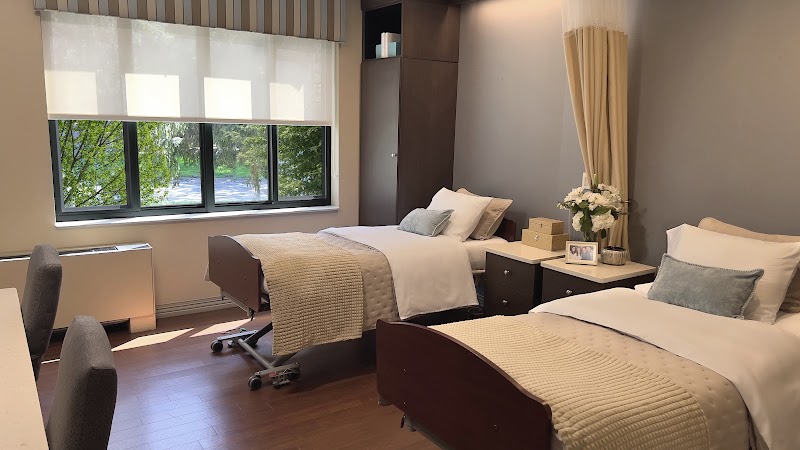
How Does Warren Barr Buffalo Grove Compare to Other Illinois Nursing Homes?

Compared to the 100 nursing homes in Illinois, WARREN BARR BUFFALO GROVE's overall rating (3 stars) is above the state average of 2.5, staff turnover (33%) is significantly lower than the state average of 46%, and health inspection rating (3 stars) is at the national benchmark.

What Should Families Ask When Visiting Warren Barr Buffalo Grove?

Based on this facility's data, families visiting should ask: "Can you walk me through typical staffing levels on day, evening, and night shifts?" "Can I visit during a mealtime to observe dining assistance and food quality?" "How do you handle medical emergencies, and what is your hospital transfer rate?" "Can I speak with family members of current residents about their experience?" These questions are particularly relevant given the below-average staffing rating.

Is Warren Barr Buffalo Grove Safe?

Based on CMS inspection data, WARREN BARR BUFFALO GROVE has a clean safety record: no substantiated abuse findings (meaning no confirmed cases of resident harm), no Immediate Jeopardy citations (the most serious violation level indicating risk of serious injury or death), and is not on the Special Focus Facility watch list (a federal program monitoring the lowest-performing 1% of nursing homes). The facility has a 3-star overall rating and ranks #1 of 100 nursing homes in Illinois. While no facility is perfect, families should still ask about staff-to-resident ratios and recent inspection results during their visit.

Do Nurses at Warren Barr Buffalo Grove Stick Around?

WARREN BARR BUFFALO GROVE has a staff turnover rate of 33%, which is about average for Illinois nursing homes (state average: 46%). Moderate turnover is common in nursing homes, but families should still ask about staff tenure and how the facility maintains care continuity when employees leave.

Was Warren Barr Buffalo Grove Ever Fined?

WARREN BARR BUFFALO GROVE has been fined $9,311 across 1 penalty action. This is below the Illinois average of $33,172. While any fine indicates a compliance issue, fines under $50,000 are relatively common and typically reflect isolated problems that were subsequently corrected. Families should ask what specific issues led to these fines and confirm they've been resolved.

Is Warren Barr Buffalo Grove on Any Federal Watch List?

WARREN BARR BUFFALO GROVE is not on any federal watch list. The most significant is the Special Focus Facility (SFF) program, which identifies the bottom 1% of nursing homes nationally based on persistent, serious quality problems. Not being on this list means the facility has avoided the pattern of deficiencies that triggers enhanced federal oversight. This is a positive indicator, though families should still review the facility's inspection history directly.