BURBANK REHABILITATION CENTER
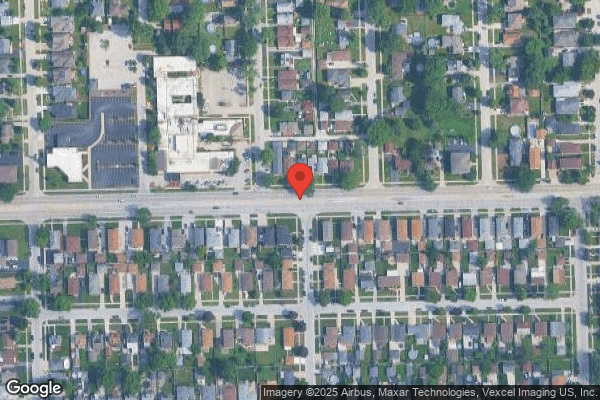
5400 WEST 87TH STREET, BURBANK, IL 60459 (708) 423-1200
For profit - Limited Liability company 163 Beds EXTENDED CARE CLINICAL Data: November 2025
Trust Grade
0/100
#339 of 665 in IL
Last Inspection: August 2024

Within standard 12-15 month inspection cycle. Federal law requires annual inspections.

Overview

Burbank Rehabilitation Center has received a Trust Grade of F, indicating serious concerns about the quality of care provided. Ranking #339 out of 665 facilities in Illinois places it in the bottom half, and #108 out of 201 in Cook County suggests limited local options that are better. While the facility is improving, with issues decreasing from 9 in 2024 to 5 in 2025, it still faces significant challenges. Staffing is relatively stable with a turnover rate of 35%, which is better than the state average, but the facility has been fined $240,121, raising red flags about compliance with regulations. Specific incidents include a resident falling from bed due to inadequate safety measures, and another resident experiencing severe urinary retention without timely medical notification, leading to hospitalization for serious complications. Overall, while there are some strengths in staffing, the facility's serious deficiencies and poor performance warrant careful consideration.

Trust Score
F
0/100
In Illinois
#339/665
Top 50%
Safety Record
High Risk
Review needed
Inspections
Getting Better
9 → 5 violations
Staff Stability
○ Average
35% turnover. Near Illinois's 48% average. Typical for the industry.
Penalties
✓ Good
$240,121 in fines. Lower than most Illinois facilities. Relatively clean record.
Skilled Nurses
✓ Good
Each resident gets 47 minutes of Registered Nurse (RN) attention daily — more than average for Illinois. RNs are trained to catch health problems early.
Violations
⚠ Watch
67 deficiencies on record. Higher than average. Multiple issues found across inspections.
★★☆☆☆
2.0
Overall Rating
★★☆☆☆
2.0
Staff Levels
★★☆☆☆
2.0
Care Quality
★★☆☆☆
2.0
Inspection Score
Stable
2024: 9 issues
2025: 5 issues

The Good

  • Full Sprinkler Coverage · Fire safety systems throughout facility
  • No fines on record
  • Staff turnover below average (35%)

    13 points below Illinois average of 48%

Facility shows strength in fire safety.

The Bad

2-Star Overall Rating

Below Illinois average (2.5)

Below average - review inspection findings carefully

Staff Turnover: 35%

11pts below Illinois avg (46%)

Typical for the industry

Federal Fines: $240,121

Well above median ($33,413)

Significant penalties indicating serious issues

Chain: EXTENDED CARE CLINICAL

Part of a multi-facility chain

Ask about local staffing decisions and management

The Ugly 67 deficiencies on record

11 actual harm
Sept 2025 1 deficiency
CONCERN (D) 📢 Someone Reported This

A family member, employee, or ombudsman was alarmed enough to file a formal complaint

Potential for Harm - no one hurt, but risky conditions existed

Resident Rights (Tag F0550)

Could have caused harm · This affected 1 resident

**NOTE- TERMS IN BRACKETS HAVE BEEN EDITED TO PROTECT CONFIDENTIALITY** Based on observation, interview, and record review, the facility failed to follow their employee handbook on cell phone usage by...

Read full inspector narrative →
**NOTE- TERMS IN BRACKETS HAVE BEEN EDITED TO PROTECT CONFIDENTIALITY** Based on observation, interview, and record review, the facility failed to follow their employee handbook on cell phone usage by having a staff member take a personal phone call while providing care to a resident. This failure affected 1 (R1) of 3 residents reviewed for resident rights in a total sample of 6. Findings include:R1 is a [AGE] year-old male originally admitted on [DATE] with medical diagnosis that include and are not limited to: paraplegia, diabetes mellitus type 2, convulsions, hypertension, unspecified injury at unspecified level of cervical spinal cord, and colostomy status. Per the Minimum Data Set (MDS) dated [DATE], reads: Brief Interview for Mental Status score 15/15, cognitively intact.On 9/2/2025 at 11:17 AM, R1 stated an incident occurred on Thursday, 8/28/25 around 4:00 PM. R1 stated during R1's shower on the shower bed by the nurse's station shower room a Certified Nursing Assistant (CNA) was using her cell phone, using face time during R1's shower. R1 cannot provided the name of the CNA. R1 describes the CNA as a skinny African American women. R1 states that the CNA works morning shift, but on August 28, 2025, that CNA stayed until 5:00 PM. R1 states he told his family member about the incident that same evening and did not let management know. R1 stated he did not let management know about the incident because he gets nervous, or his heart begins to race, and he wants to prevent his seizures. R1 stated the incident only occurred 1 time. R1 stated the shower bed is broken. R1 states he does feel safe in the facility. R1 states he has not heard from other residents about cell phone usage during showers in the facility.On 9/2/2025 at 1:28PM, V6 (License Practical Nurse/LPN) stated V6 (LPN) worked day shift on Thursday, 8/28/2025 and was R1's nurse for the day. V6 stated V5 (CNA) was R1's CNA giving R1 a shower on Thursday 8/28/2025. V6 (LPN) stated on 8/28/2025, V6 (LPN) observed V5 (CNA) using V5's (CNA) personal phone and air pods (wireless headphones) while providing patient care to R1. V6 stated she told V5 (CNA) to get off her phone while V5 (CNA) provides patient care. V6 (LPN) reported the incident to the assistant director of nurse on 8/29/2025 day shift. V6 stated she did not observe V5 (CNA) on facetime. V6 stated it is expected for staff not to use their personal phones at while providing patient care.On 9/2/2025 at 2:11 PM V5 (CNA) stated she provided a shower to R1 on 8/28/2025. V5 stated R1 is dependent on staff for lower body related to patient's diagnosis of paraplegia. V5 (CNA) stated she received an emergency personal phone call on 8/28/2025 during R1's shower from V5's family member. V5 (CNA) stated she apologized to R1 for the phone call. V5 stated she was never on facetime. V5 (CNA) said she had her air pods on her ear and when her personal phone rang, it answered the phone call on its own. V5 (CNA) said she had education and had to sign a write up for using air pods/personal cell phone usage. V5 (CNA) states there is no reason why R1 thinks V5 was on facetime during R1s shower on 8/28/2025. V5 (CNA) states she should have not been using the air pods, cell phone during patient care. V5 (CNA) states it is expected for staff not to use their personal cell phone or wear air pod devices during patient care.On 9/2/2025 at 2:52 PM V8 (Director of Nurse/DON) stated she holds a monthly meeting telling staff they are not allowed to use their personal phones in resident areas. V8 stated if she personally sees staff using their personal phones, she advises staff to step out of the resident areas. V8 was informed on 8/29/2025 of the incident with R1 that occurred on 8/28/2025. V8 stated R1 was upset because V5 (CNA) was on her personal cell phone during R1's shower on 8/28/2025. V8 (DON) stated V6 (LPN) told V5 (CNA) to get off her phone. V8 (CNA) is expected to not be on a personal phone call during R1's shower.On 9/2/2025 at 3:03 PM V9 (Administrator) stated he was made aware, today on 9/2/2025 that V5 (CNA) was using her personal phone during R1's shower that occurred on 8/28/2025. V9 (Administrator) was informed of R1's incident by the Assistant Director of Nursing. V9 (Administrator) stated that all staff upon hire and at the monthly meetings, V9 informs staff not to use personal cell phone in resident areas or on the units. V9 (Administrator) stated if staff are seen on their personal phones, he would educate the staff not to use their personal phone in resident areas, write the staff up if seen on a phone call in resident areas. V9 (Administrator) states staff must be off the unit to answer personal phone calls. V9 (Administrator) states they do not have a cell phone policy, documents provided was a page from the handbook stating: Do not use devices during working time that obstruct or restrict your hearing (such as cell phones, MP4 players, (cellular phone brand name), and other similar devices), expect for cell phone use authorized by management.Per the Minimum Data Set (MDS) dated [DATE], MDS section GG reviewed, R1 requires staff assistance with bilateral lower extremity related to medical diagnosis of paraplegia. R1 is dependent on staff with shower/bathe self. The MAR on 8/2025 documents R1 received a shower on 8/28/2025. R1 shower days are on Monday and Thursday day shift. A review of R1 care plan reviews patient has an alteration in musculoskeletal status r/t paraplegia, limited mobility.V5's (CNA) employee disciplinary form dated 9/1/2025 formal warning with supervisors' signature V8 (DON), Rule 25: Unauthorized use of cell phones, or similar devices, telephones or other equipment for personal needs. V5's (CNA) job performance/behavior deficiency: use of electronic devices on unit. V5's (CNA) employee disciplinary form supervisor support: Personal devices like smartphones and tablets are widely used in healthcare for communication, access to clinical information, and patient monitoring, but their use requires strict security policies and professional self-regulation to prevent patient safety issues and ensure HIPAA compliance. While devices offer significant benefits such as improved efficiency, better communication, and expanded access to telehealth services, the also present risks like distraction, data breaches, and a potential for depersonalizing care if not managed properly.Employee handbook: Do not use devices during working time that obstruct or restrict your hearing (such as cell phones, MP4 players, (cellular phone brand name), and other similar devices), except for cell phone use authorized by management.
Jun 2025 2 deficiencies
CONCERN (F) 📢 Someone Reported This

A family member, employee, or ombudsman was alarmed enough to file a formal complaint

Potential for Harm - no one hurt, but risky conditions existed

Room Equipment (Tag F0908)

Could have caused harm · This affected most or all residents

**NOTE- TERMS IN BRACKETS HAVE BEEN EDITED TO PROTECT CONFIDENTIALITY** Based upon observation, interview, and record review the facility failed to follow policy procedures, failed to maintain the chi...

Read full inspector narrative →
**NOTE- TERMS IN BRACKETS HAVE BEEN EDITED TO PROTECT CONFIDENTIALITY** Based upon observation, interview, and record review the facility failed to follow policy procedures, failed to maintain the chiller (air conditioner), failed to clean intake vents, failed to document equipment maintenance, and failed to ensure that the chiller was functioning properly. These failures affected 108 residents residing in the facility. Findings include: The (6/17/25) census includes 108 residents. On 6/17/25 at 9:21am, V3 (Maintenance Director) stated right now I'm (V3) having an issue with the chiller, which is brand new, it was installed last year. There's dirt and debris in there so I (V3) was up on the roof trying to flush it out. When there's dirt that builds up, it will throw a low water flow diagnosis so basically if the waters not at a certain flow it will throw that code and shut the unit down. Surveyor inquired if the chiller was currently shut down. V3 replied Right now yes because I was cleaning it. On 6/17/25 at 10:48am, V5 (Maintenance) stated The chiller is having low water flow pressure today so (V3) is working on it as we speak. The system is new it was put in last year, the problem is putting the flow of water back in order. The water goes through a filter, but material goes through the filter and slows up the water, sometimes it will shut the system off if it fills up that filter. It did kick off maybe sometime this morning. On 6/17/25 at 11:26am, V3 stated The chiller is on now I (V3) got up there on the roof and made sure. It's 44 degrees for it to be operating properly. The city water temp is like 70 some degrees right now. It just started back up, it's probably like 72 degrees right now. It did get down to 69.2 before it shut off. Surveyor affirmed that the facility chiller was in fact running however it shut itself off during the inspection. V3 responded I'm gonna shut it off and release the valve again. V3 opened the chiller valve and released the water which was notably brownish-black. V10 (Regional Maintenance Director of Operations) stated See the black stuff? We may have to do this like 3 or 4 times and were gonna clean the strainer. This one should be fine after we clean the strainer. The chiller strainer was soiled with rust colored debris therefore sprayed with water repeatedly. V10 responded Were gonna have to strain this at least 4 or 5 times until it comes out clear, there's a lot of [NAME] in there so we may have to flush it again. We're not gonna leave till it's fixed. Surveyor inquired about the facility intake vents which were completely covered in dust, debris, and cottonwood remnants. V10 inspected the vents and replied, This is dirty, we gotta clean that one too. At 11:57am, the chiller was restarted. V3 stated it's 73.3 degrees that's coming in and 60.2 is actually what's flowing through the building. Once everything gets to flowing good this 73 degrees will drop down even more, we're at 71 degrees now. While V3 and surveyor were checking the numbers the chiller shut off (again). V11 (Regional Maintenance) stated It shut down the pump. V10 responded We should do that bottom one too however the maintenance staff were unable to remove the bottom plate therefore had to purchase additional items to do so. V10 affirmed We started a pre-maintenance program a few months ago to prevent things like this happening. There's a screen that filters the water which will shut down the unit. The heating and cooling guy is coming, we (facility) need a little bit of freon somewhere else too. At 12:54pm, the chiller was restarted (again) V11 stated We got pressure, right now we got 40. It didn't go to 40 last time. V3 and surveyor affirmed that the chiller circuit 1 and circuit 2 were running the water temp was 70.1 and incoming water was 55.3 at that time. The (6/17/25) facility HVAC (Heating Ventilation Air Conditioning) invoices states the chilled water is extremely dirty and chiller bundle has flow restrictions. Cleaned the strainers multiple times once the system was filled, bled, and pump was running. Will quote to clean system up, replace chemical filters and further clean system. On 6/23/25 at 9:29am, portable AC units were still in use at the facility however the temperature was above 80F/Fahrenheit throughout the building (per 6/23/25 temperature logs). Surveyor inquired about the facility chiller V1 stated It was working this weekend but today it went out because of a heat sensor. The (6/23/25) facility HVAC invoice states the system locked out on low flow. Shut down pump, isolated chiller, and cleaned strainer. Removed and replaced white cylinder filters. Restarted chiller. Low flow alarm is nearly immediate. We will isolate the chiller, drain down the heat exchanger and flush with chemical. On 6/23/25 at 3:11pm, V1 affirmed The chiller is up and running. On 6/24/25 at 10:48am, surveyor inquired about the facility chiller maintenance. V5 stated We (Maintenance) change filters and we add chemicals to treat the water that's the regular maintenance that's supposed to be done for that. We're changing the filters weekly, and I think its monthly for the chemicals. On 6/24/25 at 11:27am, surveyor inquired about the facility chiller maintenance. V3 stated Weekly I (V3) change the 4 small filters and monthly add (2) 5 gallons of cleaner. Surveyor requested documentation for the chiller maintenance. V3 responded I don't have any records for that, I'll be honest with you I just don't. The (February 2014) preventive maintenance policy states the preventive maintenance program is maintained by the maintenance department. The maintenance department checks for preventative maintenance program equipment work orders and evaluates/repairs the malfunction described.
MINOR (C) 📢 Someone Reported This

A family member, employee, or ombudsman was alarmed enough to file a formal complaint

Minor Issue - procedural, no safety impact

Safe Environment (Tag F0584)

Minor procedural issue · This affected most or all residents

**NOTE- TERMS IN BRACKETS HAVE BEEN EDITED TO PROTECT CONFIDENTIALITY** Based upon observation, interview, and record review the facility failed to follow policy procedures, failed to monitor daily at...

Read full inspector narrative →
**NOTE- TERMS IN BRACKETS HAVE BEEN EDITED TO PROTECT CONFIDENTIALITY** Based upon observation, interview, and record review the facility failed to follow policy procedures, failed to monitor daily atmospheric temperatures, failed to maintain the atmospheric temperaturerange of 71 to 81F (Fahrenheit), and failed to ensure that the temperature was comfortable for one of eight residents (R6) reviewed for safe/comfortable environment. These failures have the potential to affect 108 residents. Findings include: The (6/17/25) census includes 108 residents. On 6/17/25 at 9:15am, the atmospheric temperature was notably warm and humid when surveyor entered the facility. On 6/17/25 at 9:21am, surveyor inquired about the current atmospheric temperature in the facility. V3 (Maintenance Director) stated Right now I'm (V3) having an issue with the chiller, which is brand new, it was installed last year. There's dirt and debris in there so I (V3) was up on the roof trying to flush it out. There was no issue yesterday but today when I came in, the building was warm. The temperature in the building yesterday was around 76 degrees (Fahrenheit), it's supposed to be maintained at no more than 80 degrees. I haven't been able to do my temperatures this morning because I was up on the roof trying to fix it. Surveyor inquired if the chiller was currently shut down. V3 responded Right now yes because I was cleaning it. On 6/17/25 at 10:32am, V3 presented the (May-June 2025) facility atmospheric temperature logs however the temperatures were not documented on 5/3, 5/4, 5/10, 5/11, 5/17, 5/18, 5/24, 5/25, 5/31, 6/1, 6/7, 6/8, 6/14, 6/15 (Saturdays & Sundays). V3 stated The dates that you don't see there, that's on the weekend because I (V3) wasn't here. (Maintenance Staff) were both off on the weekend. Surveyor inquired who's responsible for documenting weekend temperatures in the facility. V3 responded That's a very good question, honestly it should be the person that's managing on duty. Surveyor inquired if the facility policy states to monitor temperatures daily V3 replied Yes ma am. The Friday (6/13/25) 12pm facility atmospheric temperature log (including all the units and dining rooms) was blank therefore surveyor inquired why V3 stated I didn't get a chance to take that one. On 6/17/25 at 10:48am, surveyor inquired about the current atmospheric temperature in the facility. V5 (Maintenance) stated It feels humid right now. On 6/17/25 at 10:58am, surveyor toured the facility with V5 (Maintenance), and the following atmospheric temperature concerns were noted: Joint Hall: 84.1F. Joint Dining Room: 82.2F. Joint room [ROOM NUMBER]: 83.7F. Cardiac room [ROOM NUMBER]: 80.8F. Surveyor inquired about the current cardiac unit temperature V8 (Respiratory) stated For me I am okay, but I think it is too hot. Complex Hall: 81.4F. Complex room [ROOM NUMBER]: 81.6F. On 6/17/25 at 11:08am, V6 (Family) stated When you first come into the facility you don't feel any air. It's warm in the front of the building. On 6/17/25 at 11:26am, V3 stated The chiller is on now I (V3) got up there on the roof and made sure. It's 44 degrees for it to be operating properly. The city water temp is like 70 some degrees right now. It just started back up, it's probably like 72 degrees right now. It did get down to 69.2 before it shut off. Surveyor affirmed that the facility chiller was in fact running however it shut itself off during the inspection. On 6/17/25 at 2:01pm, V1 (Administrator) stated I (V1) got 3 portable AC (Air Conditioning) units so far and affirmed he was working on getting 15 more. On 6/17/25 at 3:00pm, V5 stated the HVAC (Heating Ventilation Air Conditioning) company arrived around 2:15pm and are checking the cooling system with a step-by-step diagnosis. We (facility) had 3 AC's that were delivered this morning; 2 are on cardiac (unit) and 1 is on joint (unit). On 6/17/25 at 3:09pm, surveyor toured the facility (again) with V5 (Maintenance), and the following atmospheric temperature concerns were noted: Joint Hall 84.3F. R6's (Joint) room temperature was 81.9F with a fan running. R6 stated It's hot so I had the window open just for ventilation because it's a slight breeze coming from outside. The Joint Activity Room was filled with residents, a blower and 2 large fans were running however the temperature was 83.2F. The residents participating in the Joint Activity Room were non-interviewable due to cognitive status per V5. North Dining room [ROOM NUMBER].8F. Cardiac Hall: 82.6F. Cardiac room [ROOM NUMBER]: 83.2F. Complex Hall: 83.7F. Complex room [ROOM NUMBER]: 83.8F with 2 fans running. On 6/17/25 at 3:29pm, surveyor inquired about the current facility temperature V12 (Certified Nursing Assistant/CNA) stated, It seems pretty cool right now, just a little bit of hot. On 6/17/25 at 3:31pm, V13 (Licensed Practical Nurse) stated, It was cool this morning, but it got a little warm this afternoon, so I turned some of the lights off. On 6/17/25 at 3:33pm, V14 (CNA) stated It's really really hot while standing at the Joint Unit nurse station. On 6/17/25 at 7:59pm, V1 affirmed the facility received (15) additional portable AC's that are up and running on all the units, aside from the ortho unit (which uses a different chiller). On 6/23/25 at 9:00am, the facility atmospheric temperature was notably warm/humid when surveyor entered the facility and the portable AC units were still in use. On 6/23/25 at 9:29am, surveyor inquired about the facility chiller V1 stated It was working this weekend but today it went out because of a heat sensor and affirmed that the HVAC company was called to repair the chiller today. On 6/23/25 at 2:34pm, V3 presented the (6/23/25) facility temperature logs which affirm temperatures (throughout the entire facility) were above 80F at 2:19pm (including ortho hall 81.7F). V3 affirmed the temperature on the ortho unit was likely elevated due to humidity coming from the other units. V3 stated When I (V3) got here this morning the chiller tripped and went out on low water flow because we (maintenance staff) had to clean it again. It ran for maybe 45 seconds, and it tripped again after that I made a call to (V1) to let him know we had an issue and contacted the HVAC company as well. The HVAC company arrived around 9:30 today, they hooked up a cleaning solution to clean out the heat exchanger. Around 1pm, that was completed but we had to fill the chiller up again with water which takes about 30-45 minutes because it's a big system. We (facility) now have 23 portable AC units running. On 6/23/25 at 3:11pm, V1 stated The chiller is up and running. The summer temperature monitoring guideline (revised 8/5/24) states routine temperature and humidity monitoring of the facility will occur at a minimum one time per day during daylight hours. The accommodation of needs and homelike environment guideline (revised 10/2023) states the resident's environment will be maintained in a homelike manner to ensure comfortable and safe temperatures. Comfortable and safe temperature levels means that the ambient temperature should be in a relatively narrow range that minimizes residents' susceptibility to risk of hyperthermia and is comfortable for the residents. A determination of homelike should include the resident's opinion of the living environment. The extreme temperature guidelines (revised 4/3/24) states should the temperature index for relative humidity and temperature in this facility rise above 80 degrees, the facility shall implement the appropriate high temperature procedures.
Mar 2025 1 deficiency 1 Harm
SERIOUS (G) 📢 Someone Reported This

A family member, employee, or ombudsman was alarmed enough to file a formal complaint

Actual Harm - a resident was hurt due to facility failures

Accident Prevention (Tag F0689)

A resident was harmed · This affected 1 resident

**NOTE- TERMS IN BRACKETS HAVE BEEN EDITED TO PROTECT CONFIDENTIALITY** Based on observation, interview, and record review, the facility failed to develop and implement effective safety interventions,...

Read full inspector narrative →
**NOTE- TERMS IN BRACKETS HAVE BEEN EDITED TO PROTECT CONFIDENTIALITY** Based on observation, interview, and record review, the facility failed to develop and implement effective safety interventions, including frequent monitoring, for two dependent, immobile, ventilator-dependent residents at high risk for falls to prevent them from falling out of bed. This failure affected two of three residents (R1 and R3) reviewed for accidents and safety. As a result, R1 fell from the bed and sustained a C2 fracture. Findings include: 1.) R1's diagnosis include but are not limited to Anoxic Brain Damage, Respiratory Failure, Tracheostomy, Gastrostomy, Dependence on Respiratory [Ventilator] Status. A new diagnosis of Displaced Fracture of Second Cervical Vertebra dated 3/12/25. R1's cognitive assessment date 2/1/25 identifies she is severely impaired. R1's functional ability assessment dated [DATE] indicates R1 has impaired in range of motion to upper and lower extremities. Additionally, R1 is identified to be dependent on staff for all Activities of Daily Living. Section O identifies R1 has a tracheostomy and a ventilator, requires suctioning and continuous oxygen. On 1/31/25 fall risk observation completed identifies is at high risk for falls. R1 progress note dated 3/8/25 at 1:10PM written by V13 (Respiratory Therapist) states during rounds I heard a vent alarm and went to R1's room. Saw R1 on the floor, notified staff. R1's progress notes written by V7 (Registered Nurse/RN) state on 3/8/25 at 1:08 PM, upon entering the room writer observed resident on the floor laying on her left side. Writer noted resident spitting up intermittent small amounts of tan colored liquid. MDS assessment dated [DATE] section C identifies R1 is unable to answer questions and staff identifies R1 as severely impaired. Section GG identifies R1 is dependent on staff for all cares. R1's care plan identifies she is a nonverbal trach patient. Interventions include dates 3/10/25 and 3/12/25. Interventions dated 10/30/24 anticipate and meet the resident's needs. Educate the resident/family/caregivers about safety reminders and what to do if a fall occurs. There are no other interventions until 3/10/25. R1's fall investigation states in part, was likely caused by a combination of forceful coughing and involuntary movements. Despite being immobile and ventilator-debilitated, unexpected muscle activity led to a loss of stability. R1's hospital records dated 3/8/25 documents displaced fracture left lateral mass C2. R1 was transferred to the hospital on 3/8/25 for evaluation following a fall and readmitted to the facility on [DATE]. The facility reported to the state surveying agency on 3/8/25 that R1 sustained an acute displaced fracture of the left C2. On 3/25/25 at 10:33AM an unidentified staff member exited R1's room, bed no longer lowest position, door mostly closed. Position of the door impairs view of resident from nurses' station, the blind on the window was closed, blocking view of R1 from nurses' station. On 3/25/25 at 11:44AM R1's door remains mostly closed to impair view of R1 from nurses' station. On 3/25/25 at 12:07PM V1 (Licensed Practical Nurse/LPN) and V2 (Certified Nursing Assistant/CNA) were providing care to R1. V2 said R1 cannot help at all with her care. V1 said R1's hands, arms, and legs are totally contracted. V1 said she has been like this the whole time she has been here. V1 said R1 is total care dependent on staff. Surveyor observed R1 is on an air mattress during care. On 3/25/25 at 1:26PM V12 (Restorative Nurse) said R1 can't do anything on her own, she is passive for what staff assist her with. V12 said R1 cannot turn and reposition without assistance. V12 said R1 is dependent on staff with everything. V12 said if the resident is at the edge of the bed and coughs, she can fall. On 3/26/25 at 10:30AM V2 (CNA) said R1 was her normal that day. V17 (CNA) and I had just changed her around 12:45PM. V2 said we had left her in the center of the bed. V2 said R1 was in a smaller bed (regular hospital bed) before. V2 said when R1 fell she fell on the left side of the bed, closer to the door. V2 said I have never seen or known R1 fall before. V2 said prior to the day, I have found R1 along the side of her bed, like she moved. V2 said all the residents on this unit will cough and need to be repositioned because they move on the bed. On 3/26/25 at 11:14AM V18 (Case Manager) said when I came to the facility, I asked the nurse how R1 fell. V18 said I see R1 often she does not move, and she doesn't have cognition function. V18 said they really didn't give me an answer. On 3/26/25 at 11:32AM V7 (RN), said I was told that R1 was noted on the floor, on her left side. V7 said I was notified by a Respiratory Therapist. She was the first in the room. V7 said when I assessed R1 I saw a raised area on the left side of her head. V7 said I was sitting at the nurses' station when they told me. V7 said I didn't hear anything at the nurses' station, to alert me that R1 needed help. V7 said R1 is on a ventilator, she was on an air mattress, and had no side rail in use. V7 said for the patients on the unit, their body moves when they cough, I think that is what happened to R1. V7 said when they cough the air mattress makes them move while in bed. V7 said R1 had an air mattress. V7 said I have seen her cough and be moved on the mattress. V7 said R1 was sitting in a regular hospital bed at the time. V7 said the bed was in the lowest position, but not all the way to the floor, and there were no floor mats at the time. V7 said R1 was not able to communicate what happened. V7 said R1 sustained a bump on her head from the floor. V7 said prior, to the fall, nothing was reported, nothing about coughing or increased fidgeting. V7 said I think everyone is a fall risk on that unit. V7 said I think they all should have floor mats and low beds because there are no rails to prevent them from sliding off the beds. V7 said positioning for a patient on a vent includes the head of the bed elevated, and when they cough the body moves. V7 said their position and condition increases the risk for falls. On 3/27/25 at 11:12AM V14 (Nurse Practitioner) said I saw R1 upon return from the hospital, she was nonverbal and at baseline, I had no changes for her. V14 said I was told she fell from maybe a forceful cough because she doesn't move. V14 said R1 had a coughing spell and she slid off the bed. On 3/27/25 at 11:33AM V15 (Respiratory Therapist) said R1 is on a ventilator (vent) and cannot support her own breathing. V15 said R1 has alarms on the vent triggered by high pressure. V15 said high pressure alarms can mean they need suction, coughing, or a disconnect. V15 said respiratory distress will cause an alarm. V15 said a hard forceful cough will probably trigger the alarm to go off for high pressure. V15 said I have been an RT for 30 years. V15 said I have never heard of a vent patient falling out of bed because of a hard cough. V15 said coughing can cause the patient to move. On 3/27/25 at 11:49AM V13 (Respiratory Therapist) said I was coming from another room, and I heard the alarm going off. V13 said I saw R1, she was on the floor, and I called the nurse. V13 said R1 remained connected to the ventilator while on the floor. V13 said I had seen R1 earlier that day and R1 was at baseline, there were no changes in her. V13 said R1 usually does not have a lot of secretions. V13 said R1 does cough an average amount. V13 said I have seen R1 cough. V13 said sometimes R1 has a strong cough. V13 said the alarms are loud alarms and can be heard on the unit. There was high pressure, and the alarm goes off, secretions and patient movement will cause the alarm to sound. V13 said there is no way to know how long the alarm was going off. V13 said it was not time to treat R1, I was coming out of the other room and heard the alarm from R1's room. V13 said sometimes R1 coughs strongly. V13 said I have not known a patient to cough so hard to fall out of bed. V13 said if someone on a ventilator is coughing the alarms will go off because it causes a high-pressure alarm. V13 said the nurse was at the desk. V13 said you can hear alarm in the hallway. 2.) R3's diagnosis includes, but are not limited to Respiratory Distress, Acute Respiratory Failure, Anoxic Brain Damage, Hypertension, Tracheostomy and Gastrostomy, and Dysphagia. Incident report dated 3/20/25 R3 was found on the side position on the floor. Incident report dated 3/25/25 notes Incident discussed. R3 experienced a coughing episode that caused a sudden movement and loss of balance. Coughing can trigger involuntary movements, especially in residents who are already physically compromised. Interventions: bed bolsters will be added onto bed. R3's MDS dated [DATE] cognitive assessment identifies R3 is severely impaired. R3 is dependent on staff for all cares. R3 treatments include suctioning and tracheostomy care. R3's care plan interventions were initiated on 11/7/24 include on 11/7/24 anticipate and meet the resident's needs. Educate about safety reminders and what to do if a fall occurs. No other interventions for fall prevention were added until 3/21/25. On 3/26/25 at 10:12AM R4 (R3's roommate) said when R3 fell I was in my bed watching TV. It was in the later evening. I heard a sound and turned to look and R3 was on the floor. R4 said R3 does cough, but I don't recall her coughing before I heard the sound and saw her on the floor. R4 alert and oriented to person, place, and situation. R3 was observed to have visible vibration, as to be coughing, upper body bending upwards from resting position in bed with head of bed elevated. R3 did this three times but remained in the same location of the bed. On 3/26/25 at 11:58AM V9 (CNA) said I had seen R3 around 8:45PM-9:00PM and was in the middle of the bed and positioned correctly, head up, and I left her on her back. V9 said R3 was not coughing more than usual, but her usual amount. V9 said during rounds I heard R4 (R3's roommate) calling for help. V9 said I saw R3 on the floor on the window side of the bed. V9 said we placed bolsters on her bed after the fall. V9 said when R3 was on the floor, the bolsters were not in the bed. V9 said R3 had a regular hospital bed that goes up and down. V9 said R3's bed was not the one that goes to the floor, but she was in the lowest position. V9 said R4 said she heard a noise; she did not describe the noise to me. V9 said R3 had the bolsters (which she described as pads and was not sure of the device name) were still on the bed and they cover the entire length of the mattress on each side. V9 said they look like small wedges and are a separate piece from the mattress. V9 said I have seen when R3 coughs she leans forward. V9 said I was the CNA providing care to R3 on the day she fell. V9 said I was the last to position her before the fall, except it is possible RT (respiratory therapy) provided respiratory care. The surveyor asked how R3 fell despite the use of the bolsters. V9 did not give an answer. On 3/26/25 at 12:39PM V11 (RN) said on 3/20/25 R3 was in the bed, she had been coughing and we called RT earlier. V11 said RT did come right away, and they did not report any concern with R3. V11 said when I spoke to R4 (R3's roommate) she said R3 was jerking and coughing. V11 said I believe that is how R3 fell. V11 said when R3 jerks she lifts up her head and she moves up. V11 said jerks up is what caused R3 to move and fall. V11 said I have not a patient cough hard enough to fall out of bed before. V11 said when on a trach with secretions they cough a lot. V11 said R3 did not have the pads before the fall, the ones like a triangle. V11 said we added the pads (bolster pads) after the fall occurred. V11 said R3 had an air mattress on the bed, and she had a regular size bed. V11 said R3's bed went all the way to the floor. V11 said R3 fell towards the window side of the room (right side) and was on her side when I saw her. V11 said R3 was unable to indicate what had happened. V11 said R3 is nonverbal, she had not fallen before to my knowledge. On 3/26/25 at 2:07PM V6 (Director of Nursing/DON) said R3 had a fall on 3/20/25. V6 said the root cause of R3's fall was a cough. V6 said I spoke to the roommate, myself. V6 said the roommate, R4, said she heard R3 cough, and she heard a noise. V6 said for immobile residents, we have to round on them and keep them positioned in the bed. V6 said no one notified me R3 coughs so hard to move. V6 said we explained to R3's mother that R3 has involuntary movements. V6 said R3 did not have bolsters before the fall, R3 was not care planned for bolsters. V6 said V11 was instructed to add the bolsters and V11 replied I was going to go get them for R3. V6 said both R1 and R3 had air mattress the day they fell. The surveyor asked V6, can an air mattress pose a fall risk on patient who can't move? V6 replied, the air mattress is possible to cause a fall risk, if it is not positioned right, depending on the settings, they are smooth. V6 (DON) said we feel the root cause for both R1 and R2 made her position out of normal, and she can't control her body and caused her to fall. V6 said the staff said R1 had brown stuff coming out of her mouth. V6 said no one had ever said that R1 moves when she cough or has hard coughs. V6 said I have never seen her cough like that, hard to move her. V6 said R1 can't move, she is dependent on staff. V6 said R1 coughed herself out of alignment. V6 said V13 (RT) said they had checked on R1, and she had been fine. V6 said the vent alarmed and V13 responded and saw R1 on the floor. V6 said R1 sustained a C2 fracture, and the hospital doctor said there was nothing needed to treat. V6 said R1 does have a fracture. V6 said based on R1's fall risk assessment she was a high fall risk. On 3/27/25 at 11:12AM V14 (Nurse Practitioner) said I saw R3 after the fall. V14 said I did not notice a change, R3 was still at baseline. V14 said I was told R3 had the same cause of the fall as R1. V14 said R3 has a trach, and she could have coughed. V14 said I was not told that either R1 or R3 were coughing hard. V14 said I have been in nursing (Nurse and NP) almost 20 years, I have not seen a patient cough hard to fall out of bed. V14 said these are the first two patients, I have been notified that the coughing contributed to a fall. V14 said I think a vent alarm will trigger when altered breathing, coughing, need suction is needed. V14 said you would think the alarm would sound. V14 said if the alarm is sounding, I would expect they notify respiratory, call me if can't rectify the situation, to finish coughing. I would expect they stay in the room until the patient is stable. V14 I would think, if they stayed with the patient they would keep them safely in the bed. V14 said cough sounds can be different with a trach patient, there can be jerking movement. V14 said if they are on air mattress, they can be slippery. On 3/27/25 at 11:33AM V15 (Respiratory Therapist) said R3 has a tracheostomy on room air with only aerosol, just moisture. V15 said R3 can support her own respirations. V15 said when a person has a tracheostomy and a vent, you will not here them cough because the air does not pass the vocal cords. The facility Fall Guideline dated 8/2024 states the purpose is to consistently identify and evaluate residents at risk for falls and those who have fallen to treat or refer for treatment appropriately and develop an organization wide ownership for fall preventions to To achieve each resident's maximum potential of physical functioning period to prevent or reduce injuries related to falls. The intent of this guideline is to ensure facility provides an environment that is free from hazards over which the facility has control and provides appropriate supervision to each resident as identified through the following process: identification of hazards and risks, evaluation, implementation, monitoring, and analysis.
Jan 2025 1 deficiency
CONCERN (D) 📢 Someone Reported This

A family member, employee, or ombudsman was alarmed enough to file a formal complaint

Potential for Harm - no one hurt, but risky conditions existed

Accident Prevention (Tag F0689)

Could have caused harm · This affected 1 resident

**NOTE- TERMS IN BRACKETS HAVE BEEN EDITED TO PROTECT CONFIDENTIALITY** Based on interview and record review the facility failed to implement fall prevention interventions for a resident identified at...

Read full inspector narrative →
**NOTE- TERMS IN BRACKETS HAVE BEEN EDITED TO PROTECT CONFIDENTIALITY** Based on interview and record review the facility failed to implement fall prevention interventions for a resident identified at risk for falls for one (R1) out of three residents reviewed for accidents in a total sample of three residents. Findings include: R1's face sheet documents that R1 is a [AGE] year-old individual with diagnoses not limited to: respiratory failure, dysphagia, oropharyngeal phase, cognitive communication deficit, other reduced mobility, anxiety disorder, unspecified. R1's face sheet documents in part R1 was initially admitted to the facility on [DATE] and discharged from the facility to the hospital on [DATE]. On 01/11/2025, at 11:44 AM, V7 (Licensed Practical Nurse) states that nurses work 12-hour shift. V7 states that she cannot recall who was the CNA (certified nursing assistant) working with her the date that R1 fell from her bed. V7 states that she floats. V7 reports that she remembers before leaving off the unit, she did her last round, and V7 states that she saw R1 lying in bed. V7 states about 15 minutes or 20 minutes later, the CNA came to get V7 in the lunchroom and V7 was informed that R1 was on the floor. V7 states that she came to the unit, the respiratory therapist (V7 cannot recall the name) informed her that she found R1 on the floor. V7 states that she conducted a head-to-toe assessment, and her vitals were ok. V7 states R1 did not suffer any visible injuries. V7 continues R1 had a little cut on her leg. V7 reports the provider was notified and ordered for R1 to be set out since the fall was unwitnessed. V7 was asked how was R1 when V7 was working with her that morning. V7 states that R1's vitals were stable, was alert, and is nonverbal. V7 states that she denies helping the CNA provide care to R1. V7 continues to report R1 did not exhibit any behaviors during the shift. On 01/11/2025, at 1:24 PM, V6 (Certified Nursing Assistant) states that she worked 7:00 AM-3:00 PM shift on 10/19/24, and a double shift on 10/20/2024. V6 was asked what happened that day when R1 was found on the floor. V6 states honestly, I was charting in the nurse's station, and then V9 (respiratory therapist) came to me. V6 states she needed assistance because she walked in and saw R1 on the floor. V6 states that R1 barely spoke English and was mainly Spanish speaking. V6 reports that when R1 would need water, or when she needs to be changed, if she needed to get on the bed pan, V6 states R1 would say Baño (bathroom) and Agua (water). V6 states that when R1 needed the suction, she used her hand to gesture to point to her trach, and V6 states that she would go get respiratory therapist. V6 reports that R1 was able to move her arms and R1 was not able to move her legs. V6 reports that R1 would turn side to side using her upper body, she would use the side rails to help turn. V6 states when she would talk, it would be very low and in Spanish. V6 states that does not remember R1 having any behaviors. V6 states that she didn't think R1 was a fall risk because R1 came from the hospital and normally they (residents) will have a wristband from the hospital showing that they are fall risk, and if they (residents) are fall risk, they will give us mat to place on the ground. R1 did not have floor mats. V6 states that when she saw R1 on the floor, lying like on her side and she did not see any bleeding, the bed was low. V6 states that she remembers the resident because she worked with the resident for two days and V6 continues to state not noticing any changes during those two days working with R1. Surveyor asked V6 if she needed assistance to provide care to R1. V6 replied no R1 wasn't that big, she turned good, and wasn't hard to turn and provide care to. V6 states I honestly feel like she was reaching for something, and she liked using her bedside table. She used to ask for two boxes of tissue. I always put the table next to her. V6 states that respiratory therapy and nurses go in, and they might not have placed the table next to her. V6 states that R1 was able to use the call light. V6 states that R1's call light was not turned on when the fall happened. V6 reports that R1 was on the vent and V6 thinks she started hearing the beeping, and V9 (Respiratory Therapist) came out of the office and started to see what was beeping about. V6 states that R1 was on her bed when V6 last checked on her 30 minutes prior. V6 reports that the nurse went in to see R1 after V6, she was asking her if she had any pain, checking vitals. V6 reports that R1's bedside table was away from the resident's bed, the call light was on the side next to R1 on the floor. V6 reports V9 was trying to hook R1 back up, and the nurse assisted V6 in putting her back on the bed. V6 states that R1 appeared a little shook up, V6 states R1 said she (R1) was not in a lot of pain, she was alert. V6 states R1 was sent to the hospital. On 01/11/25, at 1:56 PM via telephone V9 (Respiratory Therapist) states that when she heard R1's alarm sound V9 responded right away. V9 states that she found the patient on the floor. V9 states that she does not remember how the area looked because she (V9) was to assess the patient (R1). V9 reports that R1 was older women, small lady. V9 states that she assessed R1, and she (R1) was not in distress. V9 states that she does not remember if R1 had fall floor mats and where R1's bedside table was located. V9 states that as the respiratory therapist she does not use the bedside table because she has all respiratory items on a different table. V9 states that was the first time working with R1 and she did not have any problems that day with R1. V9 states that R1 didn't call her a lot that day, V9 states but she kept close eyes on her, V9 states because she was a little bit confused and R1 had a lot of secretion. She would make eye contact. She reacts when I said something. I think she was Spanish speaking. On 01/11/2025, at 2:27 PM, V4 (Licensed Practical Nurse/Restorative Nurse) states that she is the fall prevention coordinator and the restorative nurse. V4 states that she works Monday through Friday 9:00 AM-5:00 PM. V4 reports that she didn't get to assess R1 yet since R1 was admitted over the weekend. V4 states that upon admission, the admitting nurses initiate the fall risk care plan if a resident is assessed as being a fall risk. V4 states that she then reviews the care plans to make sure they are accurate. V4 states that the higher the score is the higher the risk they are at falling. V4 states that R1's risk score of 16 means R1 is a high fall risk. V4 states that R1's fall risk assessment should have had interventions checked off and there were none checked off. V4 states that standard fall prevention practices include bed in lowest position, make sure they have the right footwear, making sure everything is within the patient's reach, make sure that staff are toileting them when necessary, checking on them every two hours or as needed. V4 states that if the resident does not have items within their reach a fall can occur, because if they are reaching for it, they can roll over and fall out the bed, there is a possibility. R1's care plan reviewed and there is no fall risk related care plan and interventions noted. R1's fall incident report dated 10/20/24, documents in part R1 unable to give description. Predisposing environmental factors noted R1 was seen in the last two hours is checked off and call light within reach is not checked off. Resident (R1) was sent to the hospital will implement fall mats upon return. R1's fall risk assessment dated [DATE], documents in part that R1's fall risk score is 16 and no interventions were checked off. One of the interventions not checked off documents in part resident needs a safe environment with: personal items within reach. R1's hospital records dated 10/18/2024, reviewed and no documentation of R1 having any behaviors or falls in the hospital. R1's respiratory note dated 10/20/2024, 3:01 PM, documents in part find pt. (patient) on the floor face down, suctioned trach and orally /blood-tinged secretions from the trach. R1's progress noted dated 10/20/2024, 4:00 PM, documents in part approximately around 3:30 PM, writer (V7) was informed by respiratory staff that resident was on the floor. Upon coming into resident's room writer noted resident on the floor face down. There were no signs of active bleeding and resident was alert and orient. APN (advanced practice nurse) ordered for resident to be sent to ER (emergency room). R1's progress note dated 10/21/2024, 11:21 AM, documents in part spoke with hospital ER (emergency room) staff nurse. Resident admitting DX (diagnosis): hyperkalemia and leukocytosis. Facility document dated 08/2024 titled Falls Guidelines documents in part fall prevention is achieved through an IDT (interdisciplinary team) approach of managing predicting factors and implementing appropriate interventions to reduce risk for falls. Understanding contributing and predicting factors that present will assist with determining individualized care approaches. Identification of resident risk for accidents on admission: observe resident in environment. Involve interdisciplinary team on development and implementation of interventions to reduce accidents.
Aug 2024 4 deficiencies
CONCERN (D) 📢 Someone Reported This

A family member, employee, or ombudsman was alarmed enough to file a formal complaint

Potential for Harm - no one hurt, but risky conditions existed

Safe Environment (Tag F0584)

Could have caused harm · This affected 1 resident

**NOTE- TERMS IN BRACKETS HAVE BEEN EDITED TO PROTECT CONFIDENTIALITY** Based on observation, interview, and record review the facility failed to implement their appropriate extreme high temperature p...

Read full inspector narrative →
**NOTE- TERMS IN BRACKETS HAVE BEEN EDITED TO PROTECT CONFIDENTIALITY** Based on observation, interview, and record review the facility failed to implement their appropriate extreme high temperature policy and procedures in the facility. This deficiency affects two (R103 and R69) of three residents in the sample of 23 reviewed for Safe and comfortable resident environment. Findings include: 1. On 8/27/24 at 11:54AM, Rounds were made to the 2nd floor unit. Surveyor felt warm air on the unit and noted two electric fans by the nursing station; there was no electric fan by the unit hallway. On 8/27/24 at 12:18PM, Observed R103 sitting in a wheelchair, wearing a gown and a brief. R103 complained that he cannot sleep because his room is hot. He said he feels exhausted. He was observed trying to remove his gown and appears restless. R103 keeps saying the room is hot. The window curtain was observed open with sunlight going through the window and into his room. The air conditioner was located by the window with warm air coming out. Showed observation to both V12 (Licensed Practical Nurse/LPN) and V2 (Director of Nursing/DON), both said that they are not aware of R103's room situation and V8 (Maintenance Director) was called. On 8/27/24 at 12:27PM, V8 (Maintenance Director) informed of R103's room situation. V8 did measure the room temperature using relative humidity temperature meter and his room reading was 84 degrees Fahrenheit (F). V8 said that temperature should be at least 80 degrees Fahrenheit. On 8/27/24 at 12:32PM, Rounds made with V8 (Maintenance Director) on the 2nd floor unit. V8 took the temperature of the hallway and obtained 86.4 degrees (F). V8 took the temperature of the dining room and obtained 86.8 degrees (F). The dining room has 2 electric fans. There were 6 residents in the dining room, sleepy and unable to be interviewed. Observed water station by the nursing station but no staff handling or offering the water to the residents. On 8/29/24 at 10:26AM, Reviewed R103's medical records with V2 (DON). No documentations of R103's being monitored for his intake and output of fluids. No documentation of encouragement of fluid intake. No documentation of R103's signs of discomfort, symptoms of heat stroke and heat exhaustion. V2 said that they don't have any documentation of monitoring indicated in their extreme high temperature guideline. On 8/29/24 at 10:42AM, V8 (Maintenance Director) said that they installed a new air conditioner for R103. V8 said that he usually monitors the temperature daily and in extreme heat every 2 hours, but he said that he did not document it. V8 said that acceptable resident room /environment temperature is below 80 degrees (F). He does not measure and document humidity, only temperatures. Reviewed facility's policy on extreme high temperature with V8. He said that he did not have documentation of monitoring of facility 's room /areas for temperature and humidity every 2 hours from 8am to 10pm and every 4 hours from 10pm to 8am. He does not have documentation of monitoring of ventilation system and air conditioning system. On 8/29/24 at 2:26PM, Informed V1 (Administrator) of above concerns. R103 is admitted on [DATE] with diagnosis listed in part but not limited to Hypertension, Diabetes Mellitus type 2, Vascular dementia, Chronic pulmonary disease, anxiety disorder. Facility's policy on Extreme high temperature guideline revised 4/3/2024 indicates: Purpose: To provide guidance to the facility in times of unseasonable hot weather and or cooling system malfunction. Should the temperature index relative humidity and temperature in this facility rise above 80 degrees, the facility shall implement the appropriate high temperature procedures. Should a specific area of the facility rise above 80 degrees, it may be necessary to relocate residents to a cooler section of the facility. If the high temperature procedures do not sufficiently maintain resident safety, the facility shall consult with the Department of Public Health regarding advisability of resident evacuation. Department specific procedures: Nursing: *Monitor residents for intake and output of fluids. Encourage fluids. *Monitor residents closely for signs of discomfort and adverse physical symptoms. *Monitor all residents frequently for symptoms of heat stroke and heat exhaustion. *Offer cool fluids, ice cream, popsicles regularly. Dietary: *Prepare hydration stations for nursing stations and resident areas Maintenance: * Monitor air temperatures at least every 2 hours between 8:00am and 10:00pm in the resident areas and every 4 hours between 10:00pm and 8:00am. Temperatures should be taken at the warmest point identified through baseline monitoring on each floor or wing. Include day rooms, dining rooms, activity rooms and resident rooms. * Monitor all ventilation systems and ensure they are in working condition *Monitor all air conditioning systems. Clear areas around units of vegetation and debris allow better air flow. Clean air conditioning filters. Check all blower motors. Assure water lines to the building are working appropriately. 2. On 8/27/24 at 1:07 PM. surveyor and V8 (Maintenance Director) toured throughout the facility taking random room temperatures. R69's room temp was 80.6 degrees (relative humidity was not relayed at that time and was not documented). On 8/28/24 at 11:30 AM, V23 (Concerned party) said administrator in training is aware of air conditioning issues and said R1's side of the facility has air conditioning issues. Concerned party said this has been an issue since May. Concerned party said air conditioning issues should have been addressed by now. On 8/28/24 at 9:18 AM, R69 said the air conditioner in his room doesn't work thus he was not feeling well. R69 said he was nauseous and had loss of balance. On 8/29/24 at 9:22 AM, V1 (Administrator) said the room temperature should not be higher than 80 degrees. V1 said V8 is responsible for documenting temperatures and relative humidity on extreme heat days. V1 said he did not see relative humidity documented on the temperature log sheet for 8-26-24 and 8-27-24 (Extreme Heat Days). On 8/29/24 at 10:36 AM, V8 (Director of Maintenance) said he did check the relative humidity on Monday and Tuesday (Extreme Heat Days) however V8 did not document relative humidity in the temperature. V8 said the humidity affects extreme heat and will make the environment more stuffy or uncomfortable for the resident. V8 said room temperatures should be below 80 degrees. Extreme High Temperature Guideline (revised 4/3/24) documents: Should the temperature index for relative humidity and temperature in this facility rise above 80 degrees, the facility shall implement the appropriate high temperature procedures. Temperature Log dated August 2024 does not document relative humidity levels for 8/26/24 and 8/27/24 (extreme heat days) as verified by Administrator and Director of Maintenance.
CONCERN (D)

Potential for Harm - no one hurt, but risky conditions existed

Pressure Ulcer Prevention (Tag F0686)

Could have caused harm · This affected 1 resident

**NOTE- TERMS IN BRACKETS HAVE BEEN EDITED TO PROTECT CONFIDENTIALITY** Based on observation, interview, and record review the facility failed to follow the facility's policy for using Low Air loss ma...

Read full inspector narrative →
**NOTE- TERMS IN BRACKETS HAVE BEEN EDITED TO PROTECT CONFIDENTIALITY** Based on observation, interview, and record review the facility failed to follow the facility's policy for using Low Air loss mattress regarding bed linens for a resident with skin impairment. This deficiency affects one (R7) of three residents in the sample of 23 reviewed for Prevention of Pressure wounds protocol. Findings include: On 8/27/24 at 11:58AM, Observed R7 lying in bed with low air loss (LAL) mattress. V12 (Licensed Practical Nurse/LPN) said that R7 has pressure ulcer and on wound care management. Checked bedding with V12 and V2 (Director of Nursing/DON). Observed multi-layers of linen. R7 has folded linen in quarters used as draw sheet and cloth pad over the LAL mattress. R7 wears disposable adult brief. V2 (DON) said that resident on LAL mattress should only be on a flat sheet over the LAL mattress. V2 instructed V12 (LPN) to inform the CNA (Certified Nursing Assistant) to remove the folded linens and cloth pad underneath R7. On 8/28/24 at 11:38AM, V11 (Wound Care Nurse) said that resident on LAL mattress should only have 2 layers- adult brief and flat sheet, adult brief and cloth pad, or no brief but with flat sheet and cloth pad. V11 said that R7 should only have 2 layers- brief and flat sheet or cloth pad not both. R7 is re-admitted on [DATE] with diagnosis listed in part but not limited to Peripheral arterial disease, Bed confinement status, Severe morbid obesity due to excess calories, Venous Insufficiency. Active physician order sheet indicates: Pressure reduction mattress. Comprehensive care plan indicates: R7 has an actual alteration in skin integrity due history of pressure ulcers, decreased mobility. Interventions: Low air loss mattress for pressure reduction while in bed. Facility's policy on Prevention of Wounds effective date: January 2017 indicates: Purpose: to provide information regarding identification of pressure injury risk factors and interventions for specific risk factors. Interventions and Preventive measures: General Preventive measures: 2. For a person in bed: c. If a special mattress is needed, use one that contains foam, air as indicated. Residents with risk factors-bed fast: 2. Use a special mattress that meets clinical condition. Facility's policy on Low air loss mattress 7/2012 indicates: Purpose: to provide features of a mattress support system that provides a flow of air to assist in managing the heat and humidity (microclimate) of the skin. Low air loss mattresses will be utilized for residents with Stage III, IV and unstageable pressure ulcers of the trunk as well as residents with multiple stage II pressure ulcers. Procedure: 5. A single non-fitted sheet may be used on the mattress for assistance with repositioning.
CONCERN (E)

Potential for Harm - no one hurt, but risky conditions existed

Abuse Prevention Policies (Tag F0607)

Could have caused harm · This affected multiple residents

**NOTE- TERMS IN BRACKETS HAVE BEEN EDITED TO PROTECT CONFIDENTIALITY** Based on observation, interview, and record review the facility failed to implement the written policy and procedure that prohib...

Read full inspector narrative →
**NOTE- TERMS IN BRACKETS HAVE BEEN EDITED TO PROTECT CONFIDENTIALITY** Based on observation, interview, and record review the facility failed to implement the written policy and procedure that prohibit and prevent abuse. This deficiency affects all four (R46, R66, R106 and R107) residents in the sample of 23 reviewed for Abuse prevention Program. Findings include: On 8/28/24 at 12:35PM, V9 (Social Service Director/SSD) that they have four identified offender residents in the facility. Review medical records of R46, R66, R106 and R107. Noted that they don't have care plan developed as an identified offender in their charts. V9 said that she does not develop care plan for identified offender residents. She added that she is not aware that she must develop for them. Reviewed facility's identified offender policy with V9 indicates that care plan should incorporate resident who is identified offender including security measures. On 8/28/24 at 2:26PM, Informed V1 (Administrator) of above concern. V1 said that he will talk to V9 (SSD). Review R106's medical records. Unable to locate abuse/neglect screening upon admission. Requested copy of record to V2 (Director of Nursing/DON). On 8/29/24 at 9:40AM, V2 presented copy of R106's admission abuse/neglect screening assessment done on 8/28/24. Informed V2 said that social services do the abuse assessment for all residents upon admission. On 8/29/24 at 1:26PM, V9 (SSD) said that social services do the abuse assessment of resident upon admission. Informed V9 that R106 is admitted on [DATE] and abuse admission assessment was documented and completed in R106's chart on 8/28/24. V9 said that there are only 2 social services in the facility. V9 added that she documented in paper before she documented in resident's chart. Review R46, R66 and R107's admission abuse assessment. No abuse assessment done upon admission. V9 said that she has not completed the assessment in resident's chart. R106 is admitted on [DATE]. R46 is admitted on [DATE]. R66 is admitted on [DATE]. R107 is admitted on [DATE]. All residents are identified offenders. On 8/29/24 at 2:18PM, Informed V1 (Administrator) of concern identified that abuse assessment /screening as part of the abuse prevention program of the facility is not implemented. Facility's policy on Abuse prevention policy indicates: This facility affirms the right of our residents to be free from abuse, neglect, exploitation, misappropriation of property, deprivation of goods and services by staff or mistreatment. This facility therefore prohibits abuse, neglect, exploitation, misappropriation of property and mistreatment of residents. In order to do so, the facility has attempted to establish a resident sensitive and resident secure environment. The purpose of this policy is to assure that the facility is doing all that is within its control to prevent occurrences of abuse, neglect, exploitation, misappropriation of property, deprivation of goods and services by staff and mistreatment of residents. IV. Establishing a resident sensitive environment. Resident assessment: As part of the resident's life history on the admission assessment, comprehensive care plan, and MDS assessments, staff will identify residents with increased vulnerability for abuse, neglect, exploitation, mistreatment, or misappropriation of resident property for these residents. Staff will continue to monitor the goals and approaches on a regular basis and update as necessary. Facility's policy on Identified offender indicates: Policy statement: It is the policy of this facility to establish a resident sensitive and resident secure environment. In accordance with the provisions of the Nursing Home Act, this facility shall check the criminal history background on any resident seeking admission to the facility in order to identify previous criminal convictions. Definition: Identified Offender: any person who has been convicted of, found guilty of, adjudicated delinquent for, found not guilty by reason of insanity for, or found unfit to stand trial for, any of the statute citation number listed in the identified offender conviction list or any of the statute citation numbers listed in the sex offenses list of the (state surveying agency) identified offender program attached to this procedure. Care Planning: Upon admission of an identified offender or the decision to retain an identified offender in the facility, in consultation with the medical director and law enforcement shall specifically address the resident's needs in an individualized plan of care. *The facility shall incorporate the identified offender report and recommendations report into the identified offender's plan of care including the security measures listed. * The facility shall evaluate the care plans at least quarterly for identified offenders to make sure the areas related to the identified offence are still appropriate and effective. This review shall be documented, and the care modified as needed. * The facility shall remain responsible for continuously evaluation the identified offender and for making any changes in the care plan that are necessary to ensure the safety of residents.
CONCERN (E)

Potential for Harm - no one hurt, but risky conditions existed

Accident Prevention (Tag F0689)

Could have caused harm · This affected multiple residents

**NOTE- TERMS IN BRACKETS HAVE BEEN EDITED TO PROTECT CONFIDENTIALITY** Based on observation, interview, and record review the facility failed to implement its fall preventive interventions for a resi...

Read full inspector narrative →
**NOTE- TERMS IN BRACKETS HAVE BEEN EDITED TO PROTECT CONFIDENTIALITY** Based on observation, interview, and record review the facility failed to implement its fall preventive interventions for a resident who is at high risk for falls. The facility failed to implement its policy on investigating and reporting resident's incident. The facility failed to assess accurately a resident who smokes in the facility. This deficiency affects all four (R6, R7, R103 and R106) residents in the sample of 23 reviewed for Resident safety. Findings include: 1. On 8/27/24 at 11:58AM, Observed R7 lying in bed, on semi-Fowlers position. She has oxygen via nasal cannula. Her bed is in high position. She has folded floor mat on side of the wall - one closer to the window side and the other one closer to the bathroom side. V12 (Licensed Practical Nurse/LPN) said, she is not sure if R7 is on fall precaution, but she is sure of R6 (the roommate). On 8/27/24 at 12:05PM, Observed R6 lying in bed with floor mat only on the right side of the bed (by the window side). The bed is on high position. V12 (LPN) took the floor mat on the side of the wall of R7 and placed it on R6's left side of the bed. Noted star sticker placed next to both R7 and R6. V12 said that both residents are on fall precautions. V12 said that star sticker that are placed next to the resident name by the door indicates that they are high risk for falls. V2 (Director of Nursing/DON) came to the room. Showed observation made. V2 said that R6 should have floor mat on both side of the bed and bed should be on the lowest position. V2 took the bed control and placed the bed to the lowest position. On 8/27/24 at 12:30PM, Review R6 and R7 medical records with V12 (LPN). Both residents are at high risk for falls due to history of falls. Both care plan interventions indicated: Bilateral floor mat and bed in the lowest position when resident is in bed. On 8/29/24 at 11:45AM, Review R6 and R7 medical records with V2 (DON). R6 is re-admitted on [DATE] with diagnosis listed in part but not limited to Vascular dementia, Muscle wasting and atrophy, Muscle weakness, Anxiety disorder, Gastrostomy. Most recent fall assessment done on 5/8/24 indicated that she is at high risk for fall. Comprehensive care plan indicated that she is at risk for falling related to cognitive and mobility impairment, medication profile and multiple medical comorbidities contributing to risk of fall. Interventions: Bilateral fall mats at bedside. Keep bed in lowest position with brakes locked. Fall incidents: Unwitnessed fall on 4/2/24. R6 was found on lying on the floor. R6 was trying to get out from bed. Witnessed fall on 5/8/24. R6 slide from the bed. R7 is re-admitted on [DATE] with admitting diagnosis listed in part but not limited to abnormalities of gait and mobility, Weakness, Delusional disorders, anxiety disorder. No Fall admission assessment was done. Unwitnessed fall incident dated 8/19/24, found lying on the floor. R7 said that she slid from bed. No fall assessment was done after the fall incident. V2 (DON) said that she is at high risk for falls. Comprehensive care plan indicated that she is at risk for fall related to bilateral weakness limitation to bilateral lower extremities, medications, and other disease conditions that increases risk for falls. Interventions: May have bilateral floor mats. Keep bed in the lowest position with brakes locked. Care plan does not indicate that R7 does not want her bed in the lowest position. 2. On 8/27/24 at 12:18PM, Observed R103 sitting in a wheelchair, wearing gown and brief. R103 complained that he cannot sleep because of his room is hot. He said he feels exhausted. Observed left hand thumb is reddened and swollen. R103 said that he caught his hand at the bathroom door 2 weeks ago or last week, he cannot remember. Review R103's medical records. No documentation of incident and investigation of left hand reddened and swollen thumb. On 8/28/24 at 11:22AM, Observed R103 up in wheelchair sitting in the hallway across the nursing station. R103 still with reddened and swollen left thumb. On 8/28/24 at 11:28AM, Interviewed V16 (Registered Nurse/RN), V17 (Certified Nurse Assistant/CNA) and V18 (CNA) who were at the nursing station and were not aware of R103's incident of left thumb. All said that they are not aware that R103 has reddened and swollen left thumb. V3 (Assistant Director of Nursing/ADON) is also not aware of the incident. V16 said, she is the nurse assigned to R103. V16 said that X-ray was done today for R103's right elbow, left thumb and bilateral knees. Surveyor asked for incident report for R103's left thumb. V3 (ADON) and V16 (RN) were not aware if an incident report was made. Both searched R103's e-chart and were unable to locate one. Both said that an incident report of unknown injury form is usually documented under events, but nothing was found in R103's chart except the progress notes. Called V2 (DON). V2 said that she is not aware of R103's reddened and swollen left thumb. V12 (LPN) did not report to her nor made an incident report. V2 said that any incident, regardless of how minor, including injuries of unknown source must be reported to the supervisor and report form must be completed. V2 said that she will initiate the incident report and investigation. R103 is admitted on [DATE] with diagnosis listed in part but not limited to Vascular dementia, Anxiety disorder, Psychosis, Communication deficit, Diabetes Mellitus type 2. 3. On 8/28/24 at 11:20AM, Observed with V3 (ADON) that R106 lying in bed in his room. R106 said that he smokes three times a day and as needed. He keeps his cigarette and lighter with him. Observed cigarettes on top of his bedside drawer. V3 (ADON) said that social service does the smoking assessment to resident who desire to smoke in the facility. R106 is admitted on [DATE] with diagnosis listed in part but not limited to Psychosis. He is an identified offender. Smoking assessment done on 8/17/24 indicated that he does not smoke. On 8/28/24 at 1:30PM, Informed V2 (DON) of above observation and that smoking assessment was not done accurate to R106 who smokes and keeps his cigarette and lighter at bedside. V2 said that smoking assessment should be completed to resident who desires to smoke for safety. Facility's policy on Fall guidelines revised on 8/2024 indicates: Fall prevention is achieved through an IDT approach of managing predicting factors and implementing appropriate interventions to reduce risk for falls. Facility staff across all departments together with resident representatives and residents provide resourceful information with individualizing care and approaches. Fall Management (Determination of risk): *Develop and implement interventions. Facility's policy on Accidents/Incidents/Events- Investigating and Reporting revised August 2008 indicates: Policy statement: All accidents or incidents involving residents, employees, visitors, vendors, etc., occurring on our premises must be investigated and reported to the administrator. Policy and interpretation and implementation: 1. Reporting of accidents/incidents: a. Regardless of how minor an accident or incident may be, including injuries of an unknown source, it must be reported to the department supervisor as soon as such accident/incident is discovered or when information of such accident/incident is learned. b. A report form must be completed for all accidents or incidents. d. The Nurse Supervisor/Charge nurse must be immediately informed of accidents or incidents so that medical attention can be provided. 4. Investigative action: a. The nurse supervisor/charge nurse and or the department director or supervisor must conduct an immediate investigation of the accident or incident. b. The following data, as it may apply must be included on the report of incident/accident form: (1) The date and time the accident or incident took place; (2) The nature of the injury/illness (e.g., bruise, fall, nausea, etc.) (3) The circumstances surrounding the accident or incident (4) Where the accident or incident took place (6) The injured person's account of the accident or incident (7) The time the injured person's attending physician was notified (8) The date/time the injured person's family was notified and by whom (9) The condition of the injured person's, to include his or her vital signs (10) Any corrective action taken (12) Follow up information c. A completed report of incident/accident form must be submitted to the Director of Nursing Services no later than 12 hours after the occurrence of the accident of incident. 5. Forwarding completed report of incident/accident forms: 2. Submit the original copy of the report of incident/accident form to the Administrator no later than 24 hours after the occurrence of the accident or incident. Facility's policy on Smoking-residents revised August 2008 indicates: Policy statement: to establish and maintain safe resident smoking practices. Interpretation and implementation: Standards: 2. All residents who desire to smoke will have assessment performed by a qualified member of the social service department to determine if they are safe to smoke independently. The assessments will be reviewed by an interdisciplinary team for determination of appropriate interventions, if needed as well as care plan development. 3. Smoking risk assessment are performed upon admission and quarterly or with any changes which could affect the safety of the resident. These assessments are reviewed by the interdisciplinary team for agreement and planning of interventions.
May 2024 2 deficiencies 2 Harm
SERIOUS (G) 📢 Someone Reported This

A family member, employee, or ombudsman was alarmed enough to file a formal complaint

Actual Harm - a resident was hurt due to facility failures

Notification of Changes (Tag F0580)

A resident was harmed · This affected 1 resident

**NOTE- TERMS IN BRACKETS HAVE BEEN EDITED TO PROTECT CONFIDENTIALITY** Based on interview and record review, the facility failed to notify the physician of a resident not having any urine output from...

Read full inspector narrative →
**NOTE- TERMS IN BRACKETS HAVE BEEN EDITED TO PROTECT CONFIDENTIALITY** Based on interview and record review, the facility failed to notify the physician of a resident not having any urine output from the urinary catheter for an entire eight-hour shift. This affected one of three residents (R2) reviewed for physician notification in a total sample of six. This failure resulted in R2 retaining 1,450 mL (milliliters) of urine in the bladder (maximum capacity is [PHONE NUMBER] mL) and needing to be treated for a urinary tract infection and an acute kidney injury at the hospital. Findings Include: R2 is a [AGE] year-old with the following diagnosis: quadriplegia, neuromuscular dysfunction of the bladder, dysphagia, and encounter for gastrostomy. A Nursing note dated 5/18/24 documents R2 refused breakfast and lunch. R2 reported not feeling well vital signs were stable. A Nursing note dated 5/19/24 documents a physician was not notified at 12:57 PM that the urinary catheter was leaking and R2 was exhibiting confusion. A Physician note dated 5/19/24 documents the nurse reported vital signs of 85/60, heart rate of 119 after giving medication 30 minutes ago to help raise the blood pressure. Orders were given to send R2 to the hospital via 911. The nurse also reported the urinary catheter was leaking, an order was given to change the catheter. This was not completed before R2 left for the hospital. The Hospital Records dated 5/19/24 document R2 came to the hospital for persistent low blood pressure and tachycardia along with altered mental status. Upon assessment, R2's bladder was palpable at the umbilicus. A comprehensive metabolic panel was drawn and shows the BUN at 71 (normal is 6-20 mg/dL) and creatinine at 1.24 (normal is 0.51-0.95 mg/dL). Both levels are high indicating a kidney injury. A complete blood count was also drawn, and the white blood cells were 20.7 (normal is 4.2-11.0 K/mcL). This is elevated indicating an infection in the body. The urinary catheter was completely dry and had not likely been draining for some time. The catheter was removed and replaced, and urine began pouring from the patient once the catheter was removed. The catheter output in the emergency department is documented as 1450 mL. The urge to urinate for women is when the bladder is about 500 mL full. The maximum bladder capacity can range from [PHONE NUMBER] mL. (These numbers were found on live science.com) The elevated kidney levels (BUN and creatinine) are likely post renal and pre-renal. R2 was admitted to the hospital with a diagnosis of severe sepsis, acute kidney injury, and low sodium levels. The Medication Administration Record (MAR) dated 05/2024 documents changing the urinary catheter for blockage and/or leaking does not have any documentation that it was completed. R2 had the original urinary catheter inserted on 4/17/24. There's also an order to monitor output every shift. On 5/18/24, there is documentation on the dayshift that there was a small amount of output of 400 mL and the night shift documented a small amount of 0 mL. There is no documentation that the catheter was changed, or the physician was notified for the output of 0 mL on 5/18/24. On 5/21/24 at 12:59PM, V4 (Certified Nursing Assistant/CNA) stated V4 was changing R2 around 12PM on 5/19 and noticed at the catheter leaking and told the nurse. On 5/21/24 at 2:23PM, V5 (Nurse) stated V4 notified V5 of R2's catheter leaking when they went to change R2. V5 reported calling the on-call physician and got orders to change the urinary catheter but this was not completed due to R2 needing to leave the facility via 911. V5 stated R2 was admitted to the hospital with sepsis and acute kidney injury. V5 reported a physician should be notified of a change in condition so they can put in orders to help the resident. On 5/21/24 at 3:19PM, V10 (Nurse Practitioner) stated if the catheter is not draining out any urine, V10 would expect staff to flush the catheter with normal saline sterile technique to see if they could get any urine to drain into the bag. V10 reported if that doesn't work, then staff should change the catheter and if that still doesn't work, then the nurse practitioner or physician needs to be notified. V10 stated retaining urine can cause altered mental status in females especially. V10 reported the urine can also back up into the kidneys and cause kidney failure and sepsis. On 5/21/24 at 3:25PM, V2 (Director of Nursing/DON) stated if zero is charted on the MAR for output then the resident had no urine documented. On 5/21/24 at 5:02PM, V12 (Primary Physician) was asked what the expectation of the staff is if there is no urine output for an entire shift. V12 replied V12 would expect the nurse to assess the patient and notify the physician and replace or flush the catheter to see if it is working properly. V12 stated if none of those things work, then there would be an order to send the person to the hospital. On 5/22/24 at 12:21AM, V13 (Nurse) stated if a nurse can't get the urinary catheter to drain then the nurse has to call the doctor. V13 reported V13 didn't call the doctor that night. V13 said, I don't remember needing to because I charted a small output but not the exact amount. V13 was unaware why zero was charted for the urine output. The Physician Order Sheet documents an order to provide catheter care every shift, change the urinary catheter for blockage and/or leaking as needed, and monitor output every shift. These orders were placed on 4/17/24. The Care Plan dated 4/26/24 documents R2 requires an indwelling urinary catheter related to neurogenic bladder. Interventions include to assess the drainage and record the amount, type, color, and odor. Observe for leakage. The policy titled, Notification of Resident Change in Condition, dated 11/2016 documents, Policy: It is the policy of the facility to promptly notify the resident, their legal representative and attending physicians of changes in the resident's health condition .Standards: 1. A licensed nurse shall promptly inform the resident, consult with the resident's physician, and if known, notify the resident legal representative or an interested family member of: . significant change in resident's physical, mental, or psychosocial status, i.e. Mental or psychosocial status in either life-threatening conditions or clinical complication. 2. The licensed nurse is to use professional judgment in determining changes in condition based un assessment and findings or signs and symptoms of change, which could lead to deterioration treated. 3. Clinical change and condition is determined by resident visualization, medical record review, clinical assessment, findings, and care plan review. The policy titled, Catheter Care - Urinary, dated 09/2005 documents, The purpose of this procedure is to prevent infection of the resident's urinary tract . General Guidelines: 1. Observe the resident's urine level for noticeable increases or decreases. If the level stays the same, or increases rapidly, report it to your supervisor.
SERIOUS (G) 📢 Someone Reported This

A family member, employee, or ombudsman was alarmed enough to file a formal complaint

Actual Harm - a resident was hurt due to facility failures

Incontinence Care (Tag F0690)

A resident was harmed · This affected 1 resident

**NOTE- TERMS IN BRACKETS HAVE BEEN EDITED TO PROTECT CONFIDENTIALITY** Based on interview and record review, the facility failed to assess, change, or flush a resident's urinary catheter after the re...

Read full inspector narrative →
**NOTE- TERMS IN BRACKETS HAVE BEEN EDITED TO PROTECT CONFIDENTIALITY** Based on interview and record review, the facility failed to assess, change, or flush a resident's urinary catheter after the resident did not have any urine output from the catheter for an entire eight-hour shift. This affected one of three residents (R2) reviewed for catheter care in a total sample of six. This failure resulted in R2 retaining 1,450 mL (milliliters) of urine in the bladder (maximum capacity is [PHONE NUMBER] mL) and needing to be treated for a urinary tract infection and an acute kidney injury at the hospital. Findings Include: R2 is a [AGE] year-old with the following diagnosis: quadriplegia, neuromuscular dysfunction of the bladder, dysphagia, and encounter for gastrostomy. A Nursing note dated 5/18/24 documents R2 refused breakfast and lunch. R2 reported not feeling well vital signs were stable. A Nursing note dated 5/19/24 documents a physician was not notified at 12:57 PM that the urinary catheter was leaking and R2 was exhibiting confusion. A Physician note dated 5/19/24 documents the nurse reported vital signs of 85/60, heart rate of 119 after giving medication 30 minutes ago to help raise the blood pressure. Orders were given to send R2 to the hospital via 911. The nurse also reported the urinary catheter was leaking, an order was given to change the catheter. This order was not completed due to R2 leaving the facility via 911. The Hospital Records dated 5/19/24 document R2 came to the hospital for persistent low blood pressure and tachycardia along with altered mental status. On arrival, R2 was febrile to 101.3°F. Upon assessment, R2's bladder was palpable at the umbilicus. A comprehensive metabolic panel was drawn and shows the BUN at 71 (normal is 6-20 mg/dL) and creatinine at 1.24 (normal is 0.51-0.95 mg/dL). Both levels are high indicating a kidney injury. A complete blood count was also drawn, and the white blood cells were 20.7 (normal is 4.2-11.0 K/mcL). This is elevated indicating an infection in the body. The urinary catheter was completely dry and had not likely been draining for some time. The catheter was removed and replaced, and urine began pouring from the patient once the catheter was removed. The catheter output in the emergency department is documented as 1450 mL. The urge to urinate for women is when the bladder is about 500 mL full. The maximum bladder capacity can range from [PHONE NUMBER] mL. (These numbers were found on live science.com) The elevated kidney levels (BUN and creatinine) are likely post renal and pre-renal. R2 was admitted to the hospital with a diagnosis of severe sepsis, acute kidney injury, and low sodium levels. The Medication Administration Record (MAR) dated 05/2024 documents changing the urinary catheter for blockage and/or leaking does not have any documentation that it was completed. R2 had the original urinary catheter inserted on 4/17/24. There's also an order to monitor output every shift. On 5/18/24, there is documentation on the dayshift that there was a small amount of output of 400 mL and the night shift documented a small amount of 0 mL. There is no documentation that the catheter was changed/flushed or that the physician was notified for the output of 0 mL on 5/18/24. On 5/21/24 at 12:59PM, V4 (Certified Nursing Assistant/CNA) stated on 5/19/24 while providing incontinence care around 12PM R2's urinary catheter began leaking so V4 told V5. On 5/21/24 at 2:23PM, V5 (Nurse) stated V4 told V5 that the urinary catheter was leaking while R2 was being changed. V5 reported R2 had a low blood pressure and elevated heart rate so the physician was contacted and notified about the vital signs and leaking catheter. V5 stated V5 did not get a chance to change to urinary catheter before R2 left for the hospital because the doctor wanted R2 sent out via 911. V5 reported calling the hospital after R2 left and R2 was admitted to the hospital with sepsis and acute kidney injury. V5 stated if no urine is coming out of the catheter and collecting in the bag then the catheter should be changed out. V5 denied being told by V13 (Nurse) that R2 had no output in the urinary catheter. On 5/21/24 at 3:19PM, V10 (Nurse Practitioner) stated if the catheter is not draining out any urine, V10 would expect the staff to flush the catheter with normal saline to see if they could get any urine to drain into the bag. V10 reported if that doesn't work, then the staff should change the catheter and if that still doesn't work, then the nurse practitioner or physician needs to be notified. V10 stated the causes of urine not draining into the bag would be dehydration due to a resident not making enough urine or a blockage of the catheter causing them to retain the urine. V10 reported retaining urine can cause altered mental status in the females especially. V10 stated the urine can also back up into the kidneys and cause kidney failure and sepsis. V10 reported R2 has a neurogenic bladder so R2 either needs to be straight catheterized or have a permanent catheter due to the retention. V10 stated signs of retention would be a distended abdomen, pain in the abdomen, or no urine collecting in the back. V10 said, There should not be zero documented for urinary output during a shift. V10 reported a body is constantly in the state of making urine so even if a person is dehydrated, the body should be able to produce some urine as long as there are no problems with retention. On 5/21/24 at 3:25PM, V2 (Director of Nursing/DON) stated R2's urinary catheter was placed on the day R2 was admitted from the hospital (about one month ago). V2 reported R2 was sent to the hospital for elevated heart rate and low blood pressure and was admitted with sepsis and acute kidney injury. V2 stated R2 had an order to change the catheter for a blockage or leaking. V2 reported when zero is charted in the MAR for urine output, it means the resident didn't have any output. V2 stated if a resident doesn't have any output, then the nurse should flush the catheter or change out the catheter to see if the resident has urine in the bladder. V2 reported if the catheter is obstructed then the urine can leak around the catheter. V2 said, If they are retaining urine, they can end up with kidney issues, a bladder rupture, or an infection. On 5/21/24 at 5:02PM, V12 (Primary Physician) stated if someone had no urinary output in an entire shift V12 would assume that there was some kind of blockage in the catheter due to a possible malposition. V12 reported V12 would expect the staff to contact whoever is on call and flush the catheter to see if they get any urine output. V12 stated if the resident still doesn't get any output, then they need to attempt to replace the catheter. V12 said, If urine isn't draining from the bladder into the catheter, it can result in obstructive uropathy and post renal acute kidney injury. V12 reported a kidney injury like this can only be corrected by relieving the obstruction. V12 stated no resident should be retaining urine with a catheter in place. V12 reported V12 would expect the nurse to assess the patient and notify the physician and replace or flush the catheter to see if it is working properly. V12 stated if none of those things work, then there would be an order to send the person to the hospital. On 5/22/24 at 12:21AM, V13 (Nurse) stated V13 was the nurse on night shift on 5/18 for the 11PM to 7AM shift. V13 reported charting small output but was unaware why zero milliliters were also charted. V13 stated if there's output then then staff has to chart it. V13 reported someone not having any output with a urinary catheter in place may have it blocked or that the catheter isn't working anymore. V13 reported the catheter could have something wrong in the tubing so a nurse has to flush it or change it to get urine flowing again. V13 stated if nothing was draining out, that means R2's bladder was probably getting full. The Care Plan dated 4/26/24 documents R2 requires an indwelling urinary catheter related to neurogenic bladder. Interventions include to assess the drainage and record the amount, type, color, and odor. Observe for leakage. The Physician Order Sheet documents an order to provide change the urinary catheter for blockage and/or leaking as needed and monitor output every shift. These orders were placed on 4/17/24. The policy titled, Catheter Care - Urinary, dated 09/2005 documents, The purpose of this procedure is to prevent infection of the resident's urinary tract . General Guidelines: 1. Observe the resident's urine level for noticeable increases or decreases. If the level stays the same, or increases rapidly, report it to your supervisor .7. Maintain an accurate record of the resident's daily output, per facility policy and procedure .12. Empty the collection bag at least every eight hours .14. Observe the resident for signs and symptoms of urinary tract infection and urinary retention. Report findings to the supervisor immediately.
Apr 2024 1 deficiency 1 Harm
SERIOUS (G) 📢 Someone Reported This

A family member, employee, or ombudsman was alarmed enough to file a formal complaint

Actual Harm - a resident was hurt due to facility failures

Quality of Care (Tag F0684)

A resident was harmed · This affected 1 resident

**NOTE- TERMS IN BRACKETS HAVE BEEN EDITED TO PROTECT CONFIDENTIALITY** Based on interview and record review, the facility failed to identify, assess, and treat a post-surgical wound site for 1 of 3 r...

Read full inspector narrative →
**NOTE- TERMS IN BRACKETS HAVE BEEN EDITED TO PROTECT CONFIDENTIALITY** Based on interview and record review, the facility failed to identify, assess, and treat a post-surgical wound site for 1 of 3 residents (R1) reviewed for wounds in the sample of 9. This failure resulted in R1's wound site becoming infected, requiring a 10-day course of antibiotics, and at least four weeks of wound care treatment. The findings include: R1's Face Sheet printed 4/26/24 shows she was admitted to the facility on [DATE]. R1's Nurse Practitioner's (NP) Progress Notes dated 2/8/24 at 9:51 AM show R1 is status post tracheostomy and PEG (feeding) tube placement on 1/31/24. R1's Progress Notes show the Wound Care Nurse's, V4, note dated 2/8/24 at 2:16 PM shows R1's admission skin assessment was complete. No wound to R1's right clavicle/neck was documented. On 2/20/24 at 5:28 PM, Respiratory Therapy documentation shows redness was noted on R1's right side next to her stoma (tracheostomy) site with an embedded suture in the skin. Nursing notes dated 2/20/24 at 7:33 PM show R1 has a wound to her right front neck with a scant amount of serous drainage, reddened skin, and no odor. Nursing notes dated 2/21/24 at 1:42 AM show R1 has antibiotic therapy in progress for an infection to her stoma trachea site. On 2/21/24 at 12:03 PM, V4 (Wound Care Nurse) documents that she was informed of an embedded suture to R1's neck under R1's trachea collar. V4 assessed the area and describes some redness to the area with serosanguineous drainage, no odor, and no signs of pain. V4 removed the suture, informed the wound care physician, and initiated a care plan related to the wound. R1's Physician Order Report for 2/7/24 to 4/26/24 shows an antibiotic was ordered on 2/20/24, discontinued on 2/22/24, and reordered on 2/22/24 for a diagnosis of infection to the right clavicle area to be given twice a day from 2/20/24 to 3/1/24. The same order report also show R1 is to receive tracheotomy care every morning from 2/7/24 to 2/27/24. Wound care treatments were ordered to R1's neck/clavicle area beginning on 2/21/24 to 2/27/24 and again from 3/11/24 to 3/27/24. R1's Progress Notes show R1 was sent to the hospital (for unrelated concerns) on 2/27/24 and was readmitted to the facility on [DATE]. R1' Care Plan initiated on 2/21/24 shows R1 has signs and symptoms related to right clavicle area wound infection and is currently on an antibiotic. V14 (Wound Care Physician) documented on 2/23/24 in R1's Wound Evaluation & Management Summary a post-surgical wound to R1's trachea site describing that a suture came out of the trachea site. V14 ordered wound care treatments to the area three times a week for 30 days. V14's Wound Evaluation & Management Summary documentation from 3/29/24 shows R1's post-surgical wound (as described above) was resolved on 3/29/24. R1's NP note dated 2/25/24 at 12:53 PM shows R1's physical exam shows a right clavicle/neck area with embedded suture with wound around site that has mild erythema (redness) and some non-odorous serosanguineous drainage (thin, watery, pink-tinged). The assessment/plan from that note is Infected Wound, initiate antibiotics twice a day for 10 days. On 4/26/24 at 10:44 AM, V5 (Respiratory Therapist/RT) said respiratory does trachea care every day on each resident with a trachea. Trachea care includes changing the gauze, cleaning the stoma and area around it, and suctioning. V5 said sometimes the initial trachea is sutured in place and sutures usually stay in about 14 days. V5 said RT found R1's suture embedded in her skin to the right of her stoma on 2/20/24. V5 said the RT should have been able to see the suture with daily trachea care. V5 said she could have removed the suture, but it was embedded, and she noted some redness and drainage. V5 said she was concerned it could be infected, so she told nursing about it. On 4/26/24 at 12:00 PM, V4 said R1 was admitted with two sutures: one on each side of her trachea plate. V4 said RT asked her to remove the sutures. V4 said R1's right side suture was embedded in her skin and looked puffy, a little red, and had some serosanguinous drainage. V4 said R1 was put on antibiotics to treat it for infection. V4 said RT should have identified the sutures and informed wound care about them. V4 said surgical wounds usually have sutures in place for two weeks. V4 said she does not know how long trachea sutures are left in place, but they should be removed before they become embedded in the skin.
Apr 2024 2 deficiencies
CONCERN (D) 📢 Someone Reported This

A family member, employee, or ombudsman was alarmed enough to file a formal complaint

Potential for Harm - no one hurt, but risky conditions existed

Deficiency F0685 (Tag F0685)

Could have caused harm · This affected 1 resident

**NOTE- TERMS IN BRACKETS HAVE BEEN EDITED TO PROTECT CONFIDENTIALITY** Based on interview and record review the facility failed to ensure a resident was seen by the eye doctor as requested by the res...

Read full inspector narrative →
**NOTE- TERMS IN BRACKETS HAVE BEEN EDITED TO PROTECT CONFIDENTIALITY** Based on interview and record review the facility failed to ensure a resident was seen by the eye doctor as requested by the resident's Power of Attorney (POA) for 1 of 3 residents (R1) reviewed for vision in the sample of 13. The findings include: R1's Face Sheet shows that she admitted to the facility on [DATE]. R1's Electronic Medical Record shows that she had a Care Plan meeting on 11/3/23 and 3/11/24. On 4/19/24 at 11:39 AM, V14 (Social Service Director) said that R1 has had two care plan meeting since being admitted and the POA has requested for the eye doctor to see her at both meetings. V14 said that she is not sure if R1 has seen the eye doctor yet. On 4/19/24 at 10:55 AM, V2 (Director of Nursing) said that they have an eye doctor that comes to the facility once a month to see residents. V2 said that all residents are seen routinely and as requested. V2 said that if a resident or family member wants a resident to see the eye doctor, social services are to make sure that they are put on the list for the doctor to see at their next visit. V2 said that she is not sure why it took so long for R1 to see the eye doctor. R1's Comprehensive Eye Exam dated 3/18/24 shows that R1 saw the eye doctor and was diagnosed with presbyopia and a prescription was given for glasses. On 4/19/24 at 2:50 PM, V2 stated that the facility does not have a policy on vision services, but it is expected that the resident is seen by the eye doctor upon physician's order or as requested by the resident or POA.
CONCERN (D) 📢 Someone Reported This

A family member, employee, or ombudsman was alarmed enough to file a formal complaint

Potential for Harm - no one hurt, but risky conditions existed

Deficiency F0790 (Tag F0790)

Could have caused harm · This affected 1 resident

**NOTE- TERMS IN BRACKETS HAVE BEEN EDITED TO PROTECT CONFIDENTIALITY** Based on interview and record review the facility failed to ensure a resident was seen by the dentist as requested by the reside...

Read full inspector narrative →
**NOTE- TERMS IN BRACKETS HAVE BEEN EDITED TO PROTECT CONFIDENTIALITY** Based on interview and record review the facility failed to ensure a resident was seen by the dentist as requested by the resident's Power of Attorney (POA) for 1 of 3 residents (R1) reviewed for dental in the sample of 13. The findings include: R1's Face Sheet shows that she admitted to the facility on [DATE]. R1's Electronic Medical Record shows that she had a Care Plan meeting on 11/3/23 and 3/11/24. On 4/19/24 at 11:39 AM, V14 (Social Service Director) said that R1 has had two care plan meeting since being admitted and the POA has requested for the dentist to see her at both meetings. V14 said that she had seen the dentist by the most recent care plan but was not sure why she was not seen after the first care plan meeting. On 4/19/24 at 10:55 AM, V2 (Director of Nursing) said that they have a dentist that comes to the facility once a month to see residents. V2 said that all residents are seen routinely and as requested. V2 said that if a resident or family member wants a resident to see the dentist, social services are to make sure that they are put on the list for the doctor to see at their next visit. V2 said that she is not sure why it took so long for R1 to see the dentist. R1's Dental Consult dated 3/6/24 shows that she had moderate plaque and staining, mildly dry mouth, puffy tissue, and mild thrush. On 4/19/24 at 2:50 PM, V2 (Director of Nursing) said that R1 has only had one dental exam (3/6/24) since being admitted to the facility. The facility's Dental Services Policy revised August, 2008 shows, Oral health services are available to meet the resident's needs .Our facility has a contract with a dentist that comes to the facility and provides dental services .The Director of Nursing Services or his/her designee, is responsible for notifying Social Services of a resident's need for dental services. Social Services personnel will be responsible for assisting the resident/family in making dental appointments.
Nov 2023 5 deficiencies 1 Harm
SERIOUS (G) 📢 Someone Reported This

A family member, employee, or ombudsman was alarmed enough to file a formal complaint

Actual Harm - a resident was hurt due to facility failures

Accident Prevention (Tag F0689)

A resident was harmed · This affected 1 resident

**NOTE- TERMS IN BRACKETS HAVE BEEN EDITED TO PROTECT CONFIDENTIALITY** Based on interview and record review the facility failed to implement interventions to monitor a resident with cognitive deficit...

Read full inspector narrative →
**NOTE- TERMS IN BRACKETS HAVE BEEN EDITED TO PROTECT CONFIDENTIALITY** Based on interview and record review the facility failed to implement interventions to monitor a resident with cognitive deficits and impulsive behaviors and failed to utilize assist of two people for bed mobility and repositioning. This affected 3 of 6 (R9, R10, and R16) residents reviewed for safety and fall prevention. This failure resulted in R16 falling, sustaining a laceration requiring 6 staples and having an acute fracture of left proximal humeral with displacement. R10 slid out of bed and developed an open and raised area on her forehead. The findings include: 1.R16 is [AGE] years old with diagnosis including but not limited to Dementia with Behavioral Disturbances, Major Depressive Disorder, Osteoarthritis, Insomnia, History of Left Arm Humerus Fracture, Palliative Care, Cognitive Communication Deficit, Difficulty in Walking, Need for Assistance with Personal Care, History of Falling, and Weakness. On 11/14/23 at 11:45AM V18 (Licensed Practical Nurse/LPN), said I saw R16 sitting in the edge of the bed folding her clothes. V18 said about 8:00PM I gave R16 her medications and then the Certified Nursing Assistant (CNA) assisted R16 into the bed. V18 said when R16 was in bed, the bed was in the lowest position. V18 said I was at the nurses' station and the CNA was in the hallway. V18 said R16 is a fall risk. V18 said R16 normally gets up unassisted and does stuff. V18 said R16 will constantly get up. V18 said from the nurses' station I heard a noise, and I went to see, then I saw R16 on the floor. V18 said R16's head was on shoes and there was blood on the floor. V18 said R16 was right by the bed. V18 said the bed was not in the lowest position when I went into the room. V18 said R16 can use the bed remote. V18 said R16 needs constant watching. V18 said I don't remember the CNA's name who was working with me. V18 said R16 had a laceration on the scalp, and she was screaming about her left arm. V18 said we do not use symbols on the unit to know who a fall risk is. On 11/14/23 at 12:20PM V21 (CNA) said on first rounds with R16 she was sitting up folding her clothes and I put her to bed. V21 said when I did rounds R16 got back up and I put her back to bed. V21 said I was in another room, then I heard a crash and when I found R16 she was backwards. V21 said when I went in the room R16 was on her back and she had hit her head. V21 said the room she is in now, is not the same room she was in when she fell, she was further down the hallway. V21 said R16 will get up and walk around the room. V21 said R16 did not have floor mats when she fell. V21 said I think R16 just got up and tripped on her shoes. On 11/15/23 at 12:06PM V26 (Medical Doctor) said R16 has behavioral falls. V26 said R16 had an arm fracture a couple years ago. V26 said R16 gets agitated, has delusional thoughts. V26 said R16 is a high fall risk. V26 said floor mats should be in place and the bed remote should not be in her reach. V26 said if the staff don't know the patient, they may have given her the remote. On 11/14/23 at 11:07AM V12 (Assistant Director of Nursing/ADON) said we expect staff to follow the care plan. V12 said the purpose of the fall interventions are to prevent a fall from occurring. V12 said she was the fall coordinator when R16 fell. At 1:49PM V12 said R16 fell out of bed in her room. V12 said R16 fell between 1:00AM and 2:00AM. V12 said R16 had a laceration to her head and her left shoulder was swollen. V12 said R16 received 6 sutures. V12 said the root cause of R16's fall she was disoriented and demented, and she got out of bed unassisted. V12 said at time of the fall R16 had a fall mat and a low bed. V12 said R16's bed goes down to the floor and her bed was in the lowest position on the floor. V12 said R16 was a fall risk and needs supervision. V12 said R16 can't remember she needs assistance and can be impulsive. V12 said frequently means to make rounds as often as needed, there is nothing special about frequently. V12 said the staff should put the resident bed in the lowest position and V16 should not be given the bed remote. V12 said R16 could lift the bed and then it would not be in the lowest position, placing R16 at risk for falls. V12 said when investigating the falls handwritten staff statements are gathered. V12 said she in-serviced the staff on the falling leaves program to identify residents at risk for falls. At 2:44PM V12 presented an undated Inservice Education Report. V18's signature is not included. On 11/14/23 at 2:23PM V24 (CNA) said fall interventions for residents at risk for falls includes putting the bed in the lowest position and placing the bed remote on the side rail, with the buttons facing outward because we don't want the person to move the bed up and down. On 11/15/23 at 2:35PM V32 (Director of Nursing/DON), said if the intervention is to keep the bed in the lowest position, then do not give the resident the bed remote. R16's Fall Risk Observation dated 8/15/23 documents balance problems while standing or walking and a score of 22 level High Risk. R16's care plan dated 11/15/20 documents she is at risk for falls. Interventions include dated 8/26/23 place floor mat on the floor next to bed. Dated 8/25/23 and 8/26/23 Observe frequently and place in supervised area when out of bed. 1/26/22 keep bed in lowest position. Fall Event completed by V18 dated 10/13/23 at 10:40PM documents R16 on the floor in her room. Fall unwitnessed. R16's usual ambulatory status is assist of two with or without a device. Can ambulate has unsteady gait needs supervision. (Floor mat not documented.) Progress Notes dated 10/14/23 at 11:40AM documents R16 observed on the floor in her room next to her bed. On her back with a pair of shoes supporting her head. Laceration to scalp and unable to move left arm and left shoulder swollen and tender. (Floor mat not documented.) Progress Notes dated 10/14/23 at 9:15AM documents R16 has left humeral fracture. Progress Notes dated 10/14/23 at 12:38PM documents R16 returned from emergency room with 6 staples to top of head. Area raised and bruised. R16's hospital records dated 10/14/23 Laceration Repair, scalp, 2cm length x 5cm depth. 6 staples. X-ray left shoulder dated 10/14/23 Impression: Acute fracture of left proximal humeral diametaphysis with mild displacement. 2.R10 is [AGE] years old with diagnosis including but not limited to Respiratory Failure, Cognitive Communication Deficit, Need for Assistance with Personal Care, History of Falling, Dependence on Renal Dialysis, Tracheostomy, Gastrostomy, Dementia with Behavioral Disturbances. On 11/14/23 at 10:07 PM V13 (CNA) said I was working by myself with R10. V13 said I was turning R10 in the bed and she slid onto the floor. V13 said I was changing R10's brief and when I turned her to the right side away from me, she slid. V13 said R10 slid while I was turning her. V13 said R10 was on an air mattress and the air mattresses are slippery. V13 said it is always supposed to be two CNAs on R10's unit. V13 said there was no one to help me that night. At 1:07PM the surveyor asked V13 if the air mattress moved when R10 slid out of bed, and V13 said yes, it's supposed to be clamped, it was not. On 11/14/23 at 2:24PM V23 (CNA) said if a resident needs 2-person assistance I ask someone to help me. V23 said if the person is 2 persons assist, you must go get someone to help to prevent someone from getting hurt. V23 said you can get the nurse, but you cannot do that person's care by yourself, you must get someone else. V23 said if I needed help, I would wait for the help and report to the supervisor that I am waiting for assistance. R10's Fall Risk Observation dated 9/7/23 indicates a score of 20, High Risk. R10's Functional Abilities assessment dated [DATE] is dependent on staff for rolling in bed. R10's care plan dated 7/8/23 identifies R10 at risk for falls related to mobility and cognitive impairment. R10 unable to independently change position while in bed and requires total assistance of two. R10's Progress Notes states nurse notified by CNA that R10 slid over bed while CNA was providing cares. Small open area to left side of forehead with bump. R10's Fall Event report dated 9/27/23 at 5:30AM reports witnessed fall in resident room. During care R10 rolled onto left side and rolled unto floor mat. R10 usually unable to ambulate. 3.R9 is [AGE] year-old with diagnosis including, but not limited to Anoxic Brain Damage, End Stage Renal Disease, Chronic Obstructive Pulmonary Disease, Congestive Heart Failure, Chronic Respiratory Failure with Hypoxia, Weakness, Need for Assistance with Personal Care, Dependence on Respiratory Ventilator Status, Dependence on Renal Dialysis, and Gastrostomy Status. On 11/9/23 at 1:17PM V14 (Licensed Practical Nurse) said I was in R9's room flushing her feeding tube between 10:30 and 11:00AM. V14 said R9 was in the bed and connected to the ventilator. V14 said she had not seen R9 move her arms and legs. V14 said R9 was on an air mattress, and it was inflated regular. V14 said I then left R9's room. V14 said the treatment nurse then entered R9's room after V14 left. V14 said while in the other room with the CNA, she heard commotion. V14 said when I came out of the room, I saw R9 on the floor. V14 said she was assigned to R9 and there was one agency CNA, who's name V14 does not know. V14 said when she got to R9's room she saw the Respiratory Therapist, an agency nurse, and 2 other staff she did not know by name. V14 said R9 had a hematoma on the side of her head. V14 said R9 had not been restless or fidgety before the fall. On 11/9/23 at 1:46PM V15 (Nurse Supervisor) said she was called to the unit regarding R9's fall. V15 said I was not there when R9 fell. V15 said I spoke to R9's son and he said his mother does not move. V15 said R9 does not normally move. On 11/9/23 at 2:03PM V7 (Respiratory Therapist) said I heard a ventilator disconnect alarm going off. V7 said when I saw R9 she was in the right side of her bed on the floor, laying on her right side. The surveyor asked how R9 could have fallen, V7 said a cough and a slide and that R9 could reach for things. V7 said no one saw the fall. V7 said the ventilator alarm had sounded because the ventilator tubing had come off. V7 said I don't remember how the mattress was when R9 was on the floor. On 11/9/23 at 2:12PM V5 (Infection Preventionist) said I heard an overhead page and when I got to the room I saw R9 on the floor on the right side of the bed, closest to the window. V5 said V14 was the assigned nurse working with R9 and an agency CNA was assigned. V5 said no one was in the room when R9 fell. V5 said R9 was on an air mattress and they seem slippery to me. V5 said R9's baseline is that she can't move. The surveyor asked V5 how R9 could have fallen, V5 said R9 coughed and with the air lifting she plopped over. V5 said R9 had a lump on her head. V5 said it was real shocking to me that R9 had fallen. V5 said we had a few falls with people on air mattress. V5 mentioned the air mattress again and said, I think they can be slippery. On 11/9/23 at 2:27PM V19 (LPN) said I covered for wound care team on 9/2/23. V19 said about 45 minutes to an hour before R9 fell I had applied cream to her buttocks. V19 said the agency CNA had assisted her in turning R9 to apply the cream to her buttocks. V19 said after completing the treatment R9 was left on her back in the bed. V19 said I can't remember how the pillows were used to position R9. V19 said R9 was on a low air loss mattress. The surveyor asked V19 about the settings on R9's air mattress pump. V19 said I glanced at them but could not report what the settings were. The surveyor asked R9 what safety interventions were in place when she left R9's room and V19 said she may have had floor mats, but I can't remember. V19 said the CNA stayed in the room when I left. On 11/9/23 at 11:49AM V20 (CNA) was contacted for interview. The facility provided V20's name and phone number as the assigned agency CNA for R9 on 9/2/23. V20 said no one fell when I was working at the facility. V20 said I did not assist in getting anyone off the floor. V20 said I don't know who R9 is. On 11/14/23 at 11:07AM V12 (ADON) said according to staff after R9's son left her room she became upset. V12 said R9's son left around 11:00AM. V12 said the CNA was walking past R9's room and saw R9 on the floor. V12 said it was an agency CNA, I am not sure of her name. V12 said R9 had a raised area to the right eye. V12 said she investigated R9's fall. V12 said I spoke to V16 (Wound Nurse) about the fall. V12 said I don't have the root cause of R9's fall documented. 11/16/23 at 12:51PM V16 said I was not working the day R9 fell. V16 said I did not respond to R9's fall or see R9 on the floor. On 11/15/23 at 2:35PM V32 (DON) said regarding R9 the nurse wrote R9 tried to get up and that something happened. V32 said we have had reports that people have been falling out of the bed because the air mattress are going up and doing it. V32 said with R9 we questioned if the air mattress was the cause of her fall. The facility provided a typed, witness statement denotes V18's statement regarding R9's fall. Statement denotes V18 was notified that R9 fell out of bed. The statement is unsigned. There were no other witness statements provided for R9's fall. (On 11/16/23 a new, typed, unsigned, witness statement was provided on 11/16/23 with V14's name.) On 11/15/23 at 3:40PM V18 (LPN) said I did not see R9 on the floor. V18 said I was not the nurse for R9 on 9/2/23. V18 said if I was the nurse assigned, I would have documented in the record. (No documentation was found written by V18.) Review of R9's orders dated 9/1/23 includes pressure reducing mattress. R9's Functional Abilities assessment dated [DATE] documents R9 is dependent on staff for dressing and rolling in bed. R9 is unable to sit up or walk. R9's care plan dated 9/1/23 stated R9 requires 2 staff assistance for turning and repositioning. R9 is prescribed anticoagulant therapy. R9's care includes floor mats, but intervention is dated 9/2/23. R9's Fall Risk Observation and fall event both dated 9/2/23 documents she had an unwitnessed fall. R9 Communication Form notes she was transferred to the hospital on 9/2/23 with a raised bump to the right side of her head. The Facility Incident Report dated 9/2/23 indicated R9 observed on the floor next to the bed. Noted with swelling to right side of the bed. R9's hospital records dated 9/2/23 R9 was found face down on the ground. R9 had a large hematoma to the right side of her head. R9s hospital diagnosis include Fall and Blunt Head Trauma.
CONCERN (D) 📢 Someone Reported This

A family member, employee, or ombudsman was alarmed enough to file a formal complaint

Potential for Harm - no one hurt, but risky conditions existed

Incontinence Care (Tag F0690)

Could have caused harm · This affected 1 resident

**NOTE- TERMS IN BRACKETS HAVE BEEN EDITED TO PROTECT CONFIDENTIALITY** Based on observation, interview and record review the facility failed to follow their catheter care policy to document and maint...

Read full inspector narrative →
**NOTE- TERMS IN BRACKETS HAVE BEEN EDITED TO PROTECT CONFIDENTIALITY** Based on observation, interview and record review the facility failed to follow their catheter care policy to document and maintain an accurate record of urine output for residents with a diagnosis of neurogenic bladder. This affected two of three (R8, R12) residents reviewed for urinary catheter care. Findings include: 1.) R8's face sheet shows diagnosis of retention of urine, neuromuscular dysfunction of bladder, traumatic brain injury, MDS dated [DATE] denotes BIMS score of 00 cognitive impairment. R8's vital record for urine output dated 9/13/23 at 2:40pm denotes a 300ml (milliliter) of urine documented by V25 (Licensed Practical Nurse). R8's vital record for urine output dated 9/12/23 at 7:02pm denotes a 250ml (milliliter) of urine documented by V14 (Licensed Practical Nurse). R8's vital record for urine output dated 9/11/23 at 4:36pm pm denotes a 200ml (milliliter) of urine documented by V31 (Registered Nurse). On 11/14/23 at 3:27pm V25 (Licensed Practical Nurse) said the aide emptied R8's urine catheter on 9/13/23 and 300 ml is what she reported to her. V25 said she documented that amount. V25 said she don't know if that was the total for the entire 12-hour shift. On 11/14/23 at 3:15pm V14 (Licensed Practical Nurse) said she documented what she emptied from the urinary catheter on 9/12/23, she did not get the total amount of urine the aide emptied. V14 said she did not ask the aide about R8's urine output for her shift to include in the total amount. V14 said she did not document the total urine output for the entire 12-hour shift. V14 said she should document the total urine output. On 11/15/23 at 3:10pm V31 (Registered Nurse) said she documented that R8 had 200 ML of urine output on 9/11/23, V31 said the CNA must have reported that amount to her. V31 said now that she thinks back 200 ml of urine is not a lot, she should have asked the aide for the total output. On 11/16/23 V32 (Director of Nursing/DON) said urinary catheter care consist of cleaning the catheter, documenting the urinary total urine output, document the color, if there's leakage, and if the urinary catheter is intact. V32 said the aides should inform the nurse how much urine output the resident has. V32 said accurate documentation is important because the resident with neurogenic bladder cannot urinate and they may have urine retention. On 11/15/23 at 6:07pm V34 (Infection Disease Provider) said residents with urinary catheters are at risk for developing urinary tract infections, and it's more difficult for a resident that cannot communicate symptoms of urinary infections. V34 said it's important for the nursing staff to have an accurate record of urine output for the residents. R8's plan of care problem start date 7/14/23 denotes in-part resident (R8) requires an indwelling urinary catheter R/T (related to) urinary retention/neurogenic bladder. Resident will have catheter care managed appropriately as evidence by no exhibiting signs of infection or urethral trauma. Assess drainage, record amount, type, color, odor. Observe for leakage. Measure and record intake and output. Position bag below level of bladder. Provide catheter care every shift and as needed. Report UTI (acute confusion, urgency, frequency, bladder spasms, nocturia, burning, pain, difficulty urinating, low back/flank pain, malaise, nausea, nausea/vomiting, chills, fever, foul odor, concentrate urine, blood in urine). R8's 9/13/23 hospital records denote R8 admitting diagnosis are acute renal failure, hyperkalemia, hyponatremia, urinary retention, staphylococcus sepsis, acute on chronic respiratory failure. 2.) R12's face sheet shows diagnosis of neuromuscular dysfunction of bladder. On 11/15/23 at 4:30pm during observation tour with V32 (Director of Nursing) R12's urinary catheter bag was observed with 1200 ml of urine in the bag, verified by V32. V32 said the catheter should have been emptied because it more than half full. V32 said the aide should have emptied it before they left for their shift at 3:00pm. V32 said there's no way R12's urine output is 1200 ML from 3:00pm to 4:30pm. On 11/15/23 at 4:30pm V28 (Registered Nurse) said the aide did not give a urine output for R12 before they left for duty at 3:00pm. V28 said she doesn't think the aide emptied any urine from R12's urine catheter because when she checked R12 urine catheter at 10:00am R12 had 500 ml in the bag. V28 said she don't know if any of the 500ml of urine was from the previous shift (7:00pm-7:00am). V28 said she did not check the catheter upon start of her shift. V28 said the urine output should be documented accurately and include the total urine amount for the entire shift (12 hours). R12's urinary output record dated 11/15/23 at 7:53pm denotes V28 documented R12's urine output was 1200 (day shift). At 9:52pm R12 urine output record denotes R12 had a small amount of urine output. At 11:59pm R12's urine output record denotes R12 had a small amount of urine output. On 11/16/23 at 3:43am R12's urine output record denotes R12 had large urine output. At 5:06am R12's urine output record denotes R12 had small urine output. On 11/16/23 at 11:57am V12 (Assistant Director of Nursing) said the nurse should not document small, large for urine output. V12 said documenting the amount is the expectation. V12 said the importance of the nursing staff documenting the urine output amount in numbers is so the facility would know if the resident were having an adequate amount of urine output and it will also help identifying if the resident is retaining urine. Facility policy titled urinary catheter care dated September 2005 denotes in-part the purpose of this procedures is to prevent infection of the resident's urinary tract. Maintain ab accurate record of the resident daily output, per facility policy and procedures. Empty the collection bag at least every eight (8) hours. V28 (Registered Nurse) documented 1200 ml of urine output at 7:53pm on 11/15/23, this was the total at 4:30pm during observation with V32 (Director of Nursing). There is a 3-hour time difference. Using a reasonable person concept its reason to believe R12 had more urine output within the 3 hours. V33 (Licensed Practical Nurse) documented that R12 had small urine output at 9:52pm on 11/15/23, small urine output at 11:59pm, and small urine output on 11/16/23 at 5:06am. V35 (Certified Nursing Assistant) documented R12 had a large urine output on 11/16/23 at 3:43am.
CONCERN (D) 📢 Someone Reported This

A family member, employee, or ombudsman was alarmed enough to file a formal complaint

Potential for Harm - no one hurt, but risky conditions existed

Tube Feeding (Tag F0693)

Could have caused harm · This affected 1 resident

Based on observation, interview and record review the facility failed to follow their policy to assess and clean the gastric tube stoma site for 1 of 3 residents (R11). Findings include: On 11/9/23 at...

Read full inspector narrative →
Based on observation, interview and record review the facility failed to follow their policy to assess and clean the gastric tube stoma site for 1 of 3 residents (R11). Findings include: On 11/9/23 at 11:42am R11 observed resting in bed, R11 said the last time staff flushed his gastric tube was last week. R11 agreeable to observation of gastric tube site and ostomy site. R11 raised his gown, R11 noted with gastric tube to the mid abdomen, and a colostomy to the right side of abdomen. The gastric stoma observed with dried brown crust reside. The colostomy has bag intact, not leaking. R11 said he only gets a water flush to the gastric tube. R11 said they staff has not flushed the gastric tube since last week. R11 said he doesn't know when the last time someone cleaned the gastric stoma site. R11 said he takes his medication by mouth, and his meals by mouth. R11 said he doesn't know what that brown substance is. On 11/9/23 at 11:50am V8 (Nurse) said she was R11's nurse, when asked if R11 has a gastric tube and when the last time she assessed the site. V8 said I don't work over here (unit) that often. V8 was asked if she was aware that R11 had a gastric tube. V8 asked were surveyor referring to R11 colostomy. V8 observed R11's gastric tube stoma site and said, that's needs to be cleaned. V8 said R11 takes his medication by mouth. V8 was asked what's the brown dried substance observed around R11's stoma and gastric tube bumper. V8 said she does not know. Review of R11's medication administration record, V8's initials are listed for checking enteral site for the day shift on 11/8/23. During follow up interview with V8, V8 said she did not check R11's gastric site yesterday, but she did sign it out as doing so. V8 said she flushed R11's gastric tube today (11/9/23), but she didn't assess the gastric tube stoma site. V8 said assessing the stoma is part of assessing the site when flushing the gastric tube. V8 said she did not assess the site; she did not clean the site yesterday either. V8 said she should have cleaned R11 stoma as needed when assessing the site. V8 said she should not document that she rendered care that she did not complete. False documentation reviewed with V8. R11 physician order sheet dated 9/19/23 denotes orders for check enteral feeding stoma every shift. On 11/14/23 at 11:01am, V12 (Assistant Director of Nursing) said her expectation is that the nurse assesses and clean the gastric tube site and stoma daily as ordered. V12 said the nurse should not document care that was not rendered. V12 said the nurse should ensure there is an order for enteral tube care. Facility policy titled enterostomy care with revised date of 9/2005 denotes in-part the purpose of this procedure is to promote cleanliness and to protect peristomal skin from irritation, breakdown, and infection. Assess the skin around the stoma, when evaluating the condition of the resident's skin noting the following, break in skin, excoriation, and signs of infection. Gently cleanse the surrounding skin with warm water and soap using a washcloth or gauze pad. Pat skin dry with clean towel.
CONCERN (D) 📢 Someone Reported This

A family member, employee, or ombudsman was alarmed enough to file a formal complaint

Potential for Harm - no one hurt, but risky conditions existed

Deficiency F0725 (Tag F0725)

Could have caused harm · This affected 1 resident

Based on interview and record review the facility failed to ensure staff was available to meet the turning and repositioning needs for a resident. This affected one of one resident (R10) reviewed adeq...

Read full inspector narrative →
Based on interview and record review the facility failed to ensure staff was available to meet the turning and repositioning needs for a resident. This affected one of one resident (R10) reviewed adequate staff. The findings include: On 11/14/23 at 10:07 PM V13 (Certified Nursing Assistant/CNA), said I was working by myself with R10. V13 said I was turning R10 in the bed and she slid onto the floor. V13 said it is always supposed to be two CNAs on R10's unit. V13 said there was no one to help me that night. V13 said I reported to the nurse that we were short. V13 said I was the only person on the unit, we were very short that night. On 11/14/23 at 11:33AM V17 (Scheduler) said for the unit R10 lived on we should have 2 CNA staffed on the night shift. On 11/14/23 at 1:49PM V12 (Assistant Director of Nursing), said the CNA was giving R10 care without assistance. V12 said V13 should have had another staff member present. V12 said R10 was a fall risk resident. V12 said I am not sure of staffing challenges for that night/shift. R10's Progress Notes 9/27/23 at 4:50AM states nurse notified by CNA that R10 slid over bed while CNA was providing cares. Small open area to left side of forehead with bump.
CONCERN (E) 📢 Someone Reported This

A family member, employee, or ombudsman was alarmed enough to file a formal complaint

Potential for Harm - no one hurt, but risky conditions existed

Deficiency F0658 (Tag F0658)

Could have caused harm · This affected multiple residents

**NOTE- TERMS IN BRACKETS HAVE BEEN EDITED TO PROTECT CONFIDENTIALITY** Based on interviews, observations, and records reviewed the facility failed to follow manufactures recommendation and meet the p...

Read full inspector narrative →
**NOTE- TERMS IN BRACKETS HAVE BEEN EDITED TO PROTECT CONFIDENTIALITY** Based on interviews, observations, and records reviewed the facility failed to follow manufactures recommendation and meet the professional standards of care by failing to secure the air mattress to the bed frame and operate the air mattress according to the patient's weight for 5 of 5 (R9, R10, R12, R14, and R15) residents reviewed with the use of an air mattress. The findings include: 1.)On 11/9/23 at 2:12PM V5 (Infection Preventions) said when R9 fell it was real shocking to me. V5 said we have had falls with people on air mattress. I think the air mattress can be slippery. On 11/14/23 at 11:07AM V12 (Assistant Director of Nursing) said R9 was on an air mattress, and it is possible to fall out the mattress. V12 said it is possible R9 slid off the mattress. 2.) On 11/15/23 at 1:07PM V13 (Certified Nursing Assistant/CNA) said the mattress moved with R10 when she slid out of the bed. V13 said the mattress was supposed to be clamped to the frame, but it wasn't. On 11/15/23 at 2:35PM V32 (Director of Nursing) said we have had reports of people falling out of the bed because the air mattress is going up and down. 3.) On 11/15/23 at 11:10AM the surveyor observed R12 in bed on an air mattress with the pump setting at 240 pounds. The surveyor observed clips on the air mattress to not be clipped to the bed frame. On 11/15/23 at 11:33AM V16 (Wound Nurse) said R12's mattress is set too high at 240. V16 said the safety straps on the mattress are not clipped on either side. V16 said 1 out of 6 clips were anchored to the bed frame (5 clips were not anchored/clipped to the bed frame). 4.) On 11/15/23 at 11:13AM the surveyor observed R14 in bed on an air mattress. The air mattress pump is set at 240 pounds. On 11/15/23 at 11:45AM V16 (Wound Nurse) said R14's settings are currently at 240 and static. V16 said R14 should be on alternating setting and should be lower, because R14 does not weight 240 pounds. V16 said the straps are not anchored on the bed frame of the right side of R14's bed. V16 said during repositioning the mattress and flip over with R14 in the bed causing her to fall because the straps are not anchored to the frame. 5.) On 11/15/23 at 11:20AM the surveyor observed R15 in bed on an air mattress. The air mattress pump is set at greater than 300 pounds. On 11/15/23 at 11:23AM V8 (Licensed Practical Nurse) said R15 is on a pressure reduction mattress. V8 said the air mattress pumps are set in accordance with the resident's weight. V8 said R15's November weight is 173.6 pounds. V8 said the nurse should check the pump settings. V8 said I have not checked R15's mattress settings today. The surveyor accompanied V8 into R15's room and V8 read off the air mattress pump settings. V8 said the pump is set to static and at 320 pounds. V8 said the setting is too high for R15. V8 said the higher the pounds, the firmer the mattress is. On 11/15/23 at 12:54PM V16 said I called the medical supply company that supplies our air mattress and they said they do not have a users' manual. On 11/15/23 at 3:03PM V4 (Administrator) said we have 44 residents on rented air mattresses. The surveyor obtained the User [NAME] for the mattress R12 and R14 use on the Internet. Comfort setting controls the air pressure output. When the firmness is increased the output pressure will increase. Installation: Place on the bed frame. There are securing straps on the base of the mattress. Secure the mattress firmly by fixing the straps to the bed frame. Do not place the pump on the floor. General Operation: According to the weight and height of the patient, adjust the pressure setting to the most suitable level.
Jul 2023 2 deficiencies
CONCERN (D) 📢 Someone Reported This

A family member, employee, or ombudsman was alarmed enough to file a formal complaint

Potential for Harm - no one hurt, but risky conditions existed

Deficiency F0688 (Tag F0688)

Could have caused harm · This affected 1 resident

**NOTE- TERMS IN BRACKETS HAVE BEEN EDITED TO PROTECT CONFIDENTIALITY** Based on observation, interview, and record review, the facility failed to provide interventions for contracture management for...

Read full inspector narrative →
**NOTE- TERMS IN BRACKETS HAVE BEEN EDITED TO PROTECT CONFIDENTIALITY** Based on observation, interview, and record review, the facility failed to provide interventions for contracture management for 2 residents (R1, R3), failed to ensure a resident's contracture management device was clean and sanitary for 1 resident (R1), and failed to perform a restorative assessment for 1 resident (R3). These failures apply to 2 of 3 residents reviewed for range of motion in the sample of 6. The findings include: 1) R3's electronic face sheet printed on 7/22/23 showed R3 has diagnoses including but not limited to anoxic brain damage, respiratory failure, gastrostomy, and dependence on ventilator. R3's facility assessment dated [DATE] showed R3 has severe cognitive impairment and does not receive restorative therapy. R3's care plan dated 4/10/23 showed, Resident has a splint to bilateral hands related to contractures and requires a restorative splint/brace program .apply splint/brace per physician's orders. R3's physician's orders dated 5/23/23 showed, Patient may have bilateral palm protectors once a day at 7:00PM. On 7/22/23 at 10:19AM, R3 was lying in her bed, legs contracted towards her chest, and both of R3's hands were contracted. R3 did not have any splint or brace on either of her hands and a pair of palm protectors were visualized inside of R3's nightstand drawer. On 7/22/23 at 12:18PM, V7 (Certified Nursing Assistant-CNA) stated, (R3) is supposed to have palm protectors in her hand but restorative is supposed to come around and put all of the resident's adaptive devices on. The CNAs don't have to do it because restorative does it. R3 should have her palm protectors in to prevent her nails from digging into her hands and preventing further contractures. I'm not sure when they will come around and put them on her. On 7/22/23 at 1:41PM, V9 (Restorative Nurse) stated, Braces and splints are either applied by restorative staff or the CNAs. The orders should be in the resident's medical record for when the device is supposed to be put on and when it should be removed so that the nurses and CNAs can document that it was done. There is no reason why the CNAs can't apply (R3's) palm protectors. That is a basic device that they know how to put on and if they are not on, then they should apply them. I'm not sure if R3 needs palm protectors or not, I would have to look at her restorative assessment. All of our residents have a restorative assessment because they all receive restorative therapy. As of 7/22/23, the facility was unable to locate a restorative nursing assessment for R3. R3's certified nursing assistant tasks did not show any documentation related to the application of R3's palm protectors. On 7/22/23 at 1:56PM, V2 (Director of Nursing/DON) stated, If restorative or physical therapy use a splint or brace for resident, then there should be a specific order in the resident's chart telling staff when the device is applied and when it is removed. Physical and restorative therapy help the CNAs put the devices on the resident but if the device is not applied when it should be, the aides are more than capable of doing that. They know that palm protectors should be on R3, but I can see how the order is not specific as to when she should have them placed. At this point, it's probably not getting done because it says may have them applied when it should be specified that she must have them on. The palm protectors are used to help prevent further contractures and are essential because when staff apply them, they also clean her hands and inspect her skin for any skin breakdown. The facility's policy titled, Rehabilitative Nursing Care dated April 2007 showed, Rehabilitative nursing care is provided for each resident admitted .3. The facility's rehabilitative nursing care program is designed to assist each resident to achieve and maintain an optimal level of self-care and independence .4. Rehabilitative nursing care is performed for those residents who require such service. Such program includes, but is not limited to a. maintaining good body alignment and proper positioning . 2. R1's face sheet showed she was admitted to the facility on [DATE] with diagnoses to include severe protein-calorie malnutrition, quadriplegia, dementia without behavioral disturbance, reduced mobility, major depressive disorder, cerebrovascular disease, and pressure ulcer of sacral region. R1's facility assessment dated 6.30/23 showed she has severe cognitive impairment, is dependent on staff for all cares, and has impairment to range of motion to bilateral upper and bilateral lower extremities. R1's care plan initiated 8/25/22 showed, . Resident has contractures to right hand and requires palm protector . Provide hand hygiene before applying palm protector. R1's July 2023 physician order sheet showed, Splints/orthotics: May have orthotic to right palm protector, on 4 hours, off 4 hours once a day 7:00 AM - 3:00 AM. The order did not include a schedule of when the splint would be applied and removed. On 7/22/23 at 10:17 AM, R1 was observed lying in her bed. R1's orthotic palm protector was laying on the bedside table and was approximately 70% covered in dark black to brown dirt and grime. R1's bilateral hands and wrists were severely contracted. On 7/22/23 at 11:09 AM, V9 (Restorative Nurse) said, R1's hand mitt goes on for so many hours, then off for so many hours. She probably had it on before so now it's off. At 1:45 PM, V9 said, I disposed of the hand mitt palm protector because it was so dirty. It should have been replaced. On 7/22/23 at 1:55 PM, V2 (Director of Nursing/DON) said, It should be documented on the order when it is entered with the specific time frame to put the splint on and take off. It should have been entered in the order for there to be documentation. The Restorative Nurse is going to have to go through and fix all the orders for residents with splints. Documentation of R1's splint being applied and removed was requested and not received.
MINOR (C) 📢 Someone Reported This

A family member, employee, or ombudsman was alarmed enough to file a formal complaint

Minor Issue - procedural, no safety impact

Safe Environment (Tag F0921)

Minor procedural issue · This affected most or all residents

Based on observation, interview, and record review, the facility failed to ensure carpets were cleaned and maintained in a sanitary condition. This applies to all residents residing in the facility. T...

Read full inspector narrative →
Based on observation, interview, and record review, the facility failed to ensure carpets were cleaned and maintained in a sanitary condition. This applies to all residents residing in the facility. The findings include: The facility Daily Census report dated 7/22/23 shows there are 96 residents residing in the facility. On 7/22/23 at 10:28AM, the 100 hall Joint Unit had carpet in the hallway, extending from the beginning of the unit to the end of the unit. The resident rooms were located on the left and right side of the carpeted hallway. The carpet had large, irregular shaped black stains throughout it. It had what appeared to be large, dried water spots, some white flecks, and black streaks. The majority of the carpet was covered with a black, dirt-like debris imbedded in the fibers. It was unclear what the original color of the carpet was. On 7/22/23 at 12:30PM, V12 (Housekeeper) and V13 (Housekeeper) said the housekeepers are given the same assignment Monday through Friday. V12 and V13 said they clean the shower rooms on their unit daily, the resident bathrooms, resident rooms, and the hallway floor on their assigned units. V12 and V13 said they try to clean the carpet in the hallways the best they can. They vacuum every day, but the carpet is still stained. They said there is no deep cleaning done to the carpet and they do not shampoo the carpet. V12 and V13 said they have never shampooed the carpet, and no one else shampoos the carpet. On 7/22/23 at 12:47PM, V16 (housekeeping) said she is assigned to clean the 100 unit. V16 said no one cleans the hallway on the unit, and no one washes the carpets. She said she does not shampoo the carpets. She will try to mop the carpet some days and vacuums it every other day. V16 said no outside company comes in and cleans the carpet. V16 looked at the dark spots at the beginning of the 100 unit and said it has lots of stains. On 7/22/23 at 1:00PM, the 400 unit had carpet in the hallway, extending from one end of the unit to the other. There were large dark stains on the carpet and flecks of white debris on top of the carpet. The majority of the carpet was covered with a black, dirt-like debris imbedded in the fibers. V11 (Respiratory Manager) looked at the carpet and said they are in the process of removing the carpets. There was a large circular dark stain on the edge of the carpet. V11 said it could be from the shower room and pointed to the room the stain was located by. V11 said the carpets are vacuumed, but they are not shampooed. On 7/22/23 at 1:10PM, the 500 unit had carpet in the hallway, extending from one end of the unit to the other. There were pieces of white debris scattered throughout the carpet. There were large, circular, dark stains scattered throughout the carpet. At 1:10PM, V12 looked at the carpet on the 500 hall. V12 said the carpet was stained. V12 said they sweep and vacuum the carpet, but they do not shampoo the carpet. On 7/22/23 at 1:55PM, V2 (Director of Nursing) said they have all agreed the carpet needs replaced in the units. V2 said it is really, really old. On 7/22/23 at 2:09PM, V10 (Housekeeping Director) said he started at the facility in 2019. V10 said the carpets have not been cleaned since he started working there (approximately 4 years ago). V10 said he has offered to rent a machine to clean the carpets, but it has not been done and the facility does not have a carpet cleaner (carpet shampooer). V10 said shampooing the carpet is not part of the facility deep cleaning, and the carpets are only vacuumed. V10 said the spots on the carpet are stains. The black spots are from where residents drop Kool Aid or when it rains and leaks. V10 said in one part of the facility, the ceiling leaked earlier, and the carpet is still stained from that. The undated facility policy Housekeeping Services Policy states: Policy: it is the policy of this facility to maintain a clean, odor free, comfortable, and orderly environment in all healthcare and public areas, which meet the sanitation needs of the facility and residents' rights for a safe, clean, comfortable home-like environment. 4. The department shall routinely clean the environment of care, using accepted practices, to keep the facility free from offensive odors, the accumulation of dust, rubbish, dirt, and hazards. The facility did not provide a policy on cleaning/shampooing the carpets in resident areas.
Jun 2023 14 deficiencies 2 Harm
SERIOUS (G) 📢 Someone Reported This

A family member, employee, or ombudsman was alarmed enough to file a formal complaint

Actual Harm - a resident was hurt due to facility failures

Quality of Care (Tag F0684)

A resident was harmed · This affected 1 resident

**NOTE- TERMS IN BRACKETS HAVE BEEN EDITED TO PROTECT CONFIDENTIALITY** A. Based on interview and record review, the facility failed to acknowledge and transcribe hospice orders that were provided for...

Read full inspector narrative →
**NOTE- TERMS IN BRACKETS HAVE BEEN EDITED TO PROTECT CONFIDENTIALITY** A. Based on interview and record review, the facility failed to acknowledge and transcribe hospice orders that were provided for one resident (R299) at the start of hospice care. This failure affected one out of four residents reviewed for receiving hospice care in the facility and led to R299 receiving a hemodialysis treatment after the order for hemodialysis was discontinued; placing R299 at increased risk of hemodynamic instability. This failure led to R299 expiring during hemodialysis treatment. Findings include: R299 was a [AGE] year old female who was admitted to the facility [DATE] with diagnoses that included Hypertensive heart and End Stage Renal disease. On [DATE] at 12:57PM, V46 Family member said, [R299] came in [to the facility] for a minor stroke and was getting therapy. We (the family) realized she was declining and unable to tolerate the dialysis. They kept trying to dialyze her and she didn't have any fluid to take away, she was so small. We discontinued dialysis and put her on hospice on a Friday. The nurse came in next day on Saturday morning while we were visiting and said she was scheduled for Dialysis. We informed her that we signed a DNR (Do Not Resuscitate) and hospice papers and that dialysis was discontinued. The nurse told us that she did not receive that in report and that she (R299) had to go anyway. When they took her back, I think she was on the machine for under an hour and she died while they were giving dialysis on [DATE]. Dialysis Services were observed to be given on-site in the facility through a Contracted Provider. Hemodialysis note dated [DATE] indicated that R299 was received for 12:00PM scheduled appointment which was ordered to last three hours. The Dialysis Note documented that R299 was received cooperative and disoriented, with diminished lung sounds and no edema (swelling) identified. Received patient with minimal response to verbal stimuli patient hypotensive instructed tech to bolus 500 [milliliters] ns (normal saline) at start of treatment. BP (blood pressure) improved. No respiratory distress noted no S/S (signs/symptoms) of pain will continue to monitor. Blood Pressure taken prior to treatment start at 11:54AM was 91/48mmHg (millimeters of mercury). Treatment was initiated at 11:58AM- bp was 88/47mmHg and it was noted Treatment started. BP low, RN (Registered Nurse) aware. During treatment at 12:01PM, bp was 87/48mmHg. At 12:02PM bp was 83/46mmHg and noted bp low, 500 milliliters of saline given per RN, [patient] is resting, quiet, bp will be retaken. 12:07PM bp 160/73mmHg- Noted blood pressure improving. 12:37PM BP 97/39mmHg- Noted Bp dropping RN aware. 1:07PM bp 80/48mmHg- Noted Bp in the 80's patient given another 200 milliliters of normal saline bolus. 1:37PM- Noted unable to obtain BP tried to bolus patient with [Normal Saline] unable to. Both art (arterial) and venous needles clotted. Noted patient with no RR (respirations) listen for heart tone unable to detect. No carotid pulse present. Treatment terminated. [Patient] is [Do Not Resuscitate] will call NH (nursing home) RN (registered nurse). On [DATE] at 11:40AM V44 Hospice Clinical Director said, R299 was admitted to hospice services on [DATE] and the hospice nurse provided orders to the facility nursing staff. There was an order to stop dialysis when R299 was admitted . Once the contract was signed by the facility, the hospice company assumed or took over care and management for R299 with a hospice physician in place, however, the facility nursing staff is expected to provide direct care and assessments. It was the facility's responsibility to transcribe orders and communicate any changes with R299 to the Hospice nurses or Hospice Physician. On [DATE] at 12:00PM V2 Director of Nursing said, we provided a document that authorized start of hospice services for R299. According to this, services were initiated on [DATE]. The process is that the hospice nurse writes the orders, gives them to the nurse on duty and discusses the plan of care with the facility nurse. The orders should be placed immediately in the electronic record by the facility nurse because it reflects whether the resident will be receiving restrictive or comfort care measures. If there was an order to discontinue dialysis care, that order should have been implemented immediately. Furthermore, looking at the dialysis notes and seeing that R299 was unable to tolerate dialysis twice that same week, I would not have sent her again, and would expect the nurses to question the primary or the dialysis nurse to contact the nephrologist for further orders prior to starting another treatment. On [DATE] at 12:51PM V39 Dialysis Supervisor said, I provided the facility with the dialysis notes for R299 and reviewed them. Based on these notes on [DATE] I see prior to the treatment, R299 was minimally responsive and blood pressure was low. She was given a bolus of fluid to increase the blood pressure. The blood pressure increased, and treatment was initiated. During the treatment, the blood pressure went down to high 80s and was dropping. At that time and they weren't removing any fluid. R299's heart stopped, and the access lines clotted. They called the facility nurse to the dialysis room, and she was taken off of the machine and was turned over to the facility. In the event a patient is received in dialysis with a change in status, we expect the nurses to monitor and when they become unstable, reach out to the nursing home for guidance and be in communication with the nephrologist. The notes do not indicate that the dialysis nurse called the nephrologist. The notes do not indicate that R299 was on hospice. Because we are contracted with the facility, anytime there is a change in patient status, the facility would tell us if they were stopping dialysis treatments or if the patient is going on hospice. We have access to the facility's Electronic Medical Record, and they have access to ours as part of our collaboration of care. On [DATE] at 6:44PM V47 Nephrologist said, I work with the company administering dialysis at the facility. The dialysis nurses are in constant contact with the nephrologist whenever they are providing treatments. If a patient is unstable, such as not being able to tolerate the treatment, or having to cut the treatment short, they should call the nephrologist to let them know. We usually recommend holding dialysis until the resident is stable because the fluid changes that occur during the dialysis treatment has the potential to cause more harm than good. Unstable is not the way to go. If the patient is not tolerating, they may show signs of hypotension (low blood pressure), becoming unconscious or showing mental status change. Treatment usually causes a routine drop in blood pressure, which is why it is constantly being monitored. These vitals presented in [R299's] case indicate chronic hypotension. To give treatment would not be contraindicated, but if the patient has been physically declining and not able to tolerate treatments prior to this one on [DATE], I would question the benefit. I get involved when sometimes patients are placed on hospice and request dialysis treatments to continue but it is very rare. If I was the physician at the time, I would not have allowed [R299] to continue dialysis treatments due to previous intolerance and starting hospice care. The facility presented a Hospice care agreement which was signed by R299's POA (Power of Attorney) and a hospice liaison. Physician Order Sheet dated [DATE] was reviewed and did not contain any orders that were initiated by hospice, and an order for dialysis services given three times weekly remained in place. Care Plan at the time of discharge did not indicate hospice services were in place. Nursing progress notes were reviewed from admission to discharge and did not indicate hospice orders were received on [DATE]. On [DATE] at 2:00PM nurse wrote Dialysis nurse made writer aware resident was unresponsive. Upon assessment writer observed no rise or fall in chest. Unable to obtain vital, no apical pulse noted. Resident pronounced at 1:31pm by [Hospice Nurse]. Daughter made aware, no postmortem arrangements at this time. Hospice admission orders dated [DATE] were reviewed and included an order to Stop Dialysis. B. Based on interviews and record reviews, the facility failed to follow a physician's order related to a medication that had been discontinued for one (R90) of one resident reviewed for physician's orders and quality of care. Findings include: R90 is a [AGE] year-old, female, admitted in the facility on [DATE] with diagnoses of Anxiety Disorder, Unspecified. MDS (Minimum Data Set) dated [DATE] indicated that her BIMS (Brief Interview for Mental Status) score was 15 which means intact cognition. On [DATE] at 10:55 AM during checking of R90's narcotic sheet, it was documented that she still takes Alprazolam tablet 0.5 mg (milligrams) PRN (when needed). V13 (Registered Nurse, RN) stated that she administered Alparazolam to R90 at 9:00 AM. According to POS (Physician Order Sheet) dated [DATE], R90 has an order of Alprazolam - Schedule IV tablet 0.5mg., gastric tube every 8 hours PRN for Anxiety. The order also stated that Alprazolam was discontinued on [DATE]. On [DATE] at 11:00 AM, R90 was interviewed regarding medications. R90 speaks a foreign language and needed an interpreter. V26 (Director of Rehab) acted as interpreter. R90 stated, I do not know specific medications that I have been taking. I know that I am taking medications for blood pressure and for anxiety. I don't know if my medications were changed, no one told me anything. On [DATE] at 11:17 AM, V27 (Licensed Practical Nurse, LPN) was asked if there is an order to continue Alprazolam. V27 replied, There is no order for Alprazolam, I just checked the orders. She has not expressed any depression or anxiety. I am a PRN (when needed) nurse and for two days I have been with her, she had not expressed any anxiety. On [DATE] at 11:40 AM, V2 (Director of Nursing) was asked regarding discontinued medications. V2 stated, Doctor's orders need to be followed and note any changes in the order. During medpass, the record should be reflected in the MAR and narcotic sheet. If the narcotic sheet and the order do not coincide, the nurse has to check the order and follow the doctor's order. On R90, the Alprazolam was changed to another medication at a lesser dose. Facility's policy titled Medication Administration dated [DATE], stated in part but not limited to the following: Policy- Medications are administered as prescribed in accordance with good nursing principles and practices and only by persons legally authorized to do so. Procedures- B. Administration. 2) Medications are administered in accordance with written orders of the prescriber.
SERIOUS (G) 📢 Someone Reported This

A family member, employee, or ombudsman was alarmed enough to file a formal complaint

Actual Harm - a resident was hurt due to facility failures

Accident Prevention (Tag F0689)

A resident was harmed · This affected 1 resident

**NOTE- TERMS IN BRACKETS HAVE BEEN EDITED TO PROTECT CONFIDENTIALITY** R45 is a [AGE] year old male who originally admitted to the facility on [DATE] and continues to reside in the facility. R45 has ...

Read full inspector narrative →
**NOTE- TERMS IN BRACKETS HAVE BEEN EDITED TO PROTECT CONFIDENTIALITY** R45 is a [AGE] year old male who originally admitted to the facility on [DATE] and continues to reside in the facility. R45 has multiple diagnoses including but not limited to spinal stenosis, spinal fusion, dysphagia, need for assistance with personal care, history of falling, difficulty in walking, cognitive communication deficit, HTN, hyperlipidemia, GERD, CAD, CKD III, and CHF. On 6/26/23 at 12:05PM, R45 was interviewed regarding the fall incident on 5/30/23. R45 said when I admitted here, I needed assistance with care but now I am independent and can transfer myself to the bathroom on my own. However, when I did need assistance, I had to wait a long time for care. I had a fall incident (5/30/23) where I put my call light on for assistance and the CNA (Certified Nursing Assistant) refused to take me to the bathroom. I went to the bathroom earlier that shift, but I had to go again, and she would not take me. She was not happy with me about how much I was using my call light. On 6/28/23 at 10:03AM, V24 (Registered Nurse) was interviewed regarding R45's fall incident on 5/30/23. V24 said I was the nurse on duty this night. V25 (agency CNA) was going to bring R45 to the bathroom. She told me that she was unaware that he could not walk. V25 said he attempted to stand up and fell in his room. I asked her what she was doing when he was transferring himself and she said she was just standing there. R45 told me he thought V25 was going to help him transfer but she just stood there. V25 said she attempted to break his fall and lowered him to the ground. I assessed him at this time and found him to have some scratches on one of his arms and legs but no major injuries. He said he wasn't in any pain. V24 said a couple minutes later, V25 was calling for help because R45 was on the ground again. V25 said she saw him crawling on the floor and said he had to go to the bathroom. I told him the CNA was just in here to take you to the bathroom. V25 told me when she took him to the bathroom he did not urinate or defecate so she took him back to bed. At this time, R45 was assessed again. He did say that V25 lowered the bed on his feet or legs. I assessed him and did not note any injuries. He was then put back to bed. I got a statement from V25 who said she was attempting to get him up off the floor by herself, but the bed was too high. She said she lowered the bed but there was no incident, and we were able to transfer him back to his bed. It is to be noted that V25 was attempted to be interviewed via phone with no answer. On 6/28/23 at 12:30PM, V2 (Director of Nursing) was interviewed regarding fall incident on 5/30/23. From my understanding during the investigation, R45 attempted to get up on his own and bring himself to the bathroom. R45 said he put his call light on, but no one would come and assist him. He said V25 came in when he was transferring and just stood there and watched him fall. However, V25 told me that she entered the room and saw R45 attempting to go to the bathroom. She caught him and lowered him to the ground. V2 said agency CNA's should be aware of the level of care a resident needs because they should be getting report from the nurse or previous CNA, and we also have care cards in the rooms. I am not sure exactly what happened because at the time I did not have an Assistant director of Nursing, Infection Preventionist, or Restorative Nurse and I was actively filling all these roles by myself. My expectation would be that the CNA's answer call lights immediately. If they are busy, they need to let the resident know and come back as soon as they can. He was using the call light excessively when he was first admitted . Facility progress note dated 5/30/23 at 4:45AM states in part but not limited to the following: R45 was being assisted to the bathroom by the CNA but was lowered to the floor. Writer completed full body assessment and noted resident had a scratch on his right arm and right leg. No complaints of pain. Facility progress note dated 5/30/23 at 4:55AM states in part but not limited to the following: R45 attempted to get out of bed by himself and was found crawling on the floor mat next to his bed. Facility progress note dated 5/30/23 at 1:58PM states in part but not limited to the following: Social Service Director and Administrator went to meet with R45 regarding an issue that occurred early this morning. R45 reports that he was mistreated by the overnight staff. Says he pushed his call light to get some help so that he can transfer from his bed to his wheelchair to go to the bathroom. R45 reports that he was ignored by the nursing staff then he heard them talking about him outside of his room door. Resident care plan titled: Falls with start date of 5/22/23 states in part but not limited to the following: Problem: Resident at risk for falling r/t impaired mobility and impulsiveness; Goal: Resident will remain free from injury; Approach: Observe frequently and place in supervised area when out of bed; place resident in a fall prevention program. Facility policy titled Falls and Fall Risk, Managing dated 2001 states in part but not limited to the following: Policy Statement: Based on previous evaluations and current data, the staff will identify interventions related to the resident's specific risks and causes to try to prevent the resident from falling and to try to minimize complications from falling. Based on observations, interviews, and record reviews the facility failed to follow their policy and procedures to prevent falls by not ensuring fall risk assessments were performed quarterly to reassess residents fall intervention needs, failed to not ensure a resident was adequately supervised; failed to not ensure a quadriplegic resident with a history of falling out of bed with two staff providing care received two person assistance when receiving incontinence care; and failed to ensure safety practices were applied for this resident when beginning to fall out of bed. These failures resulted in R28 experiencing a fall and sustaining a head injury and resulted in R58 falling out of bed and sustaining a right leg fracture. The facility failed to provide a resident with needed assistance and the resident subsequently had two falls within an hour time period. This failure applied to one (R45) of one resident reviewed for falls. Findings include: R28 is a [AGE] year-old female with a diagnoses history of Displaced Fracture of Right Leg, Subsequent Encounter for Closed Fracture, Functional Quadriplegia, Dementia, and Weakness who was admitted to the facility 08/31/2018. R28's Functional Ability assessment dated [DATE] documents she is Dependent, and helper does all of the effort, resident does none of the effort to complete the activity or the assistance of 2 or more helpers is required for the resident to complete the activity for rolling left and right or the ability to roll from lying on back to left and right side and return to lying back on the bed. R28's Quarterly Minimum Data Set assessment dated [DATE] for Functional Abilities and Goals documents she is dependent on staff for rolling left and right from lying on back. R28's Current care plan documents she is at risk for falling related to impaired mobility, incontinence and antidepressant medication use with interventions including 2 Person assist with cares. Staff in serviced (initiated 06/23/2023). Fall Report from 01/01/23 - 06/27/23 documents R28 had a change in plane while in her bedroom on 06/22/23 at 9:00 PM with location marked as resident bathroom. R28's progress note dated 06/06/2023 06:07 PM documents: upon doing rounds with the Certified Nursing Assistant (CNA), both writer and CNA provided care. While giving care to patient, both writer and CNA turned patient underestimating patient's weight, patient then shifted all the way to the right of the bed with legs hanging off. Writer and CNA caught patient before patient could fall and held onto patient for safety. Patient then repositioned back all the way in bed by writer and CNA. Redness noted to face and right side of body due to patient being up against side rails. Nurse Practitioner made aware with new orders for neuro checks and right-side x-ray for precaution. R28's progress note dated 06/23/2023 12:14AM documents: Patient is a [AGE] year-old bed bound patient with dementia and functional quadriplegia just returned from hospital after feeding tube was reinserted had 5 small emesis of dark brown emesis. As aide was cleaning patient she slid out of the bed and was helped gradually to the floor.; at 12:14 AM Resident noted on 6/22/2023 @9pm by Certified Nursing Assistant (CNA) then Nurse coughing with vomiting of dark brown watery liquid around 5 episodes; while resident was having emesis with CNA present, resident started sliding out of bed, CNA broke resident fall by gradually lowering resident to the floor and called for Nurse. R28's progress note dated 06/24/2023 01:20 PM documents: Resident remains an extensive with one person assistance with activities of daily living; at 07:17 PM During rounds Certified Nursing Assistant (CNA) stated that resident had bowel movement. CNA also noted that resident had some edema to right lower leg, ankle, and foot. When writer assessed, slight discoloration and edema was noted to lower right leg, ankle, and foot. Physician was made aware of edema to foot, right lower leg, and ankle post fall 6/23/23. Orders were given to get x-ray to right lower leg, ankle, and foot. R28's x-rays dated 06/25/23 documents she sustained an acute fracture of her right leg. R28's hospital record dated 06/26/2023 documents she apparently fell from bed at nursing home. Unclear how this happened as she has functional quadriplegia and is not able to move. She apparently fell from bed and sustained a leg fracture. On 06/27/23 at 01:21 PM V34 (Certified Nursing Assistant) stated R28 had just been brought back from the hospital on [DATE] because of her tube feeding. V34 stated when residents come back from the hospital, they have a lot of linen with them. V34 stated she was removing stickers from R28 and observed a little poop on her then initiated changing her and removing her linens. V34 stated R28 was turned towards her while she was standing next to R28's bed. V34 stated R28's diaper and linens were tucked in back of her to prevent the diaper from scratching her skin. V34 stated R28 began coughing badly and she asked her if she was ok. V34 stated she noticed R28 began vomiting. V34 stated she reached for a towel that she placed on R28's headboard to place it under R28 to catch the vomit. V34 stated as she grabbed for the towel R28 was sliding down towards her with the bottom half of her body sliding first. V34 stated she was standing near R28's head. V34 stated she grabbed the top of R28's body and fell with her trying to break her fall. V34 stated she fell on her knees and R28's knees and legs landed on the floor with the top of R28's body including arms, shoulder, and head landing in her arms. V34 stated normally there is one Certified Nursing Assistant (CNA) present when changing or reposition R28 on the evening shift. V34 stated sometimes two CNA' may need to assist with providing care to R28 depending on the comfort level of the staff. V34 stated we do need two people because sometimes R28 starts coughing and will begin jerking. V34 stated sometimes within 30 minutes to an hour R28 would slide down in her bed from coughing or jerking. V34 stated sometimes R28 has spasms and begins jerking. R58 is an [AGE] year old female with a diagnoses history of Dementia with Behavioral Disturbance, History of Falling, and Need for Assistance with Personal Care who was admitted to the facility 05/21/2020. R58's progress note dated 04/06/2023 12:30 PM documents: writer was summoned to resident's room by a loud noise from resident's room, where resident was lying supine and touching the back of her head, her wheelchair by the side of her head and her walker upside down, upon assessment, resident stated that she wants to pick up a bag with her clothes inside. Resident complained of headache on a scale of 3/10, a raise bump noted to the back of her head, resident was assisted to her wheelchair by two staff, Nurse Practitioner was made aware of resident's status, order to send resident to hospital for further evaluation post fall; at 01:08 PM resident with unwitnessed fall today, states she did hit her head and admits to headache. Resident is currently on a blood thinner; at 7:24 PM Writer spoke with hospital emergency room nurse; resident being admitted for fall observation. R58's Current care plan documents she is at risk for injury related to dementia; at risk for falling related to dementia, unsteadiness on feet, weakness with interventions including Observe frequently and place in supervised area when out of bed (effective 04/06/23); Keep personal items and frequently used items within reach (effective 11/15/2020). Facility Incident/Accident Report from 01/28/23 - 06/28/23 documents R58 had an unwitnessed fall while self-ambulating without staff assistance; Intervention included being sent to the hospital emergency room for evaluation, upon return to facility care plan updated to observe frequently when out of bed. Fall Report from 01/01/23 - 06/27/23 documents R58 had an unwitnessed fall 04/06/23 at 11:45 AM. R58's admission Fall Risk assessment dated [DATE] documents she was a high risk for falls with fall risks including a history of one or two falls in the past 3 months, requiring assistance to ambulate, confinement to wheelchair, disorientation x3. R58's Fall Risk assessment dated [DATE] documents she was a high risk for falls with fall risks including a history of three or more falls in the past 3 months, requiring assistance to ambulate, confinement to wheelchair, use of antidepressants and anti-hypertensives. R58's Fall Risk assessment dated [DATE] documents she was a high risk for falls with fall risks including a decrease in muscular coordination, use of three or more medications such as diuretics and hypoglycemics in the past 7 days, requiring assistance to ambulate, confinement to wheelchair, use of antidepressants and anti-hypertensives, declined in neuromuscular function, and decline in cognitive/psychiatric function. R58's Fall Risk assessment dated [DATE] documents she was a high risk for falls with fall risks including intermittent confusion, use of one or two high risk medications in the past 7 days, history of one or two falls in the past 3 months. R58's Fall Risk assessment dated [DATE] documents she was a high risk for falls with fall risks including intermittent confusion, requiring assistance to ambulate, confinement to wheelchair, use of three or more medications such as antidepressants, anti-hypertensives, anxiolytics, cardiovascular dysrhythmia, and decline in cognitive/psychiatric function. On 06/28/23 at 12:53 PM V2 (Director of Nursing) stated fall risk evaluations are done on admission. V2 stated when providing care, the first priority is keeping the resident safe. If V34 (Certified Nursing Assistant) was unable to get a towel while keeping R28 safe then the priority should have been to keep her in a stable position and keep her safe. On 06/28/23 at 03:14 PM V14 (Restorative/Fall Nurse) stated from what staff tells her R58 attempts to be very independent at times and could be a bit of a handful. V14 stated based on this information and personal observation, R58 requires limited to moderate assistance with some activities of daily living such as toileting and dressing. V14 stated R58 requires one person assistance with transferring from her wheelchair to another surface. V14 stated R58's room being right across from the nurses station allows sufficient supervision. V14 could not answer when asked how was R58 able to have an unwitnessed fall when in a room across from the nurses station if her room location allows adequate supervision. V14 stated fall risk assessments are performed on admission, quarterly, and as needed. V14 stated quarterly fall risk assessments are done to determine if there are any changes in a resident's condition, to see if their needs have changed, and if they've had falls within their quarterly assessment time frames. V14 stated any changes identified during fall risk assessments may have an impact on resident's fall interventions. V14 stated R58 requires a mechanical lift for transfers.
CONCERN (D)

Potential for Harm - no one hurt, but risky conditions existed

Deficiency F0567 (Tag F0567)

Could have caused harm · This affected 1 resident

Based on interview and record review, the facility failed to administer resident monthly trust fund payments on the same day monthly as previously requested. This failure affects two residents (R72 an...

Read full inspector narrative →
Based on interview and record review, the facility failed to administer resident monthly trust fund payments on the same day monthly as previously requested. This failure affects two residents (R72 and R107) out of seven residents reviewed for resident funds. Findings include: On 6/27/23 at 1:55PM R72 and R107 said that they get a $30 monthly stipend from the facility, but it is never on the same day or time of the month. The residents both agreed that they waited longer than usual to get their payment this month, and said the facility used the excuse of having the holiday on June 19th and not having the money available. On 06/28/23 at 1:28 PM V43 Business Office Manager (BOM) said, not everyone's income is deposited on the same day. As the financial officer, I verify that the funds are in the corporate account before dispensing the trust fund. For Residents that utilize the facility as a representative payee, the corporate office gets the funds deposited to the individual resident account that I don't have access to. Every month I make a list of residents that I have to pay trust fund to, add up the total and request a check from the corporate office. They write a check out to my name, which I have to go to the bank to cash and withdraw funds. Resident's may not get trust fund on the same day due to this extensive process. This is the way I've done trust fund for many years since I've worked here. I received the check for June after hours on Friday 6/16/23 and planned to deposit it on Monday. I didn't notice that Monday June 19th was a holiday, and the bank was closed. I deposited the check on 6/20/23 and waited for the check to clear a few more days before distributing the trust funds to the residents. I have not completed the June logs, so the dates that I distributed the funds have not all been recorded on the sheets. Without the accurate dates written on the Resident withdrawal form, I am unable to verify the exact date the resident got his funds. On 06/28/23 at 3:14 PM V43 BOM presented a spreadsheet with deposits and withdrawals from account with no identifying information. V43 said, I am unable to print the statement showing the Facility Petty Cash information to show when I deposited the checks and withdrew the money, or the balance available before and after the Resident Fund checks were deposited. During this survey, the facility was unable to provide a statement for the Petty Cash account upon request. On 06/28/23 03:24 PM V1 Administrator presented a business debit card with the facility name and Administrator's name. V1 said, Corporate and V43 BOM have access to the online account information. I can access the account and If I need something, I go to the bank. On 6/29/23 at 9:55AM V40 Bookkeeping Accounts Receivable, V41 [NAME] President of Accounts Receivable and V42 Compliance Officer requested to speak with Surveyor over the phone. V40 said, that they have used the same process of giving a check in the name of V43. It has been the standard practice and there has never been a concern. V41 and V42 explained that the reason for this, is because the facility did not have enough petty cash available on hand to provide monthly trust fund payments to the residents. V41 and V42 said, moving forward due to this observation by the survey team, they will be keeping at least $1000 to be always available. V41 and V42 were asked why there was no set calendar date that the Residents are to receive their monthly trust fund, and they said, that it depended on when V43 requested the funds, when they mailed the check to the facility, and when the facility received the check. These variables contribute to the residents not getting Trust Fund on a consistent monthly date. On 6/29/23 at 2:30PM V1 Administrator said that if a resident needs to know their balance at any given time, they have to tell them that they will contact corporate to provide that information because they don't have that information in-house. Also, the facility does not provide individual ledger statements to residents on a regular basis. He then added that he would check with corporate to find out if this is something that they provide to the residents. Resident Grievance and Complaint Form dated 2/28/23 listed R72 and stated, Residents not [receiving] funds on the date they were told they would be paid on. Resolution: Funds are disbursed on one set date of the 16th of each month. Signed 3/2/23 by V1 Administrator. Grievance form dated 2/29/23 addressed to the Business Office stated in a complaint; Not receiving funds on time and multiple residents complained of ignoring them and their family members. Facility policy titled RESIDENT PERSONAL TRUST FUNDS POLICY AND PROCEDURE dated January 2017 states in part; Policy: It is the policy of this facility to hold, safeguard, manage and account for personal funds if any resident requests facility to establish personal funds account in their behalf and deposits money with the facility. Policy Specifications: To establish guidelines and maintain a system for protecting resident funds which assures a full and separate accounting, according to generally accepted accounting principles, of each resident's personal funds entrusted to the facility on the resident's behalf. Responsibility: Administrator, Office Manager, Social Service Director and Business Office Personnel. Standards: 1. At the time of admission residents will be informed of the Resident Personal Funds Policy and will be asked whether or not they wish to have a personal funds account established on their behalf. 2. Residents/ Guardians or Residents' Persons of Authority desiring to have a personal funds account must authorize service by signing an authorization form. This form will be maintained in their Business Office file. 3. Resident personal funds will be maintained in the Business Office. Accounts and records will be maintained in accordance with the American Institute of Certified Public Accountants' generally accepted accounting principles. 4. The resident or their legal representatives may apply to Social Security to have a representative payee (facility) designated for the purpose of depositing federal and state benefits. 5. Facility personnel may not act as a guardian, trustee, conservator, resident's designated representative or protective payee for the resident, unless authorized by the Administrator. Social Service Staff may assist residents in obtaining funds from the Business Office and can on occasion have residents on Money Management program (defined below.) 6. Residents will be provided with receipts of any deposits to their trust accounts and will sign the facility's copy of the receipt indicating their authorization for the any withdrawals. No charges will be imposed against the personal funds account for any item or service for which payment is made under Medicaid or Medicare. In the event a resident is unable sign withdrawal drafts for supplies or services such as personal items, Beauty Shop charges, etc., a Resident Funds Account Withdrawal Authorization shall be signed by the legal responsible party or by two Staff members one of them being a department head in order to facilitate required purchases/services which are not covered by Medicaid or Medicare or requested to be billed on a Private Pay Statement. The residents or their legal representatives must authorize in writing the name(s) of the individuals who may withdraw funds from the trust account. 7. Residents may make deposits or receive funds at the Business Office Monday through Friday during regular business hours or at specific times posted at the Business Office. a. Withdrawals less than $30.00 will be made immediately b. For cash on hand and safety reasons withdrawals over $30.00 will require 24 hour notice by the resident for cash or the residents may receive a check from the personal funds account which can then be cashed at a local bank. 12. The Office Manager will periodically audit the Trust Fund account /cash and balance the personal funds bank account. Money Management: The facility may identify residents where day to day money management may be therapeutic and beneficial. The resident may withdraw an amount requested and give the money to an authorized person doing Money Management (case manager) for distribution to the resident on a daily basis. Example: Resident wishes to buy a candy bar and soda every day but has difficulty budgeting their money for daily purchases. If the take out their $30 monthly, they spend it all in a day and negative behaviors occur when resident can't but their candy and soda. If the resident elects money management, they can withdraw as example $10 weekly and gives the money to their Case Manager for distributing $2.00 a day.
CONCERN (D)

Potential for Harm - no one hurt, but risky conditions existed

Deficiency F0657 (Tag F0657)

Could have caused harm · This affected 1 resident

**NOTE- TERMS IN BRACKETS HAVE BEEN EDITED TO PROTECT CONFIDENTIALITY** Based on interview and record review, the facility failed to follow their policy regarding discharge planning, failed to initiat...

Read full inspector narrative →
**NOTE- TERMS IN BRACKETS HAVE BEEN EDITED TO PROTECT CONFIDENTIALITY** Based on interview and record review, the facility failed to follow their policy regarding discharge planning, failed to initiate a discharge care plan, and failed to conduct a care plan meeting with the resident and their representative. This failure affected one (R76) of two residents reviewed for care planning. Findings include: R76 is a [AGE] year old female who admitted to the facility 5/22/23 with diagnoses that include radiculopathy of the lumbosacral region, chronic kidney disease, primary hypertension, and Ogilvie syndrome. Progress note dated 5/23/23 indicated that R76 was admitted to the facility for Rehabilitation evaluation status post functional decline. According to MDS (Minimum Data Set) dated 5/26/23 indicated that R76 was receiving physical and occupational therapy. On 6/26/23 at 11:14AM R76 was interviewed with V45 Family Member. R76 said, they asked me to sign a form, but I didn't know what it was for. V45 said, I am her medical Power of Attorney for Healthcare. She was transferred to this facility to receive therapy in order to help get her walking again and get back home. I was informed that her therapy days were up only when the appeal was denied. I applied for a second appeal for her myself, but when I try to speak with someone from the financial office, I don't get any response. [R76] is too weak to go home, and no one from the facility has every discussed discharge planning with us. The first care plan meeting we had was about 10-12 days after she was admitted , and it was discussed that we would see how she did in therapy because it was too soon to determine. We have not had a meeting since then. There was supposed to be a care plan meeting and it did not happen. 06/29/23 11:07 AM V1 Administrator said, I was unable to find any documentation regarding care plan meetings that were scheduled or occurred for R76. There is no discharge care plan available. Facility Policy Titled Transfer and Discharge Policy September 2016 states in part: Policy: To assure resident transfers and discharges will be conducted in accordance with resident's right, physician's order, and in such a manner as to maintain continuity of care of the resident. Policy Specifications: 5. The voluntary discharge planning process begins upon admission. The interdisciplinary team, including the physician and the resident and /or authorized legal representative will identify potential needs after discharge, including the resident's physical, psychological, social, nutritional and other needs. 6. Social Service personnel will coordinate development and implementation of the resident's discharge plan within twenty-one (21) days of admission. 7. The resident/authorized legal representative will be kept informed of their progress towards achieving identified goals and status relative to discharge. The resident and/or authorized legal representative are encouraged and invited to attend and participate in a Discharge Care Plan conference where a post-discharge plan will be initiated.
CONCERN (D)

Potential for Harm - no one hurt, but risky conditions existed

Tube Feeding (Tag F0693)

Could have caused harm · This affected 1 resident

**NOTE- TERMS IN BRACKETS HAVE BEEN EDITED TO PROTECT CONFIDENTIALITY** Based on observation, interview, and record review, the facility failed to ensure that staff follow their policy and procedure w...

Read full inspector narrative →
**NOTE- TERMS IN BRACKETS HAVE BEEN EDITED TO PROTECT CONFIDENTIALITY** Based on observation, interview, and record review, the facility failed to ensure that staff follow their policy and procedure when administering medications through the G-tube. This failure affected one resident (R93) of three residents reviewed for G-tube management. Findings include: R93 is a [AGE] year-old male who was admitted to the facility on [DATE], with past medical history of traumatic subarachnoid hemorrhage with loss of consciousness of unspecified duration, encounter for attention to tracheostomy, encounter for attention for gastrostomy, fracture of mandible, acute respiratory failure with hypoxia, etc. 06/27/23 10:48AM, followed V19 (LPN) for medication administration for the resident. V19 pulled 1 vial of Heparin Sodium 5000units, stated that resident also receive MiraLAX powder 17 grams daily and Oxycodone 5mg, 1 tablet via G-tube every 4 hours for pain. V19 pulled the MiraLAX and poured the medication to the first line of the cap, surveyor requested to see the measurement and noted that 17grams was marked on the second line on the cap, V19 confirmed that the first line on top stated 17 grams and said, I am sorry, I will measure it again. V19 crushed the oxycodone and dissolved in water, dissolve the MiraLAX powder in a separate cup and drew up the Heparin in a syringe. Upon entering the room, V19 checked for the tube placement using a stethoscope and syringe with air but did not check the tube for any residual. V19 flushed the G-tube with 30ccof water by pushing the water down with a plunger. V19 also drew up the MiraLAX and oxycodone separately with the plunger and pushed them down directly into the G-tube, not via gravity. V19 flushed the G-tube with 5ml of water before and after each medication, also by pushing the water directly into the tube not via gravity. A document presented by V1 (Administrator) titled enteral tube medication administration with an effective date of 10/25/2014, states in part that the facility assures the safe and effective administration of enteral formulas and medications via enteral tubes. Selection of enteral formulas, routes .are based on nursing assessment of the resident's condition, in consultation with the physician, dietician, and consultant pharmacist. Under procedures the same document states in part to check gastric content for residual feeding, return residual volumes to stomach, report any residual above 100ml. Put 15-30ml of water in syringe and flush tubing using gravity flow. Clamp tubing after the syringe is empty, allowing water to remain in the tube. Pour dissolved /dilute medication in syringe and unclamp tubing, allowing medication to flow by gravity. Flush with 5-10ml warm water between each medication. Pinch tubing below the syringe tip when each volume of liquid clears the syringe to avoid excessive air from entering the stomach, this can cause discomfort or emesis. 06/28/23 12:26 PM, V2 (DON), said that when nurses are administering medications, they are supposed to follow the doctor's order for the resident, for those on G-tube, the medication should be crushed separately and dissolved in separate cups. V2 added that the G-tube should be flushed with 30cc of water before medication administration and 5cc between each medication, both water flush and medication should be administered via gravity to avoid any complications.
CONCERN (D)

Potential for Harm - no one hurt, but risky conditions existed

Deficiency F0740 (Tag F0740)

Could have caused harm · This affected 1 resident

**NOTE- TERMS IN BRACKETS HAVE BEEN EDITED TO PROTECT CONFIDENTIALITY** Based on observations, interviews, and record reviews the facility failed to follow their policy and procedures for psychosocial...

Read full inspector narrative →
**NOTE- TERMS IN BRACKETS HAVE BEEN EDITED TO PROTECT CONFIDENTIALITY** Based on observations, interviews, and record reviews the facility failed to follow their policy and procedures for psychosocial services by not consistently providing psychosocial services for a resident with a diagnosis of Major Depressive Disorder and exhibiting signs of depression. This failure applies to one resident (R55) reviewed for Behavioral Health Services. Findings include: R55 is a [AGE] year-old male with a Diagnoses history which includes Recurrent Major depressive disorder who was admitted to the facility 04/24/2020. R55's current physician orders documents an active order effective 07/22/2021 for one 20 mg Escitalopram Oxalate (Selective Serotonin Reuptake Inhibitor) to be taken by mouth once daily; an active order effective 08/10/2021 for one 10 mg Escitalopram Oxalate (Selective Serotonin Reuptake Inhibitor) tablet to be taken by mouth once daily; and an active order effective 09/15/2022 for half of one 150 mg trazodone (antidepressant) tablet to be taken by mouth at bedtime. On 06/27/23 at 11:17 AM R55 stated he should be on depression medication because he's always depressed about being in this bed and not being home. R55 stated no one checks in on how he is feeling. Observed R55 to begin crying when stating this to surveyor. R55 stated he used to be a tree surgeon and I Just want to get out of here and go home. R55's current care plan documents he has a history of suicidal attempt, suicidal ideation, self-harm with interventions including staff will provide 1:1 counseling as needed; Staff will encourage residents to participate in facility activities; he has a history of depression and has reported experiencing the following depressive symptoms of feeling tired, feeling bad about himself because he wants to get better with interventions including refer to psych services as needed; observe for signs and symptoms of depression; encourage resident to participate in facility structured programming. R55's Progress note dated 04/19/2023 created by V30 (Licensed Clinical Social Worker) documents Patient has diagnoses of Major Depressive Disorder, Anxiety Disorder, and Insomnia; Relevant Background Information - Patient states that he feels neglected and overlooked, sad, isolated, irritable, and worried, with ruminations and fears that he will die in nursing home. Patient has been in this nursing home since April 2020 and says that he desires to go home, where he believes he will have best chance at recovery and survival. Patient denies homicidal ideations, but admits to passive suicidal ideations if he cannot go home. Review of Symptoms include Anger, Anxiety, Guilt/Uselessness, Helplessness, Irritability, Ruminating Thoughts, Sadness, Passive Suicidal Ideations. Somatization Treatment Goals: Provide reality-based reorientation to encourage continuing to function within accepted reality by 0% as indicated by Treatment Team Feedback, Patient Feedback; Decrease Anxiety Symptoms by 5% as indicated by Treatment Team Feedback, Psychological Assessment, Patient Feedback; Continue to teach and reinforce coping skills by 5% as indicated by Treatment Team Feedback, Patient Feedback; Decrease Depression by 5% as indicated by Treatment Team Feedback, Psychological Assessment, Patient Feedback. Slight progress Made In Session. Slight overall treatment progress. Modes of Intervention include Behavioral, Cognitive Behavioral, Psychosocial Education. Supportive Rationale for Treatment Therapy includes More Effective Medical Necessity Factors. Initial Treatment Frequency monthly. MPAC Mental Health Program Reports from April - June 2023 document R55 has not been seen since 04/19/2023. R55's medical records from April - June 2023 does not include any documentation that he has been seen by social services weekly and has not been seen for psychosocial services since 04/19/2023. On 06/27/23 at 11:45 AM V31 (Social Services Director) stated social services staff attempt to see residents at least once weekly for 15-20 minutes or longer if needed. V31 stated if residents require more psychosocial services, he informs their nurse who then refers them for psychosocial services such as counseling. V31 stated attempts by social services staff to see residents should be documented in their medical record. V31 stated the nurse practitioner also sees residents and may refer them to a therapist. V31 stated a therapist was coming into the facility a couple of times a week to see residents up until a couple of weeks ago. On 06/28/23 at 03:14 PM V14 (Restorative/Fall Nurse) stated R55 does seem depressed. V14 stated R55 frequently declines getting out of bed despite several attempts to get him out of bed. On 06/29/23 from 09:35 AM - 9:42 AM V1 (Administrator) stated V30 (Licensed Clinical Social Worker) from the MPAC Mental Health Program sees residents monthly. V1 stated V30 no longer works for MPAC, and the facility is still waiting for a replacement for her. V1 conformed V30 last saw R55 in April 2023. On 06/29/23 at 09:55 AM V32 (Social Services Assistant) stated R55 should be receiving one to one counseling as well as being encouraged to participate in activities. V32 stated V30 (Licensed Clinical Social Worker) is the psych services counselor. On 06/29/23 at 10:11 AM V33 (Family Member) stated she believes R55 is a little depressed and he does want to come home however she is unable to care for him at home. V33 stated psychosocial services would be beneficial to R55. V33 stated she doesn't believe psychosocial service providers comes to see R55 regularly. 06/29/23 10:26 AM V1 (Administrator) stated the facility does not have a policy for psychosocial service assessments for residents.
CONCERN (D)

Potential for Harm - no one hurt, but risky conditions existed

Menu Adequacy (Tag F0803)

Could have caused harm · This affected 1 resident

**NOTE- TERMS IN BRACKETS HAVE BEEN EDITED TO PROTECT CONFIDENTIALITY** Based on observation, interview and record review, the facility failed to adhere to documented food choices during mealtimes and...

Read full inspector narrative →
**NOTE- TERMS IN BRACKETS HAVE BEEN EDITED TO PROTECT CONFIDENTIALITY** Based on observation, interview and record review, the facility failed to adhere to documented food choices during mealtimes and failed to have any menus available to the residents. These failures affected one resident (R76) who was reviewed for choices and effects all 79 residents who receive meals from the kitchen. Findings include: R76 is a [AGE] year old female who admitted to the facility 5/22/23 with diagnoses that include radiculopathy of the lumbosacral region, chronic kidney disease, primary hypertension, and Ogilvie syndrome. On 6/26/23 at 12:04PM, R76 was observed in bed, alert, oriented and participating in an interview with Surveyor. During this interaction, a CNA (Certified Nursing Assistant) came into the room with a lunch tray, set it on the bedside table and left. R76 said, they always give me foods that I asked for them not to serve me, like pork. My family brings me snacks to eat, so that I'm not hungry because a lot of times I don't eat what they give me. At 12:09PM, lunch served was identified by V12 RN (Registered Nurse) to be a pork chop with gravy. Surveyor noted dietary ticket for lunch provided on tray for R76 to be Diced pork in gravy. The ticket also contained written Dislikes on the ticket that included pork. On 06/26/23 from 10:05 AM - 11:48 AM V35 (Dietary Manager) stated the meal menus are only posted near the kitchen area. V35 stated, the always available menus are not passed out to the residents or posted in the resident areas at this time. V35 stated always available menus are provided upon request. Throughout the course of the annual survey observed the meal menus were not posted in dining or resident areas and always available menus were not located in resident areas or distributed to the residents.
CONCERN (E) 📢 Someone Reported This

A family member, employee, or ombudsman was alarmed enough to file a formal complaint

Potential for Harm - no one hurt, but risky conditions existed

Deficiency F0558 (Tag F0558)

Could have caused harm · This affected multiple residents

Based on interview and record review, the facility failed to ensure call lights were answered in a timely manner. This failure affected seven (R76, R45, R69, R91, R48, R7, and R55) of seven residents ...

Read full inspector narrative →
Based on interview and record review, the facility failed to ensure call lights were answered in a timely manner. This failure affected seven (R76, R45, R69, R91, R48, R7, and R55) of seven residents reviewed for assistance with activities of daily living. Findings include: On 6/26/23 at 11:55AM, R76 states when they put the call light on, they have to wait an extended period of time for assistance. On 6/26/23 at 12:05PM, R45 was interviewed regarding a fall incident on 5/30/23 and the care within the facility. R45 said on 5/30/23, I had a fall where I was attempting to put my pants on and slid out of bed. He put his call light on multiple times that night and V25 (Agency Certified Nursing Assistant) would not respond to him. R45 said V25 would complain when he used the call light saying he used it too much. That night, on 5/30/23, I put my call light on, V25 told me that I already went to the bathroom and did not want to assist me. V25 was not happy with my using my call light and asking for assistance. On 6/27/23 at 1:30PM during resident council meeting, R69 said that she puts on her call light and the staff do not respond. I turn my call light on and will wait forever. Reviewed multiple facility grievance/complaint forms dated 6/20/23. Grievance forms show that R91, R48, R7, and R55 state staff continues to not answer call lights in a timely manner. Facility policy titled Answering the Call Light with revision date of 08/08 state in part but not limited to the following: Purpose: the purpose of this procedure is to respond to the resident's requests and needs. General Guidelines: 8. Answer the resident's call as soon as possible. 9. Be courteous in answering the resident's call.
CONCERN (E) 📢 Someone Reported This

A family member, employee, or ombudsman was alarmed enough to file a formal complaint

Potential for Harm - no one hurt, but risky conditions existed

Safe Environment (Tag F0584)

Could have caused harm · This affected multiple residents

Based on observation, interview, and record review, the facility failed to ensure the shower rooms were adequately clean and in proper working order. This failure affected three of three (R71, R56, R7...

Read full inspector narrative →
Based on observation, interview, and record review, the facility failed to ensure the shower rooms were adequately clean and in proper working order. This failure affected three of three (R71, R56, R72) residents reviewed for environment and has the potential to affect all residents that utilize the shower room in the rehab and cardiac units. Findings include: On 6/26/23 at 11:15AM, the shower room on the rehab unit was observed. The shower room was noted to be dirty. A dirty wipe with brown matter was located on the sink along with a wad of hair and an empty candy wrapper. Observed dirty gloves and mask sitting on a mechanical lift. Observed dirty rag and incontinence brief on the floor by the toilet. The toilet was observed to have feces and urine inside. Also observed feces on the shower bed and miscellaneous garbage on the floor. At 11:30AM, V6 (Housekeeping Director) was observed cleaning the shower room. V6 said the CNA's (Certified Nursing Assistants) are responsible for letting us know when the shower rooms should be clean, and housekeeping is responsible for keeping the rooms clean. On 6/27/23 at 1:30PM, resident council meeting was held. At this time, R71 said that the showers are not being taken care of and the floors are always dirty. Says one of the showers is always out of order and the temperature is not always up to par. R56 shared that it is really gross in the shower room on the cardiac unit. Says there is always feces on the floor. R72 said I prefer to take mine in the evening because during the day the showers do not get warm enough for me. At 1:55PM, the shower room on the rehab unit was observed again. It was observed to have feces on the floor underneath the shower chair. Observed a bag of dirty linen on the floor and used gloves on the sink. At 4:00PM, the shower room was observed to be unchanged. At 4:05PM, V1 (Administrator) was interviewed regarding the shower rooms. V1 said it is the responsibility of housekeeping to keep the shower rooms clean. The CNA's are responsible to notify the housekeepers when the shower rooms have been used and need to be cleaned. It is hard for the CNA's to clean up after giving showers since they have to transfer the resident back to the room and provide further ADL's (activities of daily living), if needed. There are housekeepers assigned to each unit so there is no reason the shower rooms should be dirty. On 6/28/23 at 12:30PM, V2 (Director of Nursing) was interviewed regarding the cleaning of shower rooms. V2 said housekeeping is ultimately responsible for cleaning the shower rooms however the CNA's are responsible to clean up after the residents that they just showered. If a resident had a bowel movement in the shower room or they have dirty linens, the CNA's should be cleaning this up right away. Per facility job description titled Certified Nursing Assistant states in part but not limited to the following: Duties, Responsibilities, and Essential Functions: Cooperate with inter-departmental personnel to ensure that all services are adequately maintained and provided in order to meet the needs of the residents. Clean, disinfect and return all resident care equipment to designated storage area. Per facility job description titled Housekeeper states in part but not limited to the following: Duties and responsibilities: Coordinate daily housekeeping services with nursing services when performing routing cleaning assignments in resident living and/or recreational areas. Ensure that assigned work areas are maintained in a clean, safe, comfortable, and attractive manner.
CONCERN (E)

Potential for Harm - no one hurt, but risky conditions existed

Deficiency F0761 (Tag F0761)

Could have caused harm · This affected multiple residents

**NOTE- TERMS IN BRACKETS HAVE BEEN EDITED TO PROTECT CONFIDENTIALITY** Based on observation, interviews, and record reviews, the facility failed to ensure that inhalers are dated when opened in accor...

Read full inspector narrative →
**NOTE- TERMS IN BRACKETS HAVE BEEN EDITED TO PROTECT CONFIDENTIALITY** Based on observation, interviews, and record reviews, the facility failed to ensure that inhalers are dated when opened in accordance with pharmacy guidelines; and controlled medications are signed and reconciled upon administration. This deficiency affects four (R1, R11, R33 and R91) of five residents reviewed for medication storage and labeling. Findings include: On 06/26/23 at 10:55 AM during inspection of medication carts, the following were observed: R91's Breo Ellipta was observed used, with no date opened. R91 has an order for Breo Ellipta blister with device; 100-25 mcg/dose (microgram per dose); one puff; inhalation once a day per POS (Physician Order Sheet) dated 06/06/23. Pharmacy Audit Assistance Service ([NAME]) presented by facility's pharmacy documented in part: Breo Ellipta discard after 6 weeks of opening. During checking of controlled medications, R33's medication card showed that there were 12 Codeine tablets available. In her narcotic count sheet, there should be a remaining of 13 tablets. According to V12 (Registered Nurse, RN), Date 06/26/23 was not signed at 6 AM by night nurse. In the MAR (medication administration record), it was signed but, in the sheet, it was not signed. R33 has an order of Acetaminophen-codeine Schedule III tablet 300-30 mg one tab every six hours for pain per POS dated 05/02/23. R1's Spiriva was observed used but no date when opened. V13 (RN) verbalized that inhalers should be dated. POS dated 06/01/23 documented: Spiriva Respimat mist 2.5 mcg/actuation (microgram per actuation), two puffs inhalation once a day. Facility's [NAME] documented: Spiriva Respimat - Discard after three months of opening. R11's Incruse Ellipta was used with no date opened. V4 (RN) verbalized that the Ellipta should be dated when opened. R11 has an order of Incruse Ellipta blister with device 62.5 mcg/actuation 62.5 mg inhalation once a day according to POS dated 12/01/22. Facility's [NAME] stated in part: Incruse Ellipta - Discard after six weeks of opening. Also, upon checking of R11's Clonazepam counts, her medication card has a remaining one tablet while disposition sheet dated 06/25/23 was recorded that two tablets should still be available. R11's POS also documented: Clonazepam Schedule IV tablet 0.5 mg (milligrams) one tablet oral twice a day. There was no signature for 06/26/23 that Clonazepam was given. V4 signed off Clonazepam in front of surveyor during inspection. On 06/27/23 at 11:11 AM, V8 (Pharmacist) was interviewed regarding dating of inhalers. V8 replied, Breo is good for six weeks after opening. Atrovent is good until expiration date. For Spiriva Respimat, it is good for three months only. For Incruse Ellipta, it is good for six weeks when opened. On 06/28/23 at 11:40 AM, V2 (Director of Nursing) was asked regarding controlled medications and inhalers. V2 verbalized, Inhalers should be dated when opened because they have expiration dates to how long inhalers should be used. For controlled medications, nurses do a shift-to-shift narc count. The incoming nurse does the count with the outgoing nurse and reconcile's the counts. During administration, nurses have to sign MAR (medication administration record) and the disposition form/narc sheet. Facility's Policy titled Controlled Substance Storage dated 10/25/2014 documented in part but not limited to the following: Policy: Medications included in the Drug Enforcement Administration (DEA) classification as controlled substances are subject to special handling, storage, disposal and recordkeeping in the facility in accordance with federal, state and other applicable laws and regulations. Procedures: E. At each shift change, or when keys are transferred, a physical inventory of all controlled substances, including refrigerated items is conducted by two licensed nurses or one QMA (Qualified Medication Aide) in the states who have approved such staffing positions. F. 4) Controlled substance inventory is regularly reconciled to the Medication Administration Record (MAR) and forms: Controlled substance Count Record. Facility's policy titled Medication Ordering, Receiving and Storage dated 09/01/2016 stated in part but not limited to the following: Policy: The facility shall store all medications and biologicals in a safe, secure, and orderly manner.
CONCERN (E)

Potential for Harm - no one hurt, but risky conditions existed

Infection Control (Tag F0880)

Could have caused harm · This affected multiple residents

**NOTE- TERMS IN BRACKETS HAVE BEEN EDITED TO PROTECT CONFIDENTIALITY** Based on observation, interview, and record review, the facility failed to follow their infection prevention policy by failing t...

Read full inspector narrative →
**NOTE- TERMS IN BRACKETS HAVE BEEN EDITED TO PROTECT CONFIDENTIALITY** Based on observation, interview, and record review, the facility failed to follow their infection prevention policy by failing to adequately wear personal protective equipment for residents who are on transmission-based precautions. The facility also failed to follow their hand washing policy by not ensuring staff practice adequate hand hygiene and disinfect medical equipment when dealing with residents who are on isolation. This failure applied to four (R4, R44, R53, and R350) of four residents reviewed for infection control. Findings include: On 6/26/23 at 11:00AM, R53 was observed to be on isolation. R53 was observed to be transported back to her room on a shower bed after shower. Observed V15 (Certified Nursing Assistant), V16 (Certified Nursing Assistant), and V17 (Certified Nursing Assistant) assisting R53 back to bed. Observed R53 to have had bowel movement on shower bed. V16 took a dry towel and wipedthe resident's buttock and proceeded to transfer R53 back to bed via hoyer lift. No noted hand hygiene performed at this time. Observed V17 wipe chair with towel and said this shower bed need's to be rinsed down. No noted hand hygiene performed at this time. V17 then grabbed a clean gown and incontinence brief and handed it to V16. At 12:15PM, V16 was observed passing out lunch meal trays on the rehab unit. V16 was noted to walk into R4 and R350's room and pass trays without putting on any PPE's (personal protective equipment). It was observed that both resident's had a contact isolation sign on the door. On 6/27/23 at 12:15PM, V18 (Certified Nursing Assistant) and V20 (Certified Nursing Assistant) were observed passing meal trays. V18 asked this surveyor when they should be wearing PPE's for residents on isolation. Specifically asked if they needed to wear PPE's when dropping off meal trays or water but not providing direct care. V18 and V20 noted to be confused on when to wearing PPE's when working with resident's who are on isolation. On 6/27/23 at 12:30PM, V9 (Infection Preventionist) was interviewed regarding procedure for resident's that are on transmission based precautions. V9 said for any resident that is on contact isolation, the staff should be putting on a gown and gloves every time they enter the room. Facility report dated 6/25/23-6/27/23 states in part but not limited to the following: Isolation: R53 start date 5/21/23 for contact isolation due to MDRO Klebsiella aerogenes in the rectum; R350 start date 6/17/23 for contact/droplet isolation due to KPC sputum and ESBL in the urine; R4 start date 5/10/23 for contact isolation due to ESBL in the urine. Facility signs posted on doors outside of R53, R4, and R350's room state in part but not limited to the following: Contact Precautions- everyone must: clean their hands, including entering and when leaving the room. Providers and staff must also: put on gloves before room entry. Discard gloves before room exit. Put on gown before room entry. Discard gown before room exit. Do not wear the same gown and gloves for the care of more than one person. Use dedicated or disposable equipment. Clean and disinfect reusable equipment before use in another person. Facility policy titled Isolation-Categories of Transmission-Based Precautions with effective date of March 3, 2020, states in part but not limited to the following: Policy Statement: Appropriate precautions shall be used either at all times (Standard Precautions) or for individuals who are documented or suspected to have infections or communicable diseases that can be transmitted to others (Transmission-Based Precautions). Contact Precautions- implement for residents known or suspected to be infected with microorganisms that can be transmitted by direct contact with the resident or indirect contact with environmental surfaces or resident-care items in the resident's environment. Gloves and handwashing- Wear gloves when entering the room. While caring for a resident, change gloves after having contact with infective material (for example, fecal material). Gown- wear a gown when entering the room if you anticipate that your clothing will have substantial contact with an actively infected resident, environmental surfaces, item's in the resident's room, or if the actively infected individual is incontinent. R44 is a 69-year-ols female who was admitted to the facility on [DATE], with past medical history including. But not limited to acute and chronic systolic (congestive) heart failure, Zoster without complications, chronic obstructive pulmonary disease with (acute) exacerbation, chronic kidney disease, anemia, type 2 diabetes, etc. 06/26/23 1:04 PM, R44 was observed in her room, alert and oriented and stated that she just finished her lunch. Resident was on isolation with signs on the door and an isolation bin outside the door to her room. R44 said that she has been on isolation for a couple of days, they told her that she has shingles. 06/27/23 9:30AM, R44 was observed again in her room still on contact isolation for shingles, R44 said to the surveyor, I have shingles and it hurts, she added that she is getting medication for the pain and needs one right now. 6/27/2023 at 9:40AM, V19 (LPN) was followed for medication administration for R44, V19 (LPN) prepared the medications including scheduled insulin for the resident, entered the room twice to put down some of her medications and equipment for monitoring vital signs without any personal protective equipment (PPE). Surveyor donned PPE in preparation for the medication administration observation, V19 then said, Oh, I forgot to put on PPE, I was moving so fast, I am aware that the resident is on isolation. V19 donned PPE, checked resident's blood sugar and discarded the lancet with other garbage in resident's garbage can. V19 changed her gloves several times but did not performing any hand hygiene before and after glove change. V19 also placed the thermometer, blood pressure cuff and pulse oximeter that she used for the resident back on her cart without sanitizing any of them. When presented with this observation, she said, I don't think I should wash my hands every time I enter the room unless they are visibly soiled, I should be using hand sanitizer instead, I thought I was doing good with that. V19 added that the lancet should have been discarded in the sharps container, not in the regular garbage can. 06/28/23 12:26 PM, V2 (DON), said that staff are expected to wear PPE and perform hand hygiene before entering the room for residents on isolation, before and after glove and after leaving the resident's room for residents on isolation. V2 added that health care equipment like blood pressure cuff, thermometer, etc., cannot be shared between residents on isolation for C-diff and shingles with other residents, those residents are supposed to have their own personal equipment in the rooms. V2 said that the infection preventionist was supposed to make sure that this equipment is available for the residents and the facility does have enough supplies. Facility hand washing/hand hygiene policy with an effective date of March 2020 presented by V1 (administrator) states that it is the policy of the facility [NAME] assure staff practice recognized handwashing/hand hygiene procedures as a primary means to prevent infections among residents, personnel, and visitors. Alcohol based hand rubs (ABHR) can be used for hand hygiene when hands are not visibly soiled or contaminated with blood or bodily fluids. Under policy specifications, the policy states in part that when hands are not visibly soiled, employees may use an alcohol-based hand rub (foam, gel, liquid) containing at least 60% alcohol in all the following situations: before direct contact with resident, before donning gloves, before and after putting on and upon removal of PPE, including gloves, after contact with objects such as medical devices or equipment in the immediate vicinity of a resident that may be potentially contaminated, etc.
CONCERN (F)

Potential for Harm - no one hurt, but risky conditions existed

Food Safety (Tag F0812)

Could have caused harm · This affected most or all residents

Based on observations, interviews, and record reviews the facility failed to follow their policy and procedures for sanitary food preparation by not ensuring staff wore hairnets properly, not ensuring...

Read full inspector narrative →
Based on observations, interviews, and record reviews the facility failed to follow their policy and procedures for sanitary food preparation by not ensuring staff wore hairnets properly, not ensuring sanitizer solution in buckets were at the required levels, not ensuring the kitchen ceilings were cleaned properly and free of dust and debris, and not ensuring dishes were cleaned thoroughly, and sanitized after washing. This failure applies to all 95 residents in the facility. Findings include: On 06/26/23 from 10:05 AM - 11:48 AM Observed V36 (Dietary Aide) with hair exposed from underneath her hairnet. Observed ceilings and light fixtures on several areas of the kitchen ceiling with heavy buildup of dust and particles. Observed two sanitizer buckets tested with 0 parts per million of sanitizer. Observed V37 (Dietary Aide/Cook) wash and rinse multiple sheet pans and set to air dry without sanitizing them. Observed sanitizer station in three compartment sink not filled with sanitizer. Observed V37 leave the kitchen area. V35 (Dietary Manager) stated dishes should be washed, rinsed, sanitized then left to air dry. 06/26/23 11:58 AM - 12:30 PM Observed multiple cleaned plate covers sitting on a rack to be used for preparing meal trays with food particles stuck on them. Observed V35 (Dietary Manager) remove multiple lids from the rack to be recleaned. Observed multiple cleaned meal trays used for meal prep with food particles stuck on them. Observed V35 instruct staff to remove or clean the soiled meal trays from the tray line. Observed V38 (Night Cook) preparing food with hair exposed from the back of her hairnet. V35 stated hairnets should cover the perimeter of the hair line. V35 stated hair should be fully covered to prevent hair from flying in food. V35 stated the kitchen ceilings and light fixtures should be free of dust and buildup to prevent these things from falling into the food or in various parts of the kitchen. The facility's Cleaning Schedule Policy states: Policy is To maintain a clean working department, the food service department will have a cleaning schedule identifying cleaning tasks, staff to complete the work and day work is to be completed. The facility's Dishwashing Procedure Policy states: Policy is To prevent food borne illness, all dish wares will be cleaned in the dish machine. Any dishes that do not appear clean should be sent through the machine again. The facility's Sanitizing Solution Policy states: Policy is To prevent food borne illness through cross contamination, sanitizing solution will be made. The sanitizing solution will be made available at the beginning of each shift and changed as needed. Reasons for changing solutions include the solution becoming diluted from use. Wiping cloths should be stored in a sanitizing bucket with the following concentrations. 150-400ppm Quaternary. The facility's Hair Restraints Policy states: Hair restraints will be utilized in foodservice areas. Hair restraints that are designed and worn effectively will keep hair from contacting exposed food, clean equipment, utensils, linens, and unwrapped single service and single use articles.
CONCERN (F)

Potential for Harm - no one hurt, but risky conditions existed

Garbage Disposal (Tag F0814)

Could have caused harm · This affected most or all residents

Based on observations and record reviews the facility failed to follow their policy and procedures for garbage disposal by not ensuring garbage cans in kitchen area were covered when not in use. This ...

Read full inspector narrative →
Based on observations and record reviews the facility failed to follow their policy and procedures for garbage disposal by not ensuring garbage cans in kitchen area were covered when not in use. This failure applies to all 95 residents in the facility. Findings include: On 06/26/23 from 10:05 AM - 11:48 AM Observed 2 large trash cans in kitchen without lids when not in use. Observed a fly flying around the food area. On 06/26/23 from 11:58 AM - 12:30 PM Observed 2 large trash cans in kitchen without lids when not in use. The facility's Garbage Disposal Policy states: Dispose of garbage and refuse properly. Purpose is To minimize breeding places for insects and keep service areas clean. Keep garbage can lids on garbage cans. Keep open garbage cans away from the food production area.
MINOR (C)

Minor Issue - procedural, no safety impact

Deficiency F0577 (Tag F0577)

Minor procedural issue · This affected most or all residents

Based on observation and interview, the facility failed to ensure results of previous State inspections were made available to read. This failure affects all 95 residents that reside in the facility a...

Read full inspector narrative →
Based on observation and interview, the facility failed to ensure results of previous State inspections were made available to read. This failure affects all 95 residents that reside in the facility and their representatives. Findings include: Upon entry on 6/26/23 at 9:30AM, one binder labeled IDPH Survey Results was observed near the front entrance seating area. This binder was observed again on 6/27/23 in the same location. During Resident Council meeting that took place on 6/27/23 at 1:40PM, Residents in attendance said that they didn't know that previous Survey Reports were available to review. At 2:30PM, Surveyor reviewed the binder and noted survey results were from 2018, 2019, 2020 and 2021. On 6/28/23 at 3:45PM V1 Administrator said, there should be two binders at the front, but there is only one. I don't know how long it has been missing.
May 2023 4 deficiencies 2 Harm
SERIOUS (G) 📢 Someone Reported This

A family member, employee, or ombudsman was alarmed enough to file a formal complaint

Actual Harm - a resident was hurt due to facility failures

Quality of Care (Tag F0684)

A resident was harmed · This affected 1 resident

**NOTE- TERMS IN BRACKETS HAVE BEEN EDITED TO PROTECT CONFIDENTIALITY** Based on interview and record review, the facility failed to follow physician orders for warfarin and PT/INR blood draws for a ...

Read full inspector narrative →
**NOTE- TERMS IN BRACKETS HAVE BEEN EDITED TO PROTECT CONFIDENTIALITY** Based on interview and record review, the facility failed to follow physician orders for warfarin and PT/INR blood draws for a resident with a history of atrial fibrillation. This affected 1 of 3 residents (R1) review for following physician orders. This failure resulted in R1's INR levels being subtherapeutic which resulted in a stroke. Findings include: R1 was admitted to the facility on [DATE] with diagnoses of end stage renal disease, difficulty walking, anemia, hyperparathyroidism, calcium metabolism disorder, hypertension, atrial fibrillation, and non-pressure sores of bilateral lower legs. R1's admission orders dated 2/24/23 documents: Warfarin 2.5 mg daily. R1's physician order report dated 3/23/23 documents warfarin 2.5mg Monday thru Saturday. R1's medication administration record for 2.5mg warfarin dated 3/23/23 documents: not administered: drug/item not available. No warfarin was administered on 3/26/23. On 5/11/23 at 11:49AM, V3 (Director of Nursing/DON) said nurses should follow admission orders unless changed by the physician. V3 was unsure if there had been any changes to R1 admission orders. On 5/10/23 at 1:48PM, V21 (Medical Doctor/MD) said he will usually follow the admission order from the hospital and does not recall making any changes to R1's coumadin orders. V21 said he does not recall changing Coumadin to Monday thru Saturday and unable to provide rationale for why medication would have been changed on admission. V21 said he would expect his orders to be followed by staff and would expect to be notified if medication was not given. R1's admission orders dated 2/24/23 documents: warfarin reminder: INR 2-3. Check PT/INR every Monday, Wednesday, and Friday. R1's physician order report dated 3/22/23 documents: PT/INR once a day on Monday, Wednesday, and Friday. R1's medical record does not document any PT/INR result was drawn on 3/27/23 (Monday). On 5/9/23 at 12:21, V16 (Lab personal) said she was unable to see any PT/INR draws on 3/27/23 for R1. On 5/10/23 at 1:48PM, V21 (MD) said he would expect his orders to be followed by staff and would expect to be notified if lab was not drawn. R1's laboratory results collected 3/23/23 at 05:15am for prothrombin time, PT 20.8 and International normalized ratio, INR 1.6: For patients stabilized on long term anticoagulation therapy, the following target ranges are usually recommended: standard therapy: 2.0 -3.0 (myocardial infarction, atrial fibrillation, venous thrombosis, pulmonary embolism). Final reported 3/25/23 at 16:09. On 5/10/23 at 1:48PM, V21 (MD) said he was aware of results drawn on 3/23/23 and would not have ordered any changes to coumadin based on results because resident was a new admit and obtaining a baseline PT/INR. R1's laboratory results collected 3/24/23 at 09:00am for prothrombin time, PT 18.7 and International normalized ratio, INR 1.4: For patients stabilized on long term anticoagulation therapy, the following target ranges are usually recommended: standard therapy: 2.0 -3.0 (myocardial infarction, atrial fibrillation, venous thrombosis, pulmonary embolism). Final reported 3/27/23 at 11:51. On 5/10/23 at 1:15PM, V20 (Nurse Practitioner/NP) said an INR below 2 is not therapeutic and would need a medication change. A patient who is being treated with warfarin for atrial fibrillation who is not within a therapeutic INR level is at greater risk for blood clots. Blood clots can cause stroke Coumadin helps to make the blood thinner, so clots do not develop. R1's progress note dated 3/28/23 documents: during medication pass, resident wasn't able to stay attentive and kept dozing off. Resident would not answer to his name or simple commands. Vital Signs: 166/91 Blood Pressure, 102 Heart Rate, 97.2 Temperature, 99% room air, 120 Blood Sugar. resident had bilateral weakness to both upper extremities. Normal baseline is alert/oriented x4. MD via (Brand) facility software system was contacted and was ordered to send the resident out to the hospital. R1's hospital record dated 3/28/23 documents: R1 activated code stroke with history of Atrial Fibrillation on Coumadin . presenting with acute right-sided hemiparesis, awake but nonverbal. Baseline is alert and oriented x4 with no prior neuro deficits. CT obtained revealing inferior M2 occlusion. R1's hospital neurology note dated 3/28/23 documents under assessment: Stroke etiology likely from atrial fibrillation with subtherapeutic INR. Facility healthcare NEXSYS (Automated medication dispensary onsite) medication lists documents: warfarin 1mg, 2.5mg and 5mg available for use. Stroke assessment inconclusive. Facility policy titled orders for anticoagulants policy dated 2/2014 documents: To ensure anticoagulants are only prescribed when proper clinical and laboratory monitoring is in place. Anticoagulant therapy orders will be administered as ordered by the attending physician.
SERIOUS (G) 📢 Someone Reported This

A family member, employee, or ombudsman was alarmed enough to file a formal complaint

Actual Harm - a resident was hurt due to facility failures

Deficiency F0772 (Tag F0772)

A resident was harmed · This affected 1 resident

**NOTE- TERMS IN BRACKETS HAVE BEEN EDITED TO PROTECT CONFIDENTIALITY** Based on interview and record review, the laboratory failed to timely report one resident's (R1) PT/INR results. This affected ...

Read full inspector narrative →
**NOTE- TERMS IN BRACKETS HAVE BEEN EDITED TO PROTECT CONFIDENTIALITY** Based on interview and record review, the laboratory failed to timely report one resident's (R1) PT/INR results. This affected 1 of 3 residents (R1) reviewed for lab services. This failure resulted in a delay in relaying subtherapeutic INR levels to the physician which led to R1 being hospitalized for a stroke for one of three reviewed for lab services. Findings include: R1 was admitted to the facility on [DATE] with diagnoses of end stage renal disease, difficulty walking, anemia, hyperparathyroidism, calcium metabolism disorder, hypertension, atrial fibrillation, and non-pressure sores of bilateral lower legs. R1's laboratory results collected 3/23/23 at 05:15am for prothrombin time, PT 20.8 and International Normalized Ratio, INR 1.6: For patients stabilized on long term anticoagulation therapy, the following target ranges are usually recommended: standard therapy: 2.0 -3.0 (myocardial infarction, atrial fibrillation, venous thrombosis, pulmonary embolism). Final reported 3/25/23 at 16:09. R1's laboratory results collected 3/24/23 at 09:00am for prothrombin time, PT 18.7 and International Normalized Ratio, INR 1.4: For patients stabilized on long term anticoagulation therapy, the following target ranges are usually recommended: standard therapy: 2.0 -3.0 (myocardial infarction, atrial fibrillation, venous thrombosis, pulmonary embolism). Final reported 3/27/23 at 11:51. On 5/10/23 at 1:15PM, V20 (Nurse Practitioner/NP) said an INR below 2 is not therapeutic and would need a medication change. A patient who is being treated with warfarin for atrial fibrillation who is not within a therapeutic INR level is at greater risk for blood clots. Blood clots can cause strokes. Coumadin helps to make the blood thinner, so clots do not develop. On 5/11/23 at 11:49AM, V3 (Director of Nursing/DON) said residents PT/INR results are expected to be reported same day. On 5/11/23 at 10:20AM, V24 (Lab) said residents PT/INR results are expected to be reported same day unless there is something unexpected that happens. R1's medical record does not document any changes to warfarin orders until 3/27/23. R1's physician order dated 3/27/23 documents: 3 mg warfarin daily. Recheck in one week. R1's hospital neurology note dated 3/28/23 documents under assessment: Stroke etiology likely from atrial fibrillation with subtherapeutic INR. Facility policy titled Orders for Anticoagulants Policy dated 2/2014 documents: To ensure anticoagulants are only prescribed when proper clinical and laboratory monitoring is in place. Anticoagulant therapy orders will be administered as ordered by the attending physician.
CONCERN (D) 📢 Someone Reported This

A family member, employee, or ombudsman was alarmed enough to file a formal complaint

Potential for Harm - no one hurt, but risky conditions existed

Accident Prevention (Tag F0689)

Could have caused harm · This affected 1 resident

**NOTE- TERMS IN BRACKETS HAVE BEEN EDITED TO PROTECT CONFIDENTIALITY** Based on interview and record review, the facility failed to implement effective interventions to prevent and/or reduce the ris...

Read full inspector narrative →
**NOTE- TERMS IN BRACKETS HAVE BEEN EDITED TO PROTECT CONFIDENTIALITY** Based on interview and record review, the facility failed to implement effective interventions to prevent and/or reduce the risk of falling. This affected 1 of 3 (R2) reviewed for falls. This failure resulted in R2 having an unwitnessed fall sustaining a large superficial abrasion. Findings Include: R2 was admitted with the diagnoses of Anxiety, Intracerebral hemorrhage, lack of coordination and need for assistance with personal care. Minimal data set dated [DATE] documents: section C (cognitive pattern) severely impaired for daily decision making. Section G (functional status) R2 required extensive assistance with two-person physical assist with bed mobility and transfer. R2 was a total dependence with two plus person physical assist with toilet use. On 5/9/23 at 3:01pm, V19 (Certified Nursing Assistant/CNA) who was identified as the CNA assigned to R2 at time of fall. V19 said, she saw R2 about thirty minutes prior to the fall for incontinence care. V19 said she was conducting rounds and observed R2 on the floor in sitting position with his back against the bed between the bed and window. R2 was in the room by himself and was unable to communicate verbally. V19 said, R2 was able to move one side by grabbing the bar when he turned in bed. On 5/11/23 at 12:13pm, V3 (Director of Nursing/DON) said if I had reviewed R2's package to see he was a fall risk and had restraints, I would have gotten R2 a sitter or determined R2 was not an appropriate fit for this facility. Referral Package admit date [DATE] document: R2 was found on ground with a large laceration to his eyebrow with right side weakness, and patient seem to be confused. No restraints today. Fall risk observation dated 4/1/23 documents: R2 was a high-risk fall. Nursing note dated 4/3/23 documents: Writer informed by assigned aide that resident was on the floor. Resident observed sitting on left side of bed with back against the bed. Resident assessed with no injuries noted and returned to position of comfort. Fall event dated 4/3/23 documents: R2 had an unwitnessed fall. R2 had a history of one to two falls in the last three months. Neuromuscular/Functional -Loss of limb movement, decline in functional status, incontinence, hypotension, CVA, hemiplegia/hemiparesis: Parkinson, seizure, syncope and unsteady gait. Psychiatric or cognitive, delirium, decline in cognitive skill, manic depression, Alzheimer's Disease: other, Dementia. Care plan dated 4/3/23 documents: bed bolstered, bilateral floor mats and keep personal/frequently used items in reach and physical therapy to consult. Hospital papers dated 4/3/23 documents: R2 was bedbound and non-verbal. R2 presented to the emergency room for an unwitnessed fall. R2 was found on the ground. R2 had a large superficial abrasion to his back (no measurements recorded). Possibly slide off the bed given the abrasion. Falls -Clinical Protocol dated 2008 documents: did not apply
CONCERN (E) 📢 Someone Reported This

A family member, employee, or ombudsman was alarmed enough to file a formal complaint

Potential for Harm - no one hurt, but risky conditions existed

ADL Care (Tag F0677)

Could have caused harm · This affected multiple residents

Based on observation, interview, and record review, the facility failed to provide incontinence care for residents who were identified as dependent on staff for toileting for over six hours. This fail...

Read full inspector narrative →
Based on observation, interview, and record review, the facility failed to provide incontinence care for residents who were identified as dependent on staff for toileting for over six hours. This failure affected 4 of 4 (R6, R11, R9 and R10) reviewed for incontinence care. R6 R6 has diagnoses of severe morbid obesity and unspecified urinary incontinence. Minimal data set section C (cognitive patterns) dated 1/24/23 documents a score of ten which indicates moderately impaired. Section G (functional status) documents: R6 required extensive with two-plus-person physical assistance with toileting. Section H (bladder and bowel) documents: R6 was always incontinent of urinary and bowel. On 5/4/23 at 1:54PM and 2:03PM, R6 who was assessed to be alert and oriented to person, place and time, said, I have to wait a half hour to be changed. Sometimes they don't have the diaper I need. I have to wait to get them. R6 was did not verbalized how this made her feel. V5 (Certified Nursing Assistant/CNA) provided incontinence care. R6's buttock was observed purple in color with imprinted lines, small white round partials were attached to R6's bilateral butt cheeks with pasty feces. A strong smell urine covers the room, the adult brief was entirely covered with dark yellow urine. The adult brief tore apart when V5 was removing it from underneath R6's buttock. V5 (CNA) said that the white partials are from the inside/lining of the brief. R6's buttock was purple from lying in urine. I smelled strong urine. I have not provided incontinence care for R6 since 7am. I did not have the proper size diaper. R11 R11'sminimal data set section C (cognitive patterns) dated 1/31/23 documents a score fifteen which indicates cognitively intact. Section G (functional status) documents: R11 required extensive with one plus person physical assistance with toileting. Section H (bladder and bowel) documents: R11 was always incontinent of urinary and bowel. On 5/4/23 at 2:10PM, R11 incontinence care was observed. V5 (CNA) said she provided incontinence care to R11 around 1000am prior to therapy. R11's incontinence brief was noted to be wet, with dried feces on buttocks, diaper, and pad. R9 R9's diagnoses were Hemiplegia and hemiparesis following other cerebrovascular disease affecting right dominant side, Minimal data set section C (cognitive patterns) dated 427/23 documents a score of ten which indicates moderately impaired. Section G (functional status) documents: R9 required extensive with one-plus-person physical assistance with toileting. Section H (bladder and bowel) documents: R9 was frequently incontinent of urinary and bowel. On 5/4/23 at 2:19PM, V5 (CNA) said, she did not have any 2xl or 3xl briefs this morning to change all the residents. V5 said, she had 3-4 ex-large diaper and was able to change only a few residents. V5 said the facility knows they do not have supplies, and this is not uncommon. R9 was observed in bed. V5 said this was the first time she changed R9 today. R9 was alert to name. R9 observed with strong smelling urine saturated incontinence brief. Brief was saturated in urine that it was broken into pieces. R10 R10's diagnoses were Hemiplegia and hemiparesis following non-traumatic intracerebral hemorrhage affecting left dominant side. Minimal data set section C (cognitive patterns) dated 4/9/23 documents a score of fifteen which indicates cognitively intact. Section G (functional status) documents: R9 required extensive with one-plus-person physical assistance with toileting. Section H (bladder and bowel) documents: R9 was always incontinent of urinary and bowel. On 5/4/23 at 2:35pm, R10's diaper was observed with a saturated with urine. V5 (CNA) said, I last provide ADL care for R10 at 7am. Urinary Incontinence policy dated 2005 -did not apply.
Feb 2023 6 deficiencies 1 Harm
SERIOUS (G) 📢 Someone Reported This

A family member, employee, or ombudsman was alarmed enough to file a formal complaint

Actual Harm - a resident was hurt due to facility failures

Deficiency F0697 (Tag F0697)

A resident was harmed · This affected 1 resident

**NOTE- TERMS IN BRACKETS HAVE BEEN EDITED TO PROTECT CONFIDENTIALITY** Based on observation, interview, and record review, the facility failed to ensure that residents with pain had their prescribed ...

Read full inspector narrative →
**NOTE- TERMS IN BRACKETS HAVE BEEN EDITED TO PROTECT CONFIDENTIALITY** Based on observation, interview, and record review, the facility failed to ensure that residents with pain had their prescribed pain medication available for 2 of 9 residents (R1, R3) reviewed for pain management. This failure resulted in R3 experiencing bilateral knee pain and generalized pain at an 8, on a scale from 1-10. The findings include: 1. On 2/26/23 at 9:46 AM, R3 was lying in an air bed with the head of the bed elevated. V5 (Licensed Practical Nurse/LPN) entered R3's room to obtain vital signs before preparing her morning medications. V5 asked R3 if she was having any pain. R3 replied, Oh yes, I have pain especially in my knees. But I'm sore everywhere. I would like my pain pill. R3 rated her pain at an 8 (on a 1-10 scale, with 10 being the worst pain you have ever felt). V5 checked the narcotic box for R3's pain medication (Norco 10 mg - 325 mg tablets), but it was not there. V5 stated, She don't have none, I'll have to check and see what she's talking about. Let me check one more time. (V5 was unable to find Norco for R3). She's out of Norco. I'll have to find out what's going on with that. V5 entered R3's room and administered a cup for of medications. V5 did not have Norco. R3 looked in the cup and asked V5, What's this? V5 replied, These are your morning mediations. R3 asked where her pain medication was. V5 replied, I have to find out where your pain medicine is. R3 stated, I ain't supposed to run out of Norco. At 1:20 PM, R3 was in bed, grimacing and complaining of bilateral knee pain. R3 stated, I still haven't got any pain medication. I'm not sure what is happening with that. And I'm still having pain at an 8. I used to go get steroid injections in my knees, but I haven't been able to do that in a while. So, I need the Norco for my pain. This isn't a new pain, I've been having it for a while. At 1:29 PM, V5 (LPN) said R3's Norco will be delivered in the next shipment from pharmacy. A nurse should re-order a resident's medications when they get to the last 4-5 tablets. R3 should not have run out of Norco. The pharmacy said that we did not need a new prescription and they will send another 30 tablets. R3's undated Face Sheet showed diagnoses to include, but not limited to heart failure, dysphagia, anxiety, dementia, morbid obesity, bilateral osteoarthritis of the knee, weakness, and need for assistance with personal care. R3's facility assessment dated [DATE] showed she had moderate cognitive impairment; and required extensive staff assistance for bed mobility, dressing, and personal hygiene. R3's Care Plan initiated 12/13/21 showed, Resident at risk for pain and discomfort r/t (related to) osteoarthritis, BLE (Bilateral Lower Extremity) edema, and impaired mobility . Approach: Encourage resident to request pain medication before pain becomes unbearable . Administer medications as ordered . R3's Physician Order Report dated 2/26/23 showed an order for Norco 10-325 mg tablet orally BID (twice a day) PRN. R3's February 2023 Medication Administration Record showed R3 had not received Norco since 2/24/23 at 6:37 PM. On 2/26/23 at 1:50 PM, V6 (Pharmacist) said the nurses should re-order medications when the resident has three days of medication remaining. R3 should not have run out of Norco. She could experience unnecessary pain if there is a delay in her receiving her pain medication. The nurse should re-order medications through the EMR or via telephone/fax. R3 had a refill ordered today, but this was the first time the pharmacy was contacted for a Norco refill since the last supply was sent out on 2/6/23. The pharmacy dispenses 30 tablets of Norco at a time for R3, so the order lasts about 15 days. The facility's Ordering and Receiving Non-Controlled Medications from the Dispensing Pharmacy Policy dated 10/25/14 showed, Medications and related products are received from the dispensing pharmacy on a timely basis. The facility maintains accurate records of medication order and receipt . Procedures: A. Ordering Medications . 3. Sending refills via an electronic reorder request through an electronic medical records program and ordered. 5. Reordering of medications is done in accordance with the order and delivery schedule developed by the pharmacy provider . Reorder medications four (4) days in advance of need . to assure an adequate supply is on hand . 2. R1's face sheet showed she was admitted to the facility on [DATE] with diagnoses to include palliative care, atrial fibrillation, protein-calorie malnutrition, hypertension, constipation, major depressive disorder, pain in left hip, and rheumatoid arthritis. R1's facility assessment dated [DATE] showed she has no cognitive impairment and requires extensive assistance from staff for all care. R1's care plan started on 5/26/22 showed, Resident is admitted to hospice care due to overall decline in health . Resident will experience death with dignity and continued pain management daily through next review . Administer pain medications as ordered . Communicate with hospice team any changes in resident condition . R1's care plan started 7/30/20 showed, . R1 is at risk for alteration in comfort/pain related to generalized weakness and diagnosis of rheumatoid arthritis and other disease process . R1 will have relief of pain with each reported/observed pain episode . Administer medications as needed as ordered . R1's current physician order sheet showed an order dated 7/13/22 for Hydrocodone-acetaminophen 5-325 mg . three times a day; 6:00 AM, 2:00 PM, 10:00 PM. R1's February 2023 eMAR (Electronic Medication Administration record) showed R1's Hydrocodone-acetaminophen 5-325 mg was Not Administered: Drug/Item Unavailable on 2/6/23 at 10:00PM, 2/7/23 at 6:00 AM, 2/9/23 at 2:00 PM, 2/24/23 at 6:00 AM, and 2/24/23 at 2:00 PM. R1's 2/24/23 nursing progress note showed, Resident in bed, HOB (head of bed) elevated, no distress noted, respiration even and non-labored. Resident complains of being tired, mild-moderate pain generalized, last Norco (Hydrocodone-acetaminophen) administered last evening. Author to contact hospice for Norco refills . On 2/26/23 at 3:00 PM, V3 (Assistant Director of Nursing/ADON) said the residents should not run out of their pain medications because the facility has 2 nurse practitioners and a physician that are in the facility nearly every day of the week between the 3 of them. V3 said if the nurses notice they are running out of a medication they should let the Nurse Practitioner, or the Physician know so they can complete a new prescription if that is what is needed. V3 said the facility also has a convenience supply of medications that include Hydrocodone-acetaminophen which is accessible to the nurses if they contact the physician and let them know the resident is out of medication. V3 said she would have expected the nurses to notify the physician and to substitute pain medications until the new supply of Hydrocodone arrived.
CONCERN (D) 📢 Someone Reported This

A family member, employee, or ombudsman was alarmed enough to file a formal complaint

Potential for Harm - no one hurt, but risky conditions existed

Resident Rights (Tag F0550)

Could have caused harm · This affected 1 resident

**NOTE- TERMS IN BRACKETS HAVE BEEN EDITED TO PROTECT CONFIDENTIALITY** Based on observation, interview, and record review, the facility failed to ensure residents were cared for in a dignified manne...

Read full inspector narrative →
**NOTE- TERMS IN BRACKETS HAVE BEEN EDITED TO PROTECT CONFIDENTIALITY** Based on observation, interview, and record review, the facility failed to ensure residents were cared for in a dignified manner for 1 of 3 residents (R1) reviewed for inappropriate staff behavior in the sample of 17. The findings include: On 2/26/23 at 9:40 AM, R9 said some staff pay more attention to me than others. The CNAs (Certified Nursing Assistants) are often talking on the phone while they are taking care of me. On 2/26/23 at 9:45 AM, R10 stated, I have had nurses in here giving me medications while talking on their phone. They don't have it on speaker, but they are holding the phone up to their head. It happens about twice a week. An anonymous complainant reported that V13 (Licensed Practical Nurse/LPN) was observed performing medication pass between the hours of 10:00 AM and 11:30 AM, on 2/1/23. V13 was on her cell phone, taking a personal video call during the medication pass. The complainant was concerned that V13 was not being attentive to R1 and other residents during medication pass, and care provided. On 2/26/23 at 9:30 AM, V4 (Licensed Practical Nurse/LPN) was standing at the medication cart with wired headphones in both ears. The wired headphones were plugged into her personal cell phone, which was in the pocket of her scrub tops. V4 turned around to see the surveyor and removed the headphones and slid them into her scrub pocket. V4 stated, I'm almost done with med pass; I just have one resident left. At 9:44 AM, V4 was in the nurses' station with residents and other staff passing by. V4 had wired headphones, in her right ear. At 11:44 AM, V4 was sitting at the nurses' station, taking a picture on her phone. V4 was taking a picture of a receipt on the desk and had wired headphones in her right ear. V4 stated that staff should not be on their phones during work hours unless they are calling a physician. V4 stated the staff are allowed to use their phones during their break, but that is the only time they are to use them for personal use. R1's face sheet showed she was admitted to the facility on [DATE] with diagnoses to include palliative care, atrial fibrillation, protein-calorie malnutrition, hypertension, constipation, major depressive disorder, pain in left hip, and rheumatoid arthritis. R1's facility assessment dated [DATE] showed she has no cognitive impairment and requires extensive assistance from staff for all cares. R1's care plan started 5/26/22 showed, Resident is admitted to hospice care due to overall decline in health . Resident will experience death with dignity and continued pain management daily through next review . Administer pain medications as ordered . Communicate with hospice team any changes in resident condition . R1's care plan started 7/30/20 showed, . [R1] is at risk for alteration in comfort/pain related to generalized weakness and diagnosis of rheumatoid arthritis and other disease process . [R1] will have relief of pain with each reported/observed pain episode . Administer medications as needed as ordered . On 2/26/23 at 1:29 AM, V5 (Licensed Practical Nurse/LPN) said the employees are not supposed to be on their phone, for personal reasons, while they are working. The surveyor asked if the nurse should be on a video call during medication pass. V5 replied, Absolutely not, that's inappropriate. It could be a HIPPA violation too. The surveyor asked V5 if an employee should be taking pictures of their personal receipts while working and V5 laughed. V5 replied, Of course not. They should know better. On 2/26/23 at 2:54 PM, V1 (Administrator) said the facility employees are not allowed to use their cell phones in resident care areas, for personal use. We discourage the employees having their cell phones in resident care areas and/or resident rooms. They should not be using their cell phones in resident rooms or hallways. V1 stated, The nurse shouldn't be making a (video call) during medication pass. They should be focused on the work their doing and protecting the residents' rights to privacy and dignity. The nurse should not be wearing headphones. That could be a dignity issue for the residents. The facility's Resident Rights Policy (revised 4/2007) showed, Employees shall treat all residents with kindness, respect, and dignity . The facility's Employee Handbook: Cell Phones dated 2014 showed, .Personal phone calls are permitted during non-working hours (meal and break time) on your personal cell phone . Using personal cell phones for calls and texting is not permitted during working hours, but may be used on breaks and in designated break areas, not in resident care areas .
CONCERN (D) 📢 Someone Reported This

A family member, employee, or ombudsman was alarmed enough to file a formal complaint

Potential for Harm - no one hurt, but risky conditions existed

Incontinence Care (Tag F0690)

Could have caused harm · This affected 1 resident

**NOTE- TERMS IN BRACKETS HAVE BEEN EDITED TO PROTECT CONFIDENTIALITY** Based on observation, interview, and record review, the facility failed to provide incontinence care to 1 resident (R12), faile...

Read full inspector narrative →
**NOTE- TERMS IN BRACKETS HAVE BEEN EDITED TO PROTECT CONFIDENTIALITY** Based on observation, interview, and record review, the facility failed to provide incontinence care to 1 resident (R12), failed to provide incontinence care in a manner to prevent infections for 2 residents (R3, R12). These failures apply to 2 of 3 residents reviewed for incontinence care in the sample of 17. The findings include: 1) R3's electronic face sheet printed on 2/26/23 showed R3 has diagnoses including but not limited to morbid obesity, heart failure, asthma, weakness, and assistance with personal care. R3's facility assessment dated [DATE] showed R3 has mild cognitive impairment and is incontinent of bowel and bladder. R3's nursing care plan dated 2/8/22 showed, (R3) experiences incontinence .provide incontinence care after each episode. On 2/26/23 at 11:10AM, V7 (Certified Nursing Assistant/CNA) was performing incontinence care for R3. V7 applied clean gloves without first performing hand hygiene prior to glove application. V7 then removed R3's soiled incontinence brief, removed his gloves and applied clean gloves without performing hand hygiene. V7 provided perineal care to R3, applied a clean incontinence brief, gown, and clean sheets to R3 with his soiled gloves on. V7 then removed his gloves, bagged up the soiled linen and garbage and left the room without performing hand hygiene. V7 stated he was unaware that he did not perform hand hygiene between glove changes. V7 stated he should be performing hand hygiene in between glove changes and prior to putting gloves on when starting care. On 2/26/23 at 11:30AM, R3 stated the last time her incontinence brief had been changed was by the night shift before they left around 6:00AM this morning. On 2/26/23 at 3:03PM, V3 (Assistant Director of Nursing/ADON) stated, Staff should be performing hand hygiene prior to putting on gloves and after removing gloves. If staff do not do this, then they will be in trouble. All residents should be given incontinence care at least every 1-2 hours or more often if they need it. We have a large number of residents at high risk for skin breakdown so it's important we keep their skin clean and dry as much as possible. 2) R12's electronic face sheet printed on 2/26/23 showed R12 has diagnoses including but not limited to acute and chronic respiratory failure, dependence on renal dialysis, congestive heart failure, and chronic obstructive pulmonary disease. R12's facility assessment dated [DATE] showed R12 has severe cognitive impairment. R12's care plan dated 2/22/23 showed, Resident at risk for infection related to age, multiple co-morbidities, history of osteomyelitis, and wounds .ensure meticulous personal hygiene, especially after defecation. Maintain skin integrity. On 2/26/23 at 12:00PM, V8 and V10 (Certified Nursing Assistants/CNAs) were performing incontinence care for R12. R12 stated she had not been changed since sometime earlier this morning. V8 stated she changed R12 approximately 1.5hrs ago with the nurse assigned to R12's unit. V8 lifted R12's gown up, and R12 had a large liquid stool pooling out of both sides of her incontinence brief and onto the incontinence pad underneath of her. R12 was rolled to her left side and V8 removed her soiled incontinence brief and began cleansing her skin. R12 had stool stuck on her buttocks that had to be soaked off with water and washcloth. V8 began scrubbing R12's buttocks, and surveyor noted 2 small areas on R12's left inner thigh that were actively bleeding. V8 and V10 confirmed with surveyor that the areas were new and were in fact bleeding. V8 then applied cream to R12's buttocks and rolled her to her right side. V10 then washed the remaining part of R12's buttocks. V8 and V10 assisted R12 with a new incontinence brief, new sheet, and new gown all with the same gloves they had provided incontinence care with. Neither V8 nor V10 performed glove changes or hand hygiene throughout R12's incontinence care with large amounts of liquid stool. V8 stated that R12 is sometimes changed every hour because she has loose stools often, so they check her all the time. On 2/26/23 at 12:23PM, V9 (Licensed Practical Nurse/LPN) stated, I assisted V8 to give R12 incontinence care around 8:00AM today. I did not help her 1.5hrs ago. I am confident it was around 8:00AM. 4 hours is too long for (R12) to go without being checked and changed because she is a high risk for skin breakdown. She doesn't have any current skin issues that I am aware of. A review of the facility's grievances for the past 3 months showed 2 grievances from family members regarding residents not being changed or not being changed within the appropriate time frame. The facility was unable to provide a policy related to how to perform incontinence care as of 2/26/23.
CONCERN (E) 📢 Someone Reported This

A family member, employee, or ombudsman was alarmed enough to file a formal complaint

Potential for Harm - no one hurt, but risky conditions existed

Tube Feeding (Tag F0693)

Could have caused harm · This affected multiple residents

**NOTE- TERMS IN BRACKETS HAVE BEEN EDITED TO PROTECT CONFIDENTIALITY** Based on observation, interview, and record review, the facility failed to administer tube feedings per physician's orders to 5...

Read full inspector narrative →
**NOTE- TERMS IN BRACKETS HAVE BEEN EDITED TO PROTECT CONFIDENTIALITY** Based on observation, interview, and record review, the facility failed to administer tube feedings per physician's orders to 5 residents (R12, R14, R15, R16, R17), failed to label tube feedings for 2 residents (R14, R17). These failures apply to 5 of 5 residents reviewed for tube feeding in the sample of 17. The findings include: 1) R12's electronic face sheet printed on 2/26/23 showed R12 has diagnoses including but not limited to acute & chronic respiratory failure, osteomyelitis of vertebra, end stage renal disease, dysphagia, congestive heart failure, and chronic obstructive pulmonary disease. R12's facility assessment dated [DATE] showed R12 has severe cognitive impairment. R12's care plan dated 2/2/23 showed, Resident dependent on tube feeding for total nutrition and hydration support due to dysphagia .administer tube feeding and flushes as ordered by physician. On 2/26/23 at 12:00PM, R12 had a tube feeding pump in her room that was not on and no tube feeding was hanging up on the pole. R12's physician's orders dated 2/1/23 showed, Enteral feeding by pump via gastrostomy tube: Nepro 1.8 Rate 55ml/hr x 19 hours (total 1045cc in 24 hours) Up at 8pm, off at 3pm. R12's medication administration record for 2/25/23 showed R12's tube feeding was started at 8:00PM. On 2/26/23 at 1:21PM, V9 (Licensed Practical Nurse/LPN) stated, R12's feedings are started at 8:00PM and stopped at 3:00PM the following day. She's not getting feedings right now because it ran out and I wasn't sure how much she had received and I didn't want to overfeed her. The nurse from last night didn't leave a note and I didn't get verbal report from her, so I don't know if she started it early or not. I didn't give (R12) any more feedings because she basically had the amount she needed. R12's nursing progress notes were reviewed and showed no notes related to R12 receiving her feeding early or any complications R12 had with her feedings that would have caused it to be stopped early. On 2/26/23 at 3:03PM, V3 (Assistant Director of Nursing/ADON) stated, The medication administration record tells us when the nurse starts a resident's tube feeding. If a resident is not tolerating a feeding, then the physician should be notified, and an order received to either stop the feeding early or adjust the amount the resident is being given. If there are no progress notes showing that a feeding needed to be stopped early, then I would assume the resident is to have the entire feeding. When the nurse hangs the feedings, she should be labeling it with the resident's name, room number, and feeding orders. If the feedings are not labeled, then there is no way to tell how long the feedings have been hanging there, and they should be discarded. The facility's policy titled, Gastric Tube Feeding via Continuous Pump revised August 2008 showed, The purpose of this procedure is to provide nourishment to the resident who is unable to obtain nourishment orally .1. Verify compliance with physician's order, including the product volume and infusion rate. Check the product to be infused for the expiration date. 2. Properly label the product to be infused. Labeling should include at least the following: date, rate of infusion, patients' name, initials of the person initiating infusion and start time. Label the infusion with today's date. 2) R14's electronic face sheet printed on 2/26/23 showed R14 has diagnoses including but not limited to hemiplegia and hemiparesis following cerebral infarction, chronic obstructive pulmonary disease, dysphagia, and aphasia. R14's facility assessment dated [DATE] showed R14 has severe cognitive impairment. R14's care plan dated 11/22/22 showed, Resident dependent on tube feeding for total nutrition and hydration support due to dysphagia and severe protein malnutrition. Administer tube feeding and flushes as ordered by physician. R14's physician's orders dated 1/3/23 showed, Enteral feeding order by pump via gastrostomy tube Glucerna 1.5 60ml/hr on at 10pm, off at 6pm. R14's medication administration record for 2/25/23 showed R14's tube feeding was started at 10:00PM and was due to be stopped at 6:00PM on 2/26/23. On 2/26/23 at 11:52AM, R14's tube feeding pump was turned off, his tube feeding clamp was closed to prevent feedings, and the bag with tube feeding was not labeled with his name, when the feeding was started, or what type of feeding was to be administered. 3) R15's electronic face sheet printed on 2/26/23 showed R15 has diagnoses including but not limited to pneumonia, type 2 diabetes, aphasia following cerebral infarction, and dysphagia following cerebral infarction. R15's facility assessment dated [DATE] showed R15 has severe cognitive impairment. R15's care plan dated 12/28/22 showed, Resident dependent on tube feeding for total nutrition and hydration support due to dysphagia from cerebrovascular accident. Administer tube feeding and flushes as ordered by physician. R15's physician's orders dated 2/6/23 showed, Enteral Feeding: Jevity 1.5 at 75ml/hr x 20 hr (on at 4am, off at 12am) (total 1500ml in 24 hours). R15's medication administration record for 2/26/23 showed R15's enteral feeding was started at 4:00AM. On 2/26/23 at 1:10PM, R15 had no tube feeding hanging up and her tube feeding pump was not turned on. R15's nursing progress notes dated 2/25/23-2/26/23 showed no documentation related to R15 not tolerating her tube feeding causing it to be stopped early. 4) R16's electronic face sheet printed on 2/26/23 showed R16 has diagnoses including but not limited to cerebral infarction, dysphagia following cerebral infarction, heart disease, and peripheral vascular disease. R16's facility assessment dated [DATE] showed R16 has severe cognitive impairment. R16's care plan dated 3/21/22 showed, Resident is on tube feeding and oral diet. At risk for nutrition deficit and dehydration related to poor oral intake, swallowing difficulty, and cognitive deficit. Provide diet and feeding as ordered by physician. R16's care plan dated 1/2/23 showed, Resident has experienced unplanned weight loss related to cognitive deficit, poor appetite with oral feeding, and medications. Provide diet as ordered: gastrostomy tube and general, pureed diet. R16's physician's orders dated 1/27/23 showed, Glucerna 1.5 70ml/hr on 4am off at 6pm x 14 hours. R16's medication administration record showed R16's tube feeding was started at 4:00AM on 2/26/23 and was due to be taken down at 6:00PM on 2/26/23. On 2/26/23 at 1:10PM, R16 had no tube feeding hanging up and her tube feeding pump was not turned on. R16's nursing progress notes showed no documentation on 2/25/23 or 2/26/23 related to R16 having any intolerance to her tube feedings. 5)R17's electronic face sheet printed on 2/26/23 showed R17 has diagnoses including but not limited to dementia without behaviors, dysphagia, history of transient ischemic attack, and cerebral infarction without residual deficits. R17's facility assessment dated [DATE] showed R17 has severe cognitive impairment. R17's care plan dated 2/8/23 showed, Resident dependent on tube feeding for total nutrition and hydration support due to dysphagia from Dementia. Administer tube feeding and flushes as ordered by physician. R17's physician's orders dated 2/2/23 showed, Enteral Feeding by pump via gastrostomy tube: Glucerna 1.5 60cc/hr x 20 hours. On at 10PM, off at 6PM. R17's medication administration record dated 2/25/23 showed R17's feeding was started at 10:00PM and due to be stopped at 6:00PM on 2/26/23. On 2/26/23 at 1:11PM, R17's tube feeding pump was turned off, her tube feeding clamp was closed to prevent feedings, and the bag with tube feeding was not labeled with her name, when the feeding was started, or what type of feeding was to be administered. R17's nursing progress notes did not show any documentation related to R17's feedings needing to be stopped or not being tolerated by R17.
CONCERN (E) 📢 Someone Reported This

A family member, employee, or ombudsman was alarmed enough to file a formal complaint

Potential for Harm - no one hurt, but risky conditions existed

Pharmacy Services (Tag F0755)

Could have caused harm · This affected multiple residents

**NOTE- TERMS IN BRACKETS HAVE BEEN EDITED TO PROTECT CONFIDENTIALITY** 6. On 2/26/23 at 9:46 AM, R3 was lying in an air bed with the head of the bed elevated. V5 (LPN) entered R3's room to obtain vit...

Read full inspector narrative →
**NOTE- TERMS IN BRACKETS HAVE BEEN EDITED TO PROTECT CONFIDENTIALITY** 6. On 2/26/23 at 9:46 AM, R3 was lying in an air bed with the head of the bed elevated. V5 (LPN) entered R3's room to obtain vital signs before preparing her morning medications. V5 asked R3 if she was having any pain. R3 replied, Oh yes, I have pain, especially in my knees. But I'm sore everywhere. I would like my pain pill. R3 rated her pain at an 8 (on a 1-10 scale, with 10 being the worst pain you have ever felt). R3 had a harsh productive cough. R3 asked V5, Can I get a mucous pill too? V5 checked the narcotic box for R3's pain medication (Norco 10 mg - 325 mg tablets), but it was not there. V5 stated, She don't have none, I'll have to check and see what she's talking about. Let me check one more time. (V5 was unable to find Norco for R3). She's out of Norco. I'll have to find out what's going on with that. V5 started preparing the rest of R3's medications, as R3 continued to have a harsh, productive cough. V5 obtained the medication bottle of Senna Plus and dropped the orange tablet onto the top of the medication cart. V5 used her bare hand to pick up the orange pill and placed it into the medication cup. V5 entered R3's room and administered a cup for of medications. V5 did not have Norco or cough syrup for R3. R3 looked in the cup and asked V5, What's this? V5 replied, These are your morning mediations. R3 asked where her pain medication was. V5 replied, I have to find out where your pain medicine is. R3 stated, I ain't supposed to run out of Norco. R3 asked V5 where the cough syrup was. V5 stated, It's not due until 2:00 PM. At 1:20 PM, R3 was in bed, grimacing and complaining of bilateral knee pain. R3 stated, I still haven't got any pain medication. I'm not sure what is happening with that. And I'm still having pain at an 8. I used to go get steroid injections in my knees, but I haven't been able to do that in a while. So, I need the Norco for my pain. This isn't a new pain, I've been having it for a while. R3 continued to have a harsh, productive cough. R3 had not received any cough syrup. At 1:29 PM, V5 (LPN) said R3's Norco will be delivered in the next shipment from pharmacy. A nurse should re-order a resident's medications when they get to the last 4-5 tablets. The pharmacy said that we did not need a new prescription and they will send another 30 tablets. The surveyor asked about R3's cough syrup. V5 replied, I think she has some due at 2:00 PM, but I have to double check. V5 looked at R3's EMR and stated, Oh, she doesn't have any scheduled cough syrup, it's just PRN (as needed). V5 looked through the stock cough syrup but was unable to obtain the dosage ordered for R3. V5 stated, This isn't the right strength for her. I will have to check in the storage room downstairs. She hasn't had cough syrup since 1/17/23. I should have given her the cough syrup earlier. She was coughing. V5 said the nurse shouldn't touch the resident's medications with bare hands and the medication should not land outside the cup. That would increase the risk of cross-contamination. R3's undated Face Sheet showed diagnoses to include, but not limited to heart failure, dysphagia, anxiety, dementia, morbid obesity, bilateral osteoarthritis of the knee, weakness, and need for assistance with personal care. R3's facility assessment dated [DATE] showed she had moderate cognitive impairment; and required extensive staff assistance for bed mobility, dressing, and personal hygiene. R3's Care Plan initiated 12/8/21 showed, Resident has dx (diagnosis) of COPD (Chronic Obstructive Pulmonary Disease)/asthma/chronic lung disease . Approach: .Provide medications as ordered . R3's Physician Order Report dated 2/26/23 showed orders for Geri-Tussin (cough syrup) 100 mg/ml = 5 ml orally, every 4 hours PRN (as needed) and Norco 10-325 mg tablet orally BID (twice a day) PRN. R3's February 2023 Medication Administration Record showed that R3 had not received any cough syrup and R3 had not received Norco since 2/24/23 at 6:37 PM. R3's Progress Notes were reviewed for February 2023. There was no note related to re-ordering R3's Norco prior to 2/26/23 at 12:21 PM (after the surveyor asked why R3 was out of Norco). The facility's Medication Administration Policy dated 10/25/14 showed, Medications are administered as prescribed, in accordance with good nursing principles and practices and only by persons legally authorized to do so . The facility has sufficient staff and medication distribution system to ensure safe administration of medications without necessary interruptions . Procedures: A. Preparation: . 2. Handwashing and Hand Sanitization: . Examination gloves are worn when necessary . 11. If a medication with a current, active order cannot be located in the medication cart/drawer, other areas of medication cart, medication room, and facility are searched, if possible. If the medication cannot be located after further investigation, the pharmacy should be contacted, or medication removed from the night box/emergency kit . B. Administration: . 2. Medications are administered in accordance with written orders of the prescriber . 12. Medications are administered within 60 minutes of schedule time, except before, with or after meals orders, which are administered based on mealtimes . Based on observation, interview, and record review, the facility failed to ensure medications were passed within the allowable timeframe and failed to administer medication in a manner to prevent cross contamination and failed to administer cough medication per physician order for 6 of 9 residents (R2, R3, R7, R9, R10, R11) reviewed for medication administration in the sample of 17. The findings include: 1. R7's face sheet showed she was admitted to the facility on [DATE] with diagnoses to include end stage renal disease, pain in leg, abnormal posture, dependence on renal dialysis, low back pain, anemia, Type 2 Diabetes, hypertensive chronic kidney disease with stage 5 chronic kidney disease, atherosclerotic heart disease, and atrial fibrillation. R7's care plan started 12/11/2020 showed, Resident has a diagnosis of COPD (Chronic Obstructive Pulmonary Disease) and may become easily fatigued . Interventions: Provide medications as ordered. R7's February 2023 eMAR showed the following medications to be administered on 2/26/23 at 8:00 AM: Lanthanum 1000 mg and Sevelamer Hcl 2400 mg. R7's same eMAR showed R7's medications scheduled to be administered at 9:00 AM as follows: Acidophilus 1 capsule, aspirin 81 mg, cranberry 450 mg, famotidine 20 mg, fluticasone propionate 50 mcg, folic acid 400 mcg, Gavilax 17 grams, Lokelma 10 grams, losartan 25 mg, sertraline 100 mg, sertraline 50 mg, Tradjenta 5 mg, and Vitamin B1 100 mg. On 2/26/23 at 10:31 AM, V3 was observed administering R7's scheduled 8:00 AM medications. (1.5 hours late). R7's 8:00 AM medications included instructions to be given with meals and were not being administered with a meal. R7's 9:00 AM medications were administered 31 minutes late. Upon reconciliation of R7's medications by the surveyor it was noted that R7's scheduled medication Lokelma was scheduled to be administered at 9:00 AM and was not given during the medication pass observation with V3 at 10:31 AM. On 2/26/23 at 3:00 PM, V3 said, I gave R7 the Lokelma after you left. 2. R11's face sheet showed she was admitted to the facility on [DATE] with diagnoses to include pulmonary embolism, chronic obstructive pulmonary disease, weakness, acute respiratory failure with hypoxia, hypothyroidism, major depressive disorder, hypertension, and malignant neoplasm of ovary. R11's facility assessment showed she has moderate cognitive deficits and requires extensive assist of 2 staff for all care. R11's February 2023 eMAR (electronic medication administration record) showed the following medications to be administered on 2/26/23 at 9:00 AM: vitamin D3 125 mcg, docusate sodium 100 mg, escitalopram oxalate 10 mg, escitalopram oxalate 5 mg, magnesium oxide 400 mg, oxybutynin chloride 5 mg, potassium chloride 20 meq, and tamsulosin 0.4 mg. On 2/26/23 at 10:47 AM, V3 (Assistant Director of Nursing/ADON) was observed administering R11's medications 47 minutes late. R11's February MAR showed V3 documented all the medications scheduled for 9:00 AM as Charted Late, Comment: OT (on time). when these medications were not administered on time. 3. R2's face sheet showed she was admitted to the facility on [DATE] with diagnoses to include chronic obstructive pulmonary disease, atherosclerosis of coronary artery, chronic pain, constipation, peptic ulcer, hypertension, anemia, hypothyroidism, hyperlipidemia, anxiety disorder, and major depressive disorder. R2's facility assessment dated [DATE] showed she has no cognitive impairment and requires extensive assistance for all care. R2's February 2023 eMAR showed the following medications to be administered on 2/26/23 at 9:00 AM: aspirin 325 mg, docusate sodium 100 mg, gabapentin 400 mg, hydralazine 25 mg, losartan 100 mg, magnesium oxide 400 mg, metoprolol succinate 100 mg, omeprazole 20 mg, and vitamin D3 50 mcg. On 2/26/23 at 10:16 AM, V3 was observed administering R2's scheduled 9:00 AM medications outside of the allotted time frame for medication administration and R2's scheduled dose of omeprazole was not given. On 2/26/23 at 3:00 PM, V3 said she gave R2 her omeprazole after the surveyor left the floor. 4. R10's face sheet showed he was admitted to the facility on [DATE] with diagnoses to include hemiplegia and hemiparesis following cerebral infarction affecting right dominance side, anemia, hypertension, aphasia following cerebral infarction, acute respiratory failure, and gastrostomy. R10's facility assessment dated [DATE] showed he has no cognitive impairment and requires extensive assistance with all care. R10's February 2023 eMAR showed the following medications to be administered on 2/26/23 at 9:00 AM: aspirin 325 mg, atorvastatin 40 mg, divalproex 500 mg, multivitamin, and risperidone 0.5 mg. On 2/26/23 at 9:45 AM, R10 said the nurse had not been in to give him his morning medications yet today. On 2/26/23 at 10:50 AM, V3 ADON said she had completed the 9:00 AM medication pass. This surveyor inquired about R10's medications. V3 looked into the electronic medication administration record and said she had not given R10 his medications yet. R10's eMAR showed V3 entered documentation that R10's medications were administered on time at 10:54 AM but charted late. 5. R9's face sheet showed he was admitted to the facility on [DATE] with diagnoses to include metabolic encephalopathy, chronic respiratory failure, gastro-esophageal reflux disease, hypertensive chronic kidney disease, dysphagia, and severe protein-calorie malnutrition. R9's facility assessment dated [DATE] showed he has no cognitive impairment and requires extensive assistance with all cares. On 2/26/23 at 9:40 AM, R9 said he has not received his morning medications yet. R9 said he thought the nurse would probably be coming in soon with his medications. On 2/26/23 at 10:50 AM, V3 (ADON) said she had completed the 9:00 AM medication pass. This surveyor inquired about R9's medications. V3 looked at R9's eMAR and said he had not yet received his medications. R9's February 2023 eMAR showed the following medications to be administered on 2/26/23 at 9:00 AM: amlodipine 10 mg, enoxaparin solution 300 mg, fluticasone propionate 50 mcg, metoprolol tartrate 25 mg, vitamin D3 50 mcg, and cetirizine 10 mg. On 2/26/23 at 3:00 PM, V3 (ADON) said she charted the medications for R2, R7, R9, R10, and R11 as administered on time. V3 said medications can be passed up to one hour before and one hour after the scheduled time. V3 said if the medications were important medications, she would call the doctor and let them know the medications weren't given on time. V3 said she did not contact the physicians today regarding medications because they were not that late. V3 said she was not sure if R7's Sevelamer and Lokelma were important medications because she passes a lot of medications every day and cannot know what every medication is for. When V3 was asked about R7's medication Sevelamer having instructions to administer with meals she responded, It says on the eMAR to give it at 9:00 AM. (R7's eMAR shows to give the medication at 8:00 AM.)
CONCERN (E) 📢 Someone Reported This

A family member, employee, or ombudsman was alarmed enough to file a formal complaint

Potential for Harm - no one hurt, but risky conditions existed

Unnecessary Medications (Tag F0759)

Could have caused harm · This affected multiple residents

**NOTE- TERMS IN BRACKETS HAVE BEEN EDITED TO PROTECT CONFIDENTIALITY** 3. On 2/26/23 at 9:46 AM, V5 (Licensed Practical Nurse/LPN) entered R3's room to obtain vital signs. R3 complained of knee pain...

Read full inspector narrative →
**NOTE- TERMS IN BRACKETS HAVE BEEN EDITED TO PROTECT CONFIDENTIALITY** 3. On 2/26/23 at 9:46 AM, V5 (Licensed Practical Nurse/LPN) entered R3's room to obtain vital signs. R3 complained of knee pain and generalized pain, rated at 8 on a 1-10 scale. R3 had a harsh, productive cough and requested medication for mucous. V5 checked the medication cart and R3 was out of Norco (pain medication). V5 told R3 that her cough syrup was scheduled at 2:00 PM. At 1:20 PM, R3 continued to be in pain and have a harsh, productive cough. R3 said she hasn't received her pain medication or cough syrup. R3's undated Face Sheet showed diagnoses to include, but not limited to heart failure, dysphagia, anxiety, dementia, morbid obesity, bilateral osteoarthritis of the knee, weakness, and need for assistance with personal care. R3's facility assessment dated [DATE] showed she had moderate cognitive impairment, and required extensive staff assistance for bed mobility, dressing, and personal hygiene. R3's Care Plan initiated 12/8/21 showed, Resident has dx (diagnosis) of COPD (Chronic Obstructive Pulmonary Disease)/asthma/chronic lung disease . Approach: .Provide medications as ordered . R3's Physician Order Report dated 2/26/23 showed orders for Geri-Tussin (cough syrup) 100 mg/ml = 5 ml orally, every 4 hours PRN (as needed) and Norco 10-325 mg tablet orally BID (twice a day) PRN. R3's February 2023 Medication Administration Record showed that R3 had not received any cough syrup and R3 had not received Norco since 2/24/23 at 6:37 PM. The facility's Medication Administration Policy dated 10/25/14 showed, Medications are administered as prescribed, in accordance with good nursing principles and practices and only by persons legally authorized to do so . The facility has sufficient staff and medication distribution system to ensure safe administration of medications without necessary interruptions . Based on observation, interview, and record review, the facility failed to administer medications at ordered times. There were 52 opportunities with 8 errors, resulting in a 8.4% medication error rate. This applies to 3 of 5 residents (R2, R3, R7) observed in the medication pass. The findings include: 1. R7's face sheet showed she was admitted to the facility on [DATE] with diagnoses to include end stage renal disease, pain in leg, abnormal posture, dependence on renal dialysis, low back pain, anemia, Type 2 Diabetes, hypertensive chronic kidney disease with stage 5 chronic kidney disease, atherosclerotic heart disease, and atrial fibrillation. R7's care plan started 12/11/2020 showed, Resident has a diagnosis of COPD (Chronic Obstructive Pulmonary Disease) and may become easily fatigued . Interventions: Provide medications as ordered. R7's current physician order sheet showed, . lanthanum tablet, chewable; 1000 mg . with meals; 8:00 AM, 12:00 PM, 5:00 PM, . Lokelma (sodium zirconium cyclosillicate) powder in packet; 10 gram . once a day, . Sevelamer Hcl tablet; 800 mg . with meals; 8:00 AM, 12:00 PM, 4:00 PM . On 2/26/23 at 10:31 AM, V3 (Assistant Director of Nursing/ADON) was observed administering R7's scheduled 8:00 AM dose of lanthanum and 8:00 AM dose of Sevelamer (1.5 hours late). These medications were instructed to be given with meals and were not being administered with a meal. Upon reconciliation of R7's medications by the surveyor, it was noted that R7's scheduled medication Lokelma was to be administered at 9:00 AM and was not given during the medication pass observation with V3 at 10:31 AM. 2. R2's face sheet showed she was admitted to the facility on [DATE] with diagnoses to include chronic obstructive pulmonary disease, atherosclerosis of coronary artery, chronic pain, constipation, peptic ulcer, hypertension, anemia, hypothyroidism, hyperlipidemia, anxiety disorder, and major depressive disorder. R2's facility assessment dated [DATE] showed she has no cognitive impairment and requires extensive assistance for all care. R2's current physician order sheet showed, . docusate sodium; 100 mg . twice a day, .omeprazole capsule . 20 mg . twice a day at 9:00 AM and 5:00 PM . hydralazine 25 mg . four times a day; 9:00 AM, 1:00 PM, 5:00 PM, 9:00 PM . On 2/26/23 at 10:16 AM, V3 was observed administering R2's docusate sodium and hydralazine. R2's scheduled dose of omeprazole was not given. Administering R2's hydralazine (diuretic medication) at 10:16 AM decreases the amount of time between R2's next scheduled dose at 1:00 PM. R2 will receive her diuretic medication 2 hours and 45 minutes apart instead of the intended 4 hours.
Feb 2023 11 deficiencies 1 Harm
SERIOUS (G) 📢 Someone Reported This

A family member, employee, or ombudsman was alarmed enough to file a formal complaint

Actual Harm - a resident was hurt due to facility failures

Accident Prevention (Tag F0689)

A resident was harmed · This affected 1 resident

Based on interview and record review, the facility failed to supervise a cognitively impaired resident who was identified as a fall risk and develop and implement a plan with effective interventions t...

Read full inspector narrative →
Based on interview and record review, the facility failed to supervise a cognitively impaired resident who was identified as a fall risk and develop and implement a plan with effective interventions to prevent or reduce the risk of future falls. This affected 2 of 3 residents (R1, R11) reviewed for fall prevention. The failure resulted in (R1) having multiple unwitnessed falls, sustaining left lateral rib fractures and scalp swelling. Findings include: 1. R1 has diagnoses of Dementia, weakness, abnormalities of gait/ mobility, lack of coordination, abnormal posture, unsteadiness on feet, repeated falls, other symptoms/signs involving cognitive functions and awareness. R1's brief interview for mental status dated 10/4/22 documents a score of six which indicate severe impairment. Section G (functional status) documents: R1 requires limited assistance with one-person physical assist for walking in room and transfers. Balance during transitions and walking, moving from a seated to standing position, walking, moving on and off toilet and surface transfer between bed, chair and or wheelchair documents: Not steady, only able to stabilize with staff assistance. Fall observation dated 2/26/22 documents: high risk. (8/17/22 fall) On 12/22/22 at 10:47am, V5 (Restorative Director) said that R1 had an unwitnessed fall in the bathroom which resulted in fracture ribs. No interventions were documented. Nursing note dated 08/17/2022 documents: Resident (R1) had an unwitnessed fall while in the bathroom. R1 complained of left hip/rips pain. All safety measures implemented, will continue with plan of care. Event report dated 8/17/22 documents: R1's location prior to the fall- unknown, mental status-confused and respond to name/pain. Left rib 2 view x-ray dated 8/18/22 documents: Acute left lateral rib fractures. Care plan dated 8/19/2020 documents: Resident (R1) has a history of falling related to dementia, abnormal posture and unsteadiness on feet -No interventions documented for R1's fall on 8/17/22. (11/11/22 fall) On 12/22/22 at 10:47am, V5 (Restorative Director) said, R1 had an unwitnessed fall while attempting to get into the wheelchair from the bed. R1's wheelchair was unlocked. R1 slipped. Physical therapy was consulted for strength training, toning, gait training and mobility device. R1 attempts to self-transfer frequently. R1 knows she needs to notify staff, but she doesn't. Education was not an effective intervention related to R1's diagnosis of Dementia and cognitive impairment. R1 should have been given a (Brand type) mattress for attempting to transfer from the bed. Nursing note dated 11/11/2022 (6:20am) documents: Writer notified that patient (R1) was on the floor at bedside. Patient (R1) stated the chair got away from me. Wheelchair noted with wheels unlocked. Nursing note dated 11/11/2022 (12:51pm) documents: R1 observed attempting to transfer self from bed to wheelchair, educated on safety, encourage to pull call light for assist. Progress note dated 11/11/2022 (1:48pm) documents: R1 reported she slipped out of bed while attempting to transfer to the wheelchair. Maximum education to R1 regarding wheelchair safety with correct height of bed when transferring. Maximum education for R1 to reach out for help via call light when transferring. R1 reported, Well, this old bird is just going to keep on going. Event report dated 11/11/22 documents: R1 had an unwitnessed fall. R1 was found on the floor. Fall from bed. Care plan dated 8/19/2020 documents: Resident (R1) has a history of falling related to dementia, abnormal posture and unsteadiness on feet. (start date 11/14/22) -Provide max education regarding w/c (wheelchair) safety including w/c brake lockage, safety with transfers and safety with correct height of bed when transferring. Reiterate to resident to reach out for help with call light when transferring. (12/01/22 fall) On 12/22/22 at 10:47am, V5 (Restorative Director) said, R1 had an unwitnessed fall on 12/1/22 around 6am. R1 was walking from the bathroom, while dripping urine and slipped in the urine. R1 sustained a lump on the head. R1's intervention was to provide toileting assistance after meals and before bed. The intervention should have been to provide assistance on toileting upon waking. Physician note dated 12/01/22 (6:24am) document: Patient (R1) fell from the wheelchair to the floor. R1 sustained a swelling on the scalp. Nursing note dated 12/01/2022 (6:53am) documents: Upon rounds R1 was noted on floor in supine position. During assessment writer noted a lump on R (right) side of head. R1 stated she was trying to transport to restroom. Event report dated 12/01/22 documents: R1 had an unwitnessed fall. Functional status evaluation compared to baseline documents: need more assistance with ADL care. Fall precaution, low bed, frequent rounding in place. R1 refuses to comply despite understanding. Care plan dated 8/19/2020 documents: Resident (R1) has a history of falling related to dementia, abnormal posture and unsteadiness on feet -No interventions documented for R1's fall on 12/1/22. Nursing noted dated 12/04/22 documents: R1 noted up walking around without wheelchair. R1 needs reinforcement. (12/8/22 fall) On 12/22/22 at 10:47am, V5 (Restorative Director) said that R1 had a witnessed fall on 12/8/22. R1 slid of out the wheelchair. The witness was not able to get to R1 in time to prevent the fall. R1 verbalized she hit her head. Intervention was to provide toilet assistance before bed and upon waking. The intervention should have been anti-skid pad (Brand) for R1's wheelchair. Nursing note dated 12/08/2022 documents: R1 was observed sitting upright on bedroom floor at approximately 9:00am. R1 verbalized that she hit the back of her head. R1's roommate verbalized she witnessed patient (R1) sliding out of the chair. Event report dated 12/08/22 documents: Functional status evaluation compared to baseline documents: need more assistance with ADL care, fall (one or more) and generalized weakness. Pain evaluation documents; new, sharp, 3/10. Care plan dated 8/19/2020 documents: Resident (R1) has a history of falling related to dementia, abnormal posture and unsteadiness on feet -No interventions documented for R1's fall on 12/8/22. Hospital paperwork dated 12/8/22 documents: R1 was (AOx1) alert and oriented times one. R1 said, I was eating and slipped onto the ground. R1's roommate called the nurse. Facility staff said, R1 tries to get up unassisted. R1 fell next to her bed. (12/10/22 fall) On 12/22/22 at 10:47am, V5 (Restorative Director) said that R1 had a fall on 12/10/22. R1 was observed sitting in front of unlock wheelchair. R1 slid off the chair while trying to sit down. Intervention was to ensure floor free of glare, liquids and foreign objects. This was not an effective intervention. R1 would not have been able to lock the wheelchair due to cognitive impairment. The IDT comes up with interventions after a fall. I am responsible for putting those intervention in place, and making sure they are effective, and educating staff. If the interventions put in place don't work/prevent a future fall, we come up with new intervention. Nursing note dated 12/10/2022 documents: R1 was observed sitting upright in front of her unlocked W/C (wheelchair) on her bathroom floor. The patient (R1) stated, I slide off the chair while trying to sit down. Event report dated 12/10/22 documents: was fall witnessed-no. Care plan dated 8/19/2020 documents: Resident (R1) has a history of falling related to dementia, abnormal posture and unsteadiness on feet -No interventions documented for R1's fall on 12/10/22. Fall policy revised 8/2008 (Treatment/Management) documents: based on the proceeding assessment, the staff and physician will identify pertinent intervention to try to prevent subsequent falls. 2. R11 was admitted with diagnoses of difficulty in walking, cognitive communication deficit and weakness. Fall risk observation dated 12/22/22 documents: R11 is a high fall risk related to visual impairments, balance problems while standing. Care plan dated 12/23/22 documents: R11 at risk for falling related to decreased mobility, glaucoma and weakness: keep bed in lowest position with brake locks, keep call light in reach at all times, keep personal items and frequently used items within reach. Minimal data set section G (functional status) dated 12/27/22 documents: R11 requires extensive assistance with one-person physical assist with transfers and walking in the room. Balance with walking and turning around: not steady, only able to stabilize with staff assistance. Fall event dated 12/25/22 at 1:30am documents: R11 had unwitnessed fall in room. R11 was noted lying on his side on the floor in front of his bed. R11 was help to the washroom and back to bed via walker. Fall event dated 12/26/22 at 10:05am documents: R11 had an unwitnessed fall. R11 had intermittent confusion. Care plan dated 12/26/22 documents: Give R11 verbal reminders not to ambulate/transfer without assistance. Keep call light in reach at all times. Obtain physical therapy consult for strength training, toning, positioning, transfers, gait training, mobility devise. Place R11 in restorative programs, provide proper, well-maintained footwear, provide transfer assistance from bed to wheelchair. On 12/30/22 at 3:39pm, V5 (Restorative Nurse), R11 was a fall risk related to balance. R11 had an unwitnessed fall on 12/25/22. R11 was self-ambulating. R11 reported falling while trying to go the washroom. The interventions put in place was not effective. On 2/3/23 at 11:29am, V5 said, R11's had a fall on 12/26/23, R11 rolled out of bed. Fall policy revised 8/2008 (Treatment/Management) documents: based on the proceeding assessment, the staff and physician will identify pertinent intervention to try to prevent subsequent falls.
CONCERN (D) 📢 Someone Reported This

A family member, employee, or ombudsman was alarmed enough to file a formal complaint

Potential for Harm - no one hurt, but risky conditions existed

Deficiency F0551 (Tag F0551)

Could have caused harm · This affected 1 resident

Based on interview and record review, the facility failed to respect the activities of daily care wishes of not wanting a male staff member to provide a resident with showers. This affected 1 of 3 (R1...

Read full inspector narrative →
Based on interview and record review, the facility failed to respect the activities of daily care wishes of not wanting a male staff member to provide a resident with showers. This affected 1 of 3 (R1) resident reviewed for resident rights. Findings include: R1 brief interview for mental status dated 10/4/22 documents a score of six which indicates severe impairment. Section G (functional status) for bathing documents a score of four which indicates total dependence with one-person physical assist. On 12/22/22 at 1:10pm, V6 (Certified Nursing assistant/CNA) said, I provided a shower for R1. I am not aware of any restriction for showering R1. On 12/22/22 at 3:56pm, V7 (R1's family member) said, I spoke with V3 (Director of Nursing/DON)) about R1's preference for shower/ADL (Activities of Daily Living) care. I told V3, R1 does not want a man to provide showers. The facility can find a female to complete R1's showers. On 12/23/22 at 1:00pm, V3 (DON) said, I spoke with V7, who said under no circumstance does she want R1 to be bathed by a male staff member. We don't allow male staff members to bath R1. All staff have been informed that V7 does not want a male staff member for R1. There is a sign at the nurse station and all staff is aware. On 12/27/22 at 10:11am, R1 was alert and oriented to name only, R1 was unable to verbalized bathing preferences. On 12/27/22 at 10:44am, V8 (Social Service Director/ SSD) said, R1 can be confused. I use V7 for all decision-making needs. V7 was the responsible party for R1. On 12/27/22 at 1:47pm, V1 (Administrator) said, V6 is a male. V6 was working with another staff member to provide care for R1 on 12/14/22, 12/22/22 and 12/26/22. Point of care charting for bathing dated 12/14/22, 12/22/22 and 12/26/22 documents: V6 provided showers. Progress noted dated 12/12/22 documents: V7 (R1's family member) requested R1 only bathe herself and have no showers. Informed V7 that R1 is confused, paranoid and delusion and V7 shouted, What's that got to do with not having a shower?, cutting off any dialogue. V7 verbalized an unsubstantiated claim that her mother was in the shower last week and the CNA needed assistance and a male CNA came to help. V7 stated R1 is not that kind of woman and therefore the request that her mother only bathe herself with bed baths. Progress note dated 12/27/2022 documents: Received call from V7 to inform me that a male CNA was caring for R1 this am. V7 reminded me that she requested no males to care for R1. I apologized and attempted to explain the issues of limiting staff to care for R1. I went to the unit and educated all nursing and CNA staff that R1 was not to be cared for by any male nursing staff. Staff expressed understanding. will follow up daily via schedules and assure request is followed within safety limits. Resident rights policy dated 4/2007 documents: #2 Residents are entitled to exercise their rights and privileges to the fullest extent.
CONCERN (D) 📢 Someone Reported This

A family member, employee, or ombudsman was alarmed enough to file a formal complaint

Potential for Harm - no one hurt, but risky conditions existed

Deficiency F0567 (Tag F0567)

Could have caused harm · This affected 1 resident

**NOTE- TERMS IN BRACKETS HAVE BEEN EDITED TO PROTECT CONFIDENTIALITY** Based in interview and record review, the facility failed to obtain consent to change a resident's rep (representative) payee fo...

Read full inspector narrative →
**NOTE- TERMS IN BRACKETS HAVE BEEN EDITED TO PROTECT CONFIDENTIALITY** Based in interview and record review, the facility failed to obtain consent to change a resident's rep (representative) payee for social security benefits, this failure affected one of three (R5) residents reviewed for funds. Findings include: R5 was admitted to the facility on [DATE] with a diagnosis of aphasia following a cerebral infarction, weakness, bipolar disorder and hypertension. On 12/27/22 at 1:19PM, R5 who was alert and oriented said he never gave anyone at the facility permission to be his rep (representative) payee for his social security benefits. On 12/27/22 11:08AM, V2 (Business Office Manager) said when residents are admitting to the facility on Medicaid, the rep payee may be changed based on the resident's diagnosis, length of stay and family/power of attorney. V2 said the admission contract gives them permission to change the resident's rep payee. V2 was unable to present any documentation that R5 gave consent for rep payee to be changed to the facility. R5's rep payee request dated 12/13/22 documents a change to make the facility rep payee. R5's notice of decision dated 11/29/22 documents V2 (Business Office Manager) as approved representative. R5's Minimum Data Set, dated [DATE] documents under Brief Interview for Mental Status (BIMS) a score of 15/15 which indicate cognitively intact.
CONCERN (D) 📢 Someone Reported This

A family member, employee, or ombudsman was alarmed enough to file a formal complaint

Potential for Harm - no one hurt, but risky conditions existed

Pressure Ulcer Prevention (Tag F0686)

Could have caused harm · This affected 1 resident

**NOTE- TERMS IN BRACKETS HAVE BEEN EDITED TO PROTECT CONFIDENTIALITY** Based on interview and record review, the facility failed to follow their pressure ulcer and wound prevention program by not per...

Read full inspector narrative →
**NOTE- TERMS IN BRACKETS HAVE BEEN EDITED TO PROTECT CONFIDENTIALITY** Based on interview and record review, the facility failed to follow their pressure ulcer and wound prevention program by not performing weekly skin assessments, utilizing multiple padding on a pressure reducing mattress. This failure affected 2 of 3 (R22, R6) residents reviewed for pressure sore prevention. This failure resulted in R22 sustaining a stage II pressure sore. Findings include: R22 was admitted to the facility on [DATE] with diagnoses of vascular dementia, type II diabetes, anemia and hypertension. R22 medical record documents in progress notes a skin assessment dated [DATE]: Zinc applied to sacrum area to help with redness. No open areas. On 1/31/23 at 3:03PM, V49 (Assistant Director of Nursing/ADON) said the facility had no other documentation or skin assessments for R22 between 11/2/22- 1/10/23. On 1/31/23 at 1:06PM, V4 (Wound Care Nurse) said nursing will document in a progress note on shower days about resident's skin condition. R22's wound management report documents on 1/10/23 a stage II measuring 2.9cm (centimeters) L x 1.3cm W R22's Braden scale with score dated 9/12/22 documents a score of 14 which indicates moderate risk for skin breakdown. R22's Braden scale with score dated 1/2/23 documents a score of 14 which indicates moderate risk for skin breakdown. Facility policy titled Pressure ulcer and wound prevention program updated 12/5/06 documents weekly skin assessments will be completed for residents who are mild to moderate risk for breakdown. R6 was admitted to the facility on [DATE] with diagnoses of acute respiratory failure, rectal fistula, dysphagia, tracheostomy, gastrostomy, anemia, hypertension and anoxic brain injury. On 12/27/22 at 12:26PM with V9 (Nurse), R6 who is alert but unable to respond to questions was observed in bed with two incontinence briefs. On 12/27/22 at 12:42PM, V3(Director of Nursing/DON) said a resident should not have on two incontinence products. On 12/27/22 at 5:13Pm, V4(Wound Care Nurse) said when residents wear 2 incontinence briefs it can prevent the air mattress from working and trap moisture within the incontinence brief. This increased moisture that can lead to moisture associated dermatitis and skin breakdown. R6 Minimum Data Set, dated [DATE] documents under urinary and bowel incontinence a score of 3 which indicates always incontinent. Under section G toilet use documents a score of extensive assistance with 2 persons assist. R6's Braden scale observation dated 8/1/22 documents a score of 12 which indicates high risk for skin breakdown.
CONCERN (D) 📢 Someone Reported This

A family member, employee, or ombudsman was alarmed enough to file a formal complaint

Potential for Harm - no one hurt, but risky conditions existed

Tube Feeding (Tag F0693)

Could have caused harm · This affected 1 resident

Based observation, interview and record review, the facility failed to follow their gastrostomy/jejunostomy site care policy and developing an effective plan to prevent and protect the gastrostomy sit...

Read full inspector narrative →
Based observation, interview and record review, the facility failed to follow their gastrostomy/jejunostomy site care policy and developing an effective plan to prevent and protect the gastrostomy site from irritation and breakdown. This failure affected 1 of 3 residents (R6) reviewed for the care for G-Tube. This failure resulted in R6 developing skin breakdown sustaining a friction abrasion directly under the external disc with no treatment. Findings include: Braden scale dated 8/1/22 documents: R6 was a high risk for skin breakdown. Care plan dated 7/8/22 documents: Resident (R6) is at risk for skin breakdown related to immobility and comorbidities. On 12/27/22 at 12:31pm, body assessed was completed with V9 (Nurse). V9 said, I was not aware of R6's skin opening. I have not provided any care for R6. V9 removed R6's drainage sponge. R6's G (gastrostomy)-tube drainage sponge was observed with bright red blood around the opening of the gauze. V9 said, R6's skin was opened under R6's G-tube external disc. R6 was observed with an opened elongated area directly under the G-tube external disc. The base/bottom of the external disc was on top, parallel to and embedded into R6's skin. R6's skin was observed open, bleeding. On 12/27/22 at 12:37pm, V4 (Treatment Nurse) said that R6's external disc was digging into R6's skin. V4 said, I was not made aware that R6 had any open skin areas. R6's G-tube site was closed in September 2022. R6's skin opening did not occur within twenty-hours. On 12/27/22 at 2:18pm, V4 (Treatment Nurse) said that R6 has a friction abrasion due to the external disc rubbing on the skin. R6's external disc should have been loosened and a G-tube sponge applied. On 12/27/22 at 4:37pm, V15 (Nurse) said, R6's protective gauze was not in place when I did my assessment on 10/19/22. R6's external disc was imbedded in her skin. R6's external disc was tight. I had a hard time lifting R6's external disc off her skin. R6's had an opened fleshy area under R6's G-tube site, it looked like the G-tube external disc was pressing into R6's skin too long. On 12/28/22 at 12:21pm, V1 (Administrator) said that R6 did not have a treatment for the month of October/November 2022, which is why R6's name is not on the top of the treatment administration history. R6's progress noted dated 10/19/22 documents: observed open area under G-tube site during cleaning, DON and NP made aware, writer was told by DON to put ointment around the site and put a gauze for now for protection. Administration history dated 10/1/22 -11/30/22 documents: No administration. Wound management detail report dated 12/27/22 documents: wound type: abrasion, location: abdomen left lower quadrant, present on admission: no. Care plan dated 12/27/22 documents: Resident (R4) has a skin tear or abrasion related to non-removable device (G-tube). Event report dated 12/27/22 documents: location and size: 0.5 x 2.5 x 0.1, blood loss: small amount, treatment: clean with normal saline, apply calcium alginate and cover with a dry dressing. Progress note dated 12/27/22 documents: V3 (Director of Nursing/DON) alerted writer (V4) to new skin issues to G-tube insertion site. G-tube with hypergranulation and an abrasion from external retention disk. Gastrostomy/Jejunostomy site care policy dated 8/2008 documents: The purpose of this procedure is to promote cleanliness and to protect the gastrostomy or jejunostomy site from irritation, breakdown and infection.
CONCERN (D) 📢 Someone Reported This

A family member, employee, or ombudsman was alarmed enough to file a formal complaint

Potential for Harm - no one hurt, but risky conditions existed

Deficiency F0728 (Tag F0728)

Could have caused harm · This affected 1 resident

Based on interview and record review, the facility failed to follow their policy and ensure a Certified Nursing Assistant student completed the competency exam within 120 days of hire. This affected 1...

Read full inspector narrative →
Based on interview and record review, the facility failed to follow their policy and ensure a Certified Nursing Assistant student completed the competency exam within 120 days of hire. This affected 1 of 3 staff (V51) reviewed for unlicensed staff. Findings include: V51's (Certified Nursing Assistant/CNA student) employee file documents the following documents dated 7/7/22; abuse competency, HIPAA agreement, biometric information consent and release (fingerprinting), employment eligibility verification, W-4 Illinois withholding allowance worksheet and long-term unemployment form. Application for employment dated 7/5/22; background checks conducted 7/8/22. V51's health care worker registry documents: 10/17/22 CNA training successfully completed. Date of competency evaluation dated 11/28/22-F1 and 12/12/22 F2. On 1/31/23 at 5:19PM, V26 (Human Resources) said new hire paperwork includes background checks, abuse competency and tax paperwork. V26 was asked why V51's paperwork was completed on 7/7/22 but was not hired until 10/10/22. V26 said V51 was hired but not on the floor until October. On 1/31/23 at 3:33PM, V1(Administrator) said the students are able to work on the floor after the third class independently and are required to take test within 120 days. On 1/31/23 at 5:54PM, V1(Administrator) said students would not be charting in the residents' record. R22's point of care charting, dated 8/16/22, documents V51 providing care. R1's point of care charting, dated 8/17/22, documents V51 providing care. R6's point of care charting, dated 8/24/22, documents V51 providing care. On 1/31/23 at 3:48PM, V54 (CNA School Admissions) said V51 started her CNA courses on 7/25/22 and completed class 10/17/22. V51's health care worker registry documents: 10/17/22 CNA training successfully completed. Date of competency evaluation dated 11/28/22-F1 and 12/12/22- F2. V51's employment agreement, dated 10/10/22, documents: position as Certified Nursing Assistant. Pass the state mandated test on first attempt. V51's time punches dated 1/12/23, 1/14/23, 1/15/23, 1/17/23 and 1/18/23 days worked.
CONCERN (D) 📢 Someone Reported This

A family member, employee, or ombudsman was alarmed enough to file a formal complaint

Potential for Harm - no one hurt, but risky conditions existed

Deficiency F0808 (Tag F0808)

Could have caused harm · This affected 1 resident

**NOTE- TERMS IN BRACKETS HAVE BEEN EDITED TO PROTECT CONFIDENTIALITY** Based on observation, interview, and record review, the facility failed to follow residents' diet orders for 3 of 3(R9, R10, R2...

Read full inspector narrative →
**NOTE- TERMS IN BRACKETS HAVE BEEN EDITED TO PROTECT CONFIDENTIALITY** Based on observation, interview, and record review, the facility failed to follow residents' diet orders for 3 of 3(R9, R10, R2) residents reviewed for dietary services. Findings include: R9 R9 was admitted to the facility on [DATE] with diagnoses of end stage renal disease, metabolic encephalopathy, weakness, type II diabetes. On 12/27/22 at 1254PM, R9 lunch tray was observed in their room. R9's lunch tray contained one portion of fish and single portions of sides of rice and beans. On 12/27/22 at 12:58PM, V14 (Dietary Manger) confirmed R9's food tray contained only one piece of protein. V14 said R9's diet slip documented double protein, which indicates there should have been 2 pieces of fish/protein. Diet slip dated 12/27/22 documents double protein. R9's physician orders dated 8/9/22 documents: CCD, no added salt, regular, thin liquids. Special instructions: double protein at meals. R10 R10 was admitted to the facility on [DATE] with diagnoses of chronic kidney disease, asthma, cerebral infarctions. On 12/27/22 at 1254PM, R10s lunch tray was observed in their room. R10's lunch tray had 2 pieces of fish and single portion sides of rice and beans. On 12/27/22 at 12:58PM, V14 (Dietary manger) confirmed that R10's tray did not have double sides and was unsure why she had double fish. V14 said R10's diet slip documented double portions which is only for the sides of the meals. Diet slip dated 12/27/22 documents double portions. R10's physician orders dated 12/19/22 documents: general regular thin liquids, under special instructions double portions. Double eggs at breakfast R2 R2 was admitted to the facility on [DATE] with a diagnosis of traumatic hemorrhage without loss of conscious. R2's diet orders dated 9/23/22 documents: Patient may have pureed diet/thin liquids. Continue all other dietary restrictions. R2's care plan dated 7/26/22 documents: Resident is at risk for impaired nutrition related to dysphagia, requiring mechanical soft diet. On 12/27/22 at 1:05PM, V14 (Dietary Manager) verified that R2 was receiving a regular diet per their records prior to discharge. Facility policy titled Therapeutic Diets, revised April 2007 documents: The food services manager will establish and use of tray identification system to ensure that each resident receives his or her diet as ordered.
CONCERN (E) 📢 Someone Reported This

A family member, employee, or ombudsman was alarmed enough to file a formal complaint

Potential for Harm - no one hurt, but risky conditions existed

Infection Control (Tag F0880)

Could have caused harm · This affected multiple residents

Based observation and interview, the facility failed to ensure (V34) wore recommended personal protective equipment (PPE) and failed to ensure that (V33) wore any PPE in residents' areas during a covi...

Read full inspector narrative →
Based observation and interview, the facility failed to ensure (V34) wore recommended personal protective equipment (PPE) and failed to ensure that (V33) wore any PPE in residents' areas during a covid outbreak. This failure had the potential to affect all 17 residents on the second floor. Findings include: On 1/3/23 at 4:12pm, V34 (Certified Nursing Assistant/CNA) was observed wearing a surgical mask without a face shield with a positive covid resident on the unit. On 1/3/23 at 4:19pm, V34 (Certified Nursing Assistant/CNA) applied a face shield. V34 said, I don't wear the N95 mask all day because it makes my nose hurt. The nurse told me to put on a face shield. I didn't know, I was supposed to wear the face shield all day. On 1/3/23 at 4:25pm, V3 (Director of Nursing/ DON) said, Everyone on the second floor should be wearing N95 and a face shield while working this unit. On 1/4/23 at 1:05pm, V33 (Housekeeping) was observed working on the second floor with no personal protective equipment on while working. On 1/4/23 at 1:20pm, V32 (Housekeeping Director) said that V33 should have had on a surgical mask, N95 or face shield depending on our Covid cases while working. Facility policy Covid 19 source control and personal protective equipment undated documents: during facility Covid 19 outbreak period: Health care personal must wear well fitted mask and eye protections throughout the facility. Facility census dated 1/3/23 documents: 16 residents. Facility census on 1/4/23 documents: 17 residents.
CONCERN (F) 📢 Someone Reported This

A family member, employee, or ombudsman was alarmed enough to file a formal complaint

Potential for Harm - no one hurt, but risky conditions existed

Administration (Tag F0835)

Could have caused harm · This affected most or all residents

Based on interview and record review, the facility failed to report resident covid positive results and covid line list to the local health department during a covid outbreak. This failure has the pot...

Read full inspector narrative →
Based on interview and record review, the facility failed to report resident covid positive results and covid line list to the local health department during a covid outbreak. This failure has the potential to affect all 84 residents at the facility. Findings include: On 1/6/22 at 3:35PM, V1(Administrator) said they fax covid positive line list for staff and residents to local health department whenever there is a new case and weekly. V31(Infection Preventionist), V2 (Director of Nursing/DON) or V1 can fax over the line list. V1 said they do not keep the fax transmittal and are unable to provide any documentation that line list was sent to local health department during the covid outbreak at the facility. On 1/6/23 at 11:16PM, V55 (Local Health Department) said she spoke to V31 about faxing current covid line list back in December during the outbreak. V55 said she received an incomplete line list and has not heard anything from the facility since 12/20/23. Local health department line list from the facility dated 12/17/22 documents only R25 and R28; 12/19/22 documents admission(s). Facility covid line list documents for December 2022: R14, R15, R17, R25, R28, R29 and R30 with a positive covid test. Facility census dated 12/20/22 documents 84 residents.
CONCERN (F) 📢 Someone Reported This

A family member, employee, or ombudsman was alarmed enough to file a formal complaint

Potential for Harm - no one hurt, but risky conditions existed

Deficiency F0882 (Tag F0882)

Could have caused harm · This affected most or all residents

Based on interview and record review, the facility failed to designate a qualified infection preventionist (IP) who had completed specialized training in infection prevention and control to be respons...

Read full inspector narrative →
Based on interview and record review, the facility failed to designate a qualified infection preventionist (IP) who had completed specialized training in infection prevention and control to be responsible for the facility's infection prevention and control program. This failure has the potential to affect all 84 residents. Findings include: On 1/4/23 at 3:18pm, V31 (Infection Prevention Nurse) said, I did not finish my infection preventionist training. On 1/4/23 at 4:02pm, V26 (Human Resource) said, V31 does not have a certificate of completion for the Infection Prevention and Control Program. V31 does not have any other training for infection control. V31's CDC training documents: Module 1 - Module 4 has been successfully completed. Facility census dated 12/20/22 documents 84 residents.
CONCERN (F) 📢 Someone Reported This

A family member, employee, or ombudsman was alarmed enough to file a formal complaint

Potential for Harm - no one hurt, but risky conditions existed

Deficiency F0886 (Tag F0886)

Could have caused harm · This affected most or all residents

Based on interview and record review, the facility failed to track and document staff Covid testing during a Covid outbreak. This failure has the potential to affect all 84 residents. Finding include...

Read full inspector narrative →
Based on interview and record review, the facility failed to track and document staff Covid testing during a Covid outbreak. This failure has the potential to affect all 84 residents. Finding includes: On 1/4/23 at 12:41pm, V3 (Director of Nursing/DON) said, I don't have a binder or anything for employee who were given rapid covid tests. On 1/4/23 at 5:12pm, V31 (Infection Preventionist/IP) said, We are not documenting every employee test. We were testing staff at the start of shifts. V31 was asked how the facility was testing staff after the first positive resident, based on contact tracing or test entire building. V31(IP) said she tested all the residents on unit affected but did not document the tests, and staff were tested before starting their shift. V31 was unable to provide list of staff considered close contacts or testing. Facility could only present documentation of covid rapid tests V50 (Nurse) dated 12/14/22; V52(Certified Nursing Assistant/CNA) dated 12/14/22, V57(Nurse) dated 12/14/22, V56(Nurse) dated 12/15/22 all negative. V38(MDS nurse) dated 12/19/22 positive results. No other documentation of staff covid testing presented for review. Facility policy titled Testing for Covid-19, revised 9/23/22 documents: upon identification of a single new case of Covid-19 infection in any staff or residents all staff and residents regardless of vaccination status should be tested immediately and all staff and residents that tested negative should be retested every 3-7 days until testing identifies no new cases of Covid 19 infection for a period of 14 days. Incorporated in this document is the attached CMS QSO-20-38NH revision 9-23-22. The CMS document will apply and be followed. CMS QSO-20-38NH revision 9-23-22 documents: for each instance of testing, document the testing was completed and results. Facility line list documents new covid cases on 12/14/22, 12/16/22, 12/17/22, 12/19/22, 12/21/22, 12/23/22, and 12/25/22. Facility census dated 12/20/22 documents 84 residents.
Aug 2022 11 deficiencies
CONCERN (D)

Potential for Harm - no one hurt, but risky conditions existed

Resident Rights (Tag F0550)

Could have caused harm · This affected 1 resident

Based on observation, interview and record review, the facility failed to treat the residents with dignity affecting two of five residents (R16, R80) reviewed for resident rights in a sample of 26. F...

Read full inspector narrative →
Based on observation, interview and record review, the facility failed to treat the residents with dignity affecting two of five residents (R16, R80) reviewed for resident rights in a sample of 26. Findings include: On 08/09/22 at 11:15AM, during observation, V37 (Licensed Practical Nurse - LPN) was asked if R16's gastrostomy site can be checked. She went to R16's room without knocking and tried to pull R16's gown without explaining the procedure. On 08/09/22 at 11:22AM during observation, V37 was asked if R80's gastrostomy site can be checked. She was observed going in R80's room without knocking and she went to R80 and pulled the gown without explaining the procedure. On 08/09/2022 at 11:22AM, V37 said that staff should knock, introduce self and ask permission to come in before entering residents' rooms. She also added that before doing anything to the resident, the procedure should be explained. On 08/09/2022 at 1:37PM, V2 (DON) said that staff are expected to knock, introduce self and ask permission from the resident if they can enter the room. She added that staff are expected to explain the procedure to the resident before doing anything to the resident. R16's resident face sheet dated 08/09/22 indicated latest admission date of 04/15/20 and diagnoses of hemiplegia affecting right dominant side, cerebral infarction, dysphagia, tracheostomy status and anxiety disorder. R80's resident face sheet dated 08/09/22 indicated latest admission date of 01/02/22 and diagnoses of dysphagia, cognitive communication deficit, tracheostomy status, epilepsy and anxiety disorder. Facility Policy: Policy Title: Resident Rights Protocol for All Nursing Procedures Revised August 2008 General Guidelines: 1. For any procedure that involves direct resident care, follow these steps: a. Knock and gain permission before entering the resident's room. g. Explain the procedure to the resident.
CONCERN (D)

Potential for Harm - no one hurt, but risky conditions existed

Deficiency F0558 (Tag F0558)

Could have caused harm · This affected 1 resident

Based on observation, interview and record review, the facility failed to keep call lights within reach for three of ten residents (R80, R83, R8) reviewed for accommodation of needs in a sample of 26....

Read full inspector narrative →
Based on observation, interview and record review, the facility failed to keep call lights within reach for three of ten residents (R80, R83, R8) reviewed for accommodation of needs in a sample of 26. Findings include: 1. On 08/09/22 at 11:00 AM, during observation, R83 was observed lying in bed with call light out of reach, call light noted hanging on the sharps container mounted on the wall. On 08/10/22 at 2:10PM, care plan last reviewed/revised on 07/27/22 indicated approach of call light within reach with approach start date of 07/27/22. On 08/09/2022 at 11:22AM, during observation, R80 was observed lying in bed with call light out of reach, call light noted hanging on the sharps container mounted on the wall. On 08/09/22 at 11:50AM, V37 (Licensed Practical Nurse/LPN) observed said that call lights should be within residents' reach, either clipped on resident's blanket or gown. On 08/09/22 at 1:37PM, V2 (Director of Nursing/DON) said that all call lights are expected to be within residents' reach. On 08/10/22 at 2:23PM, care plan last reviewed/revised on 07/22/22 indicated approach of keep call light in reach with approach start date of 11/22/21. Facility Policy: Policy Title: Answering the Call Light Revised August 2008 Purpose: The purpose of this procedure is to respond to the resident's requests and needs. General Guidelines: 5. When the resident is in bed or confined to a chair be sure the call light is within easy reach of the resident. 2. On 08/09/22 11:00 AM, R8 was observed in room sitting at the edge of bed. R8's call light was out of his reach and was hanging on the over bed light. At 12:20 PM, R8 was observed again still sitting at the edge of bed in his room and his call light still out of his reach and hanging on the over bed light. On 08/09/22 at 12:35 PM, V33 (Licensed Practical Nurse/LPN) observed with surveyor that R8 call light was out of his reach and hanging on the over bed light and said the call light should have been within R8's reach. On 08/09/22 at 12:40, V34 (Licensed Practical Nurse/LPN) was informed that R8's call light was out of reach and V34 said that R8's call light should have been within R8's reach. On 08/09/22 at 1:37, V2 (DON) said that R8 call light should have been within R8's reach. R8 was admitted with the diagnosis not limited to need for assistance with personal care, other abnormalities of gait and mobility. R8 care plan dated 03/08/2022 listed R8 problem as risk for fall related to impaired mobility secondary to L BKA (Left Below Knee Amputation) and R TMA (Right Trans Metatarsal Amputation), the goal with a target date of 10/24/2022 was Resident will remain free of injury with the approach to Keep call light in reach at all times.
CONCERN (D)

Potential for Harm - no one hurt, but risky conditions existed

Safe Environment (Tag F0584)

Could have caused harm · This affected 1 resident

Based on observation, interview and record review the facility failed to maintain a clean and sanitized room after an isolation patient was discharged for 1 of 1 resident (R14) reviewed for providing ...

Read full inspector narrative →
Based on observation, interview and record review the facility failed to maintain a clean and sanitized room after an isolation patient was discharged for 1 of 1 resident (R14) reviewed for providing a safe and homelike environment in a sample of 26. Findings include: On 8/9/2022 at 12:00pm, R14's room was observed with two isolation garbage cans inside room. R14 said those where there when I moved in this room, I'm not on Isolation. On 8/9/2022 at 12:05pm, V3 (Assistant Director of Nursing-ADON) said R14 is not on isolation those garbage cans should have been removed before he transferred into the room. On 8/9/2022 at 12:07pm, V6 (Environmental Director) said I was told to move the resident in the room. The housekeeping department should deep clean all rooms when a resident discharges and before a resident is transferred into any room. On 8/10/2022 at 11:00am, a physician order sheet dated 7/9/2022 to 8/9/2022 does not indicate R14 is on Isolation. Facility Policy: Housekeeping Services Policy Policy: It is the policy of this facility to maintain a clean, order free, comfortable, and orderly environment in all healthcare and public areas, which meet the sanitation needs of the facility and residents' rights for a safe, clean, comfortable home-like environment. Policy Specifications: To ensure that the facility, equipment, furnishings, and resident rooms are maintained in a sanitary manner, to provide a comfortable environment, and to prevent the development and transmission of infection. 16. Housekeeping personnel shall take care in moving and cleaning resident personal belongings and advise administration of any items which pose a health or safety concern.
CONCERN (D)

Potential for Harm - no one hurt, but risky conditions existed

Deficiency F0688 (Tag F0688)

Could have caused harm · This affected 1 resident

**NOTE- TERMS IN BRACKETS HAVE BEEN EDITED TO PROTECT CONFIDENTIALITY** 2. On 08/09/22 at 11:15 AM, during observation, R16 was observed with right hand contractures. No splint or handroll was observe...

Read full inspector narrative →
**NOTE- TERMS IN BRACKETS HAVE BEEN EDITED TO PROTECT CONFIDENTIALITY** 2. On 08/09/22 at 11:15 AM, during observation, R16 was observed with right hand contractures. No splint or handroll was observed in place. On 08/09/22 at 1:37PM, V2 (DON) stated that if there is an order for splint or brace, physical therapy (PT) or restorative are expected to apply it. On 08/12/22 at 8:48AM, V32 (Restorative Nurse) said that R16 has an order for right hand splint and is expected to be applied daily by the restorative aide or by herself. On 08/10/22 at 11:39 AM, R16's physician order sheet with start date 02/10/2022 indicated apply right hand splint to right hand on AM and off PM up to 4 hours as tolerated . At 11:40 AM, care plan dated 05/25/22 indicated R16 has right hand splint. 3. On 08/09/22 at 11:22 AM, during observation, R80 was observed with right hand contracture. No handroll or splint was observed in place. On 08/09/22 at 1:37PM, V2 stated that if there is an order for splint or brace, PT or restorative are expected to apply it. On 08/12/22 at 8:48AM, V32 said that R16 has an order for right hand splint and is expected to be applied daily by the restorative aide or by herself. R80's full clinical/body observation dated 01/02/22 indicated upper extremity movement/grasp - both left and right unable to do. R80's care plan dated 06/22/22 indicated R80 has a splint to right hand related to contracture and requires a restorative splint/brace program. Physician's Order sheet with start date 06/22/22 indicated order for orthotic splint to right hand daily, on at 8AM and off at 5PM. Based on observation, interview and record review, the facility failed to apply hand splints on 3 residents (R16, R40, and R80) out of 10 residents observed for hand splints in the sample of 26. Findings Include: 1. On 8/09/2022 at 11:25 AM, R40 was observed by this writer in her room with no hand splint applied to her left hand. R40 said no one came in to apply the hand split. On 8/09/2022 at 11:30 AM, V35 (Licensed Practical Nurse/LPN) observed with surveyor that R40's hand splint was not on and said that R40's splint for her left hand should have been applied either by the restorative aide or the physical therapist. On 08/09/2022 at 1:37 PM, V2 (Director of Nursing/DON) said that the splint should have been applied by either the restorative aide or the physical therapist. R40 was admitted on [DATE] with a diagnosis not limited to hemiplegia and hemiparesis following cerebral infarction affecting left non-dominant side. A physician order for R40 with a start date of 6/27/2022 indicate as follows: Splint/Orthotics: May have orthotic to left hand every day shift, remove at end day shift and for hygiene. Care plan problem dated 05/01/2021 indicated that R40 has a splint/brace to left hand related to hemiplegia and requires a restorative splint/brace program and the approach indicates apply splint/brace per physician orders. Facility Restorative Nursing Policy: Policy: It is the policy of this facility that residents will be assessed for restorative/rehabilitative needs and placed in nursing director programs. Each program purpose is directed toward assisting residents to achieve and maintain optimal levels of self-care and independence, thus enhancing self-esteem, promoting active participation in daily living and improving quality. Policy Specifications: To ensure that each resident's individual rehabilitative needs are identified and appropriate nursing measures implemented to achieve a maximum level of independence. Definition: Restorative Nursing Programs: b. Splint or brace assistance Restorative Nursing Services - a broad term which includes all nursing services such as proper positioning, alignment, and others to prevent complications such as pressure sores or toileting or bowel/bladder rehabilitation programs. This term also encompasses restorative nursing, and ongoing maintenance to prevent decline.
CONCERN (D)

Potential for Harm - no one hurt, but risky conditions existed

Tube Feeding (Tag F0693)

Could have caused harm · This affected 1 resident

Based on observation, interview and record review, the facility failed to label feeding bag for one of three residents (R80) reviewed for tube feeding in a sample of 26. Findings include: On 08/09/22 ...

Read full inspector narrative →
Based on observation, interview and record review, the facility failed to label feeding bag for one of three residents (R80) reviewed for tube feeding in a sample of 26. Findings include: On 08/09/22 at 11:22AM, during observation, R80 was observed with unlabeled feeding bag flowing at 65ml/hr via gastrostomy tube. On 08/09/22 at 11:25AM, V37 (Licensed Practical Nurse/LPN) observed with the surveyor the feeding bag attached to R80's gastrostomy tube and said that the feeding bag should be labeled with resident's name, date, feeding formula and rate before attaching to the resident. On 08/09/22 at 1:37PM, V2 (Director of Nursing/DON) said that feeding bags are expected to have labels indicating the resident's name, date, feeding formula and rate. On 08/12/22 at 9:20AM, V2 said that they do not have policy for labeling tube feeding bag. On 08/12/22 at 9:12AM, R80's resident face sheet dated 08/09/22 indicated latest admission date of 01/02/22 and diagnoses of dysphagia, cognitive communication deficit, tracheostomy status, epilepsy and anxiety disorder.
CONCERN (D)

Potential for Harm - no one hurt, but risky conditions existed

Respiratory Care (Tag F0695)

Could have caused harm · This affected 1 resident

Based on observation, interview and record review the facility failed to ensure an additional trach tube, one size smaller, was at the bedside for 1 of 1 resident's (R291) reviewed for respiratory car...

Read full inspector narrative →
Based on observation, interview and record review the facility failed to ensure an additional trach tube, one size smaller, was at the bedside for 1 of 1 resident's (R291) reviewed for respiratory care in a sample of 26. Findings Include: On 8/9/2022 at 11:00am, R291 was observed in bed with a mechanical ventilator and no additional trach tubes smaller in size at bedside. On 8/9/2022 at 11:10am, V19 (Licensed Practical Nurse/LPN) said I don't know if it should be an extra trach tube, I'll ask the respiratory therapist to come and check. On 8/9/2022 at 11:20am, V8 (Respiratory Therapist/RT) observed with surveyor, no additional trach tube at bedside. V8 said it should be a smaller trach tube at her bedside for emergency use, I'll put one there now. On 8/9/2022 at 2:00pm, V2 (Director of Nursing/DON) said there should always be a trach tube at the bedside if that's the physician order. R291's Physician order dated for 7/10/22-8/10/2022 indicates an order for Special Instructions Additional trach tube one size smaller and Ambu bag at bedside and all respiratory equipment plugged into red outlet. Facility Policy: Revised on 11/15/2019 Respiratory Care Program Policy: The goal is to provide the highest quality physician ordered Respiratory Care Services in a timely, effective, safe, and efficient manner. The facility will accomplish this through administering care in a manner that ensures the health and safety of the resident. Provisions of Respiratory Care services may include but may not be limited to: Tracheostomy care.
CONCERN (D)

Potential for Harm - no one hurt, but risky conditions existed

Pharmacy Services (Tag F0755)

Could have caused harm · This affected 1 resident

**NOTE- TERMS IN BRACKETS HAVE BEEN EDITED TO PROTECT CONFIDENTIALITY** Based on observation, interview and record review, the facility failed to reconcile the controlled drug receipt/record/dispositi...

Read full inspector narrative →
**NOTE- TERMS IN BRACKETS HAVE BEEN EDITED TO PROTECT CONFIDENTIALITY** Based on observation, interview and record review, the facility failed to reconcile the controlled drug receipt/record/disposition form for 3 residents (R6, R55, and R74) out of 26 residents observed for controlled drug receipt/record/disposition form. Findings: On 8 /10/22 at 12:28pm, V35 (Licensed Practical Nurse/LPN) observed with surveyor the controlled drug record for 10 residents receiving controlled substances on the X unit. R74's Hydrocodone-Acetaminophen had 23 tablets remaining but the controlled drug record indicates 24 tablets were remaining. R6's Hydrocodone 10/325 had14 tablets remaining but the controlled drug record indicates 15 tablets remaining. On 8/10/2022 at 10:30am, V35 said she forgot to sign out the medication, and she should have signed it out immediately when she administered the medication. On 8/11/2022 at 10:30 AM, V2 (Director of Nursing/DON), said that V35 should have signed out the medication immediately when it was administrated. R74 was admitted on [DATE] with a diagnosis not limited to displaced intertrochanteric fracture of right femur, initial encounter for closed fracture. Pain in left arm. Pain in right leg R6 was admitted on [DATE] with diagnosis not limited to bilateral primary osteoarthritis of knee. 2. 08/10/2022 at 03:07 PM, V25 (Licensed Practical Nurse/LPN) observed with surveyor the controlled drug record for 15 residents receiving controlled substances on the Y Unit. R55's Alprazolam Tablet had 18 tablets remaining but the controlled drug record indicates 19 tablets remaining. On 08/10/2022 at 03:10 PM, V25 (LPN) said that she forgot to sign out the medication, and she should have signed it out immediately after she administered it. On 8/10/2022 at 03:15 PM, V32 (Restorative Nurse) said that V25 should have signed out the medication immediately when she administered it. On 8/11/2022 at 10:30 AM, V2 (Director of Nursing/DON), said that V25 should have signed out the medication immediately after it was administrated. R55 was admitted on [DATE] with diagnosis not limited to anxiety disorder due to known physiological condition. Policy: Controlled Substance Storage Policy Medication included in the Drug Enforcement Administration (DEA) classification as controlled substances are subject to special handling, storage, disposal and recordkeeping in the facility in accordance with federal, state and other applicable laws and regulations. Procedures D. A controlled substance accountability record is prepared by the pharmacy/facility for all Schedule II, III, IV, and V medications (See FORMS: CONTROLLED SUBSTANCE COUNT RECORD, although some states require a bound book with numbered pages), including those in the emergency kit, unless accountability is captured electronically. The following information is completed on the accountability form upon dispensing or receipt of a controlled substance or use of a controlled substance from the emergency supply. a. Name of resident, if applicable b. Name of nurse accessing the medication supply
CONCERN (E)

Potential for Harm - no one hurt, but risky conditions existed

Deficiency F0583 (Tag F0583)

Could have caused harm · This affected multiple residents

Based on observation, interview and record review, the facility failed to provide privacy to four of five residents (R16, R17, R80, R83) reviewed for privacy in a sample of 26. Findings include: 1. On...

Read full inspector narrative →
Based on observation, interview and record review, the facility failed to provide privacy to four of five residents (R16, R17, R80, R83) reviewed for privacy in a sample of 26. Findings include: 1. On 08/09/22 at 11:22AM during observation, V37(Licensed Practical Nurse - LPN) was asked if R80's gastrostomy site can be checked. She was observed going into R80's room without knocking and she went to R80 and pulled the gown without closing the door and pulling the privacy curtain. On 08/12/22 at 9:12AM, R80's resident face sheet dated 08/09/22 indicated latest admission date of 01/02/22 and diagnoses of dysphagia, cognitive communication deficit, tracheostomy status, epilepsy and anxiety disorder. 2. On 08/09/22 at 11:15AM during observation, V37 (Licensed Practical Nurse - LPN) was asked if R16's gastrostomy site can be checked. She was observed going into R16's room without knocking and tried to pull R16's gown without closing the door and pulling the privacy curtain. R16's resident face sheet dated 08/09/22 indicated latest admission date of 04/15/20 and diagnoses of hemiplegia affecting right dominant side, cerebral infarction, dysphagia, tracheostomy status and anxiety disorder. 3. On 08/09/22 at 11:30AM during observation, V37 (Licensed Practical Nurse - LPN) was asked if R17's gastrostomy site can be checked. She went to R17 and pulled R17's gown without closing the door and pulling the privacy curtain. R17's resident face sheet indicated admission date of 05/13/22 and diagnoses of hemiplegia and hemiparesis following cerebral infarction affecting right dominant side, dysphagia, gastrostomy status and blindness on right eye. 4. On 08/09/22 at 11:13AM during observation, V37 (Licensed Practical Nurse - LPN) was observed flushing R83's gastrostomy tube with water without closing the door and pulling the privacy curtains. R83's resident face sheet dated 08/09/22 indicated admission date of 07/07/22 and diagnoses of dysphagia, anoxic brain damage and tracheostomy. On 08/09/22 at 11:32AM, V37 said that before doing any procedure to a resident, privacy should be provided by closing the door and pulling the privacy curtain around the resident. On 08/09/22 at 1:37PM, V2 (Director of Nursing) said that staff are expected to close the door and pull the privacy curtain before performing any procedure to a resident. Facility Policy: Policy Title: Resident Rights Protocol for All Nursing Procedures General Guidelines: 1. For any procedure that involves direct resident care, follow these steps: f. Close the room entrance door and provide for the resident's privacy.
CONCERN (E)

Potential for Harm - no one hurt, but risky conditions existed

Quality of Care (Tag F0684)

Could have caused harm · This affected multiple residents

Based on observation, interview and record review the facility failed to perform hand hygiene in between resident contact, medication preparation and gloving technique affecting seven of eight residen...

Read full inspector narrative →
Based on observation, interview and record review the facility failed to perform hand hygiene in between resident contact, medication preparation and gloving technique affecting seven of eight residents (R3, R40, R43, R49, R86, R89, R291) and failed to clean and disinfect medical equipment (blood pressure and glucometer machines) after use affecting two of eight residents (R3, R40) reviewed for Infection control in sample of 26. On 08/09/2022 at 11:08AM, during medication administration observation, V37 (Licensed Practical Nurse/LPN) was observed checking blood pressure of R86. She went back to medication cart and started preparing medications for another resident without performing hand hygiene. On 08/10/2022 at 8:49AM during medication administration observation, V25 (Licensed Practical Nurse/LPN) was observed coming out of R43's room after giving medication to R43. She went back to medication cart and started preparing medications for R89 without performing hand hygiene. On 08/10/2022 at 9:15AM, during medication administration observation, V25 was observed giving the medications to R49 with gloves on. She removed her gloves, went back to medication cart, and started preparing medications for R40 without performing hand hygiene. On 08/10/2022 at 9:17AM, during medication administration observation, V25 was observed preparing medications for R40 then wore gloves without performing hand hygiene. She gave the medications to R40, removed her gloves, went back to medication cart, and started setting up to prepare medications without performing hand hygiene. On 08/10/2022 at 1:07PM, during medication administration observation, V37 (LPN) was observed coming from the nurse's station to medication cart. She prepared and crushed the medication for R291 without performing hand hygiene. She wore gloves and checked R291's blood pressure (BP) and pulse rate (PR). V37 was observed removing her gloves and wearing another pair without performing hand hygiene. On 08/10/2022 at 11:50 AM, during medication administration observation, V37 was observed coming from the nurse's station to medication cart. She was observed preparing alcohol swab, lancet, and glucose strip without performing hand hygiene. On 08/10/2022 at 9:10AM, during medication administration observation, V25 was observed checking R49's blood pressure using wrist blood pressure machine, administered the medications, went back to medication cart and placed the wrist blood pressure machine on the medication cart without cleaning and disinfecting it. On 08/10/2022 at 9:17AM, during medication administration observation, V25 (LPN) was observed taking the unsanitized wrist blood pressure machine and used it to check the blood pressure of R40 before giving her medications. On 08/10/2022 at 12:00 PM, during medication administration observation, V37 (LPN) was observed performing blood glucose check on R3. After performing the blood glucose check, V37 put the glucometer machine back in the medication cart without disinfecting it. On 08/10/2022 at 9:34AM, V25 said that blood pressure machine should be cleaned and sanitized after each use. She also said that hand hygiene should be performed before and after resident contact, before preparing medication, before wearing gloves and after removing gloves. On 08/10/2022 at 11:57AM, V37 said that hand hygiene should be performed before preparing the blood glucose equipment. She also added that glucometer machine should be cleaned and disinfected before and after each use. At 1:25PM, V37 said that hand hygiene should be performed before preparing medications, before wearing gloves and after removing gloves. On 08/10/2022 at 10:33AM, V2 (Director of Nursing/DON) said that blood pressure machines should be cleaned and disinfected after each use. On 08/11/2022 at 10:45AM, V2 said that nurses are expected to perform hand hygiene before medication preparation, between resident contact, before wearing gloves and after removing gloves. She also said that glucometer machines should be cleaned and disinfected after each use before putting it back in the medication cart. On 08/11/2022 at 2:57PM, V23 (Nurse Consultant) said that they do not have policy for disinfecting medical equipment. Facility Policies: Policy Title: Medication Administration Effective Date: 10/25/2014 Procedure: A. Preparation 2. Handwashing and Hand Sanitization: The person administering medications adheres to good hand hygiene, which includes washing hands thoroughly before beginning a medication pass, prior to handling any medication, after coming into direct contact with a resident . Hand sanitization is done with an approved sanitizer between hand washings, when returning to the medication cart or preparation area . Policy Title: Handwashing/Hand Hygiene Policy Effective Date: March 2020 Policy: It is the policy of the facility to assure staff practice recognized handwashing/hand hygiene procedures . Policy Specifications: 4. When hands are not visibly soiled, employees may use an alcohol-based hand rub (foam, gel, liquid) containing at least 60% alcohol in all of the following situations: c. before donning gloves e. before preparing or handling medications; h. before and after putting on and upon removal of PPR. Including gloves; i. after contact with a resident's intact skin; m. after removing gloves; Glucometer Cleaning Procedure: 1. The glucometer machines MUST be cleaned between every use.
CONCERN (E)

Potential for Harm - no one hurt, but risky conditions existed

Deficiency F0761 (Tag F0761)

Could have caused harm · This affected multiple residents

Based on observation, interview and record review, the facility failed to remove 2 expired stock medications from one medication cart (Joint Unit) out of 3 medication carts observed for expired medica...

Read full inspector narrative →
Based on observation, interview and record review, the facility failed to remove 2 expired stock medications from one medication cart (Joint Unit) out of 3 medication carts observed for expired medication. This has the potential to affect all the residents in the joint unit. On 8/10/22 at 12:28 PM, V35 (Licensed Practical Nurse/LPN) observed with the surveyor the Joint Unit medication cart. Hemorrhoid Suppositories with 5 remaining in the packet expired on 5/2022 and Oyster Shell Calcium 500 mg plus Vitamin D with a use by date of 12/2021 were observed still in the medication cart with other unexpired medications. On 8/10/22 at 12:35 PM, V35 said that the medications should have been removed and returned to V2 (Director of Nursing/DON). On 8/11/22 at 10:30 AM, V2 (DON)said she expected her staff to remove the expired medications from the medication cart, and either bring the expired medications to her (V2) or place them in the bin for expired medication for pharmacy to remove. Facility Policy: MANUAL TITLE: MAC Rx Pharmacy Policies and Procedures Manual POLICY #/TITLE: Medication Regimen Review Procedures H. All expired medications will be removed from the active supply and destroy in the facility, regardless of amount remaining. The medication will be destroyed in usual manner.
CONCERN (F)

Potential for Harm - no one hurt, but risky conditions existed

Food Safety (Tag F0812)

Could have caused harm · This affected most or all residents

Based on observation, interview and record review the facility failed to maintain separate storage for dented cans, failed to test concentration of sanitizer in the dishwashing sink, sanitation bucket...

Read full inspector narrative →
Based on observation, interview and record review the facility failed to maintain separate storage for dented cans, failed to test concentration of sanitizer in the dishwashing sink, sanitation buckets, and dish machine, failed to maintain frozen foods in freezer and safe conditions in the freezer, failed to cover and date foods in the cooler, and failed to maintain clean fans in cooler and clean dish area. These failures have the potential 78 residents receiving foods from the kitchen. Findings include: On 8/9/22 at 11:00 AM, there were five dented 14.5-ounce cans of diced red peppers and one 6-pound 10 ounce dented can of mandarin oranges in the dry storage room. V11 (Cook) said, these should be in the area for cans to be returned to the supplier. The thermometer on the exterior of the freezer is blank and not working. V11 was not able to locate a thermometer in the freezer. V11 said there should be a thermometer in here. There was one box of 48 frozen nutritional treats, and one 10-pound box of pork patties, ten sundae cups, and one box of popsicles that were soft and thawed. There is water dripping from the fan grill on an opened box of cauliflower florets and an unopened box of mixed vegetables. V11 began removing these items and said, I'm going to throw these away. Water is dripping from two electrical outlets in the freezer and forming ice on the floor of the freezer. There are pieces of food and packaging on the floor of the freezer. The fan covers in the cooler are dirty. There are three trays with 35 servings each of mandarin oranges, pineapple pieces and applesauce that are not covered and dated. V11 said, those are for lunch today. They should have been covered and dated. There was a fan with a dirty grill in the area where the clean dishes come out of the dish machine. V36 (Dietary Aide) said, I do not know how to use the test strips for the sink and the dishwasher. V5(Dietary Director) does that. He is not here right now. On 8/9/22 at 3:45 PM, V5 said, foods in the cooler should be covered and dated. There should not be dirt on the fans in the cooler. I will get them cleaned. I will call maintenance to check the water dripping in the freezer. This fan (near dish machine) should not be here. Everything in the freezer should be frozen. The food should be labeled with opened and use by dates. The dented cans should be put in the area where they can be returned. A policy titled, Storage of Refrigerated/Frozen Foods indicates, PHF/TCS (potentially hazardous food, time/temperature control for safety) foods will be maintained at or below 41 degrees Fahrenheit. Frozen foods will be maintained at a temperature to keep the food frozen solid. Monitoring of food temperatures and functioning of the refrigeration/freezer units will be in place. Foods in the refrigerator will be covered, labeled, and dated. Foods will be used by its use-by-date, frozen or discarded. Storage units should have at least one air temperature-measuring device. The Diet Tally indicates that there were 78 residents receiving food from the kitchen.
Understanding Severity Codes (click to expand)
Life-Threatening (Immediate Jeopardy)
J - Isolated K - Pattern L - Widespread
Actual Harm
G - Isolated H - Pattern I - Widespread
Potential for Harm
D - Isolated E - Pattern F - Widespread
No Harm (Minor)
A - Isolated B - Pattern C - Widespread

Questions to Ask on Your Visit

  • "Can I speak with families of current residents?"
  • "What's your RN coverage like on weekends and overnight?"

Our Honest Assessment

Strengths
  • • 35% turnover. Below Illinois's 48% average. Good staff retention means consistent care.
Concerns
  • • Multiple safety concerns identified: 11 harm violation(s), $240,121 in fines, Payment denial on record. Review inspection reports carefully.
  • • 67 deficiencies on record, including 11 serious (caused harm) violations. Ask about corrective actions taken.
  • • $240,121 in fines. Extremely high, among the most fined facilities in Illinois. Major compliance failures.
  • • Grade F (0/100). Below average facility with significant concerns.
Bottom line: Trust Score of 0/100 indicates significant concerns. Thoroughly evaluate alternatives.

About This Facility

What is Burbank Rehabilitation Center's CMS Rating?

CMS assigns BURBANK REHABILITATION CENTER an overall rating of 2 out of 5 stars, which is considered below average nationally. Within Illinois, this rating places the facility higher than 0% of the state's 100 nursing homes. A rating at this level reflects concerns identified through health inspections, staffing assessments, or quality measures that families should carefully consider.
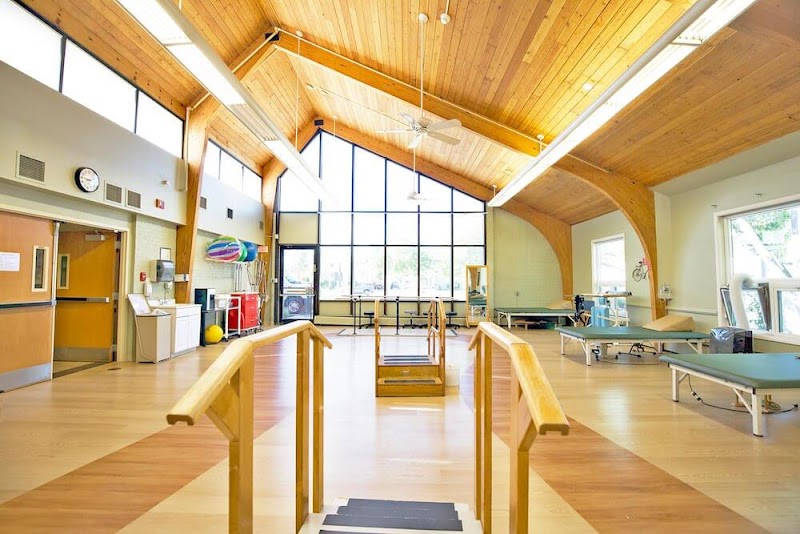
How is Burbank Rehabilitation Center Staffed?

CMS rates BURBANK REHABILITATION CENTER's staffing level at 2 out of 5 stars, which is below average compared to other nursing homes. Staff turnover is 35%, compared to the Illinois average of 46%. This relatively stable workforce can support continuity of care.

What Have Inspectors Found at Burbank Rehabilitation Center?

State health inspectors documented 67 deficiencies at BURBANK REHABILITATION CENTER during 2022 to 2025. These included: 11 that caused actual resident harm, 53 with potential for harm, and 3 minor or isolated issues. Deficiencies causing actual harm indicate documented cases where residents experienced negative health consequences.
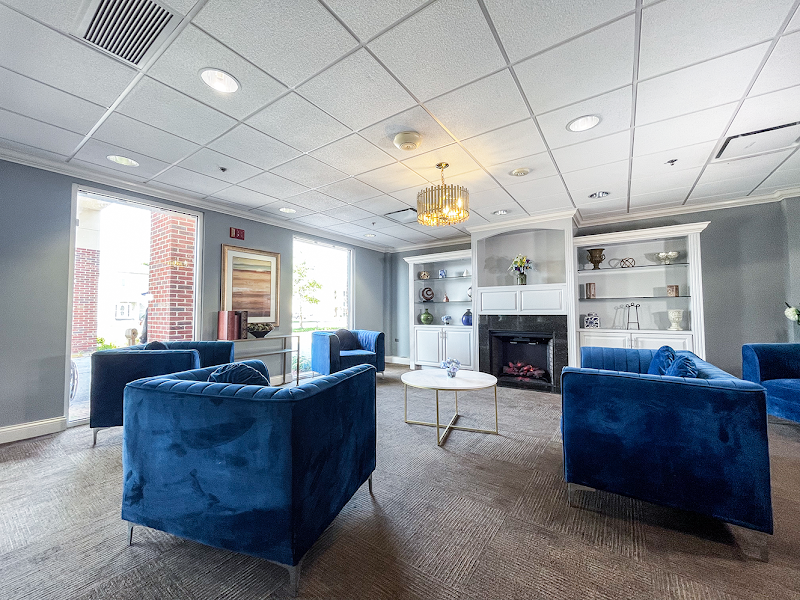
Who Owns and Operates Burbank Rehabilitation Center?

BURBANK REHABILITATION CENTER is owned by a for-profit company. For-profit facilities operate as businesses with obligations to shareholders or private owners. The facility is operated by EXTENDED CARE CLINICAL, a chain that manages multiple nursing homes. With 163 certified beds and approximately 103 residents (about 63% occupancy), it is a mid-sized facility located in BURBANK, Illinois.
How Does Burbank Rehabilitation Center Compare to Other Illinois Nursing Homes?

Compared to the 100 nursing homes in Illinois, BURBANK REHABILITATION CENTER's overall rating (2 stars) is below the state average of 2.5, staff turnover (35%) is significantly lower than the state average of 46%, and health inspection rating (2 stars) is below the national benchmark.

What Should Families Ask When Visiting Burbank Rehabilitation Center?

Based on this facility's data, families visiting should ask: "Can you walk me through typical staffing levels on day, evening, and night shifts?" "Can I visit during a mealtime to observe dining assistance and food quality?" "How do you handle medical emergencies, and what is your hospital transfer rate?" "Can I speak with family members of current residents about their experience?" These questions are particularly relevant given the below-average staffing rating.

Is Burbank Rehabilitation Center Safe?

Based on CMS inspection data, BURBANK REHABILITATION CENTER has a clean safety record: no substantiated abuse findings (meaning no confirmed cases of resident harm), no Immediate Jeopardy citations (the most serious violation level indicating risk of serious injury or death), and is not on the Special Focus Facility watch list (a federal program monitoring the lowest-performing 1% of nursing homes). The facility has a 2-star overall rating and ranks #100 of 100 nursing homes in Illinois. While no facility is perfect, families should still ask about staff-to-resident ratios and recent inspection results during their visit.

Do Nurses at Burbank Rehabilitation Center Stick Around?

BURBANK REHABILITATION CENTER has a staff turnover rate of 35%, which is about average for Illinois nursing homes (state average: 46%). Moderate turnover is common in nursing homes, but families should still ask about staff tenure and how the facility maintains care continuity when employees leave.

Was Burbank Rehabilitation Center Ever Fined?

BURBANK REHABILITATION CENTER has been fined $240,121 across 6 penalty actions. This is 6.8x the Illinois average of $35,480. Fines at this level are uncommon and typically indicate a pattern of serious deficiencies, repeated violations, or failure to correct problems promptly. CMS reserves penalties of this magnitude for facilities that pose significant, documented risk to resident health or safety. Families should request specific documentation of what issues led to these fines and what systemic changes have been implemented.

Is Burbank Rehabilitation Center on Any Federal Watch List?

BURBANK REHABILITATION CENTER is not on any federal watch list. The most significant is the Special Focus Facility (SFF) program, which identifies the bottom 1% of nursing homes nationally based on persistent, serious quality problems. Not being on this list means the facility has avoided the pattern of deficiencies that triggers enhanced federal oversight. This is a positive indicator, though families should still review the facility's inspection history directly.