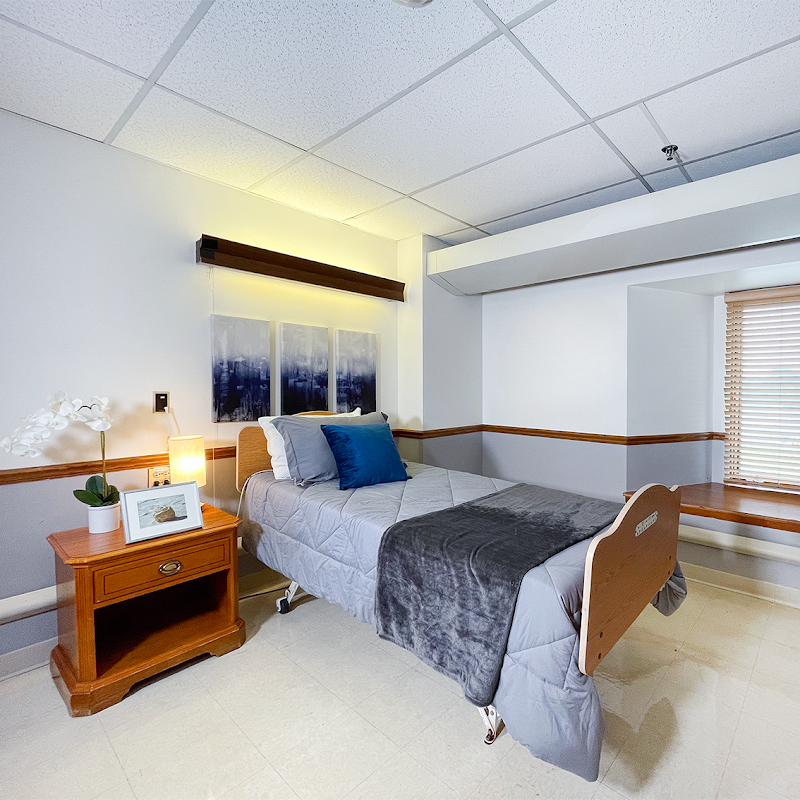
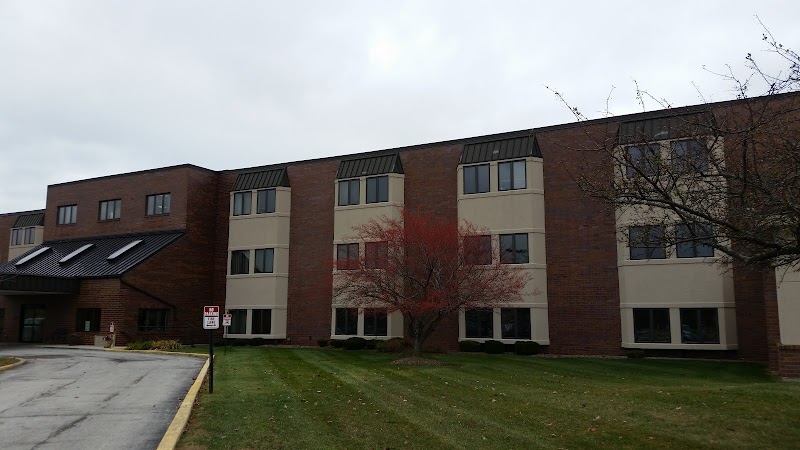
PRAIRIE MANOR NRSG & REHAB CTR

345 DIXIE HIGHWAY, CHICAGO HEIGHTS, IL 60411 (708) 754-7601
For profit - Limited Liability company 148 Beds EXTENDED CARE CLINICAL Data: November 2025
Trust Grade
40/100
#278 of 665 in IL
Last Inspection: July 2024

Within standard 12-15 month inspection cycle. Federal law requires annual inspections.

Overview

Prairie Manor Nursing and Rehabilitation Center has a Trust Grade of D, indicating below-average quality and some concerns about care. It ranks #278 out of 665 facilities in Illinois, placing it in the top half, and #87 out of 201 in Cook County, suggesting there are only a few local options that are better. The facility's trend is stable, with 2 reported issues in both 2024 and 2025, but staffing is a significant weakness, rated at only 1 out of 5 stars with a concerning level of RN coverage, lower than 90% of Illinois facilities. While there have been no fines reported, there were serious incidents that raised alarms, including a resident falling due to a lack of adequate supervision, which resulted in a fatal injury, and another resident experiencing mental distress because their request to return home was not honored. Overall, while there are some strengths, such as a good health inspection rating, the issues noted highlight significant areas that families should consider carefully.

Trust Score
D
40/100
In Illinois
#278/665
Top 41%
Safety Record
High Risk
Review needed
Inspections
Holding Steady
2 → 2 violations
Staff Stability
○ Average
36% turnover. Near Illinois's 48% average. Typical for the industry.
Penalties
✓ Good
No fines on record. Clean compliance history, better than most Illinois facilities.
Skilled Nurses
⚠ Watch
Each resident gets only 20 minutes of Registered Nurse (RN) attention daily — below average for Illinois. Fewer RN minutes means fewer trained eyes watching for problems.
Violations
⚠ Watch
31 deficiencies on record. Higher than average. Multiple issues found across inspections.
★★★☆☆
3.0
Overall Rating
★☆☆☆☆
1.0
Staff Levels
★★★★☆
4.0
Care Quality
★★★★☆
4.0
Inspection Score
Stable
2024: 2 issues
2025: 2 issues

The Good

  • 4-Star Quality Measures · Strong clinical quality outcomes
  • Full Sprinkler Coverage · Fire safety systems throughout facility
  • No fines on record
  • Staff turnover below average (36%)

    12 points below Illinois average of 48%

Facility shows strength in quality measures, fire safety.

The Bad

3-Star Overall Rating

Near Illinois average (2.5)

Meets federal standards, typical of most facilities

Staff Turnover: 36%

Near Illinois avg (46%)

Typical for the industry

Chain: EXTENDED CARE CLINICAL

Part of a multi-facility chain

Ask about local staffing decisions and management

The Ugly 31 deficiencies on record

4 actual harm
Apr 2025 1 deficiency
CONCERN (E) 📢 Someone Reported This

A family member, employee, or ombudsman was alarmed enough to file a formal complaint

Potential for Harm - no one hurt, but risky conditions existed

Accident Prevention (Tag F0689)

Could have caused harm · This affected multiple residents

**NOTE- TERMS IN BRACKETS HAVE BEEN EDITED TO PROTECT CONFIDENTIALITY** Based on interview and record review, the facility failed to develop and implement effective fall interventions related to the r...

Read full inspector narrative →
**NOTE- TERMS IN BRACKETS HAVE BEEN EDITED TO PROTECT CONFIDENTIALITY** Based on interview and record review, the facility failed to develop and implement effective fall interventions related to the root cause of a resident with multiple falls. This affected one of three residents (R1) reviewed for falls. This failure resulted in R1 having six falls in six months with no change in fall interventions. Findings Include: R1 is an [AGE] year old with the following diagnosis: Parkinson's disease, functional quadriplegia, difficulty in walking, and orthostatic hypotension. A Plan of Care note dated [DATE] documents the nurse was called to R1's room by another staff member. The nurse observed R1 on the floor sitting in front of the wheelchair. R1 was assisted back to the wheelchair. The Care Plan dated [DATE] documents R1 is a high fall risk related to diagnosis of Parkinsonism, weakness, syncope, depression, and coronary artery disease. Interventions were added after each fall. The following interventions were documented on [DATE]: anticipate and meet R1's needs, follow facility fall protocol, and be sure R1's call light is within reach and encourage R1 to use it for assistance as needed. R1 needs prompt response to all requests for assistance. The Fall Report dated [DATE] documents a staff member called the floor nurse to R1's room where R1 was observed sitting on the floor in front of R1's wheelchair. R1 reported R1 was trying to get into the wheelchair and slid onto the floor because R1 did not lock the wheelchair. R1 was alert to person, place, and time. There's no documentation of any additional interventions put in place after this fall. A Nursing note dated [DATE] documents the nurse heard R1 calling up for help. Upon entering the room, R1 was on the floor with R1's back against the bed. R1 was in a sitting position. R1 told staff R1 was trying to self-transfer from the bed to the wheelchair when R1 slid to the floor from the bed. The Care Plan from [DATE] had interventions added from after the fall on [DATE]. The following interventions were documented on [DATE]: R1 needs a safe environment with even floors free from spills and/or clutter, adequate/glare-free light, working and reachable call light, bed in the low position, and personal items within reach; R1 needs activities that minimize the potential for falls providing diversion and distraction. The Care Plan dated [DATE] documents R1 is high risk for falls. An intervention dated [DATE] documents physical therapy will evaluate and treat R1. The Fall Report dated [DATE] documents R1 was calling out for help and upon entering the room, R1 was observed sitting on the floor with R1's back against the bed. R1 stated R1 was trying to self-transfer from the bed to the wheelchair and slid to the floor. The level of consciousness or mental status was not documented. There is no documentation of any additional interventions put in place after this fall. A Nursing note dated [DATE] documents R1 was observed in R1's room in a sitting position. R1 stated the dresser fell on R1's right ankle as R1 is trying to open the dresser where the belongings were kept. R1 complained of right ankle pain. The nurse practitioner was informed and ordered an x-ray to the right leg, right ankle, and right upper back. The incident was immediately reported to maintenance and the dresser was replaced with a new dresser. The Care Plan from [DATE] had interventions added from after the fall on [DATE]. The following intervention was documented on [DATE]: encourage R1 to use the call light for assistance with needs. The Fall Report dated [DATE] documents R1 was observed in a sitting position in R1's room. R1 reported trying to reach for a belonging in R1's dresser when the dresser fell on R1's legs. R1 complained of the upper right back and right ankle hurting. The nurse practitioner was notified and ordered x-rays. Maintenance was notified and made immediate corrective action. The old dresser was replaced with a new one. There is no documentation on R1's mental status or level of consciousness. There is no documentation any additional interventions were put in place after this fall. A Nursing note dated [DATE] documents R1 was found on the ground on the side of the bed during rounds. R1 stated R1 was trying to get into bed and slid out of the wheelchair. When asked why R1 didn't use the call light for help, R1 stated, I thought I could do it. The area was free from spills or objects. R1 had gym shoes on R1's feet. R1 denied all pain or discomfort. The Care Plan from [DATE] had interventions added after the fall on [DATE]. The following interventions were documented on [DATE]: anticipate and meets R1's needs; follow facility fall protocol; and be sure R1's call light is within reach and encourage R1 to use it for assistance as needed. R1 needs prompt response to all requests for assistance. These are the exact same interventions that were documented after the fall on [DATE]. Other interventions for this care plan include ensure that R1 is wearing appropriate footwear when ambulating or mobilizing in a wheelchair and educate R1 and family about safety reminders and what to do if a fall occurs. It is documented R1 had on appropriate footwear during this fall. The Care Plan from [DATE] had interventions added from after the fall on [DATE]. The following intervention was documented on [DATE]: physical therapy to evaluate and treat as ordered. The Fall Report dated [DATE] documents R1 was found sitting on the floor on the side of the bed. R1 reported trying to get R1 into bed from the wheelchair and slid. R1 thought R1 could do this unassisted so R1 did not call for help. The area remains free from spills and R1 had on gym shoes during the fall. R1 was alert to person, place, and situation. There's no documentation of any additional interventions were put in place after this fall. A Nursing note dated [DATE] at 8:03 PM documents R1 fell and had no injury. R1 was attempting to go to the bathroom unassisted and fell. A new order was put in place to encourage fluids. The Care Plan from [DATE] had interventions added from after the fall on [DATE]. The following interventions were documented on [DATE] and [DATE]: move R1 closer to the nurse's station and encourage R1 to participate in activities that promote exercise and physical activity for strengthening/improved mobility. The Fall Report dated [DATE] documents R1 was observed on the floor on the side of the wheelchair and R1's room. R1 reported R1 attempted to go to the bathroom. R1 was alert to person, place, and situation. No injuries were noted at the time of the fall. There's no documentation of any additional interventions were put in place after the fall. A Nursing note dated [DATE] documents the CNA notified the nurse R1 was found sitting on the floor mat. R1 stated R1 was going to the bathroom unassisted. R1 was educated on the importance of putting on the call that when needed. A full body assessment was completed, and no visible injuries were noted. The Care Plan from [DATE] had interventions added from after the fall on [DATE]. The following intervention was documented on [DATE]: offer toileting assistance after meals and activities/before bedtime. The Fall Report dated [DATE] documents R1 was found sitting on the floor on the floor mats beside the bed by the CNA. R1 reported R1 was going to the washroom. No visible injuries were noted. R1 was alert and oriented to place. There's no documentation of any additional interventions were put in place after this fall. A Nursing note dated [DATE] documents this is post fall documentation. Bruising was noted to R1's mid forehead, right eyebrow, and around the right eye. The right side of the forehead had a closed scab near the upper head. The nurse practitioner was notified and assessed on face. No new orders at this time. On [DATE] at 12:55PM, V1 (Nurse) stated V1 was the nurse during the [DATE] fall. V1 reported R1 used to be very independent before R1 started to decline around the beginning of 2025. V1 reported R1 has Parkinson's and kept declining and was getting weaker. V1 stated the fall in 09/2024 was caused by R1 self-transferring to the wheelchair unassisted and the wheelchair was not locked. V1 reported R1 was alert and oriented times 2 to 3 at the time of the fall. V1 stated the restorative nurse put in all fall interventions and the staff nurses make sure the fall interventions are in place. V1 denied knowing how fall interventions are chosen. On [DATE] at 1:23PM, V2 (Restorative Aide/CNA) stated R1 was ambulatory when R1 arrived to the facility. V2 stated R1 was in the walking and transferring restorative program at this time. V2 reported as R1 was declining the restorative programs changed to bed mobility and dressing. V2 confirmed the changes in the program were made at the beginning of 2025. V2 reported R1 began getting weaker and more confused as the decline continued. V2 stated since R1 was ambulatory in the beginning, no physical interventions were put in place, but R1 was educated on using the call light and not getting up without help. V2 reported new interventions are put in place after each fall. V2 reported the interventions are documented in the care plans so staff can reference them when needed. V2 stated all of R1's falls were due to R1 trying to self transfer or walk alone. V2 could not recall any other interventions for falls. On [DATE] at 3:18PM, V3 (Nurse) stated V3 was the nurse during the [DATE] fall. V3 reported R1 fell because R1 was reaching out for a personal belonging, and the dresser fell on top of R1's leg, knocking R1 out of the wheelchair. V3 reported R1 was found on the floor. V3 stated the staff nurse, or the restorative nurse can put in a new intervention after a fall. V3 denied remembering what intervention was put in place after this fall. V3 stated R1 was alert and oriented times three at the time of the fall. V3 was not able to recall R1's functional status or if R1 was a high fall risk. On [DATE] at 3:32PM, V4 (Nurse) stated V4 was R1's nurse on [DATE]. V4 stated V4 last saw R1 during dinner time and a CNA called V4 about 30 minutes later to let V4 know R1 was found on the floor. V4 reported R1 told V4 that R1 was going to the washroom unassisted. V4 stated telling R1 that R1 had to use the call light before getting up. V4 denied R1 had any injuries. V4 stated R1 was confused, but still able to communicate R1's needs. V4 stated the floor nurse can put in fall interventions, but management can alter the fall interventions. V4 stated interventions are chosen based on what the cause of the fall is before reported, this is done to stop any other falls from happening in the same manner. V4 denied remembering what fall intervention was put in place after the fall on [DATE]. On [DATE] at 4:22PM, V5 (Nurse) stated while doing hourly rounds R1 was found on the floor near R1's wheelchair. V5 reported R1 was trying to self-transfer either to the bed or to the wheelchair unassisted on [DATE]. V5 denied R1 used the call light for assistance. V5 confirmed R1 had a habit of getting up without using the call and trying to take care of R1's needs alone. V5 stated R1 was alert and oriented times two at the time of the fall. V5 reported V5 reminding R1 to use the call light before transferring due to R1 being unsteady. V5 was unaware of R1's decline but was not able to answer any other questions due to only taking care of R1 two times. V5 denied knowing R1's transfer needs. V5 stated interventions were put in place for R1 after the fall. V5 couldn't remember what interventions were put in place in the care plan. V5 stated the restorative nurse will put in the fall interventions that best fit the resident to prevent any other falls from reoccurring in the same manner. On [DATE] at 6:03PM, V6 (Nurse) stated V6 was the nurse during the fall on [DATE]. V6 reported R1 kept getting up unassisted, but R1's health was declining. V6 stated R1 was getting weaker. V6 reported R1 was found on the floor in R1s room. V6 stated R1 was trying to use the bathroom alone. V6 reported all nurses have to put in a new intervention after a fall. V6 denied remembering what was put in place for R1 and denied remembering any other fall interventions. V6 did report that R1's room was moved closer to the nurse's station. V6 reported R1's was a high fall risk due to being weaker. V6 stated restorative sees the resident after a fall to see if any other interventions can be put in place to prevent further falls. V6 reported all interventions are documented on the care plan. V6 denied being aware if fall interventions were assessed after being implemented for residents. When asked how the facility determines if a fall intervention is appropriate for a resident, V6 said, I don't know. On [DATE] at 12:53PM, V7 (Nurse) stated V7 was the nurse for R1 during the fall on [DATE]. V7 reported R1 was found sitting on the floor next to R1's bed. V7 stated R1 was alert oriented times three at the time the fall. V7 stated R1 was attempting to transfer from the bed to the wheelchair unassisted and couldn't make it to the wheelchair. V7 reported R1 slid onto the floor. V7 reported R1 normally transferred to the chair without assistance and then self-propelled around the facility. V7 stated R1 just missed the chair that time. V7 reported after this fall is when R1 began to get weak. V7 reported R1 knew how to put on the call light and ask for help but R1 refused to call for assistance. V7 stated staff were encouraged to increase monitoring for R1 for three days. V7 denied remembering what other interventions were put in place after this fall. V7 reported restorative will update the care plan with new interventions and floor staff are told in report or can also access the care cards for more information. V7 stated residents are assessed by restorative to see if they have the appropriate fall interventions in place. V7 was not able to answer how often residents are assessed for appropriate fall interventions. V7 reported fall interventions should mirror the type of fall and no intervention should be repeated if the same fall has happened more than once because this indicates it is not an intervention that is working for this resident. On [DATE] at 2:47PM, V9 (Restorative/Fall Nurse) stated R1 had multiple falls (V9 was unable to remember the exact number) due to R1 attempting to get up unassisted. V9 reported R1 was alert and oriented up until the last couple falls but could not say when R1's mental status decline happened. V9 stated R1 needed partial/moderate assistance with transfers. V9 reported R1 had Parkinson's disease which was the cause of R1's decline over the past couple months before R1 expired. V9 stated after a resident fall, a new intervention needs to be put in place to prevent the fall from happening again. V9 reported a new intervention has to be put in after each fall and match the cause of the fall so the fall will be less likely to occur again. V9 reported V9 will interview the resident and talk with staff to see if a cause of the fall can be determined. V9 stated each intervention is assessed after it is put in place for about one to two days after implementation. V9 stated V9 will talk with staff to see if the interventions that are in place are effective. V9 was unable to access the care plan, but stated physical therapy evaluations, education on call light use, keeping items within reach, and moving R1 closer to the nurse's station were some of the interventions put in place after the fall. V9 was not able to give dates of what interventions were placed when. V9 stated the floor nurse or V9 can put in an intervention after a fall. V9 denied staff ever bringing any concerns to V9 about R1's interventions not being effective. V9 stated that if staff makes V9 aware that a current intervention is ineffective than a new intervention will be put in place. V9 reported if the resident has had the same fall occur in the same manner, then a different intervention should be used for each fall. V9 stated interventions should never be repeated. When asked why R1 had multiple of the same fall interventions and if R1's fall interventions were effective, V9 reported the interventions were put in place but R1 refused to use the call light and staff were trying to manage R1's decline as best as possible. The Minimum Data Set (MDS) dated [DATE] documents a Brief Interview for Mental Status as ten (moderate cognitive impairment). Section GG of the MDS documents R1 is dependent with all ADL care except eating, needs partial/moderate assistance with bed mobility and transfers and substantial/maximal assistance with walking. Section J of the MDS documents R1 has had falls since the previous assessments but the falls did not have any injury. The policy titled, Falls and Fall Risk, Managing, dated 08/2008 documents, Policy Statement: Based on previous evaluation and current data, the staff will identify interventions related to the resident specific risks and causes to try to prevent the resident from falling and to try to minimize complications from falling. Policy Interpretation and Implementation: 1. The staff, with the input of the attending physician, will identify appropriate interventions to reduce the risk of fall. If a systematic evaluation of a resident's fall risk, identify several possible interventions, the staff may choose to prioritize interventions .4. If falling recurs, despite initial interventions, staff implement additional or different interventions, or indicate why the current approach regimen remains relevant. 5. If underlying causes cannot be readily identified or corrected, staff will try various interventions, based on assessment of the nature or category of falling, until falling is reduced or stopped, or until the reason for the continuation of the fall is identified as unavoidable. 6. Staff will identify and implement relevant interventions to try to minimize serious consequences of falling. Monitoring Subsequent Falls and Fall Risk: 1. The staff will monitor and document each resident response to interventions intended to reduce falling or the risks of falling .3. If the resident continues to fall, staff will reevaluate the situation and whether it is appropriate to continue or change current interventions. As needed, the attending physician will help the staff reconsider possible causes that may not previously have been identified. 4. The staff and/or physician will document the basis for conclusion that specific irreversible factors exist that continue to present a risk factor for falling or injury due to falls.
Feb 2025 1 deficiency
CONCERN (D) 📢 Someone Reported This

A family member, employee, or ombudsman was alarmed enough to file a formal complaint

Potential for Harm - no one hurt, but risky conditions existed

Pressure Ulcer Prevention (Tag F0686)

Could have caused harm · This affected 1 resident

**NOTE- TERMS IN BRACKETS HAVE BEEN EDITED TO PROTECT CONFIDENTIALITY** Based on observation, interview, and record review the facility failed to assess and monitor for pressure ulcers for a resident ...

Read full inspector narrative →
**NOTE- TERMS IN BRACKETS HAVE BEEN EDITED TO PROTECT CONFIDENTIALITY** Based on observation, interview, and record review the facility failed to assess and monitor for pressure ulcers for a resident who is at high risk for pressure ulcers. This deficiency affects one (R2) of three residents reviewed for Pressure Ulcer Prevention Program. Findings include: On 2/13/25 at 11:25 AM, V4 (Wound Care Nurse) said that R2 was sent to the hospital on 1/24/25 for change in condition, R2 was observed unresponsive and abnormal vital signs. V4 said R2 only had scar tissue to the sacral area but no open skin. When R2 returned to the facility on 1/31/25, R2 returned with an unstageable wound that the hospital did debridement. V4 said that R2's son and husband were made aware of resident change of condition and hospital transfer. V4 said that R2's wound care is done weekly, and measurements are also done on a weekly basis and weekly wound rounds with MD. On 2/13/25 at 1:45PM, V2 (Director of Nursing) said that weekly skin assessments are completed during wound care treatments and are documented on shower sheets. V2 said she was unaware of R2 having a sacral wound, no staff verbalized any concerns for R2. On 2/13/25 at 1:45 PM, V11(Licensed Practical Nurse) said she was the nurse that sent R2 to the hospital at the start of her evening shift. R2 was observed with a change in condition, not her normal self. V11 notified Nurse practitioner and obtained orders to transfer to hospital. V11 said that she did wound treatment to bilateral lower extremities, but did not do a full body assessment before R2 left to hospital. V11 notified R2's son and husband of transfer. V11 said that skin assessments are done weekly and also when she has a shower a skin assessment is done and documented on the shower sheets. On 2/14/24 at 12:27 PM, V16 (Nurse Practitioner) said that on 1/24/25 when R2 was transferred to the hospital she was unaware of any wounds to the sacral area. R2 had multiple wounds on her legs, but not sacral area, V16 said that her expectations of the facility generally should be doing skin assessments on residents that are high at risk for developing ulcers more frequently than weekly skin assessments. R2 was initially admitted on [DATE] and was re-admitted on [DATE] with diagnosis listed in part but not limited to: CVA with left hemiparesis, Cognitive Communication deficit, muscle weakness with atrophy, PVD, epilepsy, dysphagia, metabolic encephalopathy, GERD, pulmonary nodule, anemia, T2DM, protein calorie malnutrition, Vit D deficiency, hyperlipidemia, hypertension, CKD, Encounter for change or removal of surgical wound dressing. admission and current Braden/skin assessment indicated that she is at high risk for developing pressure ulcers/skin impairments. Active physician order sheet indicated: Peri area/Buttocks: May apply Barrier cream after each incontinence episode. May keep at beside, CNA may apply. Pressure redistribution mattress, ProStat 30ml twice a day, Reposition as needed, Skin assessment weekly on shower days. Wound Care: Sacrum: Cleanse with Normal Saline, pat dry, apply Medi Honey with gauze to wound bed, gently fill wound space with fluffed gauze; apply Medi Honey gauze to open Peri wound areas, cover with Border gauze daily and as needed one time day. Comprehensive care plan indicates that she has pressure ulcer which increases her potential for additional pressure ulcer development. Intervention: Follow facility policies/protocols for the prevention/treatment of skin breakdown. R2 wound care observation made with V4 and V11. R2 medical record reviewed, Wound measurements, skin assessments, dietary notes, Progress notes, and Care plan. Wound Report from 7/2024 to 2/11/2025, Prevention of Pressure Wounds Policy, Accidents/Incidents logs from 10/2024 to 1/2025 and Shower Sheets from 11/01/24 to 1/25/25. Facility's policy on Prevention of Pressure Wounds. Effective March 2024.Purpose: The purpose of this procedure is to provide information regarding identification of pressure injury risk factors and interventions for specific risk factors. 9. Routinely assess and document the condition of the resident's skin per facility wound and skin care program for any signs and symptoms of irritation or breakdown. 3. For those unable to change own position, change position at least every 1 hour. 9. A healed injury. The history of a healed pressure injury and its stage (if known) is important, since areas of healed Stage III or IV pressure injuries are more likely to have recurrent breakdown. 1. Tools for assessing skin and pressure injury risk: a. Braden Risk Assessment Form b. Intervention Prevention Measures.
Jul 2024 2 deficiencies
CONCERN (D)

Potential for Harm - no one hurt, but risky conditions existed

Deficiency F0849 (Tag F0849)

Could have caused harm · This affected 1 resident

**NOTE- TERMS IN BRACKETS HAVE BEEN EDITED TO PROTECT CONFIDENTIALITY** Based on observation, interview, and record review the facility failed to ensure coordinated care was implemented by failure to ...

Read full inspector narrative →
**NOTE- TERMS IN BRACKETS HAVE BEEN EDITED TO PROTECT CONFIDENTIALITY** Based on observation, interview, and record review the facility failed to ensure coordinated care was implemented by failure to document hospice services rendered to resident's medical record that is available and accessible to interdisciplinary team (IDT). This deficiency affects two (R22 and R45) of three residents in the sample of 25 reviewed for Hospice care Management. Findings include: On 7/9/2024 at 11:00AM, V8 LPN (Licensed Practical Nurse) and V9 LPN said that R22 and R45 are both on hospice care. V9 showed the hospice binder/charts for both residents. Reviewed both hospice binder charts with V9. Noted no documents found for R22. The folder is empty, only visits log from 6/12/24 to 7/4/24. No IDT progress notes found. Noted R45 hospice documents in binder but missing IDT progress notes. Noted R45's hospice visit log from 6/10/24 to 7/9/24. V9 said usually when hospice care staff comes to visit hospice resident, they document in the hospice binder. V9 said that usually Social Services coordinate with hospice care management. On 7/9/24 at 11:33AM, V10 Social Service said that she is only responsible for referral to hospice vendors/services, the Social Service Director is the one responsible for making sure all hospice documents for coordinated care are in the hospice binder. On 7/9/24 at 11:48AM, V11 Hospice Social Service (HSS) said that he comes to see both R22 and R45. He said that the last time she visited both was last month but cannot remember the date. He said he did not log in and did not document his visit and services provided last month. He said that he cannot find the hospice binder and he cannot find a nurse from the unit to ask. He added that only the hospice nurses are required to document, he is social service, and he does not need to document in the hospice progress notes. V9 LPN overheard what V11 HSS told the surveyor, and she denied that there is no nurse available in the unit. V9 said that the binder is placed in the nursing station desk and there are always staff available in the unit if he needs assistance. On 7/9/24 at 11:53AM, V6 Medical Record said that she is responsible to make sure all hospice coordinated care documents are in place and updated in the hospice binder. She should be monitoring it weekly and uploading it in resident electronic chart. She said that she has not been doing it for a while. Reviewed R22 and R45 hospice records with V6. Noted no hospice documents/assessments/IDT progress notes in R22's folder. R45 does not have IDT progress notes, last progress notes dated 6/12/24 done by RN. On 7/11/24 at 10:00AM, Reviewed R22's hospice medical records with V9 LPN and noted that all documents were faxed by hospice provider dated 7/9/24 after the surveyor found out that there are no hospice documents in chart. R22 was admitted on [DATE] with diagnosis listed in part but not limited to History of Malignant neoplasm of breast, Chronic obstructive pulmonary disease, Vascular dementia with psychotic disturbance, history of transient ischemic attack and cerebral infarction. Active physician order sheet indicates she was admitted to hospice care on 4/24/24. Care plan indicates that she is admitted to hospice care due to overall decline in health. Hospice binder does not have hospice record documents except for IDT visit log from 6/12/24 to 7/4/24. R45 was admitted on [DATE] with diagnosis listed in part but not limited to Alzheimer's disease, Dementia with behavioral disturbance, Oral phase dysphagia, Acute Kidney disease, Peripheral vascular disease. Active physician order sheet indicates she was admitted to hospice care on 1/10/24. Care plan indicates that she is admitted to hospice care due to overall decline in health. Hospice binder does not have IDT progress notes documentation except for visit log dated from 6/10/24 to 7/9/24. Facility's policy on Hospice services indicates: Policy: It is the policy of this facility to honor the advance directives and care alternatives residents may desire when terminally ill and to afford residents with care that allows for dignity and comfort during the end of their lives. The facility will provide hospice services either directly or through arrangements with a qualified service provider. Standards: 6. All hospice service staff will write a progress note for each resident visit indicating treatment provided and pertinent information related to the resident's condition which is available in the medical record for all interdisciplinary staff to access. Hospice provider single patient agreement for residential hospice services provided in the nursing facility for R22 and R45 indicates: 7. Communications concerning hospice patient: The parties will communicate pertinent information with each other either verbally or in the hospice patient's record at least weekly or at each hospice patient visit to ensure that the needs of each hospice patient are addressed and met 24 hours per day. 11. Clinical Record.Each clinical record shall completely, promptly, and accurately document all services provided to and events concerning, the hospice patient (including . progress notes) as required by this agreement.
CONCERN (F)

Potential for Harm - no one hurt, but risky conditions existed

Food Safety (Tag F0812)

Could have caused harm · This affected most or all residents

Based on observation, interview, and record review the facility failed to monitor and record daily freezer and refrigerator temperatures for food safety. This deficiency may potentially affect all 123...

Read full inspector narrative →
Based on observation, interview, and record review the facility failed to monitor and record daily freezer and refrigerator temperatures for food safety. This deficiency may potentially affect all 123 residents receiving food from the facility. Findings include: On 7/9/2024 at 10:02AM, Rounds made to kitchen with V5 Dietary Manager (DM). Observed Freezer and Cooler/Refrigerator temperature were not monitored today. V5 said that the cook should monitor and record the temperature today at 5am. It was not done because they were short this morning. V5 read the current temperature of freezer at -3F (Fahrenheit) and Cooler/Refrigerator at 32F. Daily Freezer/Refrigerator temperature log July 2024. No temperature recording made for 7/9/24. Instruction: This log will be maintained for each refrigerator and freezer (both walk in and reach in units) in the facility. A designated food service employee will record the time, air temperature and their initials. The food service supervisor for each facility will verify that the food service employees have taken the required temperatures by visually monitoring food service employees and reviewing, initialing, and dating a sample of logs each month. Maintain this log for minimum of three years and until given permission to discard it. If corrective action is required on any day, circle the date in the first column and explain action taken on back of the chart or an attached sheet of paper. Refrigerators should be between 36F and 41F. Freezer should be between -10F to 0F. On 7/11/24 at 1:10PM, V5 DM said that they have only 1 resident on NPO (nothing by mouth). On 7/11/24 at 2:30PM, Informed V1 Administrator and V2 Director of Nursing of above concerns. On 7/12/24 at 10:35AM, Informed V12 [NAME] President of Culinary Services of concerns identified in kitchen that Freezer and Refrigerator temperature were not monitored and recorded on 7/9/24. The Refrigerator temperature was at 32F and it was not within the acceptable range per facility's policy. V12 said that refrigerator temperature should be between 36F to 40F, he will have maintenance look at it. Facility's policy on Food storage revised June 2023 indicates: It is the policy of Extended Care LLC that all food products will be stored under proper conditions of sanitation, temperature, light, moisture, ventilation, and security. Purpose: To meet all federal and state guidelines and protecting the safety of the resident from any cross contamination and food born illnesses. Process: 6. All readily perishable foods or beverages shall be maintained at temperatures of 7 degrees C (41 degrees F or below or at 60 degrees C (140 degrees F) or above, at all times, except for very short times during necessary periods of preparation or service. 7. Frozen foods shall be stored at minus) degrees or below at all times. (There is an accurate thermometer in each refrigerator and freezer)
Aug 2023 9 deficiencies
CONCERN (D)

Potential for Harm - no one hurt, but risky conditions existed

Resident Rights (Tag F0550)

Could have caused harm · This affected 1 resident

Based on observation, interview and record review the facility failed to maintain dignity and respect during dining observation for one of one resident (R99) reviewed for resident rights in a sample o...

Read full inspector narrative →
Based on observation, interview and record review the facility failed to maintain dignity and respect during dining observation for one of one resident (R99) reviewed for resident rights in a sample of 25. Findings include: On 8/1/2023 at 12:15pm V20 (Certified Nursing Assistant-CNA) was observed standing over R99 assisting with feeding a meal. On 8/1/2023 at 12:18pm V20 said we don't have any chairs in this dining room, yes, I should be sitting down while assisting with meals. On 8/1/2023 at 2:30pm V3 (Director of Nursing-DON) said I expect all staff to respect the residents and have a seat while assisting with meals. A Care-plan dated 10/31/2022 R99 requires a mechanical soft diet. Facility Policy: Resident Rights Protocol for all Nursing Procedures 1. Prior to having direct-care responsibilities for residents, staff have appropriate in-service training on resident rights including: a. Resident dignity and respect:
CONCERN (D)

Potential for Harm - no one hurt, but risky conditions existed

Deficiency F0558 (Tag F0558)

Could have caused harm · This affected 1 resident

**NOTE- TERMS IN BRACKETS HAVE BEEN EDITED TO PROTECT CONFIDENTIALITY** Based on observation, interview, and record review, the facility failed to ensure that the call light was within reach for one (...

Read full inspector narrative →
**NOTE- TERMS IN BRACKETS HAVE BEEN EDITED TO PROTECT CONFIDENTIALITY** Based on observation, interview, and record review, the facility failed to ensure that the call light was within reach for one (R70) out of seven residents reviewed for accommodation of needs in a sample of 25. Findings Include: On 08/02/23 at 11:15 AM, R70 was observed sitting in her wheelchair. Her call light was on the floor and not within her reach. On 8/2/2023 at 11:20 AM, V24 (CNA) observed that R70 call light was on the floor and not within the reach of R70. V24 said that the call light should be within R70's reach. On 8/2/2023 at 11:22 AM, V16 (Licensed Practical Nurse) said that call light should be within R70 reach. On 8/3/2023 at 12:00 PM, V3 (Director of Nursing) said that the call light within the resident's reach. R70 is an 86 years female admitted on [DATE] with diagnosis not limited to acute or chronic diastolic (congestive) heart failure, difficulty in walking, major depressive disorder, and acute kidney failure. R70 care plan dated 6/20/2022 documents: Keep call light in reach at all times. Facility Call Light Policy Purpose: The purpose of this procedure is to respond to the resident's requests and needs. General Guidelines: 5. When the resident is in bed or confined to a chair be sure the call light is within easy reach of the resident.
CONCERN (D)

Potential for Harm - no one hurt, but risky conditions existed

Comprehensive Care Plan (Tag F0656)

Could have caused harm · This affected 1 resident

**NOTE- TERMS IN BRACKETS HAVE BEEN EDITED TO PROTECT CONFIDENTIALITY** Based on observation, interview and record review the facility failed to develop individualized comprehensive care plan to resid...

Read full inspector narrative →
**NOTE- TERMS IN BRACKETS HAVE BEEN EDITED TO PROTECT CONFIDENTIALITY** Based on observation, interview and record review the facility failed to develop individualized comprehensive care plan to resident to meet his medical, nursing, and physiological needs in the facility. This deficiency affects one (R232) of three residents in the sample of 25 reviewed for Resident's comprehensive care plan. Findings include: On 8/1/23 at 10:50am, V15 LPN and V16 LPN said that R232's has indwelling catheter, biliary drainage, and on contact isolation for Clostridium difficile (C. Diff) infection. Observed R232's lying in bed. On 8/2/23 at 12:33pm, Review R232's medical record with V5 MDS (Minimum Data Set)/Care plan Coordinator. R232 is admitted on [DATE] with diagnosis listed in part but not limited to Calculus of gallbladder status post cholecystectomy, Urinary retention, Diabetes Mellitus type 2, Clostridium Difficile colitis. Physician order sheet indicated: Insulin lispro 4 units subcutaneous with meals four times a day to manage blood glucose. Heparin solution 5,000 units subcutaneous three times a day for clot management. Indwelling catheter care every shift. Change for blockage or leaking. Biliary drain: cleanse site with soap and water, apply split sponge dressing every 48 hours and PRN. Flush with 10ml of normal saline every 48 hours. Do not aspirate. Review R232's comprehensive care plan with V5 MDS/Care plan Coordinator. V5 said that there is no care plan for R232 regarding his contact isolation for C. diff, indwelling catheter usage, insulin usage, biliary drainage care and heparin injection usage. V5 said that they overlook in formulating comprehensive care plan for R232's addressing his medical needs. V5 said that interim care plan is formulated within 24 hours upon admission and comprehensive care plan is formulated within 14 days upon admission. Facility's policy on Comprehensive Care plan indicates: Policy: An individualized comprehensive care plan that includes measurable objectives and timetables to meet the resident's medical, nursing, mental and or psychological needs is developed for each resident. Policy specification: 3. Each resident's comprehensive care plan has been designed to: a. Incorporate identified problem areas b. Incorporate risk factors associated with identified problems e. Identify the professional services that are responsible for each element of care f. Aid in preventing or reducing declines in the resident's functional status or functional levels g. Enhance the optimal functioning of the resident by focusing on a rehabilitative program as needed i. Reflect the resident's needs and preferences and align with the resident's cultural identity.
CONCERN (D)

Potential for Harm - no one hurt, but risky conditions existed

Deficiency F0658 (Tag F0658)

Could have caused harm · This affected 1 resident

**NOTE- TERMS IN BRACKETS HAVE BEEN EDITED TO PROTECT CONFIDENTIALITY** Based on observation, interview and record review the facility failed to follow its policy on medication safety by finding medic...

Read full inspector narrative →
**NOTE- TERMS IN BRACKETS HAVE BEEN EDITED TO PROTECT CONFIDENTIALITY** Based on observation, interview and record review the facility failed to follow its policy on medication safety by finding medications without physician order at resident's bedside. This deficiency affects one (65) of three residents in the sample of 25 reviewed for Resident's safety. Finding include: On 8/1/23 at 12:38pm, Observed R65 lying in bed. Observed the following medications at R65's bedside tray table in front of him namely: Diaper rash ointment (Desitin cream), Zinc oxide ointment, hemorrhoidal ointment, Hydrocortisone cream ([NAME] eczema cream), Neuropathy cream, and Diaper rash cream (Riley's butt cream) labeled for another resident's name. R65 said that these are all his medications, and he is using it. He said that his daughter brought these medications several weeks ago and applied when she comes to visit. Called V16 LPN to R65's room and showed the medications at bedside tray table. V16 said that medications probably brought by his family. V16 said that R65 should not have medications at bedside without order from the physician. V16 said that Diaper rash cream (Riley's butt cream) belongs to a discharged resident. V16 said that she will remove all the medications and will give it to V3 DON. On 8/1/23 at 2:10pm, Informed V3 DON of above observation. V3 said that R65 cannot have medication at bedside without physician order. V3 said that R65 cannot use treatment medication of another resident. Facility's policy on Medication administration indicates: Policy: Medications are administered as prescribed in accordance with good nursing principles and practices and only by persons legally authorized to do so. Personnel authorized to administer medications do so only after they have been properly oriented to the medication management system in the facility. The facility has sufficient staff and a medication distribution system to ensure safe administration of medications without unnecessary interruptions. Procedures: B. Administration 2) Medications are administered in accordance with the written order of the prescriber 14) Residents are allowed to self-administer medications when specifically authorized by the attending physician and in accordance with procedures for self-administration of medications. 15) Medication supplied for one resident are never administered to another resident.
CONCERN (D) 📢 Someone Reported This

A family member, employee, or ombudsman was alarmed enough to file a formal complaint

Potential for Harm - no one hurt, but risky conditions existed

Pressure Ulcer Prevention (Tag F0686)

Could have caused harm · This affected 1 resident

**NOTE- TERMS IN BRACKETS HAVE BEEN EDITED TO PROTECT CONFIDENTIALITY** Based on observation interview and record review the facility failed to monitor the low air loss mattress is functioning properl...

Read full inspector narrative →
**NOTE- TERMS IN BRACKETS HAVE BEEN EDITED TO PROTECT CONFIDENTIALITY** Based on observation interview and record review the facility failed to monitor the low air loss mattress is functioning properly on a resident who has multiple stage 4 and unstageable of pressure ulcers. The facility also failed to follow the manufacturer recommendation of avoiding multiple layers of linens over the Low Air Loss mattress. This deficiency affects one (R122) of three residents in the sample of 25 reviewed for Pressure ulcer Management. Findings include: R122 is re-admitted on [DATE] with diagnosis listed in part but not limited to Hemiplegia and Hemiparesis following Cerebral Infarction affecting left non-dominant side, Metabolic Encephalopathy. Physician order sheet indicated: Pressure reducing mattress continuous. Care plan indicated: R122 has pressure ulcers noted at re-admission, and is at risk for slow, no healing of wound and further breakdown related to immobility, CVA (cerebrovascular accident) with left hemi, Diabetes, Anemia, Chronic Kidney disease and Protein calorie malnutrition. Wound report dated 7/31/23 indicated: 1) Left thumb- stage 2 Pressure Ulcer (PU), dated identified-7/26/23, 1.5x1.5x0.1cm. 2) Sacrum- stage 4 PU, date identified-7/19/23, present on admission, 12.8x7.5x0.3cm. 3) Left thigh posterior ischial- stage 2 PU, date identified-7/19/23 , present on admission 0.2x0.2x0.1cm. 4) Left top of foot lateral foot- necrotic PU , date identified -7/19/23, present on admission, 5x2cm. 5) Left ankle- necrotic PU, dated identified-7/19/23, present on admission, 3x3cm. 6) Left lateral heel- necrotic PU, date identified-7/19/23, present on admission, 5x6.8cm. 7)Right top of foot bunion area- PU, date identified-7/19/23, present on admission, 1.5x1cm. 8) Right top of medial foot-PU, date identified-7/19/23, present on admission, 2x2cm. 9) Right ankle medial malleolus-PU, date identified-7/19/23, present on admission, 1x2.5cm. On 8/2/23 at 11:05am, Observed R122 lying in Low Air Loss mattress with booster on each side of the bed attached. Noted Low Air Loss mattress control unit located at the foot part of the bed is off. V9 Wound Care Nurse (WCN) and V19 Wound Care Physician (WCP) preparing for wound dressing of R122 while V18 CNA is preparing R122 for wound care. On 8/2/23 at 11:15am, Before V9 WCN and V18 CNA trying to reposition R122 for wound care, informed them of Low Air Loss mattress control unit is off. V9 checked on the control unit and the cord connected to the mattress. The control unit does not have lit on. V9 said that the cord is not properly connected. V9 corrected it and the Low Air Loss mattress control unit turns on. V9 and V18 repositioned R122 to his side, observed bath blanket folded in quarter underneath R122. Informed V9 of observation made. V9 said that R122 should only be on flat sheet over the Low Air Loss mattress. V9 educated V18 that only flat sheet is placed for resident on Low Air Loss mattress, no multiple layers of linen. V9 WCN provided wound care to R122 assisted by V19 WCP and V18 CNA. On 8/2/23 at 11:47am, V9 WCN said that she expected the staff - nurses and CNAs to monitor residents on Low Air Loss mattress control unit is on and it's functioning properly. V9 said that no multiple layer of linens is placed on Low Air Loss mattress, only flat sheet. On 8/2/23 at 11:50am, V18 CNA said that she is did not check this morning if R122's Low Air Loss mattress control unit is on and it's functioning properly. On 8/3/23 at 9:50am, V9 WCN said that she did gave in-services to staff regarding: monitor function of low air loss mattress and proper linen on low air low mattress yesterday and gave copy of the in-service meeting done. Facility's policy on Pressure /Skin Breakdown-Clinical Protocol indicates: Policy specification: 7. The physician will authorize pertinent orders related to wound treatments including pressure redistribution surfaces, wound cleansing and debridement approaches, dressing (occlusive, absorptive etc.) and application of topical agents. Facility's policy on Support Surface Guidelines indicates: Purpose: To provide guidelines for the assessment of appropriate pressure reducing and relieving devices for the residents at risk of skin breakdown. General Guidelines: 1. Pressure-reducing and pressure-relieving devices are to promote comfort for all bed-or chair bound residents, prevent skin breakdown, promote circulation, and provide pressure relief or reduction. Assessment: 1. Any individual at risk for developing pressure injuries should be placed on a pressure-reducing device such as foam, static air or alternating air when lying in bed. Intervention/Care strategies 1. Any individual at risk for developing pressure injuries should be placed on a pressure-reducing device such as foam, static air or alternating air when lying in bed. Facility provided copy of Low air loss mattress manufacturing guideline indicated: Step 2. Cover the mattress with a cotton sheet.
CONCERN (D)

Potential for Harm - no one hurt, but risky conditions existed

Accident Prevention (Tag F0689)

Could have caused harm · This affected 1 resident

**NOTE- TERMS IN BRACKETS HAVE BEEN EDITED TO PROTECT CONFIDENTIALITY** Based on observation, interview and record review the facility failed to complete smoking assessment of resident upon admission ...

Read full inspector narrative →
**NOTE- TERMS IN BRACKETS HAVE BEEN EDITED TO PROTECT CONFIDENTIALITY** Based on observation, interview and record review the facility failed to complete smoking assessment of resident upon admission who has history of conviction of arson. This deficiency affects one (R87) of three resident reviewed for Smoking Safety management. Findings include: On 8/1/23 at 11:00am V15 LPN and V16 LPN said that R87 is a smoker. On 8/1/23 at 1:22pm, Observed R87 propelling himself in the 1st floor unit. He said that he smokes without supervision. On 8/3/23 at 11:36am, Review R87's medical records with V11 Director of Social Services. R87 is admitted on [DATE]. Care plan indicated that he is identified offender. He was convicted of Arson in 1983 and retailed theft in 1987. Resident was assessed to be at risk for aggression based on this facility's aggression assessment. V11 said that she did not complete R87's smoking assessment upon admission. She completed it only when requested for it on 8/1/23. She said it was not done because she was on vacation when R87 was admitted . Facility's policy on Resident's smoking indicates: Purpose: To establish guidelines to prohibit smoking by residents and visitors in the building except in designated areas. To establish guidelines for the specific circumstances I which residents may smoke in the designated areas and when increased supervision is required. Policy Specifications: 1. All residents who desire to smoke will be assessed by the interdisciplinary team to determines if the individual is appropriate for independent smoking.
CONCERN (D)

Potential for Harm - no one hurt, but risky conditions existed

Incontinence Care (Tag F0690)

Could have caused harm · This affected 1 resident

Based on observation, interview, and record review the facility failed to secure catheter tubing for one resident (R40) of three residents reviewed for catheters in the sample of 25. Findings include:...

Read full inspector narrative →
Based on observation, interview, and record review the facility failed to secure catheter tubing for one resident (R40) of three residents reviewed for catheters in the sample of 25. Findings include: On 8/1/23 at 1:16 PM R40's indwelling urinary catheter was draining clear violet colored urine in the tubing. The urine in the collection bag was dark and brownish tinted. The catheter tubing is not secured to the resident's leg or body. On 8/1/23 at 1:20 PM V5 (Registered Nurse) said the catheter should be attached. On 8/1/23 at 1:50 PM V25 (Licensed Practical Nurse) said the catheter should be attached. She could pull on it. R40's wound care notes indicate that she has a Stage IV pressure ulcer on the sacrum. R40's Care Plan indicates that she requires indwelling (urinary) catheter R/T (related to) sacral wound. Policy: (Urinary) Catheter Insertion, Female Resident Revised August 2008 Steps in the Procedure 21. Attach catheter to drainage tubing. Tape catheter to inner thigh or secure with leg band. Secure drainage tubing to bottom bed sheet with clip from drainage set.
CONCERN (D)

Potential for Harm - no one hurt, but risky conditions existed

Deficiency F0849 (Tag F0849)

Could have caused harm · This affected 1 resident

Based on observation, interview and record review the facility failed to follow its policy by failure to obtain physician order prior to provide hospice care services and resident's hospice medical re...

Read full inspector narrative →
Based on observation, interview and record review the facility failed to follow its policy by failure to obtain physician order prior to provide hospice care services and resident's hospice medical records available and accessible to all interdisciplinary staff. This deficiency affects one (R108) of three resident in the sample of 25 reviewed for Hospice Care Services. Findings include: On 8/1/23 at 11:00am, V15 LPN and V16 LPN said that R108 is on hospice care services. V16 said the hospice binder or folder usually by the nursing station but she cannot find it. Observed R108 lying in bed with oxygen via nasal cannula. On 8/1/23 at 12:48pm, V16 LPN provided R108's hospice folder which includes admission orders dated 7/26/23, Interdisciplinary (IDT) Plan of care revision/Physician orders dated 7/27/23, Interdisciplinary Care plan/initial general POC (Plan of care) dated 7/26/23 and IDT visit logs dated 7/27/23, 7/28/23 and 7/31/23. No documentation included of what hospice services has provided to R108. On 8/1/23 at 1:03pm, Showed to V3 DON R108's hospice medical records. V3 said she is not familiar of what hospice medical records should be included in R108's hospice folder. Requested for facility's hospice care services policy. On 8/3/23 at 11:36am, V11 Director of Social Services said that she is not responsible for coordinating resident's hospice care medical records. V11 referred to admission or Nursing department. On 8/3/23 at 1:31pm, V14 Director of admission said that she is only responsible for coordinating contract between facility and hospice service. She does not coordinate hospice medical record on resident's chart. V14 referred to social services. On 8/3/23 at 2:10pm, Review facility's hospice policy with V3 DON. Informed V3 that R108 was admitted to hospice care on 7/26/23 per hospice care documentation, but facility only obtained physician order on 8/1/23 after surveyor reviewed the chart. Informed V3 that no communication of pertinent records of hospice IDT that visited R108 from 7/27/23 to 7/31/23 such as progress notes indicating services rendered to R108. V3 said that she informed the hospice care provider to email the hospice progress notes of R108. V3 presented email from hospice care provider sending R108 nurses notes dated 8/3/23. Facility's policy on Hospice services indicates: Policy: To honor the advance directives and care alternatives residents may desire when terminally ill and to afford residents with care that allows for dignity and comfort during the end stage of their lives. The facility will provide hospice services either directly or through arrangements with a qualified service provider. Standards: 1. Residents will be provided hospice are upon physician's order indicating need and related terminal illness diagnosis has been documented. The physician will confirm the need for hospice service at least every 6 months by signing the re-cap physician order indicating same. 6. All hospice service staff will write a progress note for each resident visit indicating treatment provided and pertinent related to the resident's condition which is available in the medical record for all interdisciplinary staff to access. Hospice services agreement provide for R108 in Nursing facility indicates: 7. Communications concerning hospice patient. The parties will communicate pertinent information with each other either verbally or in the hospice patient's record at least weekly at each hospice visit to ensure that the needs of each Hospice patient are addressed and met 24 hours/day. Documentation of such communication shall be included in the Hospice Patient's medical record. 11. Clinical Records and Discharge Summary. Hospice and facility shall each prepare and maintain complete and detailed clinical records concerning the Hospice patient receiving Facility room and board services under this agreement in accordance with prudent record-keeping procedures and as required by applicable federal and state law and regulations and applicable Medicare and Medicaid program guidelines. Each clinical record shall and completely promptly and accurately document all services provided to and events concerning the hospice patient (including evaluations, treatments, progress notes, authorization for admission to hospice and facility and physician orders entered pursuant to this agreement) as required by this agreement.
CONCERN (D)

Potential for Harm - no one hurt, but risky conditions existed

Infection Control (Tag F0880)

Could have caused harm · This affected 1 resident

Based on observation, interview and record review the facility failed to perform hand washing after taking care of resident who is on isolation for clostridium difficile (C. Diff) infection. This defi...

Read full inspector narrative →
Based on observation, interview and record review the facility failed to perform hand washing after taking care of resident who is on isolation for clostridium difficile (C. Diff) infection. This deficiency affects one ( R232) of three residents in the sample of 25 reviewed for Infection control protocol. Findings include: On 8/1/23 at 11:30am, V10 Director of Rehab Services (DRS) observed donning PPE (Personal Protective Equipment) prior entering R232's room. V10 said that R232 is on contact isolation for C. diff. V10 said that she will provide therapy at bedside- toileting transfer. At 11:50am, Observed V10 DRS removed his PPE without performing hand washing and exited the room. V10 sanitized her hands using the alcohol-based hand rubs (ABHR) by the hallway. Informed V10 of observation made that she did not perform hand hygiene after removing the PPE and exiting R232's room. V10 said that she usually does not wash her hands inside the resident's room. V10 said she washed her hands at the nursing station. On 8/1/23 at 12:25pm Informed V3 DON of above observation. V3 said that after removing the PPE in isolation precaution room, staff should be washing their hands before leaving the resident rooms especially in C. Diff precaution. Facility's policy on Clostridium Difficile indicates: Purpose: to provide guidelines for the care of persons with diarrhea associated with Clostridium difficile (C. Diff) and to prevent transmission of C. Diff to others. General Guidelines: 6. Steps toward prevention and early intervention include: c. Handwashing of staff and residents. Facility's policy on Handwashing/Hand hygiene indicates: Policy: To assure staff practice recognized hand washing/hand hygiene procedure as a primary means to prevent the spread of infections among residents, personnel, and visitors. Alcohol based hand runs (ABHR) can be used for hand hygiene when hands are not visible soiled or contaminated with blood or bloodily fluids. Policy Specifications: 2. Facility staff should perform hand washing using antimicrobial or non-antimicrobial soap under the following conditions: b. After known or suspected exposure to Clostridium Difficile or Noro virus during an outbreak. 6. The use of gloves does not replace compliance with handwashing /hand hygiene procedure.
Jun 2023 2 deficiencies
CONCERN (D) 📢 Someone Reported This

A family member, employee, or ombudsman was alarmed enough to file a formal complaint

Potential for Harm - no one hurt, but risky conditions existed

Accident Prevention (Tag F0689)

Could have caused harm · This affected 1 resident

Based on observation, interview and record review, the facility failed to implement identified resident specific fall interventions for three residents (R2, R3, and R4) out of four residents reviewed ...

Read full inspector narrative →
Based on observation, interview and record review, the facility failed to implement identified resident specific fall interventions for three residents (R2, R3, and R4) out of four residents reviewed for falls in a sample of 15. Findings Include: The facility's fall and fall risk, managing policy dated 8/2008 documents 1. The staff, with input of the attending physician, will identity appropriate interventions to reduce the risk of falls. 6. Staff will identify and implement relevant interventions to try to minimize serious consequences of falling. R2's current care plan documents Resident at risk for falling related to a diagnosis of cerebral vascular accident, osteoarthritis, Atrial fibrillation, and muscle wasting. Keep call light in reach at all times. R2's medical record documents R2 has had a fall on 6/4/23. R2's medical record dated 6/4/23 documents Upon arriving for shift, writer was told resident is on the floor. Writer went in and completed head to toe assessment, resident was laying on his back on the floor next to his bed. When asked how he got on the floor, resident stated I pulled myself out the bed to go to the bathroom. On 6/17/23 at 9:10 AM, R2 observed lying in bed with his call light on the floor near the wall at the head of the bed and not within reach of the resident. R3's current care plan documents (R3) is at risk for falling related to a diagnosis history of anxiety, cerebral vascular accident, Hemiplegia, peripheral vascular disease, weakness and his preference of sitting on side of bed at times. place 'call, don't fall sign as visual reminder to use call light. Floor mats next to bed on right side when in bed. Keep call light in reach at all times. On 6/17/23 at 9:02 AM, R3's observed lying in bed with his call light lying on the floor at the head of the bed next to the wall and floor mat propped up against the wall next to the bathroom. R3 stated I use me call light because I need help getting to the bathroom and transferring to my wheelchair, but I can't reach it right now. It's back there on the floor. R4's current care plan documents (R4) is at risk for falling related to a diagnosis of Hemiplegia, weakness to left side, urinary tract infection and hepatitis. Call light labeled with yellow tape to ensure viability. Place call light on resident's right side when possible due to left side deficit. Keep call light in reach at all times to right side. Bilateral floor mats. Apply bolsters to bed to define perimeters and assist with proper body alignment. R4's medical record documents R4 had a fall on 3/14/23. R4's medical record dated 3/14/23 documents Observed resident sitting on floor on buttocks in front of wheelchair. When asked what happened, resident said, I was trying to sit up in my chair. wheelchair was unlocked resident slid to floor. On 6/17/23 at 9:02 AM, R4 lying in bed with the head of the bed raised in a sitting position. R4's call light is on the bed frame behind the mattress and not within resident's reach. There are fall mats and bolsters lying propped up against the wall and not in place next to or on R4's bed. R4 stated Can you help me? I can't reach my call light. I need some help. On 6/17/23 at 9:16 AM V4, Licensed Practical Nurse (LPN) stated The call light should be within the residents reach. On 6/17/23 at 9:18 AM upon entering the room with V4, LPN, R4 has his legs over the side of the bed and appears to be attempting to get out of bed. V4, LPN, assisted R4 back to bed and retrieved R4's call light from behind the bed. On 6/17/23 at 2:20 PM, V2, Director of Nursing (DON), stated The call lights are on the care plans because we want them to call us for help instead of getting up on their own. (R4)'s fall mats and bolsters should be in place when he's in bed. It's part of his fall risk prevention due to his seizure activity and he likes to get out of bed on his own. He also like to sit at the edge of the bed as well. No one's floor mats should be propped up against the wall when they're in bed.
CONCERN (E) 📢 Someone Reported This

A family member, employee, or ombudsman was alarmed enough to file a formal complaint

Potential for Harm - no one hurt, but risky conditions existed

Deficiency F0558 (Tag F0558)

Could have caused harm · This affected multiple residents

Based on observation, interview and record review, the facility failed to provide the resident with a call light for 14 residents (R2, R3, R4, R5, R6, R7, R8, R9, R10, R11, R12, R13, R14, and R15) out...

Read full inspector narrative →
Based on observation, interview and record review, the facility failed to provide the resident with a call light for 14 residents (R2, R3, R4, R5, R6, R7, R8, R9, R10, R11, R12, R13, R14, and R15) out of 14 residents reviewed for call lights in a sample of 15. Findings include: The facility's Answering the Call Light policy dated 8/2008 documents 10. Call lights must be accessible to residents from their bed or other sleeping accommodation. On 6/17/23 form 9:02 AM to 9:13 AM, R2, R3, R7, R8, R9, R10, R11, R12, R13, R14 and R15's call lights are on the floor at the head of the bed near the wall and out of reach of the residents. R4, R5 and R6's call lights are draped over the back head of the bed frame behind the mattress while the mattress is in the raised sitting position out of the reach of the resident. On 6/17/23 at 9:16 AM, V4, Licensed Practical Nurse (LPN) stated The call light should be within the residents reach. On 6/17/23 at 9:18 AM, V4, LPN, verified R3, R4 and R5's call lights are not within reach and stated I'm not sure what happened. They all should be within reach so the residents can let us know if they need something. On 6/17/23 at 10:24 AM, V2, Director of Nursing (DON) stated The call lights should never be left on the floor. They should be within reach of the resident. The call lights are used to notify the staff when the resident needs something. On 6/17/23 at 12:38 PM, V5, Certified Nursing Assistant (CNA), stated I'm not sure why all those residents didn't have their call lights this morning. They should have had them. On 6/17/23 at 12:57 AM, R3 stated The nurse came in a little after you did this morning and got my call light off the floor for me. I use it because I need help getting up On 6/17/23 at 1:03 PM, R8 stated I finally have my call light back. I couldn't reach it earlier because it was on the floor. The CNA put it on the floor when she was in here and then left without giving it back. I use it because I can't get up without help.
May 2023 1 deficiency
CONCERN (D) 📢 Someone Reported This

A family member, employee, or ombudsman was alarmed enough to file a formal complaint

Potential for Harm - no one hurt, but risky conditions existed

Deficiency F0551 (Tag F0551)

Could have caused harm · This affected 1 resident

Based on interview and record review, the facility failed to follow their resident right statement by not ensuring a power of health care had ways of contacting the physician for over two months. This...

Read full inspector narrative →
Based on interview and record review, the facility failed to follow their resident right statement by not ensuring a power of health care had ways of contacting the physician for over two months. This failure affected 1 of 3 (R1) reviewed for resident rights. Findings Include: R1 has the diagnosis of Alzheimer and Altered Mental Status. R1's face sheet list V3 as power of attorney (POA) - health care. On 5/13/23 at 10:51am, V3 (R1's POA) said, I asked V4 (nurse) to call R1's psychiatrist for a gradual dose reduction for R1 several times with no update. I called, V2 (don)/V1 (administrator) on 3/13/23 at 8:07 pm, 3/15/23 at 2:35pm and 3/15/23 at 3:18 pm, left a voicemails regarding my request to reach R1's psychiatrist with no return call. There was poster that listed V1 (administrator) as the grievance officer with a phone number posted in the hallway. I also called that number, left voicemails with no responds. These calls took place in February and March. It wasn't until I sent a certified letter in April 2023, that the facility responded to my request to speak to R1's psychiatrist. On 5/13/23 at 11:33am, R1 was assessed to be alert and oriented to name only and pleasantly confused. On 5/13/23 at 3:19pm, V2 (don) said, I didn't see any documented communication attempts to reach R1's psychological nurse practitioner. If a nurse attempted to reach the nurse practitioner or doctor, I expect that information to be documented in the resident electronic record. On 5/13/23 at 4:03pm, V1 (administrator) said, I was notified of V3's concerns when I received a certified letter in April. I addressed V3's concerns at that time. I did not go back to look at any system failure related to communication for V3's request to speak to R1's psychiatrist. R1's electronic record dated 1/23-3/23 did not document anything related to attempts/calling/communication to R1's nurse practitioner psychiatrist per V3 request. Letter to V1 and V2 dated 4/17/23 documents: On 2/4/23, V3 made a verbal request to speak with R1's psychiatrist and psychologist with regards to R1's psychotropic medication. No update on this matter. I inquired again on 2/18/23. No update provided until 3/4/23- V4 (nurse) state she had been out the previous week but planned to speak to the doctors. My request was not met. On 3/15/23, I called the facility to speak with V2 (don). I was transferred to voicemail. I made calls to V1 on 3/13/23 and 3/15/23, voice mail left - no response. Nursing note dated 4/19/23 documents: Called POA in responds to letter received today. Left message for NP and psychiatry NP will contact POA today. Posted flyer undated listed V1 (grievance officer) with a phone number that was listed on V1's business card. Flyer undated submitted for review listed V8 (grievance officer) with a phone number that was different from the first posted flyer. Resident rights not dated document: Exercise of rights (i): the resident representative has the right to exercise the resident rights to the extent those rights are delegated to the resident representative. (4): the facility must treat the decisions of the resident representative as the decisions of the resident to the extent required by the court of delegated by the resident, in accordance with applicable law. Choice of attending physician (3) the facility must ensure that each resident remains informed of the name, specialty and way of contacting the physician and other primary care professionals responsible for his or her care.
Jan 2023 2 deficiencies
CONCERN (E) 📢 Someone Reported This

A family member, employee, or ombudsman was alarmed enough to file a formal complaint

Potential for Harm - no one hurt, but risky conditions existed

Quality of Care (Tag F0684)

Could have caused harm · This affected multiple residents

Based on observation, interview, and record review, the facility failed to change a resident's wound dressing as ordered by the physician over multiple days and shifts and failed to transcribe a physi...

Read full inspector narrative →
Based on observation, interview, and record review, the facility failed to change a resident's wound dressing as ordered by the physician over multiple days and shifts and failed to transcribe a physician's order for wound care. This failure applied to one of one residents (R3) reviewed for wounds in the sample of three. Findings include: The facility's Dressings Non-Sterile (Aseptic) Policy, dated 1/2017, states, Purpose: The purpose of this procedure is to provide guidelines for the application of non-sterile dressings. Preparation: 1. Verify that there is a physician's order for this procedure. 2. Review the resident's care plan, current orders, and diagnoses to determine if there are special resident needs. 3. Check the treatment record. This same policy documents that after the wound care is completed, the Treatment Administration Record should be initialed. Documentation: The following information should be recorded in the resident's medical record or Treatment Administration Record: 1. The date and shift the dressing was changed. 2. The initials of the individual changing the dressing. 3. The type of dressing used and wound care given. The facility's Medication and Treatment Order Policy, dated 2/2014, states, 1. Legend and non-legend drug orders, either communicated in writing or verbally, may only be accepted from a licensed practitioner, who is permitted to prescribe medications under the law of the State in which the facility resides. 3. Telephone and/or verbal orders taken by licensed personnel from a licensed physician must be promptly recorded on the Physician's Order Sheet in the resident's record by the same licensed personnel receiving the order(s). 8. Orders for a change in dosage or frequency will require a new order entered into the resident record. R3's Facesheet documents R3 with diagnoses to include but not limited to: Hemiplegia and Hemiparesis following Cerebral Infarction affecting right dominant side; Burns involving 20-29 % (percent) of body surface with 10-19 % third degree burns (Admission); Skin transplant status graft of lower extremities; and Encounter for surgical aftercare following surgery on the skin and subcutaneous tissue. R3's Current Care Plan documents has a history of burns to R3's bilateral lower extremities, right buttock and right hip with an approach to treat burn site per physician order. On 1/29/23 at 10:37 AM, R3's bilateral lower extremities were observed with V2 (Director of Nursing). R3's left lower extremity was noted to have a gauze dressing around R3's left knee/calf area and R3's right lower extremity was open to air with no dressing present. At this time, V2 verified R3's left lower extremity dressing was dated 1/27/23 and stated that it should not have a 1/27/23 date if the dressing is to be changed daily. R3's Wound Clinic Visit Note on 11/28/22 states, Wound Care: Cleanse granular tissue with Chlorhexidine 4% daily. Then please apply Silvadene to all granular tissue twice a day, cover with gauze and (roll gauze). Eucerin to all re-epithelialized skin several times throughout the day to maintain skin moisten and elastic. Please bring (R3) to the emergency room if (R3) has signs or symptoms of an infection, such as reddened skin around granular tissue, fever, chills, malaise. This same note documents to follow-up in the Burn Clinic on 1/9/23. R3's Treatment Administration Record/TAR, dated 12/1/22-12/31/22, states, Silvadene (Silver Sulfadiazene) Cream 1 %; Amount to Administer: small amount; topical twice a day. Bilateral LE (Lower Extremities): Cleanse granular tissue with Chlorhexidine 4% daily. Then apply Silvadene to all granular tissue twice a day, cover with gauze and roll gauze twice daily (per V6/R3's Burn Clinic Physician). This order is documented with a start date of 11/28/22 and is open ended. As of 1/30/23 at 4:20 PM, R3's December 2022 TAR did not document R3's bilateral lower extremity wound treatment was completed on the 2:00 PM-10:00 PM shift on the following dates: 12/1, 12/2, 12/5, 12/6, 12/7, 12/10, 12/14, 12/16, 12/19, 12/20, 12/21, 12/22, 12/24, 12/26, 12/28, 12/29 or 12/30. R3's December 2022 TAR did not document R3's bilateral lower extremity wound treatment was completed on either the 6:00 AM-2:00 PM or the 2:00 PM-10:00 PM shift on the following dates: 12/3, 12/4, 12/9, 12/13, 12/18, 12/23, 12/25, 12/27 or 12/31. R3's Treatment Administration Record, dated 12/1/22-12/31/22, states, Site: Bilateral LE: Apply Eucerin to all re-epithelialized skin areas several times throughout the day. Every shift and prn/as needed. (To maintain skin moisture and elastic) every shift per (V6 / R3's Burn Clinic Physician). As of 1/30/23 at 4:20 PM, R3's December 2022 TAR did not document R3's Eucerin cream was applied to R3's bilateral lower extremities for first shift on the following dates: 12/3, 12/4, 12/13, 12/17, 12/18, 12/23, 12/25, 12/27 or 12/31. As of 1/30/23 at 4:20 PM, R3's December 2022 TAR did not document R3's Eucerin cream was applied to R3's bilateral lower extremities for second shift on the following dates: 12/1-12/4, 12/6-12/8, 12/10, 12/12-12/14, 12/17-12/23, or 12/26-12/31. As of 1/30/23 at 4:20 PM, R3's December 2022 TAR did not document R3's Eucerin cream was applied to R3's bilateral lower extremities for third shift on the following dates: 12/1-12/31/22. R3's Wound Clinic Visit Note on 1/9/23 states, Continue application of Eucerin Cream (to both legs) and Silver Sulfadiazene Cream (to areas with gauze placed on top where the skin is not fully intact) daily with dry dressing placed on top. Follow-up in Burn Clinic in one month. R3's January 2023 Physician Order Sheet documents an order for Silvadene (Silver Sulfadiazine) cream; 1%; amt (Amount): small amount; topical. Special Instructions: Bilateral LE (Lower Extremities): Cleanse granular tissue areas with Chlorhexidine 4%. Then apply Silvadene to all granular tissue, cover with gauze and roll gauze twice daily. (per V6/R3's Burn Clinic Physician), Twice a day 6:00 AM-2:00 PM, 2:00 PM-10:00 PM with an order start date of 11/28/22 and is open-ended. This same Physician Order Sheet documents an order for Site: Bilateral LE: Apply Eucerin to all re-epithelialized skin areas several times throughout the day. Every shift and prn/as needed. (To maintain skin moisture and elastic.) Special Instructions: Per (V6) Every Shift, Shift 1, Shift 2, Shift 3. Both of these orders have a start date of 11/28/22 and are open-ended. R3's Treatment Administration Record/TAR, dated 1/1/23-1/31/23, states, Silvadene (Silver Sulfadiazine) Cream 1%; Amount to Administer: small amount; topical twice a day. Bilateral LE (Lower Extremities): Cleanse granular tissue with Chlorhexidine 4% daily. Then apply Silvadene to all granular tissue twice a day, cover with gauze and roll gauze twice daily (per V6 / R3's Burn Clinic Physician). This order is documented with a start date of 11/28/22 and is open ended. As of 1/29/23 at 10:20 AM, R3's January 2023 TAR did not document R3's wound treatment was completed on the following dates: 1/1, 1/10, 1/14, 1/15, 1/24 or 1/28. R3's Treatment Administration Record, dated 1/1/23-1/31/23, states, Site: Bilateral LE: Apply Eucerin to all re-epithelialized skin areas several times throughout the day. Every shift and prn/as needed. (To maintain skin moisture and elastic.) every shift per (V6 / R3's Burn Clinic Physician). This order is documented with a start date of 11/28/22 and is open ended. As of 1/29/23 at 10:20 AM, R3's January 2023 TAR did not document R3's wound treatment was completed on any shift for the following dates: 1/1, 1/6, 1/10, 1/14, 1/15, 1/24 or 1/28. As of 1/30/23 at 12:00 PM, R3's medical record did not contain documentation that R3's wound treatments were completed for any of the above dates. On 1/29/23 at 10:05 AM, V4 (Licensed Practical Nurse) stated that (V3/Wound Treatment Nurse) completes the residents' wound treatments when V3 is in the facility. V4 stated, This is (V3's) weekend off, so the night shift told me they did the wound treatments. On 1/29/23 at 10:45 AM, V4 stated V4 was not aware R3's wound treatments had not been completed. V4 stated, I will do them now. On 1/29/23 at 12:18 PM, V2 (Director of Nursing) verified that resident treatment records should be initialed after wound treatments indicating that the wound treatment was completed. V2 stated wound treatments are the nurses' responsibility to complete when the wound nurse is not in the facility. On 1/30/23 at 11:02 AM, V3 (Wound Treatment Nurse) stated that V3 has come into work and has seen that the wound dressings were not changed when they should have been. V3 stated, Sometimes they are done, sometimes they are not. At this time, V3 stated the nurses should be changing residents' wound dressings per the physician order and signing it off on the TAR after it is completed when V3 is not present in the facility. On 1/30/23 at 3:56 PM, V3 (Wound Nurse) stated that when R3 returned from R3's burn clinic appointment on 1/9/23, the nurse on duty should have taken the new orders from V6 (R3's Burn Clinic Physician) and updated them on R3's Physician Order Sheet and placed an updated Treatment Record in the book. V3 stated the facility's MARs (Medication Administration Record) and TARs are on paper. V3 stated the nurse should have manually marked the previous order as discontinued on the TAR. At this time, V3 verified the order was not transcribed as it should have been and verified wound treatments should be marked off on the residents' TARs to indicate they were completed.
CONCERN (E) 📢 Someone Reported This

A family member, employee, or ombudsman was alarmed enough to file a formal complaint

Potential for Harm - no one hurt, but risky conditions existed

Pressure Ulcer Prevention (Tag F0686)

Could have caused harm · This affected multiple residents

Based on observation, interview, and record review, the facility failed to change pressure ulcer wound dressings as ordered by the physician over multiple days. This failure applied to two of two resi...

Read full inspector narrative →
Based on observation, interview, and record review, the facility failed to change pressure ulcer wound dressings as ordered by the physician over multiple days. This failure applied to two of two residents (R1 and R2) reviewed for pressure ulcers in the sample of three. Findings include: The facility's Pressure/Skin Breakdown-Clinical Protocol, dated 1/2017, states 7. The physician will authorize pertinent orders related to wound treatments, including pressure redistribution surfaces, wound cleansing and debridement approaches, dressings (occlusive, absorptive, etc.) and application of topical agents. The facility's Dressings Non-Sterile (Aseptic) Policy, dated 1/2017, states, Purpose: The purpose of this procedure is to provide guidelines for the application of non-sterile dressings. Preparation: 1. Verify that there is a physician's order for this procedure. 2. Review the resident's care plan, current orders, and diagnoses to determine if there are special resident needs. 3. Check the treatment record. This same policy documents that after the wound care is completed, the Treatment Administration Record should be initialed. Documentation: The following information should be recorded in the resident's medical record or Treatment Administration Record: 1. The date and shift the dressing was changed. 2. The initials of the individual changing the dressing. 3. The type of dressing used and wound care given. 1. R1's Facesheet documents R1 with diagnoses to include but not limited to: Unspecified Wound of Buttock; Adult Failure to Thrive; Severe Protein Calorie Malnutrition; Weakness and Dementia. R1's Pressure Ulcer Risk Assessment, dated 12/20/22, documents R1 is at a high risk for developing pressure ulcers. R1's current Care Plan documents R1 with an alteration in skin integrity as evidenced by pressure ulcers with an approach of treatment (application of ointment/medication and/or dressings) to site per physician order. R1's Wound Management Detail Report, dated 1/23/23, documents R1 with the following wounds: Right Ear Unstageable Pressure Ulcer; Left Heel Unstageable Pressure Ulcer; and Left Buttock Unstageable Pressure Ulcer. R1's Physician Order Report, dated 12/29/22-1/29/23, documents the following orders: Santyl Ointment; 250 unit/(per) gram; amt (amount): nickel thick; topical. Special Instructions: Site Left Buttock through Sacrum and Right Buttock: Cleanse with Normal Saline, pat dry, apply Santyl to wound bed, cover with dressing daily and as needed once a day 6:00 AM-2:00 PM with a start date of 1/2/23; Left Lateral Heel: Cleanse with Normal Saline, pat dry, swab with Skin Prep, Leave open to air daily and as needed once a day 6:00 AM-2:00 PM with a start date of 1/2/23; and Site: Right Ear: Cleanse with Normal Saline, pat dry. Apply TAO (Triple Antibiotic Ointment) daily, leave open to air Once a day 6:00 AM-2:00 PM with a start date of 1/26/23. R1's Treatment Administration Record/TAR, dated 1/1/23-1/31/23, states, Santyl Ointment; 250 unit/(per) gram; amt (amount): nickel thick; topical. Special Instructions: Site Left Buttock through Sacrum and Right Buttock: Cleanse with Normal Saline, pat dry, apply Santyl to wound bed, cover with dressing daily and as needed once a day 6:00 AM-2:00 PM with a start date of 1/2/23. As of 1/29/23 at 10:20 AM, R1's TAR does not document R1's Santyl Wound Treatment was initialed as completed on the following dates: 1/6/23; 1/10/23; 1/14/23; 1/15/23; 1/24/23, and 1/28/23. R1's Treatment Administration Record/TAR, dated 1/1/23-1/31/23, states, Left Lateral Heel: Cleanse with Normal Saline, pat dry, swab with Skin Prep, Leave open to air daily and as needed once a day 6:00 AM-2:00 PM with a start date of 1/2/23. As of 1/29/23 at 10:20 AM, R1's TAR did not document R1's Left Heel Wound Treatment was initialed as completed on the following dates: 1/6/23; 1/10/23; 1/14/23; 1/15/23; 1/24/23, and 1/28/23. R1's Treatment Administration Record/TAR, dated 1/1/23-1/31/23, states, Site: Right Ear: Cleanse with Normal Saline, pat dry. Apply TAO (Triple Antibiotic Ointment) daily, leave open to air Once a day 6:00 AM-2:00 PM with a start date of 1/26/23. As of 1/29/23 at 10:20 AM, R1's TAR did not document R1's Right Ear Treatment was initialed as completed on 1/28/23. As of 1/29/23 at 12:30 PM, R1's medical record did not contain documentation that R1's Buttock or Left Heel Wound Treatment was completed on 1/6/23; 1/10/23; 1/14/23; 1/15/23; 1/24/23, or 1/28/23 and did not contain documentation that R1's Right Ear Treatment was completed on 1/28/23. On 1/29/23 at 10:25 AM, R1's buttocks wound dressing was observed with V5 (License Practical Nurse/LPN). At this time, V5 verified R1's buttock wound dressing was dated 1/27/23. V5 stated, I will have to check (R1's) wound orders. If this is a daily dressing, it shouldn't have this date on it. On 1/29/23 at 10:41 AM, V5 verified R1's buttock wound dressing should be changed daily. 2. R2's Facesheet documents R2 with diagnoses to include but not limited to: Dementia, Moderate Protein-Calorie Malnutrition; Need for Assistance with Personal Care. R2's Pressure Ulcer Risk Assessment, dated 12/14/22, documents R2 is at a moderate risk for developing pressure ulcers. R2's current Care Plan documents R2 with an alteration in skin integrity as evidenced by pressure ulcers with an approach of treatment to site per physician order. R2's Wound Management Detail Report, dated 1/23/23, documents R2 with Stage III pressure ulcers to R2's right and left heels. R2's Physician Order Report, dated 12/29/22-1/29/23, documents the following orders: Site: Left heel: Cleanse with Normal Saline, pat dry, apply Xeroform, cover with 4x4s (gauze squares) and roll gauze daily and as needed. Once A Day; 6:00 AM - 02:00 PM with an order start date of 12/1/22 and Site: Right lateral heel: Cleanse with Normal Saline, pat dry, apply Xeroform, cover with 4x4s (gauze squares) and roll gauze daily and as needed. Once A Day; 6:00 AM - 2:00 PM with an order start date of 12/1/22. R2's Treatment Administration Record/TAR, dated 1/1/23-1/31/23, states, Left heel: Cleanse with Normal Saline, pat dry, apply Xeroform, cover with 4x4s (gauze squares) and roll gauze daily and as needed. Once A Day; 6:00 AM - 02:00 PM. As of 1/29/23 at 10:20 AM, R2's TAR did not document R2's Left Heel dressing was initialed as completed on the following dates: 1/6/23; 1/10/23; 1/14/23; 1/15/23; 1/24/23, and 1/28/23. R2's Treatment Administration Record/TAR, dated 1/1/23-1/31/23, states, Right lateral heel: Cleanse with Normal Saline, pat dry, apply Xeroform, cover with 4x4s (gauze squares) and roll gauze daily and as needed. Once A Day; 6:00 AM - 2:00 PM. As of 1/29/23 at 10:20 AM, R2's TAR did not document R2's Left Heel dressing was initialed as completed on the following dates: 1/6/23; 1/10/23; 1/14/23; 1/15/23; 1/24/23, and 1/28/23. As of 1/29/23 at 12:30 PM, R2's medical record did not contain documentation that R2's Right or Left Heel Wound Treatment was completed on 1/6/23; 1/10/23; 1/14/23; 1/15/23; 1/24/23, or 1/28/23. On 1/29/23 at 10:28 AM, R2's right and left heel wound dressings were observed with V5 (License Practical Nurse/LPN). At this time, V5 verified the dressings on R2's right and left heel were both dated 1/27/23. On 1/29/23 at 10:41 AM, V5 verified R2's bilateral heel wound dressings should be changed daily and they were not. On 1/29/23 at 10:05 AM, V4 (LPN) stated that (V3/Wound Treatment Nurse) completes the residents' wound treatments when V3 is in the facility. V4 stated, This is (V3's) weekend off, so the night shift told me they did the wound treatments. On 1/29/23 at 10:45 AM, V4 (LPN) stated V4 was not aware that R1 and R2's wound treatments had not been completed. V4 stated, I will do them now. On 1/29/23 at 12:18 PM, V2 (Director of Nursing) verified that resident treatment records should be initialed after wound treatments indicating that the wound treatment was completed. V2 stated wound treatments are the nurses' responsibility to complete when the wound nurse is not in the facility. On 1/30/23 at 11:02 AM, V3 (Wound Treatment Nurse) stated that V3 has come into work and has seen that the wound dressings were not changed when they should have been. V3 stated, Sometimes they are done, sometimes they are not. At this time, V3 stated the nurses should be changing residents' wound dressings per the physician order and signing it off on the TAR after it is completed when V3 is not present in the facility.
Nov 2022 1 deficiency 1 Harm
SERIOUS (G) 📢 Someone Reported This

A family member, employee, or ombudsman was alarmed enough to file a formal complaint

Actual Harm - a resident was hurt due to facility failures

Accident Prevention (Tag F0689)

A resident was harmed · This affected 1 resident

**NOTE- TERMS IN BRACKETS HAVE BEEN EDITED TO PROTECT CONFIDENTIALITY** Based on interview and record review, the facility failed to have effective fall interventions in place and failed to provide ad...

Read full inspector narrative →
**NOTE- TERMS IN BRACKETS HAVE BEEN EDITED TO PROTECT CONFIDENTIALITY** Based on interview and record review, the facility failed to have effective fall interventions in place and failed to provide adequate supervision to ensure the safety of a resident assessed to be at risk for falls. This failure applied to one (R5) of one resident reviewed for accidents and supervision. This failure resulted in R5 having a fall with injury that resulted in a subdural hematoma and subsequently died. Findings include: R5 is a [AGE] year-old male admitted to the facility on [DATE] with the diagnosis of but not limited to abnormalities of gait and mobility, restlessness and agitation, unsteadiness on feet, and Alzheimer's disease. On 09/25/2022 R5 had a fall in the facility during which R5 hit his head and sustained a laceration to the right brow. Record review of R5's death certificate documents cause of death for R5 as Subdural Hemorrhage (Due to or as a consequence of) Fall. Death certificate also documents the following: Manner of death: Accident Date of Injury: September 25, 2022 Place of Injury: Nursing Home Description of How Injury Occurred: Subdural Hemorrhage Due to Unwitnessed Fall Further review of R5's medical record, includes note that R5 had a fall on 09/10/2022 at 6:30am where on-coming staff for the day shift noted R5 in room laying on his back with his legs in the air. Record review of R5's Progress Notes include multiple entries from different nurses on different days and shifts reporting that R5 walks at a fast pace with unsteady gait, with the need to be redirected. Record review of R5's Progress Notes on 09/28/2022 reads: R5 left the unit and was observed on the first floor. On 11/15/2022 V1 (Administrator) submitted a schedule of staff working on 9/25/2022 noted is two nurses and one CNA at the time of R5 fall in the floor dining room. Staff redirected R5 back to the second floor. On 11/16/2022 at 9:15am V1 administrator submitted a new schedule with V8 CNA handwritten into the second-floor schedule for the date of 09/25/2022. On 11/15/2022 at 10:20am Interview with V2 DON (Director of Nursing) said R5 was very busy he would ambulate quickly up and down the hallways very impulsive no safety awareness and difficult to redirect at times. He had 4 falls in the facility the last fall he did go to the hospital they sent him back with all negative X-rays and CT (Computerized tomography) scans. Vitals should be taken daily unless something is going on or there is a change in condition then they will be taken more often. Long term residents are charted on by exception if something is going on if not then monthly. On 10/01/2022 his behavior was as usual he was running in and out or resident's room, getting aggressive with staff. I believe the subdural hematomas was from the fall he had on 09/25/2022 I believe it was from that week because he has not had any more falls since that one. I don't recall him running into walls or any doors. On 11/15/2022 at 10:30am V2 DON said, I need to correct myself R5 only had 3 falls in the facility not 4, I was mistaken. On 11/15/2022 at 1:06pm interview with V8 CNA (Certified Nursing Assistant) said, I was working on 10/01/2022 but R5 was not my patient. He was seen coming and going in and out of residents room a little unsteady, but he didn't have any falls that day that I know of. He would walk really fast that's when he became unsteady then we will try to get him to sit down. The only thing they told us was to watch him and to make sure he was steady while walking. I know they got him a helmet but before that last fall I don't know what precautions they just said keep an eye on him. I only know of that one fall I'm not sure if they had him on 1:1 monitoring at that time. I know he would get like very anxious a lot I would redirect him to sit in the dining room or I will walk with him to the dining room he did not fall or hit his head this day. On 11/15/2022 at 1:42pm Interview with V6 CNA said Yes I worked 10/01/2022 second shift, I'm familiar with R5 he did a lot of moving running, stumbling, moving extra fast he was hard to redirect. I know they gave him a helmet and floor mats. He can walk but he would get extra hyper then we would try to redirect him. It was hard trying to take care of him. The nurse would sometimes assign one CNA to him when we had the staff to walk with him and monitor him. It's supposed to be 4 CNAs it may have been 2 or 3 that day. Yes, we would ask for him to be put on 1:1 if we have the staff if not everybody had to help out with him. On 11/15/2022 at 2:08pm Interview with V7 LPN said Yes I worked 10/01/2022 day shift. He was normal nothing abnormal. That morning he was difficult to redirect earlier but I was able to redirect him. No, he did not have any falls as far as I know of. I kept him by my side a lot to monitor him Yes more like a 1:1. No, the facility didn't put it in place I did as being his nurse. Well, he would ambulate at a fast pace so I would try to be with him because he has an unsteady gait he would just take of at a fast rate of speed. No, he didn't have any falls on my shift. No, I never requested extra help because we had 3-4 CNAs and activities was there. I think at the beginning R5 was easy to redirect but as it got towards the end no, I don't think he was a fit for the facility. On 11/15/2022 at 2:34pm Interview with V4 CNA said Yes I remember R5 yes I worked 09/25/2022 on day shift, yes, I was the only CNA working on that day. It doesn't happen often maybe once every three or four weeks. The most they try to have are 2-3 CNAs. I am supposed to be in restorative, but I have been working as a CNA on the floor for months. It's no one in restorative we all been working the floor. Well, we don't know how many CNAs working until we get here sometimes people call off and they will try to replace them, but you just never know. I can't recall off hand but if he is up walking, he would walk really fast most of the time I believe he was steady. They told us to monitor his shoes or nonskid socks we needed to remind him to slow down. I was not aware of him falling because I was doing my rounds at that time. I was doing rounds toileting people. Yes, sometimes I believe he was on 1:1, that day I had 30 something residents and its hard trying to watch everybody. Sometimes it's only two CNAs and that will give us like 21 residents. Yes, we would let the nurse know and if they not busy, they will help us, or we would try to keep him in activities, but he was very impulsive and just jump up and start running. On 11/15/2022 at 2:58pm Interview with V5 LPN said Yes I was the nurse for R5 the day he fell. He was being his usual self, walking around I kept him in activities that day. As long as he in activities he was doing okay. After lunch he came out the dining room walking really fast, and I couldn't get to him, and he lost his balance and fell. I believe he did need more monitoring. It was discussed I can't remember when that we can use more help for him. Since he's been here, I had to put him on 1:1 that day after he fell. I can't remember off top I just use to try to keep him next to me for his safety. I did everything I could that day to keep him safe. On 11/16/2022 at 10:12am interview with V3 ADON said Yes, I knew R5 I didn't know his medical history as far as dealing with his medication regimen or his care. I didn't deal with him as much. I think it was a weekend the nurse on second floor called to ask me for help with R5. They needed help monitoring him he was restless he was grabbing other residents food I went to provide extra help. I know he was a pacer at times I went to help he was trying to open doors he would be redirected. On his floor the doors are lock because of the unit so he would just twist the knobs. We had people that would walk with him to try to keep him safe it was very difficult, and it was hard to have 1:1 or people for extra monitoring we would discuss in morning meetings about his medication regimen, ask if anyone has time to go to the floor and walk with him. I do recall when he would fall, we would send him out to the hospital, and they would send him back. I guess we didn't fill out the paperwork correctly so they had to send him back here because they could find placement. We were looking for placement for him. He needed the extra monitoring that's why we would ask if anyone had extra time to come walk with him. We talked to the Psych Nurse Practitioner, and she gave an as needed order it was liquid and that help get him to bed, I sat in the room with him until he fell asleep. Everyone in the building knew he was all hands-on deck with him. I think we was doing the best we could with the resources we had. We would even ask the family if they could come in and help with mealtimes or just monitoring. Usually, the second floor get priority because of the level of acuity of care they need. They should have 3-4 CNAs we don't do 1:1 but they would get an extra CNA when he needed extra monitoring. Yes, if I was working, he would have been safe with one or Two CNAs because I would have isolated him with me. Review of R5's care plan did not show that the facility modified the resident's plan of care based on the increase needs of the resident in regard to falls and safety. Interventions were not individualized to meet the resident's needs. Care plan has a problem start date of 8/17/22: (R5) has a behavior of running in hallway which may be r/t his DX of dementia. Interventions dated 8/17/22 are to ensure proper footwear, redirect as needed, and review medications (adjust as needed). Evaluation Notes dated 9/19/22 documents Quarterly reviewed care plan. Continue with goal and approaches. No additional interventions added after 9/19/22. Care plan with problem start date 4/26/22: (R5) is at risk for falling Dx/Hx of dementia, Alzheimer Disease, constipation, Weakness and Anemia. Interventions added 9/12/22 do not address resident ambulation while in hall until after gall occurred on 9/25/22, although resident has a history of unsteady gait and difficulty ambulating per staff interviews and medical record review. On 9/26/22 interventions were added: walk scheduled with one person assist in the afternoons and safety helmet ordered. R5's MDS (Minimum Data Set) dated 6/20/22 documents that R5 required extensive assistance, two + persons physical assist with bed mobility, transfers, walking in room, and walking in corridor. MDS dated [DATE] documents that R5 required extensive assistance, two + persons physical assist with bed mobility and transfers; required limited assistance, one-person physical assist when walking in room and walking in corridor. Facility did not provide documentation of improvement in resident condition to explain decrease from two + to one staff assist. On 11/16/2022 at 11:23am interview with V9 Medical Director said Yes I seen R5 two to three times since he was here. If his facility can't get a doctor to follow a patient by default, I see them. When the resident first come to the facility they do interviews and assessments to see if they are a fit for the facility. When he first came, I believe he just needed to get settled in because this was a new place for him. When I saw him one time he was in his room, one time he was at the nursing station and one time he was pacing up and down the hallway. If he fell, they should do an assessment and put precautions in place based on what they decide that patient need it could be 1:1. But dementia patient can't always be on 1:1 it's on a day-to-day basis. I can't make that decision it's up to the staff and nurses to decide on what monitoring a patient may need. It's their decision amongst themselves. Of course, extra monitoring is always better. (Reviewing R5 progress notes) He was aggressive, unsafe judgment, walking quickly unsteady they should have had someone with him gait unsteady. Yes, if they would have reported this behavior to me, I would have told them to get more supervision for him. They have a Nurse Practitioner that was working with him so they would report behaviors and things like that to them. When he had a fall or change in condition, they would call me. A subdural hematoma can take one to several days to show up. It depends on if it is a slow bleed or huge trauma, a huge trauma will show bleeding right away a slow bleed can take two -three days to show. One possibility is that he fell again but they say he didn't fall again so the other possibility is that it was a slow bleed from the last fall he had. So, possibility that it was a slow bleed that progress and got worst or new fall that no one seen. Record review of document submitted by the facility Titled Falls-Clinical Protocol with the revised date of August 2008 on page FA-2 next to monitoring and follow up states: 1. The staff, with the physician's guidance, will follow up on any fall with associated injury until the resident is stable and delayed complications such as late fracture or subdural hematoma have bleed ruled out or resolved. a. Delayed complications such as late fractures and major bruising may occur hours or several days after a fall, while signs of subdural hematomas or other intracranial bleeding could occur up to several weeks after a fall.
Aug 2022 12 deficiencies 3 Harm
SERIOUS (G)

Actual Harm - a resident was hurt due to facility failures

Resident Rights (Tag F0550)

A resident was harmed · This affected 1 resident

**NOTE- TERMS IN BRACKETS HAVE BEEN EDITED TO PROTECT CONFIDENTIALITY** Based on observations, interviews, and record reviews, the facility failed to honor the residents' right to choose to be a resid...

Read full inspector narrative →
**NOTE- TERMS IN BRACKETS HAVE BEEN EDITED TO PROTECT CONFIDENTIALITY** Based on observations, interviews, and record reviews, the facility failed to honor the residents' right to choose to be a resident of the facility by not honoring the residents' request to return home after completion of rehabilitation therapy. This failure applied to one of one (R93) resident reviewed for resident rights and has resulted in R93 suffering extreme stress and feeling symptoms of depression due to not being able to discharge from the facility. Findings include: R93 is an [AGE] year-old female admitted into the facility on [DATE] with the diagnosis of but not limited to benign neoplasm of meninges, late on set of Dementia history of UTI Urinary tract infection, Hallucinations and Hard of Hearing. On 08/22/2022 surveyor observed R93 sitting up in her chair making phone calls. R93 was able to communicate to the surveyor and make needs and concerns known. R93 has a hearing deficit and when communicating with R93 you must speak directly in her ear. On 08/22/2022 at 12:00pm during resident interview, R93 said, I have a problem that they will not let me go home. I have not seen a doctor or talked to anyone about why I'm still here; no one will explain to me. I have a house in (city) that I own. The only thing I must do is pay taxes once a year and they will not let me go home. I have been here since November 2021. I called 911 because I was not feeling good, and they took me to (local) hospital then I was railroaded here. They told me I had to do therapy before I could go home. I completed it and they still are not letting me go home. I tried to talk to them, but no one will talk to me. On 08/23/2022 at 10:55am interview with V22 Assistant administrator said, R93 has a court date next month for guardianship. She was living in her home by herself, I believe the house had code issues. She is confused and she is at risk for safety. We petitioned for guardianship because she has limited support in the community, she doesn't have family nearby to help her make sound decisions because she is not able to make decisions on her own. Once the guardian is appointed, then they will help her with placement for living. I'm not sure why they would need to help her with placement; yes, we do that here. She signed her own admission paperwork. On 08/23/2022 at 4:49pm interview with V20 admission Director said, R93's Power of Attorney resigned in late January. I faxed the admission paperwork to him to sign. When we gave her the guardianship paperwork, she said she wanted to get a lawyer because she felt she doesn't need a guardian. She has a diagnosis of dementia and didn't have anyone to take financial responsibility for her because she was unable to sign her paperwork, so at that point we filed for guardianship. The administrator told me to reach out to the guardianship office to take responsibility. The MDS coordinator is responsible for placing the diagnosis. She didn't sign her paperwork because she had a diagnosis of dementia. When I saw she had an order for Seroquel I knew she had dementia in my opinion because my mother has dementia, and she takes Seroquel. I know that's used for dementia. (V20 was giving resident transfer paperwork from the hospital and ask did she see the diagnosis of dementia.) -- No, I don't see a dementia diagnosis on here. She was admitted with confusion and psychosis, she was seeing ghosts in her home. On 08/23/2022 V20 admission Director presented R93's admission packet. Record review of the admission packet noted that R93 had not signed the admission packet and the POA at that time had not signed the admission packet. On 08/24/2022 V20 admission Director said R93 did sign her admission packet. V20 presented an updated admission packet with R93's signatures. On 08/24/2022 at 11:26am, R93 said, Months ago they handed me a stack of papers and asked me to sign them, they didn't explain anything to me about the papers, what they were about. They are trying to say I am not able to care for myself, but I've been taking care of myself for 85 years. They gave me these papers on July 23rd about court. I've been living on my own, I know what I can do and what I can't. I was paying all of my bills on time. I know I can't cut my grass, so I hired someone to do it. I know I'm not a plumber so if I need pluming work done, I will call a plumber. Right now, I am looking for someone that can demolish my house I will not let them get it. I work hard for my house. I worked two, three jobs to pay for my house for someone to just come and take it from me. This is extremely stressing me out. I worked 40 years to pay off that house. I am the one that called 911 because I was not feeling well, they told me I had a severe urinary tract infection, which they treated me for in the hospital. They asked me my next of kin and I gave them my cousin's name. They wanted me to come here to do therapy, I did it. I didn't want to come here. I wanted to go home. I feel they railroaded me into this prison. That's what it feels like, a prison. I can't do anything anymore. I used to go shopping with my friends, I can't anymore. I am trying to have my friend become over my health care now, I don't need anyone over my finances, I pay all of my bills. When I first came here, my friend that lives across the street from me would get my mail and bring it to me and I would then pay them. Now I have put all bills on auto pay to make sure they are getting paid. No, they have not told me why I am still here. They know I have problems with my blood pressure by looking at my records from my primary doctor; that's all I can think of. They are trying to put two diagnoses on my record talking about dementia and Alzheimer's, I have not seen one doctor for an examination. They have not given me one test to medically say that I have those diseases. Yes, they've given me a bill, it was in June some time. We were in a function in the dining room, and they handed me a yellow envelope and like four other people got one too. It was a bill for like $7,000 and some odd dollars. I feel very angry, upset, and helpless because it's hard to get help on the outside while they got me locked up in here. I have a house that is dwindling because no one is living in it. My friend will go and cut the lights on and off and has set a timer for the lights to come on at night, so someone thinks someone is there. I have a new car in the garage. I can't drive. They have taken part of my life away from me that I can't get back. I am [AGE] years old. I should not be going through this. I can't see my friends or nothing. This is like I am a prisoner. On 08/24/2022 at 1:18pm V23 Ombudsman said She is able to go home with care. The facility is doing this because they want to be paid. I will run this by my supervisor and see what we are able to do on our end. On 08/25/2022 at 9:39am V22 assistant administrator said, Residents are able to sign paperwork with a BIMs (Brief Interview for mental status) of 11 and up. They are unable to sign for a score of 10 or under. They are not required to have a guardianship, but it depends on each individual case and what information was provided. BIMS of 11 and up depends. She had another BIMS assessment yesterday. She was on the calendar if there are any change in condition, MDS will send out an e-mail letting us know that there is a change in the resident's condition, and we will discuss the change in the interdisciplinary team meeting. I didn't do the last one. On the new assessment, she scored a 9. Based on the assessment that was done yesterday, she needs help with making decisions. 08/25/22 10:24 AM V22 (Assistant Administrator/Social Services) said, yesterday during the MDS/BIMS assessment R93 exhibited some depressed symptoms and was quiet and did discuss her situation regarding next steps for guardianship. R93 does wish to leave. Primary goal is for her to have a safe discharge. Admissions is speaking with the guardian's office regarding her discharge plans. V22 stated, admissions would be better able to explain why a resident with the BIMS score of 11 was referred to the guardian's office. V22 said she returned from medical leave in March 2022. V22 said if R93 had any questions regarding the guardianship process she would answer them. V22 stated she was not here during the process of applying for guardianship for V22. V22 said, to my knowledge R93 has not exhibited anymore psychotic behaviors while here in the facility. 08/25/2022 at 11:03 am, V20 said, We allowed her to sign the admission and financial paperwork because she wanted to, and she had a BIMs score of 11. She is considered border line; we allow them to sign when their BIMs score allows them to. In January she had a BIMs of an 8 but she was in her right mind, so she was able to sign. 08/25/2022 surveyor requested documentation of R93's house not being up to code and utilities not being connected. A document was submitted by V22 from the public guardian office stating that the guardian handling R93's case is out the office. 08/25/2022 at 12:50pm V22 said, V19 Social worker for R93 is on bereavement leave, she recently lost her husband. I will provide her number and you can try to reach her. V19's number was provided but surveyor was unable to reach for interview. 08/25/2022 at 3:26pm, V40 CNA said, (R93) is confused. Sometimes she won't let you take care of her; she will say I can do it myself. No, she makes sound decisions most of the time. She will always tell me she is working on some paperwork. I believe she can make some decisions. When I talk to her, she will start crying saying she wants to go home. She is depressed and tells me she doesn't deserve to be here, and she should be at home. No, she has not complained to me about seeing ghosts. 08/25/2022 at 3:48pm, V27 (Nurse Practitioner) said, R93 came from the hospital with the diagnosis of dementia. She was at home when she called 911 for help. She had been calling 911 for over a year reporting she sees ghosts. She was unable to care for herself. She couldn't pay her bills. Her water was off and other utilities as well. She was a hoarder and was not keeping up with her house. I got this information from her cousin who was her power of attorney, but he resigned in January because he said he has dementia, and his wife has problems, so he was unable to care for or take care of R93's issues. Yes, according to R93's hospital records a brain scan was done and it was normal. I got the diagnosis because she scored 19 out of 30 on the MMSE (mini-mental state examination for cognition). I completed the exam, and she could not spell world backwards. She was not able to follow three-stage commands and she was not able to draw intersecting pentagons. In this state, I don't work under a doctor. I completed my assessment. I didn't need to do a clinical diagnostic test. I did my assessment (V26 Psychiatrist) didn't have to complete the full assessment, I did it. I can't prove it clinically, but the MMES assessment demonstrates she has dementia and is unable to make decisions. Record review of R93's hospital records document that she was admitted to the hospital with a severe UTI and was exhibiting hallucinations and delirium. On page two of her medical records dated 11/23/2021 from the hospital under Assessment notes R93 may have delirium secondary to an underlying medical issue. It also notes that R93 has not had any neurocognitive testing completed. On page three, under assessments, it states that R93's hallucinations and delusions are resolved. Record review of a social service progress note dated 02/04/2022 notes that R93 was anxious about going home because her house is unattended. Record review of R93's Section C MDS Cognitive Patterns documents the following BIMS (Brief Interview of Mental Status) scores: (scores 8 - 12 = moderately impaired) 11/30/21 - 08 2/4/22 - 08 5/7/22 - 10 8/7/22 - 11 Review of R93's care plan noted there was plan to discharge R93 home. Record review of R93's Report of Physician, dated 01/28/2022 and dated 05/04/2022 V26 signature is noted on the form as having completed a full evaluation of R93 and finding her unfit to make decision on her own. 08/25/2022 at 2:15pm, contact was made with V25 (Physician Secretary) and V25 stated, V26 (Psychiatrist) has not seen R93. R93 is not on his list of patients to be seen. V26 is V27's (Nurse Practitioner) supervisor. Facility submitted a progress note noted 12/03/2021 stating that R93 is unable to make any financial or medical decisions for herself. On 01/28/2022 a progress note written by V27 Nurse Practitioner, stated that R93 was treated for a UTI, and a psychiatric evaluation was completed in the hospital. Included in the progress note is R93's MMSE (Mini-Mental State Examination). On 08/24/2022 record review of R93's power of attorney forms noted to only cover health care and not financial. On 01/20/2022 R93's Power of attorney resigned from being her POA for health care. Record review of R93's admission packet dated 1-12-2022 noted R93 has signed the facility contract for admission to the facility. Record review noted R93 was presented and signed the Advance Beneficiary Notice of Non-coverage on 02/6/2022. Record review noted R93 was presented and signed the Notice of Medicare Non-Coverage form on 02/6/2022. Record review of R93 Progress noted dated 08/25/2022 note R93 requested a voice enhancer to help her hear better. Record review of documents submitted by the facility titled Dementia- Clinical Protocol with a revised date of April 2007 under Assessments and recognition. Number 4 states the staff and physician will review the current physical, functional, and psychosocial status of each individual with dementia to formulate an accurate overall picture of the individual's condition, related complications, and functional impairments. Number 5 states the staff, and the Physician will jointly define the decision-making capacity of someone with dementia, including the extent to which the individual can participate in making everyday decisions and considerations about health care treatment choices, including life-sustaining treatments. Under Cause Identification number one states. As needed (for example, when the diagnosis is unclear, a basis for the diagnosis cannot be readily identified or the individual's cognitive function is borderline normal or better), the physician will verify or reconsider the diagnosis of dementia and identify other possible coexisting psychiatric conditions. a. Individuals with dementia can also have a personality disorder, mental illness, psychosis, delirium, depression, adverse drug reactions (ADRs) or other conditions causing or contributing to impaired cognition and problematic behavior. B. As needed, the physician will verify or reconsider the diagnosis, treatment selection, monitoring of responses to treatment and adjustment of medications. Number 3 states the physician will order any diagnostic tests indicated to clarify the nature or causes of dementia and identify other co-existing or alternative causes of cognitive impairment and problematic behavior, for example, thyroid dysfunctions, adverse drug reaction, hypoxia, etc. A document provided by the facility titled Transfer and Discharge policy with the effective date of June 2017. Under policy states: To ensure residents transfers and discharges will be conducted in accordance with residents' rights, physician's orders, and in such a manner as to maintain continuity of care for the residents.
SERIOUS (G)

Actual Harm - a resident was hurt due to facility failures

Free from Abuse/Neglect (Tag F0600)

A resident was harmed · This affected 1 resident

**NOTE- TERMS IN BRACKETS HAVE BEEN EDITED TO PROTECT CONFIDENTIALITY** Based on observations, interviews, and record reviews, the facility failed to keep a resident free from mental abuse by not prov...

Read full inspector narrative →
**NOTE- TERMS IN BRACKETS HAVE BEEN EDITED TO PROTECT CONFIDENTIALITY** Based on observations, interviews, and record reviews, the facility failed to keep a resident free from mental abuse by not providing the resident with an explanation of why the facility is requesting a court appointed guardian for the resident. This failure applied to one of one (R93) resident reviewed for mental abuse and has resulted in R93 suffering extreme stress and feeling symptoms of depression due to not being able to discharge from the facility. Findings include: R93 is an [AGE] year old female admitted into the facility on [DATE] with the diagnosis of but not limited to benign neoplasm of meninges, late on set of Dementia history of UTI Urinary tract infection, Hallucinations and Hard of Hearing. On 08/22/2022 surveyor observed R93 sitting up in her chair making phone calls. R93 was able to communicate to the surveyor and make needs and concerns known. R93 has a hearing deficit and when communicating with R93 you have to speak directly in her ear. On 08/22/2022 at 12:00pm during resident interview, R93 said, I have a problem that they will not let me go home. I have not seen a doctor or talked to anyone about why I'm still here; no one will explain to me. I have a house in (city) that I own. The only thing I have to do is pay taxes once a year and they will not let me go home. I have been here since November 2021. I called 911 because I was not feeling good and they took me to (local) hospital then I was railroaded here. They told me I had to do therapy before I could go home. I completed it and they still are not letting me go home. I tried to talk to them but no one will talk to me. On 08/23/2022 at 10:55am interview with V22 Assistant administrator said, R93 has a court date next month for guardianship. She was living in her home by herself, I believe the house had code issues. She is confused and she is at risk for safety. We petitioned for guardianship because she has limited support in the community, she doesn't have family nearby to help her make sound decisions because she is not able to make decisions on her own. Once the guardian is appointed, then they will help her with placement for living. I'm not sure why they would need to help her with placement; yes we do that here. She signed her own admission paperwork. On 08/23/2022 at 4:49pm interview with V20 admission Director said, R93's Power of Attorney resigned in late January. I faxed the admission paper work to him to sign. When we gave her the guardianship paper work she said she wanted to get a lawyer because she felt she doesn't need a guardian. She has a diagnosis of dementia and didn't have anyone to take financial responsibility for her because she was unable to sign her paperwork, so at that point we filed for guardianship. The administrator told me to reach out to the guardianship office to take responsibility. The MDS coordinator is responsible for placing the diagnosis. She didn't sign her paper work because she had a diagnosis of dementia. When I saw she had an order for Seroquel I knew she had dementia in my personal opinion because my mother has dementia and she takes Seroquel. I know that's used for dementia. (V20 was giving resident transfer paperwork from the hospital and ask did she see the diagnosis of dementia.) -- No, I don't see a dementia diagnosis on here. She was admitted with confusion and psychosis, she was seeing ghosts in her home. On 08/23/2022 V20 admission Director presented R93's admission packet. Record review of the admission packet noted that R93 had not signed the admission packet and the POA at that time had not signed the admission packet. On 08/24/2022 V20 admission Director said R93 did sign her admission packet. V20 presented an updated admission packet with R93's signatures. On 08/24/2022 at 11:26am, R93 said, Months ago they handed me a stack of papers and asked me to sign them, they didn't explain anything to me about the papers, what they were about. They are trying to say I am not able to care for myself but I've been taking care of myself for 85 years. They gave me these papers on July 23rd about court. I've been living on my own, I know what I can do and what I can't. I was paying all of my bills on time. I know I can't cut my grass so I hired someone to do it. I know I'm not a plumber so if I need pluming work done I will call a plumber. Right now I am looking for someone that can demolish my house I will not let them get it. I work hard for my house. I worked two, three jobs to pay for my house for someone to just come and take it from me. This is extremely stressing me out. I worked 40 years to pay off that house. I am the one that called 911 because I was not feeling well, they told me I had a severe urinary tract infection, which they treated me for in the hospital. They asked me my next of kin and I gave them my cousin's name. They wanted me to come here to do therapy, I did it. I didn't want to come here. I wanted to go home. I feel they railroaded me into this prison. That's what it feel like, a prison. I can't do anything anymore. I used to go shopping with my friends, I can't any more. I am trying to have my friend become over my health care now, I don't need anyone over my finances, I pay all of my bills. When I first came here, my friend that lives across the street from me would get my mail and bring it to me and I would then pay them. Now I have put all bills on auto pay to make sure they are getting paid. No, they have not told me why I am still here. They know I have problems with my blood pressure by looking at my records from my primary doctor; that's all I can think of. They are trying to put two diagnoses on my record talking about dementia and Alzheimer's, I have not seen one doctor for an examination. They have not given me one test to medically say that I have those diseases. Yes, they've given me a bill, it was in June some time. We were in a function in the dining room and they handed me a yellow envelope and like four other people got one too. It was a bill for like $7,000 and some odd dollars. I feel very angry, upset, and helpless because it's hard to get help on the outside while they got me locked up in here. I have a house that is dwindling because no one is living in it. My friend will go and cut the lights on and off and has set a timer for the lights to come on at night so someone thinks someone is there. I have a new car in the garage. I can't drive. They have taken part of my life away from me that I can't get back. I am [AGE] years old. I should not be going through this. I can't see my friends or nothing. This is like I am a prisoner. On 08/24/2022 at 1:18pm V23 Ombudsman said She is able to go home with care. The facility is doing this because they want to be paid. I will run this by my supervisor and see what we are able to do on our end. On 08/25/2022 at 9:39am V22 assistant administrator said, Residents are able to sign paperwork with a BIMs (Brief Interview for mental status) of 11 and up. They are unable to sign for a score of 10 or under. They are not required to have a guardianship but it depends on each individual case and what information was provided. BIMS of 11 and up depends. She had another BIMS assessment yesterday. She was on the calendar if there are any change in condition, MDS will send out an e-mail letting us know that there is a change in the resident's condition and we will discuss the change in the interdisciplinary team meeting. I didn't do the last one. On the new assessment, she scored a 9. Based on the assessment that was done yesterday, she needs help with making decisions. 08/25/22 10:24 AM V22 (Assistant Administrator/Social Services) said, yesterday during the MDS/BIMS assessment R93 exhibited some depressed symptoms and was quiet and did discuss her situation regarding next steps for guardianship. R93 does wish to leave. Primary goal is for her to have a safe discharge. Admissions is speaking with the guardian's office regarding her discharge plans. V22 stated, admissions would be better able to explain why a resident with the BIMS score of 11 was referred to the guardian's office. V22 said she returned from medical leave in March 2022. V22 said if R93 had any questions regarding the guardianship process she would answer them. V22 stated she was not here during the process of applying for guardianship for V22. V22 said, to my knowledge R93 has not exhibited anymore psychotic behaviors while here in the facility. 08/25/2022 at 11:03 am, V20 said, We allowed her to sign the admission and financial paperwork because she wanted to and she had a BIMs score of 11. She is considered border line, we allow them to sign when their BIMs score allows them to. In January she had a BIMs of an 8 but she was in her right mind so she was able to sign. 08/25/2022 surveyor requested documentation of R93's house not being up to code and utilities not being connected. A document was submitted by V22 from the public guardian office stating that the guardian handling R93's case is out the office. 08/25/2022 at 12:50pm V22 said, V19 Social worker for R93 is on bereavement leave, she recently lost her husband. I will provide her number and you can try to reach her. V19's number was provided but surveyor was unable to reach for interview. 08/25/2022 at 3:26pm, V40 CNA said, (R93) is confused. Sometimes she won't let you take care of her, she will say I can do it myself. No, she makes sound decisions most of the time. She will always tell me she is working on some paperwork. I believe she can make some decisions. When I talk to her, she will start crying saying she wants to go home. She is depressed and tells me she doesn't deserve to be here and she should be at home. No, she has not complained to me about seeing ghosts. 08/25/2022 at 3:48pm, V27 (Nurse Practitioner) said, R93 came from the hospital with the diagnosis of dementia. She was at home when she called 911 for help. She had been calling 911 for over a year reporting she sees ghosts. She was unable to care for herself. She couldn't pay her bills. Her water was off and other utilities as well. She was a hoarder and was not keeping up with her house. I got this information from her cousin who was her power of attorney but he resigned in January because he said he has dementia and his wife has problems so he was unable to care for or take care of R93's issues. Yes according to R93's hospital records a brain scan was done and it was normal. I got the diagnosis because she scored 19 out of 30 on the MMSE (mini-mental state examination for cognition). I completed the examine and she could not spell world backwards. She was not able to follow three-stage commands and she was not able to draw intersecting pentagons. In this state, I don't work under a doctor. I completed my assessment. I didn't need to do a clinical diagnostic test. I did my assessment (V26 Psychiatrist) didn't have to complete the full assessment, I did it. I can't prove it clinically but the MMES assessment demonstrates she has dementia and is unable to make decisions. Record review of R93's hospital records document that she was admitted to the hospital with a severe UTI and was exhibiting hallucinations and delirium. On page two of her medical records dated 11/23/2021 from the hospital under Assessment notes R93 may have delirium secondary to an underlying medical issue. It also notes that R93 has not had any neurocognitive testing completed. On page three, under assessments, it states that R93's hallucinations and delusions are resolved. Record review of a social service progress note dated 02/04/2022 notes that R93 was anxious about going home because her house is unattended. Record review of R93's Section C MDS Cognitive Patterns documents the following BIMS (Brief Interview of Mental Status) scores: (scores 8 - 12 = moderately impaired) 11/30/21 - 08 2/4/22 - 08 5/7/22 - 10 8/7/22 - 11 Review of R93's care plan noted there was plan to discharge R93 home. Record review of R93's Report of Physician, dated 01/28/2022 and dated 05/04/2022 V26 signature is noted on the form as having completing a full evaluation of R93 and finding her unfit to make decision on her own. 08/25/2022 at 2:15pm, contact was made with V25 (Physician Secretary) and V25 stated, V26 (Psychiatrist) has not seen R93. R93 is not on his list of patients to be seen. V26 is V27's (Nurse Practitioner) supervisor. Facility submitted a progress note noted 12/03/2021 stating that R93 is unable to make any financial or medical decisions for herself. On 01/28/2022 a progress note written by V27 Nurse Practitioner, stated that R93 was treated for a UTI and a psychiatric evaluation was completed in the hospital. Included in the progress note is R93's MMSE (Mini-Mental State Examination). On 08/24/2022 record review of R93's power of attorney forms noted to only cover health care and not financial. On 01/20/2022 R93's Power of attorney resigned from being her POA for health care. Record review of R93's admission packet dated 1-12-2022 noted R93 has signed the facility contract for admission to the facility. Record review noted R93 was presented and signed the Advance Beneficiary Notice of Non-coverage on 02/6/2022. Record review noted R93 was presented and signed the Notice of Medicare Non-Coverage form on 02/6/2022. Record review of R93 Progress noted dated 08/25/2022 note R93 requested a voice enhancer to help her hear better. Record review of documents submitted by the facility titled Dementia- Clinical Protocol with a revised date of April 2007 under Assessments and recognition. Number 4 states the staff and physician will review the current physical, functional, and psychosocial status of each individual with dementia to formulate an accurate overall picture of the individual's condition, related complications, and functional impairments. Number 5 states the staff and the Physician will jointly define the decision-making capacity of someone with dementia, including the extent to which the individual can participate in making everyday decisions and considerations about health care treatment choices, including life-sustaining treatments. Under Cause Identification number one states. As needed (for example, when the diagnosis is unclear, a basis for the diagnosis cannot be readily identified or the individual's cognitive function is borderline normal or better), the physician will verify or reconsider the diagnosis of dementia and identify other possible coexisting psychiatric conditions. a. Individuals with dementia can also have a personality disorder, mental illness, psychosis, delirium, depression, adverse drug reactions (ADRs) or other conditions causing or contributing to impaired cognition and problematic behavior. B. As needed, the physician will verify or reconsider the diagnosis, treatment selection, monitoring of responses to treatment and adjustment of medications. Number 3 states The physician will order any diagnostic tests indicated to clarify the nature or causes of dementia and identify other co-existing or alternative causes of cognitive impairment and problematic behavior; for example, thyroid dysfunctions, adverse drug reaction, hypoxia, etc. A document provided by the facility titled Transfer and Discharge policy with the effective date of June 2017. Under policy states: To ensure residents transfers and discharges will be conducted in accordance with residents rights, physician's orders, and in such a manner as to maintain continuity of care for the residents.
SERIOUS (G)

Actual Harm - a resident was hurt due to facility failures

Deficiency F0637 (Tag F0637)

A resident was harmed · This affected 1 resident

**NOTE- TERMS IN BRACKETS HAVE BEEN EDITED TO PROTECT CONFIDENTIALITY** Based on observations, interviews, and record reviews, the facility failed to follow their policy by not completing a comprehens...

Read full inspector narrative →
**NOTE- TERMS IN BRACKETS HAVE BEEN EDITED TO PROTECT CONFIDENTIALITY** Based on observations, interviews, and record reviews, the facility failed to follow their policy by not completing a comprehensive assessment after a resident's change in medical condition and when adding new diagnoses' to residents' plan of care. This failure applied to one of one (R93) residents reviewed for comprehensive assessment and has resulted in R93 being deemed unfit to make decisions without thorough documentation that the physician verified or reconsider underlying causes of cognitive impairment (including recent urinary tract infection, known to cause delirium) and/or failing to include diagnostic tests and collaboration with other physician specialists (such as neurology) when giving the resident a new diagnosis of dementia. Findings include: R93 is an [AGE] year old female admitted into the facility on [DATE] with the diagnosis of but not limited to benign neoplasm of meninges, late on set of Dementia history of UTI Urinary tract infection, Hallucinations and Hard of Hearing. On 08/22/2022 surveyor observed R93 sitting up in her chair making phone calls. R93 was able to communicate to the surveyor and make needs and concerns known. R93 has a hearing deficit and when communicating with R93 you have to speak directly in her ear. On 08/22/2022 at 12:00pm during resident interview, R93 said, I have a problem that they will not let me go home. I have not seen a doctor or talked to anyone about why I'm still here; no one will explain to me. I have a house in (city) that I own. The only thing I have to do is pay taxes once a year and they will not let me go home. I have been here since November 2021. I called 911 because I was not feeling good and they took me to (local) hospital then I was railroaded here. They told me I had to do therapy before I could go home. I completed it and they still are not letting me go home. I tried to talk to them but no one will talk to me. On 08/23/2022 at 10:55am interview with V22 Assistant administrator said, R93 has a court date next month for guardianship. She was living in her home by herself, I believe the house had code issues. She is confused and she is at risk for safety. We petitioned for guardianship because she has limited support in the community, she doesn't have family nearby to help her make sound decisions because she is not able to make decisions on her own. Once the guardian is appointed, then they will help her with placement for living. I'm not sure why they would need to help her with placement; yes we do that here. She signed her own admission paperwork. On 08/23/2022 at 4:49pm interview with V20 admission Director said, R93's Power of Attorney resigned in late January. I faxed the admission paper work to him to sign. When we gave her the guardianship paper work she said she wanted to get a lawyer because she felt she doesn't need a guardian. She has a diagnosis of dementia and didn't have anyone to take financial responsibility for her because she was unable to sign her paperwork, so at that point we filed for guardianship. The administrator told me to reach out to the guardianship office to take responsibility. The MDS coordinator is responsible for placing the diagnosis. She didn't sign her paper work because she had a diagnosis of dementia. When I saw she had an order for Seroquel I knew she had dementia in my personal opinion because my mother has dementia and she takes Seroquel. I know that's used for dementia. (V20 was giving resident transfer paperwork from the hospital and ask did she see the diagnosis of dementia.) -- No, I don't see a dementia diagnosis on here. She was admitted with confusion and psychosis, she was seeing ghosts in her home. On 08/23/2022 V20 admission Director presented R93's admission packet. Record review of the admission packet noted that R93 had not signed the admission packet and the POA at that time had not signed the admission packet. On 08/24/2022 V20 admission Director said R93 did sign her admission packet. V20 presented an updated admission packet with R93's signatures. On 08/24/2022 at 11:26am, R93 said, Months ago they handed me a stack of papers and asked me to sign them, they didn't explain anything to me about the papers, what they were about. They are trying to say I am not able to care for myself but I've been taking care of myself for 85 years. They gave me these papers on July 23rd about court. I've been living on my own, I know what I can do and what I can't. I was paying all of my bills on time. I know I can't cut my grass so I hired someone to do it. I know I'm not a plumber so if I need pluming work done I will call a plumber. Right now I am looking for someone that can demolish my house I will not let them get it. I work hard for my house. I worked two, three jobs to pay for my house for someone to just come and take it from me. This is extremely stressing me out. I worked 40 years to pay off that house. I am the one that called 911 because I was not feeling well, they told me I had a severe urinary tract infection, which they treated me for in the hospital. They asked me my next of kin and I gave them my cousin's name. They wanted me to come here to do therapy, I did it. I didn't want to come here. I wanted to go home. I feel they railroaded me into this prison. That's what it feel like, a prison. I can't do anything anymore. I used to go shopping with my friends, I can't any more. I am trying to have my friend become over my health care now, I don't need anyone over my finances, I pay all of my bills. When I first came here, my friend that lives across the street from me would get my mail and bring it to me and I would then pay them. Now I have put all bills on auto pay to make sure they are getting paid. No, they have not told me why I am still here. They know I have problems with my blood pressure by looking at my records from my primary doctor; that's all I can think of. They are trying to put two diagnoses on my record talking about dementia and Alzheimer's, I have not seen one doctor for an examination. They have not given me one test to medically say that I have those diseases. Yes, they've given me a bill, it was in June some time. We were in a function in the dining room and they handed me a yellow envelope and like four other people got one too. It was a bill for like $7,000 and some odd dollars. I feel very angry, upset, and helpless because it's hard to get help on the outside while they got me locked up in here. I have a house that is dwindling because no one is living in it. My friend will go and cut the lights on and off and has set a timer for the lights to come on at night so someone thinks someone is there. I have a new car in the garage. I can't drive. They have taken part of my life away from me that I can't get back. I am [AGE] years old. I should not be going through this. I can't see my friends or nothing. This is like I am a prisoner. On 08/24/2022 at 1:18pm V23 Ombudsman said She is able to go home with care. The facility is doing this because they want to be paid. I will run this by my supervisor and see what we are able to do on our end. On 08/25/2022 at 9:39am V22 assistant administrator said, Residents are able to sign paperwork with a BIMs (Brief Interview for mental status) of 11 and up. They are unable to sign for a score of 10 or under. They are not required to have a guardianship but it depends on each individual case and what information was provided. BIMS of 11 and up depends. She had another BIMS assessment yesterday. She was on the calendar if there are any change in condition, MDS will send out an e-mail letting us know that there is a change in the resident's condition and we will discuss the change in the interdisciplinary team meeting. I didn't do the last one. On the new assessment, she scored a 9. Based on the assessment that was done yesterday, she needs help with making decisions. 08/25/22 10:24 AM V22 (Assistant Administrator/Social Services) said, yesterday during the MDS/BIMS assessment R93 exhibited some depressed symptoms and was quiet and did discuss her situation regarding next steps for guardianship. R93 does wish to leave. Primary goal is for her to have a safe discharge. Admissions is speaking with the guardian's office regarding her discharge plans. V22 stated, admissions would be better able to explain why a resident with the BIMS score of 11 was referred to the guardian's office. V22 said she returned from medical leave in March 2022. V22 said if R93 had any questions regarding the guardianship process she would answer them. V22 stated she was not here during the process of applying for guardianship for V22. V22 said, to my knowledge R93 has not exhibited anymore psychotic behaviors while here in the facility. 08/25/2022 at 11:03 am, V20 said, We allowed her to sign the admission and financial paperwork because she wanted to and she had a BIMs score of 11. She is considered border line, we allow them to sign when their BIMs score allows them to. In January she had a BIMs of an 8 but she was in her right mind so she was able to sign. 08/25/2022 surveyor requested documentation of R93's house not being up to code and utilities not being connected. A document was submitted by V22 from the public guardian office stating that the guardian handling R93's case is out the office. 08/25/2022 at 12:50pm V22 said, V19 Social worker for R93 is on bereavement leave, she recently lost her husband. I will provide her number and you can try to reach her. V19's number was provided but surveyor was unable to reach for interview. 08/25/2022 at 3:26pm, V40 CNA said, (R93) is confused. Sometimes she won't let you take care of her, she will say I can do it myself. No, she makes sound decisions most of the time. She will always tell me she is working on some paperwork. I believe she can make some decisions. When I talk to her, she will start crying saying she wants to go home. She is depressed and tells me she doesn't deserve to be here and she should be at home. No, she has not complained to me about seeing ghosts. 08/25/2022 at 3:48pm, V27 (Nurse Practitioner) said, R93 came from the hospital with the diagnosis of dementia. She was at home when she called 911 for help. She had been calling 911 for over a year reporting she sees ghosts. She was unable to care for herself. She couldn't pay her bills. Her water was off and other utilities as well. She was a hoarder and was not keeping up with her house. I got this information from her cousin who was her power of attorney but he resigned in January because he said he has dementia and his wife has problems so he was unable to care for or take care of R93's issues. Yes according to R93's hospital records a brain scan was done and it was normal. I got the diagnosis because she scored 19 out of 30 on the MMSE (mini-mental state examination for cognition). I completed the examine and she could not spell world backwards. She was not able to follow three-stage commands and she was not able to draw intersecting pentagons. In this state, I don't work under a doctor. I completed my assessment. I didn't need to do a clinical diagnostic test. I did my assessment (V26 Psychiatrist) didn't have to complete the full assessment, I did it. I can't prove it clinically but the MMES assessment demonstrates she has dementia and is unable to make decisions. Record review of R93's hospital records document that she was admitted to the hospital with a severe UTI and was exhibiting hallucinations and delirium. On page two of her medical records dated 11/23/2021 from the hospital under Assessment notes R93 may have delirium secondary to an underlying medical issue. It also notes that R93 has not had any neurocognitive testing completed. On page three, under assessments, it states that R93's hallucinations and delusions are resolved. Record review of a social service progress note dated 02/04/2022 notes that R93 was anxious about going home because her house is unattended. Record review of R93's Section C MDS Cognitive Patterns documents the following BIMS (Brief Interview of Mental Status) scores: (scores 8 - 12 = moderately impaired) 11/30/21 - 08 2/4/22 - 08 5/7/22 - 10 8/7/22 - 11 Review of R93's care plan noted there was plan to discharge R93 home. Record review of R93's Report of Physician, dated 01/28/2022 and dated 05/04/2022 V26 signature is noted on the form as having completing a full evaluation of R93 and finding her unfit to make decision on her own. 08/25/2022 at 2:15pm, contact was made with V25 (Physician Secretary) and V25 stated, V26 (Psychiatrist) has not seen R93. R93 is not on his list of patients to be seen. V26 is V27's (Nurse Practitioner) supervisor. Facility submitted a progress note noted 12/03/2021 stating that R93 is unable to make any financial or medical decisions for herself. On 01/28/2022 a progress note written by V27 Nurse Practitioner, stated that R93 was treated for a UTI and a psychiatric evaluation was completed in the hospital. Included in the progress note is R93's MMSE (Mini-Mental State Examination). On 08/24/2022 record review of R93's power of attorney forms noted to only cover health care and not financial. On 01/20/2022 R93's Power of attorney resigned from being her POA for health care. Record review of R93's admission packet dated 1-12-2022 noted R93 has signed the facility contract for admission to the facility. Record review noted R93 was presented and signed the Advance Beneficiary Notice of Non-coverage on 02/6/2022. Record review noted R93 was presented and signed the Notice of Medicare Non-Coverage form on 02/6/2022. Record review of R93 Progress noted dated 08/25/2022 note R93 requested a voice enhancer to help her hear better. Record review of documents submitted by the facility titled Dementia- Clinical Protocol with a revised date of April 2007 under Assessments and recognition. Number 4 states the staff and physician will review the current physical, functional, and psychosocial status of each individual with dementia to formulate an accurate overall picture of the individual's condition, related complications, and functional impairments. Number 5 states the staff and the Physician will jointly define the decision-making capacity of someone with dementia, including the extent to which the individual can participate in making everyday decisions and considerations about health care treatment choices, including life-sustaining treatments. Under Cause Identification number one states. As needed (for example, when the diagnosis is unclear, a basis for the diagnosis cannot be readily identified or the individual's cognitive function is borderline normal or better), the physician will verify or reconsider the diagnosis of dementia and identify other possible coexisting psychiatric conditions. a. Individuals with dementia can also have a personality disorder, mental illness, psychosis, delirium, depression, adverse drug reactions (ADRs) or other conditions causing or contributing to impaired cognition and problematic behavior. B. As needed, the physician will verify or reconsider the diagnosis, treatment selection, monitoring of responses to treatment and adjustment of medications. Number 3 states The physician will order any diagnostic tests indicated to clarify the nature or causes of dementia and identify other co-existing or alternative causes of cognitive impairment and problematic behavior; for example, thyroid dysfunctions, adverse drug reaction, hypoxia, etc. A document provided by the facility titled Transfer and Discharge policy with the effective date of June 2017. Under policy states: To ensure residents transfers and discharges will be conducted in accordance with residents rights, physician's orders, and in such a manner as to maintain continuity of care for the residents.
CONCERN (D)

Potential for Harm - no one hurt, but risky conditions existed

Report Alleged Abuse (Tag F0609)

Could have caused harm · This affected 1 resident

**NOTE- TERMS IN BRACKETS HAVE BEEN EDITED TO PROTECT CONFIDENTIALITY** Based on observation, interview, and record review, the facility failed to report and investigate an injury of unknown origin fo...

Read full inspector narrative →
**NOTE- TERMS IN BRACKETS HAVE BEEN EDITED TO PROTECT CONFIDENTIALITY** Based on observation, interview, and record review, the facility failed to report and investigate an injury of unknown origin for potential abuse due to staff not immediately reporting a new forehead injury to the abuse coordinator. This failure applied to one (R62) of one resident reviewed for abuse. Findings include: R62 is an [AGE] year old male admitted to the facility 11/26/21 with diagnoses that include; dementia, cognitive communication deficit and weakness. R62 alert but not oriented with a BIMS of 02 and is able to walk independently with supervision. On 8/22/22 at 11:20AM, R62 was noted walking in the hall and being re-directed by V21 Activity Director. R62 had an abrasion on his right forehead, red in color. Review of facility presented documents and R62's medical record, do not include documentation of any accident or incident related to observed forehead injury. On 8/24/22 at 1:11PM, R62 was noted alert and walking in the hall. R62 had a dark, blackish bruise, with an abrasion on the right forehead. V12 CNA said, I noticed that on his forehead yesterday. I didn't tell anyone about it because I wasn't here over the weekend and I don't know when it happened. At 1:15PM V4 LPN observed R62 and said, I was the nurse yesterday and today, I didn't notice this before. It looks like the red part is a little scabbed and bruised. I don't know how it happened. I will have to do an event report and notify the Director of Nursing, the doctor, and the family. On 08/24/22 at 02:21 PM V2 Director of Nursing said, Prior to today I was not made aware of R62 having a facial injury. Whenever the nursing staff notices an injury, they should notify the family and create an event in the health record. The nursing staff should be looking at their residents all day. Any one should have noticed the injury if it was visible. The CNA who noticed it should have asked the nurse if they were aware of the bruising and if the nurse knew about it and if it was being addressed, she should have let the CNA know that. 08/24/22 04:23 PM V1 (Administrator) stated, injury of unknown origin is reported if it needs medical attention or hospitalization. If a resident is observed with a bruise and not sure what the source is, we investigate to determine if it resulted from an accident such as bumping into equipment. Also depends on size of bruise to determine if it is reportable. This has become an event because it is unknown where the bruise came from, which will be investigated. On 8/25/22 at 02:38 PM V2 DON said, we are doing a reportable now and sending a reportable to IDPH after talking to the [NAME] President Consultant. We are ruling out possible abuse. Facility presented Event Report dated 8/24/22 with progress notes that stated; Resident noted to present with Right facial/forehead discoloration, bruising with pain. Care plan initiated and last revised on 4/20/22 states that R62 is at risk for abuse related to the diagnosis of dementia. R62 has a care plan for wandering behaviors dated 12/06/21, revised 5/11/22.
CONCERN (D)

Potential for Harm - no one hurt, but risky conditions existed

ADL Care (Tag F0677)

Could have caused harm · This affected 1 resident

**NOTE- TERMS IN BRACKETS HAVE BEEN EDITED TO PROTECT CONFIDENTIALITY** Based on observation, interview, and record review, the facility failed to follow their care protocols by not providing nail car...

Read full inspector narrative →
**NOTE- TERMS IN BRACKETS HAVE BEEN EDITED TO PROTECT CONFIDENTIALITY** Based on observation, interview, and record review, the facility failed to follow their care protocols by not providing nail care to residents who require assistance with ADLs (activities of daily living). This failure applied to two (R67 and R113) of two residents reviewed for assistance with ADLs in a sample of 47 residents. Findings include: R113 is a [AGE] year-old female admitted to the facility on [DATE] with diagnosis including but not limited to Chronic Kidney Disease, Bradycardia, Myalgia, and Unspecified injury of wright wrist, hand and fingers. According to MDS (Minimum Data Set) dated 06/08/2022 under section G, R113 requires 2+ extensive assist in completing her personal hygiene. On 08/22/22 at 11:03 AM Upon initial observation, surveyor noted R113's fingernails to be untrimmed and dirty. R113 indicated that she doesn't remember when was the last time staff trimmed her fingernails. On 08/23/22 at 09:58 AM Upon observation, surveyor noted R113's fingernails to be untrimmed and dirty. On 08/23/2022 at 10:00 AM Surveyor interviewed V8 (Certified Nursing Assistant), V8 stated, Nail care is provided as needed with nurses' recommendation and/or advice, or CNAs can decide as long as they let nurses know. Nail care is not charted. R113's nails look like they need to be trimmed at this time. Per record review, Bath and Skin Report sheet for July 2022 and August 2022 documented that R113 received nail care once, on 08/22/2022. R67 is a [AGE] year-old female admitted to the facility on [DATE] with diagnosis including but not limited to Major Depressive Disorder, Muscle Weakness, Acute Kidney Failure, and Need assistance with personal care. According to MDS (Minimum Data Set) dated 05/09/2022 under section G, R67 requires 2+ extensive assist in completing her personal hygiene. On 08/23/22 at 10:46 AM Upon observation, surveyor noted R67's fingernails to be untrimmed and dirty. R67 indicated that she doesn't remember when was the last time staff trimmed her fingernails. On 08/23/22 at 12:08 PM Surveyor interviewed V9 (Registered Nurse), V9 stated, Certified Nursing Assistants are responsible for patient care, including nail care. If resident is diabetic, nurses will provide nail care; otherwise, Certified Nursing Assistants can trim residents' nails. Nail care is not scheduled nor charted separately; it is a part of patient care. Per record review, Bath and Skin Report sheet for July 2022 and August 2022 document that R67 received nail care three times, on 07/11/2022, 07/18/2022, and 08/18/2022. On 08/24/2022 at 02:18 PM Surveyor interviewed V2 (administrator), V2 stated, Certified Nursing Assistant are usually ones who provide patient care to the residents. Nurses can also provide such care. Fingernail care is included in daily patient care. Certified Nursing Assistant and nurses can cut fingernails, activities staff can file and clean fingernails, and toenail care is referred to the podiatrist. Patient care, including fingernail care is charted on the shower sheets. V2 further stated that some of the risks of untrimmed fingernails are self -injury and possible infection. Care of Fingernail/Toenails policy dated April 2007 reads in part, The purpose of this procedure is to clean the nail bed, to keep nails trimmed, and to prevent infections. Nail care includes daily cleaning, and regular trimming. Trimmed and smooth nails prevent the resident from accidently scratching and injuring his or her skin. The following information should be recorded in the resident's medical record: 1. The date and time that nail care was given; 2. The name and title of the individual who administered the nail care.
CONCERN (D)

Potential for Harm - no one hurt, but risky conditions existed

Deficiency F0692 (Tag F0692)

Could have caused harm · This affected 1 resident

**NOTE- TERMS IN BRACKETS HAVE BEEN EDITED TO PROTECT CONFIDENTIALITY** Based on observations, interviews, and record reviews, the facility failed to notify the registered dietitian of a change in foo...

Read full inspector narrative →
**NOTE- TERMS IN BRACKETS HAVE BEEN EDITED TO PROTECT CONFIDENTIALITY** Based on observations, interviews, and record reviews, the facility failed to notify the registered dietitian of a change in food intake and failed to follow their interventions and treatments for weight loss prevention for a resident with a history of weight loss and poor oral intake. This failure applied to one (R46) of one resident reviewed for nutrition in a total sample of 33 residents. Findings include: On 08/23/22 at 10:23 AM R46 stated she has lost weight and has not been eating as well. R46 stated she is not a big eater. R46 stated no one has talked with her about her weight, eating habits, or preferences. R46 stated she receives a protein drink not even once a day. R46 stated she believes she was supposed to receive a protein supplement once daily but that has stopped and she is not sure why. R46 stated her favorite meal is breakfast. R46 stated she doesn't like spinach and they serve it a couple of times a week so she just doesn't eat it. On 08/23/22 at 12:39 PM V37 (Certified Nursing Assistant) stated R46 is a picky eater with food. V37 stated R46 eats what she likes. Observed most of R46's meal (meatballs with spaghetti and pasta sauce, bread stick) to be uneaten after being removed from her. R46 stated it was too much food for her to eat. Observed R46 eating a few grapes. Observed R46 with a bag of corn chips and a lime soda sitting on the table in front of her. R46 stated she didn't request the chips or soda, they just sat it on table. Observed there were no frozen nutritional treats provided to R46 during her lunch meal. R46's Current physician order sheet documents an active order effective 04/10/2021 for 120cc of high calorie supplement three times daily; an active order effective 06/15/2021 for a frozen nutritional treat with lunch and dinner. R46's Current care plan documents she has a history of significant weight change related to her diagnoses, oral intakes, supplementation, changes in fluid status and possible side effects of medications with interventions including provide supplements as ordered; Monitor and record weight per facility policy. R46's Dietary Progress note dated 07/06/2022 12:52 PM documents Registered Dietitian Quarterly Review: [AGE] year old Female. Diet is General, Regular, thin liquids, frozen nutritional treat with lunch and dinner, super cereal at breakfast, house supplement 120mL three times daily. Previously noted with a decrease in oral intakes- suspect related to a recent Urinary Tract Infection. Staff reports that her appetite is better per 6/27 Nurse Practitioner note. Fair appetite reported at most meals per progress notes. Recommend staff continue to encourage good oral intakes and supplement compliance as tolerated to support weight stability. Scored at risk of malnutrition per 7/6 assessment in part related to mobility and diagnoses. No GI distress noted. No chewing or swallowing issues noted. Diet and supplements remain adequate to support estimated nutritional needs and weight stability. Height: 61 Current weight 108.1 pounds (6/3 weight) Body Mass Index of 20.42- Within Normal Limits. Weight stability is desired. Will monitor. Continue present management. On 08/23/22 from 05:08 PM - 05:19 PM Observed R46 in her room alone with her meal tray barely eating her dinner. On 08/23/22 from 05:24 PM - 5:27 PM Observed R46 tell staff there was too much food to eat. Observed R46 ate a few bites of her sandwich and potato salad and a few grapes. R46 stated to surveyor she was not hungry. Observed V38 (Registered Nurse) go in R46's room and briefly encourage her to eat. Observed V38 tell R46 she'll be back in a few minutes after she has had an opportunity to eat a few more bites then leave her room. On 08/23/22 at 05:27 PM Observed R46's dinner tray removed from her room had been 20% eaten. Observed there were no frozen nutritional treats provided to R46 during her dinner meal. R46's weight measurement dated 07/06/22 documents she was 105.3 pounds. On 08/24/22 from 1:01 PM - 1:10PM Observed R46's weight in her wheel chair was 153 pounds and 8 ounces. Observed R46's chair to be weighed at 49 pounds and 8 ounces. R46's current weight is calculated to be 104 pounds total. R46's medical records does not include documentation of meal intake for breakfast, lunch, and dinner from the past 30 days; and only two progress notes in the past 30 days from 08/23/22 of eating 25% and 08/24/22 of eating 50% of her meals. R46's August 2022 Medication Administration Record includes missing documentation of administration of her High Calorie Supplement on all shifts 08/03/22, 08/08/2022, during the afternoon on 08/15/2022 and 08/19/22, and during the afternoon and evening on 08/23/2022 and 08/24/2022. On 08/24/22 at 02:53 PM V39 (Registered Dietitian) stated R46 is within normal body weight but on lower end. V39 stated she implemented supplements for R46 because occasionally her appetite and intake diminishes. V39 stated Frozen Nutritional Treats are being used however, a few residents were given ice cream in place of the supplement due to unavailability of the frozen treats. V39 stated R46's meal intakes are fair at most of her meals although she had a history of poor intake. V39 stated overall R46's weight has been relatively stable. V39 stated the goal for R46 is weight maintenance. V39 stated it would be ideal for R46 to gain a little weight but mainly want to keep weights stable. V39 stated meal intake information is obtained through reviewing medical records and look at nursing notes as well as Nurse Practitioner and Physician Assistant documentation of intake. V39 stated she also always touches base with staff on the residents meal intake as well. V39 stated she documents on R46 a bit more frequently but no less than quarterly unless an issue comes up such as staff informing her that a resident hasn't been eating and asks if she can take a look at them. V39 stated she has not been informed of any changes in R46's intake. V39 stated R46's weight is usually between 100 - 105 pounds. V39 stated R46's weight has been stable for the last year. The facility's Weight Assessment and Intervention Policy reviewed 08/25/2022 states: The nursing staff will cooperate to prevent, monitor, and intervene for undesirable weight loss for our residents.
CONCERN (E)

Potential for Harm - no one hurt, but risky conditions existed

Pharmacy Services (Tag F0755)

Could have caused harm · This affected multiple residents

**NOTE- TERMS IN BRACKETS HAVE BEEN EDITED TO PROTECT CONFIDENTIALITY** R72 is a [AGE] year-old male admitted to the facility on [DATE] with diagnosis including but not limited to Chronic Obstructive ...

Read full inspector narrative →
**NOTE- TERMS IN BRACKETS HAVE BEEN EDITED TO PROTECT CONFIDENTIALITY** R72 is a [AGE] year-old male admitted to the facility on [DATE] with diagnosis including but not limited to Chronic Obstructive Pulmonary Disease, Mild Cognitive Impairment, Acute Respiratory Failure with Hypoxia, Chronic Kidney Disease, and Type 2 Diabetes Mellitus. According to MDS (Minimum Data Set) dated 08/01/2022 under section C, R72 has BIMS (Brief Interview of Mental Status) score of 9 indicating moderately impaired cognition. On 08/23/2022 at 08:45 AM Surveyor observed medication administration on the third floor. V7 (Registered Nurse) administering medications to R72. Surveyor noted Albuterol Sulfate HFA Inhalation Aerosol (108 puffs left) at R72's bedside table. On 08/23/2022 at 09:00 AM Surveyor interviewed R72, R72 stated, It's always here (the inhaler). I need it when get short of breath. Surveyor asked when was the last time R72 administered the inhaler, R72 stated, I don't know, you're messing me up now, but I need it to be here, so I don't have to call the nurse every time I need it. Point of Service plan dated 05/02/2022 reads in part, Albuterol Sulfate HFA aerosol inhaler; 90 mcg/actuation; amt: 2 puffs; inhalation every 2 hours- PRN. Per record review, no self-administration order present in R72's electronic health record. On 08/23/22 at 09:16 AM Surveyor interviewed V7 (RN), V7 stated, The inhaler is a medication that requires physician prescription. When it is left in R72's room for self-use, we don't know when he takes it, also, we don't know how often he takes it, and even most importantly, nurses need to be aware of any shortness of breath episodes, so we can accurately assess R72 and make sure there is no significant decline in his condition. Medication Administration Record for Albuterol Sulfate HFA aerosol inhaler; 90 mcg/actuation; amt: 2 puffs; inhalation every 2 hours- PRN dated 08/01/2022 - 08/23/2022 and 07/01/2022 - 07/31/2022 are blank. No signatures indicating the inhaler was administered. On 08/24/2022 at 02:14 PM Surveyor interviewed V2 (administrator), V2 stated, Residents cannot self-medicate with prescription medications unless they have been assessed by their doctor and have a doctor's order. Some of the risk of self-medicating would be double dosing, administering incorrect dose of medication, or not taking medication at all. If nurses notice prescription medication in the resident's room, they should remove it and educate the resident. If a resident is resistant and insist on self-medicating, they would have to be deemed capable of self-medicating by their doctor and there should be an order for it. Medication administration policy dated 10/25/2014 reads in part, Medications are administered as prescribed in accordance with good nursing principles and practices and only by persons legally authorized to do so. Medications are prepared only by licensed nursing, medical, pharmacy or other personnel authorized by state laws and regulations to prepare medications. When PRN medications are administered, the following documentation is provided: a. Date and time of administration, dose, route of administration (if other than oral); b. Complaints or symptoms for which the medication was given; c. Results achieved from giving the dose and the time results were noted; d. Signature or initials of person recording administration and signature or initials of person recording effects, if different from the person administering the medication. Resident are allowed to self-administer medications when specifically authorized by the attending physician. Based on observation, interview, and record review, the facility failed to have a physician's order for self-administration of medication for one (R72) of nine residents reviewed during medication administration and the facility failed to properly document that narcotic count was completed each shift per facility policy. These failures have the potential to affect 75 residents on the 1st and 3rd floor reviewed during medication storage and labeling observation. Findings include: On 08/23/22 at 10:46 AM the 3rd Floor Medication Cart was reviewed with V7 ADON Assistant Director of Nursing. The controlled substance check form for the 3rd floor medication cart #1 was observed to be incomplete. There are numerous blank unsigned areas noted on the document. V7 ADON was inquired. V7 ADON stated, I forgot to sign it this morning myself. It's the end of the shift checks for narcotics to make sure the count is good. There are a lot of holes. Review of the 1st floor medication cart at 11:30 AM with V10 LPN Licensed Practical Nurse. The June, July and August 2022 controlled substance check forms are incomplete. There are numerous blank unsigned areas noted on the document. On 08/25/22 at 12:48 PM, V2 DON Director of Nursing interviewed regarding the controlled substances check form. V2 stated, We don't have a facility policy for medication storage and labeling, we use the pharmacy policy. Before the night shift leaves their shift, the nurse and the day nurse should be counting the narcotics making sure they are all accounted for and reconciling anything that needs to be. Both nurses should be signing the form. V2 reviewed the controlled substances check forms from 1st and 3rd floor medication carts. V2 stated, If there are no initials on the count sheet it looks like nobody counted. The 9/1/2016 (named) Pharmacy Medication Ordering, Receiving and Storage Controlled Substances states in part: Policy: The facility shall comply with all laws, regulations, and other requirements related to handling, storage, disposal, and documentation of Schedule II and other controlled substances. General Guidelines: . 9. Nursing staff will count controlled medications at the end of each shift. The Nurse coming on duty and the Nurse going off duty will make the count together. They will document ad report any discrepancies to the Director of Nursing Services.
CONCERN (E)

Potential for Harm - no one hurt, but risky conditions existed

Deficiency F0761 (Tag F0761)

Could have caused harm · This affected multiple residents

Based on observation, interview, and record review, the facility failed to follow their protocol of labeling medication with open date; failed to discard expired insulin vials; and failed to ensure th...

Read full inspector narrative →
Based on observation, interview, and record review, the facility failed to follow their protocol of labeling medication with open date; failed to discard expired insulin vials; and failed to ensure that inhalers were labeled with the residents name and medication open date. This failure applied to eight of eight (R7, R8, R12, R50, R66, R72, R88, and R91) residents reviewed for medication storage. Findings include: On 08/23/22 at 10:25 AM, the 3rd Floor Medication Cart Review was conducted with V7 ADON Assistant Director of Nursing. 1. Resident # 72 Lantus Insulin Glargine 100 units/ml (milliliters), inject 10 units subcutaneous at bedtime. The insulin vial is dated open 6/2/22 and expires 6/29/22. The vial is open in top drawer of the medication cart. V7 ADON was inquired of the insulin. V7 ADON stated, It's expired, this one should be tossed. 2. Resident # 72 Novolog insulin aspart 100 units/ml (milliliters), inject 2 units subcutaneous three times a day before meals. The insulin vial is dated open 6/29/22 and expires 7/26/22. The vial is open in top drawer of the medication cart. V7 ADON was inquired of the insulin. V7 ADON stated, This one's expired too. 3. Resident # 7 Humalog Insulin Lispro Solution; 100 unit/ml; amount: Per Sliding Scale . The insulin vial has no open date or expiration date labeled. V7 ADON was inquired of the insulin. V7 ADON stated, I'm not seeing an open date or expiration date. 4. Resident # 91 Lantus Insulin Glargine 100 units/ml (milliliters), inject 10 units subcutaneous at bedtime for diabetes management. The vial dated with an open date of 6/1/22 and an expiration date of 6/29/22. The vial is open in top drawer of the medication cart. V7 ADON was inquired of the insulin. V7 ADON stated, It's expired. 5. Resident # 8 Novolog Insulin Aspart 100 units/ml (milliliters), amount: Per Sliding Scale . The vial dated with an open date of 6/1/22 and an expiration date of 6/29/22. The vial is open in top drawer of the medication cart. V7 ADON was inquired of the insulin. V7 ADON stated, It's expired. 6. Resident # 12 Lantus U-100 Insulin (insulin glargine) solution; 100 unit/mL; amount: 7 units . The vial dated with an open date of 6/1/22 and an expiration date of 6/29/22. The vial is open in top drawer of the medication cart. V7 ADON was inquired of the insulin. V7 ADON stated, That one's expired too. 7. Resident # 88 Breo Ellipta (fluticasone furoate-vilanterol) blister with device; 100-25 mcg/dose . There is no resident name on the inhaler and no open date on the inhaler. V7 ADON was inquired of the R88's inhaler. V7 ADON stated, The resident's name is missing and when it was opened and the expiration date. 8. Resident # 8 Fluticasone Propionate-Salmeterol blister with device; 250-50 mcg/dose . There is no resident label on the inhaler. V7 ADON was inquired of R8's inhaler. V7 ADON stated, It's missing the resident's name and no expiration date. 9. Resident # 50 Albuterol Sulfate HFA aerosol inhaler; 90 mcg/actuation; amount: 2 puffs; inhalation . There is no open date on the inhaler. V7 ADON was inquired of R50's inhaler. V7 ADON stated, Just the date is missing. 10. Resident # 66 Ventolin HFA (albuterol sulfate) HFA aerosol inhaler; 90 mcg/actuation; amount: 1 puff; inhalation. There is no open date on the inhaler. V7 ADON was inquired of R66's inhaler. V7 ADON stated, No open date on this one. The 10/25/2014 (named) Pharmacy IC 10 Medication Labels Policy: Medications are labeled in accordance with facility requirements and state and federal laws. Only the dispensing pharmacy/registered pharmacist can modify, change, or attach prescription labels. Procedures: A. Labels are permanently affixed to the outside of the prescription container. No medication is accepted with the label inserted into a vial. If a label does not fit directly onto the product, e.g., eye drops, the label may be affixed to an outside container or carton, but the resident's name, at least, must be maintained directly on the actual product container. B. Each prescription medication label or package includes: 1. Resident name 8. Beyond use (or expiration) date of medication on the package. The Expiration Dates for Certain Drugs, Biologicals, and Records states in part: *Insulin vials: 28 days refrigerated/unrefrigerated after 1st use. The 10/25/2014 (named) Pharmacy ID 1: Storage of Medications policy states in part: Policy: Medications and biologicals are stored safely, securely, and properly, following manufacturer's recommendations or those of the supplier. The medication supply is accessible only by licensed nursing personnel, pharmacy personnel, or staff members lawfully authorized to administer medications. Expiration Dating: C. Certain medications or packages types, such as IV solutions, multiple dose injectable vials, ophthalmics, nitroglycerin tablets, blood sugar testing solutions and strips, once opened, require an expiration date shorter than the manufacturer's expiration date to insure medication purity and potency. D. 2. Drugs dispensed in the manufacturer's original container will carry the manufacturer's expiration date. Once opened, these will be good to use until the manufacturer's expiration date is reached unless the medication is: - In a multi-dose injectable vial E. When the original seal of a manufacturer's container or vial is initially broken, the container or vial will be dated. 1. The nurse shall place a date opened sticker on the medication and enter the date opened and the new date of expiration. The expiration date of the vial or container will be 30 days unless the manufacturer recommends another date or regulations/guidelines require different dating. F. The nurse will check the expiration date of each medication before administering. G. No expired medication will be administered to a resident. H. All expired medications will be removed from the active supply and destroyed in the facility, regardless of amount remaining. The medication will be destroyed in the usual manner.
CONCERN (F)

Potential for Harm - no one hurt, but risky conditions existed

Food Safety (Tag F0812)

Could have caused harm · This affected most or all residents

Based on observations, interviews, and record reviews, the facility failed to follow their policies and procedures for preparing food under sanitary conditions and infection control by not properly we...

Read full inspector narrative →
Based on observations, interviews, and record reviews, the facility failed to follow their policies and procedures for preparing food under sanitary conditions and infection control by not properly wearing masks, not properly wearing hairnets, not performing hand hygiene when indicated, not keeping outside items from the kitchen area, not storing food used for meal prep appropriately, not ensuring ice equipment is thoroughly clean, and not covering waste disposal bin when not in use. This failure has the potential to affect all 110 residents who currently reside in the facility. Findings include: 08/22/22 09:55 AM - 10:10AM Observed V32 (Prep Cook) walking through the kitchen with her mask worn underneath her nose and without a hairnet. Observed V32 placed on her hairnet and continued moving empty food carts without performing hand hygiene. Observed V34 (Dietary Aide) walking through the kitchen with her mask worn underneath her nose. Observed V34 hair exposed from underneath her hairnet. Observed V34 adjust her hairnet with gloved hands and continue preparing cutlery without performing hand hygiene. Observed ice machine inner flap with dark film. 08/23/22 08:41 AM - 9:35 AM Observed V35 (Dietary Aide) working in the dish area with his mask worn underneath his chin. Observed V32 grab something from a personal bag located underneath the food prep table and continue to pick up and transfer a large sheet pan of breadsticks without performing hand hygiene. Observed V35 loading soiled dishware into the washer with gloved hands and unload clean dishes with the same gloved hands without performing hand hygiene or changing gloves multiple times. Observed V29 (Activities Aide) enter the kitchen with her hair exposed from underneath her hairnet and leave a sheet of paper on a table in the cooking area. Observed V35 wash his hands, go through a personal bag don gloves, load soiled dishes into the dish machine, and begin handling clean trays without performing hand hygiene. Observed garbage can next to food prep table remained uncovered when not in use. Observed a bowl of shredded lettuce sitting on the prep table and 4 tomatoes sitting on a cutting board on the food prep table left out on the table for an hour from the time of entering the kitchen. V32 stated she was waiting for salad bowls to be available to prepare these vegetables for salad. 08/23/22 11:13 AM - 11:40 AM Observed V34's (Dietary Aide) hair exposed from underneath her hairnet while placing meal trays in food cart for dining service. Observed V33 (Cook) pick up a peanut butter jar lid off the floor use hand sanitizer then don gloves and prepare a peanut butter and jelly sandwich to be served for lunch. 08/25/22 11:01 AM V31 (Dietary Manager) stated all hair should be covered their shouldn't be any hair hanging out. V31 stated personal bags should not be in the kitchen area because it's unsanitary. V31 stated this policy has been addressed many times with the dietary staff. V31 stated all individuals entering the kitchen should don a hair net and wash their hands before entering kitchen. V31 stated after touching a personal bag staff should have washed their hands then don gloves before continuing to handle dishes. V31 stated after adjusting a hair cap with gloved hands staff must doff gloves and wash hands before donning new gloves. V31 stated staffs hands must be washed before donning gloves. V31 stated hands should be washed after touching contaminated surfaces such as hairnets, personal bags, clothed body. Cannot handle clean dishes with the same contaminated gloves from handling soiled dishes. V31 stated the ice machine was cleaned by maintenance approximately 2-3 months ago. V31 stated the flap inside the ice machine may have dark residue from being opened and closed often. V31 stated the ice machine should be cleaned and sanitized when in use. V31 stated if the ice machine is observed to be unclean it should be cleaned immediately by staff. V31 stated the proper way to wear a mask is to completely cover the nose an be pulled underneath the chin. V31 stated if a garbage bin is not in use it should be covered with a lid. V31 stated raw vegetables should be covered with parchment paper when not in use and should not be left out if not being used and packed for meals. V31 stated raw vegetables should be discarded if left out at all. The Facility's Hand Washing/Hand Hygiene Policy reviewed 08/24/2022 states: It is the policy of the facility to assure staff practice recognized hand-washing/hand hygiene procedures as a primary means to prevent the spread of infections among residents, personnel, and visitors. When hands are not visibly soiled, employees may use an alcohol-based hand rub in all of the following situations including after direct contact with a resident, before donning gloves, before and after putting on and upon removal of PPE (Personal Protective Equipment) including gloves, after contact with a resident's intact skin, after contact with potentially infectious material, after removing gloves, and during resident meal service. COVID 19 Personal Protective Equipment (PPE) for Healthcare Personnel Guidance reviewed 08/24/2022 states: Sequence of putting on PPE for mask includes fit flexible band to nose bridge, fit snug to face and below chin. The Personal Protective Equipment Policy for Using Face Masks reviewed 08/24/2022 states: Be sure that face mask covers the nose and mouth while performing treatment or services for the patient. The Facility's Employee Sanitary Practices Policy reviewed 08/24/2022 states: All nutrition and food service employees will practice safe food handling procedures. All employees will use utensils to handle food, avoiding bare hand contact with food. The Facility's Dishwashing Procedure Policy reviewed 08/24/2022 states: Handle clean dishes with clean hands. Handle dirty dishes with gloved hands. The Facility's Waste Disposal Policy reviewed 08/24/2022 states: All waste shall be kept in containers that are kept covered when not in use.
CONCERN (F)

Potential for Harm - no one hurt, but risky conditions existed

Infection Control (Tag F0880)

Could have caused harm · This affected most or all residents

Based on observation, interview and record review the facility failed to follow standard precautions and prevent the spread of COVID-19 by 1.) failing to properly wear PPE (Personal Protective Equipme...

Read full inspector narrative →
Based on observation, interview and record review the facility failed to follow standard precautions and prevent the spread of COVID-19 by 1.) failing to properly wear PPE (Personal Protective Equipment) in resident care areas; 2.) failing to isolate confirmed COVID-19 cases; 3.) failing to prevent symptomatic staff from being on duty; 4.) failing to screen employees and residents upon entrance to the facility; 5.) failing to follow standard hand hygiene protocols. These failures affect all 110 residents residing in the facility and has contributed to an active outbreak of COVID-19. Findings include: No screening was observed to be conducted upon entrance by visitors at any time during this survey. Staff were noted filling out a self-screening form, which was not reviewed by the receptionist. No temperatures were observed to be taken during the course of this survey. On 8/22/22, V1 (Administrator) displayed some signs of illness as noted by her statements in feeling warm, nasally, and with voice changes. On 8/24/22 at approximately 4:45PM, V1 was noted to have increased signs of illness. When addressed by the surveyor, V1 said, yes, I have the flu or something, but it is not COVID. V1 returned to the facility the following morning and was sent home shortly after. V22 Assistant Administrator notified the survey team that V1 was not feeling well and went home. On 8/22/22 at 11:08AM, 2nd floor unit was observed with eight residents identified as COVID positive; three of these residents were placed in single rooms to the hall left of the nurses' station, one resident was directly next to the nurses station and four residents were to the hall right of the nurses' station. Isolation bins outside of doors contained N95 masks, gowns, gloves, and face shields. At 11:10AM, R98 who was identified as COVID positive, was noted walking the unit without a mask and went into the room of R314 who was COVID negative. R98 was later redirected by staff out of the room. On 8/22/22 at 11:48AM, V3 LPN was noted to wear a blue KN95 mask, which was not covering the nose, and face shield that was lifted and not covering the face. V3 said, I did not get this mask from the facility, and it was not the one that I used to be fit tested. On 8/23/22 at 9:15AM V14 Pharmacy Representative was noted to wear a surgical mask and no face shield while standing near the nurse's station. At 9:40AM, V16 Activity Aid was seen sitting in the 1st floor dining room wearing a surgical mask on the chin and face shield in the lifted position while conducting activities with several residents who were not wearing masks. At 9:42AM, V13 Medical Records was noted coming out of a first floor resident's room without a face shield and one strap hanging from the N95 mask. At 9:47AM V13 returned to the room informing resident that her face shield was left in his room. V13 exited room with face shield in hand and donned at the sight of surveyor. At 9:52AM staff was observed conducting room changes on the second floor. V15 CNA said, I was informed by my nurse this morning that COVID positive residents will be on one side of the unit. We are moving all of the negative people to this side. At 10:08AM V14 Pharmacy Representative was noted wearing a N95 mask and face shield. V14 said, I was not informed by the facility that there was active COVID in the building when I initially came in. Once I came to the floor, I asked for the N95 and Face shield because there is positive COVID in this unit. At 10:20AM, V3 was observed wearing a blue KN95 mask. V3 LPN said, three more residents tested positive this morning for COVID at about 8AM. I got this mask from the doctor's office, and it has not been tested by this facility. I don't know if it is effective against infection. I should be wearing it over my nose. At 10:35AM, V9 LPN was noted to wear a KN95 mask that was not covering the nose. V9 said, I was fit tested with another mask for the facility. I wear this one because my doctor said that it was okay to wear this one. I couldn't breathe in the one the facility provides us with. I have not had a fit test with this one. At 10:46, V18 LPN was noted to wear a visibly soiled and disheveled N95 mask with one strap. V18 said, this is my own mask that I had in my purse. The strap broke and I tried to fix it while stapling it but it didn't hold, so I should probably get a new one. At 10:54AM V2 Director of Nursing (DON) was observed on the first floor unit wearing face shield in lifted position, not covering eyes and nose. At 12:44PM V5 Infection Prevention Nurse said, we are moving residents to the isolation unit but it is not ready yet. They have got to get all of the isolation stuff-bins and signs on all of the doors and cans in the rooms. The nurses have to call all of the family members of the residents that are moving. At this point the whole unit has been exposed to COVID so everyone is under investigation who hasn't already tested positive. On 8/24/22 at 2:30PM V2 DON said, we currently have one type of N95 and so far I haven't had anyone in the facility who has not passed the fit test with that mask. I never thought about whether or not it was appropriate for the staff members to wear masks that they have not been fit tested for. The purpose of fit testing is to make sure that the N95 is properly filtering, and staff doesn't get COVID. It is not okay for the straps of the N95 mask to be hanging from your face because it effects the seal of the mask. It is not acceptable to staple the straps back on the mask once it has been broken. The mask will not be intact. It is not acceptable to wear a visibly soiled mask. The face shield should be worn over the face covering the face, not as a fashion statement. Should be worn in all resident care areas. Resident areas are anywhere a resident is. The face shield should not be left in a resident's room because that means that it was taken off in the resident's room. The purpose of creating a designated COVID unit is to isolate COVID on one side. In the past when we had COVID outbreaks, that's what was done. The infection preventionist and myself have been out of the facility since this outbreak occurred, so the administrator was monitoring the COVID efforts. I am not sure why the facility didn't designate a COVID unit at the time the outbreak was determined. The outbreak began 8/15/22 and we created the COVID unit yesterday, 8/23/22. Upon entrance, we ask visitors if they are vaccinated and if they are feeling okay. For staff, vendors and physicians, the reception asks if they are feeling ill and the staff have a form that they fill out. We don't check temperatures. Facility Policy and Procedures: Coronavirus Disease dated 7/20/2020 states in part: Procedure: Everyone entering the facility will be screened. A. Wear appropriate personal protective equipment (PPE)- gown, mask, face/eye shield as needed, gloves as directed. 1. Close one wing of building and house residents in closed wing. 3. Keep residents in room. Minimize chances for exposure: screen all visitors, residents from out trips and employees before they enter facility including obtaining a temperature. 2. Provide education to staff: If sick with respiratory symptoms, do not report to work. Self-isolate at home and contact your primary care physician and /or local health department; inform facility. Staff who report to work with respiratory symptoms or develop signs and symptoms of respiratory infection while on-the-job should; immediately stop work, and self-isolate at home. 4b. Use personal protective equipment appropriately: ii. [NAME] mask; ensure bands are secured behind ears and fit snug to cover nose and below chin On 08/22/22 from 12:13 PM - 12:30 PM Observed V28 (Activities Aide) touch R20's hamburger bun with her bare hands, and cut her hamburger in half while holding it down with her bare hands. Observed V28's face shield raised up on her forehead while passing meal trays to residents in the first floor dining area. Observed V30 (Certified Nursing Assistant) touch her mask and clothed body and grab a meal tray and serve to R28 without performing hand hygiene. Observed V30 touched her pants multiple times then grab multiple meal trays from food cart without performing hand hygiene. Observed V34 (Dietary Aide) touch R107's hand and the top of her head without performing hand hygiene. On 08/25/22 at 12:59 PM V2 (Director of Nursing) stated staff should not be handling food with their bare hands. V2 stated any time staff touch their masks or clothed body they should perform hand hygiene of hand washing or use antibacterial gel. V2 stated any time staff touch a resident and are no longer performing care or interacting with the resident they should perform hand hygiene of hand washing or use antibacterial gel.
CONCERN (F)

Potential for Harm - no one hurt, but risky conditions existed

Deficiency F0885 (Tag F0885)

Could have caused harm · This affected most or all residents

Based on observation, interview, and record review, the facility failed to report active COVID-19 cases to resident's family members or representatives and failed to report their current COVID-19 outb...

Read full inspector narrative →
Based on observation, interview, and record review, the facility failed to report active COVID-19 cases to resident's family members or representatives and failed to report their current COVID-19 outbreak status to the local health department. These failures have the potential to affect all 110 residents residing in the facility at the time of this survey. Findings include: Observation 8/22/22; upon entering the facility, it was noted that a sign dated 8/16/22 was taped to the automatic sliding doors obstructed at the time of entrance. On 8/22/22 at the start of survey, it was noted that eight residents on the second floor were identified as being positive for COVID-19. On 8/23/22, three additional residents tested positive for COVID-19. On 8/24/22 at 2:30PM, V2 Director of Nursing said, the administrative staff calls the resident family members, and I don't know if that is documented anywhere in the health record. We have the sign posted at the door of entry to inform everyone coming in of the positive covid cases, but I see that we will have to move it. On 08/25/22 at 04:03 PM V22 Social Services/Asst Admin said, I think it was last week that we collectively called the family members to inform them of COVID-19 active cases in the building. Once we call it should be documented in the progress notes. No documentation was provided by the facility to indicate all residents, resident family members and representatives were notified about recent COVID outbreak that began 8/16/22. Facility policy titled Testing for COVID-19 revised 4/27/21 states in part; 1. Facilities should communicate testing plans and results to the local health departments. 2. Facilities should communicate testing plans and results to residents, families, representatives, and healthcare personnel.
CONCERN (F)

Potential for Harm - no one hurt, but risky conditions existed

Deficiency F0886 (Tag F0886)

Could have caused harm · This affected most or all residents

Based on observation, interview, and record review, the facility failed to follow their policies and procedures for facility-wide COVID-19 testing. This failure has the potential to affect all 110 res...

Read full inspector narrative →
Based on observation, interview, and record review, the facility failed to follow their policies and procedures for facility-wide COVID-19 testing. This failure has the potential to affect all 110 residents currently residing in the facility at the time of this survey. Findings include: Facility line list of COVID-19 reviewed. On 8/22/22 the facility identified eight residents on the 2nd floor to have active COVID-19 infection. On 8/23/22, three additional residents tested positive for COVID-19. At this time, the facility did not institute facility wide testing per their written policy as presented. On 8/23/22 at 10:20AM, V3 LPN said, three more residents tested positive on the unit this morning for COVID. I was not tested today. On 8/24/22 at 2:30PM V2 DON (Director of Nursing) said, with this current outbreak, we are only testing Unit based. I directed the Unit manager to test the 2nd floor staff with the rapid tests. I have to find out if it was completed. Only unvaccinated staff were tested yesterday. We did not test anyone else in the building unless they were unvaccinated. We are following the policy revised 4/27/21. Facility policy titled Testing for COVID-19 revised 4/27/21 states in part, Outbreak-Any new case arises in facility: Test all staff-vaccinated and unvaccinated, that previously tested negative until no new cases are identified, and test any positives post 90 days; Test all resident, vaccinated and unvaccinated, that previously tested negative until no new cases are identified and test any positives post 90 days.
Understanding Severity Codes (click to expand)
Life-Threatening (Immediate Jeopardy)
J - Isolated K - Pattern L - Widespread
Actual Harm
G - Isolated H - Pattern I - Widespread
Potential for Harm
D - Isolated E - Pattern F - Widespread
No Harm (Minor)
A - Isolated B - Pattern C - Widespread

Questions to Ask on Your Visit

  • "Can I speak with families of current residents?"
  • "What's your RN coverage like on weekends and overnight?"

Our Honest Assessment

Strengths
  • • No fines on record. Clean compliance history, better than most Illinois facilities.
  • • 36% turnover. Below Illinois's 48% average. Good staff retention means consistent care.
Concerns
  • • Multiple safety concerns identified: 4 harm violation(s). Review inspection reports carefully.
  • • 31 deficiencies on record, including 4 serious (caused harm) violations. Ask about corrective actions taken.
  • • Grade D (40/100). Below average facility with significant concerns.
Bottom line: Trust Score of 40/100 indicates significant concerns. Thoroughly evaluate alternatives.

About This Facility

What is Prairie Manor Nrsg & Rehab Ctr's CMS Rating?

CMS assigns PRAIRIE MANOR NRSG & REHAB CTR an overall rating of 3 out of 5 stars, which is considered average nationally. Within Illinois, this rating places the facility higher than 99% of the state's 100 nursing homes. This mid-range rating indicates the facility meets federal standards but may have areas for improvement.

How is Prairie Manor Nrsg & Rehab Ctr Staffed?

CMS rates PRAIRIE MANOR NRSG & REHAB CTR's staffing level at 1 out of 5 stars, which is much below average compared to other nursing homes. Staff turnover is 36%, compared to the Illinois average of 46%. This relatively stable workforce can support continuity of care.

What Have Inspectors Found at Prairie Manor Nrsg & Rehab Ctr?

State health inspectors documented 31 deficiencies at PRAIRIE MANOR NRSG & REHAB CTR during 2022 to 2025. These included: 4 that caused actual resident harm and 27 with potential for harm. Deficiencies causing actual harm indicate documented cases where residents experienced negative health consequences.

Who Owns and Operates Prairie Manor Nrsg & Rehab Ctr?

PRAIRIE MANOR NRSG & REHAB CTR is owned by a for-profit company. For-profit facilities operate as businesses with obligations to shareholders or private owners. The facility is operated by EXTENDED CARE CLINICAL, a chain that manages multiple nursing homes. With 148 certified beds and approximately 127 residents (about 86% occupancy), it is a mid-sized facility located in CHICAGO HEIGHTS, Illinois.

How Does Prairie Manor Nrsg & Rehab Ctr Compare to Other Illinois Nursing Homes?

Compared to the 100 nursing homes in Illinois, PRAIRIE MANOR NRSG & REHAB CTR's overall rating (3 stars) is above the state average of 2.5, staff turnover (36%) is near the state average of 46%, and health inspection rating (4 stars) is above the national benchmark.

What Should Families Ask When Visiting Prairie Manor Nrsg & Rehab Ctr?

Based on this facility's data, families visiting should ask: "Can you walk me through typical staffing levels on day, evening, and night shifts?" "Can I visit during a mealtime to observe dining assistance and food quality?" "How do you handle medical emergencies, and what is your hospital transfer rate?" "Can I speak with family members of current residents about their experience?" These questions are particularly relevant given the below-average staffing rating.

Is Prairie Manor Nrsg & Rehab Ctr Safe?

Based on CMS inspection data, PRAIRIE MANOR NRSG & REHAB CTR has a clean safety record: no substantiated abuse findings (meaning no confirmed cases of resident harm), no Immediate Jeopardy citations (the most serious violation level indicating risk of serious injury or death), and is not on the Special Focus Facility watch list (a federal program monitoring the lowest-performing 1% of nursing homes). The facility has a 3-star overall rating and ranks #1 of 100 nursing homes in Illinois. While no facility is perfect, families should still ask about staff-to-resident ratios and recent inspection results during their visit.

Do Nurses at Prairie Manor Nrsg & Rehab Ctr Stick Around?

PRAIRIE MANOR NRSG & REHAB CTR has a staff turnover rate of 36%, which is about average for Illinois nursing homes (state average: 46%). Moderate turnover is common in nursing homes, but families should still ask about staff tenure and how the facility maintains care continuity when employees leave.

Was Prairie Manor Nrsg & Rehab Ctr Ever Fined?

PRAIRIE MANOR NRSG & REHAB CTR has no federal fines on record. CMS issues fines when nursing homes fail to meet care standards or don't correct problems found during inspections. The absence of fines suggests the facility has either maintained compliance or corrected any issues before penalties were assessed. This is a positive indicator, though families should still review recent inspection reports for the full picture.

Is Prairie Manor Nrsg & Rehab Ctr on Any Federal Watch List?

PRAIRIE MANOR NRSG & REHAB CTR is not on any federal watch list. The most significant is the Special Focus Facility (SFF) program, which identifies the bottom 1% of nursing homes nationally based on persistent, serious quality problems. Not being on this list means the facility has avoided the pattern of deficiencies that triggers enhanced federal oversight. This is a positive indicator, though families should still review the facility's inspection history directly.