AVANTARA CHICAGO RIDGE
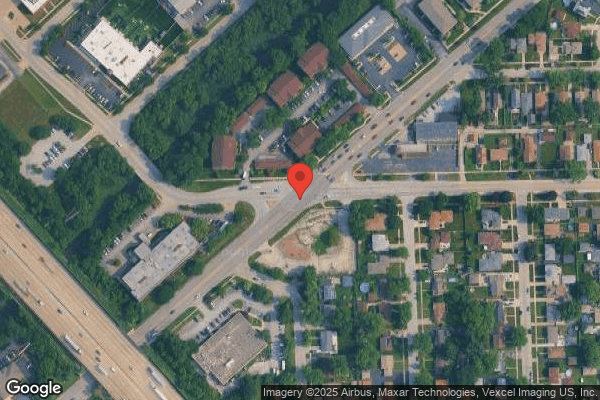

10300 SOUTHWEST HIGHWAY, CHICAGO RIDGE, IL 60415 (708) 425-1100
For profit - Limited Liability company 203 Beds LEGACY HEALTHCARE Data: November 2025
Trust Grade
0/100
#218 of 665 in IL
Last Inspection: January 2025

Within standard 12-15 month inspection cycle. Federal law requires annual inspections.

Overview

Avantara Chicago Ridge has received a Trust Grade of F, indicating poor performance with significant concerns about care quality. They rank #218 out of 665 facilities in Illinois, placing them in the top half, but their overall score suggests serious issues need addressing. The facility is showing an improving trend with a slight reduction in reported issues, from 12 in 2024 to 11 in 2025. Staffing is a concern, with a rating of 2 out of 5 and a turnover rate of 63%, significantly higher than the Illinois average. Additionally, while they have good RN coverage, there have been serious incidents, including two residents experiencing falls that resulted in hospitalizations due to inadequate fall prevention measures and a resident developing a new skin issue because of poor pressure ulcer management. Families considering this facility should weigh these strengths and weaknesses carefully.

Trust Score
F
0/100
In Illinois
#218/665
Top 32%
Safety Record
High Risk
Review needed
Inspections
Getting Better
12 → 11 violations
Staff Stability
⚠ Watch
63% turnover. Above average. Higher turnover means staff may not know residents' routines.
Penalties
✓ Good
$158,440 in fines. Lower than most Illinois facilities. Relatively clean record.
Skilled Nurses
✓ Good
Each resident gets 54 minutes of Registered Nurse (RN) attention daily — more than average for Illinois. RNs are trained to catch health problems early.
Violations
⚠ Watch
43 deficiencies on record. Higher than average. Multiple issues found across inspections.
★★★☆☆
3.0
Overall Rating
★★☆☆☆
2.0
Staff Levels
★★★★☆
4.0
Care Quality
★★★☆☆
3.0
Inspection Score
Stable
2024: 12 issues
2025: 11 issues

The Good

  • 4-Star Quality Measures · Strong clinical quality outcomes
  • Full Sprinkler Coverage · Fire safety systems throughout facility
  • No fines on record

Facility shows strength in quality measures, fire safety.

The Bad

3-Star Overall Rating

Near Illinois average (2.5)

Meets federal standards, typical of most facilities

Staff Turnover: 63%

16pts above Illinois avg (46%)

Frequent staff changes - ask about care continuity

Federal Fines: $158,440

Well above median ($33,413)

Significant penalties indicating serious issues

Chain: LEGACY HEALTHCARE

Part of a multi-facility chain

Ask about local staffing decisions and management

Staff turnover is elevated (63%)

15 points above Illinois average of 48%

The Ugly 43 deficiencies on record

8 actual harm
Aug 2025 1 deficiency 1 Harm
SERIOUS (G) 📢 Someone Reported This

A family member, employee, or ombudsman was alarmed enough to file a formal complaint

Actual Harm - a resident was hurt due to facility failures

Accident Prevention (Tag F0689)

A resident was harmed · This affected 1 resident

**NOTE- TERMS IN BRACKETS HAVE BEEN EDITED TO PROTECT CONFIDENTIALITY** Based on interviews and record reviews, the facility failed to implement interventions per resident's care plans and care assess...

Read full inspector narrative →
**NOTE- TERMS IN BRACKETS HAVE BEEN EDITED TO PROTECT CONFIDENTIALITY** Based on interviews and record reviews, the facility failed to implement interventions per resident's care plans and care assessment in preventing falls; and failed to follow policy related to fall investigation for two (R1 and R5) of five residents reviewed for accidents and falls. These deficiencies resulted in R1 sustaining a fall that resulted in bruising to the left side of the head and R1 being transferred to the local hospital for treatment after being found sitting on the floor with left arm hanging on the left bedrail with head slouched over to the left side. R5 who is confused with unsteady gait; had a fall requiring emergent transfer to the hospital and was diagnosed with acute nondisplaced fracture to the left parietal calvarium.Findings include:R5 is a [AGE] year old, female, admitted in the facility on [DATE] with diagnoses of Traumatic Subdural Hemorrhage without Loss of Consciousness, Subsequent Encounter; Syncope and Collapse; Muscle Wasting and Atrophy, Not Elsewhere Classified, Multiple Sites; Unspecified Dementia, Unspecified Severity, with other Behavioral Disturbance; Contusion of Unspecified Part of Head, Subsequent Encounter; Other Fracture of Base of Skull, Subsequent Encounter of Fracture with Routine Healing; Traumatic Subarachnoid Hemorrhage without loss of Consciousness, Subsequent Encounter; History of Falling and Unsteadiness on Feet. R5's MDS (Minimum Data Set) dated [DATE] documented:Section C: BIMS (Brief Interview for Mental Status) score of 7, which means severe cognitive impairment.Sec GG - Needs partial/moderate assistance when sitting to standing, in walking 10 feet; and dependent on staff when walking 50 feet. R5 uses a manual wheelchair. R5's Fall Risk Evaluations recorded the following scores:[DATE] - 13, high risk[DATE] - 15, high risk[DATE] - 12, high risk[DATE] - 12, high riskFacility's final incident report dated [DATE] documented that on [DATE] at approximately 7:30 PM, R5 was observed laying on the floor in the hallway near her room stating that she was walking to make her normal rounds when she slipped and fell. She complained of pain to her head. V10 (Physician) was notified and ordered R5 to be sent out to the hospital. She (R5) was admitted to the hospital and was diagnosed with an acute nondisplaced fracture to the left parietal calvarium. On [DATE] at 2:41 PM, V7 (Registered Nurse, Agency) was asked regarding R5's fall incident on [DATE]. V7 stated, That day, [DATE] was my first day of meeting her. I was endorsed that she is a wanderer and needs redirection. I was at the nurses' station that time, the CNA (Certified Nurse Aide) said, I tried to catch her, but I couldn't catch her. The aide who reported was not my aide. I and the other nurse went there, and she (R5) was sitting on the floor, she (R5) said she hit her head but not enough to knock her out. I assessed her (R5) and she's able to move. We put her on the wheelchair and brought her to the nurses' station. I called physician and was ordered to send her out because she is on blood thinner. I called paramedics. Upon assessment, she didn't complain of any pain, her ROM (range of motion) was still intact. Paramedics came; she was not in pain. She was transported to the hospital. I was told she is a high risk for falls and told me she does walk but needs redirection. I didn't hear any alarm. Her room was not closed to nurses' station but close enough that I would be able to hear any alarm at the time. I was not aware about the alarm. The nurse who helped me said she has a bed alarm. The aide told me she was not sure if the alarm was on since V11 (Family Member) was still with her when she last saw her. V7 was also asked if R5 uses any type of assistive device to help with locomotion. V7 mentioned, She is alert, oriented to self and place. She is able to verbalize needs and wants but mostly confused during afternoon and night. She is ambulatory, she does not use any walker or wheelchair, I have not seen her using one.According to change of condition progress notes dated [DATE], R5 complained of moderate head pain.On [DATE] at 3:10 PM, V8 (Registered Nurse, RN) was interviewed regarding R5. V8 replied, She is confused, I helped V7 last [DATE] when she (R5) had the fall. I saw her (R5) walking in the hallway without any assistive devices. I told V7 that she (R5) was walking by herself. I wasn't sure if she is supposed to be walking or not, so I called her (V7) attention. I don't know if she (V7) heard me or not. She (V7) was at the nurses' station. After a while, they called me to help because she (R5) was on the floor. I came, she was laying on the floor, by the door of another resident's room. She (V7) did the assessment. At the time, I didn't hear any alarm gone off. I sometimes see R5 walking in the hallway by herself, with unsteady gait. I think she is supposed to have a bed/chair alarm.On [DATE] at 3:20 PM, V9 (CNA) was also asked regarding R5's fall incident on [DATE]. V9 verbalized, On [DATE], last time I checked on her, I put her to bed. I put two blankets on her per her request. She was sleeping in bed and bed alarm was on. When I came back from break, I was informed that she had a fall. She has bed and chair alarm. She uses wheelchair. She likes to walk but she needs to use a wheelchair.R5's medical professional progress notes dated [DATE], documented: Current functional status: wheelchairOn [DATE] at 11:21 AM, V2 (Director of Nursing) was asked regarding R5. V2 stated, She is able to ambulate but for safety we don't want her to ambulate alone. She has a wheelchair that she uses for locomotion. She did have a bed/chair alarm, nurses and CNAs are responsible to check for the functionality of the alarm. Staff must ensure fall interventions are in placed properly. If they see something that resident is doing that is not safe, they have to redirect residents and report any safety hazard, safety concerns. R5 can ambulate but unsteady with her feet so she needs assistance when ambulating, she needs to use her wheelchair. She is very confused all the time. She has unsteadied feet. That time she had a fall on [DATE], she (R5) was seen by V8 walking and tried to catch her not to fall. V9 was the CNA and was on break at the time.Progress notes dated [DATE] indicated R5 was admitted to the hospital due to skull fracture.R5's care plan regarding at risk for falls, dated [DATE] documented:Interventions:Encourage R5 to use her wheelchair when trying to ambulate around the unit to promote safety.Provide bed/chair alarm, and redirect R5 when seen restless or anxious. R1 is a [AGE] year-old, male, originally admitted in the facility on [DATE] with diagnoses of Malignant Neoplasm of Oropharynx, Unspecified; Malignant Neoplasm of Prostate; Secondary and Unspecified Malignant Neoplasm of Lymph Nodes of Head, Face and Neck; Polyneuropathy, Unspecified; Spinal Stenosis, Cervical Region and History of Falling. MDS dated [DATE] documented R1's BIMS score is 11, which means moderate impairment in cognition. R1 requires supervision or touching assistance during sit to stand; chair/bed to chair transfer; walking 10, 50 and 150 feet. He has no impairment on both upper and lower extremity but uses walker for locomotion. Fall incident report dated [DATE] recorded R1 was observed on the floor with left arm hanging on the left bedrail with head slouched over to the left side. An attempt was made to arouse R1 but did not verbally respond, only with eyes closed and opened. His level of consciousness was stuporous and only responsive to vigorous stimulation. On [DATE] at 12:25PM, V4 (CNA) was interviewed regarding R1 and R's fall on [DATE]. V4 replied, On [DATE], I went back to his room after giving morning shower to the other resident. He (R1) was sleeping. I went back in there after lunch, and he was on the floor on the left side of bed. He was sitting up on the floor. I asked him and he did not respond. He was still alert but not verbally responsive. I called the nurse. He was on a low air loss mattress; his left hand was in the rail.V5 (RN, Agency) was also interviewed regarding R1 on [DATE] at 12:52PM. V5 stated, On [DATE] morning shift, the CNA (V4) reported to me he was sitting on the floor. When I saw him, his arm was still holding the side rail. His head was slumped to the side of left side rail. I did head to toe assessment, he was not verbally talking, he can open his eyes a bit but not saying anything. He was sitting on the floor. I don't know if he slid down. He wouldn't keep his eyes open when I call his name. I called paramedics. He kept on grunting and kept closing his eyes. I noticed mild swelling on the left side of his face, by the eyes. There was no laceration, no issues with his eyes. He was not verbally responsive, his mental status is my focus, that is why I called emergency. I saw him on the floor and my first thing is to call paramedics because he was not responding.According to ambulance report dated [DATE], paramedics found patient (R1) lying in bed, alert to painful stimuli only. Nursing staff stated that they were in the room, left for about 5-10 minutes and when they came back, they found patient (R1) half on the floor with his arm wrapped around the side rail of bed. Staff stated the patient (R1) normally alert, oriented to self, time, place and situation and able to hold conversations. Patient (R1) was spitting up mucous and bruising was noted to the left side of his face and his left eye pupil was in a slit and rotated. No other injuries were noted.Emergency department attending physician notes dated [DATE] recorded R1 has bruising to the left side of head; and left eye is irregularly shaped, not circular, linear, not reactive.On [DATE] at 12:19 PM, V2 was asked on what was the cause of R1's fall. V2 verbalized, Based on what I received there was no injury related to the fall. He had a fall; he was observed on the floor by the CNA who reported to the nurse. And upon the nurse entering the room, she noted him not be responding. I did his fall investigation I have witness statements only, but there was no injury noted upon assessment prior to sending out to the hospital. The nurse said she did not know any swelling, nothing pretty much. Facility presented two witness statements related to R1's fall on [DATE], as follows:V5 was asked about representative notification; any bruising; hospital endorsement; last time R1 was seen and how long R1 was transferred to the hospital. V4 was asked when was the last time R1 was seen and his condition; and if she (V4) was the staff who observed R1 on the floor.There was no specific investigation related to the cause of his (R1) fall and how he fell. On [DATE] at 10:38 AM, V10 (Physician) was interviewed regarding R1 and R5. V10 stated, R5 has dementia, had traumatic subdural hematoma and has history of syncope and collapse. On [DATE], I was informed that she had a fall. She was sent to the hospital. R1 has multiple significant medical issues. Alert, he has cancer of the head and neck and was getting treatment from the hospital. He has cancer of the prostate, chronic kidney disease and multiple several medical issues: chronic or acute. He is getting blood thinners. On [DATE], I was notified that he had a change of condition, so he was sent out to the hospital, and he had a fall. The assumption was he had a fall, and he needs to go to emergency room. Staff should make all efforts to prevent falls. The goal is to prevent falls. Fall interventions should be patient centered. Facility's policy titled Fall Occurrence dated [DATE] stated in part but not limited to the following:Policy Statement: It is the policy of the facility to ensure that residents are assessed for risk for falls, that interventions are put in place, and interventions are reevaluated and revised as necessary. Procedure:5. The Falls Coordinator will review the incident report and may conduct his/her own fall investigation to determine the reasonable cause of fall.
Feb 2025 1 deficiency
CONCERN (E) 📢 Someone Reported This

A family member, employee, or ombudsman was alarmed enough to file a formal complaint

Potential for Harm - no one hurt, but risky conditions existed

ADL Care (Tag F0677)

Could have caused harm · This affected multiple residents

**NOTE- TERMS IN BRACKETS HAVE BEEN EDITED TO PROTECT CONFIDENTIALITY** Based on observation, interview, and record review, the facility failed to ensure that staff provide shower/bed bath and groomin...

Read full inspector narrative →
**NOTE- TERMS IN BRACKETS HAVE BEEN EDITED TO PROTECT CONFIDENTIALITY** Based on observation, interview, and record review, the facility failed to ensure that staff provide shower/bed bath and grooming as scheduled for residents who are dependent on staff for Activities of Daily Living (ADLs). This failure affected four (R1, R2, R3, and R4) of five residents reviewed for ADL care. Findings include: R1 is an [AGE] year-old female, face sheet listed the following past medical history: Parkinson's disease without dyskinesia, without mention of fluctuations, unspecified severe protein-calorie malnutrition, unspecified symptoms, and signs involving cognitive function and awareness, xerosis cutis, atrophic disorder of skin, other reduced mobility, history of falling, essential primary hypertension, major depressive disorder single episode. 2/11/2025 at 10:20AM, R1 was observed in the dining room sitting in a wheelchair, alert, and oriented x(times) 1 to 2 and stated that she is doing okay, R1 was unable to answer other questions. 2/10/2025 at 1:14PM, V6 (Family member / POA) stated that this has been an ongoing issue with the facility, 2 to 3 times in a week R1 has been left sitting in her urine and feces, she has a pressure ulcer to her bottom and though it is covered with dressing, she is not supposed to be left wet. V6 said that R1 is supposed to get her showers twice a week on Tuesdays and Fridays but that does not happen, family must complain before she gets a shower. 2/11/2025 at 11:19AM, V10 (Family member) came to the facility and confirmed all the concerns shared by V6 to the surveyor. R1 is assessed with a BIMS score of 11(Minimum Date Set) MDS assessment dated [DATE] section C (cognitive pattern). Section GG of the same assessment documented that R1 requires substantial / maximal assistance to partial/moderate assistance from staff for all ADL need. Section H of the same assessment documented that R1 is always incontinent for bowel and bladder., Shower schedule for the second floor showed that R1 is scheduled to get a shower on Tuesday and Friday on first shift, surveyor requested for R1's shower sheet but the facility was able to provide six shower sheets for the year 2024 and one shower sheet dated 2/7/2025 for this year. There is no documentation in resident's medical record that she refused any shower. 2/10/2025 at 12:30AM, V2 (DON) said that residents are scheduled for showers two times a week, there should be two shower sheets per week for each resident, shower sheets are supposed to be completed and signed by the certified nurse assistant (CNA) the nurse and the resident if they are alert. Shower sheets are to be completed even of resident refuses a shower. V2 added that sometimes the facility has agency CNAs and they may forget to complete the shower sheet, nurses are also supposed to be documenting in progress note when residents refuse showers. Shower and hygiene policy revised 8/19/2024 presented by V1 (Administrator) states in part: it is the policy of this facility to ensure that resident shower/hygienic care is provided by the nursing staff to promote cleanliness, provide comfort to the resident, and observe the condition of the resident's skin. Under procedures, the document states 1. Administer resident shower once weekly and/or as often as necessary. Any resident who needs hygienic care will be provided care to promote hygiene. 3. Shower refusal by the resident shall be relayed by the assigned CNA to the charge nurse. 11. Documentation (shower log/CNA assignment sheet): A. Date and shift shower/bath was performed. B. The name/title of the nursing staff who assisted the resident with the shower/bath. D If the resident refused the shower and/or if shower was not administered and interventions taken e.g. bed bath/re-scheduling the shower schedule consistent to facility protocol. R3 is 77 years and have resided at the facility since 2021, with past medical history of Chronic obstructive pulmonary disease unspecified, morbid (sever) obesity due to excess, age related nuclear cataract bilateral, calories, type 2 diabetes, mixed hyperlipidemia, gastro esophageal reflux disease, anemia, vitamin D deficiency, pulmonary hypertension, etc. 2/10/2025 at 10:21AM, R3 was observed in her room in bed, alert and oriented and said that things are going okay sometimes. R3 added that she has never gotten a shower since she came to the facility, only gets a bed bath sometimes, the last time she was washed up in bed was last Friday, she has not been washed up this morning, not sure when the CNA will come. R3 is scored with a BIMs (Brief Interview of Mental Status) of 15 (indicating intact cognition), MDS dated [DATE] documented that R3 requires staff assistance for most ADL care needs, section H of the same assessment documented that R3 is always incontinent of bowel and bladder. 2/10/2025 at 11:20AM, observed ADL care for R3 with V4 (CNA) and noted resident to be wearing two incontinence briefs, one was saturated with urine and feces. V4 stated that R3 always ask for two incontinence briefs but V4 never put two briefs on R3. R3 stated that she requests the 2 incontinence briefs at night, she has had these two from last night, she urinates frequently and does not want to lie on a wet bed because on body comes to change her during the night. Surveyor asked V4 if she has ever given R3 a shower and she said that she has never given R3 a shower, just bed bath and has not seen any other CNA give her a shower. Surveyor requested for R3's shower sheets and the facility provided one dated 2/3/2025 that did not indicate if resident received a shower or bed bath. R3 is scheduled for showers on Monday and Thursday, there is no documentation in medical record that resident have been refusing showers. 2/10/2025 at 2:40PM, V2 (DON) said that no resident is supposed to wear two adult incontinence briefs at a time even if they request for it. They can use one incontinence brief and a chuck or bed pad. R2 is [AGE] years old, past medical history includes malignant neoplasm of head and neck, encounter for antineoplastic chemotherapy, malignant neoplasm of oropharynx, chronic kidney disease, malignant neoplasm of prostrate, polyneuropathy, personal history of radiation, history of falling, bipolar disorder, major depressive disorder, etc. 2/10/2025 at 10:50AM, R2 was observed in his room in bed, awake and alert and stated that he has been at the facility for a while. G-tube observed at bedside infusing via gravity, resident stated that he also eats by mouth too. R2 looked very unclean with lots of facial and overgrown hair wearing a hospital gown. R2 stated that he has not been washed up, he does not get any showers, just bed baths. R2 added that he would like to get showers sometimes. MDS dated [DATE] scored R2 with a BIMs score of 13, section GG of the same assessment documented that R2 requires set up/ clean up assistance to supervision or touching assistance for ass ADL care needs. R2 is scheduled to receive showers on Wednesday and Saturday on second shift, facility provided three shower sheets for R2 from January to February 7th, 2025, there is no documentation that resident refused any of his scheduled showers. R4 is [AGE] years old. Past medical history includes, but not limited to hemiplegia and hemiparesis following cerebral infarction affecting right dominant side, chronic systolic congestive heart failure, hepatomegaly, aphasia following cerebral infarction, epilepsy, type 2 diabetes, etc. 2/10/2025 at 11:00AM, R4 was observed in her room, awake, alert ad oriented but non-verbal, just nods yes or no to questions. 2 family members were at the bedside and expressed concerns regarding R4's ADL care. Surveyor asked resident if she has been washed up today and she nodded no, she was asked if she ever get a shower, she nodded no. 2/10/2025 at 11:23AM V 5 (CNA) said that she is assigned to R2 and R4, she has not washed them up yet, still working her way down, both residents have been served breakfast. R4 is scored with a BIMs of 10 on the MDS assessment dated [DATE], section GG of the same assessment documented that R4 as requiring staff assistance for all ADL care, R4 is also care planned as such. Facility provided one shower sheet dated 2/4/2025 for R4 that does not indicate if resident received a shower or bed bath. R4 is scheduled for shower on Monday and Wednesday on day shift. There is no documentation in medical record that R4 refuses showers.
Jan 2025 9 deficiencies 1 Harm
SERIOUS (G)

Actual Harm - a resident was hurt due to facility failures

Pressure Ulcer Prevention (Tag F0686)

A resident was harmed · This affected 1 resident

**NOTE- TERMS IN BRACKETS HAVE BEEN EDITED TO PROTECT CONFIDENTIALITY** Based on observation, interview, and record review the facility failed to ensure preventive measures are in place to prevent dev...

Read full inspector narrative →
**NOTE- TERMS IN BRACKETS HAVE BEEN EDITED TO PROTECT CONFIDENTIALITY** Based on observation, interview, and record review the facility failed to ensure preventive measures are in place to prevent developing of new skin impairment and deteriorating of current pressure ulcer to resident who is at high risk. This deficiency affects one (R139) of three resident in the sample of 32 reviewed for Pressure Ulcer Prevention management. This failure resulted in R139 developing a new moisture associated skin disorder (MASD) to bilateral buttocks and deteriorating pressure ulcer on sacrum area to unstageable. Findings include: On 1/7/25 at 11:30AM, R139 lying in bed with her V13 Family member/daughter and V14 Caregiver at bedside. V13 stated that she has concern regarding poor nursing services provided to her mother. V13 stated that they arrived today around 8:30AM and found R139 soaked with urine and feces. R139's bed was wet from her upper back/shoulder down to her both ankles. V13 stated that she called and showed observation to V11 ADON (Assistant Director of Nursing). V13 stated she presented concerns of not providing incontinence care to R139 from night shift until morning shift. V13 stated that R139 developed pressure ulcer in her sacral area in the facility and deteriorating. V13stated that R139 has a stage 3 pressure ulcer on sacral area. R139 is on low air loss mattress with flat sheet and cloth pad over the mattress. She (R139) wears disposable adult brief. On 1/9/25 at 12:30PM, R139 lying in bed with low air loss mattress. R139 is alert, oriented and can verbalize needs to staff. R139 stated that she developed bedsore in the facility and causing her pain on her buttocks area. R139 stated that the nurses are changing her dressing on her buttocks, but they are not changing her brief when she was soiled. R139 stated they do not answer her call light. R139 stated that her mattress had a problem, and they switched her bed with her roommate. R139's roommate was not in her room, but the roommates low air loss mattress is unplugged. Verified information given by R139 to V26 WCC (Wound care coordinator). V26 stated confirmed that they switched R139's bed with her roommate just 45 minutes ago. On 1/9/25 at 12:40PM, V27 Wound care tech repositioned R139 on left side lying position. V26 WCC removed foam dressing on sacrum area. Observed R139 has moderate serous sanguineous with greenish wound drainage. V26 said that R139 has unstageable pressure ulcer on sacrum and MASD on bilateral buttocks. Observed multiple open wounds covered with white colored ointment. V26 said that R139 has 70% greenish slough formation attached to wound base, 10% eschar and 20% granulating tissues. V26 said that R139 is being seen by V30 Wound care Nurse Practitioner. V26 provided wound care to bilateral buttocks and sacrum. V26 said that checking resident every 2 hours for incontinence care, skin care after each incontinence episode, low air loss mattress and provided treatment as ordered are some of the wound care preventive measures the provided. R139 is initially admitted on [DATE] and was re-admitted on [DATE] with diagnoses listed in part but not limited to Hemiplegia and hemiparesis following cerebral infarction affecting right dominant side. Pressure ulcer of sacral region stage 3 during stay, Type 2 Diabetes Mellitus (DM) with diabetic neuropathy, Obesity. admission and current Braden/skin assessment indicated that she is at high risk for developing pressure ulcers/skin impairments. Active physician order sheet indicated: Bilateral buttocks cleanse with Hibiclens, apply triad wound paste, leave open to air everyday shift, and as needed for MASD. Air Mattress. Santyl ointment 250 unit/gm (Collagenase) apply to sacrum topically everyday shift for wound cleanse with normal saline cover with foam dressing. Right heel cleanse with normal saline apply betadine /gauze /abdominal pad wrap kerlix every day shift M-W-F for DTI (Deep tissue injury). Barrier cream to be applied after each incontinence episode may be applied by CNA and kept at bedside. Comprehensive care plan indicates that she has pressure ulcer on sacrum, right heel, venous ulcer to the right lower leg and is high risk for further pressure ulcers related to impaired mobility, decreased ROM, incontinence, history of right humerus fracture, right side hemiplegia related to CVA (Cerebrovascular accident), DM, Obesity and CHF (Congestive heart failure). Intervention: Follow facility policies/protocols for the prevention/treatment of skin breakdown. She has an ADL (Activity of daily living) self-care performance deficit and impaired immobility. Intervention: totally dependent on staff for toilet use. She is on low air loss mattress due to presence of skin breakdown and to prevent further skin breakdown. Intervention: Check for proper functioning and setting of low air loss mattress every shift. On 1/9/25 at 1:16PM, Reviewed R139 medical records with V28 MDS/Resident assessment Coordinator. V28 stated that R139's MDS (minimum date set) admission assessment on 3/8/24 indicated that she was admitted with stage 2 pressure ulcer on sacral area. MDS assessment dated [DATE] indicated that her skin is intact. MDS assessment dated [DATE] indicated that she was re-admitted with stage 2 pressure ulcer on sacral area from the hospital. MDS assessment dated [DATE] indicated that she has stage 2 pressure ulcer on sacral area. MDS assessment dated [DATE] indicated a significant change of condition due to deterioration of sacral pressure ulcer from stage 2 to stage 3. On 1/10/25 at 12:01PM, V11 ADON stated that she was called to R139's room on 1/7/25 by V13 Family member and showed her observation made that R139 was soiled with urine. V11 stated the bed was wet and soaked from upper back/shoulder down to lower extremities/ankles. V13 presented above concerns to her (V11). Informed V11 that the concern form that she completed dated 1/7/25 did not indicate concerns presented by V13 that incontinence was not done due to R139's bed was soiled from upper back/shoulder to lower extremities/ankles when they visited R139 on 1/7/25. V13 also concern that R139 has pressure ulcers that getting worse. V11 documented on R139's concern form dated 1/7/25 indicated: Daughter expressed concern of her mother being soiled, states her mother is a heavy wetter and needs changing often. Daughter ensured rounds would be made on her mother every two hours and that a indwelling urinary catheter would be placed to ensure less moisture to her bottom. V11 said R139 should be check for incontinence every 2 hours. She said that resident who was left soiled for long period of time could developed pressure ulcer and deteriorate current pressure ulcer. Informed V11 that she did not investigate the night shift (11pm -7am) who worked on 1/6/25 and day shift 1/7/25 staff (nurse and CNA) who worked with R139 why she was soiled from upper back/shoulder down to lower extremities/ankles at 8:30am when V13 Family member and V14 Caregiver. On 1/10/25 at 12:13PM, V26 WCC said that R139 developed new MASD on bilateral buttocks and was seen by V30 Wound care Nurse Practitioner. She said R139 should be check for incontinence care every 2 hours. She said that resident who had prolong exposed to soiled brief and bed could develop pressure ulcer and could deteriorate current pressure ulcer. On 1/10/25 at 12:21PM, V30 Wound Care Nurse Practitioner stated that she has taking care of R139 since July 2024, presented with stage 2 pressure ulcer on sacrum area which now progressed to unstageable pressure ulcer. She recently examined R139 on 1/8/25 with new MASD (Moisture associated skin disorder) to bilateral buttocks. V30 said that she was not aware that R139 was left soiled in bed on 1/7/25 as witnessed by V13 Family member and V11 ADON. V11 stated that prolong exposure to soiled brief and bed from urine and feces are factors in developing new skin impairment and deteriorating current pressure ulcer. The facility should follow its wound/pressure ulcer prevention and management policies. R139's Skin/Wound notes documented by V30 Wound care Nurse Practitioner on 1/8/25 indicated: 1. Sacrum- Unstageable pressure ulcer, measures 10.5cm x 7cm x 0.1cm, 90% slough, 10% granulation. 2. New Moisture Associated Skin Disorder (MASD) on bilateral buttocks, partial thickness, 100% epithelial, Dermatitis, exposed epithelium tissues. 3. Right heel pressure, DTI (Deep tissue Injury), measures 2.5cm x 3cm x 0cm, 100% epithelial. V30 documented: 12/23/24 Upon assessment, patient was noted to be on a deflated air mattress. Sacral worsening. 12/30/24 Patient on regular mattress today, RN to notify facility coordinator to get her another air mattress. Sacral wound worsening. Preventive measures: The resident is incontinent of bowel and bladder, thorough skin care with each incontinent episode. Continues alternating air/low mattress for pressure reduction. On 1/10/25 at 12:53PM, Informed V1 Administrator and V2 Director of Nursing (DON) of above concerns and requested for Wound /Pressure Ulcer Management policy. Facility's policy on Skin Care Regimen and Treatment Formulary Reviewed 1/24/24 indicated: Policy statement: It is the policy of this facility to ensure prompt identification, documentation and to obtain appropriate treatment for residents with skin breakdown. Procedures: 6. Residents who are not able to turn and reposition themselves will be turned and repositioned at least every 2 hours unless otherwise specified by the physician. 9. Residents with stage 3 or 4 pressure injuries will be placed in specialized air mattress like low are loss mattress Facility's policy on Incontinent and Perineal Care Revised 7/31/24 indicated: Policy statement: It is the policy of the facility to provide perineal care to ensure cleanliness and comfort to the resident, to prevent infection and skin irritation and to observe the resident's skin condition. Procedures: 1. Do rounds at least every 2 hours to check for incontinence during shift.
CONCERN (D)

Potential for Harm - no one hurt, but risky conditions existed

PASARR Coordination (Tag F0644)

Could have caused harm · This affected 1 resident

Based on interview and record review the facility failed to refer a resident to the appropriate state-designated authority for a PASRR/Preadmission Screening and Resident Review level 2 screening for ...

Read full inspector narrative →
Based on interview and record review the facility failed to refer a resident to the appropriate state-designated authority for a PASRR/Preadmission Screening and Resident Review level 2 screening for evaluation and determination of newly evident serious mental illness related condition, for one of one resident (R111) reviewed for a PASRR level 2 screening in a sample of 32. Findings include: On 1/9/2025 at 1:20pm V16 (Social Service Director-SSD) said that she is responsible for making sure resident's that have new mental illness diagnosis receive an updated PASRR level 2 screening but was not made aware that R111 had new diagnosis until now and that she had contacted the agency to have a PASRR level 2 screening completed so that R111 can receive the appropriate treatment and services. On 1/10/2025 at 10:30am V36 (Admissions Director) stated that R111 had an PASRR level 1 screening completed before admissions and did not need any further evaluation at that time if a resident has a new mental illness diagnosis, then social services will be responsible to obtain a PASSAR level 2 screening for appropriate services. On 1/10/2025 at 2:00pm V1 (Administrator) stated I'm aware that R111 had new diagnosis since admitting and I did inform the social service director of a new PASRR Level 2 screening needed for appropriate services and treatment to be put place. A record review of R111 medical diagnosis indicated that R111 had a new diagnosis of major depression dated on 11/21/2023, unspecified psychosis not due to substance abuse or know physiological condition on 6/19/2022 and unspecified dementia with agitation unspecified severity on 10/1/2022. Facility Policy: Revised on 8/16/2024 PASRR Screening of residents with mental disorder or intellectual disability Policy: It is the facility's policy to ensure that residents with mental disorder and those with intellectual disorder will receive PASRR screening within the timeframe allowed. Procedure: 1. The facility will not allow admission from the hospital without a preadmission screening which includes OBRA screen 1 and OBRA screen 2 (PASRR screening) for those with mental or intellectual disorder.
CONCERN (D) 📢 Someone Reported This

A family member, employee, or ombudsman was alarmed enough to file a formal complaint

Potential for Harm - no one hurt, but risky conditions existed

Quality of Care (Tag F0684)

Could have caused harm · This affected 1 resident

**NOTE- TERMS IN BRACKETS HAVE BEEN EDITED TO PROTECT CONFIDENTIALITY** Based on observation, interview, and record review the facility failed to ensure that coordinated care services was provided to ...

Read full inspector narrative →
**NOTE- TERMS IN BRACKETS HAVE BEEN EDITED TO PROTECT CONFIDENTIALITY** Based on observation, interview, and record review the facility failed to ensure that coordinated care services was provided to a resident who had a fractured hip from a fall at the facility. The facility failed to provide skilled therapy services as ordered by physician in a timely manner. This deficiency affects one (R74) of three residents in the sample of 32 reviewed for Quality of care. Findings include: On 1/10/25 at 11:05 AM, R74 in bed, alert and verbal with some confusion and forgetfulness. R74 bed in the lowest position, floor mats on both sides of bed, and call light within reach. R74 room is close to the nurse ' s station. R74 stated he had a fall but does not remember when it happened. On 1/10/25 at 11:13 AM, V32 (Registered Nurse Agency) stated that R74 is alert and oriented to person, place and has some confusion. She knows R74 is a fall risk. She is not aware that R74 ' s fractured right hip was due to recent fall at the facility last 12/14/24. On 1/10/25 at 11:54 AM, V2 (Director of Nursing) stated she was aware of R74s fall on 12/14/24, she said he had no injuries and did not complain of pain, after that she said he was sent out to the hospital due to complaints of chest pain, R74 then was admitted to hospital on [DATE] with a diagnosis of NSTEMI (non-ST-elevation myocardial infarction). V2 stated she was unaware of any diagnosis of any fracture at that time. She stated that she was informed by V36 (admission coordinator) that R74 will be re-admitted on [DATE]. R74 was readmitted on [DATE] with admitting diagnoses of Intertrochanteric fracture of the right femur and Closed fractures of the right superior and inferior pubic ramus but was not aware not until V28 (MDS/Minimum Data Set Coordinator) informed her when he was reviewing R74 ' s admission medical records. R74 has right hip pinning on 12/23/24. V2 submitted initial fall incident with injury to IDPH on 12/30/24. On 1/10/24 at 2:43 PM, V38 (Rehab Director) stated that she received a notification form V36 (Admissions coordinator) that R74 was coming back to the facility on [DATE]. V38 stated that she was unaware of any diagnosis of fracture for R74. V38 stated that they evaluate the resident within 48 hours upon admission. V38 stated she received a notification from Nurse Practitioner on 12/30/24 for R74 to receive PT (Physical therapy), OT (Occupational Therapy) and ST (Speech Therapy) due to his diagnoses of Right femur fracture and Dysphagia (difficulty in swallowing). V38 stated that R74 started PT on 1/02/25, ST on 1/02/25 and OT on 1/07/25 due to insurance approval. V38 mentioned that physical therapy is provided to increase movement and achieve maximal potential of resident for rehabilitation, if there is a delay in treatment the longer the resident stays in bed it will decrease the muscular strength, if there is a decline in function there is also a decline in muscular strength. On 1/10/25 at 3:15 PM, V1 (Administrator) stated that therapy must get a pre-approval for therapy. They do a prescreen of residents to get the insurance approval for care. On 1/10/25 at 3:21 PM, V2 stated that R74 should have been seen by Therapy on 12/30/24 and received skilled therapy services regardless of the insurance. R74 is readmitted on [DATE] with diagnoses listed in in part but not limited to Fracture of superior and inferior of right pubic ramus, displaced intertrochanter fracture of right femur, history of falling, Parkinson ' s disease, unsteadiness on feet, unspecified dementia, dysphagia, non-ST elevation myocardial infarction, Benign paroxysmal vertigo unspecified. R74 ' s admission and re-admission fall assessment indicated that she is at high risk for fall. R74 ' s hospital record dated 12/14/24 indicated: R74 presented to hospital emergency room with chest pain. He is a poor historian. He was subsequently found to have an NSTEMI (non-ST elevation myocardial infarction) which given his frailty and multiple medical comorbidities was medically managed. On admission patient had reported right thigh pain and x-rays were negative for signs of fracture. However, right thigh pain and difficulty with transfers continued during hospital stay and patient was incidentally noted to have an intertrochanteric fracture of the right femur and closed fractures of the right superior and inferior pubic ramus which on CT imaging. Suspect fractures were present on admission but not noted with initial x-ray. Procedures performed: Right Hip percutaneous pinning with cannulated screws on 12/23/24. R74 ' s physician orders sheet dated 12/27/24 indicated: Occupational Therapy evaluate and treat, Physical Therapy evaluate and treat, and Speech Therapy evaluate and treat. 12/31/24 indicated refer to PT and OT for evaluation and treat due to decline in ADL ' s (activities of daily living) and mobility, ST for evaluation and treat due to recent down grade of diet from hospital. 1/02/25 indicated: ST clarification order: Speech Swallow Therapy 3-5x/week for 4 weeks evaluation of swallowing treatment of oropharyngeal dysphagia individual treatment. 1/02/25 indicated: 1:1 feed at all meals every shift, no straws. 1/02/25 indicated: PT clarification order: resident to be seen for skilled PT services 3-5 days/week x4 weeks which may include therapeutic exercises, therapeutic activities, gait training, Neuromuscular re-education, manual therapy, wheelchair assessment and management, resident/caregiver education. 1/07/25 indicated: OT evaluation and treatment: OT clarification order: OT 3-5 times a week for 4 weeks for ADL training, therapeutic exercises, therapeutic exercises, therapeutic activities, transfer training. No surgical wound treatment on right hip not until 1/8/25 after the survey started. On 1/10/25 at 2:30PM, Informed V1 Administrator and V2 DON of above concerns. Facility unable to provide policy on Therapy Services and Skilled rehabilitation services.
CONCERN (D) 📢 Someone Reported This

A family member, employee, or ombudsman was alarmed enough to file a formal complaint

Potential for Harm - no one hurt, but risky conditions existed

Accident Prevention (Tag F0689)

Could have caused harm · This affected 1 resident

**NOTE- TERMS IN BRACKETS HAVE BEEN EDITED TO PROTECT CONFIDENTIALITY** Based on interview and record review the facility failed to ensure safety interventions were in place for a resident who is at h...

Read full inspector narrative →
**NOTE- TERMS IN BRACKETS HAVE BEEN EDITED TO PROTECT CONFIDENTIALITY** Based on interview and record review the facility failed to ensure safety interventions were in place for a resident who is at high risk and has history of falls. This deficiency affects two (R27 and R216) of three residents in the sample of 32 reviewed for fall prevention program. This failure resulted in R216 falling and sustaining a laceration to his right eyebrow that required a visit to the hospital for suturing. Findings include: On 1/7/25 at 10:30AM, V2 Director of Nursing (DON) stated that R216 was discharged home from the facility on 10/27/24. V2 stated that V29 Agency nurse who worked with R216 on the day of his unwitnessed fall was no longer working in the facility, she was terminated. Per R216's medical record R216 was admitted on [DATE] with diagnoses listed in part but not limited to Displaced fracture of shaft of humerus right arm, history of falling, Dementia with Anxiety, Cataract, Glaucoma, Abnormalities of gait and mobility, lack of coordination, Weakness, Malaise, Malignant neoplasm of prostate. Fall admission assessment done on 10/11/24 indicated at high risk for falls. R216s Admission/Baseline care plan dated 10/11/24 identified fall risk but no intervention indicated. R216's admission functional mobility assessment dated [DATE] indicated that he needs partial/moderate assistance with roll left to right, sit to lying, lying to siting on side of the bed, bed to chair transfer, toileting transfer. R216's unwitnessed fall incident documented by V29 Agency Nurse on 10/11/24 at 7:30PM indicated: V23 CNA notified writer that resident was noted sitting by edge of the bed and bleeding from his right eyebrow. Upon head-to-toe assessment resident was noted with laceration to right eyebrow. Resident denied Shortness of breathing or dizziness. Vitals: Blood pressure 134/72, Heart rate 90, Respiratory rate 18, Temperature 97.9F, 95% oxygen saturation on room air. Resident complained of pain at laceration site, right eyebrow. Per resident, he was trying to reach out to pick up his phone and he ended up on the floor. 911 was called and resident was transferred to the hospital for further evaluation. R216's unwitnessed fall incident initial report was sent to the State Agency on 10/13/24 at 10:00PM. Final report was submitted to the State Agency on 10/19/24 at 10:00PM indicated: At approximately 7:30PM on 10/11/24, R216 was observed by V23 CNA sitting on the floor at the right side of the bed with blood coming from his right eyebrow. R216 stated that he was trying to answer the phone on the nightstand next to his bed when he fell over hitting his head on the nightstand. R216 was sent to the hospital for evaluation. R216 returned to the facility with sutures to the right eyebrow. R216's hospital emergency department records dated 10/11/24 to 10/12/24 (7 hours) discharged summary indicated: Injury of head, Multiple falls, laceration of scalp, rapidly progressive Dementia. Procedure: Laceration repair of 4cm oblique V shaped partially avulsed laceration through right eyebrow. 4cm length and 4cm depth. 4 sutures. Patient states he was in bed reaching for a phone over his head and rolled out of bed. Patient had fell at home sustaining fracture humerus status post humeral fixation on 10/5/24. Patient was discharged to nursing home facility on 10/11/24 for rehabilitation where he fell. Patient has baseline confusion. On 1/9/25 at 9:52AM, Review of R216's medical records with V2 DON. V2 stated she (V2) is aware that R216 was at high risk for falls prior to admission due to clinical intake that she (V2) received from the hospital. V2 stated that R216 had an unwitnessed fall at home and sustained a right arm fracture. V2 stated that R216 was admitted to the nursing home facility for rehabilitation on 10/11/24 at 2:43PM. V2 stated R216 had an unwitnessed fall on the same day of admission at 7:30PM and sustained a laceration on his right eyebrow. V2 stated R216 was reaching out for his cell phone and fell from bed and hit his head on the nightstand. V2 stated R216 was sent to the hospital for evaluation. V2 stated that she (V2) was notified of R216's fall incident with laceration around 8:00PM. V2 stated she (V2) called the facility around 7:00AM on 10/12/24 regarding the status of R216. V2 stated she was told that R216 returned on 10/12/24 at 3:59AM with sutures to his right eyebrow. V2 stated she submitted the initial report on 10/13/24 at 10:00PM. V2 stated that she (V2) is still in compliance of submission because it is within the 24-hour period from the time the resident came back to the facility. Surveyor informed V2 that R216 fall admission assessment dated [DATE] indicated at high risk. R216 admission baseline care plan identified him as fall risk, but no care plan intervention indicated. V2 stated that the admission nurse should indicate baseline fall interventions. On 1/9/25 at 11:59AM, V23 CNA stated that she was the CNA assigned to R216 on 10/14/24 3-11 shift on the day R216 had the unwitnessed fall. V23 stated that she was aware that R216 is at high risk for falls as endorsed to her. V23 stated R216 has fracture of right arm and had bandage/dressing. V23 stated R216 is confused. V23 stated around 7:30pm after dinner, she (V23) observed R216 sitting on the edge of the bed with blood coming from is eyebrow. V23 stated she told R216 that he should not get up. V23 stated R216 stated that he was trying to answer his phone and fell when trying to reach the nightstand/bedside dresser. V23 stated that personal belongings such as cellphone should be placed within resident's reach. Facility's fall prevention program guidelines revised 12/5/21 indicates: Policy statement: Fall prevention program guidelines shall be implemented to promote safety of all residents in the facility. This program shall include measures to determine the individual needs of each resident by assessing the risks for fall and the implementation of evidence-based prevention interventions. Procedures: 2. Safety interventions shall be initiated and implemented for each resident identified at risk for fall. 3. All assigned nursing personnel and facility staff shall be responsible for ensuring ongoing precautions are put into place and consistently maintained. On 1/10/2025 at 1:00pm V2 (Director of Nursing-DON) stated that R27 is alert to name only is able to assist with turning and repositioning and needs one assist with bed activity of daily living-ADL'S. R27 did have a fall from the bed on 1/6/2025. V35 (certified nursing assistant-CNA) stated that R27 was too close to the edge of the bed when R27 was turned and R27's legs went out the bed and V35 slid R27 to the floor. V2 stated I asked V35 why she didn't reposition R27 before turning R27 and V35 stated I did not realize she was that close to the edge. On 1/13/2025 at 12:30pm V35 (Certified Nursing Assistant-CNA) stated that R27 is alert but confused, can assist very minimal with turning and repositioning and that she (V35) considers R27 a total assist. V35 stated that she turned R27 to her stomach to clean her and R27 legs went out the bed and she lowered her to the floor. V35 stated I (V35) did not think R27 was that close to the edge to the bed that she needed to be repositioned. V35 stated she did not hurt herself she was sent out to the hospital to make sure she had no injury. A care plan dated 12/13/2024 indicated that R27 has an history of Hemiplegia and Hemiparesis following a Cerebral Infarction affecting the left non-dominant side and a history of falls. A post fall investigation with an root cause analysis dated 1/9/2025 indicated that R27 was too close to the edge of the bed and that staff must ensure that R27 is in the center of the bed prior to starting activity of daily living -ADL care.
CONCERN (D)

Potential for Harm - no one hurt, but risky conditions existed

Pharmacy Services (Tag F0755)

Could have caused harm · This affected 1 resident

Based on observation, interview and record review, the facility failed to supervise residents while taking medications during medication administration for two of four residents (R53, R100) observed f...

Read full inspector narrative →
Based on observation, interview and record review, the facility failed to supervise residents while taking medications during medication administration for two of four residents (R53, R100) observed for medication administration. The facility also failed to account for the usage, disposition, and reconciliation of controlled medications for one of five medication carts (2nd floor [NAME] medication cart) observed for medication storage affecting all seven residents (R3, R11, R29, R73, R76, R86, R149) on controlled medications on 2nd floor [NAME] medication cart. Findings include: 1. On 01/07/2025 at 10:47AM during unit rounds, medication cup with 3 big white pills was on the food tray of R53. On 01/07/2025 at 10:50AM, R53 was with V4 (Licensed Practical Nurse) taking the medications in the medication cup on the food tray. On 01/07/2025 at 10:47AM during interview with R53, R53 stated that the nurse usually leaves it with her because the nurse trusts that R53 will take it and R53 stated that she will take it. On 01/07/2025 at 10:50AM during interview, V4 stated that R53 was eating her breakfast when she was passing medications, so she V4 left the medicine with R53. V4 stated that R53 is alert so she it is okay to leave the medications with R53. V4 also stated that R53's medications should have not been left with R53. V4 stated that residents should be supervised when taking medications. On 01/09/2025 at 11:28AM during interview with V2 (Director of Nursing), V2 stated that they do not have any residents that can self-administer medications. V2 stated that nurses are expected to wait and supervise the residents when taking all their medications, and if the residents refused to take the medications, nurses should take it with them back to the cart and discard. Review of R53's Medication Administration Record for January 2025 indicated Amoxicillin-Potassium Clavulanate 1 tablet and Potassium Chloride 2 tablets were given at 9AM and 8AM respectively by V4 on 01/07/2025. Review of R53's Order Summary Report dated 01/09/2025 indicated admission date of 07/25/2024, diagnoses of not limited to Essential Hypertension and Unspecified Atrial Fibrillation. 2. On 01/09/2025 at 8:43AM during medication administration with V17 (Registered Nurse), V17 gave R100 the medication cup with 7 pills in it and a cup of water mixed with Polyethylene Glycol, then left the room to get Lactulose for R100. V17 went back to R100 to give R100's lactulose then left the room without watching R100 take her medications. On 01/09/2025 at 9:25AM during interview, V17 stated that R100 is alert and oriented to time, place, person, and situation so V17 is sure that R100 will take her medications. On 01/09/2025 at 11:28AM during interview with V2 (Director of Nursing), V2 stated that they do not have any residents that can self-administer medications. V2 stated that nurses are expected to wait and supervise the residents when taking all their medications, and if the residents refused to take the medications, nurses should take it with them back to the cart and discard. Review of R100's January 2025 Medication Administration Record indicated that R100 was admitted in the facility on 04/23/2021 and the following were given to R100 on the morning of 01/09/2025 by V17: 1. Amlodipine 10mg tablet (BP=111/50) 2. Aspirin EC 81mg tab 3. Cholecalciferol 1000 units 2 tablets 4. Ferrous Sulfate 325mg tablet 5. Gabapentin 100mg capsule 6. Polyethylene glycol 17gm powder 7. Colace 100mg capsule 8. Lactulose 10gm/15ml 30ml 3. On 01/09/2025 at 9:45AM during controlled medication review with V18 (Licensed Practical Nurse), 2nd floor [NAME] cart Controlled Substance Count Log for January 2025 had no initials on January 1st 7AM-3PM outgoing shift, January 8th 7AM-3PM incoming and outgoing shift, and 3PM-11PM outgoing shift. At the same time, R29's Tramadol 50mg blister pack has only one tablet left and R29's Controlled Drug Administration Record indicated three tablets left. On 01/09/2025 at 9:48AM during interview with V18, V18 stated that both outgoing and incoming shifts should count the controlled medications together and sign the log after. V18 also stated that R29's Controlled Drug Administration Record should have been signed as soon as the medications were removed from the blister pack. Review of R29's Order Summary Report dated 01/09/2025 indicated admission date 12/29/2023, diagnoses of not limited to unspecified osteoarthritis, and order for Tramadol 50mg (milligrams) 2 tablets to be given at bedtime with order date of 12/29/2023. Review of facility's policy entitled Controlled Medications count revised 07/26/2024 indicated the following: Procedure 1. After removing the controlled medication from the bingo card or individual packet, the nurse will sign off the accompanying controlled medication sheet indicating the medication is taken.
CONCERN (E)

Potential for Harm - no one hurt, but risky conditions existed

Deficiency F0558 (Tag F0558)

Could have caused harm · This affected multiple residents

**NOTE- TERMS IN BRACKETS HAVE BEEN EDITED TO PROTECT CONFIDENTIALITY** On 1/7/2025 at 11:09 AM, R3 stated she was cold and wanted a blanket. R3's call light was on the floor and not within her reache...

Read full inspector narrative →
**NOTE- TERMS IN BRACKETS HAVE BEEN EDITED TO PROTECT CONFIDENTIALITY** On 1/7/2025 at 11:09 AM, R3 stated she was cold and wanted a blanket. R3's call light was on the floor and not within her reached. R3 stated she could not reach the call light to call for staff. On 1/7/2025 at 11:10 AM, V11 (Assistant Director of Nursing) stated call lights should be within easy reach of the resident and not on the floor. V11 proceeded to give R3 her blanket. Based on observation, interview, and record review the facility failed to ensure resident call light is within reach. This deficiency affects 4 (R3, R15, R150, R416) of 4 residents in the sample of 32 reviewed for Accommodation of needs. Findings include: On 1/07/25 at 11:07 AM, R15 observed in bed alert and verbal, call light was hanging on floor next to bed. On 1/07/25 at 11:10 AM, V23 (Certified Nurse Aide) verified that call light was not within reach. V23 stated that call light should be within reach and not hanging on the floor in case the resident needs help they can push the call light button. R15s medical records indicate R15 was admitted on [DATE] with diagnoses listed in part but not limited to weakness, visual impairment, Dysphagia/L (left) side weakness, Aphasia r/t(related to) CVA (cerebrovascular accident (s/p status post gastrostomy placement ) , DM (Diabetes Mellitus with retinopathy , Asthma, COPD (Chronic Obstructive Pulmonary Disease), and Malnutrition. A focus care plan for assistance with ADL's (activities of daily living) (bed mobility, transfers, dressing, walking, personal hygiene, and toileting) r/t cognitive deficit, weakness, visual impairment. Intervention dated 12/13/24- Keep call lights within reach when in bedroom or bathroom. On 1/07/25 at 11:10AM, R150 in bed alert and verbal, call light was hanging on floor next to bed. On 1/07/25 at 11:11AM, V23 stated that call lights should not be on the floor, it should be within resident reach and clipped next to bed. V23 said that resident can push call light button and ask for help if needed. R150s medical records indicate R150 was admitted on [DATE] with diagnoses listed in part but not limited to Vertigo, Nasal/R (right) 8th rib/R lateral malleolus fracture (r/t MVC/Microvascular Compression), Depression, Anxiety, Insomnia, Hypothyroidism, OA (Osteoarthritis), weakness. A focus care plan for assistance with ADL's (bed mobility, transfers, dressing, walking, personal hygiene, eating and toileting) r/t symptoms of depression. Intervention dated 11/19/24- Keep call lights within reach when in bedroom or bathroom. On 1/07/25 at 11:41AM, R416 in bed with call light hanging on floor next to bed. On 1/07/25 at 11:43 AM, V24 (Certified Nurse Aide) stated that her call light should be placed within reach in case she needs to ask for help or ask for water. Reviewed R416s medical records. R416 is admitted on [DATE] with diagnoses listed in part but not limited to history of falling, weakness, adult failure to thrive. Intervention dated 1/7/25- Keep call lights within reach when in bedroom or bathroom. On 1/09/25 at 12:36 PM, V2 (Director of Nursing) state her expectations for call lights are not to be on the floor, call light should be clipped on bed, or some residents preferred the call light to be tied to the bed rail. All call lights should be within resident's reach. Facility's policy on Call light revised 7/26/24. Policy statement It is the policy of this facility to ensure that there is prompt response to the residents call for assistance. The facility also ensures that the call system is in proper working order. Procedures 5. Be sure call lights are placed within reach of residents who are able to use it at all times.
CONCERN (E)

Potential for Harm - no one hurt, but risky conditions existed

Infection Control (Tag F0880)

Could have caused harm · This affected multiple residents

On 1/7/25 at 10:50AM, V9 RN (Registered Nurse) taking Blood Pressure (BP) and Oxygen saturation of R113 using BP apparatus and pulse oximeter. After taking the vital signs, V9 proceeds to R217 without...

Read full inspector narrative →
On 1/7/25 at 10:50AM, V9 RN (Registered Nurse) taking Blood Pressure (BP) and Oxygen saturation of R113 using BP apparatus and pulse oximeter. After taking the vital signs, V9 proceeds to R217 without disinfecting the medical equipment used. After taking vital signs of R217 V9 used hand sanitizer but did not disinfect the medical equipment used. V9 stated that R113's BP is 107/57 and oxygen saturation is 92% and R217 's BP is 132/60 and oxygen saturation is 97%. On 1/7/25 at 11:00AM, V9 RN proceeds to R416 and took R416's BP and oxygen saturation. V9 used hand sanitizer but did not disinfect the medical equipment used. V9 stated that R416's BP is 114/59 and oxygen saturation is 92%. Informed V9 of above observations that she took BP and oxygen saturation of 3 residents placing the BP cuff on their upper arm and pulse oximeter on their index finger without disinfecting the medical equipment in between residents' usage. V9 stated she should disinfect the medical equipment used after each resident with disinfectant wipes. On 1/7/25 at 11:10AM, V10 CNA (Certified Nurse Assistant) stated that R134 has Gastrostomy (GT) tube. V10 went to R134's room without knocking. Enhanced Barrier Precaution (EBP) noted on R134's door. V10 lifted R134's gown and to see R134's GT site and showed surveyor. V10 then left the room without performing hand hygiene. On 1/9/25 at 10:18AM, informed V2 Director of Nursing (DON) of above observations. V2 stated that staff should disinfect the medical equipment used such as BP apparatus and pulse oximeter after each resident used. V2 stated staff should wear PPE (Personal Protective Equipment) such as gown and gloves when touching or direct contact of resident on EBP and should perform hand hygiene before leaving the room. On 1/9/25 at 11:00AM, Informed V3 Infection Preventionist of above observations. V3 stated staff should disinfect medical equipment such as BP apparatus and pulse oximeter after each resident usage. V3 stated that staff should wear PPE- gown and gloves when touching or direct contact of resident on EBP and should perform hand hygiene before leaving the room. Facility's policy on Enhanced Barrier Precaution revised 7/26/24 indicates: Policy: The facility will use Enhanced Barrier Precaution (EBP) to reduce transmission of multi-drug resistant organism in the nursing homes. EBP involves the use of gown and gloves to reduce transmission or resistant organisms during high contact resident care activities for residents known to be colonized or infected with MDROs as well as residents with wounds and or indwelling medical devices. Facility's policy on Medical equipment, instruments and health IT devices infection control plan revised 8/16/24 indicates: Policy statement: It is the policy of this facility to prevent infection and create/maintain a safe environment for the residents, their visitors and staff thru proper handling, cleaning and sanitizing of medical care equipment, instruments and or other related health IT devices. Procedures: 7. Nursing personnel shall wipe down/clean reusable equipment between residents using a facility approved cleaner/disinfectant. On 01/09/2025 at 12:32PM during medication administration observation with V18 (Licensed Practical Nurse), R133's room has Enhanced Barrier Precaution sign on the door. V18 was giving medication through gastrostomy tube to R133 then proceeded to apply topical pain gel to both knees of R133 without changing gloves and performing hand hygiene, On 01/09/2025 at 12:42PM during interview with V18, V18 stated that she was supposed to change gloves and perform hand hygiene in between giving medications through gastrostomy tube and applying topical pain gel to R133, but she thought she was inside already and has no access to another pair of gloves. On 01/09/2025 at 12:55PM during interview with V3 (Infection Preventionist), hand hygiene and gloves should have been changed in between two different procedures. Review of R133's January 2025 Medication Administration Record indicated admission date of 02/01/2024 and Diclofenac Sodium External Gel and Guaifenesin was given on 01/09/2025 by V18. Review of facility's policy on hand hygiene revised on 07/30/2024 indicated the following: Policy Statement: Hand hygiene is important in controlling infections. Hand hygiene consists of either hand washing or the use of alcohol gel. The facility will comply with the CDC guidelines in regards to hand hygiene. Procedures: 1. Hand hygiene using alcohol-based hand rub is recommended during the following situations: h. After contact with blood, body fluids or surfaces contaminated with blood and body fluids. i. After removing gloves including during wound dressing change. On 01/07/2025 at 11:45AM during observation, R26's and R120's room had a sign at the door that reads Droplet & Contact Precautions indicating that providers and staff must put on gloves before room entry. Transmission-based precaution set up outside of R26's and R120's room did not have gloves. On 01/07/2025 at 11:47AM during observation with V5 (Agency Licensed Practical Nurse), R26's and R120's bathroom did not have any hand soap. On 01/07/2025 at 12:00PM during observation with V3 (Infection Preventionist), R26's and R120's transmission-based precaution set up did not have gloves and mask. On 01/07/2025 at 11:47AM during interview with V5, V5 stated that all bathrooms should have hand soap. V5 also stated that the transmission-based precaution set up for R26's and R120's room should have gloves. On 01/07/2025 at 12:00PM during interview with V3 (Infection Preventionist), V3 stated that transmission-based precaution set up for droplet and contact precaution should have gowns, gloves, face shields, mask, and disposable stethoscope. V3 also stated that all rooms should have hand soap regardless of if the residents in the room are on transmission-based precaution or not. Review of R26's laboratory test result reported on 01/02/2025 indicated positive for RSV (Respiratory Syncytial Virus). Review of R26's Order Summary Report dated 01/09/2025 indicated admission date of 03/20/2023 and order to maintain strict contact/droplet isolation precautions due to an active RSV infection with order date 01/03/2025. Review of R120's Order Summary Report dated 01/09/2025 indicated admission date of 02/08/2023 and order to maintain strict contact/droplet isolation precautions due to an active RSV infection with order date 01/03/2025. Review of facility's policy entitled Infection Prevention and Control revised 11/21/2024 indicated the following: Procedures: 7. A transmission-based precaution set up will be provided outside the resident's room to provide Personal Protective Equipment (PPE) like gown and gloves to staff and visitors entering the resident's room. Precautions to Prevent Transmission of Infectious Agents and Transmission Based Precaution: 2. Contact Precaution b. Use of Gown and gloves is necessary prior to room entry. 3. Droplet Precaution b. Eye protection and mask should be worn for close contact with the resident. Based on observation, interview, and record review the facility failed to ensure appropriate infection control practices in proper handling of respiratory equipment and disinfecting medical equipment in between resident use. The facility also failed to use appropriate infection control practices for residents on transmission-based precautions. This deficiency affects 8 (R26, R98, R113, R120, R217, R133, R134, R416) of 8 residents in the sample of 32 reviewed for Infection control. Findings include: On 1/07/25 at 10:51 AM, R98 in bed alert and verbal. R98 said that he receives nebulizer treatments about every other day and said that the nurses are the ones who administer it. R98 nebulizer mask observed hanging of floor from nightstand, mask uncovered and not labeled. On 1/07/25 at 10:53AM, V17 (Licensed Practical Nurse) stated that she is unsure who left nebulizer mask hanging on floor. V17 stated the nebulizer mask should be covered in a plastic bag and labeled when not in use to keep mask clean. On 1/09/25 at 12:36 PM, V2 (Director of Nursing) stated the nebulizer mask should be labeled with date and placed in a bag after use and put away in the drawer to prevent any infections and to make sure it is clean when it is used again. Facility's Policy on Oral Inhalation Administration Purpose To allow for safe, accurate and effective administration of medication using an oral inhaler or nebulizer. Nebulizer 23. When equipment is completely dry, store in a plastic bag with the resident's name and date on it. 24. Change equipment and tubing every according to facility policy.
CONCERN (F)

Potential for Harm - no one hurt, but risky conditions existed

Deficiency F0761 (Tag F0761)

Could have caused harm · This affected most or all residents

Based on observation, interview and record review, the facility failed to label insulin and inhalers with open date and follow pharmacy/manufacturer's recommendation on discarding for two of five medi...

Read full inspector narrative →
Based on observation, interview and record review, the facility failed to label insulin and inhalers with open date and follow pharmacy/manufacturer's recommendation on discarding for two of five medication carts (2nd floor East-West and 2nd floor [NAME] medication carts), and one of two medication room storage (3rd floor medication room) observed for medication storage and labeling. Findings include: On 01/09/2025 at 9:15AM V17 (Registered Nurse), 2nd floor East-West Medication cart had the following: 1. R47's opened Insulin glargine pen without open date. Manufacturer's storage recommendation includes throwing away opened insulin glargine pen after 28 days. 2. R39's opened Insulin lispro pen without open date 3. R125's opened insulin glargine pen without open date 4. R79's opened fluticasone furoate and vilanterol inhalation powder 100 micrograms(mcg)/25mcg without open date and label indicated to discard 6 weeks after opening. 5. R47's opened budesonide and formoterol fumarate dihydrate 160mcg/4.5mcg inhaler without open date and manufacturer's recommendation to discard 3 months after taking out from foil pouch On 01/09/2025 at 9:45AM during observation with V18 (Licensed Practical Nurse/LPN), 2nd floor [NAME] Medication cart had the following: 1. R17's opened fluticasone propionate and salmeterol inhalation powder 250mcg/50mcg with open date of 10/29/2024 and label indicated to discard 1 month after opening foil 2. R73's insulin aspart 100 units/milliliters (ml) pen with open date of 12/09/2024 and expiration date of 01/07/2025. Label indicated to store at room temperature up to 28 days once opened. 3. R20's insulin lispro 100 units/ml vial with open date of 12/06/2024 and expiration date of 01/04/2025. Label indicated that once opened, refrigerated or not, discard after 28 days. On 01/09/2025 at 10:44AM V4 (LPN), 3rd floor medication refrigerator had open vial of Tuberculin Purified Protein Derivative without open date and label indicated to discard used vials after 30 days. On 01/09/2025 at 9:15AM during interview with V17, V17 stated that insulin and inhalers should be dated when opened and discarded per manufacturer's recommendation. On 01/09/2025 at 9:45AM during interview with V18, V18 stated that insulin and inhalers should have open dates. On 01/09/2025 at 10:44AM during interview with V4, V4 stated that the vial of Tuberculin Purified Protein Derivative should have been dated when opened. Review of R47's Order Summary Report dated 01/09/2025 indicated admission date of 12/06/2021 and diagnoses of not limited to Chronic Obstructive Pulmonary Disease and Type 2 Diabetes Mellitus without complications. It also indicated order for Insulin glargine with order date of 01/31/2022 and budesonide and formoterol fumarate dihydrate with order date of 12/24/2021. Review of R39's Order Summary Report dated 01/09/2025 indicated admission date of 04/27/2021 and diagnoses of not limited to Type 2 Diabetes Mellitus with other skin complications. It also indicated order for Insulin lispro with order date of 05/23/2024. Review of R125's Order Summary Report dated 01/09/2025 indicated admission date of 05/13/2023 and diagnoses of not limited to Type 2 Diabetes Mellitus with diabetic polyneuropathy. It also indicated order for Insulin glargine with order date of 05/13/2024. Review of R79's Order Summary Report dated 01/09/2025 indicated admission date of 08/27/2018 and diagnoses of not limited to Chronic Obstructive Pulmonary Disease, unspecified Asthma and Chronic Respiratory Failure with hypoxia. It also indicated order for fluticasone furoate and vilanterol inhalation powder with order date of 05/09/2021. Review of R17's Order Summary Report dated 01/09/2025 indicated admission date 04/28/2022 and diagnoses of not limited to moderate persistent asthma. It also indicated order for fluticasone propionate and salmeterol inhalation powder with order date of 07/08/2024. Review of R17's Order Summary Report dated 01/09/2025 indicated admission date 04/28/2022 and diagnoses of not limited to moderate persistent asthma. It also indicated order for fluticasone propionate and salmeterol inhalation powder with order date of 07/08/2024. Review of R73's Order Summary Report dated 01/09/2025 indicated admission date of 05/03/2024 and diagnoses of not limited to Type 2 Diabetes Mellitus without complications. It also indicated order for Insulin aspart with order date of 12/06/2024. Review of R20's Order Summary Report dated 01/09/2025 indicated admission date of 07/27/2009 and diagnoses of not limited Type 2 Diabetes Mellitus with diabetic neuropathy. It also indicated order for Insulin lispro with order date of 07/19/2023. Review of facility's policy entitled Medication Pass revised on 08/16/2024 indicated the following: Policy Statement: It is the policy of the facility to adhere to all Federal and State regulations with medication pass procedures. Medication Labeling: 1. All opened medication vials in the refrigerator should be labeled with the date when it was opened and discarded within 28 days of opening except for Levemir insulin which can be discarded 42 days after opening and Xalatan eye drops which can be discarded 6 weeks after opening. 2. Follow pharmacy recommendation as to when the medication should be discarded after opening. 3. Insulin vials are to be discarded within 28 days after opening, except for Levemir insulin which are to be discarded 42 days after opening.
CONCERN (F)

Potential for Harm - no one hurt, but risky conditions existed

Food Safety (Tag F0812)

Could have caused harm · This affected most or all residents

Based on observation, interview, and record review the facility failed to fill the sanitation kitchen rags bucket with appropriate amount of sanitizer per manufacturer's recommendation to prevent food...

Read full inspector narrative →
Based on observation, interview, and record review the facility failed to fill the sanitation kitchen rags bucket with appropriate amount of sanitizer per manufacturer's recommendation to prevent foodborne illness. This deficiency has a potential to affect 158 residents who received oral food from the kitchen. Findings include: On 1/7/25 at 9:56AM, Surveyor asked the V6 Dietary Manager (DM) to test the sanitation bucket with kitchen rag. V6 stated that they are using Quaternary test strip. The sanitation bucket is tested using the test strips to ensure the sanitizer concentration is correct. V6 stated using the color comparison the expected color should fall between 300 to 400 parts per million (ppm), pale green to dark green. V6 dipped the strip to the water with sanitizer inside the red bucket for more than 10 seconds but only obtained 0-100ppm, orange color to pale orange. V6 attempted 3 times and even stirred the water with sanitizer solution but still obtained the same results. V7 Dietary aide stated that she changed the sanitation bucket around 9:00AM and used the sanitizer automatic dispenser. Surveyor requested for policy and procedure guidelines for Sanitation bucket. On 1/9/25 at 11:08AM, V6 DM stated that they change the sanitation bucket three times a day. They also tested the sanitation bucket daily and documented. V6 stated that the acceptable color should fall on 200ppm to 300ppm (olive green to pale green color) of the testing strip instead of 300 to 400 ppm as she mentioned interviewed dated 1/7/25. On 1/9/25 at 12:09PM informed V7 Dietary [NAME] of the concern identified on 1/7/25 when sanitation bucket was tested using quaternary testing strip to ensure sanitizer concentration is correct, but it did not meet the manufacturers recommendation. V7 said that she just estimated the water and sanitizer solution into the bucket. V7 said that they only monitor and log the pots and pans sanitations daily not the sanitation bucket. Facility's policy on Kitchen revised 8/16/24 indicates: Policy statement: The facility will comply with state and federal regulations in operating facility's kitchen. Procedures: 9. Other kitchen areas: c. Sanitation bucket will be filled with sanitizer per manufacturer's recommendation (Quaternary 150-400ppm, Chlorine 50-100ppm) d. Before using kitchen rags on food prep surfaces, the sanitizer bucket level will be checked to ensure proper level of sanitizer is still present. e. The kitchen staff will not use the rags from the sanitizer bucket unless the sanitizer level is at the right level Facility's QT-10 Instructions: For testing n-alkyl dimethyl benzyl and or n-alkyl dimethyl benzyl ammonium chloride. Immerse for 10 seconds compare when wet. 0 PPM (part per millions)- orange, 100ppm-pale orange, 200ppm- olive green, 300ppm -pale green and 400ppm- dark green. QT instructions: *Dip paper in quat solution. Not foam surface for 10 seconds. Don't shake. Compare colors at once. *Testing solutions should be between 65-75F *Testing solution should have a neutral pH *Follow manufacturer's dilution instruction carefully. Facility unable to provide Manufacturer's dilution.
Sept 2024 3 deficiencies
CONCERN (D) 📢 Someone Reported This

A family member, employee, or ombudsman was alarmed enough to file a formal complaint

Potential for Harm - no one hurt, but risky conditions existed

ADL Care (Tag F0677)

Could have caused harm · This affected 1 resident

**NOTE- TERMS IN BRACKETS HAVE BEEN EDITED TO PROTECT CONFIDENTIALITY** Based on interview and record review the facility failed to document incontinence care every shift per facility policy. This fai...

Read full inspector narrative →
**NOTE- TERMS IN BRACKETS HAVE BEEN EDITED TO PROTECT CONFIDENTIALITY** Based on interview and record review the facility failed to document incontinence care every shift per facility policy. This failure applied to two (R1 and R2) of three residents reviewed for incontinence care. Findings include: R1 is a [AGE] year-old female who admitted to the facility 8/6/24 with diagnoses that included hemiplegia and hemiparesis following a cerebral infarction and one pressure ulcer of the sacrum stage I. Minimum data set (MDS) assessed 8/8/24 indicates that R1 is dependent on staff for incontinence of bowel and bladder function. R2 admitted to the facility 8/30/24 with diagnoses that included femur fracture, cognitive communication deficit, and generalized weakness. MDS (9/2/24) notes that R2 is dependent on nursing staff for mobility and incontinence care. On 9/18/24 at 10:55am family member of R2 voiced concerns that R2 did not receive overnight incontinence care which led to R2 being soaked in urine when they arrived to visit in the morning. A 30-day lookback was reviewed for R1 and R2 for bowel and bladder function. Point of care (POC) tasks as carried out by CNA (Certified Nursing Assistants) lack documentation that R1 and R2 received incontinence care at least once per shift every day. On 9/18/24 at 10:55am a family member for R1 stated that on 9/11/24 around 10am, they came to the facility and R1 was left soaking in a disposable brief. The family member said after asking for assistance, R1 did not receive incontinence care for over an hour. POC (charting documentation) for 9/11/24 documents only one occurrence of incontinence care for the day, which was documented at 1:27pm. On 9/19/24 at 3:16pm V2 Director of Nursing stated the CNAs (Certified Nursing Assistants) are expected to document in the electronic health record for incontinence care or toileting at least once every shift. Incontinent and Perineal Care Policy revised 7/24 states in part; It is the policy of the facility to provide perineal care to ensure cleanliness and comfort to the resident, to prevent infection and skin irritation and to observe the resident's skin condition. Do rounds at least every 2 hours to check for incontinence during shift.
CONCERN (D) 📢 Someone Reported This

A family member, employee, or ombudsman was alarmed enough to file a formal complaint

Potential for Harm - no one hurt, but risky conditions existed

Pressure Ulcer Prevention (Tag F0686)

Could have caused harm · This affected 1 resident

**NOTE- TERMS IN BRACKETS HAVE BEEN EDITED TO PROTECT CONFIDENTIALITY** Based on interview and record review, the facility failed to prevent a new pressure ulcer from developing for a resident who was...

Read full inspector narrative →
**NOTE- TERMS IN BRACKETS HAVE BEEN EDITED TO PROTECT CONFIDENTIALITY** Based on interview and record review, the facility failed to prevent a new pressure ulcer from developing for a resident who was assessed to be at risk for developing pressure ulcers while in the facility. This failure applied to one (R1) of three residents reviewed for pressure ulcers. Findings include: R1 is a [AGE] year-old female who admitted to the facility 8/6/24 with diagnoses that included hemiplegia and hemiparesis following a cerebral infarction and one pressure ulcer of the sacrum stage I. Minimum data set (8/8/24) notes that R1 is dependent on staff for activities of daily living that include turning, repositioning and incontinence care. According to wound care nurse practitioner's progress notes on 8/9/24 R1 was assessed with a wound of the sacrum that measured in centimeters length x width x depth: 2 cm x 3 cm x 1 cm. On 9/11/24 the wound care nurses documented new skin alterations that included Gluteal Cleft tear and Right ischium (skin tear) which did not include measurements. On 9/13/24, the nurse practitioner reclassified these new alterations to be a pressure ulcer stage II measuring 3cm x 1cm x 0.1 cm and the existing sacral wound 1.5cm x 0.5cm x 0.5 cm, indicating that the sacral wound was healing with existing treatments in place. On 9/19/24 at 3:16pm V2 Director of Nursing stated that according to the documentation, R1 was assessed with a gluteal cleft tear and a sacral pressure ulcer that progressed to stage II pressure ulcers. The skin tear was first noted by the wound care team during rounds. V2 stated it is the expectation of the CNA (certified nursing assistant) to notify the nurse of any skin changes, as they should be turning and repositioning and checking for incontinence minimally every two hours. V2 stated the worsening of the wounds could have been potentially caused by decline in nutrition, lack of turning or repositioning or an ineffective treatment plan. V2 stated to their knowledge, R1 did not have any nutritional concerns. Physician orders placed by wound care nurse are as follows: 9/11/2024 13:15 RIGHT ISCHIUM Cleanse with normal saline Pat Dry Apply wound paste everyday shift for Skin Tear and as needed for Skin Tear. 9/11/2024 13:15 GLUTEAL CLEFT Cleanse with normal saline Apply Collagen Cover with Hydrocolloid every day shift every Mon, Wed, Fri for Tear AND as needed for If off or soiled. Care plan initiated 8/27/24 states [R1] will not develop additional skin breakdown. Follow facility policies/protocols for the prevention/treatment of skin breakdown. Skin Care Regimen and treatment Formulary revised 1/24 states in part; Prevention- incontinent/moisture barrier cream every shift and as needed. Treatment Protocol: Skin Tears/Laceration- Film dressing, foam dressing, petroleum gauze and topical antibiotic unless contraindicated.
CONCERN (D) 📢 Someone Reported This

A family member, employee, or ombudsman was alarmed enough to file a formal complaint

Potential for Harm - no one hurt, but risky conditions existed

Accident Prevention (Tag F0689)

Could have caused harm · This affected 1 resident

Based on observation, interview, and record review, the facility failed to replace a damaged call light cord in a resident's room. This failure applied to one (R2) of three residents reviewed for acci...

Read full inspector narrative →
Based on observation, interview, and record review, the facility failed to replace a damaged call light cord in a resident's room. This failure applied to one (R2) of three residents reviewed for accidents and hazards. Findings include: R2 admitted to the facility 8/30/24 with diagnoses that included femur fracture, cognitive communication deficit, and generalized weakness. R2 discharged from the facility 9/7/24. On 9/18/24 at 10:55am family member of R2 informed the surveyor of a damaged call light with exposed wires in R2's former room. On 9/19/24 at 12:30pm, the call light in R2's former room was observed to be damaged and had been taped ineffectively covering the exposed wires. During the observation, V9 Guest Services entered the room as requested. When V9 saw the damaged cord, V9 removed it and said that they would replace it immediately. Later at 2:04pm, V1 Administrator stated, although the cord did appear to have some damage, it was functional, however it was replaced immediately after bringing it to our attention. Policy titled Hazards revised 7/24 states in part; Policy Statement: It is the facility's policy to ensure the safety of each resident in the building and remove hazardous items and correct situation to prevent accidents.
May 2024 1 deficiency 1 Harm
SERIOUS (G) 📢 Someone Reported This

A family member, employee, or ombudsman was alarmed enough to file a formal complaint

Actual Harm - a resident was hurt due to facility failures

Accident Prevention (Tag F0689)

A resident was harmed · This affected 1 resident

**NOTE- TERMS IN BRACKETS HAVE BEEN EDITED TO PROTECT CONFIDENTIALITY** Based on observations, interviews, and record reviews the facility failed to follow their policy and procedures for fall prevent...

Read full inspector narrative →
**NOTE- TERMS IN BRACKETS HAVE BEEN EDITED TO PROTECT CONFIDENTIALITY** Based on observations, interviews, and record reviews the facility failed to follow their policy and procedures for fall prevention by not providing toileting assistance as needed in a timely manner and by not ensuring fall risk assessments were completed quarterly and annually. This failure applied to one of three residents (R2) reviewed for falls and resulted in R2 sustaining a left foot fracture. Findings include: R2 is a [AGE] year-old female with a diagnoses history of Partial Paralysis following a Brain Injury, history of falling, Chronic Heart Failure, Peripheral Vascular Disease, Presence of Cardiac Pacemaker, Major Depressive Disorder, and Anxiety Disorder who was admitted to the facility 01/12/2023. On 05/24/2024 at 2:48 PM R2 observed with a stability shoe on her left foot. R2 stated her foot is in a lot of pain and is worse at night because she can't sleep with her stability shoe on. R2 stated she takes pain medication for her foot before going to sleep but wakes up at night and has to take more. R2 stated when she fell on [DATE] she had toileted herself. R2's current ADL (Activities of Daily Living) care plan initiated 01/25/2023 documents she requires assistance with ADL's including bed mobility, transfers, walking, personal hygiene, eating, dressing, and toileting related to signs and symptoms of Depression, Cognitive Deficit, history of falls, pain, decreased range of motion, diagnoses of left side weakness due to history of Stroke, Diabetes Mellitus, Congestive Heart Failure, Coronary Artery Disease, Anxiety, Peripheral Artery Disease, Atrial Fibrillation, Depression, medication side effects from Antidepressant, Opioids, impaired balance and pain with interventions including: assist with toileting at regular intervals and as needed (initiated 04/17/2024), Keep call lights within reach when in bedroom or bathroom. And encourage to ask for staff assistance as needed (initiated 01/25/2023). R2's current Falls care plan initiated 01/13/2023 documents she is high risk for further falls related to (signs and symptoms of depression, cognitive deficit, diagnoses of left side weakness due to history of Stroke, Diabetes Mellitus, Hypertension, Congestive Heart Failure, Coronary Artery Disease, Anxiety, Atrial Fibrillation, Depression, incontinence, medication side effects, decreased range of motion, pain, and history of falls with interventions including: Keep call light within reach when in bedroom or bathroom, encourage to ask for staff assistance as needed (Initiated 01/13/2023), toilet at regular intervals and as needed (Initiated 04/17/2023). R2's quarterly Minimum Data Set, dated [DATE] documents she required substantial maximum assistance with toileting, toilet transfer, chair to bed or bed to chair transfer, and requires supervision or touching assistance with walking from 10-150 feet. R2's Fall Risk Evaluation dated 04/24/2024 documents she is continent of bowel and bladder, has an unsteady gait, just had a fall, and had a score of 17 indicating she is at high risk for falls. R2's hospital report dated 04/24/2024 documents R2 reported she was walking to the bathroom and slipped, falling, and striking her head on the left side of the floor; she presented to the emergency department after a fall. Radiology Results Report dated 04/29/2024 documents an x-ray was performed for R2 with results showing an acute fracture of the left foot, no Osteoporosis or Osteopenia. Fall Incident Report dated 04/24/2024 documents on 04/24/2024 V20 (Agency Nurse) heard R2 call out for help from her room bathroom, V20 ran down there to see her sliding off her wheelchair in the bathroom. R2 reported she was trying to use the bathroom by herself. Final Facility Incident Investigation Report dated 05/08/2024 documents R2 was observed on the floor in the bathroom, complained of pain to the left foot, the physician ordered an x-ray of the left foot which resulted in an acute fracture to the left 5th toe. R2 was sent to hospital for evaluation. R2 reported she hit her left foot on a pipe under the sink in the bathroom during a fall on 04/24/2024 while attempting to self-transfer from the toilet to the wheelchair. R2 was seen by ortho with recommendation for a postop shoe and follow up on x-ray in three weeks. On 05/24/2024 at 2:41 PM V14 (Registered Nurse) stated R2 requires assistance with transfers on and off the toilet and usually uses her call light if she needs assistance. On 05/24/2024 at 2:52 PM V15 (Certified Nursing Assistant) stated someone always assists R2 with going to the bathroom and she always asks for assistance for toileting. On 05/24/2024 at 3:03 PM when asked by V3 (Assistant Director of Nursing) how staff were alerted that she fell and needed help on 04/24/2024, R2 stated she yelled out for help and a nurse came to get her. On 05/24/2024 at 3:08 PM V16 (Certified Nursing Assistant) stated on 04/24/2024 R2 had put her call light on because she needed to be toileted, but she was busy providing care to other male residents. V16 stated she observed R2's call light was on when she went into the hall to get towels. V16 stated she responded to R2's call light, cut it off and let her know that she would return after she finished providing care to other residents and R2 agreed to wait. On 05/24/2024 at 3:20 PM V17 (Certified Nursing Assistant) stated on 04/24/2024 while watching residents in the dining area a nurse came and asked her for help because R2 had fallen. V17 stated when she asked R2 what happened R2 stated she had gotten herself out of bed and went to the bathroom on her own. V17 stated she believed this was not true because R2 cannot physically transfer herself out of bed, into her chair, or onto the toilet. V17 stated R2 has become increasingly confused lately. V17 stated there were a total of four certified nursing assistants working during the evening shift when R2 fell. V17 stated R2 usually won't get up without assistance. V17 stated she heard R2's call light right before the nurse came and asked her for help with a resident who fell. On 05/24/2024 at 3:25 PM R2 stated sometimes it takes staff a long time to respond to the call light. R2 stated if staff take too long to respond to the call light when she has to urinate, she won't be able to hold it. Fall Incident Witness statement completed by V16 (Certified Nursing Assistant) dated 04/24/2024 documents V16 reported she was R2's assigned CNA during that shift, she last saw R2 a few minutes before her fall, she was giving care to another resident during R2's fall incident, she had answered R2's call light and she stated she needed to use the bathroom, she told R2 she was in the middle of giving care to another resident and asked if she could give her a few minutes to finish with them and she will be right back to assist her to the bathroom. Fall Incident Witness statement completed by V22 (Certified Nursing Assistant) dated 04/24/2024 documents the last time she saw R2 was at dinner, she was providing patient care during the incident, and she was not present at the time of the incident. Fall Incident Witness statement completed by V15 (Certified Nursing Assistant) dated 04/24/2024 documents she was giving care to a resident in her assigned area and was not aware of R2 falling until after she was back in bed. On 05/24/2024 at 3:40 PM V2 (Director of Nursing) stated fall risk assessments are completed on admission, when a fall occurs, after a change in condition, quarterly, and annually for minimum data set assessments. V2 stated R2 requires one person assistance with transfers and usually calls for assistance. V2 stated R2 uses her call light, verbalizes the need for assistance when in the dining area, and will ambulate in her wheelchair to the nurse's station to ask for assistance with toileting. V2 stated R2 walks with restorative as part of a program. V2 stated toileting assistance for R2 includes ambulating her in her wheelchair to the handrail so she can stand, then she'll turn and pivot to sit down on the toilet, then the staff will need to assist her with pulling down and up her pants and brief during the process. V2 stated after R2 is done with toileting staff will clean her, pull her brief, and pants up or change her brief if necessary. V2 stated R2 will then turn and pivot back to the wheelchair. V2 stated staff can then place R2 in front of the sink where she can wash and dry her hands independently. V2 stated typically staff will close the door to provide R2 privacy while toileting and she will pull the call light to inform staff she has finished toileting. V2 stated staff can either stand outside the bathroom or room door while R2 is toileting. V2 stated staff should definitely be in either area while R2 is toileting. On 05/24/2024 at 4:58 PM V2 (Director of Nursing) stated she recalls now that R2 transferred herself from the bed to the wheelchair and then to the bathroom on the day she fell 04/24/2024. V2 stated R2 shouldn't transfer herself but is capable of doing so. On 05/24/2024 at 5:31 PM V2 (Director of Nursing) stated if a resident who can be toileted needs to go to the bathroom and their certified nursing assistant can't immediately assist them the expectation is the aide would ask another aide or nurse to assist the resident, or for the aide to finish up their task and then assist the resident. V2 stated older residents may only be able to wait for assistance with toileting for 2-3 minutes because they can't hold their bladder very long. V2 stated the aide should ask for assistance with getting the resident toileted in a timely manner. V2 stated it would not have been safe for R2 to transfer herself from her bed to her wheelchair, from her wheelchair to her bathroom toilet, and then back to her wheelchair after toileting on 04/24/2024 when she fell. V2 stated V16 (Certified Nursing Assistant) could have gotten someone else to assist R2 with using the bathroom during that time if she was not available to assist her. V2 stated the appropriate thing for V16 to do if she couldn't immediately assist R2 with going to the bathroom would have been to get someone to assist R2 to the bathroom right away. V2 stated it is possible that having to wait to go to the bathroom could have placed R2 in a position to attempt to transfer herself to the bathroom. R2's medical records only included an admission fall risk assessment dated [DATE] and post fall risk assessment dated [DATE]. The facility's Fall Occurrence Policy received/reviewed 05/24/2024 states: It is the policy of the facility to ensure that residents are assessed for risk for falls. A Fall Risk Assessment form will be completed by the nurse or the Falls Coordinator upon admission, quarterly, and annually.
May 2024 1 deficiency 1 Harm
SERIOUS (G) 📢 Someone Reported This

A family member, employee, or ombudsman was alarmed enough to file a formal complaint

Actual Harm - a resident was hurt due to facility failures

Deficiency F0698 (Tag F0698)

A resident was harmed · This affected 1 resident

**NOTE- TERMS IN BRACKETS HAVE BEEN EDITED TO PROTECT CONFIDENTIALITY** Based on interview and record review the facility failed to ensure dialysis services were provided in a manner consistent with p...

Read full inspector narrative →
**NOTE- TERMS IN BRACKETS HAVE BEEN EDITED TO PROTECT CONFIDENTIALITY** Based on interview and record review the facility failed to ensure dialysis services were provided in a manner consistent with professional standards for 1 of 3 residents (R1) reviewed for dialysis in the sample of 3. This failure resulted in R1 being transferred to the acute care hospital on 3/17/24, treated for peritonitis, sepsis, and R1's abdominal dialysis catheter had to be removed requiring R1's mode of dialysis to change. The findings include: R1's face sheet showed she was admitted to the facility on [DATE] with diagnoses to include spontaneous bacterial peritonitis, anemia, elevated white blood cell count, hyperlipidemia, hypertension, pressure ulcer of sacral region, pressure-induced deep tissue damage of right ankle, right heel, and left heel, end stage renal disease, and dependence on renal dialysis. R1's facility assessment dated [DATE] showed R1 had no memory problems and requires assistance from staff for most cares. R1's care plan initiated 2/13/24 showed, Resident requires peritoneal dialysis . Resident will not exhibit complications related to dialysis services. Interventions: Assess for fluid excess (weight gain, increased blood pressure, full/bounding pulse, jugular vein distention, shortness of breath, moist cough, rales, rhonchi, wheezing, edema, worsening edema .) and notify MD (physician). Check and change dressing daily at access site. Monitor labs and report to MD . R1's care plan initiated 2/14/24 showed, [R1] is on Enhanced Barrier Precaution r/t (related to) Peritoneal dialysis. Potential spread of infection will not occur until the new review date. Change gown and gloves before caring for the next resident. Ensure that gown and gloves are used during high-contact resident care activities (like dressing, bathing/showering, transferring, providing hygiene, changing linens, changing briefs, or assisting with toileting, device care for peritoneal dialysis catheter that provide opportunities for transfer of MDROs to staff hands and clothing . Gown and gloves will be discarded in the regular trash can . R1's care plan initiated 2/20/24 indicated, [R1] is on peritoneal dialysis related to end stage renal disease . [R1] will have immediate intervention should any signs/symptoms of complications from dialysis occur . Peritoneal dialysis catheter exit dressing change as ordered . R1's nursing note dated 3/16/24 at 9:56 PM showed, Prior to setting up patient dialysis, writer notices the cap is missing from the patient dialysis catheter. Dialysis nurse on call has been notified and recommended for the patient to be sent out for catheter exchange. MD made aware of dialysis nurse recommendation and agreed. Order to send out to emergency room for the catheter line to be changed. R1's nursing note dated 3/16/24 at 10:27 PM showed, Writer called for (non-emergency transportation company) for transport to [acute care hospital]. ETA (estimated time of arrival) 2 hours. R1's nursing note dated 3/17/24 at 1:55 AM showed, Resident out to [acute care hospital] for dialysis catheter exchange on stretcher accompanied by family and 2 paramedics. Resident alert, oriented to self, verbally responding and in NAD (no acute distress) at time of departure. R1 Nursing Note dated 3/18/24 showed, Followed up [Acute Care Hospital] per admitting nurse on the floor - admitted with sepsis. R1's Acute Care Hospital documentation printed 3/20/24 showed, Date/Time of admission: [DATE] at 2:02 AM . history of hypertension, end-stage renal disease on peritoneal dialysis history of bacterial peritonitis received IV antibiotics sent in from subacute rehab to emergency room . patient was found sepsis Leukocytosis and lactic acidosis and was started on IV antibiotics and is being admitted to the medical floor, also has electrolyte imbalance with hypokalemia, hypomagnesemia, and hypercalcemia and CT scan of the abdomen showed possible esophagitis, gastritis, enteritis, and stercoral proctitis . Assessment: Sepsis with leukocytosis and lactic acidosis, possible recurrent peritonitis . Plan: Admit to medical floor with Infectious Disease and nephrology on consult started on IV antibiotics . [AGE] year-old female with hypertension, dyslipidemia, End Stage Renal Disease . She was recently getting her PD (peritoneal dialysis) at subacute rehabilitation. PD stopped. Plan to remove PD catheter due to infection. Permacath placed 3/19 and got HD (hemodialysis) that day . On 4/29/24 at 11:55 AM, V9 (R1's Home Dialysis Company) stated, [R1] was our patient before she went into the facility and we continue to provide supplies while the patient is in the facility . Our company provides training to the facility, but it is the facility's responsibility to make sure that their staff attend the training and that they have someone in the building providing the dialysis that has been trained Some facility's hire a PD specialist to handle the patient and help reduce infections . When dialysis is completed, each day there is a sterile cap that goes onto the end of the peritoneal dialysis catheter. There is absolutely an increased risk of infection if the cap is mishandled, misplaced, or the tubing is mishandled. The end of the peritoneal catheter must stay sterile. We teach all our patients about this. If the cap is not there, we automatically treat for infection prophylactically . [R1's] infection would likely be from the missing cap . On 4/28/24 at 9:45 AM, V13 (R1's granddaughter) stated R1 was admitted to the acute care hospital from the facility on 3/17/24 with diagnoses of sepsis. V13 stated R1's dialysis port that was in her abdomen had to be removed due to the infection and R1 had a new port put into her chest. V13 stated due to the abdominal infection R1 can no longer do peritoneal dialysis overnight while she is sleeping but now has to go to an outpatient facility and receive hemodialysis which requires R1 to have transportation coordinated and requires her to be in the dialysis chair for 4 hours several times a week. On 4/28/24 at 9:55 AM, V22 (R1's daughter) stated her mother had been doing peritoneal dialysis for many years herself prior to coming into the facility. V22 stated R1 told her the nurses were not handling her dialysis in a sanitary way and she was well aware of how to perform it due to her handling her dialysis herself for many years. V22 stated she went into the facility on the morning of 3/16/24 at approximately 11:00 AM and her mother was in her bed and her dialysis tubing was still attached to the dialysis machine. V22 stated the machine was beeping. V22 stated she notified the nurse, and they were going to take care of it. V22 stated her sister contacted her when she went into the facility on 3/16/24 at approximately 5:30 PM and she found her mother still connected to the dialysis tubing. V22 stated R1 should have been disconnected from the dialysis machine at around 8:00 AM. V22 stated she contacted the facility and asked to speak with the charge nurse. V22 stated she was told that they were not going to do R1's dialysis because they noticed the cap was missing from R1's catheter tubing. V22 stated the charge nurse asked the nurse on the floor (V7 Registered Nurse) about the cap and she said she didn't know when it went missing. V22 stated R1 was nauseous and there was vomitus on her bed linens. On 4/28/24 at 11:13 AM, V2 ADON (Assistant Director of Nursing) stated, . On 3/16/24, from my understanding, when they disconnected [R1] from the dialysis machine there was no sterile cap. Can't say for sure how long the cap was gone . If they are disconnected and the clamp isn't properly closed and there is no cap you run an increased risk of peritonitis . [R1] wasn't having symptoms of infection, the family was present and was going to do patient care and notified that the cap was not in place. From 4/28/24 through 5/1/24, the surveyor made several attempts to get into contact with V7 RN (Registered Nurse) who provided R1's cares on 3/6/24, with no return calls received. The facility's policy and procedure reviewed 7/28/23 showed, Peritoneal Dialysis, Purpose: The facility will comply with the standard of practice for care of resident with Peritoneal Dialysis before, during, and after the procedure. Procedure: 1) Inspect peritoneal catheter sit daily for any signs of redness, drainage, tenderness or swelling that could indicate infection. If there is any change in the catheter site, the physician will be notified immediately. 2) When not in use, ensure that the peritoneal catheter is capped. 3) Prior to peritoneal dialysis, wash hands and put mask on .
Jan 2024 7 deficiencies
CONCERN (D)

Potential for Harm - no one hurt, but risky conditions existed

Resident Rights (Tag F0550)

Could have caused harm · This affected 1 resident

Based on observation interview and record the facility failed to ensure a dignity pouch was provided for a urine collection bag for one of three residents' (R94) reviewed for dignity in a sample of 28...

Read full inspector narrative →
Based on observation interview and record the facility failed to ensure a dignity pouch was provided for a urine collection bag for one of three residents' (R94) reviewed for dignity in a sample of 28. Findings include: On 1/2/2024 at 12:40pm R94 was observed in bed with the urine collection bag facing the outside door with no dignity pouch covering. On 1/2/2024 at 12:45pm V25(Nurse-Agency) stated R94s urine collection bag should be covered with a dignity pouch. On 1/2/2024 at 1:00pm V2(Director of Nursing-DON) stated the urine collection bag should have a dignity pouch over the urine bag. An order summary report dated on 1/2/2024 indicates that R94 has a history of Neuromuscular dysfunction of bladder. An order on 9/6/2023 indicates R94 has an indwelling catheter 16 French with 10ml balloon for a (Neurogenic bladder). Facility Policy: Unable to provide a dignity Policy.
CONCERN (D)

Potential for Harm - no one hurt, but risky conditions existed

Deficiency F0658 (Tag F0658)

Could have caused harm · This affected 1 resident

**NOTE- TERMS IN BRACKETS HAVE BEEN EDITED TO PROTECT CONFIDENTIALITY** Based on observation, interview and record review the facility failed to ensure that the necessary follow up is done and that th...

Read full inspector narrative →
**NOTE- TERMS IN BRACKETS HAVE BEEN EDITED TO PROTECT CONFIDENTIALITY** Based on observation, interview and record review the facility failed to ensure that the necessary follow up is done and that the pacemakers are in good working condition. This deficiency affects one (R97) of one resident in the sample of 28 reviewed for Professional Standards of Practice. Findings include: On 1/2/24 at 12:20PM, observed R97 sitting on bed in her room. She is alert and oriented, speaks limited English language. She showed and pointed her pacemaker on the left side of her chest. R97 was admitted on [DATE] with diagnoses listed in part but not limited to Presence of Cardiac Pacemaker, Chronic Atrial Fibrillation, Acute on Chronic Diastolic (Congestive) Heart Failure. Active Physician Order Sheet (POS) does not indicate order for pacemaker monitoring. On 1/3/24 at 11:14AM, V19 Agency Nurse said that she is not aware that R97 has pacemaker. She said, it was not endorsed to her, and it was not written in the 24 hours report/endorsement. Surveyor and V19 went to R97 and observed pacemaker chest on the left side of her chest. R97 speaks limited English Language. Review R97's medical record with V19. Found no orders written in POS for pacemaker check /monitoring. V19 stated that pacemaker monitoring order should be written in POS upon admission. On 1/3/24 at 12:01PM, Informed V2 DON (Director of Nursing) of above observation and concern. V2 stated that resident on pacemaker should have a physician order written for Pacemaker monitoring/follow up in her chart. Requested for policy on Pacemaker management. Facility's policy on Pacemakers Revised 7/28/23 indicates: Policy Statement: It is the policy of the facility to ensure that the care for residents with pacemakers is provided in each facility according to current standards of practice. The facility shall also ensure that the necessary follow up is done to ensure that the pacemakers are in good working condition. Pacemakers check and interrogation can be done at the cardiologist's office, or it can be done remotely at the facility. Procedures: 1. Residents who have pacemakers must have the following documented in their medical record: a. The date of insertion, physician who inserted it and the place where it was inserted. b. Make, model and serial number of the pacemaker. c. Orders in the POS for how often the pacemaker is to be checked and by whom (physician office, cardiology clinic by telephone etc.)
CONCERN (D)

Potential for Harm - no one hurt, but risky conditions existed

Deficiency F0676 (Tag F0676)

Could have caused harm · This affected 1 resident

**NOTE- TERMS IN BRACKETS HAVE BEEN EDITED TO PROTECT CONFIDENTIALITY** Based on observation, interview and record review the facility failed to provide a means of communication for resident who has l...

Read full inspector narrative →
**NOTE- TERMS IN BRACKETS HAVE BEEN EDITED TO PROTECT CONFIDENTIALITY** Based on observation, interview and record review the facility failed to provide a means of communication for resident who has language barrier. This deficiency affects one (R97) of two residents in the sample of 28 reviewed for Communication. Findings include: On 1/2/24 at 12:20PM, observed R97 sitting on bed in her room. She is alert and oriented but speaks and understand limited English language. She will make hand/body gestures to communicate but still difficult to understand. No communication board found in the room. On 1/3/24 at 11:14AM, V19 Agency Nurse stated that she is the assigned nurse to R97. V19 stated that R97 speaks mainly Polish Language with limited English Language. V19 stated that she did not know that R97 has a communication barrier. V19 stated she did not assess her. V19 stated she just gave R97 her morning medications. V19 state there is no communication board in R97's room. V19 stated she does not know how to use the translation service line posted at R97's bedroom wall. V19 stated that she is not aware that she has to use the translation service line or the communication board when communicating with R97. On 1/3/24 at 12:01PM, V2 Director of Nursing informed of above observation. V2 stated that they used the language interpreter communication line to communicate with R97 that was posted in her room. On 1/3/24 at 2:50PM, V1 Administrator stated that they used the communication board for resident with language barrier. On 1/5/24 at 8:56AM, V27 Registered Nurse stated that she is the nurse who worked with R97 on 1/1/23 11-7 shift. V27 stated that R97 had an unwitnessed fall on 1/2/24 around 4:00AM, she was found sitting on the floor. V27 stated that she did not use the translator service line that was posted by the R97's bedroom wall when she assessed R97. V27 stated she is not aware that she has language barrier. V27 stated she did not see communication board in R97's room. R97 is admitted on [DATE] with diagnosis listed in part but not limited to Acute/Chronic Congestive heart failure. R97s care plan indicates: Communication-foreign language. She speaks Polish and can speak and understand limited English. Goal: She will communicate through assistance from a translator. Intervention: Involve a translator to aid in communication. Utilize appropriate augmentative devices, i.e., communication board. Facility's policy on Communication Board Revised 7/27/23 indicates: Policy Statement: It is the policy of this facility to utilize a communication board/device to help augment method and strategy for communication between the facility personnel and resident either due to language barrier and or communication impairments e.g., aphasia. Procedure: 1. The communication board/device shall be provided to the resident presenting language barrier and or impairments in communication by activity/social service department on date of admission. 3. The indicators for the use of communication board must be relayed to the resident's direct care providers and appropriate disciplines by the facility. 5. The communication board must be always readily accessible to the resident. In addition, device must be available for use by the resident in the resident's room, during therapy and medical appointments. Facility's Quick reference guide for Language line solutions indicates: How to access an interpreter: When receiving a call: 1. Use your phone's conference feature to place the Limited English Proficient (LEP) speaker on conference/hold 2. Dial [PHONE NUMBER] 3. Provide your client 1D# 228198 4. Select the language you need a. Press 1 for Spanish b Press 2 for all other languages and state the name of the language you need ** Press) for agent assistance of you do not know the language You will be connected to an interpreter who will provide his/her name and ID number 5. Brief the interpreter. Summarize what you wish to accomplish and provide any special instructions. 6. Add the LEP onto the call 7. Say End of call to the interpreter when your call is completed.
CONCERN (D)

Potential for Harm - no one hurt, but risky conditions existed

Accident Prevention (Tag F0689)

Could have caused harm · This affected 1 resident

Based on observation, interview and record review the facility failed to ensure effective interventions were in place to reduce the risk of falls for one of three residents' (R91) reviewed for falls i...

Read full inspector narrative →
Based on observation, interview and record review the facility failed to ensure effective interventions were in place to reduce the risk of falls for one of three residents' (R91) reviewed for falls in a sample of 28. Findings Include: On 1/3/2024 at 12:10pm R91 was observed up in wheelchair in the dining room with chair alarm not turned on. On 1/3/2024 at 12:15pm V23(Licensed Practical Nurse-LPN) stated R91 is a fall risk and the chair alarm should be on whenever the resident is up in the chair. On 1/3/2024 at 12:17pm V24(Certified Nursing Assistant-CNA) state the alarm should be turned on and then proceeded to turn on the chair alarm. On 1/3/2024 at 12:30pm V2(Director of Nursing-DON) said R91 is a fall risk, and the chair alarm should be turned on if she is in the chair. An Order summary report dated 1/3/2024 indicated that R91 has a history of falling, an order that was placed on the order sheet on 1/3/2024 to check bed/chair alarm is working properly every shift. R91s care-plan dated 10/17/2023 indicates a bed/chair alarm. Facility Policy: Fall Occurrence Revised 7/17/2023. Policy Statement It is the policy of the facility to ensure that residents are assessed for risk for falls, that interventions are put in place, and interventions are reevaluated and revised as necessary. Procedure: 2. Those identified as high risk for falls will be provided fall interventions. An interim fall care plan may be started but a falls care plan is necessary and required after the state required MDS was done. 3. If a resident had fallen, the resident is automatically considered as high risk for falls. Therefore, the nurse does not have to fill out the fall risk assessment to determine if the resident is high risk for falls or not, after the resident had fallen. 6. The nurse may immediately start interventions to address falls in the unit, even prior to the falls coordinator's investigation.
CONCERN (D)

Potential for Harm - no one hurt, but risky conditions existed

Incontinence Care (Tag F0690)

Could have caused harm · This affected 1 resident

**NOTE- TERMS IN BRACKETS HAVE BEEN EDITED TO PROTECT CONFIDENTIALITY** Based on observation, interview and record review the facility failed to follow physician order of checking bladder scan every s...

Read full inspector narrative →
**NOTE- TERMS IN BRACKETS HAVE BEEN EDITED TO PROTECT CONFIDENTIALITY** Based on observation, interview and record review the facility failed to follow physician order of checking bladder scan every shift for resident who has urinary retention. This deficiency affects one (R72) of one resident in the sample of 28 reviewed Bladder Management program. Findings include: On 1/2/24 at 11:50AM, observed R72 sitting in wheelchair in her room. She is alert and oriented, able to verbalize her needs to staff. R72 stated that she has a problem urinating, she has problem letting the urine out. R72 stated that it has been going on for a while. R72 was admitted on [DATE] with diagnoses listed in part but not limited to Neuromuscular dysfunction of bladder, Chronic Kidney Disease Stage 3. R72s Active physician order indicates: Bladder scan every shift dated 12/7/23. On 1/3/24 at 11:48AM, observed R72 sitting in wheelchair in her room with V16 RN (Registered Nurse). R72 stated that she has a hard time urinating. R72 added, like yesterday, I did not urinate for the whole day not until the evening. On 1/3/24 at 11:57AM, V16 RN stated that he worked with R72 yesterday 7-3 shift, but R72 did not complain to him and there was no endorsement that she has problem with urinating. Reviewed R72's medical records with V16 RN. Informed V16 that R72 has bladder scan every shift ordered since 12/7/23. V16 stated that they are not doing the bladder scan to R72. It was not written in the TAR (Treatment Administration Record) nor in monitoring record. V16 stated that V17 Agency Nurse who worked on the day did not carry out properly the physician order. R72's chart indicated that bladder scan every shift was not implemented since it was ordered on 12/7/23. V16 stated that the Bladder scan is to check for urinary retention. R72 has the diagnosis of neurogenic bladder and history of urinary retention. On 1/3/24 at 12:01PM, informed V2 Director of Nursing (DON) of above observations and concern. V2 DON stated that they are expected to follow and implement physician orders. Requested policies for Bladder scan and Bladder program. On 1/3/24 at 1:35PM, V18 Nurse Consultant stated that they don't have policies on Bladder scan and Bladder program. Facility's policy on Physician Orders Revised 7/26/23 indicates: Policy statement: It is the policy of this facility to ensure that all resident/patient medications, treatment, and plan of care must be in accordance with the licensed physician's order. The facility shall ensure to follow physician orders as it is written in the POS (Physician Order Sheet). Procedures: 3. Physician orders must be documented in the POS section of the patient's clinical records. 4. The physician may also call-in telephone orders, write physician orders in the POS, or put the orders in electronically personally. 6. Physician orders will be carried out at a reasonable time.
CONCERN (D)

Potential for Harm - no one hurt, but risky conditions existed

Tube Feeding (Tag F0693)

Could have caused harm · This affected 1 resident

**NOTE- TERMS IN BRACKETS HAVE BEEN EDITED TO PROTECT CONFIDENTIALITY** Based on observation, interview and record review the facility failed to follow physician order in providing enteral feeding and...

Read full inspector narrative →
**NOTE- TERMS IN BRACKETS HAVE BEEN EDITED TO PROTECT CONFIDENTIALITY** Based on observation, interview and record review the facility failed to follow physician order in providing enteral feeding and enteral stoma care. This deficiency affects two (R12 and R246) of three residents in the sample of 28 reviewed for Enteral Tube Feeding Management. Findings include: On 1/2/24 at 11:26AM, observed R246 lying in bed. Gastric tube (GT) feeding pump off with feeding bag of Jevity 1.2 empty and disconnected. On 1/2/24 at 1:30PM, observed R246 lying in bed. GT feeding pump off with feeding bag of Jevity 1.2 empty and disconnected. On 1/3/24 at 11:39AM, observed R246 lying in bed connected to GT feeding of Jevity 1.2 running at 90ml/hour and flushing of water at 30ml/hr. V19 Agency Nurse said that R246 receives 22 hours of tube feeding from 6AM to 4AM. V19 assessed GT site, observed no dry dressing in placed. V19 said that GT dressing is done by night shift. R246 was admitted on [DATE] with diagnoses listed in part but not limited to Gastrostomy, Disorder of Glossopharyngeal nerve. Active R246 Physician Order Sheet (POS) indicates: NPO (Nothing by mouth). Enteral feeding order: Jevity 1.2 rate: 90ml/hour with flush of 30ml water /hour, both 22 hours. Cleanse enteral tube feeding site with normal saline and apply dry dressing every night. Care plan indicates: Enteral feeding: He requires feeding as the primary source of nutrition due to following conditions and risk factors: Dysphagia diagnosis. Intervention: Enteral nutrition prescription as follows: Jevity 1.2 at 90ml/hour with flush of 30ml/hour x 22 hours, on 12N and off at 10AM. On 1/4/24 at 12:30PM, observed R246 lying in bed connected to GT feeding of Jevity 1.2 running at 90ml/hour and flushing of water at 30ml/hr. On 1/4/24 at 12: 40PM, V20 LPN (Licensed Practical Nurse) stated that he took care of R246 on 1/2/24 7-3 shift. He said that R246 should have his enteral feeding resumed at 12noon. He said he did not start the feeding not until after 2PM on that day. R246 feeding is from 12N to 10AM total of 22 hours. On 1/4/24 at 12:51PM, V16 RN (Registered Nurse) stated that he is the nurse assigned to R246. He stated that he started his enteral feeding at 12N. R246 enteral feeding is from 12N to 10AM total of 22 hours daily. On 1/4/24 at 1:30PM, informed V2 DON (Director of Nursing) of above observation and concerns. She stated that they are expected to follow physician orders in enteral feeding and stoma/GT care. Facility's policy on Enteral Tube Feeding Care Revised 7/28/23 indicates: Policy statement: Enteral tube is an avenue of feeding and hydration nutritional support via gastrostomy route. Procedure: 1. Nurse to check in the POS /MAR (Medication Administration Record) the order for enteral feeding interventions. a. Feeding formula b. Type: Bolus, continuous c. Rate d. Duration 8. Enteral tube stoma care: Site must be cleansed and covered with a dry gauze daily. Dry gauze should be placed on top of the Gastric tube bumper, otherwise, a slim layer of light breathable gauze can be inserted under the disc. On 1/3/24 at 10:23 AM the Glucerna 1.2 was at the bedside and turned off for R12. The feeding was not connected to the gastric tube. On 1/3/24 at 12:15 PM the Glucerna 1.2 was at the bedside and turned off for R12. The feeding was not connected to the gastric tube. On 1/3/24 V21 (LPN-Licensed Practical Nurse) stated I turned it off to do care. It is supposed to run from 7:00 AM to 5:00 AM and turn it on at 7:00 AM. The night nurse turned it off. I didn't get it back on. There was a discrepancy this morning. They didn't know if I was supposed to be here or where I would be. I had to get access to the computer. I am not an employee here, I am agency. On 1/4/24 12:35 PM V2 (Director of Nursing) stated it should be up one hour before or one hour after it is scheduled. The Physician's Order for R12 indicates Glucerna 1.2 rate 70 ml/hr (milliliters per hour) x 22 hrs (1540 ml). Flush of 90 ml H2O (water)/hr (hour) to fun with TF (tube feeding) 0600-0400 (6:00 AM-4:00 AM). The Medication Administration Record indicates Enteral Feeding-Tube type; G-tube (gastric tube) Glucerna 1.2 rate 70 ml/hr x 22 hrs (1540 ml). Flush of 90 ml/H2O/hr x 22 hrs to run with TF. Run 0600-0400. Start Date 12/11/2023.
CONCERN (E)

Potential for Harm - no one hurt, but risky conditions existed

Infection Control (Tag F0880)

Could have caused harm · This affected multiple residents

**NOTE- TERMS IN BRACKETS HAVE BEEN EDITED TO PROTECT CONFIDENTIALITY** On 1/2/2024 at 12:15pm V26(Certified Nursing Assistant-CNA) was observed leaving out of R77s room with enhanced barrier precauti...

Read full inspector narrative →
**NOTE- TERMS IN BRACKETS HAVE BEEN EDITED TO PROTECT CONFIDENTIALITY** On 1/2/2024 at 12:15pm V26(Certified Nursing Assistant-CNA) was observed leaving out of R77s room with enhanced barrier precautions. V26 had used gloves on walking down the hallway. On 1/2/2024 at 12:17pm V26 was asked should she be in the hallway with used gloves on and V26 stated oh I should not have them on. On 1/2/2024 at 1:05pm V2(Director of Nursing-DON) stated I expect all staff to remove their gloves and wash their hands before leaving the room and follow the infection control protocol. An order summary report dated 1/3/2024 indicates that R77 has a history of Gastrostomy status, pressure ulcer of sacral region stage 4 and a Neuromuscular dysfunction of the bladder, an order dated 12/16/2023 for enhanced barrier precautions for the presence of indwelling catheter, feeding tube and wounds. On 1/2/2024 at 12:40pm R94 was observed in bed with the urine collection bag facing the outside door with no dignity pouch covering and the bag was touching the floor. On 1/2/2024 at 12:45pm V25(Nurse-Agency) stated R94s urine collection bag should be covered with a dignity pouch and off the floor. On 1/2/2024 at 1:00pm V2(Director of Nursing-DON) stated the urine collection bag should be off the floor and should have a dignity pouch over the urine bag. An order summary report dated on 1/2/2024 indicates that R94 has a history of Neuromuscular dysfunction of bladder. An order on 9/6/2023 indicates R94 has an indwelling catheter 16 French with 10ml balloon for a (Neurogenic bladder). Facility Policy: Urinary Catheter Care Revised 7/28/23. Purpose: The purpose of this procedure is to prevent catheter-associated urinary tract infections. General Guidelines: Infection Control b. Be sure the catheter tubing and drainage bag are kept off the floor. Based on observation, interview and record review the facility failed to perform hand hygiene after direct resident contact and after cleaning equipment. The facility also failed to implement infection control protocol by wearing used gloves when walking down the hallway, failed to discard gown that fell on the floor and failed to ensure that the indwelling catheter bag is not touching the floor. This deficiency affects four (R77, R94, R134 and R246) of four residents in the sample of 28 reviewed Infection control Program. Findings include: On 1/3/24 at 11:39AM, observed V19 Agency Nurse donned gloves and assessed R246 Gastric tube. She removed the gloves and left the room without performing hand hygiene. Surveyor called attention of V19 and informed of observation made. V19 stated that she forgot to wash her hands. V19 stated that she should wash her hands after removing her gloves. R246 is admitted on [DATE] with diagnosis listed in part but not limited to Gastrostomy, Chronic disease of Glossopharyngeal nerve. Active physician order sheet indicates that he is on enteral feeding. Facility's policy on Hand hygiene revised 7/28/23 indicates: Policy statement: Hand hygiene is important in controlling infections. Hand hygiene consists of either hand washing or the use of alcohol gel. The facility will comply with the CDC (Communicable Disease Center) Guidelines regarding hand hygiene. Procedures: 1. Hand hygiene using alcohol- based hand rub is recommended during the following situations: a. Before and after direct resident contact. On 1/3/24 at 9:17 AM V19 (Registered Nurse) retrieved a gown from the PPE (Personal Protective Equipment) cart. V19 dropped a gown on the floor and picked it up and returned it to the cart on top of the clean gown and closed the drawer. Surveyor asked if that was acceptable, she said I don't know what I was thinking. She removed the dropped gown and the clean gown from the cart. V19 then measured the vital signs for R134. V19 cleaned the blood pressure cuff and the pulse oximeter with a bleach wipe and removed her gloves. She did not perform hand hygiene and proceeded to pour and administer medications to R134. Surveyor asked V19 why hand hygiene wasn't performed after removing her gloves. V19 stated I should have done that. On 1/3/24 at 1:20 PM V2 (Director of Nursing) stated it (gown) should be discarded. It is no longer clean. V2 stated hand hygiene should be done after cleaning equipment and removing gloves. R134 has a physician order that indicates isolation-enhanced barrier precautions. Reason for isolation: wound.
Oct 2023 2 deficiencies
CONCERN (D) 📢 Someone Reported This

A family member, employee, or ombudsman was alarmed enough to file a formal complaint

Potential for Harm - no one hurt, but risky conditions existed

Quality of Care (Tag F0684)

Could have caused harm · This affected 1 resident

**NOTE- TERMS IN BRACKETS HAVE BEEN EDITED TO PROTECT CONFIDENTIALITY** Based on observation, interview, and record review the facility failed to accompany a resident to an appointment for 1 of 3 resi...

Read full inspector narrative →
**NOTE- TERMS IN BRACKETS HAVE BEEN EDITED TO PROTECT CONFIDENTIALITY** Based on observation, interview, and record review the facility failed to accompany a resident to an appointment for 1 of 3 residents (R2) reviewed for appointments in the sample of 8 The findings include: On 10/20/23 at 9:22 AM, R2 was sitting up in a wheelchair in the dining room. R2 had a brace on her left arm and her feet were resting on the footrests of the wheelchair. R2 responded to her name but did not answer any other questions. On 10/20/23 at 10:32 AM, V16 Medical Records/Scheduler said the Nurse Practitioner scheduled R2's appointment with the Gastrologist and she arranged the transport. V16 said she called V18 (R2's Power of Attorney) and V18 was not able to go to the appointment. V16 said she sent R2 to the appointment by herself. V16 said she didn't check with nursing to see if R2 could go by herself or would be able to answer questions. On 10/20/23 at 10:51 AM, V11 Registered Nurse said R2 is alert to self and place only, requires two persons assist for transfers, and is dependent on staff for care. V11 said R2 should have someone with her when going to appointments. V11 said if the scheduler asked her if R2 needed an escort to appointments she would have told her yes. On 10/20/23 at 10:55 AM, V13 Certified Nursing Assistant said R2 is alert with confusion and needs help with everything. On 10/20/23 at 11:11 AM, V15 Nurse Practitioner said R2 is cognitively impaired and should have an escort to appointments. On 10/20/23 at 11:20 AM, V18 said she was unable to go to R2's Gastrology appointment and the facility sent R2 by herself without an escort. R2' Minimum Data Set, dated [DATE] shows R2 is cognitively impaired. R2's Care Plan dated 7/30/21 shows R2 has short term memory problems has difficulty making herself understood and understanding others and need assistance with activities of daily living due to impaired range of motion, seizures, history of cerebral vascular accident with left sided weakness, Parkinson's and dementia. The facility's Appointment and Transportation Policy dated 7/27/23 shows If the resident has no representative, family member, friend, etc. to escort him/her during the appointment, the facility will provide one.
CONCERN (D) 📢 Someone Reported This

A family member, employee, or ombudsman was alarmed enough to file a formal complaint

Potential for Harm - no one hurt, but risky conditions existed

Deficiency F0760 (Tag F0760)

Could have caused harm · This affected 1 resident

Based on interview and record review the facility failed to ensure a resident was free of significant medication errors to 1 of 3 residents (R6) reviewed for medications in the sample of 8. The findin...

Read full inspector narrative →
Based on interview and record review the facility failed to ensure a resident was free of significant medication errors to 1 of 3 residents (R6) reviewed for medications in the sample of 8. The findings include: R6's Physician Order Sheet dated 10/23 show R6 has diagnoses of hypertension and coronary artery disease. On 10/20/23 at 11:19 AM, R6 was sitting in the dining room in her wheelchair. R6 said she was fine, and she depends on the nurses to administer her medications. A document entitled Medication Error Report dated 8/2/23 with a date of error of 7/21/23 show Medication Ordered as Documented in the POS (Amiloride 5 mg but it should have been Amlodipine 5 mg) Medication Error Summary dated 7/21/23 show Medications entered incorrectly in PCC. Resident received wrong medications. R6 received Amiloride-(water pill-diuretic) from 7/21/23 to 8/2/23 (approximately 12 days) instead of Amlodipine (R6's ordered anti-hypertensive meds). On 10/20/23 at 12:11 PM, V2 (Director of Nursing) said the medication error was discovered during one of V3's (Nurse Practitioner) visit that R6 was receiving the wrong medications. V2 said since then, chart audits have been done more often including ordered medications when residents are being admitted or readmitted from the hospital or doctor's appointments to prevent medication errors. R6's care plan dated 6/13/23 show, R6 has hypertension with intervention to include: Give antihypertensive medications as ordered.
Aug 2023 2 deficiencies
CONCERN (E) 📢 Someone Reported This

A family member, employee, or ombudsman was alarmed enough to file a formal complaint

Potential for Harm - no one hurt, but risky conditions existed

Safe Environment (Tag F0584)

Could have caused harm · This affected multiple residents

Based observation, interview, and record review the facility failed to maintain a comfortable temperature of 71-81 degrees Fahrenheit in resident rooms for 11 out of 11 (R1-R11) residents reviewed for...

Read full inspector narrative →
Based observation, interview, and record review the facility failed to maintain a comfortable temperature of 71-81 degrees Fahrenheit in resident rooms for 11 out of 11 (R1-R11) residents reviewed for inadequate cooling in a total sample of 11. Findings Include: The initial tour began on 8/23/23 around 10:50AM on the third floor down to the first floor. Four fans are noted on the third floor in the halls blowing on high. There are no fans in the hall way on the second of first floor. There are thermometers at each end of the hall (east and west side) on each floor. These thermometers have a humidity reading as well as a temperature reading. The first floor dining room was not cooler like the second and third floor dining rooms were. At 11:00 AM, R1 was lying in bed with a fan on high next to the bed. R1 was in a hospital gown. R1 stated the facility has been too hot since yesterday. R1 endorsed having difficulty sleeping the night before due to the temperature being too hot. The air conditioning unit in R1's room was lightly blowing out air that felt the same temperature as the room. R1 was unaware of the facility was currently fixing any issues with the air conditioner. At 11:18 AM, R2 was sitting in a wheelchair in R2's room wearing a T-shirt and cloth pants that came down to the just above the ankle. R3 was lying in bed without any sheets or blankets on in a night gown. R3 had an oxygen machine next to the bed that was providing oxygen via nasal cannula. R2 and R3 both reported the room has been hot since yesterday and an unknown man came to their room to fix the air conditioning unit. R2 and R3 denied feeling any changes in the temperature of the room since the unit was looked at. R2 stated a man was messing with the air conditioning unit about 1 hour ago. During the interview, R2 began fanning R2's self with pieces of paper. There was a fan in R2 and R3's room in between R2 and R3's bed. R2 and R3 denied the fan providing relief from the hot temperatures. The air conditioning unit was blowing out air with a weak flow and the temperature of the air in the room did not feel any different than the temperature of the air that was coming out of the air conditioning unit. R2 and R3 denied wanting to go to the dining room where it was cooler. At 11:27 AM, R4 was lying in bed with 2 blankets on with a fan blowing on high at the foot of R4's bed. R4 reported the room felt very warm to R4. R4 denied wanting to take off any blankets because R4 will feel too cold with the fan blowing on R4. R4 endorsed wanting the air temperature in the room to feel cooler before R4 was comfortable turning the fan off. R4 reported yesterday's temperature was also uncomfortably hot. R4 denied having any changes in condition due to the heat. R4 denied anyone coming by to check the room temperature. The air conditioning unit in R4's room was off. R4 reported having it turned off because it's not working anyways so I shut it off because the noise was bothering me. R4 denied wanting to go to the dining room because R4 reported feeling more comfortable in a bed than having to sit up. At 11:32 AM, R5 was sitting up in bed with a long sleeve shirt on and pants. R5 stated, It feels terrible in here, and it was terrible in here yesterday too. R5 endorsed it felt terrible due to the it being too hot. R5 reported going back and forth to the dining room to cool off but endorsed wanting to stay in R5's room to watch TV. R5 had a fan in the room against the wall between both beds in the room. R5 reported the fan only moved the hot air around, and did not help to cool R5 down. R5 reported an known man was in R5's room about 2 hours ago checking the air conditioning unit because R5 complained yesterday. R5 denied the air conditioning unit being fixed. The air conditioning unit was weakly blowing out air that was slightly cooler than room temperature air when touched. R5 denied being able to sleep like normal due to it being too hot in the building the previous night. At 11:35 AM, V3 (Social Worker) was closing shades in resident rooms on the [NAME] side of the hall. On the third floor. When asked why V3 was closing the shades, V3 responded to keep the heat out. It's very hot outside today. V3 endorsed resident have been complaining about the heat in the facility since yesterday. At 11:41 AM, V4 (CNA) stated the facility has been hot since yesterday, but no staff have been seen taking the temperatures of the rooms. At 11:48 AM, R6 was lying in bed in a hospital gown with no sheets or blankets on R6. There was a fan at the foot of R6's bed pointing at R6. R6 reported staff just got the fan yesterday because R6 complained of being too hot. R6 denied the fan making a difference because the room was so hot. R6 stated yesterday and today were very hot and staff reported to R6 the air conditioner was allegedly broken. R6's air conditioning unit was weakly blowing out air that was the same temperature as the air in the room. R6 denied wanting to go to the dining room to cool off because R6 cannot tolerate sitting up. At 11:55 AM, V5 (Nurse) stated the facility is warmer than usual today. V5 endorsed a few residents complained of the heat so they were broguht ice water and fans. V5 was unaware of what range resident room temperatures should be. At 11:57 AM, R7 was lying in bed with no sheet on with a cotton robe on. There is an oxygen machine next to the bed in R7's room that is providing oxygen via nasal cannula. R7 stated the temperature has been too hot since yesterday and it continues to be too hot today. R7 did not have a fan in the room but denied requesting one from staff. R7 reported not sleeping well due to being too hot last night and not able to cover R7's self with any blankets. The air conditioning unit in R7's room was weakly blowing out air that was the same temperature as the air in the room. R7 denied anyone coming to look at the air conditioning unit. R7 denied wanting to go to the dining room to cool off. At 11:59 AM, R8 was lying in bed with a hospital gown on with no sheets or blankets on. R8 reported being too hot. R8 stated the temperature in R8's room got too hot yesterday. R8 denied wanting to go to the dining room to cool off. R8 endorsed being nauseous since dinner last night due to feeling too hot. There is no fan in R8's room and R8 denied asking for one. R8 asked the surveyor to ask staff for a fan. The air conditioning unit in R8's room was not blowing out any air. R8 denied anyone coming into the room to look at/fix the air conditioning unit. R8 denied any one coming to take a room temperature. At 12:04 PM, V6 (CNA) stated the facility is hot today and was hot yesterday as well. V6 is unaware of who was taking room temperatures or what issues the air conditioning is having. At 12:10 PM, V7 (Restorative Aide) stated the facility is hot today and normally staff wear sweaters to keep warm because it is colder. V7 endorsed residents are complaining they are too hot. At 12:12 PM, V8 (CNA) stated residents were yelling at staff yesterday because the facility was too hot. V8 endorsed giving R9 a bath because R9 was sweating and complaining of it being too hot. At 12:14 PM, R9 was sitting in a chair at the side of the bed in R9's room. R9 reported sweating and being too hot. R9 currently has a fan in the room that is blowing directly on high on R9. R9 endorsed yelling at staff because R9 was hot. R9 reported staff brought R9 ice water. R9 stated R9 had trouble sleeping last night due to the hot temperatures. R9 denied anyone coming into R9's room to look at the air conditioning unit. The air conditioning unit in R9's room was weakly blow air that was a little cooler than room temperature air. At 12:18 PM, R10 was lying in bed with a box fan at the foot of the bed blowing on high on R10. R10 was wearing a sleeveless shirt with shorts. R10 stated the room temperature got too hot yesterday around noon and has not gotten any cooler since then. R10 denied anyone coming into the room to look at the air conditioning unit. The air conditioning unit is weakly blowing air that is a little cooler than the room temperature air. R10 reported tossing and turning every couple of hours last night while trying to sleep because the temperature was too hot to sleep comfortably. At 12:20 PM, the thermometer on the first floor on the west wing read 79 degrees Fahrenheit with 67% humidity. At 12:22 PM, R11 was lying in bed with a fan at the foot of the bed blowing on high directly on R11. R11 endorsed being too hot yesterday and today. R11 was wearing a short sleeve t-shirt with cotton pants. R11 endorsed the fan has been helping keep R11 cool but R11 is still uncomfortable with the temperature. R11 denied anyone checking the room temperature or the air conditioning unit. At 12:29 PM, room temperature checks were initiated on R1 - R11's room. V9 and V1 were present for all room temperature checks. V9 endorsed the thermometer was calibrated. V9 used a hand held thermometer gun. The first floor rooms were checked first, then the second floor rooms, and finished on the third floor. All of the temperatures were taken in Fahrenheit. The following list is the order in which the temperatures were taken. R11's room was 72 degrees, R10's room was 77 degrees, R9's room was 78 degrees, R7's room was 82 degrees, R8's room was 78 degrees, R6's room was 78 degrees, R1's room was 80 degrees, R2 and R3's room was 86 degrees, R4's room was 85 degrees, and R5's room was 80 degrees. At 12:48 PM, V9 stated water goes into the air conditioning unit and gets cooled off and goes up through the pipes through the air conditioning units in the rooms which blows out cool air. V9 endorsed the facility was having an issue with the air coming out warmer than it should've been yesterday. It should be coming out between 46 and 50° and it was coming out at 54 - 60°. V9 reported the facility uses a water fed air-conditioning system and the issue yesterday was causing the air in the rooms to blow warmer so we had the HVAC (heating, ventilation and air conditioning) company come out yesterday. V9 stated, It's still a work in progress. I can't really give you an update on what they did or what is being done today. They have not been in the building today. They are on their way now. V9 endorsed having ongoing issues with the AC system throughout the summer so the HVAC company has been called multiple times. V9 denied doing any room temperatures. At 1:05PM, V2 (DON) stated the temperatures in the facility have been up since yesterday and they have not been doing any room temperatures. Only the halls have been monitored. V2 was not able to say what issues the air conditioning unit had but reported the heating and air-conditioning company was out yesterday and they are on their way to come out today. V1 was also interviewed at this time. V1 stated the HVAC company came out yesterday to look at some things but are supposed to be coming out today. V1 denied them being in the building yet today. V1 denied having done any other room temperatures besides the ones just completed with V9. At 2:05 PM, V10 (HVAC Contractor) stated stated there had been issues with the condenser motors. This is the part that actually makes the water cooler. V10 endorsed the system runs on eight compressors, and as of now, three of the compressors are bad. V10 stated, You want all the compressors working because you have more capability of having the air come through the rooms at a cooler temperature. On a day like today, you need all compressors running. V10 reported the third compressor broke recently, but two have been broken the entire summer. V10 endorsed when some compressors are down it puts more stress on the entire system when less are running. V10 reported currently have one of the compressors and waiting on the other to be delivered. V10 stated being in the facility now due to being called back because there's still an issue in the third-floor rooms that are too hot. At 3:31 PM, room temperature checks were initiated on R1 - R11's room. V9 and V1 were present for all room temperature checks. V9 used a hand held thermometer gun. The first floor rooms were checked first, then the second floor rooms, and finished on the third floor. All of the temperatures were taken in Fahrenheit. The following list is the order in which the temperatures were taken. R9's room was 85 degrees, R10's room was 85 degrees, R11's room was 80 degrees, R7's room was 88 degrees, R8's room was 86 degrees, R2 and R3's room was 90 degrees, R4's room was 90 degrees, R5's room was 87 degrees, R6's room was 85 degrees, and R1's room was 82 degrees. There were no humidity readings on the thermometer gun used by V9 to check room temperatures. The thermometers at each end of the hall were checked again to get a humidity reading. At 3:57 PM, the east wing on the first floor was 80.6 degrees with 72% humidity and the west wing on the first floor was 83.5 degrees with 73% humidity. At 4:02 PM, the east wing on the second floor was 78.2 degrees with 72% humidity, and the west wing on the second floor was 80.9 degrees with 83% humidity. At 4:07 PM, the east wing on the first floor was 79 degrees with 72% humidity and the west wing on the first floor was 79 degrees with 69% humidity. Based on the heat index chart and the humidity readings from the wall thermometers on each floor the following are more accurate temperatures with the humidity. R9's room was about 93 degrees, R10's room was about 93 degrees, R11's room was about 85 degrees, R8's room was about 94 degrees, R7's room was about 99 degrees, R6's room was about 85 degrees, R1's room was about 85 degrees, R2 and R3's room was about 113 degrees, and R5's room was about 98 degrees. The Temperature Logs dated 8/23/23 document temperatures were recorded from the hallway thermometers hourly from 8AM - 8PM. Temperatures on the third floor on the west wing reached 81.8 degrees at 11AM and did not lower below 81 degrees when the temperature stopped being recorded at 8PM. The Work Order dated 5/26/23 documents both building chillers are down. The air conditioning units were checked with V9. Noise was coming from the rear of the chiller which could possibly be the condenser motor. Temperature of the water was checked until it dropped. Return will return to reevaluate the chillers. The Work Order dated 8/17/23 documents chiller number two is down. Water temperature is at 79.2° in circle one had an oil all over the compressor. Micro bubbles were also found with leaks in the pipes. The pipes were torched and repaired. The Work Order dated 8/18/23 documents return arrived on site and found compressor one and circuit one had a blown terminal. The Work Order dated 8/22/23 documents on 8/17/23. Condenser motors that were defective removed in new motors were installed with fan blades. The Work Order dated 8/24/23 documents third-floor west unit had an 85° supply air. No chill water operation was checked. The coil was flushed for better flow on the return line. Water temperatures were checked 8/24/23 at 5 AM with a water chill supply of 44°. A letter dated 8/10/22 documents a proposal for replacing chiller one circuit one tandem compressors due to them being bad. The proposal was accepted in approved on 8/11/23. The receipt documents two compressors were ordered on 8/14/23.
CONCERN (F) 📢 Someone Reported This

A family member, employee, or ombudsman was alarmed enough to file a formal complaint

Potential for Harm - no one hurt, but risky conditions existed

Room Equipment (Tag F0908)

Could have caused harm · This affected most or all residents

Based on observation, interview, and record review, the facility failed to repair 2 broken condensers on the air conditioning unit to ensure the facility temperatures did not rise above 81 degrees Fah...

Read full inspector narrative →
Based on observation, interview, and record review, the facility failed to repair 2 broken condensers on the air conditioning unit to ensure the facility temperatures did not rise above 81 degrees Fahrenheit, and the failed failed to have a thermometer gun with a humidity reading for taking temperatures in resident rooms. This failure affected all 141 residents in the facility. Findings Include: R1 - R11 were reviewed for inadequate cooling. On the initial tour, R1 - R11 reported the building being uncomfortably hot on 8/23/23 and 8/24/23. At 3:31 PM, room temperature checks were initiated on R1 - R11's room. V9 (Maintenance Director) and V1 (Asst. Administrator) were present for all room temperature checks. V9 used a hand held thermometer gun. V9 endorsed the thermometer was calibrated. The first floor rooms were checked first, then the second floor rooms, and finished on the third floor. All of the temperatures were taken in Fahrenheit. The following list is the order in which the temperatures were taken. R9's room was 85 degrees, R10's room was 85 degrees, R11's room was 80 degrees, R7's room was 88 degrees, R8's room was 86 degrees, R2 and R3's room was 90 degrees, R4's room was 90 degrees, R5's room was 87 degrees, R6's room was 85 degrees, and R1's room was 82 degrees. No humidity reading were available on the thermometer gun used by V9. On 8/24/23 at 12:48 PM, V9 stated there was an issue with the air coming out of the air conditioning units warmer than it should've yesterday. V9 reported water should be coming out between 46 and 50° and it was coming out at 54 - 60° and the facility uses a water fed air-conditioning system. V9 endorsed water goes into the air conditioning unit and gets cooled off and goes up through the pipes through the air conditioning units in the rooms which blows out cool air. V9 stated because the water was coming out warmer than it should, this was causing the air in the rooms to blow warmer air so we had the HVAC (heating, ventilation and air conditioning) company come out yesterday. V9 stated, It's still a work in progress. I can't really give you an update on what they did or what is being done today. V9 denied the HVAC company had not been in the building today fixing any cooling issues. V9 reported having ongoing issues with the AC system throughout the summer so the HVAC company has been called to the facility multiple times. On 8/24/23 at 2:05 PM, V10 (HVAC Contractor) stated there had been issues with the condenser motors. This is the part that actually makes the water cooler. V10 endorsed the system runs on eight compressors, and as of now, three of the compressors are bad. V10 stated, You want all the compressors working because you have more capability of having the air come through the rooms at a cooler temperature. On a day like today, you need all compressors running. V10 reported the third compressor broke recently, but two have been broken the entire summer. V10 endorsed when some compressors are down it puts more stress on the entire system when less are running. V10 reported currently have one of the compressors and waiting on the other to be delivered. V10 stated being in the facility now due to being called back because there's still an issue in the third-floor rooms that are too hot. On 8/24/23 at 3:45 PM, V9 stated the thermometer gun being used for room temperature checks doesn't have a humidity reading on it; only the temperature. V9 didn't think a humidity reading needed to be on the thermometer gun. V9 endorsed the facility only uses the thermometers in the halls (located on the walls) with the humidity readings. On 8/24/23 at 4:45 PM, V10 stated each chiller has four compressors. One chiller is functioning fine and working with all compressors functioning so the system should still be working at 100%. It's just needing to work more often. V10 endorsed getting approval from corporate about 2 weeks ago to get the two compressors. V10 reported the compressors were broken on the visit to the facility back in May of 2023. The Work Order dated 5/26/23 documents both building chillers are down. The air conditioning units were checked with V9. Noise was coming from the rear of the chiller which could possibly be the condenser motor. Temperature of the water was checked until it dropped. V10 will return to reevaluate the chillers. The Work Order dated 8/17/23 documents chiller number two is down. Water temperature is at 79.2° in circle one had an oil all over the compressor. Micro bubbles were also found with leaks in the pipes. The pipes were torched and repaired. The Work Order dated 8/18/23 documents return arrived on site and found compressor one and circuit one had a blown terminal. The Work Order dated 8/24/23 documents third-floor west unit had an 85° supply air. No chill water operation was checked. The coil was flushed for better flow on the return line. Water temperatures were checked 8/24/23 at 5 AM with a water chill supply of 44°. A letter dated 8/10/22 documents a proposal for replacing chiller one circuit one tandem compressors due to them being bad. The proposal was accepted in approved on 8/11/23. The receipt documents two compressors were ordered on 8/14/23.
May 2023 4 deficiencies 2 Harm
SERIOUS (G) 📢 Someone Reported This

A family member, employee, or ombudsman was alarmed enough to file a formal complaint

Actual Harm - a resident was hurt due to facility failures

Quality of Care (Tag F0684)

A resident was harmed · This affected 1 resident

**NOTE- TERMS IN BRACKETS HAVE BEEN EDITED TO PROTECT CONFIDENTIALITY** Based on interview and record review, the facility failed to immediately assess and obtain medical treatment following a fall wi...

Read full inspector narrative →
**NOTE- TERMS IN BRACKETS HAVE BEEN EDITED TO PROTECT CONFIDENTIALITY** Based on interview and record review, the facility failed to immediately assess and obtain medical treatment following a fall with injury for one of three residents (R2) reviewed for falls with injuries in the sample of four. These failures resulted in (R2) lying in bed with a fractured right leg (tibia) without medical treatment for over 24 hours. Findings include: R2's admission Record documents R2 was admitted to the facility on [DATE] and discharged from the facility on 4-29-23. This same Record documents R2 had the diagnoses of Chronic Kidney Disease Stage Four, Hypotension, Chronic Pain Syndrome, Hallucinations, Peripheral Vascular Disease, Psychosis, Renal Dialysis, Bipolar Disorder, Anxiety Disorder, history of Falling, Ileostomy, Dementia, and Anemia. R2's MDS (Minimum Data Set) assessment dated [DATE] documents R2 was moderately cognitively impaired and required extensive assistance of one staff for transfers and toileting. R2's Progress Notes dated 4-29-23 at 2:59 PM and signed by V6 (RN/Registered Nurse) documents, R2 has right knee and leg swelling with bruising. Call to nurse practitioner on call who states to ice, elevate, Tramadol, Tylenol, and x-ray of right knee. R2's Progress Notes dated 4-29-23 at 9:05 PM document, R2's right leg is swollen and bruised. R2 complained of pain 20 out of 10 (1-10 scale). Started on 4-29-23 and has gotten worse. Ambulance notified for transfer. R2 transferred out of facility via stretcher accompanied by two EMTs (Emergency Medical Technicians). R2's Progress Notes dated 4-30-23 at 2:04 AM document, (Hospital) called for status of (R2) to be admitted . Diagnosis: Right leg pain/closed fracture of proximal right tibia. R2's Hospital History and Physical dated 4-30-23 documents, Date/Time of admission: [DATE] at 10:15 PM. Admitting Diagnoses: Closed fracture of the proximal end of right tibia. Subjective: R2 was sent in for evaluation of her right leg and knee pain. R2 had a fall on Thursday (4-28-23). R2 states has swelling and pain with pain increasing on movement and patient has not been able to stand and weight bear on the right leg since the injury. CT (Computerized Tomography) scan of the right knee and leg showing marked diffuse Osteopenia and Comminuted (broken in two or more places) Fracture Proximal Tibial (leg bone) and Prominent Oblique Fracture component from the Mid-Tibial spine extending obliquely to include the Lateral Cortex of the Proximal Metaphysis (area of bone above the growth plate) with marked soft tissue swelling and edema surrounding the knee. Ecchymosis (discoloration under the skin due to bleeding) right leg. R2's Electronic Health Record dated 4-28-23 does not include documentation of R2's fall or an assessment following R2's fall. On 5-26-23 at 3:45 PM V21 (Agency RN/Registered Nurse) stated, I was not aware that R2 had fell on 4-28-23 during my shift so I did not do an assessment of R2 or document anything at all about R2. I had no idea R2 had hurt her leg. No staff had reported to me that R2 had fell. On 5-26-23 at 4:35 PM V6 (RN) stated, I was working on 4-29-23. I seen R2 in the morning 4-29-23 when I gave her medications to her. R2 was lying in bed that morning and did not get up. R2 normally lays in bed throughout the day when she does not have dialysis. Later, that day around 2:00 PM R2 was trying to get out of bed without assistance. I asked R2 what she was doing and R2 told me her leg was hurting and that she had fell the night before. R2's right leg had bruising to almost the entire leg and R2 was in pain. There was no documentation in (R2's) medical record about R2 falling the night before, so I called (V2/Director of Nursing) and reported what R2 had reported to me and R2's injuries to the right leg. I called the physician and got orders to obtain x-rays of the right knee and give pain medication as needed. On 5-26-23 at 7:45 PM V24 (R2's Power of Attorney) stated, I met R2 at the hospital on 4-29-23. R2 was in excruciating pain and was crying. R2 told me she had fell the day before and was put into bed by the staff. R2 stated her leg hurt after the fall but she just stayed in bed and tried not to move her leg. R2 told me V24 a nurse did not help her until the next day when R2 stated the pain had gotten to a 20 out of a 10. R2 should have been assessed immediately after the fall and received medical treatment immediately for the injuries to her leg. On 5-26-23 at 5:15 PM V2 (Director of Nursing) stated, I had no idea that R2 had fallen and sustained an injury on 4-28-23 until (V6/Registered Nurse) called me on 4-29-23 around 2:00 PM and reported to me that R2's right leg was bruised extensively. V6 called to obtain orders for an x-ray. The x-ray company did not come timely and R2's pain worsened so R2 was sent to the emergency room around 9:30 PM for treatment. I started an investigation immediately and found out by (V20/CNA/Certified Nursing Assistant) and (V22/CNA) that R2 had a fall the night before on 4-28-23 around 5:00 PM and V20 and (V22) used a (mechanical lift) to transfer (R2) back to bed from the floor. I tried to notify R2's nurse (V21/Agency RN) but did not get an answer. V21 was R2's nurse on shift the night R2 had the fall on 4-28-23 around 5:00 PM. There was no documentation in R2's medical record or an assessment of R2 after the fall on 4-28-23. An assessment should have been completed immediately after R2 fell and R2 should have received treatment for the fracture immediately after the fall.
SERIOUS (G) 📢 Someone Reported This

A family member, employee, or ombudsman was alarmed enough to file a formal complaint

Actual Harm - a resident was hurt due to facility failures

Deficiency F0697 (Tag F0697)

A resident was harmed · This affected 1 resident

**NOTE- TERMS IN BRACKETS HAVE BEEN EDITED TO PROTECT CONFIDENTIALITY** Based on observation, interview, and record review the facility failed to provide pain management, assess a resident for pain as...

Read full inspector narrative →
**NOTE- TERMS IN BRACKETS HAVE BEEN EDITED TO PROTECT CONFIDENTIALITY** Based on observation, interview, and record review the facility failed to provide pain management, assess a resident for pain as ordered and when experiencing an increase in pain for one of three residents (R3) reviewed for pain management in the sample of four. This failure resulted in R3 experiencing severe, sharp, and stabbing pain for over a week that radiated from the buttock down to the right knee. Findings include: The facility's Pain Policy dated 7-28-22 documents, It is the policy of the facility to ensure that all residents are assessed for pain in every situation where there is a potential for pain. For pain complaints and for situations that might result to pain the nursing staff may document it in any part of the resident's medical record that includes Nurse's Notes, Incident Report, and Medication Administration Record. If available in the convenience box or facility house stock, the pain medication ordered with be administered to the resident as soon as possible. If the resident is still in unrelieved pain despite pharmacological and nursing measures, the resident's physician will be called to refer the lack of relief. The facility Pain Assessment Sheet (undated) documents this pain assessment sheet will be completed during assessment of pain. R3's MDS (Minimum Data Set) assessment dated [DATE] documents R3 has frequent pain. R3's Pain Plan of Care dated 10-25-22 documents, Focus: R3 is at risk for pain related to the diagnoses history of NSTEMI (Non-ST-Elevation Myocardial Infraction), CAD (Coronary Artery Disease), and DM (Diabetes Mellitus), and Pain in the Right Knee. Goal: R3 states that level of pain is tolerable or has relief with interventions. No signs and symptoms of non-verbal pain. Interventions: Evaluate efficacy of pain management. Notify MD (Medical Doctor) if inadequate pain relief. Observe for non-verbal signs of pain. Provide Analgesic as ordered. Utilize non-pharmacological interventions. R3's Physician Orders dated 10-12-22 documents Norco (Hydrocodone-Acetaminophen) Oral Tablet 5-325 mg (milligrams) one tablet by mouth every six hours as needed for severe pain. Pain Assessment every shift for pain: Numeric Scale (0=no pain; 1 to 3=mild pain; 4 to 7= moderate pain; 8 to 10=severe pain). R3's MAR (Medication Administration Record) dated 5-1-23 through 5-26-23 documents, Pain Assessment every shift for pain: Numeric Scale (0=no pain; 1 to 3=mild pain; 4 to 7= moderate pain; 8 to 10=severe pain). This same MAR documents R3's Pain Assessment was not completed on 19 shifts from 5-1-23 through 5-26-23. R3's MAR dated 5-1-23 through 5-26-23 documents R3 last received Norco 5-325 mg on 5-18-23. R3's Controlled Drug Administration Records dated 4-21-23 through 5-26-23 document on 4-23-23 the facility accepted 30 tablets of R3's Norco and all 30 tablets were administered between 4-23-23 and 5-17-23. R3's Controlled Drug Administration Records do not include any documentation of R3's Norco getting refilled since 5-17-23. On 5-26-23 at 9:15 AM R3 was observed lying in bed. R3 had facial grimacing and was rubbing her right knee and right leg. R3 stated, My pain has been at a level eight for over a week. I have not had my Norco for over a week. The nurses keep telling me they have ordered the Norco, but I have never received it. The nurses have been giving me Tylenol. The Tylenol does not help. I still have been having a severe, sharp, stabbing pain that has been going from my butt to my right knee. I should not have to lay in pain like this. I cannot walk, or I would get up and go get the medicine myself. On 5-26-23 at 9:30 AM (V8/LPN/Licensed Practical Nurse) stated, I took care of R3 last night. Around 10:00 PM R3 was stating she had pain in her right leg and knee that she rated as a seven on a one to ten scale. R3 told me she hurts all over and the pain was unbearable. R3 was requesting a Norco because the Tylenol was not controlling the pain. R3 did not have Norco available. I re-ordered the Norco in the computer, but the doctor needs to provide a prescription for it. R3 should not have to lay in pain and should be able to have her Norco whenever she wants it. I did not document in the progress notes or pain assessment that R3 was having pain last night. On 5-26-23 at 10:45 AM V2 (Director of Nursing) stated, R3 should never have to go without her Norco or ever have to be in uncontrolled pain. The nurses should have been doing R3's pain assessments every shift as ordered on the MAR and whenever R3 was experiencing an increase in pain. I see where the nurses have not been doing R3's pain assessments every shift as ordered. The nurses could have pulled the Norco from the back-up (automated medication dispensing system) if they would have just called the pharmacy and received a code to get into the pixus. R3's Norco should have been refilled before R3 ran out of the Norco on 5-17-23. There is no documentation that the nurses have tried to re-order R3's Norco or have notified R3') physician of R3 being out of Norco since 5-17-23. On 5-26-23 at 12:36 PM V14 (Nurse Practitioner) stated, I work under V13/R3's Primary Care Physician. I collaborate with V13 about R3's cares. I have been responsible for R3 for the last week. The staff have not notified me that R3 was in pain and was out of Norco since 5-17-23. I should have been notified prior to R3 running out of Norco. On 5-26-23 at 5:50 PM V13 (R3's Physician) stated, I am very sensitive to the resident's needs. R3's increase of pain should have been documented and I should have been notified to ensure R3 received proper pain relief and a prescription for her Norco.
CONCERN (D) 📢 Someone Reported This

A family member, employee, or ombudsman was alarmed enough to file a formal complaint

Potential for Harm - no one hurt, but risky conditions existed

Notification of Changes (Tag F0580)

Could have caused harm · This affected 1 resident

Based on observation, interview, and record review, the facility failed to notify the physician immediately after a resident (R2) fall and failed to notify the physician of a resident (R3) experiencin...

Read full inspector narrative →
Based on observation, interview, and record review, the facility failed to notify the physician immediately after a resident (R2) fall and failed to notify the physician of a resident (R3) experiencing an increase in pain due to having no pain medication available and needing a medication refill prescription of Norco (Hydrocodone-Acetaminophen). This failure applies to two of three residents (R2 and R3) reviewed for change in condition in the sample of four. Findings include: The facility's Notification for Change of Condition Policy dated 7-8-22 documents, The facility will provide care to residents and provide notification of resident change in status. The facility must immediately consult with the resident's physician when there is: a. an accident involving the resident which results in injury and has the potential for requiring physician intervention. b. A need to alter treatment significantly. 1. R2's Post Fall Investigation dated 4-28-23 documents R2 had an unwitnessed fall with injury in R2's room around 5:00 PM on 4-28-23. This same document does not include any documentation of R2's Physician V23 being notified of R2's fall. R2's Progress Notes dated 4-28-23 do not include any documentation of R2's Physician being notified of R2's fall. On 5-26-23 at 5:00 PM V1 (Administrator) stated, R2 had a fall on 4-28-23 around 5:00 PM and there is no documentation of V23 being notified immediately after the fall. V1 stated a nurse is supposed to notify the physician immediately after a fall. V21 (Agency RN/Registered Nurse) was R2's nurse the night R2 fell and did not document anything about the fall or notify V23. 2. On 5-26-23 at 9:15 AM R3 was observed lying in bed. R3 had facial grimacing and was rubbing her right knee and right leg. R3 stated, My pain has been at a level eight for over a week. On 5-26-23 at 9:30 AM (V8/LPN/Licensed Practical Nurse) stated, I took care of R3 last night. V8 stated around 10:00 PM R3 was stating she had pain in her right leg and knee that she rated as a seven on a one to ten scale. R3 did not have any Norco available to give as prescribed. R3 told me she hurts all over and the pain was unbearable. I did not call the doctor to get a prescription as I do not want to get cursed at for calling at night and I did not notify the physician of R3 being in pain. On 5-26-23 at 10:45 AM V2 (Director of Nursing) stated, (V8) and all of the other nurses should have called R3's physician immediately to get a new prescription as soon as they knew R3 was out of Norco, and they should have contacted the physician when R3 had complaints of pain and did not have Norco available. There is no documentation that the nurses notified R3's physician of being out of Norco since 5-17-23. On 5-26-23 at 12:36 PM V14 (Nurse Practitioner) stated, I work under V13/R3's Primary Care Physician. I collaborate with V13 about R3's cares. I have been responsible for R3 for the last week. The staff have not notified me that R3 was in pain and was out of Norco since 5-17-23. I should have been notified prior to R3 running out of Norco. On 5-26-23 at 5:50 PM V13 R3's Physician stated, I should have been notified when R3)was having pain and was out of Norco. I would have signed a prescription and even faxed it to the facility from my house.
CONCERN (D) 📢 Someone Reported This

A family member, employee, or ombudsman was alarmed enough to file a formal complaint

Potential for Harm - no one hurt, but risky conditions existed

Unnecessary Medications (Tag F0759)

Could have caused harm · This affected 1 resident

Based on observation, interview, and record review, the facility failed to administer medications as ordered by the physician to one of four residents (R3) reviewed for medication administration in a ...

Read full inspector narrative →
Based on observation, interview, and record review, the facility failed to administer medications as ordered by the physician to one of four residents (R3) reviewed for medication administration in a sample of four. This failure resulted in two medication errors out of 25 opportunities resulting in an 8.0% error rate. Findings include: R3's Physician's Order Sheets Order Review Report and Medication Administration Records (MARs) dated 5-1-23 through 5-26-23 document, Order Date: 5-11-23 Bupropion Hydrochloride Extended Release 24-hour one tablet by mouth one time daily for the diagnosis of Major Depressive Disorder. Order Date: 10-12-22 Fluticasone Propionate Nasal Suspension 50 mcg (micrograms) two sprays in each nostril daily for the diagnosis of Nasal Congestion. On 5-26-23 from 9:00 AM to 9:20 AM V8 (LPN/Licensed Practical Nurse) was observed passing medications to R3. During this medication pass, V8 could not find R3's Bupropion Hydrochloride Extended Release 24 hour or R3's Fluticasone Propionate Nasal Suspension 50 mcg (micrograms) in the medication cart. V8 stated, R3 does not have Bupropion or Fluticasone available to give today. I guess I will just mark R3's MAR as the Bupropion and Fluticasone being unavailable and R3 will not receive the medications. On 5-26-23 at 9:25 AM R3 stated, I need my nose spray for dryness. I have not received my nose spray in over a week. On 5-26-23 at 11:00 AM V2 (Director of Nursing) stated, If a medication is not given as ordered by the physician it is considered a medication error. R3 should have received the Bupropion and Fluticasone today as ordered from the physician.
Apr 2023 1 deficiency
CONCERN (D) 📢 Someone Reported This

A family member, employee, or ombudsman was alarmed enough to file a formal complaint

Potential for Harm - no one hurt, but risky conditions existed

Deficiency F0625 (Tag F0625)

Could have caused harm · This affected 1 resident

**NOTE- TERMS IN BRACKETS HAVE BEEN EDITED TO PROTECT CONFIDENTIALITY** Based on observations, interviews, and records reviewed the facility failed to provide written bed hold notice upon hospital tra...

Read full inspector narrative →
**NOTE- TERMS IN BRACKETS HAVE BEEN EDITED TO PROTECT CONFIDENTIALITY** Based on observations, interviews, and records reviewed the facility failed to provide written bed hold notice upon hospital transfer. This failure affected 3 (R1, R2, and R6) of 3 residents reviewed for bed hold notice. The findings include: On 4/20/23 at 12:37PM V6, Licensed Practical Nurse, stated the residents are oriented to the bed hold policy on admission. V6 stated I do not give 10-day bed holds when transferring the residents to the hospital. On 4/20/23 at 12:59PM V7, Social Services/Discharge Planner, stated the admission director does the bed hold with the residents. On 4/20/23 at 1:38PM V8, Admissions Director, stated on admission I give residents the bed hold policy in the contract documents. V8 stated on transfer to the hospital the nurses give the 10-day bed hold. On 4/20/23 at 1:45PM V9, Director of Nursing, stated the nurses are giving the bed hold notices. V9 stated the notices are usually at the nurses' station. On 4/21/23 at 11:44AM the surveyor at the first-floor nurses' desk with V13, Administrator, while she is looking for a copy of the 10-day bed hold policy. V13 was observed checking papers on the desk. V13 called for V14, Nurse to locate the document. V14 stated access is in the computer to print the notice out when there is a discharge. The surveyor requested V14 print out a copy and V14 was unable to print or show on the computer. On 4/21/23 at 2:08PM V13 stated I can't find R1's Change in Condition Form for 10/5/22. R1 is [AGE] years old with diagnosis including but not limited to Cerebral Infarction due to Embolism of Left Middle Cerebral Artery, Depression, Bradycardia, Dysphagia, Functional Quadriplegia, Attention to Gastrostomy, Pressure Ulcer of Right Buttock, Deep Tissue Damage of Right Heel. R1's Change in Condition Form documents she was transferred to the hospital on 3/21/23 due to lethargy and not eating this morning. The form does not have a section documenting bed hold policy. R2 is [AGE] years old with diagnosis including but not limited to Left Femur Fracture, Vitamin D Deficiency, Hyperlipidemia, Unspecified Dementia, Metabolic Encephalopathy, Essential Hypertension, Chronic Kidney Disease, UTI, Personal History of Transient Ischemic Attach and Cerebral Infarction without Residual Deficits. R2's Progress Notes dated 4/2/23 at 6:44PM document R2 complained of chest pain. R6 is [AGE] year-old with diagnosis including but not limited to Displaced Fracture of Right Femur, Pressure Ulcer of Right Heel, Chronic Respiratory Failure with Hypoxia, Unsteadiness on Feet, and Cognitive Communication Deficit. R6's Progress Notes and Change in Condition Form dated 3/14/23 document R6 was transferred to the hospital for a change in condition including blood pressure trending down. Change in Condition Form dated 3/14/23 documents Bed Hold Policy: Prior to hospital transfer, the facility's bed hold policy was not given to the resident and/or representative. The facility undated Bed Reserve Policy Notification documents this bed reserve policy will be given to you at the time of admission and a copy will be given to you each time you are transferred from the facility. The facility titled Bed Hold and readmission revised on 7/27/22 documents it is the facility's policy to adhere to the federal regulation on bed hold and on readmission of resident transferred out of the facility.
Apr 2023 1 deficiency
CONCERN (D) 📢 Someone Reported This

A family member, employee, or ombudsman was alarmed enough to file a formal complaint

Potential for Harm - no one hurt, but risky conditions existed

Accident Prevention (Tag F0689)

Could have caused harm · This affected 1 resident

**NOTE- TERMS IN BRACKETS HAVE BEEN EDITED TO PROTECT CONFIDENTIALITY** Based on interview and record review, the facility failed to ensure there were effective fall prevention interventions in place ...

Read full inspector narrative →
**NOTE- TERMS IN BRACKETS HAVE BEEN EDITED TO PROTECT CONFIDENTIALITY** Based on interview and record review, the facility failed to ensure there were effective fall prevention interventions in place to reduce the risk of falling for a resident with poor safety awareness and requiring assistance with transfers. This affected 2 of 3 residents (R1, R2) reviewed for fall prevention. Findings include: On 4-11-16 at 11:16 AM, V2 (Director of Nursing/DON) stated R1 is alert, oriented times/x 2-3, and able to make her needs known. V2 stated she has seen R1 use her call lights for simple needs and is aware of R1 not using call light during her post fall interview. R1 told V2 that R1 does not like to wait because she does not want to wet her bed. V2 stated R1 had only one fall on 2-24-23. R1 was initially assessed to be low fall risk and after the fall incident R1 is a high fall risk. V2 stated she is aware of R1 behaviors of getting up to the bathroom by herself without asking for assistance. R1 had signs for call don't fall in her bedroom and in her bathroom. R1 has impaired safety awareness due to not wanting to call for assistance (losing independence). V2 is aware of R1 requiring CGA (contact guard assist) or supervision for transfer for safety reasons. This was an unwitnessed fall, and no staff was able to prevent R1 from getting up by herself. R1 had a fall, Medical Doctor/MD and family notified, sent to local Emergency Department for evaluation (no findings), and R1 returned to facility. On 4-12-23 at 11:03 AM, R1 had call light in reach, skilled therapy for strengthening, and was on the butterfly program (fall risk program). After the fall, facility provided visual reminder (signs in room and bathroom) and R1 re-evaluated by therapy for using proper assistive devices. V2 stated there is no individualized care plan for R1's impulsive behavior of getting up by herself. On 4-11-23 at 10:22 AM, V3 (Registered Nurse/RN) stated R1 is alert, oriented x 2-3, and able to make her needs known. R1 has a behavior of non-compliance using call light and attempts to get up by herself. V3 states R1 requires supervision or contact guard assist for getting up from bed. R1 uses a wheelchair and is directable. RN is unaware of history of falls however R1 is a high fall risk. R1 has impaired safety awareness due to her not calling for help. RN believes R1 is too confident in her own ability and does not call for help. V3 was tending to another resident when V3 saw R1 in her room face down on the floor around 2:00 AM. V3 stated R1's neighbor uses the call light frequently and staff would be able to see R1 in her room when passing by. V3 went immediately to R1 and asked R1 what happened and R1 told V3 she got up to use the toilet. V3 stated the call light was not on and she did not hear R1 calling for assistance prior to the fall. V3 stated she saw no visible injuries at that time. V3 stated R1 complained of right sided pain. V3 stated there was no bruising to R1's face and R1 did not have any apparent injuries. R1 had full range of motion despite the right sided pain. V3 notified other staff to help place R1 back into bed. V3 stated she has observed R1 up to the bathroom without asking for staff assistance (on past occasions). V3 state R1 would notify staff when she is finished using the toilet. V3 stated R1 preferred her bed at the same height as her wheelchair. R1 requires assistance with transfer. MD and family updated and notified. R1 was sent to local hospital for evaluation. No abnormal findings. R1 returned to facility. On 4-11-23 at 11:15 AM, V4 (Certified Nursing Assistant/CNA) stated R1 is alert oriented and able to make her needs known. V4 stated she is not aware of any history of falls and does not believe R1 was a fall risk. V4 stated she would be around R1 when transferring for supervision (safety). V4 stated R1's neighbor was on the call light excessive and would pass R1's room all night almost every 10 minutes. R1's nurse notified V4 when R1 was found on the floor. V4 saw R1 on the floor next to the bed. V4 does not recall any interventions in place at the time of the fall. On 4-11-23 at 11:02 AM, V6 (Rehab Director) stated R1 is assessed to be fully cognitively intact. R1 would be able to make her needs known. Per Physical Therapy/PT/Occupational Therapy/OT assessment, R1 would require contact guard assist for transfers. R1 requires minimal cues for transfer. R1 is assessed to with some impulsivity and at times decreased attention and reduced problem solving. R1 is high a high fall risk. Fall Risk assessment dated [DATE] documents: admission: 6.0 (low risk). Fall Risk assessment dated [DATE] documents: 8.0 (8 and above = high risk). Minimum Data Set/MDS dated [DATE] documents: Bed Mobility (self): 2. Limited Assistance. Bed Mobility (support): 2. One- person physical assistance. Transfer (self): 2. Limited Assistance. Transfer (support): 2. One-person physical assistance. Note dated 2-1-23 documents: initial stabilization visit, Date of Service: 02/01/2023 7:26 PM CT, Patient Name: [NAME] Peppers, Fall Risk : Chronic general debility, deterioration, post procedure weakness, Other malaise(Primary), Keep call bell in reach. PT/OT evaluation related to fall risk., Fall precautions per facility policy., Patient is at risk for falls due to weakness., Fall interventions reviewed and additional precautions added., Fall related risks reviewed., Fall interventions reviewed, additional precautions to be added per center protocol., No further orders regarding fall care plan requested from nursing., Primary team to re-evaluate fall risk care plan as indicated., PT/OT evaluation related to fall risk., Fall precautions per facility policy., Fall interventions reviewed, additional precautions to be added per center protocol., No further orders regarding fall care plan requested from nursing., and Primary team to re-evaluate fall risk care plan as indicated. Post Fall Investigation dated 2-24-23 documents: Location of Incident: Resident's room. Did Incident result in injury: No. When was the last time resident was seen prior to the incident: About 20-30 minutes before. Activity at the time of the Incident: Attempting to get out of bed. Attempting to sit on chair/wheelchair/ bed. Nursing Description: Around 2:05 AM, writer was observed resident laying on the floor prone position, the wheelchair is on the opposite side of the bed towards the wall and away from the resident unlocked. Resident did not call for assistance and call light were within reach. Resident stated, I wanted to go to the bathroom then I don't remember what happened. Injuries Observed at the Time if Incident: No injuries observed at time of incident. Injury Type: No injuries observed post incident. Hospital Record dated 3-13-24 documents R1 went for Emergency Department/ED evaluation for concerns in altered mental status possibly due to previous fall. Computerized Tomography/CT scan had negative findings and R1 returned to the facility. No bruising or injury concerns (post fall) documented in hospital record. On 4/12/23 at 11:03am, V2 DON (director of nursing) stated that if the nurse had documented accurately on the admissions falls assessment for R1 and R2, their fall risk would have been scored higher, at high risk for falls. R1 was admitted to this facility on 2/1/23 with diagnoses including dementia, history of falling, rheumatoid arthritis, fibromyalgia, unsteadiness on feet, diabetes with diabetic polyneuropathy. Review of R1's admission falls risk assessment, dated 2/1/23, notes: section B, R1 prescribed diuretic, hypoglycemic agents, anti-hypertensive (blood pressure reducing medication); section D, cognition, notes R1 does not display a memory problem (short or long term); section F, mobility, gait and chair mobility not assessed; and section G, there is no change in R1's blood pressure lying and standing/sitting. R1's fall risk was assessed to be 6 (0-7 is low risk for falls). R1's falls risk assessment score should have reflected the additional medication, and short-term memory loss. R1's score should have been 8 (8 and above = high risk for falls). Review of R1's POS (physician order sheet), dated 2/1/23, notes R1 was also prescribed duloxetine (antidepressant). Review of initial stabilization note, dated 2/1/23, V8 NP (nurse practitioner) noted blood pressure during transport to this facility was 135/109, re-check upon arrival to facility: 156/80. Continue to monitor blood pressure and heart rate vital signs. R1 has a history of dementia. Fall risk: chronic general debility, deterioration, post procedure weakness, other malaise (Primary). Nurse reports R1 requires use of mechanical lift device. Keep call bell in reach. Skilled therapy evaluation related to fall risk. Fall precautions per facility policy. R1 is at risk for falls due to weakness. Fall interventions reviewed, additional precautions to be added per center protocol. Review of V7 (social services director) note, dated 2/7/23, notes R1 is alert and oriented x 3 with some short-term memory loss noted. Review of R1's medical record does not note any documentation in the progress notes, vital section, or in the narrative summary of the fall risk assessment that R1 blood pressure was assessed lying and standing/sitting upon admission. Review of R1's care plan notes R1 displays impaired cognitive function as evidenced by some short-term memory loss. Review of R1's falls care plan, dated 2/2/23, notes R1 is at risk for falls related to arthritis, fatigue and weakness, history of falls, use of diuretics, and use of psychotropic medications. Interventions identified on 2/2/23 include keep call light within reach when in bedroom and bathroom, restorative program as indicated to prevent further falls, and skilled therapy evaluation and treatment. Review of R1's care plan does not note a care plan was initiated related to behaviors. Review of R2's medical record notes R2 was admitted to this facility on 2/16/23 with diagnoses including malaise, dementia, and history of falling. Review of R2's admission falls risk assessment, dated 2/1/23, notes: section B, R1 prescribed anti-hypertensive (blood pressure reducing medication); section C, R2's medication has not changed in the last 5 days prior to admission; section D, cognition, notes R2 does not display a memory problem (short or long term); and section G, there is no change in R2's blood pressure lying and standing/sitting. R2's fall risk was assessed to be 5 (score 0-7 is low risk for falls). R2's falls risk assessment, R2 score should reflect additional medications prescribed on admission, medication changes in past 5 days to address intravenous antibiotics, and cognitive impairment. R2's score should have been 9 (8 and above = high risk for falls). Review of R2's POS (physician order sheet), dated 2/16/23, notes R1 was also prescribed mirtazapine, stool softener, and bisacodyl oral tablets (laxative). R2 was prescribed to continue antibiotic intravenously every 8 hours (new medication prescribed while in the hospital). Review of nurse's note dated 2/16/23, notes R2 is alert and oriented x 1-2. Review of R2's admission BIMS (brief interview of mental status) score, dated 2/20/23, notes R2's score is 5, severe cognitive impairment. Review of R2's medical record does not note any documentation in the progress notes, vital section, or in the narrative summary of the fall risk assessment that R1 blood pressure was assessed lying and standing/sitting upon admission. Review of R2's care plan notes R2 displays impaired cognitive function as evidenced by deficits to time, memory loss, needs time to process and engage. Review of R2's falls care plan, dated 2/20/23, notes R2's falls care plan was initiated after fall on 2/19/23. It notes R2 is at high risk for falls related to anemia, chronic or acute condition resulting in instability, cognitive impairment, decline in functional status, difficulty maintaining sitting balance, difficulty maintaining standing position, infection, and dementia. R2's baseline falls care plan, dated 2/16/23, notes R2 is at risk for falls. Intervention identified: side rails to prevent rolling out of bed. On 4-12-23 at 11:03 AM, V2 (DON) stated R1 and R2 are on the butterfly program. There was no documentation of R1 and R2 on the butterfly program (fall risk program) upon admission.
Jan 2023 1 deficiency 1 Harm
SERIOUS (G) 📢 Someone Reported This

A family member, employee, or ombudsman was alarmed enough to file a formal complaint

Actual Harm - a resident was hurt due to facility failures

Accident Prevention (Tag F0689)

A resident was harmed · This affected 1 resident

**NOTE- TERMS IN BRACKETS HAVE BEEN EDITED TO PROTECT CONFIDENTIALITY** Based on interviews, observations, and records reviewed the facility failed to implement interventions to prevent or reduce the ...

Read full inspector narrative →
**NOTE- TERMS IN BRACKETS HAVE BEEN EDITED TO PROTECT CONFIDENTIALITY** Based on interviews, observations, and records reviewed the facility failed to implement interventions to prevent or reduce the risk for falling and failed to investigate the root cause of resident fall incidents for 4 of 4 residents (R2, R8, R9 and R7) reviewed for falls and fall prevention. This failure resulted in R2 falling face forward sustaining an acute depressed fracture of the distal nasal bone. Findings include: R2 is an [AGE] year-old with diagnoses including, but not limited to Diabetes, Cataract, Dementia, Sciatica, history of Falling, Cerebral Infarction, and Chronic Pain. On 1/3/23 at 2:10PM surveyor knocked on R2's door which was closed. R2's room is the last room in the hallway, farthest from the nurses' station. Upon entering R2 was observed walking independently in his room. R2 was wearing a brief and one grippy sock to his left foot and no sock on his right foot, with a shoe on each foot. R2 was only alert to name. The surveyor spoke to R2 in Spanish, R2 still only smiled and waved On 1/3/23 at 2:15PM V22, Certified Nursing Assistant/CNA, stated R2 can walk alone in his room. V22 stated R2 removes his clothing and throws it away or puts in laundry bins. V22 stated I check R2 every 20 minutes. On 1/4/23 between 9:45AM and 11:09AM surveyor observed R2's room. Observation was continuous from 9:45 - 9:58AM, at which time the surveyor entered another resident room. At 10:12AM the surveyor resumed continuous observation of R2's room. Of note, staff must apply identified PPE including gown and gloves to enter room. The door is closed. No staff observed to open his door. At 11:10AM V7, Nurse observed entering R2's room, after applying gown and gloves. When she came out of the room V7 was heard stating she needed housekeeping to come to R2's room. On 1/4/23 at 11:10AM the surveyor observed R2's name plate outside of R2's door and it does not have his name, or a star placed on it. On 1/4/23 at 1:44PM V12, Nurse, stated on 12/30/22 the CNA reported to her that R2 was on the floor next to the bed. V12 stated R2 was on the floor, wrapped in the comforter with a pillow and the bed was in the lowest position. V12 stated R2 could not say how he got on the floor. V12 stated R2 has Dementia and was a little combative when we were helping him to get off the floor. V12 stated R2 was in an isolation room and the door is supposed to be closed. V12 stated rounding is done hourly between the nurse and CNA.V12 stated she was aware that R2 is a fall risk, and he had a fall prior to 12/30. V12 stated fall interventions for R2 includes frequent rounding. V12 said she had notified the CNA that R2 will get up and ambulate and he may need assistance. V12 said R2's behavior could be related to his room change and having a COVID infection. V12 said following the fall on 12/30/22 the intervention was to continue frequent monitoring and keep the bed in the lowest position. V12 stated she asked about using floor mats but was told they are in limited supply. On 1/4/23 at 3:04PM V7, Nurse, stated R2 is taking himself to the bathroom, I was told that is how he goes. V7 stated the CNAs do 30 minutes rounds on R2 because his environment is new to him. V7 stated she expects the CNAs to open the door and go into the room when checking on R2, the only way to see him is to go in the room. V7 stated when I checked on R2 today he had urinated on the bathroom floor, and I had to call for Housekeeping to come clean the room. On 1/5/23 at 12:04PM V11, Director of Nursing stated a fall is when a resident changes planes. V11 stated a resident does not have to be seen on the floor to have fallen. V11 stated if a resident reports they fell then it is a fall. V11 stated R2's daughter reported he said he had fallen on 11/19/22. The surveyor asked V11 what the root cause of R2's 11/19 fall was. V11 stated we do not know what happened. V11 said following R2's fall on 12/30 we make sure he has proper footwear and do frequent rounds when R2 is in his room alone. (R2 is positive for COVID and is in an isolation room with his door closed.) V11 stated when rounding on R2 she expects staff to open the door to see him. V11 stated R2 is safe to walk around the room by himself. V11 stated R2 has an unsteady gait. V11 stated R2 has mild Dementia that caused him to fall. V11 said R2 had a change in routine, because he was moved to another room once he was COVID positive, and he was already a high risk for falls. Additionally, V11 stated staff was new to R2. V11 stated the facility standard time to check residents is every 2 hours. V11 said to check a resident frequently means at least 2 hours. V11 said residents at high risk for falls are near the nurses' station. On 1/5/23 at 2:31PM V20, Restorative Nurse Director, stated R2 has grooming, dressing, and walking restorative programs. V20 said R2 uses a rollator walker to ambulate when the restorative staff is assisting him, but he is not able to use the walker independently. V20 stated no additional programs have been provided to R2 related to his falls. V20 provided documentation supporting R2's restorative program for ambulation with staff initiated on 6/24/21 and a bathing/grooming program initiated on 10/24/22. At 3:28PM V20 stated the purpose of restorative assessments are to assess if the patient needs a new task to be implemented. If a resident is unable to balance without staff assistance, then they need hands on to be steady during a transfer in the event of instability. V20 stated R2 attempts to walk alone. V20 said R2's does not have a goal to walk independently. V20 stated she has not received a concern that R2 is walking independently. R2's cognitive pattern assessment dated [DATE] score is 6 and unable to answer questions of orientation and needing cueing with recall. R2's Health condition assessment dated [DATE] notes he had a fall in the past. R2's fall risk evaluation on 7/14/22 has a score of 10 and on 12/30/22 he has an increased score of 14. On 12/30/22 R2 is noted to have an unsteady gait. Incident report for R2 dated 11/19/22 notes R2's daughter reported that R2 said he fell. No one witnessed him on the floor. An incident report dated 12/30/22 notes the CNA reported that R2 had fallen. Progress notes dated 11/22/22 note attempting to ambulate to restroom independently. Noted siting on buttocks with urine in pants. R2 has inappropriate footwear. There was no incident report provided for this fall. Progress note dated 11/11/22 note Fall Precautions. A progress note written on 12/19/22 for R2 notes he is attempting to get up without assistance and transfer self. Interventions noted offer assistance with transfers and ADL cares. There was not in incident report provided for this fall. The facility provided a list of incident reports for R2 for 12 months. The list notes incident nature other on 11/19/22; 7/14/22 falls; 7/1/22 other, and 1/24/22 skin tear. Progress notes and incident report document falls on 11/19/22; 11/22/22; 12/19/22 and 12/30/22. Restorative Assessment for R2 dated 10/24/22 notes R2 is alert with confusion. He is ambulatory has a decline in self-care and cognition and is unable to use his call light. History of falls is identified on the assessment. Balance is identified as only able to balance with staff assistance. Restorative programs include walking initiated on 6/24/22. Program notes to ambulate with side by assistance. R2's Care Plan identifies him to be a high risk for falls related to Cognitive Deficit, Vision and Hearing Deficits, Medication Side Effects, Dementia, Cerebral Vascular Accident, Incontinence, history of Falls, and Wandering. This Care Plan was initiated on 9/7/21. There is no intervention following the 11/19/22; 11/22/22 and 12/19/22 falls. There are interventions dated 12/30/22 to ensure R2 has proper footwear and frequent wound on R2 while in his room, and to offer assistance with toileting. On 1/6/22 V3, Administrator, provided a Care Plan initiated on 1/5/23 for R2's Impulsive Behaviors which place him at risk for falls. All interventions are dated 1/5/23. R8 is a [AGE] year-old with diagnoses including, but not limited to Diabetes, Metabolic Encephalopathy, Pressure Ulcer of Right Heel, Chronic Kidney Disease, Vitamin D Deficiency, and History of Falling. R8 has a history of sustaining a Communicated Fracture of the Nasal Bone. On 1/4/23 at 11:10AM the surveyor observed R2's name plate on her door does not have a star. On 1/4/23 at 1:05PM V9, Licensed Practical Nurse (LPN), stated on 11/26/22 I was walking past R8's room when I saw she was not on the bed. V9 stated R8 was face down on the floor, there was blood everywhere. V9 stated R8 said she was trying to get up on her own. V9 stated R8 usually requires supervision for transfers. V9 stated R8 was sent to the emergency room for evaluation due to the bleeding. V9 stated R8 was not considered a fall risk, but she had a history of falls. On 1/4/23 at 3:04PM V7, Nurse, stated on 10/28/22 R8 was on the floor and stated her leg was weak and she fell. V7 state R8 was able to safely self-transfer. V7 stated she reminds R8 to use the call light, but R8 won't use it. V7 stated the wheelchair was in the room and R8 had locked it. V7 stated R8 had fallen before, and she was already a fall risk patient. V7 stated fall interventions included re-educating R8, keep the call light close to her, keep her wheelchair locked for transfers, and I would tell her we are close just call us for assistance. Surveyor asked what intervention was implemented after this fall and V7 responded, post fall I can't think of anything new added. On 1/5/23 at 10:24AM V8, Certified Nursing Assistant (CNA), stated on 1/1/23 she had seen R8 sitting on her bed, as usual, around 3:40 or 3:45PM. V8 stated I was answering another call light when I noticed R8 was on the floor in her room. V8 stated R8 told her she was trying to go to the washroom. V8 stated R8 requires one person assistance for transfers, she is not independent with transfers. V8 stated R8 is not steady on her feet. V8 stated R8's wheelchair was in the room, but it was pushed back away from R8. V8 stated I don't if the wheelchair was locked. V8 said R8 rarely uses the call light for help. V8 stated she assisted R8 to the bathroom after she had been assessed by the nurse and R8 did urinate. On 1/5/23 at 12:04PM while discussing R8's falls, V11 stated the intervention to prevent a further fall after 11/26 was to focus more on transfers. V11 stated R8 needs to listen to education and be more compliant. V11 stated following R8's fall on 1/1/23 the new intervention is to keep the call light in reach. V11 said the intervention had nothing to do with her fall because she wasn't feeling good. V11 stated we know she falls when she doesn't use the light. On 1/6/23 at 10:51AM V19, Orthopedic Surgeon, stated I met R8 a couple years ago from her past injuries. V19 said R8 has had other fall related injuries. V19 stated we (the partners) don't treat nasal fractures. V19 said he was asked to look at R8's fracture. V19 said R8's nasal fracture looked to be in the same location as a prior fracture. V19 stated when you have trauma in the same areas, such as the R8, you can have more bleeding. V19 said when he saw R8 in November, following the 11/26 fall, she had bruising, and it was an acute injury. V19 said any women over the age of 65 is at higher risk for fractures and a Vitamin D deficiency can affect her potential for fractures. V19 stated anyone who has fallen numerous times will always be a high risk for falls and V19 would expect staff to be vigilant. The surveyor reviewed R8's balance assessment from 10/6/22 which states R8 is only able to stabilize with staff assistance while moving from seated to standing position, moving on and off toilet, and surface to surface transfers (between bed and chair or wheelchair) with V19. Based on this review V19 stated I would not expect her to be doing it independently. V19 stated since he told the staff face fractures are not his area of expertise, he did not bill for this visit with R8, nor did he write a progress note. On 1/6/23 V3, Administrator, stated the facility would use the appropriate physician to evaluate any situation or change in resident condition. Incident report dated 11/26/22 notes R8's roommate called for help and R8 was observed on the floor, laying faced down, in a pool of blood. R8 stated she stood up and lost her balance. Predisposing factors note gait imbalance, recent change in condition, recent illness, and weakness/fainted. Predisposing physiological factors note R8 has a lack of safety awareness, lower extremity weakness, and recent change in medication. Incident report dated 1/1/23 notes R8 found in her room on the floor next to her bed lying on her right side. R8 stated she was trying to get out of bed to use the bathroom and fell. Mental status notes R8 is oriented to person and time. Predisposing factors indicate a gait imbalance. R8's Functional Status assessment dated [DATE] notes she requires extensive assist with bed mobility, transfers, and toilet use. R8's Health Condition history dated 10/6/22 notes she has a history of one fall one month prior and in the last 2-6 months. R8's Fall risk evaluation dated 10/28/22 notes a score of 16 = high risk. R8's Care Plan initiated on 10/5/21 notes R8 is high risk for falls related to impaired balance, incontinence, medication side effects, visual deficits, pain, and history of falls. Interventions include assist with toileting (date 7/22/21). Encourage resident to lock wheelchair before transfers to prevent falls (date 10/28/22). Keep bed in low position (date 1/1/23). R8's Care Plan includes focus on her impulsive behavior, does not wait for help, will attempt to self-transfer with intervention to monitor for safety. Focus initiated on 7/30/21. Focus on R8's need for assistance due to poor endurance, impaired mobility, and history of falls initiated on 10/4/22. X-Ray nasal bones dated 11/26/22 documented mildly Depressed Fracture of the Distal Nasal Bone. Final Incident report provided to IDPH dated 11/30/22 states on 11/28/22 at around 1:11PM received Nasal Bone x-ray result with impression - mildly Depressed Fracture of the Distal Nasal Bone. Report notes R8 attempted to get up unassisted without activating the call light or asking for assistance and fell to the floor causing bleeding from old mildly Communicated Fracture of the Nasal Bone. R9 is an [AGE] years old with diagnoses including, but not limited to, Parkinson's, Unsteady on Feet, Chronic Kidney Disease, Legal Blindness, Dementia, Restless Leg Syndrome, Polyneuropathy, and history of falling. On 1/3/23 at 12:30PM the surveyor observed a star on R9's name plate on the wall, next to her door. On 1/4/23 at 2:17PM V13, Nurse, stated on 12/24/22 she went into R9's room and R9 was observed sitting on the floor. V13 stated R9 said she had been reaching for her sock that was on the floor. V13 stated she saw the sock on the floor. V13 said R9 had no shoes or socks on when she was on the floor. V13 said she saw the bed had moved and R9 said the bed moved when she got up. V13 stated the facility usually has the bed wheels locked, for safety. V13 stated I believe she (R9) had fallen before. Change in condition form for R9 dated 12/24/22 at 6:40AM notes R9 responded to a voice yelling and entered R9's room and observed R9 sitting on the floor in her room. According to notes R9 stated she sat at the side of her bed to pick up her sock off the floor. R9 said when she tried to stand the bed started moving and she slid to the floor. Additional information notes staff nurse educated resident about calling for assistance and engaged brakes on the bed. (No Incident Report was provided for this fall.) R9's Functional Status assessment dated [DATE] notes she requires assistance to balance with moving from seated to standing position and surface to surface to surface transfer. R9's cognitive status assessed on 10/26/22 notes a score of 9, cognitively impaired. R9's Functional Status assessment dated [DATE] noted R9 requires extensive assistance with transfers and toilet use R9's Care Plan noted she is high risk for falls. The last interventions are dated 10/31/22 assess for pain and treat if present and Restorative Program as indicated to prevent further falls, gait strengthening, and transfers. R7 is an [AGE] years old with diagnoses including, but not limited to Diabetes, Obese, Dementia, Pain in Shoulder, Hypothyroid, hyperlipidemia, Restless Leg Syndrome, Macular Degeneration, Glaucoma, Hypertension, Atrial Fibrillation, Heart Failure, Chronic Obstruction Pulmonary Disease, History of Falling, Transient Ischemic Attack, and Vertigo. Progress Notes dated 12/26/22 notes R7 observed by CNA on her buttocks by her bed and R7 states she was trying to transfer herself in bed. There was no incident report provided for R7's fall on 12/26/22. R7's Care Plan does not include an intervention for fall prevention after 10/21/22 which is to offer and assist with toileting at regular intervals and as needed. R7's Care Plan notes Focus statements including R7 requires assistance with Activities of Daily Living, Limited Active Joint Movement in extremities, Impaired Bed Mobility related to poor motivation and decreased strength and coordination due to diagnosis of Transient Ischemic Attack. R7 is cognitively impaired. R7 is high risk for falls. R7's Fall Risk Evaluation dated 10/4/21 notes a score of 14 = high risk. R7's Functional Status assessment dated [DATE] notes she requires extensive staff assistance for bed mobility, transfers, and toilet use. R7's balance assessment notes she can only stabilize her balance with staff assistance when moving from seated to standing position, moving on/off toilet, and during surface-to-surface transfers. On 1/4/23 at 9:07AM V11, Director of Nursing, state following a fall a new intervention should be implemented right away. V11 stated the facility uses a leaf symbol where the resident name is on the door. V11 stated she is currently the fall coordinator. At 12:45PM V11 stated fall root cause investigations are done while developing the intervention but is not documented. On 1/5/23 at 12:04PM V11 stated there is no other Fall Policy for Fall Prevention or Fall Program. V11 said the nurses are responsible for entering the fall intervention into the Care Plan as it is being done. V11 said if it is not documented, then it was not done. V11 said when a fall occurs, she is notified. V11 stated a fracture is a serious injury. V11 stated high fall risk residents are placed near the nurses' station. On 1/6/23 at 11:30AM V11 stated the intervention for R9 was not in the Care Plan and the nurse forgot to write an Incident Report. V11 said she found out about R9's fall on 1/5/23 when the surveyor asked about the root cause of R9's fall. The surveyor asked V11 about R7's 12/26/22 fall and what intervention were in place. V11 said R7 is prone to call when she has a urinary tract infection. V11 said she was not sure if the urine analysis/culture was received and if treatment was started. V11 said the Care Plan was not updated since the fall. The facility Fall Occurrence police revised 5/17/22 notes: It is the policy of the facility to ensure that residents are assessed for risk for fall, that interventions are put in place, and interventions are re-evaluated and revised as necessary. If a resident had fallen the resident is automatically considered as high risk for falls. An incident report will be completed by the nurse each time a resident falls. The nurse may immediately start investigations to address falls in the unit, even prior to the Falls Coordinator's investigation. The falls Coordinator will add the intervention in the resident's Care Plan. The interventions will be re-evaluated and revised as necessary. The facility policy for Physician Visits revised 7/28/22 notes Physician visits should not be superficial visits but must include an evaluation of the resident's condition and total program of care, including medications and treatments, and a decision about the continued appropriateness of the resident's current medical regimen.
Oct 2022 9 deficiencies 1 Harm
SERIOUS (G)

Actual Harm - a resident was hurt due to facility failures

Deficiency F0692 (Tag F0692)

A resident was harmed · This affected 1 resident

**NOTE- TERMS IN BRACKETS HAVE BEEN EDITED TO PROTECT CONFIDENTIALITY** Based on observation, interview and record review the facility failed to provide oral nutritional supplements, and accurately do...

Read full inspector narrative →
**NOTE- TERMS IN BRACKETS HAVE BEEN EDITED TO PROTECT CONFIDENTIALITY** Based on observation, interview and record review the facility failed to provide oral nutritional supplements, and accurately document monthly weights to identify weight loss triggers. This resulted in a significant weight loss (>5% change over a span of 1 month and >10% change over a span of 6-month period) for 1 (R134) of 6 residents reviewed for nutrition in a sample of 29. Findings include: On 10/25/22 at 1:36pm, surveyor observed R134 eating by himself in his (R134) room. R134 consumed the following items: 1 piece of baked breaded [NAME] fish, small bowl of broth-based soup, 1 piece of chocolate brownie, 2 glasses of juice. There were no oral nutritional supplements observed on R134's lunch tray. The following items were listed on R134's meal ticket but missing from R134's lunch tray: 1 each Magic Cup, 4 oz. Vanilla Ensure Pudding. On 10/26 22 at 12:15pm, surveyor requested for R134's weight to be obtained based on visual appear R134 appeared to weigh less than documented weight of 155.2 pounds. On 10/26/22 at 12:27pm, surveyor observed V35 (Restorative Certified Nursing Assistant) bring R134 to the 1st floor dining room to be weighed on a digital standing/wheelchair scale. V35 stated that the digital standing/wheelchair scale in the 1st floor dining room is the scaled used to weigh R134 every month, including the weight obtained in the beginning of October 2022. V35 stated that weighing process at the facility is as follows: one of the restorative CNAs first weigh R134's wheelchair alone without R134 sitting in the wheelchair and document this wheelchair weight on a census list. V35 stated that then R134 is put into the wheelchair and weighed on the digital standing/wheelchair scale and that this weight is also documented on the census list. V35 stated that the weight of the wheelchair is then subtracted from the total to get an accurate measure of R134's weight. V35 stated that the restorative aides do not keep a list of the resident's wheelchair weights to be re-used for the monthly weights but rather V35 stated that the resident wheelchairs are weighed every month because the restorative staff would not be aware if extra equipment was added to the wheelchair and/or if the wheelchair was changed in some way which could affect the overall accuracy of the weight. Surveyor observed R134 being weighed in his (R134)'s wheelchair and this weight was 173.6 pounds. R134 was then transferred from his (R134)'s wheelchair to a standard chair to sit in while the weight of his (R134)'s empty wheelchair was checked. R134's empty wheelchair was wheeled back onto the scale and the weight of R134's wheelchair was 39.4 pounds. The difference between these two numbers makes the weight of R134 to be 134.2 pounds. On 10/26/22 at 12:50pm, V36 (Certified Nursing Assistant) stated that R134 usually eats for lunch 1 bowl of soup, 2 cups of juice, and the dessert being served. V36 stated that intake of the main meal is highly variable depending on what is being served. V36 stated that R134 does verbalize what he (R134) likes and does not like and will let the staff know if he (R134) doesn't like the food he (R134) received. R134 stated to surveyor, I like ice cream and I like pudding! Surveyor observed R134's lunch ticket which listed 8 oz. beef stroganoff, 1 Tsp chopped parsley, 4 oz. buttered egg noodles, 4 oz. buttered green peas, 1 each dinner roll, 1 each margarine, 1 each frosted yellow cake, 8 oz. whole milk, 6 oz. hot coffee or hot tea, 8 oz. ice water, 1 each Magic Cup and 4 oz. Vanilla Ensure Pudding. The following items were missing from R134's lunch tray: 1 each Magic Cup, 4 oz. Vanilla Ensure Pudding. Surveyor asked V36 if there was a Magic Cup on R134's lunch tray and V36 stated, no. Surveyor asked V36 if there was a Vanilla Ensure Pudding on R134's lunch tray and V36 stated no and that the nurses pass the Ensure Pudding with medication pass. On 10/26/22 at 2:46 pm, V6 (Food Service Manager) stated that the Magic Cup supplements are distributed during meal service with meals if ordered and that the Ensure Puddings are distributed by the Registered Nurse or Licensed Practical Nurse during medication pass. V6 stated that the Magic Cup supplements are in stock. V6 took surveyor to the kitchen freezer and surveyor observed cases of Magic Cup supplements in the kitchen freezer. Surveyor requested copies of R134's meal tickets for breakfast/lunch/dinner on 10/25/22 and 10/26/22. V6 stated that it is the CNAs responsibility to read out loud to the dietary aides serving the food from the satellite kitchen on the 2nd and 3rd floor units all of the items listed on the resident's meal ticket. V6 stated that if the CNAs does not read out loud all of the items on the meal ticket to the dietary aides, then the dietary aides would not know what food to put on a resident's tray and therefore a resident would not receive all of the food items listed on their meal ticket at that meal. On 10/26/22 at 3:05pm, V30 (Registered Dietitian) stated that R134 triggers for a significant weight loss over 6-month span based on 10/01/22 weight of 155.2 pounds compared to 04/06/22 weight of 175.4 pounds. V30 stated that she (V30) completed an assessment on 10/05/22 however R134's 6-month weight loss trigger was not addressed because R134's monthly October weight was still pending at the time the assessment was completed and that the 10/01/22 weight entered into the electronic medical record (EMR) must have been back dated because it was not available when V30 completed the assessment on 10/05/22. V30 stated that the Registered Dietitians have until the end of the month to address weight change triggers. V30 stated that R134 does not have a big appetite and that his (R134) meal intake is inconsistent. V30 stated that supplements were added to help stabilize R134's weight to prevent continued weight loss. V30 stated that the Magic Cup supplements are distributed by the CNAs during meal service. V30 stated that when a resident has a significant weight loss change the resident's weight is rechecked for accuracy and then the resident's doctor is notified of the weight trigger. V30 stated that she (V30) did not know if R134's doctor was notified about the 6-month weight loss trigger. On 10/27/22 at 10:09am, V36 stated that she (V36) reads the meal ticket to the dietary aides and the dietary aides put the food on the resident's tray. V36 does not remember seeing Magic Cup written on R134's meal ticket and stated R134 has not been receiving Magic Cup. R134 stated that she (V36) thinks R134 tried the supplement once before but didn't like it. V36 does not remember if she (V36) told anyone that R134 did not like the Magic Cup. On 10/27/22 at 10:12am, R134 stated, I like ice cream and pudding. I'd eat it if they gave it to me. On 10/27/22 at 10:21am, V37 (Restorative Certified Nursing Assistant) stated that all residents are weighed in their wheelchair on the digital standing/wheelchair scale in the 1st floor dining room monthly by the restorative aides. V37 stated this is the only scale used to weigh the residents other than those that require a mechanical lift scale. V37 stated that the wheelchairs are weighed every month for accuracy, and then the residents are weighed in the wheelchair using the same scale. V37 stated that once the two weights are obtained the wheelchair weight is then subtracted to obtain the resident's actual weight. V37 stated the restorative aides document all of the resident's monthly weights on a census report document which is then given to the restorative director who then enters the weights into the EMR. V37 provided surveyor with a copy of the census report used for October weights titled, Midnight Census Report dated 09/30/22 which lists R134's weight as 140.8 pounds (wheelchair weight 38.8 pounds, combined weight 179.6 pounds). V37 also provided surveyor with a copy of the census report used for September weights titled, Midnight Census Report dated 09/01/22 which lists R134's weight as 140.6 pounds. On 10/27/22 at 10:35am, V34 (Restorative Director) stated that she (V34) is responsible for entering the monthly weights provided by the restorative aides into the EMR. V34 stated that she (V34) looks at the previous months weights to see if a resident needs to be reweighed due to a discrepancy or change and would discuss with the Registered Dietitians and Director of Nursing. On 10/27/22 at 10:44am, upon surveyor's request V34 asked R134 if he (R134) would allow staff to recheck his (R134) weight again. R134 agreed to have his (R134) weight rechecked. Surveyor accompanied R134, V37, and V34 to the 1st floor dining room wherein surveyor observed R134 get weighed in his (R134)'s wheelchair on the digital standing/wheelchair scale. This weight was read to surveyor as 175 pounds. V37 stated the digital scale always gives the readings in pounds. R134 was then assisted out of his (R134) wheelchair and into a standard chair. R134's empty wheelchair was then weighed and read off to weigh 39.4 pounds. The difference between these two numbers makes the weight of R134 to be 135.6 pounds. On 10/27/22 at 10:47am, surveyor reviewed weight data entered into the EMR on 10/01/22 by V37. V37 confirmed that she (V37) was the one who entered the 155.2 pounds into the EMR on 10/01/22 and that she (V37) received this weight from the restorative aides on the weight census report form. V37 stated that R134 would be referred to the Registered Dietitian due to weight loss that occurred based on R134's weight today of 135.6 pounds. On 10/27/22 at 10:55am, surveyor asked for V37 to show surveyor where V37 obtained the 155.2-pound weight data for R134 which was then entered into the EMR. V37 brought surveyor to the restorative office and showed surveyor a document titled, Midnight Census Report dated 09/30/22 which listed R134's weight as 140.8 pounds (wheelchair weight 38.8 pounds, combined weight 179.6 pounds). Surveyor pointed out that the weight entry for September and October 2022 were exactly the same 155.2 pounds. V37 stated that she (V37) may have put 155.2 pounds in EMR on 10/01/22 as an error. On 10/27/22 at 11:01am, V2 (Director of Nursing) stated that the kitchen staff is responsible for reading the meal tickets and putting the food and supplements on resident's trays at meals. V2 stated that the potential problem with a resident not receiving an oral supplement as ordered is that the resident could have a weight loss or impaired wound healing. On 10/27/22 at 1:31pm, V41 (Nurse Practitioner) stated that she (V41) was not aware of R134's weight loss trigger (times) x6 months or of any recent weight loss which may have occurred this month for R134. V41 stated she (V41) has not heard anything about R134's eating habits, refusing supplements or weight loss. V41 stated that in the past the Registered Dietitian called her (V41) directly but that she (V41) has not talked to either of the Registered Dietitians in the past few months. V41 stated that her (V41) expectation is that if R134 has an order for oral supplements the staff should be providing these as ordered and V41 would have expected R134 to have gained some weight with the use of supplements. V41 stated if R134 is not receiving supplements and meal intake is variable then R134's oral intake may not be adequate. V41 has not heard of R134 refusing supplements but if R134 was refusing V41 would expect staff to try a different alternative and to notify the Registered Dietitian to adjust interventions. V41 state R134 does have a diagnosis of congestive heart failure (CHF) but does not have any swelling and has been very stable. V41 stated there has been no change in diuretic dosage and does not think weight change is related to CHF. V41 stated that the weight may be related to a weight error. R134 was admitted to the facility on [DATE] with diagnoses which included but not limited to chronic diastolic (congestive) heart failure, anemia in chronic disease, hypertensive heart disease, chronic kidney disease stage 3, unspecified dementia, major depressive disorder, age-related cataract left eye, bilateral age-related nuclear cataract. R134's MDS (Minimum Data Set) from 10/11/22 BIMS (Brief Interview for Mental Status) score is 11 indicating moderate cognitive impairment. R134's care plan dated 01/27/22 documents in part, R134 is at risk for alteration in nutritional status relate to variable/declined PO intakes and dx of CHF, will be free from sign and symptoms of malnutrition, monitor for signs and symptoms of weight loss, obtain weight as ordered, and provide diet and supplements as ordered. R134's care plan dated 10/07/21 documents in part, R134 has the following conditions and risk factors that put him at risk for fluctuating weights - CHF, diuretic use with goal for dry weight to be stable within +/-5% of 159.2# x1 month by next review and interventions to include in part, notify physician of weight changes. R134's Dietary Evaluation dated 10/05/22 completed by V30 (Registered Dietitian) documents in part, that goal is for weight maintenance though wt (weight) fluctuation may be expected r/t (related to) age, diuretic therapy, CHF and based on Mini Nutritional Assessment (MNA) score 8.0 - at risk for malnutrition in view of impaired cognition and mobility with recommendation to continue with current regimen which includes unrestricted diet, Magic Cup BID and Ensure Pudding BID. Weight used to complete this assessment was 155.2 pounds. R134's Nutrition progress note completed by consultant RD dated 10/26/22 at 12:49 documents in part, 20.2-pound weight loss x6 months (-11.5% - significant) and that weight change may be expected r/t (related to) CHF, age, diuretic therapy, and res (resident) reports tolerating ensure pudding and magic up. At 21:56 consultant RD documented, MD notified of weight change. Based on percentage weight loss over 6-month period, the weight used to complete this assessment was 155.2 pounds. R134's Nutrition progress note addendum completed by V30 dated 10/27/22 at 10:50 stated sig (significant) wt (weight) loss x6 mo (month) likely r/t (related to) hx (history) intentional weight loss couple with fluid fluctuation 2/2 (secondary to) CHF, diuretic use. Encouraged to maintain wt (weight) at this time, Magic Cup BID added to order 6/11 and Ensure Pudding added to order 7/10 to aid with adequate PO intake in view of varied intake at meals as well as resident preference for these ONS (oral nutrition supplement). Per R134's Medication Administration Record for October 2022 printed 10/27/22 documents in part, Ensure Pudding two times a day at 0900 and 1700 hours started on 07/10/22 and Magic Cup two times a day at 0900 and 1700 hours stated on 06/11/22 both given on 10/25/22 and 10/26/22. Per R134's Physician Order Sheets documents in part, R134 receives Torsemide 1-20 mg tablet one time a day with a start date of 05/19/21 without any changes in dosage since initiation. Facility document titled, Midnight Census Report dated 09/30/22 documents in part, R134's weight as 140.8 pounds. Facility document titled; Midnight Census Report dated 09/01/22 which listed R134's weight as 140.6 pounds. Facility policy titled, Weights dated 5/19/22 documents in part, that the significant weight changes (monthly 5%), quarterly (7.5%) and every 6 months (10%) will be assessed and addressed by the IDT which includes but not limited to the Dietitian, Physician. Facility policy titled, Physician Order dated 07/28/22 documents in part, the facility shall ensure to follow physician orders as it is written in the POS.
CONCERN (D)

Potential for Harm - no one hurt, but risky conditions existed

Deficiency F0658 (Tag F0658)

Could have caused harm · This affected 1 resident

Based on observation and interview, the facility failed to provide care according to professional standards for two (R131, R135) residents out of a sample of 26 residents reviewed. Findings include: O...

Read full inspector narrative →
Based on observation and interview, the facility failed to provide care according to professional standards for two (R131, R135) residents out of a sample of 26 residents reviewed. Findings include: On 10/26/2022 at 8:37am V12 (Registered Nurse) prepared R135s' medications at the medication cart. V12 then entered R135s' room to administer the medication. R135 received: Memantine HCl Oral Tablet 10 MG 1 tablet by mouth Multivitamin w/minerals 1 tablet by mouth Vitamin D Tablet (Cholecalciferol) 2000 IU by mouth Allopurinol 100mg tab 1 tablet by mouth Record review of R135s' electronic medication administration record and physician order sheet document an order for: Quetiapine 25mg tab Give 0.5 (12.5mg) tablet by mouth one time a day every 2 day(s) to be administered at 9:00am. R135 did not receive Quetiapine 25mg tab 0.5 (12.5mg) tablet by mouth as ordered by physician during observed medication administration pass. On 10/26/2022 at 8:37am, V12 stated I will give R135 the rest of R135s' medication and I will check with pharmacy later regarding R135s' Seroquel (Quetiapine) medication. V12 then continued administering medications to other residents residing on the 3rd floor of the facility. On 10/26/2022 at 9:05am, surveyor located on 3rd floor of the facility approaching V12 and medication cart located outside of the 3rd floor dining room. Surveyor observed V12 holding a medication cup with a red pill that was cut in half inside of it. V12 stated This is R135s' Seroquel (Quetiapine) medication, I am about to administer it to R135 now. Surveyor asked V12 how did V12 acquire this medication and V12 stated The supervisor brought the medication up from the 1st floor in this medication cup, it came from the emergency box downstairs. Surveyor asked V12 how did V12 know what the half red pill was if V12 was not the person who prepared the medication as V12 was about to administer the unknown medication to R135. V12 stated No I did not prepare the medication, they brought it upstairs. V12 asks surveyor Should I discard the medication then? Surveyor does not advise or consult V12 on what V12 should do. V12 then states I will discard it then. On 10/26/2022 at 9:22am, Surveyor asks V12 what is the name of the supervisor that brought V12 the red pill that was cut in half inside of the medication cup. V12 then states Well actually, no one brought the medication up to me, I borrowed the medication from another resident. Surveyor then asks V12 to show surveyor the medication whom V12 borrowed from. V12 leads surveyor to medication cart (identified as [NAME] cart) and identifies bingo card medication labeled Quetiapine 12.5mg with R131s' name Surveyor observed that the medications inside of the bingo card labeled with R131s' name are red pills cut in half. On 10/26/2022 at 9:25am, V12 and surveyor are located on the first floor of the facility inside of the medication storage room with V28 (Assistant Director of Nursing). V12 states to V28 R135 is out of Seroquel medication, and I borrowed medication from another resident, but I know that I'm not supposed to do that, so I ended up discarding it. I need to obtain Seroquel emergency medication from the automated medication dispenser. V12 tries to log in to the dispenser but V12 fingerprint access does not work. V28 then accesses the dispenser to try and obtain Seroquel medication. V28 makes two unsuccessfully searches for the Seroquel medication and states Based on our list of emergency medication, Seroquel should be in the dispenser, but we don't have it, it's not in the dispenser. I have a direct contact with someone at our pharmacy and I will try to call to see if we can have the Seroquel medication delivered soon. On 10/27/2022 at 1:06pm, V2 (Director of Nursing) stated Borrowing medications should not be done because it can potentially cause residents to have an allergic reaction and there could a potential for overdose if given someone else's medication. There is an automated medication dispenser located on the first floor of the facility. When residents have run out of their medications, emergency medications are usually kept in the automated medication dispenser. If the residents' medication is not found in the automated medication dispenser, then we have to call the doctor and let the doctor know that the resident did not receive their prescribed medication. Then we have to call the pharmacy to reorder the medication so it can be delivered quickly. No, it is not best practice to borrow medication from one resident to give to another. This could cause residents to run low on medication too soon. Then the facility ends up paying for the resident's medication because the resident's insurance won't. We do not have a policy that addresses borrowing medication, but the nurses should know not to borrow.
CONCERN (D)

Potential for Harm - no one hurt, but risky conditions existed

Pressure Ulcer Prevention (Tag F0686)

Could have caused harm · This affected 1 resident

Based on observation, interview and record review the facility failed to ensure air mattresses were at the appropriate settings for 2 (R12, R26) residents reviewed for pressure ulcer prevention in a s...

Read full inspector narrative →
Based on observation, interview and record review the facility failed to ensure air mattresses were at the appropriate settings for 2 (R12, R26) residents reviewed for pressure ulcer prevention in a sample of 29. Findings Include: R12 has diagnoses (Dx) not limited to senile degeneration of brain, peripheral vascular disease, dementia, quadriplegia, chronic kidney disease, uninhibited neuropathic bladder, major depressive disorder R12's Order Summary Report document in part: Pressure reduction mattress, order date 10/25/22. R12's Care Plan document in part: R12 has (stage 4 pressure ulcer present on sacrum) related to impaired mobility, incontinence, cognitive deficit, Dx: quadriplegia, history of CVA, dementia, depression, terminal illness, at risk for malnutrition, weight loss, date initiated 8/24/2021. R12's Braden Scale dated 09/30/22 document in part: Braden Risk Levels: Very High Risk - Total Score 0-9. R12 has a score of 9. On 10/25/22 at 11:05 AM R12 was observed reclining in the bed on a low air loss mattress. The low air loss mattress was set at 8 (firm). R26 has diagnoses not limited to chronic obstructive pulmonary disease (COPD), chronic respiratory failure, obesity, chronic kidney disease (CKD), type 2 diabetes mellitus (DM2), atrial fibrillation (Afib), heart failure (HF). R26's Order Summary Report document in part: Pressure Reduction Mattress, order date 10/25/22. R26's Care Plan document in part: R26 is high risk for pressure ulcers/skin breakdown due to impaired mobility, incontinence, history of healed pressure ulcer, Dx: Afib HF, COPD, obesity, DM2, history of endometrial Cancer, CKD, Anemia, use of anticoagulants meds, shortness of breath (SOB), head of bed (HOB) elevated most of the time, weight loss, use of ted hose, date initiated 12/24/2021. R26's Braden Scale dated 10/20/22 document in part: Braden Risk Levels: Moderate Risk - Total Score 13-14. R26 has a score of 14. R26's Monthly Weight Report document in part: 10/1/2022 weight 188.0 pounds. On 10/25/22 at 11:10 AM R26 was observed lying in the bed on a low air loss mattress. The low air loss mattress was set at 550 pounds with a cycle time of 15. 10/25/22 at 11:42 AM, V22 (Licensed Practical Nurse) stated The mattress is set at 550 pounds. That is not what R26 weighs. It should be set according to R26's weight. Normally nursing doesn't mess with the settings. 10/25/22 at 2:31 PM, V27 (Wound Care Nurse) stated Its set at 550 pounds. It's not set right. The wound care team sets the beds and monitor them. It's too hard. The mattress feels like a table. That will have the opposite effect of what we are trying to do, which is to relieve pressure. The settings should be monitored constantly. The mattress should be set according to the weight. If the setting is from soft to firm, you don't want it at firm because it's like a table. If it is set to soft, the resident will hit the bed frame. We don't want that because it defeats the purpose. A regular mattress would be better than setting to soft or hard. Facility policy Low Air Loss Mattress Guidelines, revised 3/22/2022, documents in part: 4) If the low air loss mattress has a soft to firm specification button adjust the level according to resident's comfort. 5) Enter resident's weight accordingly if the low air loss mattress has a weight specification button.
CONCERN (D)

Potential for Harm - no one hurt, but risky conditions existed

Respiratory Care (Tag F0695)

Could have caused harm · This affected 1 resident

Based on observation, interview, and record review, the facility failed to properly label oxygen tubing for one (R55) resident reviewed for oxygen therapy in a sample of 29 residents. Findings includ...

Read full inspector narrative →
Based on observation, interview, and record review, the facility failed to properly label oxygen tubing for one (R55) resident reviewed for oxygen therapy in a sample of 29 residents. Findings include: On 10/25/2022 at 11:58am, R55 observed lying in R55s' bed in high-fowlers position without any signs or symptoms of respiratory distress. R55 observed receiving prescribed oxygen therapy via nasal cannula. R55's Oxygen concentrator observed turned on at R55s' bedside with nasal cannula tubing connected to the oxygen concentrator. Surveyor observed that R55s' nasal cannula oxygen tubing was not properly labeled with a date. On 10/25/2022 at 11:59am, R55 stated I don't know when the staff last changed my oxygen tubing; I guess they change it every now and then, I don't know. On 10/25/2022 at 12:44pm, surveyor and V26 (LPN) entered R55s' room and observed R55 sitting on R55s' bed in high-fowler's position while receiving oxygen therapy via nasal cannula with oxygen tubing connected to oxygen concentrator next to R55s' bed. V26 also observed that R55s' nasal cannula tubing was not properly labeled. V26 stated Yes, R55s' oxygen tubing should be labeled with a date. Oxygen tubing is supposed to be changed every week on Sunday during the 11pm-7am shift. If R55s' oxygen tubing is not dated, then we won't know when the tubing is changed. If R55s' nasal cannula tubing is not changed in a timely manner, then it can cause a respiratory infection. Record review of R55s' POS documents that R55 has medical diagnoses not limited to congestive heart failure, chronic kidney disease, type 2 diabetes mellitus, vascular dementia, thrombophilia, and atrial fibrillation. R55s' POS has the following orders: Oxygen supplemental via nasal cannula 2 L/min as needed for shortness of breath. Facility document dated 07/28/2022 titled Oxygen Therapy and Administration states in part Procedure: Date your equipment. c. Oxygen setups should be changed every seven days.
CONCERN (D)

Potential for Harm - no one hurt, but risky conditions existed

Pharmacy Services (Tag F0755)

Could have caused harm · This affected 1 resident

Based on observation, interview, and record review, the facility failed to obtain medications from the pharmacy and administer medications as prescribed for one (R135) resident out of a sample of 26 r...

Read full inspector narrative →
Based on observation, interview, and record review, the facility failed to obtain medications from the pharmacy and administer medications as prescribed for one (R135) resident out of a sample of 26 residents reviewed. Findings include: On 10/26/2022 at 8:37am V12 (Registered Nurse) prepared R135s' medications at the medication cart. V12 then entered R135s' room to administer the medication. R135 received: Memantine HCl Oral Tablet 10 MG 1 tablet by mouth Multivitamin w/minerals 1 tablet by mouth Vitamin D Tablet (Cholecalciferol) 2000 iu by mouth Allopurinol 100mg tab 1 tablet by mouth Record review of R135s'electronic medication administration record and physician order sheet documents an order for: Quetiapine 25mg tab Give 0.5 (12.5mg) tablet by mouth one time a day every 2 day(s) to be administered at 9:00am. R135 did not receive Quetiapine 25mg tab 0.5 (12.5mg) tablet by mouth as ordered by physician during observed medication administration pass. On 10/26/2022 at 8:37am, V12 stated I will give R135 the rest of R135s' medication and I will check with pharmacy later regarding R135s' Seroquel (Quetiapine) medication. V12 then continued administering medications to other resident residing on the 3rd floor of the facility. On 10/26/2022 at 9:05am, surveyor located on 3rd floor of the facility approaching V12 and medication cart located outside of the 3rd floor dining room. Surveyor observed V12 holding a medication cup with a red pill that was cut in half inside of it. V12 stated This is R135s' Seroquel (Quetiapine) medication, I am about to administer it to R135 now. Surveyor asked V12 how did V12 acquire this medication and V12 stated The supervisor brought the medication up from the 1st floor in this medication cup, it came from the emergency box downstairs. Surveyor asked V12 how did V12 know what the half red pill was if V12 was not the person who prepared the medication and if V12 was about to administer the unknown medication to R135. V12 stated No I did not prepare the medication, they brought it upstairs. V12 asks surveyor Should I discard the medication then? Surveyor does not advise or consult V12 on what V12 should do. V12 then states I will discard it then. On 10/26/2022 at 9:22am, Surveyor asks V12 what is the name of the supervisor that brought V12 the red pill that was cut in half inside of the medication cup. V12 then states Well actually, no one brought the medication up to me, I borrowed the medication from another resident. Surveyor then asks V12 to show surveyor the medication whom V12 borrowed from. V12 leads surveyor to medication cart (identified as [NAME] cart) and identifies bingo card medication labeled Quetiapine 12.5mg with R131s' name Surveyor observed that the medications inside of the bingo card labeled with R131s' name are red pills cut in half. On 10/26/2022 at 9:25am, V12 and surveyor are located on the first floor of the facility inside of the medication storage room with V28 (Assistant Director of Nursing). V12 states to V28 R135 is out of Seroquel medication, and I borrowed medication from another resident but I know that I'm not supposed to do that, so I ended up discarding it. I need to obtain Seroquel emergency medication from the automated medication dispenser. V12 tries to log in to the dispenser but V12 fingerprint access does not work. V28 then accesses the dispenser to try and obtain Seroquel medication. V28 makes two unsuccessfully searches for the Seroquel medication and states Based on our list of emergency medication, Seroquel should be in the dispenser, but we don't have it, it's not in the dispenser. I have a direct contact with someone at our pharmacy and I will try to call to see if we can have the Seroquel medication delivered soon. On 10/27/2022 at 1:06pm, V2 (Director of Nursing) stated Borrowing medications should not be done because it can potentially cause residents to have an allergic reaction and there could a potential for overdose if given someone else's medication. There is an automated medication dispenser located on the first floor of the facility. When residents have run out of their medications, emergency medications are usually kept in the automated medication dispenser. If the residents' medication is not found in the automated medication dispenser, then we have to call the doctor and let the doctor know that the resident did not receive their prescribed medication. Then we have to call the pharmacy to reorder the medication so it can be delivered quickly. No, it is not best practice to borrow medication from one resident to give to another. This could cause residents to run low on medication too soon. Then the facility ends up paying for the resident's medication because the resident's insurance won't. We do not have a policy that addresses borrowing medication, but the nurses should know not to borrow. Facility document, undated, titled Medication Administration General Guidelines documents in part If the medication cannot be located after further investigation, the pharmacy is contacted, or medication removed from the emergency kit.
CONCERN (D)

Potential for Harm - no one hurt, but risky conditions existed

Infection Control (Tag F0880)

Could have caused harm · This affected 1 resident

**NOTE- TERMS IN BRACKETS HAVE BEEN EDITED TO PROTECT CONFIDENTIALITY** Based on observations, interviews, and record reviews, the facility failed to follow their infection prevention and control poli...

Read full inspector narrative →
**NOTE- TERMS IN BRACKETS HAVE BEEN EDITED TO PROTECT CONFIDENTIALITY** Based on observations, interviews, and record reviews, the facility failed to follow their infection prevention and control policy when staff entered the rooms of 1 residents (R392) on transmission-based precautions without wearing the appropriate personal protective equipment (PPE). Findings Include: On 10/25/2022 at 12:03pm, R392's room observed with a droplet and contact precaution signage posted on the outside of the room door. Isolation signage instructs individuals entering R392's room, to put on a face mask, face shield or goggles, gloves, and isolation gown before entering the room. V39 (Certified Nursing Assistant) observed in R392's room not wearing gloves or an isolation gown. On 10/25/2022 at 12:03pm, V39 stated, I have been working here for 4 weeks, and I have never seen an isolation sign posted on R392's door. These signs are new, and I did not see them posted. I should be wearing an isolation gown and gloves when I'm in R392's room. On 10/26/2022 at 8:57am, V38 (Vendor) observed bringing an air mattress into R392's room. V124 did not have on an isolation gown, gloves, face shield or googles. On 10/26/2022 at 9:00am, V38 stated, the sign on the door says isolation. I was not paying attention to it. I messed up. I should have put on a gown, gloves, face shield, and a N95 mask. On 10/26/2022 at 1:15pm V2 (Director of Nursing) stated, A PUI is a patient under investigation for COVID. Residents who are PUIs are on droplet and contact isolation. The personal protective equipment (PPE) required to enter the room includes, Eye protection, facemask, gloves, and an isolation gown. The facility is currently in an outbreak status fir COVID, all staff should be wearing a N95 mask when in patient care areas. On 10/26/2022 at 1:50pm V2 stated, PPE is used to prevent infections from spreading. All required PPE should be worn before entering an isolation room. R392 was admitted to the facility on [DATE], with diagnosis not limited to, displaced intertrochanteric fracture of left femur. R392's physician ordered dated 10/21/2022 reads: Isolation Precaution: Contact/Droplet - Reason for Isolation: Resident is under monitoring every shift until 11/01/2022 00:00. Policy titled, Infection Prevention and Control, reads: 2. Contact Precaution - intended to prevent transmission of infectious agents spread by direct or indirect contact with patient or the environment. B. Use of Gown and gloves is necessary for all interactions. 3. Droplet Precaution - intended to prevent transmission through close respiratory or mucous membrane contact with respiratory secretions, c. Gown, gloves, eye protection, and mask should be worn for close contact with the resident. Facility isolation signage for PUI residents read: Droplet & Contact Precautions. PROVIDERS AND STAFF MUST: Put on gloves before room entry. Put on gown before rom entry. Put on face protection before room entry. Make sure their eyes, nose and mouth are fully covered.
CONCERN (E)

Potential for Harm - no one hurt, but risky conditions existed

Unnecessary Medications (Tag F0759)

Could have caused harm · This affected multiple residents

Based on observation, interview, and record review the facility failed to maintain a medication error rate below 5% as evidenced by 4 medication errors out of 35 opportunities, resulting in a medicati...

Read full inspector narrative →
Based on observation, interview, and record review the facility failed to maintain a medication error rate below 5% as evidenced by 4 medication errors out of 35 opportunities, resulting in a medication error rate of 11.43% for four (R30, R135, R62, R18) of seven residents observed during medication administration. Findings Include: On 10/26/22 at 08:14am V12 (Registered Nurse) prepared R30s' medications at the medication cart. V12 then entered R30s' room to administer the medication. R30 received: Aspirin chewable 81mg 1 tablet by mouth Apixaban 5mg 1 tablet by mouth Ferrous Sulfate Tablet 325mg 1 tablet by mouth Metoprolol Tartrate Tablet 12.5 mg 1 tab by mouth Amlodipine Besylate 5 mg 1 tablet by mouth Probiotic Capsule 250 mg 1 capsule by mouth R30's Physician order dated 08/12/2022 documents in part, Aspirin EC Low Dose Delayed Release 81mg- Give 1 tablet by mouth one time a day. V12 (Registered Nurse) was observed giving R30 Aspirin chewable 81mg 1 tablet. On 10/26/2022 at 8:37am V12 (Registered Nurse) prepared R135s' medications at the medication cart. V12 then entered R135s' room to administer the medication. R135 received: Memantine HCl Oral Tablet 10 MG 1 tablet by mouth Multivitamin w/minerals 1 tablet by mouth Vitamin D Tablet (Cholecalciferol) 2000 IU by mouth Allopurinol 100mg tab 1 tablet by mouth Record review of R135s' electronic medication administration record and physician order sheet document an order for: Quetiapine 25mg tab Give 0.5 (12.5mg) tablet by mouth one time a day every 2 day(s) to be administered at 9:00am. R135 did not receive Quetiapine 25mg tab 0.5 (12.5mg) tablet by mouth as ordered by physician during observed medication administration pass On 10/26/22 at 08:59am V12 (Registered Nurse) prepared R62s' medications at the medication cart. R62 observed at V12s' medication cart located outside the 3rd floor dining area. V12 administers the medication to R62. R62 received: Acetaminophen Tablet 500mg (2 tabs given for a total of 1000 mg) by mouth Escitalopram Oxalate Tablet 5 mg 1 tablet by mouth Metoprolol Succinate ER Tablet Extended Release 24 Hour 50mg 1 tablet by mouth R62s' physician order sheet (POS) dated 10/26/2022 provided to surveyor by V1 (Administrator) on 10/26/2022 time stamped 6:41pm, documents in part, Acetaminophen Tablet 650mg Give 1 tablet by mouth every 6 hours as needed. V12 (Registered Nurse) was observed giving R62 Acetaminophen Tablet 500mg (2 tabs given for a total of 1000 mg) by mouth during medication administration on 10/26/2022 at 8:59am. However, upon request of R62s' medication administration audit report provided to surveyor on 10/27/2022 by V2 (Director of Nursing), R62s' medication administration audit report is noted with medication administration dosage and times that were not accurate with surveyors' in person observations and R62s' physician orders. R62s' medication audit report documented R62s' Acetaminophen medication dosage that reflected V12s' medication error. R62s' medication audit report documents that R62s' acetaminophen was given on 10/26/2022 at 9:31am by V12 and documented by V12, however at approximately 9:30am, surveyor and V12 were located on the first floor of the facility inside of the medication storage room talking with V28 (Assistant Director of Nursing). Facility surveillance cameras are also able to determine surveyors' location throughout the facility. On 10/26/22 at 09:10am V12 (Registered Nurse) prepared R18s' medications at the medication cart. R18 observed at V12s' medication cart located outside the 3rd floor dining area. V12 administers the medication to R18. R18 received: Aspirin 81mg chew tab 1 tablet by mouth Carbidopa-levodopa 10-100mg 1 tablet by mouth Docusate sodium 100mg cap1 capsule by mouth Entacapone 200mg 1 tablet by mouth Lactobacillus oral tablet 250mg 1 tablet by mouth Methenamine Hippurate 1gm 1 tablet by mouth Multivitamin w/minerals tab 1 tablet by mouth Vitamin D tablet (cholecalciferol) 2000 international unit (iu) by mouth Record review of R18s'electronic medication administration record and physician order sheet documents an order for: Clopidogrel 75mg tab give 1 tablet by mouth one time a day to be administered at 9:00am R18 did not receive Clopidogrel 75mg tab 1 tablet by mouth as ordered by physician during medication administration pass on 10/26/2022 at 9:10am. However, R18s' medication audit report provided to surveyor on 10/27/2022 by V2 Director of Nursing (DON), documented that R18s' Clopidogrel was administered by V12. On 10/27/2022 at 1:06pm, V2 (Director of Nursing) stated Medications should be given as ordered. There is an automated medication dispenser located on the first floor of the facility. When residents have run out of their medications, emergency medications are usually kept in the automated medication dispenser. If the residents' medication is not found in the automated medication dispenser, then we have to call the doctor and let the doctor know that the resident did not receive their prescribed medication. Facility document, undated, titled Medication Administration General Guidelines documents in part, Medications are administered as prescribed. 6. FIVE RIGHTS- Right resident, right drug, right dose, right route and right time, are applied for each medication being administered. A triple check of these 5 Rights is recommended at three steps in the process of preparation of a medication for administration: (1) when the medication is selected, (2) when the dose is removed from the container, and finally (3) just after the dose is prepared and the medication is put away. 7. Prior to administration of any medication, the medication and dosage schedule on the resident's medication administration record (MAR) are compared with the medication label.
CONCERN (E)

Potential for Harm - no one hurt, but risky conditions existed

Deficiency F0761 (Tag F0761)

Could have caused harm · This affected multiple residents

Based on observation, interview, and record review the facility failed to ensure that medications and 1 of 6 medication carts were secure while not in use or in view. These deficient practices have th...

Read full inspector narrative →
Based on observation, interview, and record review the facility failed to ensure that medications and 1 of 6 medication carts were secure while not in use or in view. These deficient practices have the potential to affect 60 residents residing on the third floor of the facility. Findings include: On 10/25/2022 at 12:52pm, surveyor located on the 3rd floor of the facility observed a medication cart (identified as East cart) unlocked and unattended. Approximately 4 minutes elapsed, and surveyor observed V26 (Licensed Practical Nurse) walking towards surveyor and East cart medication cart located at nurses station. On 10/25/2022 at 12:56pm, V26 approached the East cart medication cart and locked the medication cart. V26 stated I didn't know I left the cart unlocked, I had to step away to get some oxygen tubing for another resident. I've been a nurse for 40 years and I usually don't do this, at first the medication cart was locked. I know, a resident could have gotten access to the medications by going in there and they could die by grabbing and taking all the medications. On 10/26/2022 at 8:40am, surveyor located on the 3rd floor of the facility observed a medication cart (identified as East cart) with an unidentified pill inside of a medication cup that was left on top of the medication cart unattended. V26 (LPN) observed walking down the hall towards surveyor and East cart medication cart. V26 stated This is just a vitamin, but I know I shouldn't leave it on top of the cart unattended. Even though the medication cart is locked this time, I know that the same thing can happen like yesterday and residents can get access to it. On 10/27/2022 at 1:06pm, V2 (Director of Nursing) stated Medications should be given as ordered and should be kept in the medication carts. The medication carts should be locked when not in use. Facility census provided to surveyor dated 10/24/2022 documents that a total of 60 residents reside on the third floor of the facility. Facility policy dated 10/24/2022, titled Medication Storage, Labeling, and Disposal documents in part Medications will be secured in locked storage area.
CONCERN (F)

Potential for Harm - no one hurt, but risky conditions existed

Food Safety (Tag F0812)

Could have caused harm · This affected most or all residents

Based on observation, interview and record review, the facility failed to 1.) ensure food items were properly labeled, dated, and stored; 2.) discard food products on or before the expiration date; 3....

Read full inspector narrative →
Based on observation, interview and record review, the facility failed to 1.) ensure food items were properly labeled, dated, and stored; 2.) discard food products on or before the expiration date; 3.) practice appropriate hand hygiene; 4.) keep kitchen walk-in refrigerator clean 5.) allow equipment to air-dry before use. These failures have the potential to affect all 141 residents receiving oral diets from the facility kitchen. Findings include: On 10/25/22 at 9:22am, V6 (Food Service Director) conducted kitchen tour with surveyor. The following observations were made in the milk/meat walk-in refrigerator: 1. Opened 1 gallon cherries container labeled with an open date of 9/15/22 and use by date of 10/15/22. 2. Opened 1 gallon Mayo container labeled with delivery date 10/5/22 with no open or use by date. 3. Opened 1 gallon dill pickle chips container dated with delivery date 5/21/22 and opened date 6/17/22. There was no use by date documented. 4. Small package of sliced white American cheese wrapped in plastic wrapping with no label or date. 5. Sliced Ham package prepared 9/27/22 with no use by date. V6 stated, there is no label so I'm going to throw out now. 6. A wide area of dry white substance sticking to tiles and embedded into the grout of the floor underneath the metal storage racks. V6 stated the substance looked like dried milk that had spilled or leaked onto the floor and was dried on. On 10/25/22 at 9:30am, V6 stated all items should be labeled with a delivery date, open date, and expiration date unless specified by manufacturing guidelines. V6 stated that expired food items should be discarded and not served to residents. On 10/25/22 at 9:40am, V6 during kitchen tour with surveyor observed the following in the vegetable/fresh produce walk-in refrigerator: 1. Prepared ham sandwiches labeled with prepared date 10/22/22 with no use by date. 2. Prepared PBJ sandwich prepared date 10/24/22 with no use by date. 3. Jalapeno peppers in a plastic container prepared date 10/5/22 labeled with a use by 10/15/22. 4. Small spots of black substance covering the entire outside of the plastic fan coverings for the refrigerator condensers and clumps of light black and gray fuzzy material on the outside of the refrigerator condenser. V6 did not verbalize what the substance was but stated that it needed to be cleaned. V6 stated that the risk to the residents is that the substance could blow on to the ready to eat such as the fruits and vegetables in the walk-in refrigerator. On 10/25/22 at 10:00am, during the kitchen tour with V6 in dry storage room surveyor observed two opened packages of hotdog buns. On the outside of the plastic bags printed by the manufacturer it read best by 10/21/22. V6 stated that she (V6) would not give these hotdog buns to the residents because they were past the use by date and stated, I'm going to throw them out. On 10/26/22 at 9:51am, during pureed food preparation surveyor observed V7 (Dietary Cook) go to the handwashing sink to wash his (V7)'s hands after he had prepared the pureed beef stroganoff. V7 turned on the water, filled his (V7)'s hand with foam soap and then immediately ran his(V7)'s hands under the water while he (V7) rubbed them back and forth to remove the soap residue while the water was continuously running. The total process took a total of 7 seconds for V7 to wash his (V7)'s hands. Surveyor observed V7 return to the preparation area and begin to prepare the pureed peas. On 10/26/22 at 10:08am, surveyor observed V13 (Dietary Aide) wash hands for less than 20 seconds and then used his (V13) own bare hands to turn off water faucet. V6 said something to V13 in another language other than English while V13 was still standing at the sink and surveyor observed V13 begin to rewash his (V13) hands. Surveyor asked V13 how long he (V13) was required to wash his (V13) hands for with V6 acting as a translator and he (V13) replied 15 seconds in English. Surveyor asked V14 (Dietary Aide) who long she (V14) should wash her (V14) hands and she (V14) replied 10 seconds in English. On 12/26/22 at 9:47am, V43 (Dietary Aide) put high speed blender blade, lid and container in the sink containing sanitizing solution for longer than one minute. At 9:49am, observed V43 remove the high-speed blender blade, lid and container from the sanitizing solution and put them on drying racks in the dish machine room. V43 was asked by surveyor if after kitchen equipment is sanitized if it can be dried with a towel, and V43 stated, no, I put on rack and leave, and pointed to the metal shelf where she (V43) had just put the high-speed blender parts. On 10/26/22 at 9:53am, observed V6 return high speed food blender lid, blade, and stainless-steel container from the dish room to the food preparation area. V7 put the stainless-steel container on to the base of the high-speed food blender. Surveyor observed visible water pooling inside the stainless-steel container. At 9:54am, surveyor observed V7 add peas to the blender container, put the lid of the blender on to the container and turn on the high-speed blender to puree the peas. On 10/26/22 at 10:07am, V43 put high speed blender blade, lid and container in the sink containing sanitizing solution for longer than one minute. At 10:09 am, observed V43 remove the high-speed blender blade, lid and container from the sanitizing solution and put them on drying racks in the dish machine room. On 10/26/22 at 10:13am, observed high speed food blender return from the dish machine area to the preparation area. V7 put the stainless-steel container on to the base of the high-speed food blender. Surveyor observed visible pooling of water at the bottom of the stainless-steel container with a stream of water dripping down the sides of the container. At 10:15am, surveyor observed V7 add egg noodles into the blender container, put the lid of the blender on top of the container to close the container and turn on the high-speed blender to puree the egg noodles. V6 provided in-service documentation completed on 10/26/22 on hand washing which documents in part, you must wash (your) hands for 15 seconds. Facility kitchen policy titled, Food Storage: Cold dated 10/2019, documents in part, the Dining Services Director/Cook(s) insures (ensures) that all food items are stored properly in covered containers, labeled, and dated. Facility kitchen policy titled, Food Storage: Dry Goods dated 10/2019, documents in part, the Dining Services Director or designee ensure that the storage will be date marked as appropriate. Facility kitchen policy titled, Manual Ware Washing dated 10/2019, documents in part, the Dining Services Director insures (ensures) that all service ware and cook ware are air dried. Facility kitchen policy titled, Receiving dated 10/2019, documents in part, that safe food handling procedures for time and temperature control will be practiced in the storage of all food items, and that all food items will be appropriately labeled and dated either through manufacturer packaging or staff notation. Facility policy titled, Hand Hygiene dated 07/28/22 document in part, that hand hygiene is important in controlling infections and that handwashing with soap and water for at least 20 seconds is recommended. Facility kitchen policy titled, Food Preparation dated 10/2019, documents in part the Dining Services Director insures (ensure) that all staff practice proper hand washing technique.
Understanding Severity Codes (click to expand)
Life-Threatening (Immediate Jeopardy)
J - Isolated K - Pattern L - Widespread
Actual Harm
G - Isolated H - Pattern I - Widespread
Potential for Harm
D - Isolated E - Pattern F - Widespread
No Harm (Minor)
A - Isolated B - Pattern C - Widespread

Questions to Ask on Your Visit

  • "Why is there high staff turnover? How do you retain staff?"
  • "Can I speak with families of current residents?"
  • "What's your RN coverage like on weekends and overnight?"

Our Honest Assessment

Strengths
  • • Licensed and certified facility. Meets minimum state requirements.
Concerns
  • • Multiple safety concerns identified: 8 harm violation(s), $158,440 in fines, Payment denial on record. Review inspection reports carefully.
  • • 43 deficiencies on record, including 8 serious (caused harm) violations. Ask about corrective actions taken.
  • • $158,440 in fines. Extremely high, among the most fined facilities in Illinois. Major compliance failures.
  • • Grade F (0/100). Below average facility with significant concerns.
Bottom line: Trust Score of 0/100 indicates significant concerns. Thoroughly evaluate alternatives.

About This Facility

What is Avantara Chicago Ridge's CMS Rating?

CMS assigns AVANTARA CHICAGO RIDGE an overall rating of 3 out of 5 stars, which is considered average nationally. Within Illinois, this rating places the facility higher than 99% of the state's 100 nursing homes. This mid-range rating indicates the facility meets federal standards but may have areas for improvement.

How is Avantara Chicago Ridge Staffed?

CMS rates AVANTARA CHICAGO RIDGE's staffing level at 2 out of 5 stars, which is below average compared to other nursing homes. Staff turnover is 63%, which is 16 percentage points above the Illinois average of 46%. High turnover can affect care consistency as new staff learn residents' individual needs.

What Have Inspectors Found at Avantara Chicago Ridge?

State health inspectors documented 43 deficiencies at AVANTARA CHICAGO RIDGE during 2022 to 2025. These included: 8 that caused actual resident harm and 35 with potential for harm. Deficiencies causing actual harm indicate documented cases where residents experienced negative health consequences.
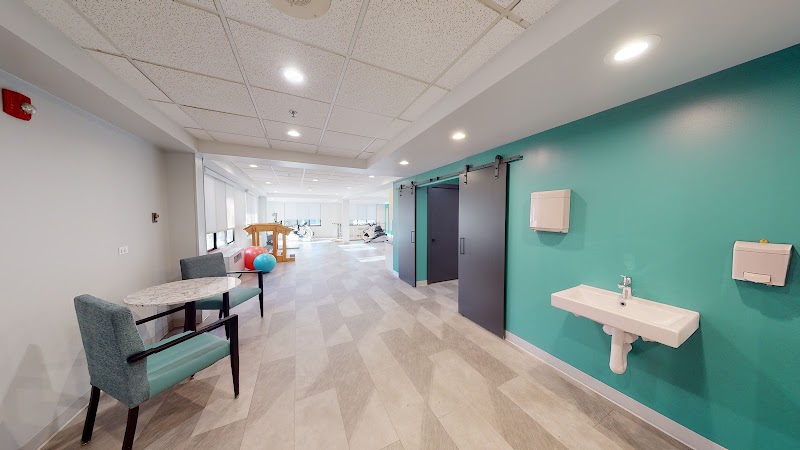
Who Owns and Operates Avantara Chicago Ridge?

AVANTARA CHICAGO RIDGE is owned by a for-profit company. For-profit facilities operate as businesses with obligations to shareholders or private owners. The facility is operated by LEGACY HEALTHCARE, a chain that manages multiple nursing homes. With 203 certified beds and approximately 159 residents (about 78% occupancy), it is a large facility located in CHICAGO RIDGE, Illinois.
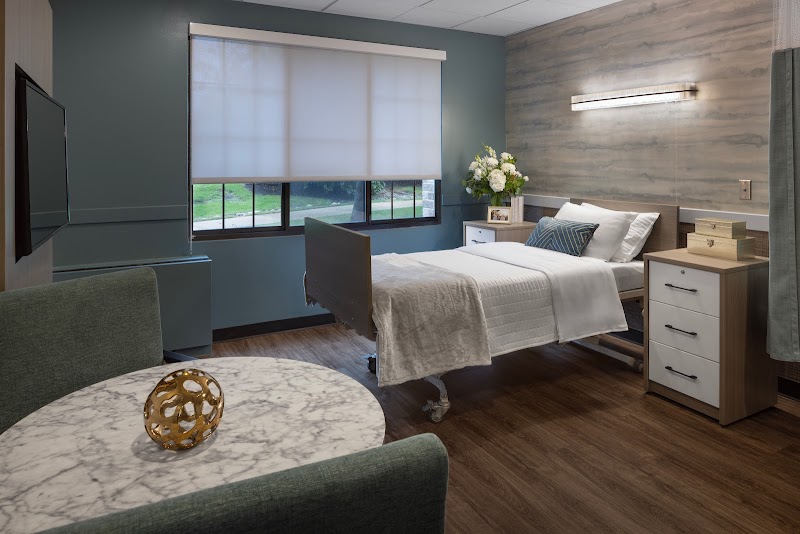
How Does Avantara Chicago Ridge Compare to Other Illinois Nursing Homes?

Compared to the 100 nursing homes in Illinois, AVANTARA CHICAGO RIDGE's overall rating (3 stars) is above the state average of 2.5, staff turnover (63%) is significantly higher than the state average of 46%, and health inspection rating (3 stars) is at the national benchmark.

What Should Families Ask When Visiting Avantara Chicago Ridge?

Based on this facility's data, families visiting should ask: "How do you ensure continuity of care given staff turnover, and what is your staff retention strategy?" "Can you walk me through typical staffing levels on day, evening, and night shifts?" "Can I visit during a mealtime to observe dining assistance and food quality?" "How do you handle medical emergencies, and what is your hospital transfer rate?" These questions are particularly relevant given the facility's high staff turnover rate and the below-average staffing rating.

Is Avantara Chicago Ridge Safe?

Based on CMS inspection data, AVANTARA CHICAGO RIDGE has a clean safety record: no substantiated abuse findings (meaning no confirmed cases of resident harm), no Immediate Jeopardy citations (the most serious violation level indicating risk of serious injury or death), and is not on the Special Focus Facility watch list (a federal program monitoring the lowest-performing 1% of nursing homes). The facility has a 3-star overall rating and ranks #1 of 100 nursing homes in Illinois. While no facility is perfect, families should still ask about staff-to-resident ratios and recent inspection results during their visit.

Do Nurses at Avantara Chicago Ridge Stick Around?

Staff turnover at AVANTARA CHICAGO RIDGE is high. At 63%, the facility is 16 percentage points above the Illinois average of 46%. High turnover means new staff may not know residents' individual needs, medications, or preferences. It can also be disorienting for residents, especially those with dementia who rely on familiar faces. Families should ask: What is causing the turnover? What retention programs are in place? How do you ensure care continuity during staff transitions?

Was Avantara Chicago Ridge Ever Fined?

AVANTARA CHICAGO RIDGE has been fined $158,440 across 3 penalty actions. This is 4.6x the Illinois average of $34,663. Fines at this level are uncommon and typically indicate a pattern of serious deficiencies, repeated violations, or failure to correct problems promptly. CMS reserves penalties of this magnitude for facilities that pose significant, documented risk to resident health or safety. Families should request specific documentation of what issues led to these fines and what systemic changes have been implemented.

Is Avantara Chicago Ridge on Any Federal Watch List?

AVANTARA CHICAGO RIDGE is not on any federal watch list. The most significant is the Special Focus Facility (SFF) program, which identifies the bottom 1% of nursing homes nationally based on persistent, serious quality problems. Not being on this list means the facility has avoided the pattern of deficiencies that triggers enhanced federal oversight. This is a positive indicator, though families should still review the facility's inspection history directly.