ADMIRAL AT THE LAKE, THE

933 WEST FOSTER AVENUE, CHICAGO, IL 60640 (773) 654-5121
Non profit - Other 36 Beds Independent Data: November 2025
Trust Grade
45/100
#303 of 665 in IL
Last Inspection: January 2025

Within standard 12-15 month inspection cycle. Federal law requires annual inspections.

Overview

Admiral at the Lake in Chicago has a Trust Grade of D, which means it is below average and has some notable concerns. It ranks #303 out of 665 facilities in Illinois, placing it in the top half, and #94 out of 201 in Cook County, indicating that there are better local options available. The facility is improving, with the number of reported issues decreasing from 10 in 2024 to 9 in 2025. Staffing is a strength, with a turnover rate of 35%, which is lower than the state average of 46%, but the staffing rating is only 1 out of 5 stars, indicating challenges in this area. While there are no fines recorded, a serious incident occurred where a resident with known fall risks fell and sustained multiple fractures due to a failure to conduct proper assessments and interventions. Additionally, the facility has concerns related to food safety, including improper storage and temperature control, which could affect all residents. Overall, while there are some positive aspects, families should be aware of the facility's weaknesses and consider these when making their decision.

Trust Score
D
45/100
In Illinois
#303/665
Top 45%
Safety Record
Moderate
Needs review
Inspections
Getting Better
10 → 9 violations
Staff Stability
○ Average
35% turnover. Near Illinois's 48% average. Typical for the industry.
Penalties
✓ Good
No fines on record. Clean compliance history, better than most Illinois facilities.
Skilled Nurses
✓ Good
Each resident gets 42 minutes of Registered Nurse (RN) attention daily — more than average for Illinois. RNs are trained to catch health problems early.
Violations
⚠ Watch
26 deficiencies on record. Higher than average. Multiple issues found across inspections.
★★☆☆☆
2.0
Overall Rating
★☆☆☆☆
1.0
Staff Levels
★★★★☆
4.0
Care Quality
★★★☆☆
3.0
Inspection Score
Stable
2024: 10 issues
2025: 9 issues

The Good

  • 4-Star Quality Measures · Strong clinical quality outcomes
  • Full Sprinkler Coverage · Fire safety systems throughout facility
  • No fines on record
  • Staff turnover below average (35%)

    13 points below Illinois average of 48%

Facility shows strength in quality measures, fire safety.

The Bad

2-Star Overall Rating

Below Illinois average (2.5)

Below average - review inspection findings carefully

Staff Turnover: 35%

11pts below Illinois avg (46%)

Typical for the industry

The Ugly 26 deficiencies on record

1 actual harm
Jun 2025 2 deficiencies 1 Harm
SERIOUS (G) 📢 Someone Reported This

A family member, employee, or ombudsman was alarmed enough to file a formal complaint

Actual Harm - a resident was hurt due to facility failures

Accident Prevention (Tag F0689)

A resident was harmed · This affected 1 resident

**NOTE- TERMS IN BRACKETS HAVE BEEN EDITED TO PROTECT CONFIDENTIALITY** Based on interview, and record review facility failed to perform accurate fall risk assessment for a resident with a known fall ...

Read full inspector narrative →
**NOTE- TERMS IN BRACKETS HAVE BEEN EDITED TO PROTECT CONFIDENTIALITY** Based on interview, and record review facility failed to perform accurate fall risk assessment for a resident with a known fall history, develop and implement post fall interventions to prevent future falls and failed to monitor, document, and send resident to hospital in a timely manner post fall incident for one resident (R2) out of four residents reviewed for accident and supervision. This failure led to R2 falling in the facility sustaining multiple acute fractures. Findings Include: R2's Minimum Data Set (MDS) dated [DATE] shows he is cognitively impaired. R2's electronic medical record (EMR) revealed R2 was initially admitted to the facility on [DATE] and was [AGE] years old with diagnoses of, but not limited to unspecified fall, subsequent encounter, malignant neoplasm of bladder, heart failure, unspecified atrial fibrillation, hypertension, unsteadiness on feet, muscle weakness generalized, chronic kidney disease, diverticulitis of intestine with perforation and abscess with bleeding. On 6/3/25 at 1:53 PM, via telephone interview, V11 (Licensed Practical Nurse/LPN) stated that he observed R2 in a sitting position on the floor in his room on 5/12/25 at about 1:15 AM, he denied pain, or hitting his head, the vital signs were stable, he is not aware that R2 was on Eliquis, but the doctor ordered lab and to monitor since he did not hit his head. V11 also stated that there should be seventy-two hours post fall documentation every shift to monitor the resident for any changes and to prevent medical complication, but he did not work with R2 after the incident. R2's fall investigation summary form documents At around 1:15 AM resident observed on the floor, sitting position, by the bedside and call light is within reach. Resident verbalized I lost my balance while trying to get out of bed. On 6/3/25 at 3:30 PM, V2 (Director of Nursing/Fall Coordinator) stated that she has been in the facility since August 2024, she completes the fall risk assessment based on the root cause of the fall and collaborate with the care plan coordinator to update the care plan with new interventions to prevent further falls. V2 also stated that there should be seventy-two hours post fall documentation every shift to monitor R2 for any changes, to provide timely care and to prevent complication. On 6/4/25 at 2:44 PM, V2 stated that R2 was sent to the hospital on 5/16/25 due to neck pain with diagnosis of multiple acute fracture, he is at high risk for fall due to the history of fall prior to admission because he had a fall on 2/18/25. The fall risk assessment of 3/5/25 shows a score of 65, and on 4/9/25 with a score of 80 shows that R2 continues to be at an increased high risk for falls. He should be accurately documented and care planned to prevent further falls, but the readmission falls risk assessment of 4/21/25 shows a score of 3 (low risk). V2 stated that R2 was not accurately assessed to prevent the fall of 5/12/25 which resulted to multiple neck fractures, and when fall risk assessment is not accurately done, appropriate intervention will not be in place and resident safety will be compromised. On 6/4/25 at 12:15 PM, V14 (Minimum Data Set/MDS/Care Plan Coordinator) stated that she has been working in the facility since 2022, she does the care plan for the diagnoses, medications, readmission, admission, quarterly, significant change, and helps with the fall care plan. The purpose of care plan is to set goals for the resident and for the staff to know how to care for the resident. Care plan should be updated post fall with appropriate interventions, R2 is at high risk for fall, his fall assessment should reflect high risk, inaccurate fall assessment will lead to ineffective care plan and potentially another falls. On 6/4/25 at 1:16 PM, V15 (Medical Director) stated that he has been taking care of R2 for two years, he was substantially getting weaker, dependent on staff for activity of daily living, he is at high risk for fall, he had a big fall on 4/5/25, and another fall on 5/12/25. R2 was on Eliquis but according to the nurse report R2 denied hitting his head so there was no need to send him to the hospital on 5/12/25, however it is his expectation that nurses will continue to monitor him every shift and document to rule out any complication. Documents reviewed but are not limited to the following: R2' Face Sheet, POS, Section C, GG, and of MDS. R2's progress notes document on 5/16/25 at 1:30PM care partner and (NOD-nurse on duty) were assisting the care, the resident was screaming when the resident was moving in bed. (Physician) notified, per MD send (R2) out for further evaluation. Resident admitted with diagnosis of multiple acute fracture at C4, C5 and C6. R2's clinical records had no documentation showing that 72 hours post fall monitoring/supervision was done post fall of 5/12/25. R2's Fall risk assessment dated [DATE] with a score of 65 = high risk R2's Fall risk assessment dated [DATE] with a score of 80 =high risk R2' Fall risk assessment dated [DATE] with a score of 3 =low risk. Safety and supervision of residents' policy dated 12/2024, documents read in part: Resident supervision is a core component of the systems approach to safety. Fall Risk Prevention Policy dated 4/4/2025, documents read in part: Staff will try attempt interventions, based on the assessment.
CONCERN (D) 📢 Someone Reported This

A family member, employee, or ombudsman was alarmed enough to file a formal complaint

Potential for Harm - no one hurt, but risky conditions existed

Deficiency F0657 (Tag F0657)

Could have caused harm · This affected 1 resident

**NOTE- TERMS IN BRACKETS HAVE BEEN EDITED TO PROTECT CONFIDENTIALITY** Based on interviews, and record reviews, the facility failed to review and revise the comprehensive resident-centered care plan ...

Read full inspector narrative →
**NOTE- TERMS IN BRACKETS HAVE BEEN EDITED TO PROTECT CONFIDENTIALITY** Based on interviews, and record reviews, the facility failed to review and revise the comprehensive resident-centered care plan for one resident (R2) out of four residents reviewed for care plan revision. Findings Include: R2's Minimum Data Set (MDS) dated [DATE] shows he is cognitively impaired. R2's electronic medical record (EMR) revealed R2 was initially admitted to the facility on [DATE] and was [AGE] years old with diagnoses of, but not limited to unspecified fall, subsequent encounter, malignant neoplasm of bladder, heart failure, unspecified atrial fibrillation, hypertension, unsteadiness on feet, muscle weakness generalized, chronic kidney disease, diverticulitis of intestine with perforation and abscess with bleeding. On 6/3/25 at 3:30 PM, V2 (Director of Nursing/Fall Coordinator) stated she has been in the facility since August 2024, she collaborates with the care plan coordinator to update the care plan with new interventions to prevent further falls. On 6/4/25 at 2:44 PM, V2 state if a resident falls once that resident is at high risk for fall, R2 had two falls prior, so he is at high risk, and a resident centered care plan should be updated accordingly to prevent further falls. Surveyor showed V2 that R2's falls of 2/18/25 and 4/5/25 were both initiated on 6/2/25, she stated she expects the care plan coordinator to update but she is planning to review all care plans. On 6/4/25 at 12:15 PM, V14 (Minimum Data Set/MDS/Care Plan Coordinator) stated that she has been working in the facility since 2022, she does the care plan for the diagnoses, medications, readmission, admission, quarterly, significant change, and helps with the fall care plan. The purpose of care plan is to set goals for the resident and for the staff to know how to care for the resident. Care plan should be updated post fall with appropriate interventions, R2's care plan should have been updated with the interventions to prevent further fall. Documents reviewed are not limited to the following: R2' Face Sheet, POS, Section C, GG, and of MDS. R2's fall care plan was initiated on 6/2/25 for fall of 2/18/25 and 4/5/25. Care Plan-Comprehensive Policy dated 1/2024, documents read in part: assessments of resident are ongoing, and care plans are revised as clinical information about the residents and if the residents' conditions change.
Jan 2025 7 deficiencies
CONCERN (D)

Potential for Harm - no one hurt, but risky conditions existed

Comprehensive Care Plan (Tag F0656)

Could have caused harm · This affected 1 resident

**NOTE- TERMS IN BRACKETS HAVE BEEN EDITED TO PROTECT CONFIDENTIALITY** Based on interview and record review the facility failed to have a person-centered care plan that is consistent with the residen...

Read full inspector narrative →
**NOTE- TERMS IN BRACKETS HAVE BEEN EDITED TO PROTECT CONFIDENTIALITY** Based on interview and record review the facility failed to have a person-centered care plan that is consistent with the resident's current condition, goals, and services for one (R3) resident reviewed in a total sample of 12 residents. Findings include: On 01/21/25, at 12:53 PM, R3 states that she is under hospice care, and she does not know how long she has received hospice services. R3 states she cannot recall what services they provide to her. On 01/23/25, at 10:48 AM, Reviewed R3's active physician order set and documents in part: admitted to Journey Care Hospice 11/16/2024. On 1/23/25, at 1:11 PM, V31 (Licensed Practical Nurse) states R3 is a 2-person assist for ADL (activities of daily living) care, it can take 45-60 minutes to care for because of her behaviors. Sometimes she is very agitated and cursing. She has no wounds. The hospice has provided R3 with the comfort kit. V31 states that hospice comes in every week. Sometimes if there is abnormality and resident is not comfortable, we inform hospice too. On 1/23/2025, at 2:04 PM, via telephone V32 (Licensed Practical Nurse/Minimum Data Set nurse) states that she takes care of developing the residents' nursing care plans. V32 states care plans should be updated and as needed, but at least quarterly (every 3 months). V32 states that it's important to have an updated care plan because it shows what are resident's current needs, goals, and interventions. This surveyor asked V32 what kind of specialized services should be care planned? V32 states if the resident is under palliative care or hospice care. R3's face sheet documents R3 is a [AGE] year-old individual admitted to the facility on [DATE], with the following diagnoses but not limited to secondary Parkinsonism, unspecified, chronic obstructive pulmonary disease, unspecified. R3's Minimum Data Set (MDS) Section C, dated 06/07/2023 documents R3 is cognitive intact. R3's current physician order documents in part: admitted to Hospice 11/16/2024. R3's care plan does not document that R3 is receiving hospice care. Facility document dated 12/2024, title Care Plans, Comprehensive Person-Centered documents in part the comprehensive, person-centered care plan describes the services that are to be furnished to attain or maintain the resident's highest practicable physical, mental, and psychosocial well-being.
CONCERN (D)

Potential for Harm - no one hurt, but risky conditions existed

Deficiency F0688 (Tag F0688)

Could have caused harm · This affected 1 resident

**NOTE- TERMS IN BRACKETS HAVE BEEN EDITED TO PROTECT CONFIDENTIALITY** Based on observation, interview and record review, the facility failed to follow their restorative care policy and provide resto...

Read full inspector narrative →
**NOTE- TERMS IN BRACKETS HAVE BEEN EDITED TO PROTECT CONFIDENTIALITY** Based on observation, interview and record review, the facility failed to follow their restorative care policy and provide restorative therapy for one (R18) in a total sample size of 12 resident. Findings include: On 01/21/25, at 1:10 PM, R18 sitting on his wheelchair, in the activity room, and in no apparent distress. R18 unable to be interviewed. R18's left hand constricted. On 01/21/25, at 1:11 PM, V10 (certified nursing assistant) states that R18 tends to flinch his hands and makes fists. On 1/23/2025, at 2:04 PM, via telephone V32 (Licensed Practical Nurse/Minimum Data Set nurse) states that some common Parkinson's disease signs and symptoms can include tremors, they can decline functionally. V32 states that some interventions that can be put in place for a resident with Parkinson's disease can include- monitor for tremors, if they have side effects of the medication, PT/OT (physical therapy/occupational therapy) when we think they need help, doing range of motion for them to maintain the current function to prevent contractures. On 1/23/25, at 3:17 PM, V30 (Director of Rehab) states that she has not worked for the facility long (since December 10th, 2024). V30 reports that R18 is not being followed by therapy. On 1/23/2025, at 4:24 PM, V3 (Director of Nursing) states that V32 is covering for the restorative therapy since the previous nurse is on vacation. V3 states that the purpose of restorative program is to maintain the resident at their baseline. V3 states that a resident with a primary diagnosis of Parkinson's Disease will benefit from a restorative program because it can slow the decline. V3 states that a restorative program is specific for whatever the resident is assessed for and there are specific goals. V3 states that residents are referred to restorative when they get discharged from rehabilitation services such as physical therapy. V3 states but they will have all residents try to do some restorative program. V3 states that a patient diagnosed with Parkinson's disease can develop contractures especially if they are not able to move around anymore. V3 states I think he (R18) absolutely will benefit from restorative therapy. V3 states that she cannot tell this surveyor the rationale as to why R18 is not being provided with restorative therapy services. R18's face sheet documents R18 is an [AGE] year-old individual admitted to the facility on [DATE] with the following diagnoses but not limited to secondary Parkinsonism, unspecified, muscle weakness, dementia. R18's Minimum Data Set (MDS) Section C, dated 1/5/2025, documents R18 is rarely/never understood. R18's Minimum Data Set (MDS) Section I, dated 1/5/2025, documents R18 has diagnosis of Parkinsonism, unsteadiness on feet, repeated falls, muscle weakness. R18's MDS section O Special Treatments, procedures, and programs, dated 1/5/2025, documents in part that R10 received 0 days of restorative nursing programs. R18's current care plan does not document restorative therapy interventions. R18's physician order set does not document an order for restorative therapy. Facility document undated, titled Restorative Program notes a list of residents that are on a restorative program, and R18 is not noted on the list of residents that are on a restorative program. Facility document dated 12/2024 titled Restorative Nursing Services documents in part residents will receive restorative nursing care as needed to help promote optimal safety and independence.
CONCERN (D)

Potential for Harm - no one hurt, but risky conditions existed

Deficiency F0761 (Tag F0761)

Could have caused harm · This affected 1 resident

Based on observation, interview, and record review the facility failed to accurately secure controlled substance medications for two residents (R7 and R14) in a sample of 12 reviewed for medication/co...

Read full inspector narrative →
Based on observation, interview, and record review the facility failed to accurately secure controlled substance medications for two residents (R7 and R14) in a sample of 12 reviewed for medication/controlled substance storage. Findings include: 1/21/25, at 10:43 AM, reviewed 8th floor medication cart and medication room with V23 (Licensed Practical Nurse-LPN). Observed V23 open the refrigerator and narcotic lock box without using a key or entering a code or any other unlocking method. Observed the refrigerator to have no locking mechanism. Observed the narcotic lock box inside of the refrigerator to have a coded locking mechanism. V23 verified to writer the narcotic lock box was not locked with the coded locking mechanism. Inside of the unlocked narcotic lock box was Lorazepam Intensol Oral Concentrate 2mg (milligrams) per ml (milliliter) for R7 and R14. 1/21/25, at 11:30 AM, V23 (Licensed Practical Nurse-LPN) stated narcotics should be locked so accessible only to the nurse; to keep them safe. 1/23/25, at 2:50 PM, V3 (Director of Nursing) stated narcotics need to be double locked. The narcotic box should be locked, and the medication cart is locked when unattended. In the medication room, the medication room should be locked and the narcotic box inside of the refrigerator should be locked. The refrigerator is not locked. The narcotics are locked because they are controlled substances. We keep it locked to keep them from going missing, so residents can't get to them and overdose. R7 physician order summary reads in part: Lorazepam Oral Concentrate 2mg/ml Give 0.25 milliliter by mouth every 2 hours as needed for mild to moderate anxiety, active order status, start date 11/11/2024. Lorazepam Oral Concentrate 2mg/ml Give 0.25 milliliter by mouth one time a day for anxiety, active order status, start date 11/11/2024. Lorazepam Oral Concentrate 2mg/ml Give 0.5ml by mouth every 2 hours as needed for severe anxiety, active order status, start date 11/11/2024. R14 physician order summary reads in part: Lorazepam Intensol Oral Concentrate 2mg/ml Give 0.25 milliliter by mouth every 2 hours as needed for anxiety or nausea for 14 days, active order status, start date 1/22/2025, end date 2/5/2025. Lorazepam Intensol Oral Concentrate 2mg/ml Give 0.5ml sublingually every 2 hours as needed for moderate to severe anxiety or nausea for 14 days, active order status, start date 1/22/2025, end date 2/5/2025. Facility policy Controlled Substances, 11/2022, documents in part: Controlled substances are separately locked in permanently affixed compartments, except when using single unit package drug distribution systems in which the quantity stored is minimal and a missing dose can be readily detected.
CONCERN (E)

Potential for Harm - no one hurt, but risky conditions existed

Accident Prevention (Tag F0689)

Could have caused harm · This affected multiple residents

Based on observation, interview, and record review the facility failed to ensure a safe, hazard free environment for 15 residents residing on the eighth floor of the 29 residing in the facility. Findi...

Read full inspector narrative →
Based on observation, interview, and record review the facility failed to ensure a safe, hazard free environment for 15 residents residing on the eighth floor of the 29 residing in the facility. Findings include: On 1/21/25, at 9:54 AM, while touring the 8th floor, writer observed four screws on the floor in the hallway. Writer observed two staff members, V20 (Live Enrichment) and V21 (Care Partner/Certified Nursing Assistant-CNA) walk past the screws on the floor without picking them up. On 1/21/25, at 10:07 AM, V22 (Maintenance) was observed picking up the four screws from the floor in the hallway. V22 verified to writer that they are screws. V22 stated I picked them up, so no one has an accident. Someone could step on them and slip and fall. They should not have been on the floor. I don't know who left them there. There have been no calls to me to pick them up. Staff should have picked them up to prevent a hazard. On 1/23/25, at 2:50 PM, V3 (Director of Nursing) stated we keep the supply room with medication and supplies locked. Anything hazardous to the resident is locked, especially in the kitchen. Anything harmful to the resident is kept out of reach. To be free of hazards, we make sure no clutter is on the floor, no loose carpet. The passageway is clear of anything to make trip, we have adequate lighting. There should not be anything in the hallway to make the resident trip. Equipment should be kept on one side of the hallway. There should not be screws on the floor of the hallway. If there is they should be picked up by any staff member. The resident can easily slip on them, harm themselves, poke themselves. If I see a screw on the floor, I have to pick it up. According to facility daily census 1/22/2025, provided by facility, there are 15 residents that reside on the eighth floor. According to 10 Fall Prevention Tips for Seniors posted on the 8th and 10th floors of the facility, the first tip is to remove tripping hazards such as books and papers, shoes, and boxes from stairs and hallways, and secure rugs. Facility policy Safety and Supervision of Residents, 12/2024, documents in part: Our facility strives to make the environment as free from accident hazards as possible. Resident safety and supervision and assistance to prevent accidents are facility-wide priorities. Safety risks and environmental hazards are identified on an ongoing bases through a combination of employee training, employee monitoring, and reporting processes; QAPI reviews of safety and incident/accident data; and a facility-wide commitment to safety at all levels of the organization. Employees shall be trained on potential accident hazards and demonstrate competency on how to identify and report accident hazards, and try to prevent avoidable accidents.
CONCERN (F)

Potential for Harm - no one hurt, but risky conditions existed

Deficiency F0804 (Tag F0804)

Could have caused harm · This affected most or all residents

Based on observation, interview, and record review the facility failed to follow their policies and implement safe food preparation and services to ensure the food conserves a safe temperature. This f...

Read full inspector narrative →
Based on observation, interview, and record review the facility failed to follow their policies and implement safe food preparation and services to ensure the food conserves a safe temperature. This failure has the potential to affect all residents that receive nutrition from the kitchen. Findings include: On 1/21/2025 at 9:38 AM, this surveyor reviewed facility dated 1/21/2025 titled Hot holding (main kitchen) temperature log does not document a temperature was taken for the breakfast food (scrambled eggs, scrambled eggs puree, breakfast meat, breakfast meat puree, oatmeal, oatmeal puree, cheese omelet, cheese omelet puree). On 1/21/2025 at 9:39 AM, V6 (Director of Culinary Services) states that it should be filled out before the food goes out. V6 states that it is important to know the temperature of the food because they won't know if they need to make corrections and have proper holding temperatures. V6 it's important for the residents' health and avoiding food-related illnesses. On 1/21/2025 at 12:32 PM, V8 (Supervisor for dining) states that there is a steamer on each floor, and V8 states but this floor's (8th floor) steamer is not working currently, and there is a work order for it. V8 report that the holding food temperature should be about 130 to 135 degrees Fahrenheit. V8 states that the food is being microwaved prior to being served to the resident. This surveyor asked V8 to check the temperature for the barbeque beef and V8 utilized the facility's thermometer to properly measure the temperature. V8 states and this surveyor observed the temperature read 90 degrees Fahrenheit. V8 states that the food should be covered also to prevent dust or insects from entering to the food. On 01/22/2025 at 10:08 AM, with V6 (Director of Culinary Services) states that staff are not supposed to remove the hot food out of the hot boxes (insulated food carriers). V6 continues to state the servers are supposed to serve form the insulated food carriers. V6 states that this is the process that is being done as of now due to the steamer table is not working currently and there is a work order. V6 states that she is just waiting to hear back on the quote to fix it. V6 states that V8 (Supervisor for Dining) is responsible to monitor during the dining services. Facility document not dated documents in part the mealtimes for the skilled floors, breakfast is from 8:00 AM to 9:30 AM. Facility document dated January 2021 documents in part Recording Temperatures, purpose: to ensure all food is prepared at appropriate temperatures and served at correct holding temperatures. The cook is responsible for checking the cooking temperature of each food item: meat, starch, vegetable, etc. The temperature will be taken with calibrated thermometer. The cook will determine if final temperature of each food is at a safe temperature to serve. Facility document dated 11/2010 documents in part Critical Food Temperature Guide, food storage temperatures. Food held in the danger zone temperatures range may cause illness. Danger zone temperatures are from 40 degrees Fahrenheit through 140 degrees Fahrenheit.
CONCERN (F)

Potential for Harm - no one hurt, but risky conditions existed

Food Safety (Tag F0812)

Could have caused harm · This affected most or all residents

Based on observation, interview, and record review the facility failed to store and label food items in accordance with professional standards for food service safety and follow proper sanitation and ...

Read full inspector narrative →
Based on observation, interview, and record review the facility failed to store and label food items in accordance with professional standards for food service safety and follow proper sanitation and food handling. This failure has the potential to affect all residents that receive nutrition from the kitchen. Findings include: On 1/21/2025 at 9:53 AM in the refrigerator with V6 (Director of Culinary Services), was approximately 20 slices of cheese slices dated 1/13 use by 1/20, approximately 15 slices of turkey dated 1/13 use by 1/20, the tail end of cured Italian meat prepared 10/5/2024 with use by 1/10/2025. A Three 5-pound containers of cottage cheese that expired on 1/20/2025. On 1/21/2025 at 10:10 AM in the walk-in freezer with V6 was a blue cheese butter labeled 10/05/2024 use by 1/20/2025, approximately 12 pieces of prepared chicken on a silver tray covered with plastic cover, labeled 10/20/2024 use by 1/1/2025. V6 states these food items should have been discarded. V6 states that she is working on in-servicing the kitchen staff. On 1/21/2025 at 11:26 AM there were several pieces of zucchini on a cart, uncovered, and no staff around the pieces of zucchini. V6 continues to state if the staff took it out, it should be covered due to potential for contamination. With V6, 12 slices of lemon bars uncovered and no staff around the slices of lemon bars. On 1/22/2025 at 9:55 AM there were 6 large soup containers on a table with ice, uncovered, no lids noted in the area. On 1/21/2025 at 12:28 PM V9 (server) was serving a lunch tray that is being prepared to be delivered to a resident. V9 was not wearing a hairnet. Three pans noted on the steam table, without lids or plastic covering the food. One pan was barbeque beef, another pan was peas and carrots. Facility document dated January 2/2020 documents in part Refrigerated Storage. Purpose to ensure all food products are safe and to prevent foodborne illnesses. All food is labeled, if taken out of original packages, food will be labeled and dated. Facility document dated January 12/2024 documents in part Freezer Food Storage. Purpose to be sure all frozen food products are served in a timely manner and are of the highest quality. Store food in its original package, when possible, if taken out of original package should be labeled and dated and tightly wrapped.
CONCERN (F)

Potential for Harm - no one hurt, but risky conditions existed

Infection Control (Tag F0880)

Could have caused harm · This affected most or all residents

Based on observation, interview, and record review the facility failed to observe proper PPE (Personal Protective Equipment) protocols. This failure has the potential to affect all residents residing ...

Read full inspector narrative →
Based on observation, interview, and record review the facility failed to observe proper PPE (Personal Protective Equipment) protocols. This failure has the potential to affect all residents residing in the facility. Findings include: 1. On 1/21/25, at 12:30 PM, observed a sign posted on R19's door frame. The sign had two STOP signs pictured and the CDC (Centers for Disease Control and Prevention) emblem on it. The sign read in part: Contact Precautions. Providers and staff must also: put on gloves before room entry. Put on gown before room entry. V24 (R19 Private Care Giver) was observed inside of R19's room with no PPE (Personal Protective Equipment), gown, gloves worn. On 1/21/25, at 12:33 PM, V24 (R19 Private Care Giver) stated R19 is a two-person assist. V24 cleans R19's face, brushes R19's teeth, puts clothes on R19 and helps the Care Partners-CNA's change R19. V24 works weekdays and sits inside R19's room for companionship and to monitor. V24 stated V24 only wears PPE (Personal Protective Equipment), gown, gloves when V24 changes R19 after a bowel movement. V24 stated a nurse told R19 that R19 has to be on quarantine for ten days for something dealing with the bowel. V24 stated that V24 was told PPE was not needed just to be inside of the room, only to change the adult brief. On 1/21/25, at 2:10 PM, V3 (Director of Nursing) stated on contact precaution, you wear the necessary PPE to go into the room which includes gown and gloves. This includes everybody that goes into the room. The caregiver should have on a gown and gloves when they are in the room even if just sitting. They are touching things in the room so they should have on PPE. On 1/21/25, at 3:10 PM, V12 (Infection Control Prevention Nurse-RN) stated R19 is on contact precaution for CDIFF (Clostridioides difficile). R19 has been on contact precaution since 1/13/25, and is due to come off 1/22/25. Contact precaution is for infections passed by touching. CDIFF can be transferred to objects in the room such as the bedside table, call light, television remote control. Staff are supposed to gown and glove whenever they change (change adult brief, clean up after a bowel movement) the resident. If any nurse, CNA (Care Partner) and care giver have any contact (touching, changing adult brief, any contact with bodily fluids) with R19 then they should gown and glove up. If anyone is not touching the resident, then they do not need to gown and glove. If a care giver is just sitting in the room they do not need to gown and glove. If the care giver is touching the resident, then they gown and glove. It is possible for the care giver and anyone else that goes into the room to come into contact with the bedside table, call light, television remote control, etc. and thereby come into contact with CDIFF. The reason for contact precaution is to protect others from the infection. The PPE is to protect the staff and others from the infection of the contact precaution. If the staff or anyone else is not wearing PPE while in the room for any reason they are at risk to contact CDIFF. R19 progress note, 1/13/2025, 3:21 PM, reads in part: Resident tested positive for C-diff. (Physician) notified with order to start vanco 125mg (milligrams) Q (every) 6 PO (by mouth) times 10 days. Order carried out, isolation precautions set up and POA (power of attorney) notified of isolation precautions . R19 progress note, 1/14/2025, 6:35 PM, reads in part: Positive for c-diff. On contact isolation (until 48 hrs after last episode of diarrhea resolution) Facility policy Isolation-Categories of Transmission-Based Precautions, no date, documents in part: Contact precautions are implemented for residents known or suspected to be infected with microorganism that can be transmitted by direct contact with the resident or indirect contact with environmental surfaces or resident-care items in the resident's environment. Staff and visitors wear gloves (clean, non-sterile) when entering the room. Staff and visitors wear a disposable gown upon entering the room and remove before leaving the room and avoid touching potentially contaminated surfaces with clothing after gown is removed. 2. On 01/23/2024, at 10:36 AM, V26 (Housekeeping) was observed on her phone going from the eighth floor to the elevator wearing disposable gloves, and did not have a cleaning cart. V26 used her gloved hands to choose the floor she was going to. V26 stated she was in a rush and forgot to remove her disposable gloves and got off the elevator on the seventh floor. On 01/23/2025, at 11:17 AM, V26 stated she had gloves on because she was in a hurry to assist two temporary workers and they kept calling her to assist them. V26 stated she was trained to wear gloves only in the residents' rooms then take them out before leaving the resident room then wear clean ones in the next room. V26 stated wearing gloves outside the resident's room posed a risk of spreading germs and is risk for contamination. V26 stated she had infection control in-service last year but she does not remember when. On 01/23/2025, at 1:01 PM, V28 (Assistant Director of Nursing-ADON) stated staff are not supposed to walk around wearing disposable gloves because that would be spreading germs throughout the facility. V28 stated house keepers should be wearing gloves inside the resident's rooms while cleaning and take them out before leaving the residents room and not wear them while walking in the hallways and in the elevator to prevent spread of germs. V28 stated staff are provided in-services to make sure they are aware of how to prevent spread of germs. On 01/23/2025, at 1:17 PM, V12 (Infection Control Nurse-LPN) stated staff, including housekeepers are not supposed to walk in the hallways, elevators and other floors wearing disposable gloves to prevent the spread of germs and diseases in the facility, and the germs can spread around the units which can spread to residents. On 01/23/2025, at 1:41 PM, V29 (Environmental Service Housekeeping Manager) stated house keepers are not supposed to walk around wearing disposable gloves in the units and hallways because they can spread germs which can affect the residents. V29 stated housekeepers are supposed to remove disposable germs once they are done with a resident room and put the dirty gloves in the garbage bin. V29 stated she trains her staff once a year on infection control. V29 stated in-service is provided by an outside vendor but she does not have the information or sign in sheet for staff who attended from the last time the class was provided. Personal Protective Equipment -Using Gowns dated 2001 documents: -After completing the treatment or procedure, gowns must be discarded in the appropriate container located in the room.
Feb 2024 10 deficiencies
CONCERN (D)

Potential for Harm - no one hurt, but risky conditions existed

Resident Rights (Tag F0550)

Could have caused harm · This affected 1 resident

**NOTE- TERMS IN BRACKETS HAVE BEEN EDITED TO PROTECT CONFIDENTIALITY** Based on observation, interview and record review the facility failed to ensure the residents were treated with respect and dign...

Read full inspector narrative →
**NOTE- TERMS IN BRACKETS HAVE BEEN EDITED TO PROTECT CONFIDENTIALITY** Based on observation, interview and record review the facility failed to ensure the residents were treated with respect and dignity by not passing out meals to residents sitting together at the same time for one (R1) resident and standing over a resident while feeding them affecting one (R2) resident on the total sample of 12 residents reviewed for dining services. Findings include: On 02/06/24 at 12:08 PM, observed R1 and R9 sitting at the same table in the unit dining room. Observed R9 feeding herself lunch and R1 watching R9 eat. R1 did not have anything in front of him to eat. On 02/06/24 at 12:23 PM, observed R9 continuing to eat R9's lunch and R1 still did not have any food in front of him. R1 stated I'm hoping I get served some food soon. I'm waiting. R1 then stated, I haven't gotten my soup yet and then holds up a clean soup spoon to show the surveyor. On 02/06/24 at 12:29 PM, R1 was served soup which R1 began to eat right away with R1's spoon. R9 had completed R9's lunch meal. On 02/06/24 at 12:30 PM, R9 was removed from the unit dining room and R1 continued to eat R1's soup alone at the table. On 02/06/24 at 12:06 PM, observed V15 (Private Care Giver) standing over R2 while feeding R2 lunch in the unit dining room. V15 gave R2 a couple of bites of food from a standing position and then went to assist the kitchen server with delivering food items to other residents sitting in the unit dining room. On 02/06/24 at 12:12 PM, observed V15 return to R2 and feed R2 more bites of pureed food. V15 stated V15 feeds R2 breakfast and lunch. V15 stated, I always stand up when I feed (R2). On 02/06/24 at 12:31 PM, V16 (Certified Nursing Assistant) stated it is not okay to stand up while feeding a resident. V16 stated when V16 is feeding a resident V16 sits down next to them so V16 can interact with the resident. V16 stated V16 wants to be able to talk with the resident at eye level and does not want to be towering over the resident. V16 stated that is why V16 always sits down when feeding a resident. On 02/06/24 at 12:33 PM, V16 stated residents sitting at the same table should be served their food at the same time so they can eat at the same time. On 02/08/24 at 9:55 AM, V2 (Director of Nursing) stated private duty care givers are allowed to feed residents if they are trained. V2 stated R2 has a state issued care giver and that care giver has already received training on feeding. V2 stated staff and private duty care givers should be sitting down when feeding a resident because eating is a social activity. V2 stated standing over a resident means that person is not at the same level of the resident and when feeding a resident staff and care givers should be making eye contact the resident. V2 stated it is the facilities responsibility to make sure the private duty care givers are doing the correct thing on how to treat someone. V2 stated residents sitting at the same table should receive their meals at the same time assuming they can both feed themselves. V2 stated I think it is a dignity issue. V2 stated a resident could be hungry and should not have to sit and watch another person eating in front of them. V2 stated eating should be a good dining experience and if it was me, I would want to be served at the same time as the people I am sitting with. On 02/09/24 at 8:15 AM, V20 (Consulting Registered Dietitian) stated resident sitting at the same table should be served their meal at the same time. V20 stated this is a dignity issue because a resident who might be hungry should not have to sit across from another resident watching them eat. V20 stated it is also a social issue because you want to eat with someone else at the same time. V20 stated staff should not be standing over the resident while feeding them. V20 stated they should be sitting, and feeding a resident at eye level so that it is comfortable for the resident, and they can better monitor the resident especially if the resident has swallowing issues. V20 stated it is also a dignity concern because staff should be interacting with the resident while feeding them by talking with them and maintaining eye contact with them, not rushing through feeding the resident. V20 stated R2 has swallowing problems is on pureed diet with nectar thickened liquids. V20 stated R2 cannot feed himself and that the caregiver should be sitting down and monitoring the resident closely because of R2's swallowing issues. R1's diagnosis which includes but not limited to Hypertension, Anemia, Dementia, Wernicke's Encephalopathy, Need for Assistance with Personal Care, Muscle Weakness (Generalized), Difficulty in Walking. R1's Physician Orders dated 02/07/24 documents in part Regular diet with thin liquids ordered 12/27/23. R1's MDS (Minimum Data Set) from 01/16/24 documents self-care assessment for eating as being setup or clean-up assistance, resident completes activity. R2's diagnosis which includes but not limited to Dysphagia, Parkinson's Disease, Chronic Obstructive Pulmonary Disease, Unspecified Dementia, Muscle Weakness, Major Depressive Disorder. R2's Physician Orders dated 02/07/24 documents in part Pureed texture food with nectar thickened liquids ordered 01/25/24. R2's MDS (Minimum Data Set) from 01/23/24 BIMS (Brief Interview for Mental Status) was 09 out of 15 indicating moderately impaired cognition. R9's diagnosis which includes but not limited to Hyperlipidemia, Vascular Dementia, Muscle Weakness (Generalized), Lack of Coordination, Difficulty Walking, History of Falling, Unsteadiness on Feet. R9's Physician Orders dated 02/08/24 documents in part Regular diet with thin liquids ordered 12/10/23. R9's MDS (Minimum Data Set) from 12/31/23 BIMS (Brief Interview for Mental Status) was 11 out of 15 indicating moderately impaired cognition. R9's MDS (Minimum Data Set) from 12/31/23 documents self-care assessment for eating as being setup or clean-up assistance, resident completes activity. Facility provided document from Resident Handbook undated which documented in part, the Harbors [NAME] to insure that all residents are afforded their right to a dignified existence and all staff will protect and promote the rights of each resident. Facility provided policy titled Assistance During Meal Times dated 10/20 which documented in part for residents who cannot feed themselves will be fed with attention to safety, comfort, and dignity for example: not standing over residents while assisting them with meals. Facility provided policy titled Private Companions dated 10/17 which documented in part, any care performed by the privately employed personnel must at all times be within the scope of the individual qualifications and care to be provided by the privately employed personnel remains at the discretion and direction of the facility staff.
CONCERN (D)

Potential for Harm - no one hurt, but risky conditions existed

Pressure Ulcer Prevention (Tag F0686)

Could have caused harm · This affected 1 resident

**NOTE- TERMS IN BRACKETS HAVE BEEN EDITED TO PROTECT CONFIDENTIALITY** 2. On 2/6/24 at 10:45 AM, surveyor observed R29 lying on R29's back on an air loss mattress with a spread sheet, pad, and a diap...

Read full inspector narrative →
**NOTE- TERMS IN BRACKETS HAVE BEEN EDITED TO PROTECT CONFIDENTIALITY** 2. On 2/6/24 at 10:45 AM, surveyor observed R29 lying on R29's back on an air loss mattress with a spread sheet, pad, and a diaper. V38 (CNA) at bed side, V38 stated yes, R29 is lying on air loss mattress with a spread sheet, a pad, and R29 is wearing a diaper. On 2/7/24 at 11:54 AM, V27 (LPN) and the surveyor entered R29's room, surveyor and V27 observed R29 lying on air loss mattress with a spread sheet, pad, and a diaper. V27 stated R29 is on air loss mattress with a spread sheet, pad, and a diaper. On 2/8/24 at 9:35 AM, V2 (Director of Nursing) stated air loss mattress is one of the facility pressure ulcers preventative measures. Based on best practice, it is good for the air loss to have one spread sheet and that is why V2 has trained staff to use one spread sheet to have the full benefit of the air loss mattress which is to prevent bed ulcers. Using of a spread sheet, pad, and a diaper will defeat full benefit of the air loss mattress based on best practice. The Braden Scale score of 16 shows that R29 is moderately at risk of developing pressure ulcers more so that R29 is not ambulatory. V2 agreed that staff should be using one sheet on an air loss mattress as the facility pressure ulcers preventative measure. R29 Minimum Data Set (MDS) dated [DATE] shows R29 is not cognitively intact and at risk of developing pressure ulcers. Braden scale score of 21 dated 01/26/23, and score of 16 dated 12/15/23 shows R29 is at risk of developing pressure ulcers. Based on observation, interview and record review, the facility failed to follow wound doctor's recommendations for a resident with an acquired pressure ulcer for 1 (R184) resident. The facility also failed to ensure that appropriate linen is used on an air loss mattress for one (R29) resident who is at risk in developing pressure ulcer. These failures affect two (R29 and R184) residents reviewed for pressure ulcer in a sample of 14. The findings include: 1. R184 health record showed admission date on 7/23/21 with diagnoses not limited to Alzheimer's disease, Hyperlipidemia, Essential Hypertension, Type 2 Diabetes Mellitus, Chronic Kidney Disease, Major Depressive Disorder, Chronic Obstructive Pulmonary Disease, Hypothyroidism, Hyperlipidemia, Dysphagia oropharyngeal phase. On 2/7/24 at 9:47am Wound care observation conducted with V26 (Wound care nurse) assisted by V25 (Certified Nursing Assistant/CNA). Observed R184 lying in bed, alert and verbally responsive, with oxygen inhalation via nasal cannula at 2L/min, air loss mattress in place. R184 appears comfortable and wearing bilateral heel lift boots. Observed right heel with dressing in placed and was removed by V26, wound bed cleansed with NSS (normal saline solution). Observed wound bed pale looking with granulating tissue (beefy red) about 20-30%. No signs and symptoms of wound infection. Observed surrounding wound area with some brownish - blackish discoloration. Observed LPN applied calcium alginate with silver and covered with dry dressing. V26 said that right heel is classified as Stage III pressure ulcer. R184 electronic health record reviewed with V26 and stated it started as DTI (Deep Tissue Injury) on 11/9/23 measuring 6.2cm x 5.8cm x not measurable (Length x Width x Depth). V26 stated on 11/16/23 wound assessment was identified as Stage III. She said R184 is followed by wound MD on a weekly basis and latest wound measurement dated 2/1/24 documented 2.7cm x 2.6cm x 0.3cm. On 2/8/23 at 11:13am V36 (Wound Doctor) stated that she is following R184 right heel wound is classified as Stage III pressure ulcer, acquired. She stated that wound is improving with no signs and symptoms of infection. V36 stated that Right heel wound is unavoidable due to multiple comorbidities. She stated that recommendations such as vitamin C and Zinc Sulfate will aid / help in wound healing. V36 said that R184 has decreased perfusion right foot thus Doppler was recommended. She said that wound is improving as evidenced by decrease in wound size and no signs and symptoms of wound infection. V2 stated that Vitamin C and Zinc Sulfate are ordered today (2/8/24). MDS dated [DATE] showed R184's cognition was severely impaired. R184 needed partial/moderate assistance with eating; Substantial/maximal assistance with oral hygiene, upper and lower body dressing; Total assistance/Dependent with toileting and personal hygiene, shower/bathe self, chair/bed transfer. MDS showed always incontinent of bowel and bladder. MDS also indicated R184 had 1 Stage 3 pressure ulcer that was facility's acquired. Wound evaluation electronically signed by V36 (Wound Doctor) documented in part: - On 11/9/23 Unstageable DTI (deep tissue injury) to right heel measuring 6.2cm x 5.8cm x not measurable. - On 11/16/23 Right heel classified as Stage III pressure ulcer measuring 5.8 x 5.6 x 0.3cm. - On 2/1/24 Stage III pressure ulcer to Right heel measured 2.7 x 2.6 x o.3cm. Goal of treatment is healing evidenced by a 3.7% decrease in surface area and a 25.0% decrease in nonviable tissue within the wound bed. Recommendations: Zinc Sulphate 220mg (milligrams) oral once a day for 14 days. Bilateral lower extremity arterial doppler, Pre-albumin, A1C, Vitamin C 500mg (milligrams) oral twice daily. - On 2/8/24 Stage III pressure ulcer to right heel measured 2.5 x 2.4 x 0.3cm. R184 Physician order sheet (POS) dated 2/7/24 document no order for Vitamin C and Zinc Sulfate. Facility provided POS dated 2/8/24 with order not limited to: - Vitamin C 500mg tablet once a day for 30 days, order date 2/8/24. - Zinc Sulfate 50mg 1 tablet twice a day for 14 days. Order date 2/8/24.
CONCERN (D)

Potential for Harm - no one hurt, but risky conditions existed

Respiratory Care (Tag F0695)

Could have caused harm · This affected 1 resident

**NOTE- TERMS IN BRACKETS HAVE BEEN EDITED TO PROTECT CONFIDENTIALITY** On 02/06/24 at 12:30 PM, surveyor observed R14 up in chair, Oxygen tubing and Nebulizer treatment mask were not in a plastic bag...

Read full inspector narrative →
**NOTE- TERMS IN BRACKETS HAVE BEEN EDITED TO PROTECT CONFIDENTIALITY** On 02/06/24 at 12:30 PM, surveyor observed R14 up in chair, Oxygen tubing and Nebulizer treatment mask were not in a plastic bag when not in use. On 02/07/24 at 12:34 PM, surveyor and V27 (Licensed Practical Nurse) entered R14's room, V27 and surveyor observed R14's Oxygen Nasal Cannula not in a plastic bag and Nebulizer treatment Mask not in a plastic bag. V27 stated having the nebulizer mask and oxygen nasal cannula out makes R14 at risk for breathing in germs like bacteria. The oxygen nasal cannula and mask should have been contained in a plastic bag when not in use. On 2/8/24 at 9:30 AM, V2 (Director of Nursing) stated, it is V2's expectation that nurses will keep oxygen nasal cannula tubing and nebulizer treatment mask in a plastic bag when not in use to maintain good hygiene and prevent infection. R14 Minimum Data Set, dated [DATE] shows R14 is cognitively intact. R14 Physician Order Sheet (POS) with active orders as of 2/6/24 shows an order for Pulmicort 1 mg/2ml suspension for nebulization inhalation twice a day. Based on observations, interviews, and record reviews, the facility failed to follow their policy and procedure to ensure oxygen (O2) tubing and nebulizer machine and mask were stored inside a plastic bag when not in use for two (R4, R14) of two residents reviewed for respiratory care in a final sample of 14. Findings Include: On 2/06/24 at 11:19 AM, R4 was sitting on R4's wheelchair in R4's room with V35 (R4's Caregiver) at bedside. R4's nebulizer machine was not being used and was on top of R4's nightstand. R4's nebulizer machine was not inside a plastic bag. R4's nebulizer mask was sitting on top of the nebulizer machine and was not inside a plastic bag. R4 stated that R4 has not received R4's nebulizer treatment yet. V35 stated that R4 just came back from the hospital for Pneumonia. R4 stated that the nebulizer treatment helps R4 breaths better. On 2/8/24 at 9:27 AM, V2 (Director of Nursing) stated that oxygen tubing and nebulizer mask need to be changed weekly and dated. V2 stated that when not being used, the oxygen tubing and the nebulizer mask should be stored inside a clear bag for infection control protocol. V2 stated, When administering the nebulizer, the nurse has to stay in the room with the resident until it's completed then remove, wash and clean the mask, and stored inside the clear bag. It should not be exposed. Same thing with oxygen tubing if not being used to put it in the container in a clear bag. To maintain hygiene. R4's clinical records show R4 has diagnoses not limited to Acute Bronchitis, Essential Hypertension, and Myocardial Infarction. R4's Minimum Data Set (MDS) dated [DATE] shows R4 is cognitively intact. R4's physician orders show Ipratropium 0/5mg-albuterol 3 mg nebulization solution nebulizer treatment every 6 hours as needed. The facility's policy titled; Respiratory Care Infection Prevention dated 10/21 reads in part: The purpose of this policy is to guide prevention of infection associated with respiratory therapy tasks and equipment, including ventilators, among residents and associates. Infection Prevention Related to Oxygen Administration Keep the oxygen cannulas and tubing used PRN in a plastic bag when not in use. Infection Prevention Relate to Nebulizers Store the circuit in plastic bag, marked with date and resident's name, between uses.
CONCERN (D)

Potential for Harm - no one hurt, but risky conditions existed

Deficiency F0761 (Tag F0761)

Could have caused harm · This affected 1 resident

**NOTE- TERMS IN BRACKETS HAVE BEEN EDITED TO PROTECT CONFIDENTIALITY** Based on observations, interviews, and record reviews, the facility failed to follow their policy and procedure to ensure medica...

Read full inspector narrative →
**NOTE- TERMS IN BRACKETS HAVE BEEN EDITED TO PROTECT CONFIDENTIALITY** Based on observations, interviews, and record reviews, the facility failed to follow their policy and procedure to ensure medications were stored safely and securely for one (R4) resident out of 14 residents reviewed for medication storage in a final sample or 14. Findings Include: On 2/06/24 at 11:19 AM, R4 was sitting on R4's wheelchair in R4's room with V35 (R4's Caregiver) at bedside. Surveyor noted a nebulizer machine and two ampules of Ipratropium-Albuterol solutions on top of R4's nightstand. R4 stated that R4 has not received R4's nebulizer treatment yet. V35 stated that R4 just came back from the hospital for Pneumonia. R4 stated that the nebulizer treatment helps R4 breaths better. At 11:40 AM, V5 (Registered Nurse) stated that there is no resident in the unit that is self-administered with medications. V5 stated that all residents' medications should be kept inside the medication cart and not at resident's bed side. On 2/8/24 at 9:27 AM, V2 (Director of Nursing) stated that all medications should be stored securely in either the medication cart or locked refrigerator depending on the pharmacy guidelines of that medication. V2 stated that for the safety of the resident, the process when administering any medication, the nurse will take the medication in the resident's room and administer the medication. V2 stated that no medications should be stored in the residents' room. R4's clinical records show R4 has diagnoses not limited to Acute Bronchitis, Essential Hypertension, and Myocardial Infarction. R4's Minimum Data Set (MDS) dated [DATE] shows R4 is cognitively intact. R4's physician orders show Ipratropium 0/5mg-albuterol 3 mg nebulization solution nebulizer treatment every 6 hours as needed. The facility's policy titled; Storage of Medications dated 11/23 reads in part: Medications and biologicals are stored safely, securely, and properly, following manufacturer's recommendations or those of the supplier. The medication supply is accessible only to licensed nursing personnel, pharmacy personnel, or staff members lawfully authorized to administer medications. Procedure E. Except for those requiring refrigeration or freezing, medications intended for internal use are stored in a medication cart or other designated area.
CONCERN (D)

Potential for Harm - no one hurt, but risky conditions existed

Deficiency F0805 (Tag F0805)

Could have caused harm · This affected 1 resident

On 2/6/24 at 12:28 PM R184's lunch plate was observed with mashed potatoes, ground cauliflower and pulled pork that did not appear ground. Observed staff provided Nectar Thick Liquid (lemon water). R...

Read full inspector narrative →
On 2/6/24 at 12:28 PM R184's lunch plate was observed with mashed potatoes, ground cauliflower and pulled pork that did not appear ground. Observed staff provided Nectar Thick Liquid (lemon water). R184'S Diet order states: Mechanical Soft, Nectar Thick Liquids. Based on observation, interview and record review, the facility failed to prepare and serve mechanical soft food at the appropriate texture. This failure affected 1 (R184) of 4 residents reviewed for mechanical soft diet prepared in the facility's kitchen, in a total sample of 31 residents. Findings Include: R184's diagnoses includes but not limited to Dysphagia Oral Phase, Dysphagia Oropharyngeal Phase, Alzheimer's Disease, Unspecified Dementia. R184's Physician Orders for 02/07/24 document diet order is mechanical soft with nectar thick liquids ordered 01/21/23. R184's MDS (Minimum Data Set) from 12/24/23 BIMS (Brief Interview for Mental Status) was 03 out of 15 indicating severely impaired cognition. R184's nutrition care plan documents in part, R184 is at nutrition risk related to altered texture diet for dysphagia. R184's Speech Language Pathology Evaluation and Plan of Care dated 11/02/22 documents in part, R184's diet was downgraded to mechanical soft, nectar thick liquids following MBSS (Modified Barium Swallow Study) and resident continues to be at risk for aspiration choking. On 2/06/24 at 12:28 PM, R184 was observed by fellow surveyor eating lunch. R184 received on lunch plate with mashed potatoes, ground cauliflower and pulled pork topped with barbeque sauce. The pulled pork did not appear to be ground consistency. On 02/06/24 at 12:05 PM, observed V14 (Kitchen Server) portioning out food for residents in the unit dining room. V14 stated residents on regular diet and mechanical soft diets both receive the same pulled pork, there is no difference in the consistency. Surveyor observed the pulled pork which contained a mixture of long pieces of pulled pork mixed with larger sized solid chunks of pulled pork. On 02/06/24 at 1:12 PM, V17 (Cook) stated she is the cook who prepared the food for lunch today including regular, mechanical soft and pureed foods. At 1:23 PM, V17 stated, V17 did not follow any recipes this morning when preparing the food for lunch. At 1:52 PM, V17 stated V17 did not make ground pulled pork at lunch and that the regular and mechanical soft diets received the same pulled pork consistency. V17 stated the mechanical soft pulled pork was not ground or chopped because V17 thought the pulled pork looked soft enough. On 02/06/24 at 1:36 PM, V7 (Director of Culinary Services) stated the kitchen prepares everything listed on the production sheets. Reviewing a copy of the production sheets surveyor pointed out to V7 that the pulled pork is listed to be prepared as ground consistency. V7 stated that ground pulled pork is what should have been made. On 02/07/24 at 11:36 AM, V22 (Speech Language Pathologist) stated a mechanical soft that consistency can range between grilled cheese no crust to soft fish but that hard vegetables, pork, beef, chicken should be a ground consistency. V22 stated V22's expectation is mechanical soft is ground, not chopped. V22 stated chopped is a step up from ground and if a resident has a history of dysphagia with an impaired cognitive status V22 would air on the side of caution and give ground consistency. V22 stated pulled pork has longer pieces and could be mixed with different sized pieces of meat which could be more difficult for a resident with swallowing issues to handle. V22 stated R184 has a history of dysphagia and is on a mechanical soft diet with nectar thickened liquids. Facility's Policy titled, Diet Order Procedures dated 2/2020 documents in part, the diets have been approved for use as defined in the Diet and Nutrition Care Manual by (Consulting Nutrition Company) including mechanical soft and pureed diets. Consulting Nutrition Company's Diet and Nutrition Care Manual dated 2019 documents in part for diet titled Dysphagia Mechanically Altered or Mechanical Soft Diet that protein foods such as meat must be tender and moist, ground or chopped to less than ¼ inch cubes as tolerated and mechanically altered foods consist of ground meats. Kitchen Production Summary Worksheet with Temperatures dated 02/06/24 list Pulled BBQ Pork on Bun 3 ounces ground. Kitchen provided recipe for Pork Shoulder which does not document in preparation need to ground pork.
CONCERN (D)

Potential for Harm - no one hurt, but risky conditions existed

Deficiency F0813 (Tag F0813)

Could have caused harm · This affected 1 resident

Based on observation, interview and record review the facility failed to follow facility policy for personal refrigerators by not keeping a temperature log to ensure refrigerator is at proper temperat...

Read full inspector narrative →
Based on observation, interview and record review the facility failed to follow facility policy for personal refrigerators by not keeping a temperature log to ensure refrigerator is at proper temperature, labeling items with a date, monitoring food for quality for potential concerns and disposal of items from resident's personal refrigerators for two (R8, R17) residents reviewed in the sample of 4 for safe personal food storage. Findings include: On 02/06/24 at 11:20 AM, observed in R17's personal refrigerator in R17's room undated plastic container full of diced cheese chunks and the chucks of cheese were covered in multiple spots of fuzzy green circles. Also, observed an undated container of what appeared to be chicken and potatoes. Did not observe a thermometer inside R17's refrigerator or a temperature log on or near R17's personal refrigerator. On 02/06/24 at 11:23 AM, R17 stated that no one monitors her refrigerator and that they should be dating the items in there because she does not know what is inside it. On 02/06/24 at 11:26 AM, V11 (Certified Nursing Assistant) observed the undated plastic container of cheese from R17's refrigerator and stated that it looks like mold is on the cheese. V11 stated there is no date on the container of cheese so V11 does not know how long it has been in the refrigerator. V11 stated R17 should not eat the cheese because it could make R17 sick. On 02/06/24 at 11:29 AM, V12 (Housekeeper) stated V12 has been working at the facility for 5 years and the Certified Nursing Assistants are the ones who check the resident's personal refrigerators, not housekeeping. V12 stated V12 does not know if there are thermometers in the resident personal refrigerators or if anyone is monitoring the temperatures of the refrigerators. On 02/06/24 at 11:34 AM, V10 (Licensed Practical Nurse) observed the undated plastic container of cheese from R17's refrigerator and stated the cheese is covered in mold. V10 stated no one is monitoring the resident's personal refrigerators but someone should be because if R17 ate those items they could make R17 sick. V10 stated V10 does not know how long the cheese, or the chicken/potatoes have been in R17's refrigerator because they are not dated but the container should be dated. On 02/06/24 at 11:39 AM, in R8's personal refrigerator observed a dry, hard egg sandwich and hashbrown patty covered in bits of frozen ice chunks in a cardboard container. The cardboard container was not dated. There was no thermometer inside R8's refrigerator and there was no temperature log on the outside of R8's refrigerator or nearby. V13 (Private Duty Care Giver) viewed the items inside the cardboard container from R8's personal refrigerator and stated V13 would not feed that to R8 because V13 does not know how long it has been in the refrigerator. V13 stated it looks like it's been in there a long time and there is no date on it. On 02/08/24 at 8:30 AM, V7 (Director of Culinary Services) stated the kitchen is not responsible for monitoring the resident's personal refrigerators in their room. On 02/08/24 at 9:22 AM, V32 (Housekeeper) stated she has been working at the facility for 10 years and stated she has nothing to do with the resident's personal refrigerators in their room. V32 stated V32 does not look in the resident refrigerators and said, I only clean their room. V32 stated V32 thinks the kitchen is in charge of the refrigerators inside the resident's rooms. On 02/08/24 at 9:46 AM, V2 (Director of Nursing) stated the personal refrigerators should be monitored by the nursing staff. V2 stated the resident personal refrigerators should be checked daily to throw out food that is not dated, expired, and check the temperature to make sure refrigerator is function correctly. V2 stated all opened items should be dated so the staff knows how long the items has been in the refrigerator and to avoid the residents from eating something that has spoiled. V2 stated resident who are not alert and oriented could potentially eat something that has spoiled, and this could make them sick. R8's diagnosis which includes but not limited to Parkinson's Disease, Dementia. R8's Physician Orders dated 02/07/24 documents in part Regular diet with thin liquids ordered 11/09/23. R8's MDS (Minimum Data Set) from 11/26/23 BIMS (Brief Interview for Mental Status) was 05 out of 15 indicating severely impaired cognition. R17's diagnosis which includes but not limited to Heart Failure, Dementia, Diabetes, Dysphagia. R17's Physician Orders dated 02/08/24 documents in part Regular diet with thin liquids ordered 02/11/21. R17's MDS (Minimum Data Set) from 01/21/24 BIMS (Brief Interview for Mental Status) was 06 out of 15 indicating severely impaired cognition. Facility provided policy titled, Personal Refrigerators dated 10/22 documents in part residents may store items in a personal refrigerator to balance resident choice and a home like environment with meeting the safety needs of the resident and the procedure includes but not limited to: 1.) A temperature log will be kept to ensure the refrigerator is at proper temperature 2.) All opened items must be placed in a re-sealable container and dated. 3.) All food items will be discarded by the resident as needed. Facility provided policy titled, Use and Storage of Food and Beverage Brought In For Residents, Food Procurement dated 1/18 documents in part, it is the policy of this facility to provide safe and sanitary storage, handling, and consumption of all food including food and fluids brought to residents by family and other visitors, and to follow proper sanitation and food handling practices to prevent the outbreak of foodborne illness. Procedure steps include but not limited to: 1.) Facility staff will be appointed to check resident refrigerators for proper temperatures, food containment and quality, and disposal of items per facility policy. 2.) Facility staff will be appointed to check resident rooms through daily housekeeping process for food and beverage items for safe and sanitary storage and handling. 3.) Staff will examine food for quality (smell, packaging, appearance) to identify potential concerns. If concerns are identified, staff will notify the resident or resident representative of findings and necessary actions per proper food and beverage safe handling.
CONCERN (E)

Potential for Harm - no one hurt, but risky conditions existed

Menu Adequacy (Tag F0803)

Could have caused harm · This affected multiple residents

**NOTE- TERMS IN BRACKETS HAVE BEEN EDITED TO PROTECT CONFIDENTIALITY** On 2/6/24 at 12:28 PM, R184's lunch plate was observed with a scoop of mashed potatoes, ground cauliflower and pulled pork that ...

Read full inspector narrative →
**NOTE- TERMS IN BRACKETS HAVE BEEN EDITED TO PROTECT CONFIDENTIALITY** On 2/6/24 at 12:28 PM, R184's lunch plate was observed with a scoop of mashed potatoes, ground cauliflower and pulled pork that did not appear ground. Observed staff provided Nectar Thick Liquid (lemon water). Based on observation, interview, and record review the facility failed to serve food as planned on the pureed and mechanical soft menu, and failed to ensure standardized recipes were followed during food preparation. This failure has the potential to affect five residents (R2, R6, R20, R22, R184) receiving mechanically altered diets prepared in the facility's kitchen. Findings Include: On 02/06/24 at 12:04 PM, V14 (Kitchen Server) stated all food is prepared in the main kitchen and sent up in bulk to the unit kitchen/dining room for V14 to serve. V14 stated residents receiving a regular diet will be receiving for lunch soup, a barbeque pulled pork sandwich on a bun, cauliflower, macaroni salad and a soft cookie. V14 stated residents on a mechanical soft diet are being served for lunch soup, pulled pork with barbeque sauce, ground cauliflower, and mashed potatoes. V14 stated residents on mechanical soft diets are not receiving a bun, or macaroni salad or a cookie. V14 stated for dessert the mechanical soft diets will either receive applesauce or yogurt or gelatin, not the soft cookie. V14 stated residents on a pureed diet will be receiving pureed soup, pureed pork, mashed potatoes. V14 stated the main kitchen did not send up any pureed cauliflower or pureed bun for V14 to serve. V14 stated only the regular diets are receiving macaroni salad and that the mechanical soft and pureed diets are receiving mashed potatoes instead. V14 stated residents on pureed diets will either receive applesauce or yogurt or gelatin for dessert. V14 stated pureed cookies were not sent up by the main kitchen for V14 to serve. On 02/06/24 at 1:12 PM, V17 (Cook) stated V17 is the cook who prepared the food for lunch today including regular, mechanical soft and pureed food. V17 stated V17 did not prepare pureed bun, or pureed macaroni or pureed cookie or soft macaroni for the mechanical soft diets. At 1:17 PM, V17 stated the mechanical soft and pureed diets did not get macaroni salad because it has raw vegetables in it, they can only get cooked vegetables. At 1:23 PM, V17 stated, I don't follow any recipes when preparing the pureed or mechanical soft diets. I didn't follow any recipes this morning when preparing the food for lunch. At 1:52 PM, V17 stated V17 did not make ground pulled pork at lunch and that the regular and mechanical soft diets received the same pulled pork. On 02/06/24 at 1:28 PM, V19 (Dining Supervisor) stated pureed and mechanical soft diets do not get cookies at lunch and that those diets always get either pudding or applesauce, or ice cream at lunch because it's available from the unit dining room. V19 stated those diets get the same dessert as the regular diets in altered consistency form for dinner only, not lunch. V19 stated, I've been working here for two months, and I've never seen any cookies pureed for the pureed diets at lunch. On 02/06/24 at 1:36 PM, V7 (Director of Culinary Services) stated the kitchen prepares everything listed on the production sheets. V7 stated recipes are in the binder in the production area and the cooks should be following recipes for everything they make. V7 stated based on the menu mechanical soft diets received soup, pulled pork (ground) on a bun with barbeque sauce, roast cauliflower, buttered cooked macaroni (chopped) and cookie if soft. V7 stated pureed diets received pureed soup, pureed pork, pureed bun, pureed cauliflower, pureed buttered cooked macaroni salad, and pureed cookie. V7 stated it is important that the residents on pureed and mechanical soft diets get the same food as everyone else except in altered texture form because this is a dignity issues and shows respect to the residents. On 02/07/24 at 11:01 AM, observed V17 prepare pureed food for lunch. V17 stated there are three residents on pureed diets. Observed V17 take a cooking spoon (not measured) and scooped out seven spoonfuls of an unmeasured amount of Chicken a La King and place into a blender. V17 then added 2- 8-ounce ladles of vegetable broth to the same blender and then turned on the blender to puree the Chicken A La King. The pureed mixture looked very thin. V17 then stated V17 needed to add thickener to make the mixture thicker because otherwise it is too thin. Observed V17 add ½ cup food thickener to the pureed Chicken a La King mixture. The final product was smooth but still appeared thin. V17 then divided up the pureed Chicken a La King between three containers without measuring the amount going into each container. V17 stated the pureed portion of Chicken a La King served to the residents for lunch will be 4 ounces. On 02/07/24 at 11:13 AM, V17 took cooking spoon (not measured) and scooped out six unmeasured spoonfuls of green beans and placed into a blender. V17 then added 3- 8-ounce ladles of vegetable broth to the blender and then 2-½ cups of food thickener and pureed in blender. V17 then divided up pureed green beans between three containers in unmeasured amounts. V17 stated the pureed portion of green beans served to the residents for lunch will be 4 ounces. On 02/07/24 at 11:20 AM, V17 stated, I don't follow a recipe. V17 pointed to the paper on the wall on a clip board and stated they made this recipe yesterday for V17 to follow. V17 stated V17 usually just takes the regular food V17 makes for the regular diets and puree it in a blender with some broth and thickener as needed. V17 stated V17 knows from experience how much broth and thickener V17 needs to use. On 02/08/24 at 11:17 AM, V9 (Executive Chef) provide the recipe the cook followed for yesterday's lunch meal to surveyor. V9 reviewed recipe. Surveyor asked what utensil the cook should have used to portion out 8 ounces of Chicken a La King as stated in the recipe. V9 showed the surveyor a 8 ounce scoop. Surveyor showed V9 the regular spoon (unmeasured) that the cook used to portion out the Chicken a La King based on observations conducted on 02/07/24. V9 stated that the regular spoon is a cooking utensil and does not contain a measured amount and does not provide a controlled portion. V9 stated the cook needs to use the measured scoop to portion out food when following the recipe in order to make sure the residents are hitting their required dietary needs to keep them healthy and well fed. V9's expectation is that the cook purees the item and then gradually add a small amount of liquid at little at a time instead of adding too much liquid all at once and then having to use a lot of thickener thicken it up. On 02/09/24 at 8:05 AM, V20 (Consulting Registered Dietitian) stated menus are created to make sure they hit the major food groups and give the correct servings for fruit/vegetables/starch/protein. TV20 stated the production sheets and recipes are then based off the menus and there are specific serving sizes for each item which should be followed based on what the recipe says. V20 stated it is important for the menus and recipes to be followed so that they are giving the right portion size, so residents get the correct amount of calorie and protein because it important for the residents to get the right amount of nutrition. Residents may be on a pureed diet due to dysphagia or swallowing issues, poor dentition, or lack of teeth and being on a pureed diet places residents at a higher nutritional risk for decreased oral intake, and weight loss because most residents on a pureed diet do not care for the taste and texture of the pureed foods. V20 stated if too much liquid is added, then the texture could be too liquidly, and it could potentially affect the amount of nutrients the resident is getting from the product. V20 stated residents receiving a pureed diet should receive the same food as residents on regular diets except in pureed form assuming the item can be pureed. V20 stated for example, instead of serving cold macaroni salad they could have pureed hot macaroni. V20 stated we try to make the pureed diet as similar to the regular diet as we can. V20 stated the cook should be following the spreadsheets/recipes across all consistencies. V20 stated the cook should be following the menu as printed and if they are missing an item, they would need to reach out to a manager or myself. V20 stated V20 was not called this week about any missing items or substitutions. V20 stated it is important to provide a variety of foods to reduce redundancy, and V20 does not want residents receiving the same thing every day as this could potentially have an effect on their meal intake. R2's diet order per Physician Orders dated 02/07/24 documented as pureed texture with nectar thickened liquid ordered 01/25/24. R6's diet order per Physician Orders dated 02/07/24 documented as Mechanical Soft with nectar thickened liquids ordered 03/01/22. R20's diet order per Physician Orders dated 02/07/24 documented as Pureed Diet ordered 10/24/22 with honey thickened fluids ordered 12/29/22. R22's diet order per Physician Orders dated 02/07/24 documented as Mechanical Soft ordered 12/02/21 and nectar thickened liquid ordered 01/27/24. R184's diet order per Physician Orders dated 02/07/24 documented as Mechanical Soft with nectar thickened fluids ordered 01/21/23. Kitchen Production Summary Worksheet with Temperature dated 02/06/24 for lunch meal documents in part the following items to be prepared: buttered macaroni (chopped), buttered macaroni (pureed), pulled barbeque pork on bun (ground), roasted cauliflower (pureed). Kitchen recipe provided titled Pork Shoulder to yield 160 portions. Kitchen recipe provided titled How To Make THE BEST Macaroni Salad to yield 50 servings. Kitchen recipe provided titled Roasted Cauliflower to yield 4-6 servings. Kitchen document provided titled Puree - Chicken a La King documents in part, place 8 ounces Chicken a La King in Vitamix. Kitchen document titled Puree - Sauteed [NAME] Beans documents in part, place 8 ounces [NAME] Beans in Vitamix. Kitchen policy titled Dining Service in the Health Center dated 2/2020 documents in part menus are planned in accordance with the Recommended Dietary Allowances of the Food and Illinois Department of Public Health and menus are prepared in advance and food is prepared in a form designed to meet individual resident needs, including mechanical alteration of food as required. Kitchen policy titled Job Description for [NAME] dated July 2021 documents in part essential functions include to assist with all meals by correctly portioned and following the production sheet and preparing all foods as stated on the production sheet and serve quality products by following and extending recipes. On 2/06/24 at 12:40 PM, V6 (Certified Nursing Assistant) was assisting R20 for lunch in the 9th floor dining room. R20 received pureed soup, pureed meat, pureed cauliflower, mashed potato, and thickened water. R20 did not receive the pureed macaroni salad and pureed cookie that were listed on the menu. On 2/07/24 at 12:16 PM, V39 (Certified Nursing Assistant) was assisting R20 for lunch in the 9th floor dining room. R20 received pureed soup, pureed biscuit, pureed chicken, pureed green beans, and thickened water. At 12:41 PM, R20 finished eating lunch, and did not get any dessert. R20's clinical records show R20 has a diagnosis of Dementia. R20's Minimum Data Set (MDS) dated [DATE] shows R20 has severely impaired cognitive skills for decision making and has short- and long-term memory problems. R20's physician orders show R20's diet order of pureed diet with honey thickened fluids.
CONCERN (E)

Potential for Harm - no one hurt, but risky conditions existed

Antibiotic Stewardship (Tag F0881)

Could have caused harm · This affected multiple residents

**NOTE- TERMS IN BRACKETS HAVE BEEN EDITED TO PROTECT CONFIDENTIALITY** Based on interview and record reviews, the facility failed to establish an antibiotic stewardship program that includes a protoc...

Read full inspector narrative →
**NOTE- TERMS IN BRACKETS HAVE BEEN EDITED TO PROTECT CONFIDENTIALITY** Based on interview and record reviews, the facility failed to establish an antibiotic stewardship program that includes a protocol and a system to monitor antibiotic use and failed to use an infection assessment tool to determine if the antibiotic is indicated or needs to be adjusted for four (R15, R23, R25, R27) of four residents reviewed for antibiotic use in a sample of 14. The findings include: R15 health record showed admission date on 1/24/23 with diagnoses not limited to Multiple Sclerosis, Presence of right artificial shoulder joint, Hyperlipidemia, Non ST elevation (NSTEMI) myocardial infarction, Major depressive disorder, Polyneuropathy, Type 2 diabetes mellitus, Hypothyroidism, Morbid obesity, Other specified disorders of bladder, Acute respiratory failure with hypoxia. R23 health record showed admission date on 10/18/23 with diagnoses not limited to Other toxic encephalopathy, Epilepsy, Essential Hypertension, Atrial fibrillation, Gastro-esophageal reflux disease, Hyperlipemia, Obstructive sleep apnea, Acute embolism and thrombus deep vein lower extremity, Acute cystitis, Non traumatic intracranial hemorrhage, Dysphagia. R25 health record showed admitted on [DATE] with diagnoses not limited to Covid 19, Altered mental status, Essential hypertension, Chronic atrial fibrillation, Hyperlipidemia, Benign prostatic hyperplasia, Generalized muscle weakness, Repeated fall, Multiple sclerosis, Other seizures. R27 health record showed admission date on 2/9/23 with diagnoses not limited to Unspecified displaced fracture of 2nd cervical vertebra, Unspecified fall, Hyperlipidemia, Depression, Generalized anxiety disorder, Rhabdomyolysis, Covid 19, UTI. On 2/6/24 at 02:06pm V4 (Infection Preventionist/IP nurse) stated that she is using an assessment tool which is McGreer criteria for residents on antibiotic and makes sure that resident is meeting criteria. V4 stated that she is also checking signs and symptoms of infection. V4 showed December 2023 tracker for residents on antibiotic but unable to provide assessment tool / McGreer criteria assessment for residents on antibiotic use. V4 stated that she is using McGreer criteria as a guide but not completing the assessment. V2 (DON/Director of Nursing) and V4 said that standard of nursing practice if it was not documented it was not done. V4 unable to provide January and February tracker for residents on antibiotic use. V4 stated that she did not do January and February antibiotic tracker yet, unable to identify who are the residents on antibiotic. On 2/8/24 at 9:47am V4 stated that if antibiotic use is not monitored or tracked on an ongoing basis, not able to determine if antibiotic is appropriate or necessary for the resident. Stated that McGreer assessment tool is important to assess signs and symptoms of infection and to determine if resident is meeting criteria for antibiotic use. R15 Physician order sheet (POS) dated 2/8/24 with order not limited to: Bactrim DS 800mg-160mg (milligrams) by mouth twice a day for 12 days. R23 POS dated 2/8/24 with order not limited to: Doxycycline hyclate 100mg by mouth once a day for UTI (urinary tract infection) prophylaxis. R25 POS dated 2/8/24 with order not limited to: Meropenem 1gram intravenous solution every 8 hours x 7 days. R27 POS dated 2/8/24 with order not limited to: Doxycycline hyclate 100mg by mouth twice a day ongoing staph infection. Facility's Antibiotic stewardship policy dated February 2024 documented in part: - Antibiotics will be prescribed and administered to residents under the guidance of the facility's antibiotic stewardship program. - Antibiotic stewardship policy is a commitment on a the part of the nursing care centers to optimize the treatment of infections, minimizing the emergence of antibiotic resistance while reducing the adverse events associated with the antibiotic use. - The DON will with the clinical staff to ensure proper standards for assessing, monitoring and communicating changes in resident's condition regarding current or potential infection and antibiotic use. The DON will review patients weekly for appropriateness and resident improvement. - Tracking: The antibiotic stewardship committee will determine what will be reviewed and tracked on a monthly basis during the committee meeting. Items tracked can include number and types of antibiotic, type of infectious agents, effectiveness and outcomes of treatment and appropriateness of medication prescribed.
CONCERN (E)

Potential for Harm - no one hurt, but risky conditions existed

Deficiency F0883 (Tag F0883)

Could have caused harm · This affected multiple residents

**NOTE- TERMS IN BRACKETS HAVE BEEN EDITED TO PROTECT CONFIDENTIALITY** Based on interview and record review, the facility failed to provide eligible residents and/or resident representatives educatio...

Read full inspector narrative →
**NOTE- TERMS IN BRACKETS HAVE BEEN EDITED TO PROTECT CONFIDENTIALITY** Based on interview and record review, the facility failed to provide eligible residents and/or resident representatives education regarding the benefits and potential side effects of all available pneumococcal vaccinations for 5 residents (R10, R23, R25, R27 and R28), Failed to assess eligibility and offer pneumococcal vaccinations to 4 (R10, R25, R27 and R28) residents and Failed to administer Pneumococcal vaccine for one (R23) resident eligible to receive the vaccine. These failures affect 5 (R10, R23, R25, R27 and R28) of eight residents reviewed for immunization. The findings include: R10 health record showed admission date on 10/15/23, [AGE] years of age with diagnoses not limited to Type 2 Diabetes mellitus, Essential Hypertension, Fracture superior rim of right pubis, Hypothyroidism, History of falling, Depression, Atherosclerotic heart disease, Anemia, Paroxysmal atrial fibrillation. R23 health record showed admission date on 10/18/23, [AGE] years of age with diagnoses not limited to Other toxic encephalopathy, Epilepsy, Essential Hypertension, Atrial fibrillation, Gastro-esophageal reflux disease, Hyperlipemia, Obstructive sleep apnea, Acute embolism and thrombus deep vein lower extremity, Non traumatic intracranial hemorrhage, Dysphagia. R25 health record showed admission date on 1/12/24, [AGE] years of age with diagnoses not limited to Covid 19, Altered mental status, Essential hypertension, Chronic atrial fibrillation, Hyperlipidemia, Benign prostatic hyperplasia, Multiple sclerosis, Other seizures. R27 health record showed admission date on 2/9/23, [AGE] years of age with diagnoses not limited to Unspecified displaced fracture of 2nd cervical vertebra, Unspecified fall, Hyperlipidemia, Depression, Generalized anxiety disorder, Rhabdomyolysis, Covid 19. R28 health record showed admission date on 5/23/23, [AGE] years of age with diagnoses not limited to Parkinson's disease, Cardiomyopathies, Pain in left hip, Unilateral primary osteoarthritis. On 2/07/24 at 11:08am V4 (Infection Preventionist/IP Nurse) stated that all residents are screened for vaccination eligibility and education should be provided regarding risk and benefits of the vaccines. V4 said Pneumococcal vaccine is given every 5 years if eligible to receive and they are following CDC (Center for Disease Control and Prevention) guidelines. Reviewed immunization record of the following residents with V4: 1. V4 said R10 received PCV13 (Pneumococcal Conjugate) on 10/30/2015. PPSV23 (Pneumococcal Polysaccharide Vaccine) on 2/19/14. She said no screening for Pneumococcal vaccine was done and no education provided. V2 said Pneumococcal vaccine is given every 5 years. R10 was due to receive the vaccine on 10/2020. Per CDC recommendation (Pneumorecs Vax Advisor App), decide whether to administer one dose of PCV20 at least 5 years after the last pneumococcal vaccine dose. 2. V4 said R23 received PPSV13 on 6/22/15. Pneumonia screening done on 5/15/23 and consented to receive the vaccine but no pneumococcal vaccine was not given. Per CDC recommendation (Pneumorecs Vax Advisor App), give one dose of PCV20 or PPSV23 at least 1 year after PCV13. Regardless of which vaccine is used (PCV20 or PPSV23), their pneumococcal vaccinations are complete. However, if PPSV23 is administered, decide whether to administer one dose of PCV20 at least 5 years after the last pneumococcal vaccine dose. 3. V4 said R25 received PVC13 on 10/30/2015. Pneumococcal PPSV23 on 2/8/10. No screening was found for pneumococcal vaccine and no education provided. Per CDC recommendation (Pneumorecs Vax Advisor App), decide whether to administer one dose of PCV20 at least 5 years after the last pneumococcal vaccine dose. 4. V4 said R27 received Pneumococcal PPSV23 on 01/01/11 and PCV13 on 8/21/18. No screening was found and no education provided regarding pneumococcal vaccine. Per CDC recommendation (Pneumorecs Vax Advisor App), decide whether to administer one dose of PCV20 at least 5 years after the last pneumococcal vaccine dose. 5. V4 said R28 received PCV13 on 6/17/2016 and PPSV23 on 12/27/2001. No screening and education was found regarding pneumococcal vaccine. Per CDC recommendation (Pneumorecs Vax Advisor App), decide whether to administer one dose of PCV20 at least 5 years after the last pneumococcal vaccine dose. V4 stated that pneumonia screening is important to determine if resident is eligible to receive the vaccine and education should be provided to either resident / family / representative regarding the risk and benefits of the vaccine. V4 stated that vaccine will prevent serious or severe complications and resident will not easily get the infection or virus. Facility's Pneumococcal vaccine policy dated February 2024 documented in part: - Residents will be assessed for eligibility to receive the pneumococcal vaccine series, and when indicated, will be offered the vaccine series within thirty (30) days of admission to the facility unless medically contraindicated or the resident has already been vaccinated. - Before receiving a pneumococcal vaccine, the resident or legal representative shall receive information and education regarding the benefits and potential side effects of the pneumococcal vaccine. Provision of such education shall be documented in the resident's medical record. - Pneumococcal vaccine will be administered to residents per facility's physician-approved pneumococcal vaccination protocol. - Administration of the pneumococcal vaccines will be made in accordance with current CDC recommendations at the time of the vaccination. Review of the CDC's Pneumococcal Vaccination: Summary of Who and When to Vaccinate, published online on [DATE] and again reviewed on September 22, 2023 revealed, Adults 65 Years or Older CDC recommends pneumococcal vaccination for all adults 65 years or older .For adults 65 years or older who have only received PCV13, CDC recommends you either Give 1 dose of PCV20 at least 1 year after PCV13 or Give 1 dose of PPSV23 at least 1 year after PCV13 . Received PCV13 at any age and PPSV23 after age [AGE] years use shared clinical decision-making to decide whether to administer PCV20. If so, the dose of PCV20 should be administered at least 5 years after the last pneumococcal vaccine.
CONCERN (F)

Potential for Harm - no one hurt, but risky conditions existed

Food Safety (Tag F0812)

Could have caused harm · This affected most or all residents

**NOTE- TERMS IN BRACKETS HAVE BEEN EDITED TO PROTECT CONFIDENTIALITY** Based on observations, interviews, and record reviews, the facility failed to a.) ensure kitchen staff wore beard covering in th...

Read full inspector narrative →
**NOTE- TERMS IN BRACKETS HAVE BEEN EDITED TO PROTECT CONFIDENTIALITY** Based on observations, interviews, and record reviews, the facility failed to a.) ensure kitchen staff wore beard covering in the kitchen during meal preparation, b.) food items were properly labeled, dated, and stored, c.) discard expired foods. These failures have the potential to affect all 31 residents receiving food prepared in the facility's kitchen. Findings include: On 02/06/24 at 9:21 AM, during initial kitchen tour observed V8 (Cook) placing carrots in the steamer and then pulling carrots out of the steamer. V8 had a beard with hair extending past V8's jaw line. V8 was not wearing a beard protector. On 02/06/24 at 9:22 AM, V7 (Director of Culinary Services) stated that everyone entering the kitchen should be wearing a hairnet and beards should also be covered. V7 stated the purpose of the hair nets and beard coverings is so that hair does not fall into the food and cause contamination. V7 saw that V8 was not wearing a beard covering and told V8 to go put a beard covering on. On 02/06/24 at 9:26 AM, V8 stated my beard is a little long right now and it should be covered and I'll go and cover it now. On 02/06/24 at 9:27 AM, observed V8 leave the cook station and returned wearing a beard covering. V8 stated V8 got the beard covering from a box of beard coverings stored by the lockers. On 02/07/24 at 11:12 AM, observed V8 preparing food with a disposable face mask on. The disposable face mask did not cover V8's facial hair from V8's beard. Surveyor could view V8's facial hair hanging below the face mask toward V8's neck. All V8's facial hair was not fully covered. V8 was not wearing a beard protector. Surveyor asked V8 to put on a beard protector and V8 left the kitchen and returned wearing a beard protector covering all of V8's facial hair. On 02/06/24 at 9:30 AM, V7 stated everything in the refrigerators needs to be labeled and dated using a sticker. V7 stated on the sticker the staff are expected to write the preparation (or open date) and the use-by-date (or shelf-life date). On 02/06/24 at 9:42 AM, observed in walk-in dairy cooler opened package of hamburger buns dated with prep date 01/28/24 and use-by-date 02/05/24. Observed nickel sized circle of green fuzzy material on one of the hamburger buns. V7 viewed the hamburger buns and stated that has mold on it and it's old moldy bread and that the bread was past the expiration date and should not be served to the residents. On 02/06/24 at 9:45 AM, observed opened 1 gallon container labeled as Mustard, Dijon [NAME] without a label. The container was not labeled with a manufacturer use by date. V7 opened the lid of the mustard to show the surveyor that the container had been opened and stated that the item should be labeled and dated indicating an open and use-by-date so staff would know when to discard the item. On 02/026/24 at 9:55 AM, toured dry storage area and observed opened hard plastic container labeled as pastry flour. The lid of the hard plastic container was not closed tightly so that one corner of the lid was lifting upward. The hard plastic container was not fully closed. V7 stated opened items and storage containers should be sealed tightly so there is no contamination from bugs or leaky water pipe. On 02/06/24, V7 provide surveyor with list of residents and diet order. V7 stated all of the residents receive food from the kitchen, none of the skilled nursing residents receive NPO (Nothing by Mouth). Kitchen policy titled, Hygiene dated 04/19/22 documents in part, every employee has a role in reducing the potential for food contamination by following food hygiene practices and all hair must be covered, and facial hair exceeding half an inch must be covered. Kitchen policy titled Food Labeling dated 04/19/22 documents in part, all dry goods must be labeled with a date received, date opened and use by date and all items opened and out of original packaging should be stored in tightly sealed bag or container. Kitchen policy titled Food Storage dated 02/02/22 documents in part, plastic containers with tight fitting covers must be used for flour.
Mar 2023 6 deficiencies
CONCERN (D)

Potential for Harm - no one hurt, but risky conditions existed

ADL Care (Tag F0677)

Could have caused harm · This affected 1 resident

Based on observation, interview, and record review, the facility failed to ensure that a resident who depended on staff's assistance with ADL (Activities of Daily Living) care received assistance with...

Read full inspector narrative →
Based on observation, interview, and record review, the facility failed to ensure that a resident who depended on staff's assistance with ADL (Activities of Daily Living) care received assistance with personal hygiene. This failure affected 1 resident (R11)) reviewed for ADL care in the total sample of 29 residents. Findings include: On 02/28/2023 at 9:48am, R11 was noted with facial hair on the upper lip and chin. This surveyor pointed out this observation with V4 (Licensed Practice Nurse). V4 stated, She (R11) has hair on the upper lip and chin. On 02/28/2023 at 9:50am, surveyor inquired if R11 was aware of the facial hair on the upper lip and chin. R11 stated, I (R11) did not know I (R11) have them. Nobody told me (R11) I (R11) have them. This surveyor inquired if a staff member offered assistance to shave R11's facial hair. R11 stated, Nobody offered and I (R11) want it shaved. On 03/01/2023 at 10:25am, surveyor inquired about shaving of facial hair on female resident. V2 (Director of Nursing) stated, Expectation with staff is to offer it and if a resident said 'yes!' they need to do it. If the resident said 'don't want it shaved' staff has to explore why. I (V2) am an advocate for resident's preference. My (V2) teaching with my (V2) staff is not to go against the wishes of the resident. R11's admission Record documented that R11's diagnoses include but not limited to: muscle weakness, dementia, and lack of coordination. R11's (10/30/2022) Minimum Data Set documented, in part Section C. Cognitive Patterns. C0500. BIMS (Brief Interview for Mental Status) Summary Score: 9. Indicating R11's mental status as moderately impaired. Section G. Functional Status. G0110 Activities of Daily Living (ADL) Assistance. J. Personal hygiene - how resident maintains personal hygiene, including shaving. 2/2 coding Limited assistance / One person physical assist. R11's (start: 01/05/22) Care Plan documented, in part Category: 2 Cognitive Loss. (P) Problem: has impaired cognition related to dementia. (G) Goal: will maintain the ability to function in my (R11) daily routine and activities with coaching from staff. R11's (start 12/18/20) Care Plan documented, in part Category: 5. ADL function Rehab. (P) Problem: requires assistance with ADL's r/t (related to) weakness. (G) Goal: will have ADL needs met with staff assistance. The (undated) Care Partner Job Description documented, in part Position Summary. The Care Partner is responsible, under the direct supervision of the Charge Nurse and in accordance with prescribed procedures and established quality care standards, for providing direct personal and restorative nursing care to an assigned number of resident, while at all time ensuring the safety and well-being of all our residents. Essential Functions. Provides and/or assist resident will all aspects of personal hygiene and activities of daily living in accordance with established care procedures and standards. Provides and/or assist with grooming, such as shaving
CONCERN (D)

Potential for Harm - no one hurt, but risky conditions existed

Pressure Ulcer Prevention (Tag F0686)

Could have caused harm · This affected 1 resident

**NOTE- TERMS IN BRACKETS HAVE BEEN EDITED TO PROTECT CONFIDENTIALITY** Based on observation, interview, and record review, the facility failed to ensure that the low air loss (LAL mattress was not la...

Read full inspector narrative →
**NOTE- TERMS IN BRACKETS HAVE BEEN EDITED TO PROTECT CONFIDENTIALITY** Based on observation, interview, and record review, the facility failed to ensure that the low air loss (LAL mattress was not layered with multiple linens which affected one resident (R26) in the sample of 29 residents reviewed for pressure ulcers. Findings include: On 2/27/23 at 12:12 pm, R26 was observed in bed on a LAL mattress with a white fitted sheet with the two upper mattress corners pulled tightly and pinching corners. This surveyor observed multiple layers of linen under R26. V19 (Private Care Giver) donned gloves and pulled back R26's blanket to expose that R26 was wearing an incontinence brief with an incontinence pad, flat sheet that is quadruple folded and a fitted sheet on top of the LAL mattress. On 2/28/23 at 11:28 am, R26 was observed in bed on a LAL mattress with a white fitted sheet with the two upper mattress corners pulled tightly and pinching corners. This surveyor observed multiple layers of linen under R26. V20 (Private Care Giver) pulled back R26's blanket to expose that R26 was wearing an incontinence brief with an incontinence pad, flat sheet that is quadruple folded and a fitted sheet on top of the LAL mattress. R26's Minimum Data Set (MDS), dated [DATE], documents, in part, that R26's Brief Interview for Mental Status (BIMS) score is 12 indicating that R26 has moderate cognitive impairment. R26's Skin Conditions for Stage 3: Full thickness loss. Subcutaneous fat may be visible but bone, tendon or muscle is not exposed. Sough may be present but does not obscure the depth of tissue loss. May include undermining and tunneling with a number of 3. R26's Skin and Ulcer/Injury Treatments include pressure reducing device for bed. R26's Face Sheet (Detailed Summary) documents, in part, R26's diagnoses of pressure ulcer of right heel stage 3, pressure ulcer of left heel stage 3, wedge compression fracture of third and fifth lumbar vertebrae, muscle weakness and abnormalities of gait and mobility. R26's Braden Scale for Predicting Pressure Sore Risk, dated 2/4/23, documents, in part, a score of 14, and If the residents total is 14 or less, consider him/her at risk for pressure ulcer/injury development. R26's Care Plan, dated 2/23/23, documents, in part, a plan for pressure ulcers that (R26) has the potential for pressure ulcers related to decrease mobility due to pain with dx (diagnosis) severe low back pain 2/2 (secondary to) metastatic spinal disease with an action of use turn sheet and protective film to prevent shear and friction. On 3/1/23 at 1:27 pm, when asked about the linens that should be used on top of a LAL mattress, V2 (Director of Nursing, DON) stated that the nursing staff use one layer and can use a turning sheet. The one thing that we (staff) don't use is the fitted sheet. It's so tight. (They) use a flat sheet and something for a turning sheet. I (V2) don't support the use of multiple linens. One flat sheet and one turning sheet to (help) reducing surface friction. One flat sheet and not the fitted mattress should be preference. There is not a lot of surface area in between the resident and the LAL mattress. When asked what does surface area mean, V2 stated, Linens. V2 stated that the purpose of a LAL mattress cells fill with air to relieve pressure of the resident's body and that a fitted mattress would impede the air expansion in the cells. When asked about a resident having a private care giver, does the nurse and CNA staff educate the private care giver on the resident's planned care. V2 stated, It's team work. V2 stated that private care givers are hired by family members from an external agency, and the resident's plan of care is reviewed with the external agency and that V2 will verbally educate private care givers on plan of care. Facility policy titled Pressure Ulcer/Injuries Overview and dated October 2022, documents, in part, Purpose: The purpose of this procedure is to provide information regarding definitions and clinical features of pressure injuries. MDS assessments reference current definition in the Resident Assessment Instrument User's Manual. Pressure Ulcer/Injury refers to localized damage to the skin and/or underlying soft tissue usually over a bony prominence or related to medical and other device. Pressure ulcers/injuries occur as a result of intense and/or prolonged pressure or pressure in combination with shear, Friction/shearing: 'Friction' is the mechanical force exerted on skin that is dragged across any surface. 'Shearing' occurs when layers of skin rub against each other or when the skin remains stationary and the underlying tissue moves and stretches and angulates or tears the underlying capillaries and blood vessels causing tissue damage.
CONCERN (E)

Potential for Harm - no one hurt, but risky conditions existed

Deficiency F0554 (Tag F0554)

Could have caused harm · This affected multiple residents

**NOTE- TERMS IN BRACKETS HAVE BEEN EDITED TO PROTECT CONFIDENTIALITY** Based on observation, interview, and record review, the facility failed to assess a resident for the ability to safely self-admi...

Read full inspector narrative →
**NOTE- TERMS IN BRACKETS HAVE BEEN EDITED TO PROTECT CONFIDENTIALITY** Based on observation, interview, and record review, the facility failed to assess a resident for the ability to safely self-administer medications which affected R11 and has the potential to affect all 16 residents residing on the 8th floor. Findings include: On 2/27/22 at 11:25 am, R11 was observed sitting in a wheelchair in R11's room. This surveyor and V6 (Care Partner/Certified Nursing Assistant, CNA) entered R11's room and observed a clear, medication cup (30 milliliters) on the rolling bed side table with 6 pills in it (5 white capsules and one small white round pill). V6 confirmed the 6 pills at R11's bedside. V6 stated, Sometimes (R11) takes them (medications) all together. But I (V6) am not in charge of it. This surveyor asked V6 to retrieve V4 (Licensed Practical Nurse, LPN) to come to R11's room. When asked V4 about R11's medications at bedside, V4 stated that V4 doesn't know which medications the 6 pills are while V4 confirmed the pill count (6) with this surveyor. V4 stated that the 6 pills are from the previous night shift nurse, but V4 is not for sure. V4 then exited the room with R11's cup of 6 pills. V6 stated, I (V6) saw (R11) who takes it by (R11's) self. V6 stated, V6 started the day shift today and saw the medications in the cup at R11's bedside at 7:00 am (2/27/23) when V6 did rounds while R11 was in the bathroom. On 2/27/23 at approximately 11:30 am, R11 stated that the night nurse will put the medications down on the table, and R11 take them. R11 stated that the nurse doesn't stay to see R11 take R11's medications in the early morning. R11 stated, I probably fell asleep and forgot them. R11's Face Sheet (Detailed Summary) documents, in part, R11's diagnoses of vascular dementia, idiopathic peripheral autonomic neuropathy, hyperlipidemia, low back pain, hypothyroidism, essential hypertension, gout and lack of coordination. R11's Minimum Data Set (MDS), dated [DATE], documents, in part, that R11's Brief Interview for Mental Status (BIMS) score is 9 indicating that R11 has moderate cognitive impairment. On 3/1/23 at 1:27 pm, when asked the protocol of nurses administering medications to residents, V2 (Director of Nursing, DON) stated that the nurse will verify the 7 rights by looking at MAR (Medication Administration Record) for direction and doctor's orders. V2 stated that once the nurse has completed the checking of all the rights, the nurse will perform hand hygiene and distribute medications according to time that is on the MAR. V2 stated that the nurse will make sure to help them (residents) take their medications. When asked if a resident does not want to take the medications when the nurse brings the pills into the resident's room, what should the nurse do? V2 stated, Take the medication out of the room is the safe practice. So, it's not accessible to another resident. V2 stated that the nurse must ensure that the resident has swallowed the medication before leaving the room. V2 stated that there must be an assessment done for residents to self-administer their own medication and that the medications will then be locked in the resident's room. V2 stated that R11 has no assessment for self-administration of medications. V2 stated that the nurse should not leave meds at bedside. R11' Medication Administration Record (February 2023) documents, in part, the following daily 6:00 am scheduled medications: Omeprazole 20 mg (milligram) capsule by mouth every morning, Gabapentin 100 mg capsule (4 capsules) by mouth every three times a day and Levothyroxine 50 mcg (microgram) tablet by mouth every morning. R11's Care Plan, dated 1/5/22, documents, in part, a plan that R11 has impaired cognition related to dementia. Review of R11's electronic medical record (EMR) including the physician order sheet, progress notes, resident assessment and care plan does not show documentation of R11's ability to self-administer medications. The facility policy titled Medication Administration and dated 9/27/19, documents, in part, 3. Medications must be administered in accordance with the orders, including any required time frame. 23 Residents may self-administer their own medications only if the Attending Physician, in conjunction with the Interdisciplinary Care Planning Team, has determined that they have the decision-making capacity to do so. The facility policy titled Self-Administration of Medications and dated 3/2019, documents, in part, . 3. If it is deemed safe and appropriate for a resident to self-administer medications, this is documented in the medical record and the care plan.
CONCERN (E)

Potential for Harm - no one hurt, but risky conditions existed

Deficiency F0761 (Tag F0761)

Could have caused harm · This affected multiple residents

Based on observation, interview, and record review, the facility failed to follow their policy of monitoring the temperature of the refrigerator used for storing vaccine twice daily and failed to ensu...

Read full inspector narrative →
Based on observation, interview, and record review, the facility failed to follow their policy of monitoring the temperature of the refrigerator used for storing vaccine twice daily and failed to ensure the refrigerator temperature log sheet has no missing entries. These failures have the potential to affect all the 17 residents on the 8th floor. The (02/27/2023) resident census on the 8th floor was 17. On 02/28/23 at 10:49 am, the Refrigerator Temperature Log Sheet inside the medication storage room had missing entries on the Temperature and Nurse's initial columns. This surveyor requested V4 to check what days the log sheet had missing entries. V4 stated, Days without log were on the 12th, 22nd, and 23rd, 24th, 25th, and 27th of February. This surveyor inquired who was responsible in checking the temperature of the refrigerator. V4 stated, Night shift checks the temperature every day. This surveyor inquired what medications were inside the refrigerator. V4 opened the refrigerator, showed the content of the refrigerator, and stated, We have controlled medications, house stock flu vaccine and PPD (PPD stands for purified protein derivative The PPD skin test is a method used to diagnose silent (latent) tuberculosis infection) for TB testing). This surveyor inquired how many times the refrigerator was checked daily. V4 stated, We check the temperature once daily only. On 03/01/2023 at 10:30am, surveyor inquired about the purpose of checking the temperature of the refrigerator inside the medication storage room. V2 (Director of Nursing) stated, Purpose of checking the temperature is to make sure the refrigerator meets the required temperature. Night shift should monitor it once a day. The reason we want to keep the medications in the fridge is to maintain the efficacy of the medications. That is why we wanted the refrigerator temperature monitored. The (02/2023) Medications Only Refrigerator Temperature Log Sheet had missing entries on days 12, 22, 23, 24, 25, and 27. Of note, the Refrigerator Temperature Log Sheet had one column for 'Day', one column for 'Temperature' and one column for 'Nurse's Initial'. The (3/19) Storage of Medications documented, in part Policy. Medications and biologicals are stored safely, securely, and properly, following manufacturer's recommendations or those of the supplier. The medication supply is accessible only to licensed nursing personnel, pharmacy personnel, or staff members lawfully authorized to administer medications. Temperature. C. Medications requiring refrigeration are kept in refrigerator at temperature between 2C (36F) and 8C (46F) with a thermometer to allow temperature monitoring. E. The facility should maintain a temperature log in the storage area to record temperatures at least once a day. F. The Facility should check the refrigerator or freezer in which vaccines are stored, at least two times a day, per CDC Guidelines.
CONCERN (E)

Potential for Harm - no one hurt, but risky conditions existed

Infection Control (Tag F0880)

Could have caused harm · This affected multiple residents

**NOTE- TERMS IN BRACKETS HAVE BEEN EDITED TO PROTECT CONFIDENTIALITY** Based on observation, interview, and record review, the facility failed to display the proper isolation signage for a COVID-19 p...

Read full inspector narrative →
**NOTE- TERMS IN BRACKETS HAVE BEEN EDITED TO PROTECT CONFIDENTIALITY** Based on observation, interview, and record review, the facility failed to display the proper isolation signage for a COVID-19 positive resident; failed to don personal protective equipment (PPE) before entering a COVID-19 isolation room (contact and droplet precautions); failed to redirect a resident who was on contact and droplet precautions back into the isolation room; and failed to perform hand hygiene to prevent the spread of microorganisms including COVID-19 which affected R3, R5, R9, R19, R23, R24 and R25 and had the potential to affect 16 residents residing on the 8th floor. Findings include: On 2/27/23 at 11:08 am, R24's isolation signs were noted visibly posted outside R24's room reading Contact Precautions and Droplet Precautions with a bin storing PPE outside R24's room. On 2/27/23 at 11:10 am, R5, R9, R19, R23 and R25 were observed sitting in the living room on the 8th floor along with V5 (Care Partner, Certified Nursing Assistant, CNA) who was wearing a surgical mask. On 2/27/23 at 11:12 am, R24 (who was not wearing a face mask) exited R24's contact and droplet isolation room by propelling R24's self in a wheelchair and wheeled across the hallway into the living room where R5, R9, R19, R23 and R25 were located. On 2/27/23 at 11:13 am, V5 then touches R24's wheelchair handles without gloves and wheels R24 back into R24's contact and droplet isolation room without donning gown, gloves, N95 mask or face shield. V5 then walked out of R24's room without performing hand hygiene (alcohol-based hand sanitizer (ABHS) or soap and water hand washing). On 2/27/23 at 11:43 am, R3's isolation signs were posted visibly outside R3's door reading Enhanced Barrier Precautions and Droplet Precautions with a PPE bin stocked outside R3's room. On 2/27/23 at 11:45 am, R24 observed wheeling R24's self out of R24's room into the hallway wearing no face mask. On 2/27/23 at 11:47 am, V4 (Licensed Practical Nurse, LPN) walks up to R24 and V1 (Administrator) who is standing next to R24 sitting in the wheelchair in the hallway. V4 then places a surgical mask on R24's face, touching R24's face and ear lobes and wheeled R24 back inside of R24's room. V4 did not don a gown, gloves, face shield or N95 mask and is only wearing a surgical face mask. On 2/27/23 at 2:31 pm, R24 propelled R24's self in the wheelchair out of R24's room with a surgical face mask on and moved down the hallway to V14 (Care Partner/CNA) who was standing at the nurse's desk. V14 walked past R24 in the hallway and did not redirect R24 back to R24's room. R24 continued propelling R24's self in the wheelchair up and down the 8th floor hallway until 2:39 pm when V4 (LPN) pushes R24 in the wheelchair back inside R24's room near R24's bed. V4 did not don a gown, gloves, N95 mask or face shield to enter R24's contact and droplet isolation room. Facility document titled Residents with Confirmed or Suspected Case of COVID and dated 2/27/23 documents, in part, R3 and R24. R3's Face Sheet (Detailed Summary) documents, in part, R3's diagnoses of COVID-19, Type 2 diabetes dementia and transient cerebral ischemic attack. R3's Minimum Data Set (MDS), dated [DATE], documents, in part, that R3's Brief Interview for Mental Status (BIMS) score is 2 indicates that R3 has severe cognitive impairment. R3's laboratory test result, dated 2/17/23, documents that R3 is positive for COVID-19. R3's Physician Orders Statement (POS), printed on 2/28/23, documents, in part, an order with date of 2/27/23 of Off COVID isolation on 2/28/23. R3's Care Plan, dated 3/16/20, documents, in part, a plan for (R3) might have had underlying health conditions that make (R3) at greater risk from COVID-19 with actions of Follow Facility Protocol for COVID-19 Screening/Precautions and Provide contact/airborne room signage precautions, provide PPE for staff. R24's Face Sheet (Detailed Summary) documents, in part, R24's diagnoses of COVID-19, dementia and abnormalities of gain and mobility. R24's MDS, dated [DATE], documents, in part, that R24's BIMS score is 2 indicates that R24 has severe cognitive impairment. R24's laboratory test result, dated 2/17/23, documents that R24 is positive for COVID-19. R24's Physician Orders Statement (POS), printed on 2/28/23, documents, in part, an order with date of 2/27/23 as Off COVID isolation on 2/28/23. R24's Care Plan, dated 11/4/21, documents, in part, a plan for (R24) is at risk for infection related to failure to avoid pathogen secondary to exposure to COVID-19 with actions of Follow Facility Protocol for COVID-19 Screening/Precautions and Provide contact/airborne room signage precautions, provide PPE for staff. On 2/27/23 at 2:41 pm, surveyor asked what type of isolation is R24 on. V4 (LPN) stated, R24's is on contact and droplet precautions due to testing positive for COVID-19. When asked what PPE staff or visitors are to wear went entering R24's room, V4 stated Gown, gloves and a mask. When asked what type of face mask is to be worn inside R24's room, V4 stated, N95 mask. Asked if there is any additional PPE to be worn, and V4 stated, Goggles or a face shield. When asked V4 what type of isolation is R3 on, V4 stated, The same (as R24). This surveyor pointed to R3's isolation sign of Enhanced Barrier Precautions. When asked V4 what Enhanced Barrier Precautions means, V4 stated, With high contact areas (inside room), you have to be careful. V4 stated that staff must dress in a gown when coming in contact with these areas inside the room. When asked if Enhanced Barrier Precautions and Contact Precautions are the same isolation precaution, V4 stated, No. V4 stated that for contact precautions, staff must clean hands and wear gloves and gown every time when entering the room. When asked when hand hygiene is to be done, V4 stated, After every person (resident). When asked where hand hygiene is to be performed, V4 stated, Prior to going in (room) and after going out of room and that ABHS dispensers are inside each resident room and by the dining room, nurse's desk and medication cart. On 3/1/23 at 1:27 pm, when asked what isolation type for is used for positive COVID-19 residents, V2 (Director of Nursing, DON) stated that it's contact and droplet precautions. V2 stated that all residents who test positive for COVID-19 are placed on contact and droplet precautions for 10 days. V2 stated that contact precautions means when staff are entering into COVID-19 positive room, staff must wear gown, gloves and a face mask. V2 stated that for droplet precautions, staff must wear a face mask and face shield. When asked what mask staff are to wear in the facility, V2 stated that staff are to wear the surgical face masks. V2 stated that N95 masks are put at entrance of a COVID positive room, and that staff must change their surgical face mask to the N95 mask to enter the COVID-19 room. V2 stated that the facility is not short of supply of the N95 masks. When asked why an N95 mask is used for positive COVID-19 residents, V2 stated, Regulation for the N95 masks is to prevent or lessen the chance to being exposed to COVID. V2 stated that PPE is used for the isolation rooms because staff come into contact the environment of the isolated resident. When asked how staff know what type of PPE to wear for isolation rooms, V2 stated that the isolation signage is to direct staff for contact and direct precautions. V2 stated that Enhanced Barrier Precautions is not for COVID-10 isolation. V2 stated that V2 was aware of R3's isolation sign of Enhanced Barrier Precautions, and stated We use contact and droplet isolation for COVID. (V1) put it up. It was a mistake. No one caught it. When asked when hand hygiene performed by staff, V2 stated, All the time. Before and after staff provide care. In between care. Before entering room. (ABHS) is right there. Going in room and exiting room. V2 stated that the purpose of performing hand hygiene is to prevent transfer of infection and to stop chain to transmit something to someone else. When asked what is something, V2 stated, Infectious organism. V2 stated that the best practice is to wash hands to reduce transmission. V2 stated that if staff see an isolation resident out of the room, staff must redirect the resident back to the isolation. On 2/27/23 at 3:03 pm, V1 (Administrator) stated that V1 is responsible for putting up the COVID isolation signs outside resident rooms. V1 stated that contact and droplet isolation are necessary for COVID-19 positive residents. V1 stated that V1 mixed the signs (Enhanced Barrier Precautions and Contact Precautions) up due to them being similar colors. V1 stated, It was a clerical oversight. R5's Face Sheet (Detailed Summary) documents, in part, R5's diagnoses of pulmonary embolism, hypotension, dementia and abnormalities of gait and mobility. R5's MDS dated [DATE], documents, in part, that R5's BIMS score is 4 indicates that R5 has severe cognitive impairment. R9's Face Sheet (Detailed Summary) documents, in part, R9's diagnoses of peripheral vascular disease, Parkinson's, dementia, COVID-19 and abnormalities of gait and mobility. R9's MDS dated [DATE], documents, in part, that R9's BIMS score was unable to be done. R9's Staff Assessment for Mental Status indicates that R9 has short and long term memory loss with severely impaired cognitive skills for daily decision making. R19's Face Sheet (Detailed Summary) documents, in part, R19's diagnoses of epilepsy, Parkinson's, vascular dementia, COVID-19 and pleural effusion. R19's MDS dated [DATE], documents, in part, that R19's BIMS score was unable to be done. R19's Staff Assessment for Mental Status indicates that R19 has short and long term memory loss with severely impaired cognitive skills for daily decision making. R23's Face Sheet (Detailed Summary) documents, in part, R23's diagnoses of dementia, COVID-19 and peripheral vascular disease. R23's MDS dated [DATE], documents, in part, that R23's BIMS score is 3 indicates that R23 has severe cognitive impairment. R25's Face Sheet (Detailed Summary) documents, in part, R25's diagnoses of vascular dementia and muscle weakness. R25's MDS dated [DATE], documents, in part, that R25's BIMS score was unable to be done. R25's Staff Assessment for Mental Status indicates that R25 has short and long term memory loss with severely impaired cognitive skills for daily decision making. Facility isolation sign titled Enhanced Barrier Precautions (untitled) documents, in part, Everyone must clean their hands, including before entering and when leaving the room. Providers and staff must also wear gloves and a gown for the following high contact resident care activities: dressing, bathing/showering, transferring, changing linens, providing hygiene, changing briefs or assisting with toileting, device care or use for central line, urinary catheter, feeding tube, tracheostomy, and wound care for any skin opening requiring a dressing. Facility isolation sign titled Contact Precautions (untitled) documents, in part, Everyone must clean their hands, including before entering and when leaving the room. Providers and staff must also: Put on gloves before room entry. Discard gloves before room exit. Put on gown before room entry. Discard gown before room exit. Facility isolation sign titled Droplet Precautions (untitled) documents, in part, Everyone must clean their hands, including before entering and when leaving the room. Make sure their eyes, nose and mouth are fully covered before room entry. Remove face protection before room exit. Facility policy titled Handwashing/Hand Hygiene and dated October 2021, documents, in part: Policy Statement. This facility considers hand hygiene the primary means to prevent the spread of infections. Policy Interpretation and Implementation: 2. All personnel shall follow the handwashing/hand hygiene procedures to help prevent the spread of infections to other personnel, residents, and visitors. 7. Use an alcohol-based hand rub containing at least 62% alcohol; or, alternatively, soap (antimicrobial or non-antimicrobial) and water for the following situations: b. Before and after direct contact with residents. i. After contact with a resident's intact skin . l. After contact with objects (e. g., medical equipment) in the immediate vicinity of the resident. n. Before and after entering isolation precaution settings. Facility policy titled Isolation-Categories of TBP (Transmission Based Precautions) and dated October 2021, documents, in part: Policy Statement: Transmission-based precautions are initiated when a resident develops of signs and symptoms of transmissible infection; arrives for admission with symptoms of an infection; or has a laboratory confirmed infection; and is at risk of transmitting the infection to other residents. Policy Interpretation and Implementation. 2. Transmission-based precautions are additional measures that protect staff, visitors and other residents from becoming infected. These measures are determined by the specific pathogen and how it is spread from person to person. The three types of transmission-based precautions are contact, droplet and airborne. 5. When a resident is placed on transmission-based precautions, appropriate notification is placed on the room entrance door and on the front of the chart so that personnel and visitors are aware of the need for and the type of precaution. Contact Precautions: 1. Contact precautions are implemented for residents known or suspected to be infected with microorganisms that can be transmitted by direct contact with the residents or indirect contact with environmental surfaces or resident-care items in the resident's environment. 7. Staff and visitors wear gloves (clean, non-sterile) when entering the room . 8. Staff and visitors wear a disposable gown upon entering the room. Droplet Precautions: 1. Droplet precautions are implemented for an individual documented or suspected to be infected with microorganisms transmitted by droplets (large-particle droplets [larger than 5 microns in size] that can be generated by the individual coughing, sneezing, talking, or by the performance of a procedure such as suctioning). 3. Masks are worn when entering the room. Depending on the organism, a N95 respirator may need to be worn. 4. Gloves, gown and goggles or face shields are worn. Facility policy titles COVID-19 PPE and dated August 2020, documents, in part, Policy Statement: Personal protective equipment is provided to all employees, contractors and volunteers free of charge. Policy Interpretation and Implementation. 4. When caring for a resident with suspected or confirmed SARS CoV-2 infection: a. Personnel who enter the room of a resident with suspected or confirmed SARS-CoV-2 infection adhere to standard precautions and use a NIOSH (National Institute for Occupational Safety and Health)-approved N95 or equivalent or higher-level respirator, gown, gloves, and eye protection. b. Respirator: (1) An N95 respirator (or equivalent or higher-level respirator) is donned before entry into the resident room or care area. c. Eye Protection: (1) Eye protection (i.e., {that it} goggles or a face shield that covers the front and sides of the faces) is applied upon entry to the resident room or care area. d. Gloves: (1) Non-sterile gloves are applied upon entry into the resident room or care area. e. Gowns: (1) A clean isolation gown is donned upon entry into the resident room or area. Facility policy titled COVID-19 Testing and Response Plan and dated 6/11/2020, documents, in part, Policy, Purpose and Background: It shall be the policy of the Facility to guard against the introduction and spread of SARS-CoV-2 within its community of residents and staff. The Facility will continue to follow Core Principles of COVID-19 Infection Prevention and its policies: Hand hygiene (use of alcohol-based hand rub is preferred to soap and water). Appropriate staff use of PPE. Facility job description titled Licensed Practical Nurse (undated) documents, in part, Position Summary: The Licensed Practical Nurse is responsible for promoting and restoring residents' quality of life by providing nursing care as determined by the needs of the residents and their individual plan of care. Essential Functions: Educates nursing staff (i.e., care partners) on appropriate and person-centered clinical needs Supervises nursing staff (i.e., care partners) to ensure appropriate person-centered care is always being delivered to adhere to infection control policies. Facility job description titled Care Partner (undated) documents, in part, Position Summary: The Care Partner is responsible, under the direct supervision of the Charge Nurse and in accordance with prescribed procedures and established quality care standards, for providing direct personal and restorative nursing care to an assigned number of residents, while at all times ensuring the safety and well-being of all our residents. On 3/1/23 at 11:01 am, when asked about the staff's title of CNA versus Care Partner, V1 stated, CNA and Care Partner are the same.
CONCERN (F)

Potential for Harm - no one hurt, but risky conditions existed

Food Safety (Tag F0812)

Could have caused harm · This affected most or all residents

Based on observation, interview and record review, the facility failed to discard food products before expiration date; failed to perform proper hand washing and use of gloves during kitchen tasks and...

Read full inspector narrative →
Based on observation, interview and record review, the facility failed to discard food products before expiration date; failed to perform proper hand washing and use of gloves during kitchen tasks and after staff touched self; failed to follow proper food storage practices and label/date food; failed to maintain daily refrigerator temperature log; failed to maintain daily sanitization log; failed to maintain clean kitchen appliances; and failed to maintain safe food handler certification to prevent the spread of food-borne illness and contamination. These failures have the potential to affect all 32 residents currently receiving meals from the kitchen. Findings include: On 02/27/23 at 10:59 AM Initial kitchen tour with V10 (Director of Culinary Services) Walk in Refrigerator: Container of diced yellow fruit identified by V10 as diced peaches unlabeled no open date or use by date. V10 stated, should put open date and use by date. Container of brown gel-like substance in plastic container with dates of 2/24 and 3/25 on container. V10 unable to identify open date or use by date V9 (Clinical Dietitian) joined surveyor and V10 during tour. Lemon juice 946ml opened 2/23/23 no use by date Fruit plate prep date 2/24 use by 2/20 Food tray in walk in refrigerator with debris, crumbs, and dried substance with food sitting on tray Beef base 16oz dated 2/23/22 no exp date Opened sauteed vegetable base no open or use by date 3 slices of bread in plastic sleeve no open or use by date Opened S****** O**** chili 136 oz 2/25/22 no use by date creamy peanut butter 5 lb dated 10/13/22 no use by date Stainless steel mixer next to ice machine on cart with food crumbs and debris Opened whole dutch poppy seed open 8/20/20 exp 4/20/21 V9 stated, we should throw it out. Open bottle of H******* genuine chocolate flavor 24 oz no open or expiration date, sitting on shelf not refrigerated, food item label states refrigerate after opening. V10 stated, this should be kept in the refrigerator. Meat slicer with crumbs and debris on cart with food scales below with debris and crumbs. V10 stated, we clean before we use it and we do not use it every day. We clean and sanitize after use. 2/27/2023 at 1:05pm 9th floor kitchen tour with V9 and V10 9th floor refrigerator temperature log for month of February 2023 with missing temperature reading for: 2/1/23 4:00pm, 2/4/23 4:00pm, 2/13/23 4:00pm. V9 stated, temperature should be recorded twice a day on temperature log. 8th floor kitchen tour On 2/27/2023 at 1:20pm Surveyor asked V9 to test sanitizing bucket sitting on counter. V9 unable to locate test strips and requested staff member to go to other floor to obtain test strips. V9 obtained testing strips and tested sanitizing bucket with reading observed at 170ppm. V9 stated, this does not have enough sanitizer. V9 further stated, sanitizing bucket solution should be replaced every 2 hours and there should be test strips on each floor. V9 further stated, sanitizing bucket solution should be checked when bucket filled with sanitizing solution from the kitchen and there should be testing strips on each floor. On 2/28/2023 at 10:48am Puree Observation with V11 (Cook) Surveyor observed V11 with gloved hands prepare cheesy hash brown mechanical food. V11 obtained temperature before putting food in food processor. Cheesy hash brown temperature 182 degrees and post temperature 146 degrees. V11 stated I am going to puree broccoli after this. V11 did not perform any hand hygiene and with same gloves on touched V11's apron, then touched food blender, put hands on countertop, then walked over to clean dish rack and obtained 4 stainless steel food containers, returned to complete mechanical diet with no hand hygiene or changing of gloves observed by surveyor. V11 continued to wear same gloves and put broccoli into blender and puree broccoli. Once broccoli was pureed, V11 wiped food thermometer with alcohol wipe then obtained food temperature then put pureed broccoli in serving dish, walked to food warmer, opened food warmer with same gloves and placed pureed broccoli into food warmer, walked back to prep counter and began to prepare to make mechanical soft broccoli using food processor. V11 check temperature of broccoli then put broccoli into food processor, and once broccoli consistency of mechanical soft, cleaned food thermometer with alcohol wipe and obtained food temperature. Food temperature 132 degrees. V11 then proceeded to put mechanical soft broccoli into microwave container walked over to microwave, opened microwave and placed mechanical soft broccoli into microwave put on desired settings, then upon microwave completion opened microwave door and wiped food thermometer with alcohol then took temperature of broccoli. V11 stated, this is not warm enough. V11 put mechanical soft broccoli back into microwave, adjusted temperature and time and once microwave stopped, cleaned food thermometer with alcohol and food temperature 170 degree. V11 removed mechanical soft broccoli, walked back to prep area and put mechanical soft broccoli into stainless steel container, covered container with plastic wrap then walked to food warmer, opened food warmer and placed mechanical soft broccoli in warmer. V11 remained in same gloves and did not perform any hand hygiene. 2/28/2023 at 11:27am surveyor observed cart with meat slicer on top and food scale on the bottom, both shelves with food crumbs and debris. Observed stainless steel cart next to ice machine with mixer on top and food scale on bottom both shelves with food particles and debris on food scale and mixer. Poppy seed food container remains on shelf with open date 08/20/20 and use by date 4/20/21. 9th floor refrigerator temperature log for month of February 2023 with missing temperature date for: 2/1/23 4:00pm, 2/4/23 4:00pm, 2/13/23 4:00pm 8th floor sanitizer bucket for month of February 2023 missing test for: AM Shift: 2/1/23, 2/3/23, 2/4/23, 2/4/23, 2/6/23, 2/7/23, 2/8/23, 2/20/23, 2/26/23, and 2/27/23 PM Shift: 2/4/223, 2/11/23, 2/25/23 Current staff Food Handler certificate: V21 (Food Server) training certificate completed: February 26, 2020, expiration February 26, 2023. Facility Handwashing Policy Department: Dining Services with revision date 2/2020 documents in part: Policy: All Culinary service employees should wash hands according to the guidelines listed in order to prevent and control the spread of infection. Food handlers must wash their hands: After Touching apron or clothing, after Touching anything else that might contaminate hands, such as unsanitized equipment, work surfaces, or wash cloths Facility Sanitation of Equipment Policy with revision date 2/2022 Department: Dining Services documents in part: Policy: It is the policy of the Dining Service Department to adequately sanitize all food contact surfaces on an appropriate schedule utilizing mandated procedures and methods. This will be accomplished through use of soap, water and quaternary solutions I spray bottles and properly labeled buckets. Procedures: 1. Sanitizing solution buckets will be made at the beginning of each shift and changed as needed. Reasons for changing solutions include the solution becoming diluted from use or every 2 hours (failing to meet concentration standards.) 3. When preparing sanitizing solution for food contact surfaces the concentration must be 272-700 ppm. Facility Refrigerated Storage Policy with revision date 2/2022 Department: Dining Services documents in part: Purpose: To ensure all food products are safe and to prevent foodborne illnesses Policy: Establish a standard on all items stored in refrigerator. Procedure: 7. All food is labeled, if taken out of original packages, food will be labeled and dated. Facility Safe Food Storage Policy with revision date 2/2022 Department: Dining Services documents in part: All food that is removed from original packaging or is leftover hall be handled in accordance with state guidelines. All food products that are stored in refrigerators, freezers or dry storage areas shall be sealed completed, and labeled with a common name and clearly indicated production or opened date, use-by , or discard date. Procedure: All potentially hazardous, ready-to-eat food stored in refrigeration shall be properly packaged, labeled and dated and discarded if not used within 7 days of preparation, Keep all storage areas clean and dry, Keep the carts or other vehicles that transport food clean and free of debris, All potentially hazardous ready-to-eat food should be labeled with the date it should be sold, consumed, or discarded Facility Puree Texture Diet Policy with revision date July 2022 Department: Dining Services documents in part: The kitchen will prepare the altered texture diet for the healthcare floors. Responsibility: Cooks Procedure: 1. [NAME] will wash hands according to handwashing policy and wear gloves during preparation. Facility [NAME] Job Description undated documents in part: Department: Culinary Services Position Summary: The [NAME] prepares meals and achieves dining objectives by controlling food preparation and sanitation in all areas of dining service. Essential Function Adheres to all department sanitation and safety control policies, including but not limited to, hand washing throughout shift, wearing gloves when handling food, properly labeling and dating all foods, Maintains sanitation through completion of all sanitation duties that are scheduled Facility Server Job Description undated documents in part: Department: Culinary Services Position Summary: The server provides culinary information to residents and guests for ordering meals, presents and serves meals to residents Education and Experience Illinois Food Handler Training required
Dec 2022 1 deficiency
CONCERN (D) 📢 Someone Reported This

A family member, employee, or ombudsman was alarmed enough to file a formal complaint

Potential for Harm - no one hurt, but risky conditions existed

Deficiency F0558 (Tag F0558)

Could have caused harm · This affected 1 resident

**NOTE- TERMS IN BRACKETS HAVE BEEN EDITED TO PROTECT CONFIDENTIALITY** Based on observation, interview and record review, the facility failed to ensure call lights were within reach for one of three ...

Read full inspector narrative →
**NOTE- TERMS IN BRACKETS HAVE BEEN EDITED TO PROTECT CONFIDENTIALITY** Based on observation, interview and record review, the facility failed to ensure call lights were within reach for one of three residents (R2) reviewed for call lights. Findings include: On 12.05.2022 at 4:20 PM, R2 was observed sitting in wheelchair to the right side of bed. R2's call light was observed on floor to the left side of bed. R2's medical record (Face sheet, MDS-Minimum Data Set of 10.30.2022) documents R2 is an [AGE] year-old admitted to the facility on [DATE] with diagnoses including but not limited to: Parkinson's Disease, Dementia, Unsteadiness on feet and Muscle Weakness. R2 is totally dependent upon staff for transfers with two or more staff assistance and requires extensive assistance of two or more staff for toilet use. On 12.05.2022 at 4:25 PM, V4 (LPN-Licensed Practical Nurse) said, call lights should be right next to resident, within resident's reach. On 12.05.2022 at 4:37 PM, V5 (CNA-Certified Nursing Assistant) said, call lights should be within residents' reach. On 12.05.2022 at 4:51 PM, V6 (CNA) said, they are responsible for R2's care tonight. V6 said R2 is unable to toilet self (requires staff assistance). V6 also said call light should be within resident's reach. On 12.05.2022 at 6:22 PMV1 (Administrator) said, call lights should be within resident's reach, not on the floor. On 12.05.2022 at 6:28 PM, V2 (DON-Director of Nursing) said, call lights should be next to the resident whether in bed, recliner, or sitting next to bed, call lights should be within reach. Facility's Answering the call light policy (dated 6/21) documents under General Guidelines documents in part, 5. Ensure the call light is accessible to the resident.
Understanding Severity Codes (click to expand)
Life-Threatening (Immediate Jeopardy)
J - Isolated K - Pattern L - Widespread
Actual Harm
G - Isolated H - Pattern I - Widespread
Potential for Harm
D - Isolated E - Pattern F - Widespread
No Harm (Minor)
A - Isolated B - Pattern C - Widespread

Questions to Ask on Your Visit

  • "Can I speak with families of current residents?"
  • "What's your RN coverage like on weekends and overnight?"

Our Honest Assessment

Strengths
  • • No fines on record. Clean compliance history, better than most Illinois facilities.
  • • 35% turnover. Below Illinois's 48% average. Good staff retention means consistent care.
Concerns
  • • 26 deficiencies on record, including 1 serious (caused harm) violation. Ask about corrective actions taken.
  • • Grade D (45/100). Below average facility with significant concerns.
Bottom line: Trust Score of 45/100 indicates significant concerns. Thoroughly evaluate alternatives.

About This Facility

What is Admiral At The Lake, The's CMS Rating?

CMS assigns ADMIRAL AT THE LAKE, THE an overall rating of 2 out of 5 stars, which is considered below average nationally. Within Illinois, this rating places the facility higher than 0% of the state's 100 nursing homes. A rating at this level reflects concerns identified through health inspections, staffing assessments, or quality measures that families should carefully consider.

How is Admiral At The Lake, The Staffed?

CMS rates ADMIRAL AT THE LAKE, THE's staffing level at 1 out of 5 stars, which is much below average compared to other nursing homes. Staff turnover is 35%, compared to the Illinois average of 46%. This relatively stable workforce can support continuity of care.

What Have Inspectors Found at Admiral At The Lake, The?

State health inspectors documented 26 deficiencies at ADMIRAL AT THE LAKE, THE during 2022 to 2025. These included: 1 that caused actual resident harm and 25 with potential for harm. Deficiencies causing actual harm indicate documented cases where residents experienced negative health consequences.
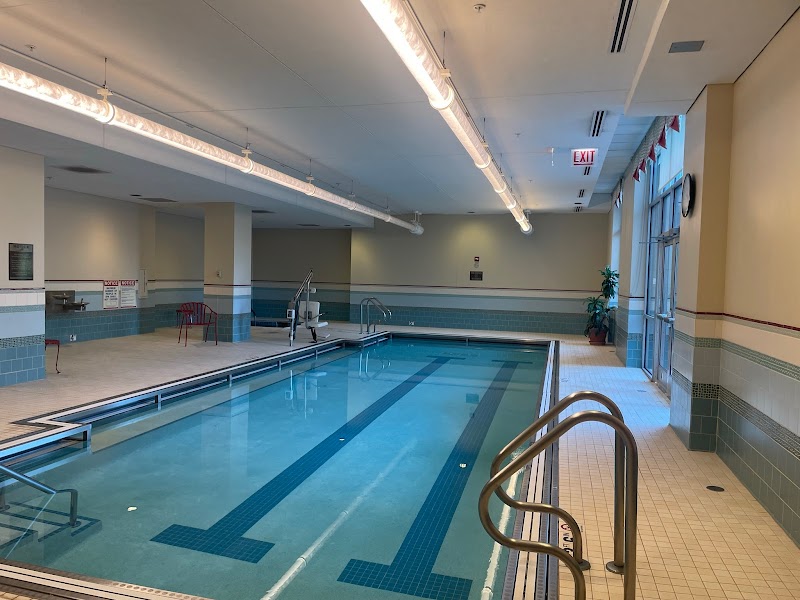
Who Owns and Operates Admiral At The Lake, The?

ADMIRAL AT THE LAKE, THE is owned by a non-profit organization. Non-profit facilities reinvest revenue into operations rather than distributing to shareholders. The facility operates independently rather than as part of a larger chain. With 36 certified beds and approximately 26 residents (about 72% occupancy), it is a smaller facility located in CHICAGO, Illinois.

How Does Admiral At The Lake, The Compare to Other Illinois Nursing Homes?

Compared to the 100 nursing homes in Illinois, ADMIRAL AT THE LAKE, THE's overall rating (2 stars) is below the state average of 2.5, staff turnover (35%) is significantly lower than the state average of 46%, and health inspection rating (3 stars) is at the national benchmark.

What Should Families Ask When Visiting Admiral At The Lake, The?

Based on this facility's data, families visiting should ask: "Can you walk me through typical staffing levels on day, evening, and night shifts?" "Can I visit during a mealtime to observe dining assistance and food quality?" "How do you handle medical emergencies, and what is your hospital transfer rate?" "Can I speak with family members of current residents about their experience?" These questions are particularly relevant given the below-average staffing rating.

Is Admiral At The Lake, The Safe?

Based on CMS inspection data, ADMIRAL AT THE LAKE, THE has a clean safety record: no substantiated abuse findings (meaning no confirmed cases of resident harm), no Immediate Jeopardy citations (the most serious violation level indicating risk of serious injury or death), and is not on the Special Focus Facility watch list (a federal program monitoring the lowest-performing 1% of nursing homes). The facility has a 2-star overall rating and ranks #100 of 100 nursing homes in Illinois. While no facility is perfect, families should still ask about staff-to-resident ratios and recent inspection results during their visit.

Do Nurses at Admiral At The Lake, The Stick Around?

ADMIRAL AT THE LAKE, THE has a staff turnover rate of 35%, which is about average for Illinois nursing homes (state average: 46%). Moderate turnover is common in nursing homes, but families should still ask about staff tenure and how the facility maintains care continuity when employees leave.

Was Admiral At The Lake, The Ever Fined?

ADMIRAL AT THE LAKE, THE has no federal fines on record. CMS issues fines when nursing homes fail to meet care standards or don't correct problems found during inspections. The absence of fines suggests the facility has either maintained compliance or corrected any issues before penalties were assessed. This is a positive indicator, though families should still review recent inspection reports for the full picture.

Is Admiral At The Lake, The on Any Federal Watch List?

ADMIRAL AT THE LAKE, THE is not on any federal watch list. The most significant is the Special Focus Facility (SFF) program, which identifies the bottom 1% of nursing homes nationally based on persistent, serious quality problems. Not being on this list means the facility has avoided the pattern of deficiencies that triggers enhanced federal oversight. This is a positive indicator, though families should still review the facility's inspection history directly.