ALDEN LAKELAND REHAB & HCC
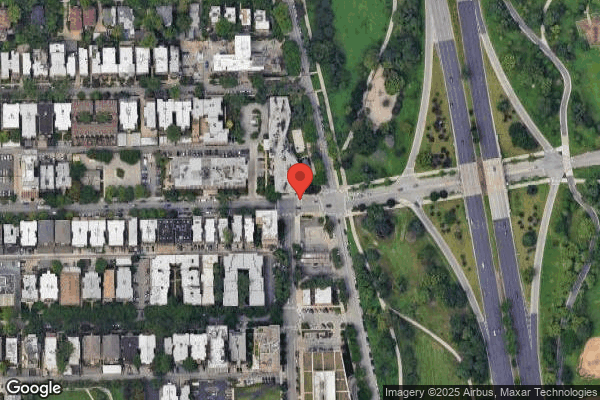

820 WEST LAWRENCE, CHICAGO, IL 60640 (773) 769-2570
For profit - Corporation 300 Beds THE ALDEN NETWORK Data: November 2025 2 Immediate Jeopardy citations
Trust Grade
0/100
#424 of 665 in IL
Last Inspection: May 2025

Inspected within the last 6 months. Data reflects current conditions.

Overview

Alden Lakeland Rehab & HCC has received a Trust Grade of F, which indicates significant concerns about the quality of care provided. With a state rank of #424 out of 665 facilities in Illinois, they fall in the bottom half, and they are ranked #136 of 201 in Cook County, meaning there are many better options nearby. Unfortunately, the facility's situation is worsening, as issues increased from 25 in 2024 to 41 in 2025. Staffing is a positive aspect, with a turnover rate of 0%, which is much lower than the state average, and they have good RN coverage, exceeding 81% of other facilities. However, the facility has faced serious fines totaling $217,099, which is concerning, especially given the critical findings, including a resident leaving unsupervised and not receiving timely medical attention after a fall that led to a fatal incident. Families should weigh these significant weaknesses against the limited strengths.

Trust Score
F
0/100
In Illinois
#424/665
Bottom 37%
Safety Record
High Risk
Review needed
Inspections
Getting Worse
25 → 41 violations
Staff Stability
○ Average
Turnover data not reported for this facility.
Penalties
✓ Good
$217,099 in fines. Lower than most Illinois facilities. Relatively clean record.
Skilled Nurses
✓ Good
Each resident gets 61 minutes of Registered Nurse (RN) attention daily — more than 97% of Illinois nursing homes. RNs are the most trained staff who catch health problems before they become serious.
Violations
⚠ Watch
88 deficiencies on record. Higher than average. Multiple issues found across inspections.
★☆☆☆☆
1.0
Overall Rating
★☆☆☆☆
1.0
Staff Levels
★★☆☆☆
2.0
Care Quality
★☆☆☆☆
1.0
Inspection Score
Stable
2024: 25 issues
2025: 41 issues

The Good

  • Full Sprinkler Coverage · Fire safety systems throughout facility
  • No fines on record

Facility shows strength in fire safety.

The Bad

1-Star Overall Rating

Below Illinois average (2.5)

Significant quality concerns identified by CMS

Federal Fines: $217,099

Well above median ($33,413)

Significant penalties indicating serious issues

Chain: THE ALDEN NETWORK

Part of a multi-facility chain

Ask about local staffing decisions and management

The Ugly 88 deficiencies on record

2 life-threatening 8 actual harm
Aug 2025 1 deficiency
CONCERN (D) 📢 Someone Reported This

A family member, employee, or ombudsman was alarmed enough to file a formal complaint

Potential for Harm - no one hurt, but risky conditions existed

Deficiency F0558 (Tag F0558)

Could have caused harm · This affected 1 resident

**NOTE- TERMS IN BRACKETS HAVE BEEN EDITED TO PROTECT CONFIDENTIALITY** Based on observation, interview and record review, the facility failed to get one resident (R2) out of bed as requested and fail...

Read full inspector narrative →
**NOTE- TERMS IN BRACKETS HAVE BEEN EDITED TO PROTECT CONFIDENTIALITY** Based on observation, interview and record review, the facility failed to get one resident (R2) out of bed as requested and failed to ensure call light was within reach for two residents (R2, R5).Findings include: On 08/26/2025 at 11:25 AM, observed R2 lying in bed wearing street clothes. V5 (Certified Nursing Assistant) had mechanical lift outside R2's door and was getting ready to transfer R2 out of bed into his motorized wheelchair but said she had to find another staff member to help her. There was no call light within R2's reach. Call light switch was in the up position on the wall with no string attached to the switch. R2 stated he does not have a personal phone. On 08/26/25 at 11:30 AM, R2 stated he likes to get out of bed around lunch time and then likes to go out on pass into the community using his motorized wheelchair. R2 stated on 08/18/25 he was never taken out of bed; he spent the entire day in his bed. R2 stated V10 (Certified Nursing Assistant) assigned to him that day got him dressed after lunch and changed but was not able to transfer him into his motorized wheelchair. R2 stated she (V10) was pulled to be an escort. R2 stated V10 told him that someone else would be coming back to transfer him into his motorized wheelchair. R2 estimates that he last saw V10 around 1:30 - 2:00 PM. R2 stated he asked his roommate (R6) to turn his call light on for him around 2:30 PM because nobody had come to transfer him out of bed and he wanted to go outside. R2 stated he saw his roommate (R6) switch on his call light, so he knows it was turned on. R2 says he asked his roommate to do this because his call light is broken. R2 stated he cannot reach his call light because there is no string attached to it for him to access it. R2 stated if his roommate is not in the room when R2 needs help he has to wait for the roommate to return because the roommate is the only one who can reach the call light because his roommate can walk and R2 cannot. R2 stated the call light system has been broken for a while but does not know how long. R2 stated usually when there is a change of shift the person assigned to him checks in on him in the beginning of the shift but on that day (08/18/25) nobody from the (3-11 shift) came to check on him at the change of shift. R2 stated the 7-3 shift CNA (V10) came back to check on him around 4:00-4:30 PM and she was not happy that he was still in bed. R2 stated V10 told him that the staff was bogus for not helping him when she was gone. R2 stated he could tell V10 was annoyed. R2 stated he called IDPH (Illinois Department of Public Health) a little after 5:00 PM on 08/18/25 because he was very frustrated and annoyed that he was still in bed and ignored for hours. R2 stated when the 3-11 shift CNA (V22) assigned to him finally came into check on R2 it was around 5:30 - 5:45 PM. R2 stated V22 told R2 she was called to come in to work last minute and that is why did not check on R2 earlier. R2 stated V22 changed his disposable undergarment but that he was still left in bed. R2 stated V22 did not offer to get him out of bed. R2 stated he was never taken out of bed that whole day. R2 stated he was ready to get out of bed three hours ago but instead he was left lying in bed. R2 stated it is a safety hazard. R2 said, I could have fallen out of bed, anything could have happened to me. No one would have known because nobody came to check on me for hours. On 08/26/25 at 11:44 AM, R6 who is R2's roommate stated that their call light is broke. R6 stated it is supposed to have a string attached to the switch through a hole in the switch, but the hole is worn open, so the string does not stay attached to it. R6 stated the string is not running through the middle of the switch. R6 stated his roommate (R2) asks him to trigger the call light for him when he needs help and R6 does it for him (R2). R6 said, I don't know what he does if he needs help and I'm not in the room.On 08/26/25 at 12:25 PM, observed R5 lying in bed with the call light switch on the wall behind R5's bed. There was no string attached to the call light switch. The call light switch was too far away from R5 to be able for her to push it down. R5 stated she uses her call light buzzer when she needs help from staff. R5 looked around her bed and stated she cannot find the call light cord. R5 asked surveyor, where is it? R5 stated she does not have any way of letting the staff know she needs help. R5 said, I just have to wait. R5 stated she does have a cell phone that she keeps in her bag, but she does not know where the bag is right now. Did not observe bag in R5's room or within reach of R5. On 08/26/25 at 12:33 PM, V1 (Administrator) observed R2's call light system and noted there is no string attached to the call light switch. V1 stated all residents should have call lights within their reach so the staff can address their needs. On 08/26/25 at 12:41 PM, V1 observed R5's call light switch on the wall located behind R5's bed with no string attached to the call light switch. V1 stated the call light should be within R5's reach and there should be a string attached to the call light switch. V1 stated the string must have broken off. V1 stated it is important for residents to have access to the call light because the facility wants to make sure the resident needs are taken care of. On 08/26/25 at 2:34 PM, V10 stated R2 likes to get up out of bed and get put into his electric wheelchair because he usually leaves the building on pass. V10 stated she was the CNA taking care of R2 on 08/18/25 on the (7-3 shift). V10 stated she changed R2 and dressed him in street clothes and placed the mechanical lift sling underneath him, but she was not able to transfer R2 out of the bed because she was pulled off the floor to be an escort for another resident's appointment. V10 stated this was around 1:30 PM. V10 stated she told the nurse on duty that R2 was clean and dressed but needed to be transferred out of the bed and the other CNAs on the floor said they were going to cover her residents since she was getting pulled off the unit. V10 stated when she returned to the building around 4:00-4:30 PM she went to check on R2 and R2 was still lying in bed. V10 stated R2 looked annoyed and seemed upset that he was still in bed. V10 stated she cannot remember if R2's call light was on or not. V10 stated at that time she did not see V22, the CNA assigned to him on the 3-11 shift on the unit. V10 stated R2 should have been transferred out of bed and into his electric wheelchair earlier because that is what he wanted and is part of his regular routine. V10 stated R2 should not have had to wait that long to receive the care he wanted. On 08/26/25 at 2:22 PM, V20 (Licensed Practical Nurse) stated there is a get up list kept on the unit, so the CNAs know which residents are supposed to be up out of bed on which days. V20 stated she is familiar with R2, and she was covering R2 on 08/18/25 on the 7-3 shift. V20 stated R2's routine is that he likes to sleep in, waking up late in the morning and then gets out of bed around lunch time and is transferred into an motorized wheelchair and then he is out and about. V20 stated R2 likes to get out of bed every day. V20 stated on 08/18/25, the CNA assigned to R2 on the 7-3 shift had dressed him and had placed the mechanical lift sling underneath R2, but she was not able to transfer him out of bed because she could not find another CNA to assist her with transferring him before the change of shift. V20 stated when she checked on R2 toward the end of her shift sometime between 2:30 - 3:00 PM and R2 was still in bed and he was upset because he wanted to get out of bed. V20 stated she then told one of the 3-11 shift nurses that R2 needed to be transferred out of bed. V20 does not remember if R2's call light was on or not when she checked on him. V20 stated she thinks the staff got R2 up that day because she thinks she saw him outside around 3:30 PM. On 08/27/25 at 3:55 PM, observed daily staffing assignment and V22 was listed as a CNA working on the 3-11 shift. V22 was not on her assigned nursing unit at this time. On 08/27/25 at 4:00 PM, V22 came onto the nursing unit carrying her personal items and stated she was delayed because she was downstair talking to the administrator because she was having difficulty logging onto the electronic health record system. On 08/27/25 at 4:10 PM, V22 (CNA) stated she works two jobs either before the 3-11 shift or afterwards. V22 stated if she gets to the facility later than 3:00 PM she calls ahead to let them know so they can alert the floor nurse and other CNAs so they can cover her residents until she arrives. V22 stated when she comes on shift, she rounds on her residents to see who needs care. V22 stated it is important for her to get eyes on all her residents initially and after that she checks on her residents at least every two hours. V22 stated R2 requires full assist with all care, and he cannot get himself up out of bed; requires two-person mechanical lift assist. V22 stated usually when she comes in R2 is not in the room because he is out on pass, but he usually returns to the facility by 8:00-9:00 PM. V22 stated she with the help of another staff member is the one who transfers R2 from his electric wheelchair back to bed in the evening. V22 stated it would be unusual for R2 to be lying in his bed earlier in her shift. V22 stated she does not remember anything out of the ordinary or unusual with R2 on 08/18/25. V22 stated she does not think she was late coming into work that day. V22 stated she does not remember seeing R2's call light on. V22 stated she does not remember him being in bed. V22 stated she does not remember if he was up in his motorized wheelchair. V22 stated she does not remember if she transferred him from his motorized wheelchair into bed that night. V22 said, I just cannot remember.On 08/27/25 at 10:34 AM, V2 (Director of Nursing) stated there is a Maintenance Log Binder on each unit that the nurses document any issues/concerns of items that are broken or need repair. V2 stated a broken call light is a high priority because the residents need to be able to reach the staff. V2 stated some of the residents cannot get up on their own and the call light is their only means of communicating with the staff. V2 stated call lights should be within resident's reach. V2 stated not having access to a call light is a safety issue and could put a resident at risk for a fall. V2 stated if a resident is waiting too long, they may try to get up by themselves and we do not want them to do that, we want them to call us. V2 stated this could potentially cause an injury if they try to get up on their own. V2 stated it is everyone's responsibility to respond to a call light; it does not matter which room staff is assigned to. V2 stated there is get up list for each unit. V2 stated it is important to get residents out of bed to minimize falls and improve socialization, so they do not feel isolated. V2 stated it is the resident's right to be able to get out of bed every day and the staff should be accommodating that. V2 stated if a CNA gets pulled to go out on an appointment last minute, then the CNA assignment should be adjusted, and the other CNAs should pitch in to cover those residents. V2 stated when staff comes in to work the nurse and CNAs should round on each of their residents to get a visual check on them and to make sure they are clean/dry and to see if they need anything. V2 stated the situation with R2 was caused by a combination of lack of communication between the staff and monitoring because someone should have checked on him at the start of the shift, and the CNAs should be rounding on the residents every two hours. V2 stated someone should have responded to his call light as soon as possible, within 5-10 minutes. V2 stated the facility should be accommodating R2's preference to get out of bed. V2 stated R2 was probably sad and frustrated that no one responded to his call light especially if he has a routine of getting out of bed every day. R2 has diagnosis which includes but not limited to Spinal Muscular Atrophy, Paraplegia, Bilateral Lower Extremities, Scoliosis, Hypertension, Major Depressive Disorder, Anemia, Hyperlipidemia, Hypokalemia, Constipation, Seborrheic Dermatitis, Epistaxis, Other Muscle Spasm, Gastro-Esophageal Reflux Disease Without Esophagitis, Dysphagia, Oropharyngeal Phase.R2's MDS (Minimum Data Set) dated 08/13/25 documents in part, intact cognitive function based on Brief Interview for Mental Status score of 15/15. R2 has functional limitation impairments in range of motion to both sides of upper and lower extremities and uses a motorized wheelchair. R2 is dependent for activities of daily living including toileting hygiene, showering/bathing, upper/lower body dressing, and putting on/off footwear. R2 is dependent for mobility including sitting to lying, chair/bed to chair transfers, and tub/shower transfer. R2 is always incontinent of urine and bowel. R2's restorative care plans include but not limited to:1.) R2 has an ADL functional performance deficit due to weakness, impaired balance, poor posture related to spinal muscular atrophy, paraplegia, scoliosis with interventions including but not limited to encourage use of call light for assistance when needed. 2.) R2 requires use of a mechanical lift for transfers. 3.) Bowel and bladder support is required with intervention including but not limited to place call light within resident's reach when in room in order for resident to alert staff of need for toileting assistance.4.) R2 is at risk for falls due to weakness; impaired balance; poor posture related to spinal muscular atrophy, paraplegia, scoliosis with interventions including but not limited to encourage resident to call, don't fall and promote placement of call light within reach.R5 has diagnosis which includes but not limited to Chronic Obstructive Pulmonary Disease, , Atherosclerotic Heart Disease Of Native Coronary Artery Without Angina Pectoris, Chronic Kidney Disease, Stage 3b, Vascular Dementia, Unspecified Severity, Without Behavioral Disturbance, Psychotic Disturbance, Mood Disturbance, And Anxiety, Functional Quadriplegia, Other Recurrent Depressive Disorders, Chronic Diastolic (Congestive) Heart Failure, Hyperkalemia, Incontinence Without Sensory Awareness, Type 2 Diabetes Mellitus Without Complications, Other Osteoporosis Without Current Pathological Fracture, Polyosteoarthritis, Other Chronic Pain, Constipation, Age-Related Osteoporosis Without Current Pathological Fracture, Chronic Long Term (Current) Use Of Anticoagulants, Anemia, Presence Of Automatic (Implantable) Cardiac Defibrillator, Morbid (Severe) Obesity Due To Excess Calories.R5's MDS dated [DATE] documents in part moderate cognitive impairment based on BIMS score 09/15. R5 has functional limitation impairments in range of motion to both sides of upper and lower extremities. R5 is dependent for activities of daily living including toileting hygiene, showering/bathing, upper/lower body dressing, putting on/off footwear and personal hygiene. R5 is dependent for mobility including roll left/right, chair/bed to chair transfers, and tub/shower transfer. R5 is always incontinent of urine and bowel. R5's restorative care plans includes but not limited to:1.) R5 has difficulty sitting upright in a basic wheelchair and uses a recliner chair to maintain comfort and promote proper body alignment due to poor muscle control secondary to diagnosis of functional quadriplegia with interventions that include but not limited to place the call light within reach when in room.2.) R5 has an ADL (Activities of Daily Living) self-care performance deficit due to generalized weakness and interventions include but limited to encourage use of call light for assistance when needed.3.) R5 is at risk for falls due to impaired mobility, impaired cognition, use of narcotic & diuretic medications with interventions that include but not limited to promote placement of call light within reach.R6 has diagnosis which includes but not limited to Malignant Neoplasm of Cecum, Malignant Neoplasm of Colon, Vesicointestinal Fistula, Encounter For Attention To Colonoscopy, Encounter For Attention to Ileostomy, Iron Deficiency Anemia, Mild Protein Calorie Malnutrition, Schizoaffective Disorder, Constipation, Presence Of Right Artificial Hip Joint.R6's MDS dated [DATE] indicates intact cognitive function based on Brief Interview for Mental Status score of 15/15.Facility provided document titled, Get Up List Everyday. R2's name and room number is listed on the document. Facility provided document titled Residents' Rights for People in Long-Term Care Facilities undated which documents in part your facility must provide services to keep your physical and mental health, and sense of satisfaction and your facility must make reasonable arrangements to meet your needs and choices. Facility provided policy titled, Call Light, Use of dated 09/2020 which documents in part the purpose is to respond promptly to resident's call for assistance and be sure call lights are place within resident reach at all times.
May 2025 14 deficiencies
CONCERN (D)

Potential for Harm - no one hurt, but risky conditions existed

Resident Rights (Tag F0550)

Could have caused harm · This affected 1 resident

Based on observation, interview, and record review, the facility failed to ensure a resident's piston syringe and its container which was labeled with the name and room number of a resident, was kept ...

Read full inspector narrative →
Based on observation, interview, and record review, the facility failed to ensure a resident's piston syringe and its container which was labeled with the name and room number of a resident, was kept inside the resident's room. This failure affected 1 (R81) resident reviewed for privacy and dignity in the total sample of 61 residents. Findings include: The (undated) Get Up List For Dining And Activities listed 7 residents on 3rd floor. On 05/12/2025 at 10:40am , there was a half wall divider with railing in the dining/activity area. A container with piston irrigation syringe was on top of the half wall. The container was labeled with R81's name, R81's room, and the current date. R60, R61, and R89 were seated close to the half wall. This observation was pointed out to V11 (Registered Nurse). V11 checked the label on the container of the piston irrigation syringe and stated it has (R81)'s name and room number and today's date. We use it for feeding tube. I don't know why these are here in the dining area. These should be in the resident's room for the privacy and dignity of the resident because it has her (R81)'s name and room number. On 05/14/2025 at 9:59am, V2 (Director of Nursing) stated the piston syringe and its container which was labeled with the name of the resident should be kept in the resident's room for privacy and dignity. Because we don't want other residents to know what is going on with that resident. R81's (Active Order as Of: 05/12/2025) Order Summary Report documented, in part Diagnoses: (include but not limited to) encounter for attention to gastrostomy, candidiasis, streptococcus Group A and B, resistance to antifungal drugs, Methicillin susceptible Staphylococcus aureus, and diphtheria. Order summary. Enteral Feed Order. Flush enteral with 30ml (milliliters) of water before and after medications. R81's (02/04/2025) Minimum Data Set documented, in part Section C. Cognitive Patterns. C0500. BIMS (Brief Interview for Mental Status) Summary Score: no entry. C0700. Short-Term memory Ok: 1 memory problem. C0800. Long-Term Memory Ok: 1. Memory Problem. C1000. Cognitive Skills for daily decision making: 3 severely impaired. Section K - Swallowing/Nutritional Status. K0520. B. Feeding tube 3. While a resident. R81's (Target date: 05/05/2025) care plan documented, in part requires tube feeding and stoma site care related to dysphagia. Check placement and patency of feeding tube prior to administering meds, feedings and flushes. The (05/14/2025) email correspondence with V2 upon the request of EBP (Enhanced Barrier Precautions) policy and procedure in reference to where to store or keep piston syringe and container, documented, in part We do not have a policy on this. The (05/15/2025) email correspondence with V43 (Assistant Administrator) documented, in part The expectation is that the piston syringe should be stored within the irrigation bottle and/or storage bag if irrigation bottle is not used in the resident room at the bedside. The (undated) Residents' Rights for People in Long-Term Care Facilities documented, in part As a long-term care resident in the State, you are guaranteed certain privileges according to rights, protections and State and Federal law. You have the right to . privacy. Your medical and personal care are private. Your facility may not give information about you or your care to any unauthorized person(s) without your permission.
CONCERN (D)

Potential for Harm - no one hurt, but risky conditions existed

Deficiency F0558 (Tag F0558)

Could have caused harm · This affected 1 resident

Based on observation, interview and record review the facility failed to ensure the call light device was within reach for two residents (R42, R203). This failure affected R42 and R203 in the sample s...

Read full inspector narrative →
Based on observation, interview and record review the facility failed to ensure the call light device was within reach for two residents (R42, R203). This failure affected R42 and R203 in the sample size of 61. Findings include: R203 has a diagnosis of but not limited to Fracture of Lower End of Right Femur, Subsequent Encounter for Closed Fracture with Routine Healing, End Stage Renal Disease, Dependence on Renal Dialysis, Hemiplegia and Hemiparesis Following Cerebral, Infarction Affecting Right Dominant Side, and Type 2 Diabetes Mellitus with Diabetic Chronic Kidney Disease. R203 has a Brief Interview of Mental Status score of 05, but resident responded to surveyor's questions appropriately. Care plan focus for falls dated 5/07/2025 documents, in part, encourage resident to call, don't fall and promote placement of call light within reach. On 5/12/2025 at 11:40am R203's call light cord was hanging down to the floor behind the bed and not within reach of resident. Findings include: On 05/12/2025 at 11:27am, R42's call light was on the nightstand, not within R42's reach. R42 stated I cannot reach it. On 05/12/2025 at 11:28am, this observation was pointed out to V2 (Director of Nursing). V2 stated his call device is on the nightstand, not within his reach. R42 stated I don't know who put it there. R42's (Active Order as Of: 05/12/2025) Order Summary Report documented, in part Diagnoses: (include but not limited to) essential primary hypertension, venous insufficiency, hypertensive heart disease and hemiplegia and hemiparesis following cerebral infarction affecting left non-dominant side. R42's (04/11/2025) Minimum Data Set documented, in part Section C. Cognitive Patterns. C0500. BIMS (Brief Interview for Mental Status) Summary Score: 11. Indicating R42's mental status as moderately impaired. Section GG. Functional Abilities - OBRA/Interim. GG0130. C. Toileting Hygiene, E. Shower/Bathe, F. Upper Body Dressing, G. Lower Body Dressing H. Putting On/Taking Off Footwear, I. Personal Hygiene: 1 - Dependent. R42's (Target Date: 07/12/2025) care plan documented, in part is at risk for falls due to history of Falls. Will remain free of falls. Promote placement of call light within reach. The (05/14/2025) email correspondence with V2 upon the request of R42's call device assessment documented, in part we do not have an assessment for call device. The (03/2023) Certified Nursing Assistant Job Description documented, in part Job Summary: Provides residents with daily nursing care in accordance with current federal, state and local standards, guidelines and regulations, facility policies and as may be directed by the Charge Nurse, Supervisor, assistant Director of Nursing, Director of Nursing or Administrator to ensure that the highest degree of quality care is maintained at all times. IV. Essential functions. AA. Keeps the nurse's call system within easy reach of the resident. The (undated) Facility Expected key ideas for Privacy, Dignity & Respect documented, in part Keep call cords within reach. The (09/20) Use of Call Light documented, in part Purpose: 1. To respond promptly to resident's call for assistance. Procedure: 7. Be sure call lights are placed within resident reach at all times.
CONCERN (D)

Potential for Harm - no one hurt, but risky conditions existed

Deficiency F0578 (Tag F0578)

Could have caused harm · This affected 1 resident

**NOTE- TERMS IN BRACKETS HAVE BEEN EDITED TO PROTECT CONFIDENTIALITY** Based on interview and record review, the facility failed to obtain and document the code status in the resident's electronic me...

Read full inspector narrative →
**NOTE- TERMS IN BRACKETS HAVE BEEN EDITED TO PROTECT CONFIDENTIALITY** Based on interview and record review, the facility failed to obtain and document the code status in the resident's electronic medical record for one resident (R132) reviewed for advanced directives in the sample of 61 residents. Findings Include: R132's admission Record documents, in part, diagnoses of chronic respiratory failure, anoxic brain damage, type 2 diabetes mellitus, dependence of respiratory, and a blank space is noted under R132's Advance Directive section of the profile screen (admission Record). R132's Minimum Data Set (MDS) dated [DATE] has a Cognitive Skills for Daily Decision Making Score of 3, which indicate R132's cognition is severely impaired. R132's Order Summary Report with active orders as of 05/13/25, documents that no physician's order for advance directives (full code or DNR status) for R132. On 05/13/25 at 10:21am V2 (Director of Nursing/DON) stated that a resident's code status should be entered on admission. V2 stated that the resident's code status can be found on the resident's face sheet and their care profile. Facility's policy titled Advance Directives dated 11/22 documents in part, Policy: A Social Service Director and/or designee will assess, care plan and implement Advance Directives .Procedure: .9. The resident will have a code status order entered in their physician orders in accordance with advance directives on file.
CONCERN (D)

Potential for Harm - no one hurt, but risky conditions existed

Safe Environment (Tag F0584)

Could have caused harm · This affected 1 resident

**NOTE- TERMS IN BRACKETS HAVE BEEN EDITED TO PROTECT CONFIDENTIALITY** Based on observations, interviews, and record reviews, the facility failed to provide a homelike environment by not supplying a ...

Read full inspector narrative →
**NOTE- TERMS IN BRACKETS HAVE BEEN EDITED TO PROTECT CONFIDENTIALITY** Based on observations, interviews, and record reviews, the facility failed to provide a homelike environment by not supplying a resident (R36) with a television, personal light source and not assisting with putting away personal belongings. This failure affected one resident (R36) reviewed in the final sample of 61 residents. Findings include: Minimum Data Sheet (MDS) dated [DATE], in Section C- Cognitive Patterns documents Brief Interview for Mental Status (BIMS) Summary Score of 15 which indicates intact cognitive function. On 5/12/2025 at 12:24 PM observed R36's room without a television or a night lamp. Also observed in the resident's room, a dresser in a corner of the room with a suitcase positioned on the top. The dresser was positioned with the drawers facing the wall, away from resident's reach. Resident was not in the room at the time of observation. On 5/12/2025 at 12:24 PM, V30, (Licensed Practical Nurse/LPN), stated that R36 is out on pass and should return to facility later. On 5/13/2025 at 12:47 PM, R36 complained of facility not having a table lamp. R36 would like to use a comfortable lighting when walking to a restroom at night. R36 uses a walker when ambulating. R36 stated that ceiling light is big and very bright and the only light source available in the room. R36 further stated that at night, the room is too dark and R36 has a hard time seeing the way to the restroom. Observed the dresser in the room with the belongings bag which appeared to be in the same position from previous day, facing towards the wall and away from resident. R36 would like the belongings placed into the dresser and facing toward the resident instead of the wall. R36 furthermore complained that there is not a TV in the room and R36 would like to watch the news. R36 stated, that since she was admitted to the facility, she did not watch the news. R36 stated that she told the staff about these concerns since in facility, but nothing changed. On 5/13/2025 at 1:00 PM, V29, (Certified Nurse Aide/CNA), was not aware of specific reason why R36's dresser was positioned facing the wall and that the luggage bag with belongings has been on top of the dresser since R36 came to facility. V29 also stated that R36 could be somewhat difficult and stated that unpacking of resident's belongings could be anybody's responsibility. V29 furthermore stated that R36 does need assistance with ambulating and activities of daily living (ADL). On 5/13/2025 at 1:19 PM, V19 (Assistant of Director of Nursing/ADON) stated, that V19 was not aware of the dresser and the luggage problems for R36 and that the lamp and TV would be maintenance's responsibility to provide for residents. On 5/13/2025 at 2:05PM, V28 (Maintenance Coordinator), stated that the facility does provide TVs and was not sure about bedside lamp's availability, but will double check. V28 stated that the facility uses a sheet for maintenance requests and is not aware of TV or a table lamp request for R36. V28 stated that the request for a TV usually comes from Admission's office or from the maintenance sheet that the nurses or aides fill out. On 5/14/2025 at 12:27 PM, Observed in R36's room a TV on the dresser, a table lamp on the nightstand table and the dresser turned facing the resident, luggage bag was not on top of the dresser. On 5/14/2025 at 1:43 PM V2 (Director of Nursing), stated that V2 couldn't find policy for homelike environment and does not think that the facility has or uses a policy for homelike environment. Care Plan Report's Focus, initiated on 4/23/2025, showed in part R36 demonstrates an ADL self-care performance deficit and needs assistance with ADL tasks. Care Plan interventions, initiated on 4/19/2025, shows in part staff to ensure resident is acclimated to the new living environment. The Facility provided a log sheet of Maintenance requests for the fourth floor that does not have R36's requests documented. Also requested from the facility a Homelike Environment policy, but the facility was not able to provide one.
CONCERN (D)

Potential for Harm - no one hurt, but risky conditions existed

Comprehensive Care Plan (Tag F0656)

Could have caused harm · This affected 1 resident

Based on Observation, interview, and record review, the facility failed to thoroughly implement communication/translation interventions for this resident on the individualized care plan. This failure ...

Read full inspector narrative →
Based on Observation, interview, and record review, the facility failed to thoroughly implement communication/translation interventions for this resident on the individualized care plan. This failure affected one resident (R111) reviewed for Alternative communication/translation interventions in a sample of 61 residents. Findings include: On 05/12/25 at 11:57 AM, R111 was observed in the bed during interview, R111 stated he needed a Spanish translator to assist with communication because he (R111) spoke very little English. There was no communication board or communication contact number observed in R111's room at time of interview. V16 and V17, certified nursing assistants (CNAs), were in the room but neither were able to communicate with R111 because of the language barrier. On 05/12/25 at 11:59 AM, V16 (CNA), stated she normally tries to figure out what R111 is saying by gestures but R111 becomes frustrated at times because his (R111) needs aren't met because of the language barrier. On 05/12/25 at 12:00 PM, V17 (CNA), stated she stated she does not speak Spanish and tries her best to communicate with R111 but sometimes she is unable to figure out exactly what he needs. R111's Face sheet dated May 14, 2025, documents that R111 was admitted to facility June 24,2024 with diagnosis including Muscle weakness, end stage renal disease, hypertensive chronic kidney disease, diabetes mellitus, anemia, constipation, pain in knee, morbid obesity, lack of coordination. R111's MDS (Minimum Data Set) dated April 8,2025 section C, shows R111 has a score of 15 which means R111 has moderate cognitive impairment; section GG Functional Abilities shows R111 has a score of 3 which means R111 requires Partial/moderate assistance for hygiene care. R111's care plans dated January 24,2025 does not show that R111 has a care plan specific to his communication barrier or interventions/task for staff to implement and meet R111's clinical care needs. On 05/13/25 at 12:40 PM, V19 Assistant Director of Nursing, Registered Nurse (ADON) stated that most staff are aware to use Goggle translator to communicate with R111, and that staff were given communication board sheets but that she was not aware of any in-service documented that was available to show that staff was in-serviced. On 05/14/25 at 12:14PM, V13 Social worker stated that the communication board is used in room if resident can use it, a completed assessment on how well the resident is able to communicate and respond cognitively determines if the communication board is used. V13 stated staff may use a translator app or translation company utilized by facility. She (V13) stated if a resident requires communication/translation assistance this would be displayed on the front page of profile for resident so all staff would be able to view and be aware of how to communicate with the resident. On 05/14/25 at 12:16 PM, V13 reviewed the front page of R111's profile and was unable to display that R111 required communication/translator assistance. V13 stated that R111 does not require communication/translator assistance and is able to make all needs known to staff in English. On 05/14/25 at 12:20 PM, This surveyor and V13 went to R111's room and when R111 was asked a question he stated he can only speak very little English, V13 confirmed that R111 does not speak enough English to make his (R111) needs known to staff. V13 then stated that staff is aware to use Google translate and should. use it. On 05/14/25 at 12:22 PM, A sign above the bed of R111 displayed Communication board and communication/translator phone call line for assistance with communication with R111. Facility policy titled: Communication Strategies dated 8/11 documents in part: The Activity Department, with assistance from the Social Service Department and/or Restorative Nursing Department when needed or in the absence of an Activity Director, will be responsible for assessing, documenting, care planning and providing, communication needs of the residents. In addition, they will be in-servicing staff that, are working with residents on appropriate communication skills to effectively,communicate with persons with communication deficits, including, but not limited to, non-English speaking residents, etc. In-servicing will occur annually and during new employee orientation, or more if deemed necessary. PROCEDURE: 1. The Activity Director/Aide will assess and document any resident's communication deficits on the Comprehensive Activity Assessment: Leisure and Preferences, the MDS assessment and the care plan. 2. The Activity Director, with assistance of the inter-disciplinary team (IDT), resident, staff and/or family will develop a communication care plan with individualized, approaches that help address the resident's needs to reach the care plan goal and will, re-assess progress quarterly, or more if needed.
CONCERN (D)

Potential for Harm - no one hurt, but risky conditions existed

Quality of Care (Tag F0684)

Could have caused harm · This affected 1 resident

Based on observation, interview, and record review, the facility failed to ensure that a restorative rehabilitation program was being thoroughly implemented for a resident (R53) as documented in the p...

Read full inspector narrative →
Based on observation, interview, and record review, the facility failed to ensure that a restorative rehabilitation program was being thoroughly implemented for a resident (R53) as documented in the plan of care. This failure affected one resident (R53) reviewed for Restorative Nursing program in a sample of 61 residents. Findings include: R53's Face sheet dated May 14, 2025, documents in part that R53 was admitted to facility on June 24, 2024 with diagnosis including End stage renal disease, hypertensive chronic kidney disease, diabetes mellitus, anemia, hyperlipidemia, diverticulosis, morbid obesity, glaucoma, muscle weakness. R53's MDS (Minimum Data Set) dated March 13,2025 section C, shows R53 has a score 15 of which means R53 is cognitively intact; section GG Functional abilities, shows R53 has a score of 2 which means R53 requires substantial/maximal assistance for care. R53's care plan dated June 12,2024 shows that R53 has limitation in range of motion due to weakness and pain. Interventions/Tasks: Staff to provide active range of motion to R53, exercises to bilateral upper extremities and bilateral lower extremities for at least 5-10 reps x 2 sets for at least 15 mins daily for 5-7 days per week as tolerated. On 05/13/25 at 10:16 AM, V32 Restorative Aide stated via telephone interview that R53 refuses rehab often and that she (V32) informed her director but never documented refusals of restorative rehab. V32 stated R53 complains of stomach pain and doesn't do programs and just wants to lay down most of the time. On 05/14/25 at 01:26 PM, V31 Restorative Nurse Coordinator stated that there are no refusals that have been documented for R53 and that she was not made aware that R53 was not receiving her restorative rehabilitation. V31 stated if a resident isn't feeling well V32 would inform me but I was not made aware that R53 was not feeing well or did not receive her rehabilitation. V31 expects the restorative aides to complete their restorative programs, she (V32) should have informed me (V31) that R53 refuses treatments so she (V31) could speak with her. Facility policy titled: Restorative Aide dated 01/2015 documents in part: Job Summary: Responsible for Carrying out and documenting the activities of the Restorative program to ensure the highest degree of quality care is always maintained. Essential Functions: Record daily participation of residents in Restorative programs; aid with activities of daily living; recommend to clinical support supervisor the equipment and supplies needed for resident. Facility policy titled: Restorative Nursing program dated 3/10/2022 documents in part: It is the policy of the facility that a resident is given the appropriate treatment and services to enable residents to maintain or improve his or her abilities. Policy Interpretation: Activities provided by restorative nursing staff include Range of motion which Active or Passive, transfers, walking, bed mobility, dressing/grooming; Program goals will be documented in plan of care task section.
CONCERN (D)

Potential for Harm - no one hurt, but risky conditions existed

Deficiency F0697 (Tag F0697)

Could have caused harm · This affected 1 resident

**NOTE- TERMS IN BRACKETS HAVE BEEN EDITED TO PROTECT CONFIDENTIALITY** Based on observations, interviews and record reviews, the facility failed to provide immediate intervention for a resident (R36)...

Read full inspector narrative →
**NOTE- TERMS IN BRACKETS HAVE BEEN EDITED TO PROTECT CONFIDENTIALITY** Based on observations, interviews and record reviews, the facility failed to provide immediate intervention for a resident (R36), complaining of unrelieved pain on reassessment. This failure affected one resident (R36) of the total sample of 61 residents. Findings include: Face sheet documents R36 was transferred from acute care hospital to the facility on 4/16/2025 with the diagnosis included but not limited to Other Systemic Sclerosis, Other Venous Thrombosis and Embolism, Acquired Absence of Other Right Toe, and Lymphedema. Minimum Data Sheet (MDS) dated [DATE], in Section C- Cognitive Patterns documents Brief Interview for Mental Status (BIMS) Summary Score of 15 which indicates intact cognitive function. On 5/13/2025 at 12:47 PM, observed R36 in the room, sitting on the side of the bed with both legs touching the floor, with body tilted to the side. Both feet and legs were swollen, the right foot had a contracture of the toes and a missing toe. Resident was alert and oriented and well dressed. During observation, R36 was grimacing and looked physically distressed. R36 stated that after coming back from procedure on 5/12/2025, R36 has been experiencing lot of pain. The pain is mainly in her legs. R36 stated, that the pain medication given, does not work and that nurses take a long time bringing the medications. On 5/13/2025 at 1:19PM V30, (Licensed Practical Nurse/LPN) stated that R36 completed an invasive procedure called an angiogram of the legs the previous day (5/12/25). V30 said they gave R36 pain medication (tramadol 50 mg/milligrams) this morning around 11:30AM. V30 said when they went to re-evaluate R36 around 12:15PM, R36 asked for more medication as the pain was unrelieved. V30 informed R36 that there wasn't any other pain medication available to be given at that time, and instead offered R36 to elevate both legs, however, R36 keeps putting the legs down to the floor. V30 said they did not contact R36's physician for any further orders related to relieving R36's pain. On 5/13/2025 at 1:36 PM, V19 (Assistant Director of Nursing/ADON), stated that the nurse should call a doctor about the need for additional pain relief or change in the dosage of R36's pain medication, if current pain management is not working. R36's May 2025 Medication Administration Record (MAR) was reviewed on 5/13/2025 at 1:41PM and did not include a current pain assessment for R36. At the time of review, there were no pain medications documented as having been given. The following day on 5/14/25, the facility presented a revised MAR, which documented tramadol being given at 11:05AM for a pain level of 8 out of 10. Additionally, acetaminophen (dosage) was documented as administered at 1:07PM for a pain level of 7 out of 10. Care Plan Report, initiated on 4/2/2025 showed in part that R36 has chronic pain related to Other Systemic Sclerosis and Pain strategies should be administered according to medication administration record. Care plan report also lists to observe R36 for effectiveness of pain relief; assess the resident's pain every shift and to complete pain assessment. Order Review History Report, reviewed by the physician on 5/10/2025, lists in part active orders dated, 4/16/2025, for Acetaminophen 325mg tablets every 6 hours as needed for pain, Lidocaine External Cream 3% to apply topically three times a day (ordered 4/17/2025), Tramadol 25mg tablets every 8 hours as need for pain management (ordered on 4/18/2025) The orders also include pain evaluation every shift. Facility's policy titled Pain Management, dated 4/22/2025, showed in part that the residents should be assessed for acute pain associated with surgery or acute illness as the condition arise. The policy also showed in part that residents should be assessed for chronic pain or persistent pain when symptoms present.
CONCERN (E)

Potential for Harm - no one hurt, but risky conditions existed

Pressure Ulcer Prevention (Tag F0686)

Could have caused harm · This affected multiple residents

Findings include: On 05/12/2025 at 11:06am, R144 was lying on a low air loss mattress Protekt Aire 6000 with a weight setting of 450lbs and alternating every 10mins. This observation was pointed out ...

Read full inspector narrative →
Findings include: On 05/12/2025 at 11:06am, R144 was lying on a low air loss mattress Protekt Aire 6000 with a weight setting of 450lbs and alternating every 10mins. This observation was pointed out to V8 (Licensed Practice Nurse). V8 stated the setting is at 450lbs alternating every 10 minutes. On 05/12/2025 at 11:24am, V2 (Director of Nursing) stated I know the concern about (R144)'s low air loss mattress. The low air loss mattress' setting should be according to her weight. We are checking her weight right now. On 05/14/2025 at 9:57am, V2 (Director of Nursing) stated the setting of the low air loss mattress should be alternating and based on the resident's weight. The low air loss mattress effectually works if the setting is according to the resident's weight. If the setting is higher than the resident's weight, then it defeats the purpose of the low air loss mattress. R144's (Active Order as Of: 05/12/2025) Order Summary Report documented, in part Diagnoses: (include but not limited to) anoxic brain damage, moderate protein-calorie malnutrition, and acute embolism and thrombosis of deep veins of right upper extremity. Order summary. EBP (enhanced barrier precaution) for chronic wound. Low Air Loss Mattress. R144's (03/31/2025) Minimum Data Set documented, in part Section C. Cognitive Patterns. C0500. BIMS (Brief Interview for Mental Status) Summary Score: 03. Indicating R144's mental status as severely impaired. Section M - Skin Conditions. M0150. Risk of Pressure Ulcers/Injuries. 1. Yes. M1200. Skin and Ulcer/Injury Treatments. B. Pressure reducing device for bed. R144's Weights and Vitals Summary documented that R144's weight as of 05/05/2025 was 158.4lbs. R144's (03/20/2025) care plan documented, in part has an actual alteration in skin integrity R/T (related to) Anoxic brain damage. Pressure injury to back of head superior and back of head inferior. Comorbidities include CHF, anemia, and Acute respiratory failure. Intervention: Treatment as ordered. The (undated) Proactive Operation Manual for Protekt Aire 6000 documented, in part General. ProtektTM Aire 6000 pump and mattress is high quality and affordable air mattress system suitable for medium and high risk pressure ulcer treatment. They have been specifically designed for prevention of bedsores and offer affordable solution to 24-hour pressure area care. Intended use. Pressure Set Up. It is recommended to press Auto Firm on the panel when the mattress is first inflated. Users can then easily adjust the air mattress to a desired firmness according to the patient's weight and comfort. The (03/02/21) Prevention And Treatment Of Pressure Injury And Other Skin Alterations documented, in part Policy: 3. Implement preventive measures and appropriate treatment modalities for pressure injuries and/or other skin alterations through individualized care plan. The (03/2024) Management of Low Air Loss Mattress documented, in part Policy: low air loss mattresses will be set up, disinfected, maintained, and stored within the facility. Procedure: 2. Residents who have been assessed as in need of a low air loss mattress will have a mattress set up for their use. Based upon observation, interview and record review, the facility failed to ensure the Low Air Loss Mattress was set at the recommended setting and failed to ensure the Low Air Loss Mattresses were not layered with multiple linens. These failures affected 4 residents (R73, R116, R125, and 144) reviewed for prevention and treatment of pressure injury/ulcer in the sample of 61 residents. Findings include: R73's admission record diagnoses include but not limited to quadriplegia, chronic respiratory failure, tracheostomy, gastrostomy, pressure ulcer of sacral stage 4, pressure ulcer of right upper back, pressure ulcer of right heel, cirrhosis of liver, hepatitis, and neuromuscular dysfunction of bladder. R73's (2/7/25) Brief Interview of Mental Status (BIMS) score is blank. R73's cognitive skills for daily decision making are severely impaired. On 5/12/25 at 10:40 am, R73 was lying on a low air loss mattress with multiple layers between R73 and the low air loss mattress. The layers observed under R73 consisted of a flat sheet, a mattress pad, and an incontinent brief. R73's POS (Physician Order Set) dated 1/2/25 documents in part low air loss mattress. R73's (5/7/25) care plan documents in part, Focus R73 has an actual alteration in skin integrity r/t (related/to) pressure injuries to sacrum . Interventions: pressure reduction support (low air loss) in bed. R116's admission record diagnoses include but not limited to anorexic brain damage, quadriplegia, chronic respiratory failure, tracheostomy, hypertension, vegetative state, and dysphagia. R116's (4/5/25) Brief Interview of Mental Status (BIMS) score is blank. On 5/12/25 at 10:50 am R116 was lying on a low air loss mattress with multiple layers between R116 and the low air loss mattress. The layers observed under R116 consisted of a flat sheet, a mattress pad, and an incontinent brief. R116's care plan dated 5/5/25 document in part, Focus: R116 has the potential for alteration in skin integrity. Comorbidities include diagnosis of quadriplegia . R125 admission record diagnoses include but not limited to tracheostomy, encephalopathy, subdural hemorrhage, vegetative state, pressure ulcer of sacral, diverticulosis, protein-calorie malnutrition, and hypokalemia. R125's (3/7/25) Brief Interview of Mental Status (BIMS) is blank. R125's cognitive skills for daily decision making are severely impaired. On 5/12/25 at 11:05 am R125 was lying on a low air loss mattress with multiple layers between R125 and the low air loss mattress. The layers observed under R125 consisted of a flat sheet, a mattress pad, and an incontinent brief. R125's POS (Physician Order Set) dated 4/11/25 documents in part, low air loss mattress. R125's (1/29/25) care plan documents in part, R125 has an actual alteration in skin integrity r/t traumatic subdural hemorrhage. Wounds include pressure injury to sacrum . On 5/12/25 at 11:13 am, V41 RN (Registered Nurse) stated there should only be 1 layer on an air loss mattress. The low air loss mattress is to help the wound and the wound circulation. To many layers is too much pressure on the skin and could cause skin breakdown. On 5/14/25 at 9:44 am, V2 DON (Director of Nursing) stated that layers on an low air loss mattress should only be 2 layers. It should be a sheet to cover the bed and a covering on the resident like a brief. We do not use incontinent pads. If more than 2 layers is used it can alter the effective process of relieving pressure and will not be effective to prevent pressure ulcers. Facility's job description titled Staff Nurse (Registered Nurse/License Practical Nurse) documents in part, Job Summary: Responsible to provide direct nursing care to the customer, and to supervise the day-to -day nursing activities performed by the nursing assistants. Such supervision must be in accordance with current Federal, State, and local standards, guidelines, and regulations facility policies. The objective is to ensure the highest degree of quality care is maintained at all times. Facility's Policy titled, Low Air Loss Mattresses, Management documents in part, Procedure: Installment: 6. Cover the mattress system with a sheet.
CONCERN (E)

Potential for Harm - no one hurt, but risky conditions existed

Accident Prevention (Tag F0689)

Could have caused harm · This affected multiple residents

Based on observation, interview, and record review, the facility failed to ensure safe storage of compressed oxygen tanks in a holder (carrier). This failure has the potential to cause fire, explosive...

Read full inspector narrative →
Based on observation, interview, and record review, the facility failed to ensure safe storage of compressed oxygen tanks in a holder (carrier). This failure has the potential to cause fire, explosive, or projectile hazards. This failure affected 2 residents (R54 and R503) and has the potential to affect all residents on the second and fourth floor in a sample of 98. Findings Include: R503's face sheet dated May 13, 2025, documents in part a diagnosis of Acute Respiratory Failure with Hypoxia, Interstitial Pulmonary Disease, Pulmonary Fibrosis, Seizure Disorder, Hypertension, and Dementia. On 5/12/2025 at 12:14 am, R503's compressed oxygen tank was observed sitting on the floor not contained in a holder (carrier) in front of R503's bed against the wall. On 5/12/2025 at 12:18, V12, (Licensed Practical Nurse-LPN) stated Oxygen tanks do not have to be stored in a holder when the tank is in the room. V12 stated oxygen tanks are only in an oxygen tank holder when residents are being transported to therapy or services. V12 removed the oxygen tank from the room. On 5/14/2025 at 10:04 am, V2, (Director of Nursing-DON), stated compressed oxygen tanks should always be stored in a holder (carrier). V2 stated the purpose of compressed oxygen tanks storage is to prevent it from falling and hurting somebody and preventing a fire. V2 verified the word restrained in the facilities policy means stored. On 5/14/2025 at 11:23 am, V37, (Registered Nurse-(RN), stated oxygen tanks should be always stored in a holder. V37 stated the nurses keep the oxygen tanks in the resident's room so they are there when the resident is transferred to therapy. V37 stated oxygen tanks can explode if they are not stored in a holder (carrier). On 5/14/2025 at 11:38 am, V36, (Respiratory Therapist-RT), stated oxygen tanks should always be maintained in a holder (carrier). V36 stated oxygen tanks can explode if they are not stored properly. Facility's Policy titled Oxygen Storage dated 09/20 documents in part: 1. All oxygen containers (compressed tanks and liquid cylinders) will be restrained while in storage. 2. A small amount of oxygen, not exceeding 300 cu. Feet (up to 12 E size tanks) may be kept at the nurse's station or in a corridor alcove for emergency use as long as it is properly restrained and protected against damage. On 5/12/2025 at 11:05 AM, in R54's room, observed an oxygen tank canister on the floor, tilted, not in upright position. Oxygen tank was not contained in an oxygen carrier. R54 stated that the oxygen tank has been in that position for few days. On 5/14/2025 at 1:43 PM, V2 (Director of Nursing/DON) stated that the oxygen tanks should be contained in the oxygen carrier and stored in the oxygen storage room when not in use. V2 also stated that if not stored properly, there is risk of combustion, which could be dangerous for the residents and the facility. The Facility's policy on Oxygen Storage, dated on 9/2020, lists in part that the oxygen containers should be restrained while in storage. The guidelines further list that the oxygen containers should be stored in a locked oxygen storage room. The document also lists in part the small size tanks may be kept at the nurse's station or in corridor alcove if it is properly restrained.
CONCERN (E)

Potential for Harm - no one hurt, but risky conditions existed

Respiratory Care (Tag F0695)

Could have caused harm · This affected multiple residents

**NOTE- TERMS IN BRACKETS HAVE BEEN EDITED TO PROTECT CONFIDENTIALITY** R202 has a diagnosis of but not limited to Malignant Neoplasm of Unspecified Part of Unspecified Bronchus or Lung, Specified Dis...

Read full inspector narrative →
**NOTE- TERMS IN BRACKETS HAVE BEEN EDITED TO PROTECT CONFIDENTIALITY** R202 has a diagnosis of but not limited to Malignant Neoplasm of Unspecified Part of Unspecified Bronchus or Lung, Specified Diseases of Upper Respiratory Tract, Chronic Obstructive Pulmonary Disease, Hypertension, and Chronic Systolic (Congestive) Heart Failure. R202 has a Brief Interview of Mental Status score of 14. R202's Care plan focus (Oxygen Therapy) dated 5/01/2025 documents, in part, administer oxygen per MD orders (change weekly). On 5/12/2025 at 11:00am R202's nasal cannula was observed with a date of 4/29/2025. On 05/12/2025 at 10:57am, R18 was using a nasal cannula. The oxygen tubing was attached to a Concentrator. R18's humidifier bottle was dated 4/24/25 and R18's nasal cannula was not dated. On 05/12/2025 at 11:02am, V2 (Director of Nursing) checked the date on the humidifier bottle and stated it is dated 4/24/25 or 4/29/25, but no matter what the date is, the humidifier bottle is still not changed weekly. V2 also checked R18's nasal cannula and stated the nasal cannula is not dated. On 05/14/2025 at 10:01am, V2 stated the expectation is when we change the nasal cannula the staff is supposed to label it with the date it was changed to know when it was last changed. We change the nasal cannula every week and as needed. The purpose of labeling the nasal cannula is to keep track of when it was last changed. Humidifier bottle should be changed weekly. The purpose of changing the nasal cannula and humidifier bottle weekly is so we do not brew infection and to prevent spread of infection. R18's (Active Order as Of: 05/12/2025) Order Summary Report documented, in part Diagnoses: (include but not limited to) dependence on supplemental oxygen, asthma, angina pectoris, hypertensive heart disease, chronic obstructive respiratory disease, chronic respiratory failure, and atelectasis. Order Summary. Change 02 tubing monthly and PRN (as needed). Oxygen per nasal cannula @ 3liters per minute. R18's (04/15/2025) Minimum Data Set documented, in part Section C. Cognitive Patterns. C0500. BIMS (Brief Interview for Mental Status) Summary Score: 15. Indicating R18's mental status as cognitively intact. Section O - Special Treatments, Procedure, and Programs. C1 Oxygen therapy. B. while a resident. R18's (04/16/2025) care plan documented, in part requires oxygen therapy secondary to COPD, Asthma, chronic respiratory failure. Will maintain adequate O2 (oxygen) saturation. Administer oxygen per MD (medical doctor) orders. The (09/2020) Equipment Change Schedule documented, in part Policy: Equipment will be changed following established schedules to prevent cross contamination. Procedure: 1. Oxygen: a. Oxygen tubing, nasal cannula are changed every month and PRN (as needed). c. Change pre-filled humidifier when water level becomes low or weekly and prn. On 5/12/2025 at 11:30am observed R3's BIPAP (Bilevel Positive Airway Pressure) device with mask sitting on R3's nightstand not in use by R3, the mask was not contained in a bag. On 05/12/2025 at 11:39am V19 (ADON /Assistant Director of Nursing) walked into R3's room and surveyor pointed out to V19 the BIPAP mask on R3's nightstand. V19 stated the BIPAP mask should be stored in a bag when not in use by the resident. On 5/14/2025 at 10:10am V2 (DON/Director of Nursing) stated for the resident's utilizing a nebulizer, BIPAP, or CPAP machine the mask should be stored in a bag when the mask is not in use by the resident. V2 stated the purpose for storing the mask in a bag is to prevent the spread of infection. R3's diagnosis includes but are not limited to, chronic obstructive pulmonary disease with (acute) exacerbation, acute and chronic respiratory failure with hypercapnia, morbid (severe) obesity with alveolar hypoventilation, obstructive sleep apnea (adult), and hypertensive heart disease with heart failure. R3's Physician Order Sheet (POS) with active orders as of 5/14/2025 documents in part, Respiratory: BIPAP: Apply at bedtime and PRN (as needed). Place BIPAP mask at bedtime for 8 hours. R3's Brief Interview for Mental Status (BIMS) dated 4/10/2025 documents R3 has a BIMS score of 15, which indicates R3 is cognitively intact. Findings include: R66's admission record diagnoses include but not limited to acute respiratory failure, tracheostomy, dependence on respiratory vent, dependence on oxygen supplement. R66's Brief Interview of Mental Status (BIMS) score is blank. R66's cognitive skills for daily decision making are severely impaired. On 5/12/25 at 11:20 am, observed R66's suction canister tubing lying over the suction canister uncontained. On 5/12/25 at 11:35 am, Surveyor inquired to (V9) Respiratory therapist should the suction tubing for the suction canister be lying over the canister not contained? V9 stated that the suction tubing should not be like that. V9 stuck the tubing into the canister tube holder and stated it should be like this. It should be covered because it can get dirty and cause an infection. On 5/14/25 at 9:44 am, V2 DON (Director of Nursing) stated that the tubing for suctioning should be closed into the suction canister. If not closed bacteria can go into it and cause bacterial growth. R66's Physician Order Set (POS) documents in part, Suction every 4 hours and PRN (As Needed). R66's care plan documents in part, Focus: Potential for complications secondary to tracheostomy. Interventions: Suction per MD (Medical Director) order. Facility's job description titled Respiratory Therapist document in part, Adhere to the policies and procedures for the provision of respiratory services, in accordance with the goals of [NAME]. Based on observation, interview, and record review the facility failed to follow prescribed physician Oxygen Therapy Orders for 4 residents (R101, R202, R502, R503), failed to ensure the humidifier bottle was changed per facility policy for 1 resident (R18) and failed to ensure (R3's) BiPap mask and (R66's) canister tubing was contained in a bag while not in use. These failures affected 7 residents (R3, R18, R66, R101, R202, R502, R503) in the sample of 61 residents. Findings Include: On 5/12/2025 at 11:23am, R101 was observed in bed alert and oriented to person, place, time, and situation sitting in bed. R101's continuous oxygen was set at 2 liters per minute. On 5/12/2025 at 11:28am V11, (Registered Nurse-RN) stated R101 is on continuous oxygen 3 liters per minute. V11 stated the purpose of oxygen therapy is to prevent shortness of breath. V11 stated a resident can desaturate and have breathing problems or shortness of breath is the oxygen is not set as prescribed. R101's Face Sheet documents in part a diagnosis of but is not limited to Congestive Heart Failure, Anemia in Chronic Kidney Failure, Respiratory Failure with Hypercapnia, and Respiratory Failure with Hypoxia. R101's Physician's Order Sheet dated 5/12/2025 documents in part, Respiratory: Oxygen Per Nasal Cannula at 3 Liters Per Minute Continuous every shift. R101's Care Plan documents in part, R101 requires oxygen therapy PRN (as needed) related to Chronic Respiratory Failure. On 5/12/2025 at 12:16 pm, surveyor observed R503 receiving continuous oxygen set at 3.5 liters per minute via nasal cannula. On 5/13/2025 at 12:34 pm, surveyor observed R503 receiving continuous oxygen via nasal cannula at 2.5 liters/minute. V26, (Registered Nurse-(RN) stated that she is not for sure how many liters per minute R503's continuous oxygen is prescribed. V26 verified R503 currently does not have a prescribed physician's order for continuous oxygen but does have a physician's order DuoNeb Solution 0.5-2.5 (3) MG/ML(Ipratropium-Albuterol) to be inhaled via nebulizer. V26 stated R503 had an order for continuous oxygen therapy yesterday. V26 stated the nurses provide the resident's continuous oxygen setting during report. R503's Face Sheet dated May 13, 2025, documents in part a diagnosis of Acute Respiratory Failure with Hypoxia, Interstitial Pulmonary Disease, Pulmonary Fibrosis, Seizure Disorder, Hypertension, and Dementia. R503's Physician's Order Sheet dated 5/12/2025 documents in part, no prescribed physician's order for oxygen therapy. R503's Physician's Order Sheet dated 5/13/2025 documents an active order for Respiratory: Oxygen Per Nasal Cannula at 4 Liters Per Minute Continuous. R503's Care Plan does not document a care focus on respiratory therapy for continuous oxygen. On 5/13/2025 at 12:42 am, surveyor observed R502 receiving continuous oxygen via nasal cannula with a setting of 8 liters/minute. V26 verified R502 has continuous oxygen in progress via nasal cannula at 8 liters/minute and R502 continuous oxygen physician order documents continuous oxygen therapy between 8-10 liters/minute. V26 verified R502 has an active order for continuous oxygen therapy 10 liters/minute via R502's Electronic Health Record. V26 stated that residents on oxygen therapy is to help with breathing. V26 stated a resident can experience desaturation if the oxygen is not set at the prescribed settings. R502's Face Sheet dated 5/14/2025 documents in part a diagnosis of Chronic Obstructive Pulmonary Disease, Polyneuropathy, Chronic Respiratory Failure with Hypoxia, Asthma, and Centrilobular Emphysema. R502's Physician Order Sheet dated May 14, 2025, documents in part an active order for Oxygen per nasal cannula at 10 liters per minute continuous. R502's Care Plan dated May 14, 2025, documents in part a Focus for a potential for shortness of breath with a goal to demonstrate improved breathing post treatment. Facilities Policy Titled Oxygen Therapy Devices-Nasal Cannula documents the following: Purpose: Oxygen delivered per nasal cannula, will be used to prevent or reverse hypoxia and improve tissue oxygenation. Procedure: 1. Verify physician's order 2. A nasal cannula should be placed in resident's nostrils following the natural contour of nasal airway. 3. It should not be used at a liter flow that exceeds 6-lpm. 1. It is recommended that a humidifier be applied at liter flow greater than 2 lpm. A cannula can provide approximately FIO2 between 28-44%, depending on liter flow setting and resident's respiratory rate and ventilator pattern. 2. A nasal cannula will be changed monthly and prn. Equipment: 1. Oxygen source 2. Nasal cannula 3. Humidifier if applicable 4. Oxygen-In-Use sign placed in the lobby area. Facilities Registered Nurse/Licensed Practical Nurse Job description in part, as follows: N. Place orders for medications and treatments as necessary following established budgetary guidelines. X. Prepare and administer medications and treatments if appropriate as ordered by the physician. Y. Review medication
CONCERN (E)

Potential for Harm - no one hurt, but risky conditions existed

Pharmacy Services (Tag F0755)

Could have caused harm · This affected multiple residents

Based on observation, interview, and record review the facility failed to ensure two licensed personnel conducted a physical inventory of controlled substances at each change of shift. This failure ha...

Read full inspector narrative →
Based on observation, interview, and record review the facility failed to ensure two licensed personnel conducted a physical inventory of controlled substances at each change of shift. This failure has the potential to affect all 24 residents receiving medications from the 3rd Floor Vent Team #1 medication cart. The facility also failed to ensure the tablet count documented on the controlled drug receipt/record/disposition form matched the number of tablets contained in the medication bubble pack. The counts should match to prevent the loss and/or diversion of controlled substances. This failure had the potential to affect all 19 residents who receive medications from the 2nd floor LTC (long-term care) medication cart. Findings include: On 05/13/2025 at 12:50pm observed the controlled substance binder and controlled substance bubble packs/medication cards for the 2nd floor LTC medication cart with V25 (RN/Registered Nurse). Observed a bubble pack of controlled substance which contained seven tablets; observed the controlled drug receipt/record/disposition form for the bubble pack of medication which documented the number of tablets left in the bubble pack as eight. The number of tablets in the bubble pack/medication card of the controlled substance did not match the number of tablets documented on the controlled drug receipt/record/disposition form. On 5/13/2025 at 1:00pm V25 (RN/Registered Nurse) stated I should sign the medication out on the controlled drug receipt/record/disposition form right after I administer the controlled substance medication to the resident. On 5/13/2025 at 1:10pm V26 (RN/Registered Nurse) stated I administered that medication to the resident. V26 stated when I administered the medication to the resident, I was supposed to sign the medication out on the controlled drug receipt/record/disposition form and the medication administration record. V26 stated that is why the count of tablets in the medication card does not match what is documented on the controlled drug receipt/record/disposition form, I forgot to sign the controlled drug receipt/record/disposition form. On 5/14/2025 at 10:10am V2 (DON/Director of Nursing) stated the purpose of the individual controlled drug receipt/record/disposition form for each resident's-controlled substance is to keep count of the controlled substances and the nurses can know how many tablets/ how much liquid of a controlled substance is remaining. V2 stated the number of tablets listed on the individual controlled drug receipt/record/disposition form should match the number of tablets/ amount of liquid in the medication bubble pack and/or the bottle of controlled substance medication. V2 stated the controlled drug receipt/record/disposition form is to be documented on indicating that the medication was given. V2 stated in my professional opinion, the number of tablets in the bubble pack should match the number that is documented on the controlled drug receipt/record/disposition form for each resident's controlled substance. On 5/14/2025 reviewed the facility's policy (dated 06/2022) titled Controlled Drug Documentation which documents, in part, underneath C. Procedure: 1. For each controlled substance dispensed individually, pharmacy supplies a pink proof-of-use form (Controlled-Drug Receipt/Record/Disposition Form), pre-printed with resident and medication information. c. Proof-of-use forms should be used to document each time a dose of the medication is administered. 2. Controlled substances must be counted and verified every shift by authorized professionals, usually at shift change. Balances are documented on the Shift Count form and must be signed by both the incoming and outgoing staff. Any discrepancy between the number of controlled drugs on hand and the sheet's balance must be brought to the attention of the Resident Care/Nursing Director (or equivalent) immediately, following the facility's policy. On 5/14/2025 reviewed the facility's Staff Nurse (Registered Nurse/ Licensed Practical Nurse) job description which documents, in part, underneath Essential Functions: V. Perform routine charting duties as required and in accordance with our established Charting and Documentation Policies and Procedures. On 05/13/2025 at 1:30 pm, review of the 3rd Floor team #1 vent medication cart with V18 (LPN/Licensed Practical Nurse) surveyor observed the Controlled Substances Check Form for May 2025. The Nurse's Initials On box was left blank for May 4, 2025 (11-7 shift). The Nurse's Initials Off box was left blank for May 5, 2025 (11-7 shift). The Nurse's Initials Off box was left blank for May 6, 2025 (11-7 shift). The Nurse's Initials On box was left blank for May 7, 2025 (3-11 shift). The Nurse's Initials On box was left blank for May 8, 2025 (11-7 shift). The Nurse's Initials On box was left blank for May 9, 2025 (11-7 shift). The Nurse's Initials Off box was left blank for May 10, 2025 (11-7 shift). The Nurse's Initials On box was left blank for May 11, 2025 (11-7 shift). The Nurse's Initials On box was left blank for May 12, 2025 (11-7 shift). The blank spaces on the facility's-Controlled Substances Check Form indicate the controlled substances were not reconciled at the end and beginning of the shift on the specified days. On 5/13/2025 at 1:30pm V18 (LPN/Licensed Practical Nurse) stated the shift-to-shift controlled substances check form is used by the nurses to count the narcotics. V18 stated two nurses are to count the narcotics sheet together at the start and end of the shift. V18 stated both nurses are to make sure the count of the narcotics is correct and document their initials on the form if the narcotic count is correct. V18 was not aware why the nurses did not sign the shifts that have no signatures. On 5/14/2025 at 2:45pm V2 Director of Nursing (DON) stated the purpose of controlled drug documentation is to ensure accurate count of medication to decrease the risk of medication diversion per Drug Enforcement Agency guidelines, he (V2) stated that it is his expectation for two nurses to count off and sign off on the Controlled Substance Shift Count Documentation sheet. On 05/14/2025 reviewed the facility's policy dated 1/2015 titled: Registered Nurse/Licensed Practical Nurse job description which documents in part, underneath Essential Function: N. Place orders for medications and treatments as necessary following established budgetary guidelines; X. Prepare and administer medications and treatments if appropriate as ordered by the physician; Y. Review medication record for completeness of information, accuracy in the transcription of the, and adherence to stop orders policies.
CONCERN (E)

Potential for Harm - no one hurt, but risky conditions existed

Deficiency F0761 (Tag F0761)

Could have caused harm · This affected multiple residents

Based on observation, interview, and record review the facility failed to ensure that bottles of medication in the medication cart which are specifically prescribed for a resident and not considered a...

Read full inspector narrative →
Based on observation, interview, and record review the facility failed to ensure that bottles of medication in the medication cart which are specifically prescribed for a resident and not considered a stock medication were properly labeled with the resident's information and expired medications were removed from the shelves used to store stock medications in the medication storage room. This deficient practice has the potential to affect 19 residents who receive their medications from the 2nd floor medication cart and 58 residents on the 3rd floor who may receive stock medications from the 3rd floor medication storage room. Findings include: On 5/13/2025 at 12:40pm, inspected the 2nd floor LTC medication cart with V25 (RN/Registered Nurse). The following was observed, 2 bottles of Velphoro 500mg (milligram) tablets were not labeled with a resident's name or directions for use. On 5/13/2025 at 12:45pm V25 (RN/Registered Nurse) stated these two bottles are not stock medication, this medication is for a specific resident. V25 stated the medication should be labeled with the resident's name, instructions for use, and the date the medication was opened. On 5/14/2025 at 10:10am V2 (DON/Director of Nursing) stated for residents with a specific medication prescribed for the resident, not a stock medication, the resident's name, and directions for use of the medication should be labeled on the resident's medication bottle. On 5/14/2025 at 10:27am inspected the 3rd floor medication storage room with V40 (LPN/Licensed Practical Nurse). Stored on a silver metal shelving unit in the storage room was 1 can of antifungal athlete's foot powder spray with an expiration date of 4/2025, 1 opened bottle of antacid tablets 500mg with an expiration date of 1/25, and 1 bottle of calcium carbonate oral suspension 1250mg(milligrams)/5ml(milliliters) antacid 16 Fl(fluid) oz(ounces)-437ml with an expiration date of 30 Apr (April) 2025. On 5/14/2025 at 10:35am V27 (ADON/Assistant Director of Nursing) stated the nurses are responsible for removing expired medications from the medication storage rooms. On 5/14/2025 at 11:45am V19 (ADON/Assistant Director of Nursing) stated the night shift nurses are supposed to check for expired medications. On 5/14/2025 reviewed the facility's policy dated 12/2023 and titled Storage/Labeling/Packaging of Medications which documents in part, underneath B. Policy: 7. Each resident's medications are stored in original containers and must be properly labeled. 10. Medication containers that are damaged, soiled, contaminated, or outdated are immediately removed and either returned or disposed of according to procedure.
CONCERN (E)

Potential for Harm - no one hurt, but risky conditions existed

Food Safety (Tag F0812)

Could have caused harm · This affected multiple residents

Based on observations, interviews and record reviews, the facility failed to discard expired food items from the dry storage area of the facility's kitchen and failed to label frozen food items in the...

Read full inspector narrative →
Based on observations, interviews and record reviews, the facility failed to discard expired food items from the dry storage area of the facility's kitchen and failed to label frozen food items in the freezer with an open date. These failures could potentially affect 113 residents consuming the facility's food out of 155 residents residing at the facility. Findings include: On 5/12/2025 at 09:34 AM, V1(Administrator) provided facility's current resident's census that showed a total of 155 residents. On 5/12/2025 at 11:00 AM, the facility provided a Diet Type Report of residents which showed a total of 42 residents with a nothing by mouth (NPO) diet. On 5/12/2025 at 09:35 AM, observed in the facility's kitchen freezer, five opened containers of 3-gallon size multiflavored ice scream, no open date. (Two containers of Vanilla, one container of Strawberry, one container of Mint Chip and one container of Chocolate flavor). V3 (Corporate Dietary Coordinator), stated, that the open ice scream containers should be dated when opened and when received. V3 also stated that the opened, unmarked containers of ice scream should be discarded. On 5/12/2025 at 09:55 AM observed in the Dry Food Storage Room, on the middle shelf, two plastic storage bins filled with brown rice labeled with Use by date of 4/22/2025. Also observed in the Dry Food Storage Room, 20 plastic containers filled with variety of condiments, individually wrapped, all labeled with dates 1/22/2025 - 4/22/2025 four large food storage bins filled with dry powdered substances labeled as follows: Breadcrumbs, [NAME] Sugar, Thickener, Flour. All the food storage bins were labeled with dates 1/22/2025 - 4/22/2025. On 5/12/2025 at 10:14 AM, V4 (Dietary Manager) and V3 (Corporate Dietary Coordinator), both affirmed that the meaning of the different dates, relates to when the food items were opened and stored in the bins (1/22/2025) and the second date is the last recommended date of use of the products (4/22/2025). V3 said, that the food inside of the bins was not expired, but there is no original package available that showed the expiration date. V3 furthermore stated, that the dietary aide must have forgotten to change the dates on the labels when filling the bins. V3 said, that the flour and thickener were poured into the bins on 5/11/2025 by V3 personally, but the dietary aide did not update the dates on the bins and that V3 did not realized it. V3 also stated that the dry substances should not be used and should be disposed of. The labels on all the affected containers should be removed and the items labeled correctly at the time of the transfer from the original packaging. Facility's policy titled Food Storage Guidelines, (dated 7/17, 8/18), showed in part, that the food should be stored and used in an acceptable amount of time and should be stored in a way that will keep the food safe. The policy further showed in part, that condiments could be held for 30 days; the use by date is the recommended freshness date and after that date the food should be discarded. Facility's policy titled Food Storage Dated 6/97 and revised 2/12 and 7/17 showed in part that food items should be marked with date prior to storage.
CONCERN (E)

Potential for Harm - no one hurt, but risky conditions existed

Infection Control (Tag F0880)

Could have caused harm · This affected multiple residents

**NOTE- TERMS IN BRACKETS HAVE BEEN EDITED TO PROTECT CONFIDENTIALITY** Based on observation, interview, and record review, the facility failed to ensure midline catheter dressings were changed for 2 ...

Read full inspector narrative →
**NOTE- TERMS IN BRACKETS HAVE BEEN EDITED TO PROTECT CONFIDENTIALITY** Based on observation, interview, and record review, the facility failed to ensure midline catheter dressings were changed for 2 (R23 and R132) residents, failed to ensure staff don appropriate PPE (personal protective equipment) during transfer for 1 (R20) resident, and failed to ensure tube feeding equipment used for a resident (R81) on EBP (enhanced barrier precautions) were stored appropriately. These failures affected 4 (R20, R23, R81, and R132) residents and has the potential to affect all the residents on the 3rd floor. Findings include: The (05/12/2025) 3rd floor census was 62. On 05/12/2025 at 10:40am, there was a half wall divider with railing in the dining/activity area. There was a container with piston irrigation syringe on top of the half wall. The container was labeled with R81's name, R81's room, and the current date. R60, R61, and R89 were seated close to the half wall divider. This observation was pointed out to V11 (Registered Nurse). V11 checked the label on the container of the piston irrigation syringe and stated it has (R81)'s name, room number, and today's date. We use it for a feeding tube. I don't know why these are here in the dining area. These should be in the resident's room. Residents with a feeding tube are on EBP (enhanced barrier precaution). The expectation is to keep the container and the piston syringe in the room to prevent the spread of infection and other stuff she (R81) may have. On 05/14/2025 at 9:58am, V2 (Director of Nursing) stated everything that is in direct contact with the resident should stay in the room to prevent the spread of germs. R81's (Active Order as Of: 05/12/2025) Order Summary Report documented, in part Diagnoses: (include but not limited to) encounter for attention to gastrostomy, candidiasis, streptococcus Group A and B, resistance to antifungal drugs, Methicillin susceptible Staphylococcus aureus, and diphtheria. Order summary. Enteral Feed Order. Flush enteral with 30ml of water before and after medications. EBP (enhanced barrier precaution) for device Care or use of Feeding tube. R81's (02/04/2025) Minimum Data Set documented, in part Section C. Cognitive Patterns. C0500. BIMS (Brief Interview for Mental Status) Summary Score: no entry. C0700. Short-Term memory Ok: 1 memory problem. C0800. Long-Term Memory Ok: 1. Memory Problem. C1000. Cognitive Skills for daily decision making: 3 severely impaired. Section K - Swallowing/Nutritional Status. K0520. B. Feeding tube 3. While a resident. R81's (Target date: 05/05/2025) care plan documented, in part requires tube feeding and stoma site care related to dysphagia. Check placement and patency of feeding tube prior to administering meds, feedings and flushes. R81's (05/05/2025) care plan documented, in part has MDRO: CANDIDA AURIS, CRAB (Carbapenem-resistant Acinetobacter baumannii) IN SPUTUM, NDM (New Delhi [NAME]-beta-lactamase) RECTAL, KPC (Klebsiella pneumoniae carbapenemase) IN URINE, DIPTHEROIDS ON RIGHT 2ND TOE AND STAPHYLOCOCCUS AUREUS ON GTUBE SITE. Educate responsible party on Enhanced Barrier Precautions. The (05/14/2025) email correspondence with V2 upon the request of EBP policy and procedure in reference to where to store or keep piston syringe and container documented, in part We do not have a policy on this. The (05/15/2025) email correspondence with V43 (Assistant Administrator) documented, in part The expectation is that the piston syringe should be stored within the irrigation bottle and/or storage bag if irrigation bottle is not used in the resident room at the bedside. The (12/2024) Enhanced Barrier Precautions documented, in part Policy: EBP (enhanced barrier precaution) are an infection control intervention designed to reduce transmission of multidrug-resistant organisms (MDRO) in nursing homes. As well as to prevent multi-drug resistant organism acquisition of those with an increased risk of acquiring MDRO's including residents with chronic wound or an indwelling medical device. Procedure: 2. Residents that have indwelling medical devices, regardless of MDRO status, will be on EBP. A. Some examples may include feeding tube. R23's diagnoses include paraplegia, hypertensive heart disease without heart failure, schizoaffective disorder bipolar type, type 2 diabetes mellitus with diabetic neuropathy, pressure ulcer of right buttock stage 4, depression. R23's Minimum Data Set (MDS) dated [DATE] has a Brief Interview for Mental Status (BIMS) score of 15, which indicates R23's cognition is intact. R132's diagnoses include chronic respiratory failure, anoxic brain damage, type 2 diabetes, dependence on respirator, ventilator associated pneumonia. R132's Minimum Data Set (MDS) dated [DATE] has a Cognitive Skills for Daily Decision Making Score of 3, which indicate R132's cognition is severely impaired. On 05/12/25 at 10:47am R23 observed with midline to left upper arm dated 04/26/25. On 05/12/25 at 10:49am V5 (Registered Nurse/RN) stated that midline dressings should be changed once a week on night shift. V5 stated R23's date on the midline dressing is 04/26/25. V5 stated that it is important to change the midline dressings to prevent infections. R23's physician order dated 04/26/25 documents in part, May place IV (intravenous) midline for ABT (antibiotic) therapy. Review of R23's physician orders show no order for midline dressing change. R132's physician order dated 05/08/25 documents in part, IV midline: transparent sterile dressing change weekly ad PRN (as needed). On 05/12/25 at 11:38am observed R132 with a right upper arm midline. R132's midline observed with multiple layers of loose-fitting tape and no date on the midline dressing. On 05/12/25 at 11:38am V2 (Director of Nursing/DON) stated that R132 was readmitted to the facility on [DATE]. V2 stated that there should be a date on R132's midline dressing. V2 stated that the facility's policy is to do an initial dressing change on admission and then weekly and/or as needed. V2 stated that it is important to change the midline dressing to prevent infection. Facility's job description titled Staff Nurse (Registered Nurse/Licensed Practical Nurse) dated 01/2015 documents in part, Job Summary: Responsible to provide direct nursing care to the customer, and to supervise the day-to-day nursing activities performed by the nursing assistants. Such supervision must be in accordance with current Federal, State, and local standards, guidelines and regulations, facility policies. The objective is to ensure the highest degree of quality care is maintained at all times .Physical Requirements .Z. Administer professional services such as: catheterization, tube feedings, suction, applying and changing dressings/bandages, packs, colostomy, and drainage bags, care of the dead dying, as required. Facility's policy titled IV Care Reference Guidelines dated 11/21/2021 documents in part, Dressing Change: Midline q (every) 7 days and PRN (as needed). On 05/12/25 at 12:06 PM, the entrance to the room of R20 displayed an EBP sign, R20 was observed in his bed and two staff members were preparing him (R20) to be transferred via mechanical lift into the Geri chair. V16 and V17, Certified Nursing Assistants (CNA) (V16, V17) were observed without appropriate PPE on. They were only wearing gloves. V16 took her gloves off after transferring R20 into chair and began to reposition R20 in the chair without any PPE on. On 05/13/25 at 11:03 AM, V16 (CNA) stated she was not aware what PPE to wear for EBP. V16 stated she doesn't feel that a gown should be worn during transfer of a resident from bed to chair and stated if she (V16) was providing Activity of daily living to R20 that she (V16) would then place on a gown. On 05/13/25 at 12:11 PM, V17 (CNA) stated for EBP she should wear gown and gloves, and it slipped her (V17) mind to put on a gown while providing care and transferring R20 into chair on yesterday. On 05/13/25 at 11:46 AM, V44 Registered Nurse Infection Prevention Nurse stated EBP sign states to wear PPE when providing care on residents with EBP precautions and that staff are informed and educated daily but staff do not comply with wearing PPE. V44 stated he doesn't know why staff choose not to wear appropriate PPE and by not wearing appropriate PPE it places resident and staff at risk. R20's Face sheet dated May 14, 2025, documents in part that R20 was admitted to facility on March 24,2023 with diagnosis including End stage renal disease, hypertensive chronic kidney disease, diabetes mellitus, anemia, convulsions, schizophrenia, visual loss, benign prostatic hyperplasia. R20's MDS (Minimum Data Set) dated May 5,2025 section C, shows R20 has a score 05 of which means R20 is severely cognitively impaired; section GG Functional abilities, shows R20 has a score of 1 which means R20 is dependent for all transfers and assistance for care. R20's care plan dated March 16,2023 shows that R20 receives dialysis Monday, Wednesday, and Friday. Interventions/Tasks: Staff to provide Enhanced barrier precautions during high contact resident care activities. R20's Physician Order summary report dated 4/8/2025 documents in part that R20 has an order for EBP for Candida auris (CA). On 5/14/25 review of facility policy dated 12/2024, titled Enhanced Barrier Precautions (EBP) documents in part; Enhanced Barrier Precautions (EBP) are an infection control intervention designed to reduce transmission of multidrug- resistant organisms (MDRO) in nursing homes. Guidelines:3. A subset of targeted MDRO's is considered an extensively drug resistant organism (XDRO)All residents infected or colonized with XDRO will require EBP for the duration of their stay at the facility, a. Candida Auris (CA). Procedure:1. High contact resident care activities include the following: Transferring, dressing, bathing/showering. 4. Gown and gloves use prior to the high contact care activity. On 5/14/25 review of facility policy dated 3/2023, titled Certified nursing assistant job description documents in part; Provides residents with daily nursing care in accordance with current federal, state, and local standards, guidelines and regulations, facility policies. Essential functions: A. Ensure that all nursing procedures and protocols are followed in accordance with established policies, including dress code.
May 2025 2 deficiencies 1 Harm
SERIOUS (G) 📢 Someone Reported This

A family member, employee, or ombudsman was alarmed enough to file a formal complaint

Actual Harm - a resident was hurt due to facility failures

Quality of Care (Tag F0684)

A resident was harmed · This affected 1 resident

Based upon interview and record review the facility failed to follow policy procedures, failed to schedule timely diagnostic tests, failed to ensure that staff follow-up on diagnostic results, and fai...

Read full inspector narrative →
Based upon interview and record review the facility failed to follow policy procedures, failed to schedule timely diagnostic tests, failed to ensure that staff follow-up on diagnostic results, and failed to notify the physician of abnormal duplex scan and increased pain for one of four residents (R2) reviewed for change in condition. These failures resulted in R2's delayed treatment for right lower extremity DVT (Deep Vein Thrombosis), severe swelling, and pain rated 8/10. Findings include: On 4/28/25, IDPH (Illinois Department of Public Health) received allegations that R2 was found to have blood clots of leg, the physician waited 2 days to read the ultrasound, and treatment was delayed as a result. R2's diagnoses include obesity, cellulitis, peripheral vascular disease, and history of pulmonary embolism. R2's (8/11/23) care plan states resident is admitted to the facility for a skilled stay requiring physician ordered, medically necessary services including skilled nursing care, management and evaluation of the patient care plan, observation, and assessment of the patient's condition. Interventions: Communicate resident status related to skilled services and changes to plan of care as needed to the physician. R2's (2/15/25) progress note states writer noted unilateral swelling on the leg, warm to touch and capillary refill at 3 seconds. Resident complained of pain, rates pain at 5 on the pain numeric scale. Writer notified provider with other (typo) for venous and arterial doppler. Order noted and carried out. Medical Doctor progress note: patient was noted to have pain and swelling of the whole right leg. Patient has no fever, but right thigh looks mildly warm. Start patient for Keflex (antibiotic) for early cellulitis, check venous doppler to rule out DVT. R2's (2/1/24) Physician Order Sheets include pain evaluation every shift. R2's (February 2025) Medication Administration Record affirms on 2/17 pain was rated 7 (increased), on 2/20 R2's pain was rated 8 therefore increased further. R2's (2/18/25) right lower extremity (arterial) duplex scan (conducted 3 days later) affirms mild to moderate peripheral arterial disease & advised clinical correlation and follow-up as indicated. R2's (2/18/25) right lower extremity (venous) duplex scan states right common femoral, superficial femoral, and popliteal veins show deep venous thrombosis. R2's (2/18/25) radiology note states writer relayed orders to the provider, no new orders was given. R2's (2/22/25) progress note states on 2/15/25, patient was seen for mild swelling in the right leg. Venous and 10-year (typo) doppler requested. The Nurse send me (V14/Physician) the arterial doppler but nobody notified me about the results of the venous doppler. Patient was seen again today (7 days later) and the right leg is very swelling it looks like 2 times of the left leg. Patient said she has mild improvement, but she has pain in the leg and specially when she keeps the leg elevated. I (V14) reviewed the venous doppler myself, it shows right common femoral, superficial, and popliteal veins show deep venous thrombosis. Start Apixaban 10mg (milligrams) twice a day for 1 week then 5mg twice a day. On 5/6/25 at 11:58am, surveyor requested R2's (2/15/25) SBAR (Situation Background Assessment Recommendation) Communication Form V4 (Assistant Director of Nursing) stated There's no SBAR for (R2) in February. Surveyor inquired about staff requirements for R2's change in condition V4 responded Report it to the doctor, there should have been an SBAR an e (electronic) interact change in condition that should have been filled out. This is (R2's) progress note from 2/18/25, it says writer (V13 Agency Registered Nurse) relayed orders to the provider, no new orders were given. I think they (V13) were trying to say labs. Surveyor inquired what orders were relayed to the provider V4 replied I'm (V4) not sure, it just says radiology note. Surveyor inquired if R2 was sent to the hospital on 2/15/25 (to rule out DVT) V4 stated She (R2) wasn't sent out in February, there were no orders to send her out and the Primary (V14/Physician) seen her (R2) 4 days later [4 days after DVT was identified on venous duplex scan]. Surveyor inquired about staff requirements for diagnostic orders V4 responded When they (staff) receive orders for diagnostics, the expectation is that they carry them out and should put in a progress note. Once they are performed, they should be relaying them to the doctor. Surveyor inquired about staff requirements for following up on diagnostic results V4 replied They (Nurses) use a communication board in report. When there's stuff on the communication board, we have stand up meeting daily and discuss whatever is on there. [Surveyor requested the (2/15/25) facility communication board documentation at this time]. On 5/6/25 at 12:38pm, V4 stated We (facility) don't have the communication for that day (referring to 2/15/25) it's not in there they (staff) didn't put in a communication for that day. I (V4) also just checked the report book and it's not in there either. On 5/7/25 at 11:06am, surveyor inquired about requirements for suspected DVT V14 (Physician) stated We order venous doppler if somebody has swelling. Surveyor inquired if R2's arterial and venous dopplers were ordered stat (on 2/15/25) V14 responded I (V14) don't remember but I give order for venous not arterial doppler, I don't know if she (Nurse) misunderstood me. Surveyor inquired if R2 waiting 3 days for arterial/venous dopplers was acceptable considering abnormal presentation and pain rated 7/10 (on 2/17/25) V14 replied I don't remember all the details. Usually with the DVT you don't have a lot of pain, we see more swelling in the legs. When I saw the patient (R2) she said I have severe swelling, I have severe pain. The patient diverted us, I thought she had infection, so we start her on Antibiotic and ordered venous doppler. Surveyor inquired about staff requirements for abnormal diagnostic results V14 stated They (staff) have to report the results to us (Providers) especially when its positive or abnormal. Surveyor inquired if V14 was notified of R2's increased pain and/or (2/18/25) abnormal venous duplex scan V14 responded I remember I was on the floor and the nurse ask me (V14) to see the patient, I start ATB (Antibiotic) and ordered labs (referring to 2/15/25). I came the following week to see all the results I was told was negative, but I check it myself and see it was positive, so I start Apixaban. I was told the venous doppler was negative and when I came on the floor (referring to 2/22/25), I found it was positive. Surveyor inquired if R2's right leg was twice the size of the left V14 replied It was, the swelling was quite impressive it was double the size. Surveyor inquired about potential harm to a resident with an untreated DVT V14 stated To have PE (Pulmonary Embolism). If I have concern for DVT or PE I have to start anticoagulation right away. The (09/20) facility change in condition policy states the attending physician on call/NP (Nurse Practitioner) will be notified of all changes in condition. Document time of call, physician, nurse practitioner or other person spoken to; reason for call, and result or orders received. Follow suggested guidelines for reporting clinical problems based on AMDA (American Medical Directors Association) Guidelines. Immediate Notification: any symptom, sign, or apparent discomfort that is acute or sudden in onset and a marked change (ie: more severe) in relation to usual symptoms, or unrelieved by measures already prescribed. Signs/Symptoms for Immediate Notification include abrupt onset of unilateral leg edema, with tenderness or redness and new severe pain or marked increase in chronic pain.
CONCERN (D) 📢 Someone Reported This

A family member, employee, or ombudsman was alarmed enough to file a formal complaint

Potential for Harm - no one hurt, but risky conditions existed

Notification of Changes (Tag F0580)

Could have caused harm · This affected 1 resident

Based upon interview and record review the facility failed to follow policy procedures, failed to notify the physician and/or family of abnormal diagnostic test results, and failed to provide accurate...

Read full inspector narrative →
Based upon interview and record review the facility failed to follow policy procedures, failed to notify the physician and/or family of abnormal diagnostic test results, and failed to provide accurate information to one of four residents (R2) reviewed for change in condition. Findings include: On 4/28/25, IDPH (Illinois Department of Public Health) received allegations that R2 was found to have blood clots of leg and the Physician waited 2 days to read the ultrasound. R2's face sheet includes two (2) emergency contacts and phone numbers. R2's (2/15/25) progress note states writer noted unilateral swelling on the leg, warm to touch and capillary refill at 3 seconds. Resident complained of pain. Writer notified provider with other (typo) for venous and arterial doppler. Order noted and carried out [family notification was excluded]. R2's (2/18/25) right lower extremity (arterial) duplex scan (reported 2/18/25) affirms mild to moderate peripheral arterial disease. Advised clinical correlation and follow-up as indicated. R2's (2/18/25) right lower extremity (venous) duplex scan (reported 2/18/25) includes right common femoral, superficial femoral, and popliteal veins show deep venous thrombosis. R2's (2/18/25) Radiology Note states writer relayed orders to the provider [results of arterial/venous dopplers and providers name were excluded], no new orders was given [family notification was also excluded]. R2's (2/22/25) Physician progress note states on 2/15/25 patient was seen for mild swelling in the right leg, venous and 10 year (typo) doppler requested. The Nurse send me the arterial doppler but nobody notified me about the results of the venous doppler. The patient was told the venous doppler is negative for clot [R2's 2/18/25 venous doppler was positive]. I reviewed the venous doppler myself, it shows right common femoral, superficial, and popliteal veins show deep venous thrombosis. On 5/7/25 at 11:06am, surveyor inquired about staff requirements for abnormal diagnostic results V14 (Physician) stated They (staff) have to report the results to us (Providers) especially when its positive or abnormal. Surveyor inquired if V14 was notified of R2's (2/18/25) abnormal venous duplex scan V14 responded I was told the venous doppler was negative and when I came on the floor, I found it was positive. The (09/20) facility change in condition policy states the attending physician on call/NP (Nurse Practitioner), and responsible party will be notified of all changes in condition. Document time of call, physician or NP or other person spoken to; reason for call, and result or orders received. Please call responsible party to notify them of the resident's change in condition.
Apr 2025 1 deficiency
CONCERN (D) 📢 Someone Reported This

A family member, employee, or ombudsman was alarmed enough to file a formal complaint

Potential for Harm - no one hurt, but risky conditions existed

Deficiency F0774 (Tag F0774)

Could have caused harm · This affected 1 resident

**NOTE- TERMS IN BRACKETS HAVE BEEN EDITED TO PROTECT CONFIDENTIALITY** Based on interview and record review the facility failed to provide a resident with transportation arrangements to and from a CT...

Read full inspector narrative →
**NOTE- TERMS IN BRACKETS HAVE BEEN EDITED TO PROTECT CONFIDENTIALITY** Based on interview and record review the facility failed to provide a resident with transportation arrangements to and from a CT (computed tomography) scan, resulting in the resident missing multiple appointments and experiencing a delay in treatment for one (R3) resident out of three residents reviewed for resident rights in a total sample of five. This failure places residents at risk to be provided with inappropriate care and services to meet the resident's physical, mental and/or psychosocial needs. Findings include: On 4/16/2025, at 11:51 AM, V10 (Medical records/Transportation coordinator) states I come on a Monday. I run the report and see what appointments I have that week, or sometimes I review it on Friday to see for the next week. V10 states when we were using the ride-hailing service, it was easier. But now since I am back calling the insurance, I must check them beforehand since I must let them know at least 3 days in advance. V10 states facility ride-hailing service card ran out/declined on April 3rd, 2025. V10 states that V1 (administrator) told her that the card resets on the 14th of April. I had to go and see what I had, for Friday and the following week, if patients had appointments. I had to set up the transportation through their insurances. V10 states I know there has been some appointment problems for R3. We were setting up the appointments on the days that she has dialysis. I know recently I sent her out for this CT (computed tomography) appointment that you are talking about. She went out on April 11th, 2025, to the hospital at 9:00 AM. The ambulance stretcher came for her at 8:00 AM. V10 states that R3 needs assistance with transportation because she uses a wheelchair. V10 states that she received a call from the daughter. She was not upset. She was asking if we can get her to go sooner to get the CT scan because the neurosurgeon wants to see her sooner. V10 states that R3's neurosurgeon follow-up appointment is scheduled for May 6th, 2025. V10 reports that R3 was supposed to go out for the CT scan on March 27th, 2025, but my escort pulled out last minute because she had to go pick up her son. I told V14 (Licensed Practical Nurse) if we can reschedule the appointment. V10 states she (V14) told her that she will try to call and get the appointment rescheduled. I wasn't aware of any appointments that she had scheduled for April 1st, 2025. V10 states that R3 did not go to the appointment on March 27th, 2025, to get the MRI of head due to not having an escort. She didn't go to the March 28th, 2025, appointment due to the dialysis schedule. V10 states I didn't set up transportation for March 31st, 2025. I learned the importance after. V10 states that she left early from work on March 28th, 2025, from work. On 4/16/2025, 11:20 AM, V7 (Registered Nurse) states that for R3, I (V7) know that there have been a few missed appointments. I don't know exactly what happened. The lady on the phone from the CT (computed tomography) place, was kind of upset. We made it happen for her to go the next day. V7 states that she does not know why she missed appointments. V7 reports that she contacted V10 (Medical records/Transportation coordinator) that she (R3) needs to go to her appointment. V7 states that R3 had an appointment on Friday March 28th, 2025, at 3:00 PM. She had her dialysis that same day. Usually R3's dialysis time is at 12:30 PM and lasts 3-4 hours. V7 states that the lady on the phone from the CT place told her they can see her on Monday March 31st, 2025, at 2:20 PM. V7 continues to state I called V10, that she (R3) had an appointment on Monday March 31st, 2025 R3 has dialysis on Monday, Wednesday, and Friday. But I had spoken to the dialysis staff if we could move her time to the morning. Usually V11 (Dialysis Nurse/Registered Nurse) says its ok. V7 states that the importance of R3 having the CT scan of her head done is to avoid delay in care. V7 continues their condition can get worse if something is going on and other things can start happening to them. On 4/16/2025, 1:09 PM, V11 (Registered Nurse/Dialysis nurse) states that for dialysis, they make sure the residents stick to their dialysis schedule because dialysis is more important. They contact us (usually the transportation coordinator) if they cannot reschedule their appointment. We do try to coordinate with a different schedule for that specific dialysis day. We try to put dialysis first. It's still safe to change the time of dialysis as long as it's on the same treatment day. V11 states that V7 (Registered Nurse) did contacted her regarding R3's appointment for Monday March 31st, 2025, at 2:20 PM. V11 states that she informed V7 that she cannot change the date and time due to the acuity of other patients on that Monday. V11 states, I guess they rescheduled her MRI (magnetic resonance imaging) for another day. V11 continues to report that on Thursday V10 (Medical records/Transportation coordinator) sent me (V11) a message, regarding R3's Friday appointment. I rescheduled R3's dialysis schedule from the 2nd sitting which is from (12:00 PM-4:00 PM) to the 3rd sitting which is from (4:00 PM-8:00 PM). V11 states the 1st sitting is between 6:30 AM-10:30 AM. V11 reports that V10 sent her the message on Thursday around 5:00 PM. V10 informed her that R3's appointment was around 2:00 PM. On 04/17/2025, at 1:54 PM, V14 (Licensed Practical Nurse) states that when R3 missed her initial appointment she had to have an MRI scan, which was on March 27th, 2025, due to escort issues. She called to reschedule the MRI scan for the following day. V14 states that she informed V10 (Medical records/Transportation coordinator) that it would conflict with R3's dialysis time. V10 told V14 that she was going to ask dialysis nurse if R3 can switch to a different time. V14 states that she didn't work the following day and she does not know why R3 didn't go the next day either. On 04/16/2025, 3:02 PM, via telephone V12 (Registered Nurse) states that she works for the facility through an agency. V12 continues to state I've worked here more than once. What I can remember for R3's appointment situation is I got a call from the neurosurgeon department. They called and said they were going to change the date because she (R3) had to get the MRI (magnetic resonance imaging) before the appointment. She called me and faxed the paperwork. V12 continues to state I put in the order that same day that I received that information. I was working a 12-hour shift, 7:00 AM to 7:00 PM. R3's Face sheet documents that R3 is an [AGE] year-old individual admitted to the facility on [DATE], who has diagnoses not limited to: traumatic subdural hemorrhage with loss of consciousness of unspecified duration, subsequent encounter, traumatic subarachnoid hemorrhage with loss of consciousness of unspecified duration, subsequent encounter, end stage renal disease, dependence on renal dialysis. R3's hospital paperwork dated 03/18/2025, documents in part, after visit summary, please call to schedule your follow up non-contrast CT (computed tomography) scan. Scan must be completed prior to your follow up appointment scheduled on 03/25/2025. Follow-up visit with neurosurgeon on 03/25/2025 at 8:45 AM. R3's nurses note dated 03/24/2025, 2:23 PM, documents in part writer (V12) got a call from neurosurgery that resident (R3) has an appointment on 03/25/25, but she needs to go for an MRI before the appointment. Resident's appointment was change and moved, MRI (magnetic resonance imaging) appointment on 3/27/25, at 4:40 PM. Pt. (patient) to arrive at 4:10 PM. Follow up appointment with Neurosurgery on 4/1/25, at 11:30 AM. PT (patient) to arrive at 11:00 AM. R3's physician order set documents in part MRI (magnetic resonance imaging) appointment on 3/27/25 (Thursday) at 4:40 PM. Pt. (patient) to arrive at 4:10PM. R3's physician order set documents in part Follow up appointment with Neurosurgery on 4/1/25 (Thursday) at 11:30 AM. R3's physician order set documents in part MRI appointment on 3/28/2025, at 3:00 PM. Please call for transportation. R3's physician order set documents in part MRI appointment on 3/31/2025, at 2:20 PM. Please call for transportation. R3's physician order set documents in part Appointment: 4/11/25, at 9:00 AM for CT scan needed prior to Neurosurgery follow up. Please schedule transportation. Facility document dated 09/2020 titled transportation documents in part the facility will assist residents in arranging for transportation as needed.
Apr 2025 4 deficiencies
CONCERN (D) 📢 Someone Reported This

A family member, employee, or ombudsman was alarmed enough to file a formal complaint

Potential for Harm - no one hurt, but risky conditions existed

Report Alleged Abuse (Tag F0609)

Could have caused harm · This affected 1 resident

**NOTE- TERMS IN BRACKETS HAVE BEEN EDITED TO PROTECT CONFIDENTIALITY** Based on interview and record review, the facility failed to report and investigate a sexual abuse allegation for one (R14) of f...

Read full inspector narrative →
**NOTE- TERMS IN BRACKETS HAVE BEEN EDITED TO PROTECT CONFIDENTIALITY** Based on interview and record review, the facility failed to report and investigate a sexual abuse allegation for one (R14) of four residents reviewed for abuse in a total sample of 30. Findings include: On 03/27/2025, 9:40 AM, V32 (Social Services Director) states I did the discharge for R14. She was discharged on March 10th, 2025. It was requested by her guardian to be transferred to a different facility. Her guardian had come the week prior to check on her, and he said everything was fine. She was a bit confused. He just spoke to his team and he wanted her in a different facility. I'm not sure exactly why the request was made. V32 states my boss asked me to transfer her out, since he is the guardian, we follow his wishes. V32 states that R14's case manager was made aware of an allegation that was made regarding R14. V32 states that she informed R14's case manager that it wasn't witnessed by staff, it was witnessed by a family member. According to the family member, the other resident put his hands on R14's leg after R14 asked him for candy and he gave it to her. V32 continues to state, me and R14's case manager went to speak to her. She has dementia; she had no recollection. V32 reports that the male resident was sent to a different facility- we also interviewed him, he was mostly Spanish speaking. He denied any allegations of touching her. V32 states, he also has dementia. V32 continues to state all I know is the family member saw something and we had to keep R14 safe. I will have to ask the administrator for the male resident's name. V32 states it is R30. I asked V1 (Administrator) to give me a refresher of what happened. The family said something happened, they did a BIMS/ Brief Interview for Mental Status score of 15/15, and she (R14) said she was asking for candy. She said he rubbed her leg. V32 states I also interviewed him. He was transferred out on February 19, 2025. V32 states that she did not notice R14 have any changes and she did not receive any notifications from the staff. V32 states I checked on R14 a few times after that. She still had the same behaviors of asking other residents for candy. She didn't stop asking. V32 states that family didn't report it to her, V32 found out by V1 (Administrator). V32 reports that she just spoke to the administrator. They interviewed both residents and they both denied anything happened. But to prevent anything from happening again, we transferred R30 out. V32 states I did my part as social services. On 03/27/2025, 10:40 AM, V1 (Administrator) stated he'd have to check for the date and time he was notified. V1 continues to state it was our old director of nursing who reported to me. She called me. V1 continues to state it was very vague information. I think it was R30 was in R14's room, and something might have gone on in there. No information was given to V1 of R30 touching R14's inner thigh or leg. V1 states if something like that would happen, I would have to drove back that evening. We did staff interviews to see what happened, V40 (former Director of Nursing) went to talk to staff there, and she pulled R14 aside. She had a conversation with R14 to see if anything happened to her. R14 repetitively said nothing happened to her. V1 continues to state I heard it over the phone, and I also interviewed R14. I had them give me the phone that night and I asked her the next day, was there any inappropriate stuff going on. R14 responded no. V1 states that R14 told him that she had a little bit of pain, and she (R14) asked him (R30) to rub her knee. V1 states that he then asked her two questions, do you feel safe, and she said yes. The second question was with him (R30) massaging her leg on the kneecap, was she ok with that, and she said yes. I am the one that asked him to do that. V1 states that R30 ended up being transferred out not due to that reason, but because he tended to wander around, so we transferred him to a sister facility with a secured unit just in case, since this facility is not a secured unit. V1 reports that he did speak to R14's guardian later and explained the whole situation and the guardian was ok with it. V1 states I did explain to him we should have contacted him the same day. We will do better next time. This surveyor asked V1 if he was aware that both R14 and R30 had diagnoses of dementia. V1 states I knew R30 did but not R14. There is no reportable done for this situation. When we spoke to everyone, there were no allegations of any type of abuse or anything like that. If there was, we would have submitted an initial and followed up. V1 states the was absolutely not reported or else we would have reported it. I don't think anything happened at all, based on our investigation. Yes she does have memory issues but I've worked with dementia patients all my life. She has periods of confusion and she is able to have a full conversation with you. She repetitively said to me that nothing happened. Every single day, I followed up with her, it was the same story each time. V1 states that he did not consider it an abuse allegation because what I was told by V40 is that R30 wandered into R14's room. V1 states V40 won't take any of our calls. I was not made aware of any hands being placed on R14. V1 reports that he does not know why R14 was transferred to a different nursing home per guardian request. V1 states I don't know who the family member is who reported to director of nursing. On 03/28/2025, 9:10 AM, via telephone V36 (Licensed Practical Nurse) states that he usually works 3:00 PM to 11:00 PM shift. V36 states that he was the nurse assigned to R14 the date when the family member of R25 reported that she saw R30 in R14's room. V36 states I remember someone had come to the nurse's station to report R30 being in R14's room and asked for someone to go and check what is going on. V36 reports that he went to R14's room and saw R30 standing next to R14's bed. R30's walker was in between R30 and R14's bed. V36 states that he did not observe R30 touching R14 in any way and R14 was laying on her bed in no distress. V36 states that he didn't document anything because he didn't find anything wrong except R30 was wandering and he needed to be redirected. V36 states that R30 is a wander. V36 reports that it was V37 (R25's sister) who was the family member who reported it to him. V36 states that he notified the former DON just so she knew. V36 states that the former DON went to speak to R14 and R30. V36 continues to state R14 is not the type of person you lay your hands on. If you want to change her gown or diaper she will give you a fight. V36 states that the family member didn't tell him that R30 touched R14. V36 states that there has not been any report before of R30 demonstrating any inappropriate behaviors towards others. V36 states that he did not witness any type of abuse. On 03/28/2025, 10:11 AM, via telephone V37 (R25's sister) states that she remembers what happened that day although she cannot remember the exact date, but it was sometime last month (February). V37 continues to state I am there almost every day, I'm walking down the hallway and I was looking for some linen for my brother's bed. I noticed R30, who would walk around with his walker. I noticed that he went into R14's room. I passed by and I walked by again. I saw she is on the bed, she had a gown on. She didn't have a diaper on, he was fondling her. I went to the nurse's station. At the time there happened to be several staff there. The nurses were there. V37 continues to state I told them you have to go check out R14's room. R30 is in her room. I don't know what is going on. I told them that I saw him touching her inner thigh inappropriately. V37 continues to state it was during the evening shift, around 4:00 PM. V37 states that no one reached out to ask her further questions of her observation. R14's face sheet documents that R14 is a [AGE] year-old female with diagnoses not limited to: unspecified dementia, moderate, with mood disturbance, adult failure to thrive, generalized anxiety disorder, Bipolar II disorder. R14's MDS/Minimum Data Set, dated [DATE] documents that R14 has a BIMS/Brief Interview for Mental Status score of 03/15, indicating that R14 is severely cognitively impaired. R14's care plan documents in part, R14 assessed to be at risk for abuse due to diagnosis bipolar disorder and Dementia. She has history of wandering into other residents' rooms. R14 will remain safe, calm, and free from abuse through next review. Advocate for the resident when needed. R30's face sheet documents that R30 is a [AGE] year-old male with diagnoses not limited to: dementia in other disease classified elsewhere, unspecified severity, without behavioral disturbance, psychotic disturbance mood disturbance, and anxiety, unspecified psychosis not due to a substance or known physiological condition. R30's MDS/Minimum Data Set, dated [DATE] documents that R30 has a BIMS/Brief Interview for Mental Status score of 07/15, indicating that R30 is severely cognitively impaired. Facility reported incidents reviewed from January 2025 to March 2025 and does not document a report of sexual abuse allegation for R14. Facility document dated 03/25, titled abuse policy documents in part, this facility affirms the right of our residents to be free from abuse, neglect, misappropriation of resident property, corporal punishment, and involuntary seclusion. The This will be done by filing accurate and timely investigative reports. Sexual abuse is non-consensual sexual contact of any type with a resident. This includes, but is not limited to, sexual harassment, sexual coercion, or sexual assault. Initial reporting of allegations shall be completed immediately upon notification of the allegation. The written report shall be sent to the state agency.
CONCERN (D) 📢 Someone Reported This

A family member, employee, or ombudsman was alarmed enough to file a formal complaint

Potential for Harm - no one hurt, but risky conditions existed

Incontinence Care (Tag F0690)

Could have caused harm · This affected 1 resident

**NOTE- TERMS IN BRACKETS HAVE BEEN EDITED TO PROTECT CONFIDENTIALITY** Based on interview and record review, the facility failed to perform urinary catheter care in a manner that would prevent a urin...

Read full inspector narrative →
**NOTE- TERMS IN BRACKETS HAVE BEEN EDITED TO PROTECT CONFIDENTIALITY** Based on interview and record review, the facility failed to perform urinary catheter care in a manner that would prevent a urinary tract infection/UTI. This failure affects one (R24) resident out of three residents reviewed for urinary catheter care in a total sample of 30 residents. Findings include: R24's facesheet documents that R24 was admitted to the facility on [DATE]. R24's facesheet documents that R24 has diagnoses not limited to: anoxic brain damage, quadriplegia, chronic respiratory failure, urinary tract infection, infection and inflammatory reaction due to indwelling urethral catheter, dysphagia, and bacteremia. On 03/26/2025, at 2:33 PM, R24 observed lying in bed with a gown on. G-tube (gastronomy tube) and tracheostomy were in place. The head of bed at 45 degrees. R24's urinary catheter observed intact and draining urine via gravity into a drainage bag. R24's drainage bag observed with 1100 milliliters of urine inside. R24 is not alert or oriented and is unable to make his needs known. R24's POS/physician order sheet documents the following orders: Start date 05/31/2024 to 02/18/2025- catheter: change catheter monthly every night shift every 1 month(s) starting on the last day of month. Start date 02/25/2025- catheter: indwelling urinary catheter care daily and prn (as needed) every night shift. Start date 02/28/2025- catheter: change catheter monthly every night shift every 1 month starting on the last day of the month. R24's care plan documents the following: Catheter care per orders. Change Foley according to facility protocol. Provide catheter care. Date Initiated: 11/09/2023. Record review of R24's treatment administration record/TAR dated 12/2024 to 02/2025 does not show that there is any documentation that R24's catheter was changed and R24 was provided with urinary catheter care. R24's hospital records dated 03/03/2025, documents that R24 was admitted to the hospital with diagnoses not limited to: catheter associated urinary tract infection/CAUTI. On 03/27/2025, at 1:39 PM, V34 (Registered Nurse) states the urinary catheter drainage bag holds a maximum of 2000 milliliter of urine. V34 states the certified nursing assistants/CNAs are responsible for emptying the urinary catheter drainage bags. V34 states if she performs rounds and notices that the bags need to be emptied, then V34 will empty them. V34 states once a urinary catheter drainage bag is filled with 1000 milliliters of urine, then she would expect the drainage bag to be emptied. V34 states if a urinary catheter drainage bag is not emptied in a timely manner, then it can cause reflux and backflow into the bladder. This could cause a urinary tract infection. V34 states there is a facility protocol to change the urinary foley catheters monthly and as needed/PRN. V34 states if a residents' catheter is not changed timely or if catheter care is not provided, then a resident can be prone to getting a urinary tract infection. V34 states there should be physician orders in the residents' electronic health record/EHR for catheter care. V34 states if catheter care is not documented in the residents' EHR then catheter care was not provided to the resident. On 03/28/2025, at 10:46 AM, V38 (Physician) states V38 states catheter care should be provided to resident according to the physician orders and the facility protocol. V38 states if there are physician orders for catheter care, then the facility should be following the physician orders for catheter care. V38 states keeping the residents' catheter clean is considered a standard of care. V38 states if catheter care is not provided to the residents, then it can cause an infection. On 03/28/2025, at 11:19 AM, V3 (Assistant Director of Nursing/ADON) states the protocol for changing the catheters in the facility is to change the residents' catheter every month and as needed. V3 states if a residents' catheter is noted with sediments, kinks, and improper urine flow, then the catheter would be changed prior to the one-month protocol. V3 states if catheter care is not provided, then infections such as UTIs/urinary tract infections or sepsis can happen. Facility policy dated 09/2020, titled Indwelling Catheter documents in part, 1. Obtain a physician's order for indwelling catheter. 6. Empty drainage bags at least once each shift and as needed. 7. Complete indwelling catheter care by cleansing catheter insertion site daily and as needed. 13. The interval between catheter changes should be determined by the individual resident's needs.
CONCERN (D) 📢 Someone Reported This

A family member, employee, or ombudsman was alarmed enough to file a formal complaint

Potential for Harm - no one hurt, but risky conditions existed

Medication Errors (Tag F0758)

Could have caused harm · This affected 1 resident

**NOTE- TERMS IN BRACKETS HAVE BEEN EDITED TO PROTECT CONFIDENTIALITY** Based on interview and record review, the facility failed to follow policy and obtain a consent from a resident's representative...

Read full inspector narrative →
**NOTE- TERMS IN BRACKETS HAVE BEEN EDITED TO PROTECT CONFIDENTIALITY** Based on interview and record review, the facility failed to follow policy and obtain a consent from a resident's representative for a psychotropic medication dosage increase. This failure affected 1 resident (R5) out of 5 residents reviewed for psychotropic medications in a total sample of 30 residents. Findings include: R5's face Sheet documents resident is a [AGE] year-old with diagnoses including but not limited to: Dysphagia following cerebral infarction, aphasia following cerebral infarction, other sequelae of cerebral infarction, chronic respiratory failure, encounter for attention to tracheostomy, type 2 diabetes with diabetic chronic kidney disease, history of falling, adjustment disorder. Minimum Data Set Section (MDS) section C (dated [DATE]) documents that R5 is severely impaired. Care plan (dated 01/29/2025) documents that R5 has the potential for pain related to presence of tracheostomy, vent dependence, and presence of G/tube. Also, R5 has hemiplegia due to CVA (cerebrovascular accident/stroke) and is currently in skilled therapy. On 03/26/2025, surveyor was conducting a complaint investigation survey pertaining to consents for psychotropic medications for R5. R5's Combined Medication Informed Consent was signed by V11 (R5's daughter/power of attorney) on 02/04/2025, consenting to the administration of Escitalopram Oxalate Oral Tablet 5 MG daily. Surveyor determined that the facility does not have an updated consent for a dose increase for Escitalopram Oxalate Oral Tablet 10 MG. R5's Physician Order (dated 02/14/2025) states: Escitalopram Oxalate Oral Tablet 5 MG (Escitalopram Oxalate). Give 10 mg via G-Tube (stomach tube) one time a day for GAD (generalized anxiety disorder). On 03/27/2025, at 2:10 PM, V3 (assistant director of nursing) stated, The nurse on duty is responsible for calling the responsible party/power of attorney to get consent if there was a dosage increase on a psychotropic medication. R5's current order for Escitalopram is 10 mg (milligrams) daily, prescribed for generalized anxiety disorder. There is a consent on file for Escitalopram 5 mg daily, but there is no consent for the dosage increase for Escitalopram 10 mg. Escitalopram is a medication that requires consent. When there is a dosage increase, we must get consent as well. On 03/27/2025, at 2:22 PM, V2 (director of nursing) stated, R5 was originally prescribed Escitalopram 5 mg daily, and the facility obtained consent from V11 (R5's daughter/power of attorney). The physician ordered a dosage increase on 02/14/2025, for Escitalopram 10 mg daily. This medication requires a consent and an increase in dosage also requires a consent from the resident and/or responsible party. There is a consent for Escitalopram 5 mg, but there is no consent for the Escitalopram 10 mg. Psychotropic Medications Policy (dated 09/2020) states in part: To establish a standardized system to inform residents and/or their responsible parties about psychotropic medications and their side effects. For each psychotropic medication ordered either a verbal or a written consent from the resident or the resident's responsible party will be obtained prior to initiation of the medication. Consent will not be obtained for a dosage decrease. The resident and/or resident's responsible party will be notified regarding any changes in the medication dosage; this information will be documented in the resident's medical records.
CONCERN (D) 📢 Someone Reported This

A family member, employee, or ombudsman was alarmed enough to file a formal complaint

Potential for Harm - no one hurt, but risky conditions existed

Infection Control (Tag F0880)

Could have caused harm · This affected 1 resident

**NOTE- TERMS IN BRACKETS HAVE BEEN EDITED TO PROTECT CONFIDENTIALITY** Based on observation, interview, and record review the facility failed to keep one (R5) of 3 residents free from the risk of com...

Read full inspector narrative →
**NOTE- TERMS IN BRACKETS HAVE BEEN EDITED TO PROTECT CONFIDENTIALITY** Based on observation, interview, and record review the facility failed to keep one (R5) of 3 residents free from the risk of communicable disease transmission of 30 reviewed for infection control. Findings include: 3/26/25, at 11:40 AM, writer observed R5 cohorted in room with R26. 3/26/25, at 1:42 PM, V12 (Licensed Practical Nurse) stated a resident with MDRO (multidrug resistant organism) and C. Auris (Candida auris) would not be in a room with a resident that does not have the same. To my knowledge R26 does not have anything to contaminate R5. 3/26/25, at 2:18 PM, V16 (Registered Nurse) stated a resident with MDRO and C. Auris needs to be on contact isolation and have to be roomed with someone with the same strain. If I see where residents cannot be roomed together due to infection, I will notify admissions, the Director of Nursing, and manager. Residents are cohorted according to the same organism. A resident with a microorganism is not roomed with a resident without a microorganism. 3/27/25, at 1:10 PM, V2 (Director of Nursing) stated we cohort based on the organism the resident has and the mechanism of transfer. Ideally, we want to cohort residents with the same organism. If we cannot, we reach out to CDPH (Chicago Department of Public Health) for guidance based on the numerous XDROs (extensively drug resistant organism) and MDROs (multidrug resistant organism) we have. Most XDROs are not active infections, they have a history of it and are placed on enhanced barrier precautions (EBP). With any direct care it is required to follow EBP for the protection of the staff and residents. For EBP, wear gloves and gown for direct care of the patient and follow standard precaution which is hand hygiene. EBP requirements includes, tracheostomy, ventilator, ostomy, intravenous, PICC (peripherally inserted central catheter) lines, catheters, wounds, and history of an MDRO. These qualify for EBP. R5 has tube feeding, tracheostomy, indwelling catheter, ventilator, and wounds. That's why R5 requires EBP. R26 has central line, history since 2023 of C. Auris (Candida auris) and CRE (Carbapenem-resistant Enterobacterales) in the groin. It is not active. It's a low risk for transmission of the C. Auris to the other resident. We maintain EBP precaution for both residents. They are both on a ventilator. There was no available room with piped in oxygen for the resident (R5) to go into. The resident (R5) was placed in a room with a resident (R26) with history of C. Auris. I'm going to move/cohort R5 into a room with a resident with no XDRO. According to R5 facesheet, R5 has diagnoses that include but not limited to chronic respiratory failure; encounter for attention to tracheostomy, gastronomy; hemiplegia and hemiparesis; dependence on respiratory ventilator. According to R5 census, R5 resided in room [ROOM NUMBER]-B from 12/2/2024 to 3/27/2025. On 3/27/2025 (during survey) R5 was transferred to a different room. According to R26 facesheet, R26 resides in room [ROOM NUMBER]-A and has diagnoses that include but not limited to candidiasis of skin and nail; klebsiella pneumoniae; other specified bacterial agents as the cause of diseases; resistance to other specified beta lactam antibiotics, multiple antibiotics, antifungal drugs. R26 census indicates R26 has resided in room [ROOM NUMBER]-A since 8/23/2022. R26 is care planned for MDRO: EBP for candida auris in skin, candida in urine and crab in sputum, date initiated 10/11/2023. Facility policy Infection Prevention and Control Program, 9/20/2024, documents in part: The primary mission is to establish and maintain an infection prevention and control program designed to provide a safe, sanitary, and comfortable environment and to help prevent the development and transmission of communicable diseases and infections. Cohorting: the practice of grouping residents infected or colonized with the same infectious agent together to confine their care to one area and prevent contact with susceptible residents (cohorting residents). According to Centers for Disease Control and Prevention, https://www.cdc.gov/candida-auris/prevention/index.html, Both infected and colonized patients can spread C. auris (Candida auris). Preventing the spread in healthcare facilities: Place patient with C. auris in a room separated from those at risk.
Feb 2025 5 deficiencies 2 Harm
SERIOUS (G) 📢 Someone Reported This

A family member, employee, or ombudsman was alarmed enough to file a formal complaint

Actual Harm - a resident was hurt due to facility failures

Quality of Care (Tag F0684)

A resident was harmed · This affected 1 resident

**NOTE- TERMS IN BRACKETS HAVE BEEN EDITED TO PROTECT CONFIDENTIALITY** Based on interviews and record review, the facility failed to ensure that one resident (R2), who is diagnosed with cancer receiv...

Read full inspector narrative →
**NOTE- TERMS IN BRACKETS HAVE BEEN EDITED TO PROTECT CONFIDENTIALITY** Based on interviews and record review, the facility failed to ensure that one resident (R2), who is diagnosed with cancer received two scheduled chemo therapy treatments. This failure has caused R2 to stress and worry about the cancer progressing due to missed chemotherapy. Findings include: R2 is a [AGE] year old with diagnosis including but not limited to: Malignant neoplasm of unspecified lung, quadriplegia, secondary malignant neoplasm of other specified sites, acquired absence of left leg above the knee, and unsteadiness on feet. R2 has a BIMS (Brief Interview of Mental Status) score of 15, which indicates cognitively intact. Surveyor inquired about what happened with R2's appointments. On 2/10/25 at 11:52 AM, V15 (LPN/ Licensed Practical Nurse) said, I work with R2 often. He (R2) missed two chemo appointments that I am aware of. The 1st appointment that he (R2) missed was because transportation was not set up. The second missed appointment was because the transportation picked him (R2) up at 6:30 AM and he got to his appointment early. Since there was no escort with R2, he had to be brought back to the facility. We had a hard time rescheduling his (R2) appointment, but the DON (V2) was able to secure an appointment for R2 today. On 12/10/25 at 12:05 PM, V16 (Nurse Practitioner) said that R2's recently missed chemo appointment was because he (R2) was picked up too early by transportation and since he had no escort, was sent back to the facility. Surveyor inquired about the importance of the chemo therapy treatment. At that time V16 said, Since the chemo therapy is only once monthly, it is important to not miss any appointments. The mass could possibly get bigger and the chemo can be less effective if there are missed appointments. Delayed chemo treatments in this early stage is not good. Surveyor inquired about what happened with R2's appointments. On 2/10/25 at 1:10 PM, V21 (Transportation personnel) said, I did not know about R2's first appointment because it did not show up under the order listing report when I ran a report. If the nurse does not enter an end date for the order, it will not show up on the listing report for me to schedule transportation. For the second appointment, R2 got to the appointment too early and he had to be brought back to the facility because there was no one to wait with him. R2 is transported via ambulance and stretcher. I am not sure if I would have been able to get another ambulance out to pick him up on the same day. Typically, we are to schedule the transportation prior and not the day of. Surveyor asked is R2 required an escort for appointments. On 2/10/25 at 1:10 PM, V21 (Transportation personnel) said that since R2 was transported via stretcher, he should have had an escort. On 2/10/25 at 2:10 PM, R2 said, I have missed two chemo appointments. The first time, I don't think that I had transportation set up. The second time, I was taken too early for my appointment and was brought back to the facility because I didn't have an escort. The transportation could not leave me alone because I use a stretcher to transport. The transportation could have transferred me to a bed, but I would need someone to sit with me. I am supposed to go for chemo treatments every six weeks. I'm worried that my cancer has worsened and I can't have this happen again. On 2/18/25 at 2:00 PM, V29 (R2's family) said, My main focus is to make sure that my brother's cancer treatments are consistent and as scheduled. The facility seemed passive about his missed appointments and did not seemed concerned about rescheduling them. These are serious appointments that he (R2) needs and I am concerned for him. R2's Care Plan documents, R2 has a diagnosis of Lung cancer; R2 has an ADL (Activities of Daily Living) self-care performance deficiency due to generalized weakness and impaired mobility secondary to diagnosis of quadriplegia. R2's order report documents, Appointment on 1/20/25 at 10:00 AM cancer center. R2's order report documents, Appointment on 2/3/25 at 7:00 AM cancer center; need a stretcher with escort. R2's progress note dated 1/21/25 and authored by V32 (LPN/ Licensed Practical Nurse) documents, writer spoke with representative at cancer center whom stated that R2 missed three appointments. R2's progress noted dated 2/3/25 and authored by V15 (LPN) documents, R2 went out today for his scheduled appointment with the cancer center. When R2 arrived by ambulance, the medics were told that R2 was too early for his appointment. Writer was advised to arrange for R2 to be transported back to the nursing facility. Facility policy titled Transportation documents, the facility will assist residents in arranging for transportation as needed.
SERIOUS (G) 📢 Someone Reported This

A family member, employee, or ombudsman was alarmed enough to file a formal complaint

Actual Harm - a resident was hurt due to facility failures

Pressure Ulcer Prevention (Tag F0686)

A resident was harmed · This affected 1 resident

**NOTE- TERMS IN BRACKETS HAVE BEEN EDITED TO PROTECT CONFIDENTIALITY** Findings include: On 02/10/2025 at 11:29am, with V4 (Assistant Director of Nursing) inside R10's room. R10 was lying on a low a...

Read full inspector narrative →
**NOTE- TERMS IN BRACKETS HAVE BEEN EDITED TO PROTECT CONFIDENTIALITY** Findings include: On 02/10/2025 at 11:29am, with V4 (Assistant Director of Nursing) inside R10's room. R10 was lying on a low air loss mattress set at 280lbs alternating every 10 minutes. This observation was pointed out to V4. V4 stated setting is at 280lbs alternating every 10 minutes. This surveyor inquired about R10's weight. V19 (R10's family member) stated she weighs about 180lbs. Review of R10's 02/3/2025 weight indicated that R10 weighed 161.2lbs. On 02/11/2025 at 12:42pm, V12 (Wound Care Coordinator) stated if a resident weighs 160lbs, the setting of her low air loss mattress should be at 180lbs. The setting should not be at 280lbs because there will be too much air and it will constrict the flow of the low air loss mattress which makes the mattress harder defeating the purpose of the low air loss mattress and the resident will have a chance of acquiring pressure wound. On 02/19/2025 at 12:46pm, V13 (Wound Doctor) stated if the setting of a low air low mattress are too high, the mattress will be too hard and does not work well to prevent pressure ulcers. R10's (Active Order as Of 02/11/2025) Order Summary Report documented, in part Diagnoses: (include but not limited to) anoxic brain damage, essential primary hypertension and Type 2 Diabetes Mellitus. Order Summary: low air loss mattress. R10's (01/09/2025) Minimum Data Set documented, in part Section C. Cognitive Patterns. C0500. BIMS (Brief Interview for Mental Status) Summary Score: no entry. C0700. Short-Term memory Ok: 1 memory problem. C0800. Long-Term Memory Ok: 1. Memory Problem. C1000. Cognitive Skills for daily decision making: 3 severely impaired. M0150. Risk of Pressure Ulcers/Injuries: 1- Yes. M1200. Skin and Ulcer Injury Treatments. B - Pressure reducing device for bed. R10's (04/10/2024) care plan documented, in part has potential for alteration in skin integrity. Skin will remain intact. Pressure redistribution support (low air or alternating air) in bed. The (undated) Protekt Aire medical products operation Manual documented, in part General: Protekt pump and mattress is high quality and affordable air mattress system suitable for medium and high-ris pressure ulcer treatment. They have been specifically designed for prevention of bedsores and offer an affordable solution to 24-hour pressure area care. Pressure Set-Up. Note. It is recommended to press auto firm on the panel when the mattress is first inflated. Users can then easily adjust the air mattress to a desired firmness according to the patient's weight and comfort. Based on observation, interview, and record review the facility failed to provide prescribe wound care as ordered by the physician for 4 residents (R1, R5, R6, and R7); failed to set the low air mattress at the appropriate setting for one resident (R10); failed to ensure heel protectors were in place for one resident (R1); and failed to properly assess R1's right heel wound. These failures have affected 5 out of 5 residents reviewed for pressure ulcer prevention; and resulted in R1's heel wound worsening and R1 being hospitalized for sepsis on 2/11/25. Findings include: On 02/10/25 at 11:20 am, R7 was observed in bed awake, alert, and unable to communicate. Surveyor observed R7 with a dressing to R7's right foot undated. When Surveyor brought this observation to V6 (Wound Care Nurse), V6 stated, We (referring to staff) don't date dressing here (referring to the facility). It's the facility protocol. When V6 was asked regarding how staff is made aware of when the last time the dressing has been changed for a resident V6 stated, I (V6) asked that same question when I started. We change the dressings every day. We know by the appearance of the dressing. If the dressing doesn't look fresh then the dressing was not changed. On 02/11/25 at 9:20 am, Surveyor questioned V2 (Director of Nursing, DON) regarding wound care dressings being dated, V2 stated that it is the facility's policy to not date wound care dressings. Surveyor requested V2 to provide the facility's policy for not dating dressings, V2 stated that the facility does not have a policy for not dating wound care dressings. On 02/11/25 at 12:20 pm, Surveyor questioned V12 (Wound Care Coordinator) regarding wound care dressings being dated, V12 stated, We are told that it is the policy of the facility to not date the residents wound care dressings. Surveyor requested V12 to provide the facility's policy for not dating dressings, V12 stated that the facility does not have a policy for not dating wound care dressings. V12 stated, This is the first place (referring to the facility) that I (V12) was told not to date the wound care dressings. I don't know why we are not allowed to date the wound care dressings. I am just following the facility's policy. On 02/11/25 at 12:35 pm, Surveyor and V12 reviewed the Treatment Administration Record (TAR) for R5, R6 and R7's TAR's and observed the following: Review of R7's TAR showed that R7 did not receive wound care on 02/08/25 Review of R6's TAR showed that R6 did not receive wound care on 02/03/25 Review of R5's TAR showed that R5 did not receive wound care on 02/01/25, 02/02/25, 02/03/25, 02/04/25, 02/06/25, 02/08/25 or 02/09/25. On 02/11/25 at 12:40 pm, Surveyor questioned V12 regarding the missing signatures on R5, R6, and R7's TAR and V12 stated that after a treatment (wound care dressing change) is performed it should be signed out immediately on the residents TAR when the dressing change has been completed. V12 stated that if treatments are not signed out on the TAR the treatment has not been performed. V12 then stated, Not documented not done. V12 explained that the purpose of the documentation on the TAR is to verify that the treatment has been performed for the resident. When V12 was asked regarding what could happen if a resident goes without getting ordered wound care by the physician and V12 stated that the resident's wound could worsening and increase chances of a wound infection. V12 stated, We should be following the physicians orders for scheduled changes for wound care to prevent worsening wound and an increased risk of infection. R5's face sheet shows that R5 has a diagnosis which includes but not limited to end stage renal disease, dependence on renal dialysis, hypertensive heart disease with heart failure, chronic systolic (congestive) heart failure, type 2 diabetes mellitus without complications, asthma, anemia in chronic kidney disease, pancreas transplant status, kidney transplant rejection, complete loss of teeth due to periodontal disease, depressive episodes, opioid dependence, atelectasis, personal history of nicotine dependence. R5's Brief Interview for Mental Status (BIMS) dated 12/26/24 shows that R5 has a BIMS score of 15 which indicates that R5 is cognitively intact. R5's Physician Order Sheet (POS) dated active orders as of 02/10/25 shows that R5 has orders for Optifoam Ag (Silver) Adhesive 4 x 4 External apply to left ischium topically every day shift for skin condition apply Xeroform. R5's TAR dated 02/10/25- 02/28/25 shows no signature for R5's orders to receive wound care with Optifoam Ag (Silver) Adhesive 4 x 4 External apply to left ischium topically everyday shift for skin condition apply Xeroform on 02/01/25, 02/02/25, 02/03/25, 02/04/25, 02/06/25, 02/08/25 or 02/09/25. R6's face sheet shows that R5 has a diagnosis which includes but not limited anoxic brain damage, peripheral vascular disease, and type 2 diabetes mellitus with ketoacidosis without coma. R6's Brief Interview for Mental Status (BIMS) dated 12/10/24 does not show a BIMS score for R6 and indicates that R6 has memory impairment. R6's POS dated active orders as of 02/10/25 shows that R5 has orders for Medi honey wound/burn dressing past (wound dressings) apply to right anterior lower leg topically as needed for skin condition cleanse area W/NS (with normal saline), apply Medi honey/hydrogel sheet and cover with dry dressing . Skintegrity (skin integrity) Hydrogel Gel (Wound Dressing) apply to right anterior lower leg topically as needed for skin condition cleanse area W/NS, apply Medi honey/hydrogel sheet and cover with dry dressing. R6's TAR dated 02/10/25- 02/28/25 shows no signature for R6 to receive wound care with for Medi honey wound/burn dressing past (wound dressings) apply to right anterior lower leg topically as needed for skin condition cleanse area W/NS (with normal saline), apply Medi honey/hydrogel sheet and cover with dry dressing . Skintegrity (skin integrity) Hydrogel Gel (Wound Dressing) apply to right anterior lower leg topically as needed for skin condition cleanse area W/NS, apply Medi honey/hydrogel sheet and cover with dry dressing on 02/03/25. R7's face sheet shows that R5 has a diagnosis which includes but not limited to anoxic brain damage, non-pressure chronic ulcer of other part of foot with unspecified severity, and encephalopathy. R7's Brief Interview for Mental Status (BIMS) dated 12/31/24 does not show a BIMS score for R7 and indicates that R7 has memory impairment. R7's POS dated active orders as of 02/10/25 shows that R7 has orders for Puracol Plus External Pad (Microscaffold Collagen) apply to R (right) lateral foot topically everyday shift for skin condition clean with N/S (normal saline) apply puracol /4x4/ ABD (abdominal)/ kerlix and offload. R7's TAR dated 02/10/25- 02/28/25 shows no signature for R7 to receive wound with Puracol Plus External Pad (Microscaffold Collagen) apply to R (right) lateral foot topically every day shift for skin condition clean with N/S (normal saline) apply puracol /4x4/ ABD (abdominal)/ kerlix and offload on 02/08/25. The facility's document dated 03/02/21 and titled Prevention and Treatment of Pressure Injury and other Skin Alterations documents, in part: Policy: . 3. Implement preventative measures and appropriate treatment modalities for pressure injuries and/or other skin alterations through individualized resident care plan. The facility's job description document dated 11/2021 and titled Wound Care Coordinator documents, in part: Essential Functions: A. Must ensure that all nursing procedures and protocols are followed in accordance with established policies. B. Directly supervise the nurses, CNA's and other members of the IDT (interdisciplinary team) that would care treatments and protocols are followed accordingly. D. Responsible/overseas for assessing and documenting women status in skin care. E. Administer or assist with wound treatments as ordered by physician. F. Review treatment orders for completeness of information and accuracy of transcription of the physicians orders. G. Review home assessments for completeness and accuracy. R1 is [AGE] year old with diagnosis including but not limited to: pressure ulcer of sacral region, pressure ulcer of left heel, pressure ulcer of right heel, severe sepsis with septic shock, hemiplegia and hemiparesis following cerebral infarction affecting left side. On 2/10/25 at 10:43 AM, R1 observed was lying flat on his back. At that time, no heel protectors were observed on R1's feet and no pillow was observed under R1's legs. On 2/10/25 at 10:47 AM, V6 (Wound care nurse) said that R1 had DTIs (Deep tissue injuries) on both heels. Surveyor asked who was responsible for applying resident's pressure relieving heel protectors. On 2/10/25 at 10:47 AM, V6 said that the assigned Nurses, CNAs (Certified Nurse Assistants), and wound treatment team worked together to ensure that all pressure-relieving interventions are in place. Surveyor inquired about expectations regarding wound assessments and wound prevention. On 2/18/25 at 12:30 PM, V12 (Wound Care Coordinator) said, Upon the initial wound assessment, we capture the size of all wounds in order to monitor the progress of each wound. For wound prevention, we offload boney areas of the resident and the floor staff reposition every two hours. Surveyor inquired about expectations regarding new wound orders. On 2/18/25 at 12:30 PM, V12 (Wound Care Coordinator) said that whoever rounds with V13 (Wound Care Doctor) takes the order recommendations and enters them into the Medical chart within 24 hours. Surveyor inquired about R1's recent hospitalization. On 2/18/25 at 12:30 PM, V12 (WCC) said that R1 had been hospitalized on [DATE] for sepsis. Surveyor inquired about weekly assessments and new orders. On 2/19/25 at 12:46 PM, V13 (Wound Doctor) said, I round weekly and give verbal orders as we round. At the end of my rounds, I also give them (treatment team) a printout of my progress notes with the orders. Surveyor inquired about the expectations regarding entering and following new wound care orders. On 2/19/25 at 12:46 PM, V13 (Wound Doctor) said, I would expect for the orders to be put in within the next day. Some orders may be for the next day or the following day. The orders are expected to be followed to have a goal of wound healing and prevention of infection. Surveyor asked if an infected wound causes sepsis. On 2/19/25 at 12:46 PM, V13 (Wound Doctor) said, Yes, an infected wound can cause sepsis. Surveyor asked what the treatment expected date meant. On 2/19/25 at 12:50 PM, V13 (Wound Doctor) said, The treatment expected date is the date treatment will end. Some treatments may continue past the end date if I (V13) don't make any changes. Surveyor asked what could happen if heel protectors are not used as ordered. On 2/19/25 at 12:50 PM, V13 (Wound Doctor) said, If there are no heel protectors or pillows, that can cause pressure and worsening of a wound. R1's Care Plan documents, R1 has an actual alteration in skin integrity related to pressure ulcers; Treatment as ordered. R1's Section M- Skin Conditions assessment dated [DATE] documents, R1 is at risk for developing pressure ulcers. R1's Wound Assessment performed by V13 (Wound Doctor) on 12/24/24 documents no measurements for R1's right heel wound. R1's Wound Assessment performed by V13 on 2/11/25 documents a measurement of 1x1x0 (Length x Width x Depth) for R1's right heel wound. R1's Wound Assessment performed by V13 on 12/24/24 documents the following intervention in the plan of care: offload heels with heel protectors or pillow. R1's Wound Assessment performed by V13 on 12/24/24 documents the following new orders: 1. Sacral wound cleansed daily and PRN (as needed) with normal saline and dressed with Medihoney and Adaptic for thirty days, through 1/23/25. 2. Left heel cleansed three times per week with normal saline and dressed with betadine paint and Xeroform for thirty days, through 1/23/25. 3. Right heel cleansed three times per week with normal saline and dressed with betadine paint and Xeroform for thirty days, through 1/23/25. 4. Right ankle cleansed three times three times per week with normal saline and dressed with betadine paint and Xeroform for thirty days, through 1/23/25. 5. Right lateral lower leg cleansed three times per week with normal saline and dressed with betadine paint. R1's Wound Assessment performed by V13 on 2/11/24 documents the following new orders: 1. Sacral wound cleansed daily and PRN (as needed) with normal saline and dressed with Medihoney and Adaptic for thirty days, through 2/27/25. 2. Left heel cleansed three times per week with normal saline and dressed with betadine paint and Xeroform for thirty days, through 2/27/25. 3. Right heel cleansed three times per week with normal saline and dressed with betadine paint and Xeroforn for thirty days, through 2/27/25. 4. Right ankle cleansed three times three times per week with normal saline and dressed with betadine paint and Xeroform for thirty days, through 2/27/25. 5. Right lateral lower leg cleansed three times per week with normal saline and dressed with Medihoney and Adaptic. R1's Order Summary Report with active orders as of 2/10/25 excludes new wound care orders given by V13 (Wound Doctor) on 12/24/24 and 2/11/24. R1's Order Recap Report documents all orders entered between 1/1/25- 2/28/25 and excludes any wound care orders given by V13 on 12/24/24 and 2/11/24.
CONCERN (D) 📢 Someone Reported This

A family member, employee, or ombudsman was alarmed enough to file a formal complaint

Potential for Harm - no one hurt, but risky conditions existed

Resident Rights (Tag F0550)

Could have caused harm · This affected 1 resident

**NOTE- TERMS IN BRACKETS HAVE BEEN EDITED TO PROTECT CONFIDENTIALITY** Based on interviews and record review, the facility failed to ensure that one dependent resident (R3) was properly dressed when ...

Read full inspector narrative →
**NOTE- TERMS IN BRACKETS HAVE BEEN EDITED TO PROTECT CONFIDENTIALITY** Based on interviews and record review, the facility failed to ensure that one dependent resident (R3) was properly dressed when going out into the community. This failure has affected one of three residents reviewed for resident's rights. Findings include: R3 is a [AGE] year old with diagnosis including but not limited to: Hemiplegia and Hemiparesis following cerebral infarction affecting left dominant side, polyosteoarthritis, generalized edema, muscle weakness, chronic pain and cognitive communication deficit. R3 has a BIMS (Brief Interview of Mental Status) score of 15, which indicates cognitively intact. On 2/10/25 during investigation at 11:18 AM, R3 said, I went out for my dental appointment about two weeks ago with my gown, jacket and a hat on. The staff didn't know about my appointment until the last minute. I was in the dining room about to have lunch, when my CNA (Certified Nurse Assistant) came and got me to take me to my room and put a purple jacket on top of my gown. I was freezing. It was about 10 degrees outside. My sister met me at the appointment and was very upset when she saw me. I was embarrassed and humiliated. I did not feel important at all and don't want anyone else to go through what I went through. Surveyor observed a purple jacket on R3's motorized wheelchair with a female's name written inside of the jacket. Surveyor asked if the purple jacket was the jacket that R3 had worn on top of his gown on the day of his dental appointment. R3 said that his CNA had placed the purple jacket on him and that he did not know who the jacket belonged to. Surveyor inquired about R3's appointment. On 2/10/25 at 1:10 PM, V21 (Transportation personnel) said that she was told by R3's CNA that he (R3) did not want to get dressed for his appointment and wanted to wear his gown. He had on a jacket and a hat as well. On 2/18/25 at 2:50 PM, R3 said that he would never want to wear a gown outside of the facility and is insulted that someone has lied on him. R3's order report documents, dental consultation on 1/22/25 at 1:30 PM. R3's Care Plan documents, R3 has an ADL (Activities of Daily Living) self-care performance deficiency. Facility policy titled Dressing/ Grooming documents, maintain the resident's self-esteem, privacy and confidentiality.
CONCERN (E) 📢 Someone Reported This

A family member, employee, or ombudsman was alarmed enough to file a formal complaint

Potential for Harm - no one hurt, but risky conditions existed

Abuse Prevention Policies (Tag F0607)

Could have caused harm · This affected multiple residents

Based on interview and record review, the facility failed to follow their own policy of initiating a fingerprint based criminal history records check of an employee in an effort to prevent abuse at th...

Read full inspector narrative →
Based on interview and record review, the facility failed to follow their own policy of initiating a fingerprint based criminal history records check of an employee in an effort to prevent abuse at the facility. This failure has the potential to affect all the residents residing on the 3rd floor Vent Unit. Findings include: The (02/18/2025) email correspondence with V2 (Director of Nursing) upon request of V28's (Certified Nursing Assistant) floor assignment documented, in part Her floor assignment is Vent on 3rd floor. The (02/09/2025) daily census on 3rd floor Vent Unit was 33. On 02/11/2025 at 9:52am, V24 (Business Office Manager/HR Manager) stated the purpose of conducting background check is to ensure who we are hiring are people who do not have anything in their background like criminal situation such as theft, murder, abuse like physical, mental, verbal, misappropriation of finances, sexual, and neglect. I do the background checking after interviewing prospective employee and before hire. On 02/11/2025 at 9:54am, during the review of V28 (Certified Nursing Assistant) employee file with V24 (Business Office Manager/HR Manager. V24 stated her work eligibility is not yet determined. She was hired prior to my employment at the facility. On 02/18/2025 at 11:20am, V24 stated not yet determined means the staff was not fingerprinted yet. Once she goes and does the fingerprinting, State Agency will perform another background and once cleared it will change to 'not yet determined' to 'eligible' or 'not eligible'. It is my assumption that since she did not have abuse on record it was a good hire; it just that the final step was not completed. On 02/18/2025 at 11:32am, V1 (Administrator/Abuse Coordinator) stated I don't know what it means not yet determine. I have never seen that. I will not hold employment just because it did not say 'eligible'. I was not even here at the time of her (V28) hire date. On 02/18/2025 12:03pm, V27 (Senior Business Office Manager) stated in the IDPH portal we check if there is already a 'Fee App'. The FEE_APP will tell us if the potential employee has been fingerprinted. If not, we will initiate the fingerprinting. The potential employee will be given a voucher to do the fingerprinting. And they have 10 days to get it done. (V28) was hired prior to (V24). The not yet determined on the Work Eligibility means she was not fingerprinted. It means we do not know if she is eligible to work at the facility because it can go both ways, could be 'not eligible' or 'eligible'. The purpose of doing the background check is to ensure they are eligible to work and that they have a clean background. The main purpose of the background checking is to not hire any potential employee who have background to prevent abuse amongst residents and employees. I will not let her work on the floor until she gets fingerprinted and verify that she is indeed eligible. We are not in compliance with the background checking of the potential employee. On 02/18/2025 at 12:21pm, V27 stated she does not have the disclosure for background check. I just learned about it now when (V24) showed me her (V28) employee file. The disclosure should be included in the employee file because it will help us identify that she is the person applying for the position. I don't know why it was missed, to be honest. The (undated) Active Listing documented that V28's seniority date was on 03/15/2024. V28's (undated) Health Care worker Registry documented, in part Work Eligibility: NotYetDetermined. Of note, no FEE_APP noted on the result. V28's Health Care Worker Background Check Authorization (Authorization and Disclosure for Criminal History Records Information) was signed on 2/14/2025. V28's Livescan Fingerprint Request Date of Request was on 2/18/2025. The (09/20) abuse policy documented, in part policy this facility affirms the right of our residents to be free from abuse, neglect, misappropriation of resident's property, corporal punishment, and involuntary seclusion. The purpose of this policy is to assure that the facility is doing all what that is within its control to prevent occurrences of mistreatment, neglect or abuse of our residents. This will be done by: 1. Conducting pre employment screening of employees. 1. Abuse prevention program. 1. Pre employment screening of potential employees. This facility will not knowingly employ or engage any individual convicted of resident abuse, neglect, mistreatment, or misappropriation of resident's property. The facility will not knowingly employ or engage any direct care staff convicted of any of the crimes listed in the healthcare workers background check act. The facility will not knowingly employ or engage an individual with a disciplinary action in effect against their professional license by the state licensure body as a result of a finding of abuse, neglect, exploitation, mistreatment or misappropriation of residence property be it by prior to a new employee starting a working schedule: c. Check the State healthcare worker registry for all new employees. D. Complete the State police healthcare worker background check application on all new hires. The (08/2011) Fingerprint-based Criminal History records check documented, in part Policy: the (facility) will not knowingly higher, employee or retain any individual who has been convicted of committing or attempting to commit offenses which are related to working in healthcare facility. It is the policy of this facility to check the health care worker registry on all individuals making application for employment with this facility. B. Procedure: 1. The facility, will check the health care worker registry to determine: i) Whether a fingerprinted based criminal history records check has been previously completed, which is indicated by identifier of FEE_APP or CAAPP. (1) as long as the applicant has had such a background check and stays active on the health care worker registry, no further fingerprint based criminal history records check will be deemed necessary. 2. If the individual has not had a fingerprint-based background check or is not active on the healthcare worker registry, the facility must initiate a fingerprint based criminal history records check. V) if the applicant or employee has not had his or fingerprints collected electronically by a Livescan vendor within 30 days after being hired, the employee shall be terminated.
CONCERN (E) 📢 Someone Reported This

A family member, employee, or ombudsman was alarmed enough to file a formal complaint

Potential for Harm - no one hurt, but risky conditions existed

Tube Feeding (Tag F0693)

Could have caused harm · This affected multiple residents

Based on interview and record review, the facility failed to ensure dietary recommendations for residents on feeding tube were ordered and carried out timely for 5 (R1, R14, R15, R16, and R17) residen...

Read full inspector narrative →
Based on interview and record review, the facility failed to ensure dietary recommendations for residents on feeding tube were ordered and carried out timely for 5 (R1, R14, R15, R16, and R17) residents reviewed for tube feeding in the total sample of 17 residents. Findings include: The (01/16/2025 - 01/16/2025) General Notes Report documented, in part (R1) - Note type: Dietary Recommendations. Rec (recommended) to adjust TF (tube feeding) to Diabetisource AC to infuse 1350cc/day @75cc/hr + 175CC/HR H2O (water) Flush Q (every) 4HR. (hour) Created By/Revised By: V8 (Dietitian). (R14) - Note type: Dietary Recommendations. Rec (recommend) to adjust TF (tube feeding) to Novasource Renal to infuse 1000cc/day @ 80cc/hr to start at 6pm, please notice time change and rate change. Created By/Revised By: V8. (R15) Note type: Dietary Recommendations. Rec to increase rate of TF to Diabetisource AC to infuse 1200cc/day@ 80cc/hr. (R1) Note type: Dietary Recommendations. Rec to adjust TF to Diabetisource AC to infuse 1350cc/day @75cc/hr + 175cc H20 (water) flush q (every) 4 HR. vit C for tissue healing. Created By/Revised By: V8. (R16) Note type: Dietary Recommendations. Rec to increase rate and flush to Peptamen 1.5 to infuse 1000cc/day @55cc/hr + 300cc H2O flush q 6 HR. Created By/Revised By: V8. (R17) Note type: Dietary Recommendations. Rec to change isosource 1.5 to infuse 1100cc/day @60cc/hr. Created By/Revised By: V8. On 02/11/2025 at 11:59am, V2 (Director of Nursing) stated if there is a recommendation from the Dietitian for the rate of feeding and water flush, order will be written for these recommendations. V8 (Dietician) always speaks with the doctor about her recommendations, and she will write the recommendations on the General Notes Report. Our (V22- Clinical Support Nurse) responsibility is to review the recommendation. (V22) will run the report and if the recommendation is from the dietician, all she (V22) has to do is to write an order for the recommendation. If the recommendation is done on 01/16/2025, the order should be in place at least 24 hours or within 2-3 days. On 02/11/2025 at 1:19pm, V22 (Clinical support Nurse) the dietician emails me directly the General Notes Report. When she (V8) emailed me a recommendation, it is kind of a direct order from the doctor for the residents. I am expected to write the order within 24 hours. If she emails on a Friday, I check it on Monday and I will do the order on Monday. If it falls on Thursday, I will make sure it is done before the end of workday on Friday. I don't want the resident to wait for 3 days before I place the order. On 02/11/2025 at 1:28pm, V22 stated the importance of placing the order for the recommendation made by the dietician is for the sake of the resident, for their health, to promote their good health and state of being and good quality of care. On 02/11/2025 at 1:31pm, this surveyor inquired if there was a recommendation made by the dietitian on 01/16/2025, when was she (V22) expected to place an order for the recommendation. V22 stated I would say I am expected to place the order on 01/17/2025. I was not on vacation in January of 2025. V22 was requested to check if there was an email sent to her by V8 on 1/16/2025. V22 stated I see that she sent me an email on 1/25/25 that she is resubmitting the recommendation from 1/16/25 and there was also an email she sent on 01/16/2025. I am not sure what happened, I guess I missed the email she sent on 01/16/2025. This surveyor requested to check if there was on order placed for R1 tube feeding on 01/16/2025. V22 stated I did not see an order for 01/16/2025. It means I did not see the recommendation or the order. I don't remember seeing the email order. If I saw the email on 01/16/2025, I would have placed the order in the electronic health record. This surveyor inquired if there was a deficient practice for not being able to see the email that was sent on 01/16/2025 and not being able to carry out the order. V22 stated 'yes, that is true.' On 02/18/2025 at 3:29pm, V2 (Director of Nursing) stated if she (V22) admitted she missed the whole email that was sent to her by (V8) on 01/16/2025, then it did not only affect (R1) but also (R14), (R15), (R16), and (R17). The affect would be a potential weight loss. With (R14), it was the change in time because we don't want her tube feeding time to interfere with her dialysis. R1's (Active Order as Of: 02/11/2025) Order Summary Report documented, in part Diagnoses: (include but not limited to) Type 2 Diabetes Mellitus, encounter for attention to gastrostomy, and dysphagia. Enteral Feed Order every shift tube feeding Diabetisource AC 1.2 to infuse 1350ml/day at 75ml/hour. R1's (01/27/2025) Order Details documented, in part every shift TUBE FEEDING: DIABETICSOURCE AC 1.2 TO INFUSE 1350 ML/DAY AT 75 ML/HOUR. Created by V22. Order was placed 11days after the recommendation date. R1's (12/23/2024) Minimum Data Set documented, in part Section C. Cognitive Patterns. C0500. BIMS (Brief Interview for Mental Status) Summary Score: no entry. C0700. Short-Term memory Ok: 1 memory problem. C0800. Long-Term Memory Ok: 1. Memory Problem. C1000. Cognitive Skills for daily decision making: 3 severely impaired. Section K0520. B. Feeding tube 2. While not a resident and 3 - while a resident. R14's (Active Order as Of: 02/11/2025) Order Summary Report documented, in part Diagnoses: (include but not limited to) encounter for attention to gastrostomy. R14's (12/27/2024) Minimum Data Set documented, in part Section C. Cognitive Patterns. C0500. BIMS (Brief Interview for Mental Status) Summary Score: 00. Indication R14's mental status as severely impaired. Section K. Swallowing/Nutritional Status. K0520. Feeding tube: 3. While a resident. Section O. Special Treatments, Procedures, and Programs.O0110. J1. Dialysis. B - while a resident. R14's (02/14/2025) Order Details documented, in part every shift ENTERAL FEEDING; NOVASOURCE RENAL TO INFUSE 1000CC/DAY @ 80CC/HR TO START AT 6PM. Created by V22. Order was carried out 29 days after the recommendation date. R15's (Active Order as Of: 02/11/2025) Order Summary Report documented, in part Diagnoses: (include but not limited to) encounter for attention to gastrostomy and dysphagia. Enteral Feed: enteral Feed Order every shift tube feeding start @ 12 noon diabetic ac to infuse 1200 ml/day@ 80ml/hour. R15's (01/27/2025) Order Details documented, in part every shift TUBE FEEDING: START @ 12 NOON Diabetic Ac TO INFUSE 1200 ML/DAY @ 80 ML/HOUR. Created by V22. Order was carried out 11days after the recommendation date. R15's (01/16/2025) Minimum Data Set documented, in part Section C. Cognitive Patterns. C0500. BIMS (Brief Interview for Mental Status) Summary Score: 14. Indicating R15's mental status as cognitively intact. Section K 0520. Feeding tube - 3. While a resident. R16's (Active Order as Of: 02/11/2025) Order Summary Report documented, in part Diagnoses: (include but not limited to) encounter for attention to gastrostomy and dysphagia. R16's (1/27/2025) Order Details documented, in part one time a day TUBE FEEDING: START @ 12PM.Peptamen 1.5 TO INFUSE 1000ML/DAY @ 55 ML/HOUR. Created by V22. Order was carried out 11days after the recommendation date. R16's (12/27/2024) Minimum Data Set documented, in part Section C. Cognitive Patterns. C0500. BIMS (Brief Interview for Mental Status) Summary Score: no entry. C0700. Short-Term memory Ok: 1 memory problem. C0800. Long-Term Memory Ok: 1. Memory Problem. C1000. Cognitive Skills for daily decision making: 3 severely impaired. Section K0520. B. Feeding Tube: 3 - while a resident. R17's (Active Order as Of: 02/11/2025) Order Summary Report documented, in part Diagnoses: (include but not limited to) encounter for attention to gastrostomy. Enteral Feed. Every shift start 1200PM. Type Isosource 1.5 to infuse 1100ml/day at 60cc/hr. R17's (1/27/2025) Order Details documented, in part every shift TUBE FEEDING: START 1200 PM. TYPE ISOSOURCE 1.5 TO INFUSE 1100 ML/DAY AT 60cc per/hr. Created by V22. Order was placed 11days after the recommendation. R17's (01/21/2025) Minimum Data Set documented, in part Section C. Cognitive Patterns. C0500. BIMS (Brief Interview for Mental Status) Summary Score: no entry. C0700. Short-Term memory Ok: 1 memory problem. C0800. Long-Term Memory Ok: 1. Memory Problem. C1000. Cognitive Skills for daily decision making: 3 severely impaired. Section K0520. B. Feeding tube: 2 - while not a resident and 3 - while a resident. The (01/25/2025) email correspondence by V8 to V22 and other facility staff documented, in part I am resubmitting the recommendations from 1/16, I think they got missed. I am also attaching the recommendations from today. There may be duplicates because I am resubmitting some that were not done. The (01/27/2025) email correspondence by V22 to V8 and other facility staff documented, in part All orders noted and carried out. The (02/18/2025) email correspondence with V2 documented, in part (Facility) does not have a policy directly related to dietary recommendations. However, the expectation is that once the recommendation has been given by the dietician and the physician is in agreement with said recommendation the order will be transcribed and carried out. The (5/15/2024) Clinical Support Nurse job description documented, in part Job Summary: The Clinical Support Nurse is a remote position that aims to provide assistance with a timely and accurate completion of nursing documentation processes. Job duties: B. Responsible for collaborating with members of the interdisciplinary team, DON and or ADON to ensure the accurate completion of nursing documentation components on an ongoing basis including but not limited to: 10. Dietary Recommendations carried out.
Jan 2025 10 deficiencies 2 Harm
SERIOUS (G) 📢 Someone Reported This

A family member, employee, or ombudsman was alarmed enough to file a formal complaint

Actual Harm - a resident was hurt due to facility failures

Free from Abuse/Neglect (Tag F0600)

A resident was harmed · This affected 1 resident

Based on interview and record review, the facility failed to ensure R1 was free from neglect by failing to ensure R1 received needed antibiotics to treat R1's infections. This failure contributed to R...

Read full inspector narrative →
Based on interview and record review, the facility failed to ensure R1 was free from neglect by failing to ensure R1 received needed antibiotics to treat R1's infections. This failure contributed to R1 being sent to the hospital for management of sepsis. This failure affected 1 resident (R1) reviewed for neglect. Findings include: R1's discharge paperwork from the hospital (dated 1/8/2025) documents, .Instructions from your doctor: Finish antibiotics --> vancomycin 1.25 g every 12 hours, metronidazole 500 mg every 8 hours, and cefepime 2 g every 8 hours for 6 more days until 1/12/2025 . R1's medication administration record documents that R1 received cefipeme on 1/9/2025 and 1/10/2025. No documentation was provided that R1 received vancomycin or metronidazole. R1's physician orders do not indicate that R1 received vancomycin or metronidazole or that the orders were transcribed to the facility's physician orders. R1's progress notes by V20 (Agency Registered Nurse) affirm that medications were reviewed and reconciled with R1's attending physician's nurse practitioner and that there were no changes to R1's medications. On 1/24/2025 at 11:38 AM, V2 (Director of Nursing) reviewed R1's discharge documentation from the hospital and confirmed R1 was supposed to receive vancomycin 1.5 grams every 2 hours, metronidazole 500 mg every 8 hours, and cefepime 2 grams every 8 hours until 1/12/2025. V2 reviewed R1's electronic health record and confirmed there was no documentation that the orders for metronidazole/vancomycin were transcribed to the facility's records or that the metronidazole/vancomycin was administered. V2 was not made aware of the medication error. V2 explained that the admitting nurse is supposed to transcribe the orders into the facility's system upon readmission and then the clinical support nurse is supposed to complete an audit of the chart to ensure all orders were transcribed. V2 could not give a reason why the metronidazole and vancomycin were not given. V2 stated that if antibiotics are not given, a resident's health status could get worse or develop a serious infection. V2 affirmed that it is the facility's expectation that all orders are transcribed accurately and are carried out. On 1/24/2025 at 2:39 PM, V5 (Consultant Pharmacist) affirmed that V5 is the consultant pharmacist for the facility. V5 reviewed R1's hospital records and affirmed that R1 should have been administered vancomycin, metronidazole and cefepime. V5 reviewed the cultures provided in the hospital paperwork and stated, Cefepime would not have had enough coverage to effectively treat all of what grew in (R1's) cultures. V5 affirmed that the pharmacy was not made aware of the vancomycin or metronidazole order and stated that the orders were not in the pharmacy's system. V5 confirmed that the vancomycin and metronidazole were not dispensed to the facility for R1. V5 stated that not treating infections with the appropriate antibiotics can cause an infection to a worsen or cause sepsis. On 1/25/2025 at 10:45 AM, V6 (Physician) affirmed that V6 is the attending physician for R1. V6 reviewed R1's vital signs and progress notes from 1/11/2025. V6 stated that R1 met sepsis criteria. V6 stated that V6 was not made aware of the medication error or any changes to V6's medication by V6's nurse practitioner. R1's cultures were reviewed with V6 and V6 affirmed that cefepime was not enough to cover all the bacteria identified within the culture. V6 stated that the lack of antibiotic administration, certainly could have contributed to (R1) developing sepsis, I mean, (R1) clearly needed the medication. On 1/25/2025 at 11:02 AM, V1 (Administrator) affirmed that V1 was the abuse prevention coordinator for the facility. Surveyor inquired the definition of neglect and V1 replied, I would have to google it to give you the definition, I don't want to give you something wrong. V1 explained that medication reconciliation is the responsibility of the admission floor nurse. After, the clinical support nurse (CSN) reviews for accuracy. V1 stated, that is the role of the CSN, (V12) is basically a QA (quality assurance) nurse. V1 stated, I wouldn't say sepsis is a life-threatening condition but that would be more of a question for a clinician. On 1/27/2025 at 9:41 AM, V12 (Clinical Support Nurse, Licensed Practical Nurse) affirmed that V12 completes quality assurance audits on all new admissions or readmissions to the facility. V12 stated that V12 completed an audit on R1's chart when R1 was readmitted to the facility. V12 reviewed R1's discharge records and affirmed that R1 had orders for vancomycin, metronidazole and cefepime. V12 reviewed R1's orders and affirmed that the orders were not transcribed to R1's medical record. V12 stated that V12 did not catch (the medication errors). I must have missed it. On 1/27/2025 at 1:29 PM, V20 (Agency Registered Nurse) stated that V20 has picked up shifts on 2 occasions at the facility but couldn't recall if V20 had worked on 1/8/2025 when R1 was readmitted . V20 stated, go look in the chart, and see if I worked. You see my notes? Then clearly I worked. V20 stated that V20 recalled getting an admission on one of the shifts. V20 explained that V20 transcribed the orders and called the nurse practitioner, and no orders were changed from the discharge paperwork. Surveyor reviewed the discharge paperwork with V20 and V20 affirmed that those orders for metronidazole and vancomycin should have been transcribed. Surveyor asked where V20 transcribed the orders to and V20 replied the physician orders in (electronic health record). Surveyor reviewed the orders with V20 that were transcribed and no orders for vancomycin and metronidazole were noted. Surveyor inquired why V20 did not transcribe the orders into the system and V20 stated, check the miscellaneous tab, they discontinued them (INCONGRUENT STATEMENT). Surveyor asked who discontinued the orders and V20 could not say, and stated, the facility must have gotten rid of my fax. V20 could not give any more information about the incident. The miscellaneous tab was reviewed and no relevant information was noted. On 1/27/2025 at 1:38 PM, surveyor requested documentation of the fax from V20 from V2 and V4 (Nurse Consultant). V2 stated, there is no fax and V4 stated, no (V20's) story isn't right. (R1) should have gotten the meds and didn't. It's a medication error and we are working on fixing it. Record review of R1's progress notes documents in part that R1 was stabilized and transferred back to the faility on 1/8/2025. On 1/11/2025 at 1:05 AM, a telehealth visit was completed by V19 (Physician). R1's vital signs were: temperature 100.4, heart rate 135 beats per minute, respiratory rate 22 breaths per minute, blood pressure 87/55, oxygen saturation 55% on trach collar. V19 documented in part R1 is a patient with hypotension and sepsis and the facility will (transfer) to the emergency department for rapid evaluation and management of sepsis with low blood pressure. R1 was transferred to the hospital at 2:30 AM and was subsequently admitted . On 1/29/2025 at 5:02 AM, V24 (Licensed Practical Nurse) affirmed V24 was caring for R1 on 1/11/2025. V24 explained that R1 was having difficulty breathing and V24 obtained R1's vital signs. R1 had increased respirations, heart rate, a fever which were signs of sepsis. V24 called the telehealth physician and completed a telehealth appointment with V19 (Physician). V19 told V24 that V19 was concerned with septic shock so V24 called EMS and R1 was sent to the hospital. V19 stated that V19 was unaware of any antibiotics that were missed during admission. V19 stated that sepsis is a life-threatening condition. On 1/29/2025 at 11:59 AM, V19 (Physician) reviewed V19's charting and affirmed V19 was the physician that treated R1 on 1/11/2025 via telehealth. V19 stated that R1's vital signs were indicative of sepsis because R1 was being treated for an infection. V19 recalled being concerned with the low blood pressure as that is a sign of septic shock. V19 ordered R1 to be sent to the hospital for evaluation and management of sepsis. V19 was unaware that R1 was ordered vancomycin and metronidazole and did not receive them. V19 stated if the antibiotics were ordered, they were ordered for a reason; people should get the medication that a physician orders. V19 affirmed that sepsis and septic shock is life-threating. Facility policy titled, ABUSE POLICY (For Illinois Facilities) (Dated 9/20) documents in part, .This facility affirms the right of our residents to be free from abuse, neglect, misappropriation of resident property, corporal punishment and involuntary seclusion . This facility therefore prohibits mistreatment, neglect or abuse of its residents .the facility is committed to protecting our residents from abuse by anyone including by not limited to, facility staff, other residents, consultants, volunteers, and staff from other agencies providing services to the individual, family members or legal guardians, friends or other individuals . Neglect is the failure of the facility, its employees or service providers to provide goods and services needed to avoid physical harm, pain, mental anguish or emotional distress .
SERIOUS (G) 📢 Someone Reported This

A family member, employee, or ombudsman was alarmed enough to file a formal complaint

Actual Harm - a resident was hurt due to facility failures

Deficiency F0760 (Tag F0760)

A resident was harmed · This affected 1 resident

Based on interview and record review, the facility failed to ensure residents were free from significant medication errors. This failure contributed to R1 developing sepsis and requiring hospitalizati...

Read full inspector narrative →
Based on interview and record review, the facility failed to ensure residents were free from significant medication errors. This failure contributed to R1 developing sepsis and requiring hospitalization. These failures affected 2 residents (R1, R3) reviewed for medication errors. Findings include: 1) R1's discharge paperwork from the hospital (dated 1/8/2025) documents, .Instructions from your doctor: Finish antibiotics --> vancomycin 1.25 g every 12 hours, metronidazole 500 mg every 8 hours, and cefepime 2 g every 8 hours for 6 more days until 1/12/2025 . R1's medication administration record documents that R1 received cefipeme on 1/9/2025 and 1/10/2025. No documentation was provided that R1 received vancomycin or metronidazole. R1's physician orders do not indicate that R1 received vancomycin or metronidazole or that the orders were transcribed to the facility's physician orders. R1's progress notes by V20 (Agency Registered Nurse) affirm that medications were reviewed and reconciled with R1's attending physician's nurse practitioner and that there were no changes to R1's medications. On 1/24/2025 at 11:38 AM, V2 (Director of Nursing) reviewed R1's discharge documentation from the hospital and confirmed R1 was supposed to receive vancomycin 1.5 grams every 2 hours, metronidazole 500 mg every 8 hours, and cefepime 2 grams every 8 hours until 1/12/2025. V2 reviewed R1's electronic health record and confirmed there was no documentation that the orders for metronidazole/vancomycin were transcribed to the facility's records or that the metronidazole/vancomycin was administered. V2 was not made aware of the medication error. V2 explained that the admitting nurse is supposed to transcribe the orders into the facility's system upon readmission and then the clinical support nurse is supposed to complete an audit of the chart to ensure all orders were transcribed. V2 could not give a reason why the metronidazole and vancomycin were not given. V2 stated that if antibiotics are not given, a resident's health status could get worse or develop a serious infection. V2 affirmed that it is the facility's expectation that all orders are transcribed accurately and are carried out. On 1/24/2025 at 2:39 PM, V5 (Consultant Pharmacist) affirmed that V5 is the consultant pharmacist for the facility. V5 reviewed R1's hospital records and affirmed that R1 should have been administered vancomycin, metronidazole and cefepime. V5 reviewed the cultures provided in the hospital paperwork and stated, Cefepime would not have had enough coverage to effectively treat all of what grew in (R1's) cultures. V5 affirmed that the pharmacy was not made aware of the vancomycin or metronidazole order and stated that the orders were not in the pharmacy's system. V5 confirmed that the vancomycin and metronidazole were not dispensed to the facility for R1. V5 stated that not treating infections with the appropriate antibiotics can cause an infection to worsen or cause sepsis. On 1/25/2025 at 10:45 AM, V6 (Physician) affirmed that V6 is the attending physician for R1. V6 reviewed R1's vital signs and progress notes from 1/11/2025. V6 stated that R1 met sepsis criteria. V6 stated that V6 was not made aware of the medication error or any changes to V6's medication by V6's nurse practitioner. R1's cultures were reviewed with V6 and V6 affirmed that cefepime was not enough to cover all the bacteria identified within the culture. V6 stated that the lack of antibiotic administration, certainly could have contributed to (R1) developing sepsis, I mean, (R1) clearly needed the medication. On 1/27/2025 at 9:41 AM, V12 (Clinical Support Nurse, Licensed Practical Nurse) affirmed that V12 completes quality assurance audits on all new admissions or readmissions to the facility. V12 stated that V12 completed an audit on R1's chart when R1 was readmitted to the facility. V12 reviewed R1's discharge records and affirmed that R1 had orders for vancomycin, metronidazole and cefepime. V12 reviewed R1's orders and affirmed that the orders were not transcribed to R1's medical record. V12 stated that V12 did not catch (the medication errors). I must have missed it. On 1/27/2025 at 1:29 PM, V20 (Agency Registered Nurse) stated that V20 has picked up shifts on 2 occasions at the facility but couldn't recall if V20 had worked on 1/8/2025 when R1 was readmitted . V20 stated, go look in the chart, and see if I worked. You see my notes? Then clearly I worked. V20 stated that V20 recalled getting an admission on one of the shifts. V20 explained that V20 transcribed the orders and called the nurse practitioner, and no orders were changed from the discharge paperwork. Surveyor reviewed the discharge paperwork with V20 and V20 affirmed that those orders for metronidazole and vancomycin should have been transcribed. Surveyor asked where V20 transcribed the orders to and V20 replied the physician orders in (electronic health record). Surveyor reviewed the orders with V20 that were transcribed and no orders for vancomycin and metronidazole were noted. Surveyor inquired why V20 did not transcribe the orders into the system and V20 stated, check the miscellaneous tab, they discontinued them (INCONGRUENT STATEMENT). Surveyor asked who discontinued the orders and V20 could not say, and stated, the facility must have gotten rid of my fax. V20 could not give any more information about the incident. The miscellaneous tab was reviewed and no relevant information was noted. On 1/27/2025 at 1:38 PM, surveyor requested documentation of the fax from V20 from V2 and V4 (Nurse Consultant). V2 stated, there is no fax and V4 stated, no (V20's) story isn't right. (R1) should have gotten the meds and didn't. It's a medication error and we are working on fixing it. No fax was provided before the end of the survey related to medication errors. Record review of R1's progress notes documents in part that R1 was stabilized and transferred back to the hospital on 1/8/2025. On 1/11/2025 at 1:05 AM, a telehealth visit was completed by V19 (Physician). R1's vital signs were: temperature 100.4, heart rate 135 beats per minute, respiratory rate 22 breaths per minute, blood pressure 87/55, oxygen saturation 55% on trach collar. V19 documented in part R1 is a patient with hypotension and sepsis and the facility will (transfer) to the emergency department for rapid evaluation and management of sepsis with low blood pressure. R1 was transferred to the hospital at 2:30 AM and was subsequently admitted . On 1/29/2025 at 5:02 AM, V24 (Licensed Practical Nurse) affirmed V24 was caring for R1 on 1/11/2025. V24 explained that R1 was having difficulty breathing and V24 obtained R1's vital signs. R1 had increased respirations, heart rate, a fever which were signs of sepsis. V24 called the telehealth physician and completed a telehealth appointment with V19 (Physician). V19 told V24 that V19 was concerned with septic shock so V24 called EMS and R1 was sent to the hospital. V19 stated that V19 was unaware of any antibiotics that were missed during admission. V19 stated that sepsis is a life-threatening condition. On 1/29/2025 at 11:59 AM, V19 (Physician) reviewed V19's charting and affirmed V19 was the physician that treated R1 on 1/11/2025 via telehealth. V19 stated that R1's vital signs were indicative of sepsis because R1 was being treated for an infection. V19 recalled being concerned with the low blood pressure as that is a sign of septic shock. V19 ordered R1 to be sent to the hospital for evaluation and management of sepsis. V19 was unaware that R1 was ordered vancomycin and metronidazole and did not receive them. V19 stated if the antibiotics were ordered, they were ordered for a reason; people should get the medication that a physician orders. V19 affirmed that sepsis and septic shock is life-threating. 2) Record review of R3's patient transfer summary signed by R3's hospital physician documents in part an order for micafungin 100 mg every 24 hours via IV. R3's hospital records Instructions from your doctor documents in part instructions to administer micafungin 100 mg every 24 hours until 1/5/2025 for candidiasis (yeast infection). Record review of R3's physician orders and medication administration record, documents in part that R3 had an order for and received micafungin 50 mg IV every 24 hours until 1/5/2025. Record review of R3's progress notes does not indicate that medication reconciliation occurred with R3's physician. No documentation was received by the end of the survey that indicates that the order for micafungin was changed by a provider. On 1/25/25 at 10:52 AM, V2 (Director of Nursing) reviewed R3's medical record, including but not limited to physician orders, progress notes, medication administration record and hospital discharge paperwork. V2 affirmed that R3 received 50 mg of micafungin. V2 stated that R3 should have received 100 mg. V2 affirmed that the incorrect dose of micafungin was administered and could not give a reason for the medication error. On 1/27/2025 at 9:41 AM, V12 (Clinical Support Nurse, Licensed Practical Nurse) affirmed that V12 completes quality assurance audits on all new admissions or readmissions to the facility. V12 stated that V12 completed an audit on R3's chart when R3 was readmitted to the facility. V12 reviewed R3's discharge records and affirmed that R10 had orders for micafungin 100 mg. V12 reviewed R3's orders and affirmed that R3 had 50 mg transcribed instead of 100 mg. V12 reviewed R3's medical record and could not find documentation to warrant a different dose. V12 stated, I guess I missed this (medication) during my audit too. Facility policy titled Re-admissions dated 6/2022, documents in part, Policy/Purpose: Medications for residents re-admitted to the facility are verified and initiated on a timely basis . 2. The facility nurse will clarify and confirm all admission orders (or any changes, additions or deletions from previous POS (Physician Order Sheet)) with the attending physician .4. If the resident was discharged for longer than 24 hours, or other time as determined by facility policy, a new set of physician orders are prepared at readmission .
CONCERN (D) 📢 Someone Reported This

A family member, employee, or ombudsman was alarmed enough to file a formal complaint

Potential for Harm - no one hurt, but risky conditions existed

Report Alleged Abuse (Tag F0609)

Could have caused harm · This affected 1 resident

Based on interview and record review the facility failed to ensure the final investigation report was submitted for neglect to the state survey agency within 5 business days of the initial report bein...

Read full inspector narrative →
Based on interview and record review the facility failed to ensure the final investigation report was submitted for neglect to the state survey agency within 5 business days of the initial report being submitted. This failure affects 1 resident (R8) reviewed for reporting. Findings include: On 3/5/2025 at about 10:30am surveyor requested IDPH reportables from 1/30/2025-present from V1(Administrator). On 3/5/2025 and 3/06/2025 surveyor requested, on several occasions, the IDPH reportables from 1/30/2025-present from V1 and they were not provided. On 3/6/2025 at 11:39am V20 (Nurse Consultant) stated the final investigation report was not submitted to IDPH, five days after the initial report was reported, because the Plan of Correction had been submitted in its' place. On 3/6/2025 at about 11:41pm V1 (Administrator) provided surveyor with the initial Incident/Accident Notification Initial Report dated 1/25/2025 that documents, in part, this will serve as an initial report. Investigation initiated and final report to follow. There was no final report provided. On 3/6/2025 at 2:45pm V1 stated we are mandated reporters so we are required to report incidents of abuse to IDPH. V1 stated the final report should be submitted within 5 days of the initial report to IDPH but in this case, the final report was not submitted because I considered our POC (Plan of Correction) as the final report and it was submitted in leu of the final report. Abuse Policy (For Illinois Facilities) with a date of 09/20 documents, in part, this facility will therefore prohibit neglect of its residents and the purpose of the policy is to assure that the facility is doing all that is within its control to prevent occurrences of neglect of its residents. The final investigation report will be completed within five working days of the reported incident and C. Reporting Five Day Final Investigation Report. Within five working days after the report of the occurrence, a complete written report of the conclusion of the investigation, including steps the facility has taken in response to the allegation will be sent to the Illinois Department of Public Health.
CONCERN (D) 📢 Someone Reported This

A family member, employee, or ombudsman was alarmed enough to file a formal complaint

Potential for Harm - no one hurt, but risky conditions existed

Investigate Abuse (Tag F0610)

Could have caused harm · This affected 1 resident

Based on interview and record review the facility failed to perform a thorough investigation into a neglect allegation and submit the findings to state survey agency within 5 business days of the init...

Read full inspector narrative →
Based on interview and record review the facility failed to perform a thorough investigation into a neglect allegation and submit the findings to state survey agency within 5 business days of the initial report being submitted. This failure affects 1 resident (R8) in a sample size of 8. Findings include: On 3/5/2025 at about 10:30am surveyor requested IDPH reportables from 1/30/2025-present from V1(Administrator). On 3/5/2025 and 3/06/2025 surveyor requested, on several occasions, the IDPH reportables from 1/30/2025-present from V1 (Administrator) and they were not provided. On 3/6/2025 at 11:39am V20 (Nurse Consultant) provided surveyor with the initial investigation for the 01/25/2025 reportable and replied, the final investigation report was not submitted to IDPH, five days after the initial report was reported, because the Plan of Correction was submitted in its' place. On 3/06/2025 at 2:45pm V1 stated the final report should be submitted within 5 days of the initial report to IDPH but in this case, the final report was not submitted because I considered our POC (Plan of Correction) as the final report and it was submitted in leu of the final report. On 3/06/2025 at about 3:15pm V18 (Interim Infection Preventionist) provided surveyor with the final investigation report and V18 responded that he had just typed up this investigation. On 3/06/2025 at 3:30pm surveyor reviewed final investigation report that does not include who the resident involved in the allegation, when interviews were conducted and with whom, the date of the final investigation and the conclusion of the investigation. On 3/10/2025 at 2:02pm via phone V1 stated an investigation was completed for the alleged allegation of neglect for our plan of correction and the investigation was submitted for our plan of correction in leu of the final investigation report for the alleged allegation. V1 stated that the allegation is substantiated. Abuse Policy (For Illinois Facilities) with a date of 09/20 documents, in part, this facility will therefore prohibit neglect of its residents and the purpose of the policy is to assure that the facility is doing all that is within its control to prevent occurrences of neglect of its residents. The final investigation report will be completed within five working days of the reported incident and C. Reporting Five Day Final Investigation Report. Within five working days after the report of the occurrence, a complete written report of the conclusion of the investigation, including steps the facility has taken in response to the allegation will be sent to the Illinois Department of Public Health. Incident/Accident Reports (For Illinois Facilities) policy dated 09/2020 documents, in part, the facility shall send a narrative summary of each reportable accident or incident to the Department within seven (7) days after the occurrence.
CONCERN (D) 📢 Someone Reported This

A family member, employee, or ombudsman was alarmed enough to file a formal complaint

Potential for Harm - no one hurt, but risky conditions existed

Respiratory Care (Tag F0695)

Could have caused harm · This affected 1 resident

Based on observation interview and record review, the facility failed to ensure nebulizer tubing was changed per facility policy. This failure has the potential to affect 1 resident (R12) sampled for ...

Read full inspector narrative →
Based on observation interview and record review, the facility failed to ensure nebulizer tubing was changed per facility policy. This failure has the potential to affect 1 resident (R12) sampled for respiratory care. Findings include: Record review of R12's Minimum Data Set (dated 12/23/2024) documents in part that R12 is unable to speak, is rarely/never understood, is cognitively impaired, is dependent on staff for activities of daily living, and utilizes a ventilator. On 1/27/2025 at 11:44 AM, R12 was observed lying in bed with nebulizer tubing attached to R12's tracheostomy site. V10 (Resident Care Coordinator, Licensed Practical Nurse) observed the nebulizer tubing for R12 and affirmed it was dated 1/15/2025. V10 stated the nebulizer tubing should be changed weekly to prevent infection. Record review of R12's progress notes for 1/29/2025 document that R12 was diagnosed with a urinary tract infection, pneumonia, and sepsis. Record review of facility policy titled, RESPIRATORY EQUIPMENT CHANGE PROCEDURE (10/2018) documents in part, .4. Nebulizer set-ups for bronchodilator therapy: changed every 7 days and PRN.
CONCERN (E) 📢 Someone Reported This

A family member, employee, or ombudsman was alarmed enough to file a formal complaint

Potential for Harm - no one hurt, but risky conditions existed

Deficiency F0658 (Tag F0658)

Could have caused harm · This affected multiple residents

**NOTE- TERMS IN BRACKETS HAVE BEEN EDITED TO PROTECT CONFIDENTIALITY** Based on observation, interview and record review, the facility failed to ensure oral care is being provided to residents on the...

Read full inspector narrative →
**NOTE- TERMS IN BRACKETS HAVE BEEN EDITED TO PROTECT CONFIDENTIALITY** Based on observation, interview and record review, the facility failed to ensure oral care is being provided to residents on the ventilator unit in a manner that meets professional standards; failed to administer oral care in accordance to facility policy. This failure affects 1 resident (R2) and all 36 residents that reside on the ventilator unit. Findings include: Record review of R2's Minimum Data Set, dated (11/7/2024) documents in part that R2 is dependent on facility staff for oral care. On 1/24/25 at 10:00 AM, surveyor observed R2 with thick, beige secretions covering R2's lips and teeth. V8 (Agency Certified Nursing Assistant) observed R2 and stated that R2 was in need of oral care but that V8 provided it earlier today. On 1/24/25 at 10:03 AM, V9 (Licensed Practical Nurse) entered the room and observed R2. V9 affirmed that R2 needed oral care and addressed V8 stating, I (V9) told you earlier that he needed oral care, why didn't you do it? V8 replied, I (V8) did it earlier, (R2) is just having a lot of secretions. V9 stated, I'll do it (oral care). V9 donned gloves and wrapped a washcloth around V9's index finger. V9 then proceed to wipe R2's lips and teeth with the dry washcloth. V9 stated that poor oral care can cause infections. Record review of R1's Minimum Data Set, dated [DATE] documents in part that R1 is dependent on staff for oral care and utilizes invasive ventilation. Record review of activity of daily living documentation for oral care for R1 for January 2025, documents that R1 did not recieve oral care on 1/8/2024 and only recieved oral care one time daily for the duration of R1's admissions to the facility. Surveyor requested oral care documentation from 12/2024 for R1 and no documentation was recieved prior to the end of the survey. Record review of R3's Minimum Data Set, dated , 11/28/2024 documents in part that R3 is dependent on staff for completing oral care and that R3 uses invasive ventilation. Record review of R3's oral care documentation for 1/2025 documents in part 10 days when R3 only recieved oral care one time per day. Surveyor requested oral care documentation from 12/2024 for R3 and no documentation was recieved prior to the end of the survey. Record review of facility policy titled ORAL CARE FOR THE UNCONSIOUS RESIDENT (dated 6/2019) documents in part, Equipment: 1. Tongue depressor. 2. Lemon and glycerin swabs. 3. Applicators. 4. Mouthwash 5. Suction machine with connection tubing 6. Irrigation syringe. 7. Resident's toothbrush or disposable toothbrush. 8. Toothpaste or powder. 9. Petroleum jelly. PROCEDURE: 1. Check resident care plan for special instructions 2. Place resident on the side with face extending over edge of pillow (facing you). 3. Place towel and emesis basin under mouth. 4. Hold mouth open with tongue depressor if necessary. 5. Moisten applicators with mouthwash and cleanse inside of mouth. Change applicators frequently and discard properly. 6. Inspect inside of mouth and gums for irritation and open areas. 7. If teeth are present, brush teeth with small amount of toothpaste or powder (with disposable toothbrush). Brush tongue gently. 8. Rinse resident's mouth with warm water of diluted mouthwash in an irrigation syringe, while suctioning to remove irrigating fluids. 9. If necessary, use lemon and glycerin swab to lubricate mouth; apply petroleum jelly to lips. NOTE: Dentures are usually not placed in an unconscious resident's mouth. 10. Repeat as often as necessary to keep mouth and lips clean and moist. The policy excludes a minimum neccisary amount of oral care to be completed outside of as often as necessary. On 1/24/2025 at 10:56 AM, V2 (Director of Nursing) affirmed that ORAL CARE FOR THE UNCONSIOUS RESIDENT policy is the vent unit's policy for oral care. V2 stated that the facility standard for oral care is that it is to be provided at least twice daily or as needed. V2 reviewed the policy and stated, no, it should say at least twice a day. V2 stated that if residents undergoing ventilator therapy do not get adequate oral care, it can cause pneumonia. V2 stated that staff should be using the appropriate equipment to complete oral care, not washcloths. On 1/24/2025 at 1:28 PM, V7 (Medical Director) stated that poor oral care can cause pneumonia. V7 said that the general standard is that oral care is provided two times a day for patients and as needed. On 1/31/2025 at 11:31 AM, V2 (Director of Nursing) stated that V2 could not find documentation of oral care for R1, R2 and R3 in December of 2024. V2 stated that if there is no documentation, it could mean it was not completed, or that we do not have any documentation to prove it was completed. Documenation for oral care given to R1, R2, and R3 for 12/2024 was not recieved prior to the exit of the surey.
CONCERN (F) 📢 Someone Reported This

A family member, employee, or ombudsman was alarmed enough to file a formal complaint

Potential for Harm - no one hurt, but risky conditions existed

Deficiency F0726 (Tag F0726)

Could have caused harm · This affected most or all residents

Based on interview and record review, the facility failed to ensure agency staff had adequate competency, training and the skills necessary to care for the facility's residents. This failure has the p...

Read full inspector narrative →
Based on interview and record review, the facility failed to ensure agency staff had adequate competency, training and the skills necessary to care for the facility's residents. This failure has the potential to affect all residents that reside within the facility. Findings include: Record review of active resident census documents that 162 residents reside within the facility. On 1/27/2025 at 1:29 PM, V20 (Agency Registered Nurse) stated that V20 has picked up shifts on 2 occasions at the facility but couldn't recall if V20 had worked on 1/8/2025 when R1 was readmitted . V20 stated, go look in the chart, and see if I worked. You see my notes? Then clearly I worked. V20 stated that V20 recalled getting an admission on one of the shifts. V20 explained that V20 transcribed the orders and called the nurse practitioner, and no orders were changed from the discharge paperwork. Surveyor reviewed the discharge paperwork with V20 and V20 affirmed that those orders for metronidazole and vancomycin should have been transcribed. Surveyor asked where V20 transcribed the orders to and V20 replied the physician orders in (electronic health record). Surveyor reviewed the orders with V20 that were transcribed and no orders for vancomycin and metronidazole were noted. Surveyor inquired why V20 did not transcribe the orders into the system and V20 stated, check the miscellaneous tab, they discontinued them (INCONGRUENT STATEMENT). V20 affirmed that V20 documented the change on a fax and not within the electronic health record. Surveyor asked who discontinued the orders and V20 could not say, and stated, the facility must have gotten rid of my fax. V20 could not give any more information about the incident. Surveyor inquired what type of training was given to V20 by the facility and V20 stated, I (V20) work agency so we (agency nurses) don't get training. We get a brief orientation of the facility of like where stuff is and who to call in an emergency, but no formal training. V20 denied any training on the admissions process/policy or documentation. On 1/27/2025 at 1:40 PM, surveyor requested documentation from V2 (Director of Nursing) regarding any training provided to V20 prior to working. V2 stated that this is usually done by the agency and that the facility does not have a formal procedure for educating/evaluating competency of agency nurses prior to starting their shift. On 1/29/2025 at 11:53 AM, V2 affirmed that the facility utilizes agency to fill staffing needs. V2 stated that the agency had no training documents for V20. V2 explained that that facility does not have any documentation that V20 was competent on how to complete an admission. V2 affirmed that there is a resource binder on the floor for agency staff to use should they have questions on things, like an admission. V2 stated there is no documentation that V20 was aware of the contents of the resource binder or reviewed the resource binder. Record review of job description titled Staff Nurse (dated 1/2015) documents in part, .Job Summary Responsible to provide direct nursing care to the customer, and to supervise the day-to-day nursing activities performed by the nursing assistants . Qualifications . C. Must be knowledgeable of nursing and medical practices and procedures . Essential Functions . Perform routine charting duties as required . responsible for completion of admission, discharge and transfer processes . Record review of Facility Assessment Tool (reviewed 7/31/24) documents in part, . 3.4 Describe staff training/education and competencies that are necessary to provide the level and types of support and care needed for your resident population. Include staff certification requirements as applicable. *See Training/Education & Competencies tab . Training/Educations & Competencies tab was not provided during the survey.
CONCERN (F) 📢 Someone Reported This

A family member, employee, or ombudsman was alarmed enough to file a formal complaint

Potential for Harm - no one hurt, but risky conditions existed

Deficiency F0838 (Tag F0838)

Could have caused harm · This affected most or all residents

**NOTE- TERMS IN BRACKETS HAVE BEEN EDITED TO PROTECT CONFIDENTIALITY** Based on interview and record review, the facility failed to complete an accurate facility assessment that includes staffing inf...

Read full inspector narrative →
**NOTE- TERMS IN BRACKETS HAVE BEEN EDITED TO PROTECT CONFIDENTIALITY** Based on interview and record review, the facility failed to complete an accurate facility assessment that includes staffing information that identifies staffing needs per shift/unit; identifies respiratory therapists within the staffing plan; identifies the contracts to staff respiratory therapy staff. This failure has the potential to affect all residents that reside within the facility. Findings include: Record review of active resident census documents that 162 residents reside within the facility. Record review of facility assessment dated [DATE], documents in part the following: 1) The number of residents the facility is licensed to care for broken down by floor/unit, however only floors are specified. The ventilator unit is not identified. 2) Respiratory therapists are not identified as a staff member needed to care for the facility's population. 3) Staffing plan lists total number of FTE (full-time employees) needed for the facility. The staffing plan does not indicate how many staff and what kind of staff are needed per unit or per shift. The ventilator unit is not mentioned within the staffing plan. 4) Staffing contract is not identified for respiratory therapist staffing. On 1/28/2025 at 10:50 AM, V18 (Director of Respiratory) stated that V18 is a registered respiratory therapist and is contracted out of the therapy services provider to oversee the respiratory therapy program within the facility. V18 stated that the facility has a large ventilator program (36 residents) that require the needs of registered respiratory therapists to manage the resident's airways. V18 stated that the facility contracts another medical staffing agency to staff the ventilator unit. V18 explained that the staffing needs are identified by V18 and the staffing in the ventilator unit is 1 respiratory therapist to every 16 airways so the facility always has at least 2 respiratory therapists on site at all times. Additionally, the facility has CLIA certification needs to be able to run in-house arterial blood gasses by respiratory therapists and V18 oversees the program with a physician. Respiratory therapists need certain educational requirements to be able to complete arterial blood gas labs, which V18 supervises. Educational competency is also overseen by V18 and V14 (Respiratory Manager) who completes competencies for respiratory therapists and nursing staff. V18 stated that the competencies are completed annually and whenever new equipment is in use for the facility. On 1/28/2024 at 11:48 AM, V1 (Administrator) stated that the facility assessments are completed yearly by the facility. V1 stated We (the facility) is not required to break down our staffing needs in our facility assessment. It has listed our full-time needs. We always staff 2 respiratory therapists, and that staffing pattern is given to us by V18 who is from a consultant company. V1 affirmed that the facility's respiratory therapists are all staffed by a contracted staffing company. On 1/30/2025 at 11:58 AM, surveyor requested the facility's policy for completing the facility assessment. V1 stated, We (the facility) do not have a facility assessment policy, we use our facility assessment tool. We are only required to complete the assessment yearly.
CONCERN (F) 📢 Someone Reported This

A family member, employee, or ombudsman was alarmed enough to file a formal complaint

Potential for Harm - no one hurt, but risky conditions existed

QAPI Program (Tag F0867)

Could have caused harm · This affected most or all residents

Based on interview and record review, the facility failed to implement the facility's plan of correction for survey compliance by fully and accurately completing the quality assurance (QA) audit tools...

Read full inspector narrative →
Based on interview and record review, the facility failed to implement the facility's plan of correction for survey compliance by fully and accurately completing the quality assurance (QA) audit tools which has the potential to affect the 148 residents residing in the facility when reviewed for quality assurance and improvement activities. Findings include: A) Facility document titled Plan of Correction and Allegation of Compliance with completion date listed as 2/1/2025, documents, in part, for F880 that the actions taken to identify other resident that may have the potential to be affected by the same practice: The facility made observations of residents on utilizing indwelling (catheters), and the Quality Assurance plans to monitor facility performance to make sure corrections are achieved. A QA Tool was developed for ensuring indwelling catheter tubing does not touch the floor. This will be initiated by the Director of Nursing or designee. This QA Tool will be completed three times per week for 30 days, weekly for 30 days, monthly and then on an as needed basis. A QA Tool was developed to monitor tracking organism, signs/symptoms and/or a summary/analysis of infection tracking or trending in the facility. This will be initiated by the Director of Nursing or designee. This QA Tool will be completed three times per week for 30 days, weekly for 30 days, monthly and then on an as needed basis. The results of the monitoring completed under this Plan of Correction are submitted to the QAPI Committee for review and further follow-up. Administrator/Director of Nursing will audit the Quality Improvement Data Collection. Facility QA Audit Tool for F880 Indwelling Catheter documents, in part, the first column of Resident Name; the second column of Do residents have Indwelling Catheter? Yes or No. (If no, stop); the third column of Do the Indwelling Catheter have blood or sediment? List date (indwelling catheter) last changed. Yes or No. (If yes, corrective action); the fourth column of Was hand hygiene performed before, during and after catheter care? Yes or No. (If no, corrective action); the fifth column of Was privacy provided during care? (i.e. (for example), privacy curtain pulled and window curtain) Yes or No. (If no, corrective action); the sixth column of Is the Indwelling Catheter tubing secured, privacy bag and not touching the floor? Yes or No. (If no, corrective action); the seventh column of Corrective Actions Taken; and the eighth (final) column of Auditor Name & Date. Facility F880 Indwelling Catheter QA Audit Tools dated 2/1/25, 2/3/25, 2/5/25, 2/7/25, 2/10/25, 2/12/25, 2/14/25, 2/19/25, and 2/21/25 were documented with V20's (Nurse Consultant) name in the Auditor Name & Date column. V20's documentation as an auditor of this F880 Indwelling Catheter QA Audit Tool with incomplete information is as follows: 1)Date of 2/1/25 with 5 resident names documented as audited. In column 3 for the question of Do the Indwelling Catheter have blood or sediment? List date (indwelling catheter) last changed. Yes or No. (If yes, corrective action), V20 documented all answers as Yes with no date documented of when the indwelling catheter was last changed. Since V20 answered Yes in this column 3, a corrective action is to be documented per the QA audit tool instructions for each resident, and all Corrective Actions Taken lines are blank on this QA audit tool. 2)Date of 2/3/25 with 2 resident names documented as audited. In column 3 for the question of Do the Indwelling Catheter have blood or sediment? List date (indwelling catheter) last changed. Yes or No. (If yes, corrective action), V20 documented all answers as Yes with no date documented of when the indwelling catheter was last changed. Since V20 answered Yes in this column 3, a corrective action is to be documented per the QA audit tool instructions for each resident, and all Corrective Actions Taken lines are blank on this QA audit tool. 3)Date of 2/3/25 with 3 resident names documented as audited. In column 3 for the question of Do the Indwelling Catheter have blood or sediment? List date (indwelling catheter) last changed. Yes or No. (If yes, corrective action), V20 documented all answers as Yes with no date documented of when the indwelling catheter was last changed. Since V20 answered Yes in this column 3, a corrective action is to be documented per the QA audit tool instructions for each resident, and all Corrective Actions Taken lines are blank on this QA audit tool. 4)Date of 2/7/25 with 3 resident names documented as audited. In column 3 for the question of Do the Indwelling Catheter have blood or sediment? List date (indwelling catheter) last changed. Yes or No. (If yes, corrective action), V20 documented all answers as Yes with no date documented of when the indwelling catheter was last changed. Since V20 answered Yes in this column 3, a corrective action is to be documented per the QA audit tool instructions for each resident, and all Corrective Actions Taken lines are blank on this QA audit tool. 5) Date of 2/10/25 with 4 resident names documented as audited. In column 3 for the question of Do the Indwelling Catheter have blood or sediment? List date (indwelling catheter) last changed. Yes or No. (If yes, corrective action), V20 documented all answers as Yes with no date documented of when the indwelling catheter was last changed. Since V20 answered Yes in this column 3, a corrective action is to be documented per the QA audit tool instructions for each resident, and all Corrective Actions Taken lines are blank on this QA audit tool. 6) Date of 2/12/25 with 3 resident names documented as audited. In column 3 for the question of Do the Indwelling Catheter have blood or sediment? List date (indwelling catheter) last changed. Yes or No. (If yes, corrective action), V20 documented all answers as Yes with no date documented of when the indwelling catheter was last changed. Since V20 answered Yes in this column 3, a corrective action is to be documented per the QA audit tool instructions for each resident, and all Corrective Actions Taken lines are blank on this QA audit tool. 7) Date of 2/14/25 with 5 resident names documented as audited. In column 3 for the question of Do the Indwelling Catheter have blood or sediment? List date (indwelling catheter) last changed. Yes or No. (If yes, corrective action), V20 documented all answers as Yes with no date documented of when the indwelling catheter was last changed. Since V20 answered Yes in this column 3, a corrective action is to be documented per the QA audit tool instructions for each resident, and all Corrective Actions Taken lines are blank on this QA audit tool. 8) Date of 2/19/25 with 5 resident names documented as audited. In column 3 for the question of Do the Indwelling Catheter have blood or sediment? List date (indwelling catheter) last changed. Yes or No. (If yes, corrective action), V20 documented all answers as Yes with no date documented of when the indwelling catheter was last changed. Since V20 answered Yes in this column 3, a corrective action is to be documented per the QA audit tool instructions for each resident, and all Corrective Actions Taken lines are blank on this QA audit tool. 9) Date of 2/21/25 with 5 resident names documented as audited. In column 3 for the question of Do the Indwelling Catheter have blood or sediment? List date (indwelling catheter) last changed. Yes or No. (If yes, corrective action), V20 documented all answers as Yes with no date documented of when the indwelling catheter was last changed. Since V20 answered Yes in this column 3, a corrective action is to be documented per the QA audit tool instructions for each resident, and all Corrective Actions Taken lines are blank on this QA audit tool. In addition, V20's name and date only are documented on 3 of the 5 residents audited with Auditor Name & Date being blank for 2 residents listed. On 3/6/25 at 11:16 am, V20 (Nurse Consultant) stated that V20 was responsible for performing some of the dates for the F880 Indwelling Catheter QA audit tool. When asked what was V20 looking for when performing this QA audit tool, V20 stated, I (V20) see the bag. See that it's been changed once a month. If not changed or had sediment or blood in it, I changed it. This surveyor showed V20 the dated QA audit tools that V20 audited the indwelling catheter residents, and this surveyor asked V20 where is the date the (indwelling catheter) was last changed documented on the QA audit tool? V20 stated, I didn't not put the date on here. When asked how often the indwelling catheter bag/tubing is to be changed in the facility, V20 stated, Once a month here. It's not in our policy. The practice here is every 30 days, once a month. When asked did V20 read the QA audit tool when performing the audits, V20 stated, I did read the QA tool. When asked what was V20's process as an auditor for this F880 Indwelling Catheter QA audit tool, V20 stated, I ran the report. I went and physically assessed the (indwelling catheter). I looked at the clinical record. When last day (indwelling catheter) changed. I looked at it (indwelling catheter), if needed to be changed. V20 stated, I physically change it. Since the QA audit tool specifies the listing of the date (indwelling catheter) last changed, why as the auditor did V20 not document it, and V20 stated, It was an oversight on my part. When asked as the auditor with the question of does the indwelling catheter have blood or sediment, what occurred next, and V20 stated, They (indwelling catheter bag/tubing) were changed. When asked how is a reviewer of this QA audit tool to know that the bloody or sediment indwelling catheter bag/tubing was changed, V20 stated, It's not for sure off of this audit. When asked if a corrective action was done, like changing the indwelling catheter bag and tubing, where is that documented on this QA audit tool, and V20 stated, It's the corrective action off to the side. When asked where did V20 document V20's corrective actions in changing the indwelling catheter bag and tubing, V20 stated, I didn't list the corrective action. V20 stated that V20 reviewed the treatment administration record (TAR) in each audited resident's electronic health record (EHR) for date of when the indwelling catheter bag and tubing was changed last. When asked how is that auditor's action (checking the TAR for date last changed) communicated on this QA audit tool, V20 stated, It is not documented. When asked since V20 stated that V20 performed the corrective action of changing the indwelling catheter bag and tubing for all the residents that V20 audited for this QA audit tool, where would this surveyor find this corrective action taken by V20, and V20 stated, The (indwelling catheter) bag was changed. I would have to go look at the TAR and my notes, which should have been on the QA tool. V20 stated, The date that I performed it (F880 QA audit tool) is when I audited it by my signature. Current time of when I did the audit, I documented it. On 3/6/25 at 12:15 pm, V20 (Nurse Consultant) was reinterviewed. When asked did V20 create this QA audit tool for F880 Indwelling Catheter, V20 stated that V20 assisted with creating the QA audit tools, collectively we did it. When asked who is 'we,' V20 stated, I (V20) created this one specifically. This surveyor reviewed with V20 who had previously stated that V20 did not document the indwelling catheter last changed date on this QA audit tool, but V20 would find the indwelling catheter last date changed on the resident's TAR. When asked did V20 document this on the audited residents' TARs (since V20 stated that V20 was changing the indwelling catheter bag and tubing due to sediment or blood on the dates that V20 was auditing for this F880 QA audit tool), V20 stated, Not by me. This surveyor re-iterated that V20 stated that V20 changed the indwelling catheter bag and tubing when V20 observed blood or sediment, and asked where would this treatment be documented that V20 performed? V20 stated, On the TAR. I was changing it myself. If this surveyor is looking at the TARs of the audited residents on each date that V20 changed the indwelling catheter bag and tubing due to blood or sediment, this surveyor would see V20's dated documentation of this treatment, and V20 stated, No, it's not on their TARS. It was an omission on my part. When asked what's the purpose of this F880 Indwelling Catheter QA audit tool, V20 stated, It was a comprehensive approach. Look at the (indwelling catheter) tubing, anything with potential to infection control. V20 confirmed that this Indwelling Catheter QA audit tool is related to infection control practices in the facility. When asked why the last date that the indwelling catheter was changed is on QA audit tool, V20 stated, To show when it was changed, and if there is blood or sediment, it is changed to make sure there is no infection. Facility F880 Indwelling Catheter QA Audit Tools dated 2/24/25 were documented with V18's (Interim Infection Preventionist) initials in the Auditor Name & Date column. V18's documentation as an auditor of this F880 Indwelling Catheter QA Audit Tool with incomplete information is as follows: 1)Date of 2/25/25 with 15 resident names documented as audited. In column 3 for the question of Do the Indwelling Catheter have blood or sediment? List date (indwelling catheter) last changed. Yes or No. (If yes, corrective action), V18 documented 13 answers as Yes and 2 answers as No with no date documented of when the indwelling catheter was last changed for 15 residents. On 3/6/25 at 9:30 am, V18 (Interim Infection Preventionist) stated that V18 has been the facility's infection preventionist since January 2025 and performed one date for the F880 Indwelling Catheter QA audit tool. This surveyor requested that V18 read aloud this QA audit tool for F880 Indwelling Catheter, which V18 did. After V18 was reading in column 3, List date (indwelling catheter) last changed, V18 stated, Oh, okay. When asked to show this surveyor the dates that V18 listed for when the indwelling catheter was last changed for these residents on V18's audit tool, V18, There are no dates. When asked why there are no dates listed as the QA audit tool requests, V18 stated, So, our policy states that staff change the (indwelling catheter) when there is sediment instead of changing every random amount of days. But with (indwelling catheter) condition, like sediment or not clean, and they have to look old or something. V18 stated that when V18 performed this QA audit tool and there was blood or sediment in the 2 residents' indwelling catheters, V18 stated, I (V18) had a new bag and changed it. I documented it. I didn't the write the dates, I didn't know that I needed to do that. V18 stated, I should have put the date. I lost track of when (indwelling catheter) was changed last. When asked what's the purpose of this F880 Indwelling Catheter QA audit tool, V18 stated, As auditor, I expect that when you see something wrong, put corrective action in place and document it. If (indwelling catheter) is patent, running any leakage without blockages, then patient's (indwelling catheter) is running, and you maintain it. If broken or leaking, then by policy, we change it. If bloody or sediment, suspect infection in urine. When asked the importance to show V18's documentation as an auditor of the QA audit tool in answering the audit questions, V18 stated, That you did the audit or did not. I went blank on that one (List date indwelling catheter last changed). When asked if this QA audit tool is effective in its incomplete state (no all information is documented), V18 stated, The date was not on there. We all missed it. Facility F880 Indwelling Catheter QA Audit Tools dated 2/17/25, 2/26/25, 2/28/25, and 3/3/25 were documented with V1's (Administrator) initials as the auditor for this QA audit tool. V1's documentation of this F880 Indwelling Catheter QA Audit Tool with incomplete information is as follows: 1)Date of 2/17/25 with 5 resident names documented as audited. In column 3 for the question of Do the Indwelling Catheter have blood or sediment? List date (indwelling catheter) last changed. Yes or No. (If yes, corrective action), V1 documented all answers as Yes with no date documented of when the indwelling catheter was last changed. Since V1 answered Yes in this column 3, V1 documented the Corrective Actions Taken as NA (non-applicable) as the corrective action for the indwelling catheter having blood or sediment. 2)Date of 2/26/25 with 4 resident names documented as audited. In column 3 for the question of Do the Indwelling Catheter have blood or sediment? List date (indwelling catheter) last changed. Yes or No. (If yes, corrective action), V1 documented all answers as Yes with no date documented of when the indwelling catheter was last changed. Since V1 answered Yes in this column 3, V1 documented the Corrective Actions Taken as NA as the corrective action for the indwelling catheter having blood or sediment. 3)Date of 2/28/25 with 3 resident names documented as audited. In column 3 for the question of Do the Indwelling Catheter have blood or sediment? List date (indwelling catheter) last changed. Yes or No. (If yes, corrective action), V1 documented all answers as Yes with no date documented of when the indwelling catheter was last changed. Since V1 answered Yes in this column 3, V1 documented the Corrective Actions Taken as NA as the corrective action for the indwelling catheter having blood or sediment. 4)Date of 3/3/25 with 3 resident names documented as audited. In column 3 for the question of Do the Indwelling Catheter have blood or sediment? List date (indwelling catheter) last changed. Yes or No. (If yes, corrective action), V1 documented all answers as Yes with no date documented of when the indwelling catheter was last changed. Since V1 answered Yes in this column 3, V1 documented the Corrective Actions Taken as NA as the corrective action for the indwelling catheter having blood or sediment. On 3/6/25 at 1:52 pm, V1 (Administrator) stated that V1 performed some of the F880 Indwelling Catheter QA audit tools. When asked if V1 is a clinical practitioner, V1 stated, No. When asked how is V1 qualified to be an auditor for this QA audit tool for F880 Indwelling Catheter, V1 stated, I (V1) had training on the QA tool. I have been an administrator for 10 years in multiple facilities with issue of tubing not touching the floor. I may not be a practitioner, but I look at the urine color and inform the nurses if I see anything out of the ordinary. V1 stated that V20 (Nurse Consultant) created the F880 Indwelling Catheter QA audit tool. When asked did V1 receive education on how to perform this F880 QA audit tool, V1 stated, This one. No. We have done this one through the course of time. This one with different facilities, relatively with the same information for every QA tool. When asked what is the purpose of this QA audit tool, V1 stated, We have documentation that shows 100% being done, go up and visualize that the corrective action is actually there. I visualized the residents have the privacy bags (a bag covering the indwelling catheter bag), and no sediment in the bag. I visually see with my eyes. When asked what was V1 looking for as an auditor for F880 Indwelling Catheter QA audit tool, V1 stated, I particularly go and check everything and go back to nurse and CNA, tell them they are doing a great job because when I rounded, I didn't find anything out of order. When asked what does V1 mean 'out of order,' V1 stated, I don't correct the problem. I go and grab the individual. The (indwelling catheter) bag is in privacy bag. CNA will tell the nurse to assess patient. This surveyor requested for V1 to read this F880 QA audit tool for F880 Indwelling Catheter, which V1 read aloud. When asked what would be corrective actions, V1 stated, If we find any without a privacy bag. We provide a bag. Get the CNA or staff member and educate them. When asked did V1 document the corrective action that V1 took as the auditor, V1 stated, Obviously not. When asked did V1 perform the audits on the dates listed on V1's QA audit tools, V1 stated, Correct, yes. When asked what is V1's responsibility of being the auditor for this QA tool, V1 stated, To make the corrections and to do the documentation on the QA tool. When reviewing the F880 Indwelling Catheter QA audit tool, is the documentation to be done by the auditor on the QA tool, and V1 stated, Yes, everything on the QA tool. This surveyor reviewed with V1 specifically for this QA audit tool question if there is blood or sediment in the indwelling catheter, and V1 documented yes for all residents that V1 audited. V1 stated of V1's answers, Yes. There was blood or sediment. When asked how did V1 address this blood or sediment in the indwelling catheter bag or tubing, V1 stated, I let the nurse know that it needs to be addressed or is abnormal. When asked what did the nurse do when V1 notified the nurse, V1 stated, They changed it out. Nurses changed it out. When asked as the auditor, did V1 document this corrective action on the QA audit tool, V1 stated, I alerted the nurse of the findings. V1 confirmed that V1 was the auditor on the four dates (2/17/25, 2/26/25, 2/28/25 and 3/3/25) for the F880 Indwelling Catheter QA audit tool, and V1 documented Yes for the audited indwelling catheters having blood or sediment with no corrective actions documented on the QA audit tool. When asked for the List date (indwelling catheter) last changed, where did V1 find this information, and V1 stated, It's on the TAR. It's the treatments done for the patient. This surveyor asked V1 to show this surveyor on the QA audit tool where V1 listed this date last (indwelling catheter) changed, and V1 stated, They just are not on there, obviously. When asked what's the importance as an auditor of listing the indwelling catheter last changed date, V1 stated, If it's been 2 months or 1 year. Or that it was change out 2 days ago. When asked when is the auditor to document that the QA audit tool is being performed, V1 stated, The date of the audit is the date that I visually went around the facility. The date on the audit is the date that it was completed. B) Facility document titled Plan of Correction and Allegation of Compliance with completion date listed as 2/1/2025, documents, in part, for F726, Competent Nursing Staff, the Corrective Actions taken for those residents alleged to have been affected are: Agency Staff nurses were educated on the job description Staff Nurse. Agency Nurses were also educated on completion of an admission and medication reconciliation . Quality Assurance plans to monitor facility performance to make sure corrections are achieved. A QA Tool was initiated to ensure Agency Nurses are educated on admissions and medication reconciliation will be initiated by (V2, Director of Nursing) or designee. This QA Tool will be completed three times per week on all shifts for 30 days, weekly for 30 days, monthly and then on an as needed basis. The results of the monitoring completed under this Plan of Correction are submitted to the QAPI (Quality Assurance Performance Improvement) Committee for review and further follow-up. Facility QA Audit Tool for F726 Competent Nursing Staff documents, in part, the first column of Date; the second column of Staff Name; the third column of Was the nurse trained on admission? Yes or No. (If no please corrective action); the fourth column of Was the nurse trained in medication reconciliation? Yes or No. (If no please corrective action); the fifth column of Did the nurse complete the competency packet? Yes or No. (If no please corrective action); the sixth column of Competency Signed off by Nurse? Yes or No. (If no please corrective action); the seventh column of Auditor Name/Date; and the eighth (final) column of Comments. This F726 Competent Nursing Staff QA Audit Tool does not contain a column for the shift (days, evening, nights) audited to correspond to the all shifts on the Plan of Correction and Allegation of Compliance. Facility F726 Competent Nursing Staff QA Audit Tools dated 2/3/25, 2/5/25, 2/7/25, 2/9/25, 2/12/25, 2/14/25, 2/17/25, 2/19/25, 2/21/25, and 2/24/25 were documented with V2's (Director of Nursing, DON) initials in the Auditor Name/Date column. V2's documentation as an auditor of this F726 Competent Nursing Staff QA Audit Tool with incomplete information is as follows: 1)Date of 2/5/25 (no shifts) with 3 staff initials documented by V2 in Staff Name. The three staff initials documented on this F726 QA Audit tool were identified on the Daily Nursing Schedule as 2 nurses as agency nurses and 1 nurse as a facility staff nurse. These three nurses worked on the day (7 am-3 pm) and evening (3 pm-11 pm) shifts only. No audit was conducted on the night (11 pm-7 am) shift on 2/5/25. 2)Date of 2/7/25 (no shifts) with 4 staff initials documented in Staff Name. When compared to the Daily Nursing Schedule for the corresponding date of the 2/7/25, only three staff initials documented were identified as 2 nurses as agency nurses and 1 nurse as a facility staff nurse. These three nurses worked on the day and 7 am-7 pm shifts only. No audit was conducted on the night (7 pm-11 pm and 11 pm-7 am) shifts on 2/7/25. The nurse staff initials from the QA Audit Tool (J.H.) are not found on the 2/7/25 Daily Nursing Schedule. 3)Date of 2/9/25 (no shifts) with 4 staff initials documented in Staff Name. When compared to the Daily Nursing Schedule for the corresponding date of the 2/9/25, the four staff initials documented were identified as 3 nurses as agency nurses and 1 nurse as a facility staff nurse. These four nurses worked on the day and 7 am-7 pm shifts only. No audit was conducted on the night (7 pm-11 pm and 11 pm-7 am) shifts on 2/9/25. In addition, V2 (DON) documented the auditor date the following day on 2/10/25. 4)Date of 2/12/25 (no shifts) with 3 staff initials documented in Staff Name. When compared to the Daily Nursing Schedule for the corresponding date of the 2/12/25, the three staff initials documented were identified as 1 nurse as agency nurse and 2 nurses as a facility staff nurses. These three nurses worked on the day shift only. No audit was conducted on the evening and night (3 pm-11 pm and 11 pm-7 am) shifts on 2/12/25. 5)Date of 2/14/25 (no shifts) with 4 staff initials documented in Staff Name. When compared to the Daily Nursing Schedule for the corresponding date of the 2/14/25, the four staff initials documented were identified as 3 nurses as agency nurses and 1 nurse as a facility staff nurse. These four nurses worked on the day and 7 am-7 pm shifts only. No audit was conducted on the night (7 pm-11 pm and 11 pm-7 am) shifts on 2/12/25. 6)Date of 2/17/25 (no shifts) with 4 staff initials documented in Staff Name. When compared to the Daily Nursing Schedule for the corresponding date of the 2/17/25, the four staff initials documented were identified as 1 nurse as agency nurse and 3 nurses as a facility staff nurses. These four nurses worked on the day and evening shifts only. No audit was conducted on the night (11 pm-7 am) shift on 2/17/25. 7)Date of 2/19/25 (no shifts) with 3 staff initials documented in Staff Name. When compared to the Daily Nursing Schedule for the corresponding date of the 2/19/25, the three staff initials documented were identified as 3 nurses as agency nurses and 1 nurse as a facility staff nurse. These four nurses worked on the day and 7 am-7 pm shifts only. No audit was conducted on the night (7 pm-11 pm and 11 pm-7 am) shifts on 2/9/25. In addition, V2 (DON) documented the auditor date the following day on 2/10/25. 8)Date of 2/21/25 (no shifts) with 5 staff initials documented in Staff Name. When compared to the Daily Nursing Schedule for the corresponding date of the 2/21/25, the four staff initials documented were identified as 3 nurses as agency nurses and 1 nurse as a facility staff nurse. These four nurses worked on the day and 7 am-7 pm shifts only. No audit was conducted on the night (7 pm-11 pm and 11 pm-7 am) shifts on 2/21/25. The nurse staff initials from the QA Audit Tool (O.O.) is found on the 2/21/25 Daily Nursing Schedule; however, this staff member is listed as a CNA (Certified Nursing Assistant), not a nurse. 9)Date of 2/24/25 (no shifts) with 4 staff initials documented in Staff Name. When compared to the Daily Nursing Schedule for the corresponding date of the 2/19/25, the four staff initials documented were identified as 3 nurses as agency nurses and 1 nurse as a facility staff nurse. These four nurses worked on the day and evening shifts only. No audit was conducted on the night (11 pm-7 am) shifts on 2/24/25. V1's (Administrator) documentation as an auditor of this F726 Competent Nursing Staff QA Audit Tool with incomplete information is as follows: 1)Date of 2/26/25 (no shifts) with 3 staff initials documented in Staff Name. When compared to the Daily Nursing Schedule for the corresponding date of the 2/26/25, the three staff initials documented were identified as 3 nurses as agency nurses. These three nurses worked on the day (7 am-3 pm) shift only. No audit was conducted on the evening (3 pm-11 pm) and night (11 pm-7 am) shifts on 2/26/25. 2)Date[TR
CONCERN (F) 📢 Someone Reported This

A family member, employee, or ombudsman was alarmed enough to file a formal complaint

Potential for Harm - no one hurt, but risky conditions existed

Infection Control (Tag F0880)

Could have caused harm · This affected most or all residents

**NOTE- TERMS IN BRACKETS HAVE BEEN EDITED TO PROTECT CONFIDENTIALITY** Based on observation interview and record review, the facility failed to ensure foley catheter tubing was off the floor; failed ...

Read full inspector narrative →
**NOTE- TERMS IN BRACKETS HAVE BEEN EDITED TO PROTECT CONFIDENTIALITY** Based on observation interview and record review, the facility failed to ensure foley catheter tubing was off the floor; failed to follow the infection prevention policy and complete data collection/surveillance related to infections. This failure has the potential to affect all residents that reside within the facility. Findings include: Record review of active resident census documents that 162 residents reside within the facility. On 1/24/2025 at 12:51 PM, V3 (Infection Preventionist, Licensed Practical Nurse) affirmed that V3 is the infection preventionist for the facility. V3 provided a copy of the facility's infection control log. Surveyor completed review of infection control log with V3 and noted that the infection control log was missing R1's cases of pneumonia, types of pathogens were not being tracked, symptoms were not being tracked, and mapping of infections was not completed. V3 stated, I (V3) do not have to track all that (pathogens, symptoms, mapping). I only have to track antibiotics. If someone is one an antibiotic, it flags for me in the system and I make an infection control case. It's really any anti-infective medication, such as antifungals too. Surveyor inquired about how infections that are not treated with an anti-infective agent (such as certain viral infections) are tracked, and V3 replied, No, you don't need to track anything unless it has an anti-infective medication prescribed to treat it. On 1/24/2025 at 1:49 PM, V2 (Director of Nursing) stated that infection symptoms, pathogens and mapping should be completed as a part of the infection control program for infection surveillance. V2 affirmed if this is not completed, outbreaks of infections could occur. V2 explained that this process was being completed by the prior assistant director of nursing but that they left in November. V2 stated that V4 (Registered Nurse Consultant) was overseeing V3's work and training V3 since November when V3 started. On 1/24/2025 at 4:47 PM, V4 (Registered Nurse Consultant) affirmed that V4 is from the corporate team that governs the facility. V4 stated that V3 resigned earlier on 1/24/2025 and affirmed that V4 would be the facility's infection preventionist until a replacement was found. V4 stated that V4 was supervising V3's work and training V3. V4 showed the surveyor the infection control program module that creates the infection log on V4's laptop and affirmed that V3 was completing it in the system. V4 stated that the log V3 provided was not accurate. Surveyor asked V4 to show the pathogens being tracked in the module for January 2024 and the organism section for each infection control case was blank, indicating pathogens were not being tracked. Copies of the infection control module that showed the missing organism in the module were requested during survey and not received prior to the end of survey. V4 was unsure how the modules could be marked complete if the organism section was blank, stating, there must be a glitch. V4 reviewed R1's electronic health record and affirmed no infection control assessments were completed related to R1's cases of pneumonia/sepsis. Surveyor requested to see any infection control surveillance/mapping documentation and V4 stated that the mapping was completed in V3's office and that V4 would provide it to surveyor the following morning. On 1/24/2025 at 5:02 PM, surveyor observed V4 walk into V1 (administrator) office and asked V2 for the infection control binder. V2 stated, I told you already, we couldn't find any binder. We checked the office. The mapping was not completed. On 1/25/2025, at 10:47 AM, V4 provided infection control logs for January 2025, December 2024, and November 2024 and stated that those were the infection control logs that pulled correctly. V4 affirmed that tracking of organisms was occurring. V4 also provided infection surveillance mapping and stated that V4 completed them after the surveyor left on 1/24/2025. Record review of infection control logs provided by V4 on 1/25/2025 do not document universal tracking of organisms, signs/symptoms or a summary/analysis of infection control tracking or trending. Record review of facility policy titled, INFECTION PREVENTION AND CONTROL PROGRAM MANUAL (dated 2020) documents in part, .Elements of surveillance system include: - Standardized definitions and listings of the symptoms of infections based upon national standards of practice . - Use of monitoring tools such as surveys and data collection templates, walking rounds throughout the healthcare facility; - Identification of residents at risk for infection; - Identification of processes or outcomes selected for surveillance; - Statistical analysis of data that can uncover an outbreak . DATA COLLECTION: 1. The unit charge nurses will identify residents with symptoms or identified infections and complete the Criteria for Infection Report Forms for the respective type of infection: a. Urinary Tract Infection b. Respiratory Tract Infection c. Gastrointestinal Tract Infection d. Skin, Soft Tissue and Mucosal Infection 2. The Infection Preventionist will ensure data collection to complete a comprehensive Monthly Infection Control Log for surveillance activities on: a. The infection site b. Pathogen c. Signs and Symptoms d. Resident Location e. Summary and Analysis of number of residents/staff with infections. 3. The Infection Preventionist or designee will be alerted to identify any necessary interventions in order to identify trends or clusters for action. 4. The Infection Preventionist will keep an updated map of infections to identify any clusters or trends . Record review of R12's Minimum Data Set (dated 12/23/2024) documents in part that R12 is unable to speak, is rarely/never understood, is cognitively impaired, is depended on staff for activities of daily living, and utilizes a ventilator and catheter. On 1/27/2025 at 11:44 AM, R12 was observed lying in bed with nebulizer tubing attached to R12's tracheostomy site. Additionally, R12's foley catheter tubing was lying on the floor. V10 (Resident Care Coordinator, Licensed Practical Nurse) entered room and observed the foley catheter tubing and stated, that should be in a basin, it should not be touching the floor. V10 affirmed that foley catheter tubing touching the floor can cause infection. Record review of R12's progress notes for 1/29/2025 document that R12 was diagnosed with a urinary tract infection, pneumonia, and sepsis. Record review of R14's Minimum Data Set, dated [DATE] documents that R14 is in a persistent vegetative state with no discernable consciousness, is dependent on staff for activities of daily living and utilizes an indwelling catheter. On 1/27/2025 at 12:19 AM, R14 was observed lying in bed with R14's catheter tubing on the floor. V10 observed the tubing and stated that the tubing should not be lying on the floor. Record review of facility policies titled, CATHETER CARE and INDWELLING FOLEY CATHETER (dated 9/2020) do not instruct where catheter tubing should be placed to prevent infection. No other policy related to foley catheters was submitted for review prior to the end of the survey.
Jan 2025 4 deficiencies
CONCERN (D) 📢 Someone Reported This

A family member, employee, or ombudsman was alarmed enough to file a formal complaint

Potential for Harm - no one hurt, but risky conditions existed

Deficiency F0559 (Tag F0559)

Could have caused harm · This affected 1 resident

**NOTE- TERMS IN BRACKETS HAVE BEEN EDITED TO PROTECT CONFIDENTIALITY** Based on interview and record review the facility failed to follow their policy and procedure in notifying resident representati...

Read full inspector narrative →
**NOTE- TERMS IN BRACKETS HAVE BEEN EDITED TO PROTECT CONFIDENTIALITY** Based on interview and record review the facility failed to follow their policy and procedure in notifying resident representative of a cognitively impaired resident prior to changing the resident's room. This failure affected one (R5) out of 5 residents sample reviewed for resident rights. Findings Include: R5's clinical records show an initial admission date of 11/03/17 with included diagnoses but not limited to Hemiplegia and Hemiparesis Following Cerebral Infarction Affecting Right Dominant Side, Aphasia, and Encounter for Attention to Cystostomy. R5's Minimum Data Set (MDS) dated [DATE] shows R5 has severely impaired cognition. R5's census list report printed on 1/07/25 shows R5 was transferred to a different room on the 4th floor on 12/17/24 and then to a different room on the 3rd floor on 12/18/24. A review of R5's electronic health records and progress notes dated 12/01/24 to 12/25/24 show no documentation that R5's representative was notified of R5's room changes. On 1/07/25 at 12:24 PM, V2 (Director of Nursing) stated that it's the facility's policy to notify the resident or their responsible party of any room changes, and notification of room changes should be documented in the resident's chart. V2 stated that if it's no documented, it's not done. On 1/07/25 at 12:58 PM V19 (Admissions Director) stated that V19 suggested the room change for R5 on 12/17/24. V19 stated [V19] instructed V16 (Licensed Practical Nurse/LPN) that R5 needs to be transferred to the 4th floor. V19 stated [V19] is not sure who notified R5's family of the room change. On 1/07/25 at 1:10 PM, V11 (Infection Control Preventionist/Licensed Practical Nurse) stated that V19 suggested to move R5 to the 4th floor with R10 but when [V11] found out that R5 was not a match with R10, [V11] decided to immediately move R5 out of R10's room and transferred R5 to the 3rd floor. V11 stated that the nurse in charge was supposed to notify the family of the room changes. On 1/07/25 at 1:23 PM, V16 (Licensed Practical Nurse) stated that [V16] worked morning shift on 12/17/24. V16 stated that V19 told V16 that R5 needed to be transferred to the 4th floor. V16 stated, I don't remember if I notify the family of the room change. If I did, I would document. On 1/07/25 at 1:42 PM, V16 came back to this surveyor and stated that [V16] just remembered that [V16] was not the nurse assigned to R5 during the room change. V16 stated, I was not R5's nurse at that time. I got a call from [V19] that [R5] needed to be moved to [4th floor] because they needed a bed so I relay the message to [V24 Registered Nurse]. On 1/07/25 at 1:49 PM V24 (Registered Nurse) stated, [V19] told me that they were moving [R5] to the fourth floor because they needed a bed for my admission. I don't know which room number [R5] went to. I think I saw them wheeled [R5] up with all [R5's] belongings. I did not notify the family because I thought that admissions will notify the family because usually it's management to notify family of room changes. On 1/07/25 at 3:32 PM, V18 (Licensed Practical Nurse) stated that V18 received R5 on the 4th floor on 12/17/24 and R5 was transferred to a different room on 12/18/24. V18 stated [V18] does not know who notify the family of the room changes. The facility's RESDIENT/FAMILY NOTICE REGARDING ROOM/ROOMMATE CHANGE policy dated 11/17 documents in part: Resident/Representative shall be given notice when a room change is necessary. Prior to changing a resident's room (in non-emergency situations) or introducing a new roommate, resident, or the resident's representative when applicable, will be notified by a facility designee.
CONCERN (D) 📢 Someone Reported This

A family member, employee, or ombudsman was alarmed enough to file a formal complaint

Potential for Harm - no one hurt, but risky conditions existed

Deficiency F0688 (Tag F0688)

Could have caused harm · This affected 1 resident

**NOTE- TERMS IN BRACKETS HAVE BEEN EDITED TO PROTECT CONFIDENTIALITY** Based on observation, interview, and record review the facility failed to obtain a physician's order for splint use and to devel...

Read full inspector narrative →
**NOTE- TERMS IN BRACKETS HAVE BEEN EDITED TO PROTECT CONFIDENTIALITY** Based on observation, interview, and record review the facility failed to obtain a physician's order for splint use and to develop a compressive care plan for one (R1) resident out of two residents reviewed for splint use. Findings Include: R1's face sheet shows R1 is a [AGE] year-old male. Minimum Data Set, dated [DATE] shows R1 is cognitively severely impaired with functional limitation in range of motion in all extremities. R1's health record documented admission dated 05/17/24 with diagnoses not limited to anoxic brain damage, chronic respiratory failure with hypoxia, dysphagia following cerebral infarction, chronic kidney disease with heart failure, encounter for attention to tracheostomy, poisoning by heroin, chronic obstructive pulmonary disease, ventilator associated pneumonia, encounter for attention to gastrostomy, unspecified dementia, and sepsis unspecified organism. On 1/7/25 at 10:30 AM, R1 received up in recliner chair in the day room, alert and not verbal. On 1/8/25 at 9:36 AM, R1 received in bed, and right-hand resting splint in place. On 1/9/25 at 9:21 AM, R1 received in bed, awake with splint on right hand. On 1/7/25 at 11:28 AM, V13 (Restorative Nurse) stated that V13 has been in the facility since September 2024. V13 stated that R1 has limitation to right hand and R1 is using a resting hand splint. V13 stated that according to the facility's policy, and V43 (Restorative Nurse Consultant) there should be a physician's order for splint. V13 stated that applying splint on R1 without a physician's order is a potential for injury to the affected site. On 1/9/25 at 9:30 AM, V46 (Registered Nurse/RN) stated that V46 has been in the facility since 1997, and that V46 is familiar with R1. V46 stated that R1 has splint on R1's right hand most of the time. On 1/9/25 at 10:34 AM, V49 (MDS/Care Plan Coordinator) stated that V49 has been in the facility for one year, and the purpose of the care plan is to describe the goals and intervention needed for the resident to attain wellness. V49 stated that care plan should be personalized and individualized, and splint should be care planed by the restorative department. V49 stated that the potential problem of not having a care plan could lead to improper application, duration, frequency, and care of the resident. On 1/9/25 at 10:52 AM, V2 (Director of Nursing) stated that V2 has been in this facility for over a year, and that there should be a physician order and individualized care plan for splint to ensure appropriate care is provided to the resident. V4, and V47 (CNAs) both stated that R1 wears right hand splint. Documents Reviewed: R1's Physician Order Sheet (POS) with active orders as of 01/07/25 shows no order for resting hand splint. R1's care plan completion dated 12/2/24 revealed no documentation indicating that R1 is using a resting hand splint. R1's splint daily task schedule titled: Documentation Survey Report dated from 10/1/24 to 1/7/25 documents in part, apply right hand splint. Facility's Policy titled: Splint or Brace Assistance dated 3/10/22, documents in part: These sessions are individualized to the resident's needs, planned, monitored, evaluated, and documented in the resident's medical record. Facility's policy titled: Restorative Nursing Program dated 3/10/22 documents in part: A plan of care will be developed as indicated to accomplish the goals. Facility's policy titled: Comprehensive Care Plans dated 11/2017 documents in part, an individualized, person-centered comprehensive care plan, including measurable objectives with timetables to meet resident's physical, psychosocial and functional needs is developed and implemented for each resident.
CONCERN (E) 📢 Someone Reported This

A family member, employee, or ombudsman was alarmed enough to file a formal complaint

Potential for Harm - no one hurt, but risky conditions existed

Deficiency F0558 (Tag F0558)

Could have caused harm · This affected multiple residents

**NOTE- TERMS IN BRACKETS HAVE BEEN EDITED TO PROTECT CONFIDENTIALITY** Based on interview, and record review the facility failed to follow their policy to ensure that call lights are answered in a ti...

Read full inspector narrative →
**NOTE- TERMS IN BRACKETS HAVE BEEN EDITED TO PROTECT CONFIDENTIALITY** Based on interview, and record review the facility failed to follow their policy to ensure that call lights are answered in a timely manner to five (R4, R10, R17, R18, & R19) residents out of 7 residents reviewed for call light. Findings Include: R4's face sheet shows R4 is a [AGE] year-old male. R1's health record documented admission dated 10/26/23 with diagnoses not limited to paraplegia unspecified, neuromuscular dysfunction of bladder, muscle weakness, unspecified lack of coordination, pressure ulcer of sacral region stage 4, and pulmonary embolism with acute pulmonale. On 1/7/25 at 11:01 AM, R4 received up in motorized wheelchair clean and well groomed. R4 stated that R4 has been in the facility for sixteen months, and R4 stated that most of the times, R4's call light will be on for an hour before staff will respond. R4 stated that R4 sits on soiled linen for too long, and that afternoon (PM) shift does not respond to call lights. On 1/8/25 at 10:16 AM, V21(Certified Nursing Assistant/CNA) stated that all staff should answer call light as soon as possible to check if something is wrong with the resident. V21 stated that failure to answer call light could lead to fall or death. On 1/8/25 at 11:19 AM, V35 (Social Worker Director) stated that V35 has been in the facility for six months, and that everyone should answer the call light. V35 stated that when the call light is not answered, then the needs of the resident will not be met. On 1/8/25 at 12:43 PM, R10 stated that the 2nd and 3rd shift does not answer the call light. On 1/8/25 at 12:44 PM, R17 stated that the 2nd shift does not answer call light, and R17 sometimes scream for about an hour for help because staff do not answer the call light. R17 stated that R17 feels frustrated and irritated when the staff fails to answer call light for almost an hour. On 1/8/25 at 12:50 PM, R18 stated that staff do not answer call light on time, and that staff answer call light whenever staff want to answer. On 1/8/25 at 12:55 PM, R19 stated that R19 does not see the staff to answer the call light most of the time. On 1/9/25 at 10:52 AM, V2 (Director of Nursing) stated that it is V2's expectation that staff will answer call light in a timely manner between 2 to 3 minutes to provide for the need of the residents. V2 stated that when staff fails to respond timely to call light, the resident may be calling for an emergency which could potentially lead to harm, like fall and respiratory distress. Documents Reviewed: R4's Minimum Data Set, dated [DATE] shows R4 is cognitively intact. R4 functional assessment shows R1 is dependent for toileting, and transfer. Facility's Policy titled: 'call light use' dated 9/20 documents in part; To respond promptly to resident's call for assistance. Resident Council Meeting Minutes from 10/2024 to 12/2024. With concerns related to answering of call light. Grievance/Concern Forms from 08/2/2024 to 12/31/2024. With concerns related to answering of call lights.
CONCERN (E) 📢 Someone Reported This

A family member, employee, or ombudsman was alarmed enough to file a formal complaint

Potential for Harm - no one hurt, but risky conditions existed

Infection Control (Tag F0880)

Could have caused harm · This affected multiple residents

**NOTE- TERMS IN BRACKETS HAVE BEEN EDITED TO PROTECT CONFIDENTIALITY** Based on observation, interview and record review, the facility failed to ensure enhanced barrier precaution signage were posted...

Read full inspector narrative →
**NOTE- TERMS IN BRACKETS HAVE BEEN EDITED TO PROTECT CONFIDENTIALITY** Based on observation, interview and record review, the facility failed to ensure enhanced barrier precaution signage were posted on residents' (R6, R7, R8) doors and failed to ensure proper personal protective equipment (PPE) were used during high contact resident care activities for 4 residents (R1, R6, R7, R15). These failures have the potential to affect all 65 residents residing on the third-floor unit. The facility also failed to ensure a resident (R5) with MDRO (Multidrug-Resistant Organism) was appropriately cohorted in a room with another resident. This failure affected 1 (R10) out of 1 resident in a sample of 14 residents reviewed for infection control. Findings Include: 1) On 1/07/25 at approximately 9:41 AM, Surveyor and V3 (Certified Nursing Assistant/CNA) entered R6's room. R6's door/room had no transmission-based precaution signage. R6's enteral feeding as running. R6 was non-verbal. Surveyor asked V3 to assist in checking R6's gastrostomy tube (G-tube) site. V3 did not wear an isolation gown when V3 showed Surveyor R6's G-tube site. V3 stated not sure if R6 was on isolation precaution because there was no signage posted on the door or in R6's room. On 1/07/25 at 9:50 AM, Surveyor and V4 (CNA) entered R7's room. R7's door/room had no transmission-based precaution signage. R7's enteral feeding was running. R7 was non-verbal. Surveyor asked V4 to assist in checking R7's G-tube site. V4 did not wear an isolation gown when V4 showed Surveyor R7's G-tube site. V4 stated R7 is not on isolation precaution because there was no signage on the door. On 1/07/25 at 9:54 AM, Surveyor and V4 entered R8's room. R8 was noted sleeping in bed with indwelling urinary catheter hanging on the side of R8's bed. R8's door/room had no transmission-based precaution signage. V4 stated R8 has a urinary catheter and not on isolation precaution because there was no signage on the door. V4 stated if a resident is on isolation there would be a signage posted on the door what type of isolation the resident is on. On 1/07/25 at 10:17 AM, R15 was noted lying on a geriatric chair in the dining room. R15 was non-verbal and noted R15's enteral feeding was running. R15 was noted with tracheostomy. Surveyor observed V28 (Agency CNA) providing hygiene care to R15. V28 was observed cleaning R15's face with a washcloth and adjusting R15's gown. V28 was not wearing isolation gown. V28 stated R15 is not sure if R15 is on isolation precaution because it's V28's first time taking care of R15. On 1/07/2025 at 12:04 PM, interviewed V11 (Infection Control Preventionist/Licensed Practical Nurse) and stated V11 oversees the Infection Control Program in the facility. V11 stated that residents with enteral feedings, wounds, urinary catheters, tracheostomy and on ventilation are placed on Enhanced Barrier Precaution (EBP) and the purpose of EBP is to protect both resident and staff from each other. V11 stated that staff going in and out of the rooms are supposed to wear gloves and isolation gown anytime they are doing direct contact not limited to changing the resident, providing personal hygiene care, moving up, emptying foley, dressing changes, bathing, and incontinence care. Any direct contact with the resident. V11 stated that it's important to wear proper PPE to prevent the spread of whatever organism the resident may have or whatever a staff may have come in encounter with for protective measures. V11 stated that residents on EBP are supposed to have a signage posted on their doors with the resident's bed number to let the staff and visitors know what proper PPE to wear inside the room. V11 stated that the staff are supposed to wear PPE during direct care contact even if they are just touching the gown of the resident because that is a direct contact. V11 stated staff are supposed to change and use brand new gown and gloves with each resident. R6's clinical records show an initial admission date of 8/02/19 with included diagnoses but not limited to Stage 4 Sacral Pressure Ulcer, Encounter for Attention to Tracheostomy, and Encounter for Attention to Gastrostomy. R6's Minimum Data Set (MDS) dated [DATE] shows R6 has severely impaired with cognition. R6's physician orders read in part: EBP FOR CANDIDA AURIS (AXILLA/GROIN); CRAB (URINE); CRE (RECTAL); KPC (RECTAL) AND VIM (ordered 9/1/24). EBP For Chronic Wound (ordered 4/22/24). EBP For Tracheostomy/Ventilator (ordered 4/19/24). EBP For Device Care or Use of Urinary Catheter (Ordered 4/19/24). EBP For Device Care or Use of Feeding Tube (Ordered 4/19/24). R6's care plan documents in part: R6 has MDRO: EBP For Chronic Wound; EBP For Device Care or Use of Feeding Tube; EBP For Device Care or Use of Urinary Catheter; EBP For Tracheostomy/Ventilator (date Initiated 7/14/23). Interventions include: Enhanced Barrier Precautions will be implemented during high contact resident care activities and post appropriate Enhanced Barrier Precautions signage outside of the room for staff and visitors. R7's clinical records show an initial admission date of 5/10/22 with included diagnoses but not limited to Encounter for Attention to Tracheostomy and Encounter for Attention to Gastrostomy. R7's MDS dated [DATE] shows R7 has severely impaired with cognition. R7's physician orders read in part: EBP FOR CANDIDA AURIS (AXILLA/GROIN); CRAB (URINE), EBP For Device Care or Use of Feeding Tube, EBP For Device Care or Use of Central Line/IV, For Device Care or Use of Urinary Catheter, and EBP For Tracheostomy/Ventilator (ordered 1/3/25). R7's care plan documents in part: R7 has MDRO: EBP CANDIDA AURIS AND CRAB RECTAL (date initiated 10/11/23). Interventions include: Enhanced Barrier Precautions will be implemented during high contact resident care activities and post appropriate Enhanced Barrier Precautions signage outside of the room for staff and visitors. R8's clinical records show an initial admission date of 10/07/15 with included diagnoses but not limited to Stage 4 Right Buttock Pressure Ulcer. R8's MDS dated [DATE] shows R8 is cognitively intact. R8's physician orders read in part: EBP FOR CHRONIC WOUNDS (ordered 5/13/24) and EBP FOR CANDIDA AURIS (ordered 12/20/22). R8's care plan documents in part: R8 has MDRO: history of Candida Auris (date initiated 06/02/23). Interventions include: Enhanced Barrier Precautions will be implemented during high contact resident care activities and post appropriate Enhanced Barrier Precautions signage outside of the room for staff and visitors. R15's clinical records show an initial admission date of 11/29/22 with included diagnoses but not limited to Encounter for Attention to Tracheostomy and Encounter for Attention to Gastrostomy. R15's MDS dated [DATE] shows R15 is on vegetative state and is dependent on staff assistance with activities of daily living (ADL) care. R15's physician orders read in part: EBP For Device Care or Use of Urinary Catheter, EBP For Chronic Wound, EBP For Device Care or Use of Feeding Tube, and EBP for Tracheostomy/Ventilator (ordered 7/11/24). R15's care plan documents in part: R15 has potential for complications secondary to tracheostomy (date initiated 11/29/22). Intervention includes: Enhanced Barrier Precautions will be implemented during high contact resident care activities. The facility's ENHANCED BARRIER PRECAUTIONS policy dated 12/24 documents in part: Enhanced Barrier Precautions (EBP) are an infection control intervention designed to reduce transmission of multidrug-resistant organisms (MDRO) in nursing homes. As well as to prevent multi-drug resistant organism acquisition of those with an increased risk of acquiring MDROs including residents with a chronic wound or an indwelling medical device. EBP involves gown and gloves use during high-contact resident care activities for residents known to be infected or colonized with MDROs when contact precautions do not otherwise apply. As well as residents with a chronic wound and/or indwelling medical device. High-Contact Resident Care Activities include the following: Dressing, Bathing/Showering, Transferring, Changing Linens, Providing hygiene, Changing briefs or assisting with toileting, Device care or use: central line, urinary catheter, feeding tube, tracheostomy/ventilator, and Wound care. Post the CDC (Centers for Disease Control and Prevention) EBP sign outside of the resident's room. Gown and gloves use prior to the high-contact care activity (change PPE before caring for another resident). 2) R5's clinical records show an initial admission date of 11/03/17 with included diagnoses but not limited to Resistance to Other Specified Beta Lactam Antibiotics and Encounter for Attention to Cystostomy. R5's MDS dated [DATE] shows R5 has severely impaired cognition. R5's physician orders read in part: EBP FOR CANDIDA AURIS (AXILLA/GROIN); CRE (RECTAL) KPC (RECTAL); VIM (AXILLA/GROIN) AND NDM1 (ordered 9/01/24). EBP For Chronic Wound (Ordered 8/02/24). EBP For Device Care or Use of Urinary Catheter (orders 1/29/23). R5's care plan shows R5 has history of MDRO: KPC and VIM rectal, candida auris and crab rectal (date initiated 6/05/23). R5's census list report printed on 1/07/25 shows R5 was transferred to a four-bedroom room on the 4th floor with R10 on 12/17/24. R10's clinical records show an initial admission date of 3/04/24. R10's census list report printed on 1/07/25 shows R10 is in a four-bedroom room on the 4th floor since 9/7/24. R10's clinical records show R10 has no infection or history of infection with organisms similar to R5. R10's physician orders read in part: EBP for Device Care or Use of Urinary Catheter (ordered 4/17/24). R10's MDS dated [DATE] shows R10 is cognitively intact. On 1/07/2025 at 12:04 PM, interviewed V11 (Infection Control Preventionist/Licensed Practical Nurse) and stated that the facility cohorts residents in the same room depending on what type of organisms the residents have. V11 stated that a resident with KPC organism is not supposed to be cohorting with a resident who has no history of KPC. V11 stated, We do not cohort residents with someone who has no active or history of MDRO. Because they are contagious we try to keep those people with the same type of organisms so we don't make an outbreak. We consult with the DPH (Department of Public Health) guidelines for the type of organisms the residents have. [R5] has Candida Auris in axilla/groin, CRE rectal, KPC rectal, VIM on axilla/groin. [R10] has no history of MDRO. The type of isolation and the type of organisms should be indicated in the physician orders. On 1/07/2025 at 12:58 PM, interviewed V19 (Admissions Director) and stated that on 12/17/24, V19 made a suggestion that [R5] can move to R10's room because there was a resident coming in from the hospital and the facility needed a bed with ventilator. V19 stated, We needed a bed in the third floor. The hospital didn't tell us ahead of time that this resident is coming in so I called [V16 Licensed Practical Nurse] that [R5] needs to be transferred to [R10's room]. V19 stated that [V19] did not check if R5 has organism. V19 stated that when V11 found out about the room change, V11 said that R5 can't be in the room with R10. V19 stated, It was a big panic at first because we didn't have any more ventilator room. [V11] instructed the staff to move [R5] to a different room. On 1/07/2025 at 1:10 PM, V11 stated that V19 suggested to move R5 with R10 but when V11 found out that R5 was not a match with R10, V11 decided to immediately move R5 out of R10's room. On 1/07/2025 at 3:32 PM, interviewed V18 (Licensed Practical Nurse) and stated that V18 was the nurse on the 4th floor on 12/17/24. V18 stated that R5 was transferred to R10's room around 4:00 PM on 12/17/24. V18 stated that [V18] called V2 (Director of Nursing) and stated that there was a mixed up with the room and told [V18] that [R5] was not supposed to be in the room with R10. V18 stated that V18 worked the double and when V18 left early morning on 12/18/24, R5 was still in R10's room. On 1/09/25 at 9:19 AM, interviewed R10 regarding the room change with R5 on 12/17/24. R10 stated [R10] remembers that staff moved someone in [R10's] room in December but does not know the resident's name. R10 stated that the resident stayed in the room with R10 overnight and was moved out the next day. The facility's Antimicrobial Resistance, Mechanisms of Resistance, and MDRO Classification Explained guidelines (no date) document in part: Cohorting Hierarchy: 1 High priority- these organisms and mechanisms should be matched when cohorting: Candida Auris and Pan-resistant organisms of any kind. 2 Priority- these organisms and mechanisms should be matched when cohorting: CRE-VIM, CRAB-KPC or CRAB-VIM. 3 Lower priority- these organisms/mechanisms of resistance are endemic to Chicago and may be cohorted together, if needed: CRE-KPC. F880 Based on interview and record review, the facility failed to follow their policy and procedures to (a) ensure linens and clothing worn were placed in plastic bags and send to laundry for 1 (R13) resident with scabies; (b) contact physician for treatment for the R13's roommate; (c) inform the local health department and IDPH of suspected or confirmed scabies. The facility also failed to develop comprehensive care plan for 1 (R13) resident with suspected / confirmed scabies. These failures affected 2 (R13 and R16) out of 14 residents reviewed for infection control. The findings include: R13's admission record showed admission date on 12/12/2019 with diagnoses not limited to Unspecified atrial fibrillation, Type 2 diabetes mellitus with ketoacidosis, Hypertensive chronic kidney disease, Chronic kidney disease, Anemia, Hypothyroidism, Dementia in other diseases classified elsewhere, Gastro-esophageal reflux disease, Unspecified psychosis, Benign prostatic hyperplasia, anxiety disorder. R16's admission record showed admission date on 7/23/2019 with diagnoses not limited to Chronic obstructive pulmonary disease, Hypertensive heart disease without heart failure, Atherosclerotic heart disease of native coronary artery, Cardiac arrhythmia, Chronic pulmonary embolism, Chronic pain syndrome, Schizoaffective disorder bipolar type, Peripheral vascular disease, Supraventricular tachycardia, Gastro-esophageal reflux disease without esophagitis, Chronic pulmonary edema, Iron deficiency anemia, , Irritable bowel syndrome, Acquired absence of right leg below knee, Other recurrent depressive disorders On 1/8/25 at 1:04PM V2 (DIRECTOR OF NURSING / DON) stated if there is a suspected or confirmed scabies in the facility, should be reported to IDPH (Illinois Department of Public Health). She said R13 with scabies and was not reported to State Agency. At 3:17PM V27 (REGISTERED NURSE / RN) stated has been working in the facility for about 27 years and regularly working on the 4th floor. Stated has been working with R13 who has scabies. MD (Medical Doctor) was informed and R13 was transferred to another room by himself and placed under contact isolation. She said scabies treatment was provided as prescribed by physician and saw R13 the following day, he was still wearing the same clothes and bed sheets / linens were not stripped / removed. V27 said did not do proper protocol for scabies. She said when she saw R13 using the same clothes, she was very annoyed as R13 was just reinfecting himself. V27 said R16 was the roommate of R13 before he was transferred for contact isolation for scabies. She said if bed linens were not removed after treatment was provided, it could possibly cause cross contamination if another resident or staff came across the soiled bedsheet or clothes. On 1/9/25 At 10:35am V49 (MDS and CP coordinator) stated care plan should be individualized and personalized and developed by IDT (interdisciplinary team) that would include goals and interventions. Resident with suspected or confirmed scabies should have a plan of care in place so staff would know how to care the resident such as isolation precautions and resident's needs. At 10:43am V2 (DON) stated if there is a suspected / confirmed scabies, staff is expected to pack all resident' belongings, linens and clothing that resident used and send to laundry for washing to prevent re-exposure to the organism after being treated and prevent cross contamination. She said R13 was placed on contact isolation for scabies, he had a roommate (R16). Stated staff are expected to assess R16 due to exposure and belongings will be treated as well. V2 said staff is expected to inform R16's MD to notify about the scabies case, R16 should have prophylaxis treatment and should be documented in resident's records. V2 said care plan should be individualized and personalized according to resident's needs, status, or condition to provide appropriate care for the residents, and it would help staff to care for the residents. V2 said resident with scabies should have a plan of care. MDS (Minimum Data Set) dated 10/14/2024 showed R13's cognition was moderately impaired. He needed set up or clean up assistance with eating, oral hygiene; Supervision or touching assistance with toileting and personal hygiene, shower / bathe self, upper and lower body dressing, chair / bed, and toilet transfer. R13's POS (physician order sheet) dated 1/8/24 with active order not limited to: Isolation: Contact PRECAUTIONS: R/T suspected scabies. Order date 12/23/24. V29's (NP / Nurse Practitioner) notes for R13 dated 12/19/24 documented in part: SCABIES: Pruritic pimple like rash to upper and lower extremities per R13 rash is worsening. Nurses Note dated 12/23/2024 documented in part: NP (Nurse Practitioner) made aware of worsening state of Rashes on R13's entire body. R13 takes a shower 12 hours after Elimite cream is applied but is noted with his same clothes, thereby re-infecting himself. R13's care plan reviewed; no care plan found for scabies. R16 MDS dated [DATE] showed cognition was intact. He needed Supervision or touching assistance with toileting and personal hygiene, shower / bathe self, toilet transfer. Reviewed R16's progress notes from 12/4/24 to 1/5/25, no documentation found that physician / NP was notified regarding roommate's suspected / confirmed scabies. No prophylaxis treatment documented that was provided to R16. R16's POS (Physician order sheet), TAR (treatment administration record), MAR (medication administration record) reviewed, did not reflect treatment order for scabies. Facility's scabies policy and procedure dated 9/2020 documented in part: If resident has a roommate, contact the residents' physician for treatment for the roommate regardless symptoms. Bedding and clothing worn or used next to skin anytime during the 3days before treatment should be machine washed using hot water and dried using hot dryer cycles or be dry cleaned. The facility shall inform the local health department and IDPH of suspected or confirmed scabies. Strip bed and place in plastic bag for laundry. Place all washable clothing from closet, in plastic bags and send to laundry. Facility's Comprehensive care plan policy dated 11/2017 documented in part: The interdisciplinary team will develop and implement a person centered, comprehensive plan of care. Care plans are comprised of focus statements, goals and interventions. Assessment of the resident is ongoing and care plans are revised based on the resident condition. Findings Include: R1's face sheet shows R1 is a [AGE] year-old male. Minimum Data Set, dated [DATE] shows R1 is cognitively severely impaired. R1's health record documented admission dated 05/17/24 with diagnoses not limited to anoxic brain damage, chronic respiratory failure with hypoxia, dysphagia following cerebral infarction, chronic kidney disease with heart failure, encounter for attention to tracheostomy, poisoning by heroin, chronic obstructive pulmonary disease, ventilator associated pneumonia, encounter for attention to gastrostomy, unspecified dementia, and sepsis unspecified organism. On 1/7/25 at 11:47 AM, V11 (Infection Preventionist) stated that the facility place residents on Enhanced Barrier Precautions (EBP) for any skin opening to protect both the residents and staff. V11 stated that staff must wear gown and gloves when providing contact care like; tracheostomy care, and when administering medication through the gastrostomy tube (GT) to prevent the spread of the organism the resident may have. On 1/8/25 at 9:54 AM, V32 (Licensed Practical Nurse/LPN) stated that V32 has been in this facility for ten years, and V32 is familiar with R1. V32 stated that R1 is on EBP isolation, and V32 wears PPE to provide contact care to R1, R14 (R1's roommate) and other residents with EBP signage. On 1/9/25 at 10:03 AM, Surveyor observed V45 (Registered Nurse/RN) and V48 (RN) providing contact care to R1 without wearing PPE. V48 stated that V48 is administering medication to R1 through R1's GT. V45 stated that V45 and V48 should have donned gown and gloves before proving contact care to R1 to prevent spread of infection. On 1/9/25 at 10:52 AM, V2 (Director of Nursing) stated that it is V2's expectation that staff will don the appropriate PPE when providing care like administering medication through the GT to prevent infection. V4, V8, V36, and V46 all stated that they wear PPE to prevent the spread of infection. Documents Reviewed: R1's Physician Order Sheet (POS) with active orders as of 01/07/25 shows an order for EBP for device care or use of feeding tube. R1's EBP signage outside the door, documents in part: Providers and staff must also wear gloves and gown for high-contact resident care such as feeding tube. Facility's policy on infection prevention control dated 9/20/24. Resident Council Meeting Minutes from 10/2024 to 12/2024. Grievance/Concern Forms from 08/2/2024 to 12/31/2024.
Oct 2024 2 deficiencies
CONCERN (D) 📢 Someone Reported This

A family member, employee, or ombudsman was alarmed enough to file a formal complaint

Potential for Harm - no one hurt, but risky conditions existed

Report Alleged Abuse (Tag F0609)

Could have caused harm · This affected 1 resident

Based on interview and record review, the facility failed to follow their own policy of reporting injury of unknown origin within the timeframe. This failure affected 1 (R3) resident reviewed for inci...

Read full inspector narrative →
Based on interview and record review, the facility failed to follow their own policy of reporting injury of unknown origin within the timeframe. This failure affected 1 (R3) resident reviewed for incident and accident in the total sample of 5 residents. Findings include: On 10/23/2024 at 10:48am, V13 (Wound Care Coordinator) stated R3's scar is about 2cm x 0.5cm, (centimeter) vertically above the left side of the upper lip. On 10/22/2024 at 2:59pm, V4 (Licensed Practice Nurse) stated it was in the afternoon on second shift when it happened. I (V4) walked my CNA (V8 -Agency CNA) to do the rounds He (R3) was fine. I (V4) gave him (R3) his med at 4pm and he was ok. Then V9 (Nurse Practitioner) walked into the room and went back out, and said do you know (R3) was bleeding. On 10/22/2024 at 3:18pm, V4 stated I notified the doctor, family, V2 (Director of Nursing) and V3(Assistant Director of Nursing). I (V4) told V2 that R3 has an open area on his left upper lip. I (V4) called R3's family and I (V4) told them I could not explain how it happened and that (V2) would get back to them. On 10/22/2024 at 12:06pm, V3 (Assistant Director of Nursing) stated I (V3) submitted the initial reportable for R3. It happened on 09/26/24 and the initial reportable was sent on 09/27/24. It was hard to determine how he could have gotten a laceration on his lip. We interviewed everybody, the nurses who worked prior to that shift and during the shift. On 10/22/2024 at 12:34pm, V3 stated my understanding is initial reportable should be submitted to the State within 24 hours. The time frame starts from the time the facility was made aware of the injury. On 10/23/2024 at 1:45pm, V2 (Director of Nursing) stated the nurse called me while I was driving. I (V2) asked when he (R3) was last seen, she (V4) stated she made her rounds with the CNA (V8 -Agency CNA) and nothing was going on with him. There was really nothing going on with R3 prior to the injury. The cause of injury was unknown. We continued questioning the staff to get to the timeline of when the injury happened. On 10/23/2024 at 1:52pm, V2 stated it was a serious injury that is why he went to the Emergency Room, and it was reported to the State. R3's admission Record documented, in part Diagnoses: (include but not limited to) epilepsy and parkinson's disease. R3's (07/31/2024) Minimum Data Set documented, in part Section C. Cognitive Patterns. C0500. BIMS (Brief Interview for Mental Status) Summary Score: no entry. Section C0700. Short-Term memory Ok: 1 memory problem. C0800. Long-Term Memory Ok: 1. Memory Problem. C0800. Long-Term memory Ok: 1 memory problem. C0800. Long-Term Memory Ok: 1. Memory Problem. R3's (09/26/2024 6:13pm) note documented, in part Nurse noticed a laceration to upper lip with bleeding. The laceration is deep and approximately 5-6cm in length. Authored by V4 (Licensed Practice Nurse) R3's (09/27/2024 5:53pm) initial reportable documented, in part (R3) was noted to have a laceration to his left upper lip during rounds. Report completed by: V3. Of note, reportable was submitted more than 2 hours after R3 was noted with 5-6cm laceration. R3's (discharged : 9/27/24) Hospital Record documented, in part History of present illness. Presenting with laceration to lip. Nursing home staff states they are unsure how the patient (R3) got laceration. The (09/2020) Incident/Accident Reports documented, in part The Incident/Accident Report is completed for all unexplained bruises or abrasions, all accidents or incidents where there is injury or the potential to result in injury, allegations of theft and abuse registered by residents, visitors or other, and resident to resident altercations. Procedure: An accident refers to any unexpected or incident, which may result in injury or illness to a resident. 12. The Director Of Nursing, Assistant Director Of Nursing or Supervisor must notify: a. The State Department of Public Health any serious incident or accident. Serious means any incident or accident that causes physical harm or injury to a resident. b. Any injuries of unknown source are reported immediately (no later than two hours) to the State Survey Agency.
CONCERN (D) 📢 Someone Reported This

A family member, employee, or ombudsman was alarmed enough to file a formal complaint

Potential for Harm - no one hurt, but risky conditions existed

Pressure Ulcer Prevention (Tag F0686)

Could have caused harm · This affected 1 resident

Based on observations, interviews, and record review, the facility failed to ensure the low air loss mattresses were set on the recommended settings. This failure affected 2 (R3 and R5) residents revi...

Read full inspector narrative →
Based on observations, interviews, and record review, the facility failed to ensure the low air loss mattresses were set on the recommended settings. This failure affected 2 (R3 and R5) residents reviewed for the treatment of pressure injury in the total sample of 5 residents. Findings include: On 10/22/2024 at 11:16am V10 (Certified Nursing Assistant) went inside R5's room. R5 was lying on low air loss mattress. Setting was at 340lbs. (pounds), alternating every 10 minutes. This surveyor requested V10 to check R5's low air loss mattress setting, and stated setting is at 340lbs, alternating every 10 minutes. R5 stated I weigh 247lbs. On 10/22/2024 at 11:37am, R3 was lying on a low air loss mattress, setting at 280lbs alternating every 10 minutes seat inflate. This surveyor requested V4 (Licensed Practice Nurse) to check R3's low air loss mattress setting and stated his (R3) low air loss mattress is set at 280lbs, alternating every 10 minutes. This surveyor inquired how much R3 weighs. V4 stated I need to check his record. On 10/22/2024 at 11:40am, V4 stated he weighed 197.4lbs on 10/7/24. On 10/23/2024 at 10:59am, V13 (Wound Care Coordinator) stated the purpose of the low air loss mattress is to prevent pressure wound and to prevent worsening of the pressure wound. Setting of the low air loss mattress is based on the resident's weight. The setting could be a little above of the resident's weight. If the resident weighs 190lbs and the low air loss mattress has no setting for that weight, then I would set it to the closest setting or nearest weight setting. We don't want the setting of the low air loss mattress to be hard or too firm for the resident because it can cause or worsen pressure ulcer. The low air loss mattress will not be able to do what it is supposed to do, to prevent pressure wound and prevent worsening of pressure wound. On 10/23/2024 at 11:03am inside R5's room, V10 was performing toilet/hygiene care to R5. The setting of R5's low air loss mattress at this time was at 280lbs. This surveyor pointed out to V13 R5's setting of low air loss mattress and inquired if a resident weighed 247lbs, what should be the weight setting of the low air loss mattress. V13 stated it should be at 280lbs because that is the closest weight setting for him. This surveyor informed V13 that on 10/22/2024, R5's low air loss mattress setting was at 340lbs. V10 affirmed and stated the surveyor was here yesterday and asked me about the weight setting. V13 stated (R5) has a wound and the setting of (R5)'s low air loss mattress should be based on the resident's weight to prevent worsening of the wound. R3's admission Record documented, in part Diagnoses: (include but not limited to) pressure ulcer of sacral region, stage 4. R3's Weight summary documented that R3 weighed 197.4lbs on 10/07/2024. R3's (Active Order as Of: 10/23/2024) Order summary Report documented, in part low air loss mattress. Order date: 11/22/2023. R3's (07/31/2024) Minimum Data Set documented, in part Section C. Cognitive Patterns. C0500. BIMS (Brief Interview for Mental Status) Summary Score: no entry. Section C0700. Short-Term memory Ok: 1 memory problem. C0800. Long-Term Memory Ok: 1. Memory Problem. C0800. Long-Term memory Ok: 1 memory problem. C0800. Long-Term Memory Ok: 1. Memory Problem. Section M - Skin Condition. M0100. Determination of Pressure Ulcer/Injury Risk: A - Resident has a pressure ulcer/injury. M0150. Risk of Pressure Ulcer/Injury: 1 - Yes. M1200 Skin and ulcer/Injury Treatments; B - Pressure reducing device for bed. R3's (initiated: 06/02/22. Target date: 10:29/24) care plan documented, in part has an actual alteration in skin integrity with pressure injury to sacrum. Will show signs of healing. Pressure redistribution support (low air loss) in bed. R5's admission Record documented, in part Diagnoses: (include but not limited to) hemiplegia, pressure ulcer of sacral region stage 4. R5's Weight Summary documented that R5 weighed 246.2lbs on 10/11/2024. R5's (Active Order as Of: 10/23/2024) documented, in part low air loss mattress. Order Date: 08/02/2024. R5's (08/01/2024) Minimum Data Set documented, in part Section C. Cognitive Patterns. C0500. BIMS (Brief Interview for Mental Status) Summary Score: 15. Indicating R5's mental status as cognitively intact. Section M. Skin Conditions. M0150. Risk of Pressure Ulcer/Injury: 1 - Yes. M0120. Unhealed Pressure Ulcer/Injuries: 1- Yes. M1200 Skin and ulcer/Injury Treatments; B - Pressure reducing device for bed. R5's (Initiated: 11/09/2022. Target date: 10/02/2024) careplan documented, in part has an actual alteration skin integrity. Pressure injury to sacrum. Skin will remain intact. Pressure redistribution support (low air) in bed. The (12/11/14) Low Air Loss Mattress manual documented, in part General: The series is high quality and affordable air support surface system suitable for pressure prevention and treatment. It has been specifically designed for prevention and treatment of pressure ulcers and offers an effective solution to 24-hour pressure area care. Operation: Turn the pressure adjust knob to set a comfortable pressure level from soft to firm according to patient's weight and comfort.
Sept 2024 1 deficiency 1 IJ
CRITICAL (J) 📢 Someone Reported This

A family member, employee, or ombudsman was alarmed enough to file a formal complaint

Immediate Jeopardy (IJ) - the most serious Medicare violation

Accident Prevention (Tag F0689)

Someone could have died · This affected 1 resident

**NOTE- TERMS IN BRACKETS HAVE BEEN EDITED TO PROTECT CONFIDENTIALITY** Failures at this level require two deficient practice statements. 1) Based on interview and record review the facility failed t...

Read full inspector narrative →
**NOTE- TERMS IN BRACKETS HAVE BEEN EDITED TO PROTECT CONFIDENTIALITY** Failures at this level require two deficient practice statements. 1) Based on interview and record review the facility failed to ensure that a resident (R2) who has a community pass with supervision did not leave the facility unsupervised. As a result, R2 left the facility unsupervised on 08/05/24, boarded a bus and ended up over 35 miles away. R2 was unable to return without assistance from emergency services. R2 did not return to the facility until 08/06/24. This failure put R2 at risk for serious harm. This was identified as an immediate jeopardy which began on 08/05/24 at 3:30pm when V9 LPN (Licensed Practical Nurse) gave R2 a pass without supervision. V1 was notified of the immediate jeopardy on 08/28/24 at 1:50pm. The immediacy was removed on 08/29/24 at 07:40pm. An on-site investigation was conducted on 09/04/24 to confirm the implementation of facility's removal plan. Although the immediacy was removed, the deficiency remains at a level two until the facility can determine the effectiveness of the implementation of removal. Findings include: R2 is a [AGE] year-old resident with diagnosis that includes Acute respiratory failure with hypoxia, Asthma, Type 2 diabetes mellitus without complications, abnormalities of gait and mobility, weakness, major depressive disorder, hypertensive heart and chronic kidney disease with heart failure and stage 1 through stage 4 chronic kidney disease or unspecified chronic kidney disease, and long-term use of anticoagulants. On 08/20/24 at 12:24pm, R2 stated that. I (R2) am very intelligent, and I don't think I should have any problem in going out. I (R2) explained to the nurse that I (R2) want to walk out to (local store) few blocks away (from the facility) to buy some things from there. As I (R2) was walking, I became tired and weak, so I decided to get into a bus. Mind you I have not gone in a bus in 34 to 35 years. So, I thought the bus will stop at the (local store), the next thing I knew the bus was in downtown heading south. I tried calling the facility and my phone was having problem in connecting. I asked for help no one was willing to help me. I was told to change my bus because the bus was not going to turn back and take me back north to (Local store). I tried calling here (referring to the facility), no one was picking up that understand what I was saying. I (R2) have a delayed speech. I (R2) started having headache from all this stress and anxious. When I (R2) got into the next bus, the next thing I (R2) know, I was on 95th street among thugs. Sorry for my language. but I (R2) was scared. I (R2) saw the police already at the bus station and when I asked for help to get back to the facility, they told me they are not a (public transportation company) don't take people and drop them off everywhere, so they called the ambulance, and I (R2) found myself at a (Local Hospital). By the time we got to the hospital my phone started working and I (R2) was able to call the (facility). The hospital arranged for the ambulance to drive me (R2) home (Facility). R2's medical record showed physician order with order date 04/15/24 and revised date of 04/16/24 that documented that R2 may go out on pass with meds (medication) and instruction PRN (As needed) accompanied. This order was not followed. R2 has an order for oxygen per nasal cannula @ 3 liters per minute continuous every shift with order date 04/15/24 and starting date of 04/06/24. R2's medical record and pass record did not have any documentation that any medication including oxygen was made available for R2 when out on pass. R2's medical record MDS (Minimum Data Set) used in assessing facility resident dated 06/05/24 scored R2 BIMS (Brief Interview for Mental Status) at 14 indicating that R2 is not cognitively impaired. R2's medical record Social Service Quarterly assessment dated [DATE] documented under progress note that R2 displays some periods of forgetfulness during which time, cues /guidance, or reorientation beneficial. On 08/20/24 at 1:03pm, V11 (Social Services Designee) stated that in his professional opinion R2 should have oxygen supplement when leaving the facility. R2 should not go out without supervision because of R2's health being not stable. On 08/20/24 at 2:17pm, V5 RN (Registered Nurse) stated that she did not know R2 that well. R2 asked for a pass to go out to shop, I (V5) asked V3 ADON (Assistant director of Nurse's), and he (V3) asked me to check the doctors order and when I (V5) checked there was a pass order that R2 can go out, so I gave R2 a pass for two hours to go to the store to shop without knowing R2's baseline. I (V5) took the vital signs, and they were normal. Later when R2 did not return in two hours to the (facility), I (V5) called V4 (Resident care manager/ADON) to let her know that R2 did not return in two hours. When surveyor asked about the facility protocol on pass, V5 stated to check the orders to make sure of the pass order, assess the resident and notify the management, the DON (Director of Nurse's), ADON, and the supervisor. V5 stated to be honest with you, I (V5) did not see the order that R2 should go out accompanied. The surveyor then asked V5 whether in her own professional opinion it is appropriate for R2 to go out to the community on pass without supervision (alone). V5 stated, I (V5) did not know R2 well and thinking about it, R2 should not go out without supervision because of other health issues like having respiratory issues and use of oxygen. 08/20/24 at 3:20pm, interview with V3 ADON (Assistant Director of Nurses), V3 stated that R2 is not able to go out on pass without supervision/ by herself because R2 uses oxygen and has anxiety problem. The nurses issue the passes, but they must check the order to make sure the order documents whether the resident should go out on accompanied or unaccompanied pass. V3 was asked should R2 should go out without supervision, V3 stated, R2 is alert to make some decisions but R2 tends to have anxiety. With this issue of anxiety, I would think (R2) would be at risk to be by herself in the community without supervision. On 08/28/24 at 9:43am, V16 NP (Nurse Practitioner) stated that R2 is not allowed to go out alone. R2 should either be accompanied by staff or family member for R2's safety. V16 stated R2 is on oxygen and when (R2) gets anxious R2 needs the oxygen. I'm worried about R2 being anxious but when she is accompanied there is someone to help. Physical limitations and being anxious is why I (V16) rarely give passes for residents to go out without supervision. On 08/28/24 at 11:38am, V2 DON (Director of Nurse's) stated that R2's plan of care was not reviewed or changed because R2 did not have an order to go out on pass alone. V2 stated the only thing the resident must do when going out on pass is to give the receptionist the pass paper signed by the Nurse who must have verified the order making sure the order was written and followed as written. R2's pass documentation titled Release of Responsibility for Leave of Absence showed person signing resident out was said resident, R2. V2 (DON) stated because I was not here (Facility) at the time it happened. I could not tell you who signed it, but I think the nurse signed it. On 08/28/24 between 1:31 to 1:35pm, interview conducted with V18 (Business office Manager). V18 stated that she was the staff covering as the receptionist on (08/05/24). R2 came to me around 3:30pm gave me a pass and said she will be right back, and the pass says to return at 5:30pm. V18 stated that at about 7pm, V11(Social Service Designee) asked me (V18) whether R2 has returned to the facility. V11 was informed that R2 has not returned. The surveyor then asked V18 before a resident leaves the facility when on pass how do you verify the pass order. V18 stated that I should have checked the order in PCC (Point Click Care) and that's something I did not do. I was thinking the Nurse has signed the pass, so I did not check PCC. R2's hospital ED (emergency department) report documented date and time of admission as 08/06/24 4:56am and means of arrival as local fire department. R2 was discharged via local ambulance to the facility on [DATE] at 5:33am. R2's diagnosis listed as wellness examination. The facility Pass procedure presented as the facility policy documented under procedure that the resident or responsible party is to sign the form indicating the date and time the resident is leaving the facility and the date and time resident is expected to return. This procedure was not followed. The facility Medication Administration policy presented dated 09/2020 documented that medications will be administered in accordance with the established policies and procedures. Procedure listed includes but not limited to drugs must be administered in accordance with the written orders of the attending physician. On 09/04/24 the surveyor made observations, conducted interviews, and received documents to confirm the following removal plan was initiated. 1. R2 is no longer residing in the facility. 2. R2 went home AMA (Against Medical Advice). 3. Eight out of 150 residents residing in the facility R6, R11, R12, R13, R14, R15, R16, and R17 are listed as having independent pass privilege (alone pass) with care plan reviewed. 4. All eight residents identified name are placed at the receptionist area and on the narcotic book binder on each floor. R6, R11, R12, R13, R14, R15, R16, and R17. 5. All nursing staff are educated on the followings: pass policy and guideline, incident /Accident policy, physician order policy. V15, V17, V18, V19, V21, V23, V26, V29, V30, and V31 were interviewed. V18, V19, V25, and V30 were also interviewed. 6. Documentation showed that eight residents attended council meeting held on 08/21/24. R9, R16, R18, R19, R20, R21, R22, and R26. Conducted by V30 (Activity Director). 7. The other residents are being educated by V1 (Administrator), V2 DON (Director of Nurse's), nurses, the receptionist, and other delegated staff. 8. Quality Assurance Audit tool initiated for pass privileges. 2) Failed to ensure that the residents' environment remains free from accidental hazards by not leaving medication in a medication cup and a disposable razor on the bed side table for two residents (R4 and R9); failed to ensure that the treatment cart was locked when not in use and not in the proximity of the nurse to prevent tampering and accidental hazard. This failure affected R4 whose medication was left in a medication cup on the bed side table, visible from the hallway, and R9 who has a disposable razor blade stored on the bed side table. This failure also has the potential to affect all residents on the 3rd floor. Findings include: On 08/20/24 at 10:53am, treatment cart observed in the hallway unlocked and not in view of the nurse. When this was shown to V9 LPN (Licensed Practical Nurse). V9 stated that it is the treatment cart, and it should be locked when not in use and that because the treatment is done by the wound care nurses, she (V9) did not pay any attention to the cart being unlocked. On 08/20/24 at 11:39am, R9 was noted in the room on the bed with two disposable razors on the bed side table uncontained. R9 stated the disposable razor belongs to (R9) and they are kept on the table. At 11:45am this observation was shown to V6 RN (Registered Nurse). V6 was asked about the facility policy / protocol on sharp objects that includes disposable Razor blades. V6 stated that sharp objects are not allowed to be kept in the rooms by residents. V6 stated when not in use they are to be kept in the locked clean utility room. V7 CNA (Certified Nurse Assistant) assigned to R9 stated that R9 is not supposed to have the razor in the room. V7 stated the family probably brought it for R9. On 08/20/24 at 11:50 am, R4 was observed in bed with eyes closed and from the hallway, a medication cup was noted on the bed side table. Upon entering the room, R4 appeared to be asleep, and the medication cup contained three pills. At 11:53am when this was shown to V6 RN (Registered Nurse), V6 identified the pills as R4's medication that R4 was supposed to have taken at 9:00am. Metformin, Meclizine and Florastor capsule. V6 stated I forgot to go back to make sure R4 has taken the medicine. When asked about the facility policy/protocol on medication administration and professional standards of medication administration, V6 stated never leave medication at the bedside, medication should be given as ordered because it can be a medication error if not taken at the right time. Anyone, the staff, or visitors can go in the room and take it. V6 stated professional standards about medication administration, I should have watched R4 take the medication before leaving the room. On 08/21/24 at 12:10pm, one can of a disinfectant was noted in R2's room beside the bed. R2 stated the disinfectant was for (R2) and uses it to eliminate the bad odor in the room. R2's admission diagnosis includes but not limited to, Acute respiratory failure with hypoxia and Asthma. At 12:15pm. V15 (LPN) was made aware of this observation. V15 was asked about the facility policy on hazard and supervision on use of disinfectant. V15 stated that I don't know the policy and don't know whether R2 should be allowed to keep it in the room. V15 stated all I know is R2 is a germophobe. At 12:27pm, V7 (CNA) assigned to R2 stated I was in the room this morning and I did not see the disinfectant can. V7 stated the residents are not allowed to keep the spray in their rooms. At 12:30pm, V12 (Housekeeping Manager) stated the facility do not allow residents to have disinfectant in their possession. The facility Medication Administration policy dated 09/2020 documented that medications will be administered in accordance with the established policies and procedures. Procedure listed includes but not limited to, drugs must be administered in accordance with the written orders of the attending physician. The facility Housekeeping Policy and Procedure presented with revision date 1/23 documented listed procedures that includes but not limited to all chemicals will be kept inaccessible to residents at all times. Chemicals will be stored in locked carts, cabinets, or rooms. During use chemicals will be under constant supervision of staff. The facility Pharmacy Standard Operation policies and procedure on Medication Administration general guidelines documented that the policy is to ensure that medication is administered safely as prescribed. Residents are permitted to self -administer medications when specifically authorized by the physician and if determined able in accordance with policies and procedures for self-administration of medication. Listed procedure includes but not limited to medications are prepared and administered by the same authorized staff, administration should occur at the time of preparation. The facility Pharmacy Standard Operation policies and procedure on Medication Pass Guidelines dated 09/2022 documented under Locking Carts/ key that do not leave cart(s) unlocked when unattended, lock cart when not in direct view. This guideline was not followed.
Jul 2024 12 deficiencies
CONCERN (D)

Potential for Harm - no one hurt, but risky conditions existed

Deficiency F0558 (Tag F0558)

Could have caused harm · This affected 1 resident

**NOTE- TERMS IN BRACKETS HAVE BEEN EDITED TO PROTECT CONFIDENTIALITY** Based on observation, interview, and record review, the facility failed to ensure that the call light was accessible and within ...

Read full inspector narrative →
**NOTE- TERMS IN BRACKETS HAVE BEEN EDITED TO PROTECT CONFIDENTIALITY** Based on observation, interview, and record review, the facility failed to ensure that the call light was accessible and within reach in 4th floor shower room. This failure has the potential to affect all 70 residents residing on the 4th floor. Findings include: Facility document titled, (Facility) Daily Census 7/7/2024 shows a total number of 70 residents residing on the 4th floor. On 7/8/24 at 11:53am, R21 stated, A few days ago I (R21) was left in the shower and unable to reach the call light because the call light is too far and also did not have a string to pull. R21 stated, I (R21) had to reach for my bag that had my phone in it and I (R21) called V39 (R21's family member). V39 then called the nurse's station to tell them to get someone to help me. R21's Face Sheet documents, in part, diagnoses of multiple sclerosis, paraplegia, Diabetes Mellitus Type II, hypertension and anxiety disorder. R21's Minimum Data Set (MDS), dated [DATE], documents, in part, a Brief Interview of Mental Status (BIMS) score of 15 which indicates that R21 is cognitively intact. R21's Care Plan, date initiated 4/11/2014, documents, in part, (R21) has an ADL Self Care Performance Deficit due to generalized weakness and physical limitations secondary to diagnosis of multiple sclerosis, paraplegia, DM (Diabetes Mellitus) type 2, HTN (hypertension) and anxiety. Assist with ADL tasks .Encourage use of call light for assistance when needed. V39 (R21's family member) stated, R21 was left in there for an hour. This facility used to be good, but it isn't anymore. Please help. On 7/8/24 at 12:24pm, this surveyor noted no string attached to the call light in the 4th floor shower room. The call light is located at the front of the wall to the shower, in which a resident would have to stand up, get out of the shower and walk to pull the call light for assistance. On 7/8/24 at 12:28pm, V10 (Licensed Practical Nurse/LPN) said Yes, there should be a cord attached to the call light. I'll get one on there. V10 stated that there was an incident where V39 (R21's family member) called and said that R21 needed help in the shower and has been in there for an hour. When asked if R21 should have been left alone while in the shower, V10 stated, No, the CNA (certified nursing assistant) was new. On 7/8/24 at 12:32pm, When asked if all residents can reach the call light in the shower room, V3 (Assistant Director of Nursing/ADON) stated that residents that are not able to reach the call light are not left alone in the shower. When asked if R21 can reach the call light, V3 stated No, R21 should not have been left alone in the shower. On 7/8/24 at 12:35pm, When asked if residents can reach the call light from the shower, V37 (Building Manager) stated, I (V37) am just told to put the string long enough to where it reaches right before the floor. On 7/10/24 at 12:30pm, this surveyor and V37 (Building Manager) measured the distance from the shower to the call light on the 4th floor. V37 stated The distance is 4 feet. My boss said they used to have the call light string attached closer to the shower, but the residents were getting tangled up in it. Facility policy titled, CALL LIGHT, USE OF, dated 09/20, documents, in part, When providing care to residents, position the call light conveniently for the resident's use. Tell the resident where the call light is and show him/her how to use the call light and provide reminders to use the call light as needed .Be sure call lights are place within resident reach at all times. Facility policy titled, Residents' Rights for People in Long-term Care Facilities, revised date 3/17, documents, in part, safety and good care. Your facility must provide services to keep your physical and mental health, and sense of satisfaction. Facility job description titled, Certified Nursing Assistant, dated 3/2023, documents, in part, ensure that the highest degree of quality care is maintained at all times .ensure that all nursing procedures and protocols are followed in accordance with established policies .Provides assistance with activities of daily living to a specific number of residents and/or as directed by the staff nurse .Makes rounds to assure customers are safe and comfortable answers call lights promptly Keeps the nurses' call system within easy reach of the resident. Facility job description titled, Staff Nurse (Registered Nurse/License Practical Nurse), dated 1/2015, documents, in part, Responsible to provide direct care to the customer, and to supervise the day-to-day nursing activities performed by the nursing assistants .The objective is to ensure the highest degree of quality care is maintained at all times .Make daily rounds to ensure nursing personnel are performing required duties, and to ensure appropriate procedures are being followed. Make physical rounds to all customers daily Facility job description titled, Assistant Director of Nursing, dated 1/2015, documents, in part, The objective is to ensure the highest degree of quality care is maintained at all times Assure all nursing procedures and protocols are followed in accordance with established policies Make daily rounds to ensure nursing personnel are performing required duties and to ensure appropriate procedures are being followed .
CONCERN (D)

Potential for Harm - no one hurt, but risky conditions existed

Deficiency F0645 (Tag F0645)

Could have caused harm · This affected 1 resident

Based on interview and record review, the facility failed to ensure a Preadmission Screening and Resident Review (PASRR) for identified change in a resident's psychiatric diagnosis. This failure affec...

Read full inspector narrative →
Based on interview and record review, the facility failed to ensure a Preadmission Screening and Resident Review (PASRR) for identified change in a resident's psychiatric diagnosis. This failure affected 1 resident (R61) in a sample of 62. Findings include: R61's admission record documents in part the following: chronic obstructive pulmonary disease, heart failure, schizoaffective disorder (onset date 3/22/2023), unspecified mood disorder (onset date 8/25/23), major depressive disorder (onset 2/9/2022). On 7/9/2024, record review of R61's electronic medical record did not indicate that a level I PASRR was completed for R61. On 7/10/2024, record review of R61's electronic medical record noted a level I PASRR was completed on 7/9/2024 for R61, determination: review for level II onsite, suspected mental health disability. On 7/10/2024 at 2:59 PM, V38 (Social Services Consultant) stated that R61's level I PASRR was completed on 7/9/2024 as R61 is due for a quarterly assessment and because schizoaffective disorder was identified on 3/22/23. Surveyor inquired why the PASSR was not completed earlier than 7/9/2024 (over a year since onset) and V38 could not give a rationale. Facility policy titled Preadmission SCREEN AND RESIDENT REVIEW (PASRR) POLICY AND PROCEDURE (ILLINOIS) dated 12/2022, documents in part the following POLICY: Prior to admission and upon changes in status, residents will be screened for a known or suspected diagnosis of severe mental illness, developmental disability or intellectual disability to ensure resident is appropriate for nursing facility services and to incorporate recommendations into the resident's care plan . PROCEDURE: 1. Prior to or upon admission and with any status change, facility will obtain completed Preadmission Screen and Resident Review Level 1 Screen through {Screening Company}.
CONCERN (D)

Potential for Harm - no one hurt, but risky conditions existed

Deficiency F0679 (Tag F0679)

Could have caused harm · This affected 1 resident

**NOTE- TERMS IN BRACKETS HAVE BEEN EDITED TO PROTECT CONFIDENTIALITY** Based on observation, interview and record review, the facility failed to provide daily activity programming and activity progra...

Read full inspector narrative →
**NOTE- TERMS IN BRACKETS HAVE BEEN EDITED TO PROTECT CONFIDENTIALITY** Based on observation, interview and record review, the facility failed to provide daily activity programming and activity programming as identified on the resident's care plan. This failure affects 3 residents (R11, R99, R40) in a sample of 62. Findings include: R11's admission record documents in part the following diagnosis: encephalopathy, heart failure, dysphagia, dementia without behavioral disturbance, peripheral vascular disease, functional quadriplegia, and failure to thrive. R11's Minimum Data Set, dated [DATE], documents in part a brief interview of mental status (BIMS) score of 3, indicating R11 has severe cognitive impairment and is dependent of facility staff for activities of daily living (eating, dressing, toileting, bathing, transferring). R11's care plan, dated 3/20/2018, documents in part the following, (R11)'s preferences will be provided as applicable. Preference for having the television on while in (R11's) room . 1:1 programming will be provided in order to supplicate similar meaningful interactions, such as jazz music, our daily bread prayer book, friendly visits. Staff will invite [NAME] to the following programs to attempt to replicate their life history: intergenerational and spiritual programs. Review of July 2024 activity calendar does not indicate any intergenerational programming. On 7/8/2024 at 1:36 PM, V43 (Activity Director) stated that there are 2 activities staff (including V43) for the facility. V43 stated calendars are provided to residents that regularly go to activities. When surveyor inquired why residents do not have updated activities calendars for July, V43 stated that that was before V43's time and that if the resident goes to group programming, they would receive a calendar. On 7/9/2024 at 1:14 PM, R11 was observed sitting in bed staring forward with a calendar of activities dated March 2024 hanging on the wall near R11's bed. No calendar for July 2024 was noted. When surveyor asked if resident uses calendar to know what activities are going on, R11 replied yes. TV was noted to be off, and no jazz music noted to be playing. R11 affirmed they wanted the television on and that R11 felt bored. On 7/10/2024, Records indicating 1:1 activity participation were requested from V43, V1 (Administrator), and V44 (Operations development coordinator) for July 2024. No records were produced from facility indicating R11 had 1:1 activity programming for July. On 7/10/2024, V1 (Administrator) stated that the facility does not have a policy for activities. R40 has a diagnosis of but not limited to End Stage Renal Dialysis, Chronic Obstructive Pulmonary Disease, Acute Kidney Failure, Type 2 Diabetes Mellitus and Muscle Weakness. R40's has a Brief Interview of Mental Status score of 15. R40's care plan focus for activities dated 2/28/2024 documents assess and record R40's activity preferences, assist with providing daily supplies for independent leisure and record activity participation. R99 has a diagnosis of but not limited to Hemiplegia and Hemiparis Left Non-Dominant side, Atherosclerotic Heart Disease of Native Coronary Artery, Hypertension, Vitamin D Deficiency and Hyperlipidemia. R99 has a Brief Interview of Mental Status score of 15. R99's care plan focus for activities dated 10/13/2020 documents activities will provide the following supplies to R99: word search puzzles, our daily bread and weekly devotionals and R99 will be allowed tin other activity level groups in order to gain stimulation, provide high functioning activities, such as word search puzzles, daily chronicles, trivia games and magazines, assist with providing supplies for independent activity and encourage participation in facility group activities that match past interests, such as bingo. On 7/08/2024 at 00:00 R99 stated that June was an extremely boring month because they had no activities. R99 stated that the facility used to have bingo and he likes bingo but they (the facility) have not provided activities for us for the last 3-4 months. On 7/08/2024 surveyor was on the second floor from 11:30am to 1:15pm and there were no activities provided. On 7/09/2024 at 11:54am R40 stated no they don't have any activities and they don't follow the activity calendar. R40 said, It makes me feel bored as hell when there are no activities. R40 stated no one ever lets her know where the activities, on the activity calendar, are held and how can you have an activity at noon when lunch is scheduled. On 7/09/2024 at 11:55am to 12:35pm there were no activities provided on the second floor. On 7/10/2024 at 10:55am R99 stated that no one has come around and did one-to- one activities with him and having no activities makes it extremely hard for him to get through the day. On 7/10/2024 at about 10:00am surveyor reviewed one to one activity documentation for June and July of 2024 and R40 and R99 had not received any one-to-one activities with an activity staff.
CONCERN (D)

Potential for Harm - no one hurt, but risky conditions existed

Deficiency F0688 (Tag F0688)

Could have caused harm · This affected 1 resident

Based on observation, interview, and record review, the facility failed to ensure that an adaptive device (splint/hand roll) was in place for one resident (R52) with bilateral hand contractures. This ...

Read full inspector narrative →
Based on observation, interview, and record review, the facility failed to ensure that an adaptive device (splint/hand roll) was in place for one resident (R52) with bilateral hand contractures. This failure affected one resident in the sample of 62 reviewed for limited mobility. Findings include: On 07/08/24 at 11:06 am, R52 was observed in bed not alert and unable to communicate. Surveyor observed R52 with bilateral hand contractures and without the use of splints or hand rolls in place in R52's hand contractures. On 07/09/24 at 9:50 am, R52 was observed in bed not alert and unable to communicate. Surveyor observed R52 again without the use of splints or hand rolls in place to R52's bilateral hand contractures. On 07/09/24 at 9:56 am, Surveyor brought this observation to V31 (Restorative Aide) and V31 stated, I (V31) was off yesterday and there was no restorative aide in the facility, so no residents splints were applied. I (V31) have been looking for R52's splints all day and I (V31) can't find it. V31 then explained that V31 usually applies R52 splint at 7:00 am and that R52 usually wears R52's splints for 2-4 hours every day. When V31 was asked regarding the importance of R52 wearing R52's splint device or hand roll V31 stated, For mobility. On 07/09/24 at 10:00 am V2 (Director of Nursing, DON) stated that V2 believes that R52 was not able to wear splints due to R52's splints causing R52 pain and that R52 should be wearing hand rolls. When V2 was asked regarding the importance of R52 wearing an adaptive device to R52's bilateral hand contractures V2 stated that residents with contractures and have orders for splints or hand roll devices to be in place to prevent or avoid further contractures. R52's Brief Interview for Mental Status (BIMS) dated 05/10/24 shows that R52 does not have a BIMS. During this survey, R52 was not able to answer questions. R52 has a diagnosis which includes but not limited to: anoxic brain damage, dystonia, myoclonus, dysphagia, retention of urine, klebsiella pneumoniae and encephalopathy. R52's Physician Order Sheet (POS) dated 12/09/21 shows that R52 has orders for R52 to tolerate bilateral hand roll on in the am (morning) daily. May remove for ADL (Activities of Daily Living) care, and skin checks. Off in the pm (evening). R52's care plan dated 09/08/15 documents in part: Focus: R52 requires the use of splints to R52's bilateral hands and bilateral AFO (Ankle-Foot Orthoses) boots due to decreased joint mobility that requires sustained positioning . Interventions/Task: Apply splint/brace per MD (Medical Doctor) order to affected areas. The facility's job description document dated 01/2015 and titled Restorative Aide documents, in part: Job Summary: responsible for carrying out and documenting the activities of the restorative program in accordance with current federal, state, and local standards, guidelines and regulations, facility policies. The objective is to ensure the highest degree of quality care is maintained at all times . IV. Essential Functions: A. Assure all restorative procedures are followed in accordance with established policies . E. Recommend to the clinical support supervisor the equipment and supply needs of the department. The facility's job description document dated 04/2024 and titled Restorative Nurse documents, in part: Job Summary: responsible for the development, implementation, monitoring and supervision of the restorative nursing program for the facility. Acts as the liaison between formalized therapy and nursing. Promotes a restorative nursing philosophy among all facility departments and work closely with the ladies and gentlemen of the facility to ensure the restorative plan of care is being followed thereby, promoting customer's to their highest level of function . IV. Essential Functions: F. Overseas the customers It formalized therapy, as indicated, and that the necessary assistive feeding and or ADL devices are obtained as recommended . R. Sees that equipment and supplies are available and that they are in good working order. The facility's document dated 09/2020 and titled Splints documents, in part: Policy: Adaptative devices will be used as ordered by the physician/NP (Nurse Practitioner) to prevent deformities or further contractures. 3. Splints will be applied per physician's/NP orders.
CONCERN (D)

Potential for Harm - no one hurt, but risky conditions existed

Deficiency F0692 (Tag F0692)

Could have caused harm · This affected 1 resident

**NOTE- TERMS IN BRACKETS HAVE BEEN EDITED TO PROTECT CONFIDENTIALITY** Based on observation, interview and record review, the facility failed to provide a resident with accurate liquid consistency fl...

Read full inspector narrative →
**NOTE- TERMS IN BRACKETS HAVE BEEN EDITED TO PROTECT CONFIDENTIALITY** Based on observation, interview and record review, the facility failed to provide a resident with accurate liquid consistency fluid and nutritional supplement on the lunch meal tray from the resident's mechanically altered diet order which affected one resident (R69) when reviewed for nutrition in the total sample of 62 residents. Findings include: On 7/8/24 at 12:45 pm, R69 observed in R69's room in the bed with a stoma in R69's anterior neck, open to air, from a decannulated tracheostomy appliance. V7 (Agency Certified Nursing Assistant, CNA) delivered R69's lunch meal tray from the meal cart in the dining room, and V7 observed setting up R69's lunch tray on the table positioned over R69's lap. R69 picks up the utensils from the tray and begins to feed self the puree textured food from the plate with R69's left hand, and V7 exits R69's room. This surveyor observed a red cup with lemonade (thin liquid) with no lid; a prepackaged and sealed cup of thickened water with lemon (labeled 4 fluid ounces with pink label of nectar thick consistency); and a prepackaged and sealed cup of thickened cranberry juice (labeled 4 fluid ounces with pink label of nectar thick consistency) on R69's lunch meal tray. No nutritional supplement ice cream observed on R69's lunch meal tray. R69's meal ticket (dated Monday, July 8, 2024, Lunch) with diet order is visible on R69's lunch tray which documents, in part, R69's fluids as nectar (with an orange background) and standing order of 4 fl oz (fluid ounces) (nutritional supplement ice cream), available flavor. On 7/8/24 at 1:15 pm, V9 (Dietary Supervisor) stated that the large liquid container of the drink cart for lunch meal service on the resident floor contained lemonade. On 7/9/24 at 12:43 pm, R69 observed in R69's room in the bed with lunch meal tray on the table positioned over R69's lap. R69 observed taking the first bite of R69's pureed meal items on the plate. No nutritional supplement ice cream noted on R69's lunch meal tray. R69's meal ticket (dated Tuesday, July 9, 2024, Lunch) with diet order is visible on R69's lunch tray which documents, in part, R69's standing order of 4 fl oz (nutritional supplement ice cream), available flavor. When asked if R69 has any nutritional supplement ice cream on R69's lunch tray, R69 nodded head side to side indicating no. R69's admission Record, documents, in part, diagnoses of hemiplegia and hemiparesis following cerebral infarction, dysphagia following cerebral infarction, aphasia following cerebral infarction, epilepsy, pseudobulbar affect, gastro-esophageal reflux disease, gastrostomy status, type 2 diabetes mellitus, hypertension, and chronic respiratory failure. R69's Minimum Data Set (MDS), dated [DATE], documents, in part, a Brief Interview of Mental Status (BIMS) score of 15 which indicates that R69 is cognitively intact. R69's Swallowing/Nutritional Status documents, in part, that R69 is receiving a mechanically altered diet - require change in texture of food or liquids ( . thickened liquids). R69's Order Summary Report, with active orders as of 7/9/24, documents, in part, R69's diet order of pureed texture and nectar thick liquids, and dietary supplement order of nutritional supplement ice cream one time a day to be given at lunch. On 7/10/24 at 9:54 am, V9 (Dietary Supervisor) stated that process in which a resident's meal ticket is generated is that the nurse will receive the diet order from the doctor, place it in the facility's electronic health records (EHR) system, and then V9 prints the tray card (meal ticket) from the kitchen. V9 stated that the meal card is printed with each meal with the date. When asked what information is printed on the meal ticket, V9 stated it's the resident's food preferences, allergies, dislikes, and the diet order. When asked about the specifics to mechanically altered diet order, V9 stated that it would indicate if a resident was on a puree or a mechanical soft textured food or ordered for thick liquids such as honey thick or nectar thick and that these diet orders are colored coordinated to makes it easier for the dietary aides to see that color which corresponds to the ordered meal texture and thinness of the liquids. V9 stated that for nectar thick liquids, like cranberry juice or lemon ice water, they come in a prepackaged container with a sealed lid, and the dietary aide places them in a bowl of crushed ice on the liquids tray in the kitchen before the cart is brought up to the resident floor for serving. V9 stated that when the tray is being prepared for meal service on the floor, the dietary aide will read the meal ticket to verify the order before placing a liquid drink on the tray, whether it's the prepackaged container of thickened liquid or filling up the red cups (tumblers) with thin liquids. V9 stated that only the thin liquid, like lemonade, is served in the red cups on resident trays. When asked if a resident's meal ticket reads nectar thick liquids, would V9 expect that a dietary aide would place the red cup filled with lemonade (thin liquid) on the tray served to the resident, and V9 stated, No. There should be no red cup on that tray. It's supposed to be thick liquids. V9 stated that the nutritional supplement ice cream is also in prepackaged containers with sealed lids and are brought to the resident floors stored in a big bowl of ice for meal service. V9 stated that the dietitian orders the nutritional supplement ice cream which is ordered in the EHR (electronic health record) system, and then it is printed on the meal ticket card. When asked who is responsible for placing the nutritional supplement ice cream onto the resident's meal tray during tray service on the floor, V9 stated, It's the dietary aide on the floor. On 7/10/24 at 3:38 pm, V2 (Director of Nursing, DON) stated that the process of a resident receiving the physician ordered diet in the facility includes nurse puts in the diet order, and it's printed. Dietary (staff) prints off the orders. They should prepare the tray based off diet order from the system. Dietary aides. They should be reading the diet care to ensure they put on the right diet and drink on the diet card. When asked if a resident is ordered for nectar thick liquids and is served a thin liquid, what could be a complication if the resident swallowed the thin liquid, and V2 stated that the resident has the potential to aspirate the thin liquid into the resident's lungs. V2 stated that the nutritional supplement ice cream can be ordered to supplement additional nutrition besides the traditional needs. Resident may need extra calories. When asked if a resident has an order for the nutritional supplement ice cream and is listed on the meal ticket, is the nutritional supplement ice cream expected to be served to the resident, and V2 stated, Yes. It is served per the meal ticket. On 7/11/24 at 11:44 am, V45 (Clinical Dietitian Manager) stated that R69 is ordered for nectar thick liquids. When asked reason why a resident would be ordered for nectar thick liquids, V45 stated, For dysphagia and swallowing safety. Magic cup ordered once a day, lunch. When asked what is a nutritional supplement ice cream, V45 stated that it's an ice cream that comes in a prepackaged individual container; is used for all texture diets; and is a honey like, pudding consistency that does not melt like traditional ice cream. V45 stated that the purpose of providing R69 with the nutritional supplement ice cream is for adding calories and protein. R69's Care Plan, initial date of 3/20/20, documents, in part, an focus of R69 requires a mechanically altered diet (pureed and nectar thick liquids) secondary to difficulty to swallow related to dx (diagnosis) of dysphagia due to dx of CVA (cerebral vascular accident) with an intervention of provide diet order per MD (doctor) and nectar consistency. Facility policy, dated June 2018, documents, in part, Policy: Thickened liquids will be prepared and served to the resident as ordered by their physician. Purpose: To reduce the risk of aspiration pneumonia. Procedure: . 3. Residents with a physician order for thickened liquids will receive all fluids thickened to the consistency ordered. There will be three degrees of thickness-nectar, honey, pudding. 4. The FNS (Food and Nutrition Services) Department will provide thickened liquids that are delivered on the meal tray.
CONCERN (D)

Potential for Harm - no one hurt, but risky conditions existed

Respiratory Care (Tag F0695)

Could have caused harm · This affected 1 resident

**NOTE- TERMS IN BRACKETS HAVE BEEN EDITED TO PROTECT CONFIDENTIALITY** Based on observations, interviews and record review, the facility failed to properly date the oxygen tubing, failed to ensure th...

Read full inspector narrative →
**NOTE- TERMS IN BRACKETS HAVE BEEN EDITED TO PROTECT CONFIDENTIALITY** Based on observations, interviews and record review, the facility failed to properly date the oxygen tubing, failed to ensure the humidifier bottle is not empty, failed to ensure that a backup tracheostomy appliance was at the bedside of a resident with a tracheostomy connected to a ventilator and failed to ensure that for a resident receiving humidified oxygen via a tracheostomy collar tubing, the nebulizer extender port was closed when a nebulizer medication was not infusing. These failures affected three residents (R109, R139 and R141) reviewed for oxygen care and equipment, in a total sample size of 62 residents. Findings include: 1) R139 admission diagnoses includes but not limited to, acute and chronic respiratory failure with hypoxia, asthma, dependence of supplemental oxygen, and congestive heart failure. R139's Brief Interview of Mental Status (BIMS) dated 6/5/24 shows a score of 14 which indicates that R139 is cognitively intact. R139's MDS (Minimum Data Set) Section O. dated 6/5/2024 documents, in part, 00100.Special Treatments, Procedures, and Programs, Respiratory Treatments C1. Oxygen Therapy. On 7/8/24 at 11:10 am, observed R139 lying in bed receiving oxygen through an oxygen nasal tube at 3 liters. R139's oxygen tubing was connected to a humidifier bottle that was dated 6/23/24 and was empty. R139 stated that the humidifier bottle had been empty for a couple of days. R139 stated my nose gets dry when it is empty. On 7/9/24 at 11:40 am, V4 LPN (License Practical Nurse) stated, The oxygen tubing is changed every Thursday on second shift. Surveyor inquired to V4 when should the humidifier bottle be changed? V4 stated, The nurse should change the humidifier bottle every Thursday, or if it gets to a certain level that is low. I think less than 25 milliliters. I'm not sure about the milliliters I know when it gets to a certain line on the bottle it should be changed. On 7/10/24 at 2:50 pm, V2 DON (Director of Nursing) stated that the oxygen tubing is changed every 30 days unless there is an issue with the tubing. The oxygen tubing should be labeled with a change date. V2 stated that the humidifier bottle should be labeled also the date it was changed. The nurses are responsible for changing and filling the humidifier bottles. V2 stated that the purpose for the humidifier bottle is for the moisture and not dry out the resident's nose. R139's Physician Order Sheet (POS) dated 4/15/24 documents in part, Respiratory: oxygen per nasal cannula at 3 liters per minute continuous every shift. Respiratory: change O2 (Oxygen) tubing monthly and prn (as needed). R139's care plan dated 12/5/23 documents in part, Focus: R139 requires oxygen therapy. The facility policy titled, Equipment Change Schedule dated 9/2020, documents in part, Policy: Equipment will be changed following established schedules to prevent cross contamination. Procedures: 1. Oxygen: a. Oxygen tubing, nasal cannula and masks are changed every month and PRN (AS Needed). b. Check water levels in humidifier jar every shift and change humidifier jar weekly and prn. c. Change pre-filled humidifier when water level becomes low or weekly and prn. Facility Job description titled, Staff Nurse (Registered Nurse/License Practical Nurse) documents in part, Job Summary: Responsible to provide direct nursing care to the customer, and to supervise the day-to-day nursing activities performed by the nursing assistants. Such supervision must be in accordance with current Federal, State, and local standards, guidelines, and regulations, facility policies. The objective is to ensure the highest degree of quality care is maintained at all times. Essential Functions: C. Assume all Nursing procedures and protocols are followed in accordance with established policies. 2) On 7/8/24 at 11:33 am, R109 observed laying in bed with a tracheostomy with a high flow humidified oxygen machine delivering humidified oxygen via corrugated tubing connected to a tracheostomy collar which is covering R109's anterior neck tracheostomy. The corrugated oxygen tubing coming from R109's tracheostomy collar is white, and a blue colored tubing in the shape of a T is noted with in between the white oxygen tubing. This blue colored T adapter tubing used for administering nebulizer treatments is observed with the bottom part of the T open to air with the clear colored cap hanging open (not closed). On 7/9/24 at 11:24 am, V5 (Respiratory Therapy Manager) stated that the corrugated tubing coming from the high flow humidified oxygen machine to the tracheostomy collar is used for oxygen delivery into the resident's tracheostomy. When asked about the purpose of the addition of the blue T adaptor within this oxygen tubing, V5 stated that that's where V5 administers nebulizer treatments to residents. When asked when the nebulizer treatment is completed, what's the process of removing the nebulizer chamber that was connected to the blue T adapter for inhalation, and V5 stated that V5 will disconnect the nebulizer from the T and will close the flap. It seals it off. When asked the purpose of having this tubing sealed off closed, V5 stated it's to provide the direct flow of oxygen and humidity. R109's admission Record documents, in part, diagnoses of anoxic brain injury, encounter for tracheostomy, asthma, hemiplegia and hemiparesis following cerebral infarction, bradycardia, dysphagia, Klebsiella Pneumoniae, chronic kidney disease (stage 3B), aphasia, epilepsy, encounter for gastrostomy and retention of urine. R109's Minimum Data Set (MDS), dated [DATE], documents, in part, a Brief Interview of Mental Status (BIMS) score of 3 which indicates that R109 is severely cognitively impaired. R109's Special Treatments, Procedures, and Programs include but not limited to oxygen therapy, tracheostomy care and suctioning. R109's Medication admission Record (MAR) dated July 2024 documents, in part, the Ipratropium-Albuterol Inhalation Solution 0.5-2.5 (3) MG (milligrams)/3ML (milliliter) every 6 hours for respiratory symptoms with administration signed by V5 as given on 7/8/24 at 8:00 am. R109's Care Plan (initiated date of 5/4/23) documents, in part, a focus of R109 requires oxygen therapy r/t (related to) acute and chronic respiratory failure with hypoxia, and a focus of R109 has the potential of shortness of breath due to breath problems that require respiratory treatments r/t asthma and respiratory failure. On 7/10/24 at 3:38 pm, when asked about a resident's tracheostomy collar oxygen administration with the T adaptor for nebulizer treatments, V2 (Director of Nursing, DON) stated that respiratory staff manages this and to refer to them. Facility policy titled Oxygen Therapy Devices High Humidity and dated 9/2020 documents, in part, Policy: Oxygen delivered with high humidity or high humidity without O2 (oxygen) will be set up to enhance humidification of mucous membranes. Procedure: 1. Verify physician's order . 3. High humidity - with oxygen; can be delivered using an aerosol bottle, large bore corrugated tubing, O2 device and a 100% (percent) Oxygen source. This can then provide Resident with 28-100% oxygen while enabling resident to also receive enhanced humidity. Liter flow should correlate with prescribed FIO2. 3) On 7/8/24 at 12:00 pm, R141 observed laying in bed with R141's tracheostomy connected to the ventilator next to R141's bed. No backup tracheostomy apparatus observed at R141's bedside. V5 (Respiratory Therapy Manager) entered R141's room, and this surveyor asked V5 where R141's backup tracheostomy apparatus is located in R141's room. V5 stated, It should be at the bedside. V5 walked out of R141's room and obtained extra-large gloves at nurse's station and returned to room. V5 stated that V5 can only wear the extra-large gloves. V5 began checking the plastic bag hanging from the ventilator with no backup tracheostomy apparatus observed. V5 then walked over the small dresser (nightstand) on other side of the bed, and V5 searched all the drawers with no backup tracheostomy apparatus observed. V5 next walked over to the larger dresser with drawers, and V5 searched all the drawers with no backup tracheostomy apparatus observed. When asked which tracheostomy size does R141 have, V5 was unable to tell this surveyor. V5 looked at the clear flanges on the side of R141's tracheostomy (anterior neck) with the name and size embedded on the clear plastic flanges, and V5 stated, It's hard to see. V5 then stated that it's a (tracheostomy brand) number 6, cuffed tracheostomy. V5 stated, There should always be a backup trach (tracheostomy). When asked where the backup tracheostomy apparatus is to be kept in R141's room, V5 stated, In the bag on the vent (ventilator) or in the drawer. It's best hanging on the vent for easier access. When asked the purpose of keeping the backup tracheostomy apparatus in the room, V5 stated, If there's a problem, then I (V5) can get the backup right here. When asked when the backup tracheostomy apparatus would be used, V5 stated that if there's an emergency where the entire tracheostomy apparatus is removed from the stoma (decannulated) or coughed out of the stoma, staff would have to replace the backup tracheostomy apparatus in the tracheostomy stoma, so it's standard to have the backup tracheostomy apparatus at the resident's bedside. V5 stated, We have to replace the tube (tracheostomy) to keep it open. It can start to close immediately. Within a few seconds. R141's admission Record documents, in part, diagnoses of traumatic subdural hemorrhage, acute and chronic respiratory failure, encounter for tracheostomy, dependence on respiratory (ventilator) status, chronic obstructive pulmonary disease, pneumothorax, atelectasis, persistent vegetative state, encounter for gastrostomy, hypertension, tachycardia, cerebral edema, and convulsions. R141's Minimum Data Set (MDS), dated [DATE], documents, in part, a staff assessment for mental status which indicates that R141's cognitive skills for daily decision making are severely impaired. R141's Special Treatments, Procedures, and Programs include but not limited to invasive mechanical ventilation (ventilator or respirator), oxygen therapy, tracheostomy care and suctioning. R141's Order Summary Report with active orders dated 4/24/24 documents, in part, Trach care: (Type & Brand) Size 6 and Trach care: In case of emergency, trained nurse may reinsert outer cannula of tracheostomy as needed. On 7/10/24 at 3:38 pm, when asked where the backup tracheostomy should be kept for a resident who has a tracheostomy connected to a ventilator, V2 (Director of Nursing, DON) stated, It should be kept at the bedside. When asked the purpose of keeping the backup tracheostomy at the resident's bedside, V2 stated, In an emergency situation, if resident decannulates accidentally, we have to have the backup trach (tracheostomy) at the bedside. It should be kept right by the ventilator, usually the RT (respiratory therapist) keeps extra supplies in the top drawer of resident's dresser next to the bed. V2 stated, This is a standard of care to keep it (backup tracheostomy) at the bedside. Contract between the facility and the respiratory care staffing company, titled Agreement for Services and dated 3/24/2011, documents, in part, that provision for emergency medical personnel, equipment, procedures and protocols suitable to respond to any of the (facility's) patient's medical emergency needs . patient care and handling and/or therapy delivered by the (respiratory care staffing company's) personnel . shall be the sole responsibility of the (facility).
CONCERN (D)

Potential for Harm - no one hurt, but risky conditions existed

Deficiency F0761 (Tag F0761)

Could have caused harm · This affected 1 resident

Based on observation, interview and record review the facility failed to label medication for one resident (R511) and discard expired medications for one resident (R127). This failure affected two res...

Read full inspector narrative →
Based on observation, interview and record review the facility failed to label medication for one resident (R511) and discard expired medications for one resident (R127). This failure affected two residents receiving medications on the 2nd floor. Findings include: On 7/98/2024 at 11:19am surveyor observed R511's canister of Fluticasone 50mcg (micrograms) with no open or use by date on it. Surveyor also observed R127's Albuterol inhaler 108mcg that was ordered on 7/19/2023 with a worn label with no open or used by date. On 7/09/2024 at 11:39am V4 (Licensed Practical Nurse-LPN) stated nose spray canisters and inhalers should be labeled with the date it was opened and the date it expires or use by date. On 7/10/2024 at 1:28pm V2 (Director of Nursing) stated expired and medications with worn labels should be discarded because of possible contamination and may no longer be effective and the purpose of labeling the medication is to know when it was opened and when to discard the medication. Dated policy (01/2022) titled Storage/Labeling/Packaging of Medications documents, in part, individual resident's medications are stored and labeled according to legal requirements, each resident's medications are stored in original containers and must be properly labeled and medication containers that are damaged, soiled, contaminated, or outdated are immediately removed and either returned or disposed of according to procedure.
CONCERN (D)

Potential for Harm - no one hurt, but risky conditions existed

Deficiency F0813 (Tag F0813)

Could have caused harm · This affected 1 resident

Based on observation, interview, and record review the facility failed to provide a thermometer for one resident (R23) refrigerator. This failure affected one resident in the sample of 62 residents. F...

Read full inspector narrative →
Based on observation, interview, and record review the facility failed to provide a thermometer for one resident (R23) refrigerator. This failure affected one resident in the sample of 62 residents. Findings include: R23 has a diagnosis which includes but not limited cardiomegaly, hypertensive heart disease with heart failure, atrial fibrillation, iron deficiency, and constipation. R23's Brief Interview for Mental Status (BIMS) dated 04/19/24 documents that R23 has a BIMS score of 15 which indicates that R15 is cognitively intact. On 07/08/24 at 11:32 am, Surveyor observed R23 in bed alert and awake with R23's personal room refrigerator missing a refrigerator temperature log sheet. R23 states that R23 sees the housekeeping staff checks R23's refrigerator twice a week. On 07/09/24 at 9:20 am, V29 (Housekeeping Supervisor) stated that the housekeeping department is not responsible for checking and logging the residents personal refrigerator temperatures. V29 stated that V29 and housekeeping staff is only responsible for cleaning the residents refrigerators daily. V29 stated that V9 (Dietary Supervisor) is responsible for monitoring and logging the resident personal refrigerator temperatures. On 07/09/24 at 10:50 am, V9 (Dietary Supervisor) stated that V9 does not know who is responsible for logging and checking the residents personal refrigerator temperatures and that V9 is not responsible for logging and checking the residents personal refrigerators temperatures. V9 stated that V9 and the dietary staff at the facility are responsible for checking and logging the unit pantry refrigerator temperatures on each floor. On 07/09/24 at 2:23 pm, V1 (Administrator) stated that it is the responsibility of the housekeeping department to log and check the residents personal refrigerators daily. V1 explained that every resident with a personal refrigerator should have a refrigerator temperature log. V1 explained that it is important to monitor the residents personal refrigerators temperatures and to log the refrigerator temperatures daily for the safety of the residents food they will consume. The facility's policy dated 07/18 and titled Resident Refrigerators documents, in part: Policy: Resident personal refrigerators will be inspected by designated facility staff for outdated foods. Purpose: To reduce the risk of food borne illness. Procedure: 4. Facility staff assigned to monitor resident refrigerators will monitor temperature. Temperatures will be recorded on the Refrigerator Temperature log.
CONCERN (E)

Potential for Harm - no one hurt, but risky conditions existed

ADL Care (Tag F0677)

Could have caused harm · This affected multiple residents

**NOTE- TERMS IN BRACKETS HAVE BEEN EDITED TO PROTECT CONFIDENTIALITY** On 07/08/24 at 11:52 AM, R65 observed with unkempt facial hair and long nails with black substance underneath nails. V18 License...

Read full inspector narrative →
**NOTE- TERMS IN BRACKETS HAVE BEEN EDITED TO PROTECT CONFIDENTIALITY** On 07/08/24 at 11:52 AM, R65 observed with unkempt facial hair and long nails with black substance underneath nails. V18 Licensed Practical Nurse, LPN stated, It's a dignity thing for residents to be shaved. We pay more attention to shaving on shower days. (R65) looks like (R65) could have been digging in (R65's) diaper and got something from (R65's) diaper under (R65's) nails. (R65) should have clean and cut nails. R65's Minimum Data Sheet (MDS) dated [DATE], has a staff assessment for mental status which is scored as memory ok. R65's diagnosis includes but are not limited to Acute respiratory failure with hypoxia, essential hypertension, depression, retention of urine, chronic obstructive pulmonary disease. R65's care plan dated 06/25/24, documents in part R65 has an ADL Functional Performance Deficit chronic respiratory failure with hypoxia, chronic obstructive pulmonary disease, glaucoma. Assist with ADL task as needed. Assist with personal hygiene as needed. Facility Policy titled Nails (Care of), dated 09/2020 in part states: Policy - All residents will have clean, well trimmed nails. R99 has a diagnosis of but not limited to Hemiplegia and Hemiparis Left Non-Dominant side, Atherosclerotic Heart Disease of Native Coronary Artery, Hypertension, Vitamin D Deficiency and Hyperlipidemia. R99 has a Brief Interview of Mental Status score of 15. On 7/08/2024 at 11:34am surveyor observed R99 with long fingernails on both hands. On 7/08/2024 at 11:35am R99 stated he would like his nails clipped but he always has to ask them to cut them, but they have not done so yet. On 7/08/2024 at 11:38am (V4-Licensed Practical Nurse) stated that nail care is provided at least twice a week on shower days and as needed. On 7/09/2024 at 10:54am surveyor observed R99's fingernails to be long and had not been cut. On 7/09/2024 at 10:56am R99 stated that no one had come to cut his fingernails yet and no one had come to offer to cut his fingernails. R99 stated that he was going to ask them today. On 7/10/2024 at 11:13am surveyor observed R99's fingernails to still be long and not cut. On 7/10/2024 at 1:28pm V2 (Director of Nursing) stated nail care should be done on shower days and as needed by the CNA's (Certified Nursing Assistant) or the nurse. Policy dated 09/2020 titled Nails (Care Of) documents, in part, all residents will have clean, well trimmed nails, and with nail clippers clip fingernails straight across. R99's care plan for ADL Self Care (Activities of Daily Living) dated 10/09/2020 documents, in part, assist with ADL's tasks as needed and check nail length and trim and clean on bath days and as necessary. On 7/8/24 at 10:48am, R10 was observed in bed, with long, discolored fingernails on both hands and brown substances underneath the nail beds. R10 stated, I (R10) would like my nails cut. Oh, honey, I (R10) cannot cut them myself. I (R10) have asked. They (facility staff) said they (facility staff) would but never did. R10's Face Sheet documents, in part, diagnoses of chronic obstructive pulmonary disease, chronic kidney disease, emphysema, schizophrenia, anxiety disorder and chronic pain. R10's Minimum Data Set (MDS), dated [DATE], documents, in part, a Brief Interview of Mental Status (BIMS) score of 15 which indicates that R10 is cognitively intact. R10's Care Plan, date initiated 6/22/2021, documents, in part, (R10) has an ADL Self Care Performance Deficit due dx of history of hip fracture and TIA (trans ischemic attack), Emphysema/COPD (chronic obstructive pulmonary disease), HTN (hypertension), Dementia, and Osteoporosis. Assist with ADL tasks .Assist with personal hygiene .Provide needed level of assistance and support to complete Activities of Daily Living. On 7/9/24 at 11:26am, V15 (Registered Nurse/RN) stated, CNAs (certified nursing assistants) cut the resident's nails. Oh yeah, R10's nails are long and dirty. They need to be cleaned and cut. I'll (V15) take care of it right now. On 7/10/2024 at 1:28pm,V2 (DON/Director of Nursing) stated that nail care should be done on shower days and as needed by the CNA's (Certified Nursing Assistants) or the nurse. Facility policy titled, NAILS (CARE OF), dated 09/2020, documents, in part, All residents will have clean, well-trimmed nails. Facility policy titled, Residents' Rights for People in Long-term Care Facilities, revised date 3/17,documents, in part, safety and good care. Your facility must provide services to keep your physical and mental health, and sense of satisfaction. Facility job description titled, Certified Nursing Assistant, dated 3/2023, documents, in part, ensure that the highest degree of quality care is maintained at all times .ensure that all nursing procedures and protocols are followed in accordance with established policies .Provides assistance with activities of daily living to a specific number of residents and/or as directed by the staff nurse .Makes rounds to assure customers are safe and comfortable observes customers physical condition. Facility job description titled, Staff Nurse (Registered Nurse/License Practical Nurse), dated 1/2015, documents, in part, Responsible to provide direct care to the customer, and to supervise the day-to-day nursing activities performed by the nursing assistants .The objective is to ensure the highest degree of quality care is maintained at all times .Make daily rounds to ensure nursing personnel are performing required duties, and to ensure appropriate procedures are being followed. Make physical rounds to all customers daily Facility job description titled, Director of Nursing, dated 1/2015, documents, in part, The objective is to ensure the highest degree of quality care is maintained at all times Assure all nursing procedures and protocols are followed in accordance with established policies Make daily rounds to ensure nursing personnel are performing required duties and to ensure appropriate procedures are being followed. Make physical rounds to all customers daily Based on observation, interview, and record review the facility failed to ensure that five resident (R10, R65, R86, R99 and R102) who depend on staff's assistance for their ADL (Activities of Daily Living) care received shaving and nail care. This failure affected four out of 62 residents reviewed for ADL care. Findings include: R86's Brief Interview for Mental Status (BIMS) dated 04/23/24 shows that R86 has a BIMS score of 15 which indicates that R86 is cognitively intact. R86 has a diagnosis which includes but not limited to: hemiplegia and hemiparesis following cerebral infarction affecting right dominant side, essential primary hypertension, muscle spasm, and type 2 diabetes mellitus without complications. R102's Brief Interview for Mental Status (BIMS) dated 05/08/24 shows no BIMS score for R102. During Surveyors interview with R102, R102 was alert and oriented and able to answer questions appropriately. R102 has a diagnosis which includes but not limited to: paroxysmal atrial fibrillation, hypertensive heart disease with heart failure, dysphagia oropharyngeal phase, anemia, and hypotension. On 07/08/24 at 10:25 am, R86 was observed in bed awake, and alert ungroomed with full facial hair (beard and mustache) visible. When surveyor asked R86 regarding being shaved R86 stated that the last time staff shaved R86 was on June 30th when R86 asked to be shaved. R86 stated I (R86) feel like If you are a woman with facial hair you should not have to ask to be shaved. The staff should offer it and do it. On 07/08/24 at 11:28 am, R102 was observed in bed awake, and alert ungroomed pulling on R102's facial hair (beard). When surveyor asked R102 regarding being shaved R102 stated Yes, I (R102) have to asked to be shaved. If they (referring to staff) have time then they (referring to staff) shave me (R102). On 07/09/24 at 9:10 am, Surveyor observed R86 and R102 still ungroomed not shaved. Surveyor brought this observation to V28 (Licensed Practical Nurse, LPN) and V28 stated that residents are shaved during ADL (Activities of Daily Living) by the CNA's (Certified Nursing Assistance's). V28 explained that CNA's predominantly shave residents on the shower days although it does not have to be the residents shower day to receive grooming such as shaving. When V28 was asked regarding the importance of female residents being shaved V28 stated, For the dignity of the residents. R86's MDS (Minimum Data Set) dated 04/23/24 shows that R86 requires assistance with ADL's. R102's MDS (Minimum Data Set) dated 05/08/24 shows that R102 requires assistance with ADL's. R86's care plan dated 06/17/22 documents in part: Focus: R86 has an ADL self-care performance deficit secondary to body weakness, activity intolerance, decreased motivation, fall risk, impaired balance, limited ROM (Range of Motion) pain, skin alteration, history of CVA (Cerebrovascular Accident), weakness/deconditioning and obesity .Interventions: Place in Restorative Grooming Program. R86's care plan dated 06/17/22 documents in part: Focus: R86 requires assistance from staff in the area of personal grooming. Interventions: Provide supplies and necessary set up for grooming and hygiene task. R102's care plan dated 03/17/21 documents in part: Focus R102 has and ADL self-care performance deficit due to cognitive communication deficits and impaired functional mobility secondary to diagnosis status post ventricular fibrillation, cardiac arrest , complete heart block, atrial flutter . Interventions/Task: Assist with ADL task as needed. Assist with personal hygiene as needed. The facility document dated 09/2020 and titled Shaving The Resident documents, in part: To remove facial hair and improve the resident's appearance and morale.
CONCERN (E)

Potential for Harm - no one hurt, but risky conditions existed

Pressure Ulcer Prevention (Tag F0686)

Could have caused harm · This affected multiple residents

**NOTE- TERMS IN BRACKETS HAVE BEEN EDITED TO PROTECT CONFIDENTIALITY** On 07/09/24 at 11:35 AM, Surveyor observed R105 asleep in bed and R105's low air loss mattress set to 280 lbs., alarming with 01...

Read full inspector narrative →
**NOTE- TERMS IN BRACKETS HAVE BEEN EDITED TO PROTECT CONFIDENTIALITY** On 07/09/24 at 11:35 AM, Surveyor observed R105 asleep in bed and R105's low air loss mattress set to 280 lbs., alarming with 01 error code. V16 (Wound Care Coordinator, Licensed Practical Nurse) confirmed R105's low air loss mattress settings and affirmed resident did not weigh 280 lbs. V16 then changed the settings to 200 lbs. Record review with V16 confirmed R105 last weight is 203 lbs. V16 stated that V16 did not know what the error code meant, but that V16 would submit a request for maintenance. V16 affirmed that if low air loss mattresses are not set to the right weight, it may not achieve adequate pressure relief. R105's admission record documents in part the following diagnosis: heart failure, type 2 diabetes with foot ulcer, peripheral vascular disease, pressure ulcer of sacral region stage 3, pressure ulcer of left buttock stage 3, pressure ulcer of right ankle unstageable, pressure ulcer of right heel unspecified, non-pressure chronic ulcer of other part of right food with necrosis of muscle. R105's physician orders (dated 5/5/2024) document in part an order for Low air Loss Mattress. On 07/08/24 at 10:45 AM, R65 observed laying in bed on air mattress with settings on air mattress pump at 180 pounds (lbs). V18 (Licensed Practical Nurse, LPN) stated, (R65's) weight in the computer (electronic health record) is 109 lbs, the mattress should not be set to 180 lbs. I (V18) will change it. V18 observed changing settings on air mattress pump to 120 lbs. V18 stated, I can only set it to 100 or 120 lbs, so I will set it to 120 lbs. On 07/08/24 at 10:53 AM (R103) observed laying in bed on air mattress with settings on air mattress pump at 340lbs. V24 (Certified Nursing Assistant, CNA) stated, R103's mattress is set to 340 lbs. It should not be set to 340 lbs. I (V24) do not know who set the bed up like that. On 07/08/24 at 11:05 AM, V17 (Registered Nurse, RN) stated, (R103's) air mattress is set to 340 lbs and has low pressure. Sometimes these things are not set right because the machine is not accurate. When the machine is set to the correct weight of the resident, the mattress has a dent in it. And because of the resident's wounds, we increase the pressure. On 07/10/24 at 12:45 PM, V16 (Wound Care Coordinator, WCC) stated, It's easier for the staff to change the residents when the resident's mattress is firm, but the staff don't put the mattress back to the proper settings when done. The nursing staff either let me (V16) or the maintenance staff know if the mattresses are not working properly. The facility does not in-service the staff on the mattress, you have to have an internal knowledge of how the mattresses work. R65's Minimum Data Set (MDS) dated [DATE], has a staff assessment for mental status which is scored as memory ok. R65's MDS dated [DATE] document in part, R65 has one stage four pressure ulcer and is at risk for developing pressure ulcers . Pressure reducing device for bed. R65's diagnosis includes but are not limited to Acute respiratory failure with hypoxia, essential hypertension, depression, retention of urine, chronic obstructive pulmonary disease. R65's care plan dated 6/12/24 document in part, R65 has an Actual alteration in skin integrity r/t (related to) pressure injury to Sacrum. R103 diagnosis include but are not limited to anxiety, chronic obstructive pulmonary disease, epilepsy, hypertensive heart disease, methicillin resistant staphylococcus aureus infection. R103's active order dated 12/20/23 documents in part: enhanced barrier precaution (EBP) for [NAME] Auris; CRAB (Carbapenem-Resistant Acinetobacter Baumannii). EBP for Chronic wound. EBP for Device Care or use of Feeding Tube. EBP for Device Care or use of Urinary Catheter. R103 has a Staff Assessment for Mental Status, dated 5/1/24, with Short-term and Long-term memory scored Memory Problem. R103's (MDS) dated [DATE] document in part, R103 has one stage four pressure ulcer and is at risk for developing pressure ulcers. R103 physician order summary report with a start date order of 11/22/23, in part Low air Loss Mattress. R103's care plan documented in part, R103 has actual alteration in skin integrity with pressure injury to sacrum . Pressure redistribution support (low air loss) in bed. R103's medical record documents R103's weight as 186.2 lbs on 06/17/24. Based on observation, interview and record review, the facility failed to ensure that residents' low air loss (LAL) mattresses have the accurate weight setting for 3 residents (R65, R103 and R105) and are functioning properly (R84 and R105); and failed to ensure that a resident's (R84) heels were elevated with heel boots. These failures affected 5 residents reviewed for pressure ulcers in the total sample of 62 residents. Findings include: On 7/8/24 at 10:59 am, R84 observed lying in the center of bed on R84's LAL mattress, and R84's LAL mattress pump settings read alternating pressure every 10 minutes. This surveyor hears the alternation air flow sounds from R84's LAL mattress as the pump alarms, with an audible beeping lasting for 30 seconds, and the Low Pressure Alarm on the pump flashes red on the low pressure alarm indicator during this audible alarm. R84 observed with no heel boots on, and a laminated sign of a picture of the heel boot hanging on the wall above R84's bed. R84's heel boots observed off to the side in R84's room, not on R84's feet. On 7/9/24 at 11:42 am and on 7/10/24 at 11:29 am, R84 observed lying in center of bed on R84's LAL mattress. This surveyor again hears the alternation air flow sounds from R84's LAL mattress as the pump alarms, with an audible beeping lasting for 30 seconds, and the Low Pressure Alarm on the pump flashes red on the low pressure alarm indicator during this audible alarm. On 7/10/24 at 10:46 am, V20 (Licensed Practical Nurse, LPN, Wound Care Nurse) observed with the treatment cart outside R84's room and preparing R84's wound care treatment medication and supplies on treatment trays. On 7/10/24 at 10:53 am, V20 and V21 (LPN, Wound Care Nurse) entered R84's room, and both repositioned R84 to R84's lateral side with R84's body position in between the center and left side of the LAL mattress on the bed. V21 held R84's lateral position while V20 performed with wound care treatment to R84's sacral pressure ulcer wound. On 7/10/24 at 11:03 am, this surveyor inquired about the laminated picture of a heel boot posted over R84's bed. V21 stated, Anyone with at risk for wounds, we have to keep the heel boots on. All residents with wounds should have on boots. When asked the expectation of staff with R84's sign posted for heel boots, V21 stated, They (nursing staff) keep the boots on (R84's) feet. V21 stated that the heel boots elevate and keeps pressure off the heels. V21 stated, It protects the skin on (R84's) heels. On 7/10/24 at 11:05 am, while this surveyor, V20 and V21 remain inside R84's room, R84's LAL mattress pump alarms, with an audible beeping lasting for 30 seconds, and the Low Pressure Alarm on the pump flashes red on the low pressure alarm indicator during this audible alarm. This surveyor inquired about the low pressure alarm, and V21 stated that if the resident is turned too much to one side for too long, then the low pressure alarm will go off. V21 added that when R84 is repositioned to the center of the bed, the alarm will go away. V21 stated, Lately, they (LAL mattresses) have been going off (alarms). It's a sign for staff to reposition residents, move them over, and make sure to rotate them to center of the bed. This surveyor then informed V21 of previous observations on 7/8/24, 7/9/24 and 7/10/24 with R84's low pressure alarm intermittently sounding with R84 laying in the center of the bed. R84's admission Record documents, in part, diagnoses of pressure ulcer of sacral region, unstageable; contracture; encephalopathy; dependence on respiratory (ventilatory) status; cerebral palsy; encounter for attention to tracheostomy; encounter for attention to gastrostomy; epilepsy; hypertension; personal history of traumatic brain injury; chronic kidney disease, stage 4; candidiasis; extended spectrum beta lactamase (ESBL) resistance; and klebsiella pneumoniae. R84's Order Summary Report documents, in part, an order dated 4/19/24 of Low air Loss Mattress. R84's Minimum Data Set (MDS), dated [DATE], documents, in part, a staff assessment for mental status which indicates that R84's cognitive skills for daily decision making are severely impaired. R84's functional limitation in range of motion documents, in part, as impairment on both sides for R84's upper and lower extremities. R84's functional abilities to roll left and right - the ability to roll from lying on back to left and right side and return to lying on back on the bed documents, in part, that R84 is dependent - Helper does all of the effort. Resident does none of the effort to complete the activity. Or, the assistance of 2 or more helpers is required for the resident to complete the activity. R84's skin conditions section documents, in part, that R84 has one unstageable pressure injury with unstageable pressure ulcers due to coverage of wound bed by slough and/or eschar. R84's skin and ulcer/injury treatments documents, in part, pressure reducing device for bed. R84's Care Plan documents, in part, a focus of alteration in skin integrity (initiated date of 9/29/21) related to pressure on sacrum, history of left toe avulsion and pressure injury to the right lateral foot with further risk related to quadriplegia, cerebral palsy and vent dependent chronic respiratory failure with interventions of elevate heels off bed and pressure redistribution support (low air or alternating air) in bed. On 7/10/24 at 3:38 pm, V2 (Director of Nursing, DON) stated that padded heel boots and LAL mattress are used for prevention and treatment of pressure ulcers. When asked the purpose of a LAL mattress, V2 stated, To fluctuate the pressure areas. Alternating pressure. There is to be air in between the wound and surface of bed. Every 10 minutes, air is flowing to different areas in the mattress to alternate the pressure from the resident's wound and body. When asked if the LAL mattress pump is alarming for the low pressure alarm, what should the staff do, and V2 stated that they should be trouble shooting what's going on with it. Make sure there's no leak somewhere or if air is seeping out of mattress. If there's not a determination or they can't correct it, they should be informing management to further see if it's not corrected and replace the mattress. When asked the purpose of heel boots, V2 stated, To keep pressure off the heel from the mattress. When asked about the expectation of the nursing staff when the sign of the heel boot is posted over a resident's bed, V2 stated, To make sure the heel boots are present and resident is wearing the heel boots. Facility Operation Manual for (R84's LAL mattress, model 6000) documents, in part, that for important safeguards, Warning: . Never operate this product . if it is not working properly, and for product function with the LAL mattress pump, The audible/visible alarm turns on when low pressure, power failure or alternate failure. This operation manual further documents, in part, for operation, Low Pressure Warning: When abnormal pressure occurs, the Low Pressure indicator will come on. For some types of pumps, the audible alarm will be activated to bring attention to a low pressure condition. Check if the connections are secure and correctly installed according to the relevant instructions. Note: If the pressure is consistently low, open the zipper and confirm that all of the hoses are properly connected. Then check for any noticeable leakages in any of the tubes. If necessary, contact your local dealer to replace any damaged tubes or hoses.
CONCERN (E)

Potential for Harm - no one hurt, but risky conditions existed

Infection Control (Tag F0880)

Could have caused harm · This affected multiple residents

**NOTE- TERMS IN BRACKETS HAVE BEEN EDITED TO PROTECT CONFIDENTIALITY** Based on observation, interview and record review the facility failed to ensure that staff use proper hand hygiene and sanitary ...

Read full inspector narrative →
**NOTE- TERMS IN BRACKETS HAVE BEEN EDITED TO PROTECT CONFIDENTIALITY** Based on observation, interview and record review the facility failed to ensure that staff use proper hand hygiene and sanitary conditions when performing resident care and wound care for three residents (R69, R84 and R103); failed to perform hand hygiene prior to plating resident's meals from steam table; failed to properly don PPE (Personal Protective Equipment) for three residents (R52, R55, R69 and R132) who required EBP (Enhanced Barrier Precautions). This deficient practice has the ability to affect all 67 residents on the 3rd floor. Findings include: On 07/09/24 at 10:40 AM, V20 (Licensed Practical Nurse, LPN) observed pushing wound treatment cart through hall with V20's hands, and V20 parked treatment cart outside R103's room. V20 (LPN) removed 4 inches by 4 inches (4x4) gauze from open, bulk package of gauzes inside drawer of wound cart using V20's bare hands and without sanitizing hands. V20 (LPN) stated, I sanitized my hands down there when I left out the other room, you just didn't see me. V20 pointed down the hallway where V20 had been pushing the cart. On 07/09/24 at 10:41 V20 (LPN) entered R103's room carrying the wound tray and placed wound tray with supplies on R103's dresser in front of television without cleaning surface. V20 (LPN) removed scissors from V20's (LPN) pants pocket and cut the calcium alginate wound dressing package with the same scissors without cleaning then placed scissors back in pocket. V20 (LPN) used scissors to cut into unopened foil package containing calcium alginate. On 07/09/24 at 10:45 AM V22 (Certified Nursing Assistant, CNA) observed holding R103 to lateral position in bed while V20 and V21 (LPN) performed peri care and wound care. V22 was wearing two pairs of gloves on both hands (double gloved). V22 removed top pair of gloves with second pair of gloves remaining on V22's hands, and then V22 opened R103's door and removed linen from the clean linen cart in the hallway. V22 CNA stated, That's why I always wear two pair of gloves just in case I have to get something. On 07/09/24 at 10:56 AM V16 (Wound Care Coordinator, WCC) stated, We should start wound care with a clean surface so that nothing like debris or germs gets into the wound. The packages of the wound care products are considered dirty. Pockets are considered dirty. No one should take scissors out of their clothes pocket to cut a dressing; if wound treatment continues then the wound could become dirty and infected. The treatment should be stopped, and new supplies should be gathered. Double gloving is not a cheat process for washing hands. All gloves should be removed, and hand hygiene should be performed. Hand hygiene is to prevent cross contamination and transferring germs between residents. On 07/09/24 at 11:25 AM V3 (Assistant Director of Nursing, ADON) We have in services regarding hand hygiene and not wearing gloves outside of the resident's rooms. Double gloves are not considered clean once the top pair is removed and it is considered contamination. I (V3) would call that poor infection control. Scissors should be cleaned after removing from pocket. R103 diagnoses include but are not limited to anxiety, chronic obstructive pulmonary disease, epilepsy, hypertensive heart disease, methicillin resistant staphylococcus aureus infection. R103's active order documented in part: enhanced barrier precaution (EBP) for [NAME] Auris; CRAB (Carbapenem-Resistant Acinetobacter Baumannii). EBP for Chronic wound. EBP for Device Care or use of Feeding Tube. EBP for Device Care or use of Urinary Catheter. R103 has a Staff Assessment for Mental Status, dated 5/1/24, with Short-term and Long-term memory scored Memory Problem. R103 care plan documented in part: R103 has Multi Drug Resistant Organism (MDRO): EBP for Candida Auris, CRAB. Enhanced barrier precautions will be implemented during high contact resident care activities. Facility's policy dated 04/2021, titled Infection Prevention and Control Program, documents, in part: Policy: . It is the policy that this facility's Infection Prevention and Control Program (IPCP), is based upon information from the Facility Assessment and follows national standards and guidelines to prevent, recognize and control the onset and spread of infection whenever possible. The Infection Prevention and Control Program includes . 2. c. Standard and transmission-based precautions to be followed to prevent the spread of infections. h. The hand hygiene procedures to be followed by staff involved in direct resident contact . 5. A system for linen handling to prevent the spread of infection to include handling, storing, processing and transporting linens. Facility's policy dated 03/2021, titled Prevention and Treatment of Pressure Injury and Other Skin Alterations, documents, in part: Policy: . 3. Implement preventative measures and appropriate treatment modalities for pressure injuries and/or other skin alterations through individualized resident care plan. On 07/08/24 V1 (Administrator) reported the facility census on the third floor with 30 residents. On 07/08/24 at 10:30 am, Surveyor observed R52 and R55's room with a sign that stated Enhanced Barrier Precautions (EBP) On 07/08/24 at 10:34 am, Surveyor observed V35 (Certified Nursing Assistant, CNA) performing ADL (Activities of Daily Living) care (bathing) with R55 without wearing PPE (Personal Protective Equipment) (gown). On 07/08/24 at 10:45 am, Surveyor observed V35 (CNA) performing emptying R52's indwelling catheter bag without wearing PPE (Personal Protective Equipment) (gown). On 07/08/24 at 11:05 am, Surveyor asked V35 (CNA) regarding R52 and R55's EBP sign on R52 and R55's door and V35 stated, EBP is for residents who have a wound or infection. If a resident has a wound or infection then staff have to put a gown on. Surveyor asked V35 regarding residents who have a EBP sign with an indwelling catheter and V35 stated, If they have an infection then staff have to put on a gown. They (referring to R52 and R55) don't have an infection. When surveyor asked V35 the importance of wearing PPE in residents rooms with EBP V35 stated, So we (referring to staff) don't spread infection to other residents. On 07/09/24 at 9:42 am, V2 (Director of Nursing, DON) stated that residents who have EBP signs on the residents doors requires staff to wear a gown when providing direct care including ADL care (washing residents faces) and emptying the residents indwelling catheter bags. V2 explained that it is important for staff to wear proper PPE with residents that require EBP so that staff don't cross contaminate infections with other staff or to other residents. On 07/10/24 at 10:01 am, V3 (Infection Preventionist, IP) stated that residents who require EBP have an orange sign placed on the residents door that states EBP and a isolation bin with available PPE for staff to use. V3 then explained that staff are instructed to wear PPE (including donning gloves and gown) when performing direct care including ADL care grooming and emptying indwelling catheters with residents that require EBP. When V3 was asked regarding the importance of staff wearing proper PPE in residents rooms that require EBP, V3 stated To protect the residents from the transmittal of bacteria from staff and to other residents. The facility's policy dated 12/14/23 and titled Ehanced (Enhanced) Barrier Precautions documents, in part: Policy: Enhanced Barrier Precautions (EBP) are an infection control intervention designed to reduce the transmission of multidrug-resistant organisms (MDRO) in nursing homes. As well as to prevent multi-drug resistant organisms acquisition of those with an increased risk of acquiring MDRO's including residents with a chronic wound or indwelling medical device. Guidelines: 1. EBP involves gown and gloves use during high-contact resident care activities for residents known to be infected or colonized with MDRO's when contact precautions do not otherwise apply. As well as residents with a chronic wound and/or indwelling medical device. R52's Brief Interview for Mental Status (BIMS) dated 05/10/24 shows that R52 does not have a BIMS. During this survey, R52 was not able to answer questions. R52 has a diagnosis which includes but not limited to: anoxic brain damage, dysphagia, retention of urine, klebsiella pneumoniae and encephalopathy. R52's Physician Order Sheet (POS) dated 09/21/22 shows that R52 has orders for EBP for device care or use of feeding tube. R55's Brief Interview for Mental Status (BIMS) dated 06/20/24 shows that R55 has a BIMS score of 15 which indicates that R55 is cognitively intact. R55 has a diagnosis which includes but not limited to: chronic kidney disease, renal osteodystrophy, incontinence without sensory awareness. R55's Physician Order Sheet (POS) dated 08/29/23 shows that R55 has orders for EBP FOR chronic wound, EBP for device care or use of feeding tube, EBP for candida auris, crab (rectal); KPC (Klebsiella Pneumoniae Carbapenemase); crab (Axilla/Groin). The facility's document presented by V1 and titled Enhanced Barrier Precautions documents in part: Stop Enhanced Barrier Precautions . Providers and staff must also: wear gloves and a gown for the following high-contact resident care activities. Dressing, bathing/showering, transferring, changing linens, providing hygiene, changing briefs, or assisting with toileting, device care or use: central lines, urinary catheter, feeding tubes, tracheostomy, wound care any skin opening requiring a dressing. On 07/08/24 at 12:30 pm, Surveyor observed V25 (Dietary Aide) and V26 (Dietary Aide) enter the third-floor dining area with a steam table cart. Surveyor observed V25 placing a steam table cart in the third-floor dining room adjacent from the third-floor elevator and began plating residents food meals from the steam table without performing hand hygiene or donning gloves. Surveyor observed V25 plate all residents with an oral diet lunch meal on the third-floor steam table without hand hygiene performed prior to plating the residents food. On 07/08/24 at 12:53 pm, Surveyor brought this observation to V25 and V25 stated that V25 washed V25's hands in the third-floor pantry when V25 entered the third-floor unit from the elevator. Surveyor and V25 entered the third-floor pantry area and observed the third-floor pantry area sink not working, water unable to dispense from the faucet, and with a sign taped onto the third-floor pantry sink faucet that stated, Clogged do not use. V25 stated, Oh I (V25) did not wash my hands today because the sink was broken (referring to the third-floor pantry sink). When surveyor asked V25 regarding the importance of performing hand hygiene prior to plating the residents food from the steam table, V25 stated so that we don't pass germs. On 07/10/24 at 9:49 am, V9 (Dietary Manager) stated that hand hygiene should be performed prior to the dietary staff plating the residents food on the units. V9 stated that the dietary staff do not use gloves during plating the residents meals and that staff should be utilizing utensils. When V9 was asked regarding the importance of the dietary staff performing hand hygiene prior to plating the residents meals and V9 stated, To avoid passing germs to the residents. V9 explained that because the dietary aides push the steam table carts onto the units the dietary aides should be performing hand hygiene prior to plating the residents meals so the dietary aides do not cross contamination. The facility's policy dated 02/23 and titled Hand Washing documents, in part: Policy: Proper hand washing techniques are maintained by the by the FNS (Food Nutrition Service) Department employees. Procedure: 8. Hands should be washed before beginning work, after breaks, after using the restroom, after smoking or eating after blowing nose, after disposing of trash, after handling dirty dishes, after handling raw meats, fish, poultry, or eggs, after picking anything up from the floor and at any other time deemed necessary. The facility policy dated 07/18 and titled Sanitation documents, in part: Policy: The food service area will be maintained in a clean and sanitary manner. Purpose: To reduce the risk of food borne illness. On 7/8/24 at 11:07 am, this surveyor observed an Enhanced Barrier Precautions (EBP) sign clearly posted outside R69's door with the PPE (Personal Protective Equipment) bin stocked outside R69's door. R69 observed in bed in a 4 resident room with a tracheostomy stoma (open to air), gastrostomy tube with tube feedings connected, and an indwelling urinary catheter noted. R69 is communicating with surveyor by nodding head side to side for no or up and down for yes to surveyor questions (unable to verbalize words), and R69 coughing intermittently with audible air, which is congested (moist) sounding, escaping from R69's tracheostomy stoma where R69 does not cover R69's tracheal stoma while coughing. R69 observed with a blanket on top of R69's body (covering chest down to foot of bed). When asked about if R69 was wearing heel boots, R69 shrugged R69's shoulders indicating that R69 did not know. At that time, V6 (Certified Nursing Assistant, CNA) observed walking into R69's 4 resident room, and this surveyor asked V6 if R69 is wearing the heel boots. V6 removes a paper towel from the dispenser in the room near the sink and with V6's hand, uses the paper towel (in between R69's blanket and V6's bare hand) to lift up and pull back R69's blanket to show R69's lower body. R69's feet are elevated with a pillow under R69's calves. V6 places the blanket back on top of R69's lower body; puts the paper towel in the garbage inside the room; and then removes gloves from the dispenser inside the room by the door. V6 walks outside the room without using alcohol based hand sanitizer (ABHS) or perform hand washing; opens up the drawer of the PPE bin; removes a gown and dons it. V6 next puts on the gloves without performing hand hygiene. V6 reenters R69's 4 resident room, partially pulls the privacy curtain for R132 and provides repositioning care to R132 in bed. R69's admission Record, documents, in part, diagnoses of hemiplegia and hemiparesis following cerebral infarction, neuromuscular dysfunction of bladder, dysphagia following cerebral infarction, aphasia following cerebral infarction, epilepsy, pseudobulbar affect, gastro-esophageal reflux disease, gastrostomy status, type 2 diabetes mellitus, hypertension, chronic respiratory failure and klebsiella pneumoniae. R69's Order Summary Report documents, in part, active order dates of 6/16/23 of EBP: KPC (Klebsiella pneumoniae Carbapenemase) in rectal, KPC in sputum and Candida Auris and CRAB (Carbapenem-resistant Acinetobacter baumannii) -axilla/groin, EBP for device care or use of feeding tube, and EBP for device care or use of urinary catheter. R69's Care Plan, date initiated of 6/20/23, documents, in part, a focus of R69 has MDRO: EBP for KPC in rectal, KPC in sputum, and Candida Auris and CRAB - Axilla/Groin with interventions of Enhanced Barrier Precautions will be implemented during high contact resident care activities. On 7/10/24 at 3:38 pm, V2 (Director of Nursing, DON) stated that the purpose of EBP is to prevent any contamination or cross contamination of any resident with MDRO (multidrug resistant organism). When asked when should nursing staff perform hand hygiene, V2 stated, In between resident care. When asked if a nursing staff is performing care on 2 residents in the same EBP room, when should staff perform hand hygiene, and V2 stated, Hand hygiene still should be done with changing gloves after touching one person before going to another. With hand hygiene. V2 stated that hand hygiene is to be done before and after gloving. In between changing them (residents). Prior to entering a resident room and when exiting resident room, they (nursing staff) should be using sanitizer. When asked when should staff don PPE for resident care in an EBP room, V2 stated When they are doing any activity. Any direct care. They should wear gown and gloves when it requires them to touch the patient. When asked if staff is touching and pulling back a resident's blanket off of the resident's body in bed, should staff being donning gown and gloves, and V2 stated, Yes, the blanket's coming in contact with the resident. R132's admission Record documents, in part, diagnoses of quadriplegia; anoxic brain injury; persistent vegetative state; chronic respiratory failure; epilepsy; encounter for attention to tracheostomy; encounter for attention to gastrostomy; epilepsy; neuromuscular dysfunction of bladder; extended spectrum beta lactamase (ESBL) resistance; and klebsiella pneumoniae. Facility policy, dated 6/4/2020, documents, in part, Purpose: Appropriate hand hygiene is essential in preventing the spread of infectious organisms in health care settings. Guidelines: 1. Hand hygiene must be performed after touching blood, body fluids, secretions, excretions, and contaminated items. Specific examples include but are not limited to: . e) Before and after providing personal cares for a resident . i) Between contacts with different residents . 2. Alcohol-based hand rub (ABHR) is the preferred method for hand hygiene. On 7/10/24 at 10:46 am, V20 (Licensed Practical Nurse, LPN, Wound Care Nurse) observed with the treatment cart outside R84's room. V20 removes all of R84's treatment supplies and medication from the treatment cart and placed them on one white foam treatment tray. V20 then removes multiple clean gloves from the box on top of the treatment cart and places them on another white foam treatment tray. On 7/10/24 at 10:53 am, V21 (LPN, Wound Care Nurse) arrived outside R84's room. V20 and V21 donned the appropriate PPE per R84's EBP isolation sign posted and entered R84's room. V20 observed holding with V20's hands the two treatment trays which are stacked on top of each other, with the gloves tray on the bottom; and V20 sets the stacked treatment trays on R84's dresser in the room without cleansing or sanitizing the dresser (contaminated surface). V20 then removes the top treatment tray containing R84's medication and dressing supplies and places it directly on the dresser without cleansing or sanitizing the dresser (contaminated surface). V20 and V21 next pulled down R84's incontinence brief, turned R84 to the left lateral side, where the incontinence brief showed a small brown smear of bowel movement. V20 removed R84's sacral dressing and placed it in the clear garbage bag that is opened near the foot of the bed; tied up the clear garbage bag and placed it into the room's large garbage container. While holding R84 on left lateral side, V21 reached over R84's body, removed the soiled incontinence brief, and placed in on top of R84's bed near R84's legs. V20 cleansed R84's sacral wound, and this surveyor inquired about the staging of R84's sacral wound to which V20 stated, Stage 4. V20 next picked up the treatment tray with the medication and dressing supplies and set this tray on top on R84's bed (contaminated surface) with the tray coming contact with the dirty incontinence brief (contaminated item). V21 observed this, saying No, don't do that. V21 then asked V20 to hold R84's lateral position (which V20 did); removed the dirty incontinence brief that was in contact with the treatment tray on R84's bed; and placed it in the room garbage container. V21 then came back to the bedside to take over V20 from holding R84's left lateral position. V20 next removed the Metronizole cream in the open medicine cup and unpackaged tongue depressor from the same contaminated treatment tray on top of R84's bed and applied the cream with the depressor on R84's sacral wound. V20 completes R84's wound care treatment with applying the calcium alginate then dry border dressing from their respective packages that were on the same contaminated treatment tray. R84's admission Record documents, in part, diagnoses of pressure ulcer of sacral region, unstageable; contracture; encephalopathy; dependence on respiratory (ventilatory) status; cerebral palsy; encounter for attention to tracheostomy; encounter for attention to gastrostomy; epilepsy; hypertension; personal history of traumatic brain injury; chronic kidney disease, stage 4; candidiasis; ESBL resistance; and klebsiella pneumoniae. R84's Order Summary Report documents, in part, an order dated 4/20/24 of wound care treatment to apply to sacrum topically every day shift for apply (Metronidzole 0.75% topical) on calcium alginate and cover with dry dressing. R84's Minimum Data Set (MDS), dated [DATE], documents, in part, a staff assessment for mental status which indicates that R84's cognitive skills for daily decision making are severely impaired. R84's skin conditions section documents, in part, that R84 has one unstageable pressure injury with unstageable pressure ulcers due to coverage of wound bed by slough and/or eschar. R84's Care Plan documents, in part, a focus of alteration in skin integrity (initiated date of 9/29/21) related to pressure on sacrum, history of left toe avulsion and pressure injury to the right lateral foot with further risk related to quadriplegia, cerebral palsy and vent dependent chronic respiratory failure with interventions of treatment as ordered.
CONCERN (E)

Potential for Harm - no one hurt, but risky conditions existed

Deficiency F0919 (Tag F0919)

Could have caused harm · This affected multiple residents

**NOTE- TERMS IN BRACKETS HAVE BEEN EDITED TO PROTECT CONFIDENTIALITY** Based on observation and interview, the facility failed to ensure that call light systems were operating in good working conditi...

Read full inspector narrative →
**NOTE- TERMS IN BRACKETS HAVE BEEN EDITED TO PROTECT CONFIDENTIALITY** Based on observation and interview, the facility failed to ensure that call light systems were operating in good working condition. This failure affected 5 residents (R143, R61, R114, R31, R67) in a sample of 62. Findings include: 1. On 7/8/2024 at 11:05 AM, R143 expressed that R143's call light was not working. R143 stated that not having a way to call for assistance gives R143 anxiety and has had to often call the facility using R143's personal cell phone because the call light does not work. Surveyor observed the following: call light system in resident room consisting of a flip toggle switch ([NAME] to light switch) with a hole in the center of the switch on the wall of the room. A neon yellow string was tied in a knot to R105's (R143's roommate) call light string about half-way down R105's call light string. Surveyor asked R143 to demonstrate call light use. R143 pulled the call light string and the string pulled R105's string from R105's reach. The call light system was not activated when R143 pulled the string. On 7/8/2024 at 11:09 AM, V15 (Registered Nurse) observed the call light system (including string and switch) for R143 and pulled the string, which was unable to activate the call system. V15 stated that R143 told V15 this morning about the call light system not working and that V15 put in a maintenance request for the call light to be fixed. V15 denied implementing any further interventions given to R143 to signal for help while the call light system was in disrepair. V15 acknowledged that R143 would have no way to signal for help should R143 need it. On 7/8/2024 at 11:12 AM, V3 (Assistant Director of Nursing) confirmed that R143's call light system was not working. V3 stated that when call systems are not working, the facility is to provide a bell or alternative device. V3 confirmed that R143 was not given a bell or alternative device and stated, I can go get (R143) one (a bell). R143's face sheet documents in part the following diagnosis: spinal stenosis lumbar region, chronic obstructive pulmonary disease, hypertension, unspecified convulsions, type 2 diabetes mellitus, and schizoaffective disorder. R143's minimum data set (MDS) dated [DATE] documents in part a brief interview of mental status (BIMS) summary score of 14 indicating R143 is cognitively intact and requires partial assistance from staff with activities of daily living (transfers, ambulation and bathing). 2. On 7/8/2024 at 11:35 AM, R61 stated that when R61 pulls R61's call string, staff do not come to help. R114 and R31 (R61's roommates) affirmed they also have difficulty getting staff to answer their call light. R31 stated that not having staff come when R31 pulls the string makes R31 upset. R61 pulled the call string, which activated the switch inside R61's room. While activated, surveyor observed the light outside R61's room was not illuminated. On 7/8/2024 at 11:37 AM, V34 (Licensed Practical Nurse, Wound Care) confirmed that the light outside of R61, R114, and R31's room was not illuminated while the system was activated. V34 stated that the light outside the residents' door should illuminate when pulled and that maintenance would need to fix the light. V34 affirmed that with the light not illuminated, staff may miss the call light, causing the resident to not get assistance when needed. No alternative call system was observed provided to R61, R114, and R31. R61's admission record documents in part the following diagnosis: chronic obstructive pulmonary disease, hypertensive heart disease with heart failure, esophagitis, diverticulosis of intestine and schizoaffective disorder. R61's MDS dated [DATE] documents in part a BIMS summary score of 13, indicating R61 is cognitively intact, and that R61 is dependent on facility staff for activities of daily living (dressing, toileting, transferring). R31's admission record documents in part the following diagnosis: chronic obstructive pulmonary disease, unspecified asthma, hypertension, unspecified convulsions, history of falling, and schizoaffective disorder. R31's MDS dated [DATE] documents in part a BIMS summary score of 14, indicating R114 is cognitively intact and that R114 is dependent on facility staff for activities of daily living (toileting, bathing, dressing, transferring) R114's admission record documents in part the following diagnosis: primary osteoarthritis, displaced bimalleolar fracture of left lower leg, hypertension, schizoaffective disorder. R114's MDS dated [DATE], documents in part a BIMS summary score of 15, indicating R114 is cognitively intact and is dependent on facility staff for activities of daily living (toileting, bathing, dressing, transferring) 3. On 7/8/2024 at 11:50 R67 was observed laying in bed with the call string clipped to R67's bed. Surveyor inquired if staff come when R67 pulls the string and R67 shook head no. R67 pulled R67's call light string and call light string was not connected to the switch on the wall, causing the call light system to remain inactivated. On 7/8/2024 at 11:55, V42 (Certified Nursing Assistant) observed R67's call light string and confirmed that it was not connected to the switch. V42 confirmed that R67 would have no way to call for help with the call light string not attached to R67's call light switch. V42 stated that there were other call lights on the unit not working but that facility staff was working on replacing the strings currently. No alternative call system was observed for R67 while R76's call light system was in disrepair. R67's admission record documents in part the following diagnosis: peripheral vascular disease, hypertension, type 2 diabetes, non-pressure chronic ulcer of left calf, schizophrenia unspecified. R67's MDS (quarterly) dated 5/17/24 indicates that resident was not assessed for cognition, (however, resident was able to appropriately respond during interview) and that R67 is dependent on facility staff for activities of daily living (bathing, dressing, and transferring). On 7/10/2024 at 3:10 PM, V2 (Director of Nursing) affirmed that all residents should always have a working call light. V2 stated that without a working call light, residents may be unable to get the help they need. V2 stated that when resident's call lights do not work, staff should be providing bells to the residents to signal for assistance. Facility policy titled, CALL LIGHT, USE OF dated 09/20, documents in part the following PURPOSE: 1. To respond promptly to resident's call for assistance.
Jun 2024 2 deficiencies
CONCERN (D) 📢 Someone Reported This

A family member, employee, or ombudsman was alarmed enough to file a formal complaint

Potential for Harm - no one hurt, but risky conditions existed

Deficiency F0551 (Tag F0551)

Could have caused harm · This affected 1 resident

**NOTE- TERMS IN BRACKETS HAVE BEEN EDITED TO PROTECT CONFIDENTIALITY** Based on interview and record review the facility failed to obtain guardianship for a resident with no documented representative...

Read full inspector narrative →
**NOTE- TERMS IN BRACKETS HAVE BEEN EDITED TO PROTECT CONFIDENTIALITY** Based on interview and record review the facility failed to obtain guardianship for a resident with no documented representative and could place the resident at risk of receiving services without a representative's consent. This failure affected 1 (R4) resident reviewed for guardianship and resident rights in a sample of 7. Findings Include: R4 was admitted to the facility on [DATE]. R4 has diagnosis not limited to Persistent Vegetative State, Dependence on Supplemental Oxygen, Tracheostomy, Dysphagia, Nontraumatic Subdural Hemorrhage, Encephalopathy, Essential (Primary) Hypertension, Gastrostomy, Chronic Respiratory Failure with Hypoxia, Peripheral Vascular Disease, Benign Prostatic Hyperplasia with Lower Urinary Tract Symptoms and Obstructive and Reflux Uropathy. R4's MDS (Minimum Data Set) Section C - Cognitive Patterns document in part: Resident sis rarely/never understood. Cognitive Skills for Daily Decision Making: 3. Severely Impaired - never/rarely made decisions. R4 Electronic Medical Record documents R4 as the Resident Representative Receives Statement. Care Plan document in part: Focus: R4 has an ADL (Activities of Daily Living) Self Care Performance Deficit r/t (related/to) Decreased Functional Ability, Encephalopathy, Tracheostomy, Persistent Vegetative State, Dependence on Supplemental Oxygen, Chronic Respiratory Failure with Hypoxia Date Initiated: 12/12/22. Focus: R4 has not chosen any Advanced Directives at this time due to personal preference and also his inability to make decisions. Guardianship has been initiated. Date Initiated: 12/13/22. Focus: requires 1:1 activities due to: cognitive impairment, limited/no discernable response and/or preference, physical impairments Date Initiated: 12/12/22. Progress note dated 06/18/24 14:16 document in part: R4 left the facility via stretcher accompanied by 2 EMT (Emergency Medical Technician) to hospital. R/O (rule/out) possible head edema. Resident was alert and oriented x 0. MD (Medical Doctor) is aware of resident transfer to Emergency department. Progress note dated 06/19/24 08:17 document in part: Follow up with ER (Emergency Room) - resident is transferred (to another hospital) for swelling to head cranial flap. On 06/26/24 at 04:06 PM V8 (Hospital Social Worker) stated the facility is allowing the physician to make decisions for R4. The facility did not go through the Illinois Health Care Surrogate Act to get R4 a guardian because R4 is not able to make decisions on his own. R4 is currently in the hospital and will not be sent back to the facility until a petition for guardianship if filed. On 06/25/24 at 12:54 PM V19 (Licensed Practical Nurse) stated R4 is still out at the hospital. On 06/18/24 R4 was sent to the hospital with swelling of the head cranial flap. The doctor was notified. No family was notified of R4 hospitalization. R4 does not have any family members on his contact. R4 is his own representative on his profile. When a resident cannot make their own decisions most likely they have a guardian. R4 is alert and oriented x 0-1, nonverbal, very cognitively impaired, opens his eyes but is unable to move and a total care. If a resident does not have any family or friends, they will have a state guardian. I haven't seen anyone visit R4. On 06/25/24 at 01:36 PM V9 (Social Service Director) stated if a resident doesn't have anyone to speak for them, we start the process of guardianship. We look through the resident records to see if there are any family or friends. If we cannot find any family or friends in the resident record the facility is responsible for them. Medical decisions are made by the medical director. The resident has to be deemed rather they are decisional or what is their capacity for being able to make decisions for themselves. If they are unable to make decisions and there is no family or friends, they should have a guardian. I am still looking to see if we can find someone in R4's paperwork. On 06/26/24 at 12:05 PM V3 (Director of Nursing) stated If a resident cannot make decisions and there is no family, they have to refer them to age options. On 06/26/24 at 12:48 V14 (Assistant Director of Nursing) stated If a resident is unable to make decisions social service is in charge of applying for guardianship. R4 did not have any family and was not able to make any decisions. R4 record said R4 is responsible for self. R4 is nonverbal and in that case the medical director would make decisions for the resident until a representative was found or the guardianship was applied for. On 06/26/24 at 03:42 PM V28 (Psychosocial Coordinator) stated if a resident is deemed non decisional, we would pursue guardianship as soon as the facility deem a potential need for a guardian. The resident would be evaluated by the physician to assess decisional capability, the facility completes a referral for guardianship, gather necessary documents and send it to the office of state guardian. Once reviewed they will indicate if they accept the nomination for guardianship or not. If they agree to act as the guardian and they accept, the attorney that represents the facility will file a petition for guardianship. We then get a court date, and a sheriff or processor will come out and serve the resident, let them know that a petition for guardianship was file and there is a court date that they have the right to appear. The court date depends on the situation. The court will appoint a guardian that will go to the facility to meet the resident, write a report concerning the resident limitations, needs and rather they support the petition for guardianship. They then go back to court and the judge will give their opinion based on what was presented and appoint a guardian. R4 was admitted to the facility in November 2022. I can't say that R4 is non decisional, it has to be a physician that diagnosis the resident. When the surveyor asked V28 would R4 diagnosis of persistent vegetative state care planned 12/12/22 and the fact that R4 has no representative create a need for R4 to have a guardian. V28 responded, that would lead me to say there is a potential for guardianship. I became aware of this situation today. The hospital had initiated guardianship and I can't speak to why a referral for guardianship had been sent to the office of the state guardian. If the facility feels they have a situation they are capable of submitting a referral for guardianship on their own. I spoke to the doctor, and she completed the physician report document used in court and based on the doctor's assessment the resident is non decisional and a guardian is required. Document titled RESIDENTS' RIGHTS for People in Long-Term Care Facilities undated document in part: As a long-term care resident in Illinois, you are guaranteed certain rights, protections, and privileges according to state and federal laws. Your rights to dignity and respect. Your facility must treat you with dignity and respect and must care for you in a manner that promotes your quality of life. Your facility must provide equal access to quality care regardless of diagnosis, condition, or payment source. Your rights to safety: Your facility must provide services to keep your physical and mental health, at their highest practical levels. Your rights as a citizen and a facility resident: If a court of law has appointed a legal guardian for you, your guardian may exercise your rights for you. Document titled Job Description Title: Social Service Director I. Job summary responsible for performing assigned social work duties and responsibilities within the facility. Plan, develop, organize, oversee, and run the overall operation of the social service department and accordance with current policies and procedures, federal, state, and local standards, guidelines, and regulations. See. Current knowledge of federal and state long term care LTC (Long Term Care) social service regulations and or ability to understand and interpret. D. Demonstrate skills and ability in working with and understanding the needs of the residents, families, other staff members and personnel from community agencies. IV. Essential Functions: C. Become knowledgeable of each individual residents' background, culture, life, history, disease, and medical care needs in detail to ensure an appropriate person-centered social service plan. E. Prepare and plan of care for treatment with the Interdisciplinary team (IDT) based on the Comprehensive Assessment for each resident. Contribute as an integral member of the IDT on a continual basis and at the Resident Care Plan conferences. This also involves documenting the social/emotional/mental needs related to the resident's illness/disability, adjustment to placement, cognitive, emotional/mental (mood), psychosocial functioning and the absence/presence of any behaviors (verbal/nonverbal) within the supportive network, and his/her response to the treatment/rehabilitation/need for placement according to each individual residents' case. Based upon these the SSD (Social Service Director) will make specific recommendations to assist in the residents' overall care and genuine well-being within the care plan for the best IDT approach. I. SSD must act as resident advocate, as well as a liaison between the resident and his/her family, the facility and community agencies. M. Conduct, oversee, and complete initial and all on-going assessments and MDS (Minimum Data Set), and care planning initiatives, including but not limited to social, medical, cognitive, physical, neuro-psychological, behavioral, communication abilities and spiritual needs (in conjunction with/at the lead of the Activity Department), amongst others as it relates to individual social service needs. Policy: Titled Residents' Rights revised 11/17 document in part: The facility will respect and uphold residents' rights. Titled Advance Directives revised 11/22 document in part: The Social Service Director and/or designee will assess, care plan, and implement Advanced Directives. 5. If the resident is deemed by a physician to lack decision-making abilities the pre-appointed agent, healthcare surrogate, or guardian will be involved in the decision-making for the resident. a. If resident does not have pre-existing advanced directives and lacks decision-making abilities, a healthcare surrogate decision making maker or guardianship may be pursued. 9. Staff will be trained on policy regarding Advanced Directive/Life Sustaining Treatment upon hire and annually.
CONCERN (D) 📢 Someone Reported This

A family member, employee, or ombudsman was alarmed enough to file a formal complaint

Potential for Harm - no one hurt, but risky conditions existed

Pressure Ulcer Prevention (Tag F0686)

Could have caused harm · This affected 1 resident

**NOTE- TERMS IN BRACKETS HAVE BEEN EDITED TO PROTECT CONFIDENTIALITY** Based on observation, interviews, and record reviews the facility failed to follow their wound prevention policy by failing to e...

Read full inspector narrative →
**NOTE- TERMS IN BRACKETS HAVE BEEN EDITED TO PROTECT CONFIDENTIALITY** Based on observation, interviews, and record reviews the facility failed to follow their wound prevention policy by failing to ensure pressure ulcer prevention measures were implemented and failing to place interventions in place timely for one of three residents (R1) reviewed for pressure ulcers, Findings include, R1's clinical record indicate in part: R1 was admitted on [DATE] with medical diagnosis include but not limited to chronic kidney disease, stage 4 (severe), type 2 diabetes mellitus, essential (primary) hypertension, heart failure, diverticulitis of intestine, weakness, polyarthritis, myalgia, obstructive and reflux uropathy, major depressive disorder, anxiety disorder, psychotic disorder with hallucinations due to known physiological condition, long term (current) use of insulin, personal history of transient ischemic attack (tia), and cerebral infarction. R1's Initial Nursing assessment dated [DATE]. Completed, signed, and locked on 2/19/24: -Left gluteal fold excoriation [No physician orders noted for excoriation] R1's Wound admission assessment dated [DATE]: -Right heel Deep Tissue Injury [DTI] [No physician orders noted for DTI] R1's Physician/Practitioner Wound Care assessment dated [DATE]. -Left buttock stage [2] pressure ulcer Interventions: Air loss mattress. off-loading, wheelchair cushion, repositioning R1's Care Plan -L (left) buttock pressure injury (resolved 2/29/24) -Pressure reduction foam mattress or pressure redistribution support (low air or alternation air) in bed dated :3/1/2024 R1 Physician orders: Dated 2/28/24-Low air Loss Mattress [Pressure Ulcer noted on 2/15/24] Dated 2/20/24- Skin Check Complete on every Monday and Thursday [Pressure Ulcer noted on 2/15/24] On 6/25/24 at 9:24 AM, V4 [Ombudsman] stated, The family member told me that R1 developed bed sores since she been here in the facility. I could not get any answers from nursing staff if R1 did in fact have bed sores. If R1 has bedsores, it's probably due to her not being repositioned every two hours. During my visits, I have not seen R1 soiled. I usually see her in a hospital gown. On 6/25/24 at 10:00 AM, observed R1 sitting up in her recliner chair, feeding herself lunch properly. R1 did not choke or cough during her lunch meal. R1 consumed 80% of her lunch. R1's call light was in reach. R1 did not have heel protector boots in place, slip free footies was on R1's feet. On 6/25/24 at 12:15 PM, R1 stated, I been okay here at this facility. I can feed myself and use my call light. I like my recliner chair, better than the regular wheelchair, it's more comfortable. The nurses must use a machine to put me in the recliner chair, because I cannot stand up. I have not stood up since early last year. The certified nurse assistants change me and help me turn in the bed. I do not have any bed sores. On 6/25/24 at 1:15 PM, surveyor observed V27 [Certified Nurse Assistant] provide peri care with R1's permission. No open areas noted on R1's peri area, or buttocks. Surveyor and V27 observed R1 did not have any heel protector boots in place. V27 stated, R1 had heel protector booties, they must be in the laundry. On 6/26/24 at 8:38 AM V12 [Wound Coordinator Nurse] stated, R1 was admitted on [DATE]. R1's initial wound care assessment dated [DATE], noted a right heel DTI [Deep Tissue Injury]. There were no measurements, treatment orders, interventions completed upon discovery and no further assessments completed of the right heel. I am not sure how the DTI on R1's right heel was overlooked. I started working here the second week of January, and my first month was training. On 6/26/24 at 8:50 AM, Surveyor, V12 and with permission of R1 observed R1's bilateral heels. R1's was resting in her recliner chair with no heel protector boots in place. R1's heels were normal in color. V12 stated, R1's heel protector boots must be in laundry. R1's right deep tissue injury has healed, I am not sure when, there is nothing documented. If R1 keep going without her heel protector boots, the deep tissue injury could come back. On 6/26/24, at 9:03 AM, V12 stated, On the initial admission assessment, there was excoriation noted on the left buttocks area. There was no treatment in place for the excoriation on the buttocks. On 2/15/24, R1 was noted with a stage 2 pressure ulcer to her left buttocks area measuring 1.5 x 1.5 x 0.1cm [centimeters]. V13 [Wound Care Nurse Practitioner] and I assessed the area. Wound treatment order for xeroform, silicone foam border dressing, three times per week and as needed. Offloading torso, repositioning every two hours, use of wedge pillow to assist with positioning, pain management, nutrition/protein supplement and air loss mattress. I placed the order for the air mattress on 2/28/24, but I am sure she had the air loss mattress placed on her bed prior to 2/28/24. During the assessment with V13, we did not observe or assess R1's bilateral heels. R1's pressure ulcer was avoidable. If R1's excoriation upon admission was assessed, and interventions put in place upon admission, the pressure ulcer potentially would not have occurred. On 6/26/24 at 9:25 AM V13 [Wound Care Nurse Practitioner] stated, R1's comorbidities history of stroke, weakness, poor mobility, and diabetes; along with staying in wheelchair, moving in regular bed without air loss mattress, incontinent and excessive moisture are potential reasons for R1's pressure ulcer. I completed my first wound assessment with R1 on 2/15/24 for left buttock pressure ulcer stage #2 measured 1.5 x 1.5 x 0.1 cm., I did not assess or was made aware about a DTI to her right heel. A DTI is a pressure ulcer that have not opened. I have seen R1 since she healed out on 2/29/24. According to R1's initial admission assessment, excoriation was noted on 2/12/24. Excoriation usually comes from excessive moisture due to incontinence. R1's pressure ulcer was avoidable, due to no wound interventions upon admission put in place timely to prevent the excoriation progressing to a stage 2 pressure ulcer. On 6/26/24 at 10:36 AM, V14 [Assistant Director of Nursing] stated, On 2/12/24, V15 [Registered Nurse] was R1's admitting nurse. I opened R1's initial admission assessment on 2/12/24. I did not complete R1's admission assessment. I am not sure who completed R1's admission assessment, but V16 [Former MDS Coordinator] signed and locked the assessment seven days later on 2/19/24. I do not know who completed the assessment, because once I opened the assessment any nurse could go into the assessment and make revisions, and or add to the assessment until the assessment is signed and locked. Usually, the nurse would complete the assessment and when wound care assessment the resident, they would include their findings. Then MDS would include their information. The assessment was opened on 2/12/24, signed and locked on 2/19/24, so I do not know who, or when wound care or MDS placed information in the assessment. I cannot explain or confirm why the initial assessment was completed seven days later. On 6/25/24 at 12:48 PM V3 [Director of Nursing] stated, V6 (Family Member) express a few weeks ago, that R1 would get a bed sore if she is not change and repositioned. I explained to V6 that R1 was kept clean, dry, and repositioned. V6 wants the facility to give R1 a regular wheelchair and use the recline wheelchair that therapy recommended for R1 safety. The admission protocol related to skin checks, is the nurse must complete a head-to-toe body assessment. The findings of the assessment are documented on the resident's admission assessment and or in the admitting nurse's note. Once the admission assessment was completed by the admitting nurse, the nurse should have sign, and locked the assessment. R1's initial admission assessment was open on 2/12/24, by V14 [Assistant Director of Nursing], and seven days later on 2/19/24, V16 [Former MDS Coordinator] completed the admission assessment, signed and locked the assessment, which is not protocol. On 2/12/24, the admitting nurse for R1 was V15 [Registered Nurse]. Once an assessment was open and unlocked, anyone could access R1's assessment and make revisions or add information until the assessment is signed and locked. I do not know why V14 opened the admission assessment which include a body assessment, was not completed until 2/19/24. If there is any abnormalities or skin alterations, the physician and family should be notified. The physician orders, treatments, and interventions should be in place and followed out by nursing staff. Certified nurse assistance should follow the plan of care and place heel protector boots in place, if not it could potentially cause a skin alteration. Policy documents in part: Prevention and Treatment of Pressure Injury and other Skin Alterations dated 3/2/21: -Identify residents at risk for developing pressure injuries. -Identify the presence of pressure injuries and other skin alterations -Implement preventive measures and appropriate treatment modalities for pressure injuries or other skin alterations -Pressure injuries will be assessed weekly
Jun 2024 2 deficiencies 1 IJ
CRITICAL (J) 📢 Someone Reported This

A family member, employee, or ombudsman was alarmed enough to file a formal complaint

Immediate Jeopardy (IJ) - the most serious Medicare violation

Quality of Care (Tag F0684)

Someone could have died · This affected 1 resident

**NOTE- TERMS IN BRACKETS HAVE BEEN EDITED TO PROTECT CONFIDENTIALITY** Based on interview and record review the facility failed to identify a change in condition for one resident (R5), failed to foll...

Read full inspector narrative →
**NOTE- TERMS IN BRACKETS HAVE BEEN EDITED TO PROTECT CONFIDENTIALITY** Based on interview and record review the facility failed to identify a change in condition for one resident (R5), failed to follow the facility's Head Injuries policy and failed to call 911 after a fall with head injury that resulted in resident (R5) expiring due to intracranial hemorrhage with midline shift related to the fall. This failure affected one resident (R5) of four residents reviewed for change in condition after a fall. This was identified as an Immediate Jeopardy that began on 4/08/24. On 6/06/2024 at 3:26pm V1 (Administrator) and V2 (Director of Nursing) were notified of the immediate jeopardy. The facility presented an abatement removal plan on 6/07/2024 at 12:00pm to remove the immediacy and it was not approved. The abatement plan was submitted again on 6/07/2024 at 6:25pm to remove immediacy. The Abatement plan was approved on 6/10/2024 at 1:51pm. Findings include: R5's Physician Order Summary (POS) with active orders as of 4/08/2024 documents, in part, send to (local) Hospital for evaluation post fall. POS also documents Metoprolol Tartrate Oral Tablet 25 mg (milligrams) every 12 hours. R5's Medication Administration Audit Record (MAAR) documents that R5's ordered Metoprolol Tartrate Oral Tablet 25mg was given on 4/08/2024 at 8:06pm. R5 has a diagnosis of, but not limited to, Hemiplegia and Hemiparesis following Cerebral Infarction, Visuospatial Deficit and Spatial Neglect, Acute Respiratory Failure with Hypercapnia, Acute on Chronic Diastolic Heart Failure, Tracheostomy, Dysphagia, Hypertensive Heart Disease with Heart Failure. R5's Brief Interview of Mental Status (BIMS) dated 4/8/2024 documents, BIMS score not assessed. On 5/29/2024 at 1:13pm V3 (Licensed Practical Nurse-LPN) stated at about 5:30pm on 4/08/2024 R5 fell face forward from the bed and V10 (Certified Nursing Assistant-CNA) made her aware that R5 fell out of the bed) by yelling out at the time R5 was falling. On 5/29/2024 at 3:30pm V10 (CNA) stated on 4/08/2024 at around 5:00pm I (V10) was bringing R5 her dinner tray and as I stepped one foot into the room I (V10) observed R5 sitting at foot of the bed, at the top of the fold (foot of bed was elevated), as R5 was literally falling forward from the bed onto the floor. R5 was wearing her glasses and hit her face on the floor with a very hard with a loud thud and her glasses remained in place but were broken (right arm flew off). V10 stated R5 hit her face and head (right side) onto the floor with a very loud thud, the loudest thud I had ever heard from a fall. R5's progress notes dated 4/08/2024 at 6:28pm by V12 (Assistant Director of Nursing-ADON) documents, in part, R5 was witnessed losing balance and falling forward on the floor striking her head above her right eye, R5 was wearing glasses at the time causing an abrasion to her temple with scant bleeding. A 2cm (centimeter) hematoma was noted on R5's right temple with a 1cm abrasion, VS (vital signs) taken and WNL (within normal limits). NP (Nurse Practitioner-V22) notified via phone to send out for evaluation and ambulance called with ETA (estimated time of arrival) of 60 minutes. R5's Blood Pressure on 4/08/2024 at 5:38pm and 5:40pm was 167/109. R5's Neurological Flow Sheet dated 4/08/2024 at 5:46pm documents, in part, LOC (Level of Consciousness) responds to name, and touch, Hand Grasps: right/left weak, Vital Signs: 97.5, 85, 20, 166/100. At 6:17pm documents, in part, LOC: responds to name and touch, hand grasps weak bilaterally, blood pressure 181/102. At 6:31pm documents, in part, LOC: responds to name and touch, hand grasps weak bilaterally, blood pressure 154/94. 7:01pm documents, in part, LOC: responds to name and touch, hand grasps: right weak, left strong, blood pressure 177/98. At 7:30pm documents, in part, LOC: responds to name, touch, light pain, deep pain, hand grasps: right weak, left strong, blood pressure 161/90. R5's admission initial assessment on 4/02/2024 documents, Blood pressure of 138/85, Right and left pupil size to be normal (size and shape) hand grasps (upper extremities and hand grasps) to be left strong and right weak. R5's Vitals from (Electronic Health Record System) documents a blood pressure of 134/87 at 10:15am on 4/08/2024, 155/89 on 4/07/2024 at 9:41am, and 129/85 on 4/07/2024 at 8:51am. All other blood pressure were below 132/82 from 4/03/2024-4/06/2024. Ambulance run sheet dated 4/08/2024 documents, in part, dispatch notified at 5:51pm for Advance Life Support services. Progress note dated 4/08/2024 at 8:30pm documents, in part, Ambulance (company) contacted to follow up on resident's transportation, ambulance is on the way and will be here shortly per dispatch. On 5/29/2024 at 1:13pm V3 (LPN) stated R5's orientation status was a 1-2 and we called the ambulance service and not 911 because R5 was stable, verbally responsive, vitals were within normal range and R5 did not appear to be in any distress. On 5/30/2024 at 9:14am V17 (Physician) stated the nurse should do a mental and body assessment and call 911 and that a nursing home could not manage a fall with head trauma. V17 also stated a change in mental can be immediate or delayed and the reason why we would send them out 911 for further testing so that the hospital handle and manage. The hospital is capable of doing tests to determine if there is internal bleeding. On 5/30/2024 at 3:00pm V12 (ADON) stated R5's orientation status was that she was awake and oriented 1-2 (to self and place) and based on the nurse's assessment we would have called the regular ambulance service to send R5 out for evaluation. V12 also stated irregular vital signs, pupil irregularity, pain or signs of head injury would been a reason to call 911. On 5/31/2024 at 12:21pm via phone V22 (Nurse Practitioner-NP) stated any resident who has a head injury (or hit that is above the neck i.e., head, face, neck) witnessed or witnessed should be sent to the hospital via 911. At 3:33pm V22 (NP) stated he was told that R5 fell on R5's face and she should have been sent out via 911 and in his V22's (NP) professional opinion I (V22) don't want to single this situation out but all falls with a head injury should be sent out 911 because I (V22) can't see internal bleeding and I (911) would rather error on the side of caution and send them out via 911. On 5/31/2024 at 1:40pm via phone V13 (LPN) stated she did not speak to V22 (NP), V12 (Assistant Director of Nursing-ADON) called V22 (NP), but she (V13-LPN) does not recall being told to call 911. V13 (LPN) stated she took R5 neuro checks every 15 minutes, then every 30 minutes and there were no changes in LOC (level of consciousness) in speech, swelling (hematoma) and vital signs. On 5/31/2024 at 3:07pm V20 (RN) stated R5 had swelling on the right side of the head and R5's vitals were within normal range. V20 stated abnormal blood pressure is above 140's but R5's trended a little bit higher. V20 also state I would call 911 if there is a change of condition. On 6/05/2024 at 10:11am V23 (Lead Paramedic) stated facility staff did not know how critical R5 was when we (V23 and the partner) arrived. V23 stated he (V23) noticed R5's blood pressure read 226/110 on the facility's vitals monitor, legs twitching and the big (size of baseball) hematoma (a solid swelling of clotted blood within the tissues) that was very prominent on R5's head; R5 was unstable, unresponsive and breathing fast. V23 stated that when they arrived R5 was connected to the facility's vitals monitor and her blood pressure read high, so we confirmed R5's blood pressure with our own equipment. V23 stated that they (V23 and his partner) were not made aware of anything (R5's status). V23 stated that the call came in as a BLS (Basic Life Support) call because it was reported as a fall, but after his assessment he had to call his superiors to get the call updated to ALS (Advance Life Support) due to R5 being unstable, hypertensive with a big hematoma on the head and having altered Consciousness-unresponsive. V23 stated that facility staff wanted them (paramedic staff) to take R5 to local hospital (hospital, doctor is affiliated with) and that the nurse (V20-RN) told him (V23) that the resident was awake about 15 minutes prior to them arriving and she was able to give the resident her medication. V23 stated when he (V23) saw how high R5's blood pressure was I started to question what was really going on and felt that the medications were given to cover the facility. V23 stated that he tried to advocate for R5 to be transferred to a hospital that had trauma center due to her symptoms but was told to take her to the closest hospital. R5 was taken to the closest hospital but later transferred to the hospital he was advocating for due to her symptoms and that hospital being a trauma center. On 6/05/2024 at 3:58pm V12 (Assistant Director of Nursing-ADON) stated R5's vitals (blood pressure 167/109) indicated that she was hypertensive after the fall and R5's baseline is 130-140 over 90 from previous blood pressure that was taken on 4/07/2024. R5 had a hematoma that was about 2 cm and circular in size. V12 stated that a blood pressure of 170/100 would warrant a call to 911 for R5 to be sent out. V12 also said, yes, the elevated blood pressure of 181/102 would have warranted a phone call to the doctor and yes, this is considered a change in condition. V12 also stated a hematoma could be an indicator of internal bleeding along with an increase in size of the hematoma and R5's blood pressure, hematoma and hand grasps did not warrant a call to 911 because the ambulance was already scheduled to pick her up. R5's Ambulance run sheet documents, in part, on scene at 8:54pm with Altered Consciousness Unresponsive and at 9:05pm R5's blood pressure was 226/110, respirations 22. Right and left pupils' size was 6mm and non-reactive. Upon arrival on scene patient was found laying in bed, [AGE] year-old female, only alert to painful stimuli by attempting to open her eyes and localizing to pain. Ambulance run sheet also documents R5 has a 3-inch diameter hematoma to her right eyebrow and temple and upon assessment patient was found hypertensive and AMS (Altered Mental Status). Crew repositioned the patient and suctioned due to patient started having gurgled respiration. R5's Death Certificate dated 4/15/2024 documents cause of death complications from subdural hemorrhage and fall. The facility's policy, dated September 2020, titled Head Injuries, documents, Policy: Residents who exhibit signs and symptoms of head injury will be assessed and treated immediately. Procedure: 3. Determine baseline condition of the resident. e-Measure blood pressure, pulse, respirations. 5- Call paramedics (911) and transfer to hospital if indicated. Job Description titled for Staff Nurse (Registered Nurse/License Practical Nurse) with a date of 1/2015 documents, in part, responsible to provide direct nursing care to the customer, objective is to ensure the highest degree of quality care is maintained at all time, assume all nursing procedures and protocols are followed in accordance with established policies and notify the customer's attending physician and family when there is a change in the customer's condition. The surveyor confirmed, by reviewing the nursing staff in-service list that included in the approved Abatement Plan, and by interviewing V6, V27, V28, V3 and V29 after the in-service was performed, that the immediacy was removed on 06/10/2024. The immediate Jeopardy that began on 4/8/2024 was removed on 6/10/2024 when the facility took the following actions to remove the immediacy: On 5/30/24 and 05/31/24 education listed below was started by the Director of Nursing, with all nursing staff that were working and those that were scheduled to work upcoming shifts. Education will continue to be conducted prior to the start of the next shift for each licensed nursing staff including agency nurses (RN, LPNs) and on an ongoing basis until all nurses scheduled to work have been educated and demonstrate understanding of the education through written quizzes and/or return demonstration of competency. Education will focus on all licensed nursing staff including agency nurses (RNs, LPNs) with the potential to be impacted by the non-compliance and not limited to staff involved in the actual incident. Education will be completed by 6/10/24. All residents were reviewed for fall risk, and the care plans were updated as indicated by restorative nurse. All licensed nursing staff including agency nurses (RNs, LPNs) were educated by the Director of Nursing, Nurse Consultant or designee regarding: All licensed nursing staff including agency nurses (RNs, LPNs) were educated on the risk of internal bleeding (brain damage) after a fall with head trauma All licensed nursing staff including agency nurses (RNs, LPNs) staff were educated by the Director of Nursing, Nurse Consultant, or designee regarding the Fall Prevention Program All licensed nursing staff including agency nurses (RNs, LPNs) were educated by the Director of Nursing, Nurse Consultant, or designee to ensure the nurses are knowledgeable about interventions and assessing changes in conditions based on post falls with head injuries and ensuring timely transport to hospital is arranged All licensed nursing staff including agency nurses (RNs, LPNs) were educated by the Director of Nursing, Nurse Consultant, or designee on the facility's Change in Condition Policy. All licensed nursing staff including agency nurses (RNs, LPNs) were educated by the Director of Nursing, Nurse Consultant, or designee on the facility's Change in Conditions and Signs and Symptoms from AMDA Clinical Practice Guidelines/Interact 4.0 report immediately. All licensed nursing staff including agency nurses (RNs, LPNs) were educated by the Director of Nursing, Nurse Consultant, or designee on the facility's Head Injury Policy & Procedure. All licensed nursing staff including agency nurses (RNs, LPNs) were educated by the Director of Nursing, Nurse Consultant or designee on ensuring interventions were established to prevent further falls based on root cause analysis/assessment and to ensure resident's safety. Systems, Policies and Procedure: On 05/30/24, 05/31/24 and 06/06/24 the facility DON, Administrator and Nurse Consultant reviewed policies and procedures on falls and comprehensive care plans with the medical director. This review included but is not limited to staffing, environment, preadmission history of falls, addressing risk factors, root cause analysis post fall, implementation of interventions post fall based on root cause analysis in the resident comprehensive care plan. The following policies were reviewed with no changes made. Management of Fall Change of Condition Change in Conditions and Signs and Symptoms from AMDA Clinical Practice Guidelines/Interact 4.0 Head injury Policy The Administrator and DON conducted a review of compliance using Quality Assurance Audit tool for falls, and root cause analysis post fall. Interventions were established and included in the comprehensive plan of care based on the root cause analysis/assessment to prevent further falls. The audit started on 5/30/24. The Audits will be done three times a week for four weeks, then weekly for four weeks, then monthly x 3 months, and then randomly by Administrator, Director of Nursing, Assistant Director of Nursing/designee until compliance is maintained. The results of the QA Audits shall be reviewed monthly by the Facility QAPI team to determine any necessary changes. The QA meeting is held at least quarterly and PRN. An emergency QA meeting was held on 06/06/24 by the Administrator with the Interdisciplinary Care Team and Medical Director. The meeting included discussion of a fall resulting in change in condition, root cause analysis post fall, and implementation of a comprehensive care plan with intervention reflective of root cause analysis. The Medical Director and Interdisciplinary Care Team approved this Removal Plan. This will be monitored by the Administrator, DON, ADON, and Restorative Nurse.
CONCERN (D) 📢 Someone Reported This

A family member, employee, or ombudsman was alarmed enough to file a formal complaint

Potential for Harm - no one hurt, but risky conditions existed

Safe Environment (Tag F0921)

Could have caused harm · This affected 1 resident

**NOTE- TERMS IN BRACKETS HAVE BEEN EDITED TO PROTECT CONFIDENTIALITY** Based on observation , interview and document review the facility failed to provide a safe and functional environment for one ( ...

Read full inspector narrative →
**NOTE- TERMS IN BRACKETS HAVE BEEN EDITED TO PROTECT CONFIDENTIALITY** Based on observation , interview and document review the facility failed to provide a safe and functional environment for one ( R1) of eight residents reviewed for safe and functional environment. Findings include: On 5/29/24 at 11:00 AM R1s room was observed with a bedside cabinet missing the top drawer front. Sharp screws and nails were sticking out of the cabinet. A second and third cabinet in the room was observed with the drawers hanging from the [NAME] drawer slides. The drawers could not be opened easily and without falling from the cabinet when opened. On 5/30/24 at 2:10PM V17 ( Maintenance Director) stated I am aware of the broken cabinets in R1s room. I will remove the hazardous cabinets and there are new cabinets on order to replace . I am currently going through the entire building to find any resident furniture that needs replacement . Facility policy titled Maintenance Policy And Procedure , Resident Areas Safety Audit , Revised 3/14 states A. Policy Building manager will be responsible for conducting Resident Areas Audits on at least a monthly basis. Areas needing repair will be addressed promptly. Safety issues will be addressed immediately.
May 2024 4 deficiencies
CONCERN (D) 📢 Someone Reported This

A family member, employee, or ombudsman was alarmed enough to file a formal complaint

Potential for Harm - no one hurt, but risky conditions existed

Deficiency F0559 (Tag F0559)

Could have caused harm · This affected 1 resident

**NOTE- TERMS IN BRACKETS HAVE BEEN EDITED TO PROTECT CONFIDENTIALITY** On 5/8/2024 at 10:59AM R3 states, she can't remember the date but the nurse on duty at that time told her that she was moving to...

Read full inspector narrative →
**NOTE- TERMS IN BRACKETS HAVE BEEN EDITED TO PROTECT CONFIDENTIALITY** On 5/8/2024 at 10:59AM R3 states, she can't remember the date but the nurse on duty at that time told her that she was moving to another room and didn't tell me why. I didn't know I had C-diff until I returned from the hospital yesterday. I was kind of confused at the time. They notified V16 that I went to the hospital. Now I'm back in the room I was in. V16 know about all my health issues and if something happen to me the facility should notify my daughters. On 5/08/2024 at 2:13pm V9 (Licensed Practical Nurse) states that she possibly did notify R3's family regarding her room change on 4/22. V9 states that she didn't chart it in the electronic health record. V9 states that the importance of notifying the resident and family of room changes is so they can be involved in their care and be aware of what is going on with their care. We should notify family regarding change of condition if it's just an emergency contact out of courtesy. On 5/8/2024 at 2:20PM V3(Infection control preventionist/Assistant Director Nursing) stated, the admission department does room changes with me and building management. Normally room changed occur with new admissions also matching isolations. We move resident to cohort them. Sometimes resident ask for room change if they have issues with their roommate. Initially we determine which room the resident is going. Then we will confirm the isolation and we notify the family and make nurses and staff aware. We usually notify staff verbally and place in communications in PCC. If it's a trach or vent resident, we coordinate with the Respiratory therapist they assist with moving equipment. If residents are moved due to isolation reason the resident should be notified of the move. Resident R3 was in a four bedroom until she as identified to be positive with c-diff. We receive R3 lab report at 4/22/2024 3:30pm. The nurse on duty should complete the written notification form in PCC and document the notification to family of change in condition or room changes. The facility needs to provide more education to staff regarding room transfer policy. No written notification form was completed for R3, maybe staff forgot to do it. On 5/08/2024 at 3:08PM V2 stated, if any change is needed the resident must be inform of the change and the family. On 5/08/2024 at 3:35PM V16 (R3's family) states, she was unaware that R3 was moved to another room. The nurse only informed me that she had a infection went out to the hospital and returned. This is my first-time hearing about a room change. Facility policy dated 01/2020 titled Resident/Family Notice Regarding Room/Roommate Change, documents in part, 2. The designee will document a room change on the Room Change Notification assessment .3. Additionally, a written notice will be provided about either of these changes listed above, to the resident, or resident's representative when applicable, using the Resident Room Change/Roommate Written Notification Form. Based on interview and record review, the facility failed to follow their resident/family notice regarding room/roommate change policy and provide written notices, including the reason for the room change, for three (R3, R9, R10) out of three residents reviewed for room change notification. Findings include: On 05/08/2024 at 2:05 PM, R10 stated that she was not given a reason as to why she had a room transfer on her previous room change. On 8/5/2024 at 1:58 PM, V23 (R9's son) states that he is not sure if he was notified of R9's room change. V23 states that he called the other day and is aware that R9 is in her current room because V23 states that he couldn't remember, or he might have missed the call. On 05/08/24 at 3:28pm, V3 (Registered Nurse/Infection Control/Assistant Director of Nursing) states that there is no written notification form for R3 due to forgetting to do it. V3 states that the nurse on duty is supposed to be doing the written notification form. R10's MDS/Minimum Data Set, dated [DATE] documents that R10 has a BIMS/Brief Interview for Mental Status score of 15/15, indicating that R10 is cognitively intact. R10's census list documents R10 had a room change on 04/25/2024 and on 02/08/2024, but no documentation of Room Change Notification assessment done. No Resident Room Change/Roommate Written Notification Form notice done for R10's room change on 02/08/2024. R9's census list documents R9 had a room change on 04/22/2024 and on 01/31/2024, but no documentation of Room Change Notification assessment done. No Resident Room Change/Roommate Written Notification Form notice done for R9's room change on 01/31/2024. R3's census list documents R3 had a room change on 04/22/2024, and no documentation of Room Change Notification assessment done. No Resident Room Change/Roommate Written Notification Form notice done for R3's room change on 04/22/2024.
CONCERN (D) 📢 Someone Reported This

A family member, employee, or ombudsman was alarmed enough to file a formal complaint

Potential for Harm - no one hurt, but risky conditions existed

ADL Care (Tag F0677)

Could have caused harm · This affected 1 resident

**NOTE- TERMS IN BRACKETS HAVE BEEN EDITED TO PROTECT CONFIDENTIALITY** Based on interview and record review the facility failed to provide scheduled showers for a resident who is dependent with Activ...

Read full inspector narrative →
**NOTE- TERMS IN BRACKETS HAVE BEEN EDITED TO PROTECT CONFIDENTIALITY** Based on interview and record review the facility failed to provide scheduled showers for a resident who is dependent with Activities of Daily Living/ADL care. This failure affects one (R4) resident out of three residents reviewed for ADL care. Findings include: R4's Facesheet documents that R4 was admitted to the facility on [DATE] with diagnosis not limited to: Hypertensive chronic kidney disease, klebsiella pnuemoniae, encounter for attention to tracheostomy, encounter for attention to gastrostomy, encephalopathy, dysphagia following cerebral infarction, hyperlipidemia, other seizures, and non-traumatic intracerebral hemorrhage. R4's MDS/Minimum Data Set, dated [DATE] documents that R4 does not score on the BIMS/Brief Interview for Mental Status. R4's MDS documents that R4 has memory problems and is severely impaired with daily decision making. R4 has bilateral upper and lower extremity impairment and R4 is dependent with ADL/Activities of Daily Living care. R4 is incontinent of bowel and has a condom catheter for bladder incontinence. R4's MDS documents that R4 is at risk for pressure ulcers and does not have any pressure ulcers, wounds, or skin problems. R4's shower sheets for the past three months were requested from V2 (DON) on 05/07/2024. R4's shower sheets provided to surveyor on 05/08/2024 by V5 (Staffing Coordinator/CNA). V5 provided surveyor a total of two documents titled Skin Concern Form dated 04/03/2024 and 05/06/2024. V5 states the provided shower sheets were all of R4's shower sheets in its entirety for the past three months. On 05/08/2024 at 2:24PM, V4 (Wound Care Coordinator/LPN) states the first line of defense to prevent a wound is for R4's skin to be checked on a regular basis. V4 states that R4's skin should be checked during R4's scheduled showers. V4 states any skin conditions observed during R4's scheduled showers should be reported. V4 states the protocol for skin checks is as follows: The residents should be receiving a shower at least twice a week. During scheduled showers, residents should have their skin check and have a skin check/form completed with every shower. On 05/08/2024 at 3:47PM, V2 (Director of Nursing/DON) states residents should be receiving a scheduled shower at least twice a week and as needed. Third floor shower schedules reviewed and documents that R4 is scheduled to receive a shower once a week on Friday. R4's POS/Physician order sheet documents the following order: Start date- 05/15/2022: Tub bath or shower PRN R4's care plan documents Complete shower sheet with showers per schedule. Monitor skin daily during care and report any changes in skin to nursing for follow up. Facility policy dated 03/10/2022 titled Dressing/Grooming documents in part, Dressing/grooming refers to activities provided to improve or maintain the resident's self-performance in dressing and undressing, bathing and washing, and performing other personal hygiene tasks. a. Bathing: i. Planning for task; ii. Gathering supplies; iii. Use of adaptive equipment; iv. Full-body sponge bath; v. Transfer into and out of tub or shower.
CONCERN (D) 📢 Someone Reported This

A family member, employee, or ombudsman was alarmed enough to file a formal complaint

Potential for Harm - no one hurt, but risky conditions existed

Pressure Ulcer Prevention (Tag F0686)

Could have caused harm · This affected 1 resident

**NOTE- TERMS IN BRACKETS HAVE BEEN EDITED TO PROTECT CONFIDENTIALITY** Based on observation, interview, and record review, the facility failed to identify the presence of a pressure ulcer and failed ...

Read full inspector narrative →
**NOTE- TERMS IN BRACKETS HAVE BEEN EDITED TO PROTECT CONFIDENTIALITY** Based on observation, interview, and record review, the facility failed to identify the presence of a pressure ulcer and failed to provide necessary treatment and services to promote healing of an existing pressure ulcer for one (R4) out of three residents reviewed for pressure ulcers. These failures resulted in R4 developing an open wound on the back of R4's neck while residing in the facility. Findings Include: On 05/07/2024 at 12:18PM, V8 (Respiratory Therapist) located inside of R4's room performing suctioning of R4's airway/tracheostomy. Surveyor inquires to V8 about any known wounds on the back of R4's neck. V8 states R4 does not have any wounds on the back of R4's neck. V8 states the respiratory staff is responsible for changing R4's tracheostomy ties/trach ties approximately every 2 days. V8 states whenever the respiratory staff changes R4's trach ties, they observe R4's skin status. V8 states he has not noticed any wounds on the back of R4's neck whenever V8 changes R4's trach ties and states R4 does not have any wounds.V8 states if the respiratory staff discovers a wound on a resident, then they report it to the staff nurse, who then reports it to the wound care team. On 05/07/2024 at 12:25PM, V9 (Licensed Practical Nurse/LPN) states she is the nurse responsible for caring for R4. V9 states R4 does not have any wounds that she is aware of. V9 states R4 is not currently being treated by the wound care team for any wounds. R4's Facesheet documents that R4 was admitted to the facility on [DATE] with diagnosis not limited to: Hypertensive chronic kidney disease, klebsiella pnuemoniae, encounter for attention to tracheostomy, encounter for attention to gastrostomy, encephalopathy, dysphagia following cerebral infarction, hyperlipidemia, other seizures, and non-traumatic intracerebral hemorrhage. R4's MDS/Minimum Data Set, dated [DATE] documents that R4 does not score on the BIMS/Brief Interview for Mental Status. R4's MDS documents that R4 has memory problems and is severely impaired with daily decision making. R4 has bilateral upper and lower extremity impairment and R4 is dependent with ADL/Activities of Daily Living care. R4's MDS documents that R4 is at risk for pressure ulcers and does not have any pressure ulcers, wounds, or skin problems. On 05/07/2024 at 2:15PM, V4 (Wound Care Coordinator/LPN) states when he first started at the facility he treated R4 for a wound on R4's chest. V4 states R4's wound came from a chest tube that was removed from R4's chest. V4 states V22 (Wound Care Physician) visits the facility and make rounds on the residents every week on Tuesdays. V4 states R4 does not have any wounds that he is aware of and R4 is not being treated by the wound care team for any wounds. V4 states at one time, the nursing staff informed the wound care team that R4 was having some irritation around his trach collar but within days, there was no issues with R4's neck due to treatment being provided by the nurses. V4 states he is made aware of any new wounds for residents by communication with the staff nurses and the respiratory team. V4 states wounds are also addressed during the Stand Up morning meeting that is held every morning with administration. V4 states the facility discusses and address any new wounds identified for the resident. On 05/08/2024 at 1:15PM, V13 (Wound Care Nurse/LPN) states she has been working at the facility for seven months. V13 states she is made aware of new wounds for residents by logging into the electronic health records/EHR system to search for any new admissions or any discharges. V13 states she also checks any messages in the communication section for staff to communicate any notes pertaining to resident wounds. V13 states approximately a month and a half ago, V13 was made aware by nursing staff of R4 having some irritation on R4's neck. V13 states herself and V4 (Wound Care Coordinator/LPN) went to assess R4's neck at that time. V13 states R4 was observed to have red irritation on the right side of R4's neck. V13 states during this time, V13 assessed R4's entire neck and V13 did not notice any wounds on the back of R4's neck. V13 states she was recently made aware of a new wound for R4 by V14 (Contracted Respiratory Director). V13 states that V14 informed V13 of R4's wound on the back of R4's neck yesterday on 05/07/2024 approximately between 1PM and 2PM (After surveyor had begun inquiring of a wound on R4's neck.) V13 states when she went inside of R4's room to assess R4's neck on 05/07/2024, V8 (Respiratory Therapist) was already located inside of R4's room. V13 states that V8 was in the process of changing R4's trach ties and helped assist V13 to turn R4 to his side. V13 states she observed that R4 had a wound on the back of his neck that measured 5cm in length x 0.5cm in width. V13 states that according to her observations, R4's wound was not deep and had no foul odor. V13 states she observed that R4's trach ties caused indentations in R4's skin and R4's skin was swollen around the trach ties. V13 states she observed a scant amount of red blood and clear drainage coming from R4's wound. V13 states the wound care team does not perform wound assessments on residents if they are not notified by the nurses or CNAs/Certified Nursing Assistants to do so. V13 states prior to yesterday (05/07/2024), R4 has not had to be assessed and treated by the wound care team since February 2024. V13 states she believes that R4's wound on the back of R4's neck was caused by R4's trach ties digging too far into R4's skin and being too tight. On 05/08/2024 at 11:12AM, V15 (CNA) states she is responsible for caring for R4. V15 states she has not observed any wounds on R4 but was informed today by V9 (LPN) that R4 has a wound on the back of his neck. On 05/08/2024 at 2:04PM, V4 (Wound Care Coordinator/LPN) states he was made aware of R4's wound on the back of R4's neck on 05/07/2024 after already speaking to surveyor. V4 states he was made aware of R4's wound by V13 (Wound Care Nurse/LPN). On 05/08/2024 at 2:12PM, a wound observation was made for R4. Surveyor located inside of R4's room with V4 and V13. Surveyor observes R4's skin bulging over R4's trach ties. Once R4's trach ties were removed, surveyor observes moisture on R4's neck and a wound on the back of R4's neck. V4 verbally describes R4's wound as follows: 50% slough, 50% granulation, maceration along the wound edges, clear exudated, pink and black in color in the middle of the wound. V4 describes the black color as eschar. V4 states although he does not have a ruler, V4 estimates R4's wound to measure 4-5 cm in length x 1cm in width x 0.2cm in depth. On 05/08/2024 at 2:24PM, V4 states R4's wound on the back of R4's neck could have been prevented. V4 states R4's wound did not happen overnight and the wound care team should have been notified sooner about R4's wound. V4 states based on his observations, the cause of R4's wound is R4's trach ties appears to be too tight around R4's neck. On 05/09/2024 at 5:42PM, V22 (Wound Care Physician) states he visits the facility once a week to assess the residents for wound care and treatment. V22 states he currently does not treat R4 for any wounds. V22 states he last treated R4 for a wound on 02/27/2024 for a left chest wall wound. V22 states he is not aware of any new or current wounds for R4. V22 states surveyor's inquiries is the first time V22 is being made aware of a wound on the back of R4's neck. V22 states if a resident's trach ties are place too tight, then it can dig into the resident's skin. V22 states a way to prevent R4's trach ties from being too tight is to place padding behind R4's neck to protect his skin. V22 states the respiratory therapists at the facility are responsible for changing R4's trach ties. V22 states since R4 has a wound on the back of R4's neck, the tension from R4's trach ties are what caused R4's wound. V22 states to prevent the trach ties from being too tight, the respiratory therapists should ensure two finger widths of space between the trach ties and R4's neck. V22 states whenever the respiratory therapists change a resident's trach ties, they should be checking the resident's skin for any wounds, moisture, and tightness. R4's POS/Physician order sheet documents the following orders: Start date 05/11/2022- SKIN CHECK COMPLETED every day shift every Tue, Fri Start date 05/10/2022- Trach care and collar q shift and PRN as needed. Start date 05/10/2022- Trach care: Assess and document trach site weekly every night shift every Tue Start date 05/10/2022- Trach care: Change trach ties q 3 days and PRN as needed. Start date 05/02/2023- Optifoam Pad 4X4 (Gauze Pada & Dressings) Apply to back of neck topically every day shift every 3 days and as needed for skin protection- apply during trach Velcro tie change C/O RT. Start date 05/06/2024- Optifoam Non-Adhesive Dressing 4X4 External - Apply to neck topically every day and night shift and as needed for skin condition APPLY FOAM UNDER TRACH BAND. Start date 05/08/2024- Betadine Swabsticks Swab 10% (Povidone-Iodine)- Apply to back of neck topically every day shift for skin condition CLEANSE AREA W/NS, AND PAINT BETADINE AND COVER WITH OPTIFOAM NON-ADHESIVE. R4's TAR/Treatment Administration Record reviewed from 02/01/2024 to 05/08/2024. There is no documentation on R4's TAR that identifies a neck wound for R4 and there is no documentation to show that R4's neck wound was being treated at the facility. R4's care plan documents in part, Check skin for changes during bathing. Focus: R4 has potential for alteration in skin integrity related to h/o neck non pressure wound . Goal: Skin will remain intact .Interventions: Inspect skin daily with care. R4's care plan does not document an actual alteration in skin integrity to address the wound on the back of R4's neck. R4's Braden Scale assessment dated [DATE] documents that R4 scores a 10 on the Braden Scale and is considered High Risk for pressure ulcers. R4's WASA Weekly Assessment of Skin Alteration dated 05/08/2024 documents that R4 has a superficial stage II pressure ulcer on the back of R4's neck measuring 5cm in length x 0.5cm in width with 50% epithelialization, 50% granulation, erythema, and with scant, serous exudate. R4's WASA documents that V22 (Wound Care Physician) was notified. There is no documentation to show that R4 has a completed Comprehensive Pressure Injury Evaluation that identifies R4's current wound on the back of R4's neck. Nursing progress note written by V9 (LPN/Licensed Practical Nurse) dated 03/19/2024 at 8:29PM documents, R4 was observed with an open area to the posterior neck. RT aware. Area cleaned and covered. family made aware. NP made aware. Wound department notified. Will evaluate and treat. Physician wound care notes written by V22 (Wound Care Physician) reviewed from 02/2024 to 05/08/2024 and documents that R4 was being assessed and treated by the facility and V22 for a left chest wall wound. Physician wound care notes documents that R4's left chest wall wound was resolved on 02/27/2024. There is no physician wound care documentation to show that R4 was assessed and treated by the facility and V22 for R4's current wound on the back of R4's neck. Assessment documentation from contracted respiratory care company dated 04/30/2024 documents that R4 does not have any wounds. R4's skin/wound progress notes reviewed from 05/10/2022 to 05/07/2024. R4's skin/wound progress note dated 05/10/2022 documents that R4 was admitted to the facility without any wounds. R4's skin/wound progress note dated 12/25/2023 documents a wound on R4's right neck located under trach ties that measures 3cm x 1.1cm x 0.3cm. R4's skin/wound progress note dated 05/07/2024 documents a new skin alteration to R4's neck. Facility policy dated 03/02/2021 titled Prevention and Treatment of Pressure Injury and Other Skin Alterations documents in part, Policy: 2. Identify the presence of pressure injuries and/or other skin alterations. 3. Implement preventative measures and appropriate treatment modalities for pressure injuries and/or other skin alterations through individualized resident care plan. Procedure: 3. Pressure injuries, Venous, Arterial, Diabetic ulcers and DTPI's will be assessed weekly or as needed by facility staff or consulting clinician, by utilizing a WASA or other consulting clinician's evaluation. 4. Non-pressure skin alterations ie: skin tears, abrasions, surgical wounds, MASD/Moisture Associated Skin Damage, lesions and rashes, will be documented weekly on a Skin Progress Note; if you are using E.H.R. (Electronic Health Record) or on the TAR (Treatment Administration Record) if using paper chart. 5. Develop a Care Plan for either Actual or Potential Alteration in skin integrity and change as needed. 6. Complete a Comprehensive Pressure Injury Evaluation for identified pressure injuries. 8. At least daily, staff should remain alert for potential changes in the skin condition during resident care.
CONCERN (D) 📢 Someone Reported This

A family member, employee, or ombudsman was alarmed enough to file a formal complaint

Potential for Harm - no one hurt, but risky conditions existed

Deficiency F0773 (Tag F0773)

Could have caused harm · This affected 1 resident

Based on interview and record review, the facility failed to immediately notify the physician of a critical lab value for one (R3) of three residents reviewed for improper nursing care. Findings inclu...

Read full inspector narrative →
Based on interview and record review, the facility failed to immediately notify the physician of a critical lab value for one (R3) of three residents reviewed for improper nursing care. Findings include: R3's physician order summary documents order Repeat CBC and CMP on Thursday 4/25/2024 one time only for follow-up labs for 1 day. Lab Results Report, 4/25/2024 14:28 documents in part: collection date 4/25/2024 13:18, received date 4/25/1014 13:18, reported date 4/25/2024 14:28, called to on 4/25/2024 at 16:02 by (lab), BUN result of 92 printed in red text. Report legend reads Report contains critical results (results with red text). R3 nurse progress note dated 4/27/2024 at 18:38(6:30PM) reads in part: Comp. Metabolic Panel (comprehensive metabolic panel)/CBC W. Diff & Plat (complete blood count with differential and platelet) relayed to Dr. #####, due to abnormal critical labs. Order is to send resident to the hospital for critical care treatment. On 5/8/24 at 2:25 PM, V2 (Director of Nursing) stated the nurse should review the labs and notify the physician of abnormal labs within their shift. If the lab is critical, it should be relayed immediately once received. Critical lab values are called to the nurse by the lab. The critical value received on 4/25/24 should have been relayed on the 25th when the lab called. It was relayed on the 27th to the physician. The order was to send to the emergency room. If critical value labs are not relayed in time, it could be detrimental to the resident because it is a delay in care. Facility policy Reporting Critical Diagnostic Results, 9/2020, documents in part: Critical Results 1. All diagnostic tests resulting in critical/panic levels will be communicated to the ordering practitioner immediately, including those tests ordered for completion in a routine fashion, such as next day. 2. Should the time from the critical test result being available until its communication to the ordering practitioner exceed one hour, the medical director will be notified immediately.
Apr 2024 1 deficiency
CONCERN (D) 📢 Someone Reported This

A family member, employee, or ombudsman was alarmed enough to file a formal complaint

Potential for Harm - no one hurt, but risky conditions existed

Incontinence Care (Tag F0690)

Could have caused harm · This affected 1 resident

**NOTE- TERMS IN BRACKETS HAVE BEEN EDITED TO PROTECT CONFIDENTIALITY** Based on observations, interviews and records review, the facility failed to follow its policy on indwelling urinary catheter ca...

Read full inspector narrative →
**NOTE- TERMS IN BRACKETS HAVE BEEN EDITED TO PROTECT CONFIDENTIALITY** Based on observations, interviews and records review, the facility failed to follow its policy on indwelling urinary catheter care for one (R1) of three residents reviewed. This deficiency has the potential for R1 to develop catheter-associated urinary tract infections. Findings include: R1s current face sheet documents R1 is a [AGE] year-old individual with medical diagnosis that include but not limited to: encephalopathy, unspecified, chronic respiratory failure, unspecified whether with hypoxia or hypercapnia, epilepsy, unspecified, not intractable, without status epilepticus, and R1's MDS (Minimum Data Set) dated [DATE], is not scored and documents R1 has memory problem and his cognitive skills for daily Decision making is severely impacted. R1's MDS section GG-Functional Abilities and Goals, document R1 is dependent on staff for all ADL (Activities of Daily Living) care, and R1's MDS section H -Bladder and Bowel documents R1 has an Indwelling catheter and is always incontinent of bowel. On 03/31/2024 at 9:45am, R1 was observed laying in bed asleep and his indwelling urinary catheter was observed placed on the floor on the right side of the middle of his bed, and dark brown urine was observed draining into the catheter bag. R1's urinary catheter did not have a dignity bag, and the contents in the urinary bag were visible to R1's roommate and to persons passing in the hallway when his door was open. R1 was not interviewable. On 03/31/2024 at 9:48am V5 (Licensed Practical Nurse-LPN) and surveyor observed R1's indwelling urinary catheter placed on the floor next to R1's bed. The catheter was observed exposed with no dignity bag, and brownish urine was observed draining into the bag. V5 stated the catheter should not be placed on the floor because it can R1 to develop UTI (Urinary Tract Infection). V5 stated she did not know why R1's urinary bag was placed on the floor, and why it did not have a dignity bag for R1's privacy. V5 stated she is an agency nurse, and today is her first day working at the facility. On 03/31/2024 at 1:19pm, V2 (Director of Nursing-DON) stated indwelling catheters should not be placed on the floor because of infection control issues because any organisms from the floor could potentially get to R1's bladder/kidneys through the contaminated indwelling catheter. Physician Order Sheet (POS) dated 07/28/2023 documents: CATHETER: MAY CHANGE CATHETER BAG AS REQUIRED DUE TO SEDIMENT, STAINING, OR CONTAMINATION. as needed. Facility policy titled: Infection Prevention and Control Manual Resident Care, dated 9.19 documents: -Keep the collecting bag below the level of the bladder at all times. Do not rest the bag on the floor.
Mar 2024 1 deficiency
CONCERN (D) 📢 Someone Reported This

A family member, employee, or ombudsman was alarmed enough to file a formal complaint

Potential for Harm - no one hurt, but risky conditions existed

Notification of Changes (Tag F0580)

Could have caused harm · This affected 1 resident

Based on interview and record review, the facility failed to follow their change of condition policy for one of three residents (R3), reviewed for change of condition. Findings include: R3's progres...

Read full inspector narrative →
Based on interview and record review, the facility failed to follow their change of condition policy for one of three residents (R3), reviewed for change of condition. Findings include: R3's progress note of 2/28/2024 17:06 Nurses Note Text: Resident sent back to the unit due to infiltration with dialysis access, some lethargy and weakness noted MD at bedside orders to send resident to (Hospital) for evaluation for dialysis access and deterioration on ability level. MD requesting CT scan report given to (Hospital). R3's progress note of 2/28/2024 22:52 Lab Progress Note Text: Resident is in Hospital R3's progress note of 2/29/2024 05:19 Nurses Note Text: Spoke to RN at (Hospital ER). Resident is still being evaluated. R3's progress note of 3/1/2024 05:02 Nurses Note Text: Resident admitted to (Hospital) RE: eval (evaluation)/treat dialysis access, & lethargy. No documentation regarding notification of R3's responsible party regarding R3's change in condition and transfer to hospital is found in R3's medical record (progress notes). 3.14.2024 at 3:32 PM, V13 (LPN-Licensed Practical Nurse) said, I forgot to notify R3's responsible party that R3 was transferred to the hospital, I should have. Change of Condition (Resident) (9/20) notes: Purpose: to ensure that the resident's physician/physician on call/NP (nurse practitioner) and responsible party is kept informed regarding the resident's change in condition. Policy: The attending physician or physician on call/NP and responsible party will be notified with changes in a resident's condition. Procedure: 1. Attending physicians or physician on call/NP and responsible party will be notified of all changes in condition. 4. Document time of call, physician or nurse practitioner or other person spoken to; reason for call and result or orders received. 5. Place call to responsible party to notify them of the resident's change in condition.
Dec 2023 2 deficiencies
CONCERN (D) 📢 Someone Reported This

A family member, employee, or ombudsman was alarmed enough to file a formal complaint

Potential for Harm - no one hurt, but risky conditions existed

ADL Care (Tag F0677)

Could have caused harm · This affected 1 resident

**NOTE- TERMS IN BRACKETS HAVE BEEN EDITED TO PROTECT CONFIDENTIALITY** Based on observation, interviews and record review, the facility failed to provide incontinence care for three residents (R5, R6...

Read full inspector narrative →
**NOTE- TERMS IN BRACKETS HAVE BEEN EDITED TO PROTECT CONFIDENTIALITY** Based on observation, interviews and record review, the facility failed to provide incontinence care for three residents (R5, R6 and R7) who were unable to carry out ADLs. This failure affects three residents (R5, R6 and R7) out of 5 residents reviewed. Findings include: On 12/19/23 at 12:08 pm R7 observed in her bed, Semi-Fowlers position, alert, oriented to self, place, time and situation. R7 says this morning she put the call light around 9 am and asked to be changed. R7 says the Certified Nursing Assistant (CNA) said she would come back, but she didn't. R7 says she is soiled and says, it's just wrong. R7 has a urinary catheter. The CNA was identified as V17. On 12/19/2023 at 12:17pm, surveyor walked into R5's room and noted V2 (Agency Certified Nursing Assistant) at R5's bedside about to begin R5's activity of daily living (ADL) care. Surveyor observed R5, a non-verbal bed bound resident with a tracheostomy, to be wet and soiled with a loose bowel movement. Surveyor observed R5's sheet to be soaked with loose bowel movement. On 12/19/2023 at 12:18pm, V2 stated, This is the first time during my shift that I will be changing R5. I started my shift this morning at 7am, and I did not change R5 today. I'm about to change him right now. So far, I changed only 5 residents and I have a total of 11 total care residents to change. So, I still have 6 residents that I did not get to today. I was not able to get to all of my residents yet, so I will change R5 now and I still have to change the other 5 residents. On 12/19/2023 at 12:20pm, surveyor observed R6, a non-verbal bed bound resident with a tracheostomy, to be soiled. On 12/19/2023 at 12:21pm, V2 stated, I did not change R6 today. I did not get a chance to do R6's ADL care today. I will finish R5's ADL care and I will change R6 next. On 12/19/23 at 12:33 pm V10 (CNA) says I'm assigned to R1 because the CNA (V17) assigned to her had to go home. On 12/19/23 at 12:52 pm R7 says staff has not changed her yet and says, they probably will do after lunch. On 12/19/23 at 01:00 pm V10 (CNA) observed feeding a resident. V10 says she is now assigned to R1 and R7. V10 says she is not aware that R7 is soiled and had requested to be changed. V10 says she will change R7 after she finishes feeding the resident. V10 says that she was taken from the other floor around 12 pm to replace the CNA (V17) who went home. On 12/21/23 at 08:20 am V5 (Assistant Director of Nursing) says when the CNAs arrive in the morning, they need to do rounds right away, check the residents and see if they need to be changed. After the meal, they should continue to do the ADL care and provide a shower to ones who are scheduled or request one. After that they should be getting ready for lunch and after lunch do another round to ensure the residents are changed before leaving the shift. V5 states If the resident has been wet or soiled from the beginning of the shift until after lunch, it's not acceptable. During the shift I would expect for the CNAs to see the residents and check what are their needs and tend their needs. On 12/21/23 at 11:29 am V10 (CNA) states I was working on the 3rd floor on 12/19/23 when V14 (ADON) sent me to the 4th floor to replace a CNA who went home. They sent me there about 12 pm. I just came to the floor and checked what was the CNA's assignment and went to see the residents to check if they need anything. Then I started doing my ADL care. I thought I only had resident on R1, but when we started doing the lunch, I noticed I had the whole room (R1 and R7). At some point the light was on, I went there and ask if they need any help, because I did not know who put the call light on, and R1 said she need help, but R7 didn't say anything. I went to change R7 about 10 minutes after surveyor spoke to me. (Surveyor spoke to V10 at 01:00 pm on 12/19/23). R7 was wet, she did not have bowel movement (BM). Not soaked, just a little of urine. All what I had to do was change her brief. I guess sometimes the foley catheter leaks. R7 said be [NAME] with her because the foley catheter was hurting her. I don't remember see no BM, but if I changed, she probably had a BM. I know her foley was leaking. R7's BM electronic records documents R7 had a BM on 12/19/23 day shift and was checked by V10. On 12/21/23 at 1:18 pm V14 (ADON) states anytime the electronic sheet is showing initial and time, that means that the resident had a bowel movement. The initial at 2:45 pm on 12/19/23 is from V10. On 12/21/23 at 12:18 pm V14 (Director of Nursing - DON) states The CNAs and Nurse should make rounds at the minimum every 2 hours. They should check for the residents in need to provide incontinence care and to provide basic needs such as provide fluids, repositioning, and anything they need. The CNAs shift start at 7 am. The first round should be prior to breakfast, and they should be changing residents as soon they find out the resident needs to be changed. We don't have a specific policy and procedure for activities of daily living (ADL). Our standard is the standard of the best practice. On 12/21/23 at 3:17 pm V4 says V17 (CNA) called out at 11:14am on 12/19/23. V4 says V17 is an agency CNA. V4 says that at 11:14 am, V17 should have done at least a couple of rounds to check her residents. R7's Minimum Data Set (MDS) dated [DATE] documents Brief Interview for Mental Status (BIMS) score of BIMS 12 out of 15 indicating R1 ' s cognition was intact. MDS section H documents R7 is incontinent for bowel and has an indwelling catheter. MDS dated [DATE] section GG documents R7 is dependent for toileting hygiene. R6's MDS dated [DATE] documents BIMS score of 00 out of 15 indicating R1 ' s cognition was severely impaired. MDS section H documents R6 is incontinent for bowel and bladder. MDS section GG documents R6 is dependent for toileting hygiene. R5's MDS dated [DATE] documents R5 is incontinent for bowel and has an indwelling catheter. MDS section GG documents R5 is dependent for toileting hygiene. There is no BIMS score.
CONCERN (D) 📢 Someone Reported This

A family member, employee, or ombudsman was alarmed enough to file a formal complaint

Potential for Harm - no one hurt, but risky conditions existed

Quality of Care (Tag F0684)

Could have caused harm · This affected 1 resident

**NOTE- TERMS IN BRACKETS HAVE BEEN EDITED TO PROTECT CONFIDENTIALITY** Based on observation, interview and record review, the facility failed to clean the gastrostomy tube (g-tube) site for 3 residen...

Read full inspector narrative →
**NOTE- TERMS IN BRACKETS HAVE BEEN EDITED TO PROTECT CONFIDENTIALITY** Based on observation, interview and record review, the facility failed to clean the gastrostomy tube (g-tube) site for 3 residents (R4, R5, R6) out of 3 residents reviewed for g-tube care in a sample of 11 residents and failed to change a soiled sacral wound dressing for R4. Findings include: R4's Face Sheet documents resident is a [AGE] year-old with diagnoses including but not limited to: multiple sclerosis, chronic respiratory failure, unspecified whether with hypoxia or hypercapnia, encounter for attention to tracheostomy, encounter for attention to ileostomy, other pulmonary embolism without acute cor pulmonale, unspecified severe protein-calorie malnutrition, pressure ulcer of sacral region, stage 4. R4's care plan (dated 11/14/2023) documents that R4 has an actual alteration in skin integrity r/t pressure ulcer to sacral, right buttock, R heel, R lat. ankle; non pressure ulcers to R lat. foot, R lat. foot distal and toes, L thigh and R leg; irritation on to peri-stoma. R4's care plan documents that R4 requires tube feeding and stoma site care related to Dysphagia. R5's Face Sheet documents resident is a [AGE] year-old with diagnoses including but not limited to: quadriplegia, unspecified, anoxic brain damage, not elsewhere classified, chronic respiratory failure with hypoxia, disorder of the autonomic nervous system, epilepsy, not intractable, without status epilepticus, accidental discharge from unspecified firearms or gun, initial encounter. R5's care plan (dated 10/31/2023) documents that R5 requires tube feeding and stoma site care. Dysphagia, NPO. R6's Face Sheet documents resident is a [AGE] year-old with diagnoses including but not limited to: chronic respiratory failure, nontraumatic subdural hemorrhage, encounter for attention to tracheostomy, essential (primary) hypertension, persistent vegetative state. R6's care plan (dated 03/10/2023) documents that R6 requires tube feeding and stoma site care related to dysphagia secondary to Nontraumatic SDH. On 12/19/2023 at 12:17pm, surveyor walked into R5's room and noted V2 (Agency Certified Nursing Assistant) at R5's bedside about to begin R5's ADL care. Surveyor observed R5, a non-verbal bed bound resident with a gastrostomy tube (g-tube) site that was dirty and covered with a slightly white-transparent colored mucus and redness to the area. Surveyor observed R6 (who is R5's roommate), a non-verbal bed bound resident with a gastrostomy tube, to have a g-tube site that was dirty and covered with a slightly white-transparent colored mucus as well as redness to the area. On 12/19/2023 at 12:19pm, V2 stated, This is my first-time taking care of R5 and R6 and the nurse is the one who is supposed to clean a resident's gastrostomy tube (g-tube) site. The way that R5's and R6's g-tube site looks is very clear that the nurses are not cleaning the g-tube area, because both residents have redness and mucus. Surveyor requested R5 and R6's nurse to join the surveyor to assess the g-tube site, and at 12:23pm, V3 (Licensed Practical Nurse) entered R5 and R6's room. At 12:25, V3 stated, R5 and R6's g-tube site have to be cleaned because they are filthy. The night nurses are supposed to clean residents g-tube sites. There is an order for the g-tube sites to be clean and it is scheduled for the night shift. R5 and R6's g-tubes are not being cleansed and it is very apparent because both residents have dirty and red g-tube sites. I will clean R5 and R6's g-tube sites right away because the night nurses have not been doing it. On 12/19/2023 at 12:45pm, surveyor accompanied by V3, observed R4, a non-verbal bed bound resident with a tracheostomy and gastrostomy tube (g-tube) sites. The g-tube site was dirty and covered with a slightly white-transparent colored mucus as well as redness to the area. Surveyor observed R4's sacral wound dressing to be soiled and misplaced from the wound site, exposing the wound. At 12:48, V3 stated, R4's g-tube site is filthy and covered with a lot of mucus, and clearly the night nurses are not cleaning R4's g-tube site. R4's sacral wound dressing is very saturated and misplaced, exposing R4's entire wound. The way that this dressing looks, I don't think that R4 received wound care treatment today. This dressing looks like it was placed the day before. This sacral wound dressing is very filthy, and the wound is exposed so there was no wound care treatment done today with the way the dressing looks. On 12/19/2023 at 3:00pm, surveyor accompanied by V4 (Director of Nursing), did another assessment of R4's sacral wound site. At 3:03pm, V4 stated, Oh there is no way that R4's wound care treatment was done today. The dressing is very soiled and saturated and by looking at it, I can tell that the wound care team failed to do R4's wound treatment. R4's wound care treatment should have been done by the wound nurse. There were 2 wound nurses here today so R4's wound should have been done. The wound doctor was here today too, so the treatment should have been done. The g-tube site is generally cleaned once a day, during the night shift. The g-tube site should be cleaned daily, unless there are special treatment orders. If there is no special treatment order, then the site should be cleaned daily. R4's Physician Order (dated 11/25/2023) states: Every night shift cleanse feeding tube insertion site daily and PRN w/ns & cover with dry dressing and as needed cleanse feeding tube insertion site daily and PRN w/ns & cover with dry dressing. Review of R4's Treatment Administration Record (dated 12/12/2023 to 12/21/2023) indicated that R4's g-tube insertion site was not cleansed on the following dates: 12/14/23, 12/15/2023, 12/16/2023, 12/18/2023, 12/19/2023, 12/20/2023. R5's Physician Order (revised 12/21/2023) states: every night shift cleanse feeding tube insertion site daily and PRN w/ns & leave open to air and as needed cleanse feeding tube insertion site daily and PRN w/ns & leave open to air. Review of R5's Treatment Administration Record (dated 12/01/2023 to 12/21/2023) indicated that R5's g-tube insertion site was not cleansed on the following dates: 12/03/2023, 12/06/2023, 12/09/2023, 12/11/2023. R6's Physician Order (revised 11/29/2022) states: every night shift cleanse feeding tube insertion site daily and PRN w/ns & leave open to air and as needed cleanse feeding tube insertion site daily and PRN w/ns & leave open to air. Review of R6's Treatment Administration Record (dated 12/01/2023 to 12/21/2023) indicated that R6's g-tube insertion site was not cleansed on the following dates: 12/03/2023, 12/06/2023, 12/09/2023, 12/11/2023, 12/16/2023, 12/18/2023, 12/19/2023, 12/20/2023. R4's Wound Care Order (revised 12/20/2023) states: Maxorb II 4 X 4 External. Apply to sacrum topically as needed for skin condition. R4's Wound Care Order (revised 12/20/2023) states: Oil Emulsion Non Adh Drsg 3 X 8 External. Apply to sacrum topically every day, shift for Skin condition cleanse with NS, apply with medihoney, cover with foam dressing and apply to sacrum topically as needed for Skin condition cleanse with NS, apply with medihoney, cover with foam dressing. R4's Wound Care Order (dated 12/15/2023) states: Medihoney Wound/Burn Dressing Paste (Wound Dressings). Apply to sacrum topically every day shift for skin condition cleanse with ns, apply MEDIHONEY, apply adaptic (CALCIUM ALGINATE PRN) and cover with dry dressing and apply to sacrum topically as needed for skin condition cleanse with ns, apply MEDIHONEY, apply adaptic (CALCIUM ALGINATE PRN) and cover with dry dressing. Review of R4's Treatment Administration Record (12/01/2023 to 12/21/2023) indicated that R4 received daily wound care to the sacral wound. Prevention and Treatment of Pressure Injury Policy (dated 03/02/2021) states: Implement preventative measures and appropriate treatment modalities for pressure injuries and/or other skin alterations through individualized resident care plan.
Oct 2023 1 deficiency 1 Harm
SERIOUS (G) 📢 Someone Reported This

A family member, employee, or ombudsman was alarmed enough to file a formal complaint

Actual Harm - a resident was hurt due to facility failures

Quality of Care (Tag F0684)

A resident was harmed · This affected 1 resident

**NOTE- TERMS IN BRACKETS HAVE BEEN EDITED TO PROTECT CONFIDENTIALITY** Based on interviews and records review, the facility failed to provide and monitor for safe and quality care to one (R6) residen...

Read full inspector narrative →
**NOTE- TERMS IN BRACKETS HAVE BEEN EDITED TO PROTECT CONFIDENTIALITY** Based on interviews and records review, the facility failed to provide and monitor for safe and quality care to one (R6) resident reviewed in a sample of three. The deficiency resulted in R6 sustaining a fracture of the left femur. Findings include: R6 is a [AGE] year-old individual with medical diagnosis that include but not limited to: hemiplegia and hemiparesis following cerebral infarction affecting left non-dominant side, other sequelae of other cerebrovascular disease, Acute displaced proximal left femoral shaft fracture. R6's MDS (Minimum Data Set) dated 9/20/2023 document R6's Cognitive Skills for Daily Decision Making is severely impaired, and R6's Functional Abilities document R6 is dependent on staff for all ADL (Activities of Daily Living) care. On 10/10/2023 at 2:06pm, V9(R6's daughter) said her mother R6 has a femoral fracture. V9 said the last time she visited R6 was on 8/13/2023 and she was with a friend, and she did not try to move or exercise R6. V9 said she was not notified R6 has any leg/hip issues until September 1st or 2nd, 2023, when a nurse called and left a voice mail message that R6 was experiencing pain. V9 said she returned the facility's message and was told that R6 was sent out to the hospital and at the hospital, R6 was found to have a femoral fracture. V9 said the facility tried to blame her for R6's fracture, saying that V9 has tried to perform range of motion exercises on R6. V9 stated she had not been to the facility to visit R6 since 8/13/2023. V9 added that R6 can make her needs understood if someone takes the time to listen and understand her. On 10/11/2023 at 9:58am, V2(Director of Nursing/DON) said R6 is dependent on staff for all Activities of Daily living (ADLs) and R6 is severely contracted. V2 further said that the fracture could have happened during R6'S ADL (Activities of Daily Living) care, repositioning, from falls, or from R6's daughter performing Range of Motion (ROM) exercises to R6, or the fracture can be pathological. V2 said he does not know what happened to R6, but residents should be kept safe at the facility. On 10/11/2023 at 11:31am, V13(Nurse consultant) said on 08/31/2023, she interviewed staff as she was conducting investigations after R6 was found to have a fracture of the femur. V13 said staff stated R6 was observed to be grimacing during perineal care and R6 said she was experiencing pain on her left lower/upper leg. V13 said there was no definitive answer as to what caused the fracture and R6 did not have any bruising during body assessment. V13 said when R6 was admitted to the facility she was contracted, and this could have caused the fracture. On 10/11/2023 at 12:28pm, V14 (Physician) said R6 is not able to move by herself, she depends on staff for all ADL care. V14 said she received a call from the facility stating R6 had pain to the left hip/lower extremity. V14 stated she gave orders for R6 to be sent to the hospital for further evaluation. V14 said R6 was found to have a femoral fracture of the left leg. V14 said the fracture could be insidious or traumatic and it could have happened during ADL care or during lifting and repositioning because R6 is severely contracted and cannot move herself. On 10/12/2023 at 11:52am, V21(Registered Nurse-RN) said she worked on the day shift on 8/31/2023, and while in R6's room attending to another resident, V21 saw CNA (No name provided) struggling to clean R6 up because R6 was resisting care and did not want to be cleaned up. V21 told the CNA (unknown) to wait for V21 to finish attending to the other resident, then she would help her perform ADL (Activity of daily Living) Care to R6. V21 said while helping the CNA (no name provided) with cleaning R6, she noticed R6 was having facial grimacing and some discomfort whenever V21 and the CNA moved R6's left leg. V21 said she asked R6 if she was having any pain, and R6 nodded yes. V21 said she assessed R6's left leg, and she noticed it was cool to touch, and there was some bruising on the leg and on the abdomen. V21 said R6 is on anticoagulant medication, therefore she did not know if that is what was causing the bruising and skin discoloration. V21 said she repositioned R6 for comfort and called V14(Physician) to report what she had observed. V21 said that at approximately 7:30pm, V14 ordered an x-ray of the affected extremity of R6 as she(V21) was leaving at the end of the shift. V21 stated she saw the X-ray technician go into R6's room. V21 said when she came to work the following day, she looked for the x-ray results and there was none. V21 said she called V14 to notify her that there were no X-ray results for R6's leg. V14 gave orders for R6 to be sent to the hospital for X-ray and further evaluation. V21 said the night nurse (No name provided) confirmed from the hospital that R6 has a femoral fracture on the left leg. V6 said R6 can mouth words, nod, or shake her head to communicate and R6 is able to communicate when in pain by nodding or mouthing words. V21 said R6 is a total care resident and cannot take care of herself independently. V21 further said R6 cannot physically move her lower extremities because she is contracted. Nursing progress notes dated 8/31/2023 2:06pm, Documents: -V14(Physician) was notified that R6 was having pain on the left hip/left lower extremity. V14 ordered an Xray for R6's Left hip and lower extremity. Hospital records dated 09/02/2023 document R6 was admitted to the hospital for left leg pain. CAT Scan was performed and R6 was found to have: -Acute Displaced Proximal Left Femoral Shaft Fracture. This would be very difficult fracture to fix due to patient's contracture. Likely this is a nonoperative fracture, for this reason if pain can be controlled. R6 is not ambulatory. Difficult to assess R6's pain level due to R6's no responsiveness.
Jun 2023 12 deficiencies
CONCERN (D)

Potential for Harm - no one hurt, but risky conditions existed

Deficiency F0578 (Tag F0578)

Could have caused harm · This affected 1 resident

**NOTE- TERMS IN BRACKETS HAVE BEEN EDITED TO PROTECT CONFIDENTIALITY** Based on observation, interview, and record review, the facility failed to ensure that a code status was documented for one of s...

Read full inspector narrative →
**NOTE- TERMS IN BRACKETS HAVE BEEN EDITED TO PROTECT CONFIDENTIALITY** Based on observation, interview, and record review, the facility failed to ensure that a code status was documented for one of seven residents (R97) reviewed for Advanced Directives. Findings include: R97 is [AGE] year old with diagnosis including but not limited to: Encephalopathy, Chronic Respiratory Failure, Cerebral Palsy, Injury of Head, Traumatic Fracture, and Quadriplegia. On [DATE] Surveyor observed R97's admission Record without code status documented. On [DATE], Surveyor inquired about R97's code status. On [DATE] at 11:53 am, V18 (agency Licensed Practical Nurse) said I'm not sure. The code status does not show here on the computer. Surveyor asked if there was a code status book located on the unit in the event of an emergency or a code? On [DATE] at 11:53 am, V18 said, I'm not sure if there is a code book on the unit, I have never seen one though. On [DATE] at 4:30 pm, V2 (Director of Nursing) said, Social Services is responsible for updating the code status for residents. The only way the nurses would know the code status would be the resident's chart. There is no code status binder on the units. If there is no code status documented, the resident would automatically be treated as a full code. Surveyor asked if a resident who may wish to be a DNR (Do Not Resuscitate), with no order for DNR, would be treated as full code? On [DATE] at 4:30 pm, V2 said, Yes, any resident without a code status order would be treated as a Full Code. I (V2) called the Doctor yesterday and got an order for code status. It's entered in his record now. R97's Physician Order Sheet documents, a discontinued order as of [DATE] for ATTEMPT RESUSCITATION/ CPR (FULL CODE). R97's Physician Order Sheet excludes any new Code status order as of [DATE]. Facility's policy titled Advanced Directives/ Life Sustaining Treatment documents, The Social Service Director and or designee will assess, care plan and implement Advanced Directives within thirty days after admission.
CONCERN (D)

Potential for Harm - no one hurt, but risky conditions existed

Deficiency F0583 (Tag F0583)

Could have caused harm · This affected 1 resident

Based on observation, interview and record review, the facility failed to maintain the confidentiality of resident's personal information and failed to ensure that a resident's personal information wa...

Read full inspector narrative →
Based on observation, interview and record review, the facility failed to maintain the confidentiality of resident's personal information and failed to ensure that a resident's personal information was properly discarded after discharge. These failures affected 2 residents (R30, R167) reviewed for confidentiality of records in the total sample of 56 residents. Findings include: On 6/05/23 at 10:50 AM, the surveyor observed a standard size piece of paper pinned to the communication board above R128's headboard. The paper had R167's name typed on it and a hand-written message, Attn: (Attention) Please place lotion inside top drawer. (Lidocaine) on her feet. Gently. Thank you. God Bless. Mention the name (name provided) (son) so she may be more cooperative. At 10:57 AM, this observation was brought to the attention of V18 (LPN/Licensed Practical Nurse) who stated, That's not her (R128's) name. At 10:59 AM, V18 took the paper down and brought it out to show V19 (RN/Registered Nurse) who stated, I'm not sure why it was up there. On 6/5/23 at 1:21 PM, V19 confirmed that R167 has been discharged from the facility. V19 added that it's important to take the paper down after discharge to make sure it's the right resident when administering medication. On 6/7/23 at 4:32 PM, V2 (Interim DON/Director of Nursing) stated, We should be protecting the resident's privacy. V2 added that housekeeping should have taken down all signage after discharge to prevent information of another resident, which may be inconsistent with the plan of care of the current resident, from being in the room. R167's admission Record documents a discharge date of 6/18/2022 and that R167 had diagnoses including but not limited to type 2 diabetes, dermatitis, and unspecified dementia. R167's 3/4/22 MDS (Minimum Data Set) Section C for Cognitive Patterns determined that a BIMS assessment could not be conducted and that R167 coded for both a short-term and long-term memory problem. The revised 11/18 Resident's Rights Booklet, Long-Term Care Ombudsman Program documents, in part on page five (5), You have a right to privacy and confidentiality of your personal and medical records. Your medical and personal care are private .Your facility may not give information about you or your care to unauthorized persons without your permission unless you are being transferred to a hospital or to another health care facility. On 06/07/2023 at 11:54am, there was a sign posted by R30's overhead wall with R30's name and the following information: swallowing precautions. 1. Must be upright. 2. Small bite/sips. 3. No straws. 4. Frequent throat clears. 5. Extra swallows. On 06/07/2023 at 12:02pm, this observation was pointed out to V39 (Registered Nurse). V39 stated that information should not be there. It is a HIPAA (Health Insurance Portability and Accountability Act of 1996) violation. On 06/07/2023 at 12:23pm, V2 (Interim Director of Nursing) stated residents have the rights to privacy and keeping their private information private. With R30's information on the overhead wall about his swallowing information is a break in HIPAA. R30's 03/31/2023 Minimum Data Set documented, in part Section C. Cognitive Patterns. C0500. BIMS (Brief Interview for Mental Status) Summary Score: 05. Indicating R30's mental status as severely impaired. R30's (06/08/2023) Clinical Progress Note documented, in part Diet: No Concentrated Sweets (NCS) diet, Mechanical Soft texture, Thin Liquids consistency, LIBERAL RENAL (NAS) diet, Mechanical Soft texture, Thin Liquids consistency. Diagnosis: HEMIPLEGIA AND HEMIPARESIS FOLLOWING CEREBRAL INFARCTION AFFECTING LEFT NON-DOMINANT SIDE.
CONCERN (D)

Potential for Harm - no one hurt, but risky conditions existed

Deficiency F0658 (Tag F0658)

Could have caused harm · This affected 1 resident

Based on observations, interviews, and record reviews, the facility failed to ensure an order for the discontinuation of contact isolation was received in 48 hours after the last dose of antibiotic wa...

Read full inspector narrative →
Based on observations, interviews, and record reviews, the facility failed to ensure an order for the discontinuation of contact isolation was received in 48 hours after the last dose of antibiotic was administered. These failures affect 1 (R152) resident reviewed for transmission-based precaution in the total sample of 56 residents. Findings include: On 06/05/23 at 11:00 am, there was a 'Contact Precautions' sign posted on the right side of R152's doorway. On 06/05/2023 at 11:02am, V7 (Travel LPN) stated she (R152) came from the hospital. She (R152) was placed on contact isolation when she (R152) was admitted . I (V7) am not sure about the stop date. On 06/05/23 at 11:57 am, V3 (Infection Preventionist/ADON) stated the contact isolation should have been discontinued after treatment. If the resident is not having diarrhea after 48 hours of the last dose of the antibiotic, we can discontinue the isolation. We (facility) should get the discontinuation of the isolation order from the doctor. The last dose of Vanco (Vancomycin) was given on 4/24 and contact isolation should be discontinued on 4/26. Nurse would have noted in the progress note that the resident had no diarrhea. On 06/07/2023 at 10:41am, V2 (Interim Director of Nursing) stated we (facility) typically discontinue the isolation when signs and symptoms are resolved, or the antibiotic is completed. With clostridium difficile (c-diff), once the antibiotic is completed and resident has no diarrhea or no symptoms of c-diff within 48hours, the isolation is discontinued. She (R152) was still on isolation when you (survey team) came in. Her (R152) isolation should have been discontinued and she (R152) should have freely come out of her (R152) room. In that instance, we are not in compliance. R152's admission Record documented, in part Diagnosis Information. Enterocolitis due to clostridium difficile. Onset Date: 04/13/2023. R152's (04/20/2023) Minimum Data Set documented, in part Section C. Cognitive Patterns. C0500. BIMS (Brief Interview for Mental Status) Summary Score: 04. Indicating R152's mental status as severely impaired. R152's (04/2023) MAR (Medication Administration Record) documented that Vancomycin was last administered on 04/23/2023 at 1800 (6:00pm). R152's (04/23/2023-05/07/2023) Progress Notes were reviewed with notes of monitoring for signs and symptoms of c-diff after the last dose of Vancomycin was administered on 04/23/2023. R152's (06/05/2023) Order Sheet documented, in part Order Summary: Isolation: Contact Precautions: For Dx (diagnosis) of CDIFF. Discontinue. 06/05/2023 11:37 (am). R152's (Next Order Review: 06/13/2023) Clinical Physician Orders documented, in part Isolation: Contact Precautions: For DX of CDIFF. End date: 6/5/2023. Revision Date. 4/13/2023. The (updated 07/24/2018) Facility provided Infection Prevention and Control Manual Antibiotic Stewardship & MDRO (Multi Drug Resistant Organism)'s Guideline for Clostridioides (Clostridium) difficile Associated Disease documented, in part Policy. It is the policy of this facility that appropriate measures will be utilized for the prevention and control of Clostridium Difficile Infections. Procedure. IV. Room Placement. C. Contact precautions can be discontinued when diarrhea ceases for 48 hours. Activities may also resume when resident no longer has diarrhea.
CONCERN (D)

Potential for Harm - no one hurt, but risky conditions existed

Deficiency F0688 (Tag F0688)

Could have caused harm · This affected 1 resident

Based on observation, interview and record review, the facility failed to follow physician's orders and apply a hand splint for one resident (R31) with limited range of motion (ROM) and failed to prov...

Read full inspector narrative →
Based on observation, interview and record review, the facility failed to follow physician's orders and apply a hand splint for one resident (R31) with limited range of motion (ROM) and failed to provide documentation related to application or refusal of the splint. These failures affected 1 (R31) resident of 7 residents reviewed for assistive devices in the total sample of 56 residents. Findings include: On 6/5/23 at 10:55 AM, R31 was observed lying in bed trying to straighten out the fingers in her (R31) left hand which appeared contracted. This observation was brought to the attention of V18 (LPN/Licensed Practical Nurse) who stated that R31 does not have an order for hand splint. V18 added, Yeah it would be beneficial. V18 acknowledged that R31 is not able to move her (R31) fingers in her left hand on her own. V18 stated that a splint is used, To prevent contraction. On 6/5/23 a 11:04 AM, V23 (admission Director) assisted this surveyor with translation since R31 speaks mainly Spanish. V23 translated that R31 stated that she (R31) will let staff put a splint on her (R31) and that it has never been offered to her (R31). On 6/7/23 at 11:05 AM, V41 (Restorative Coordinator) stated that after therapy recommends a splint, the restorative department will follow through to make sure that patient is splinted. V41 added that nurses and CNAs (Certified Nursing Assistant) can also apply a splint, not just the restorative staff. V41 stated, Depending on whatever the doctor's order is, I would expect it to be in place. V41 added, It's for contracture prevention. On 06/08/23 at 11:49 AM, while looking at R31's electronic medical record, V2 (Interim DON/Director of Nursing) stated, She does not have a task created for her (R2) splint. It was resolved back in 2019. V2 confirmed that R31 still has a current physician order for a splint. The surveyor inquired if documentation of whether the splint was applied or if the resident refused would be documented under this task. V2 replied, Correct. V2 confirmed that there is currently no documentation for R31's splint. R31's admission Record documents diagnoses including but not limited to flaccid hemiplegia affecting left non-dominant side and age-related osteoporosis. R31's 3/21/23 BIMS (Brief Interview for Mental Status) determined a score of 11, indicating that R11's cognition is moderately impaired. R31's Order Summary Report documents an active physician order dated 5/12/23 for May apply left resting hand splint in the morning and remove in the evening, with staff assistance as tolerated to maintain wrist, hand, finger support and functional alignment. Remove for ADLs (Activities of Daily Living), during activities, every 2 hours x 15 minutes. R31's 3/21/23 Restorative Nursing Assessment documents, in part, Function ROM: . m. Left Hand/Fingers, b. Limitation. n. Describe: No c/o (complaints of) pain with PROM (Passive Range of Motion), unable to move left hand/fingers w/o (without) staff assistance, stiffness noted. R31's care plan revised on 6/6/2023 documents, in part, (R31) requires the use of a left-hand splint to prevent progression of contracture. Per restorative CNA (Certified Nursing Assistant), resident refuses to wear left hand splint. Review of R31's care plan history reveals that R31 had not been care planned for refusal prior to 6/6/2023. Review of R31's electronic medical record did not show any documentation of R31's refusal to use the splint, except for the care plan which was updated the day after the surveyor's observation was made. The 3/10/22 Splint or Brace Assistance documents, in part, Splint or Brace Assistance refers to a program where staff provide verbal and physical guidance and direction that teaches the resident how to apply, manipulate, and care for a splint or brace; or a scheduled program of applying and removing a splint or brace. These sessions are individualized to the resident's needs, planned, monitored, evaluated, and documented in the resident's medical record. The Restorative Nurse job description documents, in part, Job Summary: Responsible for the development, implementation, monitoring and supervision of the restorative nursing program for the facility .Essential Functions: Sets up documentation flow sheets/and or electronic medical record system for daily documentation of restorative nursing measures for each customer on the program.
CONCERN (E)

Potential for Harm - no one hurt, but risky conditions existed

ADL Care (Tag F0677)

Could have caused harm · This affected multiple residents

**NOTE- TERMS IN BRACKETS HAVE BEEN EDITED TO PROTECT CONFIDENTIALITY** Based on observation, interviews, and record review, the facility failed to provide dependent residents with weekly showers for ...

Read full inspector narrative →
**NOTE- TERMS IN BRACKETS HAVE BEEN EDITED TO PROTECT CONFIDENTIALITY** Based on observation, interviews, and record review, the facility failed to provide dependent residents with weekly showers for two residents (R33 and R82), did not provide shaving for two residents (R112 and R41), and did not provide nail care for one resident (R112). This failure has affected four residents from a sample of 56 that were reviewed ADL (Activities of Daily Living) care. Findings include: R33 is [AGE] year old with diagnosis including but not limited to: Limb Girdle Muscular Dystrophy Protein- Calorie Malnutrition, Malaise, Chronic Pain Syndrome, Scoliosis and Depression. R33's BIMs (Brief Interview for Mental Status) documents a score of 14, which indicates cognitively intact. R33's MDS (Minimum Data Set) Functional Status documents total dependence with personal hygiene. On 6/5/2023 at 11:15 Surveyor observed R33 lying in bed, she was on her cellular device, on a conference call. R33's room had an odor of urine and feces. R33 was the only resident assigned to the room. On 6/5/23 at 11:15, R33 said, I do have some concerns. My biggest thing is showers. I (R33) have had two showers since I came here in the beginning of May. I even brought in my own shower chair that the CNAs broke. The lever was broken because a CNA pulled it the wrong way. She did not listen when I told her how to operate it. I had a shower when I first got here around the beginning of May, and I just had one on May 30th only because V14 (Registered Nurse) made it happen for me. I begged and begged for a shower and shouldn't have to. It's not like I can shower myself. If I could shower myself, I would. They don't want to give showers. I sometimes get a sloppy bed bath and the CNAs don't even clean the soap and water off of me. They (CNAs) just dry me with a towel after splashing water on me. I (R33) feel dirty and disgusting. Whenever I (R33) ask for a shower, I'm always told that there's not enough staff. It's sad because the staff have no compassion and do not care about the residents. They (staff) only care about a paycheck. There is a new face here every day. The care here is garbage. It's a shame that I (R33) can't even get a shower. I don't know when my shower day is. I don't believe they follow a schedule because I've (R33) only been showered twice in one month. On 6/5/23 at 12:23 pm, Surveyor observed a shower chair in the shower room on the third floor with a sign on it that read, belongs to V33. Red lever on the bottom of chair was hanging and partially detached from the chair. Surveyor inquired about R33's shower day. V14 (RN) provided Surveyor with shower schedule which was posted at each nurse's station on the third floor. On 6/5/23 at 11:45 am, V38 (agency CNA) said, we follow the shower book at the nurse's station. That's how we know who gets a shower. I have not worked here long but I have seen more bed baths given than showers. On 6/6/23 at 2:50 pm, V29 (Assistant Administrator) said, These two schedules are for the entire floor. R33 is located in room [ROOM NUMBER]- bed A. No, 300A (R33) is not listed on the shower schedule. I didn't know personally that she (R33) was not on the schedule, but R33 is supposed to be on the shower schedule. On 6/6/23 at 11:53 am, V27 (agency CNA) said, If a resident declines a shower, we have to complete a refusal form. The refusal form has to be signed by the CNA, Nurse, and the resident. Not many residents have declined showers during my shift. On 6/7/23 at 4:30 pm, V2 (Director of Nursing) said, I don't know why R33 is not listed on the unit shower schedule. I would have to look into that. Surveyor asked how facility ensures that R33 is showered if R33 is not on the unit shower schedule. On 6/7/23 at 3:13 pm, V29 said, If R33 wants a shower she can request a shower and staff will accommodate her when they are available. We (staff) also go by the computer system. Surveyor asked what room number R33 was in the computer system. On 6/7/23 at 3:13 pm, V29 said, R33 is in room [ROOM NUMBER]- bed A in the system. Facility schedule titled Vent Shower/ Bath Schedule 7A-7P Shift excludes R33's bed number (300A) Facility schedule titled Vent Shower/ Bath Schedule 7P- 7A excludes R33's bed number (300A). Facility schedule titled 3RD Floor 3 [NAME] Shower/ Bath schedule for day and night shift both exclude R33's bed number (300A). R33's Physician Order Sheet documents, May have a tub bath or shower PRN (as needed). R33's Physician Order Sheet excludes a scheduled day in which R33 is to be showered. Facility's Certified Nursing Assistant Job Description documents, Essential Functions: B. Provides assistance with activities of daily living to a specific number of residents and/or as directed by the staff nurse. Facility Policy titled Bath, Tub or Shower Policy documents, to provide cleanliness and comfort to the resident. R41 has an admission diagnosis of but not limited to hypertension, asthma, schizoaffective disorder, dementia, hemiplegia, and hemiparesis. R41's Brief Interview for Mental Status (BIMS) dated 3/14/23 score is 15. R41 is cognitively intact. On 6/5/23 at 10:55am R41 was observed in room lying in bed with facial hair around chin. R41 stated, I don't like hair on my chin, I want it cut, but the staff say they're going to cut it, but they don't. R41's 3/14/23 MDS (Minimum Data Set) section G for functional status determined for ADL (Activity of Daily Living) task of personal hygiene, R41 coded a 3 (Extensive Assistance) for ADL Self- Performance and a 2 (One-person physical assist) for ADL support provided. On 6/7/23 at 9:35am, V1 Administrator stated that shaving is part of ADL care. V1 stated that if staff note facial hair on females face and resident request to be shaved than staff should assist with shaving. V1 stated females should not have facial hair. On 6/7/23 at 3:50 pm, V2 DON (Director of Nursing) stated that ADL care consist of shaving also. Shaving should be done as needed. V2 stated that it is atypical to see facial hair on females. Facility policy dated 9/20, titled, Shaving the Resident, documents in part, Purpose: To remove facial hair and improve the resident's appearance and morale. R112 has a diagnosis of but not limited to Osteomyelitis, Left Ankle and Foot, Type 2 Diabetes Mellitus with foot ulcer, Non-Pressure Chronic Ulcer of left ankle with Necrosis of bone, Peripheral Vascular Disease, Pressure Ulcer of Right Heel and Chronic Kidney Disease, stage 3. R112 has a Brief Interview for Mental Status of 15. On 6/05/2023 at 11:24am surveyor observed R112 with a full beard and an unkept afro and R112 stated that he would like his facial hair to be shaved and his hair to be cut. Surveyor also observed R112's toenails to be long with a dried black substance underneath the nail on both feet. R112 stated that he had not seen the Podiatrist to have his toenails cut since being in the facility. R112 was admitted on [DATE]. R112's care plan dated 12/01/2022 focus: skin integrity documents, in part, Monitor/manage diabetes, assess lower extremities, for arterial insufficiency and/or appropriate foot and nail care. On 6/06/2023 at 10:54am surveyor observed R112 with a full beard and an unkept afro and R112 stated that staff does not ask him if he wants to be shaved or his hair to be cut. On 6/06/2023 at about 11:00am V31 (Wound Care Nurse/LPN) stated that R112's toes were not bleeding over the weekend and that this (R112's bleeding toe beds) is new to her, but that there is a new treatment for them. On 6/06/2023 at 11:24am surveyor observed V33 (CNA) shaving R112's hair and V33 stated that facial hair is shaved at least every two weeks or by request. On 6/05/2023 at 11:56am V39 (RN) stated that it is dried blood under R112's toenails on both feet and that he (V39) was recently made aware of R112's toenails. On 6/07/2023 at 9:31am V1 (Administrator) stated that shaving is part of ADL care for men and women and should be done if it is noted (needed) or requested by the resident. On 6/08/2023 at 3:49pm V2 (Interim Director of Nursing-DON) stated shaving should be done as needed and based on resident's preference. V2 also stated that R112 was not on the list of residents seen by the podiatrist on 4/18 or 4/27 and that V2 is waiting to hear from the podiatrist in regards to an appointment for R112. Care plan focus area: ADL self care with a initiated date of 12/01/2022 documents assist with ADL tasks as needed and provide needed level of assistance and support to complete Activities of Daily Living. Policy titled Shaving the Resident with a date of 9/2020 documents, in part, to remove facial hair and improve the resident's appearance and morale. Job description titled Certified Nursing Assistant (3/2023) states, in part, provides residents with daily nursing care to ensure that the highest degree of quality care is maintained at all times and provides assistance with activities of daily living to a specific number of residents and or as directed by the staff nurse. R82 has a diagnosis of but not limited to paraplegia, Pressure Ulcer of Sacral Region, Left Buttock, Acute Embolism and Thrombosis of Right Axillary Vein, Major Depressive Disorder, and Schizoaffective. R82 has a Brief Interview for Mental Status of 15. On 6/06/2023 at about 9:35am V1 stated that the facility uses an internal Skin Concern Form to track skin issues, but when a resident receives a bath or shower the CNAs document in POC (Point of Care). V1 also stated that showers and or bed baths are offered once a week or by request. On 6/05/2023 at 12:10pm R82 stated that it has been about 3 weeks since she has had a bed bath or shower. On 6/07/2023 at about 1:00pm surveyor did not see any Skin Concern Forms for R82 in the shower book. On 6/07/2023 at about 2:00pm V1 brought one Skin Concern Form for R82 dated 5/09/2023. V1 also brought POC Response History for Bath/Showers that document R82 receiving a shower on 5/17/2023 and 6/07/2023. On 6/07/2023 at about 3:00pm surveyor reviewed POC Response History for R82's Bath/Shower sheet which indicates that received a bath on 5/17/2023. On 6/07/2023 at 3:49pm V2 (Interim DON) stated that showers/bed baths are weekly, as needed and upon request. Policy titled Bath, Tub or Shower dated 09/20 documents, in part, to provide cleanliness and comfort to the resident, to assist the resident in bathing, to prevent body odors, to stimulate circulation and provide a mild form of exercise and to observe the resident's skin condition. Care plan focus for ADL (Activities of Daily Living) Self Care dated 8/10/2020 documents, in part, assist with ADL tasks as needed, assist with personal hygiene as needed and check skin for changes during bathing.
CONCERN (E)

Potential for Harm - no one hurt, but risky conditions existed

Pressure Ulcer Prevention (Tag F0686)

Could have caused harm · This affected multiple residents

R34 has an admission diagnosis of COPD (Chronic Obstructive Pulmonary Disease), atherosclerotic heart disease, chronic kidney disease, morbid obesity, and quadriplegia. R34's Brief Interview for Menta...

Read full inspector narrative →
R34 has an admission diagnosis of COPD (Chronic Obstructive Pulmonary Disease), atherosclerotic heart disease, chronic kidney disease, morbid obesity, and quadriplegia. R34's Brief Interview for Mental Status (BIMS) dated 3/16/23 score is 6. R34 has severe impairment. On 6/5/23 at 10:05 am, observed R34 in bed lying on an air mattress with multiple layers. (Bath sheet, folded bath sheet, and an incontinent brief). R34's care plan documents in part, Focus: R34 has actual alteration in skin integrity. Interventions: Pressure redistribution support (low air loss) in bed. R87 has an admission diagnosis of osteoarthritis, hypertension, asthma, hemiplegia, and hemiparesis. R87's Brief Interview of Mental Status (BIMS) dated 4/5/23 score is 11. R87 is moderately impaired. R87's Care plan documents, in part, Focus: R87 has potential for alteration in skin integrity r/t (related/to) medical comorbidities. Interventions: Pressure reduction foam mattress or pressure redistributing support (low air or alternating air) in bed. On 6/5/23 at 10:10 am, Surveyor observed R87 lying in bed on an air mattress with air mattress setting set at 400. R87 is lying on a bath sheet, a bath sheet that is folded under R87 (covering the lower back, buttock, and thighs), and an incontinent brief. On 6/5/23 at 10:15 am, V37 RN (Registered Nurse) stated that air mattress bed settings are based on the resident's weight. V37 stated that there should only be a flat sheet on an air mattress because it defeats the purpose of preventing wounds. Surveyor inquired to V37; how many layers is under R87? V37 stated that R87 has a bath sheet, a folded bath sheet and an incontinent brief. V37 stated, She should not have all those layers. On 6/7/23 at 9:50 am, V31 Wound Care Nurse stated that R87's air mattress bed should not be at 400. Air mattress settings is based on the resident's weight and R87 is not 400 pounds, that setting would not be as comfortable. V31 stated that R87's weight is 201 pounds and should be at 180 to 230 pounds and should not pass 230 pounds. On 6/7/23 at 2:50 pm, V14 RN (Registered Nurse) stated that the air mattress setting is based on weight. The layering of the air mattress should only be flat sheet and pad or flat sheet and brief. V14 stated that the purpose of the air mattress is to prevent weight from being at one point, so it prevents pressure sores. V14 stated that multiple layers on an air mattress defeat the purpose of the air mattress. On 6/7/23 at 3:50 pm, V2 DON (Director of Nursing) stated that air mattress layering should be a flat sheet, brief or a flat sheet and pad. Surveyor inquired if a bath sheet can be use on an air mattress. V2 stated that bath sheet should not have been on an air mattress, it should be a flat sheet because its thinner than a bath sheet. V2 stated, that is not an acceptable linen. Bath sheets are a contraindication and is not giving the full effect of pressure relieving. V2 stated that the nurses set the setting on the air mattress beds and the bed setting is based on weight. On 06/05/23 at 11:43 am, R30 was facing the door. There was a repositioning schedule by R30's footboard. The repositioning schedule was indicating 'window' between 10 and 12. On 06/05/2023 at 11:45am, V10 (Nurse Practitioner) confirmed R30 was facing the door. On 06/05/23 at 11:52 am, V11 (Travel CNA) stated (R30) is facing the door. The clock (repositioning schedule) would tell me (V11) where he (R30) should be facing. The clock says at 10-12, he (R30) should be facing the window. On 06/07/2023 at 12:21pm, V2 (Interim Director of Nursing) stated turning and repositioning is every 2 hours; for offloading to prevent skin breakdown. If not turned or repositioned there is a potential risk for skin breakdown such as pressure injury or deep tissue injury. R30's 03/31/2023 Minimum Data Set documented, in part Section C. Cognitive Patterns. C0500. BIMS (Brief Interview for Mental Status) Summary Score: 05. Indicating R30 mental status as severely impaired. Section M. Skin Conditions. M0150. Risk of Pressure Ulcers/Injuries. Is this resident at risk of developing pressure ulcer slash injuries? 1. Yes. R30's (Date of Service: 05/29/2023) wound notes documented, in part Plan of Care-repositioning in the bed and w(wheel)chair as needed, or for facility protocol, if patient cannot do it. Education of staff and Nurse Assistant about prevention and treatment and repositioning as needed. R30's (03/16/2013) Care Plan documented, in part Focus: has actual alteration in skin integrity. Goal: we'll show sign of healing. Intervention: turn and reposition every 2 hours and as needed. The (undated) Repositioning Schedule observed on R30's foot board indicated that at 10 and 12 o'clock resident should be facing the window. The (09/2020) Facility Policy and Procedure Routine Resident Checks documented, in part Policy Interpretation and Implementation: To ensure the safety and well-being of our residents, a resident check will be made at least every two hours throughout each 24-hour shift by nursing service personnel. Routine checks involve entering the resident's room to determine if the resident's needs are being met. Based observation, interview and record review the facility failed to adhere to pressure ulcer prevention measures (turning and repositioning (R30), layering (R34 and R87) and correct low air loss mattress setting for 3 residents (R30, R76, and R82). These failures affected 5 residents (R30, R34, R76, R82 and R87) out of a sample of 56. Findings: R76 has a diagnosis of but not limited to Chronic Embolism and Thrombosis unspecified Deep Veins of Lower Extremities, Neuromuscular Dysfunction of Bladder, Chronic Respiratory failure and Dysphagia following Cerebral Infarction. R82 has a Brief Interview of Mental Status of 15. R76's Care plan dated 5/29/2023 documents that R76's has potential for alteration in skin integrity and one of the interventions is Pressure redistribution support (low air) in bed. On 6/05/2023 at 11:17am surveyor observed R76's low air loss mattress set at alternating pressure at 280lbs. On 6/07/2023 at about 4:15pm surveyor reviewed R76's weight and vitals that document on 6/01/2023 R76's weight was 173.5lbs and R82's weight taken on 6/01/2023 was 245.3. R82 has a diagnosis of but not limited to paraplegia, Pressure Ulcer of Sacral Region and Left Buttock, Acute Embolism and Thrombosis of Right Axillary Vein, Major Depressive Disorder, and Schizoaffective. R82 has a Brief Interview of Mental Status of 15. R82's Care plan dated 8/11/2020 documents that R82's has actual alteration in skin integrity and insists on having her low air loss mattress set on max firm setting. One of the interventions is Pressure redistribution support (low air) in bed. There was no indication in documents reviewed that education was given to R82 on the importance of the pressure redistribution support (low air) in bed with correct settings. On 6/05/2023 at 12:10pm surveyor observed R82's low air loss mattress set at alternating pressure and weight of 450lbs. R82 stated that she prefers it to be set at max firm. On 6/05/2023 at 12:18pm V39 (RN) stated it (R82's low air loss mattress) should not be set at 450lbs. On 6/05/2023 at 12:33pm V3 (ADON) stated that R82 is 245lbs and the low air loss mattress should not be set at 450lbs. Surveyor observed V3 set the low air loss mattress to max firm at R82's request. On 6/06/2023 at about 10:15am surveyor observed R82's low air loss mattress set at 450lbs with alternating pressure. In Service/Meeting Attendance Record dated 6/05/2023 documents, in part, ensure air mattress setting are correct. On 6/07/2023 at 9:35am V1 (Administrator) stated that the weight and pressure should be used when setting the low air loss mattress and the setting can be by the request of the resident. On 6/07/2023 at 3:49pm V2 (Interim DON) stated the nurse should set the low air loss mattress according to the weight of the resident and the benefit of the air low mattress is for healing and prevention of a pressure ulcer and to offload pressure points. On 6/08/2023 at about noon surveyor reviewed R82's Wound Care Plan of Care dated 5/29/2023 that documents Mattress: Provides stage appropriate mattress. Prevention and Treatment of Pressure Injury and Other Skin Alterations dated 3/02/2021 documents, in part, Implement preventative measures and appropriate treatment modalities for pressure injuries and/or other skin alterations through individualized resident care plan. Job description titled Staff Nurse (Registered Nurse/License Practical Nurse) dated 1/2015 states, in part, assume all Nursing procedures and protocols are followed in accordance with established policies.
CONCERN (E)

Potential for Harm - no one hurt, but risky conditions existed

Accident Prevention (Tag F0689)

Could have caused harm · This affected multiple residents

Based on observations, interviews, and record reviews, the facility failed to ensure a container of Sani-Cloth Germicidal Disposable Wipes was not left inside a resident's room in an effort to keep th...

Read full inspector narrative →
Based on observations, interviews, and record reviews, the facility failed to ensure a container of Sani-Cloth Germicidal Disposable Wipes was not left inside a resident's room in an effort to keep the resident's environment as free of accident hazards as is possible. This failure affected R141 reviewed for safe environment and has the potential to affect all 30 residents in the second floor. Findings include: On 06/05/23 at 11:35 am, there was a container of Sani-Cloth Germicidal Disposable Wipes in R141's room. The container has about a quarter of Sani-cloth wipes. R141 stated one of the cleaning people left it in his (R141) room. On 06/05/2023 at 11:37am, V4 (Building Manager/Maintenance Director) stated the 'wipes' are not supposed to be in the resident's room because sometimes residents get confused and think they can wipe their hands with it. On 06/07/2023 at 10:36am, V2 (Interim Director of Nursing) stated we (facility) are not supposed to leave the Sani wipes in the resident's room. The resident may use it as a hygiene wipe and the resident may get skin irritation. It can cause a change in skin condition if used as peri wipes, which can cause an inflammation in the area. Most residents in the second floor are cognitively intact. There are few who are not alert. R141's (05/15/2023) Minimum Data Set documented, in part Section C. Cognitive Patterns. C0500. BIMS (Brief Interview for Mental Status) Summary Score: 15. Indicating R141's mental status as cognitively intact. The (Revision date: 10/06/2022) Safety Data Sheet documented, in part Product Name. Super Sani-Cloth Germicidal Wipes. Restrictions on use: For professional and hospital use. Hazard statements. Causes serious eye irritation. May cause drowsiness or dizziness. Flammable liquid and vapor. Other information. May be harmful if swallowed. May be harmful if inhaled. The (undated) Residents' Rights for People in the Long-Term Care Facilities documented, in part Your Right to safety. Your facility must be safe, clean, comfortable and homelike.
CONCERN (E)

Potential for Harm - no one hurt, but risky conditions existed

Respiratory Care (Tag F0695)

Could have caused harm · This affected multiple residents

On 6/05/23 at 11:40 AM, R7's nasal cannula was observed draped over R7's rolling bedside table with the end of the tubing touching the floor. This observation was brought to the attention of V18 (LPN/...

Read full inspector narrative →
On 6/05/23 at 11:40 AM, R7's nasal cannula was observed draped over R7's rolling bedside table with the end of the tubing touching the floor. This observation was brought to the attention of V18 (LPN/Licensed Practical Nurse) who stated that the oxygen tubing was hanging off the bedside table but denied that it was touching the floor. V18 stated that R7 is not on continuous or PRN (as needed) oxygen and proceeded to wrap up the tubing, place it into a clear bag and set it on R7's nightstand. V18 added that at one time R7 was having labored breathing so the oxygen was applied temporarily. After V18 left the room, R7 stated, She's full of shxx(sic). I (R7) had it on all day yesterday. Review of R7's physician Order Summary Report revealed that R7 does not have a physician order for oxygen. On 06/8/23 at 9:01 AM, V2 (Interim DON/Director of Nursing) confirmed that a physician order is needed for oxygen even if being used as needed. V2 stated that if oxygen tubing is found on the floor, I (V2) would expect that the nurse discard that tubing and obtain a new one and date it. V2 added that if oxygen is just being used as needed, the facility encourages staff to not leave the oxygen concentrator and tubing in the resident's room because it can be stored on the unit. R7's admission Record documents diagnoses including but not limited to Chronic Obstructive Pulmonary Disease (COPD) and hypertensive heart disease with heart failure. R7's 5/11/23 BIMS (Brief Interview for Mental Status) determined a score of 15, indicating that R7's cognition is intact. On 6/05/23 at 3:05 PM, R159 was observed sitting on his bed with his nasal cannula lying on the bed next to him (R159) with the oxygen concentrator still on at 2 liters. No date was observed the humidifier bottle or oxygen tubing. R159 stated that he (R159) was not sure when the tubing was last changed. This observation was brought to the attention of V19 (RN/Registered Nurse) who confirmed, There's no date on it. R159's admission Record documents diagnoses including but not limited to acute respiratory failure with hypoxia, obstructive sleep apnea, and single subsegmental pulmonary embolism. R159's 4/26/23 BIMS determined a score of 13, indicating that R159's cognition is intact. R159's physician Order Summary Report shows an active order for Respiratory: oxygen 2 Liters per nasal cannula per minute PRN, as needed. The 9/2020 Oxygen Therapy Devices-Nasal Cannula policy documents, in part, Policy: Oxygen delivered per nasal cannula, will be used to prevent or reverse hypoxia and improve tissue oxygenation. Procedure: 1. Verify physician's order. 2. A nasal cannula will be changed monthly and prn. Based on observations, interviews, and record review the facility failed to label and date oxygen equipment (tubing and humidifier bottle), failed to contain oxygen tubing, and failed to ensure physician order was obtained for oxygen. These failures affected four residents (R7, R23, R66, and R159) reviewed for oxygen in a total sample of 56 residents. Findings include: R23 has an admission diagnosis of but not limited to chronic obstructive pulmonary disease, bronchitis, epilepsy, anxiety, and dependence on supplemental oxygen. R23's Brief Interview for Mental Status (BIMS) dated 4/21/23 score is 99. On 6/5/23 at 10:20 am, observed R23 lying in bed receiving oxygen through an oxygen nasal tube at 5 ½ liters. R23's humidifier bottle was sitting on a small suitcase for support and undated. R23 stated the humidifier bottle is on my suitcase because I need to support the bottle, it will pull on my tubing if it's not on the suitcase. On 6/5/23 at 10:40 am, surveyor inquired to V37 RN (Registered Nurse), if a date was on the humidifier bottle and why it is on R23's suitcase. V37 stated, the humidifier bottle should not be on R23's suitcase and I do not see a date on the humidifier bottle. V37 stated that the humidifier bottle is changed every 72 hours or maybe weekly, but when changed, it should be dated. R23's Physician Order Set (POS) dated 11/5/20 documents in part, respiratory oxygen per nasal cannular 5-6 liters per minute continuous. R23's care plan dated 3/24/23, documents in part, R23 requires oxygen therapy related to COPD (Chronic Obstructive Pulmonary Disease. R66 has an admission diagnosis of but not limited to chronic obstructive pulmonary disease, chronic respiratory failure, pleural effusion, and pericardia effusion. R66's Brief Interview for Mental Status (BIMS) dated 5/9/23 score is 14. R66 is cognitively intact. On 6/5/23 at 11:20am, R66 observed in room lying in bed receiving oxygen thru an oxygen nasal tube at 5 liters. The humidifier bottle was undated. R66's care plan dated 4/21/23, documents in part, R66 requires oxygen therapy as needed related to diagnosis of COPD. On 6/7/23 at 9:35 am, V1(Administrator) stated the humidifier should not be on a resident's suitcase. The humidifier should be on a concentrator. On 6/7/23 at 2:44 pm, V14 RN stated that oxygen tubing is changed every three days. V14 stated, the oxygen tubing and humidifier bottle should be dated when changed. On 6/7/23 at 3:50 pm, V2 DON (Director of Nursing) stated that the humidifier should be changed every 7 days on a Sunday and should be dated the date it is changed. The humidifier should not be on a resident's suitcase, it should be on the concentrator. Facility Job description titled Staff Nurse, documents in part, IV. Essential Functions: C. Assume all Nursing procedures and protocols are followed in accordance with established policies.
CONCERN (E)

Potential for Harm - no one hurt, but risky conditions existed

Pharmacy Services (Tag F0755)

Could have caused harm · This affected multiple residents

Based on observation, interview and record review, the facility failed to ensure that the controlled substances accountability form was signed off simultaneously by the outgoing and incoming nurse at ...

Read full inspector narrative →
Based on observation, interview and record review, the facility failed to ensure that the controlled substances accountability form was signed off simultaneously by the outgoing and incoming nurse at the start of the shift acknowledging that the count being passed on to the next nurse was correct. This failure has the potential to affect all 7 residents receiving a controlled substance from the 3 [NAME] Team 1 medication cart. Findings include: On 6/6/23 at 11:15 AM, during review of the Shift Count Documentation log for controlled substances on the 3 [NAME] Team 1 medication cart, the box for the 1st shift for 6/6/23 was noted to be unsigned. V34 (LPN/Licensed Practical Nurse) stated, I (V34) should have signed right here. V34 affirmed that the log should be signed at the change of the shift after counting the narcotics with the outgoing nurse to show that I (V34) took over from her. On 6/7/23 at 4:36 PM, V2 (Interim DON/Director of Nursing) stated that purpose of the narcotic accountability log is to show that they did the narcotic count at the beginning of their shift and that the narcotics were accurate. V2 added that this is important to prevent diversion of narcotics. On 6/8/23 at 3:30 PM, V1 (Administrator) confirmed that there are 7 residents receiving a controlled substance from the 3 [NAME] Team 1 medication cart. The first shift starts at 7 am according to the facility nursing shift schedule. The 3/21 Controlled Drug Documentation documents, in part, A. Purpose: To maintain control and prevent loss and/or diversion of controlled substances .C. Procedure: . 2. Controlled substances must be counted and verified every shift, usually at shift change. Balances are documented on the Shift Count form and must be signed by both the incoming and outgoing staff.
CONCERN (E)

Potential for Harm - no one hurt, but risky conditions existed

Deficiency F0761 (Tag F0761)

Could have caused harm · This affected multiple residents

Based on observation, interview and record review, the facility failed to label eye drops with an open and discard date for 4 residents (R59, R62, R111 and R135), failed to ensure a medication for one...

Read full inspector narrative →
Based on observation, interview and record review, the facility failed to label eye drops with an open and discard date for 4 residents (R59, R62, R111 and R135), failed to ensure a medication for one resident (R52) was labeled with a pharmacy label or kept in a pharmacy-labeled bag, and failed to ensure personal food items were not stored in the freezer portion of the medication refrigerator. These failures affected R52, R59, R62, R111 and R135 and have the potential to affect all 70 residents residing on the 3rd floor. Findings include: The 6/4/23 Daily Census Report lists 14 total residents for 3 [NAME] Team 1, 18 total residents for 3 [NAME] Team 2, and 38 total residents for the Vent Unit located on the 3rd floor. On 6/6/23 at 10:56 AM, the surveyor along with V34 (LPN/Licensed Practical Nurse) checked the medication cart serving rooms 309-316 for appropriate storage and labeling of medications. The following eye drops were noted to have no open or discard date: -R59's Refresh Tears with a dispense date of 5/18/23. -R62's Refresh Tears with a dispense date of 5/30/23. -R111's Polyvinyl Al (Alcohol) sol (Solution) 1.4% OP (Ophthalmic) with a dispense date of 4/30/23. -R135's Polyvinyl Al sol 1.4% OP with a dispense date of 4/30/23. V34 verified that none of these eye drops had an open or discard date. The surveyor inquired why eye drops should be labeled with an open and discard date. V34 answered that there is a specific number of days the eye drops are good for once they are opened. R59's Order Summary Report documents an active physician order for Refresh Tears Solution 0.5% Instill 2 drop in both eyes every 12 hours for dry eyes. R62's Order Summary Report documents an active physician order for Refresh Tears Ophthalmic Solution 0.5% Instill 1 drop in both eyes every 8 hours for dry eyes. R111's Order Summary Report documents an active physician order for Artificial Tears Solution 1.4% (Polyvinyl Alcohol) Instill 1 drop in both eyes every 12 hours for dry eyes. R135's Order Summary Report documents an active physician order for Artificial Tears Solution 1.4% (Polyvinyl Alcohol) Instill 1 drop in both eyes four times a day for dry eyes. On 6/6/23 at 11:08 AM, a bottle of Nitroglycerin 0.4 mg tablets was observed stored next to R52's prescribed medications with no pharmacy label or resident identifier on it. V34 confirmed that there was no name on the bottle and stated that there should be a label. R52's Order Summary Report documents an active physician order for Nitroglycerin Sublingual Tablet 0.4 mg Give 1 tablet sublingually every 5 minutes as needed for chest pain, max 3 doses; monitor BP (Blood Pressure). On 6/6/23 at 11:29 AM, the surveyor observed the 3rd floor medication storage room with the assistance of V18 (LPN). A plastic grocery bag was observed on the freezer door shelf containing individual packages of strawberries and grapes. V18 confirmed that there were fruits in the freezer. The surveyor inquired if personal food items should be stored in the medication freezer. V18 replied, Absolutely not. On 6/7/23 at 4:36 PM, V2 (Interim DON/Director of Nursing) stated that Xalatan is the only eye drop that needs to have a yellow label with the open date, expiration date and the nurse's initials. V2 stated that all other eye drops do not need an open date and should be discarded by the expiration date on the bottle. V2 also affirmed that there should not be anything in the medication refrigerator other than resident medications. On 6/8/23 at 9:01 AM, V2 stated that medication should not be loose in the cart without that resident's name on it. V2 confirmed that Nitroglycerin is a prescribed medication and stated that it should be contained in a bag with a label from pharmacy as to what the medication is and who it is prescribed to. The 3/2021 Storage/Labeling/Packaging of Medications policy documents, in part, To store medications and biologicals under proper conditions of temperature, light, and security .Policy: 5. Individual resident's medications are stored and labeled according to legal requirements, including requirements of acceptable manufacturing practices .7. Each resident's medications are stored in original containers and must be properly labeled .12 .Refrigerated medications should be kept separate from foods/liquids used in administering medications. Other foods are not stored in this refrigerator. The DailyMed Drug Facts information sheet for Refresh Tears documents, in part, Discard 90 days after opening. (https://dailymed.nlm.nih.gov/dailymed/fda/fdaDrugXsl.cfm?setid=329d1fe0-4432-4565-b7b1-65666bd86526&type=display) The DailyMed Drug Facts information sheet for Polyvinyl Alcohol Ophthalmic Solution documents, in part, Discard 90 days after opening. (https://dailymed.nlm.nih.gov/dailymed/fda/fdaDrugXsl.cfm?setid=f18b61da-4033-341a-e053-2a95a90a8ebf&type=display)
CONCERN (E)

Potential for Harm - no one hurt, but risky conditions existed

Infection Control (Tag F0880)

Could have caused harm · This affected multiple residents

**NOTE- TERMS IN BRACKETS HAVE BEEN EDITED TO PROTECT CONFIDENTIALITY** R99 is [AGE] year old with diagnosis including but not limited to: Bacterial Agents as the cause of diseases, Rash and other non...

Read full inspector narrative →
**NOTE- TERMS IN BRACKETS HAVE BEEN EDITED TO PROTECT CONFIDENTIALITY** R99 is [AGE] year old with diagnosis including but not limited to: Bacterial Agents as the cause of diseases, Rash and other nonspecific skin eruption, Resistance to unspecified beta lactam antibiotics, Hemiplegia, Hemiparesis, Chronic Obstructive Pulmonary Disease, Hypertension, Hyperlipidemia and Muscle spasm. On 6/5/2023 at 10:33 surveyor observed an isolation bin and a contact isolation sign outside of room R99's room. At 10:35 am, Surveyor observed V15 (Licensed Practical Nurse) entering into contact isolation room without PPE (Personal Protective Equipment). V15 proceeded to administer R99's medication. V15 touched R99's bedside table and sat down a cup of water as she (V15) handed R99 a cup of pills. After R99 finished taking the pills, V15 took the cup from R99's hands and discarded in the bedroom garbage. No hand hygiene was done upon leaving the contact isolation room. Surveyor inquired about R99's isolation status. On 6/5/2023 at 10:37, V15 said, I believe Bed B (R99's roommate) is on contact isolation for a sacral wound infection. I (V15) didn't know anything about Scabies. I (V15) am an agency nurse. If I had known about the Scabies, I would have put on a gown and gloves. I know that it is important to wear PPE when I am in contact with a patient on contact precautions for infection control reasons. I just didn't know. I (V15) was not given report about Scabies and again, I am an agency nurse. On 6/5/2023 at 11:05am, V14 (Registered Nurse) said, They are still on contact isolation for scabies and are still being treated. On 6/5/2023 at 11:10 am, R99 said, Yes, me and my mom (R99's roommate) are still being treated for Scabies. We had our treatment yesterday but have not been showered yet. On 6/7/23 at 4:30pm, V2 (Director of Nursing) said, Yes, R99 is still receiving treatment for Scabies. All staff are expected to put on appropriate PPE (Personal Protective Equipment) when entering R99's room to prevent the spread of the infection. R99's Physician Summary dated 5/11/23 documents, you were seen today for the following reasons: Scabies. New Prescription includes Elimite 5% (Permethrin cream). Apply to the total body once a week for four weeks. R99's Physician Order Sheet documents active orders as of 6/7/2023: Contact Isolation as of 5/12/2023; Permethrin External Cream 5% for 4 weeks at bedtime as of 5/20/23. R99's Physician Summary dated 5/11/23 documents, Scabies can spread from person to person (is contagious). Facility document titled, Contact Precautions documents, Healthcare personnel caring for residents on Contact Precautions should wear gown and gloves for all interactions that my involve contact with the resident or potentially contaminated areas in the resident's environment. Based on observations, interviews, and record reviews, the facility failed to ensure staff donned appropriate PPE (personal protective equipment) prior to entering an isolation room, failed to ensure staff performed appropriate hand hygiene prior to handling food items and plate covers, and failed to ensure plate covers were not touching staff's uniform. These failures affect R99 and have the potential to affect all 30 residents on 2nd floor. Findings include: On 06/05/23 at 12:13 PM, V12 (Dietary Aide) plugged in the steam table and, without performing hand hygiene, grabbed the tray of salad and bread at the bottom shelf of the steam table and placed the tray on a table that held the soup bowls, beverages, and plate covers. On 06/05/2023 at 12:15pm, this observation was pointed out to V12 with V42 (Housekeeping) translating for this surveyor. V12 stated she (V12) did not perform hand hygiene prior to touching the tray of salad and bread. On 06/05/23 at 12:25pm, V13 (Speech Language Pathology) was placing cover on food plates. The covers were touching V13's uniform. V13 was also observed touching his (V13) pants and continued placing cover on food plates. On 06/05/23 12:30 PM, this observation was pointed out to V13. V13 stated I (V13) should be sanitizing my (V13) hands after touching my (V13) pants to prevent contamination. Plate covers should not be touching my (V13) uniform to prevent contamination. On 06/07/2023 at 10:28am, V2 (Interim Director of Nursing) stated if the staff plugged in the steam table, staff are expected to perform hand hygiene before they handle food for the prevention of infection and for sanitary purposes. With the plate covers, staff are not supposed to hold the plate covers against their uniform or clothing for the prevention of infection and sanitary purpose. They've been going to residents' rooms, and we (facility) don't want to expose residents unnecessarily to germs. Staff should be cognitively aware when they touch their uniforms, they should perform hand hygiene for the prevention of infection and sanitary purpose. The (06/04/2020) Facility Policy and Procedure 'Hand Washing and Hand Hygiene' documented, in part PURPOSE: Appropriate hand hygiene is essential in preventing the spread of infectious organisms in healthcare settings. GUIDELINES: 1. Hand hygienic must be performed after touching blood, body fluids, secretions, excretions, and contaminated items. Specific examples include but are not limited to: g. after touching any item or surface that may have been contaminated with blood or body fluids, excretions or secretions.
CONCERN (E)

Potential for Harm - no one hurt, but risky conditions existed

Deficiency F0919 (Tag F0919)

Could have caused harm · This affected multiple residents

Based on observation, interview and record review, the facility failed to ensure that the call light system is maintained and functioning properly on the 4th floor to ensure a timely response to the r...

Read full inspector narrative →
Based on observation, interview and record review, the facility failed to ensure that the call light system is maintained and functioning properly on the 4th floor to ensure a timely response to the resident's call for assistance. This failure affected two residents (R23 and R73) and has the potential to affect all 69 residents residing on the 4th floor. Findings include: The 6/4/23 Daily Census documents 33 total residents on the 4th Floor Team 1 and 36 total residents on the 4th floor Team 2. On 6/5/23 at 11:56 AM, the surveyor observed the light above R73's room to be on while standing in the hallway near the nurse's station. No ringing could be heard to indicate that the call light was on. The light on the call light panel for R73's room was observed on. V21 (Social Services Director), V23 (admission Director) and V18 (LPN/Licensed Practical Nurse) were observed sitting at the nursing station with their backs to the panel seemingly unaware that a call light was on. On 6/5/23 at 12:06 PM, V20 (RA/Resident Aide) was seen entering R73's room and the call light was turned off. V20 stated that R73 was requesting to be changed. On 6/5/23 at 12:08 PM, R73 stated, I've been waiting 10 minutes. R73 added, They never answer the call light. We can wait hours. On 6/5/23 at 12:10 PM, the surveyor inquired how staff knows when a call light is on. V23 stated that the CNAs (Certified Nursing Assistants) do rounds, and they see if a light is on. V23 acknowledged that the call light system does not make noise. On 6/6/23 at approximately 10:55 AM and 10:56 AM, the surveyor verified that the call lights made a dinging noise on both the 2nd and 3rd floors, but not on the 4th. On 6/7/23 at 2:33 PM, the surveyor observed R23's call light on while walking down the hall. When the surveyor arrived at the nurse's station, again no dinging could be heard, and no light was observed on the call light panel to show which room's call light was on. V27 (CNA) who was at the nurses' station confirmed, I don't see it on (on the panel). The surveyor inquired if V27 can hear the call light. V27 replied, No. R23's room was noted to be directly behind the fire safety doors in the middle of the hallway, which when standing at the nurse's station, blocks the view of the call light above the door. V27 stated, When I duck, I can see it. It's off. At 2:34 PM, the surveyor walked down to R23's room and noticed that call light was actually still on above the doorway. This observation was brought to the attention of V27 who stated, I didn't see this one. When V27 went to address R23's call light, R23 stated, I needed some ice water, but I fell back asleep. R23 could not recall how long the call light had been on for. On 6/7/23 at 2:47 PM, V4 (Building Manager) V4 stated that when a call light string is pulled, a light goes on above the resident's doorway and on the panel at the nurses' station. The surveyor inquired if the call system is supposed to make a sound. V4 answered, They're supposed to make noise to be sure people can hear something going on. At 2:50 PM, V4 tested the call light in a vacant room. The light lit up outside the door and on the panel at the nurses' station, however V4 acknowledged that it's not making any sound, but it's supposed to. The surveyor inquired if V4 was aware of this issue. V4 stated, No I don't remember having this issue. At 2:54 PM, the surveyor tested R23's room again and showed V4 that the light on the panel was not working. V4 stated, This one is not on. The bulb is burnt out. V4 again acknowledged that there was no sound coming from the call light system. The surveyor asked if V4 could see R23's room from where he (V4) was standing at the nurses' station. V4 stated, No, can't. The surveyor inquired how staff would know that R23's call light is on if they can't see it or hear it. V4 replied, You don't know. V4 added that this situation puts the resident in danger. V4 stated that he will call the technician from corporate and give the residents a hand-held bell to use in the meantime until the call system is fixed. On 6/7/23 at 4:36 PM, V2 (Interim DON/Director of Nursing) stated that staff are expected to notify maintenance if the call light system is not functioning properly and are expected to implement more frequent rounding until bells are provided to residents. The surveyor inquired why it's important to ensure a functioning call light system. V2 replied, Because if there's an emergency, it's their way of notifying us so that we can render the care that they need. R23's admission Record documents diagnoses including but not limited to chronic obstructive pulmonary disease, chronic pain, epilepsy, schizoaffective disorder, and dependence on supplemental oxygen. R23's 4/21/23 MDS (Minimum Data Set) Section C for Cognitive Patterns determined that R23 was unable to complete the Brief Interview for Mental Status (BIMS), however R23 coded a 0. Memory OK for both short-term and long-term memory. R73's admission Record documents diagnoses including but not limited to chronic obstructive pulmonary disease, essential hypertension, generalized anxiety disorder and chronic pain. R73's 3/6/23 BIMS determined a score of 10, indicating that R73's cognition is moderately impaired. The 9/20 Call Light, Use Of policy documents, in part, Purpose: 1. To respond promptly to resident's call for assistance. Procedure: 1. All facility personnel must be aware of call lights at all times. 2. Answer all call lights promptly whether or not the staff person is assigned to the resident or not. The Building Manager Job Description documents, in part, I. Job Summary: . Work involves the coordination of safety and maintenance needs to ensure a comfortable and safe environment .IV. Essential Functions: . C. Facility equipment maintenance - Ensures major equipment and furnishings are maintained in safe, operable condition and/or arrange for replacement.
Jun 2023 3 deficiencies 1 Harm
SERIOUS (G) 📢 Someone Reported This

A family member, employee, or ombudsman was alarmed enough to file a formal complaint

Actual Harm - a resident was hurt due to facility failures

Deficiency F0760 (Tag F0760)

A resident was harmed · This affected 1 resident

Based on interview and record review, the facility failed to ensure that one resident (R1) was free from a significant medication error in which insulin was administered instead of heparin to a non-di...

Read full inspector narrative →
Based on interview and record review, the facility failed to ensure that one resident (R1) was free from a significant medication error in which insulin was administered instead of heparin to a non-diabetic resident (R1). This failure resulted in R1 needing hospitalization for blood sugar monitoring and administration of intravenous dextrose for a severely low blood sugar reading of 34 mg/dL (milligrams/deciliter) recorded in the emergency department. Findings include: R1's admission Record documents diagnoses including but not limited to hemiplegia and hemiparesis following cerebral infarction affecting right dominant side, chronic pain syndrome, peripheral vascular disease, and long term (current) use of anticoagulants. R1's 5/16/23 BIMS (Brief Interview for Mental Status) determined a score of 15, indicating that R1's cognition is intact. On 5/30/23 at 12:25 PM, R1 stated that on May 9th, 2023, around 4 pm, after V9 (Agency LPN/Licensed Practical Nurse) gave R1 an injection, Like a half hour later she (V9) came back and said, 'I (V9) made a mistake. I (V9) gave you insulin instead of heparin.' I (R1) said I'm not a diabetic. R1 stated that his (R1) blood sugar dropped to 51 mg/dL, and he (R1) was sent out to the hospital. R1 added, I (R1) was scared, and knowing I (R1) got all that insulin, I (R1) didn't know what would happen. R1 stated that since then, he (R1) is very skeptical and requires the nurse to show him (R1) the heparin vial with his (R1) label on it as well as draw up the syringe in front of him (R1). On 5/30/23 at 3:16 PM, V9 stated that after administering R1's injection, she (V9) walked back to her (V9) medication cart and noticed a vial of insulin sitting on top of the cart. V9 stated, I don't know if I put the heparin vial back in the cart. All these thoughts start going through my mind. It's too great of a risk to not say anything if he (R1) was given that (insulin). V9 asserted that she (V9) did have the eMAR (electronic Medication Administration Record) open and verified the medication at the time she (V9) was preparing R1's injection. V9 added that R1's initial blood sugar was 60 mg/dL upon assessment after the alleged medication error and physician orders were received to send R1 to the hospital. V9 described using a TB (Tuberculin needle) to inject 1 ml (milliliter) of medication into R1's arm. On 5/30/23 at 2:47 PM, V3 (ADON/Assistant Director of Nursing) affirmed that V9 notified him (V3) that she (V9) may have given insulin instead of heparin because when she (V9) came back to her (V9) cart, she (V9) saw the insulin bottle, so she (V9) wasn't sure if she had drawn insulin lispro (fast-acting insulin). On 5/31/23 at 1:41 PM, V2 (Interim DON/Director of Nursing) stated that the expectation with medication administration is to administer medications as prescribed by the physician. V2 added that the process for medication administration is to confirm the order, make sure it's the right medication, right patient, right time, and right dose. V2 stated there is a risk of a medication error occurring if this process is not followed. V2 stated that the risks of a medication error involving insulin include but are not limited to, Hypoglycemia (low blood sugar), altered mental status, or change in condition. On 5/31/23 at 3:18 PM, V18 (Medical Doctor/R1's Primary Care Physician) confirmed that she (V18) was notified of the potential medication error. V18 also confirmed that R1 is not diabetic and was supposed to receive heparin. V18 stated, I knew his (R1) sugar was going to drop. I (V18) told them to send him (R1) to the hospital immediately. R1's 5/9/23 at 8:42 PM ED (Emergency Department) Note Nursing documents, in part, Accucheck (blood sugar monitoring) 34. ER (Emergency Room) MD (Medical Doctor) notified. Amp (ampule) D50 (50% Dextrose injection) administered per order. Pt (patient) provided with Dr. Pepper and brownie. R1's Hospital Discharge Summary authored by V18 documents, in part, Chief Complaint and History of Present Illness .Patient was injected accidentally 100 units of insulin by nursing staff at SNF (Skilled Nursing Facility), called EMS (Emergency Medical Services) and who injected glucagon (emergency medication used to treat very low blood sugar). Patient became mildly altered, blood pressure went down to 60 (systolic)/30 (diastolic) and became better after glucagon injection. Patient was brought to ED (Emergency Department), was started on D10W (intravenous fluids containing dextrose), admitted for close observation of hypoglycemia (low blood sugar) and further treatment . R1's Order Summary Report lists a physician order for Heparin Sodium (Porcine) Injection Solution 5000 unit/ml (milliliter). Inject 1 ml subcutaneously every 8 hours for DVT (Deep Vein Thrombosis) prophylaxis related to peripheral vascular disease. R1 does not have a physician order for insulin. The facility Medication Correction Form filled out by V9 (Agency LPN) documents, in part, Describe the error: Administration of wrong medication. Insulin given. 1. State medication and dosage (if any) should have been given: Heparin 5000 unit/ml 2. What medication was given: insulin lispro . 2. What act contributed most to giving a wrong medication? Insulin and heparin stored in close proximeter (proximity). The facility 3/2021 Medication Administration: General Guidelines documents, in part, Policy: To ensure that medications are administered safely as prescribed . Procedure: . 3. Medications are prepared and administered by the same authorized staff. Administration should occur at the time of preparation. 4. Prior to administration, the authorized staff must verify medications and orders by comparing the medication label with the physician's order on the MAR/eMAR. Any discrepancies must be followed up by checking the original physician's order . 7. Medications prescribed for one resident shall not be administered to another resident. The CDC (Centers for Disease Control and Prevention) online article titled Low Blood Sugar (Hypoglycemia) documents, in part, Blood sugar levels change often during the day. When they drop below 70 mg/dL, this is called having low blood sugar. At this level, you need to take action to bring it back up .Causes of low blood sugar: There are many reasons why you may have low blood sugar, including: Taking too much insulin . Severe low blood sugar: As your low blood sugar gets worse, you may experience more serious symptoms, including: Feeling weak, having difficulty walking or seeing clearly, acting strange or feeling confused, having seizures. Severe low blood sugar is below 54 mg/dL. Blood sugar this low may make you faint (pass out). Often, you'll need someone to help you treat severe low blood sugar. (https://www.cdc.gov/diabetes/basics/low-blood-sugar.html)
CONCERN (D) 📢 Someone Reported This

A family member, employee, or ombudsman was alarmed enough to file a formal complaint

Potential for Harm - no one hurt, but risky conditions existed

Accident Prevention (Tag F0689)

Could have caused harm · This affected 1 resident

**NOTE- TERMS IN BRACKETS HAVE BEEN EDITED TO PROTECT CONFIDENTIALITY** Based on interviews and record review, the facility failed to prevent one non-ambulatory resident from falling out of bed, subse...

Read full inspector narrative →
**NOTE- TERMS IN BRACKETS HAVE BEEN EDITED TO PROTECT CONFIDENTIALITY** Based on interviews and record review, the facility failed to prevent one non-ambulatory resident from falling out of bed, subsequently causing hospitalization. This deficiency affected one out of three residents reviewed for falls. Findings include: R9 is [AGE] year old with diagnosis including but not limited to: Anoxic Brain Damage, Encounter for attention to tracheostomy, Encounter for attention to gastrostomy, Use of Anticoagulants, Protein- Calorie Malnutrition, Presence of Cerebrospinal fluid drainage device, and Encephalopathy. R9 has a BIMS (Brief Interview of Mental Status) score that documents, R9 rarely or never understands, which is indicative of cognitive impairment. No score documented. R9's MDS (Minimum Data Set) Section G- Functional Status, documents that R9 needs extensive assistance with bed mobility. On 5/30/23 at 12:25 pm, V2 (Director of Nursing) said, on 5/21/23, R9 was found on the floor, R9's feet were on the bed and her head was on a floor. Per the ER (Emergency Room) nurse, they were able to rule out head trauma. An MRI was to be done to rule out an acute CVA and we are waiting on the results. I did call a few days later, but I don't think I put a note in the chart. R9 is still in the hospital. Surveyor inquired about R9's 5/21/23 fall. On 6/1/2023 at 9:45 am, V22 (LPN) said, I was running late for my shift. I was working the night shift. Before I got to work, I got a message that R9 had fell. I don't remember who told me that R9 fell. I got to the facility a little after 9:00 pm and as I was doing rounds, I (V22) noticed that R9 was in the bed. I was hoping that R9 had already been sent out to the hospital to get checked out. I believe R9 had fallen around 7:00 pm before I got there. She was centered in the middle of the bed, the bed bolsters were in place, the half side rails were up, and the bed was low. I told the previous nurse (V24) that we would have to send R9 out to the emergency room. I'm not sure what time R9 was picked up and taken to the hospital. On 6/1/2023 at 1:51 pm, V24 (agency Licensed Practical Nurse/ LPN) said, I was working that day and was V9's Nurse that day. I (V24) stayed late to cover for the oncoming nurse (V22/LPN) who was running late. When I was doing rounds, R9 was on the floor mat. This was around 7 or 8 pm when I saw R9 on the floor. R9's side rails were down. Myself and another staff member put V9 back in bed. I assessed her for pain and took her vitals. Her vitals were stable, and she didn't appear to be in any pain. R9's Side Rail assessment dated [DATE] documents, due to medical condition the use of side rails is necessary to promote resident safety. Partial length side rails. Incident Report dated 5/21/2023 at 10:03 pm documents, Nurse on duty observed R9 on the fall mat at the bedside. Level of Consciousness: Unresponsive (Unarousable to verbal or physical stimuli). Nurse on duty sent R9 to emergency room for observation because this patient is prescribed anticoagulants. R9's Progress note dated 5/21/23 at 9:31 pm, authored by R24, documents in part, R9 on floor mat at bedside. R9's Progress note dated 5/22/23 at 12:32 am, authored by R22, documents in part, R9 vital signs taken. R9 being taken to Hospital for evaluation. Facility Policy titled, Management of Falls documents, Access and monitor resident's immediate environment to ensure appropriate management of potential hazards. Facility Policy excludes verbiage related to ensuring that side rails are up for certain individuals ordered.
CONCERN (E) 📢 Someone Reported This

A family member, employee, or ombudsman was alarmed enough to file a formal complaint

Potential for Harm - no one hurt, but risky conditions existed

Quality of Care (Tag F0684)

Could have caused harm · This affected multiple residents

**NOTE- TERMS IN BRACKETS HAVE BEEN EDITED TO PROTECT CONFIDENTIALITY** 2. R11 is [AGE] year old with diagnosis including but not limited to: Encounter for attention to Gastrostomy, Dementia, Adult Fa...

Read full inspector narrative →
**NOTE- TERMS IN BRACKETS HAVE BEEN EDITED TO PROTECT CONFIDENTIALITY** 2. R11 is [AGE] year old with diagnosis including but not limited to: Encounter for attention to Gastrostomy, Dementia, Adult Failure to Thrive, Restlessness and Agitation, Local Infection of the skin and subcutaneous tissue, Long term use of opiate analgesic, and Depressive disorder. R11's BIMS (Brief Interview for Mental Status) score documents that, R11 rarely or never understands, which is indicative of cognitive impairment. No BIMS documented. R11 is a non-verbal individual who is unable to make needs known. R10 is [AGE] year old with diagnosis including but not limited to: Hemiplegia and Hemiparesis following Cerebral Infarction, Major Depressive Disorder, Rash, Polyosteoarthritis, Hypertension, Hyperlipidemia and Muscle Spasm. R10 has a BIMS (Brief Interview for Mental Status) score of 15, which indicates cognitively intact. On 5/30/23 at 10:45 Surveyor observed an isolation bin outside of R11's room, which she shares with R10 (roommate) A Contact Isolation sign was noted outside of R11's room. R11 was observed lying in bed scratching her chest. Surveyor observed six bumps on R11's chest with scabs on them. R10 was observed in bed scratching. R10 said, I been to the Dermatologist on 5/11/23 and was prescribed medicine for Scabies. I don't believe it's working because I still have lots of itching. My mom (R11) wakes up in the middle of the night scratching her chest. She (R11) can't talk, but I speak up for her because I know she is always itching. R11 has Scabies medicine too but she hasn't seen the Doctor yet. On 5/31/23, Surveyor and V1 (Administrator) went to observe the bumps on R11's chest. On 5/31/23 at 1:20 pm V1 said, everyone said she (R11) doesn't have a rash. That's not a rash, those are bumps (referring to bumps on R11's chest). Surveyor asked V1 if R11 had been examined by a MD or NP (Medical Doctor or Nurse Practitioner). On 5/31/23 at 1:20 pm V1 said, I'm not sure if R11 was examined. I would have to check. Surveyor inquired about the progress of R11's bumps on her chest. On 5/31/23 at 1:35 pm V2 (Director of Nursing) said, I'm not sure. I don't think that she (R11) has bumps on her chest. I would have to check. Surveyor inquired about R11's ability to verbalize whether she (R11) was itching or in pain. On 5/31/23 at 1:35 pm V2 said, I'm not sure if R11 is verbal or nonverbal. I would have to check. There are 170 patients in this building. V2 provided Surveyor with R11's MAR (Medication Administration Record), which documented, Skin check completed. Check marks observed on MAR for 5/15/23, 5/22/23, and 5/29/23. V2 said, the checkmarks on the MAR indicates that R11's skin was checked on those days. That's the skin documentation. I'm not sure if there are any skin progress notes. I would have to check. R10's Physician statement dated 5/11/23 documents, R10 seen for Scabies. New orders as follows: Atarax (Hydroxyzine) 25 MG three times daily for itching related to diagnosis of Scabies; Permethrin 5% Cream once a week for four weeks; and Ivermectin 21 MG once a week for four weeks for diagnosis of Scabies. R11's Physician order sheet documents active orders as follows: Contact Isolation entered on 5/12/23; Atarax (Hydroxyzine) 25 MG three times daily entered on 5/11/23; Permethrin 5% Cream weekly entered on 5/13/23; and Ivermectin 21 MG weekly entered on 5/14/23. R11's Care Plan dated 5/12/2023 documents, R11 is with isolation precautions contact, for possible scabies. Interventions: Assess type, location, and cause of infection. R10's (R11's daughter) Physicians instructions included: R10 and her roommate (R11) should be treated for scabies; contact isolation recommended; make sure that R10's roommate (R11), is examined by a Healthcare Provider. V3 (infection Preventionist) unable to provide Surveyor with skin progress notes from Nurse, skin examination from Healthcare Provider, or any documentation of the bumps on R11's chest. Surveyor requested a policy regarding following Medical Doctor's Orders. V1 unable to provide policy regarding following Medical Doctor's orders. V1 provided surveyor with policy regarding entering Medical Doctor's orders. Facility Scabies policy excludes the need for other infected persons to be examined by a Medical Professional. 3. R9 is [AGE] year old with diagnosis including but not limited to: Anoxic Brain Damage, Encounter for attention to tracheostomy, Encounter for attention to gastrostomy, Use of Anticoagulants, Protein- Calorie Malnutrition, Presence of Cerebrospinal fluid drainage device, and Encephalopathy. R9 BIMS (Brief Interview for Mental Status) score documents that, R9 rarely or never understands, which is indicative of cognitive impairment. No score documented. R9's MDS (Minimum Data Set) Section G- Functional Status, documents that R9 needs extensive assistance with bed mobility. On 5/30/23 at 12:25 pm, V2 (Director of Nursing) said, on 5/21/23 R9 was found on the floor, R9's feet were on the bed and her head was on a floor. Per the ER (Emergency Room) nurse, they were able to rule out head trauma. An MRI was to be done to rule out acute CVA and we are still waiting on the results. I did call a few days later, but I don't think I put a note in the chart. R9 is still in the hospital. Surveyor asked if R9 was sent out to Hospital immediately after fall. On 5/30/23 at 12:25 pm V2 said, I'm not sure, I would have to check. On 5/31/23 at 12:03, V15 (R9's Sister) said, After my sister (R9) fell, she was put back in the bed. R9 fell about 8 PM that night (5/21). V22 (LPN) called me at about 12 AM and told me that she had fallen on the previous shift, no one else had called. He took the initiative to send her to the hospital. R9 is bed-bound. She's been in that position since the aneurysm. I have never seen R9 move her body since the aneurysm. R9 can only move her fingers, toes and eyelids. So, I am confused as to how she even fell. I haven't talked to anyone at the hospital about the MRI. There was some concerns about R9's brain activity. R9 had brain surgery in the past and has a stent in her head. Surveyor inquired about R9's fall on 5/21/23. On 6/1/2023 at 9:45 am, V22 (LPN) said, I was running late for my shift. I was working the night shift. Before I got to work, I got a message that R9 had fell. I don't remember who told me that R9 fell. I got to the facility a little after 9:00 pm and as I was doing rounds, I (V22) noticed that R9 was in the bed. I was hoping that R9 had already been sent out to the hospital to get checked out. I believe R9 had fallen around 7:00 pm before I got there. She was centered in the middle of the bed, the bed bolsters were in place, the half side rails were up, and the bed was low. I told the previous nurse (V24) that we would have to send R9 out to the emergency room. I'm not sure what time R9 was picked up and taken to the hospital. Surveyor inquired about why V22 felt it was important to send R9 out for emergency medical treatment. On 6/1/2023 at 9:55 am, V22 said, Whenever a patient falls and it is unwitnessed, I always send them out for further evaluation because I don't know if there is head trauma or what. Especially for patients like R9, who is non-verbal and on anticoagulants (blood thinner). There could be internal bleeding or anything. That's why I sent R9 out when I saw that R9 was still in the facility when I got to work. On 6/1/2023 at 1:51 pm, V24 (agency Licensed Practical Nurse/ LPN) said, I was working that day and was R9's Nurse that day. I (V24) stayed late to cover for the oncoming nurse (V22/LPN) who was running late. When I was doing rounds, R9 was on the floor mat. This was around 7 or 8 pm when I saw R9 on the floor. R9's side rails were down. Myself and another staff member put R9 back in bed. I assessed her for pain and took her vitals. Her vitals were stable, and she didn't appear to be in any pain. This was my first time working with R9. I am agency so I didn't know what the protocol was, but I knew R9 would have to go to the emergency room to get checked out. V22 got there around 9 pm to relieve me and told me that I needed to call the ambulance service instead of 911. When I called the ambulance service, I was told that it would be about an hour for the pick-up time of R9. After finishing my paperwork, I (V24) left the facility around 11:00 pm. R9 was still waiting to be picked up by the ambulance service. R9's Care Plan documents, R9 has the potential for hemorrhage/ bruising due to use of anticoagulant. Incident Report dated 5/21/2023 at 10:03 pm documents, Nurse on duty observed R9 on the fall mat at the bedside. Level of Consciousness: Unresponsive (Unarousable to verbal or physical stimuli). Nurse on duty sent R9 to emergency room for observation because this patient is prescribed anticoagulants. R9's Progress note dated 5/21/23 at 9:31pm, authored by R24, documents in part, R9 on floor mat at bedside. R9's Progress note dated 5/22/23 at 12:32 am, authored by R22, documents in part, R9 vital signs taken. R9 being taken to Hospital for evaluation. Surveyor requested Hospital records on 5/31/23 at between 9:00 am and 10:00 am but was unsuccessful in obtaining records due to the third party medical records request with the particular hospital that R9 was admitted . Facility's Fall policy excludes importance of seeking emergency medical attention when a resident has an unwitnessed fall or suspected of hitting head during fall. Based on observation, interview, and record review; the facility failed to ensure medications were taken at the time of administration and not left unattended at the bedside and failed to appropriately document in the eMAR (electronic Medical Administration Record) for one resident (R8). The facility failed to immediately provide emergency medical evaluation for one resident (R9) that was found lying on her head on the floor after falling from bed; and the facility failed to ensure that one nonverbal resident (R11) receiving medication for Scabies, was examined by a Healthcare Provider as ordered. These failures affected R8 and have the potential to affect 5 residents on the 4th floor at risk for wandering and potentially taking the medications; one resident (R9) of three residents reviewed for nursing care and one (R11) of two residents reviewed for Scabies. Findings include: 1. R8's admission Record documents diagnoses including but not limited to hemiplegia and hemiparesis following cerebral infarction (stroke) affecting left non-dominant side, epilepsy, muscle spasm, hyperlipidemia (high cholesterol) and hypertensive chronic kidney disease. R8's 4/5/23 BIMS (Brief Interview for Mental Status) determined a score of 13, indicating that R8's cognition is intact. The facility Elopement Risk list includes 5 residents that reside on the 4th floor. On 5/31/23 at 9:03 AM, a medication cup with 7 pills was observed sitting on R8's bedside table. R8 stated that the cup of medications is from last night. R8 stated, I told her (nurse) to leave them there, then I fell asleep. On 5/31/23 at 9:04 AM, the surveyor brought this observation to the attention of V12 (LPN/Licensed Practical Nurse). V12 confirmed that there were a total of 7 medications in the medicine cup. V12 stated, They're supposed to observe her (R8) take the medication. Review of R8's eMAR shows that all 7 of R8's scheduled 6 am medications were documented with a check mark as administered by V20 on 5/31/23. The following medications were documented as administered: folic acid 1 mg tablet for therapeutic supplement, loratadine 10 mg tablet for allergy symptoms, carvedilol 25 mg tablet for essential (primary) hypertension, clonidine HCl 0.1 mg for essential (primary) hypertension, docusate sodium 100 mg capsule for bowel management, levetiracetam 1000 mg tablet for unspecified convulsions, gabapentin 300 mg capsule for pain management and neuropathy. R8's EMR (Electronic Medical Record) was reviewed with no assessment or physician order noted for medication self-administration. On 5/31/23 at 1:41 PM, V2 (Interim DON/Director of Nursing) stated that the expectation regarding medication administration is that the medications should be administered as prescribed by the MD (Medical Doctor) and that the nurse should watch the resident take the medication. V2 added that residents are not allowed to self-administer medications unless they have a physician order to do so. V2 also stated that medications should not be left unattended at the bedside because, You don't want another resident to take the medication. You want to make sure that the resident that has the meds (medications) prescribed actually takes the medication. V2 added that the medication should be documented as given in the eMAR at the time the nurse watched the medication being taken. The surveyor inquired if the check mark on the eMAR means the medication was administered. V2 replied, Yes, assumably were given. On 5/31/23 at 3:11 PM, V1 (Administrator) affirmed, We do not have a self-administration assessment on (R8). On 6/1/23 at 9:13 AM, V1(Administrator) stated via email, I (V1) just want to clarify that the meds (medications) left at (R8's) bedside were the 6am medications distributed by nurse (V20 LPN/Licensed Practical Nurse). V1 included a copy of V20's Employee Counseling Form which documents, in part, Employee Comments: I understand the rights of medication pass and I will witness all medication administration. I will not leave meds at bedside. The facility 3/2021 Medication Administration: General Guidelines documents, in part, Policy: To ensure that medications are administered safely as prescribed .Residents are permitted to self-administer medications when specifically authorized by the physician and if determined able in accordance with policies and procedures for self-administration of medication .Procedure: . 3. Medications are prepared and administered by the same authorized staff. Administration should occur at the time of preparation .5. Each dose administered shall be properly recorded on the resident's MAR (Medication Administration Record), TAR (Treatment Administration Record), or eMAR immediately following administration.
Feb 2023 4 deficiencies 1 Harm
SERIOUS (G) 📢 Someone Reported This

A family member, employee, or ombudsman was alarmed enough to file a formal complaint

Actual Harm - a resident was hurt due to facility failures

Quality of Care (Tag F0684)

A resident was harmed · This affected 1 resident

**NOTE- TERMS IN BRACKETS HAVE BEEN EDITED TO PROTECT CONFIDENTIALITY** Based on interview and record review the facility failed to follow doctor's orders and failed to follow the facility's Hypoglyce...

Read full inspector narrative →
**NOTE- TERMS IN BRACKETS HAVE BEEN EDITED TO PROTECT CONFIDENTIALITY** Based on interview and record review the facility failed to follow doctor's orders and failed to follow the facility's Hypoglycemic Policy for one resident (R2) in a sample of 3. This failure affected one resident (R2) and resulted in R2 being sent to the local hospital with diagnosis of Hypoglycemia with a blood sugar of 29. Findings include: R2 was reviewed as a closed record. R2 expired on 1/11/2023. R2's face sheet dated 9/30/22 documents, in part: R2 was admitted on [DATE]. R2 is a [AGE] year-old man with a diagnosis of but not limited to: End Stage Renal Disease, Hypertensive Heart and Chronic Kidney Disease with Heart Failure and Stage 5 Chronic Kidney Disease, Type 2 Diabetes Mellitus with Severe Nonproliferative Diabetic Retinopathy without Macular Edema, Type 2 Diabetes Mellitus with Diabetic Chronic Kidney Disease. R2's BIMS (Brief Interview of Mental Status) dated 11/22/2022 documents score of 15 (cognitively intact). Local Fire Department Patient Care Report dated 12/30/2022 documents in part: Unit Notified by 12/30/2023, Dispatch: 05:14:00 (5:14am) Scene: Complaint Reported: Person (R2) Unconscious Breathing. Vital Signs: 05:25am (5:25am) heart rate 84, blood pressure 205/100, blood glucose of 29, respiration of 20 with no eye movement when assessed, no verbal/vocal response and no motor response. Patient Care Report Narrative documents, Upon arrival patient lying supine in the hospital bed at the nursing home with staff and the scene. Upon exam patient is unresponsive in a very diaphoretic, staff states that the patient is a known diabetic and has a blood sugar of 29 (obtained by EMS). ALS (Advance Life Support) care established patient given D10 (Dextrose) IV (Intravenously). And become alert and oriented X 3. Local Hospital notified on telemetry, patient. Transported through the emergency room. R2's Local Fire Department Patient Care Report documents that R2 was transferred to local hospital at 5:51am on 12/30/2022. R2's Local Hospital Report dated 12/30/2022 states, in part, R2 brought in by Local Fire Department from facility with a complaint of hypoglycemia 29 mg/dl and unresponsiveness. Patient able to answer questions upon arriving ED (Emergency Department). Progress note dated 12/30/2022 at 10:15am by V25 (LPN) states Local Hospital ER, provided information that R2 is admitted for abnormal blood glucose and ESRD (End Stage Renal Disease). Local Hospital's History and Physical Reports dated 12/30/2022 at 12:30pm documents under Assessment/Plan R2 was admitted to local hospital because of insulin induced hypoglycemia and R2 was transferred from the facility after his random blood glucose level was 29 mg/dl and unresponsiveness after he received insulin this morning. Progress note dated 12/30/2022 at 6:42am states that writer (V26) observed resident diaphoretic hypertensive, around 5:30am. Resident was responding to stimuli, but was not verbalizing. Hypoglycemic at the time. 911 called. Paramedics came quickly to facility. On 2/01/2023 at 7:46am V26 (LPN) stated, Between 4:30am and 5:00am on 12/30/2022 (V26) entered R2's room to give R2 his scheduled 6:00am morning meds. R2 was unresponsive to me calling his name, but he responded to painful stimuli. V26 stated, I checked his blood glucose and his blood pressure right away and R2's blood pressure was extremely high (200/100) and his blood glucose extremely low. V26 stated, I (V26) did not recall what the blood glucose level was but that the blood glucose was under 50. V26 stated, I (V26) do not remember what his actual numbers (referring to blood glucose and blood pressure) were. V26 stated, There was no order for glucagon and there was no glucagon in the medication cart on the second floor. V26 stated, One of the CNA's (Certified Nursing Assistant) had to run to the third floor to get the glucagon from the nurse, who had to get it from the drug dispensing cabinet. V26 stated, I (V26) do not know who the CNA was that went to get the glucagon. V26 stated, I (V26) only checked R2's blood glucose once and that is when I (V26) determined he was hypoglycemic. V26 stated, I called 911, from my cell phone and had one of the CNA's (Certified Nursing Assistant) to get V1 (Administrator) who was on the fourth floor to assist her. V26 stated, EMT got their quickly, in about 10 minutes and started an IV and gave R2 glucagon, I believe. Once EMT got there I was at the door out of the way observing. V26 further stated, V1 called the doctor and R2's family. V26 stated that she did not administer R2's scheduled 6:00am medicine. Surveyor asked V26 where should R2's vital signs and blood sugar be documented. V26 stated, The vitals and the blood glucose level would have been documented in PCC (Electronic Medical Record) in the vitals section and in the progress notes. On 2/01/2023 at 5:02pm V1 (Administrator) stated, V26 had administered glucagon and called 911 due to R2's low blood sugar. V1 also stated, I think V26 notified the doctor and the family. V1 stated that she expects the nurse, in case of an emergency, to call 911 first than notify the doctor. Surveyor asked the expectation of the nurse if a resident's blood glucose drops below normal. V1 stated, It depends on the blood glucose level. V26 made the decision to administer glucagon due to the blood glucose being low. Surveyor asked, in this situation, did you expect the nurse to obtain vital signs and blood glucose, and would you expect the nurse to document the residents' vital signs and blood sugar results? V1 stated, I expect the nurse to document everything that is done for the patient. If the blood sugar is low, I would expect them to administer glucagon. Vitals should be documented in the vitals section, in progress note or the assessment. V1 stated, For diabetes management it would include the nurse checking the blood glucose, and that the blood glucose should be checked before administering insulin. Surveyor asked V1 if there was an order for glucagon. V1 said, I do not see an order for glucagon. Surveyor asked if vitals were in PCC (electronic medical record). V1 said, Not that I can identify in the computer. V1 further stated, Diabetic residents do get evening snacks, but I don't know if R2 had one on 12/30/2023. On 2/02/2023 at 4:45pm V1 confirmed that V26 was the nurse on the second floor and that V28 (CNA) and V29 (CNA) were the CNA's on 12/30/2023 that worked on the second floor. On 2/03/2023 at 7:27am V28 (CNA) stated, It was early in the morning about 4:30am or 5:00am. V28 stated, When I (V28) saw him he (R2) was real sweaty and he was not moving. V28 stated that V26 was calling his (R2) name and touching him. She (V26) was taking his vitals and checking his blood glucose. V28 stated, V26 called 911 and there was something that she needed that she could not find. V28 stated, V26 had me go to the third floor to get a dose of glucagon from the nurse. V28 stated, the nurse gave me (V28) the glucagon. I (V28) went back to the second floor and gave her (V26) the glucagon. I (V28) don't know who (referring to the nurse or the paramedics) gave it (glucagon) to R2. V28 stated, V29 (CNA) went downstairs to open the door for the paramedics. On 2/03/2023 at 7:48am surveyor called and left a message for V29 (CNA) to return my call. On 2/03/2023 at 8:15am V26 stated, No, I did not give him (R2) glucagon before the paramedics got there. The CNA had to run upstairs to get the glucagon from the nurse on the third floor. V26 stated, R2 did not have a roommate. On 2/03/2023 at 8:29am V30 (Physician) stated, It is expected that the nurse follows the hypoglycemic protocol which is to give an amp of glucagon or start an IV of dextrose. Blood sugars should be rechecked 30 minutes later and notify the doctor. V30 said, Yes, the blood glucose level should be checked 3 times a day with meals and at bedtime for someone on insulin. V30 stated, If insulin is given and the blood glucose is not checked the blood glucose could drop below normal causing the person to become hypoglycemic. Surveyor asked what the blood glucose level was the morning of 12/30/2022. V30 said, There was a blood sugar 12/29/2022 at 10:29pm and it (referring to blood sugar) was 207 and nothing recorded for 12/30/2022. The progress notes for 12/30/2022 does not indicate many characteristics of the patient (R2), no vital signs and no blood sugar. On 2/03/2023 at 11:03am surveyor called and left a message for V29 (CNA) to return my call. As of 2/4/2023 at 5:30pm V29 had not returned surveyor's call. On 2/03/2023 at 3:29pm Surveyor confirmed with V1 there was no blood glucose level documented for 12/30/2022 for R2 and the progress note dated 12/30/2022 at 6:42am by V26 does not include any vitals or blood glucose levels. The last blood glucose level documented by V26 for R2 was on 12/29/2022 and R2's blood glucose level was 207 at 10:28pm. On 2/03/2023 at 4:08pm V2 (DON) stated for a Hypoglycemic episode the nurse should act right away, call the doctor, and follow the order of the doctor. Make sure they follow the orders for the prescribed insulin about checking the blood glucose levels and if it is not within the parameters than they would have to call the physician. V2 said, All results of vitals and blood sugars should be documented in the weights and vitals tab and characteristics and other pertinent information should be documented in the progress note. Vitals and blood glucose levels should be in one of those places' vitals or progress note. If it was not written anywhere than I would not assume that it was done. On 2/07/2023 at 6:00pm V34 (CFD Paramedic) stated, the narrative that was written is correct. We (Paramedics) were told R2 had a decreased level of glucose. I (V34) checked R2's glucose and it was 29. The facility did not make us aware of R2's blood sugar. We (paramedics) did not give glucagon. We checked R2's blood sugar and it was 29, we took a set of vitals, and we started an IV and gave R2 D10. We rechecked the blood sugar and got another set of vitals. V34 stated, there was problems with how the nursing staff was answering our questions. The facility (nurse) did not give us any blood sugar level or vitals for R2. V26 told us she (V26) did not give glucagon to R2. If we were unable to give D10 via IV, we would have given glucagon IM. I do not recall the nurse saying what happened to R2. R2 was unresponsive when we got there and did not respond to painful stimuli when the IV was inserted. Surveyor reviewed R2's progress notes dated 12/30/2022 and there was no documentation from the physician (facility unable to provide name of physician) on call regarding R2's change of condition. Progress note dated 12/30/2023 by V26 does not include any documentation of vital signs, blood glucose level. Nursing assessment of R2 was limited when R2 had a change in condition. The last blood glucose level documented by V26 for R2 was on 12/29/2022 which showed R2's blood glucose level was 207 at 10:28pm. Resident Council Meeting minutes dated 12/28/2022 concern documented Nursing: don't take blood glucose from residents before giving medication or food. Policy titled Hypoglycemia Management dated 9/2020 states, in part, caring for a resident with low blood sugar, when an abnormally low finger stick for glucose is obtained with or without symptoms the test should be repeated and if resident cannot drink, confused, unconscious, unable to follow directions, resists help, extreme lethargy or coma or has a seizure: a. give glucagon IM or SQ (available in Emergency C box) or Cubex, b. call 911 (if applicable), if resident is not responding to glucagon and c. document results. Policy title Diabetes Management dated 9/20 states, in part, restore carbohydrate utilization, correct electrolyte imbalance and prevent and recognize, treat or prevent complications commonly associated with diabetes. Job description title Staff Nurse (Registered Nurse and License Practical Nurse) dated 1/2015 states, in part, Responsible to provide direct nursing care to the customer and the objective is to ensure the highest degree of quality care is maintained at all times. It also states, in part, assume all Nursing procedures and protocols are followed in accordance with established policies, Chart nurses' notes in an informative and descriptive manner that reflects the care provided to the customer, as well as the customer's response to the care, complete required assessments upon the customer's transfer and take and record TPR's, blood pressures, accuchecks, etc., as necessary.
CONCERN (D) 📢 Someone Reported This

A family member, employee, or ombudsman was alarmed enough to file a formal complaint

Potential for Harm - no one hurt, but risky conditions existed

Deficiency F0573 (Tag F0573)

Could have caused harm · This affected 1 resident

Based on interview and record review, the facility failed to follow their policy and procedure for providing the medical record to a resident's power of attorney for healthcare within 30 days after re...

Read full inspector narrative →
Based on interview and record review, the facility failed to follow their policy and procedure for providing the medical record to a resident's power of attorney for healthcare within 30 days after receipt of request; and, providing the power of attorney with a written statement of the reason for the delay or releasing the medical record. This failure affected 1 (R4) resident reviewed for policy and procedure in the sample of 3 residents. Findings include: On 01/27/2023 at 2:01pm, V32 (R4's Family Member) stated, I (V32) requested the medical record in August. I (V32) still have not received it. I did not receive any call or explanation. On 01/28/2023 at 12:12pm, surveyor inquired about timeline in releasing Medical Records. V13 (Medical Records Director) stated, It will take time. About 2-3 months. On 01/28/2023 at 1:12pm. V1 (Administrator) stated, We (facility) received the request from them (V32) on 08/03/2022. Then (V13) submitted the request to our corporate medical record on 08/12/22. We (facility) received a response on August 24th and the response we received was 'medical record is copied' to the email. I've been trying to reach these guys. Surveyor inquired if V32 has received the medical record requested in August. V1 stated, I (V1) will not conclude that the family did not receive the records yet. This surveyor inquired for the timeline in providing the Medical Records requested. V1 stated, It is in the HIPAA policy. There is no specific time period to provide the requested medical record. That is what I (V1) am able to find so far. Surveyor inquired what HIPAA policy documented about Medical Record Request. V1 stated, None that I (V1) have seen so far. On 01/28/2023 at 1:41pm, this surveyor inquired about staff expectation if there is a delay in providing the Medical Records requested. V1 stated, There is no specific policy. We (facility) did process the request; the record is ready in the computer. Just waiting for the corporate to tell us to release the record. We are not releasing the medical record until we got the go signal to release. We don't want to be liable. This surveyor inquired for reasonable waiting time to release the medical record. V1 stated, There is none that I've seen so far. This surveyor inquired if staff were expected to call family member to give update regarding the request. V1 stated, I (V1) have no specific expectation when to call the family if there is a delay in releasing of medical record. R4's (12/01/2015) My Power of Attorney For Health Care documented, in part I want the following person to be my health care agent (an agent is your personal representative under the state and federal law). (Agent Name) V32 (R4's Family Member). V32 (R4's Family Member) (08/03/2022) Request for Disclosure of Medical Record Information documented, in part I am legally authorized to make this request; I am the Power of Attorney for Health Care Agent. Witness Signature by V13. The (08/24/2022) email correspondence by V13 with V34 (Senior Legal Counsel) documented, in part Subject: Re: Records for (R4). I previously forwarded your request to medical records, copied here. The (undated) HIPAA (Health Insurance Portability and Accountability Act of 1996) Privacy Policies and Procedures documented, in part Access of Resident to Protected Health Information. Policy: It is the Facility's policy to ensure each resident has the right to access and receive a copy of their protected health information maintained in a designated record set, in compliance with all applicable federal and state laws. Definitions: Designated Record Set (DRS) A group of records maintained by of for this facility that includes the medical records . Protected Health Information. a. The individual's past, present of future physical or mental health or condition. b. The provision of health care to the individual . Procedures: This facility will permit an individual to request access to inspect or obtain a copy of the PHI (Protected Health Information) about the individual that is maintained in a DRS. The facility may require individuals to make the request in writing, using the Request for Disclosure of Medical Record Information . This facility will act on a request for access no later than 30 days after receipt of the request . If facility is unable to take action within this time period, it may extend the time for such action by no more than 30 days if the facility provides the individual with a written statement of the reasons for the delay, and the date by which the facility will complete its action on the request; and no more than on such extension for time for action on a request for access will be made. Acceptance. a. The facility will provide the access requested by the individual, including inspection or obtaining a copy or both . d. The facility will provide access as requested by the individual within the time requirements . to receive a copy of the PHI or mailing the copy of the PHI at the individual's request.
CONCERN (D) 📢 Someone Reported This

A family member, employee, or ombudsman was alarmed enough to file a formal complaint

Potential for Harm - no one hurt, but risky conditions existed

Free from Abuse/Neglect (Tag F0600)

Could have caused harm · This affected 1 resident

**NOTE- TERMS IN BRACKETS HAVE BEEN EDITED TO PROTECT CONFIDENTIALITY** Based on interview and record review, the facility failed to protect the resident's right to be free from mental abuse by staff....

Read full inspector narrative →
**NOTE- TERMS IN BRACKETS HAVE BEEN EDITED TO PROTECT CONFIDENTIALITY** Based on interview and record review, the facility failed to protect the resident's right to be free from mental abuse by staff. This failure affected 1 (R3) resident reviewed for abuse in the total sample of 3 residents. Findings include: On 01/27/2023 at 10:50am, V7 (Registered Nurse) stated, He (R3) did complain about the missing [NAME] ticket. I (V7) don't know what kind of tickets. He (R3) was seated on the bed, so I (V7) looked on the bedside table. I (V7) looked on his (R3) lap. I (V7) asked him (R3) 'Who would take a lottery ticket? I (V7) am not sure if a [NAME] ticket is anything of value. On 01/27/2023 at 11:22am, R3 stated, I (R3) have a 20 dollar Megaball ticket and two 10-dollar [NAME] tickets that were missing. I (R3) reported it to the nurse (V7). Surveyor inquired about the response of the nurse. R3 stated, He (V7) was laughing saying I (R3) did not win the [NAME]. I (R3) told him (V7) 'how did you know I (R3) did not win? I (R3) could have won something.' I (R3) did not appreciate it when he (V7) said that, and he (V7) said why worry about it ([NAME]) you (R3) did not win. He (V7) could tell by the tone of my (R3) voice that I (R3) was upset. On 01/27/2023 at 1:24pm, V3 (Assistant Director of Nursing) stated, If the resident felt it was inappropriate when staff cracked jokes about the missing [NAME] tickets, then I (V3) guess it is mental abuse. On 01/28/2023 at 11:39am, V15 (R3's Family Member) stated, I (V15) usually buy him (R3) ticket and put it in his (R3) wallet, comeback and scan after the drawing. I (V15) was on the phone with him (R3) when I (V15) heard somebody say, 'You (R3) did not win anyway.' I (V15) heard the staff laughing when he (V7) was saying it. He (R3) was upset the staff (V7) acts like he (V7) does not care. On 01/28/2023 at 1:29pm, V1 (Administrator) stated, We build a relationship with the residents, joking around with the residents, being friendly to the resident. Since the resident was offended by the statement, I (V1) don't think it was appropriate. It is not expected for the resident to feel offended by the staff. R3's (01/10/2023) Minimum Data Set documented, in part Section C. Cognitive Patterns. C0500. BIMS (Brief Interview for Mental Status) Summary Score: 14. Indicating R3's mental status as cognitively intact. R3's (undated) Care Plan documented, in part Focus: at risk for abuse related to . dependence on staff for care. Goal: will remain safe, calm and free from abuse. Intervention: check and assure physical comfort. The (undated) Residents' Rights for People in the Long-Term Care Facilities documented, in part Your rights to safety. You must not be abused . - mentally. Your facility must provide services to keep your . mental health at their highest practical level.
CONCERN (D) 📢 Someone Reported This

A family member, employee, or ombudsman was alarmed enough to file a formal complaint

Potential for Harm - no one hurt, but risky conditions existed

Deficiency F0658 (Tag F0658)

Could have caused harm · This affected 1 resident

**NOTE- TERMS IN BRACKETS HAVE BEEN EDITED TO PROTECT CONFIDENTIALITY** Based on observation, interview and record review, the facility failed to document a blood glucose level, failed to document vit...

Read full inspector narrative →
**NOTE- TERMS IN BRACKETS HAVE BEEN EDITED TO PROTECT CONFIDENTIALITY** Based on observation, interview and record review, the facility failed to document a blood glucose level, failed to document vital signs and failed to follow the facility Hypoglycemia Management Policy for a resident (R2) with a change in condition experiencing hypoglycemia in a sample of 3. This failure has the potential to affect all diabetic residents residing in the facility. Findings include: R2 was reviewed as a closed record. R2 expired on [DATE]. R2's face sheet dated [DATE] documents, in part: R2 was admitted on [DATE]. R2 is a [AGE] year-old man with a diagnosis of but not limited to: End Stage Renal Disease, Hypertensive Heart and Chronic Kidney Disease with Heart Failure and Stage 5 Chronic Kidney Disease, Type 2 Diabetes Mellitus with Severe Nonproliferative Diabetic Retinopathy without Macular Edema, Type 2 Diabetes Mellitus with Diabetic Chronic Kidney Disease. R2's BIMS (Brief Interview of Mental Status) dated [DATE] documents score of 15 (cognitively intact). Progress note dated [DATE] at 6:42am states that writer (V26-LPN) observed resident diaphoretic hypertensive, around 5:30am. Resident was responding to stimuli, but was not verbalizing. Hypoglycemic at the time. 911 called. Paramedics came quickly to facility. On [DATE] surveyor reviewed R2's program note dated [DATE] at 6:42pm has no documentation of R2's vital signs or blood glucose level. R2's Blood Glucose summary in PCC (electronic medical record) dated [DATE] does not list a blood glucose level or vital signs taken on [DATE] for R2. On [DATE] at 7:46am V26 (LPN) stated, Between 4:30am and 5:00am on [DATE] (V26) entered R2's room to give R2 his scheduled 6:00am morning meds. R2 was unresponsive to me calling his name, but he responded to painful stimuli. V26 stated, I checked his blood glucose and his blood pressure right away and R2's blood pressure was extremely high (200/100) and his blood glucose extremely low. V26 stated, I (V26) did not recall what the blood glucose level was but that the blood glucose was under 50. V26 stated, Blood sugars are put in the vitals section in PCC (electronic medical record) and in my progress notes. On [DATE] at 5:02pm V1 (Administrator) stated, It is expected for the nurse to document everything that is done for the patient, and vitals and blood sugars should be documented in the vitals section, in progress note or the assessment. Surveyor asked V1 if vitals were in PCC (electronic medical record). V1 said, Not that I can identify in the computer. On [DATE] at 8:46am V30 (Physician) said, At 6:42am was the next note and no, it does not indicate what his (R2) blood sugar was. Surveyor asked what the blood glucose level was the morning of [DATE]. V30 said, There was a blood sugar [DATE] at 10:29pm and it (referring to blood sugar) was 207 and nothing recorded for [DATE]. The progress notes for [DATE] does not indicate many characteristics of the patient (R2), no vital signs and no blood sugar in PCC (Electronic Medical Record). On [DATE] at 3:29pm surveyor confirmed with V1 that the time listed on the MAAR (Medication Administration Audit Report) just means that the nurse documented in the MAR (Medication Administration Report), but it does not decipher the code that is actually put into the MAR. V1 stated that there is no blood glucose level documented for [DATE] for R2 and the progress note dated [DATE] at 6:42am by V26 does not include any vitals or blood glucose levels. On [DATE] at 4:08pm V2 (DON) said, All results of vitals and blood sugars should be documented in the weights & vitals tab and characteristics and other pertinent information should be documented in the progress note. Vitals and blood glucose levels should be in one of those places' vitals or progress note. If it was not written anywhere than I would not assume that it was done. On [DATE] at 6:00pm V34 (CFD Paramedic) stated, The facility did not make us aware of R2's blood sugar. Policy titled Charting dated 9/2020 states, in part, charting will be done by exception and charting will be made only when there is a deviation from the baseline or expected outcome. Policy titled Change of Condition dated 9/2020 states, in part, follow framework for reporting changes in vital signs or laboratory values based on AMDA Guidelines and document time of call, physician or nurse practitioner or other person spoken to, reason for call and result or orders received. Policy titled Hypoglycemia Management dated 9/2020 states, in part, caring for a resident with low blood sugar, when an abnormally low finger stick for glucose is obtained with or without symptoms the test should be repeated and if resident cannot drink, confused, unconscious, unable to follow directions, resists help, extreme lethargy or coma or has a seizure document results. Job description title Staff Nurse (Registered Nurse and License Practical Nurse) dated 1/2015 states, in part, Responsible to provide direct nursing care to the customer and the objective is to ensure the highest degree of quality care is maintained at all times. It also states, in part, assume all Nursing procedures and protocols are followed in accordance with established policies, Chart nurses' notes in an informative and descriptive manner that reflects the care provided to the customer, as well as the customer's response to the care, complete required assessments upon the customer's transfer and take and record TPR's, blood pressures, accuchecks, etc., as necessary.
Understanding Severity Codes (click to expand)
Life-Threatening (Immediate Jeopardy)
J - Isolated K - Pattern L - Widespread
Actual Harm
G - Isolated H - Pattern I - Widespread
Potential for Harm
D - Isolated E - Pattern F - Widespread
No Harm (Minor)
A - Isolated B - Pattern C - Widespread

Questions to Ask on Your Visit

  • "What changes have you made since the serious inspection findings?"
  • "What safeguards are in place to prevent abuse and neglect?"
  • "Can I speak with families of current residents?"
  • "What's your RN coverage like on weekends and overnight?"

Our Honest Assessment

Strengths
  • • Licensed and certified facility. Meets minimum state requirements.
Concerns
  • • Multiple safety concerns identified: Federal abuse finding, 2 life-threatening violation(s), 8 harm violation(s), $217,099 in fines, Payment denial on record. Review inspection reports carefully.
  • • 88 deficiencies on record, including 2 critical (life-threatening) violations. These warrant careful review before choosing this facility.
  • • $217,099 in fines. Extremely high, among the most fined facilities in Illinois. Major compliance failures.
  • • Grade F (0/100). Below average facility with significant concerns.
Bottom line: This facility has a substantiated abuse finding. Extreme caution advised. Explore alternatives.

About This Facility

What is Alden Lakeland Rehab & Hcc's CMS Rating?

CMS assigns ALDEN LAKELAND REHAB & HCC an overall rating of 1 out of 5 stars, which is considered much below average nationally. Within Illinois, this rating places the facility higher than 0% of the state's 100 nursing homes. A rating at this level reflects concerns identified through health inspections, staffing assessments, or quality measures that families should carefully consider.
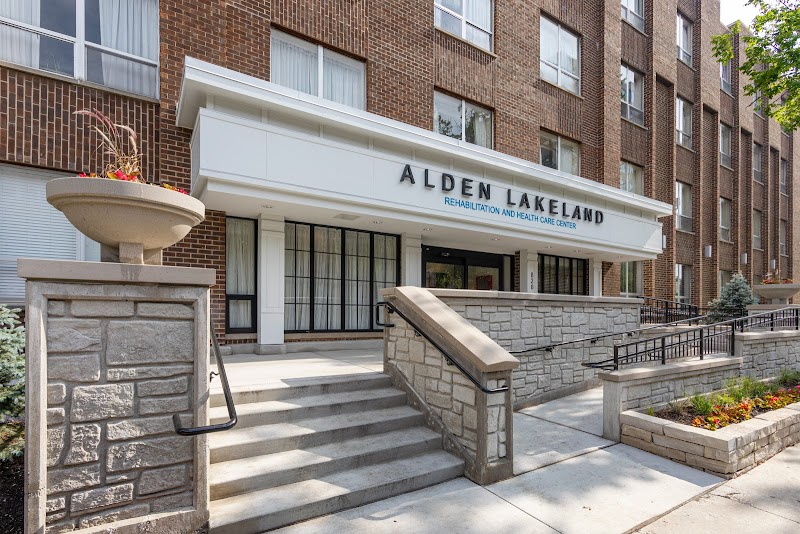
How is Alden Lakeland Rehab & Hcc Staffed?

CMS rates ALDEN LAKELAND REHAB & HCC's staffing level at 1 out of 5 stars, which is much below average compared to other nursing homes.

What Have Inspectors Found at Alden Lakeland Rehab & Hcc?

State health inspectors documented 88 deficiencies at ALDEN LAKELAND REHAB & HCC during 2023 to 2025. These included: 2 Immediate Jeopardy (the most serious level, indicating potential for serious harm or death), 8 that caused actual resident harm, and 78 with potential for harm. Immediate Jeopardy findings are rare and represent the most serious regulatory concerns. They require immediate corrective action.

Who Owns and Operates Alden Lakeland Rehab & Hcc?

ALDEN LAKELAND REHAB & HCC is owned by a for-profit company. For-profit facilities operate as businesses with obligations to shareholders or private owners. The facility is operated by THE ALDEN NETWORK, a chain that manages multiple nursing homes. With 300 certified beds and approximately 155 residents (about 52% occupancy), it is a large facility located in CHICAGO, Illinois.
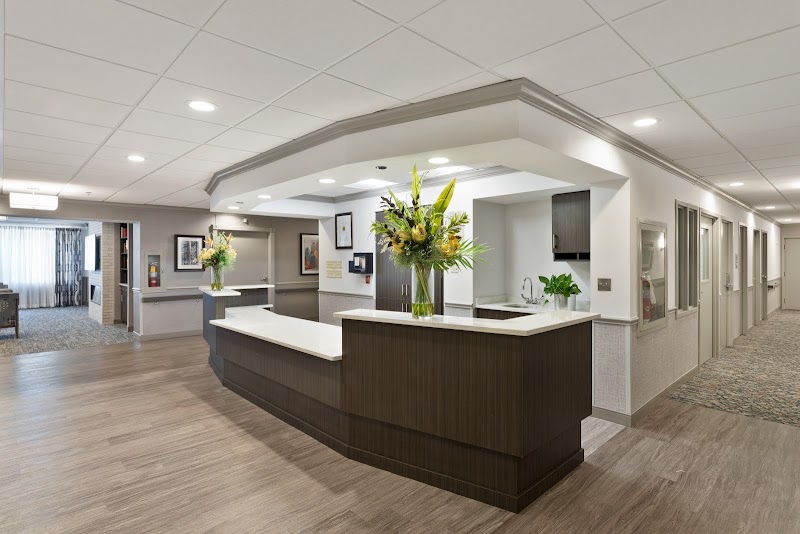
How Does Alden Lakeland Rehab & Hcc Compare to Other Illinois Nursing Homes?

Compared to the 100 nursing homes in Illinois, ALDEN LAKELAND REHAB & HCC's overall rating (1 stars) is below the state average of 2.5 and health inspection rating (1 stars) is much below the national benchmark.

What Should Families Ask When Visiting Alden Lakeland Rehab & Hcc?

Based on this facility's data, families visiting should ask: "What changes have been made since the serious inspection findings, and how are you preventing similar issues?" "What safeguards and monitoring systems are in place to protect residents from abuse or neglect?" "Can you walk me through typical staffing levels on day, evening, and night shifts?" "Can I visit during a mealtime to observe dining assistance and food quality?" These questions are particularly relevant given the facility's Immediate Jeopardy citations, the substantiated abuse finding on record, and the below-average staffing rating.

Is Alden Lakeland Rehab & Hcc Safe?

Based on CMS inspection data, ALDEN LAKELAND REHAB & HCC has documented safety concerns. The facility has 1 substantiated abuse finding (meaning confirmed case of resident harm by staff or other residents). Inspectors have issued 2 Immediate Jeopardy citations (the most serious violation level indicating risk of serious injury or death). The facility has a 1-star overall rating and ranks #100 of 100 nursing homes in Illinois. Families considering this facility should ask detailed questions about what corrective actions have been taken since these incidents.

Do Nurses at Alden Lakeland Rehab & Hcc Stick Around?

ALDEN LAKELAND REHAB & HCC has not reported staff turnover data to CMS. Staff turnover matters because consistent caregivers learn residents' individual needs, medications, and preferences. When staff frequently change, this institutional knowledge is lost. Families should ask the facility directly about their staff retention rates and average employee tenure.

Was Alden Lakeland Rehab & Hcc Ever Fined?

ALDEN LAKELAND REHAB & HCC has been fined $217,099 across 5 penalty actions. This is 6.2x the Illinois average of $35,250. Fines at this level are uncommon and typically indicate a pattern of serious deficiencies, repeated violations, or failure to correct problems promptly. CMS reserves penalties of this magnitude for facilities that pose significant, documented risk to resident health or safety. Families should request specific documentation of what issues led to these fines and what systemic changes have been implemented.

Is Alden Lakeland Rehab & Hcc on Any Federal Watch List?

ALDEN LAKELAND REHAB & HCC is not on any federal watch list. The most significant is the Special Focus Facility (SFF) program, which identifies the bottom 1% of nursing homes nationally based on persistent, serious quality problems. Not being on this list means the facility has avoided the pattern of deficiencies that triggers enhanced federal oversight. This is a positive indicator, though families should still review the facility's inspection history directly.