ALDEN LINCOLN REHAB & H C CTR
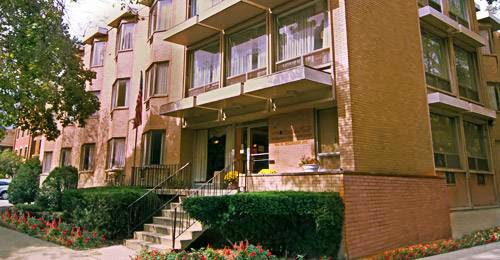
504 WEST WELLINGTON AVENUE, CHICAGO, IL 60657 (773) 281-6200
For profit - Corporation 96 Beds THE ALDEN NETWORK Data: November 2025
Trust Grade
48/100
#205 of 665 in IL
Last Inspection: July 2024

Within standard 12-15 month inspection cycle. Federal law requires annual inspections.

Overview

Alden Lincoln Rehab & Health Center has a Trust Grade of D, which means it is below average and raises some concerns about the care provided. It ranks #205 out of 665 facilities in Illinois, placing it in the top half, and #64 out of 201 in Cook County, indicating only a few local options are better. The facility is improving, with issues decreasing from 12 in 2024 to just 2 in 2025. Staffing is a weakness, rated 1 out of 5 stars, but turnover is 0%, which is excellent compared to the state average; however, there were times when RN coverage fell short of the required hours. Specific incidents included a resident suffering significant weight loss due to unimplemented dietary recommendations and multiple falls among residents due to inadequate fall prevention measures, which suggest critical areas for improvement despite some positive trends in staffing stability.

Trust Score
D
48/100
In Illinois
#205/665
Top 30%
Safety Record
Moderate
Needs review
Inspections
Getting Better
12 → 2 violations
Staff Stability
○ Average
Turnover data not reported for this facility.
Penalties
✓ Good
$8,512 in fines. Lower than most Illinois facilities. Relatively clean record.
Skilled Nurses
⚠ Watch
Each resident gets only 26 minutes of Registered Nurse (RN) attention daily — below average for Illinois. Fewer RN minutes means fewer trained eyes watching for problems.
Violations
⚠ Watch
26 deficiencies on record. Higher than average. Multiple issues found across inspections.
★★★☆☆
3.0
Overall Rating
★☆☆☆☆
1.0
Staff Levels
★★★☆☆
3.0
Care Quality
★★★★☆
4.0
Inspection Score
Stable
2024: 12 issues
2025: 2 issues

The Good

  • Full Sprinkler Coverage · Fire safety systems throughout facility
  • No fines on record

Facility shows strength in fire safety.

The Bad

3-Star Overall Rating

Near Illinois average (2.5)

Meets federal standards, typical of most facilities

Federal Fines: $8,512

Below median ($33,413)

Minor penalties assessed

Chain: THE ALDEN NETWORK

Part of a multi-facility chain

Ask about local staffing decisions and management

The Ugly 26 deficiencies on record

2 actual harm
Sept 2025 1 deficiency
CONCERN (D) 📢 Someone Reported This

A family member, employee, or ombudsman was alarmed enough to file a formal complaint

Potential for Harm - no one hurt, but risky conditions existed

Report Alleged Abuse (Tag F0609)

Could have caused harm · This affected 1 resident

Based on interview and record review, the facility failed to report the allegation of sexual abuse for one resident (R1) within the stipulated two hours time frame. Findings Include: On 9/11/25 at 10:...

Read full inspector narrative →
Based on interview and record review, the facility failed to report the allegation of sexual abuse for one resident (R1) within the stipulated two hours time frame. Findings Include: On 9/11/25 at 10:05 AM, V1 (Administrator) stated that at approximately 1:00 PM on 9/9/25, the facility was notified via email by V15 (Ombudsman) that she received a call from V3 (Wound Nurse/Licensed Practical Nurse/LPN) about a possible sexual abuse towards R1. V1 stated that he is the abuse coordinator, it is his expectation that all allegations of abuse will be reported to him immediately for investigation, and the initial reportable should be sent to Illinois Department of Public health/IDPH within two hours of notification. V1 stated that V3 should have reported the allegation to him, and he should have sent the initial reportable to IDPH around 3pm and not at 5:44 PM, because he must still follow two hours of reporting allegation of abuse. On 9/11/25 at 12:38 PM, via telephone, V3 (Wound Nurse/LPN) stated that she has been in the facility since March 28, 2025, and she attended in-service on types of abuse, who and when to report an abuse.On 9/11/25 at 1:16 PM, V2 (Director of Nursing/DON) stated that she has been in the facility since April 2024. She knows that the initial investigation should have been reported to IDPH within the first two hours of notification, but V1 oversees the reporting process. Documents reviewed for this investigation are not limited to the following: Initial Incident Report Form dated 9/9/25 faxed to IDPH at 5:44 PM above the two hours time frame.Abuse in-service attendance record dated 5/14/25 with V3's signature.Copy of email dated 9/9/25, sent to V1 at 12:59 PM related to the allegation of abuse.Facility's Abuse Policy documents in part: Filing accurate and timely investigation reports.
Jun 2025 1 deficiency
CONCERN (D) 📢 Someone Reported This

A family member, employee, or ombudsman was alarmed enough to file a formal complaint

Potential for Harm - no one hurt, but risky conditions existed

Accident Prevention (Tag F0689)

Could have caused harm · This affected 1 resident

Based on interview and record review, the facility failed to ensure a resident's environment was free of accident hazard. This failure affected 1 (R1) resident reviewed for falls in the total sample o...

Read full inspector narrative →
Based on interview and record review, the facility failed to ensure a resident's environment was free of accident hazard. This failure affected 1 (R1) resident reviewed for falls in the total sample of 4 residents. Findings include: Review of R1's and R4's census lists documented R1 and R4 were roommates beginning 11/20/2024. On 06/20/2025 at 10:57am, R1 was walking slowly from the activity/dining room to her room. R1 stated, I had fallen but I cannot tell how. I forgot already. On 06/20/2025 at 1:19pm, V7 (Licensed Practice Nurse) stated, I know (R1). She fell before and she has a left hip fracture. She is limping when she walks. Before the recent fall on 05/14/2025, she was allowed to walk in the unit without supervision. On 05/14/2025 at dinner time, (R4) was in the dining room but she (R1) was not. I (V7) did not see her (R1) in the dining room at that time, at 4:30pm. Then at around 4:50pm, I heard her screaming aray! in her room. Which translates as ouch!. I went to her room, and I observed her sitting on the floor, between her bed and her roommate's (R4) bed. She was wearing her crocs shoes or rubber shoes. I did not see how she fell, and she did not say what happened. She could have tripped on her roommate's floor mat. It was on the floor between their (R1 and R4) beds. Floor mats should be placed on the sides of the bed when residents are in bed. These should not be laid on the floor when residents are ambulating in the room because these gives the residents instability when they are walking. Floor mats are a tripping hazard. I assessed her and there was a 1-inch swelling on the right side of her head. On 06/20/2025 at 2:13pm, V2 (Director of Nursing) stated, Our fall interventions include floor mats so when a resident falls, it cushions the landing. Floor mats should be placed on the sides of the bed when the resident is on the bed because floor mats pose as tripping hazard. The floor mats should not be on the floor when a resident is ambulating in the room to protect the resident because it is a potential tripping hazard. R1's admission Record documented R1's Diagnoses: (include but not limited to) disorder of brain, history of falling, amnesia, and dementia. R1's (05/09/2025) Minimum Data Set documented, in part Section C. Cognitive Patterns. C0500. BIMS (Brief Interview for Mental Status) Summary Score: 03. Indicating R1's mental status as severely impaired. Section GG. Functional Abilities> GG0170. I. Walk 10 feet: 5 - Set up assistance. J. Walk 50 feet with two turns: 04 - Supervision assistance. K Walk 150: 04 - Supervision. R1's (05/14/2025) progress notes documented, in part Writer was alerted by resident's scream. On entry to the room, resident noted sitting on the floor, right side of her head on a chair nearby. Resident's head was lifted and noted swelling on the R (right) parietal side of the head, able to walk but complains of R hip pain. NP (Nurse Practitioner) ordered to send resident to hospital for evaluation and mgmt. (management). Authored by: V7 (Licensed Practice Nurse). R1's (05/14/2025) After Visit Summary indicated the following diagnostic exams were performed including CT of Cervical Spines without contrast; CT of chest, abdomen, and pelvis without contrast; and CT of head without contrast; x rays of Chest AP and PA views; XR of hips bilateral view and pelvis with no notes of injury. R1's (05/15/2025) Fall Risk Assessment documented, in part 0. Reason for Assessment. e. Post Fall. R1's (Initiated: 05/22/24) care plan documented, in part Focus: at risk for falls r/t (related to) impaired cognition, weakness, unsteady gait, reduced activity tolerance and DX (diagnoses) of dementia, Hx (history) of falling, amnesia, and left hip fracture. Goal: will be free from injury related to falls (initiated: 5/14/2025). R4's admission Record documented that R4's Diagnoses: (include but not limited to) history of falling, hypertension, and dementia. R4's (06/12/2025) Minimum Data Set documented, in part Section C. Cognitive Patterns. C0500. BIMS (Brief Interview for Mental Status) Summary Score: 03. Indicating R4's mental status as severely impaired. R4's (Initiated: 08/09/2024) care plan documented, in part Focus: at high risk for falls. Intervention: Floor mats will be placed when (R4) is in bed. The (08/2020) Management of Falls documented, in part Policy: The Facility will assess hazards and risks, develop a plan of care to address hazards and risks, implement appropriate resident interventions, and revise the resident's plan of care in order to minimize the risks for fall incidents and/or injuries to the resident. The (06/20/2025) Untitled Facility provided document indicated, in part Floor mats should be removed from the bedside and stored in a(n) appropriate place when the resident is not in bed. The purpose is to maintain resident safety.
Oct 2024 1 deficiency
CONCERN (D) 📢 Someone Reported This

A family member, employee, or ombudsman was alarmed enough to file a formal complaint

Potential for Harm - no one hurt, but risky conditions existed

Quality of Care (Tag F0684)

Could have caused harm · This affected 1 resident

**NOTE- TERMS IN BRACKETS HAVE BEEN EDITED TO PROTECT CONFIDENTIALITY** Based on observation, interview, and record review, the facility failed to determine and assess a resident to determine if self-...

Read full inspector narrative →
**NOTE- TERMS IN BRACKETS HAVE BEEN EDITED TO PROTECT CONFIDENTIALITY** Based on observation, interview, and record review, the facility failed to determine and assess a resident to determine if self-administration of medications is appropriate, failed to obtain a physician's order for medication self-administration, failed to develop a person-centered care plan addressing self-administration of medications, failed to obtain physician orders for resident's medications, and failed to follow-up on the medication administration for 1 (R1) out of 3 residents reviewed. Findings Include: On 10/29/24 at 10:37 AM, R1 was sitting up in [R1's] bed alert and able to verbalize needs. R1 showed Surveyor multiple loose pills inside a small clear pouch on top of R1's bedside table. When Surveyor asked what those pills are, R1 answered, These are my 6:00 AM and 9:00 AM medications. I have here three pills of Sevelamer, one Losartan, one Eliquis, one antibiotic, two 25 mg of Metoprolol, and one renal vitamin. I have not taken these because I haven't eaten anything yet. On 10/29/24 at 10:58 AM, Surveyor entered R1's room with V5 (Licensed Practical Nurse/LPN). V5 was about to administer three tablets of Sevelamer 800 mg to R1 that was scheduled at 11:00 AM when V5 saw the loose pills inside the clear pouch on top of R1's bedside table. V5 stated, You did not tell me that you did not take your 9AM meds yet. I did not give those to [R1] the night shift nurse did. Those are [R1's] 6AM and 9AM meds. [V7/Registered Nurse] was the night shift nurse. [V7] gave these to [R1] before [R1] went for dialysis. Maybe we should call the Doctor to change the timing of your medications. Surveyor and V5 also observed the following medications at R1's bedside on top of R1's nightstand: - One bottle of Neuriva. R1 stated, I take two tablets of those a day. - One bottle of Prevagen. R1 stated R1 takes one tablet once a day. - One bottle of Areds. R1 stated R1 takes one tablet twice day. - Levalbutirol inhaler. R1 stated R1 takes one puff every 4 hours. - Wixela inhaler. R1 stated R1 takes one puff twice a day. - Fluticasone inhaler. R1 stated R1 takes 2 puffs at nighttime. On 10/29/24 at 12:45 PM, Surveyor reviewed R1's electronic health records. R1 was admitted on [DATE] with included diagnoses not limited to Chronic Obstructive Pulmonary Disease, Atrial Fibrillation, and End Stage Renal Disease. R1's Minimum Data Set, dated [DATE] shows R1 is cognitively intact. R1's physician orders with active orders as of 10/29/24 shows no order for self-administration of medications. There were also no assessments or re-evaluations found in R1's records to determine if R1 is appropriate to self-administer R1's own medications. R1's care plan does not address if medication self-administration is appropriate for R1. R1's physician orders show medication orders for Apixaban 5 mg 1 tablet every 12 hours; Fluticasone-Salmeterol inhalation 1 inhale orally two times a day; Levalbuterol Inhalation 1 inhale orally via nebulizer every 4 hours; Losartan 12.5 mg one time a day; Metoprolol 50 mg one time a day every Monday, Wednesday, Friday, and Sunday; Renal Multivitamin 1 tablet one time a day; Sevelamer 800 mg 3 tablets three times a day; and Wixela Inhalation 1 inhale orally two times a day. There were no physician orders found for Neuriva, Prevagen, and Areds. On 10/29/24 at 3:13 PM, a phone interview was conducted with V7 (Registered Nurse). V7 stated [V7] never completed job orientation in the facility. V7 stated [V7] worked the 3rd floor night shift (10/28/24) until morning of 10/29/24. V7 stated it was V7's first time on the third floor and didn't know the residents there. V7 stated V7 did not know R1 was going to dialysis early in the morning. V7 stated, [R1] came up to me after 2:00 AM and asked me to give [R1] all [R1's] 9:00 AM medications. [R1] said [R1] is going to the dialysis and [R1] needed to take [R1's] meds with [R1]. [R1] directed me what medications [R1] wanted to take with [R1]. I checked the EMAR [Electronic Medication Administration Record]. I gave all of [R1's] 9:00 AM meds to [R1] in the clear pouch, and [R1] took the meds with [R1] to dialysis. [R1] told me [R1] would take them at 9:00 AM. On 10/30/24 at 10:04 AM, Surveyor reviewed R1's progress notes on 10/29/24. No documentation found if R1's missed morning medications on 10/29/24 were followed up with V8 (R1's Physician). R1's progress notes dated 10/29/24 at 10:43 AM written by V5 reads in part: During meds round, the nurse noticed that the patient still had the medication that the nurse from the night shift had given to him to take with him to dialysis. The patient was re-educated about the importance of taking the medication at the correct time. On 10/30/24 at 11:40 AM, inspected R1's medications inside 3rd floor team 1's medication cart with V9 (LPN). R1's inhalers and eye drops were not in the medication cart. V9 stated R1 keeps all [R1's] eye drops and inhalers at bedside and takes them on his own. On 10/29/24 at 1:05 PM, V2 (Director of Nursing) stated that nurses have to check from the resident's EMAR what medications they are administering to the residents. They have to wait until the resident takes the medications. They are not supposed to leave the resident's room without making sure that the resident took the meds. V2 stated that if residents are not monitored and made sure that the resident had taken their medications, then the resident could potentially take the medications with other medications that could double the dose. V2 stated that if the medications are refused or they miss a dose, nurses have to call the physician and they have to check the full vital signs to check if the resident is stable from missing medications and find out how many times it's occurred. V2 stated V2 expects the nurses to follow the physician orders for medication administration. V2 stated V2 is not aware of the facility's policy regarding self-administration of medications because there are no resident currently residing in the facility that is self-administering their own medications. V2 stated that if a resident would like to self-administer their own medications, then there should be an evaluation or assessment to show that the resident is eligible and is safe to administer their own medications. V2 stated that resident evaluation should be done prior to giving the permission to the resident to self-administer own medications. V2 stated that the nurses need to do a lot of resident teaching and observation that the resident is taking the medication correctly. V2 stated that the education and assessment should all be documented in the resident's chart and needs to be re-assessed quarterly to make sure that the residents who are self-administering medications still have the ability to do that. V2 stated that self-administration of medication should be ordered by the physician. V2 stated that R1 is not self-administering their own medications and the nurses should be providing R1's medications and making sure that R1 is taking [R1's] medications. V2 stated that R1 is not allowed to keep [R1's] own medications at bedside. V2 stated all residents' medications should be securely stored in the medication carts. V2 stated, As far as I know there is no one here that is self-administering their own medications. The facility's SELF-ADMINISTRATION OF MEDICATIONS policy dated 9/20 reads in part: Residents will not be permitted to administer or retain medications in their rooms unless so ordered by the attending physician, assessed for their cognitive, physical, and visual ability to self-medicate, and approved by the care planning team. The Self- Medication Training Program will consist of the following: resident request to self-medicate, self-medication assessment completed initially and quarterly, MD order to participate in the program, plan of care with quarterly documentation to the progress of the established goal, and completion of the self-medication daily flow sheet. The facility's MEDICATION ADMINISTRATION policy dated 9/20 reads in part: Drugs must be administered in accordance with the written orders of the attending physician.
Jul 2024 5 deficiencies
CONCERN (D)

Potential for Harm - no one hurt, but risky conditions existed

Deficiency F0558 (Tag F0558)

Could have caused harm · This affected 1 resident

Based on observation, interview and record review, the facility failed to ensure that a resident's call light was accessible and within reach to call for staff assistance which affected 1 (R25) reside...

Read full inspector narrative →
Based on observation, interview and record review, the facility failed to ensure that a resident's call light was accessible and within reach to call for staff assistance which affected 1 (R25) resident in the sample of 45 residents reviewed for accommodation of needs. Findings include: On 7/22/24 at 10:50am, R25 was observed in his room, sitting up in a wheelchair, watching television. R25's call light was observed wrapped around R25's dresser drawer behind R25 not within R25's reach. When asked where the call light was, R25 replied, I don't know. Somewhere back there (pointing behind him). I cannot reach it. I just yell for staff if I cannot find the call light. I always need help from the staff. On 7/22/24 at 10:55am, while in R25's room, V2 (Director of Nursing/DON) was asked if R25 can reach the call light. V2 replied, No, R25 cannot reach it. The call light needs to be within R25's reach. V2 took the call light and secured it to R25's gown and R25 said, That's a good idea. R25's face sheet documents, in part, diagnoses of history of falling, unequal limb length tibia and fibula, unsteadiness on feet, difficulty in walking, need for assistance with personal care, unspecified lack of coordination and muscle weakness. R25's BIMS (Brief Interview for Mental Status) Summary Score: 10, dated 7/11/24, which suggests moderate cognitive impairment. R25's Care Plan, date initiated, 4/07/2017, documents, in part, (R25) is at risk for falls related to poor balance, inability to walk independently, limitation in ROM (range of motion), left leg shorter than right leg, use of assistive wheelchair, use of indwelling catheter, use of colostomy, diabetic medications and weakness .Intervention/Tasks: Promote placement of call light within reach. On 7/24/24 at 9:15am, V2 (Director of Nursing/DON) stated, Call lights should be answered in a timely manner. Call lights should be within reach of the resident. Facility policy titled CALL LIGHT, USE OF, dated 09/20, documents, in part, When providing care to residents, position the call light conveniently for the resident's use. Tell the resident where the call light is and show him/her how to use the call light and provide reminders to use the call light as needed Be sure call lights are placed within resident reach at all times. Facility job description titled, Director of Nursing, dated 1/2015, documents, in part, The objective is to ensure the highest degree of quality care is maintained at all times . Assure all Nursing procedures and protocols are followed in accordance with established policies . Make daily rounds to ensure nursing personnel are performing required duties and to ensure that appropriate procedures are being followed. Make physical rounds on all customers daily . Monitor medication passes and treatment schedules to ensure medications are being administered as ordered and treatments are provided as scheduled.
CONCERN (D)

Potential for Harm - no one hurt, but risky conditions existed

Incontinence Care (Tag F0690)

Could have caused harm · This affected 1 resident

Based on observation, interview, and record review, the facility failed to ensure equipment used after bladder irrigation were discarded after use in an effort to prevent cross contamination. This fai...

Read full inspector narrative →
Based on observation, interview, and record review, the facility failed to ensure equipment used after bladder irrigation were discarded after use in an effort to prevent cross contamination. This failure affected 1 (R8) resident reviewed for indwelling catheter care in the total sample of 45 residents. Findings include: On 07/22/2024 at 11:44am, there was an EBP (enhanced barrier precautions) sign posted by R8's room. On top of R8's dresser was a piston syringe dated 7/6/24 and a bottle of .9% Saline solution dated 6/29/24 with R8's identifier. On 07/22/2024 at 11:50am, this surveyor requested V8 (Licensed Practice Nurse) to check the dates on R8's piston syringe and saline solution bottle. V8 stated the piston syringe was dated 7/6/24 and the bottle of saline has an open date of 6/29/24. The piston syringe should be changed every 72hours and the saline solution should be discarded after 30 days upon opening to prevent infection. On 07/24/2024 at 10:30am, V2 (Director of Nursing) stated the saline solution used for irrigating the bladder should be discarded after use to reduce the incident of infection and to prevent compromising the resident's wellbeing. On 07/25/2024 at 10:44am, V2 stated the piston syringe used for irrigation should be discarded after use, basically, not to introduce bacteria to the resident to prevent infection. R8's (Active Order As Of: 07/23/2024) Order Summary Report documented, in part Diagnoses: benign prostatic hyperplasia with lower urinary tract symptoms, neuromuscular dysfunction of bladder, encounter for fitting and adjustment of urinary device. Catheter: May use indwelling urinary catheter due to neuromuscular dysfunction of bladder. Order Status: Active. Order Date: 06/06/2023. Start Date: 07/05/2023. Sodium Chloride Irrigation Solution 0.9% Use 30ml via irrigation every shift related to Neuromuscular Dysfunction of Bladder. Order Status: Active. Order Date: 03/16/2024. Start Date: 03/17/2024. R8's (06/19/2024) Minimum Data Set documented, in part Section C0500. BIMS (Brief Interview for mental status) Summary Score: 07. Indicating R8's mental status as severely impaired. R8's (Target Date: 09/17/2024) Care plan documented, in part Focus: requires the use of indwelling catheter related to Urinary retention secondary to Neurogenic Bladder. Goal: will show no complications. Interventions: Irrigate the indwelling catheter every shift per MD order. THE (09/2020) EQUIPMENT CHANGE SCHEDULE documented, in part POLICY: Equipment will be changed following established schedules to prevent cross contamination. 3. FOLEY: c. Foley catheter irrigation sets are one time use only. 8. DISTILLED WATER AND NORMAL SALINE: b. 250ML/1000ML containers of sterile water/sterile saline used for sterile irrigation of the bladder must be used only once and the unused portion discarded.
CONCERN (D)

Potential for Harm - no one hurt, but risky conditions existed

Infection Control (Tag F0880)

Could have caused harm · This affected 1 resident

**NOTE- TERMS IN BRACKETS HAVE BEEN EDITED TO PROTECT CONFIDENTIALITY** Based on observation, interview, and record review the facility failed to perform hand hygiene in between assisting one resident...

Read full inspector narrative →
**NOTE- TERMS IN BRACKETS HAVE BEEN EDITED TO PROTECT CONFIDENTIALITY** Based on observation, interview, and record review the facility failed to perform hand hygiene in between assisting one resident (R49) during dining service and failed to don Personal Protective Equipment (PPE) when performing care on one resident (R50) on Enhanced Barrier Precautions (EBP) isolation in an effort to prevent the spread of infectious microorganisms. These failures affected two residents (R49 and R50) in the sample of forty-five residents reviewed and have the potential to affect all thirty residents residing on the third floor. Findings include: On 07/22/24 at 12:30 PM V12 Certified Nursing Assistant (CNA) observed in 3rd floor dining area wiping spilled liquid from table. V12 then observed grabbing 2 sandwiches while still holding wet paper towels from spill and proceeded down the hall. On 07/22/24 at 12:34 PM V12 stated Those sandwiches were for R49. I shouldn't have been holding the sandwiches for another resident while finishing cleaning up another resident's spill. On 07/24/24 at 12:33 PM V2 Director of Nursing (DON) stated Hand hygiene should be performed before entering a resident's room, before medication pass, and before and after passing trays. Bacteria can be spread from resident to resident when hand hygiene is not performed. R49's diagnosis includes but are not limited to Chronic Obstructive Pulmonary Disease (COPD), Atrial fibrillation, End Stage Renal Disease, Benign Prostatic Hyperplasia, Chronic Respiratory Failure, Dependence on Supplemental Oxygen. R49's Minimum Data Set (MDS) dated [DATE] has a Brief Interview for Mental Status (BIMS) score of 15 indicating R49 is cognitively intact. R49's active physician order dated 5/16/2024 documents in part, EBP for device care or use of urinary catheter. Facility's policy titled Hand Washing and Hand Hygiene dated 6/4/2020, documents in part, Purpose: Appropriate hand hygiene is essential in preventing the spread of infectious organisms in healthcare settings .Guidelines: 1. Hand hygiene must be performed after touching blood, body fluids, secretions, excretions, and contaminated items. Specific examples include but are not limited to: c) Before touching medication or food to be given to a resident .i) Between contacts with different residents .2. Alcohol-based hand rub (ABHR) is the preferred method for hand hygiene. Facility's policy titled Job Description Certified Nursing Assistant dated 03/2023 documents in part, IV. A. Ensure that all nursing procedures and protocols are followed in accordance with established policies. On 07/22/24 at 10:30 am, Surveyor observed R50's room with a sign that read Stop: Enhanced Barrier Precautions (EBP): Everyone Must: Clean their hands, including before entering and when leaving the room. Providers and staff must also: Wear gloves and a gown for the following High Contact Resident Care Activities: Dressing, Bathing/Showering, Transferring, Changing Linens, Providing Hygiene, Changing briefs or assisting with toileting, Device care or use: central line, urinary catheter, feeding tube, tracheostomy, Wound Care: any skin opening requiring a dressing and an isolation bin with PPE supplies (gown, gloves, mask) outside of R50's room. Upon entering R50's room, surveyor observed V12 (Certified Nursing Assistant, CNA) performing ADL (Activities of Daily Living) care with R50 (changing R50's incontinence brief) without wearing a gown. On 07/22/24 at 11:09 am, Surveyor questioned V12 regarding the EBP sign on R50's room and V12 stated that the EBP sign on R50's room is so that staff knows what the necessary PPE (gown, gloves, and mask) is required to wear so that staff can protect themselves from residents who are sick that staff may come in contact with. When surveyor asked V12 regarding not wearing PPE while providing ADL care to R50, V12 stated there was no PPE in the isolation bin outside of R50's room. Surveyor and V12 then observed the PPE bin outside of R50's door with PPE supplies (gown, gloves, and mask). V12 then stated, Oh well, I should have checked with the nurse first. There have been times they (referring to the residents) did not require us (referring to staff) to wear a gown. On 07/24/24 at 9:02 am, V2 (Director of Nursing, DON) stated that V2 is the facility's Infection Preventionist at the facility. V2 stated, EBP precautions are to give the residents an extra layer of precautions, for the residents who are prone or subjected to infections. V2 explained that residents with EBP are residents with G-Tubes, wounds, and indwelling catheters. V2 then explained that staff are expected to wear gloves and gown during high contact care such as dressing, grooming, toileting, bathing, administering medications during IV access, inserting indwelling catheters and flushing G-tubes. When V2 was asked regarding the importance of EBP V2 stated, It is to make sure we are not introducing the resident to any infections. R50's face sheet shows that R50 has a diagnosis which includes but not limited to : non pressure chronic ulcer of other part of left lower leg, quadriplegia, radiculopathy cervical region, unspecified injury at unspecified with bleeding, peripheral vascular disease, and chronic obstructive pulmonary disease. R50's Minimum Data Set (MDS), dated [DATE], documents, in part, a Brief Interview of Mental Status (BIMS) score of 14 which indicates that R50 is cognitively intact. Facility's document dated 07/22/24 order description: EBP shows that R50 requires EBP for chronic wound. The facility's document dated 12/14/23 and titled Enhanced Barrier Precautions documented, in part: Enhanced Barrier Precautions (EBP) are infection control intervention designed to reduce transmission of multidrug- resistant organisms (MDRO) in nursing homes. As well as to prevent multi-drug resistant organism acquisition of those with an increased risk of acquiring MDRO's including resident with a chronic wound or an indwelling medical device. Guidelines: 1. EBP involves gown and gloves use during high-contact resident care activities for residents known to be infected or colonized with MDROs when a contact precaution do not otherwise apply. As well as residents with a chronic wound and/or indwelling medical device. Procedure 1. High-Contact Resident Care Activities include the following: . b. Bathing/Showering . e. Providing hygiene. f. Changing briefs or assisting with toileting. R50's care plan shows that R50 is receiving antibiotic therapy indicated for wound infection of the non-pressure chronic ulcer of RLL (right lower leg), LLL (left lower leg) with necrosis of muscle . Interventions: Enhanced Barrier Precautions will be implemented during high contact resident care activities. R50's Physician Order Sheet (POS) dated 05/15/2 shows order for EBP for Chronic Wound. The facility's undated document titled, Enhanced Barrier Precautions documents, in part: Everyone Must: Clean their hands, including before entering and when leaving the room. Providers and staff must also: Wear gloves and a gown for the following High Contact Resident Care Activities: Dressing, Bathing/Showering, Transferring, Changing Linens, Providing Hygiene, changing briefs or assisting with toileting, Device care or use: central line, urinary catheter, feeding tube, tracheostomy, Wound Care: any skin opening requiring a dressing.
CONCERN (E)

Potential for Harm - no one hurt, but risky conditions existed

Respiratory Care (Tag F0695)

Could have caused harm · This affected multiple residents

**NOTE- TERMS IN BRACKETS HAVE BEEN EDITED TO PROTECT CONFIDENTIALITY** On 07/22/24 at 10:32 am R333 observed with nasal cannula oxygen tubing not dated and connected to humidity bottle also not dated...

Read full inspector narrative →
**NOTE- TERMS IN BRACKETS HAVE BEEN EDITED TO PROTECT CONFIDENTIALITY** On 07/22/24 at 10:32 am R333 observed with nasal cannula oxygen tubing not dated and connected to humidity bottle also not dated. On 07/22/24 at 10:36 am V15(LPN) stated, R333 does not have a date on the oxygen tubing or the humidifier bottle. The bottle is full, so they (staff) probably just put it (humidifier bottle) this morning. The oxygen tubing and humidifier bottle should have a date on it. On 07/22/24 at 10:45 am, R49 observed with portable oxygen tank at bedside with oxygen tubing not dated. On 07/22/24 at 10:48 am, V15 stated, there is not a date on the oxygen tubing because the resident (R49) changes the tubing himself. There should be a date on it (oxygen tubing). R49's diagnosis includes but are not limited to Chronic Obstructive Pulmonary Disease (COPD), Atrial fibrillation, End Stage Renal Disease, Benign Prostatic Hyperplasia, Chronic Respiratory Failure, Dependence on Supplemental Oxygen. R49's active physician order dated 3/27/24 documents in part, Respiratory: Change O2 (Oxygen) tubing monthly and PRN (As Needed). R49's Minimum Data Set (MDS) dated [DATE] has a Brief Interview for Mental Status (BIMS) score of 15 indicating R49 is cognitively intact. R49's care plan dated 6/6/24 documents in part, R49 requires oxygen therapy to help relieve shortness of breath related to COPD. R333's diagnosis includes but are not limited to dependence on supplemental oxygen, Presence of other Cardiac Implants, solitary Pulmonary Nodule, Atrial Fibrillation. R333's active physician order dated 7/19/24 documents in part, Respiratory: Oxygen per Nasal Cannula at 1 liter per minute continuous Change O2 tubing monthly and PRN. R333's care plan dated 7/23/24 documents in part, Resident requires oxygen therapy .Administer oxygen per MD (medical doctor) orders. R333's admission date 7/19/24, MDS in progress, no BIMS score recorded. Facility's policy titled Oxygen Therapy Devices High Humidity dated 09/2020 documents in part, Policy: Oxygen delivered with high humidity or high humidity without O2 (oxygen) will be set up to enhance humidification of mucous membranes .4. High humidity devices and tubing will be changed monthly and PRN (as needed). Facility's policy titled Oxygen Therapy Devices-Nasal Cannula dated 09/2020 documents in part, Policy: Oxygen delivered per nasal cannula, will be used to prevent or reverse hypoxia and improve tissue oxygenation .A nasal cannula will be changed monthly and PRN. On 7/22/24 at 10:27am, R53 was observed in the dining room, sitting up in a wheelchair, with oxygen at 5L nasal cannula and the oxygen tubing was not labeled. R53 was unable to be interviewed. R53's diagnosis includes but are not limited to chronic obstructive pulmonary disease, unspecified asthma, chronic diastolic heart failure and senile degeneration of the brain. R53's BIMS (Brief Interview for Mental Status) Summary Score: 03, dated 4/20/24, suggests severe cognitive impairment. R53's Order Summary Report, dated 7/23/24, documents in part, RESPIRATORY: OXYGEN PER NASAL CANNULA @ 2-6 LITERS PER MINUTE FOR SOB (shortness of breath) as needed. R53's Care Plan, date initiated 4/25/2024, documents, in part, (R53) requires oxygen therapy PRN (as needed) to help relieve shortness of breath related to diagnosis of COPD (chronic obstructive pulmonary disease) and asthma. On 7/22/24 at 10:35am, V7 (Registered Nurse/RN) stated, Night shift changes the oxygen tubing. They are supposed to label it with a piece of tape with the date they changed it and wrap it around the tubing. Yeah, there is not date on R53's tubing. I will change it. V7 changed R53's nasal cannula tubing at 10:39am and placed a piece of tape with the date around the tubing. On 7/24/24 at 9:15am, V2 (Director of Nursing/DON) stated, I (V2) would have to check the policy in regard to changing nasal cannulas. The nasal cannula should be labeled with tape and the date of when it was changed. I think its 7 days and PRN (as needed). Nasal cannulas need to be changed per policy or for example if I see it hanging over the concentrator or dresser or something because I couldn't be sure if it hit the floor or not, so it would not introduce organisms into their body. Facility Policy titled, OXYGEN THERAPY DEVICES - NASAL CANNULA, dated 09/2020, documents, in part, A nasal cannula will be changed monthly and prn (as needed). Facility job description titled, Staff Nurse (Registered Nurse/License Practical Nurse), dated 1/2015, documents, in part, The objective is to ensure the highest degree of quality care is maintained at all times .Assume all Nursing procedures and protocols are followed in accordance with established policies. Make daily rounds to ensure nursing personnel are performing required duties, and to ensure appropriate procedures are being followed .Prepare and administer medications and treatments if appropriate as ordered by the physician . Administer professional services such as: catheterization, tube feedings, suction, applying and changing dressings/bandages, packs, colostomy, and drainage bags, care of the dead/dying, etc., as required. Facility job description titled, Director of Nursing, dated 1/2015, documents, in part, The objective is to ensure the highest degree of quality care is maintained at all times . Assure all Nursing procedures and protocols are followed in accordance with established policies . Make daily rounds to ensure nursing personnel are performing required duties and to ensure that appropriate procedures are being followed. Make physical rounds on all customers daily . Monitor medication passes and treatment schedules to ensure medications are being administered as ordered and treatments are provided as scheduled. Based on observations, interviews, and record reviews, the facility failed to ensure the nebulizer equipment was changed weekly on 1 resident (R8), failed to label with date the nasal canula on 3 residents (R49, R53 & R333) and failed to label with date the humidifier bottle for 1 resident (R333). These failures have the potential to affect 4 residents (R8, R49, R53 and R333) reviewed for respiratory care in the total sample of 45 residents. Findings include: On 07/22/2024 at 11:44am, R8's nebulizer tubing was dated 7/8/24. The tubing was attached to a nebulizer mask that was inside a plastic container. On 07/22/2024 at 11:50am, this surveyor requested V8 (Licensed Practice Nurse) to check the date on R8's nebulizer tubing and stated the nebulizer tubing is dated 7/8/24. I (V8) have to check our policy on when to change the nebulizer tubing. On 07/24/2024 at 10:27am, V2 (Director of Nursing) stated the nebulizer set up includes the nebulizer machine, tubing, and mask. The nebulizer tubing and mask should be changed every 7days and as needed to make sure it is sanitary and safe to use to prevent infection control issues. R8's (Active Order As Of: 07/23/2024) Order Summary Report documented, in part Diagnoses: Chronic Pulmonary Embolism. Order Summary: DuoNeb Solution 0.5-2.5 (3) MG/3ML 1 vial inhale orally via nebulizer every 6 hours as needed for SOB (shortness of breath) and wheezing. Order Status: Active. Order Date: 04/02/2024. Start Date: 04/02/2024. R8's (06/19/2024) Minimum Data Set documented, in part Section C0500. BIMS (Brief Interview for mental status) Summary Score: 07. Indicating R8's mental status as severely impaired. R8's (Target Date: 09/17/2024) Care plan documented, in part Focus: has potential for shortness of breath due to breathing problem. Goal: Will demonstrate improved breathing post treatment. Interventions: Provide respiratory treatments per physician's order. THE (09/2020) EQUIPMENT CHANGE SCHEDULE documented, in part POLICY: Equipment will be changed following established schedules to prevent cross contamination. 10. INDIVIDUAL RESIDENT EQUIPMENT: 11. Nebulizer setups for bronchodilator therapy changed weekly and PRN (as needed).
CONCERN (E)

Potential for Harm - no one hurt, but risky conditions existed

Deficiency F0761 (Tag F0761)

Could have caused harm · This affected multiple residents

**NOTE- TERMS IN BRACKETS HAVE BEEN EDITED TO PROTECT CONFIDENTIALITY** Based on observation, interview, and record review, the facility failed to label opened multi dose vials. This failure has the p...

Read full inspector narrative →
**NOTE- TERMS IN BRACKETS HAVE BEEN EDITED TO PROTECT CONFIDENTIALITY** Based on observation, interview, and record review, the facility failed to label opened multi dose vials. This failure has the potential to affect one resident (R66) and all 24 residents on the first floor (total of 25 residents) reviewed for medications in the sample of 45 residents. Findings include: Facility document titled, (Facility) Daily Census [DATE] shows a total of 24 residents residing on the first floor. On [DATE] at 10:38am, with V26 (Licensed Practical Nurse/LPN), during observation of medication storage on the 1st floor, the following was observed: 1st floor medication refrigerator had an opened house stock vial of Tuberculin Purified Protein Derivative with no label of when it was opened. When this surveyor inquired about the missing open date, V26 (LPN) replied, I think we just go by the expiration date on the medication. I'll have to check with pharmacy. If a medication is expired it is no good, it doesn't work like it's supposed to. On [DATE] at 11:02am, with V17 (Registered Nurse/RN), during observation of medication storage on the 2nd floor, the following was observed: R66's Travoprost eye drops were opened with no label of when it was opened. When this surveyor inquired about the missing open dates, V17 (Registered Nurse/RN) stated, Ugh. Yeah, I don't know why someone didn't label those meds. They have a different expiration date after they are opened. The medications won't be as good. R66's diagnosis includes but are not limited to primary open-angle glaucoma, bilateral, mild stage. R66's BIMS (Brief Interview for Mental Status) Summary Score: 05, dated [DATE], suggests severe cognitive impairment. R66's Order Summary Report, dated [DATE], documents in part, Travoprost Solution 0.004% instill 1 drop in both eyes at bedtime related to PRIMARY-ANGLE GLAUCOMA, BILATERAL, MILD STAGE. On [DATE] at 9:15am, V2 (Director of Nursing/DON) stated, multi-dose medications should be dated upon being opened. Stickers go on the vials with the date you open it. Once you pop the top off it has a different expiration date. The manufacturing manual inside the box of Tuberculin Purified Protein Derivative, revised date 03/16, documents, in part, vials in use more than 30 days should be discarded due to possible oxidation and degradation which may affect potency. Facility policy titled, Multi-Dose Vials, Use Of, dated 01/2022, documents, in part, multi-dose vials (MDVs) contain a preservative, so that they may be used multiple times. The opened and beyond-use (expiration) dates will be noted and initialed at the time the vial cap is removed. In general, MDVs may be used for 28 days after the initial opening of the vial . If this is a new vial, remove the cap from the vial. Using an ink pen, write the opened and expiration dates, as well as the nurse's initials, on the vial's label . Facility job description titled, Staff Nurse (Registered Nurse/License Practical Nurse), dated 1/2015, documents, in part, The objective is to ensure the highest degree of quality care is maintained at all times .Assume all Nursing procedures and protocols are followed in accordance with established policies. Make daily rounds to ensure nursing personnel are performing required duties, and to ensure appropriate procedures are being followed .Prepare and administer medications and treatments if appropriate as ordered by the physician. Facility job description titled, Director of Nursing, dated 1/2015, documents, in part, The objective is to ensure the highest degree of quality care is maintained at all times . Assure all Nursing procedures and protocols are followed in accordance with established policies . Make daily rounds to ensure nursing personnel are performing required duties and to ensure that appropriate procedures are being followed. Make physical rounds on all customers daily . Monitor medication passes and treatment schedules to ensure medications are being administered as ordered and treatments are provided as scheduled.
May 2024 2 deficiencies 1 Harm
SERIOUS (G) 📢 Someone Reported This

A family member, employee, or ombudsman was alarmed enough to file a formal complaint

Actual Harm - a resident was hurt due to facility failures

Deficiency F0692 (Tag F0692)

A resident was harmed · This affected 1 resident

**NOTE- TERMS IN BRACKETS HAVE BEEN EDITED TO PROTECT CONFIDENTIALITY** Based on observation, interview and record review, the facility: 1. Failed to ensure Registered Dietician/Clinical Dietician's e...

Read full inspector narrative →
**NOTE- TERMS IN BRACKETS HAVE BEEN EDITED TO PROTECT CONFIDENTIALITY** Based on observation, interview and record review, the facility: 1. Failed to ensure Registered Dietician/Clinical Dietician's enteral feeding recommendation was implemented. 2. Failed to notify Nurse Practitioner (NP) or physician that enteral feeding recommendation was not carried out. 3. Failed to ensure that enteral feeding and flushing were administered as ordered by physician. These failures resulted in R1's significant / severe weight loss of 11.3lbs (pounds) = 10.7% x 30 days and elevated BUN (Blood Urea Nitrogen) level reviewed for improper nursing care in a sample of 3. The finding include: R1's health record documented admission date on 2/14/24 with diagnoses not limited to Unspecified dementia, severe, with other behavioral disturbance, Adult failure to thrive, Encounter for attention to gastrostomy, Type 2 diabetes mellitus with diabetic chronic kidney disease, Unspecified severe protein-calorie malnutrition, Chronic combined systolic (congestive) and diastolic (congestive) heart failure, Hypertensive heart and chronic kidney disease with heart failure, Diaper dermatitis, Schizoaffective disorder bipolar type, Pneumonia, Dysphagia oropharyngeal phase, Body mass index [bmi] 19.9 or less, Ocular pain left eye, Gastro-esophageal reflux disease without esophagitis, Personal history of COVID-19, Age-related osteoporosis without current pathological fracture, Restlessness and agitation, Peripheral vascular disease, Long term (current) use of insulin, Chronic kidney disease stage 2 (mild), Primary insomnia, Personal history of transient ischemic attack (tia), and cerebral infarction without residual deficits, Vitamin d deficiency, Iron deficiency anemia, Long term (current) use of oral hypoglycemic drugs, Unspecified psychosis not due to a substance or known physiological condition, Hyperlipidemia, Long term (current) use of anticoagulants, Post-traumatic stress disorder, Epilepsy, Paroxysmal atrial fibrillation, Aphasia. On 5/5/24 at 1:03pm Enteral feeding and flushing administration observation conducted with V3 (Registered Nurse / RN) and V5 (Certified Nursing Assistant / CNA). R1 sitting up in wheelchair, wearing abdominal binder, Gastrostomy tube (G-tube) site with dressing dry and clean. Observed V3 checked gastric residual then administered Fibersource HN 1.2 250ml bolus enteral feeding and flushed with 150ml water. At 3:18pm Interviewed V2 (Director of Nursing / DON) and V2 said nurses are expected to follow doctor's order in administering G-tube feeding and flushing. Nurses are expected to document or sign off on the MAR (Medication Administration Record) after administering g-tube feeding and flushing. If MAR was not signed or documented, task was not done, G-tube feeding and flushing was not administered. If G-tube feeding and flushing were not administered or were missed could potentially lead to weight loss or dehydration. On 5/6/24 at 8:02am interviewed V17 (Clinical Dietician / Registered Dietician), stated R1 had weight change in April, weight loss of 10% x 30 days, 5% and above considered as significant weight change x 30 days. Recommended increasing the tube feeding to elevate volume and concentration. V17 said Fibersource 1.2 1250ml per day was not adequate to meet R1's needs, recommended to increase enteral feeding to1800ml / day on 4/20/24. Recommendation was calculated based on R1's ideal body weight and R1 is underweight with history of malnutrition. V17 said was informed that his recommendation was not put through because the family (POA) needed to okay the recommendation. Stated that his goal for his recommendation was to meet R1's nutritional needs through enteral feeding. R1 is on pleasure feeding but not eating enough about 0-50% per staff documentation. If R1 continues to receive enteral feeding of Fibersource 1250ml/day will continue to lose weight due to not enough for his nutritional needs. He said during weight meeting, he was informed that R1 with issue of diarrhea. Fibersource will help with diarrhea. R1 significant weight loss is contributed with: 1. enteral feeding not meeting his nutritional needs. 2. Diarrhea - due to altered bowel function. 3. Loss of fluids due to his diarrhea. V17 said enteral water flushing order is 150ml 5x per day, total of 750ml per day. He said R1's fluid needs is 1900-2200ml/day. R1 is getting his hydration needs from enteral feeding of 1010ml /day, 120ml from medication flushing and 120ml from supplements. Total of 2000ml/day. V17 said R1's nutritional needs, calculated with his ideal body weight of 142lbs. Calorie intake 30-35kg came out to 1928-2249cal/day. Current order of enteral feeding (Fibersource 1.2 1250ml/day) provides 1500cal/day. R1's oral intake = 0-50%. V17 said if g-tube water flushes were missed could potentially elevate the BUN level and needs not being met as R1 with very poor oral intake. If enteral bolus feeding were missed or not given could contribute to significant weight loss, based on current regimen, anything missed would be detrimental. R1's hydration and nutritional needs is dependent to enteral feeding and flushing. At 9:19am Interviewed V18 (Nurse Practitioner / NP), stated he is aware of R1's significant weight loss of 10% for 30days and the recommendation to increase enteral feeding to 1800ml/day and was okay with it but was not aware that order was not in place at this time. If enteral feeding recommendation was not carried out, it would contribute to further significant weight loss, any missed enteral feeding can also contribute to weight loss. V18 said missed enteral water flushing could potentially elevate BUN level. Depending on how many times R1 missed his G-tube flushes will depend how elevated the BUN level would be. R1 is getting his hydration and nutritional needs through G-tube flushes and feeding so it is important to give G-tube feeding and flushing as ordered and recommended. Minimum Data Set (MDS) dated [DATE] showed R1's cognition was severely impaired. He needed total assistance or Dependent with eating, oral, toileting and personal hygiene, shower/bathe self; Substantial / maximal assistance with upper and lower body dressing; Partial / moderate assistance with chair/bed transfer. MDS showed R1's weight was 105lbs, had weight loss of 5% or more in the last month or loss of 10% or more in last 6 months, not prescribed weight loss regimen and R1 with feeding tube. Reviewed R1's weight and documented in part: 4/17/2024 = 94.7 Lbs (pounds); 3/28/2024 = 105.0 Lbs; 3/21/2024 = 106.0 Lbs; 3/14/2024 = 105.0 Lbs; 3/12/2024 = 108.0 Lbs. R1's laboratory results reviewed and documented in part (BUN reference range = 7-23): 3/25/24: BUN = 36; 4/1/24: BUN = 29; 4/10/24: BUN = 40; 4/18/24: BUN = 34; 4/19/24: BUN = 28. R1's MAR (medication administration record) reviewed: - Enteral feed order five times a day flush feeding tube with 125ml H2O with each bolus feed - not signed as administered on 4/10/24 at 6am. - Enteral feed order five times a day flush feeding tube with 150ml H2O with each bolus feed - not signed as administered on 4/18/24 at 2pm. - Enteral feed order five times a day flush feeding tube with 175ml H2O with each bolus feed - not signed as administered on 4/11/24 at 10pm. - Enteral feed order five times a day tube feeding (BOLUS FEED): Fibersource HN 1.2 250ML 5X per day - not signed as administered on 4/10/24 at 6am, 4/18/24 at 2pm R1's POS (physician order sheet) reviewed with active order not limited to: - Enteral Feed five times a day flush feeding tube with 150ml with each bolus feeding. - Enteral Feed five times a day tube feeding (BOLUS FEED): Fibersource HN 1.2 250ml 5x per day 1,250ml/daily. V17's Nutrition notes dated 4/20/2024 documented in part: Weight: 94.7, -5.0% change [ 10.7%, 11.3lbs] x 30d; -7.5% change [ 16.9%, 19.3] x 90d; -10.0% change [ 20.4%, 24.3] x 180d. 04/20/2024; BMI 15.3 reflects underweight for age. Diet: Pleasure Feeding diet, Mechanical Soft texture, thin consistency; Meal intakes 0-50%; wt. (weight) loss likely inadequate kcal intakes and/or inadequate Enteral infusion; Start EN (enteral nutrition) Fibersource HN 1.2 to infuse1800 mL/d @ 90 mL/h, continuous; Flush @ 145mL q6h, bolus. R1's monthly enteral assessment dated [DATE] documented in part: Dietary recommendations - Start EN (Enteral Nutrition) Fibersource HN 1.2 to infuse 1800ml/day at 90ml/hour, continuous via PEG (Percutaneous Endoscopic Gastrostomy); Flush at 145ml every 6hours, bolus via PEG. EN provides 2160kcal, 97g, 1454ml free water. R1's electronic health record reviewed no documentation showed that dietary recommendation was carried out or implemented. No documentation indicated that Nurse Practitioner or Physician was notified that RD's enteral feeding recommendation was not implemented. Facility's enteral nutritional feeding policy dated 9/2020 documented in part: Verify MD (Medical Doctor) orders for feeding. Document on MAR (medication administration record) with initials verifying that feeding was running on that shift.
CONCERN (E) 📢 Someone Reported This

A family member, employee, or ombudsman was alarmed enough to file a formal complaint

Potential for Harm - no one hurt, but risky conditions existed

Infection Control (Tag F0880)

Could have caused harm · This affected multiple residents

Based on observation, interview and record review the facility failed to follow their policy and procedures to ensure signage outside of the resident's room indicating Enhanced Barrier Precaution (EBP...

Read full inspector narrative →
Based on observation, interview and record review the facility failed to follow their policy and procedures to ensure signage outside of the resident's room indicating Enhanced Barrier Precaution (EBP) was posted; failed to ensure PPE (Personal Protective Equipment) was made available and accessible outside of the resident's room or nearby and failed to ensure proper PPE were worn by staff when providing high contact resident care activities to 1 (R1) resident. These failures have the potential for cross contamination to 29 residents residing on the 2nd floor as of census 5/5/24. The findings include: R1's health record documented admission date on 2/14/24 with diagnoses not limited to Unspecified dementia, severe, with other behavioral disturbance, Adult failure to thrive, Encounter for attention to gastrostomy, Type 2 diabetes mellitus with diabetic chronic kidney disease, Unspecified severe protein-calorie malnutrition, Chronic combined systolic (congestive) and diastolic (congestive) heart failure, Hypertensive heart and chronic kidney disease with heart failure, Diaper dermatitis, Schizoaffective disorder bipolar type, Pneumonia, Dysphagia oropharyngeal phase, Body mass index [bmi] 19.9 or less, Ocular pain left eye, Gastro-esophageal reflux disease without esophagitis, Personal history of COVID-19, Age-related osteoporosis without current pathological fracture, Restlessness and agitation, Peripheral vascular disease, Long term (current) use of insulin, Chronic kidney disease stage 2 (mild), Primary insomnia, Personal history of transient ischemic attack (tia), and cerebral infarction without residual deficits, Vitamin d deficiency, Iron deficiency anemia, Long term (current) use of oral hypoglycemic drugs, Unspecified psychosis not due to a substance or known physiological condition, Hyperlipidemia, Long term (current) use of anticoagulants, Post-traumatic stress disorder, Epilepsy, Paroxysmal atrial fibrillation, Aphasia. On 5/5/24 at 1:03pm Surveyor observed R1's room with no door signage indicating Enhanced Barrier Precautions (EBP). No Personal Protective Equipment (PPE) supplies (like gowns) were accessible to staff or made available near R1's room. Enteral feeding and flushing administration observation conducted with V3 (Registered Nurse / RN) assisted by V5 (Certified Nursing Assistant / CNA). V3 and V5 donned gloves, not wearing gown. R1 wearing abdominal binder, G-tube site with dressing dry and clean. Observed V3 checked gastric residual then administered Fibersource HN 1.2 250ml bolus enteral feeding and flushed with 150ml water. V3 (Registered Nurse / RN) stated there are 29 residents residing on the 2nd floor with 3 CNAs and 1 nurse working. At 3:18pm Interviewed V2 (Director of Nursing / DON), V2 stated resident with G-tube feeding would be under EBP (Enhance Barrier Precautions) and staff is expected to wear proper PPE (Personal Protective Equipment) such as gown and gloves when administering G-tube feeding and flushing or any other high contact care activities. There should be a signage posted by the door to identify that resident is on EBP. V2 said PPE supplies should be in the bin, set up by room entrance for easy access to staff when providing high contact care activities. Staff is expected to wear proper PPE to prevent spread of infection or cross contamination. Facility's enhanced barrier precautions (EBP) policy dated 12/14/23 documented in part: - EBP involves gown and gloves use during high-contact resident care activities for residents with indwelling medical device. - High contact resident care activities include the following: Device care or use - feeding tube. - Residents that have indwelling medical devices, regardless of MDRO (Multi Drug Resistant Organism) status, will be on EBP. Some examples may include: Feeding tube. - Post CDC EBP sign outside of the resident's room. - Make PPE available and accessible outside of the resident's room.
Apr 2024 1 deficiency
CONCERN (D) 📢 Someone Reported This

A family member, employee, or ombudsman was alarmed enough to file a formal complaint

Potential for Harm - no one hurt, but risky conditions existed

Quality of Care (Tag F0684)

Could have caused harm · This affected 1 resident

**NOTE- TERMS IN BRACKETS HAVE BEEN EDITED TO PROTECT CONFIDENTIALITY** Based on record reviews and interviews the facility failed to maintain assessment, monitor, and addressed in the plan of care re...

Read full inspector narrative →
**NOTE- TERMS IN BRACKETS HAVE BEEN EDITED TO PROTECT CONFIDENTIALITY** Based on record reviews and interviews the facility failed to maintain assessment, monitor, and addressed in the plan of care resident lower leg and feet per policy on prevention and treatment of skin alteration. Facility also failed to consistently document as being performed physician order for antibiotic treatment on resident lower leg and feet for 1 resident (R1) out of 4 residents reviewed for nursing care. These failures affected 1 resident (R1) that was transferred to the hospital diagnosed with gangrene on the feet. Findings include: R1 was initially admitted on [DATE] with diagnosis of diabetes mellitus, venous insufficiency, peripheral vascular disease. R1's physician order for treatment of lower extremities (below the knee and feet): Bacitracin ointment antibiotic are as follows: - Dated 11/29/2022 until 2/28/2023 to apply on left foot once daily. - Dated 2/28/2023 - 7/13/2023 to apply on both feet (left and right) once daily. - Dated 7/13/2023 - 8/24/2024 to apply on both feet (left and right) twice daily. - Dated 8/24/2023 - 4/2/2024 to apply on both feet (left and right) and penile area twice daily. R1's Treatment Administration Record (TAR) for bacitracin antibiotic ointment for the months from September 2023 to February 2024 documents that on multiple days physician order for antibiotic ointment bacitracin was not signed as being performed. On 4/10/2024 at 12:51 PM, V6 (Licensed Practical Nurse) stated that she was the regular nurse of R1. And that R1 had the gangrene since admission or when R1 was transferred from 3rd Floor to 1st Floor (current location). V6 stated that R1 stayed on the room where she pointed at an open door where a bed can be visually seen with a resident lower leg and feet closest to the Nurse Station. V6 stated that antibiotic ointment bacitracin was given to R1's penial area and not to his (R1's) feet. V6 said that she applies A and D ointment not bacitracin antibiotic ointment. V6 stated that every time she performs treatment she always chart or document in the TAR (Treatment Administration Record). And nurses need to document when they perform treatment. On 4/11/2024 at 10:05 AM, V3 (Assistant Director of Nursing) stated when he started working in the facility, he noticed R1's leg from knee down to R1's feet are colored black. V3 explained that black means mottling or appearance when a hospice person is about to die. V3 said that although skin has dark pigmentation it was intact or no skin opening. And that on the upper portion of the lower leg has dark mottling patches. The feet black color is more prominent than the leg. And treatment that was done should be signed off on the treatment administration record (TAR). V3 said that if it is not documented, it is not done remembering what was thought during nursing school. R1 went to an appointment for urinary catheter change when during that appointment R1 was transferred to the hospital for legs discoloration. V3 said that he is not sure what the admitting diagnosis when R1 went to the hospital on 4/2/2024. After showing V3 the progress notes dated 4/2/2024 by V14 (Licensed Practical Nurse) documenting that R1 was admitted at the hospital for dry gangrene on the feet. V3 then stated, I think he has that gangrene before. V3 was asked for assessment, treatments, or any documentation that R1 had been taken care due to gangrene on the feet. V3 said there was no documentation for the treatment of gangrene on the feet. Request for initial and 2 current assessments of R1's lower extremities. No assessment from the facility was received. Only document presented was a progress note of V15 (Advance Practitioner Nurse) dated 12/27/2023 that reads: Diffuse desquamation of bilateral lower extremities (BLE) and discoloration of both feet. On 4/11/2024 at 11:20 PM, V9 (Wound Care Nurse) stated that no records that R1 was seen by V10 (Nurse Practitioner Wound). Wound consult will be done after referral then I review all referral, it is my job to audit the referral. After review of his record, V9 stated, No referral for R1 to be seen by Wound Nurse Practitioner on my end. V9 said after performing each treatment it should be documented on the TAR and needs to be signed every time it is done. V9 said, If there is no documentation as to the treatment, I cannot really say that I did the treatment. On 4/11/2024 at 1:26 PM, V11 (MDS Coordinator / Resident Care Coordinator) after reviewing all care plans of R1 stated that she might have missed placing a care plan for 11/29/2022 when R1 started using bacitracin antibiotic ointment on his left leg. And due to lack of progress of R1's bilateral lower extremities it should have been addressed on the wound care section of the plan of care. Care plan of R1 for antibiotic ointment use of bacitracin for bilateral feet was initiated on 3/1/2023. Per initial physician order, R1 was ordered to receive the same medication for the left foot on 11/29/2022. And care plan does not address bilateral lower extremities in a quarterly basis. Policy on Prevention and Treatment of Pressure Injury and Other Skin Alterations dated 3/2/2021, reads: Policy includes to implement preventative measures and appropriate treatment modalities for pressure injuries and/or other skin alterations through individualized resident care plan. Procedure includes evaluation of resident actual skin alterations on admission and readmission by utilizing the initial nursing assessment. Skin alterations will be assessed weekly or as needed by facility staff or consultant clinician, by utilizing a WASA (facility wound assessment) or other consulting clinicians' evaluation. Non-pressure skin alterations will be documented weekly on a skin progress note if using HER (Electronic Health Record). Develop a Care Plan for either actual or potential alteration in skin integrity and change as needed. At least daily, staff should remain alert for potential changes in the skin conditions during resident care. Revise Care Plan approaches as needed based on resident's response and outcomes.
Mar 2024 3 deficiencies 1 Harm
SERIOUS (G) 📢 Someone Reported This

A family member, employee, or ombudsman was alarmed enough to file a formal complaint

Actual Harm - a resident was hurt due to facility failures

Accident Prevention (Tag F0689)

A resident was harmed · This affected 1 resident

Based on observation, interview and record review, the facility failed to ensure (R2's) functional assessment was accurate, failed to timely revise (R3's) care plan (post fall) to prevent an additiona...

Read full inspector narrative →
Based on observation, interview and record review, the facility failed to ensure (R2's) functional assessment was accurate, failed to timely revise (R3's) care plan (post fall) to prevent an additional fall, failed to ensure that staff are aware of resident fall prevention interventions, failed to implement fall prevention interventions, and failed to provide supervision for three of three residents (R1, R2, R3) reviewed for falls. These failures resulted in the following: R3 fell on 3/9/24 and sustained a head laceration requiring staple repair. R3 also fell on 3/10/24 (the following day) and sustained a laceration to bridge of nose, laceration to upper lip, nasal fracture and (left) 3rd-8th rib fractures. R2 fell on 1/15/24 and sustained a head laceration requiring staple repair. R1 fell on 3/4/24 and sustained an eyebrow laceration. Findings include: R3's diagnoses include dementia, epilepsy, history of falling and traumatic brain injury. R3's (1/11/24) BIMS (Brief Interview Mental Status) determined a score of 4 (severe impairment). R3's (1/11/24) functional assessment affirms supervision or touching assistance is required for walking. The facility fall log affirms R3 fell on 3/9/24 and 3/10/24 (the following day). R3's (11/10/22) care plan states resident is at risk for falls related to history of fall, use of psychotropic medications, poor safety awareness, unsteady gait, poor balance, incontinence, and diagnoses of epilepsy and dementia. Interventions: Encourage appropriate use of walker. Monitor for changes in gait or ability to ambulate. Keep bed in lowest position. Keep floor mats while in bed. Use proper fitting, non-skid footwear (initiated 3/9/24). Staff will monitor resident during meals in dining room (initiated 3/10/24). [supervision or touching assistance provided while walking is excluded] R3's progress notes state (3/9/24) at 4:30pm, I was informed that resident fell. When I arrived to dining room, resident was laying on the floor in supine position with blood coming from her head. Pressure was applied with a towel. Resident was transferred to (hospital). 7:57pm, Report received from (hospital) resident will be returning to facility tonight with laceration to head, closed with staples. (3/10/24) at 10:06am, upon making round, CNA (Certified Nursing Assistant) noticed resident on the floor, on the left side of her body. Noticed resident with active bleeding on left side of face and from her nose and mouth. Called 911, resident transferred to (hospital) for evaluation and treatment. (3/11/24) Received report from Nurse at (hospital) resident was admitted for fall with diagnoses of laceration of upper lip, nose fracture and left 3rd-8th rib fracture. Bruising noted on left upper back, left upper arm and face. R3's (3/9/24) hospital history and physical affirms patient brought from nursing home for unwitnessed mechanical fall. Patient fell backward, laceration noted to back of head. Procedures: laceration repair. R3's (3/10/24) hospital history and physical states patient brought from nursing home for unwitnessed fall. [R3's (3/10/24) fall incident report affirms No witnesses found]. Per EMS (Emergency Medical Service) patient was being fed breakfast by nursing assistant, and nursing assistant had stepped away to attend to something else. When he returned after a few minutes, patient was found on the floor. Patient presents with laceration to bridge of nose and upper lip. Patient with similar presentation yesterday, did sustain a laceration to posterior scalp which required a staple. R3's (3/11/24) after visit summary includes nasal bone fracture. On 3/18/24 at 3:34pm, surveyor inquired about R3's cognitive status V9 (Licensed Practical Nurse) stated She's (R3) alert and oriented times 1 or 2. She (R3) can respond to their name and sometimes answer questions but sometimes not appropriate. R3 was subsequently observed seated at a table in the dining room, V10 (CNA/Certified Nursing Assistant) was sitting next to R3. Surveyor inquired about R3's fall prevention interventions V10 stated Um, make sure her (R3) bed is low, make sure someone is always by her so she doesn't fall however additional interventions were excluded. R3's face was severely bruised from the eyebrows to the chin, scab was noted across the bridge of R3's nose and R3's (left) hand was also severely bruised. Surveyor inquired about R3's bruises V9 responded She got 2 falls. She (R3) fell on her face on the 10th (3/10/24). She (R3) fell and hit the back of her head March 9th (2024). Surveyor inquired about R3's fall prevention interventions, V9 replied She's (R3) supposed to have the bed in low position, the walker and call light within reach, and assisted when taking a shower. [R3 was in the dining room however a walker was not present]. V9 instructed R3 to sit in a wheelchair nearby however she had difficulty standing up and refused to do so at this time. Surveyor inquired if R3's fall care plan was revised on 3/9/24 (post fall) V9 accessed R3's EMR (Electronic Medical Records) and responded No. Surveyor inquired what should have been added (3/9/24) to R3's care plan to prevent the (3/10/24) fall and V9 replied We should go and check the room and make sure the environment is safe if we want to prevent it from happening again. This person (R3) needs assistance with getting around and call light instruction for needing help, move closer to nursing station or put on a 1 to 1 monitor [none of which are on R3's fall care plan]. Surveyor inquired if R3 is currently on 1 to 1 supervision V9 stated No she's (R3) not a 1 to 1, I don't think we have a staff for that, but she needs a lot of attention, we need to monitor [supervision and/or frequent rounds to ensure resident safety are also excluded from R3's fall care plan]. On 3/19/24 at 1:19pm, surveyor inquired about R3's (3/10/24) fall/injuries V6 (LPN/Licensed Practical Nurse) stated The social worker called me to help out with the patient (R3). When I (V6) went there (2nd floor), the CNA told me (V6) this lady (R3) was on the floor, so I rushed into the room and see her (R3) laying on the left side. I (V6) could see her (R3) bleeding, her whole face was full of blood and there was blood on the floor. I (V6) think she (R3) had a small cut on her lip, it's more like laceration so I initiated 911 and informed the NP (Nurse Practitioner). I (V6) did not know she (R3) fell the day before until someone told me later. On 3/20/24 at 1:21pm, surveyor inquired about R3's (3/9/24) fall, V11 (CNA) stated I (V11) told (R3) it's time to eat so I ushered her (R3) to the seat, she (R3) was sitting before I left her. I (V11) was out of the dining area and heard screaming. Surveyor inquired if the dining room was supervised by staff when R3 fell, V11 responded There were only 2 CNAs and both of us were passing trays and affirmed there was not. Surveyor inquired about R3's cognitive status. V11 replied She's (R3) demented and usually walks and cries that's why I (V11) was 1 on 1 with her, that was the first time I left her. I cannot be there and be doing 2 things at the same time, everybody needs to be served. Surveyor inquired about R3's fall prevention interventions. V11 stated We usually have her on 1 on 1 in the dining room and I always sit beside her. Somebody is there whenever I go and attend to other residents, that's all I know. Surveyor inquired if resident fall prevention interventions are accessible to CNAs, V11 responded I don't know about that, all I know is I ask the nurse on duty. On 3/20/24 at 1:46pm, surveyor attempted to interview R3 however she was crying stating Take me home. Surveyor inquired how R3 fell, R3 responded Help me. Surveyor inquired again how R3 fell, R3 pointed to herself and replied, Stupid. On 3/25/24 at 1:13pm, surveyor inquired about potential harm to a resident that sustains a fall V12 (Medical Director) stated You are going to have fractures, you are going to have bleeding or something like that. R2's diagnoses include vascular dementia, hemiplegia and hemiparesis affecting right dominant side. R2's (2/28/24) BIMS determined a score of 9 (moderate impairment). R2's (1/15/24) fall risk assessment determined a score of 5 (at risk). R2's care plan includes (10/6/23) high risk for falls due to use of psychotropic medication, impulsivity, impaired cognition, incontinence, and diagnosis of dementia. Interventions: Promote placement of call light within reach. Ensure that the bed is in the appropriate lowest position. (12/6/23) Resident requires assistance with ambulation. Encourage resident to ambulate with staff assist as needed. R2's (2/28/24) functional assessment states resident can walk independent however R2's diagnoses include hemiplegia/ hemiparesis and R2's care plan affirms assistance is required - therefore inaccurate. The facility fall log affirms R2 fell on 1/15/24 and 1/18/24. R2's (1/15/24) incident report states resident was observed on the floor (in residents' room) in a sitting position. Laceration sustained on resident's head actively bleeding. Resident stated, I tripped because of my shoe. R2's (1/15/24) initial facility reported incident states Nurse Practitioner gave orders to send her to ER (Emergency Room) for evaluation. Resident returned to facility with a laceration on posterior head measuring 2cm and containing 4 staples. On 3/18/24 at 3:05pm, R2 was lying in bed in high position without a call light in reach [R2's call light was behind the curtain and on the floor]. Surveyor inquired if R2 recently fell at the facility, R2 stated I fell and they took me to the hospital after that I don't know nothing, every little bit I remember something. They tell me I fell here in the hall. I lost a lot of blood. A large scar and lump were noted on the back of R2's head at this time. On 3/18/24 at 3:23pm, surveyor inquired about R2's cognitive and functional status V9 (LPN) stated (R2) is oriented times 2 to 3 with periods of confusion and delusions. She's ambulatory, she uses a walker, and she's a fall risk. Surveyor inquired about R2's fall prevention interventions V9 responded She has a walker, and her bed is usually in the low position and the call light within reach [staff assistance with ambulation was excluded]. Surveyor inquired about the location of R2's call light, V9 searched behind the curtain and replied, It's here, I found it hanging on the side behind the curtain and affirmed it was on the floor. V9 subsequently handed the call light to R2. R2 stated It's the first time I saw this in 2 days. Surveyor inquired about the height of R2's bed, V9 responded Her bed right now is not in the low position, its thigh level. V9 attempted to lower R2's bed with a handheld device however the bed did not move. V9 stated It's not even working. R2 responded No work, it broken. No working, never work. On 3/18/24 at 3:48pm, surveyor observed R2 walking near the Nurse's station, V9 was present however provided no assistance or redirection at this time. On 3/18/24 at 2:38pm, R1 was observed in his room with family members present. V7 (Family) stated (R1) recently sustained a head injury (of unknown origin) while residing in the facility and presented a (cell phone) picture of R1 with forehead bruising/edema. R1 was non-verbal at this time. R1s diagnoses include dementia with severe behavioral disturbance. R1's (3/11/24) BIMS states resident is rarely/never understood. Cognitive skills for daily decision making moderately impaired. R1's (3/11/24) functional assessment affirms toilet transfer, sit to stand, walk were not attempted due to medical condition or safety concerns. Resident uses a wheelchair. R1's (11/28/20) care plan states resident is at high risk for falls related to history of falling, dementia, vision impairment, weakness, poor judgment, impulsivity, and lack of coordination. Intervention: (2/15/24) Place resident near nurses' station to always be within sight of staff. The facility fall log affirms that R1 fell on 2/15/24 and 3/4/24. R1's (3/4/24) incident report states upon round making, resident is noticed in prone position on his right side, next to his bed [therefore not near the nurse's station and/or within sight of staff]. Noticed a small cut at area above his right eyebrow. Resident unable to give description. Injury type: laceration. No witnesses found. The (08/2020) management of falls policy states the facility will assess hazards and risks, develop a plan of care to address hazards and risks, implement appropriate resident interventions, and revise the residents plan of care in order to minimize the risks for fall incidents and/or injuries to the resident. Develop a plan of care to include goals and interventions which address resident's risk factors. Assess and monitor resident's immediate environment to ensure appropriate management of potential hazards. Review and /or modify the residents plan of care at least quarterly and as needed in order to minimize risk for fall incidents.
CONCERN (D) 📢 Someone Reported This

A family member, employee, or ombudsman was alarmed enough to file a formal complaint

Potential for Harm - no one hurt, but risky conditions existed

Report Alleged Abuse (Tag F0609)

Could have caused harm · This affected 1 resident

Based on record review and interview the facility failed to provide a descriptive summary of an abuse allegation to IDPH (Illinois Department of Public Health) including names/titles of staff, substan...

Read full inspector narrative →
Based on record review and interview the facility failed to provide a descriptive summary of an abuse allegation to IDPH (Illinois Department of Public Health) including names/titles of staff, substantiated/unsubstantiated outcome of investigation, termination or return of accused staff, and failed to ensure that staff report abuse allegations immediately to the abuse coordinator and/or designee for one of three residents (R3) reviewed for abuse, this failure has the potential to affect 84 residents. Findings Include: The (3/17/24) facility census includes 84 residents. On 3/7/24 at 3:12pm, IDPH received the Initial Incident/Accident Notification Report which states Date of Occurrence: 3/1/24. On 3/7/24, facility was informed by a former employee that (R2) informed her that a male staff member hit (R3) last Friday (6 days prior). [Names and/or titles of staff were excluded]. On 3/12/24 at 5:04pm, IDPH received the (3/1/24) Final Incident/Accident Notification Report which excludes outcome of the investigation (substantiated/unsubstantiated) and whether the accused staff member was terminated or returned to work. The Final Incident/Accident Notification also states, Staff were re-in serviced on abuse policy. On 3/18/24 at 1:30pm, surveyor inquired about the regulatory requirement for abuse, V1 (Administrator) stated Whenever I'm notified of abuse, I (V1) have to respond within 2 hours and report to IDPH, then I have 5 days to submit the investigation on the final report. Surveyor inquired if the aforementioned abuse allegation occurred on 3/7/24 or prior to that date. V1 responded It occurred prior to that date, she V3 (Activity Aide) was stating it occurred the prior Friday I believe it was March 1st. I was notified on March 7th by (V3). She (V3) said that resident (R2) said she seen a male CNA that was Hispanic or Filipino hit resident (R3). We (Facility) determined that she (R2) was referring to (V4/Certified Nursing Assistant) because he (V4) was working that particular floor that day, she (V3) said it happened on Friday (3/1/24). I asked if she (V3) had told anybody she said no. Surveyor inquired if the (3/1/24) abuse allegation was substantiated V1 replied No, it was not substantiated. Surveyor inquired if (V4) was terminated or returned to work V1 stated He returned to work I believe it was 3/13/24. Surveyor inquired why V3 was terminated, V1 responded She (V3) was termed for her performance and was under the 60-day probationary period. She (V3) wasn't following her duties as scheduled, wasn't following instructions by her supervisor and called the supervisor incompetent. She (V3) worked that Friday (3/1/24) and didn't tell anyone about the incident, that's why we re-in serviced the staff on the abuse policy to avoid stuff like this from happening again. The (09/20) abuse policy states employees are required to immediately report any occurrences of potential mistreatment they observe, hear about, or suspect to a supervisor or the administrator. Within 5 working days after the report of the occurrence, a complete written report of the conclusion of the investigation, including steps the facility has taken in response to the allegation will be sent to the Illinois Department of Public Health.
CONCERN (D) 📢 Someone Reported This

A family member, employee, or ombudsman was alarmed enough to file a formal complaint

Potential for Harm - no one hurt, but risky conditions existed

Deficiency F0657 (Tag F0657)

Could have caused harm · This affected 1 resident

Based on record review and interview the facility failed to revise the comprehensive care plan with appropriate preventive interventions for one of three residents (R3) reviewed for falls. Findings in...

Read full inspector narrative →
Based on record review and interview the facility failed to revise the comprehensive care plan with appropriate preventive interventions for one of three residents (R3) reviewed for falls. Findings include: The (08/2020) fall management program states the facility is committed to minimizing resident falls and/or injury to maximize each resident's physical, mental and psychosocial wellbeing. While prevention of all resident falls is not possible, it is the facility's policy to act in a proactive manner to identify and assess those residents at risk for falls, plan for preventive strategies and facilitate a safe environment. Procedure: Plan of care reviewed and updated at time of occurrence, quarterly and as needed in order to minimize risk for fall incidents. R3's (1/11/24) functional assessment affirms supervision or touching assistance is required for walking. R3's (11/10/22) care plan states resident is at risk for falls related to history of fall, use of psychotropic medications, poor safety awareness, unsteady gait, poor balance, incontinence, and diagnoses of epilepsy and dementia. Interventions: Encourage appropriate use of walker. Monitor for changes in gait or ability to ambulate. Keep bed in lowest position. Keep floor mats while in bed. Use proper fitting, non-skid footwear. Staff will monitor resident during meals in dining room. [supervision or touching assistance provided while walking is excluded]. The facility fall log states R3 fell on 3/9/24 and 3/10/24 (the following day). On 3/18/24 at 3:34pm, surveyor inquired about R3's cognitive status. V9 (Licensed Practical Nurse) stated She's alert and oriented times 1 or 2. She can respond to the name and sometimes answer questions but sometimes not appropriate. Surveyor inquired if R3's fall care plan was revised on 3/9/24 (post fall), V9 accessed R3's EMR (Electronic Medical Records) and responded No. Surveyor inquired what should have been added (3/9/24) to R3's care plan to prevent R3's (3/10/24) fall, V9 replied We should go and check the room and make sure the environment is safe if we want to prevent it from happening again. This person (R3) needs assistance with getting around and call light instruction for needing help, move closer to nursing station or put R3 on 1 to 1 monitor [none of which are on R3's fall care plan]. Surveyor inquired if R3 is currently on 1 to 1 supervision V9, stated No she's not a 1 to 1, I don't think we have staff for that, but she needs a lot of attention, we need to monitor [supervision and/or frequent rounds to ensure resident safety are also excluded from R3's fall care plan]. The (11/2017) review of care plans policy states the interdisciplinary team is responsible for periodic review and adjustments to the plan of care: when there has been a significant change in the resident's condition; when the resident has been readmitted to the facility after a hospital stay.
Oct 2023 1 deficiency
CONCERN (D) 📢 Someone Reported This

A family member, employee, or ombudsman was alarmed enough to file a formal complaint

Potential for Harm - no one hurt, but risky conditions existed

Deficiency F0740 (Tag F0740)

Could have caused harm · This affected 1 resident

**NOTE- TERMS IN BRACKETS HAVE BEEN EDITED TO PROTECT CONFIDENTIALITY** Based on interviews and record reviews the facility failed to ensure a behavioral plan of care was put in place timely and faile...

Read full inspector narrative →
**NOTE- TERMS IN BRACKETS HAVE BEEN EDITED TO PROTECT CONFIDENTIALITY** Based on interviews and record reviews the facility failed to ensure a behavioral plan of care was put in place timely and failed to provide the necessary Psychiatric Services for one (R1) of three residents (R1, R2 and R3) reviewed for behaviors. Findings include: R1 is [AGE] years old with BIMS score of 7 which means that R1 has severe cognitive impairment. R1 was initially admitted on [DATE]. On 10/19/2023 at 11:23 AM, R1 was seen sitting on her wheelchair in the dining room. V5 (Certified Nursing Assistant) who was in the dining room stated that R1 has no problem with eating things that are not food. V5 said to her knowledge, it is R2 that eats things that are not food if it is in front of her. V4 (Certified Nursing Assistant) who stated that she was assigned to R1 and that R1 eats things that are not food when it is colored white like tissue. V3 (Registered Nurse) at the Nurse's Station stated that R1 eats her clothing by tearing it into pieces. R2 eats things that are not food if it is placed in front of her. Between R1 and R2, R1's eating disorder is more severe. On 10/19/2023 at 11:43 AM, at the Memory Care office, V6 (Memory Care Director) stated that she started working in the facility in April 2023 and R1's eating problem was already present during that time. V6 stated that there is no specific assessment for PICA disorder when a person eats things besides food. What is being done is to care plan R1's eating disorder and place an intervention as soon as it is identified. R1's care plan related to eating disorder was initiated on 05/22/2023, it documents (R1 has been noted to eat none-food items: Plastic, clothing, and shoes). V6 stated, Yes, R1's eating disorder already existed before April. On progress notes of R1 dated 03/01/2023 by V7 (Wound Care Nurse / Licensed Practical Nurse), it documents that R1 eats her clothing. On 10/19/2023 at 12:40 PM, V2 (Director of Nursing) stated he did not know that R1 and R2 have eating problem. V2 said, No one informed me, it is only today that it came to my attention. I think they (R1 and R2) were seen by a psychiatrist. (Psychiatric notes were requested for both R1 and R2). After a few minutes, V2 and V1 (Assistant Administrator) returned. V2 stated that both R1 and R2 were not seen by a Psychiatric Doctor and an appointment was not scheduled for R1 and R2 to be seen by a psychiatrist. R1 and R2 were not assessed by a psychiatrist. V2 stated that R1's eating problem should have been care planned immediately once a problem is identified and any resident with an eating disorder like R1 should have been referred to and seen by psychiatrist. Psychiatric services can help with R1 and R2's eating disorder. National Eating Disorders Association dated 2016, reads: [NAME] is an eating disorder that involves eating items that are not typically thought of as food and that do not contain significant nutritional value. [NAME] disorder warning signs includes the following: Eating or swallowing substances that are not food. An obstruction or perforation (hole) in the intestines. These may be caused by nonfood substances building up in or perforating the intestines. Heavy metal poisoning, caused by the ingestion of metal-based substances.
Jun 2023 5 deficiencies
CONCERN (D)

Potential for Harm - no one hurt, but risky conditions existed

Accident Prevention (Tag F0689)

Could have caused harm · This affected 1 resident

Based on observations, interview and record review, the facility failed to follow their policy to follow the resident's plan of care in order to minimize the risks for fall incidents and/or injuries t...

Read full inspector narrative →
Based on observations, interview and record review, the facility failed to follow their policy to follow the resident's plan of care in order to minimize the risks for fall incidents and/or injuries to the resident for 1 (R46) out of 6 residents reviewed for falls in a sample 18. Findings include: On 06/06/2023 at 11:00 AM, surveyor observed R46 laying on her bed. R46's bed is in high position. Call light was laying on the floor. R46 stated, that she cannot walk and that she cannot reach the call light. On 06/06/2023 at 12:37 PM surveyor observed V4 (Certified Nursing Assistant) feeding R46's roommate in R46's room. On 06/06/2023 at 01:05 PM, surveyor again observed R46 laying in her bed, still in high position. Surveyor did not observe any CNA or nurse in the room changing the resident. Surveyor asked V3 (Registered Nurse) to come with him to R46's room. At the room, surveyor asked V3 if R46's bed is high position. V3 stated yes and then went in and lowered the bed. V3 stated R46 is a high fall risk, and the bed should have been in low position. On 06/07/2023 at 11:00 AM, V7 (Assistant Director of Nursing/Restorative Nurse) stated that she is the falls coordinator. V7 stated depending on the resident, each resident has their own individual intervention to prevent them from falling based on their fall risk assessment. V7 stated that R46 is at risk for falls because she is an extensive assist and using the hoyer lift for transfers. Interventions for her include, wheelchair locked, Q2 hourly rounds, non slid socks, call light within reach, bed in low position. V7 stated that if R46's bed is not in low position, she could fall and hit her head. R46's care plan documents in part (3/22/2023): Ensure bed is in the appropriate lowest position for the patient and ensure the bed is locked as appropriate. Facility's Management of Falls (08/2020) documents in part: The facility will assess hazards and risks, develop a plan of care to address hazards and risks, implement appropriate resident interventions, and revise the resident's plan of care in order to minimize the risks for falls incidents and/or injuries to the resident. Develop a plan of care to include goals and interventions which address resident's risk factors. Risk factors may include but are not limited to the following: Contributing diseases/disorders, history of falls, incontinence, medications and gait issues.
CONCERN (E)

Potential for Harm - no one hurt, but risky conditions existed

Deficiency F0558 (Tag F0558)

Could have caused harm · This affected multiple residents

On 06/06/2023 at 11:00 AM, surveyor observed R46 laying on her bed. R46's bed is in high position. Call light was laying on the floor. R46 stated, that she cannot walk and that she cannot reach the ca...

Read full inspector narrative →
On 06/06/2023 at 11:00 AM, surveyor observed R46 laying on her bed. R46's bed is in high position. Call light was laying on the floor. R46 stated, that she cannot walk and that she cannot reach the call light. On 06/07/2023 at 11:05 AM, V7 (Assistant Director of Nursing/Restorative Nurse) stated that she is the falls coordinator. V7 stated depending on the resident, each resident has their own individual intervention to prevent them from falling based on their fall risk assessment. V7 stated that R46 is at risk for falls because she is an extensive assist and using the hoyer lift for transfers. Interventions for her include, wheelchair locked, Q2 hourly rounds, non slid socks, call light within reach, bed in low position. V7 stated that if R46's bed is not in low position, she could fall and hit her head. R46's care plan documents in part (3/22/2023): Ensure call light is within reach. Facility's Call light policy (09/2020) documents in part: Be sure call lights are placed within resident's reach at all times. Based on observation, interview and record review, the facility failed to ensure call lights were placed within reach at all times for 4 residents (R14, R46, R62, R227) and failed to ensure 1 resident (R69) had a call light. Findings include: On 6/6/23 at 11:05 AM, in R227 and R69 room, observed R227 bed to have a red string coming from the call light switch clipped to the left side, head of bed. R227 was seated in a wheelchair on the right side at the foot of the bed unable to reach the string. Surveyor did not observe a second string coming from the call light switch to R69 bed. R69 was lying in bed. On 6/6/23 at 11:07 AM, R227 said I don't have a call light. No one gave me a call light. I'm paralyzed on the right side. R227 demonstrated limited mobility in the left leg and left arm and hand. R227 said R227 had been in the facility since Friday. On 6/6/23 at 11:13 AM, R69 said There is no call light for this bed. I have to scream if I need help. On the other side of the curtain there is a string, but I can't reach it. Someone would have to give it to me. On 6/6/23 at 1:00 PM, observed R227 and R69 room/call light with V17 (Certified Nursing Assistant). V17 said R227 cannot reach the call light. The string is too short. V17 said there is no call light at all for R69. There is nothing R69 can do to get assistance. V17 said in case the resident needs help or is in distress, if there is no call light, they can't tell staff they need help. On 6/6/23 at 11:54 AM, in R62 room, observed R62 bed to have a string coming from the call light switch clipped to the right side, head of bed. R62 was sitting in a high-back chair on the left side at the foot of the bed unable to reach the string. On 6/6/23 at 11:54 AM, R62 said I cannot walk. I wait until I see somebody if I need help. R62 said R62 cannot reach the call light on the other side of the bed. On 6/6/23 at 12:45 PM, in R14's room, observed R14 bed to have a string coming from the call light switch clipped to the left side, head of bed. R14 was sitting in a high-back wheelchair on the left side at the foot of the bed unable to reach the string. On 6/6/23 at 12:47 PM, R14 said I cannot reach back. I can't reach the call light. My knees are shot. I can't stand. I have to move the chair to reach the call light. On 6/6/23 at 1:19 PM, observed R14 room/call light with V18 (Activities Director). V18 said R14 cannot reach the call light. V18 said when residents need assistance, they pull the call light for us to assist them. If R14 were in distress, R14 would not be able to move R14's chair to reach the call light. On 6/7/23 at 10:30 AM, V2 (Director of Nursing) said call lights should be placed within reach of the resident at all times. Staff can make the call light longer or move the resident to a position where they can reach it. Maintenance can make the call light longer for the resident. If the resident cannot access the call light, they will not be able to alert us to their distress and that's a danger. Facility policy, Call Light, Use of, date 9/20, documents in part: 5. When providing care to residents, position the call light conveniently for the residents use. Tell the resident where the call light is and show him/her how to use the call light and provide reminders to use the call light as needed. 7. Be sure call lights are placed within resident reach at all times.
CONCERN (E)

Potential for Harm - no one hurt, but risky conditions existed

Deficiency F0761 (Tag F0761)

Could have caused harm · This affected multiple residents

Based on observations, interviews and records review, the facility failed to safely secure controlled medications. This deficiency has the potential to affect four residents (R22, R15, R14, R54) resid...

Read full inspector narrative →
Based on observations, interviews and records review, the facility failed to safely secure controlled medications. This deficiency has the potential to affect four residents (R22, R15, R14, R54) residents residing on the first floor. Findings include: On 06/06/23 10:08am, first floor medication cart and storage room were inspected with V11(Licensed Practical Nurse). In the cart's narcotic storage box was R22's bingo card with medication tramadol 50 mg tablets. Medication 27's security seal on the bingo card was broken, and the medication was taped back on the bingo card with a brown bandage. V11 said I did not open the medication. I don't know who opened and taped it back. Once medication is opened, it is supposed to be discarded if not used. On the first-floor medication storage room was a medication fridge which was observed to have no lock. Inside the fridge was a medication box that was not locked. V11 said this fridge is never locked, and the narcotic box does not have a key to lock it, therefore we leave it open. Inside the narcotic box was observed: R15's medication-Lorazepam 30 mL vial, not opened R14's medications-Lorazepam 30 mL vial, not opened Emergency Ativan 2mg/mL, 3 vials, not opened R22's tramadol 50mg tablet number 27 on bingo card -security seal broken. Medication taped back on the bingo card with bandage. On 6/6/2023 at 10:56am, while inspecting the 3rd floor medication storage room with V10(LPN), observed the medication fridge was not locked and inside the medication fridge was a medication box containing R54's medication: Morphine Sulfate (Concentrate) Solution 20 MG/ML. V10 said this box should be locked. Whoever put the medication there should have locked it because this is a narcotic, and it is supposed to be in a locked box so that no one other than the nurses can have access to it. If narcotics are not secured correctly, people who should not have access to them can have access and misuse the medications. On 6/7/2023 at 10:18am, V2(Director of Nursing-DON) accompanied by V12, (Nurse Consultant) said narcotics should be kept in a double lock system for security reasons. V2 said that at the facility, the first lock is the locked door to the medication room and the second lock is the locked box inside the fridge. V2 said the narcotic boxes inside the fridge should have been locked, and he further said that new lock boxes that can be locked with keys will be purchased to make sure there is a double lock system to prevent misuse/theft of narcotic medications and to ensure medication is safe and ready for resident use. V2 said if a narcotic is opened by mistake, it should not be taped back on the narcotic bingo card. It should be wasted by two nurses and documented as wasted in the narcotic sheet. He (V2) further commented that when a medication is opened and taped back, there is a potential of it being contaminated. The opened medication is not guaranteed to be the same medication as ordered. V2 said giving a medication that is open to the resident breaks/does not follow the five rights of medication administration and this can lead to a resident not receiving the medication ordered, and it is also a risk for potential infection. Policy titled Storage/Labeling/Packaging of Medications, dated 3/2021 documents: -Schedule 11 controlled medications are stored under double-lock system accessible only to authorized staff. -Medication containers that are damaged, soiled, contaminated, or outdated are immediately removed and either returned or disposed of according to procedure. Reorder from pharmacy as applicable.
CONCERN (E)

Potential for Harm - no one hurt, but risky conditions existed

Infection Control (Tag F0880)

Could have caused harm · This affected multiple residents

Based on observations, interviews and records review, the facility failed to follow the infection control process by failing to clean/sanitize a multi-resident use pill crusher during medication admin...

Read full inspector narrative →
Based on observations, interviews and records review, the facility failed to follow the infection control process by failing to clean/sanitize a multi-resident use pill crusher during medication administration to one resident (R54). This failure has the potential to affect twenty-seven residents receiving medications on the third floor. Findings include: On 6/6/2023 at 12:39pm V7(Assistant Director of Nursing-ADON, Restorative, Licensed Practical Nurse-LPN) and V8 (LPN on Orientation) during medication administration observation were observed taking the multi-resident use pill crusher to R54's room to crush and administer medication carbidopa- levodopa 25-100 mg. The pill crusher has multiple plastic pill crusher sleeves stored on the side in an open compartment within the pill crusher. Once in R54's room, V7 instructed V8 to crush the medication and then give it to R54. R54 took his medication and V7 and V8 left R54's room with the pill crusher and set on top of the medication cart. Surveyor observed V7 and V8, and none of them cleaned the pill crusher after coming out of R54's room. Surveyor asked V7 if multi resident pill crusher with multiple pills crushing sleeves should be taken to resident rooms. V7 said there is only one pill crusher and V7 said she likes to crush medications in front the residents. V7 did not clean the pill crusher after using it/or taking it to R54's room. On 6/7/2023 at 10:35am V2(Director of Nursing-DON) said the multi resident use pill crusher, should not be taken into individual residents' rooms because it stores pill crusher sleeves for use when crushing residents' medications. V2 said if the pill crusher is taken to a resident room, it should be sanitized after it comes out of the resident room. If taken to resident room it should not have extra pill crusher sleeves because it is an infection control issue, and germs can move from resident room to resident room. It has the potential for spreading infections from resident to resident and increases the risk for infection. On 6/7/2023 at 10:53am, V7 said when she took the pill crusher to R54's room to crush his medications, she should have cleaned and sanitized the pill crusher once she got out of the room to prevent cross contamination. V7 said she should not have taken the medication/pill crusher sleeves in R54's room because the sleeves became contaminated since they were in a resident's room. V54 said the sleeves cannot be sanitized, therefore they should have been thrown away and the pill crusher sanitized. V7 said a contaminated pill crusher increases the risk of spreading germs from one resident room to the next one and this can cause infection transmission from resident room to resident. Policy titled Medication Administration: General Guidelines, dated 03/2021 document: -Infection control policies are followed at all times during medication administration.
CONCERN (F)

Potential for Harm - no one hurt, but risky conditions existed

Deficiency F0727 (Tag F0727)

Could have caused harm · This affected most or all residents

Based on interview and record review, the facility failed to provide the services of a registered nurse at least 8 hours a day, seven days a week. This failure affected all 78 residents residing in th...

Read full inspector narrative →
Based on interview and record review, the facility failed to provide the services of a registered nurse at least 8 hours a day, seven days a week. This failure affected all 78 residents residing in the facility reviewed for lack of staff. Findings include: On 06/07/2023 at 2:43pm, V15 (Assistant Administrator/Staffing Coordinator) stated If there is a call off then we try to get coverage and call other staff members, we do not use agency to staff. Since I've been doing the schedule, there has always been a Registered Nurse/RN in the building. V1 (Administrator) told me that there needs to be an RN in the building at all times because an RN has a broader knowledge of health care and has undergone more training than an LPN (Licensed Practical Nurse). RN's can provide more care because they have a greater skill set than an LPN. An RN is in the facility to supervise an LPN. Facility RN time sheets and payroll-based journal (PBJ) reviewed for the past 9 months and documents that there was not an RN who worked in the facility on the following dates: 10/01/2022, 10/02/2022, 10/29/2022, 10/30/2022, 11/06/2022, 11/12/2022, 11/13/2022, 11/26/2022, and 11/27/2022.
May 2022 6 deficiencies
CONCERN (D)

Potential for Harm - no one hurt, but risky conditions existed

Resident Rights (Tag F0550)

Could have caused harm · This affected 1 resident

Based on observation, interview and record review, the facility failed to ensure the indwelling catheter drainage bag was covered. This failure affected 1 (R46) resident reviewed for privacy and digni...

Read full inspector narrative →
Based on observation, interview and record review, the facility failed to ensure the indwelling catheter drainage bag was covered. This failure affected 1 (R46) resident reviewed for privacy and dignity in the sample of 45 residents. Findings include: On 05/02/2022 at 10:22am, R46's indwelling catheter drainage bag had no cover. On 05/02/2022 at 10:23am, surveyor inquired about the indwelling catheter drainage bag. V3 (Resident Care Coordinator) stated, It is not in privacy bag. It should be in a privacy bag for dignity. On 05/04/2022 at 11:36am, surveyor inquired about covering for indwelling catheter drainage bag. V2 (Director of Nursing) and V9 (Nursing Consultant) stated, The indwelling catheter drainage bag should be in a privacy bag for dignity. We don't have a policy specific for privacy bag for indwelling catheter drainage bag. R46's (Printed: 05/03/2022) Order summary Report documented, in part Diagnoses: Encounter for fitting and adjustment of urinary device . benign prostatic hyperplasia with lower urinary tract symptoms. Order Summary: CATHETER: MAY CHANGE CATHETER BAG AS REQUIRED DUE TO SEDIMENT, STAINING, OR CONTAMINATION . R46's (03/15/2022) Resident Assessment Instrument documented, in part Section C. Brief Interview for Mental Status (BIMS) score: 15. R46's mental status is cognitively intact. Section H. H0100. Appliances check all that apply. A. Indwelling catheter. R46's (date initiated: 06/13/2019) Care plan documented, in part Focus: (R46) is at risk for alteration in skin integrity related to . use of indwelling foley catheter. Goals: R46's skin will remain intact. Focus: (R46) is at risk for bladder distention, incomplete emptying of the bladder and/or UTI secondary to benign prostatic hypertrophy. Goals: R46 will not exhibit signs of urinary tract infection and demonstrate consistent ability to Urinate . The (Rev. 11/17) Residents' rights documented, in part a. Policy. The facility will respect and uphold residents' rights. Dignity. You have the right: To be valued as an individual, to maintain and enhance self-worth. To be treated with courtesy, respect and dignity . Privacy: You have the right: To personal privacy during care and treatment.
CONCERN (D)

Potential for Harm - no one hurt, but risky conditions existed

Safe Environment (Tag F0584)

Could have caused harm · This affected 1 resident

**NOTE- TERMS IN BRACKETS HAVE BEEN EDITED TO PROTECT CONFIDENTIALITY** Findings include: On 05/02/2022 at 11:05am, there was an accumulation of dust on R34's windowsill and the window curtain was di...

Read full inspector narrative →
**NOTE- TERMS IN BRACKETS HAVE BEEN EDITED TO PROTECT CONFIDENTIALITY** Findings include: On 05/02/2022 at 11:05am, there was an accumulation of dust on R34's windowsill and the window curtain was dirty. On 05/02/2022 at 11:11am, V3 (Resident Care Coordinator) checked R34's windowsill and curtain, per surveyor's request, and stated, There's hardened dust on the sill. The curtain is dirty, needs replacement. On 05/02/2022 at 11:30am, V5 (Maintenance Director) checked R34's windowsill and curtain, per surveyor's request and stated, The windowsill and curtains are dirty. On 05/04/2022 at 11:4am, surveyor inquired about home like environment. V9 (Nurse Consultant/Infection Preventionist) stated, The resident's room should be conducive. It should be clean, everything should be in order, no clutter. Dirty windowsill and curtain is not a homelike environment. R34's (printed: 05/03/2022 Order Summary Report documented, in part Diagnoses: . Hypertensive Heart disease with heart failure. R34's (02/25/2022) Resident Assessment Instrument documented, in part Section c. Brief Interview for Mental Status (BIMS) score: 14. R34 is mental status was cognitively intact. Section G0110. Activities of Daily (ADL) Assistance. A. Bed mobility: 3/3 coding Extensive assistance / Two+ persons physical assist. The Facility Policy and Procedure (8.14) Housekeeping Department documented, in part A. Policy. The facility will follow an effective plan to maintain a clean, safe, and orderly environment. The Facility Policy and Procedure (Rev.8.14) Cleaning Methods documented, in part 1. Resident rooms, bathing rooms, and toilet rooms are to be cleaned using the 3 step, 6 step, and 8 step method. a. iii. Spot clean any spills and debris on floors or other surfaces which can cause odors, falls, or contamination of other surfaces if carried on the feet or hands of residents or staff. 3. Clean . windows with the AMS approved glass cleaner. The Facility (05/03/2022 and 05/04/2022) In-Service/Meeting Attendance Record documented, in part Topic: Provide Homelike environment to residents. Replace curtains when dirty. Keep resident's bedside and room clean . Based on observation, interview and record review, the facility failed to maintain a homelike environment by changing soiled mattress linens and by cleaning dirt around a window in a resident's room which affected R34 and R73 in the sample of 45 residents reviewed for environment. Findings include: R73's Minimum Data Set (MDS), dated [DATE], Section C, documents, in part, a Brief Interview of Mental Status (BIMS) score of 4 which indicates that R73 has severe cognitive impairment. On 5/2/22 at 10:48 am, during the initial tour, this surveyor entered R73's room and observed R73's fitted mattress sheet with large, dark brown bowel movement stains, which appeared old, noted in the center on R73's bed sheet. R73 was sitting next to the bed in a wheelchair and reaching for papers on top of soiled mattress sheet. On 5/2/22 at 12:40 pm, V7 delivered R73's lunch meal tray into R73's room. On 5/2/22 at 12:41 pm, this surveyor entered R73's room and observed the same bowel movement stains on R73's fitted mattress sheet. On 5/2/22 at 12:43 pm, V7 (Certified Nursing Assistant, CNA) brought clean linens into R73's room, collected R73's papers off the mattress and changed R73's bed linens. On 5/2/22 at 12:50 pm, V7 (CNA) stated V7 does rounds on R73 every time I go down the hallway. (V7) will look in. When V7 was informed of this surveyor's observation on 5/2/22 at 10:48 am, V7 stated that on previous rounds on 5/2/22, V7 did see the soiled linen, but that (V7) didn't have any clean linen. It (clean linen) actually just came up and (surveyor) beat (V7) in there (R73's room). On 5/4/22 at 10:04 am, V5 (Maintenance Director) stated that V5 oversees laundry services for the facility. V5 stated each floor is stocked with a specific number of linens (sheets, towels, gowns) on the carts and that when nursing staff on resident floors run low on linens, the nurse or CNA will call downstairs to the laundry staff to ask for more linens. V5 was asked if resident on a floor has an incontinent episode in bed and there's no more clean sheets on the linen cart, what is to happen? V5 stated, They (nursing staff) have to change it. V5 stated that the nurse or CNA can come down to the laundry department to come right away to get it (clean linen). On 5/4/22 at 1:58 pm, V2 (Director of Nursing, DON) was asked if a flat sheet is soiled with bowel movement material, what should nursing staff do? V2 stated, Change that (soiled sheet) right then. When asked if there are no clean linens available on the resident floors, V2 stated, Go downstairs to get in the laundry room. R73's Care Plan, documents, in part, a focus of (R73) experiences . incontinence related to impaired cognition, advancing disease process, recently diagnosed with brain CA (cancer), confusion, functional incontinences and physical limitations with an intervention of check residents for incontinence. Facility job description dated 1/2015 and titled, Certified Nursing Assistant, documents, in part, I. Job Summary: Provides residents with daily nursing care in accordance with current federal, state and local standards, guidelines and regulations, facility policies . to ensure that the highest degree of quality care is maintained at all times . IV. Essential Functions: . F. Makes rounds to assure customers are safe and comfortable. G. Maintains an atmosphere of warmth, personal interest, and positive emphasis . O. Makes occupied and unoccupied beds, changes bed linens.
CONCERN (D)

Potential for Harm - no one hurt, but risky conditions existed

Assessment Accuracy (Tag F0641)

Could have caused harm · This affected 1 resident

**NOTE- TERMS IN BRACKETS HAVE BEEN EDITED TO PROTECT CONFIDENTIALITY** Based on interview and record review, the facility failed to perform a smoking risk assessment quarterly for a smoking resident ...

Read full inspector narrative →
**NOTE- TERMS IN BRACKETS HAVE BEEN EDITED TO PROTECT CONFIDENTIALITY** Based on interview and record review, the facility failed to perform a smoking risk assessment quarterly for a smoking resident which affected one (R64) resident reviewed for smoking in the sample of 45 residents. Findings include: Facility undated document, titled (Facility) Smoking Hours, Areas, Residents, documents, in part, Residents Who Smoke: . (R64). On 5/3/22 at 9:29 am, this surveyor requested from V1 (Administrator), V2 (Director of Nursing, DON) and V9 (Nurse Consultant) for R64's last three smoking risk assessments. R64's most current smoking risk assessment was dated 7/12/21. On 5/4/22 at 11:52 am, V23 (Social Services Director) stated that V23 is assigned to the residents on R64's floor in the facility. V23 stated that V23 performs MDS assessments for social services assessments which are done on admission, quarterly and annually. When asked who is responsible for performing the smoking risk assessment for residents, and V23 stated, Nursing. On 5/4/22 at 12:47 pm, V9 (Nurse Consultant) stated that smoking risk assessments are done by social services staff. R64's document, dated 7/12/21 and titled, SSD (Social Services Director) . Smoking Risk Assessment - Initial, Annual, Sig (Significant) Chg (Change)/PRN (Whenever Needed), documents, in part, that R64 smokes cigarettes and for risk factors such as High-Risk Behaviors: Leaves smoking materials behind; litters cigarette butts and/or matches onto the ground; drops onto self/others; burns finger tips; attempts to light things on fire; smokes near oxygen, R64 is assessed as an unsafe smoker. R64's Minimum Data Set (MDS), dated [DATE], Section C, documents, in part, a Brief Interview of Mental Status (BIMS) score of 9 which indicates that R64 has moderate cognitive impairment. R64's MDS, Section J, documents, in part, a code of Yes for current tobacco use. R64's Care Plan, dated 6/5/2015, documents, in part, a focus of (R64) is assessed to be a non-safe smoker. (R64) has a history of dropping lit cigarettes/ash on (R64's) self and not following the facility's smoking schedule (attempting to smoke during non-smoking hours) with an intervention of Monitor (R64) for adherence to smoking guidelines. Facility policy dated 11/2017 and titled, Smoking Assessment and Safety Protocol (Formally Smoking At Risk Program), documents, in part, A. Policy: (Facility) strives to maintain the dignity and respect of residents at all times, while ensuring their safety throughout their stay . B. Procedure: . 2. Smokers will be evaluated by a designated inter-disciplinary team member at admission (within 24 hours), quarterly and annually, as well as if unsafe smoking behaviors/cognitive decline that affects smoking behaviors occur, to determine their ability to comply with safety rules . b. 'Unsafe Smokers' are those residents who have been assessed to be potentially unsafe or careless while smoking or have a severe cognitive deficit. Facility job description dated 1/2015 and titled, Social Service Director, documents, in part, I. Job Summary: Responsible for performing assigned social work duties and responsibilities within the facility. Plan, develop, organize, oversee and run the overall operation of the Social Service Department in accordance with current (Facility) policies and procedures, federal, state and local standards, guidelines and regulations . IV. Essential Functions: . M. Conduct, oversee, and complete initial and all on-going assessments and MDS, and CAAs (Care Area Assessments) . N. Completing assigned sections of the MDS and CAAs and completing the comprehensive set of social services assessments to be completed . re-evaluation of the resident on a quarterly basis.
CONCERN (D)

Potential for Harm - no one hurt, but risky conditions existed

Incontinence Care (Tag F0690)

Could have caused harm · This affected 1 resident

Based on observation, interview and record review, the facility failed to ensure the indwelling catheter drainage bag is not touching the floor in an effort to prevent the spread of infectious microor...

Read full inspector narrative →
Based on observation, interview and record review, the facility failed to ensure the indwelling catheter drainage bag is not touching the floor in an effort to prevent the spread of infectious microorganisms. This failure affected 1 (R46) resident reviewed for infection control in the sample of 45 residents. Findings include: On 05/02/2022 at 10:22am, R46's indwelling catheter drainage bag has no cover and was touching the floor. On 05/02/2022 at 10:23am, surveyor inquired about the indwelling catheter drainage bag. V3 (Resident Care Coordinator) stated, It's touching the floor. It should not be touching the floor; it is an infection control issue. On 05/04/2022 at 12:06pm, surveyor inquired if indwelling catheter drainage bag should be touching the floor. V2 (Director of Nursing) stated, The bag should not be touching the floor. It is an infection control issue. R46's (Printed: 05/03/2022) Order summary Report documented, in part Diagnoses: Encounter for fitting and adjustment of urinary device . benign prostatic hyperplasia with lower urinary tract symptoms. Order Summary: CATHETER: MAY CHANGE CATHETER BAG AS REQUIRED DUE TO SEDIMENT, STAINING, OR CONTAMINATION . R46's (03/15/2022) Resident Assessment Instrument documented, in part Section C. Brief Interview for Mental Status (BIMS) score: 15. R46's mental status is cognitively intact. Section H. H0100. Appliances check all that apply. A. Indwelling catheter. R46's (date initiated: 06/13/2019) Care plan documented, in part Focus: (R46) is at risk for alteration in skin integrity related to . use of indwelling foley catheter. Goals: (R46)'s skin will remain intact. Focus: (R46) is at risk for bladder distention, incomplete emptying of the bladder and/or UTI secondary to benign prostatic hypertrophy. Goals: (R46) will not exhibit signs of urinary tract infection and demonstrate consistent ability to Urinate . Interventions: Report signs of UTI (acute confusion, urgency, frequency, bladder spasms, nocturia, burning, pain, difficulty urinating, low back/flank pain, malaise, nausea/vomiting, chills, fever, foul odor, concentrated urine, blood in urine). The Facility (Reviewed 04/2021) Infection Prevention and Control Program documented, in part Mission of Program: The primary mission is to establish and maintain an infection prevention and control program designed to provide a safe, sanitary and comfortable environment and to help prevent the development and transmission of communicable disease and infection. Elements of the program include: Implementing measures to prevent the transmission of infectious agents and to reduce risks for device and procedure-related infections. Responsibilities. 3. Training: d. Task-specific infection prevention and control training is discipline and task specific (e.g., insertion of urinary catheter. The Facility Policy and Procedure (09/20) Indwelling Catheter documented, in part Policy: Indwelling Catheters will be utilized to facilitate urinary drainage when medically necessary. Procedure: 9. A sterile, continuously closed drainage system will be maintained for indwelling and suprapubic catheter systems.
CONCERN (E)

Potential for Harm - no one hurt, but risky conditions existed

Pressure Ulcer Prevention (Tag F0686)

Could have caused harm · This affected multiple residents

**NOTE- TERMS IN BRACKETS HAVE BEEN EDITED TO PROTECT CONFIDENTIALITY** Based on observation, interview and record review, the facility failed to ensure that the Low Air Loss (LAL) mattresses were not...

Read full inspector narrative →
**NOTE- TERMS IN BRACKETS HAVE BEEN EDITED TO PROTECT CONFIDENTIALITY** Based on observation, interview and record review, the facility failed to ensure that the Low Air Loss (LAL) mattresses were not layered with multiple layers of linens for two residents (R34 and R80) and failed to provide wheelchair pressure reduction cushions for four residents (R4, R24, R28, and R62), reviewed for pressure ulcer prevention in the sample of 45 residents. Findings include: On 05/02/22 at 10:18 am, Surveyor toured the facility's second-floor unit. At 10:21 am, R24 was observed sitting in a wheelchair outside of R24's room without a wheelchair pressure relieving cushion in place. At 10:44 am, R28 was observed sitting in a wheelchair inside of R28's room without a wheelchair pressure relieving cushion in place. At 10:46 am, R4 was observed sitting in a wheelchair inside of R4's room without a wheelchair pressure relieving cushion in place. On 5/02/22 at 10:47 am, R62 was observed sitting in a wheelchair inside of R62's room without a wheelchair pressure relieving cushion in place. On 05/04/22 at 10:31 am, V11 (Licensed Practical Nurse, LPN) was interviewed regarding wheelchair pressure relieving cushions for residents and V11 stated that all residents who sit in a wheelchair should have a wheelchair pressure relieving cushion to prevent pressure ulcers. At 10:35 am, Surveyor and V11 made rounds on the second-floor unit and observed the following residents sitting in a wheelchair without a wheelchair pressure relieving cushion in place: R24 sitting in a wheelchair in the hallway outside of R24's room with no wheelchair pressure relieving cushion in place, R28 sitting in a wheelchair inside R28's room with no wheelchair pressure relieving cushion in place, and R4 and R62 sitting in a wheelchair inside a room with no wheelchair pressure relieving cushion in place to R4 and R28's wheelchairs. When V11 was questioned regarding no pressure relieving cushion for (R4, R24, R28, and R62's) wheelchairs V11 stated, I don't know. I will bring it (referring to the residents who were observed with no wheelchair pressure relieving cushions to the residents' wheelchairs) to their (referring to V1 (Administrator) and V2 (Director of Nursing, DON) attention that no one (referring to R4, R24, R28 and R62) has a wheelchair cushion. On 05/04/22 at 12:46 pm, V9 (Nurse Consultant) was interviewed regarding pressure relieving wheelchair cushions and V9 stated that wheelchair cushions are used for pressure ulcer prevention and every resident using a wheelchair should have a wheelchair cushion. V9 also stated that if a resident does not have a wheelchair cushion, they can develop skin alterations from sitting in a wheelchair without a wheelchair cushion. V9 explained that the nurses on the floor are responsible for making sure that every resident who uses a wheelchair has a wheelchair pressure relieving cushion. R4's Minimum Data Set (MDS), dated [DATE], documents, in part, that R4's Brief Interview for Mental Status (BIMS) score is a 03 which indicates that R4 has a cognitive impairment. R24's Minimum Data Set (MDS), dated [DATE], documents, in part, that R24's Brief Interview for Mental Status (BIMS) score is a 99 which indicates that R24 was unable to complete the interview. R28's Minimum Data Set (MDS), dated [DATE], documents, in part, that R28's Brief Interview for Mental Status (BIMS) score is a 04 which indicates that R28 has a cognitive impairment. R62's Minimum Data Set (MDS), dated [DATE], documents, in part, that R62's Brief Interview for Mental Status (BIMS) score is a 09 which indicates that R62 has moderate cognitive impairment. Residents care plan documents, in part: Interventions: Pressure reduction sitting/wheelchair surface for: R4's care plan initiated dated 07/08/2016. R24's care plan initiated dated 07/12/2016. Residents care plan documents, in part: Interventions: Pressure reduction support on wheelchair for: R28's care plan initiated dated 11/01/17. R62's care plan initiated dated 08/20/18. R4's Pressure Ulcer Risk assessment dated [DATE] documents a score of 17 indicating that R4 is at mild risk for developing a pressure ulcer. R24's Pressure Ulcer Risk assessment dated [DATE] documents a score of 14 indicating that R24 is at moderate risk for developing a pressure ulcer. R28's Pressure Ulcer Risk assessment dated [DATE] documents a score of 16 indicating that R28 is at mild risk for developing a pressure ulcer. R62's Pressure Ulcer Risk assessment dated [DATE] documents a score of 18 indicating that R62 is at mild risk for developing a pressure ulcer. Facility's document dated 03/02/01 titled Prevention and treatment of pressure injury and other skin alterations documents, in part: Policy: 3. Implement preventative measures and appropriate treatment modalities for pressure injuries and/or other skin alterations through individualized resident care plan. On 05/02/2022 at 11:05am, R34 was lying on a Low Air Loss Mattress. On 05/02/2022 at 11:15am, V3 (Resident Care Coordinator) checked R34's linens, per surveyor's request, and stated, She (R34) has a flat sheet and there's a twice folded blanket underneath her (R34). She (R34) is also wearing an incontinence brief. It should be just a flat sheet. The blanket defeats the purpose of the Low Air Loss Mattress. On 05/04/2022 at 11:54am, surveyor inquired about the expectation with regard to layering of linens for resident using the Low Air Loss Mattress. V2 (Director of Nursing) stated, Expectation is to layer the resident with a flat sheet and incontinence pad or incontinence brief. On 05/02/2022 at 11:55am, surveyor inquired about the importance of layering the resident using a Low Air Loss Mattress with a flat sheet and incontinence pad or brief. V2 stated, Not to defeat the purpose of the Low Air Loss Mattress. On 05/04/2022 at 11:56am, surveyor inquired about the purpose of the Low Air Loss Mattress. V2 stated, To help with healing the wound. For pressure redistribution. R34's (printed: 05/03/2022 Order Summary Report documented, in part Diagnoses: . Hypertensive Heart disease wit heart failure and Pressure ulcer of sacral region, Stage 4. Order Summary. For Wound Care Consult, Evaluation and treatment with MD/NP/PA- to manage the wound until healed. 12/27/2021. Low air Loss Mattress. 05/02/2022. R34's (02/25/2022) Resident Assessment Instrument documented, in part Section c. Brief Interview for Mental Status (BIMS) score: 14. R34 is mental status was cognitively intact. Section G0110. Activities of Daily (ADL) Assistance. A. Bed mobility: 3/3 coding Extensive assistance / Two+ persons physical assist. R34's (Date initiated: 12/03/2021) Care plan documented, in part Focus: (R34) has an actual alteration in skin integrity with . pressure ulcer to sacrum. Goals: No further skin alteration . Interventions: Low air loss mattress for pressure relief. R34's (05/03/2022) Wound Note documented, in part skin problem sites: . sacral . HPI (History of Present Illness) Wound #4 - sacral, exudate is Moderate . Comments: Preventive measures in Place Mattress- has LAM (Low Air Mattress). The Facility Policy and Procedure (10/2018) Guideline for Bed Making documented, in part Guideline for linen usage for specialty support surfaces, (Low air loss, overlay, gel, water): May use: 1 sheet and 1 pad or incontinence brief between the skin and support surface. R80's Minimum Data Set (MDS), dated [DATE], Section C, documents, in part, a Brief Interview of Mental Status (BIMS) score of 12 which indicates that R80 has moderate cognitive impairment. R80's MDS, Section M, documents, in part, for skin and ulcer/injury treatments, R80 has a pressure reducing device for bed. On 5/2/22 at 11:00 am, R80 was observed laying supine in bed on a low air loss (LAL) mattress. On 5/2/22 at 12:35 pm, V26 (Family Member) was at R80's bedside. When asked about the status of R80's skin integrity, V26 pulled back R80's top flat sheet, and this surveyor observed R80 laying supine on a flat sheet with a quadruple folded flat sheet and a thick incontinence pad on the LAL mattress. On 5/3/22 at 11:36 am, V10 (Certified Nursing Assistant, CNA) was called into R80's room for an incontinence check. V10 turned R80 to the right side, pulled back R80's incontinence brief and R80's left buttock and sacral wound dressings were observed as intact. This surveyor observed R80's linens on top of the LAL mattress were a flat sheet with a quadruple folded flat sheet. On 5/4/22 at 2:30 pm, V8 (Licensed Practical Nurse, LPN) stated that one flat sheet is to be used without layering on R80's LAL mattress which allows the wound to breath. R80's Care Plan, dated 6/15/2018, documents, in part, a focus of an alteration of skin integrity with an intervention of treatment as ordered. R80's Care Plan documents, in part, diagnoses of dementia without behavioral disturbance and incontinence without sensory awareness. In R80's wound care progress note, dated 4/19/22, V25 (Wound Nurse Practitioner) documented, in part, that R80 has a Group 1 mattress (pressure reducing support surface) and that the plan for R80's left and right buttock wounds are continue with skin ulcer prevention protocol of the facility. Facility policy dated 3/2/21 and titled, Prevention and Treatment of Pressure Injury and Other Skin Alterations, documented, in part, Policy: . 3. Implement preventative measures and appropriate treatment modalities for pressure injuries and/or other skin alterations through individualized resident care plan.
CONCERN (E)

Potential for Harm - no one hurt, but risky conditions existed

Pharmacy Services (Tag F0755)

Could have caused harm · This affected multiple residents

Based on observation, interview and record review, the facility failed to ensure that two nurses document together on the shift-to-shift controlled substances count sheet which has the potential to af...

Read full inspector narrative →
Based on observation, interview and record review, the facility failed to ensure that two nurses document together on the shift-to-shift controlled substances count sheet which has the potential to affect 49 residents on the first and third floors of the facility. Findings include: On 5/2/22 at 2:46 pm, V8 (Licensed Practical Nurse, LPN) and this surveyor performed a controlled substances audit of the first floor's medication cart. V8 unlocked the medication cart and then unlocked the controlled substance box within the cart. After the audit was completed, this surveyor reviewed the red binder containing the controlled substance shift count sheets for May 2022 which documented V8's initials pre-signed as the off-duty nurse for 5/2/22 for the second shift (3:00 pm to 11:00 pm). When V8 was asked when the controlled substance shift count is performed, V8 stated, It's done in the morning at 7:00 am, 3:00 pm and at night at 11:00 pm. V8 stated, I (V8) have to do it (controlled substance shift) with my reliever nurse. Two nurses, and we will check the medications together. We do this after we give shift to shift report. When asked if V8 has performed the controlled substance count for the end of V8's shift (7:00 am to 3:00 pm), V8 stated, I (V8) haven't done the count with (V13, LPN, on-coming nurse). We will do another count after this. I (V8) will then sign it (controlled substance count sheet) after the count is done. This surveyor then showed V8 the controlled substance count sheet for May 2022 with V8's name (initials) pre-signed as off going nurse for 5/2/22 for second shift, and V8 verified V8's initials as pre-signed. Facility document dated May 2022 and titled, Controlled Substance Shift Count Documentation: 1st Floor, documents, in part, on 5/2/22 for the off-duty nurse for the 2nd shift, V8's initials documented under the signatures box. On 5/4/22 at 1:33 pm, V21 (LPN) and this surveyor performed a controlled substances audit of the third floor's medication cart. V8 unlocked the medication cart and then unlocked the controlled substance box within the cart. After the audit was completed, this surveyor reviewed the red binder containing the controlled substance shift count sheets for May 2022 which documented a blank space for on-coming nurse for 1st shift (7:00 am to 3:00 pm), and a signature of the off-going nurse (V24, LPN, night nurse from 5/3/22). V21 then takes out an ink pen and signs V21's initials on the on-coming spot (previously blank) for 5/4/22 as 1st shift, and signs initials for off-going nurse on 5/4/22 for the 2nd shift (3:00 pm to 11:00 pm). V21 stated, I (V21) am about to get off (my shift). This surveyor verified the current time of 1:33 pm with V21 and asked when V21's shift ends, and V21 stated, 3 o'clock. When asked should both nurses (on and off going) be together during the shift-to-shift controlled substance count, and V21 said Yes. V21 stated that both nurses will then sign the audit sheet. V21 stated that V21 did the controlled substance check at the start of V21's shift with V24, but didn't sign the audit sheet saying, Maybe I just missed it. V21 stated, The moment (V24) counted with me (V21), I (V21) should have signed it. Facility document dated May 2022 and titled, Controlled Substance Shift Count Documentation: 3rd Floor, documents, in part, on 5/4/22 for the off-duty nurse for the 2nd shift, V21's initials documented under the signatures box. On 5/4/22 at 1:58 pm, V2 (Director of Nursing, DON) stated the purpose of nurses performing shift to shift controlled substance counts is to make account of the medications. V2 stated, Whoever has control of that (medication) cart must count off with the incoming nurse because they are responsible for that medication. V2 stated that it's the responsibility of the nurse with keys (off-going nurse) to do the count together with the on-coming nurse. On 5/4/22 at 12:47 PM, V9 (Nurse Consultant) stated that the process for controlled substance audits for shift-to-shift nurses is done when the out-going and in-coming nurses come together and will do an audit of medications (controlled substances) to see if there's a discrepancy. V9 stated that once all of the medications are accounted for, the out-going and in-coming nurse will sign the shift count sheet. V9 stated that V9 is aware that V8 pre-signed the controlled substance shift count sheet on 5/2/22, and stated, (V8) is fully aware of mistake (V8) made. Facility job description, dated 1/2015 and titled, Staff Nurse (Registered Nurse/Licensed Practical Nurse), documents, in part, I. Job Summary: Responsible to provide direct nursing care to the customer . The objective is to ensure the highest degree of quality care is maintained at all times . IV. Essential Functions: . C. Assume all Nursing procedures and protocols are followed in accordance with established policies. Facility census report, dated 5/2/22, documents that 49 residents are actively residing on the 1st and 3rd floors of the facility.
Understanding Severity Codes (click to expand)
Life-Threatening (Immediate Jeopardy)
J - Isolated K - Pattern L - Widespread
Actual Harm
G - Isolated H - Pattern I - Widespread
Potential for Harm
D - Isolated E - Pattern F - Widespread
No Harm (Minor)
A - Isolated B - Pattern C - Widespread

Questions to Ask on Your Visit

  • "Can I speak with families of current residents?"
  • "What's your RN coverage like on weekends and overnight?"

Our Honest Assessment

Strengths
  • • Licensed and certified facility. Meets minimum state requirements.
Concerns
  • • Multiple safety concerns identified: 2 harm violation(s), Payment denial on record. Review inspection reports carefully.
  • • 26 deficiencies on record, including 2 serious (caused harm) violations. Ask about corrective actions taken.
  • • Grade D (48/100). Below average facility with significant concerns.
Bottom line: Trust Score of 48/100 indicates significant concerns. Thoroughly evaluate alternatives.

About This Facility

What is Alden Lincoln Rehab & H C Ctr's CMS Rating?

CMS assigns ALDEN LINCOLN REHAB & H C CTR an overall rating of 3 out of 5 stars, which is considered average nationally. Within Illinois, this rating places the facility higher than 99% of the state's 100 nursing homes. This mid-range rating indicates the facility meets federal standards but may have areas for improvement.
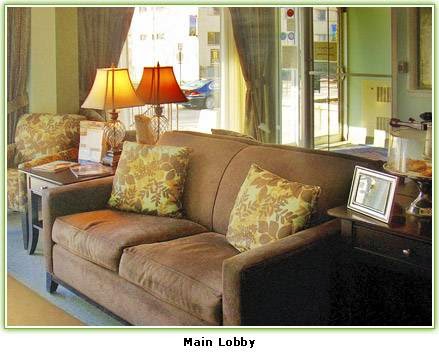
How is Alden Lincoln Rehab & H C Ctr Staffed?

CMS rates ALDEN LINCOLN REHAB & H C CTR's staffing level at 1 out of 5 stars, which is much below average compared to other nursing homes.

What Have Inspectors Found at Alden Lincoln Rehab & H C Ctr?

State health inspectors documented 26 deficiencies at ALDEN LINCOLN REHAB & H C CTR during 2022 to 2025. These included: 2 that caused actual resident harm and 24 with potential for harm. Deficiencies causing actual harm indicate documented cases where residents experienced negative health consequences.
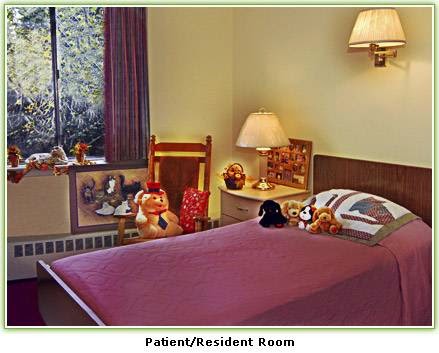
Who Owns and Operates Alden Lincoln Rehab & H C Ctr?

ALDEN LINCOLN REHAB & H C CTR is owned by a for-profit company. For-profit facilities operate as businesses with obligations to shareholders or private owners. The facility is operated by THE ALDEN NETWORK, a chain that manages multiple nursing homes. With 96 certified beds and approximately 83 residents (about 86% occupancy), it is a smaller facility located in CHICAGO, Illinois.
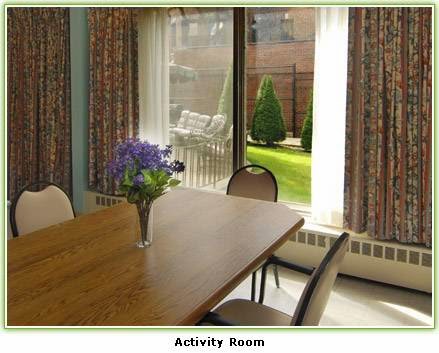
How Does Alden Lincoln Rehab & H C Ctr Compare to Other Illinois Nursing Homes?

Compared to the 100 nursing homes in Illinois, ALDEN LINCOLN REHAB & H C CTR's overall rating (3 stars) is above the state average of 2.5 and health inspection rating (4 stars) is above the national benchmark.

What Should Families Ask When Visiting Alden Lincoln Rehab & H C Ctr?

Based on this facility's data, families visiting should ask: "Can you walk me through typical staffing levels on day, evening, and night shifts?" "Can I visit during a mealtime to observe dining assistance and food quality?" "How do you handle medical emergencies, and what is your hospital transfer rate?" "Can I speak with family members of current residents about their experience?" These questions are particularly relevant given the below-average staffing rating.

Is Alden Lincoln Rehab & H C Ctr Safe?

Based on CMS inspection data, ALDEN LINCOLN REHAB & H C CTR has a clean safety record: no substantiated abuse findings (meaning no confirmed cases of resident harm), no Immediate Jeopardy citations (the most serious violation level indicating risk of serious injury or death), and is not on the Special Focus Facility watch list (a federal program monitoring the lowest-performing 1% of nursing homes). The facility has a 3-star overall rating and ranks #1 of 100 nursing homes in Illinois. While no facility is perfect, families should still ask about staff-to-resident ratios and recent inspection results during their visit.

Do Nurses at Alden Lincoln Rehab & H C Ctr Stick Around?

ALDEN LINCOLN REHAB & H C CTR has not reported staff turnover data to CMS. Staff turnover matters because consistent caregivers learn residents' individual needs, medications, and preferences. When staff frequently change, this institutional knowledge is lost. Families should ask the facility directly about their staff retention rates and average employee tenure.

Was Alden Lincoln Rehab & H C Ctr Ever Fined?

ALDEN LINCOLN REHAB & H C CTR has been fined $8,512 across 1 penalty action. This is below the Illinois average of $33,164. While any fine indicates a compliance issue, fines under $50,000 are relatively common and typically reflect isolated problems that were subsequently corrected. Families should ask what specific issues led to these fines and confirm they've been resolved.

Is Alden Lincoln Rehab & H C Ctr on Any Federal Watch List?

ALDEN LINCOLN REHAB & H C CTR is not on any federal watch list. The most significant is the Special Focus Facility (SFF) program, which identifies the bottom 1% of nursing homes nationally based on persistent, serious quality problems. Not being on this list means the facility has avoided the pattern of deficiencies that triggers enhanced federal oversight. This is a positive indicator, though families should still review the facility's inspection history directly.