ALTA REHAB AT FAIRMONT
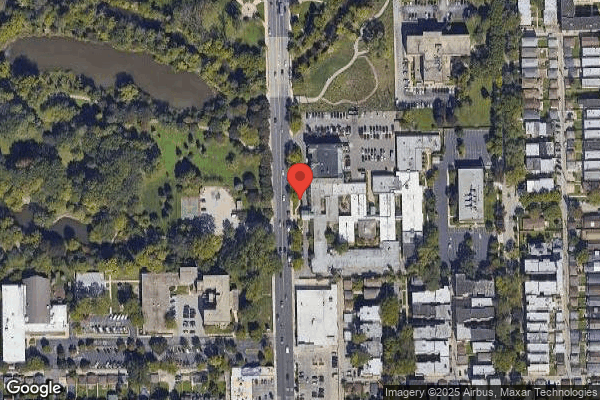
5061 NORTH PULASKI ROAD, CHICAGO, IL 60630 (773) 604-8112
For profit - Corporation 186 Beds APERION CARE Data: November 2025
Trust Grade
10/100
#431 of 665 in IL
Last Inspection: August 2024

Within standard 12-15 month inspection cycle. Federal law requires annual inspections.

Overview

Alta Rehab at Fairmont in Chicago has received a Trust Grade of F, indicating significant concerns and a poor reputation among nursing homes. It ranks #431 out of 665 in Illinois, placing it in the bottom half of facilities statewide, and #140 out of 201 in Cook County, suggesting there are better local options available. The facility has shown improvement, reducing its number of issues from 36 in 2024 to just 5 in 2025, which is a positive sign. Staffing is rated average, with a turnover rate of 32%, which is lower than the state average, indicating that staff tend to stay longer and may provide more consistent care. However, the facility has been fined $69,485, which is concerning, and specific incidents include a resident falling from bed and fracturing a femur due to a lack of supervision, as well as others losing significant weight because dietary preferences were not properly documented or monitored. This combination of strengths and weaknesses highlights the need for careful consideration when choosing this facility.

Trust Score
F
10/100
In Illinois
#431/665
Bottom 36%
Safety Record
High Risk
Review needed
Inspections
Getting Better
36 → 5 violations
Staff Stability
○ Average
32% turnover. Near Illinois's 48% average. Typical for the industry.
Penalties
○ Average
$69,485 in fines. Higher than 59% of Illinois facilities. Some compliance issues.
Skilled Nurses
✓ Good
Each resident gets 50 minutes of Registered Nurse (RN) attention daily — more than average for Illinois. RNs are trained to catch health problems early.
Violations
⚠ Watch
68 deficiencies on record. Higher than average. Multiple issues found across inspections.
★☆☆☆☆
1.0
Overall Rating
★★★☆☆
3.0
Staff Levels
★★★☆☆
3.0
Care Quality
★☆☆☆☆
1.0
Inspection Score
Stable
2024: 36 issues
2025: 5 issues

The Good

  • Full Sprinkler Coverage · Fire safety systems throughout facility
  • No fines on record
  • Staff turnover below average (32%)

    16 points below Illinois average of 48%

Facility shows strength in fire safety.

The Bad

1-Star Overall Rating

Below Illinois average (2.5)

Significant quality concerns identified by CMS

Staff Turnover: 32%

14pts below Illinois avg (46%)

Typical for the industry

Federal Fines: $69,485

Well above median ($33,413)

Moderate penalties - review what triggered them

Chain: APERION CARE

Part of a multi-facility chain

Ask about local staffing decisions and management

The Ugly 68 deficiencies on record

4 actual harm
Sept 2025 1 deficiency
CONCERN (D) 📢 Someone Reported This

A family member, employee, or ombudsman was alarmed enough to file a formal complaint

Potential for Harm - no one hurt, but risky conditions existed

Deficiency F0628 (Tag F0628)

Could have caused harm · This affected 1 resident

**NOTE- TERMS IN BRACKETS HAVE BEEN EDITED TO PROTECT CONFIDENTIALITY** Based on interview and record review, the facility failed to ensure Discharge Instruction was completed and provided to a reside...

Read full inspector narrative →
**NOTE- TERMS IN BRACKETS HAVE BEEN EDITED TO PROTECT CONFIDENTIALITY** Based on interview and record review, the facility failed to ensure Discharge Instruction was completed and provided to a resident upon discharge to ensure a safe and effective transition of care. This failure affected 1 (R5) resident reviewed for discharge requirement in the total sample of 12 residents. Findings include:On 09/02/2025 at 12:09pm, V9 (Assistant Administrator) stated when a resident discharges, there is a Discharge Assessment the nurse prints out at the time of discharge. Nursing will print the Discharge Assessment and the resident or family signs the Discharge Assessment. On 09/02/2025 at 12:14pm, this surveyor opened R5's EHR (Electronic Health Record). V9 stated the Discharge Assessment is on the Assessment tab. Upon opening R5's Discharge Instruction on Assessment tab, Sections A and B were highlighted ‘Green', and Sections C, D, E and G were not highlighted. V9 stated if the section is completed it will be in ‘green'. V9 checked R5's Discharge Instruction and stated his (R5) Discharge Instruction is not yet completed. V9 stated the process remains the same, the facility will open up the Discharge Assessment and IDT (Interdisciplinary Team) complete their part. Based on what is showing on the Discharge Instruction, she (V7 -Social Services Director) did her part, but nursing did not complete their part. The Discharge Instruction should be completed before his discharge; and nursing will be the one printing it and give the Discharge Instruction to the resident or his family member and on this case to (V24-R5 family member). The importance of completing the Discharge Instruction is for the continuity of care because Discharge Instructions include the resident's medications, appointments, and the resident's diet; and instruction for the continuation of care for wherever the resident is discharged to, which is his home. On 09/02/2025 at 12:35pm, V7 (Social Services Director) stated she opened a Discharge Assessment in electronic health record system and completed two sections and nursing department does the rest. Sections A and B are already completed, and Sections C, D, E, F, and G are not completed. ‘Section F' was highlighted yellow because she wrote a note that the Durable Medical Equipment are already available in his home where he would be discharged . Nursing is in charge of making sure all the sections on the discharge assessment is completed. The Dietary Section, the Dietary Department can fill out that Section, but nursing also knows the diet order so they can, too, fill out that Section. The importance of completing the Discharge Assessment is for the continuity of care. On 09/03/2025 at 9:57am, V25 (Licensed Practice Nurse) stated she did not remember giving the Discharge Instruction to (R5). She did not remember filling out the Discharge Instruction form for him (R5). V25 stated nobody reminded her to complete the Nursing Sections of the Discharge Instruction. On 09/02/2025 at 1:09pm, V15 (Medical Records/Transportation) stated the facility has discharge papers the resident or the POA (Power of Attorney) signs and she (V15) is responsible for uploading the discharge document to the electronic health record. On 09/02/2025 at 1:10pm, V15 checked R5's electronic health record and stated the discharge paper that is signed by the resident or the POA is still not uploaded. The nurses usually put the discharge paper in a ‘scan' box to be uploaded to the system. V15 stated if he (R5) was discharged on 08/14/2025 then she (V15) should have uploaded the discharge paper already because she checks the scan box every other day. On 09/03/2025 at 10:23am, V15 (Medical Records/Transportation) stated she was not able to find the discharge paper for (R5). That she looked at the scan box and there is no document to upload. V15 stated it means the nurse did not print the discharge instruction for him to sign. On 09/03/2025 at 10:51am, V26 (RN-Registered Nurse/Night Shift Supervisor) stated the facility has Discharge Assessment on the ‘Assessment' tab in EHR system. The nurse, who will discharge the resident, is expected to complete the Discharge Assessment in EHR system. The night shift nurse assigned to the resident is responsible for completing the Medications Section of the Discharge Assessment. The nurse, who is discharging the resident, should print the completed Discharge Assessment because there is a section on the Discharge Assessment where the resident has to sign. Signing the Discharge Assessment is an acknowledgment that the resident or the POA receives the medication and the discharge instruction. Each section of the Discharge Assessment will turn green once completed. If it did not turn green, it means that section is not completed or answered yet. Discharge Assessment should be completed prior to discharge. A complete Discharge Assessment gives instruction to the resident or family how they will take the medication and the purpose of the medication. It also explains the follow up appointments that are scheduled. If not completed and not given to the resident, the resident may miss the appointments and or may not take the medications appropriately. R5's admission Record documented that R5's diagnoses (include but not limited to) hemiplegia and hemiparesis, sequelae of cerebral infarction, and morbid obesity due to excess calorie. R5's Census list documented that R5 was readmitted on [DATE] and was discharged on 8/14/2025. R5's (06/30/2025) care plan documented, in part I wish to be discharged home w/family. Will verbalize/communicate an understanding of the discharge plan and describe the desired outcome by the review date. The resident needs written instructions, as required, to ensure care continuity post-discharge. R5's (08/10/2025) Discharge Instruction documented, in part discharge date and time: 08/14/2025 11:00(am). Of note, Sections A and B were completed by V7 (Social Services Director). Sections C. Medications, Section D. Diet/Nutrition - Dietary, Section E. ADL/Bowel & Bladder/Restorative Nursing, Section F. Education/Appointments, Section G. Skin Condition on Discharge & Treatments - Nursing were not completed. Space provided for Name of Person Completing the Sections and Resident/Responsible Party Signature, as applicable, has no entry.The (09/04/2025) email correspondence with V28 (Regional Nurse Consultant) documented, in part Referring to the Discharge Instruction on the ‘Assessment' tab in EHR system. What is the expectation? The expectation is for staff to complete prior to discharge and provide a copy upon discharge. The (undated) Discharge/Transfer of Resident documented, in part Purpose: To provide safe departure from the facility. To provide for continuity of care and treatment. Equipment: Discharge Notice. Procedure: 1. Explain discharge procedure to resident and family. Provide additional health education or medication instruction information for resident or family as indicated in lay(man) terms. 7. Complete Transfer Form Accurately and completely. Rationale/Amplification. Ensure that resident's current physical and psychosocial assessment, medications and current treatment is completely describe. 11. Document discharge summary. Include notes on specific instruction given (medications) to resident and responsible party in lay(man)'s terminology.
May 2025 1 deficiency
CONCERN (D) 📢 Someone Reported This

A family member, employee, or ombudsman was alarmed enough to file a formal complaint

Potential for Harm - no one hurt, but risky conditions existed

Pressure Ulcer Prevention (Tag F0686)

Could have caused harm · This affected 1 resident

**NOTE- TERMS IN BRACKETS HAVE BEEN EDITED TO PROTECT CONFIDENTIALITY** Based on interview, and record reviewed the facility failed to assure that a resident (R1) with a pressure ulcer received necess...

Read full inspector narrative →
**NOTE- TERMS IN BRACKETS HAVE BEEN EDITED TO PROTECT CONFIDENTIALITY** Based on interview, and record reviewed the facility failed to assure that a resident (R1) with a pressure ulcer received necessary treatment and services for prescribed wound care as ordered by the physician in order to promote healing. These failures affected one resident (R1) reviewed for wound care in a total sample of four residents. Findings include: R1 has a diagnosis which includes but not limited to: bacteremia, iron deficiency anemia secondary to blood loss chronic, other staphylococcus as the cause of disease classified, morbid (severe) obesity due to excess calories, obstructive sleep apnea adult, mucopurulent conjunctivitis bilateral, acute, and chronic respiratory failure, intramural leiomyoma of uterus, chronic kidney stage 3, and essential hypertension. R1 has a Brief Interview for Mental Status dated 12/18/24, with a score of 15 which indicates that R1 is cognitively intact. R1's Minimum Data Set (MDS) dated [DATE], section M indicates that R1 has unhealed pressure ulcer injuries. On 05/27/25, at 1:55 PM, V3 (Registered Nurse, RN, Wound Care Nurse,) stated that V3 recalls caring for R1 at the facility. V3 explained that R1 had a lot of wounds that healed and a lot of MASD (Moisture Associated Dermatitis) wounds to R1's skin folds. V3 recalls caring for R1's hernia to her umbilicus prior to R1's discharge from the facility. When V3 was asked regarding R1's left buttocks, bilateral buttocks, left hip, and sacral wounds at the facility, V3 stated that V3 recalls R1's wounds to left buttocks, bilateral buttocks, left hip, and sacral upon R1's readmission from 12/16/24. V3 explained that V4 (Licensed Practical Nurse, LPN, Wound Care Nurse) was responsible for carrying out R1's wound care orders on R1's physician order sheet (POS) when R1 readmitted to the facility on [DATE]. V3 then explained when a resident is readmitted to the facility, the hospital treatment orders are put in on admission by the admitting nurse or the wound care nurse. Treatment should start upon the residents admission to the facility. Surveyor and V3 reviewed R1's Treatment Administration Record (TAR) and Physician Order Sheet (POS) which did not indicate a treatment order for R1's left buttocks, left hip, and sacral wounds upon R1's readmission to the facility on [DATE]. It also showed missing signatures for R1's wound care treatment to R1's left abdomen wound for 12/13/24 and 12/18/24. V3 stated, V4 (LPN, Wound Care Nurse) took the pictures (referring to wound care pictures of R1's left buttocks, bilateral buttocks, left hip, and sacral). I'm not sure where the orders are. I'm stumped by that one. V3 stated that if a treatment order is not on the residents TAR or POS the treatment won't be performed and the residents wound can worsen or become infected. V3 further explained, When the wound doctor places new orders it is the wound coordinators responsibility to carry out the wound care orders on the residents POS. At that time there was no wound care coordinator. V3 then explained that if a treatment is not signed out indicates that the treatment was not performed. V3 further explained if a residents treatment is not performed the residents wound can worsen or become infected. On 05/28/25, at 10:37 AM, V4 (Licensed Practical Nurse, LPN, Wound Care Nurse) stated that upon a residents admission to the facility, the admitting nurse is responsible for making sure the residents wound care orders are carried out on the Physician Order Sheet unless the wound care team assesses the resident first. V4 explained that if a resident is admitted with wound care orders that are not carried out on the residents physician order sheet the residents wounds can get infected, worsen, and the resident is at risk for further skin breakdown. V4 then stated that V4 does not know why R1's wound care orders were not carried out on the physicians order sheet when R1 was readmitted to the facility on [DATE]. V4 then explained that if R1's Treatment Administration Record (TAR) has days where there are no signatures and left blank, then it is assumed that R1's treatment was not performed. V4 further explained if a residents wound care treatment is not performed the residents wounds can be left exposed to elements, further skin breakdown, and can become contaminated. On 05/28/25, at 11:06 AM, V5 (LPN, Wound Care Coordinator) stated that R1 had multiple wounds and that V5 recalls caring for R1's wounds once when R1 resided at the facility. V5 stated that when a resident admits to the facility, the floor nurse completes an initial skin assessment. If the resident has wounds, then the floor nurse is responsible for contacting the residents physician and initiating treatment orders for the residents wounds. V5 also explained that wound care updates the wound care orders if necessary after wound care completes their skin assessment with the resident. V5 stated if a resident who has wounds does not have wound care orders carried out the residents wounds can worsen and become infected. V5 explained if the residents treatment order is not signed out it can be assumed that the residents treatment was not done. V5 further explained if a resident has wound care orders, and the residents treatment is not performed the resident can acquire an infection. Surveyor and V2 (Director of Nursing/DON) reviewed R1's TAR and POS which did not indicate a treatment order for R1's left buttocks, left hip, and sacral wounds upon R1's readmission to the facility on [DATE]. R1's wound assessment dated [DATE], authored by V8 (Wound Nurse Practitioner) shows that on 12/18/24, R1 had wounds to left breast, bilateral buttocks, left buttocks, left hip, sacral and umbilicus at the facility, however no treatment orders for these areas documented on R1's Physician Order Sheet (POS). R1's Weekly Wound assessment dated [DATE], authored by V4 (LPN, Wound Care Nurse) shows R1 had wounds to sacrum, left hip, left buttocks, bilateral buttocks, however no treatment orders for these areas documented on R1's Physician Order Sheet (POS). R1's Physician Order Sheet (POS) dated active orders as of 12/17/24, does not show R1 with treatment orders for left buttocks, left hip, sacral, and bilateral buttocks area. R1's Treatment Administration Record (TAR) dated 12/01/24 through 12/31/24 shows missing signatures for R1's wound care treatment to the left abdomen for 12/13/24 and 12/18/24. R1's Care Plan dated 12/19/24, documents, in part: R1 has pressure ulcers (Left buttocks, left hip and sacrum) r/t (related to) immobility. However, no orders for R1's left buttocks, left hip and sacrum wound has orders on R1's POS. R1's hospital record dated 12/11/24, documents in part: On assessment all present on admission: full thickness wounds: abdomen left, left buttocks, left thigh, posterior right upper leg all related to pressure injury, stage 2 pressure ulcers. Red granulation tissue. Minimal serosanguinous drainage. The facility's document dated 12/18/24 through 12/19/24 and titled Wound Details shows that R1 had wounds to bilateral buttocks, left buttocks, left hip, and sacral area. However, there are no orders for these sites on R1's physician order sheet. The facility's undated job description titled Wound Nurse documents, in part: Summary: the wound nurse is responsible for providing primary skin care to residents under the medical direction and supervisor of the residents' attending physician, the director of nursing, or the medical director of the facility, with emphasis on treatment and therapy of skin disorders. Essential duties and responsibilities: Identify, manage, and treat specific skin disorders and primary and secondary lesions, such as skin abrasions, foot problems such as corns and calluses, decubitus ulcers, bacterial, parasitic, and viral and infections, scaling popular diseases, and benign tumors . Implement and maintain established policies and procedures relative to skin care treatments. Interpret these to the physician, resident family members, and public as appropriate. The facility's undated job description titled Registered Nurse documents, in part: Summary: the RN is responsible for providing direct nursing care to the residents, and to supervise the day-to-day nursing activities performed by nursing assistants. Such supervision must be in accordance with current federal, state, and local standards, guidelines, and regulations that govern our facility, and as may be required by the director of nursing to ensure the highest degree of quality care is maintained at all times. Essential Duties and Responsibilities: Complete and file required record keeping forms/ charts upon the residence admission, transfer and or discharge. Receive and transcribe telephone orders from physician and record on the physician order form. Chart nurses notes in an informative and descriptive manner that reflects the care provided to the resident, as well as the residents response to the care period fill out and complete accident/incident reports and submit to director as required. Perform routine charting duties as required and in accordance with the established charting and documentation policies and procedures. Prepare and administer medications as ordered by the physician . Administer professional services such as catheterization, tube feeding, suction, applying and changing dressings/bandages, packs, colostomy, and drainage bags, taking blood, giving massages in range of motion exercises, etc. (etcetera) as required. The facility's undated job description titled Licensed Practical Nurse documents, in part: Summary: the RN is responsible for providing direct nursing care to the residents, and to supervise the day-to-day nursing activities performed by nursing assistants. Such supervision must be in accordance with current federal, state, and local standards, guidelines, and regulations that govern our facility, and as may be required by the director of nursing to ensure the highest degree of quality care is maintained at all times. Essential Duties and Responsibilities: Complete and file required record keeping forms/ charts upon the residence admission, transfer and or discharge. Receive and transcribe telephone orders from physician and record on the physician order form. Chart nurses notes in an informative and descriptive manner that reflects the care provided to the resident, as well as the residents response to the care period fill out and complete accident/incident reports and submit to director as required. Perform routine charting duties as required and in accordance with the established charting and documentation policies and procedures. Prepare and administer medications as ordered by the physician . Administer professional services such as catheterization, tube feeding, suction, applying and changing dressings/bandages, packs, colostomy, and drainage bags, taking blood, giving massages in range of motion exercises, etc. (etcetera) as required. The facility's policy dated 1/15/18 and titled Pressure Ulcer Prevention documents, in part: Purpose: To prevent and treat pressure sores/pressure injury. The facility's policy dated 01/31/18 and titled Physician Orders-Entering and Processing documents, in part: Purpose: To provide general guidelines when receiving, entering, and confirming physicians or prescribers orders. (a prescriber is noted as physician, nurse practitioner, and a physician's assistant.). Guidelines: 6. Verbal and Telephone orders will be documented as such in the Electronic Medical Record.
Feb 2025 3 deficiencies
CONCERN (D) 📢 Someone Reported This

A family member, employee, or ombudsman was alarmed enough to file a formal complaint

Potential for Harm - no one hurt, but risky conditions existed

Safe Environment (Tag F0584)

Could have caused harm · This affected 1 resident

**NOTE- TERMS IN BRACKETS HAVE BEEN EDITED TO PROTECT CONFIDENTIALITY** Based upon observation, interview, and record review the facility failed to follow policy procedures, failed to ensure that the ...

Read full inspector narrative →
**NOTE- TERMS IN BRACKETS HAVE BEEN EDITED TO PROTECT CONFIDENTIALITY** Based upon observation, interview, and record review the facility failed to follow policy procedures, failed to ensure that the building was maintained, and failed to provide a clean, comfortable homelike environment for three of three residents (R1, R2, R3) reviewed for resident rights. Findings include: R1's (1/3/25) BIMS (Brief Interview Mental Status) determined a score of 14 (cognition intact). On 2/18/25 at 12:23pm, R1 stated (R2) refuses to get up and go to the bathroom and refuses to wear a diaper. He (R2) dumps the urinal in the garbage or in the sink. 9 out of 10 times he would miss the sink and it would hit the floor. He was recently moved (to another room) but the problem is it's been going on for over a year [the census affirms that R2 was admitted [DATE]]. Surveyor inquired if R2 is oriented R1 replied He gets himself up to go to activities and stuff. He knows where he's at and knows where he's going. He has a bathroom now (in other room) and will not get up to use the bathroom. R1 presented pictures on his phone one of which is a large spill on the facility bedroom floor, the other was a blanket (on the facility floor) that was saturated with a brown substance. R1 stated He goes to the bathroom in bed and uses blankets to clean himself. The reason they put him in (another room) is because there's a bathroom in the room but he won't get up to use the bathroom. The 3 weeks I was in that room with him (R2) he's never used the bathroom. The (2/18/25) facility census affirms that R2 currently resides with R3. R3's (1/16/25) BIMS determined a score of 15 (cognition intact). On 2/18/25 at 12:45pm, R3 stated My (R3) roommate (R2) has BM's (Bowel Movements) in the bed and dumps em on the floor. He (R2) takes his sheets off the bed stands up and poops on em. He cleans up with the sheet, balls it up and puts it in a bag on the floor. He can go to the bathroom that's why they (staff) moved him here (current room); he just doesn't want to use the bathroom and doesn't use the call light. He also dumps urine in the trash, and they (staff) put it in the garbage, I texted the Administrator (V1) multiple times about it. The staff also dump the urine in the sink instead of dumping it in the toilet. On 2/18/25 at 12:59pm, a dried brown substance was noted to be smeared across R2's mattress and R2's floor mat (which was lying atop of the mattress). Multiple soiled urinals were observed beneath R2's bed. On 2/18/25 at 1:02pm, V6 (LPN/Licensed Practical Nurse) stated I (V6) don't know about urinating but he (R2) pretty much defecates on the floor and on his bed. I spoke to him myself, he got angry about it. I said the bathroom is right here, you (R2) can go to the bathroom you can use it. You have 2 roommates over here, why don't you go to the bathroom? He just said I don't want you to tell me anything. Surveyor inquired what was on R2's mattress V6 responded Actually, this looks like a pad with mess on it. R3 replied He puts it on the floor and then puts it on the bed. V6 affirmed If he (R2) puts it on the floor, it's a mat. Surveyor inquired about the dried brown substance on R2's mattress and floor mat V6 stated I don't know what it is, but it looks like dried poop, disgusting. It's disrespectful for somebody to be pooping like this, it's different when you poop in a diaper. Surveyor inquired what was beneath R2's bed V6 responded That looks like 2 bed pans and 4 urinals to be exact. Why are they (staff) giving him 4 urinals? V6 proceeded to move R2's bed and affirmed Oh sorry, it's not 4 it's 6 urinals. Surveyor inquired if R2's urinals appeared clean V6 replied No, they're nasty. V6 subsequently turned R2's bathroom light on (as requested) and a loud continuous screeching noise was noted to be coming from the bathroom exhaust fan. Surveyor inquired about the noise in R2's bathroom V6 stated Sound like some old engine. On 2/18/25 at 1:19pm, surveyor inquired where R2 urinates V4 (LPN) stated He (R2) has a urinal at his bedside and the CNA (Certified Nursing Assistant) gonna empty if it needs to. Surveyor inquired if R2 urinates on the floor V4 responded (R3) told me that he was doing that but I (V4) never seeing that. Surveyor inquired what staff implemented to prevent R2 from urinating on the floor V4 replied They're making a behavioral note for that patient (R2) because I'm (V4) not the one assigned, the Nurse in charge reported that too. On 2/19/25 at 1:41pm, surveyor inspected R2 & R3's room with V7 (Maintenance Director) and inquired about the appearance of the walls which were notably damaged V7 stated It could use some painting. Surveyor inquired if the walls also need repair V7 responded I should say patching and painting. Surveyor inquired about the spray foam protruding from the baseboard onto the floor V7 replied Looks like some foam, I'm guessing there was a hole in the corner, and they (staff) sealed it up with some foam. Surveyor inquired about the holes in the wall V7 stated There's two, something may have been hanging here. Surveyor inquired about the baseboard which was dangling on the floor beneath the heater V7 responded Looks like it's peeling off the wall. Surveyor inquired about the appearance of the air conditioner V7 replied That's foam to protect the air from coming inside. It just was oozing outta there I guess. Surveyor inquired about the notably discolored ceiling tile with 2 large rectangular openings V7 stated It's stained and poorly cut, there's big holes. V7 subsequently inspected R2 & R3's bathroom and 4 unlabeled urinals were present, surveyor inquired if urine was present in 2 of the urinals V7 responded Yeah, it should have been cleaned up. Upon further inspection, 2 additional urinals were observed under R2's bed. R2's (1/30/25) BIMS determined a score of 12 (cognition intact). R2's progress notes state (1/9/25) resident alert and oriented x3. Resident roommate notified staff that resident intentionally urinated on the floor. Resident verbalized that it was water on the floor, not pee. Resident was teaching to use urinal and ask for assistance as needs and stop urinating on garbage cans or on the floor. (1/10/25) Resident observed urinating on the floor and then placed a sheet over it. Explained to resident to use the urinal, also did teaching with resident on how to use urinal. Resident continues to urinate on the floor. Nursing supervisor made aware. (1/24/25) Resident was seen defecating on the facility's sheet which he spread on the floor. CNA stated that he told her to dump the sheet in the garbage. Writer educated resident on the importance of infection control. Resident was angry and told writer to get out of the room. Two roommates sharing the room stated that he does it regularly especially at nights. Administrator was made aware. (1/30/25) Despite encouragement to call for assistance to use bathroom he continues to poop in the sheet and throw it on the floor or in the garbage cans. Two other roommates in the room keep complaining about it. Social Service staff spoke with resident and pointed out his behavior was not acceptable. Educated resident to use the bathroom when voiding/defecating. Resident acknowledged and verbalized understanding. He agreed to use the bathroom. (2/3/25) Resident is defecating on the bed, doesn't want to put diaper on and does not use call light to help to go to the toilet. Roommates are complaining. Not compliant with instruction is spite of re-enforcing to use the call light. NOD's (Nurse on Duty) attention was called by staff that the resident is wrapping linen in a garbage bag with bowel movement in it. NOD talked to the resident that the behavior is not acceptable, explanation and education given. Resident verbalized understanding. (2/6/25) Social Service staff met with the resident and discussed his reported inappropriate behavior. It was reported that he used the bed sheet to defecate and threw the bed sheet in the garbage. He used the urinal to void and threw the urine in the bathroom sink instead of the toilet. Resident denied the behavior but later admitted his action. On 2/19/25 at 2:02pm, surveyor inquired if R2 uses the bathroom R2 stated I go and pointed towards the bathroom. Surveyor inquired if R2 wasn't using the bathroom due to loud noise coming from the exhaust fan R2 nodded his head yes. The (8/23/17) resident rights policy states exercising rights means that residents have autonomy and choice, to the maximum extent possible, about how they wish to live their everyday lives and receive care, subject to the facility's rules, as long as those rules do not violate a regulatory requirement. The (undated) housekeeping services policy states it is the policy of the facility to maintain a clean, odor free, comfortable, and orderly environment in all health care and public areas, which meet the sanitation needs of the facility and residents right for a safe, clean, comfortable homelike environment.
CONCERN (F) 📢 Someone Reported This

A family member, employee, or ombudsman was alarmed enough to file a formal complaint

Potential for Harm - no one hurt, but risky conditions existed

Infection Control (Tag F0880)

Could have caused harm · This affected most or all residents

Based upon observation, interview, and record review the facility failed to follow policy procedures, failed to ensure that staff/visitors are aware of required PPE (Personal Protective Equipment) pri...

Read full inspector narrative →
Based upon observation, interview, and record review the facility failed to follow policy procedures, failed to ensure that staff/visitors are aware of required PPE (Personal Protective Equipment) prior to entering isolation rooms, failed to ensure that PPE is properly disposed of, and failed to ensure that required isolation signs were posted for two of four residents (R1, R4) reviewed for infection control. These failures have the potential to affect 153 residents. Findings include: The (2/18/25) facility census includes 153 residents. The weekly isolation log affirms: R1 is on droplet/contact isolation for Influenza A and RSV (Respiratory Syncytial Virus) start date: 2/15/25, end date: 2/21/25. R4 is on droplet/contact isolation for Influenza start date: 2/16/25, end date: 2/22/25. On 2/18/25 at 12:07pm, a sign was posted on R1 and R4's (roommates) door which states, Enhanced Barrier Precautions [droplet/contact isolation and required PPE were excluded] and the door was wide open. On 2/18/25 at 12:11pm, surveyor inquired if R1 is on isolation V4 (LPN/Licensed Practical Nurse) stated Yes, he (R1) tested positive for Influenza A on 2/15 (3 days prior) and affirmed that R4 is also on isolation for RSV. Surveyor inquired about required PPE for influenza V4 responded Mask, gown, gloves, and shield [N95 was excluded]. R1's care plan (initiated 2/17/25 - 2 days after testing positive for Influenza A) includes Droplet Precaution for positive Influenza A and positive RSV on 2/15/25, intervention: maintain isolation precautions per facility policy. On 2/18/25 at 12:23pm, surveyor entered R1's room and the following were observed: a small (uncovered) trash can (with clear plastic liner) which contained a disposed gown and mask. 2 large black trash cans (with lids) which also contained clear plastic liners [red biohazard bags and/or red bins were excluded]. On 2/18/25 at 12:42pm, surveyor inquired where doffed PPE should be placed in R1's room V5 (Wound Care Nurse) stated, There should be an isolation bin. Surveyor inquired where R1's isolation bin is located V5 responded Those are our isolation bins and pointed to the large black trash cans. Surveyor inquired what was placed in the small (uncovered) trash can in R1's room V5 replied The isolation gown and mask. Surveyor inquired if there was a lid on R1's trash can with discarded PPE V5 stated No. Surveyor inquired if red biohazard bags were placed in R1's large black trash cans and/or small trash can V5 affirmed they were not. On 2/18/25 at 1:19pm, surveyor inquired which type of isolation R1 and R4 are currently on V4 (LPN) stated Contact and droplet. Surveyor inquired about the isolation sign currently posted on R1 and R4's door V4 responded Right now, its enhanced barrier. Surveyor inquired why a contact/droplet sign was not posted on R1 and R4's door (as required) V4 replied Probably it fell off because a while ago it was there. On 2/20/25 at 12:18pm, surveyor inquired where isolation signs should be posted V3 (Infection Prevention Nurse) stated Directly on the door. Surveyor inquired about required isolation for Influenza A V3 responded When they (residents) are symptomatic they immediately go on protocol for isolation. They would go on a contact and droplet isolation, and they would remain on isolation for 7 days. Surveyor inquired about required isolation for RSV V3 replied It's the same thing as the flu we do 7 days protocol as well. Surveyor inquired about disposal of PPE in the facility V3 stated Per the protocol here they (staff) generally just use the clear trash bags for that. Surveyor inquired how many facility residents were recently diagnosed with Influenza V3 responded A total of 14 but some are hospital acquired. I have 1 that was hospital acquired so it would be 13 that are not hospital acquired. The first case was identified the 14th of this month (2/14/25). Surveyor inquired if the residents that were influenza positive reside on the same units V3 replied Essentially it looks like more in the lower numbers on team 1, team 2, and I believe team 3. On 2/20/25 at 1:17pm, V3 presented the weekly isolation log and stated, There were 2 residents with influenza that were hospital acquired, not 1 and affirmed that 12 residents (R1, R5, R6, R7, R8, R9, R10, R11, R12, R13, R14, R15) acquired Influenza in the facility. The infection precaution guidelines (revised 5/15/23) state Transmission-Based Precautions will be employed for known or suspected infections for which the route of transmission/prevention is known. The transmission-based categories are the following: airborne, droplet, contact. All personal protective equipment should be discarded in either the trash or used linen receptacle before you leave the room. Precaution signs will be utilized to alert staff and visitors to see the nurse for instructions prior to entering room. The influenza transmission-based precautions include contact and droplet precautions for 7 days after onset of illness or 24 hours after the resolution of fever, whichever is longer.
CONCERN (F) 📢 Someone Reported This

A family member, employee, or ombudsman was alarmed enough to file a formal complaint

Potential for Harm - no one hurt, but risky conditions existed

Deficiency F0925 (Tag F0925)

Could have caused harm · This affected most or all residents

**NOTE- TERMS IN BRACKETS HAVE BEEN EDITED TO PROTECT CONFIDENTIALITY** Based upon observation, interview, and record review the facility failed to follow policy procedures, failed to address reported...

Read full inspector narrative →
**NOTE- TERMS IN BRACKETS HAVE BEEN EDITED TO PROTECT CONFIDENTIALITY** Based upon observation, interview, and record review the facility failed to follow policy procedures, failed to address reported pest/rodent sightings and failed to maintain an effective pest control program for three of three residents (R1, R2, R3) reviewed for pests/rodents. These failures have the potential to affect 153 residents. Findings include: The (2/18/25) facility census includes 153 residents. R1's (1/3/25) BIMS (Brief Interview Mental Status) determined a score of 14 (cognition intact). On 2/18/25 at 12:23pm, surveyor inquired about concerns at the facility R1 stated Mice was in the other room where they (staff) moved me (R1), while this room (current room) was being repaired. I (R1) reported it to (V1/Administrator). He (V1) got maintenance (staff) they searched around the room and found holes in the wall. R1 affirmed that (R2) and (R3) currently reside in the other room where mice were sighted. R3's (1/16/25) BIMS determined a score of 15 (cognition intact). On 2/18/25 at 12:45pm, surveyor inquired if a mouse was observed in R3's facility bedroom R3 stated It wasn't a mouse it was a rat that was in here and right over there in that (pointing towards the bedroom heater) there was a roach. R3 presented a video (on his phone) of a roach crawling on the wall behind his facility bed and picture of a dead roach on the facility heater. R2's (1/30/25) BIMS determined a score of 12 (cognition intact). On 2/19/25 at 2:02pm, surveyor inquired if roaches were observed in R2's room R2 stated Sometimes and pointed towards the bedroom heater. On 2/19/25 at 9:32am, surveyor requested the January and February (2025) pest control invoices. V1 (Administrator) presented the (1/23/25) pest control service report and stated, There is none for February because they haven't come out yet and for January there's just one. Surveyor inquired how frequent pest control comes to the facility V1 responded We (facility) do have em scheduled on our contract; they (Pest Control) do come out. They came out once last month for the monthly visit and affirmed I would have to check the policy. Surveyor inquired if the facility received recent reports of roaches and/or mice V1 replied I (V1) have not heard anything. Surveyor inquired where rodent and/or pest sightings are documented V1 stated The pest control binder is at the front desk; everybody has access to that. Our maintenance director (V7) looks at that every day and calls (Pest Control) and sees that they (Pest Control) take care of that. On 2/19/25 at 9:51am, V1 affirmed that pest control comes to the facility Monthly and as needed per the facility contract. The (1/23/25) pest control service report states Today I inspected and treated kitchen area, food prep area, cafeteria, storage area however inspection of resident rooms and/or other areas within the facility were excluded. On 2/19/25 at 1:14pm, surveyor inquired about the facility pest control program V7 (Maintenance Director) stated They (Pest Control) come out monthly, part of their monthly routine is they inspect the dietary areas, common areas and they also do the rodent bait stations that are on the outside of the facility and then anything else that's needed is treated as well [resident room inspections were excluded]. Surveyor inquired about reported pest/rodent concerns V7 responded What they (staff/residents) recently reported is written in here (referring to the pest control sighting log), I (V7) check it weekly (not every day as V1 stated). When I check it (pest control sighting log), I inspect the area they are complaining about and if I see any activity I contact pest control and let them know so on they (Pest Control) next visit they can do a treatment. I make sure that the area is clean, and I have an insecticide that we use just for preventative measures it's supposed to kill spiders, roaches, ants, and stuff like that. Surveyor inquired if R2 and R3's current room was recently treated for roaches V7 replied Yes, I believe it was, but I didn't see any activity in that room. Surveyor inquired if rodents were observed in R2 and R3's current room V6 stated No, there was complaints but no activity. Surveyor inquired about the (January & February 2025) reported pest/rodent sightings V7 responded Looks like here we (facility) have some complaints on roaches and mice that's what's written on here. On January 20 there was a complaint that (room [ROOM NUMBER]) had roaches, I'm not sure what day that I saw this but there was roaches by the refrigerator (in the room) so I cleaned it and sprayed the room. R2 and R3 (2/3/25) had complaint of mice, we (staff) did inspect the room didn't see any mice droppings, we did see a few holes for rodents to enter so we sealed them just in case. On February 6 the same room (R2 and R3) reported mice but again no activity. We sealed up potential entry points, set up glue traps, and nothing came from that. On February 14 there was concern with room [ROOM NUMBER] with roaches, upon following up I didn't see any activity and we most likely cleaned the rooms and sprayed the insecticide just in case [room [ROOM NUMBER] is on the unit adjacent to room [ROOM NUMBER] and also adjacent to R2 & R3's room]. Surveyor inquired if pest control inspected room [ROOM NUMBER] on 1/23/25 (because roaches were reported 3 days prior) V7 reviewed the 1/23/25 service report and replied, I don't see any notes specific to that room. Surveyor inquired when pest control is coming to the facility (because roaches were reported on 2/14/25 - 5 days prior) V7 stated Sometime in the middle of the month. Surveyor inquired why the (9/19/24-2/14/25) pest control log includes pest problems however Date Treated and Tech Initials are blank for each entry V7 responded I have a separate log for what I follow up on that I could grab for you. [Reported rodent sighting in R2 and R3's current room was excluded from the log]. On 2/19/25 at 1:37pm, V7 presented a (6/10/24-2/17/25) log which includes the date, problem reported, staff observation, action taken, 24-hour follow-up observation and staff initials. Surveyor inquired about the 2/3/25 and 2/6/25 reported mice in room (R2 and R3's room) (which were excluded from the log) V7 stated I must have not followed-up on those or I must not have written it down. The 2/17/25 entry (documented 3 days after 2/14 sighting) states problem reported roaches (room [ROOM NUMBER]) action taken cleaned room however applied treatment was excluded. [Reported complaints of rodents and alleged inspection/treatment for roaches in R2 and R3's current room were excluded]. On 2/19/25 at 1:41pm, V7 and surveyor inspected R2 and R3's room the following was identified: Surveyor inquired if there was an open area between the wall and the heater V7 stated There's a gap its insulation. Surveyor inquired about the bait station beneath the heater which was covered in dust V7 responded This is old. Surveyor inquired if the bait station was set to catch anything V7 replied I'm not sure, I don't even know how to use that. Just looks like it's been there for a while. V7 opened the bait station (as requested) and affirmed it was not set. Surveyor inquired about the device on the floor in front of the closet V7 stated It's a glue station. V7 subsequently picked the glue station up and there was a large live insect and several small insects adhered to the device. Surveyor inquired what was adhered to the glue station V7 responded A live roach and a couple more babies. Surveyor inquired about the ceiling tile in R2's room (with 2 large openings) V7 replied There's big holes, it could be better cut. The pest control policy (revised 9/1/22) states the Environmental Services Director will be responsible for coordinating the facility pest control. The pest control program will be conducted on a regular and as needed basis. All building openings shall be tight-fitting and free of breaks.
Oct 2024 1 deficiency 1 Harm
SERIOUS (G) 📢 Someone Reported This

A family member, employee, or ombudsman was alarmed enough to file a formal complaint

Actual Harm - a resident was hurt due to facility failures

Accident Prevention (Tag F0689)

A resident was harmed · This affected 1 resident

**NOTE- TERMS IN BRACKETS HAVE BEEN EDITED TO PROTECT CONFIDENTIALITY** Based on interview and record review, the facility failed to provide supervision, and an environment that is free from accidents...

Read full inspector narrative →
**NOTE- TERMS IN BRACKETS HAVE BEEN EDITED TO PROTECT CONFIDENTIALITY** Based on interview and record review, the facility failed to provide supervision, and an environment that is free from accidents and hazards for one (R1) of five residents reviewed in a total sample of four residents. This deficiency resulted in R1 falling from bed and sustaining a right femur fracture and swelling to the forehand. Findings include: R1's current face sheet documents R1 is a [AGE] year-old individual admitted to the facility on [DATE]. R1's medical conditions include but not limited to hemiplegia and hemiparesis following cerebral infarction affecting left dominant side, aphasia following cerebral infarction, other sequelae of cerebral infarction, foot drop, left foot. R1's MDS (Minimum Data Set) 3.0 Brief Interview for Mental Status (BIMS) dated Jun 10, 2024, documents R1 has a BIMS score of 13/15, indicating she has intact cognitive function. Section GG - Functional Abilities and Goals documents: R1 requires setup or clean-up assistance with eating/oral hygiene and is dependent with toileting hygiene, shower/bathe self, upper body dressing, lower body dressing, putting on/taking off footwear, personal hygiene, roll left and right, sit to lying, lying to sitting on side of bed, chair/bed-to-chair transfer and sit to stand, toilet transfer, tub/shower transfer was not attempted due to medical condition or safety concerns. R1 has Functional limitation in range of motion, and R1 has lower/upper impairment on one side and is always incontinent of bladder and bowel and uses a wheelchair. On 10/10/2024, at 2:56PM, V9 (Certified Nursing Assistant-CNA) stated via phone that she had just taken care of R1 who was not able to move her body except move her the right hand but was not able to turn left to right or get out of bed by herself. V9 stated as she was getting out of the door, she heard a sound of someone falling and went back to R1's room and found R1 face down on the floor. V9 stated she had just prepositioned R1 to face the window side, and R1 was not able to move by herself. V9 stated maybe she left R1 at the edge of the bed, and V9 does not know if R1 was at risk for falls.V9 said she then called for help and all staff came to the room to rescue R1. V9 stated fall risk residents have a sign on the door to let staff know who is on fall but does not know if R1 had sign on the door for risk for falls. V9 stated she worked for a few more weeks and then somebody from the facility told her she was fired. On 10/10/2024, at 3:32 PM, V2 (Director of Nursing-DON) said R1 was a potential for risk of falls related to limited mobility. When transferring or changing R1, there should be two staff because R1 was not able to move her body to reposition herself or assist staff with turning herself or repositioning. V2 stated V9 should not have been cleaning R1 by herself because R1 was a two person assist resident, and maybe turning and repositioning R1 alone could have contributed to R1 falling and swelling (hematoma) on the forehead. V2 stated R1 was sent to the local hospital. Later that day, V8 (Licensed Practical Nurse-LPN) called the local hospital and was informed R1 was admitted with diagnosis of right femur fracture. V2 stated the facility staff are supposed to follow residents care plans and keep the residents safe and prevent falls.V9 was in-serviced about repositioning R1 in the middle of the bed after R1 fell. On 10/10/2024, at 1:28 PM, V10 (Advanced Nurse Practitioner) said R1 was a new patient for her and had just started providing services to R1 and V10 further stated that the morning of 7/15/2024 when R1 fell, V10 had just seen R1 for a cough, and V10 had observed R1 in bed awake with no bruises or swellings.V10 stated she was still in the building when she received a call that R1 had fallen. V10 stated she went back to R1's room and found R1 on the floor on the right side of the bed. R1 had a large hematoma on her forehead and a small amount of blood was observed on her gums. V10 stated the large hematoma was secondary to the fall because V10 had just seen R1 that morning and R1 did not have a hematoma. V10 said after she assessed R1, she gave orders to V8 (LPN) to call 911 to transport R1 to the local hospital for further evaluation and later found out R1 was admitted to the hospital with a femur fracture on the right leg, and R1 was also on blood thinners. V10 stated R1 had left side hemiparesis (paralysis) due to a stroke. She had never seen R1 get out of bed by herself or turn or reposition herself in bed. But V10 has seen R1 eat things like popcorn by herself using the right hand. R1 might have slid out of bed if she was not positioned properly. V10 stated R1 did not complain she was in pain before the ambulance got to the facility, but R1 might have been in shock due to the fall. She was also on scheduled gabapentin 100mg (milligrams) three times a day. V10 stated she hopes staff monitor residents, so they do not fall to prevent any resident injuries. R1 should have been monitored to prevent falls. On 10/09/2024 at 12:25PM, V6 (Director of Rehabilitation) stated R1 was referred to therapy on 05/18/2023, for Physical Therapy/ Occupation Therapy (PT/OT) related decline in strengthen and balance, positioning and safety while seated in wheelchair. V6 stated R1's bed/wheelchair mobility evaluation/assessment was done on May 18th, 2023. The evaluation determined R1 was dependent on bed/wheelchair mobility, meaning she needed 100% assistance with bed/wheelchair mobility, and staff have to do all the work. V6 said R1's PT ended on June 14th, 2024. R1 did not show any improvement and continued to be dependent on 05/18/2024. R1 was working on bed/wheelchair mobility, but R1 was not able to turn or reposition herself and remained dependent on staff for bed/wheelchair mobility. Therefore, R1 was discharged from therapy. V6 stated for dependent residents, when positioned by staff, the resident will remain the same until repositioned again because the resident cannot move her/himself. Therefore, staff have to move the resident. V6 stated he was familiar with R1 and she could not move or reposition herself independently in bed or in wheelchair. On 10/10/2024, at 12:56PM, V7 (Restorative Director) stated the Fall Risk Assessment shows which resident is at a high risk for falls and stated R1's fall risk assessment on 07/17/2024, two days after the fall. V7 stated the fall risk assessment is supposed to be completed on the day of the resident fall. V7 stated R1's initial fall risk assessment was completed on 12/28/2023, and R1's score was 10. V7 said a score of 10 indicates the risk for falls is high and fall precautions are put in place such as the blue star program where a blue star is put on the door of the at fall risk resident to let staff know the resident is at a high risk for fall. V7 stated R1 was a blue star resident. Her bed should have been in low position. R1 was not ambulatory, was a two person assist with toileting, needed the mechanical lift from bed to wheelchair and vice versa. V7 stated R1 was on a high back wheelchair, meaning the wheelchair could be reclined at a slight angle. V7 stated R1 was on the restorative program and was receiving Passive Range of Motion for left upper and left lower extremity because R1 has left side weakness and had a splint on her left ankle and left hand. V7 said R1 was receiving active range of motion for her right upper and lower extremities. V7 stated R1 could not roll from left to right or right to left by herself unless assisted by two staff. V7 stated R1 was dependent moving from chair to bed, putting on upper/lower body dressing, laying to sitting on the side of the bed, to shower, sit to laying, and toilet hygiene. V7 stated dependent means the staff do all the work. V7 stated a dependent resident like R1 cannot fall out of bed if positioned properly because R1 would need staff to do the movement for her. V7 stated R1's Resident Functional Ability was conducted on 6/11/2024, and documents R1's detailed summary of R1's abilities as: Eating-setup or cleanup assistance, oral hygiene, R1 needs supervision/touching, for toilet hygiene, shower/bathing self, upper/upper body dressing, putting on/taking off footwear-dependent, roll left/right-dependent, sit to laying, laying to seating on edge of bed, Chair/bed to chair transfer, toilet transfer, R1 is dependent. Car transfer, walk 10 feet, walk 50 feet, walk 150 feet- was not applicable. Wheelchair wheeling dependent. Sit to stand was not attempted due to medical condition or safety concerns. R1's Facility Reported Incident Report sent to Illinois Department of Public Health on 07/15/2024 documents: - On 7/15/24 at 11:00 AM, R1 was observed lying on the floor beside her bed. R1 sustained a bumped to the forehead and a skin tear to the mouth, R1 sent to the local hospital. At around 7:38 PM, follow up made to the hospital and informed that R1 was admitted with a diagnosis of right femur fracture. R1's progress notes document: 7/15/2024, 2:05 PM-Fall Description: R1 had an un-witnessed fall 07/15/2024 11:00 AM Location of Fall: At bedside. R1 was noted face down on the floor between the bed and the wall by the window, responsive to verbal stimuli. 7/15/2024, 7:38 PM-R1 was admitted to local hospital with diagnosis of Right femur Fracture. 7/17/2024 11:10 AM-V9 (certified Nursing Assistant-CNA) was in-serviced on positioning resident in the center of the bed and with proper level of assistance. R1's care plan dated: 03/26/2024 documents: -R1 has Potential for falls related to: decreased mobility, incontinence, weakness, -Goals- R1 will have no significant injuries related to falls thru next review date, will have no falls thru next review date. -Interventions: Assess for fall risk per facility, assess for toileting, half rails to assist with transfers, keep bed in locked position, keep frequently used items in reach, Non-skid footwear when up. Fall policy titled Fall Prevention Program dated 11/21/17 documents: -The bed will be maintained in position appropriate for resident transfers. -The bed locks will be checked to assure they are in locked position at all times -The resident's personal possessions will be maintained within reach when possible. -Residents will be observed approximately every two hours to ensure the resident is safely positioned in the bed or a chair and provide care as assigned in accordance with the plan of care. -Nursing personnel will be informed of residents who are at risk of falling. The fall risk interventions will be identified on the care plan. -the resident will be reminded as needed to call for assistance before attempting to ambulate.
Sept 2024 2 deficiencies
CONCERN (D) 📢 Someone Reported This

A family member, employee, or ombudsman was alarmed enough to file a formal complaint

Potential for Harm - no one hurt, but risky conditions existed

Deficiency F0574 (Tag F0574)

Could have caused harm · This affected 1 resident

Based on interview and record review, the facility failed to follow their policy to update family on their grievance regarding insulin ordering issues for 1 (R4) out of three residents reviewed for gr...

Read full inspector narrative →
Based on interview and record review, the facility failed to follow their policy to update family on their grievance regarding insulin ordering issues for 1 (R4) out of three residents reviewed for grievance. Findings include: On 09/24/2024 at 12:00 PM, R4 was seen sitting in his room. R4 state he was not sure about his insulin being monitored. On 09/24/2024 at 11:32 AM, V2 (Director of Nursing) stated, the doctor will order the insulin then it will be confirmed by the nurse. After the nurse confirms the order, it goes to the pharmacy. The pharmacy will dispense on their next delivery. We request from the pharmacy exactly what the doctors' order. Pharmacy said that when it is ready to refill, they will dispense a new order.V2 was informed that R4 has a lot of insulin being billed to him. Lyumjev was the name of the insulin. Even though R4 doesn't take it, we have to discard it after 28 days. R4 is private pay. The pharmacy is charging the family extra. V2 stated we are talking to pharmacy but we are not sure if R4's insulin issue has been taken care of. V2 stated that this issue was not addressed in the care plan meeting on 09/23/2024. On 09/24/2024 at 11:47 AM, V8 (Minimum Data Set Care Plan Coordinator) states that she is familiar with R4. V8 stated that R4's son emailed her regarding the insulin that has been charged to them. Once the doctor changes the dose of the insulin, the nurse's order another set of insulin. The nurses should not be doing that. V8 stated that they should be changing the dose from what was previously dispensed insulin from pharmacy. Pharmacy will send the insulin when the nurse's click 'send'. This has been addressed to the nurses and I have no idea why they still keep doing it. V8 stated that they had a quarterly meeting yesterday. Care plan consisted of more insulin. We did not give them an update about this issue. On 09/24/2024 at 12:31 PM, V7 (R4's Financial Power of Attorney) stated that he wasn't aware of the meeting that took place yesterday 09/23/2024. V7 stated he notified V2 and V8 back in July about his grievance with this insulin issue for R4 and still has not received any update. On 09/24/2024 at 1:42 PM, V1 (Administrator) stated that they had a care plan meeting yesterday with the whole family where they addressed R4's full plan of care. After yesterday's meeting, the family had no concerns about that meeting. V1 stated that he was not aware of the situation with insulin. V1 stated that V2 did not mention to him about that issue. If he knew he would have addressed it immediately. V1 stated that they had a care plan meeting on 09/23/2024, but this issue was not brought up because the family did not bring it up. V1 spoke to the son and we are trying to find who ordered the extra pens. V1 and V2 are also trying to find out if the pharmacy credited some amount back to the patient. We try to get them an update on any grievances as soon as possible. As soon as I hear about it, I go with our business office manager and that's where I follow up. I try to follow up as soon as possible; at least within 24 hours. Facility's Grievance Policy (09/25/2017) documents in part: Every effort shall be made to resolve grievances in a timely manner, usually within 5 business days. Under certain circumstances, additional time may be needed to complete an investigation and implement measures to resolve the grievance. In such cases resident or complainant should be notified of the extension.
CONCERN (D) 📢 Someone Reported This

A family member, employee, or ombudsman was alarmed enough to file a formal complaint

Potential for Harm - no one hurt, but risky conditions existed

Pressure Ulcer Prevention (Tag F0686)

Could have caused harm · This affected 1 resident

Based on observation, interview, and record review, the facility failed to implement interventions to prevent development of deep tissue injuries (DTIs) for one of three residents (R6) reviewed for pr...

Read full inspector narrative →
Based on observation, interview, and record review, the facility failed to implement interventions to prevent development of deep tissue injuries (DTIs) for one of three residents (R6) reviewed for pressure ulcers. Findings include: R6's Face Sheet documents resident was admitted to the facility on 7.10.2023 with diagnoses including but not limited to: Displaced fracture of greater trochanter of right femur (hip fracture), Chronic obstructive pulmonary disease, Hypertension, and Hypothyroidism. R6's MDS (Minimum Data Set, dated 7.10.2024) documents the following - BIMS: 14 (cognitively intact). On 9.24.2024 at 12:45 PM, R6 was observed awake and alert. R6 was sitting up in bed with head of bed elevated. R6 had pillows under her legs, with her legs externally rotated. R6 said she developed pressure ulcers to her ankles after staff crossed her legs (at the ankles) during care. Staff did not reposition ankles when they were through providing care. R6 said my legs stayed like that for maybe eight hours. I told the nurse. They uncrossed my legs and some skin came off. Resident not observed moving legs during interview/observation. On 9.24.2024 at 11:59 AM, V5 (Wound Nurse/LPN-Licensed Practical Nurse) said R6 has two facility acquired DTIs (Deep Tissue Injuries) to left lateral ankle and anterior right ankle. V5 said per R6, she developed DTIs after staff left R6's legs crossed at the ankles. That's the only way that I think it could have happened. V5 said R6 is unable to cross/uncross legs by herself. On 9.25.2024 at 10:44 AM V23 (RN-Registered Nurse/Wound Nurse) reviewed progress note of 8.29.204 at 1:39 PM, acknowledged she is the author of the note. V23 said, I was notified by the CNA (Certified Nursing Assistant) who was responsible for R6's care that day. R6 was up in the chair that day; she wanted me to look at R6's ankles. I noticed R6 had discoloration (maroon in color) to the right medial ankle and the left lateral ankle. The skin was intact at that time. I notified V31 (Wound Coordinator) and V30 (In-house Nurse Practitioner). Initially we (V23 and V30) thought they might be venous or arterial ulcers, but then we heard R6 say that her legs were crossed, we (V23 and V30) determined that pressure was the cause of the DTIs (Deep Tissue Injuries). Nurses Note dated 8.29.2024 at 1:39 PM documents in part: Wound Care the resident was seen by the wound care team per the CNA request. There are skin alterations noted to the right medial and left lateral ankles. Skin is intact. No erythema or s/s (signs/symptoms) indicative of infection. 8.29.2024 at 4:01 PM Nurses Note documents in part: Wound care staff was informed by CNA that there was skin changes noted to the right and left ankle. Resident stated that she has a habit of crossing her legs, while ankles typically rest on top of each other. Resident stated that there is increased pain during digital palpitation. Wound Assessment Details Report documents: -Wound: Right ankle inner -Assessment Date: 8.29.2024 at 1:06 PM -Type: Pressure -Classification: Ulceration -Source: Facility-acquired -Clinical Stage: Deep Tissue Pressure Injury -Deep Maroon=100% -Size: 1.50 x 1.20 x Unknown (L x W x D) Wound Assessment Details Report documents: -Wound: Left ankle outer -Assessment Date: 8.29.2024 at 1:07 PM -Type: Pressure -Classification: Ulceration -Source: Facility-acquired -Clinical Stage: Deep Tissue Pressure Injury -Deep Maroon=100% -Size: 1.00 x 0.80 x Unknown (L x W x D) R6's care plan documents I have pressure ulcer right medial and left lateral ankles related to history of ulcers and immobility (revised 8.29.2024). R1's care plan documents the following intervention: Follow facility's policies/protocols for the prevention/treatment of skin breakdown. Pressure Ulcer Prevention Policy (Revisions 1.15.2018) documents: 11. Use positioning devices or pillows, rolled blankets, etc. to reduce pressure and friction/shear from heels, toes, and malleoli as indicated.
Sept 2024 7 deficiencies 1 Harm
SERIOUS (G) 📢 Someone Reported This

A family member, employee, or ombudsman was alarmed enough to file a formal complaint

Actual Harm - a resident was hurt due to facility failures

Deficiency F0692 (Tag F0692)

A resident was harmed · This affected 1 resident

**NOTE- TERMS IN BRACKETS HAVE BEEN EDITED TO PROTECT CONFIDENTIALITY** Based upon observation, interview, and record review the facility failed to follow policy procedures, failed to ensure that (R2'...

Read full inspector narrative →
**NOTE- TERMS IN BRACKETS HAVE BEEN EDITED TO PROTECT CONFIDENTIALITY** Based upon observation, interview, and record review the facility failed to follow policy procedures, failed to ensure that (R2's) monthly weights were documented, failed to ensure that resident dietary preferences are included on nutritional assessments and failed to ensure that two of five residents (R1, R2) in the sample remained free from significant weight loss. These failures resulted in R2 sustaining 7.1% weight loss in 1 month and R1 sustaining 11.6% weight loss within 6 months. Findings include: R2 is [AGE] years old with diagnoses which include end stage renal disease and protein-calorie malnutrition. R2's POS (Physician Order Sheets) include (1/25/24) general diet, whole milk with meals. House Nutrition Supplement 8 ounces TID (three times daily). (2/15/24) Multivitamin with minerals daily. (6/17/24) Prostat AWC (advanced wound care) 30 cc (cubic centimeters) TID for nutritional supplement. R2's (6/24/24) BIMS (Brief Interview Mental Status) determined a score of 15 (cognition intact). On 9/4/24 at 11:26am, surveyor inquired about dietary concerns, R2 stated We get 3 meals, but the portions have gotten really small since December when a new owner took over this place. Half of the time I'm ordering food out because I'm not full (a restaurant bag was observed in R2's trash can at this time). I've lost weight since then. Surveyor inquired if R2's weight loss was planned, R2 responded No. They used to give you menus and you could select what you want and even get double portions if you want. Now, we just get what they put in front of us. We don't get a choice of food or a choice of a size. Surveyor inquired if the facility offers alternate menu items, R2 replied No, they used to, but they don't anymore. R2's weights are as follows (8/7/23) 132.4# (pounds). (10/4/23) 133.6# (gain). (12/8/24) 133# (loss). (1/5/24) 122.9# (loss). (7/4/24) 117.8# (loss). (8/13/24) 109.4# (23# loss in 12 months). R2's required (monthly) weights (per facility policy) were not documented for September, November, February, March, April, May, and June (2024). [R2's weight loss started in December - as stated]. R2's (8/19/24) nutrition progress notes include general diet. PO (Oral) intakes 75-100% per nursing records occasionally less. House supplement 8 oz (ounces) TID, Prostate AWC 30ml (milliliters) TID. Multivitamin with minerals. Current body weight reflects significant weight loss 7.1% x 1month. Plan: whole milk with meals, staff to encourage compliance with supplement intake [food preferences and/or double portions are excluded]. R2's (August 2024) MAR (Medication Administration Record) affirms the house supplement was refused 37 times, Prostate AWC was refused 66 times and Multivitamin with minerals was refused 25 times. On 9/12/24 at 1:49pm, surveyor inquired about R2's unplanned weight loss V16 (Registered Dietician) stated I know that I follow her (R2) for impaired skin (stage 4 sacral area). She (R2) did have significant weight loss. I (V16) did see her in August for the original weight loss. We had her on supplements already for weight management and wound healing, and I added whole milk with meals. Surveyor inquired what R2's weight loss is attributed to, V16 responded She does have CKD (Chronic Kidney Disease) and a wound. It is documented that she's eating 75-100% so were just monitoring her intakes and her weights. Surveyor inquired when resident's weights are supposed to be done, V16 replied They're done monthly [R2's weights were not documented monthly]. Surveyor inquired if R2's dietary preferences are included in the Nutrition progress notes and/or assessments, V16 stated The food service manager updates the resident food preferences. Surveyor inquired if double portions were recommended for R2, V16 responded Not by me, no. Surveyor inquired why whole milk was recommended for R2, V16 replied It's just to increase the calories with her meals and add protein. Surveyor inquired if V16 comes to the facility and/or speaks directly with the resident during Nutritional assessments, V16 stated Its' hybrid, so sometimes its remotely and just communicating with staff in the building. R1 is [AGE] years old with diagnoses which include hypertension secondary to other renal disorders. R1's POS includes (1/29/24) Nepro (Supplement) 8 ounces BID (two times daily) and (4/18/24) LCS (Low Concentrated Sweets), NAS (No Added Salt) diet, no orange juice, banana, potato, tomato. R1's (7/14/24) BIMS determined a score of 13 (cognition intact). On 9/3/24 at 1:42pm, surveyor inquired about dietary concerns, R1 stated They have me on a kidney diet which I don't need anymore. They feed me the regular stuff and I get sick for the past year. I get nauseous just looking at the stuff or smelling it. I asked them (staff) to just bring me cottage cheese because you can't screw that up but rarely, they give it to me. They have lemon pudding or soup I can eat; they're getting better with bringing me a small salad but that's not gonna do it long term. I just need more protein to increase my muscles and stamina. I've lost 112 pounds since last August. I depend on Ensure if I don't get anything to eat and sometimes, they run out. Surveyor inquired if R1 has orders for Ensure, R1 responded No. Surveyor inquired if R1 was seen by the Dietician, R1 replied I've asked to see a Dietician they have one, but she's just totally useless. The thing is, you ask for something, and they acknowledge the issue but there's no follow through. The attitude is, isn't it great she lost all that weight, and it is but I'm starving. Meals go by and I don't get anything I can eat. Surveyor inquired if R1's weight loss was planned, R1 stated No. R1's weights include but not limited to: (8/2/23) 262# (pounds). (11/9/23) 225# (37# loss in 3 months). (2/6/24) 203.5# (58.5# loss in 6 months). (8/7/24) 196# (66# loss in 12 months). On 9/3/24 at 1:58pm, surveyor inquired how much weight R1 lost in the past 12 months, V3 (Licensed Practical Nurse) stated About 60 pounds [R1 lost a total of 66 pounds]. Surveyor inquired what R1's weight loss was attributed to, V3 responded The doctors are aware of this; I think she wanted to lose weight [R1 affirmed that she did not want to lose weight]. Surveyor inquired if R1 was assessed by the dietician, V3 reviewed R1's electronic medical records, affirmed she was last seen on 7/9/24 and sustained significant weight loss of 7.9% in 3 months. Surveyor inquired about R1's current diet, V3 replied She has LCS/NAS diet no orange juice, potato, tomato [double portions and/or food preferences were excluded]. Surveyor inquired if R1 receives a supplement, V3 stated She's on Nepro 2 times a day but I don't think she likes this one. R1's (August 2024) MAR affirms Nepro was refused 3 times and not documented 1 time. R1's nutrition progress notes include (6/5/24) Significant weight loss 11.6% x 6 months. Intakes typically, 50-100% per nursing records, varies occasionally. Goal to maintain current body weight. Diet; NAS/LCS, no banana, tomato, potato. Nepro 8 oz BID. No recommendation [food preferences and/or double portions are excluded]. (7/9/24) Significant weight loss 7.9% x 3 months. Diet; NAS/LCS, no banana, tomato, potato. Nepro 8 oz BID, Proteinex. No recommendation [food preferences and/or double portions are again excluded]. On 9/12/24 at 1:56pm, surveyor inquired about R1's unplanned weight loss, V16 stated She has been stable since I've been seeing her in April. Surveyor inquired if R1 sustained significant weight loss, V16 responded She did but she's stabilizing. She's also on a diuretic which causes weight fluctuations. Surveyor inquired what R1's significant weight loss is attributed to, V16 replied I didn't know her that long ago. She's been in the 190s since I'm working with her, and the diuretic will cause weight fluctuations. We have her on Nepro and been maintaining her weight. Surveyor inquired if R1's dietary preferences are included in the Nutrition progress notes and/or assessments for R1, V16 stated Those will be updated by the food service manager and on her meal ticket. Surveyor inquired if resident food preferences are recommended by the Dietician so physician orders can be obtained and followed, V16 responded Not for food preferences, those just go on their meal ticket. Surveyor inquired if V16 recommended double portions for R1, V16 replied I did not, sometimes Nursing or the Doctor can do that, but I haven't. On 9/16/24 at 1:34pm, surveyor inquired if a resident is eating meals but however refusing nutritional supplements, what should be implemented to increase caloric intake, V15 (Medical Director) stated Appetite stimulant sometimes help, we can also offer different meal options. We also go over all the patients with weight loss at the monthly meetings and look at individual approach how to solve the issue. Surveyor inquired about potential harm if a resident sustains significant weight loss, V15 responded Malnutrition can worsen the patient's chronic medical condition and increase wounds. The weights policy (revised 10/17/24) states each resident shall be weighed on admission and at least monthly thereafter, or in accordance with Physician orders or plan of care. Residents identified at nutritional risk may be weighted weekly or bi-weekly as per physician order or Interdisciplinary Team recommendation. Undesired or unanticipated weight gains/loss of 5% in 30 days, 7.5% in 3 months, or 10% in 6 months shall be reported to the Physician, Dietician and/or Dietary Manager as appropriate.
CONCERN (D) 📢 Someone Reported This

A family member, employee, or ombudsman was alarmed enough to file a formal complaint

Potential for Harm - no one hurt, but risky conditions existed

Deficiency F0603 (Tag F0603)

Could have caused harm · This affected 1 resident

**NOTE- TERMS IN BRACKETS HAVE BEEN EDITED TO PROTECT CONFIDENTIALITY** Based upon observation, interview, and record review the facility failed to follow policy procedures and failed to ensure that t...

Read full inspector narrative →
**NOTE- TERMS IN BRACKETS HAVE BEEN EDITED TO PROTECT CONFIDENTIALITY** Based upon observation, interview, and record review the facility failed to follow policy procedures and failed to ensure that two of three residents (R2, R5) reviewed for transfer assistance remain free from involuntary seclusion. Findings include: 1. R2's (6/24/24) functional assessment states resident is dependent on staff for chair/bed to chair transfer. Mobility device: wheelchair. R2's (7/2/24) care plan includes ADL (Activities of Daily Living) self-care/mobility performance deficit. Intervention: Chair/bed to chair transfer: my usual performance is dependent. I use a mechanical lift for transfer assist. I use an assistive mobility device (wheelchair). [potential for abuse, neglect mistreatment are excluded]. R2's (6/24/24) BIMS (Brief Interview Mental Status) determined a score of 15 (cognition intact). On 9/4/24 at 11:26am, R2 was observed lying in bed. Surveyor inquired about transfer assistance R2 stated They (staff) don't move me that much; they always say they're understaffed, or somebody didn't show up. They definitely have a staffing problem here. Surveyor inquired if R2 has a wheelchair, R2 stated I've been here a little over 2 years, they never gave me one [R2 was admitted [DATE]]. The ambulance had to take me on a stretcher yesterday when I went to the doctor. I would like to get up, not be confined to the bed. On 9/4/24 at 11:37am, V6 (CNA/Certified Nursing Assistant) affirmed that she's assigned to R2. Surveyor inquired where R2's wheelchair was located, V6 stated She (R2) never gets up, sometimes she doesn't want to get up. R2 responded No, that's not true. I would get up if they would get me up and affirmed that she would like to get out of bed right now. Surveyor inquired if R2 was provided a wheelchair so she can get out of bed V6 replied No, I did not see a wheelchair and the Nurse never asks me to get her up. On 9/4/24 at 12:25pm, surveyor inquired how R2 transfers, V7 (Restorative Nurse) replied She's a (mechanical) lift. Surveyor inquired if CNAs document resident transfers, V7 responded Yes. Surveyor inquired if R2's (bed to chair) transfers were documented, V7 replied It's documented the 1st, 2nd, 3rd and today as well. Surveyor inquired who documented that R2 was transferred this morning, V7 stated V8's (CNA) name and affirmed this was documented at 6:29am. [R2's 9/4/24 Documentation Survey Report affirms bed-chair transfer was marked N/A therefore not applicable at 6:29am]. Surveyor inquired if R2 was evaluated for wheelchair use, V7 replied Yes, she's been here for a couple years. Surveyor inquired what type of wheelchair R2 is using, V7 stated Um, standard wheelchair like a manual one. Surveyor advised that there was not a wheelchair in R2's room during inspection and V6 (CNA) affirmed she doesn't have one. V7 responded We have plenty if she needs a wheelchair, we can bring one right away. Surveyor inquired why R2 is not provided (bed to wheelchair) transfer assistance therefore secluded in the room, V7 replied Were not secluding her to the room, as you can see here (referring to the census) she's been transferred to other rooms. R2's (2024) Documentation Survey Report affirms on 8/4, 8/15, 8/17, 8/26, 8/27, 8/29, 9/1, and 9/4, N/A (Not Applicable) and/or blank entries were noted for bed to chair transfers. In addition, on 8/12, 8/19, 8/20, 8/21, and 8/22, 5 is documented for bed to chair transfers (indicating resident completed the activity with supervision or touching assistance) however R2 requires a mechanical lift (with 2 staff) for transfers. Considering reasonable person concept, functional assessment, and care plan, R2 is unable to transfer herself therefore the activity likely did not occur when 5 was marked and N/A (in addition to blank entries) affirms that she was confined to the bed for several days. 2. R5's (6/28/24) functional assessment states resident is dependent on staff for chair/bed to chair transfers. Mobility Device: wheelchair. R5's (7/2/24) care plan includes ADL self-care mobility performance deficit related to decreased mobility, decreased endurance, weakness and arthritis. Interventions: I use a mechanical lift for transfer assist. I use an assistive mobility device (wheelchair). [potential for abuse, neglect mistreatment are excluded]. R5's (6/28/24) BIMS determined a score of 14 (cognition intact). On 9/4/24 at 11:41am, a wheelchair was not observed in R5's room, R5 advised that she doesn't have one. V6 (CNA) affirmed that she's assigned to R5. Surveyor inquired if R5 has a wheelchair so she can get out of bed, V6 stated She doesn't have one. Surveyor inquired if R5 would like to get out of bed right now, R5 responded Sure. On 9/4/24 at approximately 11:50, V6 stated I'm going to lunch now however R2 and R5 remained in bed. On 9/4/24 at 12:50pm, surveyor inquired how R5 transfers, V7 (Restorative Nurse) stated She's a (mechanical) lift. Surveyor inquired if R5 was evaluated for wheelchair use, V7 responded Yes she was. She's supposed to be using a manual wheelchair. Surveyor inquired if R5 was provided a wheelchair, so she's not confined to the bed, V7 replied Yes. Surveyor advised that there was not a wheelchair in R5's room during inspection and V6 (CNA) affirmed she doesn't have one. V7 stated If the room is small, we have them sometimes they're in storage. On 9/4/24 at 1:05pm, surveyor requested to see the wheelchairs in storage. V7 inspected the storage closet (with Surveyor) and affirmed there were no wheelchairs present. On 9/4/24 at 1:17pm, surveyor inquired if R2 and/or R5 were currently out of bed (as requested) V7 stated No, they're in bed. R5's (2024) Documentation Survey Report affirms on 8/1, 8/2, 8/4, 8/6, 8/7, 8/9, 8/11, 8/13, 8/15, 8/16, 8/17, 8/23, 8/25, 8/26, 8/27, 8/29, 9/2 and 9/4, N/A (not applicable) is documented and/or blank spaces are present for chair/bed to chair transfers. In addition, on 8/12, 8/14, 8/19, 8/20, 8/21, and 8/22, 5 is documented for bed to chair transfers (indicating resident completed the activity with supervision or touching assistance) however R5 requires a mechanical lift (with 2 staff) for transfers. Considering reasonable person concept, functional assessment, and care plan, R5 is unable to transfer herself therefore the activity likely did not occur when 5 was marked and N/A (in addition to blank entries) affirms that she was confined to the bed for several days. The abuse prevention policy (revised 10/24/22) states unreasonable confinement or involuntary seclusion means the separation of a resident from other residents or from her/his room or confinement to her/his room (with or without roommates) against the resident's will. As part of the resident's life history on the admission assessment, comprehensive care plan, and MDS assessments, staff will identify residents with increased vulnerability for abuse, neglect, exploitation, mistreatment, history of trauma or misappropriation of resident property who have needs, triggers and behaviors that might lead to conflict. Through the care planning process, staff will identify any problems, goals, and approaches, which would reduce the chances of abuse, neglect, exploitation, mistreatment, or misappropriation of resident property for these residents. Staff will continue to monitor the goals and approaches on a regular basis and update as necessary. Supervisors will monitor the ability of the staff to meet the needs of residents, including that assigned staff have knowledge of individual resident care needs
CONCERN (D) 📢 Someone Reported This

A family member, employee, or ombudsman was alarmed enough to file a formal complaint

Potential for Harm - no one hurt, but risky conditions existed

Quality of Care (Tag F0684)

Could have caused harm · This affected 1 resident

Based upon record review and interview the facility failed to ensure that scheduling and/or colonoscopy policies/procedures are available, failed to follow physician orders, failed to ensure that tran...

Read full inspector narrative →
Based upon record review and interview the facility failed to ensure that scheduling and/or colonoscopy policies/procedures are available, failed to follow physician orders, failed to ensure that transportation was arranged prior to colonoscopy, failed to ensure that scheduled appointments/transportation records are retained, failed to receive required bowel prep medication, NPO (Nothing by Mouth) and/or clear liquid diet orders prior to scheduled colonoscopy, failed to provide timely services, and failed to ensure that diagnostic results were received for one of three residents (R1) reviewed for significant weight loss. Findings include: R1's Physician Orders include (2/28/24) Need colonoscopy, abnormal weight loss, date: 7/5/24 [scheduled 4 months later]. (7/9/24) Need colonoscopy, abnormal weight loss, date: 8/5/24 [scheduled approximately 1 month later]. [Required bowel prep medication, NPO and/or clear liquid diet orders are excluded on or about both dates]. R1's (6/5/24) nutrition progress notes state significant weight loss 11.6% x 6 months. On 9/3/24 at 1:58pm, surveyor inquired what R1's weight loss was attributed to, V4 (Licensed Practical Nurse) stated The doctors are aware of this and affirmed a colonoscopy was ordered. On 9/5/24 at 1:44pm surveyor inquired about R1's colonoscopy results, V3 (ADON/Assistant Director of Nursing) stated She had a colonoscopy 8/5, we don't have the results so were following up on that right now [one month later]. On 9/9/24 at 9:40am, surveyor inquired if R1's colonoscopy results were received from the provider, V1 (Administrator) affirmed that the facility does not have R1's colonoscopy results. R1's progress notes state (7/5/24) resident not able to go to appointment due to transport issue. (8/21/24) Patient returned from colonoscopy appointment reschedule colonoscopy due to poor prep. [R1's 8/5/24 colonoscopy is excluded]. On 9/10/24 at 10:04am, V3 (Assistant Director of Nursing) stated (R1's) Colonoscopy was done on August 21, 2024 [not 7/5/24 and/or 8/5/24 as ordered], and due to inadequate bowel preparation, they wanted to reschedule it. We were able to get a schedule on September 27. On 9/11/24 at 11:30am, surveyor inquired about transportation arrangements for R1's colonoscopy (scheduled 7/5/24 & 8/5/24), V14 (Scheduler) stated I only have for this month the schedule. Surveyor inquired about the schedules prior to this month, V14 responded I do not have em. Surveyor inquired why V14 does not have a record of resident's scheduled appointments/ transportation needs (prior to September 2024), V11 replied Their all in the orders for each resident. Surveyor inquired how V14 is made aware of resident appointments, V14 stated The Nurses make an appointment slip with the doctor that they are going to see, and the transportation that they need. I have a binder on team one and check it every morning. Surveyor inquired if the binder includes appointments prior to this month, V14 responded After the month is over, I dispose of them. V14 presented a binder with appointment slips (for September 2024) and affirmed After a couple days after the month ends, I throw them out. Surveyor inquired if V14 has any documentation regarding R1's (7/5/24 and 8/5/24) transportation arrangements, V14 replied We do not, the only appointment that we have was for September 27 and two days ago they called us and said they want to reschedule for October 9th [R1's colonoscopy orders were initially received 2/28/24 -roughly 7 months prior]. V14 referred to a small notepad and stated It was on July 17th the first appointment for her (R1) and the transportation was late that's the appointment that we had in the beginning and it was rescheduled for August 21st [R1's colonoscopy was scheduled on 7/5/24 and 8/5/24 - not July 17th as stated]. On 9/11/24 at 12:05pm, surveyor inquired if NPO orders were received prior to the 7/5/24 and/or 8/5/24 scheduled colonoscopy, V2 (Director of Nursing) stated I don't know if we got NPO orders for her (R1). On 9/16/24 at 1:40pm, surveyor inquired if a colonoscopy was ordered what's a reasonable turnaround time, V15 (Medical Director) stated I can tell you when is the next appointment available, I would love to have that in a week but realistically that would be impossible. Surveyor inquired if a colonoscopy ordered in February should have been done before August, V15 responded Yes. Surveyor inquired what orders are required prior to colonoscopy, V15 replied NPO the night prior to that, and order bowel cleansing but that's usually ordered by the GI (Gastrointestinal) specialist. On 9/11/24 at 1:24pm, V2 stated We don't have a colonoscopy policy because we don't do them here. We don't have a scheduling and transportation policy either. Surveyor inquired if orders were received for R1 to be NPO or on clear liquid diet prior to 7/5/24 and/or 8/5/24 colonoscopy, V2 affirmed she would check however no additional information and/or documentation was received.
CONCERN (F) 📢 Someone Reported This

A family member, employee, or ombudsman was alarmed enough to file a formal complaint

Potential for Harm - no one hurt, but risky conditions existed

Deficiency F0558 (Tag F0558)

Could have caused harm · This affected most or all residents

**NOTE- TERMS IN BRACKETS HAVE BEEN EDITED TO PROTECT CONFIDENTIALITY** Based upon observation, interview, and record review the facility failed to ensure that the staff are aware of resident equipmen...

Read full inspector narrative →
**NOTE- TERMS IN BRACKETS HAVE BEEN EDITED TO PROTECT CONFIDENTIALITY** Based upon observation, interview, and record review the facility failed to ensure that the staff are aware of resident equipment needs, failed to ensure that [NAME]'s include mobility devices, and failed to ensure that required devices were provided to two of three residents (R2, R5) reviewed for transfer assistance. These failures have the potential to affect 153 residents. Findings include: The (9/2/24) census includes 153 residents. R2's (6/24/24) functional assessment affirms resident is dependent on staff for chair/bed to chair transfer. Mobility device: wheelchair. R2's (7/2/24) care plan states resident has an ADL (Activities of Daily Living) self-care/mobility performance deficit. Intervention: Chair/bed to chair transfer: my usual performance is dependent. I use a mechanical lift for transfer assist. I use an assistive mobility device (wheelchair). R2's (9/4/24) [NAME] (summary of resident information) includes transferring: (mechanical) lift x2 dependent [mobility devices are excluded]. R2's (6/24/24) BIMS (Brief Interview Mental Status) determined a score of 15 (cognition intact). On 9/4/24 at 11:26am, R2 was observed lying in bed. Surveyor inquired about transfer assistance, R2 stated They (staff) don't move me that much; they always say they're understaffed, or somebody didn't show up. Surveyor inquired if R2 has a wheelchair, R2 stated I've been here a little over 2 years, they never gave me one [R2 was admitted [DATE]]. On 9/4/24 at 11:37am, V6 (CNA/Certified Nursing Assistant) affirmed that she's assigned to R2. Surveyor inquired where R2's wheelchair was located, V6 stated She (R2) never gets up, sometimes she doesn't want to get up. R2 responded No, that's not true. I would get up if they would get me up. Surveyor inquired if R2 was provided a wheelchair so she can get out of bed, V6 replied No, I did not see a wheelchair and the Nurse never asks me to get her up. On 9/4/24 at 12:25pm, V7 (Restorative Nurse) stated When I get a new admission I look and see if therapy assessed the resident and I also assess the resident for transfer status. I will update the [NAME] with the transfer status. Therapy will let me know if they are safe to have a wheelchair in the room or are able to tolerate a wheelchair. We also have the MDS (Minimum Data Set) which states if they use a wheelchair. Surveyor inquired how resident transfers, mobility status, and required devices are communicated to the staff, V7 responded We like to have it in their care plan, or they could ask the Nurse. If they look at their [NAME] they may be able to see. Surveyor inquired how R2 transfers, V7 replied She's a (mechanical) lift. Surveyor inquired if R2 was evaluated for wheelchair use, V7 stated Yes, she's been here for a couple years. Surveyor inquired what type of wheelchair R2 is using, V7 responded Um, standard wheelchair like a manual one. Surveyor advised that there was not a wheelchair in R2's room during inspection and V6 (CNA) affirmed she doesn't have one, V7 replied We have plenty if she needs a wheelchair, we can bring one right away. R5's (6/28/24) functional assessment affirms resident is dependent on staff for chair/bed to chair transfers. Mobility Device: wheelchair. R5's (7/2/24) care plan states ADL self-care mobility performance deficit related to decreased mobility, decreased endurance, weakness and arthritis. Interventions: I use a mechanical lift for transfer assist. I use an assistive mobility device (wheelchair). R5's (9/4/24) [NAME] includes transferring: dependent x 2 person stand pivot [mobility devices are excluded]. In addition, R5's [NAME] is incongruent with the care plan. R5's (6/28/24) BIMS determined a score of 14 (cognition intact). On 9/4/24 at 11:41am, a wheelchair was not observed in R5's room, R5 advised that she doesn't have one. V6 (CNA) affirmed that she's assigned to R5. Surveyor inquired if R5 has a wheelchair so she can get out of bed V6 stated She doesn't have one. On 9/4/24 at 12:50pm, surveyor inquired how R5 transfers, V7 (Restorative Nurse) stated She's a (mechanical) lift. Surveyor inquired if R5 was evaluated for wheelchair use, V7 responded Yes she was. She's supposed to be using a manual wheelchair. Surveyor inquired if R5 was provided a wheelchair, so she's not confined to the bed, V7 replied Yes. Surveyor advised that there was not a wheelchair in R5's room during inspection and V6 (CNA) affirmed she doesn't have one. V7 stated If the room is small, we have them sometimes they're in storage. On 9/4/24 at 1:05pm, surveyor requested to see the wheelchairs in storage V7 inspected the storage closet (with Surveyor) and affirmed there were no wheelchairs present. Surveyor inquired if required devices were included on R2's [NAME], V7 reviewed R2's [NAME] and stated, It excludes wheelchair use, I was looking but there was nothing about wheelchair use on the [NAME]. Surveyor inquired if there was anything pertaining to wheelchair use on R5's [NAME], V7 responded, Not about the wheelchair. Surveyor inquired who's responsible for the [NAME], V7 replied For the [NAME] I (V7) update them and the DON (Director of Nursing) and try to keep it up to date. On 9/4/24 at approximately 1:20pm, surveyor requested the facility policy for accommodation of needs and/or devices, at 3:16pm, V3 (Assistant Director of Nursing) stated We don't have a policy on wheelchair. Surveyor inquired about a policy regarding accommodation of needs V3 affirmed he would check into that one however the policy was never received.
CONCERN (F) 📢 Someone Reported This

A family member, employee, or ombudsman was alarmed enough to file a formal complaint

Potential for Harm - no one hurt, but risky conditions existed

Comprehensive Care Plan (Tag F0656)

Could have caused harm · This affected most or all residents

**NOTE- TERMS IN BRACKETS HAVE BEEN EDITED TO PROTECT CONFIDENTIALITY** Based upon record review and interview the facility failed to develop a comprehensive care plan including potential for abuse/ne...

Read full inspector narrative →
**NOTE- TERMS IN BRACKETS HAVE BEEN EDITED TO PROTECT CONFIDENTIALITY** Based upon record review and interview the facility failed to develop a comprehensive care plan including potential for abuse/neglect for four of five residents (R2, R3, R4, R5) in the sample. This failure has the potential to affect 153 residents. Findings include: The (9/2/24) census includes 153 residents. R2 was admitted to the facility on [DATE] (7 months ago). R3 was admitted to the facility on [DATE] (7 months ago). R4 was admitted to the facility on [DATE] (23 months ago). R5 was admitted to the facility on [DATE] (8 months ago). R2, R3, R4, and R5's (2024) comprehensive care plans (received 9/4/24) exclude potential for abuse/neglect. On 9/9/24 at 12:35pm, surveyor inquired about comprehensive care plan requirements, V9 (Care Plan Coordinator) stated We do comprehensive care plans for admissions, quarterly, annual, and significant changes. Surveyor inquired if R2's care plan includes potential for abuse or neglect, V9 reviewed the electronic medical records and responded I don't see any behavior, it would specify abuse care plan, but I don't see anything. Surveyor inquired if R2 should have an abuse/neglect care plan, V9 replied We should, if she verbalized it to some staff members. Surveyor inquired if residents must verbalize abuse for it to be care planned, V9 stated We don't have for all patients potentially abuse care plan, we don't have it to all of them. Surveyor responded aren't all residents at risk for abuse, V9 replied Yes, I totally agree with you. Surveyor inquired if R3's care plan includes potential for abuse or neglect, V9 stated No, nope. Surveyor inquired if R4's care plan includes potential for abuse or neglect, V9 responded I don't see anything. Surveyor inquired if R5' care plan includes potential for abuse or neglect, V9 replied No. The baseline care plan policy (revised 11/17/17) states upon admission, the admitting nurse will initiate the development of the baseline care plan as part of the admission assessment. The baseline care plan will continue to be developed by the interdisciplinary team and be completed within 48 hours of admission. The facility may develop a comprehensive care plan in place of the baseline care plan if the comprehensive care plan is developed within 48 hours. As a best practice, the interdisciplinary team should attempt to schedule an initial meeting with the resident and/or resident representative within 5 days of admission to review the baseline plan of care and make updates or revisions as indicated based on feedback and input of the resident and/or representative prior to the development of the comprehensive care plan.
CONCERN (F) 📢 Someone Reported This

A family member, employee, or ombudsman was alarmed enough to file a formal complaint

Potential for Harm - no one hurt, but risky conditions existed

Menu Adequacy (Tag F0803)

Could have caused harm · This affected most or all residents

Based upon observation, interview, and record review the facility failed to follow policy procedures and failed to ensure that the menu was followed. These failures affected 155 residents. Findings in...

Read full inspector narrative →
Based upon observation, interview, and record review the facility failed to follow policy procedures and failed to ensure that the menu was followed. These failures affected 155 residents. Findings include: The (9/5/24) FRI (Facility Reported Incident) states the Health Department issued a non-serve citation, resulting in the facility enacting the Emergency Management Plan. On 9/10/24 at 9:46am, surveyor inquired about the (9/5/24) FRI, V1 (Administrator) stated The Health Department came to the facility due to a new license. Upon inspection, mouse droppings were found in the employee dining room, so they closed our kitchen due to that matter. Right now, the kitchen is completely closed were transporting food from our sister facility. On 9/10/24 at 12:23pm, surveyor inquired if the facility kitchen was closed, V11 (Assistant Dietary Manager) stated They found some roaches and mice drop and they closed it last Thursday (9/5/24) after lunch. Surveyor inquired what foods are being served since the kitchen is currently closed, V11 responded The menu of, follow what the menu says. Surveyor inquired if the menu is being followed (since the kitchen was closed), V11 replied Whatever their (sister facility) manager make for them we give to them. Lunch is sandwich, chips, and some cookies. Dinner yesterday was chicken with potato, vegetables, dessert, and salad. Surveyor inquired what's being served for lunch today, V11 stated They have a beef, rice, broccoli and egg roll. On 9/10/24 at 12:33pm, surveyor requested to see the (posted) facility menus, V11 proceeded to her office, presented the menu, and affirmed today's lunch should have been soup or side salad, smothered pork chop, buttered egg noodles, vegetable, bread, and rosy pineapple (as stated on the menu week 2/day 10 lunch). V11 also affirmed that yesterday's dinner should have been soup or salad, beef soft taco, fajita corn, refried beans, and fruited pudding parfait (as stated on the menu week 2/day 9 supper). Surveyor inquired if a revised menu was posted when the kitchen was closed, V11 replied I really, no. We have to follow whatever we received of the sister home food. I will figure out what they getting for dinner tonight. I will post as soon as I find out, I will post it. On 9/10/24 at approximately 12:37am, R2 was served an egg roll, broccoli, rice, and beef therefore the (week 2/day10 lunch) menu was not followed. On 9/10/24 at 12:39pm, surveyor inquired if the menu is posted in the facility, V6 (Certified Nursing Assistant) stated We don't have the menu posted, it's never been posted in any place here. We only have the diet card; we actually don't get to see the menu for each day. On 9/10/24 at approximately 3:00pm, surveyor requested from V1 (Administrator) the Emergency Management Plan and policy regarding following the menu. On 9/11/24 at 1:05pm, V2 (Director of Nursing) presented documentation which states total number of residents getting food in the kitchen: 155. V2 also presented the Emergency Preparedness and Training Policy which states emergency preparedness competencies for Food Service employees may include but are not limited to emergency menu and food preparation plans however actual plans are excluded. Surveyor inquired about the Emergency Management Plan due to kitchen closure (requested yesterday) V2 stated We don't have a specific emergency plan policy for the kitchen. Surveyor requested a policy regarding following the menu (again) however it was not received during this survey. The (2020) menu posting policy states the dated menu for the current week is posted in areas easily accessible to residents and families.
CONCERN (F) 📢 Someone Reported This

A family member, employee, or ombudsman was alarmed enough to file a formal complaint

Potential for Harm - no one hurt, but risky conditions existed

Infection Control (Tag F0880)

Could have caused harm · This affected most or all residents

**NOTE- TERMS IN BRACKETS HAVE BEEN EDITED TO PROTECT CONFIDENTIALITY** Based upon observation, interview, and record review the facility failed to follow policy procedures, failed to ensure that requ...

Read full inspector narrative →
**NOTE- TERMS IN BRACKETS HAVE BEEN EDITED TO PROTECT CONFIDENTIALITY** Based upon observation, interview, and record review the facility failed to follow policy procedures, failed to ensure that required infection control signs are posted, failed to ensure that the infection log includes required symptom, the date of onset and/or date of prophylactic treatment, failed to follow physician orders, failed to ensure that skin integrity impairments are documented, failed to report ongoing rash/itching to the Physician/Nurse Practitioner, failed to provide treatment timely, and/or failed to ensure that skin scrapings were obtained for two of four residents (R3, R5) reviewed for scabies. These failures have the potential to affect 153 residents. Findings include: On 8/27/24, IDPH (Illinois Department of Public Health) received allegations that the facility has an ongoing scabies outbreak for at least a month. Scrapings are not being done on residents complaining of itching and other residents are affected each day. The (9/2/24) census includes 153 residents. The (August 2024) Infection Log includes but not limited to: (R5) symptom pruritic rash onset date: 8/12/24, treatment ordered Permethin (Antiparasitic). (R2) symptom pruritic rash onset date: (Blank) treatment ordered Permethrin. (R3) symptom pruritic rash onset date: 8/19/24, treatment ordered Permethrin. (R4) symptom (blank) onset date: (Blank) treatment ordered prophylaxis permethrin. [2 additional residents incurred a pruritic rash, a total of 8 residents were prescribed Permethrin treatment]. On 9/3/24 at 12:45pm, surveyor inquired about scabies in the facility, V3 (Assistant Director of Nursing) stated There was no confirmed diagnosis of scabies here. There was some prophylaxis given like Permethrin cream (and a couple of other creams) for pruritus (itching) type symptoms given to a couple residents. Surveyor inquired how many facility residents developed a rash, V3 responded I think around 10. Surveyor inquired if more than one team of residents (residing in the same area) developed a rash, V3 replied There's team 2b, team 2a, and team 5. On team 5 there was only one (resident) that was complaining about rashes. Surveyor inquired what the facility implemented when residents reported itching and/or rashes while in the facility, V3 stated What we did was try to isolate them (residents) until the Permethrin was applied to them and it will be left there for 8 to 12 hours and then they will have a shower the day after. [bag linen/clothing - per facility policy was excluded]. Surveyor inquired if skin tests for each resident were performed, V3 responded There was one that was done for a slide for scabies test, and it was negative. Surveyor inquired why only 1 resident was tested for scabies, V3 replied There was no order from the doctor because they didn't see some burrows in it, they just applied it (cream) for prophylaxis. Surveyor inquired which resident was tested for scabies, V2 affirmed that (R2) was tested. Surveyor inquired about the requirements for Permethrin cream, V3 stated It has to be applied by the nurse all over the body from the neck down, you have to leave it for 8 to 12 hours and shower the residents after. You got to repeat it a week after. Surveyor inquired when the pruritic rashes/Permethrin treatments started, V3 responded May 2 followed by July 10 and then August 12. Most of them are in August. Surveyor inquired if residents were treated with Permethrin once or twice, V3 replied Some are one some are twice. R2 and R5 are roommates. R2's care plan includes (4/11/24) Enhanced Barrier Precautions related to indwelling urinary catheter and chronic (stage 4) wounds. (8/12/24) On Contact Isolation for pruritic rashes. R2's (August 2024) POS (Physician Order Sheets) include (8/13/24) scabies scraping one time only. (8/12/24) Permethrin External Cream 5% apply all over the body for prophylaxis for rash on 8/12/24 and 8/19/24. On 9/3/24 at 2:29pm, surveyor inquired if R2 recently had scabies, V5 (LPN/Licensed Practical Nurse) stated Yes she (R2) has but she's refused all the medication, she never tooked any medications. She doesn't like anything. Surveyor inquired if R2 has a roommate, V5 responded yes its (R5's name). Surveyor inquired if R2 was isolated due scabies, V5 replied No. Surveyor inquired if R2 developed a rash, V5 replied Both of them (R2, R5) have rashes. R2's MAR (Medication Administration Record) affirms the (8/12/24) Permethrin Cream was not documented (the entry is blank). R2's (8/19/24) Permethrin Cream was refused [treatments were likely not administered - as stated]. R5's (4/19/24) care plan includes Enhanced Barrier Precautions related to chronic wounds. (8/12/24) On Contact Isolation for pruritic rashes. R5's POS includes (8/12/24) contact precautions for pruritic rashes. Permethrin External Cream 5% apply all over the body (Start date: 8/12/24 & 8/19/24). [scabies scraping orders are excluded]. R5's MAR affirms Permethrin was administered as ordered [however R2 refused Permethrin treatment and they reside in the same room]. R5's (6/28/24) BIMS (Brief Interview Mental Status) determined a score of 14 (cognition intact). On 9/3/24 at 2:33pm, prior to entering R2 & R5's room surveyor inquired if there was an isolation sign posted outside the door, V5 (LPN) stated No. R5 was observed scratching her right forearm surveyor inquired if R5 received any treatments for the rash and/or itching, R5 stated They (staff) came here and gave me a shower and everything but if I get cream it would go away. The cream that was what had helped me. Surveyor inquired if staff wear gloves and a gown when entering the room, R5 responded They put gloves on [gown was excluded]. R3 and R4 are roommates. On 9/3/24 at 2:05pm, surveyor inquired about scabies in the facility V3 (LPN) stated I have one patient (R3's name) with like itchiness that was treated already. V3 reviewed R3's progress notes which include (8/13/24) Rash, itching began 10 days ago. Surveyor inquired if R3's rash and/or itching was documented on or about 8/3/24 (10 days prior), V3 affirmed it was not. Surveyor inquired if R3 had a scabies skin test, V5 responded I have to ask the wound care, usually they do that thing however no additional information/documentation was provided regarding R3's scabies skin test. R3's POS includes (8/13/24) contact precaution for pruritic rashes. Triamcinolone cream 0.1% apply to rash every shift x14 days. Permethrin External Cream 5% apply to whole body 1x (start date: 8/14/24 & 8/21/24). (8/19/24) Permethrin External Cream 5% apply to whole body one time (start date: 8/19/24). [Scabies scraping orders are excluded]. R3's (8/7/24) BIMS (Brief Interview Mental Status) determined a score of 15 (cognition intact). On 9/3/24 at 2:12pm, R3's arms and hands were covered with scattered red, raised rash areas which appeared to be scratched, some of which were scabbed. Surveyor inquired if R3 received treatments for the rash, R3 stated I did and I showered more often. They rubbed some cream on my skin I think twice, and the itching stopped but there's still rashes. Surveyor inquired if R3's skin was scraped for testing, R3 responded No. Surveyor inquired how many days transpired before a treatment was prescribed for the itching rash, R3 replied Four (4) days I think. R3's POS includes (8/13/24) contact precaution for pruritic rashes. Permethrin External Cream 5% apply to whole body 1x (start date: 8/14/24 & 8/21/24). (8/19/24) Permethrin External Cream 5% apply to whole body one time (start date: 8/19/24). [scabies scraping orders are excluded}. R3's MAR affirms Permethrin cream was administered 8/15/24 (not 8/14) and 8/19/24 (4 days later). R1's (8/21/24) Permethrin cream was not administered. R4's (8/14/24) care plan includes need for contact isolation for precautionary measures. R4's POS includes (8/14/24) Permethrin External Cream 5% apply to whole body one time only (start date: 8/14/24). R4's MAR affirms that Permethrin Cream was administered 8/15/24 (not 8/14/24 as ordered). R4's (8/14/24) progress notes exclude a skin assessment or Permethrin Cream administration. On 9/9/24 surveyor requested R4's progress notes regarding itching, rash and/or Permethrin treatment. At approximately 11:30am, V3 (Assistant Director of Nursing) affirmed that there was nothing documented in the progress notes. On 9/9/24 at 2:38pm, surveyor inquired about resident pruritic rashes which were identified in the facility, V10 (Nurse Practitioner) stated There were a few rashes. I felt like it was safer because there was more than one rash to treat prophylactically with Permethrin and steroid cream. Surveyor inquired how many residents developed pruritic rashes in the facility, V10 responded I know about two (2) residents (R3 & R5) that I prescribed for. Surveyor inquired if scabies was suspected due to outbreak in the facility, V10 replied A dermatitis of some sort maybe but if I don't have a known cause of something like a new hygiene product or something than its hard to say for sure. Surveyor inquired if scabies skin tests were performed on R3 and R5, V10 stated No, I did not do any skin tests. Surveyor inquired about the location of R3's rash, V10 responded Arms, trunk, back, abdomen and I believe legs. Surveyor inquired about R3's prescribed treatment orders, V10 replied I gave permethrin once and repeat in 1 week. I gave the order on the 13th (8/13/24) so I think the 14th is maybe when he got it. Surveyor inquired why R3's Permethrin was administered 8/15 (not as ordered), V10 stated I don't know if it was delayed in getting it from the pharmacy. Surveyor inquired if R3's permethrin treatment was administered on 8/15/24 when should the second treatment have been administered, V10 responded A week later [R3's second treatment was administered 4 days later]. Surveyor inquired if V10 was made aware the R3 still has a rash on both arms, V10 replied No. On 9/16/24 at 1:48pm, surveyor inquired if several residents in the facility developed a pruritic rash what could be the cause, V15 (Medical Director) stated Many, scabies one of them, and we did address that. I think we (facility) had eight (8) patients that we treated, it was my understanding that they were treated. Surveyor inquired if isolation precautions should be implemented if a resident develops a pruritic rash of unknown origin, V15 responded Yeah absolutely, even the patients in the same room were treated as well. Surveyor inquired if scabies was suspected how is it identified, V15 replied There's a certain signs of a rash with itching, hot temperature and specific appearance of [NAME] holes. If it's a large group of patients have the same symptoms that would be also. Surveyor inquired if skin scrapings should be done, V15 stated We do the skin scraping, yes. Surveyor inquired if Permethrin cream should be administered once or twice for suspected scabies, V15 responded Two times. Surveyor inquired if a resident develops a pruritic rash, refuses treatment, and resides with another resident what should be implemented, V15 replied Isolate to the separate room. The infection precaution guidelines (revised 5/15/23) states in part it is the policy of this facility to, when necessary, prevent the transmission of infections within the facility through the use of Isolation Precautions. Transmission-Based Precautions will be employed for known or suspected infections for which the route of transmission/prevention is known. When a private room is not available, place the resident in a room with another resident with the same infection, but with no other infection (cohorting). In addition to Standard Precautions, use Contact Precautions for residents known or suspected to be infected with microorganisms that can be easily transmitted by direct or indirect contact. The above includes other highly transmissible infections such as scabies and conditions such as a rash of unknown origin. The Scabies Control policy (revised 2/15/18) includes definition: a highly communicable disease of the skin caused by the itch mite. Diagnosis is usually confirmed through microscopic evaluation of a skin scraping or punch biopsy. Procedure: cover entire affected area with prescribed scabicide agent, as prescribed by physician. One application is usually sufficient however in some cases the treatment may need be repeated in seven to ten days. Observe the resident frequently for secondary infection of the skin and eyes. Bag linen and clothing and send to laundry. Wash, using detergent and dry in a dryer which is at least 160 degrees Fahrenheit. Pruritis may persist after the infection is gone. Skin scrapings may be used to determined if additional treatment is needed.
Aug 2024 17 deficiencies
CONCERN (D)

Potential for Harm - no one hurt, but risky conditions existed

Resident Rights (Tag F0550)

Could have caused harm · This affected 1 resident

Based on observation, interview, and record review the facility failed to ensure indwelling catheter drainage bags were covered to maintain the resident's dignity. This failure has affected 2 resident...

Read full inspector narrative →
Based on observation, interview, and record review the facility failed to ensure indwelling catheter drainage bags were covered to maintain the resident's dignity. This failure has affected 2 residents (R27 and R109) reviewed for catheter care in a total sample of 65 residents. Findings include: 1. Record review of R109's admission record documents in part that R109 has a diagnosis including, but not limited to, retention of urine and other specified disorders of bladder. Record review of R109's care plan (dated 2/23/24) identifies that R109 utilizes an indwelling urinary catheter due to a diagnosis of neurogenic bladder. On 8/5/2024 at 11:49 AM, R109 was observed lying supine in bed from the hallway. R109's urinary drainage bag was observed hanging on the left side of the resident's bed frame. A black bag was hanging next to the exposed urinary drainage bag on the frame of the bed. On 8/5/2024 at 11:52 AM, V9 (Licensed Practical Nurse) observed R109's exposed urinary drainage bag and affirmed that the drainage bag should be kept in the black privacy bag hanging next to the drainage bag. V9 stated that the purpose of the privacy bag is to maintain R109's privacy and dignity. On 8/7/2024 at 10:20 AM, V2 (Director of Nursing) stated that the facility expectation is that all urinary drainage bags are kept in privacy bags. V2 affirmed that residents of the facility that have drainage bags are provided privacy bags to maintain their dignity. 2. On 08/05/2024 at 11:27 AM, R27's indwelling catheter bag was facing the door and was not in a privacy bag. This was pointed out to V15 (Licensed Practice Nurse). V15 stated the CNA (Certified Nurses Aide) must have emptied the bag and did not put it back in the privacy bag. V15 placed the indwelling catheter bag inside the privacy bag and stated the catheter bag should be covered for privacy and dignity of the resident. On 08/06/2024 at 3:20 PM, V2 (Director of Nursing) stated the indwelling catheter bag should be in privacy bag for dignity. R27's (Active Order As Of: 08/05/2024) Order Summary report documented, in part Diagnoses: (include but not limited to) female genital tract fistula, chronic kidney disease. Order Summary: Foley cath and bag changed as needed. R27's (07/01/2024) Minimum Data Set documented, in part Section C0500. BIMS (Brief Interview for mental status) Summary Score: 07. Indicating R27's mental status as severely impaired. Section H.0100. Appliances. A. Indwelling catheter: Yes. R27's (04/17/2024) care plan documented, in part I have (indwelling) catheter r/t (related to) female genital tract fistula. Will be free from catheter related trauma. Monitor and document intake and output. The (undated) Residents' Rights for People in Long-Term Care Facilities documented, in part As a long-term care resident in Illinois, you are guaranteed certain rights, protections and privileges according to state and federal laws. Your rights to dignity and respect. Your facility must treat you with dignity and respect and must care for you in a manner that promotes your quality of life. The (4/23/18) Dignity Policy and procedure documented, in part Guidelines. The facility shall promote care for residents in a manner and in an environment that maintains each resident's dignity and respect in full recognition of his or her individuality. The facility shall consider the resident's life style and personal choices identified through the assessment processes to obtain a picture of his or her individual needs and preferences. Staff shall carry out activities in a manner which assists the resident to maintain and enhance his/her self-esteem and self-worth. Maintaining a resident's dignity should include but is not limited to the following: Refraining from practices demeaning to residents such as leaving urinary catheter bags uncovered.
CONCERN (D)

Potential for Harm - no one hurt, but risky conditions existed

Deficiency F0583 (Tag F0583)

Could have caused harm · This affected 1 resident

Based on observation, interview and record review, the facility failed to ensure electronic health records were kept in a private manner. This failure has the potential to affect 1 resident (R102) in ...

Read full inspector narrative →
Based on observation, interview and record review, the facility failed to ensure electronic health records were kept in a private manner. This failure has the potential to affect 1 resident (R102) in a sample of 65. Findings include: On 8/5/2024 at 10:46 AM, surveyor observed the Team 5 nursing cart and noted R102's medication administration record (part of the electronic medical record) open on the attached laptop. Surveyor did not observe any staff present near the medication cart. Surveyor observed V9 (Licensed Practical Nurse) walking out of a resident room. Surveyor asked V9 why R102's electronic medical record was left open and unattended, and V9 stated that V9 forgot to close the laptop. V9 affirmed that V9 should have closed the screen prior to walking away from the medication cart. On 8/7/2024 at 10:20, V2 (Director of Nursing) affirmed that the facility expectation is that whenever a nurse walks away from the computer, is that the electronic medical record is not be left open; the screen should be closed or minimized. V2 stated that if the medical record is left open any person could access the medical record, which would be a violation of HIPAA (Health Insurance Portability and Accountability Act of 1996). Facility provided document titled, Illinois Long-Term Care Ombudsman Program Residents' Rights for People in Long-Term Care Facilities documents in part that, You have a right to privacy and confidentiality of your personal and medical records. Your medical and personal care are private.
CONCERN (D)

Potential for Harm - no one hurt, but risky conditions existed

Safe Environment (Tag F0584)

Could have caused harm · This affected 1 resident

**NOTE- TERMS IN BRACKETS HAVE BEEN EDITED TO PROTECT CONFIDENTIALITY** Based on observation, interview, and record review, the facility failed to provide a homelike environment for 2 (R96 and R108) r...

Read full inspector narrative →
**NOTE- TERMS IN BRACKETS HAVE BEEN EDITED TO PROTECT CONFIDENTIALITY** Based on observation, interview, and record review, the facility failed to provide a homelike environment for 2 (R96 and R108) residents reviewed for homelike environment in the total sample of 65 residents. Findings include: R96 has diagnosis which include but are not limited to acquired absence of right foot, non-pressure ulcer of other part of right foot with necrosis of muscle, peripheral vascular disease, type 2 diabetes mellitus with diabetic neuropathy, severe protein calorie malnutrition. R96's Minimum Data Set (MDS) dated [DATE] has a Brief Interview for Mental Status (BIMS) score of 15, which indicates R96's cognition is intact. R108 has diagnosis which include but are not limited to Chronic obstructive pulmonary disease, necrotizing fasciitis, Type 2 diabetes mellitus, Chronic kidney disease, End stage renal disease, Bipolar disorder. R108 MDS dated [DATE] has a BIMS sore of 15, which indicates R108's cognition is intact. On 08/05/24 at10:05 AM R96 stated, My bathroom door doesn't close. I would like to be able to close the bathroom door to have some privacy when I use the bathroom. Writer attempted to close bathroom door but was unsuccessful. On 08/05/24 at 10:09 AM observed large brown basketball size stain on ceiling above R108's bed and baseball size hole in the floor tile at the foot of R108's bed. On 08/05/24 at 10:38 AM V10 (Licensed Practical Nurse, LPN) stated, The stain on the ceiling above R108 is from the air conditioning. I (V10) wouldn't want to lay in the bed under the stain because it my (sic) drop on me (V10). The stain is a safety issue. There is a hole on the floor, the hole shouldn't be (sic)because patients and staff could have accidents. On 08/05/24 at10:40 AM V10 (LPN) stated, R96's bathroom door won't close, the door should close for privacy. 08/07/24 09:10 AM V20 (Maintenance Director) stated, Sometimes in R108's room when it rains some water comes through to the ceiling tiles. The water doesn't leak into the floor or drip onto the resident, it's just enough water to stain the ceiling. I wouldn't say it's okay, but we (staff) do our best to change the ceiling tiles every morning after it rains. The floor tiles looks like it has been peeling up. I (V20) wouldn't say it's unsafe, but the tiles do need to be replaced. R96's door to the bathroom, I (V20) am not able to close. The door looks as if the hinge on the bottom needs to be fixed. It is definitely a privacy issue. The residents deserve privacy when they use the restroom. Facility's undated residents' rights booklet documents in part, Your rights to safety .Your facility must be safe, clean, comfortable and homelike. Facility's job description titled Maintenance Director dated 05/02/2017 documents in part, The primary purpose of the Maintenance Director is to plan, organize, develop, and direct the overall operation of the Maintenance Department in accordance with current, federal, state, and local standards, guidelines, and regulations governing our facility, and as may be directed by the Administrator, to assure that our facility is maintained is a safe and comfortable manner .Essential Duties and responsibilities .Repair facility/resident property as necessary.
CONCERN (D)

Potential for Harm - no one hurt, but risky conditions existed

PASARR Coordination (Tag F0644)

Could have caused harm · This affected 1 resident

**NOTE- TERMS IN BRACKETS HAVE BEEN EDITED TO PROTECT CONFIDENTIALITY** Based on interview and record review, the facility failed to ensure a new Pre-admission Screen and Resident Review (PASARR) asse...

Read full inspector narrative →
**NOTE- TERMS IN BRACKETS HAVE BEEN EDITED TO PROTECT CONFIDENTIALITY** Based on interview and record review, the facility failed to ensure a new Pre-admission Screen and Resident Review (PASARR) assessment was completed when a new diagnosis of schizoaffective disorder was identified. This failure affects 1 resident (R49) in a sample of 65. Findings include: Record review of R49's admission record documents in part that R49 was initially admitted to the facility on [DATE]. Additionally, R49's admission record documents in part a diagnosis of schizoaffective disorder, bipolar type (onset date 8/20/2022), Major Depressive Disorder (onset date 8/20/2022). Record review of R49's Minimum Data Set (dated 6/21/2024) documents in part in section S1200. Primary and Secondary SMI (Serious Mental Illness) Diagnosis (7-day look back period) that R49 has a secondary diagnosis of schizoaffective disorder and major depression, recurrent. Record review of R49's Notice of PASARR Level I Screen Outcome notice date 6/16/2022, documents in part, that no mental health diagnosis is known or suspected for R49 and there are no known recurrent or current mental health problems for R49. On 8/7/2024 at 10:04 AM, V32 (Social Services Director) affirmed that the admissions department ensures PASARR assessments are completed prior to admission and that the social services department is responsible for completing PASARR assessments if the resident is in the building and needs a new PASARR assessment completed. V32 stated that a new PASARR assessment is required whenever a resident is diagnosed with a new psychiatric diagnosis. V32 affirmed that the PASARR process is to ensure serious mental illness is identified and that the residents get services to meet their mental health needs. V32 observed R49's diagnosis list and confirmed that R49 had been diagnosed with schizoaffective disorder and major depression after admitted to the facility. Surveyor inquired to V32 why another PASARR was not completed when serious mental illnesses were identified and V32 stated that V32 did not know and that a new PASARR should have been completed. V32 logged into the Maximus system and confirmed that no other PASARR assessments have been completed for R49 since admission. Record review of facility policy titled Preadmission Screening and Annual Resident Review (dated 11/17/17) documents in part, .The objective of the PASARR policy is to ensure that individuals with mental illness and intellectual abilities receive the care and services that they need in the most appropriate setting. The PASARR will be evaluated annually and upon any significant change for those individuals identified .
CONCERN (D)

Potential for Harm - no one hurt, but risky conditions existed

ADL Care (Tag F0677)

Could have caused harm · This affected 1 resident

**NOTE- TERMS IN BRACKETS HAVE BEEN EDITED TO PROTECT CONFIDENTIALITY** Based on observation, interview, and record review the facility failed to provide ADL (Activity of Daily Living) care for two re...

Read full inspector narrative →
**NOTE- TERMS IN BRACKETS HAVE BEEN EDITED TO PROTECT CONFIDENTIALITY** Based on observation, interview, and record review the facility failed to provide ADL (Activity of Daily Living) care for two residents (R45, R74) to maintain personal hygiene. This failure has the potential to affect the sample size of 65. Findings include: 1. R45 has a diagnosis of but not limited to Hemiplegia and Hemiparesis following Cerebral Infarction, Dementia, Atrial Fibrillation and Hypertension. R45 has a Brief Interview of Mental Status score of 11, moderate cognitive impairment. R45's Minimum Data Set (MDS) dated [DATE] section GG documents Toileting hygiene: partial/moderate assistance, Functional Limitation in Range of Motion documents, no impairment of upper or lower extremities and Mobility Devices documents, R45 uses a wheelchair and Chair/bed-to-chair transfer requires substantial/maximal assistance. R45's care plan focus ADL dated 3/27/2024 documents, in part, assist resident with task after resident has attempted the task and is unable to complete. On 8/05/2024 at 11:06am surveyor observed R45's bed with a wet round ring under a folded bath sheet and a chuck (disposal bed pad) that was worn with the cotton separating on the inside of the chuck. On 8/05/2024 at 11:07am V18 (Certified Nursing Assistant-CNA) stated she had not gotten a chance to take R45 to the bathroom this morning. V18 stated that she started at 7:00am and rounds are done every two hours, but she had not gotten a chance to provide incontinence care to R45. On 8/07/2024 at 10:25am V2 (Director of Nursing-DON) stated rounds are done every 2-3 hours and as needed to provide incontinence care. V2 also stated no, it is unacceptable for a resident to be checked and changed for the first time, on the morning shift, after 10:00am and it is unacceptable for a resident to have a chuck, and a folded bath sheet underneath a resident. Policy titled Incontinence care with an effective date of 11/28/2012 documents, in part, to prevent excoriation and skin breakdown discomfort and maintain dignity and incontinent resident will be checked periodically in accordance with the assessed incontinent episodes or every two hours and provided perineal and genital care after each episode. 2. R74 has a diagnosis of but not limited to Type 2 Diabetes Mellitus, Peripheral Vascular Disease Hyperlipidemia, Hypertension, Age-Related Nuclear Cataract, Right Eye and Post Traumatic Stress Disorder. R74 has a Brief Interview of Mental Status score of 14, cognitively intact. R74's Minimum Data Set (MDS) dated [DATE] section GG documents, in part, Personal Hygiene: substantial/maximal assistance. On 8/06/2024 at 11:38am surveyor observed R74 fingernails to be medium length with food (reddish color) on the top of the nail bed. R74 said, he would like his nails to be cut. On 8/06/2024 at 11:40am V15 (Licensed Practical Nurse-LPN) stated that CNA's can cut resident's fingernails. On 8/07/2024 at 10:25am V2 stated the CNAs are responsible for keeping the resident fingernails clean and tidy (free from any debris and length maintained) for all residents including the diabetic residents. On 8/07/2024 at 11:10am surveyor observed R74 fingernails to have a reddish substance on the nail beds. R74 stated that he could not see the food and that no one had cleaned his hands. On 8/07/2024 at 11:11am V31 (CNA) stated that resident's hands are cleaned every time nail care is provided, after meals and as needed. Policy titled Nail Care with an effective date of 11/28/2012, documents, in part, observe condition of resident nails during each time of bathing, and 1. Note Cleanliness, length uneven edges, and 6. Licensed Nurse is to trim diabetic resident's nails. Job description titled Certified Nursing Assistant with a date of 5/02/2017 documents, in part, the Certified Nursing Assistant (CNA) is responsible for providing resident care and support in all activities of daily living, and provide assistance in personal hygiene, assisting with travel to the bathroom.
CONCERN (D)

Potential for Harm - no one hurt, but risky conditions existed

Quality of Care (Tag F0684)

Could have caused harm · This affected 1 resident

Based on interview and record review the facility failed to ensure that resident's medications are administered as ordered by the physician. This failure affected two residents on Team 4 (R32 and R81)...

Read full inspector narrative →
Based on interview and record review the facility failed to ensure that resident's medications are administered as ordered by the physician. This failure affected two residents on Team 4 (R32 and R81) of 65 residents reviewed for quality of care and administration of prescribed medications. Findings include: On 08/06/2024 at 2:30pm V2 (DON/Director of Nursing) presented R32's August 2024 MAR (medication administration record) to the surveyor, which was reviewed. On 08/07/2024 at 11:30am V2 (DON/Director of Nursing) presented R81's August 2024 MAR (medication administration record) to the surveyor, which was reviewed. There were missing entries of nurses' signatures/initials or codes on the MAR for August 2024 (08/1/2024 to 08/31/2024) for R32 and R81. R32's diagnosis includes but are not limited to acute on chronic systolic (congestive) heart failure, type 2 diabetes mellitus with diabetic polyneuropathy, end stage renal disease, dependence on renal dialysis, chronic respiratory failure with hypoxia, bilateral primary osteoarthritis of knee, essential (primary) hypertension, hyperlipidemia, unspecified, extended spectrum beta lactamase resistance, hypokalemia, fluid overload, unspecified, thrombocytopenia, unspecified, obstructive sleep apnea, gastro-esophageal reflux disease without esophagitis, hyperkalemia, major depressive disorder, single episode, unspecified, urinary tract infection, site not specified, non-st elevation myocardial infarction, neuralgia and neuritis, unspecified, hypocalcemia, anxiety disorder, unspecified, atherosclerotic heart disease of native coronary artery without angina pectoris, and anemia in chronic kidney disease. R32's Brief Interview for Mental Status (BIMS) dated 06/12/2024 documents that R32 has a BIMS score of 15 with indicates that R32's cognition is intact. There were missing entries of nurses' signatures/initials or codes on R32's August 2024 medication administration record for the following medications, dates, and times: On 08/02/2024 at 2100 (9:00pm) Carvedilol Oral Tablet 12.5mg (milligrams)-Give 1 tablet by mouth two times a day. On 08/02/2024 at 2000 (8:00pm) Cephalexin Oral Capsule 500mg (milligrams)-Give 1 capsule by mouth two times a day. On 08/02/2024 at 2100 (9:00pm) Atorvastatin Calcium Oral Tablet 80mg (milligrams) -Give 1 tablet by mouth at bedtime. On 08/02/2024 at 2100 (9:00pm) Basaglar Kwik pen 100 unit/ml (milliliters) solution pen-injector-Give 9 units at bedtime. On 08/02/2024 at 2100 (9:00pm) hydralazine HCL (hydrochloride) oral tablet-give 1 tablet by mouth three times a day. On 08/02/2024 at 2100 (9:00pm) Nifedipine ER (extended release) oral tablet 24-hour 30mg (milligrams) -Give 1 tablet by mouth two times a day. R81's diagnosis includes but are not limited to fusion of spine, cervical region, gastro-esophageal reflux disease with esophagitis, without bleeding, hypocalcemia, ascorbic acid deficiency, pressure ulcer of sacral region, stage 3, iron deficiency anemia, unspecified, vitamin d deficiency, unspecified, rheumatoid arthritis with rheumatoid factor of multiple sites without organ or systems involvement, unspecified atrial fibrillation, essential (primary) hypertension, atherosclerosis of native arteries of right leg with ulceration of unspecified site, vascular dementia, unspecified severity, without behavioral disturbance, psychotic disturbance, mood disturbance, and anxiety, peripheral vascular disease, unspecified, unspecified severe protein-calorie malnutrition, cutaneous abscess of neck, and methicillin resistant staphylococcus aureus infection as the cause of diseases classified elsewhere. R81's Brief Interview for Mental Status (BIMS) dated 07/02/2024 documents that R81 has a BIMS score of 15, indicating R81's cognition is intact. There were missing entries of nurses' signatures/initials or codes on R81's August 2024 medication administration record for the following medications, dates, and times: On 08/03/2024 at 1000 (10:00am) Enoxaparin Sodium Injection Solution Prefilled Syringe 60 mg (milligrams)/0.6ml (milliliters)-Inject 0.6 mg/ml subcutaneously one time a day. On 08/03/2024 at 0600 (6:00am) Pantoprazole Sodium Oral Tablet Delayed Release 40 mg-Give 1 tablet by mouth one time a day. On 08/03/2024 at 0900 (9:00am) Thera-M Tablet-Give 1 tablet by mouth one time a day. On 08/02/2024 at 2100 (9:00pm) Vancomycin HCL Intravenous Solution Reconstituted 750mg -Use 750mg intravenously one time a day. On 08/02/2024 at 2000 (8:00pm) Metoprolol Tartrate Oral Tablet 25mg-Give 1 tablet by mouth two times a day. On 08/02/2024 at 2000 (8:00pm) rifampin oral capsule 300mg- Give 1 capsule by mouth two times a day. On 8/7/2024 at 1:46pm V2(DON/Director of Nursing) stated the registered nurses and licensed practical nurses are responsible for administering the medications to the residents. V2 stated after the medications are administered to the resident, the nurse is responsible for documenting on the MAR (medication administration record) that the medication was administered to the resident. V2 stated the nurse should initial in the box for paper MARS. V2 stated the nurse can click the box on the electronic medication record, this would place the nurse's initials in the box on the electronic MAR. V2 stated if a resident refuses medication or the resident is out of the building and the resident is not available to receive the medication; there are codes the nurses can use on the medication administration record to document if a resident refuses the medication or the resident is out on pass. V2 stated in my professional opinion there should not be any blank spaces on the medication administration record for a scheduled medication to be administered to the resident on a specific date and time. V2 stated in my professional opinion a box left blank, with no documentation of a nurse's initials on the medication administration record would indicate the nurse did not administer the medication to the resident. Reviewed the facility's undated policy titled Medication Administration General Guidelines which documents in part, underneath Documentation (including electronic) 1. The individual who administers the medication dose records the administration on the resident's MAR (medication administration record) directly after the medication is given. At the end of each medication pass, the person administering the medications reviews the MAR to ensure necessary doses were administered and documented. 6. If a dose of regularly scheduled medication is withheld, refused, not available, or given at a time other than the scheduled time (e.g., the resident is not in the facility at the scheduled dose time) the space provided on the front of the MAR for that dosage administration is initialed and circled. 7. If an electronic MAR system is used, specific procedures required for resident identification, identifying medications due at specific times, and documentation of administration, refusal, holding of doses, and dosing parameters such as vital signs and lab values are described in the system's user manual. These procedures should be followed and may differ slightly from the procedures for using paper MARs. Reviewed the facility's Registered Nurse job description which documents in part, underneath essential duties, and responsibilities, perform routine charting duties as required and in accordance with established charting and documentation policies and procedures. Prepare and administer medications as ordered by the physician. Reviewed the facility's Licensed Practical Nurse job description which documents in part, underneath essential duties, and responsibilities, perform routine charting duties as required and in accordance with established charting and documentation policies and procedures. Prepare and administer medications as ordered by the physician.
CONCERN (D)

Potential for Harm - no one hurt, but risky conditions existed

Incontinence Care (Tag F0690)

Could have caused harm · This affected 1 resident

Based on observation, interview, and record review, the facility failed to ensure equipment used for catheter care was discarded after use in an effort to prevent contamination. This failure affected ...

Read full inspector narrative →
Based on observation, interview, and record review, the facility failed to ensure equipment used for catheter care was discarded after use in an effort to prevent contamination. This failure affected 1 (R21) resident reviewed for indwelling catheter care in the total sample of 65 residents. Findings include: On 08/05/2024 at 11:59am, there was an unlabeled piston syringe inside R21's room. This was pointed out to V13 (Licensed Practice Nurse). V13 checked the piston syringe for label and stated the piston syringe was not labeled with a date. We (facility staff) use the piston syringe to irrigate her (R21) foley (indwelling) catheter. The piston syringe is reusable 3 times for 24 hours. Three times, once every shift to prevent infection. On 08/06/2024 at 3:22pm, V2 (Director of Nursing) stated a piston syringe used for irrigation of the catheter or bladder should be disposed of after use to prevent infection. Once used, the piston syringe could be contaminated already. On 08/06/2024 at 3:42pm, V3 (Infection Preventionist/RN) stated a piston syringe used for irrigation of the bladder or catheter should be disposed of after use because reusing the piston syringe breaks the principle of aseptic technique. If used more than once, there will be a chance of bacterial growth, like catheter associated UTI (Urinary Tract Infection). R21's (Active Order As Of: 08/05/2024) Order summary Report documented, in part Diagnoses: (include but not limited to) neuromuscular dysfunction of bladder. Order Summary: Enhanced Barrier Precaution (Foley catheter) Active 04/17/2024. Foley catheter care every shift as needed. Active 06/06/2024. R21's (06/12/2024) Minimum Data Set documented, in part Section C0500. BIMS (Brief Interview for mental status) Summary Score: 01. Indicating R21's mental status as severely impaired. Section H. 0100. Appliances: A. indwelling catheter. R21's (08/2024) MAR (Medication Administration Record) documented that Foley catheter care was scheduled every 0000 (12:00am), 0800 (8:00am), and at 1600 (4:00pm). R21's (03/21/2024) care plan documented, in part I have an indwelling catheter due to Neuromuscular dysfunction of bladder. I am at risk for complications due to presence of indwelling Foley catheter. I will be free of pain/discomfort related to presence of indwelling catheter. Catheter will remain patent and resident will be free from s/s of urinary tract infection. Foley catheter care daily and as needed. Maintain closed drainage system and tubing bag below bladder. May flush Foley. The (1/16/18) Equipment Replacement - Disposable- Nursing documented, in part Purpose: Equipment will be changed following established schedules to prevent contamination. Guidelines: 3. Foley. C. Foley catheter irrigation sets are one time use only.
CONCERN (D)

Potential for Harm - no one hurt, but risky conditions existed

Unnecessary Medications (Tag F0759)

Could have caused harm · This affected 1 resident

Based on observation, interview and record review, the facility failed to be free of medication error rate of 5% or more. There were a total of 3 medication errors out of 25 opportunities. The medicat...

Read full inspector narrative →
Based on observation, interview and record review, the facility failed to be free of medication error rate of 5% or more. There were a total of 3 medication errors out of 25 opportunities. The medication error rate is 12% and affects one resident R99. Findings include: R99 has a diagnosis of but not limited to Type 2 Diabetes Mellitus, Spinal Stenosis, Lumbosacral Region, Diabetes Mellitus with Diabetic Neuropathy, Chronic Obstructive Pulmonary Disease and Asthma. R99 has a Brief Interview of Mental Status score of 15, indicating R99 is cognitively intact. R99's Order Summary Report with active orders as of 8/06/2024 that documents, in part, Insulin Lispro Kwikpen 100U/ML (milliliters), Lantus SoloStar Subcutaneous Solution and Pregabalin. R99's Medication Administration Audit Report documents, in part, Insulin Lispro (sliding scale: 3 units) is scheduled at 7:30am and was administered at 9:13am, Insulin Lispro 12 units, Lantus 17 units and Pregabalin 50 mg capsule is scheduled for 8:00am and was administered at 9:13am. On 08/06/2024 at 9:01am surveyor observed R99's EMAR (Electronic Medication Administration Record) was pink for R99's 7:30am scheduled medications (Insulin Lispro, Lantus, Pregabalin). On 8/06/2024 at 9:03am V4 (Licensed Practical Nurse) stated that the medicine is overdue, and medications are to be passed one hour before and after the scheduled time. On 8/07/2024 at 10:25am V2 (Director of Nursing) stated medications should be administered one hour before and one hour after the scheduled time. Undated policy titled Medication Administration General Guidelines documents, in part, medications are administered as prescribed in accordance with good nursing principles and practices, medications are administered in accordance with written orders of the prescriber and medications are administered within 1 hour before or after scheduled time. Job description titled Licensed Practical/Registered Nurse with a date of 5/02/2017 documents, in part, prepare and administer medications as ordered by the physician.
CONCERN (E)

Potential for Harm - no one hurt, but risky conditions existed

Accident Prevention (Tag F0689)

Could have caused harm · This affected multiple residents

Based on observation, interview, and record review, the facility failed to ensure oxygen tanks were properly stored for one resident (R3) and failed to discard a lancet for one resident (R83). These f...

Read full inspector narrative →
Based on observation, interview, and record review, the facility failed to ensure oxygen tanks were properly stored for one resident (R3) and failed to discard a lancet for one resident (R83). These failures affected 2 (R3 and R83) reviewed for hazards and have the potential to affect all 20 residents on the Team 2A unit and 14 residents on the Team 4 unit. Findings include: 1. Record review of R3's admission record documents in part the following diagnoses: primary generalized osteoarthritis, unspecified dementia without behavioral disturbance, mood disturbance, and anxiety. Record review of R3's care plan (dated 4/25/24) identifies that R3 uses oxygen therapy related to respiratory illness and conversational dyspnea. On 8/5/2024 at 10:29 AM, surveyor observed R3 lying in bed. Additionally, surveyor observed an unsecured oxygen cylinder on the floor behind the head of the resident's bed. On 8/5/2024 at 10:34 AM, V4 (Licensed Practical Nurse) observed the unsecured oxygen cylinder behind R3's bed. V4 affirmed that the oxygen tank was not secured in a holder and proceeded to remove the oxygen tank from R3's room. V4 stated that the way the oxygen cylinder was stored in R3's room could have caused it to tip over, which could cause an explosion. On 8/7/2024 at 10:20 AM, V2 (Director of Nursing) stated that all oxygen cylinders must be stored safely in a holder. V2 affirmed that oxygen cylinders that are not stored in holders may tip which creates hazards for the resident. Review of facility policy titled Oxygen Safety (dated 6/28/18) documents in part, Oxygen is a non-flammable gas. However. it does vigorously accelerate burning of any flammable material . To prevent concentrations of oxygen from becoming too high: Keep the units in a well-ventilated area at all times - concentrators oxygen cylinders and liquid oxygen all need free air space around them . Keep units upright at all times. If the units are turned over, gaseous and liquid oxygen will escape. 2. On 08/05/24 at 10:00 am, V1 (Administrator) presented a facility census of Team 2A with 20 residents. On 08/05/23 at 10:22 am, Surveyor observed R83 in bed resting, with a sharp-pointed two-edged surgical instrument used to make small incisions when checking a blood sugar level (lancet), on the top of R83's bed side drawer. This observation was brought to V15 (Licensed Practical Nurse, LPN). V15 stated that lancets should not be left in a residents room because a resident or someone can poke and hurt themselves. V15 explained that lancets should be kept on the nurses cart or disposed of in a sharps container for safety. V15 further explained that R83 receives blood sugar monitoring and that V15 does not know who left the lancet in R83's room. R83 has a diagnosis which includes but not limited to type 2 diabetes mellitus without complications. R83 Brief Interview for Mental Status (BIMS) dated 07/02/24 documents that R83 has a BIMS score of 07 which indicates that R83 has come cognitive impairments. R83 Physician Order Sheet (POS) dated 03/05/24 shows that R83 has orders for Blood sugar monitoring BID (two times a day) related to Type 2 Diabetes Mellitus without complications. The facility's job description dated 05/02/2017 and titled Licensed Practical Nurse (LPN) documents, in part: Summary: The Licensed Practical Nurse is responsible for providing direct nursing care to the residents, and to supervise the day-to-day nursing activities performed by nursing assistants. Such supervision must be in accordance with current federal, state, and local standards, guidelines, and regulations that govern our facility, and as may be required by the Director of Nursing to ensure that the highest degree of quality care is maintained at all times. Essential Duties and Responsibilities: . Monitor your assigned personnel to ensure that they are following established safety regulations in the use of equipment and supplies. The facility's document dated 11/17/17 and titled Medical Waste Disposal documents, in part: Purpose: To provide for the safe and sanitary disposal of solid waste, including dressings, needles, syringes, and similar items. Guidelines: Definition of Medical Waste: a. Contaminated sharps or contaminated objects that could potentially become contaminated sharps . Standards: 1. Type I (Medical) waste shall include: .c. Sharps . iii. Lancets.
CONCERN (E)

Potential for Harm - no one hurt, but risky conditions existed

Respiratory Care (Tag F0695)

Could have caused harm · This affected multiple residents

Based on observation, interview, and record review the facility failed to ensure the nebulizer tubing was changed weekly per facility policy, the nasal cannula was contained when not in use by the res...

Read full inspector narrative →
Based on observation, interview, and record review the facility failed to ensure the nebulizer tubing was changed weekly per facility policy, the nasal cannula was contained when not in use by the resident, and the nasal cannula and humidifier canister were labeled/dated. These failures affected two residents from Team A (R123 and R98), one resident from Team 3 (R79), and one resident from Team 4 (R32); out of a sample of 65 residents. Findings include: R79's diagnosis includes but are not limited to, hemiplegia and hemiparesis following cerebral infarction affecting left non-dominant side, acquired absence of left leg above knee, chronic obstructive pulmonary disease, unspecified, peripheral vascular disease, unspecified, hyperlipidemia, unspecified, combined forms of age-related cataract, bilateral, essential (primary) hypertension, gastro-esophageal reflux disease without esophagitis. R79's Brief Interview for Mental Status (BIMS) dated 7/4/2024 documents R79 has a BIMS score of 13, which indicates R79 is cognitively intact. R79's Physician Order Sheet (POS) with active orders as of 8/06/2024 documents in part, Ipratropium-Albuterol Solution 0.5-2.5 (3) MG (milligrams)/3ML (milliliters) 1 vial inhale orally via nebulizer every 12 hours for dyspnea/shortness of breath. On 08/05/24 at 10:29am R79's nebulizer tubing was observed labeled, and the label was dated 07/22/2024. R79 stated I use the nebulizer machine daily. On 8/6/2024 at 12:10pm R79's nebulizer tubing was observed labeled, and the label was dated 07/22/2024. On 8/6/2024 at 12:11pm V16 (LPN/Licensed Practical Nurse) stated R79's nebulizer tubing has a label that is dated 7/22/2024. V16 stated I don't know how often the tubing is changed. R32's diagnosis includes but are not limited to, acute on chronic systolic (congestive) heart failure, type 2 diabetes mellitus with diabetic polyneuropathy, end stage renal disease, dependence on renal dialysis, chronic respiratory failure with hypoxia, essential (primary) hypertension, hyperlipidemia, fluid overload, unspecified, obstructive sleep apnea, gastro-esophageal reflux disease without esophagitis. R32's Brief Interview for Mental Status (BIMS) dated 6/12/2024 documents R32 has a BIMS score of 15, which indicates R32 is cognitively intact. R32's Physician Order Sheet (POS) with active orders as of 08/06/2024 documents in part, Oxygen at 2 LPM (liters per minute) via nasal cannula continuous every shift. On 08/05/2024 at 10:40am observed R32's oxygen tubing hanging on the concentrator machine, with the nasal cannula on the floor, not contained in a bag. On 08/05/2024 at 10:44am V4 (LPN/Licensed Practical Nurse) stated the nasal cannula should not be on the floor, the nasal cannula should be in a plastic bag when not in use by the resident. On 08/07/2024 at 1:47pm V2(DON/Director of Nursing) stated the nasal cannula and oxygen tubing are to be contained in a plastic bag when not in use by the resident. V2 stated the nebulizer tubing should be changed weekly. V2 stated I could not find this information regarding the nasal cannula and oxygen tubing being contained in a bag when not in use by the resident listed in a facility policy; I just know this is what we are to do as nurses to prevent contamination. On 08/05/2024 at 11:25am, R123's nasal canula was on the floor. This observation was pointed out to V15 (Licensed Practice Nurse). V15 stated that's (R123) nasal canula is on the floor. The canula should be in the bag and not touching the floor for infection control because the resident puts it on her (R123) nostril. On 08/06/2024 at 3:25pm, V2 (Director of Nursing) stated if the resident is not using the nasal canula, the nasal canula should be in a plastic bag to keep it from contamination. It should not be on the floor because the floor is contaminated. On 08/06/2024 at 3:45pm, V3 (Infection Preventionist/RN) stated the nasal cannula should be contained in plastic bag or Ziploc bag when not in use so it will not touch a surface contaminated with bacteria. The floor in the resident's room is contaminated. R123's (Active Order As Of: 08/05/2024) Order Summary Report documented, in part Diagnoses: (include but not limited to) chronic obstructive pulmonary disease. Order Summary: Oxygen at 2/LPM (2LPM- 2liters per minute) continuous via nasal cannula every shift. Active: 05/22/2024. R123's (07/22/2024) Minimum Data Set documented, in part Section C0500. BIMS (Brief Interview for mental status) Summary Score: 11. Indicating R123's mental status as moderately impaired. Section O. Special Treatments, Procedures, and Programs. Respiratory Treatments. C1. Oxygen Therapy. While a resident. R123's (04/18/2024) care plan documented, in part I have oxygen therapy. Will have no signs or symptoms of poor oxygenation. Oxygen 2LPM via NC (nasal cannula) continuously. R98 has a diagnosis of but not limited to Hemiplegia and Hemiparesis, Asthma, Hypertension, Immune Thrombocytopenic Purpura and Gastro-Esophageal Reflux Disease. R98 has a Brief Interview of Mental Status score of 15, indicating R98 is cognitively intact. R98's Order Summary Report with active orders as of 8/07/2024 documents, in part, Oxygen at 2LPM (liters per minute) via nasal canula PRN (as needed). On 8/05/2024 at 10:30am surveyor observed R98's NC (nasal canula) tubing undated and uncovered and wrapped around handle of concentrator and R98's humidifier bottle with no date. Reviewed facility's policy dated 11/28/12 and titled Equipment Replacement-Disposable-Nursing which documents in part, Guidelines: 1. Oxygen/Nebulizer a. Oxygen tubing, nasal cannula and masks are changed every seven (7) days and PRN (as needed). B. check water levels in humidifier jar every shift and change humidifier jar every 7 days and prn. F. nebulizer tubing and set ups are changed every 7 days and prn. The (1/7/19) Oxygen & Respiratory Equipment - Changing/Cleaning documented, in part Guidelines: Purpose: 3. To minimize the risk of infection transmission. Procedure: 2. Nasal Cannula. C. A clean plastic bag with a Ziploc or draw string will be provided to store the cannula when it is not in use. It will be dated with the date the tubing was changed.
CONCERN (E)

Potential for Harm - no one hurt, but risky conditions existed

Deficiency F0761 (Tag F0761)

Could have caused harm · This affected multiple residents

**NOTE- TERMS IN BRACKETS HAVE BEEN EDITED TO PROTECT CONFIDENTIALITY** Based on observation, interview, and record review, the facility failed to discard expired medication from the medication cart, ...

Read full inspector narrative →
**NOTE- TERMS IN BRACKETS HAVE BEEN EDITED TO PROTECT CONFIDENTIALITY** Based on observation, interview, and record review, the facility failed to discard expired medication from the medication cart, failed to discard expired medication from the medication supply room and failed to ensure medication carts were free of loose pills. These failures affected one resident (R54) for medication and storage labeling and have the potential to affect all sixty-eight residents assigned to carts Team 2A, Team 3, and Team 5. This failure also has the potential to affect all ninety-six-residents assigned to the medication storage room on Team 1. Findings include: On 08/06/24 at 9:59 AM V8 (Registered Nurse, RN) observed in Team 1 medication room removing Sodium chloride irrigation water bottle with expiration date 7/19/23 from drawer. V8 The water bottle should not be here because it is expired already. The water bottle should be disposed of. If expired medication is given to a resident, then it is a medical error. On 08/06/24 at 10:20 AM V8 (RN) removed R54's medication bottle (Rosuvastatin 10 milligram (mg) tablets from Team 5 medication cart. R54's medication bottle has a discard date of 03/21/24. V8 stated This medication should be discarded before the expiration date. We (staff) should call the pharmacy so that the medication can be delivered stat. On 08/06/24 at 10:40 AM V16 (Licensed Practical Nurse, LPN) removed 30 loose tablets from the drawers of Team 3 medication cart. V16 stated I (V16) am not able to name all of the tablets. Some nurses are familiar with the medications and know what the medication is outside the packaging. The medication should be labeled and in the right packaging to make sure that the right medication is given to the right resident. On 08/06/24 at 11:04 AM V15 (LPN) removed 7 loose tablets from Team 2A medication cart. V15 stated, By just looking at the pills I (V15) can't tell what the pills are, I (V15) could only guess. The pills should be in the right container so that we (nurses) don't mix pills and give the residents the wrong pills or the wrong strength. On 08/07/24 at 09:00 AM V2 (Director of Nursing, DON) stated, The medication rooms are divided with the schedule. The 1st medication room is for Team 1, Team 2A, Team 2B and Team 3. The second medication room is for Team 4, Team 5A, and Team 6. R54 diagnoses include but are not limited to Type 2 Diabetes Mellitus, Adult Failure to Thrive, Chronic Kidney Disease, Retention of Urine, Hyperlipidemia, Major Depressive Disorder. R54's Physician Order Set (POS) has an active order for Rosuvastatin 10mg tablet at bedtime. R54 Minimum Data Set (MDS) dated [DATE] has a Brief Interview for Mental Status (BIMS) score of 9, which indicates R54 has moderately impaired cognition. Facility's undated policy titled Storage of Medications documents in part, Policy: 3. Medications and biologicals are stored safely, securely, and properly, following manufacture's recommendations or those of the supplier .All medications dispensed by the pharmacy are stored in the container with the pharmacy label .7. Outdated, contaminated, or deteriorated medications and those in containers that are cracked, soiled, or without secure closures are immediately removed from inventory, disposed of according to procedures for medication disposal and reordered from the pharmacy, if a current order exists .Expiration Dating (Beyond-use dating) 8. All expired medications will be removed from the active supply and destroyed in the facility, regardless of amount remaining.
CONCERN (E)

Potential for Harm - no one hurt, but risky conditions existed

Deficiency F0813 (Tag F0813)

Could have caused harm · This affected multiple residents

**NOTE- TERMS IN BRACKETS HAVE BEEN EDITED TO PROTECT CONFIDENTIALITY** Based on observation, interview, and record review, the facility failed to properly log refrigerator temperatures for resident's...

Read full inspector narrative →
**NOTE- TERMS IN BRACKETS HAVE BEEN EDITED TO PROTECT CONFIDENTIALITY** Based on observation, interview, and record review, the facility failed to properly log refrigerator temperatures for resident's personal refrigerators for 10 residents (R29, R46, R55, R62, R79, R107, R120, R141, R401, & R402) and failed to adequately maintain the freezer for resident's personal refrigerators for 2 residents (R24 & R99). These failures have the potential to affect all 12 residents reviewed for safety of personal food items, in a total sample of 65 residents. Findings include: On 8/05/2024 at 10:29AM, during observation of R401's personal refrigerator the following was observed: R401's REFRIGERATOR TEMPERATAURES & CLEANING LOG Month: Aug. Year: 2024 had missing initials on 8/4/2024. On 8/05/2024 at 10:29AM, R401 stated, I (R401) haven't been here that long, but I (R401) have not seen any staff check anything in my fridge. I (R401) ask the nurses to get something out of it, but that's it. R401's diagnosis includes, but are not limited to: cardiac arrest, bacteremia, and type 2 diabetes mellitus. R401's Brief Interview of Mental Status (BIMS) score, dated 7/25/24, documents, in part, a BIMS score of 14 which indicates R401 is cognitively intact. On 8/5/24 at 10:50am, during observation of R141's personal refrigerator the following was observed: R141's REFRIGERATOR TEMPERATAURES & CLEANING LOG Month: Aug. Year: 2024 had missing initials on 8/4/2024. On 8/5/24 at 10:50am, R141 stated, I (R141) don't know if the staff are supposed to check my refrigerator's temp. I (R141) haven't noticed staff checking the temperature of my fridge. R141's diagnosis includes, but are not limited to: osteomyelitis, emphysema, and type 2 diabetes mellitus. R141's Brief Interview of Mental Status (BIMS) score, dated 7/01/24, documents, in part, a BIMS score of 12 which indicates R141's cognition is moderately impaired. On 8/5/24 at 10:57am, during observation of R402's personal refrigerator the following was observed: R402's REFRIGERATOR TEMPERATAURES & CLEANING LOG Month: Aug. Year: 2024 had missing initials on 8/4/2024. R402 is unable to be interviewed. R402's diagnosis includes, but are not limited to: acquired absence of right leg above knee, acquired absence of left leg above knee, and type 2 diabetes mellitus. R402's Brief Interview of Mental Status (BIMS) score, dated 7/15/24, documents, in part, a BIMS score of 15 which indicates R402 is cognitively intact. On 8/06/24 at 10:12am, V20 (Housekeeping Director) said that housekeeping maintains the refrigerator temperatures, temperature logs and cleanliness. V20 stated that the temperatures are checked and recorded every day to ensure the refrigerator is working. V20 said that if the refrigerator is not working properly the food can be become rotten and spoiled. When asked what can happen if the residents eat spoiled food, V20 stated, I (V20) assume they would get (residents) sick. Facility policy titled, Refrigerators in Resident Rooms, dated 2020, documents, in part, Each refrigerator shall have a temperature log with daily entry. The housekeeper will enter the temperature once daily. Facility's job description titled, Housekeeper Supervisor, dated 3/23/27, documents, in part, The primary purpose of the Housekeeping/Laundry Supervisor is to assure that our facility is maintained in a clean, safe, and comfortable manner. Housekeeping Supervisor will conduct at least monthly quality assurance audit of refrigerators to monitor adherence to procedure. Facility's job description titled, Housekeeper, dated 3/23/27, documents, in part, The primary purpose of the Housekeeper is to assure that our facility is maintained in a clean, safe and comfortable manner. On 08/05/2024 at 10:20am a black colored personal refrigerator is observed in R79's room. Refrigerator temperatures and cleaning log is observed affixed to the side of R79's refrigerator, the temperature log was missing documentation of a daily temperature for the following date: 8/3/2024. Observed the inside of R79's personal refrigerator, the thermometer reading was 40 degrees Fahrenheit, the refrigerator contained 2 half pints of milk and 2 fruit cups. On 08/05/2024 at 10:25am a black colored personal refrigerator is observed in R120's room. Refrigerator temperatures and cleaning log is observed affixed to the side of R120's refrigerator, the temperature log was missing documentation of a daily temperature for the following date: 8/3/2024. On 08/05/2024 at 10:26am a black colored personal refrigerator is observed in R29's room. Refrigerator temperatures and cleaning log is observed affixed to the side of R29's refrigerator, the temperature log was missing documentation of a daily temperature for the following date: 8/3/2024. Observed the inside of R29's personal refrigerator, the thermometer reading was 40 degrees Fahrenheit, the refrigerator contained 1 half pint of white milk, 1 16-ounce bottle of water, and 2 8-ounce cans of cola. On 08/05/2024 at 12: 40pm a black colored personal refrigerator is observed in R107's room. Refrigerator temperatures and cleaning log observed affixed to the side of R107's refrigerator, the temperature log was missing documentation of a daily temperature for the following date: 8/3/2024. Observed the inside of R107's personal refrigerator, the thermometer reading was 40 degrees Fahrenheit. On 08/05/2024 at 12:42pm a silver-colored personal refrigerator is observed in R62's room. Refigerator temperatures and cleaning log observed affixed to the side of R62's refrigerator, the temperature log was missing documentation of a daily temperature for the following date: 8/3/2024. Observed the inside of R62's personal refrigerator, the thermometer reading was 40 degrees Fahrenheit. On 08/06/2024 at 10:12am V20 (Housekeeping Supervisor/Maintenance Director/Laundry Director) stated housekeeping is responsible for maintaining the resident's personal refrigerator temperature log. V20 stated the personal refrigerator temperatures are checked daily. V20 stated the purpose of the log is to make sure the refrigerator is working properly. V20 stated if the temperatures are not checked daily in the personal refrigerators there is a potential hazard for rotten or spoiled foods being in the refrigerator. V2 stated if the resident eats spoiled foods, the resident could get sick. R46 has a diagnosis which includes but not limited to arthritis, heart failure, iron deficiency anemia, essential primary hypertension, hyperlipidemia, vitamin D deficiency, and anemia. R46 Brief Interview for Mental Status (BIMS) dated 06/09/24 documents that R46 has a BIMS score of 14 which indicates that R46 is cognitively intact. R55 has a diagnosis which includes but not limited to Chronic combined systolic (congestive) and diastolic (congestive) heart failure, paroxysmal atrial fibrillation, hypothyroidism, chronic obstructive pulmonary disease, type 2 diabetes mellitus with diabetic polyneuropathy, anxiety, and Leiomyoma of uterus. R55 Brief Interview for Mental Status (BIMS) dated 05/06/24 documents that R55 has a BIMS score of 15 which indicates that R55 is cognitively intact. On 08/05//24 at 10:04 am, Surveyor observed R46 in bed alert and awake with R46's personal room refrigerator with an incomplete refrigerator temperature log sheet for August 2024 (missing temperature log for 08/02/2024) and R46's personal refrigerator with a block of ice to the freezer area in need of defrosting. R46 stated, I (R46) don't know when they are supposed to check it (referring to R46 personal refrigerator). On 08/05/24 at 10:32 am, Surveyor observed R55 in bed alert and awake with R55's personal room refrigerator with an incomplete refrigerator temperature log sheet for August 2024 (missing temperatures for 08/03/24 and 08/04/24). R55's refrigerator log sheet documented room [ROOM NUMBER] month 8 year 24. R55 stated, I (R55 think they are supposed to check it (referring to the personal refrigerator in R55's room) every day, but I (R55) don't know. On 08/05/24 at 10:40 am, V5 (Housekeeper) stated that the housekeepers are supposed to check the residents personal refrigerators every day. V5 stated that housekeepers check the residents personal refrigerators for cleanliness and the temperatures every day. V5 also stated that V5 was unsure of when the residents personal refrigerators should be defrosted. V5 stated that the importance of checking the residents personal refrigerators is to make sure the refrigerators are working properly, and the residents food don't spoil. The facility's document dated Aug (August) year 2024 and titled Refrigerator Temperature and Cleaning log shows R46's personal refrigerator log with missing temperatures for August 2, 2024. The facility's document dated Aug (August) year 2024 and titled Refrigerator Temperature and Cleaning log shows R55's personal refrigerator log with missing temperatures for August 3, 2024, and August 4, 2024. R24 has a diagnosis of but not limited to Type 2 Diabetes Mellitus, Alzheimer's Disease, Hypertension, Major Depr3essive Disorder and Left Artificial hip and knee joint. R99 has a diagnosis of but not limited to Type 2 Diabetes Mellitus, Spinal Stenosis, Lumbosacral Region, Diabetes Mellitus with Diabetic Neuropathy, Chronic Obstructive Pulmonary Disease and Asthma. R99 has a Brief Interview of Mental Status score of 15, indicating that R99 is cognitively intact. On 8/05/2024 at 10:50am surveyor observed R24 and R99's personal refrigerator freezers with ice buildup and R24's freezer door was frozen shut and could not be opened. On 8/05/2024 at 1:00pm V17 (Housekeeper) stated she defrosts resident's personal refrigerators when she notices the ice buildup or if the resident asks her too. Stated we (housekeeping staff) clean the refrigerators every day and defrost them every 1.5-2 months or as needed. On 8/05/2024 V17 stated that she unplugged R24 and R99 refrigerators. On 8/06/2024 at 10:12am V20 (Housekeeping Supervisor) stated housekeeping is responsible for maintaining the cleanliness as well as defrosting the resident's personal refrigerators whenever there is an accumulation of ice in the freezer and as needed. We empty the refrigerator and place a drop cloth on the floor and unplug the refrigerator overnight, then we clean it the next day and plug it back in.
CONCERN (E)

Potential for Harm - no one hurt, but risky conditions existed

Infection Control (Tag F0880)

Could have caused harm · This affected multiple residents

**NOTE- TERMS IN BRACKETS HAVE BEEN EDITED TO PROTECT CONFIDENTIALITY** On 08/05/2024 at 11:59 am V12 (Activity Aide) observed entering dining hall and donning gloves without sanitizing hands. V12 the...

Read full inspector narrative →
**NOTE- TERMS IN BRACKETS HAVE BEEN EDITED TO PROTECT CONFIDENTIALITY** On 08/05/2024 at 11:59 am V12 (Activity Aide) observed entering dining hall and donning gloves without sanitizing hands. V12 then started to assist with tray set up for cart labeled 59-63. On 08/05/2024 at 12:10 pmV12 stated, I should have sanitized my hands before putting gloves on. On 08/05/2024 at 12:21 pm V12 observed picking up two resident menus from the floor and placing the two menus inside cart tray 59-63. On 08/05/2024 at 12:25 pm V12 stated, Those menus are from residents who are no longer here. I shouldn't have placed the menus in the cart. The floor is dirty. On 08/06/24 at 10:49 am V14 (CNA) observed removing linen from linen cart without removing used gloves or sanitizing hands. On 08/06/2024 at 10:53 am, V14 stated hand hygiene is very important so that we (staff) are not spreading germs. I (V14) was working with R79 when I (V14) had those gloves on. When I (V14) touched the cart with the used gloves, I (V14) could have caused a spread of germs. On 08/06/024 at 11:50 am, V30 (CNA) observed doing perineum care to R12 with no PPE gown on. R12 observed with foley catheter. On 08/06/2024 at 12:05pm, V30 stated EBP is no isolation. EBP should not be used for R12, EBP should be used for the other resident in the room. R12 has a foley catheter but we don't have to use EBP for her. R12 has diagnosis' which include but are not limited to Multiple Sclerosis, Major Depressive Disorder, Neuromuscular Dysfunction of Bladder, Essential Hypertension, Anxiety Disorder. R12's Minimum Data Set (MDS) dated [DATE] has a Brief Interview for Mental Status (BIMS) score of 15 which indicates that R12's cognition is intact. R12's care plan dated 06/07/2024, documents in part, Enhanced barrier Precautions r/t (related to) indwelling urinary catheter .gown and glove during high contact resident care activities such as dressing bathing, showering, transferring, providing hygiene, changing linens. R79 has diagnosis' which include but are not limited to Hemiplegia and Hemiparesis following cerebral Infarction, Acquired Absence of Left Leg Above Knee, Chronic Obstructive Pulmonary Disease, Peripheral Vascular Disease, Major Depressive Disorder. R79's MDS dated [DATE] has a BIMS score of 13 which indicates that R79's cognition is intact. Facility's policy titled Hand Hygiene/Handwashing dated 11/28/12 and revised 07/30/24 documents in part, Examples of when to perform hand hygiene .at room entry .Before eating .Before and after having direct contact with a patient' intact skin .After contact with blood, body fluids or excretions, mucous membranes, non-intact skin, or wound dressings. Facility's policy titled Enhanced Barrier Precautions dated 04/03/24 documents in part, Purpose: To reduce risk of transmitting multidrug-resistant organisms (MDRO) and targeted MDRO when contact precautions do not apply for residents identified as higher risk Enhanced Barrier Precautions (EBP) refer to an infection control intervention designed to reduce transmission of multidrug-resistant organisms that employs targeted gown and glove use during high contact resident care activities .EBP are indicated for residents with any of the following: .Urinary catheters .EBP should be used for any residents who meet the above criteria, wherever they reside in the facility .EBP is employed when performing the following high contact resident care activities .dressing, bathing/showering, transferring, providing hygiene, changing linens, changing briefs or assisting with toileting. Facility's policy titled Infection Prevention and Control Program dated 11/28/12 and revised 11/28/17 documents in part, Guidelines: 14. All facility personnel are required to routinely wash hands and use appropriate barrier precautions to prevent transmission of infections .15. All facility personnel shall adhere to the Infection Control Program in the performance of their daily assignments. Based on observation, interview, and record review, the facility failed to update a resident's (R89) isolation status; failed to ensure staff did not bring the clean linen cart inside the resident's (R21) room; failed to wear Personal Protective Equipment (PPE) for a resident (R12) with Enhanced Barrier Precautions (EBP); and failed to maintain infection control practices in effort to prevent the spread of microorganisms for a resident (R79). These failures affected four residents (R12, R21, R79, and R89) and has the potential to affect all 20 residents on Team 2A unit and all 17 residents on Team 3 unit. Findings include: R89 has a diagnosis which includes but not limited to methicillin resistant staphylococcus aureus infection as and enterocolitis due to clostridium difficile. R89's Brief Interview for Mental Status (BIMS) dated 07/12/24 documents that R89 has a BIMS score of 15 which indicates that R89 is cognitively intact. On 08/05/24 V1 (Administrator) presented the facility census of 160 residents with 20 residents on Team 2A unit. On 08/05/24 at 11:50 am, Surveyor observed R89's room with a sign that read Stop Enhanced Barrier Precautions (EBP) on R89's room door. On 08/05/24 at 11:51 am, R89 stated that R89 did not know if R89 was on any isolation precautions. R89 also stated that R89 was taking antibiotic's for 14 days for a virus. R89 denied knowledge of staff wearing personal protective equipment (PPE) when caring for R89. Upon record review of R89's medical record, R89 was observed with orders that documented, in part: Contact isolation for C. diff (Clostridioides difficile) . On contact isolation and MRSA (Methicillin resistant Staphylococcus aureus) sacrum. On 08/07/24 at 1:15 pm, V3 (Infection Preventionist) stated that R89 completed R89's antibiotics and that R89 does not have an active infection. V3 stated that R89's contact isolation orders for C. diff and MRSA of wound should have been discontinued. V3 stated that it is important for the residents isolation orders to be correct in the residents medical record to prevent spreading infection from resident to resident and from staff to staff. V3 also explained that residents are isolated differently for contact and EBP isolations at the facility. The facility's undated document titled Enhanced Barrier Precautions documents, in part: Stop Enhanced Barrier Precautions. R89's Physician Order Sheet (POS) dated 02/27/24 shows that R89 has active orders for Contact isolation for c.diff. R89's Physician Order Sheet (POS) dated 07/04/24 shows that R89 has active orders for On Contact isolation and MRSA sacrum. The facility's policy dated 05/15/23 and titled Infection Precautions Guidelines documents, in part: Guidelines: It is the policy of this facility to, when necessary, prevent the transmission of infections within the facility through the use of Isolation Precautions . Transmission Based Precautions will be employed for known or suspected infections for which the route of transmission/prevention is known . 3. Contact Precautions: In addition to Standard Precautions for residents known or suspected to be infected with microorganisms that can be easily transmitted by direct or indirect contact, such as handling environmental surfaces or resident-care item. The facility's policy dated 05/07/24 and titled Enhanced Barrier Precautions documents, in part: Purpose: To reduce risk of transmitting multidrug-resistant organisms (MDRO) and targeted MDRO when contact precautions do not apply for residents identified as higher risk. On 08/05/24 at 11:49 am, there was an EBP (enhanced barrier precautions) sign posted by R21's door. This surveyor knocked on the door. Staff inside, who was later identified as V14 (Certified Nursing Assistant/CNA), stated 'patient care'. This surveyor informed V14 that this surveyor needed to observe the ADL (activities of daily living) care. This surveyor attempted to open R21's door; however, a clean linen cart was preventing this surveyor from opening R21's door fully. On 08/05/2024 at 11:52 am outside of R21's room, this surveyor requested V13 (Licensed Practice Nurse) to do a visual observation of R21's room and pointed out the clean linen cart inside. V13 stated she (V14) brought the clean linen cart inside her (R21's) room. She (V14) should have not brought the clean linen cart inside the resident's room for infection control. On 08/05/2024 at 11:54 am, V14 wheeled the clean linen cart out of R21's room and placed it on the hallway close to R21's room. V14 stated I (V14) still have other residents on my list that I (V14) need to assist. On 08/05/2024 from 11:54 am through 12:08 pm, this surveyor was by the nurses station in view of the clean linen cart. Nobody moved the clean linen cart out of the unit. On 08/05/2024 at 12:08 pm, V14 stated I (V14) was the one who brought the clean linen cart inside (R21's) room. I (V14) should have not brought the clean linen cart inside the room because the linens could get contaminated. On 08/05/2024 from 12:08 pm through 12:37 pm, this surveyor sat by the nurse station in view of the clean linen cart. Nobody moved the clean linen cart out of the unit. On 08/06/2024 at 3:28 pm, V2 (Director of Nursing) stated clean linen carts should be in the hallway covered, and not inside the resident's room to prevent contamination. On 08/06/2024 at 3:47 pm, V3 (infection Preventionist/RN) stated clean linen cart should not be inside the resident's room because it is already considered contaminated. I (V3) expect the staff to remove the clean linens out of the cart, disinfect the cart and grab new sets of clean linens. We don't want our staff to bring the cart inside the resident's room, we don't want the risk of cross contamination. R21's (Active Order As Of: 08/05/2024) Order summary Report documented, in part Diagnoses: (include but not limited to) neuromuscular dysfunction of bladder. Order Summary: Enhanced Barrier Precaution (Foley catheter) Active 04/17/2024. Foley catheter care every shift as needed. Active 06/06/2024. R21's (06/12/2024) Minimum Data Set (MDS) documented, in part Section C0500. BIMS (Brief Interview for mental status) Summary Score: 01. Indicating R21's mental status as severely impaired. Section H. 0100. Appliances: A. indwelling catheter. The (1/11/18) Linen Handling Principles - Nursing documented, in part Purpose: To ensure handling of soiled and clean linen and personal laundry to prevent the spread of microorganisms. Guidelines: 1. Clean linen shall be stored in such a manner to prevent contamination. 3. Nursing personnel may dispense clean linen from linen storage carts then to the resident's room, in an amount to be used at one time. Linen that is not used in the resident room is not to be returned to the clean linen storage area or taken to another resident's room.
CONCERN (E)

Potential for Harm - no one hurt, but risky conditions existed

Deficiency F0924 (Tag F0924)

Could have caused harm · This affected multiple residents

Based on observation, interview, and record review, the facility failed to ensure a handrail was firmly secured to the wall in an effort to prevent falls. This failure has the potential to affect all ...

Read full inspector narrative →
Based on observation, interview, and record review, the facility failed to ensure a handrail was firmly secured to the wall in an effort to prevent falls. This failure has the potential to affect all residents in Unit 2B. Findings include: On 08/05/24 at 10:45 am, the handrail in Unit 2B was not fixed to the wall. This observation was pointed out to V34 (Certified Nursing Assistant). V34 stated the handrail has been like that for a long time. On 08/05/24 at 10:55 am, V20 (Housekeeping Supervisor/Maintenance Director/Laundry Director) checked the handrail located in unit 2B and stated the handrail is not fixed to the wall. On 08/05/2024 at 11:23 am, V20 stated I (V20) was not aware the handrail in unit 2B was not fixed to the wall. It is pretty dangerous if the handrail is not fixed to the wall. On 08/06/2024 at 3:30 pm, V2 (Director of Nursing) stated handrails should be fixed on the wall to prevent accidents. Residents use handrails for support when they are ambulating. If not fixed to the wall and the resident grabs the handrail, they will lose their balance and they may fall. The (08/07/2024) email correspondence with V1 (Administrator) documented, in part Hand Rails: To ensure, secure and protect resident/visitors' safety. Ensure all handrails are properly fixed and ensure they are properly secured to the wall. The (undated) Residents' Rights for People in Long-Term Care Facilities documented, in part As a long-term care resident in Illinois, you are guaranteed certain rights, protections and privileges according to state and federal laws. Your rights to safety. Your facility must be safe.
CONCERN (F)

Potential for Harm - no one hurt, but risky conditions existed

Staffing Information (Tag F0732)

Could have caused harm · This affected most or all residents

Based on observation, interview, and record review, the facility failed to ensure the Daily Nursing Staffing was posted daily and failed to ensure previous Daily Nursing Staffing were maintained. Thes...

Read full inspector narrative →
Based on observation, interview, and record review, the facility failed to ensure the Daily Nursing Staffing was posted daily and failed to ensure previous Daily Nursing Staffing were maintained. These failures have the potential to affect all 160 residents residing at the facility. Findings include: On 08/05/24 at 10:19 AM, there was no daily nursing staffing sheet posted by the reception area. V28 (Lead Receptionist) stated I (V28) don't have the staffing sheet that has the nursing hours. We used to have the daily nursing staffing posted on the wall, but we are having issues with the wall so I (V28) don't know where they posted the daily staffing. On 08/05/24 at 10:31 AM, V21 (Staffing Coordinator) stated I (V21) am the one who does the schedule. The master schedule is in the supervisor's office. On 08/05/24 at 10:37 AM by the supervisor's office, this surveyor requested V21 to provide the current daily nursing staffing. V21 pulled a blank sheet of the daily nursing staffing and handed it to the surveyor. This surveyor inquired if V21 already filled out the daily nursing staffing sheet for the day (08/05/24). V21 stated I (V21) have not done it yet. I am in charge of posting the daily nursing staffing sheet. This surveyor requested to see the Daily Staffing posting from the previous days. V21 stated I (V21) don't keep record of that. I (V21) usually throw them (daily nursing staffing sheet) away after the day. V21 took a sheet from a binder and provided this surveyor the (02/06/24) Daily Nursing Staffing and stated that's the last daily nursing staffing sheet that I (V21) kept. Nobody told me (V21) that I (V21) am supposed to keep them. On 08/06/2024 at 3:26pm, V2 (Director of Nursing) stated staffing should be posted daily and kept in a binder after the day. The (02/06/2024) Daily Nursing Staffing documented, in part To be posted daily at the beginning of each shift. The (08/07/2024) email correspondence with V1 (Administrator) documented, in part Staffing posting expectations: Posting contains current nurse staffing numbers (FTEs) for each shift. Total FTE (full time employee) count of nursing staff who were present and providing direct care to residents. Posting contain the daily facility census. Posting is displayed in a prominent place readily accessible to residents and visitors. Copies should remain in file for 3 years after posting is removed from visible area.
CONCERN (F)

Potential for Harm - no one hurt, but risky conditions existed

Food Safety (Tag F0812)

Could have caused harm · This affected most or all residents

Based on observation, interview, and record review the facility failed to ensure that residents' food items in the facility kitchen are dated when received and when opened; and failed to discard expir...

Read full inspector narrative →
Based on observation, interview, and record review the facility failed to ensure that residents' food items in the facility kitchen are dated when received and when opened; and failed to discard expired food items. These failures have the potential to affect all 157 residents receiving an oral diet in the facility. Findings include: On 08/05/24 at 9:30am, with V6 (Dietary Cook), during observation of the facility's walk-in freezer the following was observed: A bag of corn opened with no open date. A bag of peas opened, exposed to air (not closed), with freezer burn. A bag of chocolate chips opened with no open date. Peach cobbler with an expiration date of 7/27/2024. When asked the policy on opened food, V6 (Dietary Cook) replied, When bags or boxes are opened they should be labeled with an open date and expiration date. When asked the reason for labeling opened food with an open date and expiration date, V6 replied, So we (staff) know when the food is expired. When asked what can happen if residents eat expired food, V6 replied, They can get sick. On 8/05/24 at 9:37am, with V7 (Dietary Supervisor), during observation of the facility's walk-in refrigerator, a plastic container of cucumbers was opened with no open date or expiration date. When asked the purpose of an open date and expiration date, V7 replied, So the staff know when the food is expired. When asked what can happen if residents eat expired food, V7 replied, They get sick. The facility's document, titled NPO (nothing by mouth) shows that the facility has 3 residents that do not have an oral diet. Facilities policy titled, Labeling and Dating Foods (Date Marking), dated 2020, documents, in part, Once a case is opened, the individual, refrigerated food items are dated with the date the item was received into the facility and placed in/on the proper storage location utilizing the first in - first out method of rotation. Once opened, all ready to eat, potentially hazardous food will be re-dated with a use by date according to current safe food storage guidelines or by the manufacturer's expiration date Frozen packages removed from the case will be dated with the date the item was received into the facility and will be stored using the first in - first out method of rotation. Once a package is opened, it will be re-dated with the date the item was opened and shall be used by the safe food storage guidelines or by the manufacturer's expiration date. Prepared food or opened food items should be discarded when: .The food item is older than the expiration date. Facility's job description titled, Dietary Manager, dated 3/17/23, documents, in part, The Dietary Manager is responsible to assure that quality nutritional services are provided on a daily basis and that the Dietary Department is maintained in a clean, safe, and sanitary manner Inspect food storage rooms, utility/janitorial closets, etc., for upkeep and supply control. Facility's job description titled, Cook, dated 5/2/2017, documents, in part, The [NAME] is responsible for food preparation in accordance with current applicable federal, state, and local standards, guidelines, and regulations, with our established policies and procedures, .to assure that quality food service is provided at all times Ensure that all food service procedures are followed in accordance with established policies.
CONCERN (F)

Potential for Harm - no one hurt, but risky conditions existed

Garbage Disposal (Tag F0814)

Could have caused harm · This affected most or all residents

Based on observation, interview, and record review, the facility failed to ensure that the dumpster was closed. These failures have the potential to affect all 160 residents residing at the facility. ...

Read full inspector narrative →
Based on observation, interview, and record review, the facility failed to ensure that the dumpster was closed. These failures have the potential to affect all 160 residents residing at the facility. Findings include: On 8/05/24, V1 (Administrator) stated that the resident census was 160 residents at the facility. On 8/05/2024 at 9:42am, the outside facility dumpster area was observed with V7 (Dietary Supervisory). Two dumpster lids were observed open at the outside facility dumpster area. When asked about the opened dumpsters, V7 replied, Housekeeping comes out here too and throws stuff out. I (V7) do not know who left it open. They (dumpster lids) should be closed. When asked why the dumpsters should be closed, V7 replied, Mice scatter around. Little mice's go inside. On 8/06/24 at 10:12am, V20 (Housekeeping Director) said, We (housekeeping staff) use the outside dumpsters. When asked if the outside dumpsters should be closed with a lid to ensure the dumpster is covered, V20 replied, Yes. Definitely closed at all times when not in use. When asked why the dumpsters should be closed, V20 replied, I (V20) believe rodents, so rodents don't get inside, infection control. Facility policy titled, Garbage and Rubbish Disposal, dated 2020, documents, in part, Garbage and rubbish will be disposed of to ensure a clean and sanitary kitchen that does not encourage insects or rodents. All outside dumpsters will be maintained in clean and sanitary condition. All garbage and rubbish containing food waste are covered when not in immediate use so as to be inaccessible to vermin. Outdoor trash receptacles will be kept covered and the surrounding area kept free of litter. Facility's job description titled, Dietary Manager, dated 3/23/17, documents, in part, The Dietary Manager is responsible to assure that quality nutritional services are provided on a daily basis and that the Dietary Department is maintained in a clean, safe and sanitary manner. Facility's job description titled, Housekeeper Supervisor, dated 3/23/27, documents, in part, The primary purpose of the Housekeeping/Laundry Supervisor is to assure that our facility is maintained in a clean, safe, and comfortable manner. Facility's job description titled, Housekeeper, dated 3/23/27, documents, in part, The primary purpose of the Housekeeper is to assure that our facility is maintained in a clean, safe and comfortable manner.
Aug 2024 2 deficiencies
CONCERN (D) 📢 Someone Reported This

A family member, employee, or ombudsman was alarmed enough to file a formal complaint

Potential for Harm - no one hurt, but risky conditions existed

Report Alleged Abuse (Tag F0609)

Could have caused harm · This affected 1 resident

Based on interview and record review the facility failed to report an allegation of physical abuse to the State Agency, failed to inform local law enforcement when an allegation of physical abuse invo...

Read full inspector narrative →
Based on interview and record review the facility failed to report an allegation of physical abuse to the State Agency, failed to inform local law enforcement when an allegation of physical abuse involved physical injury, and failed to implement their policy and procedure in reporting injury of unknown origin. These failures affected 1 (R2) resident reviewed for reporting of physical abuse and injury of unknown origin in the total sample of 8 residents. Findings include: R2's 06/05/2024 23:56 (11:56pm) Nurses Note states, Resident came back at 23:30 (11:30pm) with dx (diagnosis) of Rib Fracture. R2's 06/06/2024 Initial reportable documented, in part Sent 06/06/2024 3:15pm. Incident Category: Injury of Unknown Origin. Of note, report was sent more than 2 hours after the facility was made aware of the rib fracture. The 06/06/24 Investigation of Injury of Unknown Origin documented, in part Resident: (R2). 1. Type of Injury: Fracture. Describe: Closed fracture of one rib of (on) left side. 2. Date and time injury first noted: 6/5/24. 6. Statements: A. Resident's Statement about injury: Resident stated that last Thurs(day) (5/30/24) had altercation w/ (with) a female CNA (Certified Nursing Assistant). R2's 06/11/2024 IDPH Final Report documented, in part Type of Incident: Closed Fracture. Final/follow up report: resident is in stable condition, alert and oriented x2 with period of forgetfulness. Not in respiratory distress, no shortness of breath. Denies any chest pain nor discomfort. seen by in-house NP regularly and as needed. Pain medication provided as ordered by MD ( medical doctor). Will continue to monitor resident's condition and provide treatment per MD orders. Care plan update(d) to reflect current resident condition. Of note, there was no mention of the resident statement that he (R2) has an altercation with a female CNA and there was no mention of physical abuse. On 07/31/2024 at 11:42am, V2 (Director of Nursing/DON) stated he (R2) was complaining of chest pain on the left side. The nurse called the NP (Nurse Practitioner) and the NP assessed and ordered x-ray of the chest and found out there was a fracture on one rib. As soon as we (facility) know that there was a fracture, I (V2) notified Corporate and sent them the initial reportable. I (V2) have a copy of the email. V2 checked her (V2) computer and stated I (V2) sent the email on 06/06/24 at 1:21pm. Then I (V2) went to his (R2) room to interview the resident on 06/06/24. He (R2) refused to talk to me (V2). The one who interviewed him (R2) was either (V25 -Activities Director) or (V21 - Medical Records). I (V2) reported the injury of unknown origin, but I (V2) did not report the allegation of abuse. (V1-Administrator) is the Abuse Coordinator. On 07/31/2024 at 12:06pm, V2 stated the reportable I (V2) made was for injury on unknown origin. I (V2) did not make a reportable for physical abuse. Abuse is not the same as injury of unknown injury. Maybe I (V2) should make a reportable, too, for physical abuse. Timeline for reporting abuse is within 2 hours and injury of unknown origin is within 24 hours. Nobody told me to make another reportable. On 07/31/2024 at 12:28pm, V21 (Medical Records) stated (V2) went to his (R2) room and did not want to talk to her (V2). At around 1:30pm on 6/6/24, (V2) told me (V21) that he (R2) has a rib fracture and she (V2) wanted to know what happened. I (V21) went to interview him (R2) around 2 pm of 6/6/24. He (R2) said he (R2) did not want to tell me (V21) because he (R2) was embarrassed to say that a female CNA hit him (R2). I (V21) told the DON (V2) right after I (V21) left his (R2) room around 2:15pm. I (V21) have abuse training; if I (V21) know someone is abused, I (V21) need to report it to (V1) because he (V1) is in charge. (V1) was not here at that time. We (V21 and V25) talked to him (V1) on the phone and I (V21) told him (V1) that I (V21) talked to (R2) that he (R2) said a female CNA had hit him (R2) and he (R2) was embarrassed to tell me (V21) because it was a female CNA. (V1) said OK I (V1) will take care of it when I (V1) get back. Timeframe for reporting abuse to IDPH is right away. On 07/30/2024 at 9:34am, V1 (Administrator) stated I (V1) am the abuse coordinator. Our policy is upon me (V1) finding about the abuse allegation, I (V1) will immediately report the abuse allegation to the State. Afterwards, I (V1) will interview the resident and ask the resident if resident wants to file a police report, afterwards we will do our thorough investigation. In this case, we interview residents, staff members, and anybody who worked during the shift, CNAs and residents, the day before, during, and day after the alleged date. He (R2) did not want to tell us anything I (R2) have (had) another staff (V25 -Activity Director) interview him (R2). He (R2) did not want to talk anyone about it. We sent (V21 Medical Records Director) she (V21) spoke to him (R2) and said he (R2) was embarrassed to say that a woman did this to him (R2), did not specify who. Clarifying V1's statement if facility really had to ask the resident if resident wants to file a police report, V1 stated I (V1) will get back to you about that. There is no police report filed for him (R2). On 07/30/2024 at 09:54am, V1 stated abuse allegation should be reported within 2 hours. The first incident report submitted on 6/6/24 was for the injury of unknown injury. I (V1) did not report the abuse allegation to the State because we already submitted the reportable for the injury of unknown origin and we investigated it. I (V1) got a guidance from our nurse consultant to just take a look at the resident and interview residents and staff members. On 07/30/2024 at 9:58m, V1 (Administrator) stated we should have made another reportable. Reporting injury of unknown origin is not the same as reporting an abuse allegation. The timeframe for reporting the injury of unknown origin is within 24 hours and reporting of abuse allegation is within 2 hours. The (10/24/22) Abuse Prevention and Reporting documented, in part Guideline: This facility affirms the right of our residents to be free from abuse, neglect, exploitation, misappropriation of property, deprivation of goods and services by staff or mistreatment. Any allegation of abuse or any incident that results in serious bodily injury will be reported to the Department of Public Health immediately, but no more than two hours after the allegation of abuse. Injuries of unknown source: The Department of Public health will be notified. Timeframes for reporting and investigating abuse will be followed. External reporting. Initial reporting of allegations: Informing local enforcement. The facility shall also contact local law enforcement authorities in the following situation: physical abuse involving physical injury inflicted on a resident by a staff member or a visitor. The final investigation report shall contain the following: The original allegation .
CONCERN (D) 📢 Someone Reported This

A family member, employee, or ombudsman was alarmed enough to file a formal complaint

Potential for Harm - no one hurt, but risky conditions existed

Accident Prevention (Tag F0689)

Could have caused harm · This affected 1 resident

**NOTE- TERMS IN BRACKETS HAVE BEEN EDITED TO PROTECT CONFIDENTIALITY** Based on interview and record review, the facility failed to ensure staff was appropriately transferring a resident (R5) and fai...

Read full inspector narrative →
**NOTE- TERMS IN BRACKETS HAVE BEEN EDITED TO PROTECT CONFIDENTIALITY** Based on interview and record review, the facility failed to ensure staff was appropriately transferring a resident (R5) and failed to ensure staff appropriately provide supervision during incontinence care to a dependent resident (R4). These failures affected 2 (R4 and R5) residents reviewed for supervision in the total number of 8 residents: Findings include: 1. On 07/29/2024 at 10:44am, R4 stated I (R4) know what happened, the CNA (V16-Certified Nursing Assistant) was changing me (R4), and she (V16) rolled me (R4) towards her (V16) and all I (R4) know I (R4) was on the floor. There was no one else but her (V16). She (V16) was by herself (V16). On 08/01/2024 at 8:53am, V16 stated she (R4) slid off the bed; she (R4) did not fall. I (V16) was changing her (R4). I (V16) turned her (R4) but she did not hold onto the rail; she (R4) let go of herself (R4). There were two (V16 and V23-unknown agency CNA) of us, I (V16) don't know her (V23) name. She (V23) was from Agency. On 07/31/2024 at 2:21pm, V22 (Wound Care Nurse/Former Restorative Director) stated the resident (R4) fell. She (R4) slipped getting changed and she (R4) ended up on the floor. She (V16) said that she (V16) was changing her (R4) and the low air loss mattress air valve opened. She (R4) is totally dependent; and incontinence care for dependent residents are always with 2 people (persons) assist. I (V22) spoke with (R4) and she (R4) told me that (V16) was by herself (V16). The fall would have been avoided if there were 2 CNAs assisting the resident. The expectation is to have 2 people doing the incontinence care for dependent residents for the safety of the residents and the CNAs. R4's admission Record documented that R4's diagnoses are other: rheumatoid arthritis with rheumatoid factor of unspecified site; bilateral primary osteoarthritis of knee; pressure ulcer of sacral region, stage 3; displaced unspecified condyle fracture of lower end of left femur, subsequent encounter for closed fracture with routine healing; unspecified fracture of left patella, subsequent encounter for closed fracture with routine healing. R4's 05/03/2024 Minimum Data Set documented, in part Section C0500. BIMS (Brief Interview for mental status) Summary Score: 15. Indicating R4's mental status as cognitively intact. R4's 02/03/2024 Minimum Data Set prior to the incident on 02/12/2024 documented, in part Section GG. GG0130. Self-Care. C. Toileting hygiene (the ability to maintain perineal hygiene, adjust clothes before and after voiding or having a bowel movement: 1 -dependent (helper does all of the effort. The resident does none of the effort to complete the activity. Or, the assistance of two or more helpers is required for the resident to complete the activity). GG0170. Mobility. A. Roll left and right: The ability to roll from lying on back to left and right side, and return to lying on back on the bed: 1-Dependent (helper does all of the effort. The resident does none of the effort to complete the activity. Or, the assistance of two or more helpers is required for the resident to complete the activity. R4's 2/12/24 Fall Initial Occurrence Note documented, in part Date and Time of Fall: 02/12/2024 21:05 (9:15pm). Type of Fall: Witnessed Fall. Resident statement: Resident stated she slide (sic) down on the floor while she was changing (changed) by cna. R4's 2/13/24 Nurses Note documented, in part 9:05 pm Called by CNA at room [ROOM NUMBER]-1 that the resident side (slid) on the floor while ADLs was giving (given). resident c/o (complained of) pain 2-3 on the knee, she hit her head on bedside drawer, a bump noted top of scalp. R4's 02/02/2024 care plan documented, in part Check and Change. Resident is [x]totally incontinent of bladder. [x]totally incontinent of bowel. [x]needs total assist in toileting. V16's 2/12/24 Human Resources Notice of Corrective Action documented, in part Rule or Policy involved. 2 staff members are needed when providing bed mobility, incontinence care and transfers to totally dependent residents. Corrective Action Taken. Written counseling. Previous Formal Corrective Actions Taken. 1st Offense. The 08/01/2024 email correspondence with V1 (Administrator) documented, in part The employees with the (K) next to their name are from agency. The 02/12/2024 Staff Daily Assignment was reviewed; V16 worked the 3-11pm shift, was assigned to R4 and there was no Agency CNA who worked on that day. The 08/01/2024 email correspondence with V2 (Director of Nursing) documented, in part Kindly respond with the number of agency staff who were working on 02/12/2024. Indicate the title. V2 responded There were no agency staff on 2/12/24. The 2/13/24 inservice sign in sheet documented, in part Topics: Bed mobility/incontinence care for totally dependent residents. For totally dependent residents, there must be 2 staff members while providing incontinence care and performing bed mobility task to ensure the residents safety. 2. R5's admission record documented that R5's diagnoses include but not limited to systemic lupus erythematosus, muscle weakness (generalized); difficulty in walking, not elsewhere classified; other lack of coordination. R5's 2/23/24 Nurses note documented, in part Resident complained of pain after being transferred to bed by staff. R5's 01/03/2024 Minimum Data Set prior to the incident on 02/23/2024 documented, in part Section GG. Functional Abilities and Goals. GG0170. Mobility. E. Chair/bed-to-chair transfer: the ability to transfer to and from a bed to a chair (or wheelchair). 2 - substantial/ maximal assistance - helper does more than half the effort. Helper list or holds trunk or limbs and provides more than half the effort. R5's 2/16/2024 Care plan documented, in part Focus: ADL (activities of daily living). Resident requires assist with Transfer. Goal: ADL needs will be met on a daily basis. Interventions: Use Sliding board for transfer. R5's (undated) census list and the (02/23/24) confirmed that V16 was assigned to R5 during the 3p-11p shift. On 08/01/2024 at 8:49am, V16 (Certified Nursing Assistant) stated I (V16) don't remember transferring her (R5) without a slide board. I (V16) have her (R5) one time, and that was a long time ago. On 07/31/2024 at 2:13pm, V22 (Wound Care Coordinator/Former Restorative Director) stated she (R5) did mention to me (V22) that she (R5) had a CNA (V16) improperly transferred her (R5) from the bed to the chair. She (R5) asked to be transferred and she (V16) did it by herself (V16). There should be 2 CNAs doing the slide board transfer for safety. If a resident is care planned to transfer with a slide board the expectation is to use the slide board and to transfer the resident with 2 person assist and a gait belt. On 07/31/2024 at 2:37pm, V1 (Administrator) stated I (V1) was aware that the CNA (V16) transferred her (R5) from the wheelchair to the bed and her (R5) leg got stuck on the chair. (V22) reported to me (V1) and (V2-Director of Nursing) that (V16) did an improper transfer to (R5). I (V1) don't know if she (V16) used the slide board, but she (V16) transferred the resident by herself (V16). The expectation is for the CNA to find another CNA or staff member to assist with transfer for safety of the resident and employee. On 07/31/2024 at 2:59pm, V17 (Restorative Director) stated, pointing at R5's wrist band, the icon B and number 2 mean the transfer is via a slide Board with 2 person assist. The 11/21/17 Fall Prevention Program documented, in part Purpose: To assure the safety of all residents in the facility, when possible. The program will include measures which determine the individual needs of each resident by assessing the risk of false and implementation of appropriate interventions to provide necessary supervision and assistive devices are utilized as necessary. Fall/safety interventions may include but are not limited to: transfer conveyances shall be used to transfer residents in accordance with the plan of care. The 1/19/18 Transfers- Manual Gait Belt and Mechanical Lifts documented, in part Purpose: In order to protect the safety and well-being of the Staff and Residents, and to promote quality care, this facility will use Mechanical lifting devices for the lifting and movement of Residents. Guidelines: 1. Mechanical lifting devices shall be used for any resident needing a two person assist, or who cannot be transferred comfortably and/or safely by normal transfer technique. Except during emergency situations or unavoidable circumstances, manual lifting is not permitted.
Apr 2024 6 deficiencies
CONCERN (D) 📢 Someone Reported This

A family member, employee, or ombudsman was alarmed enough to file a formal complaint

Potential for Harm - no one hurt, but risky conditions existed

Accident Prevention (Tag F0689)

Could have caused harm · This affected 1 resident

**NOTE- TERMS IN BRACKETS HAVE BEEN EDITED TO PROTECT CONFIDENTIALITY** Based on observation, interviews, and review of records the facility failed to follow proper transfer procedure based on residen...

Read full inspector narrative →
**NOTE- TERMS IN BRACKETS HAVE BEEN EDITED TO PROTECT CONFIDENTIALITY** Based on observation, interviews, and review of records the facility failed to follow proper transfer procedure based on resident assessment by transferring resident done by a single staff that needs 2-person extensive assist. Facility also failed to update plan of care on transfers per assessment. These failures apply to 1 out of 3 residents (R2). And have the potential to affect 1 resident (R2) on safely transferring and prevention of accidents. Findings include: R2 is [AGE] years old currently a resident in the facility. R2 medical diagnosis includes systemic lupus erythematosus. R2 is cognitively intact with brief interview for mental status of 15 dated 3/13/2024. On 4/2/2024 at 11:03 AM, R2 stated during transfers she used to use slide board with the help of two Certified Nursing Assistants (CNA) from bed to her wheelchair. And now she needs to use sit-to-stand lift. R2 accurately described sit-to-stand as putting a thick belt and hooking to the lift as she holds on to the lift while the lift moves her upward. Per R2 there was one time when a Certified Nursing Assistants (CNA) helped her without using sit-to-stand lift. And during that transfer, she (R2) hit her left knee that resulted to bruise. R2 pull her pants upwards and faded bruise on her left inner knee was seen. R2 said she cannot remember the name of the Certified Nursing Assistants (CNA) or the nurse that was present during the incident. On 4/3/2024 at 10:44 AM, per V24 (Restorative Director) stated that R2 currently needed to use Hoyer lift because now R2 is dependent for help during transfers per Minimum Data Set (MDS) Section GG. Hoyer lift was recommended on 3/13/2024. Prior than 3/13/2024, R2 needs two persons extensive assist with slide board and not sit-to-stand. R2 sit-to-stand is never recommended. R2 cannot bear weight and using sit-to-stand lift is not recommended because it needs R2 to at least bear weight. And the care plan of R2 on transfers using a gait belt is not accurate and needs to be updated. Gait belt needs a person to bear weight, as I have said R2 was never weight bearing. On 4/3/2024 at 12:43 PM, per V12 (Registered Nurse) stated that it was V14 (Certified Nursing Assistant) who transferred R2 by herself without asking for help. And that currently she (V12) did not observed staff transferring R2 using Hoyer lift. On 4/3/2024 at 5:27 PM, per V14 stated she transferred R2 by herself and thought R2 was able to pivot. And that she does not know that R2 needs to be transferred using sit-to-stand lift. V14 said, R2 told me to use sit-to-stand. And sit-to-stand is what we chart in the POC (electronic chart for Certified Nursing Assistant). That's how I know. On 4/4/2024 at 1:50 PM, per V3 (Assistant Director of Nursing) stated that per request of the resident the mode of transfer is sit-to-stand. V3 then stated that he addressed the issue and told V14 to correct the way she was transferring R2. V3 said that he was also informed that present assessment of R2 is dependent and prior that 3/13/2024 recommendation was slide-board because R2 was never weight-bearing. MDS assessment of R2 dated 2/24/2024 on transfer was 2-person extensive assist. MDS assessment of R2 dated 3/13/2024 decline to dependent. Current care plan of R2 on transfer documents that R2 uses gait belt when transferring.
CONCERN (D) 📢 Someone Reported This

A family member, employee, or ombudsman was alarmed enough to file a formal complaint

Potential for Harm - no one hurt, but risky conditions existed

Pharmacy Services (Tag F0755)

Could have caused harm · This affected 1 resident

**NOTE- TERMS IN BRACKETS HAVE BEEN EDITED TO PROTECT CONFIDENTIALITY** Based on interviews, observations, and review of records the facility failed on administering insulin as ordered by physician in...

Read full inspector narrative →
**NOTE- TERMS IN BRACKETS HAVE BEEN EDITED TO PROTECT CONFIDENTIALITY** Based on interviews, observations, and review of records the facility failed on administering insulin as ordered by physician in accordance with resident five (5) rights during medication administration for 1 out of 3 residents (R1) reviewed for pharmaceutical services. These failures have the potential to affect 1 resident (R1) in depriving the benefits of insulin to manage his medical diagnosis of diabetes mellitus. Findings include: R1 is a [AGE] year-old resident, with medical diagnosis of diabetes mellitus. R1 was initially admitted in the facility on 1/29/2024. R1 cognition is intact with BIMS score of 15 dated 2/4/2024. On 4/2/2024 at 12:19 PM, R1 was seen in his room alert and able to express thoughts well during conversation. R1 stated that although his blood sugar was 197, he did not received insulin as scheduled. R1 said that V8 (Registered Nurse) informed him that his Lantus insulin is not available. Review of Medication Administration Record of R1 for April 2024 documents that on April 1, 2024, scheduled Lantus insulin for 9:00 PM as ordered by physician was marked by V8 as see R1's progress notes. Progress notes of R1 dated April 1, 2024, by V8 documents that insulin was not given because it was not available. Review of Medication Administration Record of R1 for March 2024 documents that on March 6, 2024, scheduled Lantus insulin for 9:00 PM as ordered by physician was marked by V8 as see R1's progress notes. Medication Administration Record of R1 documents that during that time blood sugar of R1 was 153 which was higher than the normal limits. Progress notes of R1 dated March 6, 2024, by V8 documents that insulin was not given because it within normal limits. On 4/3/2024 at 2:17 PM V26 (Licensed Practical Nurse) stated that in case of insulin not available, nurses can get insulin in the emergency box or call pharmacy to deliver right away. Inside medication storage room, V15 (Nurse Supervisor / Registered Nurse) took emergency box for insulin and there was 2 Lantus pens available. V15 stated that these insulins are always available, and pharmacy can deliver STAT (as soon as possible) in case emergency box does not have available insulin. On 4/3/2024 at 2:27 PM, V8 (Registered Nurse) stated that he explained to R1 that both medication carts have no Lantus available. And that he did not know that there is an emergency box for insulins in case medication cart run out of insulin. As to R1 missing his insulin on 3/6/2024 when he documents blood sugar within normal limits. V8 stated that although he knew that blood sugar result of 153 is not within normal limit because it is elevated. He (V8) had experience in the past that resident who after taking long-acting insulin at night. Their blood sugar blood sugar goes down in the morning. V8 stated that physician was not informed when he decided not to give R1 his insulin. On 4/4/2023 at 10:29 AM, V3 (Assistant Director of Nursing) stated that facility has emergency box that includes insulin for nurses to use in case medication carts have no insulin. That should be common knowledge for all nurses. And if the nurse decided not to give insulin or any medication based on his or her own judgment. The nurse needs notify the physician. Facility policy on Medication Administration General Guidelines not dated, reads: Per policy residents are protected with five rights during medication administration. Medication should be administer following the five rights that are as follows: Right resident, right drug, right dose, right route, and right time. These rights are applied for each medication being administered.
CONCERN (D) 📢 Someone Reported This

A family member, employee, or ombudsman was alarmed enough to file a formal complaint

Potential for Harm - no one hurt, but risky conditions existed

Deficiency F0914 (Tag F0914)

Could have caused harm · This affected 1 resident

**NOTE- TERMS IN BRACKETS HAVE BEEN EDITED TO PROTECT CONFIDENTIALITY** Based on observations, interviews, and review of records the facility failed to maintain privacy curtain to provide visual priva...

Read full inspector narrative →
**NOTE- TERMS IN BRACKETS HAVE BEEN EDITED TO PROTECT CONFIDENTIALITY** Based on observations, interviews, and review of records the facility failed to maintain privacy curtain to provide visual privacy to a room that has no restroom for 1 out 1 resident (R5) reviewed for facility environment. These failures has the potential to affect 1 resident (R5) in maintaining visual privacy inside the room. Findings include: On 4/2/2024 at 11:12 AM, inside room [ROOM NUMBER] that has the capacity of 4 beds. Room was seen without a toilet or sink. Upon entering the room there were 4 beds. Two beds on the left and two beds on the right. On the right side where 2 beds are located there was no privacy curtain that can be used to provide visual privacy. V3 (Assistant Director of Nursing/Registered Nurse) stated that maintenance was informed and was followed up last week about the room was without privacy curtain. And that some weeks ago a resident (R5) used to be on that bed and needs privacy curtain. On 4/3/2024 at 1:08 PM, V18 stated that he knew about room [ROOM NUMBER] not having a privacy curtain. And that he ordered parts of the privacy curtain since the beginning of the year, but it was considered as back order. V18 said, I think no resident was placed in those two beds during that time when there was no privacy curtain. After reviewing R5's census history that on 2/14/2024 to 3/26/2024 R5 was at room [ROOM NUMBER]. V18 stated I did not know that. R5 MDS (Minimum Data Set) dated 2/1/2024 documents that R5 is dependent and need multiple care on bed due to impaired lower and upper extremities. Dignity policy dated 4/23/2018, reads: The facility shall promote care for residents in a manner and in an environment that maintains or enhances each resident's dignity and respect in full recognition of his or her individuality. The facility shall consider the resident's lifestyle and personal choices identified through the assessment processes to obtain a picture of his or her individual needs and preferences. Protecting and valuing residents' private space.
CONCERN (D) 📢 Someone Reported This

A family member, employee, or ombudsman was alarmed enough to file a formal complaint

Potential for Harm - no one hurt, but risky conditions existed

Safe Environment (Tag F0921)

Could have caused harm · This affected 1 resident

**NOTE- TERMS IN BRACKETS HAVE BEEN EDITED TO PROTECT CONFIDENTIALITY** Based on observations and interview the facility failed to provide safe, sanitary, and comfortable environment in a room that ha...

Read full inspector narrative →
**NOTE- TERMS IN BRACKETS HAVE BEEN EDITED TO PROTECT CONFIDENTIALITY** Based on observations and interview the facility failed to provide safe, sanitary, and comfortable environment in a room that has prior incident of electrical burning due to urine contact with electricity for 1 out of 1 resident (R15) reviewed for physical structure. These failures has the tendency to reoccur and to affect 1 resident (R15) when left without proper precautions. Findings include: On 4/2/2024 at 12:19 PM inside room [ROOM NUMBER] where R15 was seen. Left side of R15's bed near the corner wall was a black colored similar to electrical burn, walls with chip paint and smell of urine. On 4/2/2024 at 3:20 PM V18 (Maintenance Director) stated that urinal of R15 spilled causing a pool of urine, got to the extension cord that connects with television cord causing an electrical reaction. Because of that incident R15's television was replaced. The next day, 4/3/2024 at 1:25 PM, V18 stated that to prevent similar incident from happening, R15 was instructed to put the urinal on the other side. With V18 we went to R15's room were we found two unmarked urinals inside a pinkish-brown plastic container is at the place near electrical burn and an extension cord hanging. V18 stated this should not be here and transferred the container on the other side of the bed. V18 said, R15 was instructed to place urinal on the other side of the bed. V18 explained that it is possible for extension cord to drop into wet area like urinal and cause similar reaction as before. V18 stated, that he will follow up with this concern. After request for policy or procedure in maintaining resident's room safe, sanitary, and comfortable environment. V1 (Administrator) verified that facility does not have a policy related to or similar to what was requested.
CONCERN (E) 📢 Someone Reported This

A family member, employee, or ombudsman was alarmed enough to file a formal complaint

Potential for Harm - no one hurt, but risky conditions existed

Resident Rights (Tag F0550)

Could have caused harm · This affected multiple residents

**NOTE- TERMS IN BRACKETS HAVE BEEN EDITED TO PROTECT CONFIDENTIALITY** Based on observations, interviews, and review of records the facility failed to maintain resident rights to privacy and dignity ...

Read full inspector narrative →
**NOTE- TERMS IN BRACKETS HAVE BEEN EDITED TO PROTECT CONFIDENTIALITY** Based on observations, interviews, and review of records the facility failed to maintain resident rights to privacy and dignity per their policy for 4 out of 4 residents (R6, R7, R8, R9) with common restroom that is able to access from female to male occupancy and vice-versa without assessment and care plan. These failures have the potential to affect 4 residents (R6, R7, R8, R9) in their right to privacy and dignity. Findings include: On 4/2/2024 at 10:44 AM, with V4 (Certified Nursing Assistant) two rooms were seen with adjoining restroom (room [ROOM NUMBER] and room [ROOM NUMBER]) inside room [ROOM NUMBER] two female residents was seen R8 and R9 and room [ROOM NUMBER] occupied by two male residents (R6 and R7). In between room [ROOM NUMBER] and 56 is a single restroom that can access both rooms via room [ROOM NUMBER] and 56 and vice-versa. With V4 we went inside room [ROOM NUMBER] door going inside the restroom. Inside the restroom there is another door that access room [ROOM NUMBER]. In the same manner going from room [ROOM NUMBER] to the restroom can access room [ROOM NUMBER]. Both door knobs does not have a lock and can be opened from either side. V4 stated that both female residents R8 and R9 in room [ROOM NUMBER] cannot walk and only washes the bathroom for brushing their teeth. V4 stated that R6 also cannot walk and R7 who can walk without help and uses the bathroom. On 4/3/2024 at 10:04 AM V10 (Social Services Coordinator) stated that both female residents (R8 and R9) on room [ROOM NUMBER] are not cognitively intact and does not use the toilet. And it is only R7 that is up and about and uses the toilet. V10 stated that she is not sure about the lock of the bathroom. (Both doors from room [ROOM NUMBER] and room [ROOM NUMBER] does not have lock). But once a resident goes inside, that resident may access both rooms. As to resident privacy to those residents affected it was never brought up to the residents or their family representative. V10 stated, that those female residents are not cognitively intact and cannot determine if they are comfortable with male resident able to access their room because of the adjoining bathroom. And R8 is vision and hearing impairment. V10 stated that there was no assessment or care plan to address if those female residents are comfortable with their respective placement. V10 then stated that there should have been a determination of resident's privacy even though they (R8 and R9) are not cognitively intact. On 4/3/2024 at 10:21 AM, V11 (Social Service Coordinator) stated that she is in-charge of residents in room [ROOM NUMBER] (R6 and R7) and stated there was no discussion, no assessment or care plan about privacy of room placement of R6 and R7 related to adjoining bathroom. Per MDS (Minimum Data Set) assessments of R8 and R9 both residents BIMS (Brief Interview for Mental Status) documents that both are severely impaired with their cognition. R7 MDS documents that R7 walk per assessment. Dignity policy dated 4/23/2018, reads: The facility shall promote care for residents in a manner and in an environment that maintains or enhances each resident's dignity and respect in full recognition of his or her individuality. The facility shall consider the resident's lifestyle and personal choices identified through the assessment processes to obtain a picture of his or her individual needs and preferences. Protecting and valuing residents' private space. Under Resident Rights policy dated 1/4/2021, it reads: The purpose is to promote the exercise of rights for each resident, including any who face barriers (such as communication problems, hearing problems and cognition limits) in the exercise of these rights. A resident, even though determined to be incompetent, should be able to assert these rights based on his or her degree of capability.
CONCERN (F) 📢 Someone Reported This

A family member, employee, or ombudsman was alarmed enough to file a formal complaint

Potential for Harm - no one hurt, but risky conditions existed

Deficiency F0925 (Tag F0925)

Could have caused harm · This affected most or all residents

**NOTE- TERMS IN BRACKETS HAVE BEEN EDITED TO PROTECT CONFIDENTIALITY** Based on observations, interviews, and review of records the facility failed to follow pest control policy and establish effecti...

Read full inspector narrative →
**NOTE- TERMS IN BRACKETS HAVE BEEN EDITED TO PROTECT CONFIDENTIALITY** Based on observations, interviews, and review of records the facility failed to follow pest control policy and establish effective pest control program in conducting pest control prevention on a regular and as needed basis. These failures have the potential to affect all 153 residents in maintaining to be free from pest concerns. Findings include: On 4/2/24 at 10:41 AM, at room [ROOM NUMBER] where R10 and R11 were seen. R10 stated that she saw roaches from time to time. And that it was near the sink near R11 is located. At the cabinet under the sink on the right side beside R11's bed upon opening the door there is a small roach seen. On 4/2/2024 at 2:23 PM with V16 (Assistant Housekeeping Director) on the same closet after opening the door and lifting pinkish-brown plastic container, there were 4 small roaches seen. V16 stated that it needs to be address and informed housekeeping staff at the hallway to address the problem. V18 (Director of Maintenance) made aware. On 4/3/2024 at 1:08 PM, per V18 he only respond to if there are complaint by the resident. There is no report or documentation on what the facility was doing on a regular basis to prevent pest infestation. V18 presented pest problem documentation that in different areas multiple sightings of pest that includes roaches, ants, mice, and bed bugs with inclusive date from 1/25/2024 to 3/30/2024. On the same document from 1/25/2024 to 2/19/2024 are addressed, from 3/2/2024 to 3/30/2024 with 15 different areas with pest concerns were not address. On 4/3/24 at 1:51 PM, with V18 at room [ROOM NUMBER] where R12 was seen on bed. R12 said there were many ants found on the floor and near the other side of the bed. V18 said that he will inspect and make sure that ants pest problem will be address. Pest Control policy dated 9/1/2022, reads: The pest control program will be conducted on a regular and as needed basis.
Feb 2024 1 deficiency
CONCERN (E) 📢 Someone Reported This

A family member, employee, or ombudsman was alarmed enough to file a formal complaint

Potential for Harm - no one hurt, but risky conditions existed

Deficiency F0675 (Tag F0675)

Could have caused harm · This affected multiple residents

**NOTE- TERMS IN BRACKETS HAVE BEEN EDITED TO PROTECT CONFIDENTIALITY** Based on observations, interviews, and review of records the facility failed to provide sufficient supplies of incontinent wipes...

Read full inspector narrative →
**NOTE- TERMS IN BRACKETS HAVE BEEN EDITED TO PROTECT CONFIDENTIALITY** Based on observations, interviews, and review of records the facility failed to provide sufficient supplies of incontinent wipes and gowns for 120 out of 165 residents. These 120 residents were identified by facility as incontinent and needs incontinent care. These failures have the potential to affect 120 residents in receiving proper hygiene and incontinence care due to lack of supplies of incontinent wipes and gowns. Findings include: On 2/6/2024 at 11:45 AM, R2 was seen laying on his bed with V17 (Spouse of R2). R2 was able to verbalize thoughts but with slight difficulty of hearing. V17 stated that facility has shortage of wipes that is needed to clean R2 for his incontinence. V17 then pointed on the container with dry wipes and said that she brought her wipes from home because facility was not providing any to R2. V17 then said, Staff sometimes clean R2 with chucks (pointing at the thin pad that was on the bed underneath R2 ). R2 then said that there were times that the facility does not have any gowns to use. And that he (R2) has to wait long in order to have a gown place on him. R2 is [AGE] years old, initially admitted in the facility on 11/16/2023 with diagnosis of orthopedic after care related to surgery. R2 brief interview of mental status date 11/22/2023 scored 10, that means R2 has moderate cognition impairment. Per minimum data set assessment, R2 is incontinent of both bladder and bowel. R2 assess to be dependent when toileting. On 2/6/2023 at 11:00 AM, R3 was sitting on her wheelchair alert and able to express her thoughts during conversation. R3 stated that her family brought her wipes (holding 2 different kinds of wipes) because facility do not have enough. R3 expressed concerns for those residents that were not able to make their needs well. On 2/6/2024 at 11:25 AM, with V3 (Registered Nurse/Nurse Supervisor) requested to see all storage supplies that includes incontinence supplies and linen including gowns. Facility have three clean utility rooms that stores incontinence supplies and linens located at the front, middle, and back areas. All clean utility rooms does not have wipes, and there are only six available gowns on the clean utility room located at the front. V3 stated that before facility have a lot of supplies of wipes, but now it is not enough. V3 stated that residents that need gowns sometimes need more than usual. Laundry needs to deliver more gowns from time to time, sometimes they (residents) have to wait. V3 then went to each linen carts where certified nursing assistants place linens including gowns and incontinent supplies. No wipes were found and a total of 7 gowns were found. V3 said that some of the CNA (certified nursing assistant) had it with them but the supplies for gowns and wipes are not enough. On 2/6/2024 at 12:02 PM V4 (Certified Nursing Assistant) stated that she has fourteen residents to take care, four of the residents needs wipes and gown. On her linen cart there was only one gown. V4 said that if they need more than what she has it may not be enough. On 2/6/2024 at 12:19 PM V5 (Certified Nursing Assistant) stated that she takes her gown from the night nurse if they have left. If not, residents have to wait for laundry to deliver the gowns on the floor. On 2/6/2024 at 12:26 PM V6 (Certified Nursing Assistant) has only one gown on her linen cart stated that she has nine residents to take care some needs gown. On 2/6/2024 at 1:15 PM V7 (Certified Nursing Assistant) stated that facility gave her one pack of wipe for fourteen residents, and it is not enough. V7 said that there is lack of incontinent supplies. V7 while holding a single pack of wipes said, I used this for all the residents, that I take care which is not enough. It is not right. V7 was asked to clarify if a single pack of wipes is being used by all of the residents under her care that needs incontinent care. V7 said, This is the only one. What do you think? On 2/7/2024 at 9:54 AM V1 (Administrator) stated that V10 (Admissions Coordinator/Transportation/Ordering of Supplies) and V11 (Maintenance Director / Environmental Director / Housekeeping Director) needs to make sure that there is enough wipes and gowns readily accessible for all residents by making rounds on a daily basis. V1 stated that staff know a single pack of wipe should not be used by multiple residents. Residents should not be provided wipes because it is part of the supply's facility should provide. On 2/7/2024 at 10:10 AM V10 (Admissions Coordinator/Transportation/Ordering Supplies) stated that nursing staff needs to communicate first to specific staff before given extra wipes. And that staff know that each resident wipes cannot be shared by other residents. And that they change from dry wipes to moist or wet wipes that are less effective compared to dry wipes. V10 said that facility has 89 to 90 percent on the total number of residents that needs wipes because they are incontinent. And that the facility has high percentage rate of incontinent residents. On 2/7/2024 at 10:24 PM V11 (Maintenance Director / Environmental Director / Housekeeping Director) stated that all linens including gown comes down to laundry. From the floor it goes to the laundry to be are washed and dried and back the floor. V11 said that he makes rounds every day at 9:30 AM and 3:00 PM at the end of the day. On 2/6/2023 about 9:30 AM gown were checked on all three clean utility rooms. And there were about twelve gowns each clean utility room for a total of about 36 gowns. V11 said that residents do not use a lot of gowns on the floor. V11 was informed that around 11:25 AM on the same day there were on six gowns left on all three clean storage room. Or about 30 gowns were used from 9:30 AM to 11:25 AM or about two hours. V11 said that I did not check after 9:30 AM. V11 was asked how many gowns was left at the end of the day at 3:00 PM? V11 did not answer. V11 further stated that he does not have record or documentation to determine resident need of gowns. V11 said, I do not have documents to determine how many residents needs to have gown. Every time we received linens from the floor including gowns we wash and dry the return to the floor. On 2/7/2024 at 12:16 PM, R5 said, we are not given directly wipes, they are given to CNA. And it stays with them (CNA) they don't have one to each resident. On 2/7/2024 at 12:20 PM V20 (Family of R6) stated, no wipes, no chucks, I have to buy some in order to clean my mom. I come in the facility to help her twice a day. On 2/7/2024 at 12:26 PM V21 (Certified Nursing Assistant) said I have my wipes on the table in that room (pointing to the room in front). I use it to all residents assign to me; they don't have wipes to each resident. Per facility census of resident dated 2/6/2023 the facility has total of 165 residents. Per facility identification (by marking incontinent in resident census document) there are a total number of 120 residents were identified as incontinent with bladder and bowel and needs incontinent care and supplies.
Aug 2023 1 deficiency
CONCERN (D) 📢 Someone Reported This

A family member, employee, or ombudsman was alarmed enough to file a formal complaint

Potential for Harm - no one hurt, but risky conditions existed

Deficiency F0558 (Tag F0558)

Could have caused harm · This affected 1 resident

**NOTE- TERMS IN BRACKETS HAVE BEEN EDITED TO PROTECT CONFIDENTIALITY** Based on observation, interview, and record review, the facility failed to follow their call light policy and provide reasonable...

Read full inspector narrative →
**NOTE- TERMS IN BRACKETS HAVE BEEN EDITED TO PROTECT CONFIDENTIALITY** Based on observation, interview, and record review, the facility failed to follow their call light policy and provide reasonable accommodation of resident needs for two (R1, R3) residents out of three residents reviewed for call light response. This failure resulted in extended wait times for residents attempting to have their needs met. Findings Include: On 08/26/2023 at 9:32AM, R1 stated that she has waited up to a couple of hours for someone to come and answer her call light. R1 then states that she will call a family member to give the surveyor more information. On 08/26/2023 at 9:40AM via telephone, V9 (R1's family member) stated On 07/13/2023, R1 called me and told me that she couldn't breathe. R1 told me that she had pressed her call light and no one had come to answer her call light. Me and my family had just left the facility so we turned back around. My daughter got back to the facility first and noticed that R1's call light was still on and staff still had not come to check on R1. It had been about 45 minutes since R1 had called me and her call light was still unanswered. R1 was then taken to the hospital because she was in cardiac arrest. On 08/26/2023 at 9:59AM, surveyor observed that R3's call light was illuminated outside of R3's room (identified as room [ROOM NUMBER]). Surveyor also observed R3' call light illuminating at the nurses' station with an audible sound heard. V8 (Registered Nurse/RN) observed standing in the hall located near R3's room. On 08/26/2023 at 10:02AM, V6 (Certified Nursing Assistant/CNA) observed standing at the nurse's station. V8 (RN) observed walking down the hall away from R3's room with his phone to his ear. R3's call light is still illuminated with an audible sound heard. On 08/26/2023 at 10:09 AM, V6 (CNA) and V8 (RN) observed sitting down at the nurses' station while R3's call light is still illuminating with an audible sound heard. V7 (CNA) observed walking past R3's room while R3's call light is still illuminating with an audible sound heard. On 08/26/2023 at 10:13AM, V6 (CNA) observed exiting another resident's room and sitting down at the nurses' station while R3's call light is still illuminating with an audible sound heard. V6 stated that she was responsible for caring for residents in room numbers 121-136. On 08/26/2023 at 10:14AM, V7 (CNA) stated that she is responsible for caring for residents in room numbers 139-155. On 08/26/2023 at 10:21AM, surveyor observed V6 (CNA) answering R3's call light and exiting R3's room. V6 stated that she was aware that R3's call light was on for a while and that she did not answer R3's call light previously because R3 was not assigned to her; R3 is assigned to V7 instead. V8 (RN) stated that he was busy calling the physician for another resident and overlooked answering R3's call light. V6 and V8 both stated that everyone is responsible for answering the resident's call lights. V6 and V8 stated that resident's call lights need to be answered in a timely manner because the resident could be in a state of an emergency or could have fallen. On 08/26/2023 at approximately 10:30AM, R3 states that he put on his call light because he was experiencing neck pain. On 08/26/2023 at 10:32AM, V7 (CNA) stated that R3 was not assigned to her because it is not written on the assignment sheet and that is why she did not answer R3's call light previously. R1 has diagnoses not limited to: Acute and chronic respiratory failure with hypoxia, fluid overload, longstanding persistent atrial fibrillation, cardiac pacemaker, heart failure, asthma, and Type 2 Diabetes Mellitus. R3 has diagnoses not limited to: Acute embolism and thrombosis of veins of right upper and lower extremities, ventricular tachycardia, cardiac pacemaker, atrial fibrillation, and chronic obstructive pulmonary disease (COPD). R1's care plan dated 07/07/2023 documents in part: Focus: Oxygen care. Goals: Will have respiratory function adequate and absence of cyanosis or air hunger. Interventions: Answer request for assistance as quickly as possible. R3's care plan dated 08/25/2023 documents in part: Focus: Pain care- R3 is at risk for alteration in comfort related to pain. Goals: Alert staff of need for PRN/as needed analgesic to maintain comfort. Interventions: Respond immediately to complaint of pain. On 08/26/2023 at 3:05PM, V8 (RN) stated that there was a mix up in the schedule and that V6 (CNA) is assigned to care for R3. Facility document dated 08/26/2023 titled Staff Daily Assignment documents in part that R3's room number (identified as room [ROOM NUMBER]) was assigned to V6 (CNA) for V6 to provide a shower to R3, but R3's room number was not included in the CNA room assignments. Facility policy dated October 2010 titled Answering the Call Light documents in part, Purpose: The purpose of this procedure is to respond to the resident's requests and needs. 8. Answer the resident's call as soon as possible.
Jul 2023 8 deficiencies
CONCERN (D)

Potential for Harm - no one hurt, but risky conditions existed

Respiratory Care (Tag F0695)

Could have caused harm · This affected 1 resident

**NOTE- TERMS IN BRACKETS HAVE BEEN EDITED TO PROTECT CONFIDENTIALITY** Based on observation, interview, and record review, the facility failed to ensure that an oxygen tubing was changed in a timely ...

Read full inspector narrative →
**NOTE- TERMS IN BRACKETS HAVE BEEN EDITED TO PROTECT CONFIDENTIALITY** Based on observation, interview, and record review, the facility failed to ensure that an oxygen tubing was changed in a timely manner for one resident (R96), who depends on supplemental oxygen, from a sample of 48 residents. Findings include: R96 is a [AGE] year old with diagnosis including but not limited to: Chronic respiratory failure with hypoxia, Asthma, Emphysema, Pleural Effusion and Anxiety. On 7/18/2023 at 11:11am during floor rounds, R96 was observed lying in bed with head of bed elevated and NC (Nasal Cannula) in place. R96 was receiving supplemental Oxygen via NC. The NC/ Oxygen tubing did not have a label on it to indicate the last day in which the tubing was changed. On 7/18/2023 at 12:20pm V19 (Registered Nurse/ RN) said, No there is no label or date on the oxygen tubing. There is only a date and label on the humidifier bottle. The night nurses said that she changed the tubing last night. There should be a label on the oxygen tubing so that we (nurses) know when it is time to change the tubing again. It is important to change the tubing as scheduled and PRN (as needed) to prevent microbes from forming in the tubing. It could cause R96 to inhale bacteria if the oxygen tubing is not changed regularly. R96's Physician Order sheet documents, Nasal Cannula 4 LPM (Liters per minute) continuous. R96's Physician Order sheet documents, Other orders: Change nasal cannula once a week on Sunday and PRN. Protocol: Label and date nasal cannula. Facility Policy titled Oxygen Administration documents, Change oxygen cannula weekly, or as ordered by the physician and as needed.
CONCERN (D)

Potential for Harm - no one hurt, but risky conditions existed

Deficiency F0813 (Tag F0813)

Could have caused harm · This affected 1 resident

**NOTE- TERMS IN BRACKETS HAVE BEEN EDITED TO PROTECT CONFIDENTIALITY** Based on observation, interview, and record review the facility failed to provide a temperature thermometer for two residents (R...

Read full inspector narrative →
**NOTE- TERMS IN BRACKETS HAVE BEEN EDITED TO PROTECT CONFIDENTIALITY** Based on observation, interview, and record review the facility failed to provide a temperature thermometer for two residents (R52 and R62) refrigerators; and failed to properly log refrigerator temperatures for four residents (R32, R52, R55, and R62). These failures have the potential to affect all 48 residents in the sample. Findings include: On 07/17/23 at 11:26 am, surveyor observed R52's room refrigerator temperature without a temperature thermometer and R52's refrigerator temperature log sheet with missing temperatures for July 12, 2023; July 13, 2023; July 14, 2023; and July 15, 2023. R52 stated that R52 did not know when the last time R52's refrigerator was checked by staff at the facility. On 07/17/23 at 11:28 am, surveyor observed R62's room refrigerator temperature without a temperature thermometer and R62's refrigerator temperature log sheet with missing temperatures for July 12, 2023; July 13, 2023; July 14, 2023; and July 15, 2023. R62 stated that R62 did not know when the last time R62's refrigerator was checked by staff at the facility. On 07/17/23 at 12:43 pm, V17 (Maintenance/Environmental Service Director) stated that the housekeepers on each unit are responsible for cleaning the residents refrigerators, checking the temperature for the residents personal refrigerators, and logging the residents refrigerator temperatures on the temperature log sheets every day. V17 stated that the importance of making sure that the residents refrigerators have temperature log sheets and temperature thermometers is to make sure that the residents foods remain at a safe temperature and do not spoil. When V17 was asked what the missing/blank entries on the residents temperature log sheets meant, V17 stated that the missing initials means that the designated housekeeping assigned to inspect the residents refrigerator missed inspecting that residents refrigerator or forgot to write on the temperature log sheet for that day. R52 has a diagnosis which includes but not limited to acute on chronic diastolic heart failure, essential primary hypertension, type 2 diabetes, obstructive sleep apnea, major depressive disorder, nasal congestion, and cerebral aneurysm. R52's Brief Interview for Mental Status (BIMS) dated 06/12/23 Section C C0500 documents that R52 has a BIMS score of 08 which indicates that R52 has some cognitive impairments. R62 has a diagnosis which includes but not limited to cellulitis of the lower limb, Lymphedema, type 2 diabetes, essential hypertension, acute kidney failure and embolism and thrombosis of arteries of the lower extremities. R62's Brief Interview for Mental Status (BIMS) dated 06/14/223 Section C C0500 documents that R64 has a BIMS score of 15 which indicates that R64 is cognitively intact. The facility's document dated [NAME] (July) 2023 and titled Refrigerator Temperatures and Cleaning Log documents, in part that R52's refrigerator did not have temperatures recorded for July 12, 2023; July 13, 2023; July 14, 2023; and July 15, 2023. The facility's document dated [NAME] (July) 2023 and titled Refrigerator Temperatures and Cleaning Log documents, in part that R62's refrigerator did not have temperatures recorded for July 12, 2023; July 13, 2023; July 14, 2023; and July 15, 2023. Findings include: On 07/17/23 at 12:13 PM, R32's and R55's Refrigerator Tempatures (temperatures) & Cleaning Logs had missing entries on columns labeled Tempature: (Temperature) and column labeled Initials:. This observation was pointed out to V6 (Registered Nurse) and stated housekeeping are supposed to check the refrigerator temperature. On 07/19/2023 at 9:33am, V2 (Director of Nursing) stated it is our policy to check the temperature of the resident's refrigerator daily by the housekeeping to prevent food spoilage. R32's (Generated 07/19/2023) Resident Diagnosis Report documented that R32's diagnoses include but not limited to dementia, parkinson's disease, and other disease of stomach and duodenum. R32's (06/12/2023) Minimum Data Set documented, in part Section C. Cognitive Patterns. C0500. BIMS (Brief Interview for Mental Status) Summary Score: 4. Indicating R32's mental status as severely impaired. R32's (07/2023) Refrigerator Temperatures & Cleaning Log had missing temperatures and signatures on days: 12, 13, 14, 15, 16. R55's (generated on 07/19/2023) Physician's Orders documented, in part Active Diagnoses: fracture of upper end of right humerus, chronic obstructive pulmonary disease, malignant neoplasm of right female breast and malignant neoplasm of bone. R55's (05/18/2023) Minimum Data Set documented, in part Section C. Cognitive Patterns. C0500. BIMS (Brief Interview for Mental Status) Summary Score: 08. Indicating R55's mental status as moderately impaired. R55's (07/2023) Refrigerator Temperatures & Cleaning Log had missing temperatures and signatures on days: 15 and 16. The (undated) Food Brought in by Family or Visitors Personal Refrigerators documented, in part Policy: Clients may accept food from family or visitors. The healthcare community provides visitors with information on safe food handling practices. Procedure: Food or beverages brought in by family or visitors may be stored in the client's personal refrigerator. Personal refrigerator temperatures are maintained at 41F or below. Refrigerators are cleaned regularly to maintain a safe and sanitary environment for food storage.
CONCERN (E)

Potential for Harm - no one hurt, but risky conditions existed

Deficiency F0554 (Tag F0554)

Could have caused harm · This affected multiple residents

Based on observations, interviews, and record reviews, the facility failed to assess residents' ability to safely self-administer medications and/or treatments. This failure has affected 3 (R70, R83, ...

Read full inspector narrative →
Based on observations, interviews, and record reviews, the facility failed to assess residents' ability to safely self-administer medications and/or treatments. This failure has affected 3 (R70, R83, and R118) residents reviewed for self-administration of medications in the total sample of 48 residents and has the potential to affect all 40 residents residing in Team Unit 5 and Team Unit 6. Findings include: The (07/17/2023) Resident Demographic Detail Report documented there were 17 residents on Team Unit 5 and 23 residents on Team Unit 6. On 07/17/23 at 11:25am, inside R70's room was a tube of metronidazole cream with R70's identifier. On 07/17/23 at 11:34am, V6 (Registered Nurse) checked the tube of medication and stated it is (R70)'s Metronidazole cream. On 07/17/23 at 11:45 AM, V6 stated the cream came over the weekend and the wound care nurse might have forgotten to put it back in the treatment cart. We (facility) cannot leave the treatment at bedside. It should be in the cart that way we (facility) know the treatment is available. I (V6) don't think (R70) has self-administration of medication assessment. He (R70) cannot do it by himself (R70). He (R70) is alert and oriented to person only. On 07/17/23 at 11:56 AM, there was an intravenous bag of 0.9% saline solution with no resident identifier, a Deep Sea nasal spray bottle and a tube of nystatin cream with R118's identifier inside R118's room. These observations were pointed out to V6 (Registered Nurse) and stated these should not be here. R118 then stated I (R118) never had an IV for a long time. On 07/17/23 at 01:03 PM, inside R83's room observed a Fluticasone nasal spray bottle at bedside with R83's identifiers. This observation was pointed out to V8 (Registered Nurse). V8 stated he (R83) wanted the nasal spray in his (R83) room because in the afternoon, (V33- R83's family member) comes and will spray it in his (R83) nose. He (R83) has no order to may keep it at bedside. Honestly, I (V8) don't know who put it there. It is always in the med cart. On 07/19/2023 at 9:28am, V2 (Director of Nursing) stated we (facility) have to assess residents if able to do self-administration of medication. We (facility) have to check their cognition; how do they take the medication. Once assessed, we (facility) have to get an order to may self-administer medication. The order should state the name of each medication or all of the medication. The importance of the assessment is to ensure residents really take the medication. R70's (generated 07/18/2023) Physician Order Activity Detail Report documented, in part Diagnoses: acute respiratory failure with hypoxia, pneumonia, dysphagia and pressure ulcer of sacral region. Physician Orders. metronidazole 0.75% topical cream. F70's (04/26/2023) Minimum Data Set documented, in part Section C. Cognitive Patterns. C0500. BIMS (Brief Interview for Mental Status) Summary Score: no entry. Section C. 0700. Short-term Memory OK. 1. Memory problem. C0800. Long-term Memory OK. 1. Memory problem. R83's (generated 07/19/2023) Physician's Order documented, in part Active Diagnoses: Sepsis, chronic obstructive pulmonary disease and obstructive sleep apnea. Medication Orders. Flonase allergy Relief 50mcg/actuation nasal spray, suspension. R83's (06/14/2023) Minimum Data Set documented, in part Section C. Cognitive Patterns. C0500. BIMS (Brief Interview for Mental Status) Summary Score: 6. Indicating R83's mental status as severely impaired. R118's (generated 07/19/2023) Physician's Order documented, in part Active Diagnoses: Acute Kidney failure, chronic obstructive pulmonary disease, and Type 2 Diabetes mellitus. Medication orders. Ocean Nasal 0.65% spray aerosol. R118's (generated 07/19/2023) Physician Order was reviewed with no order for Nystatin cream however there was an order for Nystatin 100,000 unit/gram topical powder. R118's (04/18/2023) Minimum Data Set documented, in part Section C. Cognitive Patterns. C0500. BIMS (Brief Interview for Mental Status) Summary Score: 15. Indicating R118's mental status as cognitively intact. The (07/19/2023) email correspondence with V1 (Administrator), V2 (DON), and V3 (IP/RN) documented, in part Awaiting for self-administration of medication/treatment assessment for R70, R83 and R118. With note written None. The (07/20/2023) email correspondence with V1 (Administrator) documented, in part Our facility does not have a list of residents that self-administer medications. The mentioned patients (R70, R83, and R118) do not self-administer their medications. The (undated) Self-Administration of Medications documented, in part Policy statement: Residents in our facility who wish to self-administer their medication may do so, if it is determined that they are capable of doing so. Policy Interpretation and implementation. 1. As part of their overall evaluation, the staff and practitioner will assess each resident's mental and physical abilities to determine whether a resident is capable of self-administering medications. 5. The staff and practitioner will document their findings and the choices or residents who are potentially capable of self-administering medications. 8. Self-administered medications must be stored in a safe and secure place, which is not accessible by other residents.
CONCERN (E)

Potential for Harm - no one hurt, but risky conditions existed

Accident Prevention (Tag F0689)

Could have caused harm · This affected multiple residents

**NOTE- TERMS IN BRACKETS HAVE BEEN EDITED TO PROTECT CONFIDENTIALITY** Based on observation, interview and record review, the facility failed to ensure that the resident environment remains free of h...

Read full inspector narrative →
**NOTE- TERMS IN BRACKETS HAVE BEEN EDITED TO PROTECT CONFIDENTIALITY** Based on observation, interview and record review, the facility failed to ensure that the resident environment remains free of hazards for four residents (R52, R109, R121 and R126). This failure has the potential to affect all 29 residents on the Team 3 unit and all 17 residents on the Team 5 unit. Findings include: On 07/17/23 at 11:27 am, R52 was observed in R52's bed awake and alert. Surveyor observed a chemical solution of bleach on top of R52's refrigerator. R52 stated, The staff left that there. It has been there all day. On 07/17/23 at 12:44 pm, V17 (Maintenance/Environmental Service Director) stated that the housekeepers should not keep cleaning solutions in the residents room after use. V17 stated that chemical solutions should be stored away on the housekeepers cart. V17 stated that if a resident gets the chemical solutions such as bleach and ingest them the resident can get poisoned. On 07/17/23 at 1:47 pm, V11 (Housekeeper) was asked regarding the chemical solution bleach on top of R52's refrigerator and V11 stated, I (V11) did not place it there (referring to the chemical bleach solution on R52'S refrigerator). Whomever covered this unit yesterday must have left it (referring to the chemical bleach solution on R52'S refrigerator). When V11 was asked regarding the importance of not leaving chemical solutions in the residents rooms, V11 stated, It is dangerous because it is toxic. It can be ingested, and the resident can die. On 07/17/23 at 12:25 pm, V9 (Registered Nurse, RN) and surveyor observed room [ROOM NUMBER]-073 not occupied with residents (without residents assigned to room) that had an oxygen tank that was free standing (not in an oxygen holder), and half full next to the dresser area nearest to the door. V9 stated that there were no residents assigned to room [ROOM NUMBER]-073 and the oxygen tank should be stored in the facility's oxygen room inside of an oxygen holder. When V9 was asked regarding the importance of storing oxygen in an oxygen holder in the oxygen room when not in use, V9 stated that so that the oxygen tank does not tip over and blow up or cause an explosion. V9 stated, I (V9) am not sure who left the oxygen tank in this room. I (V9) will move it (referring to the oxygen tank not in a holder). On 07/17/23 at 12:28 pm, V6 (Registered Nurse, RN) and surveyor observed R109 and R126's bathroom with an oxygen tank that was full and not in a holder. V6 stated that the oxygen tank should be stored inside of the oxygen room in a holder so that the oxygen tank does not get knocked over or tip over and combust. R52 has a diagnosis which includes but not limited to acute on chronic diastolic heart failure, essential primary hypertension, type 2 diabetes, obstructive sleep apnea, major depressive disorder, nasal congestion, and cerebral aneurysm. R52's Brief Interview for Mental Status (BIMS) dated 06/12/23 Section C C0500 documents that R52 has a BIMS score of 08 which indicates that R52 has some cognitive impairments. On 07/18/23 Surveyor requested R109's current Physician Order Sheet (POS) and V2 (Director of Nursing, DON) presented surveyor with a POS that shows that R109 has orders for oxygen 2 liters (L) nasal cannula continuous prn (as needed). R109's Brief Interview for Mental Status (BIMS) dated 07/07/23 Section C C0500 documents that R109 has a BIMS score of 99 which indicates that R109 has some cognitive impairments. R126 has a diagnosis which includes but not limited to diffuse large B-cell lymphoma, type 2 diabetes mellitus, essential primary hypertension, weakness, pneumonia, acute myocardial infarction, and chronic kidney disease stage 3. On 07/18/23 Surveyor requested R126's current Physician Order Sheet (POS) and V2 (Director of Nursing, DON) presented surveyor with a POS that shows that R126 does not have orders for oxygen. R126's Brief Interview for Mental Status (BIMS) dated 07/06/23 Section C C0500 documents that R126 has a BIMS score of 10 which indicates that R126 has some cognitive impairments. The facility's undated job description titled Director of Housekeeping documents, in part: Position and Duties and Responsibilities: 10. Maintain safe storage of all cleaning supplies and potentially hazardous compounds. The facility's undated document titled Oxygen Administration and Storage documents, in part: Purpose: The purpose of this procedure is to provide guidelines for safe oxygen administration . Storing Oxygen Cylinders: Securely to prevent the cylinder from falling (cylinders should not be free standing and should be placed in an oxygen cylinder holder) . In an area that is not used to store any other flammable materials. The facility's undated document titled Storage of Hazardous Chemicals/Hazards/Safety documents, in part: Policy Statement: The purpose of this procedure is to ensure chemicals are properly stored within the facility. General Storage Requirements: All chemicals must be stored in a safe, secure location . Storage Limitations: It is best practice to minimize the quantities of hazardous chemicals on hand whenever possible. Minimization of stored chemicals is a key way to reduce the likelihood and severity of an incident involving said chemicals. Findings include: On 07/17/23 at 11:37 AM, there was a glass specimen slide on top R121's drawer. R121 stated it's glass, I (R121) don't want to touch it. Maybe the staff will come back for it. On 07/17/23 at 11:41 AM, V6 (Registered Nurse) stated she (R121) has a blood draw this morning and maybe one of the med techs left it on her (R121)'s drawer. On 07/19/2023 at 12:41pm, V2 (Director of Nursing) stated it is expected for staff not to leave anything sharp inside the resident's room, including a glass specimen slide, because it posed as a safety hazard to residents. R121's (generated 07/19/2023) Physician's Order documented, in part Active Diagnoses: Wedge compression fracture, spinal stenosis and chronic kidney disease. R121's (06/01/2023) Minimum Data Set documented, in part Section C. Cognitive Patterns. C0500. BIMS (Brief Interview for Mental Status) Summary Score: 15. Indicating R121's mental status as cognitively intact. The (07/20/2023) email correspondence with V3 (Infection Preventionist) documented, in part Sharp (glass specimen slide) The facility does not have a policy specifically for glass specimen collection slides however the expectation is that sharps get disposed in a sharps container. The (undated) Sharps Disposal documented, in part Policy Statement. This facility shall discard contaminated sharps into designated containers. Policy Interpretation and Implementation. 1. Whoever uses contaminated sharps will discard them immediately or as soon as feasible into designated containers. The (undated) Residents' Rights for people in Long-Term Care Facilities documented, in part Your right to safety. Your facility must be safe.
CONCERN (E)

Potential for Harm - no one hurt, but risky conditions existed

Deficiency F0761 (Tag F0761)

Could have caused harm · This affected multiple residents

Based on observation, interview, and record review the facility failed to ensure that the treatment cart was kept locked when not in use by staff. This failure has the potential to affect all 48 resid...

Read full inspector narrative →
Based on observation, interview, and record review the facility failed to ensure that the treatment cart was kept locked when not in use by staff. This failure has the potential to affect all 48 residents in the sample. Findings include: On 07/17/23 at 12:31 pm, Surveyor observed V10's (Licensed Practical Nurse, LPN, Treatment Nurse) treatment cart unattended and unlocked on the Team 5 unit/hallway area and no staff in site. At 12:36 pm, V10 returned to V10's unlocked treatment cart and stated, I (V10) thought I (V10) locked my cart. Someone must have unlocked it. When V10 was asked regarding the importance of locking the treatment cart when the treatment cart is not in use, V10 stated, If a resident drinks the Betadine (referring to the chemical solution inside of the treatment cart) they can aspirate or get poisoned. On 07/19/23 at 10:01 am, Surveyor observed V10's (Licensed Practical Nurse, LPN, Treatment Nurse) treatment cart unattended and unlocked on the Team 3 unit/hallway area and no staff in site. At 10:03 am, V10 returned to V10's unlocked treatment cart and stated, I (V10) have been doing so much better with that today. When V10 was asked regarding the importance of locking the treatment cart when the treatment cart is not in use, V10 stated, If a resident drinks the Hibiclens (referring to the chemical solution inside of the treatment cart) they can get poisoned. On 07/19/23 at 12:58 pm, V2 (Director of Nursing, DON) stated that the treatment cart should be locked when unattended by the nurse. V2 stated that the importance of keeping the treatment cart locked when unattended is so that no one can get the medication that is inside of the treatment cart. V2 explained that keeping the treatment cart locked when unattended is a safety issues because of the chemicals in the treatment cart. The facility's document dated 2001 and titled Storage of Medications documents, in part: Policy Statement: The facility shall store all drugs and biologicals in a safe, secure, and orderly manner. Policy Interpretation and Implementation . 7. Compartments (including but not limited to, drawers, cabinets, rooms refrigerators, carts, and boxes.) containing drugs and biologicals shall be locked when not in use, and trays or carts used to transport such items shall not be left unattended if open or otherwise potentially available to others.
CONCERN (F)

Potential for Harm - no one hurt, but risky conditions existed

Food Safety (Tag F0812)

Could have caused harm · This affected most or all residents

Based on observation, interview and record review the facility failed to store, prepare, distribute and serve food in accordance with professional standards for food service safety. This deficient pra...

Read full inspector narrative →
Based on observation, interview and record review the facility failed to store, prepare, distribute and serve food in accordance with professional standards for food service safety. This deficient practice has the potential to affect all 148 residents who consume food prepared in the facility. Findings include: On 7/17/23 10:20AM walk in freezer was observed with 1 box of wheat flour, one box of pizza crust, one box of bread loaves and two boxes of waffles. These boxes were contaminated from frozen condensation (thick ice) originating from ceiling refrigeration unit. On 7/17/23 at 10:25AM a dietary staff personal water bottle of V15 (Dietary Aid) was observed in the dietary victory reach in refrigerator. On 7/17/23 at 10:25AM V15 (Dietary Aid) stated that is my personal water bottle. It is not supposed to be stored in that reach in refrigerator. On 7/18/23 at 12:55PM 5 small baking sheets and 5 large baking sheets were observed under the food prep counter next to stoves. The baking sheets were heavily encrusted with baked on black substance and not in easily cleanable condition. On 7/18/23 at 12:55PM V14 (Cook) stated yes we use those baking sheets for food cooking. Facility policy document titled Critical Control Points provided by V1 (Administrator), overview f371 Interpretive Guidelines states including Nursing home residents risk serious complications from foodborne illness as a result of their compromised health status. Unsafe food handling practices represent a potential source of pathogen exposure of residents. Sanitary conditions must be present in health care food service settings to promote safe food handling.
CONCERN (F)

Potential for Harm - no one hurt, but risky conditions existed

Garbage Disposal (Tag F0814)

Could have caused harm · This affected most or all residents

Based on observation and interview the facility failed to dispose of garbage and refuse properly. This deficient practice has the potential to affect all 154 residents in the facility. On 07/17/23 at...

Read full inspector narrative →
Based on observation and interview the facility failed to dispose of garbage and refuse properly. This deficient practice has the potential to affect all 154 residents in the facility. On 07/17/23 at 10:30AM facility outside dumpster area observed with torn open large garbage bags containing spoiled food piled behind dumpster. The ground surface was heavily soiled with liquid food spill and debris. One of the 3 dumpsters was missing the lids. Heavy fly infestation was observed throughout dumpster area. On 7/17/23 at 10:30AM V30 (Dietary Aid) stated the dumpster area is supposed to be maintained in clean condition. This area is not supposed to be in this condition. On 7/19/23 at 3:30PM V1 (Administrator) was asked to provide policy on maintaining dumpster area. On 7/19/23 at 3:30PM V1 stated we do not have a policy for that.
CONCERN (F)

Potential for Harm - no one hurt, but risky conditions existed

Deficiency F0925 (Tag F0925)

Could have caused harm · This affected most or all residents

Based on observation , interview and document review the facility failed to maintain an effective pest control program so that the facility is free of pests. This deficient practice affects all 154 re...

Read full inspector narrative →
Based on observation , interview and document review the facility failed to maintain an effective pest control program so that the facility is free of pests. This deficient practice affects all 154 residents in the facility. Findings include: On 7/17/23 at 10:35AM four dead and one live roach was observed under the dietary area dishwasher. On 7/17/23 at 10:40AM the dry food storage room was observed with two dead roaches under the shelf on floor. On 7/18/23 at 12:50PM a nymph stage roach was observed on the food prep counter immediately next to sliced bell peppers during preparation. On 7/18/23 at 12:50 V14 (Cook) stated it must have fallen from the ceiling while I was cutting the peppers. On 7/19/23 at 3PM V1 (Administrator) was asked to provide the facility pest control policy. V1 provided the following document . Facility Policy document titled Pest Control, Purpose, states including. To restrict access by pests to the facility and prevent the risk of contamination of products, inputs, premises and equipment.
May 2023 2 deficiencies
CONCERN (D) 📢 Someone Reported This

A family member, employee, or ombudsman was alarmed enough to file a formal complaint

Potential for Harm - no one hurt, but risky conditions existed

Deficiency F0658 (Tag F0658)

Could have caused harm · This affected 1 resident

Based on observation, interview, and record review, the facility failed to administer medication as ordered by the physician and failed to provide care according to professional standards. This failur...

Read full inspector narrative →
Based on observation, interview, and record review, the facility failed to administer medication as ordered by the physician and failed to provide care according to professional standards. This failure affected two (R2, R4) residents out of three residents reviewed for medication administration. Findings include: On 05/16/2023 at 10:31am, R2 stated I'm in pain right now. I now take Norco for my pain and the nurse gave it to me around 7am this morning and I can only get it every 4 hours. The nurse also told me that I ran out of my prescribed Norco and that there is none in the emergency box for me to take. I don't want Tylenol because that doesn't help with my pain. On 05/16/2023 at 10:37am, V5 (LPN) observed outside of R2s' room along with V6 (RN) and a medication cart. R2 complained of pain and V5 stated to R2 You don't have anymore Norco available and there is none in the emergency box. On 05/16/2023 at 11:38am, surveyor observed V5 receive open medication from V8 (Nursing Supervisor) inside a clear medication cup. V5 observed going inside of R2's room with the medication cup received from V8 and exiting R2's room shortly after. V5 stated Yes, I just gave R2 her Norco pain medication, V8 gave the Norco to me. On 05/16/2023 at 12:55pm, V8 (Nursing Supervisor/LPN), stated V5 (LPN) informed me that the last dose of R2s' pain medication had been used this morning and there were none left. I then checked the STAT emergency box but the STAT box did not have the correct dosage. I then called the doctor to ask for a one time dose for the dosage that we had on hand which was Norco 5mg-325mg. I then called pharmacy to inform them and request a code to access R2's medication from the automated medication dispenser for the one time dose. I accessed the automated medication dispenser and prepared the medication then I gave it to V5 (LPN). Sometimes the nurses are busy working on the floor so they'll ask the supervisors to retrieve medications for them. I opened the medication and put it in a medication cup for V5 to administer the medication to R2. R2s' physician order sheet (POS) documents a one-time order for Norco 5mg-325mg tablet x 1 dose only- 2 tabs by oral route x 1 dose only. Facility document titled StatSafe dated 03/18/2023 to 05/18/2023 documents that V8 (Nursing Supervisor) retrieved R2's one- time Norco 5mg-325mg medication from the automated medication dispenser on 05/16/2023 at 9:31am. R2's electronic medication administration record (eMAR) documents that V6 (RN) administered R2's one-time Norco 5mg-325mg medication on 05/16/2023 at 11:30am. Documentation of R2's one-time Norco medication administration in R2's eMAR does not align with surveyor's direct observation of V5 (LPN) administering R2's one-time Norco medication. On 05/18/2023 at approximately 3pm, V2 (Director of Nursing) verbalized that it's not within professional standards to have 1 nurse prepare a medication, a 2nd nurse administer the same medication, and then a 3rd nurse document administering the same medication. Facility document titled Administering Medications dated 12/2012 documents in part, 7. The individual administering medication must check the label THREE (3) times to verify the right resident, right medication, right dosage, right time and right method (route) of administration before giving the medication. On 05/16/2023 at 11:50am, V5 stated R4 has scheduled morphine medication that is given every 12 hours. R4s' electronic medication administration record (eMAR) documents the following order: MS Contin (morphine sulfate controlled release) 15mg- give 1 tab by mouth every 12 hours. Schedule: Every day at 9am; 9pm. R4s' (eMAR) documents that R4's pain medication was administered every day from 05/05/2023-05/16/2023. R4's eMAR documents that R4's MS Contin pain medication was not given within the required time frame as prescribed on the following dates: 05/05/2023, scheduled at 9pm, given at 11:55pm 05/08/2023, scheduled at 9pm, given at 11:14pm 05/09/2023, scheduled at 9pm, given at 11:12pm 05/10/2023, scheduled at 9am, given at 7:50pm 05/10/2023, scheduled at 9pm, given on 05/11/2023 at 6:54am 05/14/2023, scheduled at 9am, given at 12:55pm 05/15/2023, scheduled at 9pm, given on 05/16/2023 at 12:31am Facility policy titled Administering Medications dated 12/2012, documents in part, 3. Medications must be administered in accordance with the orders, including any required time frame. 4. Medications must be administered within one (1) hour of their prescribed time.
CONCERN (D) 📢 Someone Reported This

A family member, employee, or ombudsman was alarmed enough to file a formal complaint

Potential for Harm - no one hurt, but risky conditions existed

Deficiency F0697 (Tag F0697)

Could have caused harm · This affected 1 resident

Based on observation, interview, and record review the facility failed to assess, reassess, and rate pain for three residents (R2, R4, R7). This failure affected 3 out of 3 residents reviewed for pain...

Read full inspector narrative →
Based on observation, interview, and record review the facility failed to assess, reassess, and rate pain for three residents (R2, R4, R7). This failure affected 3 out of 3 residents reviewed for pain management. Findings Include: R2's diagnoses includes, but not limited to: Fibromyalgia, Rheumatoid arthritis, left ventricular heart failure, chronic obstructive pulmonary disease (COPD), herpes viral infection, chronic pain, gout, type 2 diabetes, and restless leg syndrome. R2's Brief Interview of Mental Status (BIMS) dated 02/22/2023 documents a score of 15. (Cognitively intact). On 05/16/2023 at 10:31am, R2 stated Sometimes the nurses ask me what my pain level is and sometimes they don't. R4's diagnoses includes, but not limited to: moderate protein-calorie malnutrition, type 2 diabetes, encephalopathy, pressure ulcer of left buttock, osteomyelitis of vertebra, pressure ulcer of sacral region, and human immunodeficiency virus (HIV). 05/16 at 11:32am, R4 observed lying in bed on his right side in a semi- fowler's position. R4 observed with a clean gown on and clean sheets. Bilateral foot pillows observed on R4's feet. R4 is not verbally responsive and not interviewable. On 05/17/2023 at 10:47am, R7 observed lying in bed in the semi-Fowler's position. R7 observed fully dressed in a long sleeve shirt and blue jeans. R7 is not verbally responsive and not interviewable. On 05/16/2023 at 11:38am, Surveyor asked V5 (LPN) for R2s' pain assessment, surveyor observed in R2s' eMAR (electronic medication administration record) that R2 did not have a pain assessment for Norco pain medication given at approximately 8am today. On 05/16/2023 at 11:50am, V5 stated I usually ask R4 his pain score from 0-10 on the number scale. R4 has scheduled morphine medication that is given every 12 hours. I gave R4 his pain medication at 9am today and R4 told me that R4's pain level was a 6 out of 10. I was unable to document R4s' pain level due to me being busy. R2's eMAR documents in part, Norco 10mg-325mg- give 2 tablets by oral route every 4 hours as needed. R2's physician order sheet (POS) dated 05/02/2023 documents in part, Assess level of pain before and evaluate effectiveness after one hour. R2's eMAR documents that R2 received the above prescribed Norco pain medication on the following dates: 05/03/2023, 05/05/2023, 05/06/2023, 05/07/2023, 05/08/2023, 05/11/2023, 05/13/2023, and 05/16/2023. No pain assessment documented for R2 on 05/08/2023 and 05/16/2023. No follow up pain assessment to evaluate effectiveness of pain medication documented for R2 on the following dates: 05/05/2023 05/06/2023 05/07/2023: 12:09am, 1:41pm, 4:45pm, and 9:01pm 05/08/2023 05/11/2023 05/13/2023 05/16/2023 R2's care plan dated 03/06/2023 documents in part, Assess pain every shift. Observe and document R2s' response and effectiveness of pain regimen. R4s' physician order sheet (POS) documents the following order: MS Contin (morphine sulfate controlled release) 15mg- 1 tab by mouth every 12 hours. R4's electronic medical record reviewed from 05/01/2023-05/16/2023 and documents that no pain assessment was documented on the following dates: 05/07/2023 11pm-7am shift 05/10/2023 3pm-11pm shift, 11pm-7am shift 05/16/2023 3pm-11pm shift, 11pm-7am shift R4s' electronic medication administration record (eMAR) documents that R4's pain medication was administered every day from 05/05/2023-05/16/2023. No follow up pain assessment to evaluate the effectiveness of pain medication was noted. R4's care plan dated 01/23/2023 documents in part, R4 is at risk for alteration in comfort related to pain. Interventions: Assess pain every shift. Observe and document resident's response and effectiveness to pain regimen. R7's eMAR (Electronic Medication Administration Record) documents, in part, Tylenol 325mg tablet- give 2 tablets (650mg) by mouth oral route every 6 hours as needed for pain. Protocol: Assess level of pain before and evaluate effectiveness after one hour- Start date 02/06/2021. Review of R7s' eMAR shows no documentation of R7 being assessed for pain on the following dates: 05/10/2023 7am-3pm shift 05/11/2023 3pm-11pm shift 05/12/2023 3pm-11pm shift 05/13/2023 3pm-11pm shift Facility policy titled Pain Assessment and Management dated October 2010, documents, in part, The purposes of this procedure are to help the staff identify pain in the resident, and to develop interventions that are consistent with the resident's goals and needs and that address the underlying causes of pain. 3. Pain management is a multidisciplinary care process that includes the following: a. assessing the potential for pain; b. effectively recognizing the presence of pain; g. monitoring for the effectiveness of interventions. Recognizing Pain: 2. Ask the resident if he/she is experiencing pain. 3. Review the medication administration record to determine how often the individual requests and receives pain medication, and to what extent the administered medications relieve the resident's pain. Assessing pain: 2. Assess pain using a consistent approach and a standardized pain assessment instrument appropriate to the resident's cognitive level. Facility policy titled Administering Pain Medications dated October 2010, documents in part, The purpose of this procedure is to provide guidelines for assessing the resident's level of pain prior to administering analgesic pain medication. The following equipment and supplies will be necessary when performing this procedure: 1. Standardized pain assessment tools, as indicated per facility protocol. For example: a. Five (5)-point (or 10-point) Pain Intensity Scale with word modifiers; b. Wong-Baker FACES Pain Rating Scale (for non-verbal or cognitively impaired residents or residents who do not speak English). Document the following in the resident's medical record: 1. Results of the pain assessment; 2. Medication; 3. Dose; 4. Route of administration; and 5. Results of the medication (adverse or desired).
Apr 2023 1 deficiency 1 Harm
SERIOUS (G) 📢 Someone Reported This

A family member, employee, or ombudsman was alarmed enough to file a formal complaint

Actual Harm - a resident was hurt due to facility failures

Accident Prevention (Tag F0689)

A resident was harmed · This affected 1 resident

**NOTE- TERMS IN BRACKETS HAVE BEEN EDITED TO PROTECT CONFIDENTIALITY** Based on observation, interview, and record review, the facility failed to supervise two of three residents (R1, R3) reviewed fo...

Read full inspector narrative →
**NOTE- TERMS IN BRACKETS HAVE BEEN EDITED TO PROTECT CONFIDENTIALITY** Based on observation, interview, and record review, the facility failed to supervise two of three residents (R1, R3) reviewed for falls. This deficient practice resulted in R1 falling and breaking her pelvis. Findings include: 1)R1's medical record (Face Sheet, Physical Therapy Notes) document R1 is a [AGE] year-old admitted to the facility on [DATE] with diagnoses including but not limited to: Diverticulitis of Intestine, Syncope and collapse, Open angle glaucoma, Muscle weakness (generalized), Other abnormalities of gait and mobility (03/04/2023), and Other lack of coordination (03/04/2023). R1's MDS (Minimum Data Set, 03/10/2023) notes a BIMS (Brief Interview for Mental Status) of 8 denoting R1 was moderately cognitively impaired. On 04/01/2023 at 7:14 PM-7:33 PM, V3 (RN-Registered Nurse) said she was the nurse working the 7:00 PM-7:00 AM shift on 03/04/2023 when R1 fell the morning of 03/05/2023. So, what happened, the patient (R1) had a fall. She was coming out into the hallway from her room, she was a little unsteady on her feet. She fell backwards, she hit her head on the wall. She complained of pain to her back. She was always complaining of pain, she was a hypochondriac with a psych history. When asked if R1 was a fall risk, V4 said Oh, yeah, she was a fall risk, she was a new admit, and unsteady on her feet. I checked on her frequently, at least every hour, there should be documentation in her progress notes. I asked R1 what she was doing; R1 said she was going to the bathroom. We would monitor R1 frequently, assist with toileting needs, ensure R1 was clean and dry; we kept the call light close to R1 but she didn't use it. I'm sure she was getting up on her own (to go to the bathroom), we probably didn't see her. On 03/05/2023 at 7:49 PM, Progress Note documents in part, Describe Incident in Detail: 03/04/2023 7:00 PM Resident observed in bed. No c/o (complaint) voiced. 9:00 PM All due meds given. 10:00 PM Resident assisted with toileting needs by CNA. 03/05/2023 12 MN (midnight) Sleeping in bed. 2:00 AM Resident observed walking out of room in hallway. Gait unsteady. Assisted back to bed. Instructed resident to use call light and to call nurse for assistance. 4:00 AM Sleeping on rounds. 5:20 AM Resident observed walking out of room into hallway. Gait unsteady. Observed resident falling to the floor. Resident was obsrved in supine position. C/O (complaining of) back and stated, I hit the back of my head. Ask resident where was she going or doing. Resident stated I was trying to go to the bathroom. 04/03/2023 at 9:27 AM-9:43 AM via telephone, V4 (CNA-Certified Nursing Assistant) said, she was the CNA responsible for R1's care on 03/04/2023 from 11 PM-7 AM when R1 fell on the morning of 03/05/2023. V4 said R1 was a fall risk. V4 said R1 wasn't in bed at the beginning of the shift; R1 was sitting up in the dining area watching TV. Around 12 (midnight) V3 (RN-Registered Nurse) told me to put R1 back in bed. I put R1 back in bed and covered her. I don't remember toileting her; I assumed we changed her in the bed since she had a diaper on. Prior to the fall, R1 was getting up all the time on her own, we couldn't keep her sitting. We kept the bed locked in the low position, call light within reach. We encouraged R1 to use the wheelchair, but she would get up on her own all the time without the wheelchair. I don't remember a walker. On 04/03/2023 at 1:18 PM-1:25 PM via telephone, V5 (PT-Physical Therapist) said, Before I saw R1 (for physical therapy evaluation), both the nurse and the CNA said R1 kept getting up on her own and walking into the hallway. I remember when I saw her that day, on Saturday, that she kept walking by herself in the hallway; her gait was unsteady. When the session was over, I put her back to bed; the bed was locked and in the lowest position; the call light was within reach; her walker was near her bed within reach. I spoke with the CNAs and Nursing, I told them R1 needed to ambulate with the walker; the walker should be within R1's reach. I also left the door (to her room) open so that everyone could see what was going on. It was really unsafe for R1 to be left alone. She definitely needed supervision and to use the walker. On 04/01/2023 at 6:29 PM-6:31 PM, V1 (Administrator) said, R1's son informed the facility, during a care plan meeting, that R1 fell last year and broke her pelvis. V1 said the fracture found on R1's X-ray on 03/05/2023 was an old fracture from previous fall. X-ray of pelvis report of 12/02/2022, documents, under diagnoses, Closed fracture of other parts of pelvis. X-ray of pelvis report of 03/05/2023, documents, under findings, There are fractures of the left superior and inferior pelvic rami and under impression, Fractures of the left pubic rami. On 04/03/2023 at 5:27 PM-5:38 PM via telephone, V6 (Nurse Practitioner) said, she saw resident (R1) three times while at facility, the last time she believes was when R1 was discharged from the facility. V6 said she is aware of the x-ray result for fall of 3.5.23 but does not know anything about x-ray results from 12.22.2022. V6 said, I would like to review the record before I give you an answer (are the fractures seen on 3.5.2023 x-rays the same fractures seen on 12.22.2022 x-ray?). V6 said she will call back within an hour; will call to speak with administrator to get x-ray results of 12.22.2022). On 04/03/2023 at 6:33 PM-6:36 PM via telephone, V6 said, I do not have a lot of information. R1 was primarily at the facility for diverticulitis. I spoke with the Administrator (V1), he would not provide information related to R1's fall on 12.22.2022. I can't answer your question about R1's x-ray results of 12.22.2022. V7 (R1's Physician) was not available for interview. On 04/03/2023 at 4:20 PM-4:30 PM, V8 1620 (RN/ Fall Nurse) said, fall interventions that were put into place prior to R1's fall included: call light within reach, bed in low position, answering call light in timely manner, the basic interventions you would do for anyone. 2)R3's medical record (Face Sheet) document R3 is a [AGE] year-old admitted to the facility on [DATE] with diagnoses including but not limited to: Parkinson's disease, Fall on same level from slipping, tripping and stumbling with subsequent striking against other object, Closed head injury, and Severe dementia. R3's MDS (Minimum Data Set, 03/30/2023) notes a BIMS (Brief Interview for Mental Status) of 9 denoting R3 is moderately cognitively impaired. Progress Note of 03/23/2023 at 5:43 PM documents: Weight Bearing Status: 1 person assist Falls Care Plan Potential (effective 03/25/2023) documents under interventions, Assist resident in transfers and ambulation. On 04/03/2023 at 1:00 PM, R3 was observed getting out of his wheelchair, unassisted, pants sliding down partially exposing his buttocks. R3 continued to ambulate down hallway while pushing wheelchair. There were no staff in or around common area to assist or re-direct R3. On 04/03/2023 at 4:32 PM-4:40 PM, V9 (RN-Registered Nurse) said, R3 can use a walker or a wheelchair (self-propel); he's unsteady on his feet. When R3 is ambulating, it would be best if one person is assisting him.
Nov 2022 3 deficiencies 1 Harm
SERIOUS (G) 📢 Someone Reported This

A family member, employee, or ombudsman was alarmed enough to file a formal complaint

Actual Harm - a resident was hurt due to facility failures

Accident Prevention (Tag F0689)

A resident was harmed · This affected 1 resident

**NOTE- TERMS IN BRACKETS HAVE BEEN EDITED TO PROTECT CONFIDENTIALITY** Based upon observation, interview and record review the facility failed to follow the fall prevention policy, failed to ensure t...

Read full inspector narrative →
**NOTE- TERMS IN BRACKETS HAVE BEEN EDITED TO PROTECT CONFIDENTIALITY** Based upon observation, interview and record review the facility failed to follow the fall prevention policy, failed to ensure that staff are aware of resident fall prevention interventions, and failed to implement fall preventions for four of four residents (R1, R2, R3, R4) reviewed for falls. The facility also failed to score (R1's) fall risk assessment properly and failed to timely transfer (R1) to the hospital post fall. These failures resulted in R1's ([DATE]) fall with subarachnoid hemorrhage and death. R1's ([DATE]) cause of death includes subarachnoid hemorrhage. Findings include: R1 was admitted to the facility on [DATE], transferred to the hospital on [DATE] and expired [DATE]. R1's ([DATE]) BIMS (Brief Interview Mental Status) determined a score of 14 (Cognitively Intact). R1's ([DATE]) functional assessments affirms (1 person) physical assist is required for bed mobility, transfers, and toilet use. Mobility devices: walker. R1's ([DATE]) care plan includes fall potential related to unsteady gait, poor muscle strength, and status post fall. Interventions include assist resident in transfers and ambulation. R1's ([DATE]) fall risk assessment determined a score of 4 (if the score is 6 or greater, the resident should be considered high risk). Gait and Balance is marked normal 0 however R1's care plan affirms unsteady gait and poor muscle strength were identified. Requires assistive devices (walker) was also not selected (as warranted) therefore the score is incorrect. On [DATE] at 9:51pm, surveyor inquired about R1's ([DATE]) fall risk assessment. V8 (Restorative Nurse) stated, in part Gait and balance they scored her zero as normal. Predisposing diseases, they scored her a zero. Surveyor inquired about R1's gait/balance. V8 responded, During her assessment she did have good balance when standing with an assistive device, a walker. Surveyor inquired why the walker was not selected on the assessment. V8 replied, I'm not sure what the nurse's thought process was when she was doing the assessment. Maybe she just made an error. Surveyor inquired what a score of 6 indicates. V8 stated, That they are not a high fall risk. Surveyor inquired about R1's ([DATE]) fall prevention interventions which may prevent harm from falls. V8 stated, anticipate needs, maintain safe environment. Surveyor inquired what fall prevention intervention would be appropriate for a resident with prior falls resulting in harm. V8 responded, I don't know if you're like referring to a landing pad, but we typically need to see if they are ambulatory because it's a tripping hazard however (1 person) physical assist was required to transfer R1. R1's initial incident report states on [DATE], resident was noted on the floor on her side in front of her bed. Resident was assessed and noted alert to self, unable to make needs known and unable to follow commands. Doctor notified order received to send to ER (Emergency Room) for further evaluation. Resident was admitted with subarachnoid hemorrhage, hypernatremia and seizure. On [DATE] at 11:17am, surveyor inquired about R1's ([DATE]) fall V10 (Director of Human Resource) stated I was manager on duty. I was doing rounds and saw her (R1) on the floor. She (R1) was laying on her right side with her hands under her head, it looked like she was sleeping. She was a little further than the bed, she may have been walking. She responded when I asked her if she was ok, she said yes. Surveyor inquired if floor mats were in use V10 replied I cannot remember. I ran in the room pressed call light and the CNA (Certified Nursing Assistant) came with a cup of water. He (V9/CNA) said I just left her on the bed and brought water for her. I called for the Nurses. Surveyor inquired if R1 was transferred to the hospital immediately V10 stated I left when the Nurses arrived and affirmed she was unsure. On [DATE] at 11:35am, surveyor inquired about R1's functional status prior to ([DATE]) fall V9 (CNA) stated Before the incident happened, I don't really work with her cause normally I work with section 5. It was the first time I seen her and affirmed he was unsure. Surveyor inquired if V9 was aware of R1's required fall prevention interventions V9 responded Nope, I know the commode was nearby. Surveyor inquired if V9 was aware that R1 was at risk for falls V9 stated Normally the nurse will let you know if the persons a fall risk they'll tell you to mind this person. No, I wasn't told. Surveyor inquired about R1's ([DATE]) fall V9 responded When I went around with the water, she was lying on the bed she didn't say she needed anything. I went down the hall to change somebody's diaper and then I was called up by (V10) to see what was happening in the room. When I came to the room, she was lying on the floor on the right side perpendicular to the bed. She was mumbling, I could only make out the word pee. (V10) called two other nurses there to come see what happened. We got her back to the bed and when the Nurse in charge of the section came on, she called the hospital and booked an appointment for her I think they came around 10:20am or so and took her out. Surveyor inquired if a floor mat was in use prior to R1's fall V9 replied There was no floor mat. On [DATE] at 1:51pm, surveyor inquired about the importance of scoring fall risk assessments accurately. V12 (Medical Director) stated, It is important to prevent the fall. Surveyor inquired about potential harm to a resident who sustains an unwitnessed fall. V12 responded, The injury, broken bones or head injuries. Surveyor inquired about an appropriate time frame for transferring a resident (post unwitnessed fall) to the hospital for evaluation. V12 replied, We always call 911 for every fall and evaluate that, as soon as 911 arrives the patient is being transferred. R1's ([DATE]) progress notes exclude the incident and/or calling 911. R1's ([DATE]) progress notes (entered the following day) state on call doctor notified and gave order to send resident to hospital for evaluation. Writer called report to registered nurse at ER. Ambulance notified gave estimated time of arrival 20 minutes [911 notification and/or actual time of these events were not documented]. On [DATE] at 1:56pm, surveyor inquired about R1's ([DATE]) incident. V15 (Licensed Practical Nurse) stated, When I got that assignment (around 8-8:30am) the resident was in the bed. The RT (Respiratory Therapist) had said to me that she was off of her baseline (alert x1) not x3 her usual. I called the doctor to get a order for her to be sent out to the emergency room. I called ER to give report to the nurse. Then I called (Ambulance Service) to have her picked up, I told them that she had a reported fall and that she was off of her baseline. Surveyor inquired if 911 was called V15 responded, No. R1's ([DATE]) unusual occurrence report affirms the incident occurred at 8:30am. R1's neurochecks were documented by facility staff from 8:30-10:15, therefore roughly 1 hour and 45 minutes elapsed before the transfer occurred. R1's ([DATE]) history & physical states patient presents from nursing home after being found unresponsive on the floor next to bed. Patient arrived unresponsive. Seizure mostly left arm/leg shortly after arrival. Upon return from first CT (Computed Tomography) more seizure activity. Doctor requests CTA (Computed Tomography Angiography) head/neck but SAH (Subarachnoid Hemorrhage) pattern more likely traumatic. R1's ([DATE]) Neurosurgery consult states she came to ED with SAH and a small left frontal contusion without significant mass effect or midline shift. Repeat head CT shows worsening hemorrhage: massive enlargement of left frontal contusion encompassing the speech area causing moderate mass effect 6-7 millimeters midline shift. Patient is medically unstable for surgery and the prognosis even with surgery remains very poor. R1's ([DATE]) Certificate of Death affirms death occurred in a hospital (inpatient). Cause of Death: subarachnoid hemorrhage, congestive heart failure. __ R3's ([DATE]) BIMS (Brief Interview Mental Status) determined a score of 6 (severe impairment). R3's ([DATE]) functional assessments affirms (2 person) physical assist is required for bed mobility and transfers. R3's ([DATE]) fall risk assessment determined a score of 10 (high risk). R3's ([DATE]) fall care plan states alert and oriented x2. Unsteady standing balance/coordination, poor safety awareness. Tripping hazard: g-tube tubing. Intervention; maintain call light within reach while in bed. On [DATE] at 1:30pm, R3 was lying in bed without call light access. R3's call light was dangling from the over bed light and out of reach. On [DATE] at 1:35pm, surveyor inquired about the location of R3's call light V 4 (CNA) entered the room and stated I didn't put it up there, it's up on the light. Maybe the cleaning lady put it up there or something. R3's bed was notably elevated (thigh high). Surveyor inquired if R3's bed was in the lowest position. V 4 stated, No, it was kinda up the way I had it and proceeded to lower the bed. Surveyor subsequently inquired about R3's required fall prevention interventions V 4 stated, lower bed. I never seen a mat in there. I never seen bolsters or anything it's just her in the bed. __ R2's ([DATE]) BIMS (Brief Interview Mental Status) determined a score of 99 (unable to complete interview). Cognitive skills for daily decision making; severely impaired. R2's ([DATE]) functional assessments affirms (2 person) physical assist is required for bed mobility and transfers. R2's ([DATE]) fall risk assessment determined a score of 14 (high risk). R2's ([DATE]) fall care plan states alert and oriented x2 with confusion. Poor standing balance/coordination. Intervention: maintain call light within reach while in bed. On [DATE] at 1:11pm, surveyor inquired about R2. V3 (CNA/Certified Nursing Assistant) responded, She's not able to walk and affirmed (R2) is somewhat confused. R2 was subsequently observed lying in bed without call light access. Surveyor inquired about the location of R2's call light. V3 stated, It's right here on the table, it's supposed to be connected to her then placed the call light button within reach. R2 responded, Where did you find that at? (Referring to the call light). V3 replied, On the table. Surveyor inquired about R2's required fall prevention interventions. V3 stated, She got the landing pads. __ R4's ([DATE]) BIMS (Brief Interview Mental Status) determined a score of 3 (severe impairment). R4's ([DATE]) functional assessments affirms (2 person) physical assist is required for bed mobility and transfers. R4's ([DATE]) fall risk assessment determined a score of 10 (high risk). R4's ([DATE]) fall care plan states alert and oriented x1. Poor muscle strength. Intervention: provide personal alarms while resident is in bed or up in chair. On [DATE] at 1:50pm, R4 was lying in bed. A large mattress was adjacent R4's right side of bed however a floor mat on the left side of the bed was absent. On [DATE] at 1:56pm, surveyor inquired about R4's fall prevention interventions V7 (CNA) stated Use the belt to pull her up and extra bed to save her (referring to the large mattress on the floor). Surveyor inquired if there was a floor mat on the other side of R4's bed. V7 responded, No. Surveyor inquired if R4 has a history of falls. V7 replied, That one, I'm not sure. I'm never permanent on this floor. R4 was subsequently assessed however an alarm was not in use. The fall occurrence prevention policy (revised [DATE]) states a fall risk form will be completed on all residents upon admission readmission, quarterly, annual, post fall and on significant change of condition. It includes a fall history and a list of risk factors. The main purpose of which is to prevent injury from falls. A resident identified being at risk for fall shall have a potential for fall care plan addressing risk for fall. Plan of care with goals and intervention will be communicated to staff.
CONCERN (D) 📢 Someone Reported This

A family member, employee, or ombudsman was alarmed enough to file a formal complaint

Potential for Harm - no one hurt, but risky conditions existed

Deficiency F0558 (Tag F0558)

Could have caused harm · This affected 1 resident

Based upon observation, interview and record review the facility failed to ensure that call lights were within reach of two of three residents (R2, R3) reviewed for accommodation of needs. Findings in...

Read full inspector narrative →
Based upon observation, interview and record review the facility failed to ensure that call lights were within reach of two of three residents (R2, R3) reviewed for accommodation of needs. Findings include: R2's (10/5/22) BIMS (Brief Interview Mental Status) determined a score of 99 (unable to complete interview) and cognitive skills for daily decision making are severely impaired. R2's (10/5/22) functional assessments affirms (2 person) physical assist is required for bed mobility and transfers. R2's (8/19/19) care plan fall care plan includes the following intervention: maintain call light within reach while in bed. On 11/7/22 at 1:11pm, surveyor inquired about R2 V3 (CNA/Certified Nursing Assistant) responded She's not able to walk and affirmed (R2) is somewhat confused. R2 was subsequently observed lying in bed without call light access. Surveyor inquired about the location of R2's call light. V3 stated, It's right here on the table, it's supposed to be connected to her then placed the call light button within reach. R2 responded, Where did you find that at? (Referring to the call light) V3 replied, On the table. __ R3's (10/7/22) BIMS determined a score of 6 (severe impairment). R3's (10/7/22) functional assessments affirms (2 person) physical assist is required for bed mobility and transfers. R3's (7/20/22) fall care plan states includes the following intervention: maintain call light within reach while in bed. On 11/7/22 at 1:30pm, R3 was lying in bed without call light access. R3's call light was dangling from the over bed light and out of reach. On 11/7/22 at 1:35pm, surveyor inquired about the location of R3's call light V 4 (CNA) entered the room and stated, I didn't put it up there, it's up on the light. Maybe the cleaning lady put it up there or something. The call light policy (revised 11/9/22) states all residents shall have the nurse call light system available at all times and within easy accessibility to the resident at the bedside or other reasonable accessible location.
CONCERN (E) 📢 Someone Reported This

A family member, employee, or ombudsman was alarmed enough to file a formal complaint

Potential for Harm - no one hurt, but risky conditions existed

ADL Care (Tag F0677)

Could have caused harm · This affected multiple residents

**NOTE- TERMS IN BRACKETS HAVE BEEN EDITED TO PROTECT CONFIDENTIALITY** Based upon record review and interview the facility failed to ensure that baths and/or showers were provided to four of four dep...

Read full inspector narrative →
**NOTE- TERMS IN BRACKETS HAVE BEEN EDITED TO PROTECT CONFIDENTIALITY** Based upon record review and interview the facility failed to ensure that baths and/or showers were provided to four of four dependent residents (R1, R2, R3, R4) reviewed for ADL (Activities of Daily Living) care. Findings include: On 11/2/22, IDPH (Illinois Department of Public Health) received allegation that R1 was not bathed by facility staff. R1 was admitted [DATE] and discharged [DATE]. R1's (10/22/22) functional assessments affirms (1 person) physical assist is required for personal hygiene. R1's (10/18/22) care plan states resident requires assist with bathing related to limited mobility. Provide assist in bathing. On 11/7/22, surveyor requested R1's (October 2022) bath and/or shower documentation however none was received during this survey. __ R2's (10/5/22) BIMS (Brief Interview Mental Status) determined a score of 99 (unable to complete interview) and cognitive skills for daily decision making is severely impaired. R2's (10/5/22) functional assessments affirms (1 person) physical assist is required for personal hygiene. R2's (8/19/19) care plan states resident requires assist with bathing related to limited mobility, poor cognition and poor motivation. Provide assist in bathing. On 11/7/22 at 1:11pm, surveyor inquired when R2's baths are scheduled V3 (CNA/Certified Nursing Assistant) stated, I'm not sure. Surveyor inquired where baths are documented. V3 responded, We got shower sheets and document in shower sheets. R2 replied, We was taking wipe ups cause something's going on with the water in here. Surveyor requested R2's shower sheets. V3 located the shower sheet binder and affirmed that CNA's fill in the dates when a shower is provided then the Nurse signs it. R2's October (2022) bath report form was blank and there was no bath report form documented for November (2022). __ R3's (10/7/22) BIMS determined a score of 6 (severe impairment). R3's (10/7/22) functional assessments affirms (1 person) physical assist is required for personal hygiene. R3's (7/20/22) care plan states resident requires assist with bathing related to limited mobility, poor cognition and poor motivation. Provide assist in bathing. On 11/7/22 at 1:35pm, surveyor inquired about R3's baths V 4 (CNA) affirmed she was unaware when they are scheduled, presented R3's (11/2022) bath report form and stated It's blank. __ R4's (8/22/22) BIMS determined a score of 3 (severe impairment). R4's (8/22/22) functional assessments (1 person) physical assist is required for personal hygiene. On 11/7/22 at 1:56pm, surveyor inquired when R4's showers are scheduled V7 (CNA) stated I'm not sure. Surveyor inquired where R4's bath report forms were located V7 responded You need to ask the administrator or the nurse for that and affirmed she was unsure where they are located. Surveyor inquired how long V7 has been employed by the facility. V7 replied, Since September (roughly 2 months ago). On 11/7/22 at 2:50pm, V1 (Administrator) presented requested documentation (excluding October/November 2022 showers/baths for R1, R2, R3, R4) and stated, The shower sheets I'm not gonna lie to you, I don't have any. The ADL's policy (revised March 2018) states appropriate care and services will be provided for residents who are unable to carry out ADL's independently, with the consent of the resident and in accordance with the plan of care, including appropriate support and assistance with hygiene (bathing).
Jun 2022 12 deficiencies
CONCERN (D)

Potential for Harm - no one hurt, but risky conditions existed

ADL Care (Tag F0677)

Could have caused harm · This affected 1 resident

**NOTE- TERMS IN BRACKETS HAVE BEEN EDITED TO PROTECT CONFIDENTIALITY** Based on observation, interview and record review the facility failed to follow policy related to activities of daily living (AD...

Read full inspector narrative →
**NOTE- TERMS IN BRACKETS HAVE BEEN EDITED TO PROTECT CONFIDENTIALITY** Based on observation, interview and record review the facility failed to follow policy related to activities of daily living (ADLs) not transferring resident medically diagnose with quadriplegia that needs total assist for 1 out 3 residents (R46) for a total sample of 33 residents reviewed for ADLs. These failure has the potential to affect 1 resident (R46) being deprived in exercising their chosen activities. Findings include: R46 was [AGE] years old, with last admission on [DATE]. R46 medical diagnosis includes quadriplegia, muscle weakness, reduce mobility and displaced fracture of second cervical vertebra. R46 brief interview for mental status scored 13 indicating that resident cognition is intact. On 06/07/2022 at 11:52 AM. R46 was observed on bed alert and able to express his thoughts very well. R46 was asked about his ability to perform activities of daily living including transferring from bed to chair. R46 stated that staff uses the lift for him to transfer because of his medical condition which is quadriplegia. R46 said, Staff needs to transfer me because I have quadriplegia. I (R46) would really love to get up and transfer to my wheelchair. Yes, that's my motorize wheelchair. (R46 was facing at a motorize wheelchair near the wall). But it is always short of staff here and I am not being get up. I cannot remember the last time they got me up. On 06/08/2022 at 10:52 AM. R46 on bed, said, No, I was not got up yesterday and today. As I said they don't have enough staff here. Yes, I mentioned it many times in the past that I would love to get up and transfer on my wheelchair. Splint for both hands were seen at the bedside table with drawer. R46 said, I was not using that splint for days, I cannot remember the last time I used that splint. It is only the therapist that puts it on. And comes only every Monday, Tuesday, Wednesday and Thursday. R46 was asked about the days when therapist is not scheduled to come. R46 nobody puts it (splints) on. R46 was requested to close-open both of his hands. R46 was unable to perform and only the tips of his fingers are moving. 06/08/2022 at 11:07 AM. V25 (Licensed Practical Nurse) stated that he was currently taking care of R46. V25 said, I don't know if R46 needs to get up or what is the schedule for him to get up. And the use of splint, would be restorative to address those issues. Informed V25 that resident today and yesterday was expressing needs to get up and transfer to his wheelchair. V25 said he will inform proper department. On 06/08/2022 at 12:46 PM. V2 (Director of Nursing) was informed about R46 request to be transferred from bed to his wheelchair and the use of splint on both of his hands. V2 said, I will get back to you. V2 was asked described R46 activities of daily living schedule. V2 said, I have to check, I will get back to you. On 06/08/2022 at 03:10 PM. V15 (Restorative Director) was asked related to R46's activities of daily living on transfers and R46's transfer or get up schedule. V15 said, I have to check, I will get back to you. On 06/09/2022 at 09:47 AM. V19 (Restorative Nurse / Licensed Practical Nurse) stated I don't know R46 schedule to get up or his routine ADLs (activity of daily living). But that would be beneficial for R46 to get up and be transferred to the wheelchair. On 06/09/2022 at 03:53 PM. V1 (Administrator) said after being informed that R46 stated that he loves to be transferred from bed to his motorize wheelchair but was not able to due to lack of staff. And splints are not being applied on a daily basis and only applied on Monday, Tuesday, Wednesday and Thursday. V1 replied, R46 sometimes tells me different things and it does not mean it is true. V1 was informed that we should respect R46 statement and should be taken in its full context. No document as to transfer or get up related to R46 was received from the facility. R46's Minimum Data Set assessment on Functional Status dated 1/24/2022 documents that resident (R46) needs total dependence with transfers and was non-ambulatory. Care plan for Activities of Daily Living (ADLs) reads that R46 uses mechanical lift for transfer. Facility policy for Supporting Activities of Daily Living (ADLs) dated March 2018, in part reads: Residents will provided with care, treatment and services as appropriate to maintain or improve their ability to carry out activities of daily living (ADLs). Residents who are unable to carry out activities of daily living independently will receive the services necessary to maintain good nutritional, grooming and personal and oral hygiene. Appropriate care and services will be provided for residents who are unable to carry out ADLs independently, with the consent of the resident and in accordance with the plan of care, including appropriate support and assistance with: Mobility (transfer and ambulation, including walking). Total Dependence - Full staff performance of an activity with no participation by resident for any aspect of the ADL activity. Resident was unwilling or unable to perform any part of the activity over 7-day look back period.
CONCERN (D)

Potential for Harm - no one hurt, but risky conditions existed

Deficiency F0688 (Tag F0688)

Could have caused harm · This affected 1 resident

**NOTE- TERMS IN BRACKETS HAVE BEEN EDITED TO PROTECT CONFIDENTIALITY** Based on observation, interviews and record review the facility failed to follow policy in splint application to residents with ...

Read full inspector narrative →
**NOTE- TERMS IN BRACKETS HAVE BEEN EDITED TO PROTECT CONFIDENTIALITY** Based on observation, interviews and record review the facility failed to follow policy in splint application to residents with limited range of motion (ROM) and ensuring that splint is available to residents with contractures for 2 out of 9 residents (R46 and R124) for a total sample of 33 residents reviewed for limited range of motion (ROM). These failures have the potential to affect further contractures to R46 and R124. Findings include: R46, [AGE] years old, with last admission on [DATE]. R46's medical diagnosis includes quadriplegia, muscle weakness, reduced mobility and displaced fracture of second cervical vertebra. R46's brief interview for mental status (BIMS) scored 13 indicating that resident cognition is intact. R124, [AGE] years old, first admitted on [DATE]. R124's medical diagnosis includes reduced mobility and weakness. R124 is cognitively impaired based on last brief interview for mental status (BIMS). On 06/07/2022 at 11:52 AM. R46 was observed on bed alert and able to express his thoughts very well. R46 was asked about his ability to perform activities of daily living including transferring from bed to chair. R46 stated that staff uses the lift for him to transfer because of his medical condition which is quadriplegia. R46 said, Staff needs to transfer me because I have quadriplegia. I (R46) would really love to get up and transfer to my wheelchair. Yes, that's my motorize wheelchair. (Looking at a motorize wheelchair near the wall). But it is always short of staff here and I am not being get up. I cannot remember the last time they got me up. On 06/08/2022 at 10:53 AM. Splint for both hands were seen at the bedside table with drawer. R46 said, I was not using that splint for days, I cannot remember the last time I used that splint. It is only the therapist that puts it on. And comes only every Monday, Tuesday, Wednesday and Thursday. R46 was asked about the days when therapist is not scheduled to come. R46 nobody puts it (splints) on. R46 was requested to close-open both of his hands. R46 was unable to perform and only the tips of his fingers are moving. 06/08/2022 at 11:07 AM. V25 (Licensed Practical Nurse) stated that he was currently taking care of R46. V25 said, I don't know if R46 needs to get up or what is the schedule for him to get up. And the use of splint, would be restorative to address those issues. Informed V25 that resident today and yesterday was expressing needs to get up and transfer to his wheelchair. V25 said he will inform proper department. On 06/08/2022 at 02:23 PM. R124 was on his bed with his daughter at the bedside. Daughter said that she does not know if her dad (R124) uses splint. Then took off the bed sheet covering exposing R124's left arm and hand. R124's left arm was curving inwards to his chest unable to move freely. Daughter said, That arm is contracted Daughter then said, I think you have to talk to the nurse about that. V16 (Licensed Practical Nurse) was on the Nurse's Station said, I do not know about R124 left hand contractures. Or where the splint for left elbow and hand is located. It is restorative who knows about the splint. V16 was asked if R124 currently needs the splint for his contractures how can the resident avail. V16 did not answer. On 06/08/2022 at 03:10 PM. V15 (Restorative Director) said, I am not sure about R124 left arm splint location. I know splint prevent contractures to residents with limited range of motion. As to R124, I cannot explain why the splint was not available. Nurses can put it on and should know where the splint is located. When asked about when nursing or restorative staff should apply splint based on physician orders. V15 said, As long as resident can tolerate it. When asked how can nurses on the floor apply splint to R124 when the nurse cannot locate or does not know the whereabouts of the splint. V15 did not answer. V15 was also asked about the statement of R46, It is only the therapist that puts it on. And comes only every Monday, Tuesday, Wednesday and Thursday. V15 did not answer. Request was made to V15 for the use of splint. On 06/08/2022 at 04:02 PM. V17 (Orthotics Consultant) demonstrated how splints are useful by his arms extending and flexing. Then extended his arm and said, If you apply splint to a patient with limited range of motion. You can see my muscle position here (pointing on his right arm). It helps right? Yes, it should be applied as often as you can. As long as the patient can tolerate it is advised to be used. And yes, it should be made available to be used to the patient. On 06/08/2022 at 04:28 PM. V1 (Administrator) was asking for updates related to survey and was informed that splint use was one of the concerns. V1 said, The same concerns that we already knew. On 06/09/2022 at 09:31 AM. Followed up request for documentation for the use of splint to V15. On 06/09/2022 at 10:15 AM. Followed up request for any documentation for the use of splint was made to V2 (Director of Nursing). V2 said, Did someone come and see you? I will follow up on it. On 06/09/2022 at 03:53 PM. V1 (Administrator) said after being informed that R46 stated that splints are not being applied on a daily basis and only applied on Monday, Tuesday, Wednesday and Thursday. V1 replied, R46 sometimes tells me different things and it does not mean it is true. V1 was asked why the facility did not respond or provide any documentation for splint the whole time it was asked. V1 stated he will submit documentation for the use of splint. 06/10/2022 at 1:30 PM. No documentation was provided by facility related to R46 and R124 indicating that splint was applied on a daily basis, as ordered by physician or facility assessment on the splint use. R46's assessment for functional status shows total assist due to quadriplegia. R46 has order for bilateral splint (10:00 PM - 7:00 AM) or as tolerated. Schedule every day at 7:00 am to 3:00 pm, 3:00 pm to 11:00 pm and 11:00 pm to 7:00 am. R46's care plan documents the use of splint. R46's Restorative Functional assessment dated [DATE] documents that R46 has contractures. R124's hospital records prior to initial admission dated 10/26/2021 documents that R124 extremities: normal to inspection, full ROM (in upper extremities), warm and no edema. R124 has order for left hand splint (7PM to 8PM) or as tolerated. Schedule every day at 3:00 pm to 11:00 pm and Left elbow splint (on at 4PM off at 6PM) or as tolerated. Schedule every day at 3:00 pm to 11:00 pm. On 06/10/2022 at 01:56 PM. V1 via email sent R46 Splint Administration Documentation History Detail Report that reads on 6/8/2022 at 12:18 PM splint was administered signed by V25 (Licensed Practical Nurse). V25 also stated on 6/8/2022 at 11:07 AM, The use of splint, would be restorative to address those issues. After R46 was seen without a splint. Facility policy on Resident Mobility and Range of Motion dated September 2021, in part reads: Residents with limited range of motion will receive treatment and services to increase and/or prevent a further decrease in ROM. Residents with limited mobility will receive appropriate services, equipment and assistance to maintain or improve mobility unless reduction in mobility is unavoidable.
CONCERN (D)

Potential for Harm - no one hurt, but risky conditions existed

Incontinence Care (Tag F0690)

Could have caused harm · This affected 1 resident

**NOTE- TERMS IN BRACKETS HAVE BEEN EDITED TO PROTECT CONFIDENTIALITY** On 06/07/2022 at 01:54 PM. V6 (Certified Nursing Assistant) stated R3 was in room [ROOM NUMBER] and was just transferred to room...

Read full inspector narrative →
**NOTE- TERMS IN BRACKETS HAVE BEEN EDITED TO PROTECT CONFIDENTIALITY** On 06/07/2022 at 01:54 PM. V6 (Certified Nursing Assistant) stated R3 was in room [ROOM NUMBER] and was just transferred to room [ROOM NUMBER] because of infection in her (pointing at her perineal area). Upon entering R3's room, R3 was found on her bed alert, verbally responsive but confused and not able to answer questions within topic. R3's urinary catheter drain bag was seen on the floor with light yellow cloudy and about 80% full. V5 (Registered Nurse) was informed. V5 said, Urinary catheter bag must not be placed on the floor. It may be the CNA (Certified Nursing Assistant) when doing bedside care that forgot to place it properly. R3 was in room [ROOM NUMBER] due to ESBL infection in urine and is on contact precaution. R3 has history of recurrent infection in her urine. On 06/09/2022 at 11:20 AM. V2 (Director of Nursing) stated that proper way to handle urinary catheter drain bag must have a barrier like a bag that can be hang on the rails of the bed. And it must never touch the floor to prevent infections. Based on R3's clinical records R3 has multiple urinary tract infections (UTIs) in the past. R3's antibiotic orders for urinary tract infection (UTI) and urine cultures indicating UTI: Ceftriaxone 1 Gram intravenous route once daily for 14 days date ordered 4/9/2022 Urine Culture dated 4/9/2022 positive for Escherichia Coli (ESBL) greater than 100,000 colonies per ML strain Cephalexin 500 MG oral route every 8 hours for 7 days dated 5/20/2022 Meropenem 1 Gram intravenous every 12 hours date ordered 5/23/2022 Urine Culture dated 5/23/2022 positive for Escherichia Coli (ESBL) greater than 100,000 colonies per ML strain Facility policy on Urinary Catheter Care dated October 2010, in part reads: The purpose of this procedure is to prevent catheter-associated urinary tract infections (UTI). Under Infection Control, be sure that catheter tubing and drainage bag are kept off the floor. Based on observation, interview and record review, the facility failed to ensure residents with indwelling catheter and at high risk for infections are positioned in the bed so as to prevent the urine from flowing back into the bladder for two (R3,R38) of 3 residents reviewed for indwelling catheters in the sample of 33 residents. The findings include: 1. On 06/07/22 10:35 AM, R38 is extremely thin with his left leg bent and under his right leg. R38 is on an air loss mattress. The head of the bed and the foot of the bed were both elevated creating a cradle-like hole in the bed. R38 was positioned so that the urine in his catheter was not moving by gravity. The urine was stuck in the tubing by the indwelling catheter insertion point possibly causing backflow back into the bladder. R38 is a man of few words answering yes or okay to basic questions presented to R38. V21 (Certified Nurse Aide/CNA) says that R38's cognition has slowly deteriorated since admission. 06/09/22 09:40 AM, V18 (Social Service Director) stated that R38 was sent out last night for Altered Mental Status (AMS) and Urinary Tract Infection (UTI). At 3 PM, V30 (Licensed Practical Nurse) stated that R38 was sent out last night to hospital and was admitted with diagnoses that includes altered mental status and urinary tract infection. At 3:10 PM, V21 (CNA) asked if R38's positioning in the bed can contribute to his UTIs? V20's (Nurse Practitioner) progress note 6/8/22 at 6:07 PM documents that R38 is showing changes in his mental status and was asked by nursing to assess R38. V20 documents that R38 is lying in bed in no immediate distress. R38 is minimally verbal and only able to answer yes/no questions but unable to provide any substantial answers to basic questions which is below the baseline. Currently R38 is afebrile with stable vitals. R38 was ordered to be sent out to hospital for evaluation. V20 documents R38's history of urinary tract infections 4/24/22 and 5/18/22 and being treated with intravenous and oral Antibiotic Therapy (ABT). R38 was sent out to the hospital last night (6/8/22) for an evaluation. R38's care plan initiated on 3/9/22 for indwelling catheter documents the goal is to remain free from signs and symptoms of the UTI. Under interventions it documents to maintain closed drainage system and tubing bag below bladder. The facility's policy labeled CATHETER CARE, URINARY documents under Maintaining Unobstructed Urine Flow to check resident frequently to be sure he or she is not lying on the catheter and to keep the catheter and tubing free of kinks. The urinary drainage bag must be held or positioned lower than the bladder at all times to prevent the urine in the tubing and drainage bag from flowing back into the urinary bladder. 2. 06/07/22 10:35 AM, R38 is extremely thin with his left leg bent and under his right leg. R38 is on an air loss mattress. The head of the bed and the foot of the bed were both elevated creating a cradle-like hole in the bed. R38 was positioned so that the urine in his catheter was not moving by gravity. The urine was stuck in the tubing by the indwelling catheter insertion point possibly causing backflow back into the bladder. R38 is a man of few words answering yes or okay to basic questions presented to R38. V21 (Certified Nurse Aide/CNA) says that R38's cognition has slowly deteriorated since admission. 06/09/22 09:40 AM, V18 (Social Service Director) stated that R38 was sent out last night for Altered Mental Status (AMS) and Urinary Tract Infection (UTI). At 3 PM, V30 (Licensed Practical Nurse) stated that R38 was sent out last night to hospital and was admitted with diagnoses that includes altered mental status and urinary tract infection. At 3:10 PM, V21 (CNA) asked if R38's positioning in the bed can contribute to his UTIs? V20's (Nurse Practitioner) progress note 6/8/22 at 6:07 PM documents that R38 is showing changes in his mental status and was asked by nursing to assess R38. V20 documents that R38 is lying in bed in no immediate distress. R38 is minimally verbal and only able to answer yes/no questions but unable to provide any substantial answers to basic questions which is below the baseline. Currently R38 is afebrile with stable vitals. R38 was ordered to be sent out to hospital for evaluation. V20 documents R38's history of urinary tract infections 4/24/22 and 5/18/22 and being treated with intravenous and oral Antibiotic Therapy (ABT). R38 was sent out to the hospital last night (6/8/22) for an evaluation. R38's care plan initiated on 3/9/22 for indwelling catheter documents the goal is to remain free from signs and symptoms of the UTI. Under interventions it documents to maintain closed drainage system and tubing bag below bladder.
CONCERN (D)

Potential for Harm - no one hurt, but risky conditions existed

Respiratory Care (Tag F0695)

Could have caused harm · This affected 1 resident

Based on observation, interview, and record review the facility failed to change the oxygen cannula and humidifier bottle, and failed to label the oxygen cannula and humidifier bottle for two resident...

Read full inspector narrative →
Based on observation, interview, and record review the facility failed to change the oxygen cannula and humidifier bottle, and failed to label the oxygen cannula and humidifier bottle for two residents (R114, R129) out of two residents reviewed for oxygen therapy in a sample of 33 residents. Findings include: On 6/7/2022, R114 observed in bed. Oxygen administration setup, including oxygen cannula and humidifier bottle, was in the room next to the bed. R114 had the nasal cannula inserted and oxygen was currently being administered. There was no date on the oxygen cannula or the humidifier bottle to indicate when they had been replaced/changed. On 6/7/2022, R129 observed in bed. Oxygen administration setup, including oxygen cannula and humidifier bottle, was in the room next to the bed. The oxygen cannula did not have a date indicating when the cannula was placed. The humidifier bottle had a label on it dated 5/13/22 indicating the bottle was placed over three weeks ago (approximately 25 days ago). On 6/7/2022, R129 stated It must have been a while back when asked when had your oxygen tubing been changed. On 6/7/2022 at 3:31PM V26 (RN/Registered Nurse) stated The oxygen tubing (cannula) and humidifier bottles should be changed every seven days, usually on Friday evenings. If they are not changed infection could happen with the resident. If there is no date, I don't know if or when it was changed. Nurses, usually the evening shift nurse, are supposed to date the tubing (cannula) and bottles. On 6/7/2022 at 3:52PM V2, (DON/Director of Nursing) stated Oxygen tubing (cannula) needs to be changed on a weekly basis. If it is not changed, the resident can be at risk for infection. The nurses are responsible to change the tubing (cannula) weekly and label it with the date. R114 has diagnoses that include chronic systolic (congestive) heart failure and orders that include: Ensure nasal cannula cushions are in place QD and PRN for prevention of skin breakdown; Change humidifier bottle every week on Friday 11p-7a & PRN; Change humidifier container PRN; Change nasal cannula once a week on Friday night shift & PRN; Nasal cannula 5 LPM continuous. R129 has diagnoses that include chronic obstructive pulmonary disease and orders that include: Change humidifier bottle every week on Friday 11p-7a & PRN; Change humidifier container PRN; Change nasal cannula once a week on Friday night shift & PRN; Nasal Cannula 2 LPM PRN when O2 SAT goes below 94%. The facility policy Oxygen Administration revised October 2010 documents in part: 22. Change oxygen cannula weekly, or as ordered by the physician and as needed.
CONCERN (D)

Potential for Harm - no one hurt, but risky conditions existed

Pharmacy Services (Tag F0755)

Could have caused harm · This affected 1 resident

**NOTE- TERMS IN BRACKETS HAVE BEEN EDITED TO PROTECT CONFIDENTIALITY** Based on observation, interview, and record review, the facility failed to follow their Controlled Substances policy to ensure c...

Read full inspector narrative →
**NOTE- TERMS IN BRACKETS HAVE BEEN EDITED TO PROTECT CONFIDENTIALITY** Based on observation, interview, and record review, the facility failed to follow their Controlled Substances policy to ensure controlled medications are counted at the end of each shift. Findings include: On 06/08/2022 at 7:30 AM, V7 (LPN-Licensed Practical Nurse) and V8 (LPN) were observed counting controlled medications from the Team 1 medication cart. V8 pushed a pill out a compartment of 104's Hydromorphone bingo card then placed pill in another compartment of the card. V7 and V8 said they thought the count was off but wasn't because one pill had been dispensed out of order. V7 said they did not count 104's Hydromorphone at the beginning of their shift so was not aware of any discrepancy. On 06/08/2022 at 7:35 AM, V2 (DON-Director of Nursing) arrived at unit to discuss issue. V2 said V7 and V8 thought the count was off. V7 placed the pill from #30 or #31 compartment into the #17 compartment so that the pills were in chronological order. V2 said the pill should not have been removed and replaced; it should have been pointed out that pills were out of chronological order so that the next nurse would dispense the pill that was out of sequence. V2 said controlled medications should be counted by two nurses at the end of the shift. R104's medical record (Face Sheet) Physician's Orders-Renewal Date 05/31/2022) documents R104 is [AGE] year-old re-admitted to the facility on [DATE] with diagnoses including but not limited to: Metabolic encephalopathy, Systemic lupus erythematosus, and Cramp and spasm. R104's Physician's Orders (Renewal Date 05/31/2022) documents an order for Dilaudid (Hydromorphone) 2 mg tablet, give 0.5 tablet (1 mg) 2 times per day as needed. Facility Controlled Substances policy (revised December 2012) documents in part: Nursing staff must count controlled medications at the end of each shift. The nurse coming on duty and the nurse going off duty must make the count together. They must document and report any discrepancies to the Director of Nursing Services.
CONCERN (D)

Potential for Harm - no one hurt, but risky conditions existed

Deficiency F0813 (Tag F0813)

Could have caused harm · This affected 1 resident

Based on observation, interview and record review the facility failed to follow policy related to labeling and dating food from outside source and recording temperature of personal refrigerator inside...

Read full inspector narrative →
Based on observation, interview and record review the facility failed to follow policy related to labeling and dating food from outside source and recording temperature of personal refrigerator inside for 1 resident (R111) in a sample of 33 residents. This failure has the potential to affect 1 resident (R111) ensuring food brought from outside source still good for consumption. Findings include: On 06/07/2022 at 12:31 PM. At R111 room was a small fridge. On the door inside a transparent plastic was the temperature log. Noticed that on June 5, 6 and 7 no temperature was recorded. V5 (Registered Nurse) was informed and went to R111's room, checked inside of refrigerator that has 2 white plastic bags and a dessert on a transparent container without any labels or dates. V5 said, I do not know who checks what is inside the refrigerator. Or who checks the temperature. This looks like dessert or cake. On 06/08/2022 at 09:28 AM. V4 said, All foods brought by resident's family must be labeled and dated when they came in and with expiration date. Inside the refrigerator has a small thermometer and must be written on the sheet that monitor the temperature that is attached on the refrigerator. Requested to V4 for a list of all rooms that has refrigerator. On 06/08/2022 at 10:10 AM. V1 (Administrator) said that temperature must be recorded on the log. Also requested V1 for a list of all rooms that has refrigerator. List was not provided by both V1 and V4 of all rooms that has refrigerator. Facility policy on Food Brought in by Family or Visitors Personal Refrigerators dated 2021, in part reads: Clients may accept food from family or visitors. The healthcare community provides visitors with information on safe food handling practices. Under procedure: Food or beverages brought in by family or visitors may be stored in the client's personal refrigerator or in a food refrigerator on the unit. Personal refrigerator temperatures are maintained at 41 degrees Fahrenheit or below. Refrigerators are cleaned regularly to maintain safe and sanitary environment for food storage. Refrigerated foods that have been opened or left-over food stored in the refrigerator will be marked with use-by date. The use-by date is six days from the day the food was opened or the day the leftover food was put in the refrigerator.
CONCERN (D)

Potential for Harm - no one hurt, but risky conditions existed

Infection Control (Tag F0880)

Could have caused harm · This affected 1 resident

Based on observation, interview and record review the facility failed to ensure all unvaccinated staff members are protected and are not potentially spreading the COVID-19 pathogen and are adhering to...

Read full inspector narrative →
Based on observation, interview and record review the facility failed to ensure all unvaccinated staff members are protected and are not potentially spreading the COVID-19 pathogen and are adhering to the facility's policy on personal protective equipment for 1 (V21) of 1 unvaccinated staff member. The deficient practice have the potential to have affected R37, R70, R83, R85, R86, R106, R131 and R142 who tested positive in the last 30 days. The findings include: On 6/7/22 between 10:15 AM to 11:30 AM on the unit Team 6, V21 (Certified Nurse Aide) was wearing a surgical mask. On 6/9/22 at 3 PM, V21 is sitting at the Team 6 nurses' station with his surgical mask underneath his chin and no eye goggles. As V21 is approached, V21 pulls up his surgical mask. V21 stated he is not vaccinated due to his religious beliefs and has not been told to wear a well fitted mask while working. V21 stated he does wear the surgical mask along with goggles and gown when going into positive COVID-19 rooms but when on the unit and going into other residents' rooms, V21 stated he wears only the surgical mask which is not well-fitted. There is one positive COVID resident, R131 on the unit Team 6. V1 (administrator) provided the RESIDENT CONFIRMED COVID CASES - LAST 30 DAYS which documents COVID outbreak for R142, R83, R85, R38, R70, R37, R86, R131 and R106. The STAFF CONFIRMED COVID CASES - LAST 30 DAYS document 8 staff members including V21 (Certified Nurse Aide) and V3 (A.D.O.N.) This information confirms that the facility should be testing twice weekly with 3 to 4 day span between testing due to high transmission of the COVID-19 pathogen. This information shows there is an COVID-19 outbreak in the facility. The facility's policy labeled SOURCE CONTROL AND PHYSICAL DISTANCING RECOMMENDATIONS document that when community transmission levels are substantial or high, at a minimum, healthcare personnel must wear a well-fitted face mask at all times and eye protection while present in patient care areas.
CONCERN (D)

Potential for Harm - no one hurt, but risky conditions existed

Deficiency F0883 (Tag F0883)

Could have caused harm · This affected 1 resident

**NOTE- TERMS IN BRACKETS HAVE BEEN EDITED TO PROTECT CONFIDENTIALITY** Based on interview and record review, the facility failed to follow their policy on immunization protocol and failed to provide ...

Read full inspector narrative →
**NOTE- TERMS IN BRACKETS HAVE BEEN EDITED TO PROTECT CONFIDENTIALITY** Based on interview and record review, the facility failed to follow their policy on immunization protocol and failed to provide documentation on the educational component on why the influenza and the pneumococcal vaccines are important for the elderly or immunocompromised residents for 3 (R106, R131, R206) of 6 residents reviewed for vaccines in the sample of 33 residents. The findings include: On 06/08/22 at 01:49 PM with V3 (Assistant Director of Nursing/ADON) and V2 (Director of Nursing/D.O.N.) stated that the residents that come in after the Influenza and Pneumococcal vaccination time-frame of October to March of every year are asked about their vaccinations status. V2 stated many residents will say they were already vaccinated and say they will bring in the documentation but never provide the documentation. R106 had no documentation of receiving the influenza and the pneumococcal vaccinations. R106 was admitted to the facility on [DATE] (per R106's face sheet) which is after the vaccination time-frame. V2 stated that R106 came from another nursing home and R106's family stated R106 received the vaccinations there. V2 and V3 stated they will call the previous facility and request the information. R131 had no documentation on the educational component of the influenza and pneumococcal vaccinations seen or provided. R131 was admitted to the facility on [DATE] which is after the vaccination timeframe per R131's face sheet. R206 was admitted to the facility on [DATE] per R206's face sheet. There was no documentation of the educational component on the importance of receiving the influenza and pneumococcal vaccination nor was there any documentation of R206's refusal for both vaccinations. The facility's policy labeled PNEUMOCOCCAL VACCINE documents before receiving the pneumococcal vaccine, the resident or legal representatives shall receive information and education regarding the benefits and potential side effects of the pneumococcal vaccine. Provisions of such education shall be documented in the resident's medical record. If the vaccine is refused, appropriate entries will be documented in each resident's medical record indicating the date of the refusal of the pneumococcal vaccination. This policy was not followed for these 3 residents. The facility's policy labeled INFLUENZA VACCINE document before receiving the influenza vaccine, the resident or legal representatives shall receive information and education regarding the benefits and potential side effects of the influenza vaccine. Provisions of such education shall be documented in the resident's medical record. If the vaccine is refused, appropriate entries will be documented in each resident's medical record indicating the date of the refusal of the influenza vaccination. This policy was not followed for these 3 residents.
CONCERN (D)

Potential for Harm - no one hurt, but risky conditions existed

Deficiency F0887 (Tag F0887)

Could have caused harm · This affected 1 resident

**NOTE- TERMS IN BRACKETS HAVE BEEN EDITED TO PROTECT CONFIDENTIALITY** Based on interview and record review, the facility failed to provide documentation on the educational component of why the COVID...

Read full inspector narrative →
**NOTE- TERMS IN BRACKETS HAVE BEEN EDITED TO PROTECT CONFIDENTIALITY** Based on interview and record review, the facility failed to provide documentation on the educational component of why the COVID-19 vaccinations are important for elderly and immunocompromised residents for 3 (R11, R206, R103) of 6 residents reviewed for COVID-19 vaccinations in the sample of 33 residents. The findings include: 06/08/22 01:49 PM with V3 (Assistant Director of Nursing/ADON) and V2 (Director of Nursing/D.O.N.) stated the residents are asked about their COVID-19 vaccinations upon admission. V2 stated the residents are verbally educated about the importance of receiving the COVID-19 vaccinations and booster vaccine. V2 stated that there is no educational or refusal form for residents' refusal. Review of the facility's RESIDENT COVID VACCINATION LOG documents R11 is not vaccinated for COVID-19. There is no documented consent or refusal seen or provided. R11 was admitted on [DATE] per the face sheet. R206 is vaccinated with 2 step COVID-19 vaccine but no booster d/t refusal. R206 is on patient under investigation (PUI) for COVID-19 due to no booster vaccine. There was no documentation provided or seen on why the COVID-19 booster is important for immunocompromised residents. R206 was admitted to the facility on [DATE] per the face sheet. R103 refused the COVID-19 vaccine. No consent for COVID-19. V2 stated the nurses verbally explained the possible side effects of not receiving the COVID-19 vaccines. R103 was admitted to the facility on [DATE] per the face sheet. The facility's policy labeled COVID-19 TESTING FOR PATIENTS does not address the documentation on the educational component of why the COVID-19 vaccinations along with a booster are important for immunocompromised residents.
CONCERN (E)

Potential for Harm - no one hurt, but risky conditions existed

Deficiency F0558 (Tag F0558)

Could have caused harm · This affected multiple residents

**NOTE- TERMS IN BRACKETS HAVE BEEN EDITED TO PROTECT CONFIDENTIALITY** Based on observations, interviews and record reviews, the facility failed to ensure call light was within reach for a resident (...

Read full inspector narrative →
**NOTE- TERMS IN BRACKETS HAVE BEEN EDITED TO PROTECT CONFIDENTIALITY** Based on observations, interviews and record reviews, the facility failed to ensure call light was within reach for a resident (R17); and failed to ensure communication boards were readily accessible at all times for 4 (R31, R32, R36, R85) residents who speak foreign languages reviewed for accommodation of needs in a sample of 33. Findings include: On 6/07/22 at 10:48 AM, observed R31 resting in bed alert and verbally responsive. Surveyor attempted to interview R31 but R31 started talking in a different language. Surveyor could not find any type of communication board in R31's room to communicate with R31. At 10:55 AM, R32 observed in bed, alert, appeared neat and clean. Attempted to interview R32 in English. R32 was able to communicate that R32 only speaks and understands Spanish. R32 appeared not to comprehend conversation/questioning. No communication aides were available in the room to communicate with R32. At 10:58 AM, an interview conducted V23 (Activity Rehab). V23 stated staff should utilize communication boards and translators for residents who speak foreign languages. V23 stated communication board should be easily accessible to the residents at all times. At 11:01 AM, entered R31's room with V23. No communication board was found accessible to R31. V23 stated social services should be providing the communication boards to the residents. V23 stated, I don't know what happened to them. Maybe they cleaned the room. She (R31) should have one in her wheelchair. I don't know where it went. At 11:03 AM, entered R32's room with V23. No communication board was found accessible to R32. V23 stated, It's supposed to be on the wheelchair but I don't know where it went. At 11:13 AM, observed R36 in bed alert and awake. Surveyor attempted to interview R36 but stated, No English. Bosnia. Surveyor could not find any type of communication board in R36's room to communicate with R36. At 11:17 AM, V22 (Activity Rehab) was passing by R36's room. Surveyor asked for a Bosnian interpreter or a staff who can speak Bosnian. V22 came back at around 11:20 AM and informed this surveyor that at the moment, there was no staff working in the facility who can speak Bosnian. At 11:14 AM, an interview conducted with V18 (Social Service Director). V18 stated social service department are responsible in providing communication boards to the residents upon admission when needed. V18 stated social services should assess the resident's communication on admission, quarterly, and annually. At 12:26 PM, observed R85 sitting on the side of her (R85) bed alert and awake. Surveyor attempted to interview R85 but R85 started talking in a different language. Surveyor could not find any type of communication board in R85's room to communicate with R85. On 6/08/22 at 10:19 AM, an interview conducted with V24 (Certified Nursing Assistant). V24 stated when communicating with a resident who speaks a foreign language, staff uses an interpreter and the resident's communication board. V24 stated, I don't know what happen to their communication boards. The social worker should monitor that it's accessible to the residents. It should be posted in their rooms and it should be in their wheelchair. Record review of R85's face sheet indicates an initial admission date of 12/01/11. R85's Significant Change Minimum Data Set (MDS) with assessment reference date (ARD) of 1/14/22 shows R85 has the ability to understand others, express ideas and wants, but requires Tagalog language to communicate. Record review of R31's face sheet indicates an initial admission date of 7/26/17. R31's Annual MDS assessment with ARD of 2/25/22 shows R31 has the ability to understand others, express ideas and wants, but requires Spanish language to communicate. R31's care plan printed on 6/7/22 shows R31 has communication impairment related to speaking a foreign language (Spanish). One intervention reads in part, Utilize appropriate augmentative devices, i.e. eyeglasses, magnifying glass, hearing aid, listenaider (power ear), communication board/cards, large print signs, writing pad, etc. Help the resident acquire and learn to use appropriate device(s). Record review of R36's face sheet indicates an initial admission date of 2/16/19. R36's Quarterly MDS assessment with ARD of 2/28/22 shows R36 has the ability to understand others, express ideas and wants, but requires Bosnian language to communicate. R36's care plan printed on 6/7/22 indicates R36 is Bosnian speaking. One intervention reads in part, Provide communication book readily available. Record review of R32's Quarterly MDS ARD 2/25/22 shows R32 requires Spanish interpreter and her (R32) preferred language is Spanish. MDS also indicates R32 is able to understand others and has the ability to makes self understood. R32's care plan with effective date of 10/27/21 shows R32 has communication impairment related to speaking a foreign language (Spanish). One intervention reads in part: Utilize appropriate augmentative device, i.e. eyeglasses, magnifying glass, hearing aid, listenaider (power ear), communication boards/cards, large print signs, writing pad, etc. Help the resident acquire and learn to use appropriate device(s). On 06/07/2022 at 12:25 PM, R17 was observed in bed. R17's call light was observed hanging on wall out of R17's reach. On 06/07/2022 at 12:28 PM, V9 (LPN-Licensed Practical Nurse) said call lights should be placed next to residents. On 6/10/2022 at 9:29 AM, V2 (DON-Director of Nursing) said call lights should be within the reach of resident. If the call light is not within reach, the resident would not be able to call staff for help. R17's medical record (Face sheet, MDS-Minimum Data Set of 02/16/2022) documents R17 is a [AGE] year-old admitted to the facility on [DATE] with diagnoses including but not limited to: Hemiplegia and hemiparesis, Muscle weakness, and glaucoma. R17 requires extensive assistance of two or more staff for transfers, bed mobility and toilet use. R17's Falls Care Plan Potential (effective 08/21/2014) documents in part: Maintain call light within reach while in bed. Facility's Answering the Call Light policy (undated) documents in part: When the resident is in bed or confined to a chair be sure the call light is within easy reach of the resident.
CONCERN (F)

Potential for Harm - no one hurt, but risky conditions existed

Food Safety (Tag F0812)

Could have caused harm · This affected most or all residents

Based on observation, interview and record review the facility failed to follow policy related to the following: Failed to label, date and discard perishable food stored and left-over food in walk-in ...

Read full inspector narrative →
Based on observation, interview and record review the facility failed to follow policy related to the following: Failed to label, date and discard perishable food stored and left-over food in walk-in cooler, dry storeroom. Failed maintain dry storeroom in clean environment. Failed to maintain walk-in freezer steel plates properly attach. These failures have the potential to affect 163 residents in the facility who is receiving an oral diet. On 06/07/2022 at 10:28 AM during rounds with V4 (Food Service Director) the following are concerns: At the walk-in Cooler: Box with cantaloupes inside on the floor, there are 2 halves cut inside the box that was exposed to air and not labeled. Ground beef in a bucket on the floor. Honey Dew in the box dated 5/12/22 and 5/30/22. Per V4 those are received and best used by dates. 2 Cilantro inside transparent plastic box with best used date of 5/2/22. 2 full turkeys inside the box no date. Celery inside plastic container dated 4/28/22 - 5/5/22 per V4 those are received and best used by dates. Spinach in a transparent plastic bag no label and no date Lettuce inside plastic box no label and no date Multiple cylindrical large containers with tomatoes, cucumbers have no labels and no dates Left-over food on disposable plates no label and no date left on the shelves. V4 said, This should not be here. Then took it and discarded it on a waste disposal container. Tortilla approximately 5-6 bags, no labels and no dates. At the walk-in freezer: At the entrance door plate or metal strip upon entry was without screw, loose to one side. And sharp corner facing the entrance of the freezer. V14 said, Be careful don't step on it. I will take maintenance look at it. Then V4 uses his foot to reposition back in place. At the dry storage room: Corn flakes and Cheerios in plastic containers not dated Lentil and Barley in a bucket-like large containers not labeled and not dated At the back of the shelves multiple areas small black dropping-like matter were seen on the floor, and debris along the walls. Under the lower shelves of metal storage racks; observed black pebble-like pieces to tops of multiple large food bins onn 1st, 2nd and 3rd shelves of storage rack. V4 stated that he does not know when it was last cleaned. But will ask staff to clean that area. V4 also stated that he does not know exactly the cleaning schedule. But dietary staff are all doing the cleaning and not housekeeping. Facility policy on Labeling and Dating Foods dated 2021 in part reads: To decrease the risk of food borne illness and to provide the highest quality, foods is labeled with the date received, the date opened and the date by which the item should be discarded. Procedure for Dry Store Room: Packaged or containerized bulk food may be removed from the original package and stored in an ingredient bin labeled with the common name of the food, the date the item was opened and the date by which the item should be discarded or used by. Refrigerated Food prepared in the healthcare community is labeled with the date to discard or to use by. This includes leftovers. The discard/use by date will be maximum of six days after preparation. Refrigerated Potentially Hazard Food (PHF) or Time/Temperature Controlled for Safety (TCS) foods are labeled with the date received and if not opened, are discarded by the manufacturer's expiration date. If opened, the cold food item is labeled with the date opened and the date by which to discard or use by. Facility Policy on Cleaning Schedule dated 2021, in part reads: The healthcare community stores, prepares, distributes and serves food in sanitary manner to prevent foodborne illness. A daily cleaning schedule will be posted in the kitchen with specific cleaning assignments to include both routine cleaning/sanitizing tasks along with deep cleaning task. Director of food and nutritional services or someone designated as person in charge will review the cleaning schedule each day to assure that tasks have been completed in a satisfactory manner. Per the federal form 672 documents 166 residents in the facility but 3 residents are NPO (nothing by mouth).
CONCERN (F)

Potential for Harm - no one hurt, but risky conditions existed

Deficiency F0888 (Tag F0888)

Could have caused harm · This affected most or all residents

Based on interview and record review, the facility failed to have a comprehensive tracking device on the COVID-19 testing status for all staff members, failed to ensure the unvaccinated or partially v...

Read full inspector narrative →
Based on interview and record review, the facility failed to have a comprehensive tracking device on the COVID-19 testing status for all staff members, failed to ensure the unvaccinated or partially vaccinated 7 staff members are tested twice a week with a 3 or 4 day span in between the 2 tests, failed to ensure all staff were tested twice weekly during the high transmission of the COVID-19 within the facility, failed to have a clergyman sign off on a religious exemptions for V21 (certified nurse aide) and failed to follow their own policy on COVID-19 testing for 4 (V21, V27, V28 are certified nurse aides/CNA and V29 is a resident technician) of 4 staff members reviewed for COVID-19 testing along with the other 163 staff members that required twice weekly testing during the COVID-19 outbreak in the facility. There are 52 staff members of the 163 staff members that are eligible for booster and no documentation provided on why no booster obtained. The findings include: On 6/7/22 at 10 AM, the comprehensive surveillance logs for staff's COVID-19 testing and vaccination status was requested from V1 (Administrator). V1 stated he will inform V2 (Assistant Director of Nursing/ADON) the Infection Control Preventionist to provide it. It was never provided. V1 provided the RESIDENT CONFIRMED COVID CASES - LAST 30 DAYS which documents COVID outbreak for R142, R83, R85, R38, R70, R37, R86, R131 and R106. The STAFF CONFIRMED COVID CASES - LAST 30 DAYS document 8 staff members including V21 (Certified Nurse Aide) and V3 (A.D.O.N.) This information confirms that the facility should be testing twice weekly with 3 to 4 day span between testing. Facility did provide a COVID-19 staff matrix which is provide by the State of Illinois that documents the staff who are completely vaccinated, partially vaccinated or not vaccinated. V27, V28 are certified nurse aides/CNA and V29 is a resident technician' are all partially vaccinated and V21 is exempt. V21 has not been vaccinated for COVID-19 per the staff matrix. V21 claims it is for religious reasons. V21's religious exemption documents V21 does not believe in the vaccines and is Catholic. The exemption was signed by V21 and failed to have a clergyman sign off on the exemptions. V21 is to be tested twice weekly. The matrix shows that there are total of 166 staff members in the facility. Three staff members are partially vaccinated and 163 employees are completely vaccinated. Four staff members are granted exemptions which would make the staff count 170 staff members which reflects an incorrect Staff COVID Matrix. On 06/08/22 at 01:49 PM with V3 (Assistant Director of Nursing/ADON) and V2 (Director of Nursing/D.O.N.) stated that there is no comprehensive log on Staff COVID-19 testing and vaccination status. Both stated the staff are tested weekly. Informed them that the facility is in outbreak status and all staff are required twice weekly testing. V3 was asked to go through the staff matrix and identify the staff members who are eligible for the COVID booster. Of the 163 staff members considered up to date with vaccination, 52 staff members are eligible for the booster. V3 stated she can't say why the eligible staff members are not boosted. V2 and V3 were asked for documentation to support that V21 is being tested twice weekly along with the rest of the staff with a 3 to 4 day span between the 2 tests. Both stated that it would need to be pulled from the laboratory portal. V3 stated she was unaware that a comprehensive log was needed for COVID-19 testing. Asked V3 how she could ensure that no staff member was missed or not tested as required? V2 and V3 stated that the laboratory will flag the positive lab reports but did not think that a comprehensive tracking device was needed for the COVID-19 testing. On 6/9/22 at 2:45 PM, V1 (administrator) stated that the staff do not need to be vaccinated with booster to be considered up to date with vaccinations. V1 stated that the facility does not need to have a comprehensive log on testing because his unit nurses are on top of it and are doing the required testing. Asked V1 for that documentation and V1 did not provide documentation on the testing. This goes against the facility's policy and the recommendations from Centers for Disease Control (CDC). V1 was asked about the 4 exemptions noted on the staff matrix. V1 stated that there are only 2 (V21, V31) of the 4 exemptions that still work here which means the Staff COVID Matrix is incorrect. V31's (Nurse) religious exemption was signed by clergyman. V3 presented V21's COVID testing laboratory reports from 3/31/22 to 5/13/22. There were 7 lab reports provided and there should be 14 laboratory reports. There are 2 weeks the laboratory reports were done back to back days on 4/6/22, 4/7/22, 4/13/22 and 4/14/22. There was a 10 day gap between 5/3/22 to 5/13/22 testing where V21 was found positive on 5/13/22. On 6/9/22 at 3 PM, V21 stated he was working at another nursing home and could not always make it to this facility for testing. Asked if the other facility tested him, V21 stated yes. Asked V21 to obtain the laboratory reports to provide to this facility. V21 stated he no longer works there. The facility's policy labeled VACCINATIONS documents this facility requires COVID vaccinations for employment unless vaccination is medically contraindicated or vaccination would require the individual to violate or forgo a sincerely held religious belief, practice or observance. Individual who demonstrated they are exempt from vaccination requirement shall undergo testing twice weekly. Effective March 15, 2022, all healthcare workers at skilled nursing facilities are required to be up to date on COVID-19 vaccinations in order to be considered fully vaccinated against COVID-19. An individual is considered to be up to date on COVID-19 vaccinations when they have received all CDC recommended COVID-19 including any booster dose when eligible. All employees who are not considered to be up to date must undergo testing for COVID-19 twice weekly with tests administered at least 3 days apart. The facility's policy labeled COVID-19 TESTING FOR EMPLOYEES all healthcare personnel regardless of vaccination status must adhere to the facility testing plan based on community transmission levels and facility outbreak status. The facility lacks a policy on how the Staff COVID-19 testing and vaccinations results are tracked and maintained to ensure all staff members are being tested as required.
Understanding Severity Codes (click to expand)
Life-Threatening (Immediate Jeopardy)
J - Isolated K - Pattern L - Widespread
Actual Harm
G - Isolated H - Pattern I - Widespread
Potential for Harm
D - Isolated E - Pattern F - Widespread
No Harm (Minor)
A - Isolated B - Pattern C - Widespread

Questions to Ask on Your Visit

  • "Can I speak with families of current residents?"
  • "What's your RN coverage like on weekends and overnight?"

Our Honest Assessment

Strengths
  • • 32% turnover. Below Illinois's 48% average. Good staff retention means consistent care.
Concerns
  • • Multiple safety concerns identified: 4 harm violation(s), $69,485 in fines. Review inspection reports carefully.
  • • 68 deficiencies on record, including 4 serious (caused harm) violations. Ask about corrective actions taken.
  • • $69,485 in fines. Extremely high, among the most fined facilities in Illinois. Major compliance failures.
  • • Grade F (10/100). Below average facility with significant concerns.
Bottom line: Trust Score of 10/100 indicates significant concerns. Thoroughly evaluate alternatives.

About This Facility

What is Alta Rehab At Fairmont's CMS Rating?

CMS assigns ALTA REHAB AT FAIRMONT an overall rating of 1 out of 5 stars, which is considered much below average nationally. Within Illinois, this rating places the facility higher than 0% of the state's 100 nursing homes. A rating at this level reflects concerns identified through health inspections, staffing assessments, or quality measures that families should carefully consider.

How is Alta Rehab At Fairmont Staffed?

CMS rates ALTA REHAB AT FAIRMONT's staffing level at 3 out of 5 stars, which is average compared to other nursing homes. Staff turnover is 32%, compared to the Illinois average of 46%. This relatively stable workforce can support continuity of care.

What Have Inspectors Found at Alta Rehab At Fairmont?

State health inspectors documented 68 deficiencies at ALTA REHAB AT FAIRMONT during 2022 to 2025. These included: 4 that caused actual resident harm and 64 with potential for harm. Deficiencies causing actual harm indicate documented cases where residents experienced negative health consequences.

Who Owns and Operates Alta Rehab At Fairmont?

ALTA REHAB AT FAIRMONT is owned by a for-profit company. For-profit facilities operate as businesses with obligations to shareholders or private owners. The facility is operated by APERION CARE, a chain that manages multiple nursing homes. With 186 certified beds and approximately 146 residents (about 78% occupancy), it is a mid-sized facility located in CHICAGO, Illinois.

How Does Alta Rehab At Fairmont Compare to Other Illinois Nursing Homes?

Compared to the 100 nursing homes in Illinois, ALTA REHAB AT FAIRMONT's overall rating (1 stars) is below the state average of 2.5, staff turnover (32%) is significantly lower than the state average of 46%, and health inspection rating (1 stars) is much below the national benchmark.

What Should Families Ask When Visiting Alta Rehab At Fairmont?

Based on this facility's data, families visiting should ask: "Can I visit during a mealtime to observe dining assistance and food quality?" "How do you handle medical emergencies, and what is your hospital transfer rate?" "Can I speak with family members of current residents about their experience?"

Is Alta Rehab At Fairmont Safe?

Based on CMS inspection data, ALTA REHAB AT FAIRMONT has a clean safety record: no substantiated abuse findings (meaning no confirmed cases of resident harm), no Immediate Jeopardy citations (the most serious violation level indicating risk of serious injury or death), and is not on the Special Focus Facility watch list (a federal program monitoring the lowest-performing 1% of nursing homes). The facility has a 1-star overall rating and ranks #100 of 100 nursing homes in Illinois. While no facility is perfect, families should still ask about staff-to-resident ratios and recent inspection results during their visit.

Do Nurses at Alta Rehab At Fairmont Stick Around?

ALTA REHAB AT FAIRMONT has a staff turnover rate of 32%, which is about average for Illinois nursing homes (state average: 46%). Moderate turnover is common in nursing homes, but families should still ask about staff tenure and how the facility maintains care continuity when employees leave.

Was Alta Rehab At Fairmont Ever Fined?

ALTA REHAB AT FAIRMONT has been fined $69,485 across 3 penalty actions. This is above the Illinois average of $33,774. Fines in this range indicate compliance issues significant enough for CMS to impose meaningful financial consequences. Common causes include delayed correction of deficiencies, repeat violations, or care failures affecting resident safety. Families should ask facility leadership what changes have been made since these penalties.

Is Alta Rehab At Fairmont on Any Federal Watch List?

ALTA REHAB AT FAIRMONT is not on any federal watch list. The most significant is the Special Focus Facility (SFF) program, which identifies the bottom 1% of nursing homes nationally based on persistent, serious quality problems. Not being on this list means the facility has avoided the pattern of deficiencies that triggers enhanced federal oversight. This is a positive indicator, though families should still review the facility's inspection history directly.