ARCHER HEIGHTS HEALTHCARE
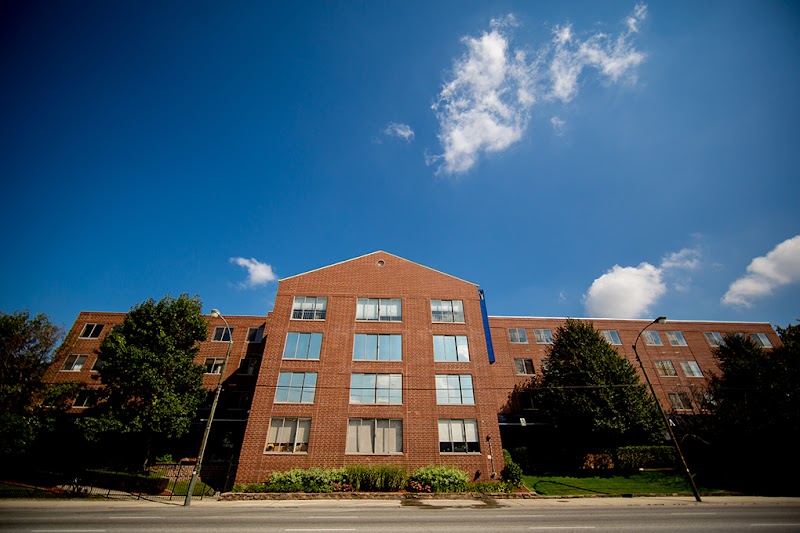
4437 SOUTH CICERO, CHICAGO, IL 60632 (773) 884-0484
For profit - Limited Liability company 249 Beds SABA HEALTHCARE Data: November 2025 3 Immediate Jeopardy citations
Trust Grade
0/100
#447 of 665 in IL
Last Inspection: March 2025

Within standard 12-15 month inspection cycle. Federal law requires annual inspections.

Overview

Archer Heights Healthcare has received a Trust Grade of F, indicating significant concerns about the quality of care provided. They rank #447 out of 665 facilities in Illinois, placing them in the bottom half of the state, and #146 out of 201 in Cook County, meaning only a few local options are worse. While the facility has shown some improvement in reducing issues from 55 in 2024 to 34 in 2025, it still faced serious problems, including critical incidents where residents were not adequately monitored for substance use, leading to overdoses and even fatalities. Staffing is a weakness, with a low rating of 1 out of 5 stars and a turnover rate of 51%, which is average for Illinois but indicates instability. Additionally, the facility has incurred concerning fines totaling $910,423, which is higher than 97% of Illinois facilities, suggesting ongoing compliance issues that families should carefully consider.

Trust Score
F
0/100
In Illinois
#447/665
Bottom 33%
Safety Record
High Risk
Review needed
Inspections
Getting Better
55 → 34 violations
Staff Stability
⚠ Watch
51% turnover. Above average. Higher turnover means staff may not know residents' routines.
Penalties
○ Average
$910,423 in fines. Higher than 73% of Illinois facilities. Some compliance issues.
Skilled Nurses
⚠ Watch
Each resident gets only 16 minutes of Registered Nurse (RN) attention daily — below average for Illinois. Fewer RN minutes means fewer trained eyes watching for problems.
Violations
⚠ Watch
131 deficiencies on record. Higher than average. Multiple issues found across inspections.
★☆☆☆☆
1.0
Overall Rating
★☆☆☆☆
1.0
Staff Levels
★★☆☆☆
2.0
Care Quality
★☆☆☆☆
1.0
Inspection Score
Stable
2024: 55 issues
2025: 34 issues

The Good

  • Full Sprinkler Coverage · Fire safety systems throughout facility
  • No fines on record

Facility shows strength in fire safety.

The Bad

1-Star Overall Rating

Below Illinois average (2.5)

Significant quality concerns identified by CMS

Staff Turnover: 51%

Near Illinois avg (46%)

Higher turnover may affect care consistency

Federal Fines: $910,423

Well above median ($33,413)

Significant penalties indicating serious issues

Chain: SABA HEALTHCARE

Part of a multi-facility chain

Ask about local staffing decisions and management

The Ugly 131 deficiencies on record

3 life-threatening 19 actual harm
Jul 2025 1 deficiency
CONCERN (F) 📢 Someone Reported This

A family member, employee, or ombudsman was alarmed enough to file a formal complaint

Potential for Harm - no one hurt, but risky conditions existed

Safe Environment (Tag F0921)

Could have caused harm · This affected most or all residents

Based on observation, interview and record review, the facility failed to provide a clean, safe, and comfortable environment for all 196 residents residing in the facility. Findings include: On 07/0...

Read full inspector narrative →
Based on observation, interview and record review, the facility failed to provide a clean, safe, and comfortable environment for all 196 residents residing in the facility. Findings include: On 07/01/25, at 10:55 AM, R2 stated the facility is dirty. R2 stated that there are a lot of flies/gnats everywhere inside the facility including in his room, the hallway, the bathrooms, and shower room. R2 stated his garbage is not emptied every day. R2 said, go look inside my bathroom. There is a can of soda that I drank and put into the garbage three days ago and it is still sitting in there. R2 stated the shower room is always dirty and that is unsanitary because that is where he goes to get clean. On 07/01/25, at 11:00 AM, observed can of soda in R2's bathroom trash can and garbage filled half way to the top of the trash can. On 07/01/25 at 11:25 AM, observed the following in the shower room on 2nd floor including empty plastic wrappers, crumbled up brown paper towels, brown soiled/wet toilet paper, a plastic straw, an empty bottle of shampoo, a wet washcloth lying on a shower chair, three small pieces of a dark brown solid material next to the toilet bowl and a towel balled up in the corner which had brown stains on it. Tiny black flying insects were seen flying around the shower drain. The shower drain was covered in a thick coating of hair. In the shower stall farthest to the right observed the ceiling tiles to be speckled with dark patches of black to gray fuzzy material and the grout in between the shower tiles on the walls were covered in a black material that appeared damp and embedded into the crevices. The plastic shower curtain had three to four patches of light brown material stuck on it. Also, in the area where shower chair is used observed handheld shower head attached to a pole however the pole was only attached to the wall at the top, it was not anchored at the bottom so that it the bottom of the poll could easily swing back and forth. On 07/01/25, at 11:27 AM, V15 (Certified Nursing Assistant) observed the condition of the 2nd floor shower room and stated, it looks dirty in here. V15 stated this is the only shower room on the unit and is used by the residents to take showers. V15 stated some residents have their own showers in their room but many residents still like to take showers in the shower room and usually use this one pointing to the shower stall on the far right. V15 observed black/gray spots covering two of the ceiling tiles over that shower stall and dark black material covering most the grout in between the tiles in the same shower stall. V15 stated, that looks like mildew. V15 observed that the pole for the shower head was not fully attached to the wall. V15 stated that has been like that for a while. On 07/01/25, at 11:36 AM, V16 (Housekeeper) stated she prioritizes cleaning the dining room first, then the nursing station, the employee bathroom and she starts cleaning the resident rooms. She eventually works her way toward the shower room. V16 stated she cleaned the shower room yesterday and it looks this dirty every day. V16 viewed the black spots on the ceiling tile above the shower stall and the black material in the grout on the walls of the shower stall and said, I don't know if that is mildew or mold but if it is mold it could make you sick by breathing that stuff in. V16 stated she always wipes down the tile walls but the black material on the grout does not wipe off. V16 observed hanging plastic shower curtain in the shower stall with areas of light brown material stuck it and said, that looks like feces. V16 stated she noticed the metal pole was not attached to the wall but did not say anything about it because she thought the Maintenance Director was doing his own monitoring and that is the type of thing he can and should fix. On 07/01/25, at 11:46 AM, V8 (Housekeeping Director) observed the condition of the shower room. V8 said, it does not look clean in here. V8 stated it looks like some type of material is growing on the ceiling tiles over the shower stall used by the residents and that the black stuff on the grout looks like mold. As surveyor was talking to V8, V8 was swatting away small flying black insects from her face. On 07/01/25, at 11:55 AM, V17 (Maintenance Director) stated he does walk throughs of the unit and talks to the residents and staff to see if there are any problems or if anything needs to be fixed. V17 stated no one told him there were any problems in the shower room so he did not know anything needed to be fixed. V17 stated he needs to make sure things are safe for the residents. V17 observed the dangling pole with the shower head attached to it and stated that the pole should be securely attached to the wall on both ends. As V17 was talking to the surveyor he was swatting small black flies away from his face using his hand/arms. V17 stated those black flies are gnats and they can come from the drains, and they are attracted to water and food. V17 stated the maintenance department treats the drains once a month and he did this 2 weeks ago. V17 observed the ceiling tiles and stated that looks like dust. V17 observed the grout and shower curtain and stated that should not be there and should be cleaned by the housekeeping staff. V17 observed the solid material on the floor next to the toilet bowl and stated, it could be feces. On 07/01/25, at 12:10 PM, R9's garbage can in his room was overflowing with garbage containing empty food containers, plastic drink bottles and tissues/paper. R9 stated that garbage has been there for two to three days. R9 stated his room had not been cleaned since Saturday, 06/28/25. R9 stated he likes to keep his room as clean as possible and wished his room could be cleaned more often, at least every couple of days. R9 said, getting it cleaned daily would be great! R9 stated none of the housekeepers asked him on Sunday or Monday if he wanted his room cleaned. R9 stated if they had he would have told them yes because he likes keeping his room clean and does not like it when the garbage piles up. R9 stated, I don't want to get flies in my room. R9 stated he uses the shower room to take showers because he has to use a shower chair when he showers. R9 stated the shower room is dirty and he has found dirty diapers on the floor, poop on the shower chair and wet/used towels on the floor. On 07/01/25, at 12:25 PM, R10 stated he has a garbage can in his room that is covered with a swinging lid top and inside the garbage can it is full of fruit flies. R10 stated the gnats or fruit flies must be attracted to the food inside of it. R10 is not sure how often his garbage can is emptied but he does not think it is done every day. On 07/01/25, at 12:39 PM, R10 brings surveyor to R10's room. Surveyor observed tall plastic garbage can near the entrance of R10's room with a swing top lid on it. The swing top lid was in the closed position. R10 said, watch this and then quickly took his hand and tapped the top of the swing lid on the garbage can and a swarm of small black winged flying insects erupted from the rim of the garbage can flying around as R10 tried to swat them away. Some of them landed and settled on the wall of R10's room and on the outside of the garbage can. R10 said, see what I mean? R10 stated again he's not sure when the last time the garbage can was emptied. On 07/01/25, at 12:44 PM, V18 (Certified Nursing Assistant) entered R10's room and observed all the tiny black flying insects hovering around R10's garbage can and along the wall in R10's room. V18 said, those are fruit flies or gnats, and they are unsanitary. V18 stated they are attracted to the food inside the garbage can. V18 stated housekeeping should be emptying the garbage cans in the residents' rooms every day. V18 stated she does not know if the garbage cans were emptied yesterday but based on the amount of garbage in that garbage can it does not look like it has been emptied in a while. V18 stated the facility wants to provide a clean and homelike environment for the residents to live in and no one wants flies like that in their home and they should not be in there. On 07/01/25, survey team observed that the 4th floor dining room floor was sticky and could see food particles and debris on the floor. On 07/02/25, at 10:23 AM, observed garbage in R2's bathroom to still be half full and still contain what appears to be the same can of soda seen on 07/01/25. R2 stated see? That is the same can of soda I put in there over the weekend. Why hasn't this garbage been emptied yet? On 07/02/25, at 10:27 AM, V16 (Housekeeper) stated yesterday she got pulled off the floor to treat the grout in the shower stalls to remove the mold that was there and that because of that she was not able clean the rooms at R2's end of the hall. V16 stated that is why she started at this end of the hallway this morning since those rooms were not cleaned yesterday. On 07/02/25, at 10:31 AM, during unit walk through observed tiny black flying insects in the hallway on the 3rd floor. On 07/02/25, at 10:40 AM, observed in the 1st floor shower room that the hand shower nozzle attached to a hose was dangling by the hose along the wall from the water outlet and was not mounted on anything. There was no poll to mount it on. Observed plastic pieces that appeared where an old pole may have been. Also, observed a showed bed with a full-length drain pan underneath the sling attached to the shower bed. In the full-length drain pan there was a large amount of murky brown tinted liquid with brown solid particles floating in the liquid and there was a foul odor coming from the liquid. Also, observed tiny black flying insects in the shower room area. On 07/02/25, at 10:45 AM, V22 (Certified Nursing Assistant) observed the condition of the 1st floor shower room. V22 stated because the detachable shower head does not have anything to be attached to on the wall, the resident using the shower would need to turn on the water and use the detachable shower head to wet their body first, then let go of the shower head to wash their body with soap and then pick the shower head back up to wash the soap off of themselves and then put the shower head back down again while they lather up their hair with shampoo and then pick the shower head back up when they want to rinse the shampoo out. V22 stated this means there is no way the residents can be covered by constant running water the entire time they are in the shower because they need their hands free to give themselves a shower properly. V22 stated she reported the problem directly to someone in maintenance to make them aware that it needed to be fixed. V22 observed the brown stained liquid with solid particles floating in the liquid pooling in the sling of the shower bed. V22 said, that could be feces. V22 stated that shower bed is used when giving R11 a shower. V22 stated she does not know who is supposed to clean that, but it needs to be cleaned, it should not have been left like that. V22 stated that has been like that for approximately one week. On 07/02/25, at 10:51 AM, V23 (Maintenance Assistant) observed the handheld shower nozzle attached to a hose dangling in the shower stall, not attached to anything. V23 stated this problem was not reported to him. V23 stated there should be a poll mounted on the wall so that the handheld shower nozzle can be attached to it so the residents can adjust to the height comfortable for them and so they can have continuous water on them while they are taking a shower, so they do not get cold. V23 observed liquid material in the shower bed under the sling in the drain pan and said, that doesn't look clean. On 07/02/25, at 11:01 AM, V25 (Housekeeper) stated she cleans the shower room every day as part of her daily responsibilities. V25 stated in the shower room she cleans the toilet, sink, shower head and stalls, sweeps/mops the floor and empties all the garbage containers. V25 observed the liquid material in the shower bed under the sling in the drain pan and stated, I don't clean that. When the CNAs give a shower, they are supposed to clean up afterwards. V25 stated that does not look clean and should not be left there. I can see brown liquid with stuff floating around in the liquid. On 07/02/25, at 1:30 PM, surveyor went to wash hands in the basement staff bathroom and when surveyor turned on the water tiny flying black insects flew out of the drain into the air. On 07/02/25, at 1:45 PM, V2 (Director of Nursing) stated he wants the facility to be free from accidental hazards to always keep the residents safe and all equipment should be in good working order. V2 stated the facility should be clean because this is where the residents live. V2 stated the residents have the right to live in a place free of garbage, debris, feces, dirty floors, garbage and free from pest/insects. V2 stated there should be no fruit flies or gnats in the facility because it is not sanitary. V2 said, I don't see them in my home, and I don't want them in here. On 07/02/25, at 2:51 PM, V17 (Maintenance Director) stated all equipment should be in working order to make sure the residents are safe and comfortable here. V17 stated it is everyone's responsibility to report any problems to the maintenance department. V17 stated he was not aware that the shower rails or shower head holder needed to be fixed or that it was broken and needed to be replaced. V17 stated if he had known that was a problem he would have fixed those areas right away. V17 stated he was not aware that there was a gnat problem, otherwise he would have called the pest control company immediately. V17 stated gnats are not going to go away on their own, they need to be treated and kill because otherwise they will continue to multiply. On 07/02/25, at 2:09 PM, V1 (Administrator) stated the facility wants to provide a clean, safe, and homelike environment for their residents. V1 stated it is important for the resident's well-being, infection control and safety. V1 stated the facility should be free from environmental hazards to keep the residents and the staff safe. V1 stated the purpose our pest control policy is to identify any pest problem and treat for pests to prevent the spread of them. V1 stated pests include insects like gnats and fruit flies. V1 stated pests/insects will not go away on their own and if the staff are seeing pests in the buildings, then they should be reporting that so the pest control company can treat for that. V1 stated the shower room drain should not be covered in hair or have any black/moldlike substance because that is unsanitary, there should be no feces like material on the floor or on the shower curtains or in the shower bed, and shower parts should be in good working order for resident comfort and safety. R2 has a diagnosis including but not limited to Hepatic Encephalopathy, Other Cervical Disc Degeneration, Cervicothoracic Region, Generalized Anxiety Disorder, Esophageal Varices Without Bleeding, Repeated Falls, Spondylosis Without Myelopathy Or Radiculopathy, Cervical Region, Type 2 Diabetes Mellitus Without Complications, Insomnia, Major Depressive Disorder, Recurrent, Primary Insomnia, Alcohol Use, In Remission. R2's Brief Mental Status Interview (BIMS) dated 06/04/25 documents score of 15/15 indicating intact cognition. R9 has a diagnosis including but not limited to Paraplegia, Unspecified, Other Specified Diabetes Mellitus Without Complications, Age-Related Nuclear Cataract, Bilateral, Regular Astigmatism, Left Eye, Nicotine Dependence, Unspecified, With Unspecified Nicotine-Induced Disorders, Opioid Use, Uncomplicated, Bipolar Disorder, Generalized Anxiety Disorder, Primary Insomnia, Weakness, Opioid Abuse, Other Psychoactive Substance Use, Unspecified With Psychoactive Substance-Induced Sleep Disorder, Polyneuropathy, Bipolar Disorder, Current Episode Manic Without Psychotic Features, Moderate, Attention-Deficit Hyperactivity Disorder, Other Type, Suicidal Ideations, Anxiety Disorder, Insomnia, Tachycardia, Major Depressive Disorder. R9's BIMS dated 04/30/25 indicates intact cognition. R10 has a diagnosis including but not limited to Chronic Obstructive Pulmonary Disease, Unspecified, Unspecified Chronic Bronchitis, Other Asthma, Bronchitis, Not Specified As Acute Or Chronic, Hypoxemia, Hypertensive Heart Disease With Heart Failure, Atherosclerotic Heart Disease Of Native Coronary Artery Without Angina Pectoris, Non-St Elevation Myocardial Infarction, Essential (Primary) Hypertension, Peripheral Vascular Disease, Alcohol Dependence, In Remission, Generalized Anxiety Disorder, Mixed Hyperlipidemia, Alcoholic Polyneuropathy, Major Depressive Disorder, Weakness. R10's BIMS score dated 05/01/25 indicates intact cognition. R11 has a diagnosis including but not limited to Muscle Wasting And Atrophy, Not Elsewhere Classified, Multiple Sites, Unspecified Protein-Calorie Malnutrition, Age-Related Nuclear Cataract, Bilateral, Limitation Of Activities Due To Disability, Need For Assistance With Personal Care, Difficulty In Walking, Other Lack Of Coordination, Cutaneous Abscess Of Right Axilla, Hidradenitis Suppurativa, Muscle Weakness (Generalized), Nutritional Anemia, Unspecified, Essential (Primary) Hypertension, Unspecified Osteoarthritis. R11's BIMS score dated 05/05/25 indicates intact cognition. R11's MDS (Minimum Data Set) dated 05/05/25 indicates R11 is dependent on staff for all ADL and mobility and is always incontinent of urine/bowel. Facility provided document titled, Illinois Long-Term Care Residents' Rights for People in Long-Term Care Facilities dated 11/2018 which documents in part, your facility must be safe, clean, comfortable, and homelike. Facility provided document titled, Housekeeping Guidelines dated 07/2021 which documents in part, the purpose is to provide guidelines to maintain a safe and sanitary environment for residents, facility staff and visitors and housekeeping personnel shall adhere to daily cleaning assignments developed so to maintain the facility in a clean and orderly manner and pest control services will be monitored by the housekeeping personnel and shall report any problems or needs concerning pest control to the Administrator and contact will be made to outside service. Facility provided job description titled Housekeeping Assistant dated 07/2024 documents in part the primary purpose of this job is to perform the day-to-day activities of the Housekeeping Department at accordance with current federal, state, and local standards, guidelines, and regulations governing the facility, and as may be directed by the Administrator and or the Director of Housekeeping, to assure that the facility is maintained in a clean, safe, and comfortable manner. Facility provided document titled, Preventative Maintenance Program dated 11/2023 which documents in part, purpose is to conduct environmental/safety audits to identify areas of concern within the facility and the preventative maintenance program will review the following areas including but not limited to all facility areas are kept clean and in safe condition, ceiling tiles are free from watermarks or spots, drains are clean and free of debris. Facility provided document titled, Safety and Supervision of Residents dated 11/2024 which documents in part, our facility strives to make the environment as free from accident hazards as possible. Facility provided document titled, Pest Control Policy dated 11/2024 which document in part, the purpose is to prevent or control insects and rodents from spreading disease, and the facility shall be kept in such condition and cleaning procedures used to prevent the harborage or feeding of insects or rodents and garbage and trash containers shall be emptied when full and cleaned prior to returning to the appropriate area.
Jun 2025 2 deficiencies
CONCERN (D) 📢 Someone Reported This

A family member, employee, or ombudsman was alarmed enough to file a formal complaint

Potential for Harm - no one hurt, but risky conditions existed

Deficiency F0558 (Tag F0558)

Could have caused harm · This affected 1 resident

Based on observation, interview, and record review, facility failed to follow their policy to ensure a call light was within reach for one (R4) out of three residents reviewed for call lights in a tot...

Read full inspector narrative →
Based on observation, interview, and record review, facility failed to follow their policy to ensure a call light was within reach for one (R4) out of three residents reviewed for call lights in a total sample of 9. Findings include: R4's MDS (Minimum Data Set) section C (Cognitive Patterns) dated May 28, 2025, documents R4's Brief Interview for Mental Status (BIMS) as 15/15 indicating R4 has intact cognitive functional abilities. MDS Section GG-Functional abilities documents R4 requires Substantial/maximal assistance with eating, oral hygiene, toileting hygiene, shower/bathe self, upper body dressing, Lower body dressing, putting on/taking off footwear, personal hygiene, roll left and right, sit to lying, lying to sitting on side of bed, sit to stand, chair/bed-to-chair transfer, toilet transfer, tub/shower transfer, walk 10 feet, walk 50 feet with two turns, walk 150 feet, and R4 is a two person assist. On 06/04/2025, at 12:03 PM, R4 was observed trying to sit up in bed, alert, oriented to person, place, time, and situation. R4 was observed trying to get himself into a sitting position and was observed looking for something. R4 stated he was looking for his call light to get staff's attention to get him up and out of bed. R4 was tired of staying in bed and his back was hurting him. R4 stated he could not find his call light. R4 was observed with left hand contractures. On 06/06/2025, at 12:10 PM, V11 (Certified Nursing Assistance-CNA) and surveyor observed R4's call light hanging on top of R4's overhead light far from R4's reach. R4 stated he could not reach the call light. V11 stated R4 would not be able to reach the call light where it was placed. Therefore, he would not be able to use it to get staff's attention for his needs. V11 stated if call lights are not within reach, residents are unable to make their needs known. R4 could have fallen and hurt himself trying to adjust himself or reach for the call light. On 06/04/2025, at 12:24 PM, V3 (Assistant Director of Nursing-ADON) stated call lights should be within residents' reach for residents to use in case of an emergency or to get their needs met. If residents cannot reach the call light in an emergency their needs will not be met and the resident could experience negative outcomes such as falls. On 06/05/2025, at 9:34 AM, V2 (Director of Nursing-DON) stated resident's call lights should be within reach so that the resident can use it to reach staff in case of an emergency or if the resident needs help from staff. V2 stated if the call light is not within resident reach, the resident will not be able to reach staff. R4's fall care plan documents: Be sure call light is within reach and encourage the resident to use it for assistance as needed. Staff to respond promptly to all requests for assistance. Facility's call light policy dated 1/25 documents: All residents shall have the nurse call light system available and within easy accessibility to the resident at the bedside or other reasonable accessible location.
CONCERN (D) 📢 Someone Reported This

A family member, employee, or ombudsman was alarmed enough to file a formal complaint

Potential for Harm - no one hurt, but risky conditions existed

Deficiency F0760 (Tag F0760)

Could have caused harm · This affected 1 resident

Based on interview and record review, the facility failed to ensure medications were administered as ordered by the resident's physician for one (R8) out of three residents in a total sample of nine r...

Read full inspector narrative →
Based on interview and record review, the facility failed to ensure medications were administered as ordered by the resident's physician for one (R8) out of three residents in a total sample of nine residents reviewed. Findings include: On 06/04/2025, at 9:42 AM, surveyor located on the second floor of the facility with V7 (Licensed Practical Nurse/LPN). V7 observed with a medication cart and performing a morning medication administration pass. V7 has R8's eMAR/electronic medication administration record deployed on the computer. Surveyor observes the following order for R8 Procardia XL Oral Tablet Extended Release 24 Hour 30 MG (Nifedipine)- Give 1 tablet by mouth one time a day for HTN (high blood pressure). Can hold if blood pressures are persistently 130/80 mmHg. V7 states it is important to measure a resident's blood pressure reading prior to administering any medications that will lower a resident's blood pressure. V7 states this is to establish the resident's blood pressure in an effort to prevent the administration of unnecessary blood pressure medications. V7 states if a resident is administered blood pressure medications and their blood pressure is already low, then this can cause the resident's blood pressure to drop too low. V7 states this can potentially cause a resident to go into cardiac arrest. R8's eMAR documents that R8 is prescribed the antihypertensive blood pressure medication: Procardia XL Oral Tablet Extended Release 24 Hour 30 MG (Nifedipine). R8's eMAR documents that R8's blood pressure reading was not assessed and documented prior to the administration of his antihypertensive medication Procardia on the following dates: 05/11/2025, 05/15/2025, 05/17/2025, 05/18/2025, 05/21/2025, 05/22/2025, 05/26/2025, 05/29/2025, 05/31/2025. On 06/05/2025, at 10:05 AM, V2 (Director of Nursing/DON) states medications should be administered per physician orders. V2 states if a resident is given blood pressure medication and their blood pressure is already low, then the resident's blood pressure could further decrease. V2 states the resident could also become dizzy, faint, and then require emergency medical services. V2 states blood pressure parameters are established by the physician. V2 states blood pressure medications should not be administered outside of the physician orders and parameters. V2 states if blood pressure parameters are not ordered, then the physician should be notified to receive blood pressure parameters. V2 states she does not expect the nurses to administer blood pressure medications to residents without first assessing the resident's blood pressure. Facility document dated 10/25/2014, titled Medication Administration documents in part, Medications are administered as prescribed in accordance with good nursing principles and practices and only by persons legally authorized to do so. 4) FIVE RIGHTS- Right resident, right drug, right dose, right route and right time, are applied for each medication being administered. A triple check of these 5 rights is recommended at three steps in the process of preparation of a medication for administration. 12. When possible, the medication administration record (MAR) should contain supplemental information to help assure accurate dosing. 2) Medications are administered in accordance with written orders of the prescriber.
May 2025 4 deficiencies 1 Harm
SERIOUS (G) 📢 Someone Reported This

A family member, employee, or ombudsman was alarmed enough to file a formal complaint

Actual Harm - a resident was hurt due to facility failures

Free from Abuse/Neglect (Tag F0600)

A resident was harmed · This affected 1 resident

**NOTE- TERMS IN BRACKETS HAVE BEEN EDITED TO PROTECT CONFIDENTIALITY** Based on interview and record review, facility failed to protect residents from physical abuse. This failure affected three resi...

Read full inspector narrative →
**NOTE- TERMS IN BRACKETS HAVE BEEN EDITED TO PROTECT CONFIDENTIALITY** Based on interview and record review, facility failed to protect residents from physical abuse. This failure affected three residents (R2, R3, R5) of ten residents reviewed for abuse. This failure resulted in R1 slapping R2 on the smoking patio, R4 punching R3 in the face causing R3 to bleed from her mouth, R6 punching R5 in the face, and R6 pulling R5's hair resulting in R5 being pulled down to the ground by her hair. Findings include: Facility's Final Investigation Report (dated 04/14/2025) states in part: On April 08,2025, staff observed an interaction between residents R1 and R2 that involved a brief verbal and physical exchange. R1 allegedly made contact with R2's wheelchair when he was trying to maneuver his walker on the smoking patio. R2 allegedly responded by making a remark to R1. R1 then allegedly made soft physical contact with R2. A head-to-toe assessment was completed, and no injuries were noted. Staff responded promptly, calmly separated the residents, and ensured the safety and well-being of both individuals. No further incidents have occurred. The physician ordered for R1 to be sent for psychiatric evaluation at the hospital. R1's Face Sheet documents resident is a [AGE] year-old with diagnoses including but not limited to: Muscle wasting and atrophy, dysphagia, oropharyngeal phase, chronic obstructive pulmonary disease, acute and chronic respiratory failure with hypoxia, type 2 diabetes mellitus without complications, asthma. Minimum Data Set Section (MDS) section C (dated April 22, 2025) documents that R1 has an Interview for Mental Status (BIMS) score of 15, indicating that R1's cognition is intact. Care plan (dated 01/15/2025) documents that R1 presents with moderate to intense anger related to verbal expressions of distress, persistent worry and frequent complaints. R2's Face Sheet documents resident is a [AGE] year-old with diagnoses including but not limited to: Limitation of activities due to disability, difficulty in walking, lack of coordination, pain in right lower leg, pain in left lower leg, muscle wasting and atrophy. Minimum Data Set Section (MDS) section C (dated [DATE]) documents that R2 has an Interview for Mental Status (BIMS) score of 11, indicating that R2 has a mild cognitive impairment. Care plan (dated 04/01/2025) documents that R2 has a history of aggressive, inappropriate, attention-seeking and/or maladaptive behavior. On 05/13/2025, at 1:40 PM, surveyor observed R2 sitting in his bed. Surveyor conducted an interview with R2 pertaining to the physical altercation with R1 that took on 04/08/2025, on the outside smoking patio. R2 stated, R1 hit me in the face outside while I was smoking. I did not know R1 prior to the incident. We did not have an argument, R1 just hit me in the face out of the blue. R1 said that I was sitting in his spot. We have not had any more incidents after that. On 05/13/2025, at 2:00 PM, V3 (social worker) stated, On 04/08/2025, I was passing out the cigarettes to the residents on the 1st floor dining hall during the smoke break. A resident walked up to me and told me that R1 hit R2. I went outside to the patio. I asked R2 what happened and R2 said nothing happened. I asked everybody else on the patio what happened, and they all said nothing. I went to speak to the residents on the left side of the patio and the residents said that R1 hit R2. I went back inside to resume passing out cigarettes and then R2 came inside and told me that R1 hit him. R2 explained to me what happened. I told him to stay by my side until the smoke break is over. I asked R2 if he was okay, and R2 said that he was fine. After the smoke break, I reported this to the social service director, V4, and administrator. V4 (social service director) and I went to the administrator's office to watch the footage of what occurred between R1 and R2. After watching the footage, it was true that R1 hit R2. V4 and I went to speak to R1 and to hear his side. R1 said that R2 hit R1, and that R1 hit R2 in self-defense, which was not true. R2 did not have any injuries. R2 was stable and not in distress. R1 did display aggressive behavior towards staff but not residents. R1 and R2 did not have any prior encounters or any prior issues. R2 is known to use foul language towards other residents and staff, however, there was no prior encounters between R1 and R2. On 05/14/2025, at 9:46AM, V1 (administrator) stated, On 04/08/2025, during a smoke break on the smoking patio, R2 was sitting in his wheelchair blocking the walkway. R1 was trying to walk past R2 with his walker. While R1 was passing R2, R1 bumped R2's wheelchair. R2 had words with R1 about R1 bumping R2's wheelchair. R1 and R2 were at each other's face. While arguing, R1 slapped R2. The smoke attendant immediately intervened. At first, the smoking attendant did not witness R1 slapping R2, but R2 reported being slapped to the smoking attendant. The two residents were immediately separated. R1 was checked to see if he was injured. The smoking attendant notified the nurse. There were no prior incidents between R1 and R2. R1 and R2 have not had any other incidents after the altercation. On 05/14/2025, at 10:42 AM, surveyor observed R1 lying in his bed. Surveyor conducted an interview with R1 pertaining to the physical altercation with R2 that took on 04/08/2025, on the outside smoking patio. R1 stated, I'm on oxygen and I normally sit by the door on the smoking patio. All the residents know that I sit there because that's my usual spot. I noticed several times that R2 would be sitting there in his wheelchair. I offered R2 a cigarette a few times so that R2 can move out of my spot, but he would continue to sit there. I confronted R2 about why he keeps on sitting in my spot. When I confronted R2, R2 told me, F*** Y**. I stood up and went to sit on the opposite side of R2, but R2 continued to argue with me. I said to R2 that R2 wasn't having a problem with me when I kept giving him cigarettes so that he can move out of my spot. R2 called me a B****, and I told R2 that he's a B****. That's when R2 said, What are you going to do about it, and R2 tried to swing on me. Luckily, I moved out of the way so R2 did not punch me. That's when I punched R2 in self-defense. R2 and I never had any issues or arguments prior to the physical altercation. R2 and I are fine now, and we don't hold any grudges. We are both men and we both don't hold grudges. On 05/14/2025, at 12:02 PM, V4 (social service director) stated, I did not witness the incident that occurred on 04/08/2025, between R1 and R2. I reviewed the video footage. From the footage it appeared like R1 and R2 were arguing. R2 had his hands up in self-defense. R1 punched R2. I did not see in the footage that R2 was trying to hit R1 at all. I am not aware of R1 and R2 having any conflicts prior to this incident. R1's Progress Note (dated 04/08/2025) documents, Resident allegedly displayed violent/aggressive behavior towards peers. Resident was placed on 1:1 with a staff member. Doctor was notified and gave an order to send resident to the community hospital for a psychiatric evaluation. Ambulance was called estimated time of arrival is 60 minutes. R1's Progress Note (dated 04/08/2025) documents, Resident sent to community hospital for psychiatric evaluation. Resident transported by ambulance. R2's Progress Note (dated 04/08/2025) documents, R2 was involved in a peer-to-peer disagreement in the smoke break area. Body assessment completed. No injuries noted. Police notified. Physician notified. R2 is own responsible party. Social services notified. Director of nursing and administrator notified. Facility Final Incident Investigation Report (dated 05/01/2025) documents in part: On April 25, 2025, it was reported that R3 and R4 were involved in a peer-to-peer altercation in their room. R3 and R4 both agreed that R3 [NAME] water on R4 and then R4 made contact with R3 as she was trying to not get the water thrown on her. Staff immediately intervened and separated the two residents. A body assessment was performed. R3 was noted to be free from any injury and was in good spirits. R4 was very upset and wanted to go against medical advice (A.M.A.) because she didn't mean to make contact. R4 was sent out to the hospital for the incident as she was crying hysterically and was unable to control her emotions. R3's Face Sheet documents resident is a [AGE] year-old with diagnoses including but not limited to: Dysphagia, oropharyngeal phase, dementia in other diseases classified elsewhere, unspecific severity, with anxiety, hemiplegia and hemiparesis following cerebral infarction affecting right dominant side, essential (primary) hypertension, weakness, metabolic encephalopathy. Minimum Data Set Section (MDS) section C (dated [DATE]) documents that R3 has an Interview for Mental Status (BIMS) score of 12, indicating that R3's cognition is intact. Care plan (dated 03/03/2025) documents that R3 is at risk for seizure activity related to seizure disorder and receives medication for management. R4's Face Sheet documents resident is a [AGE] year-old with diagnoses including but not limited to: Muscle wasting and atrophy, paranoid schizophrenia, hallucinations, major depressive disorder, psychoactive substance abuse, uncomplicated. Minimum Data Set Section (MDS) section C (dated [DATE]) documents that R4 has an Interview for Mental Status (BIMS) score of 12, indicating that R4's cognition is intact. Care plan (dated 02/25/2025) documents that R4 uses psychotropic medications and has potential for falls and or drug related movement disorder 2/2 adverse effects of medication. On 05/13/2025, at 2:36 PM, surveyor observed R3 lying in bed. Surveyor interviewed R3 pertaining to the physical altercation that took place on 04/25/2025, between R3 and her roommate, R4. R3 stated, On 04/25/2025, R4 punched me really hard. We were roommates. R4 came to my side of the bed while I was lying down. She punched me really hard causing me to bleed from my mouth. Prior to the physical altercation, R4 and I always argued. R4 was always starting with me. R4 threatened me with a knife before and we had many arguments. On 04/25/2025, that's when R4 came to my side of the bed, and she punched me. I was bleeding. The staff knew that we had arguments before the physical altercation, and they interviewed on many occasions. I feel safe in the facility now that R4 is gone. On 05/13/2025, at 2:41 PM, V3 (social worker) stated, On 04/25/2025, the nurse on duty requested for social services to come to R3 and R4's room. R3 and R4 were roommates at the time. As I walked in, there was two certified nursing assistants and a nurse in R3 and R4's room. The nurse informed me that R4 hit R3. I called V4 (social service director) immediately to come to the room as well. V4 and I spoke to R3 to see what happened. R3 said that R4 came to R3's side of the bed and hit R3 in her mouth. It was obvious that R3 got hit by R4 because there was blood on R3's mouth. R3 is alert and oriented and R3 was able to tell me what happened. R3 and R4 were separated by staff. Prior to the physical altercation on 04/25/2025, R3 and R4 had verbal arguments because they were not getting along. There was conflict between R3 and R4 before R4 got physical with R3. Prior to the physical altercation, R3 and R4 had to be separated during verbal arguments a few times, but it was not physical, it was verbal. R3 and R4 would argue and then they would act as if it never happened. When it comes to moving rooms, the admission director is in charge or moving residents. I asked R3 and R4 if they wanted to change rooms and they both refused to change rooms. R3 came from the 4th floor and R3 was refusing to move back to the 4th floor. There was no other female room that was available for R4 to move to at the time they argued. R3 and R4 had about 3 verbal arguments that had to be separated by staff. After the physical altercation, R4 was sent to the hospital for psychiatric evaluation. When I requested to have R3 and R4 placed in different rooms, the admission director told me that there is no other place to move R4. On 05/14/2025, at 9:56 AM, V1 (administrator) stated, On 04/25/25, R3 was lying in bed and R4, who was R3's roommate at the time, came to R3's bedside to talk to R3. They were having a conversation and R3 did not like the way the conversation was going. R3 threw water at R4. When R3 threw water at R4, R4 stuck her hands out in self-defense. The staff heard R3 yelling and then R4 started yelling. Staff went into the room and immediately intervened. R4 started spiraling and going into psychosis. R4 was sent out the hospital for psychiatric evaluation and she did not return back to the facility. R4 was a resident in a wheelchair just like R3. I was not aware that R3 and R4 had several prior conflicts. If I was aware, I would make sure that R3 and R4 are separated in different rooms. V6 (admissions director) is the one that is responsible to assigning a different room to residents. On 05/14/2025, at 11:24AM, V6 (admissions director) stated, R3 and R4 had conflict. I am only aware of one conflict between R3 and R4 and that's the incident that turned physical on 04/25/2025. Prior to 04/25/2025, I did not have any knowledge of there being a conflict between R3 and R4. R3 and R4 were roommates. I was never asked to do any room changes for either R3 or R4. On 05/14/2025, at 12:05 PM, V4 (social service director) stated, I am aware of small bickering between R3 and R4 before the physical altercation that took place on 04/25/2025. R3 and R4 would argue and make up after that. I am not aware of staff having to intervene to stop R3 and R4 from arguing. I am not aware of a room change being requested for R3 and R4 prior to the physical altercation. I think that R3 has moments of responding to auditory illusions and R3 and R4 were not understanding one another. On 05/14/2025, at 3:24 PM, V8 (licensed practical nurse) stated, I was nurse on duty on 04/25/25, when the incident occurred between R3 and R4. From what I remember, the certified nursing assistant told me that something happened in the room. I went into R3 and R4's room. I remember R4 being really angry and upset because R3 was saying that R4 is not able to have kids. R4 said that R3 and R4 were arguing back and forth. R4 told me that they basically had an altercation. I saw a little bit of dried blood on R3's lip. R4 denied hitting R3, but R4 claimed that R3 pushed her. I told R4 that I'm going to be sending R4 out because she should not have touched R3. I filed a police report and R4 was sent to the hospital for psychiatric evaluation. R3 told me that basically R4 hit R3. I am not aware of any prior incidents between R3 and R4. On 05/14/2025, at 11:39 AM, V11 (certified nursing assistant) stated, On 04/25/2025, I was working on the 2nd floor. V12 (certified nursing assistant) was assigned to R3 and R4. I heard V12 informing the nurse that R3 said that R4 hit her and that R3 was bleeding. I did not see the incident and I did not see anything else. R3's Progress Note (dated 04/25/2025) documents, Writer was told by staff that resident was hit in the mouth by another resident. Nurse assessed resident and found no injuries. The police were called and the other resident sent out for evaluation. Director of nursing, abuse coordinator, hospice was notified, and family. No new orders given. Will continue plan of care. R4's Progress Note (dated 04/25/2025) documents, Resident was involved in a peer-to-peer altercation with another resident. Resident assessed. No injuries noted. Resident is responsible party. Police notified. Physician notified. Director of nursing and administrator notified. R4's Progress Note (dated 04/25/2025) documents,R4 discharged to community hospital 04/25/2025, 12:00 AM. Reason for transfer: behavior-psychosis. Vitals were stable. The following people were notified of transfer: Physician, Nurse Practitioner. Yes - Current reconciled medication list provided to the subsequent provider. Facility's Final Investigation Report (dated 04/02/2025) documents in part: On March 27, 2025, staff observed an interaction between residents R5 and R6 that involved a brief verbal and physical exchange. R5 allegedly made a comment toward R6, and R6 allegedly responded by making soft physical contact with R5. A head-to-toe assessment was completed, and no new injuries were noted. Staff responded promptly, calmly separated the residents, and ensured the safety and well-being of both individuals. R5's Face Sheet documents resident is a [AGE] year-old with diagnoses including but not limited to: Muscle wasting and atrophy, acquired absence of right leg below knee, acquired absence of left leg below knee, bipolar disorder, major depressive disorder, essential (primary) hypertension. Minimum Data Set Section (MDS) section C (dated [DATE]) documents that R5 has an Interview for Mental Status (BIMS) score of 13, indicating that R5's cognition is intact. Care plan (dated 05/12/2025) documents that R5 presents with moderate to intense anger related to: Symptoms of mood distress (i.e., anger, sadness, loss of interest, lack of pleasurable experiences, poor appetite or excessive eating, impaired sleep), This problem/need is manifested by: Poor listening skills (often becoming angry, defensive, oppositional when assistance & suggestions are provided)., This problem/need is manifested by: Verbal expressions of distress., This problem/need is manifested by: Persistent worry. R6's Face Sheet documents resident is a [AGE] year-old with diagnoses including but not limited to: Metabolic encephalopathy, type 2 diabetes mellitus, altered mental status, peripheral vascular disease, essential (primary) hypertension. Care plan (03/27/2025) documents that R6 has diabetes mellitus & the potential for complications related to: History of uncontrolled diabetic status. On 05/13/2025, at 2:50 PM, surveyor observed R5 sitting in her wheelchair. Surveyor interviewed R5 regarding the physical altercation that took place in the 1st floor dining room on 03/27/2025, between R5 and another resident, R6. R5 stated, R6 kept calling me names. R6 and I had an argument and R6 came at me and punched me in my cheek. After that, R6 grabbed me by my hair and I fell out of my wheelchair to the ground. I did not know R6 before this altercation occurred. R6 and I did not have any issues prior to the fight. We were swearing at each other, and I think that's why R6 hit me. R6 is the one that escalated the argument into physical violence. I feel safe in the facility. I can't recall why the argument started. On 05/14/2025, at 10:06 AM, V1 (administrator) stated, On 03/27/2025, R5 called R6 a bi***. R6 was standing right by R5. R6 pushed R5. Staff were right there because it took place in the dining room and staff immediate intervened. R5 apologized to R6 right away. R5 said that R5 was experiencing anxiety and regret about the situation. R6 also apologized to R5. The staff who witnessed the incident reported that they witnessed R6 pulling R5 by her hair and they witnessed R6 punching R5. R5 and R6 did not have any prior issues. R6 was a new admission to the facility. R6 discharged herself against medical advice the same day that the incident occurred. R5 initiated the incident by calling R6 out of her name and R6 responded with physically hurting R5. On 05/14/2025, at 1:05 PM, V10 (certified nursing assistant) stated, On 03/27/2025, it was early morning, and the breakfast trays were coming up to the 1st floor. I was with the trays. When I went into the dining room, I saw commotion going on. When I asked what happened, the residents in the dining room reported that R6 pulled R5's hair and that R6 punched R5. I did not see the incident, but the other residents told me that's what happened. On 05/14/2025, at 2:05 PM, V9 (licensed practical nurse) stated, On 03/27/2025, I was doing my medication administration on the 1st floor. I heard yelling coming from the dining room. I went into the dining room, R5 and R6 were no longer fighting, but I was informed by other residents that R5 and R6 were fighting. I separated R5 and R6 immediately. It was reported to me by R6 that R5 called R6 a B****. R6 said that she punched R5 and pulled R5's hair. R5 told me that R5 slid out of her chair when R6 pulled R5's hair. R5 told me that R5 called R6 out of her name and R6 responded by pulling R5's hair and punching R5. R5 did not appear to have any blood and R5 did not complain of any pain. R5 and R6 apologized to each other and R5 and R6 did not have any prior conflict. R6 was a new resident to the facility. R5's Progress Note (dated 03/27/2025) documents, Patient involved in physical altercation with another patient. Patients separated and later apologized and reconciled. No injuries involved. Patient in stable condition. R6's Progress Note (dated 03/27/2025) documents, Patient involved in physical altercation with another patient. Patients separated and later apologized and reconciled. No injuries involved. Patient in stable condition. Abuse Prevention Policy (dated 01/2024) documents in part: Residents have the right to be free from abuse, neglect, exploitation, misappropriation of property or mistreatment. This includes but is not limited to corporal punishment, involuntary seclusion, and any physical or chemical restraint not required to treat the resident's medical symptoms. Abuse is defined as the willful infliction of injury, unreasonable confinement, intimidation or punishment with resulting physical harm, pain or mental anguish. Resident Rights Policy (revised 11/2018) states in part: You must not be abused, neglected, or exploited by anyone-financially, physically, verbally, mentally or sexually.
CONCERN (D) 📢 Someone Reported This

A family member, employee, or ombudsman was alarmed enough to file a formal complaint

Potential for Harm - no one hurt, but risky conditions existed

Accident Prevention (Tag F0689)

Could have caused harm · This affected 1 resident

**NOTE- TERMS IN BRACKETS HAVE BEEN EDITED TO PROTECT CONFIDENTIALITY** Findings include: On 5/13/25, at 2:32 PM, observed R9 room; mats on both sides of the bed, a reacher/grabber tool on bed, no sid...

Read full inspector narrative →
**NOTE- TERMS IN BRACKETS HAVE BEEN EDITED TO PROTECT CONFIDENTIALITY** Findings include: On 5/13/25, at 2:32 PM, observed R9 room; mats on both sides of the bed, a reacher/grabber tool on bed, no side rail(s) On 5/13/25, at 2:36 PM, observed R9 in day room sitting in a wheelchair watching television. R9 said he had two falls. The first fall R9 was sleeping in bed. R9 said he was dreaming he was swimming and rolled out of bed. R9 said he got a [NAME] on his head and a black eye. R9 said there were no side rails on the bed. R9 said They don't have those here. On 5/14/25, at 1:10 PM, V2 (Director of Nursing) stated I am familiar with R9. He has had two falls. The first fall was 4/27/25. The patient said he rolled out of bed. He hit his head and was sent out to the hospital. R9 is care planned for fall risk. According to the fall risk assessment, dated 3/20/25, he is moderate fall risk. The floor nurses do the assessments. They look at history of past falls, medications that they are on, monitor the blood pressure when standing and lying, vision, ambulation/walking, level of consciousness, gait and balance, predisposing disease, and conditions. His fall risk interventions prior to 4/27/25, were a gait belt in use while transferring, call light in reach, encourage the resident to use the call light for assistance, therapy to evaluate, and non-skid slip socks. Post the 4/27/2025, fall the intervention put in place was floor mats on both sides of the bed. We have been known to use side rails if the resident is a candidate upon assessment or upon request from the resident. According to the Side Rail and or Restraint Device Assessment, 3/21/2025, if side rail(s), alarm(s) is checked off it means those are the devices used to keep him from falling and/or for repositioning. R9 did not have side rails and/or alarms in place when he fell 4/27/25. R9 was not care planned for side rails and/or alarms. He had other devices in place to prevent fall. On 5/14/25, at 3:25 PM, V9 (Licensed Practical Nurse) stated on the first floor V9 does not have any residents with side rails. Some beds in the facility do have side rails. V9 stated she completed R9's Side Rail and/or Restraint Device Assessment on 3/21/25. If side rail(s) and alarm(s) are checked it that means the side rails and alarms are in use for the resident. R9 definitely can benefit from side rails and alarms. That was my thought process when clicking side rail(s) and alarm(s) on the assessment; what he has versus what he needs. When I completed the assessment, I felt R9 needed side rails and alarms. R9 has left side weakness. The side rails would have been a benefit for support to reposition and to prevent falling out of bed. They would have protected him from falling. I catch R9 quite a bit standing from his chair. The chair alarm would benefit R9. R9 wants to do for himself, but he needs to call for help. The alarm would alert us when he is trying to stand on his own. R9 is a one person to two persons assist. He is alert and oriented. R9 consented to side rails. R9 has mats and non-skid socks as an intervention for falling. The socks would not have prevented him from rolling out of bed. The mats are just a protection for if he does roll out of bed. The side rails would have prevented R8 from rolling out of bed. V9 was R9's nurse for the fall when he rolled out of bed, on 4/27/25. V9 stated R9 did not have side rails at that time. R9 received a knot on his head, and he was sent out for CT (computed tomography) of the head. It came back negative. On 5/15/25, at 12:36 PM, V2 (Director of Nursing) stated the purpose of the side rail assessment is to see if the patient needs the side rail at all. If the assessment is completed correctly the side rails should be implemented. The first fall, R9 rolled out of bed. The non-skid socks or the mats on the floor could not have prevented R9 from rolling out of bed. The side rails can prevent a resident from rolling out of bed. On 5/15/25, at 2:00 PM, observed R9 room; mats on both sides of the bed, a reacher/grabber tool on nightstand, no side rail(s) According to R9's face sheet, R9 has diagnoses that include but are not limited to hemiplegia and hemiparesis following unspecified cerebrovascular disease affecting left non-dominant side; chronic obstructive pulmonary disease; type 2 diabetes mellitus. According to R9's MDS (Minimum Data Set), 3/27/2025, R9 has a BIMS (Brief Interview for Mental Status) score of 13 which indicates intact cognition; and has impairment on one side of upper and lower extremity. R9 Side Rail and/or Restraint Device Assessment and Consent, dated 3/21/25, documents that R9 uses side rail(s) and alarm(s); and that R9 gave verbal consent to the use of the recommended devices. R9 is care planned for risk for falls related to general weakness, history of falls. Interventions include but are not limited to floor mats to the side of the bed and apply non-skid slipper socks. There is no intervention to apply side rail(s) or alarm(s). Facility Policy and Procedure Safety and Supervision of Residents, 11/2024, documents in part: Staff shall use various sources to identify risk factors for residents, including the information obtained from the medical history, physical exam, observation of the resident and the MDS. The interdisciplinary care team shall analyze information obtained from assessments and observations to identify any specific accident hazards or risks for that resident. The care team shall target interventions to reduce the potential for accidents. Based on observation, interviews, and record reviews the facility failed to a). provide supervision and immediately intervene during an incident between two residents (R10, R11) which led to R11 being hit by R10 and b). provide the necessary fall interventions determined upon assessment for one resident (R9). This affected two (R9, R11) out of a total sample of 20 residents. Findings include: R10's admission Record documents in part diagnoses of dementia with behavioral disturbances. R10's Care Plan documents in part that R10 has impaired cognitive function/dementia or impaired thought processes related to diagnosis (initiated 2/20/2024). It also documents that R10 has history of severe mental illness of major depressive disorder and symptoms are manifested by psychosis and disorganized/delusional thoughts (initiated 3/07/2025). Care plan also documents that R10 has physical aggression and has displayed physical aggression towards peers on five separate occasions (last revision 10/30/2023). Intervention includes to utilize behavioral approaches when providing care; reassurance, redirection, task segmentation, cueing, reminder, reapproach, reality orientation, etc. (last revised 7/13/2023). R10's care plan also documents in part that R10 is a risk for potential abuse related to mental/emotional challenges as evidenced by dementia diagnosis and impaired cognition (last revised 10/30/2023). Intervention includes to Monitor resident behaviors (last revised 7/13/2023). Attempted to interview R10 multiple times including on 5/14/2024, at 11:59 AM, 12:42 PM, and 3:20 PM. Also attempted to interview R10 on 5/15/2025, at 9:37 AM, and 11:49 AM. During attempts, R10 did not answer surveyor's questions either verbally or by shaking head yes or no. Observed R10 have multiple episodes of placing self on the floor and rocking left and right. R10 would also lie in bed rocking from left to right. R11's admission Record documents in part diagnoses of Alzheimer's Disease, dementia with behavioral disturbances, and lack of coordination. R11's Care Plan documents in part that R11 is at risk for potential abuse related to mental and emotional challenges as evidenced by R11's display of confusion and disorientation frequently (last revised 10/16/2024). R11's 2/12/2025 and 5/7/2025 Quarterly MDS (Minimum Data Set) assessments document in part that R11 uses a wheelchair for mobility device. Attempted to interview R11 about the incident on 5/14/2025, at 11:54 AM, and 5/15/2025, at 9:35 AM. R11 was alert and oriented to self and city during both interviews but could not recall the incident. Facility's Final Reportable to IDPH (Illinois Department of Public Health) submitted 4/15/2025, at 4:08 PM, documents in part: [R11] was ambulating on the unit in [R11's] wheelchair and [R10] thought it was [R10's] chair. When [R11] exited [R11's] chair, [R10] moved toward [R11] and sat down in the chair. Upon getting into the chair, [R10] bumped [R11] in the head. Employee statement form signed by V5 (CNA) on 4/09/2025, documents in part: I was sitting at the nursing station when the hospice CNA notified me that [R10] was hitting [R11]. I went right over and separated them both. After I separated [R10], [R10] set down in [R11's] wheelchair. (Facility could not provide hospice CNA's name or phone number at the conclusion of this survey. Facility also did not have a witness statement from hospice CNA.) Employee statement form signed by V31 (CNA) on 4/09/2025, documents in part: [R11] was in [R11's] [wheelchair] rolling pass [R10]. [R10] stood up and started hitting [R11] in the head and started to take [R11's] [wheelchair]. On 5/14/2025, at 12:35 PM, V22 (CNA-Certified Nurse Aide) stated I was coming out of the fourth-floor dining room with another resident, when V22 saw R11 standing in front of R10 trying to get R11's wheelchair back from R10. R10 was sitting in R11's wheelchair. V22 stated R11 was very upset. V22 instructed R10 to grab R10's walker, which was nearby, and return to R10's bedroom. Reviewed facility's 4/09/2025, Daily Staffing form. The nurses working the unit at the time of the incident were V18 and V23. The CNAs working were V5, V19, V21, V22, and V26. Interviewed V18 and V23 separately. Both stated they did not recall what R10 and R11 were doing prior to the incident. Both did not witness the event. V19, V21, and V26 stated they did not witness the incident and were elsewhere in the unit. On 5/14/2025, at 12:14 PM, V18 stated R10 can both be verbally and physically aggressive and can get into it with other residents. During a telephone interview with V23 on 5/14/2025, at 2:07 PM, V23 stated staff need to keep an eye on R10 due to R10's behaviors. On 5/15/2025, at 12:25 PM, V2 (Director of Nursing) stated staff should monitor common areas including the hallway. On 5/15/2025, at 12:45 PM, V1 (Administrator) stated staff are supposed to watch all residents. In general, we try to have eyes on all the residents. When survey team asked for facility's residents' rights policy, facility provided the Illinois Long-Term Care Ombudsman Program Residents' Rights for People in Long-Term Care Facilities document (Rev. 11/18). It documents in part: Your facility must be safe, clean, and comfortable and homelike. Facility's Policy & Procedure Safety and Supervision of Residents (issued 9/2021) documents in part: Resident safety and supervision and assistance to prevent accidents are facility-wide priorities. Resident supervision is a core component of the system's approach to safety. The type and frequency of resident supervision is determined by the individual resident's assessed needs and identified hazards in the environment.
CONCERN (E) 📢 Someone Reported This

A family member, employee, or ombudsman was alarmed enough to file a formal complaint

Potential for Harm - no one hurt, but risky conditions existed

Safe Environment (Tag F0584)

Could have caused harm · This affected multiple residents

Based on observations, interviews, and record reviews, the facility failed to provide a home-like environment by not having enough chairs in the first and second floor day/dining room, thoroughly clea...

Read full inspector narrative →
Based on observations, interviews, and record reviews, the facility failed to provide a home-like environment by not having enough chairs in the first and second floor day/dining room, thoroughly cleaning and maintaining residents' rooms and common areas. This has the potential to affect 148 residents that reside in the first, second, and fourth floors. Findings include: On 5/14/2025, at 10:44 AM, there were eight chairs in the first-floor day/dining room and one chair just outside of it near the nurses' station. On 5/14/2025, at 10:58 AM, R1 stated there is not enough chairs in the first-floor day room. R1 stated that at best there's maybe ten chairs in the day room and other residents would already be sitting in them. R1 stated it's hard to find anywhere to sit. R1 stated I have to sit on my rollator and that's the best I can do. R1 stated the rollator is not comfortable to sit in for prolonged times. On 5/14/2025, at 11:05 AM, R16 stated [R16] goes into the first-floor day room occasionally but doesn't eat there. R16 stated if there's a chair open, then I'll sit, but sometimes I have to stand and wait a bit for someone to get up. Then I'll be able to sit. On 5/14/2025, at 11:15 AM, there were 11 chairs in the second-floor day/dining room. On 5/14/2025, at 11:29 AM, R19 stated there's not enough chairs in the second-floor dining room. R19 stated whoever moves first grabs the chair. We just try to lean on the windowsill or sit on the heater or something. There's not much we can do if all the chairs are taken. On 5/15/2025, at 9:51 AM, V29 (Minimum Data Set Nurse) stated most of the first-floor residents are ambulatory and can sit and socialize in the day room. During a follow-up interview at 12:02 PM, V29 reported that 26 out of 33 residents on the first floor and 24 out of 59 residents on the second floor were ambulatory and can sit in the day room. ----- On 5/14/2025, at 10:58 AM, R1 stated it takes a long time for the facility to fix things. R1 stated the bathroom light turns off and on at random times. R1 informed the staff but it still hasn't been fixed. Further observations in R1's room included black spots on the ceiling panel in the left corner above the window. The corner wall underneath it had bubbling to the paint that went from the ceiling to the heater on the floor. During an interview with V24 (Maintenance Director) on 5/14/2025, at 2:40 PM, V24 stated the black stuff from the ceiling could be dirt. When asked about the bubbling on the wall, V24 recalled that R1's water heater was one of the heaters that did not have a coil. V24 stated the bedroom directly above R1's room also had a missing coil in the heater. V24 had to call the plumbers to assist with the problem. V24 stated the bubbling in the wall can be from a water leak but V24 was not sure how long it's been there. V24 stated it could have been from before V24 started at the facility (November 2024). V24 stated if there's suspicion of mold, then the facility must take the dry wall out completely and try to fix it immediately. On 5/14/2025, at 11:15 AM, the second-floor hallway window by the north stairwell had a hole in the wall underneath the window. The drywall was pushed in. On 5/14/2025, at 11:54 AM, R11's bedroom had chipped paint to the bathroom wall near R11's bed. There was also a tan/orange stain on the ceiling panel near the foot of the bed. On 5/15/2025, at 9:30 AM, the fourth-floor dining room floor was sticky and had multiple smudges by the television. On 5/15/2025, at 10:51 AM, floor in front of the freight elevator on the first floor had brown stains and sticky spots. The door that leads out to the lobby had chips to the side panels. The wall near the beauty room had long, black smudges. On 5/15/2025, at 11:18 AM, V33 (Floor Tech) stated operating the floor machines such as the auto-scrubber, side-by-side, and buffer. V33 stated the auto-scrub brushes and mops the floor; the side-by-side strips the heavy dirt on the floor; and the buffer buffs the floor afterwards. V33 stated the floor techs are supposed to do the hallways and dining rooms daily. V33 stated the residents' rooms are done on a schedule but did not elaborate on how the schedule was set up or how often the bedroom floor's were cleaned using the machines. On 5/15/2025, at 11:26 AM, R19 was sitting in the second-floor day room. R19 stated the walls, tables, and bathroom are disgusting. They clean but they don't clean good like they don't do a deep clean. [V32 - Housekeeping] was just in here, but the walls got stains. R19 stated the housekeeping staff do not wipe down the walls and the stains on the walls have been there for weeks. R19 also stated that the staff do not regularly wipe down the dining tables after the meals. R19 stated the tables are still sticky. R19 stated they should be cleaning the dining room before the next meal but most of the time they don't or do the bare minimum. There's still stuff on the floors right now and [V32] just left here. R19 pointed to the debris under the heaters and tables nearby. R19 stated there were issues in the bedroom as well and wanted to show the surveyor. When the surveyor lifted the paperwork from the table R19 was sitting at, the bottom paper stuck to the table. R19 stated see I told you it's still sticky. At 11:29 AM, R19 pointed out bedroom's bathroom. The shower had cracked tiles in the bottom corners. The bottom tiles had brown and orange stains. R19 stated it was mildew. The floors inside and outside of the bathroom had black and brown marks and smudges. R19 stated housekeeping sweep and mop the floors daily but it doesn't get the marks off. R19 stated the facility has to strip the floors to really get the heavy smudges and marks out. R19 stated being at the facility for four months, the facility hasn't stripped the bedroom floors yet. R19 stated the floor techs buff the floors weekly but have not seen them strip it. R19 stated if they did, it'd clean all this off. Further observations of R19's room included paint chips on the windowsill and a large grey/black web in the ceiling above the heater. On 5/15/2025, at 11:46 AM, the fourth-floor dining room floor remains sticky by the television. Surveyor was wearing slip-on flats, and the shoes were sticking and pulling off. Resident Council Minutes from 2/28/2025 and 3/31/2025 document in part concerns from residents regarding room cleaning. On 5/15/2025, at 12:25 PM, V2 (Director of Nursing) stated expecting maintenance to keep everything fixed and in working condition. V2 also expects housekeeping to keep everything clean and tidy. When survey team asked for facility's residents' rights policy, the facility provided the Illinois Long-Term Care Ombudsman Program Residents' Rights for People in Long-Term Care Facilities document (Rev. 11/18). It documents in part: Your facility must be safe, clean, and comfortable and homelike. Facility's Preventative Maintenance Program policy (11/14; review date of 11/2023), documents in part that it is the Maintenance Director and/or Housekeeping Director's responsibility to conduct regular environmental tours/safety audits to identify areas of concern within the facility. They are to do random rounds to review all facility areas are kept clean and in safe condition; floor tiles are assessed for cracking and wear; paint is free from watermarks and peeling; and ceiling tiles are free from watermarks or spots. Facility's Housekeeping Guidelines (review date of 11/2022) documents in part: The Administrator and Environmental Services Director will routinely make visual quality control observations to ensure that a high level of sanitation is maintained.
CONCERN (F) 📢 Someone Reported This

A family member, employee, or ombudsman was alarmed enough to file a formal complaint

Potential for Harm - no one hurt, but risky conditions existed

Food Safety (Tag F0812)

Could have caused harm · This affected most or all residents

Based on observations, interviews, and record reviews, the facility failed to provide sanitary drinking water and ice by not maintaining their water and ice machines. This has the potential to affect ...

Read full inspector narrative →
Based on observations, interviews, and record reviews, the facility failed to provide sanitary drinking water and ice by not maintaining their water and ice machines. This has the potential to affect all 199 residents that receive hydration orally. Findings include: On 5/14/2025, at 10:50 AM, V9 (Nurse) showed surveyor the ice and water machine inside the first-floor nourishment room. V9 stated residents are free to grab water and ice from the machine. The machine had streaks of white and tan mineral buildup along the front panel, around the spout where the water and ice dispense, and around the collection tray. There was also white mineral buildup on the counter under the machine. The machine was continuously dripping throughout the interview. V9 stated housekeeping is supposed to clean the machine daily. On 5/14/2025, at 11:17 AM, V13 (Nurse) stated second floor staff get the residents' drinking water and ice from the first or third floor nourishment area. On 5/14/2025, at 11:33 AM, the ice machine in the third-floor nourishment room had white and gray mineral build-up on the inside left wall. There was also white and tan residue on the door of the ice machine. On 5/14/2025, at 11:35 AM, V14 (Nurse) stated third floor staff get the residents' drinking water from the sink in the third-floor dining room. On 5/14/2025, at 11:39 AM, V15 (Certified Nurse Aide-CNA) stated the sink in the third-floor dining room is used for handwashing. V15 gets the residents' drinking water from the first-floor machine or from the sink in the clean utility room. V15 showed the surveyor the sink and it had mineral buildup. V15 stated staff use the same sink for handwashing. On 5/14/2025, at 11:46 AM, V16 (CNA) stated getting the residents' drinking water from the third-floor dining room sink. V16 gets the ice from the nourishment room in the first or third floor. On 5/14/2025, at 12:06 PM, V17 (Nurse) stated the residents receive tap water from the fourth -floor utility room sink. On 5/14/2025, at 12:10 PM, V5 (CNA) stated getting the residents' drinking water from the fourth-floor dining room sink. V5 showed the surveyor the sink and there was a moist towelette and small face towel on top of the sink. V5 stated one of the residents must have left the items there. V5 stated staff and residents also use the same sink for handwashing. V5 stated staff get ice from the kitchen, first floor, or third floor machines. On 5/14/2025, at 12:23 PM, V18 (Nurse) stated getting the residents' drinking water from the med room or the faucets. V18 showed the surveyor the med room sink. There's white, tan, and brown mineral buildup around the faucet base. On 5/14/2025, at around 2:39 PM, V24 (Maintenance Director) stated he has not called outside company for maintenance work for the water/ice machine on the first floor. V24 believes the last time the facility called an outside company to inspect the machine was before V24 started working for the facility in November 2024. V24 and surveyor went to nourishment room. V24 stated part of the problem is how the staff get the water and ice and how they leave it. V24 stated CNA was just in there and look at how they leave it. The collection tray was filled with ice. V24 stated the piece of panel supporting the machine is also old and dissolving. V24 pointed to the part that the panel was split open and brown residue was coming out of. On 5/15/2025, at 10:57 AM, V20 (First-Floor Housekeeper) stated V30 is supposed to clean the ice/water machine on the first floor daily. V30 stated it is hard to clean it because V30 can't get the mineral buildup off the machine or counter. V30 stated the machine is not good and leaks all the time. On 5/15/2025, at 12:25 PM, V2 (Director of Nursing) did not know when the first-floor ice/water machine was last serviced for maintenance and inspection. V2 stated staff expects maintenance to keep everything fixed and in working condition. V2 also expects housekeeping to keep everything clean and tidy. V2 stated staff are to get residents' drinking water from the kitchen or the first-floor machine. V2 stated staff should not be getting it from where they wash their hands. On 5/15/2025, at 12:37 PM, V27 (Dietary Director) stated [V27] was not in charge of the first-floor water/ice machine maintenance. On 5/15/2025, at 12:45 PM, V1 (Administrator) stated [V1] did not know who was responsible for the first-floor ice/water machine maintenance. V1 stated the facility had a meeting yesterday after the survey team pointed out the issues and moving forward it will be a combination of maintenance and housekeeping that will oversee it. On 5/16/2025, at 11:30 AM, V1 reported that out of the 200 residents in the facility, only one was NPO (nothing by mouth) - R21. When survey team asked for facility's residents' rights policy, facility provided the Illinois Long-Term Care Ombudsman Program Residents' Rights for People in Long-Term Care Facilities document (Rev. 11/18). It documents in part: Your facility must be safe, clean, and comfortable and homelike. Facility's Preventative Maintenance Program policy (11/14; review date of 11/2023), documents in part that it is the Maintenance Director and/or Housekeeping Director's responsibility to conduct regular environmental tours/safety audits to identify areas of concern within the facility. They are to do random rounds to review all facility areas are kept clean and in safe condition. Facility's Policy & Procedure Chest/Ice Scoop/Ice Machine Cleaning and Disinfecting (issued 8/2020) documents in part: The ice chest shall be cleaned and sanitized routinely by the Dietary Department. The ice machine will be cleaned and disinfected monthly by the Dietary department.
May 2025 1 deficiency 1 Harm
SERIOUS (G) 📢 Someone Reported This

A family member, employee, or ombudsman was alarmed enough to file a formal complaint

Actual Harm - a resident was hurt due to facility failures

Accident Prevention (Tag F0689)

A resident was harmed · This affected 1 resident

**NOTE- TERMS IN BRACKETS HAVE BEEN EDITED TO PROTECT CONFIDENTIALITY** Based on interview and record review, the facility failed to ensure that residents do not have access to alcohol and other illic...

Read full inspector narrative →
**NOTE- TERMS IN BRACKETS HAVE BEEN EDITED TO PROTECT CONFIDENTIALITY** Based on interview and record review, the facility failed to ensure that residents do not have access to alcohol and other illicit drugs while at the facility. This failure affected one resident (R1) and has the potential to affect four other residents (R2, R5, R6, and R11) reviewed for adequate supervision and access so alcohol/illicit drugs at the facility. As a result, R1 got drunk and consented to sexual activity that she claimed happened while under the influence of alcohol and illicit drugs. R1 reported that the sexual activity caused emotional harm to her(R1) and R1 was sent to the hospital. Findings include: R1's records show the following: Progress notes dated 4/25/25 at 11:00pm written by V7(RN/Registered Nurse) states in part that R1 was suspected to be intoxicated. V7 notified the Nurse Practitioner who gave an order to hold all R1's medications for the night. Progress notes dated 4/28/25 at 6:35pm written by V3(Social Services Director) states in part that R1 was tested for drugs because R1 admitted to using drugs recently. Test results showed that R1 had cocaine and marijuana in her system. On 5/1/25 at 12:05pm, R1 stated (R2) is a friend. He's nice and respectful. We smoke and drink together. On this Friday night, we were drinking and I got very drunk and went to my room to lay down. In the middle of the night, I felt somebody penetrated me; I felt there was a chain on the neck of the person. The next day when I woke up at 5am, I was naked. I did not give consent to have sex with anyone. When I asked the nurse, the nurse told me that I was intoxicated and throwing things around in my room. So, I did not tell her that I thought someone raped me. So, on Monday, I told the staff that supervise us during smoking, and also told the nurse (V5/LPN/Licensed Practical Nurse). So, they called the ambulance, but I went to my sister's house on a pass and told my sister. My sister called here and spoke with the nurse, and the nurse told me to come back to the facility. I returned about 3pm when my pass was over. I was sent to the hospital and did all the tests and came back here. Inquired from R1 if R1 had been drinking and smoking anything outside of the official smoking time that is supervised by staff. R1 responded that she(R1) and other residents usually drink and smoke pot (Marijuana) together. On 5/1/25 at 11:45am, R2(male resident/alleged sexual abuser) stated I was chilling and (R1) came into my room around 10:00PM. She and I were getting intimate together in my room. We then went into the bathroom and smoked a blunt and she gave me oral sex. It was just the two of us in the bathroom. After she gave me oral sex, she went to her room. She came back down to my room and told me that her roommate was asleep so we could have sex in her room. After we smoked a blunt, we had sex. I left her room and went back to my room. We both agreed to the oral sex and intercourse. I texted her thank you and she sent me a heart emoji. R2 added that R1 was her normal self and was cracking jokes and chilling before and after the intercourse. R2 stated that R1 told him not to tell anyone that they had sex because she has a boyfriend. R2 stated that R1 did not appear intoxicated or impaired to him, and she(R1) put herself into bed and the sex was not aggressive. R2 stated that this was not the first time, and it was consensual. On 5/7/25 at 9:16 am, V7(RN) was interviewed and stated I was the nurse on the unit that Friday night. I saw (R1) in her bed when I did my rounds. I saw some of her things like water bottle and plate on the floor. I did not see her go into anybody's room and I did not see anybody go into her room. She did not report anything to me. But when I came to work on Monday evening, and I heard about what happened, I was surprised. I was the nurse for Friday night and Saturday night, and I was surprised that all throughout my 12 hours shift on Friday and Saturday, she(R1) did not tell me anything unusual happened. On 5/7/25 at 10:41am, V8 (CNA/Certified Nurse Assistant) stated I was the aide on that unit for the night. I made rounds to check everyone up to 4 times, and each time, I saw her(R1) in her bed. The last time I made my rounds, she(R1) asked me for water, and I went to get her water. I did not see anyone go into her room, and I did not see her go into anybody's room. I did not hear any screaming or yelling or nothing. It's my first time of working on that unit. On 5/5/25 at 2:00pm, V12(Receptionist/Director of Admissions) was interviewed about how some residents were able to bring alcohol/drugs into the building. V12 stated We check their bags but not their person. If anyone brings in drug or alcohol, we let them have a seat in the lobby and call social services staff so take it from there. On 5/8/25 at 2:25pm, V11(R1's Physician/Medical Director) was interviewed about residents getting access to alcohol/drugs and becoming intoxicated and the possible effects on the residents. V11 stated They notified me about the situation, and I spoke with (R1). (R1) told me that she got the alcohol from outside. I suggested that the facility puts her on Pass Restriction, and anyone else who comes back to the facility with alcohol or is intoxicated. V11 added Alcohol intake will increase the sedation for anyone on pain medication, and there are other side effects on other medications the patient is taking. I'm concerned about this situation just like you're concerned. I'm glad you called me, and they(facility) are working on making sure the patients don't have access to alcohol or drugs. R1's other records: Care Plan dated 5/1/25 states in part that resident has a substance abuse and chemical dependency issue with marijuana. Face sheet shows diagnoses which include but are not limited to Major Depressive Disorder, And Generalized Anxiety Disorder. BIMS (Basic Interview for mental status) score dated 2/28/25 shows 15(Cognitively Intact). Community Survival Skills assessment dated [DATE] states that resident appears able to refrain from self-harmful and socially inappropriate behavior while in the community, including abstaining from alcohol and illicit drugs. R2's Records reviewed are as follows: Care Plan dated 5/1/25 states in part: The resident has a history of substance abuse/chemical dependency related to: Clinical depression & anger (substance abuse often indicates an attempt at self-medicating). Face sheet shows diagnoses which include but are not limited to Depression and Bipolar Disorder. BIMS score dated 3/14/25 shows 15(Cognitively Intact). Community Survival Skills assessment dated [DATE] and 3/25/25 states that resident appears able to refrain from self-harmful and socially inappropriate behavior while in the community, including abstaining from alcohol and illicit drugs. R5's Records reviewed are as follows: Face sheet shows that R5 was originally admitted to the facility on [DATE] with diagnoses which include but are not limited to Cirrhosis of The Liver, Chronic Viral Hepatitis C, Alcohol Dependence with Withdrawal, and Generalized Anxiety Disorder. Progress notes/History of Present Illness dated 5/1/25 written by V11(Medical Director/Physician) states that R5 (with a diagnosis of Alcohol Liver Disease) was sent to and admitted to the outside hospital for alcohol withdrawal/abuse and has Cirrhosis of the Liver. This note also states that patient was medically stabilized and discharged to this facility to continue sub-acute care with skilled nursing and medical supervision. Progress Notes dated 4/24/25 states that R5 was taking a medication called Acamprosate Calcium 666 mg(milligrams) every 8 hours related so alcohol dependence with withdrawal. Care Plan dated 11/29/24 states in part: The resident has a history of substance abuse/chemical dependency related to: Clinical depression & anger (substance abuse often indicates an attempt at self-medicating). BIMS (Basic Interview for mental status) score dated 4/9/25 shows 15(Cognitively Intact). Community Survival Skills assessment dated [DATE] and 3/13/25 states that resident appears able to refrain from self-harmful and socially inappropriate behavior while in the community, including abstaining from alcohol and illicit drugs. However, records show that resident has access to Alcohol and drinks alcohol. R6's Records reviewed are as follows: Care Plan dated 10/22/24 states in part: Resident has a history of substance abuse/chemical dependency related to: Poorly developed ability to control impulses., Allowing negative, inappropriate persons to influence his/her use of substances. Face sheet shows diagnoses which include but are not limited to Alcohol Use, Cocaine Use, Schizoaffective Disorder, Bipolar Disorder, and Generalized Anxiety Disorder. BIMS score dated 4/15/25 shows 15(Cognitively Intact). Community Survival Skills assessment dated [DATE] states that resident appears able to refrain from self-harmful and socially inappropriate behavior while in the community, including abstaining from alcohol and illicit drugs. However, records show that resident has access to Alcohol and drinks alcohol. R11's Records reviewed are as follows: Progress notes dated 5/1/25 at 5:47pm written by V10(LPN) states in part: Writer was informed that resident was being aggressive to staff members and under the influence by social services. Patient is being sent to the Hospital. Face sheet shows diagnoses which include but are not limited to Opioid Abuse, Cocaine Abuse, Major Depressive Disorder, And Fatty Liver. Community Survival Skills assessment dated [DATE] and 3/13/25 states that resident appears able to refrain from self-harmful and socially inappropriate behavior while in the community, including abstaining from alcohol and illicit drugs. Care Plan dated 11/26/24 states in part that how R11 has a history of substance abuse and chemical dependency with marijuana. On 5/5/25 at 12:38pm, V1(Administrator) was notified about the concern that some residents at the facility have access to alcohol and some residents occasionally get intoxicated. V1 responded that staff can only search residents' bags and not the person. V1 added that now, if a resident is found with alcohol, or drugs, we would take their pass away. Also, we have a certified alcohol dependence counselor that comes five days a week. This will help the residents. V1 explained that all the residents that are known to have drank alcohol or have unauthorized access to alcohol or drugs have been documents to sign (Resident Coduct and Behavior Contract) with the House Rules and the resident who refused to consent to obeying the rules (R5) left the facility against medical advice (AMA). V1 stated that the issue of residents having access to alcohol or drugs is now under control because some residents' passes have been restricted. Facility's Policy on Contraband Materials, Inspection of Rooms, and Use of Recording Devices states in part: This organization follows federal standards concerning removal of contraband. This policy includes but are not limited to alcohol, illicit drugs, weapons, and smoking materials. #5 states: This policy recognizes that residents have attempted to hide/conceal contraband articles in undergarments in the past. If this appears to be the case and staff assesses and suspects that these items may cause harm, staff are directed to contact the administrator or the administrative representative for instructions on how to proceed. #7 states: The Facility may choose, at its discretion, to involve sniffing dogs if residents are suspected to be trafficking drugs inside the facility. Facility's document titled Resident Smoking Conduct, and Behavior Contract states in #3: Refrain from refrain from any type of substance abuse in the facility and while in the community while out on pass. #5 states: Refrain from bringing contraband into the facility including but not limited to alcohol, marijuana, heroin, cocaine, vape pens, illegal substances, and any sharp or dangerous objects. Facility's Policy 9/2021 with latest revision 11/2024 states in part: Our facility strives to make the environment as free from accident hazards as possible. Resident safety and supervision and assistance to prevent accidents are facility-wide priorities. #1 states in part: Our facility-oriented approach to safety addresses risks for groups of residents.
May 2025 4 deficiencies
CONCERN (D) 📢 Someone Reported This

A family member, employee, or ombudsman was alarmed enough to file a formal complaint

Potential for Harm - no one hurt, but risky conditions existed

ADL Care (Tag F0677)

Could have caused harm · This affected 1 resident

Based on observation, interview, and record review the facility failed to ensure that personal hygiene including nail care is provided for one (R1) out of three residents in the sample who are depende...

Read full inspector narrative →
Based on observation, interview, and record review the facility failed to ensure that personal hygiene including nail care is provided for one (R1) out of three residents in the sample who are dependent on staff for Activities of Daily Living (ADLs) personal hygiene. This failure affected R1 who did not receive appropriate personal hygiene care in a timely manner. Findings include: On 03/31/25 at 11:12am, R1 noted in the room in a wheelchair dosing off wearing hospital gown with front of body exposed. R1 noted in wheelchair without incontinent brief and wet. R1 was observed with long nails and blackish particles underneath the nails. A plate of food was noted on R1's lap with whitish yellowish food fallen in between legs and on the floor. R1 was observed using dirty hands to eat without any cutlery. R1's room had a fowl urine odor. R1 stated no one (referring to facility staff) came to help him since yesterday. His hair was unkempt and matted. R1 did not move both lower extremities, these were noted with dry whitish skin peeling off and swollen. At 11:20am, when this observation was shown to V4 LPN (Licensed Practical Nurse) in charge of R1's care. V4 identified V5 CNA (Certified Nurses Aide) as the CNA that is assigned to R1. V4 stated that rounds are to be made at least every two hours. V4 could not clarify the last time she saw R1. V4 stated that AM (Morning) ADL care should have been done with V5 assistance. V4 stated none of the CNAs (staff) had reported that (R1) had refused the AM (Morning) care. On 03/31/25 at 11:25am, V6 CNA (Certified Nurses Aide) stated (V5 CNA) was just sitting at the nurse's station before the surveyor went into R1 room, so V4 paged V5 to come to the floor. The surveyor showed V6 the condition in which R1 left in the room. the surveyor then asked V6 whether it is appropriate for R1 to be left without any ADL care at 11:20am. V6 stated in part that this is not right. R1 needs a bigger gown than what he was wearing. V6 stated that I (V6) see what you (referring to the surveyor) mean, (R1) need to be cleaned up and the room should not be looking like that. At 11:33am, V5 came back to the floor and stated I (V5) was busy with another resident. On 03/31/25 at 11:41am, V5 acknowledged that she was the assigned CNA for R1, when asked about the last time she checked on R1 and how often do you (V5) check on your resident. V5 stated that she checked at around 7:30am when I (V5) first get here (Facility) and before I (V5) go home. The surveyor asked whether R1 has been assisted with ADL's personal hygiene, incontinent care this morning on V5 shift. V5 stated not yet, I (V5) was with other residents. When asked whether R1 refused ADL care this morning, V5 stated (R1) did not refuse care today. R1's plan of care for potential /actual impairment to skin integrity r/t (related to) comorbidities/medical initiated 09/06/2024 with goal target of 07/12/2025 and listed interventions includes to avoid scratching and keep hands and body parts from excessive moisture, keep fingernails short. R1's care plan documented focus showed that R1 has a self care deficit (ADL's/Mobility) with revised date of 03/06/2025. Interventions listed includes but not limited to perform dressing/grooming tasks without physical assist, cues and /or (supervise)as needed with revised date 02/13/2025. R1's MDS (Minimum Data Set) BIMS score summary dated 1/7/2025 scored R1 at 15 indicating that R1 is not cognitively impaired. The facility policy on ADLS (Activities of Daily Living presented and dated 9/2020 documented that the purpose is to preserve ADL function, promote independence, and increase self-esteem and dignity. The facility Job Description of Certified Nurse's Assistant documented under job summary that the purpose of this position is to assist the nurses in the providing of resident care primarily in daily living routine. Listed main duties includes but not limited to bathing, grooming, shaving, feeding, wash, clean, dry all incontinent residents and be responsible for well-being and nursing care of all residents assigned to his/her unit while on duty.
CONCERN (D) 📢 Someone Reported This

A family member, employee, or ombudsman was alarmed enough to file a formal complaint

Potential for Harm - no one hurt, but risky conditions existed

Respiratory Care (Tag F0695)

Could have caused harm · This affected 1 resident

**NOTE- TERMS IN BRACKETS HAVE BEEN EDITED TO PROTECT CONFIDENTIALITY** Based on observation, interview, and record review the facility failed to follow to reconcile the hospital recommendation with t...

Read full inspector narrative →
**NOTE- TERMS IN BRACKETS HAVE BEEN EDITED TO PROTECT CONFIDENTIALITY** Based on observation, interview, and record review the facility failed to follow to reconcile the hospital recommendation with the facility physician for BIPAP/CPAP treatment for one resident (R1) who has chronic hypercapnia and was supposed to wear BIPAP machine at night. This affected R1 who was not set up for BIPAP treatment as ordered. Findings include: R1 is a [AGE] year-old male, with diagnosis that includes but not limited to Chronic embolism and thrombosis of unspecified deep veins of lower extremity, difficulty in walking, chronic obstructive pulmonary disease with acute exacerbation, respiratory syncytial virus as the cause of diseases classified elsewhere, primary insomnia, acute bronchitis, and another pulmonary embolism with acute Cor-pulmonale. R1 was re-admitted to the facility on [DATE] and as at 03/31/25 before surveyor prompting the facility, R1 has not receive any respiratory BIPAP treatment. On 3/31/25 at 11:30am, R1 stated that the only time BIPAP treatment was administered was whenever I (R1) was at the hospital, R1 stated no C-PAP/BIPAP treatment was given (administered) at the facility. R1 stated that since he got back no treatment had been given to him. R1's facility MAR (Medication Administration Record) from March 25, 2025 to March 31, 2025, did not show any documentation that R1 received any C-PAP/BIPAP treatment, neither did the TAR (Treatment Administration Record) documentation provided for this period March 25, 2025 to March 2025 show any treatment for it despite the hospital instructions. R1's hospital record documented that the facility was contacted to arrange nocturnal BIPAP setting of inspiratory pressure 15CM/H2O. On 03/31/25 at 11:30am, R1 stated that the only time BIPAP treatment was administered was whenever (R1) was in the hospital. R1 stated that no C-PAP/BIPAP treatment was administered at the facility. R1 stated he did not refuse any C-PAP/ BIPAP treatment at the facility, the only time he refused to use the (respiratory device) was when he was in the hospital and at the time he (R1) was not sleeping because he was to use it only when sleeping at night or taking a nap. R1 stated that the facility did not have the machine he needed. As at 03/31/25 at 2:00pm, R1's care plan did not include any plan of care for CPAP/BIPAP therapy. R1's hospital discharge report of 03/25/25 showed instructions for R1 to have a BIPAP therapy every night which was not followed and there was no physician order or documentation seeking clarification of order for CPAP or BIPAP therapy thereby putting R1 at risk for serious respiratory failure with potential for death. On 03/31/25 at 4:00pm, R1's medical record show that R1 was re-admitted to the facility on [DATE] with instructions to use BIPAP at night time. R1 had not received any respiratory BIPAP treatment and the facility did not have any order documenting that either BIPAP was implemented. On 03/31/25 R1's medical record physician order summary showed that R1 was to receive C-PAP machine treatment from 9:00pm to 6:00am. reviewed the order on 04/02/25 the order read BIPAP setting at 10/5 at bedtime for SOB, on 9:00pm, off 6:00am order status discontinued with order date 03/31/25 and date started 03/31/25 and order status read discontinued. On 04/17/25 R1's medical record physician order reviewed showing that on BIPAP setting at 10/5 at bedtime for SOB on 9:00pm off 6:00am with order status discontinued. On 04/03/25 at 2:22pm V8 LPN (Licensed Practical Nurse) stated that I did admit R1 back to the (facility) on 03/25/25 but I cannot recall what the hospital put in R1's discharge instruction. V8 stated, Don't you (referring to the surveyor) think the DON (referring to V2) should have gone through what R1 needs before bringing R1 back to the here (Facility). When the surveyor asked about the facility admission or the re-admission policy regarding medication clarification, V8 stated that the night shift nurses are responsible for the CPAP/BIPAP machine, they should have noted that this must be done. On 04/15/25 at 11:48am, V22 NP (Nurse Practitioner) stated that she is familiar with R1, I (V22) remember V30 (Physician) talking to me about (R1) regarding the C-PAP machine. V30 said that R1 needs the C-PAP machine at night time. Somehow, R1 is not getting it. I (V22) came specifically to see R1 about that. V30 went to see the resident when R1 was at the hospital, I (V22) think V30 was part of the treatment physicians. They (facility) wanted me to come and assess R1. On 04/17/25 at 9:31am, the surveyor asked about the facility policy on admission orders. V2 stated the admitting nurse is expected to clarify the orders from the hospital with physician (referring to primary physician) and carry them out by putting the medications and treatment orders in the computer. At 9:42am, V23 (Nurse Practitioner) stated that if you are looking for the BIPAP order for R1 it was not sent to the facility, but it was just in the instructions sent. The surveyor then asked who is responsible for making sure the admitted resident get the necessary and appropriate care and services as needed. On 04/17/25 at 2:08pm, V28 (LPN) stated that her first day of working with R1 was 3/21/25 and the first and last time she administered the C-PAP machine was on 3/31/25 when she came to work. V2 (DON) told me to make sure R1 had it on. During this investigation V2 stated calls were placed to V36 and V37 RN (Registered Nurse) identified by V2 as staff on night shift and they did not return the calls. R1 medical record did not show that nursing staff sought clarification on discrepancy of respiratory treatment orders putting R1 at risk for respiratory distress, apnea, heart attack and possible death. R1's medical record TAR (Treatment Administration Record) from March 25, 2025 to April 2025 showed no documentation that respiratory care regarding C-PAP/ BIPAP order was initiated or done it read no order data found for Treatment Administration Record. V23 (Nurse Consultant) stated that there is no documentation in both the MAR and TAR but that does not mean it was not done. The surveyor then asked V23 and V2 who was present at the time about the professional standard in nursing and the facility policy on medication administration policy in documentation. V23 stated if it is not documented then it is not done. The facility Job Description for Charge Nurse presented documented that job summary includes but not limited to caring for the clinical nursing needs of the residents on his/her wing. Listed main duties includes but not limited to administering or supervising all treatments prescribed by the physician, be responsible for well-being and nursing care of all residents assigned to his/her unit while on duty and ensure that all medication and treatments are charted by the person administering the medication or completing the treatment on his/her assigned shift (EMR system) The facility policy on BIPAP/CPAP dated 4/23 documented that the BIPAP/CPAP therapy will be administered by respiratory therapist or nurse upon order of a physician. Listed procedure includes but not limited the respiratory therapist or nurse will fit the patient for the proper headgear and mask, if the nursing staff has been previously trained and is knowledgeable on the equipment, they will be responsible to set IPAP, EPAP and mode setting per the physician's orders and the RN or LPN is responsible for placing the resident on the BIPAP/CPAP unit daily per physician order.
CONCERN (D) 📢 Someone Reported This

A family member, employee, or ombudsman was alarmed enough to file a formal complaint

Potential for Harm - no one hurt, but risky conditions existed

Deficiency F0757 (Tag F0757)

Could have caused harm · This affected 1 resident

**NOTE- TERMS IN BRACKETS HAVE BEEN EDITED TO PROTECT CONFIDENTIALITY** Based on observation, interview, and record review the facility failed to follow physician order in administering correct oxygen...

Read full inspector narrative →
**NOTE- TERMS IN BRACKETS HAVE BEEN EDITED TO PROTECT CONFIDENTIALITY** Based on observation, interview, and record review the facility failed to follow physician order in administering correct oxygen liter to one of three residents (R1) reviewed for oxygen administration. This failure affected R1 who was supposed to get three liters of oxygen per nasal cannula and was administered five liters per nasal cannula. Two liters over the ordered dosage. Findings include: R1 is a [AGE] year-old male, with diagnosis that includes but not limited to Chronic embolism and thrombosis of unspecified deep veins of lower extremity, difficulty in walking, chronic obstructive pulmonary disease with acute exacerbation, respiratory syncytial virus as the cause of diseases classified elsewhere, primary insomnia, acute bronchitis, and another pulmonary embolism with acute Cor-pulmonale. On 04/02/25 at 11:32am, R1 observed in bed in the room with oxygen per cannula in use. Oxygen concentrator set at 5liter per nasal cannula. When V4 LPN (Licensed Practical Nurse) was made aware of this observation and the surveyors inquire from V4 (LPN) what the oxygen setting should be. V4 stated it should be set at 3 liters per nasal cannula. When the surveyor V4 was shown the setting on the oxygen concentrator. V4 stated oh no it should be at 3 liters. Both the surveyor and V4 review R1 order in the computer and it read 3liters per nasal cannula. V4 stated any medication must have a doctor's (physician) order and it must be followed and administered as ordered. V4 (LPN) stated that R1 has diagnosis of COPD, 5liter is not a recommended dose unless ordered by the physician. The surveyor asked when the last time V4 checked the oxygen concentrator setting, how often rounds are made and whether checking equipment used by the resident was part of what should be monitored or checked. V4 stated rounds are made at least every 2hours but she had not checked on the oxygen concentrator today, so she did not know it was that high. V4 acknowledge that oxygen is considered a medication, and it should be monitored and given as ordered. On 04/02/25 at 11:41am, V2 DON (Director of Nurses) was made aware of R1 oxygen settings and was asked about the facility policy on medication orders and administration. V2 stated that medications are ordered by the physician and the nurses are supposed to follow physician order. V2 stated that for COPD, oxygen setting should be at 2Liter or 3Liter range unless ordered to be more by physician. At 11:45am, both V4 and V2 were asked what can happen to R1 if R1 continued to receive a high dose of the oxygen considering the list of diagnosis that include COPD, V4 and V2 stated it can cause R1 to have signs and symptoms of oxygen toxicity. The surveyor and V4 reviewed R1's electronic physician order and it read oxygen @3L via nasal cannula for shortness of breath with order date of 03/31/25 active order status. On 04/15/25 at 11:48am, V22 NP (Nurse Practitioner) stated that the oxygen order was 3liters per nasal cannula and that order should be followed. And that by administering 5liters, R1 can have too much oxygen that can complicate the diagnosis COPD. When the surveyor asked whether Oxygen can be considered as a medication. V22 stated that yes definitely oxygen is considered a medication, and it should be administered as ordered. The facility policy titled Medication Administration with effective date 10/25/2014 documented that medication is administered as prescribed in accordance with good nursing principles and practices and only by persons legally authorized to do so. Listed procedure includes but not limited to medications are administered in accordance with written orders of prescriber.
CONCERN (E) 📢 Someone Reported This

A family member, employee, or ombudsman was alarmed enough to file a formal complaint

Potential for Harm - no one hurt, but risky conditions existed

Deficiency F0761 (Tag F0761)

Could have caused harm · This affected multiple residents

Based on observation, interview, and record review the facility failed to ensure that medication was locked up safely when not in visual proximity of the nurses and not in use to prevent tampering and...

Read full inspector narrative →
Based on observation, interview, and record review the facility failed to ensure that medication was locked up safely when not in visual proximity of the nurses and not in use to prevent tampering and accidental hazard. This failure affected R13, R15, R16, and R17 whose medications were left at the bedside having the potential to affect residents on the 3rd floor. Findings include: On 04/02 /25 at 11:13am, V15 (family) came out of R13's room stating I don't want my brother (R13) to overdose of pills. This (one pink capsule and a white tablet was on R13's bed just lying there). V17 CNA (Certified Nurses Aide) took the medications and was about to put it in the trash can. The surveyor stopped V17 from doing so. V16 LPN (Licensed Practical Nurse) who was sitting at the nurse's station was shown the medication. V16 stated that I (V16) am not the nurse for R13, but no medication should not be stored at the bed side. The surveyor asked V16 what the facility policy on medication administration was. V16 stated that the nurse giving the medicine should make sure the resident swallows the medication before leaving the resident's room unless they are on self medication administration program. V18 (LPN) the assigned medication nurse for R13 check the medication and stated R13 was not on any of the medication that looks like the two pills. On 04/02/25 at 11:15am, R13 stated that the medications were given to me (R13) by the night nurse, the nurse left it on my table and left when I was about to take them these two fell and I was not able to pick it up. R13 stated I (R13) take those pills at night every day. The surveyor asked whether the nurse was aware that they fell, R13 stated that they (referring to nursing staff) don't come around anymore at night after they give you the medicine, even if you call them. On 04/02/25 at 11:29AM V2 DON (Director of Nurses) and V19 (HR / Assistant Administrator) came to the 2nd floor and was shown the medications. Both came to R13 asking about the medication. R13 repeated the same statement as told to the surveyor. V2 then stated this cannot be made up. V2 clarify with V18 checking R13's EMAR (Electronic Medication Record). V18 then stated that the white pill is melatonin, and the pink capsule is Benadryl. V2 stated that I don't know why the two pills are given together because the melatonin is schedule for 5pm. V18 then stated yes, the white pill is melatonin for sure. R13's medical record electronic physician order showed that R13 has order for Melatonin tablet with instruction to give 6mg by mouth one time a day related to insomnia. No order for Benadryl noted. 0n 04/02/25 at 1:06pm, V2 stated that I checked the orders and there is no order for Benadryl. I (V2) don't know why R13 has that medicine. ___ On 04/03/25 at 12:48pm, R15 observed in the room sitting at the edge of the bed with an inhaler Trelegy fluticasone furate 100MCG/62.5MCG/25MCG noted on top of the oxygen concentrator. R15 stated that the nurse left the medication so that I (R15) can use it when I need it. R15 could not identify who the nurse was. On 04/03/25 at 12:50am, when this observation was brought to V10 LPN (Licensed Practical Nurse)'s attention, V10 stated she was not the nurse that the medication was left on the oxygen concentrator or knows how it got there. The surveyor asked V10 about the facility policy on medication administration and medication storage. V10 stated that no medicine should be left at the bedside without physician order and the resident has been examined (Assessed) and educated on how to self-administer the medicines. V10 stated that R15 is not on any self-administration program. On 04/03/25 at 12:51pm, V2 DON (Director of Nurses) was made of the observation and stated I know you cannot make this up, they (Facility Nursing Staff) are all trying to set me up to fail. They (Nursing staff) know there should be no medication at the bedside unless ordered by the physician. V2 stated R15 is not on any self-administration program. R15 medical record showed that R15 has an order Trelegy Ellipta inhalation (Fluticasone umeclidinium-vilanterol) aerosol powder breath activated 100-62.25-25 MCG/ACT with instruction 1 puff inhale orally one time a day with no order to keep at bed side. On 04/14/25 at 11:10am, surveyor observed that the 3rd floor medication cart was left in the hallway unlocked and unattended to in front of the nurse's station with no one present. At 11:15pm, V8 stated I am the only nurse on the floor, and I had to run downstairs to get some paperwork that I need for a patient (resident). The surveyor asked V8 about the facility policy on medication cart storage. V8 stated that the cart should be locked when the nurse is not by the cart. On 04/14/25 at 12:04pm, V2 stated that the medication cart, treatment carts are supposed to be locked when not being used by the nurses and not in few feet of the nurses. On 04/14/25 at 12:19pm, Treatment cart noted in the hallway unlocked and unattended to. V31 (Infection Prevention Nurse) who was the treatment nurse for the day stated that she was the one using the treatment cart and just forgot. On 04/14/25 at 12:20pm, R16 noted in the room sitting at the edge of the bed with two insulin Kwik pens one was insulin glargine (Lantus Solostar Pen 100units/ML subcutaneous solution), and the second one was insulin Lispro (Insulin Lispro Kwik pen 100 units/ML. The surveyor made V8 who was present at the time of observation aware and was asked about facility policy on medication storage and insulin storage. V8 stated that the two insulin kiwk pens are for (R17) and (R17) was supposed to give them to the son whenever he comes to visit. V8 stated we (referring to facility Licensed Nurses) are not to keep medicine at the bedside but (R16) was going to keep it for the son. V8 then walked away not removing the insulin Kwik pens. On 04/14/25 at 12:38pm, the same medication cart assigned to V8 was noted unlock and unattended to. When this was shown to V2. V2 stated I do not believe (V8) will leave this cart unlocked again. On 04/14/25 at 4:11pm, R17 observed in the room and on the bedside table was a plastic medication cup with eight (8) pills. R17 stated that the pills were not from today pills that was given to (R2). V9 LPN (Licensed Practical Nurse) who was in the hallway was called to R2's room and was shown the pills. V9 (LPN) stated that she did not give the pills to R17. V9 stated that she will not leave any resident medication with any resident, V9 stated that the facility policy on medication storage and medication administration is to make sure the resident swallows the medication. V9 stated medication is locked in the medication carts. On 04/15/25 at 11:46am, V22 NP (Nurse Practitioner) stated that R2 should not have any medication at the bedside. The facility policy on Storage of Medications presented with revision date 05/01/2018 documented that medications and biologicals are stored safely, securely, and properly. The medication supply is accessible only by licensed nursing personnel, pharmacy personnel, or staff member lawfully authorized to administer medications.
Mar 2025 13 deficiencies 1 Harm
SERIOUS (G)

Actual Harm - a resident was hurt due to facility failures

Deficiency F0697 (Tag F0697)

A resident was harmed · This affected 1 resident

Based on observation, interview, and record review the facility failed to manage a resident's pain and administer pain medication that was documented given. This failure affected one resident (R114) r...

Read full inspector narrative →
Based on observation, interview, and record review the facility failed to manage a resident's pain and administer pain medication that was documented given. This failure affected one resident (R114) reviewed for medications in a sample of 128. Findings include: R114's admission diagnoses include but not limited to COPD (Chronic Obstructive Pulmonary Disease), atherosclerosis of coronary artery bypass graft, peripheral vascular disease, pacemaker, and bilateral below the knee amputations. R114's Brief Interview of Mental Status (BIMS) score is 15. R114 is cognitively intact. On 3/24/25 at 12:05 pm, R114 stated, I have not gotten my pain medication since Thursday night (3/20/25). I get morphine pills for the pain in my legs. They say they don't have it and have to reorder it. On 3/25/25 at 10:56 am, this surveyor inquired to V32 LPN (License Practical Nurse) if R114 got his pain medication of morphine today? V32 looked in the computer at the MAR (Medication Administration Record) and V32 stated that R114 got his pain medication this morning at 6:00 am. It was documented that it was given by the night nurse, and the next dose is not due until 2:00 pm this afternoon. Surveyor went into R114's room and stated that his pain medication was documented given at 6:00 am this morning. R114 stated, They are lying, I did not get my morphine this morning. The last time I got it was Thursday night (3/20/25). The surveyor went to V32 and asked to see R114's narcotic sheet for his pain medication. V32 looked in the narcotic book and could not find R114's narcotic sheet for the morphine and there was no morphine medication in the narcotic drawer for R114. V32 stated, I don't think it came in from pharmacy yet. Surveyor inquired to V32 when the narcotic sheet is complete where does it go? V32 stated that the completed narcotic sheets go to the DON (Director of Nursing). R114's MAR for March 2025 was reviewed, and all scheduled doses of morphine was documented given on Friday 3/21/25, Saturday 3/22/25, and Sunday 3/23/25 at 6:00 am, 2:00 pm, and 10:00 pm. Monday 3/24/25 morphine was documented given at 6:00 am, not given at 2:00 pm and documented given at 10:00 pm. R114's Order Summary Report Active Orders as of 3/25/25 documents in part, Morphine Sulfate Oral Tablet 15 MG (Milligram). Give 1 tablet by mouth every 8 hours for moderate pain in bilateral BKA (Below Knee Amputation). R114's care plan documented in part, R114 is at increased risk for alteration in pain/discomfort R/T (Related to) Neuropathy and is receiving medication for treatment. Goal: R114 will verbalize pain relief after medication within 1 hour. Interventions: Administer analgesic medications as ordered . On 3/25/25 1:43 pm, V2 DON stated, The narcotic sheets are given to me when the sheet is completed, and I put it in a folder and file it. Surveyor inquired to V2 if a narcotic sheet was given for R114. V2 stated that she has to check her mailbox. V2 stated that the sheet could be still in the narcotic book. Surveyor and V2 went to the 3rd floor and checked the narcotic book and the drawer of narcotics. The narcotic sheet was not in the narcotic book and the pain medication was not the narcotic drawer. V2 went into R114's room and R114 stated to V2 that he has not gotten his pain medications since Thursday night (3/20/25). On 3/26/25 at 12:15 pm, Surveyor inquired to V39 (License Practical Nurse) if V114 morphine medications were administered on Saturday (3/22/25), Sunday (3/23/25), and Monday (3/24/25). V39 LPN stated If I signed the medication out, then I gave it. There was morphine in the cart. I do not know how many was left. The morphine medication on the bingo card was low so, I told the nurse to tell the NP (Nurse Practitioner) when she come in on Monday. On 3/26/25 at 2:57 pm, V2 DON stated, On 3/18 morphine came in for R114. I do not know how many pills came in. I cannot find the narcotic sheet for 3/18. It is missing. We are investigating right now. Surveyor asked V2 when a resident does not get their scheduled pain medication than what can happen to them? V2 stated, When a resident doesn't get their pain medication then they are still in pain and is not being provided pain management. On 3/27/25 at 9:18 am, V46 RN (Registered Nurse) stated Morphine medications came in for R114 on 3/18/25. I (V46) received the medication because I was working the 1st floor and the nurse on the 3rd floor was not around, so I did not want the pharmacy to take the medication back. I signed for the medications then I walked to the third floor and gave V39 the medications. I put the medication in V39's (LPN) hand. I did not see how many pills was on the bingo card. On 3/27/25 at 10:33 am, V45 RN stated, I worked Friday the 21st from 7:00 pm to 7:00 am. I gave R114 his morphine Friday night and Saturday morning dose. I remember the medication was almost gone. On the 24th I reordered the morphine. I remember when I gave the morphine, it was one or two tablets left on the bingo card. Surveyor inquired to V45 when the narcotic sheet is full what happens to the sheet? V45 stated The completed narcotic sheets are placed in a red bin at the nurse's station, only nurses and CNAs (Certified Nursing Assistants) go behind the nurses' station. I did not put the morphine narcotic sheet for R114 in the red bin, because medications were still on the bingo card. Surveyor asked V45 did he document that R114 got the 10:00 pm scheduled dose of morphine medication on 3/24/25? V45 stated I did give R114 his scheduled nighttime dose of morphine on 3/24/25. On 3/27/25 at 11:55 am, Surveyor inquired to V14 LPN if V14 administered morphine for pain to R114 on 3/22/25 the 2:00 pm dose? V14 stated, If I documented that I gave the medication then I gave it. When I came back to work on Monday (3/24/25) R114 had no morphine in the narcotic box. The NP (Nurse Practitioner) was on the floor, and I ask her how many scripts she signed for R114's morphine? The NP said 60/90 was ordered, so I reordered the medication. R114 told me he had not gotten his morphine medication over the weekend. Some nurses don't click the medications given when they give the medications. They go to the nurse's station and sit down to chart then just click given. There was no morphine medication for R114 here on Monday morning (3/24/25). On 3/26/25 at 3:20 pm V48 Pharmacist stated that R114 had an order for morphine 15 mg every 8 hours. The medication was delivered to the facility on 3/18/25 around 4:00 am. The quantity was 28 tablets, so the medication should have lasted until March 27th. On 3/27/25 at V47 NP stated, I (V47) do attend to R114's care. I saw R114 Monday or Tuesday of this week. R114 told me he was not getting the scheduled morphine medication. I called the pharmacy and they said he still had scripts for 120 tablets left. I asked them if they could send the medication tonight. R114 is getting pain medication for bilateral below the knee amputations and is still having phantom pain. R114 does still need the morphine. If R114 does not get the morphine he is still in pain, he cannot sleep, he is restless and have involuntary leg trimmers. The nurses are expected to give ordered medication 1 hour before or 1 hour after scheduled medications ordered by the providers. I make rounds Monday to Friday and always ask the nurses if they need anything. If R114 is not getting his schedule pain medications, pain management is not effective. R114's pharmacy packings slip dated 3/18/25 delivery time 4:24 am, documents in part, Morphine Sulfate Tab 15 MG Quantity 28. Received by V46 RN. R114's pharmacy packing slip dated 3/26/25 delivery time 4:52 am, documents in part Morphine Sulfate Tab 15 MG Quantity 21. Facilities policy dated 10/25/2014 titled Controlled Substance Storage documented in part, 4. Controlled substance inventory is regularly reconciled to the Medication Administration Record (MAR) and Forms . G. Current controlled substance accountability records are kept in the MAR, or designated book. Completed accountability records are submitted to the director of nursing and kept on file for 5 years at the facility. Facilities policy titled Medication Administration and dated 10/25/2014 documents in part, B. Administration: 2. Medications are administered in accordance with written orders of the prescriber. D. Documentation: The individual who administers the medication dose records the administration on the residents MAR directly after the medication is given. At the end of each medication pass, the person administering the medications reviews the MAR to ensure necessary doses were administered and documented . Facility's policy titled Policy and Procedure Physician Orders documents in part, Purpose: To provide guidance to ensure physician orders are transcribed and implemented in accordance with professional standards. Facility's job description titled Charge Nurse documents in part, Job Summary: Organize and assign all jobs to be done on his/her shift so that the workload is evenly divided among his/her employees on the basis of staff size and qualifications pass medications at the appropriate times . 12. Administer all medications. Maintain a current and annual report of narcotics received and used. 13. Daily review the document of dispensing controlled substances and narcotics .
CONCERN (D)

Potential for Harm - no one hurt, but risky conditions existed

Deficiency F0558 (Tag F0558)

Could have caused harm · This affected 1 resident

Based on observation, interview,and record review the facility failed to ensure the call light device for two residents (R35, R41) were within reach of the residents. This failure affected two residen...

Read full inspector narrative →
Based on observation, interview,and record review the facility failed to ensure the call light device for two residents (R35, R41) were within reach of the residents. This failure affected two residents (R35, R41) and has the potential to affect all residents in the sample size of 128. Findings include: R35 has a diagnosis of but not limited to Bilateral Primary Osteoarthritis of knee, Paralytic Syndrome, Hemiplegia and Hemiparesis, Vascular Dementia, Peripheral Vascular Disease and Major Depressive Disorder. R35 has a Brief Interview of Mental Status score of 09. R35's care plan focus for self-care deficit (ADLs/Mobility) dated 1/06/2025 documents, in part, Call light within reach; encourage resident to use prior to attempting self-care. R35's Call light Ability Screen dated 6/01/2023 documents, in part, resident is unable to use the call light due to physical limitations and if resident is unable to use the call light what alternative type of light or device will be put in place. This question was left blank. R35's Minimum Data Set section GG dated 01/03/2025 documents, in part, Functional Limitation in Range of Motion: Upper extremities (shoulder, elbow, wrist, hand): Impairment on one side. On 3/24/2025 at 11:03am surveyor observed R35's call light on the floor behind her bed where she could not reach it. On 3/24/2025 at 11:03am R35 stated that she can push the call light button if the call light was within reach. R41 has a diagnosis of but not limited to dementia, protein-calorie malnutrition, intracapsular fracture of left femur, sequela, hypertension, and abnormalities of gait and mobility. R41 has a Brief Interview of Mental Status score of 00. R41's Call light Ability Screen dated 1/30/2023 documents, in part, RESIDENT IS ABLE TO USE THE CALL LIGHT. R41's care plan focus for self-care deficit (ADLs/Mobility) dated 1/23/2024 documents, in part, Call light within reach; encourage resident to use prior to attempting self-care. R41's Minimum Data Set section GG dated 03/17/2025 documents, in part, Functional Limitation in Range of Motion: Upper extremities (shoulder, elbow, wrist, hand): No Impairment. On 3/24/2025 at 11:06 am surveyor observed R41's call light on the floor underneath the bed. On 3/24/2025 at 11:19am V4 (Registered Nurse) stated the call light should be within reach of the resident. On 3/26/2025 at 12:56pm V2 (Director of Nursing) stated the call light should be attached to the bed and within reach of the resident at all times. Call light policy with a revision date of 1/2025 documents, in part, all call lights will be answered by staff within a reasonable time and 1. all residents shall have the nurse call light system available and within easy accessibility to the resident at the bedside or other reasonable accessible location.
CONCERN (D)

Potential for Harm - no one hurt, but risky conditions existed

PASARR Coordination (Tag F0644)

Could have caused harm · This affected 1 resident

**NOTE- TERMS IN BRACKETS HAVE BEEN EDITED TO PROTECT CONFIDENTIALITY** Based on interview and record review the facility failed to refer three residents R61, R104 and R141 to the appropriate state de...

Read full inspector narrative →
**NOTE- TERMS IN BRACKETS HAVE BEEN EDITED TO PROTECT CONFIDENTIALITY** Based on interview and record review the facility failed to refer three residents R61, R104 and R141 to the appropriate state designated authority for a Level II PASARR (Preadmission Screening and Annual Resident Review) evaluation and determination after new mental disorder diagnoses. This deficient practice affected three residents (R61, R104, and R141) in a total sample size of 128 residents. Findings include: R141's PASARR dated 07/13/23 documents in part, Mental Health Diagnoses .No mental health diagnosis is known or suspected. R141's admission date to the facility is dated 07/17/23. R141's medical diagnoses include but are not limited to bipolar disorder (dated 07/17/23) and adjustment disorder with Mixed Anxiety and Depressed Mood (dated 07/17/23. On 03/25/25 at 12:17pm V35 (Business Office Manager) stated that every new resident should have a PASARR screening. V35 stated that the facility reviews the resident's PASARR upon admission to assure that they are correct. V35 stated that while reviewing the PASARR's, if they are not filled out correctly, the facility should initiate a new PASARR. V35 stated that R141 should have had a PASARR done that included his mental diagnoses. V35 stated that the facility is not in compliance with R141's PASARR. V35 stated that a PASARR is important to ensure that the resident is in the right kind of facility and that the facility can meet the needs of the resident. On 03/25/25 at 1:10pm V35 (Business Office Manager) stated that she initiated a new level 1 PASARR for R141 and included his mental diagnoses. V35 stated that the new level 1 PASARR triggered R141 for a level 2 PASARR. R141's PASARR screening dated 03/25/25 documents in part, PASRR Level I Determination: Refer for Level II Onsite. Suspected or confirmed PASRR Conditions: (MH) Mental Health Disability. Findings Include: R61's face sheet has an initial admission date of 1/11/2023 and the following diagnosis: Major Depressive Disorder onset date 1/11/23. Unspecified Lack of Expected Normal Physiological Development in Childhood onset date 1/10/23. Unspecified Intellectual Disabilities onset date 12/22/2022. R61's Minimum Data Set (MDS) Section C dated January 9, 2025, has a Brief Interview of Mental Health score of 1 which indicates the resident is severely cognitively impaired. R61's (MDS) D (MOOD) dated January 9, 2025, documents a severity score of 10. R61's OBRA-I Initial screen dated 4/21/2017 documents No reasonable basis for suspecting Developmental Disability (DD) or Mental Illness (MI). R61's Pre-admission Screening and Resident Review (PASRR) Level I Outcome dated 12/12/2023 documents suspected or confirmed PASRR Condition: (ID) Intellectual Disability and (DD/RC) Developmental Disability/Related Condition and No mental health diagnosis is known or suspected. R61's Pre-admission Screening and Resident Review (PASRR) Pro Level II Screen dated 10/25/22 documents Exempted Hospital Discharge In State Review. R61's Physician Order Sheet documents R61 is prescribed Remeron (Mirtazapine) for Situational Depression with a start date of 3/24/25. R61's Care Plan dated 1/16/2025 documents no focus related to Major Depressive Disorder, but documents resident is at risk for mistreatment by peers related to diagnosis of dementia. R104's Face Sheet documents an original admission date of 7/13/2021 and an admission date of 9/12/2022. R104's Face Sheet documents a diagnosis of Dementia without behavioral disturbance with an onset date of 7/19/20222 and a diagnosis of Major Depressive Disorder, single episode, unspecified with an onset date of 7/13/2021. R104's Minimum Data Set, dated [DATE] Section C documents a Brief Interview for Mental Status Score (BIMS) of 7 which indicates the resident is cognitively impaired. R104's Physician Order Sheet Report with active orders as of 1/23/2025 document, in part, Remeron Oral Tablet 15mg: Give 1 tablet by mouth at bedtime related to Major Depressive Disorder. R104's OBRA-I Initial Screen dated 7/15/2021 documents No reasonable basis for suspecting (DD) Developmental Disability and (MI) Mental Illness. On 3/24/2025 at 10:00 am record review of the PASRR I and PASRR II were not documented in the Electronic Health Record Point Click Care Software. On 03/25/2025 at 11:06M, surveyor requested V1 the PASRR Level I and PASRR Level II from R104. At 2:24pm, R104's PASRR Level I was received via email with a Notice of PASRR Level I Outcome that reads Refer for Level II Onsite due to Suspected or Confirmed PASRR Condition (s): (MH) Mental Health Disability dated 3/25/2025. On 3/26/2025 at 12:39 pm, V35 (Business Office Manager -BOM), stated V35's role with the Pre-admission Screening and Resident Review (PASRR) to submit the resident's PASRR when the PASRR is expiring and when there is a change in diagnosis or condition. V35 stated when a resident has a new mental health diagnosis, V35 submits a PASRR Level I to trigger a PASSR level 2 and Maximus determines when they will conduct the PASRR Level II Screening on site. On 3/26/2025 at 12:44pm, V22 (Social Services Director -(SSD) stated V22's role is to assist with supportive living and sending referrals. V22 stated the staff does not have to be a nurse to request a Preadmission Screening for Resident Review (PASRR). V22 stated, V22 does not submit PASRR Level I or PASRR Level II. On 3/26/25 at 3:43pm, V35 (Business Office Manager -(BOM), stated V35 submitted a Preadmission Screening and Resident Review (PASRR) Level I on 12/12/2023 because R61 obtained a new diagnosis of Major Depressive Disorder. V35 verified R61's Census Profile Face Sheet documents a diagnosis of Major Depressive Disorder on 1/11/23. On 3/26/2025 at 3:48 pm, V35, Business Office Manager (BOM), stated R104 was admitted before Maximus launched, so she has an OBRA-I and if there is a change in condition then a Preadmission Screening and Resident Review (PASRR) Level I is required to trigger a PASRR Level II. V35 verified R104's OBRA-I Initial Screen dated 7/13/21 documents No reasonable basis for suspecting (DD) Developmental Disability and (MI) Mental Illness and R104's Face Sheet documents a diagnosis of Major Depressive Disorder with an onset date of 7/13/2021. V35 verified R104's Preadmission Screening and Resident Review (PASRR) Level I has a PASRR Level I review date of 3/25/2025. Facility undated policy title Preadmission Screening and Resident Review PASRR documents in accordance with Federal and State of Illinois regulatory standards and recommended practices, this organization requires each resident to be screened for Level 1 prior to or shortly thereafter admission (e.g., post-screen for someone out of state or coming from home). The facility will expect Maximus to properly complete the Level 2 if a PASRR condition (SMI/ID) exists.
CONCERN (D)

Potential for Harm - no one hurt, but risky conditions existed

Deficiency F0645 (Tag F0645)

Could have caused harm · This affected 1 resident

**NOTE- TERMS IN BRACKETS HAVE BEEN EDITED TO PROTECT CONFIDENTIALITY** Findings include: R141's PASARR dated 07/13/23 documents in part, Mental Health Diagnoses .No mental health diagnosis is known o...

Read full inspector narrative →
**NOTE- TERMS IN BRACKETS HAVE BEEN EDITED TO PROTECT CONFIDENTIALITY** Findings include: R141's PASARR dated 07/13/23 documents in part, Mental Health Diagnoses .No mental health diagnosis is known or suspected. R141's admission date to the facility is dated 07/17/23. R141's medical diagnoses include but are not limited to bipolar disorder (dated 07/17/23) and adjustment disorder with Mixed Anxiety and Depressed Mood (dated 07/17/23. On 03/25/25 at 12:17pm V35 (Business Office Manager) stated that every new resident should have a PASARR screening. V35 stated that the facility reviews the resident's PASARR upon admission to assure that they are correct. V35 stated that while reviewing the PASARR's, if they are not filled out correctly, the facility should initiate a new PASARR. V35 stated that R141 should have had a PASARR done that included his mental diagnoses. V35 stated that the facility is not in compliance with R141's PASARR. V35 stated that a PASARR is important to ensure that the resident is in the right kind of facility and that the facility can meet the needs of the resident. On 03/25/25 at 1:10pm V35 (Business Office Manager) stated that she initiated a new level 1 PASARR for R141 and included his mental diagnoses. V35 stated that the new level 1 PASARR triggered R141 for a level 2 PASARR. R141's PASARR screening dated 03/25/25 documents in part, PASRR Level I Determination: Refer for Level II Onsite. Suspected or confirmed PASRR Conditions: (MH) Mental Health Disability. On 3/26/2025 at 12:39 pm, V35 (Business Office Manager -BOM), stated V35's role with the Pre-admission Screening and Resident Review (PASRR) to submit the resident's PASRR when the PASRR is expiring and when there is a change in diagnosis or condition. V35 stated when a resident has a new mental health diagnosis, V35 submits a PASRR Level I to trigger a PASSR level 2 and Maximus determines when they will conduct the PASRR Level II Screening on site. On 3/26/2025 at 12:44pm, V22 (Social Services Director -(SSD) stated V22's role is to assist with supportive living and sending referrals. V22 stated the staff does not have to be a nurse to request a Preadmission Screening for Resident Review (PASRR). V22 stated, V22 does not submit PASRR Level I or PASRR Level II. Facility undated policy title Preadmission Screening and Resident Review PASRR documents in accordance with Federal and State of Illinois regulatory standards and recommended practices, this organization requires each resident to be screened for Level 1 prior to or shortly thereafter admission (e.g., post-screen for someone out of state or coming from home). The facility will expect Maximus to properly complete the Level 2 if a PASRR condition (SMI/ID) exists. Based on observation, interview, and record review the facility failed to ensure the completion of a new Pre-admission Screening and Resident Review (PASARR) when a new mental health diagnosis is identified. This failure affects 3 residents (R61, R104, and 141) out of a sample of 128. Findings Include: R61's face sheet has an initial admission date of 1/11/2023 and the following diagnosis: Major Depressive Disorder onset date 1/11/23. Unspecified Lack of Expected Normal Physiological Development in Childhood onset date 1/10/23. Unspecified Intellectual Disabilities onset date 12/22/2022. R61's Minimum Data Set (MDS) Section C dated January 9, 2025, has a Brief Interview of Mental Health score of 1 which indicates the resident is severely cognitively impaired. R61's MDS Section D (MOOD) dated January 9, 2025, documents a severity score of 10. R61's OBRA-I Initial screen dated 4/21/2017 documents No reasonable basis for suspecting Developmental Disability (DD) or Mental Illness (MI). R61's Pre-admission Screening and Resident Review (PASRR) Level I Outcome dated 12/12/2023 documents suspected or confirmed PASRR Condition: (ID) Intellectual Disability and (DD/RC) Developmental Disability/Related Condition and No mental health diagnosis is known or suspected. R61's Pre-admission Screening and Resident Review (PASRR) Pro Level II Screen dated 10/25/22 documents Exempted Hospital Discharge In State Review. R61's Physician Order Sheet documents R61 is prescribed Remeron (Mirtazapine) for Situational Depression with a start date of 3/24/25. R61's Care Plan dated 1/16/2025 documents no focus related to Major Depressive Disorder, but documents resident is at risk for mistreatment by peers related to diagnosis of dementia. On 3/26/25 at 3:43pm, V35 (Business Office Manager -(BOM), stated V35 submitted a Preadmission Screening and Resident Review (PASRR) Level I on 12/12/2023 because R61 obtained a new diagnosis of Major Depressive Disorder. V35 verified R61's Census Profile Face Sheet documents a diagnosis of Major Depressive Disorder on 1/11/23. R104's Face Sheet documents an original admission date of 7/13/2021 and an admission date of 9/12/2022. R104's Face Sheet documents a diagnosis of Dementia without behavioral disturbance with an onset date of 7/19/20222 and a diagnosis of Major Depressive Disorder, single episode, unspecified with an onset date of 7/13/2021. R104's Minimum Data Set (MDS) dated [DATE] Section C documents a Brief Interview for Mental Status Score (BIMS) of 7 which indicates the resident is cognitively impaired. R104's Physician Order Sheet Report with active orders as of 1/23/2025 document, in part, Remeron Oral Tablet 15mg: Give 1 tablet by mouth at bedtime related to Major Depressive Disorder. R104's OBRA-I Initial Screen dated 7/15/2021 documents No reasonable basis for suspecting (DD) Developmental Disability and (MI) Mental Illness. On 3/26/2025 at 3:48 pm, V35, Business Office Manager (BOM), stated R104 was admitted before Maximus launched, so she has an OBRA-I and if there is a change in condition then a Preadmission Screening and Resident Review (PASRR) Level I is required to trigger a PASRR Level II. V35 verified R104's OBRA-I Initial Screen dated 7/13/21 documents No reasonable basis for suspecting (DD) Developmental Disability and (MI) Mental Illness and R104's Face Sheet documents a diagnosis of Major Depressive Disorder with an onset date of 7/13/2021. V35 verified R104's Preadmission Screening and Resident Review (PASRR) Level I has a PASRR Level I review date of 3/25/2025. On 3/24/2025 at 10:00 am record review of Preadmission Screening and Resident Review (PASRR I and PASRR II) were not documented in the Electronic Health Record Point Click Care Software. On 3/25/2025 at 11:06M, Preadmission Screening and Resident Review (PASRR) Level I and (PASRR) Level II were requested from V1, Administrator. At 2:24pm, R104's PASRR Level I was received via email with a Notice of PASRR Level I Outcome that reads Refer for Level II Onsite due to Suspected or Confirmed PASRR Condition (s): (MH) Mental Health Disability dated 3/25/2025.
CONCERN (D)

Potential for Harm - no one hurt, but risky conditions existed

Quality of Care (Tag F0684)

Could have caused harm · This affected 1 resident

Based on observations, interviews, and record review the facility failed to follow wound care treatment orders. This failure affected one resident (R138) reviewed for wounds in a sample of 128. Findin...

Read full inspector narrative →
Based on observations, interviews, and record review the facility failed to follow wound care treatment orders. This failure affected one resident (R138) reviewed for wounds in a sample of 128. Findings include: R138's diagnoses include but not limited to orthopedic surgical amputation, Type 2 diabetes with foot ulcers, peripheral vascular disease, absence of other left toes, atrial fibrillation, and hypertension. R138's (2/6/25) Minimal Date Set (MDS) documents in part, Section C. Brief Interview of Mental Status is 15. R138 is cognitively intact. Section M. Other ulcers, wound and skin problems: B. Diabetic foot ulcer(s). C. other open lesion(s) on the foot. On 3/24/25 at 11:15 am, observed R138 in room in bed with bilateral dressings on both great toes. Left toe dressing noted to be dirty with black dark drainage on it. Right toe dressing noted to be dirty. R138 stated that the dressings had not been changed since Friday (3/21/25) and supposed to be changed every day. R138 stated, I sometimes change the dressings myself because it drains so bad then I get the floor dirty. R138's Order Summary Report Active Orders As of 3/25/25 documents in part, Site left Plantar Hallux: Cleanse with NSS (Normal Saline Solution), pat dry, paint with soaked betadine gauze then cover with dry dressing daily and as needed for wound. Site Right great toe: Cleanse with NSS (Normal Saline Solution), pat dry, paint with soaked betadine gauze then cover with dry dressing daily and as needed. R138's (March 2025) Treatment Administration Record (TAR) documented in part, Site left Plantar Hallux: Cleanse with NSS pat dry, paint with soaked betadine gauze then cover with dry dressing daily and as needed for wound. Site Right great toe: Cleanse with NSS pat dry, paint with soaked betadine gauze then cover with dry dressing daily and as needed. Days not documented on the TAR for both treatments are 3/2/25, 3/8/25, 3/9/25, 3/10/25, 3/15/25, 3/16/25, 3/21/25, and 3/22/25. On 3/25/25 at 11:20 am, V23 Wound Care Nurse stated that the resident should not be doing their dressing changes themselves. The nurses are expected to follow wound care orders to prevent infections. On 3/25/25 at 11:25 am, V10 Wound Care Coordinator stated that R138's wound should be changed daily. On the weekends the nurses are responsible for dressing changes and the dressings should be dated and the date it was changed. I did change R138's dressings today and do not know if it was changed yesterday. On 3/25/25 1:43pm, Director of Nurses (DON) stated that if the order says change dressing daily the nurses should change the dressing daily. The residents should not be changing their own dressing. The nurses on the floor are to change the wound dressing on the weekends. Facility's policy titled Wound Policy dated 1/2025 documents in part, Prevention and Treatment Guidelines: 5. The goals of wound treatment are to: c. promote healing. Facility's policy titled Policy and Procedure Physician Orders Purpose: To provide guidance to ensure physician orders are transcribed and implemented in accordance with professional standards.
CONCERN (D)

Potential for Harm - no one hurt, but risky conditions existed

Accident Prevention (Tag F0689)

Could have caused harm · This affected 1 resident

**NOTE- TERMS IN BRACKETS HAVE BEEN EDITED TO PROTECT CONFIDENTIALITY** Findings include: R172's diagnoses include but are not limited to psychoactive substance abuse, essential hypertension, depressi...

Read full inspector narrative →
**NOTE- TERMS IN BRACKETS HAVE BEEN EDITED TO PROTECT CONFIDENTIALITY** Findings include: R172's diagnoses include but are not limited to psychoactive substance abuse, essential hypertension, depression, generalized anxiety, and chronic kidney disease. R172's Minimum Data Set (MDS) dated [DATE] has a Brief Interview for Mental Status (BIMS) score of 15, which indicated R172's cognition is intact. R172's care plan dated 03/0625 documents in part, I, R172, am a smoker and desire to smoke. I recognize that I will be assessed and monitored to fully manage my compliance with facility rules .I recognize that I may not be allowed to carry any smoking material and I agree not engage in any of the following behaviors: Smoking inside the facility in any area; .violating state, city, municipal smoking ordinances .I, R172, recognize that smoking is a privilege and I will comply with all rules and policies regulating smoking, including signing a smoking safety contract. On 03/25/25 at 2:05pm surveyor smelled a strong odorous smell of marijuana. Surveyor tracked smell to room XXX. Room XXX observed with the same odorous smell and a light haze of smoke. On 03/25/35 at 2:07pm R172 stated that the marijuana smell was from his clothing. R172 stated he smoked marijuana outside and had put it out and placed it in his coat pocket. On 03/25/25 at 2:10pm V21 (Social Service) stated that he smelled marijuana on the 2nd floor, and it smell as if someone was smoking. V21 stated that he seen a smoke film inside R172's room and would get another person to assist him to search R172's room. On 03/25/25 at 3:10pm V2 (Director of Nursing/DON) stated residents are not allowed to smoke marijuana in their rooms. V2 stated that if residents are getting high while out on pass privileges then their privileges will be revoked. On 03/26/25 at 11:38am V21 (Social Service) stated that he and a behavior tech searched R712's room and did not find any drug paraphernalia. V21 stated that he did see a haze of smoke, but the behavior tech disagreed with seeing smoke. V21 stated that it had took a few minutes for the behavior tech to come to the floor and R172's room door was open during this time. V21 stated that the smoke could have dissipated while he was waiting on the behavior tech to arrive to the room. V21 stated that he believes his own eyes and believes that R172 was smoking in his room. V21 stated that more frequent rounds would be made for those residents that are known smokers. V21 stated that the facility has smoking contracts with residents that smoke which consists of residents agreeing not to smoke inside their rooms. V21 stated that it is a safety hazard for residents to smoke in their rooms and could cause a fire. V21 stated that other residents may not be able to tolerate the smoke. On 03/26/25 at 12:08pm V22 (Social Service Director) stated that V21 (Social Service) never told him that he smelled marijuana or saw smoke in R172's room. V22 stated that there were no findings with the search of R172's room so they resumed normal daily activities. Facility's undated policy titled Facility Smoking Safety Policy documents in part, Policy Objective: To provide a safe and healthy living environment with respect for the health and well-being needs of each resident, staff member and visitor. It is also the objective of this policy to communicate to each resident that they are responsible for following each rule and on-going compliance with this policy .Guidelines: 1. Smoking is only allowed n designated areas established by management. If indoor smoking is prohibited by state or local law the interior of the facility will remain smoke-free at all times. The designated area will be outside in accordance with state/local standards .3. Smokers will be evaluated to determine their ability to comply with safety rules and their ability to carry smoking materials and safe design .4. Individual who are non-compliant potentially dangerous, exercise poor judgement and show a lack of concern for the welfare of others will be counseled accordingly. The facility maintains the right to limit and restrict access to smoking products, matches, and lighters for persons deemed unsafe. Smoking privileges will be revoked if there is a pattern of persistent, hazardous behavior .Consequences of non-compliance: 4. The facility recognizes the potential harm that may result from careless, hazardous smoking and has implemented this policy to maintain a safe living environment. Violation of this policy will be taken seriously and appropriate action will be forthcoming. Based on Observation, interview, and record review, the facility failed to thoroughly investigate a fall incident and implement fall interventions listed on revised care plan; and failed to ensure adequate supervision to prevent a resident from smoking in a residential room. These failures affected two residents (R65 and R172) reviewed for accidents and hazards in a sample of 128 residents. Findings include: Facility presented a list of 28 residents on fall list from the last 120 days, R65 was listed down that she had a fall on 1/3/25. R65's Face sheet dated March 25, 2025, documents that R65 was admitted to facility on September 6, 2020 with diagnosis including Polyarthritis, muscle wasting and atrophy, diabetes mellitus, dysphagia, morbid obesity, anemia, hypertension, bilateral primary osteoarthritis of knee, presence of right artificial hip joint, bipolar, schizoaffective disorder. R65's MDS (Minimum Data Set) dated January 13, 2025 section C , shows R65 has a score of 11 which means R65 has moderate cognitive impairment; section GG shows R65 requires Substantial/maximal assistance for transfers. R65's care plan dated February 5, 2025 shows that R65 is at risk for falls related to dx of Bipolar, Schizoaffective d/o and HTN. Interventions/Tasks: staff to place nonskid strip to side of the bed. On 3/24/25 at time 12:37 pm, observed R65 in bed. R65 reported that she had a fall in shower room and had bruising which resulted in pain, R65 stated that a staff member was in shower room with her assisting her with shower and helped her up off the floor after she fell. R65 stated the staff member was V43(Certified Nursing Assistant/CNA). R65 stated a nurse did not come to assess her after the fall but she (R65) was provided with pain medication when she requested it. On 3/24/25 at 2:00pm record review of R65's nursing notes in Electronic Medical Record chart did not show any documentation stating R65 had a fall on 1/31/25. Documentation in the Electronic Medical Record chart displays documentation on 2/1/25 from V4 referring to a fall incident that occurred the day prior 1/31/25 according to report she received from R65. On 3/25/25 at 12:25pm V43 (CNA) stated that she did work on 1/31/25 but was not assigned to provide care to R65, she (V43) has never picked R65 up from floor in shower. V43 stated she was not aware that R65 had a fall and if V43 had a fall she would inform the nurse right away. On 3/25/25 at 12:40pm V2 (Director of Nursing) stated if a resident falls on the floor the restorative nurse is the person that places the resident on the fall list. V2 stated she was not informed that R65 had a fall, and she expects the nurse to complete a full head to toe assessment of the resident and call the doctor for further guidance and orders. V2 stated she was not aware what date R65 had a fall. On 3/25/25 at 2:58pm V31 (Nursing Consultant RN) stated nurses should monitor residents for 72 hours after fall incident to assess for pain, change in condition, and any further injuries related to fall. It is my expectations that the director of nursing and her nursing team monitors and manages the care of residents who have had a fall and follow up with the physicians for further orders. V31 stated the purpose of the fall care plan is so that staff can ensure that interventions for falls are put in place and to potentially prevent falls from recurring. V31 stated a revision to the care plan should be implemented with each fall occurrence because the previous intervention may not be successful, so a new intervention is implemented, and the nurse should put fall interventions in place. V31 stated that these interventions are discussed in their facility Interdisciplinary clinical team meeting which the director of nursing and administrator both attend. V31 stated she was made aware that R65 sustained a fall on 1/31/25 and during the interdisciplinary clinical team meeting on 2/5/25 is when she revised the care plan and interventions for R65. V31 stated the date of 1/3/25 was a clerical error. On 3/26/25 at 10:00 am, V30 (Restorative Nurse)- stated R65 is a one person stand by assist for transfers from bed, but she requires x 2-person assistance if she is on the floor and maybe even a safety lift to get her off the floor. V30 stated she was not informed that R65 had a fall. On 3/26/25 at 11:30am, V34 (Licensed Practical Nurse/LPN) stated I was the assigned nurse on 1/31/25 for twelve-hour shift and no staff reported a fall to me, I was not aware R65 had a fall. On 3/26/25 at 11:44am, V44 (CNA) stated she worked on 1/31/25 but was not assigned to care for R65 and she was not made aware that she had a fall. On 3/26/25 at 12:49pm, V41 (LPN) stated I was the assigned nurse for R65 on 2/1/25 when I came on duty R65 reported she was having pain from a fall the day prior and when she assessed R65's right side there was bruising to her lower extremities. I called the nurse practitioner for orders and informed the family and the director of nursing then I completed the incident report and administered pain medication to R65. On 3/26/25 at 3:00pm, V2 and V31 went to the room of R65 and interviewed her about the fall. R65 stated she had a fall in shower room and that V43 picked her up by herself and placed her back in chair. R65 stated no nurse came to see her after the fall but she received pain medications afterwards. On 3/26/25 at 3:05pm, V2 (DON) was standing next to bed and informed the surveyor that there were no nonskid strips on either side of the bed for R65.V2 stated if that is the intervention that is on care plan then it should be on her floor. On 3/27/25 at 1:53pm, V1 emailed an electronic policy titled Falls. Policy: Titled Falls dated 6/24 Observed or unobserved and reported by staff member. Licensed nurse should conduct assessment immediately, including events leading up to the fall to determine when possible and causative factors. CNA: Call for the nurse and stay with resident, DO NOT MOVE resident, assist nurse and check the resident frequently.
CONCERN (D)

Potential for Harm - no one hurt, but risky conditions existed

Respiratory Care (Tag F0695)

Could have caused harm · This affected 1 resident

**NOTE- TERMS IN BRACKETS HAVE BEEN EDITED TO PROTECT CONFIDENTIALITY** Based on observations, interviews, and record reviews, the facility failed to ensure the CPAP (Continuous Positive Airway Pressu...

Read full inspector narrative →
**NOTE- TERMS IN BRACKETS HAVE BEEN EDITED TO PROTECT CONFIDENTIALITY** Based on observations, interviews, and record reviews, the facility failed to ensure the CPAP (Continuous Positive Airway Pressure) mask was contained, failed to change oxygen tubing, failed to label humidifier bottle with dates and failed to get an doctor's order for oxygen administration. This failure affected 2 residents (R73 and R98) reviewed for oxygen therapy in a sample of 128. Findings include: R73's diagnoses include but not limited to cerebral palsy, asthma, Chronic Obstructive Pulmonary Disease (COPD), shortness of breath, dependence on Oxygen, and obstructive sleep apnea. R73's (1/2/25) Brief Interview of Mental Status (BIMS) documents a score of 15. R73 is cognitively intact. On 3/24/25 at 11:30 am observed R 73 receiving oxygen thru a nasal cannula at 3 liters. The nasal cannula tubing was dated 3/4. R73 stated I do not know how long it's been since my tubing has been changed. R73's CPAP mask was lying on the night stand uncontained. R73's Order Summary Report Active Orders As of 3/25/25 documents in part, Oxygen at 3 liters per nasal cannula every 6 hours as needed for shortness of breath related to Chronic Obstructive Pulmonary Disease . Change oxygen tubing weekly. Change Oxygen humidifier bottle weekly and PRN (As Needed) every night shifts every Sunday. Date humidifier bottle. On 3/25/25 1:43pm, V2 DON Oxygen tubing is changed once a week on Sundays on the night shift. Surveyor inquired to V2 if a tubing is dated 3/4/25. I would not say it has been changed, it should be dated the date it was changed. R73's care Plan dated 6/18/24 documents in part, Resident (R73) with diagnosis of asthma, morbid obesity, COPD, and shortness of breath. Resident requires supplemental oxygen related to comorbidities. Facility's policy titled Oxygen Administration and Storage reviewed 1/2025 documents in part, Tubing: Tubing should be changed weekly. Nasal cannula tubing may need to be changed more frequently. Facility's policy titled Equipment Change Schedule and dated 5/24, documents in part, A. Policy: Equipment will be changed following established schedules to prevent cross contamination. B. Procedure: 1. Oxygen a. Oxygen tubing, nasal cannula and masks are changed every seven (7) days and PRN (As Needed). c. Change pre-filled humidifier when water level becomes low or every seven (7) days. Facilities job description titled Charge Nurse Dated 7/24 documents in part, Main Duties: 18. At all times abide by policies of the facility . 25. Assure that established infection control and universal precautions practices are maintained when performing nursing procedures. On 3/24/25 at 12:24 PM R98 was observed lying in bed resting, R98's oxygen concentrator was next to his bed and tubing was long and laying on the floor. Oxygen gauge was at 4 liters on dial. R98's face sheet dated March 25, 2025, shows R98 was admitted to the facility on [DATE] with diagnosis including Dependence on Supplemental Oxygen, anemia, long term use of anticoagulants, chronic obstructive pulmonary disease, asthma, and traumatic subdural hemorrhage. R98's MDS (Minimum Data Set) section C: dated February 3, 2025, shows R98 has a score of 14 which means R98 is cognitively intact, section O: dated February 3,2025, shows R98 with use of Respiratory treatments: Oxygen therapy while a resident. R98's care plan dated February 07, 2025 shows R98 is at risk for activity intolerance related to inadequate oxygenation and requires oxygen therapy. Intervention/Tasks: staff will administer [R98's] oxygen as ordered. R98's Physician Order Sheet with order dated for March 25, 2025, does not display any physician orders for R98's administration, parameters, or pulse oximetry for oxygen. On 03/24/25 at 10:00 AM V13 Licensed Practical Nurse (LPN) stated that she is the nurse for R98 and that his oxygen tubing is dated for 3/25/25, she stated that the tubing should be changed every 24 hours. V13 stated R98 is currently receiving 4 liters of oxygen as it is displayed on the oxygen concentrator dial. On 3/25/25 at 10:57AM V23 Licensed Practical Nurse (LPN) stated that residents should have an order in chart before administering medications or treatments. V23 checked the physician order sheet and stated that R98 does not have an order for oxygen administration or pulse oximetry checks in chart. She stated that there should be an order for the oxygen administration because R98 is currently receiving 4 liters of oxygen and if residents are given medications or treatments that are not followed by a doctors order it can result in harm. On 3/25/25 at 12:15PM V1(Administrator) provided policy. Facility policy dated 1/2025 titled: Policy & Procedure Oxygen Administration and Storage Purpose: To ensure staff follow safety guidelines and regulations for storage and use if oxygen. Procedure: Verify physician's order for the procedure. Emergency Oxygen administration: The nurse will then call the physician as soon as reasonable to obtain a physician's order. Tubing: Tubing should be changed weekly. Pulse Oximetry: Residents who have oxygen orders should have oxygen saturation levels measured by oximetry so the physician may determine a need to change the order to best meet the resident's oxygen needs.
CONCERN (D)

Potential for Harm - no one hurt, but risky conditions existed

Medication Errors (Tag F0758)

Could have caused harm · This affected 1 resident

Based on observation, interview, and record review facility failed to obtain an informed consent before prescribing a psychotropic medication. This failure affected 1residents (R61) out of a sample of...

Read full inspector narrative →
Based on observation, interview, and record review facility failed to obtain an informed consent before prescribing a psychotropic medication. This failure affected 1residents (R61) out of a sample of 128. Findings Include: R61's face Sheet has an initial admission date of 1/11/2023 and has a diagnosis of Major Depressive Disorder dated 1/11/23. R61's Minimum Data Set Section C dated January 9, 2025, has a Brief Interview of Mental Health score of 1 which indicates the resident is severely cognitively impaired. R61's Physician Order Sheet documents R61 is prescribed Remeron (Mirtazapine) for Situational Depression with a start date of 3/24/23. R61's Consent for Psychotropic Medications documents a verbal consent for the administration of a psychotropic medication dated 3/24/2025. R61's Medication Administration Record dated March 2025 documents Remeron, psychotropic medication administered daily from 3/1/2025 to 3/25/2025 at 8pm. On 3/25/2025 at 2:18 pm, V2 (Director of Nursing- (DON), stated the floor nurse or the Assistant Director of Nursing gets the Psychotropic Medication Consents signed before they are prescribed. V2 verified R61's consent for a Psychotropic Medication via Electronic Health Record (EHR) was obtained verbally on 3/24/25, and that R61 has been receiving the psychotropic medication Remeron since 3/24/2023. V2 stated a resident should have an informed consent for a Psychotropic Medication before the medication is prescribed. Facility Policy titled Policy and Procedure Psychotropic Medication received via email with a revision date 1/2025 documents Psychotropic medication shall not be prescribed without the informed consent of the resident, the resident's guardian, or other authorized representative.
CONCERN (E)

Potential for Harm - no one hurt, but risky conditions existed

Safe Environment (Tag F0584)

Could have caused harm · This affected multiple residents

Based on observation, interview, and record review, the facility failed to ensure that housekeeping and maintenance services necessary to maintain a sanitary and comfortable environment were provided ...

Read full inspector narrative →
Based on observation, interview, and record review, the facility failed to ensure that housekeeping and maintenance services necessary to maintain a sanitary and comfortable environment were provided for four residents (R18, R27, R129, and R180). This failure affected the four residents reviewed for homelike environment in a total sample size of 128 residents. Findings include: R27's diagnoses include but are not limited to anxiety disorder, chronic systolic heart failure, atrial fibrillation, and essential hypertension. R27's Brief Interview for Mental Status (BIMS) dated 01/13/15 has a sore of 15, which indicates R27's cognition is intact. On 03/24/25 at 11:04am R27 stated that his room is cleaned sometimes but not often. R129's diagnoses include but are not limited to cerebral infarction, essential hypertension, schizoaffective disorder bipolar type, and primary osteoarthritis. R129's BIMS dated 03/06/25 has a score of 10, which indicates R129's cognition is moderately impaired. On 03/24/25 at 10:46am observed R129's closet missing one door and dresser missing top drawer. On 03/24/25 at 11:04am observed R27 and R129's bedroom floor with dark black stains and privacy curtain stained with multiple brown spots. On 03/24/25 at 11:31am V25 (Housekeeper) stated that R27's and R129's floor has dirt and trash on it. V25 stated that he is unsure of what is on the privacy curtain. V25 stated that either housekeeping or maintenance can change the privacy curtains. V25 stated that R129 is missing a closet door and a dresser drawer and that R129 should have both. 03/26/25 12:59 PM R180 room dirty with stains on floor. No bedsheets on bed. R18 has a diagnosis of but not limited to Type 2 Diabetes Mellitus, Dietary Folate Deficiency Anemia, Encounter for Screening for Nutritional Disorder, and Alzheimer's Disease. R18's Physician Order Summary documents, in part, Nothing by Mouth (NPO), Enteral Feed Order. On 3/24/2025 at 11:50am surveyor observed a dried brown substance covering R18's entire g-tube (gastrostomy tube) pole and gray dust-like particles covering the oxygen concentrator. On 3/26/2025 at 12:27pm surveyor observed a dried brown substance covering R18's entire g-tube pole and gray dust-like particles covering the oxygen concentrator. On 3/26/2025 at 12:27pm V12 (Licensed Practical Nurse) stated its probably g-tube feeding on the pole and dust on the oxygen concentrator. V12 also stated she (V12) thinks housekeeping is responsible for cleaning the g-tube pole and the oxygen concentrator. On 3/26/2025 at 12:56pm V2 (Director of Nursing) stated housekeeping, nurses and Certified Nursing Assistants are responsible for cleaning the g-tube and oxygen concentrator. Equipment Change Schedule Policy dated 5/2024 documents, in part, 5. IV Poles and Feeding Pumps a. Wash IV poles and empty feeding pumps weekly and prn. Facility's policy titled Residents' Rights for People in Long-Term Care Facilities dated 11/18 documents in part, Your rights to dignity and respect .Your facility must treat you with dignity and respect and must care for you in a manner that promotes your quality of life .Your rights to safety .Your facility must be safe, clean, comfortable and homelike. Facility's policy titles Safe, Clean, Comfortable and Homelike Environment dated 10/2024 documents in part, Policy: The facility will provide a safe, clean, comfortable, and homelike environment to the residents while taking into consideration a person-centered care, where residents' independence is promoted .Purpose: To ensure that the facility remains a pleasant place to live. To ensure that the facility is cleaned on a regular basis according to the federal/state guideline .Procedure: 1. The facility will be kept clean and well-maintained through regular cleaning schedule, preventive maintenance program, and repair or enhancement of existing structures, systems, and fixtures. 2. Promote a homelike environment by .a. Keeping the residents' room clear of debris, clutter, or spills and free of odors .F. Having a privacy curtain that is clean and good condition. Facility's job description titled Housekeeping Assistant dated 7/24 documents in part, Job Summary: The primary purpose of this job is to perform the day-to-day activities of the Housekeeping Department in accordance with current federal, state, and local standards, guidelines, and regulations governing the facility, and as may be directed by the Administrator and/or the Director of Housekeeping, to assure that the facility is maintained in a clean, safe, and comfortable manner .Main Duties: .4. Clean floors, to include sweeping, damp/wet mopping, stripping, waxing, buffing, and disinfecting in accordance with proper safety precautions .7. Remove dirt, dust, grease, film, etc. from surfaces using proper cleaning/disinfecting solutions. 8. Clean/polish furnishings, fixtures, ledges, room heating/cooling units, etc. in resident rooms and common areas as instructed.
CONCERN (E)

Potential for Harm - no one hurt, but risky conditions existed

Deficiency F0761 (Tag F0761)

Could have caused harm · This affected multiple residents

Based on observations, interviews and records review, the facility failed to ensure medication refrigerators and medication carts with narcotic medications are secured and locked; failed to remove exp...

Read full inspector narrative →
Based on observations, interviews and records review, the facility failed to ensure medication refrigerators and medication carts with narcotic medications are secured and locked; failed to remove expired medications from a medication cart and the medication refrigerator to prevent them from being administered; failed to label multi dose vials and inhalers with opened date and expiration date and failed to accurately document count of narcotic medications. These failures affected six residents (R20, R,22, R23, R61, R134, R173) and have the potential to affect 16 residents on the fourth floor of the facility in a sample of 128. Findings include: On 03/25/25 at 09:35 AM, observed the fourth-floor medication refrigerator unlocked, the latch was not functional leaving the refrigerator unsecured. V12 Licensed Practical Nurse (LPN) was observed opening the narcotic medication box inside refrigerator without a key and stated that she was able to open it without using the keys, that the box was not locked. V12 also stated that the narcotic medication box should be locked. V12 stated that they keep the medication room locked, so it's already locked, but the narcotic medication box in the fridge should be also locked. V12 stated that she will call maintenance to come and fix the narcotic medication box. Fourth floor medication refrigerator also contained R20's opened vial of Lorazepam 2mg/ml oral solution (10ml) with expiration date of 2/21/25 and open vial of Morphine Sulfate 200mg/ml solution with expiration date of 2/21/25. The medication refrigerator also contained an opened house stock multi dose vials of Tuberculin Purified Protein solution with open date of 1/1/24. V13 stated that the expired medications should be discarded. On 03/25/25 at 12:11 PM, observed fourth floor medication cart 1 with V13, Licensed Practical Nurse (LPN), R61's Diazepam solution 5mg/ml, 10ml vial was stored in the first drawer of medication cart instead of locked controlled substance drawer. V13 stated that she was unsure what class of drug Diazepam is, and if it should be stored in the locked narcotic drawer and that she will check with pharmacy for storage guidance. On 03/25/25 at 11:35 AM, observed the following on the third-floor medication cart 3A with V14, Licensed Practical Nurse (LPN): R23's AIRSUPRA inhaler 90mcg/80 mcg per inhalation (120count) open box with label date of 3/14/2025. V14 stated that she is unsure whether the 3/14/2025 is the open date or the expiration date because it was not clearly labeled. R173's open box of Symbicort Aer 80-4.5 inhaler with no open date or expiration date label. R22's open box of Symbicort Aer 80-4.5 inhaler with no open date or expiration date label. V14 stated that usually the night supervisor marks the open dates on the medications. V14 stated she is not sure about facility's policy on dating and labeling, and she will ask V2, director of nursing (DON) for clarification. V14 stated that that the DON clarified that the date marked on R23's inhaler was the open date and not the expiration date. V14 also stated that all open medications should be labeled and dated with the open date. R134's Controlled drug receipt/record/disposition form documents on 3/25/2025 Lorazepam 2mg with remaining quantity of 20 tablets. V14 stated that she has 21 tablets in the blister pack. V14 stated that she just got here, and she don't know what happened. On 3/2625 at 12:50 PM by a telephone Interview with V40, Pharmacist stated that usually opened medications such as insulins, inhalers and eye drops are good for 28 days after the medications are opened. If the vials of medications are not labeled with opened date, they should not be used and should be discarded. On 3/26/25 at 2:44 PM during interview with V2 Director of Nursing (DON), stated that the controlled substance medications should be stored in a locked compartment of the medication cart with a different key. Narcotic medications should be stored separately from other medications. Diazepam is a control substance medication, and it should be stored in the medication cart in a separate locked box with the control substances. The narcotic medications needing refrigeration, should be stored in the locked refrigerator inside a separate locked box. The expectation from nurses when locks on the narcotic box or the medication refrigerator are broken, is to immediately notify the DON and the pharmacy. In that instance, a recount of all narcotic medications in the storage box must be performed and compared with the documentation of the logbook for accuracy. DON also stated, that when insulin vial is opened, the nurse's expectation is to clearly date it with the open and the new expiration date. The open insulin vials should be discarded after 28 days from the open date. Inhalers should be clearly dated with the open date. Controlled substances and narcotic medication's documentation forms should be signed by the nurses daily, when reconciliating accurate inventory count of medications. Discrepancies in accuracy of the narcotic medications should be immediately reported to the DON and the pharmacy, and then investigation of missing narcotic medications should be performed. Any new ordered narcotic or controlled substance medication should arrive from pharmacy with its documentation form, and that document should be added to the narcotic/control substances logbook. On 3/25/2025 V1 presented a list of residents on the fourth floor with narcotic orders which documents total of 16 residents. Facility policy titled Controlled Substance Storage date effective 10/25/2014, documents in part that Schedule II-V medications and other medications that are controlled substance should be stored in a permanently affixed, double-locked compartment that is separate from all other medication. The access or a key to this compartment should be a different then the access to other medication. The controlled substances that required refrigeration should be stored within a locked box within the refrigerator. This box must be attached to the inside of the refrigerator. This policy also documents that controlled substance inventory is regularly reconciled to the Medication Administration Record (MAR) and Forms titled Controlled Substance Count record. Current controlled substances accountability records are kept in the MAR or a designated book. Facility policy titled Storage of Medications date effective 10/25/2014, documents in part that the medication rooms, carts, emergency kits/boxes and medication supplies are locked when not attended by authorized personnel. The policy also documents in part that the outdated medications are immediately removed from inventory, disposed of according to procedures for medication disposal. This policy also documents in part when the original seal of manufacture's container or vial is initially broken, the container or a vial should be dated. The nurse should place a date opened sticker on the medication and enter the date opened and the new date of expiration of the medication. The expiration date of the vial or container will be 30 days unless the manufacturer recommends another date.
CONCERN (E)

Potential for Harm - no one hurt, but risky conditions existed

Deficiency F0813 (Tag F0813)

Could have caused harm · This affected multiple residents

**NOTE- TERMS IN BRACKETS HAVE BEEN EDITED TO PROTECT CONFIDENTIALITY** Based on observation, interview, and record review the facility failed to monitor personal refrigerator temperatures and ensure ...

Read full inspector narrative →
**NOTE- TERMS IN BRACKETS HAVE BEEN EDITED TO PROTECT CONFIDENTIALITY** Based on observation, interview, and record review the facility failed to monitor personal refrigerator temperatures and ensure that personal refrigerators had thermometers for four residents. These failures affected four residents (R47, R100, R110, R190) out of 128 residents in the total sample. Findings include: R100's medical diagnoses include but are not limited to cerebrovascular disease, essential hypertension, major depressive disorder, and chronic kidney disease. R100 has a Brief Interview for Mental Status (BIMS) dated 02/06/25 has a score of 12, which indicates R100's cognition is moderately impaired. On 03/24/25 at 12:02pm R100's refrigerator observed with no temperature log sheet, no thermostat inside the refrigerator, six cartons of expired milk dated 01/13/25 and 02/06/25, one expired yogurt dated 03/13/25, and an opened sandwich undated. R110's medical diagnoses include but are not limited to chronic obstructive pulmonary disease, morbid obesity, acute respiratory failure with hypercapnia, dependence on supplemental oxygen, and major depressive disorder. R110's BIMS dated 02/17/25 has a score of 13, which indicated R110's cognition is intact. On 03/24/25 at 10:27am R110's refrigerator observed with no temperature log sheet and no thermostat inside the refrigerator. R190's medical diagnoses include but are not limited to paraplegia, essential hypertension, cellulitis of right lower limb, depression, and eneralized anxiety disorder. R190's BIMS dated 02/28/25 has a score of 15, which indicated R190's cognition is intact. On 03/24/25 at 11:55am R190's refrigerator observed with no temperature log sheet and no thermostat inside the refrigerator. On 3/24/25 at 11:00 AM R47 was observed lying in bed resting with V49 (R47's family member) at bedside, V49 stated that she supplied R47 with personal refrigerator at bedside and that she cleans the refrigerator and there is no thermometer located in refrigerator. V49 stated there has never been a thermometer in the refrigerator. R47's face sheet dated March 25, 2025, shows R47 was admitted to the facility on [DATE] with diagnosis including Spinal stenosis, emphysema, moderate protein calorie malnutrition, chronic obstructive pulmonary disease, bronchitis, anemia, hypertension, rheumatoid arthritis, and osteoarthritis. On 3/24/25 at 11:02 AM refrigerator of R47's refrigerator was observed without a thermometer to record temperature and a daily temperature log that was located on side of refrigerator with last date of 2/21 at 6:00am. On 03/24/25 V9 (Certified Nursing Assistant/CNA) stated that she does not know who is supposed to check the resident's refrigerators. V9 stated that R100 had six expired milks, one expired yogurt and a sandwich that was hard. V9 stated that expired food could make the residents sick. On 03/25/25 at 2:28pm V2 (Director of Nursing/DON) stated that she thinks housekeeping is responsible for checking the resident's refrigerators. On 03/25/25 at 3:23pm V31 (Nurse Consultant) stated that housekeeping is responsible for checking the resident's refrigerators. V31 stated that housekeeping should remove all expired food items from the refrigerators. V31 stated that if a resident ingested expired food then they could get a food borne illness. Facility's policy titled Food Brought into the Facility by Friends/Family/Others (Outside Sources) for Residents Policy dated 11/28/2026 documents in part, Procedure: 4. Facility staff will monitor resident room, resident personal refrigerators, unit pantries as well as facility refrigerators and freezers for food and beverage disposal needs for safety .6. All refrigerators in use in the facility have an internal thermometer to monitor temperature. All refrigerators have their internal temps recorded daily. Any refrigerators found to have an internal temperature that is outside of the accepted safe parameters of temperature will be immediately addressed by maintenance and will be taken out of service if the internal temperature cannot be corrected within a reasonable time frame to maintain food safety. Any affected food/beverages will be discarded.
CONCERN (E)

Potential for Harm - no one hurt, but risky conditions existed

Infection Control (Tag F0880)

Could have caused harm · This affected multiple residents

**NOTE- TERMS IN BRACKETS HAVE BEEN EDITED TO PROTECT CONFIDENTIALITY** Based on observation, interview and record review, the facility failed to ensure that staff don PPE (personal protective equipme...

Read full inspector narrative →
**NOTE- TERMS IN BRACKETS HAVE BEEN EDITED TO PROTECT CONFIDENTIALITY** Based on observation, interview and record review, the facility failed to ensure that staff don PPE (personal protective equipment) while performing wound care for a resident (R199); failed to visibly post Enhanced Barrier Precautions (EBP) signage outside a resident's room door for two residents (R96, R199); failed to place a PPE bin directly outside a resident's (R204) Contact Precautions door; failed to ensure that staff perform hand hygiene when passing meal trays; and failed to ensure that staff perform hand hygiene after touching staff's personal body then passing meal trays. These failures affected R25, R40, R96, R113, R118, R153, R177, R178, R199, R201, and R204 and had the potential to affect the 38 residents on the first floor of the facility. Findings include: On 3/24/25 at 11:50 am, this surveyor observed R204's door open with a Contact Precautions sign posted on the front of the door, and there is no PPE bin directly outside R204's door. On 3/24/25 at 11:54 am, V18 (Licensed Practical Nurse, LPN) observed walking down hallway in direction of R204's room. When asked V18 about isolation rooms and where are the staff are to get PPE, V18 stated that staff get the PPE from the bin outside the isolation room. When asked about R204's room having an isolation sign and not having a PPE bin outside the room, V18 stated, They have to refill them and bring more up. V18 stated that there are extra PPE bins downstairs. When asked who is responsible for supplying PPE and brining up PPE bins for isolation rooms, V18 stated it's the IP (Infection Preventionist) nurse and we don't have one. When asked who is responsible then in the absence of an IP nurse, V18 stated, It's the DON (Director of Nursing) and ADON (Assistant Director of Nursing). On 3/24/25 at 11:59 am, R204 observed in wheelchair with bilateral below the knee amputations. R204 stated that R204 has wounds to bilateral stumps due to infection. On 3/25/25 at 9:55 am, V34 (LPN) stated that R204 has open wounds to bilateral below the knee amputations. V34 stated with contact precautions, staff have to gown up and glove with each time going into the that resident's room. Facility isolation sign titled Contact Precautions documents, in part, Everyone Must: Clean their hands, including before entering and when leaving the room. Providers and staff must also: Put on gloves before room entry. Discard gloves before room exit. Put on gown before room entry. Discard gown before room exit. R204's admission Record documents, in part, diagnoses of methicillin resistant staphylococcus aureus (MRSA) infection, encounter for orthopedic aftercare following surgical amputation, acquired absence of right leg below knee and acquired absence of left leg below knee. R204's Minimum Data Set (MDS), dated [DATE], documents, in part, a Brief Interview for Mental Status (BIMS) score of 13 which indicates that R204 is cognitively intact. R204's Care Plan (date initiated 3/14/25) documents a focus of (R204) has MRSA of the wound with an intervention of Contact Isolation. R204's Order Summary Report documents, in part, an active order from 3/17/25 indicating Contact isolation precaution. On 3/24/25 at 12:01 pm, V17 (Certified Nursing Assistant, CNA) entered the first floor dining room (where two covered lunch meal carts were just delivered by dietary staff) V17 observed filling up the cups with yellow drink from drink dispenser and placing covers on the cups. On 3/24/25 at 12:03 pm, V17 started passing lunch meal trays to residents sitting in the dining room at tables. On 3/24/25 at 12:05 pm, V18 (Licensed Practical Nurse, LPN) observed walking up to V17 in the dining room, squirting alcohol based hand sanitizer from a pump bottle into V17's hands, and V17 rubbing hands together. V17 continued to pass meal trays to residents sitting in the dining room. On 3/24/25 at 12:07 pm, V17 observed bending down (squatting) to look at lunch meal tray on the lower shelf on the meal cart, standing up and then pulling up V17's pants by the waistband. V17 then flipped V17's long (approximately down to mid back) hair (which is not contained) away from V17's face and neck with V17's hands. V17 did not perform hand hygiene and continued to pass resident meal trays. On 3/24/25 at 12:14 pm, V17 observed pushing the meal cart with the remaining lunch trays into the hallway. V17 did not perform hand hygiene. This surveyor observed the following: V17 removed R153's lunch meal tray from the cart in the hallway, passed R153's meal tray in the room and exited the room without performing hand hygiene. V17 removed R178's lunch meal tray from the cart in the hallway, passed R178's meal tray in the room and exited the room without performing hand hygiene. V17 removed R113 and R177's lunch meal trays from the cart in the hallway (held one tray in each hand), passed their meal trays in the room and exited the room without performing hand hygiene. V17 removed R40's lunch meal tray from the cart in the hallway, passed R40's meal tray in the room and exited the room without performing hand hygiene. V17 removed R118 and R201's lunch meal trays from the cart in the hallway (held one tray in each hand), passed their meal trays in the room and exited the room without performing hand hygiene. V17 removed R25's lunch meal tray from the cart in the hallway, passed R25's meal tray in the room and exited the room without performing hand hygiene. On 3/24/25 at 12:18 pm, when asked the process of V17 (CNA) passing meal trays to residents, V17 stated that V17 gets the juice ready in cups, checks the resident names on the meal tray tickets, passes to residents in the dining room first and then passes meal trays to residents who choose to eat in their rooms. When asked during this process, when is V17 performing hand hygiene, and V17 stated that V17 washes V17's hands before beginning to pass trays and at the end of passing trays (stating that V17 was going to go wash V17's hands now). This surveyor informed V17 of the observations of V17 pulling up V17's pants by the waist band and touching/flipping V17's hair away from neck and face during the resident meal tray passing process. When asked what is V17 to do after V17 touches V17's own personal body/hair during meal tray pass, V17 stated, I should sanitize. This surveyor informed V17 of no observation of V17 using alcohol based hand sanitizer after V17 touched personal body/hair, and V17 stated, I didn't. I don't have any (hand sanitizer) on me as V17 reached into V17's scrub top empty pockets. When asked the purpose of performing hand hygiene, V17 stated, So there's no cross contamination. On 3/26/25 at 10:32 am, when asked to describe the process of nursing staff passing meal trays to residents on the floor (in dining room and resident rooms), V2 (Director of Nursing, DON) stated that staff are to wash their hands, identify the resident, pass the meal tray, open the meal plate cover and milk container (if needed), and perform hand hygiene after passing each resident's meal tray. V2 stated that hand hygiene can be washing hands with soap and water or supplementing with alcohol based hand sanitizer (ABHS) every so many tray passes if the staff members hands are not soiled. When asked the purpose of staff performing hand hygiene in between passing each resident's meal tray, V2 stated, Not to spread anything. Their (staffs) hands are supposed to be clean. When asked to clarify what anything means, V2 stated, Infection. V2 stated that when staff are passing meal trays into resident rooms, the staff are to perform hand hygiene before entering into the resident's room and when exiting out of the room. When asked if a staff member is in the process of passing meal trays to residents and is observed touching their hair or pulling up their pants by the waistband, what should the staff member do after touching his/her own person, and V2 stated, After that, they have to wash their hands with soap and water before touching a resident's meal tray. When asked why, V2 again that this is to prevent the spread of infection. V2 stated that know what PPE to don before going into an isolation room by the isolation sign that is posted, showing the pictures of what to wear. V2 stated that for Contact Precautions, staff are to don the PPE (gown and gloves) prior to entering into the room and to doff PPE before exiting from the isolation room. When asked where are staff to access the PPE to enter into a Contact Precautions isolation room, V2 stated that the PPE bin is located outside the Contact Precautions isolation room. V2 stated, There is to be one bin for each room to use for that isolation room. When asked who is responsible for maintaining that there is a PPE bin outside each isolation room stocked with PPE, V2 stated that it's the Infection Preventionist Nurse and Central Supply staff. V2 stated that V37 (Infection Preventionist Nurse) started on 3/24/25. When asked who was responsible prior to 3/24/25 for ensuring this (PPE bin outside isolation room), V2 stated, The floor nurses and myself as well. V2 stated that resident's who are on Contact Precautions will have a physician's order, and the resident's care plan will have the Contact Precautions documented. When asked why isolation precautions are care planned for, V2 stated, The care plan shows the care of the resident. When asked about R204's current isolation status, V2 stated that V2 can't remember, but R204 was on Contact Precautions, had a re-hospitalization in March 2025, and then returned to the facility. Facility's Census Report, dated 3/24/25, documents, in part, that 38 residents currently reside on the first floor. Facility policy dated December 2023 and titled Policy & Procedure: Transmission Based Precautions documents, in part, Purpose: To establish transmission-based precautions for residents who are suspected or confirmed to have communicable diseases/infections that can be transmitted to others. Procedure: 1. Transmission-based precautions will be used when transmission cannot be reasonably be prevented by standard precautions alone. 2. The decision to isolate is based on the ability to contain secretions, excretions, and/or drainage, and not the use of antibiotic therapy. 3. Appropriate communication/notices will identify the resident/room with isolation precautions implemented . Contact Precautions: 1. Implemented for residents suspected or confirmed to be infected with a communicable disease/infection that can be transmitted by direct contact with the resident or indirect contact with environmental surfaces/equipment in the resident's environment. 2. Residents shall be placed in a private room when available. If a private room is not available, residents may be cohorted with a low-risk roommate upon evaluation of risks associated with cohorting. 3. Prior to entering the isolation room, the following steps are required: a. Perform hand-hygiene and apply gloves and gown prior to entering room. b. While providing direct resident care, remove gloves and wash hands after coming in contact with infectious material. c. Remove gloves and perform hand-hygiene before leaving room (do not use alcohol-based hand gels for isolation due to suspected or confirmed Clostridium difficile). d. Adequately clean/disinfect an item with an approved solution prior to removing the item from the room and before use on another resident. 4. Whenever possible, use disposable or dedicated resident-care items/equipment to avoid sharing among residents . Contact Precautions: Multi-drug resistant organisms . MRSA. Facility policy dated January 2024 and titled Policy & Procedure: Infection Control documents, in part, Policy: It is the policy of this facility to maintain an infection control program designed to provide a safe, sanitary, and comfortable environment, and to prevent or eliminate, when possible, the development and transmission of disease and infection. Purpose: To establish methods and criteria, necessary within the facility and its operation, to prevent and control infections and communicable diseases. Procedure: 1. The facility has established an Infection Control Program which addresses all phases of the organization's operation to reduce or prevent the risks of nosocomial infections in residents and healthcare workers . 14. All facility personnel are required to routinely wash hands and use appropriate barrier precautions to prevent transmission of infection. 15. All facility personnel shall adhere to the Infection Control Program in the performance of their daily assignments . 16. The facility shall assure that necessary training, equipment and supplies are maintained to carry out an effective Infection Control Program. 17. Handwashing is essential. Alcohol-based hand rubs/gels is the Gold Standard of Prevention. 18. Contact precautions in addition to standard precautions will be initiated as specified in the specific isolation policy. Facility policy dated 11/8/2022 and titled Policy & Procedure: Hand Hygiene documents, in part, Purpose: Provide guidelines on proper and appropriate hand washing and hygiene techniques that will aid in the prevention of the transmission of infections. Procedure: 1. The facility will train and validate competencies of all staff on hand hygiene. Staff will regularly be educated on the importance of hand hygiene in preventing the transmission of healthcare-associated infections. 2. The facility shall encourage persons entering the facility to perform hand hygiene and ensure hand hygiene products are available at the point of care. 3. The use of gloves does not replace hand hygiene. 4. Hand hygiene is always the final step after removing and disposing of personal protective equipment (PPE). Facility Job Description titled Certified Nursing Assistant documents, in part, Job Summary: The purpose of this position in and sit too assist the nurse says in providing of resident care primarily in the area of the daily living routine . 18. Assure that established infection control and universal precaution practices are maintained . 26. Follow established . infection control . policies and procedures. Findings include: On 03/24/25 at 10:23am observed V23 (Wound care nurse) changing R199's wound dressing without wearing PPE (Personal Protective Equipment). R199's room door observed with no EBP (Enhanced Barrier Precaution) sign on the door. R199's diagnoses include but are not limited to chronic obstructive pulmonary disease, paranoid schizophrenia, peripheral vascular disease, essential hypertension, superficial frostbite of left toes. R199's active physician order dated 02/25/25 documents in part, Precautions: Enhanced Barrier Precautions related to wound care. R199's care plan dated 02/25/25 documents in part, R199 at higher risk for infection secondary to wound care .R199 will receive enhanced barrier precautions during care through next review .PPE to be worn during high contact activities: gown and gloves, and shield when risk of splash is present .Wear PPE during wound care. On 03/25/25 at 2:18pm V23 (Wound care nurse) stated that she did not wear PPE when doing wound care for R199 because R199 was in a rush to get the wound care done. V23 stated that she knows that she should have been wearing PPE while doing R199's wound care. On 03/24/25 at 12:00pm R96's room door observed with no EBP sign on the door. R96 observed with a right subclavian hemodialysis catheter. On 03/25/25 at 09:07am V28 (Licensed Practical Nurse/LPN) stated that R96 should have an EBP sign on his door and that EBP should be used for caring for R96. V28 stated that the EBP sign lets the staff know that PPE should be worn when caring for R96. On 03/25/25 at 3:10pm V2 (Director of Nursing/DON) stated that staff should wear gown and gloves when caring for a resident on EBP. R96's diagnoses include but are not limited to type 2 diabetes mellitus with foot ulcer, present of cardiac and vascular implant and graft, chronic kidney disease stage 4, dependence on renal dialysis. R96's active physician order dated 02/13/25 documents in part, Precautions: Enhanced Barrier Precautions related to Dialysis care. R96's care plan dated 02/10/25 documents in part, Resident at higher risk for infection secondary to Dialysis .Resident will receive enhanced barrier precautions during care through next review .PPE to be worn during high contact activities. Facility policy dated 11/28/2022 and titled Policy & Procedure: Enhanced Barrier Precautions documents, in part, Purpose: Reduce the transmission of novel or targeted multi-drug-resistant organisms (MDRO). Procedure: 1.Enhanced Barrier Precautions (EBP) require the use of gown and glove during high contact resident care activities.
CONCERN (F)

Potential for Harm - no one hurt, but risky conditions existed

Food Safety (Tag F0812)

Could have caused harm · This affected most or all residents

Based on observation, interview, and record review the facility failed to ensure that residents' food items in the facility kitchen are properly labeled, dated when received and when opened; failed to...

Read full inspector narrative →
Based on observation, interview, and record review the facility failed to ensure that residents' food items in the facility kitchen are properly labeled, dated when received and when opened; failed to follow proper food storage practices and labeling food to prevent food-borne illnesses; failed to ensure that staff store their food and drinks out of the facility kitchen used for residents; and failed to maintain the proper sanitation levels of the kitchen sanitation bucket. These failures have the potential to affect all 207 residents receiving an oral diet in the facility. Findings include: On 03/24/25 at 9:16 am, Surveyor entered the facility's kitchen and conducted a tour with V6 (Dietary Director) and observed the following: In the walk-in refrigerator Surveyor and V6 observed a box of tomatoes undated and unlabeled on the left middle top shelve. When V6 was asked regarding the box of tomatoes without a date V6 stated, All food should be dated so we know how long we had them. Tomatoes should be dated so we know how long before they will rot. It had a date on the top of the box, but someone must have thrown it away. In the walk-in refrigerator Surveyor and V6 observed a plastic bag with a package of pork sausage, a package of meat titled Salami and a package of open breaded chicken on the left middle top shelf. V6 stated, That belongs to the staff. In the walk-in refrigerator Surveyor and V6 observed a water bottle on the top right side shelve area. V6 stated, That belongs to the staff. In the reach-in refrigerator Surveyor and V6 observed a cup of blue Gelatin. V6 stated, That belongs to the staff. When V6 was asked regarding the importance of staff not storing food in the kitchen used for residents V6 stated, It can cause cross contamination. In the dry storage area Surveyor and V6 observed an open package containing a white powered substance, (V6 stated, that's cake mix) that was unlabeled, undated, and not properly stored. When V6 was asked regarding the importance of food items in the kitchen being containing a label, an open date and properly stored, V6 stated, So we know what it is, when it was used and how much time we have left until it expires. In the dry storage area Surveyor and V6 observed 3 food ingredient bins (a food bin with a white powdered substance, a food bin with a white grain texture substance that had torn pieces of blue paper mixed in, and a bin with a oats texture that was brown (V6 did not identify the items in the ingredient bins), and all ingredient bins were without a label and date. When V6 was asked regarding the importance of labeling and dating the food bins V6 stated So we know what they are and how long we will have to use them. On 03/24/25 at 9:34 am, Surveyor observed V7 (Dietary Aide ) preparing food at the preparation station in the kitchen. Surveyor requested V6 to test the sanitation buckets at the preparation station in the kitchen and observed V6 reading the sanitation buckets register a sanitation level at 0 parts per million (PPM). V7 (Dietary Aide) stated, I didn't put sanitizer in there. When V7 was asked regarding the importance of having the proper sanitation level in the sanitation buckets in the kitchen and V7 stated, Sanitizer should be in there to sanitize the area and to prevent the spread of germs. The facility's policy dated 01/25/25 and titled Policy and Procedure Food Storage documents, in part: Policy: The facility shall promote food safety through proper food storage. Purpose: To protect food from contamination, ensure wholesomeness, and to prevent the spread of infection and communicable diseases. Procedure: 2. all food being stored shall be protected against contamination from dust, rodents, and other vermin; unclean utensils and wood surfaces; unnecessary handling, human excretions, flooding drainage, overhead leakage, and other sources of contamination. 3. Perishable foods shall be stored to protect against spoilage. 5. All stored food products will be covered, identified, and dated. Dating of potentially hazardous foods shall indicate the last day the item can be consumed. 7. Food storage areas shall be used for no other purpose. 10. Ingredient bins and bulk food containers will be properly labeled to identify the food products stored, unless visually identifiable such as pasta rice etc. (etcetera). The facility's policy dated 04/2022 and titled Sanitizing Buckets documents, in part: Policy: The facility will use sanitizing buckets with wipe cloths to sanitize preparation and food service equipment. Procedure: The Food and nutrition department manager or designee will ensure that sanitizing buckets are used in food preparation and service areas and are changed often. The facility will follow manufacturer's recommendation on the amount of sanitizing solution used. Sanitizer concentration will be checked using a test kit. The facility's policy dated 04/2002 and titled Policy: Storage of dry foods and supplies. Policy: the facility will follow safe handling and storage of dry foods and supplies. Procedure open products will be labeled and stored in tightly covered containers. Dry foods stored in bins such as flour and sugar will be removed from the original packaging. Storage bins used will be kept clean, labeled, and dated.
Mar 2025 8 deficiencies 1 IJ
CRITICAL (J) 📢 Someone Reported This

A family member, employee, or ombudsman was alarmed enough to file a formal complaint

Immediate Jeopardy (IJ) - the most serious Medicare violation

Deficiency F0694 (Tag F0694)

Someone could have died · This affected 1 resident

**NOTE- TERMS IN BRACKETS HAVE BEEN EDITED TO PROTECT CONFIDENTIALITY** Based on observation, interview, and record review the facility failed to correctly administer antibiotics intravenous piggy bag...

Read full inspector narrative →
**NOTE- TERMS IN BRACKETS HAVE BEEN EDITED TO PROTECT CONFIDENTIALITY** Based on observation, interview, and record review the facility failed to correctly administer antibiotics intravenous piggy bag via PICC line for one resident (R2). This failure resulted in V8 (Untrained LPN) observed administering improper treatment via PICC line to R2, putting R2 at risk of air embolism. This was identified as an immediate jeopardy which begin on 04/14/25 at 11:55am when V8 was noted in the medication room reconstituting IVPB, Ertapenem Sodium Solution Reconstituted 1GM (Gram) and proceeded to administer it via a peripherally inserted central catheter (PICC line). V1 (Administrator) was informed of the immediate jeopardy and a template was presented on 04/24/25 at 10:11am. On 04/28/25 an acceptable removal plan was received after revision from the original plan submitted on 04/24/25. On 04/30/25 the surveyor confirmed by observation, interview, and record review to confirm that the removal plan was initiated, and the immediacy was removed on 04/30/25. However, the non-compliance remains at a level two because additional time is needed to evaluate the implementation and effectiveness of in-services training. Findings include: R2 is a [AGE] year-old resident with diagnosis that includes complete traumatic amputation of two or more right lesser toes, sequela, sleep apnea, other chronic osteomyelitis, right ankle and foot, sequela of cerebral infarction, and low back pain. R2 was admitted to the facility on [DATE]. On 04/14/25 at 11:55am, V8 Licensed Practical Nurse (LPN) was noted in the nursing medication room preparing an IVPB, V8 mixed the powdered with the fluid from the IVPB 250ml (milliliter) then proceeded to R2 's room. V8 informed the surveyor that the IVPB medication was due to be administered at 7:30am and R2 has been complaining of not getting the medication since admission and because V8 is the only nurse on the floor the medication is late, and she must administer it now. At 12:11pm, V8 proceeded to R2's room and without hand hygiene removed the cap from the PICC line and attached the flow meter without priming the line which causes air bubble in the line. V8 then attached the line to the PICC line not attempting to remove the air bubble from the line or flushing the PICC line before administration. The surveyor asked V8 about the facility PICC IV medication policy, infection control prevention and control V8 stated as you can see (referring to the surveyor) I am the only nurse on the floor and I have to pass my medicine, this is the first time I will give this IV (Referring to the IVPB), I am not even trained in doing this s***. After running the fluid, the air space will go away. V8 did not initial the IVPB and did not put the time of administration. V8 did not attempt to remove the air. V8 did not flush the PICC line to assure patency of the PICC. R2 then told V8 stated that V8 need to flush the line to let the air out and the IV fluid will flow well, V8 continued administering the medication. V8 left R2'room and V8 was observed sitting at the nurse's station without returning to R2's room. At 12:30pm V8 was still sitting at the nurse's station. At 12:32pm, V29 (MDS Coordinator) was shown and made aware of the surveyor's observation. V29 stated I am not supposed to touch the PICC line and paged and call V1 (Administrator) and V2 DON (Director of Nurse's) to come to the floor. At 12:36pm, V1 and V2 were shown the IVPB settings with no name, no time of administration, and the surveyor made both V1 and V2 about the observation. V2 stated to the surveyor you cannot make this up, V2 stated that there is an RN (Registered Nurse in the building including self that V8 can call to mix and administer the IVPB medication. V2 stated the PICC line should be flushed before and after use to establish patency. At 12:38pm, V8 then walked into R2's room with a syringe filled with clear liquid and use it to flush the IVPB connecting tubing without attempting to remove the air putting R2 at risk for air embolism. R2's medical record MAR (Medication Administration Record) showed V8 documentation that the IVPB medication was administered at 8:33am. when this was shown to V2, V2 stated I know she (V8) did not give at 8:33am because you (referring to the surveyor) showed us (referring V1 and self). R2's admission report dated 4/11 (4/11/25) presented showed documentation that R2 has a PICC line on the right arm. R2's interim plan of care did not address the issue of IV antibiotics until 04/15/25. Intervention listed includes but not limited to monitor placement of catheter daily and before and after each use. On 04/15/25 at 9:37am, V2 stated that regarding the LPN training documentation V2 stated that I (V2) am now in servicing (Educate) the nurses on the on the PICC and the PIV lines. V23 (Nurse Consultant) who was present stated that we (facility) are still searching for the ones that was done previously but have not found it. V2 is just a new (DON) not quite 2months ago. On 04/15/25 at 11:49am, the surveyor asked V22 NP (Nurse Practitioner) about the difference between PIV and PICC lines, V22 stated that the PIV goes into the small vein and the PICC goes to the big veins. The surveyor asked what can happen when administering medication into the vein without following infection prevention practices like hand hygiene before and after care. V22 stated that infection can be spread to others and the patient. The wound can deteriorate with more infection. If there is air in the tube delivering the medication what can happen to the resident. Air embolism can happen which can be detrimental to the resident, brain, heart, respiratory distress, and possible death. The facility procedure on this matter should be followed. The nurse must flush the line (PICC) before attaching the medication. The surveyor asked V22 that in your professional opinion should an LPN be administering medication through the PICC or reconstitute medication. V22 stated I (V22) don't think so. It should be an RN doing that. On 04/15/25 at 1:18pm, interview with V2 (DON) on whether an LPN is allowed reconstitute IVPB medication via PICC. V2 stated that (V8) is not supposed to mix the IVPB medication without an RN or give it. V2 stated air should not be in the flow line she (V8) should have prime the IV line. As at 04/17/25 at 4:30pm, the facility was unable to present any documented training or certification that showed that V8 was trained in administration of PICC line IVPB medication and no competency documentation presented for all the LPN on staff at the facility. The facility storage of Medication Administration policy presented with effective date 10/25/2014 documented that personnel authorized to administer medications do so only after they are being properly oriented to the medication management system in the facility. The facility Policy and Procedure Intravenous Therapy presented with reviewed date 1/2025 listed procedure includes but limited to all personnel inserting IV's or administering IV fluids and medications will have had training in the procedure. The qualification must include an adequate return demonstration of IV skills. Record shall contain evidence of competency. On 04/30/25, the surveyor made observations, conducted interviews and received documents to confirm the following removal plan was initiated: 1. R2 is no longer residing at the facility. 2. R2 was discharged home on [DATE]. 3. No residents were listed having IV-line medication as at 04/30/25. 4. All LPN (licensed Practical Nurses in-serviced/educated on not working outside of their scope of practice by not administering any medication through the PICC line. 5. Facility licensed Registered Nurses were re-educated on facility policy on PICC line infusion. 6. LPN will alert the RN (Registered Nurse) on need to administer medication via the PICC line. 7. RN must reconstitute any IV antibiotic medications. 8. RN must ensure that proper hand hygiene is conducted prior to start of intravenous medication administration. 9. The RN must ensure that the PICC line is flushed prior to the start of IV medications. 10. The RN must complete education on PICC line upon hire and a yearly competence will be provided. 11. Weekly audit by DON/or designee.
SERIOUS (G) 📢 Someone Reported This

A family member, employee, or ombudsman was alarmed enough to file a formal complaint

Actual Harm - a resident was hurt due to facility failures

Free from Abuse/Neglect (Tag F0600)

A resident was harmed · This affected 1 resident

**NOTE- TERMS IN BRACKETS HAVE BEEN EDITED TO PROTECT CONFIDENTIALITY** Based on interview and record review, the facility failed to protect the resident's right to be free from physical abuse and ver...

Read full inspector narrative →
**NOTE- TERMS IN BRACKETS HAVE BEEN EDITED TO PROTECT CONFIDENTIALITY** Based on interview and record review, the facility failed to protect the resident's right to be free from physical abuse and verbal abuse. This failure affects 2 residents (R8, R15) reviewed for abuse. This failure caused harm to R8, evidenced by R8 sustaining a laceration to the back of R8's head that required closure with staples and hospitalization. Findings include: 1. R8's progress notes (dated 2/18/2025) documents in part, Patient fell in dinner are hit the back of head. Small laceration with mild blood drainage noted. Patient vitals with in normal limits BP 122/70 HR 70 Sp02 98.5 Resp 18. Patient is being sent to (Hospital) for Head CT.Neuro Checks normal . On 2/19/2025, V9 (Nurse Practitioner) documented, Per (Hospital) nurse, Admitting Dx: anemia (9.8 hemoglobin at ER, f/u hemoglobin on 2/19/25 is 12.7). CT head result is unremarkable. She needed staples on her head. Planned for endoscopy. Not sure about discharge plan yet. Will f/u. R8's hospital records (admission date 2/18/2025) document in part, .At the nursing home, patient fell down. According to the nurse practitioner at the nursing home, the patient was trying to take a meal tray from another resident and he pushed her. And she fell down. Patient was sent to the emergency room for further evaluation. Patient was found to have a laceration of the scalp and she was also anemic she was admitted for further evaluation . Record review of investigation to the state survey agency (SSA) and supplementary investigative documents for R8's fall with injury documents in part, .Analysis and Conclusion . On 2/18/2025, (R8) was ambulating around the unit. (R8) ambulated into the dining room where (R8) lost (R8's) balance and fell to the floor. Staff nursing (were) made aware and immediately went to assess the (R8). While on the floor the (R8) was observed with an open area to the back of (R8's) head. The nurse cleansed the area and applied a pressure dressing to the site. (R8's) guardian and physician were made aware, and an order was received to transport the (R8) to the local hospital where (R8) was later admitted with a diagnosis of anemia. (R8) returned to the facility on 2/21/2025 21:45 and was noted to have a staple to the back of (R8's) head . This report was completed by V2 (Director of Nursing). Written witness statements gathered from V26 (Licensed Practical Nurse) and V27 (Licensed Practical Nurse) affirms that V26 and V27 did not witness the incident. V26 documents that V14 (Certified Nursing Assistant) told V26 what happened but did not describe what happened. On 3/11/2025 at 11:34 PM, V9 (Nurse Practitioner) affirmed that V9 is a provider for R8 and was made aware of the incident by V27. V9 affirmed that V9 was not in the building at the time of the incident. V9 explained that V27 told V9 that R8 was pushed to the ground by another resident and sustained a laceration to the back of R8's head. On 3/11/2025 at 12:24 PM, V27 (Licensed Practical Nurse) affirmed that V27 was assigned to care for R8 on the day of the incident. V27 recalled that V27 had come back from break and there was a lot of commotion but that R8 had already fallen. V27 did not see R8 fall. Other staff were claiming that R12 had pushed R8 but V27 could not recall who the staff members were that stated that. V27 stated that V27 did report that R8 was pushed to V9 because that is what I (V27) thought happened at the time. (V2) completed an investigation and that's not what happened according to the investigation. I don't know what happened because I (V27) wasn't there. On 3/11/2025 at 12:40 PM, V2 (Director of Nursing) affirmed that V2 completed the investigation into the incident. V2 said it was reported to V2 by V26 that R8 had fallen in the dining room. V2 stated that V2 did see the laceration near the crown of R8's head but that R8 was in the process of being sent out. V2 stated the root cause of the fall was R8's anemia. V2 denied knowledge of R8 being pushed to the ground. Surveyor reviewed the hospital records and investigative documents with V2 and V1 (Administrator). V2 affirmed that the hospital records indicated that R8 was pushed to the ground. V2 stated, I did not look at those (hospital records). On 3/12/2025 at 10:44 AM, V14 (Certified Nursing Assistant) affirmed that V14 was in the dining room for the dementia unit (4th floor) during the time of the incident. V14 explained that V14 was feeding another resident when V14 observed R8 go up to R12 across the dining room. R8 was attempting to take food off of R12's plate. V14 tried to get up and intervene but V14 was across the room and could not intervene before R12 pushed R8 to the ground. V14 affirmed that R8 did hit R8's head against the ground. On 3/13/2025 at 12:55 PM, V26 (Licensed Practical Nurse) explained that V26 was on duty the day of the incident and heard a commotion in the dining room. V27 was not on the floor so V26 responded to the dining room and saw R8 lying on the ground bleeding from R8's head. V26 provided first aide and took R8 to R8's room. Surveyor inquired if V14 told V26 that R8 was pushed. V26 responded, No, I do not know anything about (R12) pushing (R8). Surveyor noted to V26 that R12's name was not brought up within the interview, and inquired why V26 would bring up R12's name in response. V26 did not initially respond. Surveyor asked again for an accurate answer if V14 had told V26 that R12 pushed R8 to the floor and V26 affirmed that V14 and other staff had mentioned that they thought R8 was pushed to the ground by R12. V26 stated that V26 told V2 that V14 and other staff said R8 was pushed to the ground by R12. Record review of R8's admission record documents in part the following diagnosis: unspecified dementia with behavioral disturbance, pseudobulbar affect, generalized anxiety disorder, peripheral vascular disease, unspecified lack of coordination, repeated falls. Record review of R8's minimum data set (dated 3/6/2025) documents a brief interview of mental status summary score of of 0, indicating that R7 has severe cognitive impairment and is unable to understand others. Record review of R12's admission record documents in part the following diagnosis: chronic obstructive pulmonary disease, unspecified dementia without behavioral disturbance, emphysema, anemia, other speech disturbances, and restlessness and agitation. Record review of R12's minimum data set (dated 2/5/2025) documents in part a brief interview of mental status summary score of 9, indicating that R12 is cognitively impaired. Record review of R12's care plan identifies that R12 has a history of physical and verbal aggression. 2. On 3/11/2025 at 11:35 AM, R9 stated that R3 was, crazy and always up to something. R9 explained that the other day (3/9/2025), R9 witnessed R3 yelling at R15, accusing R15 of taking R3's clothes. R3 began to yell louder and threaten R15, saying he was going to beat his a**. R3 came to R15 who was sitting by the nurse's station in the hallway and slapped the s*** out of him across the face . (R3) hit him so hard. After the hit, V17 (Licensed Practical Nurse) came over and separated R3 and R15. R3 was unsure if V17 actually saw the hit but remembered V17 was in the area. On 3/11/2025 at 12:40 PM, V1 (Administrator) stated that R3 and R15 had a verbal disagreement a few days prior and that R3 was sent via petition as a result from the verbal disagreement. V1 affirmed that verbal disagreements do not warrant psychiatric admission. V1 stated that V1 was aware that R3 was yelling at R15. V1 denied knowledge of any other aspect of the incident outside of the yelling (ie. R3 striking R15). V1 stated that yelling at another resident is not abuse. V13 (Nurse Consultant) stated that yelling could be abuse, it depends. On 3/12/2024 at 12:43 AM, V22 (Licensed Practical Nurse) stated that V22 was familiar with both R3 and R15. V22 stated that V22 heard that R3 had hit R15 in the past few days but couldn't recall where V22 heard it from. V22 stated that R3 has a lot of behaviors, like physical aggression and verbal aggression. On 3/12/2025 at 1:37 PM, R15 stated that R15 was hit by R3 in the past couple of days. R15 stated, It was later in the day a couple days ago. (R3) thought I was wearing (R3's) jacket. I told him [NAME] man, it's my jacket. (R3) was yelling at me, threatening me to take the jacket off or (R3) was gonna hit me. I told (R3) if you hit me, you will go to jail. Then next thing I know, (R3) smacked me across the face really hard. It hurt bad, man. I don't know if any staff were around when it happened, but I remember (V17) coming up to me after, I told her to call the police. The police came and filled out an incident report. On 3/13/2025 at 2:31 PM, V19 (Social Services Director) stated that R3 and R15 had an incident and that R3 was in the process of being transferred to the hospital because of the incident. V19 affirmed that V19 was aware that R3 had hit R15 in the head because R15 told V19. V19 explained that V19 told V1 that R15 was hit in the head and that V1 was doing (V1's) due diligence and following up. V19 was unaware if V1's investigation was able to substantiate the incident. On 3/13/2025 at 3:02 PM, V17 (Licensed Practical Nurse) recalled the incident that occurred between R3 and R15. V17 explained that V17 was in the dining room with another patient and V17 heard yelling in front of the nurse's station. V17 could hear R3 and R15 yelling and V17 could hear R3 yell, I (R3) am gonna whoop yo a** if you (R15) don't give me that shirt!. V17 went over to R3 and R15 and separated them. V17 stated that V17 was not aware of R3 hitting R15. V17 recalled that once the residents were separated, V17 reported the incident to V2 (Director of Nursing) and V1 (Administrator). V17 affirmed that threatening could be verbal abuse. Record review of R3's progress notes documents in part that on 3/9/2025, R3 was noted to be having a verbal disagreement with peer. R3's provider ordered R3 to be evaluated for psychiatric admission. R3 was sent to the hospital and returned later on 3/9/2025 in stable condition. R3 was sent to the hospital again for behaviors on 3/10/2025. No care interventions were noted to be added within R3's progress notes after 3/9/2025. Record review of R3's care plan documents in part that on 2/23/25 and 2/25/25 R3 displayed verbal and physical aggressive behaviors. An intervention of petition out for psychiatric admission was added to the care plan on 2/23/25. No other appropriate, person-centered care plan interventions were added to address R3's aggressive behaviors. Record review of R3's face sheet documents in part a diagnosis of epilepsy, chronic obstructive pulmonary disease, paranoid schizophrenia, delusional disorder, and drug induced akathisia. Record review of R3's minimum data set (dated 1/2/2025) documents in part a brief interview of mental status summary score of 13, indicating R3 is cognitively intact. Record review of R15's face sheet documents in part a diagnosis of degenerative disk disease of the lumbar region, chronic obstructive pulmonary disease, and osteoarthritis. Record review of R15's minimum data set (dated 2/5/2025) documents in part a brief interview of mental status summary score of 15, indicating that R15 is cognitively intact. Record review of facility abuse policy titled, Policy and Procedure Abuse Prevention Program (1/2024) documents in part, .Definition Abuse is defined as the willful infliction of injury, unreasonable confinement, intimidation, or punishment with resulting physical harm, pain, or mental anguish . Record review of facility provided document titled, RESIDENTS' RIGHTS for People in Long-Term Care Facilities documents in part, .Your rights to safety · You must not be abused, neglected, or exploited by anyone - financially, physically, verbally, mentally or sexually .
SERIOUS (G) 📢 Someone Reported This

A family member, employee, or ombudsman was alarmed enough to file a formal complaint

Actual Harm - a resident was hurt due to facility failures

Quality of Care (Tag F0684)

A resident was harmed · This affected 1 resident

**NOTE- TERMS IN BRACKETS HAVE BEEN EDITED TO PROTECT CONFIDENTIALITY** Based on observation, interview, and record review the facility failed to assure that one resident (R1) with a surgical wound wa...

Read full inspector narrative →
**NOTE- TERMS IN BRACKETS HAVE BEEN EDITED TO PROTECT CONFIDENTIALITY** Based on observation, interview, and record review the facility failed to assure that one resident (R1) with a surgical wound was provided the necessary treatment and services to promote wound healing and pain control. This failure resulted in R1's wound worsening and having avoidable pain. Findings include: R1's diagnoses include but are not limited to surgical amputation, chronic obstructive pulmonary disease, asthma, paranoid schizophrenia, complete traumatic amputation of left foot, superficial frostbite of left toes, hallucinations, major depressive disorder, kidney failure, essential hypertension, bacterial pneumonia. R1's Minimum Data Set (MDS) dated [DATE] has a Brief Interview for Mental Status (BIMS) score of 15, which indicates R1's cognition is intact. On 03/10/25 at 12:00pm R1 observed sitting on bed with dressing to left foot. R1's left foot dressing observed to be secured in place with band-aides, unraveling and with what appeared to be dark dirt-like substance in multiple areas of the bandage. R1's bandage observed to have no date. On 03/10/25 at 12:04pm, R1 stated on 03/03/25 she asked V18 (Licensed Practical Nurse/LPN) for pain medication and V18 did not give her pain medication V18's entire 12-hour shift. R1 stated that she was in pain for the entire shift. R1 stated that the wound dressing on her left foot has not been changed since Friday 03/07/25 and should be changed every day. R1 stated that the facility does not have enough staff to change her wound dressing on the weekend. R1's active physician order documents in part, Oxycodone Capsule 5mg (milligram) give 1 capsule by mouth every 6 hours as needed for analgesics related to partial traumatic amputation of left foot, level unspecified. R1's active physician order documents in part, Site: left foot: Cleanse with NSS (normal saline solution) pat dry, apply xeroform, ABD (abdominal gauze), wrap with kerlix and secure with tape daily or as need (prn). R1's Controlled Drug Receipt form shows multiple dates and times from 03/03/25 through 03/10/25 that nurses removed oxycodone from locked medication storage. Record review of R1's Medication Administration Record (MAR) showed no documentation that the medication was administered to R1. R1's Treatment Administration Record (TAR) for left foot wound dressing show no documentation for 03/02/25, 03/06/25, 03/08/25, 03/09/25 and 03/10/25. On 03/10/25 at 12:56pm V6 (LPN) stated that she was R1's nurse over the weekend and did not change R1's wound bandage. V6 stated that she gave R1 supplies to change her own dressing. V6 stated that she does not know if R1 has been assessed to change her own bandage. V6 stated that R1 had never refused care. On 03/11/25 at 1pm V2 (Director of Nursing/DON) stated that when medications are administered, the medications should be documented on the Medication Administration Record (MAR) and if medications are not documented on the MAR they should be assumed as not given. V2 stated that daily wound dressings are expected to be changed daily. V2 stated that not doing wound care as ordered by the physician can lead to deterioration of the wound. V2 stated that R1 is not capable of changing her own wound dressing and if the wound care nurse is not available then the nurses should be doing the wound care. On 03/11/25 at 2:26pm R1 stated that she informed the doctor at her clinic appointment that the facility was not changing her left foot wound as ordered. R1 stated that the clinic gave her a bag full of wound supplies so that she can have supplies for her dressing change. R1 stated she was informed her wound was not doing well and may need further amputation. R1 stated that she is afraid of losing her whole foot. R1's after visit document dated 03/11/25 at 11:29am documents in part, Patient is not improving and may need further amputation. On 03/12/25 at 12:28pm V12 (Wound Care Nurse) stated that resident's wound dressings should have a date on them. V12 stated that placing dates on the dressing lets the staff know when the last time the wound dressing was changed. V12 stated that she has been requesting to have a wound care nurse to do dressing changes on the weekend, but the facility has not hired anyone yet. V12 stated that when a wound is changed, there should be documentation in the resident's treatment administration record (TAR). V12 stated that when wound dressings are not changed as ordered that it could lead to infection and deterioration of the wound. V12 stated that R1 has not refused a dressing change. On 03/12/25 at 11:52am V18 (LPN) stated that R1 always wants pain medication. V18 stated that R1 is always moving around, so V18 is unsure if R1 was really in pain when R1 asked for pain medication. V18 stated that medication should be documented on the MAR when given. V18 stated that she is not sure why R1's pain medication is not documented on the MAR. R1's care plan dated 02/25/25 documents in part, R1 has potential/actual impairment to skin integrity related to surgical wound, left foot amputation .R1 will have no complications to left foot surgical site through next review .wound care per MD (medical doctor) orders. Facility's Policy titled IIA2 Medication Administration dated 10/25/2014 documents in part, Policy: Medications are administered as prescribed in accordance with good nursing principles and practices and only by persons legally authorized to do so. Personnel authorized to administer medications do so only after they have been properly oriented to the medication management system in the facility. The facility has sufficient staff and a mediation distribution system to ensure safe administration of medications without unnecessary interruptions .B. Administration .2. Medications are administered in accordance with written orders of the prescriber .D. Documentation (including electronic) 1. The individual who administers the medication dose records the administration on the resident's MAR (medication administration record) directly after the medication is given .5. When PRN (as needed) medications are administered, the following documentation is provided: a. Date and time of administration, dose, route of administration (if other than oral), and, if applicable, the injection site. b. Complaints or symptoms for which the medication was given. c. Results achieved from giving the dose and the time results were noted. D. Signature or initials of person recording administration and signature or initials of person recording effects, if different from the person administering the medication. Facility's policy titled Pressure Ulcer and Skin Condition Assessment Policy dated 10/2020 documents in part, Policy: It is the policy of this facility that pressure and other ulcers, will be assessed and measured at least every seven days by a licensed nurse and recorded on the facility approved wound assessment form .Purpose: To establish guidelines for assessing, monitoring, and documenting the presence of skin breakdown, pressure, and other ulcers and assuring interventions are implemented .Standards .7. A notation will be made in the nurse notes, treatment administration record .8. Dressings which are applied to pressure ulcers, skin tears, wounds, lesions or incisions shall include the date of the procedure. Dressing will be checked daily for placement, cleanliness, and signs and symptoms of infection. Facility's policy titled Residents' Rights dated 11/18 documents in part, Your right to safety .Your facility must provide services to keep your physical and mental health at their highest practical levels.
CONCERN (D) 📢 Someone Reported This

A family member, employee, or ombudsman was alarmed enough to file a formal complaint

Potential for Harm - no one hurt, but risky conditions existed

Accident Prevention (Tag F0689)

Could have caused harm · This affected 1 resident

**NOTE- TERMS IN BRACKETS HAVE BEEN EDITED TO PROTECT CONFIDENTIALITY** Based on observation, interview, and record review, the facility failed to ensure the community survival skills assessment was c...

Read full inspector narrative →
**NOTE- TERMS IN BRACKETS HAVE BEEN EDITED TO PROTECT CONFIDENTIALITY** Based on observation, interview, and record review, the facility failed to ensure the community survival skills assessment was completed in a timely manner to determine if a resident could safely be out in the community independently. This affected one resident (R13)out of the three residents reviewed for timely completion of community survival skills assessments. As a result, on 3/11/2025 R13 left the facility without supervision for an appointment, did not return to the facility until 3/15/25 approximately at 8:30 pm. Facility and R13 ' s family were unaware of R13 ' s whereabouts and R13 ' s family were concerned for his safety. Findings include: R13's diagnosis includes but are not limited to encounter for other orthopedic aftercare, muscle wasting and atrophy, not elsewhere classified, multiple sites, difficulty in walking, not elsewhere classified, unspecified lack of coordination, cocaine abuse with intoxication, unspecified, unspecified open wound, right thigh, subsequent encounter, and unspecified open wound, left thigh, subsequent encounter. R13's Brief Interview for Mental Status (BIMS) dated 02/07/2025 documents R13 has a BIMS score of 15, which indicates R13's cognition is intact. Per R13's admission record, R13 was admitted to the facility on [DATE]. On 3/11/2025 R13 had an eye doctor appointment scheduled. R13 left the faciity on 3/11/2025 at approximately 11:13am by scheduled transportation. R13 did not return to the facility on 3/11/2025 from the scheduled appointment. On 3/12/2025 at 12:58pm V22(LPN/Licensed Practical Nurse) stated I was assigned to rooms 301 to 316 on 3/11/2025, I worked the 7am to 7pm shift. V22 stated I was assigned to R13. V22 stated I do not know if R13 has outside pass privileges. On 3/12/2025 at 1:17pm R14, R13's roommate, stated the last time I saw my roommate was early afternoon on yesterday. R14 stated R13 has been out on pass before and R13 usually tells me where he is going. On 3/12/2025 at 1:33pm V23(CNA/Certified Nursing Assistant) stated I saw R13 yesterday (3/11/2025) around 11am at the nurse's station talking to some other residents. V23 stated it is not communicated by staff if a resident goes out on pass. V23 stated if we don't ask where a resident is at then we do not know. V23 stated if a resident is going out on pass, the resident goes to the social worker for a pass, the nurse reviews and signs the pass, and the resident takes the pass to the front desk. V23 stated I have never heard of R13 going out on pass before. On 3/12/2025 at 2:20pm observed the V29(front desk receptionist) look through a white binder located on the receptionist's desk. The white binder contained the facility's community pass program sheets for each resident (the sheets were in the binder alphabetically by the resident's last name) who is allowed to leave the building and go out into the community on pass. V29 stated R13 does not have a community pass program sheet in the binder at this time. V29 stated if the resident can go out on pass, the resident would have a sheet in this binder. On 3/12/2025 at 2:40pm V19(Social Service Director) stated R13 came to this facility on 1/31/2025. V19 stated R13 was admitted with a gunshot wound to the foot. V19 stated R13 is cognitively intact. V19 stated R13 has a community pass. V19 stated a community survival skills assessment is completed for each resident to determine if the resident can go out of the facility on pass. V19 stated V30(Psychosocial Rehabilitation Services Coordinator) completed the community survival skills assessment for R13. V19 stated the community survival skills assessment is placed into the resident's electronic health record. V19 stated R13's community survival skills assessment was not completed upon R13's admission. V19 stated I would need to speak with V30 about why R13's community survival skills assessment was not completed at admission. V19 stated the purpose of the community survival skills assessment is to determine if the resident can enter the community on their own. On 3/13/2025 at 12:32pm V13(Nurse Consultant) stated I was informed that R13's Community Survival Skills assessment was completed on 3/10/2025. V13 stated the lock date on the assessment in the date the social worker closed the assessment out. On 3/13/2025 at 2:53pm V30(PRSC/Psychosocial Rehabilitation Services Coordinator)) stated I am responsible for residents on the first and third floors. V30 stated R13 is a resident on my caseload. V30 stated I am aware R13 is currently missing from the facility. V30 stated no staff currently knows where R13 is at in the community. V30 stated R13 apparently had an eye doctor appointment on 3/11/2025 and went to the appointment but did not return to the facility after the appointment on 3/11/2025. V30 stated I started the Community Skills Assessment for R13 on Sunday 3/9/2025. V30 stated I don't know how often the community skills assessments are to be completed. V30 stated I did not complete the Community Skills Assessment for R13 on 3/9/2025, completing the assessment slipped my mind and I left the facility for the day. V30 stated I opened the Community Skills Assessment for R13 again on 3/12/2025, this is when I completed the assessment, this is the lock date. V30 stated I backed dated R13's Community Survival Skills assessment to 3/10/2025. V30 stated the Community Skills Assessment is completed after the community test. V30 stated the community test is to see if the resident can function well in the community. V30 stated on 3/9/2025, I took R13 to the facility parking lot and allowed R13 to roll around the parking lot to see if R13 could maneuver his wheelchair around the parking lot. V30 stated R13's cognitive status is also used to factor in his ability to be in the community. V30 stated I educated R13 that his outside pass privileges where between 10am-3pm. V30 stated R13 was also educated to call the facility to let the facility staff if he would be late returning from an outside pass. V30 stated as of today R13 is currently not in the facility. On 3/17/2025 at 11:38am R13 observed lying in the bed watching television and looking at his cellphone. R13 alert and oriented times three. R13 stated on Sunday (3/9/2025), I was assessed by V30(PRSC) to see if I could safely be in the community. R13 stated V30 took me to the facility parking lot to see if I could maneuver around safely in my wheelchair, and I did. R13 stated I was able to leave the facility on Monday (3/10/2025) to go cash a check and go to the doctor, I got back to the facility at about 8pm that day. R13 stated I know I must be back in the facility by 8pm, when I leave out. On 3/12/2025 reviewed R13's Community Survival Skills Assessment (SS) V2 in R13's electronic health record. The Community Survival Skills Assessment documents a date of 3/10/2025 at 13:53 and a lock date of 3/12/2025 at 13:53. Recommendations: 1. The resident appears to be capable of outside pass privileges at this time. On 3/18/2025 reviewed R13's current POS (Physician Order Statement) as of 3/18/2025 which documents in part, Verbal order obtained 3/17/2025, may have supervised community access. On 3/12/2025 reviewed the facility's policy titled Policy and Procedure Community Pass Policy with an issue date of 10/2014. Policy documents in part, 1. A Community Survival Skills Assessment will be completed by Social Services upon resident admission, quarterly, and when there is a significant change in condition. 2. Decisions regarding pass privileges, including independent privileges or being accompanied by a responsible individual, are determined by physician's orders and social services assessments.
CONCERN (D) 📢 Someone Reported This

A family member, employee, or ombudsman was alarmed enough to file a formal complaint

Potential for Harm - no one hurt, but risky conditions existed

Infection Control (Tag F0880)

Could have caused harm · This affected 1 resident

Based on observation, interview, and record review the facility failed to follow current standard of infection control practices, hand hygiene, during and following provision of care. This failure aff...

Read full inspector narrative →
Based on observation, interview, and record review the facility failed to follow current standard of infection control practices, hand hygiene, during and following provision of care. This failure affected R2 who was administered IVPB medication via PICC without the nurse performing any hand hygiene and without use of gloves. Finding includes: On 04/14/25 at 11:55am, V8 LPN (Licensed Practical Nurse) was noted in the nursing medication room preparing an IVPB. V8 reconstituted the powdered antibiotics with the fluid from the IVPB 250ml (milliliter) then proceeded to R2's room. V8 did not perform any hand hygiene nor put on gloves. V8 observed removing the PICC line two lumen cover caps without any hand hygiene. V8 left the caps on the bedside table then attached the flowmeter line to one of the two lumens line still with no hand hygiene. When this surveyor's observations were made known to V8 and V8 was asked about the facility policy on infection prevention and control regarding PICC Line and hand hygiene, V8 stated that do I have to do all that and walked away and out of the room without any hand hygiene touching the doorknob and straight to the nursing station to sit at the desk table. On 4/17/25 at 9:37am, V2 DON (Director of Nurses) stated that hand hygiene must be done before and after patient care including the administration of medications via PICC line. On 04/15/25 at 11:49am, the surveyor asked V22 NP (Nurse Practitioner) about the difference between Peripheral Intravenous Line (PIV) and PICC lines, V22 stated that the PIV goes into the small vein and the PICC goes to the big veins. The surveyor asked what can happen when administering medication into the vein without following infection prevention practices like hand hygiene before and after care. V22 stated that infection can be spread to others and the patient. The facility policy and procedure on Infection Control with issue date 01/2024 presented documented that it is the policy of the facility to maintain an infection control program designed to provide a safe, sanitary, and comfortable environment, and to prevent or eliminate, when possible, the development and transmission of disease and infection. Purpose of the policy is to establish methods and criteria, necessary within the facility and its operation, to prevent and control infections and communicable diseases. Procedure listed includes but not limited to all facility personnel are required to routinely wash hands and use appropriate barrier precautions to prevent transmission of infection, hand washing is essential, and alcohol-based hand rubs/gel are gold standard of prevention.
CONCERN (E) 📢 Someone Reported This

A family member, employee, or ombudsman was alarmed enough to file a formal complaint

Potential for Harm - no one hurt, but risky conditions existed

Report Alleged Abuse (Tag F0609)

Could have caused harm · This affected multiple residents

Based on interview and record review, the facility staff failed to notify the state survey agency within time reporting requirements of abuse; failed to report witnessed abuse to the abuse prevention ...

Read full inspector narrative →
Based on interview and record review, the facility staff failed to notify the state survey agency within time reporting requirements of abuse; failed to report witnessed abuse to the abuse prevention coordinator. This failure affects 4 residents (R8, R12, R3 and R15) sampled for abuse reporting. Findings include: 1. Record review of investigation to the state survey agency (SSA) and supplementary investigative documents for R8's fall with injury documents in part, .Analysis and Conclusion . On 2/18/2025, (R8) was ambulating around the unit. (R8) ambulated into the dining room where (R8) lost (R8's) balance and fell to the floor. Staff nursing (were) made aware and immediately went to assess the (R8). While on the floor the (R8) was observed with an open area to the back of (R8's) head. The nurse cleansed the area and applied a pressure dressing to the site. (R8's) guardian and physician were made aware, and an order was received to transport the (R8) to the local hospital where (R8) was later admitted with a diagnosis of anemia. (R8) returned to the facility on 2/21/2025 21:45 and was noted to have a staple to the back of (R8's) head . This report was completed by V2 (Director of Nursing). Written witness statements gathered from V26 (Licensed Practical Nurse) and V27 (Licensed Practical Nurse) affirms that V26 and V27 did not witness the incident. V26 documents that V14 (Certified Nursing Assistant) told V26 what happened but did not describe what happened. The initial report was sent to the state survey agency on 2/24/2025 (6 days after incident), with a final report completed on 2/26/2025. No mention of R12 pushing R8 is noted within this investigation or the documents. On 3/10/2024 at 2:43 PM, V1 (Administrator) affirmed that V1 is the abuse prevention coordinator for the facility. V1 stated that V1 was unaware that the hospital had documented that R8 was pushed by another resident. V1 denied that any staff member had reported potential physical abuse to R8. V1 stated that allegations of abuse are to be reported to the state survey agency immidiately but no later than 2 hours. On 3/12/2025 at 10:44 AM, V14 (Certified Nursing Assistant) affirmed that V14 was in the dining room for the dementia unit (4th floor) during the time of the incident (2/18/2025). V14 explained that V14 was feeding another resident when V14 observed R8 go up to R12 across the dining room. R8 was attempting to take food off of R12's plate. V14 tried to get up and intervene but V14 was across the room and could not intervene before R12 pushed R8 to the ground. V14 affirmed that R8 did hit R8's head against the ground. V14 affirmed that when staff witness abuse, staff are supposed to report it to the administrator (abuse prevention coordinator). V14 stated that V14, should have reported it to V1, but I (V14) reported it to (V26). On 3/13/2025 at 12:55 PM, V26 (Licensed Practical Nurse) explained that V26 was on duty the day of the incident and heard a commotion in the dining room. V27 was not on the floor so V26 responded to the dining room and saw R8 lying on the ground bleeding from R8's head. V26 provided first aide and took R8 to R8's room. Surveyor inquired if V14 told V26 that R8 was pushed. V26 responded, No, I do not know anything about (R12) pushing (R8). Surveyor noted to V26 that R12's name was not brought up within the interview, and inquired why V26 would bring up R12's name in response. V26 did not initially respond. Surveyor asked again for an accurate answer if V14 had told V26 that R12 pushed R8 to the floor and V26 affirmed that V14 and other staff had mentioned that they thought R8 was pushed to the ground by R12. V26 stated that V26 told V2 that V14 and other staff said R8 was pushed to the ground by R12. V26 explained that V1 is the abuse prevention coordinator and that pushing residents could be a form a physical abuse. V26 did not report the allegation the administrator because (V2) was aware of the incident and we (facility staff) had too much to do that day. 2. On 3/11/2025 at 12:40 PM, V1 (Administrator) stated that R3 and R15 had a verbal disagreement a few days prior and that R3 was sent via petition as a result from the verbal disagreement. V1 affirmed that verbal disagreements do not warrant psychiatric admission. V1 stated that V1 was aware that R3 was yelling at R15. V1 denied knowledge of any other aspect of the incident outside of the yelling (ie. R3 striking R15). V1 stated that yelling at another resident is not abuse. V13 (Nurse Consultant) stated that yelling could be abuse, it depends. V1 said, okay, I see what you mean and affirmed this allegation was not reported. On 3/13/2025 at 2:31 PM, V19 (Social Services Director) stated that R3 and R15 had an incident and that R3 was in the process of being transferred to the hospital because of the incident. V19 affirmed that V19 was aware that R3 had hit R15 in the head because R15 told V19. V19 explained that V19 told V1 that R15 was hit in the head and that V1 was doing (V1's) due diligence and following up. V19 was unaware if V1's investigation was able to substantiate the incident. On 3/13/2025 at 3:02 PM, V17 (Licensed Practical Nurse) recalled the incident that occurred between R3 and R15. V17 explained that V17 was in the dining room with another patient and V17 heard yelling in front of the nurse's station. V17 could hear R3 and R15 yelling and V17 could hear R3 yell, I (R3) am gonna whoop yo a** if you (R15) don't give me that shirt!. V17 went over to R3 and R15 and separated them. V17 stated that V17 was not aware of R3 hitting R15. V17 recalled that once the residents were separated, V17 reported the incident to V2 (Director of Nursing) and V1 (Administrator). V17 affirmed that threatening someone could be verbal abuse. Record review of R3's progress notes documents in part that on 3/9/2025, R3 was noted to be having a verbal disagreement with peer. R3's provider ordered R3 to be evaluated for psychiatric admission. R3 was sent to the hospital and returned later on 3/9/2025 in stable condition. R3 was sent to the hospital again for behaviors on 3/10/2025. Record review of facility abuse policy titled, Policy and Procedure Abuse Prevention Program (1/2024) documents in part, .Definition Abuse is defined as the willful infliction of injury, unreasonable confinement, intimidation, or punishment with resulting physical harm, pain, or mental anguish . Employees are required to report any incident allegation or suspicion of potential abuse, neglect, exploitation, mistreatment or misappropriation of resident property they observe, hear about or suspect to the administrator immediately or to an immediate supervisor who must then immediately report it to the administrator . The nursing staff is additionally responsible for reporting on a facility incident report the appearance of suspicious bruises, lacerations or other abnormalities as they occur . Incidents will be reviewed, investigated and documented whether or not abuse, neglect exploitation, mistreatment or misappropriation of resident property occurred, was alleged, or suspected . Incidents or allegations involving abuse, neglect, exploitation, mistreatment or misappropriation of resident property will be reviewed by the administration and shall be investigated, as indicated and appropriate. Record review of facility policy titled Incident/Accident Reports (1/2024) documents in part, .4. Abuse incidents must be reported to the Illinois Department of Public health within two (2) hours of occurrance or immidiately .
CONCERN (E) 📢 Someone Reported This

A family member, employee, or ombudsman was alarmed enough to file a formal complaint

Potential for Harm - no one hurt, but risky conditions existed

Investigate Abuse (Tag F0610)

Could have caused harm · This affected multiple residents

**NOTE- TERMS IN BRACKETS HAVE BEEN EDITED TO PROTECT CONFIDENTIALITY** Based on interview and record review, the facility failed to complete a thorough investigation after a fall with injury to subst...

Read full inspector narrative →
**NOTE- TERMS IN BRACKETS HAVE BEEN EDITED TO PROTECT CONFIDENTIALITY** Based on interview and record review, the facility failed to complete a thorough investigation after a fall with injury to substantiate if abuse occurred; failed to complete an abuse allegation after an allegation of verbal abuse was reported. This failure affects 4 residents (R8, R12, R3 and R15) sampled for abuse reporting. Findings include: 1. R8's progress notes (dated 2/18/2025) documents in part, Patient fell in dinner are hit the back of head. Small laceration with mild blood drainage noted. Patient vitals with in normal limits BP 122/70 HR 70 Sp02 98.5 Resp 18. Patient is being sent to (Hospital) for Head CT.[NAME] Checks normal . On 2/19/2025, V9 (Nurse Practitioner) documented, Per (Hospital) nurse, Admitting Dx: anemia(9.8 hemoglobin at ER, f/u hemoglobin on 2/19/25 is 12.7). CT head result is unremarkable. She needed staples on her head. Planned for endoscopy. Not sure about discharge plan yet. Will f/u. R8's hospital records (admission date 2/18/2025) document in part, .At the nursing home, patient fell down. According to the nurse practitioner at the nursing home, the patient was trying to take a meal tray from another resident and he pushed her. And she fell down. Patient was sent to the emergency room for further evaluation. Patient was found to have a laceration of the scalp and she was also anemic she was admitted for further evaluation . Record review of investigation to the state survey agency (SSA) and supplementary investigative documents for R8's fall with injury documents in part, .Analysis and Conclusion . On 2/18/2025, (R8) was ambulating around the unit. (R8) ambulated into the dining room where (R8) lost (R8's) balance and fell to the floor. Staff nursing (were) made aware and immediately went to assess the (R8). While on the floor the (R8) was observed with an open area to the back of (R8's) head. The nurse cleansed the area and applied a pressure dressing to the site. (R8's) guardian and physician were made aware, and an order was received to transport the (R8) to the local hospital where (R8) was later admitted with a diagnosis of anemia. (R8) returned to the facility on 2/21/2025 21:45 and was noted to have a staple to the back of (R8's) head . This report was completed by V2 (Director of Nursing). Written witness statements gathered from V26 (Licensed Practical Nurse) and V27 (Licensed Practical Nurse) affirms that V26 and V27 did not witness the incident. V26 documents that V14 (Certified Nursing Assistant) told V26 what happened but did not describe what happened. No witness statement was provided from V14 from the facility's investigation. On 3/11/2025 at 11:34 PM, V9 (Nurse Practitioner) affirmed that V9 is a provider for R8 and was made aware of the incident by V27. V9 affirmed that V9 was not in the building at the time of the incident. V9 explained that V27 told V9 that R8 was pushed to the ground by another resident and sustained a laceration to the back of R8's head. On 3/11/2025 at 12:24 PM, V27 (Licensed Practical Nurse) affirmed that V27 was assigned to care for R8 on the day of the incident. V27 recalled that V27 had come back from break and there was a lot of commotion but that R8 had already fallen. V27 did not see R8 fall. Other staff were claiming that R12 had pushed R8 but V27 could not recall who the staff members were that stated that. V27 stated that V27 did report that R8 was pushed to V9 because that is what I (V27) thought happened at the time. (V2) completed an investigation and that's not what happened according to the investigation. I don't know what happened because I (V27) wasn't there. On 3/11/2025 at 12:40 PM, V2 (Director of Nursing) affirmed that V2 completed the investigation into the incident. V2 said it was reported to V2 by V26 that V26 had fallen in the dining room. V2 stated that V2 did see the laceration near the crown of R8's head but that R8 was in the process of being sent out. V2 stated the root cause of the fall was R8's anemia. V2 denied knowledge of R8 being pushed to the ground. Surveyor reviewed the hospital records and investigative documents with V2 and V1 (Administrator). V2 affirmed that the hospital records indicated that R8 was pushed to the ground. V2 stated, I did not look at those (hospital records). V1 and V2 affirmed that the hospital records should have been reviewed as part of the investigation. Witness statements were requested from V14 (Certified Nursing Assistant that observed the incident per V26's interview) and this was not provided prior to the end of the survey. V1 and V2 affirmed that V14 was not interviewed during the investigation and should have been interviewed. On 3/12/2025 at 10:44 AM, V14 (Certified Nursing Assistant) affirmed that V14 was in the dining room for the dementia unit (4th floor) during the time of the incident. V14 explained that V14 was feeding another resident when V14 observed R8 go up to R12 across the dining room. R8 was attempting to take food off of R12's plate. V14 tried to get up and intervene but V14 was across the room and could not intervene before R12 pushed R8 to the ground. V14 affirmed that R8 did hit R8's head against the ground. On 3/13/2025 at 12:55 PM, V26 (Licensed Practical Nurse) explained that V26 was on duty the day of the incident and heard a commotion in the dining room. V27 was not on the floor so V26 responded to the dining room and saw R8 lying on the ground bleeding from R8's head. V26 provided first aide and took R8 to R8's room. Surveyor inquired if V14 told V26 that R8 was pushed. V26 responded, No, I do not know anything about (R12) pushing (R8). Surveyor noted to V26 that R12's name was not brought up within the interview, and inquired why V26 would bring up R12's name in response. V26 did not initially respond. Surveyor asked again for an accurate answer if V14 had told V26 that R12 pushed R8 to the floor and V26 affirmed that V14 and other staff had mentioned that they thought R8 was pushed to the ground by R12. V26 stated that V26 told V2 that V14 and other staff said R8 was pushed to the ground by R12. Record review of R8's admission record documents in part the following diagnosis: unspecified dementia with behavioral disturbance, psuedobulbar affect, generalized anxiety disorder, peripheral vascular disease, unspecified lack of coordination, repeated falls. Record review of R8's minimum data set (dated 3/6/2025) documents a brief interview of mental status summary score of of 0, indicating that R7 has severe cognitive impairment and is unable to understand others. Record review of R12's admission record documents in part the following diagnosis: chronic obstructive pulmonary disease, unspecified dementia without behavioral disturbance, emphysema, anemia, other speech disturbances, and restlessness and agitation. Record review of R12's minimum data set (dated 2/5/2025) documents in part a brief interview of mental status summary score of 9, indicating that R12 is cognitively impaired. Record review of R12's care plan identifies that R12 has a history of physical and verbal aggression. 2. On 3/11/2025 at 11:35 AM, R9 stated that R3 was, crazy and always up to something. R9 explained that the other day (3/9/2025), R9 witnessed R3 yelling at R15, accusing R15 of taking R3's clothes. R3 began to yell louder and threaten R15, saying he was going to beat his a**. R3 came to R15 who was sitting by the nurse's station in the hallway and slapped the s*** out of him across the face . (R3) hit him so hard. After the hit, V17 (Licensed Practical Nurse) came over and separated R3 and R15. R3 was unsure if V17 actually saw the hit but remembered V17 was in the area. On 3/11/2025 at 12:40 PM, V1 (Administrator) stated that R3 and R15 had a verbal disagreement a few days prior and that R3 was sent via petition as a result from the verbal disagreement. V1 affirmed that verbal disagreements do not warrant psychiatric admission. V1 stated that V1 was aware that R3 was yelling at R15. V1 denied knowledge of any other aspect of the incident outside of the yelling (ie. R3 striking R15). V1 stated that yelling at another resident is not abuse. V13 (Nurse Consultant) stated that yelling could be abuse, it depends. V1 affirmed this allegation was not investigated and should have been investigated. On 3/12/2024 at 12:43 AM, V22 (Licensed Practical Nurse) stated that V22 was familiar with both R3 and R15. V22 stated that V22 heard that R3 had hit R15 in the past few days but couldn't recall where V22 heard it from. V22 stated that R3 has a lot of behaviors, like physical aggression and verbal aggression. On 3/12/2025 at 1:37 PM, R15 stated that R15 was hit by R3 in the past couple of days. R15 stated, It was later in the day a couple days ago. (R3) thought I was wearing (R3's) jacket. I told him [NAME] man, it's my jacket. (R3) was yelling at me, threatening me to take the jacket off or (R3) was gonna hit me. I told (R3) if you hit me, you will go to jail. Then next thing I know, (R3) smacked me across the face really hard. It hurt bad, man. I don't know if any staff were around when it happened, but I remember (V17) coming up to me after, I told (V17) to call the police. The police came and filled out an incident report. On 3/13/2025 at 2:31 PM, V19 (Social Services Director) stated that R3 and R15 had an incident and that R3 was in the process of being transferred to the hospital because of the incident. V19 affirmed that V19 was aware that R3 had hit R15 in the head because R15 told V19. V19 explained that V19 told V1 that R15 was hit in the head and that V1 was doing (V1's) due diligence and following up. V19 was unaware if V1's investigation was able to substantiate the incident. On 3/13/2025 at 3:02 PM, V17 (Licensed Practical Nurse) recalled the incident that occurred between R3 and R15. V17 explained that V17 was in the dining room with another patient and V17 heard yelling in front of the nurse's station. V17 could hear R3 and R15 yelling and V17 could hear R3 yell, I (R3) am gonna whoop yo a** if you (R15) don't give me that shirt!. V17 went over to R3 and R15 and separated them. V17 stated that V17 was not aware of R3 hitting R15. V17 recalled that once the residents were separated, V17 reported the incident to V2 (Director of Nursing) and V1 (Administrator). V17 affirmed that threatening could be verbal abuse. Record review of R3's progress notes documents in part that on 3/9/2025, R3 was noted to be having a verbal disagreement with peer. R3's provider ordered R3 to be evaluated for psychiatric admission. R3 was sent to the hospital and returned later on 3/9/2025 in stable condition. R3 was sent to the hospital again for behaviors on 3/10/2025. No care interventions were noted to be added within R3's progress notes after 3/9/2025. Record review of R3's care plan documents in part that on 2/23/25 and 2/25/25 R3 displayed verbal and physical aggressive behaviors. An intervention of petition out for psychiatric admission was added to the care plan on 2/23/25. No other appropriate, person-centered care plan interventions were added to address R3's aggressive behaviors. Record review of R3's face sheet documents in part a diagnosis of epilepsy, chronic obstructive pulmonary disease, paranoid schizophrenia, delusional disorder, and drug induced akathisia. Record review of R3's minumum data set (dated 1/2/2025) documents in part a brief interview of mental status summary score of 13, indicating R3 is cognitively intact. Record review of R15's face sheet documents in part a diagnosis of degenerative disk disease of the lumbar region, chronic obstructive pulmonary disease, and osteoarthritis osteoarthritis. Record review of R15's minimum data set (dated 2/5/2025) documents in part a brief interview of mental status summary score of 15, indicating that R15 is cognitively intact. Record review of facility abuse policy titled, Policy and Procedure Abuse Prevention Program (1/2024) documents in part, .Definition Abuse is defined as the willful infliction of injury, unreasonable confinement, intimidation, or punishment with resulting physical harm, pain, or mental anguish . Employees are required to report any incident allegation or suspicion of potential abuse, neglect, exploitation, mistreatment or misappropriation of resident property they observe, hear about or suspect to the administrator immediately or to an immediate supervisor who must then immediately report it to the administrator . The nursing staff is additionally responsible for reporting on a facility incident report the appearance of suspicious bruises, lacerations or other abnormalities as they occur . Incidents will be reviewed, investigated and documented whether or not abuse, neglect exploitation, mistreatment or misappropriation of resident property occurred, was alleged, or suspected . Incidents or allegations involving abuse, neglect, exploitation, mistreatment or misappropriation of resident property will be reviewed by the administration and shall be investigated, as indicated and appropriate. Record review of facility policy titled Incident/Accident Reports (1/2024) documents in part, .5. Incidents of unknown origin are to be investigated thoroughly in an effort to rule out abuse .
CONCERN (F) 📢 Someone Reported This

A family member, employee, or ombudsman was alarmed enough to file a formal complaint

Potential for Harm - no one hurt, but risky conditions existed

Safe Environment (Tag F0584)

Could have caused harm · This affected most or all residents

Based on observation, interview and record review, the facility failed to honor the resident's right to a sanitary, clean environment throughout the facility. This has the potential to affect all 208 ...

Read full inspector narrative →
Based on observation, interview and record review, the facility failed to honor the resident's right to a sanitary, clean environment throughout the facility. This has the potential to affect all 208 residents residing within the facility. Findings include: Record review of facility provided census documents in part that 208 residents reside within the facility. On 3/10/2025 at 11:30 AM, R8 was observed eating lunch (tuna salad, green beans, mashed potatoes) in the dining room along with other residents that reside within the 4th floor. Underneath the table was unidentified orange food (similar to crumbs of cheese puffs/chips), and splatters of brown dirt. Splatters of brown dirt and dirty footprints were observed throughout the dining room. On 3/10/2024 at 11:34 AM, V7 (Certified Nursing Assistant) affirmed that V7 was assigned to care for R8 and other residents on the floor. V7 affirmed that the dining room is where the residents that reside on the floor eat. V7 observed the orange food and dirt underneath the table and was unable to identify what the food was. V2 (Director of Nursing) walked to the surveyor and V7. V2 observed the dining room floors and affirmed that they were in need of cleaning. Surveyor walked over to R8's right side and the surveyor's shoes began to stick and squeak when walking near R8. V2 affirmed that the floor was sticky, not wet, not caused by food currently being eaten and V2 left to get housekeeping to clean the floors. V2 returned and stated that the housekeepers would come to clean the floors after the residents had finished eating. On 3/10/2025 at 11:38 AM, V33 (Housekeeper) was observed mopping the floor of a resident's room. V33 stated that floor techs are assigned to clean the floors in the common areas of the facility. V33 was unsure if the dining room floor had been cleaned prior to lunch. On 3/10/2025 at 11:43 AM, surveyor observed dining room and hallways on the 3rd floor. The floors appeared dirty with splattered brown dirt and splattered orange substance. Additionally, empty sugar packets and used tissues were noted on the floor of the hallway. When V2 observed the orange substances, V2 was unsure what the substance was, stating, maybe it's paint?. V2 left to find a housekeeper to clean the floors. On 3/10/2025 at 11:46 AM, R3 stated that the facility is not clean at all and makes me (R3) feel really bad. Sometimes the facility is so filthy I (R3) have to get mops and other cleaning supplies and clean it up myself. They (facility staff) should be doing it, not me (R3). On 03/10/25 at 12:00 PM, observed dark black stains/discoloration throughout R1's room floors. The second floor hallway was observed with dark, discolored streaks throughout (dirt). On 03/10/25 at 12:04pm R1 stated, I have to get on my knees to clean the floor because they don't come in here and clean. On 03/10/25 at 12:43pm V4 (Restorative Technician) stated I have had resident complain about housekeeping issues and their rooms not being clean. They have been short on housekeepers. Sometimes we get on the carts ourselves, we sweep and mop ourselves. Typically, if we page for housekeeping they come and help us out. We have been short with housekeeping for over a month. On 3/11/2025 at 10:35 AM, tour of the first floor was completed. The floors appeared dirty with excessive dirt covering the floor in the shape of footprints, wheelchair tracks, and splatters. V10 (Licensed Practical Nurse) observed the floors and affirmed that the floors were dirty and need to be cleaned. V10 was unaware the last time the floors were cleaned on the floor but stated that housekeeping usually completes them daily. On 3/11/2025 at 12:43 PM, V1 (Administrator) explained that the facility recently had issues with housekeeping and that a new housekeeping manager started on 3/10/2025. V1 stated that residents have the right to a clean environment. On 3/12/2025 at 10:44 AM, V14 (Certified Nursing Assistant) affirmed that residents regularly complain about the cleanliness of the facility. V14 recalled that V14 has had to clean the facility floors at times so the residents have a clean environment. On 3/13/2025 at 2:31 PM, V19 (Social Services Director) stated that V19 has had residents complain about the facility not being clean. V19 stated that V19 would tell the housekeeping manager when V19 received complaints. Record review of facility provided document titled, RESIDENTS' RIGHTS for People in Long-Term Care Facilities documents in part, .Your rights to safety . Your facility must be safe, clean, comfortable and homelike.
Feb 2025 1 deficiency
CONCERN (E) 📢 Someone Reported This

A family member, employee, or ombudsman was alarmed enough to file a formal complaint

Potential for Harm - no one hurt, but risky conditions existed

Safe Environment (Tag F0921)

Could have caused harm · This affected multiple residents

Based on observation, interview, and record review, the facility failed to ensure that the community shower room on the third floor was maintained in good repair and sanitary manner. This failure has ...

Read full inspector narrative →
Based on observation, interview, and record review, the facility failed to ensure that the community shower room on the third floor was maintained in good repair and sanitary manner. This failure has the potential to affect all 52 residents on the third floor. Findings include: On 2/10/25 at 10:00am after the entrance conference, V1(Administrator) presented the census that shows the third floor has 52 residents. On 2/10/25 at 10:15am with V3(LPN/Licensed Practical Nurse), the following were observed in the third-floor community shower room: The toilet bowl had visible brown stains and stains in a ring form in the toilet bowl; the toilet water tank and water tank cover had visible accumulated dust that showed that the toilet had not been cleaned for several days; the third shower stall shower faucet was broken and not functional. V3 stated, I will call housekeeping and maintenance to come. Inquired from V3 if there is a maintenance logbook where the issues could be documented. V3 stated they use a scanner which will ask a few questions before you can do the documentation, but that it is faster to just call them. V3 stated this is the only community shower room for the third floor. On 2/10/25 at 11:40am, V11(Housekeeper) was seen cleaning rooms on the second floor. V11 stated that he was assigned to the second floor for the day and was not sure who was assigned to the third floor. On 2/10/25 at 11:55am, V12 (Housekeeping Director) stated, I'm in the process of making sure that every floor it's covered and all housekeeping the deficiencies will be corrected. I just hired 2 housekeepers and they are doing the employment paperwork, and everything will be corrected. We have some challenge with the second and third floors. We are supposed to have one housekeeper on every floor. Facility's policy titled Housekeeping Guidelines states in part: Purpose -To provide guidelines to maintain a safe and sanitary environment for residents, facility staff, and visitors. #6 states: Housekeeping personnel shall adhere to daily cleaning assignments developed to maintain the facility in a clean and orderly manner. Under Main Duties, the policy states: Clean windows/mirrors in resident rooms, recreational areas, bathrooms, and entrance/exit ways.
Oct 2024 6 deficiencies 1 IJ
CRITICAL (J) 📢 Someone Reported This

A family member, employee, or ombudsman was alarmed enough to file a formal complaint

Immediate Jeopardy (IJ) - the most serious Medicare violation

Free from Abuse/Neglect (Tag F0600)

Someone could have died · This affected 1 resident

**NOTE- TERMS IN BRACKETS HAVE BEEN EDITED TO PROTECT CONFIDENTIALITY** Based on interviews and record review, the facility failed to ensure two residents (R2 and R7) were free from abuse from a resid...

Read full inspector narrative →
**NOTE- TERMS IN BRACKETS HAVE BEEN EDITED TO PROTECT CONFIDENTIALITY** Based on interviews and record review, the facility failed to ensure two residents (R2 and R7) were free from abuse from a resident (R3) with a known violent behavior by failing to perform R3's background checks and ensure fingerprint order was obtained for a new resident (R3) within the required time frames; failed to identify R3's known behaviors placing other residents at risk for abuse; failed to ensure a care plan was developed for R3's known violent behavior. These failures resulted in R3 physically assaulting 2 residents (R2 & R7) and causing multiple facial fractures to one resident (R7). This was identified as an immediate jeopardy began on 9/26/24. On 10/21/24 at 1:06 PM, the administrator was notified of the immediate jeopardy. The facility presented an abatement plan to remove the immediacy on 10/22/24 at 2:12pm. The survey team reviewed the abatement plan and was unable to accept the plan to remove the immediacy. The abatement plan was returned to the facility for revisions. The facility presented a revised abatement plan on 10/24/24 at 3:11pm. The survey team reviewed the abatement plan and was unable to accept the plan to remove the immediacy. The abatement plan was returned to the facility for revisions. The facility presented another revised abatement plan on 10/28/24 at 1:34pm, and the survey team accepted the abatement plan on 10/28/24. The immediate jeopardy was removed on 10/28/24 at 1:34 PM. However, the deficiency remains at the second level of harm until the facility determine the effectiveness of the implementation of the removal plan. Findings Include: R3's clinical record indicated in part the following: On 8/21/24, R3 was admitted with medical diagnosis that includes but not limited to aphasia following cerebral infarction; major depressive disorder, recurrent, unspecified; essential (primary) hypertension; unspecified psychosis not due to a substance or known physiological condition; other specified diabetes mellitus without complications; polyosteoarthritis, unspecified; arthropathy, unspecified; gastro-esophageal reflux disease without esophagitis; long term (current) use of aspirin; insomnia, unspecified; hyperlipidemia, unspecified; vascular dementia, unspecified severity, with other behavioral disturbance; bipolar disorder, current episode mixed, unspecified; cerebral infarction, unspecified; dysphagia, oropharyngeal phase; cognitive communication deficit; other Alzheimer's disease. R3's Referral records, the facility received prior to R3's admission, fax date of 8/16/24, documents, in part, (R3) with a history of dementia, depression, and anxiety was transferred from a local nursing home for direct admission. He (R3) was involved in a physical altercation with a fellow resident . He (R3) remains anxious, irritated, confused, and bizarre, with no recollection of why he (R3) is being treated. Due to his (R3) dysregulated mood, aggression, and confusion, he (R3) poses a danger to himself and others . Verbal aggression during pt (patient) care . On 10/16/24 at 11:50am, when asked if the facility was aware of R3's history of aggression and prior physical altercation at the preceding facility R3 was residing at, V9 (Nurse Consultant) replied, In R3's referral it did state R3 had an altercation with another resident, but it did not state who hit who. R3's CHIRP (Criminal History Information Response Process), dated 8/27/24, documents, in part, HIT . (R3) . FELONY CONVICTION(S) . Date of Arrest: 03/10/1997 THEFT/CONTROL/FIREARM/2ND . V9's (Nurse Consultant) e-mail, dated 10/16/24 at 11:04am), documents, in part, Spoke with the social service director (R3) was not fingerprinted. On 10/17/24 at 2:51pm, V17 (Social Work Consultant) and this surveyor reviewed R3's criminal background check as follows: V17 confirmed R3 was admitted on [DATE] and the Resident Background Check form was initiated for a CHIRP (Criminal History Information Response Process) on 8/27/24 which is greater than 24 hours from R3's admission. V17 confirmed there were no fingerprints completed for R3 even though R3 had multiple arrests including theft with a firearm. V17 said, The CHIRP is run within 24 hours of admission of a new resident. Once we (facility) get the CHIRP back we (facility) have 72 hours to schedule fingerprints, 72 hours to put it in portal, and then a forensic investigator comes out. The investigator interviews and gives a criminal analysis within 45 days showing what their (residents) risk level is. They (criminal investigators) make recommendations for plan of care implementations. I (V17) do just believe it was a lapse in timing with transitioning employees coming in for the reason R3's CHIRP was not done, and the fingerprints were not ordered. There was a new person coming in and there was a lot going on. R3's progress note, dated 9/7/2024 at 1:41pm, transposed by V3 (Licensed Practical Nurse/LPN), documents, in part, Resident (R3) combative with all staff when asked to remain in his wheelchair for safety; refused blood glucose check and midday medicine pass; attempted to open secured doors on the unit. Resident (R3) used vulgar language with Writer. Family notified. R3's progress note, dated 9/26/2024 at 7:20am, transposed by V5 (Licensed Practical Nurse/LPN) documents, in part, Informed by CNA (certified nursing assistant) upon rounds resident (R3) had a cane in his hand and blood was coming from roommates head. All staff proceeded to room . When asked what happened, resident (R3) stated, I (R3) thought someone was in my house. I (R3) didn't know he (R2) was supposed to be here. No concerns at this time. On 10/15/24 at 12:46pm, with translator V6 (Certified Nursing Assistant/CNA) present to translate for R2, this surveyor inquired about the altercation with R2 and R3 on 9/26/24. R2 replied, R3 hit me on the head with my cane. I (R2) was in the bathroom and R3 came up behind me and told me to get out of his apartment, grabbed my cane, and hit me in the head with it. I (R2) turned and seen R3. I (R2) am positive it was my roommate. I (R2) was bleeding from my head. R3 hit me good. The nurses took me to a different a room and I (R2) no longer stayed with R3. I (R2) wasn't happy R3 was still here. I (R2) would see him walking around even though the nurses tried to keep him in the wheelchair. Didn't know if he (R3) would try to attack me (R2) again. When asked if R2 feels safe here at the facility, R2 replied, I (R2) don't want to answer cause we don't know. R2's Face Sheet, documents, in part, medical diagnosis including but not limited to peripheral vascular disease, unspecified; other specified soft tissue disorder; and constipation, unspecified. R2's Minimum Data Set (MDS), dated [DATE], documents, in part, R2's Brief Interview for Mental Status (BIMS) score is 13 which indicates R2 is cognitively intact. V10's (CNA/certified nursing assistant) Facility Reported Incident of 9/26/24 Witness Statement, dated 9/26/2024, documents, in part, I (V10) walked into (R2's) room he (R2) was walking out saying (R3) hit him with his cane. (R3) came out of the room yelling, get him out of my apartment. R2's Facility Reported Incident of 9/26/24 Witness Statement, dated 9/26/2024, documents, in part, (R3) hit him (R2) head. On 10/16/24 at 1:10pm, V10 (Certified Nursing Assistant/CNA) said, I know R2. That morning (9/26/24) I (V10) just came in. I (V10) came in and did my rounds. I (V10) was coming back down the other hall and saw R2 staggering out of the room with a bleeding wound on his head. R2 said he (R3) was hitting him. R3 was cursing and yelling. R3's baseline is if you tell him (R3) what to do he'd get agitated. R3 was regularly agitated, every other day. We try to talk to him (R3) and calm him down. Just a lot of foul language. Yeah, I (V10) felt like he (R3) could do something like again cause he (R3) didn't listen. On 10/17/24 at 2:15pm, V5 (Licensed Practical Nurse/LPN) said, Yes, I (V5) am familiar with R3. I (V5) was there 9/26/24 with the R2 and R3 altercation. (R3) has moments of anxiousness and combativeness. CNA came and got me and showed me the opening on R2's head with blood. R2 said R2 was hit with a cane by R3. R3 is aggressive 50/50 percent of time. R3 had some bad days and some chill days. At times I (V5) was worried R3 would hurt other residents. Not sure what R3 was capable of. There are other residents are more helpless than me and can be harmed by R3. Upon review of R3's EMR (Electronic Medical Record), this surveyor observed the following: 1. Record review of R3's Minimum Data Set (MDS) dated [DATE] documents in part a brief interview of mental status summary score of 10 indicating R3 has cognitive impairment, documents R3 has behavioral symptoms and wandering. 2. Record review of R3's CAA (Care Area Assessment) Worksheet (dated 8/28/24) documents in part R3 had behavioral symptoms and wandering. V8 signed the CAA worksheet stated R3's behaviors would be addressed within R3's Care Plan. 3. Record review of state final reportable of the physical abuse investigation occurred between R2 and R3 on 9/26/24, documents in part the R2 and R3's care plans were updated after the incident. 4. Record review of R3's care plan documents in part R3's aggressive behaviors were addressed on 10/10/24 after the incident between R3 and R7. R3's care plan was not updated with the MDS dated [DATE] in response to the CAA worksheet completed by V8 or after the final report and investigation of the incident occurred between R2 and R3. 5. Inaccuracy of R3's Screening Assessment for Trauma Factors Including Abuse/Neglect, dated 10/10/24 with a lock date (changes were made) of 10/16/24. R3's Screening Assessment for Trauma Factors Including Abuse/Neglect documents, in part, Question 1. History of Abuse/Neglect including physical, sexual, verbal, emotional, financial, domestic violence, involuntary seclusion and/or unexplained injuries prior to admission. Answer NO. This answer is not accurate as evidenced by prior to admission R3 was in a physical altercation at the previous facility he (R3) resided at with another resident. Documented in hospital records prior to R3's admission is a history of aggression both verbal and physical. Question 2. History of presences of dysfunctional behavior (e.g., provoking, aggressive, manipulative, derogatory, disrespectful, abhorrent, insensitive, attention-seeking, criminal history and/or otherwise abrasive/inappropriate behavior), including roaming/wandering into peer's rooms/personal space. Answer Unable to be determine. This answer is not accurate as evidenced by R3's criminal history and R3 invading R2's space when R3 hit R2 ion the head with a cane on 9/26/24. 6. Inaccuracy of R3's Screening assessment for indicators of aggressive and/or harmful behaviors. R3's Screening assessment for indicators of aggressive and/or harmful behaviors,' documents, in part, Question A. 1. General awareness, insight, judgement, reasoning, memory, concentration and orientation, including diagnosed dementing illness (i.e. Alzheimer's Disease, Vascular Dementia NOS, Pick's Disease, OBS, Substance Induced Dementia). Answer 0. This answer is not accurate as evidenced by R3's diagnosis of Alzheimer's disease and vascular dementia. Question D 1. History of Abuse/Neglect including physical, sexual, verbal, emotional, financial, domestic violence, involuntary seclusion and/or unexplained injuries prior to admission. Answer NO. This answer is not accurate as evidenced by prior to admission R3 was in a physical altercation at the previous facility he (R3) resided at with another resident. Documented in hospital records prior to R3's admission is a history of aggression both verbal and physical. Question D 2. Factors increase resident's vulnerability (e.g. dementia, confusion, disorientation, poor insight/poor judgement, poor communication skills, poor ambulation or inability to ambulate/propel wheelchair, frailty/weakness, history of exploitation, heavy care needs, unable to make needs known, on psychotropic meds)? Answer Unable to be determine. This answer is inaccurate as evidenced by R3's diagnosis of vascular dementia. Question D 3. Psychiatric history and/or mental health diagnosis, including psychotic symptoms (e.g. delusional thoughts, hallucinations) and possible misinterpretation of events and the intentions of peers? Answer Unable to be determine. This answer is inaccurate as evidenced by R3's mental health diagnosis including but not limited to bipolar disorder, current episode mixed, unspecified; Alzheimer's disease; dementia; major depressive disorder. Question D 6. History of presences of dysfunctional behavior (e.g., provoking, aggressive, manipulative, derogatory, disrespectful, abhorrent, insensitive, attention-seeking, criminal history and/or otherwise abrasive/inappropriate behavior), including roaming/wandering into peer's rooms/personal space. Answer Unable to be determine. This answer is not accurate as evidenced by R3's criminal history and R3 invading R2's space when R3 hit R2 ion the head with a cane on 9/26/24. On 10/22/24 at 9:53 AM, V8 (Social Services Director) stated the social services department is responsible for creating a plan of care for residents with behaviors. Inappropriate behaviors, aggression, or refusal/combativeness to care would all be care planned by the social services department. V8 reviewed R3's plan of care and affirmed R3's behaviors were not care planned until after both incidents (9/26 and 10/10). V8 stated R3's aggressive behaviors should have been addressed in R3's care plan upon admission when the history of aggression/abuse was identified. V8 did not know why the R3's behaviors were not addressed in R3's care plan. On 10/22/24 at 9:57 AM, V8 (Social Services Director) stated the screening for aggressive behavior is to be completed with every MDS (quarterly, annually significant change) and if aggressive behavior occurs. V8 did not know why the aggression screening assessment was not completed after R3's incidents of violent behavior on 9/26 and 10/10. V8 stated these assessments are important because they help to trigger staff to develop a plan of care to address the aggression. On 10/15/2024 at 11:50 AM, V9 (Registered Nurse Consultant stated, If documentation cannot be produced, then it didn't happen. On 10/15/24 at 3:18 PM, R7 recalled a few days ago, R7 was sitting by R7's bed and R7's back was turned away towards the door. R7 stated R7 began getting punched in the head from behind with a closed fist, many times. R7 stated R7 tried to grab the person punching R7 to prevent getting punched further but R7 stated R7 was in a daze from the punches and I almost got knocked out. R7 remembered having face pain at the time of the incident and staff came in and broke up the fight. R7 stated R7 was sent to the hospital to see if R7 was injured. R7 stated, I don't know if I feel safe here anymore. In R7's EMR (electronic medical record), V3's (Licensed Practical Nurse/LPN) progress note, dated 10/10/2024 at 1:07pm, documents, in part, (R7) is the receiver in a physical altercation with peer. (R7) was knocked down to the floor by peer. In R3's EMR (electronic medical record), V3's (Licensed Practical Nurse/LPN) progress note, dated 10/10/2024 at 2:42pm, documents, in part, Writer and staff heard yelling in the hall from a resident's room. All staff reported to another resident's room where (R3) was observed punching the resident out of his wheelchair to the floor. When removing (R3) from the room he became combative with his CNA (certified nursing assistant) striking her. Writer intervened and the resident became combative with writer using verbal aggression and vulgar language to staff. Resident petitioned out to (Hospital) via 911. POA (power of attorney) Family. In R3's EMR (electronic medical record), V3's (Licensed Practical Nurse/LPN) progress note, dated 10/10/2024 3:04pm, documents, in part, Resident sent to (Hospital). Family notified. In R3's EMR (electronic medical record), V4's (Licensed Practical Nurse/LPN) progress note, dated 10/10/2024 3:59pm, documents, in part, (R3) discharged to: 10/10/2024 3:08 PM. Reason for transfer: Physical aggression . The following people were notified of transfer: Physician Family Yes - Current reconciled medication list provided to the subsequent provider. In R7's EMR (electronic medical record), V5's (Licensed Practical Nurse/LPN) progress note, dated 10/11/2024 at 1:44am, documents, in part, (R7) returned from hospital with two fractures to cheek and fracture to nose. R7's Face Sheet, documents, in part, medical diagnosis including but not limited to fracture of unspecified part of neck of right femur, sequela; other cervical disc degeneration, unspecified cervical region; fusion of spine, cervical region; and seizures. R7's Minimum Data Set (MDS), dated [DATE], documents, in part, R7's Brief Interview for Mental Status (BIMS) score is 07 which indicates R7 has severe cognitive impairment. R7's hospital records, dated 10/10/24, documents, in part, Sent from (Facility) after assaulted by another resident there. Apparently, this resident was punching multiple other residents and punched this patient in the head, knocking him out of his wheelchair. On 10/10/24 at 9:30 PM, R7's hospital records document a CT (computed tomography scan was completed) and documents the following findings: fracture of the nasal bones, small fracture of the lateral wall of the right orbit, small fracture of the right arm of the zygomatic arch, dehiscence of the floor of the right orbit. These fractures are of indeterminate age; clinical correlation is recommended. At 9:46 PM, R2's physician documented, Likely mix of new and old injuries. V3's (Licensed Practical Nurse/LPN) Facility Reported Incident of 10/10/24 Witness Statement, dated 10/11/2024, documents, in part, Writer and staff heard yelling in the hall from a resident's room (R7's room). All staff reported to room where the yelling was heard; Upon arrival (R3) had punched (R7) out of his wheelchair to the floor. When staff attempted to remove (R3) he became combative with his CNA (certified nursing assistant) taking a swing striking her. Writer intervened and the residents became combative with writer using verbal aggression and vulgar language with threats. V15's (CNA/certified nursing assistant) Facility Reported Incident of 10/10/24 Witness Statement, dated 10/11/2024, documents, in part, (R3) was very aggressive he (R3) was about to hit me (V15) so I (V15) step out of the room. Using abusive language toward everybody. R7's Facility Reported Incident of 10/10/24 Witness Statement, dated 10/10/2024, documents, in part, (R3) went to (R7's) room and hit him (R7) on the side of the face. On 10/16/24 at 11:50am, V1 (Administrator) said, I (V1) got abuse training on hire and multiple times after. Training began with HR (Human Resource), then I (V1) reviewed companies' policies on physical, emotional, negligence, misappropriation of funds, sexual, verbal, and mental abuse. Abuse is causing any king of harm falls under those categories. Abuse is harm with intent. When someone willfully is doing any of those actions. Making a choice to cause harm. We (facility) did not substantiate abuse for either incident because dementia residents do not have the mental capacity to make a choice to harm. On 10/16/24 at 11:50am, V9 (Nurse Consultant), In R3's referral it did state R3 had in an altercation with another resident, but it did not stay who hit who. We've (facility) been cited every month for abuse. I (V9) started being in the building every day. When asked what was put into place after R3 hit R2 with a cane, V9 replied, behavior monitoring, offer activities, sister visiting more to assist with behaviors. When asked for the documentation of R3's behavior monitoring, V9 replied, I (V9) need to see if V8 (Social Service Director) has the behavior monitoring sheets upstairs. When asked if R3 has ever seen a therapist, V9 replied, I'm not sure. I'll have to check with social service team. Assessments are done on admission, updated when changes. The assessment should indicate if there were changes and if aggressive to staff or residents. No behavior monitoring for R3 could be produced by the facility by the end of the survey. On 10/17/24 at 11:33am, V15 (Certified Nursing Assistant) said, Yes sir, I (V15) am familiar with R3. R3 had his moments when we (staff) couldn't tell R3 anything cause R3 would get upset/agitated and call us (staff) names like, 'You bitch'. Even if you (staff) tried to calm R3 down R3 wouldn't calm down. Yes, R3 would be physical. R3 would get aggressive with me (V15). R3 would grab my hand and try punching me. I (V15) was working day (10/10/24). I (V15) heard a little commotion and went towards R7's room. I (V15) tried to help him (R3) calm down. R3 was very aggressive. R3 grabbed my hand. R3 kept coming at me. R3 walks. R3 stands up from his wheelchair. R3 won't sit down. I (V15) just heard R3 screaming. R7 was complaining of pain in face. We (staff) didn't know when R3 would get upset. When R3 just got the urge R3 would just get aggressive. I (V15) was worried R3 would hurt me. R3 was a strong guy. Yes, I (V15) was definitely worried R3 would hurt the other residents. I (V15) believe, everyone (all employees) knew R3 would get upset. There was no training for R3. You (staff) can have a conversation with R7. He (R7) remembers almost everything. Just can be a little forgetful but R7 would not forget anything like this. Since happened R7 always brings it up. I (V15) would say R7 remembers things, sometimes forget things, but he remembers most things. I (V15) don't think R7 would make up a story of what happened to him (R7). R3 is not appropriate to have a roommate. R3 was aggressive toward staff since the beginning. On 10/17/24 at 12:03pm, V3 (Licensed Practical Nurse/LPN) said, Yes, I (V3) am familiar with R3. He'd (R3) get up from the chair and curse you out. Gets very vulgar and then more vulgar. We (staff) try to redirect R3. R3 has swung at me (V3) before but never actually made contact. I (V3) was sitting at the nurse's station, heard someone yelling, CNAs (certified nursing assistants) and I (V3) got up and went to see what was happening. R3 was up over, standing over R7. I (V3) assessed R7, helped him up, and removed R3 from the room. R3 got aggressive with the CNA and me. R3 was full of aggressiveness, vulgarity, and more aggression. R3 struck the CNA. R3 walked up on me with his fist and swung, but I (V3) backed up. R3 continued being vulgar. My documentation, I (V3) admit, sucked. I (V3) asked if a resident's daughter visiting witnessed it and the family member said yes. When I (V3) asked the family member if she (family member) seen R3 strike R7, she (family member) said yes. The family member was in tears. Staff was with R3 in the dining room but R3 will roll out of the dining room, we'll watch him role out, but R3 has right. R3 has the freedom to roll back and forth. Residents have the freedom to roll around. I (V3) have been worried R3 would hurt me. I (V3) have been concerned R3 would hurt other residents. I (V3) never notified anyone; I (V3) just diffused the situation. R3 was 50/50 percent aggressive all of the time. R3 could be decent and then would just snap. On 10/17/24 at 12:19pm, V16 (CNA), said, I (V16) was working 10/10/24. I (V16) heard yelling, ran, and the other nurse followed. R7's wheelchair was flipped over and R3 was standing over R7. R7 said R3 punched him (R7) and knocked him (R7) over. R7 is pretty much oriented, forgets here and there, but for the most part R3 remembers even like missing a shoe. No, R7 wouldn't make up a story. Half of the time R3 is aggressive. On 10/22/2024 at 10:48am, V18 (Medical Director) said, I (V18) was the attending physician for R3. R3 had Bipolar, dementia, anxiety depression, Psych issues. Medically ok. Main reason was psych issues as far as I (V18) remember. I (V18) did his (R3) admission, and he (R3) had some altercation at other facility and's why other facility transferred him out to our facility. Based on R3's history of aggression towards other residents, I (V18) don't know if he (R3) had a roommate. When asked if it was appropriate for R3 to have a roommate, V18 replied, Difficult to answer. There are a lot of psych, and they can have behaviors and stabilize. When I'm (V18) admitting a patient I (V18) assume they are stabilized. With identified behaviors prior to admission, the facility should have increased R3's supervision and observation. Yeah, when we see there R3 required increased monitoring. Nursing homes don't have a lot of staff, so if we (facility) can't care for them appropriately, we (facility) send them to the hospital. I (V18) was aware of 10/10/24 altercation with R2 and R3. We sent R3 out. No, I (V18) don't remember a change of condition. When I (V18) went in the room R3 was using vulgar language. Being hit in the head and falling out of a wheelchair cause facial fractures definitely caused harm to (R7). The severity of harm happens after a resident is hit in the head can vary depending on the velocity of the hit, the size of the resident. Facial fractures can be caused by a punch to the head or falling out of a wheelchair. R3's plan of care should have been developed to address those behaviors. Dementia and psych are very challenging. We try to control the behaviors but if it's out of control we (facility) send them out. If the Plan of care isn't done, the resident's aggressive behaviors can continue. We (facility) need to address it because other residents are at risk. If a resident is assessed incorrectly, can harm be caused? is a hard question. Behaviors change. If behaviors changed the assessments should be redone. On 10/28/24 at 1:10pm, V9 (Nurse Consultant) said, We (facility) do not have an assessment policy or a policy specifically for completing the aggression screening and trauma assessment. We (facility) follow the RAI (Resident Assessment Instrument) guidelines for Assessments. Record review of R3's medication administration record (October 2024) documents in part R3 has an order for Seroquel (Quetiapine Fumarate) give 1 tablet by mouth every 8 hours as needed for agitation for 14 days began on 10/1/2024. The medication administration record indicates this medication was not given in on 10/10/24 when R3 displayed agitation. Record review of CMS's RAI (Resident Assessment Instrument) 3.0 Manual Chapter 3 MDS Items [B] (dated October 2024) documents in part the following: 9. Behavioral Symptoms In the world at large, human behavior varies widely and is often dysfunctional and problematic. While behavior may sometimes be related to or caused by illness, behavior itself is only a symptom and not a disease. The MDS only identifies certain behaviors but is not intended to determine the significance of behaviors, including whether they are problematic and need an intervention. Therefore, it is essential to assess behavior symptoms carefully and in detail in order to determine whether, and why, behavior is problematic and to identify underlying causes. The behavior CAA focuses on potentially problematic behaviors in the following areas: wandering (e.g., moving with no rational purpose, seemingly being oblivious to needs or safety), verbal abuse (e.g., threatening, screaming at, or cursing others), physical abuse (e.g., hitting, shoving, kicking, scratching, or sexually abusing others), other behavioral symptoms not directed at others (e.g., making disruptive sounds or noises, screaming out, smearing or throwing food or feces, hoarding, rummaging through other's belongings), inappropriate public sexual behavior or public disrobing, and rejection of care (e.g., verbal or physical resistance to taking medications, taking injections, completing a variety of activities of daily living or eating). Understanding the nature of the issue/condition and addressing the underlying causes have the potential to improve the quality of the resident's life and the quality of the lives of those with whom the resident interacts. When this CAA is triggered, nursing home staff should follow their facility's chosen protocol or policy for performing the CAA. This CAA is triggered when the resident is identified as exhibiting certain troubling behavioral symptoms . The information gleaned from the assessment should be used to determine why the resident's behavioral symptoms are problematic in contrast to a variant of normal, whether and to what extent the behavior places the resident or others at risk for harm, and any related contributing and/or risk factors. The next step is to develop an individualized care plan based directly on these conclusions. The focus of the care plan should be to address the underlying cause or causes, reduce the frequency of truly problematic behaviors, and minimize any resultant harm. Facility policy titled Behavior Management for Agitated Behavior (undated), documents in part, Targeted Behavior: Agitated Behavior, which represents a danger to self and others, due to Alzheimer's disease with anxiety, dementia, mental illness or other illnesses. Preventative Measures: .2. When resident's voice is loud, offer drink, food, toileting, take for a walk, or redirect to activity of interest .3. Observe resident for behavior escalation of anxiety, aggression such as loud voice tone, hand ringing, swearing, yelling, and/or other irritability. Interventions if Behaviors Escalates and/or Reoccurs: 1. Remove from problem area, separate from other, when necessary, APPROACH from the front . 4. If uncontrolled anger, aggression or anxiety cannot be redirected, i.e. the resident is in danger of harming self or others after attempting the above interventions, administer physician ordered medication for anxiety for the symptoms being exhibited. **** .6. Document all interventions attempted and administered and the resident's response to medical interventions . 8. Monitor the response to drug therapy 1:1 until dangerous symptoms are reduced. If the resident responds to the medication by becoming quiet and anxiety free and aggressive acts have minimized, i.e. no longer harm to self and others 1:1 monitoring will be discontinued . Facility policy titled Abuse Prevention Facility Policy and Procedure dated 1/4/2018, documents in part: . Abuse is defined as the willful infliction of injury, unreasonable confinement, intimidation, or punishment with resulting physical harm, pain or mental anguish. Abuse also includes the deprivation by an individual, including a caretaker, of goods or services needed to attain or maintain physical, mental or psychosocial well-being. Instances of abuse of all residents, irrespective of any mental or physical condition, cause physical harm, pain or mental anguish. It includes verbal abuse, sexual abuse, physical abuse or mental abuse including abuse facilitated or enabled through the use of technology. Willful, as used in this definition of abuse, means the individual must have acted deliberately, not the individual must have intended to inflict injury or harm . II. Pre-admission Screening of Potential Residents: this facility shall check and review the criminal history background for any resident seeking admission to the facility in order to identify previous criminal convictions. This facility will: - req[TRUNCATED]
SERIOUS (G) 📢 Someone Reported This

A family member, employee, or ombudsman was alarmed enough to file a formal complaint

Actual Harm - a resident was hurt due to facility failures

Assessment Accuracy (Tag F0641)

A resident was harmed · This affected 1 resident

**NOTE- TERMS IN BRACKETS HAVE BEEN EDITED TO PROTECT CONFIDENTIALITY** Based on interview and record review, the facility failed to accurately complete assessments that identify R3's aggressive behav...

Read full inspector narrative →
**NOTE- TERMS IN BRACKETS HAVE BEEN EDITED TO PROTECT CONFIDENTIALITY** Based on interview and record review, the facility failed to accurately complete assessments that identify R3's aggressive behaviors and blindness. These failures resulted in R3 physically assaulting 2 residents (R2 & R7) and causing multiple facial fractures to one resident (R7). These failures caused harm and affected 3 residents (R2, R3, and R7) reviewed for assessment accuracy. Findings include: R3's admission record documents in part that R3 was admitted on [DATE] and had the following active diagnosis: cerebral infarction, cognitive communication deficit, bipolar disorder, other Alzheimer's disease, vascular dementia with other behavioral disturbance, major depressive disorder, unspecified psychosis not due to a substance or a known physiological condition, and legal blindness. R3's background check dated 8/27/24 documents in part that R3 has a convicted criminal history of forgery, theft, and violating probation. R3's Minimum Data Set (MDS) dated [DATE] documents in part a brief interview of mental status summary score of 10 indicating that R3 has cognitive impairment. R3 has behavioral symptoms that occurred 1 to 3 days and has adequate vision. The coding of B1000: Vision indicating that R3 has adequate vision is inaccurate as R3 is legally blind. R3's progress notes completed on 8/28/24 by V18 (Physician, Medical Director) identified that R3 had .behavioral issues (and) was transferred from the nursing home to the hospital after a physical altercation with a fellow resident. Patient (R3) was admitted in the hospital seen by psych adjusted medication and discharged to this facility to continue skilled nursing medical supervision. R3's Screening Assessment for Trauma Factors Including Abuse/Neglect, dated 10/10/24 with a lock date (changes were made) of 10/16/24. R3's Screening Assessment for Trauma Factors Including Abuse/Neglect documents, in part, Question 1. History of Abuse/Neglect including physical, sexual, verbal, emotional, financial, domestic violence, involuntary seclusion and/or unexplained injuries prior to admission. Answer NO. This answer is not accurate as evidenced by prior to admission R3 was in a physical altercation at the previous facility he (R3) resided at with another resident. Documented in hospital records prior to R3's admission is a history of aggression both verbal and physical. Question 2. History of presences of dysfunctional behavior (e.g., provoking, aggressive, manipulative, derogatory, disrespectful, abhorrent, insensitive, attention-seeking, criminal history and/or otherwise abrasive/inappropriate behavior), including roaming/wandering into peer's rooms/personal space. Answer Unable to be determine. This answer is not accurate as evidenced by R3's criminal history and R3 invading R2's space when R3 hit R2 ion the head with a cane on 9/26/24. R3's Screening assessment for indicators of aggressive and/or harmful behaviors. R3's Screening assessment for indicators of aggressive and/or harmful behaviors,' documents, in part, Question A. 1. General awareness, insight, judgement, reasoning, memory, concentration and orientation, including diagnosed dementing illness (ie. Alzheimer's Disease, Vascular Dementia NOS, Pick's Disease, OBS, Substance Induced Dementia). Answer 0. This answer is not accurate as evidenced by R3's diagnosis of Alzheimer's disease and vascular dementia. Question D 1. History of Abuse/Neglect including physical, sexual, verbal, emotional, financial, domestic violence, involuntary seclusion and/or unexplained injuries prior to admission. Answer NO. This answer is not accurate as evidenced by prior to admission R3 was in a physical altercation at the previous facility he (R3) resided at with another resident. Documented in hospital records prior to R3's admission is a history of aggression both verbal and physical. Question D 2. Factors that increase resident's vulnerability (e.g. dementia, confusion, disorientation, poor insight/poor judgement, poor communication skills, poor ambulation or inability to ambulate/propel wheelchair, frailty/weakness, history of exploitation, heavy care needs, unable to make needs known, on psychotropic meds)? Answer Unable to be determine. This answer is inaccurate as evidenced by R3's diagnosis of vascular dementia. Question D 3. Psychiatric history and/or mental health diagnosis, including psychotic symptoms (e.g. delusional thoughts, hallucinations) and possible misinterpretation of events and the intentions of peers? Answer Unable to be determine. This answer is inaccurate as evidenced by R3's mental health diagnosis including but not limited to bipolar disorder, current episode mixed, unspecified; Alzheimer's disease; dementia; major depressive disorder. Question D 6. History of presences of dysfunctional behavior (e.g., provoking, aggressive, manipulative, derogatory, disrespectful, abhorrent, insensitive, attention-seeking, criminal history and/or otherwise abrasive/inappropriate behavior), including roaming/wandering into peer's rooms/personal space. Answer Unable to be determine. This answer is not accurate as evidenced by R3's criminal history and R3 invading R2's space when R3 hit R2 in the head with a cane on 9/26/24. R3's progress notes dated 9/7/2024 documents in part that R3 was combative with staff, refusing medications (including insulin) and blood glucose testing. On 9/26/24 at 7:20 AM, R3 was observed with a cane in R3's hand and blood was noted from R3's roommate's (R2) head. On 9/26/24, R3 had another altercation with another peer in the dining room and was verbally aggressive and combative with staff. Subsequently, R3 was sent to the hospital for a psychiatric evaluation and returned on 9/28/24. On 10/10/2024, R3 was observed punching another resident (R7) out of the wheelchair and on to the floor. R3 additionally struck the CNA and was verbally aggressive to the nurse. R3 was sent to the hospital for psychiatric admission on [DATE]. R2's progress notes indicate staff observed R2 bleeding from an open area to R2's head and that R2's roommate (R7) was holding a cane. R2 stated, I was in the bathroom and the man just came in there and hit me in the head with my cane and said I wasn't supposed to be in his apartment. R2's open area on R2's was cleaned, dressing applied, and neurological checks were initiated. R7's progress notes documents in part on 10/10/2024 that R7 is the receiver of physical aggression by a peer (R3) and R7 was knocked down to the floor by a peer (R3) and was transferred to the hospital for evaluation. R7 returned on 10/11/2024 with fractures to the cheek and nose. R7's hospital records dated 10/10/2024 document in part that computed tomography (CT) scans were completed and fractures were identified to the nasal bones, lateral wall of right orbit, right zygomatic arch and dehiscence of the floor of the right orbit. On 10/22/24 at 9:56 AM, V8 (Social Services Director) affirmed V8 supervises the social services department and is familiar with R3. V8 stated the incident that occurred between R2 and R3 on 9/26 was partially because R3 was blind and couldn't realize who R2 was. V8 stated the screening assessment for indicators of aggressive and/or harmful behaviors should be completed on admission, quarterly and as needed if aggressive/harmful behaviors happen. V8 reviewed R3's electronic health record, including R3's diagnosis list, progress notes, care plan, and assessments, including the screening assessment or aggressive behaviors dated 9/11/24. V8 affirmed the assessment is incorrect and stated the assessment does not identify R3's criminal background, history of abuse (physical altercation from prior facility), R3's dementia diagnosis, R3's psychiatric history, dysfunctional behavior, wandering. V8 stated the screening assessment for indicators of aggressive and/or harmful behaviors assessment is important to be completed and completed accurately because the screening drives the plan of care for the resident and identifies needs. V8 affirmed the assessment being completed inaccurately can cause the resident's aggressive behavior to be unidentified and unaddressed. On 10/22/24 at 10:48 AM, V18 (Medical Director) stated, If residents are assessed incorrectly what harm could be caused is a hard question because behaviors change. V18 stated if behaviors change, behavioral assessments should be redone. On 10/22/24 at 11:08 AM, V20 (MDS Coordinator, Licensed Practical Nurse) stated that one of focuses/purposes of the MDS is to identify resident needs and drive the care plan. V20 confirmed R3 was legally blind and was visually impaired. V20 reviewed R3's 8/28/24 MDS and stated that R3's vision in B1000 should have been coded as impaired. V20 stated that if assessments are not completed accurately, care needs may not be developed in the care plan. V20 reviewed R3's care plan and affirmed that R3's blindness was not addressed on the care plan and affirmed that if B1000 was coded correctly, a Care Area Assessment (CAA) would have triggered for visual function. On 10/28/24 at 1:10pm, V9 (Nurse Consultant) said, We (facility) do not have an assessment policy or a policy specifically for completing the aggression screening and trauma assessment. We (facility) follow the RAI (Resident Assessment Instrument) guidelines for Assessments. Record review of CMS's RAI (Resident Assessment Instrument) 3.0 Manual Chapter 3 MDS Items [B] (dated October 2024) documents in part the following: .B1000: Vision .Coding Instructions Code 0, adequate: if the resident sees fine detail, including regular print in newspapers/books. Code 1, impaired: if the resident sees large print, but not regular print in newspapers/books. Code 2, moderately impaired: if the resident has limited vision and is not able to see newspaper headlines but can identify objects nearby in their environment. Code 3, highly impaired: if the resident's ability to identify objects nearby in their environment is in question, but the resident's eye movements appear to be following objects (especially people walking by). Code 4, severely impaired: if the resident has no vision, sees only light, colors or shapes, or does not appear to follow objects with eyes.
SERIOUS (G) 📢 Someone Reported This

A family member, employee, or ombudsman was alarmed enough to file a formal complaint

Actual Harm - a resident was hurt due to facility failures

Comprehensive Care Plan (Tag F0656)

A resident was harmed · This affected 1 resident

**NOTE- TERMS IN BRACKETS HAVE BEEN EDITED TO PROTECT CONFIDENTIALITY** Based on interview and record review, the facility failed to develop a plan of care to address R3's known aggressive behaviors a...

Read full inspector narrative →
**NOTE- TERMS IN BRACKETS HAVE BEEN EDITED TO PROTECT CONFIDENTIALITY** Based on interview and record review, the facility failed to develop a plan of care to address R3's known aggressive behaviors and history of aggressive behaviors. These failures resulted in R3 physically assaulting 2 residents (R2 & R7) and causing multiple facial fractures to one resident (R7). These failures caused harm and affected 3 residents (R2, R3, and R7) reviewed for care planning. Findings include: R3's Referral records, that the facility received prior to R3's admission, fax date of 8/16/24, documents, in part, (R3) with a history of dementia, depression, and anxiety was transferred from a local nursing home for direct admission. (R3) was involved in a physical altercation with a fellow resident . (R3) remains anxious, irritated, confused, and bizarre, with no recollection of why (R3) is being treated. Due to (R3's) dysregulated mood, aggression, and confusion, (R3) poses a danger to (R3) and others . Verbal aggression during pt (patient) care . On 8/21/24, R3 was admitted with medical diagnosis include but not limited to aphasia following cerebral infarction; major depressive disorder, recurrent, unspecified; essential (primary) hypertension; unspecified psychosis not due to a substance or known physiological condition; other specified diabetes mellitus without complications; polyosteoarthritis, unspecified; arthropathy, unspecified; gastro-esophageal reflux disease without esophagitis; long term (current) use of aspirin; insomnia, unspecified; hyperlipidemia, unspecified; vascular dementia, unspecified severity, with other behavioral disturbance; bipolar disorder, current episode mixed, unspecified; cerebral infarction, unspecified; dysphagia, oropharyngeal phase; cognitive communication deficit; other Alzheimer's disease. Record review of R3's Minimum Data Set (MDS) dated [DATE] documents in part a brief interview of mental status summary score of 10 indicating that R3 has cognitive impairment, documents that R3 has behavioral symptoms and wandering. Record review of R3's CAA (Care Area Assessment) Worksheet (dated 8/28/24) documents in part that R3 had behavioral symptoms and wandering. V8 (Social Services Director) signed the CAA worksheet stated that R3's behaviors would be addressed within R3's Care Plan. R3's progress note, dated 9/26/2024 at 7:20am, transposed by V5 (Licensed Practical Nurse/LPN) documents, in part, Informed by CNA (certified nursing assistant) upon rounds that resident (R3) had a cane in his hand and blood was coming from roommates head. All staff proceeded to room . When asked what happened, resident (R3) stated I (R3) thought someone was in my house, I (R3) didn't know (R2) was supposed to be here . No concerns at this time. On 10/15/24 at 12:46pm, with translator V6 (Certified Nursing Assistant/CNA) present to translate for R2, this surveyor inquired about the altercation with R2 and R3 on 9/26/24. R2 replied, (R3) hit me on the head with my cane. I (R2) was in the bathroom and (R3) came up behind me and told me to get out of (R3's) apartment, grabbed my cane, and hit me (R2) in the head with it. I (R2) turned and seen R3. I (R2) am positive it was my roommate. I (R2) was bleeding from my head. R3 hit me good. The nurses took me to a different a room and I (R2) no longer stayed with R3. I (R2) wasn't happy that R3 was still here. I (R2) would see (R3) walking around even though the nurses tried to keep (R3) in the wheelchair. Didn't know if (R3) would try to attack me (R2) again. When asked if R2 feels safe here at the facility, R2 replied, I (R2) don't want to answer cause we don't know. On 10/16/24 at 1:10pm, V10 (Certified Nursing Assistant/CNA) said, I know R2. That morning (9/26/24) I (V10) just came in. I (V10) came in and did my rounds. I (V10) was coming back down the other hall and saw R2 staggering out of the room with a bleeding wound on (R2's) head. R2 said (R3) was hitting (R2). (R3) was cursing and yelling. (R3's) baseline is if you tell (R3) what to do (R3) get agitated. (R3) was regularly agitated, every other day. We try to talk to (R3) and calm (R3) down. Just a lot of foul language. Yeah, I (V10) felt like (R3) could do something like that again cause (R3) didn't listen. On 10/17/24 at 2:15pm, V5 (Licensed Practical Nurse/LPN) said, Yes, I (V5) am familiar with R3. I (V5) was there 9/26/24 with the R2 and R3 altercation. (R3) Has moments of anxiousness and combativeness. CNA came and got me and showed me the opening on R2's head with blood. R2 said R2 was hit with a cane by R3. R3 is aggressive 50/50 percent of time. R3 had some bad days and some chill days. At times I (V5) was worried R3 would hurt other residents. Not sure what R3 was capable of. There are other residents that are more helpless than me and can be harmed by R3. On 10/15/24 at 3:18 PM, R7 recalled a few days ago, R7 was sitting by R7's bed and R7's back was turned away towards the door. R7 stated that R7 began getting punched in the head from behind with a closed fist, many times. R7 stated that R7 tried to grab the person punching R7 to prevent getting punched further but R7 stated that R7 was in a daze from the punches and I almost got knocked out. R7 remembered having face pain at the time of the incident and that staff came in and broke up the fight. R7 stated that R7 was sent to the hospital to see if R7 was injured. R7 stated, I don't know if I feel safe here anymore. In R7's EMR (electronic medical record), V3's (Licensed Practical Nurse/LPN) progress note, dated 10/10/2024 at 1:07pm, documents, in part, (R7) is the receiver in a physical altercation with peer. (R7) was knocked down to the floor by peer. In R3's EMR (electronic medical record), V3's (Licensed Practical Nurse/LPN) progress note, dated 10/10/2024 at 2:42pm, documents, in part, Writer and staff heard yelling in the hall from a resident's room. All staff reported to another resident's room where (R3) was observed punching the resident out of his wheelchair to the floor. When removing (R3) from the room he became combative with his CNA (certified nursing assistant) striking her. Writer intervened and the resident became combative with writer using verbal aggression and vulgar language to staff. Resident petitioned out to (Hospital) via 911. POA (power of attorney) Family. In R7's EMR (electronic medical record), V5's (Licensed Practical Nurse/LPN) progress note, dated 10/11/2024 at 1:44am, documents, in part, (R7) returned from hospital with two fractures to cheek and fracture to nose. Record review of R3's care plan documents in part that R3's aggressive behaviors were addressed on 10/10/24 after the incident between R3 and R7. R3's care plan was not updated with the MDS dated [DATE] in response to the CAA worksheet completed by V8 or after the final report and investigation of the incident that occurred between R2 and R3. Record review of state final reportable of the physical abuse investigation that occurred between R2 and R3 on 9/26/24, documents in part the R2 and R3's care plans were updated after the incident. This is inaccurate as the care plan was not updated until 10/10/2024 to address R3's behaviors. On 10/22/24 at 9:53 AM, V8 (Social Services Director) stated that the social services department is responsible for creating a plan of care for residents with behaviors. Inappropriate behaviors, aggression, or refusal/combativeness to care would all be care planned by the social services department. V8 reviewed R3's plan of care and affirmed that R3's behaviors were not care planned until after both incidents (9/26 and 10/10). V8 stated that R3's aggressive behaviors should have been addressed in R3's care plan upon admission when the history of aggression/abuse was identified. V8 did not know why the R3's behaviors were not addressed in R3's care plan. On 10/22/2024 at 10:48am, V18 (Medical Director) stated,R3's plan of care should have been developed to address those behaviors (aggression). Dementia and psych are very challenging. We try to control the behaviors but if it's out of control we (facility) send them out. If the Plan of care isn't done, the resident's aggressive behaviors can continue. We (facility) need to address it cause other residents are at risk. On 10/22/2024 at 11:08 AM, V20 (MDS Coordinator, LPN) stated the facility does not have a care plan coordinator, all departments are responsible for developing their plan of care according to the MDS triggered CAAs. V20 reviewed R3's MDS dated [DATE] and affirmed that R3 had a behavioral symptoms CAA trigger and that V8 signed affirming V8 would develop the plan of care. V20 reviewed R3's plan of care and confirmed that R3's violent behavior was not addressed until after the incident on 10/10/2024 by V8. V20 stated that R3 should have had a care plan to address R3's violent behavior. Facility policy titled, CHANGE IN RESIDENT'S CONDITION (reviewed 11/2023), documents in part, . RESPONSIBLE PARTY: RN, LPN, Social Services . 5. The Care Plan for the residents will be updated as indicated. Facility policy titled, CARE PLAN (undated) documents in part, A. POLICY: All residents will have comprehensive assessments and an individualized plan of care developed to assist them in achieving and maintaining their optimal status . 1. The residents comprehensive care plan initiated upon admission within 24 hours. 2. A comprehensive care plan is developed within 7 days of the completion of the comprehensive assessments and trigger legend (which is completed within 14 days of admission . a. Concerns, needs and/or strengths have a corresponding goal. The format for a goal is who, what, how, and when. Goals are resident oriented, specific problem- oriented goals relative to medical and nursing diagnosis, realistic, measurable, and directed towards increased functional levels . b. When a change occurs in a resident's condition the Care Plan Coordinator is notified by a member of the interdisciplinary team. The care plan is then reviewed and updated . 9. The Care Plan Coordinator has responsibility for each resident's care plan. A. the care plan coordinator is responsible for coordinating each resident's care plan and for ensuring that the appropriate information is available to all staff . b. The Interdisciplinary Team is responsible for the implementation of resident care management. 10. All interdisciplinary team departments are responsible for charting that reflects the care plan concerns, problems, needs and/or strengths, approaches, progress, or lack of progress with possible reasons for new problems . Record review of CMS's RAI (Resident Assessment Instrument) 3.0 Manual Chapter 3 MDS Items [B] (dated October 2024) documents in part the following: .9. Behavioral Symptoms In the world at large, human behavior varies widely and is often dysfunctional and problematic. While behavior may sometimes be related to or caused by illness, behavior itself is only a symptom and not a disease. The MDS only identifies certain behaviors but is not intended to determine the significance of behaviors, including whether they are problematic and need an intervention. Therefore, it is essential to assess behavior symptoms carefully and in detail in order to determine whether, and why, behavior is problematic and to identify underlying causes. The behavior CAA focuses on potentially problematic behaviors in the following areas: wandering (e.g., moving with no rational purpose, seemingly being oblivious to needs or safety), verbal abuse (e.g., threatening, screaming at, or cursing others), physical abuse (e.g., hitting, shoving, kicking, scratching, or sexually abusing others), other behavioral symptoms not directed at others (e.g., making disruptive sounds or noises, screaming out, smearing or throwing food or feces, hoarding, rummaging through other's belongings), inappropriate public sexual behavior or public disrobing, and rejection of care (e.g., verbal or physical resistance to taking medications, taking injections, completing a variety of activities of daily living or eating). Understanding the nature of the issue/condition and addressing the underlying causes have the potential to improve the quality of the resident's life and the quality of the lives of those with whom the resident interacts. When this CAA is triggered, nursing home staff should follow their facility's chosen protocol or policy for performing the CAA. This CAA is triggered when the resident is identified as exhibiting certain troubling behavioral symptoms . The information gleaned from the assessment should be used to determine why the resident's behavioral symptoms are problematic in contrast to a variant of normal, whether and to what extent the behavior places the resident or others at risk for harm, and any related contributing and/or risk factors. The next step is to develop an individualized care plan based directly on these conclusions. The focus of the care plan should be to address the underlying cause or causes, reduce the frequency of truly problematic behaviors, and minimize any resultant harm .
SERIOUS (G) 📢 Someone Reported This

A family member, employee, or ombudsman was alarmed enough to file a formal complaint

Actual Harm - a resident was hurt due to facility failures

Accident Prevention (Tag F0689)

A resident was harmed · This affected 1 resident

**NOTE- TERMS IN BRACKETS HAVE BEEN EDITED TO PROTECT CONFIDENTIALITY** Based on interview and record review, the facility failed to provide and ensure adequate supervision to a resident (R3) with a k...

Read full inspector narrative →
**NOTE- TERMS IN BRACKETS HAVE BEEN EDITED TO PROTECT CONFIDENTIALITY** Based on interview and record review, the facility failed to provide and ensure adequate supervision to a resident (R3) with a known violent behavior. These failures resulted to R3 physically assaulting 2 (R2 & R7) residents and causing multiple facial fractures to one resident (R7). Findings include: On 10/15/24 at 12:46pm, with translator V6 (Certified Nursing Assistant/CNA) present to translate for R2, this surveyor inquired about the altercation with R2 and R3 on 9/26/24. R2 replied, R3 hit me on the head with my cane. I (R2) was in the bathroom and R3 came up behind me and told me to get out of his apartment, grabbed my cane, and hit me in the head with it. I (R2) turned and seen R3. I (R2) am positive it was my roommate. I (R2) was bleeding from my head. R3 hit me good. The nurses took me to a different a room and I (R2) no longer stayed with R3. I (R2) wasn't happy that R3 was still here. I (R2) would see him walking around even though the nurses tried to keep him in the wheelchair. Didn't know if he (R3) would try to attack me (R2) again. When asked if R2 feels safe here at the facility, R2 replied, I (R2) don't want to answer cause we don't know. R2's Face Sheet, documents, in part, medical diagnosis including but not limited to peripheral vascular disease, unspecified; other specified soft tissue disorder; and constipation, unspecified. R2's Minimum Data Set (MDS), dated [DATE], documents, in part, that R2's Brief Interview for Mental Status (BIMS) score is 13 which indicates R2 is cognitively intact. R7's hospital records, dated 10/10/24, documents, in part, Sent from (Facility) after assaulted by another resident there. Apparently, this resident was punching multiple other residents and punched this patient in the head, knocking him out of his wheelchair. On 10/10/24 at 9:30 PM, R2's hospital records document that a CT (computed tomography scan was completed) and documents the following findings: fracture of the nasal bones, small fracture of the lateral wall of the right orbit, small fracture of the right arm of the zygomatic arch, dehiscence of the floor of the right orbit. These fractures are of indeterminate age, clinical correlation is recommended. At 9:46 PM, R2's physician documented, Likely mix of new and old injuries. R7's Face Sheet, documents, in part, medical diagnosis including but not limited to fracture of unspecified part of neck of right femur, sequela; other cervical disc degeneration, unspecified cervical region; fusion of spine, cervical region; and seizures. R7's Minimum Data Set (MDS), dated [DATE], documents, in part, that R7's Brief Interview for Mental Status (BIMS) score is 07 which indicates R7 has severe cognitive impairment. R3's Referral records, that the facility received prior to R3's admission, fax date of 8/16/24, documents, in part, (R3) with a history of dementia, depression, and anxiety was transferred from a local nursing home for direct admission. He (R3) was involved in a physical altercation with a fellow resident . He (R3) remains anxious, irritated, confused, and bizarre, with no recollection of why he (R3) is being treated. Due to his (R3) dysregulated mood, aggression, and confusion, he (R3) poses a danger to himself and others . Verbal aggression during pt (patient) care . On 10/16/24 at 11:50am, when asked if the facility was aware of R3's history of aggression and prior physical altercation at the preceding facility R3 was residing at, V9 (Nurse Consultant) replied, In R3's referral it did state that R3 had an altercation with another resident, but it did not state who hit who. R3's progress note, dated 9/7/2024 at 1:41pm, transposed by V3 (Licensed Practical Nurse/LPN), documents, in part, Resident (R3) combative with all staff when asked to remain in his wheelchair for safety; refused blood glucose check and midday medicine pass; attempted to open secured doors on the unit. Resident (R3) used vulgar language with Writer. Family notified. On 8/21/24, R3 was admitted with medical diagnosis include but not limited to aphasia following cerebral infarction; major depressive disorder, recurrent, unspecified; essential (primary) hypertension; unspecified psychosis not due to a substance or known physiological condition; other specified diabetes mellitus without complications; polyosteoarthritis, unspecified; arthropathy, unspecified; gastro-esophageal reflux disease without esophagitis; long term (current) use of aspirin; insomnia, unspecified; hyperlipidemia, unspecified; vascular dementia, unspecified severity, with other behavioral disturbance; bipolar disorder, current episode mixed, unspecified; cerebral infarction, unspecified; dysphagia, oropharyngeal phase; cognitive communication deficit; other Alzheimer's disease. R3's progress note, dated 9/26/2024 at 7:20am, transposed by V5 (Licensed Practical Nurse/LPN) documents, in part, Informed by CNA (certified nursing assistant) upon rounds that resident (R3) had a cane in his hand and blood was coming from roommates head. All staff proceeded to room . When asked what happened, resident (R3) stated I (R3) thought someone was in my house, I (R3) didn't know he (R2) was supposed to be here . No concerns at this time. On 10/15/24 at 12:46pm, with translator V6 (Certified Nursing Assistant/CNA) present to translate for R2, this surveyor inquired about the altercation with R2 and R3 on 9/26/24. R2 replied, R3 hit me on the head with my cane. I (R2) was in the bathroom and R3 came up behind me and told me to get out of his apartment, grabbed my cane, and hit me in the head with it. I (R2) turned and seen R3. I (R2) am positive it was my roommate. I (R2) was bleeding from my head. R3 hit me good. The nurses took me to a different a room and I (R2) no longer stayed with R3. I (R2) wasn't happy that R3 was still here. I (R2) would see him walking around even though the nurses tried to keep him in the wheelchair. Didn't know if he (R3) would try to attack me (R2) again. When asked if R2 feels safe here at the facility, R2 replied, I (R2) don't want to answer cause we don't know. V10's (CNA/certified nursing assistant) Facility Reported Incident of 9/26/24 Witness Statement, dated 9/26/2024, documents, in part, I (V10) walked into (R2's) room he (R2) was walking out saying (R3) hit him with his cane. (R3) came out of the room yelling, get him out of my apartment. R2's Facility Reported Incident of 9/26/24 Witness Statement, dated 9/26/2024, documents, in part, (R3) hit him (R2) head. On 10/16/24 at 1:10pm, V10 (Certified Nursing Assistant/CNA) said, I know R2. That morning (9/26/24) I (V10) just came in. I (V10) came in and did my rounds. I (V10) was coming back down the other hall and saw R2 staggering out of the room with a bleeding wound on his head. R2 said he (R3) was hitting him. R3 was cursing and yelling. R3's baseline is if you tell him (R3) what to do he'd get agitated. R3 was regularly agitated, every other day. We try to talk to him (R3) and calm him down. Just a lot of foul language. Yeah, I (V10) felt like he (R3) could do something like that again cause he (R3) didn't listen. On 10/17/24 at 2:15pm, V5 (Licensed Practical Nurse/LPN) said, Yes, I (V5) am familiar with R3. I (V5) was there 9/26/24 with the R2 and R3 altercation. (R3) Has moments of anxiousness and combativeness. CNA came and got me and showed me the opening on R2's head with blood. R2 said R2 was hit with a cane by R3. R3 is aggressive 50/50 percent of time. R3 had some bad days and some chill days. At times I (V5) was worried R3 would hurt other residents. Not sure what R3 was capable of. There are other residents that are more helpless than me and can be harmed by R3. Supervision, usually in bed, during the day they do dining room time. We did some in-services about the behaviors . R3 specifically no, but just about behaviors in general. We just would keep an extra eye on him (R3). There was no special written down supervision for (R3). Upon review of R3's EMR (Electronic Medical Record), this surveyor observed the following: 1. Record review of R3's Minimum Data Set (MDS) dated [DATE] documents in part a brief interview of mental status summary score of 10 indicating that R3 has cognitive impairment, documents that R3 has behavioral symptoms and wandering. 2. Record review of R3's CAA (Care Area Assessment) Worksheet (dated 8/28/24) documents in part that R3 had behavioral symptoms and wandering. V8 signed the CAA worksheet stated that R3's behaviors would be addressed within R3's Care Plan. 3. Record review of state final reportable of the physical abuse investigation that occurred between R2 and R3 on 9/26/24, documents in part the R2 and R3's care plans were updated after the incident. 4. Record review of R3's care plan documents in part that R3's aggressive behaviors were addressed on 10/10/24 after the incident between R3 and R7. R3's care plan was not updated with the MDS dated [DATE] in response to the CAA worksheet completed by V8 or after the final report and investigation of the incident that occurred between R2 and R3. On 10/22/24 at 9:53 AM, V8 (Social Services Director) stated that the social services department is responsible for creating a plan of care for residents with behaviors. Inappropriate behaviors, aggression, or refusal/combativeness to care would all be care planned by the social services department. V8 reviewed R3's plan of care and affirmed that R3's behaviors were not care planned until after both incidents (9/26 and 10/10). V8 stated that R3's aggressive behaviors should have been addressed in R3's care plan upon admission when the history of aggression/abuse was identified. V8 did not know why the R3's behaviors were not addressed in R3's care plan. On 10/22/24 at 9:57 AM, V8 (Social Services Director) stated that the screening for aggressive behavior is to be completed with every MDS (quarterly, annually significant change) and if aggressive behavior occurs. V8 did not know why the aggression screening assessment was not completed after R3's incidents of violent behavior on 9/26 and 10/10. V8 stated these assessments are important because they help to trigger staff to develop a plan of care to address the aggression. On 10/15/2024 at 11:50 AM, V9 (Registered Nurse Consultant stated, If documentation cannot be produced, then it didn't happen. the survey. On 10/17/24 at 11:33am, V15 (Certified Nursing Assistant) said, Yes sir, I (V15) am familiar with R3. R3 had his moments when we (staff) couldn't tell R3 anything cause R3 would get upset/agitated and call us (staff) names. You bitch. Even if you (staff) tried to calm R3 down R3 wouldn't calm down. Yes! R3 would physical. R3 would get aggressive with me (V15). R3 would grab my hand and try punching me. I (V15) was working that day (10/10/24). I (V15) heard a little commotion and went towards R7's room. I (V15) tried to help him (R3) calm down. R3 was very aggressive. R3 grabbed my hand. R3 kept coming at me. R3 walks. R3 stands up from his wheelchair. R3 won't sit down. I (V15) just heard R3 screaming. R7 was complaining of pain in face. We (staff) didn't know when R3 would get upset. When R3 just got the urge R3 would just get aggressive. I (V15) was worried that R3 would hurt me. R3 was a strong guy. Yes, I (V15) was definitely worried that R3 would hurt the other residents. I (V15) believe, everyone (all employees) new R3 would get upset. There was no training for R3. You (staff) can have a conversation with R7. He remembers almost everything. Just can be a little forgetful but R7 would not forget anything like this. Since that happened R7 always brings it up. I (V15) would say R7 remembers things, sometimes forget things, but he remembers most things. I (V15) don't think R7 would make up a story of what happened to him (R7). R3 is not appropriate to have a roommate. R3 was aggressive toward staff since the beginning. On 10/17/24 at 12:03pm, V3 (Licensed Practical Nurse/LPN) said, Yes, I (V3) am familiar with R3. He'd (R3) get up from the chair and curse you out. Gets very vulgar and then more vulgar. We (staff) try to redirect R3. R3 has swung at me (V3) before but never actually made contact. I (V3) was sitting at the nurse's station, heard someone yelling, CNAs (certified nursing assistants) and I (V3) got up and went to see what was happening. R3 was full of aggressiveness, vulgarity, and more aggression. R3 struck the CNA. R3 walked up on me with his fist and swung, but I (V3) backed up. R3 continued being vulgar. My documentation, I (V3) admit, sucked. Staff was with R3 in the dining room but R3 will roll out of the dining room, we'll watch him role out, but R3 has that right. R3 has the freedom to roll back and forth. Residents have the freedom to roll around. I (V3) have been worried that R3 would hurt me. I (V3) have been concerned that R3 would hurt other residents. I (V3) never notified anyone; I (V3) just diffused the situation. R3 was 50/50 percent aggressive all of the time. R3 could be decent and then would just snap. On 10/17/24 at 12:19pm, V16 (CNA), said, I (V16) was working 10/10/24. I (V16) heard yelling, ran, and the other nurse followed. R7's wheelchair was flipped over and R3 was standing over R7. R7 said R3 punched him (R7) and knocked him (R7) over. Half of the time R3 is aggressive. On 10/22/2024 at 10:48am, V18 (Medical Director) said, I (V18) was the attending physician for R3. R3 had Bipolar, dementia, anxiety depression, Psych issues. Medically ok. Main reason was psych issues as far as I (V18) remember. I (V18) did his (R3) admission, and he (R3) had some altercation at other facility and that's why other facility transferred him out to our facility. Based on R3's history of aggression towards other residents, I (V18) don't know if he (R3) had a roommate. When asked if it was appropriate for R3 to have a roommate, V18 replied, Difficult to answer. There are a lot of psych, and they can have behaviors and stabilize. When I'm (V18) admitting a patient I (V18) assume they are stabilized. With identified behaviors prior to admission, the facility should had increased R3's supervision and observation. Yeah, when we see there R3 required increased monitoring. Nursing homes don't have a lot of staff, so if we (facility) can't care for them appropriately, we (facility) send them to the hospital. I (V18) was aware of 10/10/24 altercation with R2 and R3. We sent R3 out. No, I (V18) don't remember a change of condition. When I (V18) went in the room R3 was using vulgar language. Being hit in the head and falling out of a wheelchair cause facial fractures definitely caused harm to (R7). The severity of harm that happens after a resident is hit in the head can vary depending on the velocity of the hit, the size of the resident. Facial fractures can be caused by a punch to the head or falling out of a wheelchair. R3's plan of care should have been developed to address those behaviors. Dementia and psych are very challenging. We try to control the behaviors but if it's out of control we (facility) send them out. If the Plan of care isn't done, the resident's aggressive behaviors can continue. We (facility) need to address it cause other residents are at risk. If a resident is assessed incorrectly, can harm be caused? is a hard question. Behaviors change. If behaviors changed the assessments should be redone. Facility policy titles, Policy and Procedure Supervision Policy, dated 1/2024, documents, in part, Additional supervision may be required in order to meet the specialized needs of residents. Additional supervision may be but not limited to 1: 1 supervision, 15-minute checks, 30- minute and so forth. Purpose To ensure resident safety. Additional supervision is followed per the plan of care in accordance with an individualized resident focused approach.
CONCERN (D) 📢 Someone Reported This

A family member, employee, or ombudsman was alarmed enough to file a formal complaint

Potential for Harm - no one hurt, but risky conditions existed

Report Alleged Abuse (Tag F0609)

Could have caused harm · This affected 1 resident

Based on interview and record review, the facility failed to submit a final investigation report regarding physical abuse to the state survey agency within 5 business days. This failure affects 2 resi...

Read full inspector narrative →
Based on interview and record review, the facility failed to submit a final investigation report regarding physical abuse to the state survey agency within 5 business days. This failure affects 2 residents (R2, R3) reviewed for reporting. Findings include: Record review of initial report to the state survey agency (Illinois Department of Public Health) dated 9/26/24, documents in part that a physical altercation occurred between R2 and R3. No final report to the state survey agency was noted within the investigative documents. Facility presented e-mail from V1 (Administrator) that documents, in part, Subject: Facility Reported Incident (R2) and (R3) Final 9.26.24. Date: Wednesday, October 16, 2024, at 11:42 AM Central Daylight Time. From: (V1, Administrator). To: (Illinois Department of Public Health), indicating that the final investigative report was sent to the state survey agency on 10/16/2024 (20 days after the incident occurred and 20 days after the initial report was sent). On 10/16/24 at 11:50am, V1 (Administrator) affirmed that V1 is the abuse prevention coordinator for the facility and that V1 conducted the investigation for the alleged abuse that occurred on 9/26/24 between R2 and R3. V1 stated that V1 could not find evidence that the final investigation report was submitted to the state survey agency, so V1 submitted it (the final report) again today. V1 stated that all allegations of abuse require an initial report to be sent to the state survey agency within 2 hours of the allegation and a final report is to be sent in within 5 business days. Facility policy titled Abuse Prevention Program Facility Policy and Procedure (dated 1/4/2018), documents in part, . External Reporting . 2. Five-day Final Investigation Report. Within five working days after the report of the occurrence, a completed written report of the conclusion of the investigation, including the steps the facility has taken in response to the allegation, will be sent to the Department of Public Health .
CONCERN (F) 📢 Someone Reported This

A family member, employee, or ombudsman was alarmed enough to file a formal complaint

Potential for Harm - no one hurt, but risky conditions existed

Abuse Prevention Policies (Tag F0607)

Could have caused harm · This affected most or all residents

Based on interview and record review, the facility failed to conduct QAPI (Quality Assurance and Performance Improvement) meetings quarterly and ensure abuse data collection was implemented/coordinate...

Read full inspector narrative →
Based on interview and record review, the facility failed to conduct QAPI (Quality Assurance and Performance Improvement) meetings quarterly and ensure abuse data collection was implemented/coordinated within the QAPI meeting. These failures have the potential to affect all 200 residents residing in the facility. Findings include: Review of facility census dated 10/15/24 documents that there are 200 residents residing in the facility. Record review of facility-provided documentation titled, QPAI Meeting Minutes dated 3/7/2024, does not indicate any reporting, tracking or data regarding abuse or that abuse outcomes was discussed. The template used for the QAPI meeting minutes does not indicate any area for reporting, tracking or data regarding abuse/allegations of abuse. No further QAPI meeting minutes were provided during the survey from 3/7/2024 until 10/21/24. Record review of facility state reportable documents for incidents occurring on 9/26/24 and 10/10/24 documents in part, Once complete, forward a copy and send the original to the QAPI committee . On 10/15/2024 at 11:50 AM, V9 (Nurse Consultant) affirmed V9 participates as a member of the QAPI committee's governing body. V9 stated the facility completes QAPI meetings at least quarterly, and that abuse is discussed. V9 stated the facility had a QAPI meeting in August and abuse was discussed, but the documentation cannot be produced. V9 stated no QAPI meetings occurred between April 2024 and August 2024. V9 stated, if documentation cannot be produced, then it didn't happen. On 10/15/2024 at 11:55 AM, V1 (Administrator) stated the facility had not reviewed the physical abuse incidences with the QAPI committee that occurred on 9/26/24 and 10/10/2024. V1 affirmed there are no other QAPI meeting documentation that can be provided after 3/7/2024. On 10/22/24 at 10:48 AM, V18 (Medical Director) stated the incidents that occurred on 9/26/24 and 10/10/24 have not been reviewed in a QAPI meeting. Facility policy titled Quality Assurance Committee dated 11/22, documents in part, Purpose: To ensure the organization has an organized quality assessment and improvement process program that includes performance measurement, performance assessment and performance improvement . On a regular basis the Committee will collect data and analyze, using appropriate statistical techniques, the following important components about its processes or outcomes: a. Accidents b. Prevalence of falls c. Prevalence of Behavioral/Emotional Patterns d. Prevalence of Symptoms of Depression e. Prevalence of Depression without Treatment f. Use of 9 or more different medications g. Incidence of cognitive impairment h. Prevalence of Bladder or Bowel Incontinence i. Prevalence of Occasional or frequent Bladder or Bowel Incontinence without toileting plan j. Prevalence of Fecal Impaction* k. Prevalence of Urinary Tract Infection l. prevalence of weight loss m. Prevalence of Tube Feeding n. Prevalence of Dehydration* o. Presence of Bedfast Residents p. Prevalence of Decline in Late Loss ADL's q. Incidence of decline in ROM r. Prevalence of Antipsychotic use in the Absence of Psychotic Related Conditions s. Prevalence of any Anti-anxiety/Hypnotic Use t. Prevalence of Hypnotic use more than two times in last week. U. Prevalence of Daily Restraints v. Prevalence of Little or No Activity w. Prevalence of Stage I-V Pressure Ulcers for low-risk resident* *Sentinel Events . Abuse is not mentioned within this policy. Facility policy titled Abuse Prevention Program Facility Policy and Procedure dated 1/4/2018 documents in part, . Pattern Assessment: At least quarterly, the Quality Management committee will review concern identification reports, accident reports, incident reports, missing items reports and safety committee reports to assess possible patterns or trends of suspicious bruising of residents, unexplained accidents, or other unusual occurrences that may constitute abuse, neglect, mistreatment or misappropriation of resident property. Based on an assessment of the reports, the Quality Management committee will further investigate and/or determine whether a change in facility practices is warranted.
Sept 2024 2 deficiencies 2 Harm
SERIOUS (G) 📢 Someone Reported This

A family member, employee, or ombudsman was alarmed enough to file a formal complaint

Actual Harm - a resident was hurt due to facility failures

Free from Abuse/Neglect (Tag F0600)

A resident was harmed · This affected 1 resident

**NOTE- TERMS IN BRACKETS HAVE BEEN EDITED TO PROTECT CONFIDENTIALITY** Based on interviews and record reviews, the facility failed to intervene and protect 4 residents (R2, R3, R4, R5) from verbal an...

Read full inspector narrative →
**NOTE- TERMS IN BRACKETS HAVE BEEN EDITED TO PROTECT CONFIDENTIALITY** Based on interviews and record reviews, the facility failed to intervene and protect 4 residents (R2, R3, R4, R5) from verbal and physical abuse out of 4 residents reviewed for abuse. These failures resulted in; 1.) R2 attempting to run out the facility after an incident with another resident (R3). R2 then struck a window, resulting in a laceration to the right arm, R2 was sent to the local hospital and received sutures; 2.) R4 and R5 became verbally aggressive and then physically aggressive to one another. Findings Include: 1.) R2's clinical records show an admission date of 12/7/23 with diagnoses that included but not limited to schizoaffective disorder and bipolar disorder. R2's minimum data set (MDS) dated [DATE] shows R2 had moderately impaired cognition and required supervision with walking. R2's progress notes dated 8/16/24 at 5:48 PM written by V3 (Licensed Practical Nurse/LPN) reads in part: [R2] noted receiving verbal and sexual inappropriate remarks from peer. Peer stated to [R2], Come here, and push me my b**ch. Staff and [R2] requested multiple times for peer to stop and was redirected to the dining room. Peer returned to the nursing station and began to provoke [R2]. Staff attempted to redirect [R2]; however, [R2] was non-compliant and unable to be redirected. [R2] began to swing [R2's] belt and hit peer in the head. Staff separated the residents for safety precautions. [R2] was assessed, and no injury was noted. The residents were placed on a 1 on 1 monitoring. [R2] then ran down the hall away from staff and broke the window resulting in an injury to right arm. R2's hospital AFTER VISIT SUMMARY dated 8/17/24 to 8/19/24 revealed R2 received sutures for R2's right arm laceration. R3's clinical records show an admission date of 5/21/24 with diagnoses that included but not limited to paraplegia and schizoaffective disorder, bipolar type. R3's MDS dated [DATE] shows R3 was cognitively intact, not ambulatory, and used a wheelchair as primary mode of locomotion. R3 was discharged from the facility on 8/22/24. The facility's final abuse report on R2 and R3 with incident date of 8/16/24 timed 6:00 PM reads in part: On 8/16/24, R3 propelled himself towards R2 and asked R2 to push R3 while in the wheelchair. R2 declined and R3 started to make homosexual comments towards R2 saying, Push me now, my b****, push me now. R2 grew upset and pulled off R2's belt and started to swing it in R3's direction. R3 would continue to taunt R2 as R2 would swing the belt. Facility staff was attempting to de-escalate R2 while attempting to move R3 from the direction of R2 as R2 swung R2's belt. As staff attempted to separate the two, R2's belt made contact with R3 and hit R3 on R3's forehead. R2 was taken to the social service office and allowed to vent R2's frustrations. R2 became worked up and ran out of the social service office in fear the police would come and arrest R2. Facility staff immediately followed R2 while maintaining distance to so R2 would not feel threatened. The facility staff attempted to verbally de-escalate R2 when R2 punched the window causing an injury to R2's right arm. First aid was rendered, and emergency ambulance was called and transported R2 to the local hospital. On 9/10/24 at 11:06 AM, interviewed V3 (Licensed Practical Nurse) about the incident between R2 and R3 on 8/16/24. V3 stated R3 was being antagonistic the entire day and was making comments towards R2. R2 became upset. R3 called R2 the B word. R2 tried to hit R3 with the belt. V3 stated R2 was extremely anxious after the incident, was pacing the hallway and said, Oh my God what did I do. When I'm like this I can't calm down. V3 stated R2 was kicking the door. R2 would not calm down. V3 stated R2 banged the window on the 3rd floor and that's when R2's right arm had a laceration. V3 stated R2 was bleeding a lot and emergency paramedics, and the police were called. V3 stated R3 has done things to multiple residents before like swearing at the residents. On 9/10/24 at 11:29 AM, interviewed R2 and stated R2's been in the facility for couple of years. V2 stated there was a resident that bothered R2 before and it was the same resident that bothered R2 during the incident on 8/16/24. R2 stated R3 kept going at the nurses' station bothering V3. R2 stated, R3 was told by multiple nurses to stop bothering them. [R3] was going to the nurses' station and none of us are allowed by the nurses' stations. I told [R3] to get the f*** away from the nurses' station. I wheeled [R3] in the day room. [R3] was calling me his B****. I went to go get my belt I wrapped my belt around my hand with the metal part hanging and I started attacking and swinging at [R3] with the belt. I hit [R3] on the head. I don't think [R3] bled but I did hit [R3] with the belt. It was [V3] and [V5 Behavioral Technician] and other people were trying to stop me. After that V5 tried to bring me to the nurses' station. I was very upset, so I swung at [V5]. [V5] tried to stop me then I was on the ground. I was in the Social Service office. I tried to grab the coffee maker. I felt very scared and very angry. The other nurse gave me a shot to calm me down and then after that I got up and ran in the dining room started throwing chairs in there. I don't think I hurt anyone in the dining room. After that I went to the elevator, I was planning to run out the door, but they stopped me, so I ran down the hall and I hit the window with my right elbow. I busted the window. I fell to the ground I was crying because it hurt really bad. I tried to climb out the window, but they stopped me. I had blood all over. They called the ambulance, and they took me to [local hospital] and they did the MRI [Magnetic Resonance Imaging] and surgery. I had an open wound and they stitched it. I had to stay in the hospital for a couple of days. They told me they closed the wound in surgery. On 9/10/24 at 12:05 PM, interviewed V5 (Behavioral Technician) and stated R2 was very upset about the incident that happened with R3. V5 stated R2 was pacing so V5 called R2 to V5's office. V5 stated R2 ran out of V5's office and went to the dining room and started throwing chairs then R2 ran down the hall and broke the window. V5 stated R2 was bleeding and was crying. On 9/11/24 at 11:20 AM, interviewed V2 (Acting Director of Nursing/Regional Nurse Consultant) about R2 and R3's incident on 8/16/24. V2 stated from the investigation R3 came to the nurses' station and antagonizing R2. R3 called R2 You're my B****, Come push me my B****. V8 (Certified Nursing Assistant) re-directed R2 into the dining room area. R3 left after that to smoke. When R3 came back up R3 started antagonizing R2 again. V2 stated, From my understanding there were at the nurses' station. [R2] was hitting [R3] with the belt. The staff separated them. [R3] went down again. The nurse ran down to get [V5]. They were able to get [R2] to calm down. [R2] was scared and was panicking thinking that [R2] was going to jail. [R2] ran down the hall and [R2] tried to run out the door. When [R2] could not get the door opened, [R2] started hitting the window. [R2] injured his right arm. They both went to the hospital. [Local hospital] sutured [R2's] wound. V2 stated verbal abuse is not just through language but also through body language if the resident presents with negative disposition, if the resident is talking down to another resident and intimidating, cursing, yelling, using profanity. V2 stated physical abuse is hitting, pushing, smacking with intent to the person. On 9/11/23 at 12:54 PM, interviewed V8 (Certified Nursing Assistant) about R2 and R3's incident on 8/16/24. V8 stated, R3 was antagonizing R2 saying gay comments like I want to make you my B****. I want you to be my boyfriend. V8 stated it happened for 2-3 hours. V8 stated R3 was also inappropriately touching R2. R3 was grabbing R2's hands trying to grab R2's behind. V8 stated, I saw [R3] doing that, and I kept redirecting them. But [R3] would come back and would do it again. Finally, [R2] got upset and took a belt and was hitting [R3] and told [R3] to stop touching [R2]. We separated them and then [R3] went to the first floor. [R3] came back up and at this point [R2] was still upset. We tried to calm [R2] down. [R2] felt like he let us down. [R2] said he didn't want to go to jail. I was called again by the time I made it out [R2] was trying to go out the door, but [R2] could not open the door, so [R2] hit the window with his right arm. [R2] was bleeding really bad. [R2] was laying on floor. I called the code through the receptionist. Police and paramedics came. On 9/12/24 at 10:34 AM, V1 (Administrator) stated V1 is the abuse coordinator and any kind of form or suspected or hint of abuse it must be reported to V1 as soon as possible. V1 stated V1 has two hours to report and to begin initial investigation. V1 stated abuse in-service in done with all staff at least annually. V1 stated the types of abuse are physical, neglect, misappropriation of funds, verbal, sexual, and secluding resident. V1 stated an example of physical abuse between resident to resident is if there is a determination that there is willful act to harm the other resident in any kind of physical attack. V1 stated an example of verbal abuse is any kind of verbal attack. A willful intent to cause harm such as cursing and using profanities directed towards the resident. V1 stated first if there is resident to resident altercations, the staff need to separate the resident. They cannot see each other. V2 stated residents have the right to be free of abuse while residing in the facility. 2.) R5's clinical records show an admission dated of 2/11/16 with included diagnoses but not limited to chronic obstructive pulmonary disease, heart failure, and cerebral infarction. R5's MDS dated [DATE] shows R5 is cognitively intact, does not walk, and uses a wheelchair. R4's clinical records show an admission date of 2/14/24 with included diagnoses but not limited to paraplegia, bipolar disorder, and attention-deficit hyperactivity disorder. R4's MDS dated [DATE] shows R4 was cognitively intact, did not walk, and used a wheelchair. R4 was discharged from the facility on 8/2/24. R4's progress notes dated 8/2/24 at 1:30 PM written by V15 (Social Service Consultant) reads in part: R4 was noted leaving the patio from the smoke break when R4 stopped in the dining room to converse with a R5. R4 stated they were conversing about floor-to-floor movement and R5 alleged that visitation is cancelled on all units due to R4 being alleged to have violated the substance use policy. R4 stated the conversation then led to an argument due the disagreement. R4 then stated that argument became physical when R5 pushed R4. The facility's final abuse report on R4 and R5 with incident date of 8/2/24 at 9:20 AM reads in part: While leaving from smoke break, R4 observed R5 entering the smoking area and started to call R5 a snitch. R5 asked R4 to leave R5 alone. As R5 continued to propel himself toward the patio to smoke, R4 grabbed R5's wheelchair and continued to taunt R5. R5 grew angry and stood quickly from R5's wheelchair and started to fall. R5 grabbed R4's wheelchair causing them both to fall onto the floor. On 9/10/24 at 12:05 PM, interviewed V5 (Behavioral Technician) regarding R4 and R5's incident on 8/2/24. V5 stated V5 did not witness the incident but heard that R4 started the situation. R4 antagonized R5. V5 stated R4 was verbally abusive to R5. V5 stated R5 does not bother anybody. V5 stated R5 could not take what was said by R4 and R5 pushed R4. V5 stated that R4 has always been verbally abusive towards staff and residents. On 9/10/24 at 3:08 PM, a phone interview conducted with V15 regarding R4 and R5's incident on 8/2/24. V15 stated V15 did not witness what happened and was reported back to V15 that something happened with R4 and R5. V15 stated, I believe the activity aide [V24] was there during smoke break. I believe it was the end of smoke break. From my conversation with [R4], [R4] said that [R4] was having friendly conservation with [R5]. [R5] was saying that somebody put [R4] on observation. [R5] was telling [R4] that [R4] is not on observation. You're off the floor now how can you be on observation. [R4] went behind [R5's] wheelchair kinda yanking it. [R4] alleges [R4] was playing around. [R5] stood up from [R5's] wheelchair. [R5] said [R5] swung [R5's] hands backwards and made [R4] fall. [R4] said [R5] made physical contact. On 9/11/24 at 9:51 AM, interviewed R5. R5 was alert and able to verbalize needs. R5 stated R4 was coming in from the patio and R5 was at the dining room waiting to go out to smoke. R4 was yelling at R5. R4 was cursing at R5. R5 stated R4 pushed R5 from the front, so R5 pushed R4 back and R4's wheelchair tipped over. R4 fell on the ground. R5 stated V24 was there passing out cigarettes. 9/11/24 at 11:20 AM, interviewed V2 (Acting Director of Nursing/Regional Nurse Consultant) and stated when there's abuse, they call the code, staff come, they try to separate the resident, all staff come and help, notify family, physician, and if it escalates notify the police. If it becomes aggressive, call 911. Called V24 (Activity Aide) multiple times from 9/11/24 to 9/13/24 but V24 did not answer calls from surveyor. Surveyor left messages to no avail. The facility's policy titled; Abuse Prevention Program Facility Policy and Procedure dated 1/4/18 reads in part: Abuse is defined as the willful infliction of injury, unreasonable confinement, intimidation or punishment with resulting physical harm, pain or mental anguish. The facility desires to prevent abuse, neglect, exploitation, mistreatment and misappropriation of resident property by establishing a resident sensitive and resident secure environment. Orientation and training of employees include staff obligations to prevent and report abuse, neglect, exploitation, mistreatment and misappropriation or resident property. How to assess, prevent and manage aggressive, violent and/or catastrophic reactions or residents in a way that protects both residents and staff. The facility will take steps to prevent potential abuse while the investigation is underway. Residents who allegedly abused another resident will be removed from contact with other residents during the course of the investigation. The facility's policy on residents' rights with no date reads in part: The residents have the rights to safety and must not be abused, neglected, or exploited by anyone - financially, physically, verbally, mentally or sexually.
SERIOUS (G) 📢 Someone Reported This

A family member, employee, or ombudsman was alarmed enough to file a formal complaint

Actual Harm - a resident was hurt due to facility failures

Quality of Care (Tag F0684)

A resident was harmed · This affected 1 resident

**NOTE- TERMS IN BRACKETS HAVE BEEN EDITED TO PROTECT CONFIDENTIALITY** Based on interview and record review the facility failed to ensure that necessary treatment and services consistent with profess...

Read full inspector narrative →
**NOTE- TERMS IN BRACKETS HAVE BEEN EDITED TO PROTECT CONFIDENTIALITY** Based on interview and record review the facility failed to ensure that necessary treatment and services consistent with professional standards of practice were adhered to for 1 resident (R7). The facility: 1.) Failed to assess, monitor, and document on R7 post fall. 2.) Failed to inform physician of R7's fall incident in a timely manner. 3.) Failed to send R7 who sustained head, injury while on anticoagulant, to the hospital in a timely manner. R7 fell on 7/28/24 and was subsequently sent to the hospital on 8/5/24 sustaining a subdural hematoma. Findings include: R7's face sheet documents in part medical diagnoses including but not limited to traumatic subdural hemorrhage with loss of consciousness, atrial fibrillation, long term current use of anticoagulants, and spondylolisthesis lumbar region. R7's Minimum Data Set (MDS) dated [DATE] shows R7 is cognitively intact. On 9/10/24 at 11:04 AM, R7 stated R7 fell from R7's bed. R7 stated R13 (R7's roommate) called the nurse, but the nurse did not respond until after an hour. R7 stated that was a wrong thing for the nurse to do. R7 could have gotten sicker, and R7 felt bad. On 9/10/24 at 11:24 AM, R13 stated that R7 fell few weeks ago. R13 stated R13 observed R7 falling from R7's bed. R13 helped to get R7 off the floor. R13 walked to the nurses' station to inform the nurse that R7 had fallen and that R13 asked for some ice to apply to R7's right forehead but the nurse and the Certified Nursing Assistant/CNA did not give R13 any ice. R13 came back to R13's room to pull the call light, the nurse came to attend to R7 after an hour. R13 stated the facility sent R7 to the hospital few days later. On 9/11/24 at 10:11 AM, V17 (Licensed Practical Nurse/LPN) stated V17 worked on 7/28/24, 7AM-7PM. V17 did not witness a fall, but a CNA told V17 that R7 may have fallen. V17 did not remember the CNA. Surveyor asked if V17 observed any bruise on the forehead of R7. V17 stated that V17 did not observe any bruise on R7 on 7/28/24. V17 stated R7 complained of headache and pain on 8/5/24. V17 stated later R7 reported that R7 had fallen some days ago. V17 called V46 (R7's Nurse Practitioner/NP) with the order to send R7 to the nearest hospital for evaluation. V17 stated a resident with a head injury post fall should be sent to the hospital immediately for evaluation. V17 stated the fall happened prior to 8/5/24, but it was not reported to V17. On 9/11/24 at 11:30 AM, V8 (CNA) stated V8 recalled someone telling V8 that R7 had fallen. V8 stated that V8 cannot remember the staff and the date of the incident, but V8 noticed a knot size swelling on the right side of R7's head and it was covered with something like a bandage. On 9/11/24 at 11:40 AM, V3 (LPN) stated when a resident reports a head injury post fall, V3 will be calling the doctor immediately. On 9/11/24 at 12:50 PM, during the second interview, surveyor asked if V17(LPN) observed any skin abrasion on R7's forehead. V17 stated V17 did not observed any bruise or abrasion on R7's head. Surveyor and V17 reviewed the nurse's note of 7/28/24 at 6:41 PM which shows that V17 documented observing bruise on R7's forehead. V17 was shocked and V17 stated, yes, that is my documentation. On 9/11/24 at 1:27 PM, V39 (Restorative Director) stated that when V39 came to the facility on Monday 7/29/24, V17 (LPN) told V39 that R7 fell on Sunday 7/28/24. V39 informed V38 on Monday 7/29/24 during the morning meeting. V39 stated that V39 observed small dry blood on R7's right forehead. V39 stated that the doctor should be notified immediately post fall with head injury. On 9/11/24 at 1:39 PM, via telephone interview V22 (CNA) stated that before lunch time on 7/28/24, R13 told V22 that R7 had a fall. V22 told V17 (LPN) that R7 could have fallen. On 9/11/24 at 3:03 PM, via telephone interview with V38 (Former Director of Nursing) stated that R7 had a fall on 7/28/24. V38 stated that V17 told V38 that R7 had a fall. V38 stated R7 had a raised knot on R7's forehead. V38 stated it is V38's expectation that 72 hours follow up charting will be done every shift, and neuro check should be done to monitor any changes in condition. V38 stated R7 is at risk for fall, so R7 should be monitored more frequently to prevent another fall. V38 stated that R7 was sent to the hospital on 8/5/24 due to complaint of headache. On 9/12/24 at 10:16 AM, R14 stated R14 has no concerns with quality of care. On 9/12/24 at 10:50 AM, V2 (Acting Director of Nursing/Regional Nurse Consultant) stated that R7 fell on 7/28/24 and R7 was not sent to the hospital because there was no order from V46 (R7's Nurse Practitioner/NP) to send R7 out to the hospital. V2 stated it is V2's expectation that the nurse will assess R7, start a neuro check per protocol and do 72 hours follow up charting after a fall incident with abrasion on the forehead. V2 stated the facility has no policy on head injury. On 9/12/24 at 11:19 AM, via a telephone interview, surveyor asked V46 (R7's NP) what could happen if a resident has a bruise on the head after a fall. V46 stated that it could lead to a hematoma, the resident can lose consciousness, and could have a lifelong impact on the resident's mobility. V46 stated a resident on a blood thinner with head abrasion or bruise should be sent to the hospital immediately because this could cause subdural hematoma. V46 stated V46 was not notified on 7/28/24 that R7 had a fall incident. V46 stated R7 was on a blood thinner Apixaban 5 mg tablet daily so V46 would have sent R7 to the hospital immediately for evaluation to conduct a CT-Scan to rule out any internal bleeding, if V46 was notified of a fall on 7/28/24. V46 stated V17 called V46 on 8/5/24 to report a bump and abrasion on R7's head and that R7 had a fall few days ago. V46 gave order to send R7 out to the hospital on 8/5/24. On 9/12/24 at 12:30 PM, V17 (LPN) stated that V17 notified V46 of the abrasion on R7's head on 7/28/24. When surveyor asked V17 if V17 was notified of R7's fall incident on 7/28/24 V17 stated that V17 was not comfortable to answer the surveyor and V17 walked away. Medical Administration record (MAR) from 7/1/24 to 8/4/24 shows R7 received Apixaban 5 mg tablet by mouth every evening for paroxysmal atrial fibrillation. R7's electronic health record (EHR) was reviewed, 72 hours follow up charting and neuro checks were not completed. Reviewed Facility Reported Incident witness statement dated 7/28/24. Reviewed Hospital Record dated 8/7/24, documents in part, OSH CT head showed (Right Subdural Hematoma) R SDH. Reviewed Neurological Assessment policy dated 3/23, documents in part; Residents will have a neurological assessment completed when they experience a head injury. Reviewed Change in Resident's Condition policy dated 2/1/22 documents in part; It is the policy of the facility, except in a medical emergency, to alert the resident, resident's physician/NP, and resident's responsible party of a change in condition.
Sept 2024 4 deficiencies 1 Harm
SERIOUS (G) 📢 Someone Reported This

A family member, employee, or ombudsman was alarmed enough to file a formal complaint

Actual Harm - a resident was hurt due to facility failures

Deficiency F0687 (Tag F0687)

A resident was harmed · This affected 1 resident

**NOTE- TERMS IN BRACKETS HAVE BEEN EDITED TO PROTECT CONFIDENTIALITY** Based on interview and record review, the facility failed to monitor a diabetic resident's foot; failed to assess and report a n...

Read full inspector narrative →
**NOTE- TERMS IN BRACKETS HAVE BEEN EDITED TO PROTECT CONFIDENTIALITY** Based on interview and record review, the facility failed to monitor a diabetic resident's foot; failed to assess and report a new skin alteration on a diabetic resident's foot; and failed to provide activities of daily living (ADL) care as assessed for a diabetic resident which affected R2 in the sample of three residents reviewed for improper nursing care. These failures resulted in R2's nurse practitioner (V4) assessing for R2's right lower leg redness and swelling; removing R2's moist right sock to see multiple maggots crawling from R2's right foot wound (base of big toe); and R2 being transferred to the hospital for further evaluation of gangrene infection which required surgical amputation of R2's right big toe. Findings include: R2's admission Record documents, in part, diagnoses of type 2 diabetes mellitus with diabetic chronic kidney disease and with diabetic peripheral angiopathy without gangrene, dementia, hypertension, hyperlipidemia, peripheral vascular disease, retention of urine, difficulty in walking, lack of coordination, and need for assistance with personal care. R2's Minimum Data Set (MDS), dated [DATE], documents, in part, R2's Brief Interview of Mental Status (BIMS) score 15 which indicates R2 is cognitively intact, and R2's Behavior for Refusal of Care with no refusals of care. R2's Functional Ability and Goals (dated 5/17/24 and 7/29/24) documents, in part, the following: Shower/bathe self: The ability to bathe self, including washing, rinsing, and drying self and Putting on/taking off footwear: The ability to put on and take off socks and shoes or other footwear is appropriate for safe mobility are coded as 2 which signifies Substantial/maximal assistance-Helper (staff) does more half the effort. Helper lifts or holds trunk or limbs and provides more than half the effort. R2's Mobility documents, in part, a manual wheelchair for R2; and for R2's Sit to stand, Chair/bed-to-chair transfer, and Toilet transfer, R2 is coded as 2 which signifies Substantial/maximal assistance-Helper (staff) does more half the effort. Helper lifts or holds trunk or limbs and provides more than half the effort. R2 was discharged to the hospital on 7/30/24, and no longer resides in the facility. On 9/3/24 at 12:39 pm, V4 (Nurse Practitioner, NP) stated V4 is R2's nurse practitioner in the facility, works Monday through Friday, and routinely visits R2. V4 stated, The most recent thing I remember was when I was rounding on (R2). I asked, 'How are you?' (R2) said (R2) was going to bathroom and was in (R2's) wheelchair. I saw one leg a little swollen, so I wanted to see (R2's) toes, and then I saw maggots. When asked where was V4 when assessing R2 on 7/29/24, V4 stated it was in R2's room. V4 stated R2 was propelling self via wheelchair to the bathroom. V4 stated on 7/29/24, V4 observed R2's right shin was with redness, shiny. Something was wrong. V4 stated V4 asked R2 about what happened to R2's right leg as V4 was examining R2's leg, and R2 said, Oh, that hurts. V4 stated V4 was alarmed with R2 having pain, so V4 wanted to fully assess R2's right foot and toes with R2 wearing socks. V4 stated, When I open it (sock), just wow (V4 is making motion with V4's hands of an explosion). When asked to explain what V4 means by this, V4 stated, (R2) had on a thicker sock. I opened up the sock, and there's maggots running out from wound on right big toe. V4 stated V4 informed the nurse (V5, Licensed Practical Nurse, LPN), Director of Nursing (former) and V16 (Wound Care Physician Assistant). V4 stated, This was a concern to me. Everyone was made aware immediately. V4 stated on 7/29/24, V4 ordered antibiotics, pain management, maggot medication, and stat laboratory (lab) blood work. When asked about details of what V4 observed on 7/29/24 with R2's right foot, V4 stated, There were maggots, I remember. Maggots, they came from the wound, and I opened up the sock, and they were crawling. They were just there. There were no maggots in the bed. They were inside the sock, crawling. Many of them. When asked about how many maggots did V4 see, V4 stated, 10 or higher. When asked about the characteristics of R2's right big toe wound, V4 stated, It was moist. It looked like when you dipped skin in water for hours without drying it. Foot was swollen. V4 stated the right big toe wound didn't have pus-like discharge, but it was moist. V4 stated the wound was under the right big toe joint and looked similar to a corn callous. V4 stated, The maggots were in there only, eating part of (R2's) foot. It developed from there, the moist part. V4 stated on 7/30/24, V4 assessed R2 in the facility and R2's labs were abnormal, so V4 ordered for transfer to the hospital. V4 stated, I don't want to wait. (R2) could have possible gangrene or osteomyelitis going on. V4 stated R2's white blood cell (WBC) count and C-reactive protein (CRP) count were elevated indicating infection. V4 stated, I was concerned with gangrene with diagnosis and (R2) may need MRI (magnetic resonance imaging). It was a concern for amputation. I sent (R2) to hospital for higher level of care. When asked about care specific for a diabetic resident's skin, especially feet, V4 stated, We do routine foot exam. We have to do it. Podiatrist for cutting the nails. We have a consult for podiatry. When asked about the expectations of staff to assess a diabetic resident's skin, V4 stated, We have to check the skin. Check more on foot for exam. There is a chance of neuropathy or infection. If they (residents) have a sore, then they will not feel the sore. V4 stated, Every day, we need to clean and put new socks on. When asked what V4 expects of staff to be doing to prevent R2 from developing a diabetic wound with maggots, V4 stated, If we (staff) clean (R2) and check (R2's) feet every day. I expect and to change (R2's) socks every. Change every day and open cleaning it. (R2) can help with (R2) upper body, but not bottom part with socks. I don't think (R2) can do that. V4 stated V4 would not expect R2's diabetic wound to ever have a maggot infestation. V4 stated R2's mobility is via a manual wheelchair and R2 propels R2's self in the hallways. V4 stated V4 has never been notified by nursing staff R2 has been noncompliant with wearing socks or shoes while up in the wheelchair. In R2's Progress Notes, dated 7/29/24 at 7:25 pm, V4 (NP) documents, in part, APC (Advanced Practice Clinician) noted with right shin area, below knee redness, edema + (plus), while opening (R2's) sock, noted a lot of maggots crawling, coming from under right great toe small skin area opening, no pus discharge at present, right foot great toe surrounding skin noted moist, macerated, and white skin discoloration. In R2's Progress Notes, dated 7/30/24 at 2:42 pm, V4 (NP) documents, in part, F/u (follow up) lab, will Transfer to (hospital) on 7/30/24 (per {V27, Attending Physician}) due to acute right foot ulcer (DM {diabetes mellitus}-2), CRP 224, WBC 34 (prior to IV antibiotic). R2's Hospital Records documents, in part, R2's hospital diagnoses of Right foot wound, Gangrene, and s/p (status post) right hallux (big toe) amputation 7/31/24. On 9/3/24 at 12:09 pm, V5 (LPN) stated V5 is very familiar with R2, and R2 is alert, orientated with periods of confusion and propels self by wheelchair. V5 stated R2 will transfer R2's self to the wheelchair and the toilet, and we (staff) did assist with bathing and bed bathing. V5 stated on 7/29/24, V5 was called back to R2's room by V4 (NP). V5 stated with R2's sock on, R2's foot would get moist, and V4 observed R2's right foot skin (on 7/29/24) as real moist, like (R2's) skin was in water too long. V5 stated R2's right foot wound had white looking drainage, but V5 is not good with (wound) treatments. V5 stated V4 saw R2's foot was swollen and's why V4 had checked on R2's right foot. V5 stated, I didn't see that they (feet) were swollen. V5 stated V4 provided orders that V4 carried out. V5 stated R2's skin don't take too long for breakdown, with (R2) being diabetic and all the other conditions. When asked why it is important for staff to check a diabetics skin, like R2, V5 stated, The same, so they (diabetic residents) don't end up with an amputation, and they don't know they got it, and they are not left untreated. V5 stated with R2 being up and about, it's hard to tell if something is going wrong. It's easier when (R2) is in bed. V5 stated CNA (Certified Nursing Assistants) perform the ADL care, and when CNAs are bathing/showering residents, the CNA will call the nurse to come do a full body skin check. V5 stated shower/bed baths are given twice a week. In R2's Progress Note dated 7/29/24 at 6:24 pm, V5 (LPN) documents, in part, Resident was noted with a small wound to the right foot, great toe, red in color slightly swollen, with small amount of drainage. NP (V4) saw resident and order ABT (antibiotics) and stat labs, CBC, CMP (comprehensive metabolic panel), CRP. Family may aware. On 9/3/24 at 2:49 pm, V5 (LPN) stated R2 wore nonskid socks when R2 propelled R2's self in the wheelchair and did not wear shoes. V5 stated V5 could not recall the exact date of the last time V5 performed a full body assessment for R2 during bed bath or shower. When asked if V5 has received a report from a CNA about R2 having new skin alteration on right foot, V5 stated, No, no report of (R2) skin. V5 stated, If something did happen (to R2), in one or two days, there can be breakdown. On 9/3/24 at 12:29 pm, V6 (CNA) stated V6 normally works on R2's floor and is assigned as R2's primary CNA. V6 stated R2 was alert and (R2) needed assistance. V6 stated at times, R2 would refuse showers, and V6 would tell the nurse. When asked how you handle R2's refusal of a shower, V6 stated V6 will tell the nurse, then go back a second time to see if R2 wants it, and if R2 refused again, V6 would tell the nurse so it's documented. V6 stated, (R2) needed assistance. (R2) would be able to get up and go to the bathroom. (R2) needed help to put clothes on. When asked if V6 checked R2's skin on the feet, V6 said yes, and V6 would take the socks off to check. When asked if R2 had a skin alteration on R2's feet recently near the end of July 2024, V6 stated, I saw one. It was near right toe. I told the nurse. V6 stated V6 could not remember which nurse V6 notified. V6 stated V6 could not confirm if the date was 7/29/24 (with new right big toe wound). This surveyor stated survey will view the CNA assignment schedules to confirm if V6 was working on 7/29/24. When asked to describe what V6 observed on R2's right foot on this unknown date late July 2024, V6 stated, Nothing but a little, like it was like a skin tear on the side of her toe. There was redness. No drainage. V6 stated, I took them (socks) off, when I was getting (R2) ready. Assisting to get (R2) up with dressing. V6 stated, I reported (R2's) skin tear to nurse. When asked how often is V6 checking R2's skin, V6 stated, It's a daily thing with care. Facility document dated 7/29/24 day shift (7 am - 3 pm) and titled Daily Assignment Sheet documents, in part, V6 was not working or assigned to R2. V17 was assigned as R2's primary CNA, and V5 (LPN) was R2's primary nurse. On 9/4/24 at 12:25 pm, V17 (CNA) stated V17 works routinely on R2's floor and confirmedV17 was assigned as R2's primary CNA on 7/29/24. V17 stated R2 was a 1 person staff assist for transfer and needed assistance with dressing for ADL care. V17 stated R2 would propel R2's self with R2's feet when in the manual wheelchair and would wear slippers. When asked on 7/29/24, did V17 notice any redness or swelling to R2's right lower extremity, V17 stated, Not I can recall. When asked if V17 checked R2's skin during ADL care on 7/29/24, V17 stated, No, I can't even remember that day. (R2) normally like goes to the bathroom on (R2) own with assist. I can't even remember looking at (R2's) feet. V17 stated V17 will document skin alterations on the shower sheet and report it to the nurse. When asked what is V17 looking for on a resident's skin, V17 stated, To look to see basically any wounds, open wounds or open sores or marks need attention. On 9/3/24 at 1:47 pm, V7 (Wound Care Coordinator) stated R2 was a diabetic and V7 had provided R2's last wound care treatment in June 2024 where a left heel deep tissue injury was healed. V7 stated V7 was informed on 7/29/24 by V4 (NP) R2 had a new right foot wound. V7 stated V7 performed R2's wound care treatment on 7/30/24, and R2's right big toe wound was sloughy. Almost all of it. I was thinking how (R2) doesn't feel this. (R2) has diabetic neuropathy. It was yellow tissue. It was a pink crack itself. This surveyor and V7 viewed R2's Treatment Nurse Initial Skin Alteration Review (7/30/24, authored by V7). V7 confirmed the measurement to the right big toe wound was 8 by 11 centimeters (cm). V7 stated the wound was from the right big toe to hallux by ball of the foot. V7 stated, I didn't understand how (R2) didn't feel it. It looked really mangled. V7 stated V7 classified R2's wound as a non-pressure, diabetic wound. When asked what that means, V7 stated it did not come from pressure. (R2) moves (R2's) feet. Nothing is sitting on (R2's feet), so it's not the cause of the wound. V7 stated, This kind of wound does not gradually happen. They (staff) need to watch out for diabetic hands and feet and handle them carefully. (Diabetic residents) with neuropathy, and they (staff) must do the care. Staff see the feet and wash the feet then they would see it (wound). They have to be actually doing it. When asked in V7's professional wound care training, how can a wound be infested with maggots, V7 stated if there is a wound and if wound is lacerated or open, the fly can deposit eggs. V7 stated even if the wound is covered, the fly can sit on top of covering (dressing or sock) and lay eggs 27 layers down to infiltrate the area. When are skin assessments being done by staff (nurses/CNAs), V7 stated, They should have skin checks twice a week with showers. CNA and nurses are responsible. If there's an alteration of skin, nurse will let us (wound care) know. I will use assessment tool. R2's Treatment Nurse Initial Skin Alteration Review, dated 7/30/24, V7 documents, in part, R2's right great toe extending to plantar hallux wound as a non-stageable, non-pressure injury/diabetic, acquired in the facility with the size of wound being 8 cm by 11 cm by unknown depth with small amount of exudate and peri wound area as edematous and macerated. On 9/4/24 at 1:18 pm, V2 (Director of Nursing, DON/Regional Nurse Consultant) stated, Skin should be assessed daily. Staff identify issues during care. CNAs will notify the nurses. If CNA sees something during AM care or PM care, CNA sees the alteration of skin and will notify nurse. When asked how often skin assessments are done, V2 stated, Weekly skin assessments. When asked when a CNA or nurse is assessing a resident's skin, what are they looking for, V2 stated, Open areas, if they see blister or redness. V2 stated bed baths or showers are given weekly, and if the resident refuses, then the staff must figure out which day is a good for an alternate day. V2 stated the treatment nurse (V7, Wound Care Coordinator) collects the paper shower sheets from the floors to review. This surveyor showed V2 the shower sheet for R2 from 7/24/24 with no documentation of what was done (no skin check or bath/shower was checked). When asked what was done for R2 on this date, V2 stated, I don't know. I can't answer. V2 stated when residents refuse care, the resident is educated, and the CNA will alert the nurse. V2 stated social services staff will speak to the resident and the refusal of care will be care planned for. When asked about diabetic resident's skin checks, V2 stated, Again staff should be monitoring overall for skin dryness, redness, excessive moisture. Look at the feet, and the podiatrist is supposed to be seeing them. For diabetics, we want to make sure resident doesn't have skin alteration because of different issues with their health. The toenails are to be clipped. It takes a while for them (diabetics) to heal. V2 stated V2 expects staff to assess everyone, not just diabetics. When asked why it takes longer for diabetics skin to heal, V2 stated, Diabetes affects every organ in the body. Tissue perfusion and not getting oxygen to the organs. Edema which can prevent fluid coming in from intra and extra vascular space which can affect healing as well. R2's Complete Care Plan, with last care plan review date of 8/8/24, documents, in part, a focus of R2 has actual impairment to skin integrity related to comorbidities and medical diagnosis of diabetes mellitus type 2 shows interventions of keep hands and body parts from excessive moisture (initiated 5/11/24) and monitor/document location, size and treatment of skin injury. Report abnormalities, failure to heal, s/sx (signs/symptoms) of infection, maceration etc. (the rest) to MD (doctor) (initiated 5/11/24). R2's Complete Care Plan does not include a focus for refusal of care. On 9/4/24, R2's Shower Sheets for July 2024 were requested from V2 and provided to this surveyor by V7 (Wound Care Coordinator). R2's Skin Monitoring: Comprehensive CNA Shower Review, dated 7/17/24, signed by V6 (CNA) documents, in part R2 received a shower with assist. R2's Shower Sheets (titled as Skin Observation Worksheets) dated 7/21/24 documents R2 refused a bath/shower and on 7/24/24, no documentation is observed R2 received a shower and skin check, skin check or a bath/shower was refused. Facility policy dated September 2022 and titled Bath/Shower Schedule documents, in part, Policy: A bath or shower will be given to each resident by a Certified Nurse Assistant one time per week as scheduled and prn, per resident preference. Procedure: 1. Charge Nurse makes schedule for Certified Nurse Assistant to include baths or showers are scheduled for respective date and shift. 2. Bath and shower schedule is posted on each floor. 3. Certified Nurse Assistants give bath or shower as scheduled. 4.If resident refuses bath or shower, the Charge Nurse is notified for intervention, follow-up, and documentation. 5. Certified Nurse Assistants are to notify the Charge Nurse of resident's skin changes noted. 6. Bath/Shower sheets are to be completed by the Certified Nurse Assistant upon each bath/ shower scheduled whether accepted or declined. 7. Bath/Shower sheets will be maintained by the facility for the current and entire last month and then may be discarded. Facility policy dated September 2023 and titled Activities of Daily Living (ADL) documents, in part, Purpose: To preserve ADL function . Interventions may include (depending on an assessment based on individualized need): . Dressing: . Selecting, obtaining, putting on, fastening . and taking off all items of clothing, and putting on and removing . socks and shoes. Facility policy dated November 2022 and titled Foot Care Assessment documents, in part, Policy: It is the policy of the nursing department to perform an assessment of the resident's feet at the time of admission, updated quarterly, and when significant change occurs. Purpose: To identify treatable conditions, prevent infections, provide treatment, and comfort. Facility policy dated October 2020 and titled Pressure Ulcer and Skin Condition Assessment Policy documents, in part, Policy: It is the policy of this facility pressure and other ulcers, (diabetic, arterial, venous) will be assessed and measured at least every seven days by a licensed nurse and recorded on the facility approved wound assessment form. Purpose: To establish guidelines for assessing, monitoring, and documenting the presence of skin breakdown, pressure, and other ulcers and assuring interventions are implemented. Standards: . 3. Each resident will be observed for skin breakdown daily during care and on the assigned bath day by the CNA. Changes shall be promptly reported to the licensed nurse who will perform the initial assessment. Facility policy dated 2/1/22 and titled Change in Resident's Condition documents, in part, General: It is the policy of the facility, except in a medical emergency, to alert the resident, resident's physician/NP and resident's responsible party of a change in condition. Responsible Party: RN, LPN, Social Services. Policy: Nursing will notify the resident's physician or nurse practitioner when: . b. There is a significant change in the resident's physical, mental or emotional status. c. There is a pattern of refusing treatment or medication . e. It is deemed necessary or appropriate in the best interest of the resident. 2. Appropriate assessment and documentation will be completed based on the resident's change in condition or indication. 3. Once the physician/NP has been notified and a plan developed, the nursing or social service staff will alert the resident and family of the issue and any physician orders. 4. The communication with the resident and their responsible party as well as the physician/NP will be documented in the resident's medical record or other appropriate documents. 5. The Care Plan for the resident will be updated as indicated. Facility job description (undated) titled Certified Nursing Assistant documents, in part, Job Summary: The purpose of this position is to assist the nurses in the providing of resident care primarily in the area of the daily living routine . Main Duties: A. Support the facility's philosophy of care and strive to achieve its goals and objectives . C. Carry out assignments for resident care including (but not limited to): a) bathing b) dressing . H. Report any changes in resident's condition . to the charge nurse of the unit . M. Be responsible for well-being and nursing care of all residents assigned to his/her unit while on duty. Facility job description (undated) titled Charge Nurse documents, in part, Job Summary: . Care for the clinical nursing needs of residents on his/her wing . Job Requirements: . 2. Excellence in all aspects of quality nursing including exceptional care . Main Duties: A. Support the facility's philosophy of care and strive to achieve its goals and objectives . D. Supervise all aides in performing their duties by checking work closely to ascertain assignments have been completed . F. Make daily rounds on the wing to ensure individual Care Plans are being followed and assess each resident's status in accord with his/her Care Plan . P. Be responsible for well-being and nursing care of all residents assigned to his/her unit while on duties . R. At all times abide by policies of the facility and ascertain employees under his/her supervision do the same . U. Prepare . reports, events and observations using the EMR (electronic medical record) system.
CONCERN (D) 📢 Someone Reported This

A family member, employee, or ombudsman was alarmed enough to file a formal complaint

Potential for Harm - no one hurt, but risky conditions existed

Report Alleged Abuse (Tag F0609)

Could have caused harm · This affected 1 resident

Based on interviews and record reviews, the facility failed to report an allegation of abuse to the Illinois Department of Public Health (IDPH) within two hours of the allegation for one resident (R1)...

Read full inspector narrative →
Based on interviews and record reviews, the facility failed to report an allegation of abuse to the Illinois Department of Public Health (IDPH) within two hours of the allegation for one resident (R1) out of a total sample of five residents reviewed for abuse. Findings include: On 9/03/2024 at 10:35 AM, R1 stated about a week and a half to two weeks ago, V12 (Nurse) called R1 a 'crackhead' and threatened to have R1 transferred to a different floor. R1 reported the incident to social services and V1 (Administrator). On 9/03/2024 at 11:05 AM, V1 and V2 (Director of Nursing/Nurse Consultant) stated there were two reportables in the last three months for R1; however, there was no reportable from the incident between R1 and V12. V1 stated R1 had mentioned [R1] was uncomfortable with V12 but did not elaborate further. V1 stated there was an open room on the fourth floor so to avoid further issues, facility transferred R1 from second floor to the fourth floor. During a follow-up interview with V1 at 11:36 AM, V1 stated when facility interviewed V12, V12 stated R1 was referring to someone as a crackhead. In response, V12 used a phrase along the lines of 'you wouldn't like it when someone called you a crackhead, would you?' V1 stated, from what I saw it wasn't an abuse allegation there. On 9/04/2024 at 10:29 AM, V12 stated R1 was talking to V12 when R1 referred to another resident as 'that dope friend over there.' In response to that, V12 said 'wait up, hold on, that's not nice. Why would you call [resident] that? You wouldn't like it if someone called you a dope fiend.' V12 stated R1 then got upset and started saying that V12 was calling R1 a dope fiend. V12 stated, [R1] went from there saying that I was calling [R1] all types of names. [R1] went in and reported me. [R1] reported me to the Administrator and to social services. Social service and [V1] came and talked to me. V12 stated, [R1] reported me to them saying I was calling [R1] names. On 9/04/2024 at 10:57 AM, V19 (Social Services Director) stated, About two weeks ago I was called downstairs as I was leaving out the door. [R1] was stating that [V12] called [R1] a crackhead. [R1] said [V12] just called [R1] a crackhead basically. V19 stated V1 was present for this and V1 and V19 investigated the allegation. On 9/04/2024 at 1:29 PM, V2 (Director of Nursing/Nurse Consultant) stated verbal abuse is anyone who is changing their tone to a resident, talking down to a resident or using inappropriate language to a resident. If someone is called a crackhead or dope fiend, that would be talking down to the resident. V2 stated if it is reported to staff, the next step is to report it to the abuse coordinator (V1). Facility has two hours to report to IDPH. Facility provided a copy of Facility Reported Incident for R1 and V12. Initial reportable sent to IDPH on 9/03/2024 at 12:47 PM - time of the survey. Facility's Abuse Prevention Program Facility Policy and Procedure (dated 11/18/2016) documents in part: Abuse is defined as the willful infliction of injury, unreasonable confinement, intimidation or punishment with resulting physical harm, pain or mental anguish. It includes verbal abuse, sexual abuse, physical abuse and mental abuse including abuse facilitated or enabled through the use of technology. Employees are required to report any incident, allegation or suspicion of potential abuse, neglect, exploitation, mistreatment or misappropriation of resident property they observe, hear about or suspect to the administrator immediately or to an immediate supervisor who must then immediately report it to the administrator. Initial Reporting of Allegations - When an allegation of abuse, exploitation, neglect, mistreatment or misappropriation of resident property has occurred, the resident's representative and the Department of Public Health's regional office shall be informed by telephone or fax. Public Health shall be informed that an occurrence of potential abuse, neglect, exploitation, mistreatment or misappropriation of resident property has been reported and is being investigated. This report shall be made immediately, but not later than two hours after the allegation is made, if the events that cause the allegation involve abuse or resulted in serious bodily injury.
CONCERN (D) 📢 Someone Reported This

A family member, employee, or ombudsman was alarmed enough to file a formal complaint

Potential for Harm - no one hurt, but risky conditions existed

Quality of Care (Tag F0684)

Could have caused harm · This affected 1 resident

Based on interviews and record reviews, the facility failed to ensure coordination of outside services/appointments and have a complete medical record for R3 for one of five residents reviewed for app...

Read full inspector narrative →
Based on interviews and record reviews, the facility failed to ensure coordination of outside services/appointments and have a complete medical record for R3 for one of five residents reviewed for appointments. Findings include: R3's After Visit Summary from 7/20/2024-7/24/2024 hospitalization documents in part to follow-up with hepatology, primary care, and urology. R3 had the 7/31/2024 and 10/14/2024 appointment. R3's After Visit Summary from 8/23/2024-8/26/2024 hospitalization documents in part instructions to schedule a gastroenterology follow-up visit for EGD (esophagogastroduodenoscopy) on 8/27/2024. There was also an appointment with V26 (Podiatry) on 9/30/2024 at 10:30 AM. On 9/03/2024 at 10:25 AM, V3 (Nurse) was R3's primary nurse. Surveyor asked if R3 had any past appointments or upcoming appointments. V3 stated looked at R3's physician orders in the computer. V3 stated R3 had an appointment on 7/31/2024 but did not know if R3 went to 7/31/2024 appointment. V3 did not know what the appointment was for. V3 also stated that R3 had a future appointment on 10/14/2024 but V3 did not know what it was for or for which medical specialty. R3's Order Summary Report documents in part that R3 had a hospital follow-up on 7/31/2024 at 1:50 PM. It also documents in part that R3 has a return visit with V25 (Gastroenterologist from Hepatology Department at hospital - surveyor acquired V25's title via provided telephone number in the Order Summary Report) on 10/14/2024 at 4:15 PM. On 9/03/2024 at 12:56 PM, surveyor requested a list of R3's future appointments from V2 (Director of Nursing/Nurse Consultant). On 9/03/2024 at 1:19 PM, V14 (Transportation Coordinator/Central Supply) stated role is to set up transportation arrangements for residents' appointments. V14 stated did not have any transportation or appointments listed for R3 in August or September. At 1:25 PM, V14 stated no appointments/transportation set up for R3 in July. V14 stated nursing staff did not inform V14 of any other upcoming appointments this month. On 9/03/2024 at 1:25 PM, V15 (Appointment Scheduler/Medical Records) stated role is to go through the resident's chart and After Visit Summary from the hospital to look for any upcoming or needed appointments. Nurses will also inform V15 of any upcoming appointments via the appointment binders in the units. At 1:46 PM, V15 stated did not have an appointment listed for R3 on 7/31/2024. V15 stated [V15] did not have a record of R3 going somewhere and did not know if R3 went or if R3 refused to go. V15 did not know the purpose of the 7/31/2024 appointment. V15 stated did not see any other appointments for R3 beside the one for 10/14/2024. V15 stated was not aware of a urology appointment recommendation and did not set up an appointment for R3. V15 was also not aware of R3's appointment with V26. On 9/04/2024 at 9:21 PM, V2 stated 7/31/2024 was for an emergency room follow-up that R3's primary can address at the facility (this was not addressed until time of survey). V2 also stated that V15 made the urology appointment for R3 for 12/02/2024 yesterday after speaking with surveyor. V2 stated facility was still trying to review R3's hospital papers and chart to make sure all R3's appointments were accounted for and set up. On 9/04/2024 at 1:29 PM, V2 stated was not sure of V25's title or if it related to the recommended hepatology follow-up. V2 was not sure whether R3 had the EGD done or if R3 followed up with gastroenterology. V2 was also not sure about R3's appointment with V26. V2 stated [V2] and staff were still looking into it. During a follow-up interview at 2:15 PM, V2 stated calling the hospital for R3's appointments and found out that appointments were already set up. At 2:46 PM, V2 wrote that R3's appointment with V26 was scheduled on 8/2/2024. Facility was not aware of this until time of survey. Regarding R3's gastrointestinal appointment for 10/8/2024, V2 wrote Per the hospital, [R3] was to see [R3's] primary to set up this appointment. [R3] would have never been able to have an EGD scheduled until [R3] saw [R3's] primary in the community [retracted] who [R3] did not have any follow up appointments scheduled due to seeing the primary in the nursing facility. This was not addressed until time of survey. On 9/04/2024 at 12:18 PM, V2 wrote that the facility did not have an appointment policy. Illinois Long-Term Care Ombudsman Program's Residents' Rights for People in Long-Term Care Facilities (Revised 11/18) documents in part: Your facility must provide equal access to quality care regardless of diagnosis, condition, or payment source. Your facility must provide services to keep your physical and mental health, at their highest practical levels. Facility's 2/22 Medical Record Policy documents in part: To ensure that a complete, accurate and legal record of the resident's care that's maintained contains justification of diagnoses, treatment results. The record is readily accessible systematically organized to provide a medium of communication among health care professionals involved in the residents care and to facilitate retrieval of information. It is the policy of this facility that an organized, accurate and complete written record will be maintained for each resident in accordance with applicable State and Federal guidelines and laws.
CONCERN (D) 📢 Someone Reported This

A family member, employee, or ombudsman was alarmed enough to file a formal complaint

Potential for Harm - no one hurt, but risky conditions existed

Medical Records (Tag F0842)

Could have caused harm · This affected 1 resident

Based on interviews and record reviews, the facility failed to ensure accurate medical records for one resident (R1) out of a total sample of six residents. Findings include: On 9/03/2024 at 10:35 AM...

Read full inspector narrative →
Based on interviews and record reviews, the facility failed to ensure accurate medical records for one resident (R1) out of a total sample of six residents. Findings include: On 9/03/2024 at 10:35 AM, R1 stated medical records list R1 with a diagnosis of schizophrenia. R1 stated [R1] does not have schizophrenia and does not know where the diagnosis came from. Facility did not explain which doctor put it on R1's medical records. R1 stated, I don't want people treating me differently you know because they'll see that schizophrenia on my papers and discriminate against me. R1's admission Record (dated 9/03/2024 1:39 PM) documents in part a diagnosis of Schizoaffective Disorder, Bipolar Type with onset date of 7/10/2024. Reviewed V13's (Psychiatric Nurse Practitioner) 8/06/2024 Psychiatry Note for R1. No mention of schizophrenia. During a telephone interview with V13 on 9/03/2024 at 2:44 PM, V13 stated 'Schizoaffective Disorder, Bipolar Type' is a type of schizophrenia plus bipolar diagnosis. Surveyor read V13's Psychiatry Note from 8/06/2024 over the phone. V13 stated if the note does not indicate schizophrenia, then V13 did not have it as a diagnosis for R1. V13 stated [V13] did not put the Schizoaffective Disorder, Bipolar Type diagnosis on R1's admission Record. V13 stated [V13] does own personal assessment based on R1's moods and behaviors. V13 reviews R1's social history and gathers the information based on what R1 shares with V13. On 9/04/2024 at 9:21 AM, V2 (Director of Nursing/Nurse Consultant) stated [V2] did not see a schizophrenia diagnosis in R1's hospital intake forms. V2 and facility were trying to figure out where schizophrenia diagnosis came from or who diagnosed R1 with it. V2 stated when interviewing the nurse that put the diagnosis in (V5), V5 stated either hearing it from report or reading it from somewhere. Attempted telephone interview with V5 on 9/04/2024 at 11:23 AM; however, no answer. Reviewed R1's admission packet. R1's 7/10/2024 admission Report does not document in part a diagnosis of schizophrenia. R1's After Visit Summary (dated 7/10/2024 4:14 PM) does not document in part a new diagnosis of schizophrenia. R1's 7/08/2024 - 7/10/2024 hospital records do not document in part a diagnosis of schizophrenia. R1's 6/28/2024 Notice of PASRR (Preadmission Screening and Resident Review) Level I Screen Outcome did not document in part a diagnosis of schizophrenia. On 9/04/2024 at 1:29 PM, V2 stated facility did not know where schizophrenia diagnosis came from. V2 stated, 'I think the nurse put the wrong one (diagnosis) by accident.' R1's Medical Diagnoses (dated 9/04/2024 10:42 AM) document in part a crossed-out diagnosis of Schizoaffective Disorder, Bipolar Type with comment of Incorrect Documentation. Facility's 2/22 Medical Record Policy document in part: To ensure that a complete, accurate and legal record of the resident's care that's maintained contains justification of diagnoses, treatment results. It is the policy of this facility that an organized, accurate and complete written record will be maintained for each resident in accordance with applicable State and Federal guidelines and laws. Diagnoses may be authenticated by one of the following methods; admission - History & Physical, Physician Orders, Progress Notes or Hospital/Nursing Home Transfer Records or Hospital Discharge Summary.
Aug 2024 3 deficiencies 1 Harm
SERIOUS (G) 📢 Someone Reported This

A family member, employee, or ombudsman was alarmed enough to file a formal complaint

Actual Harm - a resident was hurt due to facility failures

Free from Abuse/Neglect (Tag F0600)

A resident was harmed · This affected 1 resident

**NOTE- TERMS IN BRACKETS HAVE BEEN EDITED TO PROTECT CONFIDENTIALITY** Based on interview and record review, the facility failed to keep a resident (R5) free from abuse in a sample of 6 residents rev...

Read full inspector narrative →
**NOTE- TERMS IN BRACKETS HAVE BEEN EDITED TO PROTECT CONFIDENTIALITY** Based on interview and record review, the facility failed to keep a resident (R5) free from abuse in a sample of 6 residents reviewed for abuse. This failure resulted in R4 running over R5's foot with a wheelchair, resulting in R5's foot swelling and pain with a score of 7-9 on a scale of 10. Findings include: R4 is [AGE] years old with diagnosis of, but not limited to: Schizoaffective Disorder Bipolar Type, Paraplegia, Suicidal Ideation, Mood Affective Disorder, Auditory Hallucinations, Visual Hallucinations, Major Depressive Disorder, Tourette's Disorder. R5 is [AGE] years old with diagnosis of, but not limited to: Asthma, Difficulty in Walking. Facility initial reportable (8/23/24 at 1:59 pm) to state agency regarding R4 and R5 documents in part: Incident Date: 8/22/24 at 9:45 am. Brief Description of Incident: Alleged Resident to resident physical altercation. R4's (8/22/2024 at 12:33 pm) documents in part: Resident was observed by writer having physical aggression with another peer on same floor, safety precaution in place. Both residents were separated and redirected by writer. Resident was put on 1/1. No injuries noted. Call placed to MD. New order to send to hospital for psychiatric evaluation. Mother, Administrator, DON, Social service Dir. made aware. Will continue with plan of care. R5's (8/22/2024 at 12:53 pm) progress note documents: Resident noted with right foot pain, r/t (related to) foot being ran over by peer wheelchair. Resident assessed by writer, vitals stable, pain level 7/10. PRN (as needed) pain medication was given. Call placed to MD. New order for x-ray of right foot. ALL parties made aware will continue with plan of care. On 8/24/24 at 8:40 am R5 was observed in her room. R5 said, on Thursday R4 ran over her right foot on purpose. R5 said, R4 came to the nurses station too late to smoke as his smoking time had passed. R5 said, staff told R4 he cannot smoke now, and he got upset. As R4 was leaving he ran over my foot. R5 said, she told R4, You just ran over my foot. R5 said, her foot still hurts, as R4 ran it over with a wheelchair. R5 said, R4 had behaviors and he should have been watched by staff as she and R4 had words a day before. On 8/26/24 at 11:05 am, R5 was observed on the smoking patio. R5 was observed to have a boot on her right foot. R5 said, she went to the hospital few days ago and they gave her the boot to wear for few days. R5 said, she is still feeling pain to her foot, her pain is at 9/10. R5 said, R4 ran over her right foot, and she had previous right hip injury. R5 said, her foot is swollen, and she needs to keep it elevated. On 8/24 at 9:03 am, V17 (LPN) said, she has been here since November. V17 said, the incident between R4 and R5 happened on Thursday (8/22/24) and V17 was the nurse. V17 said, residents were getting medications at the nurses station. R5 was standing here with another resident talking. R5 was given a chair to sit down. V17 said, R4 came from his room he was flying in the wheelchair, and he ran over R5's foot. V17's back was turned away. V17 said, when this happened 2 other resident said, (R4) you could have said excuse me! R4 said F*** Y**. V17 said, R5 got up and started walking away to her room. V17 said, she called social services and went down to R5 to ask what happened. V17 said, R5 said R4 ran over her right foot, her pain was 7/10 and V17 called the doctor. V17 said, the director of nursing ordered x-ray of right foot. She called psych doctor about R4, and he petitioned him to hospital. R4 was on this floor a short time. R4 was petitioned prior to this incident to the hospital due to behaviors. On 8/24/24 at 9:38 am, V21 (Social Services) said, after the incident between R4 and R5 happened, R4 was placed on 1:1 monitoring before he went out to the hospital. V21 said, he walked with R4 and sat with R4 until the ambulance came. V21 said, no one beat R4 up in the facility, he was petitioned out due to the incident with R5. V21 said, R4 had lots of behaviors. R4 would antagonize other residents and would say it never happened. On 8/26/24 at 11:37 am with V1 (Administrator) and V20 (Regional Consultant) present, V1 said V1 is the abuse coordinator. V1 said, when there is abuse resident to resident, staff to resident, staff is suspended. The abuse investigation is initiated, an initial reportable is sent, police are called if warranted, and family and doctor also are called. V1 said, the incident happened on 8/22/24 between R4 and R5, however the facility reported the incident (send e-mail) on 8/23/24 at 1:59 pm. With the state agency new portal the facility has not been using it. Surveyor asked V1 if the regional email was working for state agency. V1 confirmed it was working, however he sent the incident on 8/23/24. On 8/26/24 at 1:11 pm V1 said (with V20 Consultant present) regarding R4 and R5, before the 22nd, they were not happy with each other. R5 assumed that R4 cut here in line in front of her. V1 said, they had tension between them, next day they were passing each other in the hall, he (R4) rolled her (R5) foot. R5 is saying it was done on purpose and R4 said it was accident. R4 maintained that he didn't do it on purpose. R4 did have interaction with R5 before. V1 said, when R4 came to the facility he was complimentary. Over time he started to exhibit behaviors. If something wasn't his way, he would annoy staff. Some people he got annoyed. R4 would manipulate a situation and blame others. Some residents he had no issues with and other residents he rubbed the wrong way. V1 said, R4 is currently in the hospital, he will not be permitted to return to the facility. R4's care plan (5/23/24) documents in part: R4 displays manipulative behavior which is disruptive, insensitive and disrespectful to staff and peers. This behavior is related to: Anger and depression., Poor self-esteem, diminished self-worth. Symptoms/problems are manifested by: On-going conflictual relationships, engaging in deceitful/disrespectful practices (confabulation, lying, dishonesty) for personal gain, frequent threats to call state survey agency officials, ombudsman, attorneys, placing unjustified calls to police, and threatening to report staff. R4 has a diagnosis & history of severe mental illness (SMI). R4's problems & symptoms are manifested by: Display of known risk factors (e.g., wandering, elopement risk, poor safety awareness, aggressive behavior, self-harm behavior, suicidal ideation), Poor contact with reality, poor judgment, poor insight, impaired decision making. (6/1/24) R4 demonstrates behavioral distress related to: Ineffective coping mechanisms., Problems are manifested by: Verbally abusive behavior when agitated, use of profanity, demeaning statements, verbal threats & yelling at others. Facility's Abuse Prevention Program documents in part: Abuse is defined as the willful infliction of injury, unreasonable confinement, intimidation or punishment with resulting physical harm, pain or mental anguish. Residents' Rights for People in Long-term Care Facilities documents in part: You must not be abused, neglected, or exploited by anyone financially, physically, verbally, mentally or sexually.
CONCERN (D) 📢 Someone Reported This

A family member, employee, or ombudsman was alarmed enough to file a formal complaint

Potential for Harm - no one hurt, but risky conditions existed

Report Alleged Abuse (Tag F0609)

Could have caused harm · This affected 1 resident

**NOTE- TERMS IN BRACKETS HAVE BEEN EDITED TO PROTECT CONFIDENTIALITY** On 8/23/2024 at 2:42pm surveyor asked V1 if R4 was in the facility. V1 stated R4 was petitioned out to the hospital due to behav...

Read full inspector narrative →
**NOTE- TERMS IN BRACKETS HAVE BEEN EDITED TO PROTECT CONFIDENTIALITY** On 8/23/2024 at 2:42pm surveyor asked V1 if R4 was in the facility. V1 stated R4 was petitioned out to the hospital due to behaviors yesterday (8/22/2024). Surveyor asked V1 what kind of behavior. V1 stated he had an altercation with a resident. Surveyor asked V1 to identify the resident. V1 stated, R5. Surveyor requested reportable for 8/22/24 resident to resident altercation. V1 stated, we are still doing our investigation. Surveyor requested initial reportable. V1 stated, we sent initial reportable to the state when it happened. Based on interview and record review, the facility failed to follow their policy to report allegation of abuse within 2 hours of the incident. This failure affected two (R4, R5) out of six residents reviewed for reporting. Findings include: R4 is [AGE] years old with diagnosis of, but not limited to: Schizoaffective Disorder Bipolar Type, Paraplegia, Suicidal Ideation, Mood Affective Disorder, Auditory Hallucinations, Visual Hallucinations, Major Depressive Disorder, Tourette's Disorder. R5 is [AGE] years old with diagnosis of, but not limited to: Asthma, Difficulty in Walking. Facility initial reportable (8/23/24 at 1:59 pm) to state agency regarding R4 and R5 documents in part: Incident Date: 8/22/24 at 9:45 am. Brief Description of Incident: Alleged Resident to resident physical altercation. R4's (8/22/2024 at 12:33 pm) documents in part: Resident was observed by writer having physical aggression with another peer on same floor, safety precaution in place. Both residents separated and re directed by writer, Resident was put on 1/1, No injuries noted. Call placed to MD. New order to send to hospital for psychiatric evaluation. Mother, Administrator, DON, Social Service Director made aware. Will continue with plan of care. R5's (8/22/2024 at 12:53 pm) progress note documents: Resident noted with right foot pain, r/t (related to) foot being ran over my peer wheelchair. Resident assessed by writer, vitals stable, pain level 7/10. PRN (as needed) pain medication was given. Call placed to MD New order for x-ray of right foot. ALL parties made aware, will continue with plan of care. On 8/24/24 at 8:40 am R5 was observed in her room. R5 said, on Thursday, R4 ran over her right foot on purpose. R5 said, R4 came to the nurses station too late to smoke as his smoking time had passed. R5 said, staff told him he cannot smoke now, and he got upset and as he was leaving, he ran over her foot. R5 said, she told R4, you just ran over my foot. R5 said, her foot still hurts, as R4 ran it over with a wheelchair. R5 said, R4 had behaviors and he should have been watched by staff as she and R4 had words a day before. On 8/26/24 at 11:05 am, R5 was observed on the smoking patio. R5 was observed to have a boot on her right foot. R5 said, she went to the hospital few days ago and they gave her the boot to wear for few days. R5 said, she is still feeling pain to her foot, her pain is at 9/10. R5 said, R4 ran over her right foot, and she had previous right hip injury. R5 said, her foot is swollen, and she needs to keep it elevated. On 8/24 at 9:03 am, V17 (LPN) said she has been here since November. V17 said, the incident between R4 and R5 happened on Thursday (8/22/24) and V17 was the nurse. V17 said, residents were getting medications at the nurses station. R5 was standing here with another resident and talking, R5 was given a chair to sit down. V17 said, R4 came from his room. He was flying in the wheelchair, and he ran over her (R5) foot. V17's back was turned away as she was getting medications. V17 said, when this happened 2 other resident said, (R4) you could have said excuse me and R4 said F u. V17 said, R5 got up and started walking away to her room. V17 said, she called social services and went down to R5 to ask what happened. V17 said, R5 said R4 ran over her right foot, her pain was 7/10 and V17 called the doctor. V17 said, the director of nursing ordered x-ray of right foot, she called psych doctor about R4, and he petitioned him to hospital, he was on this floor short time, he was petitioned prior to this incident to the hospital due to behaviors. On 8/24/24 at 9:38 am, V21 (Social Services) after the incident between R4 and R5, R4 was placed on 1:1 monitoring before he went out to the hospital. V21 said, he walked with R4 and sat with R4 until the ambulance came. V21 said, no one beat R4 up in the facility, he was petitioned out due to the incident with R5. V21 said, R4 had lots of behaviors, he would antagonize other residents and would say this never happened. On 8/26/24 at 11:37 am with V1 (Administrator) and V20 (Regional Consultant) present, V1 said V1 is the abuse coordinator. V1 said, when there is abuse resident to resident, staff to resident, staff is suspended. V1 said, the abuse investigation is initiated, an initial reportable is sent, police are called if warranted, and family and doctor also is called. V1 said, the incident happened on 8/22/24 between R4 and R5. However, the facility reported the incident (send e-mail) on 8/23/24 at 1:59 pm. V1 said, with the state agency new portal facility has not been using it. However, surveyor asked V1 if the regional email was working for state agency, V1 confirmed it was, however he sent the incident on 8/23/24. On 8/26/24 at 1:11 pm V1 said (with V20 Consultant present) regarding R4 and R5, before the 22nd, they were not happy with each other and R5 assumed that R4 cut here in line in front of her. V1 said, they had tension between them. The next day they were passing each other in the hall, R4 rolled over R5's foot. R5 is saying it was done on purpose and R4 said it was accident. V1 said, R4 maintained that he didn't do it on purpose, he did have interaction with her before. V1 said, when R4 came to the facility he was complimentary. Over time R4 started to exhibit behaviors. If something wasn't his way, he would annoy staff. Some people he got annoyed and he would manipulate a situation and blame others. V1 said, some residents he had no issues with and other residents he rubbed the wrong way. V1 said, R4 is currently in the hospital, he will not be permitted to return to the facility. Facility's Abuse Prevention Program documents in part: Initial Reporting of Allegations - When an allegation of abuse, exploitation, neglect, mistreatment or misappropriation of resident property has occurred, the resident's representative and the Department of Public Health's regional office shall be informed by telephone or fax. Public Health shall be informed that an occurrence of potential abuse, neglect, exploitation, mistreatment or misappropriation of resident property has been reported and is being investigated. The report shall include the following information, if known at the time of the report: This report shall be made immediately, but not later than two hours after the allegation is made, if the events that cause the allegation involve abuse or resulted in serious bodily injury; or not less than 24 hours if the events that cause the allegation do not involve abuse and did not result in serious bodily injury.
CONCERN (F) 📢 Someone Reported This

A family member, employee, or ombudsman was alarmed enough to file a formal complaint

Potential for Harm - no one hurt, but risky conditions existed

Safe Environment (Tag F0584)

Could have caused harm · This affected most or all residents

**NOTE- TERMS IN BRACKETS HAVE BEEN EDITED TO PROTECT CONFIDENTIALITY** Based on observation, interview, and record review. The facility failed to provide a clean and sanitary home-like environment fo...

Read full inspector narrative →
**NOTE- TERMS IN BRACKETS HAVE BEEN EDITED TO PROTECT CONFIDENTIALITY** Based on observation, interview, and record review. The facility failed to provide a clean and sanitary home-like environment for all 221 residents residing in the facility. Findings include: R12 is a [AGE] year-old with diagnoses of but not limited to: Unspecified Dementia, Without Behavioral Disturbance, Psychotic Disturbance, Mood Disturbance and Anxiety, Vitamin D Deficiency, Unspecified, Essential (Primary) Hypertension, Bradycardia, Unspecified, Peripheral Vascular Disease, Unspecified. MDS Section C dated 6/24/24 BIMS score 5 indicating severe cognitive impairment. On 8/23/2024 at 12:26pm tour of fourth floor surveyor observed missing handrail outside of R12'S room with open holes in the wall. On 8/23/2024 at 12:29pm Surveyor observed fourth floor dining room, chairs dirty with dried substance and tattered/torn. On 8/23/2024 at 12:40pm surveyor and V7 (CNA) toured fourth floor shower room. Odor smelled and surveyor asked V7 if she smelled anything. V7 stated, yes, I think it smells like mildew. Surveyor with V7 made the following observations: broken shower handrail in one shower stall and loose handrail in another shower stall, used wash cloths hanging on rails, debris on floor, used bottles on floor, broken tiles in shower stalls, discolored brown substance on shower stalls, shower cover broken and broken head placed on loose handrail, shower fixture coming out of wall loose and exposed drywall, stained ceiling tiles. V7 stated, whoever helped the resident with their shower should have picked up this soap. Housekeeper cleans rooms every day and if we need them. We will call housekeeping and they will come back. Most residents eat in the dining room, but the feeders usually eat in their room, and we have a get up list and those residents are usually in the dining room. Surveyor asked V7 if she could identify the brown substance outside of the shower stall on the wall. V7 stated, it is probably feces or something, I am not sure, but room needs a deep cleaning. This room is supposed to be cleaned 2 times a day. R7 is a [AGE] year-old with diagnoses of but not limited to: Chronic Obstructive Pulmonary disease with Acute Exacerbation, Unsteady on Feet, Dementia in other Diseases Classified Elsewhere, Unspecified severity, With Other Behavioral Disturbance, Essential (Primary) Hypertension, Gout, Unspecified, Acute Respiratory Failure with Hypoxia. MDS section C dated 5/20/24 BIMS 7 indicating severe cognitive impairment. On 8/23/2024 at 12:50pm surveyor observed shower curtain hanging off rod, base boards peeling off wall in R7's room. R8 is a [AGE] year-old with diagnoses of but not limited to: Muscle Wasting and Atrophy, Transient Cerebral Ischemic Attack, Unspecified, Hypertensive Heart and Chronic Kidney Disease, Peripheral Vascular Disease, Unspecified, Major Depressive Disorder, Repeated Falls. MDS Section C dated 7/26/24 BIMS score 6 indicating severe cognitive impairment. On 8/23/2024 at 12:58pm surveyor observed R8's room, baseboard peeling off wall underneath window, bathroom with basin on floor under sink with cloudy water, bathroom with debris on the floor. Surveyor asked R8 regarding baseboards coming off wall. R8 nodded her head. Surveyor asked R8 if someone has come to fix. R8 shook her head side to side. Surveyor asked if R8 wanted baseboards fixed and debris on the floor removed. R8 shrugged shoulders and nodded head. On 8/23/2024 at 1:05pm on third floor V8 (CNA) stated, if equipment is broken it is reported to maintenance and there is a maintenance log. On 8/23/2024 at 1:11pm surveyor observed handrail broken next to third floor shower room. On 8/23/2024 at 1:12pm V9 (CNA) stated, on this floor (third floor) residents can shower by themselves we just assist them. Shower room is cleaned every day. Surveyor and V9 observed shower curtain falling off rail, peeling ceiling tile, debris on floor, middle shower with rust on ceiling tiles, paper towel holder in sink. V9 stated, someone needs to come clean this up. V9 stated, residents can eat in their room or in the dining room. Surveyor asked if residents sit on the tattered and dirty chairs in the dining room. V9 stated, yes. Surveyor asked if dining room is used as activity room. V9 stated, yes. R9 is a [AGE] year-old with diagnoses of but not limited to: Metabolic Encephalopathy, Urinary Tract Infection, Bipolar Disorder Unspecified, Essential (Primary) Hypertension, Neuralgia and Neuritis, Unspecified. MDS Section C dated 7/04/24 BIMS score 11 indicating moderate cognitive impairment. R10 is a [AGE] year-old with diagnoses of but not limited to: Insomnia, Unspecified, Iron Deficiency Anemia, Unspecified, Vitamin D Deficiency, Osteoarthritis of Knee, Unspecified. MDS Section C dated 7/17/24 BIMS score 15 indicating cognitive intact. R11 is a [AGE] year-old with diagnose of but not limited to: Type 2 Diabetes with Other Circulatory Complications, Essential (Primary) Hypertension, Peripheral Vascular Disease, Unspecified, Pain in Left Lower Leg, Rhabdomyolysis. MDS Section C dated 8/6/24 BIMS score not documented. R13 is an [AGE] year-old with diagnoses of but not limited to: Hypertension, Heart Failure, Renal Insufficiency (End Stage Renal Disease). MDS Section C dated 7/18/24 BIMS score 15 indicating 15 indicating cognitive intact. On 8/23/2024 at 1:18pm surveyor observed third floor hallway between R9 and R10's room, and outside of R13's room baseboards were peeling away from the wall. R11's room had paint peeling off the wall. On 8/23/2024 at 1:20pm in third floor dining room a residents were ambulating with and without assistive devices. Surveyor observed dirty and tattered chairs. On third floor shower room observed with V10 (Maintenance Assistant). Surveyor and V10 observed exposed pipes, dirty and damaged/stained ceiling tiles, broken shower head, broken towel dispenser sitting in sink. V10 stated, I will get a new towel dispenser and a new shower head. Surveyor asked how the maintenance department learn about broken equipment. V10 stated, My supervisor will tell me, and I do rounds. Staff are supposed to fill out a form that we collect. Staff do not always fill out a work ticket. Surveyor asked V10 if shower room is supposed to look like this. V10 stated, no. On 8/23/2024 at 1:32pm surveyor asked V2 (Director of Nursing) to come into third floor resident dining room. Surveyor showed V2 torn window screens and windows without any screen. Surveyor showed V2 another set of open windows with ripped screens. V2 stated, the screens are ripped and needs to be fixed, I am not sure how this happened. Surveyor also observed ripped chair and very dirty chairs with debris and dried substance on chairs with residents sitting on chairs and walking around in the resident dining room. Surveyor asked V2 if dining room windows and chairs are supposed to look like this. V2 stated, no. On 8/23/2024 at 1:39pm during second floor unit and dining room tour, surveyor observed open window with ripped screens, and windows open without screens, baseboards detaching from wall, gnats flying around room, twelve dirty chairs with stains, dried substance, and 8 of the twelve chairs were also tattered, residents sitting in the resident dining room/activity room, floor wet around sink, no soap in soap dispenser, one chair in hallway dirty and tattered. On 8/23/2024 at 1:43pm V11 (CNA) stated, we have a maintenance log that we are supposed to fill out if something is broken. It will get fixed, but it might take a minute. Residents eat in the dining room, and they will eat in their room. V11 and surveyor toured 2nd floor shower room with the following observed: cracked tiles, dirty diapers in shower, wet dirty towels, and wash clothes on floor. V11 stated the CNAs is supposed to clean this up. Surveyor asked V11 if resident dining room also used as activity room. V11 stated, yes. Surveyor asked if the screen is ripped or there is not screen in the window what should staff do. V11 stated, a work order is supposed to be put in. Surveyor asked V11 if dining room chairs are tattered and dirty and what is the purpose of plastic on some of the chairs. V11 stated, we put plastic on the chairs because the chairs are so dirty and ripped and we do not want to get something. There are very few rooms that have a bathroom with a shower, but most do not, and the residents take their shower in the shower room. On 8/23/2024 at 1:55pm surveyor observed R1's room. R1's bathroom with numerous holes in wall, paint peeling off wall, no toilet tissue holder, and dirty bathroom floor. On 8/23/2024 at 2:04pm V12 (Restorative CNA) stated, if anything needs to be fixed, I call maintenance and put it in the log. Surveyor asked V12 if the dining room is used as the activity room. V12 stated, yes. On 8/23/2024 at 2:07pm V13 (LPN) stated, many of the residents eat in the dining room but some eat in their room. The dining room is also the activity room, and all of the residents will go there for activities. On 8/23/2024 at 2:11pm first floor V14 (LPN) stated, if equipment is broken, I will let maintenance know. Surveyor asked V14 if residents eat in the dining room. V14 stated, yes, they eat in the dining room and residents go there for activities and they line up in there when they are getting ready to go out for smoke break. Surveyor asked V14 to observe the shower room. Surveyor asked V14 if residents take their shower in the shower room. V14 stated, yes residents use the shower room, not all rooms have showers most do not. On 8/23/2024 at 2:24pm surveyor and V14 toured first floor shower room and the following was observed: room full of shower chairs, shower bed with ripped cushion, dirty used towels and gowns piled on the floor, peeling paint on the walls of the shower stalls, used soap bottles on the floor, dirty shower floors, gnats flying, and dirty shower chairs. V14 stated, I am not sure exactly when this happened and why all of this equipment is in here. When these showers are used, the CNA is supposed to clean up after the resident. Surveyor asked V14 if the tattered shower bed and dirty shower chairs are used by residents. V14 stated, yes. On 8/23/2024 at 2:34pm surveyor observed first floor dining room with total of six chairs. All six chairs were dirty with debris and dried substance and two of the six chairs were also tattered. Tables dirty with crumbs and debris, sheet on the floor in front of the door next to the sink, wire/cable hanging out of the wall next to exit door. On 8/23/2024 at 2:46pm surveyor asked V1 regarding torn window screens in the dining and activity rooms, broken shower equipment in the shower rooms, tattered and filthy chairs on the first, second, third, and fourth floors activity/dining rooms, missing and broken hand rails, torn shower bed, broken showers, dirty shower rooms, stained ceiling tiles, missing baseboards in hall ways, and holes in R1 and R6's room. V1 stated, I heard about your observations. We have daily guardian angel rounds, and they will put in work orders, maintenance goes through the building on a weekly basis, and any item that needs to be fixed get a work order and maintenance will collect the forms and address the issue. Surveyor asked V1 if he was aware of these concerns. V1 stated, he was not. Surveyor asked if he knew chairs were dirty and tattered. V1 stated, we ordered new chair, the residents probably have them in their room. Surveyor asked V1 if he ordered chairs for the dining/activity room to replace the current dirty and tattered chairs. V1 stated, I will order some chairs. Surveyor asked if this was okay for residents to live in these conditions. V1 stated, he would follow up with housekeeping director and maintenance director. Surveyor asked who conducts the guardian angel rounds. V1 stated, the managers. Surveyor asked V1 if guardian angel rounds are conducted, should the guardian angels have reported this. V1 stated, yes, they should let maintenance know and fill out form. Surveyor asked V1 if maintenance forms had been filled out. V1 was not able to answer, he would have to ask the director of maintenance. Review of resident council meeting minutes for June 2024 thru August 2024 with residents identifying housekeeping and cleanliness concerns. Facility Preventative Maintenance Program dated 11/23 documents in part: Purpose: To conduct regular environmental tours/safety audits to identify areas of concern within the facility. Responsibility: Maintenance Director and/or Housekeeping Director. Protocol: To conduct environmental tours/safety audits of the facility, using the following criteria: 1. Random rounds conducted by Director of Maintenance and /or Director of Housekeeping Services. 3. Preventative Maintenance Program will review the following areas during random rounds: 4. Resident equipment is in working order 5. All facility areas are kept clean and in safe condition. 6. Floor tiles are assessed for racking and wear. 8.All handrails present and in working condition. 13. Paint if free from watermarks and peeling. 14. Ceiling tiles are free from watermarks or spots. Summary: Rounds conducted must be kept in writing, signed, and dated. The results should be summarized and discussed on a monthly basis at Quality Assurance Meeting and on an as needed basis. Facility Job Description Sir Facility Administrator dated 10/23 documents in part: Purpose of the Position The primary purpose of the position is to direct the day-to-day functions of the facility in accordance with regulations that govern long-term care facilities to assure that the highest degree of quality of care can be provided to our residents at all times. Delegation of Authority As the Administrator, you are delegated the administrative authority, responsibility, and accountability necessary for carrying out your assigned duties. Duties and Responsibilities: 14. Make routine inspections of the facility to assure that established policies and procedures are being implemented and followed. Personnel Functions: 2. Consult with department directors concerning the operation of their departments to assist in eliminating/correcting problem areas, and/or improvement of services. Safety and Sanitation 2. Assure the building and grounds are maintained in good repair. 6. Authorize the purchase of equipment/supplies in accordance with established purchasing policies and procedures. 7. Assure that the facility is maintained in a clean and safe manner for resident comfort and convenience. 8. Assure that adequate supplies and equipment are on hand to meet the day-to-day operational needs of the facility Facility Job Description Maintenance Director undated documents in part: Department: Maintenance Responsibility: Administrator Job Summary: The purpose of this position is to maintain the orderly functioning of all equipment in the facility including supplies for repairs, maintenance. Main Duties: D. Assure the proper maintenance and running condition e. all common areas including showers, etc. I. Perform all repairs that do not fall under the purview of housekeeping. O. Maintain all housekeeping in operating condition. Q. Supervise repairs and routine maintenance of the building. Facility Job Description Housekeeping Assistant undated documents in part: Department: Housekeeping Responsibility: Director of Housekeeping Job Summary: Primary purpose of job is to perform day-to-day activities of the housekeeping department to assure that the facility is maintained in a clean, safe, and comfortable manner. 3. Must maintain the care and use of supplies and equipment, 4. Must perform regular inspections of resident rooms for sanitation, order, safety Main Duties: D. Clean floors F. Clean walls and ceilings by washing, wiping, dusting, spot cleaning, disinfecting, and deodorizing T. Assure that work/cleaning and deep cleaning schedules are followed. Facility Assessment Tool dated 8/7/2024 documents in part: Part 3 Physical environment and building/plant needs 3.8 list physical resources for the following categories. Describe your processes to ensure adequate supplies and to ensure equipment if maintained to protect and promote the health and safety of residents. Physical Resource Category Physical Equipment Resources shower chairs, bathroom safety bars, sinks for residents common space furniture Process to ensure adequate supply, appropriate maintenance, replacement Maintenance department is responsible for maintenance, repair, and replacement of equipment as needed. On 8/24/24 at 9:21 am R6 (R1's roommate) said the hole in her bathroom has been like this for 2 years. On 8/24/24 at 9:23 am V16 (CNA) said she was assigned to R1 and R6. V16 said, the hole in R1 and R6's wall bathroom has been there for a while, maybe a month or so. V16 said, if anything needs repair it is written on the work order form. V16 and surveyor looked at the maintenance book and there was no repair order for R1's room. V16 said, she personally did not fill out a repair order for R1's hole in the bathroom wall. On 8/26/24 between 9:57 am and 10:02 am, surveyor did rounds on each floor in the dining room the following number of chairs were observed: First floor with 3 chairs, second floor with 13 chairs, third floor with 8 chairs and fourth floor had 8 chairs (2 of those chairs were ripped) in the dining room. On 8/26/24 at 11:37 am V1 (Administrator) said, facility has around 217 residents, dining rooms are used for dining, also for activities, sometimes families meet with their loved ones as well. V1 said, at minimum there are 10 residents can walk on each floor without any assistance. V1 was made aware of surveyors findings that included total of 32 chairs total in all 4 dining rooms in the facility. On 8/26/24 at 12:53 pm V20 (Consultant) said R6 has been her room Since 7/2023. Residents 'Rights for People in Long-term Care Facilities documents in part: Your facility must be safe, clean, comfortable and homelike.
Aug 2024 8 deficiencies 1 IJ (1 affecting multiple)
CRITICAL (K) 📢 Someone Reported This

A family member, employee, or ombudsman was alarmed enough to file a formal complaint

Immediate Jeopardy (IJ) - the most serious Medicare violation

Accident Prevention (Tag F0689)

Someone could have died · This affected multiple residents

**NOTE- TERMS IN BRACKETS HAVE BEEN EDITED TO PROTECT CONFIDENTIALITY** Based on interviews and record reviews, the facility failed to properly monitor, supervise, and intervene for four residents (R1...

Read full inspector narrative →
**NOTE- TERMS IN BRACKETS HAVE BEEN EDITED TO PROTECT CONFIDENTIALITY** Based on interviews and record reviews, the facility failed to properly monitor, supervise, and intervene for four residents (R1, R12, R14, R15) with known substance use disorder and history of using illicit substances/narcotics and overdose in the facility. These failures resulted in: 1. R1 testing positive for heroin use and suspected to be under the influence of an unknown substance. 2. R12 testing positive for cocaine and suspected to be under the influence of an unknown substance. 3. R15 being found unresponsive in the facility due to suspected drug use, admitting to drug use, testing positive for heroin, and having to be transferred to the hospital due to an overdose of drug use. 4. R14 was found unresponsive in the facility, transferred to the hospital, and expired with suspicion of drug overdose. This was identified as an Immediate Jeopardy began on [DATE]. On [DATE] at 2:38 pm V1 (Administrator) and V2 (Director of Nursing) were notified of the immediate jeopardy. The facility presented an abatement removal plan on [DATE] at 4:45 PM and wasn't approved. The facility submitted a revised abatement plan and was approved on [DATE] at 10:42 AM. Findings include: 1. R1's Face sheet documents R1 is a [AGE] year-old male admitted to the facility on [DATE] who has diagnoses not limited to: need for assistance with personal care, adult failure to thrive. No diagnoses of history of substance abuse listed on R1's face sheet. R1's nurse practitioner's note dated [DATE] 4:10 PM documents in part, R1 is a [AGE] year-old male with significant medical history of OUD (opioid use disorder), takes suboxone (used to treat opioid use disorder). R1's Minimum Data Set (MDS) dated [DATE] documents R1 has a Brief Interview for Mental Status (BIMS) of 13 out of 15, indicating R1 is moderate cognitively intact. [DATE] 11:39 AM R1 stated, About two weeks ago, they accused me of dealing drugs, but one resident was just giving me my money back, and they said it was drug transaction. Surveyor questioned R1 if he knew if illegal drugs are getting inside the facility, R1 responded, Someway they are getting in here. When R1 was asked if he knew which residents were bringing the drugs inside the facility, R1 stated, Some people on the 3rd floor and 1st floor leave, but I can't say the names. R1 stated drug exchanges would occur in the smoking area and in resident's rooms too. Surveyor questioned R1 if he has taken any drugs recently and R1 responded, I took methadone two to three weeks ago; I didn't get it from R12. R1 stated, Another resident gave it to me here, he did it as a favor. I was going through withdrawals, I don't want to say his name. [DATE] 10:12 AM V11 (insurance care coordinator) stated R1 informed her last week he got methadone from another resident and the medication caused him to feel extremely drowsy. [DATE] 1:57 pm surveyor questioned V3 (Licensed Practical Nurse/LPN) what the procedure says the facility does when a resident is suspected of being under the influence. V3 responded that staff notify social services and social services will have the resident do a drug test if the resident allows it. V3 stated if the resident refuses, then staff will document and just continue to monitor the resident. V3 stated, Really, we just monitor after that. V3 stated she is not sure what social services do. V3 stated the nurse will notify the attending provider and they usually want to hold the resident's medication, whatever else the doctor orders. Surveyor questioned V3 if a change in condition assessment would need to be completed when a resident is suspected of possible substance use. V3 responded she thinks yes but V3 stated she hasn't completed one for R1 being under those circumstances. [DATE] 11:50 AM V4 (Certified Nursing Assistant/CNA) stated she has been working for the facility for four months now. V4 stated residents can go on their own to smoke. V4 stated when there is an extra CNA, then the CNA will be the one going with him. [DATE] at 12:07 PM V17 (Social Service Director) stated R1 has had urine drug tests and tested negative recently. V17 stated the urine drug test is a five-panel test detects for opiates, amphetamines, cocaine, marijuana, phencyclidine. [DATE] 2:00 pm V31 (social services behavioral tech) stated the urine drug test is the 5-panel urine test. V31 stated, It takes like two minutes; methadone wouldn't be able to be tested in the urine test. Surveyor questioned V31 if there are any residents suspected of doing methadone that do not have an order for methadone. V31 responded, No. Surveyor questioned V31 if there are any allegations there is drug trafficking inside the facility. V31 responded, Yes. Surveyor questioned what the facility has done about it. V31 responded, For now, the most we can do is search rooms, around the areas. We can't search them. We can ask them to take things out their pockets, but they have the right to say no. Also searching residents' belongings that visitors brought when they came. We will search the belongings. Residents with independent community pass, they get asked what they have. If they break the rules, their independent pass becomes a supervised pass like a family member or staff member will go out with them. They won't be able to go out alone. They get 30 day supervision. After 30 days, we will get another screening even if they went out with supervised, if it comes clean, then they get the independent pass back. [DATE] 12:38 PM, surveyor questioned V34 (insurance care coordinator) regarding what happened on [DATE] with R1. V34 stated R1 was sitting in the hall, slumped over, and did not respond to V34. V34 stated a nurse told V34 R1 was high. V34 stated R1 was the only resident in the hallway. V34 stated she did not ask the nurse for her name, but V34 stated she knows what she looks like. R1's community survival skills assessment dated [DATE] documents, R1 does not appear to be capable of unsupervised outside pass privileges at this time. R1's social services note dated [DATE] 2:39 PM documents in part, Met with R1 to discuss alleged drug trafficking in the facility. R1 was asked to take a urine drop and he admitted he would test positive for heroin. R1 didn't have abuse substance care planned until [DATE]. R1's social service note dated [DATE] 3:28 PM documents in part, R1 is noted going out on pass independently and with visitors to purchase/use drugs. R1 has been noted to drop dirty for substances. R1 admitted to getting drugs while in the community. 2. R12's Face sheet documents R12 is a [AGE] year-old female admitted to the facility on [DATE] who has diagnoses not limited to: opioid dependence with withdrawal. [DATE] at 4:28 PM R12 stated R14 was her friend and R12 stated she knew R14 was in R14's room doing drugs because R12 stated R14 would say it was helping her. R12 stated she has not done used any illegal drugs. [DATE] 2:49 PM V32 (Licensed Practical Nurse/LPN) stated she has been working for the facility for 8-9 months. V32 stated she has retrieved a crack pipe. V32 stated she thinks R12's mom brings R12 the drugs. V32 stated she is not sure if they are searching the visitor's items when they come into the facility. [DATE] at 3:50 PM V32 (LPN) stated she suspects R12 of using because of what goes on here. The area we are in is a high drug use area. I've never seen any residents do drugs or any transactions. I'm from Chicago. We know there is something going on in here. I don't know what they are doing downstairs. They need to monitor what comes inside. R12's behavior note dated [DATE] 2:03 PM documents in part, The resident (R12) was drug tested [DATE] and tested positive for cocaine. R12 didn't have the abuse substance care planned until [DATE]. R12's physician order set dated [DATE] documents, Supervision: Resident (R12) may access the community with supervision from staff and family. Per record review, on [DATE], [DATE], [DATE], R12 observed by staff and suspected of using substance abuse. R12's progress note dated [DATE] documents in part, V35 informed writer (V1) R12 admitted to having THC (tetrahydrocannabinol) in her system and she doesn't take cocaine, only distributes it. R12's nursing progress note dated [DATE] 09:48 PM documents in part, She (R12) is noted with slurred speech, drowsiness to the point she is almost unable to balance in her rollator. 30-minute monitoring is initiated per facility staff. Will continue to monitor and follow up at a later time. R12's behavior note dated [DATE] 4:42 PM documents, Resident (R12) was observed of suspected substance abuse. When asked by staff to give a urine sample the resident (R12) declined using vulgar language. Resident (R12) then became verbally aggressive threatening staff. 3. R15's Face sheet documents R15 is a [AGE] year-old male admitted to the facility on [DATE] who has diagnoses not limited to: opioid abuse with intoxication, opioid use. R15's Minimum Data Set (MDS), dated 07/02 /2024, documents R15 has a Brief Interview for Mental Status (BIMS) of 15 out of 15, indicating R15 is cognitively intact. R15's hospital record dated [DATE] documents in part, Pt (patient) was admitted to NH (nursing home) the day before yesterday for opioid withdrawn and anemia. Per nursing home report, pt was normal round this am (morning). Later he was found unresponsive and improved with Narcan. R15's progress note dated [DATE] 8:37 PM documents in part: admission Date/Time:[DATE] 9:00 PM admitted From: Hospital Primary Admitting Dx: opioid dependence, AMS, anemia. No Narcan PRN (as needed) order documented in R15's record since admission, Narcan PRN order active on [DATE]. No care plan documenting addressing R15's overdose incident on [DATE]. R15's progress note dated [DATE] 12:41 PM documents in part, Upon AM rounds resident noted guarding ABD (abdomen) stating he is sick. After further assessment resident verbalized, he needed some help and is interesting in a Methadone program. Writer called nurse practitioner and made him aware of resident c/o ABD pain and the desires for methadone treatment. R15's physician order set dated [DATE] through [DATE] documents the patient may attend an outside methadone clinic for opioid use disorder management. No documentation in R15's care plan regarding R15's interest in Methadone program. R15's progress note dated [DATE] at 4:39 PM documents in part, Writer (V36/LPN) was informed R15 had a fall. Speech was incoherent. Unable to complete a sentence. Eyes were constricted bilateral. Skin was dry and pale. Writer (V36) administer Naloxone Nasal Spray 4mg on left nostril. R15 became fully alert after 2 minutes of administration. R15's speech became clear. Activity more evident by resident being able to sit up on his wheelchair with no assistance. R15 attended his methadone clinic today for refills. R15's community survival skills assessment dated [DATE] documents R15 does not appear to be capable of unsupervised outside pass privileges at this time. R15's community survival skills assessment dated [DATE] documents R15 does not appear to be capable of unsupervised outside pass privileges at this time. R15 didn't have the abuse substance care planned until [DATE]. R15's progress note dated [DATE] at 4:59 PM documents in part, writer (V36) was notified by the resident's (R15) roommate the resident was on the floor. Speech was slur (sic). Answered with short responses. R15 stood up with minimal assistance from the writer (V36). Due to suspicion of opioid abuse, writer (V36) administered Narcan 0.4mg left nostril. After 4 minutes, R15 became more active. After questioning the resident of what lead to his fall, R15 confess to have drugs on his system. R15 stated he got a hold of heroin when he went out to the methadone clinic. R15's Methadone medication note dated [DATE] 05:24 AM documents in part resident (R15) very lethargic and hard to arouse. Per MD (medical doctor) give this dose at 9am. Made oncoming shift aware. R15's social services note dated [DATE] 3:04 PM documents in part, the resident was asked to take a urine screen and he fully self-disclosed he had been using heroin. No documentation in R15's chart regarding signs/symptoms of intoxication/inebriation. No vital signs or any assessment taken on [DATE]. [DATE] 12:55 PM V2 stated via email there are no vital signs for R15 for the month of April. R15's social service note dated [DATE] 11:54 AM documents in part, the resident (R15) got honest about what quitting requires as well as what obstacles stand in the way of sobriety. No individualized care plan including addressing R15's obstacles noted. R15's substance abuse assessment dated [DATE] documents in part: R15 admitted to using heroin in the facility in his room on [DATE]. No documentation of any follow-up interventions and treatment recommendations noted in R15's care plan or medical record after R15 admitted to using heroin in the facility. R15's progress note dated [DATE] 12:08 PM documents in part, At 1140am, the writer was notified of a Rapid response at the first-floor dining room, during smoke break. Resident presented sitting on his four-wheel rollator. Unconscious, mouth open, heavy drooling. Resident was transferred to the floor, left lateral position, due to sudden jerking of the body. Vitals: B/P:115/60 P:62 R:16. Pulse ox was unable to be obtain. Oxygen placed, 3L via non-re breather mask. Suction as needed. Paramedics arrived at 1150. The resident is to be transferred to the nearest hospital. R15's hospital record dated [DATE] documents in part, reason for visit: overdose . per EMS (emergency medical services) pt was given Narcan became responsive and presented with agonal breathing. Pt endorses snorting heroine. [DATE] at 12:15 PM R15 observed in his room, sitting on his bed, rollator walker next to R15. R15 stated he feels safe. When questioned R15 what happened on [DATE]st, 2024, R15 stated he had drank his methadone drink that day. R15 stated he kept throwing up and R15 stated he was feeling sick. R15 stated, I had got on the elevator. I saw a small package; it was something white in a small green bag and I used it. When questioned what it was, R15 stated, I snorted it, the heroin. R15 stated he denies any staff were in the elevator with him. R15 stated he then went outside to the smoking patio on the first floor. R15 stated it was crowded and then he blanked out. R15 stated in December, the same thing happened to him. R15 stated he was feeling sick, and he kept throwing up the methadone. R15 stated he obtained heroin from another resident in the facility that is no longer in the facility. R15 stated it is tempting to know R15 may be able to access the drug inside the facility since it is known residents can access it inside the facility. R15 stated there is no specific individual is selling it. [DATE] 10:40 AM V2 (Director of Nursing/DON) stated no escort was with R15 since R15 has not been using drugs until his recent incident. V2 stated R15 was getting independent passes. V2 stated at one-point R15 was going by himself because his health improved, and he didn't need assistance. [DATE] at 10:20 V36 (LPN) via telephone stated she has been working for the facility for eight years. V36 stated she usually works on the third floor. V36 stated, I had to send him out, I gave him the Narcan. Since he is on the program. Surveyor questioned V36 how she thought he obtained the heroin, V26 responded she is not sure. [DATE] 12:06 PM surveyor questioned V43 (Medical Director) on her thoughts about a resident with history of abuse in the facility and being able to go to the methadone clinic on their own. V43 stated, This is like a home, it is a right, is against their freedom, is why we can put them on supervised pass. V43 stated she didn't know what was going on in the facility. V43 stated residents could have brought the illicit drugs back after the methadone clinic if the resident went on their own. 4. R14's Face sheet documents R14 is a [AGE] year-old female admitted to the facility on [DATE] who has diagnoses not limited to: opioid abuse, major depressive disorder. R14's care plan documents in part date initiated [DATE], Visitor restriction due to ongoing substance abuse, per physician order. R14's community survival skills assessment dated [DATE] documents R14 does not appear to be capable of unsupervised outside pass privileges at this time. Per record review on [DATE], R14 left the facility unaccompanied to an appointment at 9:15 AM and returned to the facility at 9:49 PM. R14's progress note dated [DATE] 2:57 PM documents in part, Resident (R14) went out on an appointment this morning. Resident (R14) left the facility around 9:15A. The resident was transferred by insurance health care. The writer (V36) called transportation regarding the resident's ride; writer (V36) was informed the resident (R14) has not requested a pick at the moment. R14's progress note dated [DATE] 5:11 PM documents in part, Writer (V36) contacted location where resident (R14) attended. Location stated the resident (R14) had left around 2:00 PM, accompanied by a male. R14's progress note dated [DATE] 9:49 PM documents, resident (R14) has returned to facility. R14's social service noted dated [DATE] 12:32 PM documents in part, Staff conducted a room search and found heroin and contraband in the residents (R14) room. The resident (R14) was drug tested and was POSITIVE for heroin. R14'S physician progress note dated [DATE] 1:45 PM documents in part, Opioids: Patient reports using 5 bags per day since I was [AGE] years old. R14's general note dated [DATE] 11:10 PM documents in part, resident (R14) was observed on the floor in her room, blood glucose was 50, BP 100/60, T97.2, 02 92, slow breathing glucagon 1mg (milligrams) given, 911 and code blue was called. At 11:12pm resident become unresponsive CPR was stated till the CFD arrive at the facility. R14's nursing progress noted dated [DATE] 12:08 AM documents in part, Police officers are in the facility for face sheet and stated they will be heading to the hospital to obtain a report. R14's nursing progress note dated [DATE] 02:10 documents in part, Call received from Medical Examiner's office. Made aware the resident (R14) has passed away at the hospital. Requested face sheet be faxed. R14's emergency department records dated [DATE] 12:47 AM documents in part Patient (R14) presents in ED (emergency department) in cardiopulmonary arrest from nursing home, reportedly hypoglycemia, last seen well at 7:30 PM, 2mg (milligrams) Narcan given. [DATE] 1:40 PM R16 stated, Yes it's sad, R14 overdosed in the facility and died, they couldn't find her for several hours. [DATE] 10:37 AM surveyor questioned V30 (LPN) what happened to R14. V30 responded, I really could only say when the rapid response was. It was on the third floor. I went in the room, knowing she is diabetic. I checked her sugar; it was 21 or 26. Immediately I asked the nurse. She said she had previously given her (R14) the glucose gel, and I gave glucagon. V30 stated the police were in the facility maybe because the fire department came due to staff calling 911. Surveyor questioned V30 if there were any concerns of R14 doing substances in the facility. V30 responded, This facility is a drug rehab facility; we must be aware of the residents if they are possibly under the influence of drugs. As for her (R14) drug use, she has a history of it. To be honest I didn't work with her. I can't speak on if she was on any drugs. [DATE] 9:08 AM V33 (LPN) stated she was the nurse working the morning shift the day R14 passed away. V33 stated, She was the best I've seen her, she was moving fast, at first she was slow. V33 stated R14 was involved in her care and R14 was on top of checking her sugars. Surveyor questioned V33 if she thought there is drug exchanges going on in the facility. V33 responded, With the demographics we have in the facility, there are chances and risk of it. Surveyor questioned V33 what the importance of interventions are. V33 responded, Just so we can avoid the overdose. V33 stated the facility should have a security checking who is coming in the facility. [DATE] 11:40 AM V17 (Social Services Director) stated R14 was drug seeking a couple months ago. V17 stated she knows R14 would test positive. V17 stated because R14 would go out on pass with her husband, and she would return intoxicated. V17 stated R14 would be honest and say she got high with her husband. V17 stated social services department is responsible for the substance use part of the residents' care plans. Surveyor questioned V17 if R14's care plan should have been updated when she tested positive for heroin in [DATE]. V17 stated, yes although it was not updated. V17 stated R14 was open about herself but if it was about someone else, she wouldn't tell V17 anything. V17 stated R14 did not say from where she got a hold of the heroin. V17 stated the facility needs to take this under control. [DATE] at 12:40 PM V39 (previous social worker) stated he remembers R14 testing positive for heroin and cocaine in her drug urine test. V39 stated R14 told him R14 stated her husband gave it to her. V39 stated R14's husband was a drug abuser too. V39 stated a thirty-day pass restriction means only family and staff can take them out on pass and residents can't go out on her own. [DATE] 11:36 AM V2 (Director of Nursing) stated the facility does not have a police report for [DATE] regarding R14. V2 stated the police officer asked for a face sheet but did not provide any record number. [DATE] 08:41 AM V37 (medical examiner assistant) stated R14's toxicology report is pending, and it can take up to 90 days but V37 stated it can be sooner. [DATE] at 10:20 V36 (Licensed Practical Nurse/LPN) stated, The first time R14 arrived, she was taking methadone, but she was having kidney issues because her blood sugar levels were going down. They stopped giving her the medication. The last time I saw her she was excited she was going home; I was shocked about her death. I didn't see her as somebody would seek but I know she suffered from depression. V36 stated R14 was compliant with her medications and blood sugar checks. Facility document dated [DATE] titled, Alcohol/substance use/abuse policy, documents in part, Documentation will be placed in the chart regarding signs/symptoms of intoxication/inebriation. Facility document dated [DATE] titled, Alcohol/substance use/abuse policy, documents in part ,Management of individuals who use and/or appear inebriated/impaired .It is the policy of the nursing facility to provide a safe and healthy living environment. The facility shall with the individual to provide appropriate treatment referrals to enable the individual to work on abstinence, sobriety, personal improvement and reducing chances of recidivism. Appropriate interventions are strongly recommended to persons with substance abuse problems. Facility document dated 4/22 titled CARE PLAN documents in part, All residents will have comprehensive assessments and an individualized plan of care developed to assist them in achieving and maintaining their optimal status. Facility document dated [DATE] documents in part Guideline: Change in Resident's Condition. Appropriate assessment and documentation will be completed based on the resident's change in condition or indication. The care plan for the resident will be updated as indicated. On 08/13 to [DATE] the surveyor confirmed, by reviewing the staff in-service list included in the approved Abatement Plan, resident council meeting minutes held on [DATE] the following residents' care plans regarding substance abuse history, physician order sets, substance abuse disorder assessments: R19, R20, R21, R22, R23, R24, R25, interviewing R15, R17, R18 and confirming these residents were accompanied to the methadone clinic and back to the facility, interviewing R1, V10 (LPN), V40 (restorative aide), V7 (LPN) V41 (Social Service Director), V42 (Certified Alcohol and Drug Counselor), and V43 (Medical Director), the immediacy was removed on [DATE]. The immediate Jeopardy began on [DATE] was removed on [DATE] when the facility took the following actions to remove the immediacy: o Education was initiated on 8.1.2024 by the administrator, DON, ADON, and social service director and completed on 8.5.2024. o All staff (administrator, HR director, dietary manager, business office manager, activity director, social service director, medical records coordinator, staffing coordinator, housekeeping director, mental health tech, restorative aides, cooks, laundry, RN, LPN, and C.N.As.) were educated via phone with the same training as the staff educated in person. However, the staff who received the in service over the phone were notified they would also be required to attend the in-person training before the beginning of the next shift. Upon completion of the in-person in-service, the staff will sign the in-service sheet. The administrator and/or social service director will complete weekly spot checks to ensure the facility staff are knowledgeable of the content. Any staff was not able to attend the in service due to a planned vacation or leave of absence will be in-service on their next day to work prior to the start of their shift. The administrator, social service director, assistant social service director, DON, or ADON will lead this in-service session. Education includes: o Substance abuse and prevention is a process attempts to prevent the onset of substance use or limit the development of problems associated with using psychoactive substances. o Staff are to ensure the safety of residents and monitor residents by room search, supervise visits, and search for belongings. o Anyone appears under suspension will be placed on 1:1, notify the administrator, DON, and MD, and administer Narcan and CPR if noted without a pulse. o The facility staff will escort residents to the methadone clinic to retrieve their methadone supply. o Upon admission to the facility, residents' admission packet and PASSR screen will be reviewed by the social service director. The Social Service Director will educate the social service department on the resident's diagnosis and discuss therapeutic programming and care plan development. o The resident's SMI/Substance Abuse Disorder assessment will be conducted, and care plan interventions will be added to allow staff to adequately supervise and provide care to reduce the risk of substance use/or overdose. o Staff nurses must complete mouth checks to ensure residents receive their scheduled dose of methadone and prevent residents from providing it to others. o o We will provide an order for Narcan to anyone with a history of substance abuse or who has a prescription for narcotic analgesics. o The facility staff is responsible for preventing the entry of contraband into the facility and removing it from any resident who has it on them. o The facility staff will assist in preventing residents from obtaining illicit drugs within the facility. o The facility staff is responsible for properly assessing and planning care for residents who have a history of substance abuse. Prevention of illegal substances in the facility: o Each unit will place signs in the lobby alerting staff, residents, and visitors to the facility's policy of searching belongings for contraband. This information will also be provided to each resident in writing and during the impromptu resident council meeting. o Upon admission and readmission, the receptionist will obtain residents belongings to be searched, washed, and inventoried prior to their being delivered to the unit. o Residents returning from therapeutic home leave will be thoroughly searched for contraband as well as their belongings. o Random room searches will be conducted to monitor for illicit drugs. o Residents who refuse to be searched will be placed on 1:1s, and the resident's family, physician, and local police will be contacted to make them aware of the behavior, and an order will be obtained to petition the resident to the hospital. The facility will properly assess residents by: o Ensuring the resident with a history of substance abuse is properly assessed and diagnosed will be achieved through staff education with the social service department. The Social Service Department will be educated by the Social Service Director on the requirement of assessing and identifying diagnoses of substance abuse disorder upon admission to the facility. The presence of substance use disorders will be assessed through resident/family interviews and record reviews. The assessment will be documented through the completion of the SMI/substance abuse disorder assessment in the resident's electronic health record. Upon identification of a staff member to adequately supervise and provide care to reduce the risk of substance use and/or overdose, the social services department assesses residents to determine appropriate placement into programs offered in and outside of the facility. System put into place [DATE]-[DATE]. o The Social Service Department updated SMI/substance abuse assessment and care plans. Completed [DATE]. o Social Service Director to review new admissions, hospital discharges, and PASSR screens to identify any substance abuse disorders. The social service department will meet to discuss the residents' plan of care. o The social workers will then determine the programming (behavior health groups, (MAT) medication-assisted treatment, and Narcotics Anonymous) the resident will need to be placed in, which is offered by the facility. o Care plans will be implemented with interventions to address the risk of overdose in the care plans for those residents who are known for substance abuse and/or have had an overdose incident. o&nb[TRUNCATED]
CONCERN (D) 📢 Someone Reported This

A family member, employee, or ombudsman was alarmed enough to file a formal complaint

Potential for Harm - no one hurt, but risky conditions existed

Free from Abuse/Neglect (Tag F0600)

Could have caused harm · This affected 1 resident

**NOTE- TERMS IN BRACKETS HAVE BEEN EDITED TO PROTECT CONFIDENTIALITY** Based on interview and record review, facility failed to affirm the right of the resident to be free from verbal abuse. This def...

Read full inspector narrative →
**NOTE- TERMS IN BRACKETS HAVE BEEN EDITED TO PROTECT CONFIDENTIALITY** Based on interview and record review, facility failed to affirm the right of the resident to be free from verbal abuse. This deficient practice has the potential to affect two (R2, R12) out of three residents reviewed for abuse. Findings Include: 1. On 07/30/2024 at 11:20AM, R2 stated on the day of the altercation he was sitting in the dining room talking to another resident. R2 stated a CNA staff member (identified as V20) did not like the nature of his conversation and told him to stop talking way and using the words he was using. R2 stated he used the N word and V20 did not like. R2 stated V20 then called him crippled. R2 stated V20 was holding a push broom and took the stick off the push brush and held it in his hand. R2 stated by this time they were located at the nurses station where a nurse (identified as V12) witnessed V20 called R2 crippled. R2 stated he then grabbed a supplement shake from on top of the nurses cart, opened it and splashed the chocolate supplement on V20 then R2 wheeled himself back to his room. R2 stated V20 never hit him during the altercation. R2 stated he was then sent out to the hospital for psychiatric evaluation the next day. R2 stated he heard the facility suspended V20 for 3 days. R2 stated he periodically sees V20 working in the facility but V20 goes the opposite way and avoids R2 whenever he sees R2. R2 stated he feels safe and has not had any other altercations with any staff members in the facility. R2 stated he also receives his medications as scheduled. On 07/30/2024 at 11:37AM, R9 observed lying in his bed in a high fowler's position receiving a breathing treatment. R9 stated none of the staff members has ever told R9, What the F*** are you doing here again? Get a F****** DNR, but R9 stated all the staff at the facility curse at everybody. R9 did not elaborate on specific staff members in the facility who curse at everybody. On 07/31/2024 at 10:05AM, V2 (Director of Nursing/DON) stated she cannot recollect the incident happened involving R2 and another staff member. V2 stated she believes it was a situation that took place between a CNA staff member and R2 where they were trying to get R2 to leave the dining room and R2 became irate. V2 stated she believes this is why R2 was sent to the hospital, but she cannot be sure. V2 stated none of the nursing staff has reported to her R2 was abused by any of the staff members in the facility. On 07/31/2024 at 10:46AM, V1 (Administrator) stated he has been working at the facility since July 2023 and he is the abuse coordinator. V1 stated he is not familiar with a situation where R2 threw anything at a staff member. V1 stated if there is a case where a resident displays behavior issues towards staff, then he directs it to the social services department, or they let the nursing department handle it. V1 stated if abuse is reported involving a staff member against a resident, then the staff member is separated from the resident and suspended pending the investigation. V1 stated the police were called and the family was also notified. V1 stated when he is informed of alleged abuse, he starts investigating and performing interviews immediately. V1 stated he interviews staff members as well as residents to get a better understanding of what happened. V1 stated he reports allegations of abuse to the state agency within two hours. V1 stated he also makes sure to report to the state agency within 5 days once the internal investigation is completed. V1 stated if abuse is substantiated by the facility, then the facility performs abuse in-services and updates the care plan for the abused resident and ensure their safety. V1 stated he has never taken part in covering up abuse at the facility. On 07/31/2024 at 10:56AM, V12 (Licensed Practical Nurse/LPN) stated she was working on the third floor of the facility and performing her rounds on the evening of the altercation on 06/30/2024. V12 stated she was in the middle of administering a breathing treatment for another resident when V12 heard loud commotion coming from the dining room at approximately 11PM. V12 stated she walked inside the dining room, and she saw R2 sitting in his wheelchair and was rolling himself out of the dining room. V12 stated R2 told her V20 (Certified Nursing Assistant/CNA) called R2 crippled. V12 stated she did not hear V20 call R2 crippled. V12 stated R2 says the N word often but did not hear R2 use the N this particular night. V12 stated everything happened so fast and she did not see R2 throw the milk supplement on V20. V12 stated she did see V20 covered in milk and directed V20 to leave the floor and go for a break. V12 stated she called V18 (MDS Coordinator/Night Manager) to inform V18 of what happened because V18 was the night manager working on duty night. On 07/31/2024 at 11:31AM, V18 (MDS Coordinator/Night Manager) stated she was working as the floor nurse on the unit on the night of 06/30/2024 due to a call off. V18 stated she was performing her rounds and walked in the dining room on the third floor and saw there was milk on the floor. V18 stated she was later made aware R2 threw chocolate milk on V20 (CNA) and there had been yelling and screaming between R2 and V20. V18 stated she spoke with V20 and got a statement from V20 and asked V20 to place his statement in the ADON's/Assistant Director of Nursing mailbox. V18 stated she called V21 (QA/LPN) directly and made V21 aware of what happened between R2 and V20. V18 stated she later called V20 and had V20 speak to V21 via telephone to discuss what had occurred between R2 and V20. V18 stated she interviewed R2 and R2 reported to her R2 was in the dining and R2 was saying the N word and V20 asked him to stop. V18 stated R2 stated he could say the word anytime he wanted and then the situation escalated. V18 stated R2 never reported to her V20 called R2 crippled or any other names. V18 stated R2 only mentioned protecting his culture and his [NAME]. V18 stated none of the staff members mentioned to her anything about V20 calling R2 crippled. V18 stated V20 was sent home and suspended so management could investigate what happened. V18 stated the next time she saw V20, it was about a week later. V18 stated the facility was investigating R2 throwing the milkshake at V20 and V20 letting R2 know not to use the N word. Surveyor asked if is it protocol to suspend a staff member due to resident behaviors? V18 stated she only knows staff members should be off work in order for the facility to investigate. On 07/31/2024 at 12:20PM, V21 (QA/LPN) stated she is referred to as the ADON in the facility and has many tasks she performs in the facility. V21 stated she is a Licensed Practical Nurse/LPN, and her official title is the Quality Assurance Nurse. V21 stated she was notified of the altercation that took place between R2 and V20 via a phone call from V18 in the middle of the night. V21 stated it was reported to her R2 was antagonizing V20 and using the N word. V21 stated V20 informed her V20 was offended, and he went to his car for a break. V21 stated V20 remained at the facility, and she spoke with V20 again around 8AM. V21 stated V20 informed her he did not disrespect R2 in any way. V21 stated V20 was not suspended by the facility but instead took some pre-requested days off which is why he was not in the facility for about a week. V21 stated V1 (Administrator) followed up on the matter regarding R2 and V20. V21 stated she told V1 that V20 was upset R2 threw milk on V20 and V20 wanted to go home after the altercation and needed some time off. V21 stated it was never reported to her R2 reported verbal abuse from V20. V21 stated she reported to V1 on the same day it was reported to her on 07/01/2024. V21 stated she was trained and in-serviced on abuse about 1 month ago. On 07/31/2024 at 1:30PM, V20 (Certified Nursing Assistant/CNA) stated he has been working at the facility for two years. V20 stated he was in the dining room and R2 was also in the dining room warming his food up. V20 stated he heard R2 say the N word and V20 stated he then told R2 to be mindful of the word when R2 says it because it offends people. V20 stated the N word did not offend him because he understands the patient population of where he works and knows they can't help it. V20 stated he never told R2 he could not say the N word. V20 stated R2 told him R2 can say whatever he wants because R2 is half black. V20 stated R2 started going off and getting upset and V20 tried to redirect R2. V20 stated he reported R2 threw milk on him to V18 (MDS Coordinator). V20 stated he observed V18 take R2 onto the elevator and off the unit to try and calm R2 down. V20 stated he then went to his car to cool down for about 30 to 45 minutes. V20 stated during this time, he also had to clean himself up because he was drenched in chocolate milk. V20 stated he spoke with V21 (QA/LPN) later morning about the altercation between R2 and V20. V20 stated after the altercation between himself and R2, V20 was not sure if he wanted to come back to the facility to work. V20 stated he was not suspended from the facility but had a few days of requested time off from the facility. V20 stated when he sees R2, V20 goes the opposite way and always avoids R2. V20 stated he is not sure why R2 poured chocolate milk on him. V20 stated he did not touch R2 or say anything offensive to R2. V20 stated he has never called R2 crippled, and the surveyor's inquiry is the first time that V20 is hearing of allegations of V20 calling R2 crippled. On 07/31/2024 at 1:51PM, V1 (Administrator) stated if a staff member at the facility is made aware of allegations of abuse, he would expect the staff to report it. V1 stated the requirement is for any staff member to report to him if abuse is witnessed or reported to them. V1 stated if a staff member called a resident crippled then is considered verbal abuse. V1 was told by surveyor one of his staff members were aware of R2's allegations of being called crippled by V20. V1 stated this is the first time he is being made aware of R2's allegations of verbal abuse. V1 stated he will now initiate an investigation. Facility incident reports reviewed for the past five months and does not document any allegation of verbal abuse regarding R2. R2's progress notes reviewed from 06/2024 to 07/2024 and does not document an incident or altercation occurred between R2 and V20. Facility CNA time punch records dated 06/30/2024 to 07/04/2024 was requested from V2 (Director of Nursing/DON) on 07/31/2024. Facility does not provide surveyor with exact punch in and punch out times for CNA staff. V2 stated the facility is unable to print the exact time punches and provides surveyor with documents of the dates CNA staff worked in the facility. Facility documents reviewed and they document V20 (CNA) worked at the facility on the following dates: 06/30/2024, 07/02/2024, 07/03/2024, and 07/04/2024. 2. R12's Face sheet documents R12 is a [AGE] year-old female admitted to the facility on [DATE] who has diagnoses not limited to: opioid dependence with withdrawal. R12's Minimum Data Set (MDS), dated [DATE], documents R12 has a Brief Interview for Mental Status (BIMS) of 15 out of 15, indicating R12 is cognitively intact. 07/31/2024 2:11 PM R12 requested to speak to surveyor and V17 (social services director) in R12's room. R12 stated this morning V32 (Licensed Practical Nurse/LPN) came into R12's room and woke up R12 loudly and R12 stated she woke up scared. R12 stated V32 asked R12 why she was so sleepy. R12 stated it was the morning and what does V32 expect. R12 stated V32 proceeded to tell R12, You are the biggest dope feen of them all's. Doing it and has it. R12 stated she has not used heroin and just because she has a history of it, they shouldn't talk to her like that. R12 stated about 4-5 days ago, V33 also got R12 upset. R12 stated V33 told R12, You need to get dropped, if my piss and your piss were mixed together, your piss would still come out positive. I wish a motha***** would need Narcan from me. R12 stated, That is no way to talk to nobody. I let V21 know too. R12 stated, It makes me uncomfortable going to them for my medications. I rather not take them. 08/01/2024 at 4:28 PM R12 stated she was in the dayroom when V33 (LPN) told her to go to her room because R12 stated she was nodding down. R12 stated V33 yelled at her all those comments. R12 stated it made her feel down. R12 stated she is working on something, and it sometimes tears her down when they tell her these things. R12 stated women should be uplifting each other. R12 stated it can also be jealousy. R12 stated she gets compliments from others and maybe the two nurses are jealous of her. 08/01/2024 at 2:49 PM V21 (Quality Assurance Nurse/Supervisor/LPN) via telephone, stated yesterday on her way downstairs to the see the surveyors, R12 asked V21 if R12 can talk to her. V21 stated R12 appeared in good spirits and V21 stated her and R12 have good rapport. V21 stated R12 informed V21 in the morning, V32 was administering R12's medication and V21 stated R12 told her that V32 asked R12, are you high?. V21 stated R12 asked her if V32 can ask her just because R12 has a history of it. V21 stated R12 informed her she didn't like. V21 stated R12 did not report any other allegations to V21. V21 stated R12 never reported to her that V33 told R12, She needs to get dropped, even if you mix my piss with your piss, your piss will still come out positive. Wish a motha***** would need Narcan from me. V21 stated R12 denied to her feeling it was any type of abuse. V21 stated R12 told her she denied not feeling safe. V21 stated R12 likes staff one day and another she doesn't like it. When surveyor questioned V21 if anyone should tell these statements to a resident, V21 responded no, not at all. 08/01/2024 at 3:50 PM V32 stated V1 is the abuse preventative coordinator. V32 stated she absolutely did not say anything abusive to R12. V32 stated R12 takes methadone and V32 couldn't arouse R12. V32 observed R12 slumped over on the bed. V32 stated when R12 finally woke up, V32 asked R12 if she took anything such as drugs. V32 stated R12 became offended and began yelling at V32. V32 stated she walked away. V32 stated she suspects R12 of using substances because of what goes on here. The area we are in is a high drug use area. I've never seen any residents do drugs or any transactions. I'm from Chicago. We know there is something going on in here. I don't know what they are doing downstairs. They need to monitor what comes inside. V32 stated, I go out of my way; they suspended me yesterday and they made me leave two hours. 08/01/2024 at 4:06 PM V33 stated she refuses that she told R12 any abusive comments. V33 stated no staff should say that to any resident. V33 stated R12 has a history of a lot of manipulation. V33 stated the residents don't have to be here if they don't abide the rules. V33 stated she has been working for the facility since November 2023. V33 stated she denies having any argument with R12. V33 stated, The only thing I asked If she was under the influence because she was slumped over. She was in the dining room, I told her she needed to sit up, R12 got loud yelling at me yelling you can't f****n say that to me. V33 stated she just walked away. Facility policy dated 01/17/2023 titled Abuse Prevention Program Facility Policy and Procedure documents in part, Abuse is defined as the willful infliction of injury, unreasonable confinement, intimidation or punishment with resulting physical harm, pain, or mental anguish .It includes verbal abuse, sexual abuse, physical abuse and mental abuse Willful, as used in this definition of abuse, means the individual must have acted deliberately, not the individual must have intended to inflict injury or harm. V. Internal Reporting Requirements and Identification of Allegations- Employees are required to report any incident, allegation or suspicion of potential abuse, neglect, exploitation, mistreatment or misappropriation of resident property they observe, hear about or suspect to the administrator immediately or to an immediate supervisor who must then immediately report it to the administrator. Reports should be documented, and a record kept of the documentation. VI. Protection of Residents- Employees who have been accused of abuse, neglect, exploitation, mistreatment or misappropriation of resident property will be removed from the resident contact immediately until the results of the investigation have been reviewed by the administrator.
CONCERN (D) 📢 Someone Reported This

A family member, employee, or ombudsman was alarmed enough to file a formal complaint

Potential for Harm - no one hurt, but risky conditions existed

Report Alleged Abuse (Tag F0609)

Could have caused harm · This affected 1 resident

Based on interview and record review, the facility failed to report and investigate verbal abuse for two (R2, R12) of three residents reviewed for verbal abuse. Findings include: On 07/30/2024 at 11:...

Read full inspector narrative →
Based on interview and record review, the facility failed to report and investigate verbal abuse for two (R2, R12) of three residents reviewed for verbal abuse. Findings include: On 07/30/2024 at 11:20AM, R2 stated on the day of the altercation he was sitting in the dining room talking to another resident. R2 stated a CNA staff member (identified as V20) did not like the nature of his conversation and told him to stop talking way and using the words he was using. R2 stated he used the N word and V20 did not like. R2 stated V20 then called him crippled. R2 stated V20 was holding a push broom and took the stick off the push brush and held it in his hand. R2 stated by this time they were located at the nurses station where a nurse (identified as V12) witnessed V20 call R2 crippled. R2 stated he then grabbed a supplement shake from on top of the nurses cart and opened it and splashed the chocolate supplement on V20 then R2 wheeled himself back to his room. On 07/31/2024 at 10:56AM, V12 (Licensed Practical Nurse/LPN) stated she was working on the third floor of the facility and performing her rounds on the evening of the altercation on 06/30/2024. V12 stated she was in the middle of administering a breathing treatment for another resident when V12 heard loud commotion coming from the dining room at approximately 11PM. V12 stated she walked inside the dining room, and she saw R2 sitting in his wheelchair rolling himself out of the dining room. V12 stated R2 told her V20 (Certified Nursing Assistant/CNA) called R2 crippled. V12 stated she did not hear V20 call R2 crippled. V12 stated R2 says the N word often but did not hear R2 use the N this particular night. V12 stated everything happened so fast and she did not see R2 throw the milk supplement on V20. V12 stated she did see V20 covered in milk and directed V20 to leave the floor and go for a break. V12 stated she called V18 (MDS Coordinator/Night Manager) to inform V18 of what happened because V18 was the night manager working on duty night. On 07/31/2024 at 1:51PM, V1 (Administrator) stated if a staff member at the facility is made aware of allegations of abuse, he would expect the staff to report it. V1 stated the requirement is for any staff member to report to him if abuse is witnessed or reported to them. V1 stated if a staff member called a resident crippled then is considered verbal abuse. V1 is made aware by surveyor one of his staff members were aware of R2's allegations of being called crippled by V20. V1 stated this is the first time he is being made aware of R2's allegations of verbal abuse. V1 stated he will now initiate an investigation. Facility incident reports reviewed for the past five months and does not document any allegation of verbal abuse regarding R2. Facility policy dated 01/17/2023 titled Abuse Prevention Program Facility Policy and Procedure documents in part, Abuse is defined as the willful infliction of injury, unreasonable confinement, intimidation or punishment with resulting physical harm, pain, or mental anguish .It includes verbal abuse, sexual abuse, physical abuse and mental abuse Willful, as used in this definition of abuse, means the individual must have acted deliberately, not the individual must have intended to inflict injury or harm. V. Internal Reporting Requirements and Identification of Allegations- Employees are required to report any incident, allegation or suspicion of potential abuse, neglect, exploitation, mistreatment or misappropriation of resident property they observe, hear about or suspect to the administrator immediately or to an immediate supervisor who must then immediately report it to the administrator. Reports should be documented and a record kept of the documentation. VI. Protection of Residents- Employees who have been accused of abuse, neglect, exploitation, mistreatment or misappropriation of resident property will be removed from the resident contact immediately until the results of the investigation have been reviewed by the administrator. R12's progress note dated 6/05/2024 documents in part V35 (Licensed Practical Nurse) informed V1 (Administrator) R12 made an allegation of abuse. Upon discussing the situation with R12, she admitted it was, in her opinion, not abuse but an abuse of power. R12 was upset she (R12) was asked to take a drug test. V35 informed writer (V1) R12 admitted to having THC (tetrahydrocannabinol) in her system and she doesn't take cocaine, only distributes it. An investigation has been initiated. Surveyor reviewed reportables related to R12's abuse and no information related to the allegations made by R12 distributing cocaine. 08/07/2024 10:05 AM V1 (Administrator) stated R12 was making these claims with no evidence to back it up. V1 stated unfortunately V1 was going through the documents and could find his notes. V1 stated he is not sure if he reported this situation. V1 stated it happened in the beginning of June. V1 stated he is sure that his notes somewhere. V1 stated he sent a reportable regarding R12 stating she was being abused. V1 stated he didn't investigate about R12 distributing drugs because V1 stated that R12 meant not in the facility, R12 meant in the community. 07/31/2024 2:11 PM R12 requested to speak to surveyor and V17 (social services director) in R12's room. R12 stated this morning V32 (Licensed Practical Nurse/LPN) came into R12's room and woke up R12 loudly. R12 stated she woke up scared. R12 stated V32 asked her why she was so sleepy. R12 stated it was the morning, what does V32 expect? R12 stated V32 proceeded to tell R12, you are the biggest dope feen of them all's doing it and has it. R12 stated she has not used heroin. R12 stated just because she has a history of it, they shouldn't talk to her like. R12 stated about 4-5 days ago, V33 also got R12 upset. R12 stated V33 told R12, You need to get dropped, if my piss and your piss were mixed together, your piss would still come out positive. I wish a motha***** would need Narcan from me. R12 stated, That is no way to talk to nobody. I let V21 know too. R12 stated, It makes me uncomfortable going to them for my medications, I rather not take them. 8/1/24 3:29 PM V2 (Director of Nursing) stated V17 (Social Services Director) did report of R12's allegation made against V32. V2 stated the investigation was started and the report was sent to the state agency. V2 stated R12 informed her R12 did not want to get anyone in trouble. V2 stated R12 has a history of manipulative behaviors. V2 and V1 stated they were not made aware of the allegations R12 made against V33. 08/01/2024 V17 stated she did report R12's allegation against V33 to V1. 08/01/2024 at approximately 4:40pm V1 stated he was confused and thought V17 only told him about one allegation R12 made. V1 stated he remembered V17 informed him about R12's allegation against V33. V1 stated he has made initial reports to the state agency regarding R12's abuse allegations. Facility policy dated 01/17/2023 titled Abuse Prevention Program Facility Policy and Procedure documents in part, Abuse is defined as the willful infliction of injury, unreasonable confinement, intimidation or punishment with resulting physical harm, pain, or mental anguish .It includes verbal abuse, sexual abuse, physical abuse and mental abuse Willful, as used in this definition of abuse, means the individual must have acted deliberately, not the individual must have intended to inflict injury or harm. V. Internal Reporting Requirements and Identification of Allegations- Employees are required to report any incident, allegation or suspicion of potential abuse, neglect, exploitation, mistreatment or misappropriation of resident property they observe, hear about or suspect to the administrator immediately or to an immediate supervisor who must then immediately report it to the administrator. Reports should be documented, and a record kept of the documentation. VI. Protection of Residents- Employees who have been accused of abuse, neglect, exploitation, mistreatment or misappropriation of resident property will be removed from the resident contact immediately until the results of the investigation have been reviewed by the administrator.
CONCERN (D) 📢 Someone Reported This

A family member, employee, or ombudsman was alarmed enough to file a formal complaint

Potential for Harm - no one hurt, but risky conditions existed

Deficiency F0625 (Tag F0625)

Could have caused harm · This affected 1 resident

Based on interview and record review the facility failed to provide resident with the bed hold notice for 1of 3 residents (R8) reviewed for transfer and discharges in a sample of three residents. On 8...

Read full inspector narrative →
Based on interview and record review the facility failed to provide resident with the bed hold notice for 1of 3 residents (R8) reviewed for transfer and discharges in a sample of three residents. On 8/1/2024 at 11:198 V27 (Hospital Social Worker) stated, I have made numerous attempts to send that resident (R8) back to the facility. I spoke to V25 (Care Coordinator) facility liaison 7/16/2024 and informed her (R8) will be returning to facility and will be ready for discharge 7/18/2024 or 7/19/2024. The MD put in the order for discharge 7/19/2024 and I sent over (R8) progress notes. An hour later they called informing me that no beds were available. On the tenth day they gave (R8) bed away. I also spoke to V26 (Director of Development), and he told me that they should have an available bed 7/23/2024 or 7/24/2024. On 7/23/2024 I spoke with both V25 and V26 and was told no beds are yet available. I sent multiple referrals out for resident placement. They said they would accept her back at facility. I left message with V26 (Director of Development) his story changed many times. Yesterday V26 called to schedule discharge planning and stated to me resident will not be accepted at facility because you called IDPH, and we will not take her back. (R8) is still here at the hospital waiting for placement. I checked (R8)'s medical record and transfer information from the facility had no written information that on bed hold policy was provided to the patient. 8/1/2024 at 12:05PM V25 (Care Coordinator) stated, I know it took (R8) longer to get stabilized and ended up in the hospital past the ten days. We do a lot of verbal communication over the phone, and I don't remember what date I communicated to the hospital social service worker about the (R8) returning to the facility. She didn't return because her bed was given up. I'm a liaison in training. My responsibility is to track the residents in the hospital. I told (V27) I did not know when resident was able to return, we didn't have the space and I passed it along to (V26). On 8/1/2024 at 12:35PM V26 (Director of Development) stated, I was contacted by social service worker at the hospital regarding (R8) returning to facility. V25 came to me for direction as I can remember this resident was close to the tenth day period and there were no beds available for return. (R8) needed to be isolated or something because of her behaviors. I don't recall what date I spoke with social worker I just know it was past (R8)'s ten-day hold (R8) was able to return to facility we just didn't have any available beds after her ten days. 8/2/2024 at 1:48PM V2 (Director of Nursing) stated, Someone at hospital contacted the facility around 7/22/2024 to send resident (R8) back to facility but her ten-day bed hold was over. I am unaware of the hospital communication with our liaison regarding 7/16/2024 or 7/19/2024 return date. (R8) was able to return however we did not have available bed at that time. Reviewed facility census report dated 7/19/2024 documents 251 available beds, total residents 235 ,18 empty beds,1 inactive bed, 2 exceptions. Reviewed facility census report dated 7/23/2024 documents, 251 available beds, total residents 235,17 empty beds,1 inactive bed, 2 exceptions. Reviewed facility census report dated 7/24/2024 documents, 251 available beds, total residents 237,16 empty beds,1 inactive bed, 2 exceptions. On 8/1/2024 surveyor interviewed V27 (Hospital social worker) regarding R8's medical record. No documentation was sent by facility regarding policy bed hold in chart reported. Facility policy date issue date 1/2022 revised 3/18/24,7/2024 titled, Policy and Procedure Bed Hold policy documents in part, Federal regulations require each facility provide written information to the resident and/or legal representative that specifies the duration of the bed hold policy under the Medicaid state plan during which the resident is permitted to return and resume residents in the facility. Under normal circumstances, a resident who leaves the facility for hospitalization is allowed to be re-admitted to the first available bed in a semi-private room.
CONCERN (D) 📢 Someone Reported This

A family member, employee, or ombudsman was alarmed enough to file a formal complaint

Potential for Harm - no one hurt, but risky conditions existed

Safe Transfer (Tag F0626)

Could have caused harm · This affected 1 resident

Based on interview and record review the facility failed to permit a resident to return to facility within the 10-day bed hold period for1 of 3 residents (R8) reviewed for transfer and discharges in a...

Read full inspector narrative →
Based on interview and record review the facility failed to permit a resident to return to facility within the 10-day bed hold period for1 of 3 residents (R8) reviewed for transfer and discharges in a sample of three residents. On 8/1/2024 at 11:19AM V27 (Hospital Social Worker) stated, I have made numerous attempts to send resident (R8) back to the facility. I spoke to V25 (Care Coordinator) facility liaison 7/16/2024 and informed her (R8) will be returning to facility and will be ready for discharge 7/18/2024 or 7/19/2024. The MD put in the order for discharge 7/19/2024 and I sent over (R8) progress notes. An hour later they called informing me that no beds were available. On the tenth day they gave (R8)'s bed away. I also spoke to V26 (Director of Development), and he told me that they should have an available bed 7/23/2024 or 7/24/2024. On 7/23/2024 I spoke with both V25 and V26 and was told no beds are yet available. I sent multiple referrals out for resident placement. They said they would accept her back at facility. I left a message with V26 (Director of Development). His story changed many times. Yesterday V26 called to schedule discharge planning and stated to me resident will not be accepted at facility because you called IDPH, and we will not take her back. (R8) is still here at the hospital waiting for placement. I checked (R8)'s medical record and transfer information from the facility. No written information on bed hold policy was provided to the patient. 8/1/2024 at 12:05PM V25 (Care Coordinator) stated, I know it took (R8) longer to get stabilized and ended up in the hospital past the ten days. We do a lot of verbal communication over the phone, and I don't remember what date I communicated to the hospital social service worker about the (R8) returning to the facility. She didn't return because her bed was given up. I'm a liaison in training. My responsibility is to track the residents in the hospital. I told V27 I did not know when resident was able to return. We didn't have the space and I passed it along to V26. On 8/1/2024 at 12:35Pm V26 (Director of Business Development) stated, I was contacted by social service worker at the hospital regarding V8 returning to facility. V25 came to me for direction as I can remember this resident was close to the tenth day period and there were no beds available for return. (R8) needed to be isolated or something because of her behaviors. I don't recall what date I spoke with social worker I just know it was past (R8)'s ten-day hold. (R8) was able to return to facility we just didn't have any available beds after her ten days. 8/2/2024 at 1:48PM V2 (Director of Nursing) stated, Someone at hospital contacted facility around 7/22/2024 to send resident back to facility but her ten-day bed hold was over. I am unaware that the hospital communication with our liaison regarding 7/16/2024 or 7/19/2024 return date. (R8) was able to return, however, we did not have an available bed at that time. Reviewed facility census report dated 7/19/2024 documents 251 available beds, total residents 235 ,18 empty beds,1 inactive bed, 2 exceptions. Reviewed facility census report dated 7/23/2024 documents, 251 available beds, total residents 235,17 empty beds,1 inactive bed, 2 exceptions. Reviewed facility census report dated 7/24/2024 documents, 251 available beds, total residents 237,16 empty beds,1 inactive bed, 2 exceptions. On 8/1/2024 surveyor interviewed V27 (Hospital social worker) reviewed (R8) medical record no documentation was sent by facility regarding policy bed hold in chart reported. Facility policy date issue date 1/2022 revised 3/18/24,7/2024 titled, Policy and Procedure Bed Hold policy, documents in part, Federal regulations require each facility provide written information to the resident and/or legal representative that specifies the duration of the bed hold policy under the Medicaid state plan during which the resident is permitted to return and resume residents in the facility. Under normal circumstances, a resident who leaves the facility for hospitalization is allowed to be re-admitted to the first available bed in a semi-private room.
CONCERN (D) 📢 Someone Reported This

A family member, employee, or ombudsman was alarmed enough to file a formal complaint

Potential for Harm - no one hurt, but risky conditions existed

Pharmacy Services (Tag F0755)

Could have caused harm · This affected 1 resident

**NOTE- TERMS IN BRACKETS HAVE BEEN EDITED TO PROTECT CONFIDENTIALITY** Based on observation, interviews, and record review the facility failed to ensure medication ordered by physician to be administ...

Read full inspector narrative →
**NOTE- TERMS IN BRACKETS HAVE BEEN EDITED TO PROTECT CONFIDENTIALITY** Based on observation, interviews, and record review the facility failed to ensure medication ordered by physician to be administered was documented per their policy; failed to ensure all medications are being administered by license professional per their policy; and facility failed to ensure all medication administered to residents was ordered by physician per their policy. These failures apply to 2 out of 3 residents (R5, R6) in a total sample of 3 residents reviewed for pharmaceutical services. These failures have the potential to affect 2 residents (R5, R6) in not administering medication by trained professional, not receiving correct medication, and receiving medication not ordered by physician. Finding includes: 1. R5 is [AGE] years old, initially admitted on [DATE], with diagnosis includes hemiplegia, epilepsy, diabetes, schizophrenia. R5 is cognitively intact with BIMS (brief interview of mental status) of 15 dated 7/18/2024. On 7/30/2024 at 11:21 AM, R5 stated at the night before he did not get his medicine. R5 stated he is supposed to get medication Ambien and Melatonin at 9:00PM which aides him to go to sleep. R5's medication administration record (MAR) for July 2024 shows, schedule for sleeping pill (Ambien 5 MG) to be given at 8:00 PM was not documented as given. R5's medication administration record (MAR) for the months of May, June and July 2024 has multiple medication not documented as being administered. 2. R6 is [AGE] years old, initially admitted on [DATE], with diagnosis of chronic obstructive pulmonary disease (COPD). R6 is cognitively intact with BIMS (brief interview of mental status) of 14 dated 7/18/2024. On 7/30/2024 at 11:38 AM, R6 was seen with a carton box on tray table with a bottle of Tums (Calcium Carbonate). Inside of the box was scattered tablets of Tums not inside the bottle. There were multiple tubes of lip moisturizer together with Tums tablet. R6 stated he uses Tums maybe twice a day and as needed. Deep sea nasal spray was seen on top of the tray table besides the cartoon box. R6 stated he uses the nasal spray as needed. On 7/30/2024 at 12:06 PM, V3 (Licensed Practical Nurse) stated R6 does not have an order for deep sea nasal spray after checking R6's electronic record. V3 was informed R6's Tums tablets were not contained in the bottle. They were scattered inside the box and exposed to unclean environment. V3 stated she will take the medication out and went to R6's room and took the box with the medications together with nasal spray. Review of R6's Medication Administration Record for July 2024 does not indicate Tums Calcium Carbonate was signed as given for the month of July. No record of Deep Sea nasal spray was seen in the MAR as ordered by physician. On 7/30/2024 at 2:29 PM, V2 (Director of Nursing) stated nurses must sign the MAR (Medication Administration Record) after they are given. V2 stated R6 should not have medicine at the bedside and should have requested any medication from the nurse. Tums tablets should not be in the box, and it should be inside the bottle. V2 stated it may have been brought in by the family. All medication should be with nurse and not the resident. V2 was made aware R6 was in possession of a nasal spray not ordered by the doctor for the resident to receive. V2 stated, I will find out to see if he has order for deep sea nasal spray. R6's physician order does not document deep sea nasal spray was ordered. Care plan does not document R6 was instructed how to administer either medication. Policy and procedure for Administering Medication dated 1/1/2024, reads: The purpose is to ensure safe and effective administration of medication in accordance with physician orders and State/Federal regulations. Under procedure, only person licensed or permitted by this State may prepare, administer, or record the administration of medications. Nursing personnel who are authorized to administer medication include: Registered Nurse and Licensed Practical Nurse. The individual administering the medication shall initial the resident's Medication Administration Record (MAR) on the appropriate line and date for specific day before administering the medication. Policy on Medications Brought to the Facility by a Resident or Responsible Party dated 5/1/2018, reads: Medication brought into the facility by a resident or responsible party are used only upon written order by the resident's attending physician, after the contents are verified, and if the packaging meets the facility's guidelines. Unauthorized medications are not accepted by the facility. Under procedure, a license nurse receives medications delivered to the facility and documents delivery of the medication on the appropriate form, chart, or electronic system. Verifies medications received and directions for use with the original medication order. Assures medications are incorporated into the resident's specific allocation/storage area. These delivery/receipt records are retained for two (2) year. Medication not ordered by the physician, or unacceptable for other reasons, are returned to the responsible party or designated agent. If unclaimed within 30 (thirty) days, the medications are disposed of in accordance with facility medication destruction/disposal procedures.
CONCERN (D) 📢 Someone Reported This

A family member, employee, or ombudsman was alarmed enough to file a formal complaint

Potential for Harm - no one hurt, but risky conditions existed

Deficiency F0761 (Tag F0761)

Could have caused harm · This affected 1 resident

**NOTE- TERMS IN BRACKETS HAVE BEEN EDITED TO PROTECT CONFIDENTIALITY** Based on observation, interviews, and review of records the facility failed to ensure all medications are stored in an appropria...

Read full inspector narrative →
**NOTE- TERMS IN BRACKETS HAVE BEEN EDITED TO PROTECT CONFIDENTIALITY** Based on observation, interviews, and review of records the facility failed to ensure all medications are stored in an appropriate containers not exposed to unclean environment; failed to ensure medication in resident's possession has an order by the physician to be administered; failed to ensure all accessible medications are properly processed per facility policy. These failures apply to 1 out of 3 residents (R6) in a total sample of 3 residents reviewed for pharmaceutical services. These failures have the potential to affect 1 resident (R6) in receiving medication that are not stored in a clean environment, in not receiving correct medication, and receiving medication not ordered by physician. Finding includes: R6 is [AGE] years old, initially admitted on [DATE], with diagnosis of chronic obstructive pulmonary disease (COPD). R6 is cognitively intact with BIMS (brief interview of mental status) of 14 dated 7/18/2024. On 7/30/2024 at 11:38 AM, R6 was seen with a carton box on tray table with a bottle of Tums (Calcium Carbonate). Inside of the box was scattered tablets of Tums not inside the bottle. There were multiple tubes of lip moisturizer together with Tums tablet. R6 stated he uses Tums maybe twice a day and as needed. Deep sea nasal spray was seen on top of the tray table besides the cartoon box. R6 stated he uses the nasal spray as needed. On 7/30/2024 at 12:06 PM, V3 (Licensed Practical Nurse) stated R6 does not have an order for deep sea nasal spray after checking R6's electronic record. V3 was informed R6's Tums tablets were not contained in the bottle. They were scattered inside the box and exposed to unclean environment. V3 stated she will take the medication out and went to R6's room and took the box with the medications together with nasal spray. Review of R6's Medication Administration Record for July 2024 does not indicate Tums Calcium Carbonate was signed as given for the month of July. No record of Deep Sea nasal spray was seen in the MAR as ordered by physician. On 7/30/2024 at 2:29 PM, V2 (Director of Nursing) stated nurses must sign the MAR (Medication Administration Record) after they are given. V2 stated R6 should not have medicine at the bedside and should have requested any medication from the nurse. Tums tablets should not be in the box, and it should be inside the bottle. V2 stated it may have been brought in by the family. All medication should be with nurse and not the resident. V2 was made aware R6 was in possession of a nasal spray not ordered by the doctor for the resident to receive. V2 stated, I will find out to see if he has order for deep sea nasal spray. R6's physician order does not document that deep sea nasal spray was ordered. Care plan does not document R6 was instructed how to administer both medications. Policy on Medications Brought to the Facility by a Resident or Responsible Party dated 5/1/2018, reads: Medication brought into the facility by a resident or responsible party are used only upon written order by the resident's attending physician, after the contents are verified, and if the packaging meets the facility's guidelines. Unauthorized medications are not accepted by the facility. Under procedure, a license nurse receives medications delivered to the facility and documents delivery of the medication on the appropriate form, chart, or electronic system. Verifies medications received and directions for use with the original medication order. Assures medications are incorporated into the resident's specific allocation/storage area. These delivery/receipt records are retained for two (2) year. Medication not ordered by the physician, or unacceptable for other reasons, are returned to the responsible party or designated agent. If unclaimed within 30 (thirty) days, the medications are disposed of in accordance with facility medication destruction/disposal procedures.
CONCERN (F) 📢 Someone Reported This

A family member, employee, or ombudsman was alarmed enough to file a formal complaint

Potential for Harm - no one hurt, but risky conditions existed

Safe Environment (Tag F0921)

Could have caused harm · This affected most or all residents

Based on observation and interview, the facility failed to provide a sanitary and comfortable environment for two (R2, R4) out of three residents reviewed for sanitary physical environment. Findings ...

Read full inspector narrative →
Based on observation and interview, the facility failed to provide a sanitary and comfortable environment for two (R2, R4) out of three residents reviewed for sanitary physical environment. Findings include: On 08/01/2024 at 11:00 AM, surveyor noted a hole in the wall outside the 2nd floor elevators. Surveyor observed mold in R2's bathroom and R4's bathroom. Surveyor noted the wall panels starting to peel off the walls in the bathroom. Surveyor also noted a wet bed sheet on the floor that had full of flies flying around on it. V23 (Environmental Services Director) stated he is the housekeeping director. V23 stated he does rounds on every room every day. V23 came to R4's room and noticed the wet sheet on the floor. V23 stated that probably the housekeeper has been down here to pick it up yet. V23 stated that soiled linen should not be left on the floor. Surveyor observed V23 pick up the wet linen without any gloves and take it to the dirty linen room. Surveyor showed V23 R4's bathroom and asked him what was on the bathroom floors and ceiling. V23 stated that it is mold on the floors of the bathroom and on the ceilings. V23 stated that because the caulking separated on the bathroom floor, mold is starting to grow. V23 stated residents can get sick if this is not taken care of. V23 stated he is just noticing it now. V23 stated maintenance should be in talks about fixing it. V23 stated he is not sure how long it has been like this. On 08/01/2024 at 11:15 AM, V28 (Maintenance Director) stated he is the Maintenance Director of the facility. Surveyor showed V28 R4's bathroom and asked him what is on the floor and ceilings. V28 stated that's all mildew. V28 stated it can become really bad mold if it is not taken care of. V28 stated he was not aware of the mold in R4's rooms and bathrooms. V28 stated, If mold is not taken care of, the residents could get sick. V28 stated that he hasn't gotten to checking all the rooms today. On 08/01/2024 at 11:10 PM, V29 (Licensed Practical Nurse) stated that residents have complained to her about the sanity of their rooms. V29 stated, The correct answer is if there is complaint, we take their complaints down and we are to fill out a work order sheet to give to maintenance. The Difference Between Mold and Mildew explanation by the Environmental Protection Agency article documents in part: Mildew refers to certain kinds of mold or fungus. The term mildew is often used generically to refer to mold growth, usually with a flat growth habit. Molds include all species of microscopic fungi that grow in the form of multicellular filaments, called hyphae. Molds can thrive on any organic matter, including clothing, leather, paper, and the ceilings, walls and floors of homes with moisture management problems. Mildew often lives on shower walls, windowsills, and other places where moisture levels are high. There are many species of molds. In unaired places, such as basements, they can produce a strong musty odor. Facility's Housekeeping Guidelines policy (undated) documents in part: purpose: to provide guidelines to maintain a safe and sanitary environment for residents, facility staff and visitors. Waste handling and disposal will be in accordance with local and state regulations. Pest control service will be monitored by the housekeeping personnel and pesticides used will be in compliance with federal, state and local laws. The administrator and Environmental services Director will routinely make visual quality control observations to ensure high level of sanitation is maintained. A hospital grade disinfectant/detergent registered by the federal Environmental Protection Agency. Preventative Maintenance Program policy (11/2023) documents in part: purpose: To conduct regular environmental tours and audits to identify areas of concern within the facility. Preventative Maintenance Program will review the following areas during random rounds: All facility areas are kept clean and in safe conditions, floor tiles are assessed for cracking and wear, paint is free from watermarks and peeling, ceiling marks are free from watermarks or spots, wall coverings are intact and free of tears and loose seams.
May 2024 22 deficiencies 1 Harm
SERIOUS (G)

Actual Harm - a resident was hurt due to facility failures

Deficiency F0740 (Tag F0740)

A resident was harmed · This affected 1 resident

**NOTE- TERMS IN BRACKETS HAVE BEEN EDITED TO PROTECT CONFIDENTIALITY** Based on interviews and record reviews, the facility failed to provide the appropriate treatment to attain the highest practical...

Read full inspector narrative →
**NOTE- TERMS IN BRACKETS HAVE BEEN EDITED TO PROTECT CONFIDENTIALITY** Based on interviews and record reviews, the facility failed to provide the appropriate treatment to attain the highest practical mental and psychosocial well-being and ensure a resident received physician ordered medication timely for treatment of opioid dependence for 1 (R85) out of 1 resident reviewed in a sample of 35. This failure resulted in R85 feeling anxious and having trouble sleeping. Findings Include: R85's progress notes dated 5/24/24 at 7:09 PM documents R85 was re-admitted from acute hospital. R85's clinical records show a diagnosis not limited to Opioid Dependence. R85's Minimum Data Set (MDS) dated [DATE] shows R85 is cognitively intact. R85's physician orders dated 5/24/24 show an order of: Suboxone Sublingual Film 2-0.5 MG (Buprenorphine HCl-Naloxone HCl Dihydrate). Give 1 film sublingually one time a day related to Opioid Dependence. R85's May Medication Administration Record (MAR) shows R85 did not receive the ordered Suboxone medication until 5/28/24. R85's progress notes from 5/25/28 to 5/27/28 shows Suboxone medication was on order and no documentation that staff followed up the order from pharmacy. There was no documentation that the doctor was notified of R85 not receiving the Suboxone. Progress notes dated 5/28/24 at 1:12 PM written by V19 (Licensed Practical Nurse/LPN) shows V19 called Pharmacy and will deliver Suboxone medication in the evening. On 5/28/24 at 11:01 AM, R85 was resting in bed alert and able to verbalize needs. R85 stated the facility is short in staff. R85 stated, I don't get my medications, especially on weekends. They are really bad. If I could walk, I would walk out of here. Night shift is really bad. When I press the call light it would be hours until they see me. If I ask for a nurse, it would be hours until they come in and help. Sometimes I don't get my medications until the next day. I came back Friday from the hospital and the medications I'm supposed to get I have not gotten it. I'm supposed to get Suboxone for anxiety attacks and drug withdrawal. I feel anxious. I haven't been sleeping since Friday. They always say let me see and check, but they never came back. On 5/28/24 at 12:48 PM, V19 (LPN) stated R85 has not gotten R85's Suboxone. V19 stated that for the Pharmacy to deliver R85's medication, it required a script to be faxed to Pharmacy. V19 stated the script was faxed yesterday (5/27/24). V19 stated, I have not called the Pharmacy I will call today to follow up on the medication. On 5/29/24 at 10:01 AM, V27 (Family Nurse Practitioner) stated that V27 assessed R85 and that R85 came back from the hospital Friday and was waiting for the medication Suboxone. V27 stated R85 has history of opioid and heroine abuse and Suboxone helps with that. V27 stated R85 is using the Suboxone to get rid of the addiction and manage withdrawal and anxiety. V27 stated R85 should be taking the medication every day; if not, R85 might get anxious and get agitated. V27 stated V27 saw R85 on Monday (5/27/24) and R85 was still waiting for the Suboxone. V27 stated that yesterday (5/28/24), V27 asked V19 to follow up on the medication. On 5/30/24 at 09:11 AM, V2 (Director of Nursing) stated that prescription scripts are required to be faxed to pharmacy for them to deliver the residents' narcotic medications. V2 stated the expectation is that once the nurse receives the narcotic medication order from the doctor, they must obtain the script from the doctor or the nurse practitioner and send the script to pharmacy immediately. V2 stated R85 has history of substance abuse. V2 stated if the medication is not delivered on time, the nurse must follow up from pharmacy to find out what happen. If resident comes in the evening the nurse should be following up the next morning. V2 stated, The doctor should give something to calm them until they get the medication. The nurse should have called the doctor that [R85] was not getting the Suboxone. V2 stated if R85 does not get the Suboxone as ordered, it could potentially make her agitated or exhibit negative behaviors. The facility's policy titled; RECEIVING CONTROLLED SUBSTANCES dated 10/25/14 reads in part: B. Controlled substances prescribed for a specific resident are delivered to the facility only if a valid prescription has been received by the pharmacy prior to dispensing. The facility's Physician Orders policy dated 1/24 documents in part that medications will be ordered from the pharmacy to ensure prompt delivery.
CONCERN (D)

Potential for Harm - no one hurt, but risky conditions existed

Resident Rights (Tag F0550)

Could have caused harm · This affected 1 resident

Based on observation, interview, and record reviews, the facility failed to maintain a resident's (R23) dignity and conceal R23's urine collection bag with a privacy bag for 1 out of a total sample of...

Read full inspector narrative →
Based on observation, interview, and record reviews, the facility failed to maintain a resident's (R23) dignity and conceal R23's urine collection bag with a privacy bag for 1 out of a total sample of 35 residents. Findings include: R23's admission Record documents in part medical diagnoses of artificial openings of urinary tract status and obstructive and reflux uropathy. R23's care plan contains a focus for R23's urostomy (artificial opening to redirect urine). Interventions do not include how the facility will maintain R23's dignity and privacy with a urine collection bag. On 5/28/2024 at 12:28 PM, R23 was lying in bed. Bed is the closest to the hallway door. R23's urine collection bag was not in a privacy bag and visible from the hallway. On 5/30/2024 at 9:42 AM, V2 (Director of Nursing) stated residents' urine collection bags should be in privacy bags. Facility's Policy & Procedure Catheter Care, issued 10/31/18, does not document in part how the facility will maintain the dignity and privacy of residents' with urinary collection bags.
CONCERN (D)

Potential for Harm - no one hurt, but risky conditions existed

Deficiency F0578 (Tag F0578)

Could have caused harm · This affected 1 resident

**NOTE- TERMS IN BRACKETS HAVE BEEN EDITED TO PROTECT CONFIDENTIALITY** Based on interview and record review the facility failed to ensure the code status documented in the care plan matched the physi...

Read full inspector narrative →
**NOTE- TERMS IN BRACKETS HAVE BEEN EDITED TO PROTECT CONFIDENTIALITY** Based on interview and record review the facility failed to ensure the code status documented in the care plan matched the physician order and POLST (Physician Order for Life Sustaining Treatment) form for 1 (R52) of 3 residents reviewed for Advance Directives in a sample of 35. Findings Include: R52 has diagnosis not limited to Major Depressive Disorder, Intervertebral Disc Degeneration, Lumbar Region, Long Term (Current) use of Anticoagulants, Chronic Obstructive Pulmonary Disease, Anemia, Peptic Ulcer, History of Falling, Morbid (Severe) Obesity, Presence of Right Artificial Hip Joint, Personal History of other Venous Thrombosis and Embolism, Type 2 Diabetes Mellitus with Diabetic Neuropathy, Syncope and Collapse, Slow Transit Constipation, Gastro-Esophageal Reflux Disease, Dementia, Dependence on Supplemental Oxygen, Spondylosis, Dermatophytosis, Chronic Respiratory Failure, Immunodeficiency, Iron Deficiency Anemia, Vitamin D Deficiency and Osteoarthritis. IDPH (Illinois Department of Public Health) Uniform Practitioner Order for Life Sustaining Treatment (POLST) Form dated [DATE] documents in part: No CPR (Cardiopulmonary Resuscitation): Do Not Attempt Resuscitation. Comfort-Focused Treatment. R52's Order Summary Report dated [DATE] document in part: Do Not Resuscitate. R52's Care Plan Document in part: Interventions R52 is a Full Code - If resident becomes unresponsive, Call for Help Immediately and begin Basic Life Support sequence. Date revised [DATE]. On 05/3024 at 09:03 AM V2 (Director of Nursing) stated, Social services deal with the Advance Directives. Then code status order is entered, and the care plan should be updated. The care plan code status should match the physician order and POLST form. If they do not match there could be a miscommunication and put the resident at risk in a code situation. I tell the staff to check the POLST form to verify the code status. We did not have social service for a few months and some stuff probably fell through the cracks like the care plan. V4 (Psychiatric Rehabilitation Service Director) has been cleaning up to get everything up to code. On [DATE] at 01:06 PM V4 (Psychiatric Rehabilitation Service Director) stated, The procedure for Advance Directives is to discuss, offer the POLST form and educated the resident or responsible party. The POLST form is uploaded in the resident's chart and update the care plan. The physician order, POLST form and care plan should match. We try to address any conflicts immediately, confirm and correct the code status. Policy: Titled Advance Directives dated 09/19 document in part: It is the policy of this facility to allow the resident or authorized legal representative to make decisions regarding health care as well as refusal of services. Advance Directives means a written instrument, such as a living will or life prolonging procedure declaration, appointment of health care representative and power of attorney for health care purposes. 9. A written physician's order is required in response to the resident's Advance Directive(s). Physician's orders shall be specific and address each Advance Directive(s). 12. Advance Directive(s) shall be addressed on the resident's plan of care, physician progress notes, and physician's orders and in Social Service Notes.
CONCERN (D)

Potential for Harm - no one hurt, but risky conditions existed

Comprehensive Assessments (Tag F0636)

Could have caused harm · This affected 1 resident

Based on interview and record review, the facility failed to complete the comprehensive Minimum Data Set (MDS) assessment using the CMS-specified Resident Assessment Instrument (RAI) process within th...

Read full inspector narrative →
Based on interview and record review, the facility failed to complete the comprehensive Minimum Data Set (MDS) assessment using the CMS-specified Resident Assessment Instrument (RAI) process within the regulatory timeframes for 1 (R166) of 7 residents reviewed for resident assessment in a sample of 35. The findings include: R166' s health record documented admission date on 9/26/2023 with diagnoses not limited to Encounter for orthopedic aftercare following surgical amputation, Rhabdomyolysis, Chronic obstructive pulmonary disease, Type 2 diabetes mellitus, Gout, Unspecified complications of amputation stump, Encephalopathy, Peripheral vascular disease, Unspecified atrial fibrillation, Acquired absence of other left toe(s), Essential (primary) hypertension. On 5/30/24 at 9:51am V34 (MDS coordinator, LPN/Licensed Practical Nurse) said she has been working in the facility since 2020. MDS assessment is done for all residents upon admission, quarterly, annually, and significant changes. admission MDS assessment should be completed within 14 days from entry date. V34 said facility follows RAI (Resident Assessment Instrument) regulatory guidelines in completing and transmitting MDS assessment. Surveyor reviewed R166's MDS with V34 and admission MDS ARD (Assessment Reference Date) was on 10/2/23, R166's admission date was on 9/26/23. V34 said admission MDS assessment was completed on 10/10/23, it was a late completion, should be completed on 10/9/23, within 14 days from admission date. V34 said she is doing her best to comply with RAI guidelines for MDS completion date timeframe. V34 said she was the only MDS coordinator in the building for couple of months with 200+ residents. Final Validation Report for R166's MDS showed: Record submitted late - the submission date is more than 14 days. Chapter 2 of the RAI manual dated October 2023 page 2-17 titled RAI OBRA-required Assessment Summary documented in part: admission (Comprehensive) completion date no later than 14th calendar day of the resident's admission (admission date + 13 calendar days).
CONCERN (D)

Potential for Harm - no one hurt, but risky conditions existed

Deficiency F0658 (Tag F0658)

Could have caused harm · This affected 1 resident

Based on observation, interview, and record review, the facility failed to meet professional standards as indicated in their policy and procedure by giving medications outside of the timeframe and fai...

Read full inspector narrative →
Based on observation, interview, and record review, the facility failed to meet professional standards as indicated in their policy and procedure by giving medications outside of the timeframe and failing to check the blood pressure prior to administering blood pressure medication for 1 (R182) resident in a sample of 35. Findings include: R182 has diagnosis not limited to Diastolic (Congestive) Heart Failure, Personal History of other Venous Thrombosis and Embolism, Atherosclerotic Heart Disease of Native Coronary Artery, Abdominal Aortic Aneurysm, Paroxysmal Atrial Fibrillation, Chronic Obstructive Pulmonary Disease, Type 1 Diabetes Mellitus, Psychosis, Essential (Primary) Hypertension, Hyperlipidemia, Heart Failure, Chronic Kidney Disease, Stage 2, Dementia, Moderate, with Agitation and Chronic Respiratory Failure with Hypoxia. R182 MDS (Minimum Data Set) BIMS (Brief Interview for Mental Status) score is 14 indicating intact cognitive response. R182's Medication Administration Record Vital Signs dated 05/27/24 01:36 document in part: 126 / 74 mmHg Lying, 05/26/24 08:58 122 / 68 mmHg. There were no documented vital signs for 05/28/24. R182's Order Summary Report dated 05/28/24 document in part: Furosemide Oral Tablet 80 MG (milligram), Losartan Potassium Oral Tablet 50 MG, Apixaban Oral Tablet 5 MG, and Metoprolol Tartrate Oral Tablet 25 MG. Vitals every shift. R182's Care Plan document in part: Focus: R182 presents with a diagnosis of Hypertension. Interventions: Assess/evaluate the resident's weight and blood pressure, as needed. Administer prescribed medications per doctor's orders. Focus: R182 is at risk for cardiac and respiratory distress r/t (related/to) Congestive Heart Failure. Focus: R182 is at risk for elevated blood pressure r/t HTN (Hypertension and receives medication for treatment. Interventions: Monitor blood pressure prior to administering. R182's Medication Admin Audit Report dated 05/30/24 document in part: Losartan Potassium 50 MG (milligram) one time a day. Scheduled date 05/28/24 09:00, Administration time signed by V17 (Licensed Practical Nurse) 11:11 with the actual time observed being administered 11:41. Furosemide 80 MG one time a day, Scheduled date 05/28/24 09:00, Administration time signed by V17, 11:11 with the actual time observed being administered 11:41. Metoprolol Tartrate 25 MG every 12 hours, Scheduled date 05/28/24 09:00, Administration time signed by V17 11:11 with the actual time observed being administered 11:41. On 05/28/24 at 11:33 AM R182 was observed exiting her room in a wheelchair. R182 stated I did not get my medications and I was going down there (referring to the nurse station) to see why. I get a lot of medications. On 05/28/24 at 11:37 AM surveyor entered the nurse station and asked V17 (Licensed Practical Nurse) had she (V17) given R182 her medications. V17 responded, I did not give them, but I popped them out of the medication card. I got them right here, actually we walked into a code this morning. R182 gets Metoprolol, Losartan, Furosemide and Apixaban. On 05/28/24 11:41 AM V17 (Licensed Practical Nurse) was observed popping R182 medications from the medication cards into a medication cup, walked up to R182 with the medication and a cup of water then administered the medication to R182. R182 proceeded down the hallway in her wheelchair and entered her room. On 05/28/24 at 11:45 AM the surveyor asked R182 had the nurse taken her (R182) blood pressure prior to giving her the blood pressure medications. R182 responded, V17 (Licensed Practical Nurse) did not take my blood pressure. V17 is a sub and did not check my blood pressure today or yesterday. On 05/28/24 at 12:37 PM V17 (Licensed Practical Nurse) stated, I take the vital signs for the residents who have an appointment. I did not take vitals on R182. I am supposed to take the blood pressure before giving blood pressure medications. Vital signs are taken in the morning. I do mine when I do rounds, keep a list, and write them down. I did not take R182 blood pressure at all today. On 05/30/24 at 09:03 AM V2 (Director of Nursing) stated Medication can be given one hour before and one hour after the scheduled time. If medication is given beyond that time the nurse should notify the doctor. The nurse should be checking the residents blood pressure prior to giving blood pressure medication to make sure if the blood pressure is too low, they don't bottom out. If the medication is not given at the scheduled time the nurse should notify the doctor. Policy: Titled Policy and Procedure Administering Medications reviewed 11/22 document in part: To ensure safe and effective administration of medication in accordance with physician orders and state/federal regulations. Procedure: 3. Medications shall be administered in physician's written/verbal orders upon verification of the right medication, dose, route, time, and positive verification of the resident's identity. 6. Medications should be administered within one (1) hour of the prescribed times. 9. Should a drug be withheld, refused, or given other than at the scheduled time, the individual administering the medication shall initial and circle the MAR (Medication Administration Record) space provided for that particular drug and document the rationale. 10. A late entry note will be documented indicating the administration of the medication. If the medication was not administered the 'missed dose/medication error protocol shall be followed. Title Vital Signs dated 07/22 document in part: It is the policy of this facility that vital signs will be taken upon admission, readmission, with a significant change in condition, incidents and monthly unless otherwise ordered by the physician.
CONCERN (D)

Potential for Harm - no one hurt, but risky conditions existed

ADL Care (Tag F0677)

Could have caused harm · This affected 1 resident

**NOTE- TERMS IN BRACKETS HAVE BEEN EDITED TO PROTECT CONFIDENTIALITY** 2. R112' s health record documented admission date on 11/19/2020 with diagnoses not limited to Unspecified fracture of right fem...

Read full inspector narrative →
**NOTE- TERMS IN BRACKETS HAVE BEEN EDITED TO PROTECT CONFIDENTIALITY** 2. R112' s health record documented admission date on 11/19/2020 with diagnoses not limited to Unspecified fracture of right femur, Hemiplegia and hemiparesis following cerebral infarction affecting right dominant side, Other sequelae of other cerebrovascular disease, Dysphagia following unspecified cerebrovascular disease, Chronic kidney disease stage 3a, Hypertensive heart and chronic kidney disease without heart failure, Peripheral vascular disease, Hyperlipidemia, Essential (primary) hypertension. On 5/28/24 at 11:20 AM R112 observed with urine smell and incontinence brief soiled. V12 (Certified Nursing Assistant / CNA) said R112 was last changed around 8 am. V12 checked R112's incontinence brief and it was soiled with urine. Observed V12 applied new incontinence brief without providing perineal and genital care after incontinence episode. On 5/30/2024 at 9:35 AM V2 (Director of Nursing / DON) said staff is expected to do rounding and incontinence care every 2 hours and as needed. V2 said, If resident is soiled, they should change them immediately to prevent skin breakdown. Staff is expected to clean resident properly during incontinence care. Staff should follow policy and procedure of incontinence care. Do proper hand hygiene, use soap, water or wipes to clean genitalia and perianal area. Minimum Data Set (MDS) dated [DATE] showed R112's cognition was severely impaired. R112 needed substantial / maximal assistance with eating, oral, toileting and personal hygiene, shower / bathe self, upper and lower body dressing, Dependent / total assistance with chair/bed and toilet transfer. MDS showed R112 was always incontinent of bladder and bowel. Facility's policy and procedure for incontinency care (undated) documented in part: Incontinent resident will be checked periodically every 2 hours and provided perineal and genital care after each episode. To prevent excoriation and skin breakdown, discomfort and maintain dignity. Soap one cloth at tine and wash genitalia using proper aseptic technique. Wash side of labia first then groin areas. Rinse all three surfaces' areas (female). Clean/rinse inner / upper thigh areas to remove urine moisture. Gently pat dry with a towel from anterior to posterior. From front washing, wash, and rinse perianal area. Dry. Based on observations, interviews and record reviews, the facility failed to ensure ADL (Activities of Daily Living) care were done in a timely manner for two dependent residents (R112 and R313), failed to follow policy and procedures for incontinence care for R112, and failed to provide adequate equipment to assist R313 out of bed. This failure affected two out of a total sample of 35 residents. Findings include: 1. R313's admission Record documents in part medical diagnoses of pain to bilateral lower extremities, morbid (severe) obesity due to excess calories, and difficulty walking. R313's Weights and Vitals Summary document in part 584 pounds on 4/10/2024 as the last recorded weight. R313's care plan documents in part [R313] has mixed bladder incontinence related to impaired mobility. Intervention last revised on 8/04/2023 documents in part: Check as required for incontinence. Wash, rinse and dry perineum. Change clothing [as needed] after incontinence episodes. R313's care plan documents [R313] has potential for impairment to skin integrity related to multiple medical diagnoses. Intervention initiated on 4/10/2024 documents in part to keep hands and body parts from excessive moisture. R313's care plan documents in part [R313] has self-care deficit with ADLs and mobility related to generalized weakness. Interventions last revised 9/29/2023 include but are not limited to: 'Pair Care' (2 assist due to behaviors) needed for ADL assistance. Max/total assist with bed mobility, turning side to side and sitting up. Resident is dependent with ADL care; provide total assistance in all aspects of hygiene/dressing. Resident is non-ambulatory; assist with [wheelchair] locomotion as needed. Transfer with mechanical lift x2. R313's care plan also has a focus that documents in part: SKILLED/ADL: self-care deficit, require assist with ADLs. Interventions last revised on 8/04/2023 include but are not limited to: Encourage independence within capabilities. Gather and provide necessary materials and equipment for ADL tasks. Wheelchair for long distance mobility. On 5/28/2024 at 12:40 PM, R313 was alert and oriented to person, place, and date/time. R313 stated wanting to do better for self and move around more. R313 stated the facility only gets R313 out of bed when [R313] goes to the hospital. Last time facility got R313 out of bed not hospital related was last year. R313 stated facility doesn't have a mechanical lift big/strong enough to get [R313] out of bed. R313 pointed to wheelchair near the foot of the bed. R313 stated, I'm not even sure if I'll fit in that one. R313 stated [R313] has been soiled for the past two to three hours because facility does not have enough linen to change [R313]. R313 told V16 (Nurse) and V36 (CNA) but both said there wasn't any linens. At 12:48 PM, V37 (CNA-Certified Nurse Aide) was pushing a mechanical lift in the hallway. V37 stated there were two mechanical lifts and the current one V37 has had a max limit of 600 pounds. At 1:02 PM, V25 (CNA) went into R313's room with linens. V25 told R313 staff were missing a fitted sheet and needed more linens prior to changing R313. V25 stated V25 was waiting on more staff to assist with R313's ADL care. At 1:08 PM, V25 stated [V25] was out of the building escorting another resident for an appointment from 10:00 AM to around 1:00 PM. V25 was not sure which CNA was covering [V25's] assigned residents on the unit. V25 stated, [R313] was probably soiled when I left and [R313] is still soiled now. V25 stated there's not enough linen in the building. V25 stated, I only have one towel, one pad, and one flat sheet for [R313] but [R313] requires more linens to change [R313] because [R313] is big. [R313] also needs a special fitted sheet for [R313's] big bed and I don't have that. V25 stated it takes five to six people to change R313, and V25 was waiting for additional staff to come help. V25 did not remember the last time R313 was out of bed. V25 stated there's not enough mechanical lifts in the building and was not sure if the facility had one that can hold R313. At 2:37 PM, R313 stated facility finished changing [R313] at 2:30 PM. R313 used cell phone to keep track of the time. On 5/29/2024 at 11:56 AM, V30 (Restorative Nurse) stated R313 needs a mechanical lift to get out of bed. V30 stated facility used to have a bigger mechanical lift that can hold R313, but it's been broken since April. V30 stated the last time R313 got out of bed was when [R313] went to the hospital beginning of April. V30 stated residents are supposed to be out of bed two to three times a week, but R313 refuses. Surveyor reviewed R313's May progress notes which do not document in part refusals to get out of bed. V30 stated V30 reviewed progress notes since March and no documentation regarding refusals. On 05/30/2024 at 9:42 AM, V2 (Director of Nursing) stated [V2] was not aware that R313 wants to get out of bed. V2 stated last time R313 was out of bed was when [R313] was hospitalized . V2 stated residents can get up per request and at least three times a week. V2 stated R313 has behavior of noncompliance and hasn't told staff about wanting to get up into wheelchair. Surveyor requested documentation of R313's noncompliance or refusals to get out of bed. Facility did not provide such documentation. During interview, V2 stated nurse should document the refusals. Facility's Activities of Daily Living (ADLS) policy, dated 9/2020, documents in part: Purpose: To preserve ADL function, promote independence, and increase self-esteem and dignity. Facility's Incontinence Care policy, dated 9/22, documents in part: Incontinent resident will be checked periodically every two hours and provided perineal and genital care after each episode. Purpose: To prevent excoriation and skin breakdown, discomfort and maintain dignity. Facility provided document titled, Illinois Long-Term Care Ombudsman Program Resident Rights for People in Long-Term Care Facilities, last revised 11/2018. It documents in part: Your facility must treat you with dignity and respect and must care for you in a manner that promotes your quality of life. Your facility must provide services to keep your physical and mental health, at their highest practical levels. You have the right to choose activities and schedules (including sleeping and waking times.
CONCERN (D)

Potential for Harm - no one hurt, but risky conditions existed

Deficiency F0688 (Tag F0688)

Could have caused harm · This affected 1 resident

Based on observations, interviews, and record reviews, the facility failed to follow an order to apply a hand splint to prevent decreases in range of motion and update a resident's (R67) care plan for...

Read full inspector narrative →
Based on observations, interviews, and record reviews, the facility failed to follow an order to apply a hand splint to prevent decreases in range of motion and update a resident's (R67) care plan for splint use for 1 out of a total sample of 35 residents. Findings include: R67's admission Record documents in part medical diagnoses of cerebral infarction (stroke), muscle weakness (generalized), flaccid hemiplegia (paralysis) affecting the right dominant side, lack of coordination, and ataxia (without coordination). R67's Order Summary Report documents in part an active order dated 2/14/2024 to Please apply splint to right hand due to right hand contractures. Please apply during AM care (7-3) and remove second shift (3-11). R67's Restorative Assessment/Note dated 4/29/2024 recommends continuing restorative programs for splint/brace application. R67's care plan documents in part that R67 was noncompliant with splint use (last revised 1/05/2023). Intervention read, Resident will be able to tolerate right hand splint [six to seven times a week] for a minimum of 15 minutes. This intervention was last revised on 7/13/2023. Care plan did not contain interventions that reflect current schedule for right hand splint use. On 5/28/2024 at 11:18 AM, R67 was oriented to person, place/city, and month/year. R67 had a tan cloth sleeve to right upper extremity but no splint. R67 stated history of stroke which left him weak to right side of the body. R67 stated can open right hand using left hand but it closes without R67's control. R67 stated no longer doing therapy and staff not assisting with exercises. On 5/29/2024 at 11:56 AM, V30 (Restorative Nurse) reviewed R67's restorative program via electronic medical records. V30 stated R67 is supposed to get assistance with splint or brace use. Goal is for R67 to tolerate the splint six to seven times a week for a minimum of 15 minutes. V30 stated R67 sometimes refuses to wear the splint. Surveyor asked where staff document R67's refusals. V30 stated there was no designated area and stated, probably in the progress notes. Reviewed R67's progress notes from 5/01/2024 to date of interview. They do not document in part refusals to wear hand splint. Surveyor requested documentation of days when R67 refused the splint. Facility did not provide any such documentation. On 5/29/2024 at 12:08 PM, R67 was sitting in the dining room eating lunch. No splint to right upper extremity. R67 stated [R67] used to have an old hand splint that was too small. R67 stated pinky finger kept falling out of the splint. R67 requested for a better fitting splint and has not received one. R67 stated it's been quite a while since I had one. R67 stated informing the nurses including V30 for the new splint request but has not received it. On 5/29/2024 at 12:12 PM, surveyor asked V31 (R67's regular day-shift Nurse) if R67 had a hand splint and if so, what type was it. V31 stated, I couldn't even tell you. [V30] should know more about it. Facility's Restorative Nursing Program policy, dated 9/22, documents in part: The facility promotes restorative nursing to attain or maintain the highest practicable physical, mental, and psychosocial well-being. Restorative Nursing is available seven days a week and is provided for residents with assessed needs according to program criteria. It is designed to Minimize deterioration within the limits of normal aging and/or recognized disease process. One of the components is contracture prevention and management through positioning and tone reduction. Facility's Application of Splints policy, dated 4/23, documents in part: Document any difficulties or unusual situations on the reverse of the form or in the nursing notes and contact nursing supervisor.
CONCERN (D)

Potential for Harm - no one hurt, but risky conditions existed

Incontinence Care (Tag F0690)

Could have caused harm · This affected 1 resident

Based on observation and interview the facility failed to (A) prevent urinary catheter bag from touching the floor, (B) obtain physician order for indwelling catheter, (C) develop a care plan for indw...

Read full inspector narrative →
Based on observation and interview the facility failed to (A) prevent urinary catheter bag from touching the floor, (B) obtain physician order for indwelling catheter, (C) develop a care plan for indwelling catheter for one (R171) out of 3 residents reviewed for urinary catheter in a sample of 35. Findings Include: On 05/28/24 at 12:42 PM, observed R171 lying in bed and R171's urinary catheter bag containing urine lying on the floor next to R171's bed. On 05/28/24 at 12:46 PM, V14 (Licensed Practical Nurse) observed R171's urinary catheter bag on the floor and stated it should not be on the floor due to infection control concerns. On 05/29/24 at 03:13 PM, review of R171's orders in R171's Electronic Health Record (EHR) indicate R171 does not have an order for indwelling urinary catheter and does not have a care plan for indwelling catheter. R171 was admitted to the facility 03/26/24 and has a diagnosis including but not limited to Ileus, Bacteremia, Catatonic Disorder Due to Unknown Psychological Condition, Schizoaffective Disorder, Legal Blindness as Defined In USA, Hypertension, Abdominal Pain, Altered Mental Status, Severe Protein Calorie Malnutrition, Adult Failure To Thrive. R171's MDS (Minimum Data Set) from 04/03/24 BIMS (Brief Interview for Mental Status) R171 is rarely/never understood. On 05/30/24 at 11:40 AM, V2 (Director of Nursing) stated that urinary catheter storage bags should not be on the floor because of safety and infection control concerns because this places a resident at higher risk for developing a urinary tract infection. V2 stated any resident with an indwelling catheter should have a physician order and a care plan in place so that the staff is aware of and can monitor the indwelling catheter. V2 reviewed R171's EHR and stated R171 has an indwelling catheter but does not have an order for or care plan in place for indwelling catheter but should have one. Facility provided policy titled, Catheter Care dated 11/2023 which documents in part to establish guidelines to reduce the risk of or prevent infections in resident with an indwelling catheter the urinary drainage bags and tubing shall be positioned to prevent from touching the floor. Facility provided policy titled Physician Orders dated January 2024 which documents in part to provide guidance to ensure physician orders are transcribed and implemented in accordance with professional standards. Facility provided policy titled Care Plan dated 4/2014 which documents in part, all residents will have comprehensive assessments and an individualized plan of care developed to assist them in achieving and maintaining their optimist status and concerns, problems, needs, and slash or strengths are listed based on residents' individual needs.
CONCERN (D)

Potential for Harm - no one hurt, but risky conditions existed

Infection Control (Tag F0880)

Could have caused harm · This affected 1 resident

Based on observation, interview, and record review the facility failed to provide dedicated covered garbage receptacles for used personal protective equipment inside a contact isolation room. These f...

Read full inspector narrative →
Based on observation, interview, and record review the facility failed to provide dedicated covered garbage receptacles for used personal protective equipment inside a contact isolation room. These failures have the potential to affect one (R111) of eight residents reviewed for infection control in a total sample of 35. Findings include: On 05/28/24 at 10:34 AM, observed Contact Isolation Precautions sign posted outside R111's room. At 10:48 AM, V14 (Licensed Practical Nurse) stated R111 is on Contact Isolation for C. Diff (Clostridium Difficile). V14 stated personal protective equipment (PPE) is kept in plastic drawers outside R111's room and when staff goes into R111's room they must perform hand hygiene before entering and don PPE including gown, face mask, and gloves. V14 stated these PPE are doffed inside R111's room and placed in the designated black garbage can inside R111's room. On 05/28/24 at 12:15 AM, observed small sized garbage container inside R111's room by the doorway. This small garbage container did not have a lid and was therefore not covered. Did not observe a designated black garbage receptacle or any other type of covered garbage container inside R111's room. On 05/28/24 at 12:16 PM, V14 observed small sized garbage receptable and stated, this one is a regular garbage can and it's not covered. There should be a black garbage can in here which has a lid on it. There isn't one in here but there should be. V14 stated V14 would call someone now. V14 stated there should be a dedicated garbage container which is closed with a lid for used PPE to be put into before staff leaves the room. V14 stated this is important for Infection Control reasons so all used PPE can be put inside and be contained to minimize exposure. On 05/29/24 at 10:30 AM, V5 (Infection Preventionist/Licensed Practical Nurse) stated R111 was recently readmitted from the hospital and was placed on contact isolation in a private room for C. Diff. V5 stated everyone must perform hand hygiene before entering and before leaving R111's room and wear PPE including gloves, gown, and facemask. V5 stated all used PPE needs to be removed before leaving R111's room and left inside the black garbage can by the doorway which have a lid on them to keep the infection contained. V5 said, You don't want to bring the soiled PPE into the hallway and potentially contaminate staff/visitors/other residents. Garbage should be covered. A standard garbage can is not acceptable. R111 has diagnosis included but not limited to Acute and Chronic Respiratory Failure with Acute Exacerbation, Shortness of Breath, Asthma, Elevated [NAME] Blood Cell Count, Diverticulitis of Intestines Call Adjustment Disorder with Mixed Anxiety and Depressed Mood, Diabetes Mellitus, and Pain. R111's Order Summary Report printed 08/30/24 documents in part maintain contact precautions for C. Diff dated 05/28/24. R111's nursing care plan document in part resident (R111) is on isolation related to C. Diff and to set up isolation per facility protocol. Facility provide policy titled Infection Control Policy dated 11/2022 which documents in part, 1.) Purpose - to establish methods and criteria, necessary within the facility and its operation, to prevent and control infections and communicable diseases. 2.) Policy - it is a policy of this facility to maintain an infection control program designed to provide a safe, sanitary, and comfortable environment, and to prevent or eliminate one possible the development and transmission of disease and infection. 3.) Standards - the facility shall assure that necessary training, equipment, and supplies are maintained to carry out and effective Infection Control Program.
CONCERN (D)

Potential for Harm - no one hurt, but risky conditions existed

Deficiency F0887 (Tag F0887)

Could have caused harm · This affected 1 resident

**NOTE- TERMS IN BRACKETS HAVE BEEN EDITED TO PROTECT CONFIDENTIALITY** Based on interview and record review, the facility failed to assess eligibility, provide education on the COVID-19 vaccine, and ...

Read full inspector narrative →
**NOTE- TERMS IN BRACKETS HAVE BEEN EDITED TO PROTECT CONFIDENTIALITY** Based on interview and record review, the facility failed to assess eligibility, provide education on the COVID-19 vaccine, and offer COVID-19 vaccination to 1 (R413) of 5 residents reviewed for COVID-19 immunizations out of a sample of 35. Findings include: R413's electronic health record (EHR) showed initial admission date 04/04/24 with diagnoses including not limited to COVID-19 (dated 5/29/24), Anemia in Chronic Kidney Disease, Diabetes Mellitus Due To Underlying Condition with Hyperglycemia, Hyperlipidemia, Dehydration, Dementia, Dysphagia, Gastroesophageal Reflux Disease without Esophagitis, Duodenal Ulcer, Muscle Weakness Generalized, Osteomyelitis, Urinary Tract Infection, Altered Mental Status, Chronic Fatigue, Syncope and Collapse, Peripheral Vascular Angioplasty Status, Lack Of Coordination, Abnormal Posture, Hypothyroidism, Hypertension, Atherosclerotic Heart Disease, Gastrointestinal Hemorrhage, Chronic Kidney Disease, Metabolic Encephalopathy, Difficulty Walking. R413's EHR indicates R413 was hospitalized between 05/20-05/24/24 and acquired COVID-19 while hospitalized . R413's Order Summary Report dated 08/28/24 documents in part, maintain contact precaution for COVID every shift and COVID-19 Droplet Precautions/Contact Isolation. 05/29/24 at 10:07 AM, V5 (Infection Preventionist/Licensed Practical Nurse) stated COVID-19 vaccines are offered upon admission/yearly and are completed by an outside vendor on site. V5 stated there are influenza and pneumonia vaccine consent forms which are filled out by the resident or resident representative indicating consent or no consent for the vaccine to be given. Residents are encouraged to get vaccinations however they cannot be required to get them. V5 stated if the vaccines are refused education is provided and documented on these forms. V5 stated if a resident refuses to be vaccinated this would be document into the resident's electronic health record (EHR) under the immunization tab. V5 stated it is important for residents/family/Power of Attorney to understand the benefits and potential risks of receiving and not receiving the vaccines. V5 stated education and offering COVID vaccine to residents is important to minimize their risk of getting the infection. On 05/29/24 at 11:00 AM, reviewed R413's immunization record with V5 which was blank. V5 stated R413 was admitted [DATE] and then said, I have not offered him the COVID-19 vaccine yet. I haven't had the time yet. V5 stated V5 has not contacted R413's family about R413's COVID vaccination status. On 05/30/24 at 1:12 PM, V5 stated if R413 had been offered the COVID vaccine there would be a consent form in R413's EHR or V5 would have a paper copy of it. V5 stated I don't have a consent for him because I haven't made it around to him yet and he was not offered the COVID vaccine. On 05/30/24 at 11:53 AM, V2 (Director of Nursing) stated vaccinations for COVID should be offered to residents within the first few days of admission. Facility provide policy titled Vaccination and Reporting dated 05/2023 which documents in part: 1.) Purpose - ensure all residents and staff are afforded the opportunity to receive vaccinations for preventable diseases. 2.) Procedure - educate residents, staff and families on the importance of vaccination. 3.) Facilitate vaccination administration. Encourage residents, staff and families to remain up to date with COVID-19 vaccination, including all eligible booster doses.
CONCERN (E)

Potential for Harm - no one hurt, but risky conditions existed

Deficiency F0558 (Tag F0558)

Could have caused harm · This affected multiple residents

2. On 05/28/24 at 11:05 AM, observed R81 lying in bed with call light lying on the floor under R81's bed. The call light was out of R81's reach. R81 stated, I don't know where my call light is. Maybe ...

Read full inspector narrative →
2. On 05/28/24 at 11:05 AM, observed R81 lying in bed with call light lying on the floor under R81's bed. The call light was out of R81's reach. R81 stated, I don't know where my call light is. Maybe it's on the floor? R81 stated if R81 cannot reach the call light R81 cannot call anyone for help. R81 said, My roommate is generous and will call them for me using his call light. On 05/28/24 at 11:14 AM, R81 complained to surveyor that R81's light over the head of R81's bed does not have a chain that is long enough for R81 to reach. R81 stated it is a problem because R81 cannot turn off the light at night if it is left on and that effects R81's sleep. R81 stated R81 does not want to sleep with the overhead light on all night long but the chain on the light is too short for R81 to reach. Surveyor observed over the light over the head of R81's bed which had a very short chain attached to the light. The chain was not long enough for R81 to reach. On 05/28/24 at 11:23 AM, V14 (Licensed Practical Nurse) observed R81 lying in bed and R81's call light out of reach. V14 stated R81's call light should be within R81's reach, not on the floor. V14 said, The way it is now he (R81) cannot reach it. V14 stated the call light should be within R81's reach so R81 can use it to contact the staff. Observed V14 pick up R81's call light off the floor, disinfect it and place it within R81's reach securing the call light with a clip. R81 has diagnosis which includes but not limited to Hemiplegia Unspecified Affecting Left Dominant Side, Abnormal Posture, Type 2 Diabetes Mellitus Without Complications, Bipolar Disorder, Major Depressive Disorder, Conversion Disorder With Seizures Or Convulsions, Obstructive Sleep Apnea, Atherosclerotic Heart Disease, Cardiomyopathy, Atrial Fibrillation, Unspecified Systolic (Congestive) Heart Failure, Muscle Weakness, Unsteadiness On Feet, Abnormalities of Gait Immobility, Cognitive Communication Deficit, Reduce Mobility, Need For Assistance with Personal Care, Lack of Coordination. R81's MDS (Minimum Data Set) from 05/02/24 BIMS (Brief Interview for Mental Status) score is 12 out of 15 indicating moderately impaired cognition and section G (Functional Status) dated 05/15/24 documents in part R81 is dependent for toileting and requires substantial/maximal assistance with eating, shower/bathing, upper/lower dressing, and personal hygiene. R81's nursing care plan dated 05/06/24 documents in part R81 is at risk for falls related to diagnosis of hypertension, hemiplegia, weakness, seizures and be sure call light is within reach and encourage the resident to use it for assistance as needed. 3. On 05/28/24 at 11:15 AM, R414 said, I don't have anywhere to put my clothes. They are over there in the corner on the floor. Observed bags of clothing on the floor in the corner next to R414's bed. The only furniture observed in R1414's room was a bed and a chair next to R414's bed. There was no closet, no nightstand, no over the bed table, and no light over the head of R414's bed. R414 stated that chair is what R414 uses when eating R414's meals because R414 does not have a bedside table or a nightstand to put R414's meal tray on. R414 stated at first, the staff was putting R414's meal tray on the floor, but now they put it on that chair. R414 stated R414 got that chair from R414's roommate. Surveyor observed that roommate (R81) did not have chair on his side of the room. R414 said, I don't even have an overhead light. So, if I want to read at night I cannot. I cannot walk so I use a urinal to pee into. If I pee at night, I have some difficulty seeing and sometimes my pee goes all over the place because I cannot see without a light. On 05/28/24 at 11:20 AM, V14 observed R414 lying in bed with a chair next to R414's bed and bags of R414's personal items on the floor in the corner of R414's room. V14 stated R414 should have a dresser, a night table, an over the bed table so that R414 has a place to store R414's clothing and personal items. V14 stated V14 did not know why R414 did not have a light over the head of R414's bed. R414 has diagnosis which includes but not limited to Chronic Obstructive Pulmonary Disease, Diabetes Mellitus, Hyperkalemia, Opioid Use, Metabolic Encephalopathy, Chronic Pulmonary Embolism, Hypotension, Nontraumatic Compartment Syndrome of Left Lower Extremity, Urinary Tract Infection, Altered Mental Status, and Weakness. R141's MDS (Minimum Data Set) from 04/29/24 BIMS (Brief Interview for Mental Status) score is 14 out of 15 indicating intact cognition and section G (Functional Status) documents in part R141 is dependent for toileting, shower/bathing, upper/lower dressing, personal hygiene and supervision or touching assistance for eating. R141's nursing care plan dated 05/29/24 documents in part R141 is at risk for falls related to and be sure call light is within reach and encourage the resident to use it for assistance as needed. 4. On 05/28/24 at 12:25 PM, observed R50 lying in bed with call light not in sight. Observed call light wedged tightly behind R50's nightstand against the wall with the end of the call light located far underneath R50's bed. At 12:26 PM, R50 stated, I don't know where my call light is. R50 stated if R50 needed help from staff R50 would try to use R50's phone to call someone. R50 pointed to a cell phone on R50's bedside table and stated, I need to charge my phone now because it is low in battery. R50 stated if R50's cell phone was out of battery and R50 needed help from staff R50 would hope someone would eventually stop by to help him. On 05/28/24 at 12:32 PM, V14 observed R50 lying in bed with call light out of reach. Observed V14 unwedge R50's call light from behind R50's nightstand and pull the call light cord to extract the end of the call light located far underneath R50's bed. Once V14 pulled the end of the call light out from underneath the bed the call light was covered in brown dirt like material and debris. V14 stated of course R50's call light should be within R50's reach so that R50 can call for help when R50 needs it. R50 has diagnosis which includes but not limited to Multiple Sclerosis, Chronic Obstructive Pulmonary Disease with Acute Exacerbation, Weakness, Lack of Coordination, Pressure Ulcer Of Unspecified Site, Chronic Osteomyelitis Multiple Sites, Severe Protein Calorie Malnutrition, Muscle Wasting and Atrophy, Malaise, Adult Failure To Thrive, Anemia, Adjustment Disorder with Mixed Anxiety and Depressed Mood, Peripheral Vascular Disease, and Repeated Falls. R50's MDS (Minimum Data Set) from 05/04/24 BIMS (Brief Interview for Mental Status) score is 15 out of 15 indicating intact cognition and section G (Functional Status) dated 04/30/24 documents in part R50 is dependent for toileting, shower/bathing, upper/lower dressing, and personal hygiene and requires substantial/maximal assistance with eating. R50's nursing care plan dated 05/10/24 documents in part R50 are at risk for falls related to functional ability, medication use and to be sure call light is within reach and encourage the resident to use it for assistance as needed. Facility provided policy titled, Call Light dated 09/22 which documents in part the purpose is to respond to residents' request and needs in a timely and courteous manner, and all residents shall have the nurse call light system available and within easy accessibility to the resident at the bedside or other reasonable accessible location. Facility provided document titled, Illinois Long-Term Care Ombudsman Program Resident Rights for People in Long-Term Care Facilities undated which documents in part, you have the right to make your own choices, your facility must treat you with dignity and respect and must care for you in a manner that promotes your quality of like and your facility must be safe, clean, comfortable, and homelike. Based on observations, interviews, and record reviews the facility failed to (a) ensure call lights were within reach for R50 and R81, (b) answer call lights in a timely manner and respond to R67's request, and (c) provide furniture and adequate lighting to accommodate needs/preferences for R414. There failures affected four out of a total sample of 35 residents. Findings include: 1. R67's admission Record documents in part medical diagnoses of cerebral infarction (stroke), unsteadiness on feet, muscle weakness (generalized), flaccid hemiplegia (paralysis) affecting the right dominant side, lack of coordination, ataxia (without coordination), and history of falling. R67's care plan documents in part that R67 has a self-care deficit with activities of daily living and mobility related to hemiplegia. Interventions last revised 9/29/2023 document in part that R67 requires supervision to limited assistance with transfers and minimal to moderate assistance with bed mobility, turning and sitting up in bed. R67's Restorative Assessment/Note dated 4/29/2024 documents in part that R67 requires substantial/max assist to transfer between a chair and the bed. On 5/28/2024 at 11:18 AM, R67 was alert and oriented to person, place, month/year. R67 stated history of stroke that left him with right side of the body weak. R67 stated it is difficult for R67 to move about in bed and transfer between the wheelchair and the bed. R67 stated it is difficult to get staff assistance. Staff take a long time to answer call lights and sometimes is takes two hours to get any help. At 11:32 AM, R67 pressed the call light to have staff empty urinal and transfer R67 from bed to wheelchair. At 11:33 AM, V36 (Certified Nurse Aide) knocked, entered the room, stated hello, turned off the call light, and left the room without asking what R67 needed. R67 was the only resident in the room at the time. R67 stated, See that's what they do. They just turn it off, so I just have to get up on my own most times. R67 pressed call light again at 11:36 AM. Orange call light indicator on the wall was on. At 11:39 AM, R67 pressed call light again stating it might not be working. Surveyor went to the hallway and noted call light above bedroom door was on and call light beeping at nurses' station. There were multiple staff at the nurses' station including V16 (Nurse), V31 (Nurse), and V36. Some staff were talking about their days off and activities that they did over the weekend while call light was beeping in their background. At 11:49 AM, no staff has answered R67's call light. V16 was charting in the nurses' station and V36 stood nearby. At 11:51 AM, V31 sat back at the nurses' station while call light continued to beep. R67's call light remained unanswered until 11:54 AM, when V16 went to the room and assisted R67 with needs. On 5/30/2024 at 9:42 AM, V2 (Director of Nursing) stated call lights should be within residents' reach. Staff should answer the call lights immediately. Staff should knock on the door, go into the room, and ask what the residents' need. V2 stated staff should not be turning off the call lights without finding out what's going on or calling someone else to help the resident. Facility's Call Light policy, dated 9/22, documents in part: All call lights will be answered by any staff within their scope of practice. Answer light (signal) promptly. Listen to resident's request. Do not make the resident feel that you are too busy to help. Respond to request. If item is not available, or request questionable, get assistance from charge nurse. Return to resident with prompt reply.
CONCERN (E)

Potential for Harm - no one hurt, but risky conditions existed

Deficiency F0638 (Tag F0638)

Could have caused harm · This affected multiple residents

Based on interview and record review, the facility failed to complete the Non-Comprehensive Minimum Data Set (MDS) assessment using the CMS-specified Resident Assessment Instrument (RAI) process withi...

Read full inspector narrative →
Based on interview and record review, the facility failed to complete the Non-Comprehensive Minimum Data Set (MDS) assessment using the CMS-specified Resident Assessment Instrument (RAI) process within the regulatory timeframe for 5 (R6, R38, R49, R110, R192) of 7 residents reviewed for resident assessment in a sample of 35. The findings include: 1. R6's health record documented admission date on 6/22/2022 with diagnoses not limited to Spondylolysis cervical region, Emphysema, Other dislocation of left shoulder joint, other seizures, Blindness, Chronic kidney disease, Unspecified osteoarthritis, Liver disease, Altered mental status. 2. R38's health record documented admission date on 10/16/2023 with diagnoses not limited to Unspecified sequelae of cerebral infarction, Covid-19, Type 2 diabetes mellitus without complications, Cerebrovascular disease, Essential (primary) hypertension, Unspecified convulsions, Hemiplegia, and hemiparesis following cerebral infarction affecting right dominant side. 3. R49's health record documented admission date on 12/17/2013 with diagnoses not limited to other sequelae following unspecified cerebrovascular disease, Covid-19, Unspecified dementia, Epilepsy, Aphasia following cerebral infarction, Hyperlipidemia, Pain in unspecified joint, Major depressive disorder, other iron deficiency anemias, Essential (primary) hypertension, Flaccid hemiplegia affecting right dominant side. 4. R110's health record documented admission date on 8/27/2020 with diagnoses not limited to Rhabdomyolysis, Atherosclerotic heart disease of native coronary artery, Peripheral vascular disease, Unspecified dementia, Insomnia, Generalized anxiety disorder, Anemia, Gastro-esophageal reflux disease. 5. R192's health record documented admission date on 1/17/2024 with diagnoses not limited to Chronic gout, Schizoaffective disorder, Pain in right knee, Other specified arthritis, Morbid (severe) obesity due to excess calories, Essential (primary) hypertension. On 5/30/24 at 9:51am Interviewed V34 (MDS coordinator, LPN/Licensed Practical Nurse) said she has been working in the facility since 2020. She said MDS assessment is done for all residents upon admission, quarterly, annually, and significant changes. Quarterly assessment ARD every 92 days or earlier. Completion of quarterly MDS is within 14days from ARD. Discharge MDS ARD is the discharge date , completion date is 14 days from discharge date . V34 said facility follow RAI (Resident Assessment Instrument) regulatory guidelines in completing and transmitting MDS assessment. Surveyor reviewed the following residents with V34: 1. R6's Quarterly MDS ARD 3/25/24 was completed on 4/9/24. V34 said should be completed on 4/8/24. 2. R38's Quarterly MDS ARD 1/16/24 completed on 2/5/24. V34 stated should be completed on 1/30/24. 3. R49's Quarterly MDS ARD 3/25/24 was completed on 4/9/24. V34 said it was a late completion, should have been completed on 4/8/24. 4. R110's Quarterly MDS ARD 1/1/24 was completed on 1/22/24. V34 said late completion, should have been completed on 1/15/24. 5. R192's Discharge ARD 1/24/24 completed on 2/13/24. V34 said late completion date, should have been completed on 2/7/24. V34 said she is doing her best to comply with RAI guidelines for MDS completion date timeframe. She said she was the only MDS coordinator in the building for couple of months with 200+ residents. Surveyor reviewed final validation report for R6, R38, R49, R110, R192 showed: Record submitted late / assessment completed late. The assessment completion date is more than 14 days. Chapter 2 of the RAI manual dated October 2023 pages 2-19 titled RAI OBRA-required Assessment Summary documented in part: Quarterly (Non-comprehensive) completion date no later than ARD + 14 calendar days. Discharge assessment (non-Comprehensive) completion date no later than discharge date + 14 calendar days.
CONCERN (E)

Potential for Harm - no one hurt, but risky conditions existed

Respiratory Care (Tag F0695)

Could have caused harm · This affected multiple residents

**NOTE- TERMS IN BRACKETS HAVE BEEN EDITED TO PROTECT CONFIDENTIALITY** 5. R88's health record documented admission date on 9/29/2018 with diagnoses not limited to Cerebral palsy, Unspecified asthma, ...

Read full inspector narrative →
**NOTE- TERMS IN BRACKETS HAVE BEEN EDITED TO PROTECT CONFIDENTIALITY** 5. R88's health record documented admission date on 9/29/2018 with diagnoses not limited to Cerebral palsy, Unspecified asthma, Chronic obstructive pulmonary disease, Morbid (severe) obesity due to excess calories, Other specified diabetes mellitus, Obstructive sleep, Dependence on supplemental oxygen, Other bipolar disorder, Secondary hypertension, Anemia, Unspecified osteoarthritis, Hyperlipidemia. On 5/28/24 at 10:55 AM R88 observed lying in bed, on moderate high back rest, alert, and oriented x 3, verbally responsive, with oxygen inhalation via nasal cannula at 2L/min. Humidifier bottle dated 5/20/24 with no water inside, tubing with no date. R88 stated she has been living in the facility for 5 years and using oxygen continuously. V7 (Licensed Practical Nurse / LPN) stated R88 oxygen is at 2L/min, humidifier bottle dated 5/20/24 with no water inside, oxygen tubing with no date. V7 said oxygen tubing and humidifier bottle should be changed weekly and as needed and water inside the humidifier should not be empty. On 5/30/2024 9:35 AM Interviewed V2 (Director of Nursing / DON), stated that oxygen tubing and humidifier bottle should be changed every 7 days and as needed and should be dated. V2 said the purpose of changing oxygen tubing is for infection control. Oxygen and CPAP use should have an order, should check POS (Physician Order Sheet), follow physician order for oxygen liter flow and make sure correct flow administered. V2 said humidification bottle should be refilled and some have just water bottles and should be replaced once empty. V2 said oxygen tubing or CPAP mask If not in use, should be stored properly in zip lock due to infection control. R88's physician order sheet 5/28/24 showed active order not limited to: Change oxygen tubing weekly every night shift every Sunday. Change oxygen humidifier bottle weekly and PRN (as needed) every night shift, every Sunday. Oxygen (02) @ 3_Liters/Minute per nasal cannula. Minimum Data Set (MDS) dated [DATE] showed R88's cognition was intact. She needed total assistance / dependent with toileting and personal hygiene, shower / bathe self, upper and lower body dressing, chair / bed transfer. Care plan dated 11/15/23 documented in part: R88 is at risk for activity intolerance related to inadequate oxygenation secondary to diagnosis of COPD, Asthma as evidenced by complaint of shortness of breath with exertion and while lying flat, requires head of bed to be elevated to prevent shortness of breath, and receives O2 (3L via NC). 3. On 05/28/24 at 11:11 AM, observed R81's CPAP mask in R81's side table drawer. The CPAP mask was not covered in a bag or container. R81's stated R81 uses the CPAP mask when R81 sleeps. R81 stated no one at the facility gave R81 any bag to put R81's CPAP mask in and no one told R81 the CPAP mask should be in a bag. R81 stated R81 knows the CPAP mask should be stored in a bag and that is why R81 put the CPAP mask in his drawer instead of leaving it out on the table. On 05/28/24 at 11:28 AM, V14 (Licensed Practical Nurse) observed R81's uncovered CPAP mask in drawer of R81's side table and stated the CPAP mask should be in a bag due to infection control concerns. R81 has diagnosis which includes but not limited to Hemiplegia Unspecified Affecting Left Dominant Side, Abnormal Posture, Type 2 Diabetes Mellitus Without Complications, Bipolar Disorder, Major Depressive Disorder, Conversion Disorder With Seizures Or Convulsions, Obstructive Sleep Apnea, Atherosclerotic Heart Disease, Cardiomyopathy, Atrial Fibrillation, Unspecified Systolic (Congestive) Heart Failure, Muscle Weakness, Unsteadiness On Feet, Abnormalities of Gait Immobility, Cognitive Communication Deficit, Reduce Mobility, Need For Assistance with Personal Care, Lack of Coordination. R81's Order Summary Report dated 05/29/24 documents in part, C-PAP at bedtime ordered 05/05/24. R81's MDS (Minimum Data Set) from 05/02/24 BIMS (Brief Interview for Mental Status) score is 12 out of 15 indicating moderately impaired cognition. R81's nursing care plan dated 05/06/24 documents in part R81 has altered respiratory status/difficulty breathing related to sleep apnea and has CPAP at bedside. 4. On 05/28/24 at 12:09 PM, observed R111 sitting in wheelchair in room with oxygen infusing via nasal cannula. Observed oxygen concentrator set at six liters per minute, Humidifier bottle was dated 5/13. Oxygen nasal cannula tubing was not dated. R111 said, I turn it on when I feel like I need it. I was feeling short of breath, so I turned it on just now. It's supposed to be set in the middle. On 05/28/24 at 12:13 PM, V14 (Licensed Practical Nurse) observed R111's humidifier bottle and oxygen tubing at infusion rate at six liters per minute. V14 stated the humidifier bottle was dated 5/13 and the oxygen tubing was not dated but should be. V14 stated the oxygen tubing and humidifier bottle should be dated and changed weekly on Sunday night. On 05/30/24 at 11:30 PM, V2 (Director of Nursing) stated R111 was readmitted from the hospital on [DATE] and R111's oxygen equipment should have been changed at that time. V2 stated R111 should have been provided with new tubing/humidifier bottle when R111 returned from the hospital. V2 stated both the oxygen tubing and humidifier bottle should be changed and dated every week. V2 reviewed R111's electronic health record (EHR) and stated, R111's oxygen order is not in there. V2 stated R111's oxygen infusion rate should be four liters per minute not six liters per minute. R111 has diagnosis included but not limited to Acute and Chronic Respiratory Failure with Acute Exacerbation, Shortness of Breath, Asthma, Elevated [NAME] Blood Cell Count, Diverticulitis of Intestines Call Adjustment Disorder with Mixed Anxiety and Depressed Mood, Diabetes Mellitus, and Pain. R111's Order Summary Report printed 08/30/24 does not include order for oxygen administration. R111's MDS (Minimum Data Set) dated 03/12/24 indicates intact cognition with BIMS (Brief Interview for Mental Status) 14/15. Facility provided policy titled Oxygen Equipment dated 08/22 which documents in part to administer oxygen in conditions in which infection control is maintained and oxygen tubing/nebulizer masks will be changed and dated weekly and PRN, oxygen tubing/nebulizer masks will be covered when not in use. Facility provided policy titled Physician Orders dated January 2024 which documents in part to provide guidance to ensure physician orders are transcribed and implemented in accordance with professional standards. 2. On 5/28/24 at 11:01 AM, R85 was resting in bed alert and able to verbalize needs. R85 stated R85 was re-admitted from the hospital last Friday. R85 was on oxygen via nasal cannula at 3 liters per minute (LPM). R85's nasal cannula tubing had no date indicating when it was last changed. R85's electronic health records (EHR) shows an admission date of 8/28/23 with listed diagnoses not limited to Acute Respiratory Failure with Hypercapnia and Chronic Obstructive Pulmonary Disease. R85's progress notes dated 5/24/24 at 7:09 PM shows R85 receives 3LPM of oxygen per nasal cannula. R85's EHR has no physician order for the supplemental oxygen. Based on observations, interviews, and record reviews, the facility failed to (a) obtain physician order for oxygen administration for R111, (b) follow oxygen liter flow as ordered for R88, (c) label/change oxygen tubing and bubbler per policy for R14, R88, and R111, (d) provide oxygen tubing extension for R14, and (e) store R81's positive airway pressure (CPAP) mask in a bag when not in use. These failures affected 4 out of a total sample of 35 residents. Findings include: 1. R14's admission Record documents in part medical diagnoses of chronic obstructive pulmonary disease (COPD) and dependence on supplemental oxygen. R14's Order Summary Report includes an active order started on 6/14/2020. It documents in part: Change and date [oxygen] tubing weekly. Every night shift, every [Sunday]. R14's care plan has a focus, last revised on 10/17/2023, that documents in part: [R14] is at risk for activity intolerance [related to] inadequate oxygenation [secondary to] [diagnosis] COPD and receiving oxygen therapy and inhalers for treatment, head of bed elevated for relief of shortness of breath. Interventions include Administer oxygen per physicians orders (last revised on 7/13/2023) and Provide extension tubing or portable oxygen apparatus for ambulation as needed (last revised 7/13/2023). On 5/28/2024 at 12:13 PM, R14 was alert and oriented to person, place, and month/year. R14 was up in a wheelchair in [R14's] room. R14 received oxygen via nasal cannula and oxygen concentrator. Nasal cannula and humidification bottle did not have a label or date. The humidification bottle was nearly empty and was not continuously bubbling. R14 stated it's been a while since facility changed the nasal cannula and staff frequently forget to replace the humidifier solution. R14 stated the facility also has not provided an extension tubing for the nasal cannula. R14 requested one from the nurse weeks ago so that R14 can go to the bathroom without taking off the nasal cannula or 'dragging' the oxygen concentrator behind. Facility's Oxygen Equipment policy, dated 8/22, documents in part: Humidified Bottles: prefilled bottles will be changed and dated when empty. Other bottles will be changed and dated weekly and [as needed]. Oxygen tubing/nebulizer masks will be changed and dated weekly and [as needed].
CONCERN (E)

Potential for Harm - no one hurt, but risky conditions existed

Pharmacy Services (Tag F0755)

Could have caused harm · This affected multiple residents

Based on observation, interview and record review, the facility failed to maintain accurate controlled substance documentation for four residents out of total of seventy-six residents in the sample. ...

Read full inspector narrative →
Based on observation, interview and record review, the facility failed to maintain accurate controlled substance documentation for four residents out of total of seventy-six residents in the sample. Findings On 5/28/2024 at 10:16 AM the Four North medication cart controlled substances were observed with V17 (LPN). Lorazepam 0.5 mg for R263 was documented as a quantity of one remaining. Lorazepam count for R263 by V17 was that two tablets were in stock. On 5/28/2024 at 10:16 AM the Four North medication cart controlled substances were observed with V17 (LPN). Hydrocodone for R52 has a count of twenty-six tablets, but twenty-five tablets were observed in stock. V17 stated that one tablet of Hydrocodone was administered to R52 at 9 AM on 5/28/2024 and not yet signed off. On 5/28/2024 at 10:16 AM the Four North medication cart controlled substances were observed with V17 (LPN). Morphine Sulfate for R148 had 5 ml recorded as remaining. Morphine Sulfate count by V17 was that 6 ml remained in the bottle. On 5/28/2024 at 12:20 PM the Two B medication cart was observed with V19 (LPN). Bupren/Nalox 8-2 mg film for R93 was documented as a quantity of four remaining. Bupren/Nalox 02 mg film count by V19 was that there were five remaining in stock. On 5/29/2024 at 9:27 AM V2 (Director of Nursing) stated that at each shift change, the off-going and the on-coming nurses count controlled substances to make sure that the count is accurate. Narcotics are to be signed off real-time when they are given. If there is a discrepancy in the narcotic count, nursing staff recheck the count. If the count is still inaccurate, investigation begins as to the discrepancy. If the staff can't resolve the discrepancy, the Director of Nursing is notified. A drug count that has an overage of a drug, compared to the documented drug remaining, is still considered a discrepancy. V2 stated that staff know that they are expected to let V2 know about any discrepancy in the drug count. V2 stated that staff did not come to V2 yesterday with any discrepancy in the controlled medication counts. V2 stated, Now that I know that the counts were off, we will start auditing controlled substance counts and documentation, and educate nurses about real-time documentation of narcotic administration. Policy titled Receiving controlled Substances with an effective date of 10/25/2014 stated in part: Policy: Medications included in the Drug Enforcement Administration (DEA) classification as controlled substances and medications, classified as controlled substances by state law are subject to special ordering, receipt, and recordkeeping requirements by the facility in accordance with federal and state laws and regulations.
CONCERN (E)

Potential for Harm - no one hurt, but risky conditions existed

Deficiency F0761 (Tag F0761)

Could have caused harm · This affected multiple residents

Based on observation, interview and record review, the facility failed to properly store medications and medication administration supplies. This failure has the possibility of impacting 123 residents...

Read full inspector narrative →
Based on observation, interview and record review, the facility failed to properly store medications and medication administration supplies. This failure has the possibility of impacting 123 residents who are cared for using the medication cart on the first floor, second floor side B, third floor north and forth floor north. Findings On 5/28/2024 at 9:23 AM, V15 (LPN) was observed dispensing Readycare with a date of 5/24/2024 handwritten on the container. Just prior to administration, V15 was stopped and asked about the expiration date. V16 discarded the Readycare and left the medication cart to speak to another nurse. Upon return to the medication cart, V15 stated that he spoke with the Director of Nursing who said that Readycare was good for 24 hours after opening. Readycare container was observed to state, Store at room temperature. Do not freeze. Refrigerate after opening and use within three days. On 05/28/24 at 10:16 AM the 'Four North Medication Cart was observed with V17 (LPN). Levothyroxine 25 mg was found in drawer with no resident name and no expiration date on the packaging. Readycare was open and observed in the medication cart unrefrigerated with no open date written on the container. Two bottles of Lispro Insulin were found in the medication cart with an expiration date of 5/22/2024. Covid 19 I-Health antigen rapid test was observed in the medication cart with an expiration date of 1/8/2024. On 05/28/24 at 11 AM the fourth floor medication storage room was observed with V17 (LPN). Evencare glucose control solution was observed to have expired 2/14/2024. A box of thirty-two luer lock disposable syringes were observed to have an expire date of 4/30/2024. A Central Line Tray Kit expired 2/29/2024. A disposable syringe expired 2/20/2024. Two bottles of TwoCal HN expired 12/1/2023. On 05/28/24 at 11:27 AM The 3 North Medication Cart was observed with V19 (LPN). Two bottles of glucose strips were observed to be open with no documented open date. V19 stated The open date on the glucose strips is important so we don't have a false reading. Glucagon gel was observed to be open with no cap and gel was observed around and under the tube in the medication cart. Latanoprost ophthalmic solution had refrigerate on the label and was observed in the medication cart. V19 stated that nurses were not refrigerating the medication. Bisacodyl was observed to have expired 4/2024. A saline flush was observed to have expired 2/1/2024. A three cubic centimeter (cc) syringe expired 1/31/2024. Alkums antacid tablets expired 10/2023. On 05/28/24 at 12:01 PM The third floor medication room was observed with V19 (LPN). A Binax Covid-19 test kit was observed to have expired 1/14/2024. A syringe needle expired on 5/23/2024. Ten Monojet 12 ml syringes expired 6/2020. Seven 3 milliliter (ml) syringes expired on 5/20/2024. One 3 ml syringe expired on 1/31/2024. Three 28-gauge needles expired on 5/23/2024. On 05/28/24 at 12:20 PM The Two B Medication Cart was observed with V 16 (LPN). A Glucose test strip bottle had no open date. V16 stated I don't know when it was open. They keep changing the policy. We no longer put dates on bottles. It is confusing. A white capsule, a white tablet, two red caplets and a black/green tablet were observed in the top drawer of the medication cart. Each medication was without packaging or any identification. An Aspirin stock bottle was observed to have expired 2/2024. A white power-like substance was observed in a plastic equipment bag in the bottom drawer of the medication cart with no labeling and no expiration date. V16 stated It's thickener. Lantus was not open and observed in medication cart unrefrigerated. A stock bottle of cranberry dietary supplement expired 2/2024. Readycare was observed open and on the medication cart with no open date written on the packaging. When V16 was asked if open Readycare needed to be refrigerated, V16 stated no. On 05/28/24 at 12:46 PM the second floor medication room was observed with V16 (LPN). Two saline flushes had an expiration date of 3/31/2024. Thirty-five swap caps expired 12/1/2023. Four swab caps expired 9/1/2019. Two swab caps expired 10/1/2020. Three IV caps expired 4/17/2024. One 18-gauge needle and syringe expired 2/28/2024. One Covid 19 i-health test kit expired 1/8/2024. Two kits for intravenous Ceftriaxone expired 5/3/2024. On 5/28/2024 3:24 PM V20 (LPN) and V21 (LPN) observed 1st floor medication cart with surveyor. 26 black/green pills, 1 yellow pill, 1 small pink pill, 1 larger pink pill, 1 white pill and 1 beige pill were observed loose in the bottom of the first drawer of the med cart. Aspirin 325 mg multi-dose bottle expired 4/2024. On 5/28/2024 at 3:26 PM, V2 (Director of Nursing) observed the loose pills in the medication cart and expired aspirin. V2 stated It is not acceptable. Medication Administration Policy issued 1/1/2017 and last updated 1/1/2020 stated in part: Purpose: To ensure safe and effective administration of medications in accordance with physician orders and state/federal regulations. Storage of Medication policy dated 10/25/2014 stated in part: Procedures: Expiration Dating: F. The nurse will check the expiration date of each medication before administering. H. All expired medications will be removed from the active supply and destroyed in the facility, regardless of amount remaining.
CONCERN (E)

Potential for Harm - no one hurt, but risky conditions existed

Deficiency F0883 (Tag F0883)

Could have caused harm · This affected multiple residents

**NOTE- TERMS IN BRACKETS HAVE BEEN EDITED TO PROTECT CONFIDENTIALITY** Based on interview and record review, the facility failed to administer consented pneumococcal vaccinations in a timely manner f...

Read full inspector narrative →
**NOTE- TERMS IN BRACKETS HAVE BEEN EDITED TO PROTECT CONFIDENTIALITY** Based on interview and record review, the facility failed to administer consented pneumococcal vaccinations in a timely manner for four (R10, R48, R76, R90) of five residents reviewed for influenza and pneumococcal immunizations in a sample of 35. Findings include: On 05/29/24 at 10:07 AM, V5 (Infection Preventionist/Licensed Practical Nurse) stated the influenza vaccine is offered during flu season (October 1 - March 31st) and are done in-house. V5 stated pneumococcal and COVID-19 vaccines are offered upon admission/yearly and are completed by an outside vendor on site. V5 stated there are influenza and pneumonia vaccine consent forms which are filled out by the resident or resident representative indicating consent or no consent for the vaccine to be given. V5 stated education is provided and documented on these forms. V5 stated if a resident refuses to be vaccinated this would be document into the resident's electronic health record (EHR) under the immunization tab. V5 stated V5 obtained several consents for residents to receive the pneumonia vaccine in January 2024 but when the outside clinic came in to administer them in February 2024, they did not have enough pneumonia vaccines for approximately 20 residents. V5 stated the outside vendor is scheduled to come back to the facility on [DATE]. On 05/29/24, V5 provided copy of email dated 05/09/24 with the subject of Facility - Immunization Audit documenting in part, following up on residents still missing their pneumonia immunizations. Observed that there are 20 resident names listed as needing pneumococcal vaccines. V5 stated these are the residents who signed consents to receive the pneumococcal vaccine in January 2024 but have not yet been given the pneumococcal vaccine. 1. R10 is an [AGE] year-old with diagnoses including but not limited to Rheumatoid Arthritis, Dysphasia, Weakness, Lack of Coordination, Metabolic Encephalopathy, Dementia, Polio Arthritis Common Disorders of Muscle, Super Ventricular Tachycardia, Hypothyroidism, Hyperkalemia, Acute Kidney Failure, Shortness of Breath, Abnormalities of Gait Immobility, Cognitive Communication Deficit. R10's Influenza & Pneumonia Vaccine Consent dated 01/25/24 documents in part, R10's Durable Power of Attorney requesting that R10 be given the influenza and pneumonia vaccine. R10 received the influenza vaccine 01/25/24. Pneumococcal vaccine not given. 2. R48 is a [AGE] year-old with diagnoses including not limited to Chronic Obstructive Pulmonary Disease with Acute Exacerbation, Malignant Neoplasm of Larynx, Major Depressive Disorder, Hypothyroidism, Schizophrenia, Tracheotomy Status, Acquired Absence of Larynx, Heart Failure, Gastroesophageal Reflux Disease without Esophagitis, and Presence of Artificial Larynx. R48's Influenza & Pneumonia Vaccine Consent dated 01/16/24 documents in part, R48 request to be given the influenza and pneumonia vaccine. R48 received the influenza vaccine 01/25/24. Pneumococcal vaccine not given. 3. R76 is a [AGE] year-old with diagnoses including but not limited to Cerebral Infarction, Type 2 Diabetes Mellitus without Complications, Apraxia Following Cerebral Infarction, Dementia, Hypertension, Hyperlipidemia, Anemia, Chronic Kidney Disease Stage 3, Muscle Weakness. R76's Influenza & Pneumonia Vaccine Consent dated 02/05/24 documents in part, R76's Durable Power of Attorney requesting to be given the influenza and pneumonia vaccine. R76 received the influenza vaccine 02/15/24. Pneumococcal vaccine not given. 4. R90 is a [AGE] year-old with diagnoses including but not limited to Type 2 Diabetes Mellitus without Complications, Diverticulosis of Intestines, Morbid Severe Obesity, Obstructive Sleep Apnea, Peripheral Vascular Disease, Colostomy Status, Malignant Neoplasm of Prostate, Hypertension, Dysuria, Alcohol Abuse. R90's Influenza & Pneumonia Vaccine Consent dated 01/10/24 documents in part, R90 requesting to be given the influenza and pneumonia vaccine. R90 received the influenza vaccine 01/10/24. Pneumococcal vaccine not administered. On 05/30/24 at 11:50 AM, V2 (Director of Nursing) stated vaccinations for pneumonia should be offered to residents within the first few days of admission. Once the vaccine consents are received an outside vendor comes to the facility to administer the vaccines. Surveyor discussed vaccine consent forms signed in January 2024 for pneumococcal vaccines still pending and V2 stated V2 would like for the vaccines to be done in a shorter time frame because V2 would like the residents to receive the vaccine as soon as possible to minimize the potential problem of residents acquiring the infection. Facility provided policy titled, Pneumococcal Vaccination dated 11/2023 which documents in part, the most effective way to treat pneumococcal vaccine is to prevent it through immunization and nursing will administer the vaccine when indicated, unless refused by the resident or responsible party and it is reasonable to expect administration and documentation of pneumococcal vaccine by the first quarterly assessment or patient discharge whichever comes first.
CONCERN (E)

Potential for Harm - no one hurt, but risky conditions existed

Deficiency F0943 (Tag F0943)

Could have caused harm · This affected multiple residents

Based on interview and record review, the facility failed to follow their abuse policy and procedure to ensure staff participated in a yearly abuse, neglect, and exploitation prevention training progr...

Read full inspector narrative →
Based on interview and record review, the facility failed to follow their abuse policy and procedure to ensure staff participated in a yearly abuse, neglect, and exploitation prevention training program and failed to have a process in place to track attendance. The facility's census on the first day of survey was 220. Findings Include: On 5/30/24 at approximately 10:30 AM, interviewed V1 (Administrator) about abuse in-services. V1 stated that abuse training and education should be provided to staff upon hiring and annually thereafter. The purpose of the abuse training is to educate staff on the facility's abuse prevention program policy and procedures. When asked to provide documented evidence that all staff received/participated in the abuse trainings/in-services within the last 12 months, V1 could not provide any documentation. The facility's Abuse Prevention Program policy and procedure documents in part that on an annual basis, staff will receive a review of the abuse prevention program policy and procedure.
CONCERN (F)

Potential for Harm - no one hurt, but risky conditions existed

Safe Environment (Tag F0584)

Could have caused harm · This affected most or all residents

R27's health record documented admission date on 2/16/2010 with diagnoses not limited to Rheumatoid arthritis, Chronic obstructive pulmonary disease, Crohn's disease, Morbid (severe) obesity due to ex...

Read full inspector narrative →
R27's health record documented admission date on 2/16/2010 with diagnoses not limited to Rheumatoid arthritis, Chronic obstructive pulmonary disease, Crohn's disease, Morbid (severe) obesity due to excess calories, Unspecified osteoarthritis, Chronic systolic (congestive) heart failure, Atherosclerotic heart disease of native coronary artery, Hypothyroidism, Age-related osteoporosis, Hyperaldosteronism, Hyperlipidemia, Essential (primary) hypertension. R43' s health record documented admission date on 1/4/2021 with diagnoses not limited to Hypertensive heart and chronic kidney disease with heart failure and stage 1 through stage 4 chronic kidney disease, Essential (primary) hypertension, Epilepsy, Schizophrenia, Chronic kidney disease stage 2 (mild), Unspecified dementia, Anemia, Chronic viral hepatitis c, Presence of cerebrospinal fluid drainage device. On 5/28/24 at 10:48 AM R27 observed lying in bed, alert, and oriented x 4, verbally responsive. R27 stated she has been residing in the facility for 14 years. R27 said the facility is always short of linens, bed sheets, towels. Sometimes no linens or towels to use in the linen cart. On 5/29/24 at 11:38 AM R43 Observed lying in bed, hugging himself, mattress with no linen sheet, no bed sheet or blanket available on the bed. R43 stated he is cold and can use a blanket or a bed sheet. V26 (Certified Nursing Assistant / CNA) came to R43's room and said she stripped off bed linens earlier and there were no linens available when she was trying to make the bed. V26 said there is a shortage of linens on the floor and she needs to find linens on the other side of the hallway because there are no linens in the linen cart. Based on observations, interviews, and record reviews, the facility failed to provide adequate laundry services to ensure adequate clean linen and timely wash for resident clothing for all 220 residents residing in the facility. This failure resulted in substandard quality care resulting in an extended survey. Findings include: On 5/28/2024 at 12:40 PM, R313 waited for staff to change [R313]. R313 stated sitting soiled for the past two to three hours. R313 stated staff said facility didn't have enough linen and was waiting for laundry to be done. At 12:47 PM, there was a linen cart in the second-floor hallway. Linen cart had two flat sheets, one blanket, and one bath towel. V37 (CNA-Certified Nurse Aide) stood by the nurses' station and said not to touch the cart. Surveyor explained role and V37 stated mistaking surveyor for floor staff and thought surveyor was going to take the linens. V37 stated linens were the only clean ones left for [V37's] assigned residents. At 12:49 PM, surveyor reviewed two additional linen carts visible in the second-floor hallway. One cart had two face towels and one flat sheet. The other cart had one bath towel and some wearable incontinence products. At 12:52 PM, V36 (CNA) stated the linen carts are bare. Facility has two washers, but one washer broke one to two weeks ago. The one washer is left to wash all the linens along with the residents' clothing. V36 stated the linen shortage has been an ongoing issue and administrative staff were slow to fix it. V36 stated, It's difficult to care for our residents and provide them with their needs if the facility won't give us what we need to take care of them. At 1:08 PM, V25 (CNA) stated there is not enough linen in the building. V25 stated during morning meetings, administrative staff tell the floor staff that they are working on the issue, but nothing has changed. V25 stated, I only have one towel, one pad, and one flat sheet for [R313] but [R313] requires more linens to change [R313] because [R313] is big. [R313] also needs a special fitted sheet for [R313's] big bed and I don't have that. On 5/29/2024 at 10:41 AM, V38 (Laundry/Housekeeping Supervisor) stated hire date was two months ago. V38 stated constant issues with the washers since starting at the facility. V38 stated facility would fix a washer but then it would break again. V38 stated there was a period of about 10 days where facility only had one washer working. V38 stated resident clothing was behind three to four days for washing. Resident and staff complained but facility explained the situation. At 10:50 AM, V32 (full-time, dayshift, Laundry Aide) stated facility had one washer working for the past week. V32 stated washers have been acting up since the new year. V32 stated in January, facility had one washer working and the other was broken for almost a month. Facility fixed it but then it broke down again and was out for another three weeks. Facility fixed it and then it broke about a week ago. V32 stated it is difficult to get linens to the floors and do the resident's clothing at the same time. V32 stated the CNAs complain because they don't get enough linens to wash the residents and change their beds. The residents complain because their clothes do not come back up right away. V32 stated laundry was one week behind in washing residents' clothing. During the time of the interview, V32 stated there was maybe enough linen for one floor out of the four resident floors. At 11:25 AM, surveyor proceeded to the floors to inspect laundry carts. First floor laundry cart had six bath towels, seven face towels, four fitted sheets, two pads, and three blankets. At 11:28 AM, V22 (first-floor CNA) stated linen shortage has been an ongoing issue. V22 stated sometimes would be left with one towel but still have eight residents to clean. V22 stated laundry has been having issues with the washers for a couple of months. V22 stated it is difficult to do Activities of Daily Living (ADL) care for the residents. Residents want to take showers and get cleaned up, but we don't have enough linen. V22 stated there's a lot of waiting around for the next wash to finish so ADL care gets delayed. At 11:33 AM, surveyor inspected linen carts on the fourth floor. One cart had two gowns, five bath towels, two pads, and two blankets. Another linen cart had one pad, three gowns, two blankets, and three bath towels. At 11:36 AM, V39 (fourth-floor CNA) stated sometimes facility has enough and sometimes there's not enough. V39 stated the weekends are the worst. At 11:40 AM, V40 (fourth-floor CNA) stated there are a lot of total care residents on the fourth floor. V40 stated it is difficult to do showers or bed baths because they don't get enough linens specifically the towels or bedding. At 12:40 PM, survey team notified V1 (Administrator) of survey team's concerns of substandard quality care relating to not enough linen for the residents. On 05/30/2024 at 9:35 AM, V2 (Director of Nursing) stated it has been challenging in the last week or so with linen including bed sheets and towels. It was an issue for all the floors. Survey team reviewed Resident Council Minutes. Residents complained of linen shortage during the 2/28/2024 meeting. Facility's Linen and Laundry policy, dated 3/22, does not document in part procedures on how the facility will ensure enough clean laundry for the residents and steps to take when laundry equipment is broken, and laundry is behind with delivery. Facility Assessment Tool, dated 1/2024 and last reviewed by the Quality Assurance committee on 2/2024, documents in part that facility will provide adequate bed and bath linens for its residents. Facility provided document titled, Illinois Long-Term Care Ombudsman Program Resident Rights for People in Long-Term Care Facilities, last revised 11/2018. It documents in part: Your facility must treat you with dignity and respect and must care for you in a manner that promotes your quality of life. Your facility must provide services to keep your physical and mental health, at their highest practical levels. Your facility must be safe, clean, comfortable and homelike. On 05/29/24 10:06 AM During the resident council meeting R16, R39, R154, R174 and R202 said they do not have enough linen and towels. When there are no towels, the staff had to take a large towel and cut them in fours. We have had to wait a month to get clothes back. R39 said, I have asked for a pillowcase for the last month and have not gotten a pillowcase. I don't understand where all the linen is. The new company took over on 07/01/23 and there is still just one washing machine, so the clothes get backed up and they have not fixed it.
CONCERN (F)

Potential for Harm - no one hurt, but risky conditions existed

Deficiency F0725 (Tag F0725)

Could have caused harm · This affected most or all residents

**NOTE- TERMS IN BRACKETS HAVE BEEN EDITED TO PROTECT CONFIDENTIALITY** R27' s health record documented admission date on 2/16/2010 with diagnoses not limited to Rheumatoid arthritis, Chronic obstruct...

Read full inspector narrative →
**NOTE- TERMS IN BRACKETS HAVE BEEN EDITED TO PROTECT CONFIDENTIALITY** R27' s health record documented admission date on 2/16/2010 with diagnoses not limited to Rheumatoid arthritis, Chronic obstructive pulmonary disease, Crohn's disease, Morbid (severe) obesity due to excess calories, Unspecified osteoarthritis, Chronic systolic (congestive) heart failure, Atherosclerotic heart disease of native coronary artery, Hypothyroidism, Age-related osteoporosis, Hyperaldosteronism, Age-related nuclear cataract bilateral, Pain, Vitamin deficiency, Hyperlipidemia, Obesity, Essential (primary) hypertension. On 5/28/24 at 10:59 AM R27 Observed lying in bed, alert and oriented x 4, verbally responsive. Stated that facility is always short of staff on weekdays and weekends. She said it is terrible no proper staff covering. Short with nurses and CNAs (Certified Nursing Assistant) on weekdays and weekends. R27 said care is more delayed due to short staff. Stated nobody is coming for more than half to an hour whenever she calls for assistance. Call light not attended for almost half to an hour due to short of staff. R27 said there is delayed of care like transferring from bed to wheelchair, assisting with personal hygiene, incontinence care due to not enough staff. She said they needed more help. Minimum Data Set (MDS) dated [DATE] showed R27's cognition was intact. She needed total assistance / dependent with toileting and personal hygiene, shower/bathe self, and lower body dressing, chair/bed and toilet transfer; Substantial / maximal assistance with upper body dressing. Care plan dated 8/15/23 documented in part: R27 requires 24 hours supervision and / or assistance with ADL (activities of daily living) care due to multiple diagnoses. R27 with significant mobility deficit. Care plan dated 10/18/23 documented in part: R27 is incontinent of bowel and bladder. Provide peri care after each incontinent episode. Based on observation, interview and record review, the facility failed to ensure there were sufficient nursing staff in the facility to provide adequate care and assistance for residents, resulting in long call light response times, medications not being administered timely, activities of daily living (ADL) care not provided timely, and Resident Council concerns not addressed. This has the potential to affect all 220 residents residing in the facility. Findings Include: On 5/28/24 at 10:56 AM, R132 stated that the facility is short in nursing staff and sometimes R132 gets R132's medications late. R132's Minimum Data Set (MDS) dated [DATE] shows R132 is cognitively intact. At 11:01 AM, R85 stated that the facility is short in staff. R85 stated, I don't get my medications especially on weekends are really bad. If I could walk, I would walk out of here. Night shift is really bad. When I press the call light it would be hours until they see me. If I ask for a nurse, it would be hours until they come in and help. Sometimes I don't get my medications until the next day. I came back Friday from the hospital and the medications I'm supposed to get I have not gotten it. I'm supposed to get Suboxone for anxiety attacks and drug withdrawal. I feel anxious. I haven't been sleeping since Friday. They always say let me see and check, but they never came back. R85's MDS dated [DATE] shows R85 is cognitively intact. At 11:22 AM, R154 stated facility is short in staff and it varies. R154 stated, Most of the time on weekends they are short staff. They are short CNAs (Certified Nursing Assistant). Sometimes only one CNA taking care of the residents giving out meals. The meals would be late because there's only one staff passing the meals. R154's MDS dated [DATE] shows R154 is cognitively intact. At 11:16 AM, R181 stated that the facility is short on weekends and does not have enough staff. R181 stated that there's only three CNAs during the day. R181's MDS dated [DATE] shows R181 is cognitively intact. At 11:28 AM, R126 stated, I'm supposed to get my medications at 8:00 AM but until now I have not gotten them yet. They are short nurses. I always get my medications late. I was on the floor the entire time. I went down to smoke at 11:15 AM they didn't give me my medications yet. R126's MDS dated [DATE] shows R126 is cognitively intact. R126's Medication Administration Audit Report shows on 5/28/24, R126's 7:00 AM medications were not administered until 9:58 AM, on 5/29/24, R126's 7:00 AM medications were not administered until 9:13 AM, and on 5/30/24, R126's 7:00 AM medications were not administered until 10:10 AM. At 1:07 PM, R15 stated that second floor is short all the time. R15 stated that this past weekend, there were only three CNAs. R15 stated, They don't get to me right away. I had to wait a long time for help. When I press the call light, they don't answer it until after 20 minutes. R15's MDS dated [DATE] shows R15 is cognitively intact. On 5/28/24 at 11:34, V22 (Certified Nursing Assistant/CNA): stated that V22 has been working in the facility for 3 years as part time employee and works morning shift. V22 stated that the facility is sometimes short in CNA staffing and when they are short, the unit would only have 2-3 CNAs working for more than 60 residents. V22 stated that when staff is short, it affects the care provided to the residents. Sometimes incontinence care would be delayed. V22 stated that third floor is a behavioral floor, and it gets chaotic and most of the residents are incontinent. On 5/28/24 at 11:40 AM, V6 (CNA) stated V6 has been working in the facility for 7 months as a full time employee and works the morning and evening shifts. V6 stated the facility is sometimes short with CNA staffing on weekends for all shifts. V6 stated that sometimes there are only 2 CNAs on the third floor for 64 residents and it delays the care being provided to the resident like their meals and incontinence care. V6 stated, There's only so much you can do with 2 people. We need at least 4 CNAs on this floor. On 5/28/24 at 1:11 PM, V24 (CNA) stated that second floor is a heavy floor and needs at least 6 CNAs. V24 stated that V24 worked this past weekend and there were only 4 CNAs worked on the second floor. V24 stated that when staff is short, the care provided to the residents are delayed. On 5/28/24 at 1:13 PM, V25 (CNA) stated that the 2nd floor only has 3-4 CNAs during the day, and it is very hard to properly give each resident's care if they have so many to take care of. V25 stated the residents care would be compromised and would cause delays when they are short staffed. On 5/29/24 at 9:39 AM, V23 (Staffing Coordinator) stated that V23 schedules both nurses and CNAs. V23 stated the facility does not use agency nurses or CNAs. V23 stated, the breakdown for staff schedule to work daily is as follows: 1st floor usually 2-3 CNA and 1 nurse for morning shift; 2nd floor 2 nurses and 5 CNAs for morning shift; 3rd floor 2 nurses and 4 CNAs for morning shift; and 4th floor 2 nurses and 5-6 CNAs for morning shift. 1 nurse and 2 CNAs on the 1st floor for evening shift; 2nd floor 4 CNAs and 2 nurses for evening shift; 3rd floor 2 nurses and 3-4 CNAs for evening shift; and 4th floor 2 nurses and 4-5 CNAs for evening shift. 1st floor should have 1 nurse and 1 CAN for nigh shift; 2nd floor 1 nurse and 3 CNAs for night shift; 3rd floor 1 nurse and 3 CNAs for night shift; and 4th floor 1 nurse and 3 CNAs for night shift. V23 stated that 2nd, 3rd, and 4th floors run 62-67 bed capacity, and unit 100 is 25-30 bed capacity. V23 stated that 2nd and 3rd floors are not assigned with only 3 CNAs because that would be short, but sometimes there would be call offs and the nurses on the floor will try to help. On 5/30/24 at 9:11 AM, V2 (Director of Nursing) stated CNAs work 8 hours per shift and the facility does not use agency nurses and CNAs. V2 stated there should be at least 4 CNAs on the second, third, and fourth floors for morning and evening shifts. V2 stated fourth floor have more dependent residents that requires more staffing. V2 stated if the floors are short in staff, then that would contribute to delay of care being provided to the residents. Surveyor reviewed facility's daily staffing and showed inadequate CNA staffing on multiple weekends from 1/1/24 to 3/31/24. PBJ staffing data report FY (Fiscal Year) 1 2024 (October 1 - December 31) showed: TRIGGERED for Excessively low weekend staffing. The facility's policy titled; STAFFING with no date reads in part: PURPOSE: 1. To have appropriate amount of nursing staff on a daily basis. 2. To render quality nursing care. The facility's Facility Assessment Tool dated 1/2024 documents in part: Staffing will be based upon census and the acuity of the patient population being serviced by the facility. Systems are in place to ensure that sufficient staff is on duty to meet the care needs of the residents of the facility. The facility's residents' roster provided on 5/28/24 shows a total of 220 residents residing in the facility. Refer to F677 citation regarding delay in ADL care. On 05/29/24 10:06 AM During the resident council meeting R16, R39, R154, R174 and R202 said there is a shortage of Certified Nurse Assistants especially on the weekends.
CONCERN (F)

Potential for Harm - no one hurt, but risky conditions existed

Food Safety (Tag F0812)

Could have caused harm · This affected most or all residents

Based on observation, interview, and record review the facility failed to ensure: (a) Food is labeled, dated, and discarded after use by date. (b) Food and beverage were covered during transport or di...

Read full inspector narrative →
Based on observation, interview, and record review the facility failed to ensure: (a) Food is labeled, dated, and discarded after use by date. (b) Food and beverage were covered during transport or distributed to residents. (c) Meat was thawed or stored at appropriate temperature. (d) Kitchen staff wear beard restraint to prevent hair from contacting food. (e) Garbage bins were covered inside the kitchen preparation area. (f) Boxes with food were stored off the floor. These failures have the potential to affect 219 residents living in the facility with 1 resident on Nothing by Mouth (NPO) for a total facility's census of 220 dated 5/28/24. The findings include: On 5/28/24 at 9:12 AM Initial tour to kitchen conducted with V8 (Dietary Aide), observed 2 garbage bin / container by the sink and food preparation area with no lid and waste inside the garbage bin. Surveyor toured Refrigerator #1 with V9 (Cook), observed open jar of Jalapeno, discard date showed 5/11/24 but still inside the refrigerator. V9 said it should be discarded. Surveyor found the following food items inside the refrigerator #2: 1. Lettuce in a box with no open date. V9 stated it should be dated once opened, she thought shell life is a month once opened; 2. flour tortillas with no open date; 3. Trays of hamburger buns with labeled good through 5/26/24. V9 stated it should be discarded; 4. Sliced bread with no expiration date; 5. Boxes of eggs, cheese, and lettuce on the floor. V9 said food items should not be on the floor; 6. Sliced cheddar cheese with no open date, label indicated shelf life for cheese should be 7 days from opening. Surveyor toured freezer with V9 and found the following: 1. Open packaging of Sausage patties with no open date; 2. Opened packaging of cooked sausage crumbled with no open date. Surveyor toured dry storage area with V9 and found the following: 1. Clear container bin with salt packets: Date: 3/21/24; Empty date: 5/21/24, Labeled indicated shelf life (2 months). Still with multiple salt packets inside the container bin; 2. Pasta packaging with no open date; 3. Garbage bin with no lid or cover, waste inside the garbage bin; 4. Hamburger buns packaging open, V9 unable to read the expiration date; 5. Multiple sliced bread with no expiration date or no delivery date found. At 9:55am V10 (Dietary Manage from another facility) stated he is training the new dietary manager. Observed V11 (Dietary Aide) inside the kitchen with facial hair and not wearing beard restraint. Observed multiple uncooked ground meat in clear packaging were kept on top of the stainless counter. V10 said those are ground beef and it will be cooked. On 5/29/24 at 11:05 AM Observed tray line in progress in the kitchen, sliced apple in a small bowl placed in meal tray with no cover. At 12:10 AM Observed meal cart with lunch trays on 3rd floor hallway with no cover. Observed V6 (Certified Nursing Assistant / CNA) passing lunch trays to resident's rooms, sliced apple in a bowl and juice in disposable cup with no cover on the lunch tray. At 12:25 PM V10 (Dietary Manager in another facility) and V13 (Dietary Manager on training) said food items should be labelled and dated to make sure not serving spoiled food or not using food items beyond discard / expiration date. If food items were expired, should be discarded, or thrown away. V10 said food items should be at least 6 inches away from the floor to prevent food contamination and food items should be stored in appropriate temperature. Ground meat should be in the cooler. Food items should be thawed properly by keeping in the refrigerator or running water. V10 said ground meat found on top of stainless counter yesterday was taken out in the morning but not sure what time. V10 said not storing meat in appropriate temperature could get resident sick or can cause foodborne illness. V10 said garbage bin in the kitchen food preparation area should have a lid for sanitation purposes. All food or beverage should be covered during transport to resident to prevent exposure from any debris, it can cause food borne illness when it is not covered. V10 said facial hair should be covered / restraint to prevent hair from falling to the food. Facility's census dated 5/28/24 showed 220 total residents. Facility's Diet type report dated 5/28/24 showed 1 resident on NPO (nothing by mouth). Facility's policy for storage of refrigerated / frozen foods dated 4/2022 documented in part: The facility will follow safe handling and storage of refrigerated and frozen foods. Foods in the refrigerator will be covered, labeled and dated. Foods will be used by its use-by-date, frozen or discarded. Foods should be stored at a minimum of 6 inches from the floor. Facility's policy for dating and labeling dated 4/2022 documented in part: PHF/TCS (Potentially Hazardous Food/Temperature Control for Safety) foods will be stored, dated, and labeled in the refrigerator held at 41F for a maximum of 7 days. The count begins on the day that the food was prepared, or a commercial container was opened. Facility's facility for storage of dry food / supplies dated 4/2022 documented in part: Facility shall have a room / area designated for storage of dry good goods. The area should be clean, well ventilated, dry and free from contaminants. Open products will be labeled and stored in tightly covered containers. Facility's policy for refrigerated storage food (undated) documented in part: Recommended maximum storage period if opened: Vegetables = 14 days; Cured meat = 7 days.
CONCERN (F)

Potential for Harm - no one hurt, but risky conditions existed

Garbage Disposal (Tag F0814)

Could have caused harm · This affected most or all residents

Based on observation, interview, and record review the facility failed to (a) dispose of garbage properly in a contained dumpster; (b) keep the dumpster area clean and free of garbage or waste to main...

Read full inspector narrative →
Based on observation, interview, and record review the facility failed to (a) dispose of garbage properly in a contained dumpster; (b) keep the dumpster area clean and free of garbage or waste to maintain a sanitary condition and to prevent harborage and feeding of pest. These failures could potentially affect all 220 residents that reside in the facility as of census 5/28/24. The findings include: On 5/28/24 at 10:05 AM Dumpster outside the building inspected with V10 (Dietary Manager from another facility). V10 stated he is training the new dietary manager. Dumpster area observed with empty boxes, soiled gloves, trash, debris on the ground around the dumpster. V10 stated all garbage / waste should be placed inside the dumpster. V10 said housekeeping and kitchen staff mainly uses the dumpster. On 5/29/24 at 12:25 PM Interviewed V10 (Dietary Manager from another facility) with V13 (Dietary Manager in training). V10 said dumpster area should be clean to prevent rodents / pests from harboring, recommended to be power washed. Facility's census dated 5/28/24 showed a total of 220 residents. Facility's policy for safe food handling - DUMPSTER dated 2021 documented in part: Dietary trash will be disposed of in sealed plastic trash bags. The sealed bags will be disposed of in the outside dumpster. The ground surrounding the dumpster will be free of trash and debris. Facility's pest control policy dated 11/23 documented in part: To prevent or control insects and rodents from spreading disease. The dumpster shall be kept clean and maintained in good repair.
CONCERN (F)

Potential for Harm - no one hurt, but risky conditions existed

Deficiency F0925 (Tag F0925)

Could have caused harm · This affected most or all residents

Based on observation, interview, and record review the facility failed to maintain an effective pest control program to keep flying insects out of the facility. This deficient practice has the potenti...

Read full inspector narrative →
Based on observation, interview, and record review the facility failed to maintain an effective pest control program to keep flying insects out of the facility. This deficient practice has the potential to affect all 220 residents residing at the facility as of census 5/28/24. The findings include: On 5/28/24 at 9:30 AM Inspected dry storage area in the kitchen with V9 (Cook) and observed hamburger buns in clear plastic packaging opened / torn unable to read the expiration date with multiple black insects flying around the hamburger buns. V9 said the clear plastic was torn and unable to read the expiration date. These buns will be discarded. Observed nearby garbage bin with no lid or cover, waste inside the garbage bin. At 2:05pm Survey team observed multiple black insects flying around drain, garbage bin in the bathroom. On 5/29/24 at 12:25 PM Interviewed V10 (Dietary Manager from another facility) stated he is training V13 (Dietary Manager). V10 stated no insects or flies should be in the kitchen for sanitation purposes. It's not okay for insects or flies in the kitchen. On 5/28/24, 5/29/24 and 5/30/34 between 10am - 2pm Survey team observed multiple black insects flying inside the conference room. Facility's census dated 5/28/24 showed 220 total residents. Facility's facility for storage of dry food / supplies dated 4/2022 documented in part: Facility shall have a room / area designated for storage of dry good goods. The area should be clean, well ventilated, dry, and free from contaminants. Facility's pest control policy dated 11/23 documented in part: To prevent or control insects and rodents from spreading disease. Garbage and trash shall be stored in areas separate from those used for the preparation and storage of food.
May 2024 6 deficiencies
CONCERN (D) 📢 Someone Reported This

A family member, employee, or ombudsman was alarmed enough to file a formal complaint

Potential for Harm - no one hurt, but risky conditions existed

Accident Prevention (Tag F0689)

Could have caused harm · This affected 1 resident

Based on observation, interview, and record review the facility failed to ensure the resident's environment remains free of accidental hazard by leaving medication at resident's bed side table and not...

Read full inspector narrative →
Based on observation, interview, and record review the facility failed to ensure the resident's environment remains free of accidental hazard by leaving medication at resident's bed side table and not in visual proximity of nurse; and failed to ensure sharp items (scissors) in resident's room, visible from hallway without supervision for two residents (R3, R16) in the sample. This failure has the potential to affect R3 whose medication was left on the bed side table and R16 who had two pair of scissors and nail clippers stored on the side table and has the potential to affect all 66 residents residing on the 2nd floor of the facility. Findings include: On 04/29/24 at 12:40pm, R3 observed in bed with three tablets of medication on bed side table in a medication cup. R3 stated, My morning medicine I'm going to take it. I took some only that is left. My nurse gave it to me. V5 (RN) was asked about the facility policy on medication administration and professional standard of medication administration. V5 said, Yes, That's the 9:00am medicine. I did not know (R3) did not take all the medicine, but the point is medication should not be left unattended and at bed side. At 12:50pm, V5 stated a resident should not have medication at the bedside bottom line. I did not know (R3) will not take all the medicine. V5 stated in part, I (V5) should have made sure (R3) swallowed the medication. (R3) is not on any self-administration. V5 could not present any documentation showing R3 was placed on self-medication administration or assessed for this task. On 04/30/24 at 11:43pm, observed in R16's room two pair of scissors and nail clippers stored on R16's over bed side table, visible to the hallway without any staff or R16 in the room. At 11:45am, V11 LPN (Licensed Practical Nurse)'s was asked about the facility policy on hazard and supervision regarding sharp items storage. V11 stated no sharp objects/items should be left at resident bed side or in their rooms because the resident can hurt themselves and others, also order resident can pick it up and hurt self and others. V11 stated, I think these scissors are from the R16's shaving kit but it should be kept at the nurse's station for safety reasons when not in use. At 1:04pm, V2 DON (Director of Nurse's) stated no sharp objects should be kept in resident rooms. V2 stated medications are not to be kept at beside unless with physician order and medications administered if not signed out means it was not given. As at 5/07/24 at 3:00pm, after asking several times, the facility was unable to present any policy addressing sharp object scissors storage and handling. The facility policy and procedure on Administering Medications with revised date 11/2022 documented the purpose of the policy is to ensure safe and effective administration of medication in accordance with physician orders and state/federal regulations. Procedures listed includes but not limited to only persons licensed or permitted by this state may administer. Medication may be self-administered by residents who have been assessed and determined to be safe and upon physician order. Medications should be administered within one (1) hour of prescribed items. Self-administration of drugs is permitted when approved by the attending physician and the interdisciplinary care planning team (IDT).
CONCERN (D) 📢 Someone Reported This

A family member, employee, or ombudsman was alarmed enough to file a formal complaint

Potential for Harm - no one hurt, but risky conditions existed

Deficiency F0808 (Tag F0808)

Could have caused harm · This affected 1 resident

Based on observation, interview, and record review the facility failed to ensure therapeutic diet orders for 2 of 2 (R3 and R11) were followed. This failure affected R3 and R11 who were supposed to re...

Read full inspector narrative →
Based on observation, interview, and record review the facility failed to ensure therapeutic diet orders for 2 of 2 (R3 and R11) were followed. This failure affected R3 and R11 who were supposed to receive mechanically altered diet but were served regular green beans, putting these residents at risk for choking and has the potential to affect all 223 residents residing in the facility. Findings include: On 04/29/24 between 11:30am to 1:30pm, lunch mealtime observation showed R3 and R11 were served regular green beans on their lunch tray without being mechanically altered. R3's medical record Diet order with order date 9/20/22 showed R3 should be on a Mechanical Soft texture, Regular Thin Liquids consistency. This order was not followed. R11 medical record documented diet order showed R11 is on mechanical soft texture, regular thin liquids consistency, double portions. This order was not followed. Both V2 and V3 were unable to present any documentation physician/ dietician order was changed. On 04/30/24 at 1:55pm, V3 (Dietary Director) stated the food texture is printed on the ticket (food card) in each resident's tray. The surveyor showed V3 both R3 and R11's ticket (food card). V3 stated they both (R3 and R11) should have mechanical diet served. The survey asked what can happen to the resident if the therapeutic diet order is not followed. V3 stated some of the residents could choke on their food. As at 05/02/24 at 4:00pm, the facility was unable to present any change in diet order for R3 and R11. The dietician was unable to be reached via telephone. The facility policy on Mechanical Soft Diet presented documented food will be provided in a form designed to meet individual needs. The highest practicable level of eating will be provided. The texture of the food may be altered to mechanical soft consistency. The facility policy on Diet Orders with the revised date 11/1/23 documented the facility will offer house standard diet orders, the diet available will be reflected in the diet manual. Listed standard diet listed includes but not limited to mechanical soft diet and the dietician or designee will review the appropriateness of the resident's diet and other recommendations for therapeutic diet if it is necessary based on the resident's condition and preferences.
CONCERN (E) 📢 Someone Reported This

A family member, employee, or ombudsman was alarmed enough to file a formal complaint

Potential for Harm - no one hurt, but risky conditions existed

Deficiency F0658 (Tag F0658)

Could have caused harm · This affected multiple residents

Based on observation, interview, and record review the facility failed to follow professional standard of medication administration documentation after administration of medication in preventing medic...

Read full inspector narrative →
Based on observation, interview, and record review the facility failed to follow professional standard of medication administration documentation after administration of medication in preventing medication error of double dosing residents for 21 of 21 (R5, R15, R16, R17, R18, R19, R20, R21, R22, R23, R23, R24, R24, R25, R26, R27, R28, R29, R30, R31, R32, R33, and R34) residents reviewed for medication pass in a timely manner. This failure affected (R5, R15, R16, R17, R18, R19, R20, R21, R22, R23, R23, R24, R24, R25, R26, R27, R28, R29, R30, R31, R32, R33, and R34) whose medications were not documented in a timely manner and has the potential to affect all residents on 1st and 2nd floor of the facility. Findings include: On 04/29/24 at 11:25am, V8 LPN (Licensed Practical Nurse) was noted passing medication, V8 stated the medication pass is for 9:00am medication pass and had just given the last resident medications and the breathing treatment is still on right now. While talking with V8 the resident electronic MAR (Medication Administration Record) showed some resident medication list in pink color. The surveyor inquired from V8 what the pink color meant. V8 stated, I have given them their medicine. It is just lit up that color because I did not click them off (referring to documenting that the medication has been administered). V8 stated those are the medications that were late, but V8 had already given the resident's their medication just not clicked off as given (documented as administered). Both the surveyor and V8 went through the resident record. R17, R18, R19, R20, R21, R22, R23, and R24 were colored pink. When V8 was asked about the facility protocol and professional standard of medication administration. V8 stated, You mean I should have click it out after passing the medications, yeah but I didn't. On 04/30/24 at 12:19 pm, R5 ask at the nursing station for V10 (assigned medication nurse for R5). V11 (LPN) stated that V10 (LPN) is the nurse for R5, but V10 is out on break. R5 told V11, I'm having pain on my legs, and I need something for pain. I need my mouth inhaler. I am to get it this morning, but I did not get it. R5 stated maybe if they give (R5) the medication to keep in the room R5 would not be coming to Nurse's station to ask for it every day. V4 SSD (Social service Director) who was at the nurse's station, told R5 that medication must be ordered to keep at the bedside by the physician. V11 checked R5's EMAR (Electronic Medication Administration Record) and said the medication had not been given. At 12:37pm, V11 brought out the inhaler and gave it to R5 and marked the letter Y to document the medication as if it was given at 9:00am. When V11 was asked about the time of medication administration, V11 stated that I just clicked it I did not change the time on the EMAR. The surveyor then asked V11 about the inhaler medication schedule. V11 checked R5's order physician and MAR record and it showed that Arnuity Ellipta inhaler (Anti-asthmatic) 100mcg/Act (fluticasone furoate inhaler) inhale 1(one) puff by mouth once (orally) daily for prophylaxis with order date 08/30/2023 and start date of 08/31/2023. It was scheduled for 9:00am. During this clarification the surveyor noted that multiple residents have their record marked in pink. R5, R15, R16, R26, R27, R28, R29, R30, R31, R32, R33, and R34. On 04/30/24 at approximately 12:45pm V10 was asked why R5 did not receive her medication, V10 stated that the morning medication has been administered. Those residents with pink color are residents that V10 has not clicked off as medication been given yet. When asked about the facility policy and professional standard of medication administration documentation, V10 said, Who says I have not given them medication because I (V10) have already given the resident's their medications and I'm going to sign them out now. At 12:50pm, when V2 DON (Director of Nurse's) was made aware of this observation and was asked about the facility policy and professional standard regarding medication administration. V2 stated that if medication is not signed out it was not given. V2 acknowledged that not signing out gives room for another nurse to make mistake of double dosing the resident and cause a medication error. V2 stated that if it is not signed it was not done. The facility policy and procedure on Administering Medications with revised date 11/2022 documented that the purpose of the policy is to ensure safe and effective administration of medication in accordance with physician orders and state/federal regulations. Procedures listed includes but not limited to only persons licensed or permitted by this state may administer. Medication may be self-administered by residents who have been assessed and determined to be safe and upon physician order. Medications should be administered within one (1) hour of prescribed items. Self-administration of drugs is permitted when approved by the attending physician and the interdisciplinary care planning team (IDT).
CONCERN (E) 📢 Someone Reported This

A family member, employee, or ombudsman was alarmed enough to file a formal complaint

Potential for Harm - no one hurt, but risky conditions existed

Deficiency F0725 (Tag F0725)

Could have caused harm · This affected multiple residents

Based on observation, interview, and record review the facility failed to ensure sufficient dietary staff are provided to meet resident needs and services in meal preparation. This failure affected al...

Read full inspector narrative →
Based on observation, interview, and record review the facility failed to ensure sufficient dietary staff are provided to meet resident needs and services in meal preparation. This failure affected all residents eating from the facility kitchen. This affected R3, R6, R9, R10, R11, and R12 who were supposed to get double portions, but due to insufficient dietary staff to prepare the food and insufficient ingredients to prepare the menu, the resident needs were not met. This has the potential to affect all residents eating from the kitchen. Findings include: On 04/29/24 at 10:54am, upon entering the kitchen, a red sanitizing bucket was observed with a towel placed inside the bucket soaking. When V3 (Dietary Director) tested the water, it read 0 (Zero). V13 (dietary Aide) stated, I was busy with cooking these greens pointing to the pot of green beans I forgot to add sanitizer because we are short. Yes, we are short of staff, I am the cook for the breakfast and lunch today. The listed menu for lunch 04/29/24 includes but not limited to, frosted yellow cake, macaroni, and cheese. None of these were prepared. V3 stated, Because we are short of staff, there was no cook to prepare these food items and the ingredients are not available. So mashed potatoes and pudding will be substituted for these menus. Because we are short, everything cannot be done with only three (3) staff, I (V3) have with me only two dietary aides. During the lunch time meal, this affected R3, R6, R9, R10, R11, and R12 who were supposed to get double portion but due to insufficient dietary staff to prepare the food and insufficient ingredients to prepare the menu, the resident did not. R3's medical record Diet order with order date 9/20/22 showed R3 should be on a Mechanical Soft texture, Regular Thin Liquids consistency. This order was not followed. R6's medical record diet order dated 1/11/24 showed Regular texture, Regular Thin Liquids consistency, double portion with meals. This order was not followed. R9's diet order dated 5/23/24 showed documented order of Regular texture, Regular Thin Liquids consistency, for Diet Double portions at breakfast & dinner. This order was not followed. R10's diet order dated 12/29/21 showed documented order of Regular texture, Regular Thin Liquids consistency, double portions at lunch and dinner. This order was not followed. R11 medical record documented diet order showed R11 is on Mechanical soft texture, regular thin liquids consistency, double portions. This order was not followed. R12 medical record documented diet order 04/8/2024 showed R12 is on double portions diet regular texture, regular thin liquids consistency. This order was not followed. The facility policy on Menu and Nutritional Adequacy; Portion Control documented Residents would receive the correct portions of food through adherence to planned menus and standardized recipes and utilization of proper serving utensils. Listed procedure includes but not limited to dietary staff will serve portions to residents based on planned menus list the portion size for each food items. If an individual requests small or double portions, the request should be communicated to the physician, documented in the medical record, sent to the dietary department as a diet order, and documented on the resident tray card.
CONCERN (E) 📢 Someone Reported This

A family member, employee, or ombudsman was alarmed enough to file a formal complaint

Potential for Harm - no one hurt, but risky conditions existed

Food Safety (Tag F0812)

Could have caused harm · This affected multiple residents

Based on observation, interview, and record review the facility failed to ensure the sanitizing bucket has sanitizer solution; the food items are not stored on the bare floor; and the garbage cans hav...

Read full inspector narrative →
Based on observation, interview, and record review the facility failed to ensure the sanitizing bucket has sanitizer solution; the food items are not stored on the bare floor; and the garbage cans have cover lids. This failure has the potential to cause food borne illnesses and has the potential to affect all 223 residents residing in the facility. Findings include: On 04/29/24 at 10:54am, the following observations were made: A red sanitizing bucket was observed with towel placed inside the bucket soaking. When V3 (Dietary Director) tested the water, it read 0 (Zero). V13 (dietary Aide) stated, I was busy with cooking these greens pointing to the pot of green beans and I forgot to add sanitizer, because we are short. Yes, we are short of staff, I am the cook for the breakfast and lunch today. Three (3) large garbage cans in the middle of the kitchen were full of garbage with no cover lids. Food items delivered were stored on the bare floor in the storage area. V3 stated he has not been able to re-arrange the food items so they would not be touching the floor. V7 (Dietary Aide) stated, I was busy with cooking this (pointing to the pot of green beans on the stove) and had no time to add sanitizer. On 05/02/24 at 9:54am, when this observation was brought to V1's attention, V1 stated the food items should not be stored on the floor. V1 asked the surveyor whether the surveyor saw the food items on the floor with V3 present stating that there are some wooden crates to raise food supplies off the floor.
CONCERN (E) 📢 Someone Reported This

A family member, employee, or ombudsman was alarmed enough to file a formal complaint

Potential for Harm - no one hurt, but risky conditions existed

Infection Control (Tag F0880)

Could have caused harm · This affected multiple residents

Based on observation, interview, and record review the facility failed to follow current standard of infection control practices and prevention, hand hygiene and failed to ensure that beverages were s...

Read full inspector narrative →
Based on observation, interview, and record review the facility failed to follow current standard of infection control practices and prevention, hand hygiene and failed to ensure that beverages were served in a sanitary way to prevent contamination and prevent spread of food borne illnesses. This failure has the potential to affect all 33 residents on the 1st floor. Findings include: On 04/29/24 at 11:39am, V9 CNA (Certified Nurse's Aide) noted preparing to serve lunch time trays. V9 was observed dipping her fingers in the plastic cup to separate them out and then pour the beverage in the cup. During the same observation at 11:41am, V9 noted adjusting face mask over the nose and then without hand hygiene proceeded to touch resident food trays and pass them to the residents. V9 was observed passing food trays to residents in their rooms and the dining area without in-between hand hygiene. At 11:46am, when V9 was made aware of these observations and was asked about the facility policy on infection control and prevention regarding hand hygiene, V9 stated, Before serving the food I'm supposed to wash my hands or use sanitizer. Cups should be picked up from outside the cup. Each room has sanitizer, any way I did not watch my hands or use the hand sanitizer. On 04/30/24 at 1:06pm, V2 DON (Director of Nurse's) stated, I have in-serviced the staff on infection control but some of them just do what they like. There should be no reason to dig fingers in the resident's cup to prevent any infection. At 2:02pm, V3 stated that it is more sanitary to pick up any cup from outside (around the cup) instead of digging fingers into the cup. The facility policy and procedure on Hand Hygiene with revision date 11/8/22 presented documented that the purpose of the policy is to provide guidelines on proper and appropriate hand hygiene techniques that will aid in the prevention of transmission of infections.
Apr 2024 2 deficiencies
CONCERN (D) 📢 Someone Reported This

A family member, employee, or ombudsman was alarmed enough to file a formal complaint

Potential for Harm - no one hurt, but risky conditions existed

Deficiency F0558 (Tag F0558)

Could have caused harm · This affected 1 resident

**NOTE- TERMS IN BRACKETS HAVE BEEN EDITED TO PROTECT CONFIDENTIALITY** Based on observation, interviews and record review, the facility failed to ensure one resident (R3) was provided with a working ...

Read full inspector narrative →
**NOTE- TERMS IN BRACKETS HAVE BEEN EDITED TO PROTECT CONFIDENTIALITY** Based on observation, interviews and record review, the facility failed to ensure one resident (R3) was provided with a working television for 14 days after admission to the facility and the facility failed to ensure one resident (R3's) bed had linen on it for two of three days during investigation. This failure affected one of ten residents reviewed for Homelike Environment. Findings include: R3 is [AGE] year old with diagnosis including but not limited to: anxiety disorder, insomnia, unspecified urinary incontinence, unspecified fall, chronic kidney disease and hypertensive heart disease. R3's BIMS (Brief Interview for Mental Status) score is 15, which indicates cognitively intact. On 04/01/2024 during investigation, R3 was observed sitting on his bed. No sheets were observed on R3's mattress and no television was noted at R3's bedside. On 04/01/2024 at 12:03 PM, R3 said, I don't know what happened to my sheets. I thought they were changing my linen. I have been asking for a TV (television) since I got here almost three weeks ago and still don't have a TV. That's too long to wait for a TV. It makes me feel left out when my roommate wakes up and turns on his TV, but I can't. They (the facility) can get my money but can't provide me a TV. That's wrong. On 04/03/2024, at 11:35 AM, R3 was observed sitting on his bed with no linen on the bed and still no TV at R3's bedside. On 04/02/2024 at 12:20 PM, V1 (Administrator) said, We have a work order system, and if anyone is missing a TV, the nurse will make me aware. We have a few TVs on order. Getting TVs can be difficult. I have spoken with R3 a few times about a couple of things, but he has not brought up issues of the TV. I was not aware R3 was missing a TV. We wouldn't know if he didn't say anything. On 04/03/2024, V2 (DON) said, Before admission, we do an audit of the rooms to see what's needed. I know a TV was ordered for R3's room, but we do expect to have a working TV for all residents upon admission. As far as the linen goes, I don't know what happened with R3's linen. I'm thinking maybe the CNA (Certified Nurse Assistant) had removed the soiled linen to replace it and maybe was letting the mattress air out before placing new linen. R3's admission Record documents an admission date of 3/20/2024. Facility policy titled Laundry Services documents; an adequate supply of clean linen will be maintained for resident care. Facility document titled Residents' Rights for People Living in Long- Term Care Facilities documents, Facility must be safe, clean, comfortable and homelike. Facility Policy titled Preventative Maintenance Program documents, Purpose: To conduct regular environmental tours/ safety audits to identify areas of concerns within the facility; all personal electrical equipment in resident rooms is checked and tagged.
CONCERN (D) 📢 Someone Reported This

A family member, employee, or ombudsman was alarmed enough to file a formal complaint

Potential for Harm - no one hurt, but risky conditions existed

ADL Care (Tag F0677)

Could have caused harm · This affected 1 resident

**NOTE- TERMS IN BRACKETS HAVE BEEN EDITED TO PROTECT CONFIDENTIALITY** Based on observation, interviews and record review, the facility failed to ensure that proper incontinent care was rendered to o...

Read full inspector narrative →
**NOTE- TERMS IN BRACKETS HAVE BEEN EDITED TO PROTECT CONFIDENTIALITY** Based on observation, interviews and record review, the facility failed to ensure that proper incontinent care was rendered to one resident (R3) in a sample of ten residents reviewed for Improper Nursing Care. Findings include: R3 is [AGE] year old with diagnosis including but not limited to: Unspecified urinary incontinence, unspecified fall, chronic kidney disease, hypertensive heart disease and chronic obstructive pulmonary disease. R3's BIMS (Brief Interview of Mental Status) score is 15, which indicates cognitively intact. On 04/01/2024 during investigation, surveyor was walking on the third floor near R3's room and smelled a strong odor of urine. Surveyor asked V25 (Certified Nurse Assistant/CNA) where the urine smell was coming from. On 04/01/2024 at 12:00 PM, V25 (CNA) said, I smell the urine, but I don't know where it is coming from. At that time, Surveyor entered R3's room and the urine odor became stronger. R3 was observed sitting on his bed. No sheets were observed on R3's bed and R3 reeked of urine. On 04/01/2024 at 12:03 PM, R3 said, I don't know what happened to my sheets. I thought they were changing my linen. I have also been asking for my burgundy jogging suit that they say have been sent down to laundry, but I haven't seen in two weeks. On 04/02/2024 during investigation, Surveyor observed R3 in the first floor dining room. R3 reeked of urine and had on the same clothing as he did on 04/01/2024. On 04/02/2023 at 2:32 PM, V2 (Director of Nursing/ DON) said, I was not aware that R3 was missing clothes. I will ensure that we complete a concern form on his behalf and for his jogging suit and replace it. When a resident does not have many clothes, we (facility) will provide the resident with donated clothes that they can fit so that they can shower. It depends on what we have available. On 04/03/2024, at 11:35 AM, R3 was observed sitting on his bed with no linen on the bed. At that time, R3 said, They finally gave me a change of clothes today because I guess they got tired of smelling me. I know I have bladder problems and smell like urine. You think I can't smell myself? It's on me, I can smell myself and it's embarrassing. I don't know what happened to my sheets. Surveyor asked if R3 is assisted taking his scheduled showers. R3 said, I ask for a shower and sometimes the staff will turn on the shower for me but don't give me clothes. I have had to put on the same dirty clothes a few times after getting out of the shower because I didn't have clean clothes to put on. I have been here almost three weeks and today is the second time that I was given clean clothes. The gray joggers that I had on yesterday, I've worn for quite a while and I know that they smelled like urine, but no one gave me clothes. I keep asking for my burgundy jogging suit that I came here with, but I don't have it yet. I was told that it was sent down to the laundry to be washed. If I have been here almost three weeks and have only changed clothes twice, you do the math! I don't like to shower and put on the same smelly clothes. On 04/03/2024 at 11:45 PM, V23 (Certified Nurse Assistant/CNA) said, I am assigned to R3 today. I always ask R3 if he wants a shower, and he (R3) will sometimes say that he doesn't have any clothes. He has mentioned a missing jogging suit to me. I usually go down to the laundry to find clothes that can fit R3. V24 (Licensed Practical Nurse/LPN) said, I went to get R3 pants this morning because he smelled like urine. On 04/03/2024, at 1:00 PM, V2 (DON) said, I went to R3's room this morning and it reeked of urine. I had the nurse to strip his bedding and asked if she could ensure that he had a shower. They gave him a change of clothes and he agreed to shower. Before today, I haven't smelled urine on R3. Surveyor inquired about expectations regarding ADL care. On 04/03/2024, V2 (DON) said, Staff should be providing proper care including grooming, even on days that are not shower days, they still need to be cleaned and maintained. For our resident's that need encouragement with ADLs, it is expected that the nursing staff encourage and assist with grooming as needed. R3's Care Plan dated 3/22/2024 documents, R3 has a self-care deficit related to ADLs (Activities of Daily Living) and Mobility. R3's Care Plan excludes a focus regarding R3 refusing care. R3's Admit Charting documents, Residents needs cues/ supervision with ADL tasks. Facility policy titled Activities of Daily Living (ADLS) documents, Purpose: to preserve ADL functions, promote independence, and increase self-esteem and dignity; Interventions may include: Maintaining personal hygiene.
Feb 2024 1 deficiency
CONCERN (D) 📢 Someone Reported This

A family member, employee, or ombudsman was alarmed enough to file a formal complaint

Potential for Harm - no one hurt, but risky conditions existed

Pressure Ulcer Prevention (Tag F0686)

Could have caused harm · This affected 1 resident

**NOTE- TERMS IN BRACKETS HAVE BEEN EDITED TO PROTECT CONFIDENTIALITY** Based on interview and record review the facility failed to ensure a resident's treatments for pressure ulcers were provided. Th...

Read full inspector narrative →
**NOTE- TERMS IN BRACKETS HAVE BEEN EDITED TO PROTECT CONFIDENTIALITY** Based on interview and record review the facility failed to ensure a resident's treatments for pressure ulcers were provided. This failure affected 1 resident (R1) reviewed for pressure ulcer/injury treatment. Findings Include: R1's admission record documents, in part, R1's diagnoses include dysphagia, quadriplegia, cervical spine fracture, substance abuse, depression, respiratory failure, tracheostomy, and pressure ulcers. R1's admission date to the facility is documented as 11/16/23. R1's (11/22/23) Minimum Data Set, documents, in part, Brief interview for Mental Status (BIMS) score is 15, which indicates R1 is cognitively intact. Section M- Skin Condition documents R1 has one stage 1 pressure ulcer. R1 has one stage 3 pressure ulcer that was present upon admission. R1 has one unstageable deep tissue injury noted at time of admission. R1's (11/16/23) hospital discharged record documented in part, Wound Care: healing stage 2 sacrum area, cleanse with soap and water and apply a wound dressing daily. Right heel stage 1, apply a wound dressing daily. R1's (11/22/23) physical exam by V13 (Primary Physician) documents, in part, Skin: Multiple skin ulcers stage3 on sacrum, buttock, and heels. R1's (11/25/23) physical exam by V14 NP (Nurse Practitioner) documents, in part, Skin: Warm, dry multiple skin ulcer to sacral and heels. R1 was admitted to the facility on [DATE] with pressure wounds to sacral, and heel. R1's (1/4/24) Wound and Skin Alteration Review (Wound Nurse) documents, in part, right buttock wound measures 3.0 x 3.0 x 0x0 (Length, Width, and Depth). R1's (1/22/24) Wound and Skin Alteration Review documents in part, right buttock wound measures 8.0 x 6.0 x 0.1. On 2/22/24 at 1:00 pm, V13 (Primary Physician) stated, Yes, I (V13) saw R1's wounds on the initial physical exam. I (V13) will not document R1 had wounds if he (R1) did not have them. R1 had a wound on his sacral and heels. Surveyor inquired if V13 ordered any wound care. V13 stated the facility has a wound doctor and a wound care team. I (V13) do not put orders in for wound care. I (V13) agree with the wound care team recommendations, and they can write whatever orders is needed. V13 stated the purpose for wound care is to prevent the wound from worsening. V13 stated the wound will increase in size and depth if not treated. On 2/22/24 at 5:07 pm, V15 (Wound Nurse) stated, I (V15) worked at the facility as a wound nurse the end of November to the end of December. I (V15) never worked with R1. R1 was not on the TAR (Treatment Administration Record). The nurses would put the residents with skin condition on the TAR. R1 was not on the TAR. I (V15) just counted the resident I saw in the facility. I saw 29 residents in the facility and R1 was not one of them. On 2/20/24 at 2:25 pm, V12 (Wound Care Nurse) stated (V12) started taking care of the resident's wounds in the facility in December. Residents who were on the TAR (Treatment Administration Record) were the residents who was treated for wound care. V12 stated R1 was not on the TAR. V12 stated the end of December, a nurse brought to V12's attention R1 had a blister on R1's left postural neck. R1 had a neck collar could have caused the blister. V12 stated the initial visit from the wound doctor was because of the neck wound. V12 stated the wound doctor comes in every Monday, and it was at the end of the month, so the doctor saw R1 on January 8th because the 1st was Monday New Year's Day. V12 stated R1 had a wound on the left buttock and a left heel wound. On 2/21/24 at 3:00 pm, V10 LPN (License Practical Nurse) stated, R1 had on heel protectors and protective dressing to sacral area. I (V10) never did wound care on R1. I (V10) do not recall if the wound nurse reported they changed R1's dressing. On 2/21/24 at 3:35pm, V11(LPN) stated, I (V11) do not know of any wounds R1 may have had. I never did any dressing changes. We have a wound team. On 2/21/24 at 10:50 am. V2 DON (Director of Nursing) stated the nurses should do a head-to-toe assessment on admission and if a resident has wounds, the nurse should cover the wound if not covered and document there is an open area and the location of the open area. The nurse should notify the doctor when getting orders. V2 stated the nurses are supposed to do a skin assessment on admission. R1's (12/16/23) POS (Physician Order Set) documents, in part, may see wound care physician as needed. R1's (11/17/23) care plan documents, in part, a focus of R1 has potential/actual impairment to skin integrity related to impaired mobility 2/2 Quadriplegia due to rollover MVA (Motor Vehicle Accident) has stage 3 sacral pressure injury, Stage 1 right heel pressure injury (Deep Tissue Injury) pressure injury to left heel, with interventions of Monitor/document location, size and treatment of skin injury. Report abnormalities, failure to heal, signs/symptoms of infection, maceration to MD (Medical Doctor). Focus: R1 has Indwelling Catheter French 16 r/t (related/to) Neurogenic bladder, stage 3 pressure ulcer to sacral, stage 1 right heel, DTI (Deep Tissue Injury) left. Facility policy (revised 7/22) titled Wound Policy documents, in part, Purpose: To promote a systematic approach and monitoring process for the care of residents with existing wounds and for those who are at risk for skin breakdown. To promote healing of existing pressure and non-pressure ulcers. Prevention and Treatment Guidelines: 5. The goals of wound treatment are to: c. promote healing. Facility's undated job description titled Charge Nurse documents, in part, Main Duties: J. Administer or supervise all treatments prescribed by physician such as: a. decubitus care. T. Ensure all medications and treatments are charted by the person administering the medication or completing the treatment on his/her assigned shift (EMR system) Electronic Medical Record.
Jan 2024 1 deficiency
CONCERN (D) 📢 Someone Reported This

A family member, employee, or ombudsman was alarmed enough to file a formal complaint

Potential for Harm - no one hurt, but risky conditions existed

Deficiency F0883 (Tag F0883)

Could have caused harm · This affected 1 resident

Based on interview and record review, facility failed to follow their policy to ensure vaccinations were administered to prevent disease for 1 (R1) out of three residents reviewed influenza immunizati...

Read full inspector narrative →
Based on interview and record review, facility failed to follow their policy to ensure vaccinations were administered to prevent disease for 1 (R1) out of three residents reviewed influenza immunizations. Findings include: On 01/23/2024 at 11:50 AM, R1 was seen in her room laying on her bed sitting upright. R1 stated that she wants a flu shot but was not given any. On 01/23/2024 at 11:58 AM, V5 (Licensed Practical Nurse) stated the last vaccine that R1 received was for TB. There is no flu or COVID vaccine documented. On 01/23/2024 at 1:49 PM V11 (Infection Preventionist) stated consent to administer any immunizations will be on the immunizations tab. If the consent is not there, then the immunizations or receiving the vaccine has not been done. If the consent is refused, then we provide education and that is documented in the immunization tab. We're getting consents for RSV but we do not have the vaccine for RSV. Corporate will send out a clinic for COVID and RSV to provide residents with the appropriate vaccines. Flu vaccine is supposed to be offered back in Oct. No one on 4th floor has been consented or administered the flu vaccine. We are working on it. R1's immunization record documents in part: No documentation of flu, COVID. No consent of any vaccination noted in R1's record. R1's Physician Order Sheet documents in part: Flu vaccine yearly unless refused or contraindicated. R1's Facesheet documents R1 was admitted August of 2023. Facility's Influenza and Vaccination policy (10/2023) documents in part: Standing orders for influenza vaccine should be in effect for all residents. New residents should be offered vaccination after admission to the facility. Educate residents, staff and families on the importance of vaccination. Purpose: ensure all residents are afforded the opportunity to receive vaccination for preventable disease.
Dec 2023 2 deficiencies 1 Harm
SERIOUS (G) 📢 Someone Reported This

A family member, employee, or ombudsman was alarmed enough to file a formal complaint

Actual Harm - a resident was hurt due to facility failures

Deficiency F0697 (Tag F0697)

A resident was harmed · This affected 1 resident

**NOTE- TERMS IN BRACKETS HAVE BEEN EDITED TO PROTECT CONFIDENTIALITY** Based on observations, interviews and records review, the facility failed to provide proper pain management to one(R2) of three ...

Read full inspector narrative →
**NOTE- TERMS IN BRACKETS HAVE BEEN EDITED TO PROTECT CONFIDENTIALITY** Based on observations, interviews and records review, the facility failed to provide proper pain management to one(R2) of three residents reviewed for pain management. This failure caused R2 pain and suffering. Findings include: R2 is a [AGE] year-old individual admitted to the facility on [DATE]. R2 diagnosis as documented in R2's current face sheet include but not limited to: Lower back pain, Acute Osteomyelitis, Psychoactive substance abuse, discitis unspecified, Lumbosacral region, lower back pain, auditory hallucinations, visual hallucinations, etc. On 12/23/2023 at 10:04am, R2 was observed in the hallway walking to his room. R2 was oriented to person, place, time, and situation. R2 said he has not been receiving his pain patch, and the last time he got it was last week. R2 said even today, he has not received his pain patch. R2 said he thought the nurses were ignoring his requests for the pain patch because he has a history of drug abuse, and they think he is seeking drugs. R2 said that's not the case and he is in severe pain especially at night, and this makes him feel so bad. R2 said two weeks ago, he was in so much pain and the medications he was on were not working, and he was not getting his pain patch, therefore he asked his mother to buy over the counter pain patches for him and bring it to him. R2 said she did, and he used the pain patches at night to relieve the pain, but he run out of the pain patches his mom brought. R2 said even today, he has not received his pain patch. On 12/23/2023 at 9:45am, V3(Licensed Practical Nurse-LPN) said R2 has not been getting his pain patch (Lidocaine HCl External Patch 4 %) because it is not available. V3 said when a medication is not available, the nurse should call and notify doctor, so that new orders can be given. V3 said resident pain should be controlled. On 12/23/2023 at 1:40pm, Review of R2's medication administration record by V1 (Director of Nursing-DON-RN) and surveyor documented R2 has not received his pain patch (Lidocaine HCl External Patch 4 % one time a day for back pain) since 12/11/2023 to date, 12/23/2023. V1 said R2 has not been receiving his pain patch because pharmacy did not send it. V1 said pain medications, including pain patches should be given as ordered, and if there is an issue with the medications/pain patch, the physician should be notified. V1 said the resident's pain should be controlled, and residents pain concerns should be addressed, and their providers notified of any issues with medications so that other orders can be given. V1 said R2's providers were not notified of R2's pain patch not available. Review of R2's nursing notes do not document R2's physician was notified of R2's pain patch not available. R2's current Physician Order Sheet (POS) dated 12/02/2023 11:29: Medication Lidocaine HCl External Patch 4 %. Apply to lower back topically one time a day for back pain. R2's electronic Medication Administration Record(eMAR) documents R2's pain patch was not given from 12/11/2023 to date, 12/23/2023 as documented/signed with a 9(Which means -other, see nursing notes per legend interpretation). Facility Policy Titled: PAIN MANAGEMENT PROGRAM, no date, documents: -It is the policy of the facility to facilitate resident independence, promote resident comfort, preserve, and enhance resident dignity and facilitate life involvement. The purpose of this policy is to accomplish that goal through an effective pain management program. -The resident's physician will be notified of the resident's complaints of pain which are not relieved by comfort measures, including pain medications.
CONCERN (D) 📢 Someone Reported This

A family member, employee, or ombudsman was alarmed enough to file a formal complaint

Potential for Harm - no one hurt, but risky conditions existed

Infection Control (Tag F0880)

Could have caused harm · This affected 1 resident

**NOTE- TERMS IN BRACKETS HAVE BEEN EDITED TO PROTECT CONFIDENTIALITY** Based on observations, interviews and records review, the facility failed to follow infection control policy by failing to clean...

Read full inspector narrative →
**NOTE- TERMS IN BRACKETS HAVE BEEN EDITED TO PROTECT CONFIDENTIALITY** Based on observations, interviews and records review, the facility failed to follow infection control policy by failing to clean IV (Intravenous) site as required for one (R2) of one resident reviewed for IV care. Findings include: R2 is a [AGE] year-old individual admitted to the facility on [DATE]. R2 diagnosis as documented in R2's current face sheet include but not limited to: Lower back pain, Acute Osteomyelitis, Psychoactive substance abuse, discitis unspecified, Lumbosacral region, lower back pain, auditory hallucinations, visual hallucinations, etc. On 12/23/2023 at 10:04 am, R2 was observed in the hallway walking to his room. R2 was oriented to person, place, time, and situation. R2 said his PICC line is not being dressed on time, is difficult to be flushed sometimes and R2 thinks it is clogged. R2 said he is receiving antibiotics to treat for an infection in his spine and he is worried his PICC line might get infected if the dressing change is not done on time. R2 said his PICC line is flushed before he gets treatments, but he does not know if it is done correctly. Observed R2's PICC (Peripherally Inserted Central Catheter) line with a tape dated of 12/15/2023. R2 said the date (12/15/2023) is when his PICC line was last changed. On 12/23/2023 at 9:45am, V3 (Licensed Practical Nurse-LPN) said the IV/PICC (Intravenous/Peripherally Inserted Central Catheter) line should not have air bubbles and needs to be flushed after each medication administration and regularly to prevent it from clogging. V3 said the dressing on R3's PICC like (dated 12/15/2023) should be changed at least before one week or at one week to prevent R2 from developing infections. On 12/23/2023 at 1:40pm, V1 (Director of Nursing-DON-RN) said a PICC line dressing should be changed every week (7 days) because if it is not changed on time, it can lead to R2 getting infections. Policy titled Guidelines for Preventing Intravenous Catheter -Related Infections, dated 09/01/2016 documents: -Change TSM (transparent semi-permeable) dressings on CVADs (Central Venous Access Devices) every 5 to 7 days or PRN (as needed) if damp, loosened or visibly soiled. This does not require a physician's order.
Nov 2023 4 deficiencies
CONCERN (D) 📢 Someone Reported This

A family member, employee, or ombudsman was alarmed enough to file a formal complaint

Potential for Harm - no one hurt, but risky conditions existed

Medical Records (Tag F0842)

Could have caused harm · This affected 1 resident

**NOTE- TERMS IN BRACKETS HAVE BEEN EDITED TO PROTECT CONFIDENTIALITY** Based on interview and record review the facility failed to maintain medical records that were accurately documented, complete a...

Read full inspector narrative →
**NOTE- TERMS IN BRACKETS HAVE BEEN EDITED TO PROTECT CONFIDENTIALITY** Based on interview and record review the facility failed to maintain medical records that were accurately documented, complete and readily accessible for 1 (R2) of 2 residents reviewed for documentation by failing to a.) provide a signature on a resident's Controlled Drug Receipt/Record/Disposition Form for 3 of 30 entries; b.) failing to document narcotic administration on the Medication Administration Record and c.) failing to provide Controlled Drug Receipt/Record/Disposition Form for the dates of 09/10/23 -10/03/23. Findings Include: R2 was admitted to the facility on [DATE] with diagnosis not limited to Alcoholic Cirrhosis of Liver Without Ascites, Acute Hepatitis C Without Hepatic Coma, Alcohol Dependence, Opioid Dependence, Cocaine Dependence, Cardiac Arrhythmia, Localized Swelling, Mass and Lump, Lower Limb, Bilateral, Bradycardia, Iron Deficiency Anemia, Thrombocytopenia, Liver Cell Carcinoma and Metabolic Encephalopathy. R2 MDS (Minimum Data Set) BIMS (Brief Interview for Mental Status) score is 14 indicating intact cognitive response. R2 was discharged to another facility on 10/03/23. R2 physician's order, dated 08/27/23, indicated Suboxone Sublingual Film 8-2 MG (Milligrams) (Buprenorphine HCl-Naloxone HCl Dihydrate) Give 1 film sublingually two times a day for Heroin abuse. R2 Medication Administration Record document in part: Suboxone Sublingual Film 8-2 MG Twice a day with missing documentation on 09/01/23 and 09/02/23. The Controlled Drug Receipt/Record/Disposition Form Quantity Dispensed 30 date 08/22/23 indicated Bupren/Nalox Mis 8 - 2 MG, Dissolve 1 film sublingually once daily with unsigned entries on 08/31/23, at 9 AM/5 PM and 09/01/23 at 9 AM. There was no Controlled Drug Receipt/Record/Disposition Form provided for 09/10/23 -10/03/23. On 11/08/23 at 03:38 PM V1 (Administrator) stated, Take into consideration for our policy. V1 then read number four on the Methadone/Suboxone Administration (Substance Abuse vs (versus) Pain Control) policy documenting: nursing is not responsible for administering or documenting administration of medication. On 11/08/23 at 02:50 PM V8 (Assistant Director of Nursing) stated, Each time the narcotics are given out it should be signed for. If the medication is not signed, they usually say that it was not given. Narcotic accountability and medications, everything should be signed out. I am not sure how long they are supposed to keep the narcotic record. The narcotic record should go to the scan box to be uploaded. On 11/08/23 at 03:40 PM V8 (Assistant Director of Nursing) stated, Suboxone is a narcotic and does not have to be documented when administered. The resident is supposed to be able to self-administer the Methadone and Suboxone. There are boxes in the resident's room we unlock and the resident self-administers the medication. There should be an order for a resident to self-administer medications. The medication is on the Medication Administration record when the pharmacy sends the medication. The nurses are not responsible to administer or document when the Suboxone is taken by the resident. Surveyor requested R2's Self Administration Order and Self-Administration Assessment. There was no medication self-administration order for R2 provided by the facility. On 11/08/23 at 10:04 PM and Email received from V1 (Administrator) documents: After reviewing it seems we don't have this to turn in to you. Policy: Titled Narcotic-Controlled Medication Policy review date 12/22 documents in part: General: To provide guidelines for the handling, distribution, and destruction of narcotics/controlled medications. 1. When a controlled substance arrives from the pharmacy, it should be locked in the narcotic medication drawer, with the Individual Narcotic Sign Out Sheet being placed in a binder. 3. When a narcotic medication is administered it should be signed out Individual Narcotic Sign Out record and MAR (Medication Administration Record). 4. Individual Narcotic-controlled medication Sign Out record should include date given, time given, dosage, signature of nurse administering medications and number remaining. 8. When the medication card is completed, the Individual Narcotic Sign Out record should be returned to the DON (Director of Nursing)/designee. Titled Methadone/Suboxone Administration (Substance Abuse vs (versus) Pain Control) review date 01/20 documents in part: A resident who is on methadone or suboxone must be capable of self-administering medication physically and mentally. Guidelines: The order should include: A self-administration assessment and BIMS form is completed upon admission to confirm competency. After confirmation of competency an order is written which will indicate by LN (Licensed Nurse) signature the resident will go out to dispensing provider to receive methadone or suboxone and can self-administer the drug. 5. The facility will document on the MAR that the resident did go to the clinic to receive methadone/suboxone and self-administration on non-clinic days. Titled Medication Administration revised 01/22 documents in part: Purpose: to ensure safe and effective administration of medication in accordance with physician orders and state/federal regulations. 8. the individual administering the medication shall initial the resident's Medication Administration Record (MAR) on the appropriate line on date for that specific they before administering the medication. 10. If it is discovered the person administering medications has forgot to initial in the appropriate space, the supervisor shall notify that person to investigate if the medication/treatment has been administered/performed.
CONCERN (E) 📢 Someone Reported This

A family member, employee, or ombudsman was alarmed enough to file a formal complaint

Potential for Harm - no one hurt, but risky conditions existed

Deficiency F0725 (Tag F0725)

Could have caused harm · This affected multiple residents

Based on interviews and records review the facility failed to ensure sufficient nursing staff on a 24-hour basis to care for 4 (R3, R4, R5 and R8) residents' needs, out of 7 residents (R1, R2, R3, R4,...

Read full inspector narrative →
Based on interviews and records review the facility failed to ensure sufficient nursing staff on a 24-hour basis to care for 4 (R3, R4, R5 and R8) residents' needs, out of 7 residents (R1, R2, R3, R4, R5, R7and R8) reviewed. This failure resulted on R3, R4, R5 and R8 not receiving their night medications. Findings includes: On 11/7/23 at 12:20 pm there is only one nurse working on the 3rd floor V8 (ADON). V8 stated, We have one nurse and five CNAs working on the 3rd floor. On 11/7/23 at 3:20 pm V8 (ADON) stated, If V35 (Registered Nurse- RN) passed the medication he should have signed off, if he was here. I don't know if the medication is given. If it is not signed off, it was not done. If staff is not showing up, they will call the scheduler (V10) and let her know. Surveyor showed V8 the nursing schedule provided by facility dated 10/11/2023. V8 stated, I see that V35 (RN) worked from 7 pm on 10/11/23 to 7 AM of 10/12/23. On 11/7/23 at 3:30 pm V10 (staffing coordinator) stated, We don't have agency nurses. In case we are short of nurses, we call people who are working and offer if they want to stay over. If they can't, we call people who are off and ask them if they want to come for 12 hours shift or 8 hours shift. If they can't, I can only let my administrator know they don't want to pick up the extra shift. A lot of time the managers will fill in. During the day I do rounds to check who is here and who is not, but if it happens at night I would not actually know unless someone calls to let me know that this person didn't show up. At that point I call the person scheduled to see what happened, if they aren't coming, then I start calling people who are off and ask them. If they don't want to come, I call the managers and see if they can fill in. There is no supervisor on the night shift. I check in the morning when I'm here, but in the evening and night shift any staff can call me to inform staff is not showing. I then notify the administrator and the Director of Nursing (DON). On 11/8/23 at 09:24 am V15 (LPN) was working as nurse on the 3rd floor. V15 said she is one of the managers and is working today on the floor because one nurse called off. V15 stated, Normally there are two nurses per unit for the day shift. Nurse shifts are 12 hours. CAN shifts are 8 hours. On 11/8/23 at 09:30 am V8 (ADON) stated, I worked yesterday on the floor because a nurse called off. We do what we can do. It was a last-minute call. On 11/8/23 at 09:56 am V10 (staffing coordinator) said, We are supposed to have 2 nurses for the day shift, 7 am to 7 pm. Yesterday, 11/7/23, we had only one nurse scheduled for the 3rd floor day shift, and she called off. We called V8 (ADON) to fill in. We had a nurse scheduled for 3 pm but she also called off. We called another nurse, V40 (LPN) to fill in. We only had one nurse on 11/7/23 day shift on the 3rd floor. Nursing schedule dated 11/7/23 shows one nurse was scheduled for 7 am to 7pm for the 3rd floor and this nurse called off. Schedule shows there was a second nurse scheduled for 7 am to 3pm and another nurse scheduled for 3 pm to 7 pm. The nurse scheduled for 3 pm to 7 pm called off and another nurse filled in. This resulted in only one nurses working from 7 am to 3 pm and one nurse working from 3 pm to 7 pm. Nursing schedule dated 10/11/23, the date of the alleged events subject of this complaint, documents there was one nurse (V35) scheduled to work the night shift. The summary of V35's time card shows that on 10/11/23 V35 worked from 2:58 pm to 4:09 pm with a total of 1h15 worked. The time card summary of all nurses who worked on 10/11/23 provided by the facility was reviewed. None of the nurses worked on the 3rd floor on the night shift. The review of the Medication Administration Record (MAR) of R3, R4, R5 and R8 shows there is no record of medication administered during the night shift. The column where the nurse should sign off is blank. The grievance log was reviewed and documents R8's concern about no nurses and no medications received on 7/10/23. V9 (Social Worker) documents as part of the investigation process: There was no nurse scheduled for 11-7am. As we are currently short on staff and are actively hiring. Facility's medication administration policy and procedure with revision date of 1/2022 reads: Purpose: To ensure safe an effective administration of medication in accordance with physician orders and state/federal regulations. Procedure: 8- The individual administering the medication shall initial the resident's Medication Administration Record (MAR) on the appropriate line and date for that specific day before administering the medication. Procedure: 9 - If it is discovered the person administering medications has forgot to initial in the appropriate space, the supervisor shall notify that person to investigate if the mediation/treatment has been administered/performed.
CONCERN (E) 📢 Someone Reported This

A family member, employee, or ombudsman was alarmed enough to file a formal complaint

Potential for Harm - no one hurt, but risky conditions existed

Pharmacy Services (Tag F0755)

Could have caused harm · This affected multiple residents

**NOTE- TERMS IN BRACKETS HAVE BEEN EDITED TO PROTECT CONFIDENTIALITY** R7 is [AGE] years old, initially admitted on [DATE]. R7's diagnosis includes bilateral primary osteoarthritis knee. R7's BIMS (b...

Read full inspector narrative →
**NOTE- TERMS IN BRACKETS HAVE BEEN EDITED TO PROTECT CONFIDENTIALITY** R7 is [AGE] years old, initially admitted on [DATE]. R7's diagnosis includes bilateral primary osteoarthritis knee. R7's BIMS (brief interview of mental status) dated 10/9/2023 scored as 15 which means R7's cognition is intact. On 11/7/2023 at 12:28 PM. R7 was seen in her room alert and verbally able to express her thoughts by answering questions within topic. During conversation, R7 stated there are times staff cleans her and sometimes staff do not. R7 stated she has concerns with urinary tract infections due to not being properly cleaned by staff. Prior to conversation with R7 at 9:48 AM, V4 (Insurance Registered Nurse) stated R7 has UTI (urinary tract infection) concerns. Per physician order and notes, R7 most recent antibiotic was due to UTI (urinary tract infection) and was ordered on 7/8/2023 for 14 days. Review of R7's MAR (medication administration records) for the month of July 2023 shows days that antibiotic medication and other medications were not signed as given. On 11/7/2023 at 2:12 PM, V8 (Assistant Director of Nursing) stated when nursing staff does not document, it means that it was not done. Based on interviews and records review the facility failed to follow policy to account for narcotics for 1 resident (R2) and failed to document medications administration as per ordered by physician for 6 residents (R2, R3, R4, R5, R7, R8) out of 7 residents (R1, R2, R3, R4, R5, R7, R8) reviewed for medication administration. Findings include: A concern regarding medication administration was identified by the surveyors for R1, R2, R4, R5, R7 and R8. The review of the Medication Administration Record (MAR) of R3, R4, R5 and R8 shows that there is no record of medication administered during the night shift. The column where the nurse should sign off is blank. On 11/7/23 at 3:20 pm V8 (ADON) stated, If V35 (Registered Nurse- RN) passed the medication he should have signed off, if he was here. I don't know if the medication was given. If it is not signed off, it was not done. The grievance log was reviewed and documents R8's concern about no nurses and no medications received on 7/10/23. V9 (Social Worker) documents as part of the investigation process: There was no nurse scheduled for 11-7am. As we are currently short on staff and are actively hiring. Facility's medication administration policy and procedure with revision date of 1/2022 reads: Purpose: To ensure safe an effective administration of medication in accordance with physician orders and state/federal regulations. Procedure: 8- The individual administering the medication shall initial the resident's Medication Administration Record (MAR) on the appropriate line and date for that specific day before administering the medication. Procedure: 9 - If it is discovered the person administering medications has forgot to initial in the appropriate space, the supervisor shall notify that person to investigate if the mediation/treatment has been administered/performed. R2 was admitted to the facility on [DATE] with diagnosis not limited to Alcoholic Cirrhosis of Liver Without Ascites, Acute Hepatitis C Without Hepatic Coma, Alcohol Dependence, Opioid Dependence, Cocaine Dependence, Cardiac Arrhythmia, Localized Swelling, Mass and Lump, Lower Limb, Bilateral, Bradycardia, Iron Deficiency Anemia, Thrombocytopenia, Liver Cell Carcinoma and Metabolic Encephalopathy. R2 MDS (Minimum Data Set) BIMS (Brief Interview for Mental Status) score is 14 indicating intact cognitive response. R2 physician's order, dated 08/27/23, indicated Suboxone Sublingual Film 8-2 MG (Milligrams) (Buprenorphine HCl-Naloxone HCl Dihydrate). Give 1 film sublingually two times a day for Heroin abuse. R2 Medication Administration Record document in part: Suboxone Sublingual Film 8-2 MG. Twice a day with missing documentation on 09/01/23 and 09/02/23. The Controlled Drug Receipt/Record/Disposition Form Quantity Dispensed 30 date 08/22/23 indicated Bupren/Nalox Mis 8 - 2 MG Dissolve 1 film sublingually once daily with unsigned entries on 08/31/23, at 9 AM/5 PM and 09/01/23 at 9 AM. There was no Controlled Drug Receipt/Record/Disposition Form provided for 09/10/23 -10/03/23. On 11/08/23 at 03:38 PM V1 (Administrator) stated, Take into consideration our policy. V1 then read number four on the Methadone/Suboxone Administration (Substance Abuse vs (versus) Pain Control) policy documenting: nursing is not responsible for administering or documenting administration of medication. On 11/08/23 at 02:50 PM V8 (Assistant Director of Nursing) stated, Each time the narcotics are given out it should be signed for. If the medication is not signed, they usually say that it was not given. Narcotic accountability and medications, everything should be signed out. On 11/08/23 at 03:40 PM V8 (Assistant Director of Nursing) stated, Suboxone is a narcotic and does not have to be documented when administered. The resident is supposed to be able to self-administer the Methadone and Suboxone. The medication is on the Medication Administration record when pharmacy sends the medication. The nurses are not responsible to administer or document when the Suboxone is taken by the resident. Surveyor requested R2's Self Administration Order and Self-Administration Assessment. There was no medication self-administration order for R2 provided by the facility. On 11/08/23 at 10:04 PM and email received from V1 (Administrator) documents: After reviewing it seems we don't have this to turn in to you. Policy: Titled Narcotic-Controlled Medication Policy review date 12/22 documents in part: General: To provide guidelines for the handling, distribution, and destruction of narcotics/controlled medications. 3. When a narcotic medication is administered it should be signed out Individual Narcotic Sign Out record and MAR (Medication Administration Record). 4. Individual Narcotic-controlled medication Sign Out record should include date given, time given, dosage, signature of nurse administering medications and number remaining. Titled Methadone/Suboxone Administration (Substance Abuse vs (versus) Pain Control), review date 01/20 document in part: 5. The facility will document on the MAR that the resident did go to the clinic to receive methadone/suboxone and self-administration on non-clinic days. Titled Medication Administration revised 01/22 documents in part: Purpose: to ensure safe and effective administration of medication in accordance with physician orders and state/federal regulations. 8. the individual administering the medication shall initial the resident's Medication Administration Record (MAR) on the appropriate line on date for that specific they before administering the medication. 10. If it is discovered the person administering medications has forgot to initial in the appropriate space, the supervisor shall notify that person to investigate if the medication/treatment has been administered/performed.
CONCERN (F) 📢 Someone Reported This

A family member, employee, or ombudsman was alarmed enough to file a formal complaint

Potential for Harm - no one hurt, but risky conditions existed

Staffing Data (Tag F0851)

Could have caused harm · This affected most or all residents

Based on review of records and interview, the facility failed to provide PBJ (payroll-based journal) information in a uniform format which excludes information to determine category of data to review ...

Read full inspector narrative →
Based on review of records and interview, the facility failed to provide PBJ (payroll-based journal) information in a uniform format which excludes information to determine category of data to review and verify for accuracy. These failures have the potential to affect determination of staffing needs that may affect residents' care. Findings include: On 11/7/2023 to 11/8/2023 facility was reviewed for lack of staffing related to low weekend staff. Facility has three floors occupied by residents. For the month September and October 2023, weekend schedules for nursing staff were reviewed. Facility provided daily staffing form dated 7/10/2023 and timecards for all the nursing staff working on 7/9/2023 to 7/22/2023. Per daily staffing form dated 7/10/2023, V37 (Licensed Practical Nurse) was on schedule to work on a floor. V37's timecard documents that V37 did not work in the facility from 7/9/2023 to 7/12/2023. On 11/7/2023 at 3:30 PM, V10 (Staffing Coordinator) stated that there are times when facility has problems with staffing and V10 must call staff that are not working to fill in. If none of the staff wants to pick up time, she then informs the administrator or director of nursing. V10 stated there are times the facility does not have nurses working on the floor. When ask the specific days facility did not have enough nurses, V10 stated she cannot remember but will be able to give copy of the schedule for specific days. V10 left to get the schedule, and when V10 came back, V10 stated she was instructed not to give the schedule but to ask for specific days in question so that facility can provide. On 11/8/2023 at 2:32 PM, V29 (Certified Nursing Assistant) stated there are times when facility does not have nurse on a specific floor. When certified nursing assistant needs the help of a nurse, they must go to another floor to ask for assistance from the nurse. V29 was asked who gives medication on the floor when there was no nurse, V29 replied, No one. During entrance PBJ (payroll-based journal) was requested from V1 (Administrator) in excel so format filtering specific information to determine accuracy could be used. Request emails were sent multiple times during duration of survey requesting PBJ. On 11/9/2023 at 9:43 AM, V1 sent PBJ document that does not have staff titles and dates and cannot be filtered. PBJ was reviewed with V1 but could not determine the date or staff title in the PBJ document. V1 said, The only thing I am certain is that this PBJ is for June 2023. The PBJ did not have labels on what information the column provides. V1 was informed it takes time to review PBJ and with all the delays it would impede review of PBJ. V1 was informed that the document could not be filtered since there were no dates or staff titles referenced and that the PBJ could not be reviewed and verified to determine accuracy of documentation. Electronic Staffing Data Submission Payroll-Based Journal Policy dated 2/22, reads: The policy of the facility to ensure hours for direct care staff are reported properly. Reporting will follow CMS guidelines. Under Centers for Medicare & Medicaid Services Electronic Staffing Data Submission Payroll-Based Journal Long-Term Care Facility Policy Manual dated June 2022 it reads the following: PBJ requirements includes as follows: Employee ID, Staffing Hours Record, Work Day, Date, Time, Hours, Labor Classification/Job Title, Job Title Code, Labor Category Code, and Pay Type Code. All of these cannot be determined due to lack of information or categorization on the PBJ submitted by facility.
Sept 2023 6 deficiencies
CONCERN (D) 📢 Someone Reported This

A family member, employee, or ombudsman was alarmed enough to file a formal complaint

Potential for Harm - no one hurt, but risky conditions existed

Report Alleged Abuse (Tag F0609)

Could have caused harm · This affected 1 resident

**NOTE- TERMS IN BRACKETS HAVE BEEN EDITED TO PROTECT CONFIDENTIALITY** Based on record review and interview the facility failed to report an injury to IDPH (Illinois Department of Public Health) with...

Read full inspector narrative →
**NOTE- TERMS IN BRACKETS HAVE BEEN EDITED TO PROTECT CONFIDENTIALITY** Based on record review and interview the facility failed to report an injury to IDPH (Illinois Department of Public Health) within regulatory requirements for one resident (R1) reviewed for incident and incident with injury. This failure affected R1 who had an injury while toileting self which resulted in R1 having an acute fracture of the distal phalanx. Finding include: R1 's medical record showed documentation that R1 was admitted to the facility on [DATE] with diagnosis that includes but not limited to fracture of unspecified fracture of shaft of left fibula, Major depressive disorder single episode, specified, Laceration without foreign body unspecified subsequent encounter for closed fracture with routine healing, unspecified multiple injuries subsequent encounter, and Fracture of unspecified phalanx of the left index finger subsequent encounter for fracture with routine healing. On 09/18/23 at 12:15pm, R1 observed sitting on the bed with left index finger blackish in color with a finger (immobilizer). R1 stated that on 08/27/23, I was in the shower room in the hallway and as I was getting up, there was nothing to grab on to (Grab Bar). The toilet seat was wobbly, so as I was trying to get up, my pants got caught in between the seat and the top cover. As I was trying to get it off, my finger got caught in-between the toilet seat and the top lid and I injured myself. I thought I was going to lose my finger. Now they fixed the toilet seat, but it is still wiggling (referring to not stabilized). According to R1's medical record Left finger(s), 2 + X-ray report with date of service listed as 08/29/23 two days after the incident showed documentation in part that under findings and impression: The alignment is normal. Acute fracture of distal phalanx, distally. The joints are well preserved. The soft issues are unremarkable. Impression: Fracture of distal phalanx, distally. On 09/22 at 3:04pm, V2 DON (Director of Nurse's) stated in part, I now can see why I should have reported it before 8/30/23. I was thinking it's okay to report after the x-ray result. V2 stated in part that looking at the facility policy it stated within twenty-four hours. The facility policy titled Incident /Accident Reports with no date pointed in part out under policy that this report is completed for all accidents and incidents where there is injury or the potential to result in injury. Procedure listed includes but not limited to the administrator, Director of Nursing, Assistant Director of Nursing, Nursing Supervisor must notify the IDPH by fax as soon as possible within twenty-four (24) hours of the occurrence.
CONCERN (D) 📢 Someone Reported This

A family member, employee, or ombudsman was alarmed enough to file a formal complaint

Potential for Harm - no one hurt, but risky conditions existed

ADL Care (Tag F0677)

Could have caused harm · This affected 1 resident

**NOTE- TERMS IN BRACKETS HAVE BEEN EDITED TO PROTECT CONFIDENTIALITY** Based on observation, interview, and record review the facility failed to ensure personal hygiene care and incontinent care was ...

Read full inspector narrative →
**NOTE- TERMS IN BRACKETS HAVE BEEN EDITED TO PROTECT CONFIDENTIALITY** Based on observation, interview, and record review the facility failed to ensure personal hygiene care and incontinent care was provided for R4, R13 and R21 in the sample of residents dependent on staff assistance for ADLs (Activities of Daily Living). This failure affected R4, R13 and R21 who did not receive appropriate personal hygiene and incontinent care in a timely manner. Findings include: On 09.18/23 at 11:10am, R4 was observed sitting in a wheelchair in the dining area with pants noted to be wet between R4's legs. V17 CNA (Certified Nurse's Aide) stated R4 should not be sitting in the dining room wet but maybe it is from the water R4 was drinking. V17 identified V18 as the assigned CNA to R4. V17 and V18 moved R4 to his room for incontinent care. V18 stated R4 was last changed around the beginning of the shift. At 11:14am, upon lifting R4 from the wheelchair with the lifting device to be put in the bed, R4's lifting cloth device was also noted wet. R4's adult brief was observed wet, and R4's pants were soaked on the back area. Both V17 and V18 stated rounds for incontinent care should be made every 2 hours and as needed. On 09/18/23 at 11:49am, R13, R14, and R15 observed in the same room with their call lights not within reach and on the floor under their beds. R13 was verbally calling for help to urinate in the urinal, which was observed under R13's bed. R13 was unable to locate call light and did not understand what the surveyor meant by call light. When V5 (LPN) was called by the surveyor to help R13. V5 stated the (CNA) assigned to R13's care was busy feeding another resident. V5 asked R13 to get up to use the bathroom because V5 had no gloves to pick up the urinal, at which point R13 urinated on the floor of his room. On 09/18/23 at 12:30pm, R21 was noted in bed with flies over R21's food tray on the over bed table. R21 complained that since yesterday (09/17/23) night shift, staff did not help R21 even when R21 called for assistance with incontinent care. R21 stated staff will tell R21 they are coming but will not come to help R21. R21's bed noted wet and with dark brownish black color. Room noted with urine and feces odor. V12 CNA (Certified Nurse's Aide) assigned to R21 stated she has not done any AM care or performed any ADL care for R21 since the beginning of the shift (7am to 7pm shift). V12 stated she has been busy with other residents and when she first asked to assist R21 in the incontinent care, R21 refused. R21 stated, That is not true! R4's admission record documented in part R4 was admitted to the facility on [DATE] with diagnosis includes but not limited to Altered Mental Status, Human Immunodeficiency Virus [HIV] Disease, Gout, Acute Renal Failure and Essential (primary) Hypertension. R4's facility tool use in assessing the facility resident MDS (Minimum Data Status) dated 8/16/2023 scored R4's BIMS (Brief Interview for Mental Status) as 6 showing R4 is cognitively impaired. Section G for ADL's scored transfer as 4/3 indicating R4 is totally dependent on staff and support needed as two-person physical assist. Personal hygiene scored at 3/2 showing R4 needs extensive assistance with one-person physical assist. R13's plan of care initiated 08/03/2023 and revision date 08/10/23 documented in part R13 has self-care deficit and requires assistance with ADL's. Interventions listed include but not limited to, assisting (R1) with transfers promptly as needed to bedside commode or toilet to ensure continence. R13's ADL plan of care initiated 08/16/2023 with revision date 09/06/2023 documented R13 has self-care deficit dependent for ADL's and mobility, total assist. Goals includes R13 will be clean and dry free from odors through next review with a target date of 11/24/2023. R21's admission record showed R21 was admitted on [DATE] with diagnoses including but not limited to, Hemiplegia unspecified affecting left dominant side, anxiety disorder unspecified, Age-related nuclear cataract bilateral, Peripheral Vascular disease, Type 2 diabetes mellitus, Legal blindness as defined in USA, Insomnia, and other form of Nystagmus. R21's facility tool use in assessing the facility resident MDS (Minimum Data Status) dated 8/22/2023 scored R2's BIMS (Brief Interview for Mental Status) as 13. Section G for ADL's scored transfer as 4/3 indicating R21 is totally dependent on staff and support needed as two-person physical assist. Personal hygiene scored at 4/2 showing R21 is totally dependent on staff performance and support needed as one-person physical assist. R21's plan of care for ADL's focus documented in part R21 requires 24-hour supervision and/or assistance with ADL care due to multiple diagnosis including CVA (Cerebral Vascular Disease), A-fib W/mobility deficits. Goals include R21 will have needs met through Long-Term placement at the LTC (Long-Term Care) facility. R21's ADL's self-care plan of care initiated 12/01/2016 and revised 11/06/2018 documented R21 has ADL self -care performance deficit related to impaired balance, immobility and left sided weakness. R21 is at risk for decline in self- care. Interventions includes but not limited to providing extensive assistance with toilet use, requires extensive assist to reposition and turn in bed Nurse stated V12 (CNA) did not report to V6 (LPN) that R21 refused any ADL care today. The facility Incontinent Care policy indicated incontinent care is provided to keep residents as dry, comfortable and odor free as possible. Guidelines listed includes but not limited to disposing of soiled clothes and linen in appropriate areas.
CONCERN (E) 📢 Someone Reported This

A family member, employee, or ombudsman was alarmed enough to file a formal complaint

Potential for Harm - no one hurt, but risky conditions existed

Deficiency F0558 (Tag F0558)

Could have caused harm · This affected multiple residents

Based on observation, interview, and record review the facility failed to ensure that call lights are within reach for six of six residents (R2, R13, R14, R15, R16, and R21) reviewed for call light. ...

Read full inspector narrative →
Based on observation, interview, and record review the facility failed to ensure that call lights are within reach for six of six residents (R2, R13, R14, R15, R16, and R21) reviewed for call light. Findings Include: On 09/18/23 at 11:27am, R2 noted sitting on the bed with call light not within reach. On 09/18/23 at 11:49am, R13, R14, and R15 observed in the same room with their call lights not within reach and on the floor under their beds. R13 was verbally calling for help to urinate in the urinal. R13 asked the surveyor for help to locate the urinal which was observed under R13's bed. R13 was unable to locate call light and did not understand what the surveyor meant by call light. On 09/18/23 at 11:50am, R16 noted in bed with call light not within reach under the bed. On 09/18/23 at 11:59am, interview conducted with V5 LPN (Licensed Practical Nurse) regarding facility protocol/policy on call light. V5 stated in part that the call light should be kept in reach of the resident, everyone can answer the call light and the urinal should not be under the bed. On 09/18/23 at 12:30 pm R21 noted in bed with call light not within reach placed at the head of the bed on the floor. R21 stated that R21 is had to call them (referring to staff). On 09/18/23 at 1:20pm, V2 stated in part that the call light should be placed within reach of the resident and must always be functioning. The facility policy on Call Light Answering with created date 10.2021 documented that the policy in general is to provide the staff with guidance on responding to resident's request and needs. Procedures listed includes but not limited to explaining the call light to resident, when the patient or resident is in bed or confined to bed or chair, provide the call light within easy reach of the patient or resident.
CONCERN (E) 📢 Someone Reported This

A family member, employee, or ombudsman was alarmed enough to file a formal complaint

Potential for Harm - no one hurt, but risky conditions existed

Deficiency F0725 (Tag F0725)

Could have caused harm · This affected multiple residents

Based on observation, interview, and record review the facility failed to ensure sufficient nursing staff are provided to meet residents needs and services. This failure affected R4, R13, R14, R15, an...

Read full inspector narrative →
Based on observation, interview, and record review the facility failed to ensure sufficient nursing staff are provided to meet residents needs and services. This failure affected R4, R13, R14, R15, and R21 in the sample reviewed for ADLs (Activities of Daily Living). Findings include: On 09/18/23 at 11:10am, R4 was observed sitting in the wheelchair in the dining area with pants noted to be soaked in-between the legs. V17 CNA (Certified Nurse's Aide) stated R4 should not be sitting in the dining room wet but may be is from the water R4 was drinking. V17 stated R4 is assigned to V18 (CNA). When R4 was shown to V18, V18 moved R4 to the room for incontinent care. V18 stated R4 was last changed around the beginning of the shift as she was busy with another resident care. On 09/18/23 at 11:14 am R4 was moved from the dining room. Upon lifting R4 from the wheelchair with the lifting device to be put in the bed, R4's individualized lifting cloth device was also noted soaked. R4's adult brief was observed wet to the pant in the back. V17 stated in part, Yea it's from urine (referring to the wetness). Both V17 and V18 stated in part the facility policy/protocol is to do the rounds for incontinent care should be made every two hours and as needed. On 09/18/23 at 11:49 am, R13, R14, and R15 were observed in the same room with their call lights not within reach but on the floor under their beds. R13 was verbally calling for help to urinate in the urinal which was observed under R13's bed. V5 LPN (Licensed Practical Nurse) assigned charge nurse for R13 care was called by the survey to help R13. V5 stated the (CNA) assigned to R13's care was busy feeding another resident. When V5 finally got to R13 and asked R13 to get up to use the bathroom because V5 had no gloves to pick up the urinal from under the bed, R13 urinated on the floor. V15 stated in part that R13 cannot see very well. On 09/19/23 at 12:21pm, V2 DON (Director of Nurse's) stated, I am going to be honest with you, it is hard to keep the residents up there (referring to the residents occupied floors in the facility) dry with the kind of staffing we had, three to four (referring to CNA's). V2 stated almost all the resident up there have dementia or Alzheimer's and before they make their two hours rounds it is time to go again (referring to incontinent care). V2 stated administration is aware of the staffing concerns related to care and services afforded the residents. On 09/19/23 at 12:30pm, R21 noted in bed with flies flying over (R21), food tray (Lunch Tray) on the over bed table. R21 complained that since yesterday (09/17/23) night shift. R21 stated the night shift staff did not help (R21) even when (R21) called the staff (for assistance with incontinent care). R21 stated that the staff will tell (R21) that they are coming and will not come to help (R21). R21's bed noted wet and with dark brownish black color, room noted with urine and feces odor. V12 CAN (Certified Nurse's Aide) assigned to R21 stated she has not done any Am care or perform any ADL care for R21 since the beginning of the shift (7am to 7pm shift). V12 stated that she has been busy with other residents and when she first asked R21 to assist in the incontinent care R21 refused, R21 stated that is not true. On 09/19/23 at 12:21pm, V2 DON (Director of Nurse's) stated, I am going to be honest with you, it is hard to keep the residents up there (referring to the residents occupied floors in the facility) dry with the kind of staffing we have, three to four (referring to CNA's). V2 stated almost all the resident up there have dementia or Alzheimer's and before staff make their two hours rounds it is time to go again (referring to incontinent care). V2 stated administration is aware of the staffing concerns related to care and services afforded the residents. The facility was unable to provide any staffing policy as at 3:15pm on 09/22/23. V2 stated in part that the Nurse Consultant did not send any policy on staffing. The facility job description for Certified Nursing Assistant documented in part that the primary purpose of the job position is to provide each of the assigned residents with routine daily nursing care and services. Duties and responsibilities listed includes but not limited to keeping incontinent residents clean and dry, assisting resident with bowel and bladder functions (that is take to bathroom, offer bedpan/urinal, portable commode and so on).
CONCERN (E) 📢 Someone Reported This

A family member, employee, or ombudsman was alarmed enough to file a formal complaint

Potential for Harm - no one hurt, but risky conditions existed

Infection Control (Tag F0880)

Could have caused harm · This affected multiple residents

Based on observation, interview, and record review, the facility failed to follow current standards of infection control practices during incontinent care and following the provision of care for three...

Read full inspector narrative →
Based on observation, interview, and record review, the facility failed to follow current standards of infection control practices during incontinent care and following the provision of care for three residents (R11, R21, R22) in the sample reviewed for infection control and prevention. This failure affected R11, R21 and R22 and has the potential to affect all resident residing on the 2nd and 4th floor of the facility. Findings include: On 09/18/23 at 11:32am, observed dirty linen placed on the floor in the bathroom and leg rest noted stored on the floor. V17 CNA stated the wheelchair leg rest belongs to R11. V17 stated the leg rest should not be stored in the bathroom and the dirty linens should be thrown in the dirty linen chute for infection control reasons (control and prevention). V17 stated, I don't know who put them there (referring to the linen and the wheelchair leg rest). The bathroom floor noted with brownish stains. On 09/18/23 at 12:35pm, V12 CNA (Certified Nurse's Aide) was observed removing soiled linen from R21's bed and throwing them on the floor. When V21 was asked about the facility policy on infection control concerning soiled linen. V12 did not answer the surveyor. During the same observation R22 was noted walking over the soiled linen going out of the room. On 09/18/23 at 1:20pm, V2 DON (Director of Nurse's) stated the soiled linens should be bagged and taken to the soil utility chute, not thrown on the floor for infection control and prevention purposes. On 09/20/23 at 4:00pm, observed in bathroom bilateral wheelchair leg rest stored on the bathroom floor. There were blackish and yellowish stains on the floor. V17 CNA (Certified Nurse's Aide) stated in part that the housekeeper just left the room, and she did not clean it up. V17 stated the wheelchair rest is for R11 and it should not be stored near the toilet. The facility incontinent care policy presented with revision date of 1/22 indicated in part that incontinent care is provided to keep residents as dry, comfortable and odor free. Guidelines include but not limited to disposing of soiled clothes and linen in appropriate areas. The facility housekeeping guideline presented documented in part that the purpose is to provide guidelines to maintain a safe and sanitary environment for residents, facility staff and visitors. Standards listed includes but not limited to the Administrator and Environmental Services Director will routinely make visual quality control observations to ensure that a high level of sanitation is maintained, trash will be removed from all areas of the facility daily and as needed to prevent spillage and odor.
CONCERN (E) 📢 Someone Reported This

A family member, employee, or ombudsman was alarmed enough to file a formal complaint

Potential for Harm - no one hurt, but risky conditions existed

Safe Environment (Tag F0921)

Could have caused harm · This affected multiple residents

Based on observation, interview, and record review, the facility failed to provide sanitary environment free of urine odor; failed to ensure that the facility temperature did not exceed 81 degrees Fah...

Read full inspector narrative →
Based on observation, interview, and record review, the facility failed to provide sanitary environment free of urine odor; failed to ensure that the facility temperature did not exceed 81 degrees Fahrenheit; and failed to ensure a functional environment free of accidental hazard. This failure affected has the potential to affect all the resident's residing in the facility. Findings include: On 09/18/23 at 11:06am, upon coming out of the elevator to the 4th floor observed the whole floor with urine and foul odor. On 09/18/23 at 11:24 am noted half eaten cookies with blackish and brown particles on the floor and a safety mat between R5 and R6's bed. On 09/18/23 at 11:27am, noted base board on the walls with holes and one drawer missing on the cupboard. On 09/18/23 at 11:39am V21 (Housekeeping) stated he had not cleaned the room and will go back and clean it. R7's bedroom noted with safety mattress on the floor with whitish and brownish particles. On 09/18/23 at 12:21pm, on the 3rd floor shower room the following observation were made: Base board peeling and off the wall, toilet seat loose, no grab bar noted on toilet seat and the side wall area, walls noted with multiple holes, Toilet not properly secured to the floor, unstable with movement. Floor with blackish caked particles on the corners of the walls and shower stalls. V9 LPN (Licensed Practical Nurse) stated in part that the maintenance, and housekeeping department staff are responsible for cleaning while repairs are done by the maintenance department. V9 stated there is a logbook at the nurse's station where the complaint is logged. On 09/15/23 at 12:26pm, upon getting off the elevator on the 2nd floor the floor was observed with urine foul odor. On 09/18/23 at 12:40pm, on the 2nd floor shower room the following observation were made: The water tank cover was noted missing, no grab bar in the toilet area and in the shower stall of the common shower room, Call light does not light up on the call light dashboard and the overhead door light was not lightening up. The 2nd floor shower room checklist noted behind the main door indicated in part that the checklist should be signed, dated and time of cleaning the shower room and time finished should be documented including what was done whether the shower room was scrubbed or mopped. The check list showed that this task was last done on 08/25/23. V24 (LPN) who was present at the time stated in part that the light over the door is not working and that the maintenance depart are to fix that. V24 was unaware when the light wasn't lightening up. On 09/18/23 at 12:43pm, V11 (LPN) sitting at the nursing station stated that the light does not light up at the nurse's station and the hallway, but staff knows the sound is from the shower room. On the 4th floor the facility temperature above 81-degree Fahrenheit observed are as follows: North hallway temperature read 82.2-degree Fahrenheit South hallway temperature read 81.8-degree Fahrenheit Nurse's station temperature read 82.4, degree Fahrenheit On the 3rd floor the facility temperature above 81-degree Fahrenheit observed are as follows: Nurses station temperature read 82.9, degree Fahrenheit, South hallway 81.6-degree Fahrenheit, Elevator temp 82.7-degree Fahrenheit, On 09/18/23 at 1:35pm, V13 (Housekeeping Director) stated she has just come back from vacation and that she has being gone since 09/12/23 and none of the staff mentioned the water tank cover for the toilet seat was missing on all the floors. V13 stated all the floor shower rooms do not have grab bars for the toilet area. V13 stated there is no housekeeping policy. Staff are just going off on what needs to be done. V13 stated she will ask V1 (Administrator) if there is any policy for housekeeping. On 09/18/23 at 1:54pm V13 stated the trash collected in the room should not be left inside the room but should be disposed of. V13 stated the floor techs (Housekeepers) are responsible for removing the garbage in the residents' rooms, cleaning the shower room, and cleaning the resident's room daily. V13 stated since the new company bought the facility, she has not been able to get reliable housekeeping staff to replace the ones that quit because corporate does not want her to go over the budget she has right now. The last cleaning Report posted at the back of the 2nd floor showed documentation that the shower room was last cleaned 08/25/23. On 09/19/23 at 3:53pm V1 stated I don't have any work orders for the repairing of the environment issues. (Former Long-Term owner) really neglected this building. The facility Preventive maintenance program policy presented with review date 11/2022 pointed out that the purpose of the program is to conduct regular environment tours/safety audits to identify areas of concern within the facility. Under Responsibility listed the maintenance director and/ or housekeeping director. Protocol listed includes random rounds conducted by maintenance director and/ or Director of housekeeping services. Preventive Maintenance program will review the floor tiles assessed for cracking and wear, call light system is in working condition. Summary pointed out that the rounds conducted must be kept in writing, signed, and dated. The facility policy titled Safety and Supervision of Residents presented with review date 9/2022 indicated in part that the facility is striving to make the environment as free from accident hazards as possible. Resident safety and supervision and assistance to prevent accidents are facility-wide priorities. The facility job description for Maintenance Assistant indicated in part that the primary purpose of this job position is to maintain the grounds.
Jun 2023 2 deficiencies
CONCERN (D) 📢 Someone Reported This

A family member, employee, or ombudsman was alarmed enough to file a formal complaint

Potential for Harm - no one hurt, but risky conditions existed

Accident Prevention (Tag F0689)

Could have caused harm · This affected 1 resident

**NOTE- TERMS IN BRACKETS HAVE BEEN EDITED TO PROTECT CONFIDENTIALITY** Based on interview and record review, the facility failed to (a) implement interventions consistent with resident needs and goal...

Read full inspector narrative →
**NOTE- TERMS IN BRACKETS HAVE BEEN EDITED TO PROTECT CONFIDENTIALITY** Based on interview and record review, the facility failed to (a) implement interventions consistent with resident needs and goals to reduce the risk of an accident and (b) failed to follow policy and procedures for Fall Prevention by not completing a fall risk assessment to determine fall risk factors on a quarterly basis for one (R3) resident identified as a fall risk in a sample of three residents reviewed for falls. Findings Include: On 06/24/2023 at 9:08am, R3 was observed lying in bed in supine position with head of bed elevated. R3's floor mats were observed in place on each side of R3's bed. R3 was unable to recall or give details of incident related to R3's fall on 06/20/2023. On 06/24/2023 at 1:32pm, V8 (Fall Coordinator) stated, I have been the fall coordinator here at the facility since January 2023. R3 experienced a fall about a week and a half ago. This was R3's first fall at the facility. I was informed by V10 (Licensed Practical Nurse/LPN) R3 fell when V14/Hospice Certified Nursing Assistant/CNA was turning R3 on her side and R3 rolled off the bed. R3 did not have any injuries. R3 went to the hospital but there was nothing wrong with R3. I contacted the hospice company to inform them of this. I asked them to perform in-services with V14 to ensure V14 was competent on how to care for and reposition the residents. A Fall risk assessment was completed at the time of a fall. On 06/24/2023 at 2:31pm, V10 (LPN) stated, I am the permanent nurse on the 4th floor and I've been working at the facility for 2 years. R3 is on hospice. The day R3 fell, I was passing medication when V14 arrived to care for R3. V14 told me that V14 was going to care for R3. V14 came to get me and when I entered R3's room, R3 was lying flat on her back on the floor mat. V14 stated V14 heard R3 scream when R3 fell. I assessed R3's vitals, performed neuro checks, and assessed R3 for pain. R3 did verbalize pain so I gave R3 pain medication. I informed R3's daughter, V8/fall coordinator, and R3's nurse practitioner of R3's fall. We sent R3 to the hospital. R3 did not stay at the hospital, R3 was discharged the same day and came back to the facility. I also reached out to the hospice team and told them about R3's fall and they stated they would perform their own investigation. A hospice nurse came the next day to assess R3. On 06/25/2023 at 9:01am, V14 (Hospice CNA) stated. I've been providing care for R3 for months now. I always go in R3's room to care for R3 by myself and I believe R3 required one-person assist with care. I was performing ADL/Activities of Daily Living care for R3 on 06/20/2023. I turned R3 on R3's side and usually when I turn R3, R3 will stay in one place. This day (06/20/2023), I turned R3 and I turned my back to grab some linen and that's when R3 fell. I informed the nurse/V10 (LPN) and my supervisor of R3's fall. I went and got ice to put on R3's head. Once I made sure R3 was ok, I went to take care of another resident. I am not assigned to care for R3 anymore, I last cared for her on 06/20/2023. R3's Facesheet documents R3 has diagnoses not limited to: Dementia, Contracture Right elbow, Contracture Left hand, bilateral knee Osteoarthritis, unspecified Severe Protein-Calorie Malnutrition, and Paralytic Syndrome following bilateral Cerebral infarction. R3's Minimum Data Set (MDS) dated [DATE] documents R3 has a BIMS (Brief Interview for Mental Status) score of 5, which indicates R3 is not cognitively intact. R3's MDS documents R3 requires total dependence and two+ person physical assist with bed mobility and transfer. R3's comprehensive care plan documents in part R3 sustained a fall on 06/20/2023. R3's care plan documents Goal: The facility will reduce the likelihood of R3 experiencing a fall. The facility will reduce the likelihood of R3 experiencing and injury related to a fall. Nursing progress note written by V10 (Licensed Practical Nurse/LPN) on 6/20/2023 at 11:04am, documents, Hospice CNA stated while providing care to R3, patient was turned over to her left side. When Hospice CNA reached for the linen that was placed in the chair, Hospice CNA heard R3 yell out. Hospice CNA turned around and noted patient on the floor laying on top of the floor mats. During writer's assessment R3 noted lying beside her bed on her back, on top of her floor mat. Patient alert with confusion, verbal, responsive to name and questions, able to make simple needs known. A knot present to the right side of the head slightly past the ear area. Swelling and pain present to area during touch/observation. No open areas, abrasions, or pain to the body/extremities. Acetaminophen and cold compress administered/applied. NP, Hospice team made aware, and voice message left for daughter to contact facility staff. R3 will be transferred to hospital for evaluation. Progress note written by V8 (Fall Coordinator) on 06/21/23 documents, R3 had a fall on 6/20/23. R3 noted on the floor mat in her room. Root Cause: R3 was being given ADL care by hospice when V14 turned R3 to her side. V14 turned around to get linen from the chair when he heard the R3 yell out. When V14 turned around R3 was laying on the floor mat on her left side. V14 immediately called for the nurse. R3 sent to ER for evaluation and returned with no findings. NP and family made aware. R3's hospital Discharge summary dated [DATE] documents in part that R3 had discharge diagnoses of: scalp hematoma, fall at nursing home, contusion of left hip, contusion of left knee. R3's fall risk assessments were reviewed for the past 6 months and documents that a fall risk assessment was documented for R3 on 12/29/2022. There is no documentation of another fall risk assessment for R3 until 06/20/2023, the date R3 fell. The facility's policy titled; Falls Management dated 02/2023 documents in part, 1. A fall risk will be completed on admission, readmission, and quarterly, with each significant change and after each fall. 2. Residents at risk for falls will have Fall Risk identified on the interim plan of Care with interventions implemented to minimize fall risk.
CONCERN (D) 📢 Someone Reported This

A family member, employee, or ombudsman was alarmed enough to file a formal complaint

Potential for Harm - no one hurt, but risky conditions existed

Deficiency F0760 (Tag F0760)

Could have caused harm · This affected 1 resident

Based on interview and record review the facility failed to ensure medications were administered as ordered by the residents' physician for one (R7) resident in a sample of three residents reviewed fo...

Read full inspector narrative →
Based on interview and record review the facility failed to ensure medications were administered as ordered by the residents' physician for one (R7) resident in a sample of three residents reviewed for medication administration. Findings Include: On 06/25/2023 at 8:55am, R7 stated, I am no longer living at the facility. I was discharged on 06/12/2023. In October 2022, I didn't get several of my psychotropic medications as ordered by the doctor. The staff said they were experiencing staffing issues and couldn't find nurses to work there and that's why I didn't get my medication. R7s' Facesheet documents R7 has diagnoses not limited to: Unspecified dementia, major depressive disorder, and anxiety disorder. R7s' POS documents the following order: Start date- 08/26/2022 Abilify 5mg- Give 1 tablet by mouth one time a day related to anxiety scheduled at 9:00am. Start date- 08/26/2022 Buspirone 15mg- Give 1 tablet by mouth two times a day related to anxiety disorder scheduled at 9:00am and 5:00pm. Start date- 08/26/2022 Trazadone 100mg- Give 1 tablet by mouth two times a day related to bipolar disorder scheduled at 9:00am and 5:00pm. Start date- 08/26/2022 Venlafaxine Extended Release 150mg- Give 2 capsules by mouth in the morning related to anxiety disorder scheduled at 9:00am. Review of R7s' electronic medication administration record (eMAR) documents R7s' Abilify 5mg scheduled at 9:00am was not given on the following dates: 10/27/2022 Review of R7s' electronic medication administration record (eMAR) documents R7s' Buspirone 15mg scheduled at 9:00am and 5:00pm was not given on the following dates: 10/01/2022 at 5:00pm 10/04/2022 at 5:00pm 10/09/2022 at 5:00pm 10/10/2022 at 5:00pm 10/12/2022 at 5:00pm 10/13/2022 at 5:00pm 10/15/2022 at 5:00pm 10/17/2022 at 5:00pm 10/18/2022 at 5:00pm 10/19/2022 at 5:00pm 10/22/2022 at 5:00pm 10/23/2022 at 5:00pm 10/25/2023 at 5:00pm 10/27/2023 at 9:00am Review of R7s' electronic medication administration record (eMAR) documents R7s' Trazadone 100mg scheduled at 9:00am and 5:00pm was not given on the following dates: 10/01/2022 at 5:00pm 10/04/2022 at 5:00pm 10/09/2022 at 5:00pm 10/10/2022 at 5:00pm 10/12/2022 at 5:00pm 10/13/2022 at 5:00pm 10/15/2022 at 5:00pm 10/17/2022 at 5:00pm 10/18/2022 at 5:00pm 10/19/2022 at 5:00pm 10/22/2022 at 5:00pm 10/23/2022 at 5:00pm 10/25/2023 at 5:00pm 10/27/2023 at 9:00am Review of R7s' electronic medication administration record (eMAR) documents R7s' Venlafaxine Extended Release 150mg scheduled at 9:00am was not given on the following dates: 10/27/2022 Facility policy dated July 2014, titled Medication Administration states 5. Check medication administration record prior to administering medication for the right medication, dose, route, patient, time, reason, response, and documentation. 14. Document as each medication is prepared on the MAR. 18. If medication is not given as ordered, document the reason on the MAR and notify the Health Care Provider and resident representative if applicable.
Apr 2023 18 deficiencies 1 Harm
SERIOUS (G)

Actual Harm - a resident was hurt due to facility failures

Deficiency F0697 (Tag F0697)

A resident was harmed · This affected 1 resident

**NOTE- TERMS IN BRACKETS HAVE BEEN EDITED TO PROTECT CONFIDENTIALITY** Based on interview and record review the facility failed to follow physician orders, failed to timely renew a controlled substan...

Read full inspector narrative →
**NOTE- TERMS IN BRACKETS HAVE BEEN EDITED TO PROTECT CONFIDENTIALITY** Based on interview and record review the facility failed to follow physician orders, failed to timely renew a controlled substance prescription, and failed to administer (available) pain medication to one resident (R69) of 81 residents in the sample. These failures resulted in R69 sustaining pain rated 10/10 for several weeks. Findings include: R69's diagnoses include malignant neoplasm of colon and chronic pain. R69's Physician Orders include (1/31/23) Tramadol 50mg (milligrams) every 6 hours as needed for moderate to severe pain, and (7/29/22) Acetaminophen 650mg for general discomfort. (5/31/22) Pain assessment every shift. On 4/25/23 at approximately 10:35am, V69 alleged (during resident council meeting) that her (prescribed) Tramadol was unavailable at the facility. On 4/25/23 at 12:04pm, surveyor inquired about R69's Tramadol availability. V22 (Licensed Practical Nurse) stated, The Nurse Practitioner came yesterday and wrote a prescription that was faxed to pharmacy. We're waiting for them (pharmacy) to send it because we don't have it. Surveyor inquired if the facility had and emergency medication box. V22 responded, Yes, it's on the 1st floor. Surveyor inquired if Tramadol is in the emergency box. V22 replied, I'm not for sure. On 4/25/23 at 12:04pm, surveyor inquired about R69's current pain level. R69 stated, It's a 10. Surveyor inquired if V22 (currently assigned to R69) inquired about R69's pain level today. R69 responded, No. Surveyor inquired when Tramadol was last available. V69 replied, It was about 2 weeks ago. She's (Nurse) been giving me Tylenol extra strength and that ain't doing a [NAME] thing. The other day my right knee was hurting so bad I was contemplating surgery. Surveyor advised that most of R69's (April 2023) pain assessments were documented as 0 R69 replied, They didn't even ask me on the days they wrote those numbers cause it's always a 10. My back and my knees have chronic arthritis. R69's (April 2023) Medication Administration Record affirms Tramadol was last administered on 4/6/23 (roughly 3 weeks ago). On (4/22/23) R69's pain was rated 10 however Acetaminophen 650mg (prescribed for general discomfort) was administered. On 4/25/23 at 12:20 pm, surveyor inquired if Tramadol was available in the emergency medication box. V2 (Director of Nursing) referred to the list (hanging from the emergency medication box) and stated, Yes. V2 showed surveyor the medication list and affirmed that Tramadol 50mg (10 pills) are available. On 4/26/23 at 1:37pm, surveyor inquired about potential harm to a resident experiencing pain who does not receive Tramadol as prescribed. V40 (Medical Director) stated, It depends on what type of pain that the patient may have. They should take Tramadol on time. The attending physician needs to do the refill on time. Our protocol is we're (Physicians) in the nursing home every week, the staff need to let us (Physicians) know at least 3-4 days ahead of time. The pain management policy (reviewed 3/22) states pain management is defined as the process of alleviating the resident's pain to a level that is acceptable to the resident and is based on his or her clinical condition and established treatment goals. Pain management includes the following: observing for the potential for pain and implementing approaches to pain management. Observe, verify and confirm the resident's pain and consequences of pain at least every shift for acute pain or significant changes in levels of chronic pain and at least daily in stable chronic pain.
CONCERN (D)

Potential for Harm - no one hurt, but risky conditions existed

Deficiency F0558 (Tag F0558)

Could have caused harm · This affected 1 resident

Based upon observation, interview and record review the facility failed to ensure R168's call light was working and failed to ensure that the call light was within reach for two of 81 residents (R22, ...

Read full inspector narrative →
Based upon observation, interview and record review the facility failed to ensure R168's call light was working and failed to ensure that the call light was within reach for two of 81 residents (R22, R78) in the sample. Findings include: R22's diagnoses include dementia, hemiplegia and hemiparesis. R22's (3/28/23) BIMS (Brief Interview Mental Status) determined a score of 9 (moderate impairment). R22's (3/28/23) functional assessment affirms (1 person) physical assist is required for bed mobility. R22's (10/6/20) care plan states encourage resident to use bell to call for assistance. 04/24/23 at 10:54 am, V21 (LPN/Licensed Practical Nurse) and V25 (CNA/Certified Nursing Assistant) changed R22's incontinence brief & sheets then exited the room however R22's call light was left on the floor. At 10:57am, V25 entered R22's room (as requested). Surveyor inquired about R22's call light. V25 stated, The call light should always be with the resident and within reach. Surveyor inquired about the current location of R22's call light. V25 provided R22 the call light and responded, It was lying next to the bed on the floor. __ R168's diagnoses include dementia and history of falling. R168's (3/29/23) BIMS determined a score of 11 (moderate impairment). R168's (3/29/23) functional assessment affirms (1 person) physical assist is required for ADL (Activities of Daily Living) care. R168's (12/22/22) fall care plan states have commonly used items within reach. On 4/24/23 at 11:19am, R168 was lying in bed. Surveyor activated R168's bedside call light however the light (outside the door) was not activated, and staff did not arrive. Surveyor subsequently activated R168's bathroom call light. At 11:24am, V11 (LPN) entered R168's room. Surveyor inquired about R168's bedside call light not working. V11 pressed R168's bedside call light and stated, It's not working. I'm gonna let maintenance know that it needs fixed. __ R78's diagnoses include absence of right/left leg below knee. R78'a (4/6/23) BIMS determined a score of 8 (moderate impairment). R78's (4/6/23) functional assessment affirms (2 persons) physical assist is required for transfers. R78's (7/11/22) fall care plan states have commonly used items within reach. On 4/24/23 at 11:44am, R78 was lying in bed. R78's call light was clipped to the sheet on the side of the bed and above his head (out of sight and reach). Surveyor inquired about the location of the call light. R78 stated, It's on the wall and affirmed he was unable to reach it. At 11:47am, surveyor inquired about the location of R78's call light. V26 (CNA) stated, It's right here. R78 responded, I can't find it. V26 subsequently placed R78's call light within reach. The (10/2021) call light answering policy states assess for call light availability. Report all defective call lights to Nurse supervisor or maintenance director promptly.
CONCERN (D)

Potential for Harm - no one hurt, but risky conditions existed

Deficiency F0676 (Tag F0676)

Could have caused harm · This affected 1 resident

Based upon observation, interview and record review the facility failed to provide a means of communication to one of 81 residents (R141) in the sample. Findings include: R141's diagnoses include deme...

Read full inspector narrative →
Based upon observation, interview and record review the facility failed to provide a means of communication to one of 81 residents (R141) in the sample. Findings include: R141's diagnoses include dementia. R141's (4/7/23) BIMS (Brief Interview Mental Status) determined a score of 3 (severe impairment). R141's (10/11/22) care plan states resident has a language barrier. Intervention: provide the resident with communication tools as needed. On 4/24/23 at 11:33am, surveyor spoke to R141 however no response was received. On 4/24/23 at 11:35am, surveyor inquired how staff communicate with R141. V21 (Licensed Practical Nurse) stated, He mostly points, or I call the family, or we can call the hotline. He speaks Cantonese. Surveyor inquired if R141 has a communication board. V21 searched R141's room to no avail and left the room. No additional information was provided. The (undated) interpretation of languages policy includes goals: to provide all guests with a language barrier a means of communication. A communication board will be available for guest use.
CONCERN (D)

Potential for Harm - no one hurt, but risky conditions existed

Deficiency F0688 (Tag F0688)

Could have caused harm · This affected 1 resident

On 04/23/2023 at 10:34 AM, R46's right hand was contracted, right thumb was deformed. R46 was unable to move her (R46) right hand. R46's right ring fingernail and pinkie nail were digging on R46's pal...

Read full inspector narrative →
On 04/23/2023 at 10:34 AM, R46's right hand was contracted, right thumb was deformed. R46 was unable to move her (R46) right hand. R46's right ring fingernail and pinkie nail were digging on R46's palm. No splint or device was present. On 04/23/2023 at 10:39 AM, V10 (Certified Nursing Assistant) stated she (V10) was assigned to R46. V10 checked R46's right hand and stated, R46's right hand is contracted and there is no splint or device on the right hand. V10 stated, she (V10) works PRN (as needed) and she does not want to say the CNAs who worked before her (V10) don't apply R46's splint. On 04/23/2023 at 10:46AM, V8 (Licensed Practice Nurse) stated, she (V8) works as PRN (as needed). V8 stated, she (R46) should have an order for a splint to right hand. V8 stated, her (R46)'s right ring finger and pinky finger are digging onto her (R46)'s palm. On 04/23/2023 at 11:10 AM, V8 approached this surveyor and stated, she (R46) has an order for a splint. The CNA is supposed to apply the splint in the morning. This surveyor requested V8 to look for R46's splint. V8 checked R46 room and stated the splint is not in her (R46)'s room. On 04/25/2023 at 10:58am, V2 (Director of Nursing) stated splints or adaptive equipment should be applied depending on what the order is. Some of them (splints/adaptive equipment) have orders to be applied when staff get the resident out of the bed in the morning, some of them have orders to applied when they (residents) go to bed at night. Expectation is to follow the doctor's order. Applying the adaptive equipment to the resident prevents contractures or further contractures. R46's (Active Orders As Of: 04/24/2023) Order Summary Report documented, in part Diagnoses: Vascular Dementia, sequelae of unspecified cerebrovascular disease, hemiplegia (paralysis on one side of the body). Order Summary. May have splints to Right hand. Apply during AM care and remove during meals times and ADL care. may wear for 2 hours. R46's (2/18/2023-4/16/2023) progress note was reviewed with no refusal of splint application noted. R46's (09/21/2022) Care Plan documented, in part Focus: has a contracture to (right) hand. Goal: will decrease further contracture risk by wearing right hand splint daily . Intervention: Apply (right hand) splint in am (morning) for 2 hours and remove and document. May remove carrot for ADL/hygiene task. R46's (09/21/2022) Care Plan documented, in part Focus: has an ADL Self Care performance deficit r/t (related to) Dementia, and hemiplegia. Goal: will maintain current level of function in eating. Intervention: (R46) has contractures of the R (right) hand. Provide skin care to keep clean and prevent skin breakdown. R46's (03/27/2023) Minimum Data Set documented, in part Section C. Cognitive Patterns. C0500. BIMS (Brief Interview for Mental Status) Summary Score: 00. Indicating R46's mental status as severely impaired. Section O. Special Treatment, Procedures, and Programs. O0500. Restorative Nursing Programs. Number of Days: 6. Technique: C. Splint or brace assistance. The (undated) facility provided document Splints/Carrots documented that R46 is on the list of residents. The (Review 1/2020) Splints, Braces and Orthotics documented, in part General: Splints, braces and orthotics will be applied to maintain a resident's ability to move a joint through is normal range of movement and perform activities of daily living. To prevent pain, discomfort, swelling and stiffness when joint movement is limited or contracted. Guideline: 4. Restorative nurse, unit manager or another designated nurse to care plan, document and evaluate how the interventions are working. Based upon observation, interview and record review the facility failed to ensure that splints were applied as directed for two of 81 residents (R22, R46) in the sample. Findings include: R22's diagnoses include dementia, hemiplegia and hemiparesis. R22's (3/28/23) BIMS (Brief Interview Mental Status) determined a score of 9 (moderate impairment). R22's (3/28/23) functional assessment affirms (1 person) physical assist is required for ADL (Activities of Daily Living) care. R22's (7/5/21) care plan states resident has a contracture to left wrist/hand. Intervention: apply splint: on in the AM off in the PM. On 4/24/23 at 10:25am, R22's left arm and hand were severely contracted. Surveyor inquired about R22's left upper extremity contractures V11 (LPN/Licensed Practical Nurse) stated, It's contracted, he had a CVA (Cerebrovascular Accident). Surveyor inquired if R22 uses restorative devices to prevent further contraction of the hand. V11 responded, I can look and check the orders however provided no additional information. On 4/24/23 at 10:33am, V21 (LPN) affirmed she was currently assigned to R22. Surveyor inquired if R22 uses restorative devices V21 stated, I know he has this carrot that he has for under the arm but I'll a have to look. V21 searched R22's dresser to no avail. On 4/24/23 at 10:42am, V25 (Certified Nursing Assistant) affirmed she was assigned to R22. Surveyor inquired if R22 uses a restorative device. V25 stated, Therapy, when they decide that he (R22) needs it they (Therapy) give me a splint for that but they didn't give me one but yes he does use that. The splints, braces and orthotics policy (reviewed 1/2020) states therapy recommendations for splints will be communicated to the licensed practitioner and physician's order obtained. Follow the device schedule as determined.
CONCERN (D)

Potential for Harm - no one hurt, but risky conditions existed

Accident Prevention (Tag F0689)

Could have caused harm · This affected 1 resident

On 04/23/2023 at 12:15 PM, there was a yellow dot by R134's name identifier on the door. R134 was lying in bed. There were 4 folded floor mats between R134's and R134's roommate's nightstand. V8 (Lice...

Read full inspector narrative →
On 04/23/2023 at 12:15 PM, there was a yellow dot by R134's name identifier on the door. R134 was lying in bed. There were 4 folded floor mats between R134's and R134's roommate's nightstand. V8 (Licensed Practice Nurse) stated, the yellow dot by R134's name means R134 is a high risk for falls. V8 stated, when he (R134) is in bed, the CNA should put the floor mats back on the floor. On 04/25/2023 at 10:54am, V2 (Director of Nursing) stated, the yellow dot is for the staff to know the resident is at high risk for falls. When the resident is in bed, the resident should have whatever fall preventions we (facility) have in place for the resident. So, if it's somebody who requires floor mats, the floor mats should be down on the floor. Floor mats should be on the floor when the resident is in bed so when they fall and hit the floor, the impact isn't as bad. When the resident is out of the bed, floor mats are pushed up against the wall. R134's (03/31/2023) Fall Risk Screen documented R134 at Moderate Risk for Falls. R134's (04/07/2023) Minimum Data Set documented, in part Section C. Cognitive Patterns. C0500. BIMS (Brief Interview for Mental Status) Summary Score: 01. Indicating R134's mental status as severely impaired. Section G. Functional Status. G0300. Balance During Transitions and Walking. Coding 2. Not steady, only able to stabilize with staff assistance for A. Moving from seated to standing position and E. Surface-to-surface transfer (transfer between bed and chair or wheelchair). R134's (04/03/2023) Care Plan documented, in part Focus: Actual Fall, on 01/08/2023, 3/31/23 r/t (related to) poor safety awareness. Goal: will decrease incident of fall. Intervention: Floor mats placed at bedside to help prevent injury. The (undated) facility provided document High Fall risk documented that R134 is on the list. R134's (undated) Fall History documented R134 had fall incidents on 9/12/22, 10/14/22, and 3/31/22. The (undated) facility provided document Floor Mat Program documented, in whole Floor mats are an intervention that can be used after a fall from a bed by a non-ambulatory resident. The (Review Date: 2/23) Falls Management documented, in part General: This facility is committed to maximizing each resident's physical, mental and psychosocial wellbeing. While preventing all falls is not possible, the facility will identity and evaluate those residents at risk for falls, plan for preventive strategies, and facilitate as safe an environment as possible. __ On 04/24/2023 at 10:53am, there was a free-standing oxygen tank on R98 bed side. The regulator dial was pointing at 1500psi (pounds per square inch). On 04/24/2023 at 10:57am, V20 (Licensed Practice Nurse) stated the oxygen tank by his (R98's) bedside still has 1500psi, not in red level. There is still some oxygen inside the tank. It should be at the storage room or in the oxygen sleeve on his (R98)'s wheelchair. We (facility) don't want it to fall and possibly explode. On 04/25/2023 at 12:27pm, V1 (Administrator) stated, we use concentrators in the room. If residents have a need for an oxygen tank, then the oxygen tank is affixed to the wheelchair or stored in the oxygen room on the oxygen rack. If the level is not red or if it's green, there's still some oxygen in the tank. We (facility) don't want the oxygen tanks to be freestanding because these could fall and these are combustible and it's a hazard. It is a hazard to anyone around it. When it combusts, most likely the resident is affected, including the roommates. R98's (03/01/2023) Minimum Data Set documented, in part Section C. Cognitive Patterns. C0500. BIMS (Brief Interview for Mental Status) Summary Score: 03. Indicating R98's mental status as severely impaired. R98's (Active Orders as Of: 04/24/2023) Order Summary Report documented, in part Oxygen (O2) @ 5 liters/Minute per nasal cannula. Maintain O2 saturation @ 92% or greater every shift for SOB (shortness of breath). Change and date O2 Tubing Weekly every night shift every Sun for monitoring. The (11/14) Oxygen Cylinder safety Guidelines documented, in part Standards for the safe handling of cylinder gases are set by the national fire protection association (NFPA) and regulated by the Compressed Gas Association (CGA). Administrative authorities shall ensure that these standards and any others that apply are met. Storage of Oxygen Cylinders. Oxygen cylinders must be protected from mechanical shock, falling objects, etc. Small cylinders should be attached to a cylinder stand. R31 has a diagnosis of but not limited to Chronic Obstructive Pulmonary Disease, Morbid Obesity, Hypertension, Chronic Systolic Heart Failure and Hyperlipidemia. R31 has a Brief Interview of Mental Status score of 15. R49 has a diagnosis of but not limited to Chronic Obstructive Pulmonary Disease, Hemiplegia affecting Left Nondominant side, Cerebral Infarction, and Anemia. R49 has a Brief Interview of Mental Status score of 15. R49 Minimum Data Set Section G dated 1/23/2023 documents that R49 uses a wheelchair. On 4/23/2023 at 12:12pm surveyor observed an unlabeled spray bottle hanging from glove holder in R31's room. On 4/23/2023 at 12:12pm surveyor observed R49 backing out of room in wheelchair and near entrance of door, surveyor observed yellow wet floor sign laying down and resident maneuvering as he rolled himself out of his room. On 4/23/2023 at 12:13 pm on 3rd floor surveyor observed unsecured oxygen tank leaning up against a wheelchair in the hallway. On 4/23/2023 at 12:28pm V15 (RN) stated, The unlabeled bottle hanging in R31's room is room deodorizer and it should not be hanging there. On 4/23/2023 at approximately 12:15pm V19 (RN) walked over to floor sign and picked the sign up and placed it to the right of the door so doorway was not obstructed. V19 stated, No the sign should not be on the floor, I think they are about to mop the floor. On 4/25/2023 at 11:18am V2 (DON) stated, Oxygen tanks should not be in the rooms or hallway without a holder and they are flammable if they fall over. On 4/25/2023 at 11:41pm V22 (LPN) stated, Oxygen tanks should be in oxygen tank holders at all times. On 4/26/2023 at 1:25pm by V38 (Housekeeping Director) stated that staff should keep an eye on the Wet Floor Sign when it is in the hallway because it can cause someone to slip and fall or prevent someone in a wheelchair from moving backwards or forwards. The (11/14) Oxygen Cylinder safety Guidelines documented, in part, Standards for the safe handling of cylinder gases are set by the national fire protection association (NFPA) and regulated by the Compressed Gas Association (CGA). Administrative authorities shall ensure that these standards and any others that apply are met. Storage of Oxygen Cylinders. Oxygen cylinders must be protected from mechanical shock, falling objects, etc. Small cylinders should be attached to a cylinder stand. The falls management policy (reviewed 6/21) states while preventing all falls is not possible, the facility will identify and evaluate those residents at risk for falls, plan for preventive strategies, and facilitate as safe an environment as possible. Residents at risk for falls will have fall risk identified on the interim plan of care with interventions implemented to minimize fall risks. Based on observation, interview and record review the facility failed to ensure all oxygen tanks were secured for 1 resident (R98); failed to ensure chemicals were labeled/contained for one resident (R31); failed to provide hazard free environment for one resident (R49); failed to ensure staff are aware of resident fall prevention interventions; failed to implement fall prevention interventions for five (R22, R60, R78, R134, R168) and failed to provide supervision for 1 resident (R60) in sample of 81 residents. Findings include: R60's (2/15/23) fall risk assessment determined a score of 8 (moderate risk). R60's (2/13/23) BIMS (Brief Interview Mental Status) determined a score of 15 (cognitively intact). R60's (2/13/23) functional assessment affirms (1 person) physical assist is required for transfers. R60's comprehensive care plan includes (2/15/23) actual fall related to poor safety awareness/impulsiveness. Interventions: resident will get out of bed with assistance from staff. Side rails placed to assist with turning and repositioning. [Additional fall prevention interventions and/or supervision are excluded]. R60's (4/10/23) progress notes states blood observed on floor in resident's room. Resident lying in bed asleep. Blood noted coming from back of head. Patient has laceration on head. R60's (4/10/23) facility reported incident states resident returned to facility with 2 staples to the back of her head. On 4/24/23 at 11:58am, R60 entered the room and laid down on the bed (which was in high position). At 12:05pm, R60 got out of bed (without staff assistance) then walked into the hallway. On 4/24/23 at 12:07pm, surveyor inquired about R60's (4/10/23) fall. V21 (LPN/Licensed Practical Nurse) stated, The night shift Nurse saw blood on the floor and blood coming from the back of her (R60) head. Surveyor inquired if R60's fall was witnessed V21 responded, She (R60) was in the bed, the patient (R60) said she fell. Surveyor inquired about R60's fall prevention interventions, V21 replied, We try to keep her bed in the low position, but she raises it up, that's all that I know. On 4/24/23 at 12:42pm, R60 was observed (on the floor) in the hallway. On 4/26/23 at 1:40pm, surveyor inquired about potential harm if R60 sustained an unwitnessed fall and staff observed blood coming from the back of her head. V40 (Medical Director) stated, They need to send patient out right away and get CT (Computed Tomography) of the head to know if the blood is inside of the head, not just outside the head. She could die because she fell and hit her head. __ R168's (1/11/23) fall risk assessment determined a score of 13 (moderate risk). R168's diagnoses include dementia and history of falling. R168's (3/29/23) BIMS determined a score of 11 (moderate impairment). R168's (3/29/23) functional assessment affirms (1 person) physical assist is required for ADL (Activities of Daily Living) care. R168's care plan includes (12/22/22) have commonly used items within reach. (1/11/23) Actual fall. On 4/24/23 at 11:19am, R168 was lying in bed. Surveyor activated R168's bedside call light however the light (outside the door) was not activated, and staff did not arrive. Surveyor subsequently activated R168's bathroom call light. At 11:24am, V11 (LPN) entered R168's room. Surveyor inquired about R168's bedside call light not working. V11 pressed R168's bedside call light and stated, It's not working. I'm gonna let maintenance know that it needs fixed. __ R78's (4/26/23) fall risk assessment determined a score of 13 (moderate risk). R78's diagnoses include absence of right/left leg below knee. R78'a (4/6/23) BIMS determined a score of 8 (moderate impairment). R78's (4/6/23) functional assessment affirms (2 persons) physical assist is required for transfers. R78's (7/11/22) fall care plan states have commonly used items within reach. On 4/24/23 at 11:44 am, R78 was lying in bed however only 1 mat was on the floor. Surveyor inquired why only 1 floor mat was adjacent R78's bed. V26 (CNA/Certified Nursing Assistant) stated, I'm guessing, they didn't have another one for him. I'm not sure, I'll ask the Nurse however no additional information was provided. R78's call light was clipped to the sheet on the side of the bed and above his head (out of sight and reach). Surveyor inquired about the location of the call light. R78 stated, It's on the wall and affirmed he was unable to reach it. V26 responded, It's right here. R78 replied, I can't find it. V26 subsequently placed R78's call light within reach. __ R22's (2/17/23) fall risk assessment determined a score of 10 (moderate risk). R22's diagnoses include dementia, hemiplegia and hemiparesis. R22's (3/28/23) BIMS (Brief Interview Mental Status) determined a score of 9 (moderate impairment). R22's (3/28/23) functional assessment affirms (1 person) physical assist is required for bed mobility. R22's (10/6/20) care plan states encourage resident to use bell to call for assistance. 04/24/23 at 10:54 am V21 (LPN) and V25 (CNA/Certified Nursing Assistant) changed R22's incontinence brief & sheets then exited the room, however R22's call light was left on the floor. At 10:57am, V25 entered R22's room (as requested). Surveyor inquired about R22's call light. V25 stated, The call light should always be with the resident and within reach. Surveyor inquired about the current location of R22's call light. V25 provided R22 the call light and responded, It was lying next to the bed on the floor. The falls management policy (reviewed 6/21) states while preventing all falls is not possible, the facility will identify and evaluate those residents at risk for falls, plan for preventive strategies, and facilitate as safe an environment as possible. Residents at risk for falls will have fall risk identified on the interim plan of care with interventions implemented to minimize fall risks.
CONCERN (D)

Potential for Harm - no one hurt, but risky conditions existed

Tube Feeding (Tag F0693)

Could have caused harm · This affected 1 resident

Based on observation, interview, and record review, the facility failed to ensure the g-tube dressing and the piston syringe were labeled for 1 (R133) resident reviewed for tube feeding in the total s...

Read full inspector narrative →
Based on observation, interview, and record review, the facility failed to ensure the g-tube dressing and the piston syringe were labeled for 1 (R133) resident reviewed for tube feeding in the total sample of 81 residents. Findings include: On 04/23/2023 at 12:05 PM, R133's g-tube dressing was not dated. There was a plastic container, hanging on a tube feeding pole, with a piston syringe inside. The plastic container and the piston syringe were unlabeled. On 04/23/2023 at 12:10pm, V8 (Licensed Practice Nurse) stated, the piston syringe and the plastic container are not labeled with date. The g-tube dressing is not dated. G-tube dressing and piston syringe should be dated with the date these were changed. We (staff) need to change it (g-tube dressing) daily. The purpose is to know if it is freshly applied dressing. To minimize infection. The piston syringe should be change daily and labeled with the date it was changed. On 04/25/2023 at 10:59am, V2 (Director of Nursing) stated, I (V2) personally date any dressing that I (V2) put on the resident so I (V2) would know if it was done. The standard of practice, we (facility) date the dressing so we (facility) know when the last time it was changed. So that the next person coming will know that it was changed. With the asepto syringe and the plastic bags, we (facility) change these every day, by the 11pm to 7am staff. We (facility) don't want any leftover residue in the asepto syringe and it is an infection control issue. The expectation is to label it with the date it was change, the room number of the resident and the resident's initial. We don't want to use the same syringe on multiple patients. R133's (Active Orders As Of: 04/24/2023) Order Summary Report documented, in part Diagnoses: Dysphagia, Gastrostomy status. Enteral - Feed. Enteral Feed Order every day shift via g-tube Jevity 1.5 95ml x 18 hours (on at 2pm off at 8am) total volume 1710ml every 24 hours. Active 12/22/2022. Enteral Feed order four times a day flush g-tube with 240ml of water. R133's (03/10/2023) Minimum Data Set documented, in part Section C. Cognitive Patterns. C0500. BIMS (Brief Interview for Mental Status) Summary Score: 03. Indicating R133's mental status as severely impaired. Section G. Functional Status. G0110 Activities of Daily Living (ADL) Assistance. H. Eating - how resident eats and drinks, regardless of skill. Includes intake of nourishment by other means (e.g., tube feeding). 3/2 coding Extensive assistance/One-person physical assist. Section K. Swallowing/ Nutritional Status. K0510. Nutrition approaches. B. Feeding tube nasogastric or abdominal (PEG- Percutaneous Endoscopic Gastrostomy) 1. Checked (Yes) while a resident. R133's (3/9/2023) Care Plan documented, in part Focus: requires tube feeding r/t (related to) CVA (cerebrovascular accident)/NPO (nothing per orem -oral) Goal: will maintain adequate nutritional and hydration status. Intervention: Provide care to G-tube site as ordered and monitor for s/sx (signs and symptoms) of infection. Resident will receive tube feeding and water flushes per physician orders. The (undated) facility provided document Facility standard of care documented, in part G-tube - labeling of pistons and syringes are per manufacturer recommendations. G-tube dressing are implemented and update per MD (Medical Doctor) order. The (undated) FEEDING KIT WITH PISTON SYRINGE documented, in part DIRECTIONS FOR USE: 2. Write patient ID, date and time of service. 7. Must be changed every 24 hours.
CONCERN (D)

Potential for Harm - no one hurt, but risky conditions existed

Medication Errors (Tag F0758)

Could have caused harm · This affected 1 resident

**NOTE- TERMS IN BRACKETS HAVE BEEN EDITED TO PROTECT CONFIDENTIALITY** Based on interview and record review, the facility failed to obtain consent for an increased dose of a psychotropic medication a...

Read full inspector narrative →
**NOTE- TERMS IN BRACKETS HAVE BEEN EDITED TO PROTECT CONFIDENTIALITY** Based on interview and record review, the facility failed to obtain consent for an increased dose of a psychotropic medication and failed to perform a gradual dose reduction which affected 1 resident (R28) in a sample of 81 residents. Findings include: R28's admission Record documents, in part, diagnoses of major depressive disorder, bipolar disorder and restlessness and agitation. R28's Minimum Data Set (MDS), dated [DATE], documents, in part, a Brief Interview for Mental Status (BIMS) score of 10 which indicates that R28 has moderate cognitive impairment. In Section N of R28's MDS, Medications Received: for antipsychotic medications are documented as 7 days a week. Antipsychotic Medication Review documents that antipsychotics were received on a routine basis only and that GDR (Gradual Dose Reduction) has not been documented by a physician as clinically contraindicated. R28's Order Summary Report (POS) documents, in part, an active order with start date of 4/4/23, of Seroquel Oral Tablet 50 mg (milligrams) (Quetiapine Fumarate) Give 50 mg by mouth every 12 hours related to bipolar disorder, current episode depressed, mild or moderate severity, unspecified. On 4/25/23, this surveyor requested from V1 (Administrator) and V2 (Director of Nursing, DON) the psychotropic medication consents for R28. V2 then presented this surveyor with R28's psychotropic medication consent, dated 1/20/16, for Seroquel 25 mg by mouth two times a day and was signed by R28's Family Member. No psychotropic medication consent for R28's Seroquel 50 mg dose was provided to this surveyor. On 4/26/23 at 10:00 am, this surveyor requested from V2 (DON) the psychotropic medication consent for R28's current order of Seroquel 50 mg by mouth every 12 hours (ordered 4/4/23). V2 stated, (R28) doesn't have one. V2 stated, V2 spoke to V20 (Licensed Practical Nurse, LPN) yesterday (4/25/23), and that when R28 was ordered the Seroquel 50 mg dose, V20 forgot to get the consent. On 4/25/23 at 1:30 pm, V2 (DON) stated, GDRs aren't done for (R28). V2 stated, V2 called V43 (Psychiatrist) about the GDRs and that we don't have it (GDR). V2 stated, I (V2) can't provide you (surveyor) what I (V2) don't have. On 4/25/23 at 2:02 pm, V2 (DON) stated, GDRs are to be done every month by psychiatry. When asked the purpose of GDRs being performed, V2 stated, the purpose is to make sure the resident is maintained on psychotropic medications at the lowest dose. V2 stated, If we can afford to take them (residents) down (on the dose) or not keep them on psychotropic meds for an extended period of time, then we will do so. That's why we do the GDRs. The record review of R28's progress notes, including psychotropic notes, from September 2022 to April 2023 indicate no documentation of a GDR being performed for R28. R28's Care Plan, dated 3/27/23, documents, in part, a focus of (R28) is receiving antipsychotic for treatment of Bipolar d/o (disorder) and has potential for falls and or drug related movement disorder secondary to medication with an intervention of Consult with pharmacy, MD (doctor) to consider dosage reduction when clinically appropriate, Discuss with MD, family regarding ongoing need for use of medication, Administer medications as ordered. Monitor/document for side effects and effectiveness, and Educate about risks, benefits and the side effects and/or toxic symptoms of (of) medication. Facility policy titled Psychotropic Medications and dated November 2017, documents, in part, General: The purpose is to promote the safe and effective use of psychotropic medications that are used in lowest possible dose and time frame and have indication for use that enhances the resident's quality of life. Psychotropic drugs are identified as any drug that affects the brain activities associated with mental processes and behaviors. The second purpose of this process is to ensure that the resident is evaluated and the indication for the medication is documented within the medical record including but not limited to the nursing staff, social services, activities and the physician. Also, the resident and or significant other are aware of the potential side effects and the facility obtains an informed consent for the use of the psychotropic medication. The third purpose of this guideline is that once a resident is placed on a psychotropic medication that the facility monitors the resident for side effects and adverse reactions, addresses the use of the medications in a comprehensive plan of care, and assesses the resident for a GDR (Gradual Dose Reduction). Responsible Party: RN (Registered Nurse), LPN, Health Care Provider, Pharmacist. Guideline: Initiating the Use of Psychotropic Medications: . 2. For those residents admitted to the facility with the following diagnosis: . Bipolar I mixed, manic & (and) depressive, bipolar disorder ii . bipolar disorder not specified, Major depression, recurrent . 6. Every attempt will be made to utilize the lowest possible dose of the medication . If an order is obtained for a Psychotropic Medication, the resident, family or POA (Power of Attorney) must be informed of the risks and benefits of the medication. The facility must obtain an informed consent. If the family or significant other is not able to sign the consent, phone consent will be taken with two nurses verifying the consent. This documentation will be placed in the medical record in the designated area . Monitoring and Gradual Dose Reductions: 1. Residents on Psychotropic Drugs may be seen and evaluated by the facility's Psychiatrist initially and at least quarterly for follow up. The resident may also be seen by the ANP (Advanced Nurse Practitioner) or Psychologist or LCSW (Licensed Clinical Social Worker) as offered in the facility. The Psychiatrist will review the continued need for the medication and monitor for side effects. This information will be noted in the progress note section. If the resident is eligible for a potential GDR, the Health Care Provider will review and document the reason for not reducing the medication.
CONCERN (D)

Potential for Harm - no one hurt, but risky conditions existed

Unnecessary Medications (Tag F0759)

Could have caused harm · This affected 1 resident

Based on observation, interview and record review, the facility failed to have a five percent (5%) or lower medication error rate. There were two medication errors out of 32 medication opportunities, ...

Read full inspector narrative →
Based on observation, interview and record review, the facility failed to have a five percent (5%) or lower medication error rate. There were two medication errors out of 32 medication opportunities, resulting in a 6.25% medication error rate and affected two residents (R35 and R148) observed for medication pass. Findings include: On 04/24/23 at 8:46 am, V11 (Licensed Practical Nurse, LPN) was observed on the fourth floor at the Team 1 medication cart. Surveyor observed V11 prepare and count 7 pills total that were administered to R35. Upon surveyor reconciling R35's medications that were ordered for administration and medications that were observed as administered and documented by V11, the following medication error was identified: 1.) Not given during observation: Cogentin 1 mg by mouth twice a day related to disturbances of salivary secretions. V11 stated, R35 is missing Cogentin. I (V11) will have to reorder it (referring to R35's Cogentin). R35's Medication Administration Audit Report (MAAR) documents that Cogentin 1 mg was administered at 11:06 am on 04/24/23. On 04/24/23 upon review of R35's progress notes, no documentation noted regarding R35 received Cogentin late on 04/24/23. R35's last progress note documented on 04/19/23. R35's Physician Order Sheet (POS) dated 07/23/22 documents that R35 has an order for Cogentin 1 mg by mouth twice a day related to disturbances of salivary secretions. R35's Brief Interview for Mental Status (BIMS) dated 03/31/23 documents R35 with a score of 03 which indicates that R35 is cognitively impaired. R35's face sheet shows that R35 has a diagnosis which include but are not limited to: Disturbances of salivary secretions. On 04/24/23 at 9:10 am, V21 (LPN) was observed on the fourth floor at the Team 2 medication cart. Surveyor observed V21 prepare and count 5 medications total that were administered to R148. Upon surveyor reconciling R148's medications that were order for administration and medications that were observed as administered and documented by V21, the following medication error was identified: 1) Omission error: Lactulose Oral Solution 10 gram (gm)/ 15 milliliter (mL) give 30 mL by mouth one time a day for bowel protocol/constipation. V21 stated, R148 Lactulose is missing. He (R148) had a whole bottle yesterday. I (V21) don't know what happen to it (referring to R148's Lactulose). I (V21) will have to reorder it. R148's Medication Administration Audit Report (MAAR) documents that: Lactulose Oral Solution 10 gm/15 mL give 30 mL by mouth one time a day for bowel protocol/constipation was administered at 9:17 am. However, the preparation or administration of this medication was not observed by the surveyor. R148's POS dated 02/18/23 documents that R148 has an order for Lactulose oral solution 10 gm/15 mL give 30 mL by mouth one time a day for bowel protocol/constipation. R148's Brief Interview for Mental Status (BIMS) dated 02/07/23 documents R148 with a score of 08 which indicates that R148 has a moderate cognitive impairment. R148's face sheet shows that R148 has diagnosis which include but are not limited to: Malignant neoplasm of prostate, benign prostatic hyperplasia without lower urinary tract symptoms and peripheral vascular disease unspecified. On 04/25/23 at 11:00 am, V2 (Director of Nursing, DON) stated that medications should be administered as ordered by the physician to ensure that the nurse is following the physicians orders. Not following physicians orders can lead to residents having potential adverse reactions or not receiving their (referring to the residents) desired treatment response. Facility's document dated 11/2021 and titled Medication Administration documents, in part: General: All medications are administered safely and appropriately to aid residents to overcome illness, relieve and prevent symptoms and help in diagnosis. 1. An order is required for administration of all medications . 5. Check medication administration record prior to administering medication for the right medication, dose, route, patient, time, reason, response and documentation. The facility's job description titled Charge Nurse documents, in part: The primary purpose of your job position is to provide direct nursing care to the residents, and to supervise the day-to-day nursing activities performed by nursing assistants. Such supervision must be in accordance with current federal, state, and local standards, guidelines, and regulations that govern our facility, and as may be required by the Director of Nursing Services or Nurse Supervisor to ensure the highest degree of quality care is maintained at all times . Drug Administration Functions: Prepare and administer medications as ordered by the physician.
CONCERN (D)

Potential for Harm - no one hurt, but risky conditions existed

Deficiency F0883 (Tag F0883)

Could have caused harm · This affected 1 resident

**NOTE- TERMS IN BRACKETS HAVE BEEN EDITED TO PROTECT CONFIDENTIALITY** Based on interview and record review, the facility failed to provide a pneumococcal vaccination to residents who were consented ...

Read full inspector narrative →
**NOTE- TERMS IN BRACKETS HAVE BEEN EDITED TO PROTECT CONFIDENTIALITY** Based on interview and record review, the facility failed to provide a pneumococcal vaccination to residents who were consented to receive the vaccine which affected 3 residents (R22, R40, R46) in the sample of 81 residents. Findings include: R22's Minimum Data Set (MDS), dated [DATE], documents, in part, a Brief Interview of Mental Status (BIMS) score of 9 which indicates that R22 has moderate cognitive impairment. R22's Active Diagnoses are documented, in part, as heart failure, hypertension, cirrhosis, gastroesophageal reflux disease or ulcer, renal insufficiency, hyperlipidemia, cerebrovascular accident (CVA), dementia, hemiplegia and psychotic disorder, and the age of [AGE] years old. R22's Immunizations section in the electronic medical record (EMR) documents, in part, that R22's pneumococcal vaccine dose was last given on 2/2/16 with the consent status as historical. R22's Pneumococcal Vaccine Informed Consent, dated 10/27/22 with a verbal consent given via phone from R22's Legal Representative (with 2 staff signatures documented), documents, in part, the box marked for I hereby give the facility permission to administer the pneumonia vaccine. I have been educated on the benefits and risks associated with the pneumonia vaccine. R40's MDS, dated [DATE], documents, in part, a BIMS score of 12 which indicates that R40 has moderate cognitive impairment. R40's Active Diagnoses are documented, in part, as hypertension, gastroesophageal reflux disease or ulcer, hyperlipidemia, thyroid disorder, seizure disorder or epilepsy, depression, and schizophrenia, and the age of [AGE] years old. R40's Immunizations section in the EMR documents, in part, that R40's pneumococcal vaccine dose was not given (empty space on date given) with the consent status as consent refused. R40's Pneumococcal Vaccine Informed Consent, dated 10/26/22 with R40's signature and 2 staff signatures documented, documents, in part, the box marked for I hereby give the facility permission to administer the pneumonia vaccine. I have been educated on the benefits and risks associated with the pneumonia vaccine. R46's MDS, dated [DATE], documents, in part, a BIMS score of 00 which indicates that R46 has severe cognitive impairment. R46's Active Diagnoses are documented, in part, as hypertension, gastroesophageal reflux disease or ulcer, neurogenic bladder, obstructive uropathy, hyperlipidemia, aphasia, cerebrovascular accident (CVA), hemiplegia and depression, and the age of [AGE] years old. R46's Immunizations section in the EMR documents, in part, that R46's pneumococcal vaccine dose was not given (empty space on date given) with the consent status as consent refused. R46's Pneumococcal Vaccine Informed Consent, dated 10/20/22 with a verbal consent given via phone from R46's Legal Representative (with 2 staff signatures documented), documents, in part, the box marked for I hereby give the facility permission to administer the pneumonia vaccine. I have been educated on the benefits and risks associated with the pneumonia vaccine. On 4/25/23 at 3:19 pm, V28 (Infection Preventionist, IP) provided this surveyor with R22, R40 and R46's immunization documents and consents. V28 stated that the consents for pneumococcal vaccines are completed for R22, R40 and R46, but that the facility's pharmacy only gives the facility 5 pneumococcal vaccines at one time, so V28 hasn't administered the pneumococcal vaccine to everyone who's consented for it. V28 stated, V28 tried ordering pneumococcal vaccines from the facility's pharmacy individually for residents, but the facility's pharmacy can't do individual orders. On 4/26/23 at 10:06 am, when asked about R22's pneumococcal vaccine informed consent form being signed on 10/27/22 indicating that R22 wants the pneumococcal vaccine and that R22's EMR immunization documentation shows that R22's last documented pneumococcal vaccine was 2/2/16, V28 stated, No ma'am. (R22) hasn't received it yet. V28 stated that V28 only receives 5 pneumococcal vaccine doses at one time from the facility's pharmacy and that it takes a while for residents to get their doses. When asked about having a 6-month delay from when the resident consented to the pneumococcal vaccine and being administered with the pneumococcal vaccine, V28 stated, I (V28) can't speak for what happened before me and that V28 started the position as Infection Preventionist in January 2023. V28 stated that when V28 started in January 2023, V28 has sent in 2 bulk orders to facility's pharmacy for pneumococcal vaccines with 5 doses being in each of the bulk orders (total of 10 pneumococcal vaccines received since January 2023). V28 stated that the bulk orders for pneumococcal vaccines can be placed to the facility's pharmacy every 30 days. When asked about R40's pneumococcal vaccine informed consent being signed on 10/26/22 indicating that R40 wants the pneumococcal vaccine and that R40's EMR immunization documentation shows that R40 is refusing consent for the pneumococcal vaccine, V28 stated that R40 had refused in the past and normally, when the resident gets their vaccine, I (V28) will update the immunization tab with the date (given). When asked about R46 with refused consent documented in R46's EMR for the pneumococcal vaccination and R46's pneumococcal vaccine consent form being signed on 10/20/22, V28 stated, It's the same thing. I (V28) will update it (in EMR) when (R46) gets the vaccine. When asked how V28 currently orders the pneumococcal vaccines, V28 stated that V28 orders them in batches by completing a form. I (V28) filled it out, and I (V28) am allowed so many. There's only 5 in one pack. Asked V28 when was the last time that the pneumococcal vaccines were administered in the facility, and V28 stated that the last batch (5) were given in March 2023. V28 stated, I (V28) will be ordering them (pneumococcal vaccines) again now. On 4/26/23 at 1:50 pm, V44 (Director of Clinical Service, Pharmacy) stated, We (facility's pharmacy) provide pneumococcal vaccines for the facility. There's no limit on the amount, and they (staff) order it as house stock on demand. V44 stated, the pharmacy will then send the pneumococcal vaccines once the orders are received from the facility. V44 stated, the facility has 2 deliveries daily on Monday through Friday. V44 stated, if the order is placed by the facility before noon, the vaccines would be delivery at 2:00 pm, and if the order is placed before 9:00 pm, then the delivery is at 11:00 pm. V44 stated, one daily delivery from the pharmacy occurs on Saturday and Sunday with a delivery time of 7:00 pm (with a cut off time of 5:00 pm). V44 stated that the pneumococcal vaccines can be delivered on any of these delivery dates and times. Facility policy titled Pneumococcal Vaccination and dated November 2017, documents, in part, General: The most effective wat to treat pneumococcal disease is to prevent it through immunization (https://www.cdc.gov/vaccines/vpd/pneumo/hcp/index.html). Responsible Party: admission Department, Nursing. Guideline: 1. Nursing will assess the pneumococcal vaccination status of each resident upon admission/readmission, and as necessary . It is reasonable to expect administration and documentation of pneumococcal vaccine by the first quarterly assessment . 2. Nurse will provide education regarding pneumococcal vaccination, and administer the vaccine when indicated, unless refused by the resident or responsible party. Facilities must document the resident was assessed, educated, offered the vaccine or declined due to refusal or contraindication. The consent serves as the education tool for the vaccine . 4. All adults = [AGE] years of age should receive both pneumococcal vaccinations. Adults younger than 65 who have conditions or risk factors predisposing them to serious pneumococcal disease should also be vaccinated.
CONCERN (E)

Potential for Harm - no one hurt, but risky conditions existed

Safe Environment (Tag F0584)

Could have caused harm · This affected multiple residents

Based on observation, interview and record review, the facility failed to ensure a homelike environment for six residents (R11, R12, R27, R122, R151, R159) in the sample of 81 residents. Findings incl...

Read full inspector narrative →
Based on observation, interview and record review, the facility failed to ensure a homelike environment for six residents (R11, R12, R27, R122, R151, R159) in the sample of 81 residents. Findings include: On 04/23/23 at 10:35 am, Surveyor observed R122 and R159's bathroom with brown stool smeared on the floor, brown stool smeared around the toilet seat, and a missing toilet lid with the inside of the toilet fixtures exposed. R159 stated, The toilet tank lid has been missing for weeks. I (R122) told them (referring to staff) and they (referring to staff) just say okay and did not fix it. The bathroom stays dirty. On 04/24/23 at 11:40 am, Surveyor observed R122 and R159's bathroom toilet with a missing toilet lid and toilet fixtures exposed. On 04/24/23 at 11:42 am, V23 (Housekeeper) stated, R122 and R159's toilet tank lid was removed when R122 and R159's toilet was broken a few weeks ago. V23 explained, R122 and R159's toilet is often broken and stopped up and R122 and R159 frequently use their (referring to R122 and R159) neighbors toilet. On 04/24/23 at 11:43 am, V24 (Housekeeper) stated, I (V24) told V14 (Maintenance Director) that R122 and R159's room toilet was missing a toilet tank cover about one week ago when I (V24) started working here. I (V24) guess he (V14) is waiting on parts or something. On 04/23/23 at 10:12 am, Surveyor observed R11, R12, R27, and R151 bathroom with brown stool smeared on the bathroom floor and toilet seat. R27 stated, R11, R12, R27, and R151's bathroom has stool smeared a lot over the bathroom floor. On 04/25/23 at 11:00 am, V2 (Director of Nursing, DON) stated, If there is stool on the floor the nurses and Certified Nursing Assistants (CNA's) are responsible for cleaning stool from the floor and then the housekeepers should come in and clean afterwards. V2 explain the importance of residents bathrooms to be free from stool on the floor is for infection control to prevent spreading organism such as C. DIFF (clostridium difficile) and VRE (Vancomycin-resistant Enterococci). On 04/25/24 1:27 pm, V14 (Maintenance Director) stated, the toilet lid cover should be in place at all times. V14 also stated, V14 did not know what happen to R122 and 159's toilet tank lid and (V14) was not aware that R122 and R159 toilet lid was missing. V14 stated, It is important for all toilets in the facility to have a toilet lid in order to prevent things from falling inside the toilet and so that no resident or staff will hurt themselves from a missing toilet lid. R122's Face sheet documents that R122 has a diagnosis that include but not limited to: Diabetes Mellitus due to underlying condition with unspecified complications, unspecified asthma uncomplicated, essential primary hypertension, shortness of breath, and chronic obstructive pulmonary disease with acute exacerbation. R122's Brief Interview for Mental Status (BIMS) dated 04/06/23 documents that R122 has a BIMS score of 15 which indicates that R122 is cognitively intact. R159's Face sheet documents that R159 has a diagnosis that include but not limited to: Other specified diabetes mellitus without complications, hemiplegia and hemiparesis following cerebral infarction affecting right dominant side and aphasia following cerebral infarction. R159's BIMS dated 05/15/23 documents that R159 has a BIMS score of 11 which indicates that R159 has some cognitive impairments. R11's Face sheet documents that R11 has a diagnosis that include but not limited to: Type 2 Diabetes mellitus with diabetic peripheral angiopathy without gangrene, schizophrenia, essential primary hypertension, morbid obesity, and chronic obstructive pulmonary disease unspecified. R11's BIMS dated 04/17/23 documents that R11 has a BIMS score 0 which indicates that R11 is cognitively impaired. R12's Face sheet documents that R12 has a diagnosis that include but not limited to: Type 2 diabetes mellitus with hyperglycemia, chronic obstructive pulmonary disease, cerebral infarction unspecified, unspecified osteoarthritis unspecified site, wheezing, essential primary hypertension, and gastro-esophageal reflux disease without esophagitis. R12's BIMS dated 03/17/23 documents that R12 has a BIMS score 06 which indicates that R12 has some cognitive impairment. R27's Face sheet documents that R27 has a diagnosis that include but not limited to: Type 2 diabetes mellitus with hyperglycemia, chronic obstructive pulmonary disease, essential primary hypertension, chronic kidney disease stage 2 (mild) and hyperlipidemia. R27's BIMS dated 02/01/23 documents that R27 has a BIMS score 12 which indicates that R27 has some cognitive impairment. R151's Face sheet documents that R151 has a diagnosis that include but not limited to: Low back pain, history of falling, Alzheimer's disease, essential primary hypertension, chronic kidney disease stage 2 (mild) and hyperlipidemia. R151's BIMS dated 02/01/23 documents that R151 has a BIMS score 08 which indicates that R151 has some cognitive impairment. The facility's undated job description titled, Maintenance Director documents, in part: Administrative Functions: The primary purpose of your job position is to plan, organize, develop, and direct the overall operation of the Maintenance Department in accordance with current federal, state, and local standards, guidelines, and regulations governing our facility, and as may be directed by the Administrator, to assure that our facility is maintained in a safe and comfortable manner . Administrative Function: Keep abreast of economic conditions/situations and recommend to the Administrator adjustments in maintenance services that assure the continued ability to provide a clean, safe and comfortable environment. The Facility's document dated 05/22 and title Residents' Rights documents in part: 3. Our facility will make every effort to assist each resident in exercising his/her rights to assure that the resident is always treated with respect, kindness, and dignity.
CONCERN (E)

Potential for Harm - no one hurt, but risky conditions existed

ADL Care (Tag F0677)

Could have caused harm · This affected multiple residents

On 04/23/23 at 10:25 am, R1 was observed in bed awake, alert, ungroomed not shaved (facial beard and mustache), and long fingernails. R1 stated, The lady (referring to a staff member) that use to shav...

Read full inspector narrative →
On 04/23/23 at 10:25 am, R1 was observed in bed awake, alert, ungroomed not shaved (facial beard and mustache), and long fingernails. R1 stated, The lady (referring to a staff member) that use to shave me (R1) and cut my fingernails don't work here anymore so I (R1) don't get shaved, or my nails cut. When I (R1) ask the staff to shave me (R1) the staff say they don't shave. They (referring to the facility) have a lot of CITs (Certified Nursing Assistants in Training) and they (referring to the CIT's) say they can't shave me (R1) or cut my fingernails. R1's Brief Interview for Mental Status (BIMS) dated 04/17/23 documents that R1 has a BIMS score 12 which indicates that R1 has some cognitive impairment. R1's Face sheet documents that R1 has a diagnosis that include but not limited to: essential primary hypertension, cerebral infarction, hemiplegia and hemiparesis following cerebral infraction affecting right dominant side and hyperlipidemia. R1's Minimum Data Set (MDS) section G dated 04/17/23 shows that R1 requires assistance with Activities of Daily Living (ADLs). R1's Care plan dated 08/01/2022 documents, in part: Focus: R1 requires assistance with ADL's . Interventions: Gather and provide necessary materials and equipment for ADL tasks. On 04/23/2023 at 10:34 AM, under R46's left thumb nail has brownish - grayish material about 4 millimeters thick. On 04/23/2023 at 10:39 AM, V10 (Certified Nursing Assistant) checked R46 left fingernails and stated R46's left fingernails are dirty with an accumulation of food debris under the left thumb nail. On 04/23/2023 at 10:46AM, V8 (Licensed Practice Nurse) stated, under her (R46)'s left thumb nail has accumulation of food debris. On 04/25/2023 at 10:56am, V2 (Director of Nursing) stated nail care is done when staff are making rounds and doing ADL care. Staff should be looking at the residents' nails; making sure they're clean, they're not jagged so they (residents) don't scratch themselves (residents). Under the nails, make sure that they're clean. You can harbor germs and set up infection. Realistically, I (V2) would like for the staff to check the nails after each meal because we (facility) have some dementia residents on the floor, a lot of them (residents) will eat with their (residents)' hands which means after the residents had breakfast, lunch, and dinner, staff should be going around to check on them. R46's (Active Orders as Of: 04/24/2023) Order Summary Report documented, in part Diagnoses: Vascular Dementia, sequelae of unspecified cerebrovascular disease, hemiplegia (paralysis on one side of the body). R46's (2/18/2023-4/16/2023) progress note was reviewed with no refusal of ADL care noted. R46's (09/21/2022) Care Plan documented, in part Focus: has an ADL Self Care performance deficit r/t (related to) Dementia, and hemiplegia. R46's (03/27/2023) Minimum Data Set documented, in part Section C. Cognitive Patterns. C0500. BIMS (Brief Interview for Mental Status) Summary Score: 00. Indicating R46's mental status as severely impaired. Section G. Functional Status. G0110 Activities of Daily Living (ADL) Assistance. J. Personal Hygiene - how resident maintains personal hygiene, including . shaving, . washing/drying face and hands . 4/2 coding Total dependence/One person physical assist. The (10/21) Fingernail Care documented, in part GENERAL: To provide a guideline for care of resident's fingernails. GUIDELINE: 1. Resident fingernails will be inspected during morning and evening ADL care, for cleanliness, length, and that no sharp or jagged edges are present. 2. Hand hygiene will be performed with ADL care and as needed to ensure nails are clean. 6. Clean the resident's nails. Based upon observation, interview and record review the facility failed to provide ADL (Activities of Daily Living) care to four of 81 dependent residents (R1, R22, R46, R93) in the sample. Findings include: R22's diagnoses include dementia, hemiplegia and hemiparesis. R22's (3/28/23) BIMS (Brief Interview Mental Status) determined a score of 9 (moderate impairment). R22's (3/28/23) functional assessment affirms (1 person) physical assist is required for toilet use. On 4/24/23 at 10:14am, a foul odor was noted when entering R22's room. Surveyor inquired when R22's incontinence brief was last changed. R22 stated, Yesterday. Surveyor inquired if he was changed this morning. R22 responded, Not that I know of. R22's brief was moderately saturated with loose bowel movement which was also observed on the pad beneath him. On 4/24/23 at 10:28am, surveyor inquired about the odor in R22's room. V11 (LPN/Licensed Practical Nurse) stated, It smell like boo boo in here. On 4/24/23 at 10:38am, V25 (Certified Nursing Assistant) affirmed she's assigned to R22. Surveyor advised that R22 stated that his incontinence brief was not changed today. V25 stated, I fed him this morning and made sure that he was ok, and he did not mention to me that he did not get changed. Surveyor inquired if V25 was changed today. V25 responded, As far as I know, yes from the previous shift (over 3.5 hours ago). Surveyor inquired about the required frequency for checking and/or changing incontinent residents. V25 replied, As often as every 2 hours or more often than that, if they are incontinent. __ R93's diagnoses include metabolic encephalopathy and dementia. R93's (1/31/23) BIMS determined a score of 6. R93's (1/31/23) functional assessment affirms (1 person) physical assist is required for personal hygiene. R93's (4/21/23) care plan states resident requires assistance with ADL's. On 4/24/23 at 12:28pm, surveyor inquired about R93's toenails which were long, thick and overgrown. R93 stated, I would like em cut. I got a spinal cord injury so it's kinda hard to bend. On 4/24/23 at 12:42pm, surveyor relayed concerns with R93's toenails and inquired if he was a diabetic. V21 (Licensed Practical Nurse) stated, No he's not. Surveyor inquired when resident's toenails get trimmed. V21 responded, When the podiatry comes here. His (R93) name's probably on the list however was unable to affirm if R93 is on the podiatry list. No additional information was provided during this survey. The ADL policy (reviewed 5/21/21) includes elimination: assistance and instruction are given as required. The fingernail care policy (reviewed 10/21) states residents nails are inspected during morning and evening ADL care, for cleanliness, length, and that no sharp or jagged edges are present. If nails are long or have sharp/jagged edges, the nails are to be trimmed.
CONCERN (E)

Potential for Harm - no one hurt, but risky conditions existed

Respiratory Care (Tag F0695)

Could have caused harm · This affected multiple residents

**NOTE- TERMS IN BRACKETS HAVE BEEN EDITED TO PROTECT CONFIDENTIALITY** On 04/23/23 at 10:40 am, Surveyor observed R122 nasal cannula oxygen tubing undated in R122's room. R122 stated, They (referring...

Read full inspector narrative →
**NOTE- TERMS IN BRACKETS HAVE BEEN EDITED TO PROTECT CONFIDENTIALITY** On 04/23/23 at 10:40 am, Surveyor observed R122 nasal cannula oxygen tubing undated in R122's room. R122 stated, They (referring to staff) change it (referring to R122's nasal cannula oxygen tubing) when the bottle gets empty. I (R122) do not know when the last time it has been changed. R122's Face sheet documents that R122 has a diagnosis that include but not limited to: Diabetes Mellitus due to underlying condition with unspecified complications, unspecified asthma uncomplicated, essential primary hypertension, shortness of breath, and chronic obstructive pulmonary disease with acute exacerbation. R122's Brief Interview for Mental Status (BIMS) dated 04/06/23 documents that R122 has a BIMS score of 15 which indicates that R122 is cognitively intact. R122's Physician Order Sheet (POS) dated 04/12/23 documents, in part: Oxygen (02) at 2 liters/ per Minute, maintain oxygen saturation at 95 percent or greater as needed. R122's POS dated 10/23/22 documents, in part: Change 02 (oxygen) tubing every Sunday in the morning. The (7.2022) Oxygen Administration documented, in part General: the purpose of this procedure is to provide guidelines for safe oxygen administration. INFECTION CONTROL ISSUES: 2. The oxygen delivery device (e.g., nasal cannula .) will be changed once a week or as needed. The tubing will be dated to assist with tracking of when tubing should be changed. On 04/24/2023 at 10:53am, R98's nasal cannula was not labeled. On 04/24/2023 at 10:56am, V20 (Licensed Practice Nurse) stated he (R98) has an order for oxygen at 5L per minute, continuous. The nasal cannula is not dated. Our policy is, we (facility) are supposed to date it with the date it was changed. On 04/24/2023 at 11:02am, R146's nasal cannula was not dated. V20 stated her (R146) nasal cannula is not dated. The nasal cannula should be dated so that we (facility) know the last time it was changed for sanitary purpose. It is an infection control issue. On 04/25/2023 at 11:01am, V2 (Director of Nursing) stated, the nasal cannula is to be changed weekly and as needed and make sure that it's dated. The importance of changing it weekly and labeling it with date because it is an infection control issue. The resident has a nasal cannula in the nose for a whole week. We (facility) want to make sure that everything stays sanitary. R98's (03/01/2023) Minimum Data Set documented, in part Section C. Cognitive Patterns. C0500. BIMS (Brief Interview for Mental Status) Summary Score: 03. Indicating R98's mental status as severely impaired. R98's (Active Orders as of: 04/24/2023) Order Summary Report documented, in part Oxygen (O2) @ 5 liters/Minute per nasal cannula. Maintain O2 saturation @ 92% or greater every shift for SOB (shortness of breath). Change and date o2 Tubing Weekly every night shifts every Sun for monitoring. R146's (Active Orders as of: 04/24/2023) Order Summary Report documented, in part Diagnoses: Asthma, Chronic Obstructive Pulmonary Disease. Order Summary. Oxygen (O2) @ 2Liters/Minute per nasal cannula. Maintain O2 saturation @ 92% or greater every shift for SOB. R146's (04/18/2023) Minimum Data Set documented, in part Section C. Cognitive Patterns. C0500. BIMS (Brief Interview for Mental Status) Summary Score: 15. Indicating R146's mental status as cognitively intact. Section O. Special Treatments, Procedures, and Programs. Respiratory Treatments. C. Oxygen Therapy 2. While a Resident. R146's (04/19/2023) Care Plan documented, in part Focus: at risk for activity intolerance related to inadequate oxygenation secondary to diagnosis of Asthma. Receives oxygen @2 via NC (nasal cannula) Goal: will remain free from complication. The (7.2022) Oxygen Administration documented, in part General: the purpose of this procedure is to provide guidelines for safe oxygen administration. INFECTION CONTROL ISSUES: 2. The oxygen delivery device (e.g., nasal cannula .) will be changed once a week or as needed. The tubing will be dated to assist with tracking of when tubing should be changed. R99 has a diagnosis of but not limited to Chronic Obstructive Pulmonary Disease, Asthma, Shortness of Breath. R99 has a Brief Interview of Mental Status score of 15. On 4/23/2023 at 11:00am R99 observed oxygen tubing and humidifier bottle to be undated. R99 stated, she (R99) has to request for the oxygen tubing to be changed and that oxygen tubing is changed about every two weeks. R173 has a diagnosis of but not limited to Type 2 Diabetes Mellitus, Acute Respiratory Failure w/Hypoxia and Pneumonia. R173 has a Brief Interview of Mental Status score of 14. On 4/23/2023 at 11:12am surveyor observed R173's oxygen tubing and humidifier bottle without a date. R15 has a diagnosis of but not limited to Chronic Obstructive Pulmonary Disease, Chronic Pulmonary Embolism, and Hypertension. R15 R173 has a Brief Interview of Mental Status score of 15. On 4/25/2023 at 11:13am surveyor observed R15's oxygen tubing and humidifier bottle without a date. The (7.2022) Oxygen Administration documented, in part General: the purpose of this procedure is to provide guidelines for safe oxygen administration. INFECTION CONTROL ISSUES: 2. The oxygen delivery device (e.g., nasal cannula .) will be changed once a week or as needed. The tubing will be dated to assist with tracking of when tubing should be changed. Based on observation, interview and record review, the facility failed to label and date oxygen equipment; failed to maintain clean oxygen equipment and failed to discard single use tracheal suction equipment which affected R15, R98, R99, R121, R122, R146, and R173 in the sample of 81 residents. Findings include: On 4/24/23 at 10:05 am, R121 observed lying in bed with a tracheostomy with tracheostomy oxygen collar connected to ribbed tubing connected to the humidifier bottle on the oxygen machine with the dial for the oxygen delivery between 35 to 40 percent. R121's tracheostomy collar, oxygen ribbed oxygen tubing and humidifier bottle are not dated. R121's ribbed oxygen tubing has brown discoloration on the tubing ridges in the center of the tubing. When asked if R121's oxygen tubing has been recently changed, R121 typed on cellular phone, I (R121) don't have extra tubing. When asked if facility staff change R121's oxygen tubing, R121 nodded head side to side indicating No. R121's suction canister for the suction machine observed with tubing from the top of the suction canister with an in-line, flexible suction catheter (14 French) still connected to the end of the suction tubing. The single use catheter is not covered and is in contact with R121's bedside dresser table. R121 typed on cellular phone, I (R121) have a lot of mucus then pointed to the tracheostomy. R121's admission Record documents, in part, diagnoses of chronic respiratory failure with hypoxia, encounter for attention to tracheostomy, congenital subglottic stenosis, and hemoptysis. R121's Minimum Data Set (MDS), dated [DATE], documents, in part, a Brief Interview for Mental Status (BIMS) being conducted by staff with short- or long-term memory OK, recall ability intact, and Cognitive Skills for Daily Decision Making scored as a 0 indicating independent - decisions consistent/reasonable. R121's Special Treatments, Procedures, and Programs are listed as oxygen therapy, suctioning, tracheostomy care. On 4/25/23 at 12:58 pm, V2 (Director of Nursing, DON) stated, oxygen tubing being dated, clean and contained applies to all oxygen tubing including tracheostomy collar, tubing and humidifier. V2 stated, nurses perform tracheostomy care and are responsible for suctioning tracheostomies. When asked what's the purpose of suctioning a resident's tracheostomy, V2 stated, So no mucous plugs build up and prevent respiratory distress. On 4/26/23 at 10:00 am, V2 (DON) that suction in-line catheters for suctioning inside the tracheostomy are for one time use only, and then the staff will discard it. When asked if V2 would expect for R121's one time, in-line suction catheter to still be connected to the suction tubing, V2 stated, No. It's an infection control issue. You don't want it (in-line suction catheter) sitting out then it going down the trach. V2 stated, staff shouldn't leave it attached to the suction canister. R121's Care Plan, dated 12/12/22, documents, in part, a focus of (R121) has oxygen therapy r/t (related to) acute respiratory failure and tracheostomy with an intervention of Administer oxygen per physicians orders and Suction as necessary. R121's Care Plan, dated 12/12/22, documents, in part a focus of (R121) has a tracheostomy r/t (related to) subglottic stenosis secondary to prolonged intubation, esophageal stent placement 8/6/2020 and has potential for complications/infections to ostomy site with an intervention of Give humidified oxygen as prescribed and Suction as necessary. R121's Order Summary Report (POS) documents, in part, orders as follows: Oxygen (O2) @ (at) 10 Liters/Minute, Maintain O2 Saturation @ 92 or greater (2/23/23), Suction q (every) shift and PRN (whenever needed) (12/30/22), and Tracheostomy Care PRN (12/30/23). Facility polity titled (Durable Medical Equipment Company) Respiratory Therapy Procedure Tracheostomy Suctioning and undated, documents, in part, Purpose: To complete suctioning for a tracheostomy patient at least once per shift or PRN. Policy: Equipment: Sterile gloves, Sterile saline, Sterile suction catheter kit, Suction machine. Procedure/Competency: . 11. Discard all used equipment. Facility policy titled (Durable Medical Equipment Company) Respiratory Therapy Procedure Tracheostomy Care and undated, documents, in part, Purpose: To provide tracheostomy care a minimum of once a day and PRN. Policy: . Equipment: . Suction catheter sterile kit. Procedure/Competency: . Suction tracheostomy following the policy/procedure for suctioning techniques. To remove secretions that may impede oxygenation . Anything that touches the floor is dirty and must be cleaned.
CONCERN (E)

Potential for Harm - no one hurt, but risky conditions existed

Pharmacy Services (Tag F0755)

Could have caused harm · This affected multiple residents

Based on observation, interview and record review, the facility failed to ensure that two nurses document together on the shift-to-shift controlled substances count sheet. This has the potential to af...

Read full inspector narrative →
Based on observation, interview and record review, the facility failed to ensure that two nurses document together on the shift-to-shift controlled substances count sheet. This has the potential to affect 60 residents on the second floor and 61 residents on the third floor. Findings include: On 04/23/23 V1 (Administrator) presented facility census report that documented the residents census on the second floor was 60 and the third floor census was 61. On 04/24/23 at 9:35 am, Surveyor and V17 (Licensed Practical Nurse, LPN) performed a controlled substance audit of the second floor Team 1 (2A) narcotics accountability sheets and observed the shift change accountability record for controlled substances with missing signatures for April 1, 2023, on the second shift, April 2, 2023, on the second shift, April 09, 2023, on the second shift and April 23, 2023, on the second shift. V17 stated, the narcotics accountability sheet should be signed every shift to ensure the narcotics count is accurate. On 04/24/23 at 12:10 am, Surveyor and V20 (LPN) performed a controlled substance audit of the third floor Team 2 (3B) narcotics accountability sheets and observed the shift change accountability record for controlled substances with missing signatures for April 12, 2023, on the third shift, April 19, 2023, on the third shift, and April 23, 2023, on the second and third shift. V20 stated, There is no signatures there. I (V20) don't know why they (referring to the narcotics accountability sheet missing signatures) are not signed. On 04/25/23 at 1:00 pm, V2 (Director of Nursing, DON) stated, nurses should be signing the narcotics accountability sheet at the beginning of the nurses shift and at the end of the nurses shift with the oncoming and off going nurses for all three shifts. V2 explained the importance of signing the narcotics accountability sheet was to make sure the count is accurate and that there are no discrepancies with the patients medications. The facility's document dated 03/22 and titled Narcotics documents, in part: General: To provide guidelines for the handling, distribution, and destruction of narcotics. Guidelines: . 6. Two nurses must count narcotics at the beginning and end of each shift, initiating the narcotic count record. The two nurses counting should be incoming and outgoing nurses. The facility's job description titled Charge Nurse documents, in part: The primary purpose of your job position is to provide direct nursing care to the residents, and to supervise the day-to-day nursing activities performed by nursing assistants. Such supervision must be in accordance with current federal, state, and local standards, guidelines, and regulations that govern our facility, and as may be required by the Director of Nursing Services or Nurse Supervisor to ensure the highest degree of quality care is maintained at all times . Ensure that narcotic records are accurate for your shift.
CONCERN (E)

Potential for Harm - no one hurt, but risky conditions existed

Deficiency F0761 (Tag F0761)

Could have caused harm · This affected multiple residents

**NOTE- TERMS IN BRACKETS HAVE BEEN EDITED TO PROTECT CONFIDENTIALITY** On [DATE] at 11:10 am, Surveyor and V22 (Licensed Practical Nurse, LPN) inspected the second floor Team 2 medication cart and o...

Read full inspector narrative →
**NOTE- TERMS IN BRACKETS HAVE BEEN EDITED TO PROTECT CONFIDENTIALITY** On [DATE] at 11:10 am, Surveyor and V22 (Licensed Practical Nurse, LPN) inspected the second floor Team 2 medication cart and observed R128's Lispro insulin 100 unit/milliliter (u/ml) vial open and undated with an open date. V22 stated, Insulin vials should be dated because after 30 days the insulin expires, and it (referring to expired insulin) is not as effective once insulin expires. R128's Physician Order Sheet (POS) dated [DATE] documents that R128 has an order for Humalog Solution 100 units/ml inject per sliding scale. R128's Brief Interview for Mental Status (BIMS) dated [DATE] documents that R128 has a BIMS score 15 which indicates that R128 is cognitively intact. R128's Face sheet documents that R128 has a diagnosis that include but not limited to: Type 2 diabetes mellitus without complications. On [DATE] at 12:10 pm, Surveyor and V20 (LPN) inspected the third-floor medication room refrigerator and observed the third-floor medication room refrigerator without a temperature log sheet. V20 stated, I (V20) don't see a temperature log sheet. I (V20) guess there isn't one. We (referring to staff) keep it (referring to the temperature log sheet) in the narcotics accountability book, but it (referring to the temperature log sheet) is not there (referring to the narcotic accountability book) either. V20 stated that the temperature log sheet is important so that medications are kept at the right temperature and won't go bad. On [DATE] at 1:00 pm, V2 (Director of Nursing, DON) stated that if the temperatures aren't being recorded on the temperature log for the medication storage refrigerator, then the nurse won't know what the medication refrigerator temperature is or if the refrigerator is working properly to store medications in. The facility's undated policy titled Medication Storage documents, in part: Purpose: To provide guidelines for proper storage of medications within the facility. Policy: Medications will be stored in a manner that maintains the integrity of the product ensures the safety of the residents and is in accordance with Department of health guidelines . 7. Medication will be stored at the appropriate temperature in accordance with the pharmacy and/or manufacturer labeling . 11. Temperature will be checked daily to ensure it is within the specified range. If temperature is out of range, the refrigerator thermostat will be adjusted. Based on observation, interview and record review the facility failed to ensure 1 residents (R128) insulin was dated, failed to document daily temperatures for the medication refrigerator, failed to ensure that staff are aware of required medication storage temperatures and failed to store refrigerated medications at the appropriate temperature for seven of 81 residents (R7, R44, R47, R59, R78, R87, R168) in the sample. Findings include: On [DATE] at 11:59am, the (4th floor) medication refrigerator temperature was 50F (Fahrenheit). Surveyor inquired about the refrigerator temperature V21 (Licensed Practical Nurse) stated, It's reading at 50. Surveyor inquired what the refrigerator temperature should be. V21 responded, Between 35 to 50 (however incorrect). The following items were in the (4th floor) medication refrigerator: R7's Levemir Insulin. R44's Lantus Insulin. R47's Lispro Insulin. R59's Amoxicillin suspension. R78's Lantus & Lispro Insulin. R87's Basaglar Insulin. R168's Lispro Insulin. The (undated) medication storage policy states medications requiring refrigeration will be stored in a refrigerator that is maintained between 36 to 46 degrees F. The temperature will be checked daily to ensure it is within the specified range. If temperature is out of range, the refrigerator thermostat will be adjusted.
CONCERN (E)

Potential for Harm - no one hurt, but risky conditions existed

Infection Control (Tag F0880)

Could have caused harm · This affected multiple residents

On 04/23/23 at 10:35 am, Surveyor observed R122 nasal cannula oxygen tubing attached to R122's oxygen concentrator on the bare floor not contained in R122's room . At 10:40 am, Surveyor observed R122 ...

Read full inspector narrative →
On 04/23/23 at 10:35 am, Surveyor observed R122 nasal cannula oxygen tubing attached to R122's oxygen concentrator on the bare floor not contained in R122's room . At 10:40 am, Surveyor observed R122 enter R122's room and pick R122's nasal cannula oxygen off the bare floor and place R122's nasal cannula oxygen tubing into R122's nose. R122 stated that R122 do not have anything to place R122's nasal cannula oxygen tubing into when R122 is not using R122's nasal cannula oxygen tubing. R122's Face sheet documents that R122 has a diagnosis that include but not limited to: Diabetes Mellitus due to underlying condition with unspecified complications, unspecified asthma uncomplicated, essential primary hypertension, shortness of breath, and chronic obstructive pulmonary disease with acute exacerbation. R122's Brief Interview for Mental Status (BIMS) dated 04/06/23 documents that R122 has a BIM score 15 which indicates that R122 is cognitively intact. R122's Physician Order Sheet (POS) dated 04/12/23 documents, in part: Oxygen (02) at 2 liters/ Minute per, maintain 02 Saturation at 95 or greater as needed. The Facility's policy dated 07/2022 and titled Oxygen Administration documents, in part: . Infection Control Issues: . 4. If the nasal cannula/mask/tubing is not in use, it must be stored in a clean bag. R173 has a diagnosis of but not limited to Type 2 Diabetes Mellitus, Acute Respiratory Failure w/Hypoxia and Pneumonia. R173 has a Brief Interview of Mental Status score of 00. On 4/23/2023 at 11:12am surveyor observed R173's oxygen tubing on the floor. On 4/23/2023 at 11:54am surveyor observed 2 uncontained grey basins with white residue sitting in a wheelchair. On 4/25/2023 at 11:18am V2 (DON) stated, the used wash basins should be in the garbage and not in a wheelchair in the hallway. V2 stated, the importance of disposing of the wash basins is infection control and you don't know what body fluids or contents was in the basin. On 4/25/2023 at 11:41pm V22 (LPN) stated, used wash basins should be thrown away. The Facility's policy dated 07/2022 and titled Oxygen Administration documents, in part: . Infection Control Issues: . 4. If the nasal cannula/mask/tubing is not in use, it must be stored in a clean bag. Based on observation, interview and record review, the facility failed to ensure that staff performed appropriate hand hygiene during meal tray delivery service and failed to ensure that resident oxygen equipment was contained and not in contact with the floor to prevent the spread of microorganisms such as COVID-19 which affected 12 residents (R9, R28, R31, R66, R67, R70, R75, R79, R92, R99, R122, R173) in the sample of 81 residents and had the potential to affect all 60 residents on the 3rd floor. Findings include: On 4/24/23 at 12:22 pm, V35 (CNA) was observed removing R28's lunch meal tray from the meal tray cart in the hallway and delivering R28's tray in R28's room. V35 then exited R28's room without performing hand hygiene. V35 next observed removing R79's lunch meal tray from the cart in the hallway and delivering R79's tray to R79 in R79's room. V35 exited R79's room without performing hand hygiene. V35 observed removing R67's lunch meal tray from the cart in the hallway and delivering R67's tray to R67 in R67's room. V35 exited R67's room without performing hand hygiene. V35 observed removing R9's lunch meal tray from the cart in the hallway and delivering R9's tray to R9 in R9's room. V35 exited R9's room without performing hand hygiene. V35 next observed removing R92's lunch meal tray from the cart in the hallway and delivering R92's tray to R92 in R92's room. V35 exited R92's room without performing hand hygiene. V35 then observed removing R75's lunch meal tray from the cart in the hallway and delivering R75's tray to R75 in R75's room. V35 exited R75's room without performing hand hygiene. V35 next observed removing R70's lunch meal tray from the cart in the hallway and delivering R70's tray to R70 in R70's room. V35 exited R70's room without performing hand hygiene. V35 observed removing R99's lunch meal tray from the cart in the hallway and delivering R99's tray to R99 in R99's room. V35 exited R99's room without performing hand hygiene. V35 observed removing R66's lunch meal tray from the cart in the hallway and delivering R66's tray to R66 in R66's room. V35 exited R66's room without performing hand hygiene. V35 observed removing R31's lunch meal tray from the cart in the hallway and delivering R31's tray to R31 in R31's room. V35 exited R31's room then used alcohol-based hand sanitizer. V35 did not perform hand hygiene in between passing trays to the above 10 residents. On 4/25/23 at 11:03 am, V28 (Infection Preventionist) stated that hand washing should be done by staff before starting and after passing food trays to residents. V28 stated that alcohol-based hand sanitizer dispensers are located in the hallways and inside each room right by the doorway. V28 stated that staff are to use alcohol-based hand sanitizer in between each tray (pass). When asked the purpose of hand hygiene during meal trays being passed by staff, V28 stated it's to decrease the spread of germs and bacteria or microorganisms. On 4/25/23 at 12:58 pm, V2 (Director of Nursing, DON) stated, hand hygiene is to be done always. V2 stated that when passing trays, after the third tray passed, staff are to use hand sanitizer and do hand washing before passing the trays. Facility policy titled Hand Hygiene For Serving Trays and dated 2023, documents, in part, Policy: Employees practice correct hand hygiene when serving trays. Procedure: Correct hand sanitizing procedures are as follows: 1. Starting with clean hands the server may serve up to 6 trays before using hand sanitizer. 2. Hands are rubbed together to cover all the surfaces of the hands per sanitizing product's directions. Facility policy titled Hand Hygiene and dated 6/17/20, documents, in part, General: Infection prevention practices centered on hand hygiene (HH) protocols can save lives across all healthcare facilities. Facility supports practicing hand hygiene, which includes the use of alcohol-based hand rub (ABHR) or handwashing to prevent the spread of pathogens and infections in healthcare settings. 1. Hygiene: a. Definition: Hand Hygiene means cleaning your hands by using either handwashing (washing hands with soap and water), antiseptic hand wash, antiseptic hand rub (i.e. {that is} alcohol-based hand sanitizer including foam or gel), or surgical hand antisepsis. Methods: . i. Alcohol-based hand sanitizers are the most effective products for reducing the number of germs on the hands of healthcare providers . vii. After touching a patient or the patient's immediate environment. Facility job description titled Certified Nursing Assistant and dated 2003, documents, in part, Purpose of Your Job Position: The primary purpose of your job position is to provide each of your assigned residents with routine daily nursing care and services in accordance with the resident's assessment and care plan, and as may be directed by your supervisors . Duties and Responsibilities: . Serve food trays. Facility document titled Daily Census and dated 4/24/23, documents, in part, that 60 residents reside on the 3rd floor.
CONCERN (F)

Potential for Harm - no one hurt, but risky conditions existed

Staffing Information (Tag F0732)

Could have caused harm · This affected most or all residents

Based on observation, interview and record review, the facility failed to ensure the Daily Nurse Staffing was posted in a prominent place readily accessible to residents and visitors and failed to ens...

Read full inspector narrative →
Based on observation, interview and record review, the facility failed to ensure the Daily Nurse Staffing was posted in a prominent place readily accessible to residents and visitors and failed to ensure the Daily Nurse Schedule was complete. This failure affected all 182 residents residing in the facility. Findings include: The (12/12/2022) facility census was 182. On 4/23/2023 at 8:59am surveyor did not observe the Daily Nurse Staffing posted in the reception area. On 4/23/2023 at 11:00am surveyor did not observe the Daily Nurse Staffing posted in the reception area. On 4/24/2023 at 9:02am surveyor did not observe the Daily Nurse Staffing posted in the reception area. On 4/24/2023 at 3:30pm surveyor did not observe the Daily Nurse Staffing posted in the reception area. On 4/24/2023 at 3:34pm V45 (Receptionist) stated, she does not handle the Nurse Staffing Posting, but it is normally in the back of the schedule book. On 4/24/2023 at 3:35pm Surveyor observed schedule book sitting on the reception counter and there was no Nursing Staffing Sheet in the back of the schedule book. On 4/24/2023 at 3:34pm V2 (Director of Nursing) stated, the Nursing Staffing is not visible to visitors in the Nurse Staffing book and that it should be posted where all can see it. Daily Nurse Staffing Schedule does not include the resident census.
CONCERN (F)

Potential for Harm - no one hurt, but risky conditions existed

Food Safety (Tag F0812)

Could have caused harm · This affected most or all residents

**NOTE- TERMS IN BRACKETS HAVE BEEN EDITED TO PROTECT CONFIDENTIALITY** Based on observation, interview and record review the facility failed to label food items with open and use by dates, failed to ...

Read full inspector narrative →
**NOTE- TERMS IN BRACKETS HAVE BEEN EDITED TO PROTECT CONFIDENTIALITY** Based on observation, interview and record review the facility failed to label food items with open and use by dates, failed to ensure staff food items and belongings were stored in designated area, failed to ensure staff wore hair restraint in effort to prevent foodborne illness. These failures have the potential to affect all 180 residents receiving oral nourishment in the facility. Findings include: The (04/23/2023) facility census was 182. The (undated) facility provided document 'NPO residents' documented that there were 2 residents not taking oral nourishments at the facility. On 04/23/23 at 9:16am, V4 (Cook) was not wearing a hair restraint. V4 stated, she (V4) should be wearing hair restraint so hair will not get to the food. On 04/23/2023 at 9:18am, observed V4 putting on the hair restraint. ON 04/23/2023 at 9:21am, inside the Dietary Storage room with V4 (Cook), there was a jacket hanging by the dry storage room rack. V4 stated, the jacket is hers (V4). There is not enough locker for the employees. She (V4) is supposed to hang the jacket in the office of the Food Service Manager, but the office is locked. She (V4) could not get in the office. On 04/23/2023 at 9:28am, there were 4 'bag lunches' dated 4/21/2023, a tray of cheese, taco and chicken dated 4/20 and pureed food items without label inside the reach-in refrigerator. V4 stated, the bag lunches are for residents who go out for appointments like dialysis. The bag lunches should be thrown away. V4 stated, the platter of cheese, taco and chicken and the pureed food items should be thrown away because she (V4) is not sure whether the date on the platter was the prep (preparation) date or use by date and the pureed food items were not labeled. V4 stated, the food items should be labeled with the 'use by date' so the staff would know when to throw them out. On 04/23/2023 at 9:35am, there were water bottles, juice, condiments, canned soda, Panera broccoli and cheese on the right lower shelf inside the walk in refrigerator. V4 stated, the food items are brought in by Dietary employees. The residents have tendencies to get the Dietary employees food items from the refrigerator located at the employee lounge area in the basement. On 04/23/2023 at 9:37am, there were 3 vending machines and a refrigerator by the employee lounge located in the basement. The refrigerator was locked. V4 stated, she (V4) did not even know the refrigerator has a lock now. She (V4) just found out today. On 04/24/2023 at 10:04am, V6 (Food Service Manager) stated, staff belongings should be in the locker room not in the dry storage room. They (staff) might bring bugs from their (staff) home and give bugs to the residents. V6 stated, there is a little section in the walk in cooler where staff can keep their (staff) food. On 04/25/2023 at 11:43am, V6 stated food items should be labeled with the date they came and with the use by date. We (facility) would not want to serve food items that are stale or hard, or for anyone to get salmonella and get sick. On 04/25/2023 at 11:46am, V6 stated hair restraint should be used at all times so hair will not fall on the food, for sanitary reason. It will not be good if there's hair in the resident's food. On 04/25/2023 at 12:30pm V1 (Administrator) stated, staff are well aware that they (staff) are not to put their (staff) belongings in the kitchen. They (staff) have a locker room that is, literally, the next room over from the kitchen. They (staff) are told and reminded frequently that they (staff) are not to store their (staff) personal items in the kitchen. The dry storage room is part of the entire kitchen. Their (staff) personal belongings did not belong in there. The kitchen is a food preparation area, they (staff) cannot have all that extra stuff introduced into that area. I (V1) don't know what they (staff) are bringing from home. The kitchen is a controlled area. On 04/25/2023 at 3:04pm, V30 (HR Director) stated, we (facility) have about 20 lockers in 2nd, 3rd and 4th floors. The basement has about 20-30 lockers. Staff belongings should be in the locker room, not in the dry storage room. Staff food items should not be in the kitchen. The kitchen is for the residents, not for the staff. The (undated) Storage of Dry Goods/Foods documented, in part Policy: Non-refrigerated foods, disposable dishware and other dry foods are stored in a clean, dry area, which is free from contaminants. The (undated) facility provided document Facility standard of care documented, in part Personal food items are to be stored in refrigerator located in Employee break room. All Employees are encouraged to use the locker room provided on each floor for storage and safety of personal items. The (undated) LABELING AND DATING FOODS documented, in part POLICY: to decrease the risk of food borne illness and to provide the highest quality, foods is labeled with the date received, the date opened and the date by which the item should be discarded. The (undated) Dietary Aide job description documented, in part Purpose of your Job Position. The primary purpose of your job is to provide assistance in all food functions as directed/instructed and in accordance with established food policies and procedures. Safety and Sanitation. Prepare food, etc., in accordance with sanitary regulations as well as with our established policies and procedures. Assist in maintaining food storage areas in a clean and properly manner at all times. Dispose of food and waste in accordance with established policies. The (undated) HAIR RESTRAINTS/JEWELRY/NAIL POLISH/FALSE EYELASHES policy and procedure documented, in part Policy: Food and nutrition services employees shall wear hair restrains and beard guards. Employees shall avoid [NAME] excessive jewelry, nail polish or acrylic nails and false eyelashes. PROCEDURE: Hairnets will be worn at all time in the kitchen.
CONCERN (F)

Potential for Harm - no one hurt, but risky conditions existed

Garbage Disposal (Tag F0814)

Could have caused harm · This affected most or all residents

Based on observation, interview and record review the facility failed to ensure outside dumpsters were not overflowing with trash and dumpsters' lids were close, failed to ensure the dumpster surround...

Read full inspector narrative →
Based on observation, interview and record review the facility failed to ensure outside dumpsters were not overflowing with trash and dumpsters' lids were close, failed to ensure the dumpster surrounding area was clean, and failed to ensure the door leading to the loading dock and back door of the dry storage room have no gaps in an effort to maintain a sanitary environment and to prevent pests and rodents migration in the facility. These failures have the potential to affect all 182 residents in the facility. Findings include: The (04/23/2023) facility census was 182. On 04/24/2023 at 9:47am, there were gloves, magazines, cigarette butts, carton boxes on the ground surrounding the dumpsters and trash compactor located at the back, by the loading dock area. The 3 dumpsters were not closed and overflowing with boxes. On 04/24/2023 at 9:53am, V6 (Food Service Manager) stated, the dumpster's surrounding area has trash on the ground and the dumpsters were not closed. The boxes were keeping the dumpsters from being closed. Staff are supposed to the break down the boxes to get more room in the dumpsters so they fully close. Anyone can get in the dumpsters like a resident and hide in the dumpster. Rodents will probably go in the dumpsters. There were boxes on the ground. On 04/24/2023 at 9:55am, V14 (Maintenance Director) stated, the docking area has a lot of garbage on the ground. Two of the 3 dumpster are semi open and 1 of 3 dumpster is overflowing with trash and is fully open. The carton boxes should be broken down and placed in the dumpsters. The dumpsters should not be open so nobody can go in the dumpster and to prevent mice and rodents to go in the dumpster. On 04/24/2023 at 10:00am, V14 checked the main back door leading to the loading dock and stated there is a gap on the door and some creature may get inside the facility. On 04/24/2023 at 10:02am, V14 checked the back door of the dry storage room adjacent to the main back door that leads to the loading dock and stated there is gap between the bottom of the door and the floor. Pest of some kind, like a rodent, could get inside the facility. The (undated) facility provided document Facility standard of care documented, in part staff have been instructed not to pile above the rim, on top or around the dumpsters. The (3/22) PEST CONTROL documented, in part GENERAL: Facility shall maintain an effective pest control program. GUIDELINE: This facility maintains an on-going pest control program to ensure that the building is kept free of insects and rodents. PROCEDURE: 4. Garbage and trash are not permitted to accumulate and are removed from the facility daily.
Apr 2023 1 deficiency
CONCERN (D) 📢 Someone Reported This

A family member, employee, or ombudsman was alarmed enough to file a formal complaint

Potential for Harm - no one hurt, but risky conditions existed

Free from Abuse/Neglect (Tag F0600)

Could have caused harm · This affected 1 resident

Based on record review and interview the facility failed to follow their abuse policy for two residents (R1, R2,) out of four residents reviewed abuse. This failure resulted in staff members not immed...

Read full inspector narrative →
Based on record review and interview the facility failed to follow their abuse policy for two residents (R1, R2,) out of four residents reviewed abuse. This failure resulted in staff members not immediately intervening in situations before a resident became physically abusive towards her peers. Staff did not intervene in time thus allowing R1 to hit R2 a few times in her head and chest with her hands. Findings Include: Facility abuse report denotes on 3-25-2023, R1 was overheard by staff shouting at R2 that she stole her kids. As staff was approaching to de-escalate the situation, R1 began hitting R2. Both residents were immediately separated. Both residents received head to toe assessments. No abnormalities noted. R1's 3/25/2023 14:44 Health Status/Progress Note Text reads : The resident was physically aggressive towards co-peer accusing her of stealing her children. Staff intervened and separated the two residents. There are no injuries to note. NP, Abuse Coordinator, family and police all made aware. Resident is on 15 min monitoring until Mon 03/27/23. R2's 3/25/2023 15:10 Health Status/Progress Note Text reads : Resident was physically aggressed by a co-peer who accused her of stealing her kids. Staff intervened and separated the two. There are no injuries to note, NP, Admin, daughter and police all made aware, no new orders given, police report requested by daughter. During interview on 4/12/23 at 4:30 pm R1 stated she does not remember what happened between her and R2 and that they only had a few words. R2 stated on 4/12/23 at 4:45 pm she has been in the facility for four months. R2 stated she was rolling in her wheelchair off the elevator when R1 rolled up behind her, accused her of stealing her kids and selling them. R2 stated she told R1 that she did not know what she was talking about when R1 suddenly started to swing at her and hit her on the top of the head a couple of times. R2 stated her old roommate (R7) got in between them and stopped R1 from swinging on her. R2 stated staff came and talked to her. R2 stated regardless of the incident she feels safe in the facility. R2 stated staff moved R1 to another floor. R7 stated on 4/12/23 at 5:00 pm, that on the day of the incident she and R2 were coming back from the smoke break going to their room. R7 stated they noticed R1 in front of R2's room. R7 stated they asked R1 to move and R1 replied that she was not going to move. R7 stated they rolled around R1 when R1 suddenly screamed and stood up over R2. R7 stated R1 accused R2 of stealing her kids then started punching R2 on her chest/head. R7 stated she blocked some of R1 punches with her arm then the nurses started running down the hall towards them. R7 stated the nurses separated R1 from them. R7 stated it just happened out of know where. R7 stated the nurses do a good job of watching them and R7 feels safe in the facility. On 4/12/23 at 5:15 pm V14 (Licensed Practical Nurse) stated on the day of the incident she was sitting at the nurses station and heard a lot of commotion. V14 stated looked down the hall and saw R1 was standing up over R2 swinging at her. V14 stated as she was approaching the residents to intervene heard R1 saying that R2 had stolen her kids. V14 stated they separated the residents and then assessed them both for injuries. V14 stated neither of the residents had any injuries and R1 was moved to another floor. During interview on 4/12/23 at 5:30 pm V6 (Licensed Practical Nurse/Wound Nurse) stated she looked up and saw a gathering around R2's room. V6 went down to see what was going on. V6 stated she heard R1 screaming about some kids and swinging her hands at R2. V6 stated both residents were separated all pertinent parties notified. V15 (Administrator) stated on 4/12/23 at 6:00pm the facility is abuse free and staff does not let residents abuse each other. V15 stated staff did intervened when R1 and R2 had an altercation on 3/25/23. Facility's abuse policy denotes this facility prohibits mistreatment ,neglect, or abuse of its residents and attempted to establish a resident sensitive and resident secure environment. This facility is committed to protecting our residents from abuse by anyone including, but not limited to, facility staff, other residents, consultants, volunteers and staff from other agencies providing services. Abuse means any physical or mental injury or sexual assault inflicted upon a resident other than by accidental means in a facility.
Mar 2023 2 deficiencies 2 Harm
SERIOUS (G) 📢 Someone Reported This

A family member, employee, or ombudsman was alarmed enough to file a formal complaint

Actual Harm - a resident was hurt due to facility failures

Free from Abuse/Neglect (Tag F0600)

A resident was harmed · This affected 1 resident

**NOTE- TERMS IN BRACKETS HAVE BEEN EDITED TO PROTECT CONFIDENTIALITY** Based on observations, interviews and review of records the facility failed to protect the resident's right to be free from sexu...

Read full inspector narrative →
**NOTE- TERMS IN BRACKETS HAVE BEEN EDITED TO PROTECT CONFIDENTIALITY** Based on observations, interviews and review of records the facility failed to protect the resident's right to be free from sexual abuse for 2 (R3, R4) out of 3 residents reviewed for abuse. The facility failed to place safeguards in place for both residents (R3, R4) after sexual abuse incident. Both residents (R3, R4) remained on the same floor accessible to each other. These failures resulted in 1 resident (R4) who is severely cognitive impaired, to be sexually touched by another resident (R3). Findings includes: R3 is [AGE] years old, initially admitted on [DATE]. R3's medical diagnosis includes Alcohol Dependence with Alcohol-Induced Persisting Dementia. R3's brief interview of mental status (BIMS) dated 12/20/2022 assessment reference date (ARD) was 6 which means R3 has moderate impairment with his cognition. R4 is [AGE] years old, initially admitted on [DATE]. R4's medical diagnosis includes Dementia, Delusional Disorder, and Wandering. R4's brief interview of mental status (BIMS) dated 01/04/2023 assessment reference date (ARD) was 0 which means R4 has severe impairment with her cognition. Per resident census provided by facility, R3 and R4 reside on the same floor. Observation showed R3 and R4 rooms were found on the same floor. On 03/21/2023 at 11:03 AM. R4 was seen walking back and forth the hallway wandering, going in and out of other residents' rooms. R4 was not able to respond to the questions asked within topic during interview. R4 was talking or mumbling but not able to make connection to the questions being asked. On 03/21/2023 at 11:10 AM. V5 (Licensed Practical Nurse) stated R3 uses wheelchair for ambulation. R3 can transfer independently from chair to bed, or from chair to toilet. R3 was seen in the hallway on his wheelchair able to wheel himself. R3 then went to the toilet and said that he would talk to writer after he is done. R3 then called writer to come into his room. R3 was calm and able to answer questions with yes or no at first. After R4 was mentioned and R3 was asked if he could speak English, R3 became agitated and did not want to answer questions. All questions were answered by R3 with No. On 03/21/2023 at 11:50 AM during lunch time R4 was observed in the dining room eating. On 03/21/2023 at 12:11 AM after lunch, R4 was seen approaching residents at different tables who were conversing. R4 was talking or mumbling words towards other residents. R4 was observed unable to converse with other residents due to her cognitive state. V8 (Certified Nursing Assistant) said, R4 walks around wandering, sometimes in and out of peoples' room. That is her usual routine. Even during nighttime, R4 does the same thing. On 03/21/2023 at 12:20 PM. R3 was observed sitting in his wheelchair near the entrance / exit of the dining room where R4 was after eating lunch. R4 was seen going near R3 mumbling / talking with R3 for a while until staff came and redirected R4. On 03/21/2023 at 02:25 PM. V3 (Certified Nursing Assistant/CNA) said, I saw it directly, I was taking care of a resident and when I came out of the room, I saw R3 at his door in a wheelchair and R4 was next to him (R3). R3 was holding R4's hand when R3 put R4's hand between his (R3) legs. Then I saw that the other hand of R3 was on R4's breast. Immediately I ran to them, and I told them it was not proper. I immediately reported to V5 (Licensed Practical Nurse) and V5 called the V4 (Social Worker) immediately. V4 went to 4th floor and spoke to V5. R3 can tell you his thoughts. R3's action is deliberate. If R3 tells R4 to do things, R4 will follow R3. Whatever R3 asked R4, R4 is going to do it. R4 does not know what she was doing. R4 cannot give consent to what R3 was making her (R4) do. On 03/21/2023 at 02:31 PM. V1 (Administrator) was informed that R3 and R4 were on the same floor and that it was observed R4 was routinely wandering everywhere on the floor. Due to proximity of both residents interaction could not be avoided. V1 said, I am new to this position, and I see what you mean. We think that R3 will have the same problem even if we transfer him into another floor but I think you are right, R3 needs to be transferred to avoid recurrence of the same incident. Yes, I agree with you that any person who is cognitively intact being touched by another person in a sexual way without his or her consent will feel violated. On 3/22/2023 at 12:30 AM. V11 (Social Service Director) said, I am aware of what happened between R3 and R4. R3 was being sexually inappropriate with R4. R4 was confused and cannot give consent. I know R4 cannot understand, but any reasonable person having the right cognition, will really feel violated and upset. On 3/23/2023 at 10:30 AM. V14 (Nurse Practitioner) said, R4 cannot give consent, she (R4) mumbles non-sensible words. I remember R4, she is the resident with short hair. In terms or medical needs, R4 is maintaining the same needs. R3 is Spanish speaking resident, sometimes I have medical students with me and R3 can answer with short sentences. If it happens to me what happened to R4, I would feel violated. On 3/23/2023 at 10 45 AM. V4 (Social Worker) said, I was the manager on duty (MOD), I was doing my rounds, checking how many CNAs and nurses were on each floor. Making sure everybody was where they are supposed to be. I was approaching the 4th floor when they told me what happened. V5 (LPN) told me to talk to V3 (CNA). V3 told me V3 witnessed R3 had his hand on R4's breast and proceeded to move R4's hand inside his pants. R4 has dementia, severely impaired, she did not respond. Yes, R4's orientation is 0. I talked to R3 with V3 (CNA) translating. I believe that R3 does know that he was wrong. R4 cannot give consent. Any reasonable person would feel bad. If it happens to me, I will surely feel really traumatized. We did a 3-day wellbeing. R3 and R4 were not seen by the psychiatrist or psychologist. Initial Facility Reported Incident dated 02/25/2023 with Final report dated 02/28/2023, in part reads: Witness statement confirmed that R3 was observed touching the breast of R4 and putting R4's hand on R4's penis. At the conclusion of this investigation, it is determined that unwanted touching is substantiated. R3's notes dated 02/25/2023 by V5 (LPN), in part reads: V5 was informed by staff that she (V5) witnessed R3 exhibiting inappropriate behavior towards another resident (R4). Signed interview of V3 (Certified Nursing Assistant), with V5 (Social Worker) taking the statement dated 2/25/2023, in part reads: V3 saw R4 in the doorway with R3 with one of his (R4) hands her (R3) breast and the other hand of R4 put R3's hand on his penis. Signed interview of V3 (Certified Nursing Assistant) with V4 (Social Worker) interviewer dated 2/25/2023, in part reads: R3 with his hand put R4's hand on his penis. R3's other hand was on R4's breast. Plan of Care of both R3 and R4 documents potential for abuse, to wit: R3's Care Plan reads in part as follows: - R3 can make decision regarding which activity that he enjoys dated 03/22/2023. - R3 was target of aggression and R3 becomes increasingly agitated or upset dated 04/04/2022. R4's Care Plan reads in part as follows: - R4 was target for sexual inappropriate behavior by another peer dated 02/25/2023. - R4 at risk for abuse related to physical and/or communication challenge as evidence by R4 being verbal but has difficulty communicating, rarely understood dated 10/09/2022. - R4 at risk for abuse related to behavior problem as evidenced by R4 wandering, has impaired cognition/dementia dated 10/09/2022. - R4 wandering in and out of peers' room dated 10/09/2023. - R4 socially inappropriate behavior urinates in inappropriate places dated 10/09/2022. - R4 inappropriate behavior, R4 likes to remove clothes in front of others dated 07/03/2022. Abuse Policy not dated, in part reads: Residents have the right to be free from abuse, neglect, exploitation, misappropriation of property or mistreatment. The purpose of this policy and the Abuse Prevention Program is to describe the process for identification, assessment, and protection of resident from abuse, neglect, misappropriation of property, and exploitation. This will be accomplished by establishing an environment that promotes resident sensitivity, resident security, and prevention of mistreatment. The facility prohibits abuse, neglect misappropriation of property, and exploitation of its resident, including verbal, mental, sexual, or physical abuse. Sexual abuse is non-consensual sexual contact of any type with a resident.
SERIOUS (G) 📢 Someone Reported This

A family member, employee, or ombudsman was alarmed enough to file a formal complaint

Actual Harm - a resident was hurt due to facility failures

Pressure Ulcer Prevention (Tag F0686)

A resident was harmed · This affected 1 resident

**NOTE- TERMS IN BRACKETS HAVE BEEN EDITED TO PROTECT CONFIDENTIALITY** Based on review of records and interviews the facility failed to provide person-centered plan of care for resident who stayed in...

Read full inspector narrative →
**NOTE- TERMS IN BRACKETS HAVE BEEN EDITED TO PROTECT CONFIDENTIALITY** Based on review of records and interviews the facility failed to provide person-centered plan of care for resident who stayed in wheelchair for long period of time and failed to provide accurate assessment for a resident who acquired pressure ulcer in the facility for 1 out of 4 residents (R1) reviewed for improper nursing care. These failures resulted in 1 resident (R1) pressure ulcer to develop into stage 4 and become infected. Findings include: R1 is [AGE] years old, initially admitted on [DATE] and was discharged on 02/04/2023. R1's medical diagnosis includes paraplegia. Based on brief interview of mental status (BIMS) with assessment target date (ARD) 01/18/2023 scored 15 which means R1's cognition was intact. R1's active wounds at the time of discharge (02/04/2023) are as follows: - Left Achilles/posterior lower leg identified on 09/03/2022, categorized as vascular, arterial insufficiency. - Right Achilles identified on 01/05/2023, categorized as vascular, arterial insufficiency. - Right Ischial Tuberosity identified on 06/30/2022, categorized as pressure ulcer. Facility Wound Assessment for Right Ischial Tuberosity/Right Buttocks (Facility-Acquired) are as follows: - Initial assessment dated [DATE] pressure ulcer was classified as unstageable. Area of 7.00 centimeter squared. Necrotic Soft, Adherent Tissue 80% and Red/Bright Pink Tissue 20%. - assessment dated [DATE] pressure ulcer was classified as stage 3. Area 5.23 centimeter squared. Red/Bright Pink 90% and Deep Maroon 10%. V17's (Wound Doctor) assessment for Right Ischial Tuberosity/Right Buttocks (Facility-Acquired) are as follows: - assessment dated [DATE], 01/24/2023 and 01/31/2023 all reads in part as follows: The wound is currently classified as Category/Stage 4 wound with etiology of Pressure Ulcer and is located on the Right Ischial Tuberosity. There is muscle and fat layer (Subcutaneous Tissue) exposed. Per National Pressure Ulcer Advisory Panel (NPUAP) dated 2016 definition of Stage 4 Pressure Ulcers are as follows: Full-thickness skin and tissue loss Full-thickness skin and tissue loss with exposed or directly palpable fascia, muscle, tendon, ligament, cartilage, or bone in the ulcer. On 03/23/2023 at 01:15 PM. V7 (Wound Coordinator / Licensed Practical Nurse) said, We did not follow what is charted by V15, because when I asked V16, she said that we will follow our inhouse doctor (V17). We do not use doughnut. R1 does not listen, R1 stayed on the wheelchair for a long time. When asked to be repositioned, R1 refuses. V7 was asked if the identified problem of R1 sitting on the wheelchair for prolonged time was addressed or care planned. V7 said, I don't have specific documentation or care plan about R1 sitting on his wheelchair for a long period of time. I just notice that my assessment for R1's Right Ischial Tuberosity was stage 3 and V17's (Wound Doctor) assessment was stage 4. I think I missed that; it should have been stage 4. I think V17 did a debridement that is why it was staged as stage 4. V7 was reminded that her assessment was dated 02/02/2023 and V17's assessment was dated 01/31/2023. After V17 did debridement, the wound became lowered in stage from 4 to 3. V7 said, I am not sure it may be a simple debridement. Yes, debridement is performed by V17 in the facility. R1's care plan by V7 (Wound Coordinator / Licensed Practical Nurse) dated 10/31/2022 (Pressure Ulcer was identified 06/30/2022) for Right Ischial Tuberosity/Right Buttocks pressure injury under interventions, in part reads: Monitor for infection - Peri-wound erythema- increased drainage and increased pain, peri-wound swelling, exposed bone, pressure wound deterioration. R1's notes dated 12/09/2022 by V16 (Nurse Practitioner) reads: V10 (Wound Nurse / Licensed Practical Nurse) reported that R1 is having foul smell discharge from wound from last 2 to 3 days. Evaluated wound with V10, noted pus discharge. Kept on antibiotic Doxycycline 100 MG for 10 days. V16's order dated 12/09/2023 are as follows: Doxycycline Antibiotic Oral Tablet 100 MG, give 1 tablet by mouth every 12 hours for wound infection - right ischial, foul smell for 10 days. R1's notes dated 01/03/2023 by V15 (Licensed Practical Nurse) reads: R1 returned from appointment at Wound Care Clinic Medical Doctor with wound care order: Keep pressure off wounds. Wound are caused by undue continual pressure. Sit on a doughnut devise to offload pressure from wounds when resting. On 03/23/2023 at 01:55 PM. V7 said, We did not follow what is charted by V15, because when I asked V16 she said that we will follow our inhouse doctor (V17). We do not use doughnut. R1 is not compliant, he sits on his wheelchair for a long time and will not listen. V7 was asked if R1 being not compliant was addressed, since R1 developed and worsen and even got infection on his Right Ischial Tuberosity/Right Buttocks pressure ulcer. V7 said, I might have a care plan. Later V7 said, I don't have a care plan specific to R1 being non-compliant and sitting on his wheelchair for a long time. On 03/23/2023 at 2:45 PM. V16 (Nurse Practitioner) said, V10 (LPN) called me and told R1 was having funky smell on the wound or bad smell on the wound for 2 to 3 days. I did an assessment, V10 opened the dressing, and then I pressed on the wound, blood was coming out. Ordered antibiotics for the wound's foul smell. The order for antibiotic was for R1's wound infection. I saw he has been sitting longer in wheelchair. R1 needs to be repositioned, frequently changing diaper to avoid moisture, even stool can go inside, dressing also needs to be changed often. All of these can be done by facility so its avoidable. I want to cover everything to avoid septicemia because there is also pus coming out of R1's suprapubic area, R1 has suprapubic catheter and also in his penis. On 03/24/2023 at 10:34 AM. V17 (Wound Doctor) said, Yes, I saw R1's Right Ischial Tuberosity pressure ulcer. When there is foul smelling on the wound we consider infection, but there are many factors that may cause foul smell. Like bowel movement if the resident is incontinent. Pus discharges, some may look at discharges and may call it pus, but it is not pus. But if it is genuinely pus, it means contamination or infection. In my current assessments, I staged the wound as 4 because of exposure of muscle or necrotic muscle tissue. I am not comparing my initial assessment on 07/05/2022 to my assessment on 01/31/2023. Prolonged sitting on the wheelchair can cause worsening of R1's pressure ulcer. That is why offloading is necessary. The origin of R1's pressure ulcer was pressure to the specific part of his body. That is why it is called pressure ulcer. I did not know if R1 got it before he came in the facility. V17 was informed that per R1's documentation it was facility acquired. V17 said, Oh, well those wounds are caused by prolonged pressure. Per facility policy for Wound Evaluation and Documentation dated as revised 12/19, in part reads: When the Wound Care Team assesses the resident, they will take a photo, complete Braden, measure the wound, review the orders, and update any notes and care plans as appropriate.
Feb 2023 7 deficiencies 2 Harm
SERIOUS (G) 📢 Someone Reported This

A family member, employee, or ombudsman was alarmed enough to file a formal complaint

Actual Harm - a resident was hurt due to facility failures

Pressure Ulcer Prevention (Tag F0686)

A resident was harmed · This affected 1 resident

Based upon observation, interview and record review the facility failed to follow the skin management policies, failed to transcribe physician orders correctly, failed to follow physician orders, fail...

Read full inspector narrative →
Based upon observation, interview and record review the facility failed to follow the skin management policies, failed to transcribe physician orders correctly, failed to follow physician orders, failed to provide timely wound care and failed to offload wound for one of five residents (R5) reviewed for pressure ulcers. These failures resulted in R5's (stage 4) coccyx pressure ulcer exposed (without a dressing) and increased depth of R5's coccyx wound. Findings include: On 2/9/23 and 2/17/23, IDPH (Illinois Department of Public Health) received concerns regarding pressure ulcers. The (2/21/23) facility wound report affirms R5 has a stage 4 coccyx pressure ulcer. R5's (2/10/23) assessment for potential skin integrity impairment determined a score of 12 (high risk). R5's (1/27/23) BIMS (Brief Interview Mental Status) determined a score of 11 (moderately impaired). R5's (1/27/23) functional assessment affirms (1 person) physical assist is required for toilet use and (2 person) physical assist is required for bed mobility. R5's care plan includes (1/20/23) resident is incontinent of bowel and bladder requires total assist from staff. (1/21/23) Resident has pressure injury, site: coccyx. Intervention: pressure redistribution mattress. Remind/assist resident to reposition frequently. (1/30/23) Resident requires assistance with bed mobility. On 2/21/23 at 1:11am, R5 was lying atop of a LALM (Low Air Loss Mattress) on his back and there were no repositioning devices present. An incontinence brief, 4 sheet layers and a pad were between R5 and the LALM. R5 affirmed he has a wound On my backside, however was unsure of treatment frequency. V7 (Certified Nursing Assistant) affirmed she was assigned to R5 and just returned from lunch break. V7 removed R5's incontinence brief (as requested). The (stage 4) sacrum wound was exposed, there was no dressing present. Surveyor inquired about R5's dressing. V7 stated, There's not one on there now. Surveyor inquired if V7 told the Nurse that R5's dressing was off. V7 responded, I didn't see anyone today and didn't tell them. If there's not one on there, I try to find someone to put one on. I didn't get a chance to tell the wound Nurse. R5's (2/21/23) coccyx dressing administration was documented on the TAR (Treatment Administration Record) at 5:28pm (over 4 hours after surveyor observation). On 2/22/23 at 9:44 am, R5 was lying atop of a LALM on his back and there were no repositioning devices present. An incontinence brief and 4 sheet layers were between R5 and the LALM. Surveyor inquired when R5's incontinence brief was last checked and/or changed R5 stated, Last night, evening time. On 2/22/23 at 9:47 am surveyor inquired about R5's coccyx treatment orders. V6 (Wound Care Nurse) accessed the EMR (Electronic Medical Record) and stated he has dressing changes Monday's, Wednesday's, Friday's, and PRN (as needed). Surveyor inquired if changing dressings only 3 times weekly would be appropriate considering R5 is incontinent of bowel and bladder and has a stage 4 (open) coccyx wound. V6 responded, It's whatever the Doctor says, I really couldn't tell you that. I would have to get the order from the Doctor. It all depends on whatever the Doctor decided. On 2/22/23 at 9:50 am, V17 (Certified Nursing Assistant in Training) affirmed that she's currently assigned to R5. Surveyor inquired when R5's incontinence brief was last checked and/or changed. V17 stated, I haven't changed him. I don't know if anybody's changed him or not. A student is coming to do him. V17 proceeded to exit the room. On 2/22/23 at 10:01 am, surveyor inquired what's allowed on top R5's LALM (while in use). V6 responded, It's either a sheet and a diaper or a pad and diaper, you can only have 2. Surveyor inquired how many sheet layers were currently beneath R5. V6 responded, Look like it's four and he has the diaper. Surveyor requested to inspect R5's sacrum wound. V6 pulled back the sheet and stated, Oh, my God. He (R5) had a bowel movement, it came a little bit outside you can see it. R5 had bowel movement on his thighs, sheet and mattress. V6 removed R5's sacrum dressing and stated, He got poop up under there, it's under the rim. Thank God it's not on the wound. On 2/22/23 at 2:27 pm, surveyor relayed that both times surveyor observed R5 he was lying on his back. V2 (Director of Nursing) stated, He should be getting repositioned. Surveyor inquired about appropriate wound care orders for residents with stage 4 wounds. V2 responded, It actually just depends on whatever the order the doctor gives. I just had a meeting last Friday (2/17/23) with the wound care coordinator (V16) to make sure the residents have appropriate treatment orders. So, I just asked her (V16) if she can go through all the wounds for me and let me know if she felt that everybody is getting the appropriate treatment and she (V16) told me she would. She (V16) hasn't gotten back to me yet. Surveyor inquired if treatments prescribed only 3 times weekly is appropriate for an incontinent resident with a stage 4 (open) coccyx wound. V2 replied, I'm not a wound care nurse, so I really can't answer that question. R5's (2/7/23) physician order details (per wound assessment) state coccyx: cleanse wound with saline, apply skin prep, apply silver alginate, cover with dry dressing change (daily) and prn. Complicating factors affecting wound healing and prevention include impaired mobility - reposition every 2 hours. Incontinence - evaluate every 2 hours. R5's (2/7/23) physician orders affirm coccyx treatments were entered in the electronic medical record to be changed daily Monday, Wednesday, Friday and PRN (not daily as prescribed). R5's (February 2023) TAR affirms coccyx treatments were administered on Monday, Wednesday and Friday (not daily as prescribed). On 2/27/23 at 3:41 pm, surveyor inquired about the required frequency for (open) stage 4 coccyx wound treatments. V21 (Physician) stated, It depends on how much drainage it is. Once a day is ok if it's not that much drainage, but the standard will be once a day. Surveyor inquired about potential harm to an incontinent resident with stage 4 (coccyx) wound, without a dressing in place. V21 responded, In that case, it is possible that the urine or the stool can go to the wound and the wound can get infected. R5's (2/17/23) coccyx wound assessment includes exudate: light serosanguinous. Undermining present. Tunneling unknown. 3.1 x 2.5 x 0.7cm (centimeters). R5's (1/20/23) initial wound assessment affirms the wound measured 5.0 x 4.5 x 0.5cm therefore the depth increased 0.2cm. [Wound undermining occurs when significant erosion occurs underneath the outwardly visible wound margins resulting in more extensive damage beneath the skin surface]. The skin management: specialty mattress policy (reviewed 3/22) states limit the amount of linen placed between the support surface and the resident. The skin management: dressing application policy (reviewed 1/22) states dress wound as directed.
SERIOUS (G) 📢 Someone Reported This

A family member, employee, or ombudsman was alarmed enough to file a formal complaint

Actual Harm - a resident was hurt due to facility failures

Accident Prevention (Tag F0689)

A resident was harmed · This affected 1 resident

**NOTE- TERMS IN BRACKETS HAVE BEEN EDITED TO PROTECT CONFIDENTIALITY** Based upon observation, interviews and record review, the facility failed to follow the facility Falls Management Policy, faile...

Read full inspector narrative →
**NOTE- TERMS IN BRACKETS HAVE BEEN EDITED TO PROTECT CONFIDENTIALITY** Based upon observation, interviews and record review, the facility failed to follow the facility Falls Management Policy, failed to provide supervision, and failed to address injuries of unknown origin in a timely manner for one of four residents (R13) reviewed for falls. The facility failed to ensure hazardous chemicals were stored in a locked area and not accessible to four of 18 residents (R8, R9, R10, R11) in the sample. These failures resulted in R13 sustaining a fracture to the right fifth metacarpus and distal ulna on 1/19/23 and has the potential to affect 62 (2nd floor) residents reviewed for hazardous chemicals. Findings include: R13 is an [AGE] year-old with diagnosis including but not limited to: Dementia, Wandering, Persistent Mood Disorder, Disorientation, Encephalopathy, Long Term use of Anticoagulants, Unspecified fall and Fracture of right femur. R13 was admitted [DATE]. R13's 2/14/23 BIMS (Brief Interview for Mental Status) states, 'Resident is rarely/ never understood' and Daily Decision Making is Severely Impaired. R13's 9/18/21 fall risk assessment determined a score of 14 (moderate risk) and includes multiple falls. On 1/19/2023 initial facility reported incident states writer noted patient in wheelchair with a small abrasion with scant bleeding to right eyebrow. Third finger with broken nail and scant amount of blood. Resident unable to give description. Nurse Practitioner made aware with new orders for left hand/wrist x-ray. R13's 1/19/23 incident report includes level of pain 3. R13's 1/19/23 progress notes affirm stat left hand/wrist x-ray was ordered. R13's left wrist x-ray date of service was 1/23/23 (4 days later). Acute fracture of the distal ulna and 5th metacarpus are inclusive. On 2/23/23 at 10:50 am surveyor inquired about the 1/19/23 incident. V2 (Director of Nursing) said, R13 had a fall that was unwitnessed. We didn't send him out but the facility NP (V19) went up and assessed R13. The x-ray company lets us know that sometimes, due to availability, stat x-rays are not always done on the day ordered. The x-ray may be done on the next day. R13's x-rays were done on 1/20/23. I reached out to the x-ray company on 1/20/23 to get the results and was told that their files were corrupted and unreadable. I was told that the company would have to come back out and do another x-ray. On 1/23/23, I followed up with the x-ray company again about R13's x-ray and was finally given results via computer. Per the x-ray, R13 had a left wrist and left third finger fracture. R13's fall risk assessments exclude 1/19/23 fall risk assessment post fall. On 2/23/23 at 12:15 pm, V20 (R13's daughter) said, R13 hurt himself in the facility but we don't know how. R13 fractured his Left wrist somehow. R13 falls a lot here. I don't think that R13 knows how to use the call light or call for help. Surveyor observed, R13 was verbally unresponsive at this time. On 2/23/23 at 12:35 pm, surveyor inquired about the 1/19/23 incident. V18 (Unit Manager) said, I noticed R13 propelling down the hallway bleeding from his finger. R13 was also holding his wrist. V19 (Nurse Practitioner) came to assess R13 and ordered stat x-rays. V19 did not send R13 out to the hospital at that time. Sometimes when we order stat x-rays, the company does not come until the next day depending on their availability. R13 was sent out to hospital on 1/22/23 because R13 appeared to have a GI (Gastrointestinal) bleed (therefore x-ray was obtained after hospital admission). On 2/23/23 at 1:45pm V19 (Nurse Practitioner) said, the Dementia floor Manager (V18) called me on 1/19/23 and said that a patient had an injury. V18 was not sure where the injury came from but said that R13 was bleeding from his finger and holding his wrist. I assessed R13 and ordered stat x-rays and pain medication. I did not feel the need to send R13 to the hospital at that time. When I re-evaluated R13 on 1/20/23, I realized that the x-ray results had not been received yet. On 2/23/23 at 3:00 pm, V1 (Physician) said the potential risks for unwitnessed falls or injuries or unknown origin could result in possible head injury. Generally, I ask if the patient is having symptoms and I consider the Nurses' judgement prior to sending a patient to the hospital. For joint pain, I recommend sending the patient out to the Hospital because getting an x-ray at the facility can take long and it may be a time sensitive event. If there is a fracture, it should be treated as soon as possible. Patients with injuries of unknown origin may be at increased risk of hematoma if taking an anticoagulant (blood thinner). On 2/27/23 at approximately 3:00pm, the IOUO (injury of unknown origin) policy was requested however the IOUO investigation policy (reviewed 6/21) was received. The IOUO investigation policy excludes required actions of the facility staff. The falls management policy (reviewed 6/22) states a fall risk will be completed on admission, readmission and quarterly, with each significant change and after each fall. The (2/20/23) census includes 62 (2nd floor) residents. R8, R9, R10 and R11 reside on 2nd floor. On 2/21/23 at approximately 1:26pm, wallpaper paste remover, (brand name) disinfectant bleach wipes, disinfectant cleaner, joint compound and paint cans were observed atop of an (unattended) utility cart in the 2nd floor hallway. A large bag of foaming alcohol hand sanitizer and (brand name) disinfectant bleach wipes were also observed atop of a housekeeping cart in the (2nd floor) hallway. R8, R9, R10 and R11 were in the hallway at this time (near both carts). Surveyor inquired where unattended chemicals should be stored. V9 (Housekeeping) removed disinfectant cleaner from an (unlocked) compartment on the housekeeping cart and stated, I put em (sic) down here. Surveyor inquired if V9 has a key to the housekeeping cart. V9 responded, My boss have a key. Surveyor inquired (again) if V9 has a key to the housekeeping cart. V9 replied, No. R8's (12/30/22) BIMS (Brief Interview Mental Status) determined a score of 12 (moderately impaired). R9's (2/1/23) BIMS determined a score of 8 (moderately impaired). R9's diagnoses include Alzheimer's disease. R10's (2/6/23) BIMS determined a score of 10 (moderately impaired). R11's (11/07/22) BIMS determined a score of 15 (cognitively intact). On 2/21/23 at 1:32pm, V10 (Maintenance) was observed painting the hallway. Surveyor relayed concerns regarding chemicals left unattended on the utility cart. V10 alleged he was watching the cart, however the utility cart was at the opposite end of the hallway. Surveyor inquired how V10 was watching the utility cart while (facing the wall) painting. V10 stated, I am watching it because I'm right by it. It's in my peripheral. Surveyor inquired what peripheral means. V10 responded, Peripheral means I can see it. I don't know if you know but some people can chew bubble gum and walk at the same time, like I can. Surveyor inquired what V10 was doing prior to interview. V10 stated, I'm painting the wall. On 2/22/23 (the following day) at approximately 9:38am, a large bag of foaming alcohol hand sanitizer was observed (again) atop of an (unattended) housekeeping cart in the 2nd floor hallway (near room [ROOM NUMBER]). R10 was in the hallway near the housekeeping cart at this time. The (undated) housekeeping equipment policy states proper attention should be given to daily use and storage of all items. Each cart should be kept locked.
CONCERN (D) 📢 Someone Reported This

A family member, employee, or ombudsman was alarmed enough to file a formal complaint

Potential for Harm - no one hurt, but risky conditions existed

Deficiency F0602 (Tag F0602)

Could have caused harm · This affected 1 resident

**NOTE- TERMS IN BRACKETS HAVE BEEN EDITED TO PROTECT CONFIDENTIALITY** Based on interview and record review, the facility failed to prevent misappropriation of resident property for one of three resi...

Read full inspector narrative →
**NOTE- TERMS IN BRACKETS HAVE BEEN EDITED TO PROTECT CONFIDENTIALITY** Based on interview and record review, the facility failed to prevent misappropriation of resident property for one of three residents (R3) reviewed for theft. This failure has the potential to affect all 201 residents residing in the facility. Finding include: R3 is an [AGE] year-old female with diagnosis including but not limited to: Adult failure to thrive, Altered Mental status, Dementia, Insomnia, Peripheral Vascular disease, Atherosclerotic heart disease of native coronary artery, Diverticulosis and Hypertension. R3's MDS (Minimum Data Set), dated 12/28/22, documents a BIMs (Brief Interview for Mental Status) Score of 11 (which indicates moderate impairment). On 2/22/2023 at 1:10pm V1 (Administrator) stated, misappropriation of funds is abuse. V5 was discharged from the facility due to theft of R13's money. Facility email written by V22 ( Regional Director of Business Office Operation), dated November 17, 2022 read in part, I visited facility Business Office and inquired about a cash payment of $1084 dollars that a family brought to the facility for a care cost payment on November 3,2022 I asked V4 for a copy of the deposit or copy of the money order receipt, V4 didn't have that . we found an envelope in which V4 was moving from drawer to drawer trying to find the envelope that had the $1084.00 in it. When I opened the envelope, it only had $385.00 . The envelope was missing $699.00 in which V4 had no explanation. Facility document titled, Witness statement (dated 11/21/22) reads, Title of witness: V5 (Business Office Assistant), Date of Occurrence: 11/17/2022, Summary of Statement: On 11/03/2022 the resident's brother made a cash payment of $1083.00 to V4 On 11/17/2022, the regional business office manager came to facility and asked V4 about R3's money order. V4 stated that the deposit was made on 11/14/22 to R3's account. No deposit was made on 11/14/2022 to the account. Upon searching V4 desk, V22 found an envelope with the amount of $1083.00 written on it. The envelope only had $385 cash inside. Employee Report reflects that V5 was discharged from employment at facility on 11/17/22 due to felony/ Theft of $699. R3's Transaction Report for period of 9/21/22- 2/ 21/23 reviewed and reflected a Bad Debt Write- Off of $698.00 on 12/19/22. Police report #JF494622 filed on 11/21/22 with local police department and documents the incident of theft over $500.00. §483.12 In part states: The resident has the right to be free from abuse, neglect, misappropriation of resident property, and exploitation as defined in this subpart.
CONCERN (D) 📢 Someone Reported This

A family member, employee, or ombudsman was alarmed enough to file a formal complaint

Potential for Harm - no one hurt, but risky conditions existed

Deficiency F0697 (Tag F0697)

Could have caused harm · This affected 1 resident

**NOTE- TERMS IN BRACKETS HAVE BEEN EDITED TO PROTECT CONFIDENTIALITY** Based on observation, interview, and record review that facility failed to assess pain level and failed to provide pain medicati...

Read full inspector narrative →
**NOTE- TERMS IN BRACKETS HAVE BEEN EDITED TO PROTECT CONFIDENTIALITY** Based on observation, interview, and record review that facility failed to assess pain level and failed to provide pain medication for one of four residents (R13) reviewed for pain management. Findings include: R13 is an [AGE] year-old male with diagnosis including but not limited to: Unspecified Pain, Fracture of unspecified part of neck of right femur, Encephalopathy, Unspecified fracture of lower end of right ulna, Presence of Right artificial hip joint and Dementia. R13's 2/14/23 BIMS (Brief Interview for Mental Status) states, 'Resident is rarely/ never understood' and Daily Decision Making is Severely Impaired. On 1/19/2023 initial facility reported incident states writer noted patient in wheelchair with a small abrasion with scant bleeding to right eyebrow. Third finger with broken nail and scant amount of blood. Resident unable to give description. Nurse Practitioner made aware with new orders for left hand/wrist x-ray. R13's 1/19/23 incident report includes level of pain 3. R13's (1/23/23) left wrist x-ray includes acute fracture of the distal ulna and 5th metacarpus. On 2/3/23, R13 was readmitted back to the facility with a fracture of the left wrist. R13's MAR reflects no pain medication given to R13 on 2/4/23 and 2/5/2023. Pain Evaluation dated 2/3/23 was completed by V18 and indicates that R13 is unable to answer pain questions. However, the Pain Evaluation also reads R13's pain is 4 out of 10 at worst. Non-verbal indicators of pain-on-Pain Evaluation were not selected. R13's Physician Order Sheet documents orders for pain assessments every shift and PRN (as needed) pain medication ordered on 2/3/23. However, R13's MAR reflects a total of four days in which pain assessments were not completed. These days include: 2/4/23 day shift; 2/5/23 day shift; 2/9/23 day shift; and 2/12/23 evening shift. R13's Care Plan dated 12/6/22 reads, R13 is a risk for alteration in Comfort, General aches and pains related to diagnosis of Low back pain, Self-degenerative joint disease. R13's Care Plan excludes risk for pain related to wrist fracture. On 2/23/23 at 12:15 pm, surveyor observed R13 yelling out and moving restlessly in bed. V20 (R13's daughter) said, R13 fractured his Left wrist somehow. I don't think that R13 knows how to use the call light or call for help. When R13 is in pain, he sometimes yells out. R13 does not usually tell someone that he is in pain, nor does he ask for pain medication. R13 is not able to verbally rate his pain, even in his own language (Spanish). On 2/23/23 at 12:35 pm, V18 (Unit Manager) said, we can tell if R13 is in pain if he yells out. He is not able to ask for pain medication. R13 did not have scheduled pain medication, after readmission to facility. We assess for non-verbal signs of pain such as grimacing, yelling out, excessive movements, recent injuries, etc. I don't think that we use a non-verbal pain scale though. If the family is here, I (V18) ask the family to ask R13 if he is in pain. I also use the numeric pain scale depending on R13's nonverbal signs. On 2/23/23 at 1:45 pm, V19 (Nurse Practitioner) stated, after R13's injury I initially ordered scheduled pain medication for two weeks because I know that R13 appears to be in pain and does not ask for medication. After R13 was admitted back to facility, R13 was only prescribed PRN (as needed) medication. The nurses are to assess daily for non-verbal indications of pain. On 2/23/23 at 2:22 pm, V2 (Director of Nursing) said for non-verbal or dementia patients, we use non-verbal pain scales. For R13, we cannot determine his level of pain on a numeric scale of 1-10 because R13 cannot communicate that. R13's FEB MAR (Medication Administration Record) documents pain levels ranging from 1-8 on a '1-10 numeric pain scale' (not a non-verbal pain scale). These dates are as follows: On 2/9/23 and 2/10/23 pain level documented as 8 for both days; on 2/14/23 pain level documented as 6; on 2/23/23 pain level documented as 7 with no documentation of pain medication administered. On 2/23/23/ at 3:00 pm (regarding R13's wrist fracture), V21 (Physician) said for a dementia patient, especially with a new fracture, the best thing is to schedule medication for pain instead of PRN (as needed) medication because dementia patients generally won't ask for pain medication. Facility Policy titled Pain Management dated July 2012 reads in part, Pain management is a multidisciplinary care process that includes effectively recognizing the presence of pain .It is important to recognize cognitive, cultural, familial, or gender-specific influences on the residents' ability or willingness to verbalize pain.
CONCERN (E) 📢 Someone Reported This

A family member, employee, or ombudsman was alarmed enough to file a formal complaint

Potential for Harm - no one hurt, but risky conditions existed

Quality of Care (Tag F0684)

Could have caused harm · This affected multiple residents

Based upon observation, interview and record review the facility failed to ensure that only qualified Nursing staff provided direct patient care to one of 18 residents (R14) in the sample. This failur...

Read full inspector narrative →
Based upon observation, interview and record review the facility failed to ensure that only qualified Nursing staff provided direct patient care to one of 18 residents (R14) in the sample. This failure has the potential to affect six residents (R5, R14, R15, R16, R17, R18). Findings include: On 2/22/23 at 9:50am, V17 (Certified Nursing Assistant in Training) was observed changing R14's incontinence brief however a staff was not present. Surveyor inquired if V17 was certified. V17 stated, No, not yet I'm orientating. Surveyor inquired if V17 was assigned a preceptor. V17 responded, It's (V8 CNA/Certified Nursing Assistant). I was waiting for my orientator to come in. Surveyor inquired if V8 was in the facility. V17 replied, No, I haven't seen her. I got here at 7:00(am). V17 affirmed, she (V17) was currently assigned to R5, R14, R15, R16, R17 and R18. On 2/22/23 at 10:19am, surveyor inquired when V8 (CNA) arrived today at the facility. V8 stated, I do a 16-hour shift and I can get here by 9 or 9:30(am). Surveyor inquired if a CNA in training is allowed to do direct patient care. V8 responded, If they are certified they watch me first and assist me if I need help. If not certified they just watch me because they're not certified, and they can't do it by themselves. Surveyor inquired if V8 was precepting V17 today. V8 replied, I didn't know anybody was orientating with me until we were done with (V6's name). On 2/22/23 at 2:18pm, surveyor inquired what Certified Nursing Assistants (in Training) are allowed to do V2 (Director of Nursing) stated, They come in with an agreement that they're going to enroll in the CNA class. They're allowed to pass meal trays, pick up meal trays, pass water, make beds, make sure that the resident's room is clean, and all their personal belongings are hung up in the closet. They're also able to dump urinals. Surveyor inquired if uncertified staff are allowed to change incontinent residents V2 responded, No, they're not allowed to touch any of the residents. The CNA in training program/policy includes who is eligible to participate in the program: Full-time employees who are hired into the program with limited abilities to assist on the floor with residents. [Duties are excluded].
CONCERN (E) 📢 Someone Reported This

A family member, employee, or ombudsman was alarmed enough to file a formal complaint

Potential for Harm - no one hurt, but risky conditions existed

Deficiency F0923 (Tag F0923)

Could have caused harm · This affected multiple residents

Based upon observation, interview and record review the facility failed to ensure that adequate ventilation was provided to staff, visitors and/or (2nd floor) residents while painting the hallway. Thi...

Read full inspector narrative →
Based upon observation, interview and record review the facility failed to ensure that adequate ventilation was provided to staff, visitors and/or (2nd floor) residents while painting the hallway. This failure has the potential to affect 62 (2nd floor) residents. Findings include: On 2/17/23, IDPH (Illinois Department of Public Health) received concerns regarding odors in the facility. The (2/20/23) census includes 62 (2nd floor) residents. On 2/21/23 at 1:03pm, heavy paint fumes were noted throughout the (2nd floor) hallways (surveyor was wearing an N95 mask). V10 (Maintenance) was subsequently observed painting the (2nd floor) hallway. Surveyor inquired what was put in place to ensure ventilation of the unit. V10 responded, I'm using low odor paint. Surveyor relayed heavy paint fumes and ventilation concerns at this time and requested the Administration be notified. On 2/21/23 at 1:32pm, V10 was observed again painting the (2nd floor) hallway however no ventilation measures were in use. On 2/21/23 at approximately 2pm, the outside temperature was 37 degrees Fahrenheit (almost freezing) therefore opening the windows was likely not an option. On 2/22/23 at 1:22pm, surveyor inquired if V1 (Administrator) was made aware of the ventilation concerns relayed to V10 (yesterday). V1 stated, He (V10) did come and speak to me about it at the end of the day. I reached out to our regional maintenance director (V15). He (V15) said to open some of the windows. He (V15) said its low fume paint option that were using, there is a no fume option that the facility chose not to purchase. He (V15) said that he (V10) could open a resident room window or a common area window and not do long stretches of the hallway to try to increase ventilation. Surveyor inquired what the outside temperature was yesterday V1 responded, The temperature yesterday was probably in the 40's which is why we don't always open the window cause the residents are always cold. The (undated) overview of chemical storage policy states use in well ventilated areas.
CONCERN (F) 📢 Someone Reported This

A family member, employee, or ombudsman was alarmed enough to file a formal complaint

Potential for Harm - no one hurt, but risky conditions existed

Report Alleged Abuse (Tag F0609)

Could have caused harm · This affected most or all residents

**NOTE- TERMS IN BRACKETS HAVE BEEN EDITED TO PROTECT CONFIDENTIALITY** Based on interview and record review, the facility failed to report an alleged abuse, misappropriation of funds of one out of 3 ...

Read full inspector narrative →
**NOTE- TERMS IN BRACKETS HAVE BEEN EDITED TO PROTECT CONFIDENTIALITY** Based on interview and record review, the facility failed to report an alleged abuse, misappropriation of funds of one out of 3 residents (R3) in the sample within the required time frame. This failure affected one resident (R3) and has the potential to affect all 201 residents residing at the facility. Finding include: R3 is an [AGE] year-old female with diagnosis including but not limited to: Adult failure to thrive, Altered Mental status, Dementia, Insomnia, Peripheral Vascular disease, Atherosclerotic heart disease of native coronary artery, Diverticulosis and Hypertension. R3's MDS (Minimum Data Set), dated 12/28/22, documents a BIMs (Brief Interview for Mental Status) Score of 11 (which indicates moderate impairment). On 2/22/2023 at 1:10pm V1 (Administrator) stated, Allegation of abuse should be immediately reported to me and I should report within 2 hrs., injuries of unknown origin as well. Major injuries are to be reported within 24 hrs. Misappropriation of funds is also abuse and should be reported within two hours of occurrence. I report to IDPH, the family, the physician, and the police. On November 17th is when an audit was conducted and it was found that the resident's (R3) money had not been deposited to the account. V4 (previous Business Office Manager) was asked and given opportunities to produce receipts but never did. At that time 11/21/22 is when it was reported to the police. It was reported to IDPH on 12/1/22. Facility email written by V22 ( Regional Director of Business Office Operation), dated November 17, 2022 read in part, I visited facility Business Office and inquired about a cash payment of $1084 dollars that a family brought to the facility for a care cost payment on November 3,2022 I asked V4 for a copy of the deposit or copy of the money order receipt, V4 didn't have that . we found an envelope in which V4 was moving from drawer to drawer trying to find the envelope that had the $1084.00 in it. When I opened the envelope, it only had $385.00 . The envelope was missing $699.00 in which V4 had no explanation. Facility document titled, Witness statement (dated 11/21/22) documents, Title of witness: V5 (Business Office Assistant), Date of Occurrence: 11/17/2022, Summary of Statement: On 11/03/2022 the resident's brother made a cash payment of $1083.00 to V4. On 11/17/2022, the regional business office manager came to facility and asked V4 about R3's money order. V4 stated that the deposit was made on 11/14/22 to R3's account. No deposit was made on 11/14/2022 to the account. Upon searching V4 desk, V22 found an envelope with the amount of $1083.00 written on it. The envelope only had $385 cash inside. Police report #JF494622 filed on 11/21/22 with local police department and documents the incident of: Theft over $500.00. During this survey, surveyor unable to contact V22 or V5. Facility document titled Preliminary Investigation Report was completed on 12/01/2022. Facility document titled; Reporting of unusual occurrence (revised 2/1/2023) reads, misappropriation of resident property, are reported immediately, but no longer that two hours after the allegation is made.
Understanding Severity Codes (click to expand)
Life-Threatening (Immediate Jeopardy)
J - Isolated K - Pattern L - Widespread
Actual Harm
G - Isolated H - Pattern I - Widespread
Potential for Harm
D - Isolated E - Pattern F - Widespread
No Harm (Minor)
A - Isolated B - Pattern C - Widespread

Questions to Ask on Your Visit

  • "What changes have you made since the serious inspection findings?"
  • "What safeguards are in place to prevent abuse and neglect?"
  • "Can I speak with families of current residents?"
  • "What's your RN coverage like on weekends and overnight?"

Our Honest Assessment

Strengths
  • • Licensed and certified facility. Meets minimum state requirements.
Concerns
  • • Multiple safety concerns identified: Federal abuse finding, 3 life-threatening violation(s), Special Focus Facility, 19 harm violation(s), $910,423 in fines, Payment denial on record. Review inspection reports carefully.
  • • 131 deficiencies on record, including 3 critical (life-threatening) violations. These warrant careful review before choosing this facility.
  • • $910,423 in fines. Extremely high, among the most fined facilities in Illinois. Major compliance failures.
  • • Grade F (0/100). Below average facility with significant concerns.
Bottom line: This facility has a substantiated abuse finding. Extreme caution advised. Explore alternatives.

About This Facility

What is Archer Heights Healthcare's CMS Rating?

CMS assigns ARCHER HEIGHTS HEALTHCARE an overall rating of 1 out of 5 stars, which is considered much below average nationally. Within Illinois, this rating places the facility higher than 0% of the state's 100 nursing homes. A rating at this level reflects concerns identified through health inspections, staffing assessments, or quality measures that families should carefully consider.
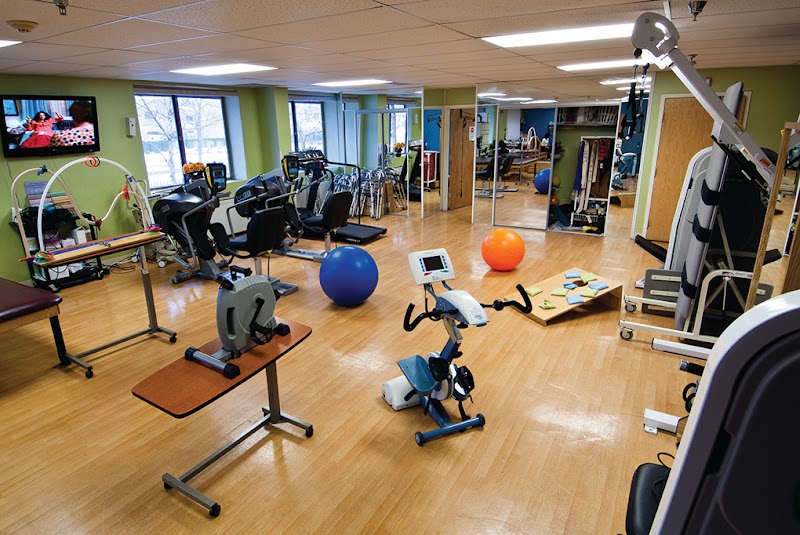
How is Archer Heights Healthcare Staffed?

CMS rates ARCHER HEIGHTS HEALTHCARE's staffing level at 1 out of 5 stars, which is much below average compared to other nursing homes. Staff turnover is 51%, compared to the Illinois average of 46%.

What Have Inspectors Found at Archer Heights Healthcare?

State health inspectors documented 131 deficiencies at ARCHER HEIGHTS HEALTHCARE during 2023 to 2025. These included: 3 Immediate Jeopardy (the most serious level, indicating potential for serious harm or death), 19 that caused actual resident harm, and 109 with potential for harm. Immediate Jeopardy findings are rare and represent the most serious regulatory concerns. They require immediate corrective action.
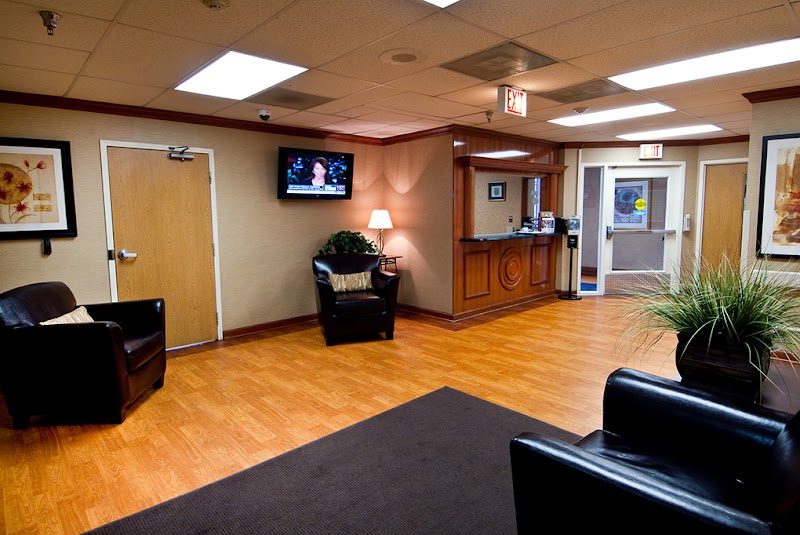
Who Owns and Operates Archer Heights Healthcare?

ARCHER HEIGHTS HEALTHCARE is owned by a for-profit company. For-profit facilities operate as businesses with obligations to shareholders or private owners. The facility is operated by SABA HEALTHCARE, a chain that manages multiple nursing homes. With 249 certified beds and approximately 202 residents (about 81% occupancy), it is a large facility located in CHICAGO, Illinois.
How Does Archer Heights Healthcare Compare to Other Illinois Nursing Homes?

Compared to the 100 nursing homes in Illinois, ARCHER HEIGHTS HEALTHCARE's overall rating (1 stars) is below the state average of 2.5, staff turnover (51%) is near the state average of 46%, and health inspection rating (1 stars) is much below the national benchmark.

What Should Families Ask When Visiting Archer Heights Healthcare?

Based on this facility's data, families visiting should ask: "What changes have been made since the serious inspection findings, and how are you preventing similar issues?" "What safeguards and monitoring systems are in place to protect residents from abuse or neglect?" "Can you walk me through typical staffing levels on day, evening, and night shifts?" "Can I visit during a mealtime to observe dining assistance and food quality?" These questions are particularly relevant given the facility's Immediate Jeopardy citations, the substantiated abuse finding on record, and the below-average staffing rating.

Is Archer Heights Healthcare Safe?

Based on CMS inspection data, ARCHER HEIGHTS HEALTHCARE has documented safety concerns. The facility has 1 substantiated abuse finding (meaning confirmed case of resident harm by staff or other residents). Inspectors have issued 3 Immediate Jeopardy citations (the most serious violation level indicating risk of serious injury or death). The facility is currently on the Special Focus Facility watch list (a federal program monitoring the lowest-performing 1% of nursing homes nationwide). The facility has a 1-star overall rating and ranks #100 of 100 nursing homes in Illinois. Families considering this facility should ask detailed questions about what corrective actions have been taken since these incidents.

Do Nurses at Archer Heights Healthcare Stick Around?

ARCHER HEIGHTS HEALTHCARE has a staff turnover rate of 51%, which is about average for Illinois nursing homes (state average: 46%). Moderate turnover is common in nursing homes, but families should still ask about staff tenure and how the facility maintains care continuity when employees leave.

Was Archer Heights Healthcare Ever Fined?

ARCHER HEIGHTS HEALTHCARE has been fined $910,423 across 6 penalty actions. This is 21.6x the Illinois average of $42,183. Fines at this level are uncommon and typically indicate a pattern of serious deficiencies, repeated violations, or failure to correct problems promptly. CMS reserves penalties of this magnitude for facilities that pose significant, documented risk to resident health or safety. Families should request specific documentation of what issues led to these fines and what systemic changes have been implemented.

Is Archer Heights Healthcare on Any Federal Watch List?

ARCHER HEIGHTS HEALTHCARE is currently an SFF Candidate, meaning CMS has identified it as potentially qualifying for the Special Focus Facility watch list. SFF Candidates have a history of serious deficiencies but haven't yet reached the threshold for full SFF designation. The facility is being monitored more closely — if problems continue, it may be added to the official watch list. Families should ask what the facility is doing to address the issues that led to this status.