ASCENSION RESURRECTION LIFE
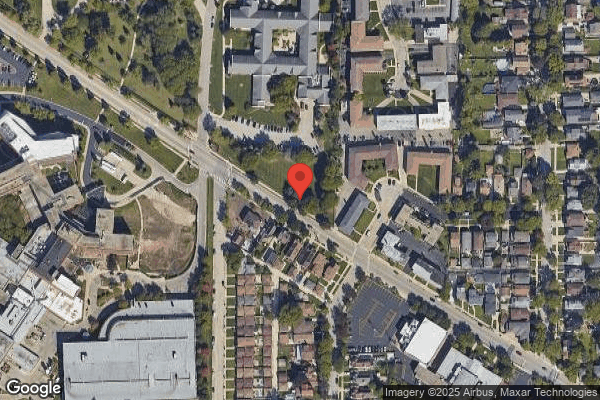
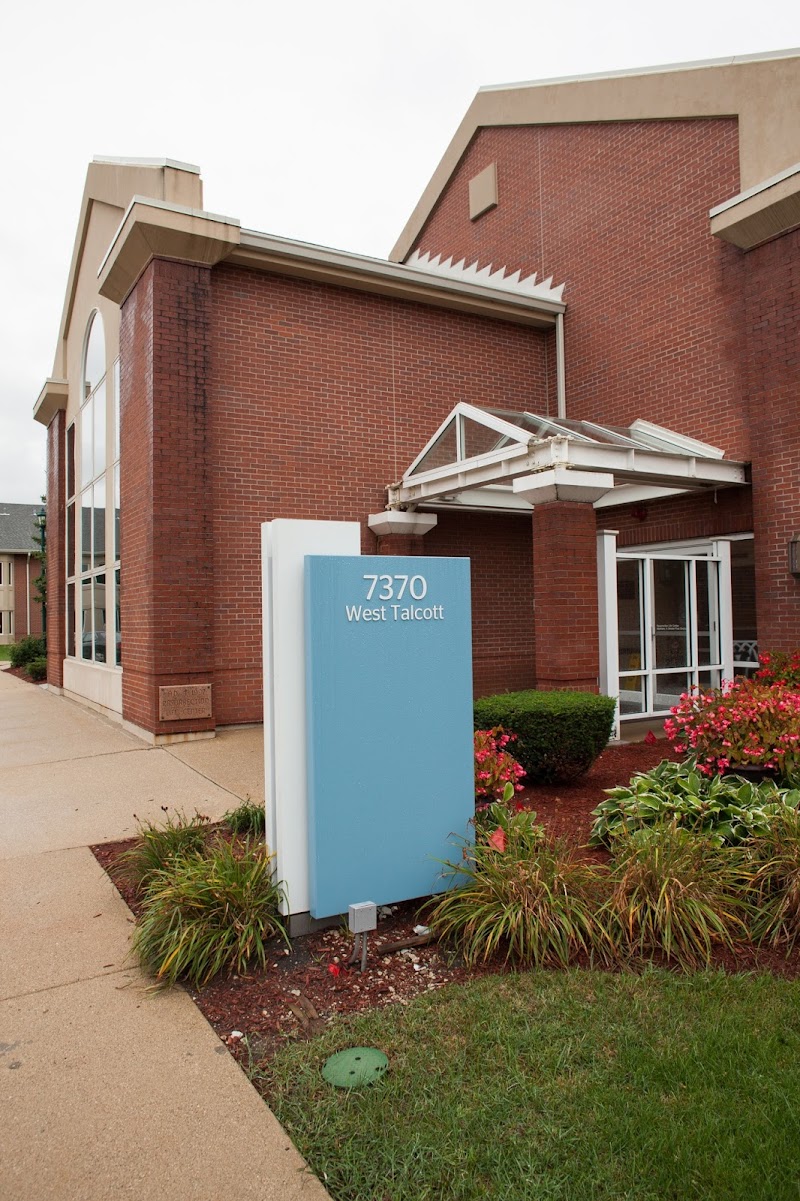
7370 WEST TALCOTT AVENUE, CHICAGO, IL 60631 (773) 594-7400
Non profit - Corporation 162 Beds ASCENSION LIVING Data: November 2025
Trust Grade
45/100
#216 of 665 in IL
Last Inspection: October 2024

Within standard 12-15 month inspection cycle. Federal law requires annual inspections.

Overview

Ascension Resurrection Life has a Trust Grade of D, indicating below-average performance with some concerning issues. Ranked #216 out of 665 facilities in Illinois, they fall in the top half of the state, while standing #67 out of 201 in Cook County, meaning there are only a few local options that are better. The facility is improving, with a decrease in reported issues from 12 in 2024 to just 3 in 2025. Staffing is a strength, rated 4 out of 5 stars, with turnover at 53%, which is around the state average, and they have more RN coverage than 99% of Illinois facilities, ensuring better care. However, the facility has faced serious incidents, including a resident developing a pressure ulcer due to a failure in wound prevention and another resident not receiving necessary medications upon admission, leading to significant pain. Overall, while there are notable improvements and staffing strengths, families should consider these past incidents when evaluating care quality.

Trust Score
D
45/100
In Illinois
#216/665
Top 32%
Safety Record
High Risk
Review needed
Inspections
Getting Better
12 → 3 violations
Staff Stability
⚠ Watch
53% turnover. Above average. Higher turnover means staff may not know residents' routines.
Penalties
✓ Good
No fines on record. Clean compliance history, better than most Illinois facilities.
Skilled Nurses
✓ Good
Each resident gets 94 minutes of Registered Nurse (RN) attention daily — more than 97% of Illinois nursing homes. RNs are the most trained staff who catch health problems before they become serious.
Violations
⚠ Watch
41 deficiencies on record. Higher than average. Multiple issues found across inspections.
★★★☆☆
3.0
Overall Rating
★★★★☆
4.0
Staff Levels
★★★☆☆
3.0
Care Quality
★★★☆☆
3.0
Inspection Score
Stable
2024: 12 issues
2025: 3 issues

The Good

  • 4-Star Staffing Rating · Above-average nurse staffing levels
  • Full Sprinkler Coverage · Fire safety systems throughout facility
  • No fines on record

Facility shows strength in staffing levels, fire safety.

The Bad

3-Star Overall Rating

Near Illinois average (2.5)

Meets federal standards, typical of most facilities

Staff Turnover: 53%

Near Illinois avg (46%)

Higher turnover may affect care consistency

Chain: ASCENSION LIVING

Part of a multi-facility chain

Ask about local staffing decisions and management

The Ugly 41 deficiencies on record

3 actual harm
Sept 2025 1 deficiency
CONCERN (D) 📢 Someone Reported This

A family member, employee, or ombudsman was alarmed enough to file a formal complaint

Potential for Harm - no one hurt, but risky conditions existed

Quality of Care (Tag F0684)

Could have caused harm · This affected 1 resident

**NOTE- TERMS IN BRACKETS HAVE BEEN EDITED TO PROTECT CONFIDENTIALITY** Based on interview and record review, the facility failed to clean and empty a resident's ileostomy bag in a timely manner. The ...

Read full inspector narrative →
**NOTE- TERMS IN BRACKETS HAVE BEEN EDITED TO PROTECT CONFIDENTIALITY** Based on interview and record review, the facility failed to clean and empty a resident's ileostomy bag in a timely manner. The facility also failed to ensure an accurate skin assessment upon admission. These failures affect one (R1) out of three residents reviewed for ostomy care. Findings include: R1's Face sheet documents that R1 was admitted to the facility on [DATE] and discharged on 08/26/2025. On 09/13/2025 at 12:51PM, V4 (Registered Nurse/RN) states R1 was admitted to the facility from the hospital on [DATE]. V4 states she was the nurse assigned to care for R1 on 08/26/2025. V4 states sometime after lunch around 12:30PM, V6 (R1's Family Member) asked the staff to change R1's colostomy bag because it was soiled and full. V4 states V5 (Certified Nursing Assistant/CNA) had begun cleaning R1's body before V4 arrived to R1's room. V4 states then V5 alerted her that while V5 was cleaning on the right side of R1's body, there was a [NAME] of fluids from what appeared to be a surgical wound that was located underneath R1's skin fold. V4 states this surgical wound was not visible unless R1's skin fold was lifted up. V4 states this wound was located on the opposite side of R1's ileostomy site, which was located on R1's left side. V4 states she checked R1's skin assessment and whoever performed R1's skin assessment upon admission, did not document the surgical wound because she did not see it documented on R1's skin assessment. V4 states she then read R1's hospital records and this is how she was made aware of R1's surgical wound on her right side. V4 states she observed there was a very small opening on R1's right lower abdomen and she was not aware that it was there until it began leaking. On 09/13/2025 at 1:52PM, V3 (Business Development Coordinator) states she received an email from V6 (R1's Family Member) addressed to herself and V1 (Administrator). V3 states per V6's email, V6 made concerns related to a skin tear near R1's stoma and R1 having a possible UTI. On 09/13/2025 at 2:20PM, V5 (CNA) states she was assigned to care for R1 on 08/26/2025. V5 states it was around breakfast time, and she was passing trays when she was informed by physical therapy that R1's ileostomy bag needed to be changed. V5 states after passing trays, she went inside of R1's room and saw that R1's ileostomy bag was overflowing and needed to be changed so she informed V4 (RN). V5 states at some point, V6 (R1's Family Member) came to the facility to visit R1. V5 states V6 was located in R1's room and informed her that R1's ileostomy bag needed to be changed. V5 states she does not recall what time it was, but she told V6 that she'll be in to assist R1. V5 states she gathered her supplies and believes it was about 15-20 minutes later when she arrived in R1's room. V5 states she began washing R1's genital area using soap, water, and a towel. V5 states R1's colostomy bag is on the left side of her body and R1 has skin folds. V5 states she then called V4 (RN) because V4 was going to reapply a new ileostomy bag. V5 states V4 took R1's ileostomy bag off and they both worked together to care for R1 because R1's ileostomy bag was over-filled with poop. V5 states she did not pay attention to R1's colostomy bag and does not know what kind of ileostomy bag it was. V5 states she did not clean on the right side of R1's body and she began cleaning on R1's left side around R1's stoma with soap and water. V5 states V4 stepped out of the room and that's when she found that R1 had a slit underneath one of her abdominal folds. V5 states the slit was draining liquid when she pressed R1's stomach. V5 states the slit was located on the right side of R1's stomach. V5 states she then called V4 (RN) back into the room to inform her and V4 came right away. V5 states V6 (R1's Family Member) was riled up and kept asking what is going on, what are you guys doing? On 09/13/2025 at 3:25PM, V2 (Director of Nursing/DON) states she was called by V4 (RN) and made aware of fluid mixed with blood coming from the right side of R1's abdomen. V4 states she was in the facility and went to assess R1 herself. V2 states upon her assessment, there was a slit that appeared to be a surgical wound that was open. V2 states from her understanding, R1 had just had surgery on her ileostomy. V2 states R1's cut was very clean and there were no sutures or ripped wound edges. V2 states clear fluid mixed with blood was leaking out of R1's right side. V2 states she then called the doctor for R1 to be sent to the ER. V2 states R1's slit was in her abdominal folds and at first you cannot see it, but if it is pressed, then it opens up. V2 states the ambulance came to transport R1 to the ER pretty quickly. V2 states she was not made aware that R1 was soiled and had to wait a long time to be changed. V2 states she was not aware of an email communication sent by V6 (R1's Family Member) regarding concerns of R1 waiting 90 minutes to be changed. V2 states she expects the nursing and CNA staff to respond to the needs of the resident as soon as possible. V2 states it is not acceptable for any resident to have to wait an hour and a half to have care rendered. V2 states she is not sure who signed and completed R1's initial skin assessment. V2 states usually, the admitting nurse is the person who performs the initial skin assessment for the residents. V2 states she cannot completely read R1's skin assessment because it is handwritten, and some words are not legible. Email communication dated 08/27/2025 at 10:38AM written by V6 (R1's Family Member) and addressed to V1 (Administrator) and V3 (Business Development Coordinator), documents a concern of R1 being left soiled for an hour and a half.R1's hospital records dated 08/25/2025 documents the following: A transverse incision was made in the right lower quadrant.R1's initial skin assessment dated [DATE] does not document a surgical wound on R1's right lower quadrant.Per R1's nursing progress note dated 08/25/2025, V10 (RN) was the nurse assigned to care for R1 during R1's admission to the facility.An attempt to contact V10 was made on 09/13/2025 at 3:58PM without success, voice message left, awaiting call back. Facility policy dated 12/2017 titled Colostomy/Ileostomy Care documents in part, Preparation A. Review the resident's care plan to assess for any special needs of the resident.
Aug 2025 1 deficiency
MINOR (B) 📢 Someone Reported This

A family member, employee, or ombudsman was alarmed enough to file a formal complaint

Minor Issue - procedural, no safety impact

Deficiency F0628 (Tag F0628)

Minor procedural issue · This affected multiple residents

Based on interview and record review, the facility failed to notify the Office of the State Long-Term Care Ombudsman of residents who were transferred or discharged back to the community or to another...

Read full inspector narrative →
Based on interview and record review, the facility failed to notify the Office of the State Long-Term Care Ombudsman of residents who were transferred or discharged back to the community or to another nursing facility. This failure has the potential to affect residents transferring or discharging out of 124 residents residing in the facility. Findings Include:On 8/17/25 at 9:28 AM, V4 (Social Worker) stated that he emails V13 (Facility Ombudsman) once a week of the list of residents who are hospitalized . V4 stated he does not send notification of the other discharges such as residents who are discharged back to the community because it is not required. Email receipts provided by V4 reviewed and revealed V4 sent the list of hospitalized residents not including other transfers or discharges to V13 on these dates: 8/10/25, 8/1/25, 7/9/25, and 3/27/25.The facility's residents' roster shows 124 residents currently residing in the facility. The facility's Transfer or Discharge, Preparing a Resident for policy and procedure dated 1/25 documents in part: The social worker, or designee, is responsible for: Provide a copy of the notice to the Office of the State Long-Term Care Ombudsman.
Apr 2025 1 deficiency
CONCERN (E) 📢 Someone Reported This

A family member, employee, or ombudsman was alarmed enough to file a formal complaint

Potential for Harm - no one hurt, but risky conditions existed

Comprehensive Care Plan (Tag F0656)

Could have caused harm · This affected multiple residents

**NOTE- TERMS IN BRACKETS HAVE BEEN EDITED TO PROTECT CONFIDENTIALITY** Based on interview and record review, the facility failed to provide person-centered discharge plan of care for 5 out 5 resident...

Read full inspector narrative →
**NOTE- TERMS IN BRACKETS HAVE BEEN EDITED TO PROTECT CONFIDENTIALITY** Based on interview and record review, the facility failed to provide person-centered discharge plan of care for 5 out 5 residents (R1, R2, R3, R4 and R5) reviewed for care plan. Finding includes: R1 is [AGE] years old, initially admitted in the facility on 02/27/2025. R1 medical diagnosis includes atrial fibrillation, deep vein thrombosis on the right leg, spinal stenosis, radiculopathy lumbosacral region and malaise. R1's cognition based on her BIMS score of 15 dated 03/05/2025. On 04/01/2025 at 10:32 PM, V3 (Ombudsman) stated that R1 and her daughter (V6) had concern about being discharge prematurely. Care plan of R1 was reviewed in relation to discharge planning. Per R1's care plan R1 does not plan to make the community/facility a long-term home that was dated on 02/27/2025. Goal is for R1 to be assisted with plan of stay in the community/facility until discharge is practicable, through the next review period. Interventions includes associates/facility staff will support R1 plan to stay short term. And assist with referrals, as needed, to meet the goals for discharge. It does not have specific information about R1 plan of discharge. Random residents care plan was reviewed including R2, R3, R4 and R5 related to discharge planning: All return to community referral or discharge care planning of R2, R3, R4 and R5 are almost identical, except that residents are categorized as short or long term. On 04/01/2025 at 12:35 PM, V13 (Daughter of R2) said, I do not know any discharge plan. We don't get it straight anywhere here. It is a problem. No social worker talked to me about plan for discharge. There is a lot of issue here. On 04/01/2025 at 12:49 PM, R3 when asked about her discharge plan. R3 said, I am hoping and praying to let me go home this week. I don't want to say anything to make it unfavorable for me. R3 stated that she currently on therapy (physical and occupational therapy). R3 said, I have no idea what the plan for my discharge. On 04/02/2025 at 10:15 AM, V4 (Social Worker) stated that facility use template to all residents on discharge care planning. And each resident's care plan will not show any difference. Notes will show difference in resident's situation but not care plan. R1, R2, R3, R4 and R5 care plan were reviewed with V4. V4 said, You cannot see anything difference there. V4 reviewed discharge summary and plan policy of the facility. After review V4, I see what you mean. I thought it was for the meeting of the IDT not the actual care plan. On 04/03/2025 at 12:25 PM V1 (Administrator) stated that she was not able to review care plan of residents that were reviewed. Moving forward, facility will identify care plan improvement to make it person-centered. Discharge Summary and Plan Policy dated 01/2024, reads: Policy statement, when a resident's discharge plan is anticipated, a discharge summary and post-discharge plan will be developed to assist the resident to adjust to his/her new living environment. Pre-discharge plan will be developed by the Care Planning/Interdisciplinary Team (IDT) with the assistance of the resident and his or her representative. Care Plans - Comprehensive Person-Centered policy dated 09/2023, reads: A comprehensive, person-centered care plan that includes measurable objectives and timetables to meet resident's physical, psychosocial and functional needs, that are identified through evaluation and assessment, is developed, and implemented for each resident. The comprehensive, person-centered care plan will include the resident's stated preference and potential for future discharge, including his or her desire to return to the community and any referrals made to local agencies or other entities to support such desire. It will also include discharge plans.
Oct 2024 12 deficiencies
CONCERN (D)

Potential for Harm - no one hurt, but risky conditions existed

Deficiency F0558 (Tag F0558)

Could have caused harm · This affected 1 resident

Based on observation, interview, and record review the facility failed to ensure call light was within reach for one (R32) out of eight residents reviewed in a total sample of 26 for call lights. Fin...

Read full inspector narrative →
Based on observation, interview, and record review the facility failed to ensure call light was within reach for one (R32) out of eight residents reviewed in a total sample of 26 for call lights. Findings include: On 10/01/24 at 12:34 PM, R32 was lying in bed in room. R32's call light was lying on the floor, out of R32's reach. R32's call light had a clip on attached to the cord of the call light. R32 stated when R32 needs help from the staff R32 uses the call light to call for help. R32 stated R32 does not know where the call light is right now. R32 stated R32 cannot reach it. On 10/01/24 at 1:23 PM, observed R32 lying in bed in room. R32's call light lying on the floor, out of R32's reach. On 10/01/24 at 1:29 PM, V6 (Registered Nurse) stated the call light should be within reach of the resident. V6 observed R32's call light on the floor and quickly picked it up off the floor and stated the call light should not be on the floor. V6 stated the call light should be clipped on the bedding to prevent it from dropping on the floor, and from it being out of reach of the resident. On 10/02/24 at 5:08 PM, V3 (Former Director of Nursing/Registered Nurse Supervisor) stated call lights should be within reach at all times of the resident. V3 stated the call light is the way the residents let the staff know they need help. V3 stated if the resident does not have access to their call light, then the staff are taking away their capabilities of asking the staff for help. V3 stated the potential problem with the resident's call light being out of their reach is that it places the resident at a higher risk for falls because the resident may try to get up on their own if they cannot contact the staff. V3 stated the purpose of the clip on the call light is so the staff can attach the call light to the resident's linen or pillow so the call light does not fall off the bed and so the call lights can be kept within reach of the resident. V3 stated R32 uses the call light to ask staff for help. R32 has diagnosis which includes but not limited to Hemiplegia Affecting Left Dominant Side, Cellulitis of Left Upper Limb, Hypertensive Heart Disease with Heart Failure, Chronic Diastolic (Congestive) Heart Failure, Atherosclerotic Heart Disease, Cardiomegaly. Paroxysmal Atrial Fibrillation. R32's MDS (Minimum Data Set) from 08/17/24 BIMS (Brief Interview for Mental Status) score is 07 out of 15 indicating severely impaired cognition and section G (Functional Status) documents in part R32 requires partial/moderate assistance with toileting hygiene. R32's care plan documents in part, R32 has an impaired thought process and is forgetful with approaches including but not limited to call light within reach at all times in room. R32's care plan documents in part, R32 is at risk for falls and/or fall related injury and approaches including but not limited to keep equipment within reach (i.e. call bell, phone, urinal etc.). R32's care plan documents in part, R32 requires extensive assist with ADLS (Activities of Daily Living). Facility document titled, Answering the Call Light dated 01/2024 documents in part, the purpose of this procedure is to respond to the resident's requests and needs and when the resident is in bed or confined to a chair be sure the call light is within reach of the resident.
CONCERN (D)

Potential for Harm - no one hurt, but risky conditions existed

Transfer Requirements (Tag F0622)

Could have caused harm · This affected 1 resident

**NOTE- TERMS IN BRACKETS HAVE BEEN EDITED TO PROTECT CONFIDENTIALITY** Based on interview and record review the facility failed to follow their discharge against medical advice policy for 1 (R120) re...

Read full inspector narrative →
**NOTE- TERMS IN BRACKETS HAVE BEEN EDITED TO PROTECT CONFIDENTIALITY** Based on interview and record review the facility failed to follow their discharge against medical advice policy for 1 (R120) resident reviewed for discharge in a sample of 26. Findings Include: R120 was admitted to the facility on [DATE] with diagnosis not limited to Epilepsy, Mild Intermittent Asthma, Unspecified Fall, Obesity, Syncope and Collapse and Unilateral Primary Osteoarthritis. Based on review of R120's progress note, R120 was admitted to the facility at 04:00 PM on 08/05/24 and left the facility AMA (Against Medical Advice) on 08/05/24 at 07:30 PM. Progress note dated 08/05/24 10:26 PM document in part: Resident admitted at 4 pm with dx (diagnosis) multiple falls at home with head injury. 7 staples intact to the back of the head. Syncope, epilepsy, seizure disorder, elevated troponin, obesity, asthma, right knee pain, osteoarthritis. Resident's medications reviewed with resident and resident's nephew. All prescriptions faxed to pharmacy; writer called pharmacy for medications to be delivered. Resident's skin check done noted: 7 staples to the back of the head, right knee bruised, and swollen skin moles noted on the resident's right thigh, and resident's lower and upper back bruising to both upper extremities. Resident looks very anxious. Resident's nephew went to get resident some things from her house and seizure medications from home. 7:30 PM writer was called by another nurse that resident and her nephew is in the back elevator, and they are trying to leave the facility. Writer spoke with the resident's nephew, and he stated: I don't take any orders from anybody, just my aunt and she wants to leave. Nurse Practitioner and Director of Nursing notified. Resident and resident nephew took all resident's belongings. On 10/02/24 at 02:59 PM telephone contact was attempted to interview V20 (Registered Nurse) the nurse who was assigned to and documented on R120 with no response. On 10/02/24 at 02:25 PM V3 (Former Director of Nursing/Nurse Supervisor) stated I was the Director of Nursing until 09/01/24. When asked did she (V3) recall the incident with R120, V3 responded, Yes, I sort of remember. The resident has to sign an Against medical Advice form. When V20 (Registered Nurse) called me, R120 and the nephew were on the elevator and already gone. V20 was trying to talk to R120's nephew and that is when he said I don't take orders from anyone. V20 said that she was trying to get them to come back so that she could talk to them. When R120's nephew came back to the facility that is when they decided R120 was not going to stay. If there was an attempt to talk to the resident or family about the AMA, it should have been documented. The attempt to have R120 sign an AMA probably should have been documented, yeah, I guess so. On 10/03/24 at 11:35 AM telephone contact was attempted to interview V20 (Registered Nurse) the nurse who was assigned to and documented on R120 with no response. Policy: Titled Discharging a Resident Without a Physicians Approval (Against Medical Advice) last approved 01/24 document in part: A physician's order should be obtained for all discharges, unless a resident or representative is discharging himself or herself against medical advice. Policy Interpretation and Implementation: C. If the resident or representative insist upon being discharged without the approval of the Attending Physician, the resident and/or representative must sign a Release of Responsibility form. Should either party refuse to sign the release, such refusal must be documented in the resident's medical record and witnessed by two associates.
CONCERN (D)

Potential for Harm - no one hurt, but risky conditions existed

Deficiency F0645 (Tag F0645)

Could have caused harm · This affected 1 resident

Based on interview and record review, the facility failed to ensure a resident's initial preadmission screening was completed prior to admission to the nursing facility for 1 (R40) out of 2 sampled re...

Read full inspector narrative →
Based on interview and record review, the facility failed to ensure a resident's initial preadmission screening was completed prior to admission to the nursing facility for 1 (R40) out of 2 sampled residents reviewed for Preadmission Screening and Resident Review (PASARR). Findings Include: R40's clinical records show an initial admission date of 3/27/24 with included diagnoses not limited to Major Depressive Disorder, Bipolar Disorder and Generalized Anxiety Disorder. R40's Notice of PASRR Level I Screen Outcome shows a review date of 8/14/24. On 10/02/24 at 9:52 AM, interviewed V15 (Business Development Coordinator) and stated that R40's PASARR was done after admission because R40 came from home. At 11:29 AM, interviewed V1 (Administrator) and stated PASSAR screening is done prior to admission to make sure that residents being admitted are eligible and meet the requirements to come to the nursing facility. V1 stated if it was somebody coming from a community the facility is doing post screen and should be done right away. The facility's policy titled, PASARR (Pre admission Screening & Resident Review) dated 1/23 reads in part: The community will not admit any new resident who is suspected of having: A serious mental illness, unless: the state mental health authority determines that the physical and mental condition of the individual requires the level of services provided by the facility; the state mental health authority determines whether or not the individual requires specialized services for mental illness; and these determinations are based on an independent physical and mental evaluation that is performed prior to admission.
CONCERN (D)

Potential for Harm - no one hurt, but risky conditions existed

Quality of Care (Tag F0684)

Could have caused harm · This affected 1 resident

**NOTE- TERMS IN BRACKETS HAVE BEEN EDITED TO PROTECT CONFIDENTIALITY** Based on interviews and record reviews, the facility failed to follow a resident's (R64's) and their representative's wishes for...

Read full inspector narrative →
**NOTE- TERMS IN BRACKETS HAVE BEEN EDITED TO PROTECT CONFIDENTIALITY** Based on interviews and record reviews, the facility failed to follow a resident's (R64's) and their representative's wishes for no hospitalization for 1 out of 3 residents reviewed for hospice. Findings include: R64's Face Sheet documents in part a Code Status of NO CPR (cardiopulmonary resuscitation). R64's Uniform Practitioner Order for Life-Sustaining Treatment (POLST) Form documents in part wishes for Do Not Attempt Resuscitation/DNR, Comfort-Focused Treatment: Primary goal of maximizing comfort. Request transfer to hospital only if comfort needs cannot be met in current location. POLST signed/active since [DATE]. R64's [DATE] Physician Orders document in part: Patient has a DNR (Do Not Resuscitate) Order signed [DATE] and Do Not Hospitalize with an order/start date of [DATE]. On [DATE] at 11:41 AM, V25 (R64's Family Member) stated facility transferred R64 to the hospital against their wishes. V25 stated facility transferred R64 around Sunday ([DATE]) at 6:15 AM. Facility didn't call the family until around 7:27 AM - after they already transferred R64 to the hospital. V25 stated the facility was not supposed to transfer R64 to the hospital. The hospital started treating R64 for sepsis and that was not supposed to happen. V25 stated R64 didn't want treatment and only wanted comfort care. V25 stated the family provided this information when the advanced directives were signed at the facility. V26's (Agency Nurse) progress note dated [DATE] documents in part that V26 heard R64 coughing and found R64 with yellow mucous coming from nose and mouth. R64 was lethargic and nonverbal. V26 sent R64 to the hospital for evaluation and treatment. Attempted telephone interview with V26 on [DATE] at 8:13 AM - no answer. On [DATE] at 8:43 AM, V3 (Former Director of Nursing/Registered Nurse Supervisor) stated facility was aware that R64 and R64's representatives did not want R64 hospitalized . V3 does not know why V26 sent R64 to the hospital via 911 (emergency services). V3 stated staff didn't inform V3 until after R64 was already sent out to the hospital for evaluation. V3 stated R64 is on hospice, wants only comfort measures, and does not want hospitalization. Facility's Procedure: Advance Directives and Code Status policy (last approved 06/2024) documents in part: Advance directives will be respected in accordance with state law and community policy. Choice reviewed routinely, at the quarterly care conference, when there is a significant change and per resident/resident representative request. Facility's Resident Rights policy (last approved 06/2022) documents in part: It is the policy of [facility] to promote and protect the right of residents residing in our ministry. Residents are entitled to exercise their personal and legal rights and privileges to the fullest extent possible. The Illinois Long-Term Care Ombudsman Program's Residents' Rights for People in Long-Term Care Facilities guide (Rev. 11/18) documents in part that residents have the right to make their own choices. Residents have the right to request, refuse, and/or discontinue any treatment.
CONCERN (D)

Potential for Harm - no one hurt, but risky conditions existed

Pressure Ulcer Prevention (Tag F0686)

Could have caused harm · This affected 1 resident

**NOTE- TERMS IN BRACKETS HAVE BEEN EDITED TO PROTECT CONFIDENTIALITY** Based on observations, interviews and record reviews, the facility failed to correctly set an air loss mattress based on weight ...

Read full inspector narrative →
**NOTE- TERMS IN BRACKETS HAVE BEEN EDITED TO PROTECT CONFIDENTIALITY** Based on observations, interviews and record reviews, the facility failed to correctly set an air loss mattress based on weight for one (R32) of 8 residents reviewed in a total sample of 26 for pressure wound treatment services. Findings include: On 10/01/24 at 12:34 PM, R32 was lying in bed on air loss mattress. The air loss mattress was set at setting 4 indicating 250-pound weight per the display panel. On 10/01/24 at 1:24 PM, R32 was lying in bed on air loss mattress. Air loss mattress still set at 4 indicating 250-pound weight. V6 (Registered Nurse) observed the mattress setting at 4 on the display panel and stated R32 does not weight 250 pounds. V6 stated the Maintenance Department sets the rate of the air loss mattress when they deliver the mattress to the room. On 10/01/24 at 1:26 PM, V16 (Director of Facilities Management) came into R32's room and stated V16's department delivers the air loss mattress to the resident's room, but the nurse is the one who sets the rate of the air loss mattress. V16 stated V16's staff does not know the weight of the resident so they would not know what the mattress should be set at. V16 stated the setting of the air loss mattress is based on the resident's weight. On 10/01/24 at 1:27 PM, V7 (Certified Nursing Assistant) felt R32's mattress and said, it feels really hard. On 10/01/24 at 1:28 PM, V6 felt R32's air loss mattress and stated the mattress very firm and it should be softer. On 10/01/24 at 1:30 PM, surveyor felt the pressure of R32's air loss mattress and it was extremely tight and firm. There was no give in the mattress when the surveyor attempted to squeeze the outside of the mattress pressing inward. On 10/01/24 at 2:04 PM, observed V6 and V7 using total body mechanical lift to weigh R32 which indicated R32 weighed 108.2 pounds. On 10/02/24 at 5:01 PM, V3 (Former Director of Nursing/Registered Nurse Supervisor) stated residents have a Braden Scale assessment completed upon admission and readmission. V3 stated a Braden Scale Assessment it is an assessment tool used to identify a resident's risk for developing a skin breakdown so measures can be put in place to prevent a skin breakdown from occurring. R32's last Braden Scale Assessment determined R32 was at risk for developing a skin breakdown but R32 is not at high risk. R32 recently had a stroke and is now in bed a lot more because R32 cannot move R32's left side. V3 stated prior to this R32 was able to self-propel herself around the facility and could walk using a walker. V3 stated now that R32 is in bed more often that puts R32 at a higher risk for a skin breakdown. V3 stated R32's family requested for R32 to use an air loss mattress because of R32's decreased mobility and spending longer periods of time in bed. V3 stated V3 thinks use of the air loss mattress is a good idea due to R32's weakness and inability to move her left side and because R32 is in bed all day other than when R32 gets up for therapy. V3 stated the air loss mattress is setting is based on the resident's weight. V3 stated the nurses should know that the air loss mattress is set based on the resident's weight and set the air loss mattress accordingly. V3 stated the mattress should feel pretty soft because the air should be able to flow back and forth. V3 said, you don't want it extra firm. V3 stated too much firmness is not good because the tightness causes more pressure which is something you do not want. R32 has diagnosis which includes but not limited to Hemiplegia Affecting Left Dominant Side, Cellulitis of Left Upper Limb, Hypertensive Heart Disease with Heart Failure, Chronic Diastolic (Congestive) Heart Failure, Atherosclerotic Heart Disease, Cardiomegaly. Paroxysmal Atrial Fibrillation. R32's MDS (Minimum Data Set) from 08/17/24 BIMS (Brief Interview for Mental Status) score is 07 out of 15 indicating severely impaired cognition and section G (Functional Status) documents in part R32 requires partial/moderate assistance with toileting hygiene. Note MDS reassessment pending from most recent hospital readmission [DATE]. R32's Braden Risk Assessment Report dated 09/21/24 documented in part, R32's at moderate risk with risk score of 13 based on bedfast activity (confined to bed), limited mobility (unable to make frequent or significant changes independently), friction & shear (requires moderate to maximum assistance in moving), nutrition very poor (never eats a complete meal). R32's care plan dated 08/11/23 documents in part, R32 is at risk for alteration in skin integrity related to decreased mobility, bladder incontinence and left sided weakness due to ICH (Intracerebral Hemorrhage). R32's Physician Orders dated 10/01/24 documents in part, air loss mattress to bed setting 1. R32's Visual Body Map dated 10/02/24 does not document any skin wounds. Facility provided policy titled, Support and Surface Guidelines dated 01/2024 documents in part, the purpose of this procedure is to provide guidelines for the assessment of appropriate pressure relieving devices for resident at risk of skin breakdown, redistributing support surfaces are to promote comfort for bed or chair bound residents, prevent skin breakdown, promote circulation and provide pressure relief or reduction, and when an individual is identified to be at risk for development of pressure injuries an elected form of pressure relieving/redistribution support surface such as foam, gel, static air, alternating air or air loss when lying in bed will be initiated. Facility provided Owner's Manual for R32's air loss mattress documents in part, the air loss mattress is a flotation therapy mattress which provides pressure management to assist in the prevention and treatment of pressure ulcers and operating instruction include but not limited to when the resident is placed on the mattress surface, the mattress firmness is adjusted automatically after the resident's height and weight are entered on the display panel.
CONCERN (D)

Potential for Harm - no one hurt, but risky conditions existed

Accident Prevention (Tag F0689)

Could have caused harm · This affected 1 resident

**NOTE- TERMS IN BRACKETS HAVE BEEN EDITED TO PROTECT CONFIDENTIALITY** Based on interviews and records reviews, the facility failed to follow the fall care plan intervention for one resident (R98) of...

Read full inspector narrative →
**NOTE- TERMS IN BRACKETS HAVE BEEN EDITED TO PROTECT CONFIDENTIALITY** Based on interviews and records reviews, the facility failed to follow the fall care plan intervention for one resident (R98) of 8 residents reviewed for falls out of a total sample of 26. Findings Include: R98's diagnosis includes but not limited to Unspecified Dementia with Agitation, Repeated Falls, Anxiety Disorder. R98's clinical records show R98 has a history of multiple falls. R98's Minimum Data Set (MDS) dated [DATE] shows R98 had severe cognitive impairment and requires partial/moderate assistance with chair to bed to chair transfer. R98's fall care plan documents in part, resident is at risk for falls due to impaired mobility and weakness, moderate vascular dementia with mood disturbance and resident takes psychoactive medications. One of R98's fall care plan interventions initiated on 07/10/24 reads, floor mats in when resident is in bed and thick mats to extend sleeping area dated 09/07/24. R98's Fall Risk Assessment completed 09/22/24 documents in part that R98 has a grand score of 40 indicating Significant Risk for Falls. On 10/02/24 at 3:49 PM, V32 (Restorative Nurse) stated a Fall Risk Assessment is completed for every resident upon admission, quarterly and post-fall which gives a score to determine the resident's fall risk. V32 stated the score results are as follows: 0-15 minimal fall risk; 16-35 moderate fall risk; 36 or greater is significant fall risk. V32 stated all residents get a fall risk care plan upon admission, and this is updated quarterly, annually, significant change, and post fall. V32 stated the care plan interventions are updated after each fall and the interventions are specific to the resident needs. V32 stated R98 has had multiple falls and every time R98 has had a fall new intervention have been added to R98's fall care plan. V32 stated R98's fall care plan interventions should be followed to prevent R98 from falling again. On 10/01/24 at 11:20 AM, observed R98 sitting in the unit dining room eating lunch. In R98's room surveyor observed R98's bed in the lower position and locked. No floor mats or bolster pads were observed in R98's room. No floor mats or thick mats located in the bathroom, behind the door, under the bed or on the side of the wall in R98's room. R98 did not have a closet in the room. On 10/03/24 at 7:45 AM, observed R98 sitting in the unit dining room eating breakfast. Walked into R98's room. No floor mats or thick mats seen in R98's room at bedside, in bathroom, under the bed, behind the door or against the wall in R98's room. R98 did not have a closet in R98's room. On 10/03/24 at 7:50 AM, V31 (Certified Nursing Assistant/CNA) stated V31 is the CNA assigned to R98 today and V31 is familiar with R98 because V31 routinely covers the memory impaired unit where R98 lives. V31 stated the residents on this unit are very confused and require constant monitoring. V31 stated R98 has a history of falling so the staff must watch R31 all the time. V31 stated when V31 starts work at 7:00 AM, R98 is usually already out of bed and sitting in the dining room because typically the night CNA gets R98 out of bed. V31 stated sometimes V31 must get R98 out of bed at times especially if there is agency CNA covering the night shift. V31 stated, I've never seen R98 with pads on the floor or bolster pads in R98's room. V31 said, I don't believe she (R98) uses any. V31 stated R98 has no restrictions or devises used (no floor mats, no bolster pads, thick mats) when R98 is in bed. V31 stated when V31 puts R98 back to bed for a nap after lunch if R98 is willing V31 puts R98's bed in the lowest position. V31 said, I don't put mats or pads on her floor or bolsters on the side of her (R98) bed. V31 said, no one ever told me she (R98) needs them when she (R98) is in bed. V31 stated there are other residents on the unit who require floor mats and for those residents the floor mats are kept in the room behind that resident's door when they are not in use to keep them out of the way. V31 stated R98 does not use floor mats or bolsters. V31 stated otherwise, they would be stored behind R98's door and there are not any floor mats in R98's room. On 10/03/24 at 8:20 AM, V32 (Restorative Nurse) stated R98 is supposed to be using thick bolsters mats on both sides of R98's bed and that anytime R98 is in the bed the thick mats should be in place. V32 stated the purpose of the thick mats is to extend R98's sleeping area for R98's resident's safety to minimize R98's risk for falling. V32 stated R98 should be using the floor mats or thick bolster mats because R98 gets restless when R98 is in bed and R98 is at a higher risk for falling when R98 is in the bed. V32 stated If the thick bolster mats or floor mats are not using for R98 there is at increased risk for R98 to fall. V32 observed no floor mats or thick bolster pads in R98's room. V32 stated, maybe they are being cleaned. Facility provided policy titled, Falls dated 01/2024 which documents in part, purpose is to prevent and/or reduce the number of falls by providing an individualized, person-centered care approach with communities managing fall risk through the process of assessment, planning, implementing and evaluation and a resident's care plan is evaluated and revised based on the resident's response, outcomes, and needs.
CONCERN (D)

Potential for Harm - no one hurt, but risky conditions existed

Respiratory Care (Tag F0695)

Could have caused harm · This affected 1 resident

**NOTE- TERMS IN BRACKETS HAVE BEEN EDITED TO PROTECT CONFIDENTIALITY** Based on observation, interview and record review the facility failed to follow their policy and procedure to ensure a.) oxygen ...

Read full inspector narrative →
**NOTE- TERMS IN BRACKETS HAVE BEEN EDITED TO PROTECT CONFIDENTIALITY** Based on observation, interview and record review the facility failed to follow their policy and procedure to ensure a.) oxygen equipment was dated and changed weekly, b.) physician orders for oxygen administration rate were followed, c.) nebulizer equipment was stored in a plastic bag with the resident's name and date on it when not in use. These failures have the potential to affect two (R9, R273) of eight residents reviewed for respiratory care in a total sample of 26. Findings include: 1.) On 10/01/24 at 12:20 PM, observed R9 lying in bed with oxygen infusing via nasal canula and oxygen concentrator set between 3-4 liters per minute. The humidifier bottle was not dated. The oxygen tubing had a bright orange label which documented, Change Sunday 09/22/24 at 6AM On 10/01/24 at 12:26 PM, V6 (Registered Nurse/RN) looked up R9's oxygen order in R9's paper medical record and stated R9's physician order is for R9 to receive 2 liters per minute continuously via nasal canula. V6 stated the oxygen infusion rate is checked every shift by the nurse on duty. V6 stated R9 cannot adjust the rate because R9 is bed bound, and R9 cannot reach it. On 10/01/24 at 12:29 PM, V6 observed R9's oxygen concentrator and said, it is set at 3.5L/minute. V6 said, I'm going to decrease the rate to 2 liters because that is what the order is for. V6 looked at the bright orange label on the R9's oxygen tubing and stated the tubing was changed 09/22/24 at 6 AM. V6 stated it is the night shift who is responsible for changing the oxygen tubing. V6 stated V6 does not know how often the oxygen tubing is changed. V6 looked at R9's humidifier bottle and stated the humidifier bottle should be dated but it is not. On 10/02/24 at 5:10 PM, V3 (Former Director of Nursing/Registered Nurse Supervisor) stated the oxygen infusion rate should match the physician orders and it is the nursing staff's responsibility to check the infusion rate when they make their round and pass out medication. V3 stated the oxygen tubing should be changed every Saturday by the night shift (11-7). V3 stated the oxygen tubing should be changed weekly for sanitation and infection control reasons. V3 stated the humidifier bottle should be dated when a new bottle is placed. V3 stated whether the oxygen tubing was change on 09/22/24 or was due to be changed on 09/22/24 it was still late because it should have been changed 09/28/24 or 09/29/24. R9 has diagnosis which includes but not limited to Unspecified Dementia, Moderate with Anxiety, Senile Degeneration of Brain, Anemia, Neuromuscular Dysfunction of Bladder, Adjustment Disorder with Mixed Anxiety and Depressed Mood, Retention of Urine, Dependence of Supplemental Oxygen, Pressure Ulcer of Sacral Region Stage 3. R9 admitted to hospice 08/02/24 with diagnosis Senile Degeneration of Brain. R9's Physician Orders October 2024 documented in part, change oxygen tubing and humidifier bottle weekly dated 12/01/23 and oxygen at 2 liters via nasal cannula continuously dated 09/05/23. R9's MDS (Minimum Data Set) from 09/04/24 BIMS (Brief Interview for Mental Status) score is 2 out of 15 indicating severely impaired cognition and R9's uses oxygen therapy and under hospice care. R9's nursing care plan dated 05/27/24 documents in part R9 requires oxygen therapy due to chronic hypoxic respiratory failure and history of pulmonary embolism and interventions include but not limited to administer R9's oxygen as ordered and change R9's tubing per protocol. Facility provided policy titled, Oxygen Administration dated 12/2022 documents in part, review the physician's orders for oxygen administration, adjust the oxygen delivery device so that it is comfortable for the resident and the proper flow of oxygen is being administered and label and date the humidifier bottle and oxygen tubing. 2.) On 10/01/24 at 11:04 AM, R273 was lying in bed alert and verbally responsive. Surveyor observed R273's nebulizer machine was turned off, on top of R273's nightstand with the tubing connected and was hanging down to the floor with no date labeled and not inside a plastic bag. R273's nebulizer mask was on top of the counter sink not inside a plastic bag and no resident's name or date labeled. R273 stated R273 has Bronchitis and Pneumonia and receives nebulizing treatment three to four times a day. On 10/03/24 at 12:33 PM, interviewed V3 (Former Director of Nursing/Registered Nurse Supervisor) and stated nebulizer tubing and mask should be placed inside a plastic bag with the resident's name and date when not in used. R273's clinical records show R273 was re-admitted in the facility on 9/19/24 with diagnoses included but not limited to Pneumonitis, Acute Respiratory Failure, and Anemia. R273's Minimum Data Set, dated [DATE] shows R273 is cognitively intact. R273's physician orders show R273 is receiving nebulizing treatment every shift. The facility's policy titled; Administering Medications Through a Small Volume (Handheld) Nebulizer dated 1/24 reads in part: E. When treatment is complete, turn off nebulizer and disconnect T-piece, mouthpiece and medication cup. H. Rinse and disinfect the nebulizer equipment according to manufacturer's guidelines. J. When equipment is completely dry, store in a plastic bag with the resident's name and the date on it. K. change equipment and tubing every seven days, or according to community protocol.
CONCERN (D)

Potential for Harm - no one hurt, but risky conditions existed

Deficiency F0760 (Tag F0760)

Could have caused harm · This affected 1 resident

Based on observations, interviews, and record reviews, the facility failed to ensure that a resident (R221) was free of any significant medication errors for one out of five residents reviewed for med...

Read full inspector narrative →
Based on observations, interviews, and record reviews, the facility failed to ensure that a resident (R221) was free of any significant medication errors for one out of five residents reviewed for medication administration. Findings include: R221's Face Sheet and Physician Orders document in part a medical diagnosis of Essential (primary) hypertension (high blood pressure). R221's Care Plan documents in part a Potential for alteration in blood pressure related to diagnosis of hypertension (Problem onset: 09/26/2024). Approaches include Medications as ordered and monitor for side effects. On 10/01/2024 at 8:54 AM, V28 (Agency Registered Nurse) prepared R221's morning medications. Surveyor observed V28 prepare Apixaban (Eliquis), Furosemide, and Carvedilol for R221. At 9:12 AM, R221 took the oral pills. At 9:14 AM, V28 stated [V28] completed R221's medication pass and continued to R87's room. Surveyor reviewed R221's October 2024 eMAR (Electronic Medication Administration Record). It documents in part a 9:00 AM dose for Losartan Potassium 25 MG (milligram) one tablet by mouth. V28 did not administer it during 10/01/2024 observations and did not sign it off on the eMAR as given. Losartan drug class is an Angiotensin receptor blockers and is used to treat high blood pressure. On 10/03/2024 at 8:28 AM, V3 (Former Director of Nursing/Registered Nurse Supervisor) acknowledged that R221 has an active order for Losartan and V28 didn't sign it off on the eMAR. V3 stated it was a missed dose. Facility's Medication Administration Schedule policy (last approved 09/2023) documents in part: Medications shall be administered according to established schedules and per resident preference, as appropriate. The nursing associates will administer according to the order.
CONCERN (D)

Potential for Harm - no one hurt, but risky conditions existed

Deficiency F0805 (Tag F0805)

Could have caused harm · This affected 1 resident

Based on observation, interview and record review, the facility failed to serve mechanical soft food to a resident on mechanical soft diet order. This failure affected 1 (R19) of 4 residents reviewed ...

Read full inspector narrative →
Based on observation, interview and record review, the facility failed to serve mechanical soft food to a resident on mechanical soft diet order. This failure affected 1 (R19) of 4 residents reviewed for mechanical soft diet prepared in the facility's kitchen, in a total sample of 26 residents. Findings Include: On 10/01/24 at 11:26 AM, observed R19 eating in the unit dining room. R19 had a large plate of salad with raw Romaine lettuce, tomato wedges, chopped hardboiled egg, bacon pieces and chunks of chicken. Observed R19 putting a piece of lettuce and bacon in R19's mouth and then using R19's fingers to take the lettuce and bacon back out of R19's mouth and placing the semi chewed lettuce and bacon on the side of R19's plate. Observed R19's meal ticket which read Mechanical Soft, CCD (Controlled Carbohydrate Diet) and pink piece of paper titled, Food Substitution Request for lunch checked Alternative Menu and the words mech handwritten on the bottom of the form. On 10/01/24 at 11:32 AM, V10 (Activity Aide) observed the large salad plate in front of R19 and stated R19 usually gets ground food not regular like that. On 10/01/24 at 11:34 AM, V13 (Registered Dietitian) stated residents on mechanical soft diets receive ground meats, no raw vegetables. V13 stated most residents on a mechanical soft diet have difficulty chewing and/or swallowing and if a resident on a mechanical soft diet received a regular diet texture there is a risk that resident could cough and choke and aspirate the food meaning the food goes into their lungs instead of down their esophagus. V13 stated the ground diets today received ground meatloaf as their main entrée and the menu alternative for regular diets is Barbeque Chicken Salad. V13 observed R19's large plate of salad and stated that is what the regular diet consistencies were given as a menu alternative. V13 stated R19 requested the alternative entrée which was the Barbeque Chicken Salad but V13 stated R19 should not have received that Barbeque Chicken Salad because the meat is not ground, and it contains raw vegetables which are not allowed on a mechanical soft diet. V13 said, it was a mistake. V13 stated mechanical soft diets never receive raw vegetables like salad because they are too difficult to chew. On 10/01/24 at 11:38 AM, observed V11 (Dining Services Director) remove the large salad plate from R19. Observed piles of semi chewed pieces of lettuce and bacon in a pile on the side of R19's plate. On 10/02/24 at 11:10 AM, V11 stated on 10/01/24 at lunch the alternative option to meatloaf was ground chicken salad for residents on a mechanical soft diet. V11 stated the mechanical soft diets should not have received the regular Barbeque Chopped Chicken salad because they are not supposed to get lettuce and tomato wedges and the chicken was not ground. V11 stated, R19 receiving the regular Barbeque salad was a mistake, and that R19 should have received ground chicken salad instead. R19's diagnoses includes but not limited to Unspecified Dementia, Type II Diabetes Mellitus, Hyperlipidemia, Hypertension, Major Depressive Disorder, Weakness, Unsteadiness on Feet. R19's Physician Orders October 2024 documents in part, Controlled Carbohydrate Diet, Mechanical Soft Texture with Thin Liquids order date 10/20/21. R19's MDS (Minimum Data Sheet) dated 08/26/24 documents in part, BIMS (Brief Interview for Mental Status) 3 out of 15 indicating severe cognitive impairment, and nutritional approaches include mechanically altered diet. R19's nutrition care plan documents in part, R19 follows a CCD (Carbohydrate Controlled Diet, mechanical soft texture with thin liquids, goal is no chewing or swallowing difficulties and interventions includes to provide diet as ordered: CCD, mechanical soft with thin liquids. R19's meal ticket dated Tuesday, 10/01/24 documents in part Mech (Mechanical Soft), CCD (Carbohydrate Controlled Diet) with a pink slip titled, Food Substitution Request with Alternate Menu checked. Facility Diet Spreadsheet for Tuesday, 10/01/24 documents mechanical soft diet alternative for lunch to be Basic Chicken Salad. Facility policy titled Liberalized Diet List undated documents in part, always follow the diet spreadsheet to know what is appropriate to serve for each diet, we honor the resident's individual food preferences but still have to serve the correct consistency and for mechanical soft no fresh fruit or vegetables, nothing hard to chew, meats are ground with a gravy or sauce over the top to ease chewing, ground food must be processed using the food processor to ensure the right consistency is achieved. Ground means ground, not chopped. Kitchen policy titled, Diet Orders and Other Resident Information dated 01/24 documents in part, the food and nutrition department plans and serves meals based on approved diet list and diet extensions/spreadsheets.
CONCERN (E)

Potential for Harm - no one hurt, but risky conditions existed

Deficiency F0761 (Tag F0761)

Could have caused harm · This affected multiple residents

Based on observations, interviews, and record reviews, the facility failed to dispose eye drops after the discard date, refrigerate an unopened insulin pen, and lock a medication cart when not in use ...

Read full inspector narrative →
Based on observations, interviews, and record reviews, the facility failed to dispose eye drops after the discard date, refrigerate an unopened insulin pen, and lock a medication cart when not in use or in view for two out of four carts reviewed for medication storage and labeling. The facility also failed to properly dispose of R76's controlled medication after opening and failed to ensure controlled medications for R64 were under a double lock for 1 of 4 medication carts and 1 of 2 medication rooms reviewed for medication storage and labeling. Findings include: 1.) On 10/01/2024 at 2:14 PM, surveyor reviewed the medication cart designated for the intermediate and memory-impaired units with V6 (Registered Nurse). There was a bottle of Systane Gel Eye Drops for R44. The written open date was 8/28 and the written discard date was 9/28. V6 stated V6 did not notice the discard date that morning. V6 stated staff should have tossed the medication and V6 will reorder it. R44's Physician Orders document in part Systane Gel Eye Drops place one (1) drop into both eyes twice a day. 2.) In the same medication cart, there was an unopened Levemir (insulin) Flexpen 100 units for R19. The label on the packaging reads to refrigerate until use. V6 stated the Levemir Flexpen was unopened and should have been in the fridge. R19's Physician Orders document in part an order for Levemir Flexpen 100 unit/milliliter give 25 units subcutaneously every morning for Type 2 Diabetes Mellitus. 3.) On 10/02/2024 at 8:55 AM, surveyor observed V29 (Registered Nurse) prepare medications for R173. At 9:06 AM, V29 entered R173's room with the prepared medications and closed the bedroom door leaving the medication cart in the hallway unlocked and unsupervised. R173 took the medications at 9:08 AM. At 9:10 AM, V29 and surveyor exited the room. The medication cart remained unlocked. V29 stated there were medications for 11 residents on the cart. Facility's Storage of Medications policy (last approved 01/2024) documents in part: The community shall store all drugs and biologicals in a safe, secure, and orderly manner. The nursing associates shall be responsible for maintaining medication storage AND preparation areas in a clean, safe, and sanitary manner. The community shall not use discontinued, outdated, or deteriorated drugs or biologicals. Compartments (including, but not limited to, drawers, cabinets, rooms, refrigerators, carts, and boxes.) containing drugs and biologicals shall be locked when not in use, and trays or carts used to transport suck items shall not be left unattended if open or otherwise potentially available to others. Medications requiring refrigeration must be stored in a refrigerator located in the drug room at the nurses' station or other secured location. Facility's Discarding and Destroying Medications policy (last approved 01/2024) documents in part: Medications will be disposed of in accordance with federal, state and local regulations governing management of non-hazardous pharmaceuticals, hazardous waste and controlled substances. 4.) R76's Physician Orders documented in part an order for Tramadol Hydrochloride 50 MG (milligram) tablet take one tablet by mouth every six hours as needed for pain. According to the Drug Enforcement Administration - Diversion Control Division, Tramadol is a Schedule IV controlled substance. On 10/01/2024 at 2:37 PM, surveyor reviewed the controlled medications bin in the medication cart with V27 (Registered Nurse). R76's Tramadol 50 MG blister pack had nine pills. The ninth pill slot was torn and taped over. V27 stated V27 didn't know who did that or why they did it. V27 stated the nurse was supposed to discard the pill once it was opened. On 10/03/2024 at 8:28 AM, V3 (former Director of Nursing/Registered Nurse Supervisor) stated R76's Tramadol should have been disposed of after the nurse broke the seal. V3 stated the nurse should have disposed the controlled medication with another nurse as witness. 5.) On 10/01/2024 at 9:20 AM, V5 (Certified Nursing Assistant) entered the utility room to retrieve ice water. On 10/01/2024 at 3:14 PM, V28 (Agency Registered Nurse) let surveyor into the first-floor utility room. Other non-nurse staff such as V5 entered the utility room multiple times earlier in the day. Inside the room there was a locked refrigerator designated for medications. In the refrigerator there were two bags of controlled medications for R64. The first bag had 20 prefilled syringes of Lorazepam (antianxiety medication) and the second bag had 10 prefilled syringes of Lorazepam. These two bags were with the other medications (vaccinations and insulins) in the fridge and not in another designated locked area. R64's Physician Orders document in part that R64 was taking the medication for anxiety and nausea. According to the Drug Enforcement Administration - Diversion Control Division, Lorazepam is a Schedule IV controlled substance. On 10/01/2024 at 2:48 PM, V4 (Infection Preventionist) and V27 (Registered Nurse) stated controlled medications should be under double lock. On 10/03/2024 at 8:28 AM, V3 stated facility had to order lockboxes for the controlled medications in the fridge. V3 stated the controlled medications are now under double lock. Facility's Controlled Substances policy (last approved 06/2022) documents in part: The community shall comply with laws, regulations, and other requirements related to handling, storage, disposal, and documentation of schedule II-V and other controlled substances. Controlled substances must be stored in the locked medication room or medication cart in a locked container, separate from containers for any non-controlled medications. Unless otherwise instructed by the Director of Nursing Services, when a resident refuses a non-unit dose medication (or it is not given), or a resident receives partial tablets or single dose ampules (or it is not given), the medication shall be destroyed and may not be returned to the container.
CONCERN (E)

Potential for Harm - no one hurt, but risky conditions existed

Infection Control (Tag F0880)

Could have caused harm · This affected multiple residents

3.) On 10/1/24 at 11:14 AM, R8 was lying in bed and noted an Enhanced Barrier Precautions signage posted on R8's door. V5 (CNA) was interviewed and stated V5 was assigned to R8 and was about to dress ...

Read full inspector narrative →
3.) On 10/1/24 at 11:14 AM, R8 was lying in bed and noted an Enhanced Barrier Precautions signage posted on R8's door. V5 (CNA) was interviewed and stated V5 was assigned to R8 and was about to dress and get R8 up. V5 stated V5 helps answering call lights for all first-floor residents and helps cover other residents when other CNAs go on break. At 11:21 AM, Surveyor observed V5 provided incontinence care to R8 without proper PPE. V5 wore gloves but did not wear the isolation gown. R8's clinical records show a physician order of Enhanced Barrier Precautions (start date 7/1/24). R8's care plan shows R8 is on Enhanced Barrier Precautions due to colonization with Multidrug-Resistant Organism (MDRO), Vancomycin-Resistant Enterococci (VRE) in urine. 4.) On 10/2/24 at 9:24 AM, R54 was lying in bed and an Enhanced Barrier Precautions signage posted on R54's door. At approximately 9:32 AM, Surveyor observed V3 (Former Director of Nursing/Registered Nurse Supervisor) performed wound treatment for R54 without wearing proper PPE. V3 wore gloves but did not wear the isolation gown. V3 stated R54 has stage 2 sacral pressure ulcer with daily wound treatment. V3 stated she is helping the facility today with troubleshooting dealing with families and other issues that will arise. R54's clinical records show a physician order of Enhanced Barrier Precautions (start date 7/26/24). R54's care plan shows R54 is on Enhanced Barrier Precautions due to wound. 2.) R223 is a resident of the facility. R223's Face Sheet and Physician Orders document in part a medical diagnosis of cellulitis of the left lower limb. R223's Physician Orders document in part an order for Enhanced Barrier Precautions due to [urinary] catheter and wounds (start date 9/25/2024). R223's Care Plan documents in part that R223 is at risk for acquiring or transmitting infection due to the indwelling urinary catheter and wound to the left foot (onset 9/24/2024). Approaches include to Follow established infection prevention protocol including Enhanced Barrier Precautions and Staff to wear gowns and gloves for high contact resident care. On 10/01/2024 at 12:09 PM, there was an Enhanced Barrier Precautions (EBP) sign posted on R223's door. It documented in part to wear gown and gloves when changing linen and providing hygiene. At 12:10 PM, V23 (Agency Nurse) and V24 (Contracted CNA) were in the room with R223. V23 and V24 did not don gowns. At 12:13 PM, V24 left R223's room to get an incontinence pad. V24 stated they were changing R223. V23 was in the room emptying a urinal into the bathroom. V23 wore gloves but did not have a gown on. At 12:14 PM, V24 returned to R223's room. V24 grabbed gloves from the PPE (Personal Protective Equipment) bin outside of R223's room but did not don a gown. At 12:21 PM, V23 exited R223's room carrying a soiled incontinence pad with gloved hand. It was not contained in a bag. V23 carried the soiled incontinence pad down the hall and deposited it in a soiled linen hamper outside of R31's room. At 12:25 PM, V24 did not know why R223 was on EBP. V24 stated R223 was on basic precautions. V24 stated V23 and [V24] did not wear a gown during R223's care. Based on observations, interviews, and record reviews, the facility failed to a.) follow their policies by not wearing the appropriate Personal Protective Equipment (PPE) for residents on Enhanced Barrier Precautions (EBP) during high-contact resident care activities for 4 (R8, R28, R54, R223) residents and b.) handle and contain soiled linen during linen changing and transport. These failures have the potential to affect all residents residing on the first floor and second floor units. Findings Include: 1.) R28 has diagnosis not limited to Acute Embolism and Thrombosis of Femoral Vein, Bilateral, Localized Edema, Polyneuropathy, Unsteadiness on feet, Mature T/NK-Cell Lymphoma, Muscle Spasm, Thrombocytopenia and Heart failure. R28's MDS (Minimum Data Set) BIMS (Brief Interview for Mental Status) score is 15 indicating intact cognitive response. Physician Order dated 09/06/24 document in part: Enhanced Barrier Precaution due to wound. Care Plan Document in part: Place (EBP) Enhance Barrier Precaution signage and PPE (Personal Protective Equipment) supplies at entrance to resident room. R28 is incontinent of bladder. On 10/01/24 at 12:09 PM surveyor entered R28 room with signage posted on the door indicating Enhanced Barrier Precautions and observed bed linen, a blue pad, and a gown on the floor in front of the sink near the entrance door. R28 was observed sitting in a wheelchair at the bedside. The surveyor asked R28 who placed the linen on the floor. R28 responded, the certified nurse assistant left all of that junk on the floor since I got up about 10:30 AM. On 10/01/24 at 12:12 PM the surveyor asked R28 if it would be alright to press the call light. R28 agreed. At 12:13 PM V18 (Certified Nurse Assistant/CNA) entered R28 room. The surveyor asked V18 was there a reason the linen was on the floor. V18 responded, I was going to get back to it. I will take care of it now. V18 retrieved a pair of gloves from the glove box on the wall then exited R28's room. V18 returned to R28 with a linen hamper, put on the pair of gloves then began picking up the bed linen, blue pad and gown from the floor placing them in the linen hamper. V18 then exited the room with the hamper. The surveyor asked R28 did V18 wear a gown when she was providing his care. R28 responded, No, V18 did not wear a gown. On 10/01/24 at 12:15 PM V18 (CNA) stated I changed R28 bed and brief then had to put someone else on the toilet. I was going to come back to it. Surveyor asked V18 did she wear PPE (Personal Protective Equipment) when she (V18) provided R28's care. V18 responded, Yes, I wore gloves. I toileted and changed R28's brief. Surveyor made V18 aware of the Enhanced Barrier Precaution was posted on R28's door that indicates Everyone must: Clean their hands, including before entering and when leaving the room. Providers and staff must also: wear gloves and a gown for the following high-contact resident care activities. Dressing, Bathing/Showering, Transferring, Changing Linens, Providing Hygiene, changing briefs or assisting with toileting, Device care or use: intravenous line, urinary catheter, ostomy, feeding tube, & tracheostomy. Wound Care: any skin opening requiring a dressing. V18 stated I should have worn a gown. On 10/02/24 at 10:56 AM V4 (Infection Preventionist) stated when a resident is on EBP (Enhanced Barrier Precautions) the type of PPE (Personal Protective Equipment) that should be worn are gloves and a gown for any high contact. Including: Any time you are close to someone with an indwelling medical device that sticks on the outside of the body and goes inside the body. PICC (Peripherally Inserted Central Catheter) lines and Midlines but peripheral IV (intravenous) are not. During patient care, transferring, helping cleanup, bathroom, showering, linen change, during wound care, gastric tube and manipulating the indwelling medical device you need to wear a gown and gloves. It depends if there is an MDRO or not they are more susceptible, and we are to protect the resident. If a resident has an MDRO Enhanced Barrier Precautions is more to prevent the spread of MDRO's in nursing homes. If the linen is to be removed and if it was unexpected, we have extra clear bags. The linen should not have been put on the floor because if there is an infection it is on the floor. That is just a standard of nursing care. She should have worn gloves and gown when caring for the resident on Enhanced Barrier Precautions and not just gloves. When doing wound care, a gown and gloves should be worn. On 10/04/24 V1 (Administrator) emailed an (EBP) Enhance Barrier Precaution In-service with a list of staff names and signatures but no specific topics that were covered. Policy: Titled Enhanced Barrier Precautions Last Revised 03/24 document in part: EBP (Enhanced Barrier Precautions) in addition to Standard and Contact Precautions, shall be implemented during high-contact resident care activities when caring for residents that have an increased risk for acquiring and/or transmitting a multidrug-resistant organism (MDRO) such as a resident with wounds, indwelling medical devices and residents with colonization with an MDRO. Purpose: to prevent opportunities for the transfer of MDRO's to associate's hands and clothing during care. 1. Enhanced Barrier precautions (EBP) are an infection control intervention designed to reduce transmission if resistant organisms that employs targeted gown and gloves use during high contact resident care activities when contact precautions do not otherwise apply. 2. EBP are indicated (when Contact Precautions do not otherwise apply) for residents with any of the following: Wounds or indwelling medical devices, regardless of MDRO colonization status. 4. Enhanced Barrier Precautions expand the use of PPE and refer to the use of gown and gloves during high-contact resident care activities that provide opportunities for transfer of MDRO's to staff hands and clothing. 5. Examples of high-contact resident care activities requiring gown and glove use for Enhanced Barrier Precautions Include: 1. Dressing. 2. Bathing/showering. 3. Transferring. 4. Providing Hygiene. 5. Changing linens. 6. Changing briefs or assisting with toileting. 8. Wound care. Titled Environmental Services - Laundry and Linen last approved 01/24 document in part: The purpose of this policy is to provide a process for the safe and aseptic handling, washing and storage of linen. Standard Precautions: C. Consider all soiled linen to be potentially infectious and handle with standard precautions. Transmission - Based Precautions: A> If a resident is placed in Transmission-Based Precautions linen will be handled, stored, and transported to prevent the spread of infection, by use of appropriate personal protective equipment. Bagging and Handling Soiled Linen: A. Soiled linen should be placed directly into a covered laundry hamper which can contain the moisture. C. Place any linen saturated with blood or body fluids into a leak-resistant bag before placing it into the hamper. Titled Infection Prevention and Control Program review 04/24 document in part: 4. The (IPCP) Infection Prevention and Control Program is designed to provide a safe, sanitary, and comfortable environment and to help prevent the development and transmission of communicable diseases and infections. Titled Standard Precautions last approved 01/24 document in part: B. Standard Precautions shall apply to the care of all residents in all situations regardless of suspected or confirmed presence of infectious diseases. B. Gloves 2. Gloves are worn when in direct contact with a resident who is infected or colonized with organisms that are transmitted by direct contact. D. Gowns 1. Wear a gown (clean, non-sterile) to protect skin and prevent soiling of clothing during procedures and resident care activities that are likely to generate splashes or sprays of blood, body fluids, secretions, or excretions or causing soiling of clothing. G. Linen: 1. Linen soiled with blood, body fluids, secretions, excretions are handled and processed in a manner that prevents skin and mucous membrane exposures, contamination of clothing, and avoids transfer of microorganisms to other residents and environment. Titled Transmission Based Precautions reviewed 04/24 document in part: Standard Precautions: Standard Precautions include hand hygiene, environmental cleaning and disinfection, risk assessment with use of appropriate personal protective equipment (PPE) based on activities being performed, injection and medication safety, and proper handling of sharps and linens. 1. Gloves - worn when contact with blood, or other potentially infectious materials, mucous membranes, in-intact skin, potentially contaminated skin, or contaminated equipment could occur. 2. Gowns - worn during procedures and resident care activities when HCP (Health Care Provider) uniform or clothing may contact blood/body fluids, secretions, and excretions. 7. Proper Handling of Linens - Handled in a manner that prevents transfer of microorganisms to others and to the environment; soiled linen is contained.
CONCERN (F)

Potential for Harm - no one hurt, but risky conditions existed

Food Safety (Tag F0812)

Could have caused harm · This affected most or all residents

Based on observations, interviews, and record reviews, the facility failed to a.) ensure all food items were labeled with an opened and use by date, b.) discard expired food based on use by date docum...

Read full inspector narrative →
Based on observations, interviews, and record reviews, the facility failed to a.) ensure all food items were labeled with an opened and use by date, b.) discard expired food based on use by date documented on label, c.) follow manufacturer guidelines for storage. These failures have the potential to affect all 132 residents receiving food prepared in the facility's kitchen. Findings include: On 10/01/24 at 9:12 AM, V11 (Dining Services Director/Certified Dietary Manager) stated all items are marked with a received by label which contain the date the item was delivered. V11 stated the kitchen uses a label machine to generate label stickers to put on all prepared or opened refrigerated items and opened non-refrigerated food items. The label stickers generated by the label machine has an area to write in the name of the product, the opened date (today's date) and the use by date or expiration date (Good Thru). V11 stated the use by or best by dates vary depending on what the product is. V11 stated the kitchen staff should be making sure all food items are labeled and that they are discarding any items past their use by, or expiration date based on the date written on the label stickers to keep the resident's safe. On 10/01/24 at 9:24 AM, observed in the Walk-In Refrigerator the following items: 1.) Two containers of prepared mashed potatoes with a label sticker documenting today's date 09/27/24 and good thru 09/30/24. V11 stated the mashed potatoes were left over and should have been discarded on 09/30/24. 2.) A small bowl of cooked oatmeal with a label sticker documenting product as grain and today's date 09/27/24 and good thru 03/26/25. V11 stated the person who filled out the label using the label machine incorrectly labeled the item which is why the good thru date was wrong. V11 stated the good thru or used by date should have been 09/30/24 which means the items should have been thrown out 09/30/24. On 10/01/24 at 9:35 AM, observed in [NAME] Prep Area/Spice Rack the following item: 1.) An opened two-quart container of Low Sodium Soy Sauce labeled with a label sticker documenting today's date 03/27/24 and good thru date 09/27/24. Observed on the back of the product manufacturer printed on label Refrigerate After Opening. V11 stated the item should have been discarded on or before 09/27/24 based on the good thru date written on the label sticker. V11 stated to V12 (Chef Manager) it says on the label that it should be refrigerated after opening. V12 read the manufacturer label and said, yes, this should have been refrigerated. On 10/01/24 at 9:39 AM, observed in Dry Storage Room the following items: 1.) A large bin of panko breadcrumbs labeled with label sticker documenting today's date 03/12/24 and good thru 09/12/24.V11 observed the label and stated that needs to be switched out. It is expired based on the label. 2.) An opened 25-pound bag of pearled barley with no label on it. V11 stated the pearled barley should have a label on it with an opened and expiration date. 3.) A opened 25-pound bag of dried milk labeled with a label sticker documenting today's date 01/29/24 and good thru 09/28/24. V11 stated the label expired so the item will be thrown out. Facility provided document titled, Resident Listing Report with report date 10/10/24 listing 132 residents with their diet orders. Facility provided document titled, Patients Who Are NPO undated with one resident's name listed. Facility provided policy titled Food and Supply Storage dated 1/24 which documents in part, 1.) All food, non-food items, and supplies used in food preparation shall be stored in such a manner as to prevent contamination to maintain the safety and the wholesomeness of the food for human consumption. 2.) Cover, label and date unused portions and open packages. Complete all section on the orange labeling system. Products are food through the close of business on the date noted on the label. 3.) Discard food past the use by date or expiration date.
Dec 2023 4 deficiencies
CONCERN (D) 📢 Someone Reported This

A family member, employee, or ombudsman was alarmed enough to file a formal complaint

Potential for Harm - no one hurt, but risky conditions existed

Free from Abuse/Neglect (Tag F0600)

Could have caused harm · This affected 1 resident

**NOTE- TERMS IN BRACKETS HAVE BEEN EDITED TO PROTECT CONFIDENTIALITY** Based on interview and record review, the facility failed to ensure that a resident remain free from abuse, for one of three (R1...

Read full inspector narrative →
**NOTE- TERMS IN BRACKETS HAVE BEEN EDITED TO PROTECT CONFIDENTIALITY** Based on interview and record review, the facility failed to ensure that a resident remain free from abuse, for one of three (R1) residents reviewed for abuse. This failure resulted in R1 being physically abused by a Certified Nursing Assistant. This past noncompliance occurred from 11/9/2023 to 11/11/2023. Findings include: R1's current face sheet documents R1 is an [AGE] year-old individual with diagnosis that include but not limited to: Unspecified injury of the head, chronic obstructive sleep apnea, asthma, depression, encephalopathy. R1's BIMS (Minimum Data Set) section C, dated 11/25/2023 documents R1's BIMS as 3/15, indicating R1 has severe cognitive function. MDS section GG dated 10/01/2023 documents R1 needs substantial/maximal assistance with ADL (Activities of Daily Living) care. Facility Reported Incident (FRI) report dated 11/09/2023 documents: On November 8 at around 11:30 pm, V7(Certified Nursing Assistant/CNA) notified that when he was taking care of resident across the hallway, he heard a smacking noise and when he looked into R1's room, he noticed that V8 (CNA) was smacking R1 on her hands repeatedly. R1 assessed by staff immediately, stated that It was a rough evening. When asked to elaborate, R1 stated that she was tired, and V8, who helped her tonight was rough, police notified. Investigation started immediately. Investigations concluded: The allegation of abuse was substantiated. On 12/16/2023 at 3:57pm, V7(Certified Nursing Assistant/CNA) said he was in the room across from R1's room, and he was helping another resident get in to bed when he heard a loud smacking and V8 (CNA) saying to R1 give me your hand, give me your hand. V7 said he said to himself loudly What the heck is that. V7 said he told the resident he was taking care of to hold on, and he would go to check what was going on because even the resident heard the smacking noise. V7 said he went outside the room he was in and looked through the door of R1 because it was open like a foot, and he saw R1 laying down on the bed, and V8 was on the left side of R1,holding R1's hand and V8 was hitting R1 with the other hand and saying give me your hand, give me your hand, while she (V8) already had R1's hand in her(V8) hand. V8 then looked up and saw V7 looking into R1's room, and she (V8) let R1 hands go and went to the (R1's) door slammed the door closed. V7 said V8 was asked to leave but she declined, and she stayed by the dining room until she gave a police statement then she was escorted out of the building by the police. V7 said he does not know who the abuse coordinator is, but if he suspected or saw abuse, he would tell/report it the nurse or supervisor right away. V7 said he told V9 (Registered Nurse/RN) when V8 abused R1. V7 said he felt bad for R1 because R1 is blind and confused. V7 said if a resident is abused, they can be traumatized and feel less than other people/residents. On 12/16/2023 at 12:57pm, V2(Director of Nursing/DON) said she was not here on the day of the incident, but V7(CNA) was taking care of a resident from a room across the hall from R1, and he heard commotion, so he turned to look across the hall, and he stated he saw V8 (Former Agency Certified Nursing Assistant) hitting R1's hands repeatedly. V2 said V8 had not received abuse training before working at the facility. V2 said there is an orientation check list that includes forms of abuse that the facility is supposed to go over with new nursing staff, and V8 had not completed or given the orientation packet. V2 stated residents are not supposed to be abused, because the resident can become withdrawn, aggressive, fearful, loss appetite because of depression, become scared, and the resident can be affected mentally from any form of abuse. On 12/16/2023 at 2:42pm, V9(RN) said she was R1's nurse when R1 was hit by V8 at about 11:10pm. V9 said V7(CNA) approached her and told her that he heard a loud smacking when he was in a room across from R1's room, taking care of a resident. V9 stated that V7 said he saw V8 (CNA) in R1's room and V8 was smacking R1 repeatedly on R1's hand, and when V8 saw that V7 had seen her (V8) hitting R1, she (V8) slammed and closed the door. V9 said she notified V11(RN) who was working on another floor, and both nurses went to R1's room and found her in bed, alert and confused. V9 said R1 was resisting full body assessments, but V9 and V11 were able to check the hands and arms and there was no redness were noted. V9 said V11 called V10 (Registered Nurse Manager-RN) who come to the facility. V9 said she has had abuse training and last one was two weeks ago. V9 named forms of abuse and said V1(Administrator) is the abuse coordinator. V9 said if abuse is suspected or witnessed, it is reported immediately to the supervisor on duty. V9 said residents supposed never be abused because it is not right, and it is inhuman, and residents must be treated with care and respect. On 12/16/2023 at 2:59pm, V10(RN) said on that night when R1 was hit by V8, she was the manager on duty and she received a call from V11 who said V7 had noticed V8, who was taking care of R1, slapping R1 on the hand. V10 said V8 was removed from patient areas immediately, and when V10 arrived at the facility she found V8 waiting in the dining room area. V10 said V8 gave her statement and denied hitting R1, V7 gave his statement and said he witnessed V8 hitting R1, and V9 also gave her statement. V10 said she called the police and then went to see how R1 was doing. V10 said she found R1 sleeping and woke her up to speak to her. V10 said R1 told her that she, (R1) said she has had a rough night, and R1 was upset that V10 had woken her up. V10 said she then checked R1's skin for visible injuries and did not see any visible injury. V10 said not all abuses are visible and stated that mental abuse is one of the forms of abuse that is not visible. V10 said when the police got to the facility, she took them to R1's room, where they interviewed R1, then after that they interviewed V8 and as soon V8 completed her statement with the police, V10 asked V8 to leave the building and not to return to the facility. V10 said she also informed R1's family, R1's physician, and V1(Administrator) who is the abuse coordinator. V10 said after that, she went to see all the residents who were assigned to V8, and she and another nurse (No name provided) did skin assessments on all of them and V10 stayed all night to make sure all the residents were ok. V10 said she also completed the FRI (facility Reported Incident Report) and started the abuse prevention training right away for the buildings' nursing staff. V10 said residents should never be hit or abused by any staff member per facility policy. On 12/16/2023 at 3:17pm, V1(Administrator) said R1 was a resident of the facility, and V7 witnessed V8 slapping R1's the hands. V1 said hitting a resident is physical abuse, and V8 was removed from the building after she was witnessed hitting R1. V1 said she was aware this was a noncompliance because the policy is for residents to remain free of abuse. V1 said staff were educated regarding resident abuse. V1 said the policy is before a staff starts working at the facility, the staff should have had abuse prevention training. V1 said V8 fell through the cracks and there is no training on abuse for V8 before V8 started taking care of residents at the facility. V1 said it is important for staff to be trained on abuse and abuse prevention to prevent resident abuse. V1 said R1 did not sustain physical/psychosocial trauma and was assessed by her providers. V1 said R1's BIMS (Brief Interview of Mental Status) when R1 was in the facility was 3/15, meaning R2 has severe cognitive impairment. V1 said residents are not supposed to be abused in the first place, period. Facility Policy titled Abuse prevention, with last approval date of 06/2022, document: POLICY STATEMENT: Our residents have the right to be free from neglect, misappropriation of resident property, and exploitation. This includes but not limited to freedom from corporal punishment, involuntary seclusion, verbal, sexual, of physical abuse or chemical restrain not required to treat the resident's symptoms. The objective of the abuse policy is to comply with the seven-step approach to abuse and neglect detection and prevention. Abuse is the willful infliction of injury, unreasonable confinement, intimidation, or punishment with resulting physical harm, pain, or mental anguish including abuse facilitated or enabled through the use of technology. Prior to the survey date, the facility took the following actions to correct the noncompliance: 1.Corrective action for residents noted to have been affected by deficient practice: R1 was assessed by RN on 11/9/23, no treatment was needed, as the hands had no swelling, no bruising, no redness, and the resident had no complaint of pain. Social Worker assessed for emotional upset and trauma evaluation and was negative. R1 remains at baseline for mental and emotional status. 2.How will the facility identify other residents having the potential to be affected by the same deficient practice: Other current residents residing in the facility are at risk. Social Services completed random resident interviews on 11/9/23 and the Director of Nursing has reviewed non-interviewable residents' skin evaluations in the last 30 days and behavioral logs and no other residents were identified. 3. The measures the facility will take or systems the facility will alter to ensure that the problem will be corrected and will not recur: -AdHoc QAPI meeting was held on 11/10/23 by the interdisciplinary team within 10 days and this plan of correction was developed and implemented. This plan meets the elements of past noncompliance as stated in the SOM. -The Medical Director was notified by RN on 11/10/23. -Current associates will be re-educated by the Social Worker or designee on or before 11/11/23 or prior to working their next scheduled shift on the community's Abuse, Neglect, Exploitation Prevention Policy. -Interdisciplinary team has reviewed Abuse, Neglect, Exploitation Prevention policy and procedure on 11/9/23 and it is in compliance with CMS regulation F600. -The Executive Director or designee will review grievances, abuse, neglect or exploitation investigations to monitor compliance ongoing. 4. Quality Assurance Plans to monitor facility compliance to make sure that corrections are achieved and permanent: Monthly review of completed Grievances and abuse, neglect, or exploitation investigations results and trends will be completed by the Social Worker or designee and reported to the facility's QAPI Committee for the next 3 months and then re-evaluated to determine if further monitoring is indicated. Completion date: 11/11/23.
CONCERN (D) 📢 Someone Reported This

A family member, employee, or ombudsman was alarmed enough to file a formal complaint

Potential for Harm - no one hurt, but risky conditions existed

Deficiency F0726 (Tag F0726)

Could have caused harm · This affected 1 resident

Based on interviews and records review, the facility failed to ensure a Certified Nursing Assistant/CNA possessed the competencies and skill sets necessary to provide nursing and related services in a...

Read full inspector narrative →
Based on interviews and records review, the facility failed to ensure a Certified Nursing Assistant/CNA possessed the competencies and skill sets necessary to provide nursing and related services in a safe manner for one (R1) resident of three reviewed. This failure resulted in a CNA physically abusing (hitting) R1. This past noncompliance occurred from 11/9/2023 to 11/11/2023. Findings include: On 12/16/2023 at 3:17pm, V1(Administrator) said R1 was a resident of the facility, and V7 (Certified Nursing Assistant/CNA) witnessed V8 (CNA) slapping R1's hands. V1 said hitting a resident is physical abuse, and V8 was removed from the building after she was witnessed hitting R1. V1 said she was aware this was a noncompliance because the policy is for residents to remain free of abuse. V1 said staff were educated regarding resident abuse. V1 said the policy is before a staff starts working at the facility, the staff should have had abuse prevention training, and V1 said V8 fell through the cracks and there is no training on abuse for V8 before V8 started taking care of residents at the facility. V1 said it is important for staff to be trained on abuse and abuse prevention to prevent resident abuse. V1 said R1 did not sustain physical/psychosocial trauma and was assessed by her providers. V1 said R1's BIMS (Brief Interview of Mental Status) when R1 was in the facility was 3/15, meaning R2 has severe cognitive impairment. V1 said residents are not supposed to be abused in the first place, period. On 12/16/2023 at 3:57pm, V7(CNA) said he was in the room across from R1's room, and he was helping another resident get into bed when he heard a loud smacking and V8 (CNA) saying to R1 give me your hand, give me your hand. V7 said he said to himself loudly What the heck is that. V7 said he told the resident he was taking care of to hold on, and he would go to check what was going on because even the resident heard the smacking noise. V7 said he went outside the room he was in and looked through the door of R1 because it was open like a foot, and he saw R1 laying down on the bed, and V8 was on the left side of R1,holding R1's hand and V8 was hitting R1 with the other hand and saying give me your hand, give me your hand, while she (V8) already had R1's hand in her(V8) hand. V8 then looked up and saw V7 looking into R1's room, and she (V8) let R1 hands go and went to the (R1's) door slammed the door closed. Facility Reported Incident (FRI) report dated 11/09/2023 documents: On November 8 at around 11:30 pm, V7(CNA) notified that when he was taking care of resident across the hallway, he heard a smacking noise and when he looked in to R1's room, he noticed that V8 (CNA) was smacking R1 on her hands repeatedly. R1 assessed by staff immediately, stated that It was a rough evening. When asked to elaborate, R1 stated that she was tired, and V8, who helped her tonight was rough, police notified. Investigation started immediately. Investigations concluded: The allegation of abuse was substantiated. On 12/16/2023 at 12:57pm, V2(Director of Nursing/DON) said she was not here on the day of the incident, but V7(CNA) was taking care of a resident from a room across the hall from R1, and he heard commotion, so he turned to look across the hall, and he stated he saw V8( Former Agency Certified Nursing Assistant) hitting R1's hands repeatedly, and reported what he saw to V9(Registered Nurse/RN). V2 said V8 had not received abuse training before working at the facility. V2 said there is an orientation check list that includes forms of abuse that the facility is supposed to go over with new nursing staff, and V2 said V8 had not completed or given the orientation packet. Agency Staff Orientation Packet/ In-Service, no date, documents: New Agency staff must complete and sign prior to the start of the shift. Abuse/ Neglect/ Abuse Prevention/ Reporting: Types of Abuse: 1.Physical 4. Sexual 7. Financial Exploitation 2.Verbal 5. Neglect 3.Mental 6. Involuntary Seclusion Facility policy titled Orientation Program for New Hired Employees, Transfers, Volunteers, dated 12/20217 documents: -An orientation program should be provided for all newly hired associates, transfers from other department and volunteers. 4. An introduction of our administration structure, which includes: d. A review of residents' rights Prior to the survey date, the facility took the following actions to correct the noncompliance: 1. Corrective action for residents noted to have been affected by deficient practice: R1 was assessed by RN on 11/9/23, no injury upon assessment and no treatment was required. Assessed by Social Worker on 11/10/23 with no trauma response/no psychosocial sequelae. Resident is at baseline mood. R1 was also assessed by MSW on 11/10/23 and no ill effects, no trauma response, upon assessment. 2. How will the facility identify other residents having the potential to be affected by the same deficient practice: Rounding and interviews were conducted by RN of all remaining patients on the affected assignment. Other current residents at risk were reviewed on 11/9/23 by RN and Social Worker on 11/10/23 and showed no ill effect. 3.The measures the facility will take or systems the facility will alter to ensure that the problem will be corrected and will not recur: -AdHoc QAPI meeting was held on 11/10/23 by the interdisciplinary team and this plan of correction was developed and implemented. This plan meets the elements of past noncompliance as stated in the SOM. -The Medical Director was notified by RN on 11/10/23. -Current associates will be re-educated by the Director of Nursing or designee on or before 11/11/23 or prior to working their next scheduled shift Abuse Prevention Training. -Interdisciplinary team has reviewed Abuse Prevention Training Policy and procedure and it is in compliance with CMS regulation F600. -Residents with at risk for abuse will be reviewed by the Interdisciplinary Team during the daily clinical meeting for compliance of Abuse Prohibition. -During weekly Resident at Risk meetings, the Interdisciplinary Team will review the clinical record of residents with at risk abuse. The review will be documented in the Resident's clinical record. 4. Quality Assurance Plans to monitor facility compliance to make sure that corrections are achieved and permanent: Monthly review of completed Resident at Risk forms/observations/review results and trends will be completed by the Executive Director or designee and reported to the facility's QAPI Committee for the next 3 months and then re-evaluated to determine if further monitoring is indicated. Completion date: 11/11/23.
CONCERN (E) 📢 Someone Reported This

A family member, employee, or ombudsman was alarmed enough to file a formal complaint

Potential for Harm - no one hurt, but risky conditions existed

Deficiency F0761 (Tag F0761)

Could have caused harm · This affected multiple residents

Based on observations, interviews, and records review, the facility failed to follow their Discarding and Destroying Medications policy, and failed to assure that medications to be disposed were secur...

Read full inspector narrative →
Based on observations, interviews, and records review, the facility failed to follow their Discarding and Destroying Medications policy, and failed to assure that medications to be disposed were secure and inaccessible to unauthorized staff and residents. These failures have the potential to affect 80 residents living on the first floor that may be able to access the unsecured room. Findings include: On 12/16/2023 at 10:37am, tour of the soiled utility room on the East side of the facility next to the loading dock with V10(Registered Nurse-RN/Quality Director/Infection Preventionist), the door to the soiled utility room was not locked and observed in the room were six 13 gallon clear plastic bags, with five of the plastic bags knotted at the top, and one of the bags was open and medications were observed spilling to the floor, with pills, opened/no wrapper on the floor. Two pills were round, pink in color, one red round pill, one yellow oval pill. V10 said there were around 80 residents on the first floor. V10 said the medications in the room were not properly secured, and if a resident come into the room and consumed the medications, even by accident, it can cause severe allergies, the resident can get sick due to drug interactions depending on the medications the resident is taking, and the residents can become severely ill, and it can even lead to resident death. Observed on the door of the dirty utility room was a sign that stated -Make sure all bags are securely tied before placing in the bins. On 12/16/2023 at 12:10pm, V4 (Director of Facilitates Management) said per policy medications to be wasted should be in a sealed plastic containers and V4 puts those medications in the shed near the dock until they are picked up by the waste company. V4 said the medications to be disposed from the units are supposed to be put in the containers in the soiled utility rooms near the nursing station. The medication disposal containers are square, with a foot activated opening mechanism, and they have a lock on the boxes so that once a medication is put in those containers, it cannot be taken out. V4 said the soiled utility room by the loading dock should not have wasted medication in them, the medications to be wasted should go straight to the shed. V4 said the dirty linen utility room by the loading dock should be locked to limit access to who can get in there. V4 said residents can go the area where the dirty utility room is located. V4 said residents can go to the area where the dirty utility room is located. V4 said there is risk for resident harm if they were to access the dirty utility room that was not secured/locked. V4 said the contaminated needles can hurt residents if residents handle them and the residents can contract diseases than can even lead to death V4 puts those medications in the shed near the dock until they are picked up by the waste company. On 12/16/2023 at 4:27pm V2(Director of Nursing/DON) said the nurse should put medications to be wasted in the bins in the locked supplies room where the nurses have a key to get in. V2 said medication should not be left in an area where residents can access them because it is a safety issue and residents can take the medications which can harm them, because these are not the residents' scheduled medications. Observed on the door of the dirty utility room was a sign that stated -Make sure all bags are securely tied before placing in the bins. Facility policy titled Discarding and Destroying Medications, dated 12/2019 documents: -Medications will be disposed of in accordance with federal, state and local regulations governing management of non-hazardous pharmaceuticals, hazardous waste and controlled substances.
CONCERN (E) 📢 Someone Reported This

A family member, employee, or ombudsman was alarmed enough to file a formal complaint

Potential for Harm - no one hurt, but risky conditions existed

Infection Control (Tag F0880)

Could have caused harm · This affected multiple residents

Based on observation, interview, and records review, the facility failed to follow infection control policy by failing to properly dispose of used needles, contaminated blood draw equipment, failed to...

Read full inspector narrative →
Based on observation, interview, and records review, the facility failed to follow infection control policy by failing to properly dispose of used needles, contaminated blood draw equipment, failed to secure the contaminated equipment by over filling the sharps containers and leaving needles and contaminated tubing exposed, failed to properly close sharps containers by leaving them without top covers while filled with sharps. This deficiency has the potential to affect all 80 residents living on the first floor. Findings include: On 12/16/2023 at 10:37am, tour of the soiled utility room on the East side of the facility next to the loading dock surveyor with V10(Registered Nurse-RN/Quality Director/Infection Preventionist), the door to the soiled utility room was not locked surveyor with V10 observed were four large cartons filled with red sharps containers. Some of the sharps' containers were observed with a black cover/cap, while others were observed to have no covers and were overflowing, with some having needles outside of the sharps' containers. V10 said sharps containers should not be, overfilled and once the sharps container is 2/3 full, it should not be used again and should be disposed of in the right way following infection control procedure. V10 said she could see a butterfly needle and tubing with traces of blood placed/discarded outside of the sharps' container. V10 said residents could access this part of the building if they wanted to. V10 said there were around 80 residents on the first floor. V10 this is an infection control and safety issue because the door to the soiled utility room was not locked and residents can come into the room and touches/handle these containers, and this can lead to a needle prick which can cause infections to the residents and lead to illnesses and the residents can become severely ill, and it can even lead to resident death. On 12/16/2023 at 10:57am, V12 (Registered Nurse/RN) said housekeeping takes the sharps' containers when full to the utility room. V12 said the sharps container should be locked and secured properly because there are sharp/contaminated objects inside the container. V12 said the sharps container and return medications should be secured in a safe place away from residents' access to prevent residents getting access to them because the residents might take the medications not intended for them, and this can lead to drug interactions, overdose, and adverse effects on the residents. V12 said the sharps containers should be secured safely to prevent residents getting assess to them because that would be an infection control issue because the residents can be injured by the sharp contaminated objects in the sharps' containers. On 12/16/2023 at 12:10pm, V4 (Director of Facilitates Management) said when the sharps container is 2/3 full, it should be taken to the soiled utility room near the nursing stations, then the sharps are picked up by EVS(Environmental Services) department and taken to the soiled utility room by the loading dock, where they are packed up/boxed into those boxes given by the medical waste disposal company , then moved to a bio-hazard locked shed, and the sharps are picked up by the disposal company every 2-3 weeks. V4 said residents can go the area where the dirty utility room is located. V4 said there is risk for resident harm if they were to access the sharps containers left in the dirty utility room that was not secured/locked. V4 said the contaminated needles can hurt residents if residents handle them and the residents can contract diseases than can even lead to death. V4 said he is the one responsible for taking out the sharps' containers from the nursing station, straight to the shed outside for safe keeping until the waste company comes to pick them up. V4 said the lock in the dirty utility room was not working and the door can be opened by anyone. V4 said this is a safely and infection control issue because there were sharps containers which were not properly secured in the room. V4 said the dirty utility room should always be locked, and he was going to make sure it saved. On 12/16/2023 at 4:27pm V2(Director of Nursing/DON) said only V4 (Director of Facilitates Management) can take the sharps containers from the locked supplies room to the shed outside, where the containers are locked, until the waste company comes for them when it is full. V2 said if medications are not in a locked door, anybody can have access to them, and the residents can take the wrong medications or get injured by the exposed contaminated needles, and residents could get sick/or contact diseases. Observed on the door of the dirty utility room was a sign that stated -Make sure all bags are securely tied before placing in the bins. Facility policy titled Sharps Disposal dated 12/2017 documents: -Contaminated sharps will be discarded into containers that are: closable, puncture resistant. -Designated individuals will be responsible for sealing and replacing containers when they are 75% to 80% full to protect associates from punctures and or needle sticks when attempting to push sharps into the container.
Nov 2023 2 deficiencies 2 Harm
SERIOUS (G) 📢 Someone Reported This

A family member, employee, or ombudsman was alarmed enough to file a formal complaint

Actual Harm - a resident was hurt due to facility failures

Deficiency F0558 (Tag F0558)

A resident was harmed · This affected 1 resident

**NOTE- TERMS IN BRACKETS HAVE BEEN EDITED TO PROTECT CONFIDENTIALITY** Based on observation, interview, and record reviews the facility failed to make reasonable accommodations for two (R1, R2) of fo...

Read full inspector narrative →
**NOTE- TERMS IN BRACKETS HAVE BEEN EDITED TO PROTECT CONFIDENTIALITY** Based on observation, interview, and record reviews the facility failed to make reasonable accommodations for two (R1, R2) of four residents. This failure resulted in R1 sustaining a facility acquired pressure ulcer to left heel. Findings include: 1.) R1's clinical record documents in part, R1 is a [AGE] year-old admitted to the facility on [DATE], with the medical diagnosis of but not limited periprosthetic fracture, status post open reduction and internal fixation to right hip from fall at home, right hip pain, atrial fibrilla, heart disease, convulsions, and anxiety disorder. R1's minimum data set (MDS) Brief Interview Mental Status Score (13), indicates R1 is cognitively intact. R1's clinical notes documents in part: Nursing note 7/22/23 at 5:57 PM Received R1 from hospital, alert and oriented x3. R1 states, the beds is too small, and my room is dirty. R1 expressed concerns to V9 (R1's Former Facility Physician). Writer spoke with V9 regarding R1 concerns and is actively looking for another bed. Wound Assessment Report date 8/10/23- wound type: Pressure Ulcer, acquired. Left heel unstageable due to suspected deep tissue injury (DTI). Measurements 2.80cm x 2.40cm (centimeters). On 11/11/23 at 8:00 AM, V10 (R1's Family Member) stated, R1 developed a sore on his left heel due to his heel being pressed against the foot board for three months. V11 (Agency Registered Nurse) was made aware the day R1 was admitted to the facility, the bed was too small, not long enough. I also expressed my concern that R1's bed was not long enough to V2 (Executive Director), V3 (Director of Nursing), and nothing was done about it. On 11/11/23 at 2:08 PM, V5 (Wound Care Nurse) stated, R1 acquired a left heel wound on 8/10/23. The left heel was a fluid filled blister dark in color. A DTI is caused by pressure. If a resident foot is pressed against the foot board, it could potentially cause a pressure ulcer injury. 2.) R2's clinical record documents in part, R2 is an [AGE] year-old admitted to the facility on [DATE], with the medical diagnosis of pneumonia, acute respiratory failure, Parkinson's Disease, dementia, acute kidney disease, and essential hypertension. On 11/11/23 at 10:26 AM, surveyor and V8 (Registered Nurse) observed R2 resting in a low air loss mattress bed. R2's knees were bent, and his feet was pressed against the foot board. On 11/11/23 at 10:28 AM, Asked R2 if he was comfortable, R2 said No. Asked R2 did his feet hurt, R2 said Yes. V8 and nursing staff manually lifted and slid R2 up off the foot board to the very top of the bed. V8 removed R2's socks, observed R2's bilateral heels were reddened, and tender to touch. On 11/11/23 at 10:40 AM, V8 stated, R2 has been here in the facility for a long time. R2 is alert and oriented x 1-2, able to answer basic questions related to the present. R2's memory is not good but is aware of the present. R2 is currently on an air mattress because he wishes to stay in bed most of the time as a preventative measure. R2 does not have any pressure ulcers. I will rub skin cream on his feet and see if the redness goes away. On 11/11/23 at 2:40 PM, V3 (Director of Nursing) stated, I was not made aware that R1's bed was too short. R1 or R1's family did not make me aware the bed length needed adjusting. R2 does not have any pressure ulcer, but his Braden score indicates R2 is at high risk for a pressure ulcer. If a resident's feet is pushed or pressed against the foot board, it could potentially cause a pressure ulcer. Any at risk residents should have their feet off loaded, to prevent pressure injuries. On 11/11/23 at 11:31 AM, V6 (Plant Operations Director) stated, I remember R1. I did not receive any concerns regarding his bed being too short. I could have accommodated R1, but I did not know. I could have placed a bed extender on R1 bed to give him 4 more inches in length. Today I been here for two hours, I was not made aware that R2's bed needed to be extended. R2 has an air loss mattress which is 80 inches in length. I will go now and place an extender on R2's bed which will extend the bed four more inches. On 11/12/23 at 2:42 PM, V2 (Executive Director) stated, I was not made aware that R1 complained to the nurse on 7/22/23, of his bed being too small as documented in R1's nursing notes. R1's concerns should have been taking care of immediately and documented on a concern form. I will in-service all staff regarding resident's concerns. The facility should make reasonable accommodations to meet the resident's needs. Policy: Document in part -Federal Nursing Home Resident Rights: -A facility environment must treat each resident with respect and dignity and care for each resident in a manner and in an that promotes maintenance or enhancement of his or her quality of life, recognizing each resident's individuality and preferences.
SERIOUS (G) 📢 Someone Reported This

A family member, employee, or ombudsman was alarmed enough to file a formal complaint

Actual Harm - a resident was hurt due to facility failures

Pressure Ulcer Prevention (Tag F0686)

A resident was harmed · This affected 1 resident

**NOTE- TERMS IN BRACKETS HAVE BEEN EDITED TO PROTECT CONFIDENTIALITY** Based on observation, interviews, and record reviews the facility failed to follow their wound prevention policy for two residen...

Read full inspector narrative →
**NOTE- TERMS IN BRACKETS HAVE BEEN EDITED TO PROTECT CONFIDENTIALITY** Based on observation, interviews, and record reviews the facility failed to follow their wound prevention policy for two residents (R1, R2). The facility failed to ensure one (R1) did not develop a pressure wound. The facility also failed to ensure R2 did not develop bilateral reddened heels despite being on a low air loss mattress. This failure resulted in R1 developing a deep tissue pressure injury to his left heel. Findings include: 1.) R1's clinical record documents in part, R1 is a [AGE] year-old admitted to the facility on [DATE], with the medical diagnosis of but not limited periprosthetic fracture, status post open reduction and internal fixation to right hip from fall at home, right hip pain, atrial fibrilla, heart disease, convulsions, and anxiety disorder. R1's minimum data set (MDS) Brief Interview Mental Status Score (13), indicates R1 is cognitively intact. R1's (7/22/23) clinical notes documents in part: 7/22/23 at 5:57 PM Nursing note: Received R1 from hospital, alert and oriented x3. R1 states, the beds is too small, and my room is dirty. R1 expressed concerns to V9 (R1's Former Facility Physician). Writer spoke with V9 regarding R1 concerns and is actively looking for another bed. Wound Assessment Report date 8/10/23 wound type: Pressure Ulcer, acquired. Left heel unstageable due to suspected deep tissue injury (DTI). Measurements 2.80cm x 2.40cm (centimeters). On 11/11/23 at 8:00 AM, V10 (R1's Family Member) stated, R1 developed a sore on his left heel due to his heel being pressed against the foot board for three months. V11 (Agency Registered Nurse) was made aware the day R1 was admitted to the facility, the bed was too small, not long enough. I also express my concern that R1's bed was not long enough to V2 (Executive Director), V3(Director of Nursing), and nothing was done about it. 2.) R2's clinical record documents in part, R2 is an [AGE] year-old admitted to the facility on [DATE], with the medical diagnosis of pneumonia, acute respiratory failure, Parkinson's Disease, dementia, acute kidney disease, and essential hypertension. On 11/11/23 at 10:26 AM, surveyor and V8 (Registered Nurse) observed R2 resting in a low air loss mattress bed with his head elevated. R2's knees were bent, and his feet was pressed against the foot board. On 11/11/23 at 10:28 AM, Asked R2 if he was comfortable. R2 said No. Asked R2 did his feet hurt, R2 said Yes. V8 and nursing staff manually lifted and slid R2 up off the foot board to the very top of the bed. V8 removed R2's socks, observed R2's bilateral heels were reddened, and tender to touch. On 11/11/23 at 10:40 AM, V8 stated, R2 has been here in the facility for a long time. R2 is alert and oriented x 1-2, able to answer basic questions related to the present. R2's memory is not good but is aware of the present. R2 is currently on an air mattress because he wishes to stay in bed most of the time as a preventative measure. R2 does not have any pressure ulcers. I will rub skin cream on his feet and see if the redness goes away. On 11/11/23 at 2:08 PM, V5 (Wound Care Nurse) stated, R1 acquired a left heel wound on 8/10/23. The left heel was a fluid filled blister dark in color. A DTI is caused by pressure. On 8/10/23 R1's left heel DTI measured 2.8cm x 2.4cm, 8/18/23 measured the same, 8/25/23 left heel measured 2.7cm x 2.2cm, 9/1/23 left heel measured the same, on 9/13/23 left heel measured 2.7cm x 2.0cm, and on 9/16/23 R1 discharged home. If R2's heels were pressed against the foot board and his heels were red, it could potentially be a stage one pressure ulcer. I will assess R1's feet. If a resident foot is pressed against the foot board, it could potentially cause a pressure ulcer injury. Some high-risk factors are poor nutrition, immobility, incontinence, vary of diseases, and circulation problems. Some preventative measures are pressure reducing mattress, repositioning, nutritional support, and offloading pressure points. On 11/11/23 at 2:40 PM, V3 (Director of Nursing) stated, I was not made aware that R1's bed was too short. R1 or R1's family did not make me aware the bed length needed adjusting. R2 does not have any pressure ulcers, but his Braden score indicates R2 is at high risk for a pressure ulcer. If a resident's feet is pushed or pressed against the foot board, it could potentially cause a pressure ulcer. Any at risk residents should have their feet off loaded, to prevent pressure injuries. On 11/12/23 at 2:42 PM, V2 (Executive Director) stated, I was not made aware that R1 complained to the nurse on 7/22/23, of his bed being too small as documented in R1's nursing notes. R1's concerns should have been taking care of immediately and documented on a concern form. I will in-service all staff regarding resident's concerns. The facility should make reasonable accommodations to meet the resident's needs. Policy documents in part: Prevention of Pressure Injuries Protocol dated -1/2018 -Interventions and Preventive Measures -Place resident at risk of developing pressure injuries are placed on the pressure reducing surface. -Routinely assess and document the condition of the resident's skin. The care process should include efforts to stabilize, reduce or remove underlying risk factors. -Because a resident at risk can develop a pressure injury within 1-4 hours of the onset of pressure, the at-risk resident needs to be identified and have interventions implemented promptly to attempt to prevent pressure ulcers. -Consider off-loading pressure hourly if the head of bed is greater than 30 degrees. Pressure Injury Assessment/Treatment dated 1/2018 -Stage one-skin remains intact at this stage. Intact skin with a localized area of non-blanchable erythema, which may appear differently in dark pigmented skin.
Oct 2023 1 deficiency
CONCERN (D) 📢 Someone Reported This

A family member, employee, or ombudsman was alarmed enough to file a formal complaint

Potential for Harm - no one hurt, but risky conditions existed

Deficiency F0679 (Tag F0679)

Could have caused harm · This affected 1 resident

Based on observation, interview and record review the facility failed to provide group activities to meet the needs and interests of 1 resident (R1) out of 3 reviewed for resident rights. This failure...

Read full inspector narrative →
Based on observation, interview and record review the facility failed to provide group activities to meet the needs and interests of 1 resident (R1) out of 3 reviewed for resident rights. This failure resulted in R1 having limited interaction with peers and resident feeling isolated. Findings include: R1 has a diagnosis of but not limited to Hemiplegia Following Cerebral Infarction, Depression, Spinal Stenosis, Hypertension, Peripheral Vascular Disease. R1's Minimum Data Set (MDS) section B dated 12/26/22 documents R1's vision is severely impaired. R1's Brief Mental Status Interview (BIMS) dated 01/30/23 documents score of 15/15 indicating intact cognition. R1's has a care plan for being legally blind and activities care plan dated 12/21/23 which documents in part R1 will participate in activity of her choice and interact with peers. On 10/04/23 at 11:22 AM, R1 stated after she attends mass in the morning at 9:30 AM and that from 10:30 AM onward she is in the room for the rest of the day, especially on the weekends, Mondays, and Tuesdays. R1 stated she attends mass which is a group activity but even with that activity there is little interaction between her and other residents because the residents are praying and focused on the mass. R1 stated many of the activities listed on the monthly activity calendar involve watching television by yourself in the room, such as matinee movie, sports games, and the morning fitness workout. R1 stated that the facility does not offer enough group activities and that it is a long day without any planned group activities. R1 said, most of the day I spend by myself in my room. R1 stated being in my room all day is almost like being in solitary confinement because I am alone with no one to talk to. R1 stated that she does have independent activities she can do on her own in her room such as listen to the radio and books on tape but because R1 is blind she already feels isolated, and she does not want to be by herself all the time. R1 stated, I want to be with other people! R1 said she cannot see when other residents walk past her room to initiate a conversation, so she feels likes she has not gotten to know the other residents and that this also feels isolating. R1 stated the other residents are allowed to move around more independently but she is limited because of her visual impairment. R1 stated she eats her meals in her room because it is easier for her to eat with her fingers and feels self-conscious eating with other residents watching her. On 10/04/23 at 11:56 AM, V4 (Certified Nursing Assistant) stated R1 is blind in both eyes and that R1 does not like listening to the television in her room but does listen to books on tape supplied by R1's daughters. V4 stated that R1 wants to go to all the group activities available and that R1 never refuses to attend. V4 stated that other than attending mass in the morning R1 is pretty much in her own room doing independent activities. On 10/04/23 at 3:20 PM, V7 (Restorative Technician) stated R1 goes to Chapel every day for mass and participates in the exercise activity program when it is offered in person. V7 stated that R1 likes the group activities because R1 does not like to be in her room by herself. V7 stated, R1 is an on the go person and likes to be active and around other residents. On 10/04/23 at 10:20 AM, V8 (R1's Family Member) the facility does not do enough group activities or activities outside the resident rooms and that most of the activities are television based in resident's individual rooms. V8 stated that R1 tells the family that this is the place where they expect you to sit in bed and watch television all day. V8 stated that the lack of group activities and interaction with the other residents has affected R1 and that R1 is not being stimulated like R1 should be because R1 is sitting all day by herself. V8 stated R1 is craving activity. V8 stated R1 is blind but can and wants to participate in activities with other residents. On 10/04/23 at 1:10 PM, V2 (Activity Director) stated it is important to offer group activities to get the residents out of their room, to socialize and keep their brains sharp. V2 stated that the goal is to offer group activities daily however due to staffing this is not always possible. V2 stated V2 is currently the only full-time employee for activity department and that V2 has recently hired a part-time activity employee and there is still a full-time position opened. V2 stated on the days V2 runs the activities V2 schedules group activities in the morning at 10:00 AM and 2:00 PM. V2 stated V2 can do this schedule on Wednesday, Thursday, and every other Friday. V2 stated on Mondays there are no group activities except for mass in the morning, other activities are done independently in resident rooms. V2 stated on Tuesday the group activity offered is mass. V2 stated exercise and afternoon movie is offered on the channel 4 which residents can watch individually on their televisions in their rooms and sometimes there is an event in the chapel (Pray for Peace) at 2:00 PM if the person is available to run that activity. V2 stated since 09/16/23 they have added BINGO as a group activity on Saturdays but before this date there were no group activities, only independent activity of watching the television for rosary, exercise, and movie on Saturdays for the month of July and August. V2 stated that on Sunday there is mass and then exercise and afternoon movie on channel 4 on your own. V2 stated R1 expressed concern about the activity program and told V2 that R1 wants to get out of her room and do more activities. V2 stated that interventions added after R1's expressed concern include adding an exercise group to the Saturday schedule, meeting one-to-one with R1 to write a reflection article about fall for the resident newspaper and having a volunteer sit with R1 when one is available. Facility Resident Council Meeting Minutes dated 08/07/23 documents in part, a resident commented, Why aren't there any activities or exercise on the weekends? V2 responded, I am in the process of hiring a part-time and full-time employee. Things should go back to exercise and bingo on Saturdays soon. Facility Activity Monthly Calendars for July, and August 2023 document in part no group activities offered on Saturdays. Facility Activity Monthly Calendars for July, August, September 2023 document in part mass offered at 9:30 AM and no afternoon group activity offered on 07/2/23, 07/03/23, 07/09/23, 07/16/23, 07/17/23, 07/23/23, 07/24/23, 07/30/23, 07/31/23, 08/06/23, 08/13/23, 08/14/23, 08/20/23, 08/21/23, 08/27/23, 08/28/23, 09/03/23, 09/04/23, 09/10/23. Facility provided to surveyor document titled, Residents' Rights for People in Long-Term Care Facilities published by the State of Illinois Department on Aging which documents in part, your facility must provide services to keep your physical and mental health at their highest practical levels, you have the right to choose activities, and you have the right to participated in social and community activities. Facility policy titled, Activities dated 01/2022 documents in part, the community should provide for an ongoing programs of activities designed to meeting the preferences of each resident, an ongoing program to support residents in their choice of activities designed to meet the interests of and support the physical, mental and psychological wellbeing of each resident, encouraging both independence and interaction, the activity programs are designed to meet the needs of each resident are available on a daily basis, activity programs are designed to encourage maximum individual participation and are geared to the individual resident's needs.
Sept 2023 9 deficiencies
CONCERN (D)

Potential for Harm - no one hurt, but risky conditions existed

Deficiency F0558 (Tag F0558)

Could have caused harm · This affected 1 resident

Based on observations, interviews, and record reviews, the facility failed to ensure that the call light was within reach for R14 and failed to respond to R34's needs for two out of a total sample of ...

Read full inspector narrative →
Based on observations, interviews, and record reviews, the facility failed to ensure that the call light was within reach for R14 and failed to respond to R34's needs for two out of a total sample of 25 residents reviewed for call lights. Findings include: 1.) On 9/05/2023 at 12:05 PM, R34 stated staff are busy and have no time to answer the call lights at times. R34 stated They should at least come and check on me. At 12:13 PM, R34 pressed the call light button. R34 stated feeling short of breath and wanted the nebulizer mask. R34 stated R34 will wait two to three hours during some nights before someone responds to it. At 12:28 PM, V23 (Certified Nurse Assistant) entered R34's room to drop off the lunch tray. V23 turned off the call light and left the room without asking what R34 needed. At 12:29 PM, R34 stated Staff just come in, do what they need to do and just leave. Now I have to eat lunch and just wait to see how I feel I guess. At 12:40 PM, R34 turned on the call light. V23 passed by R34's room and did not answer it. At 12:44 PM, R34 stated wanting a nebulizer treatment because [R34] was feeling short of breath. At 12:46 PM, V29 (Minimum Data Set Nurse) responded to R34's call light and needs. On 9/07/2023 at 12:28 PM, V26 (Assistant Director of Nursing) stated anyone can answer the call lights. Staff should ask what the resident needs that required the resident to press the call button. If that need can be met, then the staff should carry it out. If it is something that the staff cannot meet, then they are to inform the appropriate personnel. Facility's Procedure: Answering the Call Light policy, last revised 12/2017, documents in part: The purpose of this procedure is to respond to the resident's requests and needs. Answer the resident's call as soon as possible. Listen to the resident's request. 2.) R14 has diagnosis not limited to Pneumonia, Chronic Diastolic (Congestive) Heart Failure, Acute Kidney Failure, Anxiety Disorder, Atrial Fibrillation, Age Related Osteoporosis, Moderate Protein-Calorie Malnutrition and Type 2 Diabetes Mellitus. Care Plan document in part: Self-care deficit: R14 requires total assistance in her self-care and ADL (Activities of Daily Living) task. Anticipate needs promptly. Call light within reach. R14 has a cognitive impairment. Call light within reach at all times in room and bathroom. R14 is at risk for functional decline related to impaired mobility. Call light within reach. R14 is at risk for falls due to reduce mobility secondary to CHF (Congestive Heart Failure), Pneumonia, Respiratory Failure with Hypoxia, Osteoarthritis, Anemia, Atrial Fibrillation and Dementia. Keep it equipment within reach (i.e., call bell, phone, urinal). On 09/05/23 at 10:36 AM R14 was observed lying in bed asleep with oxygen at 3 liters per nasal cannula in use. R14 call light button was observed lying on the floor at the left side of the headboard near the nightstand. On 09/05/23 at 10:58 AM V2 (Director of Nursing) entered R14's room and walked to the right side of the bed. V2 expressed to R14 that she (V2) was having trouble hearing R14. V2 walked around to the left side of R14's bed. V2 noticed that R14's call light was on the floor then bent over, picked up the call light and placed it on top of R14 bed spread. V2 then exited R14's room. When asked where the call light was located V2 responded It was on the floor. I clipped it to the bed so R14 could reach it. R14 would probably not use the call light but they still have to have the call light. Policy: Titled Procedure: Answering the Call Light revised 12/17 document in part: Purpose: The purpose of this procedure is to respond to the resident's request and needs. The community should be adequately equipped to allow residents to call for staff assistance through a communication system which relates the call directly to an associate or to a centralized associate work area. General Guidelines: E. When a resident is in bed or confined to a chair be sure the call light is within reach of the resident.
CONCERN (D)

Potential for Harm - no one hurt, but risky conditions existed

Deficiency F0578 (Tag F0578)

Could have caused harm · This affected 1 resident

**NOTE- TERMS IN BRACKETS HAVE BEEN EDITED TO PROTECT CONFIDENTIALITY** Based on interviews and record reviews, the facility failed to ensure that residents' code statuses were consistent with their P...

Read full inspector narrative →
**NOTE- TERMS IN BRACKETS HAVE BEEN EDITED TO PROTECT CONFIDENTIALITY** Based on interviews and record reviews, the facility failed to ensure that residents' code statuses were consistent with their Physician Orders for Life-Sustaining Treatment (POLST) forms for three (R34, R46, R91) out of a total sample of 25 residents reviewed for Advanced Directives. Findings include: 1.) R34's POLST documents in part NO CPR [Cardiopulmonary Resuscitation]: Do Not Attempt Resuscitation (DNAR). R34's comprehensive care plan contains a problem onset with a date of [DATE]. It documents in part: Resident will have advance directives reviewed upon admission. [R34] is full code status [attempt resuscitation]. 2.) R46's POLST documents in part NO CPR [Cardiopulmonary Resuscitation]: Do Not Attempt Resuscitation (DNAR). R46's comprehensive care plan contains a problem onset with a date of [DATE]. It documents in part: Resident will have advance directives reviewed upon admission. [R46] is full code status. 3.) R91's POLST documents in part NO CPR [Cardiopulmonary Resuscitation]: Do Not Attempt Resuscitation (DNAR). R91's face sheet documents in part FULL for code status. R91's comprehensive care plans document in part CODE STATUS: FULL at the top of the sheet. A problem onset, dated [DATE], documents in part: Resident will have advance directives reviewed upon admission. [R91] is full code status. On [DATE] at 2:27 PM, V21 (Nurse) stated residents' code statuses should be consistent with their POLST and reflected throughout the medical chart including the care plan. On [DATE] at 10:31 AM, V7 (Social Service Director) stated the interdisciplinary team including V16 (Nurse Practitioner), V25 (Director of Admissions), nurses and social services work together to update residents' code statuses. V7 stated a residents' code status should reflect what's chosen on the POLST forms and be consistent throughout the medical chart. On [DATE] at 12:15 PM, V2 (Director of Nursing) stated the interdisciplinary team meets to discuss any updates in the residents' POLST forms. If there is a change in a resident's code status, the team must update the resident's medical chart including the face sheet, physician orders, and care plan. Facility's Procedure: Advance Directives and Code Status, last revised 12/2019, documents in part: Advance directives will be respected in accordance with state law and community policy. It documents in part that whether it is during a new admission or while initiating a new Advanced Directive or changing an Advanced Directive, the facility will Update Resident Code Status Identifiers and Care plan for DNR or other choices identified on the Advanced Directive.
CONCERN (D)

Potential for Harm - no one hurt, but risky conditions existed

Deficiency F0657 (Tag F0657)

Could have caused harm · This affected 1 resident

Based on observation, interview, and record review, the facility failed to revise the care plan for 1 (R72) resident reviewed for wound preventive measures in a sample of 25. Findings Include: R72 has...

Read full inspector narrative →
Based on observation, interview, and record review, the facility failed to revise the care plan for 1 (R72) resident reviewed for wound preventive measures in a sample of 25. Findings Include: R72 has diagnosis not limited to Progressive Supranuclear Ophthalmoplegia, Vitamin D Deficiency, Weakness, Abnormalities of Gait and Mobility, Contracture, Right Hand, Contracture, Left Hand, Muscle Weakness (Generalized) and Lack of coordination. Physician Orders: document in part: pressure relieving mattress to bed and cushion to wheelchair. Care Plan document in part: R72 is at risk for impaired skin integrity due to reduced mobility and incontinence. Impaired mobility due to weakness secondary to progressive supranuclear ophthalmoplegia. Braden Risk Assessment Report dated 07/18/23 document in part: Risk score 15, Risk Level Mild. Mobility: Very limited. Moisture: Occasionally Moist. Activity: Chair Fast - Ability to walk severely limited or non-existent. On 09/05/23 at 10:21 AM R72 was observed sitting in the wheelchair at the bedside with no footrest in place. A folded towel was observed in R72 left hand and a black cushion was observed laying near the foot of R72 bed. On 09/05/23 at 11:49 AM V11 (R72's Caregiver) was observed in R72's room. V11 stated They have been told over and over again to put the wheelchair cushion in the chair and the overbed table in front of R72 when she is in the wheelchair. There is no cushion in the wheelchair, I found it located on the bed. On 09/05/23 at 03:00 PM Surveyor asked V12 (Agency Certified Nurse Assistant) was R72's wheelchair cushion placed in the wheelchair when R72 was transferred to the wheelchair. V12 responded It was not put in the wheelchair before R72 was put in the wheelchair. I did not see the cushion. R72's care giver asked me if I was R72's aide and we both put the cushion in R72 wheelchair. I was not made aware that R72 was a fall risk. On 09/06/23 at 12:14 PM V2 (Director of Nursing) stated The black cushion, that is the one that R72 always had. Therapy recommended it. On 09/07/23 at 12:00 PM V24 (Physical Therapist) stated The family requested and bought R72 the black cushion that's in R72's wheelchair. If there is no cushion in the wheelchair pressure sores can happen. The cushion is used to prevent wounds and should be in the wheelchair each time R72 is transferred to the wheelchair. On 09/07/23 at 12:16 PM V26 (Wound Care Nurse/Assistant Director of Nursing) stated If R72 had issues with her skin, there could be a reoccurrence. R72 has limited mobility, incontinence of bladder and bowel and that puts R72 at risk for an alteration in the skin integrity. R72's orders are to reposition at frequent interval, pressure relieving mattress to bed and cushion to wheelchair. The cushion probably should have been entered on the care plan. I do not see it on the care plan. The cushion would be for wound prevention, since there is an order, the intervention should have been entered on the care plan. R72's Braden score is 15 and there is a mild risk for skin breakdown. Policy: Titled Care Plans-Comprehensive Person-Centered dated 10/21 document in part: Policy Statement: A comprehensive, person-centered care plan that includes measurable objectives and timetables to meet the resident's physical, psychosocial and functional needs, that are identified through evaluation and assessment, is developed, and implemented for each resident. Policy Interpretation and Implementation: A. The Interdisciplinary Team (IDT), in conjunction with the resident and resident representative, develops and implements a comprehensive, person-centered plan care for each resident. B. The care plan interventions are derived from a thorough analysis of the information gathered as part of the comprehensive assessment. O. The Interdisciplinary Team must review and update the care plan.
CONCERN (D)

Potential for Harm - no one hurt, but risky conditions existed

Pressure Ulcer Prevention (Tag F0686)

Could have caused harm · This affected 1 resident

Based on observation, interview, and record review the facility failed to ensure the physician order for wound preventive measures were followed for 1 (R72) resident review for wound prevention in a s...

Read full inspector narrative →
Based on observation, interview, and record review the facility failed to ensure the physician order for wound preventive measures were followed for 1 (R72) resident review for wound prevention in a sample of 25. Findings Include: R72 has diagnosis not limited to Progressive Supranuclear Ophthalmoplegia, Vitamin D Deficiency, Weakness, Abnormalities of Gait and Mobility, Contracture, Right Hand, Contracture, Left Hand, Muscle Weakness (Generalized) and Lack of coordination. Physician Orders: document in part: pressure relieving mattress to bed and cushion to wheelchair. Care Plan document in part: R72 is at risk for impaired skin integrity due to reduced mobility and incontinence. Impaired mobility due to weakness secondary to progressive supranuclear ophthalmoplegia. Braden Risk Assessment Report dated 07/18/23 document in part: Risk score 15, Risk Level Mild. Mobility: Very limited. Moisture Occasionally Moist. Activity: Chair Fast - Ability to walk severely limited or non-existent. On 09/05/23 at 10:21 AM R72 was observed sitting in the wheelchair at the bedside with no footrest in place. A black cushion was observed laying near the foot of R72 bed. On 09/05/23 at 11:49 AM V11 (R72's Caregiver) was observed in R72 room. V11 stated They have been told over and over again to put the wheelchair cushion in the chair and the overbed table in front of R72 when she is in the wheelchair. There is no cushion in the wheelchair, I found it located on the bed. On 09/05/23 at 03:00 PM Surveyor asked V12 (Agency Certified Nurse Assistant) was R72's wheelchair cushion placed in the wheelchair when R72 was transferred to the wheelchair. V12 responded It was not put in the wheelchair before R72 was put in the wheelchair. I did not see the cushion. R72's care giver asked me if I was R72's aide and we both put the cushion in R72's wheelchair. On 09/06/23 at 12:14 PM V2 (Director of Nursing) stated The black cushion, that is the one that R72 always had. Therapy recommended it. On 09/07/23 at 12:00 PM V24 (Physical Therapist) stated The family requested and bought R72 the black cushion that's in R72's wheelchair. If there is no cushion in the wheelchair pressure sores can happen. The cushion is used to prevent wounds and should be in the wheelchair each time R72 is transferred to the wheelchair. On 09/07/23 at 12:16 PM V26 (Wound Care Nurse/Assistant Director of Nursing) stated If R72 had issues with her skin, there could be a reoccurrence. R72 has limited mobility, incontinence of bladder and bowel and that puts R72 at risk for an alteration in the skin integrity. R72's orders are to reposition at frequent interval, pressure relieving mattress to bed and cushion to wheelchair. The cushion probably should have been entered on the care plan. I do not see it on the care plan. The cushion would be for wound prevention, since there is an order, the intervention should have been entered on the care plan. R72's Braden score is 15 and there is a mild risk for skin breakdown. Policy: Titled Prevention of Pressure Injuries Protocol dated 01/22 documentation part: Purpose: The purpose of this procedure is to provide information regarding identification of pressure injury risk factors and interventions for specific risk factors. Preparation: A. Review the resident's care plan to assess for any special needs. Interventions and Preventive Measures: Skin; A. Surface selection: 1. Select surface based on resident/client assessment. A. Ensure all residents/clients at risk of developing pressure injuries are placed on a pressure reducing surface. D. Use pressure reducing chair pad for all at risk resident/clients. B. Keep them Turning: c. For a person in a chair; 2. Use foam, gel or air cushion as indicated to relieve pressure. G The care process should include efforts to stabilize, reduce or remove underlying risk factors; to monitor the impact of the movement; and to modify the interventions as appropriate. D. Risk Factor-Chair-Fast: 5. Use foam, gel or air cushion as indicated to relieve pressure.
CONCERN (D)

Potential for Harm - no one hurt, but risky conditions existed

Respiratory Care (Tag F0695)

Could have caused harm · This affected 1 resident

**NOTE- TERMS IN BRACKETS HAVE BEEN EDITED TO PROTECT CONFIDENTIALITY** Based on observations, interviews and record reviews, the facility failed to ensure a resident received the correct oxygen flow ...

Read full inspector narrative →
**NOTE- TERMS IN BRACKETS HAVE BEEN EDITED TO PROTECT CONFIDENTIALITY** Based on observations, interviews and record reviews, the facility failed to ensure a resident received the correct oxygen flow rate as ordered by the physician and to properly label oxygen tubing and humidifier bottle for 2 (R12, R94) out of 3 residents reviewed for oxygen use in a sample of 25. Findings Include: 1.) On 9/5/23 at 10:44 AM, R12 was lying in bed alert and awake. R12 was receiving supplemental oxygen via nasal cannula at 3 liters per minutes (LPM). R12's oxygen tubing and humidifier bottle had no labels with the dates when they were last changed. On 9/5/23 at 10:57 AM, V8 (Registered Nurse) stated that oxygen tubing is changed on 11-7 shift every Sunday and the humidifier is changed when it's consumed. V8 stated that when the tubing is changed, there should be a tape around the tubing with the date written the day it was changed, and it should be changed weekly to prevent infection for the residents. R12's clinical records show R12 has diagnoses not limited to Heart Failure and Dementia. R12's Minimum Data Set (MDS) dated [DATE] shows R12 has moderate impaired cognition and requires extensive one staff assistance with bed mobility. R12's physician order sheet (POS) shows an order for oxygen 2-3 liters via nasal cannula as needed for shortness of breath. 2.) On 9/5/23 At 11:55 AM, R94 was sitting on her wheelchair in R94's room sleeping. R94 was receiving supplemental oxygen via nasal cannula with the flow rate set to 3 LPM. R94's clinical records show R94 has diagnoses not limited to Chronic Obstructive Pulmonary Disease (COPD), Acute and Chronic Respiratory Failure with Hypercapnia, Heart Failure, and Dependence on supplemental oxygen. R94's MDS dated [DATE] shows R94 has severe impaired cognition and requires extensive two staff assistance with transfer. R94's POS reads: Oxygen 2 liters per minute per nasal cannula continuously. R94's comprehensive care plan printed on 9/6/23 shows R94 is at risk for impaired gas exchange related to COPD and Chronic Respiratory Failure with Hypercapnia with one intervention that reads, Avoid high concentration of oxygen in patients with COPD. R94's care plan also shows R94 requires oxygen therapy with one intervention that reads, Administer [R94's] oxygen as ordered. On 9/06/23 at 10:39 AM V2 (Director of Nursing) stated that oxygen use should have an order for how many liters the resident is on. V2 stated that nurses should administer the resident's oxygen based on the doctor's order. V2 also stated that oxygen tubing and the humidifier bottle should be labeled with the date when they last changed. The facility's policy titled; PROCEDURE: Respiratory Care - Prevention of Infection dated 12/2022 reads in part: The purpose of this policy is to guide the prevention of infection associated with respiratory therapy tasks and equipment, including ventilators, among residents and associates. Infection Prevention Related to Oxygen Administration D. Change the oxygen cannula and tubing every seven (7) days, or per state regulations (whichever is more strict), or as needed. The facility's policy titled; PROCEDURE: Oxygen Administration dated 10/2018 reads in part: Preparation A. Verify that there is a physician's order for this procedure. Review the physician's orders or community protocol for oxygen administration. Steps in Procedure L. Label and date the humidifier bottle and oxygen tubing.
CONCERN (D)

Potential for Harm - no one hurt, but risky conditions existed

Unnecessary Medications (Tag F0759)

Could have caused harm · This affected 1 resident

Based on observation, interview, and record review, the facility failed to ensure a medication error rate was less than 5% for 2 (R67 and R229) of 6 residents reviewed for medication administration. T...

Read full inspector narrative →
Based on observation, interview, and record review, the facility failed to ensure a medication error rate was less than 5% for 2 (R67 and R229) of 6 residents reviewed for medication administration. There were 30 opportunities and 5 errors resulting in a 16.67% medication error rate. The findings include: 1.) R67's health record documented admit date of 2/21/23 with diagnoses not limited to Peripheral vascular disease, Atherosclerotic native arteries of right leg with ulceration of thigh and left leg with ulceration of calf, Encounter for surgical aftercare following surgery on the circulatory system, Peripheral vascular angioplasty status with implants, Anemia, Acute respiratory failure with hypoxia, Chronic Obstructive pulmonary disease, Chronic systolic and diastolic heart failure. On 9/5/23 at 10:26 am Medication administration conducted with V10 (Agency Registered Nurse). R67 observed lying in bed, head of bed elevated, alert and verbally responsive. Observed V10 prepared the following medications: 1. Apixaban 5mg 1 tablet 2. Ascorbic acid 1000mg 1 tablet 3. Aspirin chewable 81mg 1 tablet 4. Bumetanide 1mg 1 tablet 5. Cholecalciferol 1000IU 3 tablets 6. Escitalopram 20mg 1 tablet 7. Ferrous Sulfate EC (Enteric Coated) 325mg 1 tablet 8. Metoprolol ER (Extended Release) 2mg 1 tablet 9. Prednisone 2.5mg 1 tablet 10. Senna-Docusate 8.6/50mg 2 tablets Observed V10 crushed all medications and mixed with applesauce. R67 took crushed medications with applesauce by mouth. Observed Ferrous sulfate EC and Metoprolol ER, medication packaging indicated DO NOT CRUSH but V10 crushed these medications and were administered to R67. Reviewed R67's physician order for the month of September 2023 with active order not limited to: Align 4mg 1 capsule by mouth daily and Spironolactone 25mg by mouth daily. R67's medication administration record (MAR) for the month of September 2023 showed that Align 4mg 1 capsule by mouth daily order time at 9:00 am and Spironolactone 25mg by mouth daily order time at 9:00 am were checked but medications were not given during medication administration observation. MAR scheduled at 9:00 for 9/5/23 showed medications were checked but with no signature of individual giving medication. 2.) R229's health record documented admit date of 8/25/23 with diagnoses not limited to Fracture of right and left pubis, Fracture of other parts of pelvis, Unspecified fall, Essential hypertension, Mixed hyperlipidemia, Anemia, Urinary Tract Infection, Personal history of Transient Ischemic Attack. On 9/5/23 at 9:56 am Medication administration conducted with V10 (Agency Registered Nurse). R229 observed lying in bed, head of bed elevated, alert and verbally responsive. Observed V10 checked R229's blood pressure (BP) = 133/69; pulse rate (PR) = 66/min. Observed V10 prepared the following medications: 1. Valsartan 160mg (milligram) 1 tablet 2. Plavix 75mg 1 tablet 3. Gabapentin 400mg 2 capsules Observed V10 crushed Plavix and Valsartan, opened Gabapentin capsule and mixed with applesauce. Observed V10 administered prepared medications to R229 and took medications by mouth. Reviewed R229's physician order for the month of September 2023 with active order of Polyethylene glycol 3350 powder mix 17 grams in 4-8 oz of water or juice and drink entire contents, hold for loose stools. R229's MAR for the month of September 2023 showed Polyethylene glycol 3350 powder order time at 9:00 am was checked but medication was not given during medication administration observation. R229 with no complaint of loose stools. MAR scheduled at 9:00 for 9/5/23 showed medications were only checked and had no signature of individual giving medications. On 9/7/23 at 9:10 am V2 (Director of Nursing/DON) stated she has been working in the facility for a year and a half. V2 (DON) stated that medications should be given as ordered by physician. V2 stated that nurses should follow the 5Rs (right resident, right medication, right dose, right time, right route) in giving medication. V2 confirmed that the nurse who worked on 9/5/23 was V10 (agency nurse) who did not have an access with electronic health record (EHR). V2 stated that V10 used paper MAR and was expected to sign the MAR after giving medications. V2 stated that agency staff have an orientation process and packet is provided regarding facility's expectation including medication administration. V2 confirmed that paper MAR was not signed by V10, and medications were only checked. V2 stated that Ferrous Sulfate and Metoprolol ER should not be crushed. V2 stated that if Spironolactone was not given or missed, could potentially raise blood pressure or possible swelling. Record provided by facility for meds (medications) that should not be crushed included but not limited to Ferrous Sulfate and Metoprolol. -Crushing extended-release medication can result in administration of a large dose all at once. -Crushing delayed-release meds can alter the mechanism designed to protect the drug from gastric acids or prevent gastric mucosal irritation. Facility's policy for crushing medications dated 1/2022 documented in part: -Medications shall be crushed only when it is appropriate and safe to do so, consistent with physician orders. Facility's policy for Administering medications dated 12/2021 documented in part: -Medications shall be administered in a safe and timely manner, and as prescribed. -Medications shall be administered in accordance with the orders. -The individual administering the medication must check the label three (3) times to verify the right resident, right medication, right dosage, right time and right method (route) of administration before giving the medication. -As required or indicated for a medication, the individual administering the medication will record in the resident's medical record: The signature and title of the person administering the drug.
CONCERN (D)

Potential for Harm - no one hurt, but risky conditions existed

Deficiency F0760 (Tag F0760)

Could have caused harm · This affected 1 resident

Based on interviews and record reviews the facility failed to ensure that resident is free of any significant medication errors. This failure applies to 1 (R67) of 6 residents reviewed for medication ...

Read full inspector narrative →
Based on interviews and record reviews the facility failed to ensure that resident is free of any significant medication errors. This failure applies to 1 (R67) of 6 residents reviewed for medication administration in a sample of 25. The findings include: R67's health record documented admit date of 2/21/23 with diagnoses not limited to Peripheral vascular disease, Atherosclerotic native arteries of right leg with ulceration of thigh and left leg with ulceration of calf, Encounter for surgical aftercare following surgery on the circulatory system, Peripheral vascular angioplasty status with implants, Anemia, Acute respiratory failure with hypoxia, Chronic Obstructive pulmonary disease, Chronic systolic and diastolic heart failure. On 9/5/23 at 10:26 am Medication administration conducted with V10 (Agency Registered Nurse) Observed R67 lying in bed, head of bed elevated, alert and verbally responsive, with oxygen via nasal cannula at 2L/min. Observed V10 checked temperature = 97.2F; Blood pressure = 120/48; Pulse rate = 70/min. Observed V10 prepared the following medications: 1. Apixaban 5mg 1 tablet 2. Ascorbic acid 1000mg 1 tablet 3. Aspirin chewable 81mg 1 tablet 4. Bumetanide 1mg 1 tablet 5. Cholecalciferol 1000IU 3 tablets 6. Escitalopram 20mg 1 tablet 7. Ferrous Sulfate EC (Enteric Coated) 325mg 1 tablet 8. Metoprolol ER (Extended Release) 2mg 1 tablet 9. Prednisone 2.5mg 1 tablet 10. Senna-Docusate 8.6/50mg 2 tablets Observed V10 crushed all medications and mixed with applesauce. R67 took crushed medications with applesauce by mouth. Metoprolol ER medication packaging indicated DO NOT CRUSH but V10 crushed this medication and was administered to R67. Reviewed R67's physician order for the month of September 2023 with active order not limited to: Spironolactone 25mg by mouth daily. R67's medication administration record (MAR) for the month of September 2023 showed Spironolactone 25mg by mouth daily order time at 9:00 am was checked but medication was not given during medication administration observation. MAR scheduled at 9:00 for 9/5/23 showed medications were only checked and had no signature of individual giving medication. On 9/7/23 at 9:10 am V2 (Director of Nursing/DON) stated she has been working in the facility for a year and a half. V2 (DON) stated that medications should be given as ordered by physician. V2 stated that nurses should follow the 5Rs (right resident, right medication, right dose, right time, right route) in giving medication. V2 confirmed that the nurse who worked on 9/5/23 was V10 (agency nurse) who did not have an access with electronic health record (EHR). V2 stated that V10 used paper MAR and was expected to sign the MAR after giving medications. V2 stated that agency staff have an orientation process and packet is provided regarding facility's expectation including medication administration. V2 confirmed that paper MAR was not signed by V10, and medications were only checked. V2 stated that Metoprolol ER should not be crushed. V2 stated that if Spironolactone was not given or missed, could potentially raise blood pressure or possible swelling. Record provided by facility for meds (medications) that should not be crushed included but not limited to Metoprolol. -Crushing extended-release medication can result in administration of a large dose all at once. Facility's policy for crushing medications dated 1/2022 documented in part: -Medications shall be crushed only when it is appropriate and safe to do so, consistent with physician orders. -The nursing association and / or Consultant Pharmacist shall notify any Attending Physician who gives an order to crush a drug that the manufacturer states should not be crushed (for example, long acting). The Attending Physician or Consultant Pharmacist must identify an alternative or the Attending Physician must document (or provide the nurses with a clinically pertinent reason to document) why crushing the medication will not adversely affect the resident. Facility's policy for Administering medications dated 12/2021 documented in part: -Medications shall be administered in a safe and timely manner, and as prescribed. -Medications shall be administered in accordance with the orders.
CONCERN (E)

Potential for Harm - no one hurt, but risky conditions existed

Deficiency F0761 (Tag F0761)

Could have caused harm · This affected multiple residents

Based on observation, interview, and record review, the facility failed to discard outdated medications for 2 (R9 and R16) residents. The facility failed to properly store medications requiring refrig...

Read full inspector narrative →
Based on observation, interview, and record review, the facility failed to discard outdated medications for 2 (R9 and R16) residents. The facility failed to properly store medications requiring refrigeration for 2 (R3 and R7) residents. The facility also failed to ensure that medication cart was locked when not in use. These failures can potentially affect 23 residents assigned to V6 (Agency Licensed Practical Nurse) reviewed for medication storage and labeling in 2 of 4 medication storage rooms and 3 of 6 medication carts. The findings include: On 9/5/23 at 9:01 am V2 (Director of Nursing) stated that facility has 4 medication storage rooms (2 on each floor - 1st and 2nd floor) and 6 medication carts (3 on each floor - 1st and 2nd floor). On 9/5/23 at 2:03 pm 1st floor medication cart observed parked by the nurse's station, medication cart observed open, not locked, and unattended. Medication cart inspected with V6 (Agency Licensed Practical Nurse), stated the room assignment has a total of 23 residents for this cart. Observed the following medications inside the medication cart: 1. R3's Latanoprost 0.005% eye drops not opened and sealed. Pharmacy label showed Refrigerate until opened. Discard after 42 days when open. Medication was in the medication cart and not refrigerated. V6 confirmed that medication was not open yet and should be kept in the refrigerator. 2. R7's Levemir insulin not open was kept in the med cart. Pharmacy label showed Refrigerate until use. Discard 42 days after opening. Medication was in the medication cart and was not refrigerated. V6 confirmed that R7's Levemir insulin pen was not use yet and should be refrigerated. 3. R9's Artificial tears eye drop with label showed open date 7/1/23 and discard date 9/1/23 and was still in the medication cart. V6 stated that medication was outdated and should be discarded. 4. R16's Artificial tears eye drop with label showed open date 7/1/23 and discard date 9/1/23 and was still in the medication cart. V6 stated that medication was outdated and should be discarded. On 9/5/23 at 2:14 pm 1st floor medication storage room inspected with V6, observed refrigerator with locked storing medications like Insulin, Dulcolax and Ativan. Medication fridge temperature log for September 2023 showed temperature was recorded on 9/1/23 and 9/2/23 only. No temperature recorded on 9/3/23, 9/4/23 and 9/5/23. On 9/5/23 at 2:26 pm observed 1st floor medication cart parked by the open nurse's station left unattended, medication cart open and not locked. Nurse on duty not around. No staff by the nurse's station. V5 (Facility Director) was passing by and confirmed that medication cart was open and able to access medications inside the medication cart. Unable to find the nurse on duty. On 9/7/23 at 9:10 am V2 (Director of Nursing) stated she has been working in the facility for a year and a half. V2 (DON) stated that medication should be stored properly, insulin and other medications that need to be refrigerated should be kept in the refrigerator to maintain potency or efficiency. V2 stated that medications that needs labeling should be labeled with open and discard date to know the shelf life of the medication. V2 stated that outdated medications should be discarded and not be used. V2 stated that refrigerator with medications, temperature should be checked and recorded daily. V2 stated that medication cart when not in use should be locked and not left unattended. V2 stated that anybody or passerby can easily access medications if medication cart is not locked. R3's health record documented admit date of 9/19/17. Physician orders for the month of September 2023 showed an order of Latanoprost 0.005% eye drops apply one drop to left eye daily at bedtime. R7's health record documented admit date of 2/16/23. Physician orders for the month of September 2023 showed an order of Levemir 100 unit/ml vial inject 28 units into the skin at bedtime. R9's health record documented admit date of 9/12/18. Physician orders for the month of September 2023 showed an order of Artificial tears drops place one drop into both eyes three times a day. R16's health record documented admit date of 4/26/23. Physician orders for the month of September 2023 showed an order of Artificial tears drops one drop to each eye twice daily as needed. Facility's policy for storage of medications dated 12/2021 documented in part: -The community shall store all drugs and biologicals in a safe, secure, and orderly manner. -The community shall not use discontinued, outdated, or deteriorated drugs or biologicals. -Compartments (including, but not limited to, drawers, cabinets, rooms, refrigerators, carts and boxes.) containing drugs and biologicals shall be locked when not in use, and trays or cars used to transport such items shall not be left unattended if open or otherwise potentially available to others. -Medications requiring refrigeration must be stored in a refrigerator located in the drug room at the nurse's station or other secured location.
CONCERN (E)

Potential for Harm - no one hurt, but risky conditions existed

Infection Control (Tag F0880)

Could have caused harm · This affected multiple residents

2.) On 9/5/23 9:56 am Medication administration conducted with V10 (Agency Registered Nurse). Observed R229 lying in bed, alert and verbally responsive, with Oxygen at 3L/min via nasal cannula. Observ...

Read full inspector narrative →
2.) On 9/5/23 9:56 am Medication administration conducted with V10 (Agency Registered Nurse). Observed R229 lying in bed, alert and verbally responsive, with Oxygen at 3L/min via nasal cannula. Observed V10 checked R229's blood pressure (BP) = 133/69; pulse rate (PR) = 66/min, oxygen saturation (SPO2) = 97%. Observed V10 checked R229's temperature = 97.2 and kept thermometer in V10's pocket uniform. On 9/5/23 at 10:09 am observed R331 lying in bed, head of bed elevated with oxygen via nasal cannula at 2L/min. Observed V10 checked SP02 = 99%. Observed vital sign monitor with stand was used without cleaning or disinfecting the equipment. On 9/5/23 at 10:16 am observed R332 sitting up on wheelchair at bedside, alert and verbally responsive. Observed V10 checked R332's BP = 145/79; PR = 64/min. Observed the same vital sign monitor with stand was used without cleaning or disinfecting the equipment. On 9/5/23 at 10:26 am observed R67 lying in bed, head of bed elevated, alert and verbally responsive, with oxygen at 2L/min via nasal cannula. Observed V10 checked R67's Temperature = 97.2; BP = 120/48; PR = 70/min; SPO2 = 96%. Observed the same vital sign monitor with stand and thermometer were used without cleaning or disinfecting the equipment. V10 stated that she is assigned to 13 residents. On 9/6/23 at 3:20 pm V3 (Infection Preventionist/Quality Director) stated that multi use equipment such as vital sign monitor and thermometer should be disinfected or cleaned in between use to resident to prevent cross contamination. On 9/7/23 at 9:10 am V2 (Director of Nursing) stated that reusable equipment such as vital sign monitor and thermometer should be disinfected in between resident use to prevent cross contamination. Facility's policy for cleaning and disinfection of resident-care items and equipment dated 1/2022 documented in part: -Resident-care equipment, including reusable items and durable medical equipment will be cleaned and disinfected. -Non-critical items are those that come in contact with intact skin but not mucous membranes, include blood pressure cuffs. Most non-critical reusable items can be decontaminated where they are used. -Reusable items are cleaned and disinfected. -Intermediate and low-level disinfectants for non-critical items include: Ethyl or isopropyl alcohol, Sodium hypochlorite, Phenolic germicidal detergents, Iodophor germicidal detergents and Quaternary ammonium germicidal detergents. Based on observation, interview, and record review the facility failed to ensure PPE (Personal Protective Equipment) was properly worn by staff when entering a resident's room on Transmission-Based Precautions with COVID-19 (Coronavirus). This failure has the potential to affect 18 residents residing on the 1B unit. The facility also failed to clean or disinfect reusable equipment, vital sign monitor with stand and was used in between resident during medication administration. This failure can potentially affect 13 residents assigned to V10 (Agency Registered Nurse). Findings Include: 1.) R2 has a diagnosis not limited to Pneumonia, Acute Respiratory Failure with Hypoxia, Venous Insufficiency, Cough, Heart Failure, Essential (Primary) Hypertension and COVID-19. R2's Physician Orders document in part: Maintain Special Droplet Precautions Per Protocol. R2's Care Plan document in part: R2 has tested positive for COVID-19 infection. Provide PPE (Personal Protective Equipment) per protocol. Special Droplet Precautions per protocol. R2 requires isolation due to an infection. Signage titled Special Droplet Contact Precautions observed posted on R2's entry door document in part: All health care personnel must: Wear N95 or higher-level respirator before entering the room and remove after exiting. Wear eye protection face shield or goggles. On 09/05/23 at 11:23 AM V6 (Agency Licensed Practical Nurse) was observed entering R2's room that has signage posted on the door indicating, R2 is on Special Droplet Contact Precautions wearing an isolation gown, gloves, and a N95 mask covering a surgical mask with no face shield. On 09/05/23 at 11:26 AM V6 (Agency Licensed Practical Nurse) was observed exiting R2's room wearing the surgical mask. On 09/05/23 at 11:32 AM V6 (Agency Licensed Practical Nurse) removed the surgical mask, put on an isolation gown, gloves and a N95 mask with no face shield then reenter R2 room. On 09/05/23 at 11:34 AM V6 (Agency Licensed Practical Nurse) exited R2's room after removing the isolation gown, gloves and the N95 mask. On 09/05/23 at 11:51 AM V6 (Agency Licensed Practical Nurse) was asked by the surveyor the reasoning for putting the N95 over the surgical mask. V6 responded I don't know. I was moving too quickly. The second time that I went in the room I took off the surgical mask before putting on the N95. On 09/06/23 at 10:30 AM V15 (Housekeeping) was observed donning PPE to enter R2's room that has signage posted on the door indicating, R2 is on Special Droplet Contact Precautions. V15 was observed with 2 surgical masks on and placed the N95 mask over the surgical masks, put on an isolation gown, face shield and gloves then entered R2 room. On 09/06/23 at 10:38 AM V15 (Housekeeping) exited R2's room with the surgical masks on, disinfected the mop stick with disinfecting wipes and began sweeping the corridor. V15 (Housekeeping) entered the resident activity room and began cleaning. On 09/06/23 at 10:42 AM surveyor asked V15 (Housekeeping) what the purpose was for placing a N95 mask over the surgical masks. V15 responded to protect me from the virus, it is airborne. It is my choice, they told me to just put the N95 mask on when going into the COVID isolation rooms. I had COVID twice. On 09/06/23 at 10:58 AM V3 (Infection Preventionist/Quality Director) stated when entering a resident's room with COVID a N95 mask, face shield, gown and glove should be worn. That is part of our policy, and they must have on a face shield. The N95 mask should be put directly on the face. Putting a N95 mask over the surgical mask changes the fit and does not give it a seal. There is a potential risk of a reduced amount of protection against getting the infection. Logically one would also say yes to the transmission of the virus if the surgical mask that was worn in the isolation room is touched by the person wearing it, but there are no studies that I know of about that type of transmission. The surgical mask should have been removed and discarded. One case of COVID is considered an outbreak. Surveyor informed V3 that there was no surgical mask in the isolation bin outside of R2 door and V6 (Agency Licensed Practical Nurse) had to walk down the hall to the nurse station to get a clean surgical mask. V3 stated thanks for pointing that out, I will put some surgical mask in the bin. Policy: Titled Personal Protective Equipment dated 06/22 Face Mask: B. A face mask should be used only once and then discarded into the appropriate receptacle located in the room in which the procedure is being performed. Objectives: A. To prevent transmission of infectious agents through the air. B. To protect the wearer from inhaling droplets. Equipment and Supplies: A. High efficiency disposable mask. Miscellaneous: G. Use a mask only once and then discard it. When to Use a Mask: A. When providing treatment or services to a patient who has a communicable respiratory infection. B. When providing treatment or services to a patient and the use of a mask is indicated. Removing the Mask: D. Discard the mask into the designated waste receptacle inside the room. Eyewear: Objectives; A. To protect associates from splashing, spattering, spraying, or droplets of blood body fluid or other potential infectious material. B. To protect the associates' eyes, nose, and mouth from potentially infectious materials. Equipment and Supplies: C. Facial D. Masks. Titled Personal Protective Equipment dated 01/23 document in part: policy interpretation and implementation: a period associates required to perform task that may involve exposure to blood body fluids will be provided appropriate protective clothing and equipment. B. That types of protective clothing and equipment is based on 2. The likelihood of exposure. 4. The probable route of exposure.
May 2023 1 deficiency 1 Harm
SERIOUS (G) 📢 Someone Reported This

A family member, employee, or ombudsman was alarmed enough to file a formal complaint

Actual Harm - a resident was hurt due to facility failures

Quality of Care (Tag F0684)

A resident was harmed · This affected 1 resident

**NOTE- TERMS IN BRACKETS HAVE BEEN EDITED TO PROTECT CONFIDENTIALITY** Based on interviews and record reviews, the facility failed to obtain medications and insulin from the facility's emergency disp...

Read full inspector narrative →
**NOTE- TERMS IN BRACKETS HAVE BEEN EDITED TO PROTECT CONFIDENTIALITY** Based on interviews and record reviews, the facility failed to obtain medications and insulin from the facility's emergency dispensary machine and failed to administer medications as prescribed for 2 (R1, R2) of 4 newly admitted residents reviewed for improper nursing care. This failure resulted in R1 not receiving ordered pain medication on admission and experiencing pain level of 10 on a pain scale of 0 to 10. Findings include: R1's diagnosis include but are not limited to Diabetes, Disease of the Spinal Cord and Low back Pain. 1. On 4/22/23 at 8:40 AM, R1 stated, I was admitted on 1/5 at 6PM. I was discharged on 1/25/23 back home with my husband. I had major surgery on my spine, needed therapy at the rehab center. Upon my admission, I did not receive my pain medication [hydrocodone], diabetes insulin medication, or heart medications until the next day. Throughout my stay, I did not receive my heart medication or pain meds daily as well. On 5/2/23 at 9:11 AM, R1 stated, I was in the hospital for spine surgery. I went to the facility for rehab services. When I arrived at the facility, I was in a lot of pain due to the bumpy ride from the hospital. The nurse told me that my pain mediation was unavailable. I explained to the nurse that my pain was a ten on a pain scale 0-10. My pain was so bad that I felt out of my mind. R1's medication administration record documents R1 received pain medication on 1/14/23 at 1:30 am, 9 days after admission. R1's medical record documents in part, face sheet: admitted on [DATE] at 6:41 PM. Physician orders: -Lantus 100 unit/ml inject 32 units into skin SQ (subcutaneous) daily at bedtime, order date 1/5/23, start date 1/5/23, end date 1/7/23. Electronic Medication Administration Record (EMAR) documents medication was not given on 1/5/23. -Levemir 100 unit/ml vial inject 32 units into skin SQ daily at bedtime, order date 1/5/23, start date 1/7/23. EMAR documents medication was not given on 1/7/23, and 1/9/23. -Atorvastatin 20mg take by mouth daily at bedtime, order date 1/5/23, start date 1/5/23.EMAR documents medication was not given on 1/5/23, 1/7/23, 1/9/23, and 1/15/23. -Norvasc (Amlodipine) 5mg by mouth daily, order date 1/5/23, start date 1/5/23. EMAR documents medication was not given on 1/7/23, 1/8/23, 1/11/23, and 1/17/23. -Lisinopril 40mg take one tablet by mouth daily, order date 1/5/23, start date 1/5/23. EMAR documents medication was not given on 1/7/23, 1/8/23, 1/11/23, and 1/17/23. -Norco (Hydrocodone) 7.5mg/325mg [milligrams] take one tablet by mouth twice a day at 6AM, and 2PM scheduled with no stop date, order date 1/13/23. EMAR documents medication was not given on 1/14/23 at 6AM, 1/17/23 at 6AM, 1/19/23 at 2PM, 1/23/23 at 2PM. -Norco (Hydrocodone) 7.5mg/325mg [milligrams] take one tablet every four hours as needed for pain, order date 1/5/23. EMAR R1 received documents the medication on 1/14/23 at 1:30 am. R1 Progress notes dated 1/5/23 through 1/25/23, no nursing documentation that medication was not given. Minimum data set-brief mental interview documents score is 15, indicates R1 is cognitively intact. Care plan dated 1/5/23 R1 has the following: potential for alteration in blood pressure; give medication as ordered, potential for hypo/hyperglycemia related to diabetes; medication as ordered and monitor blood glucose levels, impaired mobility related to cervical radiculopathy, myelopathy, status post cervical spinal surgery-chronic back pain; offer/provide pain medications. On 4/22/23 at 3:14 PM, V2 (Director of Nursing) stated, Newly admitted residents to the facility after 3:00PM, sometimes their medications may not have been delivered from pharmacy by the due time. My expectation for the nurses, if the medications are scheduled while the resident is in the building, they should receive their medications. By accessing the emergency medication machine or the emergency insulin box. If the needed medication is not available in the emergency medication machine, the nurse should call and notify the pharmacy, and the physician to see if there is a substitute available or received a new order. The new orders and the reason why the medication was not given should be documented in the resident's progress notes. According to R1's face sheet, R1 was admitted to this facility on 1/5/23 at 6:41 PM. R1's EMAR for January 2023 the following medications: Dated 1/5/23- atorvastatin 20mg, to take by mouth at bedtime (8PM) V8 (Registered Nurse) documented N which means the medication was not given, and 1/5/23, -Lantus 100unit/ml, inject 32 units subcutaneous at bedtime, V8 documented N which means the insulin was not given. I am not sure why V8 did not administer R1 medication or insulin. On 1/6/23, I went in to meet with R1, and introduced myself, R1 did not express any concerns regarding not receiving her evening insulin or medication on 1/5/23. 2. On 4/22/23 at 10:41 AM, R2 stated, I cannot remember when a was admitted , if I received all my medications. My admission process went smoothly, I arrived at the facility around 6PM. R2's medical record documents in part: face sheet, admitted on [DATE] at 7:39 PM. Physician orders: -Levemir 100 unit/ml vial inject 28 units into skin SQ daily at bedtime, order date 2/16/23, start date 2/17/23. Hospital medication form dated 2/16/23, documents to give Levemir on 2/16/23 at 9PM, EMAR documents medication was not given on 2/16/23. -Morphine (MS Contin) 12hour tablet 30mg every 12 hours scheduled (9AM, 9PM), documented on Hospital medication form dated 2/16/23, EMAR documents medication was not given on 2/16/23 at 9PM, 2/18/23 at 9AM, and 2/22/23 at 9PM. -Gabapentin 300mg capsule one cap by mouth at bedtime order date 2/16/23, start date 2/17/23, Hospital medication form dated 2/16/23, documents to give Gabapentin on 2/16/23 at 8:00 PM, EMAR documents medication was not given on 2/16/23. R2 Progress notes dated 2/16/23 through 2/28/23, no nursing documentation that medication was not given. Minimum data set-brief mental interview documents score is 15, indicates R2 is cognitively intact. Care plan dated 2/16/23, R2 has the following: Alteration in cardiovascular related to atrial fibrillation; give medications as ordered. Potential for alteration in blood pressure related to diagnosis of hypertension; give medications as ordered. Potential for hypo/hyperglycemia related to diabetes; give medications as ordered, monitor blood glucose as ordered. Alteration in comfort related to right hip pain, adenocarcinoma of lungs, rheumatoid arthritis; administer pain medication as ordered. 3. On 4/22/23 at 11:06 AM the surveyor, V3 (Agency Registered Nurse) and V4 (Registered Nurse) entered a locked clean utility room. V4 accessed the emergency medication machine and retrieved R4's hydrocodone 5/325mg (1-tablet) using a code from pharmacy. On 4/22/23 at 11:10 AM V4 stated, I been working here for 20 years. If a diabetic resident does not have their insulin available, I would call pharmacy for the insulin to be placed on the next delivery. However, if the resident blood glucose is high, I would borrow from another resident to save their life. The facility does not have any house stock or emergency stock of insulin available to use. In the medication med room, we have apple juice, orange juice and milk available to give to the residents that blood glucose level is slightly low. On 4/22/23 at 12:30 PM, V5 (Registered nurse) stated, There is always medication available, for heart medication, pain, or insulin. The heart medications and pain meds are stored in the facility's emergency medication machine. The insulin is stored on the first-floor medication room locked refrigerator. Surveyor and V5 entered the first-floor medication room. In the locked refrigerator, observed a clear locked container with Lantus, NovoLog, Levemir, Humalog, Novolin -R, Novolin -N, Novolin 70/30 insulins available. On 4/23/23 at 12:08 AM, V8 (Registered Nurse) stated, I work the night shift. I signed out R1's dated 1/5/23- atorvastatin 20mg, to take by mouth at bedtime and documented N which means the medication was not given, and 1/5/23, -Lantus 100unit/ml, inject 32 units subcutaneous at bedtime and I documented N which means the medication was not given. I only signed out the medication, because there was an agency nurse working and completed a paper documentation that V2 (Director of Nursing) keeps record of the papers. The paper EMARs V2 has, it will show that those medications were not given by the agency nurse. The agency nurse had to tell me that the medication was not administered in order for me to document that on the EMAR. The facility has an emergency medication machine and available emergency insulin. However, it was not my medication to give on the shift ahead of mine. 4/23/23 at 11:04 AM, V2 (Director of Nursing) stated, I found the paper medication administration record (MAR) for R1 that shows on 1/7/23 R1 did receive Levemir insulin from an agency nurse. The description column does document Lantus 100unit/ml to give 32 units at bedtime. However, Levemir and Lantus insulin are the same. The agency nurse was unable to discontinue the Lantus insulin order and write a new order for the Levemir insulin. R1's original MARs for January 2023, documents R1 did not receive Lantus insulin 100 unit/ml dose to give 32 units at bedtime (order start dated 1/5/23, end date 1/7/23), on 1/5/23, and 1/7/23. Agency staff is not in the system to complete admission documentation for a new resident. Only the staff nurses can complete new or re-admissions orders. There were multiple staff nurses completing R1, and R2's admission documentation including placing in physician orders. There was miscommunication between the staff nurses that completed the admissions and the agency nurses who was overseeing R1 and R2's care. Therefore, the agency nurses did not know to give certain medications that was due on those evenings. A newly admitted resident with a diagnosis of diabetes, staff should take and record the residents blood glucose level and administer insulin if not, it could potentially cause the resident blood glucose levels to be low or high above the normal limits. If a resident does not receive prescribed medications, it could potentially cause adverse symptoms to the resident, such as increase in blood pressure, or pain. On 4/22/23 at 10:00 AM requested full list of the emergency medication machine inventory list from V2. Received pages 20, 21, and 22 dated 6/21/2019. On 4/23/23 at 9:00 AM requested a full list of the emergency medication machine inventory list from V2. Received pages 8-14 dated 4/13/23. Surveyor did not receive the completed inventory list. Policies Reviewed: Documents in part Documentation of Medication Administration dated 1/22: Nurses shall document the medications administered to each resident on the resident's medication administration record. Follow physician orders as prescribed. Nursing Care of the Resident with Diabetes: Monitor and record blood glucose levels as prescribed and document the level. The physician will order the frequency of glucose monitoring. The management of individuals with diabetes should follow relevant protocols and guidelines.
Jan 2023 1 deficiency
CONCERN (D) 📢 Someone Reported This

A family member, employee, or ombudsman was alarmed enough to file a formal complaint

Potential for Harm - no one hurt, but risky conditions existed

Accident Prevention (Tag F0689)

Could have caused harm · This affected 1 resident

Based on interview and record review, the facility failed to ensure that two staff members were utilized when using the mechanical lift to transfer a resident that was assessed to require two persons ...

Read full inspector narrative →
Based on interview and record review, the facility failed to ensure that two staff members were utilized when using the mechanical lift to transfer a resident that was assessed to require two persons for transfers. This failure had the potential to effect one of three (R1) residents reviewed for safe transfers. This past compliance occurred from 11/15/22 to 11/19/22. Findings include: R1's MDS (Minimum Data Set 11.17.2022) documents R1 is moderately cognitively impaired admitted with diagnoses including but not limited to: Vascular Dementia, Osteoporosis, Hypertension, and Atrial Fibrillation. R1 is totally dependent on two persons for transfers. On 01.18.2023 at 11:35 AM, V2 (DON-Director of Nursing) stated, R1's family member said R1 was dropped because V3 (CNA-Certified Nursing Assistant) used the mechanical lift by themselves. I reached out to V3. They said they did transfer R1 with mechanical lift by themselves but nothing unusual happened. V2 said there should always be two staff during mechanical lift transfers to prevent falls or injuries. On 01.19.2023 at 1:35 PM, V3 (CNA) said, I did use the mechanical lift by myself. I couldn't find anybody to help me. I transferred R1 several times that day by myself. Nothing unusual happened, R1 didn't fall or bump anything during transfers. V3 said there should be at least two staff members present during mechanical lift transfer for fall and injury precautions, to protect yourself as well as the resident. R1's care plan dated 02.24.2021 states needs assist of two staff for bed mobility and mechanical lift for transfer. PT (Physical Therapy)-Therapist Progress & Discharge Summary date 07.17.2020 states patient will be DC (discharged ) as LTC (Long Term Care) resident of this facility and will be recommended mechanical lift for transfer. The facility Safe Lifting and Moving of Patients policy revised on 12/2019 states nursing associates, in conjunction with the rehabilitation associates, shall assess individual resident's need for transfer assistance on an ongoing basis. Associates will document resident transfer and lifting needs in the care plan. Prior to the survey date of 1/20/23, the facility had taken the following action to correct the noncompliance: 1. Corrective action for residents noted to have been affected by the deficient practice: R1 was assessed on 11/16/22 by MD. X-ray was ordered showing compression fractures of L1 and L3. New pain management plan put in place. 2. How will the facility identify other residents having the potential to be affected by the same deficient practice: Other current residents who are transferred with a mechanical lift were reviewed on 11/18/22 by DON/Manager and showed no ill effect. 3. The measures the facility will take or systems the facility will alter to ensure that the problem will be corrected and will not recur: AdHoc QAPI meeting was held by the interdisciplinary team on 11/17/22 and this plan of correction was developed and implemented. The Medical Director was notified by the DON on 11/17/22. Current associates will be re-educated by QD or designee before 11/18/22 or prior to working next scheduled shift on proper transfer with mechanical lift. Interdisciplinary team has reviewed policy and procedure and it is in compliance with the CMS regulation F Tag. Random observation of mechanical lift transfer will be done by the nursing leadership team weekly. Observations will be documented and shared with the IDT monthly during the QAPI meeting. During weekly Resident at Risk meetings, the interdisciplinary team will review the list of residents using a mechanical lift, update the list as needed and ensure care plans are updated. 4. Quality Assurance Plans to monitor facility compliance to make sure that corrections are achieved and permanent: Monthly review of completed random observations of resident transfer results and trends will be completed by the QD or designee and reported to the facility's QAPI Committee for the next 3 months and then re-evaluated to determine if further monitoring is indicated. 5. Completion date documented as 11/19/22.
Jul 2022 8 deficiencies
CONCERN (D)

Potential for Harm - no one hurt, but risky conditions existed

Deficiency F0554 (Tag F0554)

Could have caused harm · This affected 1 resident

Based on observation, interview and record review, the facility failed to assess one resident (R82) for the ability to safely self-administer medications in the sample of 49 residents reviewed for med...

Read full inspector narrative →
Based on observation, interview and record review, the facility failed to assess one resident (R82) for the ability to safely self-administer medications in the sample of 49 residents reviewed for medication administration. Findings include: On 07/25/22 at 11:16 AM, the surveyor observed 4 pills in a medication cup on R82's bedside rolling table. R82 stated, I just got some Mylanta. My stomach was upset, so I was waiting to take my medications. On 07/25/22 at 11:25 AM, this observation was brought to the attention of V4 (LPN/Licensed Practical Nurse) who stated that the medications left at R82's bedside were scheduled morning medications for 9 am, but R82 wasn't feeling well at the time so V4 was going to come back to make sure R82 took the medications. When asked if the protocol is to leave medications at the bedside, V4 responded, No, it's really not. I should have taken them with me. V4 added that it's a danger to R82 because V4 should be watching R82 take the medications, and it's a danger to other residents who could come in and take the medications. On 07/27/22 at 1:27 PM, Regarding R82's Medication Self-Administration Assessment, V3 (ADON/Assistant Director of Nursing) stated, I could not find one for (R82). That means the patient is not cleared to self-administer medications per V3. V3 added that the nurse should be present when administering medications and witness the resident take the medications. The surveyor inquired what the process is if a resident refuses medication that have already been opened. V3 stated that the nurse should take the medications with her, label the medication cup with the resident's name and date, and lock the medications in the medication cart; She should not just leave them there on the table. V3 stated that the risks of leaving medications at the bedside include aspiration, the resident can hide the medications, or anybody could walk in the room and take the medications, including other residents. R82's diagnoses include but are not limited to hemiplegia affecting left non-dominant side, age-related cataract, rheumatoid arthritis, hyperparathyroidism, and essential hypertension. R82's 6/21/22 BIMS (Brief Interview for Mental Status) determined R82 scored a 15, indicating R82 is cognitively intact. The 12/2017 Self-Administration of Medications Policy documents, in part, Policy Statement: Residents have the right to self-administer medications if the interdisciplinary team has determined that it is clinically appropriate and safe for the resident to do so. Policy Interpretation and Implementation: .2. The nurse will complete the self-administration of medication assessment . 4. If the nurse and physician determine that a resident cannot safely self-administer medications, the nursing staff will administer the resident's medications.
CONCERN (D)

Potential for Harm - no one hurt, but risky conditions existed

Deficiency F0583 (Tag F0583)

Could have caused harm · This affected 1 resident

Based on observation, interview, and record review, the facility failed to ensure personal information remained confidential for 1 (R72) resident reviewed for confidentiality of record in the sample o...

Read full inspector narrative →
Based on observation, interview, and record review, the facility failed to ensure personal information remained confidential for 1 (R72) resident reviewed for confidentiality of record in the sample of 49 residents. Findings include: On 07/25/2022 at 10:49 AM, during medication administration task, V5 (Registered Nurse) affirmed she (V5) was prepared to pass the meds. V5 turned her (V5) back on the medication cart with the electronic medical record screen on with R72's identifier and walked towards R72 who was lying on his bed in his room. On 07/25/22 10:51 AM, V5 administered R72's medications. On 07/25/22 10:54 AM, surveyor pointed out to V5 that electronic health record screen with R72's identifiers was on when she (V5) administered R72's medications. V5 stated, If I leave the cart, I will lock it. If I am standing inside the resident's room with the door open, I don't need to lock the med cart. Same with the monitor. On 07/25/22 at 12:14 PM, surveyor inquired about staff expectation with regard to leaving the medication cart during medication pass. V3 (Assistant Director of Nursing/Wound Care Nurse) stated, If the nurse has to leave the medication cart, the nurse should not keep the computer monitor on. That's a privacy issue. Best practice is to close the computer screen. R72's (7/19/2022) Resident Assessment Instrument documented, in part Section C. C0500. BIMS (Brief Interview for Mental Status) Summary score: 10. R72's mental status was moderately impaired. The (undated) Administrative Policy #400 Subject: Information Security documented, in part Subject. This policy sets forth the information security requirement for (facility). The purpose of this Policy are: to protect the Confidentiality, Integrity, and Availability of (facility) electronic Protected Health Information in compliance with the security regulations of . and the security provisions within the Health Insurance Portability and Accountability Act of 1996 (HIPAA), any local, state, or federal laws, . 1.2 Acceptable Use . 1.2.2 users must protect the Confidentiality, Integrity, and Availability of (facility) systems and data entrusted to them. 1.40 Work Station Security . 1.40.1 Physical Safeguards must be implemented to prevent access by unauthorized Users. 1.40.2 Any Stationary computer screens that display ePHI (electronic Protected Health Information) within clear view of unauthorized individuals must be repositioned or equipped with privacy screens.
CONCERN (D)

Potential for Harm - no one hurt, but risky conditions existed

ADL Care (Tag F0677)

Could have caused harm · This affected 1 resident

Based on observation, interview, and record review, the facility failed to ensure that a resident who depends on staff's assistance for ADL (Activities of Daily Living) care receives incontinence care...

Read full inspector narrative →
Based on observation, interview, and record review, the facility failed to ensure that a resident who depends on staff's assistance for ADL (Activities of Daily Living) care receives incontinence care. This affects one resident (R58) of three residents, reviewed for ADL care. Findings include: On 7/25/22 at 11:00 am, the surveyor was present with V12 (Agency CNA/Certified Nurse Assistant). R58 was observed awake in bed, laying on a mint green bed pad with a white sheet underneath the green pad. R58's mint green bed pad was heavily wet with a brownish ring-pattern that was dry, and a different wet area outside of the brownish ring pattern, showing that the resident's pad was wet, and the pad was dried up, and new urine made the pad wet again. R58's incontinence brief was also heavily wet with bloody urine also. V12 was asked if she(V12) was aware of the bloody urine and why the bed pad had the brownish ring pattern that indicated that the resident had not been given incontinence care in a long time. V12 responded by asking the surveyor why the surveyor was writing down information, and V12 went to notify V13 (Agency Licensed Practical Nurse, LPN) of the bloody urine. V13 came and stated No, this is not his(R58's) baseline. Give me some time and I will answer your question. V3(Assistant Director of Nursing) later came and was informed of the situation. V3 stated that she(V3) would speak with the CNA and follow up on the bloody urine. R58's care plan dated 10/20/2021 states in part that R58 needs assistance with ADLs due to reduced mobility related to right hemiparesis. R58's MDS (Minimum Data Set) dated 10/1/2020, section G (Functional Status), shows that R58 needs extensive assistance for toilet use. Facility's document Certified Nurse Assistant Job Description dated 11/28/2021 states in part: Assist patients with tending to personal care, activities of daily living and transfer/transport. The facility did not follow these guidelines.
CONCERN (D)

Potential for Harm - no one hurt, but risky conditions existed

Accident Prevention (Tag F0689)

Could have caused harm · This affected 1 resident

**NOTE- TERMS IN BRACKETS HAVE BEEN EDITED TO PROTECT CONFIDENTIALITY** Based on observation, interview, and record review, the facility failed to ensure that a resident receives adequate supervision ...

Read full inspector narrative →
**NOTE- TERMS IN BRACKETS HAVE BEEN EDITED TO PROTECT CONFIDENTIALITY** Based on observation, interview, and record review, the facility failed to ensure that a resident receives adequate supervision to prevent repeated falls and failed to implement individualized progressive fall prevention interventions for this resident who was identified to be at risk for falls. These failures affected one resident (R19) out of 2 residents reviewed for falls, in a total sample of 49 residents. Findings include: On 7/25/22 between 10:50 am and 11:05 am, R19 was observed awake in bed. R19's room was located towards the end of the hallway farther away from the view of staff. The surveyor inquired from R19 if R19 was able to use the call light to call staff for assistance. R19 could not use the call light. Currently, only V23 (CNA/Certified Nurse Assistant) was on the Dementia Unit. V23 stated that she is the CNA for the unit and that the nurse was caring for other residents on another unit. There was no staff within view of R19. On 7/26/22 between 1:40 pm and 2:00 pm, R19 was observed in her bed. Again, there was no staff within view of R19 since R19's room is almost at the end of the hallway. There was no CNA on the unit. V18(RN/Registered Nurse) was the nurse on the unit and V18 was passing afternoon medications at the other end of the hallway. At this time, V18 was asked if there was any CNA on the unit to watch the residents. V18 stated that V17(CNA) was the CNA for the unit and V17 went off the unit to throw out garbage. Inquired from V18 about fall prevention interventions for R19. V18 stated that R19 is monitored frequently and must have staff's assistance to get out of bed. When V17 arrived on the unit, V17 was asked to follow the surveyor to R19's room. V17 was asked how staff help to implement fall prevention interventions for R19. V17 stated I usually leave the wheelchair here by the bed because she(R19) is very confused. She(R19) does not use the call light to ask for assistance. On 7/26/22 at 2:22pm, V3 (Assistant Director of Nursing) was interviewed regarding fall prevention interventions for R19 since R19 has had 5 falls just within less than 3 months. V3 stated We're waiting for a room to open up so we can move her closer to the day area. R19's Resident Incident Report dated as follows all show that R19's repeated falls happened in resident's room: 7/16/22 at 8:30pm; 6/6/22 at 6:05pm; 5/20/22 at 6:10pm; 5/11/22 at 6:05pm; 4/28/22 at 9:10pm. R19's care plan dated 3/2/2022 states that R19 has had multiple falls. R19's fall risk assessment dated [DATE], 6/6/22, 5/20/22, 5/4/22, and 4/28/22 all show that R19 has had falls in the past and still at risk for falls. Facility's Fall Prevention policy, under Fall Risk Intervention states in part: The Interdisciplinary Team shall identify individualized interventions to reduce the risk of falls.
CONCERN (D)

Potential for Harm - no one hurt, but risky conditions existed

Respiratory Care (Tag F0695)

Could have caused harm · This affected 1 resident

Based on observation, interview, and record review the facility failed to properly store respiratory supplies to prevent contamination for 2 (R42, R70) out of 6 residents reviewed for respiratory care...

Read full inspector narrative →
Based on observation, interview, and record review the facility failed to properly store respiratory supplies to prevent contamination for 2 (R42, R70) out of 6 residents reviewed for respiratory care in sample of 49 residents. Findings Include: 1. On 07/25/22 at 11:58 AM, R42 was observed in bed with oxygen concentrator at the bedside. Surveyor observed nasal cannula tubing observed attached to concentrator and draped over oxygen concentrator, hanging toward the floor. Nasal cannula was not in a storage container or bag. No protective bag observed at bedside or near oxygen concentrator. R42 has diagnoses not limited to Pneumonia, Acute and Chronic Respiratory Failure with Hypoxia, Chronic Obstructive Pulmonary Disease w/acute exacerbation, Dysphagia, Chronic Diastolic Heart Failure, Hypertension. R42's MDS (Minimum Data Set) from 5/26/22 BIMS (Brief Interview for Mental Status) score is 12 indicating moderate cognitive response. R42's Physician Orders include but not limited to oxygen at 3 liters/minute per nasal cannula to keep sats(oxygen saturation) above 92% dated 5/20/22. R42's Care Plans for oxygen therapy, and impaired gas exchange related to COPD includes intervention in part to maintain oxygen administration device as ordered. 2. On 07/25/22 at 12:53 PM, R70's oxygen concentrator observed at bedside. R70 stated that she (R70) uses oxygen at night. Surveyor observed nasal cannula tubing laying on the floor next to the oxygen concentrator. Nasal cannula was not in a storage container or bag. No protective bag observed at bedside or near oxygen concentrator. R70 has diagnosis not limited to Heart Failure, Chronic Kidney Disease stage 3, Type 2 Diabetes Mellitus, Pressure Ulcer of Left Heel Unstageable, Chronic Pain, Peripheral Vascular Disease. R70's MDS (Minimum Data Set) from 6/14/22 BIMS (Brief Interview for Mental Status) score is 15 indicating intact cognitive response. R70's Physician Orders include but not limited to oxygen at 1.5 liters/minute per nasal cannula to keep sats (oxygen saturation) above 92% dated 7/13/22. R70's Care Plan dated 3/9/22 for oxygen therapy interventions in part to administer oxygen as ordered and to change tubing per protocol. On 07/25/22 at 03:51 PM, V20 (RN) and surveyor observed nasal canula tubing laying on R70's floor next to the oxygen concentrator. V20 stated that the oxygen tubing should not be laying on the floor and that it is supposed to be stored in a plastic bag when not in use to prevent problems with infection control. V20 picked up oxygen tubing from the floor and discarded in R70's garbage can next to the sink. On 7/27/22 at 1:35 PM, V3 (Assistant Director of Nursing) stated that when tubing is not in use it should be bagged in a plastic bag container. V3 stated that oxygen tubing and nasal cannula should be stored in a separate container due to infection control concerns. V3 stated since the nasal cannula goes into the resident's nose, and it could cause an infection and make a resident sick. V3 stated the responsibility of the nurse to make sure the oxygen tubing is labeled and stored in a plastic bag. Policy titled Respiratory Care - Prevention of Infection dated 12/2020 documents in part that the purpose is to guide prevention of infection associated with respiratory therapy tasks and equipment among residents and to keep the oxygen cannula and tubing used PRN in a plastic bag when not in use.
CONCERN (D)

Potential for Harm - no one hurt, but risky conditions existed

Deficiency F0697 (Tag F0697)

Could have caused harm · This affected 1 resident

Based on observation, interview, and record review, the facility failed to ensure the topical pain patch is dated for 1 (R72) resident reviewed for pain management in the sample of 49 residents. Find...

Read full inspector narrative →
Based on observation, interview, and record review, the facility failed to ensure the topical pain patch is dated for 1 (R72) resident reviewed for pain management in the sample of 49 residents. Findings include: On 07/25/22 at 10:23 AM, R72 has Lidocaine patch to right knee with no date. On 07/25/22 at 10:31 AM, surveyor inquired about expectation with patches. V5 (Registered Nurse) stated that It should be dated. It should be 12 hours on and 12 hours off. We want to make sure we take it out at the right time. We want to know if the patch is old or new. On 07/25/22 at 10:56 AM, surveyor inquired if R72's lidocaine patch was dated. V5 stated, Patch is not dated. On 07/25/22 at 12:13 PM, surveyor inquired about nursing expectation with regard to labeling of patches. V3 (Assistant Director of Nursing/Wound Care Nurse) stated, It should be dated. So, we know for sure when it was applied. R72's (for the month of July 2022) Physician Order Sheet documented, in part Dx (diagnosis): Unilateral primary osteoarthritis, right knee. Order Date: 7/13/22. Lidocaine pain relief 4% patch apply 2 patches onto right knee daily. R72's (7/19/2022) Resident Assessment Instrument documented, in part Section C. C0500. BIMS (Brief Interview for Mental Status) Summary score: 10. R72's mental status was moderately impaired. R72's (Problem onset: 07/13/2022) Care plan documented, in part Problem/Need: Alteration in comfort/chronic pain related to R (right) knee OA (Osteo Arthritis) Goal & Target Date: Establish a pain goal of tolerable limits on a standardized pain scale. Approaches: Assess resident/patient 20-30minutes after medication administration for effectiveness. The (last revised) Administering Topical Medications documented, in part Purpose. The purpose of this procedure is to provide guidelines for the safe administration of topical medications. E. Trans-dermal patches. 2. Remove old patch . ensure the old patch is not on the resident before placing a new patch. 3. Remove wrapper . 4. Associate will initial and date patch. 5. Apply to the skin.
CONCERN (E)

Potential for Harm - no one hurt, but risky conditions existed

Pressure Ulcer Prevention (Tag F0686)

Could have caused harm · This affected multiple residents

**NOTE- TERMS IN BRACKETS HAVE BEEN EDITED TO PROTECT CONFIDENTIALITY** 4. On 7/25/22 at 10:32 AM, the surveyor observed R40 lying in bed on a Low Air Loss Mattress. R40 observed lying on top of 1 fla...

Read full inspector narrative →
**NOTE- TERMS IN BRACKETS HAVE BEEN EDITED TO PROTECT CONFIDENTIALITY** 4. On 7/25/22 at 10:32 AM, the surveyor observed R40 lying in bed on a Low Air Loss Mattress. R40 observed lying on top of 1 flat sheet, 1 flat sheet folded in half, and a pillow under her (R40) knees. R40 has diagnoses not limited to Vascular Dementia, Dysphagia, TIA/Cerebral Infarct, Age-Related Osteoporosis, Gastro-Esophageal Reflux. R40's MDS (Minimum Data Set) BIMS (Brief Interview for Mental Status) score is 0 indicating severe cognitive response (rarely/never understood). R40's physician order for low loss air mattress on 6/3/22. R40's care plan for risk for impaired skin integrity due to reduced mobility dated 2/24/21 documents in part approach to include pressure reducing mattress on bed. 5. On 7/25/22 at 10:44 AM, surveyor observed R9 laying on a Low Air Loss Mattress. R9 was observed laying on top of 1 flat sheet, and 1 flat sheet folded in half. R9 observed to be wearing heel lift boot. R9 stated that she likes to stay in bed all day instead of sitting in a wheelchair. R9 has diagnoses not limited to Multiple Sclerosis, Neuromuscular Dysfunction of Bladder, Anemia, Ileostomy, Anxiety. R9's MDS (Minimum Data Set) BIMS (Brief Interview for Mental Status) score is 13 indicating intact cognitive response. R9's physician order dated 4/6/22 for low loss air mattress R9's care plan for impaired mobility documents in part she is repeatedly refusing to be transfers to chair. R9's care plan for risk for impaired skin integrity due to impaired mobility documents in part to use pressure relieving mattress/pad as indicated. R9's care plan documents in part risk for impaired skin integrity related to limitation in locomotion and mobility, and multiple co-morbidities and requires assistance in turning and position while in bed. 6. On 7/25/22 at 11:58 AM, surveyor observed R42 laying on Low Air Loss Mattress. R42 observed laying on top of 1 flat sheet, 1 flat sheet folded in half and a fabric incontinence pad. R42 has diagnoses not limited to Pneumonia, Acute and Chronic Respiratory Failure with Hypoxia, Chronic Obstructive Pulmonary Disease w/acute exacerbation, Dysphagia, Chronic Diastolic Heart Failure, Hypertension. R42's MDS (Minimum Data Set) from 5/26/22 BIMS (Brief Interview for Mental Status) score is 12 indicating moderate cognitive response. R42's physician order for air mattress and chair cushion of skin preventative devices and comfort dated 5/20/22. R42's care plan documents in part R42 is at risk for impaired skin integrity due to impaired mobility with intervention for air loss mattress as ordered. R42 care plan for impaired mobility dated 8/22/20. 7. On 7/25/22 at 12:53 AM, the surveyor observed R70 laying on Low Air Loss Mattress. R70 was observed laying on top of 1 flat sheet, and 1 flat sheet folded in half. R70 has diagnoses not limited to Heart Failure, Chronic Kidney Disease stage 3, Type 2 Diabetes Mellitus, Pressure Ulcer of Left Heel Unstageable, Chronic Pain, Peripheral Vascular Disease. R70's MDS (Minimum Data Set) from 6/14/22 BIMS (Brief Interview for Mental Status) score is 15 indicating intact cognitive response. R70's physician order for air mattress and chair cushion of skin preventative devices and comfort dated 5/12/22. R70's care plan dated 3/9/22 documents in part R70 is at risk for alteration in skin integrity related to decreased motility and pressure injury interventions document in part use of pressure-reducing low loss air mattress on bed. On 7/25/22 at 12:12 PM, V21 (Certified Nursing Assistant) stated that there should only be 1 layer of bed linen underneath a resident in a Low Air Loss Mattress. V21 stated that extra bedding prevents the air flow in the mattress from working correctly and puts a resident at a higher risk for developing a pressure wound. On 7/25/22 at 12:25 PM, V20 (Registered Nurse) and V22 (Certified Nursing Assistant) stated that only 1 flat sheet should be used if a resident is using a Low Air Loss Mattress. V22 stated that the folded flat sheet is used to shift a resident in bed but should be removed after the resident is moved. V20 stated there should be no incontinence pad on top of the flat sheet and underneath a resident using a Low Air Loss Mattress. V20 stated that extra bed linen should not be used with the Low Air Loss Mattresses because it would affect the air circulation and potentially impact the condition of a resident's skin. On 7/26/22 at 12:40 PM, V3 (Assistant Director of Nursing) stated that only 1 flat sheet and diaper can be used for residents using a Low Air Loss Mattress. V3 stated that extra bed linen would act as a barrier to the functioning of the air mattress. Based on observation, interview, and record review, the facility failed to ensure the Low Air Loss Mattresses were not layered with multiple linens for 7 (R9, R40, R42, R43, R58, R70, and R213) residents reviewed for prevention and treatment of pressure ulcer/injury in the sample of 49 residents. Findings include: 1. On 07/25/22 10:58 AM, R213 was lying on low air loss mattress. On 07/25/22 11:03 AM, V6 (Certified Nursing Assistant) checked the layers of linens between R213 and the Low Air Loss Mattress, per surveyor's request, and stated, There's a flat sheet and another flat sheet folded twice. She (R213) is wearing purple incontinence brief. On 07/25/2022 at 11:17 AM, surveyor inquired about layering of linens for residents using Low Air Loss Mattress. V3 (Assistant Director of Nursing/Wound Care Nurse) stated, The policy is anyone who is on low air loss mattress should just have a flat sheet. Nothing else. Multiple layers of linens will defeat the purpose of the low air loss mattress. Just a flat sheet and incontinence brief. R213's (For the month of July 2022) Physician Order Sheet documented, in part Order Date: 7/13/22. Low loss air mattress . Dx (diagnosis/es: Cellulitis of right lower limb, peripheral vascular disease . R213's (7/18/2022) Resident Assessment Instrument documented, in part Section C. C0500 BIMS (Brief Interview for Mental Status) Summary Score: 13. R213's mental status was cognitively intact. R213's (7/19/2022) Braden Risk Assessment Report documented, in part Risk Score: 16. Risk Level: Mild. Activity: Walks occasionally during day, but for very short distances, with or without assistance. Spends majority of each shift in bed or chair. R213's (7/18/2022) Wound Assessment Report documented, in part Wound type: Pressure. Wound Location: Right Buttock. R213's (7/12/2022) Wound Assessment Report documented, in part Wound type: blank or no entry. Wound Location: Left Buttock. Notes: Noted stage 2 pressure injury to left buttock. Ordered low loss air mattress . R213's (Problem onset: 07/13/2022) Care plan documented, in part Problem/Need: stage 2 pressure injuries to left (resolved 7/15) and right buttocks (resolved 7/22) Goal& Target Date: (R213)'s wounds will improve. Approaches: Low loss air mattress. 2. On 07/25/22 at 11:25AM, R43 was lying on a Low Air Loss Mattress. 07/25/22 11:29 AM, V3 checked the layers of linens between R43 and the Low Air Loss Mattress, per surveyor's request, and stated, She (R43) has a flat sheet, another quad folded flat sheet and she (R43) is using incontinence brief. R43's (07/2022) Physician Orders documented, in part Order Date: 5/27/22. Low loss air mattress . Dx (diagnosis/es): Pressure ulcer of left hip, stage 4. R43's (5/31/2022) Resident Assessment Instrument documented, in part Section c. C0500. BIMS (Brief Interview for Mental Status) Summary score: 15. R43's mental status was intact. Section G0110. Activities of Daily (ADL) Assistance. C. Walk in room coding 7/2 for activity occurred only once or twice/ One person physical assist. Locomotion on unit - coding 8/8 for activity did not occur/ activity did not occur. R43's (6/9/2022) Braden Risk Assessment Report documented, in part Risk Score: 15. Risk Level. Mild. Activity. Chair fast - ability to walk severely limited or no-existent. Cannot bear weight and/or must be assisted into chair or wheelchair. R43's (7/18/2022) Wound Assessment Report documented, in part Wound Type: Pressure Ulcer. Wound Location: Left Hip. Notes: Noted low loss air mattress. R43's (Problem onset: 05/27/2022) Care plan documented, in part Problem/Need: (R43) has a Stage 4 pressure ulcer to left shoulder.- unstageable pressure wound to left hip . Goal &Target Date: (R43)'s area will be healed. Approaches: Place (R43)'s pressure-reducing air mattress on bed. The (undated) Air Pro Mattress documented, in part Introduction. The . Air Pro alternating pressure and low air loss mattress is designed to assist in the prevention and treatment of pressure ulcers for Long Term Care residents. INDICATIONS FOR USE: The . Air Pro is a flotation therapy mattress which provides pressure management to assist in the prevention and treatment of pressure ulcers. SYSTEM FUNCTIONS: The . Air Pro top cover is designed for use without a top sheet. If a bottom sheet is desired, place a flat sheet over the top cover and allow it to drape over on all four sides of the bed. Directions for Use. 7. After preparing the mattress surface with appropriate linens . place the resident on the mattress. LINEN NOTE: Multiple layering of linens or under pads beneath the resident can negatively affect the mattress's pressure management capabilities and should be avoided . 3. On 7/25/22 at 11 AM, the surveyor along with V12(Agency CNA/Certified Nurse Assistant), observed R58 awake in bed on a low-air-loss mattress. R58 was laying on a mint green bed pad with a white sheet underneath the green pad. V12 was asked why the resident had multiple layers of linen on the air mattress. V12 responded by asking the surveyor why the surveyor was writing down information, and V12 went to notify V13 (Agency Licensed Practical Nurse/LPN). V13 came and stated, Give me some time and I will answer your question. On 7/27/22 at 11:45 AM, V3(Assistant Director of Nursing) was interviewed regarding multiple linens on a low air loss mattress. V3 stated that there should be the incontinence brief and the white sheet only. V3 explained that the bed pad would prevent the therapeutic effect of the air mattress from reaching the resident's skin. R58's care plan dated 11/19/2021 states in part that R58 is at risk for alteration in skin integrity related to incontinence and decreased mobility. R58's Pressure Ulcer Risk assessment dated [DATE] states that R58 has a score of 13 (moderate risk for pressure ulcer).
CONCERN (E)

Potential for Harm - no one hurt, but risky conditions existed

Deficiency F0761 (Tag F0761)

Could have caused harm · This affected multiple residents

Based on observation, interview, and record review, the facility failed to ensure the medication cart is locked when unattended. This failure has the potential to affect all 18 residents residing in 2...

Read full inspector narrative →
Based on observation, interview, and record review, the facility failed to ensure the medication cart is locked when unattended. This failure has the potential to affect all 18 residents residing in 2nd floor unit B. Findings include: On 07/25/2022 at 10:49am, during the medication administration task in 2nd floor Unit B, V5 (Registered Nurse) affirmed she (V5) was prepared to pass the meds, turned her (V5) back on the med cart and left med cart unlock. 07/25/22 10:54 AM, surveyor pointed out to V5 that the medication cart was unlocked. V5 stated, If I leave the cart, I will lock it. If I am standing inside the resident's room with the door open, I don't need to lock the med cart . They know it's hard to lock and unlock the med cart. On 07/25/22 at 12:14 PM, surveyor inquired about staff expectation about leaving the medication cart during medication pass. V3 (Assistant Director of Nursing/Wound Care Nurse) stated, The medication cart should be locked each time the nurse has to step away from the cart. Even though the resident's room is open, you could see the medication cart, but you could get distracted. Best practice is to lock the medication cart. The (Last Review 01/2018) Security of Medication Cart documented, in part Policy Statement. The medication cart shall be secured during the medication passes. Policy Interpretation and Implementation. A. The associate administering medications must secure the medication cart during the medication pass to prevent unauthorized entry. Medication carts should be securely locked when out of the medication administering associate's view.
Understanding Severity Codes (click to expand)
Life-Threatening (Immediate Jeopardy)
J - Isolated K - Pattern L - Widespread
Actual Harm
G - Isolated H - Pattern I - Widespread
Potential for Harm
D - Isolated E - Pattern F - Widespread
No Harm (Minor)
A - Isolated B - Pattern C - Widespread

Questions to Ask on Your Visit

  • "Can I speak with families of current residents?"
  • "What's your RN coverage like on weekends and overnight?"

Our Honest Assessment

Strengths
  • • No fines on record. Clean compliance history, better than most Illinois facilities.
Concerns
  • • Multiple safety concerns identified: 3 harm violation(s), Payment denial on record. Review inspection reports carefully.
  • • 41 deficiencies on record, including 3 serious (caused harm) violations. Ask about corrective actions taken.
  • • Grade D (45/100). Below average facility with significant concerns.
Bottom line: Trust Score of 45/100 indicates significant concerns. Thoroughly evaluate alternatives.

About This Facility

What is Ascension Resurrection Life's CMS Rating?

CMS assigns ASCENSION RESURRECTION LIFE an overall rating of 3 out of 5 stars, which is considered average nationally. Within Illinois, this rating places the facility higher than 99% of the state's 100 nursing homes. This mid-range rating indicates the facility meets federal standards but may have areas for improvement.
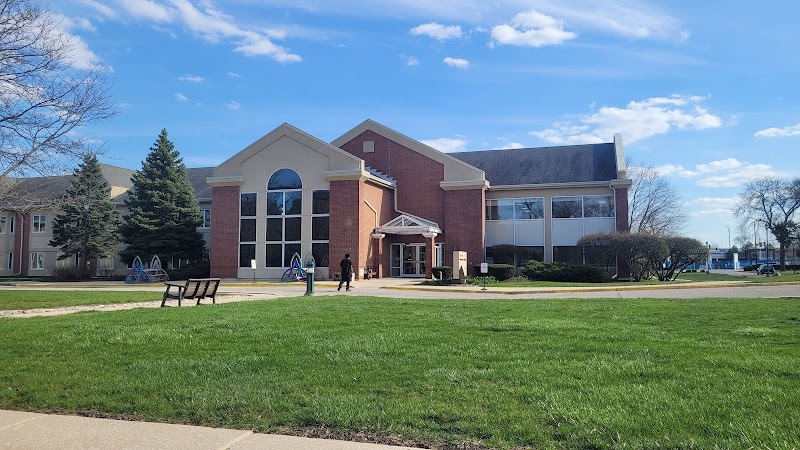
How is Ascension Resurrection Life Staffed?

CMS rates ASCENSION RESURRECTION LIFE's staffing level at 4 out of 5 stars, which is above average compared to other nursing homes. Staff turnover is 53%, compared to the Illinois average of 46%.

What Have Inspectors Found at Ascension Resurrection Life?

State health inspectors documented 41 deficiencies at ASCENSION RESURRECTION LIFE during 2022 to 2025. These included: 3 that caused actual resident harm, 37 with potential for harm, and 1 minor or isolated issues. Deficiencies causing actual harm indicate documented cases where residents experienced negative health consequences.
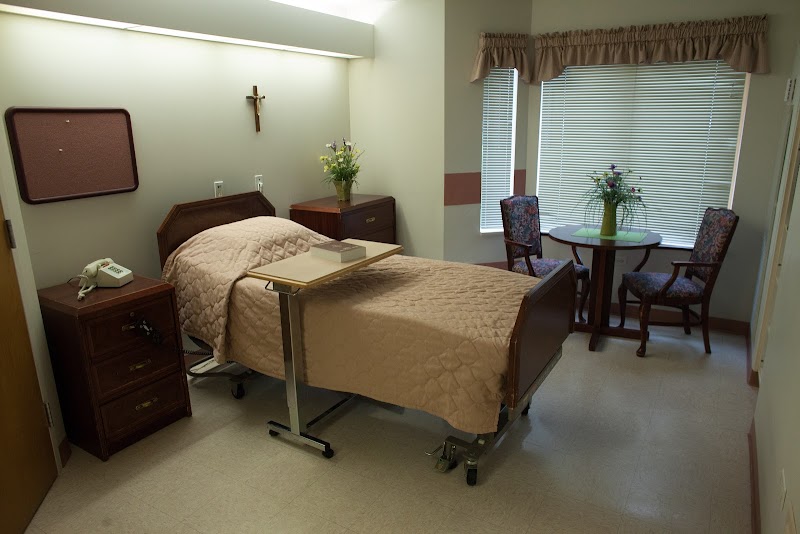
Who Owns and Operates Ascension Resurrection Life?

ASCENSION RESURRECTION LIFE is owned by a non-profit organization. Non-profit facilities reinvest revenue into operations rather than distributing to shareholders. The facility is operated by ASCENSION LIVING, a chain that manages multiple nursing homes. With 162 certified beds and approximately 124 residents (about 77% occupancy), it is a mid-sized facility located in CHICAGO, Illinois.
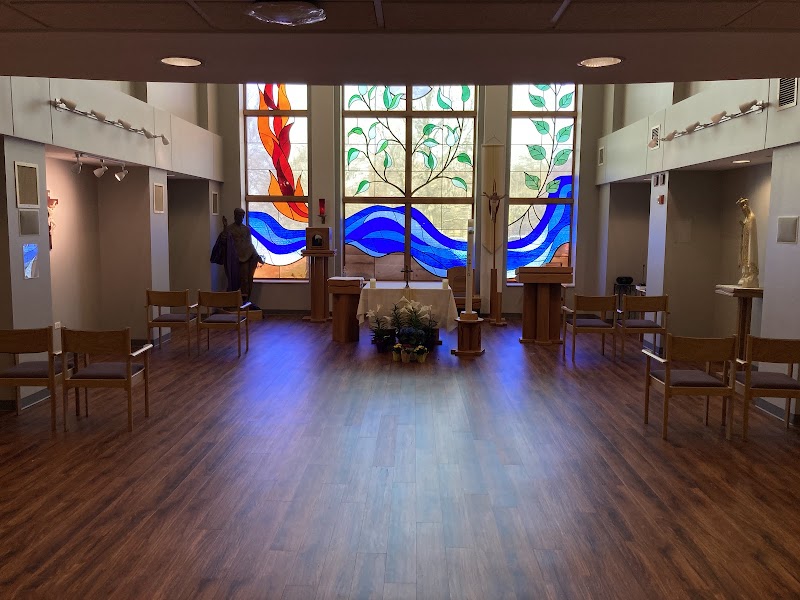
How Does Ascension Resurrection Life Compare to Other Illinois Nursing Homes?

Compared to the 100 nursing homes in Illinois, ASCENSION RESURRECTION LIFE's overall rating (3 stars) is above the state average of 2.5, staff turnover (53%) is near the state average of 46%, and health inspection rating (3 stars) is at the national benchmark.

What Should Families Ask When Visiting Ascension Resurrection Life?

Based on this facility's data, families visiting should ask: "Can I visit during a mealtime to observe dining assistance and food quality?" "How do you handle medical emergencies, and what is your hospital transfer rate?" "Can I speak with family members of current residents about their experience?"

Is Ascension Resurrection Life Safe?

Based on CMS inspection data, ASCENSION RESURRECTION LIFE has a clean safety record: no substantiated abuse findings (meaning no confirmed cases of resident harm), no Immediate Jeopardy citations (the most serious violation level indicating risk of serious injury or death), and is not on the Special Focus Facility watch list (a federal program monitoring the lowest-performing 1% of nursing homes). The facility has a 3-star overall rating and ranks #1 of 100 nursing homes in Illinois. While no facility is perfect, families should still ask about staff-to-resident ratios and recent inspection results during their visit.

Do Nurses at Ascension Resurrection Life Stick Around?

ASCENSION RESURRECTION LIFE has a staff turnover rate of 53%, which is 7 percentage points above the Illinois average of 46%. Moderate turnover is common in nursing homes, but families should still ask about staff tenure and how the facility maintains care continuity when employees leave.

Was Ascension Resurrection Life Ever Fined?

ASCENSION RESURRECTION LIFE has no federal fines on record. CMS issues fines when nursing homes fail to meet care standards or don't correct problems found during inspections. The absence of fines suggests the facility has either maintained compliance or corrected any issues before penalties were assessed. This is a positive indicator, though families should still review recent inspection reports for the full picture.

Is Ascension Resurrection Life on Any Federal Watch List?

ASCENSION RESURRECTION LIFE is not on any federal watch list. The most significant is the Special Focus Facility (SFF) program, which identifies the bottom 1% of nursing homes nationally based on persistent, serious quality problems. Not being on this list means the facility has avoided the pattern of deficiencies that triggers enhanced federal oversight. This is a positive indicator, though families should still review the facility's inspection history directly.