ATRIUM HEALTH CARE CENTER
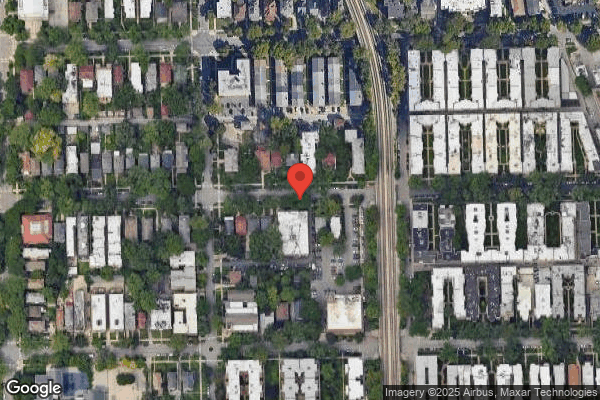
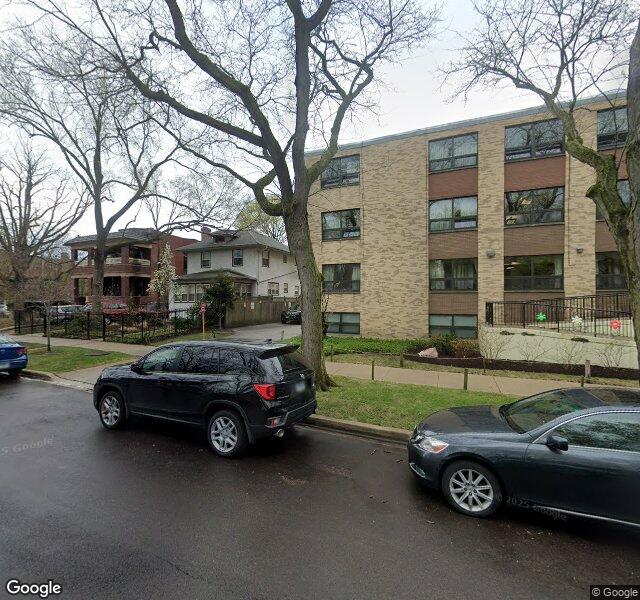
1425 WEST ESTES AVENUE, CHICAGO, IL 60626 (773) 973-4780
For profit - Limited Liability company 160 Beds Independent Data: November 2025 1 Immediate Jeopardy citation
Trust Grade
0/100
#450 of 665 in IL
Last Inspection: May 2025

Inspected within the last 6 months. Data reflects current conditions.

Overview

Atrium Health Care Center in Chicago has a Trust Grade of F, indicating significant concerns about the quality of care provided. It ranks #450 out of 665 nursing homes in Illinois, placing it in the bottom half of facilities in the state, and #148 out of 201 in Cook County, meaning only a few local options are worse. The facility's trend is improving, as the number of issues decreased from 21 in 2024 to 15 in 2025. Staffing is relatively stable, with a 36% turnover rate, which is better than the state average, but the overall staffing rating is 2 out of 5 stars. However, there are serious concerns, including $163,637 in fines, which is average compared to other facilities. The nursing home has experienced critical incidents, such as a cognitively impaired resident eloping from the facility without staff knowledge, and another resident falling out of bed due to inadequate assistance, resulting in hospital visits. These weaknesses highlight the need for families to carefully consider their options when researching this facility.

Trust Score
F
0/100
In Illinois
#450/665
Bottom 33%
Safety Record
High Risk
Review needed
Inspections
Getting Better
21 → 15 violations
Staff Stability
○ Average
36% turnover. Near Illinois's 48% average. Typical for the industry.
Penalties
✓ Good
$163,637 in fines. Lower than most Illinois facilities. Relatively clean record.
Skilled Nurses
○ Average
Each resident gets 31 minutes of Registered Nurse (RN) attention daily — about average for Illinois. RNs are the most trained staff who monitor for health changes.
Violations
⚠ Watch
47 deficiencies on record. Higher than average. Multiple issues found across inspections.
★☆☆☆☆
1.0
Overall Rating
★★☆☆☆
2.0
Staff Levels
★☆☆☆☆
1.0
Care Quality
★★☆☆☆
2.0
Inspection Score
Stable
2024: 21 issues
2025: 15 issues

The Good

  • Full Sprinkler Coverage · Fire safety systems throughout facility
  • No fines on record
  • Staff turnover below average (36%)

    12 points below Illinois average of 48%

Facility shows strength in fire safety.

The Bad

1-Star Overall Rating

Below Illinois average (2.5)

Significant quality concerns identified by CMS

Staff Turnover: 36%

10pts below Illinois avg (46%)

Typical for the industry

Federal Fines: $163,637

Well above median ($33,413)

Significant penalties indicating serious issues

The Ugly 47 deficiencies on record

1 life-threatening 4 actual harm
Jun 2025 1 deficiency
CONCERN (D) 📢 Someone Reported This

A family member, employee, or ombudsman was alarmed enough to file a formal complaint

Potential for Harm - no one hurt, but risky conditions existed

Free from Abuse/Neglect (Tag F0600)

Could have caused harm · This affected 1 resident

**NOTE- TERMS IN BRACKETS HAVE BEEN EDITED TO PROTECT CONFIDENTIALITY** Based on interviews and record review, the facility failed to ensure that one resident (R2) was free from abuse. This failure ha...

Read full inspector narrative →
**NOTE- TERMS IN BRACKETS HAVE BEEN EDITED TO PROTECT CONFIDENTIALITY** Based on interviews and record review, the facility failed to ensure that one resident (R2) was free from abuse. This failure has affected one of four residents reviewed for abuse. Findings include: R2 is [AGE] year old with diagnosis including but not limited to: diabetes mellitus with diabetic neuropathy, essential hypertension, hyperlipidemia, heart failure and carcinoma of oral cavity. R2's BIMS (Brief Interview of Mental Status) score is 15, which indicates cognitively intact. On 6/10/2025 at 11:30 AM, R2 stated that R3 walked up to her (R2) and begun to choke her for no reason. She stated that she was not afraid of (R3), and that she felt safe in the facility and had no additional concerns. On 6/10/2025 at 11:30 AM, R10 and R11 both stated that they witnessed R3 grabbing R2 around the neck. On 6/11/2025 at 10:38 AM, V2 (DON/ Director of Nursing) stated that she was informed that on 4/25/2025, R3 had an altercation with R2 because she (R2) was looking at him (R3). R3 was discharged from the facility after the altercation. She (R2) shouldn't have gotten attacked. We do our best to keep all residents safe in the facility. R2's reported incident dated 4/25/2025 documents, R2 alleged that R3 grabbed her (R2) around neck; No redness, bruising or injuries were noted at the time of the assessment. R2 denied complaints of pain; R2 stated I'm ok, I'm safe, I want to stay at the facility. Facility Census dated 6/9/2024 excludes R3 as an active resident. Facility policy titled, Abuse Prevention Policy documents, this facility is committed to protecting our residents from abuse, neglect, exploitation, misappropriation of property, deprivation of goods and services and mistreatment by anyone including but not limited to facility staff, other residents, consultants, volunteers, staff from other agencies providing services to the individual, family members or legal guardians, friends, or any other individuals.
May 2025 8 deficiencies
CONCERN (D)

Potential for Harm - no one hurt, but risky conditions existed

Resident Rights (Tag F0550)

Could have caused harm · This affected 1 resident

Based on observation, interview, and record review the facility failed to maintain or enhance residents' dignity during dining when residents seated at the same table were served their meals at differ...

Read full inspector narrative →
Based on observation, interview, and record review the facility failed to maintain or enhance residents' dignity during dining when residents seated at the same table were served their meals at different times for two residents (R7, R41) reviewed for dignity in the total sample of 61. Findings include: On 04/29/25 at 11:28 AM during the dining observation in the third-floor dining room there were seven tables that seated two -four residents for dining. V19 (Certified Nurse Assistant) was observed passing out the meal trays to the residents at multiple tables without completing the service of the meals at one table before serving a meal tray to another table. R7 was served his (R7) meal tray at 11:42 AM. R7 waited 7 minutes to be served after the first residents meal tray was served at the same table that seated four residents. V19 served multiple meal trays at different tables and two resident rooms before serving R7. R41 was seated across from R7. At 11:44 AM R41 asked about her meal tray. On 04/29/25 at 12:02 PM When surveyor asked V19 (Certified Nurse Assistant) why the residents were served at multiple tables before completing the service to one table at a time. V19 responded, because sometimes the residents do not come at the same time. The meal trays are not aligned, and it is difficult. I was stretching my neck to see where the person is sitting. We would serve one table at a time, that's what we would do before. The residents will sit awkwardly and to keep the place calm we don't say anything. On 04/30/25 at 11:37 AM V5 (Dietary Supervisor) stated all residents should be served table by table. All residents at one table should be served before going to another table. The residents normally sit at the same table. We try to keep the trays together table by table. It could be an issue of dignity. Document Titled Residents' Rights for People in Long-Term Care Facilities undated document in part: Your facility must treat you with dignity and respect and must care for you in a manner that promotes your quality of life. Policy: Titled The Dining Experience dated 2017 document in part: Meals served will respect the clients' dignity as an individual. Procedure: Meals are served at approximately the same time to all the clients sitting at a table. Titled The Dining Experience reviewed 11/24 document in part: Meals served will respect the residents' dignity as an individual. Procedure: Meals are served at approximately the same time to all the residents sitting at a table.
CONCERN (D)

Potential for Harm - no one hurt, but risky conditions existed

Deficiency F0687 (Tag F0687)

Could have caused harm · This affected 1 resident

**NOTE- TERMS IN BRACKETS HAVE BEEN EDITED TO PROTECT CONFIDENTIALITY** Based on observations, interviews, and record reviews the facility failed to provide podiatry services for one (R355) of six res...

Read full inspector narrative →
**NOTE- TERMS IN BRACKETS HAVE BEEN EDITED TO PROTECT CONFIDENTIALITY** Based on observations, interviews, and record reviews the facility failed to provide podiatry services for one (R355) of six residents reviewed for foot care in a sample of 61. Findings include: On 04/29/25 at 10:57 AM, observed R335 lying in bed without socks on. R335's toenails were long, extending far past his toes and were jagged. R335 said, my toenails are really long and when I put on my socks my long toenails get snagged on them, so I have to be really careful when I put them on. R355 stated he's been living here since February 2025, and no one has cut his toenails since his been living at the facility. R355 stated the last time he remembers a podiatrist cutting his nails was in October 2024. R355 said, that is why they are so long! and no one has asked me if I'd like my toenails cut or offered to cut them for me since I've been here. I'd like for someone to cut them because they are too long and need to be cut. On 04/29/25 at 12:06 PM, V13 (Licensed Practical Nurse) stated the CNAs only cut fingernails, not toenails and there is a podiatrist who comes to the facility to cut the residents toenails twice a month. V13 stated she does not know the last time the podiatrist was here but there is a binder kept at the nursing unit for the staff to write down the name of the resident(s) who need to have their toenails cut. Observed V13 searching the nursing unit but unable to locate the binder. On 04/29/25 at 12:09 PM, V13 observed R355 toenails and said, those are too long and need to be cut. V13 stated the resident's nails should be kept trim and the problem with the toenails being too long is they can rip which would hurt the residents. On 05/01/25 at 8:58 AM, V2 (Director of Nursing) stated the facility contracts out for podiatry services to come the facility to cut all the resident's toenails. V2 stated the podiatrist is on site twice a month and when they come into the building, they check the podiatry binder located on the nursing unit for any new residents they need to see. V2 stated whoever is listed on the podiatry log gets seen that day by the podiatrist. V2 stated at the end of the day when the podiatrist gives her a list of the residents who they have seen they email her their assessments. V2 stated maintaining toenails is part of grooming and should be checked by nursing staff daily when doing ADL (Activities of Daily Living) care. V2 stated even if a resident requires limited assistance or supervision with personal hygiene, it is still the nursing staff's responsibility to view resident's toenails and alert the nurse if their toenails need to be cut. V2 stated it is important for resident's toenails to be cut trim for infection control prevention because germs can be hiding under the nailbed and to prevent possible injury related to pulled nail. V2 stated R355 was admitted [DATE] and he is a diabetic. V2 stated she is not sure if podiatry has seen R355 yet and R355 should have been seen by now because it has been 2.5 months since he was admitted to the facility. On 5/01/25 at 10:08 AM, V2 viewed R355's toenails. V2 stated R355's toenails are long, and they need to be cut. V2 stated she already has a call into the podiatrist to let them know R355 needs to be seen. On 05/01/25 at 10:09 AM, R355 stated my toenails bite! and is someone going to be able to help me? I really need them cut. R355 diagnosis not limited to Diabetes Mellitus, Cerebrovascular Disease, Hypertensive Heart Disease with Heart Failure, Heart Failure, Hemiplegia and Hemiparesis following Cerebral Infarction Affecting Right Dominant Side. R355's MDS (Minimum Data Set) from 02/24/25 BIMS (Brief Interview for Mental Status) score is 15/15 indicating intact cognition and R355 requires supervision or touching assistance with personal hygiene. Facility policy titled Resident Fingernail/Toenail Care revised January 2025 which documented in part, activity of daily living is important for maintaining resident's cleanliness, proper hygiene and dignity and resident needing toenail care/trimming, will be performed by outside Podiatrist. Staff will identify resident that is need of toenail care service during daily ADL care. Facility provided copy of Podiatry Services provided listing names of residents seen by podiatry up to 04/11/25 date. R355's name was not on this list.
CONCERN (D)

Potential for Harm - no one hurt, but risky conditions existed

Pharmacy Services (Tag F0755)

Could have caused harm · This affected 1 resident

Based on observation, interview and record review, the facility failed to follow their policy to ensure controlled medication that require refrigeration are stored within a locked box within the refri...

Read full inspector narrative →
Based on observation, interview and record review, the facility failed to follow their policy to ensure controlled medication that require refrigeration are stored within a locked box within the refrigerator to decrease the possibility of loss or diversion for 1 (R68) resident reviewed for medication storage and labeling in a sample of 61. Findings include: On 4/29/25 09:55 AM Surveyor inspected 2nd floor medication room with V7 (RN / Registered Nurse) and found R68's Lorazepam solution kept inside unlock refrigerator. Lorazepam was not kept / stored inside a lock box. R68's face sheet showed last admission date on 7/26/2024 with diagnoses not limited to Cerebral infarction due to thrombus, Hypothyroidism, Seizure, Heart failure, Hypertensive heart disease with heart failure, Vascular dementia, Dysphagia. MDS (Minimum Data Set) dated 1/28/2025 showed R68's cognition was impaired. R68's physician orders dated 4/29/25 showed order not limited to Lorazepam 2 mg/mL oral concentrate, give 0.25 milliliter (0.5 mg) by oral route every 2 hours for 14 days as needed. On 4/30/25 At 10:28am V2 (DON / Director of Nursing) stated she has been working in the facility for a year. She said Lorazepam is a controlled medication and should be kept / stored in lock box or locked refrigerator according to the regulations. V2 said it could be easily accessible to other staff if controlled medication was not stored / locked properly. Facility's storage of medications policy dated 11/2020 showed in part: Controlled substances that require refrigeration are stored within a locked box within the refrigerator. This box must be attached to the inside of the refrigerator.
CONCERN (D)

Potential for Harm - no one hurt, but risky conditions existed

Unnecessary Medications (Tag F0759)

Could have caused harm · This affected 1 resident

Based on observations, interviews and record reviews, the facility failed to ensure a medication error rate of less than 5% for 3 (R73, R125, R149) of 9 residents observed during medication administra...

Read full inspector narrative →
Based on observations, interviews and record reviews, the facility failed to ensure a medication error rate of less than 5% for 3 (R73, R125, R149) of 9 residents observed during medication administration. Surveyor observed 4 errors during 28 medication administration opportunities. This resulted in a medication error rate of 12.49%. The findings include: On 4/29/25 at 9:20AM Surveyor conducted medication administration observation with V8 (Licensed Practical Nurse / LPN) and she prepared the following medications for R73: 1. Celecoxib 200mg (milligram) 1 capsule. 2. Docusate sodium 100mg 1 capsule. 3. Vitamin C 500mg 1 tablet 4. Allopurinol 100mg 2 tablets 5. Acetaminophen 500mg 2 tablets 6. Folic Acid 100mg 1 tablet 7. Imbruvica 420mg 1 capsule 8. Vitamin D3 25mcg (micrograms) 1000iu (unit) 1 tablet 9. Iron tablet fe so4 (iron) 325mg 1 tablet 10. Miralax powder 17gm (gram) mixed with 1 cup water. 11. Fluticason Ellipta 100cmg/25mcg. R73 inhaled / puffed once. 12. Aspirin 81mg 1 tablet On 4/29/25 09:28 AM V8 administered prepared meds to R73 and taken orally. V8 handed Fluticason Ellipta 100cmg/25mcg to R73 and inhaled / puffed once. R73's MAR (medication administration record) and POS (Physician Order Sheet) reviewed and showed the following medication orders not limited to: 1. Celebrex 200mg give 1 capsule by oral route 2x per day. 2. Aspirin 81mg give 1 capsule by oral route 2x per day. 3. Risperidone 0.25mg tablet give 3 tablets (0.75mg) by oral route once daily at 9AM. Medication was not given during medication administration observation. 4. Docusate sodium 100mg give 1 capsule by oral route 2x per day. 5. Allopurinol 100mg give 2 tablets by oral route once daily. 6. Vitamin C 500mg give 1 tablet by oral route 3x per day. 7. Acetaminophen 500mg give 2 tablets by oral route 3x per day. 8. Folic acid 1mg give 1 tablet by oral route once daily. 9. Polyethylene glycol give 17grams by oral route 2x per day mixed with 8oz of water. 10. Imbruvica 420mg give 1 capsule by oral route once daily. 11. Breo Ellipta 100mcg-25mcg/dose powder inhale 1 puff by inhalation route once daily. 12. Vitamin D3 1000 unit give 1 tablet by oral route once daily. 13. Ferrous sulfate 325mg give 1 tablet by oral route once daily with breakfast at 9AM. 14. Oyster shell calcium 500mg 1250mg give 1 tablet by oral route 2x per day at 9am and 5pm. Medication was not given during medication administration observation. On 4/30/25 at 8:55 AM Surveyor conducted medication administration observation with V29 (RN / Registered Nurse) and she prepared the following medications for R125: 1. Vitamin D 25mcg 1000iu 1 tablet 2. Famotidine 10mg 2 tablets V29 administered medications to R125 and taken orally. R125's MAR and POS reviewed and showed the following medication orders not limited to: 1. Vitamin D3 25mcg give 2 tablets by oral route once daily at 9am. V29 (RN) administered Vitamin D 25mcg 1 tablet to R125 during medication administration observation. 2. Famotidine 10mg give 2 tablets by oral route once daily. On 4/30/25 at 9:13 AM V31 (LPN / Licensed Practical Nurse) checked R149's BP (Blood Pressure) = 132/73; HR (Heart Rate = 70/min) and prepared the following medications: 1. Amlodipine 10mg 1 tablet 2. Gabapentin 100mg 1 capsule 3. Fluticasone 50mcg nasal spray. V31 handed Fluticasone nasal spray to R149 and sprayed twice in each nostril during medication administration observation. 4. Carbamazepine 200mg 1 tablet 5. Folic Acid 400mcg 1 tablet R149's MAR and POS reviewed and showed the following medication orders not limited to: 1. Folic acid 400mg give 1 tablet by oral route once daily. 2. Gabapentin 100mg give 1 capsule by oral route 3 times per day. 3. Fluticasone propionate 50mcg/actuation 1 spray by intranasal route in both nostrils once daily at 9am. R149 sprayed twice in each nostril during medication administration observation. 4. Carbamazepine 200mg give 1 capsule by oral route 2 times per day. 5. Amlodipine 10mg give 1 tablet by oral route once daily. On 04/30/25 03:24 PM V2 (DON / Director of Nursing) stated nurses are expected to follow 5 Rs (Right resident, medication, route, dose and time) in giving medication to make sure giving medication as ordered by physician. If medication is missed, depending on the types of medication could have an effect with resident. V2 said if the nurse missed Risperidone, potentially resident could have behavioral issues. V2 said if medication was missed or not given according to doctor's order could have a potential harm / effect with the resident, medication has purpose which was prescribed to the resident. Facility's medication administration policy (undated) showed in part: Check all medications against the MAR prior to administration. Follow the medication specific instructions specifically.
CONCERN (E)

Potential for Harm - no one hurt, but risky conditions existed

Deficiency F0761 (Tag F0761)

Could have caused harm · This affected multiple residents

**NOTE- TERMS IN BRACKETS HAVE BEEN EDITED TO PROTECT CONFIDENTIALITY** Based on observation, interview and record review, the facility failed to properly date opened multi-dose inhaler for 1 (R27) re...

Read full inspector narrative →
**NOTE- TERMS IN BRACKETS HAVE BEEN EDITED TO PROTECT CONFIDENTIALITY** Based on observation, interview and record review, the facility failed to properly date opened multi-dose inhaler for 1 (R27) resident, ensure that multi-dose insulins and antibiotic medication were stored properly at appropriate temperature for 4 (R12, R33, R57, R205) residents and discard expired multi-dose vial injection reviewed for medication storage and labeling. The findings include: On [DATE] at 9:34 AM Surveyor inspected 3B medication cart with V6 (Licensed Practical Nurse / LPN) and found the following medications inside the medication cart: - R205's Penicillin G 4ml (milliliter) injection with Pharmacy label indicated keep in refrigerator do not freeze. Medication was found inside the medication cart and was not refrigerated. - R27's opened multi-dose Ventolin HFA inhaler with no open date label. V6 said once inhaler is opened it should be dated to know when to discard. On [DATE] at 9:41am 3rd floor medication room inspected with V6 and found the following inside the refrigerator with temperature logged at 40F: - R12's Lantus insulin vial kept in fridge with open date on [DATE]. Pharmacy label showed: Refrigerate until opened. Discard 28 days after opening at room temperature. R12's Fiasp flex (Aspart) insulin with open date on [DATE]. Pharmacy label showed: Refrigerate until opened. Discard 28 days after opening at room temperature. - R33's Basaglar insulin with open date on [DATE]. Pharmacy label showed: Refrigerate until opened. Discard 28 days after opening at room temperature. R33's Humalog insulin with open date on [DATE]. Pharmacy label showed: Refrigerate until opened. Discard 28 days after opening at room temperature. - R57's insulin aspart with open date on [DATE]. Discard date - [DATE]. Pharmacy label showed: Refrigerate until opened. Discard 28 days after opening at room temperature. On [DATE] at 10:01am 2nd floor medication room inspected with V7 (RN / Registered Nurse) and found inside the refrigerator: Opened house stock multi-dose Tuberlicin PPD Mantoux injection (Tubersol) vial with date opened [DATE] expiry date [DATE]. V7 said expired medication should be discarded. On [DATE] At 10:28am V2 (DON / Director of Nursing) stated she has been working in the facility for a year. She said unopen Insulin are supposed to be stored in the fridge, should be labeled with open date and discard date. V2 said medications should be stored properly according to pharmacy recommendation so not to affect the potency of the medication. She said insulin should not be administered cold to resident. V2 said nurses are expected to date every time they open inhaler, to know when it was opened and when to discard it. She said multi-dose inhaler should be discarded after 30 days of opening. She said Tuberlicin / mantoux injection should be dated once opened and discarded after 30 days to make sure potency is not affected. R12's physician orders dated [DATE] showed order not limited to: - Lantus U-100 insulin 100unit/ml inject 60 units subcutaneous route once daily at bedtime. - Fiasp flexTouch U-100 insulin 100unit/ml inject 25 units subcutaneous route 3 times per day with each meals. R27's physician orders dated [DATE] showed order not limited to Ventolin HFA inhaler 90mcg/actuation aerosol inhaler inhale 1 puff by inhalation route every 4 hours as needed. R33's physician orders dated [DATE] showed order not limited to: - Humalog U-100 insulin 100unit/ml inject 18 units subcutaneous route every day at 7am, 11am, 4pm. - Basaglar insulin KwikPen U-100 insulin 100unit/ml inject 60 units subcutaneous route once daily at bedtime. R57's physician orders dated [DATE] showed order not limited to Insulin aspart U-100 100unit/ml inject subcutaneous route insulin sliding scale. Facility's storage of medications policy dated 11/2020 showed in part: Outdated medication are immediately removed from inventory, disposed according to procedures for medication disposal. All medications are maintained within the temperature ranges. Room temperature 59F to 77F. Refrigerated 36F to 46F. Medications and biologicals are stored at their temperature and humidity according to the united states pharmacopeia guidelines for temperature ranges. Facility's medication storage guide dated 4/2024 showed in part: Fiasp, Lantus, Humalog U, Basaglar pen opened at room temperature (59F to 86F). Tuberlicin PPD, Mantoux injection (Tubersol) - keep refrigerated. Once vial is entered, the multi-dose vial should be discarded 30days after opening.
CONCERN (E)

Potential for Harm - no one hurt, but risky conditions existed

Deficiency F0805 (Tag F0805)

Could have caused harm · This affected multiple residents

**NOTE- TERMS IN BRACKETS HAVE BEEN EDITED TO PROTECT CONFIDENTIALITY** Based on observation, interview and record review, the facility failed to prepare pureed food in appropriate diet consistency fo...

Read full inspector narrative →
**NOTE- TERMS IN BRACKETS HAVE BEEN EDITED TO PROTECT CONFIDENTIALITY** Based on observation, interview and record review, the facility failed to prepare pureed food in appropriate diet consistency form based on recipe and spreadsheet. This failure has the potential to affect four residents on pureed diets (R9, R15, R68, R75) prepared in the facility kitchen. Findings Include: On 04/30/25 at 11:06 PM, observed lunch tray line in progress. Desserts were already portioned out and on resident's meal trays. Observed regularly prepared gelatin without canned fruit on R9, R15, R68, R75's lunch trays. The regularly prepared gelatin without canned fruit was not pureed and the gelatin appeared firm and stiff, holding its shape in large, spooned portions in the bowl. On 04/30/25 at 11:10 AM, V5 (Dietary Manager) stated the regular diets are receiving prepared gelatin mixed diced pears for dessert and the pureed diets are receiving regularly prepared gelatin but without the diced pears. On 04/30/25 at 11:11 AM, V27 (Cook) stated he prepared regular gelatin with diced pears for the regular diets and the regular gelatin without dice pears for the pureed diets. V27 stated he did not puree the gelatin. On 04/30/25 at 12:45 PM, V20 (Registered Dietitian) stated some of the reasons residents are on pureed diets is because they are missing teeth and cannot chew and/or they have swallowing issues. V20 stated those residents receiving pureed diets typically are at higher nutritional risk. V20 stated it is important for the cook to follow the recipes and the spreadsheets to make they are serving the food in the correct consistency. V20 stated if the spreadsheets list pureed gelatin to be served than it should have been prepared following the recipe for pureed gelatin and served in a pureed form. V20 stated the potential problem of a the resident on a pureed diet receiving regular gelatin is that the resident could choke or aspirate. R9's diagnosis which includes but not limited to Dysphagia and has a physician order dated 01/04/25 for pureed diet with thin liquids. R9's MDS (Minimum Data Set) from 02/06/25 indicates resident is rarely/never understood. BIMS (Brief Interview for Mental Status) not able to be conducted. R9's meal ticket documents in part, R9 is on a pureed diet. R15's diagnosis which includes but not limited to Dysphasia oral phase, Cerebrovascular Disease, Chronic Obstructive Pulmonary Disease, Unspecified Convulsions, Adult Failure to Thrive, Gastro-Esophageal Reflux Disease with Esophagitis and has a physician order dated 03/13/25 for pureed diet within thin liquids. R15's MDS dated [DATE] documents BIMS score 05/15 indicating severe cognitive impairment. R15's meal ticket documents in part, R15 is on a pureed diet. R68's diagnosis which includes but not limited to Dysphagia oral phase, Cerebral Infarction due to Thrombosis of Unspecified Precerebral Artery, Seizures, Cognitive Communication Deficit and has a physician order dated 01/04/25 for pureed diet on nectar thick liquid. R68's MDS dated [DATE] indicates resident is rarely/never understood. BIMS (Brief Interview for Mental Status) not able to be conducted. R68's meal ticket documents in part, R68 is on a pureed diet with nectar thick liquids. R75's diagnosis which includes but not limited to Dysphagia, Oropharyngeal Phase, Unspecified Intellectual Disabilities, Convulsions, Dementia, Gastro-Esophageal Reflux Disease without Esophagitis and has a physician order dated 02/17/25 for level 1 puree with mildly thickened liquid nectar. R75's MDS dated [DATE] documents BIMS score 08/15 indicating moderately impaired cognition. R75's meal ticket documents in part, R75 is on a pureed diet with nectar thick liquids. Facility provided document titled Daily Spreadsheet titled CCA Kosher Menu - Fall 2024/Winter 2024-2025 Week 4 Wednesday which indicates pureed diets to be served pureed fruited red Jello (#10 scoop) at lunch. Facility provided recipe titled Pureed Fruited Jello (gelatin) dated 07/18 which documents in part, as part of preparation procedure to measure portion of regular fruited Jello (gelatin) and pureed fruited Jello (gelatin) in food processor or blender until blended smoothly. Add thickener in small amounts as needed to reach desired consistency. Facility provide policy titled Pureed/Dysphagia Diet dated 2010 documents in part, food will be provided in a form designed to meet individual needs. The texture of the food may be altered to pureed consistency. Standardized recipes for pureed food will be followed. Facility provided policy titled Standardized Recipes dated 2010 documents in part, standardized recipes will be available in the kitchen and will be used in food preparation. All foods will be prepared according to standardized recipes provide by the menu source and standardized recipes include number of servings, ingredients, preparation directions, and serving sizes.
CONCERN (E)

Potential for Harm - no one hurt, but risky conditions existed

Infection Control (Tag F0880)

Could have caused harm · This affected multiple residents

Based on observation, interview, and record review the facility failed to ensure staff wear proper PPE (Personal Protective Equipment) during high contact resident care activities for 1 (R1) resident ...

Read full inspector narrative →
Based on observation, interview, and record review the facility failed to ensure staff wear proper PPE (Personal Protective Equipment) during high contact resident care activities for 1 (R1) resident on Enhanced Barrier Precautions (EBP) reviewed for infection control on the total sample of 61. Findings include: On 4/29/25 at 1:05 PM Surveyor conducted medication administration observation with V10 (LPN) and stated R1 is NPO (nothing by mouth) and has G-tube (Gastrostomy Tube). Observed R1 lying in bed, on moderate high back rest with G-tube feeding Nepro at 60ml (milliliter) flush 100ml every 8hrs (hours) infusing via pump. V10 prepared Valproic acid 250mg (milligrams) 5ml and administered medication via G-tube wearing gloves. Observed EBP (Enhanced Barrier Precautions) signage posted on the wall over R1's head part. V10 wore gloves during medication administration via G-tube but she did not wear gown. On 4/30/25 At 10:28am V2 (DON / Director of Nursing) stated she has been working in the facility for a year. She said staff should observe EBP when resident has indwelling medical devices such as G-tube. V2 said if staff is performing high care resident activities such as G-tube medication administration, nurse should wear proper PPE such as gloves and gown to prevent cross contamination and prevent transmission of infection. She said if the nurse who administered medication via G-tube and not wearing proper PPE (Personal Protective Equipment) could potentially cross contaminate other residents she is taking care of or assigned to. On 4/30/25 At 11:56am V4 (Infection Preventionist / IP NURSE) stated she has been working in the facility for 2 years. She said EBP are for residents with MDRO (Multidrug-resistant bacteria), with indwelling medical devices such as G-tube, indwelling urinary, dialysis catheter, open draining wounds. EBP signage is kept by door entrance or head of the bed to alert staff that resident is on EBP. V4 said when administering medication, feeding thru G-tube, staff must wear proper PPE such as gown and gloves to prevent cross contamination. Stated if staff is not wearing proper PPE it could cause potential cross contamination of other residents assigned to staff. R1's face sheet showed last admission date on 2/20/2025 with diagnoses not limited to Encounter for attention to gastrostomy, Hyperlipidemia, Cerebral infarction, End stage renal disease, Dependence on renal dialysis, Hypertensive heart disease. MDS (Minimum Data Set) dated 2/27/2025 showed R1's cognition was severely impaired. R1's physician orders dated 4/29/25 showed orders not limited to: Resident is placed on Enhanced Barrier Precautions due to Rt chest permcath for dialysis/Indwelling Foley Cath/ Wounds on the Sacrum/Peg-tube for feeding effective 2/20/25. Valproic acid 250mg/5ml give 5ml by G-tube route every 8 hours Care plan dated 2/21/2025 showed in part: R1 is on Enhanced Barrier Precautions. Staff will wear PPE before entering resident's room. Facility's EBP signage showed in part: Providers and staff must wear gloves and gown for the following high-contact resident care activities: Device care or use - feeding tube. Facility's Enhanced Barrier Precautions policy dated 10/24 showed in part: EBP involve gown and glove use during high contact resident care activities. During care: Gown and gloves for these resident care activities: Feeding tubes.
CONCERN (F)

Potential for Harm - no one hurt, but risky conditions existed

Food Safety (Tag F0812)

Could have caused harm · This affected most or all residents

Based on observations, interviews, and record reviews, the facility failed to a.) ensure food items were properly labeled and dated, b.) food items were stored according to manufacturer recommendation...

Read full inspector narrative →
Based on observations, interviews, and record reviews, the facility failed to a.) ensure food items were properly labeled and dated, b.) food items were stored according to manufacturer recommendations, c.) discard expired food based on use by date and guidelines, d.) sanitize kitchen equipment based on manufacturers' procedure directions. These failures have the potential to affect all 150 residents receiving food prepared in the facility's kitchen. Findings include: On 04/30/25 at 9:10 AM, during initial kitchen tour V5 (Dietary Supervisor) stated when items are delivered, they are labeled with a delivery date. When items are opened or prepared, they should be labeled with opened and/or preparation date and with a use by date. V5 stated all items should be used within seven days with day one being the preparation date, day seven being the use by date. At the end of day seven items should be discarded. V5 stated it is important for items to be labeled with a delivery date, opened date, and use by date so the kitchen staff knows when to discard items, so they are not served to the residents to prevent food borne illnesses. V5 stated manufacturer use by dates are followed and manufacturer storage guidelines are followed as listed on the product. On 04/29/25 at 9:12 AM, observed the following items in walk-in refrigerator: 1. An unlabeled plastic container with boiled eggs inside. There was no prepared or use by date on the container. V5 stated there is no way of knowing when the boiled eggs were prepared because they were not dated, and they should have been labeled with a prepared and use by date. 2. Small prepared container of tuna fish salad made with what appeared to be mayonnaise covered in plastic wrap. Observed milky-colored liquid pooling around the edges of the tuna fish salad. The container was not labeled with a prepared date or use by date. V5 stated the tuna fish salad should have been labeled and dated with a prepared and use by date. On 04/29/25 at 9:25 AM, observed in a reach-in refrigerator referred by V5 as the thaw-out reach in a container labeled as mechanical soft cold cut salad. The item was labeled with a preparation date of 04/20/25 and a use by date of 04/27/25. V5 stated this was ground bologna mixed with mayonnaise and served to residents on mechanical soft diets. V5 stated it should have been thrown out on 04/27/25 and should not be served to residents because it could potentially make the residents sick if someone was to serve the item to them. On 4/29/25 at 9:30 AM - observed the following items being stored on the spice rack next to the tray line: 1.) Opened 48-ounce bottle of lemon juice, 50% filled. The lemon juice manufacturer label printed on the side of the bottle listed refrigerate after opening for best results. The bottle was not labeled with an open or use by date. V5 stated the spice rack is where the lemon juice bottle is usually stored, and she was not aware that it needed to be refrigerated once it had been opened. V5 stated when the bottle was opened it should have been labeled with an opened date, so the staff knows when to throw it out and it should be stored in the refrigerator based on the manufacturer label. 2.) Opened 1-gallon container of soy sauce, 75% filled. The soy sauce manufacturer label printed on the side of the soy sauce container read refrigerate after opening for quality. The soy sauce bottle was labeled with a delivery date 03/08/25 but was not labeled with an opened or use by date. V5 stated the soy sauce should have been labeled with an opened date and use by date when the item was opened and based on the manufacturer's guidelines the soy sauce should be stored in the refrigerator. On 04/30/25 at 10:18 AM, during pureed food preparation observations observed V27 (Cook) take the dirty blender parts to the three-compartment sink and wash, rinse and then quickly dip each blender piece into the sanitizing solution while still holding onto the item for the following time frame: blender lid (2 seconds), blade (3 seconds), blender container (2 seconds), 8-ounce spoodle (3 seconds). After quickly dipping each blender part into the sanitation solution V27 placed item on the side of the sink. Then, observed V27 retrieve a clean towel cloth and use the towel to hand dry each of the blender parts. On 04/30/25 at 10:21 AM, observed V27 take the hand dried blender parts and put them back on the base on the blender and proceed to prepare the pureed diced potatoes to desired consistency. On 04/30/25 at 10:25 AM, observed V27 take the dirty blender parts to the three-compartment sink and wash, rinse and then dip each piece into the sanitizing solution while still holding the item for the following time frame: blender lid (2 seconds), blade (2 seconds), blender container (2 seconds), measuring cup (2 seconds). On 04/30/25 at 10:27 AM, observed V27 retrieve a clean towel cloth and use the towel to hand dry each of the blender parts and place the parts back on the base of the blender for use. On 04/30/25 at 10:28 AM, V5 (Dietary Manager) stated items need to be fully submerged in the sanitizing solution in the third sink of the three-compartment sink for 60 seconds. V5 stated if the items are not fully sanitized for 60 seconds, then bacteria can grow, and this has the potential to cause food borne illness and could make the residents sick. V5 stated all items washed, rinsed, and sanitized in the three-compartment sink should be air dried. V5 stated a towel should not be used. V5 stated the poster attached to the wall over the three compartment is from the manufacturer of the sanitization solution the kitchen uses. On 04/30/25 at 10:30 AM, V27 stated he did not know the items he was cleaning needed to be left in the sanitizing solution for a full minute. V27 stated he knew the cleaned items should be allowed to air dry before using but he did not have a choice because he was in a rush to prepare the pureed food before the tray line could start and the kitchen only has the one blender to use for pureed preparation. On 04/29/25, facility provided list of diet orders for all residents in the facility. The diet order list indicates there is one resident receiving nothing by mouth (NPO). Facility provided copy of manufacturer's poster titled, Procedure for 3 Compartment Sink which documents in part, immerse utensils in SANITIZER SINK for a full minute and remove utensils from SANITIZER sink. Invert to drain. Let them air dry, do not wipe. Facility provided policy titled Manual Sanitizing in Three-Compartment Sink dated 2017 which documents in part, manufacturer's instructions on the wall poster above the three-compartment sink are followed and the length of the immersion time manufacturer's instructions are followed. Facility provided policy titled, Labeling and Dating Food dated 2017 which documents in part, to decrease the risk of food borne illness and to provide the highest quality, foods is labeled with the date received, the date opened and the date by which the item should be discarded and refrigerated food prepared in the healthcare community is labeled with the date to discard or to use by and the discard/use by date will be a maximum of six days after preparation.
Apr 2025 1 deficiency
CONCERN (D) 📢 Someone Reported This

A family member, employee, or ombudsman was alarmed enough to file a formal complaint

Potential for Harm - no one hurt, but risky conditions existed

Abuse Prevention Policies (Tag F0607)

Could have caused harm · This affected 1 resident

Based on interview, and record review, the facility failed to follow their policy of requesting a fingerprint-based background check within 72 hours of receiving the residents' name based criminal his...

Read full inspector narrative →
Based on interview, and record review, the facility failed to follow their policy of requesting a fingerprint-based background check within 72 hours of receiving the residents' name based criminal history background check for two of two residents (R9, R10) reviewed for Abuse Prevention. Findings include: On 04/14/2025 at 12:05pm during the Identified Offender Program review with V9 (Business Office Manager) observed R9's (03/26/2025) name based Criminal History Report's result: HIT and R10's (04/03/2025) name based Criminal History Report's result: HIT. This surveyor requested to see R9's and R10's fingerprinting consent, schedule, receipt, result and risk assessment. V9 stated (V3 - Social Service Director) is responsible for scheduling the fingerprinting of the residents. On 04/14/2025 at 1:24pm, V3 presented this surveyor R9's and R10's unsigned and undated 'Nursing Home Resident Applicant Fingerprinting Consent Forms'. V3 stated when I get the CHIRP result with HIT that is the only time we order for fingerprinting of our residents. I inform (Fingerprint Service Provider) via email. (Fingerprint Service Provider) can only do so many. They were here on 3/21/2025. I am not sure when I emailed (Fingerprint Service Provider) for their (R9 and R10) fingerprinting. Maybe on 4/8/2025. If the CHIRP came out with a 'hit', the expectation is to schedule the fingerprinting within 72 hours. V3 stated I will find out for you the purpose of scheduling the fingerprinting within 72 hours. On 04/14/2025 at 2:19pm inside V3's office, V3 checked the email she sent out to (Fingerprint Service Provider) and stated I don't have it in my email. I did not send an email to (Fingerprint Service Provider) to schedule the fingerprinting of (R9). For (R10), I emailed (Fingerprint Service Provider) on 04/08/2025. I know I am behind in scheduling their fingerprinting. On 04/14/2025 at 2:37pm, this surveyor presented V1 (Administrator) the CHIRP results of R9 and R10 and inquired when the facility should schedule the fingerprinting of these residents. V1 stated R9's fingerprinting should have been scheduled on 03/29/2025 and R10's fingerprinting should have been scheduled on 04/06/2025. On 04/14/2025 at 2:40pm, this surveyor presented V1 the facility provided Identified Offender Policy and Procedure and inquired if facility follows its policy of requesting a fingerprint-based background check within 72 hours. V1 stated No. On 04/15/2025 at 12:22pm, V1 (Administrator) stated burglary is a qualifying offense that necessitate for us to schedule fingerprinting within 72 hours. Prostitution Class 4 is also a qualifying offense. On 04/15/2025 at 1:16pm, V1 stated if the residents who have 'HIT' on the CHIRP were not scheduled for fingerprinting within 72 hours, we put all of the residents to potential harm. It is part of our abuse prevention program, checking the criminal backgrounds of our residents. R9's (04/08/2025) Minimum Data Set documented, in part Section C. Cognitive Patterns. C0500. BIMS (Brief Interview for Mental Status) Summary Score: 13. Indicating R9's mental status as cognitively intact. R9's (03/26/2025) Criminal History report documented, in part Criminal History Data: Prostitution. Class 4. R10's (03/31/2025) Minimum Data Set documented, in part Section C. Cognitive Patterns. C0500. BIMS (Brief Interview for Mental Status) Summary Score: 15. Indicating R10's mental status as cognitively intact. R10's (04/03/2025) Criminal History report documented, in part Criminal History Data. Burglary. Class 2. The (undated) Identified Offender Facility Policy and Procedure documented, in part Policy Statement. It is the policy of this facility to establish a resident sensitive and resident secure environment. In accordance with the provisions of the Nursing Home Care Act, this facility shall check the criminal history background on any resident seeking admission to the facility in order to identify previous criminal convictions. Identified offender: Any person who has been convicted of, found guilty of, any of the statute citation numbers listed in the identified offender conviction list or any of the statute citation numbers listed in the Sex offenses list of the department Identified Offenders program. Identifying Offenders. 3. Conduct a Criminal history background check: Within 24 (sic) hours of admission, request a name-based Uniform Conviction Information Act (UCIA) Criminal History background check for any resident seeking admission to the facility. 4.b. If the UCIA response contains convictions that match the Identified Offender or Sex Offender statute citation numbers, the resident is an identified offender and must be reported to Identified Offenders Program. 5. Request a live scan UCIA fingerprint check: d. the fingerprint-based background must be requested within 72 hours after receiving the name-based background check and must be conducted within five business days after receiving the name-based results.
Mar 2025 3 deficiencies
CONCERN (D) 📢 Someone Reported This

A family member, employee, or ombudsman was alarmed enough to file a formal complaint

Potential for Harm - no one hurt, but risky conditions existed

Transfer Notice (Tag F0623)

Could have caused harm · This affected 1 resident

Based on interview and record review the facility failed to ensure that staff are aware of the requirements for involuntary (psychiatric) admission, failed to provide resident a petition for involunta...

Read full inspector narrative →
Based on interview and record review the facility failed to ensure that staff are aware of the requirements for involuntary (psychiatric) admission, failed to provide resident a petition for involuntary admission and failed to explain the rights of admittee for one of four residents (R1) reviewed for transfer/discharge. Findings include: R1's (2/5/25) petition for involuntary/judicial admission states resident was in an alleged physical altercation with co-peer, both patients were separated however he continues to attempt to become physical. Resident had to be removed from the area to a lower floor but would not comply to separate from co-peer therefore MD (physician) was made aware with order to send to hospital to prevent provoking and harm to others. [Page 3 was endorsed by V7/Social Service Director]. Page 4 states Within 12 hours of admission to the facility under this status and/or completion of a new petition, I gave the respondent a copy of this petition (IL462-2005). I have explained the Rights of admitted to the respondent and have provided him or her with a copy of it. I have also provided him or her with a copy of Rights of Individuals Receiving Mental Health and Developmental Services (IL462-2001) and explained those rights to him or her (405 ILCS 5/3-609). I certify that I provided respondent with a copy of this form. Date/Time of admission to Mental Health Facility/Psychiatric Unit: ____. Date/Time Petition Completed: ____. Signed: ____. Page 5 states I certify that I provided respondent with a copy of this form. On: ____. Time: ____. Signature: ____. On 3/13/25 at 11:30am, surveyor inquired why R1 was sent to the hospital on or about 2/5/25, V7 stated I (V7) think that's the incident between him (R1) and (R2). He (R1) was the aggressor. Surveyor inquired about the requirements for involuntary petition, V7 responded We (staff) did the petition for him to go out. I (V7) wrote a petition, they (staff) had to call the doctor to get the order for an evaluation. Once I write the petition I give it to the nurses, the nurses do the rest. Surveyor inquired who receives the petition for involuntary/judicial admission, V7 replied Usually it goes to the ambulance driver. We make 3 copies one for the hospital, one for the ambulance and the other one I'm not sure. Surveyor inquired if R1's (2/5/25) petition for involuntary psychiatric admission was signed by the Nurse to determine if R1 received a copy and/or was made aware of his rights, V7 stated No. Surveyor inquired if R1's involuntary petition was documented in the progress notes, V7 responded It should be a note. R1's (2/5/25) progress notes state MD (Medical Doctor) gave order to transfer resident to hospital for psych (psychiatric) evaluation. Call placed to hospital, report given to intake Nurse with Petition, face sheet and POS (Physician Order Sheets) was faxed to hospital as requested. [Petition provided to R1 and/or explanation of rights were excluded]. On 3/17/25, surveyor requested the facility policy for Involuntary (Psychiatric) admission however the involuntary discharge policy (revised 01/06) was provided which states to ensure compliance with State and Federal regulations and guidelines for involuntary discharge/transfer. A resident can only be involuntarily discharged /transferred for the following reasons: the safety of individuals would otherwise be endangered. If a 30-day notice is issued, the resident will be given a copy of the notice. [Notice requirements for Involuntary/Judicial admission are excluded].
CONCERN (D) 📢 Someone Reported This

A family member, employee, or ombudsman was alarmed enough to file a formal complaint

Potential for Harm - no one hurt, but risky conditions existed

Quality of Care (Tag F0684)

Could have caused harm · This affected 1 resident

**NOTE- TERMS IN BRACKETS HAVE BEEN EDITED TO PROTECT CONFIDENTIALITY** Based on interview and record review the facility failed to follow policy procedures, failed to ensure that osteomyelitis was in...

Read full inspector narrative →
**NOTE- TERMS IN BRACKETS HAVE BEEN EDITED TO PROTECT CONFIDENTIALITY** Based on interview and record review the facility failed to follow policy procedures, failed to ensure that osteomyelitis was included in diagnoses, failed to schedule medication as directed, and failed to administer medications as ordered for one of four residents (R3) reviewed for medication administration. Findings include: R3 was admitted to the facility on [DATE] with diagnosis of local infection (due to central venous catheter) and discharged AMA (Against Medical Advice) on 2/16/25. R3's (2/14/25) progress notes state at 3:05pm, resident was admitted into the facility with diagnosis of acute osteomyelitis (bone infection) - which was excluded from the diagnoses. Medications verified with medical doctor with order to continue with hospital medications. R3's (2/14/25) POS (Physician Order Sheets) include the following antibiotics: Cefepime 1 gram IV every 8 hours for 1 month [Start Date/Time: 2/15/25 12:00am] and Vancomycin 750 milligrams IV every 8 hours for 1 month [Start Date/Time: 2/15/25 12:00am]. R3's (February 2025) MAR (Medication Administration Record) affirms the following: Cefepime was administered on 2/15/25 at 6am (6 hours after the prescribed start time). Vancomycin was scheduled for 9am, 12pm, and 5pm administration (every 3-5 hours - not every 8 hours as directed). R3's Vancomycin was marked * (not administered) on 2/15 at 9am (awaiting delivery) and administered on 2/15/24 at 12pm (12 hours after the prescribed start time). R3's Vancomycin was also administered on 2/15/25 at 5pm (within 5 hours therefore not as directed). On 3/18/25 at 11:46am, surveyor inquired about staff requirements for new admissions, V2 (Director of Nursing) stated Call the doctor for any orders or reconcile any orders they are coming with. Surveyor inquired when R3's Vancomycin was started by the facility V2 reviewed R3's (February 2025) MAR and responded On the 15th at 12pm [roughly 21 hours after admission]. Surveyor inquired if R3's Vancomycin was scheduled for administration every 8 hours (as directed) V2 replied No. Surveyor inquired when R3's Cefepime was started by the facility, V2 stated It was started on the 15th at 6am [roughly 15 hours after admission]. The (undated) medication administration policy states complete the pass within 2 hours (1 hour before/1 hour after). Check all medications against the MAR prior to administration. Follow the medication instructions specifically.
CONCERN (D) 📢 Someone Reported This

A family member, employee, or ombudsman was alarmed enough to file a formal complaint

Potential for Harm - no one hurt, but risky conditions existed

Pressure Ulcer Prevention (Tag F0686)

Could have caused harm · This affected 1 resident

**NOTE- TERMS IN BRACKETS HAVE BEEN EDITED TO PROTECT CONFIDENTIALITY** Based on interview and record review the facility failed to follow policy procedures, failed to assess/document skin integrity i...

Read full inspector narrative →
**NOTE- TERMS IN BRACKETS HAVE BEEN EDITED TO PROTECT CONFIDENTIALITY** Based on interview and record review the facility failed to follow policy procedures, failed to assess/document skin integrity impairments, failed to ensure that the facility wound report was accurate, failed to obtain descriptive treatment orders (including wound locations/medication/type of dressing), and failed to follow physician orders for one of four residents (R3) reviewed for pressure ulcers. Findings include: R3 was admitted to the facility on [DATE] and discharged AMA (Against Medical Advice) on 2/16/25. R3's (2/14/25) progress note [entered 2/18/25 - 4 days later] states at 3:05pm, resident was admitted into the facility with diagnosis of acute osteomyelitis and discharge diagnosis of pressure injury of right hip (stage 4) complicated by deep penetrating ulcer on the left buttock with osteomyelitis of ischial tuberosity and inferior [NAME] of left ischium. Resident's wound was debrided on 2/3/25 and is on wound vac for the stage 4 wounds with continuous pressure of 125/125. Dressing dry and intact [R3's skin assessment is excluded]. The (February 2025) facility wound report excludes R3. R3's (2/15/25) POS (Physician Order Sheets) include wound dressing change schedule every day at 11:00pm-7:00am however wound location(s) and required medication/dressings are excluded. R3's (February 2025) TAR (Treatment Administration Record) states wound dressing change Start Date: 2/15/25 [wound locations and prescribed treatments are excluded]. On 2/15/25, * is documented (indicating not administered). On 3/18/25 at 11:46am, surveyor inquired about staff requirements for new admissions V2 (Director of Nursing) replied We expect them (staff) to do a head-to-toe assessment, call the doctor for any orders or reconcile any orders they are coming with. Surveyor inquired who's responsible for obtaining wound care orders V2 stated The wound nurse. Surveyor inquired about R3's wounds V2 responded I know he came in with a wound, but I did not assess her. Surveyor inquired about R3's wound assessment (which was requested and not received) V2 replied It was done but she V11 (Prior Wound Care Nurse) didn't put a note there, I don't know why [The facility provided no evidence during this survey that R3's wound was assessed by staff]. Surveyor inquired about R3's prescribed treatment V2 reviewed R3's (February 2025) POS and stated Wound dressing change every day at 11pm-7am on the night shift. I don't see any order here; it just say wound dressing change. Surveyor inquired if R3's treatments were documented on the (February 2025) TAR V2 responded On the 15th it say wound dressing change not administered and affirmed that dressing changes were also not documented on 2/14 and 2/16. Surveyor inquired if R3's wound locations (right hip/left buttock) and/or treatments for each wound are on the on the TAR V2 replied No. Surveyor inquired if R3 received a wound vac at the facility V2 stated We ordered a wound vac that Friday (2/14/25) because at the time that he (R3) came we don't have it, but I know we ordered one. At 1:11pm, V2 affirmed that R3's wound vac was received by the facility on 2/15/25 at 1:49pm. The delivery invoice #4717645 affirms a wound vac pump, canister with tubing and large dressing kit were delivered on the stated date and time [roughly 23 hours after admission] however R3's progress notes affirm implementation and/or use of the wound vac on or about that date/time was not documented. On 3/18/25 at 12:13pm, surveyor inquired about staff requirements for residents admitted with wounds V9 (Wound Care Nurse) stated A good assessment of the patient on admission because they (staff) see the patient before me (V9). They let me know what is going on with the patient. I (V9) assess the patient myself and have a good record of assessment, know the history of the patient, have good documentation, and I need to call the wound doctor to get orders. Surveyor inquired what's required in a treatment order V9 responded I need the prescription of what should be used for the treatment of the wound and what the patient is taking to improve the wound healing. Surveyor inquired about concerns with R3's (2/15/25) treatment orders V9 reviewed R3's (February 2025) POS and replied, I can't really see the location of the wound here and I can't see a prescription for the wound. The wound assessment policy (revised 11/18) states it is the policy of this facility to do a systemic ongoing wound assessment on all wounds in order to determine the response to nursing care and treatment modalities. The presence of wounds, ulcers and/or other skin abnormalities will be indicated on the admission nursing assessment. A comprehensive wound assessment will be documented on the pressure sore log and/or other skin log will contain the following information: wound classification, wound location, pressure ulcer staging or description of the extent of tissue damage, description of wound bed, drainage, margins/surrounding skin, odor., and wound measurements.
Feb 2025 1 deficiency
CONCERN (D) 📢 Someone Reported This

A family member, employee, or ombudsman was alarmed enough to file a formal complaint

Potential for Harm - no one hurt, but risky conditions existed

Free from Abuse/Neglect (Tag F0600)

Could have caused harm · This affected 1 resident

**NOTE- TERMS IN BRACKETS HAVE BEEN EDITED TO PROTECT CONFIDENTIALITY** Based on interview and record review, the facility failed to ensure that two (R1, R2) residents were free from abuse. This failu...

Read full inspector narrative →
**NOTE- TERMS IN BRACKETS HAVE BEEN EDITED TO PROTECT CONFIDENTIALITY** Based on interview and record review, the facility failed to ensure that two (R1, R2) residents were free from abuse. This failure resulted in R1 and R2 verbally and physically abusing each other in a total sample of four residents reviewed for abuse. Findings include: R1 is a [AGE] year-old individual with medical diagnosis that include but not limited to schizoaffective disorder, bipolar type, bipolar disorder, current episode manic without psychotic features, unspecified. R1's MDS (Minimum Data Set) section C dated 01/15/2025 documents R1's Brief Interview for Mental Status (BIMS) as 15/15 indicating R1 has intact cognitive function. R2 is a [AGE] year-old individual with medical diagnosis that include but not limited to Chronic pain syndrome, Poisoning by heroin, undetermined, initial encounter, Personal history of other malignant neoplasm of rectum, rectosigmoid junction, and anus. R2 MDS (Minimum Data Set) section C dated 12/02/2024, documents R2's Brief Interview for Mental Status (BIMS) as 15/15 indicating R2 has intact cognitive function. On 02/22/2025, R1 was not residing in the facility during this investigation. On 02/22/2025, at 10:16 AM, R2 was observed in his room sitting on a chair in front of his television with his head on his bedside table. R2 was observed to be irritable. When R2 was asked about his previous roommate, R2 stated he is done, he is gone, he is gone, how many times do I have to say he is gone? I do not want to talk about it. I have talked about it enough. R2 then put his head back down on the bedside table and declined to speak to surveyor. Facility Reported incident Report (FRI) final, dated 02/10/2025, documents: On 02/05/2025, at approximately 3:00 PM, R2 alleged he was hit in his abdomen and on his thigh by R1. R2 hit R1 back. R2 stated R1 got upset when R2 told R1 that R1's TV was too loud and to turn it down. Staff (no names) heard yelling from R1 and R2's room. Based on the known facts from medical record review and interviews, the allegation of abuse is founded. On 02/22/2025, at 1:29 PM, V11 (Housekeeper) with interpreter (Spanish) V12 (Housekeeper) stated she was working in the hallway and was passing by R1 and R2's room when she saw R1 hitting R2 on the feet. V11 stated the television in R1 and R2's room was on, and it was loud. R2 was mad with R1 because the television was too loud. V11 stated after she saw R1 punching R2. She ran to the nursing station and informed the CNAs (Certified Nursing Assistants) (no names provided) and the nurses (no names provided) that R1 was punching R2 and both R1 and R2 were screaming at each other. V11 stated staff went to R1 and R2's room to check on the residents and took R1 out of the room. On 02/22/2025, at 11:20 AM, V6 (Certified Nursing Assistant-CNA) stated he was assigned R1 and R2 on 02/05/2025. V6 was completing his hourly rounds and was on the other side of the unit when he heard code purple (which means resident altercation). By the time he got to R1 and R2's room, there were other staff members intervening. V6 stated R1 and R2 were arguing and shouting to each other about the television volume. R2 was stating R1's television volume was high, and that is what the argument was about. V6 stated the nurse (cannot remember the name) was already in the room talking to R1 and R2 and they were separated. On 02/22/2025, at 1:29 PM, V9 (Registered Nurse) via phone stated it was around 2:00 PM, when V9 was called by V11 (housekeeping) and informed that R1 and R2 were having a verbal argument. V9 stated she went to the room to check and when she got here, she found the residents separated. She checked to see if both residents were ok. V9 stated R1 stated R2 hit him and R2 stated R1 hit him. Both residents were placed on a 1:1 and V1 (Administrator), V2 (Director of Nursing-DON) and social services were notified. On 02/22/2025, at 12:21 PM, V10 (Social Services Director) stated R1 was brought to V10's office to get him off the floor after getting into a physical altercation with R2 (roommate) because R1's television was too loud. On 02/22/2025, at 2:33 PM, V1 (Administrator) stated V10 (Social Services Director) notified her of R1 and R2's altercation on 02/05/2025. R1 and R2 were separated. Physicians were notified, police were called, and family was notified. V1 stated the initial reportable to IDPH (Illinois Department of Public Health) on 02/05/2025. V1 stated if any time a resident hit another resident, it is a form of abuse. R1 was removed from the room and taken to the social services office. R1 was petitioned out for further assessment and treatment. V1 stated the police were called because of the allegation of physical abuse. After the police interviewed R1 and R2, the facility was given a case number that stated, simple battery. V1 stated any forms of abuse can affect the resident emotionally and mentally even when there are no physical injuries. On 02/22/2025, at 3:25 PM, V2 (Director of Nursing -DON) stated residents are not supposed to hit each other, because that's a form of abuse. To prevent the altercation, social services could have put interventions in place, such as offering both R1 and R2 earphones which could have prevented the altercation. Witness statements dated 2/5/2025 document R1 and R2 have verbal and physical confrontation regarding R1's TV being too loud. R1's progress notes dated 2/6/2025, document R1 had a physical altercation with R2. R1 continued to be agitated, verbally aggressive and threatening to cause harm to R2. R1 continued to be non- compliant and disrespectful. R1's progress notes dated 2/5/2025, document altercation between R1 and R2 was reported to police and case number #JJ139411 provided. R2's progress notes dated 2/5/2025, document V9 (Registered Nurse-RN) was called to R2's room by staff (no name). Upon entering the room, R2 and R1 were engaged in a verbal altercation with R2 stating R1's TV (television) volume was too loud. When R2 asked R1 to reduce the volume, R1 hit R2 on the lap. V9 separated R1 and R2. R2's progress noted dated 2/6/2025, document R2 was in an alleged physical altercation with R1. R2's progress notes dated 2/11/2025, document R2 denied being the aggressor, but admitted his actions were a form of defense due to R1's demanding behavior. Police report dated 2/5/2025 #JJ139411 document simple battery. Policy titled Abuse Prevention Policy dated 10/24/2022 documents: -Abuse means any physical or mental injury or sexual assault inflicted upon a resident other than by accidental means. Physical abuse is the infliction of injury on a resident that occurs other than by accidental means. Physical abuse includes hitting, slapping, pinching, kicking, and controlling behavior through corporal punishment. Verbal abuse is the use of oral, written, or gestured language that willfully includes disparaging and derogatory terms to residents or families or within hearing distance regardless of an individuals' age, ability to comprehend or ability.
Jan 2025 1 deficiency
CONCERN (D) 📢 Someone Reported This

A family member, employee, or ombudsman was alarmed enough to file a formal complaint

Potential for Harm - no one hurt, but risky conditions existed

Free from Abuse/Neglect (Tag F0600)

Could have caused harm · This affected 1 resident

**NOTE- TERMS IN BRACKETS HAVE BEEN EDITED TO PROTECT CONFIDENTIALITY** Based on interview and document review the facility failed to ensure the residents right to be free of abuse in for two (R1 and ...

Read full inspector narrative →
**NOTE- TERMS IN BRACKETS HAVE BEEN EDITED TO PROTECT CONFIDENTIALITY** Based on interview and document review the facility failed to ensure the residents right to be free of abuse in for two (R1 and R4) out of five residents included in the resident sample of 9. Findings include: 1: R1 is a [AGE] year old female with a diagnosis including Burns involving 30-39% of body surface with 9% third degree burns, Panic disorder, Schizophrenia, and chronic pain due to trauma. R1 was first admitted to the facility on [DATE]. R1 has a BIMS (Brief Interview for Mental Status) score of 15/15. R1 ambulates by wheelchair. On 1/22/25 at 11:10AM R1 stated I reported to the Social Service Director that my roommate's sister (V5) was verbally inappropriate to me when she was in my room to visit. I said good morning to her (V5). The sister (V5) responded by saying don't say good morning to me. She (V5) said you are a f*****g b***h liar. Have a nice life. I reported this to V4 (Social Service Director). V4 came to my room and looked into this. V4 told me that the visitor (sister) was not allowed up on the floor anymore because of that. I feel that I was verbally abused. On 1/22/25 at 11:50AM V4 (Social Service Director) stated there was an incident reported. I talked to the visitor about the incident with R1. This incident was reported to the Abuse Prevention Coordinator V1 (Administrator). An investigation was conducted. The allegation of verbal abuse of R1 was substantiated. R1's roommate's sister (V5) was prohibited from coming up to the floor and entering R1's room. R1's roommate visits with the sister on the first floor in the day room. R1 was interviewed and responded she is satisfied with the situation. Facility document titled Final Incident Investigation Report (Investigation of abuse) dated 1/3/25 includes documentation substantiating verbal abuse of R1. V5 (visitor/perpetrator) was restricted from going up to the floor of R1's room. V5 is not allowed on the facility resident floors. The allegation of verbal abuse was founded. 2: R2 is a [AGE] year old female with a diagnosis including Schizoaffective Disorder, Convulsions, Heart Disease, History of Falls and Anxiety Disorder. R2 has a BIMS (Brief Interview for Mental Status) score of 15/15. R2 was first admitted to the facility on [DATE] and discharged on 1/8/25. R4 is a [AGE] year old male with a diagnosis including Spinal Stenosis, Dementia, Diabetes, Gout and Heart Disease. R4 has a BIMS (Brief Interview for Mental Status) score of 10/15. R4 was first admitted to the facility on [DATE]. On 1/29/25 at 12:45PM V8 (LPN-Licensed Practical Nurse) stated I was at nurses station when I heard a scream in hallway. I saw R4 holding R2's sleeve. I separated them and interviewed. They were both in wheelchairs and they bumped into each other. An argument started and R4 grabbed R2's sleeve. R2 responded by slapping R4's arm. I immediately separated the two. I assessed both with no injury. I reported to V1 (Administrator/ Abuse Prevention Coordinator). Facility final abuse investigation report dated 1/11/25 shows that on 1/7/25 it was substantiated that R2 slapped R4 on the left forearm. Residents were immediately separated, and R2 was placed on 1:1 monitoring by staff pending transfer to hospital for evaluation per physician order. The facility substantiated abuse to R4 . Facility document titled Illinois-Abuse Prevention Policy dated October 24/2022 includes the statement The facility affirms the right of our residents to be free from abuse, neglect, exploitation, misappropriation of property, deprivation of goods and services by staff or mistreatment.
Nov 2024 1 deficiency
CONCERN (D) 📢 Someone Reported This

A family member, employee, or ombudsman was alarmed enough to file a formal complaint

Potential for Harm - no one hurt, but risky conditions existed

Free from Abuse/Neglect (Tag F0600)

Could have caused harm · This affected 1 resident

**NOTE- TERMS IN BRACKETS HAVE BEEN EDITED TO PROTECT CONFIDENTIALITY** Based on interview and record review, the facility failed to prevent and protect residents from resident-to-resident physical ab...

Read full inspector narrative →
**NOTE- TERMS IN BRACKETS HAVE BEEN EDITED TO PROTECT CONFIDENTIALITY** Based on interview and record review, the facility failed to prevent and protect residents from resident-to-resident physical abuse. This failure affects one (R1) resident out of eight residents reviewed for abuse. As a result of this failure, R2 pushed R1 to the floor. Findings include: Facility reported incident/FRI dated 07/06/2024, documents that the facility reported an altercation between R1 and R2. FRI documents that R1 reported R2 pushed R1 and R1 fell to the floor. R1's face sheet documents that R1 is a [AGE] year-old female with diagnoses not limited to: schizophrenia, depressive disorder, recurrent, mild, hypothyroidism, essential (primary) hypertension. R1's MDS/Minimum Data Set, dated [DATE], documents that R1 has a BIMS/Brief Interview for Mental Status score of 15/15, indicating that R1 is cognitively intact. R2's face sheet documents that R2 is a [AGE] year-old male with diagnoses not limited to: schizophrenia, restlessness and agitation. R2's MDS/Minimum Data Set, dated [DATE] documents that R2 has a BIMS/Brief Interview for Mental Status score of 09/15, indicating that R1 is moderate cognitively impaired. On 11/20/2024 at 4:29 PM via telephone V9 (Certified Nursing Assistant) stated that she did not witness the altercation between R1 and R2. V9 stated that she just came from the soiled room, I (V9) quickly got there. When I (V9) got there, R1 was on the floor, and the nurse was there. V9 stated that R2 was separated and sent to his room or nurse's station. On 11/20/2024 at 2:15 PM, V4 (Social Services Director) stated R2 doesn't speak too much; he just looks at you and nods at you. V4 stated that R1 reported to her that when she (R1) was walking away, he (R2) grabbed her (R1) and pushed her (R1) down. V4 reports that both residents (R1 and R2) are ambulatory residents. V4 stated with her (R1) behavior, she can provoke people. V4 reports that both have care plans in place regarding behavior and stated that both of their care plans were updated post the incident. On 11/20/24 at 3:23 PM V8 (Licensed Practical Nurse) stated that she was the nurse on duty the night shift that the incident occurred. V8 stated that in the morning about 5:30 AM, R1 came to the nurse's station for her morning medications. V8 proceeded to state R1 went back. After 5 minutes R1 came back to V8 and said that R2 would not give up his space for her. V8 stated that she told R1 that she cannot ask someone to move if he (R2) got there before her. V8 stated that she gave R1 options (go to her room or look elsewhere to seat). V8 proceeded to state after 5 minutes she heard yelling. V8 stated that she saw R1 getting in R2's face, both with raised voices. V8 stated that she went to the day room and saw R1 going towards R2, and then R1 turned her head and she dropped on her knees. V8 stated that R1's hair was caught on the ring that R2 was wearing. V8 stated that she asked R2 what happened, and he didn't answer and walked away. V8 reports that V8 and R1 had a good relationship. V8 stated that R1 is alert and oriented x3 (person, time, place). V8 stated that R1 does taunt residents and some interventions in place are room changes as needed, redirecting R1. V8 stated I have to be honest, that morning there was nobody in the day room, because it was early morning. V8 stated that R1 and R2 maybe just them two were the dayroom. On 11/21/2024 at 2:07 PM, via telephone V1 (Administrator) stated that she is the abuse coordinator. V1 stated that staff separated R1 and R2 and placed on different units. V1 stated that all residents have the right to be free from abuse and neglect. V1 stated that she went over R1's statement with R1 and R1 didn't sign it until it read what she wanted it to know. I read everything back to her. V1 was questioned if R1's statement about R2 pushing her, is an example of physical abuse. V1 responded yes, it is an example of abuse and that is why V1 reported the incident. R1's progress note dated 7/6/2024 07:02 AM documents in part At 5:35 AM, resident (R1) came by the nursing station during for her morning medication. About 5 minutes later she came back and said co-resident (R2) did not want to give up his space for her. This writer (V8- Licensed Practical Nurse) told her to go to her room or seat elsewhere and she said ok and left. Five minutes later, this writer heard yelling from the day room and the writer hurried there to see co-resident (R2) trying to get away from R1 while she was going towards him. Co-resident (R2) raised his hand to shield himself from her (R1) and his hand got caught in her (R1) hair. R1 pulled away, turned fast, turned around, and fell to the ground. The writer immediately separated them and helped detangled his (R2) hand from R1's hair. V2 made aware as well as the administrator (V1). The incident was reported to the Police Department. R1's care plan dated 7/3/2024, documents in part, R1 may be a risk for abuse related to poor esteem, feelings of powerlessness and helplessness, history of alleged abuse/mistreatment. R2's care plan dated 12/20/2020, documents in part, R2 exhibits physically aggressive behavior towards staff/others 07/06/2024, R2 presents with recent incidents of physical aggression directed towards others. Goal: Resident will show a decrease in number of episodes of physical aggressive behavior. Facility reported incident/FRI dated 07/06/2024, documents in part V9 observed R1 on the floor with the nurse by her side. V9 and the nurse helped R1 up and the nurse informed V9 that R1 had an altercation with R2. Facility document dated 03/08/2016, titled Abuse Prevention Program documents in part, this facility affirms the right of our residents to be free from abuse, neglect, misappropriation of resident property, corporal punishment, and involuntary seclusion. Abuse is any physical or mental injury or sexual assault inflicted upon a resident other than by accidental means in a facility.
Oct 2024 2 deficiencies
CONCERN (D) 📢 Someone Reported This

A family member, employee, or ombudsman was alarmed enough to file a formal complaint

Potential for Harm - no one hurt, but risky conditions existed

Report Alleged Abuse (Tag F0609)

Could have caused harm · This affected 1 resident

Based on interview and record review, failed to follow their policy to report any allegation of abuse to the administrator or administrator's designee and to Illinois Department of Public Health for o...

Read full inspector narrative →
Based on interview and record review, failed to follow their policy to report any allegation of abuse to the administrator or administrator's designee and to Illinois Department of Public Health for one resident (R5) out of three residents reviewed for abuse. Findings include: On 10/08/2024, at 11:00 AM, surveyor observed R5 in his room. R5 stated that sometimes nurses and CNAs hit him. R5 stated that one time they took his walker and hit himself with it. R5 stated that he spoke to social worker about this issue. R5 is not sure who the CNA or nurse was that hit him. On 10/08/2024 at 12:31 PM, V5 (Social Worker) stated that R5 informed her that he was hit by a CNA and was verbally aggressive towards him. V5 stated that she notified V1 (Administrator) and V4 (Social Worker Director). V5 stated that R5 have given her written statements about how CNAs and nurses have hit him. On 10/08/2024 at 12:35 PM, V5 showed surveyor the written statements given to her by R5. V5 stated that R5 has made these allegations in the past couple months. On 10/08/2024 at 1:45 PM, V1 (Administrator) stated that she is familiar with R5. V1 stated that she is the abuse coordinator. V1 stated that no one has mentioned to her about the abuse allegations that R5 had mentioned. V1 stated that if she had known she would have addressed it and started an investigation as soon as possible. On 10/08/2024 at 2:00 PM, V5 stated that she was supposed to tell V1 about any abuse allegation. R5's written statement (undated) documents in part: 3 male CNAs taunted and teased and blew warm air in my right ear and hit me. 2nd shift, 3rd shift male and female CNAs and male nurse hit me. The same worst 3rd shift CNA hit me for no reason. Facility's abuse policy (undated) documents in part: Employees are required to report any incident, allegation or suspicion of potential abuse, neglect, mistreatment or misappropriation of resident property they observe, heart about or suspect to the administrator immediately or to an immediate supervisor who must then immediately report it to the administrator. Reports should be documented, and a record kept of the documentation. Upon learning of the report, the administrator shall initiate an incident investigation. The administrator is then responsible for completing a full investigation within 5 days and forwarding a final written report of the results of the investigation and any corrective action, taken to the Department of Public Health within five working days of the reported incident.
CONCERN (D) 📢 Someone Reported This

A family member, employee, or ombudsman was alarmed enough to file a formal complaint

Potential for Harm - no one hurt, but risky conditions existed

Investigate Abuse (Tag F0610)

Could have caused harm · This affected 1 resident

Based on interview and record review, failed to follow their policy to investigate allegations of abuse by the administrator or administrator's designee for one resident (R5) out of three residents re...

Read full inspector narrative →
Based on interview and record review, failed to follow their policy to investigate allegations of abuse by the administrator or administrator's designee for one resident (R5) out of three residents reviewed for abuse. Findings include: On 10/08/2024 at 11:00 AM, surveyor observed R5 in his room. R5 stated that sometimes nurses and CNAs hit him. R5 stated that one time they took his walker and hit himself with it. R5 stated that he spoke to social worker about this issue. R5 is not sure who the CNA or nurse was that hit him. On 10/08/2024 at 12:31 PM, V5 (Social Worker) stated that R5 informed her that he was hit by a CNA and was verbally aggressive towards him. V5 stated that she notified V1 (Administrator) and V4 (Social Worker Director). V5 stated that R5 have given her written statements about how CNAs and nurses have hit him. On 10/08/2024 at 12:35 PM, V5 showed surveyor the written statements given to her by R5. V5 stated that R5 has made these allegations in the past couple months. On 10/08/2024 at 1:45 PM, V1 (Administrator) stated that she is familiar with R5. V1 stated that she is the abuse coordinator. V1 stated that no one has mentioned to her about the abuse allegations that R5 had mentioned. V1 stated that if she had known she would have addressed it and started an investigation as soon as possible. V1 stated that she will start the investigation now. On 10/08/2024 at 2:00 PM, V5 stated that she was supposed to tell V1 about any abuse allegation. R5's written statement (undated) documents in part: 3 male CNAs taunted and teased and blew warm air in my right ear and hit me. 2nd shift, 3rd shift male and female CNAs and male nurse hit me. The same worst 3rd shift CNA hit me for no reason. Facility's abuse policy (undated) documents in part: Employees are required to report any incident, allegation or suspicion of potential abuse, neglect, mistreatment or misappropriation of resident property they observe, heart about or suspect to the administrator immediately or to an immediate supervisor who must then immediately report it to the administrator. Reports should be documented, and a record kept of the documentation. Upon learning of the report, the administrator shall initiate an incident investigation. The administrator is then responsible for completing a full investigation within 5 days and forwarding a final written report of the results of the investigation and any corrective action, taken to the Department of Public Health within five working days of the reported incident.
Jun 2024 1 deficiency 1 Harm
SERIOUS (G) 📢 Someone Reported This

A family member, employee, or ombudsman was alarmed enough to file a formal complaint

Actual Harm - a resident was hurt due to facility failures

Accident Prevention (Tag F0689)

A resident was harmed · This affected 1 resident

**NOTE- TERMS IN BRACKETS HAVE BEEN EDITED TO PROTECT CONFIDENTIALITY** Based on interview and records review, the facility failed to provide safe and adequate care for a resident (R1) of 3 residents ...

Read full inspector narrative →
**NOTE- TERMS IN BRACKETS HAVE BEEN EDITED TO PROTECT CONFIDENTIALITY** Based on interview and records review, the facility failed to provide safe and adequate care for a resident (R1) of 3 residents reviewed for incontinence care and bed mobility, who requires two person-assist for incontinence care and bed mobility. This failure resulted in R1 falling out of bed, hitting his head on the bedside dresser, being transferred to the hospital on 2 different occasions post fall, and being diagnosed with post-concussion syndrome. Findings include: R1's Face Sheet documents resident is a [AGE] year-old with diagnoses including but not limited to: Quadriplegia, chronic embolism and thrombosis of deep veins lateral upper extremity, schizo-affective disorder, cocaine abuse, iron deficiency anemia, pain, unspecified, low back pain, essential (primary) hypertension, constipation, nasal congestion, allergy, unspecified, changes in skin texture, pain in left shoulder. MDS section C (dated 03/08/2024) documents that R1 has a BIMS score of 15, indicating that R1's cognition is intact. MDS section GG (dated 03/08/2024) documents that R1 was scored as 1; indicating that R1 is dependent for personal hygiene. (1): Dependent is defined as; Helper does all of the effort. Resident does none of the effort to complete the activity. Or the assistance of 2 or more helpers is required for the resident to complete the activity. Care plan (updated 05/19/2024) documents that R1 is at risk for falls related to incidence of use of psychotropic medication or new medication that may cause dizziness. R1's Restorative Functional Assessment (dated 03/06/2024) documents, Resident has maintained current level of functioning when performing daily ADLs (activities of daily living), resident is with DX (dagnosis). of Quadriplegia and remains dependent on staff times 2 when performing bed mobility, maneuvering and repositioning while in bed. Remains dependent on staff when performing transfers from surface to surface with (mechanical) lift and 2 persons assist from staff for safety. Resident is non-ambulatory and uses motorized wheelchair for locomotion on and off unit with supervision from staff. Able to communicate needs to staff verbally in a clear voice, able to understand and be understood. Has decreased range of motion (ROM-range of motion) o BUE/BLE (Bilateral Upper Extremities/Bilateral Lower Extremities) related to DX (diagnosis) of quadriplegia, incontinent of B/B (bowel and bladder). Dependent on staff when performing daily ADLs to maintain dressing, bathing, grooming and personal hygiene care. Supervision Policy (dated 2023) states: To ensure the facility provides an environment that is free from accident hazards over which the facility has control and provides supervision and assistive devices to each resident to prevent avoidable accidents. The facility affirms that all residents will be supervised based on their individual needs. On 06/05/2024 at 10:40am, during a complaint investigation, surveyor observed R1 lying in bed, with the call light within reach. R1 was observed to have two bilateral side rails to prevent R1 from falling out of bed. R1's personal items were observed to be within reach. R1's bed was observed to be in high position, and when surveyor attempted to lower the bed into lower position, the bed did not move into lower position. On 06/05/2024 at 10:40am, R1 stated, On 05/19/2024, there was only one certified nursing assistant (C.N.A) and he came to change me. He turned me on my right side, and he basically dropped me on the ground. The side rails were not on my bed either when the fall took place. The side rails were placed after I had the fall. As I was falling to the ground, I hit my head on the dresser. I told them I hit my head. I went to the hospital. When I went to the hospital, they did a CT scan, and it was negative. When I returned from the hospital, I was in a lot of pain. My head would not stop hurting. I felt nauseous and loopy, and my head was hurting severely, non-stop. I requested to be sent to the hospital again. They sent me back to the hospital on [DATE]. When I got to the hospital, they managed my pain, they gave me pain medication, and they told me in the hospital that I had concussion from hitting my head during the fall. Most of the time, when the C.N.As perform ADL care, it is usually one C.N.A assisting me. After the fall, it's usually one C.N.A. that cleans me. Depends on what shift it is, sometimes it's two C.N.As, depending on what shift it is. What's crazy is that when he was turning me, I was telling the C.N.A, [NAME], you're going to drop me, and he told me, Oh I'm not going to drop you., and then I rolled off the bed. The thing is that my bed will not go any lower, it's broken and won't go to a lower position, so I am always at this height. I fell from this height because my bed will not go any lower to the ground. There was no mat when I fell. I never had a landing mat here. I am still experiencing headaches. On 06/05/2024 at 11:27am V3 (certified nursing assistant) stated, I take care of R1 for a while now. R1 is a two-person assist for ADL/incontinence care, as well as transfers. R1 is a two-person assist for everything. I have been taking care of R1 for a while and R1 has always been a two person assist for bed mobility and everything else. On 06/05/2024 at 12:34pm V6 (restorative nurse) stated, Prior to the fall incident on 05/19/2024, R1 was a two-person assist for incontinence care and transfers. On 05/19/2024 when R1 fell, he should have been cared for by 2 staff members. After R1's fall occurrence, R1 is still a 2-person assist for incontinence care and transfers. It was not safe for one C.N.A to provide R1 incontinence care because R1 is a quadriplegic and R1 needs a 2 person assist. After the fall, we put 2 half side rails for R1's bed, for support and repositioning. When R1 is rolled to either his right or left side, the bilateral half side rails will prevent R1 from rolling out of bed, and R1 can feel a little more secure. R1 does not have landing mats ordered because R1 is a two-person assist and he is a quadriplegic, so the landing mats are not needed. On 06/06/2024 at 11:03am V1 (administrator) stated, I was not aware that R1 experienced a concussion from the fall he had. They did not tell me that he had a concussion. I know that R1 was sent out to the hospital and R1's CT scan was negative, but I did not know that he had a concussion. On 06/06/2024 at 12:11pm V2 (director of nursing) stated, R1 requires the assistance of 2 staff members for ADL care and transfers. When the fall occurred on 05/19/2024, there was an overnight C.N.A. that was providing care for R1. According to the report that I received, there was only one C.N.A. that was providing care for R1, when he fell. It is not safe for one staff member to provide ADL/incontinence care for R1. On 06/06/2024 at 12:20pm V11 (R1's physician) stated, It is ok for one CNA for incontinence care. He needs help and one person is enough. I don't think that he needs bed rails. On 06/06/2024 at 6:23pm V9 (certified nursing assistant) stated, R1 had a fall on 05/19/2025 while I was providing care for him, and it was about 5:30am or 5:40am. It was the first time I was working with R1 on the 3rd floor. I have seen other people caring for R1, and usually there is only one staff member providing incontinence care for R1. In the process of doing R1's incontinence care, in the process of trying to clean R1, I turned R1 to his right side, which is the R1's stronger side of the body. After I was done cleaning R1's right side properly, I tried to put a diaper on behind him, and in the process of putting the diaper behind R1, the bed flipped, and R1 fell out of bed, falling to the right side of the bed. R1 hit his head on the dresser while he was in the process of falling out. I tried to stop him from falling and I tried to prevent the fall, but I could not because of his weight. This was the first time I ever took care of R1. I have seen one person work with R1 before. From what I have seen, it's usually only one person caring for R1. I think there was a rail on the left side of the bed. I never seen two people caring for R1, it's always just one person providing care to R1. R1's Progress Note (dated 05/19/2024) documents, Prior to the incident at 5am resident was seen lying in bed comfortably, alert and oriented x3 and verbally responsive. At 5.45am during morning ADLs care, the CNA called for the nurse and upon getting to resident's room, resident was observed on the floor in a right lateral position next to the bed. Physical assessment completed BP (blood pressure) 132/78, P (pusle) 80, R (respirations) 18, Spo2 97% on room air, Temp (temperature) 98.2 F temporal. Pain assessed, verbalized pain at 7/10 on pain scale. Neurological assessment initiated. Resident remains alert and oriented x3. Resident stated that he hit his head when he fell. Range of motion on all extremities within normal limit. Resident skin remains intact. Resident transferred back to bed by two person assist via (mechanical) lift. Resident is wheelchair bound, required assistance of two person with grooming and ADLs. Head to toe assessment done, no discoloration, no injury, no swelling noted, at the moment. Dr. notified with orders to send resident to community hospital for evaluation. Ambulance contacted and ETA (estimated time of arrival) is 60 mins (minutes). Resident's POA (Power of Attorney) contacted on. DON (director of nursing) made aware. Resident remains comfortable in his room, call light within reach. Staff will continue to monitor. Awaiting ambulance for pickup. Endorsed to incoming nurse to follow up. R1's Progress Note (dated 05/19/2024) documents, At 12:40 pm, resident arrived from the hospital via ambulance and accompanied by 2 crew members. Alert /oriented x3 and verbally responsive. Per hospital reports: the following labs was done with negative result: CBC with diff and lactic acid. imaging test done are: ct cervical spine wo (without) contrast, ct head wo contrast, EKG 12 lead, rhythm strip, xr (xray) )ankle rt 3+ views, xr femur 2+ view, xr forearm rt (right) 2+ views, xr humerus rt 2+ views and xr tibia fibula rt 2+ views. Resident head to toe assessment done. V/s (vital signs) taken BP (blood pressure) 148/98 Pulse 66, O2 95% RA (room air), Resp (respirations) 18, Temp (temperature) 98.6. Resident's contact (mother) notified. Resident is in his room on his chair with call light placed within reach. No follow up appointment. 72 hrs (hours). post ER (emergency room) visit initiated. R1's Progress Note (05/21/2024) documents, 72 hours post fall: Resident received in bed, AO (alert/oriented) x3, verbally responsive and able to make needs known. medication taken whole and well tolerated with no adverse effects noted. Resident complains of pain and rates it a 6 on the scale of 0-10, says his head and face hurts. Pain medication given to help alleviate pain. Continuous monitoring during this shift. R1's Progress Note (dated 05/21/2024) documents, Transfer to hospital: Resident's family member called to express concern about resident complaint of pain and demands resident should be sent to the hospital. Resident is in stable condition right now and all vitals are within resident's normal limit, but resident complains of banging headache and face pain. Physician has been notified and has given order to be sent to community hospital for further evaluation. Ambulance has been called and ETA states 4pm for pick up. DON notified, incoming nurse also notified and will follow up. R1's Progress Note (dated 05/21/2024) documents, At 8pm, a call was placed to hospital ER. Per ER (emergency room) nurse, resident will be returning to the facility later tonight and resident has been cleared but has Post concussion syndrome. Pick up time is 9.30pm. Endorsed to incoming nurse to monitor return. R1's Progress Note (dated 05/21/2024) documents, At 10.15pm, resident returned to the facility via ambulance on a stretcher. Resident head to toe assessment done. V/s taken BP 132/72, Pulse 72, O2 97% RA, Resp 18, Temp 98.2. Resident has orders for Bacitracin 500 unit apply topically twice a day. Resident also has orders for Butalbital acetaminophen caffeine every 4hrs for 10 days and PRN (as needed) . MD (physician) notified, order noted and carried out. Resident's mother notified. Resident is in his room on the bed, plan of care ongoing and call light call light placed within reach. DON notified. No follow up appointment. 72 hrs post ER visit initiated. R1's Progress Note (dated 05/31/2024) documents, Resident may have bilateral half side rail for repositioning and support as per MD's order. R1s Physician Order (dated 05/21/2024) states: Butalbital 50 mg (milligrams)-acetaminophen 325 mg-caffeine 40 mg-codeine 30 mg cap. Give 1 tablet by oral route every 4 hours as needed. Episodic tension-type headache, intractable. R1's Emergency Department Record (dated 05/21/2024) states: Patient's headache is likely due to post concussive syndrome from his fall the other day (pg.1). Post-concussive syndrome is a group of symptoms that affect your nerves, thinking, and behavior. PCS develops shortly after a concussion and can last for weeks to months (pg.8).
Apr 2024 9 deficiencies
CONCERN (D)

Potential for Harm - no one hurt, but risky conditions existed

Deficiency F0558 (Tag F0558)

Could have caused harm · This affected 1 resident

**NOTE- TERMS IN BRACKETS HAVE BEEN EDITED TO PROTECT CONFIDENTIALITY** Based on observation, interview and record review the facility failed to empty one resident's (R59) urinal located on the reside...

Read full inspector narrative →
**NOTE- TERMS IN BRACKETS HAVE BEEN EDITED TO PROTECT CONFIDENTIALITY** Based on observation, interview and record review the facility failed to empty one resident's (R59) urinal located on the resident's (R59) bedside dresser and failed to ensure that the call light was within reach for one resident (R133). This failure had the potential to affect 2 residents out of a sample of 60 residents. Findings include: On 4/1/24 at 10:53am, R59 was observed laying on his left side with a urinal filled with 300ml of clear amber urine on the bedside dresser. On 4/1/24 at 11:31am, R59's urinal was again observed filled with 300ml of a clear amber urine on the bedside dresser. R59's admission Record, documents, in part, diagnosis of acquired absence of left leg above knee, acquired absence of right leg above knee, peripheral vascular disease, essential (primary) hypertension, major depressive disorder, epilepsy, and schizoaffective disorder. R59's Minimum Data Set (MDS), dated [DATE], documents, in part, a Brief Investigation of Mental Status (BIMS) score of 99 which indicates that R59 was unable to complete the interview. R59's Care Plan, dated 8/24/22, documents, in part, Toileting Assistance. Resident requires extensive assistance in toileting .secondary to his dx (diagnosis) of bilateral above the knee amputation. On 4/1/24 at 10:58am, R133 was observed sitting in a wheelchair watching television. R133's call light was hanging on the wall behind R133. When asked if R133 could locate the call light, R133 replied, I (R133) have no idea. R133 can never find it. When this surveyor showed R133 the location of the call light, R133 said, I can't reach that all the way over there on the wall. It's nowhere near me. I have to do logistical miracles to the reach the call button sometimes. R133 stated, I need a little bit of help to get out of bed and to go to the bathroom. R133's admission Record, documents, in part, type 2 diabetes mellitus with hyperglycemia, depression, phlebitis and thrombophlebitis of lower extremities, anxiety disorder, chronic pain syndrome, insomnia, and bilateral primary osteoarthritis of knee. R133's Minimum Data Set (MDS), completion date 2/12/24, documents, in part, a BIMS score of 15 which indicates that R133 is cognitively intact. R133's Care Plan, dated 11/13/23, documents, in part, At High Risk for Falls Resident is with potential for additional falls due to decrease balance dynamics, decrease lower extremities strength and unsteady gait Resident needs Partial Moderate assistance to perform toilet transfers and toilet hygiene. On 4/1/24 at 11:32am, this surveyor showed V18 (Assistant Director of Nursing/ADON) R59's urinal, filled with 300ml of clear amber urine on R59's dresser. V18 stated, This one (pointing at R59's urinal on his bedside dresser)?! Wow! The CNA (certified nursing assistant) should have emptied this on her rounds. On 4/3/24 at 9:34am, V2 (Director of Nursing/DON) said, Call lights are for residents so the residents can call for assistance. The call lights are supposed to be very close to the resident so the resident can reach it. There are clips on the call lights so the call lights can be clipped to the resident's gown or pillow. V2 stated, Urinals should be emptied as soon as the resident uses it. If the urinal isn't emptied right away and sitting on the table, that is an infection control issue. A resident won't like it and it won't make them feel good if a urinal has been sitting on his table for 30 minutes. Facility job description, dated 01/05, title Director of Nursing, documents, in part, Make daily rounds of the nursing department to ensure that all nursing service personnel are performing their work assignments in accordance with acceptable nursing standards. Ensure that all nursing personnel are knowledgeable of the residents' rights and responsibilities. Facility job description, dated 01/09, title Certified Nursing Assistant, documents, in part, Perform all assigned tasks in accordance with our established policies and procedures, and as instructed by your supervisors. Check residents daily to ensure that they're personal care is being met. Keep the nurses' call system within easy reach of the resident. Facility presented policy titled, Call Light Response, with revised date of 2008, documents, in part, All call lights must be within residents reach. Place call light within resident's reach . Facility presented policy titled, Personal Care Services, undated, documents, in part, Each resident shall receive nursing care .based on individual needs.
CONCERN (D)

Potential for Harm - no one hurt, but risky conditions existed

Deficiency F0578 (Tag F0578)

Could have caused harm · This affected 1 resident

**NOTE- TERMS IN BRACKETS HAVE BEEN EDITED TO PROTECT CONFIDENTIALITY** Based on interview and record review the facility failed to update the advance directive status in the medical records for one r...

Read full inspector narrative →
**NOTE- TERMS IN BRACKETS HAVE BEEN EDITED TO PROTECT CONFIDENTIALITY** Based on interview and record review the facility failed to update the advance directive status in the medical records for one resident (R77) reviewed for advance directives in a sample of 60. Findings include: R77's admission diagnoses documents in part, sepsis, diabetes, hypertension, encephalopathy, chronic hepatitis C, and chronic obstructive pulmonary disease. R77's Brief Interview for Mental Status (BIMS) score is 5. R77 has severe cognitive impairment. R77's POLST (Practitioner Order for Life-Sustaining Treatment) Form dated [DATE], documents in part, Section A: No CPR (Cardiopulmonary resuscitation) Do Not Attempt Resuscitation (DNAR). R77's Face sheet (printed on [DATE]) documents in part, Advance Directives Full Code. R77's Physician's Orders (printed on [DATE]) documents in part, Advance Directives: Full Code. R77's ([DATE]) progress note documented in part, admitted to hospice. R77's ([DATE]) care plan documents in part, Focus: Advance Directive DNR (Do Not Resuscitate); R77 is and will remain a DNR at this time. On [DATE] at 2:08 pm, V2 DON (Director of Nursing) stated that the residents code status is in the medical records. V2 stated that R77 code status is a DNR. Surveyor inquired to V2 that the code status on R77's face sheet and the physician order form is full code. V2 stated, That is not right, that is wrong. R77 is a DNR. I do not know who put in the changes when code statuses change. Facility Policy (reviewed 6/2022) titled Advance Directive documents in part; Advance directives will be reviewed annually. Facility job description (revised 1/08) titled Nurse RN/LPN (Registered Nurse/ License Practical Nurse) documents in part, Charting and Documentation: 10. Report all discrepancies noted concerning physician's orders, diet change, charting error, etc., to the Charge Nurse.
CONCERN (D)

Potential for Harm - no one hurt, but risky conditions existed

Deficiency F0658 (Tag F0658)

Could have caused harm · This affected 1 resident

Based on observation, interview and record review the facility failed to document that a medication was not received by one resident (R92) and failed to follow a physician's order to take a blood pres...

Read full inspector narrative →
Based on observation, interview and record review the facility failed to document that a medication was not received by one resident (R92) and failed to follow a physician's order to take a blood pressure prior to administering medication to one resident (R119). This failure had the potential to affect 2 residents out of a sample of 60 residents. Findings include: On 4/2/2024 at 9:18am, V19 (Licensed Practical Nurse/LPN) asked R92 if R92 wanted the scheduled dose of the medication, polyethylene glycol, the physician ordered. R92 replied, No, I do not want the polyethylene glycol. This surveyor asked V19 if R92 is refusing the polyethylene glycol and V19 stated, yes. Upon review of R92's Medication Administration Report (MAR) to reconcile the above medication that was ordered and scheduled for administration but refused by R92, R92's MAR documents that polyethylene glycol was administered at 9:00am, on 4/2/24 by V19. However, the preparation or administration of this medication was not observed by surveyor. R92's Physician Order Report, dated 02/29/24, shows that R92 has an order for polyethylene glycol 17 gram orally every day at 9:00am and 5:00pm. R92's medication administration record documents, in part, polyethylene glycol 17 gram oral 2 times per day. R92's Brief Interview for Mental Status (BIMS), dated 03/08/24, documents R92 with a score of 15 which indicates that R92 is cognitively intact. R92's face sheet documents, in part, R92's diagnoses including but not limited to: irritable bowel syndrome with constipation, hypertension, nausea and vomiting, schizophrenia and major depressive disorder. On 4/2/24 at 9:21am, this surveyor did not observe V19 (LPN) take R119's blood pressure prior to administering 25mg of the medication Metoprolol. R119's Physician Order Report, dated 02/29/24, shows that R119 has an order for Metoprolol 25mg oral every day at 9:00am and 5:00pm Protocol: Monitor Blood Pressure. R119's MAR reflects that V19 administered R119 Metoprolol and did not take R119's blood pressure. The place on the MAR where R119's blood pressure should be documented was left blank. R119's BIMS, dated 02/01/24, documents R119 with a score of 15 which indicates that R92 is cognitively intact. R119's face sheet documents, in part, R92's diagnoses including but not limited to: hypertension, type 2 diabetes, and chronic obstructive pulmonary disease. On 4/3/24 at 1:06pm, V2 (Director of Nursing/DON) stated, Medications should be administered using the 5 rights. Right resident, right drug, right dose, right time, and right route. The nurse must follow the physician's order. Nurses have to take blood pressures for medications like Metoprolol and follow the parameters because it can lower the resident's blood pressure too low. When shown the Medication Administration Record (MAR) for R119, V2 stated, That shows the blood pressure was not taken. The blood pressure should have been taken. When shown the MAR for R92, V2 stated, That shows that the polyethylene glycol was administered. If the resident refused the medication, there should be an * showing that the medication was not administered. Facility job description, dated 01/05, title Director of Nursing, documents, in part, Make daily rounds of the nursing department to ensure that all nursing service personnel are performing their work assignments in accordance with acceptable nursing standards. Monitor medication passes to assure that medications are being administered as ordered and that treatments are being provided as scheduled. Ensure that all nursing personnel are knowledgeable of the residents' rights and responsibilities. Facility job description, dated 01/08, title Nurse (RN, LPN), documents, in part, Perform routine charting duties as required . Facility presented policy titled, Personal Care Services, undated, documents, in part, Each resident shall receive nursing care .based on individual needs. Facility presented policy titled, Medication Administration Policy, undated, documents, in part, Blood pressure and pulses must be taken prior to specific medications.
CONCERN (D)

Potential for Harm - no one hurt, but risky conditions existed

Pharmacy Services (Tag F0755)

Could have caused harm · This affected 1 resident

Based on observation, interview and record review the facility failed to ensure two licensed personnel conducted a physical inventory of controlled substances at each change of shift. This failure has...

Read full inspector narrative →
Based on observation, interview and record review the facility failed to ensure two licensed personnel conducted a physical inventory of controlled substances at each change of shift. This failure has the potential to affect 2 residents (R95 and R147) receiving controlled substances from the third floor, team 1 medication cart. Findings include: On 4/2/24 at 1:10 pm, Surveyor observed the shift change accountability record for controlled substances on the 3rd floor team 1 medication cart had missing signatures for the oncoming and off going nurses on 4/1/24 for the 3rd shift. On 4/2/24 the signature for the oncoming nurse for the 1st shift was missing. This observation was pointed out to V26 (Registered Nurse). V26 stated, I counted with the off going nurse, but forgot to sign the sheet. Surveyor inquired to V26 when does the sheet supposed to be signed? V26 stated, the sheet should be signed after completing the count. R95's diagnosis includes but are not limited to bipolar, depression, anxiety, and hypertensive heart disease. R95 (1/17/24) physician order documents in part, Hydrocodone 5mg/325mg (milligram) tablet every 6 hours as needed. R147's diagnosis includes but are not limited to chest pain, muscle spasms, angina pectoris, multiple rib fractures. R147's (2/22/24) physician orders documents in part, Lorazepam 2mg tablet by oral route three times a day for anxiety. (12/26/23) Lyrica 75mg by oral route two times a day. On 4/3/24 at 2:08 pm, V2 DON (Director of Nursing) stated that the oncoming and off going nurses should count the narcotics together and both should sign off after completing the count. V2 stated that it is not acceptable to not sign the shift change accountability record for controlled substances after counting. Facility policy (revised 11/2020) titled Controlled Substance Storage documents in part, Procedures: E. At each shift change, or when keys are transferred, a physical inventory of all controlled substances including refrigerated items is conducted by two licensed nurses and is documented. Facility job description (revised 1/08) titled Nurse RN/LPN (Registered Nurse/ License Practical Nurse) in part, 3. Ensure that all written policies and procedures that govern the day-to-day functions of the nursing services department are followed.
CONCERN (D)

Potential for Harm - no one hurt, but risky conditions existed

Deficiency F0813 (Tag F0813)

Could have caused harm · This affected 1 resident

Based on observation, interview and record review, the facility failed to provide thermometers for resident's personal refrigerators for 2 residents (R84 and R133), failed to properly log refrigerator...

Read full inspector narrative →
Based on observation, interview and record review, the facility failed to provide thermometers for resident's personal refrigerators for 2 residents (R84 and R133), failed to properly log refrigerator temperatures for 2 residents (R60 and R133) and failed to discard expired food from 1 resident's personal refrigerator (R133). These failures have the potential to affect all 3 residents reviewed for safety of personal food items, in a total sample of 60 residents. Findings include: 1. On 4/1/24 at 10:58am, during observation of R133's personal refrigerator the following were observed: The refrigerator was without a temperature thermometer. The refrigerator was without a temperature log. 3-236ml (milliliter) milk cartons located in the refrigerator had an expiration date of 3/29/24. On 4/1/24 at 10:58am, this surveyor inquired about R133's refrigerator and R133 stated, That's my personal fridge. Staff never come and check the temperature or check for expired food. R133's admission Record documents, in part, diagnosis of type 2 diabetes mellitus with hyperglycemia, depression, phlebitis and thrombophlebitis of lower extremities, anxiety disorder, chronic pain syndrome, insomnia, and bilateral primary osteoarthritis of knee. R133's Minimum Data Set (MDS), completion date 2/12/24, documents, in part, a Brief Interview for Menatl Status (BIMS) score of 15 which indicates that R133 is cognitively intact. On 4/1/24 at 11:25am, when asked about R133's personal refrigerator, V16 (Certified Nursing Assistant/CNA) replied, I (V16) do not see a thermometer in R133's refrigerator or the paper to record the temperature every day. V16 said, There are 3 expired milk cartons that need to be thrown out. The nurses on the floor record the temperatures and throw out expire food. On 4/1/24 at 11:32am, V18 (Director of Nursing/DON) said, I am 99% sure that housekeeping checks the fridges and throw out expire food but let me double check. I (V18) also need to check who should be recording the temperatures but there should be thermometers in the refrigerators. 2. On 4/1/24 at 11:46am, when this surveyor asked R84 questions, R84 would not respond. On 4/1/24 at 11:46am, during observation of R84's personal refrigerator, the refrigerator was observed without a temperature thermometer. R84's admission Record documents, in part, diagnosis of type 2 diabetes mellitus without complications, essential (primary) hypertension, schizoaffective disorder, dementia, psychotic disturbance, mood disturbance, and anxiety. R84's MDS, completion date 3/25/24, documents, in part, a BIMS score of 10 which indicates that R84's cognition is moderately impaired. On 4/1/24 at 11:58am, when asked about R84's personal refrigerator, V17 (Licensed Practical Nurse/LPN) stated, That is R84's fridge. I do not see a thermometer inside the fridge. I think housekeeping provides the thermometers. Facility policy titled, Refrigerators (Resident) Policy for Maintaining & Cleaning, with reviewed date of 11/15, documents, in part, The maintenance/housekeeping staff is responsible for ensuring that a resident's refrigerator is in proper working order .The CNA (certified nursing assistant) responsible for overseeing care for a resident with a refrigerator will check all contents for proper date of food items . If the CNA finds the refrigerator has outdated food, the CNA will dispose of all outdated food and notify the resident. A thermometer will be kept in resident refrigerator and the temperature will be taken and recorded daily. 3. On 04/01/24 at 11:10 AM, R60's personal refrigerator had no log. V7 (Licensed Practice Nurse) checked R60's refrigerator and stated there's milk and food inside the refrigerator; there is no temperature log. I (V7) need to find who is in charge of monitoring the temperature of the personal refrigerator. On 04/03/2024 at 1:11pm, V2 (Director of Nursing) stated Housekeeping is responsible for checking the temperature of the personal refrigerator every day. The purpose of checking the temperature of the personal Refrigerator daily is to make sure temperature is within the range of 36F-41F (Fahrenheit) so the food inside will not get spoiled. It is not safe for resident to eat food that is spoiled. R60's Face Sheet documented that R60's diagnoses include but not limited to dementia. R60's (03/01/2024) Minimum Data Set documented, in part Section C. Cognitive Patterns. C0500. BIMS (Brief Interview for Mental Status: 15. Indicating R60's mental status as cognitively intact. Facility policy titled, Refrigerators (Resident) Policy for Maintaining & Cleaning, with reviewed date of 11/15, documents, in part, The maintenance/housekeeping staff is responsible for ensuring that a resident's refrigerator is in proper working order .The CNA (certified nursing assistant) responsible for overseeing care for a resident with a refrigerator will check all contents for proper date of food items . If the CNA finds the refrigerator has outdated food, the CNA will dispose of all outdated food and notify the resident. A thermometer will be kept in resident refrigerator and the temperature will be taken and recorded daily. Facility job description, dated 01/05, Housekeeper, documents, in part, Assure that assigned work areas are maintained in a clean, safe, comfortable, and attractive manner. Facility job description, dated 01/05, title Director of Nursing, documents, in part, Make daily rounds of the nursing department to ensure that all nursing service personnel are performing their work assignments in accordance with acceptable nursing standards. Ensure that all nursing personnel are knowledgeable of the residents' rights and responsibilities. Facility job description, dated 01/09, title Certified Nursing Assistant, documents, in part, Perform all assigned tasks in accordance with our established policies and procedures, and as instructed by your supervisors. Facility job description, dated 01/05, Director of Environmental Services, documents, in part, Make daily rounds to ensure that housekeeping are performing required duties and to assure that appropriate housekeeping procedures are being rendered to meet the needs of the facility. to assure that our facility is maintained in a clean, safe, and comfortable manner.
CONCERN (E)

Potential for Harm - no one hurt, but risky conditions existed

Infection Control (Tag F0880)

Could have caused harm · This affected multiple residents

Based on observation, interview, and record review the facility failed to properly disinfect multi-use equipment used on 4 residents (R58, R61, R92 and R135). The failures affected R58, R61, R92 and R...

Read full inspector narrative →
Based on observation, interview, and record review the facility failed to properly disinfect multi-use equipment used on 4 residents (R58, R61, R92 and R135). The failures affected R58, R61, R92 and R135 reviewed for infection control in the sample of 60. Findings include: On 4/2/2024 at 9:18am, V19 (Licensed Practical Nurse/LPN) removed the handheld portable blood pressure machine which was in the medication cart. V19 then took the blood pressure machine into R92's room, who was observed lying in bed on his back, and applies the blood pressure cuff on R92's upper left arm without sanitizing the blood pressure cuff. R92's face sheet documents, in part, R92's diagnoses including but not limited to: irritable bowel syndrome with constipation, hypertension, nausea and vomiting, schizophrenia and major depressive disorder. R92's Brief Interview for Mental Status (BIMS), dated 03/08/24, documents R92 with a score of 15 which indicates that R92 is cognitively intact. On 4/2/2024 at 9:31am, V19, LPN, removed the handheld portable blood pressure machine which was in the medication cart and then took the blood pressure machine into R58's room, who was observed sitting up on the side of the bed, and applies the blood pressure cuff on R58's upper left arm without sanitizing the blood pressure cuff. R58's face sheet documents, in part, R58's diagnoses including but not limited to: chronic obstructive pulmonary disease, hypertension, schizophrenia and seizures. R58's Brief Interview for Mental Status (BIMS), dated 03/19/24, documents R58 with a score of 10 which indicates that R58's cognition is moderately impaired. On 4/2/2024 at 9:37am, V19, LPN, removed the handheld portable blood pressure machine which was located on the medication cart and then took the blood pressure machine into R135's room, who was observed lying in bed on his left side, and applies the blood pressure cuff on R135's upper right arm without sanitizing the blood pressure cuff. R135's face sheet documents, in part, R135's diagnoses including but not limited to: schizoaffective disorder, hypertension, benign prostatic hyperplasia and seizures. R135's BIMS, dated 01/03/24, documents R135 with a score of 12 which indicates that R135's cognition is moderately impaired. On 4/2/2024 at 10:45am, V19, LPN, removed the blood glucometer which was in the medication cart. V19 then took the glucometer into R61's room, who was observed sitting up in a wheelchair, and performed the blood sugar test on R61 without sanitizing the glucometer prior to performing the test. V19 took the glucometer and placed the glucometer back into the medication cart, in a box with clean lancets and clean blood testing strips for the use of other residents, without sanitizing the glucometer. R61's face sheet documents, in part, R61's diagnoses including but not limited to: diabetes mellitus, polyosteoarthritis, asthma and schizophrenia. R61's BIMS, dated 01/23/24, documents R61 with a score of 15 which indicates that R61 is cognitively intact. On 4/2/24 at 10:59am, V19, LPN, stated, V19 am not sure if there is a policy for cleaning the blood pressure equipment between residents. If residents are showing signs and symptoms of being sick, then the equipment should be cleaned in between residents. When asked if a resident can be sick but be asymptomatic, V19 replied, Yes, they can, so the equipment should be cleaned between residents. Not cleaning the equipment between residents might transfer an infection to other residents. When asked the protocol for cleaning the glucometers, V19 replied, We (staff) clean the glucometers with bleach wipes. V19 clean it before going from one resident to the other. When asked if V19 cleaned the glucometer before or after using it on R61, V19 replied, V19 was going to clean it before going to the next resident. When asked if the glucometer should have been cleaned right after using it on V19, before putting it back into the medication cart, V19 replied, Yes, because if the resident has something the med cart and supplies can get contaminated. On 4/2/14 at 1:59pm, V4 (Infection Preventionist/IP) stated, Blood pressure cuffs should be cleaned after each use because of cross contamination. When the blood pressure cuffs are cleaned between residents you don't get cross contamination between residents and staff. When asked about cleaning glucometers, V4 replied, Clean them after each use. When asked about cleaning the glucometers prior to placing them in the medication cart, V4 replied, If the glucometer is not cleaned before its put back in the medication cart, then the whole cart and everything in it is contaminated and the nurse must change it. On 4/3/24 at 9:34am, V2 (Director of Nursing/DON) said, Glucometers should be cleaned before use and after use for 2 continuous minutes or longer. As soon as the nurse finishes the blood sugar test with the resident the glucometer should be cleaned. When asked about sanitizing blood pressure cuffs, V2 replied, Blood pressure cuffs should be cleaned before use and after use. They should be cleaned right away. Cleaning the blood pressure cuffs and glucometers between residents is to prevent cross contamination. Facility job description, dated 01/05, title Director of Nursing, documents, in part, Monitor nursing service personnel to assure that they are following established safety regulations in the use of equipment and supplies. Make daily rounds of the nursing department to ensure that all nursing service personnel are performing their work assignments in accordance with acceptable nursing standards. Ensure that all nursing personnel are knowledgeable of the residents' rights and responsibilities. Facility presented manual title (Blood Glucose Monitoring System) Blood Glucose Meter User's Manual, dated 2019, documents, in part, The disinfection process is for preventing potential transmission of infectious diseases through bloodborne pathogens. Be sure to disinfect and pre-clean the meter after each use. Facility presented policy titled, Blood Sugar Monitoring, with revised date of 2008, documents, in part, Thoroughly clean all equipment used and return to appropriate storage area. Follow manufacturer's direction for equipment used in your facility. Facility presented policy titled, Personal Care Services, undated, documents, in part, Each resident shall receive nursing care .based on individual needs.
CONCERN (E)

Potential for Harm - no one hurt, but risky conditions existed

Safe Environment (Tag F0921)

Could have caused harm · This affected multiple residents

Based on observation, interview and record review, the facility failed to ensure the first floor shower room was clean and sanitary. This has the potential to affect the 45 residents residing on the f...

Read full inspector narrative →
Based on observation, interview and record review, the facility failed to ensure the first floor shower room was clean and sanitary. This has the potential to affect the 45 residents residing on the first floor. Findings include: On 04/01/2024 at 10:49am surveyor observed two pieces of human feces on the shower floor of the first-floor shower room. On 04/01/2024 at 10:51am surveyor observed V8 (CNA/Certified Nursing Assistant) direct a resident into the first-floor shower room to take a shower. V8 did not step into the shower room to check the shower room for cleanliness. On 04/01/2024 at 11:14am surveyor observed resident leaving from the first-floor shower room. Surveyor returned to the shower room to observe the same two pieces of human feces on the first-floor shower room floor. On 04/01/2024 at 11:16am surveyor interviewed V8 (CNA/Certified Nursing Assistant) regarding the cleanliness of the first-floor shower room floor. V8 stated housekeeping staff is responsible for cleaning the shower room floor. V8 stated I usually check the shower room for cleanliness after the resident leaves out of the shower room. V8 stated sometimes when a resident removes their pants or underwear, the resident may drop some feces on the floor. V8 stated I will go get someone to clean the shower floor now. On 04/03/2024 at 11:30am V23(Housekeeper) stated Housekeepers are responsible for cleaning the shower room and shower room floors. V23 stated I clean the shower room and shower room floors when I first come on to my shift and I look into the shower room again during my shift to see if the shower room is clean. V23 stated so I usually look in the shower room two times during my shift. On 04/03/2024 at 12:54pm V24(Housekeeping Director) stated the housekeeping staff, and the janitor is responsible for cleaning the shower room and shower room floors. V24 stated the shower room is checked for cleanliness three times a day. V24 stated sometimes there is urine and feces on the shower room floor. V24 stated the first time the Certified Nursing Assistant should clean the urine or/and feces from the shower floor. V24 stated the housekeeping staff will clean the floor after the certified nursing assistant has cleaned the feces and urine from the shower room floor. On 04/04/2024 reviewed the Housekeeper job description with a revised date of 01/05 which documents, in part, the primary purpose of the position is to perform the day-to-day activities of the Housekeeping Department in accordance with current federal, state and local standards, guidelines and regulations governing our facility, and as may be directed by the Administrator, and/or the Director of Housekeeping to assure that our facility is maintained in a clean, safe and comfortable manner. 13. Clean floors, to include sweeping, dusting, damp/wet mopping, stripping, waxing, buffing, disinfecting, etc. On 04/04/2024 reviewed the Housekeeping Supervisor job description with a revised date of 01/05 which documents, in part, 9. Other that may become necessary/appropriate to assure that our facility is maintained in a clean, safe, and comfortable manner. On 04/04/2024 reviewed the Illinois Long-Term Care Ombudsman Program Residents' Rights for People in Long-Term Care Facilities policy provided by the facility, which documents in part, your facility must be safe, clean, comfortable, and homelike.
CONCERN (F)

Potential for Harm - no one hurt, but risky conditions existed

Food Safety (Tag F0812)

Could have caused harm · This affected most or all residents

Based on observation, interview and document review the facility failed to store, prepare, distribute and serve food in accordance with professional standards for food service safety. This affects all...

Read full inspector narrative →
Based on observation, interview and document review the facility failed to store, prepare, distribute and serve food in accordance with professional standards for food service safety. This affects all 149 residents in the facility. Findings include: On 04/01/24 at 10:00 AM during initial tour of the dietary area the reach in refrigerator was observed with 3 sleeves of opened bologna on top of sliced bologna in a flat pan, which were undated and unlabeled. Ground beef in 6 inch deep flat pan was observed with ripped aluminum cover exposing contents and was undated and unlabeled. Walk in refrigerator was observed with a large tray of pre made meat sandwiches were undated and unlabeled. A large tray of pineapple/strawberry desert in small bowls were undated and unlabeled. A large 6 inch deep pan of pineapple/strawberry desert was undated and unlabeled. The dry food storage room was observed with an open package of oatmeal cookies open and uncovered. The floor was observed with the broken glass from a 4 ft fluorescent lightbulb on the floor. This light was above 6-30 gallon bulk food containers. Broken glass was observed in two open boxes of Shmura Matzos food items and one box of opened medicine cups. The 5 overhead fluorescent light fixtures on ceiling was observed with no protection covers over the fluorescent bulbs. On 4/3/24 at 11:35PM V20 (Interim Dietary Manager) stated I do not know who broke the light fixture in the dry food storage room. The floor was cleaned up, the boxes of food with the glass inside was thrown away. The bulk food containers with flour and thickener were emptied and cleaned. Staff were inserviced. Covers for the fluorescent lights on the ceiling have been ordered. The floor under and around the dishwasher was observed with broken ceramic floor tiles that were also missing grout. This area was heavily soiled from black encrustation and old food buildup on the surface and in the tile grooves. On 4/2/24 at 11:35AM during tour of the dietary area 16 large baking flat pans and 2 deep sided baking pans were observed on clean pot/utensil storage rack with heavy burned on encrustation and damaged edges around the creased edges.These pans are not easily cleanable. Facility policy titled Preventing Foodborne Illness- Food Handling includes statement food will be stored, prepared, handled and served so that the risk of foodborne illness is minimized. Facility Policy titled Cookware Safety includes statement The cookware used to prepare meals for residents will be inspected for signs of normal usage. If the cookware is found to have more damage than normal usage it will be replaced as soon as possible.
CONCERN (F)

Potential for Harm - no one hurt, but risky conditions existed

Deficiency F0925 (Tag F0925)

Could have caused harm · This affected most or all residents

Based on observation, interview and document review the facility failed to maintain an effective pest control program so that the facility is free of insect pests in the dietary area. This has the pot...

Read full inspector narrative →
Based on observation, interview and document review the facility failed to maintain an effective pest control program so that the facility is free of insect pests in the dietary area. This has the potential to affect all 149 residents in the facility. Findings include: On 4/1/24 at 10:30AM two live nymph stage roaches were observed on the floor in the food service area next to the food service janitors closet. On 4/2/24 at 11:30AM two live adult roaches were observed under the dishwasher on the floor. On 4/3/24 at 11:30AM one dead roach was observed inside a box of opened plastic medicine cups in the dry food storage area. On 4/3/24 at 11:40PM V20 (Interim Dietary Manager) stated I was not aware of roaches in the dietary area. I know the pest control company sprays in the kitchen. Facility policy titled Pest Control includes statement: Purpose 1.To ensure that the facility is free from refuse, litter, insect and rodent breeding areas. 2. Building and grounds shall be kept free of possible infestations of insects and rodents by eliminating sites of breeding and harborage inside and outside the building.
Mar 2024 5 deficiencies
CONCERN (D) 📢 Someone Reported This

A family member, employee, or ombudsman was alarmed enough to file a formal complaint

Potential for Harm - no one hurt, but risky conditions existed

Deficiency F0558 (Tag F0558)

Could have caused harm · This affected 1 resident

Based on observation, interview and record review the facility failed to accommodate a resident's preference to aid in providing a comfortable and homelike setting for one (R1) resident out of eight r...

Read full inspector narrative →
Based on observation, interview and record review the facility failed to accommodate a resident's preference to aid in providing a comfortable and homelike setting for one (R1) resident out of eight residents reviewed for resident's rights. Findings include: On 03/19/24 at 10:00 AM observed R1 sitting up on her bed, in her room, alert and responsive. Surveyor did not observe any fan in R1's room. R1's clinical record documents admission date of 03/11/2024. Diagnoses included but were not limited to other specified depressive episodes, multiple sclerosis, paranoid schizophrenia, personality disorder, other muscle spasm, and diabetes. On 03/19/24 at 10:00 AM R1 said that last week R1 requested a fan from the social worker (identified as V7), and the social worker responded that she would check to see if she had one in her office, but she never brought a fan to her. R1 stated that she met with social worker yesterday and social worker did not mention anything about the fan. R1 said that the room feels warm and there is an air conditioner but is on the window side and R1's bed is closer to the room door. On 03/19/2024 10:51AM V7 (Assistant Director of Social Services/PRSD) stated that R1 did request a fan from her but V7 didn't have a fan that V7 can give her. V7 said that she did not tell anyone else about R1 requesting a fan. V7 said that she did not update R1 regarding not having an available fan to give her. On 03/21/24 at 2:04 PM surveyor observed R1 sitting on her bed, no fan observed in R1's room. Facility document dated 12/04 titled Rights and Privileges of the Resident documents in part, The Residents of Atrium Health Care Center have the right to exercise their individualities and to develop their capabilities in all facets of life. We consider it our duty and privilege to assist them in this ongoing process .29. All staff of the facility will know and understand the rights and privileges of the Resident. Long-Term Care Ombudsman Program Residents' Rights documents in part Your rights to safety: Your facility must provide services to keep your physical and mental health, at their highest practical levels .Your facility must be safe, clean, comfortable and homelike.
CONCERN (D) 📢 Someone Reported This

A family member, employee, or ombudsman was alarmed enough to file a formal complaint

Potential for Harm - no one hurt, but risky conditions existed

Deficiency F0602 (Tag F0602)

Could have caused harm · This affected 1 resident

**NOTE- TERMS IN BRACKETS HAVE BEEN EDITED TO PROTECT CONFIDENTIALITY** Based on interview and record review, the facility failed to affirm the right of the resident to be free from misappropriation o...

Read full inspector narrative →
**NOTE- TERMS IN BRACKETS HAVE BEEN EDITED TO PROTECT CONFIDENTIALITY** Based on interview and record review, the facility failed to affirm the right of the resident to be free from misappropriation of resident property. This failure affects one (R2) out of three residents reviewed for misappropriation of resident property. Findings include: R2's MDS/Minimum Data Set, dated [DATE] documents that R2 has a BIMS/Brief Interview for Mental Status score of 15/15, indicating that R2 is cognitively intact. On 03/19/2024 at 10:06AM, R2 states she was sent out to the hospital approximately 1 month ago. R2 states her transfer to the hospital happened so quickly that R2 had to make the decision to give her money to her roommate (identified as R3) because R2 did not want to have her money stolen while R2 was hospitalized . R2 states the social worker was not in the facility during R2's transfer to the hospital and this is why R2 gave her money to R3. R2 states she gave R3 $385 in cash and R2 was hospitalized for approximately two weeks. R2 states when she returned from the hospital, V7 (APRSD/Assistant Psychiatric Rehabilitation Service Director) only returned $185 dollars in cash to R2. R2 states V7 returned her money in a brown paper bag that was not sealed. R2 states she has the bag in her possession and shows it to surveyor. Surveyor observes a small brown paper bag with the words Atrium 3 written on it with a black marker. R2 states the bag does not have her name written on it and was never sealed when R2's money was returned. R2 states she spoke to R3 regarding her missing money and R3 informed R2 that R3 gave R2's money to the staff. R2 states R3 did not take her money but the staff took R2's money. R3's MDS/Minimum Data Set, dated [DATE] documents that R3 has a BIMS/Brief Interview for Mental Status score of 15/15, indicating that R3 is cognitively intact. On 03/19/2024 at 10:27AM, R3 states R2 did give money to her before R2 went to the hospital. R3 states she gave R2's money to V6 (Certified Nursing Assistant/CNA). R3 states she never counted R2's money so R3 is not certain of how much money R2 gave R3. R3 states she overheard V6 counting R2's money and V6 stated R2's money amounted to three hundred something dollars R3 states she thought she was doing the right thing giving R2's money to the staff. R3 states she had no idea that the staff would cheat R2 out of R2's money. On 03/19/2024 at 11:18AM, V6 (CNA) states he usually work 7am to 3pm and is assigned to the 3rd floor of the facility. V6 states he was made aware of R2's money the next morning after R2 was sent to the hospital. V6 states he started his shift around 7am and was performing his rounds. V6 states during his rounds, R3 informed V6 that R3 would like to speak to him. V6 states he told R3 he would come back to see R3 after V6 was done performing his rounds. V6 states he returned to R3's room around 8am. V6 states R3 informed V6 that R3 wanted to give him some money and a phone to keep and R3 informed V6 that the money and phone belonged to R2. V6 states he told R3 No and informed R3 that it was a protocol to follow and the protocol was to inform the nurse. V6 states he then walked to the nurses' station on the third floor and informed the nurse (Identified as V4) about R2's money. V6 states he does not touch the resident's money and V6 insists he never touched R2's money. V6 states he informed V4 (Licensed Practical Nurse/LPN) that R3 wanted to speak to V4. V6 states he told V4 that R3 asked V6 to keep R2's money. V6 (CNA) states he did not see what V4 did with R2's money. V6 states V4 (LPN) later told V6 that V4 gave the money to social services. V6 states he did not work in the facility the day R2 returned from the facility. V6 states R3 informed him that the money R2 gave R3 was missing some of it. V6 states this is how he was made aware that some of R2's money was missing. V6 states that's when he said, Thank God I never touched R2's money so no one can accuse me of taking R2's money. V6 states R2 approached him the morning after R2 returned to the facility from the hospital. V6 states R2 asked V6 Where is my money? V6 states he told R2 What money? V6 states he informed R2 that R3 did not give him any money. V6 states he informed R2 that he told the nurse (identified as V4) about R2's money and let V4 handle it. V6 states he then went to the third floor nurses' station and asked V4, What happened to R2's money? V6 states V4 told V6 that V4 gave R2's money to social services. V6 states he then informed V4 that R2 was asking V6 about the location of R2's money. V6 states he never touched or counted R2's money. V6 states social services (identified as V7) came to the third floor nurses' station that same day and V7 (Assistant Psychiatric Rehabilitation Service Director/APSRD) was made aware of R2's missing money. V6 states V7 told him that V7 gave R2 her money and phone the night before when R2 returned from the hospital. V6 states V7 told him not to worry because V7 would go and talk to R2 about R2' missing money. V6 states R3 asked him later that day was he angry with R3 because R2 was accusing V6 of taking R2's money. V6 states his name only surfaced in R2's missing money situation because R3 told R2 that V6 informed V4 (LPN) so V4 could handle R2's money. V6 states again that he never touched R2's money. On 03/19/2024 at 11:45AM, V4 (LPN) states he has been working at the facility since 12/2023 and is assigned to the third floor of the facility. V4 states he was the nurse assigned to care for R2 the day R2 was sent to the hospital. V4 states R2 was displaying behavior issues such as yelling, using inappropriate words, and cursing. V4 states he called R2's psychiatrist and the psychiatrist gave orders to send R2 out to have a psychiatric evaluation. V4 states the day R2 went to the hospital, V6 (CNA) came to the third floor nurses' station and showed him an envelope. V4 states the envelope was a yellow envelope. V4 states V6 took money out of the envelope and was waving the money saying I want you to see R2's money. V4 states V6 then put R2's money back into the envelope. V4 states he and V6 did not count R2's money. V4 states the envelope was not sealed and V4 folded the envelope in half and placed it inside of the narcotic lock box located inside of the medication cart. V4 states he observed the yellow envelope inside of the medication cart where he left it for approximately a few days and up to a week later. V4 states R2's phone was also kept stored in the narcotic lock box inside of the medication cart. V4 states after about a week, he no longer saw the yellow envelope or phone inside of the medication cart. V4 states he figured someone had given R2 her money and phone back. V4 states he did not inform anyone that R2's money and phone was being stored in the medication cart. V4 states he never informed social services of the location of R2's money either. V4 states he never heard anything else pertaining to R2's money and surveyor interviewing him is the first time V4 is hearing of missing money for R2. V4 states he was not familiar with the protocol to follow for storing R2's belongings because he never had to keep money for residents at previous facilities V4 has worked for. On 03/19/2024 at 12:22PM, V7 (APRSD) states she has been working at the facility for approximately 1 year and 3 months. V7 states she works at the facility Sunday through Thursday from 830am to 5pm. V7 states she was first made aware of R2's missing money about three weeks ago when R2 informed V7 when R2 returned from the hospital. V7 states R2 gave her money to R3 and R3 gave R2's money to V6 (CNA). V7 states R2's money was put into a brown paper bag and put into the medication cart. V7 states she investigated R2's report of missing money but there was no way of V7 knowing how much money R2 actually had. V7 states V6 (CNA) informed her that V6 took whatever money was there and V6 locked it up. V7 (APRSD) states she spoke with R3 and R3 told V7 that R3 gave R2's money to V6 and V6 locked it up at the nurses' station. V7 states she also spoke with V6 and V6 told her that V6 locked R2's money up at the nurse's station. V7 states she only informed the former Social Services Director, who no longer works at the facility, about R2's missing money. V7 states she and V6 were sitting at the nurses' station and R2 came to the nurses' station inquiring about her money. V7 states V5 (LPN) looked in the medication cart and found a brown paper bag. V7 states she opened the bag and only saw cash inside. V7 states she did not count the money inside the brown paper bag, she just handed the bag to R2. V7 states about 15 minutes later, R2 called V7 to R2's room and informed V7 that R2's money was missing. V7 states V6 told her that what was given to V6 by R3 is what was inside the brown bag. V7 states she informed R2 that there was no way to verify the amount of R2's money because no one had verified it or counted it. V7 states R2 was not pleased with this outcome. V7 states R2's money has not been found. V7 states when a resident goes out to the hospital, all of their items should be packed up by the CNAs. V7 states housekeeping should take resident items to the storage room located in the basement to be locked up and stored away. V7 states resident valuables are locked in the safe that is kept in V1's (Administrator) office. On 03/20/2024 at 1:30PM, V1 (Administrator) states she has been working at the facility for five months and she is the abuse coordinator. V1 states she was not made aware that R2 had reported that she was missing money. V1 states this is the first time she is hearing of R2's missing money. V1 states the facility is frequently in-services on abuse. V1 states the facility recently had an in-service on abuse and the topics discussed included: the different types of abuse, reporting abuse, who to report abuse to, the abuse policy, the investigation process, when to contact the police, reporting to the state agency, and resident rights. V1 states staff should have reported this to her so she could have started an investigation. V1 states this should also have been reported to the state agency. V1 states she informs the residents upon admission that if they have money or other valuables, they can choose to give their money and valuables to her to place in a safe to safe guard them. V1 states there is a safe that is kept in her office and only she has the code and key to. V1 states residents do have the right to keep and manage their own money. V1 states staff should turn money in to her for safekeeping if staff is made aware of any resident's money. V1 states when a resident goes out to the hospital, their belongings should be packed and labeled and put into the storage room in the basement until the resident returns back to the facility. V1 states resident items and valuables should be inventoried. There is no documentation to show that R2's money was inventoried in the facility. Facility policy undated, titled Personal Property Policy documents in part, Valuables: .ask the nurse in charge to please record these items on an inventory sheet that can be stored in your records. Lost or Misplaced Personal Items: we make every effort to assure that your possessions are not lost, misplaced, or stolen. Facility policy dated 02/07/2019, titled Abuse and Neglect documents in part The facility affirms the right of our residents to be free from abuse, neglect, exploitation, misappropriation of property or mistreatment. This will be done by: establishing an environment that promotes resident sensitivity, resident security and prevention of mistreatment; implementing systems to promptly and aggressively investigate all reports and allegations of abuse, neglect, exploitation, misappropriation of property and mistreatment, and making the necessary changes to prevent future occurrences; filing accurate and timely investigative reports. Misappropriation of Resident Property means the deliberate misplacement, exploitation, or wrongful temporary, or permanent use of a resident's belongings or money without the resident's consent.
CONCERN (D) 📢 Someone Reported This

A family member, employee, or ombudsman was alarmed enough to file a formal complaint

Potential for Harm - no one hurt, but risky conditions existed

Report Alleged Abuse (Tag F0609)

Could have caused harm · This affected 1 resident

Based on interview and record review, the facility failed to report and investigate misappropriation of property for one (R2) of three residents reviewed for misappropriation of resident property. Fin...

Read full inspector narrative →
Based on interview and record review, the facility failed to report and investigate misappropriation of property for one (R2) of three residents reviewed for misappropriation of resident property. Findings include: On 03/19/2024 at 10:06AM, R2 states she was sent out to the hospital approximately 1 month ago. R2 states her transfer to the hospital happened so quickly that R2 had to make the decision to give her money to her roommate (identified as R3) because R2 did not want to have her money stolen while R2 was hospitalized . R2 states the social worker was not in the facility during R2's transfer to the hospital and this is why R2 gave her money to R3. R2 states she gave R3 $385 in cash and R2 was hospitalized for approximately two weeks. R2 states when she returned from the hospital, V7 (APRSD/Assistant Psychiatric Rehabilitation Service Director) only returned $185 dollars in cash to R2. R2 states V7 returned her money in a brown paper bag that was not sealed. R2 states she has the bag in her possession and shows it to surveyor. Surveyor observes a small brown paper bag with the words Atrium 3 written on it with a black marker. R2 states the bag does not have her name written on it and was never sealed when R2's money was returned. R2 states she spoke to R3 regarding her missing money and R3 informed R2 that R3 gave R2's money to the staff. R2 states R3 did not take her money but the staff took R2's money. On 03/19/2024 at 10:27AM, R3 states R2 did give money to her before R2 went to the hospital. R3 states she gave R2's money to V6 (Certified Nursing Assistant/CNA). R3 states she never counted R2's money so R3 is not certain of how much money R2 gave R3. R3 states she overheard V6 counting R2's money and V6 stated R2's money amounted to three hundred something dollars R3 states she thought she was doing the right thing giving R2's money to the staff. R3 states she had no idea that the staff would cheat R2 out of R2's money. On 03/19/2024 at 11:18AM, V6 (CNA) states R3 informed him that the money R2 gave R3 was missing some of it. V6 states this is how he was made aware that some of R2's money was missing. V6 states he then informed V4 that R2 was asking V6 about the location of R2's money. V6 states social services (identified as V7) came to the third floor nurses' station that same day and V7 (Assistant Psychiatric Rehabilitation Service Director/APSRD) was made aware of R2's missing money. V6 states V7 told him not to worry because V7 would go and talk to R2 about R2' missing money. On 03/19/2024 at 11:45AM, V4 (LPN) states surveyor interviewing him is the first time V4 is hearing of missing money for R2. On 03/19/2024 at 12:22PM, V7 (APRSD) states she was first made aware of R2's missing money about three weeks ago when R2 informed V7 when R2 returned from the hospital. V7 states she investigated R2's report of missing money but there was no way of V7 knowing how much money R2 actually had. V7 states R2's money has not been found. V7 states she informed the former social services director who no longer works at the facility of R2's missing money. Record review performed by surveyor on 03/19/2024 shows there is no documentation to show that R2's missing money was reported. Facility Reported Incident reviewed from 01/05/2024 to 03/03/2024 and there is no documentation to show that R2's missing money was reported. Grievance logs reviewed from 12/22/2023 to 02/04/2024 does not document a concern for R2's missing money. On 03/20/2024 at 1:30PM, V1 (Administrator) states she has been working at the facility for five months and she is the abuse coordinator. V1 states she was not made aware that R2 had reported that she was missing money. V1 states this is the first time she is hearing of R2's missing money. V1 states staff should have reported this to her so she could have started an investigation. V1 states this should also have been reported to the state agency. There is no documentation to show that R2's money was inventoried in the facility. Facility policy undated, titled Personal Property Policy documents in part, Investigating Lost Personal Items: By defining an approach to investigate complaints of theft or misplaced personal property, the administration wishes not only to discover lost items, but also to gather information and determine potential patterns that may lead to the reduction and eventual prevention of lost items or theft. Facility policy dated 02/07/2019, titled Abuse and Neglect documents in part Any allegations of abuse or any incident that results in serious bodily injury will be reported to the Department of Public Health immediately . Any incident that does not involve abuse and does not result in serious bodily injury shall be reported within 24 hours. Internal Investigation 2. Any incident or allegation involving abuse , neglect, exploitation, mistreatment, or misappropriation of resident property will result in an investigation.
CONCERN (D) 📢 Someone Reported This

A family member, employee, or ombudsman was alarmed enough to file a formal complaint

Potential for Harm - no one hurt, but risky conditions existed

Pharmacy Services (Tag F0755)

Could have caused harm · This affected 1 resident

**NOTE- TERMS IN BRACKETS HAVE BEEN EDITED TO PROTECT CONFIDENTIALITY** Based on observation, interview and record review the facility failed to acquire a physician ordered medication and accurately d...

Read full inspector narrative →
**NOTE- TERMS IN BRACKETS HAVE BEEN EDITED TO PROTECT CONFIDENTIALITY** Based on observation, interview and record review the facility failed to acquire a physician ordered medication and accurately document the administration of medication for one (R1) of three residents reviewed for medication administration. Findings include: R1's clinical record documents admission date of 03/11/2024. Diagnoses included but were not limited to other specified depressive episodes, multiple sclerosis, paranoid schizophrenia, personality disorder, other muscle spasm, and diabetes. R1's Minimum Data Set (MDS) dated [DATE] documents that R1 has a Brief Interview for Mental Status (BIMS) of 15 out of 15, indicating that R1 is cognitively intact. R1's after visit hospital summary dated 03/11/24 documents in part Take these medications Venlafaxine 150mg Capsule ER 24 HR take 1 cap by mouth once per day. Nurse's note dated 03/11/2024 9:29 PM documents that doctor was notified of discharge orders and gave orders to continue with discharge orders. R1's physician order sheet/POS documents the following order: Venlafaxine extended-release (ER) 150 milligrams (mg) tablet, extended release 24 hr Dispensed: venlafaxine ER 150 mg tablet, extended release 24 hr SIG: give 1 tablet (150 mg) by oral route once daily with food Protocol: GIVE AT THE SAME TIME EACH DAY; DO NOT CRUSH OR CHEW; GIVE WITH FOOD Start date: 03/11/2024 06:08pm Pharmacy document dated 03/13/2024 shows Venlafaxine tab 150mg ER is not covered by the resident's insurance plan unless prior authorization is obtained. Nurse's note, dated 03/17/2024 11:15 am, indicated R1 was alert and oriented times three, verbally responsive, no complain voice, no apparent distress noted, R1's Venlafaxine 150mg is not covered by R1's insurance per pharmacy, doctor made aware with order to Discontinue Venlafaxine 150mg and start sertraline 50mg PO daily, order carried. On 03/19/24 at 10:00 AM R1 states that she has not taken Venlafaxine since she has been in this facility but was taking it at the hospital. R1 states that she has been in the facility since last Monday. R1 states that she has been taking Venlafaxine for many years and she was informed that her insurance is not covering it. R1 states that the nurse said to her that her doctor ordered Zoloft but R1 refuses to take it. R1 states that she wants to take the same medication (Venlafaxine) she was taking before coming to the facility. R1's MAR (Medication Administration Review) documents the above medication order was incorrectly documented as administered on the following dates: 03/12/2024, 03/13/2024, 03/14/2024, 03/15/2024, 03/16/2024. On 03/19/24 at 12:05 PM V4 (Licensed Practical Nurse/LPN) states that R1 doesn't take Venlafaxine on his shift. Surveyor shows V4 R1's MAR (medication administration record) and V4 points to R1's MAR and states for dates 03/12/24 through 03/16/24, he documented incorrectly. V4 states Venlafaxine, was not given to R1 on dates 03/12/24 through 03/16/24 although V4 documented that the medication was given. On 03/19/2024 at approximately 1:53 PM, surveyor observed facility's emergency medication box on the third floor and the medication Venlafaxine is not in the emergency medication box. Surveyor observed R1's medications stored in the medication cart and surveyor did not observe Venlafaxine medication in R1's medications. On 03/21/2024 at 10:10 AM surveyor showed R1's MAR (medication administration record) to V2 (Director of Nursing/DON) and V2 states that if initials are documented without the asterisk sign, then that means that it was documented as administered. V2 states that Venlafaxine medication is not stocked in the facility's emergency medication stock box. V2 states that the facility did not pay for R1's Venlafaxine medication. V2 states that she sent the prior authorization form to R1's doctor via fax. V2 states she cannot remember the date that she sent it. V2 states that if a medication is not available, then the nurse needs to call the pharmacy immediately and if pharmacy informs the nurse that the medication is not covered, then the nurse needs to notify the provider immediately. V2 states that a resident should not wait five days to receive their medication that has been ordered for their diagnosis. Facility document not dated titled Medication Administration Policy documents in part, 9. Check all medications against the MAR prior to administration. 10. Sign out medications immediately after administration (include PRN's (as needed), patient refusals and other omission codes).
CONCERN (E) 📢 Someone Reported This

A family member, employee, or ombudsman was alarmed enough to file a formal complaint

Potential for Harm - no one hurt, but risky conditions existed

Deficiency F0567 (Tag F0567)

Could have caused harm · This affected multiple residents

**NOTE- TERMS IN BRACKETS HAVE BEEN EDITED TO PROTECT CONFIDENTIALITY** Based on observation, interview and record review, the facility failed to properly secure and protect the resident's money for s...

Read full inspector narrative →
**NOTE- TERMS IN BRACKETS HAVE BEEN EDITED TO PROTECT CONFIDENTIALITY** Based on observation, interview and record review, the facility failed to properly secure and protect the resident's money for six (R2, R4, R5, R6, R7, R8) out of eight residents reviewed for resident's rights. Findings include: On 03/19/2024 at 11:45AM, V4 (LPN-Licensed Practical Nurse) states the day R2 went to the hospital, V6 (CNA- Certified Nursing Assistant) came to the third floor nurses' station and showed him an envelope. V4 states the envelope was a yellow envelope. V4 states V6 took money out of the envelope and was waving the money saying, I want you to see R2's money. V4 states V6 then put R2's money back into the envelope. V4 states he and V6 did not count R2's money. V4 states the envelope was not sealed and V4 folded the envelope in half and placed it inside of the narcotic lock box located inside of the medication cart. V4 states he was not familiar with the protocol to follow for storing R2's belongings because he never had to keep money for residents at previous facilities V4 has worked for. On 03/19/2024 at 2:00PM, surveyor located on the 3rd floor of the facility with V4 (LPN), V5 (LPN), and V3 (Assistant Director of Nursing/ADON). Surveyor observes the following items inside the narcotic lock box in medication cart #1: 1 small, white, unsealed envelope with R5's name written on it. 1 small, white unsealed envelope with R4's name written on it. V4 states he is responsible for medication cart #1. On 03/19/2024 at 2:05PM, V3 opens the envelope with R4's name on it and observes money inside. V3 counts the money and the total amounts to $30 in denominations of one dollar bills. On 03/19/2024 at 2:06PM, V3 opens the envelope with R5's name on it and observes money inside. V3 counts the money and the total amounts to $10 in denominations of one dollar bills. V4 states he was aware the envelopes were located inside medication cart #1. Surveyor observes the following items inside the narcotic lock box in medication cart #2: 1 small, white, unsealed envelope with R6's name written on it. V5 states she is responsible for medication cart #2. On 03/19/2024 at 2:11PM, V3 opens the envelope with R6's name on it and observes money inside. V3 counts the money and the total amounts to $30 in denominations of one dollar bills. V5 states she was aware the envelope was located inside medication cart #2. On 03/19/2024 at 2:23PM, surveyor located on the 2nd floor of the facility with V10 (LPN) and V3 (Assistant Director of Nursing/ADON). Surveyor observes the following items inside the narcotic lock box in medication cart #3: 1 small, white, unsealed envelope with R7's name written on it. 1 small, white unsealed envelope with R8's name written on it. V10 states she is responsible for medication cart #3. On 03/19/2024 at 2:25PM, V3 opens the envelope with R7's name on it and observes money inside. V3 counts the money and the total amounts to $14 in denominations of one dollar bills. On 03/19/2024 at 2:26PM, V3 opens the envelope with R8's name on it and observes money inside. V3 counts the money and the total amounts to $10 in denominations of one dollar bills. V10 states she was aware the envelopes were located inside medication cart #3. On 03/19/2024 at 2:05PM, V3 (ADON) states resident's money should not be stored and kept inside of the narcotic lock boxes in the medication carts. V3 states the nurses are the only staff members who have access to the keys for the medication carts. V3 states the normal protocol is for staff to give resident's money to social services or to the administrator to be securely stored in the facility safe. On 03/20/2024 at 1:30PM, V1 (Administrator) states she is not aware that resident's money is being kept and stored in the narcotic lock boxes inside the medication carts. V1 states she informs the residents upon admission that if they have money or other valuables, they can choose to give their money and valuables to her to place in a safe to safe guard them. V1 states there is a safe that is kept in her office and only she has the code and key to. V1 states residents should either have possession of their own money or resident money should be given to V1 for safekeeping. R2's MDS/Minimum Data Set, dated [DATE] documents that R2 has a BIMS/Brief Interview for Mental Status score of 15/15, indicating that R2 is cognitively intact. R4's MDS/Minimum Data Set, dated [DATE] documents that R4 does not score on the BIMS and has memory problems. R5's MDS/Minimum Data Set, dated [DATE] documents that R5 has a BIMS/Brief Interview for Mental Status of 10/15 indicating R5 is moderately cognitively impaired. R6's MDS/Minimum Data Set, dated [DATE] documents that R6 has a BIMS/Brief Interview for Mental Status of 10/15 indicating R6 is moderately cognitively impaired. R7's MDS/Minimum Data Set, dated [DATE] documents that R7 has a BIMS/Brief Interview for Mental Status of 9/15 indicating R7 is moderately cognitively impaired. R8's MDS/Minimum Data Set, dated [DATE] documents that R8 has a BIMS/Brief Interview for Mental Status of 12/15 indicating R8 is moderately cognitively impaired. There is no documentation to show that R2, R4, R5, R6, R7, and R8's money was inventoried in the facility. Ombudsman Program Residents' Rights for People in Long Term Care Facilities dated 11/2018 documents in part, Your facility must try to keep your property from being lost or stolen. Facility policy undated titled Rights and Privileges of the Resident documents in part, 1. Each Resident's personal property will be identified and reserved for his or her own use; there will be sufficient storage for personal clothing, and the facility will provide safekeeping for valuables.
Mar 2024 2 deficiencies 1 Harm
SERIOUS (G) 📢 Someone Reported This

A family member, employee, or ombudsman was alarmed enough to file a formal complaint

Actual Harm - a resident was hurt due to facility failures

Free from Abuse/Neglect (Tag F0600)

A resident was harmed · This affected 1 resident

**NOTE- TERMS IN BRACKETS HAVE BEEN EDITED TO PROTECT CONFIDENTIALITY** Based on interview and record review, the facility failed to that ensure that a resident was free from physical abuse. These fai...

Read full inspector narrative →
**NOTE- TERMS IN BRACKETS HAVE BEEN EDITED TO PROTECT CONFIDENTIALITY** Based on interview and record review, the facility failed to that ensure that a resident was free from physical abuse. These failures affected R2 who was physically scratched in the face by R1 and affected R6 who was physically kicked and scratched on the neck by R7 when reviewed for resident to resident physical assault, for four (R1, R2, R6, R7) of six residents reviewed in the sample of 6. Findings include: On 3/12/24 at 2:49 pm, R2 stated that on 2/16/24 in the evening, R2 had turned the overhead lights on in the room to write. R2 stated that R2's former roommate, R1, walked and turned off their room lights. R2 stated that R2 went back to turn on the overhead lights (by switch on the wall in their room), and R1 attached me (R2) and tried to scratch my eyes out. R2 said that there were scratches from R1 on R2's right cheek and face. R2 said that the door was open and that both R1 and R2 were standing in room. R2 stated that R1 didn't say any words to R2 prior to scratching R2, and that it happened so quickly. R2 stated that V12 (Certified Nursing Assistant, CNA) then entered R1 and R2's room and separated R1 from their room. R2 stated that R2 called the local police department for R1 attacking R2. R2's admission Record, documents, in part, diagnoses of osteoarthritis, hypertensive heart disease with heart failure, pain, residual schizophrenia, cerebral infarction, abnormalities of gait and mobility, bilateral primary osteoarthritis of knee, hypertension, and sleep disorder. R2's Minimum Data Set (MDS), dated [DATE], documents, in part, a Brief Interview for Mental Status (BIMS) score of 9 which indicates that R2 has moderate cognitive impairment. R2's written statement, dated 2/20/24, documents, in part, Statement (R2): Incident 2/16/24, that R1 attacked me (R2) and attempted to blind me in both eyes. Fingernails to right and left eyes. Scratches right eye. Left eye OK. 911. Police report. On 3/13/24 at 3:20 pm, V12 (CNA) stated that on 2/16/24 around 8:30 pm, V12 responded to R1 and R2's room where R1 and R2 where standing arguing about the lights in the room, and V12 removed R1 from their room. V12 stated that after the incident, R2 had a cut on R2's face. On 3/13/24 at 3:30 pm, V11 (Licensed Practical Nurse, LPN) stated that on 2/16/24, V11 responded to R1 and R2 in their room, and that V12 was standing in between R1 and R2 where V12 removed R1 from the room. V11 stated that R2 then walked to the nurse's station while phoning the local police department about R1 and R2's incident, and V11 observed scratches all over (R2's) face. When asked about R1's cognition, V11 stated that there is a language barrier and that if R1 does not get (R1's) way, (R1) gets angry. In R2's Progress Note, dated 2/17/24 at 8:26 am, V13 (LPN) documents, in part, that R2 with scratch on (R2's) right upper and lower eyelid, check and right side of (R2's) nose and that V13 rendered first aide care to R2's facial scratches. R1's admission Record, documents, in part, diagnoses of encounter for surgical care following surgery on digestive system, paranoid schizophrenia, seizures, dry eye syndrome, pain, hypothyroidism, visual discomfort, seborrheic dermatitis, acne keloid, chronic allergic conjunctivitis, thiamine deficiency, hyperlipidemia, convulsions, hypokalemia, psoriasis, and hypertensive heart disease. R1's MDS, dated [DATE], documents, in part, a BIMS score of 14 which indicates that R1 is cognitively intact. In R1's Progress Note, dated 2/17/24 at 12:39 pm, V24 (Psychiatric Rehabilitation Service Director-Assistant, PRSD-A) documented, in part, Writer made aware that (R1) has a police report against (R1) regarding a verbal and physical altercation with roommate (R2) and that R1 was being transferred to the hospital on 2/17/24 (no return to facility). R1 no longer resides in the facility and is unable to be interviewed by this surveyor. Police department report, dated 2/16/24, for incident of domestic battery was reviewed with name of victim as R2. On 3/14/24 at 3:39 pm, V1 (Administrator) stated that V1 is the abuse coordinator for the facility. V1 stated that V1 performed the physical abuse investigation for the 2/16/24 incident of R1 and R2. V1 stated that V1 interviewed both R1 and R2, reviewed staff statements and R2's physical assessment and concluded that the physical assault from R1 towards R2 was substantiated. Facility document, titled Preliminary 24-hour Incident Investigation Report, submitted to the state agency on 2/17/24, for incident category of Physical Abuse, V1 (Administrator) documents, in part, that on 2/16/24 at approximately 11:00 pm, R2 alleged that R2 was scratched on the face by R1 during a verbal altercation about their room lights. V1 documents, in part, in the facility's Final Report, dated 2/22/24, Based on record review, and interviews, the facility was able to substantiate that the alleged incident occurred. On 3/12/24 at 2:42 pm, R6 stated that on 2/24/24 around 2:00 pm, after lunch in the day room (dining room), R7 kicked me (R6) and pushed me down and called me names. R6 stated that R6 was standing in the day room and that R7 was sitting in a chair. R6 stated that R6 was walking by R7 in the day room, and R7 kicked me (R6) in the leg and pushed me down to the floor with (R7's) hands and scratched my neck. R6 said that R6 didn't say anything to R7 beforehand and was simply walking by R7. R6 said that other residents were in the day room but couldn't remember which resident, and that no staff was there. R6 stated that R6 got away from R7 in the day room and went to the nurse's station and told V4 (LPN) that R7 attached me. R6's admission Record, documents, in part, diagnoses of bipolar disorder, psychosis, insomnia, nicotine dependence, hyperkalemia, urinary continence, chronic obstructive pulmonary disease, and nasal congestion. R6's MDS, dated [DATE], documents, in part, a BIMS score of 9 which indicates that R6's cognition is moderately intact. On 3/12/24 at 2:18 pm, when asked about an incident with R6 in the day room on 2/24/24, R7 stated that R7 knows who R6 is and that a few weeks ago, R7 broke (R7's) nail lifting up R7's left hand. R7 stated that R7 was sitting in the chair watching television (TV) in the day room, and R6 was walking in front of R7 with R6 stepping close to R7's shoes. When asked if R6 contacted R7's shoes when R6 was walking near R7, R7 said almost but (R6) didn't. R7 stated, I kicked (R6). I scratched (R6's) face and broke my nail. R7 stated that R7 grabbed R6 by the shirt and scratched R6's face. On 3/12/24 at 2:07 pm, V4 (LPN) stated that on 2/24/24, V4 was sitting at the nurse's station when residents were coming right there (pointing to nurse's station desk) with a commotion that caught my attention. V4 stated that V4 was on way to the day room where there was fighting there. V4 stated that V4 separated R6 from R7 and that R6 has a scratch visible on the left side of R6's neck. V4 stated that from talking to both R6 and R7, R7 said that R7 was sitting in day room watching TV, and R6 was walking back and forth in front of R7, and (R7) hit (R6). V4 stated that V4 separated R6 and R7, that first aide was rendered to R6 and that R7 was transferred to the hospital. In R6's Progress Note, dated 2/24/24 at 2:23 pm, V7 (LPN) documents, in part, that upon interview (R6) alleged that (R7) hit and scratched (R6) with R6 assessed and noted with scratch mark to the neck. R7's admission Record, documents, in part, diagnoses of schizoaffective disorder bipolar type, venous insufficiency, pulmonary embolism without acute cor pulmonale, hypertension, constipation, vitamin D deficiency, schizophrenia, anxiety disorders, insomnia, type 2 diabetes mellitus, morbid obesity due to excess calories, chronic pain, constipation, major depressive disorder, schizophrenia, heartburn, and insomnia. R7's MDS, dated [DATE], documents, in part, a BIMS score of 15 which indicates that R7 is cognitively intact. In R7's Progress Note, dated 2/24/24 at 3:33 pm, V24 (PRSD-A) documents, in part, (R7) has been physically agitated towards (R6). (R7) notified the writer that (R7) was upset because (R6) kept walking passed (past) (R7) while (R7) was watching television. (R7) informed writer that (R7) tripped (R6) and grabbed (R6) by the shirt. On 3/14/24 at 3:39 pm, V1 (Administrator) stated that V1 performed the physical abuse investigation for the 2/24/24 incident of R6 and R7. V1 stated that V1 interviewed both R6 and R7, reviewed staff and resident statements and R6's physical assessment and concluded that the physical assault from R7 towards R6 was substantiated. Facility document, titled Preliminary 24-hour Incident Investigation Report, submitted to the state agency on 2/24/24, for incident category of Physical Abuse, V1 (Administrator) documents, in part, that on 2/24/24 at approximately 2:00 pm, R6 alleged that R6 was hit and scratched by R7 as R6 walked by with scratches noted to right side of R6's neck. V1 documents, in part, in the facility's Final Report, dated 2/29/24, Based on record review, and interviews, the facility was able to substantiate that the alleged incident occurred. On 3/18/24 at 1:01 pm, V1 (Administrator) stated, Residents have the right to be free from abuse of any kind. Facility policy dated 11/22/2017 and titled Abuse Prevention Program - Policy, documents, in part, that Residents have the right to be free from abuse . Abuse means any physical or mental injury . inflicted upon a resident other than by accidental means . Physical Abuse is the infliction of injury on a resident that occurs other than by accidental means and that requires medical attention. Physical abuse includes hitting, slapping, pinching, kicking. Facility policy (undated) and titled Resident's Rights, documents, in part, Purpose: No resident shall be deprived of any rights, benefits, or privileges guaranteed by law, the constitution of the State of Illinois, or the Constitution of the United States solely on account of his or her status as a resident of this Community, nor shall the resident forfeit any of the following rights: . 14. The right to be free of abuse.
CONCERN (D) 📢 Someone Reported This

A family member, employee, or ombudsman was alarmed enough to file a formal complaint

Potential for Harm - no one hurt, but risky conditions existed

Accident Prevention (Tag F0689)

Could have caused harm · This affected 1 resident

**NOTE- TERMS IN BRACKETS HAVE BEEN EDITED TO PROTECT CONFIDENTIALITY** Based on interview and record review, the facility failed to supervise residents in the facility day room which affected two res...

Read full inspector narrative →
**NOTE- TERMS IN BRACKETS HAVE BEEN EDITED TO PROTECT CONFIDENTIALITY** Based on interview and record review, the facility failed to supervise residents in the facility day room which affected two residents (R6 and R7) involved in a physical assault, resident to resident, in the sample of 6 residents reviewed. Findings include: On 3/12/24 at 2:42 pm, R6 stated that on 2/24/24 around 2:00 pm, after lunch in the day room (dining room), R7 kicked me (R6) and pushed me down and called me names. R6 stated that R6 was standing in the day room and that R7 was sitting in a chair. R6 stated that R6 was walking by R7 in the day room, and R7 kicked me (R6) in the leg and pushed me down to the floor with (R7's) hands and scratched my neck. R6 said that R6 didn't say anything to R7 beforehand and was simply walking by R7. R6 said, No staff was there in the day room on 2/24/24 when R7 assaulted R6. R6 stated that R6 got away from R7 in the day room and went to the nurse's station and told V4 (Licensed Practical Nurse, LPN) that R7 attached me. R6's admission Record, documents, in part, diagnoses of bipolar disorder, psychosis, insomnia, nicotine dependence, hyperkalemia, urinary continence, chronic obstructive pulmonary disease, and nasal congestion. R6's MDS, dated [DATE], documents, in part, a BIMS (brief interview for mental status) score of 9 which indicates that R6's cognition is moderately intact. On 3/12/24 at 2:18 pm, when asked about an incident with R6 in the day room on 2/24/24, R7 stated that R7 knows who R6 is and that a few weeks ago, R7 broke (R7's) nail lifting up R7's left hand. R7 stated that R7 was sitting in the chair watching television (TV) in the day room, and R6 was walking in front of R7 with R6 stepping close to R7's shoes. When asked if R6 contacted R7's shoes when R6 was walking near R7, R7 said almost but (R6) didn't. R7 stated, I kicked (R6). I scratched (R6's) face and broke my nail. R7 stated that R7 grabbed R6 by the shirt and scratched R6's face. When asked if facility staff were present in the day room on 2/24/24 during this incident with R6, R7 stated, No. On 3/12/24 at 2:07 pm, V4 (LPN) stated that on 2/24/24, V4 was sitting at the nurse's station when residents were coming right there (pointing to nurse's station desk) with a commotion that caught my attention. V4 stated that V4 was on way to the day room where there was fighting there. V4 stated that V4 separated R6 from R7 and that R6 has a scratch visible on the left side of R6's neck. V4 stated that from talking to both R6 and R7, R7 said that R7 was sitting in day room watching TV, and R6 was walking back and forth in front of R7, and (R7) hit (R6). V4 stated that V4 was not in the day room on 2/24/24 when R6 and R7's incident occurred. When asked if any staff were in the day room at that time on 2/24/24, V4 stated that both CNAs (V5 and V14) were busy, and that no staff were there that very day. When asked where was V7 (LPN) on 2/24/24 when altercation occurred with R6 and R7, V4 stated that V7 was on break. In R6's Progress Note, dated 2/24/24 at 2:23 pm, V7 (LPN) documents, in part, that upon interview (R6) alleged that (R7) hit and scratched (R6) with R6 assessed and noted with scratch mark to the neck. R7's admission Record, documents, in part, diagnoses of schizoaffective disorder bipolar type, venous insufficiency, pulmonary embolism without acute cor pulmonale, hypertension, constipation, vitamin D deficiency, schizophrenia, anxiety disorders, insomnia, type 2 diabetes mellitus, morbid obesity due to excess calories, chronic pain, constipation, major depressive disorder, schizophrenia, heartburn, and insomnia. R7's MDS, dated [DATE], documents, in part, a BIMS score of 15 which indicates that R7 is cognitively intact. On 3/14/24 at 4:15 pm, V7 (LPN) stated that on 2/24/24, V7 was assigned nurse for both R6 and R7. V7 stated that on 2/24/24, V7 was outside the facility in V7's car on break and that social service and CNA (Certified Nursing Assistant) staff came and knocked on V7's car door to alert V7 that there was an altercation between R6 and R7. When asked when V7 is on a break from work, who is covering and supervising V7's assigned residents, and V7 stated that V4 (LPN) was covering. V7 stated, I don't know where (V4) was when R6 and R7 had physical altercation. V7 stated that both nurses on the floor cannot go on break at the same time to ensure that there is a nurse on the floor. When asked about monitoring residents in the day room (communal gathering area), V7 stated, We usually put someone there. Suppose to watch the day room, and that R6 and R7's floor houses mostly residents with mental health issues. V7 stated that a permanent staff member is usually assigned to supervising residents in the day room. On 3/13/24 at 12:18 pm, V14 (CNA) stated that V14 was the assigned CNA to both R6 and R7. V14 stated that R6, R7 and other residents were in the day room after lunch on 2/24/24 and that V14 did not witness the incident between R6 and R7. V14 stated, I (V14) wasn't even there. I wasn't there when it happened. On 3/12/24 at 2:02 pm, V5 (CNA) stated that V5 was the other CNA working on 2/24/24 day shift on R6 and R7's floor. V5 stated that around 1:30 pm on 2/24/24, V5 was performing care for another resident in a room and did not witness the altercation between R6 and R7. V5 stated, I (V5) was not aware that anything happened until V4 (LPN) notified V5. When asked how was R5 notified of R6 and R7's altercation on 2/24/24, V5 stated that V4 (LPN) told V5 about it after it occurred. In R7's Progress Note, dated 2/24/24 at 3:33 pm, V24 (PRSD-A ) documents, in part, (R7) has been physically agitated towards (R6). (R7) notified the writer that (R7) was upset because (R6) kept walking passed (past) (R7) while (R7) was watching television. (R7) informed writer that (R7) tripped (R6) and grabbed (R6) by the shirt. On 3/14/24 at 1:26 pm, when asked about the expectation of staff supervising residents in the day room, V2 (Director of Nursing, DON) stated, There's monitoring in the dining (day) room every moment. Someone has to be in dining room watching the residents. When asked if which floor this pertains to, V2 stated, On every floor. When asked if the 2 CNAs have to go into resident rooms to perform care, who would be responsible for monitoring the residents in the day room, V2 stated, There is a CNA schedule for in the dining room, every 30 minutes then the next person comes on board. Every time, somebody is there. When asked the purpose of having staff supervising residents in the day room, V2 stated, Anything can happen at any time. Aside from physical assault, a resident could be choking on salad or getting ready to fall. So, staff can grab them before it happens. They must monitor them every time. On 3/14/24 at 3:39 pm, V1 (Administrator) stated that V1 performed the physical abuse investigation for the 2/24/24 incident of R6 and R7 in the day room and concluded that the physical assault from R7 towards R6 was substantiated. When asked during V1's investigation of R6 and R7's physical assault allegation, was there staff supervising in the day room on 2/24/24 at the time of the assault, and V1 stated, No, not to my knowledge. Facility document, titled Preliminary 24-hour Incident Investigation Report, submitted to the state agency on 2/24/24, for incident category of Physical Abuse, V1 (Administrator) documents, in part, that on 2/24/24 at approximately 2:00 pm, R6 alleged that R6 was hit and scratched by R7 as R6 walked by with scratches noted to right side of R6's neck. V1 documents, in part, in the facility's Final Report, dated 2/29/24, Based on record review, and interviews, the facility was able to substantiate that the alleged incident occurred. Facility policy dated 2010 and titled Emergency Behavioral Intervention, documents, in part, Policy: The purpose of this policy is to establish the guidelines for the evaluation and treatment of residents who experience severe changes in behavior . Procedures: . 1. Staff must continually assess residents to intervene, move toward goals and employ immediate problem solving. (Prevention first). 2. At all times, resident rights must be protected. Facility policy (undated) and titled Resident's Rights, documents, in part, Purpose: No resident shall be deprived of any rights, benefits, or privileges guaranteed by law, the constitution of the State of Illinois, or the Constitution of the United States solely on account of his or her status as a resident of this Community, nor shall the resident forfeit any of the following rights: 1. The right to live in an environment that promotes and supports each resident's dignity . 14. The right to be free of abuse.
Jan 2024 1 deficiency
CONCERN (D) 📢 Someone Reported This

A family member, employee, or ombudsman was alarmed enough to file a formal complaint

Potential for Harm - no one hurt, but risky conditions existed

Free from Abuse/Neglect (Tag F0600)

Could have caused harm · This affected 1 resident

**NOTE- TERMS IN BRACKETS HAVE BEEN EDITED TO PROTECT CONFIDENTIALITY** Based on interview and record review, the facility failed to keep one resident free from physical abuse. This failure affected o...

Read full inspector narrative →
**NOTE- TERMS IN BRACKETS HAVE BEEN EDITED TO PROTECT CONFIDENTIALITY** Based on interview and record review, the facility failed to keep one resident free from physical abuse. This failure affected one (R3) out of the three residents reviewed for physical abuse. This failure resulted in R2 physically assaulting R3, who experienced an abrasion to the right cheek. Findings include: R2's admission Record documents, in part, that R2 is a [AGE] year-old with the following diagnosis of moderate protein calorie malnutrition, other specified depressive episodes, essential hypertension, ascorbic acid deficiency, constipation, vitamin B deficiency, pain, unspecified, iron deficiency anemia, functional dyspepsia, restlessness and agitation, hypo-osmolality and hyponatremia, muscle wasting and atrophy and dysphagia oropharyngeal phase. R2's Minimum Data Set (MDS) dated [DATE], documents a Brief Interview for Mental Status (BIMS) score of 11, which indicates R2's cognition is moderately impaired. R3's admission Record documents, in part, that R3 is a [AGE] year-old with the following diagnosis of transient cerebral ischemic attack, unspecified, atherosclerosis, type 2 diabetes mellitus, pain, unspecified, chronic obstructive pulmonary disease, hyperlipidemia, essential hypertension, schizoaffective disorder, major depressive disorder, and vascular dementia. R3's Minimum Data Set (MDS) dated [DATE] documents a Brief Interview for Mental Status (BIMS) score of 03, which indicates R3's cognition is severely impaired. On 1/24/2024 at 11:10am R2 observed sitting in a chair in the first-floor dining area. R2 stated I remember the incident that happened in October 2023 with R3. R2 stated I was out on the patio smoking; I was just sitting outside on the patio because the staff was barbecuing out on the patio also. R2 stated it was just a little argument between me and R3. R2 stated I ended up scratching R3 on the face. R2 stated I didn't have any injuries and did not go to the hospital because of this incident. R2 stated I have not seen R3 anymore. R2 stated I feel safe in this facility. On 1/24/2024 at 11:05am R3 observed in sitting in a chair in his room watching television. R3 alert and oriented. R3 stated I sort of forgot about that day of the incident. R3 stated, R2 and I were outside on the patio smoking. R3 stated R2 sat next to me. R3 stated I did not say anything to R2. R3 stated, I was sitting on the patio smoking and R2 started it (arguing with me). R3 stated, R2 scratched me on my cheek. R3 stated a staff person was outside on the patio with the residents. R3 stated, the nurse took care of the scratch on my cheek. R3 stated I feel safe at this facility. On 1/24/2024 V5 (Social Service Director) stated I immediately notify my administrator if a resident reports an allegation of abuse to me. V5 stated the administrator is the abuse coordinator for the facility. V5 stated the incident that occurred between R2 and R3 was on the outdoor patio area. R3 was upset about his cigarettes and accusing R2 of messing with his cigarettes. V5 stated R2 and R3 argued back and forth. V5 stated R3 was scratched in the face by R2. V5 stated both residents were separated by a staff person who was out on the patio with the residents. On 1/24/2024 at 1:15pm V1 (Administrator) stated I received a call from the social services staff stating R2 and R3 had a physical altercation on the patio during smoke break. V1 stated it was reported to me by the social service staff that R3 sustained a scratch on the face. V1 stated a social service staff person was on the patio monitoring the residents. V1 stated R2 and R3 were separated and taken to the nurse for the nurse to assess for any injuries. V1 stated first aid was provided for the scratch on R3's face and R2 had no injuries. V1 stated R3 and R2 did not report feeling unsafe in the facility. V1 stated when there is an incident of alleged resident to resident physical abuse the residents involved are separated immediately and provided one-on-one monitoring. V1 stated the residents involved are assessed for any injuries and provided first aid. V1 stated the physician for each resident is informed and the physician's orders are carried out regarding the resident. V1 stated the police are informed, the resident's family/power of attorney is notified. V1 stated an initial report is sent to the state agency. V1 stated I continue my investigation/interview process regarding the incident and after my investigation I formulate a final report to send to the state agency, and this is completed within five days. R3's Nursing progress note dated 12/17/2023 by V11 (LPN/Licensed Practical Nurse) which documents, in part, writer notified that R2 had altercation with co-resident, R2 was redirected back to the floor and noted with nail scratch abrasion to the right cheek. R3's psychiatrist notified with order to administer as needed medication and monitor; order noted and carried out. R3's primary care physician also notified with order for antibiotic ointment daily to right cheek area until healed, order noted and carried out. R3 remains calm at this time. R2's Physician Order Statement dated 1/2024 which documents, in part, Behavior-monitor for the following: itching, picking at skin, restlessness, hitting, increase in complaints, biting, kicking, spitting, cussing, elopement, stealing, delusions, hallucinations, psychosis, aggression and refusing care. R2's Social Service progress note dated 12/17/2023 by V9 (Social Services) which documents, in part, writer responded to an altercation between resident and co-resident. Residents were being verbally aggressive towards each other. Code was called and residents were separated. Resident was put on monitoring. Writer also spoke to resident about why the incident occurred. Resident stated that co-resident was name calling and it had upset (R2). Resident's room was also changed due to (R2) and co-resident being on the same floor. R2's Nursing progress note dated 12/17/2023 by V10 (LPN/Licensed Practical Nurse) documents in part, writer was told by the social worker that R2 was in alleged physical altercation with a peer on the patio during smoke break, staff separated both residents immediately. R2 was assisted to the unit by social services, no further aggression noted. Complete body assessment was done, no injury found, assessed for pain denies any pain or discomfort. Psychiatric Nurse Practitioner made aware, received orders to monitor. Administrator notified; Director of Nursing made aware. R2 was placed on closed monitoring. R2's care plan which was updated on 12/17/2023 and documents in part, Focus: Behavior Symptoms. Detail: The resident displays behavioral symptoms related to: severe mental illness. These behavioral symptoms are manifested by verbal abuse/ aggression, physical abuse/aggression, socially inappropriate and/or maladaptive/disruptive behavior. R2 was involved in a reportable incident due to physical aggression and verbal aggression (12/17/2023). Goals: R2 will comply with staff redirection and behave in a safe and respectful manner three of seven days per next review. Interventions: R2 will be redirected to the nursing station for an as needed medication. If R2 is unable to work through a aggressive episode R2's physician will be made aware and staff will proceed as directed. When needed R2 will meet with case manager to address problem solving techniques. Facility's abuse prevention program policy dated 2-2017 documents, in part, the facility affirms the right of our residents to be free from abuse, neglect, exploitation, misappropriation of property or mistreatment. The facility therefore prohibits abuse, neglect, exploitation, misappropriation of property, and mistreatment of residents. In order to do so, the facility has attempted to establish a resident sensitive and resident secure environment. The purpose of this policy is to assure that the facility is doing all that is within its control to prevent occurrences of abuse, neglect, exploitation, misappropriation of property and mistreatment of residents. The facility is committed to protecting our residents from abuse, neglect, exploitation, misappropriation of property and mistreatment by anyone including, but not limited to, facility staff, other residents, consultants, volunteers, staff from other agencies providing services to the individual, family members or legal guardians, friends, or any other individuals.
Oct 2023 2 deficiencies 1 IJ
CRITICAL (J) 📢 Someone Reported This

A family member, employee, or ombudsman was alarmed enough to file a formal complaint

Immediate Jeopardy (IJ) - the most serious Medicare violation

Accident Prevention (Tag F0689)

Someone could have died · This affected 1 resident

**NOTE- TERMS IN BRACKETS HAVE BEEN EDITED TO PROTECT CONFIDENTIALITY** Based on interview and record review, the facility failed to monitor a cognitively impaired resident (R1), who was assessed to b...

Read full inspector narrative →
**NOTE- TERMS IN BRACKETS HAVE BEEN EDITED TO PROTECT CONFIDENTIALITY** Based on interview and record review, the facility failed to monitor a cognitively impaired resident (R1), who was assessed to be at high risk for elopement and who had an electronic monitoring safety device on the right ankle; the facility staff failed to respond to alarms which may have sounded as R1 exited the building; and the facility failed to follow their elopement risk policy and procedures to prevent elopement. These failures affected R2, who speaks predominately Mandarin Chinese with limited understanding of English, who eloped from the facility on 9/12/23 without staff knowledge or supervision, has not returned to the facility and has not been located by the local police department which places R1 at a potential risk for harm when reviewed for improper nursing care in the sample of 16 elopement risk residents (R1, R3, R4, R6, R9, R10, R11, R12, R13, R14, R15, R16, R17, R18, R19 and R20). These failures resulted in an Immediate Jeopardy. The Immediate Jeopardy was identified on 9/12/23 at 1:00 pm when R1's last known physical sighting in the facility was documented, and the Code [NAME] (elopement/missing resident) protocol was not documented as activated until 9/13/23 at 12:09 am when R1 was not in the facility and confirmed not to be on a supervised community pass. On 9/26/23 at 11:58 am, V1 (Administrator) and V2 (Director of Nursing, DON) were notified of the Immediate Jeopardy. The survey team confirmed by observation, interview, and record review that the Immediate Jeopardy was removed on 10/3/23, but noncompliance remains at Level Two because additional time is needed to evaluate the implementation and effectiveness of the in-service training. Findings include: R1's Resident Face Sheet documents, in part, R1's diagnoses of schizoaffective, disorder bipolar type; pain; and hypokalemia. R1's admission to the facility from the hospital was documented as 8/18/23. R1's Minimum Data Set (MDS), dated [DATE], documents, in part, R1's Brief Interview of Mental Status (BIMS) score 6 indicating R1 has severe cognitive impairment. R1's Wandering Behavior coded as a 2 for Behavior of this type occurred 4 to 6 days, but less than daily. R1's Wandering Impact coded as Yes for the question: Does the wandering place the resident at significant risk of getting to a potentially dangerous place (e.g. {for example}, stairs, outside of the facility)? In R1's Social Services - Elopement Risk Assessment Tool, completed on 8/21/23, V5 (Assistant Social Services Director) documents, in part, the following statements apply: 1) R1 attempted to or has an actual elopement in the last year. 2) R1 roams or wanders throughout the facility and does not respond favorably to staff redirection. 3) R1 attempts to leave the facility unsupervised and does not respond favorably to staff redirection. 4) R1 verbalizes a strong desire to leave the facility and has the ability to do so. With the above statements applying to R1, R1 was placed on the elopement risk prevention program with a corresponding plan of care with the following interventions: 1) Personal safety alarm devices. 2) Staff aware of resident on wander/elopement risk. 3) Exit and stairwell alarms. 4) Photo on potential elopement list. 5) Utilization of a check in/out log. 6) Psychological counseling/group. 7) Recreational activities. V5 documented in the comments field: (R1) has been assessed and will be added to the elopement prevention program. (R1) IS considered an elopement risk. IDT (intradisciplinary team) and floor staff have been made aware. On 9/19/23 at 2:28 pm, V6 (Registered Nurse, RN) stated V6 was R1's assigned nurse on 9/12/23 from 7:00 am to 3:00 pm. Surveyor asked how does V6 know who the elopement risk residents are. V6 stated, there is a list for elopement risk and electronic monitoring safety device residents, and V6 checks this posted list daily. V6 stated, I (V6) check and make sure that the (electronic monitoring safety device) is in place and working. If I see it's not working, I will call maintenance. Surveyor asked how V6 knows if the electronic monitoring safety device is working. V6 stated, If I see it blinking. Red blinking. V6 stated, V6 checks the electronic monitoring safety device on the residents wearing them when V6 is leaving and when V6 does rounds at the end of V6's shift to make sure it's in place. V6 showed this surveyor the Elopement Risk list posted at the 3rd floor nurse's station with 16 residents' (including R1's) photo, names gender, age, and height. Regarding 9/12/23 incident, V6 stated at 7:00 am, V6 did rounds, verified that R1's electronic monitoring safety device was functioning on the right ankle and noted R1 was on the 3rd floor. Surveyor asked about R1's orientation and activity. V6 stated, R1 was alert and oriented x 2 (person and place), walked around the floor, and R1 took R1's protein nutritional drink scheduled at 9:00 am. When asked if V6 saw R1 eating lunch, V6 stated, I (V6) did not see (R1). The CNA saw (R1). (R1) ate. Surveyor asked how often is V6 doing rounds to check on R1. V6 stated, Mostly CNAs do rounds. I (V6) do rounds. I saw (R1) at 2:00 pm, in (R1's) room and R1 was sleeping in bed. V6 stated, I didn't want to bother (R1). V6 stated, it's the last time that V6 saw R1 on the day shift on 9/12/23. V6 stated, The CNA does a rounds sheet. Nurses do visual checks. CNAs go room by room and check it on paper. V6 stated, R1 is not to go out on pass unsupervised. V6 stated, Elopement risk residents can't have a pass. Surveyor asked if a resident is going out on pass to the community, what is V6's role. V6 stated, V6 will have to sign a paper that is co-signed by the social services staff, and this independent pass only applies to residents who are oriented, taking their meds and are compliant with their behaviors. V6 stated, residents with the electronic monitoring safety devices can leave the floor to go to other floors in the facility but are not able to leave the facility by themselves. V6 stated, with R1's elopement on 9/12/23, it was not the first time that R1 had tried to leave the facility with it being the 2nd or 3rd time. On 9/19/23 at 2:40 pm, V7 (Certified Nursing Assistant, CNA) stated, V7 worked on the 3rd floor as a CNA (not assigned to R1) on 9/12/23 from 7:00 am to 3:00 pm. V7 stated, V7 started V7's shift by checking the board to see the Elopement Risk list residents and then did morning rounds. V7 stated, I (V7) saw (R1) eat breakfast and lunch, and I did rounds at 1:00 pm, and (R1) was asleep. I saw (R1) at 2:00 pm to give a snack in (R1's) room, and (R1) was just waking up. V7 stated that on 9/12/23, R1 was sometimes walking around the 3rd floor and would sometimes go downstairs off the floor. V7 stated that V7 did walking rounds, final rounds, at 2:30 pm and R1 was walking on the 3rd floor. V7 stated, R1 does not speak English well and speaks primarily Chinese. V7 stated, V7 only understands a little bit of English, and R1's English language is not clear. V7 stated, R1's electronic monitoring safety device was located on R1's ankle and it was blinking which indicates the sensor is working. V7 stated, residents with electronic monitoring safety devices can go downstairs to the 1st floor and then back up to the 3rd floor. When asked if R1 can go outside of the facility on pass, V7 stated, No, (R1) can't go on pass with bracelet (electronic monitoring safety device) on. On 9/19/23 at 2:50 pm, V8 (CNA) stated that V8 was R1's assigned CNA on 9/12/23 from 7:00 am to 3:00 pm. V8 stated, V8 is familiar with R1 and R1 is alert and oriented x 1 (person). V8 stated, R1 was added to the Elopement Risk list when R1 was admitted and V8 checks the Elopement Risk list daily because it can be updated. V8 stated, V8 checks the (electronic monitoring safety devices) of the Elopement Risk list residents on the 3rd floor to make sure it's there and if it's blinking. V8 stated, V8 does rounds every 2 hours at 7:00 am, 9:00 am, 11:00 am and 1:00 pm. V8 stated, I (V8) fill out the (rounds) paper. If I can't find them, they (residents) may be out on pass or downstairs or on the patio. I check each room. If I don't see the resident, I would ask the other CNA on the floor. Sometimes the resident went out to the hospital or is on the patio. Surveyor asked how does V8 know if resident is on the patio, V8 stated, We (CNAs) go to the patio to check and would tell the nurse that we can't find the resident if the resident is not on the patio. When asked about R1's activity during the day shift on 9/12/23, V8 stated V8 redirected R1. R1 would be sitting in a chair in the hallway by the nurse's station and then R1 would walk into the day room, followed by walking to the opposite hallway on the floor and then into R1's room. V8 stated, V8 checked R1's (electronic monitoring safety device) on R1's ankle on the morning on 9/12/23 and that it was blinking. V8 stated, I (V8) served (R1) lunch. (R1) came and sat down in the dining room. Surveyor asked what time was the last rounds V8 performed to check on R1 on 9/12/23. V8 stated, (V7) did the last CNA rounds around 2:30 pm. When asked when the last time V8 saw R1 on 9/12/23. V8 stated, It was 1:00 pm, and (R1) was sleeping. V8 stated, (R1) speaks little English with using a few words to communicate in English. V8 stated, R1 would tell V8 that V8 wants to go out of the building, and V8 would instruct R1 to tell social services staff who will talk to R1. Facility document (undated and received from the facility on 9/19/23) titled Elopement Risk documents, in part, the photos, names, gender, race, and height of 16 residents: R1, R3, R4, R6, R9, R10, R11, R12, R13, R14, R15, R16, R17, R18, R19, and R20. In R1's Progress Note, dated 8/18/23 at 8:29 pm, V32 (Licensed Practical Nurse, LPN) documents, in part, R1 is alert and oriented x 2 to self and place, verbally responsive, and (R1) is not fluent in English, occasionally uses gestures to communicate with staff. On 9/20/23 at 11:50 am, V3 (RN) stated, V3 floats to different floors in the facility and works the 7:00 am to 3:00 pm shift or the 3:00 pm to 11:00 pm shift. Surveyor asked how does V3 know who the elopement risk residents are where V3 is working. V3 stated, I (V3) know by their (electronic monitoring safety devices), and the list of picture faces at the nurse's station. I check it, and I know them. Their faces. I check it at the beginning of the shift. Surveyor asked if a resident has an electronic monitoring safety device, what are V3's responsibilities as the charge nurse on the floor. V3 stated, For me to do rounds and make sure that the (electronic monitoring safety device) are on. Check on their leg to see if it's on. Most of the time, it blinks red. V3 stated, when the electronic monitoring safety device is blinking red, it's working and V3 also checks the residents' skin integrity under the bracelet. When asked how often V3 perform resident rounds, V3 stated, At the beginning of my shift and end of my shift. When asked who does rounds in middle of V3's shift, V3 stated, Most of the times, the CNAs do. When asked how does V3 know who can go out of the facility and with what type of community pass, V3 stated, Family and CNA will come take (residents) out on pass. Residents can go out on individual pass. I (V3) know, if not on (electronic monitoring safety device), then they can take the individual pass. Resident has to tell me (to go out on individual pass), and I have to sign the pass. V3 stated, on 9/12/23 for the 3:00 pm to 11:00 pm shift, V3 was assigned as R1's nurse and V3 was the charge nurse (only one nurse) for the 3rd floor. V3 stated, V3 was not familiar with R1 and had worked as R1's nurse one shift prior to 9/12/23. V3 stated, the 3rd floor CNAs who regularly work there are familiar with R1. V3 stated, on 9/12/23, I (V3) came in late because I had to go and pick up my kids from school and came in around 3:30 pm. (V6, RN) was ready to leave. V3 stated, (V6) gave me report. (V6) said a resident was out on pass, (R5). When asked if any other resident was reported by V6 to be out on pass from the 3rd floor on 9/12/23, 3:00 pm to 11:00 pm, V3 stated, No. When asked what did V3 do after nursing report, V3 stated, I (V3) went to do rounds. I noticed most residents on the 3rd floor don't stay. Most of the time, I work on the 2nd floor. Most (2nd floor residents) are bed bound or sit in the day room. On 3rd floor, they move from one floor to another. They be on the 1st floor activities or on smoke break. Wander around building. 50% or more (3rd floor residents) are not in the (3rd floor) day room. Some residents are in (3rd floor) day room or downstairs doing activity. When asked where was R1 on V3's initial rounds on 9/12/23, V3 stated, (R1). I (V3) didn't see (R1) in (R1's) room. I assumed, maybe, (R1) was in day room or walking. (R1) was not in the day room, so I assumed (R1's) downstairs on 1st floor doing activities. When asked did V3 call downstairs to the 1st floor to verify R1's location, V3 stated, No, I (V3) did not call downstairs. They (residents) come back themselves to the floor when it's time to eat. Surveyor asked when it was time to eat dinner on 9/12/23, did R1 come back to the 3rd floor? V3 stated, I (V3) was busy with an admission. I didn't notice (R1). There's one nurse on the floor. I have a lot of responsibility. I was so busy, and the admission came early. That day, I left late. I left the facility late from the admission. The CNAs are the ones that pass trays. CNAs are supposed to let me know what percentage of food they (residents) eat. V3 stated, V10 (CNA) or V11 (CNA) who were working on 9/12/23 from 3:00 pm to 11:00 pm did not report to V3 that R1 did not eat dinner on 9/12/23. V3 stated, when V18 (CNA) for the night shift came and told me (V3), (R1) is not in bed. I was like, 'Come on.' My CNA (V10) didn't tell me. V3 stated, When I (V3) came in (for the 3-11 pm shift), I was doing rounds. (V6) told me that (R5) was out on pass. When I went to pass meds, I saw (R5) in (R5's) bed. (R5) said (R5) was fine. (R5) said, 'I don't want my meds,' but I give (R5) the meds. I saw (R5). This is (R5). So was (V6) trying to tell me it was (R1) out on pass. I can't assume that a resident just walked out of the building not being noticed with security downstairs. Is (V6) trying to say (R1) instead of (R5)? Surveyor asked how did V3 clarify which resident was out on pass on 9/12/23. V3 stated, When I (V3) called (V6) and confirmed that it was (R5). I called (V6) at home. Time was late in the night. After 11:00 pm at end of the shift. When asked did R1 go out on pass on 9/12/23, V3 stated, (V6) confirmed it was (R5) and not (R1) who was out on pass. V3 stated, V18 (CNA) came early for the 9/12/23 11:00 pm to 7:00 am shift and informed V3 that R1 was not in R1's bed. V3 stated, this was before 11:00 pm and V4 (LPN) who was the night shift nurse had not arrived yet to the facility. Surveyor asked what did V3 do when V3 confirmed that R1 was not in facility and not out on pass. V3 stated, I (V3) called (V2, DON). (V2) said, 'Oh, let me call you back. Let me call (V1, Administrator).' I had told (V2) that I assumed that (R1) was out on pass. (V2) said (R1) is not on individual pass to go out. I thought then that maybe family came into get (R1). When asked did V3 speak to V2 after the first phone call with V2, V3 stated, No. (V2) called back to (V4) who was there. (V2) did not call me back at facility. (V2) called me the next morning at home, and (V2) said (V1) wanted to talk to me. (V1) asked me questions. (V1) told me to come in. I was off on Wednesday (9/13/23). I come to (facility). I write a statement. I went in. This surveyor read statement V3's authored statement and asked if when V3 wrote a resident, was this (R5), and V3 said Yes. I (V3) assumed (R5) was (R1). When this surveyor read V3's authored progress note (9/12/23 at 11:56 pm), this surveyor asked V3 if V3 was informed at or before 11:00 pm by V18 (night CNA) that R1 was not in R1's bed, why was V3 documenting that R1 was still out on pass 1 hour later? V3 stated, That's why I (V3) left the building late. I was doing admission. I lost track of time. It was late charting documenting. I was busy with my admission. I didn't sign it (note) until end of shift. V3 stated, V3 didn't sign the authored progress note initially because V3 wasn't sure if R1 was out on pass, and That's when I (V3) called (V6). Was it (R5) or (R1)? V3 checked V3's personal phone and stated, V3 phoned V6 on 9/13/23 at 12:01 am. V3 stated, I (V3) called (V6). I am thinking (R1) is still out on pass at 11:56 pm. I was busy with my admission. When asked if V3 performed resident rounds at the end of 9/12/23 3:00 pm to 11:00 pm shift, V3 stated, V18 had started the rounds before V3 and V18 said R1 was not there. V18 stated, V10 (CNA) had already left the facility at that time. V3 stated, I (V3) didn't see (R1) at all (on 9/12/23) when I did rounds. I am not going to lie. I didn't see (R1). V3 stated, when V3 completed V3's 3:00 pm to 11:00 pm shift on 9/12/23, V3 left the facility and that the Code [NAME] was not called yet. In R1's Progress Note, dated 9/12/23 at 11:56 pm, V3 (RN) documents, (R1) remains out on pass. V3's signed witness statement for V3's 3:00 pm to 11:00 pm shift on 9/12/23 documents, When I (V3) came in for my shift, I realized (R1) was not in (R1's) room. (V6, RN) reported to me that a resident (R5) was out on pass. So, I assumed (R1) was out on pass. R1's Physician's Orders Statement (POS) documents, in part, the following orders dated 8/21/23: (R1) may wear (electronic monitoring safety device) for elopement precautions and Check (electronic monitoring safety device) placement/function/skin integrity q (every) shift. R1's POS (printed 9/19/23) does not contain an order for community pass privileges. R1's Treatment Administration Record (TAR), dated September 2023, documents, in part, for the order of Check (electronic monitoring safety device) placement/function/skin integrity q shift on 9/12/23 for the 3:00 pm to 11:00 pm shift, V3 did not complete (not performed) this order for the documented reason of Out on Pass. On 9/21/23 at 3:52 pm, V6 (RN) stated, on 9/12/23, V6 did give verbal shift to shift nursing report to the oncoming nurse, V3, and updated the 24-hour nursing report in the electronic medical record (EMR). V6 stated it's a standard of practice to report residents who are on 72-hour monitoring, residents who are out on pass, or if there were incidents during the shift. V6 stated, I (V6) gave report to (V3) and told (V3) that (R5) was the first time out to the community so watch for (R5) and monitor (R5) when (R5) comes back. V6 stated V6 gave report to V3 around 3:45 pm on 9/12/23 because V3 came late to work. V6 stated, I (V6) didn't leave. I have to wait. V6 stated, when residents return from independent pass, staff does rounds to make sure that residents are back. V6 stated, R5 went out on pass around 2:00 to 2:30 pm on 9/12/23 and didn't return to the facility before V6 left the floor. V6 stated, from 3:00 pm to 3:45 pm, V6 was in the nurse's station and received no other information from CNA staff about R1 or R5's whereabouts. V6 stated, V6 communicated with V2 (DON) at 12 midnight on 9/13/23, it was a sudden call, so I (V6) picked it up. V6 stated, V2 asked V6 about R1 or R5 being out on pass, and V6 told V2 it was R5. It was R5's first time out on pass and V6 put it in the 24-hour sheet and physically told V3, 'watch for (R5).' V6 stated, V2 said 'Okay' and asked if V6 did rounds when V6 was leaving the shift to see R1. V6 said No, but (V6) saw (R1) that day. Surveyor asked if V6 communicated with V3 that night (9/12/13). V6 stated, When (V2) called me, I (V6) was not at ease. I called (V3) to see what happened on (V3's) shift. (V3) stated (V3) mixed (R5) and (R1). Facility document dated 9/12/23 and titled Community Pass Sign In/Out, documents, in part, R5 was out on pass from 2:30 pm (out-time) to 3:15 pm (in-time) on 9/12/23 with R5's printed name and signature noted. R1's name/signature is not documented on this 9/12/23 Community Pass Sign In/Out document. R5's Out on Pass Assessment, completed on 9/4/23, documents, in part, that R5's pass level determination is independent. On 9/20/23 at 1:04 pm, V10 (CNA) stated, V10 worked the 3:00 pm to 11:00 pm shift on 9/12/23 on the 3rd floor and was assigned as R1's CNA. V10 stated, V10 came to work on 9/12/23 around 2:50 pm and started room to room rounds. V10 stated, around 3:00 to 3:10 pm, V10 checked in R1's room, and R1 was not there. V10 stated, V10 looked around the 3rd floor and in other rooms and didn't see R1. V10 stated, By that time, residents want to eat. I (V10) didn't see (R1) before dinner. If (R1) want to come back. I keep the food. This is (R1's) food. [sic]. When asked on 9/12/23 at 3:00 pm to 3:10 pm, did V10 tell a nurse that R1 was not on the floor, V10 stated, Nurse wasn't here. I didn't see a nurse. The food comes, (R1) did not come. I didn't see (R1). I keep (R1's) tray. (R1) assigned to me. [sic] V10 stated when V10 started V10's shift on 9/12/23, V3 (RN) was not there on the floor. V10 stated, at 4:00 pm, all residents come to the dining/day room to watch television and get ready for the dinner meal. V10 stated, (R1) didn't come. When asked if V10 informed V3 at 4:00 pm R1 was not on the floor, V10 stated, (V3) goes around, make their rounds. 4 pm rounds are for the nurse. V10 stated, V10's next resident rounds are at 5:00 pm, and 5 pm is for trays. I (V10) don't see (R1) in dining room. I tell (V3, RN). I tell (V3) that (R1) didn't come. I tell (V3) that I didn't see (R1). When asked what time V10 told V3, V10 stated, I (V10) tell (V3) I didn't see (R1) and that this is (R1's) dinner. I keep the food. 7 pm, time to pack up the trays. (R1's) tray is at nurse's station. I put it (R1's uneaten tray) in tray to go. Everyone eat their food except (R1), and I put all the trays back. (R1's) tray is the only one not eaten. V10 stated, on 9/12/23 at 7:00 pm, V10 informed V3 that R1 did not eat R1's tray and V10 did not see R1. V10 stated, on 9/12/23 at 8:00 pm, V10 went to do rounds and clean the residents. I packed the trays and then change everybody. I didn't see (R1). When asked when was the last time V10 checked in R1's room on 9/12/23, V10 stated it was at 10:00 pm and V10 did not see R1. Surveyor asked if V10 told V3 at 10:00 pm R1 was not in R1's room. V10 stated, I (V10) didn't tell (V3) again because (V3) knows. (V3) knew. I leave at 11 pm. At 10 pm, I did rounds. Everyone was there except for (R1). V10 stated, V10 knows R1 is confused and walks around the building. Surveyor asked V10 if R1 is an elopement risk resident. V10 did not answer the question. When asked which residents are at risk for elopement, V10 stated, CNAs do rounds on the 1st, 2nd, and 3rd floors. When asked when V10 arrived on the 3rd floor on 9/12/23 at 2:50 pm for V10's shift, how did V10 know who the residents are who wander or are trying to exit the building (elope), V10 stated, I don't know. When this surveyor stated, R1 was an elopement risk resident, V10 stated, I didn't know that. This surveyor read V10 the authored witness statement for V10, and V10 verified that it was V10's statement for the 9/12/23 shift despite V10 dating the witness statement as 9/5/23. V10's signed witness statement for V10's 3:00 pm to 11:00 pm shift on 9/12/23 documents, in part, I (V10) came in for my shift, I made rounds. Found out that (R1) was not in room. I thought maybe (R1) was still in the building. I indicated 'out' on the round sheet so (before) dinner and after dinner, (R1) was still not around, so I keep the food and alert (V3, RN). CNA Assignment Sheet dated 9/12/23 for the 3:00 pm to 11:00 pm shift documents, in part, V10 was assigned as R1's CNA. On 9/20/21 at 1:40 pm, V11 (CNA) stated V11 floats to different floors and works the 3:00 pm to 11:00 pm shift. V11 stated V11 worked on the 3rd floor on 9/12/23 from 3:00 pm to 11:00 pm and was not assigned as R1's specific CNA on that faithful day. V11 stated, V11 came to the floor around 3:15 pm on 9/12/23, and (V10) did first rounds. I didn't do rounds first because I usually confirm my place. (V10) did overall rounds. (V10's) permanent there. (V10) knows the residents. V11 stated, I (V11) didn't work with (R1) that day but V11 remembers R1 from a previous shift. When asked on 9/12/23, did V11 see R1 in the building, V11 stated, I (V11) didn't notice (R1). (R1) is not on my side. I am concentrating on the people who I am assigned to. That day, I am assigned to side B. V11 stated, V10 was on side A hallway on the 3rd floor and V11 was concentrating on the B side. Surveyor asked how does V11 know who the elopement risk residents are. V11 stated, They have something on their leg. Person can alarm that someone is leaving the building. I can go to nurse's station (to see the elopement risk list) with name of residents that something's on their leg. When asked if V11 checked the posted elopement risk on 9/12/23, V11 stated, Yes. I (V11) did look at it on my 3 to 11 (shift). I was on B side. Just when I walk in, then I will check names. They have (electronic monitoring safety devices) on them. I only look at the residents assigned to me. V11 stated, I (V11) do rounds every 2 hours. I fill out the (rounds) sheet. When asked if V11 communicated with V10 during the 9/12/23 3:00 pm- 11:00 pm shift about R1 not being on the floor, V11 stated, I (V11) only face my area where I am working. Facility document titled Resident Hourly Checklist and dated 9/12/23, documents, in part, that on the 7:00 am to 3:00 pm shift, R1's last documented observation is at 1:00 pm with an S documented for sleeping. V6 (RN), V7 (CNA), and V8 (CNA) are the staff verifying the resident hourly checklist for the 7:00 am to 3:00 pm shift. For the 3:00 pm to 11:00 pm shift, R1 is documented as O indicating Off unit check with Receptionist/Social Services for 3:00 pm, 5:00 pm, 7:00 pm, and 9:00 pm. The lines of Staff Verifying Form and Name of Nurse on shift from the 3:00 pm to 11:00 pm shift is blank with no documentation. Daily Nursing Schedule dated 9/12/23 documents, in part, that on the 3rd floor, for the 7:00 am to 3:00 pm shift, V6 (RN), V7 (CNA), and V8 (CNA) are assigned; for the 3:00 pm to 11:00 pm shift, V3 (LPN), V10 (CNA), and V11 (CNA) are assigned; and for the 11:00 pm to 7:00 am shift, V4 (LPN), V18 (CNA) and V30 (CNA) are assigned. On 9/21/23 at 3:34 pm, V4 (Licensed Practical Nurse, LPN) stated, V4 works primarily on the 3rd floor on the 7:00 am to 3:00 pm and 11:00 pm to 7:00 am shift and V4 worked on 9/12/23 from 11:00 pm to 7:00 am. V4 stated, V4 is familiar with R1 and that R1 is alert, oriented and R1 will exercise and will walk around. V4 stated, V4 had brief conversations with R1 with R1 saying Hi. V4 stated when V4 arrived on 9/12/23 for the 11pm-7am shift, V4 did V4's rounds to go around to all residents, and V4 did not see R1. V4 stated, I (V4) went right away to (V3) and asked, 'What happened? (R1's) not here' and (V3) said, '(R1's) not in the building. (R1's) out on pass.' V4 stated V4 informed V3 that R1 doesn't have pass privileges to be out on pass, and V4 asked V3 if V3 reported this to V2 (DON) or if V3 was doing something about it. V4 stated, V4 knows R1 should not be out on pass and then called V2 to report R1 was missing. V4 stated, V4 then called a Code [NAME] overhead and staff working checked the 2nd and 3rd floors and the patios and by the exit doors. V4 stated, V4 called back V2 on the phone to report R1 was missing, and V4 called 911 to file a missing person report. V4 stated, V4 arrived to work on 9/12/23 around 11 something. V4 stated, it was 10 minutes after 11:00 pm and by that time, the CNA (V18) had already gone around on V18's rounds where R1 was not present. When asked what a nurse or CNA does when they normally do rounds, V4 stated, We go around to every residents room to make sure that they are awake, alert and to account for all residents and that no one is missing. V4 said, since V4 came in a little late to work, V4 did V4's tour of the floor, going room to room to check that everyone is present, and I (V4) did not see (R1) in bed. V4 stated, V3 told V4 that R1 was out on pass, and I (V4) know (R1) does not have pass privileges. V4 stated, V4 asked V3 while still at the nurse's station, Did you (V3) report to (V2, DON)? Even if (R1's) out on pass, it's past 8:00 pm, and (R1's) not back. V4 stated, if a resident who is out on pass has not returned to the facility by 8:00 pm, nurses are to report to V2 and the physician. V4 stated, V3 kept saying, (R1's) out on pass. V4 said, V4 reported to V2 what V3 said and a Code [NAME] was called overhead. V4 stated, all staff came to the floor, and staff searched all over the facility. V4 stated, head counts were done of residents on 1st, 2nd, and 3rd floors. V4 stated, some staff went outside the facility to search for R1. V4 stated, after the search for R1, an officer from the local police department came to the facility where V4 provided R1's description of R1 and R1's picture. This surveyor read V4's progress note, dated 9/13/23 at 12:44 am. When asked if R1 was wearing an electronic monitoring safety device, V4 stated, Yes. When asked why R1 was wearing an electronic monitoring safety device, V4 stated, (R1's) an elopement risk. It's on (R1's) POS. (R1's) on the (electronic monitoring safety device) list posted at the nurse's station. V4 stated, R1 had an electronic monitoring safety device and was not to be out on pass. In R1's Progress Note, dated 9/13/23 at 12:44 am, V4 documents, in part, (V4) received endorsement from (V3) stating (R1) was out on pass, @ (at) 12:09am, (V4) notified (V2, DON) that (R1) had not returned from pass, at which time (V2) said (V2) was not aware (R1) was out on pass. (V2) instruct (V4) to initiate A CODE GREEN. Conducted head count on all unit. (R1) was not accounted for. Facility thoroughly searched both inside and outside and surrounding vicinity of facility searched thoroughly for up to 2 miles. (R1) is responsible for self. (V28, Attending Physician) and (V31, Psychiatrist) notified. (V1, Administrator) notified. Called (Call) placed to surrounding hospital to alert them. Missing person report filed with the (local police department) with (police report number), copied of Face sheet and picture given to (local police department). V4's signed witness statement for V4's 11:00 pm to 7:00 am shift on 9/12/23 documents, At 11:00 pm, during rounds for the beginning of the shift, (R1) was not in the unit. (V3, RN) told me (V4) that (R1) is out on pass. (R1) is on supervised pass privileges. (V2, DON) notified. Code [NAME] initiated. Resident head count conducted. (R1) no accounted. Missing person report filed with (local police department). On 9/25/23 at 3:54 pm, V18 (CNA) stated, V18 floats to all 3 floors and works the 11:00 pm to 7:00 am shift. V18 stated, V18 is familiar with R1. When asked on 9/12/23 for the assigned 11:00 pm to 7:00 am shift, what time did V18 arrive, V18 stated, When I (V18) came to work, I remem[TRUNCATED]
CONCERN (D) 📢 Someone Reported This

A family member, employee, or ombudsman was alarmed enough to file a formal complaint

Potential for Harm - no one hurt, but risky conditions existed

Deficiency F0576 (Tag F0576)

Could have caused harm · This affected 1 resident

**NOTE- TERMS IN BRACKETS HAVE BEEN EDITED TO PROTECT CONFIDENTIALITY** Based on interview and record review, the facility failed to ensure that a resident's mail was delivered unopened which affected...

Read full inspector narrative →
**NOTE- TERMS IN BRACKETS HAVE BEEN EDITED TO PROTECT CONFIDENTIALITY** Based on interview and record review, the facility failed to ensure that a resident's mail was delivered unopened which affected one (R2) of six residents (R2, R3, R4, R5, R6 and R8) reviewed for resident rights. Findings include: On 9/21/23 at 11:37 am, R2 stated, I (R2) got mail from them (facility staff) that was open. It was in my room already opened on my bed. When asked who the opened mail was from, R2 said, it was from the state agency department of human services. R2 stated, it looked like it was opened cleanly with a sharp edged, letter opener. On 9/26/23 at 10:58 am, R2 observed in R2's room. When asked if R2 has the copy of the letter that was opened from facility staff, R2 said, No, I (R2) don't have it anymore. But it was a bigger orange envelope, and it was opened. R2's admission Record, documents, in part, diagnoses of hypertension, heart failure, cerebral infarction, dysphagia, and chronic kidney disease stage 3a. R2's Minimum Data Set (MDS), dated [DATE], documents, in part, a Brief Interview of Mental Status (BIMS) score of 15 which indicates that R2 is cognitively intact. On 9/27/23 at 11:23 am, R8 stated, R8 has been R2's roommate for several months. When asked if R8 has ever opened any of R2's mail, R8 stated, No. R3's MDS, dated [DATE], documents, in part, a BIMS score of 15 which indicates that R8 is cognitively intact. R8's Census Activity documents, in part, that R8 has been R2's roommate (double room) since 7/20/23. On 9/21/23 at 12:45 pm, V16 (Business Office Manager, BOM) stated, when resident mail is delivered to the facility, V16 is responsible for sorting the mail. V16 is looking for the resident mail from the Social Security or public aid agency. V16 stated, V16 will separate the Social Security or public aid agency mail from the other resident mail which includes personal letters, junk mail, bank statements, or phone bills. V16 stated, V16 then gives the residents' personal mail (unopened) to V14 (Activities Director) which is distributed to the residents by V14 and the activities staff members. V16 stated, if the facility is designated as the direct payee for the resident, then V16 is allowed to open the resident's mail that comes for the Social Security or public aid agency. V16 stated, after V16 opens the resident's Social Security or public aid agency letter, V16 will deliver it in person. V16 stated, if the resident is not in his/her room, V16 will keep the opened letter in V16's office. V16 stated, no opened mail by V16 goes to V14 or the activities staff to be delivered. When asked about R2 receiving Social Security or public aid benefits, V16 stated, R2 has received no benefits. When asked if R2 is receiving opened mail in the facility, V16 stated, I (V16) give it to any resident in their hand. When asked if V14 or the activities staff delivered any Social Security or public aid letter that was opened to R2 this past week, V16 stated, I don't recall. On 9/21/23 at 1:01 pm, V14 (Activities Director) stated, V14 and the activities staff distribute resident's mail to them. V14 stated, V16 sorts the mail and puts mail in V14's mailbox to be delivered to residents. V14 stated, then in the afternoons, V14 will check V14's mail box for the mail and deliver it directly to the residents. V14 stated, We (activities staff) don't leave it at bedside. We actually put it in their hands. If they aren't in their rooms, we will bring it back down (to the office) and hold it until they come back or hold until they come back from hospital. V14 stated, the resident mail consists of personal mail which could be bank statements, letters or magazines. When asked if letters that V14 or the activities staff deliver to residents are ever opened, V14 stated, Sometimes, it can be opened. We do let them know in the office. It happens not too often. Most of the letters are sealed. When asked if the opened mail is addressed from Social Security or public aid agency, V14 stated, Something like that. No personal mail. Only those (from Social Security or public aid agency) is what I have seen. On 10/4/23 at 9:30 am, this surveyor requested documentation from V2 (Director of Nursing, DON) and V33 (Administrator) for the facility acting as R2's direct payee. On 10/4/23 at 10:50 am, V27 (Vice President of Quality Assurance) stated, R2 has no direct payee. (R2) was denied Social Security. Facility policy dated February 2023 and titled Rights and Privileges of the Resident, documents, in part, The Residents of (Facility) have the right to exercise their individualities and to develop their capabilities in all facets of life. We consider it our duty and privilege to assist them in this ongoing process. Further: . 4. The Resident may send and receive mail freely and privately. Facility admission Packet, dated December 2022, documents, in part, that for resident rights, The resident has a right to a dignified existence, self-determination, and communication with and access to persons and services inside and outside the facility which includes that the facility must treat each resident with respect and dignity and care for each resident in a manner and in an environment that promotes maintenance or enhancement of his or her quality of life, recognizing each resident's individuality. The facility must protect and promote the rights of the resident.
Jul 2023 1 deficiency
CONCERN (D) 📢 Someone Reported This

A family member, employee, or ombudsman was alarmed enough to file a formal complaint

Potential for Harm - no one hurt, but risky conditions existed

Accident Prevention (Tag F0689)

Could have caused harm · This affected 1 resident

**NOTE- TERMS IN BRACKETS HAVE BEEN EDITED TO PROTECT CONFIDENTIALITY** Based on observation, interview and record review the facility failed ensure a resident received adequate supervision and assist...

Read full inspector narrative →
**NOTE- TERMS IN BRACKETS HAVE BEEN EDITED TO PROTECT CONFIDENTIALITY** Based on observation, interview and record review the facility failed ensure a resident received adequate supervision and assistive devices to prevent accidents in 1 (R1) of 3 residents sampled. The facility failed to implement R1's fall care plan for fall prevention. Findings include: R1 is a [AGE] year-old female with a diagnosis including Chronic Kidney Disease, End Stage Renal Disease, Heart Failure and COPD. R1 is currently on palliative care. R1s BIMS (Brief Interview for Mental Status) is 15/15. R1 uses a wheelchair for ambulation. R1 requires assist of one person with toileting and transfer. R1's 5/24/23 Fall Risk Assessment is high risk for falls. Review of facility incident reports show that on 5/17/23 8:05PM, R1 was observed on the floor left lateral side. R1 stated she was attempting to go to the bathroom, lost balance while transferring from bed to wheelchair and fell. R1 was assessed and Physician was notified. R1 was sent to the hospital. Review of R1 5/18/23 hospital record shows R1 was x rayed and diagnosed with a left displaced femoral neck fracture. R1 received surgery to repair the fracture and was readmitted to the facility on [DATE]. Review of R1's care plan shows it was revised 5/31/23 to include the following interventions for safety: Low bed as ordered. Floor mat as ordered. Call light within easy reach and instruct resident to ask for assistance as needed. On 7/24/23 at 12:55PM R1 was observed in her room in bed. R1 was on her right side close to the edge of bed. Nurse call light was located behind her bedside dresser and not within reach. Floor mat was not next to bed on floor. Floor mat was observed against the closet door. R1s bed was in the highest adjusted position. On 7/24/23 at 12:55PM V6 (CNA) stated R1s call light is supposed to be attached to bed and assessable. V6 stated, I don't know why R1's bed mat is not in place next to her bed. On 7/24/23 at 1PM V5 (RN) stated R1 is supposed to have floor mats, low bed and nurse call assessable to prevent her from falling. V5 stated, R1 will try to get up on her own. R1 also leans to one side of the bed. We (staff) leave the door open to watch her. R1 has to be repositioned to the middle of the bed every two hours. I don't know why R1's nurse call was inaccessible. I think the housekeeper took the floor mat and put it up against the closet door. I was here when R1 had her fall she got in the wheelchair and went to the toilet room without asking for assistance. She fractured her hip. R1 has since healed, and stitches have been removed. R1 is now on palliative care due to her diagnosis. On 7/26/23 at 10:39AM V2 (DON) stated R1 was supposed to have call light assessable. The floors mats were supposed to be in place. V2 stated, I constantly in-service staff on the floor mat placement. The bed is supposed to be in the lowest position. I think she went to dialysis that day and the staff must have forgotten to lower the bed. Facility policy titled. Facility Policy Regarding Resident Falls Overview: This facility is committed to minimizing resident falls to maximize each resident's physical, mental and psychosocial well-being. While preventing all resident falls is not possible, it is the facilities policy in a proactive manner to identify and assess those residents at risk for falls, plan for preventative strategies, and facilitate as safe an environment as possible.
Mar 2023 1 deficiency
CONCERN (D) 📢 Someone Reported This

A family member, employee, or ombudsman was alarmed enough to file a formal complaint

Potential for Harm - no one hurt, but risky conditions existed

Free from Abuse/Neglect (Tag F0600)

Could have caused harm · This affected 1 resident

**NOTE- TERMS IN BRACKETS HAVE BEEN EDITED TO PROTECT CONFIDENTIALITY** Based on interview and record review, the facility failed to protect residents from staff physical abuse. This failure affected ...

Read full inspector narrative →
**NOTE- TERMS IN BRACKETS HAVE BEEN EDITED TO PROTECT CONFIDENTIALITY** Based on interview and record review, the facility failed to protect residents from staff physical abuse. This failure affected two residents (R1 and R2) of three residents reviewed for physical abuse. Findings include: R1 is a [AGE] year-old male. R1's diagnoses include but not limited to seizures, hemiplegia affecting the left side of the body, high blood pressure, and stroke. R1's BIMS (Brief Interview for Mental Status) dated 2/23/2023, documents R1 is alert. R1's MDS (Minimum Data Set) dated 2/23/2023, documents R1 does not walk but does need one-person extensive assistance. Progress note dated 3/16/2023, documents at 4:30 PM, R1 reported an alleged incident of physical aggression by staff member. According to R1, the staff member hit R1 by the back of the neck while in R1's room. Head to toe assessment done, no apparent injury noted. No swelling to the back of the neck noted. R1 rated pain on scale of 2/10 pain scale, refused pain medication. On 3/18/2023 at 11:14 AM, R1 stated, I did not want V5 (Social Worker) to touch my tray. I asked V7 (Certified Nursing Assistant/CNA) to get it. V5 got mad. V5 pushed me into the dresser and V5 punched me in the back of the head twice. My roommate was there. I went downstairs and told social services supervisor. I have not seen V5 since this happened. On 3/18/2023, at 11:21AM, R3 stated, The [NAME] beat R1 up and punched R1 four times. This was V5 (Social Worker). V5 said something to provoke R2 (another resident/friend - not roommate of R1). V5 was putting V5's knee in R2's back. I witnessed four hits. I told the administrator. They all came to interview me. On 3/18/2023 at 12:43PM, V5 (Social Worker) stated, V7 (CNA) asked me 'Why doesn't R1 trust you?' I told V7 that R1 is lying, saying that I stole a book R1 was trying to publish. When R1 went to the hospital previously, some aides threw out R1's belongings and I did not. R1 blamed it on me. A few months ago, R1 tried to fight me on two occasions. The first time, R1 came up to me calling me a b**** and causing a scene. The second time, the administrator was telling all the PRSAs (Psycho-Social Rehab Assistants) that R1 does not listen to any directives. This did not happen at 10:00 PM. This happened around Thursday around 11:00 AM. I hear R1 in the background saying, 'Shut up b*****, b**** a***.' R1 was trying fight me. Eventually, R1 stayed in the room. R1 tried to hit me with a pink cup, and I restrained R1's hand. I did not punch R1 in the back of head. I did not push R1 up against the dresser. R1 was trying to swing at me, and I was holding R1's arms because everyone else was standing around. This happened by the nurse's station, right by R1's room. On 3/18/2023 at 1:10 PM, V6 (CNA) stated, I will have been here for three years in August. I was at work that day. I was coming out of a resident's room. I heard a noise, a very loud noise. Loud cussing. I heard R1's voice cussing out. I went to check. I saw V5 with R1. I left because V5 is a social worker. I did not see any punching or anything like that. R1 has a behavior; when R1 is angry R1 cusses out. R1 cannot walk or anything. On 3/18/2023 at 2:02PM, V7 (CNA) stated, I did not see anything. R1 started cussing and being loud, and V5 took R2 to R2's room. The door was left open. On 3/18/2023, at 8:22PM, V8 (Restorative Aide) stated, R1 was causing a scene. I heard the commotion, but I could not leave the dining room because everyone was seated. V7 was heading to the scene. The room was so close to the nurse's station, and I believed they would take care of it. Facility Abuse Policy, undated, documents every resident has the right to be free from physical abuse.
Mar 2023 6 deficiencies 2 Harm
SERIOUS (G) 📢 Someone Reported This

A family member, employee, or ombudsman was alarmed enough to file a formal complaint

Actual Harm - a resident was hurt due to facility failures

Accident Prevention (Tag F0689)

A resident was harmed · This affected 1 resident

**NOTE- TERMS IN BRACKETS HAVE BEEN EDITED TO PROTECT CONFIDENTIALITY** 2. On 03/08/23 at 01:13 PM, R129 stated he (R129) fell while being turned in bed by one Certified Nursing Assistant /CNA (V17) b...

Read full inspector narrative →
**NOTE- TERMS IN BRACKETS HAVE BEEN EDITED TO PROTECT CONFIDENTIALITY** 2. On 03/08/23 at 01:13 PM, R129 stated he (R129) fell while being turned in bed by one Certified Nursing Assistant /CNA (V17) back in October 2022. On 03/09/2023 at 12:46, V2 (Director of Nursing) stated R129 fell when V17 was trying to change him (R129). V2 stated only one person was assisting to change R129 when he (R129) fell. When R129 is repositioned in bed, he (R129) requires at least 2 people. V2 stated, According to his MDS, he (R129) is a total assist and is required to have at least two people reposition him. There was no injury when he (R129) fell. But he (R129) was sent out. V17 was the CNA changing R129 when he fell on October 11th, 2022. When R129 went out to the hospital, the CT or X-ray did not show any injury. On 03/09/2023 at 01:05 PM, V14 (Restorative Coordinator) stated, We do passive range of motion on R129, if he (R129) allows us to. His (R129) bed mobility status is total assist. That means it takes two people to reposition him (R129) because he (R129) is unable to help. He (R129) refuses to get out of bed. Anytime he (R129) needs to be changed, there absolutely has to be two people to change him (R129). On 03/09/2023 at 3:55 PM, V17 (Certified Nursing Assistant) stated that R129 fell when he (V17) was changing him (R129). V17 stated, R129 soiled the whole bed. So, I (V17) was holding him (R129) up with one hand and trying to clean him (R129) up. All of a sudden, he (R129) slid down. I received an inservice from V2 (Director of Nursing) that R129 requires 2 people when changing him. R129's MDS Section C, Cognitive Patterns (02/10/2023) documents in part: BIMS score is 15. This means R129 is cognitively intact. R129's MDS Section G, Functional Status (02/10/2023) documents in part: Bed Mobility: Self Performance is scored at a 4, Support is scored at a 3. A score of 4 under self-performance means, total dependence; Full staff performance every time during entire 7-day period. A Support score of 3 means, two or more-person physical assist. Facility's fall risk policy documents in part: During the MDS review process, all residents shall be assessed for the potential for falls. For residents who have been identified at risk for falls upon admission, the interdisciplinary plan of care shall include interventions to prevent injuries and accidents from fall. Based on observation, interview, and record review the facility failed to monitor, supervise, and assist one resident (R109) with history of multiple falls with injuries resulting in left arm fracture, acute nasal fracture, and acute intracranial hemorrhage with a hematoma; the facility also failed to provide 2-person assistance during bedside care for 1 resident (R129) who required total assist. This failure resulted in R109 falling off the bed during bedside care. These failures apply to 2 out of 4 residents (R109 and R129) from a total sample of 30 residents reviewed for accidents and supervision. R109 was hospitalized and treated for injuries. Findings include: 1. R109 was [AGE] years old, initially admitted on [DATE]. R109's medical diagnoses include pain in joint, history of falling, physical fracture of lower end of ulna, left arm and fracture of nasal bones. R109's Brief Interview for Mental Status (BIMS) scored dated 11/24/2022 was 12, indicating moderate cognitive impairment. On 03/07/2023 at 11:15 AM. R109 was seen inside her room. R109 was alert and verbal speaking in Spanish. When asked if she fell (pointing to the floor), R109 said, Si. When asked if she went to the hospital because of the fall, R109 said, Si. V11 (Licensed Practical Nurse/LPN) said that R109 speaks Spanish but understand English. R109 was seen walking up and about without any assistance and supervision from the staff. Per R109's Fall Care Plan R109 has had multiple falls with injuries. The Care Plan At risk for falls related to use of Antidepressant medications indicates R109 has potential for falls due to possible adverse reactions of the medications. R109's falls includes the following dates: 09/12/2018 without injury 06/25/2021 with injury. R109's notes reads that R109 sustained right knee skin abrasion 11/01/2021 with injury. R109's notes reads that R109 sustained left eye wound with staples 05/19/2022 with injury. R109's notes read that R109 sustained left arm fracture 06/29/2022 complaint of pain with no injury 12/28/2022 with major injury. R109's notes read that R109 sustained Acute nasal fracture and Acute right anterior Parafalcine Subdural Hematoma. On 03/09/2023 at 02:35 PM. V2 (Director of Nursing) said R109 was scheduled for a colonoscopy, and R109 had to drink a solution to clean out her bowels. So, she (R109) lost a lot of fluids related to the increased bowel movements, which made her (R109) become dizzy. That is why she (R109) fell. R109 sustained a broken nose bridge when she fell on [DATE]; she went to the hospital and was admitted for fracture on her nose. R109 also has another fall prior to 12/28/2022 where she got an arm fracture. V2 stated, I think R109's gait is steady, so she walks independently. It happened early in the morning around 6AM. In my investigation, R109 fell because of the bowel prep. Of course, staff need to know that R109 needs monitoring due to taking the bowel prep. On 03/09/2023 at 03:18 PM. R109 was not observed in her room. No staff were observed at the Nurse's Station. After few minutes R109 was seen coming out of the restroom by herself and went directly to bed. A few minutes later, V18 (Registered Nurse) arrived at the Nurse's Station. V18 said, Yes, R109 is my resident and she walks independently. R109's gait is sometimes steady and sometimes not steady. Surveyor requested V18 to come with surveyor to observe R109 walk in her room with stand by assist to see if R109's gait is steady. Upon entering the room, R109 was on her bed lying on her left side. R109 was found grimacing with pain and rubbing the right side of her hips. V18 then requested for R109 to walk, but R109 repeatedly said in Spanish Dolor. V18 then said, I am not fluent in Spanish, but I think R109 is telling me that she refused to walk and is saying pain. I don't think she can walk right now. If you can wait, I will find staff who speaks Spanish and talk to R109 again. V19 (Housekeeper) was in the hallway and was asked if she is fluent in speaking Spanish to interpret R109's statements. V19 agreed and spoke to R109 in Spanish. V19 said, R109 said that she fell inside the bathroom, and that R109 has pain due to the fall. R109 said that she went to the toilet to pee but was not able to because she fell. R109 tried to hold onto or grab on something to hold but was not able to and fell. V18 was asked if R109 is being assisted when transferring from bed and getting up. V18 said, R109 is not being assisted but she is independent when transferring or only supervision. V18 was asked also about R109's mobility in bed and asked if staff are helping R109. V18 said, No she (R109) is independent. Or again we just supervise her (R109). On 03/09/23 at 03:50 PM. V2 (Director of Nursing) said, No one told me that anything happened with R109. V2 was informed about the incident and said, Staff must be aware of R109's ability to transfer. It depends on the nurse working, but I agree they should know the residents' ability to perform ADLs (Activities of Daily Living). I think R109 needs to be assessed by a therapist to determine her ability to perform her ADLs. R109's functional status assessment dated [DATE] reads that R109 needs assistance with bed mobility and transfers, and supervision when walking. Functional limitation in Range of Motion (ROM) reads that R109's lower extremities are impaired on both sides. On 03/10/23 at 10:26 AM. V14 (Restorative Coordinator) said, I code R109 for supervision because if I code any higher than that she needs equipment. Yes, R109 has impairment of both lower extremities because of left arm fractures, pain and the joint. That, that based on the assessment, placed resident at risk of injury. R109's MDS (Minimum Data Set) dated 11/24/2022 under Section G (Functional Abilities and Goal) during admission reads that R109 was assessed to need supervision or assistance (helper provides verbal cues and/or touching/steadying and/or contact guard assistance as resident completes activity) on rolling left and right, sit to lying, lying to sitting on side of the bed, sit to stand, transfers, toilet transfer. And Setup or clean-up assistance (helper assists only prior to following the activity) on walking 10, 50 and 150 feet. R109's Care Plan on ADLs (Activity of Daily Living) shows: Range of Motion in part reads: R109 demonstrates the following areas of deficit secondary to diagnosis of joint pain, impaired functional strength. R109's Care Plan of Falls under interventions do not show a review after each fall to determine effectiveness of interventions. R109's CT (Computerized Tomography) dated 12/28/2022 in part reads: CT of the head finds R109 sustained an acute intracranial hemorrhage with a parafalcine hematoma. CT of the facial bones finds R109 sustained fracture through the nasal spine and the nasal bone with surrounding soft tissue edematous changes. R109's notes by V21 (Licensed Practical Nurse) dated 12/28/2022, read in part that R109 fell in the hallway. During assessment R109 blood was coming out of R109's nose and mouth. R109's notes by V11 (Registered Nurse) dated 12/29/2022, read in part that V11 received a report from the hospital that R109's admitting diagnosis was intracranial bleeding. R109's hospital records dated 5/20/2022 read in part: R109's diagnosis includes closed fracture of distal end of left radius. R109's notes dated 05/19/2022 by V22 (Licensed Practical Nurse), read in part that R109 fell and verbalized pain on his wrist. R109's notes dated 05/20/2022 by V23 (Licensed Practical Nurse), read in part that R109 came back in the facility with fracture on her left arm. On 03/10/2023 at 03:09 PM. V15 (Medical Doctor) said, R109 has a fainting problem that may cause R109 to fall. But staff allows her to walk by herself. R109 even goes to smoke on the outdoor area of the facility by herself. I think R109 needs a therapy assessment if nursing staff said that her (R109) gait is sometimes unsteady. Parafalcine is a bleeding of tissue in the brain. I have to review the CT scan result to remember. If it (CT) does mention acute intracranial bleeding, then it is bleeding in the brain. It may have been small bleed. Facility Policy Regarding Residents Falls not dated, reads in part: This facility is committed to minimizing resident falls, to maximize each resident's physical, mental and psychosocial well-being. All resident falls will be assessed, and the resident's existing plan of care will be evaluated for needed changes. The resident plan of care shall be updated if additional care interventions are necessary.
SERIOUS (G)

Actual Harm - a resident was hurt due to facility failures

Deficiency F0692 (Tag F0692)

A resident was harmed · This affected 1 resident

**NOTE- TERMS IN BRACKETS HAVE BEEN EDITED TO PROTECT CONFIDENTIALITY** Based on observation, interview and record review the facility failed to follow its policy related to unintended weight loss and...

Read full inspector narrative →
**NOTE- TERMS IN BRACKETS HAVE BEEN EDITED TO PROTECT CONFIDENTIALITY** Based on observation, interview and record review the facility failed to follow its policy related to unintended weight loss and failed to follow care plan interventions for weight loss. The facility also failed to follow its policy for providing resident with double portion during meals for 1 (R60) out of 11 residents reviewed for nutrition status. These failures resulted in (R60) having continuous significant weight loss. Findings include: R60 was [AGE] years old, initially admitted on [DATE]. R60's medical diagnoses include Dysphagia and Dementia. R60's Brief Interview for Mental Status dated 01/18/2023 scored '99 indicating that R60 was not able to be interviewed due to rarely or never understood. On 03/07/2023 at 11:36 AM. Food carts that contained trays for lunch from the kitchen arrived on the floor. Facility staff were distributing trays. R60 received his tray between 11:36 AM to 11:46 AM. At 11:56 AM R60 was seen wheeling his wheelchair going out of the dining room to his room. None of the staff encouraged R60 to eat. R60's tray was seen inside the cart. There was ground beef that was barely touched; the scoop formation was still intact. There was a single slice of bread that was still whole. Less than 10% of his food was consumed. Upon checking R60's meal ticket, it read that R60 was supposed to receive double portions. V11 (Registered Nurse/RN) was asked why R60's tray did not have double portions. V11 collected the tray and brought it to the Nurse's Station. V11 said, Let me notify V6 (Dietary Manager) about it. She (V6) can answer your questions better. V6 (Dietary Manager) said, I don't know why R60's tray does not have double portions. But I will notify the cook, because it is clear that R60's meal ticket has double portions on it. But as to encouraging R60 to eat during meals, it is the CNA (Certified Nursing Assistant) who encourage the residents to eat. Dietary staff delivers the cart with the tray and collect the cart once residents finish eating. V11 (RN) said, Yes, R60 needs to be encouraged, and I don't know why trays were collected in such a short time. R60's monthly weights were reviewed. R60's weights declined consistently. R60's weights are as follows: 3/10/2022 - 185 LBS 4/10/2022 - 175 LBS 5/10/2022 - 173 LBS 6/10/2022 - 171 LBS 7/10/2022 - 163 LBS 8/10/2022 - 162 LBS 9/10/2022 - 164 LBS 10/4/2022 - 159 LBS 10/10/2022 - 155 LBS 11/2/2022 - 149 LBS 11/10/2022 - 145 LBS 12/10/2022 - 150 LBS 12/20/2022 - 144 LBS 1/10/2022 - 149 LBS 2/10/2022 - 150 LBS On 03/09/2023 at 12:52 PM. V2 (Director of Nursing/DON) said, After dietary staff deliver the cart with the trays to the floors, it is mainly the CNAs (Certified Nursing Assistants) who distribute the trays. The nurse and the CNA should know who are those residents that need help during meals. The nurse also needs to supervise the CNA regarding the care of the residents. On 03/09/2023 at 01:18 PM. with V2 (DON) present, R60's weight was taken on a chair weighing scale. The result was 139 pounds. Compared to prior weight taken on 2/10/2023, R60 lost 19 pounds in 1 month. R60's loss was a 7.33% weight loss in one more (more than 5% which is within category of significant weight loss). V10's (Registered Dietician) assessment notes for R60 are as follows: Most current assessment notes dated 12/029/2022 read in part: R60's ideal body weight 89 kilograms or 196.211 pounds. And based on R60's history of weights, R60 has significant weight loss -12.2% X 3 months, -15.79% X 6 months. Assessment notes dated 11/10/2022 in part reads: R60's ideal body weight 89 kilograms or 196.211 pounds. And based on R60 history of weights, R60 has significant weight loss -8.8% X 1 month, -10.5% X 3 months, --16.2% X 6 months. Assessment notes dated 10/14/2022 read in part: R60's ideal body weight 89 kilograms or 196.211 pounds. And based on R60's history of weights, R60 has significant weight loss -5.49% X 1 month, -11.43% X 6 months. For the period of 9 months (4/1/2022 to 12/09/2022) R60 was assessed to have significant weight loss. All assessments V10 noted for R60 to have double portions. R60's Care Plan related to Nutritional Status (Therapeutic Diet, Unplanned weight loss/Protein calories malnutrition) reads to add double portions with all meals with a goal to complete at least 75% or more of meals. Interventions include monitor and record intake at each meal. On 03/10/2023 at 09:46 AM. V10 (Registered Dietitian) said, Yes, double portions will help R60 with his weight. The role of the staff to offer to resident and encourage resident to eat during mealtime is important. Ideally 75% consumption of R60's meal will benefit him. R60's ideal body weight is 89 kilograms or 198 pounds. I am looking at my notes right now. Yes, R60 has significant weight loss. When recommendations are not being followed it will not be effective and R60 will continue to decline or lose weight. R60's Physician Order does not reflect V10's recommendations. R60's diet order related to diet or nutrition was mechanical soft with thin liquid diet and {Nutritional Supplement} 237 ML 3 times a day. On 03/10/2023 at 02:35 PM. V20 (Medical Doctor) said, There was back and forth communication about R60 significantly losing weight, but I cannot remember the specifics. I am not sure why V10's recommendation does not reflect with my order. I have a Nurse Practitioner that helps me. But since you brought it to my attention, I will give the order and attend to it vigorously. Yes, when staff in the facility do not encourage R60 to eat, it will affect his weight and it will continue to decline. Facility policy related to unintended weight loss/gain (undated), reads in part: This policy provides a guide for monitoring risk factors for unintended weight loss/gain and providing interventions for those residents with unintended weight loss/gain once it has been identified. Any significant weight change of 5% or more in a month, 7.5% in 3 months, or 10% or more in 6 months will be reported to the Dietitian and Physician. Residents who have been determined to have weight loss/gain will be added to the weekly weight list, and the list will be given to Dietitian. The Nutrition Intervention will be determined by the Dietitian and approved by the doctor. Double/Large Portion Policy dated 2017, reads in part: Increased portions are available for clients requiring extra calories. The diet is ordered for double or large portion. Double portions are served as one and a half servings of food on the plate and two servings of bread. Salad, dessert and beverage are served as standard portions.
CONCERN (D)

Potential for Harm - no one hurt, but risky conditions existed

Deficiency F0806 (Tag F0806)

Could have caused harm · This affected 1 resident

Based on observation, interview and record review, facility failed to follow their policy to ensure substitute meals were provided for three (R42, R79, R36) out of seven residents reviewed for dining ...

Read full inspector narrative →
Based on observation, interview and record review, facility failed to follow their policy to ensure substitute meals were provided for three (R42, R79, R36) out of seven residents reviewed for dining in a sample of 30. Findings include: On 03/07/2023 at 12:00, surveyor observed R42, R79 and R36 not eating their lunch. On 03/07/2023 at 12:32 PM, R42 stated that she did not eat her lunch because she did not receive her substitute meal. R42 stated she requested a cold cut sandwich and did not receive a cold cut sandwich. On 03/07/2023 at 12:02 PM, surveyor observed R79 not eat her lunch. R79 stated she did not receive her cold cut sandwich that she had requested yesterday. On 03/07/2023, at 12:03 PM, R36 stated she also requested a cold cut sandwich, but it never came up. On 03/07/2023 at 12:15 PM, V6 (Dietary Manager) stated, We collect substitute requests the evening before. The activity aide is the one who writes them down on the 'Daily Menu Substitutions' sheet when residents request a substitute. We do have the substitutes sheets for today (3/7/2023) that were collected yesterday. A '5' means the resident is requesting a cold cut sandwich. The residents on this sheet should have gotten a cold cut sandwich today (3/7/2023). On 03/07/2023 at 12:20 PM V12 (Certified Nursing Assistant) stated he (V12) was the one who gave R79, R36 and R42 their lunch tray. V12 stated there was no cold cut sandwich on the lunch tray. V12 stated that it was the food on the regular menu. On 03/07/2023 at 12:35 PM, R42, R36, R79 stated that they still have not received their cold cut sandwich. Daily Menu Substitutions for second floor (3/6/2023) documents in part: Number 5 = Cold Cut sandwich. R36 is requesting a number 5. R79 is requesting a number 5. R42 is requesting a number 5. Facility's Always Available Menu documents in part: Alternate food selections are always available to clients who decline to eat the food served on the regular menu or who may prefer a substitute.
CONCERN (E)

Potential for Harm - no one hurt, but risky conditions existed

Food Safety (Tag F0812)

Could have caused harm · This affected multiple residents

Based on observation, interview and record review, the facility failed to follow their policy on safe food handling practices. This failure has the to potential to affect all 53 residents residing on ...

Read full inspector narrative →
Based on observation, interview and record review, the facility failed to follow their policy on safe food handling practices. This failure has the to potential to affect all 53 residents residing on the 3rd floor. Findings include: On 3/7/2023 at 11:30am, on the 3rd floor dining room, V5 (Certified Nurse Assistant) was observed being handed a dirty tray by a resident. V5 put the dirty tray on the clean cart, from which other residents' clean food trays were still being served. On 3/7/2023 at 11:40am, V18 (Registered Nurse) said that dirty trays should not be put in the cart that was holding residents' meals. V18 said, It's an infection control issue because of contamination. On 3/7/2023 at 11:56am, V5 (Certified Nurses' Assistant) said that he did not realize he had put the dirty tray in the clean cart that was still holding other residents' food. V5 further commented that he should not have put the dirty tray in the clean cart with other resident food trays that were still being served because it is an infection control issue. On 03/08/2023 at 2:13pm, V6 (Dietary manager) said when the food is taken to the units, the residents are served and after residents finish eating, the dirty trays are loaded back on the carts. V6 said dirty trays should not be put in the cart if the cart has other residents' food trays that have not been served. V6 said the dirty trays should be left on the table until all the food trays have been served out of the food cart. V6 said putting the dirty tray in the cart that has clean residents' food in it is a contamination issue and it can cause food borne illnesses by contaminating the clean food and this can cause illness and/or outbreaks in the facility. Facility policy titled Dietary Infection Control Policy, dated 10/05/2022 documents: Staff education: All staff members involved in food preparation, service, and consumption must receive regular education and training on infection control and safe food handling practices.
CONCERN (E)

Potential for Harm - no one hurt, but risky conditions existed

Deficiency F0883 (Tag F0883)

Could have caused harm · This affected multiple residents

**NOTE- TERMS IN BRACKETS HAVE BEEN EDITED TO PROTECT CONFIDENTIALITY** Based in interview and record review, the facility failed to follow their immunization policy for 5 residents (R94, R48, R69, R1...

Read full inspector narrative →
**NOTE- TERMS IN BRACKETS HAVE BEEN EDITED TO PROTECT CONFIDENTIALITY** Based in interview and record review, the facility failed to follow their immunization policy for 5 residents (R94, R48, R69, R137, R17) of 8 residents reviewed. Findings include: 1. R94 is a [AGE] year-old individual admitted to the facility on [DATE], last admission documented as 12/26/2022. Medical diagnoses include but are not limited to: schizoaffective disorder, unspecified, Unspecified Dementia, unspecified severity, without behavioral disturbance, psychotic disturbance, mood disturbance and anxiety. R94's immunization record documents R94 was offered pneumococcal vaccine on 11/13/2018, Influenza Vaccine on 10/20/2022 and R94 refused vaccine, and verbalized understanding of teaching provided. There was no documentation for type of education R94 was provided. R94's MDS (Minimum Data Set), section C-Cognitive Patterns dated 12/31/2022 document R94's BIMS (Brief Interview for Mental Status) as 10/15, which indicated R94 has some cognitive impairments. 2. R48 is a [AGE] year-old individual admitted to the facility on [DATE]. Medical diagnoses include but are not limited to: Other, Schizoaffective disorders, ataxia, unspecified, unspecified, Unspecified Dementia, unspecified severity, without behavioral disturbance, psychotic disturbance, mood disturbance and anxiety. R48's immunization record documents R48 was offered pneumococcal vaccine on 11/26/2018, Influenza Vaccine on 10/20/2022 and R48 refused vaccine and verbalized understanding. No documentation was included of type of education provided to R48. R48's MDS (Minimum Data Set), section C-Cognitive Patterns dated 3/3/2023 document R48's BIMS as 15/15, indicating R48' cognition as intact. On 3/9/2023 at 11:15am, R48 said, I got 5 shots. I didn't want no more. R48 was not able to state the benefits of flu and pneumonia vaccinations when asked. 3. On 3/9/2023 at 11:20am, R69 was observed sitting in his wheelchair. R69 was asked if he knows about the importance of vaccines. R69 made noises that were not understandable. On 3/9/2023 at 11.22am, V13 (Restorative Aide) said R69 does not talk/speak and only makes sounds and noises and R69 cannot verbalize understanding. V13 said staff use hand gestures when communicating with R69. R69 is a [AGE] year-old individual admitted to the facility on [DATE]. Medical diagnoses include but are not limited to: Major depressive disorder, recurrent, mild, schizoaffective disorders, unspecified. R69's MDS (Minimum Data Set) section C-Cognitive Patterns dated 2/16/2023 document R69's BIMS Score as 1/15, indicating R69 has severe cognitive disability. R69's immunization record documents R69 was offered pneumococcal vaccine on 2/24/2020. R69 is documented as having refused vaccine and verbalized understanding by thumbs up. No documentation was included of type of education R69 was provided. 4. On 3/9/2023 at 11:30am, R137 said he does not take vaccines. V137 said, I just eat right. I don't know what is in those vaccines for me to be taking them. V137 said he did not receive education regarding immunizations before refusing them. R137 is a [AGE] year-old individual admitted to the facility on [DATE] and last admission is dated 11/1/2022. R137's medical diagnoses include but are not limited to: Unspecified sequelae of cerebral infarction, Hemiplegia, unspecified affecting left dominant side. R137 MDS (Minimum Data Set) Section C-Cognitive Patterns document R137's BIMS (Brief Interview for Mental Status) dated 02/23/2023 as 15/15, indicating R137 has intact cognition. R137's immunization record documents R137 was offered Influenza Vaccine on 11/28/2022, and R137 refused vaccine. No documentation was included of type of education provided to R137. 5. On 3/9/2023 at 11:05am, R17 was observed in room with a V25 (R17's sitter) present. When asked if R17 knows about the benefits of immunizations, R17 did not answer. V25 said R17 does not understand what is being said to R17 because of cognitive disabilities. R17 is a [AGE] year-old individual admitted to the facility on [DATE] with last admission date documented as 10/11/2022. R17's medical diagnoses include but are not limited to: Paranoid schizophrenia, bipolar disorder, current episode depressed, mild, other depressive episodes, anxiety disorder, unspecified, schizophreniform disorder, Manic episode. R17's MDS (Minimum Data Set) section C-Cognitive patterns, dated 2/2/2023 document R17's Brief Interview for Mental status (BIMS) as 99, indicating R17 has severe cognitive disabilities. R17's immunization record documents R17 was offered Pneumonia Vaccine on 1/1/2022, and R17 refused vaccine. No documentation was included of type of education provided to R17. On 3/8/2023 at 3:10pm, while reviewing resident immunizations with V3 (Infection Preventionist) R137, R17, R48, R69, R94 were noted to have been as documented as having been educated and explained on the importance of immunization, and that the residents verbalized understanding. On 3/8/2022 at 3:15pm, V3 (Infection Preventionist) said in the future, V3 will include the documentation used to teach the residents and make sure it is included in the medical records. V3 further said she will use education that includes pictures and make sure residents have time to verbalize back to V3 the teaching and understanding of the education provided regarding immunizations. V3 said it is important for residents to fully understand benefits and risks of vaccinations so that they can either refuse or agree based on understanding. On 3/9/2023 at 2:34pm, V2 (Director of Nursing) said that all residents and/or their representatives are supposed to be explained to and educated in a language the resident/representative can understand and given copies of the education materials used. V2 further commented that if a resident cannot understand or has cognitive disabilities that prevent the resident from understanding the explanation of the risks and benefits of immunizations, then the resident's representative is supposed to be contacted and educated on the importance, risks, and benefits of immunizations so that the resident representative can make an informed decision regarding immunizations. V2 said nurses should not be documenting that a resident refused immunization when that resident has a low BIMS score and is not able to understand what the resident is being explained to. V2 said R17 and R69 have a low BIMS score and the nurses should not be documenting that these residents understood the importance of immunizations. V2 said the nurses should contact the resident's representative to explain and provide education on the importance of immunization. V2 stated, I have a lot of work to do with the nurses regarding resident/representative education. Facility policy titled: Immunizations, no date, documents: The resident medical records will indicate: A. That the resident or resident's legal representative was provided education regarding the benefits and potential side effects of pneumococcal immunization; and B. The resident either received the pneumococcal immunization or did not receive the influenza immunization due to medication contraindications, or refusal, or they received it before.
MINOR (C)

Minor Issue - procedural, no safety impact

Deficiency F0882 (Tag F0882)

Minor procedural issue · This affected most or all residents

Based on observation, interview and record review, the facility failed to follow the Infection Preventionist (IP) requirement guidelines by failing to have an infection control preventionist certifica...

Read full inspector narrative →
Based on observation, interview and record review, the facility failed to follow the Infection Preventionist (IP) requirement guidelines by failing to have an infection control preventionist certification. This failure has the potential to affect all 150 residents residing at the facility. Findings include: On 3/7/2023 at 12:30pm during infection control review, V3 (Assistant Director of Nursing) said that she does not have infection control certification. V3 said, I am in the process of completing my infection preventionist certification. I started on August 1, 2022 as an infection control nurse. I can have them completed by tomorrow. R3's infection control certification documented completion date as 3/7/2023, which was after the start of the annual survey. On 3/9/2023 at 2:22pm, V2 (Director of Nursing) said the purpose of the Infection Preventionist Certificate is to make sure the Infection Preventionist (IP) nurse has taken courses to make sure she is aware and educated about the infection control process, so that the IP nurse will be able to provide inservice to staff properly, using the knowledge acquired during the infection control training and certification. V2 stated, You can only give what you know, and without proper training, the IP nurse might not provide proper infection prevention training to staff. V2 said V3 was supposed to complete the IP training and certification three months after V3 started as an IP nurse.
Feb 2023 1 deficiency
CONCERN (D) 📢 Someone Reported This

A family member, employee, or ombudsman was alarmed enough to file a formal complaint

Potential for Harm - no one hurt, but risky conditions existed

Accident Prevention (Tag F0689)

Could have caused harm · This affected 1 resident

**NOTE- TERMS IN BRACKETS HAVE BEEN EDITED TO PROTECT CONFIDENTIALITY** Based on interview and record review, the facility failed to supervise a resident assessed as an elopement risk to prevent the r...

Read full inspector narrative →
**NOTE- TERMS IN BRACKETS HAVE BEEN EDITED TO PROTECT CONFIDENTIALITY** Based on interview and record review, the facility failed to supervise a resident assessed as an elopement risk to prevent the resident from eloping from the facility which affected one (R1) of three residents (R1, R2, R5) reviewed for supervision. Findings include: R1's Face Sheet documents, in part, that R1's diagnoses include paranoid schizophrenia, schizoaffective disorder and history of falling. R1's Minimum Data Set (MDS) dated [DATE], documents, in part that R1's Brief Interview for Mental Status (BIMS) score is a 11 which indicates that R1 has moderate cognitive impairment. R1's Potential Indicators of Psychosis include hallucinations (perpetual experience in the absence of real external sensory stimuli) and delusions (misconceptions or beliefs that are firmly held, contrary to reality). On 2/21/23 at 1:20 pm, when asked about R1 eloping (leaving unauthorized) from the facility on 1/31/23, R1 stated R1 could not recall if R1 left the facility, but R1 has threatened to leave. R1 stated, I want to leave (the facility). When asked where does R1 want to go, R1 stated, The yacht club. Then R1 stated that R1 wants to go see R1's overseer, and R1 has been trying to get out to get a train ride to get out of state and (R1's) overseer will take me (R1). In R1's Social Services - Elopement Risk Assessment Tool dated 11/3/22, V9 (Social Service Aide/Psychiatric Rehabilitation Service Aide/PRSA) documents, in part, that under Box B (Check the box if it applies to the resident) with the boxes checked for (R1) is confused to time and place and has the physical ability to leave the building and (R1) attempts to leave the facility unsupervised and does not respond favorably to staff redirection. Then the next section documents, in part, *If any of the above statements apply, place the resident on the elopement risk prevention program and develop a corresponding plan of care with the type of intervention of staff aware of (R1) on wander/elopement risk with a comment of (R1) has tried to leave thinking that (R1's) supposed to be transported to another facility or the hospital. Staff will redirect (R1) if this happens again. On 2/22/23 at 11:27 am, V9 (PRSA) stated that elopement risk assessments are performed on a resident's risk of leaving the facility (verbalizing threats) and the physical ability to leave. V9 stated R1 was always saying that transport was outside and that R1 would need to leave the facility. V9 stated R1 would be by the front door during smoke break and would say that R1 has to go to the airport with the transporter outside. When asked when did R1 make these statements to leave the facility, V9 stated it was within the last 3 months and that is when V9 completed the elopement risk assessment for R1 (11/3/22). V9 stated, A couple of times in the summer, R1 would walk out of the facility on a smoke break; however, R1 was not wanting to smoke and would say 'I (R1) have a transport,' but I knew it was not the case. V9 stated V9 monitors the first smoke break for residents (9:00 am) and reports to V4 (Social Service Director/ Psychiatric Rehabilitation Service Director/PRSD) about resident's attempts to elope from the facility. On 2/21/23 at 3:19 pm, V4 (PRSD) stated the facility's Social Service department consists of V4, two PRSCs (Psychiatric Rehabilitation Service Coordinators) and three Social Service Aides (PRSA). V4 stated R1 needs assistance with daily tasks, R1 is delusional and paranoid which requires reality redirection and, R1 had no exit seeking behavior. V4 stated R1 smokes on occasion but not a regular basis and is a supervised smoker. V4 stated prior to 1/31/23, R1 had not attempted to leave the facility unsupervised. On 2/21/23 at 1:52 pm, V5 (Registered Nurse/RN) stated R1 is alert and oriented to R1's self, ambulates independently and needs verbal cues for toileting and bathing. V5 stated that on 1/31/23, V5 was R1's primary day shift nurse and that R1 usually stays in R1's room or will walk in and out of R1's floor's day room. V5 stated around lunch time, staff were sending residents upstairs to their respective floors for lunch and V5 didn't see R1. V5 stated, Care givers (Certified Nursing Assistant/CNA) realized (R1) was not on the floor. V5 stated R1 is not to leave the facility unsupervised. When asked how does V5 know who is at risk for elopement, V5 stated each floor and the front desk has names and pictures of residents who are an elopement risk and that prior to 1/31/23, R1 was not on the elopement risk list. On 2/21/23 at 2:50 pm, V6 (CNA) stated V6 was R1's primary CNA on 1/31/23 and R1 is not confused all the time. V6 stated that on 1/31/23, a few minutes before 11 am, the lunch meal was coming up to R1's floor and V6 went to rooms to round up residents to eat the lunch meal in the day room. V6 stated R1 was not in R1's room, and V6 informed V5 (RN). In R1's Nursing Progress Note, originated on 1/31/23 at 1:32 pm and completed on 2/2/23 at 9:32 am, V5 (RN) documented, in part, Around lunch time (R1) not on unit, all rooms on the unit including bathrooms checked. Other floors and smoking patio searched. (R1) not accounted for. On 2/22/23 at 12:11 pm, V10 (Business Office Manager, BOM) stated V10's office is behind where the receptionist sits at the front desk. V10 stated that on 1/31/23, V11 (Receptionist) was working. V10 stated on around 11:00 am on 1/31/23, V10 heard R1 in the front lobby saying, Let me (R1) out. Let me (R1) out. V10 stated V10 instructed V11 to tell R1 to go back to the elevator and send R1 back to R1's floor. V10 stated, Somehow, (R1) got out. Maybe (V11's) head was down. (R1) slipped out. V10 stated residents with an independent community pass can sign out and be buzzed out the front door to leave the facility; however, R1 does not have an independent community pass. V10 stated the receptionist has to press a buzzer at the receptionist desk to let a person in or out of the facility and the front door of the facility does automatically reopen if the person does not clear the entryway of the front lobby. On 2/22/23 at 1:44 pm, V11 (Receptionist) stated V11 sits at the front desk, will answer phone calls, and will press the buzzer to open the doors for people coming in and out of the facility. V11 stated that on 1/31/23, V5 (RN) phoned V11 asking if R1 was in the front lobby of the facility. V11 stated R1 had recently been in the front lobby and R1 was saying R1 had received a phone call to come downstairs because someone was coming to pick R1 up. V11 stated V11 then redirected R1 back to the elevator away from the front lobby, but V11 did not see R1 get into the elevator. V11 stated V11 then saw two staff members (unable to identify) in the front lobby area who were saying goodbye to each other and needed to be buzzed out of the facility, so V11 went back behind the receptionist desk to press the buzzer to open the front doors. V11 stated the lobby was then super busy, and V11 had to report a message from a phone call. V11's head was looking down at the paper message. On 2/22/23 at 1:14 pm, V4 (PRSD) stated that elopement risk assessments are performed by Social Service staff and are done quarterly, when a resident comes back from the hospital or has significant change in status. When asked if V4 reviewed R1's Elopement Risk assessment, dated 11/3/22, V4 stated, I (V4) was not aware. I (V4) did not review this assessment. V4 stated, I (V4) do oversee Social Services. I (V4) do review assessments. I (V4) didn't review at the time of this assessment (11/3/22). On 2/23/23 at 1:22 pm, when asked what the purpose is of performing the elopement risk assessment, V4 stated, The purpose is so we (staff) can see who will be able to navigate the community independently. Significant behavior concerns for safety are present out in community. When asked when R1's electronic alarm safety device was initiated. V4 stated, When (R1) got back the day that (R1) eloped. We placed it on (R1). On 2/22/23 at 10:42 am, V2 (Director of Nursing) stated that prior to R1's elopement on 1/31/23, R1 was not an elopement risk. V2 stated, If a resident is talking about it (eloping from the facility), you never know, they might end up going through with it. V2 stated Social Service staff is responsible for assessing residents for the elopement risk. V2 stated if a resident is triggered as an elopement risk, this is communicated to V2, the resident's care plan is updated, and the psychiatrist is notified for an order for an electronic alarm safety device to be ordered. On 2/22/23 at 10:21 am, V1 (Administrator) stated V2 (Director of Nursing) was in V1's office on 1/31/23 around 11:30 am when V5 (RN) phoned to inform them of R1's location not able to be found in the facility. V1 stated R1 was not able to be located with all staff searching in and outside of the facility on 1/31/23. When asked about how R1 could have eloped from the facility, V1 stated it was timing, there was a lot going on in the lobby with lunch going on, and maybe R1 walked out when another resident or a visitor was buzzed out of the facility. V1 stated if a resident displays exit seeking behaviors, social service staff would be aware and would do an elopement risk reassessment. V1 stated when a resident is an elopement risk, everyone is aware and the name and picture of the resident is on the elopement risk list. V1 stated prior to 1/31/23, (R1) was not elopement risk. There was no picture of R1 (on the elopement risk list). R1's Care Plan, dated 1/31/23, documents, in part, a focus of (Electronic alarm safety device) - Elopement Risk. (R1) has a DX (diagnoses) paranoid schizophrenia and schizoaffective disorder, presenting symptoms of AH (auditory hallucinations), paranoia, and delusional thought. These symptoms manifest through elopement behavior. (R1) believed that someone has arrived to take (R1) to another facility .(R1) can be guarded and dismissive of reality orientation with an intervention of IDT (Interdisciplinary Team) will utilize (Electronic alarm safety device) to decrease the chance of (R1) leaving unauthorized. R1's Care Plan, dated 2/1/23, documents, in part, a focus of (Electronic alarm safety device) - Nursing. (R1) presents at an elevated risk for elopement and has been given a (electronic alarm safety device) for safety. Both of R1's Care Plans for elopement risk were not initiated when R1 was assessed as an elopement risk on 11/3/22. In R1's Social Services - Smoking Safety Risk Assessment, dated 3/2/22, R1 is assessed as the managed smoking program. In R1's Social Services - Out on Pass assessment, dated 3/24/21, R1's pass level determination as supervised. Facility Policy Regarding Missing Residents and Elopements, dated 6/27/13, documents, in part, Statement of Policy: It is a policy of this facility that all residents are afforded adequate supervision to meet each resident's nursing and personal care need. All residents will be assessed for behaviors or conditions that put them at risk for elopement. All residents so identified will have these issues addressed in their care plans. Environmental Considerations for the Prevention of Missing Residents and Elopements: Residents who are at risk for elopement shall be provided at least one of the following safety precautions by the facility: A (electronic alarm) safety device or other similar personal safety device that will notify facility staff when the resident has left the building without supervision; and/or Door alarms on facility exits; and/or Staff supervision, either by visual contact or by video camera, of facility exits .Routine Procedures for the Prevention of Missing Residents and Elopements: .Residents at-risk for elopement shall be identified. Residents identified with behaviors that may result in a safety concern, either to themselves or others, shall be documented on the Resident Safety Concern List, as well as in the appropriate resident's individual clinical record and care plan. Examples of behaviors of concern include wandering and history of elopement. The Resident Safety Concern List shall include the resident's name, room number, potential safety concern, and any other appropriate information to help identify the resident and assist facility staff in monitoring the safety of all residents. The Resident Safety Concern List shall be updated whenever new resident safety issues are identified, and shall be located, at a minimum, at all nurse's stations and at the receptionist's desk .Unless otherwise identified in a plan of care, all residents who are at risk for safety concerns who leave the facility property shall be accompanied and the responsible party shall sign the resident out of the facility on a resident sign-out sheet . Quality Assurance for the Prevention of Missing Residents and Elopements: .Should a resident attempt an elopement, a review of their individual care plan shall be triggered for possible changes in care practices or safety precautions for that resident. Facility job description, titled Social Service Aide and dated January 2005, documents, in part, Social Service Aide. Supervisor: Social Service Director. Purpose of the Position: The primary purpose of the position is to integrate, coordinate and monitor each resident's specialized services program of a specific case load of residents in accordance with current federal, State and local standards, guidelines and regulations, our established policies and procedures, and as may be directed by the Social Service Director and/or Administrator, to assure that the medically related emotional and social needs of the resident are met and maintained on an individual basis. Duties and Responsibilities. Administrative Functions: 1. Assist in the planning, developing, organizing, implementing, evaluation, and directing the specialized services programs of the facility. 2. Assist in developing and implementing policies and procedures for the identification of medically related social and emotional needs of the resident. 3. Perform administrative requirements, such as completing necessary forms, report, etc. (and the rest), and submitting such to the Social Service Director as required. Facility job description titled PRSD (Psychiatric Rehabilitation Service Director) and undated, documents, in part, Oversees, provides consultation, and audits all PRSC work product, including but not limited to all the assigned MDS sections of the social service dept. (department), all quarterly/annual assessments .Completes and is responsible for all relevant assessments, documentation, and reporting requirements .including risk assessments, safety plans. Facility job description titled Receptionist and dated January 2008, documents, in part, Receptionist. Supervisor: Office Manager. Purpose of the Position: The primary purpose of this position is to perform clerical duties, record keeping, maintaining the upkeep of office, assisting in the supervision of the residents to ensure that the facility meets the highest standards for each resident, and to give them the proper care and quality of our service. Receptionist Functions: .2. Monitor the front door to screen residents at risk for elopement before they leave the facility.
Understanding Severity Codes (click to expand)
Life-Threatening (Immediate Jeopardy)
J - Isolated K - Pattern L - Widespread
Actual Harm
G - Isolated H - Pattern I - Widespread
Potential for Harm
D - Isolated E - Pattern F - Widespread
No Harm (Minor)
A - Isolated B - Pattern C - Widespread

Questions to Ask on Your Visit

  • "What changes have you made since the serious inspection findings?"
  • "What safeguards are in place to prevent abuse and neglect?"
  • "Can I speak with families of current residents?"
  • "What's your RN coverage like on weekends and overnight?"

Our Honest Assessment

Strengths
  • • 36% turnover. Below Illinois's 48% average. Good staff retention means consistent care.
Concerns
  • • Multiple safety concerns identified: Federal abuse finding, 1 life-threatening violation(s), 4 harm violation(s), $163,637 in fines, Payment denial on record. Review inspection reports carefully.
  • • 47 deficiencies on record, including 1 critical (life-threatening) violation. These warrant careful review before choosing this facility.
  • • $163,637 in fines. Extremely high, among the most fined facilities in Illinois. Major compliance failures.
  • • Grade F (0/100). Below average facility with significant concerns.
Bottom line: This facility has a substantiated abuse finding. Extreme caution advised. Explore alternatives.

About This Facility

What is Atrium Health's CMS Rating?

CMS assigns ATRIUM HEALTH CARE CENTER an overall rating of 1 out of 5 stars, which is considered much below average nationally. Within Illinois, this rating places the facility higher than 0% of the state's 100 nursing homes. A rating at this level reflects concerns identified through health inspections, staffing assessments, or quality measures that families should carefully consider.

How is Atrium Health Staffed?

CMS rates ATRIUM HEALTH CARE CENTER's staffing level at 2 out of 5 stars, which is below average compared to other nursing homes. Staff turnover is 36%, compared to the Illinois average of 46%. This relatively stable workforce can support continuity of care.

What Have Inspectors Found at Atrium Health?

State health inspectors documented 47 deficiencies at ATRIUM HEALTH CARE CENTER during 2023 to 2025. These included: 1 Immediate Jeopardy (the most serious level, indicating potential for serious harm or death), 4 that caused actual resident harm, 41 with potential for harm, and 1 minor or isolated issues. Immediate Jeopardy findings are rare and represent the most serious regulatory concerns. They require immediate corrective action.

Who Owns and Operates Atrium Health?

ATRIUM HEALTH CARE CENTER is owned by a for-profit company. For-profit facilities operate as businesses with obligations to shareholders or private owners. The facility operates independently rather than as part of a larger chain. With 160 certified beds and approximately 151 residents (about 94% occupancy), it is a mid-sized facility located in CHICAGO, Illinois.

How Does Atrium Health Compare to Other Illinois Nursing Homes?

Compared to the 100 nursing homes in Illinois, ATRIUM HEALTH CARE CENTER's overall rating (1 stars) is below the state average of 2.5, staff turnover (36%) is significantly lower than the state average of 46%, and health inspection rating (2 stars) is below the national benchmark.

What Should Families Ask When Visiting Atrium Health?

Based on this facility's data, families visiting should ask: "What changes have been made since the serious inspection findings, and how are you preventing similar issues?" "What safeguards and monitoring systems are in place to protect residents from abuse or neglect?" "Can you walk me through typical staffing levels on day, evening, and night shifts?" "Can I visit during a mealtime to observe dining assistance and food quality?" These questions are particularly relevant given the facility's Immediate Jeopardy citations, the substantiated abuse finding on record, and the below-average staffing rating.

Is Atrium Health Safe?

Based on CMS inspection data, ATRIUM HEALTH CARE CENTER has documented safety concerns. The facility has 1 substantiated abuse finding (meaning confirmed case of resident harm by staff or other residents). Inspectors have issued 1 Immediate Jeopardy citation (the most serious violation level indicating risk of serious injury or death). The facility has a 1-star overall rating and ranks #100 of 100 nursing homes in Illinois. Families considering this facility should ask detailed questions about what corrective actions have been taken since these incidents.

Do Nurses at Atrium Health Stick Around?

ATRIUM HEALTH CARE CENTER has a staff turnover rate of 36%, which is about average for Illinois nursing homes (state average: 46%). Moderate turnover is common in nursing homes, but families should still ask about staff tenure and how the facility maintains care continuity when employees leave.

Was Atrium Health Ever Fined?

ATRIUM HEALTH CARE CENTER has been fined $163,637 across 2 penalty actions. This is 4.7x the Illinois average of $34,715. Fines at this level are uncommon and typically indicate a pattern of serious deficiencies, repeated violations, or failure to correct problems promptly. CMS reserves penalties of this magnitude for facilities that pose significant, documented risk to resident health or safety. Families should request specific documentation of what issues led to these fines and what systemic changes have been implemented.

Is Atrium Health on Any Federal Watch List?

ATRIUM HEALTH CARE CENTER is not on any federal watch list. The most significant is the Special Focus Facility (SFF) program, which identifies the bottom 1% of nursing homes nationally based on persistent, serious quality problems. Not being on this list means the facility has avoided the pattern of deficiencies that triggers enhanced federal oversight. This is a positive indicator, though families should still review the facility's inspection history directly.