CARLTON AT THE LAKE, THE
725 WEST MONTROSE AVENUE, CHICAGO, IL 60613 (773) 929-1700
For profit - Limited Liability company 244 Beds LEGACY HEALTHCARE Data: November 2025 1 Immediate Jeopardy citation
Trust Grade
0/100
#340 of 665 in IL
Last Inspection: April 2025

Within standard 12-15 month inspection cycle. Federal law requires annual inspections.

Overview

The Carlton at the Lake in Chicago has received a Trust Grade of F, indicating poor performance with significant concerns about care and safety. Ranking #340 out of 665 facilities in Illinois places it in the bottom half, and #109 out of 201 in Cook County suggests limited local options that are better. The facility's situation is improving, as the number of reported issues decreased from 19 to 16 over a year. Staffing is a relative strength with a turnover rate of 38%, lower than the state average, but the overall staffing rating is still just 2 out of 5 stars. However, the facility has faced substantial fines totaling $241,131, indicating ongoing compliance issues, and there have been serious incidents, such as a resident being found inappropriately exposed, indicating critical lapses in abuse prevention, and another incident where a resident fell and sustained injuries due to inadequate fall prevention measures.

Trust Score
F
0/100
In Illinois
#340/665
Bottom 49%
Safety Record
High Risk
Review needed
Inspections
Getting Better
19 → 16 violations
Staff Stability
○ Average
38% turnover. Near Illinois's 48% average. Typical for the industry.
Penalties
✓ Good
$241,131 in fines. Lower than most Illinois facilities. Relatively clean record.
Skilled Nurses
✓ Good
Each resident gets 48 minutes of Registered Nurse (RN) attention daily — more than average for Illinois. RNs are trained to catch health problems early.
Violations
⚠ Watch
59 deficiencies on record. Higher than average. Multiple issues found across inspections.
★★☆☆☆
2.0
Overall Rating
★★☆☆☆
2.0
Staff Levels
★★★☆☆
3.0
Care Quality
★★☆☆☆
2.0
Inspection Score
Stable
2024: 19 issues
2025: 16 issues

The Good

  • Full Sprinkler Coverage · Fire safety systems throughout facility
  • No fines on record
  • Staff turnover below average (38%)

    10 points below Illinois average of 48%

Facility shows strength in fire safety.

The Bad

2-Star Overall Rating

Below Illinois average (2.5)

Below average - review inspection findings carefully

Staff Turnover: 38%

Near Illinois avg (46%)

Typical for the industry

Federal Fines: $241,131

Well above median ($33,413)

Significant penalties indicating serious issues

Chain: LEGACY HEALTHCARE

Part of a multi-facility chain

Ask about local staffing decisions and management

The Ugly 59 deficiencies on record

1 life-threatening 8 actual harm
Sept 2025 1 deficiency 1 Harm
SERIOUS (G) 📢 Someone Reported This

A family member, employee, or ombudsman was alarmed enough to file a formal complaint

Actual Harm - a resident was hurt due to facility failures

Quality of Care (Tag F0684)

A resident was harmed · This affected 1 resident

**NOTE- TERMS IN BRACKETS HAVE BEEN EDITED TO PROTECT CONFIDENTIALITY** Based on interview and record review, the facility failed to ensure that the bed side rails were padded which affected one resid...

Read full inspector narrative →
**NOTE- TERMS IN BRACKETS HAVE BEEN EDITED TO PROTECT CONFIDENTIALITY** Based on interview and record review, the facility failed to ensure that the bed side rails were padded which affected one resident (R1) in the sample of five residents reviewed for resident injury. This failure resulted in R1, who repeatedly leans R1's head in bed towards and on the unpadded right bed side rail and with a history of seizures and convulsions, experiencing an evolving subgaleal hematoma, multifocal scalp hematomas and a scalp bruise.Findings include:R1's admission Record documents, in part, diagnoses of hemiplegia and hemiparesis following cerebral infarction affecting left non-dominant side, personal history of transient ischemic attack, seizures, convulsions, paroxysmal atrial fibrillation, tracheostomy status, gastrostomy status, morbid (severe) obesity, acute kidney failure, dependence on respiratory ventilator, dysphagia, neuromuscular dysfunction of bladder, idiopathic peripheral autonomic neuropathy, elevated white blood cell count, depression, lymphedema, acute on chronic diastolic (congestive) heart failure, diastolic (congestive) heart failure, type 2 diabetes mellitus, constipation, anxiety disorder, hyperlipidemia, hypertension, anemia, acute and chronic respiratory failure, dermatitis, anterior subluxation of left humerus, and hypercalcemia.R1's hospital computerized tomography (CT) head without contrast results, dated 9/9/2025 at 6:49 PM, document, in part, a collection along the right lateral scalp likely presenting evolving subgaleal hematoma with additional areas of hypoattenuation in the middle scalp likely represents multifocal scalp hematomas. R1's Minimum Data Set (MDS), dated [DATE] and 9/9/2025, documents, in part, a Brief Interview for Mental Status (BIMS) score of 2 which indicates that R1 has severe cognitive impairment. R1's Functional Abilities for bed mobility to roll left and right is coded as dependent where helper does all of the effort or the assistance of 2 or more helpers is required for the resident to complete the activity. On 9/22/2025 at 1:13 PM, V3 (Registered Nurse, RN, Wound Care Nurse) stated that V3 is a wound care nurse for the facility, but R1 has been working on the same floor with the same resident team assignment (which includes R1) for over a month. V3 stated that V3 was R1's assigned nurse for the day shifts on 9/8/2025 and 9/9/2025. V3 stated that R1 is alert, oriented times one to two but is confused. V3 stated that R1 paralyzed on the left side and is able to move R1's right side, and R1 has a tracheostomy tube which is connected to the ventilator with supplemental oxygen. V3 stated that R1 weighs 300 pounds and is bed bound in the bariatric bed with a low air loss mattress. V3 stated that repositioning R1 in the bed would require 2 to 3 staff members. V3 stated that R1 would slide down in the bed or slide sideways by R1's self which R1's body would then be crooked, but (R1) was not able to position (R1's self) in bed after R1 would slide out of the bed position that staff placed R1 in. When asked how can R1 move R1's body in bed since R1 can't reposition R1's self, V3 stated that R1 would move R1's head and upper body towards the right side of the bed where then R1 would move down in the bed being on top of the air loss mattress, and R1's head was always cocked to the right side of the bed. V3 stated that R1 even developed a skin alteration on R1's right chin due to R1 consistently leaning R1's head towards the right side which put pressure on R1's chin from the tracheostomy and ventilator equipment. V3 stated that with R1's bariatric bed, R1's bilateral upper side rails were exposed (metal) without secured padding to them. V3 stated that R1 had been anxious and restless in bed the few days prior to 9/9/2025, with R1 moving and turning R1's head with the restlessness in bed. V3 stated that on 9/9/2025, V3 was called to R1's room by V23 (R1's Family Member) who showed V3 R1's scalp area. V3 stated that V3 touched R1's scalp just into R1's hairline on the mid to right side of head and said, Oh my God, there's a bump here. V3 stated that V3 could not visually see the scalp bump in R1's hair, but V3 did see it when V3 moved back R1's hair. V3 stated that V3 also observed bruising to the same area on the scalp that was black and blue. V3 stated that V3 immediately notified V2 (Director of Nursing, DON) and V22 (Nurse Practitioner, NP) who ordered for R1 to be transferred to the hospital for further evaluation. In R1's Hospital Transfer Form, dated 9/9/2025, V3 (RN) documents, in part, that R1 is being transferred to the hospital for a bump on head with risk alerts of anticoagulation and seizures.In R1's Daily Evaluation, dated 9/8/2025, V3 (RN) documents, in part, that R1 was anxious and agitation/restlessness. On 9/22/2025 at 3:01 PM, V4 (Certified Nursing Assistant, CNA) stated that V4 is R1's assigned CNA for the evening shift, and V4 was R1's CNA on 9/8/2025 for the evening shift. V4 stated that when V4 needs to reposition or render activities of daily living (ADL) care to R1 in bed, V4 utilizes 2 other CNAs to help V4 with turning, repositioning and R1's ADL care. V4 stated that R1 will move R1's body in bed, where R1 will lean R1's upper body towards the right side of the bed and right-side rail with R1's bilateral legs then moving to the left side of the bed. V4 stated that when R1 wiggles R1's body out of the propped position in bed with pillows, R1 will remove a pillow away from R1's body, with sometimes V4 will see the bed pillow on the floor. V4 stated that there is no padding secured to R1's bed side rails, and V4 places pillows in between R1's body and the non-padded bed side rail to maintain R1's position in bed. On 9/22/2025 at 3:15 PM, V5 (RN) stated that V5 worked as R1's assigned nurse on 9/8/2025 for the evening and night shifts and is familiar with R1. V5 stated that R1 is alert and oriented times one and can mouth words to communicate simple requests. V5 stated that R1 always tends to lean (R1's) head towards the right, and V5 observes R1 always rest the head against the (side) rail. V5 stated that R1's head was in physical contact with the iron thing (side rail) each time. V5 stated that V5 and CNAs would then reposition R1 to the center of the bed and would use pillows in between R1's body and the side rails. When asked about a wedge support to maintain R1's body position in bed, V5 stated that R1 would find a way to struggle to get out of the place in the bed with the wedge, so the staff would use pillows instead. V5 stated that when R1 moves R1's body in bed, R1 somehow moves the pillows away from R1's body. V5 stated that there was no pad secured to R1's bed side rails. On 9/24/2025 at 9:00 AM, V13 (CNA) stated that V13 worked the night shift on 9/8/202/5 and was assigned as R1's CNA. V13 stated that V13 and another CNA turned and repositioned R1 in bed. V13 stated that R1 would lean to one side and slide down in the bed and needed repositioning to the center of the bed. On 9/23/2025 at 9:52 AM, V6 (CNA) stated that V6 normally works on R1's floor; worked on 9/9/2025 during the day shift; and is familiar with R1. V6 stated that V6 assists with repositioning and turning R1 with 2 other CNAs in R1's bariatric bed. V6 stated that R1 would often lean R1's upper body towards the right side of the bed and the right upper bed side rail. V6 stated that at times, V6 would find R1's body would be diagonal on the bed where R1's upper body was near the edge of right side of bed and R1's lower body was near the edge of the left side of the bed. V6 stated that R1's head was sometimes close to the right-side rail where R1 was a few inches from it. V6 stated that staff would often reposition R1 in bed with pillows placed in between R1's body and the right sided bed steel side rail.On 9/23/2025 at 10:43 AM, V8 (CNA) stated that V8 worked as R1's assigned CNA on the day shift on 9/9/2025. V8 stated that R1's body would be angled sideways in the bed and would lean R1's upper body towards the right side with lower body to the left side. V8 stated that V8 would see R1's head resting on the right-side rail with no secured padding to the metal side rail. V8 stated that V8 would place pillows and wedges to keep R1 laying in the center of the bed. On 9/23/2025 at 1:02 PM, V18 (CNA) stated that V18 worked on R1's floor on 9/9/2025 during the day shift. V18 stated that V18 assisted V6 and V8 with repositioning R1 in R1's bariatric bed with a low air loss mattress. V18 stated that staff placed a pillow in between R1's body and the side rail during care. V18 stated that R1 would often lean R1's upper body to the right side of the bed after staff positioned R1 in the center of the bed. V18 stated that V18 observed R1's shoulder and R1's right head in contact with bed side rail. On 9/23/2025 at 10:59 AM, V9 (CNA, Agency) stated that V9 was working on R1's floor during the day shift on 9/8/2025. V9 stated that after V9 and CNAs would reposition R1 in the center of the bed with pillows after rendering care, R1 would move out of the center position with R1 moving R1's upper body towards the right side of the bed. V9 stated that V9 would place pillows in between R1's body and the unpadded bed side rails. On 9/23/2025 at 12:56 PM, V17 (Restorative Aide) stated that V17 performed R1's bed mobility restorative exercises daily for R1. V17 stated that R1 tended to lean R1's upper body to the edge of the right side of the bed. V17 stated that there was no padding secured on R1's bed side rails. On 9/23/2025 at 1:25 PM, V20 (Licensed Practical Nurse, LPN, Restorative Nurse) stated that V20 performed R1's bed side rails assessments quarterly, annually and on readmissions for the hospital. V20 stated that R1 had bilateral, upper half-length side rails on R1's bariatric bed and were utilized for bed parameters. V20 stated that there was no secured padding on R1's bed side rails. On 9/23/2025 at 2:01 PM, V2 (Director of Nursing, DON) stated that the purpose of side rails are to enable residents to help with transfers and bed mobility and to define bed parameters. V2 stated that R1's bed side rails were in place for R1's bed parameters (to indicate the edge of the bed) with consent of V24 (R1's Power of Attorney for Healthcare). V2 stated that a potential risk for a resident, like R1, who moves frequently in bed, is there can be contact with the metal side rail which may cause a bruise. V2 stated that for these residents who are restless or agitated in bed, the nursing staff will pad the side rail which will be secured to the side rail so it's stationary with the side rails at all times. V2 stated that the nursing staff will then remove the secured pad when they have to move the side rail down or if it's hindering from the staff reaching the resident to render their ADL care. V2 stated that the benefit of securing the padding to the side rail is for the safety of the resident so they will not be exposed to the metal side rail (inner side) towards the resident in bed. V2 stated that V2 was notified on 9/9/2025 around 3-4 PM by V3 (RN) about R1's new scalp bruise and bump, and V2 immediately went to assess R1. V2 stated that V2 observed R1 hunched over toward the side rail on the right, with R1's right side of R1's head being inches away from the unpadded metal side rail. V2 stated that no nursing staff had reported to V2 about R1 leaning and moving in bed towards the right-side rail or coming in physical contact with the right side rail prior to 9/9/2025. V2 stated that R1 has a history of seizures and convulsions as well. V2 stated that V2 performed the investigation to determine R1's cause of injury to R1's scalp (bruise and bump) by interviewing staff who cared for R1 in the facility from 9/3/2025 to 9/9/2025. V2 stated that V2 concluded that there's a high possibility that with R1 leaning R1's head towards and on R1's right metal bed side rail and having a diagnosis of seizures that R1 possibly had an unwitnessed seizure where R1's head struck the metal side rail which caused R1's right head injury. On 9/23/2025 at 2:39 PM, V1 (Administrator) stated that V1 was informed by nursing administration on 9/9/2025 about R1's injury of unknown source on R1's scalp. V1 stated that V2 performed the investigation for R1's scalp bruise and hematoma and spoke with V2 about the findings of this investigation. V1 stated that it's a reasonable explanation of R1 placing pressure from leaning R1's right side of R1's head on the bed side which could prompt R1 to bump R1's head against the side rail. On 9/24/2025 at 10:24 AM, V22 (Nurse Practitioner, NP) stated that V22 routinely visits and assesses R1 in the facility. V22 stated that R1 is at risk for bleeding due to taking blood thinning medications, and R1 was on seizure precautions for diagnosis of seizures. V22 stated that on 9/8/2025, V22 assessed R1 for facial and arm swelling, and V22 did not observe a bruise or bump on the head. V22 stated that V22 was notified by V3 on 9/9/2025 who ordered for R1 to be transferred to higher level of care for imaging of R1's head. V22 stated that V22 was not part of the facility's investigation of R1's scalp injury (injury of unknown source). V22 stated that V22 did review R1's hospital CT head results from 9/9/20205. V22 stated that V22 has observed R1 leaning towards R1's right side in the bed and observed R1's head close to the bed side-rail. V22 stated that V22 recalls only seeing pillows placed in between R1's body and the bed side rails. When asked what would cause R1's scalp bruise and hematoma, V22 stated that with R1 weighing 300 pounds and was leaning towards the right-side bed rail, a pressure of a little bit of time can definitely cause a hematoma, in my opinion. R1's Care Plan, dated 10/25/2024, documents, in part, a focus that R1 has a seizure disorder with an intervention to use padded side rails to reduce risk of injury. R1's Care Plan, dated 10/08/2022, documents, in part, a focus that R1 utilizes bilateral half side rails for in bed mobility with interventions of using bilateral half side rails as an enable during bed mobility and for increased safety monitoring from all staff to prevent entrapment. R1's Order Summary Report documents, in part, physician orders of bilateral half side rail as an enabler during bed mobility and transfer to promote independence (9/3/2025); low air loss mattress (9/3/20205); and turn and reposition every 2 hours and as needed (9/3/20205). In R1's Restorative UDA (Evaluation), effective date of 8/20/25, V20 (LPN, Restorative Nurse) documents, in part, that R1's side rails are 2 half-length side rails with the following evaluation made: R1 is not ambulatory; R1 is not able to transfer independently; R1's side rail does not meet the definition of a restraint; R1 is dependent for re-positioning and turning; wedges and pillows were alternative tried to assist with repositioning R1 prior to side rails being used as an enabler; V24 (R1's Power of Attorney for Healthcare) prefers side rail as a bed parameter with consent; R1 is on a bariatric bed; R1's orientation is to self (times one); and R1 utilizes the side rail to define bed parameters.In R1's Injury of Unknown Source final reportable submitted to the State agency, dated 9/15/2025, V2 (DON) documents, in part, that from staff interviews and review of R1's medical records, that there is a high possibility that R1 sustained the bump from bumping (R1's) head on the side rails of (R1's) bed which lead to the head skin bruising and bump (hematoma) as R1 is susceptible to bruising easily due to long term use of anticoagulants and also considering that R1 has an active diagnosis of seizure, R1 could have bumped (R1's) head on the side rails while having seizures that is not witnessed by staff. V2 documents that the harm R1 sustained was a physical injury of a bump and skin discoloration of the scalp. Facility Daily Assignments Sheet, dated 9/8/25, documents, in part, that V3 (RN) was R1's assigned nurse for first (day) shift; V9 (CNA) was R1's assigned CNA for first shift; V5 (RN) was R1's assigned nurse for the second (evening) and third (night) shifts; V4 (CNA) was R1's assigned CNA for the second shift; and V13 (CNA) was R1's assigned CNA for the third shift.Facility Daily Assignments Sheet, dated 9/9/2025, documents, in part, that V3 was R1's assigned nurse for the first shift; V9 (CNA) was R1's assigned CNA for the first shift; and V6 (CNA) and V8 (CNA) were also working the day shift on R1's floor. Facility policy titled Side Rail and dated 7/3/2025 documents, in part, Policy Statement: It is the facility's policy to comply with the federal requirements on the use of side rails. Procedures: 1. Prior to the uses of side rails, alternative devices like pillows, wedges, foams, and other repositioning devices will be utilized first for residents in need of repositioning . 3. If the alternative devices failed to assist the resident in repositioning, the resident will be assessed for the use of side rails, to determine risk for entrapment and other potential danger to the resident. 4. If side rails are appropriate for the resident, a verbal or written consent will be obtained by the facility prior to the use of the side rails. 5. The use of side rails will be evaluated at least on a quarterly basis.Facility policy titled Restorative Nursing Program and titled 7/3/2025 documents, in part, Policy Statement: It is the policy of this facility to assess for comprehensive nursing and restorative needs upon admission. Procedures: Comprehensive Nursing and Restorative and Functional Assessment shall be completed on admission. 2. Appropriate nursing and restorative services consistent to the resident's functional needs must be provided . 3. Nursing and Restorative Services may include the following: . b. Transfer . k. Other nursing care needs. 4. Nursing and restorative services shall be reflected in the resident's individualized care plan consistent to the completion of the resident comprehensive assessment.Facility policy titled Residents' Rights for People in Long-Term Care Facilities and dated November 2018 documents, in part, . Your rights to safety: . Your facility must provide services to keep your physical and mental health, at their highest practical levels. Your facility must be safe. Facility job description titled RN Floor Nurse and dated 12/1/2019 documents, in part, Reports to Director of Nursing and Assistant Director of Nursing. Summary/Objective: In keeping with our organization's goal of improving the lives of the Guests we serve, the Registered Nurse (R.N.) plays a critical role in providing superior customer service and nursing care to all Guests and guests. The R.N. provides supervision of staff and will safeguard the health, safety and welfare of all Guests under their care by following applicable laws, regulations, and established nursing policies and procedures. Essential Functions: . 1. Provides quality nursing care to Guests in an environment that promotes their rights, dignity and freedom of choice. 2. Provides supervision to C.N.A's and all subordinate staff which includes checking their work to ascertain that assignments have been completed . 9. Responsible for all nursing care of assigned Guests while on duty . 10. Ensure that Guest care plans are being followed and asses each Guest's status in accord with their care plan . 14. Must be knowledgeable of individual care plans and support the care planning process by reporting specific information and observations of the Guest's needs, preferences and report any behavioral changes . 18. Follow established safety precautions when preforming tasks and using equipment and supplies . 21. Ensure each Guest receives person centered care.Facility job description titled LPN Floor Nurse and dated 12/1/2019 documents, in part, Reports to Director of Nursing and Assistant Director of Nursing. Summary/Objective: In keeping with our organization's goal of improving the lives of the Guests we serve, the Licensed Practical Nurse (L.P.N.) plays a critical role in providing superior customer service and nursing care to all Guests and guests. The L.P.N. provides supervision of staff and will safeguard the health, safety and welfare of all Guests under their care by following applicable laws, regulations, and established nursing policies and procedures. Essential Functions: . 1. Provides quality nursing care to Guests in an environment that promotes their rights, dignity and freedom of choice. 2. Provides supervision to C.N.A's and all subordinate staff which includes checking their work to ascertain that assignments have been completed . 9. Responsible for all nursing care of assigned Guests while on duty . 10. Ensure that Guest care plans are being followed and asses each Guest's status in accord with their care plan . 14. Must be knowledgeable of individual care plans and support the care planning process by reporting specific information and observations of the Guest's needs, preferences and report any behavioral changes . 18. Follow established safety precautions when preforming tasks and using equipment and supplies . 21. Ensure each Guest receives person centered care.Facility job description titled LPN Floor Nurse and dated 5/20/2022 documents, in part, Reports to: Floor Nurse, Unit Manager and Staffing Coordinator. Summary/Objective: In keeping with our organization's goal of improving the lives of the Guests we serve, the Certified Nursing Assistant (C.N.A.) plays a critical role in providing superior customer service and nursing care to all Guests. The C.N.A. safeguards the health, safety and welfare of all Guests under their care by following applicable laws, regulations, and established nursing policies and procedures. Essential Functions: . 1. Provides quality nursing care to Guests in an environment that promotes their rights, dignity and freedom of choice. 2. Provides individualized attention, which encourages each Guest's ability to maintain or attain the highest practical physical, mental and psychosocial well-being. 3. Carry out assignments required for the Guest's activities of daily living (ADL's) which include but not limited to bathing, dressing, grooming, toileting, and feeding. 4. Attends to individual needs of all Guests in regards to incontinent care, transferring, ambulation, range of motion, communication and other needs . 7. Must be knowledgeable of individual care plans and support the care planning process by providing supervisors with specific information and observations of the Guest's needs, preferences and report any behavioral changes . 7. Must be knowledgeable of individual care plans and support the care planning process by providing supervisors with specific information and observations of the Guest's needs, preferences and report any behavioral changes . 15. Ensure each Guest receives person centered care.
Sept 2025 2 deficiencies
CONCERN (D) 📢 Someone Reported This

A family member, employee, or ombudsman was alarmed enough to file a formal complaint

Potential for Harm - no one hurt, but risky conditions existed

Report Alleged Abuse (Tag F0609)

Could have caused harm · This affected 1 resident

**NOTE- TERMS IN BRACKETS HAVE BEEN EDITED TO PROTECT CONFIDENTIALITY** Based on interview and record review, the facility failed to follow their abuse policy and procedure to ensure that abuse allega...

Read full inspector narrative →
**NOTE- TERMS IN BRACKETS HAVE BEEN EDITED TO PROTECT CONFIDENTIALITY** Based on interview and record review, the facility failed to follow their abuse policy and procedure to ensure that abuse allegation was reported no later than two hours to the State Agency (SA) for one (R1) out of three residents reviewed for abuse. Findings Include:R1's clinical records revealed an admission date of [DATE] with included diagnoses but not limited to major depressive disorder, epilepsy, bipolar disorder, anxiety disorder, and dissociative and conversion disorder. R1's admission minimum data set (MDS) assessment dated [DATE] shows R1 is cognitively intact with BIMS (Brief interview for Mental Status) score of 15 and requires supervision with activities of daily living.On [DATE] at 9:42 AM, interviewed R1 regarding his out on pass incident on [DATE]. R1 stated, I had a pass with an escort. That day somebody signed me out. It was my cousin [V3 (R1's Cousin)]. It was Friday he [V3] signed me out around 4:30 PM. We went out to dinner with family. We went down past Diversey. There were so many people outside. It was Labor Day weekend. After dinner we were separated. My phone kept dying. I ran out of battery. It was too crowded. My phone died. Eventually I got on the train to come back here. I ended up going South. I got surrounded by 4 colored men. I remembered 2 people raped me. I can't remember exact details. I was drugged. I got back in the facility Saturday night. What I remember is being under a Metra. Two people were doing it. I can't remember. I can't remember the full details. The next morning, I got on a bus. Still no power on my phone. I went to my old apartment complex. Charged my phone. Got back on the train. I got a hold of [V11 (Assistant Director of Nursing)] around 4:00 PM. Told her [V11] I'm on my way back to the facility. At 4:47 PM I texted [V11] I said I'm going to be back soon. Not thinking correctly, I took the wrong train. [V11] told me to get back to the facility. I told [V11] that I was sexually assaulted. I texted her [V11] at 6:02 PM that I was sexually assaulted. I think I got back here in the facility around 7:30 PM. I came back on my own. They allowed me upstairs and changed my clothes and washed my face. They let me eat. They gave me my medications which include Xanax, Briviat, and Olanzapine. The ambulance came within 45 minutes to an hour. No police came. I get to the hospital I don't remember anything that was said and done in the ER [Emergency Room]. I remember I had discharged in my pants. They did not report the sexual assault in the hospital. The rape kit was not done. Then the next morning [V16 (Registered Nurse Supervisor)] says okay we need to call the police. After the police report was done [V16] had to do a body assessment. I consented for the body check, but I felt humiliated. After that they told me to go back to the hospital. I said no. I told them that I want my outside social worker with me. Monday, I went back to [hospital]. They did the rape kit. The result of the rape kit is still pending. It will take a couple of months. Right now, I can't go out on pass anymore.On [DATE] at 11:38 AM, V11 (Assistant Director of Nursing) stated that on [DATE] at around 6:00 PM, R1 texted V11 informing her that R1 got sexually assaulted while out on pass. V11 stated R1 went out on pass with a family member. V11 stated that she informed V1 (Administrator) right after (no more than an hour) R1 told her about the sexual assault allegation. On [DATE] at 2:02 PM, V1 (Administrator) stated that she is the abuse coordinator and the facility's abuse policy is to report any abuse allegation to IDPH (Illinois Department of Public Health) no later than 2 hours. V1 stated that V11 reported to her that R1 had texted V11 that he was sexually assaulted in the community. V1 stated that V11 called her over the weekend on a Saturday ([DATE]), but V1 does not remember the exact time. V1 stated she did not do the initial reporting to IDPH within two hours and did it the next day because there were conflicting stories. V1 stated that R1 refused to tell V23 (Registered Nurse/Nursing Supervisor) anything when R1 came back in the facility. V1 stated R1 did not disclose the sexual assault to the hospital. V1 stated the next day ([DATE]), V16 questioned R1 specifically. R1 did tell V16 that he was sexually assaulted and that's when V1 did the initial report to IDPH. The facility's Abuse Report Initial Form for R1's sexual allegation shows date and time the report was sent to IDPH: [DATE] at 4:00 PM. Date and time the alleged incident occurred: [DATE] at 7:30 PM. Allegation details documents in part: [R1] stated that when he went out on independent pass yesterday with his cousin [V3] he was drugged and sexually assaulted in the community on the south side of Chicago on the street at a bus stop by 2 individuals unknown to him [R1]. A nursing assessment was done with no new injury noted, no swelling, bruising noted. [R1] complains of pain on bilateral upper extremities and dorsal aspect of the toes of both feet. The police were called, an officer came to interview [R1] and a police report was filed with report number JJ396568. [R1] is being sent to the ER [Emergency Room] for evaluation. A final report will be sent to the state within 5 working days.The facility's Abuse and Neglect policy dated [DATE] documents in part: All allegations of abuse will be reported to IDPH immediately not exceeding 2 hours after the initial allegation is received.
CONCERN (D) 📢 Someone Reported This

A family member, employee, or ombudsman was alarmed enough to file a formal complaint

Potential for Harm - no one hurt, but risky conditions existed

Accident Prevention (Tag F0689)

Could have caused harm · This affected 1 resident

**NOTE- TERMS IN BRACKETS HAVE BEEN EDITED TO PROTECT CONFIDENTIALITY** Based on interviews and record reviews, the facility failed to follow their policies and procedures to ensure (a) the police wer...

Read full inspector narrative →
**NOTE- TERMS IN BRACKETS HAVE BEEN EDITED TO PROTECT CONFIDENTIALITY** Based on interviews and record reviews, the facility failed to follow their policies and procedures to ensure (a) the police were contacted to assist with finding a resident who was on supervised community pass and did not return as indicated on the sign out sheet, (b) a resident was reviewed for risk for elopement concerns upon admission, and (c) a person-centered care plan was initiated timely to address community pass privilege. These failures affected one (R1) out of three residents reviewed for community pass privileges.Findings Include:R1's clinical records revealed an admission date of 7/24/25 with included diagnoses but not limited to major depressive disorder, epilepsy, bipolar disorder, anxiety disorder, and dissociative and conversion disorder. R1's admission minimum data set (MDS) assessment dated [DATE] shows R1 is cognitively intact with BIMS (Brief interview for Mental Status) score of 15 and requires supervision with activities of daily living. R1's electronic health records (EHR) revealed no risk for elopement was completed upon admission. R1's physician order shows R1 may go out on pass with his family ordered on 8/26/25. R1's outside pass privilege care plan was initiated on 9/3/25.R1's RELEASE OF RESPONSIBILITY FOR LEAVE OF ABSENSE (OUT ON PASS) signed by V3 (R1's Cousin) on 8/29/25 at 4:30 PM reads in part: I, [V3], here to accept complete responsibility for [R1] while away from [The facility], and absolve the management of said nursing home, its personnel and the attending physician of responsibility for deterioration in condition, or accident that may happen while the patient is away. I understand that a bed will be reserved for the above - named patient when he/she returns on or before 8:00 PM.R1's progress notes dated 8/30/25 at 7:40 PM revealed R1 came back in the facility on 8/30/25 at 7:35 PM.On 9/7/25 at 9:42 AM, R1 stated he went out on pass on 8/29/25 at around 4:30 PM with V3. R1 stated V3 signed him out. R1 stated they went out for a family dinner. R1 stated after dinner, he got separated from V3 and that his phone ran out of battery. R1 got back at the facility on his own on 8/30/25 at 7:30 PM.On 9/7/25 at 11:38 AM, V11 (Assistant Director of Nursing) stated that R1 can go out on pass with escort. Family member or facility staff. They just have to sign [R1] out. V11 stated residents can go out on pass from 10:00 AM to 8:00 PM. V11 stated that if a resident does not return the facility by 8:00 PM, the nursing supervisor on duty informs administration and they contact whoever was listed as emergency or whoever sign them out. V11 stated that administration will make determination when to call 911 if resident does not return in the facility by a certain period. V11 stated that on 8/30/25, around 4:00 PM, [R1] called [V11] that his phone was about to die and that [R1] was on his way back to the facility.On 9/7/25 at 11:58 AM, V18 (Social Service Designee) stated that the risk for elopement assessment was not completed for R1 on admission. It was completed on 9/1/25.On 9/7/25 at 12:48 PM, a phone interview was conducted with V19 (Registered Nurse). V19 stated that on 8/29/25, R1 went out on pass and did not return. V19 stated he contacted R1 but did not pick up. V19 stated he called V15 (R1's Brother) but does not know R1's whereabouts. V19 stated he did not call the police, but he informed V20 (Evening Registered Nurse Supervisor).On 9/7/25 at 12:54 PM, a phone interview was conducted with V20 and stated that on 8/29/25, V20 called R1 after 11:00 PM but was not picking up the phone. V20 stated he left around midnight and R1 was still not back in the facility. V20 stated he is not sure what is the facility's policy when to call the police if resident does not come back within the curfew. V20 stated that he posted to the facility's communication platform to notify management that R1 was out on pass with family and has not returned in the facility.On 9/7/25 at 1:38 PM, a phone interview was conducted with V23 (Registered Nurse/Nursing Supervisor) and stated that she was the nursing supervisor on 8/30/25 from 7:00 AM until 11:00 PM. V23 stated, I was notified that [R1] did not return the facility. At 8:00 AM, I started calling his [R1] cell phone multiple times. [R1] did not answer. I also tried calling [V3] he was the one signed him [R1] out but it was not connecting. I called [V3] multiple times. I informed [V2 (Director of Nursing)] and [V11] that [R1] has not returned. I also contacted his [R1] other responsible party they said that [R1] did not contact them. V23 stated that R1 returned in the facility on 8/30/25 at around 7:30 PM.On 9/7/25 at 3:04 PM, a phone interview was conducted with V25 (Receptionist) and stated that she worked on 8/29/25 PM shift. V25 stated, [R1] told me that he was going to head out. [R1] was waiting in the lobby area. [R1's] cousin [V3] came with another friend. They left the building around 4:30 PM. [V3] signed [R1] out. [V3] put his information on the sign out sheet. All three of them left the facility together at around 4:30 PM. When [R1] did not return at 8:00 PM, I called [R1] three times, and I called [V3] three times. [V3's] number went straight to voicemail. [R1] did not answer.On 9/7/25 at 2:45 PM, V1 (Administrator) stated that the facility calls the police if a resident does not return the facility from out on pass for more than 24 hours. V1 stated that R1 went out on pass with a family member on 8/29/25, did not return by 8:00 PM, but called at around 4:00 PM the next day informing the facility that he will be returning. V1 stated that all residents are allowed to go out on pass with escort or with family members. V1 stated that R1 is not allowed to go on independent pass because of R1's history of substance abuse and suicidal ideation.On 9/7/25 at 2:26 PM, V24 (Clinical Care Coordinator) stated that the out on pass privileges care plan is initiated after the order is obtained and the resident and the family have been informed that there's an order. V24 stated that the purpose of the comprehensive care plan is for the interdisciplinary team to be able to identify the active and potential problems and able to specify interventions to minimize or prevent or address the problems. V24 stated that if R1's out on pass privilege was ordered on 8/26/25 the comprehensive care plan should have been initiated between 8/26/25 to 8/29/25. V24 stated if it was initiated on 9/3/25, the care plan is late. The facility's Elopement policy dated 7/26/24 documents in part: It is the policy of this facility that all residents are afforded adequate supervision to provide the safest environment possible. All residents will be assessed for behaviors or conditions that put them at risk for wandering/elopement. All residents so identified will have these issues addressed in their individual plan of care. All residents shall be reviewed for safety awareness impairment and elopement/wandering concerns upon admission, readmission, quarterly, significant change in condition and as needed. If the case is that of a resident who went OOP [Out On Pass] and did not come back on the day and time indicated the resident is supposed to come back, the facility will wait for 2 more hours to allow time for resident to return (as in many situations, the delay in the resident's return is a result of traffic, [NAME] pick up, etc). One the 2 hour grace period has elapsed, the facility will contact the police to assist with finding the resident. The facility will also call possible places like hospital ERs, shelters, family and friend's houses, etc where the resident be at.The facility's Care Plan policy dated 6/30/25 documents in part: After the comprehensive assessment (state/federal-required MDS) is completed, the facility will put in place person-centered care plans outlining care for the resident within 7 days.
Aug 2025 2 deficiencies
CONCERN (D) 📢 Someone Reported This

A family member, employee, or ombudsman was alarmed enough to file a formal complaint

Potential for Harm - no one hurt, but risky conditions existed

Deficiency F0557 (Tag F0557)

Could have caused harm · This affected 1 resident

Based on interview and record review, the facility failed to ensure residents have access to their personal clothing and belongings. This failure affects two (R1, R2) residents out of three residents ...

Read full inspector narrative →
Based on interview and record review, the facility failed to ensure residents have access to their personal clothing and belongings. This failure affects two (R1, R2) residents out of three residents reviewed for resident rights. Findings include:On 08/24/2025 at 10:08AM, R1 states about three weeks ago, the facility found bed bugs in his room and he and his roommate (R2) had to be moved to another room on the second floor. R1 states the facility placed all of his clothing and important documents inside of bags during the relocation process. R1 states he received some of his clothing items back but has not received all of his belongings. R1 states his remote to his TV is working and has no concerns with it.On 08/24/2025 at 10:18AM, R2 states he does not know why he was moved to another room, but the facility took his clothes and moved him to another room temporarily. R2 states none of his clothes or documents have been returned to him yet. R2 states one day he was about to walk to the store in his gown because he had no clothes to wear. R2 states a staff member in the facility then offered him some clothes to wear. R2 states he was given someone else's clothes and they do not fit. R2 raises his shirt and shows surveyor that he is keeping his pants up with a paper clip because the pants are too big and keeps falling down. R2 states this is wrong and his rights to have his own clothes is being violated.On 08/24/2025 at 10:57AM, V3 (Maintenance) states about a month ago, bed bug sightings were reported in R1 and R2's room. V3 states V4 (Maintenance Director) went to R1 and R2's room to look for himself and V4 did confirm that there were bed bugs in their room. V3 states the facility called the pest control company and they came out to the facility to treat R1 and R2's room for bed bugs. V3 states R1 and R2 were moved to another floor while their belongings were bagged and washed. V3 states the CNA/certified nursing assistant staff takes the bags down to the laundry to be cleaned. V3 states everything was removed from R1 and R2's room so that the pest control company could treat the room. On 08/24/2025 at 11:30AM, V1 (Administrator) states she was made ware about bed bugs found in R1 and R2's room about 3 weeks ago. V1 states the facility called the pest control company and they thoroughly treated R1 and R2's room for bed bugs. V1 states the mattresses were thrown away, the drawers were cleaned, and the curtains were cleaned with high heat. V1 states R1 and R2's clothes were bagged and taken down to the laundry right away. V1 states she even went down to the laundry room and saw V5 (Laundry Aide) wash their clothes. V1 states this is the first time she is being made aware that R1 and R2's clothing is still not returned to them. V1 states she will have to investigate this matter. V1 states resident's clothing is processed right away to ensure that they have clothing because they need clothing to wear by the next day. V1 states according to the CDC, bed bugs can remain in fomites for up to a year so the facility has kept those belongings of R1 and R2 because the facility is trying to treat them chemically so they can get rid of this bed bug problem. On 08/24/2025 at 1:36PM, V1 (Administrator) states she checked down in the laundry room and could not located R1 or R2's clothing. V1 states she will continue to follow up on this matter.On 08/24/2025 at 2:39PM, V5 (Laundry Aide) states about two weeks ago, she was made aware that R1 and R2 needed their clothes washed and dried due to bed bugs. V5 states a CNA/certified nursing assistant brought their clothes down to the laundry room. V5 states V1 (Administrator) also came down to the laundry room and told her to wash R1 and R2's clothes right away and return them right away. V5 states she washed R1 and R2's clothing the same day and it took about 2.5 hours to complete. V5 states once R1 and R2's clothes were cleaned and dried, she wrote their names on a piece of paper and placed it inside of their laundry bags for identification purposes. V5 states she then placed their bags of clothes on a table located outside the laundry room so they can be picked up. V5 states she also called V1 to inform her that R1 and R2's clothing was ready to be picked up from laundry. V5 states V1 informed her that someone would come down to pick up R1 and R2's clothes. V5 states she then left for the day and has not seen R1 and R2's clothing items since then. V5 states she did not see who picked R1 and R2's clothes up, but the next day, their clothes were no longer there. V5 states R1 and R2's clothes should not be missing because she followed instructions and washed and returned the clothes like V1 asked her to do. V5 states resident's clothes should not be kept for long periods of time and should be returned to them either the same day or by the next day. On 08/24/2025 at 3:01PM, V1 (Administrator) states she currently does not know the location of R1 and R2's clothes and have to continue to follow up with this matter. V1 states she spoke with V2 (Assistant Administrator) and V2 informed her that he brought R1 and R2's clothes to the directly. V1 states if the facility is unable to located R1 and R2's belongings, the facility will reimburse R1 and R2 within one week because she wants R1 and R2 to have clothes to wear.Ombudsman Residents' Rights for People in Long-Term Care Facilities dated 11/2018 documents in part, You have the right to keep and wear your own clothing. You may keep and use your own property.
CONCERN (F) 📢 Someone Reported This

A family member, employee, or ombudsman was alarmed enough to file a formal complaint

Potential for Harm - no one hurt, but risky conditions existed

Deficiency F0925 (Tag F0925)

Could have caused harm · This affected most or all residents

Based on observation, interview, and record review, the facility failed to maintain an effective pest control program for two (R1, R2) residents out of three residents reviewed for pest control. This ...

Read full inspector narrative →
Based on observation, interview, and record review, the facility failed to maintain an effective pest control program for two (R1, R2) residents out of three residents reviewed for pest control. This failure has the potential to affect all 169 residents residing in the facility. Findings include:On 08/24/2025 at 10:08AM, R1 states about three weeks ago, the facility found bed bugs in his room and he and his roommate (R2) had to be moved to another room on the second floor. On 08/24/2025 at 10:18AM, R2 states he does not know why he was moved to another room, but the facility took his clothes and moved him to another room temporarily. R2 states he has not seen any bed bugs in his room. Surveyor observes multiple, small, dried blood spots on R2's bed sheets and one red bed bug crawling on his bed. R2 then grabs the bed bug and smashed it with his fingers and throws it into the garbage bin. R2 states that was not a bed bug that he just smashed with his fingers.On 08/24/2025 at 10:57AM, V3 (Maintenance) states about a month ago, bed bug sightings were reported in R1 and R2's room. V3 states V4 (Maintenance Director) went to R1 and R2's room to look for himself and V4 did confirm that there were bed bugs in their room. V3 states the facility called the pest control company and they came out to the facility to treat R1 and R2's room for bed bugs. V3 states he is not sure, but he believes the pest control company uses chemicals and not heat to treat the bed bugs. V3 states R1 and R2 were moved to another floor while their belongings were bagged and washed. V3 states the CNA/certified nursing assistant staff takes the bags down to the laundry to be cleaned. V3 states everything was removed from R1 and R2's room so that the pest control company could treat the room. V3 states once the pest control company sprayed and finished servicing R1 and R2's room, he visited their room to confirm that the room was free of bed bugs. V3 states he then informed the housekeeping staff that it was okay to clean R1 and R2's room. V3 states the housekeeping staff then thoroughly cleaned the room from top to bottom and included cleaning the drawers, mattresses, and curtain drapes.On 08/24/2025 at 11:12AM, V3 and surveyor located inside of R1 and R2's room and V3 is observed checking R2's bed for bed bugs. After inspecting R2's bed, V3 states Yes, these are bed bugs. Surveyor then sees multiple bed bugs crawling on R2's bed once V3 lifted R2's mattress.On 08/24/2025 at 11:15AM, V3 makes V2 (Assistant Administrator) aware that bed bugs were found in R2's room. On 08/24/2025 at 11:30AM, V1 (Administrator) states she was made ware about bed bugs found in R1 and R2's room about 3 weeks ago. V1 states the facility called the pest control company and they thoroughly treated R1 and R2's room for bed bugs. V1 states the mattresses were thrown away, the drawers were cleaned, and the curtains were cleaned with high heat. V1 states the facility has been using the services of their current pest control company for eight years now without any concerns. V1 states the facility has had a bed bug situation before and the pest control company always chemically treat the facility for bed bugs. V1 states she was not aware of R2 currently having bed bugs in his bed because R2 did not report them to her. V1 states she found out today that R2 has bed bugs during surveyor's investigations.Facility census dated 08/24/2025 documents a total of 169 residents resides in the facility. Record review documents that R1 and R2 were moved to the second floor of the facility on 08/06/2025 and returned to the fourth floor on 08/08/2025. There is no documentation to show that R1 and R2's new rooms were inspected for bed bugs upon being relocated.Facility's Pest Control Service Inspection Report dated 08/07/2025 documents that bed bugs were found in R1 and R2's room. Service inspection reports reviewed from 05/30/2025 to 08/23/2025. There is no documentation to show that a follow up inspection was conducted in R1 and R2's room. Facility's Policy dated 07/03/2025 titled Pest Control documents in part, It is the facility's policy to ensure that there is an effective pest control process in the building.Facility's Policy dated 06/26/2025 titled Bed Bug Handling documents in part, 2. B. iv. A pest management professional should inspect the suspect room, adjacent rooms, and the patient's new room, all furniture and equipment, and lounge and public areas the family may have been using. vi. Emphasize non-chemical control measures. viii. Incorporate non-chemical methods such as steam treatment, heat, aggressive cleaning and laundering, and targeted vacuuming whenever practical. ix. Medical equipment and furniture is best disinfected with heat or fumigation off-site.
May 2025 2 deficiencies 1 Harm
SERIOUS (G) 📢 Someone Reported This

A family member, employee, or ombudsman was alarmed enough to file a formal complaint

Actual Harm - a resident was hurt due to facility failures

Accident Prevention (Tag F0689)

A resident was harmed · This affected 1 resident

**NOTE- TERMS IN BRACKETS HAVE BEEN EDITED TO PROTECT CONFIDENTIALITY** Based on observation, record review, and interviews, the facility failed to ensure and include medical diagnosis and medication ...

Read full inspector narrative →
**NOTE- TERMS IN BRACKETS HAVE BEEN EDITED TO PROTECT CONFIDENTIALITY** Based on observation, record review, and interviews, the facility failed to ensure and include medical diagnosis and medication regimen in providing preventive interventions to prevent falls/accidents, failed to utilize fall assessment in providing effective fall interventions in the fall care plan, and failed to identify and address the resident's hypotensive state after the fall to prevent recurrence of similar accidents. These failures affected 1 resident (R2) out of 3 residents reviewed for the right of every resident to be free from injury resulted by accident. As a result, 1 resident (R2) sustained a forehead laceration due to fall that required suturing and a laceration to the left arm that required medical attention. Findings include: R2 is [AGE] years old, initially admitted on [DATE]. R2's diagnosis includes hypotension (upon admission dated 08/29/2024), abnormalities of gait and mobility, lack of coordination, muscle wasting and atrophy. R2's cognition is intact with BIMS score of 15 dated 02/13/2025. R2's bed mobility and transfer is supervision and touch assist. R2 is ambulatory based on MDS assessment dated [DATE]. On 04/29/2025 at 01:30 PM, R2 was seen with female visitor. R2 was having hard time to communicate verbally. R2 uses cellphone to communicate by typing texts. R2 typed he slid and fell, did not elaborate what happened. R2's forehead shows skin scar. Facility Reported Incident related to R2's fall documents as follows: R2 fell on [DATE] around 08:00 AM, R2 was seen sitting on a chair in his room bleeding from a laceration to his forehead and left lower arm. R2 returned to facility on 03/12/2025 with sutures on his forehead. R2's vital signs taken after the fall are as follows: blood pressure 85/63, heart rate 103, oxygen 90%, temperature 97.3 Fahrenheit, blood sugar 245. Per final investigation, R2 stated that he was attempting to pick something up from the floor, he fell and scrapped his head in the process. Clinical notes of V12 (Licensed Practical Nurse) dated 03/09/2025 documents that when R2 fell R2 was noted to have a decreased level of consciousness, confused and disorientated. Review of R2's blood pressure records documents that R2 maintains systolic blood pressure of over 100 as his baseline. There are days that R2's systolic blood pressure drops below 90 mm/Hg. Normal blood pressure for systolic is 120 and diastolic is 80 or 120 over 80 (120/80 mm/Hg). Review of R2's Medication Administration Records (MAR) documents that R2 was prescribed medication Midodrine 10 MG (milligram) to be given when systolic blood pressure is below 95 mm/Hg. Midodrine is a medication that treats orthostatic hypotension or drop of blood pressure when a person changes position from lying to sitting to standing. Per R2's MAR and blood pressure log there are days when R2's systolic blood pressure drops less than 95 mm/Hg and Midodrine was not documented as administered per physician's order. Per blood pressure log, the day before R2 fell (03/08/2025), R2's blood pressure was recorded once with result of 124/70 mm/Hg. R2 has an order for vital signs check every eight (8) hours equivalent to three (3) checks a day. R2 fell on [DATE], when V12 took R2's vital signs, R2's systolic blood pressure result was 85/63 which is lower compared to R2's baseline. Fall happened around 08:00 AM when R2 got up went to the bathroom and attempted to pick up something on the floor that resulted to R2's injury. On 04/30/2025 at 12:12 PM, V9 (Restorative Nurse/Licensed Practical Nurse) and V10 (Restorative Nurse/Licensed Practical Nurse) stated that all fall care plans, fall assessments and prevention of fall is done by V11 (Fall Coordinator/Registered Nurse). On 04/30/2025 at 12:19 PM, V11 (Falls Coordinator/Registered Nurse) stated that R2 fell on [DATE] when he was trying to pick up something on the floor. V11 stated that R2 was independent in standing up and walking. V11 stated that prior to the fall, R2 has two (2) interventions in the care plan on position teaching and asking for assistance. After the fall, 1 intervention was added monitoring was done one and a half (1.5) hour intervals instead of two (2) hours. V11 stated that she does not do quarterly assessments for falls and only does assessments when a resident falls. V11 stated that restorative does fall assessment and cannot locate any fall assessment in R2's electronic health records. V11 stated that she does not remember if restorative coordinated to her their quarterly fall assessments. V11 stated that care plan is also done by restorative including interventions. And she (V11) only does fall interventions when a resident falls. V11 was asked if she based her plan of care interventions to prevent fall on any assessment. V11 answered that she based her fall plan of care interventions on the resident's mental status, mobility, diagnosis, what medication the resident is taking. V11 was asked if R2's care plan interventions were based on R2's medication and medical diagnosis? V11 said, I don't remember if I checked his (R2) current medication. V11 was made aware that during the fall R2's blood pressure was low with a result of 85/63 mm/Hg as shown in the incident report. V11 stated that was low, that R2 maintains systolic blood pressures over 100. V11 said, I never see it that low. It could be orthostatic hypotension that he fell. R2 likes to lie down much. When he gets up it can be a problem. V11 asked the writer if a resident has hypotension that led to a fall, should the hypotension be addressed in the falls care plan? On 04/30/2025 at 01:29 PM, V12 (Licensed Practical Nurse) stated that she found R2 on the floor. R2 stated he slipped when he was coming from the bathroom with his walker. R2 was found next to his bed on the floor. R2's forehead was gashing with blood to his face. V12 stated that she thought she needed to do code blue because R2 stopped breathing and looked discolored. V12 stated that she was not able to check R2's vital signs prior to the fall. V12 stated that R2's blood pressure result was hypotensive because R2 usually has a normal blood pressure and that R2 has medication for hypotension. V12 stated that hypotension causes confusion, lightheadedness that can contribute to fall. V12 stated that R2's vital signs needed to be taken twice on her shift and that she (V12) usually takes vital signs during medication pass or when she gives medication to residents around 08:00 AM. V12 stated that she was doing medication pass when R2 fell. V12 clinical notes dated 03/09/2025 at 08:09 AM when R2 fell, documents that R2 was noted to have decreased level of consciousness, confused and disoriented. On 05/01/2025 at 11:01 AM, V2 (Director of Nursing) stated that Restorative Nurse and Falls Nurse work overlaps but as to fall concerns it will be the Falls Coordinator that will do the assessment. Restorative Nurses focus on activities of daily living and range of motion. V2 stated that V11 (Fall Coordinator/Registered Nurse) is having a hard time with the computer. V2 stated that R2 went to the washroom bent down and fell. V2 stated that he does not know R2's blood pressure baseline he cannot say if blood pressure is a concern for R2. V2 stated that signs and symptoms of hypotension includes syncope (fainting or passing out), body shaking and disorientation. V2 stated that R2 has medication Midodrine that increases the blood pressure and it needs to be given when blood pressure is low as prescribed. V2 was asked if it would help to check R2's blood pressure prior to the fall? V2 replied, It does not matter what time to check. One nurse taking care of many residents. What if other residents have hypotension too? Then V2 stated that it would be a good intervention to monitor R2's vital signs. V2 was asked if hypotension or blood pressure record of R2 were reviewed to prevent recurrent falls? V2 said, I don't have to have hypotension to feel dizzy. I have to check if hypotension is one of R2's diagnosis. V2 stated that R2 went to the hospital for suture of laceration on the forehead and have left lower arm laceration due to the fall. Per hospital records R2's laceration needs repair via suture. R2's fall care plan interventions dated 09/09/2024 prior to fall are as follows: First, teaching how to position. And second, instruction for assistance. No revision was made until after R2's fall dated 03/09/2025. R2 fall care plan intervention after fall dated 03/10/2025 added one (1) intervention monitoring of R2 every one and a half (1.5) hours. All interventions do not identify that R2 has medical diagnosis of hypotension upon initial admission dated 08/29/2025 that R2 has medication for low systolic blood pressure/orthostatic hypotension. The blood pressure of R2 at the time of the fall was hypotensive 85/63 mm/Hg. R2's blood pressure record documents drop of systolic blood pressure lower than 95 mm/Hg on certain days which requires medication to increase systolic blood pressure as prescribed by physician. Fall Occurrence Policy dated 07/26/2026: It is policy of the facility to ensure that residents are assessed for risk for falls, that interventions are put in place, and interventions are reevaluated and revised as necessary. A fall risk assessment form will be completed by the nurse or the Falls Coordinator upon admission, readmission, quarterly, significant change, and annually. Ultimately, the Falls Coordinator may change the intervention provided by the nurse if the Falls Coordinator's investigation identifies a more appropriate intervention for the individual fall. The Falls Coordinator will add the intervention in the resident's care plan. The interventions will be reevaluated and revised as necessary. Federal Drug Agency (FDA) information on Midodrine reads: INDICATIONS AND USAGE ProAmatine® (Midodrine) is indicated for the treatment of symptomatic orthostatic hypotension (OH). Centers for Disease Control and Prevention National Center for Injury Prevention and Control program STEADI (Stop Elderly Accidents, Death and Injuries) dated 2017 reads: Postural hypotension-or orthostatic hypotension- is when your blood pressure drops when you go from lying down to sitting up, or from sitting to standing. When your blood pressure drops, less blood can go to your organs and muscles. This can make you more likely to fall. These symptoms can differ from person to person and may include: dizziness or lightheadedness, feeling about to faint, passing out, or falling Headaches, blurry or tunnel vision Feeling vague or muddled Feeling pressure across the back of your shoulders or neck Feeling nauseous, or hot and clammy Weakness or fatigue.
CONCERN (D) 📢 Someone Reported This

A family member, employee, or ombudsman was alarmed enough to file a formal complaint

Potential for Harm - no one hurt, but risky conditions existed

Pharmacy Services (Tag F0755)

Could have caused harm · This affected 1 resident

**NOTE- TERMS IN BRACKETS HAVE BEEN EDITED TO PROTECT CONFIDENTIALITY** Based on review of records and interviews, the facility failed to administer physician-prescribed medications to treat hypotensi...

Read full inspector narrative →
**NOTE- TERMS IN BRACKETS HAVE BEEN EDITED TO PROTECT CONFIDENTIALITY** Based on review of records and interviews, the facility failed to administer physician-prescribed medications to treat hypotension or low blood pressure. The failure applied to 1 (R2) of 3 residents evaluated for pharmacy services. This failure resulted in R2 experiencing low blood pressure and a fall sustaining injuries of laceration on the forehead and left arm. Findings include: R2 is [AGE] years old, initially admitted on [DATE]. R2's diagnosis includes, hypotension, abnormalities of gait and mobility, lack of coordination, muscle wasting and atrophy. R2's cognition is intact with BIMS score of 15 dated 02/13/2025. R2's bed mobility and transfer is supervision and touch assist. R2 is ambulatory based on MDS assessment dated [DATE]. On 03/09/2025 at 08:00 AM, R2 fell sustaining injuries of laceration on the forehead and left arm. During the fall, R2 has hypotension with blood pressure result of 85/63 mm/Hg. Normal blood pressure accepted by current professional standard is 120/80 mm/Hg. R2 was prescribed by physician to receive Midodrine 10 MG (milligram) when systolic (upper number) blood pressure is lower than 95 mm/Hg. Review of R2's blood pressure log documents that R2 has record of systolic blood pressure lower than 95 mm/Hg. MAR (medication administration record) of R2 does not document that Midodrine 10 MG was administered on days that R2 had hypotension or systolic blood pressure lower than 95 mm/Hg. On 05/01/2025 at 11:01 AM, V2 (Director of Nursing) stated that R2 has medication Midodrine that increases the blood pressure and it needs to be given when blood pressure is low as prescribed. V2 stated that when medication was not documented on the MAR (Medication Administration Record) as administered meaning it was not given. V2 stated that the expectation is to follow physician's order to give as needed medication. Medication Pass policy dated 08/16/2024: It is the policy of the facility to adhere to all Federal and State regulations with medication pass procedures. After medication is administered to each resident, sign MAR (medication administration record) that it was given. Federal Drug Agency (FDA) information on Midodrine reads: INDICATIONS AND USAGE ProAmatine® (Midodrine) is indicated for the treatment of symptomatic orthostatic hypotension (OH). Centers for Disease Control and Prevention National Center for Injury Prevention and Control program STEADI (Stop Elderly Accidents, Death and Injuries) dated 2017 reads: Postural hypotension-or orthostatic hypotension- is when your blood pressure drops when you go from lying down to sitting up, or from sitting to standing. When your blood pressure drops, less blood can go to your organs and muscles. This can make you more likely to fall. These symptoms can differ from person to person and may include: dizziness or lightheadedness, feeling about to faint, passing out, or falling Headaches, blurry or tunnel vision Feeling vague or muddled Feeling pressure across the back of your shoulders or neck Feeling nauseous, or hot and clammy Weakness or fatigue.
Apr 2025 9 deficiencies
CONCERN (D)

Potential for Harm - no one hurt, but risky conditions existed

Deficiency F0558 (Tag F0558)

Could have caused harm · This affected 1 resident

Based on observations, interviews, and record reviews the facility failed to ensure call light was in reach for two (R49, R118) out of eight residents reviewed for call lights in a total sample of 36....

Read full inspector narrative →
Based on observations, interviews, and record reviews the facility failed to ensure call light was in reach for two (R49, R118) out of eight residents reviewed for call lights in a total sample of 36. Findings include: On 04/08/25 at 11:57 AM, observed R118 lying in bed sleeping. Call light was lying on the floor underneath R118's bed, out of reach of R118. On 04/08/25 at 12:16 PM, R49 was lying in bed awake. Call light was clipped to chair at the side of the bed. R49 stated she could not reach the call light and that is where the call light has been since this morning. R49 stated if she needed help from staff, she could do nothing, she would have to wait until someone came into her room to check on her. On 04/08/25 at 12:21 PM, V10 (Certified Nursing Assistant) stated R49 requires full care, and she is able to use her call light when she needs help. V10 observed R49's call light clipped to the chair near R49's bed and stated she (R49) cannot reach her call light where it is. V10 stated she (V10) clipped the call light onto the chair when she was changing her this morning and she forgot to put it back within R49's reach. V10 said, it was a mistake. On 04/08/25 at 12:28 PM, V11 (Certified Nursing Assistant) stated there has been a change in R118's condition and R118 is now receiving hospice care. V11 stated R118 can still use the call light and the staff usually clip it on to R118's pillow or gown. V11 observed R118's call light lying on the floor underneath R118's bed and stated the call light must have fallen, and it should be within R118's reach. On 04/10/25 at 8:50 AM, V2 (Director of Nursing) stated the purpose of the call light is for residents to be able to call for assistance and call lights should be located close to the resident, within reach of them. V2 stated the potential problem if the call light is not within their reach is that the resident will not be able to utilize the call light and may not get the help they need. V2 stated if the resident is at risk for falls and the intervention is to keep the call light within their reach, and it is not within their reach, then there is the potential that the resident could fall. V2 stated all residents should have call lights within their reach. R49 has diagnosis which includes but not limited to Toxic Encephalopathy, Abnormalities of Gait and Mobility, Unspecified Severe Protein-Calorie Malnutrition. R49's MDS (Minimum Data Set) dated 01/25/25 documents in part, BIMS (Brief Interview for Mental Status) score is 10 out of 15 indicating moderately impaired cognition, functional limitations in range of motions to upper/lower extremities and requires substantial/maximal assistance with toileting hygiene and total dependence for transfers. R49's comprehensive care plan contains focuses for risk for falls and assistance with activities of daily living (bed mobility, transfers, dressing, walking, personal hygiene, eating and toileting). Intervention for fall risk document in part, please make sure that (R49) call light is within her reach and encourage her to use it for assistance as needed. (R49) would like staff to address her needs with a prompt response to all requests for assistance. Intervention for ADL assistance includes to keep call lights within reach when in bedroom or bathroom. R118 has diagnosis which includes but not limited to Pathological Fracture in Neoplastic Disease Hip, Subsequent Encounter for Fracture with Routine Healing, Muscle Wasting and Atrophy, Abnormalities of Gait and Mobility, Malignant Neoplasm of Lung, Secondary Neoplasm of Liver and Intrahepatic Bile Duct, Secondary Neoplasm of Bone, Secondary Neoplasm of Breast, Unspecified Fracture of Left Ilium. R118's MDS (Minimum Data Set) dated 03/13/25 documents in part, BIMS (Brief Interview for Mental Status) score is 14 out of 15 indicating intact cognition, functional limitations in range of motions to lower extremities, and requires substantial/maximal assistance with toileting hygiene and total dependence for transfers. R118's comprehensive care plan contains focuses for risk for falls and assistance with activities of daily living (bed mobility, transfers, dressing, walking, personal hygiene, eating and toileting). Intervention for fall risk document in part, Remind (R118) to ask for assistance. Reorient (R118) on how to use the call light, if necessary. Intervention for ADL assistance includes in part, keep call lights within reach when in bedroom or bathroom. Facility provided policy titled, Call Light Policy last revised 07/26/2024, document in part: Be sure call lights are placed within reach of residents who are able to use it at all times.
CONCERN (D)

Potential for Harm - no one hurt, but risky conditions existed

Deficiency F0604 (Tag F0604)

Could have caused harm · This affected 1 resident

**NOTE- TERMS IN BRACKETS HAVE BEEN EDITED TO PROTECT CONFIDENTIALITY** Based on observation, interview and record review, the facility failed to ensure 1 (R68) resident was free from physical restrai...

Read full inspector narrative →
**NOTE- TERMS IN BRACKETS HAVE BEEN EDITED TO PROTECT CONFIDENTIALITY** Based on observation, interview and record review, the facility failed to ensure 1 (R68) resident was free from physical restraint. This failure could potentially affect 1 (R68) of 2 residents reviewed for physical restraint in a sample of 36. The findings include : R68's admission record showed admission date on 10/8/22 with diagnoses not limited to Acute and chronic respiratory failure, Dependence on respirator [ventilator] status, Tracheostomy status, Acute on chronic diastolic (congestive) heart failure, Dysphagia oropharyngeal phase. On 4/9/25 at 9:58 AM Surveyor observed R68 lying in bed on moderate high back rest, with G-tube feeding infusing Glucerna 1.2 At 70ml/hr via pump machine. R68 with tracheostomy tube, indwelling urinary catheter. Observed R68 wearing bilateral mittens. On 4/9/25 At 11:49 AM V18 (Licensed Practical Nurse / LPN, Restorative Director) stated he has been working in the facility since 2018. He said restraint use should be assessed on admission, readmission, quarterly or significant change in condition. V18 stated there should be a consent prior to use of restraint and physician order should be obtained. He said the purpose of restraint is to prevent harm to self or others. V18 said other restrictive interventions should be done first prior to restraint application. He said care plan is done for restraint use. V18 said restraint should be applied or used if there is an order from the doctor, once assessment was done and consent was obtained. He said mittens are considered a restraint. Surveyor reviewed R68's EHR (Electronic Health Record) with V18 and said no doctor's order for restraint / mitten use found. He said no assessment for restraint use found when R68 was readmitted to facility on 3/20/25. Surveyor informed that R68 was using mittens. V18 said care plan dated 12/24/2024 R68 has physical restraints right hand mittens related to behavior of pulling out g-tube and tracheostomy. On 4/10/25 at 9:44 AM Surveyor observed R68 lying in bed wearing bilateral mittens on right and left hand. Surveyor requested V39 (Certified Nursing Assistant / CNA), V39 stated she is assigned to R68. V39 Stated R68 is wearing mittens on right and left hand to prevent pulling out tubes. On 4/10/25 at 10:09 AM Surveyor requested V8 (LPN) to R68's room and stated R68 is wearing bilateral mittens. Surveyor instructed V8 to check physician order for mittens. On 4/10/25 at 10:14 AM V2 (DON / Director of Nursing) stated he has been working in the facility since 2017. Surveyor reviewed R68's EHR with V2 and stated R68 has an active restraint physician order dated 4/9/25 to apply Right arm mitten to prevent pulling out tube. Remove right arm mitten every 2 hours. He said there is no order of mitten on left hand. V2 said R68 has Care plan for Right hand mitten. V2 said Mittens are considered a restraint, needs a physician order, assessment and consent before application or use. He said staff is not supposed to apply mitten / restraint with no doctor's order, assessment or consent. MDS (Minimum Data Set) dated 3/26/25 showed R68's cognition was severely impaired. She needed total assistance or dependent to staff with oral, toileting and personal hygiene, shower / bathe self, upper and lower body dressing. Care plan with review date on 4/3/25 showed in part: R68 has physical restraints right hand mittens related to behavior of pulling out g-tube and tracheostomy tube. R68's Physical restraint informed consent dated 12/4/24 showed in part: Right hand mitten. Resident pulling trach tubing and G-tube. R68's order summary report dated 4/9/25 showed active order not limited to apply right hand mitten to prevent pulling at tubes. Order was put in on 4/9/25 after surveyor informed V18 that R68 was wearing mittens. No physician order found for left hand mitten. No restraint assessment found in R68's EHR for readmission on [DATE]. Facility's restraints policy dated 8/19/24 showed in part: It is the facility's responsibility to ensure that each resident is not restrained for the purposes of discipline or convenience. The facility will utilize non-restraining interventions first before trying restrain-type devices which will be considered as last resort. Physical restraint is defined as any manual method, physical or medical device, equipment or material that meets ALL of the following criteria: (A) Attached or adjacent to the resident's body. (B) that the individual cannot intentionally remove easily, and (C) restricts freedom of movement or normal access to one's body. In the event that resident's condition warrants the use of restraint, a restraint device assessment will be done to determine if the device is appropriate for the resident. Once the assessment determines that the device or intervention is a restraint, a physician order will be obtained indicating the type of device to be used. A care plan will be put in place to address the use of restraint. A non restraining intervention or device should be reflected in the care plan or in the progress notes. Facility provided residents' rights in long term care facilities dated 11/18 showed in part: Rights to safety. Right to be free from physical restraints.
CONCERN (D)

Potential for Harm - no one hurt, but risky conditions existed

Accident Prevention (Tag F0689)

Could have caused harm · This affected 1 resident

**NOTE- TERMS IN BRACKETS HAVE BEEN EDITED TO PROTECT CONFIDENTIALITY** On 4/9/25 at 10:27 AM, Surveyor entered R6's room and observed R6's bed in a high position. R6 observed lying in bed with head o...

Read full inspector narrative →
**NOTE- TERMS IN BRACKETS HAVE BEEN EDITED TO PROTECT CONFIDENTIALITY** On 4/9/25 at 10:27 AM, Surveyor entered R6's room and observed R6's bed in a high position. R6 observed lying in bed with head of bed up at 30 degrees. R6's bed observed in a high position that reaches surveyor's waist measuring approximately 3 feet in height. R6 stated he is not sure why his bed is positioned so high. R6 stated he doesn't want the bed that high. On 4/9/25 at 10:28 AM, V19 (Registered Nurse) stated that R6 is high risk for falling and one fall precaution is to make sure that R6's bed is in low position. Surveyor notified V19 of R6's bed being in a high position. On 4/9/25 at 10:29 AM, V19 and surveyor entered R6's room and observed R6's bed position. V19 stated R6's bed should not be this high. V19 asked R6, Hey why are you so high up? R6 did not answer. Surveyor observed V19 lowered R6's bed to the lowest position. On 4/9/25 at 1:18 PM, interviewed V29 (Fall Coordinator) and stated that R6 is high risk for fall because of poor cognition and he needs assistance from staff. V29 stated R6's fall interventions to prevent him from falling include incontinence care, two half side rails, call light within reach, and bed in the low position not high. V29 stated that if R6's bed is left in high position, he could potentially move himself and fall off the bed that could cause greater injury. The facility's Fall Prevention Program Guidelines dated 12/5/24 documents in part: Fall prevention guidelines shall be implemented to promote safety of all residents in the facility. The bed shall be in the locked position at all times and maintained in a position appropriate for resident transfer. Based on observation, interviews, and record review the facility failed to a.) ensure fall preventative measure was followed for a resident (R6) at high risk for falling, and b.) prevent a second fall post-hospitalization for an initial fall which occurred at the facility for one (R32) out of eight residents reviewed for falls in a total sample of 36. Findings include: R32 is a [AGE] year-old male, admitted to the facility 02/13/25 with diagnosis not limited to Idiopathic Peripheral Autonomic Neuropathy, Abnormalities of Gait and Mobility, History of Falling, Adult Failure to Thrive, Unspecified Severe Protein-Calorie Malnutrition, Chronic Pain, Rheumatoid Arthritis, Osteoarthritis of Knee, Systemic Involvement of Connective Tissue, Spinal Stenosis. R32's MDS (Minimum Data Set) dated 03/04/25 document R32's BIMS (Brief Interview of Mental Status) score of 14/15 indicating intact cognition. R32's Activities of Daily Living (ADLs) Assistance documents that R32 requires partial/moderate assistance with toileting and transfers. Per R32's Electronic Health Record (EHR) on 02/21/25, R32 had a mechanical fall while walking in his room. R32 was transferred to the hospital and admitted for left femoral fracture. R32 did not have surgery. R32 readmitted to the facility on [DATE] at or around 14:06 wearing a knee brace and sustained another fall at or around 16:40 on 02/27/25 in R32's room. R32's medical provider was notified and ordered x-rays to the left hip and left knee which showed no evidence of acute fracture, or dislocation. R32's Fall Risk Evaluation dated 02/13/25 documents R32's is at high fall risk based on score of 13.0. R32's initial fall risk care plan dated 02/20/25 documents (R32) is at risk for falls related to current medication use, medical diagnosis, and comorbidities. Focused intervention created on 02/20/25 documented, Remind me to ask for assistance. Reorientate me on how to use the call light, if necessary and Please teach me to change positions slowly, especially from lying to sitting to standing. R32's Fall Risk Evaluation dated 02/27/25 documents high fall risk based on score of 13.0. R32's fall risk care plan interventions entered on 02/27/25 documents in part, Remind (R32) to ask for assistance. Reorient (R32) on how to use the call light, if necessary and Please teach (R32) to change positions slowly, especially from lying to sitting to standing. It was noted by surveyor that the intervention PT to evaluate for my strength and use my walker properly and safely and more frequent monitoring intervention was created on 02/28/25, after second fall had already occurred. On 04/09/25 at 1:20 PM, V29 (Fall Coordinator/Psychotropic Nurse) stated the initial fall risk assessment is completed by the admitting nurse and the restorative staff are responsible for doing the initial fall risk care plan. V29 stated she would not know if a resident was assessed as being at high fall risk because she is not the one who fills out the initial fall risk assessment. V29 stated residents who are identified as being at high fall risk are not referred to her. V29 stated she assumes restorative knows what interventions should be put in place for a resident who is identified as being at high risk for falls. V29 stated once a fall has occurred that is when she is notified and then she is the one who is responsible for investigating the fall and updating the fall care plan with new interventions to prevent another fall. V29 stated the goal is for the resident not to have any falls and/or injuries. V29 stated she completed the investigation of R32's fall on 02/21/25 in which R32 sustained a left femoral fracture and upon readmission post-hospitalization for that fall R32 had another fall on the same day of readmission. V29 stated R32 was trying to transfer himself from the bed to sit on a chair at the bedside and he lost his balanced and fell on his but. V29 stated R32 did not call for assistance before trying to transfer himself. V29 stated fall care plan interventions were put in place for R32 to be reminded to use the call light for assistance. V29 stated there should be new interventions after a fall to prevent another fall. On 04/10/25 at 8:55 AM. V2 (Director of Nursing) stated since R32 fell within one to two hours of being readmitted from the hospital on [DATE]. V2 stated verbal education was provided to R32 on using the call light, and R32's fall care plan was updated to include to remind him to ask for assistance and reoriented him on how to use the call light. V2 stated these interventions were entered into his care plan as soon as he entered the building, and they were new interventions. Surveyor reviewed with V2 that interventions dated 02/20/25 and 02/27/25 upon readmission post-fall were the same. V2 stated he did not realize R32 had those same interventions as part of his care plan prior to hospitalization. V2 stated different interventions should be put into place to prevent possible new falls. Facility provided policy titled, Fall Occurrence revised 07/26/24, documents in part, it is the policy of the facility to ensure that residents are assessed for risk for falls, that interventions are put in place, and interventions are reevaluated and revised as necessary.
CONCERN (D)

Potential for Harm - no one hurt, but risky conditions existed

Tube Feeding (Tag F0693)

Could have caused harm · This affected 1 resident

**NOTE- TERMS IN BRACKETS HAVE BEEN EDITED TO PROTECT CONFIDENTIALITY** Based on observation, interview, and record review, the facility failed to ensure appropriate care and services were provided to...

Read full inspector narrative →
**NOTE- TERMS IN BRACKETS HAVE BEEN EDITED TO PROTECT CONFIDENTIALITY** Based on observation, interview, and record review, the facility failed to ensure appropriate care and services were provided to residents by not applying dressing to G-tube site and not following enteral feeding formula as ordered by physician. These failures have the potential to affect 2 (R141 and R149) of 3 residents reviewed for Tube Feeding in a sample of 36. The findings include: R141's admission record showed admit date on 10/12/23 with diagnoses not limited to Severe hypoxic ischemic encephalopathy, Chronic respiratory failure with hypoxia, Dependence on respirator [ventilator] status, Unspecified diastolic (congestive) heart failure, Chronic embolism and thrombosis of deep veins of unspecified upper extremity, Peripheral vascular disease, Dysphagia oropharyngeal phase, Pressure ulcer of sacral region stage 4, Type 2 diabetes mellitus with other skin ulcer, End stage renal disease, Anoxic brain damage, Unspecified protein-calorie malnutrition, Gastrostomy status, Tracheostomy status. R149's admission record showed admit date on 11/06/2024 with diagnoses not limited to Acute respiratory failure, Chronic kidney disease, Encounter for attention to tracheostomy], Paroxysmal atrial fibrillation, Chronic diastolic (congestive) heart failure, Gastrostomy status. On 4/09/25 at 9:51 AM Observed R149 lying in bed, with tracheostomy, alert and verbally responsive using mouth words. R149 showed G-tube (Gastrostomy) site to surveyor and observed no dressing in place. She stated it was never covered and she did not refuse for G-tube dressing. Surveyor requested V8 (LPN / Licensed Practical Nurse) to R149's room and stated G-tube dressing should be done daily and as needed to make sure site is clean and G-tube is in place. V8 checked R149's G-tube site and stated there is no dressing in place. MDS (Minimum Data Set) dated 2/4/25 showed R149's cognition was intact. R149 physician order summary report dated 4/9/25 showed active order not limited: Cleanse enteral tube feeding site with normal saline and apply dry dressing. On 4/10/25 at 9:57 AM Surveyor observed R141 lying in bed, on moderate high back rest with G-tube feeding infusing Two Cal HN 2.0 at 55ml/hour via pump machine. Tube feeding formula bottle was labelled with start date on 4/10/25 and start time at 1:00am. On 4/10/25 at 10:07 AM Surveyor asked V8 about R141 tube feeding doctor's order and stated Vital 1.5 at 55ml/hr. Surveyor requested V8 (LPN) to R141's room. V8 checked tube feeding formula infusing to R141 and stated Two Cal HN 2.0 at 55ml/hr. R141 MDS dated [DATE] showed R141's cognition was severely impaired, no BIMS (Brief Interview for Mental Status) score. R141 order summary dated 4/9/25 showed active order not limited to: Enteral feeding- Tube type: Gtube, Vital 1.5, Rate: 55 ml/hr, continuously. start at 7am, off at 5am. Turn off during ADLs and PRN (as needed). On 4/10/25 at 10:14am V2 (DON / Director of Nursing) stated he has been working in the facility since 2017. He said G-tube dressing should be done daily and as needed or as ordered by physician. V2 said the purpose of G-tube dressing is to prevent skin breakdown and to make sure G-tube is patent and site is clean to prevent complications. Surveyor reviewed R141's physician order for G-tube feeding with V2 and V2 said Vital 1.5 at 55 cc/hr start 7am and off at 5am. He said nurses are expected to follow doctor's order for tube feeding, if not followed resident could potentially not get the prescribed calories or nutrition as ordered by physician. V2 said R141 could have reactions or complications from enteral feeding, if doctor's order was not followed. Facility's enteral tube feeding care policy dated 7/26/24 showed in part: Nurse to check in the POS (physician order sheet) / MAR (medication administration record) the order for enteral feeding interventions: Feeding formula. Enteral tube stoma care: Site must be cleansed and covered with a dry gauze daily.
CONCERN (D)

Potential for Harm - no one hurt, but risky conditions existed

Deficiency F0700 (Tag F0700)

Could have caused harm · This affected 1 resident

**NOTE- TERMS IN BRACKETS HAVE BEEN EDITED TO PROTECT CONFIDENTIALITY** Based on observation, interview and record review, the facility failed to ensure the appropriate side rails were used for one re...

Read full inspector narrative →
**NOTE- TERMS IN BRACKETS HAVE BEEN EDITED TO PROTECT CONFIDENTIALITY** Based on observation, interview and record review, the facility failed to ensure the appropriate side rails were used for one resident (R87) out of a total sample of 36 residents reviewed for accidents/hazards. Findings Include: On 4/8/25 at 11:09 AM, R87 was lying in bed alert and able to verbalize needs. R87 was noted with left arm paralysis and contracture. R87's bed had three half side rails up: 2 half upper rails and 1 half lower rail. On 4/9/25 at 10:26 AM, R87 was sleeping in bed and noted with three half side rails up. On 4/9/25 at 10:53 AM, interviewed V18 (Restorative Director/Licensed Practical Nurse) and stated, We have to get consent and see what the use of the side rail is for. The side rail assessment should be under restorative assessment and should be re-evaluated quarterly, annually, and as needed. The side rail consent should be signed prior to using them. The purpose of the side rail assessment is to determine the appropriate use of the side rail and prevent resident's entrapment. The purpose of the consent is if the patient understood the use of the side rail. It would say in the assessment how many side rails the resident should be using. Nursing does provide in-services for the use of side rail. The nurse should be educating the CNA [Certified Nursing Assistant] on how many side rails the resident should be using. [R87's] recent side rail assessment was done 2/25/25 and the appropriate side rails for him is 2 half-length rails for enabler to help him positioning in bed. The resident would be at risk for entrapment if they are not using the appropriate side rails based on the resident's assessment. R87's minimum data set assessment dated [DATE] shows R87 has moderately impaired cognition and is dependent on staff's assistance with positioning in bed. R87's side rail assessment dated [DATE] revealed R87 was assessed to only use 2 half-length rails. R87's side rail consent dated 3/26/19 also shows 2 upper-half side rails to be used for R87. R87's care plan revealed R87 to use bilateral half siderails to enhance functional independence and promote skin integrity. The facility's Side Rail policy dated 8/19/24 documents in part: Prior to the use of side rails, alternative devices like pillows, wedges, foams, and other repositioning devices will be utilized first for residents in need of repositioning. If the alternative devices failed to assist the resident in repositioning, the resident will be assessed for the use of side rails, to determine risk for entrapment and other potential danger to the resident. If side rails are appropriate for the resident, a verbal or written consent will be obtained by the facility prior to the use of side rails. The use of side rails will be evaluated at least on a quarterly basis.
CONCERN (D)

Potential for Harm - no one hurt, but risky conditions existed

Deficiency F0740 (Tag F0740)

Could have caused harm · This affected 1 resident

Based on interview and record review facility failed to follow their policy for residents that meet the Subpart S guidelines for one resident (R138) out of three residents reviewed for specialized reh...

Read full inspector narrative →
Based on interview and record review facility failed to follow their policy for residents that meet the Subpart S guidelines for one resident (R138) out of three residents reviewed for specialized rehabilitation service. This failure resulted in the facility not following R138's individualized treatment plan to receive psychotherapy and did not document that R138 was not attending or had refused attend psychotherapy since October 27, 2024. Findings Include: Facility's list of residents receiving Psychotherapy services does not refelct R138s' name on it. R138's care plan reads: Feeling down, depressed, or hopeless, Little interest or pleasure in doing things, Poor appetite or overeating, Trouble concentrating on things, such as reading the newspaper or watching television, Trouble falling or staying asleep, or sleeping too much Meet with me to discuss ideas to moderate and reduce mood distress symptoms, such as: becoming more active and engaged in the life of the facility, reconciling conflicts/making amends with family or old friends and sharing thoughts and feelings that have contributed to depression. Initiated 6/26/2023. R138's Medical Professional Progress Note from 10/27/2024 17:13 Details: Patient Presentation Does the patient have the capacity to participate meaningfully and benefit from psychotherapy ? Yes LTC- Psychotherapy, 16-37 minutes with patient. Summary of Today's Session: Therapist met with client for ongoing psychotherapy. Client ranked it at a two stating that he has felt fine over the past two weeks and has not heard voices or experienced hallucinations. Client reports that he has stayed out of his room and has engaged with other residents. Therapy will continue with a plan to practice reminiscent therapy during future sessions. Client will practice reminiscent therapy during each session. Progress will be made by clinician observation. Goal Start Date: 10/24/2024 Target Completion Date: 01/24/2025. R138's 12/12/2024 19:16 Psychiatry Progress Note reads: HPI: 53, male, CC: follow-up psychiatric assessment. Available documentation reviewed and discussed with interdisciplinary team. Upon assessment: Depression: mild Anxiety: mild Mania: - Psychosis: mild Diagnosis: Schizoaffective Disorder Bipolar Type / Anxiety NOS Treatment Plan: 1. Risk Assessment: Patient is a current danger to self or others ( no ) 2. Medications: Continue present management 3. Side effects / risks / benefits of medications explained to patient 4. Patient notified that if condition worsens, he should notify nursing staff 5. Patient understood and agreed with above plan 6. Group and /or individual psychotherapy recommendation as needed During interview on on 4/9/25 at 12:45 pm V34 (Psyche Nurse Practitioner) stated residents with SMI (serious mental illness) are seen by him 3-4 months. V34 stated he oversees the medication management of those residents and the psyche therapist oversees the psychotherapy portion. V34 stated residents with SMI benefit from antipsychotic medication and psychotherapy to improve or to keep their symptoms from getting worse. V34 stated R138 does have depression but he has not recently displayed any signs of extreme depression, like not eating, being suicidal or mood swings. V34 stated for the past year R138 has been at his baseline which is that he likes to stay in his room but may come out briefly. V34 stated a lot of residents that live in the nursing home like to stay in their rooms the majority of the time. V34 stated at this time there is no evidence that R138'S depression has worsened. V34 stated hedid recommend when he saw R138 in December that he receive psychotherapy. On 4/9/25 at 11:30 amV14 (Social Worker Director) stated she has been a social worker for five years and that he just became the social worker director at this facility two months ago. V14 stated there is a psychotherapy program ran by two psyche therapist (V32,V33). V14 stated they come to the facility every week to meet with residents that are in the psychotherapy program. V1 stated residents that meet the Sub part S guidelines are supposed to be receiving psychotherapy. V14 stated was not aware that R138 was not getting psychotherapy until today when V33 verbalized during phone interview with surveyor that R138 was refusing psychotherapy. V14 stated if she had known R138 had been refusing would have been visiting R138 on a weekly basis or would have delegated it to another social worker to meet with him to discuss his feelings/mood. V14 stated will have to start documenting on R138 when they see him and his progress. On 4/9/25 at 12:15 pm V33 (Psyche Therapist) stated the last time he saw R138 for psychotherapy was last year in October. V33 stated whenever he went to R138's room to talk to him R138 would refuse to meet with him or participate in his treatment plan. V33 stated he did not document in R138 medical records that he refused psychotherapy. V33 stated he thought it was enough when he told the social service department that R138 was refusing psychotherapy. On 4/9/25 at 11:50 am V32 (Psyche Therapist) she stated they get a list of residents from the facility that require psychotherapy. V32 stated her and V33 come to the facility to see those residents on the list. V32 stated she is aware of R138 but believes V33 was seeing him. V32 stated if a resident has a diagnosis of Schizoaffective Disorder and Bipolar is someone that should be in the psychotherapy program. V32 stated if a resident refuses to participate there should be documentation that they refused to participate. On 4/9/25 at 1:15 pm V36 (Registered Nurse) stated he has been taking care of R138 for about a year. V36 stated normally R138 stays in his room and the only time he comes out is to take his medicine or shower. V36 stated R138 has never reported to him that he was suicidal or homicidal. On on 4/9/25 at 2:05 pm V35 (Licensed Practical Nurse) stated he has been taking of R138 since September of last year. V35 stated R138 keeps to himself and stays in his room most of the time. V5 stated R138 can walk and go to the bathroom on his own V5 stated he asks R138 how he is feeling, R138 tells them he is okay and never reported to him that he was feeling down or that he was suicidal. V5 stated R138 has been compliant with his meds. Facility's' Sub-part S denotes and Individual treatment plan (ITP) shall be developed and shall specify specific approach to meet objectives, skills training, behavior therapy including frequency, quantity, duration. ITP need to be reviewed quarterly. Attendance in programs needs to be recorded.
CONCERN (E)

Potential for Harm - no one hurt, but risky conditions existed

Deficiency F0688 (Tag F0688)

Could have caused harm · This affected multiple residents

**NOTE- TERMS IN BRACKETS HAVE BEEN EDITED TO PROTECT CONFIDENTIALITY** Based on interview and record review, the facility failed to follow physician orders and plan of care for restorative services a...

Read full inspector narrative →
**NOTE- TERMS IN BRACKETS HAVE BEEN EDITED TO PROTECT CONFIDENTIALITY** Based on interview and record review, the facility failed to follow physician orders and plan of care for restorative services and failed to complete quarterly restorative assessments that detail the progress or lack of progress in the restorative services for 4 (R6, R71, R87, R159) residents out of 5 reviewed for limited range of motion and/or restorative services in the sample of 36. Findings Include: On 4/8/25 at 11:09 AM, R87 was lying in bed alert and able to verbalize needs. R87 was noted with left arm paralysis and contracture. When asked if R87 has been receiving some type of range of motion exercises for his left arm and hand in the last 30 days, R87 answered No. R87 stated that staff does not perform any exercises on his left arm/hand. Surveyor observed left hand splint was not applied on R87's left hand and was sitting on top of his bed side table. R87's clinical records show R87 was initially admitted in the facility on 3/25/19 with included diagnosis but not limited to hemiplegia and hemiparesis following cerebral infarction affecting left non-dominant side. R87's Quarterly Minimum Data Set (MDS) with assessment reference date (ARD) of 1/27/25 shows R87 is moderately impaired with cognition. R87's comprehensive care plan shows R87 has contracture on the left hand, with left resting hand splint with interventions that read: Apply left resting hand splint to prevent further contracture. May wear up to 8 hours per day or as tolerated x 6-7 days, as per facility protocol. Gentle PROM [Passive Range of Motion] upon application and removal. Check skin daily. PROM to left hand before and after use 6 to 7 times per week. R87's Restorative minutes in the last 30 days from 4/9/25 shows R87 did not receive his restorative programs 6-7 days per week. R87's comprehensive care plan and last 30 days progress notes from 4/10/25 do not document R87 is refusing restorative programs and no documentation if physician was notified. R87's restorative assessment dated [DATE] does not detail R87's progress or lack of progress in the restorative services. On 4/8/25 at 11:20 AM, R6 was lying in bed alert and [NAME] to verbalize needs and noted with range of motion limitations on both arms. When asked if R6 has been receiving some type of range of motion exercises for his arms in the last 30 days, R6 stated maybe 4-5 times a week. R6's clinical records show R6 was initially admitted in the facility on 11/6/07 with included diagnosis but not limited to other specified disorders of bone density and structure, unspecified site. R6's Quarterly MDS assessment with ARD of 1/21/25 shows R6 has moderately impaired cognition and with functional limitation in range of motion to both upper and lower extremities. R6's order summary report printed on 4/8/25 shows orders for: NURSING REHAB (ordered 7/24/24) for active range of motion to both upper extremities and both lower extremities times10 reps times 15 minutes 6-7 days per week and as tolerated. NURSING REHAB (ordered 12/23/21) for dressing/grooming, [R6] will wash hands and face with soap and water times 6-7 days per week or as tolerated. R6's Restorative minutes in the last 30 days from 4/9/25 shows R6 did not receive his restorative programs 6-7 days per week as ordered. R6's comprehensive care plan and last 30 days progress notes from 4/10/25 do not document R6 is refusing restorative programs and no documentation if physician was notified. R6's restorative assessment dated [DATE] does not detail R6's progress or lack of progress in the restorative services. On 4/8/25 at 11:23 AM, R71's lying in bed alert and able to verbalize needs. R71's noted with left arm weakness and contracture. R71 stated, Every now and then it will get stiff that I can't move them. Same thing with my left leg. No one's doing any stretching or exercises. They are supposed to do at least some exercises, but they don't. When asked if R71 has been receiving some type of range of motion exercises for his left arm and leg in the last 30 days, R71 answered No. R71's clinical records show R71 was initially admitted in the facility on 5/22/20 with included diagnosis but not limited to hemiplegia and hemiparesis following unspecified cerebrovascular disease affecting left non-dominant side. R71's Quarterly MDS assessment with ARD of 3/3/25 shows R71 is cognitively intact and with functional limitation in range of motion to one upper extremity and two lower extremities. R71's order summary report printed on 4/8/25 shows orders for: NURSING REHAB (ordered 5/24/21) to apply left foot brace to prevent further foot drop, may wear up to 8 hours a day or as tolerated times 6-7 days/week, as per facility protocol. Gentle PROM upon application and removal. Check skin daily. NURSING REHAB (ordered 6/2/20) of dressing/grooming, [R71] will wash hands and face with soap and water time 6-7 days per week or as tolerated. Provide verbal instructions and encouragement as needed. NURSING REHAB (ordered 6/2/20) of active range of motion to both upper extremities and both lower extremities time 10 reps times 15 minutes 6-7 days per week and as tolerated, provide verbal instructions and encouragement as needed. R71's Restorative minutes in the last 30 days from 4/9/25 shows R71 did not receive his restorative programs 6-7 days per week as ordered. R71's comprehensive care plan and last 30 days progress notes from 4/10/25 do not document R71 is refusing restorative programs and no documentation if physician was notified. R71's restorative assessment dated [DATE] does not detail R71's progress or lack of progress in the restorative services. On 4/8/25 at 11:36 AM, R159's lying in bed alert and able to verbalize needs. R159 was noted with both hands' contractures. R159 stated he can't walk anymore. When asked if R159 has been receiving some type of range of motion exercises for his contractures in the last 30 days, R159 answered No. They are not doing any of that. R159's clinical records show R159 was initially admitted in the facility on 9/11/24 with included diagnosis but not limited to polyosteoarthritis. R159's Quarterly MDS assessment with ARD of 2/26/25 shows R159 is cognitively intact and with functional limitation in range of motion to both lower extremities. R159's order summary report printed on 4/8/25 shows orders for: NURSING REHAB (ordered 12/3/24) for active range of motion to both upper extremities and both lower extremities times10 reps times 15 minutes 6-7 days per week and as tolerated. NURSING REHAB (ordered 12/3/24) for dressing/grooming, [R159] will wash hands and face with soap and water times 6-7 days per week or as tolerated. R159's Restorative minutes in the last 30 days from 4/9/25 shows R159 did not receive his restorative programs 6-7 days per week as ordered. R159's comprehensive care plan and last 30 days progress notes from 4/10/25 do not document R159 is refusing restorative programs and no documentation if physician was notified. R159's restorative assessment dated [DATE] does not detail R6's progress or lack of progress in the restorative services. On 4/9/25 at 10:53 AM, interviewed V18 (Restorative Director/Licensed Practical Nurse) and stated restorative assessments are done and re-evaluated quarterly, annually, and with significant changes to determine the appropriate programs for the residents. V18 stated that the assessment should also indicate if resident is refusing restorative programs. V18 stated restorative assessments are documented in the residents'' electronic chart. If they are refusing it is documented and should be in the care plan. The restorative aide documents the refusal in the resident's electronic charting. The restorative nurse will also document for refusals. V18 stated that sometimes restorative indicates the progress or lack of progress of the resident with restorative programs. The restorative programs should be in the physician orders, triggered in the residents' task for the restorative aide to document electronically if it's provided or not. V18 stated that the restorative staff provides restorative programs to the residents depending on the order usually 6-7 days a week for at least 15 minutes or more a day. Restorative staff would document electronically in the resident's chart if the programs were provided. V18 stated that if it's not documented, it is not done. V18 stated restorative programs are care planned. V18 stated R87's most recent restorative assessment was completed on 2/25/25. It does not say R87's progress with the programs, but the assumption is maintained. R87 is on bed mobility 6-7 days a week, resting hand splint for 8 hours per day 6-7 days, PROM (Passive Range of Motion) on left upper extremity and left lower extremity for 6-7 days a week. V18 stated R87 should have been getting 6-7 days a week of restorative programs since re-admission on [DATE]. V18 stated that based on the documentation, R87 received 16 days of restorative programs in the last 30 days. V18 stated R87 did not receive 6-7 days a week of restorative programs. V18 stated R71's most recent restorative assessment was completed on 2/25/25 and it does not state his progress with the restorative programs. V18 stated R71 is on dressing and grooming 6-7 days a week and PROM on both upper extremities and both lower extremities for 6-7 days a week. V18 stated R71 received 11 days of PROM, and dressing/grooming he received 8 days in the last 30 days. V18 stated R71 did not receive 6-7 days a week of restorative programs. V18 stated R6's recent restorative assessment was completed on 1/15/25 and his progress shows maintained. V18 stated R6 is on AROM (Active Range of Motion) and dressing/grooming 6-7 days a week. V18 stated R6 received 19 times of AROM in the last 30 days and 18 times of dressing/grooming. V18 stated R6 did not receive 6-7 days a week of restorative programs. V18 stated R159's recent restorative assessment was completed on 2/25/25 and it does not state if there is progress or lack of progress with restorative programs. V18 stated R159 is on dressing/grooming 6-7 days a week and AROM to both upper and lower extremities for 6-7 days a week. V18 stated R159 only received 3 days of AROM and dressing/grooming in the last 30 days. V18 stated R159 did not receive 6-7 days a week of restorative programs. The facility's Restorative Nursing Program policy dated 8/19/24 reads in part: Appropriate nursing and restorative services consistent to the resident's functional needs must be provided. Nursing and restorative services shall be reflected in the resident's individualized care plan consistent to the completion of the resident comprehensive assessment. Restorative Programs shall be reflected and indicated in the resident's electronic restorative log in order to document the provision of services and the frequency by the nurses, cnas [Certified Nursing Assistants] and/or restorative aides. The Restorative Programs shall be evaluated on a quarterly basis.
CONCERN (E)

Potential for Harm - no one hurt, but risky conditions existed

Respiratory Care (Tag F0695)

Could have caused harm · This affected multiple residents

**NOTE- TERMS IN BRACKETS HAVE BEEN EDITED TO PROTECT CONFIDENTIALITY** On 4/8/25 at 11:33 AM, R159 was lying in bed alert and able to verbalize needs. R159 was noted on Oxygen via nasal cannula with ...

Read full inspector narrative →
**NOTE- TERMS IN BRACKETS HAVE BEEN EDITED TO PROTECT CONFIDENTIALITY** On 4/8/25 at 11:33 AM, R159 was lying in bed alert and able to verbalize needs. R159 was noted on Oxygen via nasal cannula with the oxygen concentrator flow rate set to 5 liters per minute (LPM). R159 stated he has emphysema. On 4/8/25 at approximately 11:37 AM, Surveyor asked V19 (Registered Nurse) to check R159's oxygen. V19 confirmed that the oxygen flow rate was set to 5LPM. V19 stated that R159 should be getting 4LPM of oxygen. R159's clinical records show included diagnoses but not limited to congestive heart failure, pulmonary hypertension, and chronic obstructive pulmonary disease. R159's Minimum Data Set, dated [DATE] shows R159 is cognitively intact and requires substantial/maximal staff assistance with transferring from bed. R159's order summary report printed on 4/8/25 reads in part: Oxygen continuous (4) L/min via nasal cannula every shift (order date 9/11/24). R159's care plan shows R159 is on oxygen therapy related to respiratory illness with one intervention that reads: Give oxygen as ordered by the physician. Based on observations, interviews and record reviews, the facility: 1. Failed to change and maintain proper storage of nebulizer mask when not in use for 1(R30) resident. 2. Failed to change oxygen nasal cannula tubing and humidifier bottle for 1(R50) resident. 3. Failed to maintain proper storage of nebulizer mask when not in use for 1(R145) resident. 4. Failed to follow oxygen liter flowrate as ordered for 2 (R50, and R159) residents. These failures could potentially affect 4 (R30, 50, R145, and 159) of 4 residents reviewed for respiratory care in a sample of 36. Findings Include: R30's Minimum Data Set (MDS) dated [DATE], Brief interview score (15) indicates R30 is cognitively intact. R30's Physician Order Sheet (POS) dated 4/8/25 shows an active diagnosis of Chronic Obstructive Pulmonary Disease (COPD), and Dyspnea unspecified with active order for Ipratropium-Albuterol 3ml inhale orally every 6 hours as needed for shortness of breath (SOB)/Congestion. R50's MDS dated [DATE], Brief Interview Score (15) indicates R50 is cognitively intact. R50's POS dated 4/8/25 shows an active diagnosis of Acute and chronic respiratory failure with hypoxia and Cardiac arrhythmia with an active order for Oxygen at 2 Liters/Minute/nasal cannula as needed for SOB. R145's MDS dated [DATE], Brief Interview score (15) indicates R145 is cognitively intact. R145's POS dated 4/8/25 shows an active diagnosis of unspecified Asthma with acute exacerbation with an active order for Ipratropium-Albuterol 3ml inhale orally every 6 hours as needed for shortness of breath (SOB)/wheezing. On 4/8/25 at 12:16 PM, Surveyor observed nebulizer mask dated 3/17/25, R30 stated she takes the nebulizer treatment three times a day and that she has taken the treatment today. At 12:18 PM, V9 (License Practical Nurse/LPN) entered R30's room, V9 and surveyor observed R30's Nebulizer mask dated 3/17/25 and was not in a bag when not in use. V9 stated, the nebulizer mask is dated over two weeks ago, the mask should be changed weekly, and should have been in a bag when not in use. Failure to change the mask weekly and keep inside a plastic bag when not in use could cause R30 to breathe in germs or bacteria. On 4/8/25 at 12:24 PM, R145 stated that he uses the nebulizer treatment every day and he has taken the treatment today. V9 and surveyor observed R145's nebulizer mask was not inside a plastic bag when not in use. V9 stated that the mask should be inside a plastic bag when not in use to prevent infection. On 4/8/25 at 12:34 PM, R50 received oxygen at 3 liters per nasal cannula/NC dated 3/31/25 with humidifier bottle. V9 stated that R50 is on oxygen at 3/L per NC, the NC tubing and the humidifier bottle dated 3/31/25 should have been changed. V9 and surveyor reviewed R50's POS with an active order for oxygen at 2L/NC. V9 stated nurses should follow the physician order for the flow rate to prevent dry up of nasal passages and nosebleeds. V9 changed R50's oxygen flow rate to 2L/NC per physician's order. On 4/10/25 at 10:56 AM, V2 (Director of Nursing/DON) stated, it is V2's expectation that nurses will keep Nebulizer mask in a clean Ziplock plastic bag when not in use to maintain good hygiene and prevent bacterial infection. The Nebulizer mask, oxygen tubing, and humidifier bottle should be changed and dated weekly, during 11-7 shift, and as needed to prevent infection. V2 also stated that nurses should follow the physician order including oxygen flowrate to prevent dryness/irritation of nasal passages. Facility Policy titled, Oxygen Therapy and Administration dated 8/16/24 documents in part: Oxygen therapy shall be administered to patients as indicated and upon a physician's order. Facility Policy Titled, Respiratory Therapy Equipment Use dated 8/19/24 documents in part: All oxygen equipment including nasal cannula, humidifier, and nebulizer mask will not be reused. Once opened, this equipment will be dated and discarded after 7 days of use, whether used continuously or on a prn (as needed) basis.
CONCERN (E)

Potential for Harm - no one hurt, but risky conditions existed

Infection Control (Tag F0880)

Could have caused harm · This affected multiple residents

**NOTE- TERMS IN BRACKETS HAVE BEEN EDITED TO PROTECT CONFIDENTIALITY** On 4/8/25 at 12:03 PM, R167 was lying in bed and noted with right leg dressing wrapped with ace wrap. R167 stated she has an ope...

Read full inspector narrative →
**NOTE- TERMS IN BRACKETS HAVE BEEN EDITED TO PROTECT CONFIDENTIALITY** On 4/8/25 at 12:03 PM, R167 was lying in bed and noted with right leg dressing wrapped with ace wrap. R167 stated she has an open vascular wound with daily dressing changes. When asked if staff wears isolation gown and gloves during dressing changes, R167 stated staff only wears gloves not gown. Surveyor noted no EBP signage posted outside R167's room/door. R167's name was also not posted on her door. On 4/9/25 at 10:25 AM, a follow up observation conducted for R167 and still noted with no EBP signage posted outside R167's room/door. On 4/9/25 at 12:04 PM, interviewed V4 (Infection Preventionist Nurse) and stated residents with chronic wounds like vascular wounds are also placed on EBP to minimize the spread of infection. V4 stated that there should be an EBP signage posted on the door to alert staff what proper PPE to use. The orange dot for a resident on EBP should be by the resident's name on the door. V4 stated R167 should be on EBP because of her chronic wound on the right leg. V4 stated the EBP signage should be posted on the door. R167's Minimum Data Set, dated [DATE] shows R167 is cognitively intact. R167's skin/wound evaluation dated 2/27/25 shows R167 has open venous ulcer wound on the right leg. R167's comprehensive care plan shows R167 is on enhanced barrier precaution. Based on observation, interview and record review the facility failed to follow their policy and procedures to ensure (a) signage outside of the resident's room indicating Enhanced Barrier Precaution (EBP) was posted for 1 resident (R167); and (b) proper Personal Protective Equipment (PPE) were worn by staff when providing high contact resident care activities to 2 (R24 and R68) residents. These failures have the potential for cross contamination or transmission of infection to 11 residents assigned to V22 (Licensed Practical Nurse/LPN). The findings include: R24's admission record showed admission date on 12/15/20 with diagnoses not limited to Acute and chronic respiratory failure, Dependence on respirator [ventilator] status, Tracheostomy status. R68's admission record showed admission date on 10/8/22 with diagnoses not limited to Acute and chronic respiratory failure, Dependence on respirator [ventilator] status, Tracheostomy status, Acute on chronic diastolic (congestive) heart failure, Dysphagia oropharyngeal phase, Neuromuscular dysfunction of bladder, Chronic obstructive pulmonary disease with (acute) lower respiratory infection, Obstructive sleep apnea (adult), Other seizures, Anxiety disorder, Paroxysmal atrial fibrillation. On 4/9/25 at 9:58 AM Surveyor observed door signage to R68's room indicating EBP (Enhanced Barrier Precautions). EBP signage showed in part: staff must wear gloves and a gown for the following high-contact resident care activities. Device care use: Feeding tube. Observed R68 lying in bed on moderate high back rest, with G-tube feeding infusing Glucerna 1.2 At 70ml/hr via pump machine. Observed V22 (LPN / Licensed Practical Nurse) handling / caring for R68's G-tube (Gastrostomy) site wearing only gloves and mask. V30 was not wearing gown. On 4/9/25 at 10:01 AM Surveyor observed R24's room with signage indicating EBP. Observed R24 lying in bed on moderate high back rest with G-tube feeding infusing Jevity 1.5 At 65ml/hr. Observed V22 handled / cared for G-tube site without wearing proper PPE. He donned gloves, no gown worn. On 4/9/25 At 12:08PM V4 (INFECTION PREVENTIONIST / IP NURSE) said for residents on EBP, staff is expected to wear proper PPE (gown and gloves) during high contact resident care activities such assisting with wound care, changing the linens, handling medical devices (G-tube, indwelling urinary catheter, trach tube). V4 said gown and gloves should be worn by staff when handling or caring for G-tube site to prevent cross contamination or infection. V4 said if staff is not wearing proper PPE they could potentially cross contaminate other residents that he is taking care of. On 4/10/25 at 10:14am V2 (DON / Director of Nursing) stated he has been working in the facility since 2017. V2 said if resident is on EBP, staff is expected to wear proper PPE (gown and gloves) when handling G-tube to prevent transmission of infection. V2 said assigned staff not wearing proper PPE caring for resident on EBP could potentially cross contaminate other residents he is working with or assigned to. On 4/10/25 At 11:18am V2 (DON) said V22 was assigned to 11 residents and provided census report dated 4/10/25 showing 11 highlighted rooms with 11 residents. Care plan with review date on 3/3/25 showed in part: R24 is on Enhanced Barrier Precaution for: Colonized MDRO (Multidrug-resistant organisms). Care plan with review date on 4/3/25 showed in part: R68 is on Enhanced Barrier Precaution for: Colonized ESBL (Extended - Spectrum Beta - Lactamase) urine. Change gown and gloves before caring for the next resident. Ensure that gown and gloves are used during high-contact resident care activities (like device care or use for those with feeding tube) that provide opportunities for transfer of MDROs to staff hands and clothing. Facility's Infection Prevention and Control policy dated 2/10/25 showed in part: A sign will be provided outside the room for residents on transmission-based precaution indicating the type of the precaution (Contact, Droplet, or EBP). Precautions to prevent transmission of infectious agents: EBP - an infection control intervention designed to reduce transmission of MDRO which includes ESBL. The goal is to prevent transmission of MDROs to others. Involves the use of gloves and gowns during high contact resident care activities for residents with indwelling medical devices.
Nov 2024 2 deficiencies
CONCERN (D) 📢 Someone Reported This

A family member, employee, or ombudsman was alarmed enough to file a formal complaint

Potential for Harm - no one hurt, but risky conditions existed

Quality of Care (Tag F0684)

Could have caused harm · This affected 1 resident

Based on interview and record review the facility failed to follow a physician's order for a resident (R1) in a timely manner. This failure affected one resident (R1) out of three residents reviewed f...

Read full inspector narrative →
Based on interview and record review the facility failed to follow a physician's order for a resident (R1) in a timely manner. This failure affected one resident (R1) out of three residents reviewed for improper nursing care and resulted in R1 not receiving the medication from 10/22/24 to 10/31/24. Findings include: R1's admission Record documents diagnoses including but not limited to Vitamin D deficiency, unspecified, unsteadiness on feet, unspecified protein-calorie malnutrition, slowness and poor responsiveness, rhabdomyolysis, other specified metabolic disorders, other lack of coordination, other abnormalities of gait and mobility, metabolic encephalopathy, iron deficiency anemia, unspecified, hyperosmolality and hypernatremia, hyperkalemia, homelessness unspecified, fatty (change of) liver, not elsewhere classified, delusional disorders, constipation, unspecified, cognitive communication deficit, altered mental status, unspecified, alcohol induced acute pancreatitis without necrosis or infection, and alcohol use, unspecified with other alcohol-induced disorder. R1's Brief Interview for Mental Status (BIMS) dated 10/14/2024 documents R1 has a BIMS score of 03, which indicates R1's cognition is severely impaired. On 11/06/2024, V1(Administrator) presented R1's Clinic Record dated 10/22/2024, which was reviewed. The clinic record documents in part, please re-start Lantus 12 units every 24 hours. R1's fasting sugars are still high so he will need insulin. On 11/06/2024, V1(Administrator) presented R1's order entry, with an order date of 11/1/2024 by V9 (Nurse Practitioner) which documents in part, Lantus Subcutaneous Solution 100 unit/ml-Inject 12 unit subcutaneously at bedtime. On 11/06/2024 reviewed R1's POS (Physician Order Statement) dated 11/06/2024, which documents in part, Lantus Subcutaneous Solution 100 unit/ml-Inject 12 unit subcutaneously at bedtime for dm (diabetes mellitus). Start Date: 11/1/2024 21:00. On 11/06/2024 at 3:06pm, V3 (ADON/Assistant Director of Nursing) stated the nurse who receives the resident from the hospital, or a clinic appointment is responsible for reviewing the paperwork for any new medication orders the resident may have gotten from the hospital or clinic appointment. V3 stated the nurse who receives the resident from the hospital, or a clinic visit should check for any new medication orders before the nurse's shift ends; the nurse should contact the resident's physician or NP (Nurse Practitioner) to verify if the Physician or NP wants to continue or discontinue the resident's medication order received from the hospital or clinic visit. V3 stated eight to nine days after a resident receives an order from the hospital or clinic visit is not an acceptable time frame for a nurse to contact the resident's physician to verify medication orders received from the resident's hospital or clinic visit. V3 stated the nurse practitioner reviewed R1's 10/22/2024 clinic records on 11/01/2024 and entered the order for R1's insulin. Reviewed the facility's policy titled Physician Orders with a revised date of 8/16/24, which documents in part, 6. Physician orders will be carried out at a reasonable time.
CONCERN (D) 📢 Someone Reported This

A family member, employee, or ombudsman was alarmed enough to file a formal complaint

Potential for Harm - no one hurt, but risky conditions existed

Medical Records (Tag F0842)

Could have caused harm · This affected 1 resident

Based on observation, interview, and record review the facility failed to appropriately document in the eMAR (Electronic Medication Record). This failure affected one resident (R3) of three residents ...

Read full inspector narrative →
Based on observation, interview, and record review the facility failed to appropriately document in the eMAR (Electronic Medication Record). This failure affected one resident (R3) of three residents reviewed for improper nursing care. Findings include: R3's admission Record documents diagnoses including but not limited to heart failure, unspecified, type 2 diabetes mellitus with hyperglycemia, gastro-esophageal reflux disease without esophagitis, psychotic disorder with delusions due to known physiological condition, essential (primary) hypertension, anemia, unspecified, schizoaffective disorder, bipolar type, chronic obstructive pulmonary disease, unspecified, and pure hyperglyceridemia. R3's Brief Interview for Mental Status (BIMS) dated 9/27/2024 documents R3 has a BIMS score of 06, which indicates R3's cognition is severely impaired. On 11/06/2024, V1(Administrator) presented R3's MAR (Medication Administration Record) and POS (Physician Order Statement) which were reviewed. There was a missing entry for Nurses' signature on the MAR for October 2024 as follows: October 7th at 0900-Trulicity Subcutaneous Solution Pen-injector 0.75 mg(milligrams)/0.5ml(milliliters)-Inject 0.75 mg subcutaneously one time a day every Monday. R3's POS (Physician Order Summary) dated 11/06/2024 documents in part, Trulicity Subcutaneous Solution Pen-Injector 0.75mg/0.5ml-Inject 0.75 mg subcutaneously one time a day every Monday for DM2 (Diabetes Mellitus 2). On 11/06/2024 at 12:33pm, V3 (ADON/Assistant Director of Nursing) was interviewed and stated the assigned nurse on the unit is responsible for administering the medications to the residents on that unit. V3 stated in my professional opinion, when there are missing nurse's initials on a resident's medication administration record for a scheduled medication that is to be administered to the resident on a specific date and time this would indicate the resident did not receive the medication. V3 stated there are codes the nurse can use on the medication administration record indicating why a scheduled medication was not administered to the resident. V3 stated it is my expectation that the nurses would use the codes and not leave the medication administration record blank for a resident's scheduled medication that is to be administered to the resident on a specific date and time. On 11/06/2024 reviewed the facility's policy titled Medication Pass with a revised date of 8/16/24, which documents in part, 7e. After medication is administered to each resident, sign MAR (medication administration record) that it was given. On 11/06/2024 reviewed the facility's RN (Registered Nurse) Floor Nurse and LPN (Licensed Practical Nurse) Floor Nurse job descriptions which documents in part, 16. Completes medical records documenting care provided and other information in accordance with nursing policies while maintaining strict confidentiality.
Aug 2024 2 deficiencies
CONCERN (D) 📢 Someone Reported This

A family member, employee, or ombudsman was alarmed enough to file a formal complaint

Potential for Harm - no one hurt, but risky conditions existed

Deficiency F0657 (Tag F0657)

Could have caused harm · This affected 1 resident

Based upon observation, interview, and record review the facility failed to follow policy procedures and failed to revise comprehensive care plans with preventive interventions to ensure resident safe...

Read full inspector narrative →
Based upon observation, interview, and record review the facility failed to follow policy procedures and failed to revise comprehensive care plans with preventive interventions to ensure resident safety for two of three residents (R3, R4) reviewed for injury of unknown origin. Findings include: 1. R3's (7/3/24) facility reported incident includes x-ray of right-hand: non-displaced fracture of the proximal third phalanx. (R3) is a poor historian due to diagnosis of dementia, so he is unable to give account of the fracture. When asked how he (R3) sustained the fracture, he pointed at the bedside table. On 7/5/24 while being interviewed, (V2/Director of Nursing) observed (R3) suddenly swing the affected hand but the side table was not in close proximity, otherwise the hand would have hit the table. It is concluded that the injury is a result of (R3) bumping the affected hand on his bedside table when he swung the right hand. R3's (7/9/24) care plan includes risk for injury related to poor safety awareness due to dementia. Resident noted with acute fracture of right 3rd finger as a result of bumping his bedside table when he swung his right hand. Interventions: administer pain medication as ordered. Call for follow-up appointment with plastic surgery, monitor the injured area for pain, swelling and other symptoms. [preventive interventions are excluded]. On 7/29/24 at 3:03pm, R3 was observed seated in the hallway with a bedside table placed above his lap. Surveyor inquired how R3 injured the right finger V6 (Licensed Practical Nurse) stated I don't know, I can't speculate. On 8/1/24 at 1:46pm, surveyor inquired about care plan requirements, V9 (Care Plan Coordinator) stated As soon as the team find out that there's an incident, we'll start to look at the care plans in the meeting. During that meeting, if there's interventions that need revised or added we do it at that time. Surveyor inquired if R3's (7/9/24) risk for injury care plan includes preventive interventions V9 responded Yes. We monitor the injury for pain, swelling, and other symptoms so before it gets worse, we already had monitored it [none of which will prevent injury]. Surveyor inquired how R3 injured his hand, V9 replied He (R3) bumped his hand on the bedside table. Surveyor inquired how the facility will prevent further injury to R3, V9 stated We have to assist the patient and make sure that he's not gonna bump anything. Surveyor inquired if assisting resident was on R3's risk for injury care plan, V9 responded No. Surveyor inquired why preventive measures such as assist the patient and/or moving the bedside table out of reach were not on R3's risk for injury care plan, V9 replied Honestly now that you told me, that's the first thing I'm thinking right now. It should be added. 2. R4's (6/23/24) facility reported incident states resident was observed with swollen area to his right leg. CT (Computed Tomography) scan result indicates tibial fibula fracture to the right leg. Residents' diagnosis includes hemiplegia/hemiparesis affecting right dominant side. Resident is non-verbal, unable to explain the cause of fracture. Staff affirmed that although R4's affected leg is paralyzed, he dangles the leg on the side of his bed, staff repositioned him with no incident of trauma or injury. [R4 moves his right leg by pushing it with the left leg]. It is concluded that the injury was sustained by (R4) bumping his right lower leg on the lower side rail of his bed in his attempt to push his right leg down the bed with his left leg. R4's (7/9/24) care plan states resident was noted with fracture of tibia fibula of unknown origin. Believed to be due to bumping his right lower leg on the bedside rail in his attempt to push his right leg down the bed with his left leg. Interventions: administer medication as ordered. Assess resident for any more injury, pain, and discomfort. Refer to medical doctor. Educate (R4's) son to call for staff help in any way when needed. [interventions to prevent R4 from harming himself are excluded]. On 7/29/24 at 2:52pm, R4 was lying in bed with padded (upper) siderails raised however nothing was in place to prevent lower extremity harm. The care plan policy (revised 6/6/24) states after the comprehensive assessment is completed, the facility will put in place person-centered plans outlining care for the resident within 7 days. These will be periodically reviewed and revised by a team of qualified person after each assessment.
CONCERN (D) 📢 Someone Reported This

A family member, employee, or ombudsman was alarmed enough to file a formal complaint

Potential for Harm - no one hurt, but risky conditions existed

Tube Feeding (Tag F0693)

Could have caused harm · This affected 1 resident

Based upon observation, interview, and record review the facility failed to follow policy procedures, failed to ensure that enteral feedings are administered as ordered, and failed to document enteral...

Read full inspector narrative →
Based upon observation, interview, and record review the facility failed to follow policy procedures, failed to ensure that enteral feedings are administered as ordered, and failed to document enteral intake for two of three residents (R1, R4) reviewed for dehydration. Findings include: 1. On 7/2/24, IDPH (Illinois Department of Public Health) received allegations that the facility failed to monitor and adjust resident liquid intake thereby causing dehydration. The following concerns were identified: R1's diagnoses include anoxic brain damage, tracheostomy status, gastrostomy status, and dependence on respirator (ventilator) status. R1's POS (Physician Order Sheets) include (4/17/24) NPO (nothing by mouth) diet. Enteral feeding flush with 250ml water every 6 hours. (4/25/24) Enteral feeding Jevity 1.5 @ 60ml (milliliters)/hr (hour) start at 7am and turn off at 5am. R1's (12/21/23) care plan states resident is at risk for alteration in nutritional status related to NPO and tube feeding. Intervention: Give g (gastrostomy) tube feeding and water flush as ordered. Monitor for signs and symptoms of dehydration. R1's (5/21/24) BIMS (Brief Interview Mental Status) affirms resident is rarely/never understood. On 7/29/24 at 2:38pm, R1 was lying in bed and his eyes were open however he did not respond to verbal stimuli. R1's enteral feeding Jevity 1.5 was infusing at 60ml/hr and 250ml water flush was set up for every 6 hours. R1's enteral feeding was marked 7/29 and 11:30 however 1,000ml was observed in the Jevity bottle (the container was full) and the infused amount was noted to be over 5,000ml. On 7/29/24 at 2:45pm, surveyor inquired what time R1's enteral feeding was started V5 (Licensed Practical Nurse) stated It goes up at 7am, they start it. I just hung that at 11:00, I wrote the time on there. V5 subsequently inspected enteral feeding (as requested) and affirmed the Jevity bottle was hung at 11:30. Surveyor inquired if V5 started R1's Jevity at 11:30am and it was infusing at 60ml/hr why was there 1,000ml still remaining in the bottle, V5 responded I'm not sure. [195ml should have infused from 11:30am-2:45pm - 60ml/hr x 3.25 hrs]. Surveyor inquired about R1's enteral flush V5 replied At 12:00 he gets flushed 250ml's every 6 hours. This is a dual pump, so it flushes every 6 hours. Surveyor inquired how much Jevity R1 receives on the day shift (8 hours), V5 stated On my shift, he get 420. [60ml x 8 hours = 480ml]. Surveyor inquired why R1's infused amount states 5,266ml on the pump, V5 responded I didn't clear it out. Surveyor inquired if R1's intake is supposed to be monitored by staff, V5 replied Yeah. Surveyor inquired how R1's enteral intake is monitored if the pump was not cleared, V5 stated I guess based on what the machine's running on. Surveyor inquired when the enteral feeding pump should be cleared, V5 responded I guess at the beginning of every shift. [enteral feeding pumps should be cleared at the end of the shift]. Surveyor inquired why R1's g-tube pump wasn't cleared, V5 replied I didn't do it this morning; I can't speak for nobody else. 2. R4's diagnoses include gastrostomy status, and dependence on respirator (ventilator) status. R4's POS includes (7/17/24) enteral feed order: Jevity 1.5 @ 50ml/hr start at 7am and turn off at 5am. Flush with 150ml water every 4 hours. R4's (12/14/24) care plan states resident requires enteral feedings as the primary source of nutrition due to dysphagia. R4's (7/25/24) BIMS affirms resident is rarely/never understood. On 7/29/24 at 2:52pm, R4 was lying in bed with his eyes open however did not respond to verbal stimuli. R4's enteral feeding Jevity 1.5cal was infusing at 50ml/hr. R4's (1,000ml) Jevity bottle was labeled 7/28 12p (over 24 hours ago). [if R4's Jevity was infusing at 50ml/hr the bottle should be empty within 20 hours]. Surveyor inquired when R4's enteral feeding was started V5 stated This was hanging this morning upon my arrival. On 8/1//24 at 1:16pm, surveyor inquired about R1 and R4's requested enteral intake documentation (which was not received), V3 (Assistant Director of Nursing) stated All of our patients that are on tube feeding, have orders that state when they should be turned on and turned off. Surveyor inquired if the facility monitors enteral input, V3 responded The Dietician makes the calculation of how much enteral feeding the resident is supposed to receive and the Nurses are responsible for following the order. Surveyor inquired if staff are documenting enteral intake, V3 replied No. The enteral tube feeding policy (revised 6/6/24) states enteral tube is an avenue of feeding and hydration nutritional support via gastrostomy tube. Nurse to check in the POS the order for enteral feeding interventions. Feeding type, rate, duration.
Apr 2024 3 deficiencies
CONCERN (D) 📢 Someone Reported This

A family member, employee, or ombudsman was alarmed enough to file a formal complaint

Potential for Harm - no one hurt, but risky conditions existed

Deficiency F0569 (Tag F0569)

Could have caused harm · This affected 1 resident

**NOTE- TERMS IN BRACKETS HAVE BEEN EDITED TO PROTECT CONFIDENTIALITY** Based on interview and record review, the facility failed to convey funds to the resident's family after a resident expired. Thi...

Read full inspector narrative →
**NOTE- TERMS IN BRACKETS HAVE BEEN EDITED TO PROTECT CONFIDENTIALITY** Based on interview and record review, the facility failed to convey funds to the resident's family after a resident expired. This failure affects one of three residents (R4) reviewed for resident funds in a total sample of five residents. Findings include: On [DATE], at 11:19 AM, V5 (R4's Family Member) stated, I have spoken to V6 (Business Office Manager). R4 had a trust. V6 explained to me that the trust goes to pay for the funeral if the resident is deceased . My father passed away [DATE]. He did not have insurance. My Aunt paid for his cremation. V6 stated it goes to the funeral home and whatever is left over is sent back to the state. I did ask for policies, and she was not able to provide them to me. I called the Department of Aging, and they referred me to the ombudsman. The ombudsman stated that since my father and my mother are married the funds will go to my mother. My mother filled out a small state affidavit and we gave it to the nursing home. V6 and I went back and forth over this. V6 stated this is how it has always been. I spoke to the Administrator, and she stated if it was up to her, she would cut the check and give it to my mother. But V6 makes the decision. This has caused a lot of family drama. V6 told me it was $5000.00 in the trust. V6 has told me that she is going to remove herself and is threatening to put a [NAME] on my condo if I misuse the funds. I am an only child and I want to make sure I lay my father to rest properly. On [DATE], at 11:58 AM, V6 stated, Any funds that are left in the resident's trust fund are to be allocated to end of life services. If the services have already been paid for, the check is made out to the family. If there is a balance remaining the check is made out to the funeral home directly. After reading the policy, it sounds like the facility should send the funds to where the resident is, according to what you read. Usually, we do not come across this situation. No one inquired about anything until R4 died. Since he has passed away, the daughter has provided the invoices therefore the checks will go to the cemetery and funeral home. I work for the corporate office and am not aware of the facilities policies concerning the trust fund. On [DATE], at 12:36 PM, V1 (Administrator) stated, After reading the policy, the money should go to who oversees the resident's estate. I did speak with the family several times and tried to facilitate getting the family's needs meet. Review of R4's trust fund, documents that R4 has a balance of $7980.88. Facility policy titled Trust Fund Policy, dated [DATE], notes upon the discharge, eviction, or death of a resident with a personal fund deposited with the facility, the facility must convey within 30 days the resident's fund, and a final accounting of those funds, to the resident, or in the case of death, the individual or probate jurisdiction administering the resident's estate.
CONCERN (D) 📢 Someone Reported This

A family member, employee, or ombudsman was alarmed enough to file a formal complaint

Potential for Harm - no one hurt, but risky conditions existed

ADL Care (Tag F0677)

Could have caused harm · This affected 1 resident

**NOTE- TERMS IN BRACKETS HAVE BEEN EDITED TO PROTECT CONFIDENTIALITY** Based on observation, interview, and record review, the facility failed to provide incontinence care for one (R5) dependent resi...

Read full inspector narrative →
**NOTE- TERMS IN BRACKETS HAVE BEEN EDITED TO PROTECT CONFIDENTIALITY** Based on observation, interview, and record review, the facility failed to provide incontinence care for one (R5) dependent resident out of three residents reviewed for ADL care. Findings include: On 04/13/2024 at 9:19AM, R5 states no one has come to her room today to change her incontinence briefs. R5 states she is soiled now and often has to stay soiled for long periods of time. R5 states this is an on-going issue and happens all the time. On 04/13/2024 at 9:34AM, V4 (Certified Nursing Assistant/CNA) states she started her shift at 7AM but did not get the chance to change R5's incontinence briefs yet. V5 states she was trying to find a colleague to help her change R5's incontinence briefs. On 04/13/2024 at 9:38AM, V4 observed checking R5's incontinence briefs and V4 states R5's incontinence briefs are soiled with urine. V4 states she will now change R5's incontinence briefs. R5s' Face sheet documents that R5 has diagnoses not limited to: CREST syndrome, post-laminectomy syndrome, urinary tract infection, constipation, fusion of spine, lack of coordination, chronic pain syndrome, and extended spectrum beta lactamase (ESBL) resistance. R5's Minimum Data Set/MDS dated [DATE] documents that R5 has a Brief Interview for Mental Status/BIMS of 14/15, indicating that R5 is cognitively intact. R5 is dependent with ADL/Activities of Daily Living care and is always incontinent of bowel and bladder. R5's care plan documents in part that R5 is care planned for pain therapy, ADL self-care deficit, incontinence, potential for infection related to incontinence, antibiotic therapy, impairment to skin integrity, stage 3 pressure injury to sacrum, and decreased mobility. R5's care plan documents in part, Check at least every 2 hours for incontinence. Wash, rinse, and dry soiled areas. Facility policy dated 07/28/2023 titled Incontinence and Perineal Care documents in part, Procedures 1. Do rounds at least every two hours to check for incontinence during shift. Facility policy dated 10/31/2020 titled ADL Care documents in part, 4. ADL nursing care is performed daily for the residents based on the comprehensive assessment, plan of care, physician orders as well as ADL documentation on various shifts. Such care may include as appropriate, but is not limited to: g. Incontinence care and bowel and bladder training as indicated.
CONCERN (E) 📢 Someone Reported This

A family member, employee, or ombudsman was alarmed enough to file a formal complaint

Potential for Harm - no one hurt, but risky conditions existed

Deficiency F0761 (Tag F0761)

Could have caused harm · This affected multiple residents

**NOTE- TERMS IN BRACKETS HAVE BEEN EDITED TO PROTECT CONFIDENTIALITY** Based on observation, interview, and record review the facility failed to remove and discard expired medications that had been o...

Read full inspector narrative →
**NOTE- TERMS IN BRACKETS HAVE BEEN EDITED TO PROTECT CONFIDENTIALITY** Based on observation, interview, and record review the facility failed to remove and discard expired medications that had been open in one of two medication carts reviewed for medication labeling and storage. This failure has the potential to affect 20 residents residing in the facility. Findings Include: On 04/13/2024 at 9:09AM, surveyor located on the second floor of the facility with V3 (Registered Nurse/RN). Surveyor observes V3 performing a medication administration pass using medication cart (identified as Team 1 medication cart). V3 states he is responsible for Team 1 medication cart. Surveyor observes inside medication cart (identified as Team 1 medication cart) a bottle of opened house stock medication labeled Docusate Sodium 100mg with an expiration date of December 2022. V3 states expired medications should not be stored in the medication carts and should be discarded. V3 states he last checked for expired medications on Team 1 medication cart approximately two to three weeks ago. V3 states if he has time, he will check for expired medications but usually the night shift checks for expired medications because they have more time to do so. V3 states if residents ingest expired medications, the medication could be ineffective or the resident could experience an adverse reaction. On 04/13/2024 at 9:19AM, R5 states a female nurse who works at the facility informed R5 that she was receiving expired medications at the facility. R5 states she does not know the name of the nurse who told her this information. R5 also states she is unable to describe this female nurse. R5's Minimum Data Set/MDS dated [DATE] documents that R5 has a Brief Interview for Mental Status/BIMS of 14/15, indicating that R5 is cognitively intact. R5's physician order sheet/POS documents the following order: Order date 03/21/2024: Docusate Sodium Oral Capsule 100 MG (Docusate Sodium)- Give 1 capsule by mouth every 24 hours as needed for Constipation. R5 identified as a resident whose medications are stored in Team 1 medication cart located on the second floor of the facility. Facility Census dated 04/13/2024 documents a total of 20 residents in the facility have their medications stored in the second floor Team 1 medication cart. Facility policy, dated 08/24/2023, titled Medication Storage, Labeling, and Disposal documents in part, 2. House stock designed for multiple administration will be labelled with the name of the medication, the strength, instruction, and expiration. The information from the manufacturer is enough to meet this requirement And the medication automatically expires based on the expiration date based on the manufacture's guidelines.
Mar 2024 10 deficiencies 1 Harm
SERIOUS (G)

Actual Harm - a resident was hurt due to facility failures

Deficiency F0692 (Tag F0692)

A resident was harmed · This affected 1 resident

**NOTE- TERMS IN BRACKETS HAVE BEEN EDITED TO PROTECT CONFIDENTIALITY** Based on interviews and record reviews, the facility failed to a.) evaluate a high-risk resident's (R285) nutritional status wit...

Read full inspector narrative →
**NOTE- TERMS IN BRACKETS HAVE BEEN EDITED TO PROTECT CONFIDENTIALITY** Based on interviews and record reviews, the facility failed to a.) evaluate a high-risk resident's (R285) nutritional status within 14 days of admission; b.) implement a person-centered comprehensive care plan with nutritional interventions and goals addressing R285's nutritional risk factors; c.) follow their policy to obtain resident's weights monthly for 4 (R40, R49. R91, R106); d.) identify and address weight loss in a timely manner when significant changes occurred for 5 (R40, R49, R 91, R106, R285). These failures resulting in significant/severe weight loss for 4 (R40, R49, R106, R285) out of 4 residents reviewed for nutrition in a sample of 39. Findings include: 1. R40 was admitted to the facility on [DATE] and has diagnosis which includes but not limited Dysphagia, Dementia, Age-Related Osteoporosis, Respiratory Failure with Hypoxia, Unspecified Abdominal Pain, Fatigue, Major Depressive Disorder, Post-Traumatic Stress Disorder, Chronic Pain. R40's MDS (Minimum Data Set) from 02/01/24 BIMS (Brief Interview for Mental Status) was 08/15 indicating moderate cognitive impairment. R40's MDS dated [DATE] section K- Swallowing/Nutritional Status K0300 for Weight Loss 5% of more in the last month or low of 10% or more in the last 6 months yes, not on prescribed weight-loss regimen. R40's Weight Summary undated documents in part, R40's weights as follows: (02/20/2023) 205 pounds; (08/15/2023) 196.6 pounds; (09/20/2023) 186.2 pounds; (11/21/2023) 177.8 pounds; (01/25/2024) 167.6 pounds; (02/22/2024) 166.6 pounds. R40's Order Summary Report printed 03/13/24 documents in part, fortified pudding two times a day for supplement with order date of 05/16/23 and 03/13/24 and Glucerna after meals if not consuming >75% of meals ordered on 05/11/23, meal monitoring: record percentage eaten after meals ordered 05/02/2023, and Mirtazapine 7.5 mg by mouth at bedtime for depression ordered 05/01/2023. R40's Dietary Evaluation completed by V25 (Registered Dietitian) dated 11/09//23 documents in part R40's November 2023 weight pending, October 2023 weight not available, September 2023 weight 186.2 pounds, and August 2023 weight 196.6 pounds. with 5.3% weight loss times one month with recommendation to obtain current weight and continue with oral nutritional supplement. V25 Dietary Evaluation documents in part R40 receiving Glucerna after meals and fortified pudding twice a day. No changes to dietary interventions made. R40's Weight Warning progress note completed by V25 dated 12/21/23 documents in part R40's November weight 177.8 pounds and 9.6% weight loss in 3 months, 12.8% weight loss in 5 months, resident with decreased intake consuming approximately 50% of meals on average and varied acceptance of oral supplements, goal changed to no further weight loss. No changes to dietary interventions were made. R40's Dietary Evaluation completed by V25 dated 01/31/24 documents in part R40's January weight 167.6 pounds, 14.8% weight loss x5 months, weight loss related to varied intake per staff resident will skip some meals if she's sleeping or feeling depressed with recommendation to obtain current weight. No changes made to dietary interventions. R40's Weight Warning progress note completed by V40 (Registered Dietitian) dated 03/06/24 documents in part -10.5% weight change in six months, usual body weight 200-220 pounds, weight loss related to varied intake per staff resident will skip some meals if she's sleeping or feeling depressed, staff to provide oral supplements if resident is skipping meals. No changes made to dietary interventions. On 03/14/24 at 10:35 AM, V25 (Registered Dietitian) stated a significant weight loss trigger is defined as a weight loss trigger of 5% in 1 month, 7.5% in 3 months, and 10% in 6 months. V25 stated residents at high nutritional risk are residents who have had a weight loss, have wounds, change in appetite/intake, or are on tube feedings. V25 stated V25 documents on residents monthly if they trigger for weight loss and/or if they are on tube feedings. V25 stated V25 follows residents on tube feedings and those who trigger for a weight loss more often because they are at a higher nutritional risk and more susceptible to change in condition. V25 stated a resident receiving tube feedings who also has a wound(s) would place that resident at a higher nutritional risk so V25 sees them monthly rather than waiting to see them quarterly because V25 wants to do interventions more often on them and follow them more closely. V25 stated if a weight loss trigger occurs V25 would add or adjust nutrition interventions and notify the nurse practitioner and/or physician. V25 stated if a resident is receiving tube feedings as their only source of nutrition, then they should not be losing weight. V25 stated sometimes this may happen if they need more calories than accounted for and their nutritional needs would need to be re-adjusted. V25 stated if a resident receiving tube feedings has had a weight loss, then V25 would need to recalculate the resident's needs based on the current weight. V25 stated the goal for residents receiving tube feedings and/or with pressure wounds is not for them to lose weight. V25 stated V25 wants their weight to be stable, so they have proper nutrition for the wound(s) to heal. V25 stated if a resident is not receiving adequate nutrition there is a potential for malnutrition to occur and wounds to get worse, poor wound healing and furthering weight loss. 2. V25 stated in August 2023, R91 weighed 196.6 pounds and at that time V25 had a care plan for desired gradual weight loss. In September 2023 R91 weighed 186.2 pounds. V25 stated from August 2023 to September 2023 R91 lost 10.4 pounds (-5.3% weight change) and this triggered as a significant weight loss. V25 stated V25 spoke with staff who reported that R91 was eating the same, no change so V25 was not concerned and thought R91's September 2023 weight was an error and requested a reweight. V25 stated V25 did not document on R91's reported weight loss trigger in September 2023 or implement any interventions because V25 thought the weight loss reported was an error. V25 stated R91's reweight was not done in September 2023 and in October 2023 R91's weight was not done or available. V25 stated that in November 2023 R91's weight was 177.8 pounds and that R91 had lost an additional 8 pounds since September 2023. V25 stated from August 2023 to November 2023 R91 lost a total of 18.8 pounds (-9.6% change) in 3 months and this triggered as a significant weight loss. V25 stated in November 2023 is when V25 found out R91 was skipping meals related to feeling more depressed and sleeping more often. V25 stated because of the weight loss and change in eating habits V25 recommended for R91 to start on oral supplement after meals and fortified pudding twice per day with lunch and dinner. V25 stated this weight loss was preventable because R91 did not have any supplements ordered because V25 did not think R91 had any issues with calorie intake. V25 stated the goal at this time was to stabilize R91's weight, and for R91 not to have any further weight loss. V25 stated there was no weight done for R91 in December 2023. V25 stated V25 does not know why R91 was not weighed but should have been weighed because V25 uses weights to track to assess if the dietary interventions are working. V25 stated in January 2024 R91 weight was down to 167.6 pounds. V25 stated R91 lost an additional 10 pounds from November 2023 to January 2024 (two-month period) and from July 2023 to January 2024 R91 lost 35.4 pounds (-17.4% change) six months. V25 stated this weight loss over 6 months triggered as a significant weight loss and it was not a planned weight loss. V25 stated that this amount of weight loss puts a resident at higher risk for malnutrition, and wound development. V25 stated she assessed R91 on 01/31/24 and recommended to obtain another weight and continue with the same interventions. V25 stated in February 2024 R91's weight was 166.6 pounds and a significant weight change happened from August 2023 to February 2024 because R91 lost 30.3 pounds in six months which was a -15.4% change. V25 stated six months ago R91's care plan was for gradual weight loss based on obesity however since R91 started to lose weight because of skipping and sleeping through meals related to depression R91's weight loss was not planned and R91's nutrition care plan goal was updated. V25 stated there is no nutrition assessment addressing this weight loss in February 2024. V25 stated V25 cannot always get to all the assessments because there are so many to do that V25 cannot always address the weight issue in the month it occurs. V25 stated V25 does not have any of the monthly weights for March yet and that V25 is still waiting on reweights for February 2024. V25 stated all weights are entered into the resident's electronic health record and there are no separate weight binders. 3. R285's clinical records show an initial admission of 1/10/24 with listed diagnoses not limited to Anoxic Brain Damage, Anemia, Type 2 Diabetes Mellitus with Unspecified Complications, Gastrostomy Status, and Dysphagia Oropharyngeal Phase. R285's Minimum Data Set (MDS) dated [DATE] shows R285 has severe cognitive skills. R285's physician order sheet (POS) with active orders as of 3/12/24 documents in part: Enteral feeding- Tube type: (gtube), Jevity 1.5, Rate: (65 ml/hr), start at (7am) and Turn off @ 5am during ADLs and PRN and NPO (Nothing by mouth) diet, NPO texture, NPO consistency. R285's electronic health record (EHR) documents the following weights: 2/21/2024 09:41 137.6 Lbs 1/11/2024 11:06 158.0 Lbs 1/10/2024 20:45 158.0 Lbs On 3/14/24 at 11:55 AM, observed V29 (Restorative Aide) and V28 (Restorative Licensed Practical Nurse) re-weighed R285 using a total body mechanical lift and R285's weight read 134.0 Lbs. R285's electronic health records (EHR) do not show any dietary notes or nutritional assessments were completed since admission of 1/10/24 to 2/13/24. R285's EHR shows R285 was not evaluated by V40 (Registered Dietitian/RD) until 2/14/24. V40's note dated 2/14/24 at 1:09 PM documents in part, Resident is at risk for malnutrition r/t NPO [Nothing by Mouth] status, dependence on TF [Tube Feeding]. R285's progress notes show that R285's severe weight loss on 2/21/24 was not addressed by V40 until 3/6/24. R285's progress notes from 2/21/24 to 3/8/24 show no documentation of R285's weight loss was communicated to V37 (R285's Physician), V38 (In-house Nurse Practitioner), or V39 (R285's Nurse Practitioner). R285's EHR does not show a person-centered comprehensive care plan with nutritional interventions addressing R285's medical nutrition therapy and risks for nutritional needs since admission date of 1/10/24. R285's EHR shows R285's weight loss was not addressed in the care plan until 3/14/24. On 3/14/24 at 10:24 AM, V25 (RD) was interviewed. V25 stated V25 is the full time RD in the facility and V40 is helping out. V25 stated that R285 was NPO which means nothing by mouth and all of R285's nutrition is coming from the tube feeding. V25 stated that R285 is at high nutritional risk based on tube feedings for nutrition and wounds. V25 stated that R285 was admitted in January and was not assessed by V40 (RD) until February. V25 stated that R285 was not triggered in the system as a new admission, and therefore was not seen by a Dietitian until after a month. V25 stated R285 was admitted on [DATE] and was seen by V40 on 2/14/24 and again on 3/6/24 for the weight loss. V25 stated R285 weighed 158 Lbs on 1/10/24 and 137.6 Lbs on 2/21/24. V25 stated that the admission weight could have been an inaccurate weight. V25 stated that R285 was not re-weighed. V25 stated that R285 has significant weight loss from January to February and that the weight loss could have been caused by R285 not getting enough calories from the tube feeding and/or increased nutritional needs due to wounds. V25 stated that the goal for R285's nutritional status would be for stable weight and not for R285 to lose weight. V25 stated that R285's weight loss was unplanned. V25 stated that there is no order for R285 to receive weekly weights. V25 stated that V25 uses weights as a tool to determine if residents are meeting their nutritional needs. V25 stated that if V25 had evaluated R285 on admission, V25 would have ordered weekly weights, supplements, and re-evaluate the tube feeding if R285 is getting enough calories. V25 stated that if residents are losing weight, then that would suggest they are not getting enough calories. V25 stated that R285's tube feedings were not held, and there is no report of R285 refusing or not tolerating the tube feedings. V25 stated that R285 was reassessed In March two weeks after the weight loss was identified. V25 stated that R285 was not seen earlier because it was a busy month, and V25 was getting a lot of weight triggers. V25 stated that R285's doctor was not notified but should have been notified about the weight loss. V25 stated that R285 does not have a nutrition care plan but there should be one and the weight loss should be care planned. V25 stated that it is important to have a nutritional care plan to track and make sure everyone taking care of the resident is aware of the weight loss and to implement nutritional interventions. On 3/15/24 at 10:31 AM, a phone interview conducted with V39 (R285's Nurse Practitioner). V39 stated, I don't think I have been notified of [R285's] weight loss. I would ask for a re-weigh because sometimes the scales are different, a Dietician eval and blood work to look for any causes of weight loss such as thyroid issues. If weight loss occurs, at least there should be an evaluation as soon as possible. 4. R49 was initially admitted to the facility on [DATE], hospitalized four times with the most recent readmission on [DATE] with diagnosis not limited to Chronic Obstructive Pulmonary Disease, Benign Prostatic Hyperplasia with Lower Urinary Tract Symptoms, Anemia, Constipation, Severe Protein-Calorie Malnutrition, Retention of Urine, Contracture of Muscle, Unspecified Lower Leg Contracture of Muscle, Unspecified Upper Arm, Schizoaffective Disorder, Dysphagia, Vitamin D Deficiency, Pressure Ulcer of Sacral Region, Stage 4, Pressure Ulcer of Right Hip, Stage 4, Pressure Ulcer of Left Hip, Stage 4, Abnormal Weight Loss, Hypo-Osmolality and Hyponatremia. Review of the Annual Minimum Data Set (MDS), an assessment tool, reflected R49 had a Brief Interview for Mental Status (BIMS) of 09 indicating moderate cognitive impairment. R49's Physician order document in part: Regular diet Puree texture, thin liquids consistency date 09/20/23. 1:1 feeding dated 09/18/23. On 03/12/24 at 12:17 PM, R49 was observed in bed being fed a pureed diet by staff. R49 consumed 100% of meal. Braden score 13 dated 05/17/23. Braden score 10 dated 03/08/24. R49 weights dated 02/21/24 89.6 Lbs., 01/15/24 89.0 Lbs., 09/22/23 113.0 Lbs., 09/19/23 114.0 Lbs., 08/15/23 115.0 Lbs. R49's weight summary did not reflect any weights noted after 09/22/23 until 01/15/24 which reflected a 21.24% weight loss in 4 months. R49's Physician order document in part: Mirtazapine Oral Tablet 7.5 MG (milligram) 1 tablet by mouth at bedtime for Antidepressants -Start Date- 09/18/23 2100. Multivitamin-Minerals Oral 1 tablet by mouth one time a day for Supplement -Start Date- 09/19/23 0900. Thiamine HCl Oral Tablet 100 MG 1 tablet by mouth one time a day for treatment -Start Date- 09/19/23 0800. Arginaid two times a day -Start Date- 09/18/2023 1700. Vitamin C Oral Tablet 500 MG (Ascorbic Acid) 1 tablet by mouth one time a day for Supplement -Start Date- 09/23/23 0900. House Supplement after meals 120 ml (milliliter) if Medpass -Start Date- 10/04/23 1800. Vitamin D3 50, Vitamin D3 Tablet 50000 UNIT 1 tablet by mouth one time a day every Monday, Friday for vitamin D def (Deficiency) -Start Date- 01/15/24 0800. Fortified Pudding with meals -Start Date- 01/17/24 1200. Dietary Evaluation dated 01/17/24 document in part: Weight/Medications: 1. Most Recent Weight: 89.0 (Lbs.). 5b. Weight loss during the last 3 month: Weight loss greater than 3 kg (6.6 lbs.). Significant Change Nutrition Note: Diet: Regular diet, puree texture, thin liquids 1:1 Feeding Assist Supplements: Arginaid BID (twice a day); House Supplement after meals. Labs: 1/9 hct (hematocrit) 26.8, hgb (hemoglobin) 8.6, alb (albumin) 2.5, vit. D 16.2. Skin: See wound rounds for full assessment - PU (pressure ulcer) x 8, Weight: 89.0# 1/15, 113.0# 9/22, 114.0# 9/19, 115.0# 8/15, 115.0# 6/15, 116.0# 5/28, 117.0# 5/16; BMI (body mass index): 14.4 (underweight) desirable BMI for age >65: 23-29.9 kg/m2 Per staff, resident's, appetite varies. R49 will sometime skip a meal if he doesn't like the taste and may request snacks instead. Continue house supplement after meals for weight management. Sometimes accepts ONS (oral nutritional supplements). Continue Arginaid BID to support wound healing. More wounds have opened since last assessment- resident likely not meeting needs orally to support wound healing. Weight loss noted, undesirable. Likely r/t (related/to) resident's varied intake of meals, but resident's weight is also taken with a wheelchair which may be inconsistent. RD (Registered Dietitian) added fortified pudding with meals to add a preferred food with extra calories. Continues to meet criteria for malnutrition r/t inadequate energy intake as evidenced by intake <75% of estimated needs, observed muscle wasting and fat loss, significant weight loss. Goals: no further weight loss, intake >/=50% of 3 meals daily, supplement acceptance, wound healing. Continue monitoring meal intake, weight monthly, and labs as available. Follow up PRN (as needed). 49's Dietary Evaluation dated 12/28/23 document in part: Weight/Medications: 1. Most Recent Weight: 113.0 (Lbs.) 9/22/23. Progress note dated 02/21/24 13:33 document in part: Weight Change Note Data: Weight Warning: Value: 89.6 Vital Date: 24-02-21 09:25:00.0 -10.0% change [ 21.4% , 24.4 ] Action: Resident triggered significant weight loss Weight: 89.6#, 2/21, (-21.4% x 6 mo (months)) 89.0#, 1/15, 113.0#, 9/22, 114.0#, 9/19, 115.0#, 8/15, 115.0#, 6/15, 116.0#, 5/28 117.0#, 5/16, Height: 66 BMI: 14.5 (underweight) desirable BMI for age >65: 23-29.9 kg/m2 Diet: Regular diet, puree texture, thin liquids 1:1 Feeding Assist Weight loss x 6 mo, stable x 1 month. Per staff, resident's appetite varies, but recently is good. He (R49) will sometime skip a meal if he doesn't like the taste and may request snacks instead. Appetite may also fluctuate with abdominal pain and sometimes feeling down. Continue house supplement after meals for weight management and fortified pudding. Sometimes accepts ONS. Continue Arginaid BID to support wound healing. Resident likely not meeting needs orally to support wound healing. Encourage oral intake to support wound healing and no further weight loss. Goals: no further weight loss, intake >/=50% of 3 meals daily, 50% supplement acceptance, wound healing. Continue monitoring meal intake, weight monthly, and labs as available. Follow up PRN. R49's Care Plan document in part: Focus: Actual Weight Loss: R49 has experienced weight loss and is at risk for continued weight loss. Date Initiated: 01/17/24. Interventions: Make a referral to the MD (Medical Doctor)/Registered Dietitian if there is a 5% weight loss over 30 days, or a 10% weight loss over 180 days. Date Initiated: 01/17/24. Provide one-to-one staff intervention and attention. Date Initiated: 01/17/24. Provide/serve the resident's nutritional diet as ordered. Prescribed diet is [Regular diet, puree texture, thin liquids]. Monitor/record intake with every meal. Date Initiated: 01/17/24. Weight will be obtained as ordered by MD Date Initiated: 01/17/24. Focus: R49 has an actual impairment to skin integrity related to Left ischial tuberosity - Stage 4 PI (pressure injury), Right ischial tuberosity -Stage 4 PI, Sacrum - Stage 4 PI, left lateral foot- Stage 3 PI, Right, Trochanter - Stage 4 PI, left trochanter/hip - UTS (unstageable) PI Date Initiated: 05/30/23. Interventions: Skin: Low air loss mattress for wound management and prevention of pressure injuries Date Initiated: 05/30/2023. Focus: R49 has the potential for further impairment of skin integrity. On 03/12/24 at 12:17 PM, R49 was observed in bed being fed a pureed diet by staff. R49 consumed 100% of meal. On 03/13/24 at 12:09 PM, surveyor observed R49 lying in bed on a low air loss mattress with the setting on 160 pounds. R49's food tray was observed on the overbed table. R49 was asked by the surveyor if he was trying to lose weight. R49 responded, I was not trying to lose weight, I don't know what happened. Surveyor asked if R49 has any wounds, R49 responded, yes, I have wounds and they changed my dressings today. On 03/13/24 at 09:37 AM, V25 (Registered Dietician) stated I have worked here for 2 years. Restorative takes the residents weights, gives them to me and I input them in the computer to see if there were any discrepancies and ask for reweights. The residents are supposed to be weighed once a month unless there are orders for weekly weights. The residents are weighed when we get the admission, and they should be reweighed when they are readmitted . There is no way for me to verify if the weights are done once a month. During Quarterlies or once a month usually I will catch missing weights when they give me the list and I don't see a weight. I see all the residents in the facility, do the MDS (Minimum Data Set) and care plans. I will talk to the NP (Nurse Practitioner) when I see a weight loss and get consult. I would want the resident weights to be stable and proper nutrition for their wounds to heal. For a resident with wounds, I would not want for them to have weight loss because of Malnutrition, worsening wounds and further weight loss. I was requesting R49 weights and was not receiving them. Surveyor asked V25 if the weights were requested and not received what is done, V25 responded I continue to ask for them. R49 had a weight loss of 21.2% over 4 months, which is a very significant weight loss. If the weights were being done monthly per policy the weight loss should have and could have been caught prior to the weight loss occurring. The weight loss could have caused R49 wounds to get worst or R49 developing new wounds. R49 is receiving House supplements 120 ml (milliliter) of med pass after meals, fortified pudding with meals and Arginaid twice a day. R49 is accepting some of the supplements. On 02/21/24 R49 weight was 89.6, that was his last weight and R49 was weighed with a mechanical lift. R49 initial weight was 117. The Nurse practitioner already knew about the weight loss because they consulted me. R49's oral intake was good. R49's weight loss has contributed to wounds, nutritional requirements are higher with wounds, and they need more calories. On 03/14/24 at 10:39 AM, surveyor observed V33 (Restorative Aide) weigh R49 with the total body mechanical lift weight scale with a weight of 92 pounds. V33 stated I do all the weights on the fourth floor. I take the weights to the restorative supervisor, and they put them in the computer. On 03/13/24 at 10:56 AM, V25 (Registered Dietician) stated there is no documentation for the requested reweights. On 03/13/24 at 11:20 AM, surveyor informed V25 (Registered Dietician) that R49's weight was observed with a reading of 92.0 pounds V25 stated R49's current weight of 92.0 pounds there is a 2.68% weight gain in one month. On 03/14/24 at 11:24 AM, V28 (Restorative/Licensed Practical Nurse) stated The restorative aides take the resident weights, fill out the weights on the census sheet, I give it to the dietitian and the dietician enters the weights in the computer. If there are any missing weights the registered dietitian will email me and ask for reweights. I make sure that the residents are reweighed. The weight policy is the weights are done the first week of the month. We weigh all the residents in the facility, and it takes about a week to a week and a half to complete all the weights. 5. R106 has diagnosis not limited to Sick-Euthyroid Syndrome, Abnormal Glucose, Dementia in other Diseases Classified Elsewhere, Unspecified Severity, with other Behavioral Disturbance, Hypertensive Heart Disease without Heart Failure, Unspecified Protein-Calorie Malnutrition, Reduced Mobility, Long Term (Current) use of Aspirin, Skin Changes and Frequency of Micturition. Care plan document in part: Focus: Actual Weight Loss: R106 has experienced weight loss and is at risk for continued weight loss. Date Initiated: 12/22/23. Focus: Nutrition-Dementia Focused R106 is at risk for compromised nutritional status, related to dx (diagnosis) of dementia Date Initiated: 05/23/23. R106 weights 02/21/24 125.4 Lbs., 01/12/24 125.4 Lbs., 12/07/23 125.4 Lbs., 09/22/23 138.0 Lbs. R106 weight summary did not reflect any weights noted after 09/22/23 until 12/07/23 which reflected a 10.14% weight loss in 3 months. Dietary Evaluation dated 05/23/23 document in part: Weight/Medications 1. Most Recent Weight: 143.0 (Lbs.). Date: 5/18/23 22:35. Dietary Evaluation dated 08/16/23 document in part: Weight/Medications 1. Most Recent Weight: 140.0 (Lbs.). Date: 8/15/23 11:01. Dietary Evaluation dated 11/09/23 document in part: Weight/Medications 1. Most Recent Weight: 138.0 (Lbs.). Date: 9/22/23 11:56. Dietary Evaluation dated 01/03/24 document in part: Weight/Medications 1. Most Recent Weight: 125.4 (Lbs.). Date: 12/07/23 12:49. b. Weight loss during the last 3 month: Weight loss greater than 3 kg (6.6 lbs.). re-admission Assessment Resident was sent to the hospital after a fall. Weight in Pounds: (01/24) pending, (12/23) 125.4, (10-11/2023) N/A (not applicable), (9/2023) 138, (8/2023) 140, (7/2023) 136, (6/2023) 134/135x2, (5/2023) 143, BMI: 26.2, within desired range for age. At risk for weight loss r/t (related/to) dementia. Actual weight loss occurred, see progress notes for details. Per staff, resident with good appetite and intake. Skin intact. At risk for malnutrition per MNA (mini nutritional assessment) score of 9/14. Goals: intake >/=75% of meals, intake >50% of oral supplements, no further weight loss. Monitor meal intake, labs, weight monthly. Follow up PRN. Dietary Evaluation dated 01/31/24 document in part: Weight/Medications 1. Most Recent Weight:125.4 (Lbs.). Date: 1/12/24 14:35. On 03/12/24 at 12:01 PM, was observed sitting on the bed eating lunch. Staff was observed at R106 bedside queuing and assisting with feeding R106 due to impaired vision. R106 consumed 100% of meal. On 03/13/24 at 09:37 AM V25 (Registered Dietician) stated R106 percentage of weight loss was 9.1% in three months and that is a significant weight change. I don't know why R106 was not weighed. I was requesting the weights from V28 (Restorative/Licensed Practical Nurse), and I started going to her (V28) for weights. The administrator and Director of Nursing are aware that there was a problem with getting monthly weights. R106 intervention are meal monitoring, fortified pudding with dinner dated 12/22/23 and R106 she already had house supplements. I requested reweights and the reweights were not in there. R106 intake was variable at times. On 03/14/24 at 10:25 AM, surveyor observed V33 (Restorative Aide) weighing R106 with a chair scale with a weight reading of 116.2 pounds. On 03/14/24 at 10:27 AM, V32 (Licensed Practical Nurse) stated R106 can be feisty, but I have never seen her refuse to be weighed. On 03/13/24 at 11:20 AM, surveyor informed V25 (Registered Dietician) that R106 weight was observed with a reading of 116.2 pounds. V25 stated R106 last weight on 02/21/24 was 125.4 pounds current weight of 116.2 pounds indicating a 7.3436% weight loss in one month which is another significant weight loss. Policy Titled Weights revised 07/28/23 document in part: It is the facility's policy to obtain resident's monthly weight unless otherwise ordered differently by the physician. Procedures: 1. During the 1st week of the month, the restorative staff or designee will weigh each resident to fulfill the monthly weight requirement. 2. The monthly weights will be reflected on the resident's individual chart. 3. The significant weight changes (monthly (5%), quarterly (7.5%), and every 6 months (10%) will be assessed and addressed by the IDT (Interdisciplinary Team) which includes but not limited to the Dietician, Physician, Medical Specialist, Speech Therapist, Nutritionist, and Nurses. Titled Assessments undated document in part: Policy: Documentation of each individual's medical nutrition therapy (MNT) is the responsibility of the registered dietitian (RD) with assistance as assigned to the nutrition support staff. Recognize, evaluate, and address the needs of every individual, including but not limited to the individual at risk or already experiencing impaired nutrition. All documentation will be in accordance with state and federal regulations. Procedure: 1. Initial Assessment: The focus of the comprehensive medical nutrition therapy (MNT) assessment is to identify risk factors that may contribute to undernutrition, protein energy malnutrition, dehydration, unintended weight loss, pressure ulcers and other nutrition problems, as well as identifying other nutritional needs. For Subacute patients/residents, the initial MNT assessment for a new or re-admitted individual is generally initiated and/or completed within 5 days of admission. Information for the MNT assessment will be gathered through interviews with individuals, family and staff, observations, and review of the medical record. The assessment form is filed in the medical record/electronic medical record. A new or re-assessment is completed each time an individual is re-admitted , has a significant change in condition, and as deemed necessary by federal and state guidelines or the RD or designee. 2. Plan of Care: Each time an MNT assessment or re-assessment is completed, a care plan or care plan revision should be completed as appropriate. Care plans are to be completed within 7 days of completion of the assessment, and updated according to the facility's policy, state, and federal guidelines, and as needed due to any significant changes (i.e., weight status, food intake, diet order, etc.) Specific and measurable goals should be stated to maintain or achieve optimal nutritional status. Each time a care plan is updated, a re-assessment or progress note should be completed or revised as appropriate. Progress notes are completed according to facility policy and federal guidelines. When significant changes occur, notes should be updated. Significant changes can include but are not limited to changes in condition, diet order, food intake and weight. Generally, progress notes are written a minimum of every 90 days, and with each significant change in status. Individuals with high-risk conditions will need to be reviewed more frequently. Summary for Nursing Facilities: The initiation of the nutrition assessment is completed within 5 days of admission for Subacute residents and within 14 days of admission for all residents. The RD or designee assesses the nutritional status and completes the nutrition care process.
CONCERN (D)

Potential for Harm - no one hurt, but risky conditions existed

Deficiency F0558 (Tag F0558)

Could have caused harm · This affected 1 resident

Based on observations, interviews, and record reviews, the facility failed to ensure a call light was in reach for one (R235) out of a total of 39 sampled residents. Findings include: On 03/12/2024 a...

Read full inspector narrative →
Based on observations, interviews, and record reviews, the facility failed to ensure a call light was in reach for one (R235) out of a total of 39 sampled residents. Findings include: On 03/12/2024 at 10:54 AM, R235 was lying in bed. Call light was hung over the bedside drawer to R235's left side. R235 stated [R235] could not reach the call light and asked surveyor to call for a Certified Nurse Aide. R235 stated the facility usually clips the call light to the left bedrail but forgot to do it this morning. At 11:04 AM, V10 (Nurse) and V17 (Certified Nurse Aide Supervisor) were in R235's room. They did not place the call light within R235's reach. R235's comprehensive care plan contains focuses for risk for alteration of bowel and bladder functioning (03/07/2024), risk for altered cardiovascular functioning (03/07/2024), antibiotic therapy use (03/07/2024), potential for bruising/hemorrhage due to anticoagulant use (03/07/2024), and use of psychoactive medications (03/07/2024). Intervention for the listed focuses read to keep R235's call light within reach (initiated 03/07/2024). On 03/14/2024 at 11:03 AM, V17 stated R235 is alert and oriented. V17 stated R235 can use the call light and it should be within reach of R235. Facility's Call Light Policy, last revised 7/27/2023, document in part: Be sure call lights are placed within reach of residents who are able to use it at all times. c
CONCERN (D)

Potential for Harm - no one hurt, but risky conditions existed

Deficiency F0657 (Tag F0657)

Could have caused harm · This affected 1 resident

**NOTE- TERMS IN BRACKETS HAVE BEEN EDITED TO PROTECT CONFIDENTIALITY** Based on interviews and record reviews, the facility failed to update two residents' (R115, R235) comprehensive care plan for ad...

Read full inspector narrative →
**NOTE- TERMS IN BRACKETS HAVE BEEN EDITED TO PROTECT CONFIDENTIALITY** Based on interviews and record reviews, the facility failed to update two residents' (R115, R235) comprehensive care plan for advanced directives for two out of a total sample of 39 residents. Findings include: R115's IDPH (Illinois Department of Public Health) Uniform Practitioner Order For Life-Sustaining Treatment (POLST) Form dated [DATE] documents in part: NO CPR: Do Not Attempt Resuscitation (DNAR) and Selective Treatment. R115's face sheet and physician orders document in part DNR (Do Not Resuscitate). R115's comprehensive care plan contains a focus for advance directives status dated [DATE]. Focus and interventions document in part Full Code (full treatment). R235's IDPH (Illinois Department of Public Health) Uniform Practitioner Order For Life-Sustaining Treatment (POLST) Form dated [DATE] documents in part NO CPR: Do Not Attempt Resuscitation (DNAR) and Comfort-Focused Treatment. R235's face sheet and physician orders document in part DNR (Do Not Resuscitate); Comfort-Focused Treatment. R235's comprehensive care plan contains a focus for advance directives status dated [DATE]. Focus and interventions document in part Full Code (full treatment). On [DATE] at 10:39 AM, V24 (Social Worker) stated residents' care plans are updated as soon as their advance directives are signed. V24 stated once the residents or family representatives submit the completed advanced directives, the facility will update the residents' care plans. Facility's Advance Directives policy, last revised [DATE], documents in part: The resident's Advance Directive choices/options shall be reviewed during the reassessment and quarterly care planning process. Discussion of Advance Directives and treatment options/refusal will be addressed in appropriate chart documentation as well as care planned during the admission process, as indicated. Facility's Care Plan policy, last revised [DATE], documents in part: After the comprehensive assessment (stated/federal-required MDS [Minimum Data Set]) is completed, the facility will put in place person-centered care plans outlining care for the resident within 7 days. These will be periodically reviewed and revised by a team of qualified person after each assessment.
CONCERN (D)

Potential for Harm - no one hurt, but risky conditions existed

Incontinence Care (Tag F0690)

Could have caused harm · This affected 1 resident

**NOTE- TERMS IN BRACKETS HAVE BEEN EDITED TO PROTECT CONFIDENTIALITY** Based on observation, interview and record review, the facility failed to ensure drainage collection device will have a dignifie...

Read full inspector narrative →
**NOTE- TERMS IN BRACKETS HAVE BEEN EDITED TO PROTECT CONFIDENTIALITY** Based on observation, interview and record review, the facility failed to ensure drainage collection device will have a dignified intervention ensuring elimination is covered for 2 (R165 and R175) residents and catheter tubing and drainage bag were kept off the floor for 2 (R120 and R165) residents reviewed for urinary catheter care in a sample of 39. The findings include: 1. R165's health record documented admission date on 2/6/2024 with diagnoses not limited to Other intervertebral disc degeneration lumbar region, Atrial fibrillation, Benign prostatic hyperplasia with lower urinary tract symptoms, Flaccid neuropathic bladder, Atherosclerotic heart disease, Essential (primary) hypertension, Pulmonary hypertension. At 10:56 am, R165 sitting up on chair at bedside. Observed with indwelling urinary catheter draining to yellow colored urine. Urinary catheter and drainage bag on the floor and not inside the privacy bag. R165 activated call light and responded by V14 (CNA / Certified Nursing Assistant) and V13 (RN/Registered Nurse). Both confirmed urinary catheter and drainage bag on the floor. V14 placed urinary drainage bag inside the privacy bag. V13 said urinary catheter and drainage bag should not be on the floor. Care plan dated 2/7/2024 documented in part: R165 is at risk for alteration of bowel and bladder functioning related to current use French Foley catheter 16 french, 10cc for neurogenic bladder. R165's physician order sheet (POS) showed order not limited to: Indwelling Catheter Change, Change Bag with Cath. Change Indwelling Catheter Drainage Bag. MDS (minimum data set) dated 2/9/24 showed R165's cognition was severely impaired, with indwelling urinary catheter and always incontinent of bowel. 2. R175's health record documented admission date on 1/24/2024 with diagnoses not limited to Other pulmonary embolism without acute cor pulmonale, Pressure ulcer of sacral region stage 4, Unspecified asthma with (acute) exacerbation, Bipolar disorder, Schizoaffective disorder, Chronic embolism, Dysphagia, Gastrostomy status, Anemia, Essential (primary) hypertension. On 3/12/24 at 9:28 am, Observed R175 lying in bed, on moderate high back rest, with indwelling urinary catheter draining yellow colored urine, no privacy bag. Care plan dated 2/8/24 documented in part: R175 is at risk for alteration of bowel and bladder functioning related to current use of Foley Catheter, medical diagnosis, and comorbidities. Catheter care every shift and as needed. MDS dated [DATE] showed R175's cognition was moderately impaired, with indwelling urinary catheter and always incontinent of bowel. Facility was not able to provide policy for indwelling urinary catheter care / management / handling / procedures despite several requests. On 3/15/24 at 10:32 am, V2 (Director of Nursing/DON) said indwelling urinary catheter should always be patent, draining properly, and urinary drainage bag should have a privacy bag for dignity issue. He said urinary catheter and drainage bag should not be on the floor for infection control to prevent contamination. 3. R120 has diagnosis not limited to Essential (Primary) Hypertension, Retention of Urine, Adult Failure to Thrive, Chronic Kidney Disease, Stage 3, Benign Prostatic Hyperplasia with Lower Urinary Tract Symptoms and Dementia. R120 MDS (Minimum Data Set) BIMS (Brief Interview for Mental Status) score is 06 indicating severe cognitive impairment. Care Plan document in part: Focus: R120 has Indwelling Catheter due to Urine Retention. Date Initiated: 02/04/22. Intervention: Catheter: R120 has Fr (French) #18 Indwelling catheter. Please Position catheter bag and tubing below the level of the bladder and away from entrance room door. On 03/12/24 at 12:34 PM, R120 was observed in bed in a semi-Fowler_position with the urinary catheter bag inside of a privacy bag laying on the floor at the bedside. When asked why the urinary bag was on the floor, R120 responded, I don't know. On 03/12/24 at 12:46 PM, surveyor entered R120 room with V7 (Licensed Practical Nurse). Surveyor asked the location of R120 urinary bag. V7 stood near the foot of R120's bed and responded, it should be on the bottom bed rail. R120 is mobile and will carry it. V7 then exited R120's room with the surveyor without repositioning R120's urinary catheter bag from the floor.
CONCERN (D)

Potential for Harm - no one hurt, but risky conditions existed

Unnecessary Medications (Tag F0759)

Could have caused harm · This affected 1 resident

Based on observation, interview, and record review the facility failed to ensure a medication error rate of less than 5% for 2 (R156 and R175) of 7 residents in the sample reviewed for medication admi...

Read full inspector narrative →
Based on observation, interview, and record review the facility failed to ensure a medication error rate of less than 5% for 2 (R156 and R175) of 7 residents in the sample reviewed for medication administration. There were 28 opportunities and 6 errors resulting to 21.43% medication error rate. The findings include: R156's health record documented admission date on 2/14/2024/with diagnoses not limited to Other cervical disc degeneration at C5-C6 level, Right heart failure, Rhabdomyolysis, Secondary pulmonary arterial hypertension, Emphysema, Cerebral ischemia, Encounter for prophylactic measures, Chronic respiratory failure with hypoxia, Chronic obstructive pulmonary disease, Essential (primary) hypertension, Chronic kidney disease, Atherosclerotic heart disease of native coronary artery, Non-st elevation (nstemi) myocardial infarction, Benign prostatic hyperplasia, Human immunodeficiency virus [hiv] disease. R175's health record documented admission date on 1/24/2024 with diagnoses not limited to Other pulmonary embolism without acute cor pulmonale, Pain in right shoulder, Pain in left shoulder, Pressure ulcer of sacral region stage 4, Unspecified asthma, Bipolar disorder, Schizoaffective disorder, Chronic embolism and thrombosis, Dysphagia, Gastrostomy status, Anemia, Essential (primary) hypertension. On 3/12/24 at 9:33 am, Medication administration observation conducted with V4 (RN/Registered Nurse), prepared and administered the following medications to R175: Benztropine 1mg 1 tablet, Eliquis 5mg 1 tablet, Senna 1 tablet, Metoprolol tartrate 50mg 1 tablet. Observed R175 took prepared medications by mouth. R175's Physician order sheet (POS) reviewed with order not limited to: 1. Fluticasone Propionate Nasal Suspension 50 MCG/ACT 1 spray in both nostrils two times a day, ordered time 9am and 5pm. Medication was not given during medication administration observation. 2. Apixaban Oral Tablet 5 MG (Apixaban) Give 1 tablet via G-Tube two times a day. 3. Benztropine Mesylate Oral Tablet 1 MG Give 0.5 mg via G-Tube two times a day. 4. Senna Oral Tablet 8.6 MG Give 1 tablet via G-Tube two times a day. 5. Metoprolol Succinate ER Tablet Extended Release 24 Hour 50 MG Give 1 tablet via G-Tube one time a day. On 3/13/24 at 9:45am, V15 (RN/Registered Nurse) prepared and administered the following medications to R156: Aspirin 81mg 1 tablet, Vitamin D 25mcg 1000IU 1 tablet, prezcobix 800-150mg 1 tablet, Furosemide 20mg 2 tablets, Tivicay 50mg 1 tablet, Potassium Chloride 20meq 1tablet. Observed R156 took prepared medications by mouth. V15 applied Lidocaine patch to right chest area. R156's POS reviewed with orders not limited to: Breo Ellipta Inhalation Aerosol Powder Breath Activated 100-25 MCG/ACT (Fluticasone FuroateVilanterol) 1 inhalation inhale orally one time a day, ordered time at 9am. Medication was not given during medication administration observation. On 3/15/24 at 10:32am, V2 (Director of Nursing/DON) said nurses are expected to follow physician orders when administering medications. He said it is important for nurses to follow 5R's (right resident, right medication, right route, right time, right dose) in giving medication. V2 said if a nurse is not following physician order in giving medications could lead to medication error. Reviewed R175's electronic health record (EHR) with V2 and said ordered route of medication is per g-tube. He said if it was given by mouth then the nurse did not follow the ordered route in giving medications. V2 said if there is missed medication, resident will not get the treatment, plan of care will not be met or not followed. Facility's physician orders policy dated 7/28/23 documented in part: - The facility shall ensure to follow physician orders as it is written in the POS (physician order sheet). Facility's medication pass policy dated 7/28/23 documented in part: - It is the policy of the facility to adhere to all Federal and State regulations with medication pass procedures.
CONCERN (E)

Potential for Harm - no one hurt, but risky conditions existed

Deficiency F0645 (Tag F0645)

Could have caused harm · This affected multiple residents

**NOTE- TERMS IN BRACKETS HAVE BEEN EDITED TO PROTECT CONFIDENTIALITY** Based on interview and record review, the facility failed to complete a Preadmission Screening and Resident Review (PASARR) in a...

Read full inspector narrative →
**NOTE- TERMS IN BRACKETS HAVE BEEN EDITED TO PROTECT CONFIDENTIALITY** Based on interview and record review, the facility failed to complete a Preadmission Screening and Resident Review (PASARR) in alignment with facility policy for eight residents (R19, R21, R26, R27, R40, R49, R60, R136) out of 39 residents in a total sample reviewed. On 3/13/2024 at 10:43 AM, PASARR Level One presented by V1 (Administrator) was reviewed for R19. R19 PASARR Level One Screen has been completed by outside agency and is dated 3/13/2024. PASARR Level One determination for R19 was a referral for Level II onsite. Suspected or confirmed PASRR condition was noted to be (MH) Mental Health Disability. On 3/14/2024 at 9:10 AM, V1 (Administrator) presented the admission record for R19 noting an initial admission date of 8/3/2018 and a readmission date of 4/20/2020. admission record includes diagnoses of bipolar disorder, current episode mixed, severe with psychotic features with onset date of 4/1/2019, other bipolar disorder with onset date of 8/30/2018, anxiety disorder with onset date of 8/30/2018, schizoaffective disorder, unspecified with onset date of 8/7/2018, and major depressive disorder, single episode, unspecified, with an onset date of 8/3/2018. V1 (Administrator) also presented a document for R19 entitled MDS 3.0, Section 1, Active Diagnoses which included 15950 Psychotic disorder Yes dated 9/7/2018 at 11:39 AM and 16000 Schizophrenia Yes dated 9/7/2018 at 11:39 AM On 3/14/2024 at 11:49 AM, V1 (Administrator) presented document entitled Determination and Outcome Summary Corresponding Date Screen OBRA 7 & OBRA 13 dated 3/30/2024. Results were that the resident Does not require specialized services (inpatient psychiatric care) Nursing level of care determination notes that the resident Does require nursing facility level of care per section 520.00 of the PAS/MH Manual. On 3/14/2024 at 9:22 AM, Surveyor reviewed facility policy entitled PASSAR Screening of Residents with Mental Disorder or Intellectual Disability adopted 11/28/2017 and revised 7/24/2023. It states that is it the facility's policy to ensure that residents with Mental Disorder and those with Intellectual Disorder will receive PASSAR screening within the timeframe allowed. Procedure states that the facility will not allow admission from the hospital without a preadmission screening which includes OBRA screen 1 and OBRA screen 2 (PASSAR screening) for those with Mental or Intellectual Disorder. If the OBRA screen 1 does not identify any reason for an OBRA screen 2 like diagnosis of Mental or Intellectual Disability, then an OBRA screen 2 or PASSR is not required. On 3/14/2024 at 1 PM, reviewed the admission process with V30 (admission Director) and V31 (Social Worker) which they state includes that when the Admissions Department receives a new referral, they check the outside agency database to verify that the OBRA and PASARR Level 1 Screening is completed. V30 (admission Director) and V31 (Social Worker) stated that PASARR Level 1 did not exist for residents who were admitted prior to April 2022. The Go live of outside agency PASARR assessment was April 2022. Surveyor reviewed Determination and Outcome Summary dated 3/30/2004 for R19. V30 (Admissions Director) and V31 (Social Worker) stated that R19 was admitted to the facility on [DATE] and the facility should have required that the PASARR be completed prior to admission. V30 (Admissions Director) stated that as they are entering residents into an external agency site and working to match facility census with outside agency PASARR assessments. V30 (admission Director) stated We are behind. We have been working since September to get caught up. Facility policy entitled PASSAR Screening of Residents with Mental Disorder or Intellectual Disability adopted 11/28/2017 and revised 7/24/2023. Documents in part it the facility's policy to ensure that residents with Mental Disorder and those with Intellectual Disorder will receive PASSAR screening within the timeframe allowed. Procedure states that the facility will not allow admission from the hospital without a preadmission screening which includes OBRA screen 1 and OBRA screen 2 (PASSAR screening) for those with Mental or Intellectual Disorder. If the OBRA screen 1 does not identify any reason for an OBRA screen 2 like diagnosis of Mental or Intellectual Disability, then an OBRA screen 2 or PASSR is not required. Facility provided R26's PASARR (Preadmission Screening and Resident Review) Level One Screen dated 03/13/24 completed by outside agency. R26's PASARR Level One determination documents in part refer for Level II onsite and suspected or confirmed PASARR condition was noted to be (MH) Mental Health Disability. Facility provided R26's face sheet which documents in part an initial admission date of 06/01/2014 and diagnose including but not limited to bipolar disorder, major depressive disorder dated 04/28/2018, and other specified depressive disorders, conversion disorder with motor symptoms or deficit dated 10/01/2015. Facility provided R26's MDS (Minimum Data Set) dated 01/05/24 section I. Active Diagnoses including but not limited to Psychiatric/Mood Disorder yes to bipolar disorder and depression. Facility provided R40's PASARR (Preadmission Screening and Resident Review) Level One Screen dated 03/13/24 completed by outside agency. R40's PASARR Level One determination documents in part refer for Level II onsite and suspected or confirmed PASARR condition was noted to be (MH) Mental Health Disability. Facility provided R40's face sheet which documents in part an initial admission date of 03/08/2016 and diagnose including but not limited to major depressive disorder dated 09/13/2018, and post-traumatic stress disorder dated 11/10/2017. Facility provided R40's MDS (Minimum Data Set) dated 02/06/24 section I. Active Diagnoses including but not limited to Psychiatric/Mood Disorder yes to depression and post traumatic stress disorder. Facility provided R136's PASARR (Preadmission Screening and Resident Review) Level One Screen dated 03/13/24 completed by outside agency. R136's PASARR Level One determination documents in part refer for Level II onsite and suspected or confirmed PASARR condition was noted to be (MH) Mental Health Disability. Facility provided R136's face sheet which documents in part an initial admission date of 02/23/2022 and diagnose including but not limited to bipolar disorder dated 10/12/2022, depression dated 07/19/2022. Facility provided R136's MDS (Minimum Data Set) dated 01/12/24 section I. Active Diagnoses including but not limited to Psychiatric/Mood Disorder yes to depression and bipolar disorder. R21 was initially admitted to the facility on [DATE], discharged and readmitted five times with the last readmission date of 01/09/24 with diagnosis not limited to Bipolar Disorder, Post-Traumatic Stress Disorder, Schizoaffective Disorder and Bipolar Type. R21 MDS (Minimum Data Set) BIMS (Brief Interview for Mental Status) score is 10 indicating moderate cognitive impairment. MDS Section I (Active Diagnoses) document in part: Psychiatric/Mood Disorder: Bipolar, Schizophrenia and Post Traumatic Stress Disorder. Care Plan document in part: Focus: R21 Mood/Depression-R21's PHQ severity score was 11/27. Depression causal factors include bipolar disorder. Focus: R21 have a behavior problem r/t Severe mental illness. Focus: R21 is on psychotropic medication Quetiapine to help manage and alleviate Agitation and aggressive behavior, mood instability. R21 Notice of PASRR Level 1 Screen Outcome dated 03/13/24 document part: PASRR Level I review date 03/13/24. Determination: Refer for Level II Onsite. Suspected or Confirmed PASRR Condition(s): Mental Health Disability. PASRR Outcome Explanation Notice of PASRR Level II Onsite Evaluation Required: Your health care professional and Maximus completed Preadmission Screening and Resident Review (PASRR Level I) for you. The screen shows that you need a face-to-face Level II evaluation. You need this evaluation because you may have serious mental illness or intellectual/developmental disability. The purpose of this evaluation is to decide whether a nursing facility is able to meet your needs. Reason for Screening: This nursing facility resident has never had a PASRR Level I screen. Rationale: A PASRR Level II evaluation must be conducted. R27 was admitted to the facility on [DATE], hospitalized [DATE] and readmitted [DATE] with diagnosis not limited to Major Depressive Disorder, Recurrent Severe, Schizoaffective Disorder, Psychosis, Anxiety Disorder, Neuroleptic Induced Parkinsonism, Focal Traumatic Brain Injury, Restlessness and Agitation, Bipolar Disorder and Parkinsonism. R27 MDS (Minimum Data Set) BIMS (Brief Interview for Mental Status) score is 15 indicating cognition is intact. R27's MDS Section I Active Diagnosis document in part: Anxiety Disorder, Depression, Bipolar Disorder, Psychotic Disorder and Schizophrenia. Care Plan document in part: Focus: Mood/Depression: R27's PHQ severity score was 12/27. Depression causal factors include Diagnosis and history of depression; Reaction to multiple losses and increased dependency; Anger management and emotional distress. The resident presents with symptoms of depression during the PHQ interview. Focus: R27 has a behavior problem r/t (related to) bipolar disorder and major depressive order. Focus: R27 have potential to demonstrate verbally aggressive behaviors r/t Mental / Emotional illness, Poor impulse control. Focus: R27 requires psychotropic medication (Clozapine, Ativan, Quetiapine) to help manage and alleviate Anxiety, neurosis, anxiety, Psychosis (i.e., delusions, hallucinations, altered though process, loss of contact with reality). R27 Notice of PASRR Level 1 Screen Outcome dated 03/13/24 document part: PASRR Level I review date 03/13/24. Determination: Refer for Level II Onsite. Suspected or Confirmed PASRR Condition(s): Mental Health Disability. PASRR Outcome Explanation Notice of PASRR Level II Onsite Evaluation Required: Your health care professional and Maximus completed Preadmission Screening and Resident Review (PASRR Level I) for you. The screen shows that you need a face-to-face Level II evaluation. You need this evaluation because you may have serious mental illness or intellectual/developmental disability. The purpose of this evaluation is to decide whether a nursing facility is able to meet your needs. Reason for Screening: This nursing facility resident has never had a PASRR Level I screen. Rationale: A PASRR Level II evaluation must be conducted. R49 was initially admitted to the facility on [DATE], hospitalized four times with the most recent readmission on [DATE] with diagnosis not limited to Schizophrenia, Schizoaffective Disorder, Bipolar Type and Anxiety Disorder. Review of the Annual Minimum Data Set (MDS), an assessment tool reflected R49 had a Brief Interview for Mental Status (BIMS) score of 09 indicating moderate cognitive impairment. Care Plan document in part: Focus: Mood/Depression- R49 PHQ (Patient Health Questionnaire) severity score was 10/27. R49 presents with symptoms of depression during the PHQ interview. Focus: Psychotropic Medication: R49 psychotropic medication Risperdal, Seroquel, Mirtazapine, to help manage and alleviate Agitation and aggressive behavior., Anxiety, Depression, behavior with depressive features, Mood swings, mood lability, mood instability. R49 Notice of PASRR Level 1 Screen Outcome dated 03/13/24 document part: PASRR Level I review date 03/13/24. Determination: Refer for Level II Onsite. Suspected or Confirmed PASRR Condition(s): Mental Health Disability. PASRR Outcome Explanation Notice of PASRR Level II Onsite Evaluation Required: Your health care professional and Maximus completed Preadmission Screening and Resident Review (PASRR Level I) for you. The screen shows that you need a face-to-face Level II evaluation. You need this evaluation because you may have serious mental illness or intellectual/developmental disability. The purpose of this evaluation is to decide whether a nursing facility is able to meet your needs. Reason for Screening: This nursing facility resident has never had a PASRR Level I screen. Rationale: A PASRR Level II evaluation must be conducted. R60 was admitted to the facility on [DATE], hospitalized on [DATE] and readmitted on [DATE] with diagnosis not limited to Dementia, Restlessness and Agitation, Bipolar Disorder, Anxiety Disorder, Major Depressive Disorder, Recurrent and Mild, Mild Cognitive Impairment. R60's MDS (Minimum Data Set) BIMS (Brief Interview for Mental Status) score is 13 indicating cognition is intact. R60's MDS Section I document in part: Anxiety Disorder, Depression and Bipolar Disorder. Care plan document in part: Focus: Mood/Depression R60 PHQ (Patient Health Questionnaire) severity score was 12/27. Depression causal factors include a diagnosis and history of depression. Focus: Psychotropic Medication: R60's psychotropic medication Quetiapine to help manage and alleviate Agitation and aggressive behavior., Others and comments, DX (Diagnosis): Restlessness or agitation. R60 Notice of PASRR Level 1 Screen Outcome dated 03/13/24 document part: PASRR Level I review date 03/13/24. Determination: Refer for Level II Onsite. Suspected or Confirmed PASRR Condition(s): Mental Health Disability. PASRR Outcome Explanation Notice of PASRR Level II Onsite Evaluation Required: Your health care professional and Maximus completed Preadmission Screening and Resident Review (PASRR Level I) for you. The screen shows that you need a face-to-face Level II evaluation. You need this evaluation because you may have serious mental illness or intellectual/developmental disability. The purpose of this evaluation is to decide whether a nursing facility is able to meet your needs. Reason for Screening: This nursing facility resident has never had a PASRR Level I screen. Rationale: A PASRR Level II evaluation must be conducted. On 03/14/24 at 12:47 PM V31 (Social Worker) stated it was required that the PASRR had been done prior to admission. It is an ongoing process that we are trying to catch up and input the PASSR's for older residents into the system.
CONCERN (E)

Potential for Harm - no one hurt, but risky conditions existed

Pressure Ulcer Prevention (Tag F0686)

Could have caused harm · This affected multiple residents

**NOTE- TERMS IN BRACKETS HAVE BEEN EDITED TO PROTECT CONFIDENTIALITY** Based on observations, interviews, and record reviews, the facility failed to ensure low air loss mattress devices were on the c...

Read full inspector narrative →
**NOTE- TERMS IN BRACKETS HAVE BEEN EDITED TO PROTECT CONFIDENTIALITY** Based on observations, interviews, and record reviews, the facility failed to ensure low air loss mattress devices were on the correct settings for 2 dependent residents (R21, R78) who are high risk in developing pressure ulcers and for 4 (R49, R160, R168, R285) out of 6 dependent residents with current pressure ulcers in a sample of 39 residents. Findings Include: 1. On 3/12/24 at 11:34 AM, Surveyor asked V6 (Registered Nurse) to check on R168's low air loss mattress. V6 stated that it was set to 350 pounds. On 3/13/24 at 9:52 AM, V36 (Certified Nursing Assistant/CNA) and V35 (Certified Nursing Assistant) were observed providing incontinence care to R168 in bed. R168's low air loss mattress weight control knob was set to 250 pounds. V19 stated that R168 has stage 4 sacral and unstageable left heel pressure ulcers and R168's BRADEN score (assessment tool facility uses to assess a resident's risk of developing pressure ulcer) is 10 which means R168 is high risk for developing pressure ulcer. V19 stated that R168's current weight is 202.8 pounds taken on 2/21/24. V19 stated that if the low air loss mattress is set to 250 or 350 pounds then it's too high for R168 and the mattress would be firm. R168's clinical records show an initial admission date of 10/12/23 with listed diagnoses not limited to Severe Hypoxic Ischemic Encephalopathy, Type 2 Diabetes Mellitus, Dependence of Respirator [Ventilator] Status, and Gastrostomy Status. R168's Minimum Data Set (MDS) dated [DATE] shows R168 has severe cognitive skills and is dependent on staff with bed mobility. R168's Wound Assessment Report dated 3/13/24 shows R168 has stage 4 sacral and unstageable left heel pressure ulcers. R168's physician order sheet (POS) with active orders as of 3/12/24 shows an order for low air loss mattress for wound management and preventative measures. R168's electronic health records (EHR) show R168 weighs 202.8 pounds dated 2/21/24. 2. At 11:40 AM, R160's lying in bed awake but is non-verbal. R160's low air loss mattress weight control knob was set between 320 to 350 pounds. V19 stated that R160 has a sacral pressure ulcer present on admission and R160's BRADEN score is 10 which means R160 is high risk for developing pressure ulcer. V19 stated that R160's current weight is 170.2 pounds taken on 2/21/24. R160's clinical records show an initial admission date of 6/6/23 with listed diagnoses not limited to Type 2 Diabetic Mellitus, Dependence on Respirator [Ventilator] Status, Chronic Kidney Disease, and Other Encephalopathy. R160's MDS dated [DATE] shows R160 is in a vegetative state and is total dependent on staff with bed mobility. R160's Wound Assessment Report dated 3/13/24 shows R160 has a stage 4 sacral pressure ulcer. R160's POS with active orders as of 3/12/24 shows an order for low air loss mattress for wound management and preventative measures. R160's EHR shows R160 weighs 170.2 pounds dated 2/21/24. 3. At 10:09 AM, R285's lying in bed. R285's low air loss mattress weight control knob was set between 320 to 350 pounds. At 12:08 PM, R285's lying in bed alert and awake but was not interviewable. R285's low air loss mattress weight control knob was set to 280 pounds. V19 stated that R285 has stage 4 sacral ulcer present on admission and R285's BRADEN score is 10 which means R285 is high risk for developing pressure ulcer. V19 stated that R285's weight is 137.6 pounds taken on 2/21/24 and that a setting of 280 pounds for R285's low air loss mattress is too high. R285's clinical records show an initial admission date of 1/10/24 with listed diagnoses not limited to Anoxic Brain Damage, Anemia, Type 2 Diabetes Mellitus with Unspecified Complications, Gastrostomy Status, and Dysphagia Oropharyngeal Phase. R285's MDS dated [DATE] shows R285 has severe cognitive skills and is dependent on staff with bed mobility. R285's Wound Assessment Report dated 3/13/24 shows R285 has a stage 4 sacral pressure ulcer. R285's POS with active orders as of 3/12/24 shows an order for low air loss mattress for wound management and preventative measures. R285's EHR shows R285 weighs 137.6 pounds dated 2/21/24. At 1:03 PM, V19 (Wound Care Nurse) stated that for residents with history and current pressure ulcer, or if they are high risk for developing pressure ulcer, the facility provides low air loss mattress. V19 stated that the facility uses the BRADEN score to identify residents that are high risk in developing pressure ulcers. A score of below 12 is considered high risk. V19 stated that central supply will provide the low air loss mattress for the residents and will set the setting based on the resident's weight. V19 stated that it is the responsibility of the nurse and the CNA to check if the resident's low air loss mattress is in the correct setting and it should be based on the resident's current weight. V19 also stated that during wound rounds, the low air loss mattress is checked for the right settings. V19 stated that the benefit of the low air loss mattress is it could reduce the risk for skin breakdown, it could reduce pressure from the bony prominence, and to promote wound healing. V19 stated that if the low air loss mattress is not in the correct setting, then it could add up pressure on the affected area and could delay wound healing for residents with pressure ulcers. 4. R21 was readmitted to the facility on [DATE] with diagnosis not limited to Bipolar Disorder, Diabetes Mellitus Due to Underlying Condition with Diabetic Neuropathy, Anemia, Constipation, Retention of Urine, Hypokalemia, Ileus, Type 2 Diabetes Mellitus with Foot Ulcer, Localized Edema, Non-Pressure Chronic Ulcer of other Part of Left Foot Limited to Breakdown of Skin, Abrasion, Right Thigh, Pure Hypercholesterolemia, Acquired Absence of Right Leg Below Knee, Essential (Primary) Hypertension, Acute Osteomyelitis, Left Ankle and Foot, Chronic Kidney Disease, Hyperkalemia and Dysuria. R21 MDS (Minimum Data Set) BIMS (Brief Interview for Mental Status) score is 10 indicating moderate cognitive impairment. Physician order dated 01/10/24 document in part: Skin: LAL (Low Air Loss) mattress for preventive measures. R21's weights dated 09/22/23 172.6 Lbs., 11/16/23 170.4 and 12/02/23 170.2 lbs. R21's Braden Scale and Clinical Evaluation dated 02/25/24 document in part: Resident has no active wound at this time skin remains intact, has a history PI (Pressure injury) stage 2 on left buttock. Care Plan document in part: Focus: R21 is at risk for skin integrity impairment related to fragile skin, impaired mobility, ADL functional impairment, bowel/bladder incontinence, h/o (history of) wounds, episodes of frequent noncompliance with care, scar tissue on a bony prominent area, and secondary to disease processes such as DM (Diabetes Mellitus) type 2 with foot ulcer, Anemia. On 03/12/24 at 12:17 PM, R21 observed lying in bed on a low air loss mattress with the setting on 320 pounds. Surveyor asked R21 did she have any wounds on her skin, R21 responded, No, I am missing my right leg. On 03/12/24 at 12:32 PM, R21 was observed lying in bed on a low air loss mattress with the setting on 320 pounds. On 03/13/24 at 01:03 PM, V19 (Wound Care Nurse) stated if a resident has impaired bed mobility, a history or existing pressure ulcer they will be on a pressure relieving mattress, A pressure relieving mattress is a regular mattress with foam. The mattresses with the machine are the low air loss mattress they are used for residents that have a history of pressure ulcers, are a high risk for skin breakdown or pressure ulcer. We use the Braden scale score to identify those at risk for skin breakdown. The low air loss mattress is set up based on the resident's weight by the central supply person. During our rounds we will check the low air loss mattress settings. There is no designated person that checks the settings, whoever gives care to the resident. The low air loss mattress should be on the resident's current weight. R21 is on a low air loss mattress and her weight is 170.2 pounds dated 12/07/23. The weights from what I know is monthly. R21 bed setting is too high. R21 Braden score is 13, she is at high risk for skin breakdown. R21 has a history of wounds to the left buttocks that healed 12/27/23 and is at risk for it reopening. 5. R49 was readmitted to the facility on [DATE] post hospitalization with diagnosis not limited to Benign Prostatic Hyperplasia with Lower Urinary Tract Symptoms, Anemia, Constipation, Severe Protein-Calorie Malnutrition, Vascular Parkinsonism, Retention of Urine, Contracture of Muscle, Unspecified Lower Leg Contracture of Muscle, Unspecified Upper Arm, Schizoaffective Disorder, Dysphagia, Vitamin D Deficiency, Pressure Ulcer of Sacral Region, Stage 4), Pressure Ulcer of Right Hip, Stage 4, Pressure Ulcer of Left Hip, Stage 4, Abnormal Weight Loss, Hypo-Osmolality and Hyponatremia. Review of the Annual Minimum Data Set (MDS), an assessment tool reflected R49 had a Brief Interview for Mental Status (BIMS) of 09 indicating moderate cognitive impairment. R49 Physician order document in part: Skin: mattress low air loss mattress due to pressure injury. R49's Braden score 13 dated 05/17/23. Braden score 10 dated 03/08/24. R49 weights dated 02/21/24 89.6 Lbs., 01/15/24 89.0 Lbs., 09/22/23 113.0 Lbs., 09/19/23 114.0 Lbs., 08/15/23 115.0 Lbs. R49 Care Plan document in part: Focus: R49 has an actual impairment to skin integrity related to Left ischial tuberosity - Stage 4 PI (pressure injury), Right ischial tuberosity -Stage 4 PI, Sacrum - Stage 4 PI, left lateral foot- Stage 3 PI, Right, Trochanter - Stage 4 PI, left trochanter/hip - UTS (unstageable) PI Date Initiated: 05/30/23. Interventions: Skin: Low air loss mattress for wound management and prevention of pressure injuries Date Initiated: 05/30/2023. Focus: R49 has the potential for further impairment of skin integrity. On 03/12/24 at 12:17 PM, R49 was observed in bed on a low air loss mattress with a setting of 120 pounds. On 03/13/24 at 12:09 PM, surveyor observed R49 lying in bed on a low air loss mattress with the setting on 160 pounds. Surveyor asked if R49 has any wounds, R49 responded, yes, I have wounds and they changed my dressings today. On 03/13/24 at 01:03 PM, V19 (Wound Care Nurse) stated R49 had some wounds that were present on admission and some facility acquired. The left hip is unstageable, is facility acquired on 01/10/24 and is being treated with Santyl. The stage 4 right hip is facility acquired on 10/18/23 and is being treated with silver alginate daily. The stage 3 left lateral foot is facility acquired on 10/11/23 and is being treated with skin prep daily, leave open to air. R49 has a total of six wound that are improving. R49 is on a low air loss mattress and R49 most current weight dated 02/21/24 is 89.6 lbs. R49 Braden score is 10, he is at high risk for skin breakdown and has bilateral lower extremity contractures. This morning when I checked R49 his bed setting was at 120 pounds. I put it a little less than 120 pounds. 6. R78 has diagnosis not limited to Chronic Obstructive Pulmonary Disease with (Acute) Lower Respiratory Infection, Obstructive Sleep Apnea, Morbid (Severe) Obesity with Alveolar Hypoventilation, Anemia, Diastolic (Congestive) Heart Failure, Type 2 Diabetes Mellitus, Tracheostomy Status, Constipation, Gastro-Esophageal Reflux Disease, Hyperlipidemia, Dependence on Respirator [Ventilator] Status, Acute and Chronic Respiratory Failure, Lymphedema, Acute n Chronic Diastolic (Congestive) Heart Failure and Idiopathic Peripheral Autonomic Neuropathy. Care plan document in part: Focus: R78 has potential for pressure injury development related to the disease process: Intervention: The resident requires Pressure relieving/reducing device on bed. Date Initiated: 10/12/2022. R78's weights dated 09/28/23 289.4 Lbs., 11/16/23 287.4 Lbs., 12/07/23 288.6 Lbs. and 01/12/24 289.2 Lbs. On 03/12/24 at 11:00 AM R78 was observed lying on a low air loss mattress with a setting of 220 pounds. R78 stated that she wears the vent at night. On 03/13/24 at 01:03 PM V19 (Wound Care Nurse) stated The low air loss mattress should be on the resident's current weight. R78 should be based on her weight. R78 most current weight is 289.2 pound. The benefit of the low air loss mattress is to reduce the risk of skin break down, reduce pressure on the bony prominence and help with healing of the wounds. If the low air loss mattress is not on the correct setting it can add pressure to the affected area, hyperpigmentation to the bed of the wound, circulation to the wound bed and it could delay the wound healing. R78 does not have any wounds. R78 Braden score is 14 and she is at high risk for skin breakdown that is why she (R78) has the low air loss mattress. R78 has a history of a stage 3 to her back that was healed on 10/08/22. There is a potential that R78 wound can reopen. Policy Titled Skin Care Regimen and Treatment Formulary reviewed 01/24/24 document in part: 10. Prevention: c. Use of pressure redistribution mattress. Titled Low Air loss Mattress Guidelines revised 03/22/20 document in part: Purpose: Low Air Loss Mattress have - tiny laser - made air holes in the mattress top surface that continually blow out air causing a reduction in humidity and heat between the skin and mattress surface (microclimate). A blower will typically output around 100 - 150 liters of air into the mattress, drying skin and preventing skin breakdown.
CONCERN (E)

Potential for Harm - no one hurt, but risky conditions existed

Respiratory Care (Tag F0695)

Could have caused harm · This affected multiple residents

**NOTE- TERMS IN BRACKETS HAVE BEEN EDITED TO PROTECT CONFIDENTIALITY** 5. On 03/12/24 at 01:53 PM, R53 observed wearing oxygen per nasal cannula at a rate of three liters per minute. On 3/12/2024 at...

Read full inspector narrative →
**NOTE- TERMS IN BRACKETS HAVE BEEN EDITED TO PROTECT CONFIDENTIALITY** 5. On 03/12/24 at 01:53 PM, R53 observed wearing oxygen per nasal cannula at a rate of three liters per minute. On 3/12/2024 at 01:53 PM, R53 interviewed and states that he wears oxygen at three liters. On 03/12/24 at 2:55 PM, V8 (RN) visualized oxygen setting with surveyor and confirmed that oxygen was set at three liters per minute. On 3/12/2024 at 3:02 PM, V8 (RN) and surveyor reviewed the electronic health record. V8 (RN) confirmed the presence of an order dated 1/21/2021 for oxygen at a continuous rate of five liters per minute via nasal cannula. Review of electronic health record on 03/13/24 at 09:08 AM included an order that was entered on 3/12/2024 at16:15 for PRN oxygen 3 L /min via nasal cannula. On 3/14/2024 at 10:08 AM, Care plan of R53 was initiated on 12/30/2021 and last updated 1/29/2024. Care Plan focus includes oxygen therapy related to CHF (congestive heart failure), ineffective gas exchange, COPD (chronic obstructive pulmonary disease) and OSA (obstructive sleep apnea). Interventions include giving oxygen as ordered by the physician. On 3/14/2024 at 10:23 AM, V1 (Administrator) presented facility policy entitled Oxygen Therapy and Administration adopted on 8/8/2016 and revised 7/28/2023. The purpose of the policy is to assure adequate oxygenation to all spontaneously breathing and ventilator dependent patients. Procedure includes Confirm order from physician. Based on observation, interview and record review the facility failed to: (a.) ensure the correct oxygen flow rate setting used per physician order for four (R26, R53, R91, R162) residents; (b.) place oxygen cannula tubing in a bag when not in use for one (R91) resident; (c.) place oxygen in use signage on the door of one (R91) resident; (d.) have oxygen care plan in place for two (R63, R91) residents and (e.) obtain physician order for oxygen use for one (R63) resident reviewed for respiratory care in a sample of 39. The findings include: 1. R63's health record documented admission date on 2/20/2024 with diagnoses not limited to Other idiopathic peripheral autonomic neuropathy, Chronic obstructive pulmonary disease, Atherosclerotic heart disease, Paroxysmal atrial fibrillation, Unspecified systolic (congestive) heart failure, Type 2 diabetes mellitus, Peripheral vascular disease, Venous insufficiency (chronic) (peripheral), Other myocardial infarction type. On 3/12/24 at 10:58 am, R63 was observed sitting up on chair at bedside, alert, and oriented x 3, verbally responsive, with oxygen inhalation via nasal cannula at 2L/min. R63 stated she is using oxygen as needed. No oxygen order written in R63's POS (physician order sheet). No care plan found in R63's EHR (electronic health record). MDS (minimum data set) dated 2/27/2024 showed R63's cognition was moderately impaired and received oxygen therapy. 2. R162's health record documented admission date on 5/10/2023 with diagnoses not limited to Chronic obstructive pulmonary disease with (acute) exacerbation, Acute and chronic respiratory failure with hypoxia, Acute on chronic systolic (congestive) heart failure, Obstructive sleep apnea (adult), Iron deficiency anemia, Essential (primary) hypertension, Morbid (severe) obesity due to excess calories, Nicotine dependence, Cor pulmonale (chronic). At 11:06 am, R162 observed lying in bed, on moderate high back rest, alert and oriented x 3, verbally responsive, appears comfortable. Observed with oxygen therapy at 2L/min via nasal cannula. She said has been using oxygen at 2L continuously. V13 (RN/Registered Nurse) requested to R162's room, checked oxygen flow rate and stated O2 setting is at 2L/min. R162's POS showed order not limited to: - Oxygen continuous 3 L/min via nasal cannula every shift ordered on 1/5/24. - Oxygen order changed on 3/12/2024 at 23:00: Oxygen continuous 2-3 L/min via nasal cannula every shift. Care plan dated 5/23/2023 documented in part: R162 is at risk for alteration in respiratory functioning related to CHF (congestive heart failure), COPD (chronic obstructive pulmonary disease). Administer oxygen (O2 @ 3LPM/NC continuous) and other medications and respiratory treatments as ordered. MDS (minimum data set) dated 1/29/2024 showed R162's cognition was intact and received oxygen therapy. On 3/15/24 at 10:32 am, V2 (Director of Nursing/DON) said nurses are expected to obtain a physician order for oxygen use and follow physician order for oxygen administration including the liter flow. V2 said a care plan should be developed for oxygen use to guide or to communicate the plan of care. Reviewed R63's EHR with V2 and he said he could not find an order for oxygen and no care plan found. V2 stated R162 oxygen order was changed to 2-3L/min on 3/12/24. V2 said original order was at 3L/min. Facility's oxygen therapy and administration policy dated 7/28/23 documented in part: - Oxygen therapy shall be administered to patients as indicated and upon a physician's order. - Confirm order from physician (this should include liter flow .). Facility's physician orders policy dated 7/28/23 documented in part: - It is the policy of this facility to ensure that all residents/patient medications, treatment and plan of care must be in accordance to the licensed physician's orders. The facility shall ensure to follow physician orders as it is written in the POS (physician order sheet). 3. On 03/12/24 at 12:18 PM, observed R91 lying in bed with oxygen infusing via nasal cannula. Observed oxygen concentrator set and infusing at four liters per minute. Observed nasal canula tubing wrapped in a circle laying on R91's side table uncovered, not in a storage bag. R91 did not have any Oxygen in Use signage posted outside R91's room or doorway. R91 stated I am on oxygen all the time now and it is set at 3L and I use that tubing (pointing to the tubing wrapped in a circle on side table uncovered, not in a storage bag) when I am out of bed because it is longer. I used it over the weekend. On 03/12/24 at 12:24 AM, V9 (Registered Nurse) observed R91's oxygen concentrator and stated it is set at 4 liters per minute but should be set between 2-3 liters per minute. Observed V9 adjust infusion rate down to 3 liters per minute. V9 stated R91 receives continuous oxygen and R91 does not adjust the oxygen infusion rate on her own. V9 observed nasal canula tubing wrapped in a circle laying on R91's side table uncovered and stated R91 uses that longer tubing when R91 is up out of bed. V9 stated the longer tubing should be in a storage bag to prevent dirt from getting on the tubing and to keep the tubing clean. V9 said, I have to put it in a bag right now. Observed with V9 that there is no Oxygen in Use signage outside R91's room or doorway. V9 stated there should be an Oxygen in Use sign posted outside R91's room to make the staff aware in case there is a fire or other hazard. V9 stated oxygen with a flame is highly combustible and if there is a fire going on the staff would look for the Oxygen in Use sign to know which resident needed to be moved or contained. R91's diagnosis included but not limited to Weakness, Anemia, Chronic Obstructive Pulmonary Disease. R91's Order Summary Report dated 03/13/24 documents in part oxygen continuous 3 liters per minute via nasal cannula every shift dated 10/21/23. R91's MDS (Minimum Data Set) dated 01/17/24 indicates intact cognition with BIMS (Brief Interview for Mental Status) 15/15. R91's MDS dated [DATE] section O documents in part R91 use of oxygen therapy. R91's care plan dated 10/26/23 documents in part R91 COPD related to physiological atrophy and is a risk for respiratory/breathing difficulty related to diagnosis. R91 does not have a care plan for oxygen therapy. 4. On 03/12/24 at 01:08 PM, observed R26 lying in bed with oxygen infusing via nasal cannula. Observed oxygen concentrator set and infusing at 4 liters per minute. On 03/12/234 at 1:09 PM, V9 observed R26's oxygen concentrator and stated it is set at 4 liters per minute. V9 stated it should be set between 2 liters per minute and that V9 receives oxygen continuously. Observed V9 reset R26's oxygen infusion rate to 2 liters per minute. V9 stated R26 cannot change the oxygen concentrator rate on her own and that the oxygen infusion rate is checked by the nurses at the beginning of their shift. R26's diagnosis included but not limited to Dyspnea, Asthma, Cough, Hemiplegia and Hemiparesis Following Unspecified Cerebrovascular Disease Affecting Left Dominant Side. R26's Order Summary Report dated 03/13/24 documents in part oxygen continuous 2 liters per minute via nasal cannula every shift dated 02/07/23. R26's MDS (Minimum Data Set) dated 12/27/23 indicates severely impaired cognition with BIMS (Brief Interview for Mental Status) 06/15. R26's MDS dated [DATE] section O documents in part R26 use of oxygen therapy. R26's oxygen care plan undated documents in part R26 is on oxygen therapy related to respiratory illness (asthma) and oxygen at 2 liters per nasal cannula and to give oxygen as ordered by the physician (see physician order sheet).
CONCERN (E)

Potential for Harm - no one hurt, but risky conditions existed

Deficiency F0761 (Tag F0761)

Could have caused harm · This affected multiple residents

**NOTE- TERMS IN BRACKETS HAVE BEEN EDITED TO PROTECT CONFIDENTIALITY** Based on observation, interview, and record review, the facility failed to properly: (a) date opened multi-dose insulin for 1 re...

Read full inspector narrative →
**NOTE- TERMS IN BRACKETS HAVE BEEN EDITED TO PROTECT CONFIDENTIALITY** Based on observation, interview, and record review, the facility failed to properly: (a) date opened multi-dose insulin for 1 resident (R13); (b) date opened multi-dose eye drops for 1 (R117) resident; (c) store / refrigerate unopen multi-dose insulin for 2 residents (R97 and R141) reviewed for medication storage and labeling. The findings include: R13's health record documented admission date on [DATE] with diagnoses not limited to Heart Failure, Type 2 Diabetes Mellitus, Essential Hypertension, Chronic Obstructive Pulmonary Disease. R97's health record documented admission date on [DATE] with diagnoses not limited to Type 2 Diabetes Mellitus, Unspecified visual loss, Essential Hypertension, Hyperlipidemia. R117's health record documented admission date on [DATE] with diagnoses not limited to Dilated Cardiomyopathy, Supraventricular Tachycardia, Essential Hypertension, Primary Osteoarthritis. R141's health record documented admission date on [DATE] with diagnoses not limited to Type 2 Diabetes Mellitus, Atherosclerotic heart disease, Hyperlipidemia, Heart Failure, Essential Hypertension. On [DATE] at 12:15 pm, 4th floor Team 1 medication cart inspected with V7 (LPN/Licensed Practical Nurse) and observed the following inside the medication cart: - R13's Insulin glargine pen opened with no date. Pharmacy label indicated once opened store at room temperature for 28 days. - R117's multi dose Artificial eyedrops opened with no date. - R141's Humalog insulin vial not opened was kept inside the medication cart. Pharmacy label indicated - Refrigerate. - R141's Glargine insulin vial not opened was kept inside the medication cart. Pharmacy labelled REFRIGERATE. V7 stated once insulin was opened it should be dated so will know when it was opened, and it expired. She said unopen insulin should be refrigerated. V7 stated eyedrops was opened and it was not dated. She said it should be dated once opened. R13's physician order sheet (POS) showed orders not limited to: - Insulin Glargine Subcutaneous Solution Pen-injector 100 UNIT/ML (Insulin Glargine) Inject 28 unit subcutaneously one time a day. R117's POS showed orders not limited to: - Artificial tears ophthalmic solution 1.4% instill 1 drop in right eye three times a day. R141's POS showed orders not limited to: - HumaLOG Injection Solution 100 UNIT/ML (Insulin Lispro) Inject as per sliding scale: if 250 - 300 = 1 unit; 301 - 350 = 2 units; 351 - 400 = 3 units > 400 call np/md, subcutaneously before meals and at bedtime for dm pls give with meals and at bedtime as needed. - HumaLOG Solution 100 UNIT/ML (Insulin Lispro (Human)) Inject 9 unit subcutaneously with meals for diabetes 15 minutes before meal. - Insulin Glargine Subcutaneous Solution 100 UNIT/ML (Insulin Glargine) Inject 70 unit subcutaneously at bedtime for diabetes. At 12:38 PM, 4th floor Team 2 medication cart inspected with V8 (RN / Registered Nurse), observed R97's Basaglar kwikpen insulin not opened, kept inside the medication cart. Pharmacy label indicated refrigerate. V8 said unopen insulin should be refrigerated. R97's POS showed orders not limited to: - Basaglar KwikPen 100 UNIT/ML Solution pen-injector Inject 42 unit subcutaneously at bedtime. On [DATE] at 10:32 am, V2 (Director of Nursing/DON) said nurses are expected to appropriately label or date medications once opened including insulin and eyedrops so it will not be used passed the expiration period. V2 stated opened Insulin and eye drops need to be labeled and dated. V2 stated unopen insulin should be refrigerated or stored properly to maintain the potency of the medication. Facility's medication storage, labeling, disposal policy dated [DATE] documented in part: - Medications will be stored safely under appropriate environmental controls. Facility's medication pass policy dated [DATE] documented in part: - All opened medications vials should be labelled with the date when it was opened and discarded within 28 days of opening. Facility's insulin reference guide dated 2/2024 documented in part: - Humalog refrigerate until expiration date or room temperature for up to 28 days. - Glargine refrigerate until expiration date or room temperature for up to 28 days. - Basaglar KwikPen refrigerate until expiration date or room temperature for up to 28 days.
CONCERN (E)

Potential for Harm - no one hurt, but risky conditions existed

Infection Control (Tag F0880)

Could have caused harm · This affected multiple residents

**NOTE- TERMS IN BRACKETS HAVE BEEN EDITED TO PROTECT CONFIDENTIALITY** Based on observation, interview, and record review, the facility failed to: (a.) ensure the appropriate use of personal protecti...

Read full inspector narrative →
**NOTE- TERMS IN BRACKETS HAVE BEEN EDITED TO PROTECT CONFIDENTIALITY** Based on observation, interview, and record review, the facility failed to: (a.) ensure the appropriate use of personal protective equipment (PPE) worn by staff while providing high contact resident care activities; (b.) post appropriate EBP (Enhanced Barrier Precaution) sign on the door of resident on EBP; (c.) ensure PPE supplies were easily accessible for resident on EBP; (d.) clean or disinfect shared reusable equipment in between resident's use to prevent cross contamination. These failures could potentially affect 40 residents residing on the 2nd floor and 58 residents residing on the 5th floor as of census 3/12/24 reviewed for infection control. The findings include: On 3/12/24 at 9:28 am, During medication administration observation with V4 (RN/Registered Nurse), he checked R175's vital signs: BP (blood pressure) =107/69; PR (pulse rate) =84; Temperature=97.4F. R175's room with door signage Enhanced Barrier Precautions (EBP). R175 with indwelling urinary catheter. At 9:54 am, V4 (RN) checked R52's BP=163/74mmhg; PR=78/min; SPO2 (oxygen saturation) =98%; Temp=97.2F using the same BP machine and pulse oximeter used for R175 without disinfecting or cleaning the medical equipment. At 10:34 am, V4 checked R12's vital signs: SPO2 = 99%; Temp=97.1F; BP=90/54; PR=64 using the same medical equipment used for R175 and R52 without disinfecting or cleaning. R12's room with door signage EBP. Observed V4 using the same reusable devices / equipment (pulse oximeter and BP machine) in between residents (R175, R52 and R12) without disinfecting / cleaning the equipment or devices. At 11:19 am, Observed R435 with indwelling urinary catheter and single lumen catheter on right upper arm. No EBP signage found, no PPE supplies available or accessible to R435's room. V11 (CNA/Certified Nursing Assistant) and V12 (CNA) went inside R435's room wearing gloves and mask. V11 brought incontinence brief, towel, linens and stated they will be providing care to R435. V11 and V12, not wearing disposable gown. At 11:29 am, V11 (CNA) stated, She provided perineal care and bed bath to R435. She said did not wear gown because R435 was not on isolation. V11 and V12 stated they are helping each other for all residents on 2nd floor who needed assistance. On 3/13/24 at 3:24 pm, V16 (IP/ Infection Preventionist Nurse) said Enhance barrier - reduce the risk of infection especially for those residents with indwelling medical devices (indwelling urinary catheter, G-tube, midline catheter, etc), wound and colonized infection. She said door signage indicating EBP should be posted on the door of the resident on EBP, so the staff is aware which of the resident is on EBP and use proper PPE. V16 said proper PPEs including gloves, gown, mask should be worn by staff when doing / providing high contact care activities like changing the linens, repositioning, perineal care, bed bath, handling medical devices to reduce the risk of infection/ contamination. She said for residents on EBP - cart set up with adequate supplies of PPE should be available in between 2 rooms to make it accessible to the staff. V16 said reusable equipment or devices like BP machine, pulse oximeter should be cleaned or sanitized after each use to prevent cross contamination. On 3/15/24 at 10:32 am, V2 (Director of Nursing/DON) said proper PPE should be worn by staff when providing high direct care activities like bathing or perineal care for those residents on EBP (Enhanced Barrier Precautions) to prevent transmission of infection. He said reusable devices / equipment such as BP machine, pulse oximeter should be disinfected / cleaned after each use or in between resident's use to prevent transmission of infection or cross contamination. EBP signage showed: Providers and staff must wear gloves and gown for the following high contact resident care activities. - Dressing, Bathing/Showering, Transferring, changing linens, Providing hygiene, Changing briefs or assisting with toileting hygiene. - Device care or use: Central line, urinary catheter, feeding tube, tracheostomy. Facility's enhanced barrier precautions policy dated 10/23/23 documented in part: - EBP involves the use of gowns and gloves to reduce transmission of resident organisms during high contact resident care activities for residents known to be colonized or infected with MDROs as well as residents with wounds and / or indwelling medical devices. - An EBP sign should be posted on the doors of each resident on EBP. - Facility must implement strategies to minimize transmission of pathogens including: cleaning and disinfecting reusable equipment. R235's face sheet and comprehensive care plan document in part medical diagnoses of Fournier's gangrene (bacterial infection to male genitals), hydronephrosis, kidney [NAME], ureter stone, artificial openings of urinary tract, benign prostatic hyperplasia with lower urinary tract symptoms, and urinary retention. R235's physician orders document in part that R235 has a catheter to scrotum, left nephrostomy drain, and suprapubic urinary catheter. Order dated 03/07/2024 documents in part Enhanced barrier precautions and must wear gown and gloves for high-contact care. R235's comprehensive care plan contains a focus for Enhanced Barrier Precaution related to the use of indwelling medical device (initiated 01/31/2023). Intervention initiated 01/31/2023 documents in part to ensure that gown and gloves are used during high-contact resident care activities such as handling urinary catheters that provide opportunities for transfer of multi-drug resistant organisms to staff hands and clothing. On 03/12/2024 at 11:04 AM, V10 (Nurse) went into R235's room to check R235's drains/catheters and reposition R235. V10 did not don a gown during care.
Jan 2024 2 deficiencies 1 Harm
SERIOUS (G) 📢 Someone Reported This

A family member, employee, or ombudsman was alarmed enough to file a formal complaint

Actual Harm - a resident was hurt due to facility failures

Accident Prevention (Tag F0689)

A resident was harmed · This affected 1 resident

**NOTE- TERMS IN BRACKETS HAVE BEEN EDITED TO PROTECT CONFIDENTIALITY** Based on interview and review of records, facility failed to follow their policy to ensure appropriate interventions are in plac...

Read full inspector narrative →
**NOTE- TERMS IN BRACKETS HAVE BEEN EDITED TO PROTECT CONFIDENTIALITY** Based on interview and review of records, facility failed to follow their policy to ensure appropriate interventions are in place to prevent falls for 1 of 3 (R9) residents reviewed for accidents and hazards. This failure resulted in R9 sustaining a subdural hematoma and being hospitalized . Findings include: On 01/17/2023 at 11:35 AM, R10 stated that she was R9's roommate. R10 stated that the first night (R9) moved into this room (R9) had fallen. That was on 11/13/2023. R10 stated that (R9's) wheelchair was by the window, (R9) said that she was trying to get into her wheelchair and (R9) slipped. R10 stated that (R9) was not sent out to the hospital. R10 stated that (R9) fell a week later trying to get into (R9's) chair. R10 stated that (R9's) falling woke (R10) up from sleep. This happened between 11:00 PM and 12:00 AM. The next day (R9) fell again trying to get to (R9's) wheelchair. After the third time (R9) had fallen, (R9) did not come back to the facility. After all three times, R10 stated that she called the nurse by pressing the call light. R10 stated no one came in and checked in on (R9) all night before (R9) fell. R10's MDS Section C (1/17/2024) documents in part: R10's BIMS score is 15 which means R10 is cognitively intact. On 1/17/2023 at 12:45 PM, V20 (R9's POA) stated that R9 had fallen several times. V20 stated that she had her last fall there on 11/2023. V20 stated that, R9's roommate witnessed three falls and she just called the staff and the staff members put her back in bed. V20 stated that the dates when they were notified when R9 had fallen was 6/10/2023, 9/23/2023, 11/17/2023, and 11/26/2023. V20 stated that the most recent fall was really bad and it put her in the hospital for a hemorrhage. That was on 11/26/2023. On 01/17/2023 at 2:35 PM V14 (Fall Coordinator/Psychotropic Nurse) stated fall risk assessments are done upon Admission, resident falls, quarterly and annually. V14 stated that she is familiar with R9. In 2023 R9 fell on 5/11, 6/9, 6/10, 7/5, 9/23 and 11/16. V14 stated that on 11/16/2023 she sustained an acute subdural hematoma. On 11/16/2023, R9 stood up from the bed, she fell right away. V14 stated that resident fell at 10:30 PM. R9's Progress note on 11/13/2023 documents in part: During the start of the shift round, resident noted to have left eye redness with swelling in the left peri-orbital area. No discharges noted, no indication of non-verbal pain. The resident is unable to provide information regarding the aforementioned redness and swelling d/t cognitive impairment. In-house NP notified with order to send to local hospital for CT-scan of the head. DON made aware and examined the resident. Contacted the resident's POA and informed the resident's current condition and order to send to outside hospital. R9's progress note by nurse practitioner on 11/20/2023 documents in part: Patient is a [AGE] year old female seen and examined today to follow up in regards to recent fall. patient had a fall on 11/16 and was sent to the hospital for evaluation, patient was admitted for subdural hematoma. Reviewed R9's care plan. No updated interventions after fall on 11/13/2023. Multiple interventions are repeated for multiple falls. R9's POS (11/13/2023) documents in part: Send to hospital for CT scan of the head related to left eye swelling and redness. Facility's Fall Prevention Program policy (12/5/2021) documents in part: All fall incidents shall be monitored, analyzed, root causes identified by the DON or designee. An incident report will be completed by the nurse each time a resident falls. The falls coordinator will review the incident report and conduct his/her own fall investigation to determine the reasonable cause of fall.
CONCERN (D) 📢 Someone Reported This

A family member, employee, or ombudsman was alarmed enough to file a formal complaint

Potential for Harm - no one hurt, but risky conditions existed

Pressure Ulcer Prevention (Tag F0686)

Could have caused harm · This affected 1 resident

Based on interview and review of records, facility failed to follow their policy to ensure appropriate skin evaluation management are done in order to prevent worsening of pressure ulcers for 1 of 3 r...

Read full inspector narrative →
Based on interview and review of records, facility failed to follow their policy to ensure appropriate skin evaluation management are done in order to prevent worsening of pressure ulcers for 1 of 3 residents (R9) reviewed for pressure ulcer. Findings include: R9's Facesheet documents in part: essential (primary) hypertension, hypertensive urgency, chronic diastolic (congestive) heart failure, dementia, Alzheimer's disease, primary generalized osteoarthritis, mixed hyperlipidemia, history of falling, other cervical disc degeneration, cervicothoracic region, overactive bladder, bipolar disorder, traumatic subdural hemorrhage. R9's comprehensive skin evaluation (04/14/2023) documents in part: Resident has no alteration in skin integrity. R9's comprehensive skin evaluation (11/15/2023) documents in part: Resident has no alteration in skin integrity. R9's comprehensive skin evaluation (11/26/2023) documents in part: Sacral Pressure ulcer: deep tissue injury. Measurements: 9.0 cm x 10.0 cm x 0.1 cm. Irregular margins and edges. Scant, serosanguineous drainage noted. Wound bed with 90% intact darkly hyperpigmented skin and boggy, epidermal separation noted revealing 10% areas of the moist deep red-maroon wound bed. Periwound is fragile. On 01/18/2024 at 2:00 PM, V15 (Wound Care Nurse) stated that she has been working as the wound care nurse the since last July. V15 stated that she is not familiar with R9. V15 stated that she never saw her for wound care. V15 stated that R9 had a sacrum wound which was identified as a Deep Tissue Injury. The sacrum wound was identified November 26th, 2023. Prior to November 26th, the skin evaluation dated 11/15/2023, showed skin is intact with no skin breakdown. 9.0 cm x 10.0 cm x 0.1 cm. Unit nurse informed the wound nurse about the skin alteration of R9. There was scanty amount serosanguous drainage. Periwound was fragile. V15 stated that R9's sacrum DTI wound was a facility acquired wound. Surveyor asked V15, if a wound like this develop over a short period of time. V15 responded she doesn't know but probably not. Surveyor asked V15 if R9 was being cleaned every day should the CNA or nurses have caught and reported this to you sooner to prevent the worsening of wound? V15 replied, absolutely. V15 stated, she doesn't know why the nurses did not report this sooner. On 01/18/2024 at 2:37 PM, V2 (Director of Nursing) stated he is familiar with R9. V2 stated that she had a DTI prior to discharge. V2 stated that he cannot explain how R9 developed the deep tissue injury that big. V2 stated that his nurses and CNAs change and clean residents every day every two hours. V2 stated that if the nurse noted it sooner, they should have documented and reported it sooner. Reviewed R9's physician order sheets. No wound care treatment orders documented. Facility's Skin Care Treatment Regimen: Refer any skin breakdown to the skin care coordinator for further review and management as indicated.
Dec 2023 1 deficiency
CONCERN (D) 📢 Someone Reported This

A family member, employee, or ombudsman was alarmed enough to file a formal complaint

Potential for Harm - no one hurt, but risky conditions existed

Deficiency F0604 (Tag F0604)

Could have caused harm · This affected 1 resident

**NOTE- TERMS IN BRACKETS HAVE BEEN EDITED TO PROTECT CONFIDENTIALITY** Based on observations, interviews, and record reviews, the facility failed to ensure that the appropriate side rails were used f...

Read full inspector narrative →
**NOTE- TERMS IN BRACKETS HAVE BEEN EDITED TO PROTECT CONFIDENTIALITY** Based on observations, interviews, and record reviews, the facility failed to ensure that the appropriate side rails were used for 2 out of 3 residents (R1, R3), with multiple history of falls. Findings Include: 1. On 12/05/23 at 11:41 AM, R1 was eating in R1's room in bed with head of bed up to 90 degrees and all four side rails up. R1 was alert and verbally responsive but with some disorientation noted. R1 stated R1 does not know why all R1's side rails are up. R1 stated, I'd rather not have them up. I'd rather have them down. I can't really move when they are all up like this. At 11:47 AM, V6 (Agency Registered Nurse) stated that R1 is high risk for falls and can walk with assistance with a walker. V6 stated that R1 can move all R1's extremities. V6 stated that R1 has four side rails up so R1 can't get out of bed by herself due to being high risk for falling. At 11:52 AM, V7 (Certified Nursing Assistant) stated that R1 is high risk for falls and that R1 has four side rails up so R1 can't get out of bed by herself. At 12:09 PM, V25 (Restorative Aide) stated that R1 can get restless when in R1's room. V25 stated that R1 should have at least three to four side rails up when in bed to prevent R1 from falling so R1 won't get out of bed by herself. At 2:15 PM, V8 (Restorative Nurse) and V9 (Restorative Nurse) stated that R1 is high risk for falls and has limitations on right and left knees. V8 and V9 stated that the staff should utilize two upper half side rails for R1 when in bed and not four. V8 stated that the facility never uses four side rails to any resident because it is considered as a restraint. R1's clinical records show R1 was initially admitted on [DATE] with listed diagnoses not limited to Cognitive Communication Deficit and History of Falling. R1's Minimum Data Set (MDS) dated [DATE] shows R1 has severe cognitive impairment. The facility's Falls notes for R1 show R1 fell on [DATE] and 11/07/23. The facility's Consent for the Use of Side Rails for R1 dated 10/18/23 shows that the type of side rails used for R1 are two upper-half side rails. R1's side rail evaluation dated 10/18/23 shows two half side rails used. R1's comprehensive care plan initiated on 10/18/23 reads in part: [R1] may need to use two partial rails to enhance functional independence and promote skin integrity. [R1] will enabled to become more self-sufficient in: Positioning and turning. In-bed mobility (movement, getting up). Transfers into and out of the bed. The facility's policy titled; Side Rail dated 7/28/23 reads in part: Policy Statement It is the facility's policy to comply with the federal requirements on the use of side rails. Procedures 1. Prior to the use of side rails, alternative devices like pillows, wedges, foams, and other repositioning devices will be utilized first for residents in need of repositioning. 3.If the alternative devices failed to assist the resident in repositioning, the resident will be assessed for the use of side rails, to determine risk for entrapment and other potential danger to the resident. 4.If side rails are appropriate for the resident, a verbal or written consent will be obtained by the facility prior to the use of side rails. The facility's policy titled; Hazards dated 7/28/23 reads in part: Policy Statement It is the facility's policy to ensure the safety of each resident in the building and remove hazardous items and correct situations to prevent accidents. 2. R3 health record documented admission date of 10/11/2023 with diagnoses not limited to Nontraumatic subdural hemorrhage, Cognitive communication deficit, Other abnormalities of gait and mobility, Other lack of coordination, Wedge compression fracture of first lumbar vertebra, Peripheral vascular disease, Repeated falls, Other cervical disc degeneration at C4-C5 level, Essential (primary) hypertension, Other hyperlipidemia, Chronic kidney disease stage 3, Presence of coronary angioplasty implant and graft, Unspecified diastolic (congestive) heart failure, Adult failure to thrive, Unspecified injury of head, Hypothyroidism, Hypertensive heart disease with heart failure, Moderate protein-calorie malnutrition, History of falling, Anemia, Atherosclerotic heart disease of native coronary artery without angina pectoris, Other cervical disc degeneration at C5-C6 level. On 12/5/23 at 11:36 am, Observed R3 lying in bed, alert and verbally responsive with confusion. Observed 2 side rails up on right side of the bed and 1 upper side rail up on the left side of the bed. R3 unable to recall or remember any fall incidents. At 11:38 am, V23 (Registered Nurse/RN) requested to R3's room and confirmed that 3 side rails were up. V23 stated that R3 should not have a lower side rail up on the right side of the bed. V23 stated that R3 is supposed to use only 2 upper half side rails, one on each side of the bed. Observed V23 put down the lower side rail on the right side of the bed. V23 stated that R3 is a fall risk. At 11:46 am, V10 (Certified Nursing Assistant / CNA) said that she is assigned to R3. V10 stated that R3 is alert with confusion and is a fall risk. Stated that R3 usually has 3 side rails up, 2 on the right side and 1 upper half on the left side of the bed. At 12:17 pm, V4 (Fall Nurse, RN) stated that R3 is a high risk for fall. Reviewed R3 EHR (Electronic Health Record) with V4 stated that R3 had a fall incident on 11/11/23. Stated that the roommate reported to staff that R3 was on the floor. Stated that R3 was sitting on the floor. Stated that R3 was transferred to hospital due to unwitnessed fall and was on Aspirin. Stated that R3 was admitted in the hospital with diagnosis of Subdural hematoma. At 1:52 pm, V8 (Restorative Nurse - Licensed Practical Nurse / LPN) and V9 (Restorative Nurse LPN) stated that consent is obtained for use of siderails, and assessment is done by restorative nurse. Reviewed R3's electronic health record with V8 and V9 and stated that R3 should use 2 upper half side rails to enhance bed mobility. V8 stated that the potential risk if 3 or 4 siderails were up, resident could climb out of the siderails and could cause more injury, higher injury and / or entrapment. MDS (Minimum Data Set) dated 10/18/23 showed R3's cognition was severely impaired. R3 needed partial / moderate assistance with eating, oral hygiene, upper and lower body dressing; Substantial / maximal assistance with toileting hygiene, shower / bathe self, chair / bed, and toilet transfer. MDS showed that R3 did not use any mobility devices. MDS indicated that R3 was frequently incontinent of bladder, occasionally incontinent of bowel. R3 care plan dated on 10/18/23 documented in part: R3 may need to use two partial rails to enhance functional independence and promote skin integrity. R3 will be enabled to become more self-sufficient in: Positioning and turning. In-bed mobility (movement, getting up). Transfers into and out of the bed. Care plan interventions included but not limited to R3 would like to use two siderails as an enabler during bed mobility and transfer. R3's hospital records dated 11/13/23 documented in part: Primary diagnosis Subdural hematoma. R3 was brought in from nursing home facility for unwitnessed fall on anticoagulation. Initial imaging revealed trace left lateral SDH (Subdural Hematoma) and acute L1 vertebral body compression fracture. Repeat serial CT's (Computerized Tomography) were stable with no indication for neurosurgical intervention. CT head without contrast result dated 11/11/23 documented in part: Impression - Trace left lateral convexity subdural hemorrhage measuring up to 2 mm in maximal thickness. Facility reported incident dated 11/15/23 documented in part: On 11/11/23, around 7:50 am, the assigned nurse to R3 was conducting her rounds when R3 was observed in a sitting position on the floor beside her bed. According to R3, she was, trying to do something when she fell. Approximately 30 minutes prior to the time of the fall, R3 was in bed sleeping. The nurse immediately conducted a full body assessment, and no apparent injury was noted. Able to move all extremities. R3 was transferred to hospital and a nurse-to-nurse report from hospital indicated that CT scan of result, subdural hematoma. R3 was admitted for further evaluation. R3 was admitted to the facility on [DATE] in stable condition. The imaging revealed trace left lateral SDH and acute L1 vertebral body compression fracture. R3 consent for the use of side rails dated 10/11/23 documented in part: two upper-half side rails. R3 side rail evaluation dated 10/11/23 documented in part: R3 utilized the side rails to define bed parameters. Prefers side rails as enabler. R3 Fall risk evaluation dated 11/11/23 showed a score of 14 (high risk for fall).
Nov 2023 5 deficiencies 1 Harm
SERIOUS (G) 📢 Someone Reported This

A family member, employee, or ombudsman was alarmed enough to file a formal complaint

Actual Harm - a resident was hurt due to facility failures

Accident Prevention (Tag F0689)

A resident was harmed · This affected 1 resident

**NOTE- TERMS IN BRACKETS HAVE BEEN EDITED TO PROTECT CONFIDENTIALITY** Based on interview and record review the facility failed to perform a two person assist for repositioning in bed for a dependent...

Read full inspector narrative →
**NOTE- TERMS IN BRACKETS HAVE BEEN EDITED TO PROTECT CONFIDENTIALITY** Based on interview and record review the facility failed to perform a two person assist for repositioning in bed for a dependent resident (R5), who was assessed as a two person assist for bed mobility. This failure resulted in R5 sustaining an acute, mildly displaced proximal left humeral fracture. Findings include: R5 has a diagnosis which includes but not limited to hypoxic ischemic encephalopathy, localized swelling mass, and lump left upper limb, osteomyelitis, colostomy, chronic respiratory failure with hypoxia, tracheostomy, dependence on respirator, flaccid neuropathic bladder, presence of urogenital implants, gastrostomy, dysphagia, type 2 diabetes. R5's Brief Interview for Mental Status (BIMS) dated 10/14/23 documents a BIMS of 00 which indicates that R5 is not cognitively intact. On 10/30/23 at 11:35 am, R5 was observed in bed awake, alert, and was able to nod R5's head and blink R5's eyes to yes and no questions however, R5 was not able to answer open ended questions. R5 was also observed with a sling to R5's left arm area. On 10/30/23 at 12:04 pm, V8 (Registered Nurse, RN) stated, on 09/27/23 V8 was the oncoming nurse for the 7:00 am to 3:00 pm shift on the third-floor unit. V8 stated, V8 and V33 (RN) from the 11:00 pm to 7:00 am shift, performed walking rounds on the third-floor unit, on 09/27/23. V8 stated, V8 and V33 observed R5's left arm stretched out, swollen with greenish bluish discoloration. V8 explained, R5's arms are usually observed in a contracted formation. V8 stated, V8 and V33 then called V2 (Director of Nursing, DON) to assess R5's left arm. V8 stated, V33 stated that V33 did not observe R5's arm swollen when V33 gave R5, R5's morning medication. V8 then stated, V2 came to R5's room and assessed R5's left arm swelling and discolored and V2 then called V38 (R5's nurse practitioner) to inform V38 of R5's swollen left arm. V8 stated, V38 came into the facility around 9:00 am on 09/27/23 and assessed R5's left arm and ordered a STAT (urgent) X-ray and a Doppler for R5's left arm to be performed. V8 stated, the results of R5's X-ray did not arrive during V8's shift. V8 stated, when V8 returned to work in two days, R5 had a sling to R5's left arm and V8 was informed that R5 had a fractured left arm. On 10/30/23 at 12:16 pm, V9 (Certified Nursing Assistant, CNA) stated, on 09/27/23 when V9 arrived on the third-floor unit V8 and V33 were in R5's room assessing R5's left arm before V9 was able to provide any care to R5. V9 stated, V9 did not work on 09/26/23. On 10/31/23 at 1:20 pm, V33 (Registered Nurse, RN) stated, on 09/27/23 during walking rounds with V8, V8 observed R5's left hand swollen. V33 stated, V8 called V2 to assess R5's hand and V33 then went home. V33 also stated V33 last saw R5 around 6:00 am when V33 gave R5, R5's medications through the gastrostomy (GT) tube, that R5's left hand was underneath R5's covers and that R5's left hand was not visible to V33. V33 explained, V33 only observed R5 to see if R5 was breathing okay during the night and V33 did not provide R5 with any care that allowed V33 to see R5's left hand. V33 also explained, V34 (Certified Nursing Assistant, CNA) provided patient care and repositioning to R5 and did not report any abnormalities to V33 regarding R5 during the shift. When V33 was asked if V33 helped V34 with repositioning or providing care to R5 during the night shift on 09/27/23, V33 stated, The CNA (V34) provided care by herself (V34). If she (V34) needs help. She (V34) would go to get the other CNA (V32). On 10/31/23 at 1:36 pm, V32 (Certified Nursing Assistant, CNA) stated, V32 is not familiar with R5 and that V32 has never provided care to R5. V32 explained, V34 did not ask V32 for any assistance with providing R5 care or repositioning on 09/27/23. On 10/31/23 at 2:42 pm, V34 (Certified Nursing Assistant, CNA) stated, V34 was R5's CNA on 09/27/23. V34 stated, on 09/27/23 V33 assisted V34 every two hours with providing care and repositioning R5. V34 stated, V34 and V33 used a sheet to turn and reposition R5. V34 stated, V34 last provide care to R5 with V33 around 5:00 am on 09/27/23 and V34 did not observe R5's arm swollen or discolored. On 11/01/23 at 10:23 am, V38 (R5's Nurse Practitioner) stated, V38 recalls being called regarding R5's having a left arm injury a few weeks ago. V38 stated, V2 called V38 and stated, R5 had swelling and purplish discoloration to R5's left hand. V38 stated, V38 assessed R5's left arm and ordered an x-ray of R5's left arm that showed that R5 had a left arm fracture. V38 then stated, V38 gave orders for R5 to go to the local hospital. V38 explained, R5 is a resident that requires total care from staff and R5 cannot reposition himself (R5). V38 stated in V38's professional opinion to safely reposition R5, R5 should have two staff members for repositioning. V38 explained, if one staff member provides repositioning for R5, the staff can potentially injury the resident, themselves (the staff member) and that R5 may not be effectively repositioned. V38 stated, during repositioning of R5 one staff member should be on each side of the R5's bed to assist with effectively repositioning R5. When V38 was asked regarding how R5 could have sustained R5's left arm fracture if R5 is a resident that cannot move or repositioning himself (R5), V38 stated that R5 cannot move himself (R5) and R5's injury could have potentially happened during repositioning or during care that was being provided to R5. On 11/01/23 at 10:41 am, V39 (Restorative Nurse, Licensed Practical Nurse, LPN) stated, R5 is a resident that has been assessed as totally dependent on staff for care and requires two persons assist at all times for transfers and bed mobility. V9 was asked regarding if a resident who is assessed for two persons assist for bed mobility should ever have one staff member for repositioning. V39 stated, No. That is not safe for the resident. V39 explained if a resident is assessed for two persons assist for bed mobility and repositioning and one staff member repositions the resident alone, the resident and the staff can get hurt. V39 was asked regarding how R5's left arm fracture occurred if R5 cannot move or reposition himself (R5). V39 stated, Even with two persons assist, R5's contractures and limitations, I (V39) would have to say R5's arm fracture happened when staff was moving R5. On 11/01/23 at 12:04 pm, V2 (Director of Nursing, DON) stated, R5 depends on staff for all of R5's care. V2 stated, R5 is alert and eyes are open but cannot answer open ended questions. V2 stated, about one month ago during the morning shift V2 was notified by V8 (RN) that R5's left hand was swollen. V2 stated, V2 assessed R5's left arm and observed swelling to R5's left arm and called V38 (R5's Nurse Practitioner). V2 stated, V38 ordered and x-ray to be performed on R5's left arm and the results of R5's left arm x-ray was a fracture. V2 stated, V38 then gave orders for R5 to be sent to the local hospital. V2 explained, R5 cannot move any of R5's extremities and that R5 has been assessed as a dependent resident that requires two-persons assist from staff. V2 also stated during R5's two persons assist for repositioning one staff member should stand on each side of R5's bed for support and a sheet should be used during turning. V2 also explained, the expectation of the facility is for staff to follow the assessment of the resident at all times and R5 has been assessed as two persons assist and should never have one staff providing care such as repositioning. V2 explained, if one staff member is providing care to R5 for repositioning there is a possibility of R5's arm to get stuck and injured when turning R5. V2 was asked regarding how R5's left arm fracture occurred. V2 stated, V2 concluded in V2's final report investigation to the local state agency regarding R5's left arm fracture that R5's injury happened during repositioning. R5's Minimum Data Set (MDS) dated [DATE] documents in part that R5 is dependent for staff care, two persons assist for bed mobility. Helper does all of the effort. Resident does none of the effort to complete the activity, the assistance of 2 or more helpers is required for the resident to complete the activity. R5's progress note authored by V8 (Registered Nurse, RN) documents in part that: During morning round, the writer noticed that skin discoloration and swelling on the residents left arm. V2 (Director of Nursing, DON) and V38 (R5's Nurse Practitioner, NP) was notified and STAT (immediate) Doppler test and X-ray of left shoulder, humerus, elbow radius and ulna after assessing the resident. The order was carried out. R5's radiology results report dated 09/28/23 at 05:08 am, documents in part that: Findings: Mildly comminuted, displaced fracture of the surgical neck of the humerus. Adjacent soft tissue swelling. The facility's document dated 10/31/20 and titled ADL (Activity of Daily Living) Care documents in part: ADL care is provided for each resident in the facility in accordance to the residents comprehensive assessment and care plan in order to identify, evaluate, and intervene to maintain, improve, or prevent an avoidable decline in ADL's . i. Other ADL support and assistance in accordance to the restorative nursing assessment and/or comprehensive resident assessment reviewed. R5's hospital record dated 09/28/23 documents in part: R5 was seen in the emergency department for an arm fracture. R5 was placed in a sling and recommended to be non-weight bearing per orthopedic surgeons. R5's Facility Reported Incident initial report to state agency dated 09/28/23 at 8:27 am, documents, in part: R5 noted with left arm edematous. V38 made aware with orders for duplex scan of the left upper extremity and x-ray of the left shoulder, left humerus, left elbow, and left forearm. X-ray. R5's Facility Reported Incident final report to state agency dated 10/03/23 at 4:38 pm, documents, in part: From the staff interviews conducted and the review of R5's medical records, it is concluded that no abuse had occurred, there is high possibility that the acutely mildly displaced fracture of the humerus could be caused by unintentionally and unknowingly due to positioning the resident on the affected arm while providing care.
CONCERN (D) 📢 Someone Reported This

A family member, employee, or ombudsman was alarmed enough to file a formal complaint

Potential for Harm - no one hurt, but risky conditions existed

Deficiency F0558 (Tag F0558)

Could have caused harm · This affected 1 resident

Based on observations, interviews, and record reviews, the facility failed to ensure one resident's (R9) call device was within reach of the resident. This failure affected one of three residents (R9)...

Read full inspector narrative →
Based on observations, interviews, and record reviews, the facility failed to ensure one resident's (R9) call device was within reach of the resident. This failure affected one of three residents (R9) reviewed for call device. Findings include: On 10/30/2023 at 1:06 pm, this surveyor and V10 (Maintenance Assistant) entered R9's room. R9's call device was on the floor. This surveyor inquired where was R9's call device. V10 looked for R9's call device and stated, it's on the floor. The CNA should have put it right next to (R9) so she (R9) can use it whenever she (R9) needs assistance. It's very critical. It is life safety. On 11/01/2023 at 12:40 pm, R9's call device was on the floor. Surveyor inquired about R9's call light. R9 stated I (R9) don't know. On 11/01/2023 at 12:41 pm, this observation was pointed out to V43 (Restorative Aide) and stated it's on the floor. (R9) can't reach it. (R9) knows how to use the call light. On 11/01/2023 at 11:33am, V2 (Director of Nursing) stated, call light should be placed close to the resident; within the resident's reach so they can utilize it to call for assistance. If not within reach the possible result to the resident is their need may not be met. R9's admission Record documented that R9's diagnoses include but not limited to aphasia, depression, hypertensive heart disease, and asthma. R9's (09/30/2023) Minimum Data Set documented, in part Section C. Cognitive Patterns. C0500. BIMS (Brief Interview for Mental Status) Summary Score: 00. Indicating R9's mental status as severely impaired. Section G. Functional Status. I. Toilet use- how resident uses the toilet room; cleanses self after elimination; changes pad; and adjust clothes: 3/2 coding extensive assistance/One person physical assist. R9's (09/13/2023) Call light Evaluation documented, in part b. Comments: Resident is alert and oriented x 2-3, can make needs known. Resident demonstrated back the use of the call light efficiently. R9's (09/12/223) Care Plan documented, in part Focus: is at risk for alteration in respiratory functioning related to chronic resp failure, afib, HF (heart failure). Goal. will not have respiratory distress and that their respiratory functioning will improve or maintain. Interventions. Keep call light within reach. The (05/20/2022) Certified Nursing Assistant Job Description documented, in part Summary/Objective. In keeping with our organization's goal of improving the lives of the Guests we serve, the Certified Nursing Assistant (C.N.A.) plays a critical role in providing superior customer service and nursing care to all Guests. The CNA safeguards the health, safety and welfare of all Guests under their care by following applicable regulations, and established nursing policies and procedures. Essential functions. 16. Must answer and respond to call lights promptly and courteously. The (7/27/23) Call Light Policy documented, in part Policy statement. It is the policy of this facility to ensure that there is prompt response to the resident's call for assistance. Procedures. 5. Be sure call lights are placed within reach of residents who are able to use at all times.
CONCERN (D) 📢 Someone Reported This

A family member, employee, or ombudsman was alarmed enough to file a formal complaint

Potential for Harm - no one hurt, but risky conditions existed

Quality of Care (Tag F0684)

Could have caused harm · This affected 1 resident

**NOTE- TERMS IN BRACKETS HAVE BEEN EDITED TO PROTECT CONFIDENTIALITY** Based on interview and record review, the facility failed to provide a dependent resident oral suctioning per the facility's pro...

Read full inspector narrative →
**NOTE- TERMS IN BRACKETS HAVE BEEN EDITED TO PROTECT CONFIDENTIALITY** Based on interview and record review, the facility failed to provide a dependent resident oral suctioning per the facility's procedure which affected one (R4) of four residents reviewed for improper nursing care. Findings include: R4's admission Record documents, in part, quadriplegia, chronic respiratory failure, dependence on ventilator, tracheostomy status, syringomyelia, syringobulbia, neuromuscular dysfunction of bladder, pressure ulcer buttock stage 4, ventilator associated pneumonia, gastrostomy status, type 2 diabetes mellitus, anxiety disorder, chronic pain syndrome, anemia, hypotension, neurogenic bladder, chronic pulmonary edema, and resistance to multiple antimicrobial drugs. R4's admission date to the facility is documented as 10/13/23. R4's Minimum Data Set (MDS), dated [DATE], documents, in part, that a Brief Interview for Mental Status (BIMS) score was not performed, and a Staff Assessment for Mental Status was done with R4's short term memory as OK, and R4's Cognitive Skills for Daily Decision Making as moderately impaired. R4's Functional Abilities and Goals (Section GG) documents, in part: Coding: Safety and Quality of Performance - If helper assistance is required because resident's performance is unsafe or poor quality, score according to amount of assistance provided with activities (completed with or without devices) for Dependent - Helper does ALL of the effort. Resident does none of the effort to complete the activity. For R4's Oral Hygiene, Upper Body Dressing, Lower Body Dressing, and Personal Hygiene, R4 is coded as Dependent. On 10/30/23 at 12:12 pm, V13 (Respiratory Therapist) stated, respiratory therapists and nurses are responsible to perform oral suctioning for residents. V13 stated, It's a shared responsibility. V13 stated, the procedure for oral suctioning is that the suction tubing is disconnected from yankauer oral suction tool after each use, and then the suction machine is turned off. V13 stated, This is not the hospital and the suction tubing gets disconnected in between usage. V13 stated, V13 does not leave the suction machine continuously running (in the on position) because it's electric and the suction machine could overheat. V13 stated, R4 is a quadriplegic and (R4) had frequent suctioning. V13 stated, R4 was a tracheostomy resident connected to the ventilator with full ventilator support at night and pressure support setting during the daytime. V13 stated, Once (R4) was suctioned, (R4) was good. (R4) wasn't hard to suction. V13 stated, on 10/14/23 morning, V24 (R4's Friend/Personal Assistant) was present in R4's room. V13 stated, R4 would nod R4's head yes or no to questions and did allow for V13 to orally suction R4's mouth with the yankauer tool that was connected to the suction machine at the bedside. V13 stated, The yankauer suction. I (V13) fixed it, so (R4) could turn (R4's) head and use the suction. I (V13) would keep it (suction machine) on for a while and then turn if off later. V13 stated, it was a special set up for R4. When asked if R4 could use the yankauer tool manually to suction R4's self orally, V13 stated, No, (R4) can't move (R4's) arms or legs. V13 stated, R4's hands/wrists were contracted. V13 stated, on 10/14/23, it was the first time V13 worked with R4 and V24 informed V13 that V13 would need to make more visits to R4 to orally suction R4. V13 stated, after V13 orally and tracheal suctioned R4, R4's secretions weren't bad and R4 would not need suctioning every 15 to 30 minutes. V13 stated, after V13 administered R4's nebulizer treatment that morning on 10/14/23, V13 stated, V13 manipulated the oral suctioning set up with the suction tubing connected to the yankauer tool, and the (clothes) hanger was used to steady the (suction) tubing. I (V13) taped it around (the hanger). V13 stated, I (V13) was using the hanger to stabilize it (the suction tubing) so it wouldn't be collapsed. V13 stated, I (V13) came in (on 10/14/23), and there's one RT (respiratory therapist) on the floor. I didn't want to prolong care to help the patient (R4). V13 stated, V13 positioned the yankauer tool (with the suction on) next to R4's head so R4 could turn R4's head to the yankauer suction tool for frequent oral suctioning. On 10/31/23 at 11:47 am, V27 (Respiratory Manager) stated, R4's tracheal and oral suctioning were ordered every 4 hours and whenever needed (PRN). V27 stated, the suctioning tubing from the bedside suction machine is disconnected from the resident suction tool (yankauer or inline tracheal tool) because we want to prevent accident. V27 stated that this is the safer practice. When asked the procedure for oral suctioning, V27 stated that the respiratory therapist or nurse will remove the yankauer tool which is stored in a plastic bag at the resident's bedside; connect it to the tubing from the suction machine; perform the oral suctioning in the mouth of the resident; rinse out the yankauer tool with saline while the suction machine still on; disconnect the yankauer tool; put back it back in the plastic bag and turn off the suction machine. V27 stated that there is one therapist per shift and that perfect rounds would be every 2 hours for respiratory therapists. V27 stated, We try to do our best to get to them (residents). If it's not possible to get to them then nursing will step in. When asked about R4's oral suctioning needs on 10/14/23, V27 stated that V13 informed V27 that V13 added the hanger to R4's oral suctioning set up for stability, but that V27 did not visualized this in person. When asked about the suction setting being on continuous for oral suctioning, V27 stated, Suction would be on intermittent. V13 stated that the special set up for R4's oral suctioning needs was utilized when R4 was awake, but suction machine was turned off when R4 was asleep. V27 stated that R4's oral suctioning was set on a continuous setting from the suctioning machine for 2 to 2/12 hours. V27 stated that using a continuous setting for the suction machine, there may be concern for malfunction. On 11/1/23 at 11:22 am, V8 (Registered Nurse, RN) stated, R4 was alert and oriented times four (person, place, time and situation) and would tell staff what R4 needed by activating the blow call light and mouthing words to communicate. V8 stated, multiple times, R4 would request for staff assistance for oral suctioning by using R4's call light. When asked about the process for R4's oral suctioning, V8 stated, V8 would turn on the suction machine, connect up the yankauer tool, put it by R4's mouth and suction mucous, then take the yankauer tool and rinse it to put it back in the plastic bag and finally to turn the suction machine off. V8 stated, (R4) was a quadriplegic. (R4) was not able to oral suction (R4's) self. You (staff) have to suction (R4). On 11/1/23 at 11:43 am, V2 (Director of Nursing, DON) stated, for procedure for oral suctioning a resident is the yankauer tool is connected (to the tubing of the suction machine); turn on the suction machine; perform oral suctioning in the mouth; and rinse and put the yankauer tool away. V2 stated, When not in use, the (suction) machine is turned off. V2 stated, nursing and respiratory staff make rounds and check on residents if oral suctioning is needed. When asked if medical equipment is to be used with a resident in the facility, should it be used for medical purposes. V2 stated, Yes. This surveyor informed V2 that V13 and V27 said a clothes hanger was being used on 10/14/23 to stabilize the suction tubing and yankauer tool for R4 to self oral suction. When asked if a clothes hanger should be used in conjunction with the facility's suction equipment, V2 stated, No. V2 stated, staff would perform more rounds on R4 due to R4's frequent calls for assistance. V2 stated, the facility accepted R4 to the facility for care to be performed as needed. On 11/1/23 at 12:23 pm, V2 (DON) and this surveyor reviewed the facility's user manual for the electric suction machines used in the facility. When asked if the suction machine is able to be left on continuous setting for oral suctioning, V2 stated, No. It's not meant to be used in a continual suction. R4's Order Listing Report documents, in part, all of R4's orders (listed as discontinued order status due to R4's transfer to hospital on [DATE]), which include suction every 4 hours and as needed. R4's Complete Care Plan, initiated on 10/13/23, documents no focus with related interventions indicated for R4's oral suctioning. Facility policy (undated) titled Residents' Rights for People in Long-Term Care Facilities documents, in part, Your facility must provide services to keep your physical and mental health, at their highest practical levels. Facility's User Manual dated March 2021 and titled Heavy Duty Suction Device, documents, in part, For all medical applications: 1. All suctioning should be done in strict accordance with appropriate procedures that have been established by a licensed medical authority. This 3/21 user manual documents, in part that for the operation of the suction device that staff must turn on the machine by placing the button to the on position, adjust the level of the suctioning pressure, use the tubing then for suctioning sputum and when the completed suctioning, switch the power switch to the off position. Facility job description titled Respiratory Therapist and dated 12/1/19, documents, in part, Summary/Objective: In keeping with our organization's goal of improving the lives of the Guests we serve, the Respiratory Therapist utilizes the application of scientific and clinical principles for the identification, prevention, remediation, and rehabilitation of acute or chronic cardio/pulmonary dysfunction thereby producing optimum health and function. Reviews existing data, collects additional data, and recommends obtaining data to evaluate the respiratory status of patients, develop the respiratory care plan, and determines the appropriateness of the prescribed therapy. Initiates, conducts, and modifies prescribed therapeutic and diagnostic procedures . and upholds the ethical standards of the profession. Specific Responsibilities: . 5. Provides airway care and pulmonary toileting to residents with natural or artificial airways.
CONCERN (E) 📢 Someone Reported This

A family member, employee, or ombudsman was alarmed enough to file a formal complaint

Potential for Harm - no one hurt, but risky conditions existed

Safe Environment (Tag F0584)

Could have caused harm · This affected multiple residents

Based on observation, interview and record review, the facility failed to provide a homelike environment for four residents (R1, R7, R10, and R11) reviewed for home like environment in the sample of 1...

Read full inspector narrative →
Based on observation, interview and record review, the facility failed to provide a homelike environment for four residents (R1, R7, R10, and R11) reviewed for home like environment in the sample of 18 residents. Findings include: On 10/30/2023 at 11:04 am, there were scratches at the head of R1's bed, and the wall paint was chipped. On 10/30/2023 at 11:06 am, this surveyor pointed out to V18 (Social Services) R1's wall. V18 stated, there are couple of scratches on the wall and the paint is chipped. On 10/30/2023 at 11:07 am, inside R1's and R7's the bathroom, bottom wall was observed with a hole. This observation was pointed out to V16 (Certified Nursing Assistant) and V16 stated, there is a big hole here. I (V16) will talk to maintenance about this. On 10/30/2023 at 11:40 am, there was a hole on R7's corner wall, missing a piece of the baseboard. This was pointed out to R7. R7 stated, it has been like that when I (R7) first got here. I (R7) don't like how it looks. I (R7) hope they (facility) do something about it. On 10/30/2023 at 11:44 am, pointed out to V21 (Maintenance Director) the hole in R1 and R7's bathroom, scratches on R1's wall and the hole on R7's corner wall. V21 stated, with a raised voice, what do you want us to do? I (V21) need guidance, you pointed these out. Surveyor informed V21 that surveyor was not a consultant and would not be able to give V21 further guidance. On 10/30/2023 at 11:46 am, surveyor inquired about the condition of R1's and R7's room. V21 stated, I (V21) am not going to answer nothing. I (V21) am not going to say anything. I (V21) don't want you to write things that I (V21) am being hostile. On 10/30/2023 at 12:06 pm, a piece of baseboard outside of R10's and R11's bathroom was missing. This was pointed out to V17 (Certified Nursing Assistant) and stated I (V17) will report to (V10-Maintenance Assistant) and V21 the baseboard is missing outside of R10's and R11's restroom. On 10/30/2023 at 12:11 pm, V10 stated R1's wall, where the bed is, has scratches. When they put the bed up and down, the wall got scratch. In (R1)'s and (R7)'s bathroom, there was a hole in there. And also, there was a missing base board by (R7)'s corner wall. There should be no holes on the wall. Every resident's room should have a home like environment. On 10/30/2023 at 12:15 pm, this surveyor pointed out to V10 the hole on R10's and R11's wall. V10 stated, there is a missing baseboard outside of the bathroom. On 10/30/2023 at 12:16 pm, V10 stated, whoever make rounds or goes in the room, they have to let us know that a room needs fixing. To make sure it looks pretty nice. They (staff) usually tell us if a room needs repair or write on a piece of paper. On 11/01/2023 at 11:35 am, V2 (Director of Nursing) stated, it is not expected to have chipped paint, hole on the walls and bathroom. I believe it is not a conducive; it is not home like environment. The expectation is to provide resident with a homelike environment. R1's admission Record documented that R1's diagnoses include but not limited to benign neoplasm of meninges, bipolar disorder, history of falling, hypertension, mild neurocognitive disorder. R1's (09/29/2023) Minimum Data Set documented, in part Section C. Cognitive Patterns. C0500. BIMS (Brief Interview for Mental Status) Summary Score: 12. Indicating R1's mental status as moderately impaired. R7's admission Record documented that R7's diagnoses include but not limited to morbid obesity, major depressive disorder, chronic diastolic congestive heart failure, and type 2 diabetes mellitus. R7's (09/19/2023) Minimum Data Set documented, in part Section C. Cognitive Patterns. C0500. BIMS (Brief Interview for Mental Status) Summary Score: 15. Indicating R7's mental status as cognitively intact. R10's admission Record documented that R10's diagnoses include but not limited to chronic embolism and thrombosis of deep veins of lower extremity, dysphagia, type 2 diabetes. R10's (09/07/2023) Minimum Data Set documented, in part Section C. Cognitive Patterns. C0500. BIMS (Brief Interview for Mental Status) Summary Score: 04. Indicating R4's mental status as severely impaired. R11's admission Record documented that R 11's diagnoses include but not limited to dementia, peripheral vascular disease, mild cognitive disorder. R11's (10/10/2023) Minimum Data Set documented, in part Section C. Cognitive Patterns. C0500. BIMS (Brief Interview for Mental Status) Summary Score: 02. Indicating that R11's mental status as severely impaired. The (10/30/2023) Work Order form documented, in part Description. patch walls in (R1 and R7) room. Comments. Patch walls in room and bathroom. The (12/1/2019) Director of Maintenance job Description documented, in part Summary/Objective. In keeping with our organization's goal of improving the lives of the Guests we serve, the Director of Maintenance plays a critical role in maintaining all physical plant assets on the property. The Director of Maintenance manages the day-to-day operations of the maintenance department. Essential functions. 1. Responsible for all service and repair tasks as assigned. 2. Operates the maintenance department in a safe manner by ensuring compliance with Federal, State, and local regulation and following established policies and procedures. 19. Communicates and interacts effectively and tactfully with Guests, visitors, families, peers and supervisors. The (undated) Residents' Rights for people in Long-Term Care Facilities documented, in part Your right to safety. Your facility must be safe, clean, comfortable and homelike.
CONCERN (F) 📢 Someone Reported This

A family member, employee, or ombudsman was alarmed enough to file a formal complaint

Potential for Harm - no one hurt, but risky conditions existed

Deficiency F0925 (Tag F0925)

Could have caused harm · This affected most or all residents

**NOTE- TERMS IN BRACKETS HAVE BEEN EDITED TO PROTECT CONFIDENTIALITY** Based on observation, interview and record review, the facility failed to maintain an effective pest control program to ensure t...

Read full inspector narrative →
**NOTE- TERMS IN BRACKETS HAVE BEEN EDITED TO PROTECT CONFIDENTIALITY** Based on observation, interview and record review, the facility failed to maintain an effective pest control program to ensure that facility is free of roaches. This failure affected R6 and has the potential to affect all 181 residents in the facility. Findings include: R6 has a diagnosis of idiopathic peripheral autonomic neuropathy, infection, and inflammatory reaction due to other cardiac and vascular devices implants and grafts subsequent encounter, hypoosmolality and hyponatremia, benign prostatic hyperplasia without lower urinary tract symptoms, bacteremia, type 2 diabetes mellitus without complications, and cardiomyopathy. R6's Brief Interview for Mental Status (BIMS) dated 09/26/23 documents a BIMS of 15 which indicates that R6 is cognitively intact. On 10/30/23 V3 (Assistant Administrator) presented a census of 181 residents in the facility. On 10/30/23 at 9:05 am, Surveyors entered the facility and observed a dead brown cockroach in the lobby area in front of the receptionist desk. On 10/30/23 at 9:36 am, Surveyor and V10 (Maintenance Director) went to observe the dead brown roach in the lobby area. V11 (Receptionist) stated, V3 (Assistant Administrator) swept up the roach from the lobby area. V10 stated, the facility has a pest control vendor that comes into the facility to treat the facility for roaches once a week. V10 explained, if there is a sighting of a roach in the facility the receptionist makes the maintenance department aware, and the maintenance department will call the pest control vendor to come to the facility to treat the area. V10 denied any knowledge of residents with concern for roaches in the facility. On 10/30/23 at 9:41 am, V3 (Assistant Administrator) stated, I (V3) swept up a bug. When V3 was asked what kind of bug V3 swept up. V3 stated, A roach. V3 stated, a pest control vendor comes to the facility weekly and when called to treat the facility for roaches. V3 denied any knowledge of residents complaining of roaches in the facility. On 10/30/21 at 12:37 pm, R6 was observed in R6's room sitting up in R6's bed awake and alert. R6 stated, on October 14, 2023, R6 was served with a breakfast tray that had a brown dead cockroach underneath R6's coffee cup. R6 stated, R6 took a photograph of the cockroach on R6's breakfast tray and informed an unknown Certified Nursing Assistant (CNA) (that R6 does not recall the name) that R6 wanted to speak with supervisor regarding the cockroach underneath R6's coffee cup on R6's breakfast tray. R6 stated, the unknown CNA provided R6 with another breakfast tray. R6 also explained, V7 (Registered Nurse, RN) was R6's nurse and the supervisor who came to R6's room and V7 offered R6 another breakfast tray. R6's explained, R6 was already given another breakfast tray by the unknown CNA, and R6 lost R6's appetite and, R6 could not eat breakfast that day. R6 stated, this took place on Saturday October 14, 2023, and R6 took a photographs/picture of the dead cockroach underneath R6's coffee cup in order to remember date. R6 also stated, R6 took a photograph/picture of a dead cockroach on October 18, 2023, crawling on R6's wall in R6's room. R6 stated, R6 killed the cockroach crawling on R6's room wall with R6's prosthetic leg. Surveyor observed the photographs in R6's cellular phone dated October 14, 2023 of the cockroach on R6's breakfast tray and the photograph dated October 18, 2023 of the cockroach on R6's room wall. On 10/30/21 at 12:56 pm, V7 (Registered Nurse, RN) stated, V7 received a phone call from the receptionist at the facility that R6 wanted to speak with a supervisor. V7 stated, V7 went to R6's room and R6 stated, there was a roach on R6's breakfast tray. V7 denied seeing a cockroach on R6's breakfast tray. V7 was asked if V7 observed R6 tray for a dead cockroach. V7 stated, No. R6 was brought another food tray. V7 also denied ever seeing cockroaches in the facility. On 10/31/23 at 12:28 pm, V30 (Housekeeping Director) stated, V30 has seen roaches in the basement at the facility near the trash [NAME] area about one month ago. V30 stated, V30 did not make mention of the roaches and V30 was not sure of the facility's process for treating insects or rodents in the facility at the time. V30 stated, V30 thinks that the facility has a pest control vendor that comes to the facility every Friday to treat the facility for insects and rodents. V30 denies any knowledge of residents or staff with concerns of roaches in the facility. The facility's document dated 07/28/23 and titled Pest Control Policy documents in part: Policy Statement: It is facility's policy to ensure that the there is an effective pest control process in the building. The facility's pest control logs from September 2023 through October 2023 reviewed without pest control logs of R6's room being treated for cockroaches.
Oct 2023 3 deficiencies 1 IJ
CRITICAL (J) 📢 Someone Reported This

A family member, employee, or ombudsman was alarmed enough to file a formal complaint

Immediate Jeopardy (IJ) - the most serious Medicare violation

Free from Abuse/Neglect (Tag F0600)

Someone could have died · This affected 1 resident

**NOTE- TERMS IN BRACKETS HAVE BEEN EDITED TO PROTECT CONFIDENTIALITY** Based on interview and record review, the facility failed to ensure a resident was free from Sexual Abuse for 1 (R2) of 4 reside...

Read full inspector narrative →
**NOTE- TERMS IN BRACKETS HAVE BEEN EDITED TO PROTECT CONFIDENTIALITY** Based on interview and record review, the facility failed to ensure a resident was free from Sexual Abuse for 1 (R2) of 4 residents reviewed for abuse. This failure resulted in R2 who is cognitively impaired being found in R11's room naked from the waist down, requiring hospital evaluation and R2's laboratory result from the hospital affirming male DNA (Deoxyribonucleic Acid) was found in the vaginal specimen. This was identified as an Immediate Jeopardy situation which began on 11/19/2022. On 09/28/2023 at 12:56 PM, the administrator was notified of the Immediate Jeopardy. The Immediate Jeopardy Plan was removed on 10/02/2023 at 10:23 AM. However, the deficiency remains at the second level until the facility determines the effectiveness of the implementation of the removal plan. Findings Include: R2 Abuse assessment prior to 11/19/22 is inaccurate, R2 was scored as low due to numerous questions being answered wrong. The Facility does not have an effective Abuse Policy and V1 (Administrator) failed to identify the allegation as abuse. R11 was admitted to the facility on [DATE] with diagnosis not limited to Essential (Primary) Hypertension, Anemia, Presence of Right Artificial Shoulder Joint, Localized Edema, Chronic Postprocedural Pain, Major Depressive Disorder and Cardiomyopathy. R11 MDS (Minimum Data Set) BIMS (Brief Interview for Mental Status) score is 15 indicating cognitively intact. R2 was admitted to the facility on [DATE] with diagnosis not limited to Essential (Primary) Hypertension, Hyperlipidemia, Dysphagia Following Cerebral Infarction, Gastrostomy Status, Anemia, Aphasia, Pseudobulbar Affect, Presence of Aortocoronary Bypass Graft, Major Depressive Disorder, Dermatitis, Hemiplegia and Hemiparesis Following Cerebral Infarction Affecting Left Non-Dominant Side and Cough. R2 MDS (Minimum Data Set) BIMS (Brief Interview for Mental Status) score is 00 indicating the resident was unable to complete the interview. [R2's diagnosis of Pseudobulbar Affect is defined as: pathological laughter and crying. Inappropriate laughing and crying due to a nervous system disorder. This condition is characterized by an involuntary and uncontrollable reaction of laughter or crying that's disproportionate to an event.] Reportable dated 11/19/22 and 11/23/22 was presented to the surveyor on 09/12/23. Facility's Final Reportable to the state agency regarding R2 and R11 dated 11/23/22 documents in part: On 11/19/22 at 04:45 PM V4 (Licensed Practical Nurse) went to R11's room when V24 (Agency Certified Nurse Assistant) asked the nurse to validate occupants in the room during the dinner tray service. When V4 opened the door, she noted R2 standing in R11's room by the door with no garments on her (R2) lower half, R11 was fully clothed. The two residents were immediately separated. R2 was unable to express what happened. R11 stated Nothing happened. R11 was moved to the 5th floor and placed on 1:1 supervision. R2 was placed on 1:1 supervision as well. Nursing assessments done for both residents with no evidence of injury noted. The physicians for both residents were called, and orders obtained to send R2 to the ED (Emergency Department) for a forensic exam and R11 to be sent out for a psych evaluation. Since no bed was available in the psych unit, R11 was sent to the ED. The police were called, came to the building and made a report. Interview with R11 which stated that he (R11) was in his room and R2 came to his (R11) room by herself. R11 stated that R2 gestured to me (R11) that she (R2) wanted to do something, and R2 seemed like she (R2) liked me. I took off R2 pants, but I thought better of it and stopped before anything happened. Interview with R2 was done by V15 (Social Worker). R2 was unable to state what happened and was smiling and laughing as is R2 usual demeanor. No evidence of physical injury noted during nursing evaluation or in hospital emergency department notes. R2's behavior remains at baseline, R2 presents as cheerful, interactive, relaxed and is wheeling her (R2) wheelchair around the unit as is R2's usual activity. R11 no longer resides in the facility. (Facility's reportable does not specify abuse was substantiated, even after R11 admitted he took R2's pants off) R2's Physician order dated 11/19/22 document in part: Send the patient to Hospital for forensic examination due to potential sexually abuse. R2's Physician orders document in part: Doxycycline Monohydrate Oral Capsule 100 MG (Milligrams) Give 100 mg by mouth two times a day for prophylaxis for 7 Days -Start Date- 11/21/22 2100. Flagyl Oral Tablet 500 MG (Metronidazole) Give 500 mg by mouth two times a day for prophylaxis for 7 Days -Start Date- 11/22/22. R2's Hospital Record dated 11/19/22 documents in part: Chief Complaint: R2 was seen in another patient's room with the diaper and underwear down to the floor. History of Present Illness: R2 presenting with possible sexual assault. Unknown exactly what happened but R2 was found in another patient's room with her diaper and underwear on the floor and the other resident in a state of undress. Medical Decision Making: R2 with possible sexual assault. Prophylactic azithromycin, ceftriaxone given. Will continue with 10-day doxycycline. Will give hormonal post prophylaxis for pregnancy. Assessment/Plan: Sexual Assault of adult. R2's Care Plan document in part: Need for Guardianship or Surrogate Decision Making: R2 demonstrate cognitive impairment, have a diagnosis of mental illness, impaired, compromised decision making, inability to understand course of treatment, compliance with care and prognosis/likely outcome. R2 is in need for V6 (R2 Family Member) to make health care and/or financial decisions or my (R2) behalf. V6 (R2 Family Member) is my Surrogate Decision maker per MD (Medical Doctor). Date Initiated: 11/02/21. R2 will acknowledge and respect that decisions made on my behalf reflect my best interest (to the best of their ability) and accept on-going communication between decision maker and facility staff, through next review Date Initiated: 11/02/21. Staff will contact the guardian/decision maker for appropriate treatment consent/authorization Date Initiated: 11/02/21. Communication Impairment: R2 presents with an alteration in ability to communicate related to or as evidenced by: Impaired speech (nonverbal). Date Initiated: 10/25/20. R2 has an ADL (Activities of Daily Living) Self Care Performance Deficit related to limited ability with Dressing and Grooming such as: Put on or take off clothing, Unable to obtain or replace article of clothing, Unable to fasten clothing. R2 is at risk for pressure injury development and other skin breakdown due to factors that include but is not limited to incontinence of bowel and bladder. History of suspected abuse: R2 comprehensive assessment reveals a history of suspected abuse and/or neglect or factors that may increase my susceptibility to abuse/neglect. Date Initiated: 11/23/22. Wandering: I demonstrate movement behavior that may be interpreted as Wandering, Pacing or Roaming. I become agitated when redirected. I Demonstrate signs and symptoms of mood distress, i.e., continued wandering. Date Initiated: 11/23/22. I am to be frequently monitored. Substance Abuse/Chemical Dependency: R2 has a history of substance abuse/chemical dependency to include alcohol, marijuana, and tobacco. Date Initiated: 10/25/20. R2's Quarterly: Section VI. Abuse, Neglect, Exploitation & Trauma dated 08/25/22 document in part: I. Abuse, Neglect, Exploitation and Trauma 4. Does the resident have a history of substance abuse/chemical dependency. (no): Care plan documents R2 has a history of substance abuse. 5. Does the resident have a psychiatric history and/or mental health diagnosis (no). 7. Does the resident have a diagnosis of depression and/or history of depressive illness and/or present signs/symptoms of depression/mood distress; (no). Neglect/Abuse [R2 has a diagnosis of Major Depressive Disorder.] 10. 0-1 Low Risk. (R2 was scored as low due to numerous questions being answered wrong) R2's Progress Note dated 11/19/22 19:47 (7:47 PM) document in part: Health Status Note Text: Between 17:00 (5:00 PM) and 17:15 (5:15 PM) CNA (Certified Nurse Assistant) rushed to the assigned nurse to inform that she (CNA) saw a female patient in a male resident's room. The staff immediately went to room and observed both patients standing. The supervisor was notified immediately, and both were separated. Body assessment done on the (R2) female patient, and no evidence of injury noted. R2's Progress Note dated 11/19/22 20:01 (8:01 PM) documents in part: Health Status Note Text: Between 1700 and 1715 this patient (R2) was noted in a male patient's room. She (R2) unable to express what happened to her due to her (R2) medical condition - aphasia following cerebral infarction. She (R2) was immediately removed from the male patient's room and taken to her room and placed on one-to-one supervision. Nursing assessment done; no evidence of injury noted at 17:20. At 17:58, the patient's (R2) primary physician was notified, and he ordered the patient to be sent to the Hospital for evaluation. The assigned nurse called the Police to make a report and they arrived at the facility around 18:16. R2's Progress Note dated 11/22/22 10:24 document in part: Physician Progress Note Text: Patient (R2) Seen and examined. Patient (R2) was sent to Hospital ER (Emergency Room) on 19 November for alleged sexual assault. Rape kit was performed at Hospital ER and patient (R2) was given 5 mg of Rocephin, 1000 mg of azithromycin and a prescription for doxycycline 100 mg twice a day for 10 days. Patient (R2) was also given 2 tablets of low overall, and she (R2) was also given 2 tablets to take with her (R2) to the nursing home to be given in 12 hours. Patient (R2) was also given a supply of doxycycline 100 mg twice a day to complete the course for 10 days. However, patient (R2) was not given metronidazole for trichomonas. I did prescribe metronidazole on 22 November when I saw her (R2) at the nursing home, and this was conveyed to the nurse practitioner question and to director of nursing. Examination reveals persistent left-sided hemiplegia. R2's Progress note dated 11/22/22 13:35, document in part; Discussed with doctor. Will add Flagyl 500mg (Milligram) bid (Twice a day) x 7 days to cover prophylaxis for trichomoniasis. R2's Progress note dated 12/30/22 09:55 document in part: Social Service Note Text: Quarterly Note: R2's mother, is R2 surrogate decision maker. Staff BIMS assessment indicates severe cognitive impairment. R2's Laboratory Report DNA-Outsourcing Report dated 04/20/23 document in part: Description: Sexual assault evidence collection kit from R2. List of evidence received on 01/06/23 for possible DNA analysis: 1B Vaginal Swab(s): Male DNA Screening Conclusion: The evidence was screened to identify samples containing sufficient male DNA expected to produce data suitable for comparison. STR (Short Tandem Repeat Analysis) Processing, Results and Conclusions: 3. The partial DNA profile obtained from the epithelial fraction of 1B Vaginal Swab(s): sample is consistent with a mixture of two individuals including R2 and one male contributor. R2 is expected to be present in the mixture obtained from the epithelial fraction of sample and was subtracted from the mixture for interpretation purposes. On 09/12/23 at 10:47 AM, V6 (R2 Family Member) stated the Rape incident happened on 11/19/22. It took a while for the DNA (Deoxyribonucleic Acid) test to come back, and I was waiting for the results. V31 (Detective) called and told me that there were five rape kit swabs done at the hospital. V31 said she did not know about the additional swabs that were taken and one of the swabs came back containing male DNA. I was told by the facility that R2 was found in a male room, nude from the waist down and they are sending R2 to the hospital. I did not receive any additional information. On 09/12/23 at 02:35 PM, V4 (Licensed Practical Nurse) stated I think that day after med pass at 3 something R2 was in the wheelchair. During dinner time the Agency Certified Nurse Assistant was passing trays and notified me that there is one tray for that room, and she saw 2 people in the room. When the agency CNA (Certified Nurse Assistant) reported to me, I went to the room, and I saw R2 standing half naked. We saw both of them standing. The other resident was fully dressed. We separated the residents, notified the physician, then got an order to send R2 to the hospital for evaluation. R2 just smiles but is nonverbal. On 09/13/23 at 09:48 AM, R2 was observed in the second-floor lounge room in a wheelchair unsupervised. R2 is nonverbal and smiles when spoken to. On 09/13/23 09:57 AM, V16 (Certified Nurse Assistant) stated R2 is an extensive care, nonverbal and not able to undress herself. On 09/13/23 at 10:25 AM, V10 (Certified Nurse Assistant Supervisor) stated R2 is a wanderer and goes from room to room. R2 is friendly and boy crazy, if there is any man speaking, R2 smiles. R2 is in a wheelchair and propels herself with her legs. On 09/13/23 at 10:40 AM, V15 (Social Worker) stated On 11/19/22 I was the manager and staff reported R2 was in the room with R11. R2 was immediately separated. We attempted to interview R2. R11 said nothing happen, R2 was just visiting. R2 was sent out for an exam and R11 was sent out for a psych evaluation. On 09/13/23 at 12:19 PM, V19 (Nurse Practitioner) stated I recall the allegation of R2's sexual abuse. R2 went to the hospital. I talked to V23 (Medical Doctor) and added the Flagyl to cover for trichomonas in case there was any sexual abuse that occurred to cover that for prophylaxis. On 09/13/23 03:32 PM, V32 (Licensed Practical Nurse) stated R2 wonders in other residents' rooms and is not able to take off her clothes by herself. The Certified Nurse Assistant was trying to go in R11's room and noticed the lady (R2) was in the room according to the CNA. We separated R2 and R11. R2 was sent to the hospital for evaluation. On 09/14/23 at 09:20 AM, Per telephone interview V24 (Agency Certified Nurse Assistant) stated I was passing trays and I saw 2 residents in a room. R2 was using a wheelchair and they were behind the curtain, but I never saw R2 and R11 getting sexual. On 09/14/23 at 09:53 AM, Per telephone interview V22 (Registered Nurse) stated R2 was in R11's room. R2 was immediately removed from R11's room and placed on 1:1 supervision. The doctor was called and ordered to send R2 out for an evaluation. On 09/14/23 at 10:17 AM, V3 (Director of Nursing) stated I got the call that day R2 wandered into R11's room. They were immediately separated and R2 was sent out to the hospital to be evaluated because they found R2 in the room with the male (R11) and we believed something sexual. R2 was behind the door and the guy (R11) was standing in front of her (R2). The rape kit test takes a long time to be processed. We did not follow-up to check if the rape kit test was negative or positive. On 09/14/23 at 10:59 AM, V1 (Administrator) stated the rape test is sealed in the Emergency Room. On 09/14/23 at 11:02 AM, Per telephone interview V23 (Medical Doctor) stated R2 was given the antibiotics in the hospital. The medication that R2 received was the standard of care in any alleged sexual abuse. The medications are given for chlamydia, gonorrhea, trichomonas and recommended 2 tablets for birth control. If the rape kit came back positive, it would be the police department to follow up. On 09/14/23 at 11:32 AM, V1 (Administrator) stated I was called at home to inform me that R2 was found in R11's room. R2 had her undergarments down and R11 was fully dressed. R2 and R11 were separated and R2 was sent to the hospital for evaluation. We were not able to determine what happened. R11 claimed adamantly that nothing happened. The detective closed the case and said that it was unfounded about 2 - 3 months later. On 09/15/23 at 09:37 AM, per telephone interview V31 (Detective) stated, R2's lab result did show male DNA. The swabs were taken at the hospital for criminal sexual assault. A complete kit was done. The lab report shows the vaginal swab that they took showed male DNA. While looking at the actual report V31 (Detective) read the results to the surveyor. R2 was treated at the hospital however V31 (Detective) stated that she cannot release the actual test report to the state agency however R2's results documents male DNA. On 9/22/23 at 1:49 pm, V31 (Chicago Police Detective) said, the rape kit collected from R2's vaginal canal came back with male DNA. V31 said, the male DNA could be from semen or fingers, however it is enough to compare the DNA to the male offender. V31 said, the DNA will be compared to R11's DNA. V31 said, the facility provided a video footage outside of R11's room. V31 said, on 11/19/22 at 3:17 pm, R2 wheeled herself to R11's room, the door was open. V31 said, after R2 entered the room, someone closed the door, unsure who (either R2 or R11) as the footage did not show who closed the door after R2 entered the room. V31 said, at 4:40 pm, a staff member during meal pass entered the room and discovered R2 also present in R11's room, and that staff member left and got help and numerous staff started to enter R11's room. V31 said, R2 was in R11's room for 1 hour and 23 minutes. On 09/26/23 at 09:36 AM, per telephone interview V24 (Agency Certified Nurse Assistant) stated we were working, and it was 2-3 CNAs (Certified Nurse Assistant). One of the CNA's, I don't know her name because I was agency, asked me to pass trays. She asked me how many trays I was passing in R11 room. I saw 2 people and she said there is only one resident in that room. I saw a female and a male in the room. The other CNA went to the nurse to tell them that there were two residents in the room and that they should come see. There is a privacy curtain, and the two residents were behind the curtain beside the wall. On 09/26/23 at 09:58 AM, V39 (Social Worker) stated R2 is alert and oriented to self and place. The residents have choices, and they can make their own choice. I could not say if R2 and R11 were in a relationship with one another. R2 had never been in R11's room and R11 had never been in R2's room prior to this. I just came in on Monday and they told me R2 was in R11's room. R2 and R11 were alone in the room and the door was closed. R2 rolls around in the wheelchair and goes to the dayroom. R2 will go in a resident room if she (R2) is welcomed in or knows that she (R2) can go in. R2 can stand with assistance. and is staff assessment; meaning R2 remembers people, staff, her room and faces. I believe R2 would laugh, and I believe R2 would consent to sex. R2's mother is R2's surrogate decision maker. I go off resident rights, if R2 can somehow make decisions. Once R11 came back from the hospital R11 really wanted to leave and said he (R11) did not want to be here anymore. When R11 returned from the hospital R11 was on 1:1 supervision for I think it was a couple of days. We were told by the administrator just in case anything else were to happen, Precautions. On 09/26/23 at 11:57 AM, V4 (Licensed Practical Nurse) stated When sitting in the wheelchair R2 wheels herself around the unit. I was sitting at the nurse station and about thirty minutes earlier R2 rolled past in her (R2) wheelchair. The assigned V24 (Agency Certified Nurse Assistant) was the one that told me there were 2 people in R11's room but there was one food tray for the room. Right away I went to R11's room because as a nurse V24 told me 2 people were in the room. When I entered the room that was only assigned to one male resident there were 2 residents in R11's room. I entered R11's room by myself then I called the supervisor. When I entered the room, I saw a male (R11) and a female (R2) resident in R11 room, and we had to take action. When the door was opened to the right R11 was standing behind the door to the rear edge of the door with the wheelchair closer to him (R11) and R2 was standing to the left of the wheelchair. The wheelchair was behind both of them, but I did not check the direction of the wheelchair. R2 and R11 were both standing facing the entrance. R2 can walk with assistance but that was the first time that I saw R2 standing. The door was closed but just open with a little crack. R11 was just standing there doing nothing when I opened the door, I could immediately see R2. R11 was fully dressed and R2's shirt covered the front and back so I could not see R2's private area. The leggings that R2 was wearing were around R2's calf area and I pulled R2 pants up. I am not sure if R2 had on a pull up or diaper, but I know for sure I pulled R2's pants up. I went and paged the supervisor, and the CNA took R2 to R2's room. Some staff, the supervisor and the social worker came to R11's room. The CNA may have seen R2's pants down. I asked R11 what was going on and R11 said nothing. I asked R2 also and R2 was just smiling. I have never seen R2 in R11's room before and I have never seen R2 and R11 interact with each other. To my knowledge R2 has never had any physical interactions with any other residents. R2 was put to bed fully dressed and I did R2's assessment with V22 (Registered Nurse) in the room. I removed R2's top, but I did not remove a diaper because R2 did not have a diaper on. R11 was in a 2-bed bedroom, the curtain for the second bed was closed where I could not see the second bed by the window. I can't say if it was abuse because we have to do an investigation before we can say that it is abuse. R2 is nonverbal. R2's facial expressions will let you know if R2 is not feeling well. I am not sure if R2 is cognitively impaired because I don't read all the care plans and I don't work on just one floor. I am not sure if R2 was care planned for wandering. The surveyor showed V4 (Licensed Practical Nurse) R2's care plan on the computer. V4 responded The care plan that I am now reading documents that R2 is cognitively impaired and R2 does not make her own decisions. On 09/26/23 at 12:46 PM, V1 (Administrator) Reviewed the reportable and stated based on my (V1) findings there was no evidence of physical injury noted during the nursing evaluation, emergency department notes, R2's behavior remain at baseline, R2 presents as cheerful, interactive and is wheeling her (R2) wheelchair around the unit as R2 usual activity. I did not put a statement of judgement (result of abuse investigation) in the reportable because it was hard for me to put a judgement statement. I could only put objective documentation of what was observed and told to me during the interviews. V24 (Agency Certified Nurse Assistant) was delivering lunch trays, saw two residents in the room and only had one tray. That is why V24 came out to get the nurse. That is what V24 told me, she (V24) only saw the legs and wandered why she only had one tray for the room. I did see the video footage and saw V24 go in R11's room then go to the food cart looking for the tray. V24 got V4 (Licensed Practical Nurse) and V4 went to R11's room. R2 was taken out of R11's room in the wheelchair. V15 (Social Worker) was called and lots of staff were [NAME] around the area. The police were called, came in and extracted the video on their own. I don't know how long R2 was in R11's room. V31 (Detective) called me after V31 talked to you (Surveyor) and told me R2 was in R11's room for over an hour. I talked to V31 about 2 months after the incident and was told that they were closing the case. R11 said that he (R11) took R2 pants off. The nurse told me that R2 was found in R11's room with her (R2) pants down. I could not substantiate or unsubstantiate the abuse. I have never written a reportable like this before. This is the first time that I have done a reportable without making a call in the end. There was no evidence of injury, we watched R2's behaviors, they remained at R2's baseline and that implies that R2 did not experience trauma. That is a great question as to why I did not unsubstantiate the abuse. It was a poor decision on how I worded it. I should have sent in an addendum after the detective closed the case. After the detective closed the case about 2 months later, I would have unsubstantiated the abuse. There was no evidence of injury, R11 denied that he had done anything to R2, the emergency room nurse on duty said there was no evidence so all those point to unsubstantiating the abuse. The reportable written the way I did; I would have definitely made an addendum to unsubstantiate the sexual abuse. I am unsubstantiating sexual abuse. I don't know how to answer the question if R11 pulled R2's pants down does he (R11) have the right to pull R2 pants down, absolutely not. The detective said the rape kit came back with male DNA to the outside of the vaginal area. The only way they can know if it was R11 DNA is if they get an oral swab from R11 and the results can take 9 months to a year. We don't have enough information because we have to wait for R11 buccal swab to come back. We are not sure if R2 was an active participant. Statements based on what I know is if R2 does not like anything R2 will cry and scream. R2 was not in R11's room screaming and I think that is important to note and consider. I think R2 BIMS cannot be assessed because of R2's aphasia. R2's care plan document R2 is cognitively impaired and cannot answer the BIMS questions. It is hard for me to make a statement about that. R2 has her mother as her surrogate decision maker. I think it is appropriate that R2 has a surrogate decision maker because R2 cannot verbally communicate to us. Seeing that R2 is cognitively impaired and cannot communicate verbally, how R2 can give consent to any sexual activity. I can't and don't know how to answer that question. R2 travels around the unit and decides where she is going. Closing statement, this is one of the most difficult as an administrator, hardest and most difficult situation going through the steps of the suspicion of abuse. There is so much gray and seeing that R2 cannot articulate words. I feel the facility did what they were supposed to do. We put R11 on 1:1 and may have been overcompensating. R11 was placed on 1:1 because I felt there would be a survey on this and to make sure I was doing everything that I possibly could. If R11 would have stayed here I would have continued the 1:1 supervision and decreased, it if R11 showed it was no longer warranted. If there is an allegation of sexual abuse, I would follow the abuse policy. On 09/26/23 at 01:38 PM, V15 (Social Worker) stated I was working as manager that weekend day. They called the nurse to inform her that they found R2 in R11's room with her (R2) pants down and they did not know what happened. V4 (Licensed Practical Nurse) told me when they finally got R11's door open, they saw R2 with her pants down. R2 is nonverbal, makes vocal sounds and R2 is pretty alert. R2 gets around with her wheelchair, is never really sitting still, if R2 gets bored in one spot R2 goes to the next spot. I am not sure if she (R2) is able to consent to any sexual activity. On 09/26/23 at 02:45 PM, per telephone interview R11 stated I was at the facility, but I never touched anyone inappropriately. I did not pull down R2 pants. I went to the hospital because I was having trouble with my back and the hospital transferred me to another facility. Am I in trouble? On 09/27/23 at 11:32 AM, per telephone interview V31 (Detective) stated my investigation is still ongoing. I watched the body camera of the investigators that were there at the facility and R11 first said R2 wanted me (R11) to do something then R11 said he did not do anything. R11 was changing his story back then. I never called V1 (Administrator) to tell her (V1) that the case was closed. We suspend them but never closed the case until it is investigated to the fullest extent. Suspended means that nothing is active until evidence start coming in. It would be confusing to a lay person. I would not have told V1 that the case was closed, how V1 interpreted it, V1 could have misunderstood me. On 09/27/23 at 01:09 PM, per telephone interview V40 (Forensic Scientist) stated The partial DNA profile obtained from the epithelial fraction of 1B Vaginal Swab(s): is consistent with a mixture of two individuals including R2 and one male contributor. R2 sample was outsourced. R2 was subtracted for epithelial purposes, and they would have done a differential. R2 would be taken out and see what is left over. There has to be a Y peak to say that there is one male contributor. On 09/27/23 at 02:18 PM, per telephone interview V23 (Medical Doctor) was asked by the surveyor if there was male DNA found in the vaginal sample of R2 what your interpretation is. V23 stated I'm not the expert but common sense, if there was male DNA in the sample there was sexual contact. As a physician if a sample was taken at the hospital and if there is DNA of a male there was sexual contact with a male. On 09/27/23 at 02:23 PM, per telephone interview V23 (Medical Doctor) stated the facility said that the sample was from the vaginal or pubic area. That could have come from anyone providing R2 care and changes the scenario. If the DNA is from the vaginal or pubic area it could have come from someone providing R2 care. V23 was asked as a Nurse the nurses and CNA's wear glove when providing care and if that is the case should another person DNA be found in the vaginal sample. V23 responded it should not happen from wearing gloves. V23 was asked by the surveyor if there were only female staff providing R2 care should male DNA be present. V23 responded If only females were providing care for R2 there should not be any male DNA present. On 09/28/23 at 12:28 PM, V3 (Director of Nursing) was asked by the surveyor the staff procedure when providing incontinent care to the residents. V3 responded they will do hand hygiene, gather supplies, go in the room, and start providing care. They are supposed to wear gloves and if something can cause a splash, they should wear a gown depending on the situation. They should at least always wear gloves for infection control, standard precautions. V3 was asked by the surveyor does the staff provide incontinent care without wearing gloves and V3 responded they are not supposed to touch the resident private parts, we use towels and put on gloves. On 09/28/23 at 12:56 PM, while in the facilities library the surveyor presented V1 (Administrator) the IJ (Immediate Jeopardy) Abuse Template with V3 (Director of Nursing) present. On 09/28/23 V1 (Administrator and V3 (Director of Nursing) exited the facility library and returned at 01:18 PM, V1 (Administrator) said I have a question/comment when I spoke with the detective, I was told that the male DNA was found in the vaginal area. Surveyors expressed that R2 was found in a male resident (R11) room for over an hour then asked can R2 consent to sexual activity and would that be a concern for sexual abuse with a resident (R2) having a BIMS score of 0. V1 (Administrator) stated I am uncomfortable signing it (IJ Template). The male DNA could be from staff providing care. The detective said it (Male DNA) was in the vaginal area. Surveyor asked how male DNA would be found in R2 vaginal area. V3 (Director of Nursing) responded the CNAs are dumb, and it could happen if the CNAs don't follow infection control. They will put the gloves in their pocket, and they could have left DNA on the gloves. V1 stated when I spoke with V31 (Detective), V31 said she did not tell me the case was closed and said that it was suspended. I never substantiated or unsubstantiated the abuse. All that I could put was my objective documentation. Surveyor informed V1 that there are 2 options of the abuse being substantiated or unsubstantiated. V1 responded I never made a result[TRUNCATED]
SERIOUS (G) 📢 Someone Reported This

A family member, employee, or ombudsman was alarmed enough to file a formal complaint

Actual Harm - a resident was hurt due to facility failures

Quality of Care (Tag F0684)

A resident was harmed · This affected 1 resident

**NOTE- TERMS IN BRACKETS HAVE BEEN EDITED TO PROTECT CONFIDENTIALITY** Based on interview and record review the facility failed to provide one of four residents [R1] with prescribed medications. This...

Read full inspector narrative →
**NOTE- TERMS IN BRACKETS HAVE BEEN EDITED TO PROTECT CONFIDENTIALITY** Based on interview and record review the facility failed to provide one of four residents [R1] with prescribed medications. This failure resulted in [R1] being hospitalized for shortness of breath, low oxygen levels, and left lobe pneumonia. Findings include: R1's clinical review documents in part; R1 is a [AGE] year-old admitted on [DATE], with medical diagnosis of pulmonary fibrosis, asthma, latent tuberculosis, and essential hypertension. R1's minimum data set [MDS] brief interview mental status score dated 6/20/23=15 indicates R1 is cognitively intact. R1's June 2023 EMAR [Electronic Medication Administration Record] noted Physician Order dated 6/13/23- Nintedanib Esylate 150 mg, give every 12-hours for pulmonary fibrosis was not administered from 6/13/23 thru 6/30/23. R1's July 2023 EMAR noted - Nintedanib Esylate 150 mg was not administered from 7/1/23 thru 7/6/23. [From R1's admission [DATE]) to hospitalization (7/6/23) R1 did not receive any doses of Nintedanib Esylate]. R1's Physician Order dated 6/13/23-Rifapentine 150 mg (antibiotic), give 4 tablets one time a day every seven days (Wednesday) for latent tuberculosis, was not administered on 6/14/23, 6/21/23, or 6/28/23, [missing three weeks in total of the antibiotic Rifapentine]. R1's emergency room entrance form dated 7/6/23 indicates but not limited to; Nursing home staff reported sudden shortness of breath, increase in heart rate, and low oxygen levels. R1 presented to the emergency department with shortness of breath, hypoxic (low oxygen levels) with oxygen levels in the 80's, and respiratory rate of 35. R1's chest x-ray showed acute on chronic changes, pulmonary fibrosis, left lower lobe pneumonia, and elevated white blood count. Intravenous antibiotic started, and R1 admitted to the hospital. On 9/13/23 at 3:04 PM, V3 [Director of Nursing] stated, R1 was admitted to the facility on [DATE]. R1 was sent to the hospital on 7/6/23, due to increase in chest congestion and increase in heart rate of 113 beats per minute. R1 returned to the facility the next day on 7/7/23. On 7/8/23, R1 was noted with a high heart rate and low oxygen level and sent to the emergency department. On 7/8/23 was admitted with pulmonary fibrosis and has not returned back to this facility. I was made aware that R1's pulmonary fibrosis medication [Nintedanib Esylate 150 mg orally every 12 hours] was not available. R1 was admitted with that order from V21 [Pulmonologist]. I was made aware via email by our facility's pharmacy that the medication [Nintedanib Esylate] was not available and the medication required special procedure for dispensing. The facility's pharmacy could not obtain this medication [Nintedanib Esylate]. I called the specialized pharmacy all day on 6/15/23, no answer and no return call back, I did not document the phone calls made. I notified V19 [Facility Nurse Practitioner] and she told me to call R1's pulmonologist about the medication. On 6/16/23, I noted the number for V21 [R1's Pulmonologist] I called the office. I spoke with V21's nurse and asked for a temporary supply of R1's medication [Nintedanib Esylate], the nurse explained the office did not have any available sample medications, and I did not document the phone call to the V21's office. Then I went to R1 and asked if he had a supply of the medication at home, R1 said the medication Nintedanib Esylate was given to him during his hospital stay prior to coming to this facility. R1 also said that his lawyer is trying to have R1's previous employer pay for the medication. R1 is suing his previous employer, I did not document R1 and my conversation. On 6/17/23, I asked R1 for the status of the medication, R1 said that the former employer is responsible to pay and provide the medication and he [R1] would let me know what his [R1] lawyer says, I did not document R1 and my conversation, I did not call R1's lawyer. On 6/20/23, I sent an email to my corporate pharmacy office to let them know all my effort. That same day I received a response of a list of pharmacies that can supply the medication. That day I called all the pharmacies. All the pharmacies said they do not have R1's insurance information. One of the pharmacies said R1 should have been registered by the prescriber, or R1 can register himself. The pharmacist said she needs to talk to the prescriber or resident himself. I took the number and the name of the pharmacist to R1. I stood there and helped R1 get registered with the pharmacy. On 6/21/23, the pharmacy said R1's insurance did not cover the medication. I went to R1 and told the resident the medication was not covered under his insurance, and R1 said his lawyer will make the previous employer pay. I only called the pulmonologist office one time to see if the physician had any free samples of the medication. I did not request to speak with V21. R1 missed 23 days of Nintedanib Esylate to treat pulmonary fibrosis and three weeks of Rifapentine weekly dose of antibiotic to keep the level of bacteria down to prevent lung infection, which could potentially make R1's lung symptoms worse. On 9/13/23 at 12:25 PM, V19 [Nurse Practitioner] stated, I have been working here for seven years. I work with all the physicians here at the facility. I am familiar with R1. He [R1] is alert and oriented x 3. Some medical diagnoses are pulmonary fibrosis, asthma, latent hypertension, hyperlipidemia, and hypertension. R1 was ordered Nintedanib Esylate oral capsule 150 mg by mouth every 12-hours dated 6/13/2023, by V21 [R1's Pulmonologist]. I'm not sure when I was made aware R4's medication was not available. V3 [Director of Nursing] called the hospital to get the medication and was told the medication comes from a specialty pharmacy. I assisted with completing a prior authorization for Nintedanib, and it was denied, then I completed another authorization for the insurance company and the second time the authorization was approved. The specialty pharmacy was going to send R4's Nintedanib, but R4 went to the hospital. R4 went to the hospital around 7/6/23 due to heart palpitations, chest congestion and shortness of breath. R1 returned to the facility on 7/7/23. On 7/8/23, R1 went back to the hospital due to fast heart rate and low oxygen level. The heart rate and low oxygen level was not documented. I do not know R1's admitting diagnosis. The medication Nintedanib Esylate helps slow the progression of the lung fibrosis. Overtime the scarring of the lungs will progress then eventually will become terminal. If a resident with the diagnosis of pulmonary fibrosis does not receive Nintedanib that was prescribed, it could potentially worsen the resident's health condition of their lungs. R1 was ordered (6/13/23)-Rifapentine oral tablet 150 mg, give 4 tablets by mouth one time per week for tuberculosis treatment. Rifapentine is an antibiotic. If a resident does not receive a prescribed antibiotic, it can potentially make their respiratory condition worsen. On 9/14/23 at 10:12 AM, V30 [R1's Former Facility Physician] stated, I was made aware of R1's pulmonary fibrosis medication [Nintedanib Esylate] was not available. I assisted with filling out the authorization forms with the insurance company and pharmacy. I did not instruct the facility director of nursing or nursing staff to notify V21, that R1 was not receiving the prescribed medication [Nintedanib Esylate], is for the treatment of pulmonary fibrosis. I was not made aware of R1 not receiving Rifapentine 150 mg tablet to give 4 tables by mouth once a week, is for the treatment of tuberculosis. R1 was sent to the hospital in July for increase in heart rate, and low oxygen saturation level. However, in my professional opinion, R1 being sent to the hospital for shortness of breath, was not related to him [R1] not receiving Nintedanib Esylate, or Rifapentine. R1 not receiving the lung medication or antibiotic did not make R1's lung condition worse, because R1 already has end stage pulmonary fibrosis. On 9/14/23 at 11:40 AM, V21 [R1's Pulmonologist] stated, I received a message that someone from R1's facility inquired about samples of Nintedanib Esylate. I forward another prescription to the specialty pharmacy, and R1 was made aware. When my nurse followed up with the pharmacy, the medication was filled. I was not made aware that R1 was not receiving his Nintedanib Esylate. No one from the facility phoned my office for a different medication or treatment plan. The medication Nintedanib Esylate is designed to slow down the pulmonary fibrosis disease process. Rifapentine is an antibiotic to help decrease bacteria in the lungs to prevent lung infections. I have not looked over R1's hospital medical chart, so I cannot say certainly that R1 was hospitalized because he did not receive his medications of Nintedanib Esylate and Rifapentine. I will say, due to R1 not consistently receiving all his prescribe medications it could potentially cause the pulmonary fibrosis to continually progress or worsen. [The facility did not call R1's V21 [Pulmonologist], to notify the medication [Nintedanib Esylate] was not being administered. The facility did not call V21 to request a different medication or a different treatment plan]. Policy-Documents in part: Physician Orders dated [7/28/23] -The facility shall ensure to follow physician orders as it is written in the physician order sheets [POS] -Upon admission and readmission, the facility will verify transfer orders from the hospital with the resident's attending physician
CONCERN (F) 📢 Someone Reported This

A family member, employee, or ombudsman was alarmed enough to file a formal complaint

Potential for Harm - no one hurt, but risky conditions existed

Abuse Prevention Policies (Tag F0607)

Could have caused harm · This affected most or all residents

**NOTE- TERMS IN BRACKETS HAVE BEEN EDITED TO PROTECT CONFIDENTIALITY** Based on interview and record review, the facility administration failed to carry through the facility's Abuse policy regarding ...

Read full inspector narrative →
**NOTE- TERMS IN BRACKETS HAVE BEEN EDITED TO PROTECT CONFIDENTIALITY** Based on interview and record review, the facility administration failed to carry through the facility's Abuse policy regarding identification of potential abuse. As a result, the administration failed to determine abuse when a resident with a BIMS of 15 pulled the pants down of a resident with a BIMS of 00. This deficient practice created a systemic failure having the potential to affect all 179 residents in the facility. Findings Include: R2's Abuse assessment prior to 11/19/22 is not accurate. The Facility does not have an effective Abuse Policy and V1 (Administrator) failed to identify the allegation as abuse. R11 was admitted to the facility on [DATE] with diagnosis not limited to Essential (Primary) Hypertension, Anemia, Presence of Right Artificial Shoulder Joint, Localized Edema, Chronic Postprocedural Pain, Major Depressive Disorder and Cardiomyopathy. R11 MDS (Minimum Data Set) BIMS (Brief Interview for Mental Status) score is 15 indicating cognitively intact. R2 was admitted to the facility on [DATE] with diagnosis not limited to Essential (Primary) Hypertension, Hyperlipidemia, Dysphagia Following Cerebral Infarction, Gastrostomy Status, Anemia, Aphasia, Pseudobulbar Affect, Presence of Aortocoronary Bypass Graft, Major Depressive Disorder, Dermatitis, Hemiplegia and Hemiparesis Following Cerebral Infarction Affecting Left Non-Dominant Side and Cough. R2 MDS (Minimum Data Set) BIMS (Brief Interview for Mental Status) score is 00 indicating the resident was unable to complete the interview. [R2's diagnosis of Pseudobulbar Affect is defined as: pathological laughter and crying. Inappropriate laughing and cry due to a nervous system disorder. This condition is characterized by an involuntary and uncontrollable reaction of laughter or crying that's disproportionate to an event.] Reportable dated 11/19/22 and 11/23/22 was provided to the surveyor on 09/12/23. Facility's Final Reportable to the state agency regarding R2 and R11 dated 11/23/22 documents in part: On 11/19/22 at 04:45 PM, V4 (Licensed Practical Nurse) went to R11's room when V24 (Agency Certified Nurse Assistant) asked the nurse to validate occupants in the room during the dinner tray service. When V4 opened the door, she noted R2 standing in R11's room by the door with no garments on her (R2) lower half, R11 was fully clothed. The two residents were immediately separated. R2 was unable to express what happened. R11 stated Nothing happened. R11 was moved to the 5th floor and placed on 1:1 supervision. R2 was placed on 1:1 supervision as well. Nursing assessments done for both residents with no evidence of injury noted. The physicians for both residents were called, and orders obtained to send R2 to the ED (Emergency Department) for a forensic exam and R11 to be sent out for a psych evaluation. Since no bed was available in the psych unit, R11 was sent to the ED. The police were called and came to the building and made a report. Interview with R11 which stated that he (R11) was in his room and R2 came to his (R11) room by herself. R11 stated that R2 gestured to me (R11) that she (R2) wanted to do something, and R2 seemed like she (R2) liked me. I took off R2's pants, but I thought better of it and stopped before anything happened. Interview with R2 was done by V15 (Social Worker). R2 was unable to state what happened and was smiling and laughing as is R2 usual demeanor. No evidence of physical injury noted during nursing evaluation or in hospital emergency department notes. R2 behavior remains at baseline, R2 presents as cheerful, interactive, relaxed and is wheeling her (R2) wheelchair around the unit as is R2 usual activity. R11 no longer resides in the facility. (Facility's reportable does not specify abuse was substantiated, even after R11 admitted he took R2's pants off) R2's Physician order dated 11/19/22 document in part: Send the patient to Hospital for forensic examination due to potential sexually abuse. (Final report did not contain the result of abuse investigation) R2's Hospital Record dated 11/19/22 documents in part: Chief Complaint: R2 was seen in another patient's room with the diaper and underwear down to the floor. History of Present Illness: R2 presenting with possible sexual assault. Unknown exactly what happened but R2 was found in another patient's room with her diaper and underwear on the floor and the other resident in a state of undress. Medical Decision Making: R2 with possible sexual assault. Prophylactic azithromycin, ceftriaxone given. Will continue with 10-day doxycycline. Will give hormonal post prophylaxis for pregnancy. Assessment/Plan: Sexual Assault of adult. R2's Care Plan document in part: Need for Guardianship or Surrogate Decision Making: R2 demonstrate cognitive impairment, have a diagnosis of mental illness, impaired, compromised decision making, inability to understand course of treatment, compliance with care and prognosis/likely outcome. R2 is in need for V6 (R2 Family Member) to make health care and/or financial decisions or my behalf. V6 (R2 Family Member) is my Surrogate Decision maker per MD (Medical Doctor). Date Initiated: 11/02/21. R2 will acknowledge and respect that decisions made on my behalf reflect my best interest (to the best of their ability) and accept on-going communication between decision maker and facility staff, through next review Date Initiated: 11/02/21. Staff will contact the guardian/decision maker for appropriate treatment consent/authorization Date Initiated: 11/02/21. Communication Impairment: R2 presents with an alteration in ability to communicate related to or as evidenced by: Impaired speech (nonverbal). Date Initiated: 10/25/20. R2 has an ADL (Activities of Daily Living) Self Care Performance Deficit related to limited ability with Dressing and Grooming such as: Put on or take off clothing, Unable to obtain or replace article of clothing, Unable to fasten clothing. I am to be frequently monitored. Substance Abuse/Chemical Dependency: R2 has a history of substance abuse/chemical dependency to include alcohol, marijuana, and tobacco. Date Initiated: 10/25/20. R2's Quarterly: Section VI. Abuse, Neglect, Exploitation & Trauma dated 08/25/22 document in part: I. Abuse, Neglect, Exploitation and Trauma 5. Does the resident have a psychiatric history and/or mental health diagnosis (no). 7. Does the resident have a diagnosis of depression and/or history of depressive illness and/or present signs/symptoms of depression/mood distress; (no). Neglect/Abuse 10. 0-1 Low Risk. [R2 has a diagnosis of Major Depressive Disorder, assessment was incorrect ] R2's Progress Note dated 11/19/22 19:47 document in part: Health Status Note Text: Between 1700 and 1715 CNA (Certified Nurse Assistant) rushed to the assigned nurse to inform that she (CNA) saw a female patient in a male resident's room. The staff immediately went to room and observed both patients standing. R2's Progress Note dated 11/19/22 20:01 document in part: Health Status Note Text: Between 1700 and 1715 this patient (R2) was noted in a male patient's room. She (R2) unable to express what happened to her due to her (R2) medical condition - aphasia following cerebral infarction. Nursing assessment done; no evidence of injury noted at 1720. R2's Progress Note dated 11/22/22 10:24 document in part: Physician Progress Note Text: Patient (R2) Seen and examined. Patient (R2) was sent to Hospital ER (Emergency Room) on 19 November for alleged sexual assault. Rape kit was performed at Hospital ER and patient (R2) was given 5 mg (Milligrams) of Rocephin 1000 mg of Azithromycin and a prescription for Doxycycline 100 mg twice a day for 10 days. Patient (R2) was also given 2 tablets of Low Overall, and she (R2) was also given 2 tablets to take with her to the nursing home to be given in 12 hours. Patient (R2) was also given a supply of Doxycycline 100 mg twice a day to complete the course for 10 days. However, patient (R2) was not given Metronidazole for trichomonas. R2's Progress note dated 12/30/22 09:55 document in part: Social Service Note Text: Quarterly Note: R2's mother, is R2 surrogate decision maker. Staff BIMS assessment indicates severe cognitive impairment. On 09/12/23 at 10:47 AM, V6 (R2 Family Member) stated the Rape incident happened on 11/19/22. It took a while for the DNA (Deoxyribonucleic Acid) test to come back, and I was waiting for the results. V31 (Detective) called and told me that there were five rape kit swabs done at the hospital. V31 said she did not know about the additional swabs that were taken and one of the swabs came back containing male DNA. I was told by the facility that R2 was found in a male room nude from the waist down and they are sending R2 to the hospital. I did not receive any additional information. On 09/12/23 at 02:35 PM, V4 (Licensed Practical Nurse) stated During dinner time the Agency Certified Nurse Assistant was passing trays and notified me that there is one tray for that room, and she saw 2 people in the room. When the agency CNA (Certified Nurse Assistant) reported to me, I went to the room, and I saw R2 standing half naked. R2 just smiles but is nonverbal. On 09/13/23 at 09:48 AM, R2 was observed in the second-floor lounge room in a wheelchair unsupervised. R2 is nonverbal and smiles when spoken to. On 09/13/23 09:57 AM, V16 (Certified Nurse Assistant) stated R2 is an extensive care, nonverbal and not able to undress herself. On 09/13/23 at 10:25 AM, V10 (Certified Nurse Assistant Supervisor) stated R2 is a wanderer and goes from room to room. R2 is friendly and boy crazy, if there is any man speaking, R2 smiles. R2 is in a wheelchair and propels herself with her legs. On 09/13/23 at 10:40 AM, V15 (Social Worker) stated On 11/19/22 I was the manager and staff reported R2 was in the room with R11. R2 was immediately separated. We attempted to interview R2. R11 said nothing happen, R2 was just visiting. 09/13/23 03:32 PM, V32 (Licensed Practical Nurse) stated R2 wonders in other residents' rooms and is not able to take off her clothes by herself. The Certified Nurse Assistant was trying to go in R11 room and noticed the lady (R2) was in the room according to the CNA. On 09/14/23 at 09:20 AM, Per telephone interview V24 (Agency Certified Nurse Assistant) stated I was passing trays and I saw 2 residents in a room. R2 was using a wheelchair and they were behind the curtain. On 09/14/23 at 10:17 AM, V3 (Director of Nursing) stated I got the call that day R2 wandered into R11 room. They were immediately separated and R2 was sent out to the hospital to be evaluated because they found R2 in the room with the male (R11) and we believed something sexual. R2 was behind the door and the guy (R11) was standing in front of her (R2). The rape kit test takes a long time to be processed. We did not follow-up to check if the rape kit test was negative or positive. On 09/14/23 at 10:59 AM, V1 (Administrator) stated the rape test is sealed in the Emergency Room. On 09/14/23 at 11:02 AM, Per telephone interview V23 (Medical Doctor) stated R2 was given the antibiotics in the hospital. The medication that R2 received was the standard of care in any alleged sexual abuse. The medications are given for chlamydia, gonorrhea, trichomonas and recommended 2 tablets for birth control. If the rape kit came back positive, it would be the police department to follow up. On 09/14/23 at 11:32 AM, V1 (Administrator) stated I was called at home to inform me that R2 was found in R11 room. R2 had her undergarments down and R11 was fully dressed. R2 and R11 were separated and R2 was sent to the hospital for evaluation. We were not able to determine what happened. R11 claimed adamantly that nothing happened. On 09/15/23 at 09:37 AM, per telephone interview V31 (Detective) stated R2 lab result did show male DNA. The swabs were taken at the hospital for criminal sexual assault. A complete kit was done. The lab report shows the swab that they took of the vaginal showed male DNA. While looking at the actual report V31 (Detective) read the results to the surveyor. R2 was treated at the hospital however V31 (Detective) stated that she cannot release the actual test report to the state agency however R2's results documents male DNA. On 09/26/23 at 09:36 AM, per telephone interview V24 (Agency Certified Nurse Assistant) stated One of the CNA's, I don't know her name because I was agency, asked me to pass trays. She asked me how many trays I was passing in R11 room. I saw 2 people and she said there is only one resident in that room. I saw a female and a male in the room. The other CNA went to the nurse to tell them that there were two residents in the room and that they should come see. There is a privacy curtain, and the two residents were behind the curtain beside the wall. On 09/26/23 at 09:58 AM, V39 (Social Worker) Stated R2 is alert and oriented to self and place. The residents have choices, and they can make their own choice. I could not say if R2 and R11 were in a relationship with one another. R2 had never been in R11 room and R11 had never been in R2 room prior to this. I just came in on Monday and they told me R2 was in R11 room. R2 and R11 were alone in the room and the door was closed. R2 rolls around in the wheelchair and goes to the dayroom. R2 will go in a resident room if she (R2) is welcomed in or knows that she (R2) can go in. R2 can stand with assistance. and is staff assessment meaning R2 remembers people, staff, her room and faces. I believe R2 would laugh, and I believe R2 would consent to sex. R2 mother is R2's surrogate decision maker. I go off resident rights, if R2 can somehow make decisions. Once R11 came back from the hospital R11 really wanted to leave and said he did not want to be here anymore. When he returned from the hospital R11 was on 1:1 supervision for I think it was a couple of days. We were told by the administrator just in case anything else were to happen. Precautions. On 09/26/23 at 11:57 AM, V4 (Licensed Practical Nurse) stated When sitting in the wheelchair R2 wheels herself around the unit. I was sitting at the nurse station and about thirty minutes earlier R2 rolled past in her (R2) wheelchair. The assigned V24 (Agency Certified Nurse Assistant) was the one that told me there were 2 people in R11 room but there was one food tray for the room. Right away I went to R11 room because as a nurse V24 told me 2 people were in the room. When I entered the room that was only assigned to one male resident there were 2 residents in R11 room. I entered R11 room by myself then I called the supervisor. When I entered the room, I saw a male (R11) and a female (R2) resident in R11 room, and we had to take action. When the door was opened to the right R11 was standing behind the door to the rear edge of the door with the wheelchair closer to him (R11) and R2 was standing to the left of the wheelchair. The wheelchair was behind both of them, but I did not check the direction of the wheelchair. R2 and R11 were both standing facing the entrance. R2 can walk with assistance but that was the first time that I saw R2 standing. The door was closed but just open with a little crack. R11 was just standing there doing nothing when I opened the door, I could immediately see R2. R11 was fully dressed and R2 shirt covered the front and back so I could not see R2 private area. The leggings that R2 was wearing were around R2 calf area and I pulled R2 pants up. I am not sure if R2 had on a pull up or diaper, but I know for sure I pulled R2 pants up. I went and paged the supervisor, and the CNA took R2 to R2's room. Some staff, the supervisor and the social worker came to R11 room. The CNA may have seen R2 pants down. I asked R11 what was going on and R11 said nothing. I asked R2 also and R2 was just smiling. I have never seen R2 in R11 room before and I have never seen R2 and R11 interact with each other. To my knowledge R2 has never had any physical interactions with any other residents. R2 was put to bed fully dressed and I did R2 assessment with V22 (Registered Nurse) in the room. I removed R2 top, but I did not remove a diaper because R2 did not have a diaper on. R11 was in a 2-bed bedroom, the curtain for the second bed was closed where I could not see the second bed by the window. I can't say if it was abuse because we have to do an investigation before we can say that it is abuse. R2 is nonverbal. R2 facial expressions will let you know if R2 is not feeling well. I am not sure if R2 is cognitively impaired because I don't read all the care plans and I don't work on just one floor. I am not sure if R2 was care planned for wandering. The care plan that I am now reading document that R2 is cognitively impaired and R2 does not make her own decisions. On 09/26/23 at 12:46 PM, V1 (Administrator) Reviewed the reportable and stated based on my (V1) findings there was no evidence of physical injury noted during the nursing evaluation, emergency department notes, R2 behavior remain at baseline, R2 presents as cheerful, interactive and is wheeling her (R2) wheelchair around the unit as R2 usual activity. I did not put a statement of judgement in the reportable because it was hard for me to put a judgement statement. I could only put objective documentation of what was observed and told to me during the interviews. V24 (Agency Certified Nurse Assistant) was delivering lunch trays, saw two residents in the room and only had one tray. That is why V24 came out to get the nurse. That is what V24 told me, she (V24) only saw the legs and wandered why she only had one tray for the room. I did see the video footage and saw V24 go in R11 room then go to the food cart looking for the tray. V24 got V4 (Licensed Practical Nurse) and V4 went to R11 room. R2 was taken out of R11 room in the wheelchair. V15 (Social Worker) was called and lots of staff was [NAME] around the area. The police were called, came in and extracted the video on their own. I don't know how long R2 was in R11 room. V31 (Detective) called me after V31 talked to you (Surveyor) and told me R2 was in R11 room for over an hour. I talked to V31 about 2 months after the incident and was told that they were closing the case. R11 said that he (R11) took R2 pants off. The nurse told me that R2 was found in R11 room with her (R2) pants down. I could not substantiate or unsubstantiate the abuse. I have never written a reportable like this before. This is the first time that I have done a reportable without making a call in the end. There was no evidence of injury, we watched R2 behaviors, they remained at R2 baseline and that implies that R2 did not experience trauma. That is a great question as to why I did not unsubstantiate the abuse. It was a poor decision on how I worded it. I should have sent in an addendum after the detective closed the case. After the detective closed the case about 2 months later, I would have unsubstantiated the abuse. There was no evidence of injury, R11 denied that he had done anything to R2, the emergency room nurse on duty said there was no evidence so all those point to unsubstantiating the abuse. The reportable written the way I did; I would have definitely made an addendum to unsubstantiate the sexual abuse. I am unsubstantiating sexual abuse. I don't know how to answer the question if R11 pulled R2 pants down does he have the right to pull R2 pants down, absolutely not. The detective said the rape kit came back with male DNA to the outside of the vaginal area. The only way they can know if it was R11 DNA is if they get an oral swab from R11 and the results can take 9 months to a year. We don't have enough information because we have to wait for R11 buccal swab to come back. We are not sure if R2 was an active participant. Statements based on what I know is if R2 does not like anything R2 will cry and scream. R2 was not in R11 room screaming and I think that is important to note and consider. I think R2 BIMS cannot be assessed because of R2's aphasia. R2 care plan document R2 is cognitively impaired and cannot answer the BIMS questions. It is hard for me to make a statement about that. R2 has her mother as her surrogate decision maker. I think it is appropriate that R2 has a surrogate decision maker because R2 cannot verbally communicate to us. Seeing that R2 is cognitively impaired and cannot communicate verbally, how R2 can give consent to any sexual activity. I can't and don't know how to answer that question. R2 travels around the unit and decides where she is going. Closing statement, this is one of the most difficult as an administrator, hardest and most difficult situation going through the steps of the suspicion of abuse. There is so much gray and seeing that R2 cannot articulate words. I feel the facility did what they were supposed to do. We put R11 on 1:1 and may have been overcompensating. R11 was placed on 1:1 because I felt there would be a survey on this and to make sure I was doing everything that I possibly could. If R11 would have stayed here I would have continued the 1:1 supervision and decreased, it if R11 showed it was no longer warranted. If there is an allegation of sexual abuse, I would follow the abuse policy. On 09/26/23 at 01:38 PM, V15 (Social Worker) stated they called the nurse to inform her that they found R2 in R11 room with her (R2) pants down and they did not know what happened. V4 (Licensed Practical Nurse) told me when they finally got R11 door open, they saw R2 with her pants down. R2 is nonverbal. R2 gets around with her wheelchair, is never really sitting still if R2 gets bored in one spot R2 goes to the next spot. I am not sure if she is able to consent to any sexual activity. On 09/26/23 at 02:45 PM, per telephone interview R11 stated I was at the facility, but I never touched anyone inappropriately. I did not pull down R2 pants. I went to the hospital because I was having trouble with my back and the hospital transferred me to another facility. Am I in trouble? On 09/27/23 at 11:32 AM, per telephone interview V31 (Detective) stated my investigation is still ongoing. I watched the body camera of the investigators that were there at the facility and R11 first said R2 wanted me (R11) to do something then R11 said he did not do anything. R11 was changing his story back then. I never called V1 (Administrator) to tell her (V1) that the case was closed. We suspend them but never closed the case until it is investigated to the fullest extent. Suspended means that nothing is active until evidence start coming in. It would be confusing to a lay person. I would not have told V1 that the case was closed, how V1 interpreted it, V1 could have misunderstood me. On 09/27/23 at 01:09 PM, per telephone interview V40 (Forensic Scientist) stated The partial DNA profile obtained from the epithelial fraction of 1B Vaginal Swab(s): ILC2301-0034-E-01 is consistent with a mixture of two individuals including R2 and one male contributor. R2 sample was outsourced. R2 was subtracted for epithelial purposes, and they would have done a differential. R2 would be taken out and see what is left over. There has to be a Y peak to say that there is one male contributor. On 09/27/23 at 02:18 PM per telephone interview V23 (Medical Doctor) was asked by the surveyor if there was male DNA found in the vaginal sample of R2 what your interpretation is. V23 stated I'm not the expert but common sense, if there was male DNA in the sample there was sexual contact. As a physician if a sample was taken at the hospital and if there is DNA of a male there was sexual contact with a male. On 09/27/23 at 02:23 PM, per telephone interview V23 (Medical Doctor) stated the facility said that the sample was from the vaginal or pubic area. That could have come from anyone providing R2 care and changes the scenario. If the DNA is from the vaginal or pubic area it could have come from someone providing R2 care. V23 was asked as a Nurse the nurses and CNA's wear glove when providing care and if that is the case should another person DNA be found in the vaginal sample. V23 responded it should not happen from wearing gloves. V23 was asked by the surveyor if there were only female staff providing R2 care should male DNA be present. V23 responded If only females were providing care for R2 there should not be any male DNA present. On 09/28/23 at 12:28 PM, V3 (Director of Nursing) was asked by the surveyor the staff procedure when providing incontinent care to the residents. V3 responded they will do hand hygiene, gather supplies, go in the room, and start providing care. They are supposed to wear gloves and if something can cause a splash, they should wear a gown depending on the situation. They should at least always wear gloves for infection control, standard precautions. V3 was asked by the surveyor does the staff provide incontinent care without wearing gloves and V3 responded they are not supposed to touch the resident private parts, we use towels and put on gloves. On 09/28/23 at 12:56 PM, while in the facilities library the surveyor presented to V1 (Administrator) the IJ (Immediate Jeopardy) Abuse Template with V3 (Director of Nursing) present. On 09/28/23 V1 (Administrator and V3 (Director of Nursing) exited the facility library and returned at 01:18 PM, V1 (Administrator) said I have a question/comment when I spoke with the detective, I was told that the male DNA was found in the vaginal area. Surveyors expressed that R2 was found in a male resident (R11) room for over an hour then asked can R2 consent to sexual activity and would that be a concern for sexual abuse with a resident (R2) having a BIMS score of 0. V1 (Administrator) stated I am uncomfortable signing it (IJ Template). The male DNA could be from staff providing care. The detective said it (Male DNA) was in the vaginal area. Surveyor asked how male DNA would be found in R2 vaginal area. V3 (Director of Nursing) responded the CNAs are dumb, and it could happen if the CNAs don't follow infection control. They will put the gloves in their pocket, and they could have left DNA on the gloves. V1 stated when I spoke with V31 (Detective), V31 said she did not tell me the case was closed and said that it was suspended. I never substantiated or unsubstantiated the abuse. All that I could put was my objective documentation. Surveyor informed V1 that there are 2 options of the abuse being substantiated or unsubstantiated. V1 responded I never made a result on the reportable. I was looking at penetration. I reviewed the video when the staff entered R11 room. The DNA will be compared with the male (R11). I am so uncomfortable that I can't sign this (IJ Template). Surveyors responded R2 was scored at low risk for abuse. R2 cannot speak, need care, and is assessed at a low risk for abuse. V1 responded I thought R2 was assessed as at risk for abuse. I am having a hard time absorbing this. Surveyor informed V1 and V3 during review of staffing and interviews with staff that were scheduled and assigned to provide care for R2 on 11/18/22 - 11/20/22 there were no male staff assigned to or interviewed that provided R2 incontinent care. V1 responded thanks for sharing this with us that there were no male staff members assigned to or providing incontinent care for R2 during this time period. Policy: Titled Abuse and Neglect reviewed 07/14/23 document in part: It is the policy of the facility to provide professional care and services in an environment that is free from any type of abuse, corporal punishment, misappropriation of property, exploitation, neglect, or mistreatment. The facility follows the federal guidelines dedicated to prevention of abuse and timely and thorough investigations of allegations. Types of abuse and examples: 5. Sexual abuse is defined as non-consensual sexual contact of any type with a resident. Sexual activity or fondling where one of the resident's capacity to consent is unknown. Instances where the alleged victim is transferred to a hospital for examination and or treatment of injuries resulting from a possible sexual abuse. Sexual abuse also includes non-consensual sexual relationship between residents or a consensual relationship involving residents who want the sexual relationship but has no cognitive ability to make consent. If abuse is suspected the facility will: 3 Conduct a careful and deliberate investigation centering on facts, observations and statements from the alleged victim and witnesses. Seven steps in Abuse Prevention: Screening, Training, Prevention, Identification, Investigation, Protection and Reporting/response. Titled Incontinent and Perineal Care revised 07/28/23 document in part: Procedures: 4. Perform hand hygiene before the procedure. Put on gloves and appropriate personal protective equipment if indicated. 8. Remove gloves and dispose to designated containers/plastic bag. 9. Put on new set of clean gloves to put on clean brief/incontinent pads. Titled Infection Prevention and Control Revised 06/01/23 document in part: 1. Standard Precautions - based on the principle that all blood, body fluids, secretions, excretions, non-intact skin, and mucous membrane may contain transmissible infectious agents. Infection prevention practices include hand hygiene, use of gloves, gown, or mask.
Jul 2023 2 deficiencies
CONCERN (D) 📢 Someone Reported This

A family member, employee, or ombudsman was alarmed enough to file a formal complaint

Potential for Harm - no one hurt, but risky conditions existed

Medical Records (Tag F0842)

Could have caused harm · This affected 1 resident

**NOTE- TERMS IN BRACKETS HAVE BEEN EDITED TO PROTECT CONFIDENTIALITY** Based on interview and record review, the facility failed to follow standard nursing practice and accurately document splint app...

Read full inspector narrative →
**NOTE- TERMS IN BRACKETS HAVE BEEN EDITED TO PROTECT CONFIDENTIALITY** Based on interview and record review, the facility failed to follow standard nursing practice and accurately document splint application and refusal after completing the task for one resident (R1) of 6 residents reviewed for splint application documentation. Findings include: R1 is a [AGE] year old male, admitted to the facility on [DATE]. R1's previous medical history includes: Spastic Diplegic Cerebral Palsy, Dermatitis, Personal History of COVID-19, Cervicalgia, Vitamin D Deficiency, Basal Cell Carcinoma of Skin, Bipolar Disorder, Dry Eye Syndrome, Squamous Blepharitis, Iron Deficiency Anemia, Essential Hypertension, Primary Osteoarthritis, Insomnia, Gastro-Esophageal Reflux Disease without Esophagitis and Depressive Episodes. R1's Minimum Data Set with an Assessment Reference Date of 5/22/2023 under Section C: Brief Interview for Mental Status documents a score of 15 which indicates that R1's cognition is intact. On 6/30/2023 at 11:12 AM, R1 was observed in bed, watching TV, wearing hospital gown, right hand appears contracted, no splint observed. All of R1's left hand fingers are bent towards the palm of his hand, and R1 was unable to straighten his fingers completely, which indicates contracture. R1's closet was checked, R1 had regular clothes in his closet. R1 stated, They don't get me up from the bed. Once in a while, I want to get up from my bed. They said they were going to get me a new wheelchair, but I still haven't gotten it. The last time I got up from the bed was super long time ago. They used to get me up using the hoyer lift, but they haven't done it in a long time. I prefer to wear my regular clothes and not the hospital gown. I don't want to wear hospital gown. My clothes are in my closet. They don't usually put on my splint for the left hand. I have not worn my splint for a very long time. My hands are so contracted now, I need to wear splints, it's getting painful now when I move my right hand. No, They don't do any exercises with my hands. On 6/30/2023 at 11:34 AM, Surveyor ran the report in R1's electronic health records titled Point of Care (POC) Response History for Splint/Brace for R1 for the last thirty days (June 1, 2023 to June 30, 2023. The report documents that there was no documentation for the Question: Was brace/splint applied? from June 1, 2023 to June 30, 2023. Surveyor asked for a copy of the report from V4, Restorative Nurse. The report provided by V4 was ran at 12:01 PM, and the report provided by V4 now has documentation under Question: Was brace/splint applied? from June 1, 2023 to June 30, 2023. The reported documents that splint was applied on the following days in June 2023: June 3, 5, 6, 15, 16, 17, 20, 21, 22, 23, 25, 26, 28 and 29. The report documents that R1 refused splint application on the following days: June 1, 2, 4, 7, 10, 11, 18 and 24. When asked why there was a discrepancy between the reports ran by surveyor and the report V4, Restorative Nurse, submitted when surveyor had just ran the same report less than thirty minutes ago and yielded a different report from the report V4 provided. V4 stated that sometimes there are glitches in the system and he doesn't know why the report have different results. On 6/30/2023 at 1:05 PM, V4, Restorative Nurse stated, For R1, for splint application, when it's blank, it wasn't documented, it wasn't done. The date and time stamp at the top of the page indicates when the report was printed. It shouldn't be blank. The first document was printed earlier on 11:34 AM than the 2nd report, printed at 12:01 PM where the report shows that the staff documented that the splint application was completed. For June 29, 2023 splint application was documented as being completed and the details reports documentation date of 6/30/23 11:36 AM by V6 (Restorative Aide on 4th floor). The documentation date means that it was documented late, which was only today, June 30. Sometimes the caseload is a lot, so sometimes the restorative aides don't have enough time to document right away. The standard is to document after completing the task. On 6/30/2023 at 2:05 PM, V6, Restorative Aide stated, I am in charge of applying splints for R1. I have been applying splints for R1, the last time was 2 days ago, Wednesday, June 28. Yesterday, June 29, R1 refused the splint, so I didn't put it for R1. Yesterday, I got kinda busy and I'm not sure if I documented in Point of Care (POC) or not. For the whole month of June, I may not have gotten to R1's name as far as documentation and so I just documented for the whole month of June today, June 30th, right before I left the facility around 12:00 Noon because it's hard for me to get back to the computer and when I get busy, sometimes I can go back and document and sometimes I don't have time. The expectation is to document before I go home when a computer is free. When a resident is refusing, we document it in POC and we report it to the floor nurse and restorative nurse. Screen shot of the Detail report for the splint application provided by V4, affirm that V7 only documented all entries for June 1 to June 29, 2023 on June 30 after surveyor asked for a copy of the Point of Care (POC) Response History for Splint/Brace for R1. On 6/30/2023 at 2:56 PM V1, Administrator stated, The expectation is for staff to document daily and they should document if the resident is refusing. On 6/30/2023 at at 3:22 PM, V5, Director of Nursing (DON), stated, The restorative aides are responsible for applying splints. If they are off, then the assigned CNAs are supposed to put on the splints. They are supposed to check the skin first and then do Passive Range of Motion (PROM) exercises . The purpose of doing the Active and Passive Range of Motion exercises is to prevent contractures. For R1, since I've been here, from 2017, I've known R1 to have contracted right hands. My expectation is for the staff to document right after doing the Passive and Active Range of Motion exercises and application of splints. It's not right to document in Point Of Care records after one month. For R1, I was not aware that documented the splint application for June 1st to June 29th today only, that's not my expectation. For all restorative programs, they should be documenting as soon as they complete the task. If it's not documented, it wasn't done. If PROM and AROM exercise and splint applications are not being done, it can lead to contractures. Facility presented a document with a Revised Date of 7/28/22 titled Restorative Nursing Program which documents in part: Restorative programs shall be reflected and indicated in the resident's electronic restorative log in order to document the provision of services and the frequency by the nurses, cnas (sic) and/or restorative aides.
CONCERN (E) 📢 Someone Reported This

A family member, employee, or ombudsman was alarmed enough to file a formal complaint

Potential for Harm - no one hurt, but risky conditions existed

Deficiency F0688 (Tag F0688)

Could have caused harm · This affected multiple residents

**NOTE- TERMS IN BRACKETS HAVE BEEN EDITED TO PROTECT CONFIDENTIALITY** Based on observation, interview and record review, the facility failed to follow physician's orders and apply a hand splint for ...

Read full inspector narrative →
**NOTE- TERMS IN BRACKETS HAVE BEEN EDITED TO PROTECT CONFIDENTIALITY** Based on observation, interview and record review, the facility failed to follow physician's orders and apply a hand splint for two residents (R1 and R2) with limited range of motion (ROM) and failed to provide documentation related to application or refusal of the splint, and provision of active range of motion and passive range of motion exercises for five residents (R2, R3, R4, R8 and R9). These failures affected six (R1, R2, R3, R4, R8 and R9) residents of 9 residents reviewed for appropriate treatment and services to increase range of motion and/or to prevent further decrease in range of motion. Findings include: 1. R1 is a [AGE] year old male, admitted to the facility on [DATE]. R1's previous medical history includes: Spastic Diplegic Cerebral Palsy, Dermatitis, Personal History of COVID-19, Cervicalgia, Vitamin D Deficiency, Basal Cell Carcinoma of Skin, Bipolar Disorder, Dry Eye Syndrome, Squamous Blepharitis, Iron Deficiency Anemia, Essential Hypertension, Primary Osteoarthritis, Insomnia, Gastro-Esophageal Reflux Disease without Esophagitis and Depressive Episodes. R1's Minimum Data Set with an Assessment Reference Date of 5/22/2023 under Section C: Brief Interview for Mental Status documents a score of 15 which indicates that R1's cognition is intact. R1's Physician Order Sheet (POS) affirms the order for splint as follows: Order Date 08/12/2021 Nursing Rehab: Splint/Brace: Apply right hand splint to prevent further contracture. May wear up to 8 hours per day or as tolerated x 6-7 days, as per facility protocol. Gentle Passive Range of Motion Exercise (PROM) upon application and removal. Check skin daily. On 6/30/2023 at 11:12 AM, R1 was observed in bed, watching TV, wearing hospital gown, right hand appears contracted, no splint observed. All of R1's right hand fingers are bent towards the palm of his hand, and R1 was unable to straighten his fingers completely, which indicates contracture. R1's closet was checked, R1 had regular clothes in his closet. R1 stated, They don't get me up from the bed. Once in a while, I want to get up from my bed. They said they were going to get me a new wheelchair, but I still haven't gotten it. The last time I got up from the bed was super long time ago. They used to get me up using the hoyer lift, but they haven't done it in a long time. I prefer to wear my regular clothes and not the hospital gown. I don't want to wear hospital gown. My clothes are in my closet. They don't usually put on my splint for the left hand. I have not worn my splint for a very long time. My hands are so contracted now, I need to wear splints, it's getting painful now when I move my right hand. No, They don't do any exercises with my hands. On 7/1/2023 at 11:20 AM , V2, Certified Nursing Assistant (CNA) stated, I've worked here for about 9 years. I am familiar with R1. R1 is needs 2 person extensive assistance for all Activities of Daily Living (ADLs) except for feeding. R1 requires a Hoyer lift to get up to transfer. We go in everyday and offer to get R1 up and most of the time, he refuses to get up. If R1 refuses, sometimes I will report it to the nurse but sometimes I forget. R1's family came last week Saturday and we got him up and put him in the Geri chair. He does have a splint for the left hand. The restorative aides do the Passive Range of Motion (PROM) and Active Range of Motion (AROM) exercises for R1 but the restorative aide is off today and I will do the exercises for him. I put regular clothes on him when he wants to get up. In the morning, I would ask him if he wants to change into his regular clothes. This morning, I asked him if he wants to get up, I provided morning care and I asked him if he wants to change to regular clothes and he said after lunch. He likes to get up after lunch because he wants to join the activities in the afternoon. When surveyor asked if R1 changes to regular clothes if he doesn't get up, V2 stated, Most of the time no, because he says he doesn't want to. On 7/1/2023 at 11:39 AM With V2, CNA, R1 stated No, nobody asked me if I want to get up from the bed this morning and nobody asked me if I wanted to get up from the bed today. I'm supposed to have my splint on all day, but they never put it on. I can't remember the last time they put it on. V2 started to get R1 ready to be changed into regular clothes and to get up from the bed, but R1 changed his mind and wanted to be change into regular clothes and be transferred after lunch instead. On 7/1/2023 at 11:34 AM, Surveyor ran the report in R1's electronic health records titled Point of Care (POC) Response History for Splint/Brace for R1 for the last thirty days (June 1, 2023 to June 30, 20230. The report documents that there was no documentation for the Question: Was brace/splint applied? from June 1, 2023 to June 30, 2023. Surveyor asked for a copy of the report from V4, Restorative Nurse. The report provided by V4 was ran at 12:01 PM, and the report provided by V4 now has documentation under Question: Was brace/splint applied? from June 1, 2023 to June 30, 2023. The reported documents that splint was applied on the following days in June 2023: June 3, 5, 6, 15, 16, 17, 20, 21, 22, 23, 25, 26, 28 and 29. The report documents that R1 refused splint application on the following days: June 1, 2, 4, 7, 10, 11, 18 and 24. When asked why there was a discrepancy between the reports ran by surveyor and the report V4 submitted when surveyor had just ran the same report less than thirty minutes ago and yielded a different report from the report V4 provided. V4 stated that sometimes there are glitches in the system and he doesn't know why the report have different results. On 6/30/2023 at 2:05 PM, V6, Restorative Aide stated, I am in charge of applying splints for R1. I have been applying splints for R1, the last time was 2 days ago, Wednesday, June 28. Yesterday, June 29, R1 refused the splint, so I didn't put it for R1. Yesterday, I got kinda busy and I'm not sure if I documented in Point of Care (POC) or not. For the whole month of June, I may not have gotten to R1's name as far as documentation and so I just documented for the whole month of June today, June 30th, right before I left the facility around 12:00 Noon because it's hard for me to get back to the computer and when I get busy, sometimes I can go back and document and sometimes I don't have time. The expectation is to document before I go home when a computer is free. When a resident is refusing, we document it in POC and we report it to the floor nurse and restorative nurse. 2. R2 is a [AGE] year old female admitted to the facility on [DATE]. R2's diagnosis includes: Arnold Chiari Syndrome without Spina Bifida, Intestinal Obstruction, Dysphagia, Anxiety Disorder, Anemia, Hypothyroidism, Morbid Obesity, Major Depressive Disorder, Quadriplegia, Benign Intracranial Hypertension, Chronic Obstructive Pulmonary Disease, Gastro-Esophageal Reflux Disease, Other Pneumothorax, Tracheostomy Status, Acute Kidney Failure and Dependence on Ventilator. R2's Minimum Data Set with an Assessment Reference Date of 5/15/2023 under Section C: Brief Interview for Mental Status documents a score of 15 which indicates that R1's cognition is intact. R2's Physician Order Sheet (POS) affirms the order for splint as follows: Order Date: 03/16/2021 NURSING REHAB: Assistance with resting hand splint, per patient preference only Left splint ON after breakfast and OFF at 3 PM. Staff to check for skin integrity, sensitivity, pain, swelling every 2 hours or as needed. R2's Physician Order Sheet (POS) affirms the order for PROM as follows: Order Date: 03/16/2021 NURSING REHAB: Passive ROM (Range of Motion) to BUE (Bilateral Upper Extremities) and BLE (Bilateral Lower Extremities) 10-15 reps (repetitions) x 2 sets for at least 15 minutes or as tolerated. On 6/30/2023 at 2:00 PM , R2 was observed lying in bed, eating lunch, wearing hospital gown, no resting splint observed on R2's left hand. R2 stated No, they haven't applied my splint for a long time now, my hands are so contracted, it hurts. They don't do exercises for my hand, I haven't had any restorative program for a very long time. I do my own hand exercises now. R2's Point of Care (POC) Response History Report for Splint/Brace documents that there was no documentation that splint was applied and that R2 refused splint application from June 1, 2023 to June 30, 2023. Passive Range of Motion (PROM) exercises report for R2 documents that it was only documented as done on 6/4/2023 and 6/25/2023 for the whole month of June. 3. R3 is a [AGE] year old male admitted to the facility on [DATE] with diagnosis including: Hemiplegia and Hemiparesis following Cerebral Infarction, Type 2 Diabetes Mellitus, Severe Protein-Calorie Malnutrition, Hyperlipidemia, Encepalopathy, Essential Hypertension, Nontraumatic Cerebral Hemorrhage, Dysphagia, Tracheostomy Status, and Acute and Chronic Respiratory Failure. On 6/30/2023 at 2:15 PM, R3 was observed sleeping in bed, wearing hospital gown, no resting hand splint was observed on R3's left hand, right hand has mittens. R3's left hand observed to be bent toward his palm. R3 is on a ventilator and was not interviewable. R3's Physician Order Sheet (POS) affirms the order for splint as follows: Order Date: 10/04/2022 NURSING REHAB: Apply resting hand splint to left hand to prevent contracture. May wear up to 8 hours per day or as tolerated x 6-7 days, as per facility protocol. Gentle Passive Range of Motion Exercise (PROM) upon application and removal. Check skin daily. R3's Physician Order Sheet (POS) affirms the order for PROM as follows: Order Date: 10/04/2022 NURSING REHAB: Passive ROM (Range of Motion) to BUE (Bilateral Upper Extremities) and BLE (Bilateral Lower Extremities) 10 active reps (repetitions) x 15 minutes 6-7 days/week or as tolerated. R3's Point of Care (POC) Response History Report for Splint/Brace documents that splint was applied only on 6/8/2023; there was no documentation that splint was applied on the other days in June 2023 nor was there documentation that R3 refused splint application. Passive Range of Motion (PROM) exercises report for R3 documents that it was only documented as done on 6/3/23, 6/4/23, 6/5/23, 6/6/23, 6/7/23 and 6/8/23. There was no documentation that R3 refused on the other days. 4. R4 is a [AGE] year old male admitted to the facility on [DATE] with diagnosis including: Sepsis, Hyperlipidemia, Atherosclerotic Heart Disease of Native Coronary Artery without Angina Pectoris, Lymphedema, Polyosteoarthritis, Chronic Kidney Disease, Cellulitis of right lower limb, Spontaneous Ecchymoses, Hypokalemia, Other Secondary Gout, right ankle and foot, Personal history of COVID-19, Permanent Atrial Fibrillation, Alcohol Dependence, Essential Hypertension, Cardiac Arrythmia, Constipation and Repeated Falls. R4's Minimum Data Set with an Assessment Reference Date of 5/14/2023 under Section C: Brief Interview for Mental Status documents a score of 15 which indicates that R1's cognition is intact. On 6/30/2023 at 10:38 AM, R4 was observed in bed, wearing hospital gown, appears clean and well groomed. R4 stated, I have been here 3 years. I like wearing the hospital gown. I have difficulty wearing pants so I prefer wearing the hospital gown, that's the way I like it, nice and loose. I have clothes to wear when I go to the doctors' appointments. I can walk and transfer myself. I have no concerns other than the food. When asked if Restorative Aides do AROM exercises with him, R4 stated, The staff don't do exercises with me. I don't know what you are referring to. Active Range of Motion (AROM) exercises report for R4 documents that it was only documented as done on 6/10/2023 and 6/25/2023 for 15 mins on both days. There were no documentation that AROM exercises were done on the other days in June nor was there any documentation that R4 refused to do the AROM exercises. 5. R8 is a [AGE] year old male admitted to the facility on [DATE] with diagnosis including: Heart Failure, Benign Prostatic Hyperplasia with lower urinary tract infections, Bullous Pemphigoid, Personal History of COVID-19, Vitamin D Deficiency, Atherosclerotic Heart Disease of Native Coronary Artery, Iron Deficiency Anemia, Endocarditis and Heart Valve Disorders, Essential Hypertension, Left Ventricular Failure, Delusional Disorders, Post-Traumatic Stress Disorder and Atrial Fibrillation. R8's Minimum Data Set with an Assessment Reference Date of 04/18/2023 under Section C: Brief Interview for Mental Status documents a score of 15 which indicates that R1's cognition is intact. R8's Physician Order Sheet (POS) affirms the order for splint as follows: Order Date: 03/15/2022 NURSING REHAB: Apply resting hand splint to left hand to prevent contracture. May wear up to 8 hours per day or as tolerated x 6-7 days, as per facility protocol. Gentle Passive Range of Motion Exercise (PROM) upon application and removal. Check skin daily. On 6/30/2023 at 1:45 PM, R8 was observed sitting on the side of the bed, appears clean and well groomed, no resting hand splint observed on left hand, some fingers on R8's left hand is bent towards the palm. R8 stated, I used to have a splint but they don't put it on me anymore. I think I should have it on everyday. I can't remember the last time the staff put on my splint. R8's Point of Care (POC) Response History Report for Splint/Brace documents that there was no documentation that splint was applied and that R2 refused splint application from June 1, 2023 to June 30, 2023. 6. R9 is a [AGE] year old admitted to the facility on [DATE] with diagnosis including: Cerebral Infarction due to Unspecified Occlusion or Stenosis of Left Middle Cerebral Artery, Anemia, Esophagitis, Neuromuscular Dysfunction of Bladder, Dysphagia, Acute Embolism and Thrombosis of Unspecified Deep Vein of Unspecified Lower Extremity, Seizures, Encepalopathy, Essential Hypertension, Chronic Respiratory Failure, Tracheostomy Status, Dependence on Ventilator Status and Gastrostomy Status. On 6/30/2023 at 2:30 PM, R9 was observed sleeping in bed, wearing hospital gown, no cone was observed on left hand and no splint was observed on R9's right hand . R9's fingers on right and left hand were observed to be bent toward his palm. R9 is on a ventilator and was not interviewable. R9's Care Plan with Date Initiated 04/18/2020 documents the following: R9 has left hand contracture related to medical diagnosis and comorbidities. INTERVENTIONS: Apply palm cone to left hand to prevent further contracture. May wear up to 8 hours per day or as tolerated x 6-7 days, as per facility protocol. Gentle PROM upon application and removal. Check skin daily. R9 has right hand contracture related to medical diagnosis and comorbidities INTERVENTIONS: Apply resting hand splint to Right hand to prevent further contracture. May wear up to 8 hours per day or as tolerated x 6-7 days, as per facility protocol. Gentle PROM upon application and removal. Check skin daily. R9's Point of Care (POC) Response History Report for Splint/Brace documents that there was no documentation that splint was applied and that R2 refused splint application from June 1, 2023 to June 30, 2023. On 6/30/2023 at 1:05 PM, V4, Restorative Nurse stated, Splint application is usually from 2-3 PM and removal is by 3-11 shift, within 8 hours and as tolerated. The restorative aides or the CNAs are supposed to be documenting if they performed splint application. If a resident refuses splint application, it should be reported to the nurse and inform restorative nurse and they are supposed to document refusal. If it's blank, it means it was not documented. If it's not documented, it's not done, it's basic nursing principle. On 6/30/2023 at 2:56 PM V1, Administrator stated, The expectation is for staff to document daily and they should document if the resident is refusing. On 6/30/2023 at at 3:22 PM, V5, Director of Nursing (DON), stated, The restorative aides are responsible for applying splints. If they are off, then the assigned CNA's are supposed to put on the splints. They are supposed to check the skin first and then do Passive Range of Motion (PROM) exercises . The purpose of doing the Active and Passive Range of Motion exercises is to prevent contractures. For R1, since I've been here, from 2017, I've known R1 to have contracted right hands. My expectation is for the staff to document right after doing the Passive and Active Range of Motion exercises and application of splints. It's not right to document in Point of Care records after one month. For R1, I was not aware that documented the splint application for June 1st to June 29th today only, that's not my expectation. For all restorative programs, they should be documenting as soon as they complete the task. If it's not documented, it wasn't done. If PROM and AROM exercise and splint applications are not being done, it can lead to contractures. Facility presented a document with a Revised Date of 7/28/22 titled Restorative Nursing Program which documents in part: Appropriate nursing and restorative services consistent to the resident's functional needs must be provided. If the assessment shows the resident needs therapy, then therapy should be provided. Restorative programs shall be reflected and indicated in the resident's electronic restorative log in order to document the provision of services and the frequency by the nurses, cnas (sic) and/or restorative aides.
May 2023 4 deficiencies 1 Harm
SERIOUS (G) 📢 Someone Reported This

A family member, employee, or ombudsman was alarmed enough to file a formal complaint

Actual Harm - a resident was hurt due to facility failures

Quality of Care (Tag F0684)

A resident was harmed · This affected 1 resident

Based upon observation, interview and record review the facility failed to timely address change in condition for two of eight residents (R5, R7) in the sample, failed to document (R5) physical assess...

Read full inspector narrative →
Based upon observation, interview and record review the facility failed to timely address change in condition for two of eight residents (R5, R7) in the sample, failed to document (R5) physical assessment, pain rating and/or vital signs and failed to administer (R5) pain medication. These failures resulted in R5 sustaining 3+ pitting edema and pain rated 10/10. The facility also failed to monitor R7's indwelling urinary catheter. This failure resulted in R7 sustaining altered mental status, low blood pressure, fever and UTI (Urinary Tract Infection) secondary to sepsis. Findings include: 1. On 4/4/23, IDPH (Illinois Department of Public Health) received allegations that facility staff ignore resident symptoms and fail to provide treatment. R5's diagnoses include SIADH (Syndrome of Inappropriate Secretion of Antidiuretic Hormone Secretion) and hyponatremia. R5's POS (Physician Order Sheets) include (1/24/23) Sodium Chloride 2 grams three times daily for electrolyte and (1/30/23) Tolvaptan (treats low sodium blood levels) 15 milligrams daily for SIADH. R5's (4/6/23) BIMS (Brief Interview Mental Status) determined a score of 11 (moderate impairment). On 5/3/23 at 1:30pm, R5 appeared to be distressed, teary eyed and calling out for assistance. Surveyor inquired if something was wrong R5 stated I need the Nurse, I press the button and nobody coming. My arms, they stay big, they're so big and I have pain (10/10). I got to go to the hospital and the manager or nurse not coming. They (staff) never coming, they never come because I have a problem. R5 appeared emaciated however both upper extremities were shiny with taut skin and notably edematous. On 5/3/23 at 1:36pm, surveyor inquired about R5. V24 (Licensed Practical Nurse) stated, She (V24) was notified of pain on the finger, so I offered her (R5) pain medicine, like Tylenol. Surveyor inquired if R5 received Tylenol today. V24 responded, I haven't given it to her right now. Surveyor inquired about R5's upper extremities. V24 responded, The CNA (Certified Nursing Assistant) told me she was complaining of pain, and I checked the hand and the vitals (R5's alleged assessment and/or vital signs were not documented). When I touched her, I asked if she had any pain she said yes, so I need to give Tylenol. Surveyor inquired why R5's bilateral upper extremities were notably edematous. V24 replied, She's on sodium, so I might be thinking from that sodium she might get swollen fingers. (R5's 5/3/23 Medication Administration Record affirms R5 received Sodium Chloride at 9am and 1pm). Surveyor requested the stage of R5's edema. V24 pressed the top of R5's left hand which was pitting and stated, I think it's a 3. Surveyor inquired if the physician was notified of R5's changes in condition (pain/edema). V24 responded, I haven't called yet. On 5/3/23 at 1:53pm, V3 (Assistant Director of Nursing) entered R5's room (as requested). Surveyor inquired about R5's change in condition. V3 stated, I know she (R5) was seen by the NP (Nurse Practitioner) today. I'm going to call the NP to let her know about the bilateral edema. R5 emphatically affirmed that the NP did not see her today. V17 (Social Service) subsequently translated for R5 and stated, She (R5) says everybody that comes to the room goes to her roommate. On 5/3/23 at approximately 2:05pm, V3 stated, I misspoke, the NP did not see her (R5) today, she saw the roommate. R5's electronic medical records affirm vital signs and pain level were last documented on 5/2/23 at 9:49am (the day prior). R5's (May 2023) Medication Administration Record affirms Tylenol was not documented. R5's (5/3/23) hospital history & physical states patient cachectic and edematous on exam. Suspect malnutrition as etiology of edema. 2. On 5/3/23 at 12:35pm, V23 (Family) stated, on 4/1/23 he contacted V12 (Agency Licensed Practical Nurse) via phone to report that R7 was not feeling well. He (V23) requested she (V12) check on (R7) however (V12) stated she was busy and would try to check on (R7) later. V23 immediately went to the facility and found R7 warm to touch and hallucinating. R7 also has a history of UTI (Urinary Tract Infection) and his urine was dark brown in the catheter bag therefore V23 requested an ambulance. V23 stated, R7's blood pressure was 66/30 when EMS (Emergency Medical Service) arrived. On 5/8/23 at 12:11pm, surveyor inquired about R7's (4/1/23) change in condition. V12 stated, The son came in (4/1/23) and asked me to come check his father, said he (R7) wasn't feeling well so I took his vitals. He (R7) felt warm and had a temperature. His son wanted him (R7) sent out and I sent him (R7) to the hospital. Surveyor inquired if R7's son (V23) called V12 (on the phone) prior to arrival. V12 responded, He (V23) did, he just said that his father sounded confused. R7's (4/1/23) progress notes state (11:45am) resident was noted with a urine output:300cc (cubic centimeters) with amber colored urine. Son came and requested that father be transferred to the hospital for evaluation. Vital Signs:121/64, 84, 20, 95% at room air, 103.5 axillary (therefore above 104F oral). Left message with doctors answering service at 12:38pm (53 minutes later). Spoke to nurse practitioner at 12:40pm, ordered for resident to be transferred to Hospital for evaluation. Resident is admitted to hospital due to sepsis and hyponatremia R7's (4/1/23) hospital records include chief complaint fever and altered mental status. Sent to emergency room with hypotension and temperature 103.5 at skilled nursing facility. Blood pressure as low as 61/33 secondary to sepsis, urinalysis dirty. Physician reports that he (R7) came with (indwelling urinary catheter) which was dirty and changed in the emergency department. [NAME] blood cells 12.8 (high). Urinalysis positive for UTI. On 05/08/23 at 1:33pm, surveyor inquired about staff requirements for resident change in condition V27 (Medical Director) stated, If there's a change in the patient's status after the nurse assesses the patient the primary physician should be notified. Surveyor inquired about a timeframe for reporting resident change in condition. V23 responded, I'm not sure that I can put a timeline on anything. If somebody becomes short of breath or has chest pain, then I think there is urgency and they should call the physician immediately. Surveyor inquired about potential harm to a resident with a temperature 103.5 (axillary) not addressed. V27 responded, I think in that situation and the temp is 103.5 then I would expect a call right after she took the temperature. Surveyor inquired about potential harm to a resident prescribed Sodium Chloride daily and Tolvaptan with (3+ pitting) upper extremity edema V27 replied Localized swelling in the arms would not happen from those medications, it would be a generalized edema not only upper extremities so there could be other reasons. It could be thrombosis, that would be something we would need to rule out or it could be nutritional. Surveyor relayed concerns with R5 & R7's delayed care at the facility. V27 responded, The nurses need to do a thorough and accurate assessment of the patient and address those issues. The notification for change in condition policy (revised 7/28/22) states the facility must immediately consult with the resident's physician when there is a significant change in the resident's physical, mental, or psychosocial status (ie: deterioration in health). Per federal definition 483.10(g)(14), a need to alter treatment significantly means a need to stop a form of treatment because of adverse consequences (eg: an adverse drug reaction) or commence a new form of treatment to deal with a problem.
CONCERN (D) 📢 Someone Reported This

A family member, employee, or ombudsman was alarmed enough to file a formal complaint

Potential for Harm - no one hurt, but risky conditions existed

Report Alleged Abuse (Tag F0609)

Could have caused harm · This affected 1 resident

Based upon record review and interview the facility failed to report abuse to IDPH (Illinois Department of Public Health) within regulatory requirements for one of three residents (R6) reviewed for ab...

Read full inspector narrative →
Based upon record review and interview the facility failed to report abuse to IDPH (Illinois Department of Public Health) within regulatory requirements for one of three residents (R6) reviewed for abuse. This failure has the potential to affect 177 residents. Findings include: The 5/1/23 census includes 177 residents. R6's initial abuse report includes date when staff became aware of the incident (3/21/23). Resident's aunt left a message on the administrator's voicemail, stated on Saturday while resident was being provided care that the staff member inserted their finger into the resident's rectum. R6's final abuse report was submitted to IDPH on 3/29/23 (8 days after the allegation was received). On 5/8/23 at 2:58pm, surveyor inquired about the regulatory requirement for abuse V13 (Assistant Administrator) stated The initial is due within 2 hours and then 5 days for the final. We email it to IDPH. Surveyor inquired why R6's follow-up investigation was submitted to IDPH on 3/29/23 V13 responded I guess we sent it in late. The (10/24/22) abuse and neglect policy states a final investigation will be submitted to IDPH within 5 working days.
CONCERN (D) 📢 Someone Reported This

A family member, employee, or ombudsman was alarmed enough to file a formal complaint

Potential for Harm - no one hurt, but risky conditions existed

Accident Prevention (Tag F0689)

Could have caused harm · This affected 1 resident

Based upon observation, interview and record review the facility failed to ensure that medication was not left (unattended) at bedside for one of eight residents (R5) in the sample. Findings include: ...

Read full inspector narrative →
Based upon observation, interview and record review the facility failed to ensure that medication was not left (unattended) at bedside for one of eight residents (R5) in the sample. Findings include: R5's (4/6/23) BIMS (Brief Interview Mental Status) determined a score of 11 (moderate impairment). On 5/3/23 at 1:30pm, a peach tablet was observed (in a medication cup) on R5's overbed table. On 5/3/23 at 1:36pm, surveyor inquired why medication was left (unattended) at R5's bedside. V24 (Licensed Practical Nurse) stated, That one is tums. She (R5) asked me for that. R5's Medication Administration Record) affirms that Calcium Carbonate (Tums) was last documented on 5/1/23 (2 days prior). The medication pass policy (revised 3/28/23) states it is the policy of this facility to adhere to all Federal and State regulations with medication pass procedures.
CONCERN (D) 📢 Someone Reported This

A family member, employee, or ombudsman was alarmed enough to file a formal complaint

Potential for Harm - no one hurt, but risky conditions existed

Deficiency F0919 (Tag F0919)

Could have caused harm · This affected 1 resident

Based upon observation, interview and record review the facility failed to ensure that the call light was functioning for one of eight residents (R5) in the sample. Findings include: R5's (4/6/23) BIM...

Read full inspector narrative →
Based upon observation, interview and record review the facility failed to ensure that the call light was functioning for one of eight residents (R5) in the sample. Findings include: R5's (4/6/23) BIMS (Brief Interview Mental Status) determined a score of 11 (moderate impairment). R5's (4/6/23) functional assessment affirms (1 person) physical assist is required for bed mobility. On 5/3/23 at 1:30pm, R5 appeared to be distressed, teary eyed and calling out for assistance. Surveyor inquired if something was wrong R5 stated, I need the Nurse, I press the button and nobody coming. Surveyor instructed R5 to press the call light button however the light was not on (in the hallway and/or bedroom wall). On 5/3/23 at 1:36pm, surveyor inquired about R5's call light. V24 (Licensed Practical Nurse) pressed the call light and stated, It's not on so, I don't know why it's not on. Surveyor inquired how V24 affirmed that R5's call light was not working. V24 responded, When you press this one (referring to the push button) it's supposed to show a light, it's not on. The call light policy (revised 7/27/22) states nursing staff shall check all call lights daily and report any defective call lights to the administrator / maintenance immediately for repair. Be sure that when the call light is triggered, it will either alert the staff visually or audibly or both.
Feb 2023 9 deficiencies 1 Harm
SERIOUS (G)

Actual Harm - a resident was hurt due to facility failures

Quality of Care (Tag F0684)

A resident was harmed · This affected 1 resident

**NOTE- TERMS IN BRACKETS HAVE BEEN EDITED TO PROTECT CONFIDENTIALITY** 2. On 01/31/23 at 11:40 AM, observed R89 in bed laying across the bed. On the bed side table noted 3 medicine cups with medicati...

Read full inspector narrative →
**NOTE- TERMS IN BRACKETS HAVE BEEN EDITED TO PROTECT CONFIDENTIALITY** 2. On 01/31/23 at 11:40 AM, observed R89 in bed laying across the bed. On the bed side table noted 3 medicine cups with medication in each cup. On 1/31/23 at 11:45 AM, V15 [Registered Nurse] stated, I have not administered any medication to R89 today, those three cups of medication did not come from me. Earlier this morning, R89 refused her medication so I will try to give her medication after lunch. On 1/31/23 at 11: 53 AM, V3 [Director of Nursing] and surveyor observed R89. V3 stated, I'm not sure which nurse left these 3 medication cups of pills, I will investigate. On 2/2/23 at 8:26 AM, V3 [Director of Nursing] stated, R89 does not have a physician order to self-administer medications. The nurse should identify the resident and administer the medication, stay there until the resident has taken all the medication. If the resident refuses the nurse should remove the medication and notify the physician. The nurse should document the refusal on the electronic medication record as well. Medications should never be left at the bedside. Medications left at the bedside with a resident of BIMS score of 7 potential of not taking the pills at all or taking all the pills at one time that cause an overdose. If not taking the medications at all could potentially cause R89 medical conditions to worsen. On 1/31/23 at 12:05 PM, surveyor and V3 compared the cups of medication to R89's medications in the medication cart. V3 identified the medications: Cup [1] Potassium 20meq, duloxetine 60mg, memantine 10mg, and aspirin 325mg. Cup [2] Levothyroxine 50mcg, memantine 10mg. Cup [3] potassium broke in half. Based on observation, interview and record review, the facility failed to ensure that a resident (R89) that is dependent and cognitively impaired ingested medications prior to leaving the room. The facility also failed to provide care interventions to a resident (R27) that was diagnosed with multiple psychiatric disorders and was refusing medications and wondered. These failures resulted in R27 sustaining subdural hematoma that required hospitalization. Findings include: 1. Facility's (1/16/23) incidnet report regarding R27 documents in part: Resident with hx of dementia and schizophrenia was transferred to hospital via involuntary petition due to increased paranoid delusions and aggression. Resident pulled a grab bar off the wall in the bathroom and swung it at nursing staff while shouting I am going to kill you m .s and screaming incoherently. Staff was unable to redirect resident at that time and resident was petition out. Per updates from the hospital, she was noted with subacute left forehead hematoma. R27 is [AGE] years old, medical diagnosis that includes Diabetes (04/18/2022), Essential Hypertension (10/01/2015), Dementia (09/10/2022), Paranoid Schizophrenia (11/14/2018), Delusional Disorders (10/01/2015), Brief Psychotic Disorder (10/01/2015). R27 per resident record was transferred to hospital on [DATE]. On 01/31/2022 at 10:56 AM, V9 (Licensed Practical Nurse) stated, R27 is not here right now. She (R27) was transferred to the hospital last Friday, 1/27/2023. R27 was refusing medications all the time. I cannot really know when it started but she just refused her care. In the room where R27 used to stay, V9 showed the grab bar that was mentioned in the incident report. It was the metal bar that residents hang towel on it. V9 said pointing at the towel bar, This is the bar. Yes, it is not really a grab bar but the metal thing that holds the towel. Then after going out of the bathroom, V9 pointed at the door where a lot of markings where observed. Then V9 said, Yes, that was the markings when R27 became aggressive and was hitting the door with a bar we saw in the bathroom. I don't know where R27 got her forehead hematoma. But I noticed it after she became aggressive. V9 was asked about the incident that happened where R27 also sustained hematoma on the forehead on 1/9/2023. V9 stated, R27 wanders a lot and may have entered into the shower room. Because according to R27 she hit her head on the shower bar. R27 has problem with behavior, sometimes we cannot determine what she means to say. R27 refused a lot of her medications that is why she goes to the hospital often. At the shower room, multiple shower bars was seen on waist level. V9 was asked which shower bar did R27 said she hit her head? V9 said, I don't know, it can be one of those. R27 wanders around unattended. R27 refused to go to the hospital so we cannot determine the extent of injury on her (R27) head. V9 was asked since you cannot determine which shower bar R27 hit her head, did you ask her? V9 said, No, I am not sure if she (R27) really hit her head on the shower grab bar. On 02/02/2023 at 09:28 AM. V3 (Director of Nursing) said, I was not here on 01/9/2023, I was not here at that time. For what I can read, she (R27) has hematoma on her left forehead because she (R27) hit her head on the grab bar at the shower room. Then she (R27) refused to go to the hospital. Her (R27) brief interview for mental status (BIMS) was 15. There was no investigation done on the incident that happened on 01/09/2023. Yes, I agree because no diagnostic test was done, we cannot determine the extent of injury R27 has in her forehead. I think that is correct, R27 has multiple medical diagnosis including paranoid schizophrenia, delusion, and psychosis. I understand what you mean, that it would determine what happened if it was investigated. And may help prevent the similar incident that happened on 01/16/2023. V3 was asked to guide writer related to plan of care for both incidents that happened on 1/9/2023 and 1/16/2023. Or behavioral problems were being address on the care plan. V3 said, I cannot find it. And when R27's condition was not addressed, it will continue to get worst. V3 further said, Like what happened on 1/9/2023 and 1/16/2023. The injury on 1/16/2023 may be the same injury. But because R27 went to the hospital, and they saw subdural hematoma when they do CT scan. I reported it to State Agency. Yes, now that I think of it, R27's MDS (minimum data set) shows R27 needs limited assistance. And it would be helpful to investigate since she wanders without assistance and supervision. And on 1/9/2023 she refused to go to the hospital and have no diagnostic test done to determine R27's head injury. On 02/02/2023 at 10:07 AM, V24 (Restorative Nurse / LPN) said that he did MDS assessment for R27 on Functional Status. V24 said, R27 has poor safety awareness, she (R27) had fall incidents when she was out with her family. Left alone, R27 has a high risk of falling. Yes, R27 was assessed as needing 1-person limited assistance because although her brief interview of mental status (BIMS) score was 15 she poor safety awareness. Review on R27 minimum data set (MDS) dated [DATE] under Functional Status, in part reads: R27 needs 1-person limited assistance on bed mobility, transfers and walk in room and corridor. Under R27's CAA (Care Area Assessment) dated 12/22/2023 under Triggering conditions are as follows: Actual problem, affect function includes changing cognitive status, mood decline, recent hospitalization. Presence of any behavioral symptoms (verbal, physical or other), rejection of care occurred at least 1 day in the past 7 days and wandering occurred at least 1 day in the past 7 days are part of triggering conditions. R27's cognitive skills for daily decision making has a value of 0 through 2. On 02/02/2023 at 04:12 PM. V30 (Psychiatrist/Medical Doctor) said that R27 refused all her medications especially psychotropic medications. And because of not taking psychotropic medications her medical diagnosis that includes Paranoid Schizophrenia, Delusions Disorder and Psychosis caused those aggressive behavior like what happened on 01/09/2023 and 01/16/2023. V30 said, R27 has severe psychosis and does not comply with her medications specially with her psychotropic medications. R27 has also elevated blood pressure and does not take her medication for hypertension. R27 sometimes has more than 180 systolic blood pressure. V30 was asked if the incident that happened on 01/9/2023 and 01/16/2023 has a direct relationship with R27 not taking her psychotropic medication. V30 said, Absolutely, R27 has severe psychosis and is paranoid. Because of not taking psychotropic medication results to manifestation of her psychiatric disorder. And medication intervention will not be effective because R27 will refused it anyway. Fall is highly possible, but she (R27) even goes to the vending machine often by herself. From July 2022 to January 2023 residents Medication Administration Record (MAR) were reviewed. Starting July 2022, R27 started refusing medications including insulin, anti-hypertensive, and psychotropic medications. R27 refusal to take medication increased by January 2023 almost all medications including seizure medication, insulin, anti-hypertensive, and psychotropic medications. On 02/03/2023 at 10:35 AM. V3 (Director of Nursing) stated that R27's incident happened on the 14th of January, and it was reported on the 16th of January because the facility received the CT scan result on 1/16/23. The incident on 01/09/2023 was not reported although R27 sustained hematoma on her left forehead because R27 has a BIMS score of 15. V3 was asked if psychiatric disorders of R27 like delusional disorders, paranoid schizophrenia was considered during the incident. V3 said, No, we just rely on R27's BIMS score. V3 was informed that on R27's (Psychiatrist) notes, R27 multiple behavior concerns need to be considered and not only R27's BIMS score. V3 replied, I just considered R27's BIMS score. V1 (Administrator) stated, Facility did not report the injury of R27 in the forehead because we do not consider it to be injury. V1 said, When you (referring to the writer) say that R27 has an injury on the forehead on 01/09/2023 it has a bad connotation. We don't call it injury. V1 was asked if a hematoma on the forehead of a person is considered as injury. And since R27 refused to go to the hospital and CT scan was not done it cannot be determined the extent of injury. V1 did not answer and gave the phone to V3 (Director of Nursing). V3 said, Do we need to report if a resident fell and had a hematoma on the forehead? V3 was asked since no diagnostic test was done, how will the facility determine the extent of injury? Would it be beneficial if the incident was reported and investigated? V3 said, We will review this matter. R27's Notes are as follows: Notes dated 01/09/2023 by V9 (Licensed Practical Nurse) in part reads: R27 has a bump on her left forehead. R27 refused to go to hospital emergency room and no diagnostic test was done. Notes dated 01/09/2023 by V20 (Nurse Practitioner) in part reads: Reported to her (V20) that R27 sustained hematoma on the forehead. R27 refused CT scan. Notes dated 01/14/2023 by V9 in part reads: R27 became aggressive towards staff and other residents. R27 broke the bar from the bathroom and started hitting the door. R27 was transferred to hospital emergency room with petition for aggressive behavior. Facility submitted CT Scan of R27's Head dated 01/15/2023 in part reads: Under clinical indication: Subdural Hematoma. Left Frontal Scalp Hematoma. After review of R27's care plan multiple identified problems including R27's non-complaint with medications (Psychotropic, Hypertension, Diabetes, Seizure due to subdural hematoma) was not addressed. Incidents of 01/09/2023 and 01/14/2023 when R27 sustained hematoma on the forehead was not addressed. R27's activities of daily living (ADL) requirement of one-person limited assistance on transfers and ambulation was not followed. Per Care Area Assessment and V9 and V30's statements R27 remains wandering independently. And R27 also has difficulty of hearing per the same assessment. R27's wandering was not addressed although on 01/09/2023 R27 sustained left head hematoma that was unwitnessed. Facility policy on Care Plan dated as revised 07/27/2022, in part reads: The facility will put in place person-centered care plans outlining care for the resident.
CONCERN (D)

Potential for Harm - no one hurt, but risky conditions existed

Report Alleged Abuse (Tag F0609)

Could have caused harm · This affected 1 resident

Deficiency Text Not Available

Read full inspector narrative →
Deficiency Text Not Available
CONCERN (D)

Potential for Harm - no one hurt, but risky conditions existed

ADL Care (Tag F0677)

Could have caused harm · This affected 1 resident

**NOTE- TERMS IN BRACKETS HAVE BEEN EDITED TO PROTECT CONFIDENTIALITY** Based on observation, interview and record review, the facility failed to (A) provide incontinence care in a timely manner for 1...

Read full inspector narrative →
**NOTE- TERMS IN BRACKETS HAVE BEEN EDITED TO PROTECT CONFIDENTIALITY** Based on observation, interview and record review, the facility failed to (A) provide incontinence care in a timely manner for 1 resident [R89], (B) to follow a resident's care plan to ensure head of bed was kept elevated at least 45 degrees and failed to follow a physician's order to ensure one on one feeding assistance was provided during a meal for 1 of 1 resident (R45) with swallowing problems in a sample of 34 reviewed for activities of daily living. Findings include, 1. On 01/31/23 at 11:40 AM, observed R89 in bed, laying across the bed, with her legs hanging off and with the under brief [pull-up] wrapped around the thigh area saturated with urine dripping down onto the floor. R89's bed linen was soiled with a large yellow circle stain from the middle to the foot of the bed with brown colored edges. R89 was laying down across the bed eating lunch while the lunch tray was sitting on the foot of the bed in a wet yellow substance. On 1/31/23 at 11:45 AM, V15 [Registered Nurse] stated, The yellow wet stained substance on R89's bed linen is urine, I will get the certified nurse assistant to clean R89 up. On 1/31/23 at 11: 53 AM, V3[Director of Nursing] and surveyor observed R89. V3 stated, I am so sorry that R89 is laying in the bed wet, buttocks exposed and eating with her food tray laying in urine. I will get R89's certified nurse assistance now, this is unacceptable. On 1/31/23 at 12:08 PM, V16 [Certified Nurse Assistant] stated, I made rounds on R89 this morning around 7 AM, she was okay. I did not provide ADL [Assistant Daily Living] Care to R89 because she was not wet like this. I have not been able to come back to this room since this morning. I will clean R89 now. On 2/1/23 at 8:44 AM, surveyor observed R89 laying across the bed with a yellow wet ring extending from the middle of the bed to the foot of the bed. Near the foot of the bed R89's was eating breakfast with the tray sitting in the wet yellow large circle, while R89 was eating. On 02/01/23 8:45 AM, R89 stated, I am wet and cold, please turn the heat up. On 02/01/23 8:52 AM, V3 [Director of Nursing] stated, I am so upset that R89 is eating again in her urine. I checked on R89 this morning at 6:30 AM, and she was clean and dry. The yellow circle from midway the bed to the foot board is wet with urine. I will take care of this right now. R89's medical record documented in part; admitted on [DATE], medical diagnosis of Alzheimer's disease, age-related cognitive decline, essential hypertension, osteoporosis with fracture of left forearm, encounter for fracture with routine healing and major depression disorder. Minimum data set mental score documented on 11/16/22 scored =7, indicates R89 is moderately cognitively impaired. Minimum data set [MDS] section G dated 11/14/22 bed mobility R89 needs extensive assistance, Bathing-physical help in part of bathing activity, needs one person to assist. Care plan dated 10/18/2020 R89 is high fall risk related to the use of psychotropic medication, history fall with injury; Interventions -to check and monitor R89 frequently every 2 hours intervals for assistance, continue to remind R89 to use call light for assistance, anticipate R89 needs, discontinue the use of a cane assistive device due to fall with left hip fracture, weight bearing as tolerated. R89 has an ADL self-care performance deficit related to cognitive decline; interventions-R89 requires staff participation to reposition and turn in bed, R89 requires staff participation to dress, eat and bathing. Policy- Documented in part ADL-Care Guidelines/Legacy dated 10/31/21 -ADL care is provided for each resident in the facility -ADL nursing care is performed daily for the residents based on the plan of care, such as daily assistance in eating, grooming, hygiene, transfers, locomotion, and mobility 2. On 1/31/23 at 12:07 pm, R45 was observed eating lunch independently in bed. R45's plate was on top of R45's stomach. R45's head of bed was up to about 30 degrees. R45 stated that R45 eats by himself. R45 stated, It's like that every day. The staff does not help me. I can do it myself. R45's electronic health record (EHR) shows an initial admission date of 2/9/21 with listed diagnoses not limited to dysphagia oral phase, unspecified severe protein-calorie malnutrition, and gastro-esophageal reflux disease. R45's physician order sheet reads in part: 1:1 Feeding and sit up TID (three times a day) for meals ordered on 9/29/22. R45's Annual's Minimum Data Set (MDS) with assessment reference date of 12/5/22 shows R45 has moderate impairment in cognition and requires limited one staff assistance with eating. R45's comprehensive care plan with last review completed on 12/13/22 shows R45 has swallowing problems and has some risk to potentially choke or aspirate foods or liquids due to R45's diagnosis of dysphasia. Two interventions from the care plan read in part, Utilize safe swallowing techniques, such as: chin tuck, small bites of food, keep resident in an upright position 45-90 degrees, mouth sweep after resident eats, alternate liquids and solid food, use a spoon or straw, as appropriate and Observe the resident during mealtimes for any signs and symptoms of aspiration, coughing, throat clearing, drooling, holding food in mouth (pocketing), prolonged swallowing time, repeated swallows per bite or difficulty swallowing; Report to nurse/dietitian and/or MD PRN. On 2/1/23 at 12:26 pm, interviewed V26 (Speech Pathologist) and stated that residents with swallowing difficulties are at risk for choking and aspirating foods and drinks, and should be monitored when eating or drinking. V26 stated precautionary interventions may include resident should be sitting up to 90 degrees, eating small bites, drinking small sips, eating slowly, and drinking with no straws. V26 stated R45 has swallowing difficulties. V26 stated if one on one monitoring is ordered for R45 and requires limited assistance with eating, the staff should be assisting R45 with feeding. V26 stated staff should not leave R45 by himself during meals. V26 stated that R45's head of bed should at least be kept up to 90 degrees and staff should supervise and assist R45 until R45 finishes his (R45) meals. Facility's policy titled; ADL Care with review date of 10/31/21 reads in part: ADL care is provided for each resident in the facility in accordance to the comprehensive assessment. Interpretation and Implementation 4. ADL nursing care is performed daily for the residents based on the plan of care. Such care may include as appropriate, but is not limited to: h. Daily Assistance in eating; grooming/hygiene; transfer, locomotion and mobility i. Other ADL support and assistance in accordance to the restorative nursing assessment and/or comprehensive resident assessment
CONCERN (D)

Potential for Harm - no one hurt, but risky conditions existed

Deficiency F0725 (Tag F0725)

Could have caused harm · This affected 1 resident

**NOTE- TERMS IN BRACKETS HAVE BEEN EDITED TO PROTECT CONFIDENTIALITY** Based on observation, interview, and record review, the facility failed to provide sufficient nurses and certified nursing assis...

Read full inspector narrative →
**NOTE- TERMS IN BRACKETS HAVE BEEN EDITED TO PROTECT CONFIDENTIALITY** Based on observation, interview, and record review, the facility failed to provide sufficient nurses and certified nursing assistants to have adequate staffing to ensure a resident's (R89) ADL (Activities of Daily Living) and feeding needs are met in a timely manner for (R45) in a sample of 34 residents. Finding include: On 01/31/23 at 11:30 AM, R327 and R76 stated that the facility is very short staffed. On 01/31/23 st 11:40 AM observed R89 in bed laying across the bed, with her legs hanging off and with the under brief [pull-up] wrapped around the thigh area saturated with urine dripping down onto the floor. R89's bed linen was soiled with a large yellow circle stain from the middle to the foot of the bed with brown colored edges. R89 was laying down across the bed eating lunch while the lunch tray was sitting on the foot of the bed in a wet yellow substance. On 1/31/23 at 11:45 AM V15 [Registered Nurse] stated, The yellow wet stained substance on R89's bed linen is urine, I will get the certified nurse assistant to clean R89 up. On 1/31/23 at 11: 53 AM V3 [Director of Nursing] and surveyor observed R89. V3 stated, I am so sorry that R89 is laying in the bed wet, buttocks exposed and eating with her food tray laying in urine. I will get R89's certified nurse assistance now, this is unacceptable. On 1/31/23 at 12:08 PM V16 [Certified Nurse Assistant] stated, I made rounds on R89 this morning around 7AM, she was okay. I did not provided ADL [Assistant Daily Living] Care to R89 because she was not wet like this. I have not been able to come back to this room since this morning. I will clean R89 now. On 2/1/23 at 8:44 AM, surveyor observed R89 laying across the bed with a yellow wet ring extending from the middle of the bed to the foot of the bed. Near the foot of the bed R89's was eating breakfast with the tray sitting in the wet yellow large circle, while R89 was eating. On 02/01/23 8:45AM, R89 stated, I am wet and cold, please turn the heat up. On 02/01/23 8:52 AM, V3 [Director of Nursing] stated, I am so upset that R89 is eating again in her urine. I checked on R89 this morning at 6:30 AM, and she was clean and dry. The yellow circle from midway the bed to the foot board is wet with urine. I will take care of this right now. R89 medical record documented in part; admitted on [DATE], medical diagnosis of Alzheimer's disease, age-related cognitive decline, essential hypertension, osteoporosis with fracture of left forearm, encounter for fracture with routine healing and major depression disorder. Minimum data set mental score documented on 11/16/22 scored =7, indicates R89 is moderately cognitively impaired. Minimum data set [MDS] section G dated 11/14/22 bed mobility R89 needs extensive assistance, Bathing-physical help in part of bathing activity, needs one person to assist. Care plan dated 10/18/2020 R89 is high fall risk related to the use of psychotropic medication, history fall with injury; Interventions -to check and monitor R89 frequently every 2 hours intervals for assistance, continue to remind R89 to use call light for assistance, anticipate R89 needs, discontinue the use of a cane assistive device due to fall with left hip fracture, weight bearing as tolerated. R89 has an ADL self-care performance deficit related to cognitive decline; interventions-R89 requires staff participation to reposition and turn in bed, R89 requires staff participation to dress, eat and bathing. On 02/02/23 at 1:45 PM, V31 (Staffing Coordinator) stated that for morning and afternoon shift there has to be 2 nurses and 4 Certified Nursing Assistants on each floor. For night shift we have 2 nurses and 2 Certified Nursing Assistants for each floor. We have four floors with residents residing on each floor. So in a day, there has to be 24 nurses and 40 certified nursing assistants. Sometimes we are short. If we are short on nurses, the expectation is for V2 (Director of Nursing) and V4 (Assistant Director of Nursing) to pick up and work the floors. Yea my own staff complain to me about being short staff. We try to use agency, but no body picks up. If we are short on certified nursing assistants, I come in and work the floors. On 1/31/23 at 12:07 pm, R45 was observed eating lunch independently in bed. R45's plate was on top of R45's stomach. R45's head of bed was up to about 30 degrees. R45 stated that R45 eats by himself. R45 stated, It's like that every day. The staff does not help me. I can do it myself. R45's electronic health record (EHR) shows an initial admission date of 2/9/21 with listed diagnoses not limited to dysphagia oral phase, unspecified severe protein-calorie malnutrition, and gastro-esophageal reflux disease. R45's physician order sheet reads in part: 1:1 Feeding and sit up TID (three times a day) for meals ordered on 9/29/22. R45's Annual's Minimum Data Set (MDS) with assessment reference date of 12/5/22 shows R45 has moderate impairment in cognition and requires limited one staff assistance with eating. R45's comprehensive care plan with last review completed on 12/13/22 shows R45 has swallowing problems and has some risk to potentially choke or aspirate foods or liquids due to R45's diagnosis of dysphagia. Two interventions from the care plan read in part, Utilize safe swallowing techniques, such as: chin tuck, small bites of food, keep resident in an upright position 45-90 degrees, mouth sweep after resident eats, alternate liquids and solid food, use a spoon or straw, as appropriate and Observe the resident during mealtimes for any signs and symptoms of aspiration, coughing, throat clearing, drooling, holding food in mouth (pocketing), prolonged swallowing time, repeated swallows per bite or difficulty swallowing; Report to nurse/dietitian and/or MD PRN. On 2/1/23 at 12:26 pm, interviewed V26 (Speech Pathologist) and stated that residents with swallowing difficulties are at risk for choking and aspirating foods and drinks, and should be monitored when eating or drinking. V26 stated precautionary interventions may include resident should be sitting up to 90 degrees, eating small bites, drinking small sips, eating slowly, and drinking with no straws. V26 stated R45 has swallowing difficulties. V26 stated if one on one monitoring is ordered for R45 and requires limited assistance with eating, the staff should be assisting R45 with feeding. V26 stated staff should not leave R45 by himself during meals. V26 stated that R45's head of bed should at least be kept up to 90 degrees and staff should supervise and assist R45 until R45 finishes his (R45) meals. Reviewed Payroll Based Journal (PBJ) submitted by the facility for the weekends from July 2022 to September 2022. Facility was low on nurses and certified nursing assistant. According to the PBJ submitted by the facility from July 2022 to September 2022, the average number of certified nursing assistants that worked the facility on the in one day was 22. The average number of nurses that worked every weekend from July 2022 to September 2022 was 20. According to payroll based journal submitted by the facility from July 2022 to September 2022, V2 and V4 did not work any weekends. Facility was short in nurses and certified nursing assistant every weekend from July 2022 to September 2022. Facility's Assessment Tool documents in part: The facility's best practice is to maintain consistency staff assignments for each unit for coordination and continuity of care. The individual staff assignment is determined and reviewed in coordination with the scheduler/Charge Nurse and Certified Nursing Assistant direct supervisor, on their performance and completion of tasks. Skills, training and education, and continuity of care are factors being considered during determination and review.
CONCERN (D)

Potential for Harm - no one hurt, but risky conditions existed

Infection Control (Tag F0880)

Could have caused harm · This affected 1 resident

Based on observation, interview and review of record the facility failed to follow their policy on hand hygiene and personal protective equipment during transfer of R73 and failed to ensure urine cath...

Read full inspector narrative →
Based on observation, interview and review of record the facility failed to follow their policy on hand hygiene and personal protective equipment during transfer of R73 and failed to ensure urine catheter bags are off the floor for R327. These failures affected 2 residents (R74, R327) out of 34 residents reviewed for infection control. Findings Include: On 01/31/23 at 11:03 AM, surveyor observed R327 had a urinary catheter that is not in a privacy bag and on the floor. On 02/02/23 at 10:07 AM, surveyor again observed R327's urinary catheter bag with the drainage port laying on the floor. On 02/02/23 at 10:10 AM, surveyor called V29 (Licensed Practical Nurse) into the room and asked her (V29) if R327's urinary catheter bag should be on the floor. She (V29) stated, absolutely not. Here let me go grab her (R327) privacy bag and put it in there. Surveyor then observed V29 place R327's urinary catheter bag in a privacy bag off the floor. On 02/02/23 at 10:15 AM, V4 (Assistant Director of Nurse/Infection Preventionist) stated, no urinary catheter bag should be on the floor because they can get an infection. I'll go check on the residents who have a urinary catheter. Facility's Urinary Catheter Care (7/28/22) documents in part: Be sure the catheter tubing and drainage bag are kept off the floor. On 01/31/2023 at 12:14 PM, R73 had sign posted outside the door to use PPE (personal protective equipment) when transferring the resident. Sign reads in part: ENHANCE BARRIER PRECAUTIONS EVERYONE MUST: Clean their hands, including before entering and when leaving the room. PROVIDERS AND STAFF MUST ALSO: Wear gloves and a gown for the following High-Contact Resident Care Activities: Transferring and Changing of Linens. R73 was seen accompanied by 3 staff , V8 (Restorative Aide), V7 (Certified Nursing Assistant) and V6 (Certified Nursing Assistant) went inside the room and transferred R73 from the wheelchair to bed without performing hand hygiene and using PPE. V7 then performed bedside care including dressing R73, then fixed the bed of another resident. V9 (Licensed Practical Nurse) was asked the reason for the instruction on the wall outside the room of R73. V9 said, It is used as a precaution for residents that have wounds, G Tubes and alike. Yes, staff should use PPE when transferring any of the resident inside the room. Facility Policy on Hand Hygiene dated as revised on 07/28/2022, in part reads: Hand Hygiene is important in controlling infections. Hand Hygiene consists of either hand washing or the use of alcohol gel. The facility will comply with the CDC guidelines. Under procedure, hand hygiene using alcohol-based hand rub is recommended during the following situations: Before and after direct resident contact Facility Policy on Enhanced Barrier Precaution dated as revised on 07/14/2022, in part reads: Under policy, the facility will use Enhanced Barrier Precautions (EBP) to reduced transmission of infectious organisms. The EBP requires the use of gown and gloves during high-contact resident care activities that provide opportunities for the transfer of MDROs (Multidrug resistant organism) to staff hands and clothing.
CONCERN (E)

Potential for Harm - no one hurt, but risky conditions existed

Deficiency F0761 (Tag F0761)

Could have caused harm · This affected multiple residents

Based on observation, interview and record review the facility failed to (A) properly label stored insulin with an open and expiration date (B) Follow pharmaceutical storage instructions to refrigerat...

Read full inspector narrative →
Based on observation, interview and record review the facility failed to (A) properly label stored insulin with an open and expiration date (B) Follow pharmaceutical storage instructions to refrigerate insulin medication for 4 [R23, R121, R170, R276] of 43 residents residing on the second floor reviewed for medication storage. Findings include, On 1/31/23 at 9:42 AM, surveyor observed V28 [Licensed Practical Nurse] during medication administration observation, administer R121 Lantus insulin [Glargine solution 100unit/ml] pen gave 30 units into his left arm. On 1/31/23 at 9:45 AM, V28 stated, R121's Lantus insulin [Glargine solution 100unit/ml] pen has been previously used before today. I do not see any open or expiration date on the pen or the packaging. I thought a date was on the insulin pen. -R121's order dated 1/4/23- Insulin Glargine subcutaneous solution 100unit/ml- inject 30 units one time daily On 1/31/23 at 9:50 AM surveyor observed on the second floor team 2's medication cart the following: -R121's order of the second Insulin pen dated 1/4/23 Lantus insulin [Glargine solution 100unit/ml] pen was not open with the insulin filled to the top of the pen. - R276's order dated 1/30/23, Insulin Lispro solution 100unit/ml pen per slide scale was not open with the insulin filled to the top of the pen. -R170's order dated 12/22/22, Humalog Kwik-pen 100unit/ml pen per slide scale, was not open with the insulin filled to the top of the pen. - R23's order dated 12/28/22, Insulin Lispro- solution 100unit/ml pen, was half-way filled without an open or expiration date. R121, R276, and R170's insulin pens were inside the pharmacy package that read, REFRIDGERATE UNTIL OPEN. There were no dates on the insulin pen or packaging. On 1/31/23 at 10:01 AM, V28 stated, All insulin needs to be placed in the refrigerator until it is opened. Once the insulin is open the nurse should date the pen or vial. R23 moved to fourth floor, I'm not sure why the nurse did not send her insulin as well. On 2/2/23 V3 [Director of Nursing] stated, I expect when the insulin come in from pharmacy, the nurses place the unopened insulin into the refrigerator inside the medication room. Once any insulin is opened, the nurses must date the insulin pen or vial with the open and expiration date. If the insulin is not dated and administered it could potentially make the resident sick, because the insulin will not be effective. R23, R121, R276, and R170's Face-sheet, medical diagnosis, physician order sheets, minimum data set [MDS], care plans, medication administration record, treatment administration record, and progress notes were reviewed. Policy: Document in part Medication Pass dated 7/28/22 -All opened medication vials in the refrigerator should be labeled with the date when it was opened and discarded within 28 days of opening -Follow pharmacy recommendation -All meds are to be stored in room at temperature recommended by manufacturer, meds needing refrigeration will be stored in the refrigerator.
CONCERN (E)

Potential for Harm - no one hurt, but risky conditions existed

Deficiency F0883 (Tag F0883)

Could have caused harm · This affected multiple residents

**NOTE- TERMS IN BRACKETS HAVE BEEN EDITED TO PROTECT CONFIDENTIALITY** Based on interview and record review , the facility failed to follow their policy on Pneumococcal Vaccination for 6 residents (R...

Read full inspector narrative →
**NOTE- TERMS IN BRACKETS HAVE BEEN EDITED TO PROTECT CONFIDENTIALITY** Based on interview and record review , the facility failed to follow their policy on Pneumococcal Vaccination for 6 residents (R57, R36, R85, R11, R226, R39) that did not receive pneumococcal vaccine in a sample of 62 residents. Findings include: On 1/31/23 at 2:30 pm, Electronic Health Records (HER) were reviewed for the following residents: 1. R57 is [AGE] years old, admitted on [DATE] with diagnosis not limited to Cerebral Ischemia; Diabetes Mellitus; Non [NAME] Lymphoma; Anemia; Heart Failure, Hypertension; Cardiomyopathy; History of Covid. EHR shows PPSV23 (Pneumococcal Polysaccharide Vaccine) was given on 4/4/16. 2. R36 is [AGE] years old, admitted on [DATE] with diagnosis not limited to Chronic Obstructive Pulmonary Disease; Hyperlipidemia; Chronic Ischemic Heart Disease; Atherosclerotic heart disease; History of Covid-19. R36's physician order sheet (POS) read in part: Pneumovac every 5 years with order date on 3/8/16. EHR shows PPSV23 was given on 4/14/16. 3. R85 is [AGE] years old, admitted on [DATE] with the following diagnosis not limited to Chronic congestive heart failure; Cerebral infarction; Chronic respiratory failure with hypoxia; Hypertension; Chronic kidney disease. EHR shows PPSV23 was given on 12/18/15. 4. R11 is [AGE] years old, admitted on [DATE] with diagnosis not limited to Hypertension; Basal cell carcinoma; Anemia; History of Covid-19. EHR shows PPSV23 was given on 4/4/16. 5. R226 is [AGE] years old, initial admission on [DATE] with diagnosis not limited to Osteoporosis; Hyperlipidemia; Dementia. EHR shows PPSV23 was given on 4/4/16. 6. R39 is [AGE] years old, admitted on [DATE] with diagnosis not limited to Diabetes Mellitus; Hypertension; Hyperlipidemia; Spinal stenosis; Dementia; History of Covid-19. EHR shows PPSV23 was given on 4/4/16. On 2/1/23 at 10:39 am, V5 (Registered Nurse - Infection Preventionist) interviewed and stated that she (V5) is working part time in the facility and responsible in monitoring and tracking pneumococcal vaccination. V5 stated that she (V5) is in the process of auditing all residents for pneumococcal immunization. V5 stated that she (V5) is aware that most of the residents were overdue to receive pneumococcal vaccine. V5 stated that policy for pneumococcal vaccination was recently revised on 10/31/22. V5 stated that the facility old protocol for pneumococcal vaccine, resident may need a re-vaccination in six years. Reviewed EHR (Electronic Health Record) with V5 and confirmed that 6 residents (R57, R36, R85, R11, R226, R39) were overdue to receive pneumococcal vaccine. V5 confirmed that there were no education provided to 6 residents (R57, R36, R85, R11, R226, R39). Reviewed pneumococcal immunization tracker with V5 and confirmed that 6 residents (R57, R36, R85, R11, R226, R39) did not receive PCV(Pneumococcal Conjugate Vaccine)13, PCV15, or PCV20. On 2/2/23 at 10:13 am, V2 (DON-Director of Nursing) was interviewed and stated that resident is at risk in contracting infection or disease if immunization / vaccine was not offered or given to the resident. Reviewed facility's authorization and release for Pneumococal Vaccine (undated) read in part: The CDC recommends that all residents in long term care facilities receive the pneumococcal vaccine unless medically contraindicated, refused, or already immunized. A one-time vaccination provides long term protection for most people. In certain cases, some individuals may need a re-vaccination in six years. Reviewed facility's policy for pneumococcal vaccination revised on 10/31/22 read in part: 1. All residents and responsible parties will receive education about the risks and benefits of the pneumococcal vaccines. 4. Pneumococcal vaccination will be offered upon admission, current residents shall receive vaccination unless otherwise medically contraindication or refused. 6. For adults who require pneumococcal vaccination, those who have not previously received PCV (or unknown vaccination history) should receive one dose of PCV, either PCV20 or PCV15. 7. For adults who require pneumococcal vaccination, if they have previously received PPSV23 but not PCV13, PCV15 or PCV20, one dose of PCV15 or PCV20 should be administered at least one year after PPSV23. 8. For adults who require pneumococcal vaccination, if they have previously received PVC13 without PPSV23, then (PCV15 or PCV20 is not recommended); a. For adults 65 years and older (without an immunocompromising condition, cochlear implant or cerebrospinal fluid leak), PPSV23 should be given at least one year after PCV13 to complete the vaccination series. 9. For adults who require pneumococcal vaccination, if they have previously completed a PPSV23 and PCV13 series, no additional vaccination with PCV15 or PCV20 is required.
CONCERN (E)

Potential for Harm - no one hurt, but risky conditions existed

Deficiency F0888 (Tag F0888)

Could have caused harm · This affected multiple residents

Based on interview and record reviews the facility failed to follow policy and procedure for determining COVID 19 vaccination status for healthcare personnel (HCP) providing care or services to reside...

Read full inspector narrative →
Based on interview and record reviews the facility failed to follow policy and procedure for determining COVID 19 vaccination status for healthcare personnel (HCP) providing care or services to residents under contract by the facility. These failures have the potential to affect 5 (R98, R8, R33, R7, R40) residents receiving hospice care services under the same hospice company. Findings include: On 2/1/23 at 10:39 AM, V4 (RN- Registered Nurse, ADON - Assistant Director of Nursing / Infection Preventionist) was interviewed and stated that she (V4) is responsible for infection related to Covid19, education or inservices. V4 stated that she is a full time employee and she has been working in the facility for 17 years. V4 stated that facility's protocol for staff who were unvaccinated will not be assigned to work with residents who were unvaccinated. V4 stated that she (V4) is tracking vaccination status for facility employees and non-facility employees under contract which includes Dietary, Housekeeping, Therapy, Nurse Practitioners, Psychotherapist. V4 stated that hospice staff are not included in the staff matrix vaccination status. V4 stated that she (V4) does not know the vaccination status for hospice staff under contract with the facility. V4 was made aware by the surveyor that a hospice staff came to see the resident (R98). Surveyor reviewed hospice visit communication with V4 and V4 confirmed that hospice staff under contract with the facility came to see or visit the resident (R98) on 1/31/23; 1/30/23; 1/27/23; 1/24/23; 1/18/23; 1/16/23; 1/10/23; 1/9/23; 1/7/23; 1/6/23; 12/30/22; 12/29/22; 12/28/22; 12/27/22. Surveyor reviewed facility employees and non-facility employees vaccination status with V4 and V4 confirmed that hospice under contract with facility were not included on the list. Reviewed facility's hospice Iist updated as of 1/27/23 and documented that there are 5 residents (R98, R8, R33, R7, R40) with the same hospice company under contract with the facility. Reviewed R98's Physician Order Sheet (POS) read in part: admitted to hospice. Dx (diagnosis) Protein Calorie Malnutrition. Order dated 12/5/22. Reviewed R8's Physician Order Sheet (POS) read in part: admitted under hospice care. Order dated 12/5/22. Reviewed R33's Physician Order Sheet (POS) read in part: admitted to hospice for routine level of care. Dx (diagnosis) Cerebral Vascular Disease. Order dated 12/5/22. Reviewed R7's Physician Order Sheet (POS) read in part: admitted under hospice care. Dx (diagnosis) Cerebral Vascular Disease. Order dated 12/5/22. Reviewed R40's Physician Order Sheet (POS) read in part: admitted to hospice. Dx (diagnosis) Cerebrovascular Disease. Order dated 12/5/22. Reviewed facility's vaccination policy and procedure revised 10/31/22 read in part: 6. For staff, as outlined in the CMS Updated IFR dated 12/28/21, this federal full vaccination requirement applies to the following facility staff, who provides any care, treatment, or other services for the facility and / or its residents, regardless of clinical responsibility or client contract: (iv) Individuals who provide care, treatment, or other services for the facility and / or its residents, under contract or by other arrangement. This includes employees; licensed practitioners; adult students, trainees and volunteers; and individuals who provide care, treatment, or other services for the facility and / or its residents, under contract or by other arrangements with the facility, including hospice and dialysis staff, physical therapists, occupational therapists, mental health professionals, licensed practitioners, or adults students, trainees, or volunteers.
CONCERN (F)

Potential for Harm - no one hurt, but risky conditions existed

Food Safety (Tag F0812)

Could have caused harm · This affected most or all residents

Based observation, interview, and review of records the facility failed to date perishable food, use strips for the 3 compartment sinks that are not expired, keep kitchen environment clean in all area...

Read full inspector narrative →
Based observation, interview, and review of records the facility failed to date perishable food, use strips for the 3 compartment sinks that are not expired, keep kitchen environment clean in all areas, maintain steamer equipment condition in a clean manner. These failures have the potential to affect all 157 residents who consume oral diet in the facility. Findings include: On 01/31/2023 at 09:26 AM, with V10 (Food Services Director), in the walk-in cooler under the shelves there was dirt observed. V10 (Food Services Director) said that she will inform housekeeping to clean it up. At the dry storage room there was multiple bread that was not dated on the detachable plastic container that was placed on top of each other. No dates or label was seen, and there was a paper taped on the topmost container. V10 was asked how to determine up to what period the bread is good for consumption. V10 stated, it should be dated to determine how long this bread is good for consumption. V10 (Food Services Director) presented document of multiple bread with delivery date of 1/28/2023. At the dishwasher machine, V10 stated that facility currently using temperature base dishwasher. A log of temperature check record was requested. Upon checking the log lunch and dinner for 1/30/2023 and breakfast on 1/31/2023 there was no record done. V10 said, it should have been checked around 6:00 AM today and yesterday temperature should have been recorded on the log. At the 3-compartment sink, V11 (Dietary Staff) checked the sink with a strip that did not have label indicating PH measurements. V11 then said, that it was an old strip and got a different test strip. Upon checking the label read: Expiration date was 12/1/2019. V10 (Food Services Director) said, that she will inform staff in-charge to make sure test strip is up to date. On 02/01/2023 at 09:38 AM with V10 (FSD) at the steamer near the sink where many staff passes by, water was leaking all over the side of the door to the table and going on the floor. V12 (Maintenance) said, I understand that it is hazardous to people passing by when the floor is wet. There should be a mat (pointing at the black color rubber-looking mat) that was 3 to 4 yards away from the wet floor. Under the stove there was a thick buildup of dirt. V13 (Housekeeping) was asked when does the facility do deep cleaning. V13 said, We do not do deep cleaning, kitchen staff clean on a daily basis. At 10:44 AM, V17 (Housekeeping) was seen taking off the lower cover of the stove, thick dirt build up was seen. At 02:10 PM, V1 (Administrator) was informed about dirt that was seen inside walk-in cooler and underneath the stove. V1 said that she does not know if there needs to be deep cleaning because dietary staff are the only staff that cleans the kitchen. V1 said, I will look into that, I don't think we have a policy for environment cleaning in the kitchen or labeling of perishable food. Facility policy on Kitchen dated as revised 7/28/2022, in part reads: Under Dry Storage: Products are rotated (First delivery, first to be used). Under Kitchen Areas: Kitchen should be kept clean in general. All food deliveries will be rotated to ensure that they are used prior to expiration. Facility policy for Food Receiving and Storage not dated, in part reads: Foods shall be received and stored in a manner that complies with safe food handling practices. Per CMS form 672 there are 174 residents living in the facility with 17 residents that do not take food by mouth.
Understanding Severity Codes (click to expand)
Life-Threatening (Immediate Jeopardy)
J - Isolated K - Pattern L - Widespread
Actual Harm
G - Isolated H - Pattern I - Widespread
Potential for Harm
D - Isolated E - Pattern F - Widespread
No Harm (Minor)
A - Isolated B - Pattern C - Widespread

Questions to Ask on Your Visit

  • "What changes have you made since the serious inspection findings?"
  • "Can I speak with families of current residents?"
  • "What's your RN coverage like on weekends and overnight?"

Our Honest Assessment

Strengths
  • • 38% turnover. Below Illinois's 48% average. Good staff retention means consistent care.
Concerns
  • • Multiple safety concerns identified: 1 life-threatening violation(s), 8 harm violation(s), $241,131 in fines, Payment denial on record. Review inspection reports carefully.
  • • 59 deficiencies on record, including 1 critical (life-threatening) violation. These warrant careful review before choosing this facility.
  • • $241,131 in fines. Extremely high, among the most fined facilities in Illinois. Major compliance failures.
  • • Grade F (0/100). Below average facility with significant concerns.
Bottom line: Trust Score of 0/100 indicates significant concerns. Thoroughly evaluate alternatives.

About This Facility

What is Carlton At The Lake, The's CMS Rating?

CMS assigns CARLTON AT THE LAKE, THE an overall rating of 2 out of 5 stars, which is considered below average nationally. Within Illinois, this rating places the facility higher than 0% of the state's 100 nursing homes. A rating at this level reflects concerns identified through health inspections, staffing assessments, or quality measures that families should carefully consider.
How is Carlton At The Lake, The Staffed?

CMS rates CARLTON AT THE LAKE, THE's staffing level at 2 out of 5 stars, which is below average compared to other nursing homes. Staff turnover is 38%, compared to the Illinois average of 46%. This relatively stable workforce can support continuity of care.

What Have Inspectors Found at Carlton At The Lake, The?

State health inspectors documented 59 deficiencies at CARLTON AT THE LAKE, THE during 2023 to 2025. These included: 1 Immediate Jeopardy (the most serious level, indicating potential for serious harm or death), 8 that caused actual resident harm, and 50 with potential for harm. Immediate Jeopardy findings are rare and represent the most serious regulatory concerns. They require immediate corrective action.

Who Owns and Operates Carlton At The Lake, The?

CARLTON AT THE LAKE, THE is owned by a for-profit company. For-profit facilities operate as businesses with obligations to shareholders or private owners. The facility is operated by LEGACY HEALTHCARE, a chain that manages multiple nursing homes. With 244 certified beds and approximately 174 residents (about 71% occupancy), it is a large facility located in CHICAGO, Illinois.
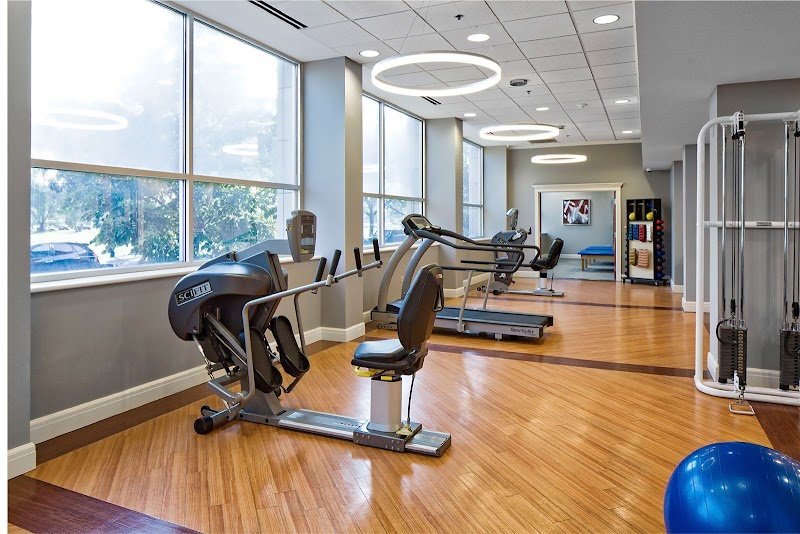
How Does Carlton At The Lake, The Compare to Other Illinois Nursing Homes?

Compared to the 100 nursing homes in Illinois, CARLTON AT THE LAKE, THE's overall rating (2 stars) is below the state average of 2.5, staff turnover (38%) is near the state average of 46%, and health inspection rating (2 stars) is below the national benchmark.

What Should Families Ask When Visiting Carlton At The Lake, The?

Based on this facility's data, families visiting should ask: "What changes have been made since the serious inspection findings, and how are you preventing similar issues?" "Can you walk me through typical staffing levels on day, evening, and night shifts?" "Can I visit during a mealtime to observe dining assistance and food quality?" "How do you handle medical emergencies, and what is your hospital transfer rate?" These questions are particularly relevant given the facility's Immediate Jeopardy citations and the below-average staffing rating.

Is Carlton At The Lake, The Safe?

Based on CMS inspection data, CARLTON AT THE LAKE, THE has documented safety concerns. Inspectors have issued 1 Immediate Jeopardy citation (the most serious violation level indicating risk of serious injury or death). The facility has a 2-star overall rating and ranks #100 of 100 nursing homes in Illinois. Families considering this facility should ask detailed questions about what corrective actions have been taken since these incidents.

Do Nurses at Carlton At The Lake, The Stick Around?

CARLTON AT THE LAKE, THE has a staff turnover rate of 38%, which is about average for Illinois nursing homes (state average: 46%). Moderate turnover is common in nursing homes, but families should still ask about staff tenure and how the facility maintains care continuity when employees leave.

Was Carlton At The Lake, The Ever Fined?

CARLTON AT THE LAKE, THE has been fined $241,131 across 4 penalty actions. This is 6.8x the Illinois average of $35,490. Fines at this level are uncommon and typically indicate a pattern of serious deficiencies, repeated violations, or failure to correct problems promptly. CMS reserves penalties of this magnitude for facilities that pose significant, documented risk to resident health or safety. Families should request specific documentation of what issues led to these fines and what systemic changes have been implemented.

Is Carlton At The Lake, The on Any Federal Watch List?

CARLTON AT THE LAKE, THE is not on any federal watch list. The most significant is the Special Focus Facility (SFF) program, which identifies the bottom 1% of nursing homes nationally based on persistent, serious quality problems. Not being on this list means the facility has avoided the pattern of deficiencies that triggers enhanced federal oversight. This is a positive indicator, though families should still review the facility's inspection history directly.