CENTER HOME HISPANIC ELDERLY
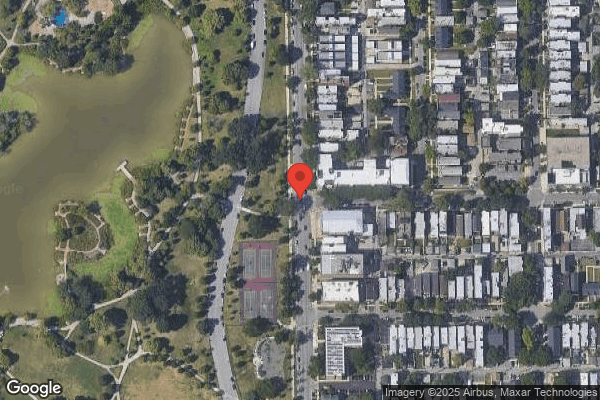
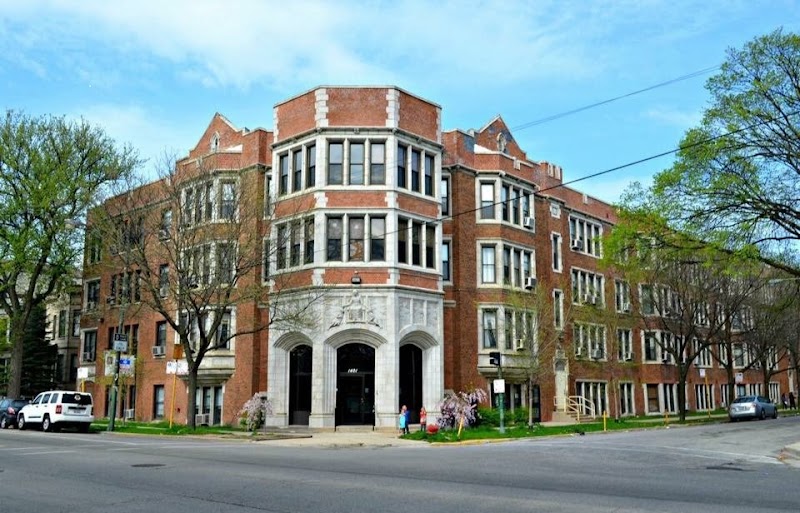
1401 NORTH CALIFORNIA, CHICAGO, IL 60622 (773) 782-8700
For profit - Corporation 156 Beds ICARE CONSULTING SERVICES Data: November 2025 1 Immediate Jeopardy citation
Trust Grade
0/100
#486 of 665 in IL
Last Inspection: January 2025

Within standard 12-15 month inspection cycle. Federal law requires annual inspections.

Overview

Center Home Hispanic Elderly in Chicago has received a Trust Grade of F, indicating poor care quality with significant concerns. They rank #486 out of 665 facilities in Illinois, placing them in the bottom half, and #158 out of 201 in Cook County, suggesting limited local options are better. The facility is worsening, with issues increasing from 21 in 2024 to 28 in 2025. Staffing is below average with a 2/5 star rating and a turnover rate of 48%, which is consistent with the state average but indicates instability. The facility faces severe challenges, having incurred $472,388 in fines, which is higher than 95% of Illinois facilities, pointing to repeated compliance problems. Specific incidents include a critical failure where a resident did not receive timely care for a significant change in condition, ultimately leading to hospitalization and death. Additionally, another resident fell due to inadequate supervision during daily activities, resulting in injuries requiring stitches. While RN coverage is about average, the overall environment raises serious concerns about resident safety and care quality. Families should weigh these serious deficiencies against any potential strengths before making a decision.

Trust Score
F
0/100
In Illinois
#486/665
Bottom 27%
Safety Record
High Risk
Review needed
Inspections
Getting Worse
21 → 28 violations
Staff Stability
⚠ Watch
48% turnover. Above average. Higher turnover means staff may not know residents' routines.
Penalties
⚠ Watch
$472,388 in fines. Higher than 80% of Illinois facilities, suggesting repeated compliance issues.
Skilled Nurses
○ Average
Each resident gets 30 minutes of Registered Nurse (RN) attention daily — about average for Illinois. RNs are the most trained staff who monitor for health changes.
Violations
⚠ Watch
79 deficiencies on record. Higher than average. Multiple issues found across inspections.
★☆☆☆☆
1.0
Overall Rating
★★☆☆☆
2.0
Staff Levels
★★☆☆☆
2.0
Care Quality
★☆☆☆☆
1.0
Inspection Score
Stable
2024: 21 issues
2025: 28 issues

The Good

  • Full Sprinkler Coverage · Fire safety systems throughout facility
  • No fines on record

Facility shows strength in fire safety.

The Bad

1-Star Overall Rating

Below Illinois average (2.5)

Significant quality concerns identified by CMS

Staff Turnover: 48%

Near Illinois avg (46%)

Higher turnover may affect care consistency

Federal Fines: $472,388

Well above median ($33,413)

Significant penalties indicating serious issues

Chain: ICARE CONSULTING SERVICES

Part of a multi-facility chain

Ask about local staffing decisions and management

The Ugly 79 deficiencies on record

1 life-threatening 12 actual harm
Aug 2025 1 deficiency 1 Harm
SERIOUS (G) 📢 Someone Reported This

A family member, employee, or ombudsman was alarmed enough to file a formal complaint

Actual Harm - a resident was hurt due to facility failures

Accident Prevention (Tag F0689)

A resident was harmed · This affected 1 resident

Based on interviews and record review, the facility failed to provide adequate supervision during provision of ADL (Activities of Daily Living) care for 1 (R2) resident out of 3 residents reviewed for...

Read full inspector narrative →
Based on interviews and record review, the facility failed to provide adequate supervision during provision of ADL (Activities of Daily Living) care for 1 (R2) resident out of 3 residents reviewed for falls. This failure resulted with R2 falling while at the facility on 06/24/2025 and sustaining a facial laceration requiring sutures.Findings include: R2's admission Record documented that R2's diagnoses (include but not limited to) Type 2 Diabetes Mellitus, repeated falls, Alzheimer's disease, dementia, and laceration part of head (Onset Date: 06/25/2025). R2's (05/13/2025) Minimum Data Set documented, in part Section C. Cognitive Patterns. C0500. BIMS (Brief Interview for Mental Status) Summary Score: no entry. C0700. Short-Term memory Ok: 1 memory problem. C0800. Long-Term Memory Ok: 1. Memory Problem. C1000. Cognitive Skills for daily decision making: 3 severely impaired. Section GG - Functional Abilities. GG0130. Self-Care. E. Shower/bathe self: 02 - substantial/maximal assistance - Helper does more than half of the effort. Helper lifts or holds trunk or limbs and provides more than half of the effort. R2's (Revision Date: 05/24/2025) care plan documented, in part Focus: has a Self-Care Deficit and requires assistance with ADL's to maintain the highest possible level of functioning. Goal: will maintain their current level of ADL functioning without a significant decline. Interventions: Provide assistance with all ADL's as required per the residents need dependence: Bathing.R2's (Revision on: 06/22/2023) care plan documented, in part Focus: is at risk for falls R/T (related to) Cognitive Impairments, Dementia. Goal: will remain free of injuries. Interventions: Staff to redirect resident when they see her bending over picking up anything off the floor (initiated: 09/13/2021). Anticipate and meet individual needs of the resident. (Date Initiated: 05/02/2017). R2's (06/24/2025) Fall documented, in part Person Preparing Report: V3 (Licensed Practice Nurse). Nursing Description: This writer was called by the CNA (Certified Nurse's Assistant) to the west side shower room, pt (patient) found lying on the floor leaning toward the left side, noted 2 lacerations on the left forehead above the left eye, bleeding, pressure dressing applied. 911 call was made, ambulance here to take pt to ER via stretcher. Predisposing Physiological Factors: confused, decreased safety awareness, and decreased strength. R2's (06/24/2025) CT Scan report documented, in part FINDINGS: Soft tissues: Swelling and laceration of the frontal scalp on the left side extending into the left periorbital area. R2's (06/30/2025) Final Reportable documented, in part Summary of Investigative Findings: While being showered by CNA (V4), the resident leaned forward, slipped off the shower chair, and fell, hitting her face on the floor. Resident has poor trunk control causing her to fall and sustain head injury, resident was sent out 911 and returned within 24 hours from ER (Emergency Room) with sutures.On 08/01/2025 at 10:32am with V17 (Licensed Practice Nurse) at the facility's first floor dining/activity room, R2 was seated on a wheelchair. R2 was leaning forward and V17 has to touch and guide R2's chin to show R2's face to the surveyor. R2 was observed with approximately 1mm x 2mm, 2mm x 2mm, and 3mm x 3mm scabbing above the corner of R2's left eyebrow. R2 was making noises, clenching her teeth. R2 failed to interact with the surveyor. V17 stated that she (R2) needs extensive assistance with bathing. That there should be 2 persons assisting her. That sometimes she (R2) is not redirectable and will not bear her weight. V17 stated, We need 2 people to safely give her a bath. On 08/01/2025 at 2:10pm, V4 (Certified Nursing Assistant) stated that if a resident is maximum assist with shower, there should be 2-person assisting the resident, that she (V4) took her (R2) to the shower; it was just her during that time and she did not ask other CNAs for assistance. V4 was in front of R2 while she was bathing her. V4 stated R2 tends to lean forward, and she (R2) leaned on her left side, and she (V4) tried to catch her. V4 stated R2 was too heavy for her and she grabbed her (R2) body, trying to protect her (R2) head from the impact but her head still hit the floor. V4 stated that even with the arm rest on both sides of the shower chair and positioned herself (V4) in front of her (R2), she still fell. V4 stated even before the incident on 06/24/2025, she (R2) always leans forward, and she (V4) should have asked for assistance when she gave her (R2) a shower to prevent her from falling. On 08/01/2025 at 12:03pm, V3 (Licensed Practice Nurse) stated that (R2) was being showered and fell; V4 tried to catch her but was unable to do so. That while in the shower room, she (V3) observed R2 with a laceration on the left side above her eyebrow. There were no other staff was present. V3 stated R2 is dependent on everything including shower and that R2 did normally well, but her (R2) trunk control was declining. R2 had poor trunk control prior to the incident. V3 added that there should be 2-person assisting R2 during shower to prevent falls.On 08/01/2025 at 12:31pm, V16 (Restorative Nurse/LPN) stated (R2) is coded substantial/Maximum assist with shower/bathing; that there should be up to 2 people assisting her with shower. R2 is alert only to herself and has a poor safety awareness and for safety, there should be 2 people assisting her with showers. On 08/01/2025 at 2:59pm, V9 (Therapy Director/Speech) stated for safety, she (V9) would recommend 2-person assist with shower. She (R2) has a very poor safety awareness and severe cognitive impairment. The likelihood of her falling could have been minimized. There is still a possibility she will fall with 2- person assist, but the incident of falls will be minimized. She has poor spatial awareness. She does not recognize leaning forward could cause her to fall.On 08/01/2025 at 1:22pm, V2 (Director of Nursing) stated V4 was disciplined for working in unsafe manner and R2 is 2-person assist with shower. V2 stated if a resident's MDS is coded 2 for Maximum Assist, ADL care should be performed with two people. V2 sated V4 did not follow the 2- person assist and if only she followed the 2-person assist, (R2) would have not fallen.V4's (06/25/2025) Corrective Action documented, in part Employee Name: (V4). Supervisor: (V2) Suspension. Reason for warning: No work shall be performed in an unsafe manner. The employee (V4) failed to follow safety precautions while giving a shower to a resident (R2) who was identified as a fall risk. Although the resident required the assistance of two caregivers, the CNA took the resident to the shower alone and did not ask for help. Disregard the company protocol led to the resident falling and sustaining an injury. The (06/25/2025) Inservice/Training Sheet documented, in part Topic: Resident that requires 2 (person) assist should always have 2 people/CNA present in the shower room. Presenter: V2 (Director of Nursing). The (undated) Residents' Rights for People in Long-Term Care Facilities documented, in part As a long-term care facility resident in the State, you are guaranteed certain privileges according to rights, protections and State and Federal laws. You have the right to safety and good care. Your facility must provide services to keep you physical health.
Jun 2025 1 deficiency 1 Harm
SERIOUS (G) 📢 Someone Reported This

A family member, employee, or ombudsman was alarmed enough to file a formal complaint

Actual Harm - a resident was hurt due to facility failures

Accident Prevention (Tag F0689)

A resident was harmed · This affected 1 resident

**NOTE- TERMS IN BRACKETS HAVE BEEN EDITED TO PROTECT CONFIDENTIALITY** Based on observation, interview, and record review, the facility failed to provide adequate supervision and monitoring for resid...

Read full inspector narrative →
**NOTE- TERMS IN BRACKETS HAVE BEEN EDITED TO PROTECT CONFIDENTIALITY** Based on observation, interview, and record review, the facility failed to provide adequate supervision and monitoring for residents. As a result of these failures, R3 fell in the facility on 05/24/2025, while being showered by staff and sustained facial lacerations requiring 12 sutures. These failures affect three (R3, R4, R5) out of five residents reviewed for supervision and monitoring in a total sample of five residents. Findings include: On 06/07/2025, at 10:01 AM, V5 (Certified Nursing Assistant/CNA) states she is unsure of the name of the resident but heard that a resident on the first floor had stitches on their face. V5 states she heard this information approximately 1 week ago. V5 states since then, the facility has educated them on being careful when showering residents and not to leave them unattended during showers. On 06/07/2025, at 10:08 AM, V6 (CNA) states R3 was the resident who fell in the facility and has a scar on his face. V6 states she was not working in the facility that day. R3 fell but she heard of the incident when she returned back to work. V6 states she has cared for R3 and is aware of his behaviors. V6 states R3 moves around a lot, grabs things, and people when they walk past him. V6 states R3 is at risk for falls and wears a helmet in the facility. V6 states R3 needs to have his hand held for guidance and be watched at all times. V6 states she heard that 2 CNAs were showering R3 when he fell. V6 states she does not understand how R3 fell while in the care of 2 CNAs. R3 should not have fallen. V6 states R3's eye looked bad after he fell and R3 required stitches around his right eye. On 06/07/2025, at 10:10 AM, R3 was fully dressed and sitting in a chair located in the first floor hallway next to V7 (Licensed Practical Nurse/LPN). V7 observed with a medication cart and passing medications to residents with R3 sitting next to the medication cart. R3 observed with a gray helmet on his head and 3 steri strips on the side of his right eye. R3 is not verbally responsive and unable to make needs known. On 06/07/2025, at 10:14 AM, V7 (LPN) states she was not working in the facility the day that R3 fell. V7 states when she returned to work, she was informed that R3 fell while taking a shower. V7 states she was informed that there was a CNA (identified as V12) giving R3 a shower when R3 became agitated. V7 states another CNA (identified as V13) was called to the shower room for assistance. V7 states as V13 was putting on her gloves, R3 fell while in the shower. V7 states R3 had discoloration and lacerations above and below his right eye and required a total of 12 stitches. V7 states R3 is at high risk for falls and usually wears a helmet for safety in the facility. On 06/07/2025, at 10:48 AM, surveyor located on the second floor of the facility and hears a resident call out for staff assistance. V10 (CNA) observed inside of another resident's room without any residents inside. V10 observed with her phone in her hand looking at the screen. V10 states she is currently not on break and is responsible for caring for residents on the second floor. V10 states she should not be located inside of the resident's rooms operating her phone. Surveyor inquires to V10 if she is the CNA responsible for caring for the resident who called for assistance. V10 states that she did not hear a resident call for assistance while she was operating her phone. On 06/07/2025, at 11:12 AM, R4 and R5 observed sitting in a wheelchair inside of the third-floor activity room unsupervised and unattended. On 06/07/2025, at 11:13 AM, V15 (CNA) walks inside of the third-floor activity room and states she is responsible for monitoring the residents located in the activity room because it is her designated monitoring time. V15 states she is responsible for monitoring the third-floor activity room today from 11:00 AM-11:30 AM. V15 states there is supposed to be someone inside of the activity room monitoring the residents at all times. V15 states she is not certain of the resident's fall risk status but believes R5 is at risk for falls. V15 states if residents are not properly monitored, then they can potentially fall or injure themselves. On 06/07/2025, at 2:44 PM, V12 (CNA) states she was the nurse assigned to care for R3 the day he fell on [DATE]. V12 states the incident occurred at approximately 7:30 PM. V12 states she had just given R3 a shower. R3 was still located in the shower room sitting down in a shower chair. V12 states she then had R3 stand up and called her co-worker V13 (CNA) to come into the shower room to monitor R3 while V12 went to retrieve more towels. V12 states she saw V13 coming around the corner putting on gloves. V12 figured that V13 could see R3 from the angle where V13 was standing. V12 states V13 was standing approximately 2.5 feet away from R3 while V13 was putting on her gloves. V12 states she was standing at the shower room doorway getting more towels when she heard a loud boom. V12 states when she returned back to the shower room approximately 2 seconds later. She saw R3 lying face down on the shower room floor bleeding from his face. V12 states they then made the nurse (identified as V14) aware of R3's status and V14 went to the shower room to assess R3. V12 states she felt bad and was crying because R3 should not have fallen. R3's fall could have been prevented. V12 states R3's fall could have possibly been prevented if she had the towels closer to the shower room, or if V13 was standing closer to R3. V12 states R3 is at high risk for falls and requires a lot of 1:1 monitoring in the facility at times. V12 states R3 had a gash underneath his right eye and was sent out to the hospital to be evaluated. V12 states R3 returned back from the hospital the same day and had stitches in his right eye. V12 states R3's eye was also swollen and discolored blue and purple. On 06/07/2025, at 2:18 PM, V2 (DON/Director of Nursing/Fall Coordinator) states she handles the clinical reporting of falls to the state health department. V2 states she was on vacation when R3 fell and was made aware of R3's status. V2 states she followed up to ensure that R3's fall was investigated and reported by another staff member. V2 states she was made aware that V12 (CNA) was giving R3 a shower. V12 went to grab a towel and left V13 (CNA) with R3. V2 states V13 was putting on her gloves and she tried to catch R3 but R3 slipped and fell. On 06/07/2025, at 3:30 PM, V2 (DON/Fall Coordinator) states as a result of R3 falling in the facility, V12 (CNA) and V13 (CNA) were both suspended from work for a total of 3 days. On 06/09/2025, at 1:02 PM, V13 (Certified Nursing Assistant/CNA) states V12 (CNA) asked her for help while showering R3 because R3 was aggressive at that moment. V13 states R3 was irritated, aggressive, and trying to fight staff. V13 states V12 went to reach for towels. R3 attempted to walk while V13 was putting on her gloves. V13 states she tried to grab R3 but R3 fell face down in the shower. V13 states she feels really bad about R3 falling and cannot believe it happened. V13 states R3 fell within a matter of one second because they could not handle R3 in that moment. V13 states she was standing close to R3 but was trying to put her gloves on when R3 suddenly fell. V13 states R3 was bleeding close to his eye and V14 (LPN) called the ambulance. V13 states R3 was sent out to the hospital and needed stitches. V13 states she was suspended from work for 3 days and will be returning back to work this week. R3's Facesheet documents that R3 has diagnoses not limited to: Lacerations without foreign body of other part of head, unspecified injury of head, unspecified fall, history of falls, unsteadiness on feet, mild cognitive impairment, lack of coordination, seizures, and unspecified dementia. R3's MDS/Minimum Data Set, dated [DATE], documents that R3 has a BIMS/Brief Interview for Mental Status of 0/15, indicating R3 is cognitively impaired. R3 requires substantial/maximal assistance with showering/bathing. R3 is incontinent of bowel and bladder and ambulates via wheelchair. R3's Fall Risk assessment dated [DATE], documents that R3 is at high risk for falls. R3's care plan documents that R3 is at risk for falls with interventions to include Anticipate and meet individual needs of the resident. Facility Reported Incident dated 05/24/2025, documents that the facility reported to the state agency that R3 fell in the facility while in the shower and sustained injuries. R3's hospital records dated 05/24/2025, documents that R3 was evaluated in the hospital on [DATE], and diagnosed with complex lacerations of the face and required sutures. R3's nursing progress note dated 05/24/2025, at 7:20 PM, written by V14 (LPN) documents, This writer walked to the west side shower room. Writer noticed R3 was half sitting on the floor. Per the two aides who were showering R3, R3 slipped on the floor and fell. R3 was noticed with approximately two and half centimeter cut below the right eye (orbital area) oozing a moderate amount of blood. R3 was also noticed also with approximately 1 centimeter cut below right eye brow, oozing a moderate amount of blood. A pressure dressing was applied to both areas to stop the bleeding. R3 was assessed for any hip injury. Both extremities were equal in length and size. R3 denies any pain during movement of the both legs. R3 did not lose conscious, and was alert to name and situation. R3 was noted with base line mental status, and able to answer simple questions. R3 complained of pain on the forehead and right side of his face. R3 was noticed with swelling on the right facial area, swelling of the chin with bruising, right forehead swelling and purple discoloration, swelling and bruising of the right eye, right facial area edema with ecchymosis on and around the right side of the face. No bumps were noted on the head. R3 was able to grasp with both hands, and able to follow simple commands. R3's pupils were reactive to light. R3's right knee had a small cut, with a scrape. Redness was noted on the right hand by the thumb area with purple discoloration. No skin breaks. Redness was observed on the right side of the chest and abdomen area. 911 call was made and R3 was taken to hospital. R3's nursing progress note dated 05/25/2025, at 12:40 AM, written by V7 (LPN) documents Received R3 lying in bed with no signs of distress or discomfort. Writer noted R3 has 4 stitches below the right eyebrow that are intact. R3 has 8 stitches below the right eye (orbital area) that are intact. R3's right side of the face bruise along with swelling of the right eye. R3 right eye sclera redden, no drainage noted from the right eye. R3's chin on the right side has a small abrasion. R3's right knee had 2 redden scrapes with some right knee slight swelling. R3 has no active bleeding. R3 denies pain. No change in neurological status from baseline. Fall precautions implemented. R3 will continue to be monitored. R4's Fall risk assessment dated [DATE], documents that R4 is at high risk for falls. R5's Fall risk assessment dated [DATE], documents that R5 is at high risk for falls. Facility policy dated 03/2015, titled Supervision and Safety documents in part, Our policy strives to make the environment as free from hazards as possible. Resident safety and supervision are facility-wide priorities. 1. Our facility-oriented approach to safety addresses risks for groups of residents such as wanderers, behaviors, aggressiveness, confusion, etc. 4. Resident supervision is a core component to resident risk factors. 9. Staff to decrease safety risk factors as much as possible. Facility policy dated 02/28/2014, titled Fall Prevention Program documents in part, 11. Residents who require staff assistance will not be left alone after being assisted to bathe, shower, or toilet. 22. Monitor gait, balance, and fatigue with ambulation.
May 2025 1 deficiency
CONCERN (F) 📢 Someone Reported This

A family member, employee, or ombudsman was alarmed enough to file a formal complaint

Potential for Harm - no one hurt, but risky conditions existed

Room Equipment (Tag F0908)

Could have caused harm · This affected most or all residents

**NOTE- TERMS IN BRACKETS HAVE BEEN EDITED TO PROTECT CONFIDENTIALITY** Based on observation , interview and document review the facility failed to maintain all mechanical equipment in safe operating ...

Read full inspector narrative →
**NOTE- TERMS IN BRACKETS HAVE BEEN EDITED TO PROTECT CONFIDENTIALITY** Based on observation , interview and document review the facility failed to maintain all mechanical equipment in safe operating condition. This failure affected all residents in the facility by not providing hot water due to equipment failure. Findings include: On 4/30/25 the facility was toured and hot water accessible to the resident was measured with V5 (Maintenance Director) with a facility provided dial stem thermometer. 3rd floor mens common toilet at hanksink 11:10AM 90F . 3rd floor womens common toilet room. 11:13AM . No water supply at both handswashing sinks. 3rd floor womens shower and bathroom across room [ROOM NUMBER]. At shower 89F 11:16AM 89F. At handsink 91F. 3rd floor mens shower room across room [ROOM NUMBER] 11:20AM at handsink 90F. At shower 80F. 2nd floor mens shower room [ROOM NUMBER]:29AM handsink 87F, at shower 86F. 2nd floor womens shower room [ROOM NUMBER]:35AM handsink 88F, at shower 88F. 1st floor womens restroom/shower room [ROOM NUMBER]A 11:45 AM at handsink 83F at shower 88F. 1st floor mens toilet room [ROOM NUMBER]C 11:50 AM handsink 70F. On 4/30/25 at 12PM the basement boiler room was observed in the following condition. The boiler room was entered with V5. The walkway was flooded and water was running along the floor towards the sump pit Water was observed flowing from the hot water mixing valve located next to the 2 hot water tanks. On 4/30/35 at 12:05 PM V5 was questioned as to what was wrong. V5 stated the mixing valve is no good and I have a new one. I have to replace the mixing valve when we are done here. V5 failed to mention this condition to the surveyor when the facility hot water temperatures were being taken during tour. On 5/1/25 at 12:20PM V6 (Corporate Project Manager) stated we have the wrong mixing valve and a new one is being found from supplier at this time. The impeller is the wrong size. We also are having an issue with the boiler since the pilot light went out and we cant get the boiler to restart. We will continue until the hot water issue is resolved. On 5/5/25 at 10:37AM V5 stated I was aware that the there was no hot water available to the residents on 4/29 late in the afternoon. The mixing valve for resident hot water started leaking and partially flooded the boiler room where the hot water tanks are located. I notified the administrator. V6 came to the facility and we discovered the hot water mixing valve was not functioning. The impeller inside the unit was corroded due to age of the mixing valve. At this time we ordered a new mixing valve. There was no hot water available for the residents. The hot water boiler pilot light also malfunctioned because the water from the leaking mixing valve put out the pilot light to the boiler. On 5/2/25 we replaced the mixing valve and restarted the boiler. Water temperatures returned to 108F at resident accessible hot water fixtures. On 5/5/25 at 10:45AM V1 (Administrator) stated when V5 notified me of the inadequate hot water I notified staff in the building not to give showers to the residents. I told nursing staff to give bed baths only to the residents and to use wipes for ADL (Activities of Daily Living) care. We do not have a preventative maintenance program that includes the facility plumbing system. Today we have hot water restored and nursing staff may give showers to the residents. Facility hot water monitoring logs V5 uses to record hot water temperatures were reviewed. Log shows that on 4/29/25 AM the resident hot water ranged from 102 to 104 F . (According to V5 the mixing valve failed on 4/29/25 after the facility hot water temperatures were taken for the day) . On 4/30/25 hot water temperatures ranged from 77 to 78F. On 5/1/25 74 to 76F and 5/3/24 84 to 89F. According to V5 the hot water was restored on 5/4/25. Facility policy titled Hot Water Policy states Facility will comply with CMS requirements. Water Temps must be within the 105-120F range not to exceed it. Illinois requires Water Temps to be within 105F-110F in residents rooms, bathrooms and shower rooms.
Mar 2025 2 deficiencies 1 Harm
SERIOUS (G) 📢 Someone Reported This

A family member, employee, or ombudsman was alarmed enough to file a formal complaint

Actual Harm - a resident was hurt due to facility failures

Accident Prevention (Tag F0689)

A resident was harmed · This affected 1 resident

**NOTE- TERMS IN BRACKETS HAVE BEEN EDITED TO PROTECT CONFIDENTIALITY** Based on interview and record review the facility failed to develop and implement appropriate measures to ensure adequate superv...

Read full inspector narrative →
**NOTE- TERMS IN BRACKETS HAVE BEEN EDITED TO PROTECT CONFIDENTIALITY** Based on interview and record review the facility failed to develop and implement appropriate measures to ensure adequate supervision for three of three residents (R1, R2, and R3) identified at high risk for falls reviewed for falls with injury in the sample. This failure affected R1, R2, and R3 who had multiple falls and unwitnessed falls with lacerations requiring adhesive strips, sutures, and staples to correct the lacerations at the local hospital. Findings include: 1. R1's medical record admission Record showed that R1 was admitted to the facility 11/09/2023. R1 diagnosis list includes but not limited to Alcoholic cirrhosis of liver without ascites, altered mental status, hepatic encephalopathy, abnormal results of liver function studies, alcoholic polyneuropathy, unspecified injury of head, subsequent encounter, anemia, alcohol dependence, uncomplicated, hypertensive heart disease with heart failure, unspecified dementia, unspecified severity, with other behavioral disturbance, thrombocytopenia, unspecified. R1's fall risk review presented dated 11/09/2023 showed that R1 was determined to be high risk for falls. R1's medical record showed that R1 had three unwitnessed falls in the month of February dated 02/20/25, 02/16/25 and 02/27/25. R1' medical record documentation showed that R1 had a fall with no injury on 02/20/25. R1's hospital record dated 02/16/25 documentation showed reason for ER (Emergency Room) visit as fall and head laceration with diagnosis listed as scalp laceration initial encounter and fall initial encounter. Laceration repaired with four (4) staples. R1's fall risk review presented dated 02/16/25 showed that R1 was determined to be high risk for falls. R1's hospital record dated 02/27/25 documentation showed reason for ER visit as fall with diagnosis listed as chin laceration, initial encounter, and fall initial encounter. Laceration to the chin repaired with eight (8) sutures. R1's fall risk review presented dated 02/27/2025 showed that R1 was determined to be high risk for falls. The facility investigation conclusion for the incident of 02/16/25 final report indicated that it was confirmed that R1 had fallen while visiting a friend who is another facility resident. The staff members were interviewed and reported that the resident (R1) was lying on the floor near the walker in another resident's room during rounds. Facility investigation witness statement V19 CNA (Certified Nurse's Aide) I did not witness the incident. I was assigned to resident (R1). According to the facility investigation staff interview/statement post incident/accident report dated 2/27/25, V21 RN (Registered Nurse) wrote that the CNA called my attention saying that the resident (R1) is on the floor in the hallway near the toilet doorway at around (15:30) 3:30pm. V21 wrote that (R1) did not use his walker and (R1) is unaware of safety precautions. On 03/24/25 at 2:45pm, V21 RN (Registered Nurse) stated none of the scheduled staff saw R1 before the fall. R1 was found after the fall. V21 stated that R1 should be under strict supervision since R1 is at high risk for falls because R1 is constantly falling. V21 stated that R1 had a laceration not a skin tear, V21 stated that laceration can be from a blunt trauma, forceful and the wound is a deeper than skin tear. On 03/25/25 at 1:25pm, V16 (Restorative Aide) stated that R1 is high risk for fall. We (facility) put residents in a fall prevention program after they have two to three fall incidents. Right now, starting today (03/25/25). R1 is using non-skid floor mat, chair/bed alarm and since Friday using wheelchair after therapy reevaluation. On 3/26/25 at 12:36pm, V19 CNA (Certified Nurse's Aide) stated that she was in the shower room when the incident occurred on 02/16/25 and that before leaving to assist the resident V20 RN (Registered Nurse) was made aware so that another staff can monitor V19's assigned residents in making sure their needs are met and fall is prevented. The surveyor asks V19 whether in her opinion as a CNA any resident using assistive ambulatory device like a walker should be monitored. V19 stated yes. At 12:43pm, V2 DON (Director of Nurses) who was present during the interview stated that V20 (RN) is no longer working at the facility. V2 stated that one of the other CNAs or V20 should have made the other staff on the floor aware so they can help to monitor. V2 stated that on every shift there should be a staff (CNA) monitoring the hallway. 2. R2's medical record admission Record showed documentation that R2 was admitted to the facility on [DATE] with list of diagnosis that includes but not limited to chronic kidney disease, hydronephrosis with renal and ureteral calculous obstruction, anemia, laceration without foreign body of scalp, subsequent encounter, unspecified dementia, unspecified severity, without behavioral disturbance, psychotic disturbance, mood disturbance and anxiety. R2's medical record showed two unwitnessed falls in the month of March dated 03/07/25 and 03/20/25 with injury. According to facility final investigative report form for 3/7/25 incident R2 had a fall and R2 was sent to the hospital. According to the facility investigation dated 03/07/25, V13 CNA witness statement form documentation, V13 wrote in part that R2's roommate came and got me (V13) to let me know that R2 fell when I (V13) got back from break, R2 was noted on the bed leaning forward and bleeding then V13 called the nurse (Referring to V11). R2's medical record Progress note dated 03/07/25 timed 01:55 (1:55am) V11 documented that (R2) was found in bed following an unwitnessed fall by CNA (referring to V13). Assessment revealed that (R2) hit the head. V11 noted a laceration on the left side of the forehead and blood on the floor. Physician and 911 (local emergency number) called and was sent to the hospital. On 03/07/25 at 10:29am, V23 ADON (Assistant Director of Nurses) documented that when she called the local hospital, she was informed that R2 is admitted to the ICU (Intensive Care Unit) with diagnosis of anemia and subdural hematoma with bleeding. R2's medical record showed that R2 was transferred back to the facility on [DATE] at 4:03pm via ambulance with 2 to 3 stitches. On 03/14/25 at 11:59am, V4 (Wound care Nurse) documented that she removed 3 sutures from the left side of R2's forehead. R2's medical record Progress Note showed documentation that on 03/20/25 R2 had another unwitnessed fall incident with laceration to parietal area with minimal bleeding. R2's hospital record dated 3/20/25 showed that R1 was at the hospital for fall and listed diagnosis includes fall initial encounter and laceration of scalp without foreign body. Laceration corrected with one staple on the scalp. On 03/25/25 at 12:51pm, V11 LPN (Licensed Practical Nurse) stated that she was the nurse in charge for care of R2 with two CNAs on the floor. I (V11) was doing my rounds when the CNA (V13) who was just coming back from break called me that R2's roommate called her that something is wrong with R2. When I (V11) got to the room R2 was on the floor in a pool of blood with laceration to the left side of the forehead. I took the vitals and called the doctor (physician) and R2 was sent to the hospital. V11 stated that the incident occurred around 1:55am, there were two CNAs on the floor and we should have at least three CNAs because we have lots of residents who are at risk for falls. The surveyor asked about how the staff supervise/monitor the residents if one of them goes on break. V11 stated that when one (CNA) goes on break the other ones takes over to monitor the floor that is why we ask them to sit in the hallway. V11 stated that on 03/07/25 I did not hear any, noise, no yelling or crying (from R2) until (V13) called me. 3. R3's medical record admission Record showed that R3 was admitted to the facility on [DATE] with diagnosis list that includes but not limited to Hydrocephalus, unspecified, cerebral infarction, unspecified, sepsis unspecified organism, presence of cerebrospinal fluid drainage device, traumatic subdural hemorrhage without loss of consciousness subsequent encounter, altered mental status, unspecified, low vision right eye category 2, low density vision left eye category 2, and presence of urogenital implants. R3's medical record showed that R3 had an unwitnessed fall on 02/12/2025, R3 was found on the floor in the west dining room. R3 was sent to the local hospital for evaluation and treatment, R3's CT scan at the hospital showed acute subacute subdural hematoma. Facility investigation report concluded that R3 attempted to reposition self without asking for help and slid out of the wheelchair. R3's medical record showed that R3 had a fall on 03/15/25, according to facility investigation documentation, R3 was turned too far in bed while receiving perineal care (Incontinent care). R3 was sent to the hospital where adhesive strips were applied to correct laceration to the forehead. R3's MDS (Minimum Data Set) dated 1/31/25 scored BIMS as 12. On 03/24/25 at 4:10pm, V2 stated that all these falls happened in the room and there is no way the facility can put the staff in the room with the residents. On 03/26/25 at 10:58am to 11:15am, during interview with V25 (Physician), V25 stated that R1, R2, and R3 have comorbidities that put them at risk for falls. V25 stated that they can all benefit from close supervision to prevent falls and injury to the residents. When the surveyor asked whether these falls can be prevented, V25 stated these residents are being treated with medicine but close supervision by staff is the only way that is successful in preventing their falls (referring to R1, R2, and R3). Yes, they will all benefit from close supervision. Most of these falls happened on nights (Night shift). On 03/26/25 as at 4:25pm, V2 and the surveyor were unable to reach V10 (Nighttime LPN), V20 (Former RN), V23 (Former ADON), V24 (Former RN) via phone for interview. The facility policy presented dated 2/28/14 on Fall Prevention Program documented that it is the policy of this facility to have a fall prevention program to assure safety of all residents in the facility, when possible. the program will include measures which determine the individual needs of each resident by assessing the risk for falls and implementation of appropriate interventions to provide necessary supervision and assistive devices are utilized as necessary. Listed guidelines for safety precautions for resident at risk includes but not limited to the frequency of safety monitoring will be determined by the resident's risk factors and plan of care, any resident who falls at least twice within 30 days will be considered at risk. The facility policy on Supervision and Safety dated 3/15 documented that resident safety and supervision are facility-wide priority. Resident supervision is a core component of resident safety. Staff to make visual rounds on residents minimally every two hours and more often, if necessary, based on resident's assessment needs.
CONCERN (E) 📢 Someone Reported This

A family member, employee, or ombudsman was alarmed enough to file a formal complaint

Potential for Harm - no one hurt, but risky conditions existed

Deficiency F0558 (Tag F0558)

Could have caused harm · This affected multiple residents

Based on observation, interview, and record review the facility failed to ensure that the call lights are within reach for 9 of 9 residents (R1, R2, R3, R6, R8, R10, R12, R13 and R14) reviewed for cal...

Read full inspector narrative →
Based on observation, interview, and record review the facility failed to ensure that the call lights are within reach for 9 of 9 residents (R1, R2, R3, R6, R8, R10, R12, R13 and R14) reviewed for call lights. Findings include: On 03/24/25 at 12:01pm, R1 noted in the room eating with call light not within reach, R3 noted in bed with call light not within reach, and R14 noted in wheelchair on the right side of the bed with call light not within reach on the left side of the bed. R14 stated I can't reach it. At 12:11pm, V6 CNA (Certified Nurses Aide) stated call lights should be within reach of the resident whether in bed or chair. On 03/24/25 at 12:20pm, R6 noted in bed that was positioned very high and call light noted under the bed, R10 in bed with call light noted on the floor under the bed and not within reach. R13 noted in bed with call light noted under the bed. On 03/24/25 at 12:21pm, R2 noted in the room in a chair with call light not placed within reach. When this was shown to V8 RN (Registered Nurse), V8 stated that R2 is a fall risk and should be monitored, the call light should be within reach for all residents. At 12:24pm, R8 noted in bed with call light not within reach. At 12:28pm, R12 noted in bed with call light on top of the over the bed light. At 12:29pm, R10 observed in bed with call light noted on the floor under the bed not within reach. R1's plan of care for falls focus indicated that R1 is at risk for falls related to weakness, with history of fall-initiated date of 11/10/2023 and last revised 02/19/25. Goal includes R1 will have decrease incident of falling. Listed interventions includes to be sure call light is within reach. On 03/25/25 at 1:36pm R3 and R14 noted in the room. R3 in a recliner chair with call light not within reach and called the surveyor to put (R3) back in bed. In the same observation R14 noted in wheelchair with call light not within reach. Surveyor brought this to V15 LPN (Licensed Practical Nurse)'s attention and asked about the facility policy on call light placement. V15 stated that the call light should be within the reach of the resident while in bed or chair. On 03/25/25 at 4:10pm, V2 stated that they (referring to staff) know better in making sure all the residents have their call lights within reach whether in bed or in a chair especially for residents who are high risk for falls. The facility Call Light Policy presented with no date documented that the purpose of the policy is to respond to resident's requests and needs in a timely and courteous manner. Listed standards includes but not limited to all residents shall always have the nurse call light system available and within easy accessibility to the resident at the bedside or other accessible location. The facility policy presented dated 2/28/14 on Fall Prevention Program documented that it is the policy of this facility to have a fall prevention program to assure safety of all residents in the facility. Listed guidelines for safety precautions for resident at risks includes but not limited to the frequency of safety monitoring will be determined by the resident's risk factors and plan of care, any resident who falls at least twice within 30 days will be considered at risk and Call lights are kept within reach.
Jan 2025 3 deficiencies 1 Harm
SERIOUS (G) 📢 Someone Reported This

A family member, employee, or ombudsman was alarmed enough to file a formal complaint

Actual Harm - a resident was hurt due to facility failures

Free from Abuse/Neglect (Tag F0600)

A resident was harmed · This affected 1 resident

**NOTE- TERMS IN BRACKETS HAVE BEEN EDITED TO PROTECT CONFIDENTIALITY** Based on interview and record review, the facility failed to ensure that a resident remained free from mental abuse for one (R5)...

Read full inspector narrative →
**NOTE- TERMS IN BRACKETS HAVE BEEN EDITED TO PROTECT CONFIDENTIALITY** Based on interview and record review, the facility failed to ensure that a resident remained free from mental abuse for one (R5) of three residents reviewed for abuse. This failure resulted in V4 (Former Certified Nursing Assistant/CNA) taking inappropriate photos of R5 and sending them in a text to her peers. A reasonable person who had inappropriate photos taken of them and shared with others would have felt sad, humiliated, and angry. Findings include: Facility's final incident report of 1/3/2025, documents on 12/30/2024, it was reported that (V4 Former CNA) took some inappropriate photos of (R5) and sent them to a CNA group text. An investigation has been immediately initiated and completed. Upon investigation, it is noted that V4 took photos and posted in CNA group. Face sheet indicates R5 is a [AGE] year-old female admitted to the facility on [DATE], with diagnoses including but not limited to: Cerebral Infarction (stroke), Occlusion and Stenosis of Right Carotid Artery, Coronary Angioplasty Status, Hemiplegia and Hemiparesis Following Cerebral Infarction Affecting Right Dominant Side (paralysis and weakness on one side of body following stroke), Hemiplegia and Hemiparesis Following Cerebral Infarction Affecting Left Non-Dominant Side, Dysphagia (difficulty swallowing), and Sepsis (body's extreme reaction to infection). MDS (Minimum Data Set) assessment dated [DATE] indicates R5 has severely impaired cognition. 1/28/2025, at 3:05 PM, V2 (DON-Director of Nursing) said V4 (Former CNA) was terminated on 12/31/2024, for HIPPA (Health Insurance Portability and Accountability Act) and resident rights violations by posting photos of a resident (R5) to CNA chat group members. 1/28/2025, at 4:24 PM, V6 (Certified Nursing Administrator) said she received pictures of R5 via group text from V4 (Former CNA). 1/29/2025, at 11:06 AM, via telephone, V9 (Scheduler) said she received a text from V4 (former CNA) at approximately 10:30 PM on 12/30/2024. Included in the text were two pictures of R5 (V9's aunt). R5's face was visible, diaper open and soiled with feces, buttocks visible. V9 said she was upset V4 sent pictures of R5 to her in a CNA group. V9 said V4 responded, it's not right what's going on, everyone needs to know. V9 reported the incident to V2 (DON) and V11 (Human Resources Director). V2 followed up with all CNAs included in the group text to ensure that pictures were deleted from their phones and not forwarded. R5's family was informed of the incident. 1/31/2025, at 9:02 AM, via telephone, V4 (Former CNA) Spanish speaking states, that day I went to start my night shift, I got to the floor, there were no nurses or CNAs, nobody was on the floor. When I got there, I find R5, hanging from the side rail, full of stool/wet and R5 is a fall risk. V4 continues to state I got scared and how could they leave her like that. My first reaction was that it was not fair to leave a person like that. I took a picture of the status she was in, they always left her like that. V4 reports that they wouldn't keep her safe, they didn't have anyone watching her, on top of that they would close her door because she would yell out. V4 reports that she was added to the group chat via text that was made for support. V4 states that she took one picture of R5 and sent the same picture twice in the group text. V4 states that she doesnt know how many CNAs were in the group chat. V4 continued to state that she did not receive any abuse training in the facility. I'm told to sign things, I don't know what I'm signing. V4 states that she completed her CNA training outside of the facility and she did struggle during the CNA training due to her language barrier. V4 reports that she feels sorry about what she did, but she continues to state she (V4) didn't know she shouldn't send the picture. V4 reports that other CNAs had sent other residents' pictures of bruises in the group chat. 1/30/2025, at 7:49 PM, via telephone, V25 (R5's Daughter) said she was informed by V2 (DON) that a CNA (Certified Nursing Assistant) took pictures of R5 and posted them to other staff via a group chat. V25 said R5 is not in her right mind and could not have given consent for the pictures to be taken. The pictures showed R5's face, she was completely nude. I was very heated, my concern was if R5's picture was posted on social media. V25 said she did not tell R5 about the pictures. V25 added, R5 would have felt sad, humiliated, and angry because it was an invasion of R5's privacy. CNAs Group Text list documents there were 19 CNAs included in the text. Abuse Prevention Program Facility Policy and Procedure (reviewed 1/4/2018) page 6 Photographing and Recording Residents documents in part, staff photographing or recording residents or their private space for other than medical or facility purposes is strictly prohibited. Staff posting or sending a photo or recording on social media or otherwise keeping or sending a photo or record through multimedia messaging other than for facility purposes is also strictly prohibited. Staff taking or using a photograph or recording of a resident in a manner that demeans or humiliates a resident, regardless of the resident's cognitive status or whether the resident consented, is strictly prohibited and will be handled as an allegation of abuse. Photographing or recording includes taking photographs or recordings from any type of device, including smart phones. Screening Assessment to Determine the Presence of Trauma Factors Including Abuse and/or Neglect Policy Protocol (undated) documents Mental Abuse includes, but is not limited to humiliation, harassment, threats of punishment, deprivation, or offensive physical contact. This includes abuse that is facilitated or enabled through the use of technology.
CONCERN (D) 📢 Someone Reported This

A family member, employee, or ombudsman was alarmed enough to file a formal complaint

Potential for Harm - no one hurt, but risky conditions existed

Investigate Abuse (Tag F0610)

Could have caused harm · This affected 1 resident

Based on interview and record review, the facility failed to follow their abuse policy to complete a thorough abuse investigation for one of three residents reviewed for abuse (R4) in the sample of se...

Read full inspector narrative →
Based on interview and record review, the facility failed to follow their abuse policy to complete a thorough abuse investigation for one of three residents reviewed for abuse (R4) in the sample of seven. Findings include: 1/29/2025, at 12:37 PM, V11 (Human Resource Director) stated (V11) was told by other staff that V5 (Certified Nursing Assistant/CNA) said bad words to R4. I went to V7 (Former Administrator) and reported that I was told V5 said some bad words to a resident. I don't think he (V7) did a complete investigation. He did not involve social services to interview R4 and other residents and didn't interview additional staff. He kept me out of the loop. Anytime I asked him about the investigation he would say, don't worry about it, I'm handling it. 1/29/2025, at 2:50 PM, via telephone, V7 (Former Administrator) said, it was reported to him, by V6 (CNA) that V5 (CNA) used profanity while performing direct resident care to R4. V6 reported the incident to V2 (Director of Nursing) who reported it to me. I did an investigation; I think I interviewed staff on the unit. I interviewed staff involved (V5, V6). I interviewed the resident and her roommate. My interviews should be included in my investigation. 1/30/2025, at 1:53 PM, V17 (Director of Clinical Services) said I typically dont get involved in abuse investigations. There was a lot of information missing from V7's interviews (names, dates, times, allegation details). I instructed V7 to get a detailed accounting of what happened that night. V7 did not do a thorough investigation. V7's investigation included R4's, V5's (CNA), V6's (CNA), and V26's (Registered Nurse) statements. Statements did not include dates or times that alleged abuse occurred. No other statements for staff who routinely work with V5 or residents V5 routinely takes care of. Abuse Prevention Program Facility Policy and Procedure (reviewed 1/4/2018) page 8, Investigation Procedures, documents in part, Residents to whom the accused has regularly provided care, and employees with whom the accused has regularly worked with will be interviewed to determine whether anyone has witnessed any prior abuse, neglect, exploitation, mistreatment or misappropriation of resident property by the accused individual.
CONCERN (D) 📢 Someone Reported This

A family member, employee, or ombudsman was alarmed enough to file a formal complaint

Potential for Harm - no one hurt, but risky conditions existed

Deficiency F0692 (Tag F0692)

Could have caused harm · This affected 1 resident

Based on interview and record review the facility failed to follow the care plan addressing the resident will maintain adequate nutritional and hydration status and failed to implement current profess...

Read full inspector narrative →
Based on interview and record review the facility failed to follow the care plan addressing the resident will maintain adequate nutritional and hydration status and failed to implement current professional standards of practice to follow up and/or address a Registered Dietician's recommendations for one resident (R2) out of four residents reviewed for hydration. This failure places residents at risk to be provided with inappropriate care and services to meet the resident's physical, mental and/or psychosocial needs. The findings include: R2's face sheet documents that R2 has diagnoses including but not limited to: severe sepsis with septic shock, unspecified atrial fibrillation, encounter for attention to gastrostomy, adult failure to thrive, type 2 diabetes mellitus without complications, pressure ulcer of other site, unspecified stage, chronic kidney disease, stage 3a, obstructive and reflux uropathy, unspecified, hemiplegia and hemiparesis. R2's MDS/Minimum Data Set Section C dated 12/11/2024 documents that R2 has a BIMS/Brief Interview for Mental Status score of 00/15, indicating that R2 is severely cognitively impaired. R2's MDS/Minimum Data Set section I dated 12/11/2024, documents that R2 has medically complex conditions. On 1/29/2025, at 11:24 AM, V8 (Consultant Dietitian) states that she looks at the labs and recommends repeat labs if she has a concern. V8 states that she requested labs for R2 multiple times several months ago. V8 continues to state that she was unable to obtain them. V8 reports dieticians cannot order labs. V8 states that she informed V10 (Assistant Director of Nursing) and sent recommendations via electronic mail to nursing department which includes V2 (Director of Nursing) and V10. V8 states that V10 responded to V8 that they will ask the doctor. V10 continues to state R2's labs were not good, R2's water provision was way above, with such a large volume going in due to his water flush orders and sodium level was still high, he could have some kind of endocrine concern. V8 states that she monitors R2 monthly, and she states that especially with R2 having wounds, you want to keep him well hydrated. V8 states that she recommended for R2 to get follow up labs at least 4 times. On 01/30/2025, at 9:33 AM, V19 (Nurse Practitioner) states that if the dietitian, wound care specialist, psychiatrist have recommendations that are related to medical concerns, the nursing department should notify V19. V19 continues to state the director of nursing should audit the charts for any new orders or recommendation. V19 states that it is important to follow up on healthcare professional's recommendations. V19 states because that's the way we are providing a good care for the patient, because if they recommend something, it's their best knowledge. V19 reports that R2 has been declining for a very long time due to R2's comorbidities. V19 states that he recommended R2 to be on hospice, his family has refused. V19 states that he never got notification from anyone that the dietician recommended follow up labs. V19 states that if lab is showing abnormal renal function, it's not appropriate to not follow up because it's the patient's life. On 1/29/2025, at 3:33 PM, V2 (Director of Nursing) states that V10 (Assistant Director of Nursing) is on vacation and V10 is responsible for following up with dietician's recommendations. On 1/30/2025, at 11:49 AM, this surveyor asked V2 what happened with the V8 (Consultant Dietitian) recommendation for R2 to have follow up labs. V2 states I'm not sure what happened with the labs, to be honest. V2 states that when she would follow up with V10 (Assistant Director of Nursing) regarding the notification/recommendations from V8, V10 would respond to V2 that she is following up with the doctor and it is taken care of. On 1/30/2025, at 12:32 PM, V21 (R2's Attending Physician) states that R2 has a lot of complications. V21 states that R2 has a gastrostomy tube, wounds, demented, decubitus ulcer almost closed, and has a permanent urinary catheter which creates high risk for urinary tract infections (UTI). V21 states that R2 had a hospitalization in March of 2024 and again in October 2024. V21 states that he treated R2 in the facility for UTI with antibiotics and to monitor for signs and symptoms of infection. V21 continues to state to be honest with you, we been doing a fairly good job, R2 is a difficult case, he's NPO (nothing by mouth). Wound doctor is doing a terrific job. The urinary catheter creates a problem if it gets infected. V21 states that if he were to have been made aware of the dietician's follow up lab tests recommendation, he would agree. R2's lab report dated 5/13/2024, documents in part R2's blood urea nitrogen (BUN) level is 53mg/dL (flagged as high level), with a reference range of 7-25 ml/dL. R2's lab report dated 5/13/2024, documents in part R2's sodium level is 153 mmol/L (flagged as high level), with a reference range of 135-145 mmol/L. R2's lab report dated 10/25/2024, documents in part blood urea nitrogen (BUN) level is 54mg/dL (flagged as high level), with a reference range of 7-25 ml/dL. R2's lab report dated 10/25/2024, documents in part R2's sodium level is 149 mmol/L (flagged as high level), with a reference range of 135-145 mmol/L. R2's dietary progress note dated 5/21/2024, 2:33 PM, documents in part nutrition Dx (diagnosis): abnormal nutrition related lab values related to hydration status as evidenced by elevated Na+/BUN (sodium/blood urea nitrogen). Intervention: Request new CBC/BMP (complete blood count/basic metabolic panel) r/t (related to) hypernatremia 5/13/24. Monitoring/evaluation: Weight, labs, wound status. R2's dietary progress note dated 8/28/2024, 4:26 PM, documents in part nutrition Dx: abnormal nutrition related lab values related to hydration status as evidenced by elevated Na+/BUN. Intervention: request new CBC/BMP r/t hypernatremia 5/13/24. Monitoring/evaluation: Weight, labs, wound status. R2's dietary progress note dated 9/30/2024, 10:36 AM, documents in part requested new labs. Request new CBC/CMP to assess hydration. Nutrition Dx: Abnormal nutrition related lab values related to hydration status as evidenced by elevated Na+/BUN. Intervention: Request new CBC/BMP r/t hypernatremia 5/13/24 and increased protein burden from feeding. Monitoring/Evaluation: Weight, labs, wound status. R2's dietary progress note dated 10/23/2024, 3:41 PM, documents in part wound/enteral nutrition note: Resident is NPO (nothing by mouth) on TF (tube feeding). PMHx (past medical history) includes encephalopathy, sepsis, UTI (urinary tract infection), calculus of kidney, lobar pneumonia, severe pro-cal malnutrition, CKD (chronic kidney disease), malignant neoplasm of prostate, pressure ulcers, dysphagia. Intervention: Request new CBC/BMP r/t hypernatremia 5/13/24 and increased protein burden from feeding. Monitoring/Evaluation: Weight, labs, wound status. R2's care plan documents in part R2 requires tube feeding related to adult failure to thrive, NPO (nothing by mouth). R2 will maintain adequate nutritional and hydration status as evidenced by no signs or symptoms of malnutrition or dehydration. RD (registered dietician) to evaluate quarterly and as needed. Make recommendations for changes to tube feeding as needed. This intervention is indicated for nursing department. Facility document not dated titled care plan documents in part all residents will have comprehensive assessments and an individualized plan of care developed to assist them in achieving and maintaining their optimal status. Approaches are written clearly to be understood by all. Approaches include specific departments and staff member(s) responsible.
Jan 2025 19 deficiencies
CONCERN (D)

Potential for Harm - no one hurt, but risky conditions existed

Safe Environment (Tag F0584)

Could have caused harm · This affected 1 resident

**NOTE- TERMS IN BRACKETS HAVE BEEN EDITED TO PROTECT CONFIDENTIALITY** Based on observation, interview and record review, the facility failed to provide a home-like environment by not replacing missi...

Read full inspector narrative →
**NOTE- TERMS IN BRACKETS HAVE BEEN EDITED TO PROTECT CONFIDENTIALITY** Based on observation, interview and record review, the facility failed to provide a home-like environment by not replacing missing window coverings which affected one resident (R51) reviewed in the total sample of 64 residents. Findings include: On 1/13/25 at 11:20 AM, R51 observed sitting in black recliner-type chair in room, close to windows on the outside facing wall. The sun coming in the room from one (left window when looking at the outside facing wall) of the 2 windows is hitting R51 in the eyes when R51 is sitting forward in the chair. This surveyor observed hanging vertical blinds on both windows with missing vertical blinds on both windows. The left window (when facing windows) has approximated 6 inch gaps in between 5 vertical blind panels and there is no roll down curtain hanging from the brackets at the top of the window frame. The right window (when looking at the outside facing wall) has missing vertical blind panels, but there is a roll down curtain hanging and is closed blocking the sun. The right window is directly above R51's bed. When asked about the sun coming into R51's view with no full window blinds or window covering for this left sided window, R51 stated that R51 would like some shades and sees that the vertical blind panels are missing. R51 stated, Do I have to pay for those? On 1/14/25 at 10:05 AM, this surveyor conducted a brief environmental tour with V32 (Maintenance Director). This surveyor observed that R51's vertical blinds remain missing on the left facing window with no roll down curtain behind the missing vertical blinds. When asked about the missing vertical blinds, V32 (Maintenance Director) stated that a former resident who lived in the room a few months ago pulled the vertical blinds down. V32 stated, I (V32) was supposed to replace them. V32 confirmed with this surveyor that there is no roller blind hanging behind the missing vertical blinds in the left facing window. When asked R51's preference (who is standing/walking in the room) of having a cover over the window for R51's choice, R51 said, Yes. I want that. V32 stated that V32 has a few roller blinds downstairs and that V32 needs to hang R51's roller blind. When asked when is V32 doing rounds to check the conditions of resident blinds/window coverings, V32 stated that V32 does rounds every day, 2 to 3 times a day, and that V32 performed resident rounds on 1/13/25. This surveyor informed V32 of 1/13/25 and 1/14/25 observations of R51's missing window coverings. When asked the importance of having a window blind or covering for R51 to close or open, V32 stated that it would be a home-like environment for R51. R51's admission Record documents, in part, diagnoses of type 2 diabetes mellitus, seizures, dementia, anxiety disorders and history of falling. R51's Minimum Data Set (MDS), dated [DATE], documents, in part, that R51's Brief Interview for Mental Status (BIMS) score is 8 which indicates that R51 has moderate cognitive impairment. Facility (undated) policy titled Environmental Services Schedule documents, in part, . Daily: . Daily: . Check window and privacy curtains for tears or excessive/dirt/replace or wash. Facility (undated) policy titled Resident Rights documents, in part, Policy: Employees shall offer all residents privacy and treat all residents with respect, kindness and dignity. To provide an environment of care that supports a positive self image. Policy Interpretation and Implementation: 1. Federal and state laws guarantee certain basic rights to all residents of this facility. These rights include the resident's right to: . ee. The right to an environment that preserves dignity and contributes to a positive self image. Facility Job Description titled Maintenance Director documents, in part, Job Summary: The Maintenance Director is responsible for the day-to-day activities of the Maintenance Department in accordance with current federal, state and local standards, guidelines and regulations governing our facility and maintained in a clean, safe and comfortable manner. As the Maintenance Director you are delegated the administrative authority, responsibility, and accountability necessary to carry out your assigned duties. Essential Duties and Responsibilities: Include the following, other duties may be assigned . 2. Maintains the building in good repair . 12. Maintains the building and grounds in compliance with Federal, State, local and Joint Commissions laws and standards.
CONCERN (D)

Potential for Harm - no one hurt, but risky conditions existed

ADL Care (Tag F0677)

Could have caused harm · This affected 1 resident

Based upon observation, interview, and record review the facility failed to ensure that ADL (Activities of Daily Living) care was provided to three of 64 dependent residents (R11, R37, R56) in the sam...

Read full inspector narrative →
Based upon observation, interview, and record review the facility failed to ensure that ADL (Activities of Daily Living) care was provided to three of 64 dependent residents (R11, R37, R56) in the sample. Findings include: 1) R11's diagnoses include dementia, benign lipomatous neoplasm, encounter for palliative care, hemiplegia and hemiparesis affecting the left side. R11's (8/31/20) care plan states resident has a self-care deficit and requires assistance with ADL's. Intervention: provide assistance with all ADL's as required per the residents need dependence: personal hygiene. On 1/13/25 at 11:30am, V17 (Chaplain) affirmed that R11 speaks Spanish and agreed to translate interview. R11's hair was long, unkempt, and appeared greasy. R11's beard and nails were also long. Surveyor inquired if R11 prefers the long hair and unshaven appearance V17 stated He said that he shave himself and affirmed (R11) is confused. Surveyor inquired about the appearance of R11's nails V17 responded They look a little long. Surveyor inquired if R11 usually appears disheveled (as he does today) V17 stated Not really. 2) R37's diagnoses include dementia, benign prostatic hyperplasia, and encounter for palliative care. R37's care plan includes (10/25/19) Resident has a self-care deficit and requires assistance with ADL's. Interventions: provide assistance with all ADL's as required per the residents need dependence: eating. (5/20/24) Resident is incontinent of bowel and bladder. Interventions: administer appropriate cleansing and peri-care after each incontinent episode. On 1/13/25 at 11:58am, R37 affirmed that his incontinence brief was soiled however was unable to state the time it was last checked and/or changed. V11 (Registered Nurse) removed R37's brief (as requested) and it was moderately saturated with urine. On 1/13/25 at 12:26pm, R37's tray was away from the bed (out of reach) and the plate was covered with a lid. Plastic wrap was also covering the entire plate. Staff were not present at bedside. R37 resides on 2nd floor. On 1/13/25 at 12:48pm, surveyor inquired when the (2nd floor) lunch trays were served. V16 (Restorative Aide) replied I wanna say probably about 11:40 to 11:45am (roughly 1 hour prior). Surveyor inquired who requires feeding assistance on the unit. V16 provided several resident names and stated That will be all I can remember however R37 was excluded. Surveyor inquired if R37 requires feeding assistance. V16 responded He can use assistance depending on what type of day were (staff) having. V16 subsequently entered R37's room and stated, Are we almost finished? Surveyor inquired about concerns with R37's meal left at bedside V16 responded It's a tray that haven't been touched. 3) R56's diagnoses include dementia, obesity, and generalized weakness. R56's (7/7/23) care plan states resident has a self-care deficit and requires assistance with ADL's. Interventions: provide assistance with all ADL's as required per the residents need dependence: transferring, dressing. On 1/13/25 at 12:20pm, R56 was lying in bed wearing a nightgown (not up and/or dressed). Surveyor inquired about concerns V15 (Family) stated I (V15) want her (R56) diaper changed and them (staff) to make sure that she's up. She's (R56) usually up when I get here but today, I don't know what happened. Surveyor inquired when R56's incontinence brief was last checked and/or changed. R56 did not respond. V15 replied I got here about 11:00, my mom (R56) has Alzheimer's, so she doesn't know when they (staff) changed her. She (R56) has no concept of times or dates. The (4/14) Activities of Daily Living policy includes Purpose; to preserve ADL function, promote independence and increase self-esteem and dignity. Interventions; dressing and grooming.
CONCERN (D)

Potential for Harm - no one hurt, but risky conditions existed

Pressure Ulcer Prevention (Tag F0686)

Could have caused harm · This affected 1 resident

**NOTE- TERMS IN BRACKETS HAVE BEEN EDITED TO PROTECT CONFIDENTIALITY** Based upon observation, interview, and record review the facility failed to ensure that a residents (R22) low air loss mattress ...

Read full inspector narrative →
**NOTE- TERMS IN BRACKETS HAVE BEEN EDITED TO PROTECT CONFIDENTIALITY** Based upon observation, interview, and record review the facility failed to ensure that a residents (R22) low air loss mattress (in use) was functioning properly, failed to obtain PRN (as needed) wound care orders for R37, failed to ensure that R56's (left) buttock treatment orders were transcribed on the TAR (Treatment Administration Record), failed to obtain treatment orders for R56's (right) buttock wound, and failed to follow Physician orders. These failures affected 3 residents (R22, R37, R56) in the sample. Findings include: 1) R37's (12/26/24) POS (Physician Order Sheets) include Hydrocol External Pad (Wound Dressing) apply to sacrum every day shift every Friday for wound care prevention for 1 month (PRN orders were excluded). R37's (2/12/20) care plan states resident is at risk for skin impairment related to bladder incontinence. Interventions: skin checks daily, inform staff Nurse of any concerns. On 1/13/25 at 11:58am, R37 affirmed that his incontinence brief was soiled however was unable to state the time it was last checked and/or changed. V11 (Registered Nurse) removed R37's brief (as requested) that was moderately saturated with urine. Surveyor inquired about R37's sacrum hydrocolloid dressing that was noted to be falling off and adhered to itself, V11 stated This done rolled off, I gotta get a new one. 2) R56's (12/31/24) POS includes Hydrocol External Pad (Wound Dressing) apply to left buttock one time a day every Tuesday, Thursday, Saturday. Apply Hydrocolloid PRN (as needed) for soiled/dislodged dressing. R56's (5/20/24) care plan states resident is incontinent of bowel and bladder. Interventions: observe skin condition during care for open areas. On 1/13/25 at 12:20pm, surveyor inquired about concerns, V15 (Family) stated I (V15) think she (R56) got a little bed sore, she (V19/Wound Nurse) said there was a dressing and antibiotic. Surveyor inquired if R56 has a wound, V14 (Certified Nursing Assistant) stated Yeah, on her butt the Wound Nurse take care of it. V14 removed R56's brief (as requested) and 2 open areas were observed on her buttocks (1 on the right, 1 on the left) however neither area was covered with a dressing. Surveyor inquired if a dressing was present on either of R56's wounds, V14 responded No. On 1/13/25 at 12:33pm, surveyor inquired if (V19/Wound Care Nurse) was working today V2 (Director of Nursing) stated The Wound Nurse is on the floor but were (Nurses) doing wounds and affirmed that (V19) is assigned to work on the 3rd floor [R56 resides on 2nd floor]. On 1/13/25 at 12:35pm, V11 (Registered Nurse) affirmed that she's assigned to R56. Surveyor inquired if R56 has wound care orders V11 accessed R56's electronic TAR (Treatment Administration Record) and affirmed wound care orders were excluded. V11 then accessed R56's Physician Orders (as requested) and affirmed She has Hydrocol to left buttocks Tuesdays, Thursdays, and Saturdays for wound care (right buttock was excluded). Surveyor inquired if R56's wound care orders were on the MAR (Medication Administration Record) V11 responded It's not on the MAR either therefore the facility failed to ensure the Physician Orders were transcribed. R56's (January 2025) printed MAR was subsequently reviewed by surveyor however wound care orders for buttock wounds were excluded. R56's (January 2025) TAR (requested 1/13/25) was not provided by the facility. On 1/15/25 at 10:27am, surveyor inquired where treatment orders are supposed to be entered/transcribed when received. V19 (Wound Care Nurse) stated For the wounds they are entered in the TAR, for any ointments applied more than once they go on the MAR. Surveyor inquired about R56's wounds. V19 responded She (R56) has stage 2 to both the right and left buttock. Surveyor inquired if R56 has treatment orders. V19 replied, Right now its honey alginate covered with bordered gauze [therefore the orders were changed]. Surveyor inquired why R56's Hydrocol orders were not entered in the MAR and/or TAR. V19 stated She (R56) had an order for Hydrocolloid, so it only pops up on the TAR when its scheduled. However R56's wound care orders also include PRN administration for dislodged dressing. Surveyor inquired what staff are required to do if a dressing falls off. V19 responded Notify either the floor Nurse or notify me (V19) if I'm in the building. Surveyor inquired who was responsible for wound care on Monday (1/13/25), V19 replied I was pulled Monday so floor Nurses are, but I believe the Corporate Nurse (referring to V31/Nurse Consultant) was in the building doing some treatments as well. The pressure injury and skin condition assessment policy states care givers are responsible for promptly notifying the Charge Nurse of skin observations. Dressing will be checked daily for placement, cleanliness, and signs and symptoms of infection. Physician ordered treatments shall be initialed by the staff on the treatment administration record after each administration. 3) R22 is an [AGE] year old with diagnosis including but not limited to: Unspecified urinary incontinence, type 2 diabetes mellitus, altered mental status, unspecified injury of head and heart disease. On 01/13/25 at 11:15 AM during investigation, R22 was observed in bed with bed beeping. At that time, Surveyor entered R22's room with V2 (DON/ Director of Nursing) and observed R22's air mattress improperly plugged into the wall near R22's bed. On 01/13/25 at 11:15 AM, Surveyor observed R22's air mattress deflated as V2 plugged the mattress back into the outlet. At that time, V2 (DON) said that R22's LALM (Low Air Loss mattress) sometimes is mistakenly unplugged if R22's bed is moved. Surveyor inquired about the purpose of Low Air Loss mattress. On 01/15/25 at 10:20 AM, V19 (Wound care nurse) said that the purpose of LALM is to help relieve pressure from the body. Surveyor asked what could occur if R22's LALM is not used. At that time, V19 said that R22 had an unstageable wound to the sacrum region and that the wound could worsen if a LALM is not in use as ordered. R22's Care plan dated 01/09/25 documents, R22 has an alteration in skin integrity and is as risk for additional worsening of skin integrity related to a pressure wound to the sacrum. R22's Section M- Skin Conditions section of the MDS (Minimum Data Set) dated 10/28/24 documents, a pressure reducing device for bed is used as treatment for skin injury. Facility policy titled Low Air Low Mattress documents, purpose to provide support and pressure relief to pressure ulcers/ injuries while optimizing resident comfort, as well as pain management.
CONCERN (D)

Potential for Harm - no one hurt, but risky conditions existed

Tube Feeding (Tag F0693)

Could have caused harm · This affected 1 resident

Based upon observation, interview, and record review the facility failed to follow policy procedures, and failed to ensure that gastrostomy tube (g-tube) feedings were labeled for one of three residen...

Read full inspector narrative →
Based upon observation, interview, and record review the facility failed to follow policy procedures, and failed to ensure that gastrostomy tube (g-tube) feedings were labeled for one of three residents (R11) reviewed for tube feeding. Findings include: On 1/13/25 at 11:30am, R11's g-tube feeding was infusing however the bag was not labeled with resident's name, type of feeding, date, and/or time the infusion started (as required). On 1/13/25 at 12:40pm, surveyor inquired about R11's g-tube feeding V11 (Registered Nurse) stated He gets Jevity 55cc's per hour. I (V11) hung that bag this morning, but I didn't have no sticker or didn't put no date on that. The (6/14) gastrostomy feeding policy states label container with resident's name, name of formula, concentration flow rate, date, and time.
CONCERN (D)

Potential for Harm - no one hurt, but risky conditions existed

Respiratory Care (Tag F0695)

Could have caused harm · This affected 1 resident

Based on observation, interview and record review, the facility failed to label and date oxygen equipment (nasal cannula tubing); and failed to properly contain oxygen equipment (nasal cannula tubing)...

Read full inspector narrative →
Based on observation, interview and record review, the facility failed to label and date oxygen equipment (nasal cannula tubing); and failed to properly contain oxygen equipment (nasal cannula tubing). These failures affected two residents (R3 and R109) reviewed for oxygen equipment, in a total sample of 64 residents. Findings include: R3's face sheet shows that R3 has a diagnosis which includes but not limited to chronic obstructive pulmonary disease (COPD), and asthma. R3's Brief Interview for Mental Status (BIMS) dated 12/22/25 shows that R3 has a BIMS score of 13 which indicates that R3 is cognitively intact. R109's face sheet shows that R109 has a diagnosis which includes but not limited to obesity and cardiac arrhythmia. R109's Brief Interview for Mental Status (BIMS) dated 12/19/25 shows that R109 has a BIMS score of 14 which indicates that R109 is cognitively intact. On 01/13/25 at 11:13 am, R109 was observed in bed awake, alert, and oriented. Surveyor observed R109 with a concentrator next to the bedside with the oxygen tubing (nasal cannula) hanging across the top of the oxygen concentrator, touching the floor, uncontained and, undated. When surveyor asked R109 how does R109 store R109's oxygen tubing when not in use. R109 stated, I (R109) just put it over there (referring to placing R109's oxygen tubing across R109's oxygen concentrator touching the floor). When R109 was asked regarding storing R109's oxygen tubing in a bag when not in use R109 stated, (I (R109) never had a bag. On 01/13/25 at 11:59 am, R3 was observed in R3's room. Surveyor observed R3's room with a concentrator at the bedside that had oxygen tubing (nasal cannula) hanging across R3's bed with the oxygen tubing touch the floor, dated 06/06/25 and uncontained. When surveyor asked R3 how R3 stores R3's oxygen tubing when not in use R3 stated, I (R3) just put it across the bed. When R3 was asked regarding storing R3's oxygen tubing in a bag when not in use R3 stated, (I (R3) don't have a bag for it. On 01/13/25 at 2:02 pm, R3's oxygen tubing observation was brought to V22 (Licensed Practical Nurse, LPN) and V22 stated, It shouldn't be like that (referring to R3's oxygen tubing hanging across R3's bed onto the floor). It should be in a plastic bag. When V22 was asked regarding the importance of storing oxygen tubing in a bag when not in use V22 stated, For infection control. On 01/15/24 at 9:30 am, V2 (Director of Nursing, DON) was asked regarding how oxygen equipment (nasal cannula tubing) is stored when not in use and V2 stated that oxygen tubing in the residents room should be placed in a bag so that the oxygen tubing is not touching the floor. When V2 asked what can happen if a residents oxygen equipment is not placed in a bag when not in use and V2 stated, If it touch the floor it can be contaminated, and bacteria can be introduced into the resident if the resident put the tubing back into their nose. R3's Physicians Order Sheet (POS) dated 6/08/2024 shows that R3 has orders for: Oxygen 2-4 LPM-NC (liter per minute) (nasal cannula) as needed q (every) shift for SOB (shortness of breath) rto (related to) COPD. May titrate for comfort. R109's Physicians Order Sheet (POS) dated 6/08/2024 shows that R109 has orders for: Oxygen via nasal cannula up to 3L (liter) as needed for shortness of breath. The facility policy dated 8/14 and titled Oxygen Equipment documents, in part: Objective: To administer oxygen in conditions in which infection control is maintained . Procedure: 4. Oxygen tubing/nebulizer masks will be changed and dated weekly and prn (as needed). 5. Oxygen tubing/nebulizer masks will be covered when not in use.
CONCERN (D)

Potential for Harm - no one hurt, but risky conditions existed

Deficiency F0698 (Tag F0698)

Could have caused harm · This affected 1 resident

**NOTE- TERMS IN BRACKETS HAVE BEEN EDITED TO PROTECT CONFIDENTIALITY** Based on interview and, record review the facility failed to obtain a physicians order for a resident (R3) who requires dialysis...

Read full inspector narrative →
**NOTE- TERMS IN BRACKETS HAVE BEEN EDITED TO PROTECT CONFIDENTIALITY** Based on interview and, record review the facility failed to obtain a physicians order for a resident (R3) who requires dialysis. This failure affected one resident in the sample of 64 residents. Findings include: R3's face sheet shows that R3 was admitted to the facility on [DATE] and has a diagnosis which includes but not limited to dependence on renal dialysis, chronic kidney disease stage 5, and renal sclerosis. R3's Brief Interview for Mental Status (BIMS) dated 12/22/25 shows that R3 has a BIMS score of 13 which indicates that R3 is cognitively intact. On 01/14/25 upon review of R3's Active Physician Order Sheet no physicians orders for R3 to receive hemodialysis. On 01/15/25 at 9:51 am, V2 (Director of Nursing, DON) stated that when a resident is admitted to the facility it is the admitting nurses responsibility to carry out and verify orders for residents from the sending facility including orders for residents who require receiving dialysis. V2 explained that the facility receives residents dialysis orders with the residents hospital transfer orders. V2 further explained that the residents dialysis orders should be verified and carried out with the residents physician upon the residents admission to the facility. V2 also explained that residents who require dialysis should have orders regarding how often the resident receives dialysis, where they will receive the dialysis, and the dialysis port location. V2 stated that R3 is a resident who receives dialysis on Tuesday, Thursday, and Saturday's at the facility. When V2 was asked regarding what can happen if a resident who requires dialysis does not have physicians orders to receive dialysis and V2 stated, A lot of things can happen. They can miss their dialysis and deteriorate. R3 should have had dialysis orders. It was missed. The facility undated document titled Dialysis Patients shows R3 received dialysis on Tue (Tuesday), Thur (Thursday), Sat (Saturday). The facility document dated 04/14 and titled Dialysis Hemo: AV (Arteriovenous Fistula) fistula or Graft Care documents, in part: Purpose: To prevent infection and monitor patency of AV fistula or graft for hemodialysis. Procedure: 1. Verify Physician's order. The facility documents titled Dialysis Communication Report shows that R3 received dialysis on 12/19/24, 12/26/24, 12/28/24, 01/02/25, 01/04/25, 01/07/25, 01/11/25, and 01/14/25.
CONCERN (D)

Potential for Harm - no one hurt, but risky conditions existed

Pharmacy Services (Tag F0755)

Could have caused harm · This affected 1 resident

Based upon observation, interview, and record review the facility failed to follow policy procedures, failed to ensure that medications were re-ordered timely, and failed to ensure that prescribed med...

Read full inspector narrative →
Based upon observation, interview, and record review the facility failed to follow policy procedures, failed to ensure that medications were re-ordered timely, and failed to ensure that prescribed medications were available for two of six residents (R48, R57) reviewed for medication administration. Findings include: R48's (1/16/24) POS (Physician Order Sheets) include Cetirizine 5mg (milligrams) daily. On 1/14/25 at 9:46am V26 (LPN/Licensed Practical Nurse) dispensed R48's prescribed medications in a medication cup. However, Cetirizine (scheduled for 9am administration) was not dispensed. Surveyor inquired if R48's Cetirizine was available, V16 searched to no avail and responded, We have none. R57's POS includes (10/22/24) Fenofibrate 54mg daily and Trulicity 1.5mg/0.5ml (milliliters) every Tuesday. On (Tuesday) 1/14/25 at 11:44am, R57's 9:00am medications were highlighted red on the EMAR (Electronic Medication Administration Record) indicating late administration. V26 (LPN) dispensed R57's (9:00am) prescribed medications in a medication cup. However, Fenofibrate and Trulicity (scheduled for 9am administration) were not dispensed. Surveyor inquired about R57's Fenofibrate, V26 stated They missed that one and affirmed the Pharmacy did not send it. Surveyor inquired if R57's Trulicity was available, V26 subsequently contacted the Pharmacy and responded They'll (pharmacy) be sending it with the Fenofibrate today. The (undated) ordering medications policy states medications and related products are ordered from (pharmacy name) on a timely basis. Refill requests should be sent in 72 hours prior to the last dose.
CONCERN (D)

Potential for Harm - no one hurt, but risky conditions existed

Unnecessary Medications (Tag F0759)

Could have caused harm · This affected 1 resident

Based upon observation, interview, and record review the facility failed to follow policy procedures and failed to maintain a medication error rate below 5%. There were 12 medication errors out of 26 ...

Read full inspector narrative →
Based upon observation, interview, and record review the facility failed to follow policy procedures and failed to maintain a medication error rate below 5%. There were 12 medication errors out of 26 opportunities, resulting in a 46.15% medication error rate. Two of six residents (R48, R57) in the medication administration sample were affected. Findings include: On 1/14/25 at 9:46am V26 (LPN/Licensed Practical Nurse) dispensed three of R48's prescribed medications (Azelastine, Divalproex, Levetiracetam) in a medication cup and affirmed that she was going to administer them however they were scheduled for 8:00am administration (1.75 hours prior). Surveyor inquired why R48's 8:00am medications were highlighted red on the EMAR (Electronic Medication Administration Record). V26 replied It's gonna turn red cause you're late with the administration. Surveyor inquired about the regulatory requirement for medication administration. V26 stated It's one hour before or after, you have to give for the time that it said and affirmed its within 1 hour before or 1 hour after the scheduled time. V26 proceeded to dispense R48's 9:00am medications in the medication cup however Cetirizine was not dispensed. Surveyor inquired if R48's Cetirizine was available. V26 searched to no avail and responded, We have none. V26 subsequently administered R48's medications however a total of 4 medication errors occurred at this time (3 were administered late and 1 was unavailable). On 1/14/25 at 11:44am, R57's 9:00am medications were highlighted red on the EMAR. V26 (LPN) dispensed R57's prescribed medications (Certivite, Lisinopril, Metformin, Vitamin D3, Fish Oil, Glipizide ER) in a medication cup and affirmed that she was going to administer them however they were scheduled for 9:00am administration (roughly 2.75 hours prior). R57's Fenofibrate and Trulicity (also scheduled for 9am administration) were not dispensed. Surveyor inquired about R57's Fenofibrate. V26 stated They missed that one and affirmed the Pharmacy did not send it. Surveyor inquired if R57's Trulicity was available. V26 contacted the Pharmacy and responded They'll (pharmacy) be sending it with the Fenofibrate today. V26 subsequently administered R57's medications however a total of 8 medication errors occurred at this time (6 were administered late and 2 were unavailable). The (8/15) medication administration policy states medications must be administered in accordance with a physician's order and at his/her discretion, e.g., the right resident, right medication, right dosage, right route, and right time.
CONCERN (D)

Potential for Harm - no one hurt, but risky conditions existed

Deficiency F0760 (Tag F0760)

Could have caused harm · This affected 1 resident

Based upon observation, interview, and record review the facility failed to follow policy procedures and failed to ensure that two of six residents (R48, R57) reviewed for medication administration re...

Read full inspector narrative →
Based upon observation, interview, and record review the facility failed to follow policy procedures and failed to ensure that two of six residents (R48, R57) reviewed for medication administration remained free from significant medication errors. Findings include: R48's diagnoses include unspecified convulsions and Parkinson's disease. R48's (1/16/24) Physician Orders include Divalproex 250mg (milligrams) twice a day related to unspecified convulsions and Levetiracetam 750mg twice a day related to Parkinson's disease. On 1/14/25 at 9:46am V26 (LPN/Licensed Practical Nurse) dispensed R48's Divalproex (Anticonvulsant) and Levetiracetam (Anticonvulsant) in a medication cup and affirmed that she was going to administer them however they were scheduled for 8:00am administration (1.75 hours prior). Surveyor inquired why R48's Divalproex and Levetiracetam were highlighted red on the EMAR (Electronic Medication Administration Record). V26 replied It's gonna turn red cause you're late with the administration. Surveyor inquired about the regulatory requirement for medication administration. V26 stated It's one hour before or after, you have to give for the time that it said and affirmed its within 1 hour before or 1 hour after the scheduled time. R57's diagnoses include type II diabetes mellitus and hypertension. R57's (10/22/24) Physician Orders include Lisinopril 20mg daily for hypertension, Metformin 1000mg daily for type II diabetes mellitus, Trulicity (Hypoglycemic) 1.5mg/0.5ml (milliliters) every Tuesday for type II diabetes mellitus, and Glipizide ER 5mg daily for type II diabetes mellitus. On 1/14/25 at 11:00am, R57's blood sugar was 341. On 1/14/25 at 11:44am, R57's 9:00am medications were highlighted red on the EMAR. V26 (LPN) dispensed R57's Lisinopril (Antihypertensive), Metformin (Hypoglycemic), Glipizide ER (Hypoglycemic) in a medication cup and affirmed that she was going to administer them however they were scheduled for 9:00am administration (roughly 2.75 hours prior). R57's Trulicity (also scheduled for 9am administration) was not dispensed. Surveyor inquired if R57's Trulicity was available. V26 contacted the Pharmacy and responded They'll (pharmacy) be sending it with the Fenofibrate today. The (8/15) medication administration policy states medications must be administered in accordance with a physician's order and at his/her discretion, e.g., the right resident, right medication, right dosage, right route, and right time. Documentation of medication administration is recorded on the Medication Administration Record or Treatment Record and includes the date, time, and initials of the licensed nurse who administered the medication.
CONCERN (E)

Potential for Harm - no one hurt, but risky conditions existed

Deficiency F0554 (Tag F0554)

Could have caused harm · This affected multiple residents

Based on observation, interview, and record interview, the facility failed to follow their own policy of completing self-administration review, getting a physician' order to self-administer, and compl...

Read full inspector narrative →
Based on observation, interview, and record interview, the facility failed to follow their own policy of completing self-administration review, getting a physician' order to self-administer, and completing a careplan when initiating self-administration of medication. This failure affected 3 (R13, R66, and R84) residents reviewed for self-administration of medication and has the potential to affect all residents on the 2nd floor. Findings include: The (01/13/2025) facility census indicated that there were 41 residents on the 2nd floor. On 01/13/25 at 11:03 AM with V12 (Certified Nursing Assistant/CNA), there was an inhaler on top of R66's bedside table. R66 stated that's mine. My doctor gave it to me a long time ago. I am taking it by myself. The staff did not teach me how to take it. V12 checked the inhaler and stated there is no label. V12 showed this surveyor the inhaler which read Albuterol Sulfate HFA and the counter at the back of the inhaler indicated there were 127 doses left in the inhaler. On 01/13/25 at 11:11 AM, there was an inhaler and a bottle of Iron on R84's window ledge. R84 stated sometimes when I go out of my room and come back, I am out of breath. I use the inhaler when it happens. On 01/13/2025 at 11:20am, this observation was pointed out to V11 (Registered Nurse/RN). V11 checked R84's medications and stated there's 190 doses left in the inhaler and the Iron is 65mg (milligrams) per tablet. V11 informed R84 he could not have medications at bedside, that she would put a label with his name and keep the medications in the med cart for safe keeping. On 01/13/2025 at 11:28am inside R66's room, V11 checked R66's inhaler and stated there's 127 doses left in the inhaler. V11 informed R66 she would label the inhaler and keep the medication in the medication cart for safekeeping. On 01/13/25 at 12:03 PM inside R13's room with V8 (Infection Preventionist), there was a nasal spray bottle in R13's chest pocket. R13 stated it's my medicine. This surveyor requested V8 to check for the name of the medication. V8 stated this is nasal spray. The resident should not have this medicine at bedside because we need to get an order from the doctor and the doctor needs to determine if the resident understands how to and when to use the nasal spray. I am going to give the nasal spray to his nurse. On 01/15/2025 at 11:49am, V2 (Director of Nursing) stated the resident has the right to self-administer medication if appropriate; cognitively and physically can self-administer. Cognitively meaning the resident is able to demonstrate how to administer the medication, and physically if able to open and close the medication container. Self-administration Review result should be relayed to the doctor, that the resident can take medication; and get an order from the doctor to self-administer. It should be care planned. On 01/15/2025 at 12:00pm, this surveyor handed V2 the 2 self-Administration Reviews of R13 and inquired if there are other assessments completed between 9/2021 and 01/2025. V2 stated no, these are the only 2 assessments completed for him (R13). There was no other assessment besides the assessment in 09/2021 and 01/14/2025. This surveyor handed the facility policy which indicated assessment should be done at least 2 times a year. V2 stated I cannot answer that question. I started in 02/2024. I cannot speak for the assessments in between. On 01/15/2025 at 12:03pm, inquired about the importance of completing the self-administration review, getting a doctor's order to self-administer, and to care plan the self-administration of medication. V2 stated for the safety of the resident doing the self-administration of medication and for the safety of other residents. R13's (Active Order as Of: 01/13/2025) Order Summary Report documented, in part Diagnoses: (include but not limited to) age-related cataract and depression. Of note, R13's 5-paged Order summary report was reviewed with no order for nasal spray and no order to self-administer nasal spray. R13's (01/13/2025) Minimum Data Set documented, in part Section C. Cognitive Patterns. C0500. BIMS (Brief Interview for Mental Status) Summary Score: 07. Indicating R13's mental status as severely impaired. R13's (09/28/2021 and 01/14/2025) Self-administration Reviews documented that R13 may proceed with training program and self-administer medications. Of note, facility was not able to provide R13's Self-administration Review between 09/28/2021 and 01/14/2025. R13's (Target Date: 12/27/2022) Care plan documented, in part has medication at bedside. Will comply with facility policy. Of note, no revision was made from the target date through 01/15/2025. R13's (Date Initiated: 01/15/2025) care plan documented, in part 1/14/25 (R13) has medication at bedside per MD orders. Of note, R13's Active Order as of 01/13/2025 did not include order to may self-administer. R66's (Active Order as Of:01/13/2025) Order Summary Report documented, in part Diagnoses: (include but not limited to) asthma and dementia. Order Summary: Albuterol Sulfate HFA Aerosol solution 1 puff inhale orally. Of note, R66's 8-paged Order Summary Report did not include an order to self-administer a medication. R66's (01/01/2025) Minimum Data Set documented, in part Section C. Cognitive Patterns. C0500. BIMS (Brief Interview for Mental Status) Summary Score: 10. Indicating that R66's mental status as moderately impaired. R66's (Revision on 01/15/2025) care plan documented, in part Respiratory risk r/t (related to) Asthma. Risk will be minimized. Administer inhalers. Of note, R66's 23-paged care plan was reviewed with no care plan to may self-administer a medication. R84's (Active Order as Of: 01/13/2025) Order Summary Report documented, in part Diagnoses: (include but not limited to) chronic obstructive pulmonary disease, emphysema and chronic respiratory failure. Order Summary: Ventolin HFA inhalation aerosol solution 2 inhalation orally every 4hours as needed for shortness of breath related to chronic respiratory failure with hypoxia. Of note, R84's 6-paged Order Summary Report did not include an order to may self-administer a medication. R84's (11/14/2025) Minimum Data Set documented, in part Section C. Cognitive Patterns. C0500. BIMS (Brief Interview for Mental Status) Summary Score: 14. Indicating R84's mental status as cognitively intact. R84's (08/12/2024) care plan documented, in part at respiratory risk r/t (related to) COPD, emphysema, chronic respiratory failure. Risks will be minimized with nursing and medical interventions. Administer inhalers. Of note, R84's 25-paged careplan was reviewed with no care plan to self-administer a medication. The (undated) Residents' Rights for People in Long-Term care facilities documented, in part As a long-term care resident in Illinois, you are guaranteed certain right, protections and privileges according to State and federal laws. If your care plan team and your doctor say that you are able to do so. The (undated) Self-Administration of medications procedure documented, in part Purpose: Residents have the right to self-administer their medications if they have the cognitive, physical, and visual ability and the interdisciplinary team has determined the practice is safe for the resident. To provide procedures for determining if the resident can safely self-administer and store medications in their room. Procedure: 1. Residents who requested to self-administer drugs will be assessed thereafter, to determine if the practice is safe. 2. The assessment results will be discussed with the attending physician and obtained to self-administer, if appropriate. 9. Residents who self-administer shall be monitored at least semi-annually by licensed nursing personnel. 10. If after making the assessment the team feels the resident is unable to carry out the responsibility of self-administration, the interdisciplinary team may withdraw this right and defer responsibility to the facility. 12. A careplan indicates the resident's self-administering of medications.
CONCERN (E)

Potential for Harm - no one hurt, but risky conditions existed

Quality of Care (Tag F0684)

Could have caused harm · This affected multiple residents

Based upon observation, interview, and record review the facility failed to follow policy procedures and failed to ensure that medications were administered and/or documented within regulatory require...

Read full inspector narrative →
Based upon observation, interview, and record review the facility failed to follow policy procedures and failed to ensure that medications were administered and/or documented within regulatory requirements for seven of 64 residents (R30, R34, R43, R46, R48, R57, R169) in the sample. Findings include: On 1/14/25 at 9:46am V26 (LPN/Licensed Practical Nurse) dispensed three of R48's prescribed medications (Azelastine, Divalproex, Levetiracetam) in a medication cup and affirmed that she was going to administer them however they were scheduled for 8:00am administration (1.75 hours prior). Surveyor inquired why R48's 8:00am medications were highlighted red on the EMAR (Electronic Medication Administration Record), V26 replied It's gonna turn red cause you're late with the administration. Surveyor inquired about the regulatory requirement for medication administration, V26 stated It's one hour before or after, you have to give for the time that it said and affirmed its within 1 hour before or 1 hour after the scheduled time. On 1/14/25 at 11:37am, V2 (Director of Nursing) stated I'm (V2) helping her (V26/LPN) out with the med pass however she (V2) was not observed dispensing and/or administering medications. V26 subsequently approached the med cart, accessed the EMAR and 5 residents (R30, R34, R43, R57, R169) were noted to be highlighted red. Surveyor inquired why R30, R34, R43, R57, and R169 were highlighted red on the EMAR, V26 stated Because I haven't checked on it or didn't give em (medications). Surveyor inquired why the 9am medications were not administered yet, V26 responded I'm not as efficient as I should be. On 1/14/25 at 11:44am, V26 (LPN) dispensed R57's prescribed medications (Certivite, Lisinopril, Metformin, Vitamin D3, Fish Oil, Glipizide ER) in a medication cup and affirmed that she was going to administer them however they were scheduled for 9:00am administration (roughly 2.75 hours prior). On 1/14/25 at 10:03am, surveyor inquired about the (2nd floor) 9am medication administration V11 (Registered Nurse) stated I'm done with that for now. Surveyor inquired why R46 was highlighted red on the EMAR if the medication administration was completed, V11 responded These are scheduled for 8 and 9:00 but she refuses all her meds no matter what I try. Surveyor inquired about the regulatory requirement for documenting medication administration and/or refusals, V11 replied Upon passing medication. The (8/15) medication administration policy states medications must be administered in accordance with a physician's order and at his/her discretion, e.g., the right resident, right medication, right dosage, right route, and right time.
CONCERN (E)

Potential for Harm - no one hurt, but risky conditions existed

Accident Prevention (Tag F0689)

Could have caused harm · This affected multiple residents

Based on observation, interview, and record review the facility failed to ensure that the environment was free from hazards for two residents (R44 and R95). This failure has the potential to affect al...

Read full inspector narrative →
Based on observation, interview, and record review the facility failed to ensure that the environment was free from hazards for two residents (R44 and R95). This failure has the potential to affect all 39 residents on the third-floor unit. Findings include: On 1/13/25 V10 (Assistant Administrator) presented a facility census of 39 residents on the third-floor unit. On 01/13/25 Surveyor toured the facility's third-floor unit and observed residents ambulating throughout the unit freely. R44's face sheet shows that R44 has a diagnosis which includes but not limited to transient cerebral ischemic attack, encounter for attention to gastrostomy, and dysphagia oral phase. R44's Brief Interview for Mental Status (BIMS) dated 12/11/24 shows that R44 does not have a BIMS score and documents that R44 could not recall which indicates that R44 has some cognitive impairments. During interview with R44, R44 was able to answer yes and no to surveyor questions. R95's face sheet shows that R95 has a diagnosis which includes but not limited pure hypercholesterolemia, Type 2 diabetes mellitus, personal history of transient ischemic attack (TIA) and cerebral infarction without residual deficits. R95's Brief Interview for Mental Status (BIMS) dated 11/25/24 shows that R95 has a BIMS score of 13 which indicates that R95 is cognitively intact. On 01/13/25 at 11:07 am, Surveyor observed a clear cup with a thick, gold liquid on top of R44's sink visible from the hallway while walking pass R44's room. Surveyor questioned R44 regarding the yellow substance and R44 was not able to tell Surveyor what the gold substance in the clear cup on R44's sink was. At 11:09 am, Surveyor brought this observation to V18 (Certified Nursing Assistant, CNA) and V18 stated, I (V18) believe that is soap. I didn't put that there. I believe that's the color of the soap from the shower room pumps. When V18 was asked what could happen if a resident takes the cup with the gold liquid from R44's room and V18 stated, They can drink it and it can be bad for them. On 01/13/25 at 11:12 am, Surveyor observed 3 razors on R95's nightstand visible from the hallway. R95 stated that staff gives R95's razors to shave. When R95 asked how does R95 dispose of razors given to R95, R95 stated that R95 throws the razors in the garbage when R95 is finish using the razors. On 01/14/25 at 10:23 am, Surveyor observed 3 razors remain on R95's nightstand. Surveyor brought this observation to V27 (Licensed Practical Nurse, LPN) and asked V27 the facility's policy for residents having razors. V27 stated, I (V27) don't know the policy. When Surveyor questioned V27 what could happen to razors left in the residents rooms and V27 stated, Another resident can come in the room, use the razor, or use the razor inappropriately. When V27 was asked regarding if residents are allowed to shave themselves and V27 stated, Yes, with supervision and the razor should be discarded in the sharps container once the resident is done. On 01/15/25 at 9:23 am, V2 (Director of Nursing, DON) was asked regarding chemicals and razors left in residents rooms and V2 stated, Staff should not be placing or leaving chemicals in a cup on sinks in the residents room. Anything can happen. Residents can grab it and drink it. Its like poison. When V2 was asked regarding if soap is a chemical V2 stated, Yes. V2 was asked regarding razors being left at the bedside and V2 stated that if the resident is alert and oriented the resident can have a razor at the bedside and once used the resident should submit the razor to the staff. When V2 was asked should residents who are able to shave themselves be monitored while shaving and V2 stated, The CNA (Certified Nursing Assistant) should be supervising the resident while the resident shaves and then discarding the razor once the resident is done. When V2 was asked what could happen if a resident is not supervised during shaving or if a resident shaves and leaves a razor at the bedside and V2 stated, The resident can accidentally injury themselves or another resident can get it (referring to the razor) and injure their self. The facility's document dated 3/14 and titled Needle Sharps- Handling and Disposal documents, in part: Policy: Safe handling and disposal of needles/sharps will be followed. Policy Interpretation: 1. Caution shall be exercised by all personnel handling use needles or other sharp objects to reduce the possibility of needle sticks injuries and cuts.
CONCERN (E)

Potential for Harm - no one hurt, but risky conditions existed

Deficiency F0761 (Tag F0761)

Could have caused harm · This affected multiple residents

**NOTE- TERMS IN BRACKETS HAVE BEEN EDITED TO PROTECT CONFIDENTIALITY** Based on observations, interviews and record review the facility failed to ensure controlled medication for two residents (R8 an...

Read full inspector narrative →
**NOTE- TERMS IN BRACKETS HAVE BEEN EDITED TO PROTECT CONFIDENTIALITY** Based on observations, interviews and record review the facility failed to ensure controlled medication for two residents (R8 and R103) were securely locked in the medication room refrigerator; failed to ensure that insulin and eye medication for four residents (R14, R20, R51 and R113) had open and expiration dates; and failed to ensure that expired insulin for one resident (R113) was removed from the medication cart. This failure has the potential to affect all residents that reside on the first floor and four residents on the third floor (R14, R20, R51 and R113). Findings include: R8 is a [AGE] year old with diagnosis including but not limited to: Acute kidney failure, unspecified dementia, unspecified protein-calorie malnutrition and encounter for palliative care. R103 is an [AGE] year old with diagnosis including but not limited to: Unspecified dementia, malignant neoplasm of colon, senile degeneration of brain and personal history of transient ischemic attack. R14 is a [AGE] year old with diagnosis including but not limited to: other specified diabetes mellitus with diabetic chronic kidney disease, mild protein-calorie malnutrition, type 2 diabetes mellitus with diabetic neuropathy, hemiplegia and hemiparesis following cerebral infarction. R20 is a [AGE] year old with diagnosis including but not limited to: Unspecified glaucoma, unspecified cataract, tinea pedis, type 2 diabetes without complications, and essential hypertension. R51 is an [AGE] year old with diagnosis including but not limited to: Type 2 diabetes mellitus without complications, hyperlipidemia, essential hypertension and other specified anxiety disorders. R113 is a [AGE] year old with diagnosis including but not limited to: Type 2 diabetes mellitus with hyperglycemia, chronic kidney disease, essential hypertension and hypokalemia. On [DATE] at 12:40 PM during investigation, Surveyor and V21 (LPN/ Licensed Practical Nurse) audited the third floor medication room. On [DATE] at 12:43 PM, Surveyor noted an unlocked medication refrigerator with controlled medication stored inside for residents R8 and R103. At that time, Surveyor observed the following: Lorazepam 2MG/ML (milligrams/milliliter) and Morphine sulfate 20 MG/5ML with R8's name on them; and Lorazepam 2MG/ML and Morphine sulfate 20 MG/5ML with R103's name on them. Surveyor asked if the medication refrigerator should be locked. On [DATE] at 12:43 PM, V21 (LPN) said that controlled medication should be double-locked for safety and that the medication refrigerator should be locked as well as the medication room door. On [DATE] at 12:45 PM, Surveyor audited the first floor medication cart (One west) with V2 (Director of Nursing) At that time, Surveyor noted several insulin pens with no open or expiration dates on them, eye medication with no date and an expired insulin pen. On [DATE] at 12:45 PM, Surveyor observed the following: An opened insulin medication pen with R51's name on it but no open or expiration date labeled on it; an opened insulin medication pen with R14's name on it but no opened or expiration date on it; an opened eye medication solution with R20's name on it but no opened or expiration date on it; two opened insulin medication pens with R113's name on it but not open or expiration date labeled on them and one opened insulin medication pen with an expiration date of [DATE]. Surveyor inquired about expired insulin on a medication cart. On [DATE] at 12:50 PM, V2 (DON/ Director of Nursing) said that expired medication should be removed from all medication carts so that it not mistakenly administered to a resident. Surveyor inquired about the purpose of labeling insulin and eye medication with an open and/or expiration date. On [DATE] at 12:52 PM, V26 (LPN) said that the purpose of labeling insulin and eye medication with a date is so date the nurse would know when the medication expires. On [DATE] at 2:30 PM, V10 (Assistant Administrator) said that the facility did not have a policy regarding the storage of controlled substances. On [DATE] at 2:15 PM, V2 (DON) said that the purpose of labeling insulins and eye drops is to ensure patient safety by knowing when the medication expires after opening. Surveyor inquired about the expectations regarding storage of controlled substances. On [DATE] at 2:15 PM, V2 (DON) said that controlled substances should be double-locked for safety. R8's active orders as of [DATE] documents, Lorazepam 2MG/ ML and Morphine sulfate 20 MG/ 5ML. R103's active orders as of [DATE] documents, Lorazepam 2MG/ ML and Morphine sulfate 20 MG/ 5ML. R14's active orders as of [DATE] documents, Insulin lispro 100 unit/ML. R20's active orders as of [DATE] documents, Latanoprost ophthalmic solution 0.005%. R51's active orders of [DATE] documents, Insulin glargine 300 unit/ML. R113's active orders of [DATE] documents, Insulin glargine 100 unit/ML and Insulin lispro 200 unit/ ML. Facility policy titled Labeling/ Dating Meds documents, the following medications must be dated when first opened: Insulin; all liquids (including inhalers).
CONCERN (E)

Potential for Harm - no one hurt, but risky conditions existed

Deficiency F0813 (Tag F0813)

Could have caused harm · This affected multiple residents

**NOTE- TERMS IN BRACKETS HAVE BEEN EDITED TO PROTECT CONFIDENTIALITY** Based upon observation, interview, and record review the facility failed to ensure that a thermometer was in (R3's) refrigerator...

Read full inspector narrative →
**NOTE- TERMS IN BRACKETS HAVE BEEN EDITED TO PROTECT CONFIDENTIALITY** Based upon observation, interview, and record review the facility failed to ensure that a thermometer was in (R3's) refrigerator, failed to ensure that (R3's) daily temperature log was not pre-signed, failed to ensure that staff are aware of the required refrigerator temperature range, failed to ensure that refrigerated perishable items were maintained below 40F (Fahrenheit), failed to defrost resident refrigerators, and failed to document daily refrigerator temperatures for six of 64 residents (R3, R15, R26, R49, R66, R84) in the sample. Findings include: On 1/13/25 at 11:04am, R49's personal refrigerator temperature was last documented (on the daily refrigerator temperature log) on 1/7/25 (6 days prior). A thick ice build-up (roughly 1 inch) was also observed on R49's freezer. On 1/13/25 at 11:06am, R15's personal refrigerator contained perishable items including juice and cheese however the refrigerator temperature was noted to be 76F. R15's refrigerator temperature was last documented on the daily refrigerator temperature log on 1/7/25 (6 days prior). On 1/13/25 at 11:08am, surveyor inquired who's responsible for monitoring personal refrigerator temperatures, V13 (Housekeeping) stated, I do. Surveyor inquired when R15's personal refrigerator temperature was last documented, V13 responded 7 (and affirmed it was 1/7/25). Surveyor inquired what today's date is, V13 replied It's um 13. Surveyor inquired about the current temperature of R15's refrigerator, V13 replied This um 80. Surveyor inquired what the refrigerator temperature range should be, V13 stated It think it's this 40, no? and pointed to the thermometer (40F). Surveyor inquired if the items in R15's refrigerator were cold, V13 picked up the juice and responded, Not too much, [NAME] its warm. On 1/13/25 at 11:12am, surveyor inquired when R49's personal refrigerator temperature was last documented. V13 stated This is the same thing, 7 and affirmed it was 1/7/25. Surveyor relayed concerns with ice buildup observed in R49's refrigerator and inquired who this concern should be reported to. V13 responded Manager. Surveyor inquired if the ice buildup in R49's refrigerator was reported to the Manager. V13 replied This is the families and affirmed it was not. On 1/13/25 at 12:10pm, R26's personal refrigerator contained perishable items including creamer, cheese, and a protein shake, however the refrigerator temperature was noted to be out of range (above 40F) and a temperature log was not affixed to the refrigerator. In addition, a thick ice build-up (roughly 1 inch) was observed on R26's freezer. Surveyor inquired about the current temperature of R26's refrigerator. V14 (Certified Nursing Assistant) inspected the thermometer and stated, I would say 45. Surveyor inquired what the refrigerator temperature should be. However, V14 was unsure. Surveyor inquired what was on R26's freezer, V14 responded The ice. The (1/19) food storage - outside sources policy states in part; food/beverages brought in may be stored in resident's personal refrigerator. Nursing staff will be responsible for checking resident personal refrigerator daily for proper labeling, temperature recording and storage. Facility staff will monitor resident personal refrigerators for food and beverage disposal needs for safety. All refrigerators in use in the facility have an internal thermometer to monitor temperature. All refrigerators have their internal temps recorded daily. Any refrigerators found to have an internal temperature that is outside of the accepted safe parameters of temperature will be immediately addressed by maintenance and will be taken out of service if the internal temperature cannot be corrected within a reasonable time frame to maintain food safety. Any affected food/beverages will be discarded. On 01/13/25 11:08 AM inside R66's room, this surveyor requested V12 (Certified Nursing Assistant) to check R66's refrigerator. V12 stated there are 5 cartons of 2% milk, 8 small tubs of butter and the refrigerator log is thru January 7th only. Maintenance checks the temperature. I don't know how often they check it. On 01/13/25 11:11 AM, there was a small refrigerator inside R84's room. Inside the refrigerator were 6 bottles of Ensure, 4 packs of 2%milk a half gallon of yogurt cool and a half gallon of whole milk. There was a daily temperature log stuck on the side of the refrigerator. The log was for 2024. On 01/13/2025 at 11:19am, this observation was pointed out to V11 (Registered Nurse). V11 stated there was no temperature being logged after 12/07/2024. R66's (Active Order as Of:01/13/2025) Order Summary Report documented, in part Diagnoses: (include but not limited to) asthma and dementia. R66's (01/01/2025) Minimum Data Set documented, in part Section C. Cognitive Patterns. C0500. BIMS (Brief Interview for Mental Status) Summary Score: 10. Indicating that R66's mental status as moderately impaired. R66's (2025) Daily Refrigeration Temperature Monitoring log indicated temperature was checked from January 1 thru January 7 only. R84's (Active Order as Of: 01/13/2025) Order Summary Report documented, in part Diagnoses: (include but not limited to) chronic obstructive pulmonary disease, emphysema and chronic respiratory failure. R84's (11/14/2025) Minimum Data Set documented, in part Section C. Cognitive Patterns. C0500. BIMS (Brief Interview for Mental Status) Summary Score: 14. Indicating R84's mental status as cognitively intact. R84's (2024) Daily Refrigeration Temperature Monitoring Log documented the refrigerator was checked from August 17 thru [DATE] only. Of note, R84 has no log for the year 2025. The (undated) Food Storage - Outside Sources documented, in part Foods or beverages brought in from the outside will be monitored by nursing staff for spoilage, contamination and safety. 3. Foods/beverages brought in may be stored in the resident's personal refrigerator. Nursing staff will be responsible for checking resident personal refrigerator daily for temperature recording. On 1/13/2025 at 12:00 pm, R3's personal refrigerator was observed without a thermometer, the temperature log sheet with missing signatures for January 10, 2025, January 11, 2025, and with a temperature of 40 degrees presigned for January 14, 2025, a temperature of 39 degrees presigned for January 15, 2025, and a temperature of 40 degrees presigned for January 16, 2025. On 1/13/2025 at 2:03 pm, this observation was brought to V22 (Licensed Practical Nurse, LPN) and V22 stated, I (V22) don't see a thermometer in the refrigerator (referring to R3's refrigerator). I don't know how it was recorded through January 16, 205, today is just the 13th. When V22 was asked who is responsible for monitoring the residents personal refrigerators, V22 stated that it is the nursing and housekeeping departments responsibility to monitor the residents personal refrigerators. When V22 was asked regarding how often the residents personal refrigerators should be monitored and V22 stated that the residents personal refrigerators should be monitored daily, and the temperature should be recorded. When V22 was asked regarding the importance of the residents personal refrigerators having a thermometer and being monitored daily and V22 stated, It should have a thermometer and checked daily to make sure nothing spoils. On 01/15/24 at 9:29 am, V2 (Director of Nursing, DON) stated that monitoring the residents personal refrigerators is the responsibility of the housekeeping staff. V2 then stated the residents personal refrigerators should be monitored every day by the nursing staff. When V2 was asked regarding what can happen if a residents personal refrigerator is not monitored daily. V2 stated, It can fall out of range, food can spoil, get contaminated and residents can get sick. When V2 was asked regarding thermometers for the residents personal refrigerators. V2 stated, Every residents personal refrigerator should have a thermometer at all times to assess the settings. R3's face sheet shows that R3 has a diagnosis which includes but not limited chronic obstructive pulmonary disease (COPD), and asthma. R3's Brief Interview for Mental Status (BIMS) dated 12/22/25 shows that R3 has a BIMS score of 13 which indicates that R3 is cognitively intact. The facility's document dated Year: 2025 and titled Daily Refrigeration Temperature Monitoring shows R3's Daily Refrigeration Temperature Monitoring with missing temperature logs for January 10, 2025, January 11, 2025, and with a temperature of 40 degrees for January 14, 2025, a temperature of 39 degrees for January 15, 2025, and a temperature of 40 degrees for January 16, 2025, prefilled on R3's personal refrigerator log sheet. The facility's undated policy titled Food Storage-Outside Sources documents, in part: Procedure: Nursing staff will be responsible for checking resident personal refrigerators daily for proper labeling, temperature recording ad storage.
CONCERN (F)

Potential for Harm - no one hurt, but risky conditions existed

Deficiency F0688 (Tag F0688)

Could have caused harm · This affected most or all residents

**NOTE- TERMS IN BRACKETS HAVE BEEN EDITED TO PROTECT CONFIDENTIALITY** Based upon observation, interview, and record review the facility failed to follow policy procedures, failed to ensure that staf...

Read full inspector narrative →
**NOTE- TERMS IN BRACKETS HAVE BEEN EDITED TO PROTECT CONFIDENTIALITY** Based upon observation, interview, and record review the facility failed to follow policy procedures, failed to ensure that staff were available to provide restorative care, failed to ensure that staff are aware of residents' restorative care needs, and/or failed to ensure that restorative care was provided as directed for four of 64 residents (R26, R49, R55, R86) in the sample. These failures have the potential to affect 104 residents. Findings include: The (1/13/25) census includes 114 residents. On 1/13/25 at 10:52am, surveyor inquired about the current (2nd floor) staffing. V12 (CNA/Certified Nursing Assistant) stated It's 3 CNAs right now and affirmed that 1 of the assigned CNAs is V16 (Restorative Aide) that was pulled to work the floor. On 1/13/25 at 11:15am, surveyor inquired who provides restorative care if V16 (Restorative CNA) was pulled to work on the unit, V16 stated My supervisor (V34/Restorative Nurse) is here however a total of 104 residents require restorative care per (1/15/25) facility [NAME] Report. The (1/15/25) [NAME] report also affirms that 14 residents require restorative devices, 15 residents require PROM (Passive Range of Motion) x 15 minutes 7 days a week, and 89 residents require AROM (Active Range of Motion) x 15 minutes 7 days a week. On 1/13/25 at 11:21am, V14 (CNA) stated The 2nd floor restorative aide (referring to V36) is actually off today. Surveyor inquired if there are only 2 restorative aides employed by the facility, one is off today and the other one (V16) was pulled to work on the unit who's providing restorative care, V14 responded When something like that happens, we make sure bed alarms and devices are in place, were also dressing, getting them up and stuff like that. Surveyor inquired who provides required ROM (Range of Motion). V14 replied, We (CNAs) do it for the most part, we try to incorporate all of that. Surveyor inquired if R55 has any restorative/rehab needs. V14 stated He (R55) does for himself, he doesn't have any however R55's (1/15/25) [NAME] includes the following Nursing Rehab interventions: active ROM to BUE (Bilateral Upper Extremities) and BLE (Bilateral Lower Extremities) with verbal cues x 15 reps 7 days a week. Dressing/grooming: resident to put on upper and lower garments, wash face, hand, comb hair with supervision and verbal cues, 7 days a week 15 minutes a day. R86's diagnoses include hemiplegia and hemiparesis following cerebral infarction affecting the right dominant side. On 1/13/25 at 11:41am, surveyor inquired about concerns. R86 stated I need therapy cause its most not work and pointed to his right upper extremity. Surveyor inquired if R86 was able to raise his right arm. R86 affirmed he was unable to do so, then struggled to lift the right arm with his left hand. Surveyor inquired if R86 was able to grasp with his right hand. R86 attempted to make a fist and open his hand however had difficulty doing so. R86's (1/15/25) [NAME] includes the following Nursing Rehab interventions: active ROM to LUE (Left Upper Extremity) and LLE (Left Lower Extremity) with verbal cues x 15 reps 7 days a week 15 minutes a day however PROM (Passive Range of Motion) to the right extremities was excluded. R86's (December 2024-January 2025) documentation survey report affirms PROM to the RUE (Right Upper Extremity) and/or RLE (Right Lower Extremity) was not documented. R26's diagnoses include lack of coordination and abnormalities of gait/mobility. R26's (5/21/23) care plan states resident would benefit from participation in an AROM restorative nursing program. Interventions: active ROM to BUE and BLE with verbal cues x 15 reps 7 days a week 15 minutes a day. R26's (1/15/25) [NAME] includes the following Nursing Rehab interventions AROM to BUE and BLE with verbal cues x 15 reps 7 days a week 15 minutes a day. On 1/13/25 at 12:10pm, surveyor inquired about concerns. R26 stated They (facility) promised me (R26) physical therapy when I came here, I (R26) get a week here and a week there and that's it. Surveyor inquired if restorative care is provided by staff to prevent decline in activities of daily living. R26 responded No. Surveyor inquired if transfer assistance is provided by staff. R26 replied The CNA does that in the morning and in the night but that's all I do. I get in the chair, sit in the chair, and go to bed that's all I do. I know that if I got therapy, I know I could walk by now. Nobody cares if I get help or not. R26's (January 2025) documentation survey report includes AROM to BUE and BLE however on 1/4 and 1/6 N/A (not applicable) was documented. R49's (8/30/23) care plan includes participation in an AROM restorative nursing program. Interventions: the restorative aide and/or unit aide will document the program minutes within the point of care module as indicated per the schedule. R49's (1/15/25) [NAME] includes the following Nursing Rehab interventions AROM to BUE and BLE with verbal cues x 15 reps 7 days a week 15 minutes a day. R49's (January 2025) documentation survey report includes AROM to RUE and RLE however there was no documentation on 1/5 and 1/11 [LUE and LLE are excluded therefore bilateral extremity ROM was not provided as directed]. On 1/15/25 at 12:09pm, surveyor inquired about the facility restorative staff. V34 (Restorative Nurse) stated I have 2 restorative aides (V36's name) and (V16's name) that's it. Surveyor inquired if V34 gets pulled to work on the unit when there's a shortage of staff in the facility, V34 responded Yes, I (V34) actually resigned 2 months ago and got back in the position 2 weeks ago. I get pulled roughly twice a week sometimes 3 times a week and whatever weekend I pick I'm on the floor. When they (facility) want me to get my restorative work done and work the floor it's a lot. Surveyor inquired if the restorative aides are also pulled to work on the unit when there's a shortage of staff in the facility. V34 replied Yes, it's probably more often, it depends on how many call-offs they have. That's why I left because were (restorative staff) all being pulled every week. Surveyor inquired who's providing range of motion for residents requiring services when restorative staff are assigned to other duties V34 replied We try to get the CNAs to do the range of motion, but I don't know if they're actually doing them. The (9/14) restorative nursing policy states; develop an individualized restorative program based on the assessment information and update the resident care plan. Documentation of interventions provided must be completed following the interventions on the specific form for each program as indicated on the form.
CONCERN (F)

Potential for Harm - no one hurt, but risky conditions existed

Deficiency F0725 (Tag F0725)

Could have caused harm · This affected most or all residents

**NOTE- TERMS IN BRACKETS HAVE BEEN EDITED TO PROTECT CONFIDENTIALITY** Based upon observation, interview, and record review the facility failed to follow policy procedures, failed to ensure that nurs...

Read full inspector narrative →
**NOTE- TERMS IN BRACKETS HAVE BEEN EDITED TO PROTECT CONFIDENTIALITY** Based upon observation, interview, and record review the facility failed to follow policy procedures, failed to ensure that nursing staff arrive on time and/or as scheduled, failed to implement the emergency staffing policy and failed to ensure that sufficient nursing staff were available to meet the needs for 15 of 64 residents (R11, R15, R26, R30, R34, R37, R43, R46, R48, R49, R55, R56, R57, R86, R169) in the sample. These failures have the potential to affect 114 residents. Findings include: On 12/17/24, the facility was cited by IDPH (Illinois Department of Public Health) for insufficient Nursing staff. The (1/13/25) census includes 114 residents. On 1/13/25 at 10:48am, surveyor inquired about the current (2nd floor) staffing, V11 (RN/Registered Nurse) stated, I have 3 CNAs (Certified Nursing Assistants) sometimes we have 4 and affirmed there are 40 residents currently residing on the unit. On 1/13/25 at 10:52am, surveyor inquired about the current (2nd floor) staffing, V12 (CNA) stated It's 3 CNAs right now, it's 3 to 4 sometimes but usually we have 3. V12 affirmed that one of the assigned CNAs is a restorative aide (referring to V16) that was pulled to work the floor. Surveyor inquired who provides restorative care if V16 (Restorative CNA) was pulled from her duties, V12 responded When she (V16) gets pulled there's nobody else that could help. Surveyor inquired if 3 CNAs is adequate staffing considering acuity of the residents. V12 responded I think we could get one more. R49 resides on 2nd floor. On 1/13/25 at 11:04am, R49's personal refrigerator temperature was last documented on the (daily) refrigerator temperature log on 1/7/25 (6 days prior). A thick build-up of ice was also noted on R49's freezer. R15 resides on 2nd floor. On 1/13/25 at 11:06am, R15's personal refrigerator contained perishable items including juice and cheese however the refrigerator temperature was noted to be 76F (Fahrenheit). R15's personal refrigerator temperature was last documented on the log on 1/7/25 (6 days prior). On 1/13/25 at 11:08am, surveyor inquired who's responsible for monitoring personal refrigerator temperatures V13 (Housekeeping) stated, I do. Surveyor inquired when R15's personal refrigerator temperature was last documented V13 responded 7 (and affirmed it was 1/7/25) surveyor inquired what today's date is V13 replied It's um 13. Surveyor inquired about the current temperature of R15's refrigerator V13 replied This um 80. Surveyor inquired what the refrigerator temperature range should be V13 stated It think it's this 40, no? and pointed to the thermometer (- 40F). Surveyor inquired if the items in R15's refrigerator were cold V13 picked up the juice and responded, Not too much, [NAME] its warm. On 1/13/25 at 11:12am, surveyor inquired when R49's personal refrigerator temperature was last documented V13 stated This is the same thing, 7 and affirmed it was 1/7/25. Surveyor relayed concerns with ice buildup observed in R49's refrigerator and inquired who this concern should be reported to V13 responded Manager. Surveyor inquired if the ice buildup in R49's refrigerator was reported to the Manager V13 replied This is the families and affirmed it was not. The (1/19) food storage - outside sources policy states in part; Nursing staff will be responsible for checking resident personal refrigerator (daily) for proper labeling, temperature recording and storage. Facility staff will monitor resident personal refrigerators for food and beverage disposal needs for safety. All refrigerators in use in the facility have an internal thermometer to monitor temperature. All refrigerators have their internal temps recorded (daily). Any refrigerators found to have an internal temperature that is outside of the accepted safe parameters of temperature will be immediately addressed by maintenance and will be taken out of service if the internal temperature cannot be corrected within a reasonable time frame to maintain food safety. Any affected food/beverages will be discarded. On 1/13/25 at 11:15am, surveyor inquired about the current (2nd floor) staffing. V16 (Restorative CNA) stated, It's two plus me and affirmed there is one nurse assigned. Surveyor inquired who provides restorative care if V16 (Restorative CNA) was pulled to work on the unit, V16 stated My supervisor (V34/Restorative Nurse) is here however a total of 104 residents require restorative care and 14 residents require restorative devices per (1/15/25) facility [NAME] Report. On 1/13/25 at 11:21am, surveyor inquired about the current (2nd floor) staffing. V14 (CNA) stated We have 3 CNAs. Surveyor inquired if 3 CNAs is adequate staffing considering acuity of the residents, V14 responded I would say adequate staffing would be 4. We had 4 but it's not consistent and unforeseen circumstances happen. Surveyor inquired if the facility uses agency staff, V14 replied No, not for once did I see agency here in the past year that I've been here. Surveyor inquired why V16 (Restorative Aide) was pulled to work on 2nd floor, V14 stated The 3rd person had an emergency and had to leave that's why the restorative (referring to V16) came. The 2nd floor restorative aide is actually off today. Surveyor inquired if there are only 2 restorative aides employed by the facility, one is off today and the other one (V16) was pulled to work on the unit who's providing restorative care. V14 responded When something like that happens, we (CNAs) make sure bed alarms and devices are in place, were also dressing, getting them up and stuff like that. Surveyor inquired who provides required ROM (Range of Motion) V14 replied We (CNAs) do it for the most part, we try to incorporate all of that. R55 resides on 2nd floor. Surveyor inquired if R55 has any restorative/rehab needs V14 stated He (R55) does for himself, he doesn't have any and affirmed he (R55) cares for himself however R55's (1/15/25) [NAME] includes the following Nursing Rehab interventions: active ROM (Range of Motion) to BUE (Bilateral Upper Extremities) and BLE (Bilateral Lower Extremities) with verbal cues x 15 reps 7 days a week. Dressing/grooming: resident to put on upper and lower garments, wash face, hand, comb hair (with supervision and verbal cues), 7 days a week 15 minutes a day. The (4/14) Activities of Daily Living policy includes Purpose; to preserve ADL function, promote independence and increase self-esteem and dignity. Interventions; dressing and grooming. R11 resides on 2nd floor. On 1/13/25 at 11:30am, V17 (Chaplain) affirmed that R11 speaks Spanish and agreed to translate interview. R11's hair was long, unkempt, and appeared greasy. R11's beard and nails were also long. Surveyor inquired if R11 prefers the long hair and unshaven appearance. V17 stated He (R11) said that he shave himself and affirmed (R11) is confused. Surveyor inquired about the appearance of R11's nails. V17 responded They look a little long. Surveyor inquired if R11 usually appears disheveled (as he does today). V17 stated Not really. R11's g-tube (gastrostomy) feeding was infusing however the bag was not labeled with type of feeding, date and/or time the infusion started (as required). On 1/13/25 at 12:40pm, surveyor inquired about R11's (unlabeled) g-tube feeding V11 (Registered Nurse) stated He gets Jevity 55cc's (cubic centimeters) per hour. I (V11) hung that bag this morning, but I didn't have no sticker or didn't put no date on that. The (6/14) gastrostomy feeding policy states label container with resident's name, name of formula, concentration flow rate, date, and time. R86 resides on 2nd floor. On 1/13/25 at 11:41am, surveyor inquired about concerns. R86 stated I need therapy cause its most not work and pointed to his right upper extremity. Surveyor inquired if R86 was able to raise his right arm. R86 affirmed he was unable to do so, then struggled to lift the right arm with his left hand. Surveyor inquired if R86 was able to grasp with his right hand, R86 attempted to make a fist and open his hand however had difficulty doing so. R86's (1/15/25) [NAME] includes the following Nursing Rehab interventions: active ROM to LUE (Left Upper Extremity) and LLE (Left Lower Extremity) however PROM (Passive Range of Motion) to the right extremities was excluded. [R86's diagnoses include hemiplegia and hemiparesis affecting the right side]. R86's (December 2024-January 2025) documentation survey report affirms PROM to the RUE and/or RLE was not documented. The (9/14) restorative nursing policy states; develop an individualized restorative program based on the assessment information and update the resident care plan. Documentation of interventions provided must be completed following the interventions on the specific form for each program as indicated on the form. R37 resides on 2nd floor. On 1/13/25 at 11:58am, R37 affirmed that his incontinence brief was soiled however was unable to state the time it was last checked and/or changed (due to Dementia diagnosis). V11 (RN) removed R37's brief (as requested) and it was moderately saturated with urine. Surveyor inquired about R37's sacrum hydrocolloid dressing that was noted to be falling off and adhered to itself. V11 stated This done rolled off, I gotta get a new one. Surveyor inquired if the facility uses agency staff. V11 responded If it was agency here we (facility) would be packed with staff, I see now why they (facility) can't keep anybody here this floor is kinda skilled and affirmed that her assigned workload (40 residents) is heavy for 1 Nurse. On 1/13/25 at 12:26pm, R37's lunch tray was noted to be placed in the room (out of reach) and the meal was covered with a lid. R37 affirmed that he was unable to reach the tray at this time. [R37's 10/25/19 care plan states resident has a self-care deficit and requires assistance with ADL's (Activities of Daily Living) interventions: provide assistance with eating]. On 1/13/25 at 12:48pm, surveyor inquired when the (2nd floor) lunch trays were served V16 (Restorative Aide) replied I wanna say probably about 11:40 to 11:45am (roughly 1 hour prior). Surveyor inquired who requires feeding assistance on the unit V16 provided several resident names and stated That will be all I can remember however R37 was excluded. Surveyor inquired if R37 requires feeding assistance V16 responded He can use assistance depending on what type of day were (staff) having. V16 subsequently entered R37's room and stated, Are we almost finished? Surveyor inquired about concerns with R37's meal left at bedside. V16 responded It's a tray that haven't been touched. The pressure injury and skin condition assessment policy states care givers are responsible for promptly notifying the Charge Nurse of skin observations. Dressing will be checked daily for placement. R26 resides on 2nd floor. On 1/13/25 at 12:10pm, surveyor inquired about concerns. R26 stated They (facility) promised me (R26) physical therapy when I came here, I (R26) get a week here and a week there and that's it. Surveyor inquired if restorative care is provided by staff to prevent decline in activities of daily living. R26 responded No. Surveyor inquired if transfer assistance is provided by staff. R26 replied The CNA does that in the morning and in the night but that's all I do. I get in the chair, sit in the chair, and go to bed that's all I do. I know that if I got therapy, I know I could walk by now. Nobody cares if I get help or not. [R26's January 2025 documentation survey report includes AROM (Active Range of Motion) to BUE (Bilateral Upper Extremity) and BLE (Bilateral Lower Extremity) however on 1/4 and 1/6 N/A (not applicable) was documented]. R26's personal refrigerator contained perishable items including creamer, cheese, and a protein shake however the refrigerator temperature was noted to be out of range (above 40F). Surveyor inquired about the current temperature of R26's refrigerator. V14 (CNA) inspected the thermometer and stated, I would say 45 therefore out of range. R56 resides on 2nd floor. On 1/13/25 at 12:20pm, R56 was lying in bed wearing a nightgown (not up and/or dressed). Surveyor inquired about concerns. V15 (Family) stated I (V15) want her (R56) diaper changed and them (staff) to make sure that she's up. She's (R56) usually up when I get here but today, I don't know what happened. Surveyor inquired when R56's incontinence brief was last checked and/or changed R56 did not respond. V15 responded I got here about 11:00, my mom (R56) has Alzheimer's, so she doesn't know when they changed her. She (R56) has no concept of times or dates. I think she got a little bed sore, she (V19/Wound Nurse) said there was a dressing and antibiotic. Surveyor inquired if R56 has a wound, V14 (CNA) replied Yeah, on her butt the Wound Nurse take care of it. V14 removed R56's brief (as requested) and 2 open areas were observed on her buttock(s) however neither area was covered with a dressing. Surveyor inquired if a dressing was present on R56's wounds V14 stated No. On 1/13/25 at 12:33pm, surveyor inquired if (V19/Wound Care Nurse) was working today. V2 (Director of Nursing) stated The Wound Nurse is on the floor but were (Nurses) doing wounds and affirmed (V19) is assigned to work on the 3rd floor [The facility employs only one Wound Care Nurse]. On 1/13/25 at 12:35pm, V11 (RN) affirmed that she's assigned to R56. Surveyor inquired if R56 has wound care orders. V11 accessed R56's electronic TAR (Treatment Administration Record) and affirmed that wound care orders were excluded. V11 then accessed R56's Physician Orders (as requested) and stated She has Hydrocol to left buttocks Tuesdays, Thursdays, and Saturdays for wound care however the right buttock was excluded. Surveyor inquired if R56's wound care orders were on the MAR (Medication Administration Record). V11 responded It's not on the MAR either therefore the facility failed to ensure the Physician Orders were transcribed. On 1/14/25 at 9:46am V26 (LPN/Licensed Practical Nurse) dispensed three of R48's prescribed medications (Azelastine, Divalproex, Levetiracetam) in a medication cup and affirmed that she was going to administer them however they were scheduled for 8:00am administration (1.75 hours prior). Surveyor inquired why R48's 8:00am medications were highlighted red on the electronic MAR (Medication Administration Record). V26 replied It's gonna turn red cause you're late with the administration. Surveyor inquired about the regulatory requirement for medication administration. V26 stated It's one hour before or after, you have to give for the time that it said and affirmed its within 1 hour before or 1 hour after the scheduled time. V26 proceeded to dispense R48's 9:00am medications in the medication cup however Cetirizine (scheduled for 9am administration) was not dispensed. Surveyor inquired if R48's Cetirizine was available. V26 searched to no avail and responded, We have none. V26 subsequently administered R48's medications however a total of 4 medication errors occurred at this time (3 were administered late and 1 was unavailable). The (8/15) medication administration policy states medications must be administered in accordance with a physician's order and at his/her discretion, e.g., the right resident, right medication, right dosage, right route, and right time. Documentation of medication administration is recorded on the Medication Administration Record or Treatment Record and includes the date, time, and initials of the licensed nurse who administered the medication. The (undated) ordering medications policy states medications and related products are ordered from (pharmacy name) on a timely basis. Refill requests should be sent in 72 hours prior to the last dose. On 1/14/25 at 10:03am, surveyor inquired about the (2nd floor) 9am medication administration V11 (Registered Nurse) stated I'm done with that for now. Surveyor inquired why R46 was highlighted red on the electronic MAR if the medication administration was completed. V11 responded These are scheduled for 8 and 9:00 but she (R46) refuses all her meds no matter what I try. Surveyor inquired about the regulatory requirement for documenting medication administration and/or refusals. V11 replied Upon passing medication. V11 affirmed that V8 (Infection Preventionist Nurse) assisted her (V11) this morning with the medication administration. Surveyor inquired why only 1 Nurse is assigned to 2nd floor if assistance is needed with medication administration. V11 stated A lot of times to be honest with you they (facility) just don't want to staff. On 1/14/25 at 10:06am, surveyor inquired about the current (3rd floor) staffing. V27 (LPN/Licensed Practical Nurse) stated I have 3 CNAS, one is the restorative aide. Surveyor inquired if this was adequate staffing considering acuity of the residents V27 responded You should have at least 4 to 5 CNAS and 2 Nurses for 40 residents. Surveyor inquired if 2 Nurses are usually assigned to 3rd floor V27 replied Not usually. Surveyor inquired if the facility uses agency staff V27 stated No. Surveyor inquired when the 9am medication administration is usually completed when only 1 Nurse assigned to 3rd floor. V27 responded Probably like about 10:30 or 11:00, therefore not within regulatory requirements. On 1/14/25 at 11:37am, V2 (Director of Nursing) stated I'm (V2) helping her (V26/LPN) out with the med pass however (V2) was not observed dispensing and/or administering medications at this time. V26 subsequently approached the medication cart, accessed the electronic MAR and 5 residents (R30, R34, R43, R57, R169) were noted to be highlighted red. Surveyor inquired why R30, R34, R43, R57, and R169 (1st floor residents) were highlighted red on the MAR. V26 stated Because I haven't checked on it or didn't give em (medications). Surveyor inquired why the 9am medications were not administered yet V26 responded I'm not as efficient as I should be. On 1/14/25 at 11:44am, R57's 9:00am medications were highlighted red on the EMAR. V26 (LPN) dispensed R57's prescribed medications (Certivite, Lisinopril, Metformin, Vitamin D3, Fish Oil, Glipizide ER) in a medication cup and affirmed that she was going to administer them however they were scheduled for 9:00am administration (roughly 2.75 hours prior). R57's Fenofibrate and Trulicity (also scheduled for 9am administration) were not dispensed. Surveyor inquired about R57's Fenofibrate. V26 stated They missed that one and affirmed the Pharmacy did not send it. Surveyor inquired if R57's Trulicity was available. V26 contacted the Pharmacy and responded They'll (pharmacy) be sending it with the Fenofibrate today. V26 subsequently administered R57's medications however a total of 8 medication errors occurred at this time (6 were administered late and 2 were unavailable). On 1/15/25 at 10:27am, surveyor inquired where treatment orders are supposed to be entered/transcribed when received. V19 (Wound Care Nurse) stated For the wounds they are entered in the TAR, for any ointments applied more than once they go on the MAR. Surveyor inquired about R56's wounds. V19 responded She (R56) has stage 2 to both the right and left buttock. Surveyor inquired if R56 has treatment orders V19 replied Right now its honey alginate covered with bordered gauze [therefore the orders were changed]. Surveyor inquired why R56's Hydrocol orders were not entered in the MAR and/or TAR. V19 stated She (R56) had an order for Hydrocolloid, so it only pops up on the TAR when its scheduled however R56's wound care orders also include PRN (as needed) administration for dislodged dressing. Surveyor inquired what staff are required to do if a dressing falls off. V19 responded Notify either the floor Nurse or notify me (V19) if I'm in the building. Surveyor inquired who was responsible for wound care on Monday (1/13/25) V19 replied I was pulled Monday, so floor Nurses but I believe the Corporate Nurse (referring to V31/Nurse Consultant) was in the building doing some treatments as well. Surveyor inquired why V31 administered treatments on 1/13/25. V19 stated She's (V31) a Nurse so when she comes to the building and sees were (facility) short, she assists as needed. Surveyor inquired when V19 was last pulled to work the floor (prior to 1/13/25). V19 responded I know it was sometime last week and affirmed that she (V19) is the only Wound Care Nurse employed by the facility. Surveyor inquired if 3 CNAs (assigned to 3rd floor) is adequate staffing considering acuity of the residents. V19 stated As a previous CNA it's a lot of work. The patients to CNA ratio it's a bit more than, I don't know. Some (residents) need more assistance than others I think I had 39 residents (on 1/13/25) nobody (referring to the residents) does everything for themselves. The (1/13/25) Nursing Daily Staffing Sheet affirms the following: 11 (dayshift) CNAs were scheduled however 1 called off, 1 needs doctor note, and 1 left at 9am. The facility timecard report affirms that 9 out of 9 CNAs (that arrived at the facility) clocked in late (after 6am), 3 of them were roughly 45 minutes late. V16 (Restorative Aide) was also scheduled however her timecard report affirms that she was Tardy clocked in at 8:03am (roughly 2 hours late). 3 Nurses and 1 Nurse Orientee were also on the schedule however V19 (Wound Care Nurse) clocked in at 6:53am (roughly 1 hour late) per timecard report. On 1/15/25 at 11:53am, surveyor inquired if the facility uses agency staff. V35 (Staffing Coordinator) stated I'm not using agency, we don't use agency here. I (V35) did talk to the DON (Director of Nursing) about it. Surveyor inquired about the (1/13/25) dayshift staffing. V35 responded On Monday, we had one CNA call off and then we had to take another CNA off the schedule cause she did not provide a doctor's note until Tuesday and affirmed that one CNA left early (9am). Surveyor inquired who was pulled (1/13/25) from their assigned duties to work on the unit. V35 replied We had (V37's name) the MDS (Minimum Data Set) Nurse, (V19's name) the Wound Care Nurse, and (V16's name) the Restorative Aide work the floor. I tried getting other Nurses to work, I was not able. Mondays and Wednesdays were (facility) short on Nurses, we don't have any. We've been pulling staff for a little bit more than 2 or 3 months, it's been hard. Surveyor inquired if V11 (RN) and V21 (Nurse Orientee) were the only scheduled Nurses (on 1/13/25) if V19 and V37 (from other departments) were pulled to work the floor V35 stated Yes. On 1/15/25 at 12:05pm, V10 (Assistant Administrator) affirmed that the facility has a contract with an external agency however they (facility) are not using agency staff. On 1/15/25 at 12:09pm, surveyor inquired about the facility restorative staff. V34 (Restorative Nurse) stated I (V34) have 2 restorative aides (V36's name) and (V16's name) that's it. Surveyor inquired if V34 gets pulled to work on the unit when there's a shortage of staff in the facility. V34 responded Yes, I (V34) actually resigned 2 months ago and got back in the position 2 weeks ago. I get pulled roughly twice a week sometimes 3 times a week and whatever weekend I pick I'm on the floor. When they (facility) want me to get my restorative work done and work the floor it's a lot. Surveyor inquired if the restorative aides are also pulled to work on the unit when there's a facility staff shortage. V34 replied Yes, it's probably more often, it depends on how many call-offs they (facility) have. That's why I left because were (restorative staff) all being pulled every week. Surveyor inquired who's providing range of motion for residents requiring services when restorative staff are assigned to other duties. V34 replied We try to get the CNAs to do the range of motion, but I don't know if they're actually doing them. The (10/20) emergency staffing policy states the use of overtime is approved at all times. Nursing staffing agencies may be employed as necessary.
CONCERN (F)

Potential for Harm - no one hurt, but risky conditions existed

Food Safety (Tag F0812)

Could have caused harm · This affected most or all residents

Based on observations, interviews, and record reviews, the facility failed to ensure staff performed hand hygiene when entering the kitchen, failed to ensure food storage temperatures were monitored, ...

Read full inspector narrative →
Based on observations, interviews, and record reviews, the facility failed to ensure staff performed hand hygiene when entering the kitchen, failed to ensure food storage temperatures were monitored, failed to ensure staff hair was fully covered, failed to label food upon opening, failed to ensure the solution used for the sanitation sink was checked, failed to ensure the kitchen drain was not clogged, and failed to ensure paint on the kitchen ceiling was not disintegrating in an effort to prevent foodborne illness. These failures have the potential to affect all 111 residents receiving oral nutrition at the facility. Findings include: The (01/13/2025) facility census was 114. The (01/14/2025) email correspondence with V10 (Assistant Administrator) documented that there were 3 residents not taking oral nutrition at the facility. On 01/13/2025 at 9:28am, V3 (Administrator in Training) was inside the Kitchen. This surveyor inquired with V3 where the hand washing facility is in the kitchen. V3 stated I don't know. This surveyor inquired if V3 washed his hands when he entered the kitchen. V3 stated no, I am training. On 01/13/2025 at 9:30am during the initial tour of the Kitchen with V4 (Dietary Supervisor), observed the following: 1. The (01/2025) reach-in/walk-in coolers labeled #1 and labeled #2 temp(erature) logs had no entries on day 1/12/25 PM Temperature. 2. The (01/2025) chest freezer inside the Kitchen had no entry on PM temperature day 1/12/2025. 3. The (01/2025) Reach in freezer labeled #1 inside the Kitchen Storage room Temp log had no entries on PM temperature on days 01/11/25 and 01/13/2025. 4. A gallon of whole milk had no open date. 5. V6 (Dietary Aide) was wearing a chef's beanie. V6 hair was not fully covered. On 01/13/2025 at 9:32am, V4 stated the freezer and cooler temp logs were not complete. My evening person did not put the time and temperature on those days (pointing to the days with missing entries). The purpose of checking the temperatures is to make sure the food is stored in appropriate temperature. On 01/13/2025 at 9:42am, V4 stated he (V6) is wearing a chef's beanie and the back of his (V6) head was not covered. Our expectation is for the staff to fully cover their hair to prevent the hair getting into the food of our residents to prevent cross contamination of pathogens. On 01/14/2025 at 9:59am, V4 stated the staff are expected to label the milk container with open date and use-by-date to prevent the residents from getting sick and to ensure food items are fresh. On 01/14/2025 at 10:03am, The (01/2025) POTS and PANS Sanitization Log had missing entries on 1/3 Breakfast and Lunch; on 1/6 supper; on 1/9 supper; on 1/10 breakfast, lunch, and supper; and on 1/13 lunch. This was pointed out to V4. V4 stated our policy is to check the sanitize sink of the 3-sink compartment 3 x a day. Staff fill the 'sanitize' sink before breakfast, before lunch, and before dinner. The purpose of checking the solution of the 'sanitize' sink is to ensure the solution is in the correct potency to prevent cross contamination of pathogens. On 01/14/2025 at 12:41pm, V7 (Dietary Aide) started the Low Temp Dish machine. Within a few seconds after V7 started the dish machine, water started to come out from a pipe connected to a tray that was located below the dish machine, from the tray that was located below the dish machine and from the Kitchen drain. A bucket was used to catch the water that was coming out of the tray. This surveyor inquired how long ago the kitchen drain has had a back flow of water. V7 stated it has been like that for 3 years now. It happens when we empty the sink and when we ran the dish machine. On 01/14/2025 at 12:45pm, this surveyor informed V4 that water was coming out of the Kitchen drain. V4 stated the kitchen drain has been clogged since I got here. I started in June of 2024. The Kitchen drain should not be clogged to prevent staff from slipping and falling. It is a hazard to the staff. On 01/14/2025 at 12:56pm, the paint on the kitchen ceiling where the dish machine was located was disintegrating. This was pointed out to V4. V4 stated that is a hazard to the staff and residents. The particles can go inside the staff's nostril and lungs and can potentially affect the residents because this is where we clean the dishes used by residents. On 01/15/2025 at 10:19am with V4, V30 (Cook) donned gloves and poured cooked rice in the blender pitcher. While waiting for the rice to achieve it desired consistency, V30 touched the table and touched his eyeglasses. V30 opened the blender pitcher and added more rice in the pitcher. V4 stated he is not supposed to touch the table and his eyeglasses because it breaks the barrier and can possibly transit pathogens into the food. On 01/15/2025 at 10:23am, this surveyor inquired if staff are required to wash their hands when entering the Kitchen. V4 stated everyone who comes in the Kitchen should be washing their hands because hand washing is the first line of defense against pathogens. On 01/15/2025 at 2:41pm, V38 (Licensed Dietary Nutritionist/Registered Dietary Nutritionist) stated all employees should wash their hands when they enter the kitchen to prevent the transmission of disease. Even if the employee is in training, I still need them to wash their hands. I don't know what they would touch while in the kitchen. On 01/15/2025 at 2:50pm, V38 stated staff are expected to monitor the temperature of the freezer and refrigerator to ensure food safety. Staff are expected to keep their hair covered to keep hair from getting into the resident's food to prevent transmission of bacteria and staff are not supposed to touch any surface for sanitation issue when pureeing food. I expect the staff to check the sanitation sink solution prior to use to prevent transmission of disease. The (01/14/2025) email correspondence with V1 (Administrator) documented, in part Kindly provide V4's hire date. V1 responded 6/18/24. The (undated) Maintenance Director Job Description documented, in part The Maintenance Director is responsible for the day to day activities of the Maintenance Department in accordance with current federal, state and local standards, guidelines and regulations governing our facility and maintained in a clean, safe and comfortable manner. Essential Duties. 2. Maintains the building in good repair and free of hazards such as caused by plumbing. The (undated) Handwashing Policy documented, in part Policy: Food and Nutrition service employees will practice safe food handling to prevent foodborne illness. Procedure: food and Nutrition services employees will thoroughly wash their hands and exposed areas of their arms with soap and water in the designated hand-washing sink at the following times: Upon entering the kitchen. The (undated) Hair Restraint/Jewelry/Nail Polish/False eyelashes policy and procedure documented, in part Food and nutrition services employees shall wear hair restraints and beard guards. Hair restraints including hair nets or hats will be worn at all times in the kitchen and food serving areas. The (undated) Storage of Frozen foods documented, in part Policy: Frozen foods are maintained at a temperature level that keeps the frozen foods solid. Procedure: Air temperature inside the freezer is checked and recorded twice daily. The (undated) Labeling and dating of foods documented, in part Policy: to decrease the risk of food borne illness and to provide the highest quality, foods is labeled with the date opened and the date the item should be discarded. The (undated) USE of gloves documented, in part Food and Nutrition services employees will practice safe food handling to prevent food borne illness. Procedure: Disposable gloves will be discarded when damaged or soiled. The (undated) PREVENTIVE MAINTENANCE PROGRAM documented, in part To conduct regular environmental tours/safety audits to identify areas of concerns within the facility. Protocol: 3. Preventive Maintenance Program will review the following areas during random rounds. 13. Paint is free from watermarks and peeling. 17. Drains are clean and free of debris.
CONCERN (F)

Potential for Harm - no one hurt, but risky conditions existed

Garbage Disposal (Tag F0814)

Could have caused harm · This affected most or all residents

Based on observation, interview, and record review the facility failed to ensure the dumpster was not overflowing with trash and the dumpster's lid was closed in an effort to prevent pest and rodents ...

Read full inspector narrative →
Based on observation, interview, and record review the facility failed to ensure the dumpster was not overflowing with trash and the dumpster's lid was closed in an effort to prevent pest and rodents migration to the facility. This failure has the potential to affect all the residents at the facility. Findings include: The (01/13/2025) facility census was 114 residents. On 01/13/2025 at 9:51am with V4 (Dietary Supervisor) made an observation of the outside dumpster. The outside dumpster was overflowing with black and white trash bags and one of the 3 lids was open. V4 stated the big dumpster was overflowing with trash and one of the lids was open. V4 stated the black trash bags are from the Dietary. Maintenance is in charge of the dumpster. On 01/15/2025 at 10:06am, V32 (Maintenance Director) stated the dumpster lid should be closed always so nothing could go in the dumpster like rats and flies because if these live in the dumpster they could go anywhere inside the building. The (undated) Waste Management Policy documented, in part Purpose: to prevent the spread of infection. Standards: 4. Dumpster lid kept closed. 5. Maintenance and Housekeeping personnel shall assure the dumpster area is kept clean and all trash bags are inside the dumpster, and the dumpster lids are closed. The (undated) Safe Food Handling - Dumpster Policy and Procedure documented, in part Policy: All food will be handled safely and disposed of in a safe manner. Procedure: Dietary trash will be disposed of in sealed plastic trash bags. The sealed bags will be disposed of in the outside dumpster. The dumpster will be securely covered.
CONCERN (F)

Potential for Harm - no one hurt, but risky conditions existed

Infection Control (Tag F0880)

Could have caused harm · This affected most or all residents

Based upon observation, interview, and record review the facility failed to ensure that isolation signs are posted properly, failed to ensure that assigned staff/visitors were made aware that (R11) re...

Read full inspector narrative →
Based upon observation, interview, and record review the facility failed to ensure that isolation signs are posted properly, failed to ensure that assigned staff/visitors were made aware that (R11) requires contact isolation, failed to ensure that visitors don required PPE (Personal Protective Equipment) prior to entering an isolation room, and failed to ensure that staff perform hand hygiene during dining services. These failures have the potential to affect all 114 residents residing in the facility. Findings include: The (1/13/25) census includes 114 residents. R11's (8/7/24) care plan states, resident is on isolation related to ESBL (Extended Spectrum Beta Lactamase). Interventions: set up isolation per facility protocol. Educate resident/family on isolation. On 1/13/25 at 11:17am, V11 (Registered Nurse) was assigned to R11. Surveyor inquired which type of isolation R11 requires. V11 stated He (R11) had ESBL, he's not on it no more, the sign needs to come down. However, R11's name was noted to be on the facility isolation log (received 1/13/25). On 1/13/25 at 11:30am, two pieces of paper were observed taped to R11's door. However they were noted to be falling off (the top corners were not secured which caused the signs to dangle upside-down, showing only the blank side). V17 (Chaplain) was in R11's room without PPE (Personal Protective Equipment) on at this time. On 1/13/25 at 11:52am, surveyor inquired if R11 is currently on isolation. V8 (Infection Preventionist Nurse) replied He (R11) is on contact isolation for ESBL of the urine. V8 subsequently approached R11's room and stated, Unfortunately the tape that we have don't work because its hot in the building and attempted to place the (contact isolation) signs correctly on R11's door. Surveyor advised that V17 was observed in R11's room without PPE on. V8 responded That's a big problem cause he's (R11) on isolation. The infection control policy states it is the policy of this facility to maintain an infection control program designed to provide a safe, sanitary and comfortable environment, and to prevent or eliminate when possible, the development and transmission of disease and infection. Transmission Based Precautions: additional precautions are applied when the transmission characteristic of, or impact of, infection with a specific microorganism are not fully prevented by routine practices. Additional precautions include contact precautions. Personal protective equipment is an essential element in preventing the transmission of disease-causing microorganisms. The (01/13/2025) facility census documented that there were 41 residents on the second floor. On 01/13/25 at 12:11 PM, there were 8 residents seated in the dining/activity room; one table with 4 residents and another table with 3 residents including R61; R50 was seated on a geriatric chair. A bedside table was in front of R50. V16 (Restorative Aide/CNA) handed a tray to V12 (Certified Nursing Assistant), V12 set up the tray in front of R61. After setting up R61's tray, V12 propelled R61's wheelchair closer to the table. V16 handed another tray to V12 and V12 took the tray without performing hand hygiene and set up the tray in front of R50. After setting up R50's tray, this surveyor informed V12 of this observation and inquired for staff expectation after touching R61's wheelchair and prior to setting up R50's tray. V12 stated I should have sanitized my hands to make sure my hands are clean. No, I did not sanitize my hands. On 01/13/2025 at 12:39pm, V8 (Infection Preventionist) stated staff are expected to perform hand hygiene after touching a resident's wheelchair and prior to setting up another resident's meal tray to prevent the spread of germs. We don't have a sink in the dining room; staff are expected to use the hand sanitizer located in the dining room. R50's (Active Order as Of 01/13/2025) Order Summary Report documented, in part Diagnoses: (include but not limited to) heart failure, cardiac arrhythmia and anxiety disorder. R50's (12/16/2024) Minimum Data Set documented, in part Section C. Cognitive Patterns. C0500. BIMS (Brief Interview for Mental Status) Summary Score: 07. Indicating R50's mental status as severely impaired. R61's (Active Order as Of: 01/13/2025) Order Summary Report documented, in part Diagnoses: (include but not limited to) anorexia, heart failure and Type 2 Diabetes Mellitus. R61's (10/22/2024) Minimum Data Set documented, in part Section C. Cognitive Patterns. C0500. BIMS (Brief Interview for Mental Status) Summary Score: 2. Indicating R61's mental status as severely impaired. The (9/14) Hand washing Policy documented, in part Purpose: to remove dirt, organic material, and transient microorganism which are found on the hands to reduce the potential or resident morbidity and morality from nosocomial infection. Policy: All facility staff will practice hand washing activities with an anti-microbial agent or waterless antiseptic agent in accordance with this policy. Standards: 1. Handwashing will be practiced as follows: c. after contact with source of microorganism (inanimate objects that are likely to be contaminated). i. Before handing food or food trays.
Jan 2025 1 deficiency 1 Harm
SERIOUS (G) 📢 Someone Reported This

A family member, employee, or ombudsman was alarmed enough to file a formal complaint

Actual Harm - a resident was hurt due to facility failures

Deficiency F0697 (Tag F0697)

A resident was harmed · This affected 1 resident

**NOTE- TERMS IN BRACKETS HAVE BEEN EDITED TO PROTECT CONFIDENTIALITY** Based on observation, interview and record review, the facility failed to manage R3's pain by failing to have R3's Norco pain me...

Read full inspector narrative →
**NOTE- TERMS IN BRACKETS HAVE BEEN EDITED TO PROTECT CONFIDENTIALITY** Based on observation, interview and record review, the facility failed to manage R3's pain by failing to have R3's Norco pain medication in stock. This failure resulted in R3 going without his medication for more then 24-hours and experiencing excruciating leg, wound, and body pain rated as 8 out of 10 on a numerical rating pain scale. Findings include: R3's Face Sheet documents resident is a [AGE] year-old with diagnoses including but not limited to: atherosclerosis of native arteries of other extremities with ulceration, cellulitis of right lower limb, peripheral vascular disease, pain in right leg, essential (primary) hypertension, low back pain, peripheral vascular angioplasty status with implants and grafts, muscle weakness (generalized). Minimum Data Set (MDS) section C (dated [DATE]) documents that R3 has a Brief Interview for Mental Status (BIMS) score of 14, indicating that R3's cognition is intact. Care plan (dated 10/16/2024) documents that R3 has an alteration in skin integrity and is at risk for additional and/or worsening of skin integrity issues related to non pressure chronic ulcer of right leg. Care plan documents that R3 peripheral vascular disease and is at increased risk of skin integrity issues. Pain Management Policy (revised 08/2021) documents in part: It is the policy of the facility to facilitate resident independence, promote resident comfort, preserve and enhance resident dignity and facilitate life involvement. The purpose of this policy is to accomplish that goal through an effective pain management program. Around the clock pain management should be considered when the resident has pain 12 out of 24 hours. Medications Ordering Policy (dated 02/2017) documents in part: Medications and related products are ordered from pharmacy on a timely basis. Refill requests should be sent in 72 hours prior to the last dose. On 01/02/2025, surveyor was conducting a complaint investigation related to residents not receiving their medications. During the complaint investigation, surveyor interviewed R3, to determine if the resident is receiving all of his medications, as per the physician order. At 9:38AM, R3 stated, I have not had any issues with my medications. My medications are always on time, and it is given to me daily. The only issue I have is with my pain medication, Norco. My Norco is not given to me as per the physician order. I can have a Norco every 6 hours, as needed, and they are not giving it to me because they continuously run out. It's always when I am low and close to running out of the Norco, the nurses wait to the last minute to re-order it. They keep running out of my pain medications and at times I have to wait for 3 days for the medication to get here. It depends on who the nurse is. Some nurses wait to the last minute to re-order the medication and I won't get my pain medications for 3 days. They do not take the Norco from the convenience box; they just give me Tylenol. The nurses won't even try to supplement my Norco by going to the convenience box, they will just give me Tylenol instead, and make me wait for my Norco for days. I am waiting for the Norco right now. I was supposed to have the Norco for pain. They have not given it to me since yesterday, around noon. Right now, they do not have my medication in stock. My pain level is 8 out of 10. My pain is in the right and left leg. The Norco brought down my pain from 10/10 to 4 out of 10. I also have arthritis in my knee, and I have a wound as well, so I need the Norco to alleviate the pain. I am experiencing pain that is not being controlled because they don't always have my medications in stock, and this keeps on happening over and over again. On 01/02/2025, at 10:18 AM, V4 (2nd floor licensed practical nurse) stated, He (R3) does not have any Norco currently. I have been giving him Tylenol for pain. I gave R3 Tylenol for pain because R3's Norco is not in stock. I have to get the script for R3's Norco from the doctor or the nurse practitioner. There is a convenient box on the 3rd floor. It looks like R3 ran out of Norco yesterday (01/01/2025). The last time that we gave R3 his Norco is on 01/01/2025 at 11:50 AM. R3's Norco is supposed to be given every 6 hours as needed for pain. The convenient box is there to replace the medication that we do not have. I never retrieved any medications from the (medication convenience box), so I am not sure if I will be able to log in. I did not try to retrieve the Norco for R3 from the (medication convenience box). This morning I gave R3 a Tylenol for pain, and I did not go to the convenient box to retrieve the Norco. On 01/02/2025, at 10:20 AM, surveyor inspected the medication cart on the second floor. Surveyor noted that the medication cart did not contain R3's Norco 10/325 MG (milligrams) medication. At 10:25 AM, surveyor accompanied V4 (2nd floor licensed practical nurse) to the medication convenience box located on the 3rd floor. Surveyor observed V4 attempting to log into the (medication convenience box). Surveyor observed that V4 did not successfully log in and open the (medication convenience box), as V4 did not have a correct password to retrieve medication. V4 requested the assistance of V14 (3rd floor licensed practical nurse) to retrieve a Norco 10/325 MG tablet for R3's pain management. Surveyor observed V14 successfully logging into the convenience box. When V14 selected R3's name in the (medication convenience box), the convenience box was noted to not have the Norco 10/325 MG tablets in stock, and V14 was not able to retrieve the Norco pain medication. On 01/02/2025, at 1:02 PM, V2 (director of nursing-DON) stated, I was working on the 2nd floor yesterday and I gave R3's last Norco tablet around 11:50 AM. There was only one Norco left in the bingo card, and I re-ordered it after I gave the last pill. The nurses should not wait to re-order the medication. The pain medication should be re-ordered when there are a few pills left in the bingo card, to avoid running out of the medications. I re-ordered it right away, but it has not been delivered yet. On 01/02/2025, at 1:23 PM, V7 (director of clinical services) stated, The pharmacy will automatically replenish medications that are not controlled every 3 days. The Norco for R3 has to be re-ordered because it is a as needed (PRN) medication. At this time, R3 is out of his Norco tablets. The policy is that the medications should be re-ordered before the last pill is used. The nurse is not supposed to wait till the last pill is given before they order the medication. The nurses on the floor are not supposed to wait to order the medications when the medications run out, the medications should be re-ordered prior to running out. The (medication convenience box) is like a convenience box for medications that run out of the resident's medication supply. When nurses run out of the resident's medications, the nurses can temporarily retrieve the medications from the (medication convenience box), while they wait for pharmacy to deliver the resident's medication supply. When the medications run out, the (medication convenience box) is another source of temporarily obtaining medication. R3 has an order for Norco 10/325 MG every 6 hours as needed. R3's Norco medication ran out yesterday (01/01/2025). R3's Norco was re-ordered by V2 (DON) on 01/01/2025, after the last Norco tablet was given around noon. R3 is currently out of the Norco medication. The (medication convenience box) is not currently stocked with the Norco 10/325 MG medication and that's why R3 did not receive the Norco for pain. The Norco is not currently available in the (medication convenience box) because the pharmacy did not stock the Norco 10/325 MG in the convenience box. I spoke to the pharmacy, and they said that R3's Norco supply is on the way to the facility, and it will be here during the evening shift, close to 3:00 PM. The pharmacy should have stocked the convenience box with the Norco 10 MG, however, they failed to do so and that is why R3 has not received the pain medication. On 01/02/2025, at 1:37 PM, V9 (medication convenience box manager/pharmacy) stated, There were 3 residents in the facility who had an order for Norco 10/325 MG tablets. At this time, R3 is the only resident who has an active prescription for this medication. R3 receives this medication as needed for pain every 6 hours. The (medication convenience box) is not currently stocked with this medication, that's why the nurse who tried to retrieve the Norco from the convenience box was not able to do so. Once we refill the (medication convenience box) with the Norco 10/325 MG tablets, the nurses will be able to get the medication in case the resident's medication runs out. I will send you a master list of the medications that are supposed to be filled in the (medication convenience box). I will also send you a new (medication convenience box) list once the Norco 10/325 MG tablet supply have seen refilled. I put the pain medication as a Stat (immediate) order and it should arrive at the facility today, around 3:00 PM. R3's Norco supply will also arrive at the facility today, around 3:00 PM. On 01/04/2025, surveyor received Inventory on Hand (dated 01/04/2025) document by email from V18 (National Director of Clinical Services/Pharmacy) containing. The (medication convenience box) inventory list documented that the facility has 3 tablets of Norco 10/325 MG in the convenience box. On 01/07/2025, at 10:0 1AM, V10 (nurse practitioner) stated, R3 takes Norco 10/325 MG for pain, scheduled for 8 hours. R3 has pain in bilateral legs. R3 has a vascular wound on the left leg, which also causes R3 to have increased pain. R3 needs the Norco for pain management. When R3 does not receive the Norco pain medication on time, R3 will request to have it. When R3 does not receive the Norco pain medication as scheduled or in a timely manner, the resident's pain will increase. R3 does have Tylenol in between. I order R3's Norco, and I make sure that R3's Norco is filled. I am always here, and the nurses must let me know ahead of time that a script needs to be written, in order for me to write the script. The nurses should let me know that the Norco medication needs to be filled, when there are 5 Norco pills left in the bingo card. R3's Progress Note (dated 01/01/2025) documents, Resident received last Norco at 11:50 AM. Provider notified and request new script. Resident has order for Tylenol to be administer PRN while waiting for script for Norco 10-325 MG. R3's Physician Orders (dated 01/02/2025) state: Norco Oral Tablet 10-325 MG (Hydrocodone-Acetaminophen) *Controlled Drug*. Give 1 tablet by mouth three times a day for pain related to pain in right leg. Weekly Skin Alteration Review (Wound Nurse) (dated 01/02/2025) documents that R3 has a venous wound measuring 5.1 x 4.0 x 0.2.
Dec 2024 6 deficiencies 1 Harm
SERIOUS (G) 📢 Someone Reported This

A family member, employee, or ombudsman was alarmed enough to file a formal complaint

Actual Harm - a resident was hurt due to facility failures

Pressure Ulcer Prevention (Tag F0686)

A resident was harmed · This affected 1 resident

Based on observation, interview, and record review the facility failed to ensure that sufficient Wound Care Nurses are available to meet resident needs, failed to provide timely incontinence care, fai...

Read full inspector narrative →
Based on observation, interview, and record review the facility failed to ensure that sufficient Wound Care Nurses are available to meet resident needs, failed to provide timely incontinence care, failed to administer prescribed treatments, failed to ensure that staff are aware of required LALM (Low Air Loss Mattress) settings and failed to ensure that the LALM was on the correct setting for three of three residents (R1, R2, R3) reviewed for pressure ulcers. These failures resulted in R1 sustaining a (facility acquired) sacrum pressure ulcer with tailbone exposure/fracture and radiographic suggestion of osteomyelitis, R2 sustained a stage 3 (facility acquired) pressure ulcer, and R3 sustained a stage 3 (facility acquired) pressure ulcer. Findings include: The (12/3/24) facility pressure ulcer log affirms R1, R2 and R3 sustained (facility acquired) sacrum pressure ulcers. 1) R1's diagnoses include dementia, multiple sclerosis, neuromuscular dysfunction of bladder, type 2 diabetes mellitus, (Stage 4) pressure ulcer of sacral region, hemiplegia, and hemiparesis. R1's (11/21/24) functional assessment affirms resident requires substantial/maximal assistance with rolling left and right. R1's (11/21/24) risk assessment for potential skin integrity impairment determined a score of 13 (moderate risk). R1's (12/3/24) skin alteration assessment includes (facility acquired) sacrum (stage 2) pressure injury 1.3 x 1.3 x 0.3cm (centimeters). R1's (9/24/24) care plan states resident has an alteration in skin integrity and is at risk for additional and/or worsening skin integrity issues related to incontinence and impaired mobility. Intervention: Air loss mattress. R1's (1/8/24) POS (Physician Order Sheets) include pressure reduction mattress. R1's (12/5/24) weight was 133.6 pounds. On 12/9/24 at 2:03pm, R1 was in bed and the LALM was set on alternate #5. Surveyor inquired when R1 was placed in the wheelchair. V5 (CNA/Certified Nursing Assistant) stated A little bit after 10am (roughly 4 hours prior). V5 subsequently removed R1's incontinence brief (as requested) a large bowel movement was adhered to the skin between the buttocks and lower back. Surveyor inquired what was on R1's skin V4 (CNA) replied Poop. Bowel movement was also present on R1's sacrum dressing dated 12/7 (two days prior). R1's (November 2024) TAR (Treatment Administration Record) includes the following physician orders: apply to sacrum Balsam Peru Castor Oil daily however 9 (see nurses note) is documented for 11/3, 11/9, 11/15, 11/16, 11/18, 11/19, 11/20, 11/21, 11/22, 11/23, 11/26 and 11/27 entries. R1's (11/3, 11/9, 11/15, 11/16, 11/18, 11/19, 11/20, 11/21, 11/22, 11/23, 11/26 and 11/27 2024) progress notes exclude wound care documentation. On 12/11/24 at 1:12pm, surveyor inquired what a #5 setting indicates on the LALM. V11 (Wound Care Nurse) stated I don't know, I don't know what weight that is. We got 2 of them (LALM) that don't got no weight on it and it may be the in between setting. I came back from maternity leave mid-November and I haven't checked them since I got back. Surveyor inquired about R1's sacrum wound and current treatments. V11 responded Currently she has collagen to the site. Her wound looks really good, its open in just a little area. It's healing very well. We have it (Collagen) scheduled every other day unless its PRN (as needed). R1's (12/13/24) CT (Computed Tomography) Pelvis (obtained 2 days later) states indication: worsening deep sacral wound. Check for soft tissue infection and underlying osteomyelitis. Findings: there is no skin or subcutaneous tissue over the distal vertebral column where the sacrum transitions to the coccyx. There is associated focal sacrococcygeal sclerosis and fracture of the distal bone concerning for osteomyelitis. Impression: penetrating 4.7 x 4.8cm skin and soft tissue defect (ulcer) exposes the tailbone beginning where the sacrum transitions to the coccyx, complicated by radiographic suggestion of osteomyelitis. On 12/16/24 at 2:18pm, surveyor inquired about potential harm to a resident if wound treatments are not administered as ordered. V18 (Medical Director) stated Its gonna get worse and worse. Surveyor inquired about potential harm to a resident with bone exposure. V18 responded osteomyelitis and sepsis. 2) R2's diagnoses include dementia, type 2 diabetes mellitus, and stage 3 chronic kidney disease. R2's (11/7/24) functional assessment affirms resident requires partial/moderate assistance with rolling left and right. R2's (11/7/24) risk assessment for potential skin integrity impairment determined a score of 16 (low risk). R2's (12/3/24) initial skin alteration assessment includes (facility acquired) sacrum (stage 3) pressure injury 3.2 x 5.8 x 0.2cm. What is the probable or known cause of the skin alteration? pressure and incontinence. R2's (5/11/24) care plan states resident is at increased risk for alteration in skin integrity related to peripheral vascular disease, diabetes mellitus and incontinence. Interventions: precautions for prevention of Pressure Ulcers will be completed: good peri care. R2's POS includes (2/5/24) pressure reduction mattress. On 12/9/24 at 2:18pm, R2 was lying atop of a LALM, and the setting was on 160 (pounds). Surveyor inquired about the settings on R2's LALM V4 (RN/Registered Nurse) stated I don't deal with this. I think who deals with this is restorative if I'm not mistaken. R2's incontinence brief had a blue line present (indicating the brief was wet). V6 (CNA) removed R2's brief (as requested) and it was soiled with urine. On 12/11/24 at 1:18pm, surveyor inquired if R2 weighs 160# (lbs). V11 (Wound Care Nurse) stated I don't think so then reviewed R2's electronic medical records and affirmed It's 123.4 (pounds) on 12/6/24. Surveyor inquired what R2's mattress is supposed to be set on. V11 responded I don't know. I'm not sure what the setting's supposed to be. Surveyor inquired about R2's current sacrum treatment. V11 replied He gets Medihoney to the sacrum. Surveyor inquired who's responsible for dressing changes. V11 stated I do them every time I'm here and sign them off. Today I'm working on the floor, so the Nurses are responsible for wound care and affirmed that she's the only Wound Care Nurse employed by the facility. R2's (December 2024) TAR includes the following physician orders: apply to sacrum Medihoney and cover with bordered foam daily however the treatment was not documented on 12/8 (the entry is blank). 3) R3's diagnoses include type 2 diabetes mellitus. R3's (9/1024) functional assessment affirms R3 requires substantial/maximal assistance for rolling left and right. R3's (9/10/24) risk assessment for potential skin integrity impairment determined a score of 14 (moderate risk). R3's (2/2/24) care plan states resident has potential/actual impairment to skin integrity. Intervention: Keep skin clean and dry. R3's (10/31/24) initial skin alteration assessment includes (facility acquired) sacrum (stage 3) pressure injury. 1.0 x 1.0 x 0.5cm. R3's (10/19/20) POS includes pressure reduction mattress. On 12/9/24 at 1:49pm, R3 was lying atop of a LALM. Surveyor inquired about the settings on R3's LALM V4 (RN) replied I am not too familiar with the air settings. V5 (CNA) affirmed that R3's LALM setting was on #8 (350 pounds) however R3 appeared to be less than half that weight. [R3's 12/6/24 weight was 138.0 pounds therefore the LALM was on the incorrect setting]. Surveyor inquired when R3's incontinence brief was last checked and/or changed V5 responded. Around lunch, she may be wet. V5 removed R3's brief (as requested) and affirmed it was soiled with urine. On 12/11/24 at 1:09pm, surveyor inquired who's responsible for the facility LALM settings. V11 (Wound Care Nurse) stated I set them, and I go around maybe once a month to check on them. Surveyor inquired why R3's LALM was set on #8 (on 12/9/24). V11 responded I can't answer that cause I'm not really sure why that was set on 8. It should not have been. Surveyor inquired if R3 weighs 350 pounds. V11 replied She does not, she's not big at all. Surveyor inquired about R3's current sacrum treatment. V11 stated She (R3) just has betadine to the site. R3's (December 2024) TAR (Treatment Administration Record) includes the following physician orders: apply Betadine to sacrum one time a day however on 12/8/24 the entry is blank. The (8/23) Low Air Loss Mattress policy states low air loss mattresses may be used for residents who are high risk for pressure ulcer/injury development. Operating instructions: turn the pressure adjust knob to set a comfortable pressure level from soft to firm. [required settings including numbers and/or weights are excluded from the policy].
CONCERN (D) 📢 Someone Reported This

A family member, employee, or ombudsman was alarmed enough to file a formal complaint

Potential for Harm - no one hurt, but risky conditions existed

ADL Care (Tag F0677)

Could have caused harm · This affected 1 resident

**NOTE- TERMS IN BRACKETS HAVE BEEN EDITED TO PROTECT CONFIDENTIALITY** Based on observation, interview, and record review the facility failed to follow policy procedures, failed to implement care pla...

Read full inspector narrative →
**NOTE- TERMS IN BRACKETS HAVE BEEN EDITED TO PROTECT CONFIDENTIALITY** Based on observation, interview, and record review the facility failed to follow policy procedures, failed to implement care plan interventions, and failed to provide ADL (Activities of Daily Living) care to two of three dependent residents (R2, R3) in the sample. Findings include: 1) R3 is [AGE] years old with diagnoses which include retention of urine and contracture of right elbow. R3's (9/10/24) BIMS (Brief Interview Mental Status) determined a score of 8 (moderate impairment). R3's (9/10/24) functional assessment affirms resident is dependent on staff for personal hygiene and toileting. R3's care plan includes (6/17/24) Resident has bladder incontinence. Intervention: administer appropriate cleansing and peri-care after each incontinent episode. (10/16/24) Resident has a self-care deficit and requires assistance with ADL's. Interventions: Provide assistance with all ADL's as required per the residents need dependence: personal hygiene. On 12/9/24 at 1:39pm, surveyor inquired about R3's cognitive and functional status V4 (RN/Registered Nurse) stated She (R3) doesn't verbally talk to you. She just may say uh huh or may verbalize something in Spanish. She's total care. On 12/9/24 at 1:49pm, surveyor inquired if showers and/or baths were provided to residents today. V5 (CNA/Certified Nursing Assistant) replied No, we just make sure they was clean, dry and pulled up. Long white hairs were observed on R3's chin and stubble noted on R3's upper lip. Surveyor inquired what was on R3's chin. V5 responded Hair (R3 is female). Surveyor inquired what was on R3's upper lip V5 replied Hair and a little dry skin. Four (4) fingernails (on R3's right hand) were excessively long, thick, discolored, and severely curved. Surveyor inquired about the appearance of R3's fingernails V4 (RN) stated This here is all built up (referring to the thickness of R3's nails). Surveyor inquired when R3's incontinence brief was last checked and/or changed V5 responded Around lunch, she may be wet. V5 removed R3's brief (as requested) and affirmed it was soiled with urine. 2) R2 is a [AGE] year old and with dementia diagnosis. R2's (11/7/24) BIMS determined a score of 3 (severely impaired). R2's (11/7/24) functional assessment affirms partial/moderate assistance is required for eating and toileting hygiene. R2's (5/21/24) care plan states resident has a self-care deficit and requires extensive assistance with most ADL's. Intervention: provide assistance with all ADL's as required per the residents need dependence: eating and personal hygiene. Resident is incontinent of bowel and bladder. Interventions: administer appropriate cleansing and peri care after each incontinent episode. On 12/9/24 at 2:18pm, R2 was lying in bed requesting water (repeatedly) in Spanish however none was available in the room. V4 (RN) subsequently provided water, R2 drank the entire cup of water immediately. A reasonable person who was experiencing extreme thirst would consistently yell out for water and then engorge themselves after it was received. The front of R2's incontinence brief had a blue line present (indicating the brief was wet). V6 (CNA) removed R2's brief (as requested) and it was soiled with urine. On 12/11/24 at 10:09am, surveyor inquired about the requirement for checking and/or changing incontinent residents V2 (Director of Nursing) stated The CNAS every 2-hour round, so they supposed to be doing they rounds every 2 hours. The (4/14) Activities of Daily Living policy includes but not limited to the following interventions: bathing, grooming (maintaining personal hygiene including shaving, manicure) however incontinence care was excluded.
CONCERN (D) 📢 Someone Reported This

A family member, employee, or ombudsman was alarmed enough to file a formal complaint

Potential for Harm - no one hurt, but risky conditions existed

Quality of Care (Tag F0684)

Could have caused harm · This affected 1 resident

Based on record review and interview the facility failed to ensure they have a policy for scheduling/rescheduling appointments, failed to ensure that reported concerns were resolved and failed to re-s...

Read full inspector narrative →
Based on record review and interview the facility failed to ensure they have a policy for scheduling/rescheduling appointments, failed to ensure that reported concerns were resolved and failed to re-schedule a Neurology appointment for one of three residents (R1) in the sample. Findings include: The (12/9/24) facility census includes 117 residents. R1's diagnoses include Multiple Sclerosis. R1's (11/11/24) progress notes state Resident out for appointment for Neurology clinic. On 12/11/24 at approximately 11am, surveyor requested R1's (11/11/24) Neurology Consultation. V2 (Director of Nursing) stated I (V2) did see in the documentation on November 11, but she (R1) was complaining that she's hungry, so she didn't go to the appointment. On 12/11/24 at 1:32pm, surveyor inquired if R1 and/or family reported care concerns. V16 (Minimum Data Set Coordinator) stated Her daughter (V3/Family) worries about (R1's) Neurology appointments but they're not getting done. I tell the DON (Director of Nursing) about her (V3's) concerns and that she wants a Neurology appointment but nothings being done and affirmed that reported concerns are documented. R1's (11/18/24) concern form states administration not communicating with (daughter) about resident's care. No responses from Social Service. Action: concerns were shared with Nursing as majority of concerns involve Nursing and Medical Care. Effort was made to writer for care plan at the time she requested. She did not answer, called the next day, and claimed staff never called. Recommendations: family conference. Final Disposition: unresolved. Nursing to call and follow-up on medical concerns. On 12/11/24 at 2:34pm, surveyor inquired about R1's (11/18/24) concern form. V17 (Social Service Director) stated It was following up after a care plan meeting because she (referring to V3) didn't pick up. She called the next day asking why she wasn't called but we (staff) did explain that we called, and a message was left she (V3) said she didn't receive it. Surveyor inquired about R1's reported concerns. V17 responded They were medically based I had asked for Nursing, the DON to follow-up on the medical concern. Surveyor inquired if V2 (DON) followed-up on R1's reported concerns. V17 replied I (V17) wouldn't be aware if she (V2) did or not, I wouldn't know. I know everything was presented to her. The concern form was written out and she received a copy. Surveyor inquired why R1's (11/18/24) concern form states 'Unresolved V17 stated I try to answer within 72 hours, but I had not gotten confirmation that the DON followed-up and affirmed that V2 is also responsible for completing the form. On 12/11/24 at 2:02pm, V15 (Admissions Director) affirmed that she schedules transportation for resident appointments. Surveyor inquired if R1's Neurology appointment was re-scheduled. V15 stated I (V15) would know if there was a re-scheduled appointment. If they (staff) scheduled it, I would see it on the home page on in Healthcare Software. I have not seen a recent appointment for the Neurologist, no. On 12/16/24 at 1:00pm, V1 (Administrator) affirmed (via email) We don't have the policy for rescheduling /scheduling.
CONCERN (D) 📢 Someone Reported This

A family member, employee, or ombudsman was alarmed enough to file a formal complaint

Potential for Harm - no one hurt, but risky conditions existed

Incontinence Care (Tag F0690)

Could have caused harm · This affected 1 resident

Based on observation, interview, and record review the facility failed to follow policy procedures, failed to transcribe Physician Orders, failed to ensure that indwelling urinary catheter treatments ...

Read full inspector narrative →
Based on observation, interview, and record review the facility failed to follow policy procedures, failed to transcribe Physician Orders, failed to ensure that indwelling urinary catheter treatments are on the TAR (Treatment Administration) record, and failed to monitor/record/report abnormal urine findings to the Physician for one of three residents (R1) in the sample reviewed for bowel/bladder incontinence. Findings include: R1's diagnoses include neuromuscular dysfunction of bladder. R1's (9/24/24) care plan states resident has an indwelling catheter related to skin breakdown. Interventions: monitor/record/report to Medical Doctor signs/symptoms of UTI (Urinary Tract Infection). R1's POS (Physician Order Sheets) include (5/15/24) Change urinary drainage bag monthly on the 15th and as needed. (8/19/24) Change (Indwelling Urinary) catheter as needed for blockage, leaking, or malfunctioning. (8/23/24) Clean urethra catheter site daily and as needed. R1's (November-December 2024) TAR excludes catheter treatment and/or clean urethra orders. R1's (November-December 2024) MAR (Medication Administration Record) states catheter care: change (indwelling urinary) catheter as needed for blockage, leaking or malfunction as needed [change urinary drainage bag monthly and clean catheter urethra site were excluded]. On 12/9/24 at 2:03pm, R1's indwelling urinary catheter tubing was coated with a white, purulent substance and the urine was notably cloudy. Surveyor inquired about the appearance of R1's catheter V4 (Registered Nurse/RN) stated There's sediment. Surveyor inquired about the appearance of R1's urine V5 (Certified Nursing Assistant) responded Cloudiness. Surveyor inquired when R1's catheter bag was last changed V5 replied I don't know when, I don't know if they have certain days to change that or what. On 12/9/24 at 2:26pm, surveyor inquired when R1's indwelling urinary catheter was inserted and/or urine drainage bag was changed. V4 (RN) reviewed R1's TAR and stated, This is just telling us about the treatment she has, it doesn't give me anything about the (Brand Name) catheter bag change. Surveyor inquired about the required frequency for changing urine drainage bags. V5 responded When I was working in another area, we used to change it every 7 days so I would say weekly. R1's (12/9/24) progress notes exclude abnormal urine findings and Physician notification. On 12/11/24 at 10:11am, surveyor inquired about the requirement for changing urinary drainage bags V2 (Director of Nursing) stated I would have to look at our policy to see how often its being changed. Surveyor inquired about the standard Nursing practice for changing urinary drainage bags. V2 responded The Nursing standard to change the whole (Name Brand) catheter if I'm not mistaken, it's a week. Surveyor inquired where catheter care orders should be transcribed. V2 replied It's under the order tab it depends. So, with our catheter if you look under our orders some of them will pop up on the MAR (Medication Administration Record). Anything else would be other, it just stays in the order it doesn't transcribe in the MAR or the TAR it just stays under other. Surveyor inquired if concerns with the appearance of R1's catheter and/or urine were reported on 12/9/24. V2 stated Nothing was reported to us as far as something going wrong with her (R1) catheter. On 12/16/24 at 2:15pm, surveyor inquired about the standard of practice for changing urinary drainage bags. V18 (Medical Director) stated At least once a week, and for the catheter once a month. Surveyor inquired what cloudy urine, sediment, and purulent substance (in a catheter bag and/or tubing) are indicative of. V18 responded They can remove the (Brand Name) catheter and change it for a new one. It can be an infection; it can also be dehydration you know if the patient doesn't have enough fluids. I would investigate what the problem is. The (5/14) Urinary Catheter Care policy includes Purpose: to establish guidelines to reduce the risk of or prevent infections in resident with an indwelling catheter. Standards: urinary catheter and tubing will be removed and reinserted when any of the following are observed: inability to observed urine contents in the urinary drainage bag or tubing. Observation of gross contamination. Upon Physician' orders. The catheter drainage bag will be marked with the date inserted or when changed. The date of the catheter insertion shall be documented in the Nurse's notes.
CONCERN (E) 📢 Someone Reported This

A family member, employee, or ombudsman was alarmed enough to file a formal complaint

Potential for Harm - no one hurt, but risky conditions existed

Deficiency F0688 (Tag F0688)

Could have caused harm · This affected multiple residents

Based on interview and record review the facility failed to follow policy procedures, failed to ensure that staff were available to provide restorative care, and failed to ensure that restorative care...

Read full inspector narrative →
Based on interview and record review the facility failed to follow policy procedures, failed to ensure that staff were available to provide restorative care, and failed to ensure that restorative care was provided as directed for three of three residents (R1, R2, R3) in the sample. These failures have the potential to affect all 38 residents on the second floor. Findings include: The (12/9/24) facility census includes 117 residents. On 12/9/24 at 1:39pm, surveyor inquired about the current (2nd floor) staffing. V4 (RN/Registered Nurse) stated Today I (V4) have 38 (residents) and two CNAS (Certified Nursing Assistants), one's restorative. On 12/9/24 at 1:49pm, surveyor inquired about the current (2nd floor) staffing. V5 (Certified Nursing Assistant) stated It's only two of us with the Nurse (referring to V4) so we got the whole floor. We got 38 patients. Surveyor inquired which CNA was currently working with V5, V5 responded She's a CNA but she's the Restorative Aide too (referring to V8/Restorative CNA). When it's short, they pull restorative to the floor so there's no restorative going on today because the patients need to be done. R1, R2, and R3 reside on 2nd floor. 1) R1's (9/24/24) care plan states resident would benefit from participation in an AROM (Active Range of Motion) Restorative Nursing Program due to multiple sclerosis. Intervention: The Restorative Aide and/or Unit Aide will complete AROM Programming to BUE (Bilateral Upper Extremities) 1 set x 10 reps. The Restorative Aide and/or Unit Aide will document the program minutes within the Point of Care Module as indicated per the schedule. R1's (12/2024) Nursing Rehab documentation includes AROM to BUE 7 days a week, 15 minutes a day however on 12/7 and 12/9 nothing is documented (entries are blank). 2) R2's (5/21/24) care plan states resident would benefit from participation in an AROM Restorative Nursing Program. Intervention: The Restorative Aide and/or Unit Aide will complete AROM Programming to BUE 1 set x 10 reps. The restorative Aide and/or Unit Aide will document the program minutes within the Point of Care Module as indicated per schedule. R2's (11/2024) Nursing Rehab documentation states Active ROM to BUE 7 days a week, 15 minutes a day however on 11/18 and 11/26 nothing is documented (entries are blank). 3) R3's (10/16/24) care plan states resident would benefit from participation in the (Passive Range of Motion) PROM Restorative Nursing Program as evidenced by generalized weakness. Intervention: The Restorative Aide and/or Unit Aide will complete PROM Programming to the BUE and BLE (Bilateral Lower Extremities). The Restorative Aides and/or Unit Aide will document the program minutes within the Point of Care Module as indicated per the schedule. R3's (12/2024) Nursing Rehab documentation includes Passive ROM to BUE and BLE with assist from staff 7 days a week 15 minutes a day, 1 set of x 15 reps however on 12/8 the entries are marked N/A (not applicable). On 12/9/24 at 2:45pm, surveyor inquired about the current (1st floor) staffing. V7 (Restorative CNA) stated Mondays are always bad; I actually do restorative and affirmed she was pulled to work on the floor. Surveyor inquired who provided restorative care to the residents today V7 responded Nobody. We have 2 restorative aides in the building and the other restorative aide (referring to V8) was pulled and worked the 2nd floor today. On 12/11/24 at 10:51am, V14 (Restorative Nurse) stated I have 2 restorative aides they work Monday through Friday unless it's their weekend to work. Surveyor inquired why both restorative aides were pulled to work the floor on Monday (12/9/24) V14 responded I wasn't here Monday, so I don't know what happened. Surveyor inquired how many facility residents are receiving restorative care V14 replied Everyone is in some type of restorative program. Surveyor inquired what a blank space on the Nursing Rehab documentation indicates. V14 stated It wasn't documented and whatever ain't documented wasn't done. The (9/14/24) Restorative Nursing Program states the facility promotes restorative nursing to attain or maintain the highest practicable physical, mental, and psychosocial well-being. Restorative Nursing is available seven days a week and is provided for residents with assessed needs according to program criteria. The Restorative Nursing Program is designed to: preserve function, promote optimal improvement, increase independence, self-esteem and dignity, promote safety, minimize deterioration within the limits of normal aging and/or recognized.
CONCERN (F) 📢 Someone Reported This

A family member, employee, or ombudsman was alarmed enough to file a formal complaint

Potential for Harm - no one hurt, but risky conditions existed

Deficiency F0725 (Tag F0725)

Could have caused harm · This affected most or all residents

Based on observation, interview, and record review the facility failed to follow policy procedures, failed to ensure that Nursing staff arrive on time and/or as scheduled, and failed to ensure that su...

Read full inspector narrative →
Based on observation, interview, and record review the facility failed to follow policy procedures, failed to ensure that Nursing staff arrive on time and/or as scheduled, and failed to ensure that sufficient nursing staff were available to meet the needs for three of three dependent residents (R1, R2, R3) reviewed for ADL (Activities of Daily Living) care. These failures have the potential to affect all 38 residents on the 2nd floor. Findings include: The (12/9/24) facility census includes 117 residents. The (12/9/24) Nursing Daily Staffing Sheet affirms the following: 3 CNAS (Certified Nursing Assistants) called off for day shift. 1 Nurse and 2 CNAS called off for evening shift. The (12/9/24) timecard reports affirm 1 scheduled CNA clocked in at 6:03am, 1 scheduled CNA clocked in at 6:09am, 1 scheduled CNA clocked in at 6:53am, 1 scheduled CNA clocked in at 7:19am and 1 scheduled CNA clocked in at 8:25am (the shift started at 6am) therefore 5 CNAS arrived late. Evening shift starts at 2pm however 1 scheduled CNA clocked in at 2:52pm and 1 scheduled Nurse clocked in at 8:26am therefore both of them arrived late. On 12/9/24 at 1:39pm, surveyor inquired about the current (2nd floor) staffing. V4 (RN/Registered Nurse) stated Today I (V4) have 38 (residents) and two CNAS, one's restorative. I usually have 4 CNAS, they were scheduled, they called off. On 12/9/24 at 1:49pm, surveyor inquired about the current (2nd floor) staffing. V5 (CNA) stated It's only two of us with the Nurse (V4) so we got the whole floor. We got 38 patients. Surveyor inquired which CNA was currently working with V5, V5 responded She's a CNA but she's the Restorative Aide too (referring to V8/Restorative CNA). When it's short, they pull restorative to the floor so there's no restorative going on today because the patients need to be done. Surveyor inquired if showers and/or baths were provided today. V5 replied No, we just make sure they was clean, dry and pulled up. Surveyor inquired how many (2nd floor) residents require total care. V5 stated We have 15 totals and 4 feeders, some of the other patients are assist. 1) R3 was lying in bed. Long white hairs were observed on R3's chin and stubble noted on R3's upper lip. Surveyor inquired what was on R3's chin V5 responded Hair (R3 is female). Surveyor inquired what was on R3's upper lip. V5 replied Hair and a little dry skin. Four (4) fingernails (on R3's right hand) were excessively long, thick, discolored, and severely curved. Surveyor inquired about the appearance of R3's fingernails. V4 (RN) stated This here is all built up (referring to the thickness of R3's nails). Surveyor inquired when R3's incontinence brief was last checked and/or changed. V5 responded Around lunch, she may be wet. V5 removed R3's brief (as requested) and affirmed it was soiled with urine. On 12/9/24 at 2:01pm, R1 and several other residents were observed in the (2nd floor) dining room however there were no staff present. 2) On 12/9/24 at 2:03pm, surveyor inquired when R1 was placed in the wheelchair. V5 (CNA) stated A little bit after 10am (roughly 4 hours prior). V5 subsequently removed R1's incontinence brief (as requested) a large bowel movement was adhered to the skin between the buttocks and lower back. Surveyor inquired what was on R1's skin. V5 responded Poop. R1's indwelling urinary catheter tubing was coated with a white, purulent substance and the urine was notably cloudy. Surveyor inquired about the appearance of R1's catheter. V4 (RN) replied There's sediment. Surveyor inquired about the appearance of R1's urine V5 (CNA) stated Cloudiness. On 12/9/24 at 2:26pm, surveyor inquired when R1's indwelling urinary catheter was inserted and/or urine drainage bag was changed V4 (RN) reviewed R1's TAR (Treatment Administration Record) and stated, This is just telling us about the treatment she (R1) has, it doesn't give me anything about the (Brand Name) catheter bag change. Surveyor inquired about the required frequency for changing urine drainage bags V5 responded When I was working in another area, we used to change it every 7 days so I would say weekly. R1's progress notes (reviewed 12/11/24) exclude 12/9/24 abnormal catheter/urine findings, urine drainage bag change, and Physician notification. 3) R2 resides on 2nd floor. On 12/9/24 at 2:18pm, R2 was lying in bed requesting water (repeatedly) in Spanish however none was available in the room. V4 (RN) subsequently provided water, R2 drank the entire cup of water immediately. The front of R2's incontinence brief had a blue line present (indicating the brief was wet). V6 (CNA) removed R2's brief (as requested) and it was soiled with urine. Surveyor inquired about the current (2nd floor) evening shift staffing. V6 stated So far we are 2 but we are expecting I think 3, but so far only 2 are on the floor (the shift started at 2pm.). Surveyor inquired if 2 staff assigned to 2nd floor was adequate staffing considering the acuity of each resident V6 responded No, it's not and most of the time we are full. On 12/9/24 at 2:45pm, surveyor inquired about the current (1st floor) staffing. V7 (Restorative CNA) stated One Nurse is assigned to the floor and we have 3 CNAS scheduled for today, normally it's 4 (CNAS) on evenings. It's normally 5 CNAS on days and we had 3 (CNAS) this morning. Mondays are always bad; I actually do restorative and affirmed she was pulled to work on the floor. Surveyor inquired who provided restorative care to the residents today. V7 responded Nobody. We have 2 restorative aides in the building and the other restorative aide (referring to V8) was pulled and worked the 2nd floor today. I'm here until 10pm, I'm always doing doubles. Surveyor inquired if 3 CNAS assigned to 1st floor was adequate staffing. V7 replied This floor needs more. Surveyor inquired how many residents reside on 1st floor. V7 stated I think maybe 39 or 40. Surveyor inquired about the acuity of the 1st floor residents. V7 responded The section I worked this morning, I would say I had at least 3 totals and with that I probably had 5 limited to extensive assist. Surveyor inquired how many 1st floor residents require feeding assistance. V7 replied 2 and we have 2 that we cue for feeding. On 12/9/24 at 2:51pm, surveyor inquired about the current (1st floor) staffing. V9 (RN) stated Some are called in. So, it's only 3 CNAS and me but for this floor it should be at least 4 CNAS. We have Dementia and also Parkinson residents, so this is a heavy unit. On 12/9/24 at 2:55pm, surveyor inquired about the current (1st floor) CNA staffing. V10 (CNA) stated Sometimes we 3 sometimes we 2. Surveyor inquired if 3 CNAS assigned to 1st floor was adequate considering the acuity of the residents. V10 responded It's not, sometimes we were 2 CNAS. We got 10 fall risk and a lot of people with this kind of condition (referring to a resident in the hallway that appeared confused, would not sit down and/or follow staff re-direction). We always have problem with the DON (Director of Nursing) not schedule enough people. I work night shift, but they call me, so I come in early because they don't have no staff. On 12/9/24 at approximately 3:15pm, surveyor inquired if a DON or ADON (Assistant Director of Nursing) were in the building (to request documentation). V1 (Administrator) stated The ADON worked last night so she's not here and affirmed that the DON was at the facility this morning however went home around 9:00am. On 12/11/24 at 10:09am, surveyor inquired about the requirement for checking and/or changing incontinent residents. V2 (Director of Nursing) stated The CNAS every 2-hour round, so they supposed to be doing they rounds every 2 hours. On 12/11/24 at 10:17am, surveyor inquired if the facility uses Agency Nurses and CNAS. V2 (Director of Nursing) stated No. Surveyor inquired what the facility implements when scheduled staff call off. V2 responded Were trying to get other staff to come in. We usually have staff that come in, it depends on what time we have a call off. We usually will find people to come pick up. Surveyor inquired if the facility has a staff shortage. V2 replied Not necessarily. Surveyor inquired what Not necessarily means. V2 stated That means with staff calling off. Our scheduler never starts with 1 or 2 CNAS but calling off is something that we can't prevent. Surveyor inquired why the facility is not using Agency Nursing Staff (as stated in the facility policy). V2 responded I can't answer that question, you would have to ask Corporate they're the one that approve that. Surveyor inquired if use of Agency staff was approved by Corporate V2 replied No. On 12/11/24 at 10:51am, V14 (Restorative Nurse) stated I have 2 restorative aides they work Monday through Friday unless it's their weekend to work. Surveyor inquired why both restorative aides were pulled to work the floor on Monday (12/9/24) V14 responded I wasn't here Monday, so I don't know what happened. Surveyor inquired how many facility residents are receiving restorative care V14 replied Everyone is in some type of restorative program. On 12/11/24 at 11:57am, surveyor inquired how many Nurses and CNAS are required for staffing (day shift) at the facility. V13 (Staffing Coordinator) stated We have 1 Nurse for each floor so, 3 Nurses and at least 9 CNAS in total. The main thing is that we have 3 aides per floor. If we are shorter than 3, we pull restorative aides to cover the floors. Surveyor inquired how many Nurses and CNAS are required for staffing evening shift at the facility. V13 responded It's the same because sometimes we don't have enough staff. When we don't have enough staff, we make sure managers go upstairs and help out to pass trays and stuff like that. Surveyor inquired why 12 CNAS were scheduled for day shift (on prior days -per the December 2024 schedule) if only 9 are allegedly required. V13 replied It should be 4 per floor (12 total) if I got the staff, I usually add them in. Surveyor inquired about the (12/9/24) facility staffing. V13 replied We had a few call offs if I'm not mistaken it was like 3 or 4 on day shift. When I got here (at 6:30am) I started making phone calls, if they don't pick up, I send out group text alerts. If they're available, they'll come in and affirmed that (V7) and (V8) were pulled to work on the floor. [The 12/9/24 schedule affirms that 3 staff also called off on evenings]. Surveyor inquired why Agency staff were not contacted (12/9/24) V13 stated Agency um, I don't do Agencies that's HR (Human Resource) I don't communicate with them (Agencies). Surveyor inquired if V13 contacted HR (12/9/24) due to staff shortage V13 responded No, I did not. Surveyor inquired if the facility uses Agency staff. V13 replied Not that I know of. On 12/11/24 at 1:18pm, V11 (Wound Care Nurse) affirmed that she's the only wound care staff employed by the facility and stated, Today I'm working on the floor, so the Nurses are responsible for wound care. On 12/10/24 at 9:51am, V12 (Assistant Administrator) stated We don't have a staffing policy. We only have an emergency staffing policy. The (10/20) Emergency Staffing policy includes: Policy: to provide continuity of care and ensure all services are provided according to regulations at all times. The use of overtime is approved at all times. Nursing Management is to work units as necessary. Nursing staffing agencies may be employed as necessary. Offer shifts to staff from sister facilities.
Aug 2024 2 deficiencies
CONCERN (E) 📢 Someone Reported This

A family member, employee, or ombudsman was alarmed enough to file a formal complaint

Potential for Harm - no one hurt, but risky conditions existed

Report Alleged Abuse (Tag F0609)

Could have caused harm · This affected multiple residents

**NOTE- TERMS IN BRACKETS HAVE BEEN EDITED TO PROTECT CONFIDENTIALITY** Based on interview and record review, the facility failed to report 4 separate allegations of abuse/neglect to the state survey ...

Read full inspector narrative →
**NOTE- TERMS IN BRACKETS HAVE BEEN EDITED TO PROTECT CONFIDENTIALITY** Based on interview and record review, the facility failed to report 4 separate allegations of abuse/neglect to the state survey agency. This failure has the potential to affect 5 residents (R1, R2, R5, R6, and R7) reviewed. Findings include: 1. R1's admission Record documents in part the following diagnosis: rheumatoid arthritis, hypertension, alcohol abuse, ascites. R1's Minimum Data Set, dated [DATE] documents in part a brief interview for mental status score of 15, indicating that R1 is cognitively intact. R2's admission Record documents in part the following diagnosis: bacterial intestinal infection, schizophrenia, unspecified dementia without behavioral disturbance. R2 no longer resides in the facility. R2's Minimum Data Set, dated [DATE] documents in part a brief interview for mental status score of 2, indicating that R2 has severe cognitive impairment. Record review of grievance form dated 2/27/24 indicates that R1 stated to V4 (MDS Nurse, Licensed Practical Nurse), I was in bed a resident came in my room and closed the door grabbed my arms I pushed (R2) away & (R2) fell to the floor. I called downstairs & informed the receptionist asking for help and that administration was notified, as well as the social services/nursing departments. 2. R7's admission Record documents in part of encephalopathy, congestive heart failure, type 2 diabetes mellitus, and unspecified dementia without behavioral disturbance. R7 is no longer a resident in the facility. R7's Minimum Data Set, dated [DATE] documents in part a brief interview of mental status summary score of 11, indicating R7 is cognitively impaired. Record review of grievance form dated 5/30/2024 documents in part that R7 alleged that a CNA (certified nursing assistant) yelled at (R7) and was rough with (R7) when (R7) asked to be changed. (R7) said this happened 5/29 at around 8 PM. and Action (steps taken to resolve issue): spoke with CNA (illegible, scribble) and resident Resident stated (R7) does not like (R7's) CNA. CNA sent to another floor. The form documents a signature from the administrator (undated) acknowledging the incident. 3. R6's admission Record documents in part a diagnosis of type 2 diabetes, sepsis, obesity, major depressive disorder recurrent, and colostomy status. R6's Minimum Data Set, dated [DATE] documents in part that that R6 has a brief interview of mental status summary score of 15, indicating that R6 is cognitively intact and that R6 is dependent on facility staff for toileting/ostomy care. Record review of facility grievance form dated 6/4/2024, documents in part that R6 stated that, (R6) asked nurse on the floor to help (R6) empty colostomy bag. Nurse replied by saying no, you can do it yourself. (R6) said (R6) tried, but the contents of the bag fell on the floor, nurse came in yelling you did that on purpose. The grievance form documents a signature from the administrator on 6/4/2024, acknowledging the incident. 4. Record review of R5's admission Record documents in part the following diagnosis including: hemiplegia and hemiparesis following cerebral infarction affecting left non-dominant side, congestive heart failure, major depressive disorder. Record review of R5's Minimum Data Set documents in part a brief interview of mental status summary score of 12, indicating R5 has cognitive impairment. Record review of facility grievance form dated 7/25/24 documents that V16 (R5's family member) feels charge nurse was disrespectful towards (R5), yelling at (R5) making demands to stay in your room Also reports the ADON (V3- Assistant Director of Nursing) was equally disrespectful when V3 attempted to intervene in the original situation. Also states that the charge nurse slammed the door on (V16's) face and neglected the other residents. The form documents a signature from the administrator (V1) (undated) acknowledging the incident. On 8/26/24 at 1:19 V5 (Assistant Administrator) affirmed that V5 was the administrator and abuse prevention coordinator at the time of the grievances from 2/27/24, 5/30/24 and 6/4/2024. V5 affirmed that the grievance forms contained potential allegations of abuse. V5 stated that an investigation should have been completed for the allegations and reporting should have been completed to the state survey agency. On 8/26/24 at 2:03 PM, V1 (Administrator) confirmed that V1 is the abuse prevention coordinator for the facility. V1 stated that all potential allegations of abuse and neglect must be investigated, and findings must be sent to the public health department. V1 affirmed that the signature on the grievance form indicates that V1 was aware of the incident that occurred on 7/25/24. V1 stated that V1 could not remember all the specifics of what had occurred and would have to check. At this time, surveyor presented the additional grievances from 2/27/24, 5/30/24, and 6/4/24. V1 affirmed that all the grievances presented contained potential abuse/neglect allegations and should have been reported to the state survey agency. V1 stated that allegations of abuse and neglect need to be reported to the department within 2 hours, and that a complete final investigation needs to be sent to the department within 5 working days. On 8/28/24 at 10:42 AM, V1 stated that V1 received education on the abuse prevention policy on hire. V1 stated that no further investigation has occurred into the allegations brought to V1's attention on the grievance forms presented on 8/26/24 at 2:03 PM. When surveyor asked why no further action has been taken to investigate the allegations, V1 stated, those were before my time. On 8/29/24 at 2:00 PM, surveyor inquired if V1 had completed any reporting to the department regarding the grievance forms presented on 8/26/24 at 2:03 PM. V1 replied, no. Record review of facility provided policy titled ABUSE PREVENTION PROGRAM- POLICY documents in part, .Investigation procedures: regardless of the specific nature of the allegation (physical, sexual, verbal/mental abuse, theft, neglect, unreasonable confinement/involuntary seclusion or exploitation, the investigation will consist of: Completion of a written report on the status of the investigation within 24 hours of the occurrence or as soon as possible, but no more than 2 hours, if the events that cause the suspicion result in serious bodily injury or involve an allegation of abuse; the initial report shall include: the name of the resident allegedly harmed; when the allegation was received; The time and date of the alleged incident; Who was notified and when; And the steps the Residence has taken in response to the allegation, including the steps to protect the resident . The Abuse Coordinator will summarize the investigation in a final written incident report .After reviewing the final report, the administrator or designee will submit a copy of the final report to the Department of Public Health within five working days of the occurrence. The administrator or designee will also notify the resident's representative of the results of the investigation.
CONCERN (F) 📢 Someone Reported This

A family member, employee, or ombudsman was alarmed enough to file a formal complaint

Potential for Harm - no one hurt, but risky conditions existed

Investigate Abuse (Tag F0610)

Could have caused harm · This affected most or all residents

**NOTE- TERMS IN BRACKETS HAVE BEEN EDITED TO PROTECT CONFIDENTIALITY** Based on interview and record review, the facility failed to thoroughly investigate four separate incidents involving allegation...

Read full inspector narrative →
**NOTE- TERMS IN BRACKETS HAVE BEEN EDITED TO PROTECT CONFIDENTIALITY** Based on interview and record review, the facility failed to thoroughly investigate four separate incidents involving allegations of resident-to-resident physical abuse, verbal and physical abuse or neglect by a Licensed Practical Nurse (LPN) and Certified Nursing Assistant (CNA). The facility also failed to separate the residents from the alleged perpetrator(s). These failures affected 5 residents (R1, R2, R5, R6, and R7) and has the potential for abuse and neglect to further occur, affecting all 119 residents residing in the facility. Findings include: Record review of facility census for 8/26/24 documents 119 residents reside in the facility. 1. R1's admission Record documents in part the following diagnosis: rheumatoid arthritis, hypertension, alcohol abuse, ascites. R1's Minimum Data Set, dated [DATE] documents in part a brief interview for mental status score of 15, indicating that R1 is cognitively intact. R2's admission Record documents in part the following diagnosis: bacterial intestinal infection, schizophrenia, unspecified dementia without behavioral disturbance. R2 no longer resides in the facility. R2's Minimum Data Set, dated [DATE] documents in part a brief interview for mental status score of 2, indicating that R2 has severe cognitive impairment. Record review of R1's progress notes dated 2/27/2024 documents in part that a resident was seen standing at the foot of R1's bed, that R1 was yelling at the resident, and that the resident was removed from R1's room. Additionally, R1's progress notes document later in the day that R1 reported an incident to V4 (MDS Coordinator, Licensed Practical Nurse), who completed an assessment for injury. No documentation was noted that states R1's resident representative or physician was notified. On 8/26/24 at 12:17 PM, R1 stated that on the 27th, R2 had entered R1's room and closed the door. R1 recalled that R1 began yelling to have R2 leave R1's room and R2 did not leave so R1 had pressed R1's call light. R1 stated that R2 began trying to hit R1 and grabbed R1's arms. R1 explained that R1 struggled and continued screaming until R1 was able to push R2 to the ground. R1 stated that R1 called the receptionist at the front desk using R1's phone because the call light was not being answered. R1 recalled that the receptionist called V14 (Admissions Director) who was the assistant administrator to help R1. R1 stated that as R2 began getting up, R1 grabbed a boot that was within reach of R1's bed, began swinging it to ward off R2, and continued yelling. R1 stated that V14 (Admissions Director) came into R1's room and removed R2 from R1's room. R1 stated that no staff followed up on the incident to see what happened and stated, the facility never reports abuse. R1 stated that R1 confided in V4 later that day regarding the physical altercation from R2 because the other staff won't help me (R1), but V4 will. R1 stated that R1 always felt unsafe and afraid because R2 would repeatedly stand behind R1's curtain and watch R1. R1 affirmed that R1 told staff many times about R2's behavior. On 8/26/24 at 1:19 PM, V5 (Assistant Administrator) stated that V5 was the administrator and abuse prevention coordinator at the time of the incident (2/27/24). V5 denied any knowledge of the incident but recalled that R2 was a wanderer and would often go in other resident's rooms. V5 affirmed that this incident was not investigated. On 8/26/24 at 1:46 PM, V4 reviewed progress notes from 2/27/24 and recalled that R1 had asked to speak with V4 regarding the incident that occurred in the morning. V4 told R1 that V4 was not aware of any incidents and R1 told V4 that R2 had come into R1's room and was grabbing (R1's) wrists so R1 had pushed R2 to the ground. V4 stated that V4 immediately assessed R1 for injury and no obvious injuries were noted at the time. V4 affirmed that V4 told V5 about the incident and documented the incident in a grievance form. On 8/28/24 at 12:03 PM, V14 (Admissions Director) stated that V14 was the assistant administrator at the time of the incident. V14 recalled the incident from 2/27/24 and stated that V14 found R2 standing at the foot of R1's bed. V14 stated that V14 escorted R2 out of the room and that R1 was screaming at (R2). V14 stated that R1 did not want to talk to V14 after the incident occurred. V14 denied knowledge of R2 grabbing R1. Record review of grievance form dated 2/27/24 indicates that R1 stated to V4, I was in bed a resident came in my room and closed the door grabbed my arms I pushed (R2) away & (R2) fell to the floor. I called downstairs & informed the receptionist asking for help and that administration was notified, as well as the social services/nursing departments. 2. R7's admission Record documents in part of encephalopathy, congestive heart failure, type 2 diabetes mellitus, and unspecified dementia without behavioral disturbance. R7 no longer resides in the facility. R7's Minimum Data Set, dated [DATE] documents in part a brief interview of mental status summary score of 11, indicating R7 is cognitively impaired. Record review of grievance form dated 5/30/2024 documents in part that R7 alleged that a CNA (certified nursing assistant) yelled at (R7) and was rough with (R7) when (R7) asked to be changed. (R7) said this happened 5/29 at around 8 PM. and Action (steps taken to resolve issue): spoke with CNA (illegible, scribble) and resident Resident stated (R7) does not like (R7's) CNA. CNA sent to another floor. The form documents a signature from the administrator (undated) acknowledging the allegation. On 8/26/24 at 1:19 V5 (Assistant Administrator) affirmed that V5 was the administrator and abuse prevention coordinator at the time of the allegation. V5 could not recall the incident that occurred on 5/30/24 or the CNA that was the perpetrator of the allegation. V5 reviewed the grievance log and affirmed that was V5's signature is noted on the form, affirming review of the allegation. V5 stated that the form documents a potential allegation of physical and verbal abuse. V5 affirmed that this incident should have been investigated to identify which CNA was involved and if the incident was substantiated. V5 affirmed that by not completing an investigation to identify the perpetrator, reassigning a potential perpetrator to another unit, and not removing the perpetrator from the facility, all residents may be placed at risk for being abused. V5 could not give a reason why this allegation was not investigated. On 8/26/24 at 3:25 PM, V2 (Director of Nursing) stated that V4 was aware of the incident and stated that V4 talked to R7 and R7 only wanted this one particular CNA to care for (R7). V2 stated that V2 couldn't figure out which CNA R7 was talking about, so V2 switched all the assignments of the CNAs. Surveyor inquired as to why this action is contradictory to the action V2 had written on the grievance form (as the grievance form identifies a singular, unnamed CNA, not all CNAs), and V2 stated, I don't know, that's just what I did. V2 affirmed that the grievance could have potentially contained an allegation of physical and mental abuse and should have been formally investigated. V2 denied any knowledge of a formal abuse investigation being completed. V2 affirmed that by moving staff around without knowing who the perpetrator of the allegation was could have exposed all other residents of the facility to the perpetrator. On 8/27/24 at 11:33 AM, V11 (Social Services Assistant) stated that V11 remembered the incident regarding R7 and affirmed that R7 disclosed the allegation to V11. V11 stated that V11 remembers R7 being anxious about the incident during rounds on 5/30/24 and stated that a CNA handled R7 roughly and yelled at R7. V11 stated that R7 did not disclose who the CNA was. V11 stated that the allegation could have potentially been mental and/or physical abuse. V11 affirmed that V11 told V5 and V2 about the incident immediately. 3. R6's admission Record documents in part a diagnosis of type 2 diabetes, sepsis, obesity, major depressive disorder recurrent, and colostomy status. R6's Minimum Data Set, dated [DATE] documents in part that that R6 has a brief interview of mental status summary score of 15, indicating that R6 is cognitively intact and that R6 is dependent on facility staff for toileting/ostomy care. Record review of facility grievance form dated 6/4/2024, documents in part that R6 stated that, (R6) asked nurse on the floor to help (R6) empty colostomy bag. Nurse replied by saying no, you can do it yourself. (R6) said (R6) tried, but the contents of the bag fell on the floor, nurse came in yelling you did that on purpose. The grievance form documents a signature from the administrator on 6/4/2024, acknowledging the incident. On 8/26/24 at 1:19 V5 (Assistant Administrator) affirmed that V5 was the administrator and abuse prevention coordinator at the time of the incident. V5 reviewed the grievance log and affirmed that was V5's signature is noted on the form, affirming review of the allegation. V5 recalled the incident and remembered talking to V13 (Licensed Practical Nurse) about the incident and V13 stated that R6 could do R6's ostomy independently. V5 stated that the form documents a potential allegation of mental abuse due to V13 yelling at the resident. V5 affirmed that this incident should have been fully investigated to substantiate if mental abuse occurred. V5 affirmed that by not completing an investigation to substantiate the abuse, residents are placed at risk of further abuse. V5 could not give a reason why the allegation was not investigated. On 8/27/24 at 10:46 AM, R6 could recall the incident from 6/4/2024 and stated that the nurse who yelled at R6 was here right now. R6 named V13 (Licensed Practical Nurse). R6 stated that V13 refused to change R6's ostomy which made R6 feel really bad. R6 stated that on that day, V13 was really bitching at me about my ostomy but could not remember fully if V13 was yelling or not. R6 affirmed that R6 was unable to change R6's ostomy bag without assistance because (R6's) breasts are too large and I (R6) need assistance with holding them up to have both hands for my colostomy bag. R6 stated that staff regularly refuse to care for R6's ostomy and refuse to help in changing R6's ostomy. On 8/27/24 at 11:33 AM, V11 (Social Services Assistant) stated that V11 remembered the incident regarding R6 and affirmed that R6 disclosed the allegation to V11. V11 stated that V11 remembers R6 was upset and R6 stated that V13 was yelling at R6 and refused to change the ostomy bag which caused the contents to spill all over the floor. V11 affirmed that yelling may be abuse. V11 stated that V11 documented the incident on the grievance form and immediately told both V2 and V5. V11 stated that V11 was unaware of any further follow up that occurred after the incident. On 8/27/24 at 12:23 PM, V13 (Licensed Practical Nurse) did not recall the incident on 6/4/2024 and R6. V13 recalled that V6 was a new ostomy patient and had difficulty keeping the ostomy on. V13 stated that V13 would regularly instruct R6 to do R6's own ostomy care so R6 could do it when R6 was at home. V13 denied yelling at R6 and stated that V13 changes R6's ostomy if R6 asks. V13 denied any knowledge of the grievance and affirmed that the facility did not follow up with V13 about the grievance. V13 affirmed that no investigation was completed and that V13 was not suspended. 4. Record review of R5's admission Record documents in part the following diagnosis including: hemiplegia and hemiparesis following cerebral infarction affecting left non-dominant side, congestive heart failure, major depressive disorder. Record review of R5's Minimum Data Set documents in part a brief interview of mental status summary score of 12, indicating R5 has cognitive impairment. Record review of facility grievance form dated 7/25/24 documents that V16 (R5's family member) feels charge nurse was disrespectful towards (R5), yelling at (R5) making demands to stay in your room Also reports the ADON (V3- Assistant Director of Nursing) was equally disrespectful when V3 attempted to intervene in the original situation. Also states that the charge nurse slammed the door on (V16's) face and neglected the other residents. The form documents a signature from the administrator (V1) (undated) acknowledging the incident. On 8/26/24 at 2:03 PM, V1 (Administrator) confirmed that V1 is the abuse prevention coordinator for the facility. V1 stated that all potential allegations of abuse and neglect must be investigated, and findings must be sent to the public health department. V1 affirmed that the signature on the grievance form indicates that V1 was aware of the incident that occurred on 7/25/24. V1 stated that V1 could not remember all the specifics of what had occurred and would have to check. At this time, surveyor presented the additional grievances from 2/27/24, 5/30/24, and 6/4/24. V1 affirmed that all the grievances presented contained potential abuse/neglect allegations and should have been investigated. On 8/26/24 at 2:23 PM, V12 (Social Services Director) confirmed that V12 was the staff member that completed the complaint form with V16. V12 recalled that V16 was very upset because V13 had yelled at R5, and that the other staff were equally as rude. V12 stated that V16 was very specific in what V16 wanted written on the grievance form. V12 affirmed that the grievance form contained allegations of potential mental abuse and neglect. V12 stated that V12 told both V1, V2, and V5 immediately about the complaint but did not remember if there was a formal abuse investigation completed. On 8/27/24 at 11:06 AM, R5 stated that R5 could recall V13 yelling at R5 when R5 was in the elevator that day but couldn't remember what V13 said. R5 recalled V13 not helping R5 exit the elevator and stated that R5 told V16 about the incident and that was why V16 was mad. R5 denied ever being interviewed by staff or any further follow up about the behavior by V13. R5 affirmed that V13 was still assigned to take care of R5 after the incident had occurred. On 8/27/24 at 11:39 AM, V3 (Assistant Director of Nursing) did not recall witnessing V13 yell at R5. V3 stated that V1 talked to V3 after the incident and told V1 that there was a fire drill occurring at the time and that V13 would not allow R5 to leave the room. V3 was unaware of any allegation of neglect by V16. On 8/27/24 at 12:23 PM, V13 (Licensed Practical Nurse) recalled the incident occurring with R5 and V16. V13 stated that there was a fire drill occurring and that V16 wanted to take R5 out of the building. V13 stated that V13 refused to let them leave, as the fire drill could have been real and told them to wait in R5's room. V13 stated that V16 refused to wait, so V13 got V3 (Assistant Director of Nursing) to intervene. V13 denied yelling at R5 or V13. V13 denied that V1 or any other staff member asked or counseled V13 about the situation. V13 affirmed that no further investigation occurred about the incident and that V13 was not suspended. V13 denied ever neglecting any resident. On 8/28/24 at 10:42 AM, V1 stated that V1 received education on the abuse prevention policy on hire. V1 recalled the incident occurring on 7/25/24 and stated that V1 talked to V3 about the incident but did not complete an investigation. V1 denied speaking to V16 about the incident and stated (V16) is in the building all the time. Surveyor asked why V1 had not followed up with V16 about the incident if V16 is in the building regularly, and V1 stated that the incident was done and that V1 had already talked to V3 about it. V1 denied interviewing V13, R5, other staff assigned to care for R5, and other residents that were potentially in the vacinity during the incident. V1 denied ever suspending V13 pending investigation. V1 stated that talking to only V3 was a thorough enough investigation into the incident. Surveyor asked what specifically the neglect allegation was about, and V1 stated that V1 didn't know and that it probably was just one of those things family members say all the time when they are mad. V1 affirmed there was no investigation into the allegation of neglect and affirmed that if an investigation was completed, the facility may specifically know what the allegation of neglect was pertaining to. V1 stated that no further investigation has occurred into the allegations brought to V1's attention on the grievance forms presented on 8/26/24 at 2:03 PM. When surveyor asked why no further action has been taken to investigate the allegations, V1 stated, those were before my time, I didn't think I had to investigate them. Record review of facility provided policy titled ABUSE PREVENTION PROGRAM - POLICY documents in part, .Investigation procedures: regardless of the specific nature of the allegation (physical, sexual, verbal/mental abuse, theft, neglect, unreasonable confinement/involuntary seclusion or exploitation, the investigation will consist of: Completion of a written report on the status of the investigation within 24 hours of the occurrence or as soon as possible, but no more than 2 hours, if the events that cause the suspicion result in serious bodily injury or involve an allegation of abuse; the initial report shall include: the name of the resident allegedly harmed; when the allegation was received; The time and date of the alleged incident; Who was notified and when; And the steps the Residence has taken in response to the allegation, including the steps to protect the resident. Interview of the person(s) reporting the incident; interview of the alleged victim, if interviewable; Interview of the alleged perpetrator; interview of the witnesses to the incident, if any, which includes visitors to the facility; interview of the alleged victims roommate if appropriate and if interviewable; interview of staff members having contact with the alleged victim and alleged perpetrator during the period of the alleged incident; If the alleged perpetrator is an employee, interview of the other residents the alleged perpetrator provided care on the same shift as the alleged incident; if the alleged perpetrator is an employee, interview of other employees that worked the same shift of the alleged incident; if the alleged perpetrator is an employee a review of the personnel file to check for references background check and documentation of orientation and training; where appropriate or indicated, an interview with the residents attending physician or psychiatrist; review of the medical records of any residents involved in the occurance, including care plans and medications; If applicable, obtain address, phone number and Social Security number of the accused employee. Review of all additional circumstances surrounding the incident, including video footage, if available . physical abuse includes hitting, slapping, pinching, kicking, and controlling behavior through corporal punishment . Proceed with investigation procedures and interviews. Determine if an allegation of physical abuse was because of a willful action, i.e., hitting, slapping, pinching, kicking, or corporal punishment, or if the allegation was because of accidental improper handling . Mental abuse is also the use of verbal or nonverbal conduct which causes or has the potential to cause the resident to experience humiliation, intimidation, fear, shame, agitation, or degradation. This includes, but is not limited to, harassing a resident; mocking, insulting, or ridiculing; yelling or hovering over a resident, with the intent to intimidate; threats of deprivation; and isolation . neglect means the failure to provide or willful withholding of, adequate medical care, mental health treatment, psychiatric rehabilitation, personal care, or assistance with activities of daily living that is necessary to avoid physical harm, mental anguish, or mental illness of a resident . Determine what goods or services were not provided to the resident based upon the allegation; Determine what physical harm, mental anguish, mental illness or deterioration in the resident's physical or mental condition resulted based upon the failure to provide goods and services; and determine if the goods or services were not provided because of a pattern of deliberate negligence, carelessness, or indifference . Anonymous reports will also be thoroughly investigated . VI. Internal Investigation of Abuse, Neglect, or Misappropriation Allegations and Response 1. All incidents will be documented, whether or not abuse occurred, was alleged or suspected. 2. Any incident or allegation involving abuse, neglect or misappropriation will result in an abuse investigation.
May 2024 3 deficiencies 1 Harm
SERIOUS (G) 📢 Someone Reported This

A family member, employee, or ombudsman was alarmed enough to file a formal complaint

Actual Harm - a resident was hurt due to facility failures

Quality of Care (Tag F0684)

A resident was harmed · This affected 1 resident

Based on interviews and records reviewed, the facility failed to ensure staff report new behavior/s to appropriate supervisor and department head for one resident (R2) resulting with the resident to b...

Read full inspector narrative →
Based on interviews and records reviewed, the facility failed to ensure staff report new behavior/s to appropriate supervisor and department head for one resident (R2) resulting with the resident to be observed on the floor and sustaining a laceration to the head, was sent out to the Hospital Emergency Department and treated with laceration repair (staples). This deficient practice affected one resident (R2) reviewed for quality of care in a total sample of 6 residents. Findings include: R2's admission Record documented that R2's diagnoses (include but not limited to) epilepsy, laceration without foreign body of scalp (onset date: 05/11/2024) and restlessness and agitation, and failure to thrive. R2's (Date Of Occurrence: 05/12/2024) Smartsheet Email to V2 (Director of Nursing) documented, in part Sent: Monday, May 13, 2024 (at) 1:34pm. Subject: Confirmation -Facility Reported Incidents. Incident description: It was reported that resident had an unwitnessed fall. Body assessment completed and laceration observed to the right lateral side of forehead. Resident sent out 911. Resident returned from hospital with six staples to area. Definition: unusual occurrence is any unusual circumstances such as accidents incidents and accidents resulting in injury requiring the services of a physician, or other service provider on an emergency basis shall be reported to the Department of Public health within 24 hours of the incident or accident. Describe occurrence: it was reported that resident had an unwitnessed fall. Body assessment completed and laceration observed to the right lateral side of forehead. Resident sent out 911. Resident returned from hospital with 6 staples to area. Was hospital or ER treatment needed? yes. Evidence of new redness, bruises, abrasions, lacerations? Yes. Meets the State definition of serious incident? Yes. Initial report faxed. Date: May 13, 2024. License nurse signature: (V2- Director of Nursing). Date: May 13, 2024. Upon completion of the investigation, it was reported by nurses and CNA's that the resident usually positioned herself in the fetal position, and the resident always tried to reposition herself throughout the day and night, which may have caused the resident to fall. (V2). R2's (05/11/2024) Hospital Emergency Department notes (as translated by V1- Administrator) documented, in part Instructions: Laceration was stapled laceration should be monitored for signs of infection. Treated by: MD (medical doctor). Procedures and exams: laceration repair. Diagnosis: ground level fall, scalp laceration. Done today: laceration repair. R2's (05/17/2024) Minimum Data Set documented, in part Section C0500. BIMS (Brief Interview for mental status) Summary Score: no entry. C1000. Cognitive Skills for Daily Decision Making: 2. Moderately impaired. Section GG. Functional Abilities. GG0170. Mobility. A. Roll left to right: 1 - Dependent. B. Sit to lying: 88 - Not attempted due to medical condition of safety concerns. C. Lying to sitting on side of bed: 88 - not attempted due to medical condition of safety concerns. R2's (05/11/2024 15:17 (3:17pm)) nursing progress note documented, in part received report regarding resident on ground, upon assessment resident lying on ground next to the bed in designated room, active ROM with no deformities, however laceration to right side of head noted with moderate bleeding neurochecks initiated emergency response activated and taken to nearest hospital for unwitnessed fall and head contact with surface. Father, MD, Hospice, and management aware. 98.1, 74, 18, 119 / 70. Authored by: V9 (Registered Nurse). R2's (05/11/2024 15:18 (3:18pm)) progress note documented, in part en route to nearest hospital according to paramedics via stretcher in stable condition. Authored by: V9 (Registered Nurse). R2's (05/11/2024 23:43 (11:43pm)) progress note documented, in part arrived from hospital via stretcher accompanied by two ambulance paramedics. Head to toe assessment completed with six staples noted to right lateral head. management aware. Authored by: V9 (Registered Nurse). On 05/28/2024 at 11:45am, there was a blue star with a yellow arrow by R2's name identifier on the entry way. V3 (Assistant Administrator) stated that she (R2) is a falling star. The purpose of the star is to let the staff know that she (R2) is in the falling star program. Resident who has more than one fall in a month is placed on falling star program for precautions, so staff know to keep on eye on the resident. she has floor mats one on each side, bed on lowest positions and her mattress with foam on the sides. she is on hospice. She (R2) has history of falls. i cannot recall when. On 05/28/2024 at 11:54am, V5 (LPN) checked R2's head. There was a dry scab on the right side of R2's of head. V5 stated she(R2) had staples due to a fall. I (V5) was not here when it happened. On 05/28/2024 at 2:03pm, V7 (Restorative Nurse/LPN) stated she (R2) is on the falling star program. She (R2) is really weak, at times strong as a bull. I (V7) am not really sure how she(R2) has fallen with the wedges in place. It is impossible. For each fall, I (V7) or the MDS coordinator update her (R2) care plan. The (05/11/2024) Staffing documented that V5 (Licensed Practice Nurse), V15 (CNA), and V16 (CNA), worked the 6am - 2pm shift and were assigned to R2; and V8 (CNA) and V9 (Registered Nurse) worked the 2pm - 10pm shift and were assigned to R2. On 05/28/2024 at 2:10pm, V8 (CNA) stated when I (V8) got to her (R2) room, she (R2) was on the floor mat on the right side. The wedge was still on the bed but was moved a little to the side of the bed. There was blood coming from her (R2) head. On 05/29/2024 at 10:47am, V9 (Registered Nurse) stated she (R2) is bedbound and nonverbal. She (R2) made significant progress, (R2) no longer npo (nothing by mouth). The CNA (V8) informed me (V9). She (V8) said that during her (V8) rounds, (V8) noticed (R2) on the right side of bed, and (V8) immediately notified me (V9). When I (V9) came in, (R2) was on the right side of her (R2) bed. She (R2) was lying on the floor. Upon assessment, she (R2) has an injury on the right side of her (R2) head. I (V9) was not able to see much, but I (V9) did notice bleeding, minimal to moderate not profuse. I (V9) called 911. That is our policy for unwitnessed falls. On 05/29/2024 at 11:13am, V9 stated my shift starts at 2pm. I (V9) received report from the morning nurse (V5) about her (R2) meal consumption, that she is tolerating her meals well, that she (R2) is enjoying her food. On 05/29/2024 at 12:47pm, V5 (Licensed Practice Nurse) stated yes, I (V5) worked the morning of 5/11/24. She (R2) did have her (R2) days. I (V5) constantly go to her (R2) room because all of the sudden she (R2) would get up and move. I (V5) observed her (R2) putting both her (R2) hands to her (R2) back and extend her (R2) elbows on her (R2) back and moved her (R2) legs over the wedge and she (R2) was making cat noises as if she (R2) was possessed. Surveyor requested V5 to demonstrate what V5 observed R2 was doing. V5, still seated on a chair, arched her (V5) back on semi sitting position with elbows extended, and both hands on the edge of the seat. V5 made hissing sounds. V5 stated that is why I (V5) started putting her (R2) in front of the nurses station. But on that day, 05/11/2024, I (V5) observed her (R2) doing that again. But I (V5) did not put her (V5) in front of the Nurse's station because she (R2) scared me (V5) and I (V5) don't want her (R2) to scare other residents. That was the second time I (V5) saw her (R2) doing that. The first time I (V5) saw her (R2) doing that was a week before her (R2) last fall. I (V5) don't remember telling the restorative nurse (V7). I (V5) did not tell the DON (2). I (V5) don't really remember. On 05/31/2024 at 2:12pm, V15 (CNA) stated the nurse (V5) did not tell me anything. I (V15) have never observed her (R2) moving her (R2) legs over the wedge, I (V15) have never seen her (R2) on semi sitting position with her (R2) elbows extended on her (R2) back trying to get out of the bed. On 05/31/2024 at 3:24pm, V16 (CNA) stated she (R2) never attempted to get out of the bed on her (R2) own. I (V16) never witnessed her (R2) doing that. I (V16) was not informed by any staff, nurse or cna, that she (R2) is able to sit on semi sitting position and move her (R2) legs over the wedge. I (V16) definitely think it is important because if I (V16) was aware of that, I (V16) would have monitored her (R2) more frequently. If I (V16) do witness that, I (V16) will report it immediately to the nurse and Director of Nursing, in case, of future complications, like worst case scenario she (R2) would fall and have concussion. On 05/29/2024 at 1:21pm, V7 stated nobody informed me(V7) she (R2)can extend her (R2) elbow on her back. Nobody informed me that she can extend her elbows and put her legs over the wedge. I (V7) have never seen it. If I (V7) had known, I (V7)would have educated the CNA to keep an eye on her (R2) and get her (R2) up to reposition her (R2) more often. This information is important because it is probably what making her (R2) fall. The probability of her (R2) falling because of that is high. If there is a change of condition on a resident, everybody should be informed, like me, restorative nurse, other nurses and cna and the whole IDTeam. On 05/29/2024 at 1:44pm, V2 (Director of Nursing) stated upon admission, resident is assessed. If high risk for fall, resident is care planned. If we have a fall or a resident fell, I (V2) would do a fall investigation, try to figure out what happened, how a resident falls, and what causes the fall. Then we provide intervention. On 05/29/2024 at 1:47pm, V2 stated when I (V2) did my (V2) investigation, I (V2) concluded that she (R2) tried to reposition herself (R2) on the bed and ended up falling out of bed. I (V2) have never seen her (R2) extending her (R2) elbows and putting her (R2) legs over the wedges. Nobody informed me (V2) that she (R2) can extend her (R2) elbows and move her (R2) legs over the wedge. Those pieces of information are important because if she (R2) is able to extend her (R2) elbows and move her (R2) legs over the wedge it means she (R2) can push herself (R2) out of bed. The staff should have reported that to me (V2) so we (facility) could have placed interventions for those information you just gave me (V2). On 05/30/2024 at 10:13am, V2 (Director of Nursing) stated I (V2) did not speak with (V5) because her (R2) fall incident did not happen during her (V5) shift. She (V5) worked the morning shift at the time of the fall. R2's (5/13/2024) care plan documented, in part has an alteration in skin integrity and is at risk for additional and/or worsening of skin integrity issues related to: laceration to scalp - has 6 staples. Of note, R2's whole care plan was reviewed, the behavior or arching back and moving legs over the wedge was not care planned. R2's (5/14/2024) care plan documented, in part Focus: is at risk for falls R/T (related to) Dx (diagnoses): seizure disorder. Goals: will not sustain a fall related injury. Interventions: falling star 4/8/2024. Keep in common area (3/15/24). Gather information on past falls and attempt to determine the root cause of the fall. Anticipate and intervene to prevent recurrence. Of note, R2's whole care plan was reviewed with no notes of R2's ability to be on semi sitting position while on bed, extending both elbows, and both hands on R2's back and the ability to move both legs over the wedge. The (05/28/2024) Falling star program by unit documented that R2 was on the list. The (undated) LPN Job Description documented, in part Job Summary: The primary purpose of your job position is to provide direct nursing care to the residents and to supervise the day-to-day nursing activities performed by the nursing assistants. Such supervision must be in accordance with current federal, state, and local standards, guidelines and regulations that govern our facility to ensure the highest degree of quality care. Essential duties and responsibilities: 1. Directs the day-to-day function of the nursing assistant. 3. Cooperate with other residents services when coordinating nursing services to ensure total care is maintained. 7. Makes written and oral reports concerning the day-to-day activities of your shift. 8. Meet with your assigned staff to plan the ship's services programs and activities. 12. Chart nursing progress notes in an informative and descriptive manner that reflects the care provided to the residents as well as the residents response. 25. Help and maintain a good working rapport with intradepartmental and interdepartmental personnel to meet the needs of the resident. 27. Meet with the unit staff regularly to assist in identifying and correcting problem areas.
CONCERN (D) 📢 Someone Reported This

A family member, employee, or ombudsman was alarmed enough to file a formal complaint

Potential for Harm - no one hurt, but risky conditions existed

Report Alleged Abuse (Tag F0609)

Could have caused harm · This affected 1 resident

Based on interview and record review the facility failed to ensure unusual occurrence, which resulted to a serious injury, was reported to the State Agency within the mandated time frame and failed to...

Read full inspector narrative →
Based on interview and record review the facility failed to ensure unusual occurrence, which resulted to a serious injury, was reported to the State Agency within the mandated time frame and failed to develop policies and procedures for reporting unusual occurrence, which resulted to a serious injury, within the mandated time frame. These failures affected 1 (R2) resident reviewed for reporting of unusual occurrence in the total sample of 6 residents. Findings include: R2's admission Record documented that R2's diagnoses (include but not limited to) epilepsy, laceration without foreign body of scalp (onset date: 05/11/2024) and restlessness and agitation, and failure to thrive. R2's (Date Of Occurrence: 05/12/2024) Smartsheet Email to V2 (Director of Nursing) documented, in part Sent: Monday, May 13, 2024 (at) 1:34pm. Subject: Confirmation -Facility Reported Incidents. Incident description: It was reported that resident had an unwitnessed fall. Body assessment completed and laceration observed to the right lateral side of forehead. Resident sent out 911. Resident returned from hospital with six staples to area. Definition: unusual occurrence is any unusual circumstances such as accidents incidents and accidents resulting in injury requiring the services of a physician, or other service provider on an emergency basis shall be reported to the Department of Public health within 24 hours of the incident or accident. Describe occurrence: it was reported that resident had an unwitnessed fall. Body assessment completed and laceration observed to the right lateral side of forehead. Resident sent out 911. Resident returned from hospital with 6 staples to area. Was hospital or ER treatment needed? yes. Evidence of new redness, bruises, abrasions, lacerations? Yes. Meets the State definition of serious incident? Yes. Initial report faxed. Date: May 13, 2024. License nurse signature: (V2- Director of Nursing). Date: May 13, 2024. R2's (05/11/2024) Hospital Emergency Department notes (as translated by V1- Administrator) documented, in part Instructions: Laceration was stapled laceration should be monitored for signs of infection. Treated by: MD (medical doctor). Procedures and exams: laceration repair. Diagnosis: ground level fall, scalp laceration. Done today: laceration repair. R2's (05/17/2024) Minimum Data Set documented, in part Section C0500. BIMS (Brief Interview for mental status) Summary Score: no entry. C1000. Cognitive Skills for Daily Decision Making: 2. Moderately impaired. Section GG. Functional Abilities. GG0170. Mobility. A. Roll left to right: 1 - Dependent. B. Sit to lying: 88 - Not attempted due to medical condition of safety concerns. C. Lying to sitting on side of bed: 88 - not attempted due to medical condition of safety concerns. R2's (05/11/2024 15:17 (3:17pm)) nursing progress note documented, in part received report regarding resident on ground, upon assessment resident lying on ground next to the bed in designated room, active ROM with no deformities, however laceration to right side of head noted with moderate bleeding neurochecks initiated emergency response activated and taken to nearest hospital for unwitnessed fall and head contact with surface. Father, MD, Hospice, and management aware. 98.1, 74, 18, 119 / 70. Authored by: V9 (Registered Nurse). R2's (05/11/2024 15:18 (3:18pm)) progress note documented, in part en route to nearest hospital according to paramedics via stretcher in stable condition. Authored by: V9 (Registered Nurse). R2's (05/11/2024 23:43 (11:43pm)) progress note documented, in part arrived from hospital via stretcher accompanied by two ambulance paramedics. Head to toe assessment completed with six staples noted to right lateral head. management aware. Authored by: V9 (Registered Nurse). R2's (5/13/2024) care plan documented, in part has an alteration in skin integrity and is at risk for additional and/or worsening of skin integrity issues related to: laceration to scalp - has 6 staples. On 05/28/2024 at 11:54am, V5 (LPN) checked R2's head. There was a dry scab on the right side of R2's head. V5 stated she(R2) had staples due to a fall. I (V5) was not here when it happened. On 05/29/2024 at 10:47am, V9 (Registered Nurse) stated when I (V9) came in, (R2) was on the right side of her (R2) bed. She (R2) was lying on the floor. Upon assessment, she (R2) has an injury on the right side of her (R2) head. I (V9) was not able to see much, but I (V9) did notice bleeding, minimal to moderate not profuse. I (V9) called 911. That is our policy for unwitnessed falls. On 05/29/2024 at 10:55am, V9 stated the Administration and Director of Nursing, I (V9) made them aware. The Director of Nursing (V2) was made aware before she (R2) went to the hospital and after she's gone to the hospital. If I (V9) made the note at 11:43pm, I (V9) have received a report from hospital and I (V9) must have informed the DON before 11:43pm. When I (V9) received the information, I (V9) have to report it right away to (V2) because it is a reportable injury, I (V9) made her (V2) aware via phone call. On 05/29/2024 at 11:09am, V9 stated it is reportable, meaning the administrations have to report to the State because she (R2) received staples. Injuries that require suture or staples need to be reported and there is a certain amount of time administration need to report it, it should be within a timeframe. On 05/29/2024 at 1:47pm, V2 stated R2's recent fall was a 'reportable'. On 05/29/2024 at 1:55pm, V2 stated on her (R2) case, she (R2) ended up with staples. That is reportable. Reporting needs to be done in a timely manner. Any fall, if it happened on a weekend, I (V2) have to report it on Monday. On 05/29/2024 at 3:15pm, V11 (Regional Director of Clinical Services/Corporate Nurse) stated there was no hospitalization for her (R2). There was an unspoken rule that if an incident happened on weekend or holiday then it is reported the next business day. She (R2) has staples, and we (facility) are monitoring it. Why is it now a violation of late reporting? Many times, we (facility) have incidents that happened on weekends, and these were reported on the next business day, and we were not cited. Reading the (9/14) Incident/Accident Reports policy and procedure presented to the surveyor, V11 stated 'on weekends and holidays, the Long Term Care Complaint Hotline phone number may be used if absolutely necessary.' It says here (pointing to the policy) May be used if absolutely necessary. Only if necessary. On 05/29/2024 at 3:43pm, V2 stated we don't have serious injury reporting policy. The policy 'incident and accident' covers the serious injury reporting. On 05/29/2024 at 3:46pm, looking at R2's 5/12/24 reportable, V2 stated I (V2) submitted her (R2) reportable on the 13th of May 2024 at 1:34pm. Of note, facility was aware of the injury on 5/11/24 as per V9's progress notes. The (9/14) Incident/Accident Reports documented, in part A. POLICY: The Incident/Accident Report is completed for all unexplained bruises or abrasions, all accidents or incidents where there is injury or the potential to result in injury, allegations of theft and abuse registered by residents, visitors or other, and resident-to-resident physical altercations. B. PROCEDURE: 3. The Administrator, Director of Nursing, Assistant Director of Nursing, or Nursing Supervisor must notify the following if a serious injury occurs: a. The Illinois Department of Public Health, by fax, as soon as possible within twenty-four (24) hours of the occurrence. On weekends and holidays, the Long Term Care Complaint Hotline phone number may be used if absolutely necessary. Of note, R2's (Date Of Occurrence: 05/12/2024) Smartsheet Email to V2 (Director of Nursing) documented, in part Definition: unusual occurrence is any unusual circumstances such as accidents incidents and accidents resulting in injury requiring the services of a physician, or other service provider on an emergency basis shall be reported to the Department of Public health within 24 hours of the incident or accident.
CONCERN (D) 📢 Someone Reported This

A family member, employee, or ombudsman was alarmed enough to file a formal complaint

Potential for Harm - no one hurt, but risky conditions existed

Investigate Abuse (Tag F0610)

Could have caused harm · This affected 1 resident

Based on interview and record review, the facility failed to complete a thorough investigation of resident unusual occurrence which resulted in an injury. This failure affected (R2) resident reviewed ...

Read full inspector narrative →
Based on interview and record review, the facility failed to complete a thorough investigation of resident unusual occurrence which resulted in an injury. This failure affected (R2) resident reviewed for investigation of unusual occurrence in the total sample of 6 residents. Findings include: R2's admission Record documented that R2's diagnoses (include but not limited to) epilepsy, laceration without foreign body of scalp (onset date: 05/11/2024) and restlessness and agitation, and failure to thrive. R2's (Date Of Occurrence: 05/12/2024) Smartsheet Email to V2 (Director of Nursing) documented, in part Sent: Monday, May 13, 2024 (at) 1:34pm. Subject: Confirmation -Facility Reported Incidents. Incident description: It was reported that resident had an unwitnessed fall. Body assessment completed and laceration observed to the right lateral side of forehead. Resident sent out 911. Resident returned from hospital with six staples to area. Describe occurrence: it was reported that resident had an unwitnessed fall. Body assessment completed and laceration observed to the right lateral side of forehead. Resident sent out 911. Resident returned from hospital with 6 staples to area. Was hospital or ER treatment needed? yes. Evidence of new redness, bruises, abrasions, lacerations? Yes. Meets the State definition of serious incident? Yes. Initial report faxed. Date: May 13, 2024. License nurse signature: (V2- Director of Nursing). Date: May 13, 2024. Upon completion of the investigation, it was reported by nurses and CNA's that the resident usually positioned herself in the fetal position, and the resident always tried to reposition herself throughout the day and night, which may have caused the resident to fall. (V2). R2's (05/11/2024) Hospital Emergency Department notes (as translated by V1- Administrator) documented, in part Instructions: Laceration was stapled laceration should be monitored for signs of infection. Treated by: MD (medical doctor). Procedures and exams: laceration repair. Diagnosis: ground level fall, scalp laceration. Done today: laceration repair. R2's (05/17/2024) Minimum Data Set documented, in part Section C0500. BIMS (Brief Interview for mental status) Summary Score: no entry. C1000. Cognitive Skills for Daily Decision Making: 2. Moderately impaired. Section GG. Functional Abilities. GG0170. Mobility. A. Roll left to right: 1 - Dependent. B. Sit to lying: 88 - Not attempted due to medical condition of safety concerns. C. Lying to sitting on side of bed: 88 - not attempted due to medical condition of safety concerns. On 05/28/2024 at 11:45am, there was a blue star with a yellow arrow by R2's name identifier on the entry way. V3 (Assistant Administrator) stated that she (R2) is a falling star. The purpose of the star is to let the staff know that she (R2) is in the falling star program. Resident who has more than one fall in a month is placed on falling star program for precautions, so staff know to keep an eye on the resident. she has floor mats one on each side, bed on lowest positions and her mattress with foam on the sides. she is on hospice. She (R2) has history of falls. On 05/28/2024 at 11:54am, V5 (LPN) checked R2's head. There was a dry scab on the right side of R2's of head. V5 stated she(R2) had staples due to a fall. I (V5) was not here when it happened. The (05/11/2024) Staffing documented that V5 (Licensed Practice Nurse), V15 (CNA), and V16 (CNA), worked the 6am - 2pm shift and were assigned to R2; and V8 (CNA) and V9 (Registered Nurse) worked the 2pm - 10pm shift and were assigned to R2. On 05/29/2024 at 12:47pm, V5 (Licensed Practice Nurse) stated yes, I (V5) worked the morning of 5/11/24. She (R2) did have her (R2) days. I (V5) constantly go to her (R2) room because all of the sudden she (R2) would get up and move. I (V5) observed her (R2) putting both her (R2) hands to her (R2) back and extend her (R2) elbows on her (R2) back and moved her (R2) legs over the wedge and she (R2) was making cat noises as if she (R2) was possessed. Surveyor requested V5 to demonstrate what V5 observed R2 was doing. V5, still seated on a chair, arched her (V5) back on semi sitting position with elbows extended, and both hands on the edge of the seat. V5 made hissing sounds. V5 stated that is why I (V5) started putting her (R2) in front of the nurses station. But on that day, 05/11/2024, I (V5) observed her doing that again. But I (V5) did not put her (V5) in front of the Nurse's station because she (R2) scared me (V5) and I (V5) don't want her (R2) to scare other residents. That was the second time I (V5) saw her (R2) doing that. The first time I (V5) saw her (R2) doing that was a week before her (R2) last fall. I (V5) don't remember telling the restorative nurse (V7). I (V5) did not tell the DON (2). I (V5) don't really remember. On 05/29/2024 at 1:44pm, V2 (Director of Nursing) stated upon admission, resident is assessed. If high risk for fall, resident is care planned. If we have a fall or a resident fell, I (V2) would do a fall investigation, try to figure out what happened, how a resident falls, and what causes the fall. Then we provide intervention. On 05/30/2024 at 10:13am, V2 (Director of Nursing) stated if we (facility) have a fall, I (V2) do the investigation on why a resident fell. With her (R2) fall, I (V2) spoke with the nurse (V9), I (V2) spoke with the CNAs (V8) and(V15). I (V2) did not speak with (V5) because her (R2) fall incident did not happen during her (V5) shift. She (V5) worked the morning shift at the time of the fall. At this time, surveyor requested V2 to provide the written statements made by all the staff she (V2) interviewed for this fall investigation. The (05/31/2024) email correspondence received from V2 (Director of Nursing) documented, in part Subject: Investigation and statements (R2). Kindly confirm the witness statements I (surveyor) received were from (V8- CNA), (V18 CNA), and (V9-Registered Nurse). (V2 responded) Yes. Of note, no witness statements completed for V5 - LPN who was assigned to R2 during the morning shift of 5/11/2024. R2's (5/14/2024) care plan documented, in part Focus: is at risk for falls R/T (related to) Dx (diagnoses): seizure disorder. Goals: will not sustain a fall related injury. Interventions: falling star 4/8/2024. Keep in common area (3/15/24). Gather information on past falls and attempt to determine the root cause of the fall. Anticipate and intervene to prevent recurrence. The (undated) Make-Up Of A Thorough Investigation documented, in part Interviews/ Statements during appropriate time period. Interviews and/or statements must be obtained from the beginning of the alleged time of the incident must be obtained from every staff assigned to the resident during that time frame all shifts.
May 2024 4 deficiencies
CONCERN (D) 📢 Someone Reported This

A family member, employee, or ombudsman was alarmed enough to file a formal complaint

Potential for Harm - no one hurt, but risky conditions existed

Deficiency F0625 (Tag F0625)

Could have caused harm · This affected 1 resident

**NOTE- TERMS IN BRACKETS HAVE BEEN EDITED TO PROTECT CONFIDENTIALITY** Based on review of records and interviews, the facility failed to provide bed hold notification when transferring to another fac...

Read full inspector narrative →
**NOTE- TERMS IN BRACKETS HAVE BEEN EDITED TO PROTECT CONFIDENTIALITY** Based on review of records and interviews, the facility failed to provide bed hold notification when transferring to another facility, for 1 resident (R3) in a total sample of 3 residents reviewed. This failure affected 1 resident (R3) who was not afforded notification on the option to return to the facility after discharge. Findings include: R3 is [AGE] years old, initially admitted on [DATE] with depressive disorder. R3 cognition has impaired cognition based on his brief interview of mental status dated 3/22/2024 scoring at 3. Per R3's progress notes resident was discharge to hospital on 4/13/2024. Progress notes: Dated 4/13/2024 by V3 (Licensed Practical Nurse/LPN) documents that R3 was trying to set his clothes on fire. R3 was placed under involuntary petition for being danger to self and others. On 4/30/2024 at 12:41 PM, V3 (LPN) stated that she was the nurse in-charge of R3 during the time R3 was involuntarily transferred to the hospital on 4/13/2024. On 5/1/2024 at 10:45 AM, V2 (Director of Nursing/DON) stated R3 was involuntarily discharged or petition. And it was V3 (Licensed Practical Nurse) who sent R3 out to the hospital. Bed hold notice was not given because facility does not have any intention for R3 to come back. V2 also pointed out that it was an error that MDS (Minimum Data Set) place discharge return anticipated. Because during R3's transfer there was no intention for R3 to return to the facility. On 5/2/2024 at 1:34 PM V1 (Administrator) stated that R3 was accepted in another nursing home. And the reason why R3 was not accepted back in the facility was due to the behavior that happened when R3 transferred to the hospital (4/13/2024). V1 stated that it was Saturday and by Monday facility decided not to take R3 back. V2 (DON) stated that there was no decision at the time when R3 was transferred to the hospital because it was Saturday (4/13/2024). V2 added, By Monday we decided not to take him back. Discharge / Transfer of Resident Policy dated 11/18, reads: Send copy of Bed Reserve Policy Notification with transfer form. Document in the progress note that policy was sent. Facility Bed Reserve Policy Notification dated 11/18, reads: This Bed Reserve Policy will be given to the you (resident/R3) at the time of admission and a copy will be given to you each time you are transferred from the facility. The Nursing Home Care Act requires a nursing facility to hold a bed for a period of ten days when you (resident/R3) are hospitalized .
CONCERN (D) 📢 Someone Reported This

A family member, employee, or ombudsman was alarmed enough to file a formal complaint

Potential for Harm - no one hurt, but risky conditions existed

Safe Transfer (Tag F0626)

Could have caused harm · This affected 1 resident

**NOTE- TERMS IN BRACKETS HAVE BEEN EDITED TO PROTECT CONFIDENTIALITY** Based on review of records and interviews the facility failed to determine current status of resident before denial of re-admiss...

Read full inspector narrative →
**NOTE- TERMS IN BRACKETS HAVE BEEN EDITED TO PROTECT CONFIDENTIALITY** Based on review of records and interviews the facility failed to determine current status of resident before denial of re-admission for 1 resident (R3) in a total sample of 3 residents reviewed. This failure affected 1 resident (R3) that was not accepted and therefore did not receive services in the facility after discharge. Findings include: R3 is [AGE] years old, initially admitted on [DATE] with depressive disorder. R3 cognition has impaired cognition based on his brief interview of mental status dated 3/22/2024 scoring at 3. Per R3's progress notes resident was discharged to hospital on 4/13/2024. Progress notes: Dated 4/13/2024 by V3 (Licensed Practical Nurse) documents that R3 was trying to set his clothes on fire. R3 was placed under involuntary petition for being danger to self and others. On 4/30/2024 at 12:41 PM, V3 (Licensed Practical Nurse) stated that she was the nurse in-charge of R3 during the time R3 started fire on his clothes. V3 said, When I told him what are you doing? He (R3) said I don't want to live. V3 stated that R3 has a lot of behavioral concerns including fighting with other residents, taking off his clothes and sleeping on the hallway, refusing medication, following a certain nurse the whole day. V3 stated that she thinks R3 transfer to the hospital on 4/13/2024 was an involuntary petition transfer. On 5/1/2024 at 10:45 AM, V2 (Director of Nursing) stated R3 was involuntarily discharge or petition. And it was V2 (Licensed Practical Nurse) who sent R3 out to the hospital. Bed hold notice was not given because facility does not have any intention for R3 to come back. V2 also pointed out that it was an error that MDS (Minimum Data Set) place discharge return anticipated. Because during R3's transfer there was no intention for R3 to return in the facility. On 5/2/2024 at 1:34 PM V1 (Administrator) stated that R3 was accepted in another nursing home. And the reason why R3 was not accepted back in the facility was due to the behavior that happened when R3 transferred to the hospital (4/13/2024). V1 stated that it was Saturday and by Monday facility decided not to take R3 back. V2 (Director of Nursing) stated that there was no decision at the time when R3 was transferred to the hospital because it was Saturday (4/13/2024). V2 added, By Monday we decided not to take him back. V1 and V2 was asked if the facility before deciding not to accept R3 determine R3's current status as to his behavior after treatment in the hospital? Was there coordination done between facility and the hospital? V1 stated that R3 was not accepted back because of his behavior during transfer. V2 said that R3 was petition multiple times for involuntarily due to his behavior. On 5/2/2024 at 2:03 PM, V11 (Social Service Director) stated that R3 verbalized that he was repetitively abused by family. R3 have multiple behavioral concerns that includes being withdrawn, slapping himself, obsessive compulsive behavior, paranoia, R3 mentioned he wants to hurt himself. Incidents include when R3 said that he wants to harm himself by jumping out of the window. Another incident was not taking his medication, unusual behavior not sleeping in his room instead sleeping on the hallway with his shirt covering his face. And the third was when R3 set his clothes on fire. V11 was asked about facility effort to help R3's behavioral concerns. After reviewing R3's care plan, V11 said, The only thing I saw is that we addressed medication refusal. Self-harm was not addressed in the care plan. You can see it on page 10 and 11. V11 was asked how can the facility determine that R3 was not appropriate to be re-admitted when, based on the care plan, efforts were not made to address R3's behavioral concerns? V11 said, I see what you mean. And did not elaborate his answer. Progress notes of R3: Dated 12/28/2023 (7 days after admission) by V11 documents that R3 states he may have considered suicidal ideation at one point but never wanted to act on any such thoughts. - Per V1 facility does not have policy specific to permitting resident(s) to return to facility.
CONCERN (D) 📢 Someone Reported This

A family member, employee, or ombudsman was alarmed enough to file a formal complaint

Potential for Harm - no one hurt, but risky conditions existed

Comprehensive Care Plan (Tag F0656)

Could have caused harm · This affected 1 resident

**NOTE- TERMS IN BRACKETS HAVE BEEN EDITED TO PROTECT CONFIDENTIALITY** Based on review of records and interview the facility failed to address behavioral concerns in the care plan for a resident that...

Read full inspector narrative →
**NOTE- TERMS IN BRACKETS HAVE BEEN EDITED TO PROTECT CONFIDENTIALITY** Based on review of records and interview the facility failed to address behavioral concerns in the care plan for a resident that manifest self-harm for 1 resident (R3) in a total sample of 3 residents reviewed for person-centered care plan. This failure affected 1 resident (R3) resulting in a lack of intervention on resident behavioral services' needs. Findings include: R3 is [AGE] years old, initially admitted on [DATE] with depressive disorder. R3 cognition has impaired cognition based on his brief interview of mental status dated 3/22/2024 scoring at 3. Per R3's progress notes resident was discharge to hospital on 4/13/2024. Progress notes of R3 dated 12/28/2024 (7 days after admission) by V11 (Social Service Director) it documents that R3 states he may have considered suicidal ideation at one point but never wanted to act on any such thoughts. Multiple notes of R3 were documented on R3's behavioral concerns are as follows: Dated 4/13/2024 by V3 (Licensed Practical Nurse/LPN) documents that R3 was trying to set his clothes on fire. R3 was placed under involuntary petition for being danger to self and others. On 4/30/2024 at 12:41 PM, V3 (LPN) stated that she was the nurse in-charge of R3 during the time R3 started fire on his clothes. V3 said, When I told him what are you doing? He (R3) said I don't want to live. V3 stated that R3 has a lot of behavioral concerns including fighting with other residents, taking off his clothes and sleeping on the hallway, refusing medication, following a certain nurse the whole day. On 5/2/2024 at 1:34 PM, V2 said that R3 was petition multiple times for involuntarily due to his behavior. On 5/2/2024 at 2:03 PM, V11 (Social Service Director) stated that R3 verbalized that he was repetitively abused by family. R3 have multiple behavioral concerns that includes being withdrawn, slapping himself, obsessive compulsive behavior, paranoia, R3 mentioned he wants to hurt himself. Incidents include when R3 said that he wants to harm himself by jumping out of the window. Another incident was not taking his medication, unusual behavior not sleeping in his room instead sleeping on the hallway with his shirt covering his face. And the third was when R3 set his clothes on fire. V11 was asked about facility effort to help R3's behavioral concerns. After reviewing R3's care plan, V11 said, The only thing I saw is that we addressed medication refusal. Self-harm was not addressed in the care plan. You can see it on page 10 and 11. Care Plan policy dated 3/15/2022 reads: All residents will have comprehensive assessments and an individualized plan of care develop to assist them in achieving and maintaining optimal status. RAI (Resident Assessment Instrument) 3.0 Manual, it reads: The comprehensive care plan is an interdisciplinary communication tool. It must include measurable objectives and time frames and must describe the services that are to be furnished to attain or maintain the resident's highest practicable physical, mental, and psychosocial well-being.
CONCERN (D) 📢 Someone Reported This

A family member, employee, or ombudsman was alarmed enough to file a formal complaint

Potential for Harm - no one hurt, but risky conditions existed

Quality of Care (Tag F0684)

Could have caused harm · This affected 1 resident

**NOTE- TERMS IN BRACKETS HAVE BEEN EDITED TO PROTECT CONFIDENTIALITY** Based on record review and interview, the facility failed to monitor vital signs and to identify a change in condition for 1 res...

Read full inspector narrative →
**NOTE- TERMS IN BRACKETS HAVE BEEN EDITED TO PROTECT CONFIDENTIALITY** Based on record review and interview, the facility failed to monitor vital signs and to identify a change in condition for 1 resident (R2), out of a total sample of 3 residents reviewed for nursing services. This failure potentially affected 1 (R2) resident who was transferred to the hospital and diagnosed with septic shock. Findings include: R2 is [AGE] years old resident was initially admitted in the facility on 6/20/2018. R2 medical diagnosis includes diabetes mellitus with hyperglycemia, hyperlipidemia, hypertension, anemias, dementia, anxiety disorder, bipolar disorder, head injury. R2's has impaired cognition, based on his brief interview of mental status (BIMS) score of 4. Per V9 (Registered Nurse / Hospital) R2 was admitted to Intensive Care Unit (ICU) due to sepsis. Progress notes of R2 dated 4/9/2024 at 6:56 AM by V4 (Licensed Practical Nurse-LPN) documents that R2 was congested, hypotensive, tachycardic, (blood pressure 86/56, respirations 18, temperature 98.6 degrees Fahrenheit, hear rate 113 oxygen saturation 90%RA Blood Sugar 233mg/dl) and was sent to the hospital per physician's order. Although V4 worked from 10:00 PM of 4/8/2024 to 6:00 AM no documentation was noted before 6:56 AM of 4/9/2024. On 5/1/2024 at 11:34 AM, V4 (LPN) stated that per report from the prior shift, R2's blood pressure was low. And what she meant when documenting in the progress notes was R2 was congested because she can hear him having crackles when R2 breathes. Progress notes of R2 dated 4/9/2024 by V5 (LPN) documents that R2 was diagnosed in the hospital for septic shock. On 4/30/2024 at 1:43 PM, V5 stated that when she came around 6:00 AM in the morning, R2 was already declining. And the decline happened on the shift before which was the night shift where V4 was the nurse. V5 stated that she cannot remember if nursing staff are monitoring R2's vital signs daily. Per R2's clinical record last vital signs recorded was 3/30/2024. On 5/1/2024 at 10:45 AM, V2 (Director of Nursing) stated R2 was nasally congested and because of his abnormal vital signs he was sent to the hospital. V2 said that she did not know R2 had sepsis and that until that day that R2 was sent out, there was no signs of infection. V2 said that vital signs need to be checked on a weekly basis. But for resident who are taking blood pressure medicine and is not controlled vital signs, it should be checked before giving medication. After V2 seen in R2's record that there are times R2 has hypertension and there are times R2 was hypotension, V2 stated, He (R2) should really get the daily vitals. R2 then stated that the problem with putting/documenting the vital signs is when there is no order on the MAR (Medication Administration Record). V2 was asked to present documentation that nursing staff was monitoring R2 prior to transferring to the hospital with diagnosis of septic shock. V2 said the only documentation I see was when R2 was sent to the hospital with abnormal vital signs. I understand what you mean, that sepsis cannot happen right away. Per Center for Disease Control and Prevention (CDC) on Get Ahead of Sepsis - Know the Risks. Spot the Signs. Act Fast. Dated September 11, 2023, it reads: Sepsis is the body's extreme response to an infection. It is a life-threatening medical emergency. Sepsis happens when an infection you already have triggers a chain reaction throughout your body. Infections that lead to sepsis most often start in the lung, urinary tract, skin, or gastrointestinal tract. Most cases of sepsis start before a patient goes to the hospital. Without timely treatment, sepsis can rapidly lead to tissue damage, organ failure, and death. What Can Healthcare Professionals Do? As a healthcare professional you can: Know sepsis signs and symptoms to identify and treat patients early. ACT FAST if you suspect sepsis.
Apr 2024 5 deficiencies 1 IJ
CRITICAL (J) 📢 Someone Reported This

A family member, employee, or ombudsman was alarmed enough to file a formal complaint

Immediate Jeopardy (IJ) - the most serious Medicare violation

Quality of Care (Tag F0684)

Someone could have died · This affected 1 resident

**NOTE- TERMS IN BRACKETS HAVE BEEN EDITED TO PROTECT CONFIDENTIALITY** Based on interview and record review the facility failed to provide emergency treatment and care for a resident (R3) with a low ...

Read full inspector narrative →
**NOTE- TERMS IN BRACKETS HAVE BEEN EDITED TO PROTECT CONFIDENTIALITY** Based on interview and record review the facility failed to provide emergency treatment and care for a resident (R3) with a low oxygen level, in accordance with professional standards of care, and failed to immediately contact 911 for an acute change in condition for R3 based on R3's code status of Do Not Resuscitate. This failure resulted in R3 not receiving timely care and treatment until 6 hours after the change in condition requiring hospitalization with admission diagnosis of Acute Respiratory Failure with Hypoxia (Deficiency In The Amount Of Oxygen Reaching The Tissues), Sepsis, Metabolic Encephalopathy, Severe Sepsis with Septic Shock, Urinary Tract Infection, Acidosis, and Coagulation Defect, and subsequently expiring at the hospital. This failure affected one (R3) of four residents reviewed for change in condition on the total sample list of 23. This was identified as an Immediate Jeopardy that began on 4/04/24. R3's progress notes dated 4/04/2024 at 6:20am by V5 (LPN) documents that at approximately 3:20 am V5 went to check on the R3 during rounds and R3's hands were cool to touch with a SPo2 of 84% (blood oxygen level of 84% measured with a pulse oximeter) and at 6 AM during rounds and med pass R3's SPo2 went to 82%. Progress notes reads: R3 DNR will continue to monitor. V5 does not document providing oxygen to R3 for oxygen saturation levels of 84% (3:20am) or 82% 6:00am). R3's POLST (Physician Orders for Life Sustaining Treatment) dated 3/18/2022 documents A: Do Not Attempt Resuscitation/DNR, B: Selective Treatment: Primary goal of treating medical conditions with selected medical measures. In addition to treatment described in Comfort-Focused Treatment (relieve pain and suffering through the use of medication by any route as needed; use oxygen), use medical treatment, IV (Intravenous) fluids and IV medications as medically appropriate and consistent with patient preference. V1 (Administrator), V2 (Assistant Administrator), V3 (Director of Nursing) and V4 (Regional Nurse Consultant) were notified of the immediate jeopardy on 4/15/2024 at 10:12am. The surveyor confirmed by interview and record review that the Immediate Jeopardy was removed on 4/17/2024, but noncompliance remains at Level Two because additional time is needed to evaluate the implementation and effectiveness of their Removal plan and Quality Assurance monitoring. Findings include: R3's Face sheet documents that R3 has a diagnosis of, but not limited to, Orthopedic Aftercare, Displaced Fracture of Medial Malleolus of Left Tibia, Subsequent Encounter for Closed Fracture With Routine Healing, Contusion of Unspecified Part of Head, Subsequent Encounter, Malaise, Osteoarthritis, Gastro-Esophageal Reflux Disease Without Esophagitis, Chronic Kidney Disease Stage 3 And Age-Related Osteoporosis Without Current Pathological Fracture. R3's Minimum Data Set (MDS) dated [DATE] documents, in part, a Brief Interview of Mental Status score of 08 that suggests moderate cognitive impairment. Progress note dated 4/03/2024 at 6:08am by V24 reads, in part, R3 was noted pale. Surveyor reviewed progress notes for 4/03/2024 and there were no progress notes from V25 (LPN) on the 1st shift (6:00am-2:30pm) and V15 (Registered Nurse-RN) on the 2nd shift (2:00pm-10:30pm) regarding R3's change in condition. 24-hour Shift Report dated 4/03/2024 does not have any documentation about R3's change in condition on the 1st, 2nd or 3rd shift. Progress note dated 4/04/2024 at 6:20am by V5 (Licensed Practical Nurse-LPN) reads at approximately 3:20 am V5 went to check on the R3 during rounds and R3's hands were cool to touch with a SPo2 of 84%. At 6 AM during rounds and med pass R3 SPo2 went to 82%. R3 DNR will continue to monitor. DON aware. V8 (Physician) notified. BP 102/55 T 96.7 SPo2 82% RA. On 4/08/2024 at about 1:00pm surveyor reviewed the Nursing Daily Staffing Sheet that documents, in part, on 4/3/2024 there was no Registered Nurse (RN) that was scheduled or worked the 10:00pm-6:30am shift. Surveyor reviewed progress notes for 4/03/2024 and there were no progress notes for the 1st (6:00am-2:30pm) or 2nd shift (2:00pm-10:30pm) regarding R3's medical status. Surveyor also reviewed R3's progress notes for 4/04/2024 and V5 (LPN) does not document giving R3 oxygen when R3's oxygenation levels were 84% (3:20am) and 82% (6:00am) on 4/04/2024. Progress note dated 4/04/2024 at 6:57am by V6 (Registered Nurse-RN) reads received R3 in bed lethargic and SOB (shortness of breath) sating at 87% O2 at 4l/nc (nasal cannula) skin cool to touch R3 able to respond to tactile stimuli. HOB (head of the bed) elevated 45 degrees. b/p (blood pressure) 96/43-24-95.5. R3 DNR will continue to monitor. DON (Director of Nursing) aware. Progress note dated 4/4/2024 at 9:04am by V6 reads R3's vitals declining NP (Nurse Practitioner) notified with orders to send R3 to hospital. 911 called. Progress noted dated 4/4/2024 at 9:11am V6 reads 911 Arrives R3 in route to nearest hospital. Local hospital record dated 4/04/2024 reads, in part, R3's arrival time 9:28am with diagnosis of Sepsis, unspecified Organism and Acute Respiratory Failure with Hypoxia, Respiratory Insufficiency, Septic Shock. R3's hospital records also reads, in part, R3's discharge information that reads discharge date /time 4/05/2024 at 11:30am and discharge disposition expired. Local hospital record dated 4/04/2024 reads, R3 presents to Emergency Department (ED) for respiratory distress and hypotension and EMS (Emergency Medical Services) reports that nursing home states that approximately 3 AM they noticed her breathing was labored and her oxygen was low. On arrival of EMS patient was still hypoxic and was hypotensive. She (R3) was placed on a nonrebreather. Diagnoses this visit reads, in part, Respiratory Insufficiency (when the lungs cannot get enough oxygen into the blood). R3's hospital laboratory values at 9:51am reads [NAME] Blood Cells (WBC) 24.8 (H: higher than normal levels), Platelets 146 (L: lower than normal levels), RBC (Red Blood Cells) 3.20 (L), (Hemoglobin 10.6 (L) and Lactic Acid level of 4.9 (HH). Red blood cells measure the number of oxygen-carrying blood cells in your body. Article titled Hemoglobin Test on website mayclinic.org documents, in part, Hemoglobin measures the amount of a protein in red blood cells. Hemoglobin carries oxygen to the body's organs and tissues when you breath in and then it carries waste gas carbon dioxide back to the lungs to be breathed out. Article titled Lactic Acid Blood Test: What Your Levels mean from website www.webmd.com documents, in part, lactic acid is made in muscle cells and red blood cells. It forms when your body turns food into energy. (Your body relies on this energy when its oxygen levels are low). Local hospital record dated 4/04/2024 also reads, in part, leukocytosis present, lactic acid is severely elevated, and R3 has severe metabolic acidosis (the chemical balance of acids and bases in your blood get thrown off. This can happen when your body: is making too much acid, isn't getting rid of enough acid and doesn't have enough base to offset a normal amount of acid.) On 4/08/2024 at about 3:00pm surveyor reviewed R3's weights/vitals in Point Click Care software (PCC) and there were no vitals listed for 4/04/2024. Surveyor also reviewed progress notes for 4/04/2024 and there were partial vitals listed at 6:20am (BP 102/55 T 96.7 SPo2 82% RA) and at 6:57am (at 87% O2 at 4l/nc {nasal canula}, 96/43-24-95.5). On 4/09/2024 at 12:10pm V5 (Licensed Practical Nurse-LPN) stated in interview if a person has a DNR there are no interventions that should be provided and with a DNR you should keep the R3 cleaned and comfortable. V5 stated R3's oxygenation level was 84% at about 3:20am on 4/04/2024 and that she (V5) did not place oxygen on R3 until V6 came in, which was at about 5:55am, because she (V6) assisted her (V5) with placing oxygen on R3. V5 stated that she (V5) monitored R3 (kept clean and comfortable) frequently, every thirty minutes or so, but did not chart what interventions were done. On 4/09/2024 at 2:06pm V8 (Medical Doctor-MD) stated if a patient is having shortness of breath and oxygenation is 92% or below you will place oxygen at 2 liters nasal cannula and call 911. V8 stated that care should be provided to a resident regardless of their code status (DNR or not) and timely care is necessary. V8 also stated that the nurse can use her nursing judgement to send a resident to the hospital if they are having issues with breathing and their oxygenation levels are below normal. On 4/09/2024 at 2:31pm V3 (Director of Nursing-DON) stated if they (residents) are a DNR and they are declining, the nurses are still expected to provide care to the residents. DNR does not mean that a nurse does not provide care and care still needs to be provided. V3 also stated there is a standing order to give 2 Liter of oxygen via nasal canula and keep them (the resident) comfortable for someone who is having trouble breathing and I (V6) would expect for them (nurses)to use their nursing judgement and send the resident out via 911 and then the staff can call the MD, DON and the family. The nurse should be looking to see if they have labored breathing or panting, use of accessory muscles and use a pulse oximeter to determine the oxygenation level. If the oxygenation readings are in the 80's you would definitely start to give the resident oxygen 2liters via nasal cannula. It is expected for the nurse to call 911, raise head of bed, and use any measure to assist with opening the airway and not giving them water or fluids. Surveyor asked if they should wait to send resident out and V6 stated No, I would expect for them to place the resident on oxygen and immediately contact 911. The resident will continue to decline, and death could occur if oxygen is not given, and the resident is not sent to the hospital. On 4/09/2024 at about 3:41pm surveyor reviewed hospital records from 4/04/2024 that reads R3 was admitted with diagnosis of acute respiratory failure with hypoxia, sepsis, metabolic encephalopathy, severe sepsis with septic shock, urinary tract infection, acidosis, and coagulation defect. R3's hospital records reads: discharge disposition expired on 4/5/2024 at 11:30am. On 4/10/2024 at 12:34pm by V6 (Licensed Practical Nurse) stated that R3 did not have oxygen on when she arrived at 5:50am on 4/04/2024 and her skin was cool to touch and R3 was responding to me by opening her eyes. V6 (LPN) stated that V5 (LPN) told her that she spoke with V3 (DON) who asked her about R3's code status, which was DNR, and V3 (DON) told V5 (LPN) to monitor R3. V6 (LPN) stated that V5 (LPN) did not know where the oxygen was and from the time, she (V6) placed the oxygen on R3 her oxygen levels began to fluctuate. V6 stated she (V6) placed an oxygen mask on R3 but R3 kept trying to pull it off, so I switched it over to a nasal canula and opened it all the way up (give 4 liters of oxygen). I had the CNA (Certified Nursing Assistant) to put R3 back in the bed and I checked her oxygen levels again, which were fluctuating, and decided it was time to send to the hospital because the levels were not approaching the normal limits. V6 stated that she thought she charted what R3's saturation levels were. Surveyor did not see a progress note from V6 indicating R3's saturation levels after V6 placed R3 on 4 liters of oxygen. On 4/10/2024 at 3:36pm V15 (Registered Nurse-RN) stated R3 was pale and requested to be put in bed early on 4/04/2024 during her (V15's) shift (2:00pm-10:30pm) and R3 was not really drinking the supplements and she only consumed 50% of the supplement and I (V15) offered it twice on my shift. V15 stated there was no issues with R3's blood pressure and R3 was ok at that time and her temperature was a bit cold, I took R3's temperature and it was on the lower end of normal, so I gave her a blanket. V15 said I did not check her oxygenation status because I did not have my pulse oximeter. On 4/11/2024 at 9:27am V8 (MD) stated that he did review R3's chart briefly and that he had missed a call from the facility at around 3:30am on 4/4/2024 but spoke with someone briefly early that morning around 7:00am. Stated that he spoke to the facility that morning, but he does not recall the details of the conversation, but I (V8) told them to apply oxygen and to monitor R3. Stated he did not hear back from the facility regarding R3. V8 stated he (V8) would expect for them (the nurses) to monitor R3 at least every 15 minutes to 30 minutes depending on how she (R3) is doing. V8 also stated that R3's DNR status and co morbidities does not change his answer that the nurse should apply oxygen (2Liters nasal cannula) and send R3 to the hospital via 911. V8 also stated that R3 had a change in condition quickly (oxygen saturation) and that it was not something he was treating her for. On 4/15/2024 at 10:24am V3 (DON) stated after the orientation is done the new nurse shadows with an experienced nurse and are shown everything that needs to be done when they are working and some of other things that are explained are the med pass and the knowledge of the medicine that is given, the code status and the process if someone is found unresponsive and they are a DNR that you really don't do anything, but you notify the provider, DON and family. On 4/15/2024 at 10:50am-V3 (DON) stated she (V3) believed did receive a call from V5 and it was at 3:23am, but it was a missed call. V3 stated I spoke with the nurse (V5) at 6:14am and the conversation was about the R3's oxygen saturation, she read the vitals to me, and I advised V5 to put the R3 on oxygen and call 911. V3 stated I do remember asking V5 if she put R3 on oxygen and was told No, and when I asked why I was told that she (R3) was a DNR. Nurse said that she did not put her oxygen because she did not have an order and she is a DNR. V3 continues, I expect them to follow the standing order and for oxygen it's 2liters via NC (nasal canula) and also call 911. R3's POLST (dated 3/18/2022 reads, in part, A: Do Not Attempt Resuscitation/DNR, B: Selective Treatment: Primary goal of treating medical conditions with selected medical measures. In addition to treatment described in Comfort-Focused Treatment (relieve pain and suffering through the use of medication by any route as needed; use oxygen), use medical treatment, IV (Intravenous) fluids and IV medications as medically appropriate and consistent with patient preference. Undated policy titled Do Not Resuscitate reads, in part, 4. When faced with a possible DNR order situation: If the order is valid and the physician does not order otherwise, follow the terms of the DNR Order, thoroughly document the circumstances following the use of the DNR Order. Policy titled Respiratory Distress: Emergency Procedure date 5/2014 reads, in part, Residents exhibiting signs of respiratory distress will be assessed and treated immediately, 1. Elevate HOB, 2. Oxygen 2-3 L per nasal cannula, 3. Take and record vital signs, 8 Notify physician and 9. Call paramedic and transfer to hospital if indicated. Policy titled Physician Orders dated 6/2017 reads, in part, these guidelines are to ensure that 1. Changes in resident status/condition are assessed and physician notification is based on assessment findings and is to be documented in the medical record and 2. Any orders given by Physician are carried out. Policy titled Change in Condition Physician Notification Overview Guidelines dated 4/2014, documents, in part, 3. Medical care emergency problems are communicated to attending physician and family immediately (generally within two (2) hours or sooner), A. Any calls to or from physician will be documented in the nurse's notes indicating information conveyed and received and E. The nurse shall indicate in the nurses notes ongoing conversations with the physician regarding response to notification (phone calls) of changes in condition. Undated job description titled LPN Job Description reads, in part, the primary purpose of your job position is to provide direct nursing care to the residents, 2. Ensure that resident care procedures are followed in rendering nursing care, 4. Perform administrative duties as charting, 12. Chart nursing progress notes in an informative and descriptive manner that reflects the care provided to the residents as well as the resident's response, and 23. Make independent decisions concerning nursing care. The Immediate Jeopardy that began on 4/4/24 was removed and the deficient practice corrected on 4/17/24 when the facility took the following actions remove the immediacy and correct the noncompliance: On April 15, 2024, at 11:00am re-education began with Facility Nurses and CNAs with focus on: This will be ongoing until all Nurses and CNAs are re-educated by April 17, 2024. Facility roster of all Nurses and CNAs was printed and being used for Staff signage as they are educated on process to ensure all is educated. Facility will ensure new hires are educated during the first 3 days of orientation period for Understanding DNR and Understanding Change in Condition: o Understanding DNR Meaning no CPR or heroic measures in case of complete cardiac arrest Do not mean no treatment or hospitalization for acute symptoms o Understanding Change in Condition Vitals and thorough assessment must be done Must notify Physician/NP immediately or as soon as possible Must notify Family immediately or as soon as possible Must initiate nursing interventions based on assessment findings Closely monitor Resident until transported to ER Document, document, document May initiate oxygen as needed without Dr's order Call 911 and transfer to ER as warranted prior to Dr's order Solicit assistance from Co-Workers as needed If unable to contact Physician/NP, contact Medical Director Once Physician/NP is contacted, give thorough assessment findings and follow his/her instructions Nursing Management will evaluate the training by giving reminders and/or asking questions at Morning Standup Meetings with Nurses which is currently being held daily and by doing chart audits/reviews. Administrator will be responsible for overall compliance to plan of correction in conjunction with DON to ensure all Nursing Staff are re-educated on the process. The Quality Assurance Quality Improvement Team meets monthly. This event will also be brought to the next monthly QAQI meeting for discussion and re-evaluation of interventions. If further interventions are needed at that time, they will be implemented accordingly. The facility presented a removal plan on 4/15/2024 at 1:51pm and it was not approved. A revised abatement plan was submitted on 4/16/2024 at 3:06pm and it was not approved. A revised abatement plan was submitted on 4/16/2024 at 5:53pm it was not approved. A revised abatement plan was submitted on 4/17/2024 at 12:18pm and it was not approved. A revised abatement plan was submitted on 4/17/2024 at 1:22pm and it was approved at 1:28pm.
SERIOUS (G) 📢 Someone Reported This

A family member, employee, or ombudsman was alarmed enough to file a formal complaint

Actual Harm - a resident was hurt due to facility failures

Deficiency F0658 (Tag F0658)

A resident was harmed · This affected 1 resident

**NOTE- TERMS IN BRACKETS HAVE BEEN EDITED TO PROTECT CONFIDENTIALITY** Based on interview and record review the facility failed to ensure the nurses provided care, in accordance with professional sta...

Read full inspector narrative →
**NOTE- TERMS IN BRACKETS HAVE BEEN EDITED TO PROTECT CONFIDENTIALITY** Based on interview and record review the facility failed to ensure the nurses provided care, in accordance with professional standards of care for one (R3) of four residents who was experiencing a reduction in oxygenation and a delay in receiving emergency medical attention reviewed for change in condition on the total sample of 23. Findings include: R3 has a diagnosis of but not limited to Orthopedic Aftercare, Displaced Fracture of Medial Malleolus of Left Tibia, Subsequent Encounter for Closed Fracture With Routine Healing, Contusion of Unspecified Part of Head, Subsequent Encounter, Malaise, Osteoarthritis, Gastro-Esophageal Reflux Disease Without Esophagitis, Chronic Kidney Disease Stage 3 And Age-Related Osteoporosis Without Current Pathological Fracture. R3's Minimum Data Set (MDS) dated [DATE] documents, in part, a Brief Interview of Mental Status score of 08 that suggests moderate cognitive impairment. Local hospital record dated [DATE] reads, in part, R3's arrival time 9:28am with diagnosis of Sepsis, unspecified Organism and Acute Respiratory Failure with Hypoxia, Respiratory Insufficiency, Septic Shock. R3's hospital records also reads, in part, R3's discharge information that reads discharge date /time [DATE] at 11:30am and discharge disposition expired. Progress note dated [DATE] at 6:08am by V24 reads, in part, R3 was noted pale. Progress note dated [DATE] at 6:20am by V5 (Licensed Practical Nurse-LPN) reads: at approximately 3:20 am V5 (LPN) went to check on the R3 during rounds and R3's hands were cool to touch with a SPo2 (peripheral Capillary Oxygen Saturation) of 84%. At 6 AM during rounds and med pass R3 SPo2 went to 82%. R3 DNR (Do Not Resuscitate) will continue to monitor. DON (Director of Nursing) aware. V8 (Medical Doctor) notified. BP 102/55 T 96.7 SPo2 82% RA (room air). Progress note dated [DATE] at 6:57am by V6 (LPN) reads: received R3 in bed lethargic and SOB (shortness of breath) sating at 87% O2 at 4l/nc (nasal cannula) skin cool to touch R3 able to respond to tactile stimuli. HOB (head of the bed) elevated 45 degrees. b/p (blood pressure) 96/43-24-95.5. R3 DNR will continue to monitor. DON aware. On [DATE] at about 1:00pm Surveyor reviewed progress notes for [DATE] and there were no progress notes for the 1st (6:00am-2:30pm) or 2nd shift (2:00pm-10:30pm) regarding R3's medical status. Surveyor also reviewed R3's progress notes for [DATE] and V5 (LPN) does not document giving R3 oxygen when R3's oxygenation levels were 84% (3:20am) and 82% (6:00am) on [DATE]. On [DATE] at about 3:00pm surveyor reviewed R3's weights/vitals in Point Click Care software (PCC) and there were no vitals listed for [DATE]. Surveyor also reviewed progress notes for [DATE] and there were partial vitals listed at 6:20am (BP 102/55 T 96.7 SPo2 82% RA) by V5 and at 6:57am (at 87% O2 at 4l/nc {nasal cannula}, 96/43-24-95.5) by V6. On [DATE] at 12:10pm V5 (LPN) stated R3's oxygenation level was 84% at about 3:20am on [DATE] and that she (V5) did not place oxygen on R3 until V6 (LPN) came in, which was at about 5:55am, because she (V6) assisted her (V5) with placing oxygen on R3. V5 (LPN) stated in interview if a person has a DNR there are no interventions that should be provided. R3 had a code status of DNR (DO NOT RESUSCTATE) and I (V5) kept R3 cleaned and comfortable. V5 stated that she (V5) monitored R3 (kept clean and comfortable) frequently, every thirty minutes or so, but did not chart what interventions were done. V5 stated that she attempted to contact the doctor, nurse practitioner and the Director of Nursing and no one answered the phone. On [DATE] at 2:06pm V8 (Medical Doctor-MD) stated if a resident is having shortness of breath and oxygenation is 92% or below you will place oxygen at 2 liters nasal cannula and call 911. V8 also stated that the nurse can use her nursing judgement to send a resident to the hospital if they are having issues with breathing and their oxygenation levels are below normal. On [DATE] at 12:34pm by V6 (Licensed Practical Nurse) stated that R3 did not have oxygen on when she arrived at 5:50am on [DATE] and her skin was cool to touch and R3 was responding to me by opening her eyes. V6 said V5 told her (V6) that R3 was not doing good and that R3 was not breathing well and I (V6) asked V5 did she (V5) give R3 oxygen and V5 said no because V5 could not find it. V6 said she placed an oxygen mask on R3 but R3 kept trying to pull it off so I switched it over to a nasal cannula and opened it all the way up. I put her on 4 liters of oxygen and R3 oxygen was at 87%. V6 (LPN) stated that V5 (LPN) told her that she spoke with V3 (DON) who asked her about R3's code status, which was DNR, and V3 (DON) told V5 (LPN) to monitor R3. V6 (LPN) stated from the time, she (V6) placed the oxygen on R3 her oxygen levels began to fluctuate. V6 (LPN) stated R3 was responding to the oxygen therapy and the treatment nurse was doing her treatment and that is the reason why she was still in the building. The CNA (certified nursing assistant) got R3 out of the bed to eat and I told her that R3 can't eat and to put R3 back in the bed. On [DATE] at 9:27am V8 (MD) stated that he did review R3's chart briefly and that he had missed a call from the facility at around 3:30am on [DATE] but spoke with someone briefly early that morning around 7:00am and told them (V6) to apply oxygen and to monitor R3. V8 stated he (V8) would expect for them (the nurses) to monitor R3 at least every 15 minutes to 30 minutes depending on how she (R3) is doing. V8 also stated that R3's DNR status and co morbidities does not change his answer that the nurse should have applied oxygen (2-Liters nasal cannula) and send R3 to the hospital via 911. R3's POLST (dated [DATE] reads, in part, A: Do Not Attempt Resuscitation/DNR, B: Selective Treatment: Primary goal of treating medical conditions with selected medical measures. In addition to treatment described in Comfort-Focused Treatment (relieve pain and suffering through the use of medication by any route as needed; use oxygen), use medical treatment, IV (Intravenous) fluids and IV medications as medically appropriate and consistent with patient preference. Undated job description titled LPN Job Description reads, in part, the primary purpose of your job position is to provide direct nursing care to the residents, 2. Ensure that resident care procedures are followed in rendering nursing care, 4. Perform administrative duties as charting, 12. Chart nursing progress notes in an informative and descriptive manner that reflects the care provided to the residents as well as the resident's response, and 23. Make independent decisions concerning nursing care. Policy titled Physician Orders dated 6/2017 reads, in part, these guidelines are to ensure that 1. Changes in resident status/condition are assessed and physician notification is based on assessment findings and is to be documented in the medical record and 2. Any orders given by Physician are carried out. Policy titled Change in Condition Physician Notification Overview Guidelines dated 4/2014, documents, in part, 3. Medical care emergency problems are communicated to attending physician and family immediately (generally within two (2) hours or sooner), A. Any calls to or from physician will be documented in the nurse's notes indicating information conveyed and received and E. The nurse shall indicate in the nurses notes ongoing conversations with the physician regarding response to notification (phone calls) of changes in condition.
SERIOUS (I) 📢 Someone Reported This

A family member, employee, or ombudsman was alarmed enough to file a formal complaint

Actual Harm - a resident was hurt due to facility failures

Deficiency F0726 (Tag F0726)

A resident was harmed · This affected most or all residents

⚠️ Facility-wide issue

**NOTE- TERMS IN BRACKETS HAVE BEEN EDITED TO PROTECT CONFIDENTIALITY** Based on interview and record review the facility failed to provide sufficient nursing staff with the appropriate competencies a...

Read full inspector narrative →
**NOTE- TERMS IN BRACKETS HAVE BEEN EDITED TO PROTECT CONFIDENTIALITY** Based on interview and record review the facility failed to provide sufficient nursing staff with the appropriate competencies and skill sets to provide nursing services to ensure residents safety and to maintain the highest practicable physical, mental and psychosocial well-being for the residents. This failure resulted in a delay in care for R3 being sent out 911 and interventions not being implemented for respiratory distress and has the potential to affect all the residents residing in the facility. Findings include: R3 has a diagnosis of but not limited to Orthopedic Aftercare, Displaced Fracture of Medial Malleolus of Left Tibia, Subsequent Encounter for Closed Fracture with Routine Healing, Contusion of Unspecified Part of Head, Subsequent Encounter, Malaise, Osteoarthritis, Gastro-Esophageal Reflux Disease Without Esophagitis, Chronic Kidney Disease Stage 3 And Age-Related Osteoporosis Without Current Pathological Fracture. R3's Minimum Data Set (MDS) dated [DATE] documents, in part, a Brief Interview of Mental Status score of 08 that suggests moderate cognitive impairment. Progress note dated [DATE] at 6:08am by V24 reads, in part, R3 was noted pale. Surveyor reviewed progress notes for [DATE] and there were no progress notes for the 1st (6:00am-2:30pm) or 2nd shift (2:00pm-10:30pm) regarding R3's medical status. Progress note dated [DATE] at 6:20am by V5 (Licensed Practical Nurse-LPN) reads: at approximately 3:20 am V5 (LPN) went to check on the R3 during rounds and R3's hands were cool to touch with a SPo2 (peripheral Capillary Oxygen Saturation) of 84%. At 6 AM during rounds and med pass R3 SPo2 went to 82%. R3 DNR (Do Not Resuscitate) will continue to monitor. DON (Director of Nursing) aware. V8 (Physician) notified. BP 102/55 T 96.7 SPo2 82% RA (room air). Progress note dated [DATE] at 6:57am by V6 (Registered Nurse-RN) reads: received R3 in bed lethargic and SOB (shortness of breath) sating at 87% O2 at 4l/nc (nasal cannula) skin cool to touch R3 able to respond to tactile stimuli. HOB (head of the bed) elevated 45 degrees. b/p (blood pressure) 96/43-24-95.5. R3 DNR will continue to monitor. DON aware. Progress note dated [DATE] at 9:04am by V6 reads R3's vitals declining NP (Nurse Practitioner) notified with orders to send R3 to hospital. 911 called. Progress note dated [DATE] at 9:11am by V6 reads 911 Arrives R3 in route to nearest hospital. Local hospital record dated [DATE] reads, in part, R3's arrival time 9:28am with diagnosis of Sepsis, unspecified Organism and Acute Respiratory Failure with Hypoxia, Respiratory Insufficiency, Septic Shock. R3's hospital records also document, in part, R3's discharge information that reads discharge date /time [DATE] at 11:30am and discharge disposition expired. On [DATE] at about 1:00pm surveyor reviewed the Nursing Daily Staffing Sheet that documents, in part, on [DATE] there was no Registered Nurse (RN) that was scheduled or worked the 10:00pm-6:30am shift. Surveyor reviewed progress notes for [DATE] and there were no progress notes for the 1st (6:00am-2:30pm) or 2nd shift (2:00pm-10:30pm) regarding R3's medical status. On [DATE] at about 1:10pm surveyor reviewed R3's progress notes for [DATE] and V5 does not document giving R3 oxygen when R3's oxygenation levels were 84% (3:20am) and 82% (6:00am) on [DATE]. On [DATE] at 12:10pm V5 (LPN) stated that she (V5) only received 4 days of orientation and that was orienting to each floor plus an additional day of orientation. V5 stated she worked at the facility as Certified Nursing Assistant (CNA) initially, and then became an LPN and started working as a new nurse in December of 2023. On [DATE] at 2:31pm V3 (Director of Nursing-DON) stated if they (residents) are a DNR and they are declining, the nurses are still expected to provide care to the residents. DNR does not mean that a nurse does not provide care and care still needs to be provided. V3 also stated there is a standing order to give 2 Liter of oxygen via nasal canula and keep them (the resident) comfortable for someone who is having trouble breathing and I (V3) would expect for them (nurses) to use their nursing judgement and send the resident out via 911 and then the staff can call the MD, DON and the family. On [DATE] at 3:36pm V15 (Registered Nurse-RN) stated R3 was pale and requested to be put in bed early on [DATE] during her (V15's) shift (2:00pm-10:30pm) and R3 was not really drinking the supplements and she only consumed 50% of the supplement and I (V15) offered it twice on my shift. V15 stated there was no issues with R3's blood pressure and R3 was ok at that time and her temperature was a bit cold, I took R3's temperature and it was on the lower end of normal, so I gave her a blanket. V15 said I did not check her oxygenation status because I did not have my pulse oximeter. This change of condition was not documented on the 24-hour Shift Report and there was no progress note in regards to R3's change of condition by V15 (RN). On [DATE] at 12:06pm surveyor reviewed V5's employee file and V5 had an undated Nursing Skills Check List that confirms her orientation with V6 (LPN). Surveyor reviewed V5's General Orientation Checklist for All New Employees that is partially completed. Instructions state to initial beside each area when completed. Have manager to sign each. V5's did not initial any areas. V5 did not have a Self-Competency Packet in her (V5's) employee file. On [DATE] at 10:24am V3 (DON) stated she provides orientation to each nurse on each floor for a least 5 days on everything that falls under their job description and onboarding which is computer training, on abuse, nursing care and other topics. V3 stated that ideally the nurse will get a total of 5 days of orientation and more if needed. After this orientation is done the new nurse shadows with an experienced nurse and are shown everything that needs to be done when they are working and some of other things that are explained are the med pass and the knowledge of the medicine that is given, the code status and the process if someone is found unresponsive and they are a DNR that you really don't do anything, but you notify the provider, DON and family. V3 also stated that there is another Nursing Skills Orientation Checklist that is given to the new employee and that the checklist that I have (V5's checklist) is for (workforce education training) and that the employee must initial the boxes and have the supervisor signs off from each department and the form has to be completed before the floor orientation starts. V3 said, No, we don't have charge nurses for each shift and if it is after hours they can call me and they know to ask for help from other experienced nurses and the RN's who are always in the building on the third shift (10:00pm-6:30am). On [DATE] at 11:15am surveyor reviewed V22's (LPN) employee file and there were a Self-Competency Packet that was incomplete. Surveyor reviewed V23's (LPN) employee file and did not find a Self-Competency Packet or Nursing Skills Orientation Checklist. On [DATE] at about 12:15pm V3 stated that the facility did not have any other Self Competency Packets or Nursing Skills Orientation checklist for V5, V22 or V23 if it was not in their (V5, V22 and V23) employee file. On [DATE] at 12:44pm V23 (LPN) stated that she was hired about the end of [DATE] and had about 6 weeks of orientation. V23 stated I did have another nurse that was available for questions, but I had to pass meds by myself on one side of the hall and the nurse I was shadowing was passing meds on the other side of the hall. V23 stated on about the 3rd or 4th day of orientation I had to work by myself, while still in orientation, but she (V23) did not take the other side of residents. V23 stated she was questioned why, and she told administration that she (V23) did not feel comfortable taking care of 40 residents by herself. V23 stated that she had been scheduled to work by herself, while in orientation, on more than one occasion and that was the reason she (V23) left that job. V23 stated that she did not have to complete a Nursing Skills Orientation checklist or anything like that and she did not have to submit anything to the Director of Nursing. On [DATE] at 1:40pm V6 (LPN) said I was V5's preceptor when she first started and I only precepted her one shift on the first floor sometime in December of 2023 and I did complete R5's orientation checklist for the one time I precepted R5. On [DATE] at 6:31pm via email V1 (Administrator) stated No, we do not have a policy on training/orientation of nurses. On [DATE] at 11:55am by V3 (DON) via email that reads a new nurse with previous nursing experience gets a minimal 2 days classroom orientation doing paper work, being in-serviced on various topics and watching educational videos and then a minimal 3 days orientation shadowing with another facility Nurse and a new grad nurse will typically get a minimal of 2 weeks of shadowing another Nurse and same 2 days of classroom orientation. V3 also stated no new Nurse is to be scheduled solo (to work alone) to work a floor and be responsible for a group of residents during the above listed orientation period. Undated job description titled LPN Job Description reads, in part, the primary purpose of your job position is to provide direct nursing care to the residents, 2. Ensure that resident care procedures are followed in rendering nursing care, 4. Perform administrative duties as charting, 12. Chart nursing progress notes in an informative and descriptive manner that reflects the care provided to the residents as well as the resident's response, and 23. Make independent decisions concerning nursing care. Policy titled Physician Orders dated 6/2017 reads, in part, these guidelines are to ensure that 1. Changes in resident status/condition are assessed and physician notification is based on assessment findings and is to be documented in the medical record and 2. Any orders given by Physician are carried out. Policy titled Change in Condition Physician Notification Overview Guidelines dated 4/2014, documents, in part, 3. Medical care emergency problems are communicated to attending physician and family immediately (generally within two (2) hours or sooner), A. Any calls to or from physician will be documented in the nurse's notes indicating information conveyed and received and E. The nurse shall indicate in the nurses notes ongoing conversations with the physician regarding response to notification (phone calls) of changes in condition.
CONCERN (D) 📢 Someone Reported This

A family member, employee, or ombudsman was alarmed enough to file a formal complaint

Potential for Harm - no one hurt, but risky conditions existed

Transfer Requirements (Tag F0622)

Could have caused harm · This affected 1 resident

Based on interview and record review the facility failed to follow their policy on involuntary transfer by failing to send the appropriate paperwork with one resident (R2) who required involuntary tra...

Read full inspector narrative →
Based on interview and record review the facility failed to follow their policy on involuntary transfer by failing to send the appropriate paperwork with one resident (R2) who required involuntary transfer to the hospital and as a result R2 returned to the facility without treatment and had to wait for the paperwork to be send out to emergency again for treatment. This failure has the potential to affect one of three residents (R2) reviewed for transfer/discharge on the total sample of 23. Findings include: On 04/10/2024 at 12:06pm V11 (LPN/Licensed Practical Nurse) stated on 3/26/2024 I sent R2 out to the hospital. V11 stated R2 started saying that, we all have the devil in us. V11 stated R2 was making cat like noises. V11 stated R2 seemed as if she was possessed. V11 stated I called R2's psychiatrist and R2's doctor regarding the behaviors R2 was exhibiting and both doctors stated to send R2 out to the hospital for evaluation. V11 stated I called 911 and 911 came to the facility to take R2 to the hospital. V11 stated R2 returned from the hospital during my shift. V11 stated R2 was exhibiting the same behaviors and I told the emergency medical technicians I was not accepting R2 back into the facility. V11 stated I did not receive the hospital paperwork from the emergency medical technician when R2 returned from the hospital. V11 stated R2 remained on the stretcher and V17 (Social Services Director) completed the petition to send R2 back to the hospital. V11 stated the emergency medical technicians took R2 back to the hospital. V11 stated I did not send an involuntary petition to the hospital with R2. V11 stated I now know a petition is required when sending a resident to the hospital for evaluation for psychiatric behaviors. On 4/10/2024 at 2:44pm V1 (Administrator) stated on 3/26/2024 R2 went out to the hospital for behaviors. V1 stated every shift has a staff person who can complete the petition when a resident needs to be sent to the hospital due to behaviors. V1 stated the hospital did not admit R2 the first time R2 was sent to the hospital on 3/26/2024. I do not know why R2 was not admitted to the hospital. V1 stated when R2 returned to this facility a petition was prepared and R2 went back out with the same emergency technicians who brought R2 to the facility, to the same hospital. On 4/10/2024 at 3:15pm V3 (DON/Director of Nursing) stated the social worker is responsible for completing the paperwork for a petition when a resident needs to go to the hospital due to behaviors. V3 stated the nurses are to complete the petition paperwork after hours and when the social worker is not in the facility. V3 stated it is my expectation that all nurses working in the facility are able to complete the petition paperwork when the resident needs to be sent to the hospital due to behaviors. On 4/10/2024 at 3:45pm V15 (RN/Registered Nurse) stated R2 went out to the hospital on 3/26/2024 but returned to the facility a few hours later. V15 stated when R2 returned from the hospital R2 was still cursing at facility staff. V15 stated petition paperwork is supposed to go with the resident when the resident goes to the hospital due to behaviors. V15 stated I still don't know the complete process for completing the paperwork for a petition. V15 stated the social worker does not always have to complete the petition paperwork. On 4/11/2024 at 10:24am V17 (Social Service Director) stated if there is no doctor on-site to complete a petition when a resident needs to be sent to the hospital due to behaviors then the nurses or social services staff can complete the petition. V17 stated the DON did tell me that there are some nurses at the facility who do not know how to complete the petition and I was asked by the DON to do an in-service with those nurses. The facility's undated policy titled Involuntary Discharge or Transfer documents in part, A. Policy: The facility will provide proper procedure and notification of an involuntary transfer or discharge pursuant to the regulations of the Health Care Financing Administration for States and long-term care facilities, 42 CFR 438.12(federal regulations); and State rules and regulations. Procedure: Reasons for transfer or discharge a. the resident's welfare cannot be met at the facility. c. the health and /or safety of individuals in the facility are endangered. R2's Petition for Involuntary/Judicial admission was completed by V17(Social Services Director) on 3/26/2024 at 2:20pm. The facility's undated LPN (Licensed Practical Nurse) job description documents in part, Essential Duties and Responsibilities: 4. Perform administrative duties such as completing medical forms, charting, reports, etc. 9. Admit, discharge and transfer residents as required. 40. Other duties as assigned that fall within scope of nursing practice. The facility's undated RN (Registered Nurse) job description documents in part, Essential Duties and Responsibilities: 4. Perform administrative duties such as completing medical forms, charting, reports, etc. 9. Admit, discharge and transfer residents as required. 40. Other duties as assigned that fall within scope of nursing practice.
CONCERN (D) 📢 Someone Reported This

A family member, employee, or ombudsman was alarmed enough to file a formal complaint

Potential for Harm - no one hurt, but risky conditions existed

Deficiency F0741 (Tag F0741)

Could have caused harm · This affected 1 resident

Based on interview and record review the facility failed to send the appropriate paperwork with one resident who required involuntary transfer to the hospital and notify a resident's power of attorney...

Read full inspector narrative →
Based on interview and record review the facility failed to send the appropriate paperwork with one resident who required involuntary transfer to the hospital and notify a resident's power of attorney that a psychotropic medication was discontinued. This failure had the potential to affect all three residents (R2, R5 and R6) reviewed for facility's policy and procedures. Findings include: On 04/10/2024 at 12:06pm V11(LPN/Licensed Practical Nurse) stated on 3/26/2024 I sent R2 out to the hospital. V11 stated R2 started saying that, we all have the devil in us. V11 stated R2 was making cat like noises. V11 stated R2 seemed as if she was possessed. V11 stated I called R2's psychiatrist and R2's doctor regarding the behaviors R2 was exhibiting and both doctors stated to send R2 out to the hospital for evaluation. V11 stated I called 911 and 911 came to the facility to take R2 to the hospital. V11 stated R2 returned from the hospital during my shift. V11 stated R2 was exhibiting the same behaviors and I told the emergency medical technicians I was not accepting R2 back into the facility. V11 stated I did not receive the hospital paperwork from the emergency medical technician when R2 returned from the hospital. V11 stated R2 remained on the stretcher and V17(Social Services Director) completed the petition to send R2 back to the hospital. V11 stated the emergency medical technicians took R2 back to the hospital. V11 stated I did not send a involuntary petition to the hospital with R2. V11 stated I now know a petition is required when sending a resident to the hospital for evaluation for psychiatric behaviors. On 4/10/2024 at 2:44pm V1(Administrator) stated in January 2024 R2 was taken off psychotropic medications. I am not sure if R2's power of attorney was notified that R2's psychotropic medication was discontinued. V1 stated according to R2's POA (power of attorney) she was not notified of R2 being discontinued off psychotropic medications. V1 stated on 3/26/2024 R2 went out to the hospital for behaviors. V1 stated every shift has a staff person who can complete the petition when a resident needs to be sent to the hospital due to behaviors. V1 stated the hospital did not admit R2 the first time R2 was sent to the hospital on 3/26/2024, I do not know why R2 was not admitted to the hospital. V1 stated when R2 returned to this facility a petition was prepared and R2 went back out with the same emergency technicians who brought R2 to the facility, to the same hospital. On 4/10/2024 at 3:15pm V3 (DON/Director of Nursing) stated the social worker is responsible for completing the paperwork for a petition when a resident needs to go to the hospital due to behaviors. V3 stated the nurses are to complete the petition paperwork after hours and when the social worker is not in the facility. V3 stated it is my expectation that all nurses working in the facility are able to complete the petition paperwork when the resident needs to be sent to the hospital due to behaviors. V3 stated the power of attorney should be notified if a long-term psychotropic medication is being discontinued for a resident. On 4/10/2024 at 3:45pm V15(RN/Registered Nurse) stated R2 went out to the hospital on 3/26/2024 but returned to the facility a few hours later. V15 stated when R2 returned from the hospital R2 was still cursing at facility staff. V15 stated petition paperwork is supposed to go with the resident when the resident goes to the hospital due to behaviors. V15 stated I still don't know the complete process for completing the paperwork for a petition. V15 stated the social worker does not always have to complete the petition paperwork. V15 stated I must notify the resident's power of attorney if a psychotropic medication is discontinued for the resident. On 4/11/2024 at 10:24am V17(Social Service Director) stated if there is no doctor on-site to complete a petition when a resident needs to be sent to the hospital due to behaviors then the nurses or social services staff can complete the petition. V17 stated the Director of Nursing did tell me that there are some nurses at the facility who do not know how to complete the petition and I was asked by the Director of Nursing to do an in-service with those nurses. V17 stated I am familiar with R2. V17 stated R2 had a reduction of the psychotropic medications to see if R2 could go without the medications. V17 stated R2's power of attorney stated she was not notified of the psychotropic medication changes for R2. V17 stated I would think the power of attorney should be notified for discontinuation of psychotropic medications. The facility's undated policy titled Involuntary Discharge or Transfer documents in part, A. Policy: The facility will provide proper procedure and notification of an involuntary transfer or discharge pursuant to the regulations of the Health Care Financing Administration for States and long-term care facilities, 42 CFR 438.12(federal regulations); and State rules and regulations. Procedure: Reasons for transfer or discharge a. the resident's welfare cannot be met at the facility. c. the health and /or safety of individuals in the facility are endangered. R2's Petition for Involuntary/Judicial admission was completed by V17(Social Services Director) on 3/26/2024 at 2:20pm. The facility's undated LPN (Licensed Practical Nurse) job description documents in part, Essential Duties and Responsibilities: 4. Perform administrative duties such as completing medical forms, charting, reports, etc. 9. Admit, discharge and transfer residents as required. 40. Other duties as assigned that fall within scope of nursing practice. The facility's undated RN (Registered Nurse) job description documents in part, Essential Duties and Responsibilities: 4. Perform administrative duties such as completing medical forms, charting, reports, etc. 9. Admit, discharge and transfer residents as required. 40. Other duties as assigned that fall within scope of nursing practice.
Feb 2024 1 deficiency
CONCERN (D) 📢 Someone Reported This

A family member, employee, or ombudsman was alarmed enough to file a formal complaint

Potential for Harm - no one hurt, but risky conditions existed

Accident Prevention (Tag F0689)

Could have caused harm · This affected 1 resident

**NOTE- TERMS IN BRACKETS HAVE BEEN EDITED TO PROTECT CONFIDENTIALITY** Based on observation, interviews and record review the facility failed to develop and implement fall prevention interventions fo...

Read full inspector narrative →
**NOTE- TERMS IN BRACKETS HAVE BEEN EDITED TO PROTECT CONFIDENTIALITY** Based on observation, interviews and record review the facility failed to develop and implement fall prevention interventions for three of three residents (R2, R3 and R4) reviewed for accidents on the total sample list of seven. Findings include: R2 is a [AGE] year old with diagnosis including but not limited to: Fracture of left pubis, history of falling, traumatic subdural hemorrhage and unspecified injury of head. R2 has a BIMS (Brief Interview of Mental Status) score of 5, which indicates severe impairment. R3 is a [AGE] year old with diagnosis including but not limited to: History of falling, Unsteadiness on feet, and Lack of coordination, abnormal posture, mild cognitive impairment and fracture of nasal bones with routing healing. R3 has a BIMS (Brief Interview of Mental Status) score of 3, which indicates severe impairment. R4 is a [AGE] year old with diagnosis including but not limited to: Huntington's disease, unspecified fall, restlessness and agitation, depression and personal history of COVID-19. R4 has a BIMS (Brief Interview of Mental Status) score of 0, which indicates severe impairment. During investigation on 02/20/2024, R2 was observed sitting in the dining room with peers. At that time, Surveyor inquired about R2's recent fall. On 02/20/2024 at 10:15 AM, V6 (Licensed Practical Nurse) said, R2 had fallen and broke her hip prior to moving down to this unit. R2 is confused a lot and constantly tries to get up from her chair, as well as tries to toilet herself. R2 can benefit from a 1:1 sitter with her. On 02/20/2024 at 10:30 AM, R3 was observed walking in the hallway with an unsteady gait and no protective helmet on his head. At that time, V7 (Certified Nurse Assistant) said, R3 is a high fall risk. When I work, I try to keep him with me because he likes to follow me around. I let him follow me while I work sometimes so that I can keep a close eye on him. When I am off work, I sometimes come back and realize that R3 has had a fall while I was not here. R3 needs close supervision. On 02/20/2024 at 10:32 AM, V6 (Licensed Practical Nurse) said, R3 has a 1:1 (one to one) sitter from 2 PM-10 PM and from 10PM -6 AM, but R3 does not have a 1:1 sitter on the day shift (6 AM -2 PM). R3 is a high fall risk and really needs a 1:1 sitter for supervision. I have to keep R3 near the nurse's station as much as possible, but I still have to tend to other residents. I work four days a week and try to ensure that there are no falls on my shift. Sometimes when I am not here, there are falls because there are different staff who are probably not aware of R3's high fall risks. On 02/20/2024 at 10:35 AM, R4 was observed lying in bed asleep. Surveyor observed a bruise on R4's left hip, and an abrasion on R4's right hip. On 02/20/2024 at 10:35 AM, V6 said, R4 doesn't like to wear shoes and he has an unsteady gait. R4 also removes his non-skid socks. I'm not sure what happened because I was off work yesterday but, R4 has a bruise on his hip. On 02/21/2024 at 12:55 PM, R4 was observed pacing aimlessly in bathroom with an unsteady gait and bare feet, as he (R4) held on to the walls for security. At that time, Surveyor asked if R4 had a 1:1 sitter for supervision. On 02/21/2024 at 12:55 PM V14 (Licensed Practical Nurse) said, R4 does not have a sitter. I don't work this unit a lot but we do have a lot of fall risk residents and I know that R4 is one of the high fall risk residents. R4 paces the floors every day and his gait is unsteady because of his diagnosis of Huntington's disease. I am the only nurse on this floor today. On 02/21/2024 at 12:35 PM, V5 (Restorative Nurse) said, I oversee the falling star program. If a resident has had 2 falls within a 30 day period, they are added to the falling star program. I provide devices and intervention for falls. I provide things like bed alarms, floor mats, helmets and 1:1 sitters. At this time, there is only one resident that I know of who has a sitter at this time, which is R3. R4 could probably benefit from a sitter but I don't believe that he (R4) has a sitter. Surveyor asked what the purpose of a sitter is. On 02/21/2024 at 12:35 PM, V5 said, a sitter is a staff member that sits with a resident who has had repeated falls in order to ensure safety and prevent a fall from occurring again. If a resident suffers a bad fall that resulted in a head injury, it could lead to death. On 02/21/2024 at 11:45 AM, V11 (MDS/ Minimum Data Set Nurse) said, We update resident's care plans after each fall. The purpose of the care plan is for us to put down the problems, the goal, and interventions to make sure that we are all in tune with how to handle the problems. Any nurse can update a care plan, but it is usually an MDS Nurse, the Director of Nursing or the Assistant Director of Nursing. At that time, V12 (MDS Nurse) said, Once a problem is identified, we set a goal and interventions to prevent or reduce the probability of the incident (fall) occurring again. On 02/22/2024 at 2:55 PM, V3 (Director of Nursing) said, Residents that are high fall risks are patients with frequent falls and patients that may wander and have unsteady gait. They have fall interventions such as chair alarms, helmets, 1:1 sitters, etc. It depends on each case. The interventions should definitely reflect in the care plan and in the orders. Surveyor inquired about a possible adverse outcome for a resident with frequent falls and or head injuries. On 02/22/2024 at 2:55 PM, V3 (Director of Nursing) said, A resident could hit their head hard enough to cause excessive bleeding and death. R2's Fall Risk Review dated 01/12/2024 documents R2 as high risk for falls. Facility incident report dated 11/26/2023 documents, R2 noted in hallway lying on right side. Facility incident report dated 12/01/2023 documents, R2 found sitting at bedside with blood on the floor and on the bed. R2 had a head wound. Facility incident report dated 01/12/2024 documents, R2 had an unwitnessed fall. R2 was getting up from the floor with a bump on her left forehead. R2's care plan documents, R2 is at risk for falling related to history of falls and cognitive impairment. R2's care plan excludes any new fall prevention interventions post fall after R2's 1/12/2024 fall. Progress note authored by V16 (Registered Nurse) on 1/20/2024 documents, resident requires 1:1 for safety. Progress note authored by V6 (Licensed Practical Nurse) on 1/26/2024 documents, writer has request for resident to have 1:1 sitter. R2's care plan excludes interventions regarding frequent supervision and/ or 1:1 sitter safety. R2's Physician Order Sheet excludes order regarding frequent supervision and/or 1:1 sitter for safety. R3's Fall Risk Review dated 01/23/2024 documents R3 as high risk for falls. Facility incident report dated 12/24/2023 documents, R3 found lying on the floor positioned on his right side. Laceration noted on the right eyebrow. R3 unable to give description. Facility incident report dated 01/14/2024 documents, R3 noted face down in hallway floor. Noted injury on nose and right eyebrow. Facility incident report dated 01/23/2024 documents, R3 was found on the floor by the bathroom. Resident had a laceration to the left eyebrow. Resident remains in position on the floor due to face injury and hitting of head. R3's care plan documents, R3 is at risk for falling related to history of falling, anxiety, and mild cognitive impairment, lack of coordination, severe protein-calorie malnutrition and unsteadiness on feet. Interventions: R3 may wear helmet while out of bed, 1:1 sitter. R3's care plan excludes any new fall prevention interventions post fall after R3's 1/14/2024 fall. R3's Physician Order Sheet excludes order regarding frequent supervision and/or 1:1 sitter for safety. R4's Fall Risk Review dated 01/13/2024 documents R3 as high risk for falls. Facility Incident Reports dated: 02/01/2024, 01/13/2024, 10/14/2023, 10/08/2023 and 10/02/2023 all document incidents in which R4 had fallen. R4's care plan documents, R4 is at risk for falls related to Huntington's disease. R4's care plan excludes new fall interventions post falls, frequent supervision or 1:1 sitter safety. R4's Physician Order Sheet excludes order regarding frequent supervision and/or 1:1 sitter for safety. Facility document titled Falling Star program, documents a total of 7 residents in the facility that are high fall risk, Including R2, R3 and R4. Facility Policy titled Supervision and Safety documents, the type of supervision is determined by the individual resident assessment needs. Facility Policy titled Risk Factors Related to falls documents, prior history of falls, and lack of adequate supervision.
Nov 2023 8 deficiencies
CONCERN (D)

Potential for Harm - no one hurt, but risky conditions existed

Deficiency F0558 (Tag F0558)

Could have caused harm · This affected 1 resident

Based on observation and interview the facility failed to ensure that the call light was within reach for one resident (R249) out of the 47 residents reviewed for call lights on the total sample list ...

Read full inspector narrative →
Based on observation and interview the facility failed to ensure that the call light was within reach for one resident (R249) out of the 47 residents reviewed for call lights on the total sample list of 47. Findings include: R249's diagnosis include, but are not limited to, Traumatic Subdural Hemorrhage With Loss Of Consciousness Status Unknown, Encounter For Attention To Gastrostomy, Adult Failure To Thrive, Unspecified Severe Protein-Calorie Malnutrition, Acute Respiratory Failure With Hypoxia, Lobar Pneumonia, Unspecified Asthma, Helicobacter Pylori, Hypothyroidism, Senile Feeding Difficulties, Essential Hypertension, Gastro-Esophageal Reflux Disease Without Esophagitis, Repeated Falls, Other Osteomyelitis, Ankle And Foot, Hyperlipidemia, Type 2 Diabetes Mellitus With Unspecified Complications, Anemia, Unspecified Dementia, Unspecified Severity, Without Behavioral Disturbance, Psychotic Disturbance, Mood Disturbance and Anxiety. R249 has a Brief Interview for Mental Status (BIMS) dated 10/19/2023 which documents that R249 has a BIMS score of 02, indicating R249's cognition is severely impaired. R249's Care Plan dated 11/08/2023 documents, in part, underneath Interventions: Place call light within R249's reach. Be sure call light is within reach and encourage the resident to use it for assistance as needed. On 11/06/2023 at 12:50 PM surveyor observed R249's grey call light cord hanging on the overhead light behind the head of R249's bed. On 11/06/2023 at 1:08 PM V13 CNA/Certified Nursing Assistant) stated R249's call light cord is hanging on the overhead light behind R249's bed; the call light should be within reach of the resident. On 11/06/2023 at 1:10 PM surveyor observed V13(CNA)/Certified Nursing Assistant) take the call light cord down from the overhead light and place the call light cord into R249's bed, near R249's left hand. R249 was able to push the button on the call light device as requested by the surveyor. On 11/08/2023 at 10:07AM V15 ADON/Assistant Director of Nursing) stated the call light should be located at the resident's bedside, within arm's reach. The facility's policy titled Call Light and dated 4/14 documents, in part, underneath Standards: 1. All residents shall have the nurse call light system available at all times and within easy accessibility to the resident at the bedside or other reasonable accessible location. The facility's undated Certified Nursing Assistant Job Description documents, in part, Maintain call lights within residents' reach at all times in bed and chair.
CONCERN (D)

Potential for Harm - no one hurt, but risky conditions existed

Accident Prevention (Tag F0689)

Could have caused harm · This affected 1 resident

Based on observation, interview and record review, the facility failed to provide individualized fall prevention interventions, according to the care plan, for a cognitively impaired resident, who had...

Read full inspector narrative →
Based on observation, interview and record review, the facility failed to provide individualized fall prevention interventions, according to the care plan, for a cognitively impaired resident, who had repeated falls. This failure affected one resident (R30) of three residents, reviewed for falls, in a total sample of 47 residents. Findings include: On 11/7/23 at 2:54PM, R30 was observed in the wheelchair in the day room and there was no chair alarm attached to the wheelchair as stated in the care plan. V22 (R30's Family) stated that she (V22) looked everywhere in the room and the chair/bed alarm was nowhere to be found. V22 stated she asked the nurse and CNA (Certified Nurse Assistant) and they both said they did not know where the chair alarm was. On 11/8/23 at 11AM during this investigation, V15 (Assistant Director of Nursing) was interviewed about R30's fall of 8/29/23. V15 stated I observed him (R30) on the floor and saw that he had hit his head and there was some bleeding. We called the ambulance and sent him to the hospital. V1 (Assistant Administrator) later presented the facility's incident reports of R30's fall events dated as follows: 6/15/23 - R30 had an unobserved fall with no injury. 8/7/23 - R30 noted sitting on the floor with no injury. 8/29/23 - R30 had an unobserved fall with injuries and was sent to the hospital. The surveyor requested for the hospital records from the hospital, but it was not available until the end of the survey. On 11/8/23 at 11:30AM, V12 (Restorative Nurse/LPN/Licensed Practical Nurse) was interviewed about R30's fall prevention interventions. V12 stated that R30 should have the bed alarm while in bed and the chair alarm while out of bed so that staff would know when R30 is trying to get up. V12 added that she (V12) was able to find a chair alarm for R30. R30's records reviewed include but are not limited to the following: R30's progress notes dated 8/28/23 at 1:30PM written by V15 (Assistant Director of Nursing) states Resident yelling from his room. Resident found left side with a half dollar size hematoma to left forehead. Addendum to 8/28/23 note written by V2 (Director of Clinical Services) on 8/28/23 at 6:10pm states: Resident also sustained abrasion to left outer elbow which had scant bright red blood. Area cleansed and dry dressing applied. Raised area to left forehead also had small open area draining small amount of bright red blood. Forehead cleansed and dry dressing applied with ice pack. Resident was incontinent of stool and urine during transport with care rendered by 2 CNAs. After care, resident noted resting quietly in bed with eyes closed but easily aroused when spoken to with CNA doing 1:1 monitoring until ambulance arrived. R30's face sheet shows that admission diagnoses include but are not limited to History of Falling, Visual Disturbances, Sensorineural Hearing Loss, Alzheimer's Disease, and Dementia with Behavior Disturbance. Fall Risk Review dated 8/29/23 shows that R30 is at high risk for falls. MDS section C dated 10/9/23 shows BIMS (Basic Interview for Mental Status) score of 1 out of 15 (severe cognitive impairment). Care Plan dated 6/15/23 states that R30 is at high risk for falls related to cognitive impairments, visual disturbances, obsessive compulsive disorder, hearing loss, and deformity of left lower leg. Intervention states anticipate and intervene to prevent fall recurrence. Another intervention states to use bed alarm/ chair alarm. Facility's Fall Policy dated 2/28/14 states: It is the policy of this facility to have a fall prevention program to ensure the safety of all residents in the facility when possible. The program will include measures which determine the individual needs of each resident by assessing the risk of falls and implementation of appropriate interventions to provide necessary supervision and assistive devices are utilized as necessary. #3 states: Safety interventions will be implemented for each resident identified at risk using a standard protocol. #19 states: Footwear will be monitored to ensure the resident has proper fitting shoes or footwear that is nonskid.
CONCERN (D)

Potential for Harm - no one hurt, but risky conditions existed

Respiratory Care (Tag F0695)

Could have caused harm · This affected 1 resident

**NOTE- TERMS IN BRACKETS HAVE BEEN EDITED TO PROTECT CONFIDENTIALITY** Based on observation, interviews and record review the facility failed to ensure an oxygen tank was not empty and oxygen tubing ...

Read full inspector narrative →
**NOTE- TERMS IN BRACKETS HAVE BEEN EDITED TO PROTECT CONFIDENTIALITY** Based on observation, interviews and record review the facility failed to ensure an oxygen tank was not empty and oxygen tubing was connected for one resident (R31), and an oxygen humidifier bottle was not empty (without water) for one resident (R40). This failure has the potential to affect two of three residents reviewed for oxygen use on the total sample list of 47. Findings include: R31 is [AGE] year old with diagnosis including but not limited to: Unspecified Asthma, Dizziness, Hypertension, Hyperlipidemia and Gastritis. R40 is [AGE] year old with diagnosis including but not limited to: Acute Respiratory Failure with Hypoxia, Acute Pulmonary Edema, Dependence on Supplemental oxygen, Pneumonia and Heart Failure. On 11/6/23 at 11:33 AM, R31 was observed sitting in the activity room with an oxygen tank on the back of her (R31's) wheelchair. At that time Surveyor observed the meter on the oxygen tank in the red area. No oxygen tubing was observed connected to R31 or the oxygen tank. On 11/6/23 at 11:33 AM, Surveyor also observed R40 sitting in the activity room with nasal cannula (oxygen tubing) connected to an oxygen concentrator and also connected via R40's nose. R40's humidifier bottle connected to the oxygen concentrator was empty (without water). Surveyor notified V6 (Licensed Practical Nurse). On 11/6/23 at 11:35 AM, V6 measured R31's oxygen with a pulse oximetry monitor. At that time, R31's oxygen was 87% on room air (without supplemental oxygen). On 11/6/23 at 11:35 AM, V6 said, R31 uses oxygen every day. Her oxygen levels should be above 92%. I am responsible for making sure that R31's oxygen tank was full and that R31's oxygen tubing was connected to the tank. I got here at 7 AM, but I thought that the night shift changed the oxygen tank before shift change. I am also responsible for making sure that the oxygen humidifier bottles are full. On 11/6/23 at 11:37 AM, V6 added distilled water to R40's humidifier bottle. On 11/8/23 at 12:45 PM, V20 (Nurse Consultant) said, It is expected that residents who receive oxygen has oxygen in their tanks at all times. Oxygen tubing should be connected to the tank and the resident to prevent a possible exacerbation of respiratory failure. For the humidifier bottles, they should not be without water because it could cause dry nares. R31's Physician Order sheet as of 11/7/2023 documents an active Oxygen order via Nasal Cannula at 2 liters per minute. R31's Care Plan documents, R31 displays complications with gas exchange due to asthma, and receives oxygen 2 liters per Nasal Cannula. Interventions: Provide oxygen as ordered, Monitor tanks for amount of Oxygen left. R40's Physician Order sheet as of 11/7/2023 documents an active Oxygen order via Nasal Cannula at 2 liters per minute. R40's Care Plan documents, R40 has altered respiratory status/difficulty breathing related to Pulmonary Edema, Acute Respiratory Failure with Hypoxia. Interventions: Provide oxygen as ordered. Facility policy titled Oxygen Therapy documents, Give oxygen per physician order.
CONCERN (D)

Potential for Harm - no one hurt, but risky conditions existed

Deficiency F0761 (Tag F0761)

Could have caused harm · This affected 1 resident

**NOTE- TERMS IN BRACKETS HAVE BEEN EDITED TO PROTECT CONFIDENTIALITY** Based on observation, interviews and record review the facility failed to ensure expired insulin medication was removed from med...

Read full inspector narrative →
**NOTE- TERMS IN BRACKETS HAVE BEEN EDITED TO PROTECT CONFIDENTIALITY** Based on observation, interviews and record review the facility failed to ensure expired insulin medication was removed from medication cart and discarded for two residents (R86 and R28) of six residents reviewed for insulin use on the total sample list of 47. Findings include: R86 is [AGE] year old with diagnosis including but not limited to: Type 2 Diabetes Mellitus with unspecified complications, Chronic Kidney Disease, Unspecified Severe Protein- calorie malnutrition and Colostomy status. R28 is [AGE] year old with diagnosis including but not limited to: Type 2 Diabetes Mellitus, Chronic Kidney Disease, Unspecified Protein- calorie malnutrition and Hyperlipidemia. On [DATE] during floor rounds, Surveyor reviewed medication cart located on the 2nd floor. On [DATE] at 11:40 AM, Surveyor observed the following: Humalog insulin labeled with R86's name and with an expiration date of [DATE]; Insulin Aspart labeled with R28's name and with an expiration date of [DATE]; Liraglutide Insulin labeled with R28's name and with an expiration date of [DATE]; and Lantus insulin labeled with R28's name and with an expiration date of [DATE]. On [DATE] at 11:42 AM, V12 (Licensed Practical Nurse) said, We (Nurses) are supposed to remove expired insulin from the medication cart. If they (expired insulin) are not removed from the medication cart, there is a chance that it can be administered to a resident. On [DATE] at 12:45 PM, V20 (Registered Nurse Consultant) said, Once insulin is expired, the chemistry changes. The insulin may not work if used and increases the chance of a hyperglycemic episode for the patient. On [DATE] at 12:30 PM, V25 (Pharmacy Consultant) said, Expired insulin should be discarded once expired. Expired insulin loses its potency and if used, may not be effective for the patient. R86's Physician order sheet as of [DATE], documents an active order for Humalog Injection solution. R28's Physician order sheet as of [DATE], documents an active order for Insulin Aspart, Liraglutide and Lantus solutions. Facility document titled Order Listing Report documents 6 residents that receive insulin from the 2nd floor medication cart. Facility policy titled Medication Administration policy documents, Expired medication may not be administered to the resident. Return the medication to the pharmacy for a new supply.
CONCERN (D)

Potential for Harm - no one hurt, but risky conditions existed

Deficiency F0790 (Tag F0790)

Could have caused harm · This affected 1 resident

Based on observation, interview and record review the facility failed to provide and arrage dental services and follow Dentist's recommendation for a dental appliance for one resident (R31) of one res...

Read full inspector narrative →
Based on observation, interview and record review the facility failed to provide and arrage dental services and follow Dentist's recommendation for a dental appliance for one resident (R31) of one residents reviewed for dental appliances on the total sample list of 47. Findings include: R31 has a diagnosis of but not limited to Hyperlipidemia, Hypertension, Peripheral Vascular Disease, Asthma, and Sequelae of Vitamin A Deficiency. R31 has a Brief Interview of Mental Status score of 11. Admission/Readmissions Screener dated 3/11/2021 documents, in part, R31 has dentures but does not wear them and Dentures Fit: No. On 11/06/2023 at about 11:40AM R31 stated that she wanted dentures because she has trouble eating meat. On 11/06/2023 at 11:41AM surveyor observed R31's mouth and she had no teeth. On 11/06/2023 at 9:15AM V5 (Social Service Director) stated that R31 did not have dentures when she returned to the facility in June of 2023. V5 stated that the last time R31 was seen by the dentist was on 8/21/2021 and that R31 was not in the facility when the dentist came in 2022. V5 stated that he would have to find a dentist that accepts R31's insurance and schedule an appointment. On 11/06/2023 at 1:38PM V26 (Receptionist at Previous Dental Office) stated that items circled under treatment plan documents the dentist's recommendations and that fabricates CU/CL means to make complete upper and lower dentures. On 11/08/2023 at 1:57PM V5 stated that the dentist comes once a month but did not see R31 because he does not accept her insurance. V5 stated that R31 did not come back (06/2023) to the facility with dentures. On 11/08/2023 at 2:20PM V1 (Assistant Administrator) stated that they do not have a policy for dental appointments or recommendations. At 3:22pm, V1 stated that she expects the Social Service Director to follow through on the recommendations of the dentist for the residents. V1 stated that the dentist recommendation on 8/19/2021 means to make a complete upper and lower set of dentures for R31. Order Summary Report with active orders as of 11/08/2023 documents, in part, No Added Salt Diet: mechanical soft, ground meat texture, thin consistency for mechanical soft and may receive services of dental. Care plan with initiated date of 6/22/2023 documents, in part, R31 is edentulous (lacking teeth), no dentures, provide assistance with dental care as needed ad recommend dental exam as needed. Treatment evaluation form dated 8/19/2021 documents, in part, Treatment plan: Fabricate: CU/CL (Complete Upper/Complete Lower) dentures.
CONCERN (E)

Potential for Harm - no one hurt, but risky conditions existed

Infection Control (Tag F0880)

Could have caused harm · This affected multiple residents

**NOTE- TERMS IN BRACKETS HAVE BEEN EDITED TO PROTECT CONFIDENTIALITY** Based on observation, interviews and record review, the facility failed to ensure that one resident (R32) did not receive insuli...

Read full inspector narrative →
**NOTE- TERMS IN BRACKETS HAVE BEEN EDITED TO PROTECT CONFIDENTIALITY** Based on observation, interviews and record review, the facility failed to ensure that one resident (R32) did not receive insulin from a personal insulin pen that belonged to another resident, failed to ensure hand hygiene was performed during medication administration for one resident (R32), failed to ensure oxygen tubing was properly stored while not in use for one resident (R249), and failed to ensure a urinary drainage bag was not directly touching the floor for one resident (R24) reviewed for infection control on the total sample list of 47. Findings include: R32 is [AGE] year old with diagnosis including but not limited to: Type 2 Diabetes Mellitus with unspecified complications, Personal history of COVID-19, Unspecified Dementia and Unspecified Adult Maltreatment. On 11/7/23 at 9:15 AM, surveyor observed V7 (Registered Nurse) administer medication to R32. At that time, V7 proceeded to prepare insulin from an insulin pen for R32. On 11/7/23 at 9:17 AM, V7 injected insulin in R32's abdomen with an unlabeled insulin pen. Surveyor asked V7 if the insulin pen belonged to R32. On 11/7/23 at 9:17 AM, V7 said, I can't find R32's insulin pen. I am not sure who this insulin pen belongs to because there is no name on it. Surveyor asked if the insulin pen had been used prior to V7 injecting R32 with the insulin pen. At that time, V7 said, The pen was opened and used already. Someone forgot to put a name sticker on the insulin pen. On 11/7/23 at 9:17 AM, V7 was observed measuring R32's blood pressure without gloves on. At that time, V7 was also observed shaking R32's hand. After measuring R32's blood pressure and shaking R32's hand, V7 proceeded to open the 1st floor medication cart and touch several vitamin bottles in the top drawer of the cart. On 11/7/23 at 9:19 AM, V7 said, I should sanitize my hand after touching the patient without gloves to decrease the spread of infection. On 11/8/23 at 12:45 PM, V20 (Nurse Consultant) said, Hand hygiene is definitely expected during medication administration. This reduces the risk for microorganisms spreading from patient to patient. On 11/8/23 at 12:45 PM, V20 (Nurse Consultant) said, Every patient should have their own insulin pen for infection control purposes. The insulin pens should be labeled to identify the correct patient and if there is no name on a used insulin pen, the insulin pen should not be used. On 11/9/23 at 12:30 PM, V25 (Pharmacy Consultant) said, Insulin pens should not be shared between residents. There is a possibility that a backflow of blood can go back into the pen during injection. A pen that is open and unlabeled, should be discarded for safety. R32's Physician Order sheet as of 11/7/2023 documents an active order for Novolog Flexpen solution Pen-injector. Facility polity titled Medication Administration policy documents, All medication must be properly labeled with resident's name, medication name, dosage, and frequency. Facility policy titled Insulin Pen Device Injection Administration Procedures documents, Check label to verify correct insulin product and patient. Facility document titled Order Listing Report documents a total of 6 residents with active insulin orders on the 1st floor. Facility policy titled Hand washing policy documents, Handwashing will be practiced before dispensing medications. Facility document titled Resident Listing Report documents a total of 33 residents on the 1st floor as of 11/6/23. Facility document titled Medication Storage Rooms and Carts documents, each floor is using one medication cart. R249's diagnosis include, but are not limited to, Traumatic Subdural Hemorrhage With Loss Of Consciousness Status Unknown, Encounter For Attention To Gastrostomy, Adult Failure To Thrive, Unspecified Severe Protein-Calorie Malnutrition, Acute Respiratory Failure With Hypoxia, Lobar Pneumonia, Unspecified Asthma, Helicobacter Pylori, Hypothyroidism, Senile Feeding Difficulties, Essential Hypertension, Gastro-Esophageal Reflux Disease Without Esophagitis, Repeated Falls, Other Osteomyelitis, Ankle And Foot, Hyperlipidemia, Type 2 Diabetes Mellitus With Unspecified Complications, Anemia, Unspecified Dementia, Unspecified Severity, Without Behavioral Disturbance, Psychotic Disturbance, Mood Disturbance and Anxiety. R249 has a Brief Interview for Mental Status (BIMS) dated 10/19/2023 which documents that R249 has a BIMS score of 02, indicating R249's cognition is severely impaired. R249's Physician Order Summary Report dated 11/08/2023 documents, in part, Oxygen 2L(liters) n/c (nasal cannula) as needed related to Acute Respiratory Failure with Hypoxia. On 11/06/2023 at 12:50 pm observed R249's oxygen tubing/nasal cannula hanging on the concentrator machine, the oxygen tubing/nasal cannula was not contained in a bag. On 11/06/2023 at 1:10 pm V7(RN/Registered Nurse) stated R249 refused the nasal cannula and wanted to take the nasal cannula off, V7 stated I hung the tubing on the concentrator machine. V7 stated I(V7) should have a bag to put the oxygen tubing in. V7 stated the oxygen tubing is at risk for falling on the floor and being contaminated with bacteria. On 11/08/2023 at 10:07am V15 (ADON/Assistant Director of Nursing) stated if a resident does not have the nasal cannula on, the oxygen tubing/nasal cannula should be placed in a bag. V15 stated the purpose of placing the oxygen tubing in the bag is to reduce contamination and keep the tubing as clean as possible. The facility's policy dated 8/14 and titled Oxygen Equipment documents underneath Procedure: 5. Oxygen tubing/nebulizer masks will be covered when not in use. R24's diagnosis includes, but are not limited to, Hepatic Failure, Unspecified Without Coma, Hepatic Encephalopathy, Metabolic Encephalopathy, Type 2 Diabetes Mellitus With Diabetic Neuropathy, Non-Pressure Chronic Ulcer Of Other Part Of Unspecified Foot With Unspecified Severity, Charcot's Joint, Alcoholic Cirrhosis Of The Liver With Ascites, Urinary Tract Infection, Site Not Specified, Obstructive And Reflux Uropathy, Cellulitis Of Left Lower Limb, Nondisplaced Fracture Of Fifth Metatarsal Bone, Type 2 Diabetes Mellitus With Other Skin Complications, Syncope And Collapse, Disorder Of The Urea Cycle Metabolism, Retention Of Urine, Essential Hypertension, Anemia, Benign Prostatic Hyperplasia With Lower Urinary Tract Symptoms, Calculus Of Gallbladder Without Cholecystitis Without Obstruction, Vitamin D Deficiency, Hypo-Osmolality and Hyponatremia, Thrombocytopenia, Presence Of Other Specified Functional Implants. R24's has a Brief Interview for Mental Status (BIMS) dated 09/12/2023 which documents that R24 has a BIMS score of 07, indicating R24's cognition is severely impaired. On 11/06/2023 at 1:00 pm observed the foley catheter drainage bag laying on the floor underneath R24's bed, not contained in the dignity bag, the dignity bag was hanging on R24's bed frame. On 11/06/2023 at 1:04 pm surveyor requested V13 (CNA/Certified Nursing Assistant) come into R24's room, V13 stated the catheter drainage bag is located on the floor underneath R24's bed. V13 stated R24's foley catheter drainage bag should also be in the privacy bag, but R24 tends to pull it (referring to the catheter drainage bag) out. On 11/08/2023 at 10:07 am V15 (ADON/Assistant Director of Nursing) stated the foley catheter drainage bag is to be located at the foot of the bed below the resident's bladder and in a dignity bag. V15 (ADON) stated the foley catheter drainage bag should never be laying on the floor underneath a resident's bed. V15 stated the foley catheter drainage bag is at risk for contamination by being on the floor. The facility's policy dated 6/14 and titled Foley Catheter Care documents, in part, Purpose: To maintain constant urinary drainage and prevent infections. 1. Catheter care is performed during routine CNA (Certified Nursing Assistant) care each shift.
CONCERN (F)

Potential for Harm - no one hurt, but risky conditions existed

Food Safety (Tag F0812)

Could have caused harm · This affected most or all residents

**NOTE- TERMS IN BRACKETS HAVE BEEN EDITED TO PROTECT CONFIDENTIALITY** Based on observation, interviews, and record review, the facility failed to ensure that the wiping cloths for the food contact s...

Read full inspector narrative →
**NOTE- TERMS IN BRACKETS HAVE BEEN EDITED TO PROTECT CONFIDENTIALITY** Based on observation, interviews, and record review, the facility failed to ensure that the wiping cloths for the food contact surfaces are properly sanitized, failed to ensure that dry food is stored six inches above the floor, and failed to ensure that the fan blowing on the clean dishes is free of accumulated dust. These failures have the potential to cause food borne illness in a total of 103 residents who receive oral diets from the facility's kitchen. Findings include: On 11/6/23 during the facility entrance, V1 (Assistant Administrator) reported the facility census as 105, minus 2 residents who are NPO (Nothing by mouth - list provided by V1) making a total of 103 residents receiving oral diets. On 11/6/23 between 10:49 AM and 11:15 AM, with V18 (Cook) and V19(Dietary Aide), the following were observed: 5 wet wiping cloths were observed in the green buckets not stored in a sanitizing solution. The sanitizing solution with one wiping cloth each in the two red buckets were tested but the color did not change. V18 stated that the color should change. In the Dry Storage Area, a 50-pound bag of [NAME] peas was observed on the floor by the wall on the left side. V19 stated that the bag of [NAME] peas should not be on the floor but not sure who put it on the floor. A metal fan was in use near the dishwasher. The fan had visible accumulated dust on the front of the fan. About the kitchen fans, V18 stated that the fans are to dry the clean dishes and are cleaned as needed with the other appliances in the kitchen. The kitchen fans were not noted on the cleaning schedule provided. On 11/7/23 at 10:15 AM, V17 (Head Cook) stated that the sanitizing chemical the kitchen uses is quartz and that only the dish machine uses chlorine. At this time, V17 tested the sanitizing solution in the red bucket that contained one white wiping cloth; V17 stated it measures less than 150 of quat (Quaternary Ammonium Solution). On 11/8/23 at 11:00 AM, V16 (Dietary Manager) presented the cleaning schedule for the kitchen items, and the facility's policies as follows: The policy on food contact surfaces cleaning and sanitizing states: #1: Cleaning and sanitizing buckets will be prepared at the beginning of each shift. #3: Sanitizing solution will be prepared in the red sanitizer buckets. Bleach concentration will be 100 PPM (Parts per million) and quaternary ammonium will be at 200 PPM. The policy titled: Storage of dry foods/goods states in part: Foods and goods are at least 6 inches above the floor and are clear of sewer or waste pipes.
CONCERN (F)

Potential for Harm - no one hurt, but risky conditions existed

Garbage Disposal (Tag F0814)

Could have caused harm · This affected most or all residents

Based on observation, interview and record review, the facility failed to ensure that the outside dumpster lid was closed to prevent pest and rodents from entering the garbage bin. This failure has th...

Read full inspector narrative →
Based on observation, interview and record review, the facility failed to ensure that the outside dumpster lid was closed to prevent pest and rodents from entering the garbage bin. This failure has the potential to affect all 105 residents in the facility. Findings include: On 11/6/23 at 11AM after the entrance conference, the facility census was 105 as reported by V1 (Assistant Administrator). On 11/6/23 at 9.20 AM, two outside dumpsters were observed. Each dumpster had a lid attached. The dumpster on the left had the lid flipped to the back of the dumpster, while the dumpster on the right had the lid partially covering the dumpster. Again, on 11/6/23 at 10:45 am, with V19 (Dietary Aide), the outside dumpsters were observed still in the same conditions. V19 was asked why the dumpsters were not closed. V19 stated that the dumpsters should be completely closed to prevent rats from entering the dumpster. Facility's policy titled Waste Management dated 5/14 states in #4: Trash containers will be emptied when full but at least at the end of each shift. Plastic liners shall be tied and placed in outside down and dumpster lid caps closed. #5: Maintenance and Housekeeping personnel shall assure the dumpster area is kept clean and all trash bags are inside the dumpster, and the dumpster lids closed.
Oct 2023 1 deficiency 1 Harm
SERIOUS (G) 📢 Someone Reported This

A family member, employee, or ombudsman was alarmed enough to file a formal complaint

Actual Harm - a resident was hurt due to facility failures

Accident Prevention (Tag F0689)

A resident was harmed · This affected 1 resident

**NOTE- TERMS IN BRACKETS HAVE BEEN EDITED TO PROTECT CONFIDENTIALITY** Based on observation, interview and review of records, the facility failed as follows: Failed to supervise and monitor an elopem...

Read full inspector narrative →
**NOTE- TERMS IN BRACKETS HAVE BEEN EDITED TO PROTECT CONFIDENTIALITY** Based on observation, interview and review of records, the facility failed as follows: Failed to supervise and monitor an elopement risk resident with behavioral needs. Failed to maintain the right of a resident to be safe related to accessing facility area (stairwell). Failed to complete a comprehensive assessment for a newly admitted resident. Failed to follow individualized care plan policy in addressing hip precaution or safety measures on the plan of care for a resident that had undergone hip surgery. Failed to investigate an incident for a hip prosthesis dislocation. These failures affected 2 (R1, R2) out of 3 residents reviewed for safety, hazards, and incidents on a total sample of 5 residents. This failure resulted in (R2) sustaining a left hip fracture after a fall. Findings include: 1. R2 was [AGE] years old, initially admitted on [DATE] with diagnosis of dementia, psychotic disturbance, mood disturbance, and anxiety. Progress notes of R2 dated 9/11/2023 by V3 (Licensed Practical Nurse) documents that R2 was sitting in an upright position on the stairs. R2 was sent to the hospital. Notes of V2 (Former Director of Nursing) documents that hospital diagnosis was left hip fracture. On 10/24/2023 at 1:35 PM, V1 (Administrator) stated during the incident that happened night of 9/11/2023. She (V1) was the staff that first saw R2 on the stairwell. Per V1, R2 used the elevator to go from first floor to ground floor. R2 then went to the door and pushed the button to get into the stairwell. R2 was found on the stairwell east side. V1 stated when R2 was asked, R2 stated, I (R2) rode the elevator down to go to work. I go (sic) back up and lost my balance and fell. V1 presented a written statement that reads as follows: R2 was noted sitting on the ground floor stairwell on the east side, on 9/11/2023. When I (V1) asked R2 what happened. R2 stated that he rode the elevator down to go to work. And I go (sic) back up and lost my balance and fell. On 10/24/23 at 1:57 PM, V16 (Restorative Nurse / Licensed Practical Nurse) stated that R2 was an elopement risk and needs monitoring and supervision. R2 sometimes goes down to the ground floor from first floor. V16 stated that residents are not allowed to go to the stairwell. On 10/24/23 at 2:42 PM, V2 (Former Director of Nursing) stated that he received a call regarding fall incident of R2. V2 stated that R2 needs to be monitored and preventative measures because R2 was an elopement risk. V2 said that residents are not allowed in the stairwell. And that alarm will go off upon entering the stairwell. On an earlier note, by V17 (Registered Nurse) dated 9/11/2023, before R2 fell on the stairwell it was documented. R2 had two episodes of agitation and confusion at about 1:30 AM and 3:00 AM, insisting he has to go to work. R2 has multiple attempts to leave the facility. R2 needs frequent monitoring and one on one supervision. On 10/24/23 at 3:23 PM, with V12 (Maintenance Director) checked both doors going into the stairwells located at the ground floor. Both doors when entering going to the stairwells does have a doorbell-like button. Once pressed and upon opening the door, the alarm does not sound. Inside the stairwells there was the pad where the code needs to be entered before going out of the stairwells. V12 stated that once the doorbell-like button is pressed it disables the alarm for 5 seconds. Once the door is open it disables the alarm for 10 more seconds. The person then is able to enter the stairwell without the alarm sounding. If R2 was able to enter without sounding the alarm, I think it would be a good idea to place the code pad outside the stairwell. Because every time someone goes inside the stairwell, they need to put the code first. Earlier at 10:39 AM, upper floors (first, second, and third) were seen with keypads that a code was needed before entering the stairwell. Unlike on the ground floor where keypad was located inside the stairwell for code to be used when exiting the stairwell. Care plan of R2 documents that R2 is a fall and elopement risk. Under elopement intervention: R2 needs preventative intervention strategies that includes make rounds and room checks per facility protocol to minimize chance of unauthorized leave. Unusual Occurrence Report Form dated 9/12/2023 initial report documents, that R2 was sent to ER (Emergency Room) in the hospital. X-ray was done, there is evidence of injury bruising to left eye and with left lower extremity pain. Report obtained from (local hospital), resident admitted with diagnosis of left hip fracture. On 10/26/2023 at 11:45 AM. V3 (Licensed Practical Nurse) upon hearing the name of R2 stated, I am a nurse not a babysitter. V3 stated that R2 has dementia and was wandering a lot that day. Proximity of time the incident happened was about 8:00 PM. R2 was trying to escape all day. V3 said, I do med pass, watch residents, and do patient care. I cannot do all those things. Elopement Risk Assessment policy dated 5/14, reads: the purpose is to identify residents who may be potentially at risk for elopement and at risk for harm. To use a baseline to maintain a secure resident environment. The Social Service Department will notify facility staff and initiate interventions necessary to protect the resident. Intervention include one-on-one observation. 2. R1 was [AGE] years old, initially admitted in the facility on 8/23/2023 and was discharged on 8/26/2023. R1 was admitted in the facility for orthopedic aftercare due to left artificial hip joint. R1's progress notes dated 8/25/2023 by V2 (Former Director of Nursing) documents erythema to left hip was observed and an order for total left hip x-ray. X-ray result dated 8/25/2023 documents R1 has dislocated hip prosthesis. Progress notes dated 8/26/2023 by V14 (Licensed Practical Nurse) documents that R1 was sent to hospital. On 10/24/2023 at 1:34 PM, V15 (Minimum Data Set / Licensed Practical Nurse) stated that she works on the floor, so she knows what nurses use as an assessment tool. V15 stated that the assessment form that needs to be filled up on every admission is called Admission/readmission Screener. This assessment has everything in itself to familiarize with the resident. It covers head-to-toe assessment, vital signs, skin assessment, ADLs (Activity of Daily Living) or how much assistance the resident needs. R1's Admission/readmission Screener dated 8/23/2023 was not completed, almost all sections were not filled up except for allergies and vital signs. R1 does not have any full assessment during admission on record. V15 stated I noticed that it was not done. R1's care plan also does not address hip precautions. V15 stated, I cannot find anything that addresses proper transfer (technique) for R1's hip replacement. V15 was asked to present an incident report related to R1's dislocated hip. V15 stated that V1 (Administrator) informed her that a report was not done. At 2:20 PM, there was no incident report that was done when R1's X-ray was taken and R1 was sent to the hospital. On 10/24/2023 at 2:42 PM, V2 (Former Director of Nursing) stated that R1 needs hip precaution. And stated that he (V2) was the first person to notice irregularities of R1's left hip. None of the staff informed him. V2 said that incident report and investigation is needed when there is a change of condition. But he (V2) cannot remember if he made an incident report. What he can remember was that he spoke to V13 (Certified Nursing Assistant) about the incident. V2 said he cannot remember the nurse. On 10/26/2023 at 10:15 AM, V14 (Licensed Practical Nurse) stated that she cannot remember R1 because a lot of residents needed attention. After informing V14 that R1's family member spoke to her multiple times about R1 hip after therapy during transfer from wheelchair to bed. V14 stated, Now I remember. V14 stated that either R1's son or daughter told her that a staff moved or transferred R1 and caused hip redness and pain. V14 said, R1's family was here almost every day. V14 stated that she explained to either the son or daughter that when R1 was moved or transferred it happened on a previous shift. V14 stated, I do remember a staff transferred R1, but I forgot the name of the staff. When asked to elaborate V14 also said that she forgot how the transfer happened. Then V14 said, V2 was covering the floor before she (V14) arrived. And that she (V14) only covered the floor due to original nurse that was scheduled did not arrive. V14 stated that x-ray was followed up the next day and the result was dislocation of hip. On 10/26/2023 at 11:39 AM, V18 (Physical Therapy Director) stated that he (V18) did the exercise with R1 on 8/25/2023 and it was in the morning time. But V18 cannot remember the exact time. V18 stated that after therapy, R1 was endorsed to a CNA (Certified Nursing Assistant) but he cannot remember who, or if it was a male or female CNA. V18 said that there was no problem with the wheelchair R1 used. Nursing staff that was working in the morning shift on 8/25/2023 were interviewed (V22/Licensed Practical Nurse, V13/Certified Nursing Assistant) both denied transferring R1 the whole shift. On 10/26/23 at 1:20 PM, V20 (Restorative Aide) stated that R1 was using the wheelchair of her roommate who was in the hospital during that time. The wheelchair was a little big for R1's size. And that therapy was on the process of getting R1 her wheelchair. admission of Resident Policy dated 4/14, reads: The purpose is to facilitate smooth transition into a health care environment. To gather comprehensive information as a basis for planning individualized therapeutic care. To ensure adherence to facility policies. Equipment during admission of residents includes assessment tool. Conduct head-to-toe nursing assessment of body system, parts, and surfaces identifying functional status abilities, needs, or problem. Complete other admission forms within 72 hours and begin resident care plan. Under care plan policy with the same date, reads: All residents will have comprehensive assessments and individualized plan of care developed to assist them in achieving and maintaining their optimal status.
Sept 2023 2 deficiencies 1 Harm
SERIOUS (G) 📢 Someone Reported This

A family member, employee, or ombudsman was alarmed enough to file a formal complaint

Actual Harm - a resident was hurt due to facility failures

Free from Abuse/Neglect (Tag F0600)

A resident was harmed · This affected 1 resident

**NOTE- TERMS IN BRACKETS HAVE BEEN EDITED TO PROTECT CONFIDENTIALITY** Based on interview and record review, the facility failed to maintain a safe resident environment and protect residents (R8 & R3...

Read full inspector narrative →
**NOTE- TERMS IN BRACKETS HAVE BEEN EDITED TO PROTECT CONFIDENTIALITY** Based on interview and record review, the facility failed to maintain a safe resident environment and protect residents (R8 & R3) from physical abuse by (R9) for three of three residents reviewed for abuse in the sample of nine. This failure resulted in R9, a resident with known aggressive behavior, striking R8 in the face. As a result of the abuse, R8 was sent to the local hospital and diagnosed with subtle depressed fracture at the left nasal bone (broken nose). Findings include: 1) R8's medical record (Face Sheet, MDS-Minimum Data Set of 6/7/23) documents R8 is a severely cognitively impaired [AGE] year-old admitted to the facility on [DATE] with diagnoses including but not limited to: Type 2 Diabetes Mellitus, Hyperlipidemia, Chronic Kidney Disease, and Hypertension. R8's Nursing Progress Note dated 9/4/2023 at 4:24 PM documents in part, resident was noted during normal treatment to be bleeding from the facial area and forehead and with scratches. Resident pointed to the roommate (R9) who attacked him in the bed. 911 was called, resident was taken to (local hospital) for evaluation. R8's Emergency Department Progress Note, dated 9/4/2023 documents in part, patient states today his roommate punched him 6 times in the head. States he was in bed when this happened. R8's CT Scan results, dated 9/4/2023 documents: Facial Bones Impression: 1. Subtle depressed fracture at the left nasal bone at level of the nasomaxillary suture. 2. Corresponding left-sided nasal mild soft tissue swelling to the left malar soft tissue. On 9/5/2023 at 3:55 PM, R8 stated, his roommate hit him. On 9/6/2923 at 3:45 PM via telephone, V15 (LPN-Licensed Practical Nurse) stated, I went to (R8's) room to do blood glucose test. (R8's) face was bloody (forehead and bridge of nose). (R8) pointed to roommate (R9) who was up walking, (R8) was in bed. V24 (CNA-Certified Nursing Assistant) came to translate. (R8) said (R9) attacked him, (R9) denied the allegation to (V15) but told (V24) that (R9) scratched (R8). The irony of the fact is that (R9) attacked someone else (R3). (R8) was sent out hospital for medical evaluation, I think he had a closed fracture of his nasal bones. R9s' Nursing Progress Note documents on 9/4/2023 at 4:30 PM in part, resident punched and scratched roommate (R8) in the facial area and forehead with some bleeding noted. When asked what happened, resident said, he attacked me. Actually roommate (R8) was lying in the bed. (Physician) was called with orders given to transfer to (local hospital) for psych evaluation. On 9/4/2023 at 6:49 PM, Nursing Progress Note documents in part, transferred to (local hospital). R9's Nursing Progress Note dated, 9/5/2023 at 1:25 AM documents in part, (Hospital RN) admitting diagnosis is aggressive behavior. 2) R3's medical record (Face Sheet, MDS-Minimum Data Set of 7.26.2023) documents R3 is a severely cognitively impaired [AGE] year-old admitted to the facility on [DATE] with diagnoses including but not limited to: Parkinson's Disease, Heart Failure, Hypertension, and Chronic Obstructive Pulmonary Disease. On 9/8/2023 at 3:45 PM, R3 was unable to tell surveyor what happened. R3's Social Service Note dated, 8/25/2023 at 2:59 PM, documents in part, (R3) was observed by a staff member to have been stuck in the face just above the bridge of the nose. He did not report being in distress but also could not verbalize a reason for being struck. He states the peer (R9) walked over and struck him. Staff eventually learned this was over to some disagreement between the two (R3 & R9) on the air conditioning unit being on. R3's Nursing Progress Note dated 8/25/2023 at 3:08 PM documents in part, resident observed with abrasion above the bridge of his nose. MD notified with orders to continue to monitor resident's neurological status for next 72 hours. On 9/7/2023 1:39 PM, V2 (DON-Director of Nursing) said, on the 8/25/2023 I was called up to the floor. R9 struck R3 because of a dispute over air-conditioning. When R9 returned to the facility after hitting R3, we separated the residents (R3 and R9). R9 should have been put in a private room. R9's medical record (Face Sheet, MDS-Minimum Data Set of 8/21/23) documents R9 is a severely cognitively impaired [AGE] year-old admitted to the facility on [DATE] with diagnoses including but not limited to: Extrapyramidal and Movement Disorder, Bipolar Disorder, Major Depressive Disorder, Psychotic Disorder with Delusions, and Anxiety Disorder. R9's Nursing Progress Note dated 8/25/2023 at 2:39 PM documents in part, resident (R9) was observed sitting in front of nurses' station after allegedly struck his roommate (R3) just above the bridge of his (R3) nose. While (R9) did not originally indicate a specific. Staff eventually learned his roommate (R3) were arguing over the air conditioning unit being on. (Physician) notified with orders to petition resident for involuntary admission to (local hospital). Facility's Abuse Prevention Policy (effective November 22, 2017) documents in part, Residents have the right to be free from abuse, neglect, exploitation, misappropriation of property or mistreatment. Abuse means any physical or mental injury or sexual assault inflicted upon a resident other than by accidental means. Abuse is also the willful infliction of injury, unreasonable confinement, intimidation, or punishment with resulting physical harm, pain, or mental anguish to a resident. Physical abuse is the infliction of injury on a resident that occurs other than by accidental means and that requires medical attention.
CONCERN (D) 📢 Someone Reported This

A family member, employee, or ombudsman was alarmed enough to file a formal complaint

Potential for Harm - no one hurt, but risky conditions existed

Safe Environment (Tag F0584)

Could have caused harm · This affected 1 resident

**NOTE- TERMS IN BRACKETS HAVE BEEN EDITED TO PROTECT CONFIDENTIALITY** Based on observation and interview the facility failed to maintain a supply of towels and washcloths for residents and staff to ...

Read full inspector narrative →
**NOTE- TERMS IN BRACKETS HAVE BEEN EDITED TO PROTECT CONFIDENTIALITY** Based on observation and interview the facility failed to maintain a supply of towels and washcloths for residents and staff to perform incontinence and bathing care. This deficient practice has the potential to affect all 35 residents residing on the third floor. Findings include: On 9.5.2023 at 1:20 PM, R7 said the facility does not have enough towels and washcloths; staff cut up towels and sheets or use patient gowns when they run out of washcloths. When there are no towels and washcloths, staff will use gowns and strips of sheets to clean incontinent residents; the facility does not use disposable wipes. On 9/6/2023 at 10:10 AM, V12 (CNA-Certified Nursing Assistant) said, Laundry did deliver linen (towels and washcloths) this morning and its gone; nada and nada (sic) pointing to linen closets at either end of the hallway. V12 accompanied surveyor to west linen closet; noted five incontinent pads (V12 states not enough), 10 patient gowns (V12 states not enough), no towels or washcloths. V12 stated, we cut up linens (sheets) and give to residents to clean with, sometimes we go to laundry and grab it (linen) but they get mad. We have to cut up towels, so residents have something to wash with. What you see (pointing to pile of linen on desk at west nurses' station across from room [ROOM NUMBER]) is all that's left on the unit; noted two bath towels, one piece of cut up towel. The facility doesn't use wipes. On 9./6/2023 at 10:47 AM, V13 (CNA) said, we don't have enough linen, especially towels and washcloths. How are residents supposed to wash up? On 9/12/2023 at 9:47 AM, V1 (Administrator) said, I have not received any complaints related to lack of linen; there is plenty of linen. After we spoke on Friday, I had Housekeeping stock all the linen closets. There is a key that is now available so that staff can get linen (from laundry room) if there is no one there. On 9/6/2023 the census on the third floor was 35.
Jul 2023 1 deficiency 1 Harm
SERIOUS (G) 📢 Someone Reported This

A family member, employee, or ombudsman was alarmed enough to file a formal complaint

Actual Harm - a resident was hurt due to facility failures

Accident Prevention (Tag F0689)

A resident was harmed · This affected 1 resident

**NOTE- TERMS IN BRACKETS HAVE BEEN EDITED TO PROTECT CONFIDENTIALITY** Based on interview and record review, the facility failed to provide adequate supervision to R1. This failure resulted in R1 sus...

Read full inspector narrative →
**NOTE- TERMS IN BRACKETS HAVE BEEN EDITED TO PROTECT CONFIDENTIALITY** Based on interview and record review, the facility failed to provide adequate supervision to R1. This failure resulted in R1 sustaining four falls requiring emergency room evaluations and R1 sustaining a right arm humerus fracture, scalp hematoma in the left parieto-occipital region with soft tissue swelling and a head laceration with one staple to R1's head. This failure affects one of four residents reviewed for falls on the sample list of five. Findings include: R1's diagnosis include but are not limited to encounter for other orthopedic aftercare, unspecified fracture of upper end of left humerus subsequent encounter for fracture with routine healing, unspecified fall subsequent encounter, laceration without foreign body of scalp subsequent encounter, and history of falling. R1's Brief Interview of Mental Status (BIMS) dated 04/11/23 documents that R1 has a BIMS of 07 which indicates some cognitive impairments. On 07/25/23 at 11:28 am, V6, Licensed Practical Nurse (LPN) stated, R1 was ambulatory and recalls R1 falling at the facility twice within one month. V6 stated R1 went out to the local hospital on [DATE] and 05/25/23 after a falling and sustaining injuries. V6 stated that when R1 fell on [DATE], V6 was told by an unknown CNA staff that R1 fell in the sunroom. V6 stated the unknown CNA's back was turned to R1 when R1 fell on [DATE]. After R1's fall on 05/25/23, R1 complained of right arm pain and sent R1 to the local hospital for evaluation. V6 was informed the next day that R1's right arm was placed in a sling due to R1 having a right arm fracture. On 07/25/23 at 1:59 pm, V11 (R1's Physician) stated that V11 was informed of R1 having multiple falls with injuries at the facility. V11 stated every time V11 was informed that R1 had a fall, R1 was sent to the local hospital for an evaluation of R1's injuries. V11 explained that R1 was a confused resident with dementia and high risk for falls due to R1's condition. V11 also stated that staff should monitor residents who are high risk for falls and have a history of multiple falls with injuries more closely. When V11 was asked what could happen if a resident who is high risk for falls is not closely monitored and sustains a fall, hitting their head or falls on their arm and V11 stated that the resident would have to go to the emergency room to rule out brain bleeds, fractures, and treatment of any injuries. V11 also stated, R1 should have been supervised closely every shift by staff due to R1's dementia. On 07/26/23 at 1:02 pm, V2 (Director of Nursing, DON) stated that R1 was high risk for falls and had multiple falls with injuries at the facility from April 2023 through May 2023. When V2 was asked regarding R1's how often was R1 being monitored, V2 stated that staff cannot watch all the residents all the time. When V2 was asked if R1 was ever placed on a one-to-one monitoring due to R1 having multiple falls in one-month V2 stated, No. When V2 was asked in V2 professional opinion was R1 closely supervised V2 stated, No. It is impossible for the facility to prevent every fall. There is always room to improve supervision. When V2 was asked what could happen if a resident who is high risk for falls and sustains a fall is not supervised, V2 stated that the probability of the resident falling increases and the resident could get injured from the fall. On 07/27/23 at 11:11 am, V10 RN (R1 nurse on 04/18/23) observed (R1) on the floor after falling on 04/18/23. V10 could not recall when the last time V10 was seen prior to R1's fall on 04/18/23. V10 stated R1 was trying to go to the bathroom and fell. R1 had a large hematoma on the back of R1's head that R1 had from a previous fall a few days prior to 04/18/23. R1 was sent to the hospital to evaluate R1's hematoma. V10 recalls R1 having at least three falls while at the facility. The facility's Reportable Incident to local State Agency dated 04/15/23 at 8:53 am, documents R1 fell on the floor with blood next to R1's head. R1 was sent to local hospital. R1 returned with one staple to the back of R1's head. The facility's Reportable Incident to local State Agency dated 05/26/2 at 4:52 pm, documents R1 was observed in a supine position, with arms by R1's side and legs extended. R1 with minor superficial abrasion to right elbow. R1 complained of pain six out of ten to right arm with limited range of motion. R1 was sent to the local hospital for treatment and evaluation. R1 returned to facility with right arm sling related to hairline humorous fracture. R1's local hospital records dated 04/15/23 documents R1 was sent to the local hospital for scalp laceration, staple care, and skin avulsion. R1's CT (Computed Axal Tomography) shows no evidence of acute intracranial hemorrhage, mass effect or shift. There is extensive scalp hematoma in the left parieto-occipital region. There is extensive soft tissue swelling and hematoma measured approximately 4.4 by 1.2 cm (centimeter). R1's local hospital records dated 04/18/23 documents R1 was sent to the local hospital for laceration of scalp. R1 with a 3 (cm) laceration to the left parieto-occipital area. 1 staple in place inferior aspect of the laceration. R1's local hospital records dated 04/19/23 documents R1 was sent to the local hospital for fall with posterior head laceration. CT of head without intravenous contrast findings: soft tissues: Left occipital scalp soft tissue swelling and small soft tissue gas are seen. No intracranial bleed is identified. R1 had a fall on 04/16/23 resulting in hematoma in the occiput, dried blood with one staple in place. On 07/24/23 surveyor requested and was unable to obtain R1's hospital records dated 05/25/23. R1's progress noted dated 04/15/23 at 8:50 am, by V6 (Licensed Practical Nurse, LPN) documents V6 was made aware that R1 was on the floor with blood next to R1's head. R1 stated that R1 was walking out of R1's room got dizzy and fell backwards and hit R1's head. V6 assess R1 and called 911. R1's progress noted dated 04/15/23 at 7:50 pm, by V8 LPN documents R1 returned to the facility from the local hospital with 1 staple and prescription for Bacitracin ointment twice a day for seven days. R1's progress not dated 05/22/23 at 11:50 pm, by V9 (Registered Nurse, RN) documents V9 rushed to the second floor and noted R1 lying on R1's back with R1's upper body on the floor and R1's lower body on the safety mat. V9 documents that R1 reached for R1's bedside commode but loss balance and fell on the floor. R1's progress noted dated 05/25/23 at 4:52 pm, by V6 LPN documents R1 was seen lying face down on the floor in the sunroom by activity aide. V6 observed R1 lying on R1's back. R1 complained of pain to R1's right arm/elbow. R1's practitioner was called and R1 was sent to the local hospital. R1's progress noted dated 05/26/23 at 3:21 pm, by V13 LPN documents R1 returned to the facility from the local hospital with a proximal humerus fracture (break in the top of R1's upper arm bone). R1's care plan dated 02/08/21 documents R1 has is at risk for falls related to (R/T) history of falls, DJD (Degenerative Joint Disease), side effects of medication, limitations in ROM (Range of Motion) to BUE (bilateral upper extremity) and has flaccid RUE (right upper extremity) Focus . Anticipate and meet individual needs of the resident. R1's fall risk review dated 05/25/23 documents R1 has had three or more falls within the last six months and that R1 is high risk for falls. The facility's document/policy dated 06/14 and titled Falls documents, in part: Falling Star Program: Resident is at risk for falls based on Fall Risk assessment. Resident has had a least two (2) falls within a thirty (30) day period. The facility's document dated 03/15 and titled Supervision and Safety documents, in part: Policy: Our policy strives to make the environment as free from hazards as possible. Resident safety and supervision are the facility-wide priorities. 1. Our facility-oriented approach to safety addresses risk for groups of residents such as wanderers, behaviors, aggressiveness, confusion, etc. 4. Resident supervision is a core component to resident safety . 10. Staff to make visual rounds on residents minimally every two hours and more often, if necessary, based on residents assessment needs.
Feb 2023 1 deficiency
CONCERN (E) 📢 Someone Reported This

A family member, employee, or ombudsman was alarmed enough to file a formal complaint

Potential for Harm - no one hurt, but risky conditions existed

Deficiency F0558 (Tag F0558)

Could have caused harm · This affected multiple residents

**NOTE- TERMS IN BRACKETS HAVE BEEN EDITED TO PROTECT CONFIDENTIALITY** Based on observation and interview, the facility failed to accomodate the needs of 5 of 16 residents in the sample by failing to...

Read full inspector narrative →
**NOTE- TERMS IN BRACKETS HAVE BEEN EDITED TO PROTECT CONFIDENTIALITY** Based on observation and interview, the facility failed to accomodate the needs of 5 of 16 residents in the sample by failing to provide hot water of at least 100 F . Findings include: The following hot water temperatures were taken by V2 ( Maintenance Director ) and found inadequate on 2/10/23. The water was left running 2 minutes before the temperatures were taken. R13 room [ROOM NUMBER] 11:25 AM at handsink 76 Fahrenheit. R15 room [ROOM NUMBER] 11:39 AM at handsink 78 Fahrenheit. Mens 3rd floor shower room [ROOM NUMBER]:45 70 Fahrenheit at showerhead of shower fixture. 2nd floor shower room [ROOM NUMBER]PM 84 Fahrenheit at shower fixture shower head, 88F at the handsink. R12 room [ROOM NUMBER] handsink 90 Fahrenheit. R16 room [ROOM NUMBER] handsink 92 Fahrenheit. R14 room [ROOM NUMBER] handsink 85 Fahrenheit. 1A Toilet Room/Shower room [ROOM NUMBER] Fahrenheit at shower head of shower fixture. On 2/10/23 at 10:38 AM, R3 stated there is not hot water in my room. It never gets to a hot enough temperature, even if I let it run. It has been like this for a long time. On 2/11/23 at 11:00 AM, R8 (Resident Council President) stated residents at the last Resident Council Meeting brought up the inadequate hot water temperatures. This has been going on for some time. The showers are not hot enough. The hand sinks sometimes don't have hot water.
Jan 2023 5 deficiencies
CONCERN (D) 📢 Someone Reported This

A family member, employee, or ombudsman was alarmed enough to file a formal complaint

Potential for Harm - no one hurt, but risky conditions existed

Deficiency F0583 (Tag F0583)

Could have caused harm · This affected 1 resident

Based upon observation, interview and record review the facility failed to ensure that privacy was provided to one of three residents (R10) reviewed for insulin administration. Findings include: R10's...

Read full inspector narrative →
Based upon observation, interview and record review the facility failed to ensure that privacy was provided to one of three residents (R10) reviewed for insulin administration. Findings include: R10's (9/28/2) POS (Physician Order Sheet) includes Novolog (Insulin) three times daily. On 1/14/23 at 9:19am, R10 approached V16 (Registered Nurse) in the hallway and requested her insulin. V16 removed an insulin pen from the medication cart and administered the insulin (while standing in the hallway). Privacy was not offered and/or provided to R10 at this time. On 1/14/23 at 2:39pm, surveyor inquired about the requirements for insulin administration V2 (Director of Nursing) stated The insulin is given in the room, make sure that the resident is given privacy. It shouldn't be administered in the hallway. The (11/18) resident rights policy states employees shall offer all residents privacy and treat all residents with respect, kindness and dignity. Provide an environment of care that supports a positive self-image. Federal and State laws guarantee certain basic rights to all residents of this facility. These rights include the resident's right to: Privacy.
CONCERN (D) 📢 Someone Reported This

A family member, employee, or ombudsman was alarmed enough to file a formal complaint

Potential for Harm - no one hurt, but risky conditions existed

ADL Care (Tag F0677)

Could have caused harm · This affected 1 resident

Based upon observation, interview and record review the facility failed to provide ADL (Activities of Daily Living) care to three of six dependent residents (R7, R8, R13) reviewed for ADL care. Findi...

Read full inspector narrative →
Based upon observation, interview and record review the facility failed to provide ADL (Activities of Daily Living) care to three of six dependent residents (R7, R8, R13) reviewed for ADL care. Findings include: R7's diagnoses include dementia. R7's (12/31/22) BIMS (Brief Interview Mental Status) determined a score of 3 (severe impairment). R7's (12/31/22) functional assessment affirms (1 person) physical assist is required for personal hygiene. On 1/13/23 at 1:44pm, stubble was noted on R7's face. Surveyor inquired why R7 was not shaved. V14 (CNA/Certified Nursing Assistant) responded, When it comes to grooming sometimes it's hard to get to cause they (facility) expect their documentation to get completed. So, when we don't have the staff, if I do have enough time to shave then I will, but my most important thing is to make sure they are dry and repositioned. __ R8's diagnoses include dementia. R8's (12/31/22) BIMS determined a score of 3 (severe impairment). R8's (12/31/22) functional assessment affirms (1 person) physical assist is required for eating and toilet use. On 1/14/23 at 9:02am, V15 (CNA student) affirmed she was assigned to R8. V15 stated, I was feeding him (R8) and I checked him he (R8) is wet. Surveyor requested to inspect R8's incontinence brief .V8 removed the brief and responded, I noticed that its very wet, like he had it on for a long time, its soaking wet. The back is soaked too its (urine) coming all the way up here (pointing to R8's lower back). R8's brief was completely saturated with urine front to back. __ On 1/13/23 at 12:40pm, V7 (CNA) affirmed she was currently assigned to 16 (1st floor) residents. 4 residents require total care, and 8 residents are incontinent. V7 stated, Honestly, I'm lucky to have (V8/CNA) today. Mainly I be working the floor by myself and it's overwhelming. On Monday (1/9/23) I was the only CNA with one student, it's not right. Its (workload) a lot, I do my best but it's hard. Sometimes second shift, has to get to my residents. I don't get to do showers because it's impossible. R13 resides on 1st floor. R13's diagnoses include metabolic encephalopathy. R13's (1/3/23) BIMS determined a score of 6 (severe impairment). R13's (1/3/23) functional assessment affirms (1 person) physical assist is required for dressing and personal hygiene. On 1/14/23 at 12:36pm, surveyor inquired about concerns at the facility V19 (Family) stated I came in on 1/2/23 and again on 1/6/23, she (R13) was wearing the exact same clothes that I (V19) had put on her (4 days prior) and there were no dirty clothes in her laundry. I do her laundry. I dropped her off at the facility on 1/8/23 and came in today (6 days later) and she was wearing the same clothes maybe different socks that's the only thing, and again there's no dirty laundry. She has plenty of clothes and has what she needs. I don't think they give her a bath here, so I pick her up and give her a bath at home. The (4/14) ADL care policy includes Purpose: to preserve ADL function promote independence and increase self-esteem and dignity. Candidates: residents who require nursing intervention to maintain their current level of assistance in other bathing, dressing, or grooming skills. [Grooming includes maintaining personal hygiene and shaving].
CONCERN (D) 📢 Someone Reported This

A family member, employee, or ombudsman was alarmed enough to file a formal complaint

Potential for Harm - no one hurt, but risky conditions existed

Quality of Care (Tag F0684)

Could have caused harm · This affected 1 resident

Based upon observation, interview and record review the facility failed to follow the Ancillary Assistant policy and failed to ensure that only qualified Nursing staff provided direct patient care to ...

Read full inspector narrative →
Based upon observation, interview and record review the facility failed to follow the Ancillary Assistant policy and failed to ensure that only qualified Nursing staff provided direct patient care to one of 15 residents (R8) reviewed for ADL care, Findings include: The (1/13/23) census includes 96 residents. On 1/14/23 at 8:50am, surveyor inquired about the current (1st floor) staffing. V6 (Licensed Practical Nurse) stated, I have (1) CNA (Certified Nursing Assistant) and a student CNA they (facility) are having her (V15/CNA Student) to pick up an assignment. On 1/14/23 at 9:02am, surveyor inquired about V15's current assignment. V15 stated, The assignment I have is changing the residents because its low staff and affirmed she is assigned to provide direct patient care to 15 residents. Surveyor inquired what CNA students are allowed to do. V15 responded, A student is supposed to pass ice, pass trays, collect trays and if a resident needs help to the bathroom we can assist them. We're not supposed to feed them or change them. They had gave me a set (resident assignment) because I don't mind changing the residents. Surveyor inquired when V15 started the CNA program. V15 replied I started school a month ago and affirmed it requires 12 weeks of school to become certified. V15 was assigned to R8. R8's diagnoses include dementia. R8's (12/31/22) BIMS (Brief Interview Mental Status) determined a score of 3 (severe impairment). R8''s (12/31/22) functional assessment affirms (1 person) physical assist is required for eating and toilet use. V15 stated I was feeding him (R8), and I checked him he is wet. Surveyor requested to inspect R8's incontinence brief V8 removed the brief and stated I noticed that its very wet, like he had it on for a long time, its soaking wet. The back is soaked too its (urine) coming all the way up here (referring to R8's lower back). R8's brief was completely saturated with urine front to back. __ On 1/14/23 at 9:28am, surveyor inquired about the current (2nd floor) staffing V10 (CNA) affirmed he's the only CNA assigned with (1) Nurse and stated It's a student (V17/CNA Student) that we have that's got (rooms) 212-2 to 229. Surveyor inquired if students are allowed to provide ADL (Activities of Daily Living) care V10 responded I'm not honestly sure, I don't believe they should be. On 1/14/23 at 9:32am, surveyor inquired when the facility started giving V17 (CNA Student) her own assignment V17 stated It just started like the week before last but I always work with another CNA. They (staff) told me that since I'm close to passing my class that it was okay. When I come, they (staff) give me a set (resident assignment). On 1/14/23 at 11:27am, surveyor inquired if CNA students are allowed to change incontinent residents. V1 (Administrator) stated, No. They can only do certain things like take them the water or take them to the bathroom. Surveyor inquired why (V15 & V17) scheduled (6am-2pm) today have their own assignments. V1 responded I'm gonna check on that however additional information was not received. On 1/14/23 at 2:45pm, V2 (Director of Nursing) stated Students really shouldn't be doing direct patient care. The (undated) Ancillary Assistant policy (received 1/15/23) includes position purpose: to assist nursing with daily tasks regarding the care of residents in the facility. Essential functions include nonclinical duties (make beds, pass ice water, pass snacks, pass trays, organize rooms) feeding and changing incontinent residents are excluded.
CONCERN (D) 📢 Someone Reported This

A family member, employee, or ombudsman was alarmed enough to file a formal complaint

Potential for Harm - no one hurt, but risky conditions existed

Deficiency F0760 (Tag F0760)

Could have caused harm · This affected 1 resident

Based upon observation, interview and record review the facility failed to follow physician orders, failed to ensure that (R14, R15) rapid acting insulins were scheduled (with meals), and failed to en...

Read full inspector narrative →
Based upon observation, interview and record review the facility failed to follow physician orders, failed to ensure that (R14, R15) rapid acting insulins were scheduled (with meals), and failed to ensure that insulin was administered (as ordered) for three of six residents (R10, R14, R15) reviewed for significant medication errors. Findings include: R10's (9/28/2) POS (Physician Order Sheets) include sliding scale Novolog (Rapid Acting Insulin) three times daily (for blood glucose over 200). On 1/14/23 at 9:19am, surveyor inquired why 4 residents (R9, R10, R11, R12) were highlighted red (overdue) on the EMAR (Electronic Medication Administration Record). V16 (Registered Nurse) replied, I don't know what happened here. V16 accessed (R9, R10, R11, R12) EMAR's affirmed their medications (scheduled for 8am administration) were not documented and stated I give the meds but I don't sign. Surveyor inquired about the regulatory requirements for medication administration. V16 responded, When I give the med I document [Medication administration is required within 1 hour before or after the scheduled time]. R10 subsequently approached V16 and requested her 8am insulin (which V16 alleged was administered). V16 affirmed that R10's blood glucose was 248 this morning and administered R10's insulin at this time. Surveyor inquired when breakfast is served in the facility V16 stated 7:30. __ R14's (10/18/22) POS includes Lispro (Rapid Acting Insulin) 3 units three times daily. R15's (1/6/23) POS includes Novolog (Rapid Acting Insulin) 16 units three times daily. On 1/14/23 at 9:58am, surveyor inquired why R14 and R15 were highlighted red on the EMAR V13 (Licensed Practical Nurse) accessed R14's Lispro order (scheduled for 6am administration) and stated, He didn't get it. Surveyor inquired about R14's blood glucose this morning. V13 affirmed it was 115 therefore should have received the insulin. V13 accessed R15's Novolog order (scheduled for 6am administration) and affirmed this was also not given. Surveyor inquired about R15's blood glucose this morning. V13 responded 260 therefore should have received the insulin. On 1/14/23 at 2:47pm, V2 (Director of Nursing) concurred with surveyor that rapid acting insulin should be administered with meals. R14's MAR (Medication Administration Record) affirms the (6am) Lispro was not documented on 1/12, 1/13, and 1/14 (2023) as ordered. R15's MAR affirms the (6am) Novolog was not documented on 1/12, 1/13, and 1/14 (2023) as ordered. The (8/15) medication administration policy states medications must be administered in accordance with a physician's order at his/her discretion (the right resident, right medication, right dosage, right route and right time). Documentation of medication administration is recorded on the MAR and includes the date, time and initials of the licensed nurse who administered the medication.
CONCERN (F) 📢 Someone Reported This

A family member, employee, or ombudsman was alarmed enough to file a formal complaint

Potential for Harm - no one hurt, but risky conditions existed

Deficiency F0725 (Tag F0725)

Could have caused harm · This affected most or all residents

Based upon observation, interview and record review the facility failed to follow policies & procedures, failed to ensure that Nursing staff arrive on time and/or as scheduled, failed to ensure that (...

Read full inspector narrative →
Based upon observation, interview and record review the facility failed to follow policies & procedures, failed to ensure that Nursing staff arrive on time and/or as scheduled, failed to ensure that (R6, R9, R10, R11, R12) medications were documented immediately following administration, failed to administer (R10, R14, R15) insulin as ordered, failed to provide (R10) privacy during insulin administration, failed to ensure that qualified Nursing staff provided (R8) and/or other residents direct patient care, and failed to ensure that sufficient nursing staff were available to meet the needs for three of six dependent residents (R7, R8, R13) reviewed for ADL (Activities of Daily Living) care. These failures have the potential to affect 96 residents. Findings include: On 12/19/22, IDPH (Illinois Department of Public Health) received allegations that the facility's lack of Nurses on duty resulted in lack of resident care. The (1/13/23) census includes 96 residents. The (1/14/23) CMS (Centers for Medicare & Medicaid Services) 672 Resident Census and Conditions of Residents states 91 residents at the facility require 1 or 2 staff assist for eating, 85 residents require 1 or 2 staff assist for toilet use, 83 residents require 1 or 2 staff assist with dressing, 77 residents require 1 or 2 staff assist with bathing and 73 residents require 1 or 2 staff assist with transferring therefore majority of the residents require staff assistance. On 1/13/23 at 12:24pm, surveyor inquired about the current (6am-2:30pm) staffing on 1st floor. V6 (LPN/Licensed Practical Nurse) stated I have 2 CNA's (Certified Nursing Assistants) and 34 residents. Four (4) residents go to dialysis. Eighteen (18) residents require assistance. Five (5) residents require feeding assistance. There used to be two (2) Nurses on 1st floor until May (2022) and without notice the new administration stopped that, now it's only one (1) Nurse. On 1/13/23 at 12:40pm, V7 (CNA) affirmed she was currently assigned to 16 (1st floor) residents four (4) residents require total care, and eight (8) residents are incontinent. V7 stated, Honestly, I'm lucky to have (V8/CNA) today. Mainly I be working the floor by myself and it's overwhelming. On Monday (1/9/23) I was the only CNA with one (1) student, it's not right. Its (workload) a lot, I do my best but it's hard. Sometimes second shift, has to get to my residents. I don't get to do showers because it's impossible. This past Saturday (1/7/23) it was only CNA's (at 6am) in the building, no Nurses on all the floors. I called the front desk asking if a Nurse was coming in because there was no Nurse that came in on my floor. [The 1/7/23 time sheets affirm that V24 (Registered Nurse) was in the building at 6am]. The (1/7/23) daily staffing includes (3) Nurses scheduled (6am-2:30pm) however V9 (Agency LPN) was marked NC/NS (no call/no show), V26 (Infection Control Nurse) was marked C/O (call off) and V25 (Agency LPN) was marked Arrived Late. The Agency Nurse Time Log affirms on (1/7/23) V25 arrived at 7:30am (1.5 hours after the shift started). On 1/13/23 at 12:47pm, V8 (CNA) affirmed he was currently assigned to 16 (1st floor) residents four (4) residents require total care and seven (7) residents are incontinent. V8 stated Mostly on the weekend and on Mondays I work by myself on the unit with no Nurse. There's no Nurse on the unit. On Christmas day (12/25/22) there was no Nurse on the 2nd and 3rd floor, just (V9/Agency LPN) on the 1st floor and just (1) CNA on 2nd and (1) CNA on 3rd floor. On 1/13/23 at 1:05pm, surveyor inquired why 11 (1st floor) residents were highlighted red (overdue) on the EMR (Electronic Medical Record) V7 (CNA) stated I have to chart their (residents) breakfast and lunch, if they're incontinent, I have to chart everything. Usually, I have to chart this last minute because I don't have enough time. Before I leave (at 2pm) I have to finish the POC (Plan of Care) so they are green or I get a write-up. V8 (CNA) responded We either have time for the patient care or the POC basically and we do the patient care first. On 1/13/23 at 1:09pm, surveyor inquired about the current (2nd floor) staffing. V9 (Agency LPN) responded, I have 31 residents, there are (3) CNA's today, one came in late at 7am (shift starts at 6am). Surveyor inquired why R6 was highlighted red (overdue) on the EMAR (Electronic Medication Administration Record). V9 affirmed, R6's Gabapentin (scheduled for 11:00am administration) was not charted and stated I just didn't sign it when it was given. Surveyor inquired about the requirement for documenting medication administration. V9 replied, It's a whole bunch of people (residents) so as soon as you give it that is the way it's supposed to be but because there's so many people you have to pull some backwards and affirmed she (V9) has to document medication administration at a later time. Surveyor inquired if V9 worked (12/25/22). V9 stated, I was the only Nurse on 1st floor. I was the only Nurse in the building. Surveyor inquired if V9 cared for the residents on 2nd or 3rd floor on 12/25/22, V9 affirmed she did not. At 3:18pm, surveyor inquired about the (12/25/22) Nurse staffing. V2 (DON/Director of Nursing) stated, I was here for about half of the shift in the morning and stayed half of the morning, and then I did the PM shift. [V2's 12/25/22 time sheet includes 8 hours worked however actual hours are not inclusive]. On 1/14/23 at 11:33am, surveyor inquired about the 12/25/22 (6am-2:30pm) Nurse staffing. V1 (Administrator) stated, There was one Nurse in the building and (V2) came in. On 1/13/23 at 1:20pm, surveyor inquired about the current (2nd floor) CNA staffing. V10 (CNA) stated, Its only two (2) of us, and restorative assists us. On 1/13/23 at 1:27pm, surveyor inquired about staffing concerns. V11 (CNA) stated, Once in a great while, it's one (1) CNA. Sometimes one (1) Nurse will work two units at times. On 1/13/23 at 1:38pm, surveyor inquired about the current (3rd floor) staffing. V13 (LPN) affirmed she is assigned to 30 residents with (2) CNA's and stated, Sometimes less than two (2) CNA's. Surveyor inquired if only one (1) Nurse works in the building at times. V13 stated, I heard that it's been going on in the building, I wouldn't lie there's a shortage everywhere. On 1/13/23 at 1:42pm, surveyor inquired about the (3rd floor) staffing. V14 (CNA) stated, its rough with (1) CNA, all the residents require assistance. Surveyor inquired if (1) CNA is assigned to the unit are the showers getting done? V14 responded, Absolutely not. V14 was assigned to R7. R7's diagnoses include dementia. R7's (12/31/22) BIMS (Brief Interview Mental Status) determined a score of 3 (severe impairment). R7's (12/31/22) functional assessment affirms (1 person) physical assist is required for personal hygiene. At 1:44pm, stubble was noted on R7's face. Surveyor inquired why R7 was not shaved. V14 responded, When it comes to grooming sometimes it's hard to get to cause they (facility) expect their documentation to get completed. So, when we don't have the staff, if I do have enough time to shave then I will but my most important thing is to make sure they are dry and repositioned. The following day: On 1/14/23 at 8:50am, surveyor inquired about the current (1st floor) staffing. V6 (LPN) stated, I have (1) CNA and a student CNA they (facility) are having her (V15/CNA Student) to pick up an assignment. On 1/14/23 at 9:02am, surveyor inquired about V15's current assignment V15 stated The assignment I have is changing the residents because its low staff and affirmed she is assigned to provide direct patient care to 15 residents. Surveyor inquired what CNA students are allowed to do. V15 responded, A student is supposed to pass ice, pass trays, collect trays and if a resident needs help to the bathroom we can assist them. We're not supposed to feed them or change them. They (staff) had gave me a set (resident assignment) because I don't mind changing the residents. Surveyor inquired when V15 started the CNA program. V15 replied, I started school a month ago and affirmed it requires 12 weeks of school to become certified. V15 was assigned to R8. R8's diagnoses include dementia. R8's (12/31/22) BIMS determined a score of 3 (severe impairment). R8's (12/31/22) functional assessment affirms (1 person) physical assist is required for eating and toilet use. V15 stated I was feeding him (R8), and I checked him he (R8) is wet. Surveyor requested to inspect R8's incontinence brief V8 removed the brief and responded I noticed that its very wet, like he had it on for a long time, its soaking wet. The back is soaked too its (urine) coming all the way up here (pointing to R8's lower back). R8's brief was completely saturated with urine front to back. On 1/14/23 at 9:15am, surveyor inquired about the current (1st floor) staffing. V7 (CNA) stated, My assignment is (rooms) 116-124-2. (Rooms) 106-115 is a student and she has a set. She shouldn't take a set, but the ADON (Assistant Director of Nursing/V22) told me she could take a set and I know that she shouldn't. On 1/14/23 at 9:19am, V16 (Registered Nurse) affirmed that she is currently assigned to 31 (2nd floor) residents with (2) CNA's. Surveyor inquired why 4 residents (R9, R10, R11, R12) were highlighted red (overdue) on the EMAR. V16 replied, I don't know what happened here. V16 accessed (R9, R10, R11, R12) EMAR's affirmed their medications (scheduled for 8am administration) were not documented and stated I give the meds but I don't sign. Surveyor inquired about the requirement for medication administration. V16 responded, When I give the med I document [Medication administration is required within 1 hour before or after the scheduled time]. R10 subsequently approached V16 and requested her 8am insulin (which V16 alleged was administered). V16 administered R10's insulin (in the hallway) at this time. V16 did not offer and/or provide privacy to R10 during insulin administration. On 1/14/23 at 2:39pm, surveyor inquired about the requirements for insulin administration. V2 (DON) stated, The insulin is given in the room, make sure that the resident is given privacy, it shouldn't be administered in the hallway. On 1/14/23 at 9:28am, surveyor inquired about the current (2nd floor) staffing. V10 (CNA) affirmed he's the only CNA assigned with (1) Nurse and stated It's a student (V17/CNA Student) that we have that's got (rooms) 212-2 to 229. Surveyor inquired if students are allowed to provide ADL (Activities of Daily Living) care. V10 responded, I'm not honestly sure, I don't believe they should be. On 1/14/23 at 9:32am, surveyor inquired when the facility started giving V17 (CNA Student) her own assignment. V17 stated, It just started like the week before last, but I always work with another CNA. They (staff) told me that since I'm close to passing my class that it was okay. When I come, they (staff) give me a set (resident assignment). On 1/14/23 at 9:41am, surveyor inquired about the current (3rd floor) staffing. V18 (CNA) stated, I have (1) Nurse and (1) CNA (therefore 2 CNA's). We should be at least (3) CNA's and (2) Nurses. Surveyor inquired if (2) CNA's was adequate staffing. V18 responded, No, showers don't get done cause there's not enough (staff) to watch for the other residents. Surveyor inquired if any of the (3) showers assigned to V18 today were given. V18 replied, No, I been changing and affirmed she is assigned to (7) incontinent residents. On 1/14/23 at 9:58am, surveyor inquired why R14 and R15 were highlighted red (overdue) on the EMAR V13 (LPN) accessed R14's Lispro (Insulin) order (scheduled for 6am administration) and stated, He didn't get it. Surveyor inquired about R14's blood glucose this morning. V13 affirmed, it was 115 therefore should have received the insulin. V13 accessed R15's Novolog (Insulin) order (scheduled for 6am administration) and affirmed this was also not given. Surveyor inquired about R15's blood glucose this morning.V13 responded, 260 therefore should have received the insulin. On 1/14/23 at 10:03am surveyor inquired if the current (3rd floor) staffing was adequate. V14 (CNA) responded, The aides should be three (3) and Nurse's two (2) but they been working with one (1) Nurse for over a year. On 1/14/23 at 11:27am, surveyor inquired if CNA students are allowed to change incontinent residents. V1 (Administrator) stated, No. They can only do certain things like take them the water or take them to the bathroom. Surveyor inquired why (V15 & V17) scheduled (6am-2pm) today have their own assignments. V1 responded, I'm gonna check on that however additional information was not received. R13's diagnoses include metabolic encephalopathy. R13's (1/3/23) BIMS determined a score of 6 (severe impairment). R13's (1/3/23) functional assessment affirms (1 person) physical assist is required for dressing and personal hygiene. On 1/14/23 at 12:36pm, surveyor inquired about concerns at the facility. V19 (Family) stated, I came in on 1/2/23 and again on 1/6/23 she (R13) was wearing the exact same clothes that I (V19) had put on her (4 days prior) and there were no dirty clothes in her laundry, I do her laundry. I dropped her (R13) off at the facility on 1/8/23 and came in today (6 days later) and she (R13) was wearing the same clothes maybe different socks that's the only thing, and again there's no dirty laundry. She (R13) has plenty of clothes and has what she needs. I don't think they give her a bath here, so I pick her up and give her a bath at home. There's days that I drop her (R13) off and there's only 1 employee on the floor sometimes a Nurse sometimes a CNA. A lot of times they're (staff) just sitting and on their phones. On 1/14/23 at 2:45pm, V2 (DON) stated, Students really shouldn't be doing direct patient care. It's a daily struggle with staffing. The (undated) emergency staffing for nursing department policy states: to provide continuity of care at all times and ensure all nursing services are provided according to regulations. Nursing staffing agencies will be contacted to provide services if necessary. The (undated) Ancillary Assistant policy (received 1/15/23) includes position purpose: to assist nursing with daily tasks regarding the care of residents in the facility. Essential functions include nonclinical duties (make beds, pass ice water, pass snacks, pass trays, organize rooms) feeding and changing incontinent residents are excluded. The (8/15) medication administration policy states medications must be administered in accordance with a physician's order at his/her discretion (the right resident, right medication, right dosage, right route and right time). Documentation of medication administration is recorded on the MAR and includes the date, time and initials of the licensed nurse who administered the medication. The (11/18) resident rights policy states employees shall offer all residents privacy and treat all residents with respect, kindness and dignity. Provide an environment of care that supports a positive self-image. Federal and State laws guarantee certain basic rights to all residents of this facility. These rights include the resident's right to: Privacy. The (4/14) ADL care policy includes Purpose: to preserve ADL function promote independence and increase self-esteem and dignity. Candidates: residents who require nursing intervention to maintain their current level of assistance in other bathing, dressing, or grooming skills. [Grooming includes maintaining personal hygiene and shaving].
Oct 2022 12 deficiencies
CONCERN (D)

Potential for Harm - no one hurt, but risky conditions existed

Deficiency F0558 (Tag F0558)

Could have caused harm · This affected 1 resident

**NOTE- TERMS IN BRACKETS HAVE BEEN EDITED TO PROTECT CONFIDENTIALITY** Based on observation, interview and record review the facility failed to provide a working/functioning bed. This deficient pract...

Read full inspector narrative →
**NOTE- TERMS IN BRACKETS HAVE BEEN EDITED TO PROTECT CONFIDENTIALITY** Based on observation, interview and record review the facility failed to provide a working/functioning bed. This deficient practice affects 1 resident (R85) in a total sample size of 20 residents observed for accommodation of needs and preferences. Findings include: On 10/18/22 at 12:21 PM, surveyor observed R85' bed in R85's room. R85's head of the bed was much lower than the foot of the bed. R85's bed had 2 cranks at the foot of the bed and there were no electronic controls to the bed. R85 has a private room and there were no other beds observed in the room. On 10/18/22 at 12:25 PM, surveyor pointed out the position of R85's bed to V21 (Certified Nursing Assistant) and she (V21) stated, the equipment doesn't work here and that's the way she (R85) has to sleep. V21 stated that the position of the bed was not for any medical reason. On 10/18/22 at 12:27 PM, using V4 (Certified Nursing Assistant) as a translator, R85 stated that she (R85) does not want to sleep in that position, I want to be flat and it's very bad, my head shouldn't be lower than my feet and the bed is very old. R85 stated that she (R85) asked someone at the facility to fix the bed, but it was never fixed. V4 stated that R85 used to be in a different room with a working bed on the same floor but that when R85 was transferred into her (R85) current room the bed in it was old and that the staff could not change the position of the bed. On 10/19/22 at 4:12 PM, V3 (Director of Nursing) stated that each resident should have a functioning bed so it can be adjusted to how they want it. V3 stated that if a nursing staff sees that a residents' bed is broken or not functioning correctly then the maintenance department should be contacted. V3 stated he (V3) was not aware that R85's bed was broken and that there are other beds available in the facility for use. On 10/19/22 at 4:32 PM, V18 (Maintenance Director) stated that he (V18) does not remember R85 or staff telling him (V18) that R85's bed was broken or needed to be replaced. R85 was admitted to the facility on [DATE] with diagnosis which included but not limited to: Bursitis of Left Shoulder, Hypertensive Heart Disease without Heart Failure, Bilateral Osteoarthritis of Knee, Adjustment Disorder. R85's MDS (Minimum Data Set) from 09/20/22 BIMS (Brief Interview for Mental Status) score is 11 indicating moderate cognitive impairment. R85 census data documents in part, R85 was transferred from one room to another room on the same floor on 09/15/22. Facility policy titled, Resident Rights undated, documents in part, the right to an environment that preserves dignity and contributes to a positive self-image, the right to participate in decisions about your care, and residents are entitled to exercise their rights and privileges.
CONCERN (D)

Potential for Harm - no one hurt, but risky conditions existed

Deficiency F0658 (Tag F0658)

Could have caused harm · This affected 1 resident

Based on observations, interviews and record reviews, the facility failed to administer medications using professional standards for 5 (R2, R31, R13, R36, R199) of 5 residents observed during medicati...

Read full inspector narrative →
Based on observations, interviews and record reviews, the facility failed to administer medications using professional standards for 5 (R2, R31, R13, R36, R199) of 5 residents observed during medication passes. Findings include: On 10/18/2022 at 11:18 AM, V6 (Nurse) checked R2's blood pressure. V6 stated [V6] does not administer blood pressure medications if residents' systolic blood pressures are less than 130. R2's blood pressure was 135/73. At 11:20 AM, V6 gave R2 one tablet of Clonidine 0.1mg (milligram). R2's POS (Physician Order Sheets) and October MAR (Medication Administration Records) document in part: CloNIDine HCl [hydrochloride] Tablet 0.1 MG Give 1 tablet by mouth four times a day related to ESSENTIAL (PRIMARY) HYPERTENSION hold if systolic is less than 140. V6 did not hold the medication as prescribed. At 1:01 PM, V6 stated R31 requested PRN (as needed) eye drops and inhaler. V6 did not review R31's POS or MAR prior to administration. At 1:04 PM, V6 instilled 2 drops of Artificial tears to R31's left eye and then 2 drops to the right eye. At 1:05 PM, V6 administered 2 puffs of Budesonide-Formoterol Fumarate Aerosol 160mcg [microgram]/4.5mcg to R31. R31's POS and October MAR document in part: R31's PRN medication is Albuterol Sulfate HFA [hydrofluoroalkane] Aerosol Solution 108 (90 Base) MCG/ACT 2 puff inhale orally every 6 hours as needed for Shortness of breath not Budesonide-Formoterol Fumarate Aerosol. Budesonide-Formoterol Fumarate Aerosol 160-4.5 MCG/ACT 2 puff inhale orally two times a day is a scheduled medication for 8:00 AM and 4:00 PM. R31's POS and MAR also document in part: Artificial Tears Solution 1 % (Carboxymethylcellulose Sodium) Instill 1 drop in both eyes two times a day for Dry eyes. The medication is not a PRN medication and is scheduled for 6:00 AM and 6:00 PM. Review of R31's MAR documents in part that V6 did not document these two medication administrations. These administrations were additional doses as R31 also received the regular scheduled doses. On 10/19/22 at 9:54 AM, V11 (Nurse) checked R13's blood sugar. R13's blood sugar was 216. V11 stated per the Humalog Kwikpen sliding scale, R13 is supposed to get 4 units of insulin. At 9:56 AM, V11 informed R13 that the order was for 4 units of insulin. V11 asked R13 how many units [R13] wanted. R13 stated 3 units. At 9:58 AM, V11 administered 3 units of the Humalog Kwikpen to R13. V11 did not provide R13 with education or inform the doctor of the medication dosage change. At 10:02 AM, V11 stated the insulin administration is supposed to be before breakfast but it is late. V11 stated R13 already ate breakfast. R13's POS and October MAR document in part an Insulin Lispro sliding scale [Humalog Kwikpen - facility stock]. For blood sugars between 200-249, R13 is to receive 4 units. Sliding scale is prescribed before meals for diagnosis of Type 2 Diabetes Mellitus. Reviewed R13's progress notes from September 2022 to current. Multiple entries documenting that R13 refuses insulin. No physician documentation regarding the behavior. Surveyor requested all of R13's Diabetes Mellitus care plan from V2 (Assistant Administrator). R13 is not care planned to self-dose [R13's] insulin. R13 is not care planned for noncompliance to insulin. At 10:22 AM, V6 checked R36's blood sugar. R36's blood sugar was 366. After checking the blood sugar, V6 returned to the medication cart to prepare R36's medication. V6 stated based on the Novolog FlexPen sliding scale, R36 was to get 8 units of insulin. V6 stated the insulin was due before breakfast but [V6] was behind on medication administration. V6 stated R36 should get Zinc-220 Capsule but it was not in the cart. V6 then grabbed a bottle of Zinc 50mg tablets and poured 4 tablets out. V6 stated [V6] will give 4 tablets for a total of 200mg of Zinc to underdose R36. At 10:37 AM, R36 took the oral pills and V6 administered 8 units of insulin. V6 did not inform the doctor regarding the change in dosages. R36's POS and October MAR document in part a Novolog FlexPen sliding scale to be done before meals. For blood sugars between 300-349, R36 is to receive 8 units of insulin; however, for blood sugars greater than 350, the nurse is to notify the doctor. V6 did not do so. R36's POS and MAR also document in part: Zinc-220 Oral Capsule (Zinc Sulfate) Give 1 tablet by mouth one time a day for Wound care for 14 days. At 10:44 AM, V6 took R199's blood pressure. R199's blood pressure was 117/78. V6 stated [V6] will hold R199's blood pressure medications. V6 returned to the medication cart and prepared R199's medications. V6 stated [V6] will hold Amlodipine 10mg and will throw the tablet away at the end of the day. V6 did not inform the doctor about holding the Amlodipine. R199's POS and October MAR document in part: Amlodipine Besylate Oral Tablet 10mg (Amlodipine Besylate) Give 1 tablet by mouth in the morning related to Essential (Primary) Hypertension. There are no written parameters to hold the medication. On 10/20/2022 at 11:00 AM, V3 (Director of Nursing) stated the standard of practice is to administer medications based on the residents' MAR and physicians' orders. Nurses are to make sure they have the right patient, medication, dose, route, and time. V3 stated nurses are not allowed to self-dose patients or alter the dosages. V3 stated if a resident is refusing a sliding scale, the nurse is to consult with the doctor and re-evaluate the medication. V3 stated the nurse is to educate the resident on the risk of self-dosing or refusing the prescribed medications. V3 stated nurses should not be administering doses without consulting a doctor first. Surveyor reviewed facility's Medication Administration Policy dated 8/2015. Under the section Level of Responsibility, it documents in part: Documentation of medication administration is recorded on the Medication Administration Record (MAR) or Treatment Record and includes the date, time, and initials of the licensed nurse who administered the medication. Under the section Administration of Medications, it documents in part: Medications must be administered in accordance with a physician's order at his/her discretion, e.g. the right resident, right medication, right dosage, right route, and right time.
CONCERN (D)

Potential for Harm - no one hurt, but risky conditions existed

Accident Prevention (Tag F0689)

Could have caused harm · This affected 1 resident

Based on observations, interview, and record reviews, the facility failed to follow their policies and dispose of sharps in the needle disposal box after checking a resident's (R36) blood sugar and af...

Read full inspector narrative →
Based on observations, interview, and record reviews, the facility failed to follow their policies and dispose of sharps in the needle disposal box after checking a resident's (R36) blood sugar and after administering insulin for 1 out of 3 residents reviewed during medication pass. Findings include: R36's face sheet documents in part a diagnosis of Type 2 Diabetes Mellitus. On 10/19/2022 at 10:22 AM, V6 (Nurse) checked R36's blood sugar using a single-use lancet. V6 tossed the used lancet on R36's bedside trash bin. Blood glucose meter displayed Lo. V6 repeated the procedure using another single-use lancet. V6 tossed the used lancet on R36's bedside trash bin. At 10:37 AM, V6 returned to R36's room to administer 8 units of insulin via Novolog Flexpen. V6 attached a single-use subcutaneous needle to the Novolog Flexpen. V6 injected the medication to R36's right upper arm. After the injection, V6 tossed the used subcutaneous needle to R36's bedside trash bin. On 10/20/2022 at 11:00 AM, V3 (Director of Nursing) stated nurses should discard single-use lancets in the sharps' container. V3 stated nurses should place all needles including those used for insulin administration in the sharps' container. Surveyor reviewed facility's Blood Glucose Monitoring policy dated 4/2014. Under the section Finger Stick-Using Finger Lancing Device, it documents in part: 6. When finished dispose of device in needle disposal box. Surveyor reviewed facility's Medication Administration Injection - Insulin Preparation & Administration policy dated 2/2014. Under section III. Preparation of Injection: Mixing Insulin, it documents in part: 18. Do not recap needle. Dispose of needle and syringe in a puncture-resistant container. Surveyor reviewed facility's Needle Sharps - Handling and Disposal policy dated 3/2014. Under section B Policy Interpretation, it documents in part: 5. Used needles and other sharp objects, must be placed in a puncture-resistant biohazard container. 8. Needles may not be discarded into the trash, whether used or unused.
CONCERN (D)

Potential for Harm - no one hurt, but risky conditions existed

Pharmacy Services (Tag F0755)

Could have caused harm · This affected 1 resident

Based on observations, interviews, and record reviews, the facility failed to follow procedures that assure the accurate dispensing and administering of all drugs and biologicals for 1 (R13) of 5 resi...

Read full inspector narrative →
Based on observations, interviews, and record reviews, the facility failed to follow procedures that assure the accurate dispensing and administering of all drugs and biologicals for 1 (R13) of 5 residents observed during medication administration. Findings include: On 10/19/22 at 9:39 AM, V11 (Nurse) prepared to administer medications to R13. V11 prepared Aspirin 81mg (milligram) tablet, Docusate Sodium 100mg tablet, Losartan Potassium 100mg tablet, Metoclopramide HCl (hydrochloride) 5mg tablet, Nifedipine ER (Extended-Release) 60mg tablet, Calcium Acetate 667mg 2 tablets, and Hydralazine HCl 50mg tablet. At 9:48 AM, V11 placed all the tablets in a clear plastic pouch and crushed them all together using a mechanical pill crusher. V11 placed the crushed medications in a medicine cup and mixed it with one spoonful of applesauce. At 9:50 AM, V11 mixed the crushed medications and applesauce in the medicine cup while holding it up in the air. While doing so, V11 spilled an unknown amount of white powder on the floor. V11 continued to mix the medication with applesauce and then administered it to R13. On 10/20/2022 at 11:00 AM, V3 (Director of Nursing) stated nurses cannot crush extended-release medications. V3 stated nurses are not supposed to crush multiple medications together. Nurses are to crush medications individually. V3 stated if an unknown amount of crushed medications spilled from the medicine cup, the nurse is to restart the process all over again because you will not know what the amount of medication was being administered. Surveyor reviewed facility's Medication Administration Policy dated 8/2015. Under the section Administration of Medications, it documents in part: Medications must be administered in accordance with a physician's order at his/her discretion, e.g. the right resident, right medication, right dosage, right route, and right time. Facility's Medication-Crushing policy dated 12/2014 documents in part: 3. Do not crush entire/enteric coated (EC), sustained action (SA), extended release (ER), long acting (LA), sustained release (SR) effervescent tablets or sublingual tablets.
CONCERN (D)

Potential for Harm - no one hurt, but risky conditions existed

Medication Errors (Tag F0758)

Could have caused harm · This affected 1 resident

**NOTE- TERMS IN BRACKETS HAVE BEEN EDITED TO PROTECT CONFIDENTIALITY** On 10/18/22 during record review of R70, noted physician order of Haldol 5mg every 6 hrs as needed, ordered 6/15/22 for agitatio...

Read full inspector narrative →
**NOTE- TERMS IN BRACKETS HAVE BEEN EDITED TO PROTECT CONFIDENTIALITY** On 10/18/22 during record review of R70, noted physician order of Haldol 5mg every 6 hrs as needed, ordered 6/15/22 for agitation. Resident's diagnosis in part as Depression. R70 is alert and oriented, verbally responsive, English speaking, with a Brief Interview for Mental Status of 10. No behavior issues noted during observation or interview. On 10/19/22 at 01:25 pm, V10 (Assistant Director of Nursing/Psychotropic Nurse), said regarding R70's prn Haldol order that the Advanced Practice Nurse wants to continue the order. On 10/20/22 at 10:55 am V3 (Director of Nursing) stated The Haldol order should have been discontinued after 14 days and if needed to continue because resident displaying agitated behavior, medicine was to be renewed. After 14 days resident is to be reevaluated for continued behavior disturbances and if medication is still needed, then medication should be changed to a scheduled medication. Based on record reviews and interviews, the facility failed to follow their psychotropic drug policy by not using the 14-day time limit when prescribing as needed psychotropic medication to R32 and R70. This failure affected 2 (R32, R70) out 5 residents reviewed for unnecessary medications in a sample of 20 residents. Findings include: R32 was admitted to the facility on [DATE], with a diagnosis not limited to, unspecified dementia without behavioral disturbance and unspecified psychosis. R32 is not cognitively intact according to R32's most recent minimum data set. R32's physician Order dated 01/17/2022 reads: Haloperidol Lactate Concentrate Give 2 mg by mouth every 6 hours as needed for Agitation. On 10/19/2022 at 1:33 PM V10 (ADON) stated, R32 has been on Haldol as needed since January of this year. The doctor determines how long the resident will be on an as needed antipsychotic. R32's psych doctor wants her to be on Haldol as needed indefinitely. Policy titled, Psychotropic Drug Therapy, reads: 10. PRN (as needed) psychoactive medications will be ordered with a time limit of 14 days. After that time, Physicians may re-evaluate and reorder at 14-day intervals. There must be documentation to support continued use.
CONCERN (D)

Potential for Harm - no one hurt, but risky conditions existed

Deficiency F0810 (Tag F0810)

Could have caused harm · This affected 1 resident

**NOTE- TERMS IN BRACKETS HAVE BEEN EDITED TO PROTECT CONFIDENTIALITY** Based on observations, interviews, and record reviews the facility failed to provide a resident with specialized adaptive equipm...

Read full inspector narrative →
**NOTE- TERMS IN BRACKETS HAVE BEEN EDITED TO PROTECT CONFIDENTIALITY** Based on observations, interviews, and record reviews the facility failed to provide a resident with specialized adaptive equipment. These failures have the potential to affect 1 (R36) of 7 residents reviewed for adaptive equipment usage in a total sample of 20 residents. Findings include: On 10/18/22 at 11:51 PM, surveyor observed R36 sitting at the bedside feeding herself lunch using regular silverware from a regular plate. Some food spillage noted from the plate onto the tray. R36's meal ticket documents Scoop Dish, Build Up Spoon & Fork. On 10/18/22 at 11:55 PM, V4 (Certified Nursing Assistant) stated R36 used to use adaptive feeding equipment to feed herself in the past but she (R36) has not used them in a while. On 10/19/22 at 10:15 AM, V15 (Food Service Director) stated that the kitchen does not have any residents using adaptive feeding equipment at this time and that it has been approximately 2 years since they have had any residents using adaptive feeding equipment. V15 stated that nursing or therapy sends the kitchen a form titled, Diet Order Communication which would list use of adaptive equipment needed (if indicated). V15 stated that this info is then entered into the kitchen computer to get information to print on meal ticket. V15 stated that if a resident had to receive adaptive feeding equipment it would be listed on the meal ticket and then the kitchen would be responsible for putting the equipment on the tray just like regular utensils. On 10/19/22 at 10:56 AM, V9 (Occupational Therapist) stated that the purpose of the adaptive feeding equipment is to help a resident maintain their independence. V9 stated she (V9) evaluated R36 in July 2022 and recommended for R36 to use a plate guard or higher lipped plate due to R36's low vision. V9 stated that without the use of a plate guard or higher lipped plate R36 would drop food on the floor or food would fall off of R36's plate without R36 realizing it, which places R36 at a higher risk for weight loss. V9 stated that a plate guard or higher lipped plate or scooped plate are terms used to describe adaptive equipment and any of which would be appropriate to use for R36. V9 stated that she (V9) thinks she (V9) recommended for R36 to also use a built-up utensil, but she (V9) was not sure of this. V9 is currently working with R36 due to a decline in ADL function (dressing). V9 stated that whatever recommendations she (V9) previously made from her assessment in July 2022 should still be followed for R36 and that these interventions should be documented in the restorative care plan. R36 was admitted to the facility on [DATE] with diagnosis which included but not limited to: Generalized Weakness, Unspecified Visual Loss, Unspecified Hearing Loss, Unspecified Osteoarthritis, Chronic Obstructive Pulmonary Disease, Asthma. R36's MDS (Minimum Data Set) from 07/21/22 BIMS (Brief Interview for Mental Status) score is 08 indicating moderate cognitive impairment and functional status for eating coded as set up help only. R36's Restorative care plan dated 07/28/22 documents, Resident has a Self-Care Deficit and requires assistance with ADLs to maintain the highest possible level of functioning AEB the following limitations and potential contributing factors: Weakness. Care plan interventions include but not limited to, Build Up Fork and Spoon for all Meals to increase independence with self-feeding. R36's meal ticket provided to the surveyor on 10/19/22 by V15 documents in part the following, Scoop Dish, Build Up Fork & Spoon. R36's Occupational Therapy Discharge summary dated [DATE] documents in part the following discharge recommendations provide plate guard or higher lipped plate. Policy: Titled Self-Help Devices (Adaptive Equipment) from Dietary Department dated 2021 documents in part self-help feeding devises will be provided on the tray in clients who require them and that the occupational therapist will evaluate and determine the client's need for a self-help feeding device.
CONCERN (D)

Potential for Harm - no one hurt, but risky conditions existed

Deficiency F0813 (Tag F0813)

Could have caused harm · This affected 1 resident

Based on observation, interview, and record review, the facility failed to (A) monitor personal refrigerators daily for proper labeling and dating foods brought in from the outside (B) discard expired...

Read full inspector narrative →
Based on observation, interview, and record review, the facility failed to (A) monitor personal refrigerators daily for proper labeling and dating foods brought in from the outside (B) discard expired foods for 2 [ R69, R299] out of 2 residents reviewed for personal food. Findings include: On 10/18/22 at 10:40 AM, V17 [Certified Nurse Assistant] and surveyor observed R69's personal refrigerator with 2 small milk cartons with an expiration date of 10/08/22. R299's personal refrigerator stored pudding with the expiration date of 10/08/21. On 10/18/22 at 10:55 AM V17 stated, House keeping staff is responsible to monitor the temperature and the food in the president's personal refrigerators. On 10/18/22 at 11:10 AM, V20 [Licensed Practical Nurse] stated, Housekeeping staff is responsible for the upkeep and monitoring of resident's person refrigerators. Housekeeping job is to throw away expired food from resident's personal refrigerators or the resident could get sick if they eat the spoiled food. On 10/20/22 at 1:00 PM, V2 [Director of Housekeeping] stated, Housekeeping staff is responsible to clean the outside of resident's personal refrigerators and monitor the inside temperature. Nursing staff is responsible to date and discard expired foods out of the person refrigerators. On 10/20/22 at 1:30 PM, V3[Director of Nursing] stated, The nursing staff is responsible to date, label and discard expired food items daily. I will in-service the nursing staff right away and check all resident's personal refrigerators. If resident eats spoiled, expired food, it could potentially cause a food born illness. Reviewed R69 and R299's Face-sheet, medical diagnosis, physician order sheets, minimum data set [MDS], care plans, medication administration record, treatment administration record, and progress notes. Policy-Documents in part -Food Storage-Outside Sources -Food brought in from the outside will be labeled and dated with the resident's name, room number and the date the item was brought into the facility for consumption and storage -Nursing staff will be responsible for checking resident personal refrigerator daily for proper labeling, temperature recording and storage. -Facility staff will monitor resident rooms, resident personal refrigerators, for food and beverage disposal needs for safety Resident #299 FTag Initiation
CONCERN (E)

Potential for Harm - no one hurt, but risky conditions existed

Unnecessary Medications (Tag F0759)

Could have caused harm · This affected multiple residents

Based on observations, interviews and record reviews, the facility failed to ensure a medication error rate of less than 5% for 5 (R2, R31, R13, R36, R199) of 5 residents observed during medication pa...

Read full inspector narrative →
Based on observations, interviews and record reviews, the facility failed to ensure a medication error rate of less than 5% for 5 (R2, R31, R13, R36, R199) of 5 residents observed during medication passes. Surveyors observed 14 errors during 30 medication administration opportunities. This resulted in a medication error rate of 46.67%. Findings include: R2's POS (Physician Order Sheets) and October MAR (Medication Administration Records) document in part: CloNIDine HCl [hydrochloride] Tablet 0.1 MG Give 1 tablet by mouth four times a day related to ESSENTIAL (PRIMARY) HYPERTENSION hold if systolic is less than 140. On 10/18/2022 at 11:18 AM, V6 (Nurse) checked R2's blood pressure. R2's blood pressure was 135/73. At 11:20 AM, V6 failed to hold Clonidine 0.1mg (milligram) and gave R2 one tablet. At 1:01 PM, V6 stated R31 requested PRN (as needed) eye drops and inhaler. At 1:04 PM, V6 instilled 2 drops of Artificial tears to R31's left eye and then 2 drops to the right eye. At 1:05 PM, V6 administered 2 puffs of Budesonide-Formoterol Fumarate Aerosol 160mcg [microgram]/4.5mcg to R31. R31's POS and October MAR document in part: Budesonide-Formoterol Fumarate Aerosol 160-4.5 MCG/ACT 2 puff inhale orally two times a day for Asthma. It is not a PRN medication and the scheduled administration times are 8:00 AM and 4:00 PM. R31's POS and MAR also document in part: Artificial Tears Solution 1 % (Carboxymethylcellulose Sodium) Instill 1 drop in both eyes two times a day for Dry eyes. It is not a PRN medication and the scheduled administration times are 6:00 AM and 6:00 PM. V6 did not document these two medication administrations. These administrations were additional doses as R31 also received the regular scheduled doses. On 10/19/22 at 9:39 AM, V11 (Nurse) prepared medications for R13. One of the medications included Nifedipine ER (Extended Release) 60mg tablet. V11 crushed the medication and mixed it with apple sauce. At 9:54 AM, V11 checked R13's blood sugar. R13's blood sugar was 216. V11 stated per the Humalog Kwikpen sliding scale, R13 is supposed to get 4 units of insulin. At 9:56 AM, V11 informed R13 that the order was for 4 units of insulin. V11 asked R13 how many units [R13] wanted. R13 stated 3 units. At 9:58 AM, V11 administered 3 units of the Humalog Kwikpen to R13. V11 did not provide R13 with education or inform the doctor of the medication dosage change. At 10:02 AM, V11 stated the insulin administration is supposed to be before breakfast but it is late. V11 stated R13 already ate breakfast. R13's POS and October MAR document in part an Insulin Lispro sliding scale [Humalog Kwikpen - facility stock]. For blood sugars between 200-249, R13 is to receive 4 units. Sliding scale is prescribed before meals for diagnosis of Type 2 Diabetes Mellitus. R13's POS and MAR also document in part: Sennosides Tablet Give 8.6 milligram by mouth three times a day for constipation Hold on dialysis days Tuesday, Thursday, Saturday in Morning. At 10:08 AM, V11 stated Sennosides Tablet not in the cart. V11 did not attempt to locate them in the other medication carts or medication rooms. Medication not administered. V11 did not inform the doctor. At 2:32 PM, surveyors followed-up with V11. V11 stated [V11] did not give the missing medication to R13 or call the doctor. At 10:22 AM, V6 checked R36's blood sugar. R36's blood sugar was 366. After checking the blood sugar, V6 returned to the medication cart to prepare R36's medication. V6 stated based on the Novolog FlexPen sliding scale, R36 was to get 8 units of insulin. V6 stated the insulin was due before breakfast but [V6] was behind on medication administration. V6 stated R36 should get Senokot S tablet and Vitamin C tablet but they were not in the cart so V6 could not administer them. V6 did not attempt to locate them in the other medication carts or medication rooms. V6 also stated R36 should get Zinc-220 Capsule but it was not in the cart. V6 then grabbed a bottle of Zinc 50mg tablets and poured 4 tablets out. V6 stated [V6] will give 4 tablets for a total of 200mg of Zinc to underdose R36. At 10:37 AM, R36 took the oral pills and V6 administered 8 units of insulin. V6 did not inform the doctor regarding the missing medications or change in dosage. R36's POS and October MAR document in part a Novolog FlexPen sliding scale to be done before meals. For blood sugars between 300-349, R36 is to receive 8 units of insulin; however, for blood sugars greater than 350, the nurse is to notify the doctor. V6 did not do so. R36's POS and MAR also document in part: Senokot S Tablet 8.6-50mg (Sennosides-Docusate Sodium) Give 2 tablet by mouth two times a day for constipation, Vitamin C Oral Tablet 500mg (Ascorbic Acid) Give 1 tablet by mouth two times a day for Wound Care, and Zinc-220 Oral Capsule (Zinc Sulfate) Give 1 tablet by mouth one time a day for Wound care for 14 days. At 10:44 AM, V6 took R199's blood pressure. R199's blood pressure was 117/78. V6 stated [V6] will hold R199's blood pressure medications. V6 returned to the medication cart and prepared R199's medications. V6 stated [V6] will hold Amlodipine 10mg and will throw the tablet away at the end of the day. V6 stated R199 should get Docusate, Ferrous Sulfate, and Vitamin B12 tablets but they were not in the cart so V6 could not administer them. V6 did not attempt to locate them in the other medication carts or medication rooms. V6 did not inform the doctor regarding the missing medications or holding the Amlodipine. At 02:29 PM, surveyors followed-up with R199. R199 stated V6 did not return to give [R199's] missing medications including the iron pill [Ferrous Sulfate]. R199's POS and October MAR document in part: Amlodipine Besylate Oral Tablet 10mg (Amlodipine Besylate) Give 1 tablet by mouth in the morning related to Essential (Primary) Hypertension. There are no written parameters as to when the nurse should hold the medication. POS and MAR also document in part: Docusate Sodium Oral Tablet 100mg (Docusate Sodium) Give 1 tablet by mouth two times a day for constipation, Ferrous Sulfate Oral Tablet Delayed Release 324mg (Ferrous Sulfate) Give 1 tablet by mouth one time a day related to Anemia, unspecified, and Vitamin B12 Oral Tablet (Cyanocobalamin) Give 1000mcg by mouth in the morning related to Anemia, unspecified. On 10/20/2022 at 11:00 AM, V3 (Director of Nursing) stated nurses are to administer medications based on the residents' MAR and physicians' orders. Nurses are to make sure they have the right patient, medication, dose, route, and time. V3 stated nurses are not allowed to self-dose patients or alter the dosages. V3 stated if a resident is refusing a sliding scale, the nurse is to consult with the doctor and re-evaluate the medication. V3 stated the nurse is to educate the resident on the risk of self-dosing or refusing the prescribed medications. V3 stated nurses should not be administering doses without consulting a doctor first. In regard to nurses crushing medications, V3 stated nurses are not to crush extended release medications. V3 stated if a medication is missing, the nurse is to call the pharmacy and have the medication delivered STAT. V3 stated the facility can have the contracted pharmacy deliver the medication within 30 minutes with the average being 1-2 hours depending on which medication. V3 stated [V3] also has over-the-counter medications such as vitamins in V3's office for back-ups. V3 stated the nurse can call [V3] or V10 (Assistant Director of Nursing) to check if the missing medication is in the office. Surveyor reviewed facility's Medication Administration Policy dated 8/2015. Under the section Administration of Medications, it documents in part: Medications must be administered in accordance with a physician's order at his/her discretion, e.g. the right resident, right medication, right dosage, right route, and right time. Facility's Medication-Crushing policy dated 12/2014 documents in part: 3. Do not crush entire/enteric coated (EC), sustained action (SA), extended release (ER), long acting (LA), sustained release (SR) effervescent tablets or sublingual tablets.
CONCERN (E)

Potential for Harm - no one hurt, but risky conditions existed

Deficiency F0761 (Tag F0761)

Could have caused harm · This affected multiple residents

Based on observations, interviews, and record reviews, the facility failed to store medications in accordance with currently accepted professional principles, store all drugs and biologicals in locked...

Read full inspector narrative →
Based on observations, interviews, and record reviews, the facility failed to store medications in accordance with currently accepted professional principles, store all drugs and biologicals in locked compartments, and dispose of expired medications for 2 of 2 medication rooms and 1 of 3 medication carts reviewed for medication storage and labeling. Findings include: On 10/19/2022 at 11:01 AM, surveyors reviewed facility's 3 [NAME] medication room with V6 (Nurse). There were 2 emergency boxes in a bottom shelf. Box 358 had an expiration date of 6/2022. Box 376 had an expiration date of 9/2022. Medications in the boxes included multiple antibiotics such as Ampicillin and Cefazolin. The boxes also included Haloperidol, Heparin and Glucagon. V6 stated I was never told to check it. In the bottom shelf of the nearby shelving unit, there was a large plastic bag of medications in a blue bin. V6 stated the medications were discontinued and expired medications. V6 stated [V6] did not know how often the pharmacy comes to pick up discontinued or expired medications. V6 did not know the protocol for medication disposal. Some of the medications included Memantine HCl (Hydrochloride) 5mg (milligram) tablets for R56, Metformin HCl 1000mg tablets for R23, and Gabapentin 300mg Capsules for R22. Medication room had a black fridge. The Daily Temperature Monitoring of Refrigerator/Freezer form was empty. V6 stated [V6] did not know the nurse was supposed to monitor it. Inside the fridge, there was an insulin box. When the surveyor retrieved the box from the fridge, the box was wet and there was a clear liquid on the shelf. V6 did not know what the liquid was. At 12:15 PM, surveyor noted the 2 [NAME] Medication room was not locked. There were keys hanging from a metal hanger near the door. At 12:17 PM, surveyors reviewed the second-floor medication cart with V12 (Nurse). In one of the top drawers, there was an unopen Humalog Kwikpen for R78. The label on the bag documents in part: Refrigerate until open. There was also a Basaglar Kwikpen for R89 that was expired on 9/12/2022. In the larger top drawer, there was a bottle of Vitamin E 180mg with an expiration date of 9/2022 and a bottle of Oyster Shell 500mg plus Vitamin D with an expiration date of 6/2022. In the bottom large drawer, there was a bottle of Calcium plus Vitamin D3 600mg Calcium 20mcg Vitamin D3 with an expiration date of 3/2021. At 12:29 PM, surveyors informed V12 that they needed to inspect the 2 [NAME] Medication Room. V12 stated to proceed and that the medication room was already unlocked. The Daily Temperature Monitoring of Refrigerator/Freezer form for the black refrigerator did not have consistent logs. Last log was from August 20. The refrigerator was not locked. Inside the refrigerator were a box of Lorazepam 2mg per ml (milliliter) for R54, Lorazepam 2mg per ml (milliliter) box for R99, and a box of Morphine Sulfate 100mg per 5ml for R74. On the top shelf of the refrigerator door there were two 5.5 fluid ounce cans of prune juice. In one of the bottom shelves in the medication room, there was a large plastic bag of medications in a blue bin. One of the medications included Metoproplol Tartrate for R41. V12 stated the large plastic bag contained expired and discontinued medications. V12 stated the bag has been there since [V12] started 6 weeks ago. V12 did not know the protocol for medication disposal. On 10/20/2022 at 11:12 AM, V3 (Director of Nursing) stated the medication rooms should be locked. V3 stated only the nurse should have access to the medication rooms. V3 stated the medication refrigerator should also be locked. Unopened insulin pens should be stored in the refrigerator. V3 stated only medications should be stored in the medication refrigerator. The nurses are responsible for monitoring and documenting the refrigerator temperature daily. Nurses are to notify the pharmacy to pick up any expired, discontinued, or unwanted medications that need to be disposed. Surveyor reviewed facility's Medication Administration Policy dated 8/2015. Under the section Level of Responsibility, it documents in part: Medication Storage Areas (medication room, medication cart, and treatment cart) must be locked when not in use by authorized personnel. Medications labeled 'Refrigerate' must be kept in refrigerator. Under the section Administration of Medications, it documents in part: Expired medication may not be administered to the resident. Return the medication to the pharmacy for a new supply. Under the section Class II Medication, it documents in part: Class II medications are under double lock. Facility's Medication Disposal Policy dated 2/2014 documents in part: It is the policy of this facility to dispose of medications in compliance with facility policy, the Illinois Poison Control Center, the Illinois Safe Pharmaceutical Disposal Act, the Federal Drug Enforcement Agency (DEA) and the Federal Food and Drug Administration (FDA). Most non-controlled substances will be returned to pharmacy. Because of DEA regulations, controlled substances cannot be returned to pharmacy.
CONCERN (E)

Potential for Harm - no one hurt, but risky conditions existed

Infection Control (Tag F0880)

Could have caused harm · This affected multiple residents

Based on observation, interview, and record review, the facility failed to wear gloves while checking residents' (R2, R36) blood sugars and administering residents' (R2, R31, R36) medications and sani...

Read full inspector narrative →
Based on observation, interview, and record review, the facility failed to wear gloves while checking residents' (R2, R36) blood sugars and administering residents' (R2, R31, R36) medications and sanitize the blood glucose meter after each use for R2, R13, R36. Also, the facility failed to follow their contact isolation policy by entering a resident's room without wearing the appropriate personal protective equipment (PPE). This failure affected 1 (R349) out 5 residents reviewed for transmission-based precautions in a sample of 20 residents. Findings Include: On 10/18/2022 at 11:44am, V4 (Certified Nursing Assistant) observed in R349's room without a isolation gown or gloves on. V4 observed setting up R349's lunch tray. On 10/18/2022 at 11:47 AM, V4 stated, R349 is a PUI, which is a patient under investigation for COVID. You should be wearing an isolation gown, gloves, face mask, and a face shield when entering R349's room. The purpose of wearing PPE is to prevent infection from spreading and cross contamination. On 10/18/2022 at 11:58 AM, V9 (Occupation Therapist) observed in R349's room speaking with resident about using weighted dumbbells. V4 observed without an isolation gown or gloves on. On 10/18/2022 at 12:00 PM, V9 stated, a gown and gloves should be worn in a contact and droplet isolation room to prevent infection from spreading. On 10/19/2022 at 11:40 AM V14 (Infection Preventionist Nurse) stated, PUIs are patient under investigation for COIVD. Gloves, gown, face shield, and a N95 mask is the required personal protective equipment (PPE) to enter the PUI rooms. PUIs are on contact and droplet isolation. PPE is worn to prevent cross contamination and spread of infections. Policy tilted, Contact Precautions, reads: Gloves and Hand Washing 1. Wear gloves when entering the room prior to any contact with the resident or the environment. Gown 1. In addition to wearing a gown as outlined in standard precautions, wear a gown if you anticipate that clothing will have substantial contact with the resident, environmental surface, or items in the resident's room. Signage on R349's room door reads: COVID-19 Personal Protective Equipment (PPE) Contact/Droplet Precautions. Preferred PPE- Use isolation gown. One pair of clean non-sterile gloves. Findings include: On 10/18/2022 at 11:22 AM, V6 (Nurse) checked R2's blood sugar using a single-use lancet. V6 did not don gloves. After using the blood glucose meter, V6 did not disinfect it. At 1:04 PM, V6 performed hand hygiene via alcohol-base hand cleaning solution. V6 did not don gloves. V6 then administered two drops of Artificial Eye Drops to R31's left eye followed by two drops to the right eye. On 10/19/2022 at 9:54 AM, V11 (Nurse) checked R13's blood sugar. After using the blood glucose meter, V11 wiped it with an alcohol wipe. At 10:22 AM, V6 checked R36's blood sugar using a single-use lancet. V6 did not don gloves. Machine displayed Lo. V6 repeated the procedure and did not don gloves. After using the blood glucose meter, V6 did not disinfect it. At 10:37 AM, V6 administered Novolog FlexPen 8 units to R36's right upper arm. V6 did not wear gloves for the medication administration. On 10/20/2022 at 11:00 AM, V3 (Director of Nursing) stated nurses should don gloves when checking residents' blood sugar and when administering medication injections. V3 also stated that after each use, nurses should wrap the blood glucose meter with a disinfectant wipe for 20 minutes to prevent cross contamination. Facility's Blood Glucose Monitoring policy dated 04/2014 documents in part: NOTE: Nurse shall wear non-sterile gloves while performing procedure and wash hands after glove use. Facility's Medication Administration Eye Drops and Ointment policy dated 02/2014. Under the section titled Equipment, it documents in part: 6. Glove on non-dominant hand. Under the section titled Procedure, it documents in part: 6. Wash hands (using soap and water - do not use alcohol-base hand cleaning solutions as these are irritating to the eye). Facility's Medication Administration Injection - Insulin Preparation & Administration policy dated 02/2014. Under the section titled Equipment, it documents in part: 4. Glove on non-dominant hand.
CONCERN (E)

Potential for Harm - no one hurt, but risky conditions existed

Deficiency F0919 (Tag F0919)

Could have caused harm · This affected multiple residents

**NOTE- TERMS IN BRACKETS HAVE BEEN EDITED TO PROTECT CONFIDENTIALITY** Based on observation, interview and record review the facility failed to provide call lights in resident rooms. This deficient e...

Read full inspector narrative →
**NOTE- TERMS IN BRACKETS HAVE BEEN EDITED TO PROTECT CONFIDENTIALITY** Based on observation, interview and record review the facility failed to provide call lights in resident rooms. This deficient environmental practice affects 5 residents (R9, R24, R40, R48, and R53) in a total sample size 20 residents observed for call light availability and access. Findings include: On 10/18/22 at 11:15 AM, during the initial tour surveyor observed call lights missing from R9, R24, R40, R48, and R53's room. The electrical sockets did not have anything plugged into them. There was no call light cord or hardware in the electrical sockets or switch with cord attached on the walls. On 10/18/22 at 11:33 AM, V5 (Certified Nursing Assistant) stated that all resident rooms have call lights in them and that the call lights are needed so the nurses know when a resident needs assistance. On 10/18/22 at 11:36 AM, V6 (Licensed Practical Nurse) stated that all resident rooms have call lights accessible to residents from the bedside in case a resident needs help. Surveyor toured R9, R24, R40, R48, and R53's bedroom with V6 (Licensed Practical Nurse). V6 stated, there are no call lights here and I wasn't aware that they were missing. V6 stated that call lights should be plugged into the electrical socket in between or next to the bed(s). V6 stated that the missing call lights was a safety issue because a resident would have no way of contacting the nursing staff in cause of an emergency. V6 stated that even if a resident was able to walk an accident could still happen such as if a resident fell and needed assistance. V6 stated if this happened, she (V6) would not know because she (V6) cannot see the resident in their room. On 10/18/22 at 1:05 PM, V3 (Director of Nursing) stated that every resident should have a call light in their room so that nursing can attend to residents in the event of an emergency. V3 stated the risk for a resident not having access to a call light would be that something could be going on with the resident and the nurses wouldn't know about it. R9 was admitted to the facility on [DATE] with diagnosis which included but not limited to: Dementia, Cerebrovascular Disease, Hypertension, Osteoarthritis, Psychosis, Insomnia, Dizziness, History of Falling. Depression. R9's MDS (Minimum Data Set) from 10/04/22 BIMS (Brief Interview for Mental Status) score is 05 indicating severe cognitive impairment. R24 was admitted to the facility on [DATE] with diagnosis which included but not limited to: Unspecified Dementia, Chronic Obstructive Pulmonary Disease, Unspecified Osteoarthritis. R24's MDS (Minimum Data Set) from 10/10/22 BIMS (Brief Interview for Mental Status) score is 11 indicating moderate cognitive impairment. R40 was admitted to the facility on [DATE] with diagnosis which included but not limited to: Vascular Dementia, Type 2 Diabetes Mellitus, Hypertension, Bilateral Osteoarthritis of Knee, Hearing Loss, Insomnia, Psychosis. R40's MDS (Minimum Data Set) from 07/27/22 BIMS (Brief Interview for Mental Status) score is 12 indicating moderate cognitive impairment. R48 was admitted to the facility on [DATE] with diagnosis which included but not limited to: Unspecified Dementia, Atherosclerotic Heart Disease, Hypertension, Atrioventricular Block First Degree, Neuropathy, Spinal Stenosis, Muscle Weakness, Type 2 Diabetes Mellitus, Osteoarthritis, Obesity, Nocturia. R48's MDS (Minimum Data Set) from 08/09/22 BIMS (Brief Interview for Mental Status) score is 07 indicating severe cognitive impairment. R53 was admitted to the facility on [DATE] with diagnosis which included but not limited to: Dementia, Bipolar Disorder Anxiety, Peripheral Vascular Disease, Glaucoma, Anemia, Hypertension, Type 2 Diabetes Mellitus. R53's MDS (Minimum Data Set) from 08/11/22 BIMS (Brief Interview for Mental Status) score is 11 indicating moderate cognitive impairment. Facility policy titled, Call Light undated, documents, in part that the purpose is to respond to residents' requests and needs in a timely and courteous manner and that all residents shall have the nurse call light system available at all times and within easy accessibility to the resident at the bedside or other reasonable accessible location.
CONCERN (F)

Potential for Harm - no one hurt, but risky conditions existed

Food Safety (Tag F0812)

Could have caused harm · This affected most or all residents

Based on observations, interviews, and record reviews the facility failed to discard expired food. These failures have the potential to affect [98] residents in the facility who are receiving an oral ...

Read full inspector narrative →
Based on observations, interviews, and record reviews the facility failed to discard expired food. These failures have the potential to affect [98] residents in the facility who are receiving an oral diet. Findings include, On 10/18/22 at 9:40 AM, during the initial kitchen tour with V8 [ Head Cook] in the walk -in fresh food cooler, observed pack of turkey lunch meat on the shelf dated 09/20/22. In the dairy section, observed a package of cream cheese dated 07/26/22. On 10/18/22 at 9:56 AM, V8 stated, All food items should be labeled with an open date and a discard date, if not the food could potentially cause a food born illness. The expired food should have been thrown into the garbage on the expiration date, because it can cause a food born illness. On 10/19/22 at 1:10 PM, V15 [Food Service Manager] stated, I was off yesterday, V8 told me about the turkey lunch meat dated 09/20/22 and cream cheese dated 07/26/22. Unlabeled and expired foods need to be discarded; it can cause food born illness. Policy- Documents in part First in-First Out -Food products are used by the expiration date. Food products not used by the expiration date are discarded. Labeling and Dating Foods -Refrigerated food stored: Food should be labeled with the date to discard or used by'. The discard or used by date will be a maximum of 6 days.
Understanding Severity Codes (click to expand)
Life-Threatening (Immediate Jeopardy)
J - Isolated K - Pattern L - Widespread
Actual Harm
G - Isolated H - Pattern I - Widespread
Potential for Harm
D - Isolated E - Pattern F - Widespread
No Harm (Minor)
A - Isolated B - Pattern C - Widespread

Questions to Ask on Your Visit

  • "What changes have you made since the serious inspection findings?"
  • "What safeguards are in place to prevent abuse and neglect?"
  • "Can I speak with families of current residents?"
  • "What's your RN coverage like on weekends and overnight?"

Our Honest Assessment

Strengths
  • • Licensed and certified facility. Meets minimum state requirements.
Concerns
  • • Multiple safety concerns identified: Federal abuse finding, 1 life-threatening violation(s), 12 harm violation(s), $472,388 in fines, Payment denial on record. Review inspection reports carefully.
  • • 79 deficiencies on record, including 1 critical (life-threatening) violation. These warrant careful review before choosing this facility.
  • • $472,388 in fines. Extremely high, among the most fined facilities in Illinois. Major compliance failures.
  • • Grade F (0/100). Below average facility with significant concerns.
Bottom line: This facility has a substantiated abuse finding. Extreme caution advised. Explore alternatives.

About This Facility

What is Center Home Hispanic Elderly's CMS Rating?

CMS assigns CENTER HOME HISPANIC ELDERLY an overall rating of 1 out of 5 stars, which is considered much below average nationally. Within Illinois, this rating places the facility higher than 0% of the state's 100 nursing homes. A rating at this level reflects concerns identified through health inspections, staffing assessments, or quality measures that families should carefully consider.
How is Center Home Hispanic Elderly Staffed?

CMS rates CENTER HOME HISPANIC ELDERLY's staffing level at 2 out of 5 stars, which is below average compared to other nursing homes. Staff turnover is 48%, compared to the Illinois average of 46%.

What Have Inspectors Found at Center Home Hispanic Elderly?

State health inspectors documented 79 deficiencies at CENTER HOME HISPANIC ELDERLY during 2022 to 2025. These included: 1 Immediate Jeopardy (the most serious level, indicating potential for serious harm or death), 12 that caused actual resident harm, and 66 with potential for harm. Immediate Jeopardy findings are rare and represent the most serious regulatory concerns. They require immediate corrective action.
Who Owns and Operates Center Home Hispanic Elderly?

CENTER HOME HISPANIC ELDERLY is owned by a for-profit company. For-profit facilities operate as businesses with obligations to shareholders or private owners. The facility is operated by ICARE CONSULTING SERVICES, a chain that manages multiple nursing homes. With 156 certified beds and approximately 111 residents (about 71% occupancy), it is a mid-sized facility located in CHICAGO, Illinois.

How Does Center Home Hispanic Elderly Compare to Other Illinois Nursing Homes?

Compared to the 100 nursing homes in Illinois, CENTER HOME HISPANIC ELDERLY's overall rating (1 stars) is below the state average of 2.5, staff turnover (48%) is near the state average of 46%, and health inspection rating (1 stars) is much below the national benchmark.

What Should Families Ask When Visiting Center Home Hispanic Elderly?

Based on this facility's data, families visiting should ask: "What changes have been made since the serious inspection findings, and how are you preventing similar issues?" "What safeguards and monitoring systems are in place to protect residents from abuse or neglect?" "Can you walk me through typical staffing levels on day, evening, and night shifts?" "Can I visit during a mealtime to observe dining assistance and food quality?" These questions are particularly relevant given the facility's Immediate Jeopardy citations, the substantiated abuse finding on record, and the below-average staffing rating.

Is Center Home Hispanic Elderly Safe?

Based on CMS inspection data, CENTER HOME HISPANIC ELDERLY has documented safety concerns. The facility has 1 substantiated abuse finding (meaning confirmed case of resident harm by staff or other residents). Inspectors have issued 1 Immediate Jeopardy citation (the most serious violation level indicating risk of serious injury or death). The facility has a 1-star overall rating and ranks #100 of 100 nursing homes in Illinois. Families considering this facility should ask detailed questions about what corrective actions have been taken since these incidents.

Do Nurses at Center Home Hispanic Elderly Stick Around?

CENTER HOME HISPANIC ELDERLY has a staff turnover rate of 48%, which is about average for Illinois nursing homes (state average: 46%). Moderate turnover is common in nursing homes, but families should still ask about staff tenure and how the facility maintains care continuity when employees leave.

Was Center Home Hispanic Elderly Ever Fined?

CENTER HOME HISPANIC ELDERLY has been fined $472,388 across 6 penalty actions. This is 12.5x the Illinois average of $37,803. Fines at this level are uncommon and typically indicate a pattern of serious deficiencies, repeated violations, or failure to correct problems promptly. CMS reserves penalties of this magnitude for facilities that pose significant, documented risk to resident health or safety. Families should request specific documentation of what issues led to these fines and what systemic changes have been implemented.

Is Center Home Hispanic Elderly on Any Federal Watch List?

CENTER HOME HISPANIC ELDERLY is not on any federal watch list. The most significant is the Special Focus Facility (SFF) program, which identifies the bottom 1% of nursing homes nationally based on persistent, serious quality problems. Not being on this list means the facility has avoided the pattern of deficiencies that triggers enhanced federal oversight. This is a positive indicator, though families should still review the facility's inspection history directly.