CENTRAL NURSING HOME
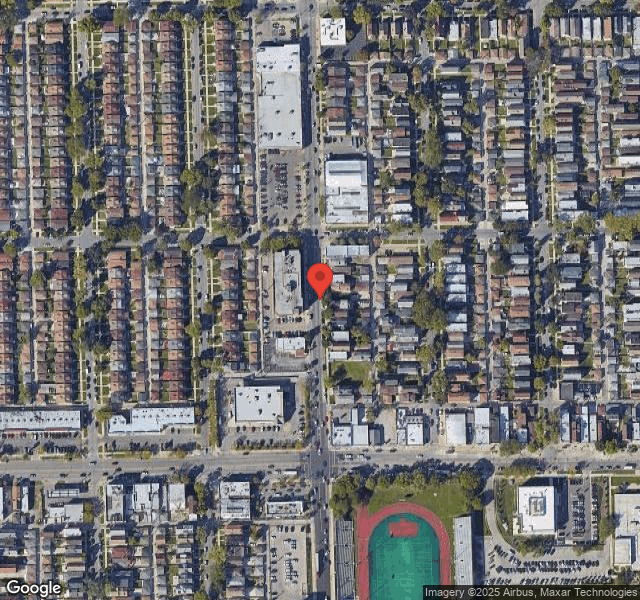
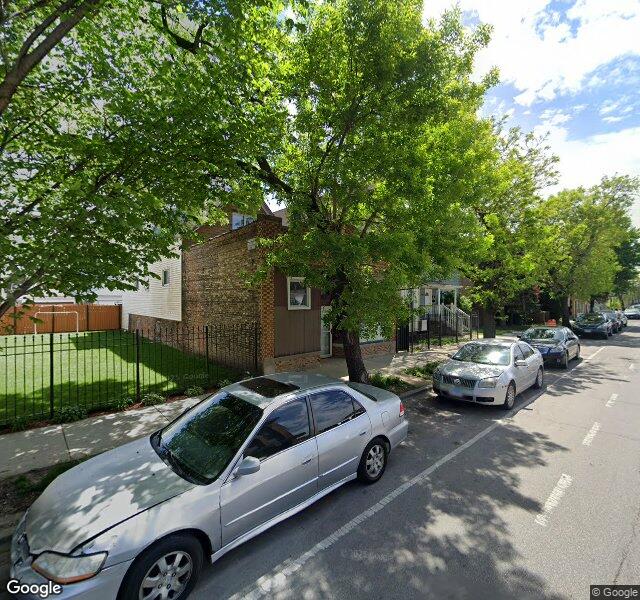
2450 NORTH CENTRAL AVENUE, CHICAGO, IL 60639 (773) 889-1333
For profit - Corporation 245 Beds Independent Data: November 2025 1 Immediate Jeopardy citation
Trust Grade
21/100
#487 of 665 in IL
Last Inspection: August 2024

Within standard 12-15 month inspection cycle. Federal law requires annual inspections.

Overview

Central Nursing Home in Chicago has received a Trust Grade of F, indicating significant concerns about the quality of care provided. This places the facility at #487 out of 665 in Illinois, meaning it is in the bottom half of nursing homes in the state, and #159 out of 201 in Cook County, suggesting that there are very few local options that are worse. While the facility is improving, having reduced its issues from 16 in 2024 to 7 in 2025, it still faces serious challenges. Staffing is rated poorly with a 1/5 star rating and a turnover rate of 50%, which is average for Illinois, indicating instability among caregivers. Notably, there have been critical incidents, such as a failure to obtain informed consent for administering psychotropic medication, leading to emotional distress for a resident, and failing to follow proper sanitation practices in the kitchen, risking foodborne illness. These findings highlight both the strengths and weaknesses of the facility, making it essential for families to carefully consider their options.

Trust Score
F
21/100
In Illinois
#487/665
Bottom 27%
Safety Record
High Risk
Review needed
Inspections
Getting Better
16 → 7 violations
Staff Stability
⚠ Watch
50% turnover. Above average. Higher turnover means staff may not know residents' routines.
Penalties
✓ Good
$16,801 in fines. Lower than most Illinois facilities. Relatively clean record.
Skilled Nurses
⚠ Watch
Each resident gets only 23 minutes of Registered Nurse (RN) attention daily — below average for Illinois. Fewer RN minutes means fewer trained eyes watching for problems.
Violations
⚠ Watch
42 deficiencies on record. Higher than average. Multiple issues found across inspections.
★☆☆☆☆
1.0
Overall Rating
★☆☆☆☆
1.0
Staff Levels
★☆☆☆☆
1.0
Care Quality
★★☆☆☆
2.0
Inspection Score
Stable
2024: 16 issues
2025: 7 issues

The Good

  • Full Sprinkler Coverage · Fire safety systems throughout facility
  • No fines on record

Facility shows strength in fire safety.

The Bad

1-Star Overall Rating

Below Illinois average (2.5)

Significant quality concerns identified by CMS

Staff Turnover: 50%

Near Illinois avg (46%)

Higher turnover may affect care consistency

Federal Fines: $16,801

Below median ($33,413)

Minor penalties assessed

The Ugly 42 deficiencies on record

1 life-threatening 1 actual harm
Sept 2025 4 deficiencies 1 Harm
SERIOUS (G) 📢 Someone Reported This

A family member, employee, or ombudsman was alarmed enough to file a formal complaint

Actual Harm - a resident was hurt due to facility failures

Deficiency F0605 (Tag F0605)

A resident was harmed · This affected 1 resident

**NOTE- TERMS IN BRACKETS HAVE BEEN EDITED TO PROTECT CONFIDENTIALITY** Based on interviews and record review, the facility failed to obtain an informed consent prior to administering psychotropic med...

Read full inspector narrative →
**NOTE- TERMS IN BRACKETS HAVE BEEN EDITED TO PROTECT CONFIDENTIALITY** Based on interviews and record review, the facility failed to obtain an informed consent prior to administering psychotropic medication to one resident (R1) in a sample of eleven residents. This failure has affected R1 who became emotional and verbalized feeling helpless. Findings include:R1 is a [AGE] year-old with diagnoses including but not limited to: bipolar disorder, unspecified fall, hyperlipidemia, cerebral infarction, hemiplegia and hemiparesis affecting dominant left side.R1's BIMS (Brief Interview of Mental Status) score as of 4/3/25 is 15, which indicates cognitively intact.On 9/2/25 at 10:40 AM V7 (R1's Girlfriend) stated the following, this facility has falsely documented dementia and psychosis in his (R1's) chart to justify giving him medication. He has never had those diagnoses before being here. Every time I come to see him; he is lying in bed staring at the ceiling.On 9/2/25 at 11:51 am, Surveyor observed R1 lying in bed. At that time, R1 became upset and began to cry and stated that he felt useless and without a voice related to his care in the facility.On 9/2/25 at 11:51 am R1 stated the following, I never agreed to take and antipsychotic medication. Nothing is wrong with me. I make my own decisions, not my brother. Yes, I was upset when I first got here but I did not try to harm anyone or myself. I was never informed about any psychotropic medication prescribed to me. I thought that I had been taking my regular medication all this time.On 8/27/25 at 1:20 pm, V19 (LPN/ Licensed Practical Nurse) stated the following, We (nurses) cannot give any psychotropic medication without the signed consent of the resident or POA (Power of Attorney). Once the doctor prescribes a psych medication, we get a form for the patient to sign. The form is for consent as well as education to the patient about the medication.On 9/2/25 at 1:52 pm V2 DON (Director of Nursing), stated the following, When R1 first got here, he was very agitated and uncooperative. He was sent out to the hospital for aggression and when he (R1) came back, the Doctor gave orders for psychotropic meds to help calm him down. The nurse usually obtains consent before the medication is given. I'm not sure what happened with R1's consents. He does not have a POA that may sign his consents on his behalf.On 9/3/25 at 10:45 am, V12 (Nurse Practitioner) stated the following, Psychotropic medication shouldn't be administered without consent. The patient and/or POA (Power of Attorney) should be informed and sign a consent prior to administration of psychotropic medication. With regular use of a controlled substance, you just don't know the type of side effects that can occur. Some psychotropic medication can cause more anxiety, depression or suicidal ideations. When dealing with a medication for mental health it is important to educate the patient and definitely get consent.Physician Order sheet documents the following active orders: Mirtazapine 15 mg (milligrams) tablet by mouth at bedtime starting 6/10/25; Olanzapine 5 mg daily at bedtime starting 6/10/25; and Sertraline 50 mg daily starting 8/10/25.R1's Care Plan dated 4/1/25 documents the following: R1 is as risk for adverse reactions related to the use of psychotropic medication; Interventions include but not limited to obtaining consent for medication.Facility document titled Psychotropic Medication Consent dated 3/21/25 excludes a signature from R1 or an authorized representative and documents the following: Olanzapine (antipsychotic medication) 5mg at bedtime for agitation.Facility document titled Psychotropic Medication Consent excludes a date or signature from R1 and documents the following: Sertraline (antidepressant medication) 100 mg daily; Verbal telephone consent given by V8 (R1's brother).Facility document titled Psychotropic Medication Consent excludes a signature from R1 and documents the following: Mirtazapine (antidepressant medication) 15mg daily bedtime; verbal consent given by V8 (R1's brother).Medication Administration Record dated 6/1/25- 6/30/25 documents, Mirtazapine and Olanzapine administered to R1 on 21 days in June (6/10- 6/30).Medication Administration Record dated 7/1/25- 7/31/25 documents, Mirtazapine and Olanzapine administered to R1 on 30 days in July (every day except for 7/23).Medication Administration Record dated 8/1/25- 8/31/25 documents, Sertraline, Mirtazapine and Olanzapine administered to R1 on 30 days in August.Facility policy titled Psychotropic Medication Use documents, all psychotropic medication will have either a verbal or written consent from the patient or patient guardian within the time guidelines set for by the state requirements.
CONCERN (D) 📢 Someone Reported This

A family member, employee, or ombudsman was alarmed enough to file a formal complaint

Potential for Harm - no one hurt, but risky conditions existed

ADL Care (Tag F0677)

Could have caused harm · This affected 1 resident

**NOTE- TERMS IN BRACKETS HAVE BEEN EDITED TO PROTECT CONFIDENTIALITY** Based on observations, interviews and record review, the facility failed to assist two dependent residents (R1 and R2) with ADL/...

Read full inspector narrative →
**NOTE- TERMS IN BRACKETS HAVE BEEN EDITED TO PROTECT CONFIDENTIALITY** Based on observations, interviews and record review, the facility failed to assist two dependent residents (R1 and R2) with ADL/Activities of Daily Living care. This failure has affected two residents in a sample of eleven, who were both observed with the same dirty clothes for days.Findings include:R1 is a [AGE] year-old with diagnoses including but not limited to: bipolar disorder, unspecified fall, hyperlipidemia, cerebral infarction, hemiplegia and hemiparesis affecting dominant left side.R1's BIMS (Brief Interview of Mental Status) score as of 4/3/25 is 15, which indicates cognitively intact.R2 is [AGE] year-old with diagnoses including but not limited to: rheumatoid arthritis, chronic obstructive pulmonary disease, major depressive disorder and anxiety disorder.On 8/27/25 at 11:20 am, R2 was observed wearing a green Christmas shirt with black and white pant.At that time, R2's shirt had stains on it.On 9/2/25 at 10:40 AM V7 (R1's Girlfriend) stated the following, they don't give him (R1) his scheduled showers as they should. The nursing staff always uses excuses about him refusing showers, but he told me that they only offer him a shower once a week. I always have to clean and dress him when I come to visit him. Sometimes he has on the same clothes for days. I took him out on yesterday and I'm sure that he has on the same clothes as yesterday, a navy-blue tee shirt and jeans.On 9/2/25 at 11:51 am, Surveyor observed R1 lying in bed with a navy-blue tee shirt and jeans on.At that time, R1 stated that he had slept in his clothes because his CNA/Certified Nursing Assistant did not remove his clothes on the previous night.On 9/2/25 at 11:52 am, R1 stated the following, They only shower me once a week, on Wednesdays. I never receive showers twice a week. My girlfriend cleans me most of the time because I have to wait too long for them to clean me. I never refuse showers.At that time, R1 was observed lying in bed with a navy-blue shirt and jeans.R1's shirt appeared to have food stains on it.On 9/2/25 at 11:52 am, R1 stated that he had slept in his clothes from the previous day because no one helped him change out of his dirty clothes before bed.On 9/2/25 at 11:58 am, V23 (RN/ Registered Nurse) stated that R1's CNA (Certified Nurse Assistant) was on break and that she was not sure why R1 still had on clothes from yesterday.On 9/2/25 at 12:15 pm, R2 was observed in bedroom wearing green Christmas shirt and black and white pant.On 9/3/25 at 1:10 pm, R2 was observed in her room with a green Christmas shirt on from the previous day.At that time, R2 stated that she enjoyed taking showers because it made her feel clean, also that she did not have many clothes.On 9/3/25 at 1:26 pm, V21 (LPN/Licensed Practical Nurse) stated that all of the residents on the fourth floor were independent with ADLs (Activities of Daily Living) and that there was one CNA (Certified Nurse Assistant) assigned to the unit (with 50 residents), whom was on break.At that time, V21 stated that she was not aware of R2 having on the same clothes for several days and that the CNA would sometimes report that R2 refused showers.On 9/3/25 at 1:30 pm, V3 (ADON) stated that if a resident refuses showers or refused to change clothes that the nursing staff is responsible for making several attempts to encourage the patient to shower and that these attempts should be documented.R1's Care plan documents, R1 has an ADL self-care deficit and alteration in grooming/hygiene.R1's Section GG dated 7/20/25 documents, R1 requires maximal assistance with dressing and bathing.R2's Care plan documents, R2 has a fluctuating ADL Self-care deficit related to disease process, impaired balance and limited Range of Motion; Interventions include set-up.R2's Shower sheet dated 8/5/25 documents R2 refused her shower.R2's Shower sheet dated 8/15/25 documents R2 refused her shower.R2's Shower sheet dated 8/26/25 documents R2 refused her shower.Facility policy titled Activities of Daily Living documents, appropriate care and services will be provided for residents who are unable to carry out ADLs independently, with the consent of the resident and in consideration with the care plan, including appropriate support and assistance with hygiene (bathing, dressing, grooming and oral care).Facility policy titled Dignity documents, each resident shall be cared for in a manner that promotes and enhances his or her sense of sell-being, level of satisfaction with lift, and feelings of self-worth and self-esteem.
CONCERN (E) 📢 Someone Reported This

A family member, employee, or ombudsman was alarmed enough to file a formal complaint

Potential for Harm - no one hurt, but risky conditions existed

Deficiency F0557 (Tag F0557)

Could have caused harm · This affected multiple residents

**NOTE- TERMS IN BRACKETS HAVE BEEN EDITED TO PROTECT CONFIDENTIALITY** Based on interviews and record review, the facility failed to keep a valid record of personal property for four residents (R1, R...

Read full inspector narrative →
**NOTE- TERMS IN BRACKETS HAVE BEEN EDITED TO PROTECT CONFIDENTIALITY** Based on interviews and record review, the facility failed to keep a valid record of personal property for four residents (R1, R2, R4 and R11). This failure has affected four residents in a sample of eleven, whom each complains of missing personal property.Findings include:R1 is a [AGE] year-old with diagnoses including but not limited to: bipolar disorder, unspecified fall, hyperlipidemia, cerebral infarction, hemiplegia and hemiparesis affecting dominant left side.R1's BIMS (Brief Interview of Mental Status) score as of 4/3/25 is 15, which indicates cognitively intact.R2 is [AGE] year-old with diagnoses including but not limited to: rheumatoid arthritis, chronic obstructive pulmonary disease, major depressive disorder and anxiety disorder.R4 is [AGE] year-old with diagnoses including but not limited to: chronic obstructive pulmonary disease, major depressive disorder, hypertensive heart disease without heart failure, personal history of pulmonary embolism.R4's BIMS (Brief Interview of Mental Status) score as of 6/3/25 is 12, which indicates moderate cognitive impairment.R11 is [AGE] year-old with diagnoses including but not limited to: unspecified atrial fibrillation, hypertensive chronic kidney disease, critical illness myopathy and emphysema.R11's BIMS (Brief Interview of Mental Status) score as of 8/16/25 is 11, which indicates moderate cognitive impairment.R2 was noted wearing a green Christmas shirt with black and white pant.At that time, R2 stated the following, I keep seeing people with my clothes on. I'm scared to have my clothes washed downstairs because I don't have many clothes, and I probably won't get them back. I've seen other people wearing my clothes a couple of times. I take my clothes to the laundry with my name on it, so how can someone else get my clothes? They shouldn't give other people my clothes. I give up. I can't even get a pillowcase.On 8/27/25 at 1:35 pm, R4 stated the following, I am missing about $500 worth of clothes. I don't recall this facility ever taking inventory of my items when I first came here, and I never signed an inventory list when I first came here.On 9/2/25 at 10:40 AM V7 (R1's Girlfriend) stated the following, There has been times that they (staff) have dressed him in other resident's clothes. He has also had clothes misplaced here so I have started doing his laundry at home. His (R1's) blanket has been missing for months and has still not been found or replaced.On 9/3/25 at 4:00 pm, R11 stated the following, I'm still missing clothes that they have not found yet and it's been months. My family had to buy me new clothes. I don't recall myself or my family signing any inventory list for my old or new clothes.On 8/27/25 at 2:30 pm, V3 (ADON) stated the following, Resident's inventory is done upon admission on ly as far as I know. I am not sure if they (resident or responsible party) are required to sign the inventory form or if the inventory list is updated as residents obtain more personal items. The list should be updated but we just converted from paper to computer so I'm not sure if maybe some inventory lists have been misplaced.On 9/3/25 at 4:15 pm, V2 (DON/ Director of Nursing) stated the following, It is important to take inventory of resident's personal items upon admission and each time more personal items are brought in so that we can keep track of their (resident's) belongings. The only inventory lists that we have for R1, R2, R4 and R11 are the ones provided.Document titled Patient's Clothing and Personal Belongings List (undated and unsigned) documents the following personal belongings for R1: one shirt, one pair of trousers, one black coat, one black cellular phone and one phone charger.Document titled Patient's Clothing and Personal Belongings List dated 10/4/22 documents the following personal belongings for R2: shirt, trousers and one ring.Document titled Patient's Clothing and Personal Belongings List (undated and unsigned), documents the following personal belongings for R4: three sweaters, two trousers and 42 television.Document titled Patient's Clothing and Personal Belongings List (undated and unsigned), documents the following personal belongings for R11: TV set.R11's Grievance/ Concern Form dated 4/10/25 documents, R11 is missing clothes; staff searched R11's room and laundry but clothing not found; R's family purchased new clothes.Facility policy titled Personal Property documents, resident's personal belongings and clothing are inventoried and documented upon admission and updated as necessary.
CONCERN (E) 📢 Someone Reported This

A family member, employee, or ombudsman was alarmed enough to file a formal complaint

Potential for Harm - no one hurt, but risky conditions existed

Safe Environment (Tag F0584)

Could have caused harm · This affected multiple residents

**NOTE- TERMS IN BRACKETS HAVE BEEN EDITED TO PROTECT CONFIDENTIALITY** Based on observation, interviews and record review, the facility failed to ensure that four residents (R3, R7, R9, and R10) had ...

Read full inspector narrative →
**NOTE- TERMS IN BRACKETS HAVE BEEN EDITED TO PROTECT CONFIDENTIALITY** Based on observation, interviews and record review, the facility failed to ensure that four residents (R3, R7, R9, and R10) had window curtains without rips and tears; failed to ensure that one resident (R8) had properly working privacy curtain; and failed to ensure that one resident (R2) had a privacy curtain without brown stains on it. These failures have affected six residents in a sample of eleven, with the potential to affect 191 residents that reside in the facility. Findings include:R2 is [AGE] year-old with diagnoses including but not limited to: rheumatoid arthritis, chronic obstructive pulmonary disease, major depressive disorder and anxiety disorder.R3 is [AGE] year-old with diagnoses including but not limited to: major depressive disorder, anxiety disorder, insomnia and suicidal ideations.R3's BIMS (Brief Interview of Mental Status) score is 15, which indicates cognitively intact.R7 is [AGE] year-old with diagnoses including but not limited to: schizoaffective disorder, delusional disorders, unspecified psychosis and major depressive disorder.R7's BIMS (Brief Interview of Mental Status) score is 15, which indicates cognitively intact. R8 is a [AGE] year-old with diagnoses including but not limited to: schizophrenia, malignant neoplasm of prostate, secondary neoplasm of bone and epilepsy.R8's BIMS (Brief Interview of Mental Status) score is 15, which indicates cognitively intact.R9 is [AGE] year-old with diagnoses including but not limited to: paranoid schizophrenia, anxiety disorder, delusional disorder and major depressive disorder.R9's BIMS (Brief Interview of Mental Status) score is 13, which indicates cognitively intact.R10 is [AGE] year-old with diagnoses including but not limited to: major depressive disorder, schizoaffective disorder, bipolar disorder and gastro-esophageal reflux disease without esophagitis.R10's BIMS (Brief Interview of Mental Status) score is 13, which indicates cognitively intact.On 8/27/25 at 11:20 am, Surveyor noted dark stains on R2's privacy curtain.At that time, R2 stated the following, My curtain looks like it hasn't been cleaned in years. It looks nasty.On 8/27/25 at 11:50 am, Surveyor toured R3's room and observed torn window curtains in his window.At that time, R3 stated the following, The ripped curtains look bad and make me feel uncomfortable.On 8/27/25 at 12:15 pm, Surveyor toured R7's room (which is shared by R8, R9 and R10) and observed the following: torn window curtains and torn privacy curtain for R8.On 8/27/25 at 1:10 pm, V9 (Housekeeper) stated the following, This may just be pudding on R2's privacy curtain. I don't think that it is feces. We usually take down the privacy curtains and wash them. I will get it washed. This is their (resident's) home and they should be comfortable.On 9/3/25 at 11:18 am V4 (Maintenance Director) stated the following, I believe that the curtains were ripped while being washed because the washer is very powerful and may have damaged the curtains. We had ordered new curtains through the corporate office and are waiting for them to come.On 9/3/25 at 11:32 am, V13 (Housekeeping Director) stated the following, the housekeeping staff is responsible for taking down the privacy curtains and washing them if they are dirty.On 9/3/25 at 4:15 pm, V2 (DON/ Director of Nursing) toured R2, R3, R7, R8, R9 and R10's rooms and observed ripped window curtains in each room and a ripped privacy curtain for R8.At that time, V2 stated the following, His (R8's) privacy curtain is ripped. How can he have privacy? I will check with maintenance about replacing his privacy curtain and all of the torn window curtains on this floor. It doesn't look good. All window curtains and privacy curtains should be clean and without rips on them. This is their (resident's) home and it should feel like it.Facility Grievance/ Concern form dated 7/11/2025 documents, R3 requested new curtains; facility requested replacement curtains to be ordered (via corporate).Facility Grievance/ Concern form dated 7/11/2025 documents, R2 requested that her privacy curtains be cleaned.Facility Census dated 8/27/25 documents the following residents as roommates (in a four-bedroom unit): R7, R8, R9 and R10).Facility policy titled Homelike Environment documents, residents are provided with a safe, clean, comfortable and homelike environment.Facility policy titled housekeeping documents, to ensure that the facility is clean, sanitary and in good repair at all times so as to promote the health and safety of all residents, staff and visitors.
May 2025 1 deficiency
CONCERN (E) 📢 Someone Reported This

A family member, employee, or ombudsman was alarmed enough to file a formal complaint

Potential for Harm - no one hurt, but risky conditions existed

Free from Abuse/Neglect (Tag F0600)

Could have caused harm · This affected multiple residents

Based on interview and record review, the facility failed to prevent verbal abuse by a staff member for one resident (R1) and physical abuse by residents for three residents (R3, R5, R7) reviewed for ...

Read full inspector narrative →
Based on interview and record review, the facility failed to prevent verbal abuse by a staff member for one resident (R1) and physical abuse by residents for three residents (R3, R5, R7) reviewed for abuse, in a total sample of eight. Findings include: Facility's final incident report date (4.23.2025) documents in part: On 4.17.2025, at approximately 11:40 AM, writer received a report of a verbal altercation between a resident (R1) and employee (V3 LSW-Former Licensed Social Worker) in the 2nd floor dining room. Investigation completed. Based on statements and observations it is determined that employee (V3) was inappropriate in the way she was speaking to the resident. Although the resident was very inappropriate as well and antagonizing towards the employee, it is not acceptable for employees to engage in argumentative behavior or use profanity with residents. The employee has been terminated. On 5.29.2025, at 12:25 PM, via telephone, V8 (LPN-Licensed Practical Nurse) stated, I didn't see it happen (altercation between V3-Former LSW and R1), I heard everything. I heard people arguing. It was during lunch time. As I was rounding the corner with my medication cart, on my may way to the dining room. I saw V3 first, she was yelling F*** you, b****. Then I heard R1 say, no F*** you. Then V3 say, no F*** you. V3 continued to the desk, saying what is her problem? V3 picked up the phone, called someone then ran downstairs. I went downstairs after attending to R1 and reported the incident to V2 (DON-Director of Nursing). V8 stated I also spoke with V2 (Administrator), she took my statement. When asked by surveyor if this was an example of abuse, V8 responded, absolutely, it's abuse, that's why I reported it. On 5.29.2025, at 2:21 PM, V5 (CNA-Certified Nursing Assistant) stated, I was passing trays. I didn't hear exactly how it started. I just heard some loud arguing between V3 and R1. From what I heard, R1 had said a bad word to V3, that's how it escalated. V3 screamed back at R1 using the f word and the b word. It was screaming back and forth, V3 just walked out. She (V3) shouldn't had done that. That's verbal abuse. That was wrong to scream back even though she was overwhelmed. V3 was not available for interview. On 5.29.2025, at 3:07 PM, R1 stated, I was talking to someone, V3 interrupted. I told her (V3), I wasn't talking to you. V3 said, 'you don't tell me what to do. I told her she's always up in people's business and to mind her own business. She said f*** you. I said no, f*** you. She kept repeating that as she was going down the hall. I couldn't believe it. I felt that was abusive, that was so wrong. Facility's final incident report dated (5.4.2025) documents in part: it was reported that (R2) allegedly hit (R3) on her head. Based on the investigation it does not appear the (R2) was willful in his actions. On 5.29.2025, at 4:00 PM, R2 denied hitting R3. On 5.30.2025, at 10:00 AM, via telephone, V11 (CNA-Certified Nursing Assistant) stated, R3 was sitting in a chair near the nurse's station. R2 was walking around the unit. He (R2) passed by R3 and hit R3 on the head with his fist and kept walking. It was unprovoked. I reported it to the nurse. R3 was not available for interview. Facility's final incident report dated (5.13.2025) documents in part: residents started arguing and (R4) used a comb and scratched (R5) on her face. Interviews of both residents conducted. (R4) stated that she felt like (R5) was putting gas in her face when she noticed (R5's) stump shrinker in the bathroom. She (R4) did not know what it was and in her mind it was spreading gas in her face. When interviewing (R5) she stated that all of a sudden (R4) came out of the restroom and hit her in the face with her comb causing some superficial scratches. On 5.28.2025, at 12:03 PM, R5 stated, R4 was angry with me about my sleeve (for prosthetic devices). I washed my sleeve and told R4 it was hanging on the towel rack to dry. She (R4) started to make all these accusations. She (R4) said I was going to give her coronavirus and a foot disease. She (R4) attacked me with a sharpened comb. She (R4) raked it across my face. I defended myself and I hit her (R4). She (R4) left the facility. They promised me she wouldn't return to the facility, that's why I didn't press charges. But she's (R4) back. I don't feel safe here. She's (R4) on a different unit. On 5.29.2025, at 12:52 PM, V10 (CNA-Certified Nursing Assistant) stated, the two of them (R4 and R5) were arguing, getting into an altercation of fighting. What it was about, I think, was that R4 thought that she could catch coronavirus or a disease from R5's sleeve (prosthetic). I was at the nurse's station; I heard a loud commotion. I ran toward the arguing. They were just verbally arguing when I first found them. Then, R4 was getting more excited and swung at R5 with a comb. R4 made contact with the comb. R5 had scratch on her face. On 5.29.2025, at 3:55 PM, R4 stated (referencing R5's prosthetic sleeve), it was burning my face. She (R5) was hitting me and rolling over me with her wheelchair. I did not touch her at all. Facility's final incident report dated (5.23.2025) documents in part: residents had a verbal confrontation and (R6) slapped a cup out of (R7's) hand causing the cup to hit her (R7) in her lip. (R6) was very apologetic that he lost his temper but feels (R7) kept telling him what to do. (R7) denied saying anything to (R6) Abuse Prevention Program (reviewed 9.1.2024) documents in part: Policy Statement: Our residents have the right to be free from abuse, neglect, misappropriation of resident property and exploitation. This includes but is not limited to freedom from corporal punishment, involuntary seclusion, verbal, mental, sexual or physical abuse, and physical or chemical restraint not required to treat the resident's symptoms. Policy Interpretation and Implementation: 1. Protect our residents from abuse by anyone including, but not necessarily limited to: facility staff, other residents, consultants, volunteers, staff from other agencies, family members, legal representatives, friends, visitors, or any other individual. Residents' Rights for People in Long-term Care Facilities (undated) documents in part: You have the right to safety and good care. You must not be abused by anyone-physically, verbally, financially or sexually.
Apr 2025 1 deficiency
CONCERN (D) 📢 Someone Reported This

A family member, employee, or ombudsman was alarmed enough to file a formal complaint

Potential for Harm - no one hurt, but risky conditions existed

Quality of Care (Tag F0684)

Could have caused harm · This affected 1 resident

**NOTE- TERMS IN BRACKETS HAVE BEEN EDITED TO PROTECT CONFIDENTIALITY** Based on interview and record review, the facility failed to follow their fall clinical protocol for one (R1) resident out of fo...

Read full inspector narrative →
**NOTE- TERMS IN BRACKETS HAVE BEEN EDITED TO PROTECT CONFIDENTIALITY** Based on interview and record review, the facility failed to follow their fall clinical protocol for one (R1) resident out of four residents reviewed for falls in a total sample of five residents. Findings include: On 04/22/2025, at 11:38 AM, V3 (Registered Nurse/Nursing supervisor) states that upon checking on R1 at 9:30 AM, he was eating breakfast by himself. Staff did the rounds again. Staff has the 72 hours post fall procedure, because he fell at 6:30 AM, I think. We are going to recheck again what happened. V2 stated when I saw him around 10:00 am, I (V3) saw that his (R1s) left side was getting a little bit weaker, because that's his strong side. His right-side is usually the weak side. V3 stated, I (V3) checked his vital signs immediately. I think R1s oxygen saturation became low. V3 stated I (V3) documented in the electronic medical record, in the nurses' note, and documented the vital signs. I (V3) asked someone to be with R1 and I called 911. V3 stated I (V3) informed the doctor and the daughter as well. V3 states that the policy and procedure for an unwitnessed fall is if we see the resident on the floor, we immediately assess vital signs, complete a head-to-toe assessment, check the range of motion, assess changes in level of consciousness, and do a pain assessment. If the resident is alert, staff asks them if they hit their head. V3 stated that if a resident is not alert and cognitively able to answer questions, then we need to check the head-to-toe assessment, check head for bumps, and skin (redness, skin tears). After the assessment, if there no injuries, staff will safely get them back to their bed or wheelchair. It depends on where they fell. V3 continues we will inform the doctor regarding what happened and the assessments. Then, staff will see if there are new orders and inform the family too. On 4/22/2025, at 12:50 PM, V5 (Licensed Practical Nurse) reported it is important to review medications especially if the resident is on a blood thinner. I would call the doctor, let them know, and make them aware of the medications that they are on. V5 stated sometimes I can convince the doctor, based on his medications that he is taking. For example, if they are on blood thinners, this places the resident at risk for internal bleeding. V5 stated that the complications of internal bleeding are death and/or brain damage. On 04/22/2025, at 1:35 PM, via telephone V6 (Registered Nurse) stated that when V6 was rounding and starting her medication administration pass, one of the CNA (certified nursing assistant) notified her that R1 was found sitting on the floor next to his bed. V6 states I went in there immediately. All of his vital signs were normal. Staff assisted him back to his bed. Five minutes later he was back on the floor again. V6 reported that R1's vital signs were taken. R1's doctor and family were notified. V6 states that she reported to V13 (R1's primary physician) that R1 had an unwitnessed fall. Staff assessed R1 immediately and vital signs normal. We kept monitoring him closely. V6 reports that she does not know if R1 hit his head because it was an unwitnessed fall. V6 reports that R1 was able to respond to his name or where he was. V6 asked him if he hit his head. R1 stated no and denied any pain. On 4/23/2025, at 10:36 AM, via telephone V7 (Certified Nursing Assistant) stated the nurse came to help me get him up off the floor. I don't know what happened. When I got to his room, I saw him sitting on the floor. V7 states that R1 did not have any visible injuries. V7 stated that R1 was assessed by V6 (Registered Nurse). I just helped R1 back to bed. V7 stated that R1 fell around 6:30 in the morning. On 4/23/2025, at 2:59 PM, via telephone V13 (R1's primary physician) states staff can do neuro checks. But if he (V13) was informed that the resident is taking antiplatelet medication and had unwitnessed fall, and we do not know if he hit his head or not, R1 would need to have a CT (brain) scan. Even if it was reported to V13 that R1's vital signs were stable. V13 reports that V13 would order for R1 to be sent out with this information. V13 states that the nurses should be following the facility's policies and procedures. R1's face sheet documents that R1 is a [AGE] year-old male with diagnoses not limited to: hemiplegia and hemiparesis following cerebral infarction affecting right dominant side, dysphagia following cerebral infarction, dysarthria and anarthria, hyperlipidemia, unspecified, type 2 diabetes mellitus without complications, depression, unspecified, cerebral infarction, unspecified, long term (current) use of oral hypoglycemic drugs. R1's MDS/Minimum Data Set, dated [DATE], documents that R1 has a BIMS/Brief Interview for Mental Status score of 04/15, indicating that R1 is severely cognitively impaired. R1's care plan documents in part the resident is at risk for falls r/t (related to) dx/hx (diagnoses/history) of CVA (Cerebrovascular accident) with right hemiparesis. R1's health status note dated 3/28/2025, 9:24 AM, documents 6:30 AM staff reported that resident was found sitting on the floor, next to his bed. Resident (R1) was assessed immediately, with no complaints of pain or discomfort at this time. Vital signs were obtained, 130/70, P (pulse):76, RR (respirations):18, Temp (temperature):96.4, O2 (oxygen):97%. Family and MD (medical doctor) notified. Will continue to monitor. R1's health status note dated 3/28/2025, 10:13 AM, documents in part 9:55 AM Observed resident with left sided weakness. Vital signs taken. Head of bed elevated, placed on oxygen. Called 911. V13 (R1's primary physician) notified. Daughter made aware. Facility document dated 09/01/2024, titled falls- clinical protocol documents in part, the nurse shall assess and document/report the following: all current medications, especially those associated with dizziness or lethargy; and all active diagnoses. The physician will identify medical conditions affecting fall risk and the risk for significant complications of falls (for example, increased fracture risk in someone with osteoporosis or increased risk of bleeding in someone taking an anticoagulant.
Jan 2025 1 deficiency
CONCERN (D) 📢 Someone Reported This

A family member, employee, or ombudsman was alarmed enough to file a formal complaint

Potential for Harm - no one hurt, but risky conditions existed

Resident Rights (Tag F0550)

Could have caused harm · This affected 1 resident

**NOTE- TERMS IN BRACKETS HAVE BEEN EDITED TO PROTECT CONFIDENTIALITY** Based on observation, interview, and record review, the facility failed to ensure the dignity of one resident (R2) during incont...

Read full inspector narrative →
**NOTE- TERMS IN BRACKETS HAVE BEEN EDITED TO PROTECT CONFIDENTIALITY** Based on observation, interview, and record review, the facility failed to ensure the dignity of one resident (R2) during incontinence care out of three residents reviewed for resident rights. Findings include: On 1/14/2025, at 9:53 AM, V6 (Laundry and housekeeping) stepping out of the laundry room. This surveyor asked V6 where the clean towels are. V6 showed this surveyor the folding laundry room. There were two towels in the folding laundry room. On 1/15/2025, at 2:29 PM, R2's room door closed with small linen cart in front of the room, no washcloth towels or regular towels noted. R2 agreed for this surveyor to observe V11 (Certified Nursing Assistant) providing patient care to R2. R2 lying on her bed, and in no apparent distress. V11 seen throwing one soiled towel in a clear bag. R2 is turned to her left side, facing the window, but able to turn her head to view the front end of her bed. V11 walked outside of R2's door and approached the small linen cart. R2 states they are always running out of towels and sometimes they wipe her (R2) with pillowcases and bed sheets. V11 then walked in and utilized a white bed/flat sheet to wipe R2's bottom. R2 states if they would provide them with towels, they will be able to provide residents with proper patient care. On 1/15/2025, at 2:33 PM, V11 (Certified Nursing Assistant) states that she used a bed/flat sheet to wipe R2's bottom because she didn't have any more towels. On 1/16/2025, at 2:04 PM, V1 (Administrator) states that before she was administrator there was a concern about having enough linen towels. V1 states that she has asked V7 (Transportation coordinator/Central Supplies) to routinely order the towels. V1 states that she thinks nursing aid staff get confused and throw away the towels. V1 continues I can't have housekeeping checking the garbage. V1 states that she does not refuse to buy towels. V1 reports that if the staff were to be not using the linen towels, the residents can have skin breakdown, and it also affects the residents' dignity. They have the right to have the same environment as they would at home. R2's current face sheet documents that R2 is a [AGE] year-old individual with diagnoses not limited to: osteoarthritis of knee, morbid (severe) obesity due to excess calories, type 2 diabetes mellitus with hyperglycemia, contracture, right knee, contracture, right ankle. R2's MDS/Minimum Data Set Section C dated 10/16/2024 documents that R2 has a BIMS/Brief Interview for Mental Status score of 15/15, indicating that R2 is cognitively intact. R2's MDS/Minimum Data Set Section H dated 10/16/2024 documents that R2 is always incontinent of bowel, and occasionally incontinent of bladder. R2's current care plan does not document that R2 is to be provided incontinence care with bed sheets. Facility document not dated title Statement of Resident Rights Cont. documents in part respect and dignity. The resident has a right to be treated with respect and dignity, including: the right to reside and receive services in the facility with reasonable accommodation of resident needs and preferences.
Oct 2024 2 deficiencies
CONCERN (D) 📢 Someone Reported This

A family member, employee, or ombudsman was alarmed enough to file a formal complaint

Potential for Harm - no one hurt, but risky conditions existed

Deficiency F0676 (Tag F0676)

Could have caused harm · This affected 1 resident

**NOTE- TERMS IN BRACKETS HAVE BEEN EDITED TO PROTECT CONFIDENTIALITY** Based on observations, interviews, and record reviews, the facility failed to provide timely nail trimming and care for one resi...

Read full inspector narrative →
**NOTE- TERMS IN BRACKETS HAVE BEEN EDITED TO PROTECT CONFIDENTIALITY** Based on observations, interviews, and record reviews, the facility failed to provide timely nail trimming and care for one resident (R1) in the sample of three residents (R1, R2, R3) when reviewed for activities of daily living (ADL) care. Findings include: R1's admission Record documents, in part, diagnoses of moderate intellectual disabilities, acute kidney failure, major depressive disorder, hypertensive heart disease without failure, anxiety disorder, schizoaffective disorder, and scabies. R1's Minimum Data Set (MDS) dated [DATE], documents in part a Brief Interview of Mental Status (BIMS) score of 15 which indicates that R1 is cognitively intact. R1's Functional Abilities and Goals for Self-Care documents, in part, that for shower/bathe self is coded as partial/moderate assistance where helper does less than half the effort, and for personal hygiene as the ability to maintain personal hygiene, including combing hair, shaving, applying makeup, washing/drying face and hands is coded as supervision or touching assistance where assistance may be provided throughout the activity or intermittently. On 9/30/24 at 12:34 pm, this surveyor entered R1's room with R1 laying in bed and observed R1 holding an unopened milk carton (8 fluid ounces). R1 observed struggling to open the milk carton by R1's self. R1's fingernails observed long on all fingers with debris noted under the nails. R1 asked for assistance with opening the milk carton from this surveyor. Surveyor called staff to come to help open R1's milk carton. On 9/30/24 at 12:36 pm, V3 (Registered Nurse, RN/Wound Care Nurse, WCN) answers R1's call light. R1 observed asking V3 for help opening milk with slight shaking to R1's hands. R1 stated, I (R1) can drink it, but I don't want to spill it. V3 and V14 (Licensed Practical Nurse, LPN) assisted to reposition R1 up in the bed and elevated R1's head of the bed. R1's arms and legs observed with small scabs on arms and legs from R1's healing rash. V3 then took the milk carton from R1's hands with long fingernails, opened the milk carton and assisted R1 with positioning milk carton with a straw so R1 can drink the milk. After staff left R1's room, R1 stated that R1 has had R1's skin rash to hands, arms, and legs for a few months, but it's healing. R1 held up R1's hands to show this surveyor all R1's fingernails are long with yellow, brown, and black debris under the nails. R1's right 4th fingernail and left pinky (5th) fingernail are very long with the fingernail tips being curved down back towards the tip of R1's fingers. This surveyor asked about R1's fingernail length and if R1 has been offered to have R1's fingernails cut or trimmed by staff. R1 stated, Yes. I have. I want them done. They should be cut. I don't know if they (staff) are too busy. On 10/1/24 at 10:05 am, R1 observed in bed in R1's room with R1's fingernails remaining long with yellow, brown, and black debris under the nails (unchanged from 9/30/24). On 10/1/24 at 10:17 am, V16 (Certified Nursing Assistant, CNA) called into R1's room by this surveyor. When asked about the care that R1 received today from V16 since 7:00 am today. V16 stated that V16 feed R1 breakfast, gave R1 a shower, changed R1's fitted sheets, shaved R1, and got R1 dressed. V16 stated that V16 washed all R1's body during shower and combed R1's hair afterwards. V16 stated that V16 offered R1 grooming care in shaving R1's face. This surveyor pointed out to V16 R1's fingernails, long with debris under them. V16 stated that R1 did say that R1 wanted R1's fingernails cut. V16 stated that R1 has no fingernail clippers and that they are kept with the nurse. V16 then observed going to V7 (LPN) who retrieved fingernail clippers from the locked medication cart. On 10/1/24 at 12:36 pm, V3 (RN/WCN) stated that R1 has received treatment in the facility for intrinsic eczema and tinea [NAME] to R1's bilateral hands, arms, and legs. V3 stated that R1 was educated not to scratch at the body rash, and that they (staff) keep nails short so long nails won't open up R1's skin. When asked about V3 assisting R1 with care, drinking from the milk carton on 9/30/24 and seeing R1 hands, V3 stated that V3 did not remember seeing R1's fingernails. This surveyor informed V3 of 9/30/24 and 10/1/24 observations of R1's long fingernails with yellow, brown, and black debris under the nails. V3 stated that nail care is provided by staff as needed for R1; and that staff should be cleaning under R1's fingernails to decrease the risk of infection if R1 is scratching R1's body. On 10/2/24 at 12:46 pm, V2 (Director of Nursing, DON) stated that R1 was being treated by the wound care team for intrinsic eczema and that staff make sure that (R1's) fingernails are trimmed. When asked why is that important for R1 having a skin rash, V2 stated, So it will prevent the nail from making skin tears, make the skin not intact. When asked how often fingernail should cleaned and trimmed, V2 stated, I (V2) always tell them (staff) when you get up residents, clean and change them, shave them and clip their nails. Check every time during care. Daily, it is supposed to be daily. I tell them imagine if that's you, take care and clean them when you get them up. Shave and keep nails clipped. R1's Care Plan, date initiated 9/20/24, documents, in part, that R1 has a focus of impairment to skin integrity, upper and lower extremities-rash/pruritus, bilateral hands and palms-other pruritis dermatitis with an intervention of education of R1 of causative factors and measures to prevent skin injury. R1's Care Plan, date initiated 1/7/21, documents, in part, that R1 has a focus of self-care deficit related to inability to comb hair, inability to brush teeth, inability to wash/dry face, inability to wash perineum, bilateral arms and torso with an intervention of provide supervision, verbal cues and physical assistance. R1's Care Plan, date initiated 5/8/19, documents, in part, that R1 has a focus of fluctuating ADL self-care deficit R/T (related to) disease process, impaired balance and limited ROM (range of motion) with interventions of inform of tasks to be perform and allow sufficient time to perform ADL tasks. On 10/2/24 at 3:21 pm, V2 stated that there is no facility policy specific for grooming/nailcare, and grooming/nailcare for residents is included in the ADL policy already provided to the surveyor. Facility policy titled Policy and Procedure: Activities of Daily Living and dated 1/6/23 documents, in part, Residents are given routine daily care and HS (hour of sleep) care by a C.N.A or a Nurse to promote hygiene, provide comfort and provide a homelike environment. ADL care is provided throughout the day at intervals that are coordinated between the care giver and the resident. ADL care of the resident includes: Assisting the resident in personal care such as bathing, dressing, eating. Facility job description dated 3/24/22 and titled Certified Nursing Assistant documents, in part, Summary: The Certified Nursing Assistant (CNA) is responsible for provide resident care and support in all activities of daily living and ensures the health, welfare and safety of all residents. Essential Duties and Responsibilities: . Provide assistance in personal hygiene . Assist (Assist) with ADL Care . Adhere to professional standards, company policies and procedures, and all federal, state, and local requirements. Facility job description dated 3/25/16 and titled Registered Nurse (RN) documents, in part, Summary: The RN is responsible for providing direct nursing care to the residents, and to supervise the day-to-day nursing activities performed by nursing assistants. Such supervision must be in accordance with current federal, state, and local standards, guidelines, and regulations that govern our facility, and as may be required by the Director of Nursing to ensure that the highest degree of quality care is maintained at all times.
CONCERN (D) 📢 Someone Reported This

A family member, employee, or ombudsman was alarmed enough to file a formal complaint

Potential for Harm - no one hurt, but risky conditions existed

Accident Prevention (Tag F0689)

Could have caused harm · This affected 1 resident

**NOTE- TERMS IN BRACKETS HAVE BEEN EDITED TO PROTECT CONFIDENTIALITY** Based on observations, interviews, and record reviews, the facility failed to implement fall prevention interventions for high f...

Read full inspector narrative →
**NOTE- TERMS IN BRACKETS HAVE BEEN EDITED TO PROTECT CONFIDENTIALITY** Based on observations, interviews, and record reviews, the facility failed to implement fall prevention interventions for high fall risk residents; failed to supervise high fall risk residents; and failed to perform quarterly fall risk assessments which affected two residents (R2 and R3) in the sample of three residents when reviewed for improper nursing care. Findings include: 1) R2's admission Record documents, in part, diagnoses of Parkinson's disease without dyskinesia, hemiplegia and hemiparesis following cerebral vascular accident (CVA) affecting right dominant side chronic obstructive pulmonary disease, heart failure, peripheral vascular disease, hypertensive heart disease, schizoaffective disorder, anxiety disorder, Alzheimer's disease, psychosis, dementia, osteoarthritis, seizures, mood disorders, anemia, syncope and collapse, and gastritis without bleeding. R2's Minimum Data Set (MDS), dated [DATE], documents, in part, a Brief Interview of Mental Status (BIMS) score is not conducted due to R2 rarely/never understood. Therefore, R2's Staff Assessment for Mental Status indicates that R2 has a short-term and long-term memory problems, and R2's Cognitive Skills for Daily Decision Making is coded as moderately impaired - decisions poor; cues/supervision required. R2's Behaviors include delusions and wandering (which occurs 1 to 3 days a week). R2's Functional Abilities and Goals for Safety and Quality of Performance documents, in part, that for sit to stand (the ability to come to a standing position from sitting in a chair, wheelchair, or on the side of the bed) is coded as partial/moderate assistance where helper does less than half the effort, and for walking 10 feet is coded as supervision or touching assistance where helper provides verbal cues and/or touching/steadying and/or contact guard assistance as resident completes the activity. Assistance may be provided throughout the activity or intermittently. On 9/30/24 at 12:22 pm, V11 (Escort) observed supervising R2 in the dining room. R2 observed in a reclining wheelchair, dressed, and wearing regular white socks which are not skid proof. This surveyor spoke to R2 to ask R2 about recent fall incident in the facility, and R2 nodded yes, but did not nod yes or no to further questions or verbalize details of R2's fall incident on 9/16/24. R2 observed with a yellow/purple color fading bruise behind R2's left ear down to R2's neck. On 9/30/24 at 12:25 pm, V4 (Certified Nursing Assistant, CNA) stated that V4 is the assigned CNA for R2. When asked what care has V4 provided to R2 since beginning of the day shift, V4 stated, I (V4) dressed (R2) and waited for sitter. V4 stated that R2 is a fall risk resident. On 10/1/24 at 9:58 am, R2 observed sitting in R2's reclining wheelchair inside the nurse's station past the swinging half door separating the nurse's station from the hallway, and V15 (RN) observed sitting inside the nurse's station on the telephone. This surveyor inquired about R2 today, and V15 stated that R2 is fine, calm. When asked why is R2 inside the nurse's station, V15 stated, I (V15) have to wait for the sitter to come, (R2's) a fall risk. On 10/1/24 at 3:54 pm, V9 (CNA) stated that V9 was R2's assigned CNA on 9/16/24 on the 3:00 pm to 11:00 pm shift. V9 stated, (R2) had a fall at the end of the shift on 9/16 (2024). (R2) was with the sitter. She (the sitter) leaves and (R2) sat at the nurse's station. When asked what time the sitter left on 9/16/24, V9 stated, It was before 11 pm, around 8 pm. V9 stated, (R2) tries to get up. (R2) gets up and moves on (R2's) own. We don't want (R2) to fall. That's why (R2's) at the nurse's station till I (V9) put (R2) down to sleep. V9 stated, I saw (R2) on the floor one time. I instantly got the nurse (V10, Licensed Practical Nurse). When asked what time was R2's fall on 9/16/24, V9 stated around 9 to 10 pm, almost time to go. When asked where the nurse (V10) was, V9 stated that V10 was towards the back (of the floor). V9 stated that V9 walked away from R2 who was on the floor in the nurse's station to inform V10, and then V9 and V10 both walked back to the nurse's station. V9 stated that V9 did not witness R2 falling on 9/16/24, and R2 was laying on (R2's) side on the floor already when I came back to nurse's station. When asked were there any staff members present at the nurse's station when V9 returned to the nurse's station seeing R2 had fallen on the floor, V9 stated, No, nobody was there. V9 stated that R2's head was down, (R2) was alert, and (R2) was on the floor grabbing to lift self-up. V9 stated that R2 was sitting in R2's reclining wheelchair before V9 left R2 unsupervised at the nurse's station. When asked if R2 is a high fall risk resident, V9 stated, Yes, that's why (R2) sits at the nurse's station, so someone is around to watch (R2) and not leave (R2) unattended. We are sitting watching (R2). When asked about V9 leaving R2 unattended at the nurse's station on 9/16/24, what about V9 supervising R2, and V9 stated, All staff are helping to watch (R9). On 10/1/24 at 12:01 pm, V10 (LPN) stated that that R2 is alert, oriented times 1 to 2, confused and ambulates around with monitoring. V10 stated that R2's gait is not that stable and that R2 is forgetful. When asked if R2 is a fall risk resident, V10 stated, No, not that really. (R2) walks around. We (staff) monitor everyone, to see where they are. When asked how is R2 prevented from having falls, V10 stated, The only thing we can do is just monitor (R2) all the time. All the staff. When asked about R2's fall incident on 9/16/24, V10 stated that V10 was R2's assigned nurse on the 3:00 pm to 11:00 pm shift. V10 stated that on 9/16/24 at 11:00 pm, I (V10) got report that (R2) had a fall, (R2's) on the floor. V10 stated that V10 was making rounds by going to the dining room to direct any resident to their room for sleep, and V9 (CNA) came into the dining room to notify V10 that R2 was on the floor in the nurse's station. V10 stated that V9 and V10 then went back to the nurse's station, and V10 stated, When I got to (R2), (R2) was laying on (R2's) back. V10 stated that R2's chair was in the middle of the nurse's station and where I find (R2) laying down was closer to the door that leads out by the crash cart. V10 stated that R2 was alert, had no injury (no skin tear, no cut, no bruise, no discoloration, and no bleeding) and could not tell V10 what happened. V10 stated that V10 last saw R2 at 10:00 pm in the nurse's station only with V9 present. V10 stated that V10 documented this fall incident for R2 in the facility's incident report documentation. In R2's Fall Incident report dated 9/16/24, V10 (LPN) documents, in part, At 2300 (11:00 pm), the C.N.A (V9) reported to the writer that the resident (R2) is on the (floor) in the nursing station. On getting to the nursing station (V10) observed (R2) lay on (R2's) back, beside the wheelchair; faced the ceiling in no apparent distress . (R2) noted with unbalance gait . head to toe assessment was done. No noted skin tears, bruise or bleeding. On 10/1/24 at 7:30 am, V19 (Registered Nurse, RN) stated that V19 worked from 9/16/24 11:00 pm to 9/17/24 7:00 am shift. V19 stated that V19 was informed by V10 of R2's fall incident around 11:00 pm. V19 stated that around 5:30 am, V19 performed a follow up neurological assessment of R2 post fall and observed a small bruise the size of 2 quarters and dark purple in color behind R2's left ear, and R2 denied pain with palpation of area. V19 stated that V19 notified V17 (Attending Physician) who ordered for continued monitoring with neurological checks. In R2's Health Status Note dated 9/17/24 at 6:59 am, V19 (RN) documents, in part, that R2 was noted with discoloration of back of (R2's) L (left) ear post fall. R2's Fall Risk Assessment, dated 9/17/24 and titled Fall Scale, documents, in part, Instructions: Fall Risk is based upon Fall Risk Factors, and it is more than a Total Score. Determine Fall Risk Factors and Target Interventions to Reduce Risks. Complete on admission, quarterly, at change of condition, and after a fall with R2's score as 100 which indicates that R2 is a high fall risk (Fall Scoring: High Risk 45 and higher). R2's Fall Risk Assessment, dated 8/15/24 (score of 55) and dated 7/12/24 (score of 95), indicate that R2 has been a high fall risk. R2's Care Plan, initiated 4/17/19, documents, in part, a focus of R2 is at high risk for falls r/t (related to) gait/balance problems, psychoactive drug use, Parkinson's disease, Unaware of safety needs, history of Syncope, history of fall, Impulsive behavior, altered thought process, resident overestimate (R2's) ability with interventions of ensure that (R2) is wearing appropriate footwear and anticipate and meet (R2's) needs. R2's Care Plan, initiated 1/7/2020, documents, in part, a focus of R2 with impaired mobility as evidence by inability to ambulate independently and requires assistance with verbal cues and supervision with a focus of provide physical assistance when ambulating. 2) R3's admission Record documents, in part, diagnoses of cerebrovascular vasospasm and vasoconstriction, chronic obstructive pulmonary disease (COPD), type 2 diabetes mellitus (DM), seizures, schizoaffective disorders, hyperlipidemia, vitamin D deficiency, hypertensive heart disease without heart failure, psychosis, acute peptic ulcer, gastrostomy status, seborrheic dermatitis, weakness, lack of coordination, abnormalities of gait and mobility, history of falling, pulmonary fibrosis, dysphagia, and long term use of oral hypoglycemic drugs. R3's MDS, dated [DATE], documents, in part, a BIMS score is not conducted due to R3 rarely/never understood. Therefore, R3's Staff Assessment for Mental Status indicates that R3 has a short-term and long-term memory problems, and R3's Cognitive Skills for Daily Decision Making is coded as severely impaired - never/rarely made decisions. On 9/30/24 at 11:55 am, R3's room door is observed closed. This surveyor entered R3's room observing R3 laying in bed with 2 dark blue floor mats not on the floor on R3's sides of bed. One floor mat is observed propped up against the wall away from R3's bed, and the second-floor mat is folded in half leaning against R2's bed and is in contact with privacy curtain in between R2 and R3's bed. There is a chair and a bedside table noted at the foot of R3's bed. R3 observed laying with R3's head towards the foot of R3's bed and is holding a cellular phone which is playing a cartoon. This surveyor is asking R3 questions; however, R3 is intently watching the phone and not answering this surveyor. On 9/30/24 at 12:00 pm, an alarm goes off loudly coming from the cellular phone, and R3 begins leaning over the side of the bed, towards R2's bed. On 9/30/24 at 12:03 pm, this surveyor comes to the doorway to call out for staff assistance. V3 (Registered Nurse, RN/Wound Care Nurse, WCN) enters R3's room, removes the alarming cellular phone from R3, and R3 is saying, I want. I want. I want. V3 stated, The nurse (V5, RN) was watching (R3). V3 assists R3 with repositioning in the bed, and R3 is resistive to care. V3 stated to other staff, Can you get the sitter? On 9/30/24 at 12:25 pm, V4 observed sitting in a chair inside R3's room with both fall mats now down on the floor on both sides of R3's bed. V4 stated that V4 is the assigned CNA for R3. When asked if R3 is a fall risk resident, V4 stated no. When asked does R3 have any fall prevention interventions, V4 stated that R3 has fall mats. When asked where the fall mats to be placed, V4 stated, On floor next to the bed for a fall. When asked how does V4 know which residents are high fall risk residents, V4 stated, The nurse will tell me most of the time. I can tell by the mats seen on both sides of the bed. Some people (residents) have a fall risk band on their wrist. On 9/30/24 at 12:17 pm, when asked if R3 is a fall risk resident, V5 (RN) stated, No. I (V5) have never seen him fall. When asked what fall precaution interventions are in place for R3, V5 stated, bed in lowest position and that R3 is bed bound. This surveyor informed V5 that there are floor mats near R3 folded up away from R3's bed. When asked where floor mats are to be placed, V5 stated, on both sides on the floor. When asked the purpose of this, V5 stated, So if (R3) goes to the floor, (R3) won't land on hard floor. Have a cushion if (R3) rolls out of bed. When asked about seeing a table and chair in R3's room, V5 stated that V5 was recently in R3's room supervising R3, but V5 stepped out when R3 was sleeping. On 10/1/24, this surveyor requested from V2 (Director of Nursing, DON) the last two (most recent) fall risk assessments for R3. On 10/2/24, V2 provided this surveyor with R3's last two fall risk assessments, dated 3/27/24 and 6/8/24. R3's Fall Risk Assessment, dated 6/8/24 and titled Fall Scale, documents, in part, Instructions: Fall Risk is based upon Fall Risk Factors, and it is more than a Total Score. Determine Fall Risk Factors and Target Interventions to Reduce Risks. Complete on admission, quarterly, at change of condition, and after a fall with R3's score as 75 which indicates that R3 is a high fall risk (Fall Scoring: High Risk 45 and higher). R3's Care Plan, initiated 3/14/24, documents, in part, a focus of R3 is at high risk for falls r/t COPD, DM, HTN (hypertension), history of fall with interventions of Floor mats/Floor pads at bedside and anticipate and meet (R3's) needs. On 10/2/24 at 12:46 pm, when asked how the facility is preventing residents from falling, V2 (Director of Nursing, DON) stated that residents are assessed when admitted to the facility, they are assessed for falls. V2 stated that fall risk assessments are then done quarterly if the resident has a fall or there is a significant change. V2 stated that quarterly means every 3 months. V2 stated that the fall risk assessment will determine if the resident is a low or high risk for falling which will then drive the fall precaution interventions to be in place. V2 stated that nurses communicate to CNA staff in report who the high fall risk residents are, and we (staff) make sure extra staff are there to gather them in the dining room so somebody will watch them. V2 stated that R2 is a high fall risk resident and tries to get up and walk at times. V2 stated that V2 tries to have staff with R2 as much as possible. When asked if R2 is awake inside the nurse's station, is there to be a staff member watching R2, and V2 stated, Yes. When asked how staff find out who is a fall risk resident, V2 stated that the nurse will check the care plans and will let the CNAs know. When asked about a fall risk wrist band, V2 stated that the facility does not use this as a fall risk identifier, and that a few residents still have these wrist bands when they return from the hospital. V2 stated that floor mats should be placed on both sides of the bed on the floor. When asked the purpose of fall mats, V2 stated, To prevent injury. On 10/2/24 at 2:51 pm, V2 stated that the staff nurses (RN, LPN) are responsible for performing the quarterly fall risk assessments. When this surveyor showed R2's most recent fall risk assessment (6/8/24) being over 3 months, V2 stated that the MDS nurse will give V2 a list of residents with required assessments, and nurse gets busy. V2 stated that V2 participated in the intradisciplinary team (IDT) meeting for R2's 9/16/24 fall investigation. V2 stated asked why did V9 leave R2 alone in the nurse's station. V2 stated V9 went to the bathroom when R2 was sitting calm. On 10/2/24 at 4:33 pm, when asked what footwear should R2 be wearing when R2 is out of bed, V2 stated, Shoes, sturdy shoes or the non-slip socks. When asked what's the purpose for this, V2 stated, You don't want (R2) to slip and fall. We even put non-slip socks on when (R2's) in bed just in case (R2) would stand up from bed. V2 stated that the sturdy shoes and non-slip socks provide R2 with traction when standing so R2's feet won't slip upon standing causing R2 to fall. On 10/2/24 at 2:06 pm, V13 (Restorative Nurse) stated that V13 participates in intradisciplinary team (IDT) meeting whenever a resident has a fall occurrence to investigate how the fall occurred and what individualized intervention is to be put in place to prevent another fall incident. V13 stated that V13 remembered R2's 9/16/24 fall incident investigation. V13 stated, CNA (V9) went to the bathroom for a minute. And that's when (R2) fell. (R2) was being monitored. When asked the root cause of R2's fall on 9/16/24, V13 stated, The CNA not handing (R2) over to another staff member. Facility policy titled Fall Prevention Program and dated 12/31/23 documents, in part, Policy: It is the policy of this facility to have a Fall Prevention Program to assure the safety of all residents in the facility, when possible. The program will include measures which determine the individual needs of each resident by assessing the risk of falls and implementation of appropriate interventions to provide necessary supervision and assistive devices are utilized as necessary . Standards: 1. A Fall Risk Assessment will be performed by a licensed nurse at the time of admission. The assessment tool with incorporate current clinical practice guidelines. 2. A Fall Risk Assessment will be performed at least quarterly and with each significant change in mental or functional condition and after any fall incident. 3. Safety interventions will be implemented for each resident identified at risk using a standard protocol. 4. The admitting nurse and assigned CNA are responsible for initiating safety precautions at the time of admission. All assigned nursing personnel are responsible for ensuring ongoing precautions are put in place and consistently maintained . Standard Falls/Safety Precautions for All Residents: 1. All staff will be oriented and trained in the Fall Prevention Program . 16. All nursing personnel will be informed of residents who are at risk of falling. The fall risk classification will be identified on the care plan . 19. Footwear will be monitored to ensure the resident has proper fitting shoes and footwear is non-skid. Facility job description dated 3/24/22 and titled Certified Nursing Assistant documents, in part, Summary: The Certified Nursing Assistant (CNA) is responsible for provide resident care and support in all activities of daily living and ensures the health, welfare and safety of all residents. Essential Duties and Responsibilities: . Assist (Assist) with ADL Care . Adhere to professional standards, company policies and procedures, and all federal, state, and local requirements . Performs other duties as assigned. Facility job description dated 3/25/16 and titled Registered Nurse (RN) documents, in part, Summary: The RN is responsible for providing direct nursing care to the residents, and to supervise the day-to-day nursing activities performed by nursing assistants. Such supervision must be in accordance with current federal, state, and local standards, guidelines, and regulations that govern our facility, and as may be required by the Director of Nursing to ensure that the highest degree of quality care is maintained at all times. Essential Duties and Responsibilities: Direct the day-to-day functions of the nursing assistants. Meet with your assigned nursing staff, as well as support personnel, in planning the shift's services, programs and activities. Make written & oral reports/recommendations concerning the activities of the shift as required. Facility job description dated 4/1/17 and titled Licensed Practical Nurse (LPN) documents, in part, Summary: The LPN is responsible for providing direct nursing care to the residents, and to supervise the day-to-day nursing activities performed by nursing assistants. Such supervision must be in accordance with current federal, state, and local standards, guidelines, and regulations that govern our facility, and as may be required by the Director of Nursing to ensure that the highest degree of quality care is maintained at all times. Essential Duties and Responsibilities: Direct the day-to-day functions of the nursing assistants. Meet with your assigned nursing staff, as well as support personnel, in planning the shift's services, programs and activities. Make written & oral reports/recommendations concerning the activities of the shift as required.
Sept 2024 1 deficiency 1 IJ
CRITICAL (J) 📢 Someone Reported This

A family member, employee, or ombudsman was alarmed enough to file a formal complaint

Immediate Jeopardy (IJ) - the most serious Medicare violation

Accident Prevention (Tag F0689)

Someone could have died · This affected 1 resident

**NOTE- TERMS IN BRACKETS HAVE BEEN EDITED TO PROTECT CONFIDENTIALITY** The surveyor confirmed, by reviewing the staff in-service list that included in the approved Abatement Plan, reviewed the follow...

Read full inspector narrative →
**NOTE- TERMS IN BRACKETS HAVE BEEN EDITED TO PROTECT CONFIDENTIALITY** The surveyor confirmed, by reviewing the staff in-service list that included in the approved Abatement Plan, reviewed the following residents' care plans regarding elopement risk, elopement risk assessments: R6, R7, R8, R9, R10, R11, R12, R13, R14, interviewing staff and confirming that they were in-serviced about elopement risk, interviewing V13 (LPN), V17 (Maintenance Director), V18 (Registered Nurse/Supervisor/Infection Preventionist), V22 (Social Service Director), V34 (Nurse Consultant), V31 (Certified) V28 (Registered Nurse) V29 (CNA), V30 (CNA), V31 (Agency Nurse), that the immediacy was removed on [DATE]. The immediate Jeopardy that began on [DATE] was removed on [DATE] when the facility took the following actions to remove the immediacy: A. To ensure residents are who are at risk for elopement are supervised, monitored and accounted for: 1. R 1 is no longer at the facility. 2. Resident head count of the whole facility was completed by the DON/clinical managers on [DATE]. There was no concern identified. 3. Headcount is done during shift change as part of the nurse-to-nurse shift reporting and when the staff identifies that a resident is missing. 4. Facility wide audit was done to identify residents that are high risk for elopement by the DON (director of nursing), unit manager, Administrator and Social Services. Completed on [DATE]. 5. Any resident who is identified with wandering behavior/ elopement risk will have care plans developed. This will be completed by the IDT on [DATE]. 6. The elopement binders have been updated and all elopement binders in all floors. The elopement binder is updated when a new resident is added to the binder. A resident is added to the binder when the resident is identified with exit seeking- behavior/risk for elopement. 7. The Maintenance Director or designee will check all exit doors. Initially done. today [DATE] and daily. 8. The DON or designee will provide education and competency test to the staff including agency staff on [DATE] The education items include but not limited- to: a) Code 99 b) Use of the elopement binders c) Exit-seeking behaviors and interventions d) Elopement risk and wandering and interventions e) Policy on missing resident f) Responding to alarms g) Resident safety and supervision The training was completed on [DATE]. Any staff who are not available, on vacation or leave of absence will have training completed at the start of their- shift upon return to work. 9. The DON or designee also reviewed the general orientation to ensure that the following items were included: a) Code 99 b) Use of the elopement binders c) Exit-seeking behaviors and interventions d) Elopement risk and wandering and interventions e) Policy on missing resident f) Responding to alarms g) Resident safety and supervision B. Systems to develop interventions to address the risk of elopement for a resident known to be a risk for elopement. 1. Ad-Hoc QAPI meeting was completed on [DATE] which were participated by the leadership team which includes the Director of Nursing (DON), ADON (Assistant Director of Nursing) Social services Director (SSD), Assistant Administrator, Rehabilitation Manager, and the Activities Director (AD). The Medical Director also participated via telephone. The QAPI team discussed the incident and the corrective actions to prevent similar events. 2. Elopement drill was completed on [DATE] by the Administrator. This will also be completed daily, for the seven (7) days, and will be done at different- shifts. After seven (7) days, the elopement drills will be done weekly for three- (3) months, then monthly thereafter. 3. All exit doors in the facility will also be checked by the Maintenance Director on [DATE] to ensure all doors were locked, secure and alarms are- functioning. Staff will be stationed at each identified exit until the identified- exits have a delayed egress installed. Service has been contacted and scheduled to install egress delays on [DATE]. Door checks will be completed daily, including weekends by the MOD- manager or designee. The door checks will be completed by Maintenance- Director, or designee. If there is any concern identified, the Administrator- and/or the Maintenance Director will be notified immediately. If there is any concern with the door, a staff member will be assigned as door monitor until the door concern is addressed. 4. Daily, the DON, clinical managers, and members of the IDT will hold clinical meetings and discuss new or worsening wandering/ exit-seeking behaviors. Any new and/or worsening behaviors will be addressed by ensuring that- appropriate clinical interventions are implemented to prevent an incident of elopement. The MOD (manager on duty)/charge nurse or designee will also conduct weekend clinical meetings to review new or worsening exit- seeking/wandering behaviors and ensure interventions are in place to prevent- elopement. 5. New admissions will be reviewed by the DON or designee for elopement risk and any resident identified as being at risk will be updated into the facility- elopement books. 6. The QAPI team will hold a weekly Ad-Hoc QAPI meeting to discuss the elopement prevention program and review interventions to new/worsening wandering/exit-seeking behaviors. The QAPI team will determine if additional- corrective actions are necessary based on concerns identified. C. System to ensure residents who are at risk for elopement do not have- access to the facility's exit doors which are not secured. 1. Staff is stationed at each identified exit until the identified exits have a delayed egress installed. 2. The identified exits are emergency exits and will have 15 second delayed egress installed. 3. Service with outside vendor has been contacted and scheduled to install egress delays on [DATE]. 4. All staff on the unit will respond to the codes. Follow up by the nurse- supervisor. 5. Codes were changed to door. Residents do not have access to codes. Based on observation, interview, and record review the facility failed to properly monitor and supervise a resident (R1) with known risk of elopement. This failure resulted in R1 eloping from the facility [DATE]. R1 was found deceased in an abandoned building one month later by South Suburban police on [DATE]. This was identified as an Immediate Jeopardy began on [DATE]. On [DATE] at 11:36am, V1 (Administrator) was notified of the Immediate Jeopardy. The facility presented an abatement removal plan on [DATE] at 6:57pm and was not approved. The facility submitted a revised abatement plan and was approved on [DATE] at 12:36pm. Findings include: Facility reported incident dated [DATE] documents at 6:30pm, alarm was activated from the first-floor South exit. R1 was noted exiting the facility through the South fire exit door and staff did not find R1. Nursing Progress notes dated [DATE] 19:30 document R1 left the facility without permission or pass. Search conducted throughout unit and outside facility without any sightings of the resident. Police called to file a missing person report. A WGN Chicago news article dated [DATE] documents in part, the Police Department is asking for the public's help in locating R1, a missing [AGE] year-old man with Dementia. R1's death certificate dated [DATE]th, 2024, documents R1 cause of death as Atherosclerotic Cardiovascular Disease, and further documents in PART II- other significant conditions contributing to death but not resulting in the underlying cause given in PART I as Chronic Substance Abuse, Dementia. R1's current face sheet documents R1 was admitted to the facility on [DATE] and R1 has diagnoses that include but not limited to Dementia, Bipolar, and Post-Traumatic Stress Disorder. R1's MDS/Minimum Data Set, dated [DATE] documents that R1 has a BIMS/Brief Interview for Mental Status score of 10/15, indicating that R1 is cognitively impaired. On [DATE] at 12:07pm, V22 (Social Services Director) stated R1's community survival skills assessment was completed on [DATE], and it documented that R1 is not sufficiently alert, oriented, coherent, knowledgeable, and not able to navigate safely on community streets by himself. V22 further stated R1 does not know the facility address or location, or how to contact the facility in an emergency, and R1 is not able to refrain from harm or socially inappropriate behavior while out in the community independently. V22 stated based on these assessments, R1 was not able to go out into the community independently safely and R1 needed a facility escort. On [DATE] 10:45 am, V1 (Administrator) stated that R1 left in March against Medical Advice, V1 stated that R1's case is a closed case. V1 stated she was informed by staff that R1 left the unit on [DATE] during the evening shift and R1 left through one of the side doors. V1 stated she is not the one who completed R1's report to the State Agency. V1 stated R1 left the facility AMA (Against Medical Advice). V1 stated R1 called the facility (V1 did not provide a date or time) and stated R1 would not be coming back to the facility. V1 stated R1 spoke to V8 (receptionist) when R1 called. V1 stated R1's call was not documented. V1 stated facility's camera footage only goes back five days therefore there was no footage for [DATE]. On [DATE] at 1:59 pm observed R3 walking out of the second-floor elevator. R3 stated that he just returned from smoking outside. R3 stated that he has been living in the facility for six years. R3 stated that he uses the elevator and the stairs to leave the second floor by himself without any restrictions. R3 stated they (facility) changed the code on the elevator about two or three months ago, but a CNA (Certified Nursing Assistant) told him the code. R3 stated that prior to the facility changing the code, the code was the same for about five years. Surveyor questioned R3 if there are residents that he has seen trying to leave, R3 stated that there was a resident but that resident left. R3 stated that R1 stayed in the room across from R3's room. R3 stated that he thinks R1 left through the South stairs (as R3 pointed at the South stair's doorway). R3 stated that he thinks R1 left through the basement exit. R3 stated that R1 didn't want to be at the facility. R3 stated that R1 asked him which way to get out from the floor, and R3 stated that he told R1 that he can open the second-floor South door and just press the button that is on the wall to turn off the alarm. R3 stated that R1 would get anxious and R1 had episodes of not knowing what he (R1) was doing. R3 stated that one time, R1 grabbed R3's belongings and placed them on the floor aggressively and R1 told R3 to leave. R3 stated that R1 was also a smoker. R3 stated that he observed staff escort R1 and other residents to go on smoking breaks. On [DATE] at 2:07pm, R4 was observed in her room seated on her wheelchair next to her bed talking to R5 (roommate) who was seated on the bed. R4's BIMS (Brief Interview for Mental Status) dated [DATE], documented as 15/15, indicating R4 has intact cognitive abilities. R4 stated she knows the code to the elevator and pulled out a paper from her pocket and showed surveyor the code for the second-floor elevator. R4 stated she uses the code to get in and out of the elevator to go to the patio on the first floor, to go to the other units. R4 stated facility staff give residents the elevator code. R5 asked R4 what the elevator code was, R4 gave R5 the code. R4 stated the elevator code was not a secret and residents just ask the facility staff for it, and it is given to them. R4 stated she has not seen staff prevent anyone from getting on the elevator. On [DATE] 2:16 pm observed exit signs on the basement ceiling leading to an exit door in the basement, no observation of any poster or signage alerting that there is an alarm that goes off when the door opens. Surveyor opened the door, and an alarm went off. Surveyor observed that the door leads to the outdoors. Surveyor heard an overhead announcement code 99 basement door. On [DATE] 2:18 pm, surveyor observed several staff members hurried to the door. V2 stated that she does not have the key to turn off the door's alarm. Observed V4 (Assistant Administrator) and other staff rush towards the exit door. Observed V2 rush to a nearby storage/utility closet and observed V2 obtain a key with a pole stick Attached to it. Observed V2 use key to turn off the door's alarm in the basement (South exit). 0n [DATE] and [DATE] during tour of the units, surveyor observed residents putting in the elevator code and operating the elevator to go up and down the units. On 09/12/ 2024 at 10:07am, V27 (R1's family member) stated he found out that R1 was missing from the facility from a WGN Chicago news article dated [DATE]. The news article notes Chicago police had put out a plea for R1, who was missing from the facility and police were asking for public assistance to help find R1. V27 stated R1's family was notified by Suburban Police that R1 was found deceased in an abandoned building. R1's date of death was listed as [DATE]. V27 stated R1's family have not yet received the death certificate. V27 stated he and R1's family members went to the facility to try and find out what happened to R1, but they were told to leave the premises. V27 stated the South Suburban police report number dated [DATE] is HV2400009283.V27 sent police report to the State Agency on [DATE]. South Suburban police report number HV2400009283 dated [DATE] documents: -On 19 [DATE] at approximately 1219, Reporting Officer (R/O) #400 was dispatched to W154th street apartment # 4 in reference to a suspicious subject in an abandoned apartment building. Upon arrival R/O entered the abandoned apartment and observed a male black subject age approximately 30-[AGE] years old sitting face up on a black in color couch located in the living room of the apartment. The subject was wearing a gray in color shirt, blue jeans with no shoes. R/O also observed subject's body was decomposed. On [DATE] at 1:50pm during the tour of the second floor unit with V18 (Registered Nurse-RN/supervisor/Infection control Preventionist) and V2(Director of Nursing-DON), V18 stated the second floor unit houses residents with mixed need such as residents who need supervision because these residents have diagnosis of Dementia, residents who need assistance with ADL (Activities of Daily Living)and also residents who are alert and ambulatory. V18 stated residents exit the second floor by asking the nursing staff for the elevator code and residents can go to the first and fourth floor units where the vending machines are located or go to smoke outside of the facility at the front of the building or at the patio which is located on the first floor on the North side of the building. V18 showed surveyor the exit on the South side of second floor and stated there is a code but there is also a release button on the side of the stairs that if the door is opened from the side of the unit and the release button on the side of the stairs is pushed, the alarm will not go off the person can leave the unit without activating the alarm. V18 stated some residents know how to use the release button to get out of the unit without triggering the alarm. V2 stated the second floor is a locked unit because some residents who reside on the unit have Dementia, are confused and/or are at risk for falls. V2 stated the second floor is a semi locked unit because the residents with Dementia, are confused and can attempt to leave the unit/elope. V2 stated residents on the second floor who are not confused, residents with a BIMS (Brief Interview for Mental Status) of above 11/15 meaning their cognation is Moderate or intact can get the elevator code from the nursing staff. On [DATE] at 10:55am, V17 (Maintenance Director) stated there are four exit doors in the building, three on the first floor which includes the main entrance/exit and the North and South exit. V17 stated the other exit door in the basement on the [NAME] side on the building. V17 stated all the exit doors have an alarm to prevent residents who are confused from exiting the facility or unwanted individuals from entering the facility. V17 stated there must be alarms on all exit doors to prevent residents from exiting the building because they (residents) can be hit by cars, or they can freeze during the wintertime. V17 stated the alarms go off so that the facility staff can protect/prevent the residents who are attempting to run away from leaving the facility. V17 stated the alarms are a safety precaution to make sure residents are safe in the facility. V17 stated when the exit doors are pushed, the doors open, and the alarm goes off immediately. V17 stated if the alarm goes off, the staff members call a code, and everyone goes to the exit doors to check what is going on. V17 stated the second-floor elevator has a code that is used to get in and out of the unit, but V17 stated he does not know why there is a code, and it has been there since V17 started working in the facility, and the code has been the same more than ten years. V17 stated residents know the code and V17 has seen residents putting in the code and operating the elevator to move up and down the units and outside facility. V17 stated the second-floor South exit door has a keypad with a code, but it does not work, and anyone can go up and down the stairs using the South door exit on the second floor and the alarm will not go off because it is not working. V17 stated the second-floor North exit door has a keypad for a code, but it is an old device, and it does not work, and the residents can go on or off the unit using any of the two doors and the alarm will not go off. V17 stated the 1st floor South exit goes directly to the South parking lot of the building and if you turn left, you go to a busy main road. V17 measured the distance from the first-floor exit door to the main road and it was 45 feet/15 yards. V17 stated maintenance department checks all the exit doors and elevator doors every day to make sure they are working. On [DATE] a8 11:18am V8 (Receptionist) V8 stated she lets people including visitors, staff, residents in and out of the front entrance door because it is a locked door, and the receptionist must buzz the person in and out of the facility. V8 stated the door is locked so that residents cannot leave/elope by just pushing the door open and leaving the facility. V8 stated the receptionist must monitor the door. V8 stated between [DATE]th and 15th, during the evening shift, V8 was sitting at the reception desk when V8 heard the alarm on the 1st floor South exit door which opens to the parking lot go off. V8 stated she looked at the cameras and saw R1 going out of the door, therefore, V8 called a code 99 to the 1st floor South door. V8 stated all staff went running towards the 1st floor South exit door and started looking for R1. V8 stated after about 10 minutes, staff come back to the facility and stated they did not find R1. V8 stated V19 (Registered Nurse), and V20 and V21 (Certified Nursing Assistants-CNA) got into their cars and drove around the neighborhood looking for R1 but did not find R1. V8 stated since she started working at the facility, she did not see R1 trying to leave the unit, but V8 has not had any interactions with R1. V8 stated for a resident to go outside, they must have a green community pass, which means the resident can go out to the community independently. V8 stated she was not aware if R1 had a phone or not, but later that week after R1 left the facility, around [DATE]th, 2024, V8 stated R1 called the facility in the evening around 7pm and stated he was not coming back to the facility. V8 stated V8 tried to ask R1 to hold on so V8 could transfer R1 to the nurse on duty, but R1 hung up. V8 stated she informed V2 (Director of Nursing-DON) that R1 had called. V8 stated she did not document that she (V8) had received a call from R1. On [DATE] at 12:07pm, V22 (Social Services Director) stated Social Services is responsible for completing residents BIMS (Brief Interview for Mental Status) assessment and updating the resident's care plan based on the outcome of the assessments. V22 stated R1's BIMS (Brief Interview for Mental Status) score, dated [DATE] was 10/15 indicating R1 has moderate cognitive impairment. V22 stated a BIMS score of 10/15 means that R1 has impaired decision-making ability and possibly not oriented to person, place, time, and situation. V22 stated R1 was only oriented to time. V22 stated it was not safe for R1 to go out to the community by himself without a facility escort because R1 had cognitive impairment. V22 stated if R1 went out in the community by himself, R1 could become a victim of a crime, R1 might not remember how to get back to the facility, and R1 could possibly get injured crossing the streets, or R1 can fall and get injured. V22 stated R1 did not have the necessary essentials and survival skills to survival in the community independently. V22 stated R1 did not have a personal phone while at the facility and could not call the facility independently after R1 left the facility, and R1 was receiving 30 dollars a month and R1 did not have money when R1 left the building. V22 stated R1 had an ID (identification) bracelet with just his name on it because R1 was an elopement risk resident based on R1's BIMS score and his elopement assessment which was completed on [DATE] and documented R1 had a history of trying to leave the facility in the past. V22 stated the ID bracelet did not have the facility name or address on it. V22 stated R1 was strong enough to push the exit door open, but R1 should have been supervised and redirected by facility staff so he (R1) does not leave the facility by himself because R1 needed staff supervision while outside the facility. V22 stated leaving AMA (Against medical Advice) means the resident is cognizant, oriented and can make decisions for themselves and decide to leave the facility against medical advice. V22 stated Elopement is when a resident leaves the facility without permission from staff and not having a staff or family escort the resident while out in the community. V22 stated R1 could not make an AMA decision because R1 was cognitively impaired. V22 stated if R1 wanted to leave AMA, staff could not have accepted his AMA because R1 could not make decisions for himself. On [DATE] at 3:03pm, V19 (Registered Nurse) via phone stated she heard an alert after receptionist called code 99 which means someone escaped. V19 stated she was working on the first-floor unit at that time, and it was almost evening time after 6:00pm, after smoking time which ends at 5:30pm, and it was almost dark outside. V19 stated V8 stated she saw R1 go out through the first-floor South exit door that goes directly to the parking lot. V19 stated when she heard the code, she run towards the South exit door where R1 left and saw R1 a head of her on the sidewalk on Central Road, then R1 turned to the [NAME] side block of the building and by the time staff got to where R1 turned, the staff could not see/find R1. V19 stated staff continued looking for R1 and could not find R1. V19 stated she turned back and went to her car and drove around looking for R1 but could not find him. V19 stated there were other staff members (no names provided) who got in their cars and were driving around looking for R1. V19 stated R1 was not found, and staff went back to the facility. V19 stated she has taken care of R1 occasionally and he did not try to leave the building during the time she took care of R1. V19 stated R1 was a smoker and used to go to the patio or to the front by the front entrance and smoke. V19 stated smoking at the patio is around 8:30am, then 1:30pm, and 5:30pm. V19 stated to smoke at the front, the receptionist on duty gives the resident the lighter and cigarettes, and when the residents come back from smoking, they give back the lighter to the receptionist. V19 stated after dinner time which is around 4-5:00pm, the residents are not allowed to go outside the facility. V19 stated she does not remember how R1 came down the second-floor unit to get to the first-floor South exit. V19 stated staff and some of the residents who are alert to person, place, time, and situation, have the second-floor elevator a code. V19 stated residents who are only alert to self and have illnesses such as Dementia do not have the elevator code because they will forget the code or can use the code to get out of the second floor. V19 stated even if the residents who have Dementia have access to the code and use it to get on the elevator, the receptionist must buzz the residents in and out of the building. V19 stated anybody can push the exit doors including the first-floor South side exit door and the doors will open, then the alarm will go off. V19 stated all the exit doors have an alarm and the South side of the building exit door it is an emergency exit door with an alarm. V19 stated you cannot open the exit doors from the outside, but anybody can push it open and get outside from the inside, but the alarm will go off. V19 stated R1 needed to be redirected because he wanted to go outside or to the patio to smoke and R1 had to be reminded it was not yet time to smoke on multiple occasions. V19 stated the nursing staff waited an hour to pass before calling the police as they were searching for R1 to see if R1 would come back to the facility. V19 stated R1 did not come back to the facility after one hour, therefore V24 (Licensed Practical Nurse) called the police to report R1 missing since she (V24) was the nurse on duty for R1 when R1 left the facility. V19 stated she works double shifts most of the time in the morning and in the evening and does not remember if she had done a double shift on that that day. V19 stated she has been working at the facility for fifteen years as a registered nurse. R1's physician order sheet/POS documents in part the following orders: - Quetiapine Tab 100mg one tablet by mouth every 12 hours. -Donepezil 5mg tablet every day at bedtime R1's elopement risk assessment dated [DATE] documents that R1 is at risk to elope and should be placed on the elopement risk protocol. A care plan for Elopement is indicated. R1's community survival skills assessment dated [DATE] documents that R1 does not appear to be capable of unsupervised outside pass privileges at this time. R1's progress note dated [DATE] documents in part that R1 left from facility unauthorized without permission or community pass. Police department called to file a missing person report. There is no known family contact on R1's profile. [DATE] 1:41 PM via telephone V7 (Psychiatric Nurse Practitioner) stated that he forgot if he was informed or not that R1 eloped from the facility. V7 stated that if a resident has a diagnosis of Dementia, the resident should not be allowed to go out of the facility alone, and the resident should be monitored/supervised by facility staff. V7 stated If a resident has Dementia and leaves the facility, the resident can get lost, the resident can forget where the resident was going, which way to go and might not be able to come back to the facility. V7 stated a resident with Dementia who leaves the facility unaccompanied or supervised by staff might end up far from facility and get lost and might not be able to come back to the facility to take prescribed medications. V7 stated that the resident with a diagnosis of Dementia would not be safe in the community independently and an accident could happen to the resident. V7 stated that R1 was not totally demented and R1 still had some alertness. V7 stated if R1 could not find shelter while out in the community by himself and if the weather gets cold or hot, R1 can get exposed to below normal cold temperatures or very hot weather temperatures which could affect R1. V7 stated that he (V7) expected R1 to be monitored and supervised by facility staff and further stated that R1 should not have been allowed to go out of the facility into the community unless R1 was accompanied by staff for supervision or family member who is alert enough and responsible with R1. V7 stated R1 was on Seroquel medication and Seroquel is a psychotropic medication given for aggressive behavior. V7 states that R1 might sometimes have behavior disturbance like psychosis. V7 stated that sometimes patients with Dementia have psychotic behavior. V7 stated that psychosis is when someone is having delusions and hallucinations. V7 stated that is why R1 was taking Seroquel medication. V7 stated that R1 was also taking Aricept medication for R1's memory. Because residents with Dementia have memory loss. [DATE] 1:58 PM via telephone V6 (Physician) stated that he got a call from the facility stating that R1 had eloped from the facility. V6 stated that he asked the nurse on duty (no name provided) what happened and V6 stated that the nurse told him that it happened so suddenly, when R1 left the facility and facility staff could not reach or catch R1 as R1 was leaving the facility. V6 stated that he told the nurse (V6 cannot remember which nurse) to inform the police department because V6 stated that the facility didn't want anything bad to happen to R1. V6 stated that the nurse also called V2 (DON) and followed the facility protocol for elopement. V6 stated that the next day he was informed that the facility had done what was supposed to be done per facility elopement protocol. V6 stated when he was paged by the facility for another resident, V6 asked about R1 and V6 was informed that R1 didn't come back to the facility. V6 stated that R1 had some psychiatric issues and R1 was diagnosed with Dementia, mild to moderate, history of Bipolar and Post-Traumatic Stress Disorder (PTSD). V6 stated that R1 was able to answer questions appropriately and V6 stated that R1 was able to understand things and follow commands while at the facility. V6 stated any patient with psychiatric history along with mild Dementia to not be allowed to go out of the facility without a responsible family member or an escort because anything can happen to the resident while crossing the road. V6 stated a resident with diagnosis of Dementia and/or psychiatric illnesses can get lost, and, a resident/patient with mood swings can do anything. V6 stated that the facility does not allow residents to go out of the facility independently unless the resident is capable of remaining safe while out in the community. V6 stated that psychiatry was following R1 weekly for management of R1's psychiatric illnesses. V6 stated that R1 never expressed that he wanted to leave the facility. R1's elopement care plan dated [DATE] documents two interventions which are to assure R1 is wearing ID (identification) bracelet. Facility Assessment tool, 07/20203-06/2024 documents: -Manage the medical conditions and medication-related issues causing psychiatric symptoms and behavior, identify and implement interventions to help support individuals with issues such as dealing with anxiety, care of someone with cognitive impairment, care of individuals with depression, trauma/PTSD, other psychiatric diagnosis, intellectual or developmental disabilities noted. Facility policy titled Missing Resident, no date, documents: -It is the policy of this facility to report and investigate all reports of missing residents. All residents are afforded supervision to meet each residents nursing and personal care needs. All residents will be assessed for behaviors or conditions that put them at risk foe elopement. -Unless otherwise identified, all residents who are at risk for elopement when leaving the facility shall be accompanied. The accompanying party shall sign the resident out of the facility on the approved sign-out sheet.
Aug 2024 10 deficiencies
CONCERN (D)

Potential for Harm - no one hurt, but risky conditions existed

PASARR Coordination (Tag F0644)

Could have caused harm · This affected 1 resident

**NOTE- TERMS IN BRACKETS HAVE BEEN EDITED TO PROTECT CONFIDENTIALITY** Based on interview and record review, the facility failed to refer two (R14, R33) of eight residents with newly evident or possi...

Read full inspector narrative →
**NOTE- TERMS IN BRACKETS HAVE BEEN EDITED TO PROTECT CONFIDENTIALITY** Based on interview and record review, the facility failed to refer two (R14, R33) of eight residents with newly evident or possible serious mental disorder to the appropriate state-designated authority for review in a sample of 35. Findings include: R33's current face sheet documents R33 is a [AGE] year-old individual with medical diagnoses that include but not limited to: paranoid schizophrenia, major depressive disorder, single episode, unspecified, depressive disorder not elsewhere classified. R33's face sheet further documents R33's medical diagnosis dated 09/17/2018 as paranoid schizophrenia, 11/12/2014 as depressive disorder not elsewhere classified, and unspecified schizophrenia unspecified condition. R33's initial admission date is documented as 11/12/2014, and admission dated as 09/17/2015. Record review documents R33 has an initial level I PASRR (preadmission screening and resident review) screening dated 03/04/2014. There is no documentation showing R33 was screened for level II PASRR. On 08/08/2024 at 3:16pm, V1(Administrator) stated the system triggers V1 to refer the residents for PASRR I or II PASRR screening or renewal of the resident's PASRR screening. V1 stated level I PASRR is to determine if a resident is appropriate for nursing home. V1 further stated level II is for the resident to continue to stay in the facility and gives information if the resident is eligible to live in the community. V1 stated when completing the PASRR, some of the questions on the form include the residents medical/psychological diagnosis and when the resident was diagnosed. V1 stated she was not sure why a level II PASRR is required. V1 stated R33 would be appropriate for a PASRR II screening because of R33's diagnoses of paranoid schizophrenia, major depressive disorder, and paranoid schizophrenia unspecified. V1 stated if R33's information was put in the state designated authority portal, R33 should trigger for PASRR II screening. V1 stated she was not working at the facility when R33 was admitted , therefore V1 does not know if R33's information was sent to the state designated authority for PASRR level II screening. V1 stated all residents including those admitted a long time ago like R33 and have mental health diagnosis should have a level II PASRR screening completed. Policy dated titled Pre-admission screening and Resident Review (PASRR), no date, documents: - Facility staff, as indicated, will provide information to help Maximus complete the level 2 interview/screen. -A facility representative shall request the complete screening from the referral source. On 08/08/2024 at 1:15 PM, V1 (Administrator) stated that she is responsible for making sure that all residents are added to the Facility Census Report for the Pre-admission Screening and Resident Review (PASARR). V1 states that R14's name was not added to the PASARR Census Report to be referred for a Level II PASARR screening until today on 08/08/2024. R14's Face sheet documents that R14 is a [AGE] year-old male admitted to the facility on [DATE] who has diagnoses not limited to: schizoaffective disorder, schizophrenia, and major depressive disorder. Record review documents that R14 has an initial Level I Pre-admission Screening and Resident Review/PASARR dated 01/25/2000. There is no documentation to show that R14 was screened for a Level II PASARR. Facility policy dated 12/2023, titled Pre-admission Screening and Resident Review (PASRR) documents in part, The facility will expect the appointed screening agency to properly complete the Level 2 if a PASRR condition (SMI/ID) exists. As of March 14, 2022, the Illinois system has changed to the appointed screening agency AssessmentPro (AP) and PathTracker (PT). The facility makes reasonable efforts to make sure the required screening documents are in the AP/PT system prior to admission or shortly after the time of the individual's arrival. The appointed screening agency has given itself authority to complete the Level 2 screens (for persons with severe mental illness and/or an intellectual disability) Facility staff, as indicated, will provide information to help the appointed screening agency complete the Level 2 interview/screen.
CONCERN (D)

Potential for Harm - no one hurt, but risky conditions existed

Deficiency F0676 (Tag F0676)

Could have caused harm · This affected 1 resident

**NOTE- TERMS IN BRACKETS HAVE BEEN EDITED TO PROTECT CONFIDENTIALITY** Based on observation, interview, and record review, the facility failed to provide toenail care for two (R1, R143) residents rev...

Read full inspector narrative →
**NOTE- TERMS IN BRACKETS HAVE BEEN EDITED TO PROTECT CONFIDENTIALITY** Based on observation, interview, and record review, the facility failed to provide toenail care for two (R1, R143) residents reviewed for ADL (activities of daily living) care in a total sample of 35 residents reviewed. Findings include: On 08/06/2024 at 11:18AM, R1 observed lying in bed inside of her room without any socks on. Surveyor observed R1's toenails were long and overgrown on both of her feet. R1's toenail on her right great toe and left great toe observed overgrown to approximately ½ inch past the tip of R1's great toes. R1's other toes on both of her feet observed overgrown to approximately ¼ past the tip of R1's toes. R1 states she would like to have her toenails cut because it has been more than two months since she had them cut in the facility. R1's Face sheet documents that R1 was admitted to the facility on [DATE] with diagnoses not limited to: Type 2 diabetes mellitus, schizoaffective disorder, major depressive disorder, anxiety disorder, and mild cognitive impairment. R1's MDS/Minimum Data Set, dated [DATE] documents that R1 has a BIMS/Brief Interview for Mental Status of 13/15, indicating that R1 is cognitively intact. R1s' care plan dated 04/11/2023 documents in part, Refer to podiatrist/foot care nurse to monitor/document foot care needs and to cut long nails. On 08/06/2024 at 11:20AM, R143 observed lying in her bed inside of her room without any socks on. Surveyor observed R143's toenails were thick, curled, and overgrown. R143's great toe on her right foot observed to be long, overgrown, and curling towards R143's second toe measuring approximately 1 inch in length. R143's toenail on her right second toe observed thick with black discoloration, overgrown and curled over to the left. R143's great toe on her left foot observed long, thick, and overgrown to approximately ¾ inches past the tip of R143's great toe. R143's left second toe observed overgrown and curled over and touching the left side of R143's second toe. R143 states she would like her toenails cut but no one has asked her if she would like them cut. R143 states she is not a diabetic and states she has not had her toenails cut in approximately 6-7 months. R143's Face sheet documents that R143 was admitted to the facility on [DATE] with diagnoses not limited to: major depressive disorder, seizures, Parkinson's Disease, suicidal ideation, hypertensive heart disease, and schizophrenia. R143's MDS/Minimum Data Set, dated [DATE] documents that R143 has a BIMS/Brief Interview for Mental Status of 15/15, indicating that R143 is cognitively intact. R143's care plan dated 03/12/2024 document in part, R143 has Parkinson's disease. At risk for progressive loss of muscle control and self-care deficit. R143 has a fluctuating ADL Self-care deficit R/T (related to) Disease Process, Impaired balance, and limited ROM (range of motion). On 08/07/2024 at 12:17PM, surveyor located inside of R1 and R143's room with V16 (Licensed Practical Nurse/LPN) and V16 observed R1's toenails and R143's toenails. V16 states R1's toenails and R143's toenails are too long and needs to be cut. V16 states the CNAs/Certified Nursing Assistants at the facility do not perform toenail care and do not cut residents toenails. V16 states the CNAs are responsible for cutting resident fingernails but are not responsible for cutting resident toenails. V16 states if residents need their toenails cut, this task is performed by a podiatrist. V16 states a podiatrist visits the facility every Thursday to perform foot care for the residents. V16 states the CNAs are responsible for informing the nurses if resident's toenails are overgrown and need to see the podiatrist. V16 states she then follows up to place the resident on the list to see the podiatrist. V16 states she is not sure how long it has been since R1 and R143 has been assessed and had foot care by the podiatrist. On 08/08/2024 at 11:52AM, V2 (DON/Director of Nursing) states a podiatrist comes to the facility every Thursday to provide foot care to the residents in the facility. V2 states the podiatrist is made aware of which residents to visit/assess because there is a binder that is kept on the first floor of the facility. V2 states the CNAs or the nurses place resident names in the binder if they need to be seen/assessed by the podiatrist. V2 states when the podiatrist arrives in the facility, he looks inside the binder to determine which residents needs to be assessed. V2 states she expects for residents to have their toenails cut by the podiatrist in the facility at least once every month. Facility policy dated 05/02/2010, titled Nail Care documents in part, Procedure: 13. Residents toenails/diabetic resident's toenails will only be cut by a podiatrist. Facility policy dated 03/31/2003, titled Activities of Daily Living (ADL) documents in part, Procedures- Hygiene a. Resident's self-image is maintained.
CONCERN (D)

Potential for Harm - no one hurt, but risky conditions existed

Deficiency F0740 (Tag F0740)

Could have caused harm · This affected 1 resident

**NOTE- TERMS IN BRACKETS HAVE BEEN EDITED TO PROTECT CONFIDENTIALITY** Based on observation, interview and records review, the facility failed to address behaviors which could endanger one (R92) heal...

Read full inspector narrative →
**NOTE- TERMS IN BRACKETS HAVE BEEN EDITED TO PROTECT CONFIDENTIALITY** Based on observation, interview and records review, the facility failed to address behaviors which could endanger one (R92) health of eight residents reviewed in a sample of 35. Findings include: R92 current face sheet documents R92 is an [AGE] year-old individual with medical diagnoses that include but not limited to: unspecified dementia, unspecified severity, with other behavioral disturbance, major depressive disorder, recurrent, unspecified, unspecified osteoarthritis, unspecified site. R92's Brief Interview for Mental Status (BIMS) dated July 5, 2024, as 3/15, indicating R92 has severe cognitive impairment. R92's Functional Abilities documents R92 id dependent on eating, oral hygiene, toileting/bathe self, upper/lower body dressing, putting on/off footwear, personal hygiene and need 0r needs maximal/substantial assistance rolling left and right. On 08/06/2024 at 12:40pm, surveyor observed R92 in his room lying in bed, with bed flat and in low position. R92 was observed chewing on something in his mouth. On 08/06/2024 at 12:42pm, surveyor asked V5(Certified Nursing Assistant-CNA) to go to R92's with surveyor. Surveyor and V5 observed R92 chewing something in his mouth that was light blue and white in color. V5 asked R92 what was in his (R92) mouth, R92 did not answer. V5 asked R92 to take out what was in his (R92) mouth. R92 continued to chew on the item, refusing to take it out. V5 told R92 if he took out the stuff R92 was chewing, V5 would give R92 a chocolate candy bar. R92 spit the item R92 was eating into V5's hand and V5 gave R92 a mini chocolate bar. V5 stated the stuff R92 was chewing was a piece of R92's incontinence wear, and R92 like to tear his incontinence wear and eat it. V5 stated R92 likes to eat inedible items and staff have to constantly ask him not to. V5 stated she did not know what diet R92 is on. On 08/06/2024 at 12:53pm, V6(Registered Nurse-RN/floor charge nurse) stated R92 should not be eating his plastic incontinent brief because it is not food and can affect R92's digestive/gastrointestinal system. V6 further stated R92 should have the cloth incontinence pads to prevent R92 from reaping/ tearing his plastic incontinence wear and eating it because it can cause R92 to choke on the plastic incontinent brief. V6 stated V5 did not notify her R92 was eating/chewing on his incontinent brief. On 08/06/2024 at 1:05pm, V7(Registered Nurse/Supervisor) stated residents should be monitored and residents should not be eating their incontinent briefs because it is a choke hazard. V7 further stated staff should not give their food items to residents because some residents have dietary restrictions and risk for aspiration. V7 stated R92 eating a piece of his incontinent brief is a behavioral issue and R92 needs to be monitored and assessed. V7 stated V5 should not have given R92 a chocolate bar but should have asked R92 to remove what R92 was eating and notify R92's nurse for assistance and assessment, because R92 could have had more items in his mouth and adding the cholate bar could have cause R92 to choke. V7 stated he will take R92's vitals and notify R92's physician. On 08/08/2024 at 11:02am, V2(Director of Nursing-DON) stated the nursing staff monitor residents and if a CNA (Certified Nursing Assistant) notices a behavior of a resident that is not baseline or a behavior that can put a resident in danger, the CNA should report it to the nurse taking care of the resident. V2 stated R92 should not have been eating an incontinent brief because it is not edible and can cause GI(Gastrointestinal) problems. V2 stated V5(CNA)should not have given R92 a chocolate bar in exchange of the piece of incontinent brief R92 was eating. V2 stated V5 have asked R92 to remove the plastic piece of incontinent brief that R92 was eating, then R92 should have called the nurse because there could have been more pieces of the plastic incontinent brief left in R92's mouth. V2 further stated R92 is on an altered thick liquid diet, and he(R92) should have not been given the chocolate bar because of risk of aspiration and choking. R92's care plan dated 08/10/2020 documents R92 is on a mechanically altered diet with Thickened Liquids related to dysphagia, and goals dated 07/18/2024 documents R92 will remain free of S/s(signs/symptoms) of aspiration. Facility policy titled Accident/Incident dated 5/14 documents: -An employee who witnesses an accident/incident involving a resident, employee, or visitor to the director of the department in which the accident/incident occurred as soon as practicable, regardless of how minor that accident/incident may appear to be. -The charge nurse must be informed of each accident/incident as soon as practicable after occurrence so that medical attention can be provided to the accident/incident victim.
CONCERN (E)

Potential for Harm - no one hurt, but risky conditions existed

Deficiency F0658 (Tag F0658)

Could have caused harm · This affected multiple residents

Based on observation, interview, and record review the facility failed to follow professional standards of medication administration documentation after administration of medication to prevent medicat...

Read full inspector narrative →
Based on observation, interview, and record review the facility failed to follow professional standards of medication administration documentation after administration of medication to prevent medication errors for 19 of 19 (R4, R7, R8, R32, R50, R59, R65, R67, R82, R83, R91, R92, R101, R109, R126, R137, R142, R167, and R172) residents reviewed for medication pass. This failure affected 19 residents whose medications were not documented in a timely manner. Findings include: On 08/07/2024 at 8:25AM, surveyor located on the first floor of the facility with V15 (RN/Registered Nurse). V15 states she has completed her 9:00AM medication pass. V15 stated she began her medication pass at approximately 6:45AM today for resident's 9:00AM scheduled medications. V15 states she is responsible for medication cart #2 on the first floor of the facility. On 08/07/2024 at 9:05AM, surveyor observed that V15 is no longer located at the first-floor nurses' station and the hard chart MAR (medication administration record) for medication cart #2 is no longer on top of medication cart #2. Surveyor inquires to other staff members about the location of the manual/hard chart medication administration record/MAR for V15's assigned residents for medication cart #2. Several staff members then begin to try to locate V15 and the MAR for medication cart #2. On 08/07/2024 at 9:08AM, V15 observed walking down the hall on the first floor of the facility with the hard chart MAR. Surveyor inquires to V15 about why she took the MAR from on top of the medication cart if she was finished performing her 9:00AM medication administration pass. V15 states she took the MAR so that she could sign off for the medication that she administered during her medication pass. V15 states she administered medications to residents but did not sign the MAR. Surveyor inquires to V15 about the protocol and professional standards for documenting administered medications. V15 states medications should be documented immediately after it is administered to the resident. V15 states if medication administration is not documented then it is interpreted that the medication was not administered. On 08/07/2024 at 9:15AM, V2 DON (Director of Nursing/DON) was made aware of surveyor's observations. Surveyor inquires to V2 about professional standards and administering medications. V2 states if administration of medication is not documented, then it was not given. V2 acknowledges if medication administration is not documented, then it is a possibility for a medication error to occur. V2 states the time frame for nurses to administer resident medications is one hour before and one hour after the scheduled administration time. Record review of the MAR for the first-floor medication cart #2 shows that V15 did not sign for medications administered to R4, R7, R8, R32, R50, R59, R65, R67, R82, R83, R91, R92, R101, R109, R126, R137, R142, R167, and R172. Facility policy dated 12/2022, titled Administration of Medication documents in part, 3. Medication may not be prepared in advance and must be administered within one (1) hour of scheduled administration time. 4. Medication must be charted immediately following the administration by the person administering the drugs. The date, time administered, dosage, etc., must be entered in the medical record and signed by the person entering the data.
CONCERN (E)

Potential for Harm - no one hurt, but risky conditions existed

Pharmacy Services (Tag F0755)

Could have caused harm · This affected multiple residents

Based on interview and record review, the facility failed to ensure controlled substances were counted and documented, at the beginning and end of each shift for 2 out of 16 shifts. This failure has t...

Read full inspector narrative →
Based on interview and record review, the facility failed to ensure controlled substances were counted and documented, at the beginning and end of each shift for 2 out of 16 shifts. This failure has the potential to affect 45 residents. Findings include: On 08/06/2024 at 12:21PM, surveyor located on the fourth floor of the facility with V14 (LPN/Licensed Practical Nurse). V14 was responsible for the 4th floor medication cart. V14 states that she performed a narcotic drug count but did not sign the sheet. Surveyor observed that V14's signature was missing for 08/06/2024 on the Shift Change Accountability Record for Controlled Substances 7am-3pm oncoming shift. Surveyor also observed that the Shift Change Accountability Record for Controlled Substances for the 4th floor medication cart had missing signatures for the 7am-3pm oncoming and off going shift on 08/02/2024. Observation of the Shift Change Accountability Record for Controlled Substances for the month of August 2024 for the 4th floor medication cart indicated for 2 shifts in August 2024, nurses had not counted and documented the controlled substances. The following dates were missing signatures: On 08/02/2024, 1st shift (7am-3pm) On 08/06/2024, 1st shift (7am-3pm) On 08/08/2024 at 11:52AM, V2 (Director of Nursing/DON) states every shift the off going and oncoming nurses should count the narcotics together to ensure an accurate count. V2 states if the oncoming nurse is late, then the off going should count with another nurse or call the supervisor to perform a narcotic count. V2 states if the controlled substances are not counted, then there is a possibility for drug diversion, which would have to be investigated. Facility policy dated 04/11/2023 titled Controlled Substances documents in part, Purpose: 1. To ensure that schedule II substances are labeled, handled and accounted for in accordance with the Controlled Substance Act. 8. Change of shift counts will be conducted by authorized nursing personnel to reconcile drug availability. Facility Census dated 08/06/2024 documents that 45 residents reside on the 4th floor of the facility.
CONCERN (E)

Potential for Harm - no one hurt, but risky conditions existed

Deficiency F0761 (Tag F0761)

Could have caused harm · This affected multiple residents

Based on observation, interview, and record review the facility failed to a.) ensure medications were locked and secured while unattended and b.) remove and discard expired house stock medication in t...

Read full inspector narrative →
Based on observation, interview, and record review the facility failed to a.) ensure medications were locked and secured while unattended and b.) remove and discard expired house stock medication in three of six medication carts reviewed for medication labeling and storage. These failures have the potential to affect 40 residents residing in the facility. Findings Include: On 08/06/2024 at 1:55PM, surveyor located on the second floor of the facility. V13 (Licensed Practical Nurse) observed leaving medication cart (identified as medication cart #2) unlocked and unattended. V13 states that residents can potentially get access to the medications if the cart is left unlocked and unattended. V13 states there is potential for the residents to overdose, or residents can self-administer another resident's medication and it would be a medication error. On 08/07/2024 at approximately 9:00AM, surveyor located on the first floor of the facility with V15 (Registered Nurse/RN). Surveyor observed a house stock medication (identified as Vitamin B6) available for resident use inside of the first floor medication cart (identified as medication cart #2). Vitamin B6 medication observed with an expiration date labeled 07/2024. V15 states she does not check the medication cart for expired medications. V15 states that the house stock medication should not be stored in the medication cart and should have been discarded once it expired. Facility census documents that a total of 21 residents receive medication from medication cart #2 on the second floor of the facility. Facility census documents that a total of 19 residents receive medication from medication cart #2 on the first floor of the facility. Facility policy dated 12/31/2022, titled Medication Storage in the Facility documents in part, 3. Medication rooms, carts, and medication supplies are locked or attended by person with authorized access .14. Outdated, contaminated, or deteriorated drugs . will be immediately withdrawn from stock.
CONCERN (E)

Potential for Harm - no one hurt, but risky conditions existed

Deficiency F0883 (Tag F0883)

Could have caused harm · This affected multiple residents

**NOTE- TERMS IN BRACKETS HAVE BEEN EDITED TO PROTECT CONFIDENTIALITY** Based on review of records and interview the facility failed to determine, offer and document 2 residents (R481, R157) immunizat...

Read full inspector narrative →
**NOTE- TERMS IN BRACKETS HAVE BEEN EDITED TO PROTECT CONFIDENTIALITY** Based on review of records and interview the facility failed to determine, offer and document 2 residents (R481, R157) immunization (influenza and pneumococcal) status as per policy. Failed to review policy and procedure related to immunizations. These failures have the potential to affect 2 residents (R481, R157) in minimizing the risk of acquiring, transmitting, or complications from influenza or Pneumococcal pneumonia. Findings include: R481 and R157 were without record of any immunization since admission in the resident electronic record under immunization tab. On 08/07/2024 at 11:04 AM, V7 (Infection Preventionist/Registered Nurse) during review of infection control and prevention related to immunization of residents. V7 stated that immunization of all residents are documented on the immunization tab on the electronic record. V7 stated that he has to look it up on other documentation. R157 who was admitted on [DATE]. V7 stated that again R157's immunization details should have been recorded in the immunization tab in the electronic resident record because R157 was admitted more than two (2) months ago. R481 and R479 also has no record of immunization under immunization tab. V7 submitted a policy for immunizations (Influenza and Pneumococcal) dated as revised 12/2013. V7 was made aware that the date policy was revised was more than 10 years ago. V7 moving forward policy will be review and indicate the date will place when it was reviewed at least annually. Per immunization policy dated 12/2013, it reads: To minimize the risk of residents acquiring, transmitting, or experiencing complications from influenza or Pneumococcal pneumonia, it is the policy of this facility to offer influenza and Pneumococcal vaccination to all residents.
CONCERN (E)

Potential for Harm - no one hurt, but risky conditions existed

Deficiency F0887 (Tag F0887)

Could have caused harm · This affected multiple residents

Deficiency Text Not Available

Read full inspector narrative →
Deficiency Text Not Available
CONCERN (F)

Potential for Harm - no one hurt, but risky conditions existed

Food Safety (Tag F0812)

Could have caused harm · This affected most or all residents

Based on observation, interview and review of records, facility failed to follow proper sanitation and food handling practices to prevent the outbreak of foodborne illness for all the residents in the...

Read full inspector narrative →
Based on observation, interview and review of records, facility failed to follow proper sanitation and food handling practices to prevent the outbreak of foodborne illness for all the residents in the facility. Findings include: 08/07/24 10:04 AM, surveyor observed V9 (Head cook) pureeing veal patty. After pureeing the veal patty, V9 asked V8 to wash the blender pitcher and the rubber spatula. V8 washed the blender pitcher and rubber spatula in the washer container, and then moved the pitcher and spatula to the rinse container and then the sanitizing compartment. The blender pitcher and spatula were moved to the sanitizing compartment at 10:17 AM. Another Kitchen aide moved the blender pitcher and spatula to the table at 10:19 AM. At 10:20 AM, V9 (cook) used the blender pitcher and spatula to puree the pasta. There was still sanitizer dripping in blender pitcher and spatula. V8 stated that you have to wait for the blender pitcher to dry completely before using it to puree another dish otherwise that could contaminate the food. Facility's Manual sanitizing in three-compartment sink policy (undated) documents in part: After washing and rinsing utensils and equipment are sanitized in the third sink by immersion in either hot water for thirty seconds or chemical sanitizing solution.
CONCERN (F)

Potential for Harm - no one hurt, but risky conditions existed

Infection Control (Tag F0880)

Could have caused harm · This affected most or all residents

Based on observations, interviews, and review of records the facility failed to ensure urinary catheter bag of 1 resident (R478) maintains in sterile position not in contact on the floor as per policy...

Read full inspector narrative →
Based on observations, interviews, and review of records the facility failed to ensure urinary catheter bag of 1 resident (R478) maintains in sterile position not in contact on the floor as per policy. The facility failed to ensure linens that are being folded do not touch the floor and to maintain clean and sanitary condition of blower equipment that circulates air in the clean linen room per their policy. The facility failed to document in their infection prevention policies and procedures that review date done at least annually. These failures have the following effects: Potential to affect 1 resident (R478) prevention of urinary tract infection (UTI) to reoccur. Potential to contaminate and affect all 180 residents that uses linens in the facility. Potential to affect all 180 residents in implementing policies and procedure that are outdated and not currently in accordance with national standard. Findings include: On 08/06/2024 at 11:54 AM, R478 was seen sleeping on the bed with urinary catheter connected and catheter bag lying flat on the floor. V2 (Director of Nursing) made aware and stated that urinary catheter bag should not be in contact on the floor without any barrier. And to inform staff that the urinary bag needs to be place not in contact with the floor to avoid contamination. R478 progress notes by V20 (Registered Nurse) dated 7/18/2024 and 7/19/2024, documents: R478 was receiving antibiotic therapy Linezolid 600 MG for urinary tract infection (UTI) with symptoms of hematuria or blood in the urine. Urinary Catheter Care policy dated 12/31/2023, reads: Catheter care is performed appropriately to prevent complications caused by the presence of an indwelling urethral catheter. Under procedure, urinary catheter maintains a sterile, continuously closed drainage system. Per CDC (Center of Disease Control and Prevention) on catheter associated urinary tract infection basics dated 4/15/2024, reads: A catheter-associated urinary tract infection (CAUTI) occurs when germs enter the urinary tract through a urinary catheter and cause infection. They are one of the most common types of healthcare associated infections but are preventable and treatable. On 08/06/2024 at 12:41 PM, at the clean utility area (separate room from laundry room) V21 (Housekeeping) was seen folding white long linen touching the floor. V21 stated that she just folded a sheet and comforter. V21 was requested to fold another sheet which she took from inside the gray cylindrical plastic container. V21 folded again and same thing happened around one-third 1/3 of the linen touched the floor. After which V21 folded another linen the third time and still touched the floor. After the 3rd time V21 folded linens that all touched the floor, V21 was asked if it is proper facility procedure to fold linen while touching the floor. V21 replied that since she cleaned the floor (pointing to the floor area in front of her feet) it is okay. V19 (former head of Housekeeping, currently Assistant Administrator) went to the clean utility room and stated that all linen must be folded on the table. V19 stated, That is why we had these table. (Pointing at the table in front of V21). Also on that top of a plastic crate was an orange color air blower. Inside the area of the air blower where air pass through was a lot of lint and dust. V19 stated that the blower is being used if temperature gets hot. Upon close examination, V19 saw the inside of the air blower and said, Yes, it is all dust inside. V19 stated that she will inform the maintenance to clean the blower. Laundry services policy dated 4/1/2020, reads: To ensure that the facility provides laundry services that meets the needs of the residents. When the facility operates its own laundry, the laundry: Is maintained in a clean and sanitary condition. Laundry services for residents' must be handled in a manner that will not allow contamination of clean linen. On 08/07/2024 at 11:04 AM, V7 (Infection Preventionist/Registered Nurse) presented the following policies and procedures: Personal Protective Equipment (PPE) policy dated 11/2/2022. Handwashing Policy dated 11/22/2022. Antibiotic Stewardship dated 12/15/2018. Immunization Policy (Influenza and Pneumonia) dated 12/2013. Laundry Services Policy dated 4/1/2020. V7 was informed that all of these policies and procedures were outdated and did not indicate that these policies and procedures were reviewed at least annually. V7 stated that moving forward policies and procedures date will be indicated when reviewed.
Jul 2024 2 deficiencies
CONCERN (D) 📢 Someone Reported This

A family member, employee, or ombudsman was alarmed enough to file a formal complaint

Potential for Harm - no one hurt, but risky conditions existed

ADL Care (Tag F0677)

Could have caused harm · This affected 1 resident

Based on observation, interview and record review, the facility failed to ensure incontinence care was provided in a timely manner for 2 (R1 and R2) residents who needed assistance with toileting. Thi...

Read full inspector narrative →
Based on observation, interview and record review, the facility failed to ensure incontinence care was provided in a timely manner for 2 (R1 and R2) residents who needed assistance with toileting. This failure affected 2 (R1 and R2) residents reviewed for improper nursing care in a sample of 4. The findings include: R2's face sheet documented admission date on 12/3/2020 with diagnoses not limited to Hemiplegia and hemiparesis following cerebral infarction affecting right dominant side, Hemiplegia and hemiparesis following unspecified cerebrovascular disease affecting unspecified side, Type 2 diabetes mellitus with unspecified complications, Epilepsy, Other muscle spasm, Hyperlipidemia, Hypertensive heart disease without heart failure, Constipation, Long term (current) use of oral hypoglycemic drugs, Vitamin d deficiency, , Muscle weakness (generalized), Unspecified sequelae of cerebral infarction, Other abnormalities of gait and mobility. R2's MDS (minimum data set) dated 5/19/2024 showed R2's cognition was intact. She (R2) needs partial / moderate assistance with eating; Dependent with oral, toileting and personal hygiene, shower / bathe self, upper and lower body dressing, chair / bed, and toilet transfer. MDS showed R2 was always incontinent of bowel and bladder. On 7/21/24 at 10:05am observed R2 lying in bed on her left side, alert and verbally responsive, air mattress in place. R2 stated she is incontinent of bowel and bladder and wearing an incontinence brief. R2 stated she was last changed about 5 hours ago. At 10:20am V4 (Certified Nursing Assistant/CNA) stated she is assigned to R2, was not checked/changed yet. V4 stated she has not gotten to R2 yet. V4 stated her shift started at 6:30am. Surveyor requested to check R2 and conducted incontinence care observation with V4. Observed incontinence brief labeled 7/21/24 at 5:05am. V4 stated label indicated the last incontinence care done for R2. Observed R2's incontinence brief heavily soiled with urine. V4 completed incontinence care. R1's face sheet documented admission date on 5/31/2023 with diagnoses not limited to Primary osteoarthritis right shoulder, Type 2 diabetes mellitus with unspecified complications, Heart failure, Anxiety disorder, Bilateral primary osteoarthritis of knee, Anemia, Enlarged lymph nodes, Gastro-esophageal reflux disease without esophagitis, Hypertensive heart disease with heart failure, Chronic embolism and thrombosis of unspecified vein, Obesity. At 12:14pm observed R1 awake, lying in bed, alert, and oriented x (times) 3, verbally responsive. R1 stated she was last checked and changed around 9am. R1 Stated she is soiled now and needs to be changed. R1 stated at times she urinates in her incontinence brief for at least 4-5 times before staff will change her. R1 state she has to wait for 5-6 hours before she will gets changed. At 12:24pm Surveyor conducted incontinence care observation with V4. Observed R1's incontinence brief soiled with urine and feces. V4 wiped / cleaned genitalia and buttocks and completed incontinence care. V4 stated that R1 was last checked and changed before or around 9am. At 2:15pm V2 (Director of Nursing / DON) stated has been working in the facility for 14 years and transitioned as DON in March 2024. Staff is expected to check resident for incontinence episode and provide incontinence care at least every 2 hours and as needed to prevent skin breakdown or infection. R1's MDS (Minimum Data Set) dated 6/30/2024 showed R1's cognition was intact. She (R1) needs supervision / touching assistance with eating; Partial / moderate assistance with oral hygiene; Dependent with toileting and personal hygiene, shower / bathe self, upper and lower body dressing, and chair / bed transfer. MDS showed R1 was always incontinent of bowel and bladder. Facility's policy for perineal care dated 12/2013 documented in part: To cleanse the perineum and prevent infection and odors.
CONCERN (E) 📢 Someone Reported This

A family member, employee, or ombudsman was alarmed enough to file a formal complaint

Potential for Harm - no one hurt, but risky conditions existed

Infection Control (Tag F0880)

Could have caused harm · This affected multiple residents

**NOTE- TERMS IN BRACKETS HAVE BEEN EDITED TO PROTECT CONFIDENTIALITY** Based on observation, interview, and record review, the facility failed to use standard precautions and perform proper hand wash...

Read full inspector narrative →
**NOTE- TERMS IN BRACKETS HAVE BEEN EDITED TO PROTECT CONFIDENTIALITY** Based on observation, interview, and record review, the facility failed to use standard precautions and perform proper hand washing/hand hygiene while providing incontinence care to residents to prevent spread of infection or cross contamination. These failures could potentially affect 11 residents assigned to V4 as of census dated 7/21/24. The findings include: R1's face sheet documented admission date on 5/31/2023 with diagnoses not limited to Primary osteoarthritis right shoulder, Type 2 diabetes mellitus with unspecified complications, Heart failure, Anxiety disorder, Bilateral primary osteoarthritis of knee, Anemia, Enlarged lymph nodes, Gastro-esophageal reflux disease without esophagitis, Hypertensive heart disease with heart failure, Chronic embolism and thrombosis of unspecified vein, Obesity. R2's face sheet documented admission date on 12/3/2020 with diagnoses not limited to Hemiplegia and hemiparesis following cerebral infarction affecting right dominant side, Hemiplegia and hemiparesis following unspecified cerebrovascular disease affecting unspecified side, Type 2 diabetes mellitus, Epilepsy, Other muscle spasm, Hyperlipidemia, Hypertensive heart disease without heart failure, Constipation, Long term (current) use of oral hypoglycemic drugs, Vitamin d deficiency, Muscle weakness (generalized), Unspecified sequelae of cerebral infarction, Other abnormalities of gait and mobility. On 7/21/24 at 10:20am Surveyor conducted Incontinence care observation with V4. Observed V4 put on disposable gloves. V4 did not perform hand hygiene/hand washing. V4 wet the towel with water. Observed R2's incontinence brief heavily soiled with urine. V4 wiped perineal area with wet towel and completed incontinence/perineal care without properly cleansing or rinsing the affected area. V4 did not bring washbasin, soap, and water during incontinence/perineal care. V4 went outside of the room touching doorknob with soiled gloves. V4 came back to R2's room removed soiled gloves and put on new gloves without performing hand washing. At 12:24pm V4 observed putting on disposable gloves without performing hand washing/hand hygiene. V4 wet towel with water. Surveyor conducted incontinence care observation with V4. R1's incontinence brief soiled with urine and feces. V4 wiped/cleaned perineal area with wet towel. V4 touched the bedside table to obtain cream using soiled gloves in contact with feces. V4 completed incontinence care without properly rinsing perineal area contaminated with feces. V4 did not bring washbasin, soap, and water during incontinence care. V4 put on new incontinence brief to R1 and then went outside R1's room touching the doorknob using the same soiled gloves contaminated with feces. V4 then removed soiled gloves without performing hand washing /hand hygiene. At 2:15pm V2 (Director of Nursing/DON) stated V2 has been working in the facility for 14 years and transitioned as DON in March 2024. V2 stated staff is expected to bring towel, washbasin with soap and water during incontinence care to properly cleanse perineal area. Staff should perform proper hand hygiene/handwashing before and after resident's care to prevent spread of infection. Staff are expected to properly wash/cleanse/rinse perineal area especially after a bowel movement for infection control and prevent cross contamination. V2 stated proper handwashing/hand hygiene is important to prevent the spread of infection or cross contamination especially when the CNA is taking care of or assigned to multiple residents. V2 said V4 is assigned to 11 residents and provided surveyor room assignment and list of residents. Facility provided V4's assignment list and showed 11 residents as of census 7/21/24. MDS (Minimum Data Set) dated 6/30/2024 showed R1's cognition was intact. She (R1) needed supervision / touching assistance with eating; Partial/moderate assistance with oral hygiene; Dependent with toileting and personal hygiene, shower/bathe self, upper and lower body dressing, and chair / bed transfer. MDS showed R1 was always incontinent of bowel and bladder. MDS dated [DATE] showed R2's cognition was intact. She (R2) needed partial/moderate assistance with eating; Dependent with oral, toileting and personal hygiene, shower / bathe self, upper and lower body dressing, chair / bed, and toilet transfer. MDS showed R2 was always incontinent of bowel and bladder. Facility's policy for perineal care dated 12/2013 documented in part: To cleanse the perineum and prevent infection and odors. Equipment: Washbasin, disposable gloves, soap and water / perineal cleanser, clean washcloths, bath towel, incontinent under pad. Wash hands and put on disposable gloves. After cleansing is complete, rinse if necessary, and then dry the resident by patting skin gently with a clean bath towel. Remove gloves and wash hands. Facility's policy and procedure for hand hygiene dated 4/15/2018 documented in part: Hand hygiene is the simple most efficient means of preventing the spread of infection. Decontaminate hands if moving from a contaminated - body site to a clean-body site during resident care. Decontaminate hands after removing gloves. Facility's infection control policy dated 12/15/18 documented in part: Hand hygiene guidelines - before and after resident care. Donning and doffing gloves.
Jun 2024 1 deficiency
CONCERN (E) 📢 Someone Reported This

A family member, employee, or ombudsman was alarmed enough to file a formal complaint

Potential for Harm - no one hurt, but risky conditions existed

Deficiency F0558 (Tag F0558)

Could have caused harm · This affected multiple residents

**NOTE- TERMS IN BRACKETS HAVE BEEN EDITED TO PROTECT CONFIDENTIALITY** Based on observation, interview, and record review, the facility failed to follow their call light protocol to ensure residents ...

Read full inspector narrative →
**NOTE- TERMS IN BRACKETS HAVE BEEN EDITED TO PROTECT CONFIDENTIALITY** Based on observation, interview, and record review, the facility failed to follow their call light protocol to ensure residents always have accessibility to the call light for 6 [R1, R2, R3, R4, R5, R6,] of residents reviewed for call lights. Findings Include: R1 clinical record indicates in part; R1 was admitted with the following medical diagnoses of primary osteoarthritis, right shoulder, anxiety disorder, bilateral primary osteoarthritis of knee, hypertensive heart disease with heart failure, chronic embolism and thrombosis of unspecified vein, and obesity. R1's Minimum data set [MDS] indicates the following: section [C] dated 3/8/24- R1's cognition score [13] indicates R1 is cognitively intact, section [GG] dated 3/8/24- R1 is dependent (Staff does all the effort, resident does none of the effort to complete the activity, two or more helpers is required to complete the task. R1's care plan dated 6/1/23- R1's call light to be reach. On 6/29/24 at 10:20 AM, R1 stated, There are plenty of times whenever I have my call light in reach, I must wait over an hour to two hours for assistance. Once the staff come in, they leave the call light out of reach, so I cannot place the call light back on. I need a lot of assistance and I cannot get out of bed by myself. So, when the staff leave the call light on the nightstand or floor, I cannot reach it. This has been happening for over a month. I told V1 [Administrator] and nothing has been done to correct this problem. On 6/29/24 at 10:35 AM, R2 stated, I have to wait over an hour for anyone to answer my call light. I understand sometimes the staff might be with another resident, but I must wait almost two hours is ridiculous. During the night shift, I can forget it, the call light is not answered until day shift arrive. R2's MDS dated [DATE] indicates: R2 is cognitively intact, and R2 is dependent for ADL (Activities of Daily Living) care, need total staff assistance. On 6/29/24 at 10:49 AM, surveyor knocked and then entered R3's room. Observed V3 [Certified Nurse Assistant] sitting on another resident's bed on his cell phone with ear buds in his ears. On 6/29/24 at 10:50 AM, V3 stated, I am a certified nurse assistant, and I am assigned to this room. I'm sorry, I did not hear you come in the room. Surveyor and V3 observed R3 sleeping in bed, with his call light on the floor underneath the head of bed. V3 stated, R3 can use his call light. R3 usually places on the call light when I need to be cleaned up. R3 cannot talk clearly, but he would point to his back side, letting me know he had a bowel movement. The call light should always be in reach next to R3, so he can call for assistance. R3's MDS dated [DATE] indicates R3 cognitively impaired and is dependent for ADL care, need total staff assistance. On 6/29/24 at 11:02 AM, R4 stated, My call light is answered at times over two hours, I watched the time on my cell phone, I am sure it took two hours. Plus, there are times that the certified nurse assistants would answer the call light and move the light so I cannot reach the call light to call for assistance. The nursing staff do not want to be bothered. Sometimes, I hate to press the call light, to bother the staff. When my call light is on the floor, it is hard for me to pick it up off the floor, I use a wheelchair and walker with staff assistance, I hope I don't fall trying to pick up the call light. R4's MDS dated [DATE] indicates R4 cognitively intact and need assistance with ADL care. On 6/29/24 at 11:07 AM, surveyor and V7 [Certified Nurse Assistant] observed R5 resting in bed with his call light on the floor. V7 stated, R5 can use his call light. The call light should not be on the floor, it should be in reach or R5. R5's MDS dated [DATE], indicated R5 is cognitively impaired and is dependent for all ADL's. On 6/29/24 at 11:15 AM, V6 stated, Almost all the time I have to wait over an hour for assistance, before anyone comes into my room. I have to wait to get help. R6's MDS dated [DATE], indicated R6 is cognitively mildly impaired and is dependent for all ADL's. On 6/29/24 at 1:15 PM, V6 [MDS Consultant] stated, The facility does not complete a call light assessment. All independent or dependent residents are provided education regarding the proper use of the call light. Staff is educated upon hire, that to ensure all residents call lights are in reach at all times. The nursing staff and or therapy will order and note if any resident need a special call light device. On 6/29/24 at 1:28 PM, V2 [Director of Nursing] stated, My expectation is that all call lights need to be within reach at all times. When nursing staff make rounds, they should ensure residents call light are in place. If the call light is not in place, it could potentially cause harm, if a resident is sick, or has fallen and need to call for help. Policy documents in part: Call Light dated 7/2014 -Be sure call lights are placed within residents reach at all times. -Orient all new residents to the call light at the bed side. -Answer all call lights in a prompt, calm manner.
Nov 2023 2 deficiencies
CONCERN (D) 📢 Someone Reported This

A family member, employee, or ombudsman was alarmed enough to file a formal complaint

Potential for Harm - no one hurt, but risky conditions existed

Quality of Care (Tag F0684)

Could have caused harm · This affected 1 resident

**NOTE- TERMS IN BRACKETS HAVE BEEN EDITED TO PROTECT CONFIDENTIALITY** Based on observation, interview, and record review, the facility failed to follow their policy to ensure maintenance of skin int...

Read full inspector narrative →
**NOTE- TERMS IN BRACKETS HAVE BEEN EDITED TO PROTECT CONFIDENTIALITY** Based on observation, interview, and record review, the facility failed to follow their policy to ensure maintenance of skin integrity related to incontinence and failed to immediately report skin alterations that are identified to the nurse for further assessment. The facility also failed to address skin alterations in resident's plan of care. These failures could potentially affect 1 (R2) of 3 residents reviewed for improper nursing care. The findings include: R2's health record documented admission date of 5/31/2023 with diagnoses not limited to Primary osteoarthritis right shoulder, Type 2 diabetes mellitus with unspecified complications, Heart failure, Anxiety disorder, Bilateral primary osteoarthritis of knee, Anemia, Enlarged lymph nodes, Gastro-esophageal reflux disease without esophagitis, Hypertensive heart disease with heart failure, Chronic embolism and thrombosis of unspecified vein, Obesity. On 11/21/23 At 1:05 pm R2 was lying in bed, on moderate high back rest, alert, and oriented times/x 3, verbally responsive. R2 stated that if agency CNA (Certified Nursing Assistant) is working, she is not changed on a timely manner. R2 stated that she has some skin redness and irritation on both groin and buttocks area. Stated that she was last changed around 10 am today. At 1:15 pm incontinence care observation conducted with V11 (Certified Nursing Assistant / CNA) and V8 (CNA). Observed R2's incontinence pad wet/soaked with urine. Observed both groin extending to inner thighs were reddened and excoriated/macerated. Observed a linear skin cut on left inner thigh approximately a length of an index finger. Observed redness or skin irritation on coccyx / sacral area. R2 stated it hurts/with burning sensation. Observed V6 (Registered Nurse/RN) went inside R2's room to check on R2's skin condition. Surveyor informed V6 about R2's skin cut and excoriation/maceration on left inner thigh. Observed V6 checked skin alteration/impairment on left inner groin area and stated she was not aware of the skin cut. V6 stated that skin impairment/skin cut is moisture related skin damage. Observed V6 cleanse R2's skin cut/maceration on left inner thigh with NSS (Normal Saline Solution) then applied bacitracin ointment and covered with dry dressing. At 1:23 pm R2 stated that skin cut on left inner thigh happened yesterday when an Agency CNA was assigned to her. Stated that incontinence pad was not properly applied, and she was only changed once for the whole shift (8 hours). R2 also said that she was changed once during the night shift (11PM - 7AM shift). R2 stated that she feels the burning sensation and it hurts around the groin and inner thighs especially during incontinence care. At 1:59 pm V11 (Certified Nursing Assistant/CNA) said that she changed R2 around 9am, 11am and around 1pm during incontinence care observation. V11 stated that R2's skin condition on both groin area, buttocks, sacral/coccyx area has always been reddened or raw. V11 stated that the skin cut and excoriations on left inner thigh has been there when she first changed R2 around 9am and 11am. V11 stated that R2 has been saying to her during incontinence care be careful with her skin cut as it hurts. Stated that she did not inform the nurse on duty earlier of the shift because she thought it was an old skin alteration. V11 stated that if there is a new skin breakdown or alteration then she would immediately inform the nurse. V11 stated that incontinence care is done every 2-3 hours. Stated that if incontinence care is not done promptly could lead to skin breakdown. At 2:20 pm V2 (Director of Nursing / DON) said she has been working in the facility for 42 years. V2 stated that staff is expected to do the rounding every 2 hours and as needed including incontinence care. V2 stated that if incontinence care is not done promptly it could lead to skin breakdown like skin redness, rashes, and pressure ulcer. V2 stated that CNA is expected to report to nurse on duty if there are any changes in skin condition / skin breakdown. On 11/22/23 at 10:54 am V2 (DON) said that any skin issues identified by CNA should be reported immediately to the nurse as you would not know if it were an old or new skin impairment / breakdown. V2 stated that R2 had an existing MASD (Moisture Associated Skin Damage) on perineal and groin area. V2 stated that skin issues like MASD should be address or included in resident's plan of care. MDS (Minimum Data Set) dated 9/27/23 R2's cognition was intact. MDS showed R2 was incontinent of bowel and bladder. R2's progress notes dated 11/10/23 documented in part: Perineal area MASD, groin and abdominal folds erythema. Reviewed R2's care plan with no documentation regarding R2's MASD or erythema. Facility's skin assessment policy dated 7/2/20 documented in part: - To ensure that all residents have a complete evaluation of the skin on a regular basis to promote good hygiene and identify any significant changes in the skin for appropriate treatment. Areas that will be identified include but not limited to excoriations and other ulcerations of the skin. - Skin alterations that are identified will be reported to the nurse immediately for further assessment. Facility's incontinent resident policy dated 11/4/11 documented in part: - To provide residents with dignity, comfort and maintenance of skin integrity related to incontinence of bowel and bladder. Facility's comprehensive care plan policy dated 12/22 documented in part: - A comprehensive care plan that includes measurable objectives and timetables to [NAME] the resident's medical, nursing, mental and psychological needs shall be developed for each resident. - A comprehensive care plan has been designed to: incorporate identified problem area, incorporate risk factors associated with identified problems, reflect treatment goals and objectives in measurable outcomes. - Care plans are revised as changed in the resident's condition dictates.
CONCERN (D) 📢 Someone Reported This

A family member, employee, or ombudsman was alarmed enough to file a formal complaint

Potential for Harm - no one hurt, but risky conditions existed

Pharmacy Services (Tag F0755)

Could have caused harm · This affected 1 resident

Based on interview and record review, the facility failed to follow their policy to ensure that documentation of medication administration is recorded on the Medication Administration Record (MAR) and...

Read full inspector narrative →
Based on interview and record review, the facility failed to follow their policy to ensure that documentation of medication administration is recorded on the Medication Administration Record (MAR) and includes initials of the licensed nurse who administered the medication. This failure could potentially affect 3 (R2, R3, R4) residents reviewed for medication administration. The findings include: On 11/21/23 at 1:05 pm R2 lying in bed, on moderate high back rest, alert, and oriented x 3, verbally responsive. R2 stated that if agency staff is working, she doesn't get all her medications. V7 (Registered Nurse) said that she has been working in the facility for 15 years. R2 stated that facility is still using paper MAR (Medication Administration Record) and should be initialed after giving medications to resident. On 11/22/23 at 10:54 am V2 (Director of Nursing / DON) stated that nurses are supposed to give medications on time and follow doctor's order. V2 stated that facility is still using paper MAR (Medication Administration Record) and nurses need to sign the MAR after giving medications to know that medications were already given to the resident. V2 stated that if MAR was not signed / initialed it could be that medications were not given to the resident.V2 stated that resident could be sick if medications were missed or not given. V2 stated that if insulin was not given to resident could possibly lead to high blood sugar reading. V2 stated that standard of practice in nursing, if it was not documented it was not done. R2 MAR reviewed with multiple dates that were not signed or initialed that medications were given: 1. Humalog 100U/ML vial inject 5 units subcutaneously three times daily with meals scheduled at 6AM, 11AM and 4PM on 11/1/23, 11/3/23. 11/4/23, 11/6/23, 11/10/23, 11/12/23 at 6AM dose, on 11/3/23, 11/8/23 at 4PM dose. 2. Artificial tears instill 1 drop into both eyes three times daily scheduled at 9AM, 1PM and 5PM on 11/8/23 at 5PM dose. 3. Lisinopril 40mg 1 tablet by mouth once daily scheduled at 9AM on 11/20/23. 4. Senna Plus 2 tablets by mouth twice daily scheduled at 9AM and 5PM on 11/8/23 at 5PM dose and on 11/20/23 at 9AM dose. 5. Lantus inj 100/ml inject 22 units subcutaneously every day at bedtime scheduled at 9PM on 11/8/23. 6. Atorvastatin 40mg 1 tablet by mouth every day at bedtime scheduled at 9PM on 11/8/23. 7. Cal-Gest CHW 500mg 1 tablet by mouth twice daily scheduled at 6AM and 4PM on 11/3/23 and 11/8/23 at 4PM dose. 8. Furosemide 40mg 1 tablet by mouth once daily scheduled at 6AM on 11/4/23 and 11/18/23. 9. Gabapentin 300mg 1 capsule by mouth every 8 hours scheduled at 6AM, 2PM and 10PM on 11/12/23 at 6AM dose and on 11/8/23 at 10PM dose. 10. Sucralfate 1gm 1 tablet by mouth twice daily scheduled at 6AM and 9PM on 11/8/23 at 9PM dose. R3 MAR reviewed with multiple dates that were not signed or initialed that medications were given: 1. Atorvastatin 20mg 1 tablet by mouth every day at bedtime scheduled at 9PM on 11/3/23, 11/8/23. 2. Calcium carbonate 500mg 1 tablet by mouth three times daily scheduled at 9AM, 1PM and 5PM on 11/8/23 at 5PM dose. 3. Enoxaparin inj 40/0.4ML inject 0.4ML (40mg) subcutaneously every 24 hours scheduled at 6AM on 11/2/23. 4. Ferrous Sulfate 325mg 1 tablet by mouth twice daily scheduled at 9AM and 5PM on 11/8/23 at 5PM dose. 5. Magnesium Oxide 400mg 2 tablets by mouth twice daily scheduled at 9AM and 5PM on 11/8/23 at 5PM dose. 6. Pantoprazole 40mg 1 tablet by mouth twice daily scheduled at 6AM and 6PM on 11/8/23, 11/14/23 and 11/18/23 at 6PM dose. 7. Senna 8/6mg 2 tablets by mouth twice daily scheduled at 6AM and 6PM on 11/8/23 at 6PM dose. R4 MAR reviewed with multiple dates that were not signed or initialed that medications were given: 1. Insulin glargine 100U/ML inject 30units subcutaneously twice daily scheduled at 6AM and 4PM on 11/1/23, 11/3/23, 11/4/23, 11/6/23, 11/9/23, 11/10/23, 11/11/23. 11/12/23, 11/18/23 at 6AM dose and on 11/4/23, 11/8/23, 11/9/23, 11/10/23, 11/17/23 at 4PM dose. 2. Novolog 100/ml vial inject 28 units subcutaneously three times daily scheduled at 6AM, 11AM and 4PM on 11/1/23, 11/3/23, 11/4/23, 11/9/23, 11/10/23, 11/11/23. 11/12/23, 11/18/23 at 6AM dose and on 11/1/23, 11/8/23, 11/9/23, 11/10/23 at 4PM dose. 3. Multi-Vitamin 1 tablet by mouth once daily scheduled at 5PM on 11/8/23 and 11/18/23. 4. Olanzapine 10mg 1 tablet by mouth twice daily scheduled at 9AM and 5PM on 11/8/23 at 5PM dose. 5. Tradjenta 5mg 1 tablet by mouth once daily scheduled at 6AM on 11/12/23. 6. Vitamin B12 1000mcg 1 tablet by mouth once daily scheduled at 5PM on 11/8/23. 7. Vitamin C 500mg 1 tablet by mouth once daily scheduled at 5PM on 11/1/23, 11/8/23, 11/12/23. Facility's medication administration policy dated 8/15 documented in part: - Medications should always be prepared, administered, and recorded by the same licensed nurse. - Documentation of medication administration is recorded on the Medication Administration Record (MAR) and includes initials of the licensed nurse who administered the medication. - Medications must be administered in accordance with a physician's order at this / her discretion, e.g., the right resident, right medication, right dosage, right route, and right time. Facility's insulin administration policy dated 11/12/11 documented in part: - Document administration and site on the Medication Administration Record.
Jul 2023 7 deficiencies
CONCERN (D)

Potential for Harm - no one hurt, but risky conditions existed

Deficiency F0578 (Tag F0578)

Could have caused harm · This affected 1 resident

Based on interview and record review the facility failed to document the code status for one resident (R59) in the electronic and paper chart. This failure has the potential to affect one resident (R5...

Read full inspector narrative →
Based on interview and record review the facility failed to document the code status for one resident (R59) in the electronic and paper chart. This failure has the potential to affect one resident (R59) out of a sample size of 54. Findings include: R59 has a diagnosis of but not limited to Type 2 Diabetes Mellitus, Hypertensive Heart Disease, Paranoid Schizophrenia, and Anxiety Disorder. On 7/09/2023 at 1:09pm R59's profile screen and Physician's orders in R59's electronic medical record were reviewed and did not list R59's code status or Advance Directive. On 07/11/23 at about 11:00am R59's paper face sheet and Physician's Order Sheet that was blank were reviewed and did not indicate the R59's code status. On 7/10/2023 at 10:23am V29 Licensed Practical Nurse (LPN) stated, she (V29) checks the computer for the resident's Code Status and that it should be listed on the face sheet. On 7/10/2023 at 10:25am V3 (Assistant Administrator) stated, there is a Do Not Resuscitate (DNR) binder for each floor and if a resident is a DNR there would be an orange sticker on the outside of the chart and if not, the resident is a full code which should be listed in the resident's chart. On 7/11/2023 at 2:49am V2 Director of Nursing (DON) stated, the code status is in the electronic and paper chart and that the resident's chart would have an orange sticker (that says DNR) on the binder of the chart. R59's Care plan focus: Advance Directive dated 7/11/2023 documents that R59 is a full code. The care plan focus was initiated the day the surveyor inquired about R59's Advance Directive care plan focus. The facility's policy titled Advance Directives with a revised dated of 12/31/2022 documents, to determine upon admission whether the resident has an advanced directive, periodically assess the resident for decision-making capacity, periodically review as part of the comprehensive care plan the existing care instructions and whether the resident wishes to continue or change there instructions and establish mechanisms for documenting and communicating resident choices to the IDT (Interdisciplinary Team).
CONCERN (D)

Potential for Harm - no one hurt, but risky conditions existed

Pressure Ulcer Prevention (Tag F0686)

Could have caused harm · This affected 1 resident

Based upon observation, interview and record review, the facility failed to ensure a Low Air Loss Mattress was implemented according to manufacturer recommendations for two (R22, R398) residents revie...

Read full inspector narrative →
Based upon observation, interview and record review, the facility failed to ensure a Low Air Loss Mattress was implemented according to manufacturer recommendations for two (R22, R398) residents reviewed for prevention and treatment of pressure injury/ulcer in the sample of 54 residents. Findings include: 1. R22's Medical Record document R22's diagnoses including of Chronic Obstructive Pulmonary Disease, Hypertension, Depression, Atherosclerotic Heart Disease, Schizoaffective Disorder, Anxiety, and Dementia. On 7/9/23 at 11:00 am, R22 was laying on a low air loss mattress with multiple layers of linen between R22 and the low air loss mattress including a fitted sheet, a folded bath blanket, an incontinent pad, and an incontinent brief. On 7/11/23 at 11:30am R22 was laying on a low air loss mattress with multiple layers that consisted of a fitted sheet, a folded bath blanket, a folded flat sheet, an incontinent pad, and an incontinent brief. On 7/11/12 at 11:40 am, V21 RN (Registered Nurse) in R22's room stated, R22 should just have a flat sheet on the air loss mattress. The purpose of the low air loss mattress is to prevent R22 from developing pressure ulcers. It defeats the purpose of the air loss mattress having multiple layers. V21 (RN) stated, R22 should not have all those layers under (R22). On 7/12/23 at 2:50 pm V2 DON (Director of Nursing) stated, the purpose of the low air loss mattress is to relieve the pressure, protect and prevent pressure ulcers. V2 stated, layers on an air mattress should only be a sheet. Having multiple layering will defeat the purpose of the air loss mattress and not be effective in prevention of pressure ulcers. The (undated) Operational Manual for R22's low air loss mattress documents, Installation Instructions: Step 2. You may place a thin cotton sheet over the overlay top cover Operating Instructions: Step 5. Patients can directly lie on the overlay or cover with a sheet and tuck loosely to increase the comfort of the patient. The facility's document titled, Job Description for Registered Nurse undated documents, supports standards of nursing care through adherence to existing policies and procedures. 2. R398's admission Record documents R398's diagnoses including but not limited to Chronic Obstructive Pulmonary Disease, Heart Failure and Weakness. R398's (07/04/2023) Minimum Data Set documents, Section M. Skin Conditions. M0100. Determination of Pressure Ulcer/Injury risk: A. Resident has a pressure ulcer/injury. M1200. Skin and Ulcer/ Injury Treatments. B. Pressure reducing device for bed. On 07/09/23 at 12:01pm, R398 was lying on a low air loss mattress. R398's low air loss mattress was set between 150lbs (pounds) and 180lbs with static mode ON. On 07/10/2023 at 9:45am, V18 (Registered Nurse) entered R398's room. R398 was lying on a low air loss mattress. At this time, V18 checked the setting of R398's low air loss mattress and stated it (low air loss mattress) is set between 150 and 180 lbs. That is around 160lbs to 170lbs and the static mode is ON. On 07/10/2023 at 10:11am, V16 (Treatment Nurse/Nurse Supervisor/RN (Registered Nurse)) checked the setting of R398's low air loss mattress and stated the static mode was on. I (V16) checked (R398)'s low air loss mattress this morning and the Static Mode was off. The Static Mode should be turned off so the Alternating Pressure Mode would be activated to prevent constant pressure to the skin in general. Low air loss mattress helps with wound healing and prevent wound from getting worse or prevent resident from getting pressure wounds. R398's (07/03/2023) Care Plan documents, Focus: has actual impairment to skin integrity. Goals: will have no complication. Interventions: apply pressure relieving mattress. The (undated) Operation Manual for (Brand Name) provided by the facility documents Product Functions. Control Unit. Static/Alternating control. Press On to set the air overlay to static mode or OFF to set to alternating pressure mode. OPERATING INSTRUCTIONS. NOTE! In static mode, the overlay provides a firm surface that makes it easier for the patient to transfer or reposition.
CONCERN (D)

Potential for Harm - no one hurt, but risky conditions existed

Medication Errors (Tag F0758)

Could have caused harm · This affected 1 resident

**NOTE- TERMS IN BRACKETS HAVE BEEN EDITED TO PROTECT CONFIDENTIALITY** Based on interview and record review, the facility failed to ensure that a written consent was obtained for a psychotropic medic...

Read full inspector narrative →
**NOTE- TERMS IN BRACKETS HAVE BEEN EDITED TO PROTECT CONFIDENTIALITY** Based on interview and record review, the facility failed to ensure that a written consent was obtained for a psychotropic medication prior to its administration. This failure affects one resident (R60) in the sample of 54 residents. Findings include: R60's admission Record documents, diagnoses including, Major Depressive Disorder, Bipolar Disorder, Schizophrenia, Insomnia, Unspecified Psychosis, and Delusion Disorders. R60's Minimum Data Set (MDS) dated [DATE], documents a Brief Interview for Mental Status (BIMS) score of 13 which indicates that R60 is cognitively intact. In Section N of R60's MDS, Medications Received: for antidepressant medications is documented as 7 days a week. R60's Physicians Order Sheet (POS) documents an active order with start date of 09/29/22 for Trazodone 50 mg (milligrams) one tablet by mouth every day at bedtime. On 7/11/23, V2 (Director of Nursing, DON) provided R60's psychotropic medication consent for Trazodone 50 mg QHS (at bedtime) signed by R60 and with a date of 02/29/23. On 07/11/23 at 11:06 am, V2 (Director of Nursing) stated, the unidentified nurse put the wrong date on R60's consent for Trazodone 50 mg at bedtime consent form. V2 explained, R60's nurse, at the time of R60's Trazodone order dated R60's consent for Trazodone 50 mg at bedtime with a date of 02/29/23. V2 stated that psychotropic medications requires a signed consent with a signature from the resident, or the residents authorized representative along with the date it is being signed prior to administration of a psychotropic medication. V2 stated, the importance is to educate the resident about the side effect of medication and the give to give the resident the opportunity to refuse the psychotropic medication.V2 stated, if the resident cannot sign the psychotropic consent, the nurse notifies family as well as the residents physician. V2 stated, V2 informed the nurse the next time a nurse is completing a consent for a residents psychotropic medication, the resident should be the person to sign and date the consent or the residents representative. The facility's undated policy titled Policy and Procedure Psychotropic Drugs Usage documents, in part, General: Procedure: 5. Any resident receiving psychotropic medications will have a signed informed consent for the use of the medication . Informed consent will be initiated upon the start of the medication usage and upon any additional increase in dosage . Informed consents may be signed by the resident, resident's guardian or other authorized resident representative.
CONCERN (E)

Potential for Harm - no one hurt, but risky conditions existed

Pharmacy Services (Tag F0755)

Could have caused harm · This affected multiple residents

Based on interview and record review, the facility failed to perform nurse shift to shift counts of controlled substances which has the potential to affect 55 residents residing on the second floor wh...

Read full inspector narrative →
Based on interview and record review, the facility failed to perform nurse shift to shift counts of controlled substances which has the potential to affect 55 residents residing on the second floor when reviewed for medication labeling and storage. Findings include: On 7/10/23 at 1:22 pm, V22 (Agency Licensed Practical Nurse, LPN) completed a controlled substance audit. Upon reviewing the current Shift Change Accountability Record for Controlled Substances, V22 verified the record as the current record for the month of July 2023 with the last entry on Day 10 (7/10/23) on the 7:00 am to 3:00 pm shift. This record documents the following: 7/3/23 with empty space on 7:00 am to 3:00 pm shift off going nurse (only one nurse initials signature); 7/4/23 with empty space on 7:00 am to 3:00 pm shift and 11:00 pm to 7:00 am shift off going nurses (only one nurse initials signature); 7/8/23 with empty space on 7:00 am to 3:00 pm shift off going nurse (only one nurse initials signature); 7/9/23 with empty space on 7:00 am to 3:00 pm shift off going nurse (only one nurse initials signature). On 7/11/23 at 1:52 pm, V2 (Director of Nursing, DON) stated, when the oncoming nurse comes on shift, the outgoing nurse who has the keys to the medication cart will perform a controlled substance count with the oncoming nurse. V2 stated, the two nurses will count the remaining number of controlled substances (medications) and then will confirm the same amount of controlled substances (medications) is present on the controlled substance accountability record. V2 stated, the two nurses will then sign the shift to shift controlled substance accountability record at the same time when they perform the count together. V2 stated, the two nurses' signatures are required to show that the shift to shift count was done, or else they will be accountable for those meds. V2 stated, the purpose of performing the shift to shift controlled substance count as, These are narcotics. Nurses are accountable for the narcotics. We don't want (nurses) to grab the wrong medication. It's for safety. The facility's Midnight Census Report, dated 7/9/23 documents 55 residents reside on the 2nd floor. The facility's policy titled Policy and Procedure: Controlled Substances dated 4/11/23 documents, Purpose: To ensure that schedule II substances are labeled, handled and accounted for in accordance with the Controlled Substance Act. Policy: To maintain individual records of receipt and distribution of all controlled drugs in sufficient detail to enable an accurate reconciliation. Controlled substance shall be securely stored, and precautionary measures taken to prevent misuse. 1. Controlled substance are classified in five schedules by Federal Law: . Schedule II - high abuse potential (Morphine-Amphetamines) . 3. The DON and Consultant Pharmacist are responsible for the control of Schedule II drugs. Both are responsible for periodically auditing the system and records to assure proper control is maintained . 8. Change of shift counts will be conducted by authorized nursing personnel to reconcile drug availability. Discrepancies between the record and the physical count will be reported to the DON and consultant pharmacist. An investigation will be conducted for any discrepancies identified . 12. Periodically the DON shall conduct a drug reconciliation in order to determine if nursing personnel are adhering to facility policy.
CONCERN (E)

Potential for Harm - no one hurt, but risky conditions existed

Deficiency F0761 (Tag F0761)

Could have caused harm · This affected multiple residents

**NOTE- TERMS IN BRACKETS HAVE BEEN EDITED TO PROTECT CONFIDENTIALITY** Based on observation, interview and record review, the facility failed to store an oral antibiotic medication with a pharmacy la...

Read full inspector narrative →
**NOTE- TERMS IN BRACKETS HAVE BEEN EDITED TO PROTECT CONFIDENTIALITY** Based on observation, interview and record review, the facility failed to store an oral antibiotic medication with a pharmacy label; failed to lock medication cabinets storing emergency medications; failed to maintain an emergency medication box with a seal; and failed to store an emergency intravenous fluids (IV) medication box that was not expired. These failures have the potential to affect all 55 residents residing on the 2nd floor when reviewed for medication labeling and storage. Findings include: On [DATE] at 1:22 pm, V22 (Agency Licensed Practical Nurse, LPN) observed with the medication cart keys on V22's person. V22 stated, there is one medication cart for the 2nd floor. V22 opened medication cart for review for this surveyor, and this surveyor observed the following: Top drawer of 2nd floor medication cart: 3 capsules of Cephalexin 250 mg in manufacturer packaging with no packaging (plastic bag) or no labeling from the pharmacy. When asked V22 who does this Cephalexin 3 capsules belong to, V22 stated that V22 didn't know. When asked V22 how a medication should be stored in the medication cart, V22 stated that it depends on the medication and how the pharmacy sends it to the facility (in a box or a bag). When asked if this medication (Cephalexin) should be labeled and with what information, V22 stated, It (medication) should have a label with the patient's name, the prescription of the medication, the strength, the directions on how to use it, the expiration date and the date that it was distributed by pharmacy and the doctor's name and patient's name. When asked if this Cephalexin 250 mg (3 capsules) in manufacturer packaging contains this labeling information that V22 explained to surveyor, V22 stated, No. It does not. On [DATE] at 1:42 pm, V21 (Registered Nurse, RN) walked into the nurse's station. This surveyor observed 3 upper cabinet doors that are ajar in the 2nd floor nurse's station (on the right side near the crash cart). When asked V21 about what the contents of these upper cabinets in the nurse's station, V21 opens the unlocked middle upper cabinet (V21 did not use a key to open the door) to show gastric tube feedings and supplement shakes. When asked about if there is a lock on this middle upper cabinet door, V21 stated, We have a lock here pointing to the key lock within the door. V21 opened the right upper cabinet door (unlocked) showing laboratory labels. When asked what is in the left upper cabinet, V21 opened the upper cabinet door (unlocked) and showed 2 emergency boxes of medications. This surveyor asked to view the emergency boxes, and V21 retrieved them from the upper left shelf and viewed with this surveyor. The following was observed: 1) Box marked #2: When asked what is in the #2 emergency medication box, V21 stated Oral meds. There is no outer plastic zip tie closure/seal on the #2 emergency box lid. V21 stated that #2 emergency box is not locked on the outside, but the inside boxes are locked. When asked V21 to open the #2 box to see the inside boxes, V21 opened the unlocked, top cover and showed the smaller inner boxes labeled 1, 2, 3 and 4 all will plastic green zip tie closures. This surveyor observed inside the top cover compartment of the #2 emergency box (that was unsealed in an unlocked cabinet) which contains the following: a reorder sheet titled Emergency Drug Kit Slip for R17 for Sodium Polystyrene 30 grams 2 bottles with a nurse's signature (V32, LPN) which is dated [DATE]; Albuterol Sulfate 90 mcg (micrograms) inhalation aerosol (total 18 grams); Isopto Atropine 1% (total 5 milliliters) bottle, ophthalmology solution; and Prochlorperazine 25 milligrams suppository. When questioning V21 about the reorder form for R17 dated [DATE], V21 stated that when a medication is used from the emergency box, the nurse will fill out the reorder form, and then the pharmacy has to change the whole thing (box) by supplying a new complete emergency box that is locked with the plastic zip tie seal. V21 stated that the reorder form was completed on [DATE], and the emergency medication box should have been replaced by pharmacy. 2) Box marked #4: When asked what is in the #4 medication box, V21 stated Fluids. The expiration date of box #4 is labeled 5/2023. The emergency box #4 label with the expiration date is labeled as Central IV Fluid Kit. This surveyor then asked V21 who is responsible for checking the emergency medication boxes for reorders or expiration dates, V21 stated, We usually check it. But we missed it. V21 stated that there is no checklist for the emergency medication boxes. This surveyor and V21 again observed the 3 upper cabinets unlocked in the 2nd floor nurses station. When asked if the left upper cabinet with the emergency medications should be locked, V21 stated, Yes, it should be locked. When asked why, V21 stated, It's safer to lock so that residents could take those things that are not for them. It could be dangerous to them (residents). On [DATE] at 1:52 pm, V2 (Director of Nursing, DON) stated, resident's individual medications have labels from pharmacy on them. When asked what contents are on the pharmacy label of the individual resident medications, V2 stated, it's the name of the medication, dosage, as directed the frequency of the medication to be administered, the resident's name, physician name and order number. When asked the purpose of having a resident's medication with a pharmacy label with the resident's name, drug name, dosage, frequency, and order number, V2 stated, So the nurse will know who the resident is who takes the med and the coinciding order with it. When asked if there is a resident's medication, like an antibiotic oral medication, that does not have a pharmacy label with a resident's name or order on it, what should the nurse do, and V2 stated, Nurse will send it back to pharmacy and that it should not be stored in the medication cart. When asked the purpose of locking the upper cabinets, V2 stated, It's for safety to lock it. So, no one will come and pick it up. We never know who can pick it up. CNA or residents could go in there. I always tell them (nurses) to lock them (the cabinets). When asked about the emergency medication boxes stored in the locked cabinets in the nurse's station, V2 stated that there is one oral mediation and one IV fluid medication emergency box. V2 stated, the emergency medication boxes are stored there in case there is a emergency order and the nurse needs the med (medication), then they can open it. V2 stated, the emergency boxes come from pharmacy with a plastic seal which is a green or red zip tie. V2 stated, the nurse will break the seal and takes what medication the nurse needs. V2 stated, the nurse will then take the medication order and fax it to the pharmacy. V2 stated that the nurse will complete the reorder form in the emergency box after it's opened, fax the reorder form to the pharmacy, and then the pharmacy will send the exact medication to replace it. V2 stated that this replacing medication will go into the same container (emergency box). V2 stated, the nurse will then reseal the emergency box. When asked the importance of having the emergency boxes sealed, V2 stated, Then no one will take anything from the box. It's locked. The cabinet door is locked on outside. V2 stated, there should be no access from residents or unlicensed staff to the emergency medication boxes. When asked about the expiration dates of boxes, V2 stated that the pharmacy staff checks expiration dates and comes monthly to the facility. V2 stated, They (pharmacy staff) are supposed to check it. I (V2) know they come here every monthly. We don't check that. I didn't think about it looking at it. It was a lesson for us. On [DATE] at 2:38 pm, this surveyor and V2 viewed the copy of the emergency drug kit slip for R17 from [DATE]. V2 stated, V2 would confirm the nurse's signature with the schedule. When asked about the emergency box #2 being unsealed/unlocked and with an original reorder form still present from [DATE], V2 stated, I (V2) don't know why they didn't replace it. Pharmacy didn't replace it. When the nurse faxed it, pharmacy should have sent the medication and with a green strip to lock it. On [DATE] at approximately 3:00 pm, V2 verified with this surveyor that the nurse's signature on R17's emergency drug kit slip ([DATE]) is V32 (LPN). Facility document dated [DATE] and titled Emergency Drug Kit Slip, V32 (LPN) documents, in part, the medication used as an emergency drug of Sodium Polystyrene with a 30 gram strength, quantity of 2 bottles. On [DATE] at 12:03 pm, when asked about how medications are distributed to the facility from the pharmacy, V37 (Pharmacist) stated, Each medication should be labeled from pharmacy. When asked what information is on the pharmacy medication label, V37 stated, the pharmacy label contains the patient's name, prescription number, name of the drug, the dosage, the quantity, and the expiration date. V37 stated, individual medications are stored in the medication cart or refrigerator in the facility. When asked if the pharmacy provides the emergency or convenience medication boxes to the facility, V37 stated, Yes. We do. V37 stated, the medication box containing oral medication contains common medications, tablets and capsules, and inhalers. V37 stated, there is a separate IV antibiotic box and an IV fluid kit. When asked how often the emergency medication boxes are replaced by the pharmacy, V37 stated, On an as needed basis and that the emergency medication boxes have expiration dates listed on each box. When asked who is responsible for ensuring that the emergency boxes are not expired in the facility, V37 stated, We have a nurse consultant who goes out (to the facility). We have a log book inside the pharmacy. Those are monitored in here (the pharmacy). The nurse consultant from the pharmacy should be checking on those things. When asked if there is an expired emergency medication in the facility, what should happen, and V37 stated, We will exchange it right away. When asked when a facility nurse obtains a medication from the emergency medication box by unbreaking the box seal, what is the process to refill the medication that the nurse removed? V37 stated, They are supposed to fill out a form and fax it to us. When it (box) is used. V37 stated, when the pharmacy receives the reorder form of the medication(s), the nurse took from the emergency box, V37 stated, the pharmacy will send a whole new box. V37 stated, the new emergency medication box will replace the used emergency medication box, and the new box is sealed when it comes out to the facility. V37 stated, not having an intact, plastic zip tie seal would indicate that the emergency medication box was opened. V37 stated, They (emergency medication boxes) should all have seals on them. Facility policy dated [DATE] and titled Medication Storage in the Facility, documents, in part, Policy: Medications and biological are stored safety (safely), securely, and properly following the manufacturer or supplier recommendations. The medication supply is accessible only to license nursing personnel, pharmacy personnel, or staff members lawfully authorized to administer medications. Procedures: 1. The pharmacy dispenses medications in containers that meet legal requirements for stability. 2. Medications are not to be transferred medications in containers in which they were received. 3. Medication rooms, carts, and medication supplies are locked . 19. The inspection by the consultant Pharmacist and/or Nurse will address all aspects of drug storage and record keeping. Facility document (undated) listing the number of medication carts on the 2nd floor as 1 medication cart. Facility document dated [DATE] and titled Midnight Census Report, documents, in part, that 55 residents are residing on the 2nd floor. Facility document dated [DATE] and titled Pharmacy Contract between (Pharmacy) and (Facility), documents, in part, that the pharmacy will provide services of label all medications in accordance with local, state and federal laws, rules and regulations and provided, maintain and replenish, in a prompt and timely manner, an emergency drug supply kit. Facility job description undated and titled Job Description: RN, documents, in part, Summary: Under the direct supervision of the Director of Nursing Services, demonstrates proficiency in administering the fundamentals of the nursing process, contributes to the nursing assessment and the development of the nursing care plan, and participates in the evaluation of nursing care. Shares responsibility for individual patients or an entire patient population. Facility job description updated and titled Job Description: Licensed Practical Nurse (LPN), documents, in part, LPN Job Responsibilities: Promotes and restores patients' health by completing the nursing process; collaborating with physicians and multidisciplinary team members; providing physical and psychological support to patients, friends, and families; supervision assigned team members.
CONCERN (F)

Potential for Harm - no one hurt, but risky conditions existed

Infection Control (Tag F0880)

Could have caused harm · This affected most or all residents

Based on observation, interview, and record review, the facility failed to ensure staff doffed potentially contaminated gloves prior to handling clean linens and failed to ensure staff clothing was no...

Read full inspector narrative →
Based on observation, interview, and record review, the facility failed to ensure staff doffed potentially contaminated gloves prior to handling clean linens and failed to ensure staff clothing was not touching dirty and clean linens to prevent the spread of infectious microorganisms. These failures have the potential to affect all 197 residents in the facility. Findings include: On 07/10/2023 at 2:53pm, V3 (Assistant Administrator) and V23 (Laundry Aide) were in the laundry room. V23 was wearing gloves and placing dirty linens in the washing machine. V23's clothing was touching the dirty linens. After placing the dirty linens in the washing machine, V23 placed clean linens into dryer #2 without changing V23's gloves. The clean linens were touching V23's clothing. At this time, V3 was observed hinting to V23 to stop what V23 was doing with a hand gesture. V3 stated, V23 touched the dirty linens and clean linens with the same gloves and from dirty to clean linens is a cross contamination. V23 is also not wearing a gown and the dirty linens and clean linens touched V23's clothes. The facility's Resident Census and Conditions of Residents form dated 7/9/23 documents 197 residents reside in the facility. The (undated) Policy and Procedure Laundry - Infection Control documents for the purpose of this policy, the term linen includes washable textiles such as sheets, towels, and clothing. Although soiled linen has been identified as a source of large numbers of pathogenic microorganisms, the risk of actual disease transmission appears negligible. Rather than rigid rules and regulations, hygienic and common-sense storage and processing of clean and soiled linen are recommended. SOILED LINEN HANDLING AND TRANSPORT. Because it is not always known which residents are infected or colonized with infectious microorganism, soiled linen of all residents should be handled as if it is known to be contaminated. Therefore, all linen should be treated and handled in the same way. The laundry department should process soled linen in a way that the risk of disease to residents and employees who handle this linen is minimal. The use of protective apparel (gowns, aprons, and/or gloves) when handling soiled linen should be based on the likelihood of contact of exposed skin and clothing with soiled linen. The (undated) Laundry - Sorting, Washing & Drying policy documents the purpose is to ensure that all laundry is sorted, washed and dried properly. The facility uses proper and safe methods of handling linens in order to protect against the spread of infection. Sorting, Washing, and Drying: On-Site Laundry. Wear rubber gloves to empty hampers containing soiled linen into containers used for sorting linens in laundry. Clean rubber gloves are put on before handling wet or dry linens.
CONCERN (F)

Potential for Harm - no one hurt, but risky conditions existed

Safe Environment (Tag F0921)

Could have caused harm · This affected most or all residents

A. Based on observation, interview and record review, the facility failed to ensure the circuit breaker boxes were locked, and failed to ensure the padlocks used to lock the circuit breaker boxes were...

Read full inspector narrative →
A. Based on observation, interview and record review, the facility failed to ensure the circuit breaker boxes were locked, and failed to ensure the padlocks used to lock the circuit breaker boxes were functioning to provide a safe environment to the residents. This failure has the potential to affect all 197 residents who reside in the facility. B. Based on observation, interview and record review, the facility failed to ensure the drying machines lint screens were free of lint debris build-up. This failure has the potential to affect all 197 residents who reside in the facility. Findings include: a. On 07/10/2023 at 2:30pm, three circuit breaker boxes close to the Kitchen Main door were not locked. The circuit breaker boxes on the left and in the middle have padlocks but were not locked and the circuit breaker box on the right had no padlock. On 07/10/2023 at 2:36pm, V24, Maintenance Supervisor stated, these are circuit breakers (pointing to the three circuit breaker boxes), and their purpose is to prevent fire and electrical shortages. V24 stated V25, Maintenance is fixing something upstairs and V25 opened the breaker boxes but should not leave them unlocked to allow anyone to access the circuit breakers. The breakers could be pulled, and we (facility) will be out of power. At this time, V24 locked the circuit breaker boxes on the left and on the middle circuit breaker boxes and stated, I (V24) need to get a padlock for the breaker box on the right. On 07/10/2023 at 2:45pm V3 Assistant Administrator stated, these (pointing to the three circuit breaker boxes) should not be left unlocked. It is a safety and hazard issue, and residents could hurt themselves physically. V3 stated there is a possibility of burning the whole facility. On 07/11/2023 at 9:22am, V38 Consultant checked the three circuit breaker boxes located close to the Kitchen Main door. The three circuit breakers have padlocks but were not locked. V38 pressed the shackle and the body of the padlock together to lock the circuit breaker box located in the middle, however, V38 was also able to unlock the pad lock by pulling the body of the pad lock. V38 also tested the padlock located on the left circuit breaker box with the same result. V38 stated these (referring to the padlocks) are broken. They (facility) need to change these (referring to the padlocks). The facility's Resident Census and Conditions of Residents form dated 7/9/23 documents 197 residents reside in the facility. The (undated) Facility Circuit Breaker Boxes policy documents the Purpose: To maintain Circuit Breakers in Working Order and For the Safety of the Residents and Staff. Protocol: While on daily rounds and safety checks, Maintenance Director will check each Circuit Breaker Box to assure that it is closed and locked. The (undated) Maintenance Director Job Description documented, in part Job summary: the primary purpose of this position is to maintain the orderly functioning of all equipment in the facility including the kitchen, laundry, heating, air conditioning, and elevators as well as purchasing necessary supplies for repairs, maintenance, and emergencies within budgetary guidelines. Main Duties: D. Assure the proper maintenance and running condition of all electricity and plumbing in the entire facility. The (undated) Residents' Rights for people in Long-Term Care Facilities documented, in part Your right to safety. Your facility must be safe. b. On 07/10/2023 at 2:54pm, there were three drying machines labeled #1, #2, and #3 inside the laundry room. The drying machine labeled #2 was in use. The drying machine labeled #3 was not in use. V3, Assistant Administrator stated, the drying machine lint compartment should be cleaned every shift because it can create fire specially if the lint compartment is full of lint. There will be a pressure built up and it can cause fire. On 07/10/2023 at 2:56pm, V23, Laundry Aide opened the lint compartment of the drying machine labeled #2. The lint screen was fully covered with lint. On 07/10/2023 at 2:57pm, V23 opened the lint compartment of the drying machine labeled #3. The lint screen was fully covered with lint. The facility's Resident Census and Conditions of Residents form dated 7/9/23 documents 197 residents reside in the facility. The (undated) Maintenance Director Job Description documented, in part Job summary: the primary purpose of this position is to maintain the orderly functioning of all equipment in the facility including the kitchen, laundry, heating, air conditioning, and elevators as well as purchasing necessary supplies for repairs, maintenance, and emergencies within budgetary guidelines. Main Duties: D. Assure the proper maintenance and running condition of all electricity and plumbing in the entire facility. The (undated) Laundry Assistant Job Description documented, in part Job Summary: The primary purpose of this job is to perform the day-to-day activities of the Laundry Department in accordance with current federal, state, and local standards, guidelines, and regulations governing the facility, and as directed by the Administrator and/or the Director of Housekeeping, to assure that an adequate supply of linen is on hand at all times to meet the needs of the residents and their personal clothing is cleaned and returned to them in a neat and timely fashion. Main Duties: H. Remove dirt, dust, lint, grease, film etc. from equipment and floor surfaces using proper cleaning /disinfecting solutions. The (undated) Residents' Rights for people in Long-Term Care Facilities documented, in part Your right to safety. Your facility must be safe.
Feb 2023 1 deficiency
CONCERN (D) 📢 Someone Reported This

A family member, employee, or ombudsman was alarmed enough to file a formal complaint

Potential for Harm - no one hurt, but risky conditions existed

Deficiency F0551 (Tag F0551)

Could have caused harm · This affected 1 resident

Based on interview and record review, the facility failed to follow their policy to notify resident's POA on the conclusion of abuse investigation for 1 (R1) out of 3 residents reviewed for abuse poli...

Read full inspector narrative →
Based on interview and record review, the facility failed to follow their policy to notify resident's POA on the conclusion of abuse investigation for 1 (R1) out of 3 residents reviewed for abuse policy and procedure. Findings include: On 02/11/2023 at 10:38 AM, V5 stated that R1 had multiple abuse allegation between the month of Ocotober and December. I would like a copy of those report. I don't even know what the status of the investigation is. On 02/12/2023 at 10:29 AM, V1 (Administrator) stated that V5 requested a copy of R1's medical records. My response was that we have that printed out on my desk for her (V5) to pick up. We don't give results of our abuse investigation to the residents' family and POAs. V5 was made aware of our findings in person and over the phone. The request of the actual report, we denied. No written report of our conclusion of the abuse investigation goes into the patient's medical record. Allegations are supposed to be put in progress notes and I did communicate to V2 (Director of Nursing) that I had a conversation with the POA about the conclusion of the findings. But I (V1) did not document the conversation with the POA it in the (R1) progress note. Surveyor asked V1, How do I know that you informed or notified V5 on the conclusion and resolution of the matter? V1 stated, I don't know how to answer that On 02/11/2023 at 11:05 AM, V2 (Director of Nursing) stated, if there is no documentation of a task, then that task was not completed. On 02/12/2023 at 12:00 PM, V5 stated V1 (Administrator) never updated her (V5) on the status of the abuse investigation on R1. Reviewed R1's progress notes for 10/2022 to 12/2022. No documentation of notifying V5 on the conclusion of the abuse investigation. Facility's Abuse policy (04/04/2022) documented in part: The administrator or individual in charge of the facility will inform the resident or resident's representative of the report of an occurrence of potential mistreatment and inform them that an investigation is being conducted. At the conclusion of the investigation, the administrator or DON in the absence of the Administrator will inform the resident or resident's representative of such conclusion and resolution of the matter.
Nov 2022 1 deficiency
CONCERN (D) 📢 Someone Reported This

A family member, employee, or ombudsman was alarmed enough to file a formal complaint

Potential for Harm - no one hurt, but risky conditions existed

Free from Abuse/Neglect (Tag F0600)

Could have caused harm · This affected 1 resident

Based on interview and record review the facility failed to keep one resident (R2) free from abuse by another resident (R3). This failure has affected (R2) from abuse by (R3). Findings include: R2 ha...

Read full inspector narrative →
Based on interview and record review the facility failed to keep one resident (R2) free from abuse by another resident (R3). This failure has affected (R2) from abuse by (R3). Findings include: R2 has a diagnosis of but not limited to Epilepsy without Status Epilepticus, Thrombocytopenia, Gastro-Esophageal Reflux Disease and Unsteadiness on Feet. R2 has a BIMS (Brief Interview of Mental Status) score of 15. R3 has a diagnosis of but not limited to Parkinson's disease, Type 2 Diabetes, Bipolar disorder, Major Depressive Disorder, Schizoaffective Disorder and Paranoid Schizophrenia disorder. R3 has a BIMS (Brief Interview of Mental Status) score of 12. On 11/21/2022 at 11:26am V6 (Registered Nurse) stated, R3 was moved down to the third floor and placed on a one to one with one of the male staff until R3 was sent out for a psyche evaluation due to R3 touching R2 on the buttocks. On 11/21/2022 at 11:37am R2 stated that in mid-October R3 slapped her on her buttocks when he walked past when she (R2) was at the nurse's station. R2 stated, she was mad and wanted something done about the incident. R2 stated, she did not have any adverse affects from the incident. On 11/22/2022 at 9:27am V8 (Social Worker) stated, R2 came down to third floor and told me (V8) that R2 had grabbed her butt. V8 stated, R2 was upset and wanted something done about the incident. On 11/22/2022 at 9:55am V3 (Director of Nursing) stated, she (V3) was notified of the incident by V4 (Wound Treatment Nurse/RN) and was told that R3 had touched R2 on her buttocks. V3 further stated, There are times when you can't prevent an incident or abuse from occurring because we don't know what is going through the residents minds. On 11/22/2022 at 11:35am surveyor inquired from R3 about the incident that occurred in mid-October that involved R2. R3 said, Oh when I hit R2 on the A**. Surveyor asked R3 why he hit her (R2). R3 said, They do it in basketball and football, so I thought it was acceptable. On 11/22/2022 at 12:35pm V4 (Wound Treatment Nurse/RN) stated, he was the supervisor that day (October 15, 2022) when R2 came to me to report that R3 had grabbed her (R2's) butt inappropriately. V4 stated, I (V4) went upstairs to investigate the accusation. V4 stated that R3 said, I was just joking when I grabbed the butt of R2. V4 stated, R2 and R3 were separated. R3 was moved to another floor and placed on one to one monitoring until the ambulance arrived, a Petition for Involuntary/Judicial admission was filed, and the police was called. V4 stated after this was done, I (V4) began the Abuse investigation. On 11/22/2022 at 1:00pm V9 (LPN) stated, she really did not know what happened to R2 because R2 did not report that R3 had slapped her on the butt to her. On 11/22/2022 at 1:12pm V10 (Housekeeping/Maintenance Staff) stated, I was asked to do one on one with R3 until the ambulance came and he (R3) admitted that he smacked R2 on the butt. On 11/22/2022 at 1:42pm surveyor asked V1 (Administrator) if the Abuse Prevention Policy that is in place for the residents, protected R2. V1 said, I don't know and there was no way to prevent this situation from happening because we cannot predict what our residents will or will not do. IDPH reportable (Initial and Final Report) dated 10/15/2022 by V3 (Director of Nursing) states R2 reported that R3 touched her (R2) buttocks. Final report states R3 admitted to touching her (R2) on the butt and stated that he was just joking; Allegation is substantiated. Facility's Abuse Policy with a date of 4/04/2022 states, in part, that the facility will not tolerate resident abuse and mistreatment by anyone including staff members, other residents, consultants, volunteers, staff of other agency, family members, legal guardians, friends, or other individuals and Physical Abuse is defined as hitting or slapping. Care Plan with an initiated date of 10/17/2022 states, in part, R2's comprehensive assessment reveals a history of suspected abuse and/or neglect or factors that may increase her susceptibility to abuse/neglect. Care Plan with an initiated date of 10/25/2022 states, in part, R3 will refrain from touching peers without their consent through next review.
Jun 2022 8 deficiencies
CONCERN (D)

Potential for Harm - no one hurt, but risky conditions existed

Deficiency F0558 (Tag F0558)

Could have caused harm · This affected 1 resident

Based on observation, interview and record review, facility failed to follow their call light policy to ensure call lights are placed within reach for w residents (R106, R119) reviewed for call lights...

Read full inspector narrative →
Based on observation, interview and record review, facility failed to follow their call light policy to ensure call lights are placed within reach for w residents (R106, R119) reviewed for call lights in a final sample of 35. Findings include: On 05/31/2022 at 12:38 PM, surveyor observed R119's call light was hanging off side table few feet away from the bed. R109 stated he cannot reach the call light. On 05/31/2022 at 1:41 PM, V6 (1st Floor Charge Nurse) stated hourly rounding is done every two hours. Call light should be placed within reach of the resident. If the call light is not within reach, they cannot call for anything. On 05/31/2022 at 1:45 PM, surveyor and V6 went into R106's room. Surveyor asked V6, Can R106 reach his call light? V6 said no. V6 then moved the side table out of the way and then placed the call light in R109's hands. On 05/31/2022 at 1:50 PM, surveyor observed R119's call light behind his (R119) bed and on the floor. On 06/01/2022 at 1:55 PM, V2 (Director of Nursing) stated, hourly rounding is done every two hours. As soon as they see a call light, the nurse or CNA should tend to it. Call light should be placed within reach of the resident. If the call light is not within reach, they cannot call for their needs. R106's care plan documents in part: The resident's call light is within reach and encourage the resident to use it for assistance. R119's care plan documents in part: Call light placed within reach. Facility's Call light policy documents in part: Be sure call lights are placed within resident's reach at all times.
CONCERN (D)

Potential for Harm - no one hurt, but risky conditions existed

Accident Prevention (Tag F0689)

Could have caused harm · This affected 1 resident

**NOTE- TERMS IN BRACKETS HAVE BEEN EDITED TO PROTECT CONFIDENTIALITY** Based on observation, interview and record review the facility failed to follow Fall Prevention Policy related to supervision an...

Read full inspector narrative →
**NOTE- TERMS IN BRACKETS HAVE BEEN EDITED TO PROTECT CONFIDENTIALITY** Based on observation, interview and record review the facility failed to follow Fall Prevention Policy related to supervision and/or assistance and maintaining environment free of clutter to 1 of 1 resident (R81) for a total sample of 35 residents reviewed. These failures have the potential to affect 1 resident (R81) recurrent of fall. Findings include: R81 was [AGE] years old, medical diagnosis includes unsteadiness of feet, abnormalities of gait and mobility and weakness. On 05/31/2022 at 10:47 AM. R81 was found inside the restroom without any supervision or assistant. Bed was without any cover, television lying flat screen facing up was turned on due to picture was showing with distortion, cane left on the bed, shoes and socks and folded walker on the floor at the right side of the bed blocking where R81 pass by accessing the bed. V4 (Licensed Practical Nurse) was informed and came to R81's room. V4 said, We don't use bed cover on R81's bed because he will just take it out. His (R81) room is always full of clutter. V4 was asked if R81 has history of falling. V4 said, I think so. I will ask someone to clean it. R81 then went out of the toilet without using any equipment. R81 was able to ambulate but with unstable gait. It was seen that there was another walker near the wall. R81 was asked why he has 2 walkers in his room. R81 said, I used them both. On 05/31/2022 at 02:06 PM. V2 (Director of Nursing) said, R81's room is always full of clutter. That it is always a problem. I think he (R81) has history of falls. I will check on it. On 06/02/2022 at 02:02 PM. With V3 (Assistant Director of Nursing) said, Based on R81's care plan, resident (R81) has multiple falls. I know that he always has a lot of clutter in his room. And I don't know why it was not addressed on his care planned. I can see that in his fall risk review, R81 was assessed to unable to independently come to a standing position and needs to use assistive devise. R81 uses cane or walker. I don't know if he needs to use it with just going to the bathroom. Based on his Minimum Data Set (MDS) assessment he needs supervision and/or assistance. I understand what you mean that he needs supervision and/or assistance but he was left in the toilet by himself. Yes, it would help preventing fall if it was addressed on the care plan. And assistance or at least supervision is given by staff. Per R81's progress notes, R81 had a fall incident on 5/15/2022. Fall review was done on the same day. It was documented that R81's Gait Analysis was assessed and R81 is unable to independently come to a standing position, exhibits loss of balance while standing and strays off the straight path of walking. Under R81's Minimum Data Set for Functional Status, resident needs assistance and/or supervision. And uses cane for mobility devise. R81's fall care plan resident history of fall includes the following dates: 7/5/2020, 7/15/2020, 9/5/2020, 12/7/2020, 3/6/2020, 10/10/2021, 11/25/2021, 3/15/2022, 3/27/2022, 3/28/2022, 3/31/2022 and 5/15/2022. Fall care plan does not address identified problem of resident environment having clutter. Facility Policy on Fall Prevention Program dated 2/28/14, in part reads: It is the policy of this facility to have Fall Prevention Program to assure the safety of all residents in the facility, when possible. The program will include measures which determine the individual needs of each resident by assessing the risk of falls and implementation of appropriate interventions to provide necessary supervision and assistive devices are utilized as necessary. Under Standard Fall/Safety Precautions for all residents: The resident's environment will be kept clear of clutter which would affect ambulation and remove hazard. Resident who requires staff assistance will not be left alone after being assisted to the bathe, shower or toilet. Residents at risk of falling will be assisted with toileting needs in accordance with voiding patterns identified during assessment process and as addressed on the care plan.
CONCERN (D)

Potential for Harm - no one hurt, but risky conditions existed

Pharmacy Services (Tag F0755)

Could have caused harm · This affected 1 resident

Based on observations, interviews and record reviews, the facility failed to follow their policy and procedure for Controlled Substances labelling and storage for 3 residents (R37, R100, R121) receivi...

Read full inspector narrative →
Based on observations, interviews and record reviews, the facility failed to follow their policy and procedure for Controlled Substances labelling and storage for 3 residents (R37, R100, R121) receiving medications from 1 of 2 medication carts reviewed. Findings include: On 5/31/22 11:09 AM, inspected medication cart on 1st floor with V4 (Licensed Practical Nurse-LPN) and noted facility's CONTROLLED DRUG RECEIPT RECORD/DISPOSION FORM had multiple empty spaces with no nurses' initials for R37, R121and R100. Dates missing nurse's initials on R37's Controlled medication form were: 5/24/2022-5pm, 5/28/2022-5pm, 5/29/2022-9am and 5pm. R37's medication missing initials was Vimpat Sol 10mg/Ml. R121's Controlled medication form for medication Pregabalin 50mg capsule was missing nurses initial for 5/30/2022-9am. Review of R100's Controlled medication form for medication Pregabalin 50mg capsule was missing nurse's initials 5/30/2022-9am. On 5/31/2022 at 11:34am, V4 (LPN) said that if the Controlled medication form is not signed, then the medication was not given, and can affect the residents negatively. On 5/31/2022 at 11:17am, V2 (Director of Nursing/DON) said that The Controlled medication log has to be signed by the nurse after the nurse gives the medication. If there is no signature, it is not given. If the residents don't get their seizure medications, they can get seizures. V2 also said the signature on the controlled medication log lets us know who gave the medication because medications should be given by a licensed professional. On 5/31/2022 at 12pm, V5 (Pharmacist)said that medications should be given as ordered. If a medication is not given, the drug levels would decrease in the resident's body, and this can negatively affect the resident. R100's Physician Order Sheet (POS) reads; Pregabalin 50mg capsule by mouth twice a day. R121's POS reads; Pregabalin 50mg capsule by mouth twice a day. R37's POS reads; Vimpat SOL (Solution) 10mg/mL-10mL (100mg) per G-tube twice a day. Facility policy titled: Controlled substance Medications, No date, notes in part; The record will be maintained by the nursing staff at the time of each administration of the medications as follows: Place charting record in narcotic box or in Cll (controlled) charting record binder Record each done at the time of administration Confirm the amount of the controlled drug remaining is correct prior to assembling required dose for administration Date Time Dosage Signature of nurse who administered dose Facility policy titled: Medication Administration Policy notes on part; When Class 11 medications are administered, the medication is (a)Recorded on the Medication Administration Record by a licensed nurse and (b)Accounted for on the resident's individual Controlled Substance Record by a licensed Nurse.
CONCERN (D)

Potential for Harm - no one hurt, but risky conditions existed

Deficiency F0886 (Tag F0886)

Could have caused harm · This affected 1 resident

**NOTE- TERMS IN BRACKETS HAVE BEEN EDITED TO PROTECT CONFIDENTIALITY** Based on interview and record review, facility failed to follow their policy to accurately test 3 newly admitted residents (R441...

Read full inspector narrative →
**NOTE- TERMS IN BRACKETS HAVE BEEN EDITED TO PROTECT CONFIDENTIALITY** Based on interview and record review, facility failed to follow their policy to accurately test 3 newly admitted residents (R441, R191, and R178) for COVID-19 in a sample of 5. Findings include: Facility's COVID-19 Testing Policy documents in part: Conduct testing at the time of admission to the facility. New admissions or readmissions, when community transmission levels are substantial or high, asymptomatic new admissions and readmissions, regardless of vaccination status must be tested on admission if not tested in the past 72 hours. If negative, test again 5-7 days after admission Reviewed R441's medical record. R441 was admitted on [DATE]. Facility's COVID-19 Antigen Test (Rapid) test for R441: date unable to determine. Result: negative. Facility's COVID-19 Antigen Test (Rapid) test for R441 (5/30/2022): Result: negative. Reviewed R191's medical record. R191 was admitted on [DATE]. Facility's COVID-19 Antigen Test (Rapid) test for R191 done on 5/5/2022: Result is negative. Facility's COVID-19 Antigen Test (Rapid) test for R191 done on 5/18/2022: Result is negative. Reviewed R178's medical record. R178 was admitted on [DATE]. Facility's COVID-19 Antigen Test (Rapid) test for R178 done on 5/2/2022: Result is negative. Facility's COVID-19 Antigen Test (Rapid) test for R178 done on 5/5/2022: Result is negative. Reviewed R178, R191 and R441's physician order sheets. No physician order for immunization or testing identified. On 06/01/2022 at 1:00 PM, V3 (Assistant Director of Nursing) stated he (V3) understands the facility's COVID-19 initial testing is supposed to be done at admission and again only 5-7 days after. R441's initial COVID-19 rapid test was done on 5/26/2022. V3 also stated he (V3) understands the testing date for V178 is too close and should tested 5-7 days, but they are doing it to coincide with facility testing. V3 also stated that R191's second testing is too far apart.
CONCERN (E)

Potential for Harm - no one hurt, but risky conditions existed

Deficiency F0883 (Tag F0883)

Could have caused harm · This affected multiple residents

Based on record review and interview the facility failed to follow Influenza and Pneumococcal Immunization policy related to determining and providing education for 6 out of 8 residents for Influenza ...

Read full inspector narrative →
Based on record review and interview the facility failed to follow Influenza and Pneumococcal Immunization policy related to determining and providing education for 6 out of 8 residents for Influenza Vaccination (R442, R191, R441, R192, R178, and R11) and 6 out 8 for Pneumococcal Vaccination (R191, R441, R192, R178, R177 and R11) reviewed for Influenza and Pneumococcal Immunization. These failures have the potential to affect 6 out of 8 residents for Influenza Vaccination (R442, R191, R441, R192, R178, and R11) and 6 out 8 for Pneumococcal Vaccination (R191, R441, R192, R178, R177 and R11) to have opportunity to receive benefits of Influenza and Pneumococcal Vaccinations. Findings include: Sample residents were selected for review of immunizations (Covid-19, Influenza and Pneumococcal). R442 received pneumococcal vaccination on 5/3/2018 and Covid-19 on 1/1/2021 and 2/8/2021, no influenza vaccinations on record: R191 immunization report no data R441 immunization report no data R192 immunization report no data R178 immunization report no data Sample was extended for 3 more residents: R177 received influenza vaccination on 9/18/21 and completed Covid-19 vaccination, no pneumococcal vaccination on record R83 received influenza vaccination on 10/04/2021, pneumococcal vaccination on 8/17/2016 and Covid-19 vaccination on 1/10/2021 and 2/8/2021 R11 no pneumococcal and influenza vaccinations on record, received Covid-19 vaccinations on 1/10/2021 and 3/8/2021 All residents that refused has no documentation that education was given as part of their medical records. On 06/01/2022 at 02:08 PM. V3 (Assistant Director of Nursing) stated that some residents refused. And that residents that have refused was made to sign Consent that they refused. V3 further stated that as to education of the risk versus benefits of the Influenza, Pneumococcal and Covid-19 vaccines cannot identify who gave education or when was it given. V3 said, Residents that refused are made to sign the Consent Form. I cannot identify who gave education and when because we don't use Progress Notes to chart education. I understand that vaccination education must be included in the medical records. On 06/01/2022 at 02:25 PM. V2 (Director of Nursing) said, We documents education for those residents that received vaccination but not to those residents that refused. I agree when it is not charted it is not done. Moving forward, I will make sure that education to all vaccines will be documented in the charts. On 06/02/2022 at 11:28 AM. R177 stated that she was only offered today to receive pneumonia vaccine. And that she cannot remember if someone from the staff afforded education to her in any of the vaccines. On 06/02/2022 at 11:43 AM. R191 was with her husband during conversation. R191 not receptive to vaccination questions. On 06/02/2022 at 12:00 PM. V16 (Licensed Practical Nurse) when asked about vaccination information was not able to provide information. On 06/02/2022 at 12:15 PM. R441 when asked multiple times about vaccination education. R441 responded that he does not know any staff provided education. But his doctor told him to eat well because he was losing weight. Facility Policy and Procedure for Influenza Vaccination not dated in part reads: Influenza is a contagious disease that is caused by the influenza virus which is spread by coughing, sneezing, and nasal secretions. Anyone can get influenza, but rates of infection are highest among children, elderly (50 years and older), pregnant women, individuals with long term health problems, individuals with weakened immune systems, individuals with muscle or nerve disorders, and residents of nursing homes or other chronic care facilities. The CDC recommends that these individuals be vaccinated yearly with an inactivated influenza vaccine. All residents will be offered influenza vaccine upon admission and upon the start of the influenza season. The resident or resident decision maker will sign a consent to receive or decline the vaccination after receiving information regarding the benefits versus risk of the vaccine. Influenza Vaccination will be documented in the resident's medical record. Facility Policy and Procedure Pneumococcal Vaccinations not dated in part reads: Facility offers pneumococcal to all residents. 1. All residents will be offered pneumococcal vaccine upon admission. 2. The resident or resident decision maker will be sign a consent to receive or decline the vaccination after receiving information regarding benefits and risks of the vaccine. 3. Pneumococcal vaccinations will be documented in the resident's medical record.
CONCERN (E)

Potential for Harm - no one hurt, but risky conditions existed

Deficiency F0887 (Tag F0887)

Could have caused harm · This affected multiple residents

**NOTE- TERMS IN BRACKETS HAVE BEEN EDITED TO PROTECT CONFIDENTIALITY** Based on record review and interview the facility failed to Covid-19 Vaccination policy related to determining and providing edu...

Read full inspector narrative →
**NOTE- TERMS IN BRACKETS HAVE BEEN EDITED TO PROTECT CONFIDENTIALITY** Based on record review and interview the facility failed to Covid-19 Vaccination policy related to determining and providing education for 4 out of 8 residents (R191, R441, R192 and R178) reviewed for Covid-19 Immunization. These failures have the potential to affect 4 residents (R191, R441, R192 and R178) to have opportunity to receive benefits of Covid-19 Vaccination. Findings include: Sample residents was picked for review of immunizations (Covid-19, Influenza and Pneumococcal). R442 received pneumococcal vaccination on 5/3/2018 and Covid-19 on 1/1/2021 and 2/8/2021, no influenza vaccinations on record R191 immunization report no data R441 immunization report no data R192 immunization report no data R178 immunization report no data Sample was extended for 3 more residents: R177 received influenza vaccination on 9/18/21 and completed Covid-19 vaccination, no pneumococcal vaccination on record R83 received influenza vaccination on 10/04/2021, pneumococcal vaccination on 8/17/2016 and Covid-19 vaccination on 1/10/2021 and 2/8/2021 R11 no pneumococcal and influenza vaccinations on record, received Covid-19 vaccinations on 1/10/2021 and 3/8/2021 All residents that refused has no documentation that education was given as part of their medical records. On 06/01/2022 at 02:08 PM. V3 (Assistant Director of Nursing) stated that some residents refused. And that residents that have refused was made to sign Consent that they refused. V3 further stated that as to education of the risk versus benefits of the Influenza, Pneumococcal and Covid-19 vaccines cannot identify who gave education or when was it given. V3 said, Residents that refused are made to sign the Consent Form. I cannot identify who gave education and when because we don't use Progress Notes to chart education. I understand that vaccination education must be included in the medical records. Regarding R441, I don't know his Covid-19 vaccination status. R441 was admitted on [DATE], we should determine resident's vaccination status during admission. But we will check on his Covid-19 vaccination status. On 06/01/2022 at 02:25 PM. V2 (Director of Nursing) said, We documents education for those residents that received vaccination but not to those residents that refused. I agree when it is not charted it is not done. Moving forward, I will make sure that education to all vaccines will be documented in the charts. On 06/02/2022 at 11:28 AM. R177 stated that she was only offered today to receive pneumonia vaccine. And that she cannot remember if someone from the staff afforded education to her in any of the vaccines. On 06/02/2022 at 11:43 AM. R191 was with her husband during conversation. R191 not receptive to vaccination questions. On 06/02/2022 at 12:00 PM. V16 (Licensed Practical Nurse) when asked about vaccination information was not able to provide information. On 06/02/2022 at 12:15 PM. R441 when asked multiple times about vaccination education. R441 responded that he does not know any staff provided education. But his doctor told him to eat well because he was losing weight. Facility Policy for Covid-19 Vaccination dated 1/25/2022 in part reads: To promote the health of our residents and employees by minimizing the risk of transmission of Covid-19. Under Covid-19 Vaccine Education Process: All residents and/or resident representatives will be educated on the risks, benefits and potential side effects of the Covid-19 vaccine they are offered, in a manner they can understand. Under Documentation: The Infection Preventionist (IP), or designee, will ensure that the resident's medical record includes documentation that at a minimum, the resident and/or resident representative was provided education regarding the vaccine they were offered if they accepted and received the vaccine or the reason for their refusal.
CONCERN (F)

Potential for Harm - no one hurt, but risky conditions existed

Food Safety (Tag F0812)

Could have caused harm · This affected most or all residents

Based on observation, interview and record review the facility failed to follow policy related to the following: label and date food stored in bins, follow first-in-first out on cans on the shelves an...

Read full inspector narrative →
Based on observation, interview and record review the facility failed to follow policy related to the following: label and date food stored in bins, follow first-in-first out on cans on the shelves and removed dented can products out of Dry Storage Room; Failed to cover, label and date onions, carrots, cabbages, and lettuce in walk-in cooler; Failed to discard expired dairy product inside walk-in cooler; Failed to date multiple bread to determine when it still good for consumption; Failed to maintain dishwasher on working condition. These failures have the potential to affect 190 residents in the facility who is receiving an oral diet. Findings include: On 05/31/2022 at 10:55 AM. With V11 (Dietary Director) near walk-in cooler there are 2 shelves full of bread mostly loaves. None of the bread was labeled and dated as to receive and best of date. V11 stated that she has knowledge that some of the bread was delivered yesterday. And dietary staff should know which bread to use first. When asked how staff should determine which bread should be used first based on delivery date. V11 said, I know that it can be prone to mistake if the staff does not know which bread was delivered first. It would be easy to determine if there is a date written. At the walk-in cooler lettuce with brownish discoloration was seen in a transparent plastic bag without a date, cabbage and potato, carrots and onions on large plastic containers open to air without any cover or seals and no label. Half and half creamer with best used by date of 5/27/2022. V11 said that is for staff because sometimes food delivery company give some food products to the staff. At dry storage room transparent plastic containers of the following: 2 corn flakes, 3 brown flakes with raisins, 1 Cheerios all not dated. [NAME] flour in a larger container has no date, lentil dated 10/3/19 and barley no date. On the shelves 6 pineapple large cans not dated, cut green beans cans 5/19 at the back and in front same cans dated 5/26 making those cans with newer date accessible than older date. V11 said they placed it in the wrong spot. Multiple cans of cream of mushroom and other cans that have dents placed on the lower shelves near common supply. At the three-compartment sink, V11 was asked how they sanitized kitchen wares using three-compartment sinks. V11 was not able to find the test strip within three-compartment proximity. And none of the staff said that they tested with the strip. At dishwasher machine, V11 said that facility is currently using a high temperature dishwasher machine to sanitize plates and utensils. V11 was then asked to demonstrate how staff used the machine and make sure that the right temperature was followed. V11 replied that dishwasher machine will be used after lunch and suggested to observe at around 12:30 PM. V11 then presented steam tables that are being used in each floor for distribution of food during meals. V11 then showed the carts that was prepared for the meals which includes all trays with plates and utensils. V11 said that facility is not using disposable plates and utensils. On 05/31/2022 at 01:48 PM. V11 was informed that dishwasher observation needs to be rescheduled since it was not done today. V11 said, I am sorry that I did not tell you yesterday that our dishwasher machine was not working since last week. I am not sure when exactly did we stopped using the dishwasher. But I was not aware until yesterday that it was broken. I came back to work from vacation on Monday (5/30/2022) and did not know that dishwasher was not working. We need to use disposable plates and utensils. V11 was asked to clarify because facility was not using disposable during lunch. V11 said, I know we did not use disposable plates and utensils, but we should used it. Also asked V11 why she did not know about dishwasher not in a working condition and for how long facility does not have dishwasher machine. V11 said, I don't know, I think since last week. On 06/02/2022 at 12:21 PM. V1 (Administrator) said that we ordered parts to repair dishwasher machine. The part has arrived but needs to be scheduled for them (outside vendor) to come. Request for all documentations related to parts order and repair request. V1 submitted a single document for Work Order dated 5/31/2022 (date survey started). Facility policies are as follows: Labeling and Dating of Foods dated 2010 in part reads: Prepared and packaged foods will be labeled and rotated to decrease the risk of food borne illness, provide the highest quality product for the residents and minimize waste. Under procedure for dry stores: Cans and items such as boxed food will be labeled with the date received when unpacked from cases. Newer cans and boxes will be placed behind the previously received product on the shelf or in the can rack. Under procedure for refrigerated stores: Food on the premises to be held cold will be labeled with the date of preparation and time as required for cooling purposes. This food will also be labeled with the date to discard or use by. The discard/use by date will be a maximum of 6 days after preparation. A manufacturer's expiration date will be honored first. First-In - First-out Policy dated 2010 reads: Stock will be used by the expiration date. Stock not used by the expiration date will be discarded. Under procedure: New supplies are placed on the shelf behind the supplies on hand. Products with the earliest expiration date are stored in front of products with later dates so that the older food is used first. Upon delivery, canned goods will be removed from their cartoons and dated before being places on shelves. Storage of Dry Goods / Food dated 2018, in part reads: Food stored in bins is removed from original packaging. Bins are labeled and dated. Cans are removed from cartoons and stored behind already shelved products (First-In - First-out). Opened products are labeled, dated with use by date and tightly covered to protect against contamination from insects and rodents. Dented cans are stored in a designated are to be returned to vendors. Storage of Refrigerated Foods dated 2010, in part reads: Food supplies received will be stored in a manner that will ensure preservation of nutritive value and quality. Under procedure: Food in the refrigerator will be covered, labeled and dated. Dishwashing Machine Operation dated 2013, in part reads: If it is not possible to repair the dishwasher machine in time for the next meal one of two alternatives may be used: 1. The meals may be served on disposable paper/plastic plates and plastic flatware or 2. The dishes and flatware maybe washed and sanitized in the three-compartment sink following standard procedure for the manual sanitizing. Per the federal form 672 documents 194 residents in the facility but 4 residents are NPO (nothing by mouth).
CONCERN (F)

Potential for Harm - no one hurt, but risky conditions existed

Garbage Disposal (Tag F0814)

Could have caused harm · This affected most or all residents

Based on observation, interview and record review the facility failed to maintain garbage disposal contained in designated containers. Leaving trash or garbage overflowing on the floor and other areas...

Read full inspector narrative →
Based on observation, interview and record review the facility failed to maintain garbage disposal contained in designated containers. Leaving trash or garbage overflowing on the floor and other areas of the Garbage Room. These failures have the potential to affect 190 residents in the facility who is receiving an oral diet. Findings include: On 05/31/2022 at 10:55 AM. With V11 (Dietary Director), facility have a Garbage Room that has a chute with 2 dumpster-like garbage containers/receptacles placed together directly receiving garbage from the chute. In the containers were full of garbage some contained inside the bags, and some are not. Both containers were overflowing with garbage because it cannot accommodate due to its capacity. A lot of garbage was seen on the floor and all over the areas inside the room. V11 said, I don't know why it is overflowing with garbage. But I know it attracts pest if it is not inside the container. This are just the garbage for breakfast. And I don't know how lunch garbage will fit in that container. All floors disposed their garbage on that chute (pointing at the opening of the chute). Garbage should be monitored, and garbage should be brought on the outside dumpster before it overflows. I will let the person in-charge know. On 06/01/2022 at 11:10 AM. With V11 inside Garbage Room, same condition was seen. 2 dumpster-like garbage containers/receptacles still overflowing with garbage. V1 (Administrator) came with 3 other staff. V1 said, It has been like this for a long time. But I understand that garbage should be inside the container and not on the floor. On 6/2/2022 at 10:34 AM. V1 (Administrator) stated that facility does not have any policy and procedure how to properly dispose garbage. V1 said, We don't have policy on proper waste disposal or garbage disposal. Not everything should be in a policy. The proper way to dispose garbage is here (pointing the right side of his head). Why should we make policy then it will be used against us. I know that the right way to dispose garbage is to make sure it is in the designated container and not on the floor. Pest Control Service Inspection Report dated 5/24/2022 in part reads that facility has German Roaches in 1 area total of 10. Report dated 5/28/2022 in part reads that facility has German Roaches in 1 area total of 5. Per the federal form 672 documents 194 residents in the facility but 4 residents are NPO (nothing by mouth).
Understanding Severity Codes (click to expand)
Life-Threatening (Immediate Jeopardy)
J - Isolated K - Pattern L - Widespread
Actual Harm
G - Isolated H - Pattern I - Widespread
Potential for Harm
D - Isolated E - Pattern F - Widespread
No Harm (Minor)
A - Isolated B - Pattern C - Widespread

Questions to Ask on Your Visit

  • "What changes have you made since the serious inspection findings?"
  • "Can I speak with families of current residents?"
  • "What's your RN coverage like on weekends and overnight?"

Our Honest Assessment

Strengths
  • • Licensed and certified facility. Meets minimum state requirements.
Concerns
  • • Multiple safety concerns identified: 1 life-threatening violation(s), 1 harm violation(s). Review inspection reports carefully.
  • • 42 deficiencies on record, including 1 critical (life-threatening) violation. These warrant careful review before choosing this facility.
  • • $16,801 in fines. Above average for Illinois. Some compliance problems on record.
  • • Grade F (21/100). Below average facility with significant concerns.
Bottom line: Trust Score of 21/100 indicates significant concerns. Thoroughly evaluate alternatives.

About This Facility

What is Central's CMS Rating?

CMS assigns CENTRAL NURSING HOME an overall rating of 1 out of 5 stars, which is considered much below average nationally. Within Illinois, this rating places the facility higher than 0% of the state's 100 nursing homes. A rating at this level reflects concerns identified through health inspections, staffing assessments, or quality measures that families should carefully consider.

How is Central Staffed?

CMS rates CENTRAL NURSING HOME's staffing level at 1 out of 5 stars, which is much below average compared to other nursing homes. Staff turnover is 50%, compared to the Illinois average of 46%.

What Have Inspectors Found at Central?

State health inspectors documented 42 deficiencies at CENTRAL NURSING HOME during 2022 to 2025. These included: 1 Immediate Jeopardy (the most serious level, indicating potential for serious harm or death), 1 that caused actual resident harm, and 40 with potential for harm. Immediate Jeopardy findings are rare and represent the most serious regulatory concerns. They require immediate corrective action.

Who Owns and Operates Central?

CENTRAL NURSING HOME is owned by a for-profit company. For-profit facilities operate as businesses with obligations to shareholders or private owners. The facility operates independently rather than as part of a larger chain. With 245 certified beds and approximately 179 residents (about 73% occupancy), it is a large facility located in CHICAGO, Illinois.

How Does Central Compare to Other Illinois Nursing Homes?

Compared to the 100 nursing homes in Illinois, CENTRAL NURSING HOME's overall rating (1 stars) is below the state average of 2.5, staff turnover (50%) is near the state average of 46%, and health inspection rating (2 stars) is below the national benchmark.

What Should Families Ask When Visiting Central?

Based on this facility's data, families visiting should ask: "What changes have been made since the serious inspection findings, and how are you preventing similar issues?" "Can you walk me through typical staffing levels on day, evening, and night shifts?" "Can I visit during a mealtime to observe dining assistance and food quality?" "How do you handle medical emergencies, and what is your hospital transfer rate?" These questions are particularly relevant given the facility's Immediate Jeopardy citations and the below-average staffing rating.

Is Central Safe?

Based on CMS inspection data, CENTRAL NURSING HOME has documented safety concerns. Inspectors have issued 1 Immediate Jeopardy citation (the most serious violation level indicating risk of serious injury or death). The facility has a 1-star overall rating and ranks #100 of 100 nursing homes in Illinois. Families considering this facility should ask detailed questions about what corrective actions have been taken since these incidents.

Do Nurses at Central Stick Around?

CENTRAL NURSING HOME has a staff turnover rate of 50%, which is about average for Illinois nursing homes (state average: 46%). Moderate turnover is common in nursing homes, but families should still ask about staff tenure and how the facility maintains care continuity when employees leave.

Was Central Ever Fined?

CENTRAL NURSING HOME has been fined $16,801 across 1 penalty action. This is below the Illinois average of $33,247. While any fine indicates a compliance issue, fines under $50,000 are relatively common and typically reflect isolated problems that were subsequently corrected. Families should ask what specific issues led to these fines and confirm they've been resolved.

Is Central on Any Federal Watch List?

CENTRAL NURSING HOME is not on any federal watch list. The most significant is the Special Focus Facility (SFF) program, which identifies the bottom 1% of nursing homes nationally based on persistent, serious quality problems. Not being on this list means the facility has avoided the pattern of deficiencies that triggers enhanced federal oversight. This is a positive indicator, though families should still review the facility's inspection history directly.