CHALET LIVING & REHAB
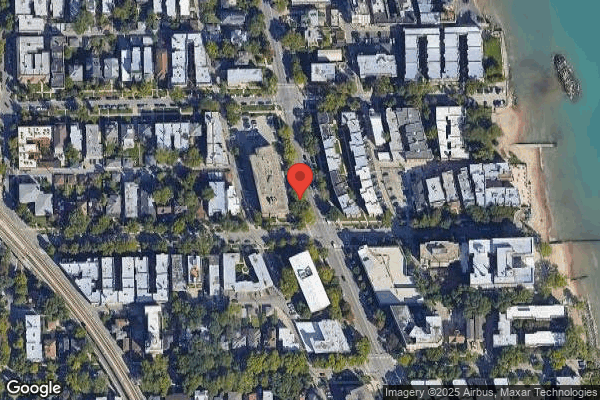

7350 NORTH SHERIDAN ROAD, CHICAGO, IL 60626 (773) 274-1000
For profit - Corporation 219 Beds LEGACY HEALTHCARE Data: November 2025 1 Immediate Jeopardy citation
Trust Grade
3/100
#489 of 665 in IL
Last Inspection: December 2024

Within standard 12-15 month inspection cycle. Federal law requires annual inspections.

Overview

Chalet Living & Rehab has received a Trust Grade of F, indicating poor performance with significant concerns about the facility. They rank #489 out of 665 facilities in Illinois, placing them in the bottom half, and #160 out of 201 in Cook County, meaning only a few local options are worse. The facility is showing an improving trend, with issues dropping from 34 in 2024 to just 2 in 2025. Staffing has a rating of 1 out of 5, but they have a relatively low turnover rate of 34%, which is better than the state average. However, the facility has concerning fines amounting to $275,949, higher than 75% of Illinois facilities, and their RN coverage is only average. Specific incidents include a critical failure to prevent residents with a history of substance abuse from obtaining illicit drugs, resulting in suspected overdoses that required emergency treatment. There was also a serious issue where a resident declined from moderate to severe malnutrition, indicating a lack of adequate nutritional support. Additionally, one resident suffered a bruise due to physical restraint, suggesting potential lapses in care and safety protocols. Overall, while the staffing situation is somewhat stable, the facility has significant weaknesses that should be carefully considered.

Trust Score
F
3/100
In Illinois
#489/665
Bottom 27%
Safety Record
High Risk
Review needed
Inspections
Getting Better
34 → 2 violations
Staff Stability
○ Average
34% turnover. Near Illinois's 48% average. Typical for the industry.
Penalties
✓ Good
$275,949 in fines. Lower than most Illinois facilities. Relatively clean record.
Skilled Nurses
⚠ Watch
Each resident gets only 26 minutes of Registered Nurse (RN) attention daily — below average for Illinois. Fewer RN minutes means fewer trained eyes watching for problems.
Violations
⚠ Watch
51 deficiencies on record. Higher than average. Multiple issues found across inspections.
★☆☆☆☆
1.0
Overall Rating
★☆☆☆☆
1.0
Staff Levels
★★☆☆☆
2.0
Care Quality
★★☆☆☆
2.0
Inspection Score
Stable
2024: 34 issues
2025: 2 issues

The Good

  • Full Sprinkler Coverage · Fire safety systems throughout facility
  • No fines on record
  • Staff turnover below average (34%)

    14 points below Illinois average of 48%

Facility shows strength in fire safety.

The Bad

1-Star Overall Rating

Below Illinois average (2.5)

Significant quality concerns identified by CMS

Staff Turnover: 34%

11pts below Illinois avg (46%)

Typical for the industry

Federal Fines: $275,949

Well above median ($33,413)

Significant penalties indicating serious issues

Chain: LEGACY HEALTHCARE

Part of a multi-facility chain

Ask about local staffing decisions and management

The Ugly 51 deficiencies on record

1 life-threatening 2 actual harm
Sept 2025 1 deficiency
CONCERN (D) 📢 Someone Reported This

A family member, employee, or ombudsman was alarmed enough to file a formal complaint

Potential for Harm - no one hurt, but risky conditions existed

Infection Control (Tag F0880)

Could have caused harm · This affected 1 resident

**NOTE- TERMS IN BRACKETS HAVE BEEN EDITED TO PROTECT CONFIDENTIALITY** Based on interview and record review, the facility failed to ensure a resident positive with Covid-19 was quarantined for 10 day...

Read full inspector narrative →
**NOTE- TERMS IN BRACKETS HAVE BEEN EDITED TO PROTECT CONFIDENTIALITY** Based on interview and record review, the facility failed to ensure a resident positive with Covid-19 was quarantined for 10 days prior to cohorting with a non-positive Covid-19 resident to prevent the spread of Covid-19 virus. This failure affected 2 (R2 and R4) residents reviewed for infection control in the total sample of 4 residents. Findings include: R2's admission Record documented that R2's diagnoses (include but not limited to) attention-deficit hyperactivity disorder, generalized anxiety disorder, and secondary hypertensionR2's census list documented that R2 was in the current room since 02/23/2023. R4's admission Record documented that R4's diagnoses (include but not limited to) covid-19, hemiplegia and hemiparesis following cerebral infarction affecting left non-dominant side, and vascular dementia. R4's census list documented that R4 was initially admitted on [DATE] and was moved to R2's room on 08/31/2025. R4's (08/27/2025) Hospital Record documented, in part Collection Time: 08/22/2025 COVID/FLU/RSV (respiratory syncytial virus) panel. Result SARS-COV-2 by PCR (polymerase chain reaction). Value: Detected. Ref(erence) Range: Not detected. R4's (08/28/2025) care plan documented, in part is on strict Droplet/CONTACT PRECAUTIONS related to covid 19. Infection will be resolved or controlled. Maintain contact isolation precaution in accordance with Centers for Disease Control (CDC) guidelines. On 09/12/2025 at 4:03pm, V2 (Assistant Director of Nursing/ADON) stated the facility has to isolate the resident for 10 days from the day the resident tested positive with Covid-19. If the resident tested positive on 08/22/2025, she (R4) should be out of the isolation on 09/01/2025. The purpose of quarantining a resident for 10 days is to control the spread of infection. The Covid positive resident should not be cohorted with a resident who is not Covid 19 positive if not yet quarantined for 10 days. Technically, the facility would want to isolate a resident if they have covid to prevent the spread of covid 19. V2 stated he will not cohort the resident who is not covid positive with a resident who tested positive with Covid-19 because the resident who is not positive can get it.On 09/12/2025 at 4:25pm, V22 (Infection Preventionist/Licensed Practical Nurse) stated the expectation is to quarantine a covid positive resident for 10 days; from the day the resident tested positive. If a resident tested positive on 8/22/2025, the resident should be on quarantine from 8/22 to 8/31 then on 9/1/25, the resident can cohort with another resident. She should not be moved to another room on 8/31 because she (R4) has not completed the quarantine days yet. She can cohort with another resident on 9/1/2025. On 09/12/2025 at 4:52pm, V8 (Assistant Administrator) stated he miscalculated the count and thought that on the 10th day of isolation she (R4) could come off isolation.The (07/16/2025) Preventing and Controlling Acute Respiratory Illness Outbreaks in Skilled Nursing Facilities and Other Facilities Providing Skilled Care documented, in part This guidance replaces previous COVID-19 disease-specific guidance. It is based on the CDC's guidance for the control of respiratory illnesses, including COVID-19, influenza, and other respiratory illnesses, in health care settings. Recommended Precautions for Common Respiratory Viruses. RESPIRATORY VIRUS: COVID-19. TYPE OF PRECAUTION: Contact precautions, N95, and eye protection. COVID 19 Duration of Isolation and quarantine. COVID POSITIVE RESIDENT'S ISOLATION GUIDANCE: Asymptomatic. Isolation Required: 10 Days. Day 0 = day of swabbing.
Mar 2025 1 deficiency 1 IJ
CRITICAL (J) 📢 Someone Reported This

A family member, employee, or ombudsman was alarmed enough to file a formal complaint

Immediate Jeopardy (IJ) - the most serious Medicare violation

Accident Prevention (Tag F0689)

Someone could have died · This affected 1 resident

**NOTE- TERMS IN BRACKETS HAVE BEEN EDITED TO PROTECT CONFIDENTIALITY** Based on interview and record review, the facility failed to supervise, monitor, and develop an effective plan to prevent reside...

Read full inspector narrative →
**NOTE- TERMS IN BRACKETS HAVE BEEN EDITED TO PROTECT CONFIDENTIALITY** Based on interview and record review, the facility failed to supervise, monitor, and develop an effective plan to prevent residents with known histories of substance abuse from obtaining illicit drugs while in the facility for three of three residents (R1, R4, R5) reviewed for opioid use. These failures resulted in R1, R4, and R5 obtaining illicit drugs and having suspected overdoses while not being able to leave the facility on pass. R1, R4, and R5 did not leave the facility, nor did they have community passes in their care plans. Findings include: R1 experienced a suspected opioid overdose on 1/17/25, requiring administration of Narcan (medication used to reverse the effects of opioids) at the facility with evaluation and treatment in local emergency department. R4 experienced a suspected opioid overdose on 12/22/24 requiring evaluation and treatment in the local emergency department. R4 experienced a second suspected opioid overdose on 1/17/25, requiring administration of Narcan. R5 was sent to the local hospital for evaluation of seizure activity on 2/5/25. R5 required urgent endotracheal intubation (inserting a tube into the windpipe) for airway protection; used syringe was found at R5's bedside. The immediate jeopardy began on 12/22/24, when R4 had a suspected opioid overdose. The Administrator, Assistant Administrator, Director of Nursing, and Nurse Consultant were notified of the immediate jeopardy on 3/13/25 at 12:24 PM. An abatement plan was provided on 3/17/25 at 4:52 PM. This plan was sent back for corrections. An abatement plan was provided on 3/18/25 at 1:54 PM. This plan was sent back for corrections. An abatement plan was provided on 3/19/25 at 1:21 PM. This plan was returned for corrections. An abatement plan was provided on 3/19/25 at 8:32 PM. This plan was sent back for corrections. An abatement plan was received on 3/20/25 at 2:43 PM. This plan was sent back for corrections. An abatement plan was received on 3/20/25 at 3:15 PM. This plan was sent back for corrections. An abatement plan was received on 3/20/25 at 3:48 PM. This abatement plan was accepted on 3/20/25 at 3:50 PM. Based on observation, interview, and record review, the immediacy was removed on 3/20/25. Although the immediacy was removed, the facility remains out of compliance at severity level II until the facility can evaluate the effectiveness of the removal plan and maintain substantial compliance with this regulation. 1). R1's medical record (Face Sheet) documents R1 is a [AGE] year-old admitted to the facility on [DATE] with diagnoses including but not limited to: (Idiopathic) Normal Pressure Hydrocephalus, Opioid Abuse, Uncomplicated; Nicotine Dependence, Unspecified, Uncomplicated; and Post Traumatic Stress Disorder, Chronic. R1's MDS (Minimum Data Set, 12/9/24) documents a BIMS (Brief Interview for Mental Status) of 12 indicating moderate cognitive impairment. On 1/17/25 at 8:58 PM, R1's progress note documents in part, the attention of the nurse was called by the assigned CNA (Certified Nursing Assistant) stating that the resident seems unresponsive when called by name. The resident was observed unresponsive with slow breathing, small, constricted pinpoint pupils. Due to history of opioid use, the resident seems to be exhibiting symptoms of opioid use. Two Narcan shots were given nasally. After 30 minutes, the resident became responsive. 911 was called and R1 was transferred to the (local hospital emergency department). On 1/17/25 at 9:24 PM, R1's emergency room record documents in part, patient brought in from nursing home via EMS (Emergency Medical Services), for altered mental status. Per EMS report patient was lethargic on arrival. Patient was given Narcan with prompt return to baseline and he was endorsing using heroin today. On 1/17/25 (no time) R1's ambulance run sheet documents in part, staff (nursing home) reports patient was noted lethargic and was given 4 mgs (milligrams) of Narcan with improvement back to baseline. Patient admits to getting heroin from a fellow resident. On 1/17/25, facility's incident report documents in part, (R1) was observed unresponsive/suspected overdose. Two sprays of Narcan were given. Security searched the resident's room and found nothing. (R1) unable to go out on pass. The visitor logs were checked for three days, and no visitors were found. The resident said he bought a $20.00 bag of heroin but would not say where he got it from. On 2/28/25 at 12:16 PM, R1 observed awake/alert, reclining in recliner chair. R1 said he bought a $20.00 bag of heroin from R4 with money he received from his trust fund. R4 came to R1's room at night to give R1 the heroin. R1 said the last time he used heroin was about three weeks ago when he had to go to the hospital and then several weeks prior to that but he did not get ill the first time. R1 informed the surveyor that he would not have used heroin if he had received Suboxone (Buprenorphine/Naloxone-a medicine to treat dependence on opioid (narcotic) drugs such as heroin or morphine in drug addicts) and if programming for his drug abuse/use had been available to him. R1 said he does not go out on pass. On 2/26/25 at 12:52 PM via telephone, V8 (Registered Nurse/RN) said my two CNAs (Certified Nursing Assistants) called me to tell me that R1 was not responding. I went in there and called him by his name. He wasn't responding to verbal or tactile stimuli. I know he has history of drug abuse. I called my supervisor, V9 (Nursing Supervisor) and he did the same thing. V9 grabbed the crash cart, gave him a dose of Narcan, then a second dose of Narcan. He started to come back gradually. We called 911. Before they came, he was fully awake. He was telling 911 that he didn't want to go to the hospital. V9 asked him what happened. R1 said I don't know. I don't know. He would not tell me what he took. He had never done this before. He did receive Suboxone when he was first admitted in June 2024, and I can't say why it was discontinued. He doesn't get methadone. V8 stated we need to keep talking to him, to see what he's thinking about, to keep him from using again. On 3/4/2025, at 9:51 AM, V2 (Director of Nursing/DON) said, R1's Suboxone was discontinued on 12/12/2024. One of the nurses told me they could no longer get prescriptions for the medication. When R1 was admitted , the prescription was provided by a hospital physician and an outside pharmacy continued to supply. The pharmacy reached out to the hospital physician and was informed they would no longer prescribe the Suboxone. R1 had leftover Suboxone that the (Social Service Agency) was holding for him; they brought it to the facility. We reached out to V23 (R1's Physician/Medical Director), he said he would prescribe the Suboxone. Normally when they are discharged from the hospital a referral has been made for follow up with addiction clinic. I heard there was an insurance issue, I can't remember what the issue was. We haven't been able to find a clinic for him; we have been looking. If Suboxone was not continued, the resident might go through withdrawal. They would probably want to use (illicit drugs). They probably would use. On 3/4/25 at 12:58 PM via telephone, V23 (R1's Physician/Medical Director) said, I have written prescriptions for Suboxone. It's not my preference to prescribe Suboxone. I don't want to get involved. I told them (facility) they should send R1 to a clinic. On 3/4/25 at 1:54 PM via telephone, V21 (Hospital Liaison) I'm at the hospitals. I follow up on referrals. As long as we can accommodate their needs, we will take residents who have a history of substance abuse. I can't think of any recent residents who were not accepted for admission. We wouldn't accept residents who had recently used illicit drugs. We wouldn't accept someone who uses heroin. On 3/4/25 at 11:24 AM, V19 (Social Service Director) said, R1 does not go out to the addiction clinic. I haven't sent anything for him. Yes, he should go to addiction clinic as he has past substance abuse history. Order Review Report documents the following orders for R1: - Buprenorphine HCl-Naloxone HCl Sublingual Film 8-2 MG (milligrams), Give 1 film sublingually (under the tongue) every 12 hours for pain. Order date: 6/10/24. Start date: 6/12/24. End date: 6/19/24. -Buprenorphine HCl-Naloxone HCl Sublingual Film 8-2 MG, Give 1 film sublingually (under the tongue) every 12 hours for pain. Order date: 6/19/24. Start date: 6/19/24. End date: 12/12/24. -Naloxone HCl Nasal Liquid 4 MG/0.1ML (milliliter), One spray in both nostrils as needed for Opioid overdose. Order date: 6/10/24. Start date: 6/11/24. Substance Abuse/Chemical Dependency Disorders care plan (initiated/created 6/22/24, revised 3/3/25) documents R1 has a history of substance abuse/chemical dependency. R1 has a history of opioid use. Goals include R1 will complete the first step of the Alcoholics Anonymous program by admitting that he is powerless over alcohol by the next review; will refrain from using non-prescribed substances through the next review; and will comply with the intake procedures of a substance abuse treatment program (i.e. hospital, clinic-based, mental health agency or Alcoholics Anonymous by the next care plan review. All goals revised 1/8/25). Interventions include, implement increasingly restrictive interventions in an effort to help the resident break the addictive cycle. Interventions may include supervision while in the community, restricted independent pass privileges, implementation of money guidance and budget controls to reduce/prevent access to substances; meet with the IDT (Interdisciplinary Team) to discuss the extent of the resident's illness. The physician may not consider a referral to the psychiatrist and/or write an order restricting pass privileges; present the resident with a list of substance abuse treatment programs. Confront the resident concerning the illness and the self-destructive path. Focus on getting past denial by reciting the facts associated with Alcoholism (i.e. Alcoholism is a disease which will end in death if it is not treated. A significant percentage of Alcoholics are able to enter treatment and gain sobriety. The first step is admitting that one is in fact, Alcoholic); provide leisure counseling to the resident to help him use free tine in productive, not destructive ways; and work with the resident to establish a verbal or written behavioral contract specifying what is and is not allowed. Make sure the resident is aware of rules prohibiting use of alcohol, illicit substances and intoxication. All interventions created on 6/22/24. Revisions were made on 3/3/25 after complaint investigation initiated on 2/21/25. History of substance abuse and R1 has overdosed in the past care plan (initiated/created 2/27/25). Goals include R1 will remain drug free and abide by facility smoking policies and procedures; will meet with the facility psychotherapist to express emotions and feelings. Initiated/created 2/27/25. Intervention includes work with the resident to develop long-term goals focused on maintaining sobriety, building healthy coping mechanisms, and avoiding situations that may trigger relapse. Initiated/created 2/27/25, after complaint investigation initiated on 2/21/25. Substance Abuse/Opioid care plan (initiated/created 3/2/25) documents R1 has a history of improperly using and abusing substances. R1 has poorly developed the ability to control impulses. This has led R1 to engage in narcotic seeking behaviors that include drug abuse. Education has been provided on the negative effects that substance (abuse) has on health, mental health, and psychosocial well-being. Education has been provided on abstaining from using substance. A referral has been made to psychological services to address addictions with substance, underlying reasons for addiction and substance use, ineffective coping mechanisms, and to learn to engage in healthy activities and employ healthy strategies to better cope with stress and anxiety and to not return to using substance. Goals include R1 will be open-minded to interventions that promote abstinence for using substance, will refrain from using substance, and work with social services/psychotherapist to address substance use/abuse. Interventions include, establish a verbal or written behavioral agreement specifying what is and what is not allowed. Make sure R1 is aware of the rules prohibiting use of illicit substances; work with the interdisciplinary team to discuss the extent of my illness. Refer R1 to the psychiatrist and clinical psychologist as indicated; and approach R1 concerning his illness and the self-destructive path that he is on. Focus on getting him past denial by reciting the facts associated with substance abuse (i.e. substance abuse is a disease which will end in death if it is not treated and that a significant percentage of persons who abuse substance are able to enter treatment and gain sobriety. Encourage R1 to take the first steps by admitting that he is in fact a substance abuser so that he may get the help and assistance that he needs. All goals and interventions created 3/2/25, after complaint investigation initiated on 2/21/25. No care plan specifically addressing independent out on pass was found. 2). R4's medical record (Face Sheet) documents in part, R4 is a [AGE] year-old admitted to the facility on [DATE] with diagnoses including but not limited to: Cerebral Infarction Due to Embolism of Left Anterior Cerebral Artery, Opioid Abuse with Intoxication, Unspecified; Other Schizophrenia, and Other Bipolar Disorder. MDS (Minimum Data Set, 12/5/24) documents a BIMS (Brief Interview for Mental Status) of 9 indicating moderate cognitive impairment. On 12/23/24 at 12:02 AM, R4's progress note documents in part, writer was alerted by CNA (Certified Nursing Assistant) and resident('s) roommate that resident appeared to be shaking uncontrollably. Nurse immediately ran to resident's bedside and was noted to be extremely diaphoretic, with pinpoint pupils non-reactive to light and accommodation. Resident visually shaking and lethargic. R4 was going in and out of consciousness. R4 immediately stated, I didn't take anything! Vitals taken immediately and noted in (electronic medical record). V2 (Director of Nursing) and physician were contacted. The physician was phoned with a new order to send R4 out 911. R4 walked out with the fire department and EMT (Emergency Medical Services) to the (local hospital). On 12/22/24 at 11:37 PM, R4's emergency room record documents in part, per report given to RN (Registered Nurse), patient was using drugs at his nursing home, so they called EMS. He (patient) told EMS he was using a little bit of heroin. On 12/22/24, (no time), R4's ambulance run sheet documents in part, patient stated he was using heroin in his room when the nurse walked in. Patient states he's a habitual user and did not get to use much before he was caught. On 12/23/24, the facility's incident report documents resident (R4) was found shaking uncontrollably. At the time drugs were not suspected. When the resident returned it was noted that the hospital stated Narcan was used. Security was notified and searched his room for drugs. Visitor logs were checked, and no visitors were noted. Resident does not have OOP (out on pass) privileges. On 1/17/25 at 11:20 PM, R4's progress note documents in part, writer was alerted by CNA that (R1) was lying on the floor, observed with drug overdose. R4 was noted to be extremely diaphoretic, with (pinpoint) pupils non-reactive to light. Resident observed lethargic. Naloxone 4mg nasal spray was (given). (R1) (transferred) to bed. After 30 minutes, the resident was observed smoking in the bathroom. When staff asked him why his smoking in the bathroom, resident was very aggressive toward staff. V22 (R4's Former Physician) notify (notified) with order to (send) him to (local hospital) for further evaluation. On 1/18/25 at 8:00 AM, R4's progress note documents in part, (R1) had some behaviors on the previous shift (11:00 PM-7:00 AM). He was noted with some respiratory distress as a result of a drug overdose. V22 (R4's Former Physician) was notified with an order to petition (R4) to the local hospital. On 1/17/2025, facility's incident report documents resident (R4) was observed unresponsive/suspected overdose. Two sprays of Narcan were given. The resident was sent out to the hospital. V12 (Security Guard) searched the resident's room and found nothing. Resident was discharged from the hospital to another nursing home. Visitor logs were checked for (R4). There were no visitors for the resident. Resident did not have OOP (out on pass) privileges. On 1/19/2025, at 9:34 AM, R4's hospital record documents in part, (R4) is [AGE] years old with past medical history significant for cerebrovascular accident with some aphasia as residual with underlying schizophrenia and bipolar disorders and hypertension with history of cognitive communication deficits secondary to underlying stroke and history of alcohol abuse and narcotic abuse brought to the emergency room by ambulance for agitations and they wanted to be evaluated. Evidently patient had episode of unresponsiveness most likely secondary to narcotic overdose with good response to Narcan. Evidently patient has Narcan and medication list and patient has history of opioid overdose. Presence of Abuse and Neglect Factors care plan (created 10/2/24/revised 10/5/24) documents R4 presents with a difficult or troubled past secondary to severe mental illness. He presents with risk factors related to abuse and neglect, due to his psychiatric history and present mental health symptoms, and substance abuse history. Goals include R4 will remain safe, free of mistreatment through next review R4 will be treated with respect, dignity, and reside in the facility from of mistreatment. Interventions include but are not limited to review assessment information. Emphasize treatment of causal factors and/or interventions designed to moderate/reduce symptoms (male treatment of compulsive behavior, substance abuse, anger and mental heal issues available to R4, as indicated). All goals and interventions created on 10/2/24, revised on 10/5/24. No care plans specifically addressing R4's illicit drug use/abuse history or independent out on pass were found. On 2/28/25 at 11:25 AM, via telephone, R4 denied using or selling drugs while at facility. I did not receive counseling at facility, even if it was available, I wouldn't have been interested. 3) R5's medical record (Face Sheet) documents R5 is a [AGE] year-old admitted to the facility on [DATE], with diagnoses including but not limited to: Hypertensive Chronic Kidney Disease with Stage 1 Through Stage 4 Chronic Kidney Disease, or Unspecified Chronic Kidney Disease; Opioid Dependence with Intoxication, Uncomplicated; Acute Hepatitis C Without Hepatic Coma, and Adjustment Disorder. R5's MDS (Minimum Data Set, 11/18/24) documents a BIMS (Brief Interview for Mental Status) of 15 indicating intact cognitive function. On 2/5/25, at 10:03 AM, R5's progress note documents in part, at beginning of shift, resident was noted in the bed sleeping. At approximately 7:30 AM, the resident got the writer's attention. She was requesting to go to the hospital. Writer asked why but resident refused to give any further information. Writer assessed the resident. The resident was not in any distress at this time. The physician was notified with an order to send the resident to the hospital. On 2/5/25 at 10:40 AM, R5's progress note documents in part, at approximately 10:30 AM, writer was making rounds noted resident having seizures that lasted a second. 911 was called. 911 crew arrived; resident was picked up by 911 crew at approximately 10:48 AM. R5 was taken to the hospital for further evaluation. On 2/5/25 (no time), R5's ambulance run sheet documents in part, per staff patient was witnessed to have a convulsive seizure lasting approximately one minute while in bed. Staff report finding a needle and syringe in bed with patient and patient has history of opioid dependence. On 2/5/25 at 2:52 PM, R5's emergency room record documents R5 required urgent endotracheal intubation (inserting a tube into the windpipe) for airway protection. On 2/5/25, facility's incident report documents in part, resident requesting to go to hospital due to seizures. When cleaning the room, the nurses found two syringes, one empty, one used. The visitor log was checked; resident had visitor in lobby. Suspected visitor gave her the drugs. Resident was put on supervised pass. Outside Pass Privilege (Mental Health Client) care plan (initiated/created 1/17/25, revised 2/5/25) documents in part, (R5) does not appear capable of limited IOOP (Independent Out on Pass). The resident (R5) has history of substance abuse and exhibits drug-seeking behavior care plan (initiated/created 2/5/25). Goal: Reduce drug-seeking behavior and promote recovery-focused care. Interventions include but are not limited to staff will prevent access to unauthorized substances. Goals and interventions initiated/created 2/5/25. Substance abuse care plan (initiated/created 2/27/25, revised 3/3/25) documents R5 has a history of substance abuse and has overdosed in the past. R5 has a history of opioid use and is receiving methadone as medication assisted treatment to address her substance use. Goals include: R5 will meet with the facility psychotherapist to discuss emotions. Interventions include work with the resident to develop long term goals focused on maintaining sobriety, building healthy coping skills, and avoiding situations that may trigger relapse. Goals and interventions were initiated/created on 2/27/25, after complaint investigation initiated on 2/21/25. On 2/27/25 at 3:30 PM, R5 said it is not difficult for residents to get drugs in the facility. There is no plan in the facility on how to handle drug use before and after. There was a resident on 4th floor that overdosed twice. The resident came up to me on several occasions and asked if I had stuff (drugs). I am on Methadone and Suboxone. There are only two residents on methadone in the facility. There are no meetings or programs. If there was a narcotic anonymous or addiction assistance, I would attend. On 3/4/25 at 12:34 PM, V25 (Psychotherapist) said to be honest, I did not get to see R1 for individual therapy. I saw him once in group on 1/27/25. I met once with R4, he declined services (group/individual therapy). I have not seen R5 at all. Based on observation, interview, and record review, the immediacy was removed on 3/20/2025. The facility took the following steps remove the immediacy: 1.) On 3/13/25 the Administrator and Assistant Administrators were in-serviced and educated on doing a thorough investigation by the [NAME] President of Operations and Nurse consultant. (See Exhibit AA In-Service on thorough investigation). 2.) On 3/13/25 the Administrator and Assistant Administrators reviewed and investigated the incidents thoroughly and concluded that the following occurred: First, all four incidents were reviewed in order to look for common factors. The chief common factor noted was related to information received from multiple residents with substance abuse history who came forward and named the same resident as the individual who provided heroin on multiple occasions to residents in the facility. Upon further review, this same individual's CHIRP/police background check completed upon admission showed that he had a history of distribution. Upon discovering this evidence, it was found out that this resident was no longer in the facility and had discharged to the community with assistance of (name of state program) on 2/28/2025. Upon discharge, this resident admitted to the Security Guard that he was dealing heroin. Since this resident's discharge on [DATE] there have been no further incidents of illicit drug use noted. 3a.) Regarding the post-investigation. First, Leadership team interviewed each employee of the facility and asked them whether they were aware of any individuals, staff, or resident, who have been distributing illicit drugs within the facility. (See Exhibit 1-Employee Substance Abuse Attestation Form). This was completed from 3/13/25 through 3/17/25. 3b.) Secondly, Leadership team interviewed all residents with a history of substance abuse and interviewed them on whether they were aware of any individuals, staff or residents who have been distributing illicit substances within the facility. This was done on 3/13/25 and 3/14/25. (See Exhibit 2-Resident Substance Abuse Attestation Form). 3c.) Thirdly, background checks were pulled and reviewed for all residents within the facility identified with a history of substance abuse to identify whether he/she had a history of dealing drugs. If a hit was found, the Substance Abuse Care Plan would be amended to include a history of distributing drugs. (See Exhibit 3 - A -Substance Abuse Care Plan/History of Drug Distribution & Exhibit 3-B Chirp in Process - Held). This Background Check Review Process relating to verifying whether an individual had a history of distributing illicit drugs prior to entering facility will be an ongoing process where it will be noted on the Care Plan after every new admission. 3d.) Fourth, a form was created listing all residents with a history of substance abuse and will be reviewed weekly by the Social Services team and Leadership to ensure that all on this list are being compliant with substance abuse protocols. A list of residents with a history of substance abuse will be placed in each nursing station and updated weekly. (See Exhibit 4-Security Committee Form Exhibit 5- A Residents with History of Substance Abuse List). 3e.) The facility will conduct a QA Audit designed to ensure comprehensive and through investigation of any illicit drug distribution, promoting safety, accountability and transparency. These audits will be conducted by the Administrator and Assistant Administrators. This QA audit was initiated on 3/14/25 and will be conducted when there is any suspicion of illicit drug use or an allegation of illicit drug distribution. (See Exhibit 5-B QA Tool For Investigation of Illicit Drug Use or Distribution) 4.) Package Security Procedure: On 3/13/25 Administrator, Assistant Administrators, and IDT collaborated and began to look at protocol to prevent dangerous items from entering the facility. The purpose of this protocol is to prevent dangerous items from being delivered or dropped off to residents in the facility through the mail system or individuals. On packages arriving to the facility by U.S. Mail, Fed Ex, etc., the Receptionist/Security will check the package in at the Front Desk. After the package is received the Receptionist/Security places the item in a secured office adjacent to the Front Desk area where only the Front Desk, Security, and Leadership have access. Receptionist/Security staff will then inform Activities Staff/Representative that there is a resident package that has arrived and is being placed in the secured office area. Activity staff/representative will then pick up the package and deliver it to the resident where he/she will be asked to open it in front of them. (See Exhibit 6- Mail Log) Once the package has been determined to be safe and free of any contraband, the Activity staff/Representative will enter the package into Mail Log for tracking. If the package is not considered to be safe, Security personnel will be called to the location and will gather up the package where it will be placed in a secure location. For packages/items delivered by individuals as opposed to the mail system, the family member/other will be required to open the package in front of the Security Guard where it will be inspected for contraband. Once the package is cleared, the family member/other will receive the package back and can continue with their visit. 4a.) Security, Activities, and Front Office staff were in-serviced on being able to identify specific types of unauthorized items which includes illicit substances to optimally prevent illicit substances from entering the facility. In-servicing of Security, Activities, and Front Office Staff was completed by the Assistant Administrator. (See Exhibit 7A- Visitor Package Tracking Log and Exhibit 7B-In-Service on Package Security Procedure / Mail Log (Residents & Visitors)/IOOP Procedure) (Exhibit 7C-Prohibited Items List) 4b.) All residents were informed Activities staff/Designee of this new process on 3/14/25. (See Exhibit 8- Resident In-Service Sheet regarding Package Security Procedure) 4c.) This process will be posted at the Front Desk to make visitors aware of this process when they bring in packages for residents. (See Exhibit 9-Package Security Procedure Posting) 4d.) This process will be reviewed at the emergency Resident Council Meeting on 3/17/25 and monthly thereafter for 3 months (See Exhibit 10A-Resident Council Agenda for March 17, 2025, and Exhibit 10B - Resident Council Sign in sheet) 4e.) All new admissions will be informed of the Package Security Procedure upon admission by Admissions Director/Designee. (See Exhibit 11-QA Tool verifying Admissions Director/Designee reviewed and presented new admission with Package Security Procedure) 4f.) The facility conducted a QA Audit 2x/weekly x 12 weeks to ensure new admissions were aware of the Package Security Procedure and the process is being implemented and followed as recommended. This audit will be conducted by the Assistant Administrator or designee. This QA started on 3/14/25. 5.) Independent/Community Out on Pass Protocol Relating to All Residents and A focus on Residents with A History of Substance Abuse. The purpose of this protocol is to prevent all residents, including those with a history of substance abuse, and visitors from bringing illegal substances into the facility upon returning from out on pass. 5a.) On 3/19/25 Administrator, Assistant Administrators, and IDT collaborated and began to review protocol to prevent all residents, including those with a history of substance abuse, and visitors from bringing illegal substances into the facility after returning from out on pass. 5b.) A sign will be placed in a predominant location in the Front Lobby Area notifying all residents, while out on pass, and visitors entering the facility not to bring illicit substances into the facility and if they are suspected/caught they will be subject to police intervention. (See Exhibit AB Front Desk Poster) 5c.) In order to remind All Residents, including those with a History of Substance Abuse, not to bring illicit substances into the facility when going out on pass, a statement will be boldly printed on the bottom of the resident out on pass log stating that if he/she brings illicit substances back into the facility, they will be subject to restricted out on pass and or immediate police intervention. The Posting will also be in immediate view of the Reception Desk to further remind a resident of the repercussions of bringing illicit substances into the facility. If a resident is caught in the facility utilizing or distributing illicit drugs on more than one occasion, he or she will be reported to the police as well as Involuntarily discharged to promote the safety of both residents, visitors, and staff. (See Exhibit AC Resident Out on Pass Log) 5d.) A destination section is located on the Resident Out on Pass Log in order for the resident to declare each time he/she goes Out on Pass. It will be the responsibility of Security/Front Desk staff to ensure that this section is consistently and accurately [TRUNCATED]
Dec 2024 11 deficiencies
CONCERN (D)

Potential for Harm - no one hurt, but risky conditions existed

Deficiency F0558 (Tag F0558)

Could have caused harm · This affected 1 resident

Based on observation, interview, and record review, the facility failed to ensure that the call light was within reach for one resident (R109) out of the 66 residents reviewed for call lights. Finding...

Read full inspector narrative →
Based on observation, interview, and record review, the facility failed to ensure that the call light was within reach for one resident (R109) out of the 66 residents reviewed for call lights. Findings include: R109's Brief Interview for Mental Status (BIMS) dated 10/14/2024 Section C C0500 documents that R109 has a BIMS score of 09 which indicates that R109's cognition is moderately impaired. R109's diagnosis includes but are not limited to acute osteomyelitis, right ankle and foot, aftercare following surgery for neoplasm, age-related nuclear cataract, bilateral, hypertensive retinopathy, bilateral, essential (primary) hypertension, benign neoplasm of unspecified adrenal gland, other specified peripheral vascular diseases, and non-pressure chronic ulcer of other part of right foot limited to breakdown of skin. On 12/08/2024 at 10:35am R109 was asked where your call light is located. R109 responded I don't have a call light. Surveyor observed the red call light cord on the floor on the right side of R109's bed. On 12/08/2024 at 10:37am V16 (Certified Nursing Assistant/CNA) stated R109's call light string is located on the floor next to the roommate's bed. V16 stated the call light string should be connected to R109's bedsheet. V16 stated R109 can reach and use the call light cord when the cord is attached to R109's bedsheets. On 12/08/2024 at 10:39am surveyor observed V16 (CNA) picking the red call light string from off the floor and attaching the call light string to R109's bedsheets. On 12/08/2024 at 10:40am V16 (CNA) stated the purpose of the call light is if the resident needs to call for assistance with something. V16 stated the certified nursing assistant is to answer the call light immediately. On 12/10/2024 at 10:21am V2 (Director of Nursing/Infection Preventionist) stated the purpose of the call light is for residents to call for help from the staff. V2 stated the call light should be located within the resident's reach. V2 stated it is my expectation that all nursing staff should make sure that a resident's call light is within reach of the resident. The facility's policy titled Call Light and dated 7/26/24 documents, in part, 5. Be sure call lights are placed within reach of residents who are able to use it at all times. The facility's Certified Nursing Assistant Job Description dated 08/24/2018 documents, in part, The CNA safeguards the health, safety, and welfare of all guests under their care by following applicable laws, regulations, and established nursing policies and procedures.
CONCERN (D)

Potential for Harm - no one hurt, but risky conditions existed

Deficiency F0604 (Tag F0604)

Could have caused harm · This affected 1 resident

Based on observation, interview, and record review the facility failed to follow physician's orders regarding hand restraints. This failure affected one resident (R25) in the facility viewed for restr...

Read full inspector narrative →
Based on observation, interview, and record review the facility failed to follow physician's orders regarding hand restraints. This failure affected one resident (R25) in the facility viewed for restraints in a sample size of 66. Findings include: R25's admission diagnoses include but not limited to Alzheimer's, bipolar, emphysema, anxiety, scoliosis and motor and sensory neuropathy. R25's Brief Interview of Mental Status (BIMS) score is blank. On 12/8/24 at 11:10 am, observed R25 in room lying in bed with hand mittens on the left and right hands. On 12/9/24 at 9:50 am, observed R25 lying in bed with a hand mitten on the left hand. On 12/10/24 at 9:56 am observed R25 lying in bed with hand mittens on the left and right hand. R25's Active Orders Summary Report as of (12/10/24) documents in part, may use hand mitten on right hand. On 12/10/24 at 10:00 am V33 (Restorative Aide) stated, I put the mittens on R25 today. I was told to put on both hands by the restorative director. She has the hand mittens for involuntary movement. On 12/10/24 at 10:34 am, Surveyor inquired to V34 (Restorative Director) how many mittens does R25 have on. V34 stated, R25 has 2 mittens on, and she is only supposed to have on 1. I did not tell the aide to only put on 1 mitten. She is supposed to only have a mitten on the right hand only. R25's (8/25/24) consent for the use of restrain/mitten documents in part, 4. Type of Restrained/Mitten used: a. right hand mitten. R25's (11/8/24) Care plan documents in part, Focus: may use mitten on right hand related to involuntary movement of the hand. R25's (11/2/24) restorative assessment documents in part, 1. Type of device being applied: h. hand or wrist restraint/mittens. Specify: right hand mitten. Facility's job description undated titled Restorative Nursing Aide documents in part, Essential Functions: 1. Provides restorative nursing services to guests as assigned or directed. Facility's job description dated 8/24/2018 titled Restorative Nurse Director documents in part, Ensure that the restorative nursing program complies with applicable laws, regulations, and national restorative nursing standards and requirements. 8. Provide supervision to the RNA (Restorative Nursing Aide) and all subordinate staff which includes checking their work to ascertain that assignments have been completed.
CONCERN (D)

Potential for Harm - no one hurt, but risky conditions existed

Pressure Ulcer Prevention (Tag F0686)

Could have caused harm · This affected 1 resident

Based on observation, interview, and record review the facility failed to ensure the low air loss mattress was not layered with multiple linens. This failure affected 2 residents (R44 and R66) reviewe...

Read full inspector narrative →
Based on observation, interview, and record review the facility failed to ensure the low air loss mattress was not layered with multiple linens. This failure affected 2 residents (R44 and R66) reviewed for pressure ulcer/injury prevention and treatment in a sample of 66 residents. Findings include: 1.) R44's admission diagnoses include but not limited to congestive heart failure, dementia, depression, venous insufficiency, chronic obstructive pulmonary disease, and pulmonary nodule. R44's Brief Interview of Mental Status (BIMS) score is 3. R44 has severe cognitive impairment. On 12/8/24 at 10:37 am, R44 was lying on a low air loss mattress with multiple layers between R44 and the low air loss mattress. The layers observed under R44 consisted of a flat sheet, a flat sheet folded multiple times, an incontinent pad, and an incontinent brief. R44's (12/11/24) Active Order Summary report documented in part, Air loss mattress alternating pressure for preventive measures. R44's Risk Assessment Profile dated 7/3/24 documents in part, R44's Braden Scale Score is a 14, indicating R44 is moderate risk. R44's (12/6/24) care plan documents in part, Focus: assessed to be high risk for skin alteration due to Braden score of 14, decreased mobility, wheelchair bound, history of pressure injuries, incontinent of bowel and bladder. Interventions: Apply air loss mattress on bed for preventive measures. 2.) R66's admission diagnoses include but limited to Parkinson disease, peripheral vascular disease, glaucoma, emphysema, embolism and thrombosis, cognitive impairment, diabetes, congestive heart failure, and hypertension. R66's Brief Interview of Mental Status (BIMS) score is 7. R66 has severe cognitive impairment. On 12/8/24 at 10:50 am, R66 was lying on a low air loss mattress with multiple layers between R66 and the low air loss mattress. The layers observed under R66 consisted of a flat sheet, an incontinent pad, and an incontinent brief. R66's (12/10/24) Active Order Summary Report documents in part, pressure relieving mattress. R66's Risk Assessment Profile dated 7/5/24 documents in part, R66's Braden Scale Score is a 15, indicating R66 is at risk. R66's (2/20/24) care plan documents in part, Focus: assessed to be high risk for pressure injury development due to his current Braden scale of 15 . On 12/8/24 at 10:45 am, V6 CNA (Certified Nursing Assistant) stated, An air mattress should only have a flat sheet and incontinent pad. It was nightshift and they know better than that. It defeats the purpose of the air mattress. On 12/10/24 at 10:56 am, V2 (Director of Nursing) stated that the low air loss mattress should only have a sheet and an incontinent pad if the resident is incontinent. The purpose for the low air loss mattress is to relieve pressure and heal wounds. On 12/10/24 at 11:05 am, V8 (Wound Nurse) stated, layering for the air mattress should be a flat sheet and 1 incontinent pad or 1 incontinent brief, not both, one or the other. The purpose for the air loss mattress should be to alternate the pressure if they have wounds or if at risk for wounds. Residents who have already had wounds before and it is healed we still put them on a low air loss mattress. Having more than two layers defeats the purpose for the air mattress. The (undated) (Manufacturer Name) Pressure Low Air Loss Mattress Operation Manual documented in part, Instructions step 2. You may place a thin cotton sheet over the mattress top cover. Operation Instructions 5. Patients can directly lie on the mattress or cover with a sheet and tuck loosely to increase the comfort of the patient. Facility's (revised 1/24/24) titled Wound Care Guidelines documents in part, Overview of the Program: The goal of this care guidelines is to achieve compliance to regulatory requirements and provide evidence-based recommendations for the prevention and treatment of pressure injuries that can be used by the health professionals in the facility. Facility's Job description dated 8/24/18 and titled Licensed Practical Nurse, documents in part, Essential Functions: 12. Administer or supervise all treatments prescribed by physicians including but not limited to pressure ulcer care . Facility's Job description dated 8/24/18 and titled Registered Nurse, documents in part, Essential Functions: 12. Administer or supervise all treatments prescribed by physicians including but not limited to pressure ulcer care .
CONCERN (D)

Potential for Harm - no one hurt, but risky conditions existed

Deficiency F0688 (Tag F0688)

Could have caused harm · This affected 1 resident

Based on observation, interview, and record review the facility failed to ensure one resident (R169) received equipment to assure that R169 maintains, and/or improves to the highest level of range of ...

Read full inspector narrative →
Based on observation, interview, and record review the facility failed to ensure one resident (R169) received equipment to assure that R169 maintains, and/or improves to the highest level of range of motion (ROM) and mobility. This failure affected one resident (R169). Findings include: R169 has a diagnosis of but not limited to Idiopathic Normal Pressure Hydrocephalus, Hypertension, Cognitive Communication Deficit, Bipolar Disorder, Hemiplegia and Hemiparesis following Cerebral Infarction affecting Right Dominant Side. R169 has a Brief Interview of Mental Status score of 15, cognitively intact. R169's Order Summary Report with active orders as of 12/09/2024 documents, in part, may use Left hand splint/carrot. On 12/08/2024 at 9:45am surveyor observed R169 without a hand splint or carrot (assistive device) in R169's left hand. On 12/08/2024 at 9:46am R169 stated that staff has never place a rolled-up hand towel or carrot in his left hand to prevent his fingers from further contracture. On 12/08/2024 at 10:00am surveyor observed V20 (Restorative Aide) walk into R169's room with a hand brace in her hand. V20 stated that she was trying to find his (R169) device for his contracted hand and she is responsible for applying the resident's devices to prevent further contraction. On 12/08/2024 at 10:01am surveyor observed V20 attempting to put the hand brace on R169's right hand, which was not contracted. Surveyor than observed V20 attempting to put the hand brace on R169's left hand. Surveyor observed R169's face grimace and R169 moan in pain. Surveyor asked R169 was he in pain and R169 stated yes. On 12/08/2024 at 10:02am V19 (Licensed Practical Nurses) handed V20 a carrot and said try this. On 12/08/2024 V20 stated that there is a list that tells us what device each resident is to have but she did not remember what R169 used. On 12/08/2024 at 10:02 surveyor observed V20 place the carrot in R169 left hand with no issues. On 12/08/2024 at 10:03am R169 stated this was the first time anyone has ever put a device in his left hand. On 12/08/2024 at 10:03am V20 stated we (restorative aides) are supposed to put on the resident's splints or hand devices. On 12/08/2024 at 10:07am V19 stated that restorative staff are supposed to put on the resident's devices such as hand splints and braces. On 12/10/2024 at 10:30am V34 (Restorative Director) stated she expects the restorative aides to apply resident's devices and that there is a list of the devices and who is supposed to have what devices. V34 stated restorative aides are trained on how to put on the devices and are required to do return demonstrations on how to apply them. Undated facility list titled Residents on Splints documents R169: left hand Carrot. Care plan focus (ADL Self Care) with a date of 11/01/2024 documents performance and impaired mobility deficit related to left hand weakness on a carrots program. Undated policy titled Restorative Daily Functions documents, in part, check and apply Carrots and check all residents to make sure all appropriate devices are in place. Undated Splint Care/Program documents, in part, Assistance with Splints: Resident to corrective orthotics d/t (related to) non fixed contractures. Corrective orthotic will be on for a duration up to 6 hours every day and released during care time, mealtime and when in bed. Job description titled Restorative Nursing Aide documents, in part, The R.N.A provides restorative nursing services to assigned Guests in effort to help them reach their full ability to perform essential daily living tasks and assists Guest with medical assistance devices. Job description titled Restorative Nurse Director documents, in part, the Restorative Nurse implements and directs the facility's restorative nursing program with the goal of helping Guests reach and maintain their full mobility potential and provides supervision to R.N.A and all subordinate staff which includes checking their work to ascertain that assignments have been completed.
CONCERN (D)

Potential for Harm - no one hurt, but risky conditions existed

Respiratory Care (Tag F0695)

Could have caused harm · This affected 1 resident

Based on observation, interview and record review, the facility failed to properly contain oxygen equipment (nebulizer mask) for one resident (R133). This failure affected one residents (R133) reviewe...

Read full inspector narrative →
Based on observation, interview and record review, the facility failed to properly contain oxygen equipment (nebulizer mask) for one resident (R133). This failure affected one residents (R133) reviewed for oxygen equipment, in a total sample of 66 residents. Findings include: R133's face sheet shows that R133 has a diagnosis which includes but not limited to atherosclerotic heart disease of native coronary artery with unstable angina pectoris, chronic obstructive pulmonary disease with acute exacerbation, venous insufficiency chronic peripheral and hypertensive heart disease with heart failure. R133's Brief Interview for Mental Status (BIMS) dated 10/10/24 documents that R133 has BIMS score of 15 which indicates that R133 is cognitively intact. On 12/08/24 at 10:53 am, R133 was observed in bed awake, alert, with R133's nebulizer mask uncontained in bed with R133. R133 stated that R133 uses R133's nebulizer mask daily for R133's nebulizer treatments. When R133 was asked how R133's nebulizer mask is stored when not in use R133 stated, I (R133) just keep it in bed with me. I don't have anywhere to store it. On 12/10/24 at 9:45 am, V2 (Director of Nursing, DON) was asked regarding the facility's policy for storing oxygen equipment such as a nebulizer mask when not in use and V2 stated that oxygen equipment should be stored in a plastic bag when not in use. When V2 was asked regarding the importance of storing oxygen equipment (nebulizer mask) when not and use and V2 stated, It's to prevent infection with a resident. V2 then explained that oxygen equipment such as nebulizer mask should be change weekly by the night shift nurse, labeling the date the mask was changed. R133's Physicians Order Sheet (POS) dated 5/31/2024 shows that R133 has orders for Ipratropium-Albuterol Inhalation Solution 0.5-2.5 3 MG(milligram)/3 ML (milliliter) (Ipratropium-Albuterol) 1 inhalation inhale orally every 6 hours for SOB (shortness of breath). The facility's document dated 08/16/24 and titled Oxygen Storage documents, in part: Policy Statement: it is the policy of the facility to store oxygen safely and properly. On 12/10/24 at 12:46 pm, Surveyor requested a policy regarding how staff should store and contain oxygen equipment (nebulizer mask) when not in use and V3 (Assistant Administrator) stated that the facility does not have a policy that informs staff on how to store oxygen equipment such as a nebulizer mask when not in use. V3 also stated, I (V3) am not nursing. V2 (DON) would have to tell you how staff will know how to store the nebulizer mask.
CONCERN (D)

Potential for Harm - no one hurt, but risky conditions existed

Deficiency F0813 (Tag F0813)

Could have caused harm · This affected 1 resident

Based on observation, interview and record review, the facility failed to properly check and log a daily refrigerator temperature for three residents (R135, R145 and R113) with personal refrigerators....

Read full inspector narrative →
Based on observation, interview and record review, the facility failed to properly check and log a daily refrigerator temperature for three residents (R135, R145 and R113) with personal refrigerators. The facility also failed to provide a thermometer in one resident's refrigerator (R145) and failed to clean the personal refrigerator for one resident (R145). Findings include: 1.) On 12/08/2024 at 10:15 am observed a black personal refrigerator sitting on the floor next to R113's bed. Observed a temperature log on the front of R113's refrigerator door, the temperature log was for November (year not listed) and there was missing documentation for temperature readings on November 24th, 25th, 26th, 27th, 28th, and 29th. Upon R113 opening the refrigerator door, observed a carton containing 6 eggs and a clear locked box containing six insulin pens. R113 stated I have an order to keep my insulin pens in my refrigerator. R113 stated my refrigerator door has a lock on it and I check the temperature in my personal refrigerator every day. R113 stated I did leave the facility on November 24th, 2024, and did not return to the facility until December 3, 2024. R113 stated no staff checked the temperature in the refrigerator when I was out of the facility on pass. R113 stated the staff did not give me a new temperature log for December 2024, so I have not documented a refrigerator temperature since I returned to the facility. R113's Brief Interview for Mental Status (BIMS) dated 10/02/2024 Section C C0500 documents that R113 has a BIMS score of 15 which indicates that R113's cognition is intact. 2.) On 12/08/2024 at 10:55 am observed a black personal refrigerator sitting on a stand in R145's room. There was no temperature log observed posted near R145's personal refrigerator. Upon opening R145's refrigerator door, there was no thermometer observed inside the refrigerator. Observed a one-half pint (236ml) carton of 2% milk, a package of yellow cheese with a best by dated of 11/18/2024 and a container of potato salad. Observed two brown stains in the bottom shelf of the refrigerator and a loose and uncovered piece of lunch meat sitting on the door shelf of the refrigerator. On 12/08/2024 at 10:58 am R145 stated I do not let staff clean my refrigerator. I tell the staff I will clean the refrigerator. R145's Brief Interview for Mental Status (BIMS) dated 09/02/2024 Section C C0500 documents that R145 has a BIMS score of 15 which indicates that R145's cognition is intact. On 12/08/2024 at 11:00am V17 (Housekeeper) stated the residents are responsible for cleaning their personal refrigerators. On 12/10/2024 at 10:04am V32 (Housekeeping Director) stated the housekeeping staff is responsible for checking and logging the temperature in the resident's personal refrigerators daily. V32 stated the housekeeping staff is responsible for checking the expiration dates on foods in the resident's personal refrigerators and cleaning the refrigerator out. V32 stated the housekeeping staff keep track of the temperature in a resident's personal refrigerator by placing a temperature log on the refrigerator to document the daily temperature on. V32 stated if a resident consumes spoiled foods in their personal refrigerator, the resident can get sick. On 12/10/2024 at 10:21am V2 (Director of Nursing/Infection Preventionist) stated the housekeeping staff are responsible for checking the temperature daily in a resident's personal refrigerator. V2 stated each resident who has a personal refrigerator should have a thermometer inside the refrigerator. V2 stated if a resident consumes spoiled food because the temperature is not being checked in the personal refrigerator, the resident can get sick. On 12/10/2024 reviewed the facility's policy, with a revision date of 8/19/24, titled Refrigerator and Resident Appliance Maintenance Service which documents in part, Procedure 1. The maintenance department or facility designee is responsible for maintaining that resident appliance e.g. refrigerators are safe, clean, and operable at all times. a. Refrigerator in resident room. Reviewed the facility's Housekeeper's Job Description which documents in part, the housekeeper is responsible for maintaining environmental and infection control standards by performing a variety of general cleaning tasks. 3.) R135 has a diagnosis which includes but not limited to fusion of spine cervical region, encounter for screening for diabetes mellitus, anxiety disorder, other asthma, alcohol abuse and essential hypertension. R135 Brief Interview for Mental Status (BIMS) dated 11/04/24 documents that R135 has BIMS score of 15 which indicates that R135 is cognitively intact. On 12/08/24 at 10:32 am, Surveyor observed R135's personal room refrigerator with a refrigerator temperature log sheet for December with missing refrigerator temperature logs for December 1, 2024 and December 4, 2024. R135 stated that R135 cleans R135's refrigerator as needed. When R135 was asked how often staff at the facility checks R135's personal refrigerator in R135's room R135 stated that the staff at the facility documents on R135's refrigerator temperature log sheet whenever staff at the facility checks R135's refrigerator. On 12/10/24 at 9:47 am, V2 (Director of Nursing) stated that the housekeeping staff at the facility monitors the residents personal refrigerators daily. V2 explained that the nursing staff at the facility do not monitor the resident's personal refrigerators. V2 also explained that Management at the facility assigns the personal refrigerators to the residents and the housekeeping department to manage. On 12/10/24 at 9:58 am, V32 (Housekeeper Director) stated that V32 has been the housekeeping director for nine years at the facility. When V32 was asked regarding the personal refrigerators at the facility V32 stated that the housekeeping staff is responsible for monitoring the resident's personal refrigerators every day for refrigerator temperatures, expired food and for cleanliness. V32 also explained that each resident personal refrigerator should have a temperature log in the resident's room (usually on the resident's refrigerator) to document that the refrigerator was checked. V32 then explained that the resident's personal refrigerator temperature should be logged every day so that the residents do not get sick from a refrigerator that is not working or expired foods. On 12/10/24 at 12:45 pm, Surveyor requested a facility's policy for the staff's procedure to documents the monitoring of the resident's personal refrigerators checks and V3 (Assistant Administrator) stated, 'We don't have a policy for the temperature logs and corporate does not feel they should make one. On 12/10/24 at 2:00 pm, V3 (Assistant Administrator) presented a document titled Freezer Temperature Log for Non-24-Hour Operation and stated that staff should be recording the resident's personal refrigerator temperatures every day onto the Freezer Temperature Log for Non-24-Hour Operation log sheet. The facility's document dated December and titled Freezer Temperature Log For Non-24-Hour Operation shows that R135's personal refrigerator temperature log for December has missing temperature logs for December 1, 2024 and December 4, 2024.
CONCERN (D)

Potential for Harm - no one hurt, but risky conditions existed

Infection Control (Tag F0880)

Could have caused harm · This affected 1 resident

Based on observation, interview, and record review, the facility failed to ensure an Enhanced Barrier Precaution (EBP) sign was posted for a resident on EBP in an effort to prevent the spread of multi...

Read full inspector narrative →
Based on observation, interview, and record review, the facility failed to ensure an Enhanced Barrier Precaution (EBP) sign was posted for a resident on EBP in an effort to prevent the spread of multi-drug resistant organism at the facility. This failure affected 1 (R70) resident reviewed for infection control. Findings include: The (12/07/2024) midnight census documented that there were 61 residents on the fourth floor. On 12/08/24 at 10:46 AM on the 4th floor, inquiring about the acuity of the floor. V4 (Registered Nurse) stated this is the dementia floor. (R70) has a g-tube (gastric feeding tube). On 12/08/24 at 11:02am, there was no EBP sign posted by R70's room/door. This was pointed out to V8 (Wound Care Coordinator/Registered Nurse). V8 stated she (R70) has a g-tube. She is on EBP. There is no EBP sign posted. The sign is supposed to be posted but I don't want to give you wrong information. I called the Infection Preventionist. On 12/08/24 at 11:08am, V2 (Director of Nursing/Infection Preventionist) brought an EBP sign and posted it by R70's door. V2 stated our policy is, if a resident is on EBP, there should be a PPE bin and an EBP sign posted by the resident's door. Her (R70) EBP sign might have fallen, and nobody told me about it. The purpose of posting an EBP sign by the resident's door is to ensure staff know the proper PPE to wear when they do high contact care to residents. The purpose of wearing appropriate PPE is to prevent resident and staff from getting infection. It has the potential to affect other residents, too, if staff don't wear appropriate PPE. R70's (Active Order as of: 12/09/2024) Order Summary Report documented, in part Diagnoses: (include but not limited to) gastrostomy status. Enteral Feed: one time a day for Supplement (brand name of tube feeding) 1.5 at 45 ml/hr (18 hours total) via G-tube, or until 810 ml total volume infused. R70's (09/23/2024) Minimum Data Set documented, in part Section C. Cognitive Patterns. C0500. BIMS (Brief Interview for Mental Status) Summary Score: no entry. C1000. Cognitive Skills for daily decision making: 3 - severely impaired. Section K. Swallowing/Nutritional Status. K0520. Nutritional Approaches. B. Feeding tube: 3. While a Resident. R70 (Target Date: 12/22/2024) care plan documented, in part is on Enhanced Barrier Precautions related to Gt-ube. Potential spread of infection will not occur until next review. Ensure that gown and gloves are used during high-contact resident care activities (like dressing, bathing/showering, transferring, providing hygiene, changing linens, changing briefs, or assisting with toileting, feeding tube) that provide opportunities for transfer of MDROs to staff hands and clothing. The (undated) 4th floor Residents on enhanced Barrier Precautions documented that R70 was on the list related to G-tube with a start date of 4/3/23. The (7/26/24) Enhanced Barrier Precaution documented, in part Policy: The facility will use Enhanced Barrier Precautions (EBP) to reduce transmission of multi-drug resistant organism in the nursing homes. EBP involves the use of gowns and gloves to reduce transmission of resistant organisms during high-contact resident care activities for residents known to be colonized or infected with MDRO's (multi drug resistant organism). Procedure: 1. EBP will be used for any resident in the facility: has indwelling medical devices (feeding tube) regardless of colonization status. 3. The EBP requires the use of gown and gloves during high-contact resident care activities that provide opportunities for transfer of XDRO's (Extensively Drug Resistant Organism) to staff hands and clothing. Examples of high-contact care activities requiring gown and glove use among residents that trigger EPB use include: g) Device care or use: feeding tube. 7. An EBP sign should be posted on the doors of each resident on EBP.
CONCERN (F)

Potential for Harm - no one hurt, but risky conditions existed

Food Safety (Tag F0812)

Could have caused harm · This affected most or all residents

Based on observation, interview, and record review the facility failed to follow their policy for storage and labeling of food. The facility also failed to ensure proper dishwashing machine sanitation...

Read full inspector narrative →
Based on observation, interview, and record review the facility failed to follow their policy for storage and labeling of food. The facility also failed to ensure proper dishwashing machine sanitation temperatures to prevent the spread of food-borne illnesses. These failures have the potential to affect 186 residents who are receiving oral diets. Findings Includes: The Form CMS 671 The Long-Term Care Facility Application for Medicare and Medicaid dated 12/8/24 documents there are a total of 188 residents within the facility. Per V1 (Administrator), there are two residents that are not receiving oral diets from the kitchen. On 12/8/24 at 9:30 am, during the initial tour of the kitchen with V7 (Acting Dietary Supervisor/ADS), observed the following foods were found open in the walk-in freezer without preparation and expiration date labels: 1. 1 bag Garlic Toast 2. 1 bag Meatballs On 12/8/2024 at 9:35 am, observed the following foods in the walk-in refrigerator: 1. 1 Tuna Salad in a large silver container covered with saran wrap no preparation date and expiration date label. 2. 1 bag Cheese cubes no preparation date and expiration date label 3. 1 large silver container Raw Chicken no preparation date and expiration date label. 4. Greens and carrot vegetables with written preparation date 12/2/24 and written expiration date 12/7/2024. On 12/8/24 at 9:41 am, V7 (ADS), stated that the dietary staff are supposed to label all foods before it is stored in the refrigerator. On 12/9/2024 at 10:07 am, during rounds with V28 (Regional Director of Operations) in the pantry room, observed 2 bags of white bread with delivery dates of 11/7/24. Upon interview, V28 stated bread should be discarded after 14 days. On 12/10/24 at 12:00 pm, V22 (Food Service Director) stated that they must label and use foods within 7 days. On 12/08/24 at 10:50 AM, during observation of the dishwasher machine, V7 (Acting Dietary Service), stated that we do a temperature check by placing a strip in the high temperature dishwasher. At 10:54 am, V7 (ADS) performed a test cycle of the dishwasher by: 1. Placing a dish plate in a dishwashing tray. 2. Adhering a test strip to the dish plate 3. Starting the dishwasher. On 12/08/24 at 10:59 am, observed the test strip label remained white after completing the final dishwashing rinse. V7 (ADS) stated that the test strip should turn black indicating the sanitation temperature of 160 degrees Fahrenheit was met. Observed a second test performed with a test strip attached to a plate in a dish rack. This test also resulted in the test strip remaining white in color after the final dishwasher rinse cycle completion. Observed a third test performed using a dishwasher safe thermometer in a dish rack revealed a final rinse temperature result of 137.3 degrees Fahrenheit. V7 (ADS), stated that it looks like the temperature did not reach the desired temperature, so we are going to serve the residents meals on paper plates and notify a repairman. On 12/09/24 at 02:22 PM, V30 (Maintenance Director) stated that the dishwasher was serviced and cleaned by a provider and that the following service was performed: 1. Dishwasher and dishwasher pump was de-limed 2. The machine was cleaned with a heating element 3. The temperature was adjusted on the rinsing tank On 12/09/24 at 2:24 PM, V30 stated that the provider recommended to de-lime the dishwasher more often to prevent build up and failure to reach sanitizing temperature regulations. Facility policy statement named Food Storage: Cold with a revision date of October 2019 reads The Dining Services Director/Cook(s) ensures that all food items are stored properly in covered containers, labeled and dated and arranged in a manner to prevent cross contamination. Facility policy statement named Food Safety dated 7/5/2019, 5.1 Storage Standards and Procedures reads to: 1. Conduct daily visual walk-through inspections of all storage areas while the location is in operation. 2. Rotate all products in storage areas using the FIFO method so that older products are used first. 3. Discard out-of-date products. Facility policy statement named TCS & 7-Day Labeling and dated 2024 reads: For Non-TCS Foods without a Use By or Best By date, use a shelf-life of 30 days. The facility policy statement named Ware Washing dated October 2019 reads: The Dining Services Director ensures that all the dish machine water temperatures are maintained in accordance with manufacturer recommendations for high temperature or low temperature machines. The facility policy statement named Equipment dated October 2019 reads: 1. The Dining Services Director will ensure that all staff members are properly trained in the cleaning and maintenance of all equipment. 2. The Dining Services Director ensures that all food contact equipment is cleaned and sanitized after every use. 3. The Dining Services Director will submit requests for maintenance or repair to the Administrator and/or maintenance Director as needed.
CONCERN (F)

Potential for Harm - no one hurt, but risky conditions existed

Deficiency F0925 (Tag F0925)

Could have caused harm · This affected most or all residents

Based upon observation, interview and record review, the facility failed to maintain an effective pest control program to ensure that the facility is free of roaches. This failure has the potential to...

Read full inspector narrative →
Based upon observation, interview and record review, the facility failed to maintain an effective pest control program to ensure that the facility is free of roaches. This failure has the potential to affect all 188 residents in the facility. Findings include: The 12/08/24 resident census was 188. On 12/08/2024 at 11:33am, R398 requested surveyor come to his room to observe the room bathroom. On 12/08/2024 at 11:35am upon arrival to R398's room, observed one large cockroach crawling on R398's toilet seat and 4 small cockroaches crawling on the floor in R398's room bathroom. On 12/08/2024 at 11:37am R398 stated I have seen roaches in my room before. I don't like that the facility has roaches. On 12/08/2024 at 11:40 am surveyor requested maintenance staff come to the second floor. On 12/08/2024 at 11:53am V18 (Maintenance Assistant) arrived at R398's room. V18 observed the roaches in R398's bathroom and stated, We are fighting the roaches. V18 stated pest control does come to the facility. On 12/08/2024 at 11:54am surveyor observed V18 stepping on the roaches, picking the roaches up from the floor with a paper towel, and placing the paper towel with roaches into the garbage can in R398's bathroom. On 12/10/2024 at 11:43am V30 (Maintenance Director) stated the last couple of weeks the facility has had a problem with roaches due to the weather changing. V30 stated the residents keep food on the floors and we try as much as possible to talk with the residents to keep food from off the floors to prevent pests from being in the facility. V30 stated the pest control was at the facility last Friday and I did call the pest control company and they are scheduled to come service the facility on Wednesday. V30's stated R398's room is on the list. V30 stated no resident wants roaches in their room, it is not a homelike environment. The pest control policy dated 8/16/24 documented, in part Policy: It is the facility's policy to ensure that there is an effective pest control process in the building.
MINOR (C)

Minor Issue - procedural, no safety impact

Staffing Information (Tag F0732)

Minor procedural issue · This affected most or all residents

Based on observation, interview and record review, the facility failed to post the current daily nursing staffing. This failure has the potential to affect all the 188 residents residing in the facili...

Read full inspector narrative →
Based on observation, interview and record review, the facility failed to post the current daily nursing staffing. This failure has the potential to affect all the 188 residents residing in the facility. Findings include: On 12/08/24 at 8:55 am, Surveyor entered the facility at 8:55 am, and observed the daily staff posting displayed in a glass casing, on a wall, across from the receptionist desk dated 12/06/24. On 12/08/24 at 9:09 am, V37 (Licensed Practical Nurse) presented a facility census of 188 residents in the facility. On 12/08/24 at 9:50 am, V26 (Weekend Receptionist) stated, I (V26) am the weekend receptionist. I don't change that out (referring to the Daily Staff Posting). I believe the Monday through Friday receptionist changes it during the week. When V26 was asked regarding how often the daily staff posting should be updated and displayed, V26 stated, I (V26) don't know. They do it during the week. On 12/09/24 12:09 pm, V27 (Receptionist) was asked regarding the Daily Staff Posting for the facility and V27 stated, I'm not sure who post the daily staffing on weekends. I update the daily staffing in the computer Monday through Friday and change it in the glass casing. I update it every day manually and change the posting in the glass. When V27 was asked the importance of the Daily Staff Posting V26 stated, The purpose is to get a good look and total of the nursing hours for the day. On 12/10/24 at 12:45 pm, V3 (Assistant Administrator) was asked regarding the daily staff posting at the facility and V3 stated, I (V3) oversee that the receptionist at the facility is posting the daily staffing. It is my fault V26 is now aware of the daily staff posting. She (V26) use to work the evening shift at that facility and was never made aware of the daily staff posting. When V3 was asked regarding the importance of the Daily Staff Posting V3 stated, The purpose of the daily staff posting is to inform everyone of how many nursing staff are working for the day. I (V3) will be in-servicing V26. The facility's document dated 07/26/24 and titled Facility Assessment documents, in part: Purpose: This Facility Assessment will be used to inform decisions to ensure that there is enough staff with appropriate competencies and skill sets necessary to care for the residents' needs as identified through resident assessment and plan of care. Consider staff needs for each shift including weekends and adjust as necessary based on any changes to the residents' population.
MINOR (C)

Minor Issue - procedural, no safety impact

Garbage Disposal (Tag F0814)

Minor procedural issue · This affected most or all residents

Based on observation, interview, and record review, the facility failed to maintain a garbage dumpster lid in a closed position due to dumpster being overfilled with garbage forcing the dumpster lid t...

Read full inspector narrative →
Based on observation, interview, and record review, the facility failed to maintain a garbage dumpster lid in a closed position due to dumpster being overfilled with garbage forcing the dumpster lid to remain open providing an opportunity to attract rodents. This failure has the potential to effect 188 residents within the facility. Findings Include: The Form CMS 671 The Long-Term Care Facility Application for Medicare and Medicaid dated 12/8/24 there are a total of 188 residents within the facility. On 12/8/2024 at 9:43 am, during rounds with V7 (Acting Dietary Supervisor), observed the garbage dumpster overflowing with garbage bags forcing the lids open on 2 of the three garbage cans. V7 stated that the garbage dumpster lid should be maintained in a closed position with the lid touching the garbage dumpster and that maintaining the garbage dumpster lid in a closed position will prevent attracting rodents. On 12/8/24 at 10:13 am, V3 (Assistant Administrator), stated that he thought the garbage lids were open because of the high winds and was informed the garbage dumpster was overflowing with garbage forcing the lid to remain open. On 12/9/24 at 9:04 am, surveyor observed one of the three outside garbage dumpster lids was observed overflowing with garbage bags forcing the lid to remain open. On 12/10/2024 at 10:21 am, surveyor observed one of the outside garbage dumpster lid was open due to the overflowing of garbage bags forcing the lids to remain in an open position. The facility policy statement named Dispose of Garbage and Refuse dated October 2019 reads: 1. The Dining Services Director coordinates with the Director of Maintenance to ensure that the area surrounding the exterior dumpster area is maintained in a manner free of rubbish or other debris.
Aug 2024 1 deficiency
CONCERN (F) 📢 Someone Reported This

A family member, employee, or ombudsman was alarmed enough to file a formal complaint

Potential for Harm - no one hurt, but risky conditions existed

Safe Environment (Tag F0921)

Could have caused harm · This affected most or all residents

**NOTE- TERMS IN BRACKETS HAVE BEEN EDITED TO PROTECT CONFIDENTIALITY** Based on observation, interviews, and review of records, the facility failed to ensure that all elevators were timely inspected,...

Read full inspector narrative →
**NOTE- TERMS IN BRACKETS HAVE BEEN EDITED TO PROTECT CONFIDENTIALITY** Based on observation, interviews, and review of records, the facility failed to ensure that all elevators were timely inspected, the required parts that need repaired or replacement were addressed, maintain a clean environment, and ensure all elevator parts were functioning properly per city regulation. These failures have the potential to affect all residents, staff and/or visitors that uses any of the elevator in the facility. Findings include: On 8/28/2024 at 11:28 AM, on the first floor there were two (2) elevators that were used by residents, staff, and visitors. When in front of both elevators, the left elevator has a post that has a written marker that reads: Out of Order. Upon entering the right elevator, R6 was present and agreed to have a conversation inside his room. R6 stated that elevator availability is and was a problem due to on and off not functioning. At 11:53 AM, R2 stated that she is currently the president of resident council and just had a meeting today. R2 stated that elevator was not working for about two (2) to three (3) days. When R2 was asked whether it affects the residents. R2 replied, It is inconvenient. Facility submitted a report from the city, Department of Buildings Annual Elevator Inspection Assignment Sheet that documents the following: Facility's elevators are as follows: Elevator 3 which is the service elevator, elevator 2 designated as west elevator, and elevator 1 designated as east elevator. All elevators were labeled as NO under print certificate. Per report all elevators Category 1 Testing were overdue. Tag and document as required. Per City, Department of Building Form, Category 1 Testing includes the following: Oil Buffers Safeties Governors Slack Rope Devices on [NAME] Drum Machines Normal and Final Terminal Stopping Devices Firefighters' Emergency Operation Standby or Emergency Power Operation Power Operation of Door System Broken Rope, Tape, or Chain Switch E/E/PES Electrical Protective Devices All elevators need a working door restrictor is required. First cited on 4/5/2023. Under Safety Code for Elevators and Escalators, ASME (American Society of Mechanical Engineers) 17.1-2016/CSA B44-16 dated 01/17/2016 as revised, defines Egress restrictors, if used, that would prevent the free and continuous exiting of passengers, shall provide a signal to a device on the moving walk that shall cause the electric power to be removed from the moving walk driving-machine motor and brake when the exit restrictors begin to close. All elevators need to be clean cartops, puts divider beams and headers. All elevators working direction arrows and position indicators required. Elevator 3 working five service [NAME] and buzzer required. First cited on 4/5/2023. Elevator 3 check battery for EM cab lighting / alarm bell. First cited on 4/5/2023. Per city, Department of Buildings report dated 8/15/2024 facility has a total of five (5) violations. Inspection results: Failed (Reinspection) on all elevators. On 8/28/2024 at 1:19 PM, V11 (Maintenance Assistant Director) stated that the facility has 3 elevators. And elevator number 2 which has the post of out of order will not close half an inch. V11 then showed the picture on his cellphone showing the elevator door not completely close. Per V11 facility maintenance staff cannot fix the problem because it needs a license person to do the job. When asked about the restrictors of all elevators that was identified as a problem since 4/5/2023? V11 stated, I understand what you mean that it was a problem since 4/5/2023. But I really can't say. We just order it to our contractor. Sometimes, we are waiting for a part. Sometimes couple days sometimes couple months. I don't why it was not fix. V11 stated that door restrictor's function works for opening and closing the door. But he is not certain about the function of the restrictor. V11 stated that for a period of fifteen (15) years there were only three (3) incidents that a person was stuck inside the elevator. And it needs to be opened manually by a special key. V11 stated that City Inspector told him (V11) that elevators can be used but to send the report to their contractor. On 8/29/2024 at 9:37 AM, V10 (Maintenance Director) stated he did not schedule the testing for Category 1. Because Category 1 Test needs to be scheduled by the contractor and the city needs to be present during the testing. V10 was asked if facility needs to coordinate with contractor if they schedule Category 1 testing or at least call their contractor to ensure testing was done? V10 stated that contractors are in-charge in scheduling testing. Per V10, door restrictors help prevent door from opening when the elevator is between floor or not in a proper position. It needs the fire department to open the door. V10 said, If you are stuck in the inside of the elevator, they don't want you to open from the inside. V10 stated that restrictor was not working properly. With the restrictor it acts like a break for the door not to open when it is not in the proper place. And the city put it in to replace the whole thing. V10 stated, as to cleaning staff clean from time to time but facility does not have a fix schedule. V10 said, People throw garbage. Bulbs are burn out and contractor change the bulb as needed. Under TITLE 41: FIRE PROTECTION CHAPTER II: ELEVATOR SAFETY REVIEW BOARD PART 1000 ILLINOIS ELEVATOR SAFETY RULES SECTION 1000.140 CONVEYANCE INSPECTION b) Periodic Inspections and Tests 1) It shall be the responsibility of the owner of all new and existing conveyances located in any building or structure to have the conveyance inspected annually. [225 ILCS 312/120(a)] It shall be the responsibility of the owner to ensure that the inspections and tests are performed at the prescribed intervals. Facility provided a contract from contractor titled Upgrade Order Agreement dated 8/29/2024, it reads: Contractor proposes to furnish and install three (3) new mechanical door restrictors. One (1) for each elevator. And to test and return to service the elevators. Facility still needs to accept the said proposal agreement.
Jun 2024 2 deficiencies
CONCERN (D) 📢 Someone Reported This

A family member, employee, or ombudsman was alarmed enough to file a formal complaint

Potential for Harm - no one hurt, but risky conditions existed

Free from Abuse/Neglect (Tag F0600)

Could have caused harm · This affected 1 resident

**NOTE- TERMS IN BRACKETS HAVE BEEN EDITED TO PROTECT CONFIDENTIALITY** Based on interview and review of record, facility failed to follow their policy to ensure residents would be free from abuse and...

Read full inspector narrative →
**NOTE- TERMS IN BRACKETS HAVE BEEN EDITED TO PROTECT CONFIDENTIALITY** Based on interview and review of record, facility failed to follow their policy to ensure residents would be free from abuse and mistreatment for two (R2 and R3) out of three residents reviewed for abuse. R2 expressed feelings of hurt and frustration. Findings include: R2's Face sheet documents in part: R2's diagnosis are traumatic brain injury, anoxic brain damage, generalized epilepsy, and epileptic syndrome, MERRF (Myoclonic epilepsy with ragged red fibers) syndrome, schizoaffective disorders, bipolar disorder, cerebellar ataxia. R2's MDS (minimum data set) section C (05/22/2024) documents in part: R2's BIMS (Brief Interview for Mental Status) score is 15 which means R2 is cognitively intact. R3's MDS Section C documents in part: R3's BIMS score is a 15 which means R3 is cognitively intact. On 06/12/2024 at 11:52 AM, surveyor saw R2 sitting in his room in a wheelchair. R2 had mild tremors and would have difficulty formulating his words. Surveyor observed a CNA (Certified Nursing Assistant) feeding R2. R2 stated he needs help feeding because he cannot feed himself. R2 stated that a couple weeks ago, he requested to be fed late at night. He asked V9 (CNA) to feed him because he could feed himself. R2 stated that V9 said she will feed him when she [NAME] up. R2 then stated that V9 came to feed him and when she was feeding him, V9 would deliberately throw spaghetti at him while feeding him. R2 stated that the spaghetti fell all over his face and his shirt. R2 stated that he felt very hurt when she did that. R2 stated that he went to V3 (Licensed Practical Nurse/LPN) to tell her about the situation and that he wants to speak to V10 (Nurse Supervisor). R2 stated that V10 nor anyone else has come to talk to him about the situation. R2 stated that V3 said to him forget it. I will feed you. R2 stated that he wanted to speak to the V10 (Nurse supervisor) but V10 never came and spoke to him because V3 never relayed the incident to V10. On 06/12/2024 at 11:52 AM, surveyor saw R3 sitting on his bed in his room. R3 stated that the morning CNAs are great and helpful and that that the evening and night CNAs are awful. R3 stated that they have so much attitude, they don't help. R3 stated that he is the one emptying his roommates' urinals. R3 stated that they just don't want to take care of you. They swear at me all the time. R3 stated that the CNAs are actually really mean to R2. They get food on him, swear at him. I saw some CNAs while feeding him, throw food at him and then giggle about it. R3 stated that R2 doesn't want those CNAs taking care of him but he is stuck with them. R3 stated that he has seen them throw food at him and R2 has told him about the situation. They tell me to leave but I stand my ground and say no, I want to know what's going on here and how they treat him. On 06/14/2024 at 11:30 AM, R4 stated that he has seen CNAs yell and swear at other residents. On 06/12/2024 at 1:41 PM, V3 (LPN) stated that she has been working for about three months. V3 stated that she works 3:00 PM to 11:00 PM on the 2nd floor. V3 stated that she usually works with residents in room XXX through XYY. V3 stated that she is familiar with R2. V3 stated that R2 has issues with so many CNAs. V3 stated that sometimes the CNAs do not want to feed him because he eats dinner late night around 9:00 PM and during that time CNAs are caring and cleaning up other residents. V3 stated that R2 usually wants to be fed at that moment but the CNA will tell him that they will come feed him after they are done with what they are doing at that moment. So, it is usually an issue because he gets very angry if they do not feed him when he wants to be fed. V3 stated that she witnessed the rift between R2 and V9 (Certified Nursing Assistant) a few months ago. V3 explained by saying that R2 wanted to eat again after dinner but V9 was with another resident. V3 stated that V9 asked R2 to wait but he would not take no for answer, and they started arguing back and forth but eventually V9 fed him. And I heard V9 (CNA) get angry and fed him. V3 stated that she called the DON (Director of Nursing) and told him how R2 is demanding to get fed at night while other CNAs are busy and how V9 got upset. V3 stated that V9 did not swear or yell at him. V3 stated that the most recent incident was when R2 complained to her about how some spaghetti fell on his shirt while V9 was feeding him. He asked V9 to leave his room and then I went into his room to feed him. That day I did not tell anybody. V3 stated that R2 told her that, a lady CNA was feeding him, and she tried to throw food at him. R2 rolled up to her in his wheelchair at the nurse's station and showed her his shirt and said, Can you see how she fed me? She is throwing food at me and not feeding me well . V3 stated that then she called V9 and asked her if she threw food at R2. She said no. V3 stated that this incident she did not tell anybody. Maybe I was supposed to tell somebody, in retrospect I should have but I was new and did not think to. V3 stated that the first incident happened April or March with V9. The incident with the food happened a month ago. On 06/13/2024 at 12:30 PM, V1 (Administrator) stated that he was not aware of this situation. V1 stated that V11 (Interim Administrator) filed an initial report yesterday. We tried to interview R3, but he got picked up by the FBI (Federal Bureau of Investigation) this morning. So, we haven't been able to talk to him. V1 stated that we started the investigation. Based on what we have found so far, we do not think it is abuse. R2 is known to always come to talk to me when something upsets him. V1 stated that R2 is known to make an issue bigger than it is also make false accusations against people when things bother him. This is documented in his care plan. V1 stated that he checked with the dietary manager and that the facility served spaghetti only once last month and that day, V9 and V10 were not working. After speaking to V3, we do not even know who the perpetrator might be. V1 stated that he spoke to V9 and V10 about this incident and they said nothing happened. V1 stated that they are still working on the investigation. On 06/13/2024 at 2:08 PM, V10 (Nurse Supervisor) stated that he has been working at the facility for 12 years. V10 stated that he monitors all the floors from 3pm to 11 pm. V10 stated that generally R2 did not provide a serious complaint. If anything, he complained about medication or assisting if he can go to bed and maybe smoke. V10 stated that no nurse reported anything to him about any incidences between R2 and any CNAs. V10 stated that he has not seen any CNAs be rude in any way to R2. V10 stated that staff members are supposed to report to himself when DON or administrator is not around about any abuse allegations. On 06/25/2024 at 10:07 AM, V2 (DON) stated that he has been working here for 7 years. V2 stated he is familiar with V9 and V10 (CNA). V2 stated that no one has complained to him about his CNAs. It is expected that all staff members are to report any allegation of abuse to the administrator right away. V2 stated that R2 needs help showering. One his scheduled days, the CNAs offer a shower but there are times when he refused and then they would just document it that he refused shower. V2 stated that R2 needs help feeding. V2 stated that sometimes he orders food from outside and if it is something that doesn't spill, he will try to feed himself but if his food is something that spills, he will ask to feed himself. V2 stated that V3 never told him about any incidents that took place between V9 and R2. V2 stated that R2 has never complained to him about the care he has been receiving here at the facility. V2 stated no one has complained to him about CNAs' being too rough when they are cleaning them and changing them. V2 stated that he never asked V3 what had happened between R2, V3 and V9. On 06/25/2024 at 10:17 AM, V9 (CNA) stated that she has been working at this facility from April of 2024. V9 stated that he works on the 2nd floor usually. V2 stated that he has worked with R2, but it has been about three months now. V9 stated that R2 is a feeder. V9 stated that there never was a time when we yelled at each other. V9 stated that there wasn't a time when he spilled food on his shirt. He goes to the bathroom and when he finishes, he calls you to clean him up. V9 stated that he is not rough when he cleans R2. V9 stated that no one has complained about being too rough when he cleans them. On 06/25/2024 at 10:37 AM, V10 (CNA) stated that she has been working at the facility for 6-7 months. V10 stated that she normally works on the 2nd floor. V10 stated that she has worked with R2. V10 stated she has switched working with R2 with another CNA. V10 stated that R2 doesn't want V10 working with him. V10 stated she doesn't know why R2 refuses V10 to work with him. V10 stated that R2 needs help with feeding. V10 stated that she has never fed R2 ever since she has been working with him. V10 stated that she has no seen R2 get into arguments with other CNAs. V10 also stated R2 has never complained to her about how another CNA feeds or cleans him up. V10 stated that if she sees another CNA yell and argue with a resident, she is expected to separate them and report the incident to their immediate supervisor. V10 stated no resident has complained about her being too rough when she cleans them up. V10 stated that she has never seen any CNA feed R2 inappropriately. Per the interview, V1 and V2 were not aware of the abuse allegation until the surveyor brought it to their attention. R2's Abuse Report Final Form (6/18/2024) documents in part: V3 said that R2 had one piece of spaghetti on his shirt. This does not constitute abuse. R2 said to her, Look at how they feed me. The logic explanation is that the other CNA that had been feeding R2, spilled a noodle on his shirt while trying to feed him. R2 got upset and wheeled himself into the hall to find V3 and complain about that. Based off resident continuing to change account of the story the facility finds no evidence of abuse. Facility Abuse policy (7/14/2023) documents in part: It is the policy of the facility to provide professional care and services in an environment that is free from any type of abuse, corporal punishment, misappropriation of property, exploitation, neglect, or mistreatment. Abuse is the willful infliction of mistreatment, injury, unreasonable confinement, intimidation, or punishment. Abuse assumes intent to harm, but inadvertent or careless behavior done deliberately that results in harm may be considered abuse. Verbal abuse includes but not limited to the use of oral, written or gestured language. If abuse is suspected, the facility will separate the alleged abuser from the resident. Mental abuse includes but is not limited to humiliation, harassment, threat of bodily harm, punishment, isolation (involuntary, imposed seclusion), or deprivation to provoke fear of shame.
CONCERN (D) 📢 Someone Reported This

A family member, employee, or ombudsman was alarmed enough to file a formal complaint

Potential for Harm - no one hurt, but risky conditions existed

Report Alleged Abuse (Tag F0609)

Could have caused harm · This affected 1 resident

**NOTE- TERMS IN BRACKETS HAVE BEEN EDITED TO PROTECT CONFIDENTIALITY** Based on interview and record review, failed to follow their policy to report an allegation of abuse to the administrator or adm...

Read full inspector narrative →
**NOTE- TERMS IN BRACKETS HAVE BEEN EDITED TO PROTECT CONFIDENTIALITY** Based on interview and record review, failed to follow their policy to report an allegation of abuse to the administrator or administrator's designee for two residents (R2 and R3) out of three residents reviewed for abuse. Findings include: R2's Face sheet documents in part: R2's diagnosis are traumatic brain injury, anoxic brain damage, generalized epilepsy, and epileptic syndrome, MERRF (Myoclonic epilepsy with ragged red fibers) syndrome, schizoaffective disorders, bipolar disorder, cerebellar ataxia. R2's MDS (minimum data set) section C (05/22/2024) documents in part: R2's BIMS (Brief Interview for Mental Status) score is 15 which means R2 is cognitively intact. R3's MDS Section C documents in part: R3's BIMS score is a 15 which means R3 is cognitively intact. On 06/12/2024 at 11:52 AM, surveyor saw R2 sitting in his room in a wheelchair. R2 had mild tremors and would have difficulty formulating his words. Surveyor observed a CNA (Certified Nursing Assistant) feeding R2. R2 stated he needs help feeding because he cannot feed himself. R2 stated that a couple weeks ago, he requested to be fed late at night. He asked V9 (CNA) to feed him because he could feed himself. R2 stated that V9 said she will feed him when she [NAME] up. R2 then stated that V9 came to feed him and when she was feeding him, V9 would deliberately throw spaghetti at him while feeding him. R2 stated that the spaghetti fell all over his face and his shirt. R2 stated that he felt very hurt when she did that. R2 stated that he went to V3 (Licensed Practical Nurse/LPN) to tell her about the situation and that he wants to speak to V10 (Nurse Supervisor). R2 stated that V10 nor anyone else has come to talk to him about the situation. R2 stated that V3 said to him forget it. I will feed you. R2 stated that he wanted to speak to the V10 (Nurse supervisor) but V10 never came and spoke to him because V3 never relayed the incident to V10. On 06/12/2024 at 11:52 AM, surveyor saw R3 sitting on his bed in his room. R3 stated that the morning CNAs are great and helpful and that that the evening and night CNAs are awful. R3 stated that they have so much attitude, they don't help. R3 stated that he is the one emptying his roommates' urinals. R3 stated that they just don't want to take care of you. They swear at me all the time. R3 stated that the CNAs are actually really mean to R2. They get food on him, swear at him. I saw some CNAs while feeding him, throw food at him and then giggle about it. R3 stated that R2 doesn't want those CNAs taking care of him but he is stuck with them. R3 stated that he has seen them throw food at him and R2 has told him about the situation. They tell me to leave but I stand my ground and say no, I want to know what's going on here and how they treat him. On 06/14/2024 at 11:30 AM, R4 stated that he has seen CNAs yell and swear at other residents. On 06/12/2024 at 1:41 PM, V3 (LPN) stated that she has been working for about three months. V3 stated that she works 3:00 PM to 11:00 PM on the 2nd floor. V3 stated that she usually works with residents in room XXX through XYY. V3 stated that she is familiar with R2. V3 stated that R2 has issues with so many CNAs. V3 stated that sometimes the CNAs do not want to feed him because he eats dinner late night around 9:00 PM and during that time CNAs are caring and cleaning up other residents. V3 stated that R2 usually wants to be fed at that moment but the CNA will tell him that they will come feed him after they are done with what they are doing at that moment. So, it is usually an issue because he gets very angry if they do not feed him when he wants to be fed. V3 stated that she witnessed the rift between R2 and V9 (Certified Nursing Assistant) a few months ago. V3 explained by saying that R2 wanted to eat again after dinner but V9 was with another resident. V3 stated that V9 asked R2 to wait but he would not take no for answer, and they started arguing back and forth but eventually V9 fed him. And I heard V9 (CNA) get angry and fed him. V3 stated that she called the DON (Director of Nursing) and told him how R2 is demanding to get fed at night while other CNAs are busy and how V9 got upset. V3 stated that V9 did not swear or yell at him. V3 stated that the most recent incident was when R2 complained to her about how some spaghetti fell on his shirt while V9 was feeding him. He asked V9 to leave his room and then I went into his room to feed him. That day I did not tell anybody. V3 stated that R2 told her that, a lady CNA was feeding him, and she tried to throw food at him. R2 rolled up to her in his wheelchair at the nurse's station and showed her his shirt and said, Can you see how she fed me? She is throwing food at me and not feeding me well . V3 stated that then she called V9 and asked her if she threw food at R2. She said no. V3 stated that this incident she did not tell anybody. Maybe I was supposed to tell somebody, in retrospect I should have but I was new and did not think to. V3 stated that the first incident happened April or March with V9. The incident with the food happened a month ago. On 06/12/2024 at 1:45 PM, V11 (Interim Administrator) stated he submitted the initial report to the state surveying agency. V11 stated that he doesn't know why V3 did not notify anyone. She knows that she is expected to report any allegations of abuse to the administrator or the responsible designee. We will begin this investigation right away. On 06/13/2024, and 12:30 PM, V1 (Administrator) stated that he was not aware of this situation. V1 stated that V11 (Interim Administrator) filed an initial report yesterday. V1 stated that V3 should have mentioned it to me, or V10 but she didn't report it because she didn't think it was abuse. On 06/13/2024 at 2:08 PM, V10 (Nurse Supervisor) stated that he has been working at the facility for 12 years. V10 stated that he monitors all the floors from 3pm to 11 pm. V10 stated that generally R2 did not provide a serious complaint. If anything, he complained about medication or assisting if he can go to bed and maybe smoke. V10 stated that no nurse reported anything to him about any incidences between R2 and any CNAs. V10 stated that he has not seen any CNAs be rude in any way to R2. V10 stated that staff members are supposed to report to himself when DON or administrator is not around about any abuse allegations. On 06/25/2024 at 10:07 AM, V2 (Director of Nursing) stated that he has been working here for 7 years. V2 stated he is familiar with V9 and V10 (CNA). V2 stated that no one has complained to him about his CNAs. It is expected that all staff members are to report any allegation of abuse to the administrator right away. V2 stated that V3 never told him about any incidents that took place between V9 and R2. V2 stated that R2 has never complained to him about the care he has been receiving here at the facility. V2 stated no one has complained to him about CNAs' being too rough when they are cleaning them and changing them. V2 stated that he never asked V3 what had happened between R2, V3 and V9. Per the interview, V1 and V2 were not aware of the abuse allegation until the surveyor brought it to their attention. Fax to the state surveying agency Facility Reported Incidents documents in part: R2's Abuse Report Initial Form sent to the state surveying agency on 06/12/2024. Facility Abuse policy (7/14/2023) documents in part: All allegation and/or suspicion of abuse must be reported to the Administrator immediately. If the administrator is not present, the report must be made to the administrator's designee. All allegation of abuse will be reported to (the state surveying agency) immediately not exceeding two hours after initial allegation is received. If abuse is suspected the facility will notify the appropriate/designated organization/authority (the state surveying agency) than an investigation is being initiated immediately following interventions for the resident's safety.
May 2024 1 deficiency
CONCERN (D) 📢 Someone Reported This

A family member, employee, or ombudsman was alarmed enough to file a formal complaint

Potential for Harm - no one hurt, but risky conditions existed

Accident Prevention (Tag F0689)

Could have caused harm · This affected 1 resident

**NOTE- TERMS IN BRACKETS HAVE BEEN EDITED TO PROTECT CONFIDENTIALITY** Based on observation, interview, and record review, the facility failed to update a resident's care plan that was high risk for ...

Read full inspector narrative →
**NOTE- TERMS IN BRACKETS HAVE BEEN EDITED TO PROTECT CONFIDENTIALITY** Based on observation, interview, and record review, the facility failed to update a resident's care plan that was high risk for falls to include fall prevention interventions after a fall for one resident (R1) out of 3 residents reviewed for fall prevention. Findings include: R1's face sheet documents that R1 has the following medical diagnosis including but not limited to other lack of coordination, chronic obstructive pulmonary disease with (acute) exacerbation, plantar fascial fibromatosis, corns and callosities, generalized anxiety disorder, and post-traumatic stress disorder. R1's Minimum Data Set (MDS) dated [DATE] shows that R1 has a Brief Interview for Mental Status (BIMS) score of 15 which indicates that R1 is cognitively intact. On 05/06/24 at 12:14 pm, R1 was observed ambulating in R1's room into the hallway without assistance and with an unsteady gait. R1 stated, I (R1) keep falling at the facility and nothing is being done about it. R1 would not stop to speak with Surveyor and Surveyor was not able to ask R1 questions. R1 ambulated down the hallway stating, They are trying to keep me in a wheelchair, but I (R1) won't let them do it. On 05/06/24 at 12:15 pm, V7 (Registered Nurse/RN) stated that V7 is R1's nurse every day at the facility. When V7 was asked regarding R1 falling at the facility V7 stated that R1's last fall was a few months ago at the facility and that R1 is a fall risk. V7 stated that V7 recalls R1's last fall a few months ago when V7 observed R1 sitting on the floor in the hallway outside of R1's room. V7 stated that V7 did not observe R1 with any injuries, R1 denied hitting R1's head and that R1 was not sent to the local hospital for an evaluation. When V7 was asked regarding R1's fall interventions at the facility that were implemented after R1's fall on 02/17/24, V7 stated, R1 does not have fall interventions because R1 does not fall a lot at the facility. On 05/07/24 at 1:07 pm, V2 (Director of Nursing/DON) stated that V2 does not interact with R1 due to R1's preference. V2 stated that R1's last fall at the facility was on 02/17/24 when R1 was found sitting on the floor outside of R1's room. V2 explained that R1 was assessed without injury and was not sent to the local hospital due to the fall. When V2 was asked regarding R1's fall interventions implemented from R1's fall on 02/17/24. V2 stated, I (V2) don't see any interventions that were placed for R1's fall on 02/17/24. Can you ask V13 (Falls Nurse, License Practical Nurse). She (V13) is the one responsible for implementing fall interventions after a resident has a fall. When V2 was asked regarding when are fall interventions put into place for residents, V2 stated, After a resident has a fall occurrence. When V2 was asked regarding the importance of residents having fall interventions implemented after a fall occurrence V2 stated, So the resident does not have another fall. On 05/07/24 at 2:11 pm, V13 (Falls Nurse, Licensed Practical Nurse) stated that R1 sustain a fall prior to V13 coming into work on 02/17/24. V13 stated that V13 forgot to document and implement fall interventions for R1's fall occurrence on 02/17/24. V13 then explained when V13 spoke with R1 regarding R1's fall on 02/17/24, R1 began denying falling or having any injuries and that V13 discussed fall interventions with R1 such as staying in bed when R1 feels tired and to use the call light for help. V13 then stated that after V13 discussed fall interventions with R1, V13 got busy and forgot to update R1's care plan with fall interventions for R1's fall occurrence on 02/17/24. When V13 was asked regarding the importance of fall interventions to be updated on a resident's care plan after a resident has a fall occurrence V13 stated. So, the resident can be monitored, and the incident does not occur again. R1's progress note dated 02/17/24 at 9:44 am, authored by V7 (Registered Nurse) documents, in part that V7 noted R1 in a sitting position on the floor outside of R1's room. The facility's document dated 02/17/24 and titled Falls Without shows that R1 had a fall occurrence on 02/17/24. R1's fall care plan dated 08/11/23 documents, in part: Focus: R1 is at risk for falls related to unsteady gait. No interventions documented for R1's fall occurrence on 02/17/24. R1's fall risk evaluation dated 09/12/23 shows that R1 has a score of 11 which indicates that R1 is high risk for falls. R1's fall risk evaluation dated 02/17/24 shows that R1 has a score of 12 which indicates that R1 is high risk for falls. The facility document dated 07/17/23 and titled Fall Occurrence documents, in part: Policy Statement: It is the policy of the facility to ensure that residents are assessed for risk for falls, that interventions are put in place, and interventions are reevaluated and revised as necessary. Procedure: . 2. Those identified as high risk for falls will be provided fall interventions . The Falls Coordinator will add the intervention in the residents' care plan.
Mar 2024 3 deficiencies 1 Harm
SERIOUS (G) 📢 Someone Reported This

A family member, employee, or ombudsman was alarmed enough to file a formal complaint

Actual Harm - a resident was hurt due to facility failures

Deficiency F0692 (Tag F0692)

A resident was harmed · This affected 1 resident

**NOTE- TERMS IN BRACKETS HAVE BEEN EDITED TO PROTECT CONFIDENTIALITY** Based on record review and interviews the facility failed to assess and address multiple significant weight loss and provide sup...

Read full inspector narrative →
**NOTE- TERMS IN BRACKETS HAVE BEEN EDITED TO PROTECT CONFIDENTIALITY** Based on record review and interviews the facility failed to assess and address multiple significant weight loss and provide supplements for 1 (R1) out of 3 residents reviewed for nutrition and dietary services. These failures resulted to 1 resident (R1) significant weight loss, decline from moderate to severe protein malnutrition and recommendation for gastrostomy tube insertion. Findings include: R1 was [AGE] years old male resident, initially admitted on [DATE]. R1's medical diagnosis includes the following Pancytopenia and acute kidney failure. Per R1's record, he was discharged on 2/23/2024. Weight Summary record of R1 documents multiple significant weight loss: R1's recorded weight documents significant weight loss on the following dates: R1's weight dated 5/16/2023 - 114.8 LBS (pounds) compared to 5/24/2023 94.6 LBS there was a decrease of -20.2 LBS or -17.6% weight loss for a period of 8 days. Weights on 7/7/2023 110.7 LBS to 8/7/2023 103.1 LBS comparison there was a decrease of -8.0 LBS or 7.2% weight loss for a period of 30 days. And weights on 2/9/2024 106.2 LBS to 2/16/2024 94.6 LBS comparison there was a decrease of -11.6 LBS or -10.92% weight for a period of 7 days or 1 week. R1's nutritional supplement under physician's order are as follows: House supplement was ordered to start on 8/7/2023 with instruction to give two times a day. From 5/24/2023 to 8/7/2023 R1 has no order for supplement despite -20.2 LBS or -17.6% weight loss for a period of 8 days. House supplement order was changed to (nutritional supplement) 1 carton two times a day on 11/17/2023 until 12/26/2023. On 12/26/2023 (nutritional supplement) 1 carton supplement was increased to three times a day until 2/24/2024 due to R1's discharge to hospital. On R1's MAR (medication administration record) that documents (nutritional supplement) 1 carton food supplement was not received by R1 and was coded as DR (drug refused) from 12/26/2023 to 2/23/2024 for a period of 59 days. No alternative supplement was documented due to R1 refusal. R1's nutritional care plan was initiated on 4/25/2023 after R1 was admitted in the facility. Although R1 weights that were recorded that document significant weight loss, care plan was not reviewed. On 12/26/2023, when V12 (Registered Dietitian) initiated a separate care plan related to R1's weight loss. V12 documents that R1 sustained significant weight loss and continues to meet criteria for severe protein calorie malnutrition. As compared to V27 (Medical Doctor) initial assessment dated [DATE] in the progress notes that documents R1 has moderate protein malnutrition. R1's status declined to severe protein malnutrition. V12's care plan intervention for significant weight loss is to provide dietary supplements as order: (Nutritional supplement) 1 carton three times a day. Care plan was not reviewed after the initial date of 12/26/2023. And R1 continued to refuse (nutritional supplement) almost every day from 12/26/2023 to 2/23/2024. R1's progress notes dated 2/23/2024 by V24 (Licensed Practical Nurse) document that R1 has had a change in condition with poor appetite and weakness. Per care plan meeting with R1's family, the placement of a gastric tube was suggested. V28 (Medical Doctor) was informed and ordered to send R1 to hospital emergency room for possible gastrostomy feeding tube insertion. On 3/13/2024 at 9:35 AM, V12 (Registered Dietitian) stated when he took over R1's case he had a poor appetite. (Nutritional supplement) 1 carton was ordered to be given as his supplement. (Nutritional supplement) is very important because R1 eats food very slow that sometimes it takes a long time. V12 said, R1's mealtime last forever to eat. (Nutritional supplement) is very important because of the way R1 eats food. It takes forever and can last for 2 hours. We change the supplement to (nutritional supplement) because it has more calories than other supplements. V12 said after seeing R1's (nutritional supplement) documentation that almost every day R1 was not receiving (nutritional supplement) from 12/26/2023 to 2/23/2024, V12 said, Oh, that's a lot of days. V12 was asked due to R1's not receiving supplement does it contribute to R1's significant weight loss? V12 said there are other ways to give supplement. Like we did calorie count and other interventions. Review of R1's full physician order does not document calorie count. On 3/14/2024 at 9:46 AM, V18 (Director of Nursing) stated I don't know if he was assisted to eat during meals, I don't remember if we did a calorie count. I can't remember if he was receiving any supplement. Every time I see him, he is on the wheelchair. I cannot remember if he refuses medications or supplements. V18 stated that DR initial on the MAR (Medication Administration Record) means Drug Refuse. V18 said, That means it was offered and resident refused.
CONCERN (D) 📢 Someone Reported This

A family member, employee, or ombudsman was alarmed enough to file a formal complaint

Potential for Harm - no one hurt, but risky conditions existed

Deficiency F0625 (Tag F0625)

Could have caused harm · This affected 1 resident

**NOTE- TERMS IN BRACKETS HAVE BEEN EDITED TO PROTECT CONFIDENTIALITY** Based on record review and interview the facility failed to follow bed hold policy requirement in giving proper written notice f...

Read full inspector narrative →
**NOTE- TERMS IN BRACKETS HAVE BEEN EDITED TO PROTECT CONFIDENTIALITY** Based on record review and interview the facility failed to follow bed hold policy requirement in giving proper written notice for 1 out of 3 residents (R2) for the total sample of 3 residents reviewed for bed hold, admissions, transfers, and discharges rights. This failure affected 1 resident (R2) rights to be informed of the right to and exercise the right to bed hold under the regulation. Findings include: R2 was [AGE] years old, initially admitted on [DATE] for cerebral infarction, and aphasia following cerebral infraction. Per R2's progress notes dated 3/2/2024 by V25 (Registered Nurse/Agency) documents that R2 was transferred and was admitted in the hospital for Cerebrovascular Accident and aggressive behavior. On 3/12/2024 at 11:10 AM, V22 (Spouse of R2) stated that initially facility did not accept his husband (R2) because of his behavior due to brain damage. V22 said that facility did not inform her, instead hospital needed to inform her that the facility does not want to accept her husband (R2). V22 said, You see my husband is left with help from other people and I just want them to treat my husband with kindness. On 3/12/2024 at 2:54 PM, V2 (Assistant Administrator) provided a Bed Hold Policy notification dated 3/1/2024 that documents to comply with 10 days duration of bed hold per Federal regulation. Under Resident/Family Initial of the same notice, the initial of R2 was written. Per Minimum Data Set (MDS) dated [DATE], R2 was not cognitively intact because he never or rarely understands and as a result, Brief Interview for Mental Status was not done. On 3/13/2024 at 11:54 AM, V2 stated that he was informed by V18 (Director of Nursing) that Bed Hold notification form is being explained by whoever is the nurse on the floor. And it should be to the resident if the resident cognition is intact. Otherwise, to family or representative if resident is not cognitively intact. R2 cannot be notified of the bed hold because his cognition is not intact. The person who wrote the initial of R2 has no authority to put the initial of R2. Facility policy on Bed Hold and readmission dated 7/27/2023, reads: It is the facility's policy to adhere to the federal regulation on bed hold and on readmission of resident transferred out of the facility. The facility must inform the resident or family members being transferred of the duration of bed hold in writing.
CONCERN (D) 📢 Someone Reported This

A family member, employee, or ombudsman was alarmed enough to file a formal complaint

Potential for Harm - no one hurt, but risky conditions existed

Comprehensive Care Plan (Tag F0656)

Could have caused harm · This affected 1 resident

**NOTE- TERMS IN BRACKETS HAVE BEEN EDITED TO PROTECT CONFIDENTIALITY** Based on review of records and interviews the facility failed to provide a person-centered care plan addressing necessary care f...

Read full inspector narrative →
**NOTE- TERMS IN BRACKETS HAVE BEEN EDITED TO PROTECT CONFIDENTIALITY** Based on review of records and interviews the facility failed to provide a person-centered care plan addressing necessary care for nutrition for 1 (R1) out of 3 residents reviewed for care plan. These failures have the potential to affect 1 resident (R1) nutritional services. Finding includes: R1 was [AGE] years old male resident, initially admitted on [DATE]. R1 medical diagnosis includes the following Pancytopenia and acute kidney failure. Per R1's record he was discharged on 2/23/2024. Weight Summary record of R1 documents multiple significant weight loss: R1's recorded weight documents significant weight loss on the following dates: R1's weight dated 5/16/2023 - 114.8 LBS compared to 5/24/2023 there was a decrease of -20.2 LBS or -17.6% weight loss for a period of 8 days. Weights on 7/7/2023 to 8/7/2023 comparison there was a decrease of -8.0 LBS or 7.2% weight loss for a period of 30 days. And weights on 2/9/2024 to 2/16/2024 comparison there was a decrease of -11.6 LBS or -10.92% weight for a period of 7 days or 1 week. R1's nutritional care plan was initiated on 4/25/2023 after R1 was admitted in the facility. Although R1 weights recorded documents significant weight loss, care plan was not reviewed. On 12/26/2023 V12 (Registered Dietitian) initiated a separate care plan related to R1's weights. V12's care plan for R1, R1 sustained significant weight loss and continues to meet criteria for severe protein calorie malnutrition. As compared to V27 (Medical Doctor) initial assessment dated [DATE] in the progress notes that documents R1 as moderate protein malnutrition, R1's status declined to severe protein malnutrition. V12's care plan intervention for significant weight loss is to provide dietary supplements as order: (Nutritional supplement) 1 carton three times a day. Care plan was not updated after the initial date of 12/26/2023. On 3/14/2024 at 10:21 AM, V21 (Minimum Data Set Coordinator) stated that significant weight loss should be addressed in the care plan. The importance of care plan is knowing the plan of care of the resident what is going on with the resident. Care plan is person-centered and to know what is going on with the resident. Intervention in the care plan is to ensure that you are taking care of the resident properly. We know that care plan is needed so that everybody knows what is going on with the resident. Care plan policy dated 7/27/2023, reads: After the comprehensive assessment is completed, the facility will put in place person-centered care plans outlining care for the resident within 7 days. Title 42 of Code of Federal Regulation (CFR) under §483.21(b), reads: The facility must develop and implement a comprehensive person-centered care plan for each resident, consistent with the resident rights.
Feb 2024 16 deficiencies
CONCERN (D)

Potential for Harm - no one hurt, but risky conditions existed

Resident Rights (Tag F0550)

Could have caused harm · This affected 1 resident

Based on observations, interview, and record reviews, the facility failed to maintain a resident's (R184) dignity during breakfast for 1 out of a total sample of 36 residents. Findings include: R184's...

Read full inspector narrative →
Based on observations, interview, and record reviews, the facility failed to maintain a resident's (R184) dignity during breakfast for 1 out of a total sample of 36 residents. Findings include: R184's face sheet documents in part medical diagnoses including but not limited to multiple sclerosis, adult failure to thrive, and personal history of traumatic brain injury. R184's comprehensive care plan documents in part that R184 requires assistance with Activities of Daily Living (ADL) care including eating. Facility initiated the focus on 07/18/2023 and revised it on 02/19/2024. R184's physician orders document in part that R184 requires one-to-one assist with feeding with every meal and as needed. On 02/21/2024 at 8:40 AM, R184 was in bed with head of the bed elevated. R184's bed was close to the floor. V47 (Certified Nursing Assistant/CNA) stood on R184's right side and fed R184. V47 was standing on the floor mat and not at eye level with the resident. At 8:48 AM, V46 (CNA) stood on R184's left side and V47 stood on R184's right side. Both continued to provide feeding assistance while standing over R184. CNAs completed feeding assistance at 8:52 AM. On 02/22/2024 at 9:06 AM, V3 (Director of Nursing) stated if a resident is dependent on assistance with eating, the staff need to sit with the resident while providing feeding assistance. Facility's Privacy and Dignity policy, last revised 07/28/2023, documents in part: It is the facility's policy to ensure that resident's privacy and dignity is respected by the staff at all times. Surveyor also reviewed facility's Restorative Nursing Program policy, last revised 07/28/2023. No procedures on how to maintain a resident's dignity during meal assistance.
CONCERN (D)

Potential for Harm - no one hurt, but risky conditions existed

Deficiency F0582 (Tag F0582)

Could have caused harm · This affected 1 resident

Deficiency Text Not Available

Read full inspector narrative →
Deficiency Text Not Available
CONCERN (D)

Potential for Harm - no one hurt, but risky conditions existed

Deficiency F0645 (Tag F0645)

Could have caused harm · This affected 1 resident

**NOTE- TERMS IN BRACKETS HAVE BEEN EDITED TO PROTECT CONFIDENTIALITY** Based on observations, interviews, and record reviews, the facility failed to follow their policies and procedures to consistent...

Read full inspector narrative →
**NOTE- TERMS IN BRACKETS HAVE BEEN EDITED TO PROTECT CONFIDENTIALITY** Based on observations, interviews, and record reviews, the facility failed to follow their policies and procedures to consistently follow the Preadmission Screening and Annual Resident Review (PASARR) process for 2 (R68, R194) out of 22 residents with mental illness reviewed for a Level 2 PASARR Screening for MD and ID in a total sample of 36. Findings Include: 1.) R68's Minimum Data Set (MDS) dated [DATE] shows R68 is cognitively intact. According to the admission Record, R68 is [AGE] years old, R68 was admitted to the facility on [DATE] with a diagnosis of bipolar disorder. There is no documentation to show that R68 was referred to the appropriate state-designated authority for Level 2 PASARR evaluation and determination. On 2/22/24 at 1:10 PM, the surveyor asked V2 (Assistant Administrator) for a Level 2 PASARR screening for R68. V2 provided the surveyor with a Level 1 PASARR screening dated 4/20/15 for R68. V2 was unable to provide a Level 2 PASARR screening for R68. V2 stated that V2 has no Level 2 PASARR for R68. The facility policy for PASARR Screening of Residents with Mental Disorder or Intellectual Disability dated 7/24/23 documented in part: The facility will not allow admission from the hospital without a preadmission screening which includes OBRA Screen 1 and OBRA Screen 2 (PASSAR Screening), for those with Mental or Intellectual Disorder. 2.) R194's face sheet documents in part an admission date of 01/03/2024. It also documents in part medical diagnoses of bipolar disorder, recurrent depressive disorders, and generalized anxiety disorder present on admission. R194's admission Minimum Data Set assessment dated [DATE] documents in part the listed medical diagnoses above and that R194 was on antipsychotic, antianxiety, and antidepressant medications. Facility provided a one-page copy of R194's state agency Interagency Certification of Screening Results dated 01/02/2024. It documents in part that nursing facility services are appropriate. Form did not indicate R194's diagnoses of mental illness. Surveyor requested the entirety of the OBRA-1 (Omnibus Budget Reconciliation Act) screening for R194. Facility did not provide this. On 02/22/2024 at 12:31 PM, V2 (Assistant Administrator) showed surveyor laptop screen. V2 stated the State Agency did not decide whether R194 needed a PASARR (Preadmission Screening and Resident Review) Level II evaluation. V2 stated it was pending in the system. V2 stated facility did not follow up with the State Agency regarding R194's Level II screening.
CONCERN (D)

Potential for Harm - no one hurt, but risky conditions existed

Comprehensive Care Plan (Tag F0656)

Could have caused harm · This affected 1 resident

**NOTE- TERMS IN BRACKETS HAVE BEEN EDITED TO PROTECT CONFIDENTIALITY** Based on record reviews and interviews the facility failed to follow care plan policy on person-centered care plan for a residen...

Read full inspector narrative →
**NOTE- TERMS IN BRACKETS HAVE BEEN EDITED TO PROTECT CONFIDENTIALITY** Based on record reviews and interviews the facility failed to follow care plan policy on person-centered care plan for a resident who has diagnosis for schizophrenia and bipolar disorder with psychotropic medication orders to 1 out of 36 residents (R405) for a total 36 residents reviewed for care plan. Findings include: R405 is [AGE] years old, initially admitted on [DATE] with diagnosis of schizophrenia and bipolar disorder. Per medication list of ordered by physician, R405 has the following psychotropic medications: -Sertraline Hydrochloride (antidepressant) 25 MG tablet with once daily order date 2/5/2024, -Fluphenazine Decanoate (antipsychotic) 25 MG per ML every 3 weeks with order date 2/16/2024, -Fluphenazine Hydrochloride (antipsychotic) 5 MG tablet once daily with order date 2/16/2024, -Haloperidol Lactate (antipsychotic) 2 MG per ML injection to be given for agitation with order date 2/16/2024, -Haloperidol (antipsychotic) 2 MG tablet to be given for agitation with order date 2/16/2024, -Trazodone Hydrochloride (antidepressant) 50 MG to be given once a day at bedtime for depression with order date 2/16/2024. On 02/20/2024 at 12:01 PM, R405 was seen alert and verbally able to express thoughts. R405 was seen a bit anxious during conversation. On 02/21/2024 at 02:58 PM, R405's full care plan was reviewed with V28 (Fall/Psychotropic Nurse). After review, V28 stated that because R405 has an order to take psychotropic medication, it should be care planned. On 02/22/2024 at 10:13 AM, With V35 (Minimum Data Set Coordinator) Upon looking at R405's full care plan and checking the date psychotropic medication was entered. V35 stated that psychotropic medication use of residents needs to be in the care plan in both interim and comprehensive care plans. V35 stated, All residents that are taking psychotropic medication needs to have care plan for psychotropic medication use. Full care plan of R405 does not include psychotropic medication use, dosage, and possible adverse effects until 2/21/2024 when it was entered. Care Plan policy dated 7/27/2023, reads: It is the policy of the facility to ensure that all care plans including baseline care plans are in conjunction with the federal regulations. Comprehensive care plan must be developed after the comprehensive assessment of the resident. After the comprehensive assessment (State-Federal required Minimum Data Set) is completed, the facility will put in place person-centered care plans outlining care for the resident within 7 days. R405 Minimum Data Set was completed on 2/16/2024.
CONCERN (D)

Potential for Harm - no one hurt, but risky conditions existed

ADL Care (Tag F0677)

Could have caused harm · This affected 1 resident

Based on observations, interviews, and record reviews, the facility failed to update a resident's (R162) comprehensive care plan and follow physician orders for one-to-one feeding for a dependent resi...

Read full inspector narrative →
Based on observations, interviews, and record reviews, the facility failed to update a resident's (R162) comprehensive care plan and follow physician orders for one-to-one feeding for a dependent resident (R162) for 1 out of a total sample of 36 residents. Findings include: V36's (Registered Dietician) progress note dated 01/30/2024 12:46 PM for R162 documents in part that R162 had significant weight loss. Recommendations included to continue meal set-up assistance to maximize oral intake at mealtimes. R162's physician orders document in part a new order on 02/19/2024 for one-to-one assist with feeding for every meal and as needed. R162's comprehensive care plan did not reflect this change. On 02/20/2024 at 12:53 PM, R162 was in the dining room eating lunch. R162 was confused and only oriented to self. R162 was pushing food around in meal tray and not focused on eating. V8 (Wound Care Nurse) went in and out of the dining room and cued R162 to eat. No staff sitting one-to-one assisting R162 with the meal. At 1:10 PM, R162 stated [R162] was done eating. R162's lunch tray was placed on top of the meal cart. R162 ate less than 50% of the lunch meal. On 02/21/2024 at 8:40 AM, R162 was in the hallway with breakfast tray. No staff sitting one-to-one assisting R162 with the meal. Staff, including V5 (Nurse), V14 (Regional Patient Service Coordinator), V15 (Certified Nursing Assistant/CNA), and V46 (CNA), walked past R162. At 8:43 AM, V14 stopped to cut up R162's food and provide cueing. V14 left at 8:46 AM. Staff did not provide one-to-one feeding assistance until 8:50 AM when V15 grabbed a stool and sat with R162. On 02/22/2024 at 10:23 AM, V42 (Restorative Nurse) stated R162 was not able to feed self and needed staff assistance. V42 stated staff are to sit with R162, provide cues and feed R162 to encourage as much oral intake during meals. At 10:37 AM, V45 (Restorative Director) stated CNAs recently told V45 that R162 was not eating and would just look at the food. V45 assessed R162 and informed R162's provider. Facility placed the order for one-to-one feeding assistance so that staff can sit with R162 to provide cues and assist with feeding. Facility's Restorative Nursing Program policy, last revised 07/28/2023, documents in part: Appropriate nursing and restorative services consistent to the resident's functional needs must be provided. Services include eating. Nursing and restorative services shall be reflected in the resident's individualized care plan consistent to the completion of the resident comprehensive assessment. Facility's Care Plan policy last revised 07/27/2023, documents in part that the resident's person-centered care plan will be periodically reviewed and revised by a team of qualified person after each assessment.
CONCERN (D)

Potential for Harm - no one hurt, but risky conditions existed

Deficiency F0685 (Tag F0685)

Could have caused harm · This affected 1 resident

**NOTE- TERMS IN BRACKETS HAVE BEEN EDITED TO PROTECT CONFIDENTIALITY** Based on observations, interviews, and record reviews, the facility failed to have a person-centered care plan that included R74...

Read full inspector narrative →
**NOTE- TERMS IN BRACKETS HAVE BEEN EDITED TO PROTECT CONFIDENTIALITY** Based on observations, interviews, and record reviews, the facility failed to have a person-centered care plan that included R74's hearing needs and ensure R74 received an assistive device to maintain hearing abilities for one out of a total sample of 36 residents. Findings include: R74's face sheet documents in part an admission date of 08/29/2014. R74's Minimum Data Set assessment dated [DATE] documents in part that R74 is cognitively intact. On 02/20/2024 at 10:09 AM, R74 was alert and oriented to person, place, and time. R74's television was on a high volume which was heard from the hallway. R74 stated difficulty hearing and stated the left ear was worse than the right. R74 pointed to the right ear and instructed surveyor to speak to [R74's] right ear. R74 stated [R74] does not have hearing aids and cannot recall the last time an ear doctor evaluated [R74]. R74's physician orders from 06/19/2023 document in part that R74 may see an audiologist as needed. R74's comprehensive care plan did not include a focus for R74's hearing needs. On 02/20/2024 at 3:35 PM, V5 (Nurse) stated R74 does not have hearing aids and needs to see an audiologist because R74 is very hard of hearing. R74's Audiogram report dated 05/16/2022 from a nonprofit hearing healthcare organization document in part: Impression: Monaural (right) hearing aid candidate. On 02/21/2024 at 3:15 PM, R74 did not recall being told that R74 was a candidate for a hearing aid. R74 stated hearing is currently minimal and facility has not provided the hearing aid. At 3:33 PM, V5 stated taking care of R74 for many years and known R74 since admission. V5 stated [V5] does not recall R74 having hearing aids. V5 stated I told Social Services to make sure [R74] sees an audiologist because [R74] really needs to be seen. The TV is always on loud for [R74]. On 02/23/2024 at 1:20 PM, V51 (Patient Care Manager for the nonprofit hearing healthcare organization) stated they last evaluated R74 on 05/16/2022 and determined R74 qualified for a hearing aid. The organization sent multiple medical clearance requests to the facility for R74. V51 stated they sent a monthly notice to the facility to have R74's primary physician sign the medical clearance. V51 stated the most recent request was on 01/03/2024. Facility signed it and returned it on 01/05/2024. V51 stated due to the length of time passed since 05/16/2022, R74 will need a new evaluation and fitting for hearing aids. V51 stated R74 remains State-eligible to receive the hearing aids through the organization. V51's letter dated 02/22/2024 to the facility and V12 (Social Services Director) documents in part a last visit of 05/16/2022. Organization requested a medical clearance on 01/03/2024 and facility provided it on 01/05/2024. Organization will re-evaluate R74 on 03/04/2024. Surveyor requested policies on hearing aid and audiology services from V4 (Regional Nurse Consultant) on 02/21/2024 at around 3:30 PM. V4 stated facility did not have policies related to audiology services.
CONCERN (D)

Potential for Harm - no one hurt, but risky conditions existed

Pressure Ulcer Prevention (Tag F0686)

Could have caused harm · This affected 1 resident

Based on observation, interview and record review the facility failed to ensure the low air loss mattress was on the correct setting for 2 (R31, R163) of 2 residents reviewed for pressure ulcers in a ...

Read full inspector narrative →
Based on observation, interview and record review the facility failed to ensure the low air loss mattress was on the correct setting for 2 (R31, R163) of 2 residents reviewed for pressure ulcers in a sample of 36. Findings include: 1.) R31 has diagnosis not limited to Fibromyalgia, Type 2 Diabetes Mellitus with Foot Ulcer, Radiculopathy, Lumbar Region, Gastro-Esophageal Reflux Disease, Secondary Hypertension, Human Immunodeficiency Virus [HIV] Disease, Chronic Osteomyelitis, Right Ankle and Foot, Bipolar Disorder, Chronic Kidney Disease, Stage 3, Abnormalities of Gait and Mobility. Treatment Administration Record document in part: Sacral-Coccyx wound: Cleanse with NSS gently pat dry apply Triple antibiotic ointment cover with dry dressing change QOD and PRN until healed. every day shift every other day -Start Date- 02/07/24. Care Plan document in part: R31 admitted with the following wounds, Left heel stage 3 pressure injury. Right heel stage 4 pressure injury. Right gluteal stage 3 pressure injury. Coccyx stage 2 pressure injury. R31 readmitted with the following wounds: Right heel stage 4 pressure injury Left heel stage 4 pressure injury. Sacral-Coccyx unstageable pressure injury. R31 is assessed to be at risk for further skin alteration based on her Braden score of 13, incontinent of bowel and bladder, bedbound, need assistance with ADLs (Activities of Daily Living) and current wounds status. Right gluteal wound healed 7/12/23. Right heel wound healed 12/20/23. Left heel wound healed 12/20/23. R31 weights dated 02/09/24 103.8 Lbs., 01/12/24 106.0 Lbs., 12/08/23 108.4 Lbs., 10/23/23 107.2 Lbs., 09/13/23 109.6 Lbs. On 02/20/24 at 12:24 PM R31 was observed sitting in bed on a low air loss mattress with a weight setting of 280 pounds eating lunch and being observed by the speech pathologist. On 02/20/24 at 02:46 PM Surveyor entered R31 room with V11 (Registered Nurse). R31 was observed lying in bed on a low air loss mattress. Surveyor asked V11 the settings on R31 low air loss mattress. V11 responded, it's 280. When asked if the low air loss mattress is set based on the resident's weight V11 responded, I don't know too much about that. On 02/22/24 at 9:03 AM V36 (Registered Dietitian) state R31 has a wound stage 4 sacral coccyx which has gone down in size. R31 is receiving (nutritional supplement) 3 times a day and the house supplement with protein to assist with wound healing. On 02/22/24 at 09:23 AM V3 (Director of Nursing/Infection Preventionist) stated for the low air loss mattress setting we notify maintenance to let them know that it is not at the right setting because they adjust the setting. Sometimes when staff change the low air loss mattress setting, they may not be able to put it on the right spot. The purpose of the low air loss mattress is for resident with pressure injuries to promote healing. If the weight setting is incorrect, it can affect the wound healing process if a resident has a wound. V31 has wounds but I can't remember where. 2.) R163 has diagnosis not limited to Mild Persistent Asthma, Alcohol Abuse with Intoxication, Adjustment Disorder With Mixed Disturbance of Emotions and Conduct, Bipolar Disorder, Current Episode Manic Severe with Psychotic Features, Dysphagia, Oropharyngeal Phase, Epilepsy, Secondary Hypertension, Metabolic Encephalopathy, Atherosclerotic Heart Disease, Personal History of Covid-19. R163 weights dated 02/09/24 162.8 Lbs. 01/12/224 168.8 Lbs., 12/27/23 174.4 Lbs., 11/30/23 162.0 Lbs., 09/12/23 158.2 Lbs. On 02/20/24 at 10:43 AM R163 was observed lying in bed on a low air loss mattress. The low air loss mattress setting was on the line between 320 - 350 pounds. R163 stated I weigh about 150 pounds. On 02/20/24 at 02:39 the surveyor entered R163 room with V11 (Registered Nurse). Surveyor asked V11 R163 low air loss mattress setting. V11 responded between 320 - 350 pounds. Maintenance does the settings every week and when we need then we call. On 02/22/24 at 12:04 PM V8 (Wound Care Nurse/Registered Nurse) stated I have worked here for 10 years. R31 had 3 pressure ulcers, 2 healed, the left and right heels and the stage 4 sacral wound is closed. R31 is now receiving a dry dressing to the sacral area. R31 has a low air loss mattress to alternate pressure to the buttocks and assist in the wound healing. The low air loss mattress is set according to the resident's weight. It is not the exact weight because most of them are even number. R31 low air loss mattress should not be set at 280. If set on 280 the weight setting does not do anything to the bed. I set the low air loss mattress up according to the resident's weight. R163 had wounds and is at risk for having an alteration in the skin integrity. The weight setting of 320 - 350 is not the correct weight setting that R163 bed was on. R31 and R163 are at high risk for alteration in skin integrity that is why they are on the low air loss mattress.
CONCERN (D)

Potential for Harm - no one hurt, but risky conditions existed

Incontinence Care (Tag F0690)

Could have caused harm · This affected 1 resident

Based on observations, interviews, and record reviews, the facility failed to follow physician orders and assess for the removal of a urinary catheter for one (R101) out of a total sample of 36 reside...

Read full inspector narrative →
Based on observations, interviews, and record reviews, the facility failed to follow physician orders and assess for the removal of a urinary catheter for one (R101) out of a total sample of 36 residents. Findings include: R101's face sheet documents an admission date of 01/29/2024. Listed medical diagnoses do not include urinary retention or bladder issues. On 02/20/2024 at 11:07 AM, R101 was alert and oriented to person, place, time, and situation. R101 stated admitted from the hospital with an indwelling catheter. R101 did not know why R101 continued to have it. R101 stated no bladder issues and no sacral pressure ulcers. R101 stated facility has not attempted to remove the urinary catheter. R101's physician orders contain an order dated 01/29/2024 that documents in part to discontinue indwelling catheter if without acceptable indication (pressure ulcers 3 and 4 at sacral areas, urinary retention secondary to certain diagnoses). R101's comprehensive care plan contained a focus created on 1/30/2024 for the indwelling urinary catheter but it did not list the indication for it. It also did not include interventions when to attempt to remove it. V50's (Nurse) admission summary progress note dated 1/29/2024 8:06 PM documents in part that R101 came to the facility with the urinary catheter. Did not list the indication for it. On 02/21/2024 at 12:32 PM, V8 (Wound Nurse) stated R101 admitted from the hospital with the urinary catheter. V8 stated per the hospital paperwork, R101 had the urinary catheter due to pressure ulcers to R101's sacrum and hips. However, when V8 conducted the admission skin assessment, R101 did not have any pressure ulcers or wounds. V8 did not know why R101 continued to have the urinary catheter. At 12:34 PM, V5 (Nurse) stated R101 admitted from the hospital with the urinary catheter but did not know the indication or reason for the continuing it. Reviewed R101's admission hospital records. Urinary catheter indication at the hospital was due to pressure ulcers and wounds. No other indication to continue the catheter once pressure ulcers or wounds healed. Facility's Indwelling Catheter policy, last revised 07/28/2023, documents in part: It is the facility's policy to ensure that no resident will have indwelling catheter, unless condition shows that there is a medical reason to justify the use of the indwelling catheter. Upon admission or readmission, each resident who came in with a catheter will be assessed to determine if there is a medical reason to support the use of the indwelling catheter.
CONCERN (D)

Potential for Harm - no one hurt, but risky conditions existed

Respiratory Care (Tag F0695)

Could have caused harm · This affected 1 resident

**NOTE- TERMS IN BRACKETS HAVE BEEN EDITED TO PROTECT CONFIDENTIALITY** Based on observation, interview and record review the facility failed to follow their oxygen therapy and administration policy t...

Read full inspector narrative →
**NOTE- TERMS IN BRACKETS HAVE BEEN EDITED TO PROTECT CONFIDENTIALITY** Based on observation, interview and record review the facility failed to follow their oxygen therapy and administration policy to ensure adequate oxygenation to 1 (R19) of 3 oxygen dependent residents in the sample of 36. Findings Include: R19's clinical record documents in part: R19 is a [AGE] year-old with the medical diagnosis of chronic obstructive pulmonary disease, asthma, metabolic encephalopathy, need for assistance with personal care, lack of coordination, abnormalities of gait and mobility, adult failure to thrive, adult failure to thrive, retention of urine, pleural effusion, myocardial infarction, fracture of nasal bones, subsequent encounter for fracture with routine healing, fall, subsequent encounter, secondary hypertension, chronic obstructive pulmonary disease, chronic kidney disease, stage 3a, retinopathy of prematurity, stage 2, unspecified eye, schizoaffective disorder, bipolar type, bipolar disorder, current episode mixed, moderate, major depressive disorder, spinal stenosis, schizophrenia, personal history of transient ischemic attack (TIA), and cerebral infarction, and fusion of spine cervical region. -R19's Minimum Data Set (MDS) dated [DATE], Brief Interview score [8] indicates R19 is cognitively impaired. R19's care plan dated 11/21/23 document in part: -R19 has chronic obstructive pulmonary disease with asthma. On 2/22/24 at 11:22 AM, surveyor and V23 observed R19 resting in bed. R19 oxygen nasal cannula was infusing near R19's left eye. R19 was exhibiting labored breathing. On 2/22/24 at 11:24 AM, V23 (Licensed Practical Nurse/LPN) stated, The hospice nurse recently left, she is at the nursing station. R19's oxygen tubing needs to be in his nasal passage, not near his left eye, this has caused R19 to have labored breathing. On 2/22/24 at 11:25 AM, Surveyor observed V23 obtain R19's oxygen saturation, it was ranging from 86% to 88% on room air, heart rate was 126 beats per minute. V23 placed oxygen tubing back into R19's nose. Surveyor and V23 observed R19's oxygen increase to 90% and heart rate remined at 126 beats per minute with 2liters of oxygen infusing, and R19 continued labored breathing. On 2/22/24 at 11:35 AM, V23 (LPN) stated, The hospice nurse wrote out an order that R19 may have oxygen 2 to 4 liters per nasal cannula, but I will place the order in the chart, before I will increase the oxygen. V23 then left out R19's room. On2/22/24 at 11:40 AM, surveyor went to the nurse's station, there was no hospice nurse at the station. On 2/22/24 at 11:56 AM, surveyor notified V3 (Director of Nursing) immediately of R19's oxygen saturation, heart rate, the placement of R19 oxygen tubing, and V23 would not increase R19's oxygen until she places in the order and left out R19's room. V3 stated, I will go now to help R19. On 2/22/24 at 12:15 PM, V3 (Director of Nursing) stated, I made sure R19 oxygen was increased and in-serviced V23 related to oxygen therapy. The oxygen nasal cannula should be inside the nasal passage in order for the resident to received oxygen inside their body. If the oxygen nasal cannula is not placed properly inside the nasal passage, it could potentially cause their oxygen saturation to decrease and increase heat rate which could cause cardiac arrest. I know R19 was just today enrolled into hospice care, but the facility must still provide appropriate care for any hospice resident. Policy-Oxygen Therapy and Administration dated 7/28/24 -To assure adequate oxygenation to all spontaneously breathing dependent patients -Hypoxia- oxygen saturation levels of less than 92 %
CONCERN (D)

Potential for Harm - no one hurt, but risky conditions existed

Deficiency F0883 (Tag F0883)

Could have caused harm · This affected 1 resident

**NOTE- TERMS IN BRACKETS HAVE BEEN EDITED TO PROTECT CONFIDENTIALITY** Based on interview and record review the facility failed to offer and provide education to the residents or their Representative...

Read full inspector narrative →
**NOTE- TERMS IN BRACKETS HAVE BEEN EDITED TO PROTECT CONFIDENTIALITY** Based on interview and record review the facility failed to offer and provide education to the residents or their Representatives for the Pneumococcal and Influenza Vaccine for 2 (R29, R255) of 5 residents reviewed for immunizations in a sample of 36. Findings Include: 1.) R29 was admitted to the facility on [DATE]. R29 has no documentation of the pneumococcal of Influenza vaccination or education. Progress note dated 02/21/24 1:45pm document in part: General Progress Note Text: Spoke to R29 daughter to remind her about pending consents for flu, pneumococcal and COVID vaccines, she gave consent to have her mom get the flu vaccine but refused the pneumococcal. Resident schedule to get flu vaccine as consented by daughter. 2.) R255 was admitted to the facility on [DATE]. R255 has no documentation of the pneumococcal of Influenza vaccination or education. Progress note dated 02/21/24 1:45pm document in part: General Progress Note Text: Spoke to R255 wife (to remind her about pending consents for flu, pneumococcal, she gave consent for resident to get the flu and pneumococcal vaccines. R255 resident schedule to get flu and pneumococcal vaccine as consented by wife. On 02/21/24 at 09:17am V3 (Director of Nursing/Infection Preventionist) stated Staff and residents are being offered the Influenza, Pneumococcal and COVID vaccination. On 02/21/24 after V3 (Director of Nursing/Infection Preventionist) interview V3 Provided R29 Influenza Consents and Pneumococcal refusal dated 02/21/24 and R255 Influenza and Pneumococcal consent dated 02/21/24. V3 stated R29 family member refused the vaccinations at first and R255 initially said that he would think about the vaccinations. R255 went out for an appointment today and will receive the vaccinations when he (R255) returns. On 02/22/24 at 09:23 AM V3 (Director of Nursing/Infection Preventionist) stated Each year the influenza, pneumococcal and COVID vaccination is offered to the residents and staff. If they agreed to take the immunization, they sign a consent. If they refuse to take the vaccine, they still have to sign the consent as refusing and they are educated. R29 and R255 (family member) initially refuse the pneumococcal and influenza vaccination. We did not document the refusal at that time. We offer the vaccination; they sign a consent, and we give them the vaccination. If they refuse the vaccination, we educate them. Policy: Titled Influenza Vaccination revised 08/08/23 document in part: Policy Statement: It is the policy of the facility to annually offer and administer vaccination against and influenza to each resident/employee unless otherwise contraindicated or the resident/employee or responsible party has refused the vaccine. 1. Influenza vaccination will be offered to residents seasonally when it becomes available, in preparation for flu season which is typically October 1 to March 31. 2. Residents who are admitted in the later part of the flu season (February and March) will be offered flu vaccine. 4. all current residents shall be offered vaccination during flu season unless otherwise medically contraindicated or the resident for responsible party refuses. All refusals will be documented. Titled Pneumococcal Vaccination revised 12/12/23 document in part: Policy Statement: It is the policy of the facility to offer and administer pneumococcal vaccination to each resident as recommended by CDC's (Centers of Disease Control and Prevention) Advisory Committee on Immunization Practices unless otherwise Contraindicated or the resident or responsible party has refused the vaccine. 1. All residents and responsible parties will receive education about the risks and benefits of the pneumococcal vaccines. 6. All administration and refusals will be documented. Titled Influenza Management and Surveillance revised 08/07/23 document in part: Procedures: Prevention: a. Flu vaccinations will be done for residents per facility policy.
CONCERN (E)

Potential for Harm - no one hurt, but risky conditions existed

Deficiency F0558 (Tag F0558)

Could have caused harm · This affected multiple residents

Based on observation, interview and record review the facility failed to ensure the call light was within reach for 6 (R99, R159, R163, R178, R255, R256) residents reviewed for accommodation of needs ...

Read full inspector narrative →
Based on observation, interview and record review the facility failed to ensure the call light was within reach for 6 (R99, R159, R163, R178, R255, R256) residents reviewed for accommodation of needs in a sample of 36. Findings Include: 1.) R255 has diagnosis not limited to Aphasia Following Cerebral Infarction, Obstructive Sleep Apnea, Psoriasis, Type 2 Diabetes Mellitus, Local Infection of the Skin and Subcutaneous Tissue, Lack of Coordination and Gastrostomy. Care Plan document in part: Focus: R255 is at risk for falls related to Current medication use, Poor safety awareness, Unsteady gait. Date Initiated: 11/02/23. Intervention: Keep call light within reach when in bedroom or bathroom Date Initiated: 11/02/23. Focus: is at risk for falls related to unsteady gait Date Initiated: 11/03/23. Intervention: Ensure that I will be able to use the call light. If the light is difficult to press, consider giving me a foam pad call light or other adaptive call lights Date Initiated: 11/03/23. On 02/20/24 at 10:40 AM R255 door was observed to be closed. Upon surveyor knocking on R255 door before entering staff that was sitting at the nurse station verbalized R255 does not talk. When surveyor entered the room R255 was observed lying near the edge of the bed. R255 call light was observed behind a chair and the bedside table out of reach. One floor mat was observed to the left side of the bed. On 02/20/24 at 2:36 PM Surveyor entered R255 room with V11 (Registered Nurse). Surveyor asked V11 the location of R255 call light. V11 responded R255 does not know how to use the call light. We need to check on him and make rounds. My eyes are on R255 all the time. When asked was the door closed before we entered the room V11 responded, R255 does not like the door open. R255 call light is behind the chair. V11 retrieved the call light from behind the chair and bedside table then clipped it to R255 pillow. 2.) R163 has diagnosis not limited to Mild Persistent Asthma, Alcohol Abuse with Intoxication, Adjustment Disorder with Mixed Disturbance of Emotions and Conduct, Bipolar Disorder, Current Episode Manic Severe with Psychotic Features, Dysphagia, Oropharyngeal Phase, Epilepsy, Secondary Hypertension, Metabolic Encephalopathy, Atherosclerotic Heart Disease, Personal History of COVID-19. Care Plan document in part: Focus: R163 requires assistance with ADL's (bed mobility, transfers, dressing, walking, personal hygiene, eating and toileting) Date Initiated: 07/26/22. Interventions: Keep call lights within reach when in bedroom or bathroom. Focus: Resident is at risk for falls related to: (Poor co-ordination and fall history), Poor safety awareness, Unsteady gait, Disease process. Interventions: Keep call light within reach when in bedroom or bathroom. On 02/20/24 at 10:43 AM R163 was observed lying in bed on a low air loss mattress. R163 call light was observed on the floor between R163 and his roommate's bed. On 02/20/24 at 02:39 the surveyor entered R163 room with V11 (Registered Nurse). When asked where the call light is located V11 responded, R163 is sometimes confused and in and out. V11 picked up the call light from the floor then clamped it to R163 pillow. 3.) R99 has diagnosis not limited to Acquired Absence of other Left Toe(S), Acquired Absence of Left Leg Below Knee, Acute Osteomyelitis, Left Ankle and Foot, Type 2 Diabetes Mellitus with other Skin Complications, Personal History of COVID-19. On 02/10/24 at 10:45 R99 was observed lying in bed asleep with the call light on the floor between R99 and his roommate's bed. On 02/10/24 at 02:41 AM the surveyor entered R99 room with V11 (Registered Nurse). R99 was asked by the surveyor can he reach his call light. R99 located the bed remote control, let down the head of the bed, reached over his head then pulled the call light. R99 then let the head of the bed back into the semi-Fowlers position. R99 was asked by the surveyor if there was an occasion that he could not reach or located the bed remote control would he be able to reach the call light. R99 gestured no. V11 placed the frayed string to the call light on R99 bed then stated, I called maintenance. 4.) R256 has diagnosis not limited to Proteus (Mirabilis) (Morganii) as the cause of Diseases Classified Elsewhere, Gram-Negative Sepsis, Obstructive and Reflux Uropathy, Dietary Folate Deficiency Anemia, Secondary Thrombocytopenia, Personal History of Transient Ischemic Attack (Tia), And Cerebral Infarction, Disorders of Brain, Cerebral Palsy, Infection, and Inflammatory Reaction due to Indwelling Urethral Catheter. Care Plan document in part: Focus: Resident is at risk for falls related to: [Specify: Current medication use, Poor safety awareness, Unsteady gait, Disease process. Interventions: Ensure that I will be able to use the call light. If the light is difficult to press, consider giving me a foam pad call light or other adaptive call lights Date Initiated: 02/14/24. On 02/20/24 at 10:59 AM was observed lying in bed with the call light on the floor near the right side of the bed. The bed was in the low position with floor mats in use. On 02/20/24 at 2:44 PM the surveyor entered R256 room with V11 (Registered Nurse). V11 stated R256 is alert and oriented x1. The call light is hooked around the right-side rail and is on the floor. V11 unwrapped the call light and clamped it to R256 pillow. 5.) R178 has diagnosis not limited to Aphasia Following Cerebral Infarction, Gastro-Esophageal Reflux Disease, Diabetes Mellitus Due to Underlying Condition with Hyperglycemia, Secondary Hypertension, Cerebral Infarction, Hemiplegia and Hemiparesis Following Cerebral Infarction Affecting Right Dominant Side, Recurrent Depressive Disorder. Care plan document in part: Focus: R178 an ADL (Activities of Daily Living) Self Care Performance Deficit and Impaired Mobility r/t (related to) poor coordination Date Initiated: 04/21/23. Intervention: CALL LIGHT R178 call light placed within accessible reach. Focus: R178 at high] risk for falls related to Unsteady gait. Date Initiated: 04/21/23. Interventions: Ensure that I will be able to use the call light. If the light is difficult to press, consider giving me a foam pad call light or other adaptive call lights. On 02/20/24 at 10:47 AM surveyor observed R178 call light on floor between R178 and his roommate's bed. When asked if he could reach the call light R178 responded, No, I call on the phone. 6.) R159 has diagnosis not limited to Hepatic Encephalopathy, Chronic Kidney Disease, Diabetes Mellitus, Alcoholic Cirrhosis of Liver with Ascites, Pancytopenia, Severe Protein-Calorie Malnutrition, Cocaine Abuse, Hypertensive Chronic Kidney Disease, Anemia In Chronic Kidney Disease, Hyperkalemia, Esophageal Varices, Gastrointestinal Hemorrhage, Nicotine Dependence, Cigarettes, Acidosis, Benign Prostatic Hyperplasia with Lower Urinary Tract Symptoms, Obstructive and Reflux Uropathy, Acute Appendicitis with Generalized Peritonitis, Acute Kidney Failure. Care Plan document in part: Focus: R159 requires assistance with ADL's (bed mobility, transfers, dressing, walking, personal hygiene, eating and toileting) Date Initiated: 12/07/23. Interventions: Keep call lights within reach when in bedroom or bathroom. On 02/20/24 at 10:49 AM R159 was observed in bed on a low air loss mattress. R159 call light was observed on the floor behind the head of the bed out of R159 reach. On 02/20/24 at 02:45 PM the surveyor entered R159 room with V10 (Registered Nurse). When asked where is R159 call light V10 responded The call light is stuck under the bed wheel. I will call maintenance. On 02/22/24 at 09:23 AM V3 (Director of Nursing/Infection Preventionist) stated Positioning of the call light should be close to the resident. If the call light is not close to the resident the resident will not get help when they need help and there is a possible increased risk of a fall. If a resident is cognitively unable to use the call light the call light should still be within reach. R255 can still pull the call light if they put the call light near R255. If a resident is nonverbal, it does not mean that they cannot use the call light. Policy: Titled Call Light Policy revised 07/27/23 document in part: 5. Be sure call lights are placed within reach of residents who are able to use it at all times.
CONCERN (E)

Potential for Harm - no one hurt, but risky conditions existed

PASARR Coordination (Tag F0644)

Could have caused harm · This affected multiple residents

**NOTE- TERMS IN BRACKETS HAVE BEEN EDITED TO PROTECT CONFIDENTIALITY** Based on interview and record reviews the facility failed to refer four (R5, R48, R64, R175) residents with newly evident or pos...

Read full inspector narrative →
**NOTE- TERMS IN BRACKETS HAVE BEEN EDITED TO PROTECT CONFIDENTIALITY** Based on interview and record reviews the facility failed to refer four (R5, R48, R64, R175) residents with newly evident or possible serious mental disorder to the appropriate state-designated authority for review in a sample of 59 residents. Findings include: On 02/21/2024 at approximately 10:30AM, V12 (Social Services Director) states she does not deal with the Pre-admission Screening and Resident Review (PASARR) process and refers surveyor to V13 (Admissions Director) for further information. On 02/21/2024 at 11:01AM, V13 (Admissions Director) states he has been working at the facility for 9 months. V13 states he works with the facility's hospital liaison to get the DON/determination of needs screening and Level 1 screening because it is performed prior to being admitted to the facility. V13 states once he obtains the DON score, he is then able to go into the facility's PASARR screening system to go to obtain the Level 1 screening. V13 states once he obtains the Level 1 screening, V13 uploads it into the facility's electronic medical records system into the resident's chart. V13 states this process allows the facility to get paid and without the Level 1 screening, the facility cannot receive payment. V13 states all residents receive a Level 1 screening because it is done at the hospital before admission. V13 states he is unaware what the Level 1 or Level 2 screenings are indicative of and V13 states he is not responsible for referring residents to a Level 2 screening. V13 refers surveyor to V12 (Social Services Director) for further information. Surveyor states to V13 that V12 has already referred surveyor to V13 for more information regarding the PASARR screenings. V13 insists he is not responsible for the PASARR screenings. V13 states his only responsibility regarding the PASARR screenings is to make sure the screening has been completed prior to admission and uploaded into the resident's chart. On 02/21/2024 at 11:47AM, V12 (Social Services Director) states the only thing she knows about the PASARR screenings is that they should be completed at the hospital before a resident is admitted to the facility. V12 states if a Level 2 screening is required for a resident, then the resident is referred to V19 (Social Services Consultant). V12 states surveyor can also speak to V2 (Assistant Administrator) for more information related to the PASARR screenings. On 02/21/2024 at 11:51AM, V2 (Assistant Administrator) states the Level 1 PASSAR screening determines the level of needs a resident requires. V2 states he is unsure but believes the DON score ranges from 1-100 and V2 believes the higher the DON score, the greater the resident needs are. V2 states if a resident is identified to require a Level 2 PASARR then the facility will email V19 (Social Services Consultant) to make V19 aware and V19 follows up with the Level 2 PASARR screening process. V2 states there has never been a time when the facility had to refer a resident for a Level 2 PASARR screening. V2 states the facility has not been made aware that any of the residents need a Level 2 PASARR screening. V2 states he will find out further information and follow up with this surveyor. On 02/21/2024 at 12:08PM, V2 states a new company took over the PASARR screenings in May 2022. V2 states he did not find out more about the PASARR levels prior to the new company taking over the screening process. V2 states he did not educate himself more on the Level 2 screening process. V2 states he was not aware that the facility was responsible for referring residents for a Level 2 screening. V2 states he was made aware of new information related to the PASARR screening process. V2 states if a resident has a mental health diagnosis upon admission, then the resident should have a Level 2 PASARR screening. V2 states if a resident develops a mental health diagnosis after being admitted to the facility, then the facility should refer the resident to receive a Level 2 PASARR screening. 1.) R5's Face sheet documents that R5 is a [AGE] year-old female admitted to the facility on [DATE] who has diagnoses not limited to: schizophrenia dated 11/01/2023 and bipolar disorder dated 10/01/2023. There is no documentation to show that R5 was screened for a Level 2 PASARR. 2.) R48's Face sheet documents that R48 is a [AGE] year-old male admitted to the facility on [DATE] who has diagnoses not limited to: schizophrenia dated 04/22/2022. There is no documentation to show that R48 was screened for a Level 2 PASARR. 3.) R64's Face sheet documents that R64 is a [AGE] year-old female admitted to the facility on [DATE] who has diagnoses not limited to: bipolar disorder dated 02/26/2020 and recurrent depressive disorder dated 02/22/2023. There is no documentation to show that R64 was screened for a Level 2 PASARR. 4.) R175's Face sheet documents that R175 is a [AGE] year-old male admitted to the facility on [DATE] who has diagnoses not limited to: schizoaffective disorder bipolar type dated 02/22/2023 and recurrent depressive disorder dated 02/22/2023. There is no documentation to show that R175 was screened for a Level 2 PASARR. Facility policy date 07/24/2023 titled PASSAR Screening of Residents with Mental Disorder or Intellectual Disability documents Policy: It is the policy to ensure that residents with Mental Disorder and those with Intellectual Disorder will receive PASSAR Screening within the timeframe allowed. Procedure: 1) The facility will not allow admission from the hospital without a preadmission screening which includes OBRA Screen 1 and OBRA Screen 2 (PASSAR screening), for those with Mental or Intellectual Disorder.
CONCERN (E)

Potential for Harm - no one hurt, but risky conditions existed

Deficiency F0761 (Tag F0761)

Could have caused harm · This affected multiple residents

Based on observations, interviews, and record reviews, the facility failed to properly dispose of unused medications and expired medications during one observation of medication disposal and review of...

Read full inspector narrative →
Based on observations, interviews, and record reviews, the facility failed to properly dispose of unused medications and expired medications during one observation of medication disposal and review of 2 of 4 medication carts. Findings include: On 02/20/2024 at 9:13 AM, V5 (Licensed Practical Nurse/LPN) prepared R152's medications. V5 took out two tablets of Tylenol 325 MG (milligram) and one tablet of Ascorbic Acid 500 MG and placed them in a medicine cup. R96 approached V5's medication cart. After speaking with R96, V5 stated [V5] will start medication preparation over again. V5 took the medicine cup and tossed the pills in the opening of the sharps' container. V5 did not close/push the lid leaving the pills sticking out and sitting on the lid. 2/20/24 at 9:29 AM, V5 stated there were two residents with dementia on the unit and a lot of residents that walk about independently. 2/20/24 at 9:33 AM, V5 walked away from the medication cart to the nurses' station. Medication cart was in front of room XXX. 2/20/24 at 9:37 AM, V5 was preparing medications for R101. At 9:40 AM, V5 donned personal protective equipment and went into the room at 9:44 AM to administer the medications. The medication cart was in the hallway with the three white pills sitting on the sharps' container lid. 2/20/24 at 9:47 AM, V5 stated nurses are to waste medications in the sharps' container. V5 stated (V5) was not aware that the pills were sitting on the lid. V5 pushed the lid to dispose the pills inside the container to secure them. On 02/20/2024 at 12:11 PM, surveyors reviewed facility's third-floor team one medication cart with V6 (LPN) and V7 (LPN). V6 stated the medication cart served about 35 residents on the unit. In the top drawer where the house stock medications were kept, there was an open container of Aspirin 325 MG. The expiration date on the bottle was 1/2024. Surveyor also found a medication blister pack for R18 of Hydroxyzine Hydrochloride 25 MG. The use by date was 12/02/2023. There were 16 tablets left in the blister pack. V7 stated R18 remains on the medication. R18's Medication Administration Records document in part that R18 currently receives Hydroxyzine Hydrochloride 25 MG three times a day for anxiety. 2/20/24 at 1:14 PM, surveyors reviewed the third-floor medication room with V7. Inside the medication refrigerator, there was a vial of Tuberculin in a cup on the top rack of the refrigerator door. The open date was 01/09/2024. The second written date was 02/07/2024. 2/20/24 at 3:38 PM, surveyors reviewed the third-floor overflow medication cart with V50 (Registered Nurse/RN). There was a single dose of Amoxicillin-Potassium Clavulanate 875 MG/125 MG tablet with a use by date of 06/10/2023. Additionally, there were two single dose tablets of Amoxicillin 250 MG with expiration date of 09/15/2022. V5 and V50 stated the night shift nurses are supposed to go over the medication carts and take out the expired or discontinued medications. On 02/22/2024 at 9:06 AM, V3 (Director of Nursing) stated staff clean the medication carts at nighttime and as needed. V3 stated it is all the nurses' responsibility to clean and dispose of medications that are expired. Facility's Medication Pass policy, last revised 07/28/2023, documents in part: All opened medication vials in the refrigerator should be labeled with the date when it was opened and discarded within 28 days of opening except for Levemir insulin which can be discarded 42 days after opening and Xalatan eye drops which can be discarded six weeks after opening. Facility's Medication Storage, Labeling, and Disposal policy, last revised 08/24/2023, documents in part that house stock medications designed for multiple administration will automatically expire based on the expiration date based on the manufacturer's guidelines. Policy also documents in part: Medications will be secured in locked storage area.
CONCERN (F)

Potential for Harm - no one hurt, but risky conditions existed

Deficiency F0804 (Tag F0804)

Could have caused harm · This affected most or all residents

Based on observation, interview, and record review the facility failed to provide food at a safe and appetizing temperature. This failure affects 202 residents receiving food in the facility. Findings...

Read full inspector narrative →
Based on observation, interview, and record review the facility failed to provide food at a safe and appetizing temperature. This failure affects 202 residents receiving food in the facility. Findings include: On 02/20/2024 at 11:40AM R81 was observed sitting on the bed in R81's room eating his lunch meal. R81 states sometimes hot foods are served cold, and the staff will have to reheat resident meals. On 02/21/2024 at approximately 9:30AM, V16 (Food Service Supervisor) informs surveyor that the spinach vegetable for lunch will be replaced with collard greens and all residents have been made aware. On 02/21/2024 at 12:50PM, V16 (Food Service Supervisor) states food temperatures are checked twice during meal preparation; first, when food comes out of the oven and second, when food is placed on the steam table right before plating. V16 states food temperatures were last taken at 11:00AM on the steam table and are as follows: Meat loaf- 186 degrees Fahrenheit Beef steak-195 degrees Fahrenheit Mashed potatoes- 197 degrees Fahrenheit Vegetables/collard greens- 200 degrees Fahrenheit On 02/21/2024 at 12:50PM, V16 (Food Service Supervisor) states food temperatures should be above 130 degrees Fahrenheit when it reaches the residents in time for them to eat. On 02/21/2024 at 1:08PM, the final food cart left the kitchen and arrived on the third floor at 1:10PM. On 02/21/2024 at 1:18PM, the final lunch tray was served to residents on the third floor of the facility. On 02/21/2024 at 1:19PM, with V16 present, the food items on the test tray were checked for temperature with a thermometer used by V16. Meat loaf was 112.3 degrees Fahrenheit, mashed potatoes were 145.1 degrees Fahrenheit, and Vegetables/collard greens were 127 degrees Fahrenheit. Facility's census dated 02/20/2024 documents a total of 204 residents residing in the facility. Facility document provided by facility on 02/20/2024 documents that a total of two residents residing in the facility who are NPO/nothing by mouth. Facility policy undated, titled Food Preparation and Service documents in part, The danger zone for food temperatures is between 41 degrees Fahrenheit and 135 degrees Fahrenheit. This temperature range promotes the rapid growth of pathogenic microorganisms that cause foodborne illness.
CONCERN (F)

Potential for Harm - no one hurt, but risky conditions existed

Food Safety (Tag F0812)

Could have caused harm · This affected most or all residents

Based on observation, interview, and record review the facility failed to follow proper sanitation and food storage practices. The facility failed to properly label food. The facility failed to proper...

Read full inspector narrative →
Based on observation, interview, and record review the facility failed to follow proper sanitation and food storage practices. The facility failed to properly label food. The facility failed to properly store food. The facility also failed to adequately sanitize equipment used for food preparation. These deficient practices have the potential to affect all 202 residents receiving food prepared in the facility kitchen. Findings include: On 02/20/2024 at 9:11 AM during initial kitchen tour with V16 (Food Service Supervisor), the following food items were found in the walk-in cooler: 1. 3 boxes of blueberries with a receive date of 02/16/2024, 1 box of blueberries with a receive date of 02/13/2024, no expiration or use by date. 2. 1 box of oranges, no receive date, no expiration or use by date. 3. 1 box of spinach greens with receive date of 01/30/2024, no expiration or use by date. 4. 1 spray bottle with a pink colored liquid inside the spray bottle sitting on the second food storage shelf located in between the box of spinach greens and tomatoes. On 02/20/2024 at 9:18AM, V16 states the box of oranges should have been labeled with a receive date and he is not sure how that slipped through the cracks. V16 states the facility does not label the blueberries, oranges, or spinach greens with a use by date because the facility uses the produce until it deteriorates. V16 states it is at the discretion of V18 (Cook) and other kitchen staff who is preparing the food to decide if the produce is deteriorated or not. V16 states the pink colored liquid inside of the spray bottle found in the walk-in cooler is called (brand name cleaner). V16 states the (brand name cleaner) is a chemical used to clean surfaces. V16 states he is not sure who left the spray chemical inside of the walk-in cooler, but someone just mopped inside of the walk-in cooler and must have left it there. V16 states the (brand name cleaner) should not have been stored inside of the walk-in cooler. V16 states if the (brand name cleaner) chemical gets on the resident's food, then there is potential for the residents' food to get contaminated, and the residents could get sick. On 02/20/2024 at 9:35AM, V16 states the facility uses quaternary solution to sanitize dishes washed in the three-compartment sink. On 02/20/2024 at 9:41AM, V20 (Dietary Aide) observed testing the quaternary solution in the designated sanitize compartment of the three-compartment sink. V20 observed using test strips to test the quaternary solution. V20 observed immersing the test strip in the solution for approximately 5 seconds and test strips turns green in color. V20 places the test strip next to the test strip package to compare the colors. Surveyor observes that the test strip package has a label that obscures most of the ppm number readings. Surveyor observes that only the 50 ppm color shade is visible along with three more different color shades without ppm number readings. Surveyor asks V20 what is the correct ppm reading for the test strip he immersed in the quaternary solution? V20 states the test strip reading is 200 ppm. Surveyor asks V20 how can he be certain that the correct reading for the test strip is 200ppm? V20 states he has it memorized and calculates it in his head because he does the task every day. V20 states he calculates the ppm based on the test strip color and never really rely on the ppm readings that are labeled on the test strip package. On 02/20/2024 at 9:54AM, V20 observed washing a pan in the three-compartment sink. V20 observed flipping the pan back and forth in the sanitize compartment for approximately 10 seconds. V20 states he submerged the pan in the sanitize compartment for about 5-10 seconds. On 02/202/2024 at 9:57AM, V16 (Food Service Supervisor) states the ppm reading for the test strip used by V20 (Dietary Aide) could not be determined due to the test strip package being covered by a label. V16 states if the ppm reading cannot correctly be determined then there is the potential for inadequate sanitation and cross contamination. Facility's census dated 02/20/2024 documents a total of 204 residents residing in the facility. Facility document provided by facility on 02/20/2024 documents that a total of two residents residing in the facility who are NPO/nothing by mouth. Facility policy, undated, titled Food Receiving and Storage documents in part, 7. All foods stored in the refrigerator or freezer will be covered, labeled and dated (use by date). 14. Pesticides and other toxic substances and drugs will not be stored in the kitchen area or in the storerooms for food or food preparation equipment and utensils. 15. Soaps, detergents, cleaning compounds or similar substances will be stored in separate storage areas from food storage. Facility policy, undated, titled Cleaning Guidelines three Compartment Sink documents in part, 1. c. Fill the sanitizing tank with 75 degrees Fahrenheit water, and 50ppm chlorine, 12.5ppm iodine or 195 ppm Quaternary solution. 2. Test that an adequate amount of sanitizer is present by using the appropriate test strip designed to test ppm of sanitizing agent used. Facility document dated 2021, titled Pot & Pan Cleaning & Sanitizing Procedures documents in part, 5. Sanitize- Submerge in sanitizer sink for 1-2 minutes. B. Dip paper for 10 seconds. C. Compare colors immediately with colors on the test strip package to determine ppm. D. Testing solutions should be between 200-400ppm.
CONCERN (F)

Potential for Harm - no one hurt, but risky conditions existed

Infection Control (Tag F0880)

Could have caused harm · This affected most or all residents

**NOTE- TERMS IN BRACKETS HAVE BEEN EDITED TO PROTECT CONFIDENTIALITY** 3.) During observation of staff passing meal trays on 02/21/2024 at 1:14PM, V44 (Escort) observed located on the third floor of ...

Read full inspector narrative →
**NOTE- TERMS IN BRACKETS HAVE BEEN EDITED TO PROTECT CONFIDENTIALITY** 3.) During observation of staff passing meal trays on 02/21/2024 at 1:14PM, V44 (Escort) observed located on the third floor of the facility passing resident lunch meal trays. V44 observed bending down to grab a resident's meal tray off the cart, in the process, a package of butter fell off the meal tray and onto the floor. V44 observed picking the butter package up off the floor and placing it back onto the meal tray. V44 then observed taking the tray inside R96's room. V44 did not discard the butter package. Upon exiting R96's room, surveyor inquires to V44 about V44 placing the butter back onto the meal tray. V44 denies placing the butter package back onto the meal tray after it fell onto the floor. Surveyor informs V44 that surveyor directly observed V44 placing the butter package back onto the resident's meal tray after it fell onto the floor. V44 continues to deny this. Surveyor observes a camera located above R144's room and brings this to V44's attention and V44 still continues to deny placing the butter package back onto the resident's meal tray after it fell onto the floor. On 02/21/2024 at 1:23PM, V16 (Food Service Supervisor) states if a food item falls on the floor, the correct protocol to follow is to discard the food item and inform a direct supervisor of what happened so the food item can be replaced. V16 states cross contamination can happen if the food item is placed back onto the resident's meal tray. On 02/21/2024 at 1:26PM, surveyor located inside of V1's (Administrator) office and surveyor made V1 aware of what happened and requests to review footage for the camera located above room R144's room. V1 states he will inform the legal department and let surveyor know if it is okay to give the video footage to this surveyor. On 02/21/2024 at approximately 1:35PM, V43 (Vice President of Operations/VPO) states to surveyor he will try to get the video footage to surveyor as soon as possible. On 02/21/2024 at 2:21PM, surveyor receives a request from V43 to call V43 via telephone and is provided with V43's telephone number because V43 wanted to speak to this surveyor. On 02/21/2024 at 2:23PM, at V43's request, surveyor calls V43 at the telephone number provided. V43 states he is the VPO at the facility. VPO states to surveyor what you saw did happen. V43 states that V44 (Escort) became nervous and did not tell this surveyor the truth. V43 states he knows that this surveyor is telling the truth because the facility has had issues with V44 in the past. V43 states to surveyor what you're saying is correct. V43 (VPO) states that V44 (Escort) does not normally pass resident meal trays and V44 thought it was okay to place the butter back on the resident's meal tray since the butter was sealed but it was not okay to do that. V43 states that V44's behavior has gotten better and V44 has come a long way so the facility will not be firing V44. This surveyor informs V43 that firing V44 is never the intentions, but rather honesty during conduction of investigations during the survey process. V43 tells surveyor that V43 has a reputation for being transparent. V43 tells this surveyor to write whatever needs to be written and this surveyor can also write that V43 is made aware. Video footage requested from facility was not provided to surveyor. Facility policy, undated, titled Preventing Foodborne Illness Employee Hygiene and Sanitary Practices documents in part, 1. All employees who handle, prepare or serve food will be trained in the practices of safe food in handling and preventing foodborne illness. Employees will demonstrate knowledge and competency in these practices prior to working with food or serving food to residents. Employees must their hands: h. After engaging in other activities that contaminate the hands. Facility policy, undated, titled Food Preparation and Service documents in part, 22. Employees also will wash their hands after collecting soiled plates and food waste prior to handling food trays. Based on observation, interview and record review the facility failed to a.) handle linen to prevent contamination, b.) ensure a resident on Droplet/Contact Precaution door was closed to prevent the spread of infection and c.) failed to handle and distribute food items in a sanitary manner. These failures have the potential to affect 204 residents residing in the facility. Findings Include: 1.) On 02/20/24 at 09:24 AM surveyor asked during the entrance were there any positive COVID-19 cases in the facility. V1 (Administrator) responded that there was one resident and that (R29) is no longer on COVID precautions. R29 has diagnosis not limited to Alzheimer's Disease, Adult Failure to Thrive, Hypokalemia, Insomnia, Generalized Anxiety Disorder, Forms of Scoliosis, Lumbar Region, Bipolar Disorder, Elevated [NAME] Blood Cell Count, Hereditary Motor and Sensory Neuropathy, Lack of Coordination, Need for Assistance with Personal Care, Dysphagia, Oropharyngeal Phase, Abnormal Posture, Pneumonia, Unspecified Organism. Care Plan document in part: Focus: R29 has an active COVID-19 diagnosis Date Initiated: 02/12/24. Interventions: Close door of room at all times Date Initiated: 02/12/24. Place on strict, Droplet and Contact Isolation Date Initiated: 02/12/24. Focus: is on strict, droplet, contact isolation related to covid 19 Date Initiated: 02/12/24. Interventions: Maintain contact isolation precaution in accordance with Centers for Disease Control (CDC) guidelines. Date Initiated: 02/12/24. Progress note dated 02/09/24 23:40 document in part: Health Status Note Text: Noticed resident coughing and congestion heard upon cough. Progress note dated 02/12/24 08:00 document in part: General Progress Note Text: Lab results reveals that resident has pneumonia. Progress note dated 02/12/24 10:59 document in part: Social Service Note Text: Writer left a vm (Voice mail) to daughter to inform of mother's positive status of COVID-19. Daughter was informed that her mother will be on isolation for the next 10 days. Progress note dated 02/12/24 11:15 document in part: Notification (COVID) Notification: 1. Notification of Resident's Positive COVID 19 Test Result. Progress note dated 02/22/24 06:41 document in part: Infection Note Text: Resident completed 10 days of droplet/contact isolation precautions post COVID positive, isolation discontinued per protocol. On 02/21/24 at 09:17 AM V3 (Director of Nursing/Infection Preventionist) stated There is one (R29) resident on droplet/contact precautions. R29 tested positive for COVID on the 02/12/24 and today is R29 last day on contact/droplet isolation. R29 will be coming off droplet/contact precautions at the end of the day today because it is R29 10th day. R29 was having a cough and a little wheezing, the doctor ordered the RPR (Rapid Plasma [NAME]) and R29 tested positive for COVID. On 02/21/24 at 10:35 AM R29 door was observed open with signage on the door indicating droplet/contact precautions. Surveyor went to the nurse station and asked V32 (Registered Nurse) what type of Isolation was R29 on and informed V32 that R29 door was open. On 02/21/24 at 10:40 AM V32 (Registered Nurse) stated R29 is on droplet/contact precautions. The PPE (Personal Protective Equipment) that is worn is a gown, face shield, face mask (N95) and gloves. We close the door because it is air borne. I don't know who left the door open. V32 proceeded down the hallway and closed R29 door. On 02/21/24 at 10:46 AM V10 (Registered Nurse) stated There is one resident (R29) with COVID and R29 is on droplet/contact precautions. When a resident is on droplet precautions, they keep the door closed. 2.) On 02/22/24 at 09:57 AM the laundry room was reviewed with V39 (Housekeeping and Laundry Supervisor). Surveyor observed V40 (Laundry Aide) folding the bed linen sheets and pillowcases. While V40 was folding the bed linen sheets surveyor observed V40 allowing the bed linen sheets to touch the floor. Surveyor asked V39 to observe V40 folding the bed linen sheets and informed V39 that each bed linen sheet that is being folded by V40 touches the floor. Surveyor asked V39 if the bed linen sheets touch the floor while being folded are they now contaminated and should be rewashed. V39 responded yes. On 02/22/24 at 10:05 AM V40 (Laundry Aide) dropped a pillowcase on the floor, picked it up, folded the pillowcase then placed it in the pile of folded pillowcases on the folding table. Surveyor made V40 aware that when folding the bed linen sheets, it is touching the floor and asked if it is now contaminated. V40 responded, No, they are not contaminated, every day I clean the floor. Surveyor asked V40 did she fold the three piles of bed linen sheets that were observed on the folding table. V40 responded, yes, I have been here since 05:00 AM. On 02/22/24 at 10:27 AM V3 (Director of Nursing/Infection Preventionist) stated when folding linen, the linen should not touch the floor. If the line touches the floor, it is contaminated and should be put back in the washer. Facility census obtained from the facility roster dated 02/20/24. There are 204 residents in the facility. Policy: Titled Linen Handling by Laundry Staff revised 07/28/23 document in part: Policy Statement: It is the policy of this facility to wash linens and cloth to produce hygienically clean laundry. Procedures: 1. All laundry staff will be trained upon hire how to handle regular soiled linens and isolation linens and clothing properly, to avoid cross contamination. Titled Infection Prevention and Control revised 10/23/23 document in part: Policy Statement: the facility has established a policy to identify, record, investigate, control, test, and prevent infections in the facility. The facility will also maintain a record of incidents and corrective actions implemented for the identified infection. 31. The facility shall comply with infection control recommendations provided by (state agency) or certified local health department, including, but not limited to testing plans, infection control assessments, training or other measures designed to reduce incidence of infection. 3. Droplet Precaution - intended to prevent transmission through close respiratory or mucous membrane contact with respiratory secretions. Examples of infectious organisms requiring Droplet precaution includes COVID 19.
Jun 2023 1 deficiency
CONCERN (D) 📢 Someone Reported This

A family member, employee, or ombudsman was alarmed enough to file a formal complaint

Potential for Harm - no one hurt, but risky conditions existed

Comprehensive Care Plan (Tag F0656)

Could have caused harm · This affected 1 resident

Based on interview and record review, the facility failed to care plan R2 as an Identified Offender. Findings include: On 6/22/23 at 9:06 AM, while conducting a background check for R2, the surveyor n...

Read full inspector narrative →
Based on interview and record review, the facility failed to care plan R2 as an Identified Offender. Findings include: On 6/22/23 at 9:06 AM, while conducting a background check for R2, the surveyor noted that R2's CHIRP (Criminal History Information Response Process) contained a significant criminal history including but not limited to theft, domestic battery and manufacture/deliver controlled substances. Review of R2's care plan failed to document that R2 was an Identified Offender, despite an admission Identified Offender Risk Screening Evaluation being completed on 12/2/2022. On 6/22/23 at 11:56 AM, V2 (Assistant Administrator) stated that the Admissions director prints the background check out and gives it to social services. V2 added, There's certain things we have to care plan them for if they have a history based on state regulations. On 6/26/23 at 2:36 PM, V4 (Social Services Director) confirmed that if a resident has a criminal history, it is typically care planned by social services. V4 confirmed that R2's care plan does not contain any documentation identifying R2 as an Identified Offender. R2's admission Record documents diagnoses including but not limited to schizoaffective disorder, alcohol induced anxiety disorder, suicidal ideations, and major depressive disorder. R2's 3/23/23 BIMS (Brief Interview for Mental Status) determined a score of 15, indicating R2's cognition is intact. The Health Facilities and Regulation (210 ILCS 45/) Nursing Home Care Act as found on the Illinois General Assembly website documents, in part, (f) The facility shall incorporate the Identified Offender Report and Recommendation into the identified offender's care plan created pursuant to 42 CFR 483.20. (https://www.ilga.gov/legislation/ilcs/ilcs4.asp?ActID=1225&ChapterID=21&SeqStart=6300000&SeqEnd=8400000) The 10/24/22 facility Abuse and Neglect policy documents, in part, III. Prevention (483.13 (b) and 483.13 (c)): Have procedures to: . Identification, assessment, care planning for intervention, and monitoring of residents with needs and behaviors that might lead to conflicts or neglect.
Jun 2023 3 deficiencies
CONCERN (D) 📢 Someone Reported This

A family member, employee, or ombudsman was alarmed enough to file a formal complaint

Potential for Harm - no one hurt, but risky conditions existed

Deficiency F0582 (Tag F0582)

Could have caused harm · This affected 1 resident

Deficiency Text Not Available

Read full inspector narrative →
Deficiency Text Not Available
CONCERN (D) 📢 Someone Reported This

A family member, employee, or ombudsman was alarmed enough to file a formal complaint

Potential for Harm - no one hurt, but risky conditions existed

Pressure Ulcer Prevention (Tag F0686)

Could have caused harm · This affected 1 resident

**NOTE- TERMS IN BRACKETS HAVE BEEN EDITED TO PROTECT CONFIDENTIALITY** Based on observation, interviews, and review of records, the facility failed to promptly identify a pressure ulcer; failed to en...

Read full inspector narrative →
**NOTE- TERMS IN BRACKETS HAVE BEEN EDITED TO PROTECT CONFIDENTIALITY** Based on observation, interviews, and review of records, the facility failed to promptly identify a pressure ulcer; failed to ensure proper treatment orders are in place for the pressure ulcer for 1 resident (R3) and failed to follow policy on placing a specialized mattress for 1 resident (R1) who has stage 3 and stage 4 pressure ulcers. These failures affected 2 residents (R1 and R3) for proper care and treatments of pressure ulcers. Findings include: 1. R3 was initially admitted on [DATE]. R3's medical diagnosis includes Dementia, Hemiplegia and Hemiparesis following cerebral infarction affecting right non-dominant side, diabetes mellitus. R3's cognition is impaired with MDS (Minimum Data Set) assessment dated [DATE] with BIMS (brief interview of mental status) score of 0 or resident rarely or never understood. Per progress notes dated [DATE] by V19 (Licensed Practical Nurse), R3 expired in the facility. R3 was admitted to hospice on [DATE]. Per progress notes by V3 (Wound Care Nurse / Licensed Practical Nurse) and physician order, R3 had excoriation on her coccyx (tail bone) that was identified on [DATE]. Treatment Administration Record (TAR) of R3 documents that excoriation was treated from [DATE] to [DATE] with Dermaseptin. On [DATE] at 9:27 AM, V3 said, R3 had a wound on her sacrum, left or right heel. I am not sure if it was R3's left or right heel that had a wound. R3 had excoriation on her sacrum, it barely opened because it was excoriation. It never reached to a point that it became a pressure ulcer. At 1:17 PM, V17 (Hospice Nurse) said, I was the case manager of R3, I saw her multiple times. It was pressure ulcer on the sacrum. On [DATE], it was the first day I saw the R3's sacral wound directly. The wound was pressure ulcer with stage 2, I measured it as 6 centimeters long and 5 centimeters wide by 0. Then I saw R3 again on [DATE] by that time R3's pressure ulcer was stage 4 with serosanguineous drainage. R3 was not responsive during that time. On [DATE] at 2:34 PM, V18 (Nurse Practitioner) stated, I did not actually see the wound. I just go with what the nurses in the facility told me. That is what they told me; it was excoriation. On [DATE] at 10:04 AM. V3 (Wound Care Nurse / Licensed Practical Nurse) said, I only assessed R3's sacral wound on [DATE] and [DATE] then I did not assess it anymore. Because of that I did not know what R3's wound status. It was done weekly but I get what you're saying that wounds must also be assessed when there was a change in status. V3 was asked if R3 is incontinent. V3 said, Yes, nursing staff on the floor change R3 because R3 wears incontinence briefs. V3 was asked since R3 was being changed on a daily basis why was there no report on the changes of her sacral pressure ulcer but V3 did not answer. V3 was asked about approach of treatment between excoriation and pressure ulcer. V3 said, Yes, treatments are different when treatment of pressure ulcer from treatment of excoriation. From [DATE] to [DATE] the order for treatment was Dermaseptin for excoriation. There should have been a different treatment because the wound was pressure ulcer. Per DRUG LISTING: DERMASEPTIN (nih.gov) Dermaseptin uses is for the following: Uses: Dries the oozing and weeping of poison: Ivy Oak Sumac Or other skin irritations Drug does not indicate use for pressure ulcers. Skin Care Treatment Regimen policy dated [DATE] as reviewed, in part reads: It is the policy of this facility to ensure prompt identification, documentation and to obtain appropriate topical treatment for residents with skin breakdown. Under pressure ulcers, different treatments are specified that includes, to clean wound base, apply calcium alginate, hydrocolloid gauze / gel daily, Xeroform. For necrotic areas, apply Santyl ointment daily. For radiation sites, apply wet to dry dressings. And to use low air loss mattress / alternate pressure mattress. On [DATE] at 10:37 AM, V2 (Director of Nursing) said, There should have been coordination between hospice and facility nursing staff. They should coordinate. There should have been wound assessment of R3's sacrum after [DATE] that would properly identify R3's sacral/coccyx wound. After multiple requests, V2 presented Nurse Notes of V17 (Hospice Nurse) that in part reads: Notes dated [DATE]: After informed (sic) by Hospice Certified Nursing Assistant identified R3's sacral/coccyx as pressure ulcer measuring 6 centimeters long and 5 centimeters wide. Notes dated [DATE]: V17 discussed with V6 (Grandson of R3) related to pressure ulcer. V3 saw changing dressing of R3 (sic) pressure ulcer. 2. R1 was initially admitted on [DATE]. R1's cognition is intact with MDS (Minimum Data Set) assessment dated [DATE] with BIMS score of 13. On [DATE] at 12:10 PM, R1 was seen in her room on the bed. R1 was alert, able to express thoughts within topic during conversation. R1's bed was seen, and it was a regular bed and mattress. The bed was pressed downwards, and it was very firm feeling pressure opposite on the palm of the hand. At 12:28 PM, V8 (Licensed Practical Nurse) said, R1 has pressure ulcers on both heels. V8 was informed that R1 was using regular bed and does not have low air loss (LAL) mattress. V8 then went to R1's room located few steps away from the dining room and came back. V8 said, I don't know why R1 has a regular mattress instead of low air loss mattress. I think R1 does not have pressure ulcer besides the one on both of her heels. V8 was asked if there are residents on the floor that have pressure ulcers and V8 said besides R1 there are no other residents on the floor that has pressure ulcer. At the Nurse's Station V9 (Registered Nurse), was also asked if there are residents that has pressure ulcers. V9 said, There are no residents that have pressure ulcers in this floor. V9 was asked if R1 has pressure ulcers. V9 said, Oh I think R1 has on her heels. V9 was asked about R1's coccyx since R1 does not use low air loss mattress. V9 said, R1's coccyx was healed. On [DATE] at 9:19 AM, V3 (Wound Nurse / Licensed Practical Nurse) submitted the list of all residents that have pressure ulcers. There were 3 residents listed that are on V8 and V9's floor with pressure ulcers including R1. On [DATE] at 9:27 AM. V3 said, R1 needs low air loss (LAL) mattress because of alternate pressure to relieve pressure to R1's butt. If R1 continues to use regular mattress, pressure ulcer can potentially get worse. I am not sure when they took off R1's low air loss (LAL) mattress. We have one in the house but was not placed with the resident. I don't know why staff on the floor does not know that R1 has pressure ulcer on her coccyx, but they should know. Pressure relieving mattress was ordered by V20 (Medical Doctor) on [DATE]. Per Resident Record, R1 has the following pressure ulcer sites: -Notes dated [DATE] and [DATE] by V3, documents: R1 has stage 4 pressure injury. -Notes dated [DATE] by V3, documents: R1 has stage 2 pressure injury to coccyx. Notes dated [DATE] by V3, documents: R1 has stage 3 pressure injury to coccyx with scant serous exudates. -Notes dated [DATE] by V3 documents: R1's pressure injury to right-gluteal remain closed. Notes dated [DATE] by V3, documents: R1 has an ongoing stage 3 pressure injury to right gluteal. On [DATE] at 12:21 PM, visual review and observation was done with V3 (Wound Nurse). R1 was observed with the following pressure ulcers: -Coccyx site was consistent with stage 3 pressure ulcer deep enough to see visible fat tissue. -Right buttocks have 2 sites: upper near coccyx that shows similar features as the coccyx pressure injury. And another pressure injury located lower right buttock. V3 stated that she counted it as a single pressure injury of the right buttock. -Left heel looks raw with serosanguineous drainage with bone like exposure about circumference of a golf ball. -Right heel also looks raw with serosanguineous drainage with bone like exposure a little bit bigger than R1's left pressure injury. Specialized Mattress policy dated [DATE] as reviewed, in part reads: Under procedure, use of specialized air mattresses like Low Air Loss Mattress on residents with stage 3 and 4 pressure sores/ulcers to ensure moisture, heat, and friction control.
CONCERN (D) 📢 Someone Reported This

A family member, employee, or ombudsman was alarmed enough to file a formal complaint

Potential for Harm - no one hurt, but risky conditions existed

Medical Records (Tag F0842)

Could have caused harm · This affected 1 resident

**NOTE- TERMS IN BRACKETS HAVE BEEN EDITED TO PROTECT CONFIDENTIALITY** Based on observation, interviews, and review of records, the facility failed to provide accurate resident's record by modifying ...

Read full inspector narrative →
**NOTE- TERMS IN BRACKETS HAVE BEEN EDITED TO PROTECT CONFIDENTIALITY** Based on observation, interviews, and review of records, the facility failed to provide accurate resident's record by modifying pressure ulcer assessment after questioning for 1 (R1) out of 3 residents reviewed for prevention and treatment of pressure injuries. This failure resulted to inaccurate documentation and not receiving the proper treatment and care of pressure injury for 1 resident (R1). Findings include: R1 was initially admitted on [DATE]. R1's cognition is intact with MDS (Minimum Data Set) assessment dated [DATE] with BIMS score of 13. On 6/13/2023 at 12:10 PM, R1 was seen in her room on the bed. R1 was alert, able to express thoughts within topic during conversation. R1's bed was seen, and it was a regular bed and mattress. The bed was pressed downwards, and it was very firm feeling pressure opposite on the palm of the hand. At 12:28 PM, V8 (Licensed Practical Nurse) said, R1 has pressure ulcers on both heels. V8 was informed that R1 was using regular bed and does not have low air loss (LAL) mattress. V8 then went to R1's room located few steps away from the dining room and came back. V8 said, I don't know why R1 has a regular mattress instead of low air loss mattress. I think R1 does not have pressure ulcer besides the one on both of her heels. V8 was asked if there are residents on the floor that have pressure ulcers and V8 said besides R1 there are no other residents on the floor that has pressure ulcer. At the Nurse's Station V9 (Registered Nurse), was also asked if there are residents that has pressure ulcers. V9 said, There are no residents that have pressure ulcers in this floor. V9 was asked if R1 has pressure ulcers. V9 said, Oh I think R1 has on her heels. V9 was asked about R1's coccyx since R1 does not use low air loss mattress. V9 said, R1's coccyx was healed. On 6/14/2023 at 9:27 AM. V3 (Wound Nurse / Licensed Practical Nurse) said, R1 needs low air loss (LAL) mattress because of alternate pressure to relieve pressure to R1's butt. If R1 continues to use regular mattress, pressure ulcer can potentially get worse. I am not sure when they took off R1's low air loss mattress. We have one in the house but was not placed with the resident. I don't know why staff on the floor does not know that R1 has pressure ulcer on her coccyx, but they should know. Pressure relieving mattress was ordered by V20 (Medical Doctor) on 5/13/2023. On 6/14/2023 at 12:21 PM. Visual review and observation was done with V3 (Wound Nurse). R1 was observed with the following pressure ulcers: -Coccyx site was consistent with stage 3 pressure ulcer deep enough to see visible fat tissue. -Right buttocks have 2 sites: upper near coccyx that shows similar features as the coccyx pressure injury. And another pressure injury located lower right buttock. V3 stated that she counted it as a single pressure injury of the right buttock. -Left heel looks raw with serosanguineous drainage with bone like exposure about circumference of a golf ball. -Right heel also looks raw with serosanguineous drainage with bone like exposure a little bit bigger than R1's left pressure injury. On 6/15/2023 at 10:37 AM, V2 (Director of Nursing) was informed about R1 not using low air loss (LAL) mattress. V2 said, I think there was improvement of R1's coccyx pressure ulcer. I never seen it, but I think it improved. V2 was informed that based on R1's initial assessment coccyx pressure ulcer was stage 2 then now it stage as stage 3. V2 said, I am not sure about that but let me check and come back to you. V2 returned with Quarterly Skin Evaluation dated 5/14/2023 that reflects R1's coccyx pressure ulcer was initially assessed as stage 3. V2 was informed that electronic records of the same assessment for R1's skin evaluation is currently showing that it is in progress. And that there is a copy of the original assessment documenting R1's coccyx pressure ulcer was stage 2 on the same date. V2 said, I am sorry I did not know that V3 modified that assessment. At 11:01 AM, V3 said, Oh that was just a glitch. Once it is showing in progress, but once it changes it will return to original assessment. Original Skin Evaluation for R1 dated 5/14/2023 with lock date 5/14/2023 documents stage 2. Modified Skin Evaluation with the same date provided by V2 has lock date of 6/15/2023 that documents stage 3 that now shows R1 does not have increase from stage 2 to stage 3. Instead maintain R1's coccyx pressure injury to stage 3. R1 care plan history dated 5/14/2023 on wounds by V3, documents that R1 coccyx pressure injury was stage 2 not stage 3. Per Resident Record, R1 has the following pressure ulcer sites: -Notes dated 6/7/2023 and 6/14/2023 by V3, documents: R1 has stage 4 pressure injury. -Notes dated 6/7/2023 by V3, documents: R1 has stage 2 pressure injury to coccyx. Notes dated 6/14/2023 by V3, documents: R1 has stage 3 pressure injury to coccyx with scant serous exudate. -Notes dated 6/7/2023 by V3 documents: R1's pressure injury to right-gluteal remain closed. Notes dated 6/14/2023 by V3, documents: R1 has an ongoing stage 3 pressure injury to right gluteal. Based on observation, interviews, and review of records, the facility failed to provide accurate resident's record by modifying pressure ulcer assessment after questioning for 1 (R1) out of 3 residents reviewed for prevention and treatment of pressure injuries. This failure resulted to inaccurate documentation and not receiving the proper treatment and care of pressure injury for 1 resident (R1). Findings include: R1 is [AGE] years old, initially admitted on [DATE]. R1's cognition is intact with MDS (Minimum Data Set) assessment dated [DATE] with BIMS score of 13. On 6/13/2023 at 12:10 PM. R1 was seen in her room on the bed. R1 was alert, able to express thoughts within topic during conversation. R1's bed was seen, and it was a regular bed and mattress. The bed was pressed downwards, and it was very firm feeling pressure opposite on the palm of my hand. At 12:28 PM, V8 (Licensed Practical Nurse) said, R1 has pressure ulcers on both heels. V8 was informed that R1 was using regular bed and does not have low air loss (LAL) mattress. V8 then went to R1's room located few steps away from the dining room and came back. V8 said, I don't know why R1 has a regular mattress instead of low air loss mattress. I think R1 does not have pressure ulcer besides the one on both of her heels. V8 was asked if there are residents on the floor that have pressure ulcers and V8 said besides R1 there are no other residents on the floor that has pressure ulcer. At the Nurse's Station V9 (Registered Nurse), was also asked if there are residents that has pressure ulcers. V9 said, There are no residents that have pressure ulcers in this floor. V9 was asked if R1 has pressure ulcers, V9 said, Oh I think R1 has on her heels. V9 was asked about the R1's coccyx since R1 does not use low air loss mattress. V9 said, R1's coccyx was healed. On 6/14/2023 at 9:27 AM. V3 said, R1 needs low air loss (LAL) mattress because of alternate pressure to relieve pressure to R1's butt. If R1 continues to use regular mattress, pressure ulcer can potentially get worse. I am not sure when they took off R1's low air loss (LAL) mattress. We have one on the house but was not placed with the resident. I don't know why staff on the floor does not know that R1 has pressure ulcer on her coccyx, but they should know. Pressure relieving mattress was ordered by V20 (Medical Doctor) on 5/13/2023. On 6/14/2023 at 12:21 PM. Visual review and observation was done with V3 (Wound Nurse). R1 was observed with the following pressure ulcers: - Coccyx site was consistent with stage 3 pressure ulcer deep enough to see visible fat tissue. - Right buttocks have 2 sites: upper near coccyx that shows similar features as the coccyx pressure injury. And another pressure injury located lower right buttock. V3 stated that she counted it as a single pressure injury of the right buttock. - Left heel looks raw with serosanguineous drainage with bone like exposure about circumference of a golf ball. - Right heel also looks raw with serosanguineous drainage with bone like exposure a little bit bigger than R1's left pressure injury. On 6/15/2023 at 10:37 AM. V2 (Director of Nursing) was informed about R1 not using low air loss (LAL) mattress. V2 said, I think there was improvement of R1's coccyx pressure ulcer. I never seen it, but I think it improved. V2 was informed that based on R1's initial assessment coccyx pressure ulcer was stage 2 then now it stage as stage 3. V2 said, I am not sure about that but let me check and come back to you. V2 returned with Quarterly Skin Evaluation dated 5/14/2023 that reflects R1's coccyx pressure ulcer was initially assessed as stage 3. V2 was informed that electronic records of the same assessment for R1's skin evaluation is currently showing that it is in progress. And that there is a copy of the original assessment documenting R1's coccyx pressure ulcer was stage 2 on the same date. V2 said, I am sorry I did not know that V3 modified that assessment. At 11:01 AM, V3 said, Oh that was just a glitch. Once it is showing in progress, but once it changes it will return to original assessment. Original Skin Evaluation for R1 dated 5/14/2023 with lock date 5/14/2023 documents stage 2. Modified Skin Evaluation with the same date provided by V2 has lock date of 6/15/2023 that documents stage 3 that now shows R1 does not have increase from stage 2 to stage 3. Instead maintain R1's coccyx pressure injury to stage 3. R1 care plan history dated 5/14/2023 on wounds by V3, documents that R1 coccyx pressure injury was stage 2 not stage 3. Per Resident Record, R1 has the following pressure ulcer sites: - Notes dated 6/7/2023 and 6/14/2023 by V3, documents: R1 has stage 4 pressure injury. - Notes dated 6/7/2023 by V3, documents: R1 has stage 2 pressure injury to coccyx. Notes dated 6/14/2023 by V3, documents: R1 has stage 3 pressure injury to coccyx with scant serous exudate. - Notes dated 6/7/2023 by V3 documents: R1's pressure injury to right-gluteal remain closed. Notes dated 6/14/2023 by V3, documents: R1 has an ongoing stage 3 pressure injury to right gluteal.
May 2023 8 deficiencies
CONCERN (D)

Potential for Harm - no one hurt, but risky conditions existed

Deficiency F0558 (Tag F0558)

Could have caused harm · This affected 1 resident

Based on observation, interview, and record review the facility failed to ensure dignified treatment by failing to provide water for hydration and failing to empty a urinal for 1 (R8) resident reviewe...

Read full inspector narrative →
Based on observation, interview, and record review the facility failed to ensure dignified treatment by failing to provide water for hydration and failing to empty a urinal for 1 (R8) resident reviewed for accommodation of needs in a sample of 35. Findings Include: R8 has diagnosis not limited to Chronic Viral Hepatitis, Antisocial Personality Disorder, Mood (Affective) Disorder, Major Depressive Disorder, Anxiety Disorder, Type 2 Diabetes Mellitus with Other Circulatory Complications, Chronic Obstructive Pulmonary Disease, Aftercare Following Explanation of Hip Joint Prosthesis, Presence of Artificial Hip Joint, and bipolar disorder. R8 MDS (Minimum Data Set) BIMS (Brief Interview for Mental Status) score is 15 indicating intact cognitive response. Care Plan document in part: Focus: R8 has an ADL (Activities of Daily Living) Self Care Performance Deficit and Impaired Mobility r/t (Related to) Limited Mobility. Interventions: Encourage R8 to discuss feelings about self-care deficit. I would like staff to explain all procedures/tasks before starting; converse with me while providing care; praise all my efforts at self-care. Focus: R8 is assessed to be moderate to low risk for pressure ulcer development, based on Braden Score 20. Currently R8 skin is intact and continent of bowel and bladder. Interventions: Encourage hydration and good nutrition in order to promote healthier skin. Focus: R8 is at high risk for fall d/t recent falls related to hip Joint pain Interventions: R8 would like the staff to anticipate and meet my needs. On 05/09/23 at 11:47 AM when entering R8's room R8 was observed sitting in a wheelchair with 2 urinals filled with urine on the window seal. One urinal containing 875 ml (Milliliters) of yellow urine and the other urinal containing 850 ml of urine. When asked why the urinals were in the window R8 responded the staff said it's not their job to empty my urinals even though the Director of Nursing said that it is their job. No one asked to empty the urinals. They tell me to get my own water and that I can empty my own urinal. I can't get any water and there is no water in those three cups sitting on the table. When I did ask the (CNA) Certified Nurse Assistant for water the CNA told me to get it yourself. Three cups were observed on the overbed table not containing any water. On 05/09/23 at 11:53 AM V12 (Certified Nurse Assistant) was observed sitting at the nurse station. Surveyor asked V12 did she give R8 water this morning. V12 responded R8 did not request any water. Surveyor asked V12 what her responsibilities were. V12 responded I make rounds to see if everyone is okay and if they are wet. The PCC (Patient Concierge Care) get water for the residents, but she is not here today. Surveyor asked V12 if the PCC is not here whose responsibility is it to pass water. V12 stated I would be responsible for passing the water. R8 usually get his own water and coffee. If R8 ask I will get the water for him. Surveyor asked why was R8 urinals not emptied. V12 responded R8 empties his own urinal. We both can empty it. I did not see the urinals filled with urine. I will go do it. On 05/09/23 at 11:57 AM V12 (Certified Nurse Assistant) got up from the nurse station and proceeded down the hallway. On 05/11/23 at 11:19 V2 (Director of Nursing/Infection Preventionist) stated My expectation is that the staff make sure they empty the resident's urinal. It is not the resident responsibility to empty their urinal. Staff are supposed to pass water before meals and when the resident request water. If the resident does not receive waster there is a potential for dehydration. The resident should not be responsible for getting their own water, it should be by choice of the resident, and anyone can give the resident water. Policy: Titled Job Description Certified Nursing Assistant Job Summary: The primary purpose of your job position is to provide residents of this facility in your nursing unit with nursing and personal care under the supervision of a Charge Nurse, and safeguard the health, safety, and welfare of all residents of the facility, in accordance with the facility's established policies and procedures and applicable laws and regulations, and the directions your supervisors, in order to assure that the highest degree of quality care is maintained at all times. Job Requirements: 2. Must demonstrate the ability to deal tactfully with staff and residents. Main Duties: C. Carry out assignments for resident care including (but not limited to): bathing, dressing, grooming, shaving, feeding, restorative nursing procedures and retraining. D. Keep residents be, dresser, bathroom, and general living area clean and tidy. M. Be responsible for well-being and nursing care of all residents assigned to his/her unit while on duty.
CONCERN (D)

Potential for Harm - no one hurt, but risky conditions existed

Deficiency F0687 (Tag F0687)

Could have caused harm · This affected 1 resident

Based on observations, interviews, and record reviews the facility failed to provide podiatry services for 2 (R3, R42) of 6 residents reviewed for foot care in a sample of 35. Findings include: 1.) ...

Read full inspector narrative →
Based on observations, interviews, and record reviews the facility failed to provide podiatry services for 2 (R3, R42) of 6 residents reviewed for foot care in a sample of 35. Findings include: 1.) R42 diagnosis not limited to Congestive Heart Failure, Chronic Obstructive Pulmonary Disease, Embolism and Thrombosis of Right and Left Femoral Vein. R42's MDS (Minimum Data Set) from 03/22/23 BIMS (Brief Interview for Mental Status) score is 15 indicating intact cognition and section G (Functional Status) documents in part R42 requires supervision with personal hygiene. R42's Order Review Report dated 05/10/23 documents in part, may see podiatrist as needed dated 12/06/22 and receives Apixaban (blood thinner) twice daily. R42's Activities of Daily Living Care Plan dated 12/06/22 documents in part R42 requires assistance with ADLs (bed mobility, transfers, dressing, walking, personal hygiene, eating and toileting). R42's last podiatry encounter dated 07/14/22 documents in part patient seen for painful thick toenails on both feet and nails are long, dystrophic, moderately thick, painful, discolored with subungual debris. On 05/09/23 at 12:12 PM, observed R42's toenails not cut, approximately 2-3 cm long curling upward over end of toes. R42 stated I'd like my toenails cut because they are really long. R42 stated the staff are not allowed to cut my toenails, the podiatrist needs to do it and the podiatrist hasn't been here in a while. On 05/10/23 at 12:50 PM, V5 (Social Service Director) stated R42 is compliant with care and has never refused podiatry services. V5 stated that based on the documentation available the last time R42 was seen by podiatry was 07/14/22. V5 stated R42 has not been seen by the podiatrist in 2023 because no one told V5 that R42 needed to be seen. On 05/11/23 at 10:00 AM, V2 (Director of Nursing) stated resident toenails should be cut as needed and the podiatrist cuts most of the resident's toenails. V2 stated that nursing identifies if a resident's toenails need to be cut and let the social service department know so the resident's name can be added on the list to be seen by the podiatrist. V2 stated if a resident is receiving a blood thinner or has diabetes, they would not be allowed to cut their own nails. V2 stated it is important for resident toenails to be cut because it is a part of the grooming process. 2.) On 05/11/23 at 11:18 AM, R3 stated R3 has not had R3's toenails cut since January 2023 and R3 wants R3's toenails cut because they are very long. R3 removed R3's shoe and sock to showed surveyor R3's toenails. Surveyor observed R3's toenails to be approximately 1-2 cm long with the nail extending beyond the end of R3's toes. On 05/11/23 at 11:22 AM, V23 (Certified Nursing Assistant) stated the CNAs do not cut the resident's toenails, and that the podiatrist is the one who cuts the resident's toenails. V23 stated that R3's toenails are long and look like they need to be cut. R3's diagnosis not limited to Need for Assistance with Personal Care, Abnormalities of Gait and Mobility, Chronic Gout, Chronic Embolism and Thrombosis, Cellulitis of Left Lower Limb, Infection and Inflammatory Reaction Due to Internal Left Knee Prosthesis. R3's MDS (Minimum Data Set) from 03/22/23 BIMS (Brief Interview for Mental Status) score is 15 indicating intact cognition and section G (Functional Status) documents in part R3 requires extensive assistance with personal hygiene. R3's Order Review Report dated 05/11/23 documents in part, may see podiatrist as needed. R3's Activities of Daily Living Care Plan dated 08/31/22 documents in part R3 has an ADL self-care performance deficit and impair mobility related to weakness. Facility policy titled Podiatry Consult dated 07/28/22 document in part, residents with orders for Podiatry service will be referred to a Podiatrist and the facility will observe the policy for coordinating Podiatry care.
CONCERN (D)

Potential for Harm - no one hurt, but risky conditions existed

Accident Prevention (Tag F0689)

Could have caused harm · This affected 1 resident

Based on observations, interviews, and record reviews, the facility failed to follow their Fall Occurrence policy by not having the fall risk assessments completed for a resident and not following the...

Read full inspector narrative →
Based on observations, interviews, and record reviews, the facility failed to follow their Fall Occurrence policy by not having the fall risk assessments completed for a resident and not following the comprehensive care plan resulting in a fall for 1 (R131) out of a total sample of 35 residents reviewed for falls. Findings include: R131's face sheet documents in part an admission date of 07/08/2022. Medical diagnoses include but are not limited to dementia and Alzheimer's Disease. R131's comprehensive care plan contains a focus initiated on 07/08/2022 that documents in part: (R131) is at risk for falls related to lack of coordination. One of the interventions initiated on 07/08/2022 read: Please make sure that my call light is within my reach and encourage me to use it for assistance as needed. I would like staff to address my needs with a prompt response to all requests for assistance. On 05/09/2023 at 11:08 AM, surveyor conducted observations on R131's unit. R131's room is near the nurses' station. Surveyor was standing in the hallway when surveyor noted call light in R131's room was on. V6 (Fall Nurse) entered the room and turned off the call light. R131 stated R131 wanted to get up from the bed. V6 stated You want to get up? Ok. V6 exited the room and entered an unmarked room behind the nurses' station. While still in the hallway, surveyor heard R131 saying Please come in here a minute for me, please. V7 (Nurse) was standing at the nurses' station. V7 walked by R131's room without answering R131's call. At 11:10 AM, R131 stated please help me please help me. V7 was at the nurses' station. At 11:11 AM, R131 stated excuse me please excuse me. V7 was in front of the medication cart at the nurses' station. At 11:13 AM, V6 came out of the unmarked room carrying alarms to the nurses' station. At 11:14 AM, R131 stated help, help, help. V7 walked into R131's room. R131 stated R131 wanted to sit up in a chair. V7 walked out of the room. At 11:16 AM, V7 returned with mug of water for R131. R131 asked to sit up in chair. V7 stated I will be back. At 11:18 AM, surveyor entered R131's for interview. R131's bed was the furthest away from the door. R131 was lying in bed and wearing a medical gown. R131 was alert and oriented to person and city. R131 was restless in bed and trying to get up. R131 stated please get me out of this bed. I can't get out of this bed. R131 wanted a sweater and wanted to get up into a chair. At 11:20 AM, surveyor went to the nurses' station and stood in front of the elevators. V7 and V8 (Nurse) were at the nurses' station standing near R131's room. R131 yelling help me, help me, please help. Both nurses did not respond to R131's calls. At 11:28 AM, observed multiple staff including V7 and V8 come out of R131's room. At 11:31 AM, V7 stated R131 had a fall. V7 found R131 on the floor in between the roommate's bed and R131's bed. V7 stated it was an unwitnessed fall. V7 stated R131 said R131 pushed self up to the floor. At 11:35 AM, V7 concluded assessment of R131 and stated no injuries to R131. At 11:49 AM, R131 was dressed and up in a geriatric chair outside of the room. R131 was no longer restless or trying to get up. V7's incident note regarding R131's fall, dated 05/09/2023 3:09 PM, documents in part: The writer was notified by a staff member to come see the resident who was laying on R131's back on the floor in R131's room. Surveyor attempted to review R131's Fall Risk Assessments. None found in the electronic medical record. Requested the documents from V3 (Assistant Administrator) on 05/09/2023 at 01:46 PM. Only received the Fall Risk Evaluation dated 5/9/2023 - date of fall. Facility's Fall Occurrence policy, last revised 05/17/2022, documents in part: It is the policy of the facility to ensure that residents are assessed for risk for falls, that interventions are put in place, and interventions are reevaluated and revised, as necessary. A Fall Risk Assessment form will be completed by the nurse of the Falls Coordinator upon admission, readmission, quarterly, significant change, and annually.
CONCERN (D)

Potential for Harm - no one hurt, but risky conditions existed

Pharmacy Services (Tag F0755)

Could have caused harm · This affected 1 resident

Based on observations, interviews, and record reviews, the facility failed to follow their policy and maintain an accurate count for a controlled medication for a resident (R160) in 1 of 4 medication ...

Read full inspector narrative →
Based on observations, interviews, and record reviews, the facility failed to follow their policy and maintain an accurate count for a controlled medication for a resident (R160) in 1 of 4 medication carts reviewed in a sample of 35 residents. Findings include: R160's physician order sheet documents an order for a controlled medication: Dronabinol Capsule 2.5 MG Give 1 capsule by mouth three times a day for Antiemetics. On 05/10/2023 at 09:55 AM, surveyor reviewed fourth floor's Team A medication cart with V8 (Nurse). At 10:07 AM, surveyor noted that R160's Controlled Drug Administration Record Tablet sheet for Dronabinol documents in part 12 tablets left. When surveyor and V8 went to retrieve the Dronabinol medication card from the fridge, there were only 11 tablets left. V8 stated the morning nurse must have forgotten to sign it out. V8 stated nurses are supposed to reconcile the narcotic sheet (Controlled Drug Administration Record Tablet sheet) as soon as the medication is given. On 05/10/2023 at 10:19 AM, V19 (Nurse) stated the nurses are supposed to sign the narcotics sheet right away as soon as they give it to the resident. Facility's Controlled Medications Count, last revised 07/27/2022, documents in part: It is the policy of the facility to maintain an accurate count of Schedule II controlled medications. After removing the controlled medication from the bingo card or individual packet, the nurse will sign off the accompanying controlled medication sheet indicating the medication is taken.
CONCERN (D)

Potential for Harm - no one hurt, but risky conditions existed

Deficiency F0813 (Tag F0813)

Could have caused harm · This affected 1 resident

Based on observation, interview, and record review the facility failed to ensure resident's personal refrigerator temperatures were maintained at 41 degrees Fahrenheit. The facility failed to clean pe...

Read full inspector narrative →
Based on observation, interview, and record review the facility failed to ensure resident's personal refrigerator temperatures were maintained at 41 degrees Fahrenheit. The facility failed to clean personal refrigerator regularly to maintain a safe and sanitary environment for food storage; date/label food items; and discard expired food items after 3 days for 1 (R121) of 3 residents reviewed for personal refrigerators in the sample of 35 residents. Finding include: On 05/9/23 09:20 AM surveyor observed outside R121's personal refrigerator with sticky lines and food particles. On top of the refrigerator was a paper titled, Refrigerator Temperature Log. The log was not completed to date. No information listed from 5/1/23 to 5/8/23. On 5/9/23, there was initials but no temperature recorded. On 5/9/23 at 9:25 AM, surveyor and V13 (Licensed Practical Nurse) observed inside R121's personal refrigerator, 3 boiled unshelled eggs in a plastic bag with no date, three turkey sandwiches dated 5/2/23, 5/3/23, and 5/4/23. An open package of deli fresh turkey breast with several slices of turkey wet and foul-smelling. Unidentified food items wrapped in napkins all undated. The refrigerator contained food particles on the shelves, and the bottom of the refrigerator. V13 stated, The lunch sandwiches are good for at least two weeks. The deli turkey looks spoiled, I will notify housekeeping to clean out the refrigerator. Housekeeping is supposed to keep up with the temperature, but there is no thermometer. On 5/10/23 at 11:34 AM V14 (Housekeeping Manager) stated, The housekeeping department is responsible for keeping the personal refrigerators clean. We clean the refrigerators, monitor temperatures, check for expired food, which is after three days it is discarded. The family is supposed to date the food brought in from the outside or the certified nurse assistants. We also ask the resident when the food was brought into the facility, to estimate an expired date. If the resident eat food that has been in the refrigerator pass three days, the resident could get sick. Each refrigerator is required to have a thermometer to monitor the temperature. The temperature should be between 38-degrees to 40 degrees Fahrenheit, staff cannot monitor the temperature without a thermometer in the refrigerator. If the temperatures are not being monitored, the food can grow bacteria that could make the resident sick. On 5/11/23 11:48 AM V2 (Director of Nursing) stated, All resident refrigerators are monitored everyday by housekeeping and certified nursing assistants/CNA. All food items should have a date on them with a label if the food came from the kitchen and CNAs places a date on the brought in food. After three days the food is discarded by the housekeeping staff. Housekeeping staff monitors the temperature daily and keep the outside and inside of the refrigerator clean. If a resident eat food that is older than three days, it could potentially cause a food borne illness and make the resident sick. Policy: Documents in part Food from the Outside Policy -All food brought in by visitors and family members from the outside of the facility will be labeled with the date it was brought into the facility -After 3-5 days, these food items will be discarded -All undated food items will be discarded to ensure safety of the residents -The facility will comply with sanitary food practices in storing, handling, and consumption of food brought by family and visitors from the outside of the facility
CONCERN (E)

Potential for Harm - no one hurt, but risky conditions existed

Respiratory Care (Tag F0695)

Could have caused harm · This affected multiple residents

On 5/9/23 at 10:54 am observed R75 lying in bed, on moderate high back. Observed R75 with ongoing oxygen inhalation via nasal cannula at 4L/min. R75 stated he is having a hard time breathing when not ...

Read full inspector narrative →
On 5/9/23 at 10:54 am observed R75 lying in bed, on moderate high back. Observed R75 with ongoing oxygen inhalation via nasal cannula at 4L/min. R75 stated he is having a hard time breathing when not using oxygen. At 12:51 PM V4 (LPN) requested to R75's room and stated that current oxygen flow rate is 4L/min. V4 stated that resident is supposed to get oxygen between 2-3 L/min. V4 stated that usually resident would adjust his oxygen. 5/11/23 at 11:19 am V2 (Director of Nursing) was interviewed and stated that nurses are expected to check physician order when administering oxygen. V2 stated that O2 should be administered as ordered by physician. V2 stated that oxygen administration including the oxygen liter flow should be followed as ordered by physician when administering oxygen. R75's face sheet documented initial admission date of 9/1/22 with diagnoses not limited to Chronic gout due to renal impairment; Respiratory failure; Type 2 diabetes mellitus; Morbid obesity; Sleep apnea; Chronic systolic congestive heart failure; Asthma; Osteoarthritis; Chronic kidney disease; Acquired absence of right leg below knee. R75's Minimum data set (MDS) with assessment reference date (ARD) of 4/27/2023 documented that R75 is cognitively intact. R75 needed supervision with bed mobility, transfer, toilet use, dressing, personal hygiene, walk in room and corridor, locomotion on and off unit. R75 is always continent of bowel and bladder. R75 received oxygen therapy. R75's care plan dated 5/9/23 documented in part: R75 is managed on 2L prn (as needed) related to sob (shortness of breath). Care plan dated 9/2/22: (Interim) Resident is at risk for alteration in respiratory functioning related to asthma and bronchiolitis obliterans, and sleep apnea. R75's physician order sheet (POS) dated 5/9/23 documented in part: Oxygen 2L/min via nasal cannula for SOB (shortness of breath) as needed with order date of 5/5/23. Based on observation, interview, and record review the facility failed to ensure oxygen tubing was stored properly to prevent the potential for contamination for 3 (R4, R18, R98) of 4 residents. The facility failed to ensure the oxygen liter flow rate is administered correctly for 2 (R4, R75) residents and failed ensure there was a physician order to receive oxygen for 1 (R18) resident reviewed for oxygen therapy in a sample of 35. Findings Include: 1.) R18 has diagnosis not limited to Chronic Obstructive Pulmonary Disease, Anxiety Disorder, Depressive Disorder and Schizoaffective Disorder, Bipolar Type. R18 MDS (Minimum Data Set) BIMS (Brief Interview for Mental Status) score is 15 indicating intact cognitive response. Care Plan documents in part: Focus: I have COPD. Date Initiated: 10/18/22. R18's Physician order dated 12/06/21 document in part: Oxygen via nasal cannula at 2L/min prn as needed. Discontinued 09/22/22. Review of R18 most current Physician order has no documented order for oxygen. On 05/09/23 at 10:48 AM upon entering R18's room, R18 was observed lying in bed with oxygen tubing connected to an oxygen concentrator at the bed side and not in use. The oxygen tubing nasal cannula was observed laying on the floor next to the oxygen concentrator. Oxygen tubing was also observed connected to a nebulizer machine and extended inside of the bedside table drawer. On 05/09/23 at 12:43 PM surveyor and V10 (Licensed Practical Nurse) entered R18 room and surveyor asked V10 the location of R18's oxygen tubing. V10 proceed to the side of R18 bed, bent over picking up the nasal cannula from the floor then stated, it is right here. V10 began wrapping the oxygen tubing around the top of the oxygen concentrator. Surveyor asked V10 was the oxygen tubing on the floor and V10 responded I am not aware of that. V10 began removing the oxygen tubing form the oxygen concentrator and when asked by the surveyor why was the oxygen tubing being removed from the oxygen concentrator V10 responded I am going to change it. Surveyor asked V10 what kind of tubing was hanging from the bedside table drawer and V10 responded It is nebulizer tubing. When removing the tubing from the bedside table drawer a nebulizer mask was observed connected to the tubing. V10 stated when the oxygen tubing and nebulizer mask is not in use it should be stored in a plastic bag to prevent dust getting on it and contamination. On 05/10/23 at 12:04 PM surveyor asked V15 (Registered Nurse) if R18 has an order for oxygen. V15 responded R18 has as order for oxygen. Surveyor asked V15 to check the oxygen order. V15 began looking in the Electronic Medical Records for the oxygen order. On 05/10/23 at 12:12 PM V15 (Registered Nurse) was asked by the surveyor if R18's oxygen order was found. V15 stated I am still looking. On 05/10/23 at 12:26 PM V15 (Registered Nurse) stated R18 is no longer on oxygen, it was discontinued. R18 is not on oxygen and there is no order for oxygen. R18 has an oxygen concentrator in her room. I will take the oxygen concentrator out of the room. On 05/10/23 at 12:29 PM V15 (Registered Nurse) entered R18's room and removed the oxygen concentrator taking it to the soiled utility room. On 05/11/23 at 12:07 PM V2 (Director of Nursing) presented a discontinued oxygen order dated 12/06/21. V2 stated when R18's oxygen was discontinued the oxygen concentrator and oxygen setup should have been taken out of R18's room. 2.) R98 has diagnosis not limited to Major Depressive Disorder, Anxiety Disorder, Encounter for Surgical Aftercare Following Surgery on the Respiratory System, Bipolar Disorder, and Insomnia. R98 MDS (Minimum Data Set) BIMS (Brief Interview for Mental Status) score is 15 indicating intact cognitive response. R98's Order Summary dated 05/09/23 document in part: Oxygen 3 Liters per minute per nasal cannula as needed if O2 (oxygen) Sat (Saturation) below 92% Room air as needed. Care Plan documents in part: Focus: I am on PRN (As needed) O2 (Oxygen) r/t (related to) Respiratory illness related to dx (Diagnosis) of Pleural effusion and SOB (Shortness of Breath), Alcoholic Cirrhosis of liver with ascites I usually experience sob while ambulating/with exertion. Interventions: Give oxygen as ordered by the physician 02 Via NC (Nasal Cannula) 2 to 5L (liters) PRN for SOB/ Resp (Respiratory) discomfort. On 05/09/23 11:06 AM upon entering R98 room R98 was observed sitting in bed with oxygen tubing connected to an oxygen concentrator at the bed side and not in use oxygen. The oxygen tubing nasal cannula was observed laying on the floor next to the oxygen concentrator. On 05/09/23 at 12:46 PM surveyor and V10 (Licensed Practical Nurse) entered R98's room and surveyor asked V10 the location of R98's oxygen tubing. V10 proceed to the side of R98's bed, bent over picking up the nasal cannula form the floor then stated, this one is on the floor. V10 removed the oxygen tubing from the oxygen concentrator and exited the room. 3.) R4 has diagnosis not limited to Anxiety Disorder, Schizoaffective Disorder and Chronic Obstructive Pulmonary Disease. R4 MDS (Minimum Data Set) BIMS (Brief Interview for Mental Status) score is 12 indicating moderately impaired. R4's Order Summary dated 05/09/23 document in part: Oxygen continuous (2) L/min (liters/minute) via nasal cannula every shift. On 05/09/23 at 11:27 AM upon entering R4's room R4 was observed sitting in a wheelchair at the bedside with oxygen in use at 4 liters per nasal cannula. On 05/09/23 at 12:50 PM surveyor and V10 (Licensed Practical Nurse) entered R4 room and surveyor asked V10 the location of R4 oxygen tubing. V10 proceed to the side of R4 bed, bent over picking up the nasal cannula form the floor then stated, the tubing is on the floor and the oxygen is set on 4 liters. Surveyor then asked V10 to check the orders for R4 and R69 oxygen settings. V10 exited the room and proceeded to the nurse station. On 05/11/23 at 11:19 V2 (Director of Nursing) stated there is a potential that the resident can get too much or 2 little oxygen if the oxygen setting is not in the range of the physician's order. There is a potential for hypoxia if not enough oxygen and if there is too much oxygen, they can get oxygen toxicity. My expectations are for the nurse to make sure that the oxygen is on the right setting and check to see if they have an order for oxygen. When the oxygen is not in use the oxygen tubing should be in a zip lock bag to keep it clean before the resident uses it and to prevent contamination. Policy: Titled Oxygen Therapy and Administration revised 07/28/22 document in part: Oxygen therapy shall be administered to patients as indicated and upon a physician's order. Purpose: To assure adequate oxygenation to all spontaneously breathing and ventilator dependent patients. Indications: Hypoxia-oxygen saturation levels of <92%. Contra-indications: Caution should be taken in patients with CO2 (Carbon Dioxide) retention where oxygen administration could depress the respiratory drive. These patients should be carefully monitored for hypoventilation during Oxygen Therapy. Hazards/Complications: Hypoventilation, Dryness in nasal and pharyngeal mucosa, Oxygen Toxicity. Adverse reactions and interventions: Hypoxemia which is SPO2 (Saturation of Peripheral Oxygen) >98% for a long period. Interventions is to decrease the FiO2 (fraction of inspired oxygen). Procedure: Confirm order from physician (this should include liter flow, FiO2 and delivery device). Note: b. Oxygen rounds should be completed weekly by RN. (Registered Nurse). Titled Respiratory Therapy Equipment Use revised 07/28/22 document in part: It is the facility's policy to ensure that oxygen and nebulizer equipment use is compliant with the acceptable standards of practice.
CONCERN (E)

Potential for Harm - no one hurt, but risky conditions existed

Menu Adequacy (Tag F0803)

Could have caused harm · This affected multiple residents

Based on observation, interview, and record review the facility failed to follow the menu spreadsheets for 9 (R2, R12, R15, R21, R38, R44, R52, R64, R131) out of 9 residents receiving a pureed diet co...

Read full inspector narrative →
Based on observation, interview, and record review the facility failed to follow the menu spreadsheets for 9 (R2, R12, R15, R21, R38, R44, R52, R64, R131) out of 9 residents receiving a pureed diet consistency in a total sample of 35 residents reviewed. Findings Include: On 05/10/23 at 11:06 AM, during lunch tray line service observed pureed diets receiving pureed beef stroganoff, pureed green peas, pureed egg noodles, and pureed strawberry shortcake. Pureed bread was not prepared or served to residents on a pureed diet. Mechanical soft and regular diet consistency diets received beef stroganoff, egg noodle, green peas, slice of wheat bread and strawberry shortcake. On 05/10/23 at 2:56 PM, V24 (Food Service Director) provided surveyor with list of residents receiving pureed diets, copy of pureed menu spreadsheets for 05/10/23. On 05/11/23 observed R2, R12, R15, R21, R38, R44, R52, R64, and R131 receive for lunch pureed shrimp and vegetable stir fry, pureed rice, pureed green beans and lemon pudding. These residents on pureed diets did not receive pureed bread or pureed roll. On 05/11/23 at 9:02 AM, V24 stated that what goes on the resident's meal plate is determined by the spreadsheet and the spreadsheet lets the kitchen staff know what food items and what portion size of the food needs to serve to the residents. On 05/11/23 at 11:56 AM, V27 (Registered Dietitian) stated a corporate registered dietitian reviews and approves the menus to make sure they meet the nutritional requirements for calories, carbohydrates, and protein and the spreadsheets are created from the approved menus. V27 stated it is important for the menus, spreadsheets, and meal tickets to be followed to make sure the residents are receiving nutritionally complete diets. V27 stated if some type of substitution is needed then the substitution should be nutritionally equivalent. For example, a slice of bread could be substituted for a dinner roll. V27 stated the kitchen usually give the residents on pureed diets the same items as the regular consistency diet except with texture modification to pureed consistency. V27 stated residents on a pureed diet are at higher risk for weight loss and that all food items listed on the spreadsheet should be provided. V27 stated if a food item listed on the spreadsheet is not provided the residents could be missing a big portion of their nutritional requirements. V27 stated if pureed bread or roll is listed on the spreadsheet, then the pureed diets should receive pureed bread or roll because pureed bread or roll would be included as part of the resident's carbohydrate and calorie allotment for that day. On 05/11/23 at 1:30 PM, V24 (Food Service Director) provided surveyor with copy of pureed menu spreadsheet for 05/11/23. Facility spreadsheet for 05/10/23 untitled, documents in part to serve for lunch 4 ounces pureed buttered dinner roll. Facility spreadsheet for 05/11/23 untitled, documents in part to serve for lunch 3 ounces pureed buttered dinner roll. R2, R12, R15, R21, R38, R44, R52, R64, R131's meal tickets for lunch 05/10/23 and 05/11/23 document in part to serve pureed buttered dinner roll at each meal. Facility job description for position title chef undated, documents in part prepare meals in accordance with planned menu.
CONCERN (F)

Potential for Harm - no one hurt, but risky conditions existed

Food Safety (Tag F0812)

Could have caused harm · This affected most or all residents

Based on observation, interview and record review, the facility failed to allow service ware equipment to air dry before using. The facility also failed to properly clean and sanitize service and dish...

Read full inspector narrative →
Based on observation, interview and record review, the facility failed to allow service ware equipment to air dry before using. The facility also failed to properly clean and sanitize service and dishware. These deficient practices have the potential to affect all 183 residents receiving food prepared in the facility's kitchen. Findings include: On 05/09/23 at 9:50 AM, during initial kitchen tour with V24 (Food Service Director) observed V25 (Dietary Aide) working alone in front of the dish machine, feeding dirty items into the dish washer, and then reaching around to the clean side of the dish machine to pull out the clean items from the dish machine. V25 did not perform hand hygiene in between handling the dirty items and the clean service ware. On 05/09/23 at 9:55 AM, V24 stated there are usually two employees working the dish machine, one to feed dirty items into the dish machine and a different employee to pull the clean items out of the dish machine. V24 stated the same person should not be handling the dirty and clean items to prevent cross contamination. On 05/10/23 at 9:05 AM, observed V26 (Cook) measure out portions of beef stroganoff into a commercial blender as part of the pureed food preparation. At 9:24 AM, after V26 finished pureeing the beef stroganoff the commercial blender container, lid and blade were handed to V24 and brought these items to the dish room. At 9:25 AM, observed dietary aides send these items through the dish machine. At 9:26 AM, the items were finished being washed in the dish machine. At 9:27 AM, V24 picked up commercial blender container, lid and blade and left the dish room, returning to the meal preparation area and placing the commercial blender container and blade on the base of the blender motor. Drops of water were visible dripping down the inside and outside side of the commercial blender container and pooling on the inside of the container. At 9:28 AM, observed V26 measure out portion of green peas into the commercial blender container and then put the blender lid on top of the container locking it in place. Surveyor could see drips of water around the contact points of the blender lid and base as V26 proceeding with pureeing the green peas. At 9:34 AM, V24 brought commercial blender container, lid, and blade to the dish room. At 9:35 AM, these blender parts were placed into dish washer. At 9:36 AM, commercial blender parts were removed from the dish washer. At 9:37 AM, V24 returned commercial blender container, lid, and blade to the food preparation area. At 9:38 AM, observed water pooling at the bottom of the blender container and around the blade of the blender. V26 measured egg noodles into the commercial blender container, placed the lid on top of the blender container to lock it into place and pressed the start button. Surveyor could see drips of water around the contact points of the blender lid and base which were dripping onto the counter as V26 proceeded to puree the egg noodles. On 05/11/23 at 9:18 AM, V24 stated all dishware and cooking equipment items should be fully air dried before use. Kitchen policy titled, Ware Washing dated 10/2019 documents in part, all dishware and service ware will be cleaned and sanitized after each use, the Dining Services Director insures (ensures) that the nutrition service staff is knowledgeable in proper technique for processing dirty dish ware to clean through the dish machine and proper handling of sanitized dish ware, and all dishware is air dried. Kitchen policy titled, Manual Ware Washing dated 10/2019 documents in part, the Dining Services Director insures (ensures) that all service ware and cook ware are air dried.
Mar 2023 1 deficiency 1 Harm
SERIOUS (G) 📢 Someone Reported This

A family member, employee, or ombudsman was alarmed enough to file a formal complaint

Actual Harm - a resident was hurt due to facility failures

Free from Abuse/Neglect (Tag F0600)

A resident was harmed · This affected 1 resident

**NOTE- TERMS IN BRACKETS HAVE BEEN EDITED TO PROTECT CONFIDENTIALITY** Based on observation , interview, and record review , the facility failed to ensure a resident is free from physical abuse. This...

Read full inspector narrative →
**NOTE- TERMS IN BRACKETS HAVE BEEN EDITED TO PROTECT CONFIDENTIALITY** Based on observation , interview, and record review , the facility failed to ensure a resident is free from physical abuse. This failure affected 1 ( R5) of 4 ( R2,R3,R4 and R5) residents reviewed for abuse which resulted in a bruise around the right wrist after being physically restrained. Findings include : R5's diagnosis includes Spina Bifida , Anemia in Chronic Kidney Disease , Chronic Kidney Disease stage 4 , Schizoaffective Disorder , Bipolar Disorder , Type 2 Diabetes Mellitus and Paraplegia. R5 was first admitted to the facility on [DATE]. R5 has a BIMS ( Brief Interview of Mental Status ) of 9/15. R5 is care planned for including resisting care which includes refusing blood draws and exams. ( Initiated 5/1/17). R5 receives medications including Aspirin EC Tablet Delayed Release 81 MG 1-tab po 1 time a day for supplement. On 2/27/23 at 11:05 AM, R5 was observed in her room in bed with a faded/yellowed bruise on her right upper wrist. The bruise was plainly visible most prominently on top of wrist and continued faintly around the entire wrist. On 2/27/23 at 11:05 AM, R5 stated I got the bruise on my right wrist because V3 (Director of Nursing/DON) was holding my wrists down when they were trying to get blood from me. I am not afraid of him I just didn't want a needle in my arm. V3 and the lab person took the blood anyway. I didn't say anything because I didn't want V3 to get in trouble. On 2/27/23 at 11:09 AM, V3 (DON) stated about two weeks ago I had to assist the lab person draw a blood from R5. R5 was combative and swinging her arms. After trying to redirect her I had to hold R5's wrist down so we could get the sample. I was not aware of R5 getting any bruise on her. On 2/27/23 1:38PM V5 ( Registered Nurse ) stated I take care of R5. I never noticed any bruising on R5's arm. This is the first time I observed the bruise. She never said anything about staff holding her down to me. On 2/28/23 at 10:57AM V7 ( Phlebotomist ) stated per phone: On 2/16/23 I went to facility and needed to do a blood draw from R5. R5 refused and I left the room and notified staff. V3 (DON) told me to go back in room because it was really important to get a blood draw. V3 was in the room restraining R5. R5 was screaming, yelling, and spitting. V3 continued to restrain her by her wrist. I did the blood draw even though she clearly did not give consent for the procedure. On 3/1/23 at 11:14AM, V13 (Wound Care Nurse) stated R5 was assessed for wounds on 2/27/23. During the wound care assessments R5 was observed with old, faded discoloration bruises to right arm and upper arms and both legs. The faded bruise was all around the right wrist. On 3/1/23 at 10:45 AM, V12 (Physician) stated I am familiar with R5 . I am her doctor. She has many diagnosis conditions. She has Diabetes and Kidney Disease with low platelet count. R5 is not eating well. She is on aspirin. These conditions could have contributed to the bruising. The bruise on her right wrist could have been caused by moderate pressure but I am not sure on how that occurred. I wasn't there. There have been times before when R5 has refused blood draws. The staff has let me know and I talk to her . This time I was not aware that R5 refused the blood draw. This is the first time I was aware. Review of R5's progress notes does not show any documentation of the incident on 2/16/23 showing any blood draw refusal or R5's bruising on her wrist . Review of R5's 2/27/23 skin evaluation shows a full routine head to toe skin assessment was performed and showed old ,faded discoloration bruises to right arm and upper arms and both legs. No other skin issues noted at this time. Facility policy titled Abuse and Neglect , reviewed 10/24/22 shows Policy Statement : It is the policy of the facility to provide professional care and services in an environment that is free from any type of abuse , corporal punishment , misappropriation of property , exploitation , neglect , or mistreatment. Definitions of Abuse , Neglect , Exploitation , & Abuse Coordinator Abuse : Abuse is the willful infliction of mistreatment , injury , unreasonable confinement , intimidation, or punishment. Abuse assumes intent to harm , but inadvertent or careless behavior done deliberately that results in harm may be considered abuse.
Nov 2022 2 deficiencies
CONCERN (D) 📢 Someone Reported This

A family member, employee, or ombudsman was alarmed enough to file a formal complaint

Potential for Harm - no one hurt, but risky conditions existed

Free from Abuse/Neglect (Tag F0600)

Could have caused harm · This affected 1 resident

**NOTE- TERMS IN BRACKETS HAVE BEEN EDITED TO PROTECT CONFIDENTIALITY** Based on interview and record review, the facility failed to protect a resident's right to be free from verbal abuse which affec...

Read full inspector narrative →
**NOTE- TERMS IN BRACKETS HAVE BEEN EDITED TO PROTECT CONFIDENTIALITY** Based on interview and record review, the facility failed to protect a resident's right to be free from verbal abuse which affected one (R3) of four (R4, R5, R8) residents reviewed for abuse. Findings include: R3's admission Record documents, in part, that R3's diagnoses include Type 2 Diabetes Mellitus, Hyperparathyroidism and Hypokalemia. R3's Minimum Data Set (MDS), dated [DATE], documents, in part, the Brief Interview for Mental Status (BIMS) score of 15 which indicates that R3 is cognitively intact. R3's Care Plan dated 4/6/20 documents, in part, a focus of (R3) is at high risk of being a recipient . of abuse with a goal of (R3) will be treated with respect, dignity and resident in the facility free of mistreatment (i.e. {that is}, abuse/neglect) and an intervention of assure (R3) that (R3) (is) in a safe and secure environment with caring professionals. On 11/1/22 at 10:16 am, R3 stated that on 10/24/22 around 7:30 am, V9 (Phlebotomist, Contracted Staff) entered R3's room and said that V9 was here from the lab (laboratory). R3 stated that R3 told V9 that R3 had no labs due to be drawn and asked V9 what the ordered blood test was and who ordered the blood test. R3 stated that V9 said, 'It's (blood test) for your health. You (R3) have to do it. R3 stated that V9 said it's an MVP blood test, and R3 replied said, That's most valuable player. R3 stated that V9 then said, BMP (Basic Metabolic Panel), and R3 said, I (R3) am not doing that. R3 stated that V9 then exited R3's room to get the nurse's name so V9 could sign the lab form for R3's refusal of the blood test. R3 stated that V9 re-entered R3's room approximately 10 minutes later and said to R3, Do you (R3) have a problem with me (V9)? R3 stated that R3 replied to V9, Yes because V9 was being rude and telling R3 that R3 had to have this blood test. R3 stated that R3 asked V9 if V9 was a physician and that V9 answered, Yes, I (V9) am a phlebotomist. R3 stated, That's not a physician and asked for V9's name. R3 stated that V9 said a first name (sounding similar to V9's first name), and then R3 asked for V9's last name. R3 stated that V9 said, Don't worry about it. R3 stated that as V9 was exiting out of the room, R3 asked V9 to leave the room door open, and V9 stated to R3, You're (R3) an ugly b**** and slammed the door. R3 stated that while the details of this incident with V9 were fresh in (R3's) mind, I (R3) typed up the email at 8:30 am (on 10/24/22) and reported it to the (State Agency). As R3 was checking R3's email records on R3's cellular phone, R3 stated that R3 then emailed the details of the incident with V9 to V2 (Director of Nursing, DON) and V4 (Assistant Director of Nursing, ADON) on 10/24/22 at around 9:00 am. R3's email, dated 10/24/22 at 8:34 am, documents, in part, The attached email I (R3) sent to (contracted lab company's) website and a copy in an email to (V2) and (V4) at (Facility) so they know I do not ever want that particular lab tech again . (V9) asked if I (R3) had a problem with (R3). I (R3) said yes. You (V9) are rude and unprofessional. You (V9) are giving unsolicited medical advice and you're not a physician. (V9) said yes, I am .I am a phlebotomist .(V9) would not give me her full name. Only (first name which sounds similar to V9) DON'T WORRY ABOUT IT . I said please leave our door open. (V9) said .'YOU'RE AN UGLY B****' as (V9) slammed the door to room shut. R3's Order Listing Report documents, in part, a discontinued order (with revision date of 9/19/22) of Bi-Weekly CMP (Comprehensive Metabolic Panel), and Magnesium Level. R5's admission Record, documents, in part, that R5's diagnoses include Major Depressive Disorder and Anxiety Disorder. R5's MDS, dated [DATE], documents, in part, the BIMS score of 15 which indicates that R5 is cognitively intact. On 11/2/22 at 9:52 am, R5 stated that R5 is R3's roommate and is able to hear conversations from R3 in their three-bed room. When asked about a conversation between R3 and V9 on 10/24/22 at approximately 7:30 am, R5 stated, Yes. I (R5) remember that (V9) didn't answer (R3) when (R3) asked which doctor prescribed it (blood test). (R3) said that (R3) knows (R3's) blood draw schedule and that it must be wrong in the system, and (R3) didn't need it (lab draw). (V9) said that the doctor ordered it. (R3) said 'I (R3) don't want the blood draw.' (V9) said that (V9) would talk to the nurse and then came back. (R3) said 'You're (V9) not a physician and you (V9) can't give me (R3) advice. (V9) said 'I (V9) am a physician. I (V9) am a phlebotomist.' (V9) left room then came back. (R3) asked for (V9's) first name and (V9) provided it. Sounded like (first name similar sounding to V9's). (R3) then asked for (V9's) last name, and (V9) said something smart like, 'Don't worry about it.' (V9) said to (R3), 'You're an ugly b*****' and then slammed the door. R5 stated, Why would (V9) say that to (R3). R5 stated, I (R5) can hear everything in this room. The curtains are thin, and there's no sound closure. On 11/2/22 at 12:01 pm, V4 (Assistant Director of Nursing? ADON) stated that V4 read an email from R3 on 10/25/22 documenting R3's concerns with V9 on 10/24/22. When asked about what R3 communicated to V4 about V9, and V4 stated that V9 had called R3 ugly and b****. V4 stated, To verbalize it (curse words) was abusive from staff. When asked is it acceptable for staff, whether it's a contracted vendor coming into facility or regular staff, to speak to a resident saying ugly and b****, and V4 stated, No. On 11/2/22 at 10:13 am, V2 (Director of Nursing, DON) stated, Staff must be respectful because this is their (residents') home. V2 stated that all staff must keep them (residents) comfortable and speak to them in a respectful manor. On 11/2/22 at 3:05 pm, V1 (Administrator) stated that V1 is the abuse coordinator for the facility. When asked when contracted lab staff are coming into the facility, must they follow the facility's abuse policy, and V1 stated, They (contracted lab staff) have to follow the same thing (for the) abuse policy. They are part of the team. V2 stated that it's the same thing with lab or pharmacy companies we (facility) work with. When asked if R3 should be spoken to by any staff member and called an ugly b****, and V2 stated, It's inappropriate. V1 stated, They (contracted staff) are a reflection of us. Staff has to be professional and appropriate. Facility policy dated 10/24/22 and titled Abuse and Neglect, documents, in part, Policy Statement: It is the policy of the facility to provide professional care and services in an environment that is free from any type of abuse, corporal punishment, misappropriate of property, exploitation, neglect, or mistreatment. The facility follows the federal guideline dedicated to prevention of abuse and timely and thorough investigations of allegations. These guidelines include compliance with the seven (7) federal components of prevention and investigation. Definitions of Abuse, Neglect, Exploitation, & Abuse Coordinator: Abuse: Abuse is willful infliction of mistreatment, injury, unreasonable confinement, intimidation or punishment. Abuse assumes intent to harm, but inadvertent or careless behavior done deliberately that results in harm may be considered abuse. Types of abuse: . 2. Verbal . Abuse Coordinator: The administrator is the abuse coordinator for this facility and is responsible for developing and implementing the abuse prevention training curriculum and conducting the investigation in situations of alleged abuse/neglect. Types of Abuse and Examples: . 2. Verbal: Verbal abuse includes but not limited to the use of oral, written or gestured language. This definition includes communication that expressed disparaging and derogatory terms to residents within their hearing/seeing distance. Examples: name calling, swearing, yelling, threatening harm, trying to frighten the resident. Facility policy, dated May 2018 and titled Residents' Rights for People in Long-term Care Facilities, documents, in part, You have the right to . Safety and good care . You must not be abused by anyone - physically, verbally, mentally, financially or sexually. Facility document, dated 1/1/21 and titled Laboratory Services Agreement, documents, in part, This agreement . between (Contracted Laboratory Company) . and (Facility) . This agreement is entered into as of the 1st day of January 2021 between (Contracted Laboratory Company) and Client (Facility). Recitals: Whereas Client is a duly licensed long-term care facility (the 'Facility'), and as an integral part thereof, (Contracted Laboratory Company) desires to provide clinical laboratory services to Client's patients (each a Resident . ).
CONCERN (D) 📢 Someone Reported This

A family member, employee, or ombudsman was alarmed enough to file a formal complaint

Potential for Harm - no one hurt, but risky conditions existed

Report Alleged Abuse (Tag F0609)

Could have caused harm · This affected 1 resident

**NOTE- TERMS IN BRACKETS HAVE BEEN EDITED TO PROTECT CONFIDENTIALITY** Based on intervention and record review, the facility failed to timely submit an initial report of an allegation of verbal abuse...

Read full inspector narrative →
**NOTE- TERMS IN BRACKETS HAVE BEEN EDITED TO PROTECT CONFIDENTIALITY** Based on intervention and record review, the facility failed to timely submit an initial report of an allegation of verbal abuse to the state agency which affected one (R3) of four (R4, R5, R8) residents reviewed for abuse. Findings include: R3's admission Record documents, in part, that R3's diagnoses include Type 2 Diabetes Mellitus, Hyperparathyroidism and Hypokalemia. R3's Minimum Data Set (MDS) dated [DATE] documents, in part, the Brief Interview for Mental Status (BIMS) score of 15 which indicates that R3 is cognitively intact. R3's Care Plan, dated 4/6/20, documents, in part, a focus of (R3) is at high risk of being a recipient . of abuse with a goal of (R3) will be treated with respect, dignity and resident in the facility free of mistreatment (i.e. {that is}, abuse/neglect) and an intervention of assure (R3) that (R3) (is) in a safe and secure environment with caring professionals. On 11/1/22 at 10:16 am, R3 stated that on 10/24/22 around 7:30 am, V9 (Phlebotomist, Contracted Staff) entered R3's room and said that V9 was here from the lab (laboratory). R3 stated that R3 told V9 that R3 had no labs due to be drawn and asked V9 what the ordered blood test was and who ordered the blood test. R3 stated that V9 said, 'It's (blood test) for your health. You (R3) have to do it. R3 stated that V9 said it's an MVP blood test, and R3 replied said, That's most valuable player. R3 stated that V9 then said, BMP (Basic Metabolic Panel), and R3 said, I (R3) am not doing that. R3 stated that V9 then exited R3's room to get the nurse's name so V9 could sign the lab form for R3's refusal of the blood test. R3 stated that V9 re-entered R3's room approximately 10 minutes later and said to R3, 'Do you (R3) have a problem with me (V9)?' R3 stated that R3 replied to V9, Yes because V9 was being rude and telling R3 that R3 had to have this blood test. R3 stated that R3 asked V9 if V9 was a physician and that V9 answered, Yes, I (V9) am a phlebotomist. R3 stated, That's not a physician and asked for V9's name. R3 stated that V9 said a first name (sounding similar to V9's first name), and then R3 asked for V9's last name. R3 stated that V9 said, Don't worry about it. R3 stated that as V9 was exiting out of the room, R3 asked V9 to leave the room door open, and V9 stated to R3, You're (R3) an ugly b**** and slammed the door. R3 stated that while the details of this incident with V9 were fresh in (R3's) mind, I (R3) typed up the email at 8:30 am (on 10/24/22) and reported it to the (State Agency). As R3 was checking R3's email records on R3's cellular phone, R3 stated that R3 then emailed the details of the incident with V9 to V2 (Director of Nursing, DON) and V4 (Assistant Director of Nursing, ADON) on 10/24/22 at around 9:00 am. R3 stated that R3 emailed that (V9) was rude, gave unsolicited medical advice and was combative and called me (R3) an 'ugly b****' at 7:30 to 7:40 am (on 10/24/22), and I (R3) never want (V9) here again to draw my (R3) labs. R3 stated, I (R3) talked to (V4) personally downstairs a day or two later. (V4) brought it up. (V4) said that (V4) called the lab and talked to them about (V9). R3's Order Listing Report documents, in part, a discontinued order (with revision date of 9/19/22) of Bi-Weekly CMP (Comprehensive Metabolic Panel), and Magnesium Level. On 11/1/22 at 1:30 pm, V4 (ADON) stated that V4 had recently had a conversation with R3 about a routine lab order being discontinued and that V4 had communicated with the contracted lab company about the cancellation of R3's bi-weekly lab draws; however, the contracted lab company was still coming to the facility to perform R3's lab draw. V4 stated that V4 had an in-person conversation with R3 and that V4 talked with (R3) late last week but recalled that it was last Thursday or Friday. V4 stated R3 told V4 that the person (V9) that came to do R3's lab was rude to R3 and was only given (V9's) first name. V4 stated that V4 called and spoke to an employee at the contracted lab company about R3's concern with V9. Asked when V4 read R3's email about the verbal abuse allegation from V9, V4 stated that it was the same day that V4 spoke to R3 in-person about V9. V4 stated that V4 then informed V1 (Administrator) about R3's verbal abuse allegation from V9. On 11/2/22 at 12:01 pm, V4 (ADON) stated that V4 verified on 10/25/22 over the phone with the contracted lab company that there were no longer standing orders for (R3) and that R3 did not want V9 to draw R3's blood in the facility due to V9 being verbally rude to (R3). V4 stated, I (V4) notified V1 about it and showed (V1) the email (from R3). R3's email, dated 10/24/22 at 8:34 am, documents, in part, The attached email I (R3) sent to (contracted lab company's) website and a copy in an email to (V2) and (V4) at (Facility) so they know I (R3) do not ever want that particular lab tech (V9) again . (V9) asked if I (R3) had a problem with (R3). I (R3) said yes. You (V9) are rude and unprofessional. You (V9) are giving unsolicited medical advice and you're not a physician. (V9) said yes I am .I am a phlebotomist .(V9) would not give me her full name. Only (first name which sounds similar to V9's name) DON'T WORRY ABOUT IT . I (R3) said please leave our door open. (V9) said .'YOU'RE AN UGLY B****' as (V9) slammed the door to room shut. On 11/2/22 at 3:05 pm, V1 (Administrator) stated that V1 is the abuse coordinator for the facility. When asked when contracted lab staff are coming into the facility, must they follow the facility's abuse policy, and V1 stated, They (contracted lab staff) have to follow the same thing (for the) abuse policy. They are part of the team. When asked about the time frame for reporting an abuse allegation to the State Agency, V1 stated, We have a couple hours for initial (report). When something comes to me (V1), I (V1) have to see what happened when I (V1) am notified. Asked when V1 was first notified about R3's verbal abuse allegation from V9. V1 stated, On 10/25/22, late in day, V4 checked (V4's) email. V1 stated that while R3 is care planned for challenging behaviors, It is still our responsibility to check it (abuse allegation) out. I (V1) did something wrong. I (V1) could have done a better job. Asked V1 what did V4 inform V1 on 10/25/22 about R3's verbal abuse allegation, and V1 stated V4 had called the contracted lab company to tell V9 not to return to the facility. V1 stated, I (V1) should have done an abuse investigation (for R3). It doesn't take much for initial abuse (report). V1 stated that V1 did submit an initial report on 11/1/22 to the State Agency for R3's verbal abuse allegation from V9 on 10/24/22. Facility document dated 11/1/22 at 5:45 pm and titled Abuse Report Initial Form, documents, in part, Type of Abuse: Verbal/Mental is checked; the type of abuse report is Initial Report; and 5. Information about when the Facility because aware of the incident: Date and time when staff became aware of the incident: 11/1/22, 4:45 pm. Name of staff who 1st became aware of the incident: (V4). Title of the staff: ADON. Date and time the administrator was notified of the incident and by whom: 11/1/22 4:45 pm. 6. Alleged victim: (R3). Current location of alleged victim/s: (R3's room). 7. Alleged perpetrator: Name: (first name that sounds similar to {V9}). Position: Phlebotomist. 8. Allegation Details: . When phlebotomist came to draw (R3's) lab, (R3) refused and the phlebotomist was rude and unprofessional towards (R3). Date and time when the alleged incident occurred: 10/24/22 7:00 am. Where the alleged incident occurred: (R3's room) . 12. Submission of Report to (State Agency): Name of the person submitting: (V1). Facility policy dated 10/24/22 and titled Abuse and Neglect, documents, in part, Policy Statement: It is the policy of the facility to provide professional care and services in an environment that is free from any type of abuse, corporal punishment, misappropriate of property, exploitation, neglect, or mistreatment. The facility follows the federal guideline dedicated to prevention of abuse and timely and thorough investigations of allegations. These guidelines include compliance with the seven (7) federal components of prevention and investigation. Definitions of Abuse, Neglect, Exploitation, & Abuse Coordinator: Abuse: Abuse is willful infliction of mistreatment, injury, unreasonable confinement, intimidation or punishment. Abuse assumes intent to harm, but inadvertent or careless behavior done deliberately that results in harm may be considered abuse. Types of abuse: . 2. Verbal . Abuse Coordinator: The administrator is the abuse coordinator for this facility and is responsible for developing and implementing the abuse prevention training curriculum and conducting the investigation in situations of alleged abuse/neglect. Types of Abuse and Examples: . 2. Verbal: Verbal abuse includes but not limited to the use of oral, written or gestured language. This definition includes communication that expressed disparaging and derogatory terms to residents within their hearing/seeing distance. Examples: name calling, swearing, yelling, threatening harm, trying to frighten the resident . If abuse/neglect is suspected the facility will: . 2. Notify the appropriate/designated organization/authority (State Agency) that an investigation is being initiated immediately following interventions for the resident's safety. 3. Conduct a careful (a careful) and deliberate investigation centering on facts, observations and statements from the alleged victim and witnesses . 5. Report the investigation findings to (State Agency), as required by law. 7 Steps in Abuse Prevention: . VII. Reporting/Response . : Have procedures to: All allegations and/or suspicions of abuse must be reported to the Administrator immediately. If the Administrator is not present, the report must be made to the Administrator's Designee . All allegations of abuse will be reported to (State Agency) immediately not exceeding 2 hours after the initial allegation is received. A final investigation report will be submitted to (State Agency) within 5 working days. Facility policy, dated May 2018 and titled Residents' Rights for People in Long-term Care Facilities, documents, in part, You have the right to . Safety and good care . You must not be abused by anyone - physically, verbally, mentally, financially or sexually. Facility document, dated 1/1/21 and titled Laboratory Services Agreement, documents, in part, This agreement . between (Contracted Laboratory Company) . and (Facility) . This agreement is entered into as of the 1st day of January, 2021 between (Contracted Laboratory Company) and Client (Facility). Recitals: Whereas, Client is a duly licensed long-term care facility (the 'Facility'), and as an integral part thereof, (Contracted Laboratory Company) desires to provide clinical laboratory services to Client's patients (each a Resident . ).
Understanding Severity Codes (click to expand)
Life-Threatening (Immediate Jeopardy)
J - Isolated K - Pattern L - Widespread
Actual Harm
G - Isolated H - Pattern I - Widespread
Potential for Harm
D - Isolated E - Pattern F - Widespread
No Harm (Minor)
A - Isolated B - Pattern C - Widespread

Questions to Ask on Your Visit

  • "What changes have you made since the serious inspection findings?"
  • "Can I speak with families of current residents?"
  • "What's your RN coverage like on weekends and overnight?"

Our Honest Assessment

Strengths
  • • 34% turnover. Below Illinois's 48% average. Good staff retention means consistent care.
Concerns
  • • Multiple safety concerns identified: 1 life-threatening violation(s), 2 harm violation(s), $275,949 in fines, Payment denial on record. Review inspection reports carefully.
  • • 51 deficiencies on record, including 1 critical (life-threatening) violation. These warrant careful review before choosing this facility.
  • • $275,949 in fines. Extremely high, among the most fined facilities in Illinois. Major compliance failures.
  • • Grade F (3/100). Below average facility with significant concerns.
Bottom line: Trust Score of 3/100 indicates significant concerns. Thoroughly evaluate alternatives.

About This Facility

What is Chalet Living & Rehab's CMS Rating?

CMS assigns CHALET LIVING & REHAB an overall rating of 1 out of 5 stars, which is considered much below average nationally. Within Illinois, this rating places the facility higher than 0% of the state's 100 nursing homes. A rating at this level reflects concerns identified through health inspections, staffing assessments, or quality measures that families should carefully consider.

How is Chalet Living & Rehab Staffed?

CMS rates CHALET LIVING & REHAB's staffing level at 1 out of 5 stars, which is much below average compared to other nursing homes. Staff turnover is 34%, compared to the Illinois average of 46%. This relatively stable workforce can support continuity of care.

What Have Inspectors Found at Chalet Living & Rehab?

State health inspectors documented 51 deficiencies at CHALET LIVING & REHAB during 2022 to 2025. These included: 1 Immediate Jeopardy (the most serious level, indicating potential for serious harm or death), 2 that caused actual resident harm, 46 with potential for harm, and 2 minor or isolated issues. Immediate Jeopardy findings are rare and represent the most serious regulatory concerns. They require immediate corrective action.
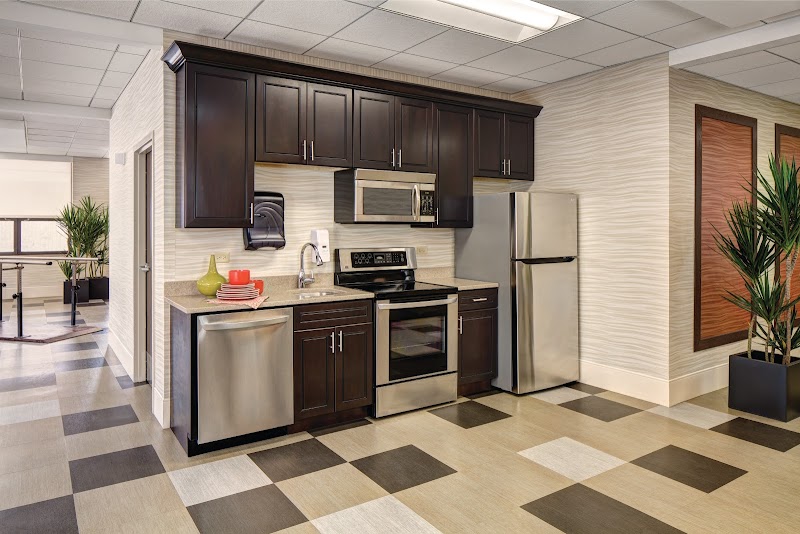
Who Owns and Operates Chalet Living & Rehab?

CHALET LIVING & REHAB is owned by a for-profit company. For-profit facilities operate as businesses with obligations to shareholders or private owners. The facility is operated by LEGACY HEALTHCARE, a chain that manages multiple nursing homes. With 219 certified beds and approximately 193 residents (about 88% occupancy), it is a large facility located in CHICAGO, Illinois.
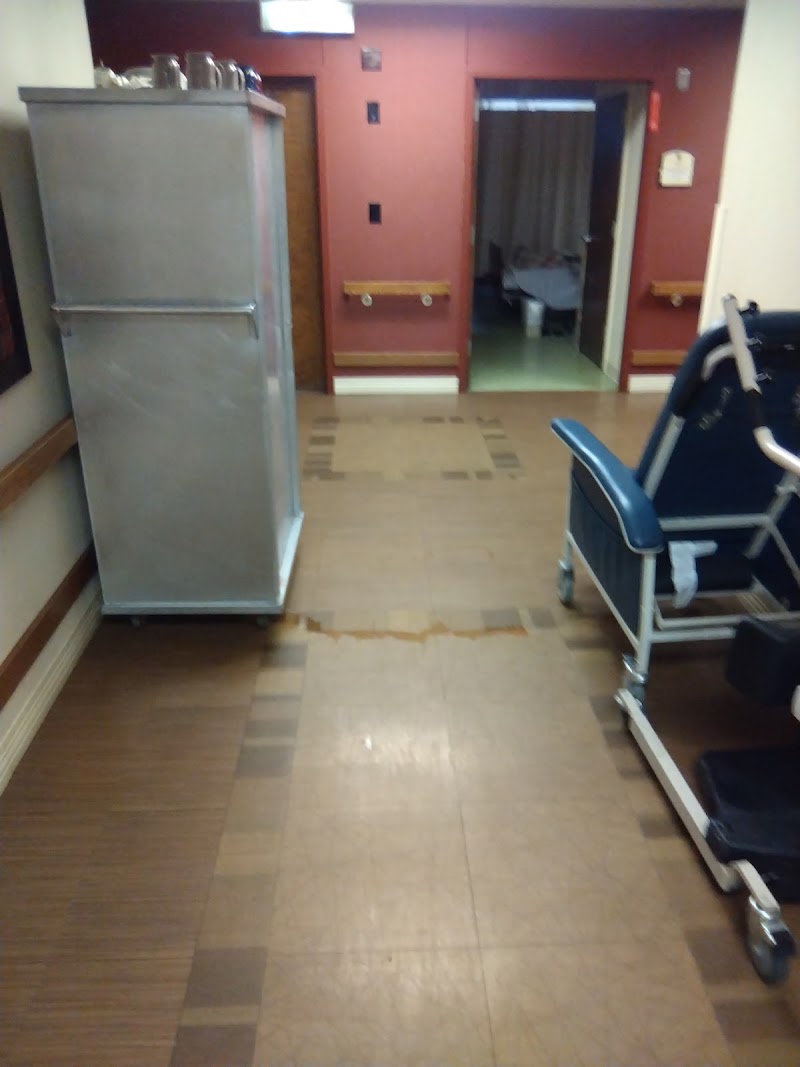
How Does Chalet Living & Rehab Compare to Other Illinois Nursing Homes?

Compared to the 100 nursing homes in Illinois, CHALET LIVING & REHAB's overall rating (1 stars) is below the state average of 2.5, staff turnover (34%) is significantly lower than the state average of 46%, and health inspection rating (2 stars) is below the national benchmark.

What Should Families Ask When Visiting Chalet Living & Rehab?

Based on this facility's data, families visiting should ask: "What changes have been made since the serious inspection findings, and how are you preventing similar issues?" "Can you walk me through typical staffing levels on day, evening, and night shifts?" "Can I visit during a mealtime to observe dining assistance and food quality?" "How do you handle medical emergencies, and what is your hospital transfer rate?" These questions are particularly relevant given the facility's Immediate Jeopardy citations and the below-average staffing rating.

Is Chalet Living & Rehab Safe?

Based on CMS inspection data, CHALET LIVING & REHAB has documented safety concerns. Inspectors have issued 1 Immediate Jeopardy citation (the most serious violation level indicating risk of serious injury or death). The facility has a 1-star overall rating and ranks #100 of 100 nursing homes in Illinois. Families considering this facility should ask detailed questions about what corrective actions have been taken since these incidents.

Do Nurses at Chalet Living & Rehab Stick Around?

CHALET LIVING & REHAB has a staff turnover rate of 34%, which is about average for Illinois nursing homes (state average: 46%). Moderate turnover is common in nursing homes, but families should still ask about staff tenure and how the facility maintains care continuity when employees leave.

Was Chalet Living & Rehab Ever Fined?

CHALET LIVING & REHAB has been fined $275,949 across 3 penalty actions. This is 7.7x the Illinois average of $35,838. Fines at this level are uncommon and typically indicate a pattern of serious deficiencies, repeated violations, or failure to correct problems promptly. CMS reserves penalties of this magnitude for facilities that pose significant, documented risk to resident health or safety. Families should request specific documentation of what issues led to these fines and what systemic changes have been implemented.

Is Chalet Living & Rehab on Any Federal Watch List?

CHALET LIVING & REHAB is not on any federal watch list. The most significant is the Special Focus Facility (SFF) program, which identifies the bottom 1% of nursing homes nationally based on persistent, serious quality problems. Not being on this list means the facility has avoided the pattern of deficiencies that triggers enhanced federal oversight. This is a positive indicator, though families should still review the facility's inspection history directly.