COMMUNITY FIRST MEDICAL CENTER
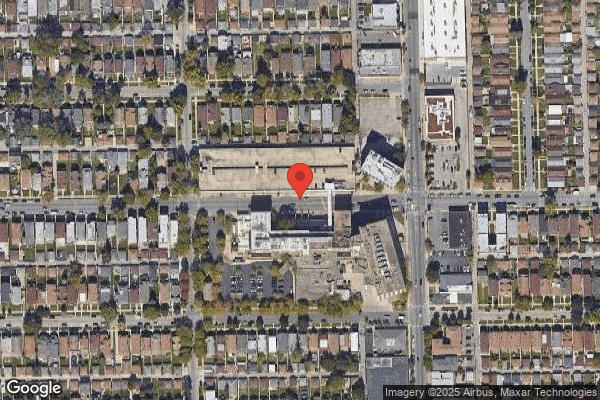
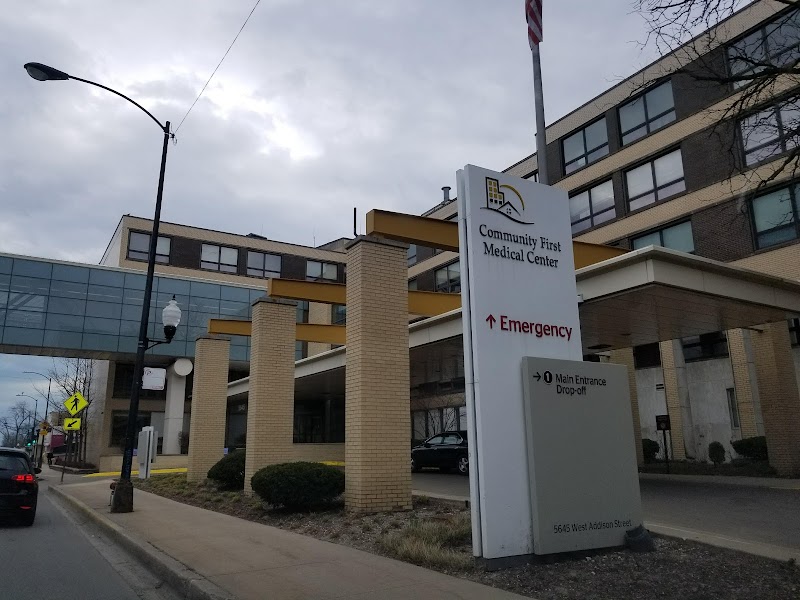
5645 WEST ADDISON STREET, CHICAGO, IL 60634 (773) 282-7000
For profit - Individual 66 Beds Independent Data: November 2025
Trust Grade
90/100
#25 of 665 in IL
Last Inspection: August 2024

Within standard 12-15 month inspection cycle. Federal law requires annual inspections.

Overview

Community First Medical Center in Chicago has received a Trust Grade of A, indicating it is an excellent facility that is highly recommended. It ranks #25 out of 665 nursing homes in Illinois, placing it comfortably in the top half of facilities in the state, and #8 out of 201 in Cook County, suggesting only seven local options are better. The facility is improving, as the number of issues found decreased from 8 in 2023 to 4 in 2024. Staffing is a strong point, with a perfect rating of 5 out of 5 stars and a low turnover rate of 20%, significantly better than the state average. Notably, there have been no fines recorded, which is a positive indicator. However, some weaknesses exist, as the facility has faced concerns regarding food safety and sanitation practices. For example, food items in the kitchen were not properly labeled or stored, including raw meats and items without expiration dates, which could impact resident safety. Additionally, insulin vials and eye drops were not labeled properly, raising potential risks for the residents. While the facility excels in many areas, families should consider these concerns when making their decision.

Trust Score
A
90/100
In Illinois
#25/665
Top 3%
Safety Record
Low Risk
No red flags
Inspections
Getting Better
8 → 4 violations
Staff Stability
✓ Good
20% annual turnover. Excellent stability, 28 points below Illinois's 48% average. Staff who stay learn residents' needs.
Penalties
✓ Good
No fines on record. Clean compliance history, better than most Illinois facilities.
Skilled Nurses
✓ Good
Each resident gets 258 minutes of Registered Nurse (RN) attention daily — more than 97% of Illinois nursing homes. RNs are the most trained staff who catch health problems before they become serious.
Violations
⚠ Watch
20 deficiencies on record. Higher than average. Multiple issues found across inspections.
★★★★★
5.0
Overall Rating
★★★★★
5.0
Staff Levels
★★★★☆
4.0
Care Quality
★★★★☆
4.0
Inspection Score
Stable
2023: 8 issues
2024: 4 issues

The Good

  • 5-Star Staffing Rating · Excellent nurse staffing levels
  • 4-Star Quality Measures · Strong clinical quality outcomes
  • Low Staff Turnover (20%) · Staff stability means consistent care
  • Full Sprinkler Coverage · Fire safety systems throughout facility
  • No fines on record
  • Staff turnover is low (20%)

    28 points below Illinois average of 48%

Facility shows strength in staffing levels, quality measures, staff retention, fire safety.

The Bad

No Significant Concerns Identified

This facility shows no red flags. Among Illinois's 100 nursing homes, only 1% achieve this.

The Ugly 20 deficiencies on record

Aug 2024 4 deficiencies
CONCERN (D)

Potential for Harm - no one hurt, but risky conditions existed

Deficiency F0694 (Tag F0694)

Could have caused harm · This affected 1 resident

Based on observation, interview, and record review the facility failed to ensure 2 (R63, R64) of 4 residents peripheral intravenous (IV needle inserted within the vein) site was labeled with the date ...

Read full inspector narrative →
Based on observation, interview, and record review the facility failed to ensure 2 (R63, R64) of 4 residents peripheral intravenous (IV needle inserted within the vein) site was labeled with the date and time that it was inserted. This deficient practice has the potential for R63 and R64 to not receive the necessary care to the IV site. Findings Include: R64 has diagnosis not limited to Physical Deconditioning, Fracture of Proximal end of Humerus, Dizziness, Cerebral Vascular Accident, Essential Hypertension, Low Back Pain, Radiculopathy, Spinal Stenosis Lumbar Region, Disc Displacement Lumbar, Lumbar Radiculopathy, Right Hip Pain, Hypoxia, Fall at Home, Chronic Obstructive Pulmonary Disease, Pulmonary Embolism, Shortness of Breath. Report Viewer document in part: Peripheral IV line - Single lumen 07/29/24 0920 cephalic vein (lateral left arm), Left 20 gauge. Placement date/time: 07/29/24 0920. On 08/06/24 at 10:22 AM R64 was observed sitting in a wheelchair at the bedside with a sling to the right arm. A Hep lock (Heparin IV locking device) was observed to the left wrist area with no date and time at the insertion site. R63 has diagnosis not limited to Hypertension, Diabetes Mellitus, Coronary Artery Disease, Arthritis of Knee, Impaired Functional Mobility, Gait and Endurance, Altered Mental Status, Low Back Pain, Gout, Acute Kidney Injury, Abdominal Pain, Chest Pain, Congestive Heart Failure. Report Viewer document in part: Peripheral Line- Single Lumen 08/05/24 1540 median cubital vein (antecubital fossa), Left 20 gauge. On 08/06/24 at 10:30 AM R63 was observed sitting in a chair at the bedside with a 09. Normal Saline IV (Intravenous) fluid infusing to the left arm at 100 ML/HR (Milliliters/hour) with no date and time at the insertion site. R63 stated the IV has been in for 4 days. On 08/06/24 at 11:26 AM V4 (Registered Nurse) stated we put a label with the date when the hep-lock or peripheral IV is inserted. The IV or hep-lock site is good for four days then at that time the site is changed or removed if the IV therapy is completed. The Surveyor inform V4 (Registered Nurse) that there are two residents that were observed with an unlabeled hep lock for R63 and IV site for R64. V4 (Registered Nurse) stated I was planning to take them out. It is on my to do list. R64 IV is completed. On 08/08/24 at 08:45 AM V5 (Infection Preventionist/Employee Health) stated The IV insertion site should be dated. The purpose for dating the IV insertion site is to keep track of when it was inserted. The site is changed within 96 hours unless they need it before. If the site is not changed within 96 hours there is a potential risk for infection (phlebitis). Surveyor informed V5 that R64 IV site was inserted on 07/29/24, was not dated and remained in place on Policy Titled Intravenous/Intra-arterial Access Devices-Guidelines for Care reviewed 01/18 document in part: Purpose: The purpose of this policy is to provide guidelines for the nursing staff on the care of IV (Intravenous) therapy. Peripheral insertion: 4. Replacement schedule site: Adults: 96 hours if no signs/symptoms of infection. 4.2. Replacement Schedule and Administration Set: Change at 96 hours. Replacement and Relocation of Device. 1. Peripheral venous catheters: In adults, replace catheter and rotate site every 96 hours. Replace catheters inserted under emergency basis and insert a new catheter at a different site within 48 hours.
CONCERN (D)

Potential for Harm - no one hurt, but risky conditions existed

Respiratory Care (Tag F0695)

Could have caused harm · This affected 1 resident

Based on observation, interview, and record review the facility failed to follow their respiratory infection control practices policy by not storing Continuous positive airway pressure mask in a closa...

Read full inspector narrative →
Based on observation, interview, and record review the facility failed to follow their respiratory infection control practices policy by not storing Continuous positive airway pressure mask in a closable bag for one [163] resident reviewed in a sample of 20. Findings Include: R163's clinical record indicates in part, R163 was admitted with transient cerebral ischemic attack, obstructive sleep apnea, morbid obesity, bradycardia, chronic diastolic heart failure, facial weakness, atrial fibrillation, monoplegia of upper limb affecting left side, hypertensive heart disease, osteoarthritis, mitral insufficiency, and lymphedema. R163's Respiratory Orders: Non-Invasive Ventilation at bedtime [Continuous positive airway pressure-CPAP]. On 08/06/24 10:45 AM, surveyor observed R163's C-PAP mask hanging off the side of the machine. On 8/6/24 at 10:55 AM, V3 [Licensed Practical Nurse] stated, Respiratory therapist take care of the C-PAP device and set up. The C-PAP mask always hang off the side of the device. On 8/6/24 at 11:00 AM V2 [Director of Nursing] stated, I do not know if the C-PAP mask should be kept in a storage bag, I will call the respiratory therapist for verification. On 8/6/24 at 11: 14 AM, V7 [Respiratory Manager] stated, The C-PAP mask, when not in use, should always be kept in a storage bag to prevent potential contamination and infections from transferring to the patient. Policy document in part Respiratory Infection Control Practices dated 1/23. -Equipment and materials. All respiratory care equipment and supplies should be cleaned, packaged, labeled, dated, and sterilized. -After each treatment, the equipment should be stored in a closable plastic patient setup bad at the bedside.
CONCERN (E)

Potential for Harm - no one hurt, but risky conditions existed

Infection Control (Tag F0880)

Could have caused harm · This affected multiple residents

Based on observation, interview, and record review the facility failed to a.) maintain infection control standard precautions by removing an IV (intravenous) access timely after discontinuation of the...

Read full inspector narrative →
Based on observation, interview, and record review the facility failed to a.) maintain infection control standard precautions by removing an IV (intravenous) access timely after discontinuation of the IV antibiotic for 1 (R64) resident, b.) failed to clean and disinfect equipment between 5 (R59, R60, R61, R62, R66) residents use and c.) failed to maintained infection control for 1 (R60) of resident observed during medication administration. Findings Include: R64 has diagnosis not limited to Physical Deconditioning, Fracture of Proximal end of Humerus, Dizziness, Cerebral Vascular Accident, Essential Hypertension, Low Back Pain, Radiculopathy, Spinal Stenosis Lumbar Region, Disc Displacement Lumbar, Lumbar Radiculopathy, Right Hip Pain, Hypoxia, Fall at Home, Chronic Obstructive Pulmonary Disease, Pulmonary Embolism, Shortness of Breath. Report Viewer document in part: Peripheral IV line - Single lumen 07/29/24 0920 cephalic vein (lateral left arm), Left 20 gauge. Placement date/time: 07/29/24 0920. On 08/06/24 at 10:22 AM R64 was observed sitting in a wheelchair at the bedside with a sling to the right arm. A Hep lock (Heparin IV locking device) was observed to the left wrist area with no date and time at the insertion site. On 08/06/24 at 11:26 AM V4 (Registered Nurse) stated we put a label with the date when the hep-lock or peripheral IV is inserted. The IV or hep-lock site is good for four days then at that time the site is changed or removed if the IV therapy is completed. The Surveyor informed V4 (Registered Nurse) that there are two residents that were observed including an unlabeled hep lock for R64. V4 (Registered Nurse) stated I was planning to take them out. It is on my to do list. R64 IV is completed. On 08/06/24 at 11:57 AM the surveyor entered R60 room with V4 (Registered Nurse). R60 was observed sitting in a chair at the bedside. V4 pushed the computer on wheels with the scanner into R60 room to scan R60's name band then V4 administered Hydrocodone-Acetaminophen 5-325 MG (milligram) for right hip pain with a pain scale of 7. On 08/06/24 at 12:02 PM V4 handed R60 the medication cup and while R60 was attempting to take the pill out of the medication cup the Hydrocodone-Acetaminophen 5-325 MG fell on the floor. V4 looked on the floor then located, picked up the Hydrocodone-Acetaminophen 5-325 MG then handed it to R60. V4 said I'm glad I found it. R60 placed the Hydrocodone-Acetaminophen 5-325 MG in her mouth and swallowed it with a sip of water. V4 placed the medication cup on top of the computer with wheels then discarded the medication cup. V4 then exited the room without sanitizing the computer on wheels with the scanner. On 08/06/24 at 12:27 PM the surveyor entered R61 room with V4 (Registered Nurse). R61 room entrance was observed with signage indicating Enhanced Barrier Precautions. R61 was observed lying in bed. V4 pushed the computer on wheels with the scanner into R61 room to scan R61's name band then V4 administered R61 medications. V4 placed the medication cup on top of the computer with wheels then discarded the medication cup. V4 then exited the room without sanitizing the computer on wheels with the scanner. On 08/06/24 at 12:40 PM the surveyor entered R62 room with V4 (Registered Nurse). R62 was observed sitting in a chair at the bedside. R62 room entrance was observed with signage indicating Enhanced Barrier Precautions. V4 placed the medication cup on top of the computer with wheels then discarded the medication cup. V4 pushed the computer on wheels with the scanner into R62 room to scan R62's name band then V4 administered R62 medication. V4 then exited the room without sanitizing the computer on wheels with the scanner. On 08/06/24 at 12:55 PM the surveyor entered R66 room with V4 (Registered Nurse). R66 was observed sitting in a chair at the bedside. R66 room entrance was observed with signage indicating Enhanced Barrier Precautions. V4 pushed the computer on wheels with the scanner into R66 room to scan R66's name band then V4 administered R66 medications. V4 placed the medication cup on top of the computer with wheels then discarded the medication cup. V4 then exited the room without sanitizing the computer on wheels with the scanner. On 08/06/24 at 01:17 PM the surveyor entered R59 room with V4 (Registered Nurse). R59 was observed lying in bed with oxygen at 2 liters per nasal cannula in use. R59 room entrance was observed with signage indicating Enhanced Barrier Precautions. V4 pushed the computer on wheels with the scanner into R59 room to scan R59's name band then V4 administered R59's medications. V4 placed the medication cup on top of the computer with wheels then discarded the medication cup. V4 then exited the room without sanitizing the computer on wheels with the scanner. On 08/06/24 at 01:45 PM Surveyor asked V4 (Registered Nurse) is the computer on wheels with the scanner cleaned and disinfected after each resident's use. V4 responded, I'm supposed to clean it. I tend to try to keep a distance. There is a potential for cross contamination. Surveyor asked V4 what should have been done when V60's Hydrocodone-Acetaminophen 5-325 MG fell on the floor. V4 responded, I should have pulled another one. When asked the reason for pulling another Hydrocodone-Acetaminophen 5-325 MG. V4 responded, when it fell on the floor it was contaminated. On 08/08/24 at 08:45 AM V5 (Infection Preventionist/Employee Health) stated The Computer on Wheels should be wiped down between each resident with disinfectant wipes. There is information on the floor for the disinfectant contact time. The Computer on Wheels should be wiped down with disinfectant wipes to prevent cross contamination and transmission of any organisms. The IV insertion site should be dated. The purpose for dating the IV insertion site is to keep track of when it was inserted. The site is changed within 96 hours unless they need it before. If the site is not changed within 96 hours there is a potential risk for infection (phlebitis). Surveyor informed V5 that R64 IV site was inserted on 07/29/24, was not dated and remained in place on 08/06/24. V10 stated the IV site should have been changed or removed if they don't need it. If the medication is dropped on the floor, the nurse should discard it, check the medication dispenser if they need another dose or contact the pharmacy. The pill should have been discarded because whatever organisms there is an increased risk for transmission of infection or organisms. Policy: Titled Infection Control Policy Policy Title: Cleaning in Patient Care Areas reviewed 08/23 document in part: Purpose: The purpose of this policy is to ensure that staff recognizes their active role and responsibilities and infection control within the hospital environment. Procedure: 1. Environmental and equipment cleaning and disinfecting is the responsibility of all staff. 4. Reusable equipment will be cleaned with a disinfectant wipe. Cleaning of patient care equipment is as follows but not limited to: Clean the following with disinfectant wipes: computers/keyboards. Process - Computer Cleaning Nursing: wipe mobile computer keyboard/mouse and cart with disinfectant wipes every shift and as needed. Clean the windows of the barcode scanner using alcohol wipes, clean the handles with a disinfectant wipes every shift and as needed. Titled Infection Control Policy Policy Title: Standard Precautions reviewed 02/23 document in part: H. Cleaning of patient care equipment 1. Handle soiled equipment in a manner that prevents exposure or transfer of microorganisms to other patients or the environment. b. All shared equipment must be cleaned between patients using a hospital approved disinfected. Titled Infection Control Policy Policy Title: Transmission Based Precautions reviewed 02/23 document in part: Purpose: The purpose of this policy is to prevent the spread of specific microorganisms among patients, employees, and visitors by using Transmission Based Precautions (in addition to Standard Precautions) as recommended by the Centers for Disease Control and Prevention (CDC). J. Use disposable or dedicated patient care equipment when possible. Equipment that is shared needs to be cleaned and disinfected between patients by hospital approved disinfectant, manufacturers directions to be followed. Titled Infection Control Policy Policy Title: Enhanced Barrier Precautions-Skilled Nursing Facility reviewed 03/24 document in part: Purpose: The purpose of this policy is to implement enhanced barrier precautions (EBP) in addition to standard precautions for the prevention of transmission of multidrug-resistant organisms (MDROs). Enhance barrier precautions are an infection control intervention designed to reduce transmission of multidrug-resistant organisms in skilled nursing facilities. Enhanced barrier precautions are recommended for residents with indwelling medical devices or wounds, who do not otherwise meet the criteria for contact precautions. This is because devices and wounds are risk factors that place these residents at higher risk of carrying or acquiring a MDRO and many residents colonized with a MDRO are asymptomatic or not presenting known to be colonized. 5. Disposable or dedicated medical equipment is not required: but any reusable medical equipment should be cleaned and disinfected with an appropriate agent between residents. 10. Enhance barrier precautions should be used for the duration of a resident's stay in the facility or until resolution of the wound or discontinuation of the indwelling medical device that placed them at higher risk. Titled Intravenous/Intra-arterial Access Devices-Guidelines for Care reviewed 01/18 document in part: Purpose: The purpose of this policy is to provide guidelines for the nursing staff on the care of IV (Intravenous) therapy. Peripheral insertion: 4. Replacement schedule site: Adults: 96 hours if no signs/symptoms of infection. 4.2. Replacement Schedule and Administration Set: Change at 96 hours. Replacement and Relocation of Device. 1. Peripheral venous catheters: In adults, replace catheter and rotate site every 96 hours. Replace catheters inserted under emergency basis and insert a new catheter at a different site within 48 hours. Titled Medication Administration reviewed 08/23 document in part: It is the policy to specify how medications will be managed in a manner which is safe, effective, and efficient for the care of the patients. Purpose: To establish a standard process for safe and accurate administration and documentation of medications in accordance with prescribed orders to provide safe and efficient patient care.
CONCERN (F)

Potential for Harm - no one hurt, but risky conditions existed

Food Safety (Tag F0812)

Could have caused harm · This affected most or all residents

Based on observation, interview, and record review the facility failed to follow proper sanitation and food storage practices as evidenced by a.) food not properly labeled, and b.) food not properly s...

Read full inspector narrative →
Based on observation, interview, and record review the facility failed to follow proper sanitation and food storage practices as evidenced by a.) food not properly labeled, and b.) food not properly stored. These deficient practices have the potential to affect all 20 residents receiving food prepared for the nursing skilled facility. Findings include: On 8/6/24 at 10:33 AM, during initial kitchen tour with V8 (Dietary Cook), the following items were found in walk-in freezer [#11]: [1] Open box of blue berry muffins no open or expiration date. [2] Breakfast cart #1 with raw thawed bacon with wax paper covering only the top of the bacon without date open or use by date. A metal container of pureed pancakes and metal container pureed sausage with a label date of 8/1/24. [3] Breakfast cart#2 with raw thawed bacon, and raw thawed breakfast sausage covered only the top with wax paper, without date on food or cart. [4] A metal container on the shelf of pureed noodles dated 8/1/24. Walk -In Cooler [ #13]: [5] Opened roast beef thawed without date. [6] Open 1/2 Ground beef roll without date. [7] 4 rolls of pork loin thawed, without date. Freezer [# 14] [8] Open, expose box of enchiladas, without covering and no date. [9] Open, expose box of turkey sausage, without covering and no date. [10] Open exposed box of Tilapia dated 3/27/24. [11] Metal container of taco pork dated 6/20/24. Freezer [19]: [12] Fast food restaurant plastic coffee cup with straw, and brown substance opened on the shelf. [13] Box breaded cod fish open and exposed, without date. Dry storage Room: [14] 2- bottles of honey dated 8/3/23. On 8/6/24 at 10:56 AM, V8 stated, All food items, once removed from the box, the items need to be dated. The food items should have a label with an open date and expiration date. If dietary staff prepare food, not knowing how long the food has been open, it could cause a food born illness. On 8/8/24 at 11:48 AM, V9 [Chef] stated, I oversee the kitchen operations while the food service supervisor is out on leave. I been working here as a chef for ten years. All food items stored in the cooler and freezer should have an open and discard date wrote on the packaging and covered at all times to decrease the risk of food borne illness. The cup of coffee belongs to an employee, and personal food items should not be stored in the walk-in cooler to prevent cross contamination. Serving residents food that does not have an open or discard date could potentially cause a food borne illness. Policy: Documents in part Food Storage dated 6/1/25. -This policy outlines safe food handling and storage practices for the Food and Nutrition Services Department. -Before and during each tray line employees check the items in their coolers for any outdated items. -All food requiring refrigeration must be dated and placed in the refrigerator first upon receipt from the supplier. -All food is dated upon receipt -All tray line food is prepared for the day of use is stored on a large rolling cart rack and covered with plastic sheet or plastic wrap. The wrap is labeled and dated before being placed in the refrigerator. -Food prepared in advance for use the next day, must be labeled with the date of preparation. -Dry storage: The container must be labeled with the contents and the date the original container was received, the date the package was opened.
Sept 2023 8 deficiencies
CONCERN (D)

Potential for Harm - no one hurt, but risky conditions existed

Resident Rights (Tag F0550)

Could have caused harm · This affected 1 resident

**NOTE- TERMS IN BRACKETS HAVE BEEN EDITED TO PROTECT CONFIDENTIALITY** Based on observation, interview, and record review, the facility failed to follow their policy on dignity for one (R12) of five ...

Read full inspector narrative →
**NOTE- TERMS IN BRACKETS HAVE BEEN EDITED TO PROTECT CONFIDENTIALITY** Based on observation, interview, and record review, the facility failed to follow their policy on dignity for one (R12) of five residents reviewed in a sample of 14. Findings include: R12 is an [AGE] year-old individual with a medical diagnosis not limited to urinary dysfunction and uses an indwelling urinary catheter. 08/29/23 12:25 PM, R12 was observed in her room, which was an isolation room. R12 said she has been here for a while, and has an indwelling urinary catheter. R12 was observed with urinary bag hooked to the bed rail facing the doorway (left side of the doorway) with no dignity bag, and contents in the urinary bag were visible to people passing by R12's room. Urine in the bag was observed at 200CC, and color was dark yellow. On 08/29/2023 at 1:55pm, V2(Director of Nursing-DON) said indwelling urinary catheter bags should be in a privacy bag, V2 said the dignity bag should have been applied to the bag so that the urinary bag cannot been seen from outside, to protect resident (R12's) privacy, and promote sense of self. V2 further stated if the urinary bag is visible to other people, then R12's residents' dignity can be violated. V2 commented, We need to protect every resident's dignity when they are with us. R12's interdisciplinary goal, documents: -Interventions: Recognize that urinary incontinence can have a psychosocial impact on an individual/Family unit Facility Policy Titled: Resident Rights (Extended Care Unit), dated 08/2021 documents: b. All residents with a Foley bag/G/Tube etc. should have the bag covered when in the hallway/ and out in the public area. The focus is to maintain the resident's dignity and confidentiality.
CONCERN (D)

Potential for Harm - no one hurt, but risky conditions existed

Deficiency F0604 (Tag F0604)

Could have caused harm · This affected 1 resident

**NOTE- TERMS IN BRACKETS HAVE BEEN EDITED TO PROTECT CONFIDENTIALITY** Based on observation, interview ,and record review, the facility failed to follow their policy to ensure two residents (R11, R15...

Read full inspector narrative →
**NOTE- TERMS IN BRACKETS HAVE BEEN EDITED TO PROTECT CONFIDENTIALITY** Based on observation, interview ,and record review, the facility failed to follow their policy to ensure two residents (R11, R15) of five residents reviewed were free of physical restrains in sample of 14 residents. Findings include: 1. R15 is an [AGE] year-old individual with a BIMS (Brief interview of Metal Status) score of 12/15, indicating R15's cognation is moderately impaired. R15's Patient care flow documents: Care interventions: Provide a safe, barrier-free environment that promotes activity. R15's functional status documents R15 needs extensive assistance with bed mobility, transfer, dressing and toilet use, one-person physical assist, and R15 needs limited assistance with walk in room and corridor. R15 uses a walker and is not steady, only able to stabilize with staff assistance. R15 is frequently incontinent of bladder. On 08/29/23 at 11:46 am, R15 was observed sitting in bed with all four side rails up. R15's bed was inclined at about 90 degrees, and R15 said she just finished lunch. R15 said she cannot get out of bed because the four bedrails are up, and she has to call staff to come assist when she needs to get out of bed. 2. R11 is a [AGE] year-old individual with a BIMS (Brief interview of Metal Status) score of 0/15, indicating R11's cognation is severely impaired. R11's patient care flow documents: Care interventions: Provide a safe, barrier-free environment that promotes activity. R11's functional status documents R11 needs extensive assistance with bed mobility, transfer, dressing and toilet use, two or more-person physical assist and helper does all effort. No assistive devices are listed for R11. R11 is always incontinent of bladder and bowel. On 08/29/23 at 12:16 pm, R11 was observed in bed inclined at a 90 degrees angle, eating lunch. V11(Registered Nurse-RN) was observed feeding R11 lunch. R11 was observed with scabs on his forearms, and sheen on his legs and arms. V11 said R11 gets the scabs from hitting the bed as he(R11) tries to get out of bed by himself, and R11 cannot get out of bed without assistance; R11 is at risk of falls. V11 said the four bedrails up because R11 keeps trying to get out of bed constantly, and bangs himself on the side rails. V11 said all four bed rails when pulled up can be considered a form of restraint, because it makes it difficult for the resident to get out of bed. On 08/29/2023 at 1:55pm, V2(Director of Nursing-DON) said the facility uses bed rails to help with turning/repositioning, and to give residents clues for the space they can use. V2 said bedrails are used for resident safety, but it is not ok to have all four bedrails up, and at least one side rail should be down. V2 further commented that four bedrails when pulled up can be seen as a form of restraints, because it is restricting resident movement and how the resident can get out of bed, and their ability to get out of bed without help. On 8/31/223 at 10:10am, V2 stated, I think the manufacture's guide say all four bedrails can be up because there is a small gap between the upper and lower rails, therefore the resident can get out of bed if they want to, through the small gap. V2 further stated it is what she has heard other staff members, who have been to the facility for long, say. Surveyor asked V2 for the manufacture's guidelines that V2 was referring to. V2 said she was waiting for the manufacture to send her the guidelines. The document/guidelines were not received at the time of the survey exit. V2 said R11 and R15 do not have orders for four bedrails to be up, and are they are not care planed for use of four bed rails. V2 checked R11 and R15's Assessment for environmental and medical device safety, and stated both residents were recommended to use a bed alarm and bed in low position for safety. V2 said there was nowhere where four bedrails were recommended or ordered by physician as a safety precaution for both R11 and R15. Facility policy titled Utilization of Restrains and Seclusion, dated March 2022, documents: Restraint. Any manual method, physical or mechanical device, material, or equipment that immobilizes or reduces the ability of a patient to move arms, legs, body, or head freely, or a drug, or medication when it is used as a restriction to manage the patient's behavior or restrict the patient's freedom of movement and not a standard treatment or dosage for the patient's condition.
CONCERN (D)

Potential for Harm - no one hurt, but risky conditions existed

Deficiency F0883 (Tag F0883)

Could have caused harm · This affected 1 resident

**NOTE- TERMS IN BRACKETS HAVE BEEN EDITED TO PROTECT CONFIDENTIALITY** Based on observation, interview, and record review, the facility failed to follow their policy and procedure by failing to admin...

Read full inspector narrative →
**NOTE- TERMS IN BRACKETS HAVE BEEN EDITED TO PROTECT CONFIDENTIALITY** Based on observation, interview, and record review, the facility failed to follow their policy and procedure by failing to administer/offer the pneumonia vaccine to two (R11, R12) of five residents reviewed in a sample of 14. Findings include: R11 is a [AGE] year-old individual, with a BIMS (Brief interview of Metal Status) score of 0/15, indicating R11's cognation is severely impaired. R11's medical diagnoses includes, but ie not limited to history of paroxysmal A-fib (atrial fibrillation, or abnormal heartbeat), hyperlipidemia, apparent undiagnosed and untreated Parkinson's Disease. R12 is an [AGE] year-old individual, with medical diagnoses not limited to paroxysmal atrial fibrillation, (Irregular heartbeat) high blood pressure, pulmonary embolism, sacral decubitus ulcer, and urinary dysfunction. On 9/29/2023 at 12:08 pm, R12 said no one had told her about the pneumonia vaccine, and not one has provided any information or education about it, and R12 does not know what the vaccine is about. V12 said she would like to know more about the pneumonia vaccine. R12 said she had the COVID-19 vaccines. On 08/31/2023 at 12:00pm, during review of residents' immunization status with V17(Infection Preventionist-RN), R11 and R12 were noted to have not received their pneumonia vaccines. V17 said residents are supposed to be offered and educated about pneumonia vaccine upon admission. V17 said, It's important to offer the residents pneumonia vaccine to prevent residents from getting sick with pneumonia. Most residents admitted to the facility are 55 years and older, and it's important to offer them the pneumonia vaccine to prevent them from getting pneumonia, because residents might have other comorbidities and getting the pneumonia vaccine may prevent them from getting sick. V17 said R11 was admitted to the facility on [DATE], and R11's power of attorney-POA/family member agreed for R11 to get the pneumonia vaccine on 8/16/2023, but it has not been given to date. V17 said, If there was a reason for the vaccine was not to be given, it should have been documented. There is no documentation R12 was offered or educated on pneumonia vaccine upon admission, and the vaccine was offered today after surveyor inquired about it. Facility Immunization policy, dated January, titled Vaccine Protocol-Pneumococcal and Influenza documents: -Pneumococcal vaccine 1. Upon admission, all acute care patients are assessed for eligibility by the admitting nurse for immunization based on the following criteria: a) age [AGE] or older 2. if the criteria are met, the admitting nurse continues the assessment to determine if any reason not to give the vaccine is present. 5. When that vaccine is indicated and there is no reason not to give the vaccine, the admitting nurse will order the vaccine or contact the physician for an order for the vaccine
CONCERN (D)

Potential for Harm - no one hurt, but risky conditions existed

Deficiency F0919 (Tag F0919)

Could have caused harm · This affected 1 resident

Based on observation, intervies, and record review, the facility failed to follow policies in ensuring call lights are functioning and can be used for 3 out of 3 residents (R158, R10, and R8) out of a...

Read full inspector narrative →
Based on observation, intervies, and record review, the facility failed to follow policies in ensuring call lights are functioning and can be used for 3 out of 3 residents (R158, R10, and R8) out of a total sample of 14 residents reviewed for access to staff by using call lights. Findings include: On 08/29/2023 at 12:15 pm, R158 was seen in her bed, alert and verbally responsive. R158 was using nasal cannula for oxygen. During conversation, R158 could barely talk, due to difficulty of breathing. R158 was asked how she let staff know that she needs help. R158 pointed to the call light on the table at the side of the bed. R158 pressed the call light multiple times, but the light at the top of the door outside of the room on the hallway did not work. V19 (Assistant Coordinator for Activity) was passing by in the hallway, went inside R158's room, and checked the call light socket that was hanging and barely attached to the wall. The call light did not have reset button on the wall. In order to turn it off, V19 needed to insert his fingers in the hole where there were many wires. V19 tried many times, and it still did not work. At 01:02 pm, R10 was sitting in her chair, alert and able to express her thoughts well during conversation. R10 stated she wants to go back to bed, but nobody came when she called. In front of R10, was two call lights; each had two buttons. One button was used to call facility staff, and the other was for the television. R10 pushed the call light near to her, and it did not work. The light on the upper right of R10's door did not light up. V11 (Registered Nurse) came and checked the call light near R10; V11 pressed the button, but it did not work. V11 stated staff needs to make sure the call light is working; in case of emergency residents can call. At 1:11 pm, R8 had two call lights on the bedside. One call light ias not working and does not have a reset button on the wall. V11 had to insert his finger inside the hole with wires. On 08/30/2023 at 9:07 am, V22 (Maintenance Staff) checked the rooms of R158, R10, and R8; all were seen with the same issues. V22 stated a lot of call lights need to be fixed, and a lot of call lights were sent out for repair, but were not fixed. The Call light wall socket had no reset button to press; just a hole with lot of wires. V22 inserted his finger to press in order to reset the call light. V22 was asked if it was safe to insert his finger with all those wires. V22 just laughed and said, I am OK. On 08/30/2023 at 12:42 pm, toured with V7 (Chief Operating Officer) and V23 (Manager Facility Services). V23 stated there is preventive maintenance done monthly, but V23 did not elaborate when asked multiple times about the call light status in the Extended Care Unit. V23 stated nursing staff should inform the Maintenance Department by writing a ticket, so that it can be repaired. V7 stated the facility must ensure before a resident admission that the call light is working. Call Light policy, dated 01/2023, reads: The purpose of this policy is to provide a safe environment for the patients. Every member of the healthcare team will contribute to the resident (patient) experience by acknowledging our patients needs by responding to call light. Facility protocol is to check that call lights are properly functioning before a resident (patient) admits into the room. Call light that malfunction should be repair as soon as possible.
CONCERN (E)

Potential for Harm - no one hurt, but risky conditions existed

Comprehensive Care Plan (Tag F0656)

Could have caused harm · This affected multiple residents

Based observation, interview, and record review, the facility failed to provide person-centered care plans for 4 out of 5 residents (R5, R8, R9, and R158) for a total of 14 residents reviewed for plan...

Read full inspector narrative →
Based observation, interview, and record review, the facility failed to provide person-centered care plans for 4 out of 5 residents (R5, R8, R9, and R158) for a total of 14 residents reviewed for plan of care. Findings include: On 08/29/2023, the plans of care of R5, R8, R9, and R158 were reviewed. R5 was seen earlier at 11:47 am, with foam protector on both heels, with pressure ulcer on left heel and redness on sacrum. R5's care plan does not indicate any pressure ulcer or redness. R5 also takes anti-psychotic medication, and care plan does not address possible adverse effect of medication. R8 has an order for wound care daily on posterior ear, and foam padding to nasal cavity, but does not have care plan specific that addresses the problem. R9 underwent abdominal surgery that was not part of care plan. R158 has wound care order for her heels that was not care planned. On 8/29/2023 at 1:50 pm, V6 (Minimum Data Set Coordinator / Registered Nurse) stated when doing care plan, the format is to click premade options that will populate right away; the choice she makes in that option. It needs to be itemized after it populates, but failed to itemize. Care plan should be pattern to individual and should be person-centered. RAI (Resident Assessment Instrument) 3.0 Manual, reads: The comprehensive care plan is an interdisciplinary communication tool. It must include measurable objectives and time frames and must describe the services that are to be furnished to attain or maintain the resident's highest practicable physical, mental, and psychosocial well-being.
CONCERN (F)

Potential for Harm - no one hurt, but risky conditions existed

Deficiency F0761 (Tag F0761)

Could have caused harm · This affected most or all residents

**NOTE- TERMS IN BRACKETS HAVE BEEN EDITED TO PROTECT CONFIDENTIALITY** Based on observation, interview, and record review, the facility failed to label all insulin vials and eye drops, and failed to ...

Read full inspector narrative →
**NOTE- TERMS IN BRACKETS HAVE BEEN EDITED TO PROTECT CONFIDENTIALITY** Based on observation, interview, and record review, the facility failed to label all insulin vials and eye drops, and failed to Maintain insulin vials used by multiple residents at dedicated clean medication preparation area. These failures can affect all residents in facility. Finding includes: On [DATE] at 1:29 pm, the facility 2 refrigerators were seen with multiple vials of insulins and a bottle of eye drops. With V18 (Registered Nurse), the first refrigerator has the following insulin vials: Novolog insulin vial (use by date [DATE]) and Novolin R insulin vial (use by date [DATE]), and an eye drop (Lantanoprost/Xalatan 0.005%) without any date as to when it was open or when is not good to use. With V11 (Registered Nurse), the second refrigerator has the following insulin vials: Novolin R insulin vial (use by date [DATE]), Insulin Glargine insulin vial (use by date [DATE]), Novolog insulin vial (use by date [DATE]), and Novolin 70/30 insulin vial (use by date [DATE]). All insulin vials in both refrigerators do not have open date as when the vial was first opened and/or used. Both V18 and V11 stated if multiple residents have the same order of insulin, those residents are using the same vial of insulin. On [DATE] at 10:50 am, V2 (Director of Nursing) stated, Pharmacy delivers those insulin vials to the nurses on the floor. Upon deliver,y insulin vials are unopened, and when it is time for the nurse to use the insulin, it will be labelled when it expires by the nurse who will use the insulin. V2 was asked how to determine if the expiration date is correctly computed for 28 days when all that was written was the do not use by date? V2 said, It was suggested to the pharmacy, but pharmacy instructed nurses to write only when insulin will expire. There are three refrigerators in the unit; only two refrigerators have insulin. At 11:11 am, V20 (Registered Nurse) aspirated 2 units of Novolog insulin, and placed the insulin vial on the surface of an automated medication dispenser near the laptop computer. V20 then went to R15's room. After administering 2 units of Novolog insulin to R15, R15 was transferred by V20 and V11 to the bed side commode. V20 and V11 performed incontinence care to R15 because of bowel movement. After incontinence care, V20 returned to medication room and placed the insulin vial back in the refrigerator where all insulin vials are located. V20 stated, When pharmacy delivers insulin vials on to nurses, it sealed and not opened, and once the nurse opens to use the insulin, it can be used up to 60 to 90 days. If the date of expiration is [DATE], that means insulin was opened on [DATE]. V20 was asked since it is 60 to 90 days, is there a 30-day window when insulin will expire? V20 replied, We follow 90 days from [DATE] to [DATE], or 90 days. On [DATE] at 12:25 pm, V21 (Director of Pharmacy) stated, (Lantanoprost/Xalatan 0.005%) once opened, expires in 6 weeks, and best practice is to label eye drops upon opening, because the patient may still use the eye drops after 6 weeks if not labelled. Regarding insulin vials, upon receiving physician order, pharmacy delivers insulin vials to the nurses on the floor. It is the pharmacy who writes expiration date on the vial. Even if insulin is not opened, pharmacy writes expiration date for 28 days. Yes, single insulin vial is used by multiple residents. As long as there is physician's order any patient can receive insulin from the same vial. V21 then stated for insulin vials to have only date of expiration, it cannot be determine if it was initially opened 28 days prior to expiration date. V21 said, You have to understand, I am taking care of the whole hospital, not only extended care. V21 provided drug information for Lantanoprost/Xalatan that reads: Once a bottle is opened for use, it may be stored at room temperature for 6 weeks. V21 also provided Insulin disbursement list for Extended Care. On the list, there are twelve insulin vials that were sent to the unit. Two of the vials expired on [DATE], leaving ten insulin vials left. During review of refrigerators, only six insulin vials were accountedfor, and three of those insulin vials Novolin R insulin vial (use by date [DATE]), Insulin Glargine insulin vial (use by date [DATE]), Novolog insulin vial (use by date [DATE]), were not listed based on expiration date provided by V21. Per CDC Safety Instructions for injection of multi-dose vials, dated as reviewed in [DATE], it reads: Multi-dose vials should be dedicated to a single patient whenever possible. If multi-dose vials must be used for more than one patient, they should only be kept and accessed in a dedicated clean medication preparation area (e.g., nurses station), away from immediate patient treatment areas. This is to prevent inadvertent contamination of the vial through direct or indirect contact with potentially contaminated surfaces or equipment that could then lead to infections in subsequent patients. If a multi-dose vial enters an immediate patient treatment area, it should be dedicated for single-patient use only. Examples of immediate patient treatment areas include operating and procedure rooms, anesthesia and procedure carts, and patient rooms or bays. If a multi-dose has been opened or accessed (e.g., needle-punctured) the vial should be dated and discarded within 28 days unless the manufacturer specifies a different (shorter or longer) date for that opened vial. If a multi-dose vial has not been opened or accessed (e.g., needle-punctured), it should be discarded according to the manufacturer's expiration date. The manufacturer's expiration date refers to the date after which an unopened multi-dose vial should not be used.
CONCERN (F)

Potential for Harm - no one hurt, but risky conditions existed

Food Safety (Tag F0812)

Could have caused harm · This affected most or all residents

Based on observation, interview, and record review, the facility failed to follow proper sanitation and food storage practices by not labeling and storing food appropriately. These deficient practices...

Read full inspector narrative →
Based on observation, interview, and record review, the facility failed to follow proper sanitation and food storage practices by not labeling and storing food appropriately. These deficient practices have the potential to affect all 14 residents receiving food prepared in the facility kitchen. Facility census, dated 08/29/2023, documents a total of 14 residents admitted to the extended care unit/ECU of the facility. Findings include: On 08/29/2023 at 11:32 am during initial kitchen tour with V1 (Chief Quality Officer), V3 (Nutritional Services Supervisor), and V7 (Chief Operating Officer), the following food items were found in the walk-in freezer: 1. Two open boxes of uncovered pork sausage links without an open date labeled. 2. One open package of pepperoni meat without an open date labeled. 3. One open box of Yuca fries without an open date labeled. 4. Two boxes of cheese stuffed shells without an open date labeled. 5. One box of uncovered pork topping meat without an open date labeled. 6. One box of uncovered puffed pastry sheets without an open date labeled. On 08/29/2023 at 11:39 am, V3 stated all food items stored in the freezer should have an open date written on the packaging, and covered/wrapped at all times. Facility Matrix provided by facility documents a total of one resident admitted to the ECU receive enteral tube feedings. On 08/30/2023 at approximately 10:30 am, V2 (Director of Nursing) stated the one resident who receives enteral feedings also receives food by mouth from the facility kitchen. V2 stated there are no residents in the ECU of the facility who are NPO/nothing by mouth. Facility policy, dated 06/01/2022, titled Food Storage- Labels and Dates, Scoop Storage, Rotation of Stock, FIFO, Use of Leftovers documents in part, All food is dated upon receipt and is rotated in the appropriate storage area so that the oldest is used first. All stock is dated upon delivery and is rotated according to the FIFO system. The container must be labeled with the date the food was received (the original date) and the date the package was opened. Wrapping means to cover the item completely and tightly with plastic wrap or foil or place in a container with a lid, attaching a label with the name of the item and the date.
CONCERN (F)

Potential for Harm - no one hurt, but risky conditions existed

Infection Control (Tag F0880)

Could have caused harm · This affected most or all residents

Findings include: B. On 08/30/23 at 12:23 pm, V23 (Facility manager) said the facility does not test for Legionella because it uses the city water that comes from the city of Chicago. V23 said he was ...

Read full inspector narrative →
Findings include: B. On 08/30/23 at 12:23 pm, V23 (Facility manager) said the facility does not test for Legionella because it uses the city water that comes from the city of Chicago. V23 said he was not aware of any requirement for testing water for Legionella. He further commented stagnant water is flushed off weekly, and after flushing it off, it is assumed the water is clean and safe for resident consumption. V23 said the only testing done is water weekly temperatures in patient care areas, and the water is maintained below 110 degrees Farenheit. V23 said If a resident room is vacant for a long while or over a week, they we go into the room and flash out the water, but we do not test for Legionella. We flush it so that there are no bacteria like Legionella. V23 said the facility flushes the stagnant water because there could be bacteria and/or pathogens are living in the stagnant water, and they flush the water as preventive measure because stagnant water could encourage bacteria. V23 said, We don't test the water, we just assume after flushing the stagnant water, there is no bacteria. V23 said he does not know of any requirement to have the facility water tested for Legionella. On 08/30/23 at 2:14 pm, V17(Infection preventionist -IP) said the water is not tested, and she has not seen any case of Legionella, and if there is a case of Legionella, the results are sent directly to the Department of Health. Facility's policy titled Water Management Plan, dated 2/2023, documents: The laboratory will notify the infection control Practitioner (ICP) of positive test results for waterborne pathogens, however, the policy does not provide what tests are performed and how frequent. To reduce cases of Legionnaires' disease in health care facilities, the Centers for Medicare & Medicaid Services (CMS) announced that Medicare certified healthcare facilities must develop and maintain water management policies and procedures to reduce the risk of growth and spread of Legionella and other opportunistic pathogens in building water systems. The directive has an immediate effective date. (https://www.ashrae.org/about/news/2017/cms-issues-directive-requiring-medicare-certified-healthcare-facilities-to-implement-and-maintain-legionella-prevention-policies) Legionella, the bacterium that causes Legionnaires' disease, .Legionella can pose a health risk when it gets into building water systems. Legionella first must grow (increase in numbers). Then it has to spread through small water droplets (aerosolization) that people can breathe in. (https://www.cdc.gov/legionella/wmp/overview/growth-and-spread.html) Seven key elements of a Legionella water management program are to: Establish a water management program team, describe the building water systems using text and flow diagrams; identify areas where Legionella could grow and spread; decide where control measures should be applied and how to monitor them; establish ways to intervene when control limits are not met; make sure the program is running as designed (verification) and is effective (validation) and document and communicate all the activities. (https://www.cdc.gov/legionella/wmp/overview.html) Deficiencies at this level require 2 Deficient Practice Statements. A. Based on observation, interview, and record review the facility failed to perform apprpriate hand hygiene after touching multiple high-touched areas to prepare and administer medicines for 2 out of 7 residents (R18 and R16) during medication administration. These failures have the potential to place 2 residents (R18 and R16) at risk of infections. B. Based on observation, interview, and record review, the facility failed to conduct an assessment to identify where Legionella (a bacteria that can cause a serious type of pneumonia (lung infection) called Legionnaires' disease) and other opportunistic waterborne pathogens (e.g. Pseudomonas, Acinetobacter) could grow and spread; and failed to consistently perform and monitor control measures. These failures have the potential to affect all the residents in the facility. Findings include: A. On 08/31/2023 at 8:10 am, V18 (Registered Nurse) placed gloves on both hands, then took R18's vital signs, first on R18's right upper arm, then on R18's left upper arm, because the blood pressure result was high. After taking vital signs, multiple high-touched areas were in contact with V18's gloves. With the same gloves, V18 prepared medicine for R18, touching all 14 medicines with the same glove. After placing all medicines in the medicine cup, V18 gave R18 her medication, one tablet at a time, by picking each tablet and placing the tablet inside R18's mouth. After medication administration of R18, V18 went to prepare R16's medication, due to complain of headache. V18 was about to start preparing medication when she left R16's room to get the vital signs equipment. V18, upon arrival in R16's room with vital sign machine, changed her gloves. V18 then took R16's vital signs, touching a lot of areas that are considered high-touched areas. Using the same gloves, V18 prepared R16's medications ,by picking and touching each tablet out of the package. On 08/31/2023 at 9:48 am, V18 stated she forgot to change her gloves and perform hand hygiene after touching high-touch areas that lead to contamination of her gloves. At 12:16 pm, V17 (Infection Preventionist) stated best practice is to take off gloves, and then perform hand hygiene before preparing medication to prevent infection from contaminated gloves. V17 stated the policy does not address infection control during medication administration. Hand Hygiene policy, dated 02/2023, reads: The purpose of this policy is to prevent the spread of healthcare acquired infection. Proper hand hygiene is a fundamental infection control intervention to prevent transmission of infections to patients, residents, visitors, and staff. Hand hygiene should be performed before entering a resident room or prior to start of care and before touching the resident surroundings.
Oct 2022 8 deficiencies
CONCERN (D)

Potential for Harm - no one hurt, but risky conditions existed

Comprehensive Care Plan (Tag F0656)

Could have caused harm · This affected 1 resident

**NOTE- TERMS IN BRACKETS HAVE BEEN EDITED TO PROTECT CONFIDENTIALITY** Based on observation, interview, and record review, the facility failed to develop an individualized care plan to address a resi...

Read full inspector narrative →
**NOTE- TERMS IN BRACKETS HAVE BEEN EDITED TO PROTECT CONFIDENTIALITY** Based on observation, interview, and record review, the facility failed to develop an individualized care plan to address a resident's pain and use of anticoagulation medication. This applies to 2 of 15 (R65 and R66) residents residing at the facility. Findings include: 1. R66 is [AGE] years old with medical diagnosis Leukocystosis, Choledocholithiasis. R66 and has current order for the following medications: Acetaminophen 650 MG as needed every 6 hours for mild pain and fever Acetaminophen - Codeine 300-30 MG 1 tablet as needed for moderate pain. On 10/04/2022 at 12:54 PM, while passing by R66's room, R66 was heard moaning with an interval of 2 to 5 seconds. Upon entering R66's room, R66 was asked if he was in pain, but was not able to verbalize. R66 was found grimacing, and his right hand was on his stomach. V8 (Registered Nurse) stated R66 is taking antibiotic for his GI (Gastrointestinal) infection, and R66 was NPO (nothing by mouth) because he was scheduled today for testing. On 10/05/2022 at 1:36 PM, V7 (Minimum Data Set Coordinator) stated, (R66) has an infection and medical diagnosis that led him to pain. When a resident has medical diagnosis of pain., assessment and monitoring must be done. On 10/06/2022 at 10:28 AM, V7 said, Not all shifts performed pain assessment with (R66). Per staff, (R66) moans a lot. Yes, (R66) cannot express himself with words if he has pain. And I agree, given his medical diagnosis he must be in pain. He (R66) has sepsis. V7 was asked after review of R66 most current complete care plan; pain was not included. V7 said, Pain should have been included in the care plan. I will modify (R66's) care plan to include pain. 2. R65 is [AGE] years old, with the following medication for anticoagulant: Warfarin (Coumadin) 5 MG to take by mouth nightly and Enoxaparin Sodium (Lovenox) injection 40 MG every 24 hours. R65 most recent complete care plan was reviewed. There was no care plan for anticoagulant medication. On 10/05/2022 at 1:36 PM, V7 (Minimum Data Set Coordinator) stated, I missed it. There should be a care plan for anticoagulant because of the risk for bleeding. Yes, (R65) currently takes 2 anticoagulant medications. And there must be a care plan for that.
CONCERN (D)

Potential for Harm - no one hurt, but risky conditions existed

Deficiency F0697 (Tag F0697)

Could have caused harm · This affected 1 resident

**NOTE- TERMS IN BRACKETS HAVE BEEN EDITED TO PROTECT CONFIDENTIALITY** Based on observation, interview, and record review, the facility failed to assess a resident's pain level every shift, to manage...

Read full inspector narrative →
**NOTE- TERMS IN BRACKETS HAVE BEEN EDITED TO PROTECT CONFIDENTIALITY** Based on observation, interview, and record review, the facility failed to assess a resident's pain level every shift, to manage a resident's pain. This applies to one of 15 residents (R66) who was reviewed for pain management. Findings include: R66 is [AGE] years old with medical diagnosis Leukocystosis, Choledocholithiasis. R66 and has current order for the following medications: Acetaminophen 650 MG as needed every 6 hours for mild pain and fever Acetaminophen - Codeine 300-30 MG 1 tablet as needed for moderate pain. On 10/04/2022 at 12:54 PM, while passing by R66's room, R66 was heard moaning with an interval of 2 to 5 seconds. Upon entering R66's room, R66 was asked if he was in pain, but was not able to verbalize. R66 was found grimacing, and his right hand was on his stomach. V8 (Registered Nurse) stated R66 is taking antibiotic for his GI (Gastrointestinal) infection, and R66 is NPO (nothing by mouth) because he is scheduled today for testing. On 10/05/2022 at 1:36 PM, V7 (Minimum Data Set Coordinator) stated, (R66) has an infection and medical diagnosis that led him to pain. When a resident has medical diagnosis of pain, assessment and monitoring must be done. On 10/06/2022 at 10:17 AM. V1 (Chief Nurse Officer) said, Assessment needs to be done more than daily. In fact, it should be done every shift to determine if patient has pain. There are also non-verbal cues of pain, that includes grimacing. For that instance, we give pain medication. At 10:28 AM, V7 said, Not all shifts performed pain assessment with (R66). Per staff, (R66) moans a lot. Yes, (R66) cannot express himself with words if he has pain. And I agree, given his medical diagnosis, he must be in pain. He (R66) has sepsis. R66 has no care planned for pain. R66 does not have pain assessment done per shift, and no notes related to pain were written related to pain. R66's clinical record, dated 10/4/2022, documents resident has occasional moan/groan, speech, negative, disapproving quality. Per V7, staff did document as 0 (zero) for pain, but no further assessment was done. Facility policy on Pain Management, dated as revised 3/2022, In part reads: This policy will provide guidelines for the assessment, interventions and an effective management of pain. Under procedure, all residents/patients have their comfort and pain level assessed on admission. Assessment includes as follows: Assessment of the resident's/patient's present pain level, history, past pain treatments and effectiveness. Determining intensity, location, duration, radiation, pattern of pain and effects the pain has on ADL's and quality of life. Use resident's/patient's own words whenever possible to describe pain. Emotional, physical, and behavioral manifestations may be used to determine pain level if the resident/patient is unable to communicate verbally. Under reassessment and documentation, Reassessment of all residents/patients will be done and documented. Documentation should be charted in the pain assessment and reassessment portion of the nurse's notes and flow sheets as indicated.
CONCERN (D)

Potential for Harm - no one hurt, but risky conditions existed

Deficiency F0761 (Tag F0761)

Could have caused harm · This affected 1 resident

Based on observation, interview, and record review, the facility failed to follow its policy on labeling and dating opened insulin medication vials for three of three residents (R162, R64, R63) receiv...

Read full inspector narrative →
Based on observation, interview, and record review, the facility failed to follow its policy on labeling and dating opened insulin medication vials for three of three residents (R162, R64, R63) receiving insulin medications and house stock insulin vials located on the 4 west unit of the facility. Findings include: Facility census, dated 10/04/2022, documents seven residents reside on the 4 [NAME] Unit and eight residents reside on the 4 East Unit. List of residents who are prescribed insulin medication provided to surveyor by V1 lists a total of three residents who are prescribed insulin medication. Review of all resident physician order sheets documents R162, R64, and R63 all have active orders for insulin medication. On 10/04/2022 at 11:17 AM, surveyor observed the following insulin medications inside medication refrigerator for 4 [NAME] Unit located on the 4th floor of the facility: Novolin R insulin 100 units/ml vial Housestock open, with no date indicating when the medication was opened, date written on vial observed as 10/29/2022. Novolin 70/30 insulin 100 units/ml vial Housestock open, with no date indicating when the medication was opened, date written on vial observed as 10/24/2022. Lantus insulin 100 units/ml vial Housestock open, with no date indicating when the medication was opened, date written on vial observed as 10/07/2022. Novolog insulin 100 units/ml vial Housestock open, with no date indicating when the medication was opened, date written on vial observed as 10/14/2022. On 10/04/2022 at 1:17 PM, V11 (Registered Nurse) stated, We only write the expiration dates on the insulin vials. I do not know when the insulin was opened. On 10/05/2022 at 11:51 AM, surveyor observed the following insulin medications inside medication refrigerator for 4 East Unit located on the 4th floor of the facility: Novolin R insulin 100 units/ml vial Housestock open with no date indicating when the medication was opened, date written on vial observed as 10/22/2022. Lantus insulin 100 units/ml vial Housestock open, with no date indicating when the medication was opened, date written on vial observed as 10/19/2022. Novolog insulin 100 units/ml vial Housestock open, with no date indicating when the medication was opened, date written on vial observed as 10/29/2022. On 10/06/2022 at 9:49 AM, V1 (Chief Nursing Officer) stated, For insulin, my understanding is that the vials are labeled with an expiration date or an open date, I'm not sure which one. V1 is shown facility document dated August 2019, titled Medication Administration provided to surveyor by V1. V1 is referred by surveyor to the following statement written in policy: All multi-dose vials of injectables, including all types of insulin, will be dated by the nurse on the day the vial is opened with a beyond use date of 28 days from the day of opening the vial. V1 then stated, So then we are not following our policy on labeling insulin, there is supposed to be an open date and an expiration date written on the vials. We don't follow our policy, it is what it is, we have to fix it. Facility document dated August 2019, titled Medication Administration states in part All multi-dose vials of injectables, including all types of insulin, will be dated by the nurse on the day the vial is opened with a beyond use date of 28 days from the day of opening the vial.
CONCERN (D)

Potential for Harm - no one hurt, but risky conditions existed

Infection Control (Tag F0880)

Could have caused harm · This affected 1 resident

Based on observation, interview, and record review, the facility failed to perform hand hygiene for one (R7) resident receiving a wound dressing change, and failed to place a new disinfecting port pro...

Read full inspector narrative →
Based on observation, interview, and record review, the facility failed to perform hand hygiene for one (R7) resident receiving a wound dressing change, and failed to place a new disinfecting port protector on a needleless intravenous connector for one (R163) resident after accessing the intravenous connector during medication administration. These failures have the potential to affect 2 of 15 (R7, R163) residents residing in the facility. Findings include: 1. On 10/05/2022 at 10:46 AM, V9 (Wound Care Nurse) was inside of R7s' room performing wound care dressing change for R7. V9 observed removing dirty dressing from R7s' sacral wound. V9 did not remove soiled gloves. V9 double-gloved and began performing R7s' wound dressing change with sterile and clean supplies. V9 did not perform hand hygiene prior to performing R7s' wound dressing using sterile and clean supplies. During R7s' wound dressing change, V9 was also observed donning and doffing gloves, without performing hand hygiene in between glove changes. On 10/05/2022 at 11:35 AM, V9 stated No, I did not perform hand hygiene after removing R7s' old wound dressing; I was supposed to perform hand hygiene. I use the double-glove technique for my protection and to prevent having to continuously use hand sanitizer. The number one way to prevent the spread of infection is performing hand hygiene. On 10/05/2022 at 2:20 PM, V2 (Director of Nursing/DON) stated Double gloving is not considered a substitute that replaces hand hygiene; it is not a standard of practice and I would encourage hand hygiene in between glove changes. Yes, the number one way to prevent the spread of infection is performing hand hygiene. Facility document dated February 2020, titled Hand Hygiene documents in part Hand hygiene is required for the following: 2. Upon removing sterile or non-sterile gloves 3. When moving from a contaminated body site to a clean body site when doing patient care. 2. On 10/05/2022 at 9:11 AM, during the medication administration pass, V10 (Registered Nurse) was observed removing R163s' disinfecting port protector on R163s' needleless intravenous connector. V10 placed disinfecting port protector, with sponge side down, onto R163s' bare bedside table. V10 was observed administering R163s' prescribed IV medications. After V10 administered R163s' intravenous medication, V10 picked up the same disinfecting port protector that was placed on R163s' bare bedside table, and placed it back onto R163s' needleless intravenous connector. On 10/05/2022 at 9:35 AM, V10 stated, The green disinfecting caps have alcohol in it, so it cleans the connector once its placed back on the connectors. The green disinfecting cap should only be changed once daily, its does not have to be disposed and changed after it's taken off of the intravenous connectors. On 10/05/2022 at 2:20 PM, V2 (DON) stated, The green disinfecting caps should be changed immediately after being contaminated, and if it touches any resident surface area. Once disinfecting caps are removed, there is a risk for infection when the intravenous port is exposed. On 10/06/2022 at 9:49 AM, V1 (Chief Nursing Officer) stated, We also recognized that we do not have a policy pertaining to disinfecting port protectors although we utilize them here at the facility. V1 hands surveyor a document and stated, These are the brand type connectors that we use here at the facility. Surveyor observed that the undated document was titled in part Disinfecting Port Protectors How to use. V1 stated, As of yesterday (10/05/2022), we are in the process of developing a policy for using the disinfecting port protectors. As of yesterday (10/05/2022), the nurses have also been educated to wipe the intravenous connector with alcohol for at least 10 seconds when accessing the connector until we can get a policy developed for the port protectors. From my understanding, the port protectors have alcohol inside of the cap for disinfecting purposes but V10 should have discarded the port protector if it was placed on the contaminated surface. (V10) could have also used an alcohol pad to scrub the connector for at least 10 seconds, or placed a new disinfecting cap on the connector. This was not brought to our attention until yesterday (10/05/2022). Undated document titled in part Disinfecting Port Protectors How to use provided to surveyor by V1 states Always place a new disinfecting cap on needleless connector after each use. Dispose of the disinfecting cap after every use.
CONCERN (E)

Potential for Harm - no one hurt, but risky conditions existed

Pharmacy Services (Tag F0755)

Could have caused harm · This affected multiple residents

Based on interview and record review, the facility failed to reconcile controlled narcotic medications stored in automated dispensing machines located on the fourth floor of the facility. This failure...

Read full inspector narrative →
Based on interview and record review, the facility failed to reconcile controlled narcotic medications stored in automated dispensing machines located on the fourth floor of the facility. This failure affected six of six residents (R163, R7, R1, R11, R65, R8) who receive narcotic medications from the 4th floor medication dispensing machine. Findings include: Record review documents that R163, R7, R1, R11, R65, and R8, all have active physician orders to receive controlled substance medication. On 10/05/2022 at 12:00 PM, V13 (Registered Nurse) stated, We don't always sign with two nurses and count the narcotics if narcotics are used, sometimes the pharmacy counts the narcotics. The nurses perform their own individual narcotic count. Two nurses only need to sign for heparin administration. On 10/05/2022 at approximately 3:00 PM, the daily nursing inventory/reconciliation reports and the monthly pharmacy inventory/reconciliation reports for controlled narcotics kept in the automated dispensing machine were requested from V1 (Chief Nursing Officer) by surveyor. On 10/06/2022 at 9:49 AM, V1 (Chief Nursing Officer) stated, The nurses are supposed to perform a daily narcotic count at the end of each shift only if a controlled substance is used during that shift. The pharmacy performs a monthly reconciliation of the narcotic count. About 3 months ago, we recognized that the narcotic reconciliation counts were not being done and there was so many discrepancies with the narcotic count. We developed a task force to address the issue back in June of this year and since then, the nurses have been educated on the need to perform the count on a daily basis and the narcotic count should be getting done now. We revised the policy in June also to reflect the changes made. On 10/06/2022 at approximately 10:00 AM, the daily nursing inventory/reconciliation reports for the past 3 months for controlled narcotics kept in the automated dispensing machine were requested again from V1 (Chief Nursing Officer) by surveyor. On 10/06/2022 at approximately 12:00 PM, facility provided surveyor with the nursing inventory/reconciliation report for all three automated dispensing machines dated 10/06/2022 only. The daily nursing inventory/reconciliation reports for the past 3 months for controlled narcotics were not provided by facility.
CONCERN (E)

Potential for Harm - no one hurt, but risky conditions existed

Deficiency F0883 (Tag F0883)

Could have caused harm · This affected multiple residents

**NOTE- TERMS IN BRACKETS HAVE BEEN EDITED TO PROTECT CONFIDENTIALITY** Based on interview and record review, the facility failed to follow their Pneumonia/Flu Vaccine policy to ensure residents recei...

Read full inspector narrative →
**NOTE- TERMS IN BRACKETS HAVE BEEN EDITED TO PROTECT CONFIDENTIALITY** Based on interview and record review, the facility failed to follow their Pneumonia/Flu Vaccine policy to ensure residents received education regarding the benefits of influenza and/or pneumococcal immunization. This applies to 5 of 15 residents (R113, R62, R8, R63) residing in the facility. Findings include: On 10/05/2022 at 11:10 AM, surveyor, with V2(Director of Nursing-DON) and V5 (Director of Infection Control and Employee Health), reviewed residents immunization records. R113, R62, R8, R63 medical records document the following: R113's medical records documented R113 was offered pneumococcal vaccine on 9/29/2022, and R113 refused. No documentation of education provided. R113 refused Flu vaccine, no documentation of education provided. R62 refused flu and pneumonia vaccines on 9/26/2022; No documentation of education provided. R8 refused flu and pneumonia vaccines on 9/13/2022; No documentation of education provided. R63 medical records document R63 last received flu vaccine on 2/25/2022; No documentation flu vaccine was Offered this flu season; No education provided. On 11/05/2022 at 11:16AM, V2 said, We ask the patient if they want vaccine. If they refuse, we document the refusal. We should be providing education. It's important to educate the residents who refuse vaccine on the importance of the vaccines because vaccines are the first line of defense to prevent communicable diseases. V2 said, If we do not educate them, they could lose an opportunity to get protection. V2 said, Residents who came to us have a weak immunity and getting the flu and pneumonia vaccines can protect them from getting those diseases. V2 said, This is a learning moment for us, we need to educate our residents. On 10/05/2022 at 11:21 AM, V5(Director of Infection Control and Employee Health) said immunizations are given to prevent the spread disease in the community and in the facility. Residents are protected by immunizations, and immunizations protect residents from getting severely sick. V5 said, We should evaluate and teach the resident on the importance of vaccination so they can make informed decisions. Facility Vaccine Protocol-Pneumococcal and Influenza policy dated January/2021 documents in part; A. Pneumococcal Vaccine 1. Upon admission, all acute care patients are assessed for eligibility by the admitting nurse for immunization based on the following criteria: a. [NAME] 65 or older b. Age 6-64 with CHF, COPD, diabetes, nephritic syndrome, ESRD, HIV or Asplenia c. Age 19-64 with asthma B. Influenza Vaccine (October though March) 2. Upon admission, all acute care patients are assessed for eligibility by the admitting nurse for immunization based on the following criteria: a. Age 6 months or older. The staff nurse will provide the CDC required information sheet (VIS)and assure that the patient verbalizes understanding. The nurse will document the edition and edition date of the VIS provided.
CONCERN (F)

Potential for Harm - no one hurt, but risky conditions existed

Food Safety (Tag F0812)

Could have caused harm · This affected most or all residents

**NOTE- TERMS IN BRACKETS HAVE BEEN EDITED TO PROTECT CONFIDENTIALITY** Based on observation, interview, and record review, the facility failed to have evidence of rountine testing of the the dish mac...

Read full inspector narrative →
**NOTE- TERMS IN BRACKETS HAVE BEEN EDITED TO PROTECT CONFIDENTIALITY** Based on observation, interview, and record review, the facility failed to have evidence of rountine testing of the the dish machine sanitizing temperatures and demonstrated the dish machine had proper santizing temperatures, failed to ensure food stored in the dry storage and refrigeration areas were stored in a manner to prevent cross contamination of the food items, failed to ensure an expired food item and each food item was dated while stored in the refrigeration area, failed to ensure can foods have in-out dating tracking, and failed to ensure staff perform hand hygiene when taking food temperatures; These failures have the potential to affect 14 residents in the facility whom recieve an oral diet. Per Facility Census there are 15 total number of residents, with 1 resident on NPO. Findings includes: On 10/04/2022 at 11:40 PM, with V4 (Food Services Supervisor) and V3 (Chief Operating Officer), near the walk-in cooler there are 3 large bins for rice, flour, and sugar that were not dated. On the surface of the lid, was a scooper left on a high touch area. V4 was asked why the scooper was not inside a compartment. V4 said, I know it should be in a compartment. Like the one on a wall to keep it clean. Pointing at the scooper on the wall that was inside a transparent compartment. Inside the walk-in cooler on a cart, there were metal containers of ham, jalapenos, tomatoes and bacon that were not dated. V4 said they forgot, but it should have been dated. Large boxes of eggs were seen on the shelves. 1 box has has a label that reads best used by 8/30/2022. V4 said those eggs were expired, and must be taken out of supply immediately. V3 said they will check out with supplier, but also said inventory must be done in a daily basis, to make sure food supplies are not expired. Inside an open box, a tray of eggs was seen with a broken shell with the egg white and yolk dripping to the crate. On another shelf, 3 bags of bagels were seen without a date. A yogurt on a cylinder plastic packaging had a crack on the bottom and was dripping. V3 said, I will get rid of it, right away. Yes, it should have been checked by staff. Inside walk-in cooler, the fan was dripping due to condensation of its surface, going inside 2 buckets, and some liquid was dripping inside an open plastic covering that had cans of soda. In the dry storage room shelf, 3 large cans of beans were seen with print that reads: Expires [DATE]. V3 stated, I did not keep a log or inventory of the food supply in the dry storage room. Yes, those 3 cans are expired for more than a year. And it should have been taken out of food supply. I do not know when the last time we used these beans. At the dishwasher area, V4 said the dishwasher was temperature-based machine. V4 was asked to present the log that staff was checking if the dishwasher meets the required temperature. V4 said they check it one time a day every lunch, but was not able to present the log when requested. On 10/05/2022 at 11:06 AM, with V4 and V3, at the dishwasher area, V4 presented a log with testing strips attached. A lot of testing strips bars have colored dark blue. The test strip instructions reads: Pass when blue bar turns orange 180 degrees Fahrenheit. V3 stated, I can see that. V4 was asked why it was not addressed since test strips instructions does not pass the required temperature? V4 did not answer. V3 stated, Let us just test the machine so that we will know if it will turn orange. Dishwasher machine was tested with a test strip placed in a metal utensil. After running the test strip inside the dishwasher, it remained dark blue. V3 stated, We will run it again. V4 ran the same procedure with the same test strip, and the result was the same. Test strip remained dark blue. V3 was asked to present maintenance log to check if dishwasher machine was being maintained. V3 said, We only ask maintenance to check out equipment if the equipment needs to be repaired. Inside the dry storage room, V4 was asked to identify multiple large cans that were unpacked, including a large can of mushrooms that had no date. V4 said he cannot identify since the can of mushrooms was taken out of the box, and there was no date. V4 said, Yes, I understand what you mean. We need a system of tracking food supplies, because there are foods that do not have expiration dates. On 10/06/2022 At 10:50 AM, V4 checked the temperature of all foods on a steam table to be served on the unit. V4 was not seen to perform hand washing or hand hygiene before checking food temperatures. V3 said, Yes, we have policy for handwashing or hand hygiene. And I understand that (V3) should perform handwash before checking food temperature. Yes, since we just went to see the dumpster and touched a lot of areas. At 11:02 AM, V12 went to check the steamer and said, This is not right, it should not be leaking. I will check on it. May be the gasket needs to be change. Related Facility Policies: Food Storage - Labels and Dates, Scoop Storage, Rotation of Stock, First In First Out (FIFO), Use of Leftovers dated as revised 6/1/2022. In part reads: This policy outlines safe food handling and storage practices of the Food and Nutrition Services Department. Under procedure, checking for outdated products. The Purchasing Assistant on a twice weekly basis checks to make sure that food has been properly rotated and removes any outdated items. Product older that a year are discarded. Dry Goods, all stock dated upon receipt (day received, month, day, year) and then rotated so that the oldest is used first (FIFO). Labeling and Dating, all tray line food prepared for the day of use is stored on a large rolling cart rack and covered with plastic sheet or plastic wrap. The wrap is labeled and dated before being placed into the fridge with day's prep date. Food Supplies - Inventory, Ordering, Receiving, Storage of Food and Supplies and Essential Records Retention dated as revised on 6/1/2022. In part reads: This policy establishes procedure to follow for inventory maintenance, ordering of food and supplies, the delivery, storage of goods, and record-keeping to control to avoid excesses or shortage. Under storage, the purchasing assistant dates and stores all deliveries in their designated area. Under opened, dry items. Any dry food that has been opened but only partially used will be stored in its original container provided the container has cover. If the item cannot be stored in its original container, the food will be stored in a sanitary container with a lid. The container must be labeled with the contents and the date the original container was received, the date packed and was opened and stored in the appropriate areas. No loose scoops will be left in bulk food containers. Scoop will be stored in a covered container and washed completely, daily. Temperature Monitoring - Equipment, Refrigerators, Freezers, Dish Machine dated as revised 6/1/2022. In part reads: To ensure that food products are stored at appropriate temperatures and that dishware is properly clean and sanitized. Under Dish Machine Temperatures, the dish machine temperature will be taken 3 times daily during each use at breakfast, lunch and dinner. The dish machine temperatures are recorded in the Dish Machine Temperature Log Binder prior to processing dishes. If the final rinse does not meet standard of 180 degrees Fahrenheit, maintenance is called to determine the problem. Hand Washing and Proper Glove Usage dated as revised 6/1/2022. In part reads: To establish protocol for proper handwashing and eliminate transmission of any potentially harmful microorganism. To establish proper disposable glove usage. Under procedure, all employees must wash their hands before they start work and after any of the following occurrences: Before beginning a different task. Touching anything else that may contaminate hands such as un-sanitized equipment, work surface or washcloths. Under glove use in food preparation and handling. Gloves must be worn when handling cooked or ready to eat foods.
CONCERN (F)

Potential for Harm - no one hurt, but risky conditions existed

Room Equipment (Tag F0908)

Could have caused harm · This affected most or all residents

Based on observation, interview, and record reivew, the facility failed to maintain kitchen equipment in working order. This has the potenital to affect 14 of 15 residents receiving meals from the fac...

Read full inspector narrative →
Based on observation, interview, and record reivew, the facility failed to maintain kitchen equipment in working order. This has the potenital to affect 14 of 15 residents receiving meals from the facility's kitchen. Findings include: On 10/05/2022 at 11:06 AM, with V4 (Nutrition Services Manager) and V3 (Chief Operating Officer), near the 3-compartment sink was a steamer machine that was leaking fluids on the door to the floor. V3 stated, Yes, I can see it leaks a lot on the floor. And staff needs to map the floor (pointing at the mop). V3 was asked because the floor is constantly wet, does it post a risk for kitchen staff to slide and fall? V3 said, I know what you mean, that is why staff needs to map the floor every time. At the dishwasher area, V4 presented a log with testing strips are attached. A lot of testing strips bars have colored dark blue. The test strip instructions that reads: Pass when blue bar turns orange 180 degrees Fahrenheit. V3 stated, I can see that. V4 was asked why it was not addressed since test strips instructions does not pass the required temperature? V4 did not answer. V3 stated, Let us just test the machine so that we will know if it will turn orange. Dishwasher machine was tested with a test strip placed in a metal utensil. After running the test strip inside the dishwasher, it remained dark blue. V3 stated, We will run it again. V4 ran the same procedure with the same test strip, and the result was the same. Test strip remained dark blue. V3 was asked to present maintenance log to check if dishwasher machine was being maintained. V3 said, We only ask maintenance to check out equipment if the equipment needs to be repaired. On 10/06/2022 at 10:32 AM, with V4 and V5 (Director of Infecttion Control), the same steamer that was found leaking, was still leaking and making the floor wet. V4 said, We are wiping it often. I know staff can slip on the floor that is wet. V3 came and was informed. Then we went to the office V12 (Maintenance Manager) who said, Kitchen equipment was not maintained in a scheduled basis. And that he only comes to check on the equipment if a ticket was given to him for repair. V3 said, It would be a good idea to create a schedule like on a monthly basis for maintenance schedule. Facility policy on Preventative and Corrective Maintenance Work Orders dated as revised 3/2021. In part reads: Under purpose, it is the policy of the facility that preventative and corrective maintenance work orders will be prioritized to ensure that life safety and systems and human safety are the priorities of the facility, while effectively steward facility resources. The purpose of this policy provides an understanding of the process of providing maintenance service and how department staff will be dispatched to complete work orders. Under preventative/predictive maintenance. Scheduled maintenance to provide inspection, testing and routine service to allow equipment or systems to continue to work properly. Under procedure, all preventive maintenance will be performed at the specified times and documented appropriately.
Understanding Severity Codes (click to expand)
Life-Threatening (Immediate Jeopardy)
J - Isolated K - Pattern L - Widespread
Actual Harm
G - Isolated H - Pattern I - Widespread
Potential for Harm
D - Isolated E - Pattern F - Widespread
No Harm (Minor)
A - Isolated B - Pattern C - Widespread

Questions to Ask on Your Visit

  • "Can I speak with families of current residents?"
  • "What's your RN coverage like on weekends and overnight?"

Our Honest Assessment

Strengths
  • • Grade A (90/100). Above average facility, better than most options in Illinois.
  • • No major safety red flags. No abuse findings, life-threatening violations, or SFF status.
  • • No fines on record. Clean compliance history, better than most Illinois facilities.
  • • 20% annual turnover. Excellent stability, 28 points below Illinois's 48% average. Staff who stay learn residents' needs.
Concerns
  • • 20 deficiencies on record. Higher than average. Multiple issues found across inspections.
Bottom line: Generally positive indicators. Standard due diligence and a personal visit recommended.

About This Facility

What is Community First Medical Center's CMS Rating?

CMS assigns COMMUNITY FIRST MEDICAL CENTER an overall rating of 5 out of 5 stars, which is considered much above average nationally. Within Illinois, this rating places the facility higher than 99% of the state's 100 nursing homes. This rating reflects solid performance across the metrics CMS uses to evaluate nursing home quality.
How is Community First Medical Center Staffed?

CMS rates COMMUNITY FIRST MEDICAL CENTER's staffing level at 5 out of 5 stars, which is much above average compared to other nursing homes. Staff turnover is 20%, compared to the Illinois average of 46%. This relatively stable workforce can support continuity of care.

What Have Inspectors Found at Community First Medical Center?

State health inspectors documented 20 deficiencies at COMMUNITY FIRST MEDICAL CENTER during 2022 to 2024. These included: 20 with potential for harm.
Who Owns and Operates Community First Medical Center?

COMMUNITY FIRST MEDICAL CENTER is owned by a for-profit company. For-profit facilities operate as businesses with obligations to shareholders or private owners. The facility operates independently rather than as part of a larger chain. With 66 certified beds and approximately 16 residents (about 24% occupancy), it is a smaller facility located in CHICAGO, Illinois.
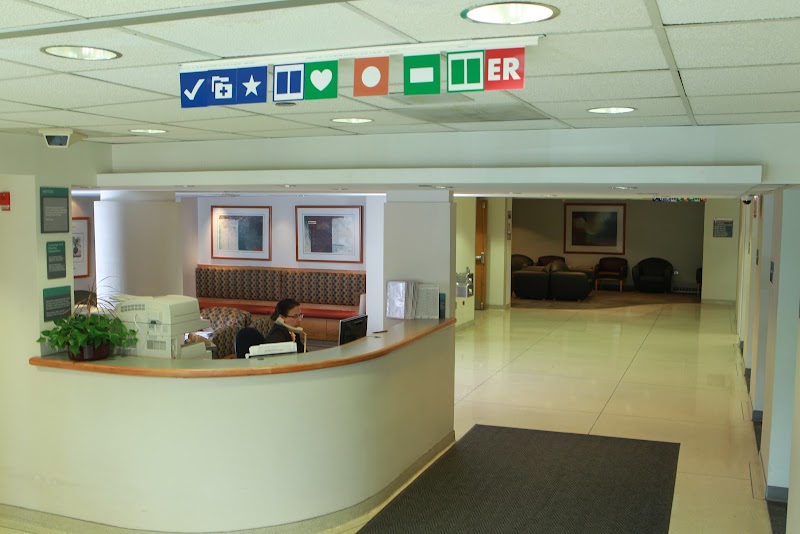
How Does Community First Medical Center Compare to Other Illinois Nursing Homes?

Compared to the 100 nursing homes in Illinois, COMMUNITY FIRST MEDICAL CENTER's overall rating (5 stars) is above the state average of 2.5, staff turnover (20%) is significantly lower than the state average of 46%, and health inspection rating (4 stars) is above the national benchmark.

What Should Families Ask When Visiting Community First Medical Center?

Based on this facility's data, families visiting should ask: "Can I visit during a mealtime to observe dining assistance and food quality?" "How do you handle medical emergencies, and what is your hospital transfer rate?" "Can I speak with family members of current residents about their experience?"

Is Community First Medical Center Safe?

Based on CMS inspection data, COMMUNITY FIRST MEDICAL CENTER has a clean safety record: no substantiated abuse findings (meaning no confirmed cases of resident harm), no Immediate Jeopardy citations (the most serious violation level indicating risk of serious injury or death), and is not on the Special Focus Facility watch list (a federal program monitoring the lowest-performing 1% of nursing homes). The facility has a 5-star overall rating and ranks #1 of 100 nursing homes in Illinois. While no facility is perfect, families should still ask about staff-to-resident ratios and recent inspection results during their visit.

Do Nurses at Community First Medical Center Stick Around?

Staff at COMMUNITY FIRST MEDICAL CENTER tend to stick around. With a turnover rate of 20%, the facility is 26 percentage points below the Illinois average of 46%. Low turnover is a positive sign. It means caregivers have time to learn each resident's needs, medications, and personal preferences. Consistent staff also notice subtle changes in a resident's condition more quickly. Registered Nurse turnover is also low at 6%, meaning experienced RNs are available to handle complex medical needs.

Was Community First Medical Center Ever Fined?

COMMUNITY FIRST MEDICAL CENTER has no federal fines on record. CMS issues fines when nursing homes fail to meet care standards or don't correct problems found during inspections. The absence of fines suggests the facility has either maintained compliance or corrected any issues before penalties were assessed. This is a positive indicator, though families should still review recent inspection reports for the full picture.

Is Community First Medical Center on Any Federal Watch List?

COMMUNITY FIRST MEDICAL CENTER is not on any federal watch list. The most significant is the Special Focus Facility (SFF) program, which identifies the bottom 1% of nursing homes nationally based on persistent, serious quality problems. Not being on this list means the facility has avoided the pattern of deficiencies that triggers enhanced federal oversight. This is a positive indicator, though families should still review the facility's inspection history directly.