Complete Care at Sheriden Commons
4538 NORTH BEACON, CHICAGO, IL 60640 (773) 275-7200
For profit - Limited Liability company 143 Beds COMPLETE CARE Data: November 2025
Trust Grade
40/100
#231 of 665 in IL
Last Inspection: March 2025

Within standard 12-15 month inspection cycle. Federal law requires annual inspections.

Overview

Complete Care at Sheriden Commons has a Trust Grade of D, indicating below-average quality of care with some significant concerns. It ranks #231 out of 665 facilities in Illinois, placing it in the top half, and #75 out of 201 in Cook County, suggesting only a few local options are better. The facility's trend is improving, having reduced its issues from 11 in 2024 to 8 in 2025. Staffing is a mixed bag; while it has a turnover rate of 31%, which is better than the state average, it only received a 2 out of 5 stars for staffing overall. Recent inspections revealed serious incidents, including a failure to manage a resident's pain from a fracture for 34 days and inadequate supervision for a high fall-risk resident, leading to a fall. Overall, while there are efforts to improve, families should weigh these strengths and weaknesses carefully.
Trust Score
D
40/100
In Illinois
#231/665
Top 34%
Safety Record
High Risk
Review needed
Inspections
Getting Better
11 → 8 violations
Staff Stability
○ Average
31% turnover. Near Illinois's 48% average. Typical for the industry.
Penalties
○ Average
$34,856 in fines. Higher than 51% of Illinois facilities. Some compliance issues.
Skilled Nurses
○ Average
Each resident gets 39 minutes of Registered Nurse (RN) attention daily — about average for Illinois. RNs are the most trained staff who monitor for health changes.
Violations
⚠ Watch
38 deficiencies on record. Higher than average. Multiple issues found across inspections.
★★★☆☆
3.0
Overall Rating
★★☆☆☆
2.0
Staff Levels
★★☆☆☆
2.0
Care Quality
★★★☆☆
3.0
Inspection Score
Stable
2024: 11 issues
2025: 8 issues

The Good

  • Full Sprinkler Coverage · Fire safety systems throughout facility
  • No fines on record
  • Staff turnover below average (31%)

    17 points below Illinois average of 48%

Facility shows strength in fire safety.

The Bad

3-Star Overall Rating

Near Illinois average (2.5)

Meets federal standards, typical of most facilities

Staff Turnover: 31%

14pts below Illinois avg (46%)

Typical for the industry

Federal Fines: $34,856

Above median ($33,413)

Moderate penalties - review what triggered them

Chain: COMPLETE CARE

Part of a multi-facility chain

Ask about local staffing decisions and management

The Ugly 38 deficiencies on record

3 actual harm
Mar 2025 8 deficiencies
CONCERN (D)

Potential for Harm - no one hurt, but risky conditions existed

Resident Rights (Tag F0550)

Could have caused harm · This affected 1 resident

Based on observation, interview, and record review, the facility failed to ensure the indwelling catheter drainage bag was covered for dignity. This failure affected 1 (R51) resident reviewed for indw...

Read full inspector narrative →
Based on observation, interview, and record review, the facility failed to ensure the indwelling catheter drainage bag was covered for dignity. This failure affected 1 (R51) resident reviewed for indwelling catheter in the total sample of 45 residents. Findings include: On 03/10/2025 at 11:21am, R51's indwelling catheter drainage bag did not have a privacy bag. The indwelling catheter drainage bag was facing R51's door. On 03/10/2025 at 11:27am, this observation was pointed out to V3 (Assistant Director of Nursing/Infection Preventionist). V3 stated he (R51) does have an indwelling catheter and the catheter drainage bag is not in privacy bag and it is facing the door. Anybody who has indwelling catheter should have the catheter drainage bag in a privacy bag for privacy of the resident. On 03/12/2025 at 11:43am, V2 (Director of Nursing) stated the policy is everyone who has an indwelling catheter, the drainage bag should have privacy bag for dignity and privacy of the resident. R51's (active orders as of: 03/11/2025) Order Summary Report documented in part Diagnoses: (include but not limited to) cerebral infarction, benign prostatic hyperplasia, neuromuscular dysfunction of bladder, and obstructive and reflux uropathy. Change Indwelling catheter drainage bag every 4 weeks and as needed. Order date: 01/02/2025. R51's (01/30/2025) Minimum Data Set documented, in part Section C. Cognitive Patterns. C0500. BIMS (Brief Interview for Mental Status) Summary Score: 09. Indicating R51's mental status as moderately impaired. Section H - Bladder and Bowel. H 0100. Appliances. A. indwelling catheter. R51's (01/27/2025) care plan documented, in part has indwelling catheter. The (undated) Dignity policy and procedure documented, in part Each resident shall be cared for in manner that promotes and enhances his or her sense of well-being, level of satisfaction with life, and feeling of self-worth and self-esteem. Policy Interpretation and Implementation. 1. Residents are treated with dignity and respect at all times. 12. Demeaning practices and standards of care that compromise dignity are prohibited. Staff are expected to promote dignity and assist resident; For example: a. helping the resident to keep urinary catheter bags covered.
CONCERN (D)

Potential for Harm - no one hurt, but risky conditions existed

Deficiency F0554 (Tag F0554)

Could have caused harm · This affected 1 resident

Based on observation, interview, and record interview, the facility failed to complete Medication Self-Administration Safety Screen Assessment and failed to get an order to, may self-administer medica...

Read full inspector narrative →
Based on observation, interview, and record interview, the facility failed to complete Medication Self-Administration Safety Screen Assessment and failed to get an order to, may self-administer medication and treatment prior to a resident initiating self-administration of medication and treatment. This failure affected 1 (R36) resident reviewed for self-administration of medication in the total sample of 45 residents. Findings include: On 03/10/2025 at 10:23am, there were Trimove oral drops and Calamine lotion on top of R36's bedside table. R36 stated the Trimove is my vitamin. I put one drop under my tongue once a day. ON 03/10/2025 at 10:30am, with V8 (Registered Nurse) inside R36's room. R36 stated I used the calamine lotion for my stomach because I get the heparin shot. Wound care gave me the calamine lotion. This surveyor pointed to V8 the Trimove oral drops and calamine lotion which were on top of R36's bedside table. V8 stated I don't know why she has these medications. On 03/10/2025 at 10:37am, V8 stated I don't know if the doctor was called about the treatment and medication. Our policy is to let the doctor know about the meds at bedside, that she (R36) wanted them at bedside. It should also be care planned, and resident should be assessed if she knows how to use the medication, knows the principles of medication administration like the route, dose, administration time and frequency of medication administration. On 03/12/2025 at 11:14am, V2 (Director of Nursing) stated we should know the BIMS (Brief Interview for mental status) of the resident first, then assess if the resident can open the medication, then we notify the doctor, get an order from the doctor to may self-administer the medication, and to care plan the self-administration of medication. So, we know if the resident is cognitively and physically able to do the self-administration safely. On 03/12/2025 at 1:26pm, V6 (MDS Coordinator) stated all medications to be self-administered should be ordered by the doctor. Any medications, even OTC (over-the-counter) meds have to be disclosed by the resident in case there is a contraindication. This be documented and we can educate the resident. On 03/12/2025 at 2:05pm, V8 stated I spoke with (V24- R36's Primary Care Physician) today and he (V24) said to talk to the resident and ask when the resident started the calamine lotion and trimove. According to her (R36), the calamine lotion was given by her family and was started last week with no specific day. She did not say specifically stated when, but last week. She only used it as needed for itching. Trimove was used Monday and Tuesday. She got 2 doses only. Her doctor did not want her to take the Trimove. This surveyor inquired how medication should be ordered in electronic health record. V8 stated it should be ordered as calamine lotion, may keep at bedside, and may self-administer Calamine Lotion. R36's (Active Order as Of: 03/11/2025) Order Summary Report documented, in part Diagnoses: (include but not limited to) morbid severe obesity due to excess calories and Type 2 Diabetes Mellitus. Of note, no order to may self-administer medication or treatment; and no order noted for Calamine Lotion and Trimove oral drops. R36's (01/23/2025) Minimum Data Set documented, in part Section C. Cognitive Patterns. C0500. BIMS (Brief Interview for Mental Status) Summary Score: 15. Indicating R36's mental status as cognitively intact. R36's (07/15/2024) Self-Administration of Medication was reviewed with no list of medications to be self-administered. R36's (03/12/2025) MEDICATION SELF-ADMINISTRATION SAFETY SCREEN documented, in part INSTRUCTIONS. Complete this assessment prior to resident initiating self-administration of medication and with any medication order changes, changes in function, condition that might affect the resident's ability to safely self-administer medications. Ongoing assessment should occur at a minimum of quarterly. A. Medications. List all medications that are being considered for resident self-administration. Medication #1. Calamine Lotion 8%. Storage: bedside. Medication #2. Tolnaftate 1%. Storage: bedside. Of note, screening was completed prior to 03/10/2025 observation and Trimove drops was not included for self-administration and no other self-administration of medication screening was provided between 07/15/2024 and 03/12/2025. R36's (03/2025) MAR (medication Administration record) was reviewed with no order to may self-administer Trimove. R36's (03/2025) TAR (Treatment Administration Record) documented, in part May self-administer Calamine lotion. may keep at bedside as needed for self-administration. Start Date. 03/12/2025 1500. The (undated) Self-Administration Of Medications documented, in part Policy Heading. Residents have the right to self-administer medications if the interdisciplinary team has determined that it is clinically appropriate and safe for the resident to do so. Policy Interpretation And Implementation. 6. For self-administering residents, the nursing staff determines who is responsible for documenting that medications are taken. 8. Self-administered medications are stored in a safe and secure place, which is not accessible by other residents. 9. Any medications found at the bedside that are not authorized for self-administration are turned over to the nurse in charge for return to the family or responsible party. 12. Nursing staff reviews the self-administered medication record for each nursing shift, and transfer pertinent information to the medication administration record (MAR) kept at the nursing station, appropriately noting that doses were self-administered.
CONCERN (D)

Potential for Harm - no one hurt, but risky conditions existed

Respiratory Care (Tag F0695)

Could have caused harm · This affected 1 resident

Based on observation, interview, and record review the facility failed to label and date oxygen equipment (oxygen tubing) and failed to properly contain oxygen equipment (Bilevel Positive Airway Press...

Read full inspector narrative →
Based on observation, interview, and record review the facility failed to label and date oxygen equipment (oxygen tubing) and failed to properly contain oxygen equipment (Bilevel Positive Airway Pressure mask and oxygen tubing) when not in use. These failures affected two residents (R52 and R233) reviewed for respiratory care in a sample of 45 residents. Findings include: R52's admission diagnoses includes but not limited to Chronic Obstructive Pulmonary Disease (COPD), pneumonia, acute respiratory distress, heart failure, and dependence on supplemental oxygen. R52's Brief Interview of Mental Status (BIMS) score is 15. R52 is cognitively intact. On 3/10/25 at 10:33 am, observed R52's BIPAP mask laying on the nightstand in R52's room uncontained. R52's (Active orders as of 3/11/25) Order Summary Report) documents in part, BIPAP (Bilevel Positive Airway Pressure) at nighttime every shift. R233's admission diagnoses includes but not limited to Chronic Obstructive Pulmonary Disease (COPD), respiratory failure, congestive heart failure, bronchiolitis, and Respiratory Syncytial Virus (RSV). R233's Brief Interview of Mental Status (BIMS) score is 15. R233 is cognitively intact. R233's Active orders as of 3/11/25 documents in part, Oxygen per nasal cannula as needed every 24 hours as needed SOB (Shortness of Breath). On 3/10/25 at 12:35 pm, observed R233's nasal cannula on the floor in R233's room not dated when changed and not contained. On 3/12/25 at 12:20 pm, V2 DON (Director of Nursing) stated that if the oxygen and mask is not being used it needs to be in a plastic bag to prevent gross contamination. Oxygen tubing should not be on the floor. If a tubing is on the floor it needs to be changed because it can acquire an infection. Oxygen tubing is changed weekly and prn (as needed). V2 stated tubing's should be dated when changed. Facility's policies titled Departmental (Respiratory Therapy)- Prevention of Infection undated documented in part, Steps in the Procedure: 7. Change the oxygen cannula and tubing every 7 days, or as needed. 8. Keep the oxygen cannula and tubing used PRN (As Needed) in a plastic bag when not in use. Facility's job description titled Registered Nurse (RN), dated 3/25/16 documented in part, Summary: The RN is responsible for providing direct nursing care to the resident, and to supervise the day-to day nursing activities performed by nursing assistants. Such supervision must be in accordance with current federal, state, and local standards, guidelines, and regulations that govern our facility, and as may be required by the Director of Nursing to ensure that the highest degree of quality care in maintained at all times. Facility's job description titled Licensed Practical Nurse (LPN), dated 4/1/17 documented in part, Summary: The LPN is responsible for providing direct nursing care to the resident, and to supervise the day-to day nursing activities performed by nursing assistants. Such supervision must be in accordance with current federal, state, and local standards, guidelines, and regulations that govern our facility, and as may be required by the Director of Nursing to ensure that the highest degree of quality care in maintained at all times.
CONCERN (D)

Potential for Harm - no one hurt, but risky conditions existed

Deficiency F0790 (Tag F0790)

Could have caused harm · This affected 1 resident

**NOTE- TERMS IN BRACKETS HAVE BEEN EDITED TO PROTECT CONFIDENTIALITY** Based on observations, interviews and record review, the facility failed to provide routine dental services for one resident (R5...

Read full inspector narrative →
**NOTE- TERMS IN BRACKETS HAVE BEEN EDITED TO PROTECT CONFIDENTIALITY** Based on observations, interviews and record review, the facility failed to provide routine dental services for one resident (R54) whose teeth are dark with multiple holes in his teeth. Findings include: R54 is [AGE] year old with diagnosis including but not limited to: cognitive communication deficit, cellulitis, dysphagia, hemiplegia and hemiparesis following cerebral infarction. R54's BIMS (Brief Interview of Mental Status) score is 12, which indicates moderately impaired. During investigation on 03/10/25 at 11:06 AM, Surveyor observed R54 with black substance on teeth and multiple teeth that with small holes in them. R54 stated that he had not received dental services in over 6 years, since living in the facility. On 3/12/25 at 2:25 PM, V2 (DON/ Director of Nursing) said that although R54's teeth are discolored and looked decayed, he (R54) said that his teeth don't hurt. On 3/12/25 at 2:25 PM, V2 (DON) said, R54 has not seen the dentist since his admission to the facility in 2019. It is hard to get a dental appointment for Medicaid patients. I have been trying to get him (R54) an appointment. Surveyor asked about the importance of regular dental visits, V2 said that regular dental maintenance is important to prevent tooth decay, bacteria and infection in the mouth. R54's Section GG- Functional Abilities assessment dated [DATE] documents, R54 requires maximal assistance with oral hygiene. Facility policy titled Dental services documents, routine and emergency dental services are available to meet the resident's oral health services in accordance with the resident's assessment and plan of care.
CONCERN (E)

Potential for Harm - no one hurt, but risky conditions existed

Pressure Ulcer Prevention (Tag F0686)

Could have caused harm · This affected multiple residents

**NOTE- TERMS IN BRACKETS HAVE BEEN EDITED TO PROTECT CONFIDENTIALITY** Findings include: R25 is [AGE] year old with diagnosis including but not limited to: stage 4 pressure ulcer of sacral region, pa...

Read full inspector narrative →
**NOTE- TERMS IN BRACKETS HAVE BEEN EDITED TO PROTECT CONFIDENTIALITY** Findings include: R25 is [AGE] year old with diagnosis including but not limited to: stage 4 pressure ulcer of sacral region, paraplegia, lymphedema, subluxation of unspecified lumbar vertebra and unspecified osteoarthritis. R25's BIMS (Brief Interview of Mental Status) score is 15, which indicates, no cognitive impairment. On 3/10/25 at 11:15 AM, R25 was observed lying on a LALM (Low Air Loss Mattress). At that time, the settings on R25's mattress was 200 lbs. (pounds) and the mattress was thin/ deflated. Surveyor asked R25 if she was comfortable in bed. On 3/10/25 at 11:15 AM, R25 said that she would like her mattress a little firmer because she felt like it was too soft. Surveyor inquired about the purpose of the LALM. On 3/12/25 at 2:25 PM, V2 (DON/ Director of Nursing) said the purpose of a LALM is to prevent a resident's wound from worsening and to prevent skin breakdown. Surveyor inquired about expectations regarding LALM settings. On 3/12/25 at 2:30 PM, V23 (Wound Care Coordinator) said that the LALM is set based on a resident's weight and that when the LALM setting is lower than the resident's weight, it deflates and makes the mattress less firm. R25's Monthly weight report for March of 2025 documents a weight of 231 Lbs. R25's Section M- Skin conditions assessment dated [DATE] documents, R25 has one stage 4 pressure ulcer; R25 uses a pressure reducing device for bed. Facility policy titled Low Air- Loss Mattress/ Bed documents, ensure low air loss mattress is set correctly to resident's weight based on resident's desired firmness and healthcare professionals suggestion in accordance with manufacturer's recommendations to prevent skin breakdown. Based on Observation, interview, and record review, the facility failed to ensure that residents' Low Air Loss Mattresses (LALM) for pressure ulcer prevention are set at the correct weight settings. This failure affected four residents (R4, R25, R37, R77) out of four residents reviewed for pressure ulcer prevention and treatment in a sample of 45 residents. Findings include: R4's Face sheet dated March 12, 2025, documents that R4 was admitted to facility on October 12,2023 with diagnosis including Encephalopathy, hemiplegia, cerebral palsy, chronic obstructive pulmonary disease, major depressive disorder, hypertension, convulsions, dysphagia, cerebral infraction, cirrhosis of liver. R4's MDS (Minimum Data Set) dated December 27,2024, shows R4 has a BIMS score of 8 which means R4 is has mild cognitive impairment, Section (M) Skin Conditions/ Determination of Pressure Ulcer/Injury Risk states resident at risk of developing pressure ulcers/injuries. R4's Braden scale score dated 12/30/24 has a score of 13 which means R4 is at Moderate risk for developing pressure ulcers. R4's Physician Orders Sheet dated 2/21/2024 The low air loss mattress is set according to the manufacturer guideline. On 3/10/25 at time 10:15 am, R4 was observed in bed, low air loss mattress setting was observed by surveyor between 325-350 pounds, the air loss mattress was located at foot of bed. On 3/12/2025 at 11:28am V6(Registered Nurse/ MDS Coordinator) provided Monthly Weight Report sheet with R4's March weight that is 176.6 pounds. R37's Face sheet dated March 12, 2025, documents that R37 was admitted to facility on June 18,2024 with diagnosis including Dementia, cerebral infarction, aphasia, bipolar disorder, protein calorie malnutrition, hypertension, hyperlipidemia. R37's MDS (Minimum Data Set) dated December 20,2024, shows R37 has a BIMS score of 00 which means R37 is has severe cognitive impairment, Section (M) Skin Conditions/ Determination of Pressure Ulcer/Injury Risk states resident at risk of developing pressure ulcers/injuries. R37's Braden scale score dated 12/23/24 has a score of 10 which means R37 is at High risk for developing pressure ulcers. R37's Physician Orders Sheet dated 6/19/2024 The low air loss mattress is set according to the manufacturer guideline, pressure reducing device for bed to be used. On 3/10/25 at time 11:30 am, R37 was observed in bed, low air loss mattress setting was observed by surveyor between 300-320 pounds, the air loss mattress was located at foot of bed. On 3/12/2025 at 11:29am V6 provided Monthly Weight Report sheet with R37's March weight that is 168.1 pounds. On 3/12/2025 at 9:50am V13 Licensed practical Nurse stated R37 currently weighs 168.1 and that low air loss mattress setting was currently set at 350. V13 stated she was not aware why the low air loss mattress was set at such high rate and when a low air loss mattress is set at such a high setting it can cause pressure or harm to the patient. On 3/12/2025 at 9:54 am V2 Director of Nursing stated that staff need to check low air loss mattresses daily to ensure that mattress setting is appropriate according to residents' weight, if low air loss mattress is set to high causing the mattress to be to firm it will cause harm to patient. R77's Face sheet dated March 12, 2025, documents that R77 was admitted to facility on July 11,2024 with diagnosis including Necrotizing Fasciitis, supraventricular tachycardia, diabetes mellitus, major depressive disorder, post-traumatic stress disorder, respiratory failure with hypoxia. R77's MDS (Minimum Data Set) dated February 17,2025, shows R77 has a BIMS score of 15 which means R77 is cognitively intact, Section (M) Skin Conditions/ Determination of Pressure Ulcer/Injury Risk states resident at risk of developing pressure ulcers/injuries, pressure reducing device for bed to be used. R77's Braden scale score dated 2/18/25 has a score of 16 which means R77 is at Risk for developing pressure ulcers. R77's Physician Orders Sheet dated 7/13/2024 The low air loss mattress is set according to the manufacturer guideline. On 3/10/25 at time 10:40 am, R77 was observed in bed, low air loss mattress setting was observed by surveyor between 660-750 pounds, the air loss mattress was located at foot of bed. On 3/12/2025 at 14:20pm V6(Registered Nurse/ MDS Coordinator) provided Monthly Weight Report sheet with R77's March weight that is 405.8 pounds The facility's policy dated 6/8/22 titled as Low Air- Loss Mattress/Bed States Purpose as: A specialty bed will be obtained upon provider order. The low air-loss mattress/bed will be utilized according to manufacturer's recommendations. General Guidelines include protecting the resident's skin: Ensure Low air loss mattress is set correctly to residents weight based on resident's desired firmness and healthcare professionals' suggestion in accordance with manufacturer's recommendations to prevent skin breakdown. The Manufacturer guideline for air loss mattress on weight setting is described as follows: Users can adjust air mattress to a desired firmness according to patient's weight or suggestion from a health care professional.
CONCERN (E)

Potential for Harm - no one hurt, but risky conditions existed

Deficiency F0761 (Tag F0761)

Could have caused harm · This affected multiple residents

Based on observations, interviews and record reviews, the facility failed to follow Pharmacy recommendation for medication storage, failed to ensure multidose medications have open and discard dates, ...

Read full inspector narrative →
Based on observations, interviews and record reviews, the facility failed to follow Pharmacy recommendation for medication storage, failed to ensure multidose medications have open and discard dates, failed to ensure the refrigerator was within the temperature range for proper storage of medication, and failed to ensure a treatment cart was kept locked when unattended. These failures affected 3 (R29, R57, and R83) residents reviewed for medication storage and have the potential to affect all 41 residents on the second floor and all 40 residents on the third floor. Findings include: The (03/10/2025) Resident Listing Report documented that there were 41 residents on the second floor and 40 residents on the 3rd floor. On 03/10/25 at 11:35AM during the medication storage and labeling task with V7 (Registered Nurse) of the second floor wing 2 medication cart, noted the following observations: 1. R29's opened Dorzolamide and Timolol eye drops with no open date and end date. 2. R57's unopened Novolin R with auxiliary pharmacy label 'Store in Refrigerator'. 3. R83's opened Glargine vial with no open date and end date. On 03/10/2025 at 11: 36am, V7 stated the unopened Novolin R should be kept refrigerated until opened. And the nurse who opened the Dorzolamide eye drops, timolol eye drops, and the Glargine vial should write the open date and end date, so we know when to discard these medications. On 03/10/2025 at 11:58am, of the 2nd floor medication storage room with V7. Prior to opening the refrigerator, V7 was informed that V7 has to check first the temperature reading on the small refrigerator thermometer. Upon opening the refrigerator, V7 checked the temperature registered on the thermometer and stated the temperature is 52F. V7 stated the refrigerator temperature should be below 46F. Inside the refrigerator were medications including unopened insulin vials and tubersol for TB test. On 03/12/2025 at 11:56am, V2 (Director of Nursing) stated if the insulin vial is not yet opened, our policy is to keep it in the refrigerator to ensure the potency of the medications is maintained. On 03/12/2025 at 11:59am, V2 stated the multidose medications have yellow sticker where nursing will write the open date of the medication. It is already indicated in the container of the dorzolamide, timolol and Glargine that staff has to write the date it was opened. I don't know why they still missed it. The purpose of labeling the multidose medications with open date is to remind the staff how long they can use the medication and when to discard the medication. On 03/12/2025 at 12:02pm, V2 stated refrigerator temperature should be kept below 46F to ensure the potency of the medication is maintained. R29's (Active Order as Of: 03/11/2025) Order Summary Report documented, in part Diagnoses: (include but not limited to) ocular hypertension, conjunctival hyperemia, and exposure keratoconjunctivitis. Order Summary: dorzolamide HCL solutions 2%. Instill in both eyes. Order Date: 10/27/2022. Timolol Maleate Solution 0.25% instill in both eyes. Order Date: 10/27/2022. R57's (Active Order as Of: 03/11/2025) Order Summary Report documented, in part Diagnoses: (include but not limited to) Type 2 Diabetes Mellitus. Order Summary: Insulin regular Human Solution inject 3units subcutaneously. Order Date: 05/19/2022. R83's (Active Order as Of: 03/06/2025) Order Summary Report documented, in part Diagnoses: (include but not limited to) Type 2 Diabetes Mellitus. Order Summary: Insulin Glargine solution 100unit/ml. Inject 45 units subcutaneously at bedtime for diabetes. Order date: 02/15/2025. The (03/13/2025) email correspondence with V8 (MDS coordinator) documented, in part Thank you for your inquiry regarding our pharmacy's auxiliary label practices. Our policy stated that all staff strictly adhere to auxiliary label instructions unless contraindicated by specific patient circumstances or medication interactions. This protocol ensures consistency, accuracy, and patient safety throughout our operations. The (undated) Daily Refrigerator Temperature log documented, in part Acceptable temperature ranges are Medication Storage 36F - 46F for refrigerators. The (undated) storage of medications documented, in part policy heading the facility stores all drugs and biologicals in a safe, secure, and orderly manner. Policy interpretation and implementation #1 drugs and biologicals used in the facility are stored in locked compartments under proper temperature. 7. Medications requiring refrigeration are stored in a refrigerator located in a drug room at the nursing station or other secured location. The (undated) labeling of medication containers documented in part Policy Statement. All medications maintained in the facility are properly labeled in accordance with current state and federal guidelines and regulations. 8. Facility staff should record the date opened on the medication container when the medication has a shortened expiration date once opened. Findings include: On 03/11/25 at 9:15 am, V1 (Administrator) presented a facility census of 40 residents on the third floor. On 03/11/25 at 10:39 am, Surveyor toured the facility's third floor unit and observed residents ambulating in the hallways without assistance. On 03/11/25 at 10:50 am, Surveyor observed the third-floor treatment cart unlocked and unattended while V2 (Director of Nursing, DON) was performing wound care inside R77's room. On 03/11/25 at 11:15 am, Surveyor brought this observation to V2 and V2 stated, The treatment cart should be locked at all times when not in use. When Surveyor questioned V2 regarding the importance of the treatment cart being locked when not in use and V2 stated, Residents can be poisoned if they drink the medication solutions inside. The facility's undated policy and titled Storage of Medications documents, in part: The facility stores all drugs and biological's in a safe, secure, and orderly manner. 1. Drugs and biological's used in the facility are stored in locked compartments under proper temperatures, light, and humidity controls. Only persons authorized to prepare and administer medications have access to locked medications . 6. Compartments (including, but not limited to, drawers, cabinets, rooms, refrigerators, carts, and boxes) containing drugs and biological's are locked when not in use. Unlocked medications carts are not left unattended and always in site or in view of the nurse.
CONCERN (E)

Potential for Harm - no one hurt, but risky conditions existed

Deficiency F0804 (Tag F0804)

Could have caused harm · This affected multiple residents

Based on observation, interview, and record review, the facility failed to serve hot foods to the residents at a temperature of 135 degrees Fahrenheit (F) per facility policy. This failure has the pot...

Read full inspector narrative →
Based on observation, interview, and record review, the facility failed to serve hot foods to the residents at a temperature of 135 degrees Fahrenheit (F) per facility policy. This failure has the potential to affect all 42 residents residing on the 3rd floor receiving an oral diet. Findings include: On 3/11/25 at 10:35 am, in the resident council meeting multiple residents stated that the food is cold when served during mealtimes. On 3/11/25 at 11:45 am, Food temperature for lunch before plating were mechanical pork 176, mechanical vegetables 183, rice 190, regular vegetables 185, puree vegetables 157, puree meat 166, regular pork 180, grill cheese 159, hotdog 180, regular pork 198. Temperature steam noted coming from food while being plated. The plate was then covered with a lid and placed on the food transport cart. On 3/11/25 at 12:10 pm, observed third floor second cart lunch trays being served to resident on the 3rd floor. Residents in the dining area were served first then residents eating lunch in their rooms were served. Observation of V16 CNA (Certified Nursing Assistant) passing resident lunch trays in their rooms alone for 8 minutes. V5 Human Resource came and assisted V16 with passing lunch trays to the residents in their room on the third floor. After the last resident received their lunch tray at 12:25 pm, a test tray that consisted of pork, rice and vegetables was tested for temperatures with V15 Dietary Supervisor. Test tray temperatures were rice 135 degrees F, pork 120 degrees F, and vegetables 116 degrees F. On 3/11/25 at 12:28 pm, V15 Dietary Supervisor stated that the food should be served at a temperature of 135 degrees or higher. On 3/12/25 at 12:20 pm, DON (Director of Nursing) stated that there are 4 CNAs on each floor every day. Everyone can pass food trays. No one has complained of food being cold. All CNAs, nurses and staff are responsible for passing food trays. It should have been more than one person passing lunch trays yesterday. Facility's policy titled Tray Service undated documents in part, Procedure: Hot foods will be served at 135 degrees F or higher . Facility's job description titled Certified Nursing Assistant documents in part, Essential Duties and Responsibilities: Provide assistance with serving meals .
CONCERN (F)

Potential for Harm - no one hurt, but risky conditions existed

Infection Control (Tag F0880)

Could have caused harm · This affected most or all residents

Based on observations, interviews, and record review the facility failed to ensure staff donned appropriate PPE (Personal Protective Equipment) while providing high contact resident care for a residen...

Read full inspector narrative →
Based on observations, interviews, and record review the facility failed to ensure staff donned appropriate PPE (Personal Protective Equipment) while providing high contact resident care for a resident (R77) on EBP (Enhanced Barrier Precautions), failed to perform hand hygiene during a wound dressing change for a resident (R77), failed to ensure that urine collection canister was not placed on the floor, failed to ensure EBP signs were posted and PPE bins were available for 2 (R14 and R17) residents on EBP, and failed to sanitize medication tray between residents (R7 and R44) usage. These failures affected 5 (R7, R14, R17, R44, and R77) residents reviewed for infection control and have the potential to affect all 41 residents on the second floor and all 40 residents on the third floor. Findings include: The (03/10/2025) facility census indicated 41 residents on the second floor. #1 On 03/10/2025 at 10:08am on the second floor, V8 (Registered Nurse) stated everyone who has an indwelling catheter, with wounds, and g-tube are on EBP (enhanced barrier precautions). V8 stated (R14) has a wound and (R17) has an indwelling catheter. On 03/10/2025 at 10:16 AM, there was no EBP sign posted, and no PPE bin noted by R14's room. On 03/11/2025 at 9:08am, there was no EBP sign posted and no PPE bin available by R14's door. On 03/11/2025 at 9:10am, inquiring if R14 has a wound. V3 (ADON/Infection Preventionist) went inside R14's room and checked. V3 stated yes she has a wound on her left heel. This surveyor inquired for the EBP signage and PPE bin for R14. V3 stated we don't have an EBP sign posted for her (R14) and no PPE bin outside her room. #2 On 03/10/2025 at 10:59am, there was no EBP sign posted and no PPE bin available by R17's room. These observations were pointed out to V3. V3 stated he should be on EBP. There is no EBP sign posted and no PPE bin outside of his room. On 03/10/2025 at 11:07am, V3 instructed V12 (Housekeeping Supervisor) to set up the PPE bin for R17 and stated I (V3) will put up the EBP sign. #3 On 03/11/2025 at 8:44am, during the medication administration task with V14 (Licensed Practice Nurse). After dispensing the medications in a med cup, V14 poured water in a drinking cup and placed the med cup and the drinking cup on a medication tray. On 03/11/2025 at 8:45am, V14 knocked on R7's door and mentioned R7's name and stated that R7's meds were ready. R7 swallowed the medications from the med cup and put the med cup back on the medication tray, drank the water in drinking cup and put this, as well, back to the medication tray. On 03/11/2025 at 8:46am, V14 disposed of used med cup and drinking cup in trashcan and placed the med tray on top of the medication cart and started preparing R44's medications without sanitizing the medication tray he used for R7. On 03/11/2025 at 8:51am, V14 poured R44's pantoprazole in a med cup. The med cup was on a med tray that was previously used for R7. At this time, this surveyor stopped V14 from dispensing R44's other medications and inquired about the facility policy when using a med tray between residents. V14 stated, I should have sanitized the med tray first before preparing the medications of the next resident to prevent the spread of germs to the next resident. On 03/12/2025 at 12:02pm, V2 (Director of Nursing) stated for residents on EBP, there should be a sign posted and PPE bin for the residents. Purpose of posting an EBP sign is for the staff to determine what appropriate PPE to wear when they give direct care to the resident to prevent cross contamination of infection. PPE bin should also be available so PPEs will be readily available for staff. On 03/12/2025 at 12:05pm, V2 stated I don't have a policy on medication tray but the expectation is to sanitize the med tray between residents to prevent cross contamination of infection. R7's (Active Order as Of: 03/11/2025) Order Summary Report documented, in part Diagnoses: (include but not limited to) human immunodeficiency syndrome and benign prostatic hyperplasia. R14's (Active Order as Of: 03/11/2025) Order Summary Report documented, in part Diagnoses: (include but not limited to) obesity, mild intellectual disabilities and lack of coordination. Diagnostic: x-ray L (left) foot/heel, active draining wound, r/o (rule out) osteo (sic). Order date: 01/22/2025. Left hell cleans with NSS (normal saline solution) Apply skin pre to periwound. Apply Calcium Alginate, cover with ABD pad and wrap with kerlix. Order date: 03/05/2025. R14's (12/30/2024) Minimum Data Set documented, in part Section C. Cognitive Patterns. C0500. BIMS (Brief Interview for Mental Status) Summary Score: 15. Indicating R14's mental status as cognitively intact. Section M. M0300. F. Unstageable pressure ulcers: 1. Number of these unstageable pressure ulcer that were present upon admission: 1. R14's (Target Date: 03/31/2025) care plan documented, in part has unstageable pressure sore to left and right heel. R17's (Active Order as Of: 03/11/2025) Order Summary Report documented, in part Diagnoses: (include but not limited to) acute kidney failure and benign prostatic hyperplasia. foley catheter Fr. 16. With 10cc balloon. For urinary retention. Order Date: 12/13/2024. R17's (12/19/2024) Minimum Data Set documented, in part Section C. Cognitive Patterns. C0500. BIMS (Brief Interview for Mental Status) Summary Score: 02 Indicating R17's mental status as severely impaired. Section H - Bladder and Bowel. H 0100. Appliances. A. indwelling catheter. R17's (Target Date: 03/25/2025) care plan documented, in part has indwelling catheter. R17's (Target Date: 03/25/2025) care plan documented, in part Enhanced Barrier Precautions. Risk for infection related to compromised host defenses and exposure to pathogens. Ensure appropriate PPE is available and used correctly by staff. R44's (Active Order as Of: 03/11/2025) Order Summary Report documented, in part Diagnoses: (include but not limited to) chronic obstructive pulmonary disease and muscle weakness. The (03/12/2025) email correspondence with V6 (MDS Coordinator) documented, in part In our commitment to maintain the highest standards of care and to prevent contamination during medication administration, it is crucial to adhere to effective medication pass strategies specially when passing multiple medications to a resident. Using of tray to ensure accuracy in medication delivery is permitted. If using tray is necessary to minimize risk of error, tray should be sanitized between uses to ensure infection control protocol. The facility provided document (7/2021) Consideration For Use Of Enhanced Barrier Precautions In Skilled Nursing Facilities documented, in part Framework For Applying Enhanced Barrier Precautions In Skilled Nursing Facilities. Facilities should develop a method to identify residents with wounds or indwelling medical devices, and post clear signage out of residence room indicating the type of PPE required and defining high risk resident care activities. Gowns and gloves should be available outside of each resident room. The (undated) EBP (Enhanced Barrier Precautions) documented, in part Policy statement. Enhanced Barrier Precautions are used in the care for residents with wounds requiring dressings or indwelling medical devices. Policy Interpretation and Implementation. 4. Enhanced based (sic) precautions will be implemented for residents with wounds that requiring dressing changes. 5. Enhanced Based (sic) precautions will be implemented for residents with indwelling devices. Findings include: On 03/11/25 at 9:15 am, V1 (Administrator) presented a facility census of 40 residents on the third floor. R77's face sheet shows that R77's has diagnosis which include but not limited to necrotizing fasciitis, supraventricular tachycardia, type 2 diabetes mellitus with hyperglycemia, vitamin D deficiency, hyperkalemia, and respiratory failure. R77's Brief Interview for Mental Status (BIMS) dated 02/17/25 shows that R77 has a BIMS score of 15 which indicates that R77 is cognitively intact. On 03/10/25 at 10:40 am, R77's room door was observed with a sign on the door titled Enhanced Barrier Precaution. Surveyor observed R77 with a Purewick external catheter in place with the Purewick canister next to R77's bed on the bare floor. On 03/10/25 at 10:46 am, V2 director of Nursing, DON) and V17 (Certified Nursing Assistant, CNA) was observed entering R77's room without donning a gown to perform wound care to R77's left lower abdomen surgical wound. V17 was observed donning gloves without performing hand hygiene in R77's room. During R77's wound care dressing change to R77's left lower abdomen surgical wound V2 and V17 was observed not wearing proper PPE (Personal Protective Equipment) a gown. V2 was observed removing R77's soiled left lower abdominal wound dressing, throwing R77's soiled left abdominal wound dressing in the trash, donning gloves, removing gauze from R77's wound tray and dressing R77's left abdominal wound without performing hand hygiene. On 03/10/25 at 11:15 am, Surveyor brought R77's Purewick canister on the bare floor observation to V2 and V2 stated Her (R77's) Purewick canister should not be on the floor we will get a crate or something to put it on. When V2 was asked regarding the importance of R77's Purewick canister not being on the bare floor and V2 stated, It should be on a stand so that bacteria doesn't get inside of it. V2 was asked regarding the facility's expectation for residents with a wound requiring EBP precautions and V2 stated, I (V2) should have worn a gown when I did her (R77's) wound care. I forgot. When V2 was asked regarding performing hand hygiene when removing a soiled dressing and V2 stated, Oh I (V2) did not do that. I was nervous. Surveyor asked V2 regarding the importance of EBP for residents with wounds and performing hand hygiene after removing soiled dressings and V2 stated, It is important to protect staff and residents from acquiring infections. On 03/12/25 at 11:37 am, V3 (Assistant Director of Nursing, ADON) stated that residents who are on EBP staff are required to wear gown and gloves when providing high contact patient care to prevent residents from acquiring a Multi Drug Resistant Organism. V3 explained that if a staff does not wear gown and gloves while providing high contact care to residents with EBP then staff are at risk for spreading infections such as MDRO to residents. The facility's undated document and titled Enhanced Barrier Precautions documents, in part: Enhanced Barrier Precautions are used in the care for residents with wounds requiring dressings or indwelling medical devices and successfully admit and care for those residents with and XDRO (Extensively Drug Resistant Organism) or epidemiologically important MDRO (Multi Drug Resistant Organism). 1. Enhanced Barrier Precautions means that a gown and gloves are to be used when providing care to the resident during high contact-care activities that provides opportunities for transfer of organisms from resident to staff hands and clothing. Gown and gloves are not needed to be utilized during non-high contact care activities. 2. Enhanced Barrier Precautions is to be implemented in conjunction with Standard Precautions. 3. The following are high contacts care activities that require gown and gloves to be worn if a resident is placed on Enhanced Barrier Precautions. 4. Enhanced Based Precautions will be implemented for residents with wounds that requiring dressing changes (e.g., pressure ulcers, diabetic foot ulcers, unhealed surgical wounds, and chronic venous status ulcers) and only when the wound drainage is contained. 7. Enhanced Barrier precautions are to remain in place for the duration of a resident's stay in the facility or until resolution of the wound or discontinuation of the indwelling medical device placed that placed them at higher risk. R77's Physician Order Sheet (POS) shows that R77 has orders for Enhanced Barrier Precautions for wound care. Gloves and gown to be worn during wound care and prolonged contact activity . Surgical Wound-Across Left Lower ABD (Abdomen): Cleanse w/ NSS (with normal saline) Or Wound Cleanser. Pat Dry. Apply Skin Prep to peri wound. Apply collagen, then calcium Alg (Alginate) w/ silver (with) , (May use regular Alg (Alginate) if silver unavailable) to entire wound bed, cover with hydro lock and secure with med fix tape. ABD optional if drainage is excessive.
Aug 2024 2 deficiencies 1 Harm
SERIOUS (G) 📢 Someone Reported This

A family member, employee, or ombudsman was alarmed enough to file a formal complaint

Actual Harm - a resident was hurt due to facility failures

Quality of Care (Tag F0684)

A resident was harmed · This affected 1 resident

**NOTE- TERMS IN BRACKETS HAVE BEEN EDITED TO PROTECT CONFIDENTIALITY** Based on interview and record review, the facility failed to identify and treat the cause of new pain in left arm; failed to tim...

Read full inspector narrative →
**NOTE- TERMS IN BRACKETS HAVE BEEN EDITED TO PROTECT CONFIDENTIALITY** Based on interview and record review, the facility failed to identify and treat the cause of new pain in left arm; failed to timely review x-ray results; failed to relay x-ray results to physician; failed to obtain verbal or telephone order from physician for pain patch for one resident (R4) in a total sample of 3 residents (R4, R5, and R6). These deficient practices resulted in harm for R4 experiencing new onset left arm pain for 34 days with limited mobility due to a left humerus fracture diagnosed at an outside hospital. Findings include: On 08/13/24 at 12:48pm V19 Medical Doctor (MD) stated, R4 came to the emergency room (ER) unable to move his (R4) left arm and was found to have a subacute fracture to the left humerus. We (medical staff) think the fracture is a pathologic fracture from the cancer, but the problem is how long did he (R4) have this fracture without it being treated. He (R4) was admitted with acute kidney injury (AKI), fecal impaction, dehydration, subacute fracture and pneumonia. R4's hospital note dated 07/30/24 documents in part that R4 has a diagnosis of metastatic cancer of unknow origin (present on admission), and also noted that R4 had significant left arm pain. R4 was unable to move arm on exam .X-ray of the left humerus showed subacute fracture of the proximal left humerus. R4's diagnosis includes but are not limited to Major depressive disorder, Chronic respiratory failure, Chronic obstructive pulmonary disease, Morbid obesity, Venous insufficiency, Sleep Apnea. R4's Minimum Data Set (MDS) dated [DATE] has a Brief Interview for Mental Status (BIMS) score of 13 which indicates R4's cognition is intact. On 08/12/24 at 12:01pm V20 Licensed Practical Nurse (LPN) stated, (R4) did complain of pain to his (R4) left arm. (R4) complained of arm pain for about a week or so before (R4) left. At first, (R4) wasn't complaining about the arm then (R4) started complaining of arm pain. (R4) told me (V20) that the lady came to draw (R4's) blood and (R4's) arm had been hurting ever since then. (R4) couldn't lift (R4's) arm anymore, (R4) said the arm hurt to lift. (R4) would use (R4's) right hand to lift (R4's) left arm because the left hurt (R4) too bad to try to move. The DON (Director of Nursing) and the doctor both knew about the pain in (R4's) arm. I'm (V20) not sure if they (DON and Doctor) did anything about the pain, possibly an x-ray. Record review of R4's physicians orders show that an x-ray of R4's left shoulder was ordered on 06/25/24 due to pain. Record review of radiology results of R4's x-ray to left shoulder taken on 06/26/24 show that V2 reviewed R4's left shoulder x-ray results on 07/19/24. Record review of R4's progress notes show that no documentation of x-ray results was communicated to V22 until 07/19/24 by V2. On 08/13/24 at 2:00pm V2 Director of Nursing (DON) stated that R4 was having new pain and R4 denied anything happened to his arm. V2 stated that V2 was auditing the chart on 07/19/24 and noted that there was no documentation about R4's x-ray done on 6/26/24, so V2 notified V22 medical doctor. On 08/13/24 at 1:15pm V13 Certified Nursing Assistant (CNA) affirmed that R4 started complaining of pain to R4's left arm approximately 2 weeks before R4 left the facility. V13 stated that V13 told the nurse that R4 was complaining of pain to R4's left arm. On 08/13/24 at 2:22pm V16 CNA stated that R4 complained of pain to his (R4) left arm starting a few weeks before R4 left the facility. V15 told the nurse that R4 was complaining of pain and the nurse gave R4 Hydrocodone. On 08/14/24 at 10:30am V22 MD stated, I (V22) don't remember ordering lidocaine patch for (R4), the nurses might have just put the order in my (V22) name. I (V22) don't recall anyone informing me (V22) of any x-ray results. In my (V22) practice I (V22) usually don't order Lidocaine. That order I (V22) did not give. I (V22) usually look at what causes the pain instead of just ordering a patch. I (V22) don't have a memory of the DON calling me (V22). The nursing home has their own specific nurse practitioner (NP). I don't have an NP. It's not normal for staff to put an order in my name and I (V22) expect staff to call me (V22). My (V22) name is on (R4's ) chart as the attending, so the nurse probably just picked my (V22) name for the lidocaine order. On 08/14/24 at 10:55am V2 stated, Residents with pain need to be assessed to find out where the pain is and the level of pain and then give them (residents) PRN (as needed) pain medications. New pain is considered a change of condition. Some residents have psychological pain. For new pain an SBAR (situation, background, assessment and recommendation) should be done, the doctor should be notified and the family of the resident if the resident is not alert, and then give the resident whatever the doctor orders. For severe pain we (nurses) should send the resident to the hospital. We (nurses) check for swelling and bruising in the area of pain, and for safety purposes do an x-ray. R4's progress notes dated 06/25/24 through 07/29/24, show no SBAR for new pain, no documentation that physician was notified of new pain, and no documentation of next of kin notification of new pain for R4 found as V2 stated in above interview should be completed for new pain. On 08/14/24 at 1:55pm V23 LPN stated, I (V23) am not familiar with R4. I (V23) don't know how my (V23) name can be on an order for R4 because I (V23) don't ever take care of R4. R4 was in room with others and sometimes when R4 would put the call light on, I (V23) would answer the call light and R4 would ask me (V23) to tell R4's nurse (R4) needs pain medication, water or that (R4's) oxygen wasn't working but that's it. I (V23) don't know how the order was entered under my (V23) name. On 08/14/24 at 2:41pm V1 Administrator stated, Staff are not allowed to share passwords. The nurse should transcribe the order correctly. With any change in condition the nurse is to notify the doctor. The nurse cannot enter an order without contacting the doctor. On 08/14/24 at 2:50pm V24 RN stated, Actually there was a time when R4 came from an appointment, and I (V24) saw a prescription for lidocaine patch to his (R4) left arm. Normally nurses have to advise the doctor or the NP if we (nurses) get an order from a resident's appointment. I (V24) don't know when the pain in R4's arm started. Normally R4 would just ask for the Norco for pain but then one day R4 wanted the Norco and the lidocaine patch. R4 Physician Order Set (POS) dated 07/19/24 documents in part, Lidocaine External Patch 5% .apply to left arm. Facility's undated policy titled Pain - Clinical Protocol documents in part, Assessment and Recognition .1. The physician and staff will identify individuals who have pain or who are at risk for having pain .a. This includes reviewing know diagnoses and conditions that commonly cause pain .2. The nursing staff will assess each individual for pain whenever there is a significant change in condition, and when there is onset of new pain or worsening of existing pain .5. The staff and physician will evaluate how pain is affecting mood, activities of daily living, sleep, and the resident's quality of life. Facility's undated policy titled Change in a Resident's Condition or Status documents in part, Our facility promptly notifies the resident, his or her attending physician, and the resident representative of changes in the resident's medical/mental condition and /or status .1. The nurse will notify the resident's attending physician or physician on call when there has been a .d. significant change in the resident's physical/emotional/mental condition .2. A significant change of condition is a major decline or improvement in the resident's status that: a. will not normally resolve itself without intervention by staff or by implementing standard disease-related clinical interventions .8. The nurse will record in the resident's medical record information relative to changes in the resident's medical/mental condition or status. Facility's undated policy titled Activities of Daily Living (ADL's), Supporting documents in part, Residents will be provided with care, treatment and services as appropriate to maintain or improve their ability to carry out activities of daily living (ADL's) .1. Residents will be provided with care, treatment and services to ensure that their activities of daily living (ADL's) do not diminish unless the circumstances of their clinical condition demonstrate that diminishing ADL's are unavoidable .a. The existence of a clinical diagnosis or condition does not alone justify a decline in a resident's ability to perform ADL's. Facility's undated policy titled Resident Rights documents in part, 1. Federal and state laws guarantee certain basic rights to all residents of this facility. These rights include the resident's right to .c. be free from abuse, neglect, misappropriation of property, and exploitation.
CONCERN (D) 📢 Someone Reported This

A family member, employee, or ombudsman was alarmed enough to file a formal complaint

Potential for Harm - no one hurt, but risky conditions existed

Deficiency F0692 (Tag F0692)

Could have caused harm · This affected 1 resident

**NOTE- TERMS IN BRACKETS HAVE BEEN EDITED TO PROTECT CONFIDENTIALITY** Based on interview and record review the facility failed to properly assess and manage oral fluid intake, urinary output and bow...

Read full inspector narrative →
**NOTE- TERMS IN BRACKETS HAVE BEEN EDITED TO PROTECT CONFIDENTIALITY** Based on interview and record review the facility failed to properly assess and manage oral fluid intake, urinary output and bowel output in a resident (R4) who was at risk for dehydration. This deficient practice resulted in harm for one resident (R4) requiring hospitalization for acute kidney disease and fecal impaction. Finding include: R4's diagnosis includes but are not limited to Major depressive disorder, Chronic respiratory failure, Chronic obstructive pulmonary disease, Morbid obesity, Venous insufficiency, Sleep Apnea. R4's Minimum Data Set (MDS) dated [DATE] has a Brief Interview for Mental Status (BIMS) score of 13 which indicates R4's cognition is intact. R4's nursing progress note dated 07/29/24 documents in part, V22 Medical Doctor (MD) requests for resident (R4) to be sent out to hospital due to critical BUN (blood urea nitrogen) 150 mg/dL (milligrams per deciliter). R4's nursing progress note dated 07/30/24 documents in part, Staff called the hospital and spoke with the nurse who stated that R4 had been admitted for AKI (acute kidney injury) possible pneumonia. R4's hospital note dated 07/30/24 documents in part, R4 noted severe abdominal pain .R4 also complained of constipation .daily enemas for constipation. On 08/12/24 at 11:50am V12 Registered Nurse (RN) stated, Things that can cause constipation are medications like iron, not drinking enough water or not eating enough vegetables. The purpose of care plans is for improvement. We (staff) have meetings about the progression of the residents. I (V12) check the resident care plan monthly or every two months. R4's Care plan dated 12/20/21 documents in part, R4 has potential for pain related to decreased mobility, comorbidities, and impaired skin integrity .monitor/document for side effects of pain medication .Observe of constipation. On 08/12/24 at 12:01pm V20 Licensed Practical Nurse (LPN) stated, The certified nursing assistants (CNA's) supposed to notify us (nursed) when the residents have a bowel movement (BM). Sometimes it (BM) can be missed with a resident not having a BM if we (nurses) don't ask about it (BM). He (R4) was incontinent of bowel and bladder. I'm (V20) am the one who sent R4 out on the day R4 went to the emergency room (ER). I (V20) notified the Director of Nursing (DON) and called R4's primary doctor, and I (V20) was told to send R4 out. R4 was a little confused, but R4 was still alert when R4 left the facility. R4 had a urinary tract infection (UTI) before and presented with the same symptoms. R4 didn't really drink water; R4 would drink a lot of diet cola and I (V20) told R4 that he (R4) drinks too much soda. On 08/13/24 at 12:06pm V2 DON stated, We (staff) don't do intake and output (I&O) but if the resident is on fluid restriction, then we (staff) remove the water from the bedside. We (staff) check the resident's hydration sometimes through the blood or skin turgor and we (staff) check the tongue for moisture. The CNA does the patient care and is supposed to tell the nurse if a resident did not have a bowel movement. The expectations for following the care plan interventions are that the nurses should follow the care plan 100%. Record review of R4's progress notes show that R4 has a risk for dehydration care plan with interventions to monitor intake and output. Per V2's statement the care plan should be followed 100%. Per V2's statement, the facility does not do intake and output. R4's Care plan dated 06/19/24 documents in part, At possibly risk for dehydration .R4 will be free of symptoms of dehydration and maintain moist membranes, good skin turgor .Monitor and document intake and output as per facility policy .Monitor/document/report PRN (as needed) and s/sx (sign or symptoms) of dehydration: decreased or no urine output, concentrated urine, strong odor .confusion. On 08/13/24 at 1:35pm V14 Certified Nursing Assistant (CNA) stated, We (CNA) chart in the computer if the resident has a BM or did not have a BM. If the resident has loose stool, then I (V14) would report it to the nurse. If the nurse asks me (V14) if the resident did not have a BM, then I (V14) would let the nurse know, otherwise the nurse can see my (V14) charting. I V14) pass water as needed when the resident asks for water. I (V14) might refresh the water if it has been siting for a while. R4 liked ice not, water. On 08/14/24 at 10:55am V2 stated, If a resident is diagnosed with a UTI the doctor will order antibiotics and then we (staff) encourage fluids for the resident unless the resident is on fluid restriction. We (staff) tell the staff that the resident has a UTI and to encourage the resident to drink more water and make sure that the resident always has a pitcher of water at the bedside. We (staff) only do care plans if the resident is noncompliant or if the resident has a new problem, then we (staff) involve all the disciplines and do a care plan at that time. The facility's expectation is for the staff to keep up with the resident's elimination. The CNA should report to the nurse if the resident did not have urine output or a BM. The expectation of the nurse is to report to the doctor if the resident did not have a BM or no urine output and then follow the order of the doctor. R4's nursing progress noted dated 06/03/24 documents in part, Called hospital for the status of resident, resident has been admitted with diagnosis of altered mental status and UTI (urinary tract infection). Facility's Job description titled Certified Nursing Assistant dated 03/24/16 documents in part, Summary: The Certified Nursing Assistant (CNA) is responsible for providing resident care and support in all activities of daily living and ensures the health, welfare and safety of all residents .Essential duties and responsibilities .Providing fresh water and nourishment between meals .recording intake and output information.
Feb 2024 9 deficiencies
CONCERN (D)

Potential for Harm - no one hurt, but risky conditions existed

Deficiency F0625 (Tag F0625)

Could have caused harm · This affected 1 resident

**NOTE- TERMS IN BRACKETS HAVE BEEN EDITED TO PROTECT CONFIDENTIALITY** Based on interview and record review, the facility failed to provide their bed hold policy, upon discharge to hospital, for one ...

Read full inspector narrative →
**NOTE- TERMS IN BRACKETS HAVE BEEN EDITED TO PROTECT CONFIDENTIALITY** Based on interview and record review, the facility failed to provide their bed hold policy, upon discharge to hospital, for one (R74) out of three residents reviewed for discharge. Findings include: R74's medical record (Face Sheet, MDS/Minimum Data Set, dated [DATE]) documents that R74 is a [AGE] year-old male who is cognitively intact with a BIMS/ Brief Interview for Mental Status score of 15/15. R74 has diagnoses not limited to: Malignant neoplasm of cerebral meninges, chronic obstructive pulmonary disease, malignant neoplasm of right lung, malignant neoplasm of left lung, stage 3 chronic kidney disease, and essential hypertension. On 02/08/2024 at 12:39PM V16 (Clinical Director of Admissions) states whenever a resident is discharged to the hospital, she does not provide written bed hold notification to the resident or resident's representative. V16 states she only sends out an internal email to the facility staff and the liaison at the hospital to let them know that the resident is able to return back to the facility. V16 states she doesn't give the resident any notification because the resident can decide on their own if they want to return to the facility or go to another facility. V16 states a bed hold notification was not provided to R74 when R74 was discharged to the hospital on [DATE]. R74's Facesheet documents that R74 was discharged to the hospital on [DATE]. There is no documentation to show that R74 or R74's family was made aware of the facility's bed hold policy. Facility's policy dated 07/25/2022, titled Bed-Holds and Returns documents in part 1. All residents/representatives are provided written information regarding the facility bed-hold policies, which address holding or reserving a resident's bed during periods of absence (hospitalization or therapeutic leave). Residents are provided written information about these policies at least twice: a. well in advance of any transfer (e.g., in the admission packet); and b. at the time of transfer (or, if the transfer was an emergency, within 24 hours).
CONCERN (D)

Potential for Harm - no one hurt, but risky conditions existed

PASARR Coordination (Tag F0644)

Could have caused harm · This affected 1 resident

**NOTE- TERMS IN BRACKETS HAVE BEEN EDITED TO PROTECT CONFIDENTIALITY** Based on interview and record reviews the facility failed to refer three (R5, R24, R30) residents with newly evident or possible...

Read full inspector narrative →
**NOTE- TERMS IN BRACKETS HAVE BEEN EDITED TO PROTECT CONFIDENTIALITY** Based on interview and record reviews the facility failed to refer three (R5, R24, R30) residents with newly evident or possible serious mental disorder to the appropriate state-designated authority for review. Findings include: On 02/08/24 at 1:39 PM, V16 (Clinical Director of Admissions) stated that she is responsible for making sure Level 1 Pre-admission Screening and Resident Review (PASARR) are in the residents' records. V16 said that sometimes the residents are admitted to the facility from the hospital before a level 1 PASARR is completed. V16 said that she then makes the level 1 PASARR request, and the assigned state agency will come into the facility and complete the screening. V16 stated that if a resident requires a level 2 PASARR screening then the state agency sends her an email requesting for updated resident information. V16 stated that this is a situation she has not delt with before. V16 stated that she was informed by the state agency that social services need to notify V16 of the residents with mental health conditions that should have a level 2 PASARR. V16 stated that she will collaborate with social services to conduct a list and send the request to the state agency to get those residents to have a level 2 PASARR completed. R5's Face sheet documents that R5 is a [AGE] year-old male admitted to the facility on [DATE] who has diagnoses not limited to: schizophrenia, major depressive disorder. There is no documentation to show that R5 was screened for a Level 2 PASARR. R24's current face sheet document R24 is a [AGE] year-old individual admitted to the facility on [DATE] and current medical diagnosis are listed to include but not limited to: bipolar disorder, current episode depressed, severe, without psychotic features, major depressive disorder, single episode, unspecified, anxiety disorder, unspecified. Review of R24's health records do not document a Level 2 PASARR was completed for R24. R30's Facesheet documents that R30 is a [AGE] year-old female who has diagnoses not limited to: delusional disorders, major depressive disorder, schizophrenia, and brief psychotic disorder. R30's Facesheet documents that R30 was admitted to the facility on [DATE]. R30 has a diagnosis of schizoaffective dated 05/02/2022 and a diagnosis of delusional disorders dated 11/02/2020. Record reviewed documents that R30 has an initial Level 1 Pre-admission Screening and Resident Review/PASARR dated 06/26/2020. There is no documentation to show that R30 was screened for a Level 2 PASARR. Facility policy date 02/01/2022 titled admission Criteria documents in part, 9. b. If the level I screen indicates that the individual may meet the criteria for a MD (mental disorder), ID (intellectual disability), or RD (related disorder), he or she is referred to the state PASARR representative for the Level II (evaluation and determination) screening process. (2) The social worker is responsible for making referrals to the appropriate state-designated authority.
CONCERN (D)

Potential for Harm - no one hurt, but risky conditions existed

Pressure Ulcer Prevention (Tag F0686)

Could have caused harm · This affected 1 resident

**NOTE- TERMS IN BRACKETS HAVE BEEN EDITED TO PROTECT CONFIDENTIALITY** Based on observation, interview, and record review, the facility failed to ensure that two low air loss mattresses were set acco...

Read full inspector narrative →
**NOTE- TERMS IN BRACKETS HAVE BEEN EDITED TO PROTECT CONFIDENTIALITY** Based on observation, interview, and record review, the facility failed to ensure that two low air loss mattresses were set according to manufacturer recommendation for residents (R29, R33) who are identified as high risk for pressure injury. Findings include: On 02/06/2024 at 10:15am, Surveyor observed R29 lying on a low air loss mattress with the weight control/knob set at 350lbs. On 02/06/2024 at 12:45pm, Surveyor observed R33 lying on a low air loss mattress control with the weight control/knob set at 180lbs. On 02/06/2024 at 12:25pm, V11 (Licensed Practical Nurse) states, Air mattress settings should be the same as the resident weights. If the settings are not correlated with residents weight it can cause a pressure wound. On 02/08/2024 at 9:30am, V14 (wound care nurse) states, Low air mattress should be set at residents' current weight according to the manufacturer's recommendations. I have a wound tech that check settings daily. I also check settings daily when doing wound rounds to make sure bed is on proper settings. Air loss mattress could work against you, if it's not on the proper weight setting it can possibly cause a pressure wound or skin breakdown. R33 Physician order sheet (POS) 2/7/2024 orders document may use air loss mattress. please verify it's in good working condition every shift for wound care. According to facility weight and vital summary R33 most current weight documents on 2/1/24 R33 weighed 54.8lbs R33 recent BRADEN SCALE FOR PREDICTING PRESSURE SORE RISK assessment dated [DATE] documents R33 scored 10.0 indicating R33 is at high risk for pressure injury. R29 Physician order sheet (POS) 2/7/2024 documents Low Air Loss Mattress every shift According to facility weight and vitals summary R29 most current weight documents on 2/8/24 R29 weighed 180lbs. R29 recent BRADEN SCALE FOR PREDICTING PRESSURE SORE RISK assessment dated [DATE] documents R29 scored 10.0 indicating R29 is at high risk for pressure injury. Facility policy not dated, titled Low Air-loss mattress/Bed documents in part, A specialty bed will be obtained upon provider order. The low air-loss mattress/bed will be utilized according to manufacturer's recommendations. Operational [NAME] titled Proactive Medical Products documents in part, operating instructions step six states, determine the patients' weight and set the control knob to that weight setting on the control unit.
CONCERN (D)

Potential for Harm - no one hurt, but risky conditions existed

Medication Errors (Tag F0758)

Could have caused harm · This affected 1 resident

**NOTE- TERMS IN BRACKETS HAVE BEEN EDITED TO PROTECT CONFIDENTIALITY** Based on interviews and records review, the facility failed to obtain consent for psychotropic medication administration for two...

Read full inspector narrative →
**NOTE- TERMS IN BRACKETS HAVE BEEN EDITED TO PROTECT CONFIDENTIALITY** Based on interviews and records review, the facility failed to obtain consent for psychotropic medication administration for two (R24, R34) residents reviewed for psychotropic medications in a sample of 18 residents. Findings include: R24's current face sheet documents R24 is a [AGE] year-old individual admitted to the facility on [DATE], with current medical diagnosis that include but not limited to: bipolar disorder, current episode depressed, severe, without psychotic features, major depressive disorder, single episode, unspecified, anxiety disorder, unspecified. R24's Minimum Data Set (MDS) section C dated 1/24/2024 documents R24 has a Brief Interview for Mental Status (BIMS) score of 11/15 indicating R24 has moderately impaired cognation. On 02/08/2024 at 2:20pm, V2(Director of Nursing) stated psychotropic consents needs to be signed by the resident or their representatives before the resident starts to take the medications so that the resident can be aware of what he/she is taking the medications for. V2 stated she does not start psychotropic medications before a resident signs the consent form. On 2/08/2024 at approximately 2:35pm, surveyor asked V12 (Infection Preventionist) for the psychotropic consent form for R24. V12 brought the consent form for R24 with a signed date of 2/8/2024 by V12. V12 said residents should sign the consent form before they start receiving the medication. Review of R24's Psychotropic Medication Consent form documents V12 signed the consent form on 02/08/2024. R24's current Physician Order Sheet (POS) documents: Active 8/6/2022 -Sertraline HCl Tablet. Give 50 mg by mouth one time a day related to anxiety disorder, unspecified, major depressive disorder, single episode. Active 8/7/2023 -SEROquel Tablet 50 MG (QUEtiapine Fumarate). Give 0.5 tablet by mouth at bedtime related to unspecified psychosis not due to a substance or known physiological condition. R34 R34's Facesheet documents that R34 is a [AGE] year-old female who has diagnoses not limited to: Cerebral infarction, type 2 diabetes mellitus, schizoaffective disorder, unspecified dementia, and major depressive disorder. R34's Facesheet documents that R34 was admitted to the facility on [DATE]. R34 has a diagnosis of schizoaffective disorder dated 02/25/2022. R34's physician order sheet/POS documents an order for Seroquel 25mg- Give 1 tablet by mouth two times a day. With a start date of 12/28/2023. R34's psychotropic medication consent form was requested from the facility on 02/08/2024. Record reviewed documents that R34's psychotropic medication consent form was signed by V2 (Director of Nursing/DON) on 02/08/2024. Facility policy titled Antipsychotic Medication Use, no date, documents: -All psychotropics will have either a verbal or written consent from the patient or patient guardian within the time guidelines set for by the state requirements.
CONCERN (D)

Potential for Harm - no one hurt, but risky conditions existed

Unnecessary Medications (Tag F0759)

Could have caused harm · This affected 1 resident

Based on observation, interview, and record review the facility failed to ensure a medication error rate of less than 5% for two (R23, R57) out of four residents reviewed for medication administration...

Read full inspector narrative →
Based on observation, interview, and record review the facility failed to ensure a medication error rate of less than 5% for two (R23, R57) out of four residents reviewed for medication administration resulting in an 11.11% error rate. Findings Include: R57's medication administration record (MAR) dated 02/01/2024- 02/07/2024 documents: Nebivolol HCL 5mg- Give 1 tablet by mouth one time a day scheduled at 9:00AM. On 02/07/2024 at 8:24AM, surveyor observed that this medication was not given during the 9:00AM medication administration pass with V11 (Licensed Practical Nurse/LPN). R23's medication administration record (eMAR) dated 02/01/2024 - 02/07/2024 documents: Protonix 40mg- Give 1 tablet by mouth one time a day scheduled at 9:00AM. Valsartan 80mg- Give 2 tablets by mouth two times a day scheduled at 9:00AM. On 02/07/2024 at 8:42AM during medication administration pass, V11 (Licensed Practical Nurse/LPN) observed administering three tablets of Valsartan 80mg to R23. On 02/07/2024 at 8:42AM, V11 (LPN) states that R23's scheduled Protonix medication is not available for administration. V11 states he will reorder the medication and deploys R23's electronic medication administration record (eMAR). Surveyor observes on R23's eMAR that R23's Protonix medication was reordered from the pharmacy on 01/28/2024. V11 states he is unable to locate R23's Protonix medication in the medication cart. V11 (LPN) states he would normally borrow Protonix medication from another resident to give to R23 but today he will notify his supervisor V2 (Director of Nursing/DON) of R23's missing medication. V11 continues his medication administration pass for other residents in the facility. V11 states he did not notify R23's physician of R23's missing Protonix dose. On 02/08/2024 at 1:48PM, V2 (DON) states the physician does not need to be notified of a resident's missing medication dose as long as the pharmacy delivers the medication in time. On 02/08/2024 at 1:57PM, V17 (LPN) states she is the nurse assigned to care for R23 today and R23's Protonix is still unavailable for administration, and she did not notify R23's physician. Facility policy, titled Administering Medications documents in part, 4. Medications are administered in accordance with prescriber orders, including any required time frames. 10. The individual administering the medication checks the label THREE (3) times to verify the right resident, right medication, right dosage, right time and right method (route) of administration before giving the medication.
CONCERN (D)

Potential for Harm - no one hurt, but risky conditions existed

Deficiency F0883 (Tag F0883)

Could have caused harm · This affected 1 resident

Based on interview and record review, facility failed to follow their policy to provide influenza and pneumococcal vaccination with its education for 3 residents (R15, R229 and R49) out of 5 in a samp...

Read full inspector narrative →
Based on interview and record review, facility failed to follow their policy to provide influenza and pneumococcal vaccination with its education for 3 residents (R15, R229 and R49) out of 5 in a sample of 18. Findings include: On 02/07/2024 at 11:40 AM, surveyor sat down with V12 (Infection Preventionist/Clinical Consultant) to go over immunization status for residents. V12 stated all the immunization records, consent and education provided are documented in the resident's electronic health record. V12 stated that R15 refused their influenza immunization. Surveyor asked V12 if R15 had received education for the influenza vaccine. V12 stated yes but the education provided check box was not checked. Surveyor observed V12 click the check box at that moment. V12 also stated that R229 refused pneumococcal immunization. Surveyor asked V12 if R229 had received education for the pneumococcal vaccine. V12 replied yes but the education provided check box was not checked. Surveyor observed V12 click the check box for education provided for R229 at that moment as well. On 02/07/2024 at 11:50 AM, when reviewed R49's immunization record, no date was noted for when R49 refused consent for the influenza immunization, no check marked in the check box that education was provided. Surveyor observed V12 check off in front of surveyor that education was provided to resident regarding the influenza immunization. V12 said that he is the one that provided the verbal education and just had forgotten to mark it off. On 02/08/2024 at 12:30 PM, V2 (Director of Nursing) stated after you do any care or treatment or teaching, you have to document. V2 quoted, I don't care if you tell me it's done. if something is not documented, of course it's not done. I always tell my nurses how important documentation is. R15's immunization record documents in part: No influenza vaccine administered. No documentation of education provided. R229's immunization record documents in part: No pneumococcal vaccine administered. No documentation of education provided. R49's immunization record documents in part: No influenza vaccine administered. No documentation of education or consent. Facility's influenza policy (1/1/2022) documents in part: All residents who have no medical contraindications to the vaccine will be offered the influenza vaccine annually during flu season to encourage and promote the benefits associated with vaccinations against influenza. The facility shall provide pertinent information about the significant risks and benefits of vaccines to all residents. Prior to the vaccination, the resident (or resident's legal representative) will be provided information and education regarding the benefits and potential side effects of the influenza vaccine. Provision of such education shall be documented in the resident's/employee's medical record. Facility's Pneumococcal policy (1/1/2022) documents in part: All residents will be offered pneumococcal vaccines to aid in preventing pneumonia/pneumococcal infections. Before receiving a pneumococcal vaccine, the resident or legal representative shall receive information and education regarding the benefits and potential side effects of the pneumococcal vaccine. Provision of such education shall be documented in the resident's medical record.
CONCERN (E)

Potential for Harm - no one hurt, but risky conditions existed

Pharmacy Services (Tag F0755)

Could have caused harm · This affected multiple residents

Based on observation, interview, and record review, the facility failed to a.) ensure controlled substances were counted, and documented, at the beginning and end of each shift for 4 out of 22 shifts ...

Read full inspector narrative →
Based on observation, interview, and record review, the facility failed to a.) ensure controlled substances were counted, and documented, at the beginning and end of each shift for 4 out of 22 shifts and b.) keep an accurate count of all narcotic medications for two (R11, R22) residents reviewed for medications. These failures have the potential to affect 42 residents residing in the facility. Findings include: On 02/06/2024 at 10:03AM, V5 (LPN/Licensed Practical Nurse) states that she did not perform a narcotic drug count. V5 was responsible for the 3rd floor Team 2 medication cart for rooms 301 and rooms 309-320. On 02/06/2024 at 10:03AM, review of the Shift Change Accountability Record Sheet for Control Substances for the month of February 2024 for cart identified as Team 2 medication cart located on the 3rd floor of the facility indicated for 2 shifts in February 2024, nurses had not counted and documented the controlled substances. The following dates were missing signatures: On 02/05/24, 1st shift oncoming and off-going (7am-7pm) On 02/06/24, 1st shift oncoming (7am-7pm) On 02/06/2024 at 10:03AM, surveyor and V5 (LPN) located on the third floor of the facility performing a controlled substance count and record review. Surveyor observed the following: A medication bingo card labeled R11's name, Lacosamide 100mg, surveyor observed there were 6 pills inside of the medication bingo card. R11's controlled drug receipt record documents a count of 8 pills. A medication bingo card labeled R11's name, Clobazam 10mg, surveyor observed there were 13 pills inside of the medication bingo card. R11's controlled drug receipt record documents a count of 14 pills. A medication bingo card labeled R22's name, Hydroco/Apap 5-325mg, surveyor observed there were 27 pills inside of the medication bingo card. R22's controlled drug receipt record documents a count of 28 pills. On 02/06/2024 at approximately 10:16AM, V6 (RN/Registered Nurse) located on the third floor of the facility with V2 (Director of Nursing). V2 and V6 observed standing at the medication cart identified as Team 1 medication cart with a red controlled substance book open. Surveyor observes V6 writing inside of the red controlled substance book as surveyor approaches the Team 1 medication cart. On 02/06/2024 at approximately 10:18AM, surveyor asks V6 what did she just write inside of the red controlled substance book? V6 pointed to the February 6th 7am-7pm shift on the Shift Change Accountability Record Sheet for Control Substances and states, I just signed here. V6 (RN/Registered Nurse) states she forgot to sign her signature for the narcotic count when she started her shift this morning. V6 was responsible for the 3rd floor Team 1 medication cart for rooms 302-308. On 02/06/2024 at 10:18AM, review of the Shift Change Accountability Record Sheet for Control Substances for the month of February 2024 for cart identified as Team 1 medication cart located on the 3rd floor of the facility indicated for 2 shifts in February 2024, nurses had not counted and documented the controlled substances. The following dates were missing signatures: On 02/03/24, 2nd shift (7pm-7am) On 02/06/24, 1st shift (7am-7pm) (Shift surveyor observed V6 signing) Facility census dated 02/06/2024 documents a total of 42 residents on the third floor of the facility reside in rooms 301-320. Facility policy dated 03/01/2022 titled Controlled Substances, documents in part, 8. Controlled substances are reconciled upon receipt, administration, disposition, and at the end of each shift. 10. Upon Administration: a. The nurse administering the medication is responsible for recording: (5) quantity of the medication remaining; 12. At the End of Each Shift: a. Controlled medications are counted at the end of each shift. The nurse coming on duty and the nurse going off duty determines the count together.
CONCERN (E)

Potential for Harm - no one hurt, but risky conditions existed

Deficiency F0761 (Tag F0761)

Could have caused harm · This affected multiple residents

Based on observation, interview, and record review the facility failed to ensure medications were locked and secured while unattended. This failure has the potential to affect 35 residents residing in...

Read full inspector narrative →
Based on observation, interview, and record review the facility failed to ensure medications were locked and secured while unattended. This failure has the potential to affect 35 residents residing in the facility. Findings Include: On 02/07/2024 at 8:09AM, surveyor located on the second floor of the facility. During medication administration pass with V11 (LPN), V11 observed preparing liquid antibiotic medication for R57. V11 observed leaving liquid antibiotic medication on top of his medication cart (identified as Team 2 medication cart) and walks away leaving the liquid medication unattended and out of V11's view. On 02/07/2024 at 8:09AM, V11 returns to the medication cart and states to surveyor, I knew you were standing here so that's why I left the medication on top of the cart. Surveyor states to V11 that surveyor is not responsible for monitoring V11's medication cart. V11 states a resident could have gotten the medication and self-administered it and possibly caused harm to the resident since the liquid medication was left unattended. On 02/07/2024 at 8:56AM during medication administration pass with V11 (LPN), V11 observed entering R52's room and leaves his medication cart unlocked and unattended. Medication cart observed with the outward side facing the hallway and accessible to the residents or anyone passing by. V11 states that residents can potentially get access to the medications if the cart is left unlocked and unattended. Facility census dated 02/06/2024 documents that a total of 35 residents reside on the 2nd floor of the facility. Facility policy, dated 01/22/2022 titled Storage of Medications documents in part, 6. Compartments (including, but not limited to, drawers, cabinets, rooms, refrigerators, carts, and boxes) containing drugs and biologicals are locked when not in use. Unlocked medication carts are not left unattended and always in site or in view of the nurse. 19. During administration of medications, the medication cart is kept closed and locked when out of sight of the medication nurse or aide No medications are kept on top of the cart. The cart must be clearly visible to the personnel administering medications, and all outward sides must be inaccessible to the residents or others passing by.
CONCERN (F)

Potential for Harm - no one hurt, but risky conditions existed

Food Safety (Tag F0812)

Could have caused harm · This affected most or all residents

Based on observations, interviews, and records review, the facility failed to follow their policy on Sanitation & Safety Operations by (a) failing to maintain proper food temperatures, (b) failing to ...

Read full inspector narrative →
Based on observations, interviews, and records review, the facility failed to follow their policy on Sanitation & Safety Operations by (a) failing to maintain proper food temperatures, (b) failing to date opened food items with open and use by date, (c) failing to unload clean dishes from the dishwasher in a sanitary manner. (d) dishwasher temperatures not consistently documented. These deficiencies have the potential to affect 76 residents who are on an oral diet and receiving meals from the kitchen. Findings include: On 02/06/2024 at 9:30am, during tour of the kitchen with V3(Dietary Manager), in the dry food pantry was observed three types of cereals: frosted flakes, rice krispies, and honey nut cheerios in open bags in a box with no open by date or expiration dates. V3 said all foods including the opened ones should have a open by date and expiration date so that kitchen staff know when the food needs to be thrown out and staff need to follow the first in first out rule. V3 said residents should be given fresh food that is not expired and stale, to prevent residents getting sick from expired foods. V3 said residents' appetite can be affected by stale foods. On 02/06/2024 at 9:43am, while observing kitchen staff washing dishes with V3, V4(Dietary Aide) was observed rinsing dirty dishes and putting them in the dishwasher, and when the dishwasher was done washing, V4 was observed taking out the clean dishes and putting then on the clean dishes cart without changing her gloves. V3 said V4 should be changing gloves before touching the clean dishes to prevent cross contamination which can cause residents to get sick. V4 said she should have changed her dirty gloves before touching the clean dishes to prevent them from getting dirty/contaminated, which can make residents sick. V3 said the dish washer is tested every day and test strips of the temperature outcome are placed on the Dish washer temperature log to keep track of the temperatures to make sure the temperatures are above 150 degrees during washing cycle. Review of Dish Washer Temperature Log with V3 showed no temperature log was recorded for 2/2/24, 2/3/24, 2/5 and there was no temperature label for those days. V3 said the dishwasher temperature log should be completed every day to make sure the dish washer is washing at the right temperature to prevent food borne illness to the residents. On 2/6/2024 at 11:57am during kitchen tour and food temperature checks with V3, Oven fried chicken was observed in the warmer and V8 (Cook) was observed serving the chicken into residents' plates to be bused to units. V3 checked temperatures of foods in the tray being served onto resident plates and the last of the Oven fried Chicken's temperature was 121 degrees F. V3 said foods should reach the correct internal temperature and chicken should reach at least 165F to prevent residents from risk of getting food borne illnesses. On 2/7/2024 at 11:37am during kitchen tour and food temperature checks with V3, Spaghetti was observed in the warmer and V8 (Cook) was observed serving food into residents' plates to be bused to units. V3 took temperature of the Spaghetti and it was observed to be 101F. V3 said foods such as Spaghetti should reach the correct internal temperature of at least 145F when cooked to prevent residents from risk of getting food borne illnesses form uncooked foods. Facility policy titled Labeling and Dating Foods, no date documents: -Prepared and packaged foods will be labeled and rotated to decrease the risk of food borne illnesses, provide the highest quality product for the residents and minimize waste. - Bagged or boxed food once removed from the original package will be placed in an ingredient bin that is labeled with the common name of the food and the date the item is placed in the bin. Examples of these items include oatmeal, cereals flour, sugar, and thickeners. Facility Policy titled Dietary Department-Sanitation & Safety Operations, no date, documents: -Wash hands between handling soiled and clean ware. -Hot foods will be held at a minimum temperature of 135 degrees F for a minimum of 4 hours Facility Dish washer log documented the last temperature test completed was 2/1/2024.
Nov 2023 4 deficiencies
CONCERN (D) 📢 Someone Reported This

A family member, employee, or ombudsman was alarmed enough to file a formal complaint

Potential for Harm - no one hurt, but risky conditions existed

Safe Environment (Tag F0584)

Could have caused harm · This affected 1 resident

**NOTE- TERMS IN BRACKETS HAVE BEEN EDITED TO PROTECT CONFIDENTIALITY** Based on observation, interview and record review, the facility failed to ensure three residents (R12, R26, R30) have a safe, cl...

Read full inspector narrative →
**NOTE- TERMS IN BRACKETS HAVE BEEN EDITED TO PROTECT CONFIDENTIALITY** Based on observation, interview and record review, the facility failed to ensure three residents (R12, R26, R30) have a safe, clean, comfortable, and homelike environment. Findings include: On 11/2/23 while touring facility with V16 (Building Manager), surveyor observed: Call light fixture/plate not fully attached to the wall in room [ROOM NUMBER]. Call light functioning. Cracks, chipping/peeling paint, rust color along the baseboards in R30's bathroom; on the ceiling in the dining room on the 3rd floor; on the third-floor shower room floor. R12's television not working and does not have a remote control. On 11/3/23 while touring facility with V16, surveyor observed: Cracks, chipping/peeling paint, rust color on the second-floor shower room floor. On 11/3/22, Surveyor observed cracks, chipping/peeling paint, rust color on the ceiling over R26 bed. On 11/2/23 at 10:15 AM, R17 stated there are televisions that are not working or not working properly. There is a problem with the system according to maintenance. On 11/02/23 at 12:11 PM, R26 states R26 told a staff member about the condition of the ceiling above the bed, but nothing is being done about it. On 11/02/23 at 12:29 PM, another survey team member located in the shower room located on the second floor of the facility adjacent to room [ROOM NUMBER] with V6 (Certified Nursing Assistant/CNA). V6 stated there are two showers on the second floor but this is the shower room that is used by the residents to take their showers. Surveyor observed dried feces on the seat of a shower chair, black, mold-like substance in the cracks and floor seams of the shower and shower floors, and peeling paint on the shower floors. V6 stated the black mold-like substance in the shower appears to be mold and the residents do not like going near that part of the shower because they feel it is nasty. V6 states she is not sure when the shower chair was last cleaned. On 11/02/23 at 12:53 PM, R22 states R22 washes R22's body everyday but does not go into the shower room because a staff member said that it's feces in there and it's disgusting. On 11/2/23 at 12:54 PM, R12 implied with a head nod that R12's television works but R12 can't turn it on. On 11/7/23 at 1:13 PM, V1 (Administrator) stated some of the walls are stained because it's an older room. There is no mold that I'm aware of. Cracks, rust color in ceiling on walls is probably a leak in the ceilling. The expectation is for the building to be clean, and residents are comfortable. Some televisions are old some are new. We are constantly replacing the remotes. Sometimes the signals are bad. On 11/7/23 at 3:36 PM, V16 (Building Manager) stated I don't know what the peeling/chipping paint, rust coloring is from. I wouldn't want my family member sleeping under that. The television system is an older system. We are looking at different alternatives to fix it. Sometimes, in the past if we replace the wiring that helps. I'm not sure what the problem is. It's a very old system, still analog, I think. We had someone from the cable company come and they could not fix it. We have a few remotes downstairs. The residents are constantly losing them. On 11/7/23 at 4:10 PM, V16 stated maintenance confirmed the cracks, chipping/peeling paint, rust color on the ceiling in the third-floor dining room is due to the old roof leaking and needs to be painted. The ceiling above R26's bed is from a leaky pipe that will be fixed. Sleeping under that would not make me feel good. I do rounds throughout the building. Facility policy Homelike Environment, 6/13/22, documents in part: Staff provides person-centered care that emphasizes the residents comfort, independence and personal needs and preferences. The facility staff and management maximizes, to the extent possible, the characteristics of the facility that reflect a personalized, homelike setting. These characteristics include: clean, sanitary and orderly environment.
CONCERN (D) 📢 Someone Reported This

A family member, employee, or ombudsman was alarmed enough to file a formal complaint

Potential for Harm - no one hurt, but risky conditions existed

Accident Prevention (Tag F0689)

Could have caused harm · This affected 1 resident

Based on observation, interview, and record review, the facility failed to a.) provide supervision and monitoring for residents during the designated smoking time to ensure residents practice safe smo...

Read full inspector narrative →
Based on observation, interview, and record review, the facility failed to a.) provide supervision and monitoring for residents during the designated smoking time to ensure residents practice safe smoking in the designated area and b.) failed to complete a quarterly smoking safety evaluation as required. These failures affected three (R30, R31, R32) residents reviewed for smoking safety. Findings include: On 11/03/2023 at 2:15PM, surveyor observed R30, R31, and R32 outside on the 1st floor patio smoking and not being supervised by staff members. V12 (Activity Aide) observed inside of the facility with the door closed and her back facing the door of the smoking patio. On 11/03/2023 at 2:19PM, V11 (Dietary Manager) observed outside smoking with R30, R31, and R32. On 11/03/2023 at 2:20PM, V11 now located back inside of the facility and states that she is not responsible for monitoring the residents who are smoking and went out on the patio to smoke herself. V11 stated R30 informed her that he did not have any more cigarettes, V11 stated she gave R30 one of her own personal cigarettes. V11 stated that employees are sometimes allowed to smoke in the designated smoking areas with the residents. V11 stated that V12 is the person responsible for monitoring the residents while they are smoking. V11 stated that there should be someone outside with the residents at all times to monitor them while they are smoking. On 11/03/2023 at 2:27PM, V12 stated herself or another staff member should have been outside with the residents who were smoking. V12 stated that R30, R31, and R32 could have fallen, choked, or gotten burned while not being supervised. V12 stated she was busy helping the other residents with activities inside the facility and could not properly monitor the residents outside on the smoking patio. R30's smoking safety evaluation dated 10/09/2023 documents that R30 has insufficient fine motor skills needed to securely hold a cigarette. Review of R31's electronic medical record documents that R31 does not have a current smoking safety evaluation. R31's smoking safety screen dated 02/16/2023 documents that R31 smokes 2-5 cigarettes per day and requires supervision and assistance with smoking. Review of R32's electronic medical record documents that R32 does not have a current smoking safety evaluation. R32's smoking safety screen dated 05/26/2019 documents that R32 smokes 2-5 cigarettes per day and does not require supervision with smoking. Facility policy, undated, titled Smoking Policy-Residents documents in part, This facility shall establish and maintain safe resident smoking practices. 6. The resident will be evaluated on admission to determine if he or she is a smoker or non-smoker. If a smoker, the evaluation will include: d. ability to smoke safely with or without supervision (per a completed Safe Smoking Evaluation). 8. A resident's ability to smoke safely will be re-evaluated quarterly, 11. Any resident with restricted smoking privileges requiring monitoring shall have the direct supervision of a staff member, family member, visitor or volunteer worker at all times while smoking. 15. Staff members and volunteer workers are not permitted to purchase and/or provide any smoking articles for residents.
CONCERN (E) 📢 Someone Reported This

A family member, employee, or ombudsman was alarmed enough to file a formal complaint

Potential for Harm - no one hurt, but risky conditions existed

Deficiency F0553 (Tag F0553)

Could have caused harm · This affected multiple residents

Based on interview and record review, the facility failed to ensure six residents (R5, R6, R13, R17, R21, R29) were given the right to participate in the development and implementation of their person...

Read full inspector narrative →
Based on interview and record review, the facility failed to ensure six residents (R5, R6, R13, R17, R21, R29) were given the right to participate in the development and implementation of their person-centered plan of care. Findings include: On 11/2/23 at 10:15 AM, R17 stated R17 hasn't had a care plan meeting. I don't know if we are having meetings or not. There has been no social worker for two to three months. On 11/2/23 at 12:28 PM, R21 stated we have care plan meetings when we have a social worker. We don't have a social worker now. On 11/2/23 at 1:00 PM, R5 said I have never been to a care plan meeting. I have not received my care plan. I've been here two years. They may come a few days before to tell me about a meeting but then don't come get me for the meeting. They may tell me, rarely, if something has changed in the care plan. On 11/3/22 at 2:00 PM, R6 said I have only had one care plan meeting since I've been here in 5/21. They have not given me a care plan. On 11/7/23 at 9:30 AM, R13 said I have been here for over two years. I haven't had a care plan meeting. Because there is no social worker, I had to plan my own discharge. My sister hired someone to be a social worker who connected with the facility to get DME (Durable Medical Equipment) that I need. I found an apartment. On 11/7/23 at 10:00 AM, R29 said I have been here three years. I don't know if they are having care plan meetings on me. I don't receive information about planning. They used to invite me to go but they don't have a social worker. They haven't asked me to attend in a long time. On 11/7/23 at 1:13 PM, V1 (Administrator) stated with no social worker, care plans/meetings are determined by treatment plan. We (facility) have care plan meetings for specific residents. We want to make sure everything is in place for discharge. We have care plan meetings. Care plan meetings are not as often as they should be. Some residents don't want to attend care plan. We focus on residents ready for discharge and what their needs are. Care plan meetings are hands on with the resident and with family member. They are scheduled based on the ARD. Some residents have been getting their meetings but not all because I'm in-between social workers. Care plans should be done routinely. Some are done unofficially. If the resident has a meeting scheduled, they are invited. Facility policy Resident Rights, no date, documents in part: Federal and state laws guarantee certain basic rights to all residents of this facility. These rights include the residents right to: be informed of, and participate in, his or her care planning and treatment. Facility policy Care Plans, Comprehensive Person-Centered, 2/1/22, documents in part: The interdisciplinary team (IDT), in conjunction with the resident and his/her family or legal representative, develops and implements a comprehensive, person-centered care plan for each resident. Each resident's comprehensive person-centered care plan will be consistent with the resident's rights to participate in the development and implementation of his or her plan of care, including the right to: participate in the planning process; request meetings; see the care plan and sign it after significant changes are made. The interdisciplinary team must review and update the care plan: at least quarterly, in conjunction with the required quarterly MDS assessment.
CONCERN (F) 📢 Someone Reported This

A family member, employee, or ombudsman was alarmed enough to file a formal complaint

Potential for Harm - no one hurt, but risky conditions existed

Social Worker (Tag F0850)

Could have caused harm · This affected most or all residents

Based on record review and interview, the facility failed to employ a full time Social Service Director. This has the potential to affect all 78 residents residing in the facility whom require medical...

Read full inspector narrative →
Based on record review and interview, the facility failed to employ a full time Social Service Director. This has the potential to affect all 78 residents residing in the facility whom require medical social services. Findings include: On 11/02/2023 at 3:29PM, V1 (Administrator) states the facility is licensed for 143 beds and does not have a full-time social worker working at the facility. V1 states that the facility should have a full-time social worker at the facility and is looking to hire a full-time social worker as soon as possible. The facility assessment, dated 02/27/2023, documents in part, Indicate the number of residents you are licensed to care for: (enter number of beds) 143. The facility assessment documents that the facility provides services to residents that include skilled care, therapy services, wound care, restorative care, respiratory care, mental health and behavioral care, as well as a variety of other medical needs. The assessment also lists Social Services as a type of staff needed to care for residents in the facility. Facility assessment documents in part, staffing plan 3.2- General approach to staffing to ensure that you have sufficient staff to meet the needs of the residents at any given time: Staff- Other, Plan- 2 Social services. The facility's Social Service Director Job Description, dated 03/24/2016, documents, Social Services Director Summary: The primary purpose of the Social Services Director is to assist in planning, organizing, implementing, evaluating, and directing the overall operation of our Social Service Department in accordance with federal, state and local standards, guidelines and regulations, our established policies and procedures, and as may be directed by the Administrator, to assure that the medically related emotional and social needs of the resident are met/maintained on an individual basis. Facility time clock documentation reviewed and documents that a social worker is not employed at the facility on a full-time basis. Facility Census dated 11/02/2023 documents that a total of 78 residents reside in the facility.
Jun 2023 1 deficiency
CONCERN (D) 📢 Someone Reported This

A family member, employee, or ombudsman was alarmed enough to file a formal complaint

Potential for Harm - no one hurt, but risky conditions existed

Free from Abuse/Neglect (Tag F0600)

Could have caused harm · This affected 1 resident

**NOTE- TERMS IN BRACKETS HAVE BEEN EDITED TO PROTECT CONFIDENTIALITY** Based on interview and record review the facility failed to ensure the resident has the right to be free of neglect in one (R1) ...

Read full inspector narrative →
**NOTE- TERMS IN BRACKETS HAVE BEEN EDITED TO PROTECT CONFIDENTIALITY** Based on interview and record review the facility failed to ensure the resident has the right to be free of neglect in one (R1) of three (R1, R2 and R3) residents reviewed in a sample of 10 residents. Findings include: R1 is a [AGE] year-old female with a diagnosis including Cerebral Infarction, Anxiety Disorder, Acute Kidney Failure, COPD, Hemiplegia and Hemiparesis affecting Left Dominant Side. R1 was admitted to the facility on [DATE]. R1 is assessed as a high risk for falls. R1 is care planned for falls. Care plan states R1 lowers herself from the bed to the floor when displaying behaviors where resident gets agitated and anxious. Floor mats are placed on both sides of bed. Bed is kept in its lowest position. R1 is also care planned for behavior of trying to get out of her bed without pulling her call light for staff assistance r/t depression and anxious behavior. R1 has a BIMS (Brief Interview for Mental Status) of 10/15. On 6/16/23 at 1:40PM R1 stated I fell off bed and lay on the mat for around two hours. The nurses were in the room but didn't put me back in the bed. I didn't get hurt. I wanted to go back in my bed, but the nurse wouldn't let me. R1 Behavior progress note 5/12/23 states Behavior: The Agency CNA reported to the writer that resident kept sliding from her bed throughout the shift. Nurse progress note 5/12/23 states: Staff Reported to NOD that Resident was on the floor mat. When asked how she got on the mat resident said I slipped from the bed to the floor. I wanted to walk and get home to my mom. Bed was in the lowest position. NOD asked resident if she hit her head, but she denied and also denied having any pain. Resident was assessed no visible bruises nor laceration noted. Resident seemed more comfortable on the mat and requested to be left on the mat and was later moved back to her bed. Nurse investigation document dated 5/12/23 states: Description: Resident informed R1's husband that she had been on floor for a few hours last night and CNAs went to help her but V5 (Nurse) stopped CNAs from assisting her to bed because she states, she was comfortable and sleeping on the mat on the floor and that she wanted resident to calm down and de-escalate before staff attempted transfer. Resident Description: R1 stated I wanted to go to bed. Upon re-interview, resident stated, I wanted to get myself up Resident is a poor historian, no acute distress. Nurse suspended pending investigation. Interview conducted with CNA, who witnessed R1 on floor (V7), V8 (POA) and V5 (Nurse). Ultimately, nurse terminated. Facility continues to adhere to policies and protocols. Facility has completed its due diligence to ensure ongoing compliance. Any alleged noncompliance has been corrected. Will continue to monitor all reported incidents for a potential pattern and for continued compliance. Facility conducted an abuse investigation on the date of incident 5/12/23. Facility Final Abuse Investigation (5/16/23) document states including: R1 informed (Family Member) of R1 that she had been left on floor mat the evening before and nurse had prevented CNAs from assisting her back to bed. Resident assessed with no obvious injuries or compromised skin injuries. 6. Interviewed R1 who stated, I wanted to go back to bed. 7. Interviewed CNA (V4, no longer employed at facility) the nurse kept telling us not to get resident up. 8.Interviewed nurse (V5) who admitted I told the CNAs not to disturb resident as she appeared comfortable and fell asleep on the mat. 10. IDT team has provided counseling services, emotional support, and follow up to ensure emotional and mental wellbeing of resident. Resident has no complaints or concerns at this time. On 6/17/23 at 2:20PM R10 stated I was in my room and could see across the hallway. R1 was laying on the floor for at least 2 hours. I heard the nurse keep telling the CNAs not to put her back to bed and leave her on the floor. On 6/16/23 at 9:30AM V2 (Assistant DON) stated an abuse investigation was conducted on the allegation that R1 was left on the floor mat for an undetermined amount of time. R1 was found on the floor mat. R1 has a low bed and rolled onto the floor mat. R1 was assessed with no injury. During investigation the nurse involved told the CNA to leave the resident on the floor mat. The nurse was let go. The CNA no longer works here. On 6/16/23 at 9:25 AM V1 (Administrator) stated R1 was found on the floor mat by staff member V4 (CNA). V4 reported to V5 (nurse). R1 was assessed with no injury. The nurse told the CNA to leave R1 on the mat and not to get resident up. R1 lay there for an undetermined amount of time. I investigated the incident as an abuse and determined that the nurse (V5) was responsible for the incident. V5 was terminated from employment. Facility Abuse investigation was followed. V4 (CNA) has since quit working here at the facility. Facility policy titled: Abuse, Neglect, Exploitation or Misappropriation - Reporting and Investigating. States: Policy Statement All reports of resident abuse (including injuries of unknown origin), neglect, exploitation, or theft/misappropriation of resident property are reported to local, state and federal agencies (as required by current regulations) and thoroughly investigated by facility management. Findings of all investigations are documented and reported.
Apr 2023 9 deficiencies
CONCERN (D)

Potential for Harm - no one hurt, but risky conditions existed

Deficiency F0558 (Tag F0558)

Could have caused harm · This affected 1 resident

**NOTE- TERMS IN BRACKETS HAVE BEEN EDITED TO PROTECT CONFIDENTIALITY** Based on observation, interview, and record review, the facility failed to provide a timely response to an activated call light ...

Read full inspector narrative →
**NOTE- TERMS IN BRACKETS HAVE BEEN EDITED TO PROTECT CONFIDENTIALITY** Based on observation, interview, and record review, the facility failed to provide a timely response to an activated call light for one resident (R38) and failed to provide a call device for one resident (R60) in the total sample of 40 residents. Findings include: On 4/24/23 at 11:41 AM, R38 stated It's awful. It takes them a long time to answer, regarding call light responsiveness. R38 added that it can take staff up to an hour to respond, and R38 has had to call the receptionist to forward the call to the nurse's station in order to get a hold of someone. On 4/24/23 at 11:50 AM, R38 activated her call light. A red light was observed flashing on the wall behind R38's bed indicating the call light was on. At 11:52 AM, a staff member walked in and introduced himself as V23 (Medical Doctor/Physiatrist). V23 stated that he (V23) is from therapy and will be back to work with R38. V23 left the room without addressing why R38 had her (R38) call light on. At 12:08 PM, 18 minutes after the call light was activated, V8 (CNA/Certified Nursing Assistant) arrived in the room stating, I just came back upstairs from downstairs and saw it goin' off. On 04/25/23 at 2:21 PM, V2 (DON/Director of Nursing) stated, We would like it to be within 5 minutes, regarding the timeframe to respond to a call light. V2 added that anyone can respond to a call light but if that person is non-clinical, then he or she can ask what is needed and relay that information to the appropriate clinical staff member Anyone who is trained to interact with residents. Whoever happens to be on the floor. Sometimes we have staff who isn't patient care, they can notify other staff. The surveyor inquired why timely response to call lights is important. V2 responded, If there is a time sensitive situation that needs to be addressed immediately. R38's admission Record documents diagnoses including but not limited to pain in thoracic spine, chronic obstructive pulmonary disease (COPD), unsteadiness on feet, and osteoporosis. R38's 4/6/23 BIMS (Brief Interview for Mental Status) determined a score of 15, indicating R38's cognition is intact. R38's 4/11/23 care plan documents, in part, Focus: (R38) is at risk for falls r/t (related to) Gait/balance problems, COPD, HTN (hypertension), angina, arthritis, endocarditis and medication regimen and requires assistance with ADLs (Activities of Daily Living). Interventions include but are not limited to . (R38) needs prompt response to all requests for assistance. The 6/8/22 Answering the Call Light Policy documents, in part, The purpose of this procedure is to ensure timely responses to the resident's requests and needs .Identify yourself and politely respond to the resident by his/her name (e.g., This is Mrs. [NAME]. Mr. [NAME], how may I help you?). If the resident needs assistance, indicate the approximate time it will take for you to respond. If the resident's request requires another staff member, notify the individual. If the resident's request is something you can fulfill, complete the task within five minutes if possible. R60's admission record includes but not limited to Encephalopathy, Schizophrenia, Osteomyelitis left ankle and foot, Obesity, Obstructive Sleep Apnea, Diabetes and Hypertension. R60's (2/6/23) cognitive assessment determined a score of 14 (cognitively intact). R60's functional status for bed mobility, Dressing, and toilet use document 2/2. (Requires limited assistance/ one-person physical assist). On 4/24/23 at 11:15 am Surveyor inquired to R60 where is the call light? R60 stated the call light only have one string so I share it with my roommate. Surveyor observed one orange string that was on the roommate's side. R60 did not have a string for the call light. On 4/24/23 at 11:44 am, surveyor inquired to V7 CNA (Certified Nursing Assistant) if R60 has a call light. V7 went into R60's room and left the room without answering the surveyor to get V6. V6 came to R60's room and stated to V7, You either see a call light or you don't, why you afraid to answer? V7 stated no I did not see a call light for R60. Surveyor inquired from V6 whether every resident should have a call light. V6 stated Yes, every resident should have a call light and not be sharing a call light. On 4/25/23 at 11:50 am observed no call light in R60's room. R60's care plan (11/6/22) documents in part, R60 is at moderate risk for falls related to gait/balance problems. Psychoactive drug use secondary to diagnosis schizophrenia, morbid obesity, cellulitis of left lower foot, resident is up to wheelchair. Interventions: Be sure the resident's call light is within reach and encourage the resident to use it for assistance as needed. The resident needs prompt response to all request for assistance. On 4/25/23 at 2:24 pm V2 DON (Director of Nursing) stated every resident should have a call light, so they have a way to communicate with nursing staff. No resident be sharing a call light. On 4/25/23 at 2: 45 pm V9 (Building Manager) stated every resident should have a call light. On 4/26/23 at 11:20 am V1 Administrator stated that every resident should have their own call light and not share call lights with other residents. Facility Policy (undated) titled, Accommodation of Needs, documents in part, Policy Interpretation, and Implementation: The need and preferences, including the need for adaptive devices and modification to the physical environment shall be evaluated upon admission and reviewed on an ongoing basis.
CONCERN (D) 📢 Someone Reported This

A family member, employee, or ombudsman was alarmed enough to file a formal complaint

Potential for Harm - no one hurt, but risky conditions existed

Safe Environment (Tag F0584)

Could have caused harm · This affected 1 resident

Based on observation, interview and record review, the facility failed to ensure the cleanliness of a personal refrigerator, failed to provide a thermometer and maintain a temperature log for the pers...

Read full inspector narrative →
Based on observation, interview and record review, the facility failed to ensure the cleanliness of a personal refrigerator, failed to provide a thermometer and maintain a temperature log for the personal refrigerator, and failed to ensure food stored in the personal refrigerator was dated to prevent foodborne illness for one resident (R21) out of 4 residents reviewed in the total sample of 40 residents. Findings include: On 4/24/23 at 11:30AM, the surveyor observed a personal refrigerator in R21's room with no temperature log or thermometer inside. The inside of the refrigerator appeared dirty with spilled brown rice from a carton of Chinese food. On 4/24/23 at 11:31 AM, this observation was brought to the attention of V4 (LPN/Licensed Practical Nurse). The surveyor inquired about a temperature log. V4 stated, I don't see one. Inside the refrigerator, V4 found a bottle of pop, Chinese food, and pickles. V4 stated, No, I (V4) don't see a date on them. He's (R21) alert and oriented so he (R21) will throw it out himself. V4 added, I see some little crumbs in here. On 4/24/23 at 12:09 PM, V10 (Housekeeping Supervisor) stated, We usually try to clean them (personal refrigerators) on a regular basis. V10 stated that the maintenance department is responsible for maintaining the temperature log. After looking inside of R21's personal refrigerator, V10 stated, I didn't see one, regarding a thermometer. On 4/24/23 at 12:21 PM, the surveyor observed V9 (Building Manager) bring a thermometer and temperature log into R21's room. V9 stated, We were unaware that (R21) had a personal refrigerator. The surveyor inquired what is the importance of ensuring that there is an appropriate temperature in a personal refrigerator. V9 replied, Infection control. Like if something spoils, we don't want them (residents) to get sick. On 4/26/23 at 9:39 AM V1 (Administrator/RN, Registered Nurse) stated that residents' personal food is expected to have a date placed on it when it's put in the refrigerator. V1 added that the nurses and CNAs (Certified Nursing Assistants) are expected to check the date and throw out the food if it's expired. On 04/26/23 at 11:33 AM, R21 stated that he (R21) has had the personal refrigerator for About a year. R21 added that housekeeping would come to clean the refrigerator if he (R21) asked them to, but no one ever checked the temperature or provided a thermometer. On 4/27/23 at 8:27 AM, V1 acknowledged that the facility policy provided to the surveyor on refrigerators and freezers pertains to personal refrigerators as well. R21's admission Record documents diagnoses including but not limited to morbid obesity due to excess calories, type 2 diabetes mellitus, hypertension and hemiplegia and hemiparesis affecting right dominant side. R21's 3/16/23 BIMS (Brief Interview for Mental Status) determined a score of 15, indicating R21's cognition is intact. The 2/1/22 Personal Property policy documents, in part, .7. Residents are allowed to have a personal refrigerator in their room if there is space. The resident will be educated on keeping the temperature log and who to report to if the temperature is out of range and or the facility staff will keep track of the daily temperature log and report temperatures out of range to the nursing and or building staff. The 5/20/22 Refrigerators and Freezers policy documents, in part, This facility will ensure safe refrigerator and freezer maintenance, temperatures, and sanitation, and will observe food expiration guidelines . 2. Monthly tracking sheets for all refrigerators and freezers will be posted to record temperatures. 3. Monthly tracking sheets will include time, temperature, initials, and action taken. The last column will be completed only if temperatures are not acceptable . 7. Expiration dates on unopened food will be observed and use by dates indicated once food is opened. Refrigerators and freezers will be kept clean, free of debris, . on a scheduled basis and more often as necessary.
CONCERN (D)

Potential for Harm - no one hurt, but risky conditions existed

ADL Care (Tag F0677)

Could have caused harm · This affected 1 resident

**NOTE- TERMS IN BRACKETS HAVE BEEN EDITED TO PROTECT CONFIDENTIALITY** Based on observation, interview and record review, the facility failed to clip or trim the fingernails of one resident (R54) out...

Read full inspector narrative →
**NOTE- TERMS IN BRACKETS HAVE BEEN EDITED TO PROTECT CONFIDENTIALITY** Based on observation, interview and record review, the facility failed to clip or trim the fingernails of one resident (R54) out of three residents reviewed for fingernail care. Findings include: R54 has the following diagnose which include, but are not limited to cerebral infarction due to embolism of left middle cerebral artery, anemia, unspecified, flaccid hemiplegia affecting right dominant side, benign prostatic hyperplasia with lower urinary tract symptoms, essential (primary) hypertension, neuromuscular dysfunction of bladder, unspecified, obstructive and reflux uropathy, unspecified, major depressive disorder, single episode, unspecified, retention of urine, unspecified, malignant neoplasm of colon, unspecified, unsteadiness on feet, aphasia, other lack of coordination, chronic viral hepatitis c, other psychoactive substance abuse, uncomplicated, other hydronephrosis. R54's Minimum Data Set (MDS) dated [DATE] Section C, documents, in part, BIMS (Brief Interview for Mental Status) Score of 08, which indicates R54 has moderately impaired cognition. Section G-Functional Status J. Personal hygiene is coded as a 3/2-Extensive assistance/one-person physical assist. On 4/24/2023 at 10:48am surveyor observed R54 with long fingernails on the left hand. R54 stated he has requested for fingernails to be clipped or trimmed. On 4/26/2023 at 11:31am surveyor observed R54 with long fingernails on the left hand. On 4/26/2023 at 11:49am V22(CNA/Certified Nursing Assistant) stated the certified nursing assistants are responsible for clipping the resident's fingernails. On 4/26/2023 at 11:54am V5(LPN/Licensed Practical Nurse) stated the certified nursing assistants are responsible for clipping the resident's fingernails, if the resident does not have diabetes. On 4/26/2023 at 3:37pm V2(DON/Director of Nursing) stated the certified nursing assistants would be responsible for being the first staff to observe that a resident's long fingernails require clipping. V2 stated the nurses always keep clippers on their person to clip a resident's fingernails. V2 stated the certified nursing assistants can clip the resident's fingernails at any time they observe that the resident's fingernails are long and dirty. R54's care plan dated 4/26/2023 documents, in part, Focus: R54 requires limited to extensive assistance with all grooming/ hygiene activities secondary to DX (diagnoses): CVA (cerebrovascular accident) right hemiparesis, aphasia, anemia, CA (cancer) colon, BPH (benign prostatic hyperplasia) major depression, obstructive uropathy, chronic viral Hepatitis C. Goal: R54 will maintain current self-care abilities daily through the next review date. Reviewed facility's policy on Nail Care dated 6/8/22 and titled Care of Fingernails/Toenails which documents, in part, Purpose: The purpose of this procedure is to clean the nail bed, to keep nails trimmed, and to prevent infections. General Guidelines: 1. Nail care includes daily cleaning and regular trimming. Reviewed facility's policy titled Activities of Daily Living(ADLs), Supporting dated 6/8/22 which documents, in part, residents who are unable to carry out activities of daily living independently will receive the services necessary to maintain good nutrition, grooming, personal and oral hygiene. Reviewed Certified Nursing Assistants job description dated 3/24/16 which documents, in part, Summary: The Certified Nursing Assistant (CNA) is responsible for providing resident care and support in all activities of daily living and ensures the health, welfare and safety of all residents. Reviewed Registered Nurse job description dated 3/25/16 which documents, in part, Summary: The Registered Nurse is responsible for providing direct nursing care to the residents and supervise the day-to-day nursing activities performed by nursing assistants. Such supervision must be in accordance with current federal, state, and local standards, guidelines, and regulations that govern our facility, and as may be required by the Director of Nursing to ensure that the highest degree of quality care is maintained at all times. Reviewed Licensed Practical Nurse job description dated 04/01/17 which documents, in part, Summary: The LPN/Licensed Practical Nurse is responsible for providing direct nursing care to the residents and supervise the day-to-day nursing activities performed by nursing assistants. Such supervision must be in accordance with current federal, state, and local standards, guidelines, and regulations that govern our facility, and as may be required by the Director of Nursing to ensure that the highest degree of quality care is maintained at all times.
CONCERN (D)

Potential for Harm - no one hurt, but risky conditions existed

Quality of Care (Tag F0684)

Could have caused harm · This affected 1 resident

**NOTE- TERMS IN BRACKETS HAVE BEEN EDITED TO PROTECT CONFIDENTIALITY** Based on observation, interviews, and record review the facility failed to ensure that a resident's (R84) blood pressure was mea...

Read full inspector narrative →
**NOTE- TERMS IN BRACKETS HAVE BEEN EDITED TO PROTECT CONFIDENTIALITY** Based on observation, interviews, and record review the facility failed to ensure that a resident's (R84) blood pressure was measured before administering a heart medication as ordered by the Physician and failed to ensure that the resident's (R84) Heart rate was properly measured as ordered by the Physician. This failure has the potential affect all residents that reside in the facility and who relies on a Nurse to follow Doctor's orders pertaining to their care and treatment. Findings include: R84 is [AGE] year old with diagnosis including but not limited to: Hypertension, Cerebral Infarction due to Occlusion or Stenosis of Right Posterior Cerebral Artery, Hemiplegia and Hemiparesis, and Chronic Obstructive Pulmonary Disease. R84's BIMS (Brief Interview of Mental Status) score is 10, which indicates Severe Cognitive Impairment. On 4/23/23 at 10:45 am, V4 (Licensed Practical Nurse) was observed handing R84 a medication cup that contained the following heart medications: Amlodipine 10 MG, Hydralazine HCl 10 MG, Lisinopril 40 MG, and Carvedilol 25 MG. Surveyor inquired about R84's last blood pressure. On 4/24/23 at 10:47 am, V4 said, R84's blood pressure was last taken this morning at around 6 am. She (R84) is ok to take her medication. After R84 had swallowed all of her blood pressure medication given by V4, Surveyor asked V4 where the blood pressure results were recorded. V4 logged into R84's chart on a computer and accessed the vitals page. R84's last recorded blood pressure was the night before (on 4/23/23). V4 said, I was told the blood pressure was already taken this morning. That's why I didn't take V4's blood pressure before giving the heart medication. Surveyor inquired about the importance of checking a patient's blood pressure before administering certain heart medications. On 4/24/23 at 11:03 am, V4 said, I usually check before to see if it's (R84's blood pressure) high or low. If it's too low we (Nurses) would hold the medication because the medication could lower the blood pressure even more. The risks of taking blood pressure medication if the blood pressure is already low is, it could kill them. I (V4) will recheck and monitor R84's blood pressure. On 4/24/23 at 11:05 am, V4 attempted to measure R84's pulse manually. V4 placed two fingers on R84's right wrist to obtain a radial pulse. V4 continued to hold her fingers in place on R84's wrist for 45 seconds and said, Her pulse is 74. Surveyor asked how V4 measured R84's pulse without a watch or a clock. V4 said, I do it all the time. I don't have a watch and there is no clock here in the patients room so, I count to 100 in my head. Surveyor inquired why V4 counted to 100 and V4 said, I meant, I counted to 60 in my head. I counted to 60 and counted the pulse at the same time. Surveyor inquired about the correct way to measure a patient's Heart rate/ Pulse. On 4/24/23 at 11:10 am V4 said, Checking the pulse with a watch or a monitor is more accurate than manually counting without a watch. On 4/25/2023, Surveyor inquired about the expectations when administering medications with Doctor ordered parameters such as certain heart medication. On 4/25/23 at 1:15 pm, V2 (Director of Nursing) said, For most residents that takes Blood Pressure medication, the Doctor orders parameters depending on that resident. When parameters are ordered, the blood pressure should be taken prior to administering the medication. Surveyor asked what the purpose of Doctor ordered parameters were. V2 said, The purpose of the parameters is to ensure that we do not medicate a patient who may be hypotensive (with low blood pressure) because they could 'bottom out' (a sudden drop in blood pressure). The risk could be a possible syncope episode (temporary loss of consciousness). In the worst case, if the heart is not working properly, the patient could have a cardiac arrest. Surveyor inquired about the proper way to check a patient's Pulse / Heart rate. V2 said, The standard for checking a pulse is to use a clock, watch, or timer. The pulse is to be checked between 30 and 60 seconds depending on the patient's heart condition. We (Nurses) measure the Heart rate in beats per minute. It (heart rate/ pulse) cannot be measured without a watch, clock or timer. R84's Physician Order sheet documents an order the reads, Carvedilol 25 MG Give 1 tablet by mouth two times a day for Hypertension. (Parameters): Hold and notify MD/NP (Medical Doctor/ Nurse Practitioner) if SBP<110 (Systolic Blood Pressure is less than 110) or DMP <60 (pulse less than 60). R84's Medication Administration Record documents, Carvedilol 25 MG administered by V4 at 10:45 am (as observed by Surveyor). R84's Care Plan documents, Monitor for side effects such as orthostatic hypotension and increased heart rate. Obtain blood pressure readings. R84's Vital history documents, the last blood pressure prior to taking the blood pressure medication (Carvedilol) was taken on 4/23/23 at 7:53 pm. R84's Blood pressure was not measured prior to the administration of R84's morning medication as ordered. The Facility's policy titled Job Description: Registered Nurse (RN) documents, Essential Duties and Responsibilities (includes but not limited to), Prepare and administer medications as ordered by the Physician. The RN job description excludes monitoring vital signs of assigned patients and following Physicians orders. The Facility's policy titled Job Description: Licensed Practical Nurse (LPN) documents, Essential Duties and Responsibilities (includes but not limited to), Prepare and administer medications as ordered by the Physician. The LPN job description excludes monitoring vital signs of assigned patients and following Physicians orders. The Facility's policy titled, Blood Pressure Measuring documents, Preparation: 1. Review the resident's care plan to assess for any special needs of the resident. 2. Assemble the equipment and supplies as needed. The Facility's policy titled, Administering Medications, excluded any verbiage related to the nurse following Physicians orders.
CONCERN (D)

Potential for Harm - no one hurt, but risky conditions existed

Pressure Ulcer Prevention (Tag F0686)

Could have caused harm · This affected 1 resident

Based on observation, interview, and record review, the facility failed to ensure the low air loss mattress was not layered with multiple linens for one resident (R63). This failure affected one resid...

Read full inspector narrative →
Based on observation, interview, and record review, the facility failed to ensure the low air loss mattress was not layered with multiple linens for one resident (R63). This failure affected one resident reviewed for pressure ulcer/injury prevention and treatment in a sample size of 40. Findings include: R63's admission record includes but not limited to Osteoarthritis, Spinal Stenosis, Pressure Ulcer, Diabetes, Gas Gangrene, Thoracic Aortic, Dementia, Osteoarthritis, Acute Kidney Failure, and Hypertension. R63's (2/14/23) cognitive assessment determined a score of 8 (moderately impaired). On 4/24/23 at 10:56 am, R63 was lying on a low air loss mattress with multiple layers between R63 and the low air loss mattress. The layers observed on R63 consisted of a flat sheet, a flat sheet folded multiple times for a draw sheet that was positioned under R63's lower back and buttock, and an incontinent brief. On 4/24/23 at 11:10 am, V6 LPN (License Practical Nurse) checked the layers of linen between R63 and the low air loss mattress, per surveyor's request, and stated, there is a flat sheet, draw sheet and incontinent brief. It should only be one layer, to prevent further skin breakdown. V6 stated, having multiple layers defeats the purpose of the air mattress. On 4/27/23 12:32 pm, V27 (Wound Care Nurse) stated that the purpose of the air mattress is to relieve the pressure. Layering on an air mattress could potentially worsen the wounds. There should only be a flat sheet no padding but can have an incontinent brief on. R63's (2/8/23) Active Order Summary Report documented, in part, Low Air Loss Mattress. R63's care plan (1/30/23) documented, in part, R63 is at risk for pressure injury base on Braden scale score of 9, Hx (history) of pressure injury. R63 was admitted with a stage 4 pressure injury to sacrum. Interventions: The resident requires air loss mattress and wheelchair cushion. Facility Policy (undated) titled Low Air-Loss Mattress/Bed, documented, in part, A specialty bed will be obtained upon provider order. The low air-loss mattress/bed will be utilized according to manufacturer's recommendations. The (undated) Protekt Aire 3000/3500/3600 Operation Manual documented, in part, Instructions step 2. You may place a thin cotton sheet over the mattress top cover. Operation Instructions 5. Patients can directly lie on the mattress or cover with a sheet and tuck loosely to increase the comfort of the patient.
CONCERN (D)

Potential for Harm - no one hurt, but risky conditions existed

Deficiency F0761 (Tag F0761)

Could have caused harm · This affected 1 resident

**NOTE- TERMS IN BRACKETS HAVE BEEN EDITED TO PROTECT CONFIDENTIALITY** Based on observation, interviews, and record review the facility failed to follow the medication labeling and storage policy by ...

Read full inspector narrative →
**NOTE- TERMS IN BRACKETS HAVE BEEN EDITED TO PROTECT CONFIDENTIALITY** Based on observation, interviews, and record review the facility failed to follow the medication labeling and storage policy by not documenting an open date on eye drops. This failure affected two residents (R37 and R75). This failure was identified on two medication carts reviewed for medication labeling and storage out of four carts. Findings include: R37 is a [AGE] year old with diagnosis including but not limited to: Idiopathic Peripheral Neuropathy, Type 2 Diabetes Mellitus, Dementia, Hypertension, Anxiety disorder, and Major Depressive Disorder. On [DATE] at 12:25 pm, Carboxymethylcellulose Sodium Solution 1% was observed on the third floor medication cart A for R37. R37's Physician Order Sheet dated [DATE], documents an order for Carboxymethylcellulose Sodium 1%, instill one drop in both eyes every six hours as needed for dry eyes. R75 is a [AGE] year old with diagnosis including but not limited to: Dementia, Disorientation, and Hypertension. On [DATE] at 12:35 pm, the following eye drops were observed opened and without an expiration date on the third floor medication cart B: Dorzolamide/ Timolol 22.3 MG/ 6.8Ofloxacine 0.3% ; and Prednisolone Acetate 1% for R75. R75's Physician Order Sheet dated [DATE], documents orders for: Dorzolamide HCl/ Timolol 22.3 MG/ 6.8, instill one drop in each eye twice a day for Blurred vision; Ofloxacine solution 0.3% instill one drop in right eye four times a day for Prophylaxis; and Prednisolone Acetate Ophthalmic Solution 1% instill one drop in right eye four times a day for preoperation. On [DATE] at 12:37 pm, V6 (LPN/ Licensed Practical Nurse) said; without labeling the eye drops with an open date, the eye drops could possibly be given while it is expired. We should not be using the eye drops if there is no expiration or open date on it. The risk of using the unlabeled eye drops is, the eye drops could introduce bacteria and cause infection to the resident. The manufacturer's expiration date is not the expiration date. The expiration dated changes once the eye drops are opened. I cannot determine when they expire. (Referring to eye drops noted without expiration dates on carts A and B). Surveyor inquired about the regulatory requirements related to labeling patient's eye drops. On [DATE] at 1:20 pm, V2 (Director of Nursing) said, We (Nurses) are to label the eye drops upon opening. By labeling the eye drops with and opening date, it could be determined when the eye drops expire. Best practice would be to label the eye drops as soon as it is opened. If an expired eye drop is given, foreign bodies into the eye and possible infection. V1 (Administrator) presented Storage of Medications Policy dated [DATE] reads, Certain medications of package types, such as IV solutions, multiple dose injectable vials, ophthalmics (eye drops), once opened require an expiration date shorter than the manufacturer's expiration date to insure purity and potency.
CONCERN (E)

Potential for Harm - no one hurt, but risky conditions existed

Pharmacy Services (Tag F0755)

Could have caused harm · This affected multiple residents

Based on observation, interview, and record review, the facility failed to maintain shift change accountability records for controlled substances that enables periodic reconciliation and accounting fo...

Read full inspector narrative →
Based on observation, interview, and record review, the facility failed to maintain shift change accountability records for controlled substances that enables periodic reconciliation and accounting for residents' controlled medications. This failure has the potential to affect all 42 residents on the second floor of the facility. Findings include: The Facility census shows that there are 42 residents on the second floor of the facility. On 4/6/23 at 10:30am on the second floor with V5(Agency LPN/Licensed Practical Nurse), the Shift change accountability records for controlled substances for the second floor for April 2023 was reviewed. This record shows several missing entries of nurses' signatures, interpreted to mean that there were some shifts that no nurse was accountable or responsible for the narcotics on the floor. Some of the missing entries include 4/4/23, 4/8/23, 4/9/23, 4/15/23, 4/20/23, 4/22/23, and 4/23/23. V5 was asked why some nurses did not sign the records and if they counted the narcotics before taking over from the previous nurse. V5 responded that she is from the agency and does not know whose signatures were missing, but that she(V5) always signs the narcotic sheet at the beginning and at the end of the shift. Facility's policy titled Controlled Substances with review date 3/1/22 says in #12a: Controlled Medications are counted at the end of each shift. The nurse coming on duty and the nurse going off duty determine the count together. The facility did not follow this policy.
CONCERN (F)

Potential for Harm - no one hurt, but risky conditions existed

Staffing Information (Tag F0732)

Could have caused harm · This affected most or all residents

Based on observation, interview and record review, the facility failed to ensure that the (Facility) Daily Staffing was up to date and posted in a prominent location that is readily accessible to staf...

Read full inspector narrative →
Based on observation, interview and record review, the facility failed to ensure that the (Facility) Daily Staffing was up to date and posted in a prominent location that is readily accessible to staff and visitors. This failure has the potential to affect all 88 residents residing in the facility. Findings include: On 4/25/2023 at 9:11 AM, a nurse and CNA (Certified Nursing) staffing schedule was observed at the receptionist desk on a clipboard, but it did not include the actual time worked for each category (licensed or non-licensed) and type of nursing staff but rather it listed the shift and units each nurse or CNA was assigned to. On 4/25/23 at 3:05 PM, the surveyor asked V15 (Staffing Coordinator) to show the surveyor where the Daily Staffing is posted. V15 walked the surveyor to the lobby and asked the receptionist where the Daily Staffing is posted. Initially, V16 pointed to the clipboard, but V15 then explained that she (V15) needs the staffing sheet with the hours worked on it. V16 (Receptionist) turned around in her (V16) chair and grabbed a hard, plastic paper cover that was leaning against the back of the receptionist area wall near a couple of binders. V16 stated that the Daily Staffing used to be on the wall by the facility licenses (to the left of the entry doors when walking into the facility), but the cover broke. The surveyor asked V15 to read the date on the paper that was inside the plastic cover. V15 stated, December 31, 2022. That's old. V16 looked through one of the binders and stated, I'll have to reprint it. I (V16) can't find it. On 4/25/23 at 3:20 PM, the surveyor inquired what the expectation is with posting the daily staffing. V2 (DON/Director of Nursing) stated, It should be visible to everyone. On 4/26/23 at 9:35 AM, V1 (Administrator) stated, We had April's (Daily Staffing) in there (binder) but there were a couple missing so we printed them out. The 4/23/23 Midnight Census Report documented 88 occupied beds in the facility. The 1/1/23 Posting Direct Care Daily Staffing Numbers policy documents, in part, Policy Statement: Our facility will post, on a daily basis, for each shift, the number of nursing personnel responsible for providing direct care to residents. Policy Interpretation and Implementation: 1. Within two (2) hours of the beginning of each shift, the number of licensed nurses [RNs (Registered Nurses), LPNs (Licensed Practical Nurses), and LVNs (Licensed Vocational Nurses)] and the number of unlicensed personnel (CNAs) directly responsible for resident care will be posted in a prominent location (accessible to residents and visitors) and in a clear and readable format . 3. Shift staffing information shall be recorded and the Daily Nursing Schedule. The information recorded on the form shall include the following: . g. The actual time worked during that shift for each category and type of nursing staff.
CONCERN (F)

Potential for Harm - no one hurt, but risky conditions existed

Food Safety (Tag F0812)

Could have caused harm · This affected most or all residents

Based on observation, interview, and record review, the facility failed to document temperature readings on the freezer and cooler temperature logs. This has the potential to affect 85 residents in th...

Read full inspector narrative →
Based on observation, interview, and record review, the facility failed to document temperature readings on the freezer and cooler temperature logs. This has the potential to affect 85 residents in the facility who receive an oral diet. Findings include: On 4/24/2023 at 9:35am upon initial tour of the kitchen, observed the temperature logs for cooler #1, cooler #2, cooler #3, freezer #1 and freezer #2. All temperature logs were missing documentation of a temperature reading for the following dates and times: 1. Cooler #1 missing documentation of a temperature reading for the PM shift on 4/21/2023, 4/22/2023 and 4/23/2023. 2. Cooler #2 missing documentation of a temperature reading for the PM shift on 4/1/23, 4/2/23, 4/3/23, 4/4/23, 4/5/23, 4/6/23, 4/7/23, 4/8/23, 4/9/23, 4/10/23, 4/11/23, 4/12/23, 4/13/23, 4/14/23, 4/15/23, 4/16/23, 4/17/23, 4/18/23, 4/19/23, 4/20/23, 4/21/23, 4/22/23 and 4/23/23. 3. Cooler #3 missing documentation of a temperature reading for the PM shift on 4/1/23, 4/2/23, 4/3/23, 4/4/23, 4/5/23, 4/6/23, 4/7/23, 4/8/23, 4/9/23, 4/10/23, 4/11/23, 4/12/23, 4/13/23, 4/14/23, 4/15/23, 4/16/23, 4/17/23, 4/18/23, 4/19/23, 4/20/23, 4/21/23, 4/22/23 and 4/23/23. 4. Freezer #1 missing documentation of a temperature reading for the PM shift on 4/21/23, 4/22/23 and 4/23/23. 5. Freezer #2 missing documentation of a temperature reading for the PM shift on 4/21/23, 4/22/23 and 4/23/23. On 4/24/2023 at 9:45am V3(Dietary Manager) stated the cooks are responsible for documenting the temperature on the temperature logs for the coolers and freezers. V3 stated a temperature reading for the coolers and freezers are to be documented for the 6am and 12noon shifts. On 4/26/2023 at 10:40am V3(Dietary Manager) stated the purpose of checking the temperatures for the coolers and freezers is to make sure the coolers are 41 degrees or below 41 degrees and that frozen products stay frozen in the freezers. V3 stated if the temperatures in the coolers and freezers are not correct the foods in the coolers and freezers could spoil. V3 stated if resident eats spoiled food, the resident could end up with a food borne illness. On 4/26/2023 at 10:42am V18(Dietary Aide) stated the cooks are responsible for checking the temperature logs for the coolers and freezers. On 4/26/2023 at 10:59am V19(Cook) stated the cooks are responsible for checking and documenting the temperature on the temperature logs for the coolers and freezers. V19 stated I check the temperatures for the coolers and the freezers and document the temperature readings on the log when I come in to work at 6am. V19 stated the evening cook is to check the temperature readings for the coolers and freezers and document on the temperature log when coming into work at 12noon. V19 stated the foods in the coolers and freezers could spoil if the temperatures are off or not checked at all for changes. V19 stated if the residents eat spoiled foods the residents can get sick or get a food borne illness. V19 stated I received training on how to properly check and document on the freezer and cooler logs when I started working at this facility in 2021. Review of facility's Refrigerators and Freezers Policy with a reviewed date of 5/20/22 documents, in part, Policy Statement: The facility will ensure safe refrigerator and freezer maintenance, temperatures, and sanitation, and will observe food expiration guidelines. Policy Interpretation and Implementation 4. Food service supervisors or designated employees will check and record refrigerator and freezer temperatures daily with first opening and at the closing in the evening.
Mar 2023 3 deficiencies 2 Harm
SERIOUS (G) 📢 Someone Reported This

A family member, employee, or ombudsman was alarmed enough to file a formal complaint

Actual Harm - a resident was hurt due to facility failures

Quality of Care (Tag F0684)

A resident was harmed · This affected 1 resident

**NOTE- TERMS IN BRACKETS HAVE BEEN EDITED TO PROTECT CONFIDENTIALITY** Based on interview and record review, the facility failed to provide ice for a resident's orthopedic cold therapy ice machine us...

Read full inspector narrative →
**NOTE- TERMS IN BRACKETS HAVE BEEN EDITED TO PROTECT CONFIDENTIALITY** Based on interview and record review, the facility failed to provide ice for a resident's orthopedic cold therapy ice machine used for pain and swelling and failed to timely provide and administer a controlled substance seizure medication to a resident which affected one resident (R1) of four residents (R1, R2, R3, and R4) reviewed for improper nursing care and resident rights. This failure resulted in R1 experiencing a seizure and emergently being sent to the hospital. Findings include: R1's admission Record, documents, in part, that R1's diagnoses include encounter for other orthopedic aftercare, epilepsy, lack of coordination, difficulty in walking and unspecified fracture of shaft of humerus, right arm, subsequent encounter for fracture with routine healing. R1's Minimum Data Set (MDS), dated [DATE], documents, in part, that R1's Brief Interview for Mental Status (BIMS) score is a 13 which indicates that R1 is cognitively intact. R1's Functional Status for Functional Limitation in Range of Motion for upper extremity is coded as 1 which indicates impairment on one side. R1's Order Summary Report documents, in part, orders as followed: Apply cold therapy machine to right arm to reduce swelling as needed (start date 2/3/23) and Apply cold therapy machine to right to reduce swelling and pa (pain) as needed (start date 2/5/23). R1's Care Plan, with admission date 2/3/23, documents, in part, a focus of (R1) has an alteration in musculoskeletal status r/t (related to) right arm fracture with an intervention of heat/cold applications as ordered and as tolerated. On 3/14/23 at 10:18 am, V6 (Nurse Practitioner, NP) stated, V6 is the in-house NP who rounded and visited R1 on multiple occasions during R1's one month stay at the facility. V6 stated, R1 was admitted from the hospital after R1 had surgery to repair a shoulder fracture from a fall in the community. V6 stated, R1 came from the hospital with 2 cold therapy ice machines that were to be filled with ice and water. V6 stated, the cold therapy ice machine was a great help for (R1). V6 stated, Ice machine was lifeline for (R1's) pain. V6 asked if at any time was there was an incident when no ice was in R1's cold therapy ice machine. V6 stated, Yes. I (V6) was making rounds. (There was) no ice in (R1's). (V6) and (V9, Assistant Director of Nursing, ADON) dealt with it. Ice had not been delivered yet that morning. V6 stated, R1 would have pain with ice machine off most of the time. V6 stated, V14 (Wound Care Nurse) informed V6, It's magical when talking about the cold therapy ice machine. In R1's Physician's Progress Notes, V6 (NP) documented, in part, the following notes: 1) On 2/8/23 at 9:30 am: . (R1) c/o (complained of) pain in R (Right) shoulder surgical site, noted ice pump was off last night. Back up pump is at bedside, refilled with water and ice, and re-initiated at bedside with (V6) and (V9, ADON). 2) On 2/20/23 at 12:30 pm: . (R1) also c/o surgical site pain, noted ice pump is not on. (V6) reinforced nursing importance of having ice pump on for pain management. 3) On 3/2/23 at 10:05 am: . Ice machine in not on due to no ice at night sift, ensure ice machine in on, reconnected this morning with good (pain) relief. On 3/15/23 at 12:23 pm, V14 (Wound Care Nurse) stated, V14 was seeing R1 for R1's right shoulder surgical incision care. V14 stated, the cold therapy ice machine had a double lumen tubing that came out of the ice bucket where ice cold water would flow from the ice bucket through one lumen, up the to pad that was secured on R1's right shoulder and then the ice cold water would return back down through the other lumen to the ice bucket. V14 stated on one occasion, V14 did fill up R1's ice bucket due to R1 stating that the cold therapy ice machine was not cold and that V14 had observed mostly water in the ice bucket. On 3/14/23 at 12:24 pm, V9 (ADON) stated, R1 was using the cold therapy ice machine to help with both pain and swelling of R1's surgical site. V9 stated, staff puts ice in the ice bucket which is connected to a wrap that looks like a blood pressure cuff that goes over R1's right shoulder. V9 stated, one morning, V9 did assist R1 with filling ice in the cold therapy ice machine due to staff had not gotten to her yet, and the ice machine bucket was mostly water in the bucket. R1's Medication Administration Record (MAR) for February 2023 documented, in part, that for R1's order to apply cold machine to right arm to reduce swelling and pain as needed, only one administration entry (2/17/23) was noted documented by nursing staff. On 3/14/23 at 12:57 pm, V11 (LPN) stated that R1's cold therapy ice machine had a bucket that had a line at the bottom of the ice box where staff would fill small amount of water and then fill the remaining box full of ice. V11 stated, V11 taught the CNAs about R1's cold therapy ice machine and how to refill the majority of the ice box with ice. V11 stated, R1 wanted it on all the time and used to reduce swelling and to help with pain. On 3/15/23 at 1:43 pm, V2 (Director of Nursing, DON) stated that non-pharmacological interventions for pain include ice (cold therapy). V2 stated, for the nursing staff must go to the kitchen to retrieve ice from the ice machine and brings it back upstairs to the floor. V2 stated, if nursing staff need to get ice during the night shift, the staff member will retrieve a key from the receptionist desk and go downstairs to unlock the kitchen to access the ice machine. V2 stated, V2 did recall a complaint from R1 about not having ice, and when V2 followed up with staff, V2 stated, a CNA was given a hard time about trying to get ice in the kitchen. V2 stated, V2 then got the message out to kitchen staff to allow nursing staff to retrieve ice from the kitchen. V2 stated, R1's cold therapy ice machine was used to help with R1's swelling and pain. R1's Order Summary Report documents, in part, the Clonazepam orders as follows: Clonazepam Oral tablet 1 mg (milligram). Give 3 tablet by mouth two times a day for anticonvulsants (order date of 2/3/23) and Clonazepam tablet 2 mg. Give 1 tablet by mouth two times a day for anticonvulsants. Add with 1 mg = (equal to) 3 mg (order date of 2/5/23). R1's Medication Administration Record (MAR) for February 2023 documents, in part, that for the scheduled Clonazepam tablet 2 mg. Give 1 tablet by mouth two times a day for anticonvulsants. Add with 1 mg = 3 mg on 2/5/23 at 9:00 pm, V15 documented a chart code of 9 which indicates Other/See Progress Notes. In R1's Orders - Administration note (EMAR, electronic MAR note), on 2/5/23 at 9:04 pm, V15 (LPN) authors, Clonazepam tablet 2 mg. Give 1 tablet by mouth two times a day for anticonvulsants. Add with 1 mg = 3 mg. On order MD (Doctor) aware. On 3/15/23 at 12:03 pm, V15 (LPN) stated, on 2/5/23, R1 stated that R1 was allergic to anything blue. V15 stated, when V15 went to administer the Clonazepam 1 mg tablets (blue in color), R1 stated that R1 didn't want to take the blue colored Clonazepam (1 mg dose) due to R1's allergy to the blue dye. V15 stated, I (V15) documented it. To call (R1's) doctor or pharmacy to change the medication (Clonazepam dose). When this surveyor asked if V15 called R1's doctor on 2/5/23, V15 stated, No. I (V15) endorse to the morning nurse (V11, LPN). At night, I (V15) don't want to wake the doctor up. In R1's Orders - Administration noted, on 2/5/23 at 9:41 pm, V15 (LPN) authored, Clonazepam oral tablet 1 mg. Give 3 tablet by mouth two times a day for anticonvulsants. The medication comes in a blue color, and (R1) 'state I (R1) can't take anything with blue dye.' MD aware. On 3/15/23 at 3:59 pm, when this surveyor asked V11 (LPN) about V11's authored EMAR note (2/6/23 at 11:45 am) which documented, in part, Physician needs to change order, V11 stated, on 2/6/23, V11 punched out one of R1's Clonazepam 1 mg tablets from the controlled substance medication dispensing card and showed the blue table to R1. V11 stated, R1 was allergic to the blue dye in the medication. V11 stated, V11 then called the pharmacist and was informed that the 2 mg tablets were white in color; therefore, R1 would be able to take one 2 mg tablet and a half of another 2 mg table of Clonazepam to equal the ordered 3 mg dose. V11 stated, V11 then phoned V18 (Nurse Practitioner) on 2/6/23 for the new order of Clonazepam 2 mg tablets to get the 3 mg dose. V11 stated, At first, I (V11) thought I (V11) didn't need a new order for the different color. I (V11) called for a stat order. This surveyor then asked V11 if V11 had R1's new Clonazepam 2 mg tablets order (total dose of 3 mg) prescription signed by V18, and V11 stated, For the change in color (of Clonazepam), it ended up that I (V11) needed a new script. I (V11) got it signed right then and there. I (V11) put the new order in and asked for it stat. (V6, NP) was here. I (V11) said (to V6), 'Can you please write the script?' V11 stated that R1's Clonazepam 2 mg tablets (white in color) were delivered to the facility on the same day when V11 changed the Clonazepam order which was the same day that R1 was sent to the hospital after having a seizure. This surveyor reviewed with V11 from R1's electronic medical record (EMR) where R1 was sent to the hospital after a seizure in the facility on 2/7/23, but that V11 had documented in a Nurses Note on 2/6/23 at 5:23 pm, D/C (discontinue) Clonazepam 3 mg and start 2 mg w/ (with) half. V11 stated, On 2/7/23, I (V11) ordered it stat. When the man from the pharmacy came up, (R1) was being sent out to the hospital. When asked about Clonazepam being a controlled substance, V11 stated, I (V11) can't get (Clonazepam) medication without a script (signed prescription). This surveyor asked V11 when V11 documented changing R1's Clonazepam order to 2 mg tablets on 2/6/23, why was there a delay with R1's Clonazepam 2 mg tablets getting delivered to the facility on 2/7/23. V11 stated, (V6) was probably out of the building. I (V11) could not get the script. I (V11) endorse to night nurse. I (V11) knew I (V11) would be here the next day (on 2/7/23) and had to get it taken care of. R1's Order Summary Report, documents, in part, an order of Clonazepam Oral Tablet 2 mg. Give 3 mg by mouth two times day for seizures. Give one and half tablet to equal 3 mg (start date of 2/6/23). In R1's Nurses Note, dated 2/6/23 at 5:05 pm, V11 documented, (R1) has allergy to blue dye in which one of (R1's) medications contains it. Writer (V11) called the pharmacist, and she recommended giving (R1) a 2 mg tab and half because its white and it won't affect allergy. On 3/14/23 at 12:57 pm, V11 (LPN) stated that V11 was R1's primary nurse on 2/7/23 when V11 witnessed R1's seizure in R1's bed from 2:27 pm to 2:33 pm. V11 stated that 911 emergency services were called and that R1 was transferred emergently to the hospital on 2/7/23 after R1's seizure. In R1's Nurses Note, dated 2/7/23 at 4:43 pm, V11 documented, in part, that V11 was called to R1's room by a physical therapist where V11 observed (R1) experiencing a seizure. Seizure started at 2:27 and lasted until 2:33 (pm) . Once seizure stopped, (R1) was unresponsive with eyes open. 911 called . Ambulance took (R1) to (local hospital) for eval (evaluation) at 2:45 (pm). R1's prescription (paper) for Clonazepam Oral Tablet 2 mg. Give 3 mg by mouth two times day for seizures. Give one and half tablet to equal 3 mg with an order date of 2/7/23 was signed by V6 (NP) for a 2 week supply. On 3/14/23 at 10:18 am, V6 (Nurse Practitioner, NP) stated that due to R1's allergy to blue dye in medications, V6 did change the Clonazepam from 1 mg tablets which were blue to the 2 mg tablets which were white pills. V6 stated, V6 will sign paper prescriptions when nursing staff needs medications ordered or reordered that require a nurse practitioner or physician's signature. V6 stated, within the EMR, the nurse will hit print script button, and the paper prescription will print in the facility where V6 will then sign the medication prescription. V6 stated, once or twice there was a problem with the printer in the facility where the prescription wouldn't print for V6 to sign. V6 stated , V6 was asked by V11 to sign R1's prescription for changing the Clonazepam dosage due to R1's allergy. V6 stated, V6 signed the new Clonazepam prescription on the same day that V11 asked for V6 to sign it (2/7/23) and was informed that for 2 days, R1 had not been taking the Clonazepam (due to blue dye allergy). V6 stated, the nursing staff had called the primary NP (V18) to get the new Clonazepam prescription signed, but that it was not signed yet. V6 stated, I (V6) wasn't aware. They (nurses) were telling me (V6) that they were trying to contact primary. I (V6) don't know to ask. I (V6) was not notified that (R1) wasn't getting the medication (Clonazepam). They (nurses) asked me 'Can you sign this' for (R1's) seizure medication (Clonazepam). When asked if R1 is not receiving a seizure medication, could this cause R1 to have a seizure, Yes. It could cause (R1) in having a seizure, when (R1's) missing medication. Upon this surveyor reviewing R1's MAR from February 2023, no documentation of nurses administering R1's Clonazepam 3 mg orally twice a day for seizures is noted from R1's re-admission to the facility on 2/5/23 to R1's hospitalization on 2/7/23 for a seizure in the facility. R1's Care Plan, with admission date 2/3/23, documents, in part, a focus of (R1) has a seizure disorder with an intervention of give seizure medications as ordered by doctor. On 3/15/23 at 3:38 pm, V18 (Primary NP) stated that V18 saw R1 twice in the facility. This surveyor informed V18 that R1 was ordered for Clonazepam from the hospital with an original dose in 1 mg tablets that were blue in color. When asked if nursing staff notified V18 of this, V18 stated, I (V18) don't recall that. When residents come from the hospital each time, I (V18) tell the nurses to follow on discontinued hospital medications. When asked since R1 was ordered for Clonazepam and the dose needed to be changed due to R1's blue dye allergy (to change Clonazepam from blue to white color tablets), did V18 write or sign a prescription for R1's new Clonazepam order, and V18 stated, No, I (V18) didn't write the script. I (V18) confirm the orders over the phone with the nurse. I (V18) don't have a fax at home. And I'm (V18) in the clinic once a month. I (V18) don't have the access to send to a script to pharmacy for controlled substances. This surveyor informed V18 that R1 was ordered for Clonazepam for seizures. V18 stated, I (V18) am not aware of that. That (R1) was on Clonazepam for seizures. I (V18) tell the nurses for anything medical, follow everything with the hospital. If it's a medication for psych, then call the psych doctor for clarification. On 3/15/23 at 1:43 pm, V2 (Director of Nursing, DON) stated that Clonazepam is a controlled substance and that the nurse must have the paper prescription signed to be faxed to the facility's pharmacy. V2 stated that during the day shift, the in-house NP can sign any prescription for controlled substances. V2 stated nurses can remove emergency medication from the facility's emergency medication dispensing machine if needed. V2 stated, the process for administering meds is for the nurse to verify the dosage and medication name; use aseptic technique; determine proper way to administer (crushed or whole); and then document in EMAR that medication is given. V2 stated, a check mark will appear on the EMAR when the nurse administers the medication, or the nurse will document a chart code if nurse is not able to give medication for whatever reason. On 3/15/23, V2 provided this surveyor a list of the emergency medications housed in the emergency dispensing machine in the facility, and Clonazepam is not on the emergency medication list. Facility policy, titled Pain Assessment and Management and dated 1/2/22, documents, in part, Purpose: The purpose of this procedure is to help the staff identify pain in the resident, and to develop interventions that are consistent with the resident's goals and needs and that address the underlying causes of pain . Implementing Pain Management Strategies: 1. Non-pharmacological interventions may be appropriate alone or in conjunction with medications. Some non-pharmacological interventions include: . b. Physical - ice packs, cool or warm compresses. Facility policy, titled Documentation of Medication Administration and dated 3/1/22, documents, in part, Policy heading: The facility shall maintain a medication administration record to document all medications administered. Policy Interpretation and Implementation: 1. A nurse . shall document all medications administered to each resident on the resident's medication administration record (MAR). 2. Administration of medication must be documented immediately after (never before) it is given. Facility policy, titled Medication Orders and dated 6/2/22, documents, in part, Purpose: The purpose of this procedure is to establish uniform guidelines in the receiving and recording of medication orders . Recording Orders: 1. Medication Orders - When recording orders for medication, specify the type, route, dosage, frequency and strength of the medication ordered. Facility policy, titled Controlled Substance and dated 3/1/22, documents, in part, Controlled Substances. Policy Statement: The facility complies with all laws, regulations, and other requirements related to handling , storage, disposal and documentation of controlled medications. Policy Interpretation and Implementation: . 9. c. An individual resident controlled substance record is made for each resident who is receiving a controlled substance. Facility policy, titled Resident Rights and dated 2/1/23, documents, in part, Policy Statement: Employees shall treat all residents with kindness, respect, and dignity. Policy Interpretation and Implementation: 1. Federal and state laws guarantee certain basic rights to all residents of this facility. These rights include the resident's right to: . jj. equal access to quality care. Facility job description titled Licensed Practical Nurse, (LPN) and dated 4/1/17, documents, in part, Summary: The LPN is responsible for providing direct nursing care to the residents, and to supervise the day-to-day nursing activities performed by nursing assistants. Such supervision must be in accordance with current federal, state, and local standards, guidelines, and regulations that govern our facility, and as may be required by the Director of Nursing to ensure that the highest degree of quality care is maintained at all times. Essential Duties and Supplies: . Prepare & administer medications as ordered by the physician. If a medication is unavailable, the physician is to be notified for further instruction and potential follow up orders . Monitor your assigned personnel to ensure that they are following established safety regulations in the use of equipment and supplies.
SERIOUS (G) 📢 Someone Reported This

A family member, employee, or ombudsman was alarmed enough to file a formal complaint

Actual Harm - a resident was hurt due to facility failures

Accident Prevention (Tag F0689)

A resident was harmed · This affected 1 resident

**NOTE- TERMS IN BRACKETS HAVE BEEN EDITED TO PROTECT CONFIDENTIALITY** Based on interview and record review, the facility failed to provide adequate supervision to a resident who was assessed as a hi...

Read full inspector narrative →
**NOTE- TERMS IN BRACKETS HAVE BEEN EDITED TO PROTECT CONFIDENTIALITY** Based on interview and record review, the facility failed to provide adequate supervision to a resident who was assessed as a high fall risk which resulted in a fall. This failure affected one resident (R2) of three residents (R2, R3, R4) reviewed for falls in the facility. Findings include: R2's admission Record, documents, in part, that R2's diagnoses include encephalopathy, epilepsy, contracture of muscle, unsteadiness on feet, and difficulty in walking. R2's Minimum Data Set (MDS), dated [DATE], documents, in part, that R2's Brief Interview for Mental Status (BIMS) score is a 12 which indicates that R2 is has moderate cognitive impairment. R2's Functional Status for Functional Limitation in Range of Motion for upper extremity is coded as 1 which indicates impairment on one side and for lower extremity is coded as 2 which indicates impairment on both sides. R2's Order Summary Report documents, in part, the following order: (R2) may use (reclining wheelchair) for mobility (12/30/22). R2's Fall Risk Assessment, dated 2/3/23, documents, in part, a score of 75 which is the category of High Risk for Falling with a history of previous falls. In R2's Nurses Notes, on 3/7/23 at 8:00 pm, V5 (Licensed Practical Nurse, LPN) documents, in part, Writer was notified that (R2) slide off (R2's) wheelchair to the floor. Stated, '(R2) slide from my wheel chair.' (R2) was assessed. On 3/15/23 at 12:23 pm, R2 stated, on 3/7/23, R2 was in R2's reclining wheelchair in the dining room (day room) for dinner service. R2 stated that R2 was dozing off and that R2 was leaning to one side and R2 was sliding steadily out of the chair. R2 stated, R2 was yelling, Help, help, from the dining room to get staff's attention due to no staff member present in the dining room. R2 stated, R2's feet were touching the floor and that R2's upper body was still partly in the reclining wheelchair. R2 stated, R2 couldn't remember the time lapse of how long R2 waited for staff assistance but staff didn't respond quickly. R2 stated, V5 (LPN) came into the dining room and that V3 (Certified Nursing Assistant, CNA) came after V5 called for V3 to come help. On 3/16/23 at 12:37 pm, V3 (CNA) stated that V3 was assigned as R2's CNA on the evening shift (3:00 pm - 11:00 pm) on 3/7/23. V3 stated that for dinner time on 3/7/23, R2 was moved by another staff member to the dining room in R2's reclining wheelchair. V3 stated, V3 provided R2 the dinner tray and R2 began eating the dinner meal. V3 stated, another resident (R8) who was on R2's floor but is now on another floor did not receive a dinner tray and that I (V3) had to go to the kitchen to get a dinner tray for R8. When asked if V3 informed any staff that V3 was leaving R2's floor, V3 stated, I (V3) didn't let anyone (staff) know. For me, to verbally facilitate that I (V3) am not going to be there on the floor. Honestly, I (V3) didn't tell anyone. I (V3) was gone for 10 minutes. V3 stated, V3 delivered the dinner tray to R8 and returned back to the dining room. When asked who else was in the dining room when V3 returned from the kitchen, V3 stated that there were 3 other residents who needed to be put back to bed but V3 could not recall their names. V3 stated, R2 was in R2's reclining wheelchair and was coming down slowly (in wheelchair). I (V3) had to reposition (R2). I (V3) lifted (R2) up a little but (R2's) heavy. V3 stated, V3 left the dining room to get ready to place R2 back to bed. When asked if R2 was secure in the reclining wheelchair when V3 left the dining room to prepare R2 to get back to bed, V3 stated, Slightly as much. I (V3) put (R2) in position if (R2) where to fall position. I (V3) needed to make a correct position. Surveyor asked V3 if V3 positioned R2's butt back in the reclining wheelchair before V3 left the dining room. V3 stated, No. (R2's) butt was forward, and (R2) was leaning to the right with (R2's) upper body. V3 stated, I (V3) got ready to put (R2) back to bed. I (V3) was looking as well for someone to help (staff). I (V3) had went back to area by dining room. I (V3) was in room [ROOM NUMBER], I (V3) had responded to what was needed. V3 further stated, I (V3) heard (V5) saying, 'Where are the CNAs. (R2) has fallen.' Surveyor asked V3 what was V3 doing after V3 left R2 unattended in the dining room. V3 stated, I (V3) was looking for the (mechanical) lift. It is usually on the 3rd floor, but I (V3) saw it down the hallway. I (V3) then was making up (R2's) bed in (R2's) room. I (V3) slowly coming back to day room, and the call light was on in room [ROOM NUMBER], so I (V3) was chatting with (the resident) for a moment. I (V3) heard 'Help' from (V5). I (V3) was looking for help. I (V3) did three things when I (V3) left (R2). 1) Find people to help, 2) Get (mechanical) lift, 3) Make up (R2's) bed. When asked if V3 found help from other staff members on the floor, V3 stated, No, (V16 and V17 CNAs) were changing other people, and it was shift change. This surveyor asked if V3 asked a nurse for help, and V3 stated, I (V3) don't keep track of what the nurses are doing. That's not my responsibility. Surveyor asked V3 if there were any staff in the day room after V3 repositioned R2 in the reclining wheelchair and then left R2 in the dining room, V3 stated, There was no staff in the day room. On 3/14/23 at 1:52 pm, V5 (LPN) stated that on 3/7/23 at 7:20 pm, V5 was getting ready to give report to the oncoming night shift nurse when V5 heard shouting from the dining room. V5 stated, R2 had slid out of R2's reclining wheelchair and was shouting for help. V5 stated, V5 then called out for help from other staff and that V3 came from room residents room near the dining room. V5 stated, R2's lower body was on the floor but that R2's upper body and head were still on the reclining wheelchair. V5 stated, V5 assessed R2 and that V3 and V5 then carefully placed R2's entire body on the floor. V5 stated, V16 and V17 (CNAs) then came into the dining room to assist with transferring R2 via mechanical lift to the reclining wheelchair. On 3/15/23 at 1:43 pm, V2 (Director of Nursing, DON) stated, R2 is approved for a reclining wheelchair and that R2's buttocks should be positioned directly on the seat of the chair with the head at 30 degrees and legs up on the recliner leg pad. V2 stated, V3 did state to V2 that V3 did leave R2 in the dining room to get another resident's tray. V2 stated, staff should maintain fall risk interventions by supervising and frequently monitoring residents to prevent falls. R2's Care Plan, with revision date of 5/14/21, documents, in part, a focus of (R2) is high risk for falls with interventions of place resident back in bed after dinner and purposeful rounding at least every hours. Anticipate and meet the resident's needs. Facility document, untitled and undated, documents, in part, that R2's fall occurred on 3/7/23 at 7:50 pm with an intervention of 3/7/23, staff will monitor and reposition resident as needed to prevent sliding. Facility document, titled Fall Risk Identifiers and undated, documents, in part, . All nurses and CNAs are responsible for providing supervision and a safe environment. Facility policy, titled Falls and Fall Risk, Managing and dated 7/1/22, documents, in part, Policy Heading: Based on previous evaluations and current data, the staff will identify interventions related to the resident's specific risks and causes to try to prevent the resident from falling and to try to minimize complications from falling. Policy Interpretation and Implementation: Definition. According to the MDS, a fall is defined as: Unintentionally coming to rest on the ground, floor or other lower level, but not as a result of overwhelming force . Fall Risk Factors: . 2. Resident conditions that may contribute to the risk of falls include: . c. cognitive impairment . e. lower extremity weakness . i. functional impairments . Resident-Centered Approaches to Managing Falls and Fall Risk: 1. The staff . will implement a resident-centered fall prevention plan to reduce the specific risk factor(s) of falls for each resident at risk or with a history of falls. Facility policy, titled Fall Risk Assessment and dated 7/1/22, documents, in part, Policy Statement: The nursing staff, in conjunction with the attending physician, consultant pharmacist, therapy staff, and others, will seek to identify and document resident risk factors for falls and establish a resident-centered falls prevention plan based on relevant assessment information. Facility job description titled Certified Nursing Assistant and dated 3/24/16, documents, in part, Summary: The Certified Nursing Assistant (CNA) is responsible for providing resident care and support in all activities of daily living and ensures the health, welfare and safety of all residents. Essential duties and responsibilities: . Provide assistance with serving meals and feeding . Provide assistance in ambulating, turning, and positioning residents . Adhere to professional standards, company policies and procedures, and all federal, state, and local requirements.
CONCERN (D) 📢 Someone Reported This

A family member, employee, or ombudsman was alarmed enough to file a formal complaint

Potential for Harm - no one hurt, but risky conditions existed

Free from Abuse/Neglect (Tag F0600)

Could have caused harm · This affected 1 resident

**NOTE- TERMS IN BRACKETS HAVE BEEN EDITED TO PROTECT CONFIDENTIALITY** Based on interview and record review, the facility failed to ensure that a resident was free from mental abuse which affected on...

Read full inspector narrative →
**NOTE- TERMS IN BRACKETS HAVE BEEN EDITED TO PROTECT CONFIDENTIALITY** Based on interview and record review, the facility failed to ensure that a resident was free from mental abuse which affected one resident (R2) of three residents (R2, R3, R4) reviewed for mental abuse. Findings include: R2's admission Record, documents, in part, that R2's diagnoses include encephalopathy, epilepsy, contracture of muscle, unsteadiness on feet, and difficulty in walking. R2's Minimum Data Set (MDS), dated [DATE], documents, in part, that R2's Brief Interview for Mental Status (BIMS) score is a 12 which indicates that R2 is has moderate cognitive impairment. R2's Functional Status for Functional Limitation in Range of Motion for upper extremity is coded as 1 which indicates impairment on one side and for lower extremity is coded as 2 which indicates impairment on both sides. R2's Order Summary Report documents, in part, the following order: (R2) may use (reclining wheelchair) for mobility (12/30/22). On 3/13/23 at 12:23 pm, R2 stated that on 3/7/23, R2 was in R2's reclining wheelchair in the dining room (day room) for dinner service. R2 stated that R2 was dozing off and that R2 was leaning to one side and that R2 was sliding steadily out of the chair. R2 stated that R2 was yelling, Help, help, from the dining room to get staff's attention. R2 stated that when staff came into the dining room, V5 (Licensed Practical Nurse, LPN) checked R2's body (assessment) and that nursing staff, including V3 (Certified Nursing Assistant, CNA), then helped transfer R2 back to the reclining wheelchair to go back to bed. R2 stated that V3 yelled at R2 saying, You shouldn't have been rocking back and forth in the chair. On 3/16/23 at 12:37 pm, V3 (CNA) stated that on 3/7/23, when R2 was in the day room for the dinner meal, V3 did tell R2, Stop rocking back and forth because you might fall. When asked after R2 fell on 3/7/23, did V3 say to R2 that R2 shouldn't have been rocking back and forth in R2's chair, Yes, cause (R2) was rocking in it. On 3/15/23 at 1:43 pm, V2 (Director of Nursing, DON) stated that V19 (Social Services Director, SSD) is the abuse coordinator for the facility. When asked about R2's mental abuse allegation of staff member saying to R2 after R2's fall, You shouldn't have been rocking back and forth in your chair, V2 stated, I (V2) did hear one of the people (staff members) involved saying that. That (R2) shouldn't have been rocking back and forth. When asked who that staff member was, V2 stated, (V3, CNA.) On 3/15/23 at 2:30 pm, V19 (SSD) stated that all staff are trained on abuse prevention and reporting. V19 stated that staff know the types of abuse, such as mental, verbal and physical abuse, and are to report all allegations of abuse to V19. V19 stated that all staff are to be professional with residents at all times. R2's Care Plan, initiation date of 6/11/2020, documents, in part, a focus of (R2's) assessment reveals factors that may increase (R2's) susceptibility to abuse/neglect . symptoms may be manifested by: Verbal expressions of distress. Observable signs of distress with a interventions of assure (R2) that (R2) is in a safe and secure environment with caring professionals and observe (R2) for signs of fear and insecurity during delivery of care. Take steps to calm the resident and help him/her feel safe. Facility policy, titled Resident Rights and dated 2/1/23, documents, in part, Policy Statement: Employees shall treat all residents with kindness, respect, and dignity. Policy Interpretation and Implementation: 1. Federal and state laws guarantee certain basic rights to all residents of this facility. These rights include the resident's right to: a. a dignified existence; b. be treated with respect, kindness, and dignity; c. be free from abuse, neglect. Facility policy, titled Abuse, Neglect, Exploitation and Misappropriation Prevention Program and dated 2/1/23, documents, in part, Policy Statement: Residents have the right to be free from abuse, neglect, misappropriation of resident property and exploitation. This includes but is not limited to freedom from corporal punishment, involuntary seclusion, verbal, mental, sexual or physical abuse, and physical or chemical restraint not required to treat the resident's symptoms. Policy Interpretation and Implementation: . 1. Protect residents from abuse, neglect, exploitation or misappropriation of property by anyone including, but no necessarily limited to: a. facility staff . 5. Establish and maintain a culture of compassion and caring for all residents and particularly those with behavioral, cognitive or emotional problems. Facility policy, titled Identifying Types of Abuse and dated 2/1/23, documents, in part, . Policy Interpretation and Implementation: 1. Abuse of any kind against residents is strictly prohibited . 4. Abuse is defined as the willful infliction of injury, unreasonable confinement, intimidation, or punishment with resulting physical harm, pain or mental anguish. a. Abuse also includes the deprivation by an individual, including a caretaker, of goods or services that are necessary to attain or maintain physical, mental, and psychosocial well-being. Facility job description titled Certified Nursing Assistant and dated 3/24/16, documents, in part, Summary: The Certified Nursing Assistant (CNA) is responsible for providing resident care and support in all activities of daily living and ensures the health, welfare and safety of all residents. Essential duties and responsibilities: . Adhere to professional standards, company policies and procedures, and all federal, state, and local requirements.
Jan 2023 1 deficiency
CONCERN (D) 📢 Someone Reported This

A family member, employee, or ombudsman was alarmed enough to file a formal complaint

Potential for Harm - no one hurt, but risky conditions existed

Deficiency F0558 (Tag F0558)

Could have caused harm · This affected 1 resident

**NOTE- TERMS IN BRACKETS HAVE BEEN EDITED TO PROTECT CONFIDENTIALITY** Based on interview and record review the facility failed to replace a resident's wheelchair, that was thrown away, for one of th...

Read full inspector narrative →
**NOTE- TERMS IN BRACKETS HAVE BEEN EDITED TO PROTECT CONFIDENTIALITY** Based on interview and record review the facility failed to replace a resident's wheelchair, that was thrown away, for one of three residents (R2) reviewed for accommodation of needs. Findings include: R2's medical record (Face Sheet, MDS-Minimum Data Set) documents R2 is a cognitively intact [AGE] year-old initially admitted to the facility on 12.17.2021 with diagnoses including but not limited to: Metabolic Encephalopathy (brain problem caused by chemical imbalance in the blood), Type 2 Diabetes Mellitus, Sepsis (body's extreme response to infection), and Hypertension. R2's mobility device is a wheelchair. On 1.11.2023 at 4:28 PM, V1 (Acting Administrator/Acting DON) said, R2's wheelchair was broken when R2 was admitted to the facility. V1 said there was no definitive answer whether or not facility agreed to pay for R2's wheelchair that was allegedly thrown away by the facility. On 1.11.2023 at 4:30 PM, V13 (Medical Supply) said, per R2, R2's broken wheelchair was thrown away by the facility; the facility agreed to pay for the same chair R2 originally had when admitted to the facility. V13 said their company was in the process of getting R2's wheelchair fixed. V13 states they spoke with the facility on 7.15.22, the facility confirmed the wheelchair was thrown away and the facility would pay for the wheelchair (same chair R2 originally had). V13 said R2 was provided with a loaner; arrangements for were scheduled with V1 on 8.1.2022. V13 said per R2, facility was refusing to pay for R2's wheelchair because R2 was no longer at the facility. On 1.6.2023, V1 provided undated document Timeline for (R2's) wheelchair documents in part, R2 was provided a loaner wheelchair from (Medical Supply) around 8.10.2022.
Nov 2022 1 deficiency
CONCERN (E) 📢 Someone Reported This

A family member, employee, or ombudsman was alarmed enough to file a formal complaint

Potential for Harm - no one hurt, but risky conditions existed

Deficiency F0558 (Tag F0558)

Could have caused harm · This affected multiple residents

**NOTE- TERMS IN BRACKETS HAVE BEEN EDITED TO PROTECT CONFIDENTIALITY** Based on observation, interview and record review, the facility failed to accommodate the needs of residents by failing to ensur...

Read full inspector narrative →
**NOTE- TERMS IN BRACKETS HAVE BEEN EDITED TO PROTECT CONFIDENTIALITY** Based on observation, interview and record review, the facility failed to accommodate the needs of residents by failing to ensure 10 residents (R2, R3, R4, R5, R6, R7, R8, R9, R10, R11, R12, R13) have a working call light system to use it if desired. Findings Include: R2 is a [AGE] year-old individual admitted to the facility on [DATE]. R2's Brief Interview for Mental Status (BIMS) dated [DATE], document R2 as having a BIMS score of 15/15, indicating R2 has an intact cognitive function. R3 is a [AGE] year-old individual, admitted to the facility on [DATE]. R3 is a R3's Brief Interview for Mental Status (BIMS) Dated [DATE], document that R3 has a BIMS score of 15/15, indicating R3 has intact cognitive function. R4 is a [AGE] year-old individual admitted to the facility on [DATE]. R4'sBrief Interview for Mental Status (BIMS) dated [DATE], document R4 has a BIMS of 15/15, indicating R4 has an intact cognitive function. R5 is a [AGE] year-old individual admitted to the facility on [DATE]. R5's Brief Interview for Mental Status (BIMS) completed on [DATE], document R5 has a BIMS of 14/15. On 11/05/2022 at 11:37am, R2 was observed laying in bed watching TV. On R2's bedside table was observed a small bell. R2 was alert and oriented to person, place and time. R2 said the call lights in R2's room have been out since last week Thursday. R2 said this is not the first time the call light has gone off. it happens frequently. Last month the call lights were off too. V2 said V11(administrator) even gave R2 a whistle to be blowing to get staff attention, but the administrator said not to blow the whistle because he (V11) has not told staff about R2 blowing the whistle for help. R2 said that R2 has rang the bell but no staff came to see what R2 needed. R2 said I don't think the staff can hear this bell from the nurses' station because I am far down the hall from the nurses station. R2 said sometimes R2 might stay wet because staff are not hearing R2 when R2 needs assistance. R2 said I would have to yell really loud for staff to hear R2 from the nursing station. R2 said if R2 had an emergency, unless R2 yelled or screamed loud, staff would not be able to hear R2. R2 said it did not feel safe knowing R2 cannot use the call light in case of an emergency. R2 was asked to press the call light. R2 pressed the call light but call light did not light up in R2's room, outside R2's door, or by the nursing station. On 11/05/2022 at 11:50am, R3 was observed in laying in bed and stated I have been very sick. I am just resting. R3 was observed to be using oxygen by nasal cannula. R3 said that the call light in R2 room, and other rooms has not been working for over a week now. R3 said they come in here, look at it and it still does not work. R3 said I have to use my cell phone to call downstairs to get the receptionist to call the nursing station for me to get help, and I pray the receptionist will answer the phone. R3 said the other day my colostomy bag was leaking, and I needed someone to hold the bag so I can cut another one to replace bag, but staff did not hear me when shouted for help. I had to hold the leaking colostomy bag with a towel for a long time until I saw staff passing by, then I shouted for them to come help. R3 said it was very dangerous not to have a call light to call staff for help when R3 needs help. R3 said R3 did not have a bell or whistle to blow to call staff if R3 needed staff help. R3's room was observed to be far from the nursing station. On 11/05/2022 at 12:11pm V2(Licensed Practical Nurse-LPN) said the call light in rooms 211 to 216 are off and are not working. V2 said Even room [ROOM NUMBER], but there is no one there. V2 said that some residents without functioning call light have a bell to use, but not all of them. V2 said that the rooms at the far end, away from the nursing station are too far for staff to hear the bell when residents use it to call staff. V2 said we do hourly rounds to check on residents. V2 said if residents do not have a functioning call light, then there is no effective way of alerting staff when resident needs help. V2 said the resident might fall trying to get up if the resident cannot reach staff and there might be other terrible dangers for the resident if the resident cannot get staff attention if residents need help, if the call light system is broken. V2 said anything can happen if the residents do not have a working call light. V2 said the call light system has been broken for a little over a week now. On 11/05/2022 at 12:00pm, R4 was observed in R4's wheelchair in R4's room. R4 was alert and oriented to person, place and time. R4 said R4 call light was not working. R4 said sometimes R4 cannot reach staff especially when R4 is not on R4's wheelchair where R4 can wheel R4 to the nursing station. R4 said it was frustrating for R4 not to reach staff because of the broken call light. R4 said R4 does not like having the call light because if R4 had an emergency, R4 would not be able to reach the facility staff quickly. R4 said R4 did not have a bell or whistle to blow to call staff if R3 needed staff help. R4's room was observed to be far from the nursing station. On 11/05/2022 at 11:45am, R5 was observed laying in bed. R5's call light was observed to be red. R5 was able to press the call light but R5 said R5 does not know if call light works. R5 said R5 waits for staff to come in when R5 needed help. R5 was asked to press the call light again, R5's call light did not go on outside of R5's room and did not go on by the nursing station. R5 said R5 does not know what R5 would go if the nursing staff does not come to help R5. R5 said R5 did not have a bell or whistle to blow to call staff if R5 needed staff help. R5's room was observed to be far from the nursing station. On 11/05/2022, at12:24pm, V3 (Certified Nurses' Assistant-CNA) said there are many call lights that are broken. If the call lights are not working and we cannot hear resident, it is very risky because we cannot know when the resident needs our help, and they might have immediate needs such as falls and resident would need staff help but without a working call light, resident will not be able to reach staff in a timely manner. V3 said I think there are two residents with a bell. V3 was asked if V3 would hear a bell from the resident was at the far end of the unit, which was where the residents with broken call light were. V3 said probably not. V3 said The call lights have been breaking on and off. Observed call light in rooms 201, 211, 215, 216 by the nursing station, but call light was not going on in resident rooms. V3v said this is how it has been since the call lights broke. On 11/05/2022 at 12:35pm, V4 (Licensed Practical Nurse-LPN) said call lights should be functioning all all times to make sure staff meet resident needs. V4 said When the call light is on, we need to answer it immediately. If call light is not working, something bad can happen to the resident, such as resident falling, or resident needing staff help and staff cannot immediately get to resident room, because staff would not know that the resident needs staff help. On 11/05/2022 at 12:51pm, V5(certified Nurses' Assistant -CNA) said that call lights have not been for like a week. V5 said R2 has a bell, but V5 said V5 cannot hear the bell from the nursing station, because R2's room far from the nursing station. V5 said it was risky for residents not to have functional call lights because the residents can fall, or residents can have a medial need and they cannot reach staff. V5 said call lights should be working at all times to keep residents safe. On 11/05/2022 at 1:11pm, V6 (Restorative Nurse) said I was just told today that the call light on the 2nd floor was not working in some rooms. We need to get a better system of call lights. We need something for residents to be able to alert the nurses if the residents need something until the call lights are fixed. It is important for the residents to be able to reach the nursing staff. the patient can be in pain, they can need assistant with ADLs, they can have an emergency/crisis, something that need immediate attention from the nurses and nursing staff. We are doing hourly rounding until we get something in plan. V6 said I am going out to the shops to see if I can get something like bells for the residents to use. On 11/05/2022 at 1:37pm, V1 said that V1 was not sure when the call light system for some residents broke. V1 said that the facility was an old building. V1 said the call lights should be working so that residents can communicate with staff. V1 said if a resident does not have a working call light, it can delay response and resident might not receive immediate assistance in case of an emergency. On 11/05/2022 at 2:51pm V8(Certified Nurse's Assistant -CNA) said the call lights are not working in some of the rooms for like a week. V8 said we periodically do rounds, every 40-60 minutes to check and see if residents need anything. V8 said the residents should have working call lights for emergencies. V8 said if the call light is not working, the resident might not reach us when they are need incontinence care, when they need water, when they are not feeling well. On 11/05/2022 at 11:30am, observed on the hallway wall of one side of the unit was a sign that stated, Attention Nurses and CNAs (Certified Nurses' Aide) call lights in rooms 211, 212, 213, 214, 215, and 216 are out. Rooms 211, 212, 213, 214, 215, and 216 were observed to be at the far end of the unit, away from the nursing station. Facility policy titled Call Light Use dated 11/2022 documents; Call bell system defects will be reported promptly to the maintenance department for servicing. If call light system is down or not working properly, facility may have in place a temporary use of hands bells or other alternative.
Understanding Severity Codes (click to expand)
Life-Threatening (Immediate Jeopardy)
J - Isolated K - Pattern L - Widespread
Actual Harm
G - Isolated H - Pattern I - Widespread
Potential for Harm
D - Isolated E - Pattern F - Widespread
No Harm (Minor)
A - Isolated B - Pattern C - Widespread

Questions to Ask on Your Visit

  • "Can I speak with families of current residents?"
  • "What's your RN coverage like on weekends and overnight?"

Our Honest Assessment

Strengths
  • • 31% turnover. Below Illinois's 48% average. Good staff retention means consistent care.
Concerns
  • • Multiple safety concerns identified: 3 harm violation(s), $34,856 in fines, Payment denial on record. Review inspection reports carefully.
  • • 38 deficiencies on record, including 3 serious (caused harm) violations. Ask about corrective actions taken.
  • • $34,856 in fines. Higher than 94% of Illinois facilities, suggesting repeated compliance issues.
  • • Grade D (40/100). Below average facility with significant concerns.
Bottom line: Trust Score of 40/100 indicates significant concerns. Thoroughly evaluate alternatives.

About This Facility

What is Complete Care At Sheriden Commons's CMS Rating?

CMS assigns Complete Care at Sheriden Commons an overall rating of 3 out of 5 stars, which is considered average nationally. Within Illinois, this rating places the facility higher than 99% of the state's 100 nursing homes. This mid-range rating indicates the facility meets federal standards but may have areas for improvement.

How is Complete Care At Sheriden Commons Staffed?

CMS rates Complete Care at Sheriden Commons's staffing level at 2 out of 5 stars, which is below average compared to other nursing homes. Staff turnover is 31%, compared to the Illinois average of 46%. This relatively stable workforce can support continuity of care.

What Have Inspectors Found at Complete Care At Sheriden Commons?

State health inspectors documented 38 deficiencies at Complete Care at Sheriden Commons during 2022 to 2025. These included: 3 that caused actual resident harm and 35 with potential for harm. Deficiencies causing actual harm indicate documented cases where residents experienced negative health consequences.
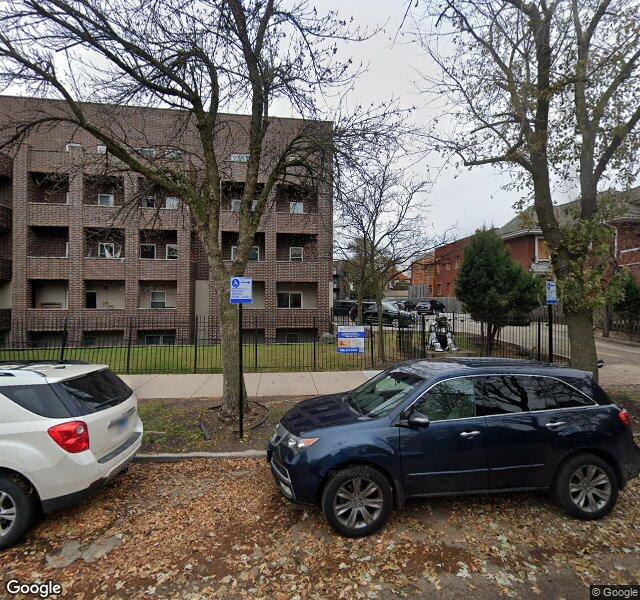
Who Owns and Operates Complete Care At Sheriden Commons?

Complete Care at Sheriden Commons is owned by a for-profit company. For-profit facilities operate as businesses with obligations to shareholders or private owners. The facility is operated by COMPLETE CARE, a chain that manages multiple nursing homes. With 143 certified beds and approximately 81 residents (about 57% occupancy), it is a mid-sized facility located in CHICAGO, Illinois.

How Does Complete Care At Sheriden Commons Compare to Other Illinois Nursing Homes?

Compared to the 100 nursing homes in Illinois, Complete Care at Sheriden Commons's overall rating (3 stars) is above the state average of 2.5, staff turnover (31%) is significantly lower than the state average of 46%, and health inspection rating (3 stars) is at the national benchmark.

What Should Families Ask When Visiting Complete Care At Sheriden Commons?

Based on this facility's data, families visiting should ask: "Can you walk me through typical staffing levels on day, evening, and night shifts?" "Can I visit during a mealtime to observe dining assistance and food quality?" "How do you handle medical emergencies, and what is your hospital transfer rate?" "Can I speak with family members of current residents about their experience?" These questions are particularly relevant given the below-average staffing rating.

Is Complete Care At Sheriden Commons Safe?

Based on CMS inspection data, Complete Care at Sheriden Commons has a clean safety record: no substantiated abuse findings (meaning no confirmed cases of resident harm), no Immediate Jeopardy citations (the most serious violation level indicating risk of serious injury or death), and is not on the Special Focus Facility watch list (a federal program monitoring the lowest-performing 1% of nursing homes). The facility has a 3-star overall rating and ranks #1 of 100 nursing homes in Illinois. While no facility is perfect, families should still ask about staff-to-resident ratios and recent inspection results during their visit.

Do Nurses at Complete Care At Sheriden Commons Stick Around?

Complete Care at Sheriden Commons has a staff turnover rate of 31%, which is about average for Illinois nursing homes (state average: 46%). Moderate turnover is common in nursing homes, but families should still ask about staff tenure and how the facility maintains care continuity when employees leave.

Was Complete Care At Sheriden Commons Ever Fined?

Complete Care at Sheriden Commons has been fined $34,856 across 1 penalty action. The Illinois average is $33,427. While any fine indicates a compliance issue, fines under $50,000 are relatively common and typically reflect isolated problems that were subsequently corrected. Families should ask what specific issues led to these fines and confirm they've been resolved.

Is Complete Care At Sheriden Commons on Any Federal Watch List?

Complete Care at Sheriden Commons is not on any federal watch list. The most significant is the Special Focus Facility (SFF) program, which identifies the bottom 1% of nursing homes nationally based on persistent, serious quality problems. Not being on this list means the facility has avoided the pattern of deficiencies that triggers enhanced federal oversight. This is a positive indicator, though families should still review the facility's inspection history directly.