ELEVATE CARE CHICAGO NORTH
2451 WEST TOUHY AVENUE, CHICAGO, IL 60645 (773) 338-6800
For profit - Limited Liability company 312 Beds ELEVATE CARE Data: November 2025 1 Immediate Jeopardy citation
Trust Grade
0/100
#509 of 665 in IL
Last Inspection: May 2025

Inspected within the last 6 months. Data reflects current conditions.

Overview

Elevate Care Chicago North has received a Trust Grade of F, indicating significant concerns about its overall quality and care. It ranks #509 out of 665 nursing homes in Illinois, placing it in the bottom half of facilities in the state, and #167 out of 201 in Cook County, meaning only a few local options are worse. While the facility is showing an improving trend, with issues decreasing from 37 in 2024 to 27 in 2025, it still faces serious problems, including a critical incident where a resident eloped from the facility and sustained a foot fracture, as well as reports of abuse that caused pain and distress to other residents. Staffing is a major concern, with a turnover rate of 72%, which is significantly higher than the state average of 46%, indicating challenges in maintaining consistent care. Additionally, the facility has accrued $118,198 in fines, which is concerning but average compared to other Illinois facilities, highlighting compliance issues that the management needs to address.

Trust Score
F
0/100
In Illinois
#509/665
Bottom 24%
Safety Record
High Risk
Review needed
Inspections
Getting Better
37 → 27 violations
Staff Stability
⚠ Watch
72% turnover. Very high, 24 points above average. Constant new faces learning your loved one's needs.
Penalties
✓ Good
$118,198 in fines. Lower than most Illinois facilities. Relatively clean record.
Skilled Nurses
○ Average
Each resident gets 38 minutes of Registered Nurse (RN) attention daily — about average for Illinois. RNs are the most trained staff who monitor for health changes.
Violations
⚠ Watch
102 deficiencies on record. Higher than average. Multiple issues found across inspections.
★☆☆☆☆
1.0
Overall Rating
★☆☆☆☆
1.0
Staff Levels
★★☆☆☆
2.0
Care Quality
★☆☆☆☆
1.0
Inspection Score
Stable
2024: 37 issues
2025: 27 issues

The Good

  • Full Sprinkler Coverage · Fire safety systems throughout facility
  • No fines on record

Facility shows strength in fire safety.

The Bad

1-Star Overall Rating

Below Illinois average (2.5)

Significant quality concerns identified by CMS

Staff Turnover: 72%

26pts above Illinois avg (46%)

Frequent staff changes - ask about care continuity

Federal Fines: $118,198

Well above median ($33,413)

Significant penalties indicating serious issues

Chain: ELEVATE CARE

Part of a multi-facility chain

Ask about local staffing decisions and management

Staff turnover is very high (72%)

24 points above Illinois average of 48%

The Ugly 102 deficiencies on record

1 life-threatening 10 actual harm
Sept 2025 1 deficiency
CONCERN (D) 📢 Someone Reported This

A family member, employee, or ombudsman was alarmed enough to file a formal complaint

Potential for Harm - no one hurt, but risky conditions existed

Pharmacy Services (Tag F0755)

Could have caused harm · This affected 1 resident

Based on interview and record review, the facility failed to ensure staff documented administration of medications after the medications were administered. This failure affected 1 (R1) resident review...

Read full inspector narrative →
Based on interview and record review, the facility failed to ensure staff documented administration of medications after the medications were administered. This failure affected 1 (R1) resident reviewed for pharmaceutical services in the total sample of 8 residents. Findings include:On 09/15/2025 at 11:49am, R1 stated V3-Licensed Practice Nurse would give his medications late. Occasionally, V3 works the evening shift.R1's admission Record documented R1's diagnoses include but not limited to dementia with mood disturbance, hypertensive heart disease, and adjustment disorder with depressed mood. R1's (06/19/2025) Minimum Data Set documented, Section C. Cognitive Patterns. C0500. BIMS (Brief Interview for Mental Status) Summary Score: 15., indicating R1's mental status as cognitively intact. R1's 07/2025, 08/2025, and 09/2025 Medication Administration Record indicated V3 worked the evening shift on days 7/10, 7/14, 7/20, 7/21, 7/24, 7/31, 8/5, 8/11, 8/17, 9/14.R1's 07/24/2025 Medication Administration Audit Report Day Shift documented R1's Chlorhexidine Gluconate Solution 0.12 % 2x day, Metoprolol Tartrate Tablet 25 MG 2x a day, Gabapentin Capsule 300 MG 2x a day, Senna S Tablet 8.6-50 MG 2x a day were scheduled at 9am, the administration time was at 11:22am, documented time was at 11:22am and documented by V3 (Licensed Practice Nurse). R1's 08/05/2025 Medication Administration Audit Report Day Shift documented R1's Chlorhexidine Gluconate Solution 0.12 % 2x day, Metoprolol Tartrate Tablet 25 MG 2x a day, Gabapentin Capsule 300 MG 2x a day, Senna S Tablet 8.6-50 MG 2x a day were scheduled at 9am, the administration time was at 12:11pm, documented time was at 12:12pm and documented by V3 (Licensed Practice Nurse). R1's 08/11/2025 Medication Administration Audit Report Day Shift documented R1's Chlorhexidine Gluconate Solution 0.12 % 2x day, Metoprolol Tartrate Tablet 25 MG 2x a day, Gabapentin Capsule 300 MG 2x a day, Senna S Tablet 8.6-50 MG 2x a day were scheduled at 9am, the administration time was at 10:35am, documented time was at 10:36am and documented by V3 (Licensed Practice Nurse). R1's 7/10/2025 Medication Administration Audit report Evening shift documented R1's Chlorhexidine Gluconate 2x daily, Gabapentin 300mg 2x daily, Metoprolol Tartrate Tablet 25 MG 2x daily, Senna S Tablet 8.6-50 MG 2x daily, Protonix Tablet Delayed Release 40 MG every 12 hours, Anucort-HC Rectal Suppository 25 MG every 12 hours were scheduled at 6pm; and the administration time and documented time were at 9:51pm and documented by V3 (Licensed Practice Nurse). R1's 07/14/2025 Medication Administration Audit Evening shift documented tR1's Chlorhexidine Gluconate 2x daily, Gabapentin 300mg 2x daily, Metoprolol Tartrate Tablet 25 MG 2x daily, Senna S Tablet 8.6-50 MG 2x daily, Protonix Tablet Delayed Release 40 MG every 12 hours, Anucort-HC Rectal Suppository 25 MG every 12 hours were scheduled at 6pm;; the administration time was at 10:04pm, documented time was at 10:06pm and documented by V3 (Licensed Practice Nurse). R1's 07/20/2025 Medication Administration Audit report Evening shift documented R1's Chlorhexidine Gluconate 2x daily, Gabapentin 300mg 2x daily, Metoprolol Tartrate Tablet 25 MG 2x daily, Senna S Tablet 8.6-50 MG 2x daily, Protonix Tablet Delayed Release 40 MG every 12 hours were scheduled at 6pm; and the administration time was at 9:01pm, documented time was at 21:03pm and documented by V3 (Licensed Practice Nurse). R1's 08/11/2025 Medication Administration Audit report Evening shift documented that R1's Chlorhexidine Gluconate 2x daily, Gabapentin 300mg 2x daily, Metoprolol Tartrate Tablet 25 MG 2x daily, Senna S Tablet 8.6-50 MG 2x daily, Protonix Tablet Delayed Release 40 MG every 12 hours, Anucort-HC Rectal Suppository 25 MG every 12 hours were scheduled at 6pm; and the administration time was at 9:57pm, documented time was at 9:57pm and documented by V3 (Licensed Practice Nurse). On 09/17/2025 at 12:09pm, V3 (Licensed Practice Nurse) stated some residents have scheduled 6pm medications and 9pm medications during the evening shift. If the schedule is at 6pm, she administers the medication between 5pm and 7pm; and if the schedule is at 9pm, she administers the medication between 8pm and 10pm. V3 stated she is supposed to sign the eMAR (electronic Medication Administration Record) right after she gave the medications to acknowledge or document she gave the medications; she is not supposed to wait in documenting medication administration. V3 stated it is possible she opened the eMAR at 6pm, gave the medications to him (R1), and signed or acknowledged she gave the medications later during the 9pm medication pass. V3 stated she is expected to sign the eMAR right after the medications were administered. On 09/17/2025 at 12:21pm, V2 stated nurses are expected to sign or acknowledge the medications are administered right after the nurse gave the medications. Nurses are not expected to wait 3 hours or so to document they administered the medications. The purpose is to make sure the medications are administered timely. The 10/25/2024)Administration Procedures for All Medications documented, Policy. To administer medications in a safe and effective manner. Procedures: J. After administration, return to cart, and document administration in the MAR.
Aug 2025 1 deficiency
CONCERN (E) 📢 Someone Reported This

A family member, employee, or ombudsman was alarmed enough to file a formal complaint

Potential for Harm - no one hurt, but risky conditions existed

Accident Prevention (Tag F0689)

Could have caused harm · This affected multiple residents

**NOTE- TERMS IN BRACKETS HAVE BEEN EDITED TO PROTECT CONFIDENTIALITY** Based on interview and record review, the facility failed to provide supervision to residents who obtained and consumed alcohol ...

Read full inspector narrative →
**NOTE- TERMS IN BRACKETS HAVE BEEN EDITED TO PROTECT CONFIDENTIALITY** Based on interview and record review, the facility failed to provide supervision to residents who obtained and consumed alcohol in the facility for 5 of 10 residents ( R1,R2,R3,R4 and R5) of the sample. This failure resulted in an unsafe environment for the residents in the facility.Findings include:5 Residents (R1,R2,R3,R4, and R5) were involved in consumption of alcohol on facility premises.R1 is a [AGE] year-old female, with diagnoses including Cerebral Palsy, Morbid Obesity, Anxiety Disorder, and Depression. R1 was first admitted to the facility on [DATE]. R1 has a BIMS (Brief Interview Of Mental Status) Score of 15/15, indicating intact cognition.R2 is a [AGE] year-old male, with diagnoses including heart disease with Heart Failure, Schizo-affective Disorder, and is an Identified offender. R2 was first admitted to the facility on [DATE]. R2 has a BIMS (Brief Interview Of Mental Status) score of 15/15.R3 is a [AGE] year-old male resident, with diagnoses including Hypertensive Heart Disease, and Peripheral Vascular Disease. R3 has a BIMS (Brief Interview of Mental Status) Score of 13/15.R4 is a [AGE] year-old female, with diagnoses including COPD (Chronic Obstructive Pulmonary Disease), Diabetes type 2, Hemiplegia and Hemiparesis following Cerebral Infarction, and Schizoaffective Disorder. R4 was first admitted to the facility on [DATE]. R4 has a BIMS (Brief Interview Of Mental Status) score of 15/15.R5 is a [AGE] year-old male with diagnoses including Hypertensive heart disease with heart failure, and COPD. R5 was first admitted to the facility on [DATE]. R5 has a BIMS (Brief Interview Of Mental Status) score of 15/15.On 8/19/25 at 9:50AM, V1 (Administrator) per phone, stated, On 7/30/25, (R1, R2, R3, R4, and R5) were found to be drinking alcohol on the 4th floor in the dining room. I don't know how they got the alcohol. All were put on a 30 day suspension from unsupervised community pass.On 8/14/25 at 11:42AM, V3 (Social Service stated, (R1) was caught drinking by a nurse that had approached her in the day room on 4th floor. There was a group of residents drinking at a table playing cards at around 7:30PM. The nurse reported incident to (R1s) doctor, and he ordered a urine test. I reviewed the camera and could see the group drinking alcohol from plastic drinking cups. The nurse also smelled liquor on the breath of (R1) and at the table of residents in the group. (R1, R2, R3, R4 and R5). As part of behavior agreement, (R1) was put on a 30 day restriction for unsupervised pass privileges. (R1) is receiving 1:1 psychosocial therapy. (R1) also participates in daily activities. I do not know where the group got the alcohol. None of the residents would provide any information. The other 4 residents were also put on a 30 day restriction. Today, (R1) wrote me a letter admitting to drinking alcohol that day. I have a copy in my files.On 8/14/25 at 1:33PM, V4 (Licensed Practical Nurse/ LPN ) stated, It was reported to me by a CNA (Certified Nursing Assistant), (V5), that (R1, R2, R3, R4, and R5) were seen in the dining room sitting at a table drinking alcohol. I tried to search belongings, but the residents wouldn't let me. I smelled alcohol at the table where the residents were sitting. I made them disperse. I contacted (R1's) physician and mother. The physician ordered a urine test to be done. That is all I can recall of the incident on 7/30/25.On 8/14/25 at 1:52PM, V5 (CNA) stated, There were residents in the dining room drinking. I reported this to the nurse. That is all I know.On 8/4/25 at 2:14PM, R6 stated, (interpreter for V6 was present),I was in the dining room. A group of residents including (R1, R2, R3, and R5) that I can remember had a small yellow/brown bottle and they were drinking from plastic cups. I went back to my room and told the CNA about it. The camera saw what happened. There are cameras in that room. That is all I know. I don't want to get in trouble. I was afraid to be in there when they were drinking.R1's progress noted, dated 7/30/25, states Note Text: Medication administration was held due to suspicion of recent alcohol consumption on facility property. Resident observed exhibiting signs consistent with possible intoxication, order of alcohol. Nursing and administrative staff notified. Per MD order, hold all meds till resident is drug screened. POA (Power of Attorney) has been notified. Awaiting further assessment and direction per facility policy.Review of R1's, R2's, R3's, R4's, and R5's physician orders do not show a physician order for the consumption of alcohol.Facility policy titled Alcohol Beverages includes:Purpose: To provide for the safe consumption of alcohol beverages.Guidelines: A physician order will be obtained for a resident to receive alcohol beverages in the facility.
Jun 2025 2 deficiencies 1 Harm
SERIOUS (G) 📢 Someone Reported This

A family member, employee, or ombudsman was alarmed enough to file a formal complaint

Actual Harm - a resident was hurt due to facility failures

Free from Abuse/Neglect (Tag F0600)

A resident was harmed · This affected 1 resident

**NOTE- TERMS IN BRACKETS HAVE BEEN EDITED TO PROTECT CONFIDENTIALITY** Based on interview, and record review, the facility to ensure two [R1, R2] of five residents sampled was free of abuse from an e...

Read full inspector narrative →
**NOTE- TERMS IN BRACKETS HAVE BEEN EDITED TO PROTECT CONFIDENTIALITY** Based on interview, and record review, the facility to ensure two [R1, R2] of five residents sampled was free of abuse from an employee. These failures resulted in R1 sustaining swollen discolored lips and pain, and R2 experiencing increase in pain and mental anguish. Findings Include, 1. R1's clinical record indicates R1 is a seventy-one-year-old, admitted with hemiplegia, hemiparesis following cerebral infarction affecting right dominant side, dysphagia, type II diabetes, vascular dementia, major depression, abnormal posture, lack of coordination, abnormal posture, gait and mobility, essential hypertension. R1's Minimum Date Set [MDS] section [C] indicates R1 is moderately cognitively intact. MDS section [GG] indicates R1 requires maximum assist with ADL care, transfers, and mobility in bed with repositioning. R1's Care plan documents: On 6/6/25, R1 reported physical abuse. R1 will benefit from restorative program due to generalized weakness, impaired mobility, and physical limitations. R1 is a fall risk: [2/28/25] applied bilateral floor mats when R1 is in bed. R1 is dependent with ADL care, turning and repositioning, sit to lying, and sit to stand. R1 requires use of full body lift for transfers. R1 will be treated with respect, dignity, ad resides in the facility free of mistreatment. R1's Progress notes documented: 6/6/2025 at 6:25 PM, Nurses Notes [V8, Registered Nurse] Note Text: R1's bottom lip was swollen. Notified the family and nurse practitioner [V10]. R1's IDPH [Illinois Department of Public Health] Reportable, dated 6/11/25, documents: Investigation completed. During nursing rounds [R1] alleged [V5, Certified Nurse Assistant] hit her while she was helping her with care. [V5] was immediately suspended. Interview with [R1] stated while she was receiving care from [V5], [R1] pulled the hair of [V5] and did not let go until [V5] pushed herself away. That is when [R1] was hit in the lip. No other staff or resident was in the room at the time. Based on the report by [R1], the facility will substantiate abuse. R1's 6/6/2025 6:22 PM V10, Nurse Practitioner, Progress Notes Late Entry: Swollen Right lip and jaw, follow up visit for acute and chronic medical conditions. HPI: [AGE] year-old female with a past medical history of ischemic stroke with no residual neurological deficit and hypertension. 6/6/25, [R1] was seen and examined due to being notified of right swollen lip and jaw due to possible fall. After interviewing the patient, [R1] claims that she was being changed by the CNA and she felt the CNA was being a little rough, so [R1] pulled the CNAs hair and yanked it down, then the patient explained that right after that the CNA punched her in the right side of her face. Right lip and jaw were swollen and bruised but [R1] could still talk and open/close her mouth, Eating meals. Will continue to monitor, notified Administrator [V1] and V2 [Director of Nursing]. R1's 6/10/2025 11:49 AM Nurses Notes: Note Text: [R1] complained of pain in the lips, assessed and discoloration noted, Tylenol given as ordered, ice pack placed on the lips checked within normal limit.` R1's 6/11/2025 1:00 PM, V10, Nurse Practitioner Progress Notes Follow up Swollen Right lip and jaw, follow up visit for acute and chronic medical conditions on 6/11, [R1] still complaining of right jaw pain, right lip swelling is improved, [R1] remains stable, Ordered Facial XR (x-ray) for facial bones. Results acute ischemic infarct resulting in LLE weakness and mild dysarthria history of multiple ischemic strokes in the past, and Vascular dementia. On 6/11/25 at 1:50 PM, surveyor R1's right side of lip with light colored red area noted. R1 stated, On Friday, [V5] was cleaning me up and changing my linen tossing me from side to side. I was hurting, and I told [V5] to stop pushing me hard on my side. I started yelling for [V5] to stop, but [V5] kept going. I reached up and was able to get hold of her hair then I pulled it, only to make her stop hurting me. Then [V5] took her fist and punched me in the mouth so hard it took my breath away. Once she punched me, she ran out of my room. Another nurse aide came into my room, and I told him what happened, then the nurses came in to check on me. My mouth and lips were hurting ever since Friday. My lips were swollen, black, blue, and bleeding. On 6/11/25 at 2:00 PM, R5 stated, On Friday when [R1] was beat up, I was not in the room, I was in the day room. I left out the room when [V5] came to clean [R1] up. Then once I returned, [R1's] mouth was swollen really bad and was black and blue. I was in shock, to see how bad [R1's] face looked. [R1] told me [V5] punched her in the mouth. On 6/12/25 at 11:00 AM, V6 [R1's Family Member] stated, Friday morning, I received a phone call from [V8, Registered Nurse]. V8 told me [R1] had a swollen bottom lip and administration will investigate the cause of the swelling. [R1] is alert and oriented x3; due to the stroke sometimes her speech is not clear on some days. Some people mistake her word delay for cognitive deficit, but that is not true. The next day I spoke with [R1] over the phone. [R1] said [V5] was cleaning her up and moving back and forth roughly, causing her pain to increase. [R1] said she was yelling out telling [V5] to stop, but she kept on being rough. So, [R1] grabbed [V5's] hair to make her stop, then [V5] with a closed fist punched [R1] on the side of her mouth and jaw. Saturday, I went to visit with [R1] and noted her lips swollen, black, and blue. There was not anyone for me to speak with on Saturday. On Monday I spoke with [V1, Administrator] and he told me basically the same story and he was investigating the allegation of abuse. I am a retired police officer. The facial trauma [R1] had definitely came from a facial punch, not from [R1] sliding out the bed onto the mats on the sides of her bed. Due to [R1] having a stroke, half of her body is paralyzed. [R1] is unable to stand up, she only can slide out the bed onto her floor mats. [R1] would not have got that type of injury from a slide and fall. I did not request [R1] to be sent to hospital. [V10, Nurse Practitioner] called me and gave me an update on his assessment. On 6/12/25 at 1:00 PM, V10 [Nurse Practitioner] stated, I am [R1's] nurse practitioner. I was in the facility the day of the incident. When I assessed [R1], her lip and jaw was swollen there was redness, blue purplish discoloration in the lip area noted. [R1] told me that [V5] was rough during care, and that she told [V5] to stop, but [V5] kept going, then [R1] grabbed [V5] hair and [V5] punched her [R1] in the right jaw, lip area. Once I assessed [R1], she could talk and eat, and did not have any acute findings. I ordered a facial X-ray no concerns of fracture. During my assessment, there was no active bleeding, however, I did see a tiny scab on the upper right lip was noted, but no active bleeding at that time. I did not send [R1] to the hospital because my assessment did not show any acute findings was going on, and there was no suspicion of a fracture. [R1's] still having residual pain and hurts mildly when she's chews. [R1] said it was mild pain and receives Tylenol for pain as needed. I saw [R1]; today the swelling has decreased, and she says she's feeling much better today. On 6/6/25, I notified administration about the allegation of abuse and my assessment on the injury. I did not get any notifications that [R1] had any fall on 6/6/25. On 6/12/25 at 2:18 PM, V8 [Registered Nurse] stated, I am new nurse, received my license a month ago. [R1] is alert and oriented x2-3, able to express herself to make her needs known. [R1] mostly stays in bed and needs maximal assistance with ADL care, repositioning, and transfers. I was [R1's] nurse on 6/6/25. I administered [R1's] morning medications, and there was no swelling nor bruising noted on [R1's] face. [V5] did not tell me that [R1] slid out her bed on to the floor mat. I would have assessed [R1], completed incident report, and make [V2, Director of Nursing] and [R1's] family member [V6] aware. Around 3:30 PM, a second shift certified nurse assistant told me to come look at [R1's] face. I observed [R1] with a significantly swollen lips that was black, blue, and purplish in color. [R1] was visibly upset and said [V5] was providing care and being rough, causing an increase in pain. [R1] said she yelled out to [V5] telling her to stop a few times, but [V5] kept pulling and pushing her from side to side, so [R1] said she reached up a grabbed [V5's] hair as [V5] was pushing her to [R1's] side. [R1] said [V5] got really upset, and then [V5] punched her [R1] in the mouth with her [V5] fist. I took [R1's] vital signs, and applied an ice pack on [R1's] mouth area. I notified [R1's] nurse practitioner [V10]; he was in the facility, phoned [R1's] family member [V6]. I also told the manager on duty [V9] and he called the Administrator for me. [V5] did not report to me that [R1] grabbed and pulled her hair. [V5] did not report any incident regarding [R1]. On 6/12/25 at 2:48 PM, V9 [Director of Restorative/Licensed Practical Nurse] stated, On 6/6/25, around 4:00 PM, [V8] notified me that [R1] said [V5] punched her in the face. I went to [R1's] room, and I saw [R1's] lips on the side was swollen and were discolored dark purple, blackish color. [R1] told me [V5] was hurting her during ADL care turning her back and forth hard, and asked [V5] to stop several times, but [R1] said [V5] kept going. [R1] said she then grabbed and pulled [V5's] hair to make her stop. [V5] punched her in the face with her [V5] fist. I then immediately called [V5] to the reception desk and asked her what happened. [V5] did not say nothing. [V5] punched out and left the facility. I notified [V1, Administrator]. I was instructed to call the police, and the police report was made. [R1] is alert and oriented x3, she has never made any allegation of abuse before. On 6/12/25 at 4:35 PM, V2 [Corporate Interim/Director of Nursing] stated, I been in this facility since April 2025. I was on vacation during the time of ]R1's] incident on Friday, 6/6/25. I returned on Tuesday and learned about the allegation of abuse. I went to see [R1 ]and observed her lower lip swollen purplish in color. I asked [R1] was she okay, she responded yes. I did not ask [R1] what happened, I did not want to trigger her trauma. I had nothing to do with the investigation. On 6/12/25 at 4:50 PM, V3 [Assistant Director of Nursing] stated, I was made aware 6/6/25 by [V9], that [R1] alleged [V5] punched her [R1] in the mouth. [V5] was suspended and sent home. I made [V2, Director of Nursing] aware and [V1, Administrator]. I saw [R1] on Monday, 6/9/25, and noted [R1] with swollen lips, dark in color. I sent a message to [V2, Director of Nursing] in regard to the allegations. On 6/13/25 at 10:22 AM, V5 [Certified Nurse Assistant] stated, I was working a double shift on 6/6/25. First shift I worked on the first floor with [R1]. On 6/6/25, around 9AM, [R1] slipped out of bed like she normally does. [R1] was observed lying on the floor mat next to her bed face up. I assisted her back to bed; nothing was wrong with [R1's] face. I told [V8, Registered Nurse] but [V8] said she was too busy, and for me to put [R1] back into bed. After lunch around 1PM, I went to provide ADL care to [R1], and she needed a linen change. There was nothing wrong with [R1's] lips or mouth area. During ADL care, out of nowhere, [R1] grabbed my hair and pulled down. When [R1] finally let go of my hair, I left out of [R1's] room and reported the situation to [V8]. After the incident, I never went back into [R1's] room. Later, I was working second shift on the third floor, when I was paged to come down into to the lobby. [V9, Restorative Nurse] the manager on duty, asked me what happened between me and [R1]. I told him the same story. [V9] told me that I was suspended pending abuse investigation. I punched out and left the facility. I did not hit [R1] on her face, lips, mouth or anywhere. I am familiar with [R2]. I did not have any conflicts with [R2]. I have never been rough while providing care to [R1] nor [R2]. I did not receive abuse training. I do not know who the Abuse Coordinator is for the facility. I started working at the facility April 2025. On 6/13/25 at 1:20 PM, V11 [Certified Nurse Assistant] stated, I worked on Friday, June 6th, and I did not hear any yelling from [R1's] room. I did not see any swelling or bruising on [R1's] mouth on 6/6/25, but I was not [R1's] CNA on that day. I am familiar with [R1]; she is alert, oriented x3. [R1] requires extensive assist with ADL care, repositioning and transfers, due to her being paralyzed on one side. [R1] is not able to stand up or walk. There are times [R1] slides out of bed. We all make sure the floor mats stay in place to prevent any injuries. I received abuse in-service a couple of weeks ago. The abuse coordinator is the administrator. 2. R2's clinical record documents R2 is a seventy-year-old, admitted with hemiplegia, hemiparesis following cerebral infarction affecting left side, dysphagia, chronic obstructive pulmonary disease, abnormal gait and mobility, lack of coordination, abnormal posture, essential hypertension, reduced mobility, and muscle wasting. R2's Care plan documents: R2 has deficit in bed mobility due to generalized weakness, impaired gait, balance, pain secondary to CVA and left sided hemiparesis. R2 will be treated with respect, dignity, ad resides in the facility free of mistreatment. R2's IDPH Initial Reportable, dated 6/12/25, documents: [R2] is alert and orientated x3. During rounds with IDPH surveyor, [R2] reported that [V5, Certified Nurse Assistant] ate his food a few times, was rough when giving care, and verbally rude many times when interacting with [R2]. [V5] was suspended previously due to investigation. [R2] was told [V5] no longer works at the facility. [R2] has no distress and feels safe in the facility. Family and physician made aware. Police department made aware. Full report to follow. On 6/12/25, at 4:30 PM, during rounds with V1 [Administrator] R2 stated, I remember [V5]. Her and my niece have the same name. I would place on my call light, and she would barge into my room and say 'what do you want', being so rude and disrespectful all the time. I told [V5] that I was going to tell my family that she was so rude and hurts me when providing care. [V5] said that was fine, and have my family come wipe my a**. When [V5] provided ADL [activities of daily living] care, she would push me on my side rough and hard, which would increase my pain. One day I received my food tray around 12 noon. [V5] came into my room before I could eat, she removed my food tray. On those days, I just didn't eat. [V5] was very cruel, mean, disrespectful, and [V5] was being rough, caused me to have pain. [V5] was physically and verbally abusive to me more than once. It made me feel bad about myself, sad, less than a man. I am here because I need the help, not to feel terrible about myself. I don't want [V5] to care for me anymore. I told you [ V1/ Administrator] a few days ago, how [V5] provided care to me, I told you everything. V1 stated, I do not recall you [R2] telling me this information, I will investigate, complete and send in the IDPH reportable today. On 6/12/25 at 4:45 PM, V1 [Administrator] stated, The incident occurred on 6/6/25, on first shift, approximately 2PM. [V8, Registered Nurse] was [R1's] nurse and was supervising [V5, Certified Nurse Assistant]. A 3PM-11PM Certified Nurse Assistant told [V8] that [R1's] mouth was swollen and bruised, and [R1] said [V5] punched her in the mouth. [V8] assessed [R1] with the manger on duty, [V9, Director of Restorative Services], and [V9] notified me of the allegation of abuse. [V5] was immediately suspended and left the facility. [R1] told me during ADL care with [V5], she [R1] pulled [V5's] hair due to [V5] being rough, then [V5] hit [R1] on the lip. I completed the IDPH reportable. [V5] was interviewed, and said [R1] did pull her hair, but said she did not hit or punch [R1], and does not know how [R1's] lip was injured. Inservice of abuse prevention and reporting were given to staff. [R2's] allegation of abuse from [V5]; a reportable to was sent into IDPH today, and I started an investigation. Based on the report from [R1] and the injury, the facility will substantiate that the alleged abuse happened, and [V5] was terminated today [6/12/25]. All staff received abuse training on 6/9/25. Policy documented: Abuse Prevention and Reporting Policy dated 10/24/22. This facility affirms the right of our residents to be free from abuse, neglect, exploitation, misappropriation of property, deprivation of goods, physical, sexual, mental, verbal, unreasonable confinement, and involuntary seclusion. Abuse means any physical or mental injury or sexual assault inflicted upon a resident other than by accidental means. Abuse is the willful infliction of injury, unreasonable confinement, intimidation or punishment with resulting physical harm, pain, or mental anguish to a resident. This also includes the deprivation by an individual including a caretaker of goods or services that are necessary to attain and or maintain physical, mental or psychosocial well -being.
CONCERN (D) 📢 Someone Reported This

A family member, employee, or ombudsman was alarmed enough to file a formal complaint

Potential for Harm - no one hurt, but risky conditions existed

Deficiency F0943 (Tag F0943)

Could have caused harm · This affected 1 resident

Based on interview, and record review, the facility failed to implement and maintain an effective abuse training program for one [V5] of three employees reviewed. Findings include, On 6/11/25 at 1:50...

Read full inspector narrative →
Based on interview, and record review, the facility failed to implement and maintain an effective abuse training program for one [V5] of three employees reviewed. Findings include, On 6/11/25 at 1:50 PM, surveyor observed R1 right side of lip with light colored red area noted. R1 stated, On Friday, [V5] was cleaning me up and changing my linen, tossing me from side to side. I was hurting, and I told [V5] to stop pushing me hard on my side, I started yelling for [V5] to stop, but [V5] kept going. I reached up and was able to get hold of her hair then I pulled it, only to make her stop hurting me. Then [V5] took her fist and punched me in the mouth so hard it took my breath away. Once she punched me, she ran out of my room. Another nurse aide came into my room, and I told him what happened, then the nurses came in to check on me. My mouth and lips were hurting ever since Friday. My lips were swollen, black, blue, and bleeding. On 6/12/25, at 4:30 PM, during rounds with V1 [Administrator] R2 stated, I remember [V5]; her and my niece have the same name. I would place on my call light, and she would barge into my room and say 'what do you want', being so rude and disrespectful all the time. I told [V5] that I was going to tell my family that she was so rude and hurts me when providing care. [V5] said that was fine and have my family come wipe my a**. When [V5] provided ADL care, she would push me on my side rough and hard, which would increase my pain. One day I received my food tray around 12 noon. [V5] came into my room before I could eat, she removed my food tray. On those days I just didn't eat. [V5] was very cruel, mean, disrespectful, and [V5] was being rough, caused me to have pain. [V5] was physically and verbally abusive to me more than once. It made me feel bad about myself, sad, less than a man. I am here because I need the help, not to feel terrible about myself. I don't want [V5] to care for me anymore. I told you [ V1/ Administrator] a few days ago, how [V5] provided care to me, I told you everything. V1 stated, I do not recall you [R2] telling me this information, I will investigate, complete and send in the IDPH [Illinois Department of Public Health] reportable today. On 6/13/25 at 10:22 AM, V5 [Certified Nurse Assistant] stated, I was working a double shift on 6/6/25. First shift I worked on the first floor with [R1]. After lunch around 1PM, I went to provide ADL care to [R1], and she needed a linen change, there was nothing wrong with [R1's] lips or mouth area. During ADL care, out of nowhere, [R1] grabbed my hair and pulled down. When [R1] finally let go of my hair, I left out of [R1's] room and reported the situation to [V8, Registered Nurse]. After the incident, I never went back into [R1's] room. Later, I was working second shift on the third floor when I was paged to come down into to the lobby. [V9, Restorative Nurse], the manager on duty, asked me what happened between me and [R1]. I told him the same story. [V9] told me that I suspended pending abuse investigation. I punched out and left the facility. I did not hit [R1] on her face, lips, mouth or anywhere. I am familiar with [R2]. I did not have any conflicts with [R2]. I have never been rough while providing care to [R1] nor [R2]. I do not receive abuse training. I do not know who the Abuse Coordinator is for the facility. I started working at the facility April 2025. On 6/11/25 at 11:20 AM, V4 [Human Resource/Corporate Interim] stated, I been in human resources for five years. I been in this facility since 5/28/25. [V5] was hired on 4/22/25, After careful review of [V5's] employee file, [V5 ]did not receive Abuse training upon hire, during orientation, nor the course of her [V5] employment. All staff is to receive abuse training and prevention upon hire before working with residents. The abuse training should be maintained in the employee's file. On 6/12/25 at 4:45 PM, V1 [Administrator] stated, I am the Abuse Coordinator of the facility. All employes are required to received abuse training, reporting and prevention upon hire prior to the employee working with the residents. The Abuse training is to prevent abuse from occurring and teaching the employee how to respond appropriately to aggressive residents. If an employee does not receive abuse training, it could potentially increase the risk for abuse. The abuse training should remain in the employee file. Policy documented: Abuse Prevention and Reporting Policy dated 10/24/22. Orientation and Training of Employees: During orientation of new employees, the facility will cover at least the following topics: What constitutes abuse. How to assess, prevent and manage aggressive, violet reactions of residents in a way that protects both the resident and staff. This facility affirms the right of our residents to be free from abuse, neglect, exploitation, misappropriation of property, deprivation of goods, physical, sexual, mental, verbal, unreasonable confinement, and involuntary seclusion. Abuse means any physical or mental injury or sexual assault inflicted upon a resident other than by accidental means. Abuse is the willful infliction of injury, unreasonable confinement, intimidation or punishment with resulting physical harm, pain, or mental anguish to a resident. This also includes the deprivation by an individual including a caretaker of goods or services that are necessary to attain and or maintain physical, mental or psychosocial well -being.
May 2025 11 deficiencies
CONCERN (D)

Potential for Harm - no one hurt, but risky conditions existed

Resident Rights (Tag F0550)

Could have caused harm · This affected 1 resident

**NOTE- TERMS IN BRACKETS HAVE BEEN EDITED TO PROTECT CONFIDENTIALITY** Based on observation, interview, and record review, the facility failed to ensure staff provided privacy during care for 1 (R219...

Read full inspector narrative →
**NOTE- TERMS IN BRACKETS HAVE BEEN EDITED TO PROTECT CONFIDENTIALITY** Based on observation, interview, and record review, the facility failed to ensure staff provided privacy during care for 1 (R219) resident observed for resident rights in a sample of 32. Findings Include: R219 was admitted to the facility on [DATE], with diagnoses not limited to Type 2 Diabetes Mellitus with Hyperglycemia, Acute Kidney Failure, Dependence on Renal Dialysis, Gastrostomy, Hypertensive Heart Disease, Shaken Infant Syndrome, Cerebral Palsy, Epilepsy, Abnormalities of Gait and Mobility, Polycystic Ovarian Syndrome and Blindness, Both Eyes. R219's MDS (Minimum Data Set) BIMS (Brief Interview for Mental Status) indicates resident is rarely/never understood. On 05/13/25 at 12:08 PM, R216 was observed from the doorway in bed. V8 (Restorative) was observed in R216's room adjusting R216's brief, with the door open, the privacy curtain open, and R216's roommate, R28, privacy curtain open. Enhanced Barrier Precaution signage was observed at R216 room entry. V8 did not have a gown on while providing care. V8 stated, (R219) has a g-(gastric) tube. I was adjusting (R216's) diaper, I should have given (R216) her privacy, and had on PPE (Personal Protective Equipment), a gown and gloves. On 05/15/25/ at 09:16 AM, V2 (Interim Director of Nursing) stated, My expectation when staff is providing care for a resident is privacy. The staff should have had the door closed or used the privacy curtain. Policy: Titled Resident Rights, reviewed 01/04/19, documents: Guidelines: Notice of resident rights will be provided upon admission to the facility. These rights include the resident's right to: Privacy and confidentiality. Titled Incontinence Care, revised 01/26/18, documents: Purpose: To prevent excoriation and skin breakdown, discomfort and maintain dignity. Procedure: 1. Explain procedure to resident and bring equipment to bedside. Provide privacy. Rationale/Amplification: Avoid unnecessary exposure.
CONCERN (D)

Potential for Harm - no one hurt, but risky conditions existed

Deficiency F0558 (Tag F0558)

Could have caused harm · This affected 1 resident

**NOTE- TERMS IN BRACKETS HAVE BEEN EDITED TO PROTECT CONFIDENTIALITY** Based on observation, interview, and record review, the facility failed to provide an specialized call light within reach for a ...

Read full inspector narrative →
**NOTE- TERMS IN BRACKETS HAVE BEEN EDITED TO PROTECT CONFIDENTIALITY** Based on observation, interview, and record review, the facility failed to provide an specialized call light within reach for a resident with limited movement. This affected one (R56) out of six residents reviewed for call lights in a total sample of 32. Findings include: R56 has diagnoses which includes but not limited to Quadriplegia, Neuromuscular Dysfunction Of Bladder, Unspecified, Pressure Ulcer Of Sacral Region, Stage 4, Anxiety Disorder, Chronic Embolism And Thrombosis Of Other Specified Veins, Post-Traumatic Stress Disorder, Chronic, Hydronephrosis With Renal And Ureteral Calculous Obstruction, Hypokalemia, Unspecified Protein-Calorie Malnutrition, Iron Deficiency Anemia, Constipation, and Encounter For Attention To Ileostomy. R56's MDS (Minimum Data Set), dated 01/23/25, documents intact cognitive function. MDS, dated [DATE], documents R56's primary medical condition is Traumatic Spinal Cord Dysfunction and impairment in range of motion on both sides of upper/lower extremities and dependency on staff to perform all ADLs (Activities of Daily Living) and transfer. R56's comprehensive care documents R56 has a ADL self-care performance deficit due to generalized weakness, musculoskeletal impairment secondary to quadriplegia and includes intervention to encourage R56 to use bell to call for assistance. R56's comprehensive care plan also contains focus for fall risk and includes intervention be sure call light is within reach and encourage resident to use it for assistance as needed. On 05/15/25 at 7:58 AM, R56 was lying in bed. Call light was on the floor under R56's bed. R56 stated he cannot reach the call light, and he cannot use that type of call light with his hands because he cannot press the button on it with his fingers. R56 stated he is paralyzed. R56 stated he used to use a blow call light (air activated call device) when he was living in a different unit/room, but when he was readmitted from the hospital, he was readmitted to this room, and since then he has not had any call light he can use. R56 stated when he needs help from the staff, he will yell for the Certified Nursing Assistant (CNA) and if they do not come, he will try to use his cell phone to call for help, but the staff does not always answer the phone. When this happens, he just has to wait until someone checks on him, which sometimes takes a long time, especially at night. R56 stated he used to use the air activated call light and wants it back, because that is the only type of call light he can consistently use and get a response from staff. On 05/15/25 at 8:01 AM, V19 (Registered Nurse/Nursing Supervisor) observed R56's call light on the floor, picked it up off the floor, and put the call light within R56's reach. V19 stated R56 has a call light, but it was on the floor, and he could not reach it. V19 stated the call light should be within R56's reach. R56 told V19 that he cannot use that type of call light because he cannot press the button on it. V19 stated R56 should have a call light that he can use which accommodates his disability. V19 stated it is important for R56 to have access to a call light, so that he can call for help and receive the care he needs when he needs it. V19 stated even though R56's room is next to the nursing station and R56 has access to a phone, R56 having access to a call light which R56 can use is a priority, and should be provided to him. On 05/15/25 at 8:16 PM, V2 (Interim Director of Nursing) stated, The purpose of the call lights is so the residents can call for assistance when needed. Call lights should be located within reach of the resident. The facility needs to accommodate the resident needs, so if they are unable to use the traditional call light, then the facility would provide that resident(s) with a padded or air activated call device. The residents are rounded on every two hours, and the potential problem with the resident not having access to the call light, is the then the staff would not know if the resident needs assistance in between this two-hour period. Even though (R56) has access to his phone, and his room is near the nursing station. He should still have access to a call light he can use, so that he can request assistance as needed. The call light triggers automatically at the nursing station with an alarm sound so everyone can hear it. If (R56) is using his phone to call the nursing unit, he is dependent on a staff picking up the phone at the nursing station to answer the call, so if no one picks up the phone, he potentially will not get the help he needs. Facility provided policy titled, Call Light, dated 02/02/18, which documents the purpose is to respond to residents' requests and needs in a timely and courteous manner and guidelines include but not limited to, all residents that have the ability to use a call light shall have the nurse call light system available at all times and within easy accessibility to the resident at the bedside or other reasonable location and hand bells will be provided for alert dependent residents when positioned out of reach of permanent call light when needed. Facility provided document titled, Residents' Rights for People in Long-Term Care Facilities - Illinois Long-Term Care Ombudsman Program dated 11/18 which documents in part, your facility must treat you with dignity and respect and must care for you in a manner that promotes your quality of life and your facility must provide equal access to quality of care regardless of diagnosis, condition and your rights to safety include facility must be safe, clean, comfortable and homelike.
CONCERN (D)

Potential for Harm - no one hurt, but risky conditions existed

Deficiency F0645 (Tag F0645)

Could have caused harm · This affected 1 resident

**NOTE- TERMS IN BRACKETS HAVE BEEN EDITED TO PROTECT CONFIDENTIALITY** 3. R17 was admitted to the facility on [DATE], with diagnoses not limited to Hemiplegia and Hemiparesis Following Cerebral Infar...

Read full inspector narrative →
**NOTE- TERMS IN BRACKETS HAVE BEEN EDITED TO PROTECT CONFIDENTIALITY** 3. R17 was admitted to the facility on [DATE], with diagnoses not limited to Hemiplegia and Hemiparesis Following Cerebral Infarction Affecting Left Non-Dominant Side, Generalized Anxiety Disorder, Contracture of Muscle, Left Hand, Major Depressive Disorder, Recurrent, Moderate, Epilepsy, Migraine, Muscle Spasm, Hypertensive Heart Disease, Hyperlipidemia, Anemia, Delusional Disorders, Monocular Exotropia, Right Eye, Cognitive Communication Deficit, Long Term (Current) use of Anticoagulants, Chronic Embolism, and Thrombosis of Unspecified Vein. R17's MDS (Minimum Data Set) BIMS (Brief Interview for Mental Status) score is 14, indicating intact cognitive response. R17's Interagency Certification of Screening Results, dated 04/23/19, document: Screening indicated nursing facility services are appropriate. R17's OBRA (Omnibus Budget Reconciliation Act) 1 Initial screen dated 04/23/19. R17's Notice of PASRR Level I Screen Outcome, dated 05/15/25, documents: Suspected or confirmed PASRR Condition(s): (MH) Mental health Disability. This screen shows that you need a face-to-face Level II evaluation. You need the evaluation because you may have serious mental illness or an intellectual/developmental disability. Reason for Screening: This nursing facility resident has never had a PASRR Level I screen. Ascend Outcome: Rationale: A PASRR Level II evaluation must be conducted. On 05/14/25 at 01:50 PM, V24 (Social Service Consultant) stated (assessment company) was not a thing until 2022. I can create a request for (R17). (R17) had an OBRA and was admitted in 2019. On 05/14/25 at 03:26 PM, V24 (Social Service Consultant) presented the surveyor with a form titled PASRR (Preadmission Screening and Resident Review) Pro-I. PASRR Level 1 Screen, dated 05/14/25. V24 stated I have worked here as the consultant since June or July of 2022. I was made aware of the PASRR, but I cannot recall the exact date. It should be done if there is a change in condition, a new diagnosis, for everyone with a suspicion of a mental illness and prior to admission. 2. R93 admitted to the facility 11/17/21. R93's diagnoses includes Schizoaffective Disorder, Bipolar Type, Obsessive Compulsive Disorder, Post-Traumatic Stress Disorder, and Anxiety Disorder. R93's Order Summary Report, dated 05/14/25, documents Duloxetine for Bipolar, Hydroxyzine for Anxiety Disorder, Seroquel for Schizoaffective Disorder. R93's MDS (Minimum Data Set), dated 03/16/25, indicates R93 has intact cognition. R93's OBRA (Omnibus Budget Reconciliation Act) Initial Screen, dated 11/12/21, documents no the individual has (not) been formally diagnosed with a mental illness verified by a DSM-IV classification which substantially impairs the person's cognitive, emotional and/or behavioral functioning and no, there are (no) other indicators of mental illness. On 05/14/25 at 1:09 PM, V24 (Social Service Consultant) stated R93 had an OBRA completed when he was initially admitted , but he was not re-evaluated after (assessment company) took over the program in March 2022. V24 stated R93 should have been re-submitted to (assessment company) in March 2022 for re-evaluation, but it was not done. V24 stated she just submitted for R93 to be evaluated for PASRR I (Pre-admission Screening & Resident Review) today. V24 provided document titled Notice of PASRR Level I Screening Outcome, dated 05/14/25, documents suspected or confirmed PASRR condition (MH) mental health disability and refer to Level II onsite. V24's PASRR Outcome Explanation documents the PASRR Level I screen shows that you need a face-to-face Level II evaluation and PASRR Level I screen and Level II evaluations are required by Federal law, 42 U.S.C. 139(e)(7). You need this evaluation because you may have serious mental illness and the purpose of this evaluation is to decide whether a nursing facility is able to meet your needs. Based on interview and record review, the facility failed to refer residents to the appropriate state designated authority for re-screening and Level II referral. This failure affects three residents (R17, R84, R93) out of five residents reviewed for Preadmission Screening and Annual Resident Review (PASARR) in a total sample of thirty-two. Findings Include: 1. R84's Minimum Data Set (MDS), dated [DATE], shows R84 is moderately cognitively intact. R84's face sheet shows she is [AGE] years old, initially admitted to the facility on [DATE] with diagnoses of bipolar disorder current episode depressed, severe with psychotic features. There is no documentation to show R84 was referred to the appropriate state-designated authority for Level 2 PASARR evaluation and determination. On 5/14/25 at 1:52 PM, surveyor asked V24 (Social Services Consultant) for a Level 2 PASARR screening for R84; she provided the surveyor with an omnibus budget reconciliation act (OBRA) initial screening dated 12/15/20. V24 stated R84 was not revaluated since (assessment company) took over two years ago. V24 has no Level 2 PASARR for R84. V24 was unable to provide a level 2 PASARR, and the facility does not have PASSAR policy. On 5/15/25 at 11:00 AM, V24 provided R84's level 1 PASSAR, dated 5/14/25.
CONCERN (D)

Potential for Harm - no one hurt, but risky conditions existed

Deficiency F0675 (Tag F0675)

Could have caused harm · This affected 1 resident

**NOTE- TERMS IN BRACKETS HAVE BEEN EDITED TO PROTECT CONFIDENTIALITY** Based on observation, interview, and record review, the facility failed to provide one to one feeding assistance and properly po...

Read full inspector narrative →
**NOTE- TERMS IN BRACKETS HAVE BEEN EDITED TO PROTECT CONFIDENTIALITY** Based on observation, interview, and record review, the facility failed to provide one to one feeding assistance and properly position a resident in bed consistent with the plan of care during meals. This deficient practice was observed for 1 (R28) resident observed during the dining task in a sample of 32. Findings include: R28 was admitted to the facility on [DATE], with diagnoses not limited to Dementia, Flaccid Hemiplegia Affecting Left Nondominant Side, Dysphagia, Oropharyngeal Phase, Type 2 Diabetes Mellitus with Hyperglycemia, Epilepsy, Diastolic (Congestive) Heart Failure, Chronic Kidney Disease, Stage 3, Depression, Anxiety Disorder, Hypertensive Heart Disease with Heart Failure, Unspecified Intellectual Disabilities, and Gastro-Esophageal Reflux Disease. R28's MDS (Minimum Data Set) BIMS (Brief Interview for Mental Status) score is 03, indicating severe cognitive impairment. R28's Care Plan documents: Focus: R28 requires a Mechanically Altered Diet r/t (related to) dysphagia. Per nurse, resident C/O (complain of) difficulty swallowing & coughing / choking w/ (with) medication. Diet: general, pureed. Interventions: Position head of bed up for meals. Date Initiated: 12/30/19. 1:1 feeding assistance Date Initiated: 04/19/24. Monitor Intake Date Initiated: 12/02/21. Monitor during mealtime. Date Initiated: 12/02/21. Monitor for signs and symptoms of aspiration or choking. Continue supervision to maximize PO (by mouth) intake. Focus: R28 presents with impaired ability to feed self-due to impaired cognition. Desired Outcome: R28 will receive hands on staff assist during meals to stimulate adequate meal completion. Interventions: Ensure appropriate positioning to facilitate safe swallowing. Give verbal cues and hands on assist as needed to resident while eating. R28's Order Summary Report documents: Consistent Carbohydrate, No added salt diet Pureed texture. Nectar Consistency. Pleasure feed diet. R28's MDS Section G -Functional Ability A. Eating: The ability to use suitable utensils to bring food and/or liquid to the mouth and swallow food and/or liquid once the meal is placed before the resident. (02) Substantial/maximal assistance - Helper does more than half the effort. Helper lifts and holds trunk or limbs and provides more than half the effort. On 05/13/25 at 12:21 PM, R28 was observed in bed at a 45-degree angle, attempting to eat a pureed diet, unassisted by staff. R28's left hand was observed to be flaccid and laying on the bed. On 05/13/25 at 12:28 PM, V9 (Agency Licensed Practical Nurse) stated, It looks like (R28) is feeding herself at a 45-degree angle. It looks like she (R28) should come up. V9 went to the side of R28's bed, picked up the bed control, and elevated the head of R28's bed. V9 then said (R28) is now at a 90-degree angle. V9 was asked what could potentially happen when R28's head of the bed was at a 45-degree angle while eating. V9 responded, (R28) could aspirate on her food and choke. On 05/15/25 at 09:16 AM, V2 (Interim Director of Nursing) stated, (R28) should be in an upright position while eating. If (R28) was at a 45-degree angle while eating, she could aspirate. On 05/15/25 at 09:40 AM, V13 (Restorative Director) stated, When we do the quarterly assessment, we add new interventions as appropriate. (R28) is a 1:1 feeder, but it depends on the day because sometimes (R28) is able to feed herself. Most of the time the staff have been feeding (R28). Since (R28's) care plan intervention has 1:1 feeder, (R28) should be a 1:1 feeder. When a resident is eating while in the bed, they should be in an upright position when being fed and eating to prevent aspiration. Policy: Titled Feeding and Assisting Residents to Eat, undated, documents: Purpose: To assist the resident to obtain nutrients and hydration. Procedure: 3. Assist resident to comfortable position, 60 degrees - 90 degrees. Titled Restorative Nursing Program, revised 01/04/19, documents: Purpose: To promote each resident's ability to maintain or regain the highest degree of independence as safely as possible. Includes, eating and swallowing. Each resident involved in a restorative program will have an individualized program with individualized goals and measurable objectives documented on the plan of care. Develop and individualized program based on the resident's restorative needs and include the restorative program on the care plan. A functional maintenance program may include range of motion provided during routine daily care such as dressing, grooming/hygiene, eating, transfers bathing etc.
CONCERN (D)

Potential for Harm - no one hurt, but risky conditions existed

Deficiency F0676 (Tag F0676)

Could have caused harm · This affected 1 resident

**NOTE- TERMS IN BRACKETS HAVE BEEN EDITED TO PROTECT CONFIDENTIALITY** Based on observation, interview, and record review, the facility failed to ensure communication assistive materials were readily...

Read full inspector narrative →
**NOTE- TERMS IN BRACKETS HAVE BEEN EDITED TO PROTECT CONFIDENTIALITY** Based on observation, interview, and record review, the facility failed to ensure communication assistive materials were readily accessible for a resident (R67) who speaks a foreign language, and failed to provide communication tools or communicate with one resident (R161) who has communication deficit out of three residents reviewed in a final sample of 32. Findings Include: 1. R67's clinical records show an admission date of 6/5/24. R67s Minimum Data Set, dated [DATE], shows R67's preferred language is Urdu. R67's communication care plan shows R67 presents with an alteration in ability to communicate related to speaking a foreign language. On 5/13/25 at 12:49 PM, R67 was observed in bed alert and verbally responsive. V37's (R67's Family Member) was at bedside, visiting. Surveyor attempted to interview R67 and V37. R67 stated, Urdu. No English. Surveyor asked and gestured if R67 has communication board to use to communicate in English, but R67 was unable to understand. Surveyor could not find any type of communication board or binder in R67's room to communicate with R67. On 5/13/25 at 12:55 PM, V12 (Licensed Practical Nurse) stated she calls R67's family member to communicate with R67. V12 stated she is not sure if there is any staff in the facility that speaks R67's language. V12 did not answer when asked what they do if no family member is available to translate for R67. 2. R161's current face sheet documents his medical diagnoses includes but not limited to: dysphagia, oropharyngeal phase, type 2 diabetes mellitus with diabetic chronic kidney disease, anoxic brain damage, not elsewhere classified, hypertensive heart and chronic kidney disease with heart failure and with stage 5 chronic kidney disease, and end stage renal disease. Minimum Data Set (MDS) Section C - Cognitive Patterns, dated 4/8/25, does not document R161's Brief Interview for Mental Status (BIMS) score. MDS Section GG - Functional Abilities documents R161 is dependent on staff for all ADL (Activities of Daily Living) care. On 05/13/2026 at 12:20PM, R161 was observed laying in bed awake, bed in low position, floor mats in place. V4 was observed in R161's room hanging his nutritional supplement, and R161 was observed trying to communicate with V4, but his words were not coming and were not coming out loud. He was speaking very slowly. R161 was observed making facial grimaces and crying. V4 finished hanging the nutritional supplement, and asked R161 what he was trying to say. V4 stated she could not understand R161, and left the room saying, Let me ask (V10, Certified Nursing Assistant) what you are saying because I cannot understand you. V4 left the room and did not return. R161 was asked what was wrong and if he needed help. R161 very softly and slowly explained he was experiencing back pain. On 05/13/2026 at 12:38 PM, V4 was in the hallway standing by her medication cart. V4 was asked if she found out what R161 was trying to communicate to her. V4 stated she could not find V10, therefore, she did not go back to R161's room because she cannot understand him. 05/13/2026 at 12:40 PM, V2(Interim Director of Nursing), and V4 went to R611's room and found R161 crying, and when asked by V2 what was wrong, R161 very slowly and softly stated he was having back pain. V2 stated V4 should have used a communication board to communicate with R161, or taken the time to understand what R161 was trying to communicate, so that his needs are met. V4 stated there is no communication board, and she had not seen one by the nursing station. On 05/15/2025 at 11:13AM, V6(Social Services Director) stated residents are screened for communication needs during the initial assessment upon admission to the facility. V6 stated there is a communication line(phone) at the nursing station that nurse call for interpreter services. V6 further stated there is communication /letter board in the Social Services office to be used with residents who have difficulties. If determined a resident needs a communication board, to communicate their needs, the communication board is kept in the resident's room. V6 stated she has not interacted with R161 a lot, but she knows he goes to speech therapy. V6 stated it is important for residents with communication deficits to be provided a way of communicating with staff so they can communicate their needs. On 05/15/2025 at 11:24AM, V29 (Speech Pathologist) stated R161 can communicate using a few words, can answer questions, and is able to communicate when he is hungry, in pain, or has other needs. V29 stated R161 is very clear and understandable communicating his need, although he has a very quiet voice, but anybody can understand him if they pay close attention to what he is saying. V29 stated R161 is in speech therapy to help his voice get stronger, but his speech is very clear. V29 stated if asked a question, R161 understands and answers questions, but in a very soft voice. V29 stated when talking to R161, staff need to be patient so that they can hear what R161 is saying. V29 stated R161 is not able to use the communication board effectively because he closes his eyes and does not keep them open for a long time. Even when he is awake, he will respond even when his eyes are closed, and his speech is very understandable if someone takes to time to listen to him. V29 stated staff need to pay close attention to residents who have speech deficits so that their needs are not overlooked. Policy titled Language Assistance Services, no date: -It is the policy of this facility to offer language assistance services to all residents who are determined to have a language or communication barrier
CONCERN (D)

Potential for Harm - no one hurt, but risky conditions existed

Quality of Care (Tag F0684)

Could have caused harm · This affected 1 resident

**NOTE- TERMS IN BRACKETS HAVE BEEN EDITED TO PROTECT CONFIDENTIALITY** Based on observation, interview, and record review, the facility failed to provide Peripherally Inserted Midline Catheter care f...

Read full inspector narrative →
**NOTE- TERMS IN BRACKETS HAVE BEEN EDITED TO PROTECT CONFIDENTIALITY** Based on observation, interview, and record review, the facility failed to provide Peripherally Inserted Midline Catheter care for 1 (R66) resident reviewed for Midline care and failed to manage one residents (R112) low blood pressure, for 2 of 7 residents reviewed for quality of care in a sample of 32. Findings Include: 1.R66 was admitted to the facility on [DATE], with diagnoses not limited to Cerebral Palsy, Rheumatoid Arthritis, Chronic Pain Syndrome, Depression, Anxiety Disorder, Urinary Incontinence, Chronic Embolism and Thrombosis of Unspecified Deep Veins of Right Lower Extremity, Neuromuscular Dysfunction of Bladder and Anemia. R66's MDS (Minimum Data Set) BIMS (Brief Interview for Mental Status) score is 15, indicating intact cognitive response. R66's Oder Summary report documents: Midline IV catheter - change catheter dressing every night shift every 7 days for IV therapy R66's MAR (Medication Administration Record), dated 05/01/25 - 05/31/25, documents: Midline IV Catheter - Change Catheter Site Dressing every night shift every 7 day(s) for IV Therapy -Start Date- 04/29/25 2300. Signed on 05/06/25 by V12 (Licensed Practical Nurse). Licensed Practical Nurse Job Description, undated, has no documented duties or responsibilities for caring for or changing the Midline dressing. On 05/13/25 at 12:59 PM, R66 was observed lying in bed, with a single lumen Midline in place to the left arm, with an unlabeled/dated transparent dressing in place. R66 stated, (V11, Infection Preventionist/Registered Nurse) said that he was going to change the dressing today. The dressing was changed on 05/02/25, there was a date on it, but it fell off. I was receiving antibiotics and the last date I received the antibiotics was on 05/05/25. An empty IVPB (intravenous piggyback) bag labeled Meropenem, dated 05/05/25, was observed hanging on an IV pole near the foot of R66's bed. On 5/13/25 at 3:21 PM, V11 (Infection Preventionist/Registered Nurse) stated, (R66) has a Midline, and the dressing is changed on a weekly basis. When asked should the dressing be labeled and dated, V11 responded, It has a strip that has the date. V11 was informed R66 said the dressing was changed on 05/02/25. V11 said, If the dressing was changed on 05/02/25, it should have been changed on 05/09/25. (R66) did come to me, and I said that I could change the dressing. If the dressing is not changed there is a potential for infection, blood infection. On 05/14/25 at 09:51 AM, R66 was observed in R66's bedroom in a wheelchair. R66 stated, My IV dressing was changed yesterday (05/13/25). On 05/14/25 at 11:51 AM, V4 (Licensed Practical Nurse) stated, When a resident receives IV antibiotics, the Licensed Practical Nurse can hang the bag. If starting a peripheral line, the LPN needs a certificate. The Registered nurse change the peripheral lines and change the Midline/PICC (Peripherally Inserted Central Catheter) Line dressings. On 05/14/25 at 2:11PM, V11 (Infection Preventionist/Registered Nurse) was asked are Licensed Practical Nurses allowed to change Midline/PICC Line dressings. V11 responded I don't believe it is in their scope. The Licensed Practical Nurse needs a special certification to put in an IV line. On 05/14/25 at 02:41 PM per telephone interview, V12 (Licensed Practical Nurse) stated I am not responsible for changing the Midline/PICC line dressings. That is not the responsibility of a Licensed Practical Nurse. On 05/06/25, I did not change (R66's) Midline dressing. V12 was informed her (V12's) initials were on the MAR (Medication Administration Record), dated 05/06/25. V12 responded That was my mistake. With a peripheral line, we check for redness and swelling, and call the supervisor to look at it. We are allowed to hang IVPB (antibiotics), but we are not allowed to start a peripheral line or change the dressing for a PICC or Midline. On 05/15/25/ at 09:16 AM, V2 (Interim Director of Nursing) stated, If a resident has a Midline the Registered Nurse is responsible for the care of the Midline, changing the dressing on a weekly basis or as needed, monitor for signs and symptoms of infection. The Licensed Practical Nurses are not supposed to change the Midline dressing. When the dressing is changed it should be labeled with the nurse initials and date. If the Midline dressing is not changed as scheduled there is a risk for infection. When the Midline dressing is changed the nurse signs out on the MAR (Medication Administration Record. Policy: Titled Central Venous Catheter Dressing Changes, revised 09/01/16, documents: Central venous catheter dressings will be changed at specific intervals, or when needed, to prevent catheter-related infections that are associated with contaminated, loosened, soiled or wet dressings. Preparation: 1. Verify with State Nurse Practice Act the scope of practice for Rn's (Registered Nurses) and LPN's (Licensed Practical Nurses) regarding this procedure. General Guidelines: 5. [NAME] transparent semi-permeable membrane dressing every 5-7 days and prn (as needed). Documentation: 1. The following information should be recorded in the resident's medical record. a. Date and time dressing was changed. h. Signature and title of the person recording the data. 2. R112's current face sheet documents her medical diagnoses includes but not limited to: Malignant neoplasm of the rectum, hypokalemia, dysphagia, oropharyngeal phase, cellulitis of buttocks, and anemia, unspecified. Minimum Data Set (MDS) Section C - Cognitive Patterns, dated 4/23/25 documents R112's Brief Interview for Mental Status (BIMS) score as 12/15, indicating R112 has moderate cognitive impairment. MDS Section GG - Functional Abilities documents R112 requires set up or clean up assistance with eating and oral hydyne, supervision or touching assistance with upper body dressing, partial to moderate assistance with toileting hygiene, shower/bathing self, putting on/taking off footwear and lower body dressing. R112 is dependent on staff for personal hygiene. On 05/13/2025 at 12:10PM, R112 was observed laying in bed, was alert and oriented to person, place, time, and situation/ and stated she was laying in bed because her blood pressure was taken this morning by V4(licensed Practical Nurse-LPN) and it was low. R112 stated, (V4) took the blood pressure again about 9:00AM, and it was still low at 93/47. (V4) has not been back and nothing has been done since then. R112 stated she was feeling weak, tired, and sleepy, and stated, I am going to die in here if (V4) does not come to check my blood pressure and see where it is now. On 05/13/2025 at 12:13PM, V4 was observed going into R112's room with a blood pressure machine, and took R112's blood pressure which registered 81/37, heart rate: 39. V4 stated she should have checked R112's blood pressure earlier because it was low, even after giving medications to raise it up. V4 stated 112's blood pressure should be at least 100/70, and R112's low blood pressure can lead to her passing out. V4 further stated she should have notified the doctor that R112's blood pressure was still low after giving the medication. R112's blood pressure readings document: 05/13/2025 at 13:17 PM 73/35mmHg 05/13/2025 at 12:36 PM 84/47 mmHg 05/13/2025 at 0:9:17 AM 93/47 mmHg 05/13/2025 at 0:7:45 AM 97/30 mmHg On 05/15/2025 at 10:06AM, V2(Interim Director of Nursing-DON) stated after V4 took R112 blood pressure and it was low, V4 should have checked R112's blood pressure again in 30-40 minutes to see if her blood pressure was going up and getting better. V2 stated if the medication was not working, V4 is supposed to notify the physician for orders to manage R112's low blood pressure, because if no interventions are taken, R112 can go into hypovolemic shock and pass out (code), which can lead to health complications. R112's Physician Order Sheet (POS), dated 4/28/2025, documents: Midodrine HCL Oral Tablet 5MG(Midodrine) give 2 tablets orally every 8 hours for hypotension R112's Electronic Medical Record (eMAR) document's R112 received Midodrine HCL Oral Tablet 5MG(Midodrine) 2 tablets 5/13/2025 at 13:35 Policy titled Physician-Family Notification-Change in Condition, dated 11/13/2018, documents: -The facility will inform the resident; consult with the physician or authorized designee such as Nurse Practitioner; and if known, notify the resident's regal representative or interested family member when there is: -(B) A significant change in the resident's physical, mental, or psychosocial status (i.e., deterioration in health, mental or psychosocial status in either life-threatening conditions or clinical complications).
CONCERN (D)

Potential for Harm - no one hurt, but risky conditions existed

Deficiency F0688 (Tag F0688)

Could have caused harm · This affected 1 resident

**NOTE- TERMS IN BRACKETS HAVE BEEN EDITED TO PROTECT CONFIDENTIALITY** Based on observation, interview, and record review, the facility failed to follow physician order to ensure assistive device was...

Read full inspector narrative →
**NOTE- TERMS IN BRACKETS HAVE BEEN EDITED TO PROTECT CONFIDENTIALITY** Based on observation, interview, and record review, the facility failed to follow physician order to ensure assistive device was applied to one (R118) resident with a left hand contracture for residents reviewed for limited range of motion in a final sample of 32. Findings Include: On 5/13/25 at 10:34 AM, R118's electronic health records show R118 was admitted in the facility on 3/7/23, with diagnoses of Chronic Obstructive Pulmonary Disease (COPD), Chronic Respiratory Failure with Hypoxia, Dementia, and Depression. R118's Minimum Data Set, dated [DATE], shows R118 is moderately impaired with cognition, and is dependent on staff's assistance on dressing, grooming, and personal hygiene. R118's physician order reads: Apply left hand palm protector at all times or as tolerated for contracture management. Check for skin irritation, redness and pain. Off during adl [activities of daily living] care and as needed (ordered on 3/13/25). R118's care plan reads: [R118] would benefit from use of Palm Protector due to he is at risk for developing/has actual contracture related to: Physical inactivity (date initiated 3/13/25) with desired outcome reads in part: [R118] will tolerate use of Palm Protector without adverse reaction daily. Program to be performed every shift daily, 6-7 days/week through next review. Type(s) of splint/brace: Palm Protector Location of application: Left Hand Application schedule: Apply at all times or as tolerated. On 5/13/25 at 11:55 AM, R118 was observed sleeping in bed, and noted with no left hand palm protector. On 5/13/25 at 12:09 PM, R118 was observed being assisted by V14 (Certified Nursing Assistant/CNA) with feeding for lunch. R118's was not able to open his left hand fingers from a closed fist. R118's left hand palm protector was not in place. V14 stated Restorative applies a device for R118's left hand, and does not know what it's called. On 5/13/25 at 3:19 PM, V13 (Restorative Director) stated residents with contractures are placed on passive range of motion exercises, and/or application of assistive device like splints of palm protectors. V13 stated it is important to follow therapy or doctor's orders in application of assistive devices to maintain the resident's current function and prevent further contracture. V13 stated R118 has left hand contracture, and his left hand palm protector is to be applied at all times, or as tolerated. V13 stated nurses and CNAs should also monitor residents' assistive devices are in place. The facility's APPLICATION OF SPLINTS (no date) documents: To properly apply for support, comfort, or aid in contracture prevention.
CONCERN (D)

Potential for Harm - no one hurt, but risky conditions existed

Incontinence Care (Tag F0690)

Could have caused harm · This affected 1 resident

Based on observation and interview, the facility failed to prevent urinary drainage bag from touching the floor for one (R57) out of three residents reviewed for urinary catheter in a sample of 32. F...

Read full inspector narrative →
Based on observation and interview, the facility failed to prevent urinary drainage bag from touching the floor for one (R57) out of three residents reviewed for urinary catheter in a sample of 32. Findings Include: R57 has diagnoses including but not limited to Benign Prostatic Hyperplasia, Obstructive and Reflux Uropathy, Hematuria, Chronic Kidney Disease Stage 3, Cognitive Communication Deficit, Weakness, and Abnormalities of Gait and Mobility. R57's MDS (Minimum Data Set) indicates R57 is cognitively intact and has an indwelling catheter. R57's Order Summary Report, dated 05/13/25, documents diagnosis for indwelling catheter: Obstructive Uropathy and change indwelling catheter and drainage bag as needed. On 05/13/25 at 12:18 PM, R57 was lying in bed, and urinary drainage bag was lying directly on the floor next to R57's bed. On 05/13/25 at 12:20 PM, V19 (Nursing Supervisor/Registered Nurse) observed R57's urinary drainage bag lying on the floor next to R57's bed. V19 stated, The urinary bag should not be touching the floor due to infection control concerns and to prevent infections. Microorganisms from the dirty floor can potentially get into the urine in the bag, which could potentially cause a urinary tract infection and lead to sepsis. The urinary drainage bag has a hook on it, and should be hooked to the side of the bed so that it is not lying on the floor like that. On 05/14/25 at 05:17 PM, V2 (Director of Nursing) stated, Urinary drainage bags should not be on the floor for infection control reasons. If the bag is touching the floor, the floor might be dirty, and the bag should be hooked on the side of the bed, not on the floor. It is a standard of practice for the urinary drainage bag not to be lying on the floor, and is a preventative measure to reduce infection. Facility provided policy titled, Urinary Catheter Care, dated 02/14/19, documents the purpose it to establish guidelines to reduce the risk of or prevent infections in resident with an indwelling catheter and guidelines include but not limited to urinary drainage bags and tubing shall be positioned to prevent either from touching the floor directly.
CONCERN (E)

Potential for Harm - no one hurt, but risky conditions existed

Respiratory Care (Tag F0695)

Could have caused harm · This affected multiple residents

**NOTE- TERMS IN BRACKETS HAVE BEEN EDITED TO PROTECT CONFIDENTIALITY** Based on observation, interview, and record review, the facility failed to follow a resident's care plan and physician's order t...

Read full inspector narrative →
**NOTE- TERMS IN BRACKETS HAVE BEEN EDITED TO PROTECT CONFIDENTIALITY** Based on observation, interview, and record review, the facility failed to follow a resident's care plan and physician's order to keep head of bed up to 45 degrees for a ventilator dependent resident (R73); failed to closely monitor a resident receiving continuous oxygen and failed to follow physician's order to ensure a resident was receiving the correct oxygen flow rate for one resident (R118); and failed to date/label and maintain proper storage of oxygen nasal cannula tubing in a plastic bag when not in use for two (R91, R419) out of four residents reviewed for respiratory care in a final sample of 32. Findings Include: 1. R118's electronic health records documented R118 was admitted in the facility on 3/7/23, with diagnoses not limited to Chronic Obstructive Pulmonary Disease (COPD), Chronic Respiratory Failure with Hypoxia, Dementia, and Depression. R118's Minimum Data Set, dated [DATE], shows R118 is moderately impaired with cognition, and is dependent on staff's assistance on dressing, grooming, and personal hygiene. R118's order summary report shows an order for: Oxygen at 2 LPM per Nasal Cannula continuously - Monitor oxygen saturation every shift for Hypoxia (ordered 9/23/24). On 5/13/25 at 11:53 AM, R118 was observed sleeping in bed. R118's oxygen (O2) concentrator was running continuously with the O2 flow rate set to 3 liters per minute (LPM). R118's oxygen nasal cannula tubing was noted on the floor and not inside R118's nose. On 5/13/25 at 11:59 AM, V15 (Agency Licensed Practical Nurse/LPN) verified R118's oxygen order in the electronic health record; R118 should be getting 2 LPM of continuous oxygen via nasal cannula. On 5/15/25 at 9:14 AM, V2 (Interim Director of Nursing) and stated nurses should be monitoring that the resident's oxygen is on the right setting. V2 stated O2 setting is based on the physician's order, and should be followed for effective use. The facility's OXYGEN DELIVERY SYSTEM policy (no date) documents: It is the policy of this facility that oxygen will be delivered to the residents based upon physician's orders utilizing the following systems: A. Oxygen concentrators providing more than 93% oxygen concentration at flow rates ranging from 1 LPM to 10 LPM. 2. R73's clinical records included diagnoses of chronic respiratory failure with hypoxia, encounter for attention to tracheostomy, dependence on respirator [ventilator] status, and encounter for attention to gastrostomy. R73's Minimum Data Set, dated [DATE], showed R73 is total dependent on staff assistance for his ADLs (Activities of Daily Living) and is severely impaired with cognition. R73's order summary report showed an order for head of the bed > 45 degrees all the time (ordered 3/10/25). R73's care plan showed R73 has oxygen therapy related to respiratory illness (date initiated 4/25/24) with one intervention that reads, Promote lung expansion and improve air exchange by positioning with proper body alignment (if tolerated, head of bed at 45 degrees). R73's care plan also shows R73 is ventilator dependent related to respiratory failure (date initiated 5/5/21) with on intervention that reads, Keed head of bed elevated above 30 degrees unless providing care or resident request. On 5/13/25 at 12:29 PM, R73's lying in bed awake, non-verbal, tube feeding was running, and his head of bed slightly up to approximately 10 to 20 degrees. R73's face was flushed and noted gasping for air. Surveyor immediately called V17 (Regional Respiratory Therapist/RT). On 5/13/25 12:31 PM, V17 and another RT repositioned R73, suctioned, and raised his head of bed. On 5/13/25 at 12:35 PM, V16 (Agency Licensed Practical Nurse) and V18 (Respiratory Therapy Director) entered R73's room and assessed R73. Vital signs read: 98% oxygen saturation; blood pressure was 130/85; and 102 heart rate. On 5/13/25 at 12:39 PM, V18 (RT Director) stated R73's head of bed should be up at least 30 degrees to avoid aspiration. V18 stated if the head of bed is too low, R73 could aspirate and experience respiratory distress. R73's progress notes, dated 5/13/25 at 1:52 PM documented by V16, reads in part: [V16] was alerted by respiratory that R73 was in distress. R73 was assessed. Vitals were taken and were 130/85, pulse 102, oxygen 98. V42 (Nurse Practitioner) was notified and will come in the facility to assess R73. The facility's VENTILATOR SET UP (no date) documents: It is the policy of this facility that the respiratory therapist will ensure ventilator equipment is in place and that the patient is received and stabilized in an orderly manner. 3. R91's Minimum Data Set (MDS), dated [DATE], Brief Interview Score (15) indicates R91 is cognitively intact. R91's Physician Order Sheet (POS), dated 5/13/25, shows an active diagnosis of chronic respiratory failure with Hypoxia, chronic obstructive pulmonary disease, chronic systolic congestive heart failure, and chronic ischemic heart disease. R91 has an active order for oxygen at 3-4 Liters per minute, per nasal cannula continuously for Shortness of Breath (SOB) and wheezing. On 5/13/25 at 12:35 PM, V3 (Licensed Practical Nurse/LPN) entered R91's room. R91 was up in bed, oxygen nasal cannula tubing hanging on his wheelchair touching the floor, not dated, and not in a plastic bag. V3 stated the oxygen tubing should be dated and in plastic bag when not in use to prevent contamination, and she will discard the tubing right now. 4. R419's Minimum Data Set (MDS), dated [DATE], Brief Interview Score (15) indicates R419 is cognitively intact. R419's Physician Order Sheet (POS), dated 5/13/25, shows active diagnoses of acute respiratory failure with hypercapnia, dependence on respirator ventilator status, and chronic obstructive pulmonary disease. R419 has an active order for oxygen at 2 liters per minute, per nasal cannula every day and evening shift. On 5/13/25 at 12:54 PM, V5 (Respiratory Therapist) entered R419's room. R419's oxygen nasal cannula tubing hanging on the oxygen concentrator tank, not dated, and not in a plastic bag. V5 stated having the oxygen nasal cannula hanging out on the oxygen tank makes R419 at risk for breathing in germs like bacteria, and the oxygen nasal cannula should have been contained in a plastic bag when not in use. V5 also stated the tubing should be dated weekly so that staff will know when the tubing was changed. On 5/15/25 at 8:56 AM, V2 (Interim Director of Nursing/DON) stated it is his expectation nurses will change, and date oxygen nasal cannula tubing every Thursday night, and as needed. He also stated that oxygen nasal cannula tubing should be stored in a plastic bag when not in use to maintain good hygiene and prevent infection as much as possible.
CONCERN (E)

Potential for Harm - no one hurt, but risky conditions existed

Food Safety (Tag F0812)

Could have caused harm · This affected multiple residents

Based on observation, interview, and record review, the facility failed to ensure food items were properly labeled and dated. These failures have the potential to affect all 130 residents receiving fo...

Read full inspector narrative →
Based on observation, interview, and record review, the facility failed to ensure food items were properly labeled and dated. These failures have the potential to affect all 130 residents receiving food prepared in the facility's kitchen. Findings include: On 05/13/25 at 9:15 AM, V20 (Food Service Director) stated all items in the refrigerator should be labeled and dated with a delivery date, an open date, and use by date. V20 stated highly perishable items are discarded after seven days. V20 stated it is everyone's responsibility to label and date items. V20 stated labeling and dating items in the refrigerators are important so the staff does not serve outdated or expired food to the residents which could potentially make them sick. On 05/13/25 at 9:18 AM, the following items were found in the walk-in refrigerator: 1.) Sliced ham hand wrapped in plastic wrap, dated 04/26/25. V20 stated the date 04/26/25 was the day the ham was sliced by the staff in the kitchen. The package was not labeled with a use by date. 2.) Large plastic container of grape jelly covered in plastic wrap. There was no label or opened or use by date. 3.) Opened 5-pound bag of shredded mozzarella cheese, dated with delivery date 05/02/25. The item was not labeled with an open or use by date. On 05/13/25 at 9:35 AM, inside the reach in cooler observed the following item: 1.) Opened 5-pound container of sour cream labeled with a delivery date 04/08/25. There was no use by or opened date on the container. V20 stated since it is not labeled with an opened date, there is no way of knowing how long it has been opened, and it should be used within one week from the opened date. On 05/14/25 at 1:32 PM, V25 (Registered Dietitian) stated, Labeling and dating is important to ensure the food is not bad or spoiled, and then potentially be served to a resident. For this reason, it is important for items to be labeled with an opened date and a use by date, so the staff knows when the food items should be tossed out. The potential problem with foods not being labeled or dated is the possibility that someone could get sick from bad food if served beyond the expiration date. On 05/14/25, facility provided list of diet orders for all residents in the facility. The diet order list indicates there is 26 residents receiving nothing by mouth (NPO). Facility provided policy titled, Food Storage (Dry, Refrigerated and Frozen), dated 2020, documents all food items will be labeled, and the label must include the name of the food and the date by which it should be sold, consumed, or discarded. Facility provided policy titled, Cold Storage Areas, undated, documented to date, label, and properly secure all products removed from original containers with all items labeled stating the contents inside, the date opened and the appropriate use-by-date.
CONCERN (E)

Potential for Harm - no one hurt, but risky conditions existed

Infection Control (Tag F0880)

Could have caused harm · This affected multiple residents

**NOTE- TERMS IN BRACKETS HAVE BEEN EDITED TO PROTECT CONFIDENTIALITY** Based on observation, interview, and record review, the facility failed to ensure a visitor entering a contact isolation room wa...

Read full inspector narrative →
**NOTE- TERMS IN BRACKETS HAVE BEEN EDITED TO PROTECT CONFIDENTIALITY** Based on observation, interview, and record review, the facility failed to ensure a visitor entering a contact isolation room was wearing proper personal protective equipment (PPE) for one resident (R67), and failed to ensure staff wore the proper PPE when providing care for 3 (R41, R72, R219) residents on Enhanced Barrier Precautions. These failures has the potential to affect 60 residents residing on the third floor, and 60 residents residing on the fourth floor. Findings Include: 1. R219 was admitted to the facility on [DATE], with diagnoses not limited to Type 2 Diabetes Mellitus with Hyperglycemia, Acute Kidney Failure, Dependence on Renal Dialysis, Gastrostomy, Hypertensive Heart Disease, Shaken Infant Syndrome, Cerebral Palsy, Epilepsy, Abnormalities of Gait and Mobility, Polycystic Ovarian Syndrome, and Blindness, Both Eyes. R219's MDS (Minimum Data Set) BIMS (Brief Interview for Mental Status) indicates resident is rarely/never understood. R219's Order Summary Report documents: Enhanced Barrier Precautions: Dialysis catheter. Every shift. Order date 04/30/25. On 05/13/25 at 12:08 PM, R219 was observed in bed. V8 (Restorative) was observed in R219's room adjusting R219's brief. Enhanced Barrier Precaution signage was observed at R219 room entry. V8 did not have on a gown while providing care. V8 stated, I was adjusting (R219's) diaper. (R219) has a g (gastric) tube. I should have on PPE (Personal Protective Equipment), a gown and gloves. I did not have on a gown. On 05/15/25/ at 09:16 AM, V2 (Interim Director of Nursing) stated, When providing care for a resident on Enhanced Barrier Precautions, the PPE (Personal Protective Equipment) that should be worn is a gown and gloves, as stated on the signage. If the gown and gloves are not worn, there is a potential for the spread of infection. Enhanced Barrier Precautions Signage documents: Stop, Providers and staff must also: Wear gloves and a gown for the following High Contact Resident Care Activities. Providing Hygiene, changing briefs or assisting with toileting. Device care or use: central lie, urinary catheter, feeding tube, tracheostomy. Policy: Titled Enhanced Barrier Precautions (EBP), revised 04/01/24, documents: Purpose: To minimize the risk of acquiring, transmitting, or complications resulting from multi-drug-resistant organism (MDRO) colonization among residents in this setting. (Contact precautions would be warranted over EBP when there is a risk of transmission of an actively infectious agent). Populations Affected: Residents with existing or colonized MDRO's where other transmission-based precautions are not warranted. Residents at increased risk of MDRO acquisition (Residents with wound or indwelling medical devices). Equipment Needed: Gowns, Gloves, Room Notification signage. Guidelines: Residents will require the use of personal protective equipment (PPE) for high-risk activities such as: bathing, dressing, toileting, transferring residents, linen changes, wound care, handling indwelling medical devices. PPE required: Gowns, Gloves. Persons expected to encounter these circumstances are to don PPE (gown and gloves) in accordance with the activity that will be encountered when caring for the Resident. 2. R67's Order Summary Report, printed on 5/14/25, reads: Contact Isolation Precautions: Clostridium Difficile CDIFF every shift for 10 days (ordered 5/6/25). R67's care plan shows R67 is on contact isolation precautions due to positive test for clostridium difficile, CDIFF with one intervention reads in part: Educate resident/family/staff regarding safety guidelines and infection control procedures. On 5/13/25 at 12:49 PM, R67's room was observed with an isolation cart setup outside her room. A contact precautions signage was noted posted on R67's door that indicates: Everyone must clean their hands, including before entering and when leaving the room. Put on gloves before room entry. Discard gloves before room exit. Put on gown before room entry. Discard gown before room exit. V37 (R67's Family Member) was inside R67's room, not wearing isolation gown or gloves. Surveyor attempted to interview R67 and V37, but both stated they do not understand English. On 5/13/25 at 12:55 PM, V12 (Licensed Practical Nurse) stated R67 is on contact isolation for Clostridium difficile (C. diff). V12 stated R67 is still on current antibiotic treatments. V12 stated she calls R67's family member to communicate with R67. On 5/13/25 at 12:57 PM, V11 (Infection Preventionist/Registered Nurse) stated the nurse and the isolation signage should inform staff and visitors what proper PPE to wear when entering a resident's room on transmission-based precaution. V11 stated the family is educated, and the facility's receptionists should notify visitors if a resident is on isolation precaution. V11 stated V37 should have been notified R67 is on contact isolation, and V37 should be wear proper PPE (gown and gloves) inside R67's room. V11 stated it is important for staff and visitors to wear proper PPE inside a resident's room on transmission-based precaution to eliminate transmission of C. diff or any bacteria the resident has. The facility's Infection Precaution Guidelines, dated 5/15/23, documents: It is the policy of this facility to, when necessary, prevent the transmission of infections within the facility through the use of Isolation Precautions. In addition to Standard Precautions, use Contact Precautions for residents known or suspected to be infected with microorganisms that can be easily transmitted by direct or indirect contact, such as handling environmental surfaces or resident-care items. 3. R41's Minimum Data Set (MDS), dated [DATE], Brief Interview Score (12) indicates R41 is moderately cognitively intact. R41's Physician Order Sheet (POS), dated 5/14/25, shows an active diagnosis of chronic respiratory failure with Hypoxia, hypertensive heart and chronic kidney disease with stage five end stage renal disease, dependence on renal dialysis, and scabies. R41 has an active order for enhanced barrier precautions. 4. R72's Minimum Data Set (MDS), dated [DATE], Brief Interview Score (10) indicates R72 is moderately cognitively intact. R72 Physician Order Sheet (POS) dated 5/14/25 shows an active diagnosis of encounter for attention to gastrostomy. R72 has an active order for enteral feed every 4 hours gastrostomy tube water flush 150 milliliter (ml). On 5/14/25 at 9:25 AM, observed V22 (Registered Nurse/RN-Agency) entering R72's room flushing her gastrostomy tube (GT) without wearing a gown as Personal Protective Equipment (PPE). At 9:28 AM, V22 also entered R41's room to take her blood pressure reading without wearing a gown. Surveyor asked V22 why she entered R41 and R72's rooms without wearing PPE despite an Enhanced Barrier Precautions (EBP) signage posted by the door? She stated, You cannot interview me because I am from the agency, and she stated she should have worn gown before entering both rooms, but nobody gave her report as to what she needs to do when providing contact care to residents with EBP signage. Surveyor asked V22 what could be the potential effect of what she has done? She did not respond, and moved away from surveyor. On 5/14/25 at 11:43 AM, V34 (Registered Nurse/RN) stated all staff and visitors should read and follow instruction on the EBP signage by the door to ensure correct PPE is/are worn before providing direct care like GT, dialysis arteriovenous (AV) fistula monitoring, wound care, tracheostomy care, taking of blood pressure reading, and Foley catheter care. A gown and a pair of gloves should be worn to prevent cross contamination, and cross transmission of infection. On 5/15/25 at 8:56 AM, V2 (Interim Director of Nursing/DON) stated the agency staff should be following the policy and procedure of the facility regarding patient's care, and there should be a physician order for EBP. It is V2's expectation that nurses, either agency or regular staff, will read, follow signage, wear a gown and gloves when providing contact care like; GT, wound, urinary catheter, dialysis (AV) fistula, and taking of blood pressure reading especially for a resident with diagnosis of scabies with a (AV) fistula. V2 also stated V22 should wear a gown when providing any contact care to R41, R72, and any residents with EBP signage by the door to prevent spread of infection. The facility EBP signage posted by the doors of R41 and R72's rooms documents: Wear gloves and a gown for high contact resident care activities.
Apr 2025 4 deficiencies 1 Harm
SERIOUS (G) 📢 Someone Reported This

A family member, employee, or ombudsman was alarmed enough to file a formal complaint

Actual Harm - a resident was hurt due to facility failures

Pharmacy Services (Tag F0755)

A resident was harmed · This affected 1 resident

Based on observation, interview, and record review, the facility failed to provide routine medications to one resident (R2) as ordered by the prescriber to meet R2's needs. This failure resulted in R2...

Read full inspector narrative →
Based on observation, interview, and record review, the facility failed to provide routine medications to one resident (R2) as ordered by the prescriber to meet R2's needs. This failure resulted in R2 having pain, vomiting, and diarrhea. Findings include: R2's medical diagnoses include but are not limited to type 2 diabetes with hyperglycemia, chronic kidney disease stage 2, essential hypertension, major depressive disorder, long term use of insulin, and hyperlipidemia. R2 Brief Interview for Mental Status (BIMS) score, dated 04/02/25 is 15, which indicated R2's cognition is intact. R2's physician order, dated 03/27/25, documents, Tramadol tablet 50mg (milligrams). Give 1 tablet by mouth every 12 hours for moderate to severe pain. R2's physician order, dated 03/27/25, documents, Creon oral capsule delayed release particles 36000-114000 unit .Give 1 capsule by mouth three times a day for indigestion. R2's medication administration record for Tramadol document code NA on 03/28/25, 03/29/25 and 03/31/25, which indicated that medication is not available. R2's medication administration record for Creon (pancreatic enzyme) document code for NA on 03/28/25 and 03/31/25, which indicated not available. R2's care plan, dated 04/04/25, documents, Has potential for pain or experiences pain related to gastric disorder limited mobility, osteomyelitis, MDD (major depressive disorder), chronic ulcer left heel .Will have acceptable level of pain based on the 0 to 10 scale .Medications as ordered, if ineffective, notify physician. Facility's document titled Packing Slip Proof of Delivery shows R2's medications were delivered on 03/28/25 at 3:29am. Proof of Delivery slip shows that Creon quantity of 100 capsules were delivered. On 04/21/25 at 12:13pm, R2 stated R2 did not receive his pancreatic enzyme or pain medication. R2 stated because he did not receive the medication for his pancreas, he had vomiting and diarrhea, and could not get out of bed for days. R2 stated the pancreatic enzyme lessens his stomach pain and decreases the diarrhea. R2 stated he has been keeping his medication in his drawer, and takes it when he needs it, because the nursing staff does not give him the medication when he needs it, or when he is supposed to have it. On 04/21/25 at 2:29pm, V18 (Nurse Practitioner/NP) stated he was not aware R2 had not received his medications. V18 stated Creon is a pancreatic enzyme. V18 stateD if R2 doesn't receive the pancreatic enzyme, then R2's vomiting and diarrhea could worsen. On 04/22/25 at 1:35pm, V2 (Director of Nursing/DON) stated NA means not available, which means the medication was not given. V2 stated records for new admissionS are reviewed before the resident comes to the facility to assure the facility can meet the needs of the resident. V2 stated R2 not receiving his Creon medication as ordered could have caused his nausea, vomiting and diarrhea, and unnecessary pain. On 04/23/25 at 11:59am, V4 (Registered Nurse/RN) stated she did not give R2 his Creon medication because she couldn't find it. V4 stated she called pharmacy and was told that the medication was delivered to the facility, but she couldn't find it, so she documented the medication was unavailable. V4 stated days later, she found the medication in the top drawer of the medication cart. V4 stated the nurse that placed the order for R2's tramadol did not get a prescription signed by the nurse practitioner, so the pharmacy did not fill the prescription. V4 stated when the tramadol was scheduled, she was unable to give it because it was not available. V4 stated she had the NP sign a prescription for R2's tramadol, so that it could get filled. Facility's policy titled Administration Procedures For All Medications, dated 10/25/2014, documents, Policy: To administer medications in a safe and effective manner. Facility's undated job description titled Registered Nurse (RN) documents, Summary: The RN is responsible for providing direct nursing care to the residents, and to supervise the day-to-day nursing activities performed by nursing assistants. Such supervision must be in accordance with current federal, state, and local standards, guidelines, and regulations that govern our facility, and as may be required by the Director of Nursing to ensure that the highest degree of quality care is maintained at all times .Essential Duties and Responsibilities: .Prepare and administer medications as ordered by the physician.
CONCERN (D) 📢 Someone Reported This

A family member, employee, or ombudsman was alarmed enough to file a formal complaint

Potential for Harm - no one hurt, but risky conditions existed

Deficiency F0554 (Tag F0554)

Could have caused harm · This affected 1 resident

Based on observation, interview, and record review, the facility failed to assess one resident (R2) for self-administration of medications. This failure affected one resident (R2) reviewed for medicat...

Read full inspector narrative →
Based on observation, interview, and record review, the facility failed to assess one resident (R2) for self-administration of medications. This failure affected one resident (R2) reviewed for medications. Findings include: R2's medical diagnoses include but are not limited to type 2 diabetes with hyperglycemia, chronic kidney disease stage 2, essential hypertension, major depressive disorder, long term use of insulin, and hyperlipidemia. R2 Brief Interview for Mental Status (BIMS) score, dated 04/02/25, is 15, which indicated R2's cognition is intact. R2's physician order, dated 04/09/25, documents, Creon Oral Capsule Delayed Release Particles 36000-114000 unit .Give one capsule by mouth before meals for indigestion. R2's physician order, dated 03/27/25, documents, Tramadol tablet 50mg (milligrams) give 1 tablet by mouth every 12 hours for moderate to severe pain. On 04/21/25 at 12:13pm, R2 removed two pill bottles from R2's top drawer. R2 opened one pill bottle Creon and ingested one pill. R2 showed surveyor both pill bottles. First pill bottle observed was Tramadol 50mg (milligrams) per tablet. Second pill bottle observed was Creon 36000-114000-unit capsules. On 04/21/25 at 12:13pm, R2 stated he has medication in his drawer because the facility went days without giving him his medications. R2 stated due to him not getting his medications as ordered, he was in pain, and experienced vomiting and diarrhea. R2 stated he did not want to have that experience again, so he went to get his own medications. On 04/21/25 at 2:11pm, V19 (Licensed Practical Nurse/LPN) removed R2's medication from R2's top drawer. On 04/21/25 at 2:11pm, V19 (Licensed Practical Nurse/LPN) stated R2 does not have a physician's order to self-administer medication. V19 stated tramadol is a controlled substance, and should not be at R2's bedside. On 04/22/25 at 11:05am, V21 (Nursing Supervisor) stated residents have to have an assessment done before they are allowed to self-administer medications. V21 stated a resident self-administering medication without and assessment could lead to dosing errors. On 04/22/25 at 1:35pm, V2 (Director of Nursing/DON) stated residents should not self-administer medication unless they have the proper assessment and/or paperwork in place. V2 stated a resident could over medicate themselves, or other residents in the facility could get a hold of their medications and misuse the medication. On 04/23/25 at 11:59am, V4 (Registered Nurse/RN) stated there was a time when she informed R2 she did not have his medication, and R2 informed her he had his own medication. Review of R2's physician orders show no order for medication self-administration. Review of R2's care plan shows no care plan documented for medication self-administration. Facility's policy titled Self-Administration of Medication, dated 04/2014, documents, Purpose: To establish guidelines concerning the self-administration of drugs .General Guidelines: 1. A resident may not be permitted to administer or retain any medications in his/her room unless so ordered, in writing by the attending physician.
CONCERN (D) 📢 Someone Reported This

A family member, employee, or ombudsman was alarmed enough to file a formal complaint

Potential for Harm - no one hurt, but risky conditions existed

Deficiency F0558 (Tag F0558)

Could have caused harm · This affected 1 resident

Based on observation, interview, and record review, the facility failed to ensure the call light was within reach for 1 resident (R3) out of 3 residents reviewed for call lights. Findings include: R3'...

Read full inspector narrative →
Based on observation, interview, and record review, the facility failed to ensure the call light was within reach for 1 resident (R3) out of 3 residents reviewed for call lights. Findings include: R3's diagnosis includes but are not limited to end stage renal disease, hypertensive heart and chronic kidney disease with heart failure, type 2 diabetes mellitus with hyperglycemia, acute respiratory failure, unspecified whether with hypoxia or hypercapnia, dysphagia, oropharyngeal phase, encephalopathy, unspecified, epilepsy, unspecified, not intractable, without status epilepticus, hyperlipidemia, aphasia, pressure ulcer of sacral region, unstageable, unspecified dementia, unspecified severity, without behavioral disturbance, psychotic disturbance, mood disturbance, and anxiety, and other lack of coordination R3's care plan documents, Focus: R3 has alteration in musculoskeletal status related to joint stiffness. Intervention: Be sure call light is within reach and respond promptly to all requests for assistance. R3 has potential risk for falls due to generalized weakness, impaired gait/balance, SOB (shortness of breath), impaired mobility secondary to respiratory failure, DM (diabetes mellitus) CVA (cerebral vascular accident), seizure, dementia, ESRD(end stage renal disease), anemia, and encephalopathy. Intervention: Be sure call light is within reach and encourage resident to use it for assistance as needed. On 4/21/2025 at 11:11am, R3 was sleeping in bed. Head of bed elevated. Bed in the lowest position. R3's call light cord was on the floor behind the head of R3's bed. On 04/21/2025 at 11:29am, V3(LPN/Licensed Practical Nurse) was asked where is R3's call light located, and V3 stated the call light is on the floor behind R3's bed. V3 picked up R3's call light cord from off the floor, and stated the call light should not be back there (referring to the floor behind R3's bed). V3 clipped the call light cord to R3's bed sheet. On 4/22/2025 at 12:34pm, V9(LPN/Licensed Practical Nurse) stated the purpose of the call light is for the residents to use when they need assistance. V9 stated the call light should be located within the resident's reach. On 4/22/2025 at 1:24pm, V2(DON/Director of Nursing/RN/Registered Nurse) stated the purpose of the call light is for residents to use when the resident needs something. V2 stated the call light is to be within the resident's reach. V2 stated, It is my expectation that each resident has access to the call light. On 4/23/2025 at 10:18am, V23(LPN/Licensed Practical Nurse) stated, The purpose of the call light is so that the resident can call us, and we can attend to the patient's needs. The call light should be within reach of the resident. The facility's policy titled Call Light, with a revision date of 2/2//18, documents: 1. All residents that have the ability to use a call light shall have the nurse call light system available at all times and within easy accessibility to the resident at the bedside or other reasonable location.
CONCERN (D) 📢 Someone Reported This

A family member, employee, or ombudsman was alarmed enough to file a formal complaint

Potential for Harm - no one hurt, but risky conditions existed

Respiratory Care (Tag F0695)

Could have caused harm · This affected 1 resident

Based on observation, interview, and record review, the facility failed to date the oxygen tubing per facility policy for two residents (R3 and R4) in a sample of three residents reviewed. Findings i...

Read full inspector narrative →
Based on observation, interview, and record review, the facility failed to date the oxygen tubing per facility policy for two residents (R3 and R4) in a sample of three residents reviewed. Findings include: 1. R3's diagnosis includes but are not limited to end stage renal disease, hypertensive heart and chronic kidney disease with heart failure, type 2 diabetes mellitus with hyperglycemia, acute respiratory failure, unspecified whether with hypoxia or hypercapnia, dysphagia, oropharyngeal phase, encephalopathy, unspecified, epilepsy, unspecified, not intractable, without status epilepticus, hyperlipidemia, aphasia, pressure ulcer of sacral region, unstageable, unspecified dementia, unspecified severity, without behavioral disturbance, psychotic disturbance, mood disturbance, and anxiety, and other lack of coordination. R3's MDS (Minimum Data Set) Section O., dated 04/13/2025, documents, 00110.Special Treatments, Procedures, and Programs, Respiratory Treatments C1. Oxygen Therapy b. While a resident. R3's Physician Order Summary Report, dated 04/22/25, documents, Oxygen at 2 liters/(minute) via nasal cannula; continuous for SOB (shortness of breath) every shift. Change oxygen tubing, ear protective cushions, humidifier bottle, and plastic holding bag for oxygen tubing every night shift every Thursday. R3's care plan documents, Focus: Has oxygen therapy. Intervention: Change oxygen tubing and humidifier every night shift on Sunday. On 4/21/2025 at 11:11am, R3 was sleeping in bed. Head of bed elevated. Observed oxygen concentrator machine set at 2 liters of oxygen, nasal cannula secured in R3's nares. The oxygen tubing was not dated. 2. R4's diagnosis includes but are not limited to chronic kidney disease, stage 3a, type 2 diabetes mellitus with hyperglycemia, obstructive sleep apnea, unspecified atrial fibrillation, cardiomyopathy, major depressive disorder, gastro-esophageal reflux disease without esophagitis, hyperlipidemia, and constipation, unspecified. R4's MDS (Minimum Data Set) Section O., dated 03/22/2025, documents, 00110.Special Treatments, Procedures, and Programs, Respiratory Treatments C1. Oxygen Therapy b. While a resident. R4's Physician Order Summary Report, dated 04/23/25, documents, Oxygen at 3 liters/minute via NC (nasal cannula) continuous for SOB (shortness of breath) every shift. Change Oxygen tubing, ear protective cushions, humidifier bottle, and plastic holding bag for oxygen tubing every night shift every Thursday. R4's care plan documents, Focus: Has oxygen therapy. Intervention: Change oxygen tubing and humidifier every night shift on Sunday. On 4/21/2025 at 11:23am, R4 was lying in bed, alert and oriented times three. R4 was receiving oxygen via nasal cannula. R4's oxygen concentrator machine was set at three liters of oxygen. R4 stated, I do not remember how long I have been receiving oxygen. I don't know how often the staff change the oxygen tubing. R4's oxygen tubing was not dated with a date indicating when the oxygen tubing was last changed. On 04/21/2025 at 11:29am, V3(LPN/Licensed Practical Nurse) stated the oxygen tubing is changed once a week, and should be dated indicating when it was changed. On 4/22/2025 at 1:24pm, V2(DON/Director of Nursing/RN/Registered Nurse) stated the nurses are responsible for changing the oxygen tubing/setup for residents on oxygen therapy. V2 stated the oxygen tubing is changed every twenty-four to forty-eight hours. V2 stated the oxygen tubing should be dated with the date the tubing was changed. On 4/23/2025 at 10:18am, V23(LPN/Licensed Practical Nurse) stated the oxygen tubing is changed weekly and a date is to be placed on the tubing when changed. V23 stated, I would assume it is this facility's policy to date the oxygen tubing when the tubing is changed. I assume it is the responsibility of the night shift nurse to change the oxygen tubing when needed. The facility's policy, dated 12/01/2021and titled Care and Cleaning of Respiratory Equipment, documents, Procedure: A. All disposable respiratory equipment is labeled with date when placed in use.
Apr 2025 2 deficiencies
CONCERN (E) 📢 Someone Reported This

A family member, employee, or ombudsman was alarmed enough to file a formal complaint

Potential for Harm - no one hurt, but risky conditions existed

Safe Environment (Tag F0584)

Could have caused harm · This affected multiple residents

Based on observation, interview, and record review, the facility failed to provide a homelike environment for eight (R1-R8) out of eight residents reviewed for homelike environment, with the potential...

Read full inspector narrative →
Based on observation, interview, and record review, the facility failed to provide a homelike environment for eight (R1-R8) out of eight residents reviewed for homelike environment, with the potential to affect all the residents who reside on the second floor. Findings include: R2 is no longer a resident of the facility, but R2's census report documents R2 previously resided on the second floor in March 2025. Facility Feedback Alert, dated 3/08/2025 8:55 PM, documents a concern regarding broken window blinds in R2's room. On 4/08/2025 at 11:28 AM, the ceiling panels in front of the main elevators (elevator 2) were missing. [NAME] and black cords were exposed and dangling from the ceiling. There were missing floor trims in the hallway exposing the gaps between the wall and floor. On 4/08/2025 at 12:13 PM, there were multiple areas with chipped paint to R1 and R5's room. R1 stated the overhead light to R1's bed has been broken since January, but V1 (Administrator) recently provided a portable light fixture. R1 stated facility is slow to fix anything. At 1:42 PM, R1 stated the right upper side rail to the bed has been loose for a month. R1 tugged on the side rail, and it hung loosely distal from the bed. R1 stated, That's not safe for me to hold onto that or the staff. R1 stated informing the Certified Nurse Aides and Nurses but facility has not fixed it yet. On 4/08/2025 at 12:31 PM, R5's dresser had multiple chips to the front end of the dresser. R5 stated it's been like that for a while. R3 is no longer a resident of the facility, but R3's census report documents R3 was previously in R6's bed. On 4/08/2025 at 12:45 PM, surveyor entered R6's, R7's, and R8's room. There were multiple areas with chipped paint in the room including near the window by R6's head of the bed. There was dirt, chipped drywall, and paint at the top left corner of the floor near R6's head of the bed. There was dirt and dust on the windowsill and bottom window panel. The 3-drawer dresser by R6's head of the bed needed repairs. The top drawer's handle was held on by one screw on one side, and the other hanging freely. The dresser holding R6's television had multiple chips to the frame. R7's 4-drawer dresser had an exposed/missing part between the top and second drawer. The bottom drawer had a missing knob. R8's side of the room had a missing panel/board behind R8's head of the bed. Residents' televisions had light dust on them. The residents' shared closet by the bathroom had sliding doors. One of the sliding doors was hanging by the top rollers and not secured on the floor. When surveyor tugged it, it swung outwards towards surveyor. The residents' shared bathroom had missing tiles at the bottom of the left wall. On 4/09/2025 at 1:27 PM, V27 (Housekeeping) stated staff are supposed to clean the residents' rooms daily including sweeping, mopping, and dusting. V27 stated V27 cleans the windows, but sometimes cannot clean them daily because it depends how many rooms V27 must clean for the day. When the facility assigns a lot of rooms to V27, V27 cannot clean the windows. On 4/09/2025 at 10:51 AM, the third floor's maintenance book did not have requests for repairs to R1 and R5's room for 2025. On 4/09/2025 at 11:01 AM, the fourth floor's maintenance book did not have requests for R6-R8's room for 2025. On 4/09/2025 at 11:31 AM, V17 (Respiratory Therapist) stated the second-floor construction has been going on for maybe six months. On 4/09/2025 at 2:32 PM, V28 (Maintenance Assistant) stated V28 was not aware that R1's side rail needed fixing until date of the survey. V28 stated staff will either write concerns on the maintenance logs on each floor, or verbally tell V28. V28 was also not aware of the furniture issues for R6, R7, and R8. When asked about the bathroom tiles and the missing panel/board behind R8's bed, V28 stated V28 had planned to replace bathroom trim and repaint the room, but had not gotten to them yet. On 4/10/2025 at 11:42 AM, V2 (Director of Nursing) stated the second floor is under construction and esthetically it doesn't look nice. When asked about the missing ceiling panels off the elevator, V2 stated if they're not working on it then it should be covered up. Regarding furniture repairs, V2 stated if something needs to be replaced or is damaged, the facility should try to do so as soon as they can. Staff should report the repairs to maintenance and if it's a quick fix, it should be fixed within that day. Facility's undated Maintenance Policy documents: Purpose: To ensure that the building (interior and exterior), grounds, and equipment are maintained in a safe and operable manner. It is the policy of the facility to provide a safe, accessible, effective and efficient environment of care that is consistent with its mission, services and law and regulations. Facility's Resident Rights policy (effective 8/23/2017) fails to include the residents' right to a clean, comfortable, and homelike environment.
CONCERN (E) 📢 Someone Reported This

A family member, employee, or ombudsman was alarmed enough to file a formal complaint

Potential for Harm - no one hurt, but risky conditions existed

ADL Care (Tag F0677)

Could have caused harm · This affected multiple residents

Based on interview and record review, the facility failed to provide timely incontinence care for two (R1, R5) out of seven residents reviewed for improper nursing care, with the potential to affect a...

Read full inspector narrative →
Based on interview and record review, the facility failed to provide timely incontinence care for two (R1, R5) out of seven residents reviewed for improper nursing care, with the potential to affect all the dependent residents V9 (Certified Nurse Aide) cares for in the facility. Findings include: 1. R1's admission Record documents diagnoses of radiculopathy in the lumbar region, idiopathic progressive neuropathy, morbid obesity, osteoarthritis, abnormalities of gait and mobility, reduced mobility, and need for assistance with personal care. R1's 3/28/2025 Quarterly MDS (Minimum Data Set) assessment documents R1 is cognitively intact, and is dependent on staff for toileting. R1's Care Plan Report documents R1 has a functional deficit in bed mobility and ADL (Activities of Daily Living) self-care performance deficit due to generalized weakness, impaired gait/balance, pain, musculoskeletal impairment, impaired mobility, physical limitations secondary to mechanical fall, lumbar radiculopathy, and rotator cuff injury (revised 12/2024). It also documents R1 has alteration in musculoskeletal status related to lumbar radiculopathy and osteoarthritis (revised 1/03/2025). Intervention includes to Anticipate and meet needs. Be sure call light is within reach and respond promptly to all requests for assistance (initiated 1/03/2025). R1's Care Plan Report also documents R1 has bowel and bladder incontinence (revised 3/11/2025). Intervention includes to change R1's disposable briefs as needed (revised 12/30/2024). On 4/08/2025 at 12:13 PM, R1 stated about 1.5-2 weeks ago, V9 (CNA-Certified Nurse Aide) declined to change R1 until after lunch. R1 stated V9 did not want to change R1 before then. R1 stated V9 returned the following day, and told R1 and R5 the same thing. V9 was not going to change them until after lunch, unless it was an emergent situation like a bowel movement. R1 stated the CNAs will usually make the excuse of needing to pass the meal trays out first, then feed other residents, then collect trays, and then they can start changing the residents. R1 stated by that time, it's at least 1-1.5 hours until the CNAs change R1. R1 also stated in a separate incident last week, R1 needed to be changed around 9:00 PM. R1 notified V15 (CNA) and V15 stated will return later because V15 had to finish charting first. R1 stated V15 did not return, and R1 had to wait until the next shift at 11:00 PM. On 4/08/2025 at 1:35 PM, V9 stated V9 only rounds on the residents three times per shift (eight-hour shifts). V9 stated V9 will only change the residents a maximum of three times. When asked what happens if a resident has more than three incontinent episodes during the shift, V9 stated again no more than three. V9 continued with an example stating if a resident has diarrhea, V9 will only change them three times during the shift and no more. V9 stated, That's the only time we have out of the day. On 4/08/2025 at 1:48 PM, V10 (Nurse) stated if a resident has an incontinence episode and requests to be changed, staff should change them as soon as possible. V10 stated there is no limit to the amount the staff should be changing the resident. V10 stated if the resident is uncomfortable, then staff should change them. On 4/09/2025 at 3:05 PM, V15 (CNA) stated V15 usually takes care of R1 during the evening shift. V15 stated a few incidents in which V15 had to change R1 right away during the start of shift (3:00 PM), because the day shift did not change R1 before leaving. V15 has found R1's incontinence product, linens, and whole bed soaked from not being changed promptly by the day shift staff. V15 stated, Since I've been a CNA, you can tell when someone hasn't been changed. V15 stated the sheets under are yellow or tan-brown color. The diaper is soiled, and the bed is soaked to the point that V15 is wiping and scrubbing the whole bed with a disinfectant wipe. V15 stated, That's why when I come in, I literally do [R1] first because the last shift didn't change [R1] right away or didn't change [R1] after lunch. [R1 will] be wet, wet and that's how it usually is. V15 stated R1 usually says that the morning staff do not change R1 more than once. On 4/08/2025 at 2:48 PM, V11 (CNA) stated R1 complains frequently about staff not changing R1 promptly after an incontinence episode. V11 stated R1 has also complained about staff informing R1 that staff will only change R1 once per shift. V11 stated, I think they [the residents] shouldn't have to wait because you wouldn't want to sit in your own pee. 2. R5's admission Record documents in part diagnoses of morbid obesity and diabetes. R5's 1/17/2025 Quarterly MDS assessment documents R5 is cognitively intact. R5's Care Plan Report documents R5 is at risk for alteration in skin related to limited mobility, diabetes mellitus type 2, vitamin D deficiency and vitamin B12 deficiency (revised 4/21/2024). It also documents R5 has ADL self-care performance deficit related to impaired balance (revised 4/21/2024). It also documents R5 has alteration in musculoskeletal status (last revised 4/21/2024). Intervention includes to Anticipate and need needs. Be sure call light is within reach and respond promptly to all requests for assistance (last revised 4/21/2024). It also documents R5 has a bladder and bowel incontinence related to activity intolerance (revised 4/21/2024). Intervention includes to change R5's disposable briefs as needed (revised 4/21/2024). On 4/08/2025 at 12:31 PM, R5 stated some CNAs are very vague. R5 stated CNAs will answer the call light and say they will be back, but some won't be back until hours later to change R5 and R1. R5 stated R1 (R5's roommate) is more dependent on the staff, and needs their help for a lot of things like toileting. On 4/10/2025 at 11:42 AM, V2 (Director of Nursing) stated the expectation is for staff to change and clean any resident when they need it. V2 stated the facility implemented no staff breaks within two hours before the end of their shift. Staff need to chart mid-shift and not wait until the end of shift to finish all their charting. V2 stated staff should be doing their last rounds within the last hour of their shift, meaning they're checking the rooms and changing the residents if they need it. Facility's Call Light policy (revised 2/02/2018) documents: Purpose: To respond to residents' requests and needs in a timely and courteous manner. Listen to resident's request. Do not make him feel that you are too busy to help. Facility's Incontinence Care policy (revised 4/20/2021) documents: Purpose: To prevent excoriation and skin breakdown, discomfort and maintain dignity. Incontinent resident will be checked periodically in accordance with the assessed incontinent episodes or approximately every two hours and provided perineal and genital care after each episode. Facility's Resident Rights policy (effective 8/23/2017) documents: Exercising rights means that residents have autonomy and choice, to the maximum extent possible, about how they wish to live their everyday lives and receive care, subject to the facility's rules, as long as those rules do not violate a regulatory requirement.
Mar 2025 1 deficiency
CONCERN (E) 📢 Someone Reported This

A family member, employee, or ombudsman was alarmed enough to file a formal complaint

Potential for Harm - no one hurt, but risky conditions existed

ADL Care (Tag F0677)

Could have caused harm · This affected multiple residents

**NOTE- TERMS IN BRACKETS HAVE BEEN EDITED TO PROTECT CONFIDENTIALITY** 4. R4 was admitted to the facility on [DATE], with diagnoses not limited to Abnormalities of Gait and Mobility, Reduced Mobility...

Read full inspector narrative →
**NOTE- TERMS IN BRACKETS HAVE BEEN EDITED TO PROTECT CONFIDENTIALITY** 4. R4 was admitted to the facility on [DATE], with diagnoses not limited to Abnormalities of Gait and Mobility, Reduced Mobility, Need for Assistance with Personal Care, Osteoarthritis, Morbid (Severe) Obesity due to Excess Calories, Chronic Diastolic (Congestive) Heart Failure, Obstructive Sleep Apnea, Radiculopathy, Lumbar Region, and Idiopathic Progressive Neuropathy. R4's MDS (Minimum Data Set) BIMS (Brief Interview for Mental Status) score is 15, indicating intact cognitive response. R4's care Plan documents: Focus: R4 presents with a functional deficit in Bed Mobility due to generalized weakness, impaired gait/balance, pain, musculoskeletal impairment, impaired mobility, physical limitations secondary to Mechanical fall, Lumbar radiculopathy, OA (Osteoarthritis) and Rotator cuff injury. Focus: R4 has alteration in musculoskeletal status related to lumbar radiculopathy, OA. Interventions: Anticipate and meet needs. Be sure call light is within reach and respond promptly to all requests for assistance. Focus: R4 has an ADL (Activities of Daily Living) Self Care Performance Deficit due to generalized weakness, impaired gait/balance, pain, musculoskeletal impairment, impaired mobility, physical limitations secondary to Mechanical fall, Lumbar radiculopathy, OSA and Rotator cuff injury. Interventions: Encourage Resident to use bell to call for assistance. Focus: R4 has bowel and bladder Incontinence. Interventions: Brief Use: uses disposable briefs. Change prn (as needed). Incontinent: Check for incontinence. Wash, rinse and dry perineum. Change clothing PRN after incontinence episodes. On 3/18/2025 at 2:50 PM, R4 was alert and oriented to person, place, time, and situation. R4 stated sometimes staff will only change R4 twice during the day. R4 stated a CNA has even told R4 CNAs were only required to change the residents once a shift. R4 stated the staff's response to call lights can take anywhere from 30 minutes to two hours sometimes. R4 stated sometimes staff will answer the call light right away, say they will let the nurse or CNA know about the requests, but the nurse or CNA won't respond for a long time, or will say that no one ever told them R4 needed them. On 3/19/2025 at 1:24 PM, V2 (Director of Nursing) stated, Staff are to answer call lights as quickly as possible. If the staff can't help immediately, staff are to notify the right personnel and circle back around to see that the residents' needs were met. With incontinence care, staff are to check the residents at least every two hours and provide incontinence care when requested. V2 stated having the residents wait an hour for incontinence care is not acceptable. V2 stated a reasonable amount of time is between ten to fifteen minutes On 03/19/25 at 10:13 AM V27 (R4's Case Manager) stated, I am (R4's( medical case manager. I talked to (V2, Director of Nursing) and (V23, Certified Nurse Assistant) was removed from caring for (R4), but (V23) was still (R4's) Certified Nurse Assistant. (V23) was assigned to (R4's) care a few more times. (V23) was assigned to (R4's) neighbor, and (R4) requested females only. (R4) said the care is not as fast and they still only changed her once a shift. (V23) said they were only required to change the residents once a shift. On 03/19/25 at 12:34 PM, R4 stated, In the beginning I was peeing in the diaper, and I was changed once a shift. Now I get changed twice a shift. (V23, Certified Nurse Assistant) was changing me once a shift. I requested just females to care for me. When the Certified Nurse Assistants say they will be back, they don't come back. (V23) turned off the call light. On 03/19/25 at 12:55 PM, V23 (Certified Nurse Assistant) stated, The last time that I was assigned to (R4) was a month ago. I gave (R4) bed baths, peri care, gave (R4) the toothpaste to brush her teeth, pulled (R4) up in bed and put barrier cream on (R4). I would change (R4) twice per shift. I changed (R4) at 10 am and then 1 pm or 2 pm. (R4) is a one person assist, and incontinent of bowel and bladder. Management told me not to go to (R4's) room anymore, but did not tell me anything, actually. Even though I did not have (R4) as a resident, I would go check the call light and will change (R4). We are short of Certified Nurse Assistants on the 3-11 pm shift. It depends if (R4) would be soaking wet with urine from the overnight shift. The night shift doesn't do anything, and (R4) would say you (V23) need to change me. On a regular day, the residents are changed 3 - 4 times during the shift. On 03/19/25 at 01:32 PM, V2 (Director of Nursing) stated, My expectations are for the call light to be answered as quickly as possible to see what the resident needs. The proper response is to let whoever they need know the item, and let the resident know they notified the individual, and I would circle back. The residents should be changed at a minimum to check and change every 2 hour,s and when requested. If the Certified Nurse Assistant is not doing anything, they should answer the call light immediately, or let the resident know the Certified Nurse Assistant is busy, and is there anything that they can do for them. Answering the call light in an hour is unacceptable. Answering the call light within ten to fifteen minutes is reasonable, but that is pushing it. The staff are not allowed to deny care to the residents. The residents are changed every 2 hours and not just once a shift. When the resident turns on the call light, staff should answer immediately. If available, anyone can answer the call light. (R4) requested to be changed and (V23, Certified Nurse Assistant) told (R4) residents are only supposed to be changed once a shift. I did an investigation and gave (V23) a write up and final warning based on the Union. (V23) said he did not tell (R4) that, but (R4's) roommate (R10) and (R4) both said (V23) said that per the investigation. Document dated 01/27/25 - 01/28/25 presented on 03/19/25 by V2 (Director of Nursing) documents: Received a call from (V27, R4's Insurance Case Manager) for (R4) regarding the care (R4) received from (V23, Certified Nurse Assistant). (V27) says that (R4) reports when (R4) puts on the call light for care (V23) told (R4) that she can only be changed once during the shift. (V23) has been removed from the care of (R4) pending investigation. Interview was conducted with (R4) and R4's roommate (R10). Both (R4) and (R10) did state that this was said when they put on the call light for care. (R10) said that she heard (V23) say, We do not do any care after 1pm. I (V2, Director of Nursing) apologized to the residents and let (R4) know that (V23) has been removed from her care. Staff member (V23) will be put on a final written warning according to the Union. Employee Report, dated 01/29/25, documents : Employee V23 (Certified Nurse Assistant). Employee Action/Discipline: Final Warning. Describe What Happened: Patient Care: Patient (R4) on the (floor) reported that (V23, Certified Nurse Assistant) told her (R4) that he (V23) is not able to change the residents if they ask to be changed after lunch. Patient also reported that she turned her call light on for care and (V23) kept turning it off and leaving the room. Facility's Call Light policy (last revised 2/02/18) documents in part: Purpose: To respond to residents' requests and needs in a timely and courteous manner. Procedural instructions include to listen to the residents' request and do not make them feel that you are too busy to help. Respond to request. If item is not available, or request questionable, get assistance from charge nurse. Return to resident with prompt reply. Facility's Incontinence Care policy (last revised 4/20/2021) documents in part: Incontinent resident will be checked periodically in accordance with the assessed incontinent episodes or approximately every two hours and provided perineal and genital care after each episode. Based on observation, interview, and record review, the facility failed to provide timely incontinence care for four dependent residents (R1, R4, R5, R9) reviewed for improper nursing care. Findings include: 1. R1's admission Record documents in part diagnoses of difficulty in walking, lack of coordination, abnormalities of gait and mobility, spinal stenosis-cervical region, irritable bowel syndrome, and obesity. R1's Care Plan Report documents R1 has bowel and bladder incontinence due to generalized weakness, impaired gait/balance, shortness of breath, and physical limitations (last revised 3/12/2025). Interventions last revised on 2/06/2025 document to check for incontinence; wash, rinse, and dry perineum; change incontinence products; and change clothing as needed. R1's Care Plan Report also documents R1 had a pressure injury to right buttock and is at risk for delayed wound healing. R1 was also at risk for further alteration in skin integrity (last revised 2/06/2025). Staff were to keep R1's skin clean and dry (initiated 2/06/2025). On 3/18/2025 at 2:02 PM, V15 (Certified Nurse Aide-CNA) stated V15 is working with R1 four to five times a week during the morning shift (7:00 AM - 3:00 PM). V15 stated R1 was able to verbalize needs to the staff. R1 could not get up on own, and needed staff assistance with turning/repositioning in bed and incontinence care. V15 stated R1 complained about other CNAs because they didn't clean R1 right away. V15 stated sometimes V15 comes onto shift in the morning and finding R1 soiled. V15 stated most instances were with R1 sitting in feces. V15 stated R1 would be upset the previous shift didn't change R1 and R1 was waiting for a while. Facility did not have grievance forms related to R1's concerns. On 3/18/2025 at 2:28 PM, V16 (CNA) stated V16 took care of R1 once. R1 complained of not being changed and complained to V16 that R1 has been waiting on assigned CNA to change R1. 2. R5's Care Plan Report documents R5 is at risk for alteration in skin integrity related to antibiotic therapy, diarrhea, fragile skin, immunosuppression/immunocompromised state, limited joint mobility, malnutrition, muscle wasting, noncompliance with care, poor appetite, and weight loss (initiated 3/10/2025). It also documents R5 has a pressure injury to bilateral buttocks (initiated 3/09/2025). One of the interventions include to keep skin clean and dry (initiated 3/09/2025). R5's Care Plan Report also documents R1 has bowel and potential bladder incontinence due to generalized weakness, impaired gait/balance, and pain (last revised 3/11/2025). Interventions last revised on 3/11/2025 document to check for incontinence; wash, rinse, and dry perineum; change incontinence products; and change clothing as needed after each incontinence episode. On 3/18/2025 at 12:54 PM, R5 was alert and oriented to person, place, time, and situation. R5 stated R5 needs staff assistance with ADL (activities of daily living) care, such as incontinence care and dressing. R5 stated sometimes CNAs provided delayed care. CNAs will answer the call light and say they will take care of it when they return, but then will take an hour to return to help me. I'll sit in my own feces for an hour or more. There's been other times where it's been like closer to a two hour wait. Those are usually in the mornings like the night shift. I would say somewhere between 4:00-6:00 AM. R5 stated there's also delayed care usually around shift change or during mealtimes. 3. R9's admission Record documents in part diagnoses of Parkinson's Disease, lack of coordination, abnormal posture, and weakness. R9's 1/29/2025 MDS (Minimum Data Set) assessment documents R9 was cognitively intact during the look back period. It also documents R9 was dependent on staff for toileting hygiene, upper body dressing, and lower body dressing. R9 also required substantial/maximal assistance with personal hygiene. R9's Care Plan Report documents R9 is at risk for alteration in skin related to limited mobility (last revised 4/01/2024). Intervention documents in part to provide incontinence care as needed (initiated 4/01/2024). On 3/18/2025 at 1:07 PM, R9's call light was on. The monitor at the nurses' station read that it's been on for at least two minutes. At 1:09 PM, V16 (CNA) entered R9's room to grab the lunch tray. R9 stated R9 needed incontinence care. V16 stated V16 was collecting lunch trays and will return later. R9 asked V16 what time will V16 change R9. V16 stated V16 will be back in 10 minutes and turned off R9's call light. At 1:14 PM, R9 was alert and oriented to person, place, and time. R9 stated soiled self just before lunch. R9 wanted to eat lunch first, but wanted to be changed now that R9 was finished with lunch. At 1:49 PM, R9 stated V16 has not returned to change R9. R9 stated R9 was still sitting in soiled incontinence products and linen. V16 did not return to R9's room to provide incontinence care until 2:10 PM. V16 completed R9's incontinence care at 2:25 PM.
Jan 2025 5 deficiencies 1 Harm
SERIOUS (G) 📢 Someone Reported This

A family member, employee, or ombudsman was alarmed enough to file a formal complaint

Actual Harm - a resident was hurt due to facility failures

Free from Abuse/Neglect (Tag F0600)

A resident was harmed · This affected 1 resident

**NOTE- TERMS IN BRACKETS HAVE BEEN EDITED TO PROTECT CONFIDENTIALITY** Based on interview and record review, the facility failing to affirm the right of the resident (R2) to be free from physical abu...

Read full inspector narrative →
**NOTE- TERMS IN BRACKETS HAVE BEEN EDITED TO PROTECT CONFIDENTIALITY** Based on interview and record review, the facility failing to affirm the right of the resident (R2) to be free from physical abuse and to have a safe environment, resulting in R1 punching R2 in the face. This failure resulted in R2 crying, and R2 being afraid R1 would attack R2 again. Findings Include: R1's face sheet shows R1 has diagnoses including Schizophrenia and Unspecified Intellectual Disabilities. R1's Minimum Data Set (MDS), dated [DATE] and 12/22/24, shows R1 is cognitively intact with BIMS (Brief Interview for Mental Status) score of 15, and has the ability to walk. R1's behavior care plan documented: (dated initiated 3/21/2019) R1 displays behavioral symptoms related to severe mental illness. These are manifested by rummaging, or taking food off of food carts, or unattended food. R1 may become agitated when redirected and display aggressive behavior. R1 demonstrates behavioral distress as manifested by yelling to towards staff, residents physically abusive behavior when agitated; attempting to push, shove, scratch, or otherwise harm another person. This behavior occurs 1-3 times per week and is related to being challenged by mental illness, ineffective coping mechanisms. R2's face sheet shows R2 has diagnoses including Hemiplegia Affecting Right Dominant Side, Vascular Dementia, Schizoaffective Disorder, Anxiety Disorder, Right Hand Contracture, and Epilepsy. R2's MDS, dated [DATE], shows R2 has moderately impaired cognition with BIMS of 12 and requires substantial maximal assistance from staff with activities of daily living. R2's progress notes, dated 12/8/24 at 1:28 PM, documented by V11 (Agency Nurse) reads: (R2) was involved with another patient's behavior issue. (R1) was eating lunch wanted more food so (R1) walked to the cart in the hall. (R1) did not see a tray that he could take off the cart so (R1) started pulling used trays off the cart in anger. (R1) walked to the nurses' station and started throwing things. (R2) was sitting at the nurses' station eating and being observed due to fall risk when it was reported that (R1) struck (R2). Both patients were immediately separated and (R1) was placed on one-one observation. NP (Nurse Practitioner) and Family were made aware and (R2) was given a shot of Ativan to calm (R2) down and reported seizures noted following incident. (V10, Assistant Director of Nursing) and all other necessary parties made aware. The facility's final abuse reportable sent to the State Agency (SA) documented: Incident date was 12/8/24 at 1:05 PM. Based on a complete and thorough investigation, (R1) had just finished with his lunch and brought his lunch tray back to the food cart for collection, as per his routine and baseline. (R1) was still hungry and instead of asking the staff for more food from the kitchen, he stated he thought he would look for an extra tray on the cart that he could take food from. (V8, Former Certified Nursing Assistant/CNA) saw (R1) attempting to take someone else's tray of food and asked (R1) if he was still hungry, he could get him another tray or plate of food. Politely, (V8) also asked (R1) to please not take any food off the trays on the cart as they belong to other residents. Suddenly, (R1) became upset and walked away. (R2) was near the area of the event and as (R1) walked away, (R1) abruptly made unwanted contact with (R2) using an open hand. (V8) witnessed the incident and immediately separated (R1) from (R2). (R1) apologized at that moment and was assisted back to his room, kept under direct supervision, and was also provided with a new tray of food as per (R1's) request. V8's witness statement from the facility's investigation, dated 12/8/24, documented, (R1) was going through the lunch trays. I told (R1) to stop. (R1) got upset and began throwing trays off the cart and throwing a box at me. (R1) went to (R2) who was sitting eating (R2's) lunch and hit (R2). (V17, Certified Nursing Assistant) tried to stop (R1) and once we attmepted to redirect and get the nurse (R1) apologized. On 1/26/25 at 9:54 AM, R2 stated R2 does not remember another resident punching R2 on the face. R2 stated, I don't remember that incident. I usually remember something like that, but I don't remember. R2 stated R2 knows R2 is forgetful. R2 stated R2 had stroke and has had many seizure episodes. R2 stated R2 does not walk anymore and R2's right side is paralyzed. On 1/26/25 at 10:01 AM, R1 stated, I'm upset. I always get upset. When I'm angry, I hit people. When surveyor asked R1 to clarify what R1 had just said, R1 repeated the same answer, I'm upset. I always get upset. When I'm angry, I hit people. R1 stated R1 is not angry or upset now, but R1 refused to answer further interview questions. On 1/26/25 at 11:09 AM, a phone interview was conducted with V8 (Former CNA). V8 stated, It happened around lunch time the incident was about the lunch tray. (R1) wanted to dig in and I told him to stop twice; the third time (R1) got upset. (R1) ran over to me. (R1) threw everything at me whatever he could grab from the nurses' station. I did not give (R1) any reaction. I just stood there and looked at (R1). I was just looking at (R1). (R1) didn't stop and when (R1) saw that I was not reacting to his behavior, (R1) went straight to (R2) and punched (R2) in the face. (R2) cried. (R2's) face was really red from the punch. (R2) was sitting on a geri (geriatric) chair by the nurses' station because we would always put (R2) there to closely monitor him because (R2) has history of seizures. (R2) was crying and (R2) said that he was scared that (R1) would come back and attack (R2) again. (R2's) face was red. When this happened, I immediately go get the nurse. They were agency nurses; they told me to call the ADON (V10, Assistant Director of Nursing). I went back to the nurses' station and saw (R1) was trying to throw food at (V17, CNA). I called the ADON and was told to call the police. I called the police and then the ADON came up and talked to (R1). Right after this incident, a few minutes later after (R2) got punched, (R2) had seizures. I don't know who checked on (R2). On 1/26/25 at 3:21 PM, V8 verified R1 came up to R2 and intentionally punched R2 in the face because R1 had seen V8 did not react to R1's aggressive behavior. V8 stated after R1 punched R2, R1 apologized. V8 stated R1 punching R2 is a type of physical abuse because R1 hit R2 knowing R2 could not move and could not defend himself. On 1/26/25 at 11:23 AM, V17 (Certified Nursing Assistant) V17 stated V17 did not witness the initial incident. V17 stated, I was passing by and I heard (V8) telling (R1) to stop. I saw (R1) angry and (R1) was trying to throw food at me. I backed away. I went to go ask for help. I called (V8) back and told (V8). On 1/26/25 at 12:27 PM, V10 (Assistant Director of Nursing) stated V10 was doing rounds in the building, and was stopping on the fourth floor, and the staff was saying to V10 that R1 had just hit R2 in the face. V10 stated V10 instructed the staff to immediately separate R1 and R2. R1 was placed on one-on-one supervision and R2 was assessed. V10 stated V10 assessed R2 with the nurse, but does not remember which nurse. V10 stated R2's face was slightly red, but no open wounds. V10 stated originally, R2 said he was okay, but then R2 said R2 was anxious and nervous about R1 hitting R2. V10 stated R2 did not say R2 was scared. V10 stated approximately 6 minutes after the incident, R2 had two seizures that lasted for 4 to 5 minutes. On 1/26/25 at 10:08 AM, V7 (Certified Nursing Assistant) stated R1 has impulsive behavior. V7 stated R1 would throw stuff when R1's mad. V7 stated R1 is not always mad, but when R1 gets upset, R1 would try to hit people, like staff or other residents. R1 needs to be re-directed when he's upset because when R1's upset he would be throwing things and try to hit other people. V7 stated it's R1's behavior ever since and R1 has a history of getting physically aggressive with staff and residents when R1's upset. On 1/26/25 at 11:01 AM, V16 (Social Service Director). stated R1 is alert and oriented times 3-4 (person, place, time, event) and is pretty aware. V16 stated R1 has little bit of anger/temperament issues at times when R1 is confused and overstimulated. V16 stated R1 gets agitated at times and requires re-direction if R1's unfamiliar with staff; sometimes R1 has been known to grab trays. V16 stated R1 had history of being agitated and if that happens, staff needs to provide brief one on one with R1. V16 stated when R1 is agitated, Staff needs to remove (R1) from the situation and provide one to one counselling to calm (R1) down. Talk to (R1). (R1) is usually able to tell you. (R1) will most likely apologize. (R1) has impulsive behaviors and has problem solving impairment. If (R1's) upset or agitated, right away, staff needs to calm (R1) down and talk to (R1) and re-direct (R1). For example, tell (R1) to come walk with me or talk to me. If you don't address the behavior or try to talk back with (R1), it will become worse. It will continue to escalate (R1's) anger. On 1/26/25 at 11:53 AM, V2 (Director of Nursing) stated abuse is anything that puts the resident in an intentional harm. The types of abuse are physical, verbal, sexual, financial, emotional. V2 stated an example of physical abuse is hitting a resident. On 1/26/25 at 2:29 PM, V1 (Administrator) stated the residents have all the right to be safe in the facility, to be able to be free from abuse and feel at home, and state anything without any repercussion, and be part of their care. V1 stated if there is a resident-to-resident altercation, the residents should be separated immediately. V1 stated the incident that happened between R1 and R2 on 12/8/24 was not a form of physical abuse, because R1 acted unintentionally. V1 stated the reason why R1 and R2 were not sent out to the hospital for further evaluation was because V1 feels like it was not a form of abuse based on V1's investigation. On 1/27/25 at 11:35 AM, V11 (Agency Nurse) stated, I just remember that I was called by the CNA I don't remember who was the CNA. I was told that (R1) struck (R2) on the face. I did not witness it. The facility's Abuse Prevention and Reporting policy, dated 10/24/22, documents: This facility affirms the right of our residents to be free from abuse, neglect, exploitation, misappropriation of property, deprivation of goods and services by staff or mistreatment. This facility therefore prohibits abuse, neglect, exploitation, misappropriation or property, and mistreatment of residents. Abuse is the willful infliction of injury, unreasonable confinement, intimidation, or punishment with resulting physical harm, pain, or mental anguish to a resident. The term willful in the definition of abuse means the individual must have acted deliberately, not that the individual must have intended to inflict injury or harm. Physical abuse is the infliction of injury on a resident that occurs other than by accidental means and that requires medical attention. Physical abuse includes hitting, slapping, pinching, kicking, and controlling behavior through corporal punishment. The facility's RESIDENTS' RIGHTS policy (undated) documents: The residents have the right to safety, must not be abused and residents' facility must be safe, clean, comfortable and homelike.
CONCERN (D) 📢 Someone Reported This

A family member, employee, or ombudsman was alarmed enough to file a formal complaint

Potential for Harm - no one hurt, but risky conditions existed

ADL Care (Tag F0677)

Could have caused harm · This affected 1 resident

Based on observation, interview, and record review, the facility failed to provide proper and adequate care (oral hygiene, grooming and shower / hair wash) and develop an individualized plan of care f...

Read full inspector narrative →
Based on observation, interview, and record review, the facility failed to provide proper and adequate care (oral hygiene, grooming and shower / hair wash) and develop an individualized plan of care for 1 (R3) resident who is dependent with care. These failures affected one (R3) of three residents reviewed for improper nursing care. Findings include: R3's MDS (Minimum Data Set), dated 1/7/2025, showed R3's cognition was severely impaired. R3 needed total assistance / dependent with oral, toileting and personal hygiene, shower / bathe self, upper and lower body dressing. R3' order summary report, dated 1/26/25, with active order, Oral Care every 8 hours and as needed. R3's care plan date, initiated on 5/22/20, documented: R3 has a tracheostomy and ventilator due to chronic respiratory failure. Care plan interventions included but not limited to Provide good oral care every shift and PRN (as needed). R3's care plan, dated 6/9/2020, documented: Is Ventilator dependent related to Respiratory Failure. Care plan interventions included but not limited to Provide good oral care every shift. R3's care plan date, initiated on 5/22/20, documented: R3 has an ADL Self Care Performance Deficit related to deconditioning with Limited Mobility, Pain. Care plan did not show the types and amount of ADL care R3 needed as reflected in the comprehensive assessment to meet R3's needs. R3's admission record showed initial admission date of 5/21/20, with diagnoses not limited to Chronic respiratory failure, Encounter for attention to tracheostomy, Dependence on respirator [ventilator] status, Encounter for attention to gastrostomy, Heart failure, Epilepsy, Anoxic brain damage, Hypoxic ischemic encephalopathy, Pressure ulcer of sacral region stage 4, Hypertensive heart disease with heart failure, Neuromuscular dysfunction of bladder, Contracture of muscle multiple sites, Pneumonia. R3's record showed hospitalization on 1/7/25, and readmission date of 1/16/25. On 1/26/25 At 9:38 AM, R3 was observed lying in bed, on moderate high back rest, non-verbal, with enteral feeding hanging on the pole at bedside, with tracheostomy attached to ventilator machine, with indwelling urinary catheter. R3 appeared unkempt, hair oily / greasy, matted / tangled, with scaly and flaky scalp, teeth discolored / yellowish, with buildup of mucus / saliva or whitish matter around mouth and teeth, lips with buildup of dry brownish debris. R3's fingernail uneven and overgrown, skin dry and flaky. On 1/26/25 At 10:04 AM, V10 (Assistant Director of Nursing/ADON) stated R3's hair is oily / greasy with white patches. She said bed bath / hair wash is scheduled at least twice a week and as needed, and she was not sure when was the last time R3's hair was washed / shampooed. She said it does not look R3's hair was washed / shampooed as scheduled twice a week, because of how it appears. V10 said staff is expected to provide oral care every shift. She said it does not look like mouth care is being done every shift due to buildup in R3's mouth. On 1/26/25 At 10:32 AM, V15 (Certified Nursing Assistant / CNA), assigned CNA for R3's room, stated she had checked R3 before breakfast and has not done oral care yet. She said oral care is done every shift and bed bath / shower / hair wash is scheduled twice weekly and as needed. V15 stated she did not know when the last hair wash or oral care was done to R3. She said R3 is bed bound and needed total care. V15 took equipment and brought to bedside. V15 placed towel under R3's head and started hair wash, using rinse free shampoo cap. Shampoo cap turned to discolored yellowish to brownish and another shampoo cap was needed to cleanse hair / scalp. V15 took another rinse free shampoo cap and cleanse R3's head and scalp. V15 brushed R3's matted and tangled hair. On 1/26/25 At 10:41 AM, V14 (RT / Respiratory Therapist) and V15 (CNA) came in R3's room. V14 performed tracheal suctioning to R3. V15 provided oral care to R3, and removed sticky whitish and brownish build up matter inside R3's mouth. Oral suctioning was done by V14. On 1/26/25 At 11:46 AM, V2 (Director of Nursing/ DON) stated she has been working in the facility for 2 years. V2 stated staff are expected to perform grooming / nail care / shaving to resident at least once a week every Sunday and as needed. V2 stated shower/ hair wash or bed bath is scheduled twice a week and as needed. She said staff are expected to use a rinse free shower cap for residents who are totally dependent / bed bound. V2 said facility has a higher incident of colonization of multi drug resistant organism, so staff are expected to make sure proper shower / hair wash / bed bath is given to prevent further incident and to maintain proper hygiene. She stated if showers are given as scheduled, the hair should not be matted, tangled, greasy, or oily. V2 said staff are expected to provide oral care every shift and as needed, to prevent bacteria that could sit in their mouth that can cause pneumonia, and for resident's hygiene. She said if proper oral hygiene is provided to the resident, there should be no build up in their mouth. V2 said R3 should not have oily / greasy, flaky / scaly scalp, matted / tangled hair, or build in R3's mouth if shower, and oral care should be done properly and as scheduled. She said oral hygiene, hair wash, nail care, and grooming are basic needs care that resident should receive. On 1/26/25 At 12:06 PM, V13 (Restorative Director, Licensed Practical Nurse/LPN) stated has been working in the facility for almost 5 years. He said R3 requires total assistance with ADL (activities of daily living) care and should be care planned. V13 said he is responsible for ADL care plan. V13 stated residents care plan should be individualized for ADL care so staff would be able to know how to care for the residents. He said care plan is a guide for the staff on how to care for residents. V13 said ADL care includes oral, personal, toileting, hygiene, upper and lower body dressing, shower / bathe self, grooming. V13, stated R3's ADL care plan did not reflect it was individualized for R3; it was a general care plan. He said it did not show how much care R3 needed or required for oral hygiene, shower / bathe self or grooming / nail care. Facility's oral hygiene policy dated 1/1/2014 documented in part: To provide oral care for the teeth, gums, and mouth. To promote resident comfort. Facility's bathing - complete bed bath policy, dated 1/31/18, documented: to ensure resident's cleanliness to maintain proper hygiene and dignity. A shower, tub bath or bed / sponge bath will be offered according to resident's preference two times per week or according to the resident's preferred frequency and as needed or as requested. Facility's nail care policy, dated 1/25/18, documented: Observed condition of resident nails during time of bathing. Note cleanliness, length, uneven edges, hypertrophied nails. Trim fingernails in an oval fashion avoiding tissue after bathing or when needed. Apply lotion to nail area. Observe and report signs of dryness. Facility's comprehensive care plan policy, dated 11/17/17, documented: To develop a comprehensive care plan that directs the care team. The facility will develop and implement a comprehensive person-centered care plan for each resident, consistent with the resident rights, that includes measurable objectives and timeframes to meet a resident's medical, nursing, and mental and psychosocial needs that are identified in the comprehensive assessment. The comprehensive care plan must describe the following: the services that are to be furnished to attain or maintain the resident's highest practicable physical, mental, and psychosocial wellbeing. The care plan should be revised on an ongoing basis to reflect changes in the resident and the care that the resident is receiving.
CONCERN (D) 📢 Someone Reported This

A family member, employee, or ombudsman was alarmed enough to file a formal complaint

Potential for Harm - no one hurt, but risky conditions existed

Quality of Care (Tag F0684)

Could have caused harm · This affected 1 resident

**NOTE- TERMS IN BRACKETS HAVE BEEN EDITED TO PROTECT CONFIDENTIALITY** Based on interview and record review, the facility failed to follow a resident's care plan, failed to follow their seizures poli...

Read full inspector narrative →
**NOTE- TERMS IN BRACKETS HAVE BEEN EDITED TO PROTECT CONFIDENTIALITY** Based on interview and record review, the facility failed to follow a resident's care plan, failed to follow their seizures policy to assess and document findings and observations of a resident's seizure activity, and failed to send a resident to the hospital for further evaluation who got punched in the face and is on anti-coagulant therapy with active seizures. These failures affected one (R2) out of three residents reviewed for abuse. Findings Include: R2's face sheet shows R2 diagnoses including Hemiplegia Affecting Right Dominant Side, Vascular Dementia, Schizoaffective Disorder, Anxiety Disorder, Right Hand Contracture, and Epilepsy. R2's Minimum Data Set/MDS, dated [DATE], shows R2 has moderately impaired cognition with BIMS (Brief Interview for Mental Status) of 12, and requires substantial maximal assistance from staff with activities of daily living. R2's December Medication Administration Record shows R2 is receiving anticoagulant therapy; Heparin injection every 12 hours. R2's comprehensive care plan documented R2 has Seizure Disorder (date initiated 4/22/2019). Interventions include Post Seizure Treatment: After seizure take vital signs and neuro check, monitor for aphasia, headache, altered level of consciousness, paralysis, weakness, pupillary changes. Seizure Documentation: location of seizure activity, type of seizure activity (jerks, convulsive movements, trembling), duration, level of consciousness, any incontinence, sleeping or dazed post-ictal state, after seizure activity. R2's progress notes, dated 12/8/24 at 1:28 PM documented by V11 (Agency Nurse), reads: (R2) was involved with another patient's behavior issue. (R1) was eating lunch wanted more food so (R1) walked to the cart in the hall. (R1) did not see a tray that he could take off the cart so (R1) started pulling used trays off the cart in anger. (R1) walked to the nurses' station and started throwing things. (R2) was sitting at the nurses' station eating and being observed due to fall risk when it was reported that (R1) struck (R2). Both patients were immediately separated and (R1) was placed on one-one observation. NP (Nurse Practitioner) and Family were made aware and (R2) was given a shot of Ativan to calm (R2) down and reported seizures noted following incident. (V10, Assistant Director of Nursing) and all other necessary parties made aware. R2's clinical records do not show any documentation of R2's assessment findings and observations of R2 during and after R2's seizure activity. No documentation of vital signs, the type of seizure, R2's level of consciousness, the duration of the seizure, if neuro checks were done, and if R2 was monitored for any other acute changes in condition. R2's clinical records also do not show documentation if R2 was sent to the hospital for further evaluation post seizure activity after being punched by R1. On 1/26/25 at 9:54 AM, R2 stated R2 does not remember another resident punching R2 in the face. R2 stated, I don't remember that incident. I usually remember something like that, but I don't remember. R2 stated R2 knows R2 is forgetful. R2 stated R2 had a stroke and has had many seizure episodes. R2 stated R2 does not walk anymore and R2's right side is paralyzed. On 1/26/25 at 11:09 AM, V8 (Former Certified Nursing Assistant/CNA) stated, It happened around lunch time; the incident was about the lunch tray. (R1) wanted to dig in and I told him to stop twice, the third time (R1) got upset (R1) ran over to me. (R1) threw everything at me; whatever he could grab from the nurses' station. I did not give (R1) any reaction. I just stood there and looked at (R1). I was just looking at (R1). (R1) didn't stop and when (R1) saw that I was not reacting to his behavior, (R1) went straight to (R2) and punched (R2) in the face. (R2) cried. (R2's) face was really red from the punch. (R2) was sitting on a geri (geriatric) chair by the nurses' stations because we would always put (R2) there to closely monitor him because (R2) has history of seizures. (R2) was crying and (R2) said that he was scared that (R1) would come back and attack (R2) again. (R2's) face was red. When this happened, I immediately went to get the nurse. They were agency nurses; they told me to call the ADON (V10, Assistant Director of Nursing). I went back to the nurses' station and saw (R1) was trying to throw food at (V17, CNA). I called the ADON and was told to call the police. I called the police and then the ADON came up and talked to (R1). Right after this incident, a few minutes later after (R2) got punched, (R2) had seizures. I don't know who checked on (R2). On 1/26/25 at 12:27 PM, V10 (Assistant Director of Nursing/ADON) stated V10 was doing rounds in the building, and was stopping on the fourth floor, and the staff was saying to V10 that R1 had just hit R2 in the face. V10 stated V10 instructed the staff to immediately separate R1 and R2. R1 was placed on one-on-one supervision and R2 was assessed. V10 stated V10 assessed R2 with the nurse, but does not remember which nurse. V10 stated R2's face was slightly red, but no open wounds. V10 stated originally, R2 said he was okay, but then R2 said R2 was anxious and nervous about R1 hitting R2. V10 stated R2 did not say R2 was scared. V10 stated approximately 6 minutes after the incident, R2 had two seizures that lasted for 4 to 5 minutes. V10 stated, The whole time (R2) was shaking but still able to make conversation. (R2) was alert. (R2) had seizures at least twice. Both times (R2) was alert. The nurse assessed (R2) after the seizures. The Nurse Practitioner (NP) was in the building. I don't know what time (V9, In-House NP) saw (R2). I told the agency nurse that (V9) was in the building. I also called (V9). I did not document; I hope the nurse did. The standard nursing practice is that the nurse should be documenting the services and the interventions provided. If it's not documented there is no documentation to support that the interventions and services were rendered. I don't remember if (R2) was sent out to the hospital after the seizures. On 1/26/25 at 11:53 AM, V2 (Director of Nursing) stated V2 was notified that R1 inadvertently hit R2 in the face. V2 stated R2 had a seizure after the incident. V2 stated V2's expectation is that after a resident's seizure activity, the nurse should check the resident's vital signs, keep the resident safe, and call emergency (911). V2 stated even if the seizure stops and seems the resident is stable, every time they have a seizure they have to call 911. V2 stated V2 does not remember if R2 was sent to the hospital after the seizure. V2 stated, If we don't send the resident to the hospital after the seizure then we won't know if they potentially have other complications from the seizure. We won't know how bad the seizure was. On 1/26/25 at 2:46 PM, V10 (ADON) stated V10's mind was not clear during the first interview, and V10 provided the wrong information. V10 stated V10 notified V18 (Nurse Practitioner) of R2's seizure activity on 12/8/24, and not V9. However, V10 stated V10 did not also document this notification and did not document what was ordered by V18. V10 stated V10 texted V18. R2's progress notes also do not show any documentation from V18 that V18 was notified of the incident and R2's seizure activity on 12/8/24. On 1/26/25 at 3:00 PM, V2 and asked to clarify what is documented on the facility's Seizure policy. V2 stated, It means that if a resident experiences a seizure activity, the nurse should assess and document the resident's vital signs, any changes, any vomiting, the type of seizure, the resident's cognition, if they lose consciousness, respiratory condition, and if the resident is in distress. V2 stated the complete assessment and observation should be documented in the resident's electronic chart. On 1/26/25 at 3:06 PM, V9 (In-House Nurse Practitioner/NP) and stated V9 was not notified of R2 being punched by R1 in the face. V9 also stated V9 was not notified of R2's seizure activity after the incident. V9 stated V9 was in the facility on 12/8/24 because V9 is the weekend in-house NP. V9 stated if V9 was notified of R2's seizure activity and being punched in the face, V9 would order for R2 to be sent out to the hospital for further evaluation because R2 is on anticoagulant therapy. V9 stated, It is the same protocol if a resident falls and is on anticoagulants. We need to send the resident out to the hospital for their safety. They need to be checked and conduct further testing to see if the resident sustains other complications. V9 also stated after seizure activity, the nurse should be documenting how long was the seizure lasted, what type of seizure, and what was the condition of the resident. V9 stated V9's documentation on R2's progress notes on 12/8/24 was to follow up about the fall, and not about the seizure activity or the incident with R1. On 1/27/25 at 11:35 AM, V11 (Agency Nurse) and stated, I just remember that I was called by the CNA I don't remember who was the CNA. I was told that (R1) struck (R2) in the face. I did not witness it. After the incident (R2) had seizures. I was with (V10) and she contacted the Nurse Practitioner. I don't know who (V10) contacted. I don't remember if I did an assessment on (R2). I would have documented the assessment in the progress noes if I did. The facility's Seizures policy (no date) documents: Initial and ongoing clinical assessments will determine the potential of seizure activity. Nursing Intervention: When seizure is over obtain vital signs (Auxiliary temperature) and position onto side. Notify physician and follow orders. Administer CPR if breathing ceases - call 911. Document findings and observations in the resident's clinical record including notification of physician and responsible party.
CONCERN (D) 📢 Someone Reported This

A family member, employee, or ombudsman was alarmed enough to file a formal complaint

Potential for Harm - no one hurt, but risky conditions existed

Deficiency F0688 (Tag F0688)

Could have caused harm · This affected 1 resident

Based on observation, interview, and record review, the facility failed to follow R3's care plan to apply Bilateral Palm Protectors due to actual contracture. This failure affected one (R3) of three r...

Read full inspector narrative →
Based on observation, interview, and record review, the facility failed to follow R3's care plan to apply Bilateral Palm Protectors due to actual contracture. This failure affected one (R3) of three residents reviewed for improper nursing care. Findings include: R3's admission record showed initial admission date of 5/21/20, with diagnoses not limited to Chronic respiratory failure, Encounter for attention to tracheostomy, Dependence on respirator [ventilator] status, Encounter for attention to gastrostomy, Heart failure, Epilepsy, Anoxic brain damage, Hypoxic ischemic encephalopathy, Pressure ulcer of sacral region stage 4, Hypertensive heart disease with heart failure, Neuromuscular dysfunction of bladder, Contracture of muscle multiple sites, Pneumonia. R3's record showed hospitalization on 1/7/25, and readmission date on 1/16/25. R3's MDS (Minimum Data Set), dated 1/7/2025, showed R3's cognition was severely impaired. She needed total assistance / dependent with oral, toileting and personal hygiene, shower / bathe self, upper and lower body dressing. MDS showed impairment on both sides of upper and lower extremities. Care plan, dated 10/13/2024, documented: R3 Would benefit from Bilateral Palm Protectors due to actual contracture related to: Immobility and Vent support due to chronic respiratory failure. Care plan interventions included but not limited to Apply Bilateral Palm Protectors. R3's order summary report, dated 1/26/25, with active order not limited to: Apply Bilateral Palm Protectors. Apply Bilateral Palm Protectors in the morning. Release during ADL care and exercise, check for skin integrity and circulation. Perform range of motion to bilateral hand (wrist and fingers) before and after application. Remove before PM care. R3's restorative contracture observation, dated 10/13/24, showed R3 has limitations in range of motion. Severe contracture and displays less than 50% of normal range on left shoulder, left and right elbow, wrist, and hand. On 1/26/25 At 9:38 AM, R3 was observed lying in bed, on moderate high back rest, non-verbal, with tracheostomy attached to ventilator machine. R3's both hands were contracted, left hand with palm protector. Right wrist with inward contracture, no device in place, fingernails were uneven, overgrown, and touching the palm. On 1/26/25 At 10:46 AM, V13 (Restorative Director) stated R3 has contractures on both hands, and she is supposed to wear bilateral palm protectors. He said not sure why R3 did not have palm protector on right hand. On 1/26/25 At 11:46 AM, V2 (Director of Nursing / DON) stated she has been working in the facility for 2 years. V2 stated splints should have an order, be care planned, and applied properly to resident. V2 said the purpose of splint / device is to prevent contracture or prevent further contractures. On 1/26/25 At 12:06 PM, V13 (Restorative Director, Licensed Practical Nurse/LPN) stated he has been working in the facility for almost 5 years. He stated R3 has contractures on both hands, and she uses bilateral palm protectors to prevent fingers or hand to completely close or to prevent further contractures. He said bilateral palm protectors should be applied by staff to R3 every day and off during ADL care. He stated if it is not being applied as ordered, it could potentially cause further contractures. Facility's application of splints policy (undated) documented in part: To properly apply a splint for support, comfort, or aid in contracture.
CONCERN (D) 📢 Someone Reported This

A family member, employee, or ombudsman was alarmed enough to file a formal complaint

Potential for Harm - no one hurt, but risky conditions existed

Respiratory Care (Tag F0695)

Could have caused harm · This affected 1 resident

Based on observation, interview, and record review, the facility failed to follow R3's plan of care to ensure additional tracheostomy tube at bedside for an emergency. This failure could potentially a...

Read full inspector narrative →
Based on observation, interview, and record review, the facility failed to follow R3's plan of care to ensure additional tracheostomy tube at bedside for an emergency. This failure could potentially affect one (R3) of three residents reviewed for improper nursing care. Findings include: R3's admission record showed initial admission date of 5/21/20, with diagnoses not limited to Chronic respiratory failure, Encounter for attention to tracheostomy, Dependence on respirator [ventilator] status, Encounter for attention to gastrostomy, Heart failure, Epilepsy, Anoxic brain damage, Hypoxic ischemic encephalopathy, Pressure ulcer of sacral region stage 4, Hypertensive heart disease with heart failure, Neuromuscular dysfunction of bladder, Contracture of muscle multiple sites, and Pneumonia. R3's record showed hospitalization on 1/7/25, and readmission date on 1/16/25. R3's MDS (Minimum Data Set), dated 1/7/2025, showed R3's cognition was severely impaired. Care plan date, initiated on 5/22/20, documented: R3 has a tracheostomy and ventilator due to chronic respiratory failure. Care plan interventions included but not limited to Keep an additional tracheostomy tube (same size as the resident's) at bedside for an emergency situation. TUBE OUT PROCEDURES: Keep extra trach tube and obturator at bedside. If same size tube cannot be reinserted, then try smaller size tube. Monitor/document for signs of respiratory distress. If smaller size tube cannot be reinserted and patient cannot spontaneously breathe, then cover stoma with gauze and use ambu bag with mask to ventilate. If able to breathe spontaneously, elevate HOB 45 degrees and stay with resident. Obtain medical help immediately. R3's care plan, dated 6/9/2020, documented: Is Ventilator dependent related to Respiratory Failure. Care plan interventions included but not limited to Maintain spare trach at the bedside. On 1/26/25 At 9:38 AM, R3 was observed lying in bed, on moderate high back rest, non-verbal, with enteral feeding hanging on the pole at bedside, with tracheostomy attached to ventilator machine, with indwelling urinary catheter. R3's trach site with dry gauze secured with tie. R3's both hands were contracted. On 1/26/25 at 9:41AM, V14 (Respiratory Therapist/ RT) stated he has been working in the facility for 2 years. He stated R3 opens eyes only, nonverbal, not able to make needs known to staff, totally dependent to mechanical ventilator, and no plan of weaning. V14 said R3 has a lot of secretions and tracheal suctioning is done at least every 2 hours and as needed. V14 said R3's tracheal stoma / opening is big; it was done during her surgery. At times, secretions are coming out from the big stoma. He said trach care is done every shift and as needed. V14 stated R3 is using bronchodilator nebulization every 4 hours. V14 was asked for spare tracheostomy tube, and did not find at bedside. V14 stated there should always be a spare trach at bedside in case of emergency; when trach was accidentally pulled out there is something to use to keep the airway patent. On 1/26/25 At 11:46 AM, V2 (Director of Nursing / DON) stated she has been working in the facility for 2 years. V2 said staff are expected to place and keep spare Tracheostomy tubes at bedside in case of an emergency. V2 stated spare trach should always be available and readily accessible during emergency in case trach tube may become dislodged or blocked that may lead to sudden loss of airway. She said spare trach tubing at the bedside is essential to quickly re-establish the airway. Facility's respiratory care program overview (undated) documented: A comprehensive respiratory care program is important in caring for residents who require comprehensive respiratory care due to respiratory care due to respiratory failure, ventilator support, tracheostomy. It is the policy of this facility to follow respiratory care practices. The goals of the respiratory care program is to provide the highest quality respiratory care in a timely, effective, safe, and efficient manner in order to decrease complications related to respiratory needs and care. This facility will accomplish this through: Active participation in the formulation of the plan of care considering the resident's needs and personal preferences. Maintain compliance with state and federal regulations relating to respiratory care.
Oct 2024 1 deficiency
CONCERN (D) 📢 Someone Reported This

A family member, employee, or ombudsman was alarmed enough to file a formal complaint

Potential for Harm - no one hurt, but risky conditions existed

Accident Prevention (Tag F0689)

Could have caused harm · This affected 1 resident

Based on interview and record review, fthe acility failed to follow their policy to ensure safe mechanical lift transfers are practiced for one (R15) out of three residents in a sample of 15. Finding...

Read full inspector narrative →
Based on interview and record review, fthe acility failed to follow their policy to ensure safe mechanical lift transfers are practiced for one (R15) out of three residents in a sample of 15. Findings include: On 10/16/2024, at 2:14 PM, V20 (Restorative Nurse) stated he is familiar with R15. V20 stated he was on vacation during this time, and so the previous Director of Nursing should have investigated the fall incident. V20 stated R15 had a fall on 4/29/2024. V20 stated according to the progress note, they were trying to transfer R15 from the bed to the speciality chair. The next thing that is documented is the aide called for the nurse's attention because R15 was on the floor due to transferring to the dialysis chair. R15 fell in her room. R15 was being transferred from her bed to the speciality chair via mechanical lift and fell off the lift. V20 stated he doesn't know what exactly happened. V20 stated the staff members who were taking care of R15 that day were V21 (Registered Nurse) and V23 (Certified Nursing Assistant). V20 stated during the time of the fall, V22 (Former Director of Nursing) was the falls coordinator. V20 stated V22 did not complete an investigation of the fall. On 10/16/2024, at 10:47 AM, V2 (Director of Nursing) stated she wasn't the Director of Nursing when R15 fell. V2 stated V22 is not here anymore. V2 stated they do not have an investigation binder for R15's fall. V2 stated an investigation must definitely be done for any falls. On 10/16/2024, at 12:00 PM, V1 (Administrator) stated a reportable was not completed nor submitted to Illinois Department of Public Health when R15 fell off the mechanical lift in April. On 10/16/2024, at 3:04 PM, V23 (Certified Nursing Assistant) stated she has been working at the facility for past 10 years. V23 stated V23 normally works on the 3rd floor. V23 stated she is familiar with R15 and the fall she had. V23 stated she made a mistake. V23 stated she was transferring R15 to the speciality chair using the mechanical lift and she used the wrong lift pad. V23 stated she thought it would hold her, but lift pad didn't. R15 slipped out of it and fell to the floor. V23 stated she landed on her upper back. V23 stated she was the only person transferring her that day. V23 stated, You're supposed to have two people when using the mechanical lift. V23 stated she got suspended for 3 days. V23 stated V22 (former Director of Nursing) suspended her. On 10/16/2024, at 1:35 PM, V15 (House Nurse Practitioner) stated he kind of remembers R15. V15 stated she had a fall back on 4/29/24. V15 stated according to his note, she apparently fell off the mechanical lift. V15 stated, According to the x-ray by the hospital, the results stated age indeterminate fracture which means I cannot conclude that (R15's) fall resulted in fracture. If her x-ray says acute fracture, then I could conclude that her fracture was because of the fall, but that's not what the hospital x-ray says. When you are sitting on the mechanical lift, you are sitting upright. So, when she fell, I would have expected a hip, pelvis, or sacrum injury. I would not expect a T12 (Thoracic) injury. If I were the hospital, I would have done a CT (brain scan) to confirm. R15's progress note by V15 documented in part: 4/30, R15 fell yesterday afternoon while patient was being transferred via mechanical lift. R15 fell out of the mechanical lift onto the floor. Patient was transferred to outside hospital and has an fracture of T12/L1 (neck and back) of indeterminate age. The primary physician was notified and patient is moving all four extremities with LROM (limited range of motion). Will continue to monitor vital signs. There is no acute distress. R15's hospital record (4/29/2024) documents in part: Best visualized on the lateral view is apparent age indeterminate fracture deformities of T12 and L1. Facility's Manual Gait Belt and Mechanical Lifts policy (1/19/2018) documents in part: Mechanical lifting devices shall be used or any resident needing a two person assist. Mechanical Lift (Hoyer) completed with 2 caregivers.
Jun 2024 19 deficiencies
CONCERN (D)

Potential for Harm - no one hurt, but risky conditions existed

Deficiency F0561 (Tag F0561)

Could have caused harm · This affected 1 resident

Based on interview, and record review, the facility failed to follow a resident's (R53) preference for a shower schedule for one out of a total sample of 34 residents. Findings include: R53's Care Pl...

Read full inspector narrative →
Based on interview, and record review, the facility failed to follow a resident's (R53) preference for a shower schedule for one out of a total sample of 34 residents. Findings include: R53's Care Plan documents R53 has an Activities of Daily Living (ADL) self-care performance deficit related to limited mobility, generalized weakness and pain due to chronic pain, and rheumatoid arthritis (initiated 5/20/2019). Interventions initiated 5/20/2019 include to encourage R53 to participate to the fullest extent possible with each interact and praise all efforts at self-care. On 6/04/2024 at 10:15 AM, R53 was alert and oriented to person, place, and time. R53 wanted to change shower schedules to mornings. R53 stated R53 informed V29 (Assistant Social Services Director) about wanting to change the Friday evening shower to a morning shower months ago, but facility has not changed it. R53 showed surveyor text message from R53 to V29, dated 1/05/2024 11:11 AM. It documents: can they possibly change my shower from Friday night to Saturday mornings? I'm just curious, it would be so much better for me. I like to shower in the mornings. Response timed 12:32 PM documents V29 was headed to see R53. Additional text message from 5/31/2024 at 10:45 AM documents another request to change the Friday evening shower to a morning shower. On 6/04/2024 at 12:11 PM, V6 (Licensed Practical Nurse) stated the residents' shower schedules were in a binder at the nurses' station. Facility's Floor Shower Schedules for the morning and evening shifts document R53's scheduled showers were on Tuesday mornings and Friday evenings. Surveyor clarified if the Floor Shower Schedules were up to date - V6 stated yes. On 6/06/2024 at 8:43 AM, V29 (Assistant Social Service Director) confirmed the phone number R53 had for V29. V29 stated R53 asked to change shower schedules Maybe two [Directors of Nursing] ago. V29 stated it was sometime at the end of last year. V29 stated, It wasn't set in stone. Facility's Bathing - Shower and Tub Bath policy, last revised 1/31/18, documents: A shower, tub bath or bed/sponge bath will be offered according to resident's preference two times per week or according to the resident's preferred frequency and as needed or requested. Facility's Resident Rights policy, dated 8/23/17, documents in part: Exercising rights means that resident have autonomy and choice, to the maximum extent possible, about how they wish to live their everyday lives and receive care, subject to the facility's rules, as long as those rules do not violate a regulatory requirement.
CONCERN (D)

Potential for Harm - no one hurt, but risky conditions existed

Deficiency F0578 (Tag F0578)

Could have caused harm · This affected 1 resident

**NOTE- TERMS IN BRACKETS HAVE BEEN EDITED TO PROTECT CONFIDENTIALITY** Based on observation, interview, and record review, facility failed to follow facility policy and standards of professional prac...

Read full inspector narrative →
**NOTE- TERMS IN BRACKETS HAVE BEEN EDITED TO PROTECT CONFIDENTIALITY** Based on observation, interview, and record review, facility failed to follow facility policy and standards of professional practice in documenting the code status of two residents (R31, R138); failed to educate one resident (R138) on Advanced Directives; and failed to engage the healthcare representative in the care of one resident (R138) out of 34 total residents in the sample. Findings: 1. On [DATE] at 11:08 AM, a POLST form (Provider Orders for Life-Sustaining Treatment) for R138, dated [DATE], stated, No CPR (Cardiopulomonary Resuscitation): Do not attempt resuscitation (DNAR) and Selective treatment: Primary goal is treating medical conditions with limited medical measures. Do not intubate or use invasive mechanical ventilation. May use non-invasive forms of positive airway pressure, including CPAP (Continuous Positive Airway Pressure) and BIPAP (Bi-level Positive Airway Pressure). May use IV fluids, antibiotics, vasopressors, and antiarrhythmics as indicated. Transfer to the hospital if indicated. On [DATE] at 12 PM, review of R138's medical record included an order for POLST A: Do not attempt resuscitation/DNR entered by V20 (Licensed Practial Nurse/LPN) on [DATE] and signed by V46 (Physician) on [DATE]. On [DATE] at 10:31 AM, V8 (Director of Social Services) stated, When residents are admitted to the facility, a Social Worker visits the resident. The Social Worker asks the resident if they have an Advanced Directive. If the resident has an Advanced Directive, the Social Worker asks for a copy. Once the Social Worker has a copy, the Social Worker lets nursing know, and the Social Worker uploads the Advanced Directive into the electronic health record. Social Services then updates the resident's care plan and tells nursing to change the code status based on what the Advanced Directive says. Nurses enter the Advanced Directive order. If the resident does not have an Advanced Directive, they are a full code status and remain a full code unless that status changes. V8 stated a POLST is an Advanced Directive. V8 stated if the resident has checked selective treatment in section B of the POLST form, that would be entered into the electronic medical record by Nursing. If the resident wishes to have a Power of Attorney or Advanced Directive, the resident comes to the Social Worker or Social Services Department. The healthcare representative is determined if the resident is alert and oriented and the resident can appoint an individual. Often, the family will step up to be the decision-maker. If there is no friend or family to be the healthcare representative ,if the resident cannot make decisions, the facility will petition for guardianship. If a resident is alert/oriented but can't communicate by speaking or writing, the Social Worker will question whether the resident is decisional. If the resident cannot communicate, Social Services would appoint a surrogate decision maker. On [DATE] at 1:15 PM, V2 (Director of Nursing) described if a resident comes in with a complete POLST form and the facility has a copy, nursing enters the DNR order into the EMR (electronic medical record). V2 stated nurses do not talk to the provider before entering the order. The nurse uses the order set in the electronic health record to enter the order. V2 looked at R138's POLST form and Advanced Directive orders in the electronic health record. The order entered is for DNR. When surveyor asked why selective treatment was not included with the Advanced Directive order entry, V2 stated, The resident has to be in hospice if the nurse selects comfort care. If the nurse selected selective treatment, it is the same as comfort care. V2 stated, DNR is no resuscitation. That is the direction of this patient. On [DATE] at 8:28 AM, V20 (LPN) stated,When a resident is admitted with a 'Do Not Resuscitate', it is put into the computer. Surveyor clarified that we were talking about the POLST form, and V20 stated that it is called a Do Not Resuscitate form. V20 stated the POLST documentation, It is the first thing that we put into the computer. If we don't have the document, the resident is a full code until we get the POLST form. V20 stated, Most POLST forms are DNR or full code and we enter either one of those orders in the computer. Surveyor and V20 then reviewed the POLST for R138. V20 stated based on the POLST, POLST B: Selective Treatment would be entered in the computer. V20 then reviewed the order for POLST A: Do not resuscitate. V20 stated, I entered POLST A: DNR because it is the first thing on the POLST form. If selective treatment is the first thing checked on the form, then I would have entered that. V20 stated, If a resident codes, we don't start anything until we look at the POLST Form. On [DATE] at 8:55 AM, V2 (Director of Nursing) stated if the POLST form stated in section A No CPR, and in section B Selective Treatment: primary goal is treating medication conditions with limited medical measures, the nurse would enter an order for POLST A: DNR. V2 stated the nursing process if a resident goes into cardiac arrest is to first look at the facility DNR list, and then to look at the medical record and the banner bar for the code status. The nurse then prints the POLST for specific instructions. If the code status is DNR in section one of the POLST Form, V2 stated, I can't resuscitate. The nurse would call the doctor, say that there is a change in condition, and say that the resident is a DNR. If the doctor had any instructions, the nurse would then follow the instructions. V2 looked at the POLST form for R138 and stated, It clearly says Do Not Resuscitate. On [DATE] at 9:56 AM, V43 (Nurse Consultant) stated if a resident presents a POLST which stated in Section A: do not resuscitate and in section B: selective treatment; both POLST A: DNR and POLST B: Selective Treatment is to be entered into the EMR. V43 stated, We have already begun auditing charts and working to fix this. 2. On [DATE] at 11:21 AM, R31's Provider Orders for Life-Sustaining Treatment (POLST) form, dated [DATE], documented: No CPR - do not attempt resuscitation (DNAR). Comfort-focused treatment: Primary goal is maximizing comfort through symptoms management. Allow natural death. On [DATE] at 11:23 AM, R31's medical record was reviewed. On [DATE], R31 had medical orders placed for may admit under hospice and POLST A: DNR comfort care. On [DATE] at 11:26 AM, R31's progress notes in the electronic health record were reviewed. the progress note by V41 (Nurse Practitioner), dated [DATE] at 11:32 AM, stated Code: Full. The progress note by V41, dated [DATE] at 13:38, stated Code: Full. The progress note by V41, dated [DATE] at 12:04 PM, stated Code: Full. The progress note by V41, dated [DATE] at 11:30 AM, stated Code: Full. The progress note by V41, dated [DATE] at 15:00, stated Code: Full. The progress note by V41, dated [DATE] at 13:10, stated Code: Full. The progress note by V41, dated [DATE] at 11 AM, stated Code: Full. On [DATE] at 1:13 PM, V41 (Nurse Practitioner) described R31's code status as, (R31) is in hospice care and has a DNR (Do Not Resuscitate) and comfort care. When V41's progress notes were read by V41, V41 stated, Oh sh**. I haven't changed it. V41 stated the accuracy of V41's documentation is important because if someone read my notes, they would code her. The Advance Directive Policy, effective [DATE] and was revised last on [DATE], was reviewed and stated: Purpose: To ensure that all residents and/or resident representatives are informed concerning the right to accept or refuse medical or surgical treatment and, at the resident's option, formulate an advance directive. Guideline: 1. At the time of admission each resident will be asked if they have made advanced directives and provided educational information regarding state and federal law. 2. The social services and/or admissions director will be responsible for providing copies of state statutes, regulations, and information regarding advanced directives to resident, legal representative upon admission and also to families who wish to receive such information and assistance regarding advance directives and decisions regarding life sustaining measures and in no event shall give legal advise on the need of medical care directives. 4. If an adult individual is incapacitated at the time of admission and is unable to receive information or articulate whether or not he or she has executed an advance directive, the facility may give advance directive information to the individual's resident representative in accordance with state law.
CONCERN (D)

Potential for Harm - no one hurt, but risky conditions existed

Deficiency F0645 (Tag F0645)

Could have caused harm · This affected 1 resident

**NOTE- TERMS IN BRACKETS HAVE BEEN EDITED TO PROTECT CONFIDENTIALITY** Based on interview and record review, the facility failed to refer a resident to the appropriate state designated authority for ...

Read full inspector narrative →
**NOTE- TERMS IN BRACKETS HAVE BEEN EDITED TO PROTECT CONFIDENTIALITY** Based on interview and record review, the facility failed to refer a resident to the appropriate state designated authority for re-screening and Level II referral after admission extended beyond initial 30 days. This failure has the potential to effect one resident (R55) out of 2 residents reviewed for PASARR in a total sample of 34. Findings include: R55 admitted to the facility [DATE]. R55's diagnosis includes but not limited to Anxiety Disorder, Schizoaffective Disorder, and Borderline Personality Disorder. R55's Order Summary Report, dated [DATE], documents: Lithium Carbonate Capsule 300 mg give 1 capsule by mouth one time a day for antipsychotics/antimanic agents ordered date [DATE], Mirtazapine Tablet 15 mg give 1 tablet by mouth one time a day for antidepressants, Olanzapine Tablet 5 mg give 1 tablet by mouth one time a day for antipsychotics/antimanic agents related to Schizoaffective Disorder, Sertraline HCl Tablet 50 mg give 1 tablet by mouth one time a day for antidepressant, Trazodone HCl Tablet 50 mg give 1 tablet by mouth one time a day for antidepressant. R55's Notice of PASRR (Pre-admission Screening and Resident Review) Level I Screen Outcome, completed [DATE], documents: Exempted Hospital Discharge 30 Day Approval - a 30 day or less stay in the nursing facility is authorized. Re-screening must occur by or before the 30th day if the individual is expected to remain in the nursing facility beyond the authorization time frame. As the individual was medically admitted and is currently psychiatrically stable, they meet criteria for a 30 EHD (Exempted Hospital Discharge) approval. Should their stay require more than the 30 days, or they have an increase in mental health symptoms, please submit a Conclusion of a Time Limited approval Level I and a Level II referral will be initiated. On [DATE] at 9:57 AM, V8 (Social Service Director) stated, PASRR level I screenings are completed prior to admission to the facility as part of the pre-admission process, and depending on the resident's diagnosis and behaviors, a level II evaluation may be needed. V8 reviewed R55's PASRR level I screen and stated, It was Exempted Hospital Discharge and admission to the skilled nursing facility was approved for 30 days with suspected/confirmed PASRR conditions including mental health disability. Ig R55 stays in the facility longer than 30 days, then a level II assessment is required based on the PASRR level I screening completed prior to admission. V8 looked up R55 in the Maximus Assessment Pro System and stated, It shows the level I screen completed [DATE]. I cannot find that a level II assessment was done. On [DATE] at 10:07 AM, V30 (Social Service Consultant) stated PASRR level II screen determines if any specialized services are needed in the facility for someone with severe mental illness. V30 stated, (Agency) completed a Screening Verification form for (R55) on [DATE], which indicates nursing facility services are appropriate, however, it does not specify if specialized mental health treatment services are needed. V30 stated determining specific services for R55's mental health needs would only be done with the PASRR level II evaluation. V30 stated R55's diagnosis includes SAD (Schizoaffective Disorder), and Anxiety which are considered to be mental health illnesses. V30 stated, It looks like (R55) was approved to be in skilled nursing facility for 30 days from initial admission date, and after the 30 days a resubmission for review should have been ordered. V30 stated, Honestly, I do not see this resubmission, but we can submit the request right now. On [DATE] at 10:48 AM, V30 provided copy of request submitted on [DATE] at 10:30 AM by V30 to (company) which documents for screening due to previous PASRR short term approval for nursing facility stay is expiring or has expired. Facility provide document titled, Pre-admission Screening and Resident Review (PASRR) documents, in accordance with Illinois regulatory standards and recommended practices this organization requires Level 1 and Level 2 pre-admission screening when applicable.
CONCERN (D)

Potential for Harm - no one hurt, but risky conditions existed

ADL Care (Tag F0677)

Could have caused harm · This affected 1 resident

**NOTE- TERMS IN BRACKETS HAVE BEEN EDITED TO PROTECT CONFIDENTIALITY** Based on observation, interview, and record review, the facility failed to follow their policy and procedure and the comprehensi...

Read full inspector narrative →
**NOTE- TERMS IN BRACKETS HAVE BEEN EDITED TO PROTECT CONFIDENTIALITY** Based on observation, interview, and record review, the facility failed to follow their policy and procedure and the comprehensive care plan to ensure incontinence care was provided for a dependent incontinent resident in a timely manner for 1 (R2) of 2 residents reviewed for ADL (Activities of Daily Living) care in a final sample of 34. Findings Include: R2's clinical records show R2 has diagnoses not limited to Hemiplegia Affecting Right Dominant Side, Right Hand Contracture, and Vascular Dementia. R2's Minimum Data Set, dated [DATE], shows R2 is moderately impaired with cognition and require substantial/maximal assistance from staff with toileting. R2's comprehensive care plan shows R2 is incontinent of bowel and bladder with one intervention that reads: Provide pericare [perineal care] after each incontinent episode. On 6/04/24 at 10:16 AM, R2's room was noted with a strong urine odor. R2's was lying in bed alert and able to verbalize needs. R2 was still wearing a night gown, and R2's incontinence pad was soaking wet. R2 stated R2 moved his bowels and has been waiting for hours for the staff to clean R2. R2 stated R2 pressed the call light for assistance, but nobody came. On 6/04/24 at 10:27 AM, V19 (Certified Nursing Assistant/CNA) stated V19 just came up to the 4th floor 30 minutes ago to cover for a CNA that left the floor due to an emergency. V19 stated V19 has not seen R2 yet. V19 stated morning shift CNAs start at 7:00 AM and incontinence care should be provided to the residents at least every 2 hours and as needed. On 6/5/24 at 1:59 PM, V2 (Director of Nursing) stated, My expectation is the caregivers do their rounds frequently at least every 2 hours and as needed. They have to make sure that the resident is dry, and they provide incontinence care. We make sure that they provide care within the reasonable timeframe that's why they do frequent rounds because if it's not done that would lead to skin breakdown or discomfort. The facility's policy titled; Incontinence Care, dated 4/20/21, documents in part: Incontinent resident will be checked periodically in accordance with the assessed incontinent episodes or approximately every two hours and provided perineal and genital care after each episode.
CONCERN (D)

Potential for Harm - no one hurt, but risky conditions existed

Deficiency F0688 (Tag F0688)

Could have caused harm · This affected 1 resident

Based on observation, interview, and record review, the facility failed to ensure a resident's bilateral splints were placed per the plan of care and update the care plan to reflect the resident prefe...

Read full inspector narrative →
Based on observation, interview, and record review, the facility failed to ensure a resident's bilateral splints were placed per the plan of care and update the care plan to reflect the resident preferences for 1 (R101) of 2 residents reviewed for positioning and limited range of motion in a sample of 34. Findings Include: R101 has diagnosis not limited to Quadriplegia, C5-C7 Incomplete, Quadriplegia, C1-C4 Incomplete, Moderate Protein-Calorie Malnutrition, Acute Embolism and Thrombosis of Unspecified Deep Veins of Unspecified Lower Extremity, Autonomic Dysreflexia, Epilepsy, Hypertensive Heart Disease, Depression, Anemia, Neuromuscular Dysfunction of Bladder, Insomnia, Gastro-Esophageal Reflux Disease, Post-Traumatic Stress Disorder, Personal History of Sudden Cardiac Arrest, and Peripheral Vascular Disease. R101 MDS (Minimum Data Set) BIMS (Brief Interview for Mental Status) score is 15, indicating intact cognitive response. R101's Order Summary Report documents: Apply wrist Splint to bilateral upper extremities. on during morning, off during ADL (Activities of Daily Living) care and off before PM care, every day shift *Apply in the morning. Apply wrist Splint to bilateral upper extremities. on during morning, off during ADL (Activities of Daily Living) care and off before PM care, every evening shift *Remove before PM care. R101's Care Plan documents: Focus: R101 would benefit from a PROM (passive range of motion) program due to R101 has actual contractures. Date Initiated: 01/22/24. Focus: Would benefit from use of wrist Splint/Brace Date Initiated: 02/23/24. R101's Progress note, dated 07/27/23 10:59, documents: - Restorative Nursing Screener / GG Evaluation Details: Self-Care: Dependent. Functional Cognition: Independent. Motorized wheelchair and /or scooter. Resident is currently prescribed to wear a splint or brace. Resident is able to effectively communicate using their current method(s). R101's Restorative Contracture Observation, dated 04/25/24, documents: 1. Current Range of Motion Status. C. The resident has limitations in range of motion as noted. 2. Range of Motion (ROM) Evaluation Scale. C. Left Wrist 2. Moderate contracture of specific joint. Displays 50-70% of normal range. D. Left hand 2. Moderate contracture of specific joint. Displays 50-70% of normal range. J. Right wrist 2. Moderate contracture of specific joint. Displays 50-70% of normal range. K. Right hand 2. Moderate contracture of specific joint. Displays 50-70% of normal range. On 06/04/24 at 11:40 AM, R101 was observed lying in bed on a low air loss mattress. Contractures were observed to both hands with no splints in use. On 06/05/24 at 09:57 AM, R101 was observed lying in bed on a low air loss mattress. Contractures were observed to both hands with no splints in use. R101 stated, I have not had the splints on for a while. I am asking to not have the splints on. I have some movement to my wrist and can press my hands against my chest to spread my fingers. On 06/05/24 at 2:33 PM, V30 (Restorative Nurse) stated, (R101) receives passive range of motion. R101 has bilateral wrist splints on in the morning, off during ADL care and off before PM care. The time frame let's say is from 7am - 3pm. I have seen (R101) with the splints when up in the chair. If (R101) is refusing to wear the splints we would ask why, educate and redirect. I am not sure if the restorative aide is charting the splints. The bilateral hand splints are a recommendation. It depends on the resident if they want the splints on in the morning or evening. If they don't want the splints on, we can use palm protector if appropriate. (R101) said the splints helps when he controls the power chair. The purpose of the wrist splints is to prevent the wrist from contracting. Occupational therapy needs to reevaluate (R101). I will talk to (R101), update the care plan, order, and task. (R101's) preference should be care planned. On 06/06/24 at 11:19 AM, V31 (Occupational Therapist) stated, (R101) can position hands in a neutral position. (R101) is alert and oriented. Based on the restorative order, (R101) should have the bilateral hand splints on. Restorative changed the order yesterday to (R101's) preference. R101's Order Summary, dated 06/05/24, documents: Apply wrist Splint to bilateral upper extremities as needed/per resident request as needed for to prevent contracture per resident request. Progress note dated 06/05/24 16:56 document in part: Writer, OT (Occupational Therapy) and PT (Physical Therapy) went over patient's wrist splint scheduling times and he prefers as needed/per resident request. Restorative Nursing Program Observation dated 06/06/24 document in part: IV. Splint or Brace Assistance 1a. bilateral wrist splints. 7. Additional Notes: scheduling times as per resident request/as needed. R101's care plan was not updated to reflect his preference of not wearing the wrist splints. Policy: Titled Resident Rights reviewed 01/04/19 documents, Purpose to promote the exercise of rights for each resident. Exercising rights means that residents have autonomy and choice, to the maximum extent possible, about how they wish to live their everyday lives and receive care, subject to facility's rules, as long as those rules do not violate a regulatory requirement. Facility practices designed to support and encourage resident participation in meeting care planning goals as documented in the resident assessment and care plan are not interference or coercion. Titled Restorative Nursing Program reviewed 01/04/19 documents: Purpose: To promote each resident's ability to maintain or regain the highest degree of independence as safely as possible. Includes, but not limited to programs in walking/mobility, dressing and grooming, eating and swallowing, transferring, bed mobility, communication, splint or brace assistance, amputation care and continence programs. Each resident involved in a restorative program will have an individualized program with individualized goals and measurable objectives documented on the plan of care. Develop and individualized program based on the resident's restorative needs, and include the restorative program on the care plan. The restorative nurse or designee will review the restorative program at least quarterly and as needed for appropriateness of that individual plan and will document a note on the appropriate form. This will include reviewing the program goals, interventions, patient tolerance, and any recommended changes to the plan. The resident care plan will also be reviewed and updated at least quarterly and as needed by the restorative nurse or designee. Titled Comprehensive Care Plan revised 11/17/17 documents: Purpose: to develop a comprehensive care plan that directs the care team and incorporates the resident's goals., preferences, and services that are to be furnished to attain or maintain the resident's highest practicable physical, mental and psychosocial well-being. The facility will develop and implement a comprehensive person-centered care plan for each resident, consistent with the resident's rights, that include measurable objectives and timeframes to meet the resident's medical, nursing, and mental and psychosocial needs that are identified in the comprehensive assessment.
CONCERN (D)

Potential for Harm - no one hurt, but risky conditions existed

Incontinence Care (Tag F0690)

Could have caused harm · This affected 1 resident

Based on observation, interview, and record review, the facility failed to prevent urinary drainage bag from touching the floor for one (R318) out of 1 resident reviewed for urinary catheter in a samp...

Read full inspector narrative →
Based on observation, interview, and record review, the facility failed to prevent urinary drainage bag from touching the floor for one (R318) out of 1 resident reviewed for urinary catheter in a sample of 34. Findings Include: R318's diagnoses include Pressure Ulcer of Sacral Region Stage 4, Pneumonia, Type 2 Diabetes Mellitus with Hyperglycemia, Dilated Cardiomyopathy, Enterocolitis due to Clostridium Difficile Not Specified As Recurrent, Chronic Kidney Disease Stage 3B, Elevated [NAME] Blood Cell Count, Hypothyroidism, Peripheral Vascular Disease, Abnormalities of Gait Mobility, Unsteadiness on Feet, Unspecified Atrial Fibrillation, Hypertension, Embolism and Thrombosis of Other Specified Veins, Hyperlipidemia, Anemia, Slowness, And Poor Responsiveness. R318's care plan, dated 05/16/24, documents R318 has an indwelling catheter neurogenic bladder and interventions include to monitoring for signs and/or symptoms of urinary tract infection. R318's MDS (Minimum Data Set) from 05/15/24 BIMS (Brief Interview for Mental Status) score is 08 out of 15 indicating cognition is moderately impaired. On 06/04/24 at 10:41 AM, R318 was lying in bed, with R318's urinary drainage bag lying on the floor next to the bed. The urinary drainage bag was not in a privacy cover or other type protection to prevent from directly touching the floor. On 06/04/24 at 10:48 AM, V10 (Licensed Practical Nurse) observed R318's urinary drainage bag lying on the floor. V10 stated, The bag is not supposed to be touching the floor due to infection control concerns so it stays clean. On 06/06/24 at 1:20 PM, V16 (Infection Prevention Director/Licensed Practical Nurse) stated urinary drainage bags should be hooked onto the bed frame and the urinary drainage bags should not be on the floor because it puts the resident at a higher risk for potential infection. V16 stated bacteria could go up the tube and then go directly into the resident's bladder. V16 stated having the urinary drainage bag on the floor could put a resident at increased risk for acquiring a urinary tract infection. V16 stated R318 has an indwelling catheter. Facility provided policy titled, Catheter Care, dated 02/14/19, documents to establish guidelines to reduce the risk of or prevent infections in resident with an indwelling catheter and guidelines include but not limited to urinary drainage bags and tubing shall be positioned to prevent either from touching the floor directly.
CONCERN (D)

Potential for Harm - no one hurt, but risky conditions existed

Deficiency F0692 (Tag F0692)

Could have caused harm · This affected 1 resident

Based on observation, interview, and record review, the facility failed to follow physician orders and provide house nutritional supplements for two (R108 and R148) residents out of a total sample of ...

Read full inspector narrative →
Based on observation, interview, and record review, the facility failed to follow physician orders and provide house nutritional supplements for two (R108 and R148) residents out of a total sample of 34 residents. Findings include: 1. R148's admission Record documents medical diagnosis of adult failure to thrive. Dietary progress note, dated 3/21/2024 9:10 AM, documents, secondary to significant weight loss, writer recommends increasing House Supplement 1 carton to [three times a day] to promote additional [kilocalorie] and protein for weight maintenance or gain. R148's Order Summary Report documents an active order for House Supplement three times a day 1 carton for supplementation (ordered 3/21/2024). R148's Care Plan documents an intervention initiated on 3/22/2024 for house supplement one carton three times a day. On 6/04/2024 at 11:10 AM, R148 was alert and oriented to person and place. R148 stated R148 was hungry and R148 was asking about food. At 12:23 PM, R148 was eating lunch. Lunch tray had chili dog, green beans, sweet potato, banana pudding, apple juice, and 2% milk. Surveyor asked if facility provides nutritional shakes. R148 shook head no. At 12:27 PM, while at the nurses' station, surveyor asked V6 (Nurse) if R148 receives a house supplement. V6 initially stated yes, and started naming vitamin pills. Surveyor clarified house supplement and not oral pills. V6 then pointed to critical care supplement. Surveyor asked if that is what R148's physician order is referring to. V3 (Assistant Director of Nursing stated they will look at the order together. V3 and V6 reviewed R148's physician orders on the computer. V6 stated it was a special order that came from downstairs. V3 and V6 stated Dietary brought up the house supplements. V3 stated, It isn't kept on the floor and Dietary will bring it up with the meals or bring it up in between meals. V3 stated according to the orders, R148 should receive it three times a day. At 12:37 PM, V4 (Cook) stated nurses supply the house supplement to the residents, not the kitchen. At 12:43 PM, V5 (Diet Tech) stated nurses give the house supplement to the residents, not kitchen. V5 reviewed R148's orders in the electronic medical record. V5 stated Yup, [R148] is supposed to get it three times a week. At 1:59 PM, V9 (Central Supply Coordinator) stated the facility has multiple types of house supplements in stock. Surveyor observed at least three different nutritional supplement shakes in the supply room. When asked if R148 receives house supplement, V9 stated R148's name was not familiar and doesn't recall any nurse requesting for house supplement for R148. V9 stated usually the nurses will inform V9 if there's a need for house supplement, and V9 will send a box up. If needed, the nurses or certified nurse aides can come downstairs and retrieve a box of supplements. At 2:29 PM, surveyor reviewed R148's May 2024 MAR with V6 at the nurses' station. V6 stated initials for 5/01, 5/02 and 5/04 belonged to V6. Surveyor asked what V6 administered as a house supplement this morning. V6 stated Dietary provides it. Informed V6 of interview with V4 and V5. V6 stated, I don't have it. I didn't give it. V3 asked V6 Are you saying you are not giving it? V6 stated, I don't have it. We don't keep it on the floor. I don't give it. On 6/06/2024 at 9:18 AM, V33 (Dietician) stated the recommended house supplement for R148 is (supplement name). The purpose of it is to give R148 the additional nutrients. The facility will have it in stock on the floors and the nurses are to give it to the residents. Facility's undated Fortified Foods policy from their Diet Manual documents: Individualize the patient's meal plan to meet their nutrition needs by incorporating snacks, ONS (oral nutritional snacks), and fortified foods. Tips for managing a successful fortified foods program include: Offer the fortified food either with or between meals. ONS are another way to add concentrated nutrition or to increase a snack's protein/calorie content. 2. R108 has diagnosis not limited to Displaced Comminuted Fracture of Shaft of Right Femur, Traumatic Subdural Hemorrhage with Loss of Consciousness of 30 Minutes or Less, Type 2 Diabetes Mellitus with Hyperglycemia, Type 2 Diabetes Mellitus with Diabetic Nephropathy, Obesity, Anemia in Chronic Kidney Disease, Atherosclerotic Heart Disease of Native Coronary Artery, Hypertensive Heart and Chronic Kidney Disease with Stage 5 Chronic Kidney Disease, Dependence on Renal Dialysis, Epilepsy, Dysphagia, Abnormalities of Gait and Mobility, Lack of Coordination, Abnormal Posture, Cognitive Communication Deficit, and Elevated [NAME] Blood Cell Count. R108's Order Summary Report documents: Nepro one time a day 1 carton for supplementation. Dialysis (Renal) Consistent Carbohydrate diet Regular texture. R108's Care Plan documents: Resident is on therapeutic diet. Nepro 1 carton qd (every day). On 06/04/24 at 09:14 AM, surveyor and V20 [Licensed Practical Nurse] during medication administration, observed R108 medication preparation. V20 stated, I will sign out (R108's) nutritional supplement, because the kitchen sent up the drink on (R108's) breakfast tray this morning. On 06/04/24 at 09:15 AM, R108 stated, No I did not receive any nutritional drink on my breakfast tray. Surveyor and V20 looked at R108 ' s breakfast tray, bedside table and garbage can; there was no nutritional supplement drink observed. On 06/04/24 at 09:20 AM, V20 stated, I will call the kitchen staff and asked them to send up (R108's) nutritional supplement drink. On 06/04/24 at 11:23 AM, R108 was observed sitting on the bed consuming lunch that consisted of a hamburger on a bun, corn, string beans, pudding, and coffee. There were 4 bottles of (nutritional supplement) on the overbed table next to the meal tray that R108 stated his brother brought him. R108 denied receiving the ordered Renal specific house supplement. On 06/05/24 at 11:23 AM, R108 stated, I did not receive the supplement today. On 06/05/24 at 11:42 AM, surveyor asked V20 (Licensed Practical Nurse) was the (renal nutritional supplement) available. V20 stated, We use to have it. I did not give (R108) the (renal nutritional supplement) this morning. At times, (R108) will request it and anytime (R108) wants it, we will give it to him. Dialysis residents receive the (renal nutritional supplement). I have not given it to (R108) today. (R108) is alert and oriented x3 and should be able to tell you if he received the (renal nutritional supplement). On 06/05/24 at 11:49 AM, V20 (licensed Practical Nurse) provided the surveyor with a bottle of the (renal nutritional supplement). The surveyor entered R108's room with V20 (Licensed Practical Nurse). The surveyor showed the bottle of (renal nutritional supplement) to R108 and asked if he had received any of the (renal nutritional supplements). R108 responded No. V20 stated, I gave you the (renal nutritional supplement) yesterday. R108 stated, I never get that, why would I lie. I'm telling you I drink the ones that my brother brings me. On 06/06/24 at 9:24 AM, V33 (Registered Dietitian) stated, We have the house supplements in stock on the floor and the nurse gives it to the resident when ordered. The dialysis residents have (renal nutritional supplement) on the floor and there is a room that has the supplements. If the supplements are ordered for 9am they should be given at that time. (R108) gets (renal nutritional supplement) because he is on dialysis. The (renal nutritional supplement) was added back in April one time a day for additional calories, protein and for weight maintenance to give extra nutrients that (R108) loses through dialysis. (R108) should not be drinking (nutritional supplement) because it could have a higher amount of electrolytes. (Nutritional supplement) should not be used for dialysis residents.
CONCERN (D)

Potential for Harm - no one hurt, but risky conditions existed

Tube Feeding (Tag F0693)

Could have caused harm · This affected 1 resident

**NOTE- TERMS IN BRACKETS HAVE BEEN EDITED TO PROTECT CONFIDENTIALITY** Based on observation, interview, and record review, the facility failed to ensure a physician's order and Dietary recommendation...

Read full inspector narrative →
**NOTE- TERMS IN BRACKETS HAVE BEEN EDITED TO PROTECT CONFIDENTIALITY** Based on observation, interview, and record review, the facility failed to ensure a physician's order and Dietary recommendation for feeding rate were followed for 1 (R418) out of 3 residents reviewed for enteral feedings in a final sample of 34. Findings Include: R418's clinical records show R418 was admitted on [DATE] and weighed 147.2 pounds. R418 has diagnoses not limited to Dysphagia and Dementia. R418's clinical admission form, dated 6/1/24 at 10:59 PM, shows R418 is comatose. R418's physician order shows R418 to receive enteral feeding of Nepro 1.8 at 70 ml/hr for 18 hours to infused 1260 ml total. This was ordered on 6/03/24. R418's Dietary Evaluation, dated 6/3/24 at 8:07 AM, shows R418 was assessed to be underweight and has pressure ulcers. V33 recommended for the enteral feeding to be increased at 70 ml/hr for 18 hours that will provide 33 kcal/kilogram. On 6/4/24 at 10:46 AM, R418 was sleeping in bed. R418 was receiving Nepro 1.8 enteral feeding at a rate of 45 ml (milliliters)/hour (hr). V13 (Registered Nurse) was in R418's room and confirmed R418's enteral feeding was at the correct setting. On 6/5/24 at 12:31 PM, R418 was in bed sleeping. R418's enteral feeding was turned off. Enteral feeding bottle was hanging at R418's bedside, still at approximately 75% full. On 6/5/24 at 1:59 PM, V2 (Director of Nursing) stated V2's expectation for the residents' enteral feedings is that the nurse follows the doctor's order. V2 stated, First of all, the nurses have to contact the Dietitian, and the Dietitian usually gives the recommendation and the recommendation is being endorsed by the physician, so they will have the physician's order. The g-tube [gastrostomy tube] feeding is already programmed in the machine. So when they program the machine, it has the rate and it will automatically stop when it's done. They have to program the g-tube feeding at a rate based on the doctor's order. Once it's programmed, it can only be put on hold when they are giving medication and incontinence care. On 6/6/24 at 9:10 AM, V33 (Registered Dietitian) stated R418 was admitted on [DATE] and weighed 147.2 pounds. V33 stated R418 is underweight and should be getting the enteral feeding at 70 ml/hr for 18 hours; that would provide 2230 kilocalories (kcal) a day. V33 stated R418 was previously getting enteral feedings at 45 ml/hr for 18 hours, but it was not sufficient for R418's weight. V33 recommended to increase the feedings at 70 ml/hr for 18 hours. V33 stated it's important to follow the recommended and ordered enteral feeding rate to make sure R418 at least maintains or is able to gain a little weight. V33 stated, We don't want [R418] to lose weight if [R418's] not getting [R418's] feeding what is supposed to. The facility's policy titled; Gastrostomy Tube- Feeding and Care, dated 8/3/20, documents: To provide nutrients, fluids and medications, as per physician orders, to residents requiring feeding through an artificial opening into the stomach.
CONCERN (D)

Potential for Harm - no one hurt, but risky conditions existed

Deficiency F0806 (Tag F0806)

Could have caused harm · This affected 1 resident

Based on observation, interview, and record review, the facility failed to follow resident's food allergy and food preferences. This failure affected 1 (R143) out of 3 residents reviewed for nutrition...

Read full inspector narrative →
Based on observation, interview, and record review, the facility failed to follow resident's food allergy and food preferences. This failure affected 1 (R143) out of 3 residents reviewed for nutrition in a sample of 34. Findings include: R143's diagnosis included but not limited to End Stage Renal Disease, Dependence on Renal Dialysis, Chronic Obstructive Pulmonary Disease, Type 2 Diabetes Mellitus with Hyperglycemia, Acute on Chronic Systolic (Congestive) Heart Failure, Unspecified Glaucoma, Abnormalities Of Gait And Mobility, Abnormal Posture, Unsteadiness On Feet, Sensorineural Hearing Loss Bilateral, Anemia In Chronic Kidney Disease, Insomnia, and Constipation. R143's Order Summary Report dated 06/05/24 documents in part Allergies: Eggs. R143's nutrition care plan, dated 04/11/24, documents in part, allergy: eggs R143's MDS (Minimum Data Set) from 05/09/24 BIMS (Brief Interview for Mental Status) score is 15 out of 15, indicating intact cognition. R143's Dietary Profile, dated 04/12/24, by V5 (Diet Tech) documents R143 allergies: eggs. R143's Dietitian Evaluation, dated 05/06/24, by V33 (Registered Dietitian) documents allergy to eggs. R143's breakfast/lunch/supper meal tickets indicate Allergies: eggs and dislikes include coffee, eggs, citrus, to add yogurt and serve (cereal name) or grits. On 06/04/24 at 10:12 AM, R143's breakfast tray was on over the bed table in front of R143. On R143's tray was 1 slice of cinnamon toast, 1 scoop of scrambled eggs, bowl of hot cereal, 2% milk carton, 4 oz. apple juice. Observed R143's meal ticket which listed Allergies: Egg. Dislikes: Citrus, Coffee, Eggs. Notes: Raisin Bran/Grits, 2% milk, wheat bread, add yogurt, give biscuit + gravy when on menu, 2% milk, apple juice, give pepper + butter. Diet = Renal, Dental Soft (Mechanical Soft). Observed empty 2% milk carton on R143's tray. R143 consumed 0% of cinnamon toast, 0% scrambled eggs, 0% hot cereal. R143 stated, I don't eat toast in the morning and I'm allergic to eggs. R143 stated as a child, R143 would break out in hives after eating eggs. R143 said, I haven't eaten eggs my whole life. R143 stated R143 can eat eggs if they are an ingredient in something like cake, but cannot eat them when they are served alone. R143 stated the hot cereal served to R143 was (cereal name), and R143 won't eat that. R143 stated the only hot cereal R143 will eat is grits. R143 stated R143 loves cold cereal and if they had given R143 cold cereal this morning R143 would have eaten that. R143 stated R143 only drank the milk this morning for breakfast because it is the only thing on the tray that R143 liked. R143 stated If they give R143 food R143 does not like or eggs (allergic to) then R143 just doesn't eat it. R143 stated R143 does not ask for something else to eat. R143 stated he likes to drink coffee and does not know why it is listed on R143's meal ticket as a dislike. R143 said, I don't eat yogurt because when I was in the service the white soldiers used to spit in the yogurt for the black soldiers so since then I've never eaten yogurt and I never will. Even if the yogurt is vacuumed sealed, I won't eat it. I have that same image of the white soldiers spitting in it. On 06/06/24 at 8:02 AM, V33 (Registered Dietitian) stated food allergies and preferences are obtained upon admission and documented on the kitchen's computer system which then generates a meal ticket. V33 stated the resident's food allergy and/or food preferences are listed on the resident's meal ticket, which is how the kitchen staff would know what the resident is allergic to and what their food preferences are. V33 stated it is important for the kitchen staff to follow the meal tickets to minimize the risk of a resident receiving something they are allergic to and having an allergic reaction to it. V33 stated it is also important to follow the meal tickets for resident food preferences to ensure the residents will eat their food. V33 stated if residents do not like the food received, they may not eat the food which could cause a weight loss. V33 viewed R143's breakfast meal ticket from 06/04/24 and stated R143 is allergic to eggs, and should not have received eggs. V33 stated if R143 ate the eggs, R143 could have had an allergic reaction possibly requiring hospitalization. V33 stated based on R143's meal ticket, R143 does not like to drink coffee or citrus items, but does like (name brand) cereal or grits and likes yogurt and wheat toast. V33 stated the meal tickets should reflect R143's actual food preferences. V33 stated based on the information R143 provided to the surveyor about liking coffee and any type of cold cereal but not liking yogurt, or toast R143's food preferences need to be reviewed and updated to reflect R143's actual likes/dislikes. On 06/06/24 at 8:23 AM, V35 (Food Service Director) stated R143 receiving eggs for breakfast on 06/04/24 was a mistake. V35 stated R143 should not have had eggs on R143's tray because R143's meal ticket says R143 is allergic to eggs and the kitchen staff should be reading/following the meal ticket. V35 stated (cereal name) was the hot cereal served to all the residents for breakfast on 06/04/24 and based on R143's meal ticket R143 should have received Raisin Bran or grits. Facility provided policy titled Meal Identification and Preference Cards/Tickets undated, documents: 1.) A meal identification and food preferences card will be used to properly identify each individual's needs including food and beverage preferences. 2.) The director of food and nutrition services or designee will visit a newly admitted individual to obtain food and fluid preferences, dislikes, and food allergies/intolerances. 3.) Meal ID cards/tickets will be used during meal service to assure the correct diet is being served and food preferences honored.
CONCERN (D)

Potential for Harm - no one hurt, but risky conditions existed

Medical Records (Tag F0842)

Could have caused harm · This affected 1 resident

Based on interview and record review, the facility failed to ensure accurate medical records for one (R148) out of a total sample of 34 residents. Findings include: R148's admission Record documents ...

Read full inspector narrative →
Based on interview and record review, the facility failed to ensure accurate medical records for one (R148) out of a total sample of 34 residents. Findings include: R148's admission Record documents in part medical diagnosis of adult failure to thrive. Dietary progress note, dated 3/21/2024 9:10 AM, documents, secondary to significant weight loss, writer recommends increasing House Supplement 1 carton to [three times a day] to promote additional [kilocalorie] and protein for weight maintenance or gain. R148's Order Summary Report documents an active order for House Supplement three times a day 1 carton for supplementation (ordered 3/21/2024). R148's Care Plan documents in part an intervention initiated on 3/22/2024 for house supplement one carton three times a day. On 6/04/2024 at 11:10 AM, R148 was alert and oriented to person and place. R148 stated R148 was hungry and R148 was asking about food. At 12:23 PM, R148 was eating lunch. Lunch tray had chili dog, green beans, sweet potato, banana pudding, apple juice, and 2% milk. Surveyor asked if facility provides nutritional shakes. R148 shook head no. At 12:27 PM, surveyor asked V6 (Nurse) if R148 receives a house supplement. V6 initially stated yes, and started naming vitamin pills. Surveyor clarified house supplement and not oral pills. V6 then pointed to critical care supplement. Surveyor asked if that is what R148's physician order is referring to. V3 (Assistant Director of Nursing) who was also at the nurses' station spoke up and stated they will look at the order together. V3 and V6 reviewed R148's physician orders on the computer. V6 stated it was a special order that came from downstairs. V3 and V6 stated Dietary brought up the house supplements. V3 stated, It isn't kept on the floor, and Dietary will bring it up with the meals or bring it up in between meals. V3 stated according to the orders, R148 should receive it three times a day. At 12:37 PM, V4 (Cook) stated nurses supply the house supplement to the residents, not the kitchen. At 12:43 PM, V5 (Diet Tech) stated nurses give the house supplement to the residents, not kitchen. V5 reviewed R148's orders in the electronic medical record. V5 stated, Yup, [R148] is supposed to get it three times a week. At 1:59 PM, V9 (Central Supply Coordinator) stated the facility has multiple types of house supplements in stock. Surveyor observed at least three different nutritional supplement shakes in the supply room. When asked if R148 receives house supplement, V9 stated R148's name was not familiar and doesn't recall any nurse requesting for house supplement for R148. V9 stated usually the nurses will inform V9 if there's a need for house supplement and V9 will send a box up. If needed the nurses or certified nurse aides can come downstairs and retrieve a box of supplements. At 2:29 PM, surveyor reviewed R148's May 2024 Medication Administration Record (MAR) with V6 at the nurses' station. V6 stated initials for 5/01, 5/02 and 5/04 belonged to V6. Surveyor asked what V6 charted as administered for the house supplements. V6 stated Dietary provides it. Informed V6 of interview with V4 and V5. V6 stated, I don't have it. V6 stated V6 didn't administer the house supplements. V6 stated, That was my mistake. V3 asked V6, Are you saying you are not giving it? V6 stated, I don't have it. We don't keep it on the floor. I don't give it. Reviewed April MAR. There were multiple entries V6 charted as administering the house supplements. On 6/06/2024 at 11:16 AM, V3 stated the expectation is for staff to document accurately. They are expected to document whatever they do or don't do. Facility's undated Medical Records policy documents: Medical Records must be accurately documented.
CONCERN (E) 📢 Someone Reported This

A family member, employee, or ombudsman was alarmed enough to file a formal complaint

Potential for Harm - no one hurt, but risky conditions existed

Deficiency F0568 (Tag F0568)

Could have caused harm · This affected multiple residents

**NOTE- TERMS IN BRACKETS HAVE BEEN EDITED TO PROTECT CONFIDENTIALITY** Based on interview and record review, facility failed to maintain resident personal fund accounting for five residents (R4, R22,...

Read full inspector narrative →
**NOTE- TERMS IN BRACKETS HAVE BEEN EDITED TO PROTECT CONFIDENTIALITY** Based on interview and record review, facility failed to maintain resident personal fund accounting for five residents (R4, R22, R55, R138, R218) out of a sample of six residents (R4, R22, R55, R74, R138, R218). Findings Include: On [DATE] at 11 AM during Resident Council interview, R4 stated she used to get money each month, but now gets no money. R121 stated, Everyone has brought the money issue up. I feel entitled to money that I don't get. I get nothing. I spoke to the office. They said 'Well, maybe later, maybe next year'. R121 stated many residents have raised the issue of money and allowances. It comes up all the time. There has been no response from administration. R74 stated he feels that he is owed money that he is not getting. R121 stated the subject of money and allowances is a very horrible subject for people here. R121 stated, At least half of the residents here will tell you that they know that they are entitled to money, but can't get it. They go every month and ask. Some residents get money, and some residents feel that they should get money and they don't. On [DATE] at 2 PM, V38 (Financial Coordinator) stated when a resident arrives at the facility, V38 meets with the resident. V38 asks the resident if they are going to be admitted short-term or long-term. If the resident expects to be at the facility long-term, V38 asks if the resident is going to receive any money. V38 then explains to the resident if they get Social Security benefits or a pension, the income comes to the facility, minus the allotted amount, and if they get Supplemental Security Income (SSI), the amount will be reduced once the Social Security Administration (SSA) knows the resident is in a long-term care facility. V38 then completes paperwork and advises SSA. V38 stated she sends in to SSA the 787 form, SS11 form, Nursing home report, and that provides SSA the information that they need to determine if they have a payee, and how the resident will receive their money. If the resident wants the money to come to the facility, the forms get submitted. If the resident does not want their income to go to the facility, V38 stated she asks the resident how they will pay the facility. Some residents have family pay or send a cashier's check. If the resident agrees that the facility will be the resident's financial representative, V38 signs the resident up for the facility's Resident Fund Management Services (RFMS) which tracks the resident's allowance. V38 stated, We become the representative payee. SSA sends us the check and a trust fund is developed. Residents get $30 a month for their personal use. V38 provided the Trial Balance document, which lists each resident who the facility is maintaining funds for. On [DATE] at 2:30 PM, V38 (Financial Coordinator) provided response to request by surveyor for the status of 5 sampled residents (R4, R22, R55, R74, R 138). Two residents (R4, R74) raised concern about personal funds at the Resident Council interview. Three residents were from the list titled Trial Balance that was provided by V38. V38 stated R4's income stopped coming to the facility approximately two years ago. R4 was admitted to the facility on [DATE]. V38 stated she spoke to a Social Security representative on [DATE], who told V38 to send in documents to the agency so R4 could be interviewed. On [DATE] at 2:30 PM, V38 (Financial Coordinator) stated R47 does not have a case on file at the facility. V38 stated V38 and R74 called Social Security last week on [DATE] to see why income was not being received, and a letter will be mailed in for an interview. R47 was admitted to the facility on [DATE]. On [DATE] at 2:30 PM, V38 (Financial Coordinator) stated R22's income is in suspension. V38 stated she spoke to Social Security on [DATE], and was instructed to send over nursing home report to receive a call for an interview. R22 was admitted to the facility on [DATE]. On [DATE] at 2:30 PM, V38 (Financial Coordinator) stated R55's income is in suspension. V38 stated she spoke to Social Security, who stated their records indicated R55 expired (died) in 12/2019. V38 stated she faxed documents to the Social Security office, and took R55 to the Social Security office. V38 stated she is now waiting for SSA to request medical records to get income restarted for R55. R55 was admitted to the facility on [DATE]. On [DATE] at 2:30 PM, V38 (Financial Coordinator) stated R138 was at a sister facility before coming to this facility. V38 stated she was told by the sister facility R138's income was zero. V38 spoke to V40 (Sister of R138), who informed V38 that R138 receives a pension, but V40 does not know where that money is going. V38 stated V40 believed that the prior facility was receiving R138's pension money. On [DATE] at 11:52 AM, V38 (Financial Coordinator) was interviewed and stated, (R74) never had income. Medicaid does not send a stipend or allowance. V38 stated when V38 began work at the facility, the previous Social Services Department Director helped residents to apply for benefits. V38 stated R74 came to V38 last week, and V38 called Social Services Administration on R74's behalf. V38 stated R4 asked her for help with her income and allowance. V38 stated she communicated with Social Services Administration, but I didn't document it. V38 stated, I don't know why (R4's) funds were stopped. (R4) used to get an allowance, but that stopped. V38 stated R138 was at a sister facility of the facility. V38 state she spoke to V40 (Sister of R138). V40 told V38 that R138 used to work for a government agency So she should have funds, but we don't have any information. V38 stated, I remember calling for some of the residents, but I didn't document those calls or communication. I know. If it wasn't documented, it wasn't done. I submitted forms yesterday. I will get you copies. On [DATE] at 12:15 PM, V8 (Director of Social Services) stated, We have no role in residents' funds, applying for Social Security benefits or disability benefits. That is the Business office. V8 described the Business Office as V38 (Financial Coordinator). V8 stated, (V38) handles all of that. On [DATE] at 2:30 PM, V38 (Financial Coordinator) was asked for the copy of documents V38 said she submitted. V38 stated, I have not sent any documents about finances for the five residents that we have discussed earlier. The Resident Funds policy, effective [DATE] and last revised [DATE], documented: Guidelines: This facility manages the personal funds of residents when such request is made by the resident. Residents' Rights for People in Long Term Care Facilities was reviewed and stated in part: 4. Your Rights Regarding Your Money: If you ask your facility to manager your personal money for you, it must do so (Medicare and Medicaid certified facilities only).
CONCERN (E)

Potential for Harm - no one hurt, but risky conditions existed

Deficiency F0676 (Tag F0676)

Could have caused harm · This affected multiple residents

**NOTE- TERMS IN BRACKETS HAVE BEEN EDITED TO PROTECT CONFIDENTIALITY** Based on observations, interview, and record review, the facility failed to follow the residents comprehensive care plans to ens...

Read full inspector narrative →
**NOTE- TERMS IN BRACKETS HAVE BEEN EDITED TO PROTECT CONFIDENTIALITY** Based on observations, interview, and record review, the facility failed to follow the residents comprehensive care plans to ensure communication boards/books were readily accessible at all times for 4 (R30, R63, R49, R71) out of 4 residents who speak foreign language in a final sample of 34. Findings include: 1. R30's clinical records show a re-admission date of 12/30/21. R30's Minimum Data Set (MDS), dated [DATE], shows R30 has the ability to understand others and has the ability to express ideas and wants. R30's communication care plan, initiated on 8/04/20, shows R30 speaks Spanish and has communication book near bedside. One intervention reads, Help [R30] acquire and learn to use appropriate device(s). On 6/04/24 at 10:01 AM, R30 was resting in bed alert and verbally responsive. Surveyor attempted to interview R30, but R30 started talking in a different language. R30 stated, Only Spanish. Surveyor could not find any type of communication board or binder in R30's room to communicate with R30. 2. R63's clinical records show a re-admission date of 4/16/20. R63's MDS, dated [DATE], shows R63 has the ability to understand others and has the ability to express ideas and wants. R63's communication care plan, initiated on 12/08/21, shows R63's primary language is Spanish and one intervention reads, Utilize appropriate augmentative devices, i.e., communication board/flash cards, multi-language dictionary, paper/cared with commonly used items/phrases writing pad, etc. Help me acquire and learn to use appropriate device(s). At 10:04 AM, R63's was up in a chair in R63's room, alert and verbally responsive. R63 stated R63 only understands and speaks little English. Surveyor asked if R63 has communication board to use to communicate in English, but R63 was unable to understand. Surveyor could not find any type of communication board or binder in R63's room to communicate with R63. 3. R49's clinical records show a re-admission date of 4/21/20. R49's MDS, dated [DATE], shows R49 has the ability to understand others and has the ability to express ideas and wants. R49's communication care plan, initiated on 9/03/19, shows R49's primary language is Spanish and one intervention reads, Utilize appropriate devices to help aid in the translation, such as: communication board/flash cards, multi-language dictionary, paper/card with commonly used items/phrases. At 10:53 AM, R49 was up in a wheelchair in R49's room, alert and verbally responsive. Surveyor attempted to conduct an interview with R49, but R49 was unable to understand English. No communication board or binder found in R49's room to assist R49 with communication. 4. R71's clinical records show an admission date of 12/08/17. R71's MDS, dated [DATE], shows R71 has the ability to understand others and has the ability to express ideas and wants. R71's communication care plan, initiated on 11/20/21, shows R71 primarily speaks Spanish with on intervention that reads, Utilize appropriate augmentative devices, i.e., communication board/flash cards, multi-language dictionary, paper/cared with commonly used items/phrases writing pad, etc. Help me acquire and learn to use appropriate device(s). At 11:57 AM, R71 was up in a wheelchair in R71's room alert and verbally responsive. Surveyor attempted to conduct an interview with R71, but R71 was unable to understand. R71 stated, Spanish. Surveyor searched for any communication board or binder to use to communicate with R71 but was unable to find. On 6/04/24 at 10:31 AM, V13 (Registered Nurse) stated V13 has residents that cannot speak and understand English. V13 stated R63's, R49's, R30's, and R71's primary language is Spanish and they should have communication boards at their bedside to assist them with communicating with staff and visitors. On 6/04/2024 at 2:04 PM, V7 (Director of Life Enrichment and Director Guest Relations) stated the Activity Aides complete the residents' assessments on language barriers. V7 stated the resident's communication assessment is done on admission and re-admission. V7 stated there are communication boards that should be accessible in the resident's room if needed. On 6/04/2024 at 2:15 PM, V8 (Social Service Director) stated, The Social Service Department provides communication boards and communication binders for the residents, and they are supposed to be easily accessible in the residents' rooms at all times to assist with communication. SSD care plan the communication and it's updated annually and quarterly. The facility's policy titled; Language Assistance Services with no date documents: It is the policy of this facility to offer language assistance services to all residents who are determined to have a language or communication barrier.
CONCERN (E)

Potential for Harm - no one hurt, but risky conditions existed

Pressure Ulcer Prevention (Tag F0686)

Could have caused harm · This affected multiple residents

**NOTE- TERMS IN BRACKETS HAVE BEEN EDITED TO PROTECT CONFIDENTIALITY** 5. On 06/04/24 at 10:41 AM, R318 was lying in bed on low air loss mattress. Drive low air loss mattress was set at 350 pounds, w...

Read full inspector narrative →
**NOTE- TERMS IN BRACKETS HAVE BEEN EDITED TO PROTECT CONFIDENTIALITY** 5. On 06/04/24 at 10:41 AM, R318 was lying in bed on low air loss mattress. Drive low air loss mattress was set at 350 pounds, which was the highest weight listed on the dial, and the word FIRM was written near the 350-pound weight. On 06/04/24 at 10:52 PM, V10 (Licensed Practical Nurse) observed R318's low air loss mattress setting and verbalized, It is set at 350 pounds which is the firmest setting. V10 stated R318 does not look as if he (R318) weighs 350 pounds. V10 stated the air loss mattress setting should be set based on the resident's weight, and R318 has multiple wounds, which is why R318 needs the low air loss mattress. On 06/05/24 at 12:24 PM, R318 was lying on low air loss mattress. Drive low air loss mattress set at 250 pounds. On 06/05/24 at 3:07 PM, V36 (Wound Care Nurse) stated R318 has multiple pressure wounds. V36 stated R318's wounds are not facility acquired. V36 stated R318's wounds have been stable and R318 is using an air loss mattress as an intervention for wound healing. V36 stated the air loss mattress setting is based on R318's weight. V36 stated 350 pounds is not the correct setting based on R318's weight. V36 stated if R318 weighs 208 or 209 pounds, thwn the air loss mattress should be set closer to 200 pounds instead of 250 pounds. V36 stated if the weight is set too high, then the mattress could become too firm and cause new skin breakdown from the increased pressure, and/or there could be a deterioration of the wounds R318 currently has. R318's diagnosis included but not limited to Pressure Ulcer of Sacral Region Stage 4, Pneumonia, Type 2 Diabetes Mellitus with Hyperglycemia, Dilated Cardiomyopathy, Enterocolitis due to Clostridium Difficile Not Specified As Recurrent, Chronic Kidney Disease Stage 3B, Elevated [NAME] Blood Cell Count, Hypothyroidism, Peripheral Vascular Disease, Abnormalities of Gait Mobility, Unsteadiness on Feet, Unspecified Atrial Fibrillation, Hypertension, Embolism and Thrombosis of Other Specified Veins, Hyperlipidemia, Anemia, Slowness And Poor Responsiveness. R318's Order Summary Report, dated 06/05/24, documents, low air loss mattress for pressure redistribution start date 05/12/24. R318's Wound Report, dated 06/05/24, documents left heel unstageable pressure wound, left ischial tuberosity stage 4, left scapula stage 3, right ischium lateral stage 3, right ischium medial stage 3, right lateral distal foot deep tissue pressure injury, right lateral lower leg to malleolus unstageable, right lateral mid foot deep tissue pressure injury, right posterior thigh proximal stage 3, right heel unstageable, right toe(s) arterial insufficiency full thickness, sacrum stage 4. R318's care plan, dated 05/12/24, documents R318 has pressure injury to right ischium medial, right ischium lateral, left is ischium, left heel, left scapula, sacrum, right posterior thigh, right lateral distal foot, right lateral lower leg to malleolus, right lateral midfoot, right heel and intervention include but not limited to low air loss mattress in place with appropriate settings and functioning properly. R318's Weight Summary Report, printed 06/06/24, documents weight dated 05/16/24 208.6 pounds; weight dated 06/06/24 208.6 pounds. R318's MDS (Minimum Data Set) from 05/15/24 BIMS (Brief Interview for Mental Status) score is 08 out of 15, indicating cognition is moderately impaired and substantial/maximal assistance is needed for oral hygiene, toileting, shower/bathing, personal hygiene, roll left to right and dependent for sit to lying and lying to sitting on side of bed. Facility provided User Manual to Drive Low Air Loss Mattress System Item #14530 which documents, 1.) The intended use are intended to help reduce the incident of pressure ulcers while optimizing patient comfort. 2.) Pressure adjust knob adjustable by patient's weight. Facility provided a copy of low air pressure mattress company's user manual. It documents: [product name] is designed for bed sore and wound care therapy treatment and prevention, which may occur during an extended hospital stay and nursing home/long term care environment. Control and features include: Turn the Pressure Adjust Knob to set a comfortable pressure level by using the weight scale as a guide and Turn the switch to 'Alternating' to turn on the alternating pressure function. Turn the switch to 'Static' to turn on the static mode. NOTE: In static mode, the mattress provides a firm surface that makes it easier for the patient to transfer or reposition. Policy: Titled Pressure Ulcer Prevention revised 01/15/18 document: Purpose: To prevent and treat pressure sore/pressure injury. Guidelines: 9. Pressure reducing (foam) mattresses are used for all residents unless otherwise indicated. Specialty mattresses such as low air loss, alternating pressure, etc. may be used as determined clinically appropriate. Specialty mattresses are typically used for residents who have multiple Stage 2 wounds or one or more Stage 3 or Stage 4 wounds. Facility's Pressure Ulcer Prevention policy, last revised 1/15/18, does not document procedural instructions for use of low air loss mattress and their settings. 4. R418's clinical records show R418 was admitted on [DATE], and weighed 147.2 pounds. R418 has diagnoses not limited to Dysphagia and Dementia. R418's clinical admission form, dated 6/1/24 at 10:59 PM, shows R418 is comatose. R418's Dietary Evaluation, dated 6/3/24 at 8:07 AM, shows R418 was assessed to be underweight and has pressure ulcers. R418's wound assessments, dated 6/2/24, show R418 has stage 4 right buttock and unstageable left heel pressure ulcers. On two separate occasions, dated 6/4/24 at 10:46 AM and 6/5/24 at 12:31 PM, Surveyor observed R418 sleeping in bed. R418's low air loss mattress' weight control knob was set to 210 pounds. On 6/5/24 at 1:59 PM, V2 (Director of Nursing) and stated low air loss mattress is used to prevent wound from getting worse and helps with wound healing. V2 stated it's used for residents who are mostly in bed and who are the tendency to develop wounds. V2 stated wound care nurses set up the low air loss mattress based on the resident's current weight. On 6/5/24 at 3:13 PM, V36 (Wound Care Nurse) stated R418 has stage 4 sacral ulcer and a left heel ulcer. V36 stated a setting of 210 pounds for R418's low air loss mattress is too high if R418's weight is 147.2 pounds. 3. R93's admission Record documents a medical diagnosis of pressure ulcer of sacral region, stage 4. R93's Order Summary Report documents multiple orders for wound care and low air loss mattress for pressure redistribution. R93's care plan documents R93 has skin stripping to left groin, right grown, is at risk for delayed wound healing, and is at risk for further alteration in skin integrity related to contractures, incontinence of bowel, incontinence of urine, infection current - or recent, limited joint mobility, and trauma (initiated 4/05/2024). It also documents R93 has pressure injury to sacrum, right trochanter, right posterior hip, left trochanter, right knee, right lower leg, left lateral lower abdomen, left knee is at risk for delayed wound healing, and is at risk for further alteration in skin integrity related to Braden Scale, history of pressure ulcers, immobility, incontinence of bowel, incontinence of urine, infection - current or recent, and limited joint mobility (initiated 4/05/2024). Intervention for both focuses documents: Low air loss mattress in place with appropriate settings and functioning properly (initiated 4/05/2024). On 6/04/2024 at 10:56 AM, R93 was lying in bed watching TV. R93's low air loss mattress was set to 'Static' setting. The weight knob was set between the 250-280 lb (pound) tick marks. At 10:59 AM, V6 (Nurse) stated, The wound care team saw (R93) this morning and probably forgot to readjust the settings. The setting should be at alternating pressure and not static. The weight setting should be set to (R93's) weight. V6 changed the setting to alternating, and adjusted the weight to 120 lbs. R93's Monthly Weight Report documents in part a recent weight of 111.6 lbs in May. Based on observation, interview, and record review, the facility failed to ensure pressure reducing air mattresses were set according to the resident's weight for 5 (R75, R93, R134, R318, R418) of 8 (R27, R101, R571) residents reviewed for pressure ulcers in a sample of 34. Finding Include: 1. R75 has diagnoses not limited to Hyperlipidemia, Urinary Incontinence, Depression, Anxiety Disorder, Functional Quadriplegia, Urinary Tract Infection, Morbid (Severe) Obesity Due to Excess Calories, Cerebral Palsy, Chronic Pain Syndrome, Rheumatoid Arthritis and Ataxic Gait. R75's MDS (Minimum Data Set) BIMS (Brief Interview for Mental Status) score is 15, indicating intact cognitive response. R75's Care Plan documents: Resident is at risk for alteration in skin integrity related to: Limited Joint Mobility, Overweight/Obesity R75's Order Summary Report documents: Low Air Loss Mattress in use. Check for proper functioning and settings. every day shift Wound Care -Start Date- 04/26/24. R75's Preventive Interventions Worksheet, dated 05/27/27, documents: Most recent risk assessment 14 moderate risk. R75's weight dated 05/13/24 is 285.2 Lbs. (pounds), and 04/01/24 304.0 Lbs. On 06/04/24 at 11:06 AM, R75 was observed lying in bed on a low air loss mattress with the setting of 420. On 06/05/24 at 11:22 AM, R75 was observed lying in bed on a low air loss mattress with the setting of 420. Surveyor asked R75 her current weight and if she has any wound. R75 responded, The last time they weighed me it was 278. I used to have wounds. 2. R134 has diagnoses not limited to Gastrostomy, Dysphagia, Hemiplegia and Hemiparesis Following Cerebral Infarction Affecting Left Non-Dominant Side, Dysarthria Following Cerebral Infarction, Obesity, Epilepsy, Aphasia Following Cerebral Infarction, Lack of Coordination, Abnormal Posture, Weakness, Need For Assistance with Personal Care, Pressure Ulcer of Sacral Region, Stage 4, Chronic Embolism and Thrombosis of Left Internal Jugular Vein, Metabolic Encephalopathy, Anemia, Functional Quadriplegia, Gastro-Esophageal Reflux Disease, and Hyperlipidemia. R134's Order Summary Report, dated 06/05/24, documents: Wound care (L (left) buttock) - cleanse with (nss) (normal saline) apply collagen to wound bed, cover with dry dressing every day shift for wound care. R134's Care Plan documents: Resident has PRESSURE INJURY to left buttock, is at risk for delayed wound healing, and is at risk for further alteration in skin integrity related to: cognitive impairment, limited mobility, incontinence, dependence on staff, inability to communicate. Low air loss mattress in place with appropriate settings and functioning properly. Date Initiated: 02/27/24. Has potential for pressure ulcer development. History of ulcers, limited mobility, incontinence. R134's weights dated 05/06/24 is 165.4 Lbs., and 04/04/24 167.2 Lbs. On 06/04/24 at 12:06 PM, R134 was observed in bed asleep in a semi-Fowler_position on a low air loss mattress set at 320, with an enteral feeding infusing at 60 ml/hr (milliliters/hour). On 06/04/24 at 12:08 PM, surveyor asked V20 (Licensed Practical Nurse) if R134 has any wounds. V20 responded, (R134) had wounds, but the number on the low air loss mattress is on 320. That is not (R134's) weight. On 06/05/24 at 11:25 AM R134 was observed in bed in a semi-Fowler_position on a low air loss mattress set at 320. On 06/05/24 at 2:58 PM, V31 (Wound Care Nurse) stated, The purpose of the low air loss mattress is to prevent wounds from worsening or new wounds developing for residents that are high risk. The low air loss mattress setting is based on the weight of the resident. If the low air loss mattress is too soft or too firm there is a potential for complications, possible worsening of the existing wounds or cause new wounds. I believe (R75) can turn herself and is at is at moderate risk for skin breakdown. (R75) is on a low air loss mattress. If the low air loss mattress is set at 420, that is not the correct setting for (R75). The staff will change the setting when providing care and changing position but should return it back to the right setting after providing care. (R134) has wounds and her wounds are improving. (R134's) low air loss mattress setting of 320 is not the correct setting, and puts (R134) at greater risk for skin breakdown. If the low air loss mattress is firm, it can cause skin breakdown from too much pressure. Everyone that provide patient care is responsible for making sure the low air loss mattress is on the correct setting. We do rounds and check the settings.
CONCERN (E)

Potential for Harm - no one hurt, but risky conditions existed

Accident Prevention (Tag F0689)

Could have caused harm · This affected multiple residents

Based on observation, interview, and record review, the facility failed to secure their Central Supply Room to ensure it is inaccessible by residents and visitors. This failure has the potential to af...

Read full inspector narrative →
Based on observation, interview, and record review, the facility failed to secure their Central Supply Room to ensure it is inaccessible by residents and visitors. This failure has the potential to affect the 55 residents that are mobile about the facility. The facility also failed to ensure equipment that could cause a fire hazard was out of a resident's room for 1 (R78) out of a final sample of 34 residents reviewed for safety hazards. Findings Include: 1. On 6/04/24 at 10:36 AM, R78 was resting in bed alert and verbally responsive. Surveyor noted a black space heater by R78's bed that was turned on. R78 stated the facility provided the space heater to use. On 6/05/24 at 9:55 AM, Surveyor and V21 (Director of Environmental Services) entered R78's room and noted R78's space heater by R78's bed that was turned on. R78 stated the Maintenance Department provided the space heater because R78 is always cold. V21 stated space heaters are not allowed anywhere inside the building because they are fire hazards. V21 stated the residents are not supposed to have space heaters in their rooms. The facility's policy titled; SAFETY/HAZARD SURVEILLANCE POLICY, dated 2/14, documents: To promote an environment for residents, staff and visitors that is free from safety hazards and to assure all facility are in compliance with local and state regulations. 2. On 6/04/2024 at 1:56 PM, V1 (Administrator) directed surveyor to the Central Supply Room. Door was propped open with a door stopper. There were no employees in the room. Over the counter (OTC) medications including stool softeners and antacids were on an open shelf. V1 called V9 (Central Supply Coordinator) via cell phone. V9 was on the third floor and V9 stated will head down to meet surveyor. V1 left surveyor in Central Supply Room unattended. At 1:59 PM, V9 directed surveyor to alternate supply room near the elevators leaving the Central Supply Room unattended and unlocked. When surveyor and V9 returned to Central Supply Room, the door remained propped open. V9 stated residents do sometimes come down to the area to speak with kitchen and laundry staff. V9 stated Central Supply Room holds most of the resident care equipment including pumps, intravenous poles, wipes, pads, nail clippers and over the counter medications. V9 showed surveyor an unlocked metal cabinet that contained additional over the counter medications including Aspirin, Acetaminophen, Ibuprofen, Sodium Bicarbonate, and multiple vitamins. On 06/06/2024 at 11:32 AM, V3 (Assistant Director of Nursing) stated the Central Supply Room should be locked. V3 stated everything that has to do with medications has to be locked because there are residents with behavioral concerns and V3 would not want them going through unprescribed medications. Facility's Medication Storage policy, last revised 7/2/19, documents: Facility should ensure that only authorized Facility staff, as defined by Facility, should have possession of the keys, access cards, electronic codes, or combinations which open medication storage areas. Authorized staff may include nursing supervisors, charge nurses, licensed nurses, and other personnel authorized to administer medications in compliance with Applicable Law. Facility should ensure that all medications and biologicals, including treatment items, are securely stored in a locked cabinet/cart or locked medication room that is inaccessible by residents and visitors. Facility's Job Description for Central Supply Coordinator documents: To ensure that nursing and medical supplies are available, accessible, organized, and secure, that par levels of supplies are maintained, and that facility medical equipment is clean, inventoried, and available and that it is returned timely as indicated. Essential duties and responsibilities include: observe all facility safety policies and procedures and Be responsible for safety, identify safety hazards and initiate corrective action.
CONCERN (E)

Potential for Harm - no one hurt, but risky conditions existed

Respiratory Care (Tag F0695)

Could have caused harm · This affected multiple residents

**NOTE- TERMS IN BRACKETS HAVE BEEN EDITED TO PROTECT CONFIDENTIALITY** 5. On 06/04/24 at 9:35 AM, R31's oxygen machine was observed turned off at R31's beside. Oxygen tubing was observed laying on th...

Read full inspector narrative →
**NOTE- TERMS IN BRACKETS HAVE BEEN EDITED TO PROTECT CONFIDENTIALITY** 5. On 06/04/24 at 9:35 AM, R31's oxygen machine was observed turned off at R31's beside. Oxygen tubing was observed laying on the bedside table and not in a bag. On 06/04/24 at 12:22 PM, V42 (Certified Nursing Assistant/CNA) was at R31's bedside. Oxygen was not on resident, and oxygen machine was turned off. V42 stated, They took her oxygen off of her a few days ago. (R31) can have it if she needs it. V42 pulled tubing from under R31's pillow, which was behind R31's head. Oxygen tubing was not in a bag. On 06/04/24 at 12:24 PM, V10 (Licensed Practical Nurse/LPN) stated R31 uses her oxygen. V10 stated, I checked her oxygen saturation every morning. Her oxygen saturation was 97% this morning. V10 stated, I found her oxygen off this morning and put it back on her. I don't know why it is turned off again. Surveyor and V10 observed oxygen machine to be off and oxygen tubing not in a bag and behind R31's pillow, which was behind R31's head. V10 stated, The tubing should be in a plastic bag. It is not. V10 checked R31's oxygen saturation it was 93%. V10 stated, Her oxygen should be on her. V10 started oxygen therapy at two liters per minute. V10 stated oxygen tubing gets changed once every 4 weeks. On 06/04/24 at 02:27 PM, R31's oxygen therapy order was observed with V10 (LPN). V10 stated R31's order was for oxygen at continuous three liters per minute. V10 stated she set it to two liters per minute. V10 stated, I will change it from two liters to three liters now. On 06/04/24 at 12:52 PM, the oxygen therapy order for R31 was observed in the electronic health record to be: Oxygen three liters continuous via nasal cannula. The order date was 1/5/2024. 6. On 06/04/24 at 10:45 AM, a portable oxygen tank was observed at the foot of R138's bed. Oxygen tubing was observed laying on the floor and not in a bag. On 06/04/24 at 11:07 AM, there was observed to be no order for oxygen therapy for R138 in the electronic medical record. On 06/04/24 at 12:32 PM, V10 (LPN) and surveyor observed the portable oxygen tank with oxygen tubing connected to the oxygen tank and the nasal cannula laying on the floor in R138's room. V10 stated, That oxygen is not (R138's). I don't know who it belongs to. It may have been for her roommate. Oxygen tank and tubing removed from R138's room by V10. Oxygen Therapy Policy dated 12/1/2021 stated: Purpose: To deliver oxygen in conditions in which insufficient oxygen is carried by the blood to the tissues. Policy: It is the policy of this facility that oxygen shall be used in a safe and effective manner in accordance with applicable rules and regulations and the standard of care. Procedure: I. Physician Order a.) verify physician's order. II. Set up and Administration of oxygen b.) attach the nasal cannula/mask to the oxygen source and turn the flow meter to the ordered flow rate of FiO2. Based on observations, interviews, and record reviews, the facility failed: to date and label oxygen tubing for 1 (R94) resident; label Nasal Cannula for 1 (R133) resident; store nebulizer machine and mask inside a plastic bag when not in use for 1 (R35) resident; date and change oxygen equipment weekly per physician order for 1 (R55) resident; administer oxygen as ordered for one resident (R31); and correctly store unused oxygen tubing in two resident's rooms (R31, and R138). These failures affect 6 (R31, R35, R55, R94, R133, and R138) residents in a sample of 34. Findings Include: 1. During the annual recertification survey, dated 06/4/24 to 06/07/24, surveyor observed R94 on ventilator with undated oxygen tubing. On 06/5/24 at 10:46 AM, V27 (Respiratory Therapy Director) stated, The Nasal Cannula tubing should be changed and dated every Sunday/weekly. The oxygen tubing for the vent (ventilator) residents should be changed and dated to minimize the risk of infection transmission. On 06/05/24 at 10:58 AM, V17 (Registered Nurse/RN) stated V17 has been working in the facility for 10 months. V17 stated the Oxygen tubing should be changed weekly and as needed, and dated. V17 stated when the oxygen tubing is not dated, the staff will not know when the tubing was changed and that can increase the risk of infection for the resident. On 06/05/24 at 11:00 AM, V26 (RN/Supervisor) stated the oxygen tubing should be dated and changed every week and as needed. If an oxygen tubing is not dated, it means the tubing was not changed and that will put the resident at risk for infection. On 06/05/24 at 11:49 AM, V16 (Infection Prevention Nurse) stated Nebulizing mask/tubing, Nasal Cannula and oxygen tubing should be changed weekly and as needed and dated to prevent respiratory infection. When the Nebulizer machine is not in use, the mask should be stored in a clean plastic bag. Unchanged and undated oxygen tubing exposes resident to infection. Facility Policy titled, Care and Cleaning of Respiratory Equipment dated 12/1/2021 documents in part: To maintain equipment in proper working order and to reduce the risk of nosocomial infection. All disposable respiratory equipment is labeled with date when placed in use. Facility Policy titled, Oxygen & Respiratory Equipment-Changing/Cleaning dated 1/7/19 documents in part: A clean plastic bag with a Ziploc will be provided to store the cannula when it is not in use. It will be dated with the date the tubing was changed. 4. On 6/04/24 at 10:25 AM, R55 was lying in bed, with nasal cannula in place and oxygen infusing. R55 stated R55 uses oxygen continuously. R55 stated the staff changes R55's oxygen tubing every 1-2 months. Observed humidifier bottle dated 04/08/24, and nasal cannula tubing dated 04/08/24. On 06/04/24 at 10:29 PM, V2 (Director of Nursing) stated, We don't change the oxygen tubing every day. I don't know if we change the oxygen tubing every week or every other week. The night charge nurse is the one who changes the oxygen tubing. They should be dating the tubing and the humidifier bottle due to infection control purposes, and if the tubing is old and not changed, it can accumulate 'some pathogens.' V2 viewed R55's humidifier bottle and oxygen tubing and said, They are both labeled on the same day, 04/08/24. R55 has diagnoses which includes but not limited to Acute and Chronic Respiratory Failure with Hypoxia, Acute and Chronic Respiratory Failure with Hypercapnia, Chronic Obstructive Pulmonary Disease, Chronic Bronchitis, Combined Systolic (Congestive) And Diastolic (Congestive) Heart Failure, Acute Kidney Failure, Metabolic Encephalopathy, Schizoaffective Disorder, Borderline Personality Disorder, Lack of Coordination, Anxiety Disorder, and Insomnia. R55's Order Summary Report, dated 06/05/24, documents change oxygen tubing and humidifier every night shift every 7 days with start date 06/29/23. R55's MDS (Minimum Data Set) from 04/11/24 BIMS (Brief Interview for Mental Status) score is 15 out of 15, indicating intact cognition and while a resident using oxygen therapy. R55's nursing care plan, dated 07/20/23, documents R55 has oxygen therapy and interventions include but not limited to change oxygen tubing and humidifier every night shift on Sunday. Facility provided policy titled, Oxygen & Respiratory Equipment Changing/Cleaning, dated 01/07/19, documents purpose to ensure the safety of residents by providing maintenance of all disposable respiratory supplies and to minimize the risk of infection transmission. Procedure documents in part, nasal cannulas are to be changed once a week and PRN and oxygen humidifiers should be changed weekly or as needed and will be dated when changed. 3. On 6/04/24 at 12:11 PM, R35 was lying in bed alert and verbally responsive. R35's nebulizer machine was turned on, but R35 was not using it. Nebulizer mask was sitting on top of the nebulizer machine, not inside a clear bag, and not labeled with a date when it was last changed. R35's clinical records show as admission date of 9/7/23 with listed diagnoses not limited to Chronic Obstructive Pulmonary Disease (COPD). R35's Minimum Data Set (MDS), dated [DATE], shows R35 is moderately impaired with cognition and requires substantial maximal assistance for activities of daily living (ADLs). R35's physician order sheet has an order that reads: Albuterol Sulfate Inhalation Nebulization Solution 2.5 MG/0.5ML (Albuterol Sulfate)1 vial inhale orally via nebulizer every 4 hours as needed for shortness of breath ordered on 9/7/2023. Facility's policy titled; NEBULIZER THERAPY, dated 12/1/2021, documents: nebulizer equipment to be stored in a plastic bag, and to change mouthpiece tubing and nebulizer weekly. 2. R133's admission Record documents in part medical diagnoses including but not limited to chronic obstructive pulmonary disease and chronic respiratory failure with hypoxia. R133's Order Summary Report documents in part active orders to change oxygen tubing and humidifier every night shift every seven days and as needed (ordered 4/25/2024). On 6/04/2024 at 9:59 AM, R133 was lying in bed and receiving oxygen via nasal cannula. The nasal cannula was not dated or labeled. Facility's Oxygen & Respirator Equipment-Changing/Cleaning policy, last revised 1/7/19, documents the nasal cannula will be dated with the date the tubing was changed.
CONCERN (E)

Potential for Harm - no one hurt, but risky conditions existed

Deficiency F0761 (Tag F0761)

Could have caused harm · This affected multiple residents

**NOTE- TERMS IN BRACKETS HAVE BEEN EDITED TO PROTECT CONFIDENTIALITY** 3. On [DATE] at 10:15 AM, surveyor observed two medication bottles at R107's bedside table. R107 stated R107 have Jardiance 10 m...

Read full inspector narrative →
**NOTE- TERMS IN BRACKETS HAVE BEEN EDITED TO PROTECT CONFIDENTIALITY** 3. On [DATE] at 10:15 AM, surveyor observed two medication bottles at R107's bedside table. R107 stated R107 have Jardiance 10 mg tablet plus metformin 1000mg tablet in the Jardiance bottle, and Ibuprofen 200mg in the other bottle. Surveyor observed white oval shaped 4 tablets of metformin and round yellow 8 tablets of Jardiance inside the Jardiance bottle, and 15 brown round tablets inside Ibuprofen bottle. R107 stated R107 takes the Ibuprofen for wound pain daily as needed, and R107 took one tablet of 200mg Ibuprofen two days ago. R107 takes 2 tablets of metformin and one tablet of Jardiance daily for R107's Diabetes. R107 stated R107's doctor gave the medications to R107 during last hospitalization and R107 has been keeping the medication in R107's bedside table since admission into the facility about 3 months ago. On [DATE] at 3:13 PM, V18 (Registered Nurse/RN) acknowledged the medications, V18 stated V18 gave Jardiance 1 tablet 10mg to R107 today at 9:00 AM,.V18 stated the medications should not be at the bedside. V18 took the Ibuprofen medications from the bedside for proper storage. V18 stated R107 can overdose on Metformin and Jardiance, which can potentially lead to hypoglycemia, and R107 can overdose on Ibuprofen, which can result in inflammation and bleeding. On [DATE] at 3:16 PM, V26 (RN-Supervisor) stated R107 is known for keeping medications at the bedside. V26 stated nurses should supervise R107 to prevent R107 from keeping medication at bedside. V26 stated R107 can potentially overdose on the Ibuprofen which could affect the liver and possibly cause R107 to bleed. V26 will educate R107 on the risk and complication and assess R107 for self-administration of medication. V26 will educate nurses to supervise and constantly check on R107 and all residents to prevent unauthorized medication at bed side. On [DATE] at 3:30 PM, V2 (Director of Nursing/DON) stated if there is no doctor's order for self-administration of medication, R107 should not keep medication at bedside. Nurses should supervise to ensure R107's medication is not kept at bedside. R107's Minimum Data Set (MDS), dated [DATE], shows R107 is cognitively intact. R107's Physician Order Sheet (POS) with active orders as of [DATE] shows an order for Jardiance oral tablet, to give 1 tablet daily. And metformin HCL oral tablet 1000mg, give I tablet by mouth every 12 hours. R107's clinical records had no documentation showing R107 is safe to administer R107's own medications. A review of R107's clinical records do not show a self-administration of medication assessment was completed. The facility's policy for Self-Administration of medication dated 04/2014 reads in part: Only the medications permitted for self-administration shall be left at the bedside. A self-administration of medications assessment will be completed that indicates that the resident is capable of self-administering drugs. Based on observation, interview, and record review, the facility failed to follow their Storage of Medications policy and store medications in locked compartments for 2 [R69, R107] residents on 2 of 5 medication carts and 1 of 4 medication storage rooms; failed to label individual resident's insulin [NAME] with an open/expiration date for 2 [R157, R571] residents; failed to follow their policy to discard expired insulin for 1 [R34] resident; and failed to follow pharmaceutical storage instructions to refrigerate unopened insulin for 2[R112, R157 ]in 1 of 5 medication carts reviewed for medication storage, in a sample of 34. Findings include: 1. On [DATE] at 9:03AM, surveyor observed V20 [Licensed Practical Nurse] and surveyor inventoried the first-floor medication cart. The following were observed: *R34- Insulin Aspart solution 100 units/ml, expiration date of [DATE] written on the vail. [Physician order dated [DATE]. Give per slide scale with meals] *R112- A closed vail of Humalog insulin solution 100 units/ml. On the box was a label Refrigerate until Open. The insulin can only be a room temperature for 28 days, then discard. [Physician order dated [DATE]. Give per slide scale with meals] *R157-(1) A closed Lantus Solution 100 unit/ml [Insulin /Glargine]. On the box was a label read Refrigerate until Open. The insulin can only be a room temperature for 28 days, then discard. (2) Open half-filled vial of Lantus Solution 100 unit/ml [Insulin /Glargine]. No open/expiration date on vail or box. On the box label read Refrigerate until Open. The insulin can only be a room temperature for 28 days, then discard. [Physician order dated [DATE]] Give 109 units at bedtime] *R571- Open half-filled vial of Humalog insulin solution 100 units/ml. No open/expiration date on vail or box. On the box label read Refrigerate until Open. The insulin can only be a room temperature for 28 days, then discard. [Physician order dated [DATE]. Give 5 units before meals.] On [DATE] at 9:45 AM, V20 stated, The insulin should be dated upon opening and unopened insulin should be kept in the refrigerator until it is opened. I did not place the unopened insulin on the cart. I am not sure how long the unopened insulin has been in the cart. If I removed the insulin from the refrigerator, I would have dated the insulin right away. I have not given any insulin today. 2. On [DATE] at 12:17 PM, surveyor and V6 [Licensed Practical Nurse] observed the inside of R69's personal refrigerator, one jar of glycerin rectal suppositories and three boxes of Bisacodyl rectal suppositories 10mg. On [DATE] V6 stated, The jar glycerin rectal suppositories and three boxes of Bisacodyl rectal suppositories 10mg are both the facility house stock medications. Both the medications should be kept in the locked medication room refrigerator. We kept the medication in his refrigerator for convenience, of quick administration of the suppository. The reason medications need to be locked up, is for safety of the residents. On [DATE] at 12:33 PM, V2 [Director of Nursing] stated, Insulin should be kept in the refrigerator until opened. Once the insulin is removed from the refrigerator the nurse should place an open and expiration date on the insulin. Expired insulin should be discarded on or before the expiration date. If undated, or expired insulin is given to a resident the insulin will not be effective and could potentially cause harm to the resident. No medications should be kept in any resident personal refrigerator. Refrigerated medications should be kept inside the medication room refrigerator. If medication is left and stored in a resident's room personal refrigerator, any resident could potentially ingest or misuse the medication and cause illness to the resident. Policy documents: Medication Storage date [DATE] -To ensure proper storage, labeling, and expiration dates of medications, and biologicals -Facility should ensure that all medications and biologicals, are securely stored in a locked cabinet/cart or locked medication room that is inaccessible by residents and visitors. -Facility to ensure that medications and biologicals that have an expired date on the label and are not retained longer than recommended by supplier guidelines. Pharmacy -Administration of medications dated [DATE]. - Prior to administer medication check expiration date on package before administering any medication. When opening a multi-dose container, place on the container. Pharmacy - Storage of Medications dated [DATE]. -Medications and biologicals are stored at their appropriate temperatures and humidity -Medications requiring refrigeration are kept in a refrigerator at temperatures between 36 degress-46 degrees Fahrenheit Pharmacy Expiration dates for certain biologicals -Insulin Vials expire in 28 days unrefrigerated
CONCERN (E)

Potential for Harm - no one hurt, but risky conditions existed

Deficiency F0813 (Tag F0813)

Could have caused harm · This affected multiple residents

**NOTE- TERMS IN BRACKETS HAVE BEEN EDITED TO PROTECT CONFIDENTIALITY** 4. On 06/04/24 at 9:58 AM, a personal refrigerator was observed in R23's room. The Refrigerator Temperature Log on the front doo...

Read full inspector narrative →
**NOTE- TERMS IN BRACKETS HAVE BEEN EDITED TO PROTECT CONFIDENTIALITY** 4. On 06/04/24 at 9:58 AM, a personal refrigerator was observed in R23's room. The Refrigerator Temperature Log on the front door of the refrigerator documented that the temperature was last checked on April 30, 2024. In addition, there was no temperature reading for January 31, 2024, there was a documented reading or February 30, 2024 which was not a date on the 2024 calendar, and there was no temperature reading for March 31, 2024. Inside of the refrigerator there appeared to be a piece of fried chicken that was wrapped in a white paper napkin. Food was observed in a plastic container with no label or description and no use by date, and a pint carton of milk was observed to have had an expiration date of 5/18/2024. On 6/6/2024 at 9:05 AM, a June 2024 Refrigerator Temperature Log for R23 was observed on the refrigerator door. There were no temperatures recorded for June 1, 2024, June 2, 2024 or June 3, 2024. On 06/04/24 at 10:06 AM, V2 (Director of Nursing) stated Maintenance staff performs daily checks of residents' personal refrigerator temperatures. Maintenance staff also checks food in the refrigerators every 72 hours to make sure that nothing is expired. V2 stated the expiration date on the milk in R23's refrigerator was 5/18/2024. V2 also described what looked like fried chicken wrapped in a napkin, and V2 described food in a plastic container with no date. There was no thermometer in the refrigerator. V2 stated perhaps the Maintenance department uses an external portable thermometer. When asked why refrigerator temperature checks and food expiration dates are important, V2 stated, I mean, food poisoning. When R23 asked V2 if everything was ok, V2 responded, Everything is not ok. Policy titled Refrigerators in Resident's Rooms, dated 2020, stated: Guideline: Resident and/or responsible party will agree to allow periodic safety checks by staff and allow staff to discard outdated food per safety guidelines. Procedure: 2. Each refrigerator shall have a temperature log with daily entry. Each refrigerator will have an inside thermometer. The refrigerator temperature will be maintained at or below 41 degrees Fahrenheit. If the temperature is not maintained at 41 degrees Fahrenheit or below, the food will be discarded. 3. The housekeeper will enter the temperature once daily. 5. All food in the refrigerator will be labeled with the common name and the use by date. 6. All food will be monitored when daily temperature check is performed. Any food item past its use by date will be discarded by staff or resident. The resident and/or the resident's responsible party will be educated on food safety and left over food will be discarded after three days. 9. Housekeeping supervisor will conduct at least monthly quality assurance audit of refrigerators to monitor adherence to procedure. Based on observation, interview, and record review, the facility failed to label and date food items in resident personal refrigerator; failed to monitor and document personal refrigerator temperatures daily to ensure temperature is maintained at or below 41 degrees F (Fahrenheit) for safe food storage; failed to discard unlabeled/undated food or foods whose date is outside facility food storage policy of three days; and failed to clean personal refrigerators regularly to maintain a safe and sanitary environment for food storage. This has the potential to effect 4 residents (R23, R97, R105, R164) out of 7 residents reviewed for personal food storage in a total sample of 34. Findings include: 1. R105's diagnoses includes but not limited to Cerebral Vascular Disease, Cerebral Aneurysm Non-Ruptured, Unspecified Protein Calorie Malnutrition, Abnormalities of Gait and Mobility, Glaucoma, Unspecified Cataract, Other Visual Disturbances, and Adult Failure to Thrive. R105's Order Summary Report, dated 06/05/24, documents in part General Diet Regular texture, thin consistency. R105's MDS (Minimum Data Set), dated 05/30/24, indicated impaired vision, and BIMS (Brief Interview for Mental Status) was 15 out of 15, indicating intact cognition. R105's Refrigerator Temperature Log dated with temperatures between 04/01/24 to 04/30/24 documents in part on on 04/01/24 temperature 36, 04/06/24 temperature 36, 04/12/24 temperature 39, 04/24/24 temperature 39, 04/30/24 temperature 37. There were no temperatures logged for the month of May or June. On 06/04/24 at 11:08 AM, observed personal refrigerator in R105's room. R105 stated R105's son brings her food which R105 keeps in R105's refrigerator. R105 gave surveyor permission to look inside R105's refrigerator. Observed unopened 8-ounce carton of 2% milk, dated best by 11/15/23; opened 16-ounce package of [NAME] Sausage which was not labeled/dated and was ½ full of a layer of ice with hard brown/yellow sticky material surrounding the salami; and opened 8 ounce package of Beef Bologna which was not labeled/dated and was covered in a white milky liquid. Observed the inside of R105's refrigerator with hard encrusted food on the bottom shelf, red stains along the left side of the refrigerator and speckled greenish brown dots inside the door. Observed piece of paper titled Refrigerator Temperature Log posted outside R105's refrigerator door. The last documented date/time was 4/30/24 and temperature was 37 degrees. On 06/04/24 at 11:12 AM, R105 said, My eyesight isn't good. I can't see well. R105 stated the date on the milk carton is too small for her to see, and R105 did not notice the salami and bologna had gone bad. R105 said, You can throw them out if you think they need to be put in the trash. On 06/04/24 at 11:19 AM, V11 (Certified Nursing Assistant) inspected visually the [NAME] Salami, Beef Bologna, milk carton dated 11/15/23, and stated, The milk has expired and the meat looks bad. (R105) could get sick if (R105) ate those items. V11 looked inside R105 refrigerator and stated it looked like juice had spilled inside it, and overall, the refrigerator looked like it needed to be cleaned. V11 stated the CNAs are not responsible for cleaning the refrigerators or taking the temperatures of the refrigerators or labeling/dating the items inside the refrigerator. On 06/04/24 at 11:26 AM, V12 (Housekeeper) stated V12 cleans the resident's personal refrigerators every 2-3 weeks and as needed. V12 stated V12 does not check temperature of the refrigerators or if the items are labeled/dated. V12 stated if a food item looks spoiled, V12 would throw it out. V12 viewed the milk carton, dated 11/15/23, and stated it is not good because it is past the expiration date. V12 viewed the salami and bologna and stated it all looks bad, and should be thrown out because it could make R1105 sick if R105 ate them. 2. R164's diagnoses includes but not limited to aftercare following Joint Replacement Surgery, Presence of Right Artificial Knee Joint, Rheumatoid Arthritis, Enterocolitis Due To Clostridium Difficile Not Specified As Recurrent, Viral Hepatitis B without Hepatic Coma, Type 2 Diabetes Mellitus without Complications, Unspecified Protein Calorie Malnutrition, Dysphasia Oropharyngeal Phase, Urinary Tract Infection, Cognitive Communication Deficit, Parkinson's Disease, Hypertension, and Hyperlipidemia. R164's Order Summary Report, dated 06/05/24, documents General Diet, regular texture, thin consistency. R164's MDS (Minimum Data Set), dated 05/16/24, BIMS (Brief Interview for Mental Status) was 15 out of 15 indicating intact cognition. R164's Refrigerator Temperature Log dated with temperatures between 04/01/24 to 04/30/24 documents in part on on 04/01/24 temperature 36, 04/06/24 temperature 36, 04/12/24 temperature 39, 04/24/24 temperature 39, 04/30/24 temperature 37. There were no temperatures logged for the month of May or June. On 06/04/24 at 11:54 AM, observed personal refrigerator in R164's room. R164 stated R164's family brings her food which R164 keeps in R164's refrigerator. R164 gave surveyor permission to look inside R164's refrigerator. Observed unopened 8-ounce cartons of milk (1% carton best by date 05/24/24, 2% carton best by date 05/26/24, 2% carton bed by date 06/02/24); two large potatoes in a plastic bag (not labeled or dated); container of cooked cabbage (not labeled or dated) and light brown sauce with chunks of tofu in it (not labeled or dated). Observed piece of paper titled Refrigerator Temperature Log posted outside R164's refrigerator door. The last documented date/time was 4/30/24 and temperature was 37 degrees. On 06/04/24 at 12:00 PM, V10 (Licensed Practical Nurse) observed milk cartons dated 05/24/24, 05/26/24, 06/02/24 and stated, The milks have expired and (R164) should not drink them. V10 stated V10 does not know how long the unlabeled/undated items (potatoes, cooked cabbage, tofu containing sauce) have been in R164's refrigerator because they are not dated. V10 stated the potential problem is the R164 could get sick if R164 consumed spoiled items. 3. R97's diagnoses includes but not limited to Heart Failure, Hypertensive Heart Disease with Heart Failure, Asthma, Schizoaffective Disorder Bipolar Type, Anxiety Disorder, Insomnia, Chronic Pain, Hyperlipidemia, and Anemia. R97's Order Summary Report, dated 06/05/24, documents No Added Salt Diet Regular texture, thin consistency, NO PORK. R97's MDS (Minimum Data Set), dated 05/02/24, BIMS (Brief Interview for Mental Status) was 15 out of 15, indicating intact cognition. R97's Refrigerator Temperature Log dated with temperatures between 04/01/24 to 04/30/24 documents in part on on 04/01/24 temperature 36, 04/06/24 temperature 36, 04/12/24 temperature 39, 04/24/24 temperature 39, 04/30/24 temperature 37. There were no temperatures logged for the month of May or June. On 06/04/24 at 12:14 PM, observed personal refrigerator in R97's room. R97 gave surveyor permission to look inside R97's refrigerator. Observed container of rice and fried chicken not labeled or dated. Observed piece of paper titled Refrigerator Temperature Log posted outside R97's refrigerator door. The last documented date/time was 4/30/24 and temperature was 37 degrees. On 06/04/24 at 12:15 PM, R97 stated R97 has not seen anyone check the temperature of R97's refrigerator in a while. On 06/04/24 at 12:18 PM, V10 reviewed R97, R105, R164's Refrigerator Temperature Logs and stated all the dates and temperatures look exactly the same on all three logs. On 06/05/24 at 11:33 AM, V21 (Director of Environmental Services) stated V21 oversees the Maintenance and Housekeeping departments. V21 stated Housekeeping should be monitoring the resident personal refrigerators and cleaning them as needed, and throwing out food items that look old or spoiled. V21 stated food items in the resident personal refrigerators should be labeled/dated, but that is not Maintenance or Housekeeping responsibility. V21 does not know who is responsible for labeling/dating items. V21 stated it is important to monitor resident's personal refrigerator temperatures to make sure the refrigerator is working properly to keep the food from spoiling. V21 was shown R97, R105, R164's Refrigerator Temperature Logs, and stated all the dates and temperatures were in the same handwriting and look the same on all three logs. V21 stated there should be separate entries for each resident's refrigerator, not the same for everyone. V21 stated V21 does not think it is possible for each of those 3 residents to have the exact same refrigerator temperatures on the same day. V21 said, It almost seems like they were photocopied. On 06/06/24 at 8:20 AM, V33 (Registered Dietitian) stated food items in resident personal refrigerators should be labeled and dated so the staff knows when the item was put in there and when it needs to be thrown out. V33 stated food items could go bad and if a resident was to consume the item there is a risk it could make the resident sick. V33 stated milk dated 11/2023 is not safe for a resident to drink, and could cause a food borne illness if consumed. V33 stated the personal refrigerators should be 41 degrees or below, and it is important for the temperatures to be monitored to make sure the food is being stored in the correct temperature zone so the food does not go bad. Facility provided policy titled, Food Brought in from Outside Sources and Personal Food Storage, dated 2023, documents 1.) Food brought to the facility by family members or friends will be handled using safe food handling guidelines. Designated staff should monitor foods and beverages brought in from outside sources for storage in personal room refrigerator units. 2.) Designated facility staff should be assigned to monitor individual room storage and refrigeration units for food or beverage disposal. 3.) All refrigeration units will have internal thermometers to monitor for safety food storage and temperatures. Units must maintain safe internal temperatures in accordance with state and federal standards for safe food storage temperatures. Staff will monitor and document unit refrigerator temperatures.
CONCERN (F)

Potential for Harm - no one hurt, but risky conditions existed

Food Safety (Tag F0812)

Could have caused harm · This affected most or all residents

Based on observation, interview, and record review, the facility failed to ensure food in the main cooler was discarded after the used by date, and failed to ensure frozen meat products were dated ins...

Read full inspector narrative →
Based on observation, interview, and record review, the facility failed to ensure food in the main cooler was discarded after the used by date, and failed to ensure frozen meat products were dated inside the main freezer. This failure has the potential to affect 122 residents in the facility who are receiving oral diet. Findings include: On 6/04/24 at 9:01 AM, during the initial kitchen tour with V35 (Food Service Director), a container of grape jelly was found in the main cooler with the label that shows prepared on 3/29 and use by 4/31. A pack of frozen sausages and a pack of frozen meat with no labelled dates were found in the freezer. At 09:28 AM, V35 stated all foods stored in the coolers and freezer are supposed to be dated so kitchen staff knows what to take first. V35 stated staff follows the first in and first out policy. V35 stated prepared foods are supposed to be dated when it was prepared and the discard date. V35 stated foods should be discarded on the Use By date for food safety. The facility's policy titled; Food Storage with no date documents: All stock must be rotated with each new order received. Rotating stock is essential to assure the freshness and highest quality of all foods. Old stock is always used first (first in - first out or FIFO). The person designated to manage stock should be trained to rotate it properly. Food should be dated as it is placed on the shelves if required by state regulation. Date marking should be visible on all high risk food to indicate the date by which a ready-to-eat TCS food should be consumed, sold or discarded. The facility's policy titled; Food Temperatures with no date documents: Refrigerated food storage: All foods should be covered, labeled and dated and routinely monitored to assure that foods (including leftovers) will be consumed by their use by dates, or frozen (where applicable) or discarded. Frozen Foods: All foods should be covered, labeled and dated. All foods will be checked to assure that foods will be consumed by their use dates or discarded. The facility's roster documents 161 residents residing in the facility with 39 residents who are NPO (Nothing By Mouth).
CONCERN (F)

Potential for Harm - no one hurt, but risky conditions existed

Infection Control (Tag F0880)

Could have caused harm · This affected most or all residents

**NOTE- TERMS IN BRACKETS HAVE BEEN EDITED TO PROTECT CONFIDENTIALITY** Based on observation, interview, and record review, the facility failed to provide Enhanced Barrier Precautions while providing ...

Read full inspector narrative →
**NOTE- TERMS IN BRACKETS HAVE BEEN EDITED TO PROTECT CONFIDENTIALITY** Based on observation, interview, and record review, the facility failed to provide Enhanced Barrier Precautions while providing wound care to 1 (R137) resident; failed to post Enhanced Barrier Precautions (EBP) signage and have Personal Protective Equipment bin outside 1 (R93's room); and failed to provide enhanced barrier precautions to 1 (R143) resident with an indwelling medical device. This has the potential to affect all residents living in the facility. Findings Include: 1. R137's Face Sheet shows R137 is a [AGE] year-old, with Brief Interview for Mental Status (BIMS) score of 0 (05/11/24), which means R137 is cognitively impaired. Physician Order Sheet shows R137's diagnoses include Acute and Chronic Respiratory Failure with Hypoxia, Dependence on Renal Dialysis, Dependence on Respirator Ventilator Status, Encounter for Attention to Gastrostomy, and Chronic Pressure Wound. Signage posted on R137's door reads in part: Wear gloves and a gown for the following high-contact resident care activities: Wound Care: any skin opening requiring a dressing. On 06/04/24 at 11:43 AM, =V25 (Wound Care Nurse) was in R137's room providing wound care to R137, and V25 was not wearing a protective gown. V25 stated V25 should have worn a gown as posted by R137's door. Surveyor asked V25 what could be the potential harm to R137 and other residents? V25 stated the potential harm to R137 and other residents is contamination and transmission of infection. On 06/04/24 at 11:50 AM, V16 (Infection Prevention Director) stated it is V16's expectation staff will comply with the instructions as posted by R137's door to prevent transmission of infection. V16 stated any staff performing any direct contact care, like wound care, central line, feeding tube, tracheostomy, and toileting care should wash hand, wear gloves, and wear a gown. V25 should have worn a gown before providing wound care for R137 to prevent transmission of infection by V25. V16 stated indwelling catheter should be in a privacy bag when in use and not on the floor. On 06/06/24 at 2:31 PM, surveyor asked V36 (Wound Care Nurse) if V36, V25, and other wound care nurses provide only wound care? V36 stated, No! the wound care nurses provide other care like answering call lights and assist with transferring when on the floor not just only wound care. V36 stated V25 works on different floor, and V36 just provided shower for a resident on the floor before coming to speak with the surveyor. The facility policy titled Enhanced Barrier Precaution (EBP), dated 1/15/24, documents: Any situation where expected contact of blood, bodily fluids, skin breakdown, or mucous membranes will be encountered. Personal Protective Equipment (EPP) required: Gowns and Gloves. 3. R143's diagnoses included but not limited to End Stage Renal Disease, Dependence on Renal Dialysis, Chronic Obstructive Pulmonary Disease, Type 2 Diabetes Mellitus with Hyperglycemia, Acute on Chronic Systolic (Congestive) Heart Failure, Unspecified Glaucoma, Abnormalities Of Gait And Mobility, Abnormal Posture, Unsteadiness On Feet, Sensorineural Hearing Loss Bilateral, Anemia In Chronic Kidney Disease, Insomnia, and Constipation. R143's Order Summary Report, dated 06/05/24, documents dialysis access device: venous access device location right femoral dated 04/10/24 and dialysis schedule Tues-Thurs-Sat dated 04/10/24. R143's MDS (Minimum Data Set) from 05/09/24 BIMS (Brief Interview for Mental Status) score is 15 out of 15, indicating intact cognition, receiving hemodialysis, and requires substantial/maximal assistance with toileting hygiene, and partial/moderate assistance with showering/bathing self. On 06/04/24 at 10:10 AM, surveyor did not observe a sign outside R143's room posted for Enhanced Barrier Precautions (EBP), and did not observe a personal protective equipment (PPE) container outside R143's room. On 06/04/24 at 10:11 AM, R143 stated R143 gets hemodialysis three times a week in the basement at the facility. On 06/04/24 at 2:17 PM, conducted second observation. Did not observe a EPB sign posted outside R143's room. On 06/04/24 at 2:25 PM, V10 (Licensed Practical Nurse) reviewed R143's electronic health record (EHR) and said, He gets hemodialysis via right femoral access. On 06/04/24 at 2:27 PM, reviewed R143's EHR and did not find any orders or care plan in place for EBP. On 06/04/24 at 2:35 PM, V16 (Infection Prevention Director/Licensed Practical Nurse) stated residents with a multi-drug resistant organism (MDRO) and/or residents with any indwelling lines/tubes/drain, including anyone with a dialysis access site, are placed on EBP as a precaution. V16 stated dialysis access line is a large bore access which can increase the incidence of getting an infection, which is why it is important that staff increase hand hygiene and don PPE when providing care to these residents to reduce the risk of infection. V16 stated EBP signage is placed outside resident doors to provide a visual notification to the staff and provides instructions on what visitors/staff should do before entering the room. V16 stated the purpose of the EBP signage is to alert staff to do hand hygiene and wear PPE before providing direct care and visitors to do hand hygiene before and after entering the room and if there is no EBP sign out the resident's room there is the risk the staff will not know to don PPE before providing care. V16 stated if a resident is on EBP it would be documented in the resident's EHR under special instructions section. On 06/04/24 at 2:40 PM, V16 stated if R143 is receiving dialysis, then R143 should be on EBP. R143's EHR documented Standard Precautions was written under the special instructions section. V16 stated, In the special instructions section it should be listed as EBP, not Standard Precautions because (R143) has a right femoral access. On 06/04/24 at 2:42 PM, V16 walked with surveyor to R143's room. V16 viewed R143's door and said, No, there is not a EBP sign on his door, but there should be. Facility provided policy titled Enhanced Barrier Precautions (EBP), dated 01/15/24, which documents staff will require the use of personal protective equipment (PPE) for high-risk activities such as bathing, toileting, and handling indwelling medical devices and persons expected to encounter these circumstances are to don PPE (gown and gloves) in accordance with the activity that will be encountered when caring for the resident. 2. R93's admission Record documents pressure ulcer of sacral region, stage 4. R93's Order Summary Report documents multiple orders for wound care. R93's electronic medical record's screen documents Enhanced Barrier Precautions under Special Instructions. R93's care plan documents R93 has skin stripping to left groin and right grown. It also documents R93 has pressure injury to sacrum, right trochanter, right posterior hip, left trochanter, right knee, right lower leg, left lateral lower abdomen, and left knee. R93's care plan documents special instructions for Enhanced Barrier Precaution. On 6/04/2024 at 10:52 AM, there was a written sign on R93's door that documents: please put on face mask before entering per resident request. No other precautionary sign indicating Enhanced Barrier Precautions. At 11:07 AM, V6 (Nurse) stated R93 was not on isolation or special precautions. V6 stated, Only standard and put on gloves. Facility's Enhanced Barrier Precautions (EBP) policy, last updated 4/01/24, documents: Purpose: To minimize the risk of acquiring, transmitting, or complications resulting from multi-drug resistant organism (MDRO) colonization among residents in this setting. Populations affected include residents at increased risk of MDRO acquisition (Residents with wounds or indwelling medical devices). Guidelines: Resident will require the use of personal protective equipment (PPE) for high-risk activities such as: bathing, dressing, toileting, transferring residents, linen changes, wound care, handling indwelling medical devices, any situation where expected contact of blood, bodily fluids, skin breakdown, or mucous membranes will be encountered.
May 2024 7 deficiencies 2 Harm
SERIOUS (G) 📢 Someone Reported This

A family member, employee, or ombudsman was alarmed enough to file a formal complaint

Actual Harm - a resident was hurt due to facility failures

Accident Prevention (Tag F0689)

A resident was harmed · This affected 1 resident

**NOTE- TERMS IN BRACKETS HAVE BEEN EDITED TO PROTECT CONFIDENTIALITY** Based upon record review and interview, failed to revise fall prevention interventions; failed to implement appropriate fall pre...

Read full inspector narrative →
**NOTE- TERMS IN BRACKETS HAVE BEEN EDITED TO PROTECT CONFIDENTIALITY** Based upon record review and interview, failed to revise fall prevention interventions; failed to implement appropriate fall prevention interventions; and failed to provide supervision to one of four residents (R2) reviewed for falls. These failures resulted in R2 sustaining a fall, laceration (above the right eye), and stitches. Findings include: R2's diagnoses include but not limited to osteomyelitis, low back pain, unsteadiness on feet, abnormalities of gait/mobility, lack of coordination and weakness. The facility incident reports affirm R2 fell on [DATE], 10/12/23 and 11/27/23. R2's (1/10/24) BIMS (Brief Interview Mental Status) determined a score of 9 (moderate impairment). R2's (1/10/24) functional assessment affirms R2 requires substantial/maximal assistance with chair/bed to chair transfer. R2's care plan includes (6/14/23) Resident is at risk for falls related to deconditioning and gait/balance problems. Interventions: (10/3/23) Resident is encouraged to ask for (as needed) pain medications for increased pain and before transferring to wheelchair. (11/28/23) Staff will ensure bilateral floor mats are in place while resident is in bed. Resident will be evaluated and treated as ordered by PT (physical therapy) and OT (occupational therapy). R2's (11/27/23) progress notes state resident found on floor next to bed lying on his back. Resident reported he was trying to reach his phone charger and slid out of the bed. Resident noted to have small 1 cm (centimeter) laceration above his right eye. Resident transported to ER (Emergency Room) for further evaluation. Resident was brought back to the facility, the laceration at the upper side of the right eye was stitched. R2's (11/27/23) incident report affirms resident was found next to bed on the floor lying on his back. No witnesses found. On 5/8/24 at 1:58pm, surveyor inquired about R2's fall risk assessment prior to falling in the facility. V2 (Director of Nursing) reviewed R2's electronic medical record and stated, I see that there's an assessment 9/11 (2023) the score was 26 (moderate fall risk). Surveyor inquired what fall prevention intervention was implemented post R2's (10/2/23) fall. V2 responded, Is encouraged to ask for PRN (as needed) medication for increase pain before transferring to wheelchair on 10/3/23. Surveyor inquired what fall prevention intervention was implemented post R2's (10/12/23) fall. V2 replied, I haven't seen really an entry for 10/12 and affirmed R2's care plan was not revised on or about 10/12/23. Surveyor inquired about staff requirements if a resident falls. V2 stated, They (staff) need to update the care plan. Surveyor inquired about R2's (11/27/23) fall/injury. V2 (Director of Nursing) responded, According to the note here resident found next to bed on floor lying on his back has small 1 centimeter laceration above eye. Resident was reaching for phone charger and slipped out of bed. Surveyor inquired what fall prevention interventions were implemented post (11/27/24) fall. V2 replied, 11/28 it's says (R2) will be treated with PT (Physical Therapy) and OT (Occupational Therapy) as ordered. Will ensure bilateral floor mats are in place while (R2) is in bed. Surveyor inquired if staff supervision was included on R2's fall prevention interventions . V2 stated, I didn't see that. On 5/14/24 at 2:13pm, surveyor inquired about fall prevention. V20 (Medical Director) stated, If I label them (residents) as a fall risk, I try to put measures in place to prevent the fall. For every single fall they (staff) call, and we implement something. Surveyor inquired about potential harm to a resident that sustains an unwitnessed fall. V20 responded, You can have a subdural hematoma, head trauma, visceral injuries, or fractures. Falls can cause many potential injuries. The fall prevention program (revised 11/29/22) states the program will include measures which determine the individual needs of each resident by assessing the risk of falls and implementation of appropriate interventions to provide necessary supervision and assistive devices are utilized as necessary. The fall prevention program includes the following components: Care Plan addresses each fall, interventions are changed with each fall, as appropriate. Safety interventions will be implemented for each resident identified at risk. The resident will be checked approximately every two hours, or as according to the care plan, to assure they are in a safe position. The frequency of safety monitoring will be determined by the resident's risk factors and the plan of care.
SERIOUS (G) 📢 Someone Reported This

A family member, employee, or ombudsman was alarmed enough to file a formal complaint

Actual Harm - a resident was hurt due to facility failures

Deficiency F0692 (Tag F0692)

A resident was harmed · This affected 1 resident

Based upon interview and record review, the facility failed to ensure that 1:1 feeding assistance was provided to three of three residents (R2, R3, R4) reviewed for nutrition. These failures resulted ...

Read full inspector narrative →
Based upon interview and record review, the facility failed to ensure that 1:1 feeding assistance was provided to three of three residents (R2, R3, R4) reviewed for nutrition. These failures resulted in R2 sustaining significant weight loss. Findings include: 1. R2's (11/22/23) physician orders state weigh upon admission and weekly x4 for 5 weeks (end date: 12/28/24). R2 was discharged from the facility 1/10/24. R2's (1/10/24) BIMS (Brief Interview Mental Status) determined a score of 9 (moderate impairment). R2's (1/10/24) functional assessment affirms resident requires supervision or touching assistance with eating. R2's (5/2/23) admission weight was 202.1# (pounds). R2's (12/18/23) progress note states writer received a call from resident's parents requesting resident be put on feeder list for assistance due to unsteadiness of hand while eating. IDT (Interdepartmental Team) made aware. R2's (1/9/24) dietary assessment states weight 144# (pounds). IBW (Ideal Body Weight) 190#. Weight over 1, 3, and 6 months is as follows: 12/1/23- 160.6#; 10/3/23 - 176# ; 7/23/23 - 187#. Significant weight loss at 1, 3, and 6 months is unplanned and likely related to poor oral intake at mealtimes. Continue 1:1 feeding assistance to maximize oral intake. R2's weights are as follows: 5/2/23 (Admission): 202.1# 7/23/23: 187#; 15.1# weight loss; -7.5% 10/3/23: 176#; 26.1# weight loss; -12.9% 12/1/23: 160.6#; 41.5# weight loss; -20.5% 1/9/24: 144# 58.1# weight loss; -28.7% R2's (January 2024) documentation survey report affirms eating assistance for 20 out of 29 meals was not documented. On 1/1/24 (breakfast & lunch) and 1/5/24 (dinner) setup or clean us\p assistance was documented. On 5/8/24 at 11:20am, surveyor inquired if R2 was able to feed himself. V16 (Social Service) stated, I know he would drink on his own, but I don't recall. Surveyor inquired if R2's family requested R2 receive feeding assistance. V16 responded, December 18th is when I received a call from the mother; she wanted the resident to be put on the feeding list due to unsteadiness of his hand while eating. Surveyor inquired if feeding assistance was provided to R2. V16 replied, I don't know. On 5/8/24 at 3:13pm, surveyor inquired what blank spaces on the documentation survey report indicate. V18 (Restorative Aide) responded, They haven't been done that day. On 5/14/24 at 2:23pm, surveyor inquired about potential harm to a resident that sustains significant weight loss. V20 (Medical Director) stated, in part, Malnutrition. The dietary policy (revised 10/17/19) states residents identified at nutritional risk may be weighed weekly or bi-weekly as per physician order or IDT recommendation. Weekly weights may be discontinued if the resident's weight has remained stable for four consecutive weeks or as determined by the IDT, Dietician, or the Physician. 2.R3's diagnoses include quadriplegia. R3's (4/19/24) dietary assessment includes 1:1 feeding assistance. R3's (April 2024) Documentation Survey Report states resident will eat all meals with one-person total assist as tolerated, however, 49 of 90 meals were not documented. 3. R4's diagnoses include quadriplegia. R4's (4/19/24) dietary assessment includes 1:1 feeding assistance. R4's (April 2024) Documentation Survey Report affirms eating assistance for 51 of 90 meals were not documented. The restorative nursing program (revised 1/4/19) includes but is not limited to eating and swallowing. Develop an individualized restorative program as appropriate based on the assessment information.
CONCERN (D) 📢 Someone Reported This

A family member, employee, or ombudsman was alarmed enough to file a formal complaint

Potential for Harm - no one hurt, but risky conditions existed

Deficiency F0602 (Tag F0602)

Could have caused harm · This affected 1 resident

Based on record review and interview, the facility failed to inventory personal belongings and failed to locate and/or replace a reported missing watch for one of four residents (R2) reviewed for misa...

Read full inspector narrative →
Based on record review and interview, the facility failed to inventory personal belongings and failed to locate and/or replace a reported missing watch for one of four residents (R2) reviewed for misappropriation/exploitation. Findings include: R2's (11/10/23) concern form states resident is missing: (brand name) watch, bottle of Vitamin C, denture (and other personal belongings). Responsible Department: Nursing, Guest Relations, Social Service, Laundry, and Administrator. Corrective actions taken guest relations went through resident's belongings with resident where we (staff) found: bottle of vitamin C, denture (and other items). Staff is still looking for (brand name) watch. Was the complainant satisfied with the outcome and actions taken? Yes/No (neither is circled). Required staff signature(s) are excluded. On 5/2/24 at approximately 10:30am, surveyor requested inventory logs for R2, R3, R4 and R5. On 5/2/24 at 11:19am, V2 (Director of Nursing) stated I looked in (electronic medical records), I couldn't find any inventory logs. On 5/8/24 at 11:20am, surveyor inquired about facility requirements for reported missing belongings. V16 (Social Service) stated, I fill out a grievance form for the resident, give it to guest relations and I usually put in a note in the residents chart. Surveyor inquired if R2 and/or family member reported missing Vitamin C supplements, teeth, and/or a (brand name) watch. V16 responded, They reported to guest relations some missing items, but I don't recall what they were. Surveyor inquired if the facility inventories personal belongings. V16 replied, I don't know if they do inventory lists. It should be done on arrival; the CNA (Certified Nursing Assistant) should document the inventory. They're the first ones to see the resident. On 5/8/24 at 1:24pm, V17 (Guest Relations) stated, He (R2) was missing t-shirts that were found; he was missing a (brand name) watch which we did not find, and we found a denture. Surveyor inquired if responsible staff (listed on R2's concern form) were supposed to sign the form. V17 responded, All these people (staff) that are involved should have signed the paper and everybody that was involved should have investigated and then closed it out. On 5/8/24 at 2:50pm, V1 (Administrator) stated, We (staff) have to fill out a grievance form and it has to be brought to me. I have to interview the resident then start the investigation. We start searching for the item and if it's not found and its possible, we purchase a replacement. Once it's resolved we speak with the resident or family member to ensure its resolved and I sign it (concern form). The facility provided no evidence during this survey that R2's (brand name) watch was found or replaced. The (undated) resident personal belongings policy states the resident's personal belongings and clothing shall be inventoried and documented upon admission and as such items are replenished. The facility will promptly investigate any complaints of misappropriation or mistreatment of resident property.
CONCERN (D) 📢 Someone Reported This

A family member, employee, or ombudsman was alarmed enough to file a formal complaint

Potential for Harm - no one hurt, but risky conditions existed

ADL Care (Tag F0677)

Could have caused harm · This affected 1 resident

**NOTE- TERMS IN BRACKETS HAVE BEEN EDITED TO PROTECT CONFIDENTIALITY** Based on observation, interview, and record review, the facility failed to ensure (R5) was on the get up list and failed to prov...

Read full inspector narrative →
**NOTE- TERMS IN BRACKETS HAVE BEEN EDITED TO PROTECT CONFIDENTIALITY** Based on observation, interview, and record review, the facility failed to ensure (R5) was on the get up list and failed to provide ADL (Activities of Daily Living) care to two of three dependent residents (R3, R5) reviewed for ADL care. Findings include: 1. R3 is [AGE] years old with diagnoses which include quadriplegia. R3's (4/25/24) functional assessment affirms resident is dependent on staff for chair/bed to chair transfer. R3's (6/22/23) care plan states resident requires use of full body lift for transfer. Intervention: full body lift with 2-person assists for all transfers. R3's (4/25/24) BIMS (Brief Interview Mental Status) determined a score of 15 (cognition intact). On 4/30/24 at 1:42pm, R3 was observed lying in bed. R3 stated, It seems as if they're (staff) always in a rush to get things done. Today is a day I would usually get up, but today they're changing diapers so I couldn't get up. use the lift with 2 people to get me up. I get up 2 or 3 times a week since November, and affirmed he prefers to be up in a wheelchair. 2. R5 is [AGE] years old with diagnoses which include legal blindness, morbid obesity, contracture of right/left hands, and chronic pain. R5's (2/23/24) functional assessment affirms substantial/ maximal assistance is required for chair/bed to chair transfer. R5's (7/18/21) care plan states resident requires use of full body lift for transfer. Intervention: full body lift with 2 person assists for all transfers. R5's (2/23/24) BIMS determined a score of 15. On 4/30/24 at 3:12pm, R5 stated, Yesterday, on 2nd shift they (facility) had a male CNA (Certified Nursing Assistant) over here (assigned to R5) and I can't have a male CNA. The Nurse was new, I had to be cleaned up. I put on the light; she (Nurse) came in with the male CNA and they changed my diaper at 4pm. The female (Nurse) was supposed to come back at 8pm to change me and never came back. Surveyor inquired why R5 was lying in bed at this time. R5 stated, I get up on certain days; the last time I got up was Thursday (5 days prior), and affirmed she prefers to be up in a wheelchair. The (2024) facility get up list excludes R5's name. On 5/8/24 at 2:36pm, surveyor inquired about staff requirements for getting residents out of bed. V2 (Director of Nursing) stated, We do it on residents request; we do it on recommendation from wound care or physical therapy recommendation. If the family request that, we can get them up. Surveyor inquired if R5 is on the get up list. V2 (Director of Nursing) reviewed the 1st floor, 2nd floor, 3rd floor, and 4th floor get up lists and responded, I didn't see it here. The (undated) Activities of Daily Living policy states use a combination of equipment with other interventions. Bed mobility: assist resident to turn. Transfers: Assist resident to stand using appropriate body mechanics. Pivot resident to the chair or bed. Once they are in the chair make sure they are positioned safely and comfortably [use of mechanical lift is excluded.
CONCERN (D) 📢 Someone Reported This

A family member, employee, or ombudsman was alarmed enough to file a formal complaint

Potential for Harm - no one hurt, but risky conditions existed

Pressure Ulcer Prevention (Tag F0686)

Could have caused harm · This affected 1 resident

Based upon observation, interview, and record review, the facility failed to ensure nursing staff are aware of required LALM (Low Air Loss Mattress) settings; failed to ensure LALM settings are correc...

Read full inspector narrative →
Based upon observation, interview, and record review, the facility failed to ensure nursing staff are aware of required LALM (Low Air Loss Mattress) settings; failed to ensure LALM settings are correct (re: weight, mode); failed to follow the LALM operational manual; failed to ensure staff timely report skin integrity impairments; and failed to ensure staff turn/reposition dependent residents as needed for two of four residents (R3, R4) reviewed for pressure ulcers. Findings include: 1. R3's diagnoses include quadriplegia. R3's care plan states (3/30/22) Potential for pressure ulcer development related to quadriplegia. Intervention: needs monitoring/assistance to turn/reposition every 2 hours or as needed. (4/11/24) Resident has pressure injury to right heel. R3's (10/12/23) POS (Physician Order Sheets) includes LALM for prevention of wounds. R3's (4/25/24) functional assessment affirms resident is dependent on staff for rolling left and right. R3's (4/25/24) BIMS (Brief Interview Mental Status) determined a score of 15 (cognition intact). R3's (1/2/24) initial wound assessment states right heel (facility acquired) stage 4 pressure ulcer. Tissue types: blanchable erythema 50%, blood filled blister 30%, bright pink or red 20%. Periwound criteria: maceration, bogginess. Exudate: light serosanguinous. Size 4.0 x 5.0cm x unknown. R3's (5/2/24) right heel wound assessment (4 months later) states probable improvement. Tissue type: intact skin 10%, bright pink or red: 70%, Slough non-adherent 20%. Exudate: light serosanguinous. Size: 0.8 x 2.0 x 0.2cm. On 4/30/24 at 1:42pm, R3 was observed lying atop of a LALM. A flat sheet, an incontinence brief, and a sheet folded twice were beneath R3's buttocks at this time. Surveyor inquired how much R3 currently weighs. R3 stated, I weigh 185 pounds. R3's LALM setting was on approximately 270# (pounds) at this time. Surveyor inquired if R3 has any pressure ulcers, R3 stated, I had a hot spot on the right heel and developed a pressure sore. On 4/30/24 at approximately 2:01pm, surveyor requested R3's current weight.V5 (Licensed Practical Nurse) accessed the electronic record and affirmed R3 weighed 186.7 pounds on 4/16/24. Surveyor inquired about the current settings on R3's LALM. V5 stated, It's around 270 pounds and proceeded to adjust the settings. Surveyor inquired what R3's LALM setting was placed on. V5 responded, I'm trying to put it on 186 this should be close to the 180. The settings were marked 180-250, however, V5 placed R3's settings on approximately 210 at this time. Surveyor inquired who's responsible for adjusting the LALM settings in the facility. V5 replied It's the restorative (aide) who does the weight; they should be the one to monitor it, denying Nurse responsibility. On 5/2/24 at 2:05pm, surveyor inquired about LALM use. V13 (Wound Care Coordinator) stated, Basically anybody attending to the residents are responsible for that. Settings of the LALM should be as close as possible to the resident's weight. When the resident is in bed and not receiving any kind of care, it should be on alternating mode. It can be put into a static mode while residents receive a bed bath or incontinence care, but should be turned back to alternating mode. Surveyor inquired what static mode means. V13 responded, That means that the mattress is a firm surface to provide a safer turning and repositioning and less likely the resident would roll off the bed when receiving care. During alternating mode, the mattress is providing a therapeutic surface. Surveyor inquired what's allowed between the resident and LALM while lying in bed. V13 replied, One flat sheet on the mattress (between the mattress surface and the resident) and then one form of incontinence protection either a chux (under pad) or incontinence brief. Surveyor inquired about staff requirements for reporting skin integrity impairments. V13 stated, My expectation is either they (staff) go to the floor nurse (attending to that unit) and report, or they come directly to the wound care team and ask to take a look right away. On 5/2/24 at 2:36pm, surveyor inquired about R3's mobility. V13 (Wound Care Coordinator) stated, He's paralyzed basically from the waist down. Surveyor inquired about R3's (1/2/24) stage 4 (initial) wound assessment, V13 responded, Currently we are treating a (facility acquired) right heel pressure wound identified 1/2/24 as a stage 4; it's not a stage 4, it's a blood blister unstageable just from looking at the picture. Surveyor inquired what causes a blood blister V13 replied, Friction, pressure or shearing. 2. R4's diagnoses include quadriplegia and stage 4 pressure ulcer of right buttock. R4's (7/19/23) initial wound assessment includes (stage 4) right ischial tuberosity pressure ulcer (present on admission). Tissue type: pink or red not-granulating 100%. Exudate: scant bloody. Size: 0.5 x 0.5 x 0.5cm. R4's (10/13/23) POS states LALM may be used to prevent worsening wounds. R4's (3/29/24) care plan states resident has pressure injury right ischium. LALM in place with appropriate settings and functioning properly. Turn and reposition at least every 2 hours while in bed and as needed. Reposition at least hourly while in wheelchair and as needed. R4's (4/17/24) functional assessment affirms R4 is dependent on staff for rolling left and right. R4's (4/17/24) BIMS determined a score of 15. R4's (4/28/24) right ischial tuberosity wound assessment states tissue type: pink or red non-granulating 100%. Exudate: scant serosanguineous. Size: 0.5 x 0.4 x 0.5cm. Outcome: maintenance. On 4/30/24 at 2:40pm, surveyor inquired how long R4 has been sitting in the wheelchair. R4 stated, Today I got up around 9:30am. Surveyor inquired if R4 has a pressure ulcer. R4 responded, I have one on my right butt cheek. It's like a chronic wound, it heals a little bit but not all the way. Surveyor inquired when R4 usually gets placed back in bed. R4 replied, I get up at 9am and go back to bed at 9:30pm, so like all day I'm up and affirmed he cannot reposition himself. On 4/30/24 at 2:43pm, surveyor inquired about the current settings on R4's LALM. V7 (Licensed Practical Nurse) stated, Not all of them (settings) are working, it's always been static. Surveyor inquired if the LALM setting should be on static mode when R4 lies on the mattress. V7 responded, I don't know. Surveyor inquired what static mode means. V7 affirmed he was unsure. V7 attempted to change R4's LALM setting from static to alternating pressure, however, was unable to do so. On 5/2/24 at 2:45pm, surveyor inquired about R4's mobility. V13 (Wound Care Coordinator) stated, He is quadriplegic, uses a mouth stick to control his tablet and uses head movements to control his motorized wheelchair. Surveyor inquired about R4's skin integrity impairment. V13 responded, He has right ischial tuberosity identified (7/19/23) as present on admission. It's now basically the same with the measurements. On 5/14/20 at 2:34pm, surveyor inquired if improper use of a LALM (continuous static setting and/or multiple layers placed between the resident and mattress) can cause pressure ulcers. V20 (Medical Director) stated you can develop wounds or wounds will get worse. The pressure ulcer prevention policy (revised 1/15/18) states to prevent and treat pressure sores/pressure injuries: turn dependent resident approximately every two hours or as needed and position resident with pillow or pads protecting bony prominences as indicated. Whenever possible, encourage resident to change position at regular intervals as able to promote circulation. Wheelchair residents may be instructed to shift weight from one buttock to the other. Specialty mattresses such as loss air loss, alternating pressure, etc. may be used as determined clinically appropriate. Specialty mattresses are typically used for residents who have multiple stage 2 wounds or one or more stage 3 or stage 4 wounds. Use positioning devices or pillows, rolled blankets, etc. to reduce pressure and friction/shearing from heels, toes, and malleoli as indicated. The (undated) LALM operational manual states determine the patient's weight and set the control knob to that weight setting on the control unit. Patients can directly lie on the overlay or cover with a sheet and tuck loosely. A visible indicator (green) tells the pressure has reached a preset or user-defined level. Press ON to set the air overlay to static mode or OFF to set to alternating pressure mode. In static mode, the overlay provides a firm surface that makes it easier for the patient to transfer or reposition.
CONCERN (D) 📢 Someone Reported This

A family member, employee, or ombudsman was alarmed enough to file a formal complaint

Potential for Harm - no one hurt, but risky conditions existed

Deficiency F0688 (Tag F0688)

Could have caused harm · This affected 1 resident

Based upon interview and record review, the facility failed to provide restorative services as directed for three of four residents (R2, R3, R5) reviewed. Findings include: 1. R2's diagnoses include ...

Read full inspector narrative →
Based upon interview and record review, the facility failed to provide restorative services as directed for three of four residents (R2, R3, R5) reviewed. Findings include: 1. R2's diagnoses include osteomyelitis, low back pain, unsteadiness on feet, abnormalities of gait/mobility, lack of coordination, and weakness. R2's (7/21/23) POS (Physician Order Sheets) state discontinue skilled PT (Physical Therapy) services, recommending restorative program. R2's (1/5/24) restorative contracture observation states resident's range of motion is currently within functional limits and is at high risk for developing contractures. R2's (January 2024) documentation survey report affirms PROM (Passive Range of Motion) was documented for 15 minutes on 1/1, 1/4, 1/5, 1/7 and 1/8, however, the directions state resident will participate in PROM program for 15 minutes a day and for 6-7 days. On 5/7/24 at 2:26pm, V14 (Nurse Practitioner) stated, He (R2) had spastic movements likely due to refusing dialysis and hypercalcemia. 2. R3's diagnoses include quadriplegia. R3's (11/15/23) POS states discontinue skilled PT services, referred to restorative program. R3's (4/25/24) BIMS (Brief Interview Mental Status) determined a score of 15 (cognition intact). R3's (4/25/24) restorative contracture observation states resident had limitations in range of motion in: Right/Left shoulders/ elbows/ wrists/ hands: moderate contracture of specified joint. Displays 50-70% of normal range. Right/Left ankles: mild contracture of specified joint. Displays 75% or more of normal range. R3's (April 2024) documentation survey report affirms PROM was documented 10 out of 30 days, however, the instructions state resident will engage in PROM exercises to all extremities 6-7 times weekly for 15 minutes as tolerated. On 4/30/24 at 1:42pm, R3 stated, I can move my arms, but I'm paralyzed from the nipples down, and affirmed restorative services are provided 3 to 4 times weekly, and denied loss of mobility during stay at the facility. 3. R5's diagnoses include contracture of right/left hands and chronic pain. R5's (2/23/24) BIMS determined a score of 15. R5's (2/20/24) restorative contracture observation states resident has limitations in range of motion as noted in: Right/Left hands/ankles: severe contracture of specified joint. Displays less than 50% of normal range. R5's (April 2024) documentation survey report affirms PROM was documented 13 out of 30 days, however, the instructions state resident will tolerate PROM exercises to both upper extremities and ankles 6-7 days per week for 15 minutes. On 4/30/24 at 3:12pm, surveyor inquired if R5 sustained mobility loss during stay at the facility. R5 stated No. On 5/8/24 at 3:05pm, V15 (Restorative CNA/Certified Nursing Assistant) stated, PROM is roughly supposed to be 15min for like stretching, flexing, and extension. Surveyor inquired where restorative care is documented. V15 responded, It's in the (electronic medical record); it's daily charting for everybody; all ADL's and restorative is charted daily. On 5/8/24 at 3:13pm, surveyor inquired where restorative care is documented. V18 (Restorative Aide) stated, In the (electronic medical record), the minutes in what programs they have like splint or PROM we chart the time of how many minutes they were able to do it or if they refuse. Surveyor inquired what blank spaces on the documentation survey report indicate. V18 responded, They haven't been done that day. The restorative nursing program (revised 1/4/19) states each resident will be screened for restorative nursing upon admission, annually, quarterly, and with any significant change in function. Develop an individualized restorative program as appropriate based on the assessment information and update the resident care plan. The (undated) passive range of motion policy states residents will be assessed for their need of passive range of motion per the functional limitation in range of motion assessment. If the resident is recommended for a PROM program, trained nursing staff will provide the range of motion exercises as outlined under range of motion technique. Passive range of motion is provided by the staff with no assist from the resident.
CONCERN (E) 📢 Someone Reported This

A family member, employee, or ombudsman was alarmed enough to file a formal complaint

Potential for Harm - no one hurt, but risky conditions existed

Deficiency F0725 (Tag F0725)

Could have caused harm · This affected multiple residents

**NOTE- TERMS IN BRACKETS HAVE BEEN EDITED TO PROTECT CONFIDENTIALITY** Based upon observation, interview, and record review, the facility failed to ensure adequate staff were available to meet the ne...

Read full inspector narrative →
**NOTE- TERMS IN BRACKETS HAVE BEEN EDITED TO PROTECT CONFIDENTIALITY** Based upon observation, interview, and record review, the facility failed to ensure adequate staff were available to meet the needs for four of four dependent residents (R2, R3, R4, R5) in the sample. This failure has the potential to affect a total of 114 residents residing on 1st, 2nd and 4th floor. Findings include: 1. The (4/30/24) census includes 27 (1st floor) residents. On 4/30/24 at 1:17pm, surveyor inquired about the current (1st floor) staffing. V3 (CNA/Certified Nursing Assistant) stated, We got 2 CNAs and 1 Nurse. I have 14 residents. Sometimes we need 3 (CNAs). Surveyor inquired about the acuity of V3's assigned residents. V3 responded, I got 2 feeders and 6 incontinent residents, it's 7 if you count the urinal. Surveyor inquired if the (1st floor) staffing was adequate considering resident acuity. V3 replied, It's a lot, it's a lot of charting. On 4/30/24 at 1:30pm, surveyor inquired about the current (1st floor) staffing. V4 (CNA) stated, It's 2 CNAs and 1 Nurse on the floor. I'm assigned to 13 residents. Surveyor inquired about the acuity of V4's assigned residents. V4 responded, There are 7 or 8 incontinent and 2 are feeding assist. Surveyor inquired if the (1st floor) staffing was adequate considering resident acuity. V4 replied Honestly, I feel like it be okay on certain days but some of the residents keep pressing the call lights when we're assisting others, I think 3 (CNAs) would be better. R3 resides on the 1st floor. R3 is [AGE] years old with diagnoses which include quadriplegia. R3's (4/25/24) functional assessment affirms resident is dependent on staff for chair/bed to chair transfer. R3's (4/25/24) BIMS (Brief Interview Mental Status) determined a score of 15 (cognition intact). On 4/30/24 at 1:42pm, R3 was observed lying in bed atop of a low air loss mattress and the setting was affirmed to be incorrect (too firm). Surveyor inquired if R3 developed any pressure ulcers at the facility. R3 stated, I had a hot spot on the right heel and developed a pressure sore. R3's (1/2/24) wound assessment affirms (facility acquired) right heel (stage 4) pressure ulcer. Surveyor inquired about concerns at the facility. R3 responded, They usually staff only 1 Nurse and 2 CNAs. It seems as if they're (staff) always in a rush to get things done. Today is a day I would usually get up, but today they're changing diapers so I couldn't get up. They use the lift with 2 people to get me up. I get up 2 or 3 times a week since November, therefore, confined to a bed 4-5 days a week. 2. The (4/30/24) census includes 32 (2nd floor) residents. On 4/30/24 at 2:17pm, surveyor inquired about the current (2nd floor) staffing. V6 (CNA) stated, There's 1 Nurse and 2 CNAs. Surveyor inquired if the (2nd floor) staffing was adequate considering acuity of the residents. V6 responded, I have 10 total cares of 16 (assigned residents) and 3 feeds. We need 1 more CNA because we have the feedings, then they get up, they shower, and there's 5 (mechanical) lifts. On 4/30/24 at 2:23pm, surveyor inquired about the current (2nd floor) staffing. V7 (LPN/Licensed Practical Nurse) stated, I got 2 CNAs and there's 1 Nurse. I have 32 patients. Surveyor inquired if the (2nd floor) staffing was adequate considering resident acuity. V7 responded, Sometimes its 3 (CNAs) if we got more (residents) here, but sometimes they (facility) scale down. It would be nice if I could get some help. R4 resides on the 2nd floor. R4 is [AGE] years old with diagnoses which include quadriplegia and stage 4 pressure ulcer of right buttock. R4's (4/17/24) functional assessment affirms resident is dependent on staff for chair/bed to chair transfers. R4's (4/17/24) BIMS determined a score of 15. On 4/30/24 at 2:40pm, surveyor inquired about concerns at the facility. R4 stated, I wish they (facility) would get 1 more CNA because it's kinda hard for them (CNAs). It's like 6 feeders here (2nd floor); for 2 CNAs it's a lot. They got me to get up I need a (mechanical) lift. They also got some dialysis (residents) going out. Surveyor inquired how long R4 has been sitting in the wheelchair, R4 responded, Today I got up around 9:30am. Surveyor inquired if R4 has a pressure ulcer. R4 replied, I have one on my right butt cheek. It's like a chronic wound, it heals a little bit but not all the way. Surveyor inquired when R4 gets placed back in bed, R4 stated, I get up at 9am and go back to bed at 9:30pm, so like all day I'm up. On 4/30/24 at 2:50pm, surveyor inquired about the current (2nd floor) staffing. V8 (CNA) stated, I have 18 residents. Today I fed 4, we (2nd floor) have 7 (residents requiring feeding assistance). I have 10 total care (residents) and 8 need assistance. Surveyor inquired if the (2nd floor) staffing was adequate considering acuity of the residents. V8 responded, I always tell them (Administration) we need more CNAs. We have 6 dialysis (residents) on this floor. We have to take them to the basement for dialysis and have to pick them up. 2 (CNAs) is not enough; we have 7 or 8 (mechanical) lifts, it take you 30 minutes to feed 1 resident. When you get up residents, another one put on the call light and want to get up at the same time. Night shift don't follow the get up list, so we (day shift CNAs) have to do it. 3. The (4/30/24) census includes 55 (4th floor) residents. On 4/30/24 at 3:04pm, surveyor inquired about the current (4th floor) staffing. V10 (Licensed Practical Nurse/LPN) stated, I think we have 4 CNAs and 2 Nurses. Surveyor inquired where the CNAs were currently located. V10 responded, Right now 1 of them (CNAs) is here, and affirmed the other Nurse was seated at the Nurse station. Surveyor inquired why only 1 CNA was on the unit, V10 replied, The shift changed at 3:00 and affirmed the day shift CNAs already left the building. On 4/30/24 at 3:00pm, surveyor inquired about the current (4th floor) staffing. V11 (CNA) stated, It's supposed to be 4 CNAs up here, now it's only me up here on the floor. One CNA doing a double shift is on break right now. Surveyor inquired about the acuity of (4th floor) residents. V11 affirmed 7 residents require feeding assistance and stated, 26 are total care. Surveyor inquired how many residents require mechanical lift transfers. V11 responded, All the total cares are machine lift. Surveyor inquired if the (4th floor) staffing was adequate considering resident acuity, V11 replied, It tends to get busy during dialysis days. We (CNAs) have to drop off and then pick them up every day except for Sundays. Surveyor inquired how many (4th floor) residents require hemodialysis. V11 stated, 5. R5 resides on the 4th floor. R5 is [AGE] years old with diagnoses which include legal blindness, morbid obesity, contracture of right/left hands, and chronic pain. R5's (2/23/24) functional assessment affirms substantial/ maximal assistance is required for chair/bed to chair transfer. R5's (2/23/24) BIMS determined a score of 15. On 4/30/24 at 3:12pm, surveyor inquired about concerns at the facility. R5 stated, They (facility) don't have enough staff here because there's only like 3 CNAs here and some nights we only got 1 Nurse, that's not good. Yesterday, on 2nd shift, they had a male CNA over here (assigned to R5), and I (R5) can't have a male CNA. The Nurse was new, I had to be cleaned up. I put on the light, she (Nurse) came in with the male CNA and they changed my diaper at 4pm. The female (Nurse) was supposed to come back at 8pm to change me and never came back. Surveyor inquired why R5 was lying in bed at this time. R5 stated, I get up on certain days, the last time I got up was Thursday. 4. Restorative care concerns (re: Passive Range of Motion and/or eating assistance) were also identified for R2, R3 and R5 during this survey. On 5/8/24 at 2:21pm, surveyor inquired how many Restorative CNAs are employed by the facility, V2 (Director of Nursing) stated, We have 3, I think or 4, and 2 Restorative Nurses. One of them (Restorative Nurse) is on vacation. On 5/8/24 at 3:05pm, surveyor inquired how many restorative CNAs are employed by the facility. V15 (Restorative CNA) stated, There's 4 of us, 3 full-time and 1 part-time. Surveyor inquired if restorative staff are assigned to specific units, V15 responded, Technically we're supposed to be assigned to certain floors but sometimes we team up and go to different floors. Pretty much 95% of 'em (residents) receive restorative care in some form. Surveyor inquired if the restorative team is adequately staffed. V15 replied, One more hand wouldn't be bad to be honest. On 5/8/24 at 3:13pm, surveyor inquired how many restorative Nurses are employed by the facility. V18 (Restorative CNA) stated, 2 and it's 4 restorative aides. Surveyor inquired if the restorative team is adequately staffed. V18 responded, We been (sic) trying to hire more but we haven't been able to find more people. They're trying to hire 2 more as we speak. Surveyor inquired where restorative care is documented. V18 replied, In the (electronic medical record). Some people have 1 program for 15 minutes some people have 2 programs so that would be maybe 30 minutes. Today I worked the 3rd floor by myself, so some days you get to see 12 people, some days you get to see 14. Everybody on 3rd floor has some sort of program. Surveyor inquired if all the (3rd floor) residents requiring restorative care today received services as directed. V18 stated, That's impossible there's like 45 or more residents up there. Surveyor inquired how often V18 gets pulled from restorative to work the floor as a CNA. V18 responded, This month I got pulled 4 times maybe. On 5/2/24, the facility staffing policy was requested, however, V2 (Director of Nursing) provided the Administrative Code Title 77: Public Health Chapter 1: Department of Public Health Subchapter e: Long-Term Care Facilities Part 300 Skilled Nursing and Intermediate Care Facilities Code Section 300.1230 Direct Care Staffing and affirmed the facility follows the Administrative Code. The 300.1230 Direct Care Staffing Administrative Code states the facility shall schedule nursing personnel so that the nursing needs of all residents are met. The number of staff who provide direct care who are needed at any time in the facility shall be based on the needs of the residents.
Feb 2024 2 deficiencies 1 IJ
CRITICAL (J) 📢 Someone Reported This

A family member, employee, or ombudsman was alarmed enough to file a formal complaint

Immediate Jeopardy (IJ) - the most serious Medicare violation

Accident Prevention (Tag F0689)

Someone could have died · This affected 1 resident

**NOTE- TERMS IN BRACKETS HAVE BEEN EDITED TO PROTECT CONFIDENTIALITY** Based on observation, interview, and record review, the facility failed to adequately supervise 1 (R1) of 3 residents reviewed f...

Read full inspector narrative →
**NOTE- TERMS IN BRACKETS HAVE BEEN EDITED TO PROTECT CONFIDENTIALITY** Based on observation, interview, and record review, the facility failed to adequately supervise 1 (R1) of 3 residents reviewed for elopement. This failure resulted in R1 leaving the facility unsupervised, sustaining a fall when he eloped from the facility, and R1 being taken to the hospital. R1 was diagnosed with a left foot fracture. This situation was identified as an Immediate Jeopardy. The Administrator was notified of the Immediate Jeopardy on 01/30/2024. The Immediate Jeopardy began on 1/5/2024, and was removed on 2/1/24. The facility presented an acceptable removal plan on 2/1/24. However, the deficiency remains out of compliance at the second level of harm until the facility evaluates the effectiveness of the removal plan. The findings include: R1's health record documented admission date of 2/24/23, with diagnoses not limited to: Chronic respiratory failure with hypoxia, Chronic systolic (congestive) heart failure, Dysphagia, Encounter for attention to gastrostomy, Chronic obstructive pulmonary disease, Unspecified fracture of left calcaneus, subsequent encounter for fracture with routine healing, Ischemic cardiomyopathy, Unspecified abnormalities of gait and mobility, Other lack of coordination, Unspecified lack of coordination, Weakness, Acute kidney failure, Hypertensive heart disease with heart failure, Hypothyroidism, Gastro-esophageal reflux disease without esophagitis, Vitamin d deficiency, Encephalopathy, Anemia in other chronic diseases classified elsewhere, and Abnormal posture. MDS (Minimum Data Set), dated 11/16/23, indicated R1's cognition was intact. R1 needed substantial/maximal assistance with eating, oral hygiene, upper body dressing; Total assistance/dependent with toileting hygiene, shower/bathe self, lower body dressing; Partial/moderate assistance with personal hygiene. MDS showed R1 was always incontinent of bladder and frequently incontinent of bowel. Community survival skills, dated 11/16/23, documented: R1 does not appear to be capable of unsupervised outside pass privileges at this time. No care plan found for R1 supervised outside pass privileges. R1's physician order sheet (POS) with no order for pass privileges. Progress notes, dated 1/5/24, documented: R1 was out of the facility during med pass. Progress notes, dated 1/6/24, documented: - R1 has been admitted to hospital for observation. - R1 readmitted from hospital via stretcher by two paramedics staff. R1 is Ax4 (alert x 4), he has non-displaced left foot fracture. V21 (Nurse Practitioner/NP) progress notes, dated 1/9/24, documented: - R1 seen today for a follow up visit for acute and chronic medical conditions/ER (Emergency Room) visit on 1/6/24. R1 states LLE (left lower extremity) pain d/t (due to) recent fracture, wants pain medicine. - A&P (Assessment and Plan): Non-displaced LLE fx (fracture). Went out on pass but did not return. Found at hospital with this dx (diagnosis). PM&R (Physical Medicine and Rehabilitation) progress notes, dated 1/10/24, documented: - CC: S/P (status post) left calcaneal non-displaced fracture - 1/6/24: R1 was out on pass, believes he lost his balance when trying to stand up, ultimately leading to ER evaluation due to left lower extremity pain. R1 was diagnosed with LLE non-displaced fracture of calcaneus. - R1 reporting mild to moderate pain in left foot heel. Pain is described as achy, intermittent. R1's MAR (Medication Administration Record) showed: - Haloperidol scheduled at 12:00pm on 1/5/24 was not signed or initialed. - Haloperidol scheduled at 6:00pm on 1/5/24, 12:00am and 6:00am on 1/6/24 were not given due to R1 not in the facility. - Atorvastatin, Lisinopril, Quetiapine Fumarate, Metoprolol Tartrate scheduled at 9:00pm on 1/5/24 were not given due to R1 not in the facility. - Protonix scheduled at 6:00am on 1/6/24 were not given due to R1 not in the facility. - Enteral feed order every 4 hours 150ml of water to be administered via hydration set with pump scheduled at 2:00pm on 1/5/24 was not signed or initialed, scheduled at 6:00pm, 10:00pm on 1/5/24, 2:00am and 6:00am on 1/6/24 were not given due to R1 not in the facility. - Enteral feeding: G-tube (Gastrostomy) - Jevity 1.5 at 75ml/hr (milliliter per hour) on at 6pm or until a total volume of 900ml infused scheduled at evening and night: on 1/5/24 was not administered due to R1 not in the facility and scheduled day on 1/6/24 was not signed or initialed. Survey team interviewed V2 (Director of Nursing) on 1/28/24 and stated that nurses should document in the Medication Administration Record (MAR) to reflect that the medications were administered. V2 stated that if it's not signed or not documented in the MAR, that means the medications were not given and nurses should document the reason why they were not given and inform the physician. Hospital records documented in part: - admission date: 1/5/24. admission type: Emergency. discharge date : [DATE] - Encounter information: 1/5/24 at 9:17pm. - Chief complaint: Foot pain - Reason for admission: Closed displaced fracture of body left calcaneus, initial encounter (Primary). Closed non-displaced fracture of left calcaneus, unspecified portion of calcaneus, initial encounter. - ED (Emergency Department) notes dated 1/6/24 at 12:38am: R1 presents for evaluation of left foot injury. States he was just walking on the street tripped and fell and now with pain to the left heel. Painful bearing weight. - X-ray of left foot dated 1/5/24: Acute nondisplaced calcaneal fracture. On 1/29/24, no care plan found for R1 supervised outside pass privileges and elopement. On 1/26/24 at 12:10pm, R1 was sitting in a wheelchair alert, and oriented to person, time, place, and situation, verbally responsive. R1 stated about 2 weeks ago, he tripped, fell, and had a broken left foot. On 1/26/24 at 12:58pm R1 observed sitting in a wheelchair. R1 stated he tripped and fell in the driveway/parking lot by the store, picked up by emergency services/ambulance, and they brought to the hospital. R1 stated he had a broken left foot. R1 stated no surgery was done in the hospital. He cannot put weight on his left foot. R1 stated he left the facility around 2 or 3pm in his wheelchair by himself, without informing the staff. R1 stated around 4pm - 5pm, he went to the store by himself and fell. On 1/26/24 at 1:41pm, V5 (Registered Nurse / RN) stated, On 1/5/24, (R1) did not go out on pass. (R1) went to smoke and left the building without informing the staff. Around 1:30 pm, (R1) was at the front desk and was not seen after that time. V5 stated he was working double that day, but for the 3-11 shift, he was assigned to 4th floor. V5 stated V8 (Licensed Practical Nurse/LPN) was assigned on 2nd floor and called him asking where R1was at because they could not find him. V5 stated, Staff looked outside and could not find (R1). DON (Director of Nursing) was informed. One of the CNAs (Certified Nursing Assitants) coming to work for 3-11 shift, saw the wheelchair with facility's name by the bus stop. On 1/26/24 at 1:56pm, V7 (Certified Nursing Assistant/CNA) stated, (R1) goes outside patio to smoke regularly, but would come back after smoking. V7 stated she was working double shift at the time R1 left the facility without informing staff. V7 stated she heard an overhead page saying code green, meaning elopement or resident was missing. V7 stated, All staff was looking for (R1) but couldn't find him. (V23, CNA) saw R1 by the bus stop while she was driving to facility to work for 3-11 shift. Some staff went back to bus stop to look for (R1), but he was not seen. V7 stated staff saw R1's wheelchair with facility's name. Staff informed managers. On 1/26/24 at 2:10pm, V8 (Licensed Practical Nurse/LPN) said he has been working in the facility for almost 3 years, and regularly works on the 2nd floor for 3-11 shift. V8 stated on the day that R1 was missing, he did his rounds before shift started, and R1 was not in his room, but he knows usually would stay on the 1st floor talking to fellow residents or smoking, and would come back to the unit before dinnertime. V8 stated he heard an overhead page Code Green, meaning elopement or resident was missing. V8 stated staff was looking for R1 but could not find him. V8 stated, The whole 3-11 shift (R1) was missing. The facility called the closest hospitals in the area and staff was looking for him in the neighborhood, because it was a cold night, but (R1) was not found. V8 stated V9 (Social Service) informed R1's family and R1's doctor. V8 stated he did not call R1's doctor. V8 stated he did not know the whereabouts of R1 for the whole 3-11 shift, and scheduled medications were not given. On 1/26/24 at 2:22pm, V4 (Social Service Director/SSD) said she was not able to recall the exact date, but maybe about 2 weeks ago, Social Service received a call from the receptionist saying R1 wanted to go to the store. V4 stated the receptionist was informed R1 could not go by himself to the store, and R1 needed supervision to go to the community. V4 stated R1 was missing in the facility or could not be seen in the building. Reviewed R1's EHR (electronic health record) with V4, and V4 stated the assessment for community pass indicated R1 needed to be supervised. Care plan reviewed, none found. On 1/26/24 at 2:39pm, V9 (Social Service/SS staff) stated, The purpose of the community pass assessment is to make sure that a resident is aware of his surrounding and safe/appropriate to go out in the community. (R1) needed supervision with community pass. V9 stated she was unable to recall an exact date, but about 2 weeks ago, they received a call from the receptionist asking if R1 could go out to the community independently, and receptionist was informed R1 could not go out of the facility by himself. V9 stated around 3pm-4pm, code green was activated. All staff were looking for (R1) and administration called the hospital, but could not find (R1). V9 stated she informed R1's family. V9 stated around 6pm, she left the facility; R1 was still not found. On 1/26/24 at 3:17pm, V2 (Director of Nursing/DON) said, (R1) needs supervision to go out on pass. If a resident needed supervision for community pass, a care plan should be in place. For any individualized assessment with identified concerns, the resident should have a care plan to address and to guide staff on how to care for the resident. V2 stated she was off on 1/5/24, but she was notified R1 left the building without permission. V2 checked R1's EHR (electronic health record) remotely, and it indicated R1 was cognitively intact, and not a risk for elopement. V2 stated she was worried because it was very cold that day. V2 stated, The same day, maybe close to 11pm, I called hospital and was informed by hospital staff that (R1) was being evaluated in the emergency room. On 1/6/24, (R1) came back to the facility with diagnoses of left foot fracture. I sent the initial and final report of the injury - left foot fracture-- to State Agency/IDPH (Illinois Department of Public Health). V2 stated she could not remember if she informed the nurse on duty at that time, but she informed the Administrator (V1) and corporate. V2 stated V1 (Administrator) spoke with the hospital nurse as well. On 1/26/24 at 4:00pm, V11 (Receptionist) said she usually comes to work at 2:45pm, and R1 was not in the facility at that time. V11 stated she would know, because R1 would always stay on the first floor. V11 stated one resident told her that he did not see R1, his smoking buddy. V11 called the 2nd floor nurse (V8), and V8 stated V8 did not see R1. V11 stated she called the 7-3 shift nurse (V5), who was working double on that day, but was assigned to 4th floor for 3-11 shift, and said he last saw R1 after lunch time. V11 stated she then activated the code green, meaning elopement/missing resident. V11 stated, All staff was looking for (R1). (V23, Certified Nursing Assistant/CNA) was asking for whom the code green was for, and was informed that (R1) was missing. V11 stated V23 said on her drive to work, she saw R1 in his wheelchair by the bus stop, about a block away from the facility. V23 went to check the bus stop, saw the facility wheelchair, but did not see R1. V11 stated there were 3 other CNAs (V3, V13, and V19) that went to the bus stop, saw the wheelchair which was brought back to the facility, but R1 was not found. On 1/28/24 at 9:30 am, V3 (Certified Nursing Assistant/CNA) said about 2 weeks ago, unable to remember the exact date, she heard an announcement/overhead page for code green, meaning elopement or missing resident around 4pm before dinner time. V3 stated V5 (Registered Nurse/RN) said R1 was seen by V23 (CNA) on her drive to work for 3-11 shift at the bus stop about a block away from the facility. V3 stated she (V13, CNA) and V19 (CNA) went to the bus stop, saw R1's wheelchair, and took it back to the facility. V3 stated they were looking for R1 in the neighborhood area, including the store, but R1 was not found. V3 stated they were told R1 went out to get a cigarette. V3 stated she never heard the whereabouts of R1 for the whole 3-11 shift. On 1/28/24 at 10:59am, R1 was lying in bed, alert and oriented to person, time, place, and situation. R1 stated about 2 weeks ago, he left the facility in his wheelchair by himself, and went to the store without telling anybody. R1 stated he left his wheelchair by the bus stop about a block away from the facility and walked to the store by himself. He tripped and fell by the store's driveway/parking lot. R1 stated somebody saw him and called emergency services/ambulance and he was brought to the hospital. R1 stated he broke his left foot. On 1/28/24 at 11:07am, V13 (CNA) said on 1/5/24, she was working double on the 4th floor, and heard one of the residents was missing. V13 stated the receptionist told her R1 was missing between 3pm - 4pm. V13 stated V23 (CNA) saw R1 by the bus stop about a block away from the facility. V3 stated she and V19 (CNA) went out to the bus stop, and R1's wheelchair was found, but R1 was not there. V13 stated they went to the neighborhood to look for R1, but to no avail. V13 stated after almost an hour of looking for R1, they went back to the facility and brought R1's wheelchair with them. V13 stated they informed V9 (Social Service) that R1 was not found. On 1/28/24 at 3:09pm V19 (CNA) said, About 2 weeks ago, around 3-4pm, I heard an overhead announcement code green (Elopement / missing resident). One resident was missing and (V23, CNA) had commented that (R1) was seen at the bus stop. V19 stated she and 2 other CNAs (V3 and V13) went to the bus stop, before 5pm, and saw the wheelchair, but R1 was not there. V19 stated they looked in the neighborhood for almost an hour, but R1 was not found. V19 stated R1's wheelchair was brought back to the facility, and they informed the nurse R1 was not found. On 1/28/24 at 3:59pm, V22 (R1's attending physician) was interviewed via phone, and stated V22 was not aware R1 was missing on 1/5/24. V22 stated, If the nurse documented that (V21, Nurse Practitioner/NP) was made aware, then it could be. Documentation is proof that (V21) or (V22) was informed about the incident, and if there was no documentation then it was not done. The facility can determine if the resident is safe to go out on pass by himself; if the assessment of (R1) indicated that (R1) needed supervision, then (R1) should have supervision to go out of the facility. The facility should have closely monitored and supervised (R1) so he can't leave the facility by himself, as it is not safe according to the assessment done by the facility. V22 stated R1 should have not gone out of the facility unsupervised. V22 stated if there was a left foot fracture, as confirmed by the hospital, it could be a result that R1 went out of the facility unsupervised. On 1/29/24 at 10:08am, V21 (R1's Nurse Practitioner) was interviewed via phone, and V21 stated she was not informed R1 was missing on 1/5/24. V21 stated she saw R1 in the facility after hospitalization, and knew R1 went out on pass, fell, and had a left foot fracture. V21 stated if the assessment showed R1 needed supervision, then R1 should have somebody with him when out of the facility for safety. V21 stated if R1 left his wheelchair and walked to the store by himself, then it was not safe for him. V21 stated the left foot fracture from a fall in the community could have been prevented if R1 went out with supervision. On 1/29/24 at 10:19am, V20 (Director of Human Resource/HR) stated V24 (former receptionist) was let go about a month ago due to attendance issues and overall performance. V20 verified V24's last day of work was on 1/12/24. On 1/29/24 at 11:31am, V24 (Former Receptionist) was interviewed via phone, and V24 stated she was let go the second week of this month. V24 stated V1 told her that she was not able to provide information that they needed, and family were complaining that information regarding residents were not provided correctly. V24 stated a week prior to her termination, she saw one resident leaving the facility, but came back after. V24 stated the following day, she was called by V1, and V1 told her one resident left the faciity on her shift and was missing. On 1/29/24At 11:43am, V23 (CNA) said she passed the bus stop about 1-2 blocks away from the facility, saw a person with a hoodie in a wheelchair, but was unable to identify who he was. V23 stated she arrived in the facility around 3:07pm to work for 3-11 shift. V23 stated after her rounds on the 2nd floor, she heard a code green, meaning elopement or missing resident. V23 stated she went to the receptionist, and was informed R1 was missing. V23 stated she informed the receptionist she saw a man in his wheelchair by the bus stop, and she thought it was R1. V23 stated around 3:30pm, she drove to the bus stop and saw facility's wheelchair, but R1 was not found. V23 stated she also looked in the neighborhood, but not able to find R1. V23 stated she arrived the facility, met the Administrator, and informed V1 she was not able to find R1. On 1/29/24 at 12:11pm, V4 (Social Service Director/SSD) said, Elopement protocol such as code green was activated, locked down the unit and did a head count, searched residents in the building, premisea, neighborhood, and called hospitals when (R1) was missing on 1/5/24, except police were not informed. Documentation was not done because we were advised by corporate not to do so. V4 stated she left the facility around 6:45pm, with no information about R1's whereabouts. V4 stated she heard the following morning R1 was found in the hospital with a left foot fracture. V4 stated she verified again Monday (1/9/24) what to do, and was advised by corporate not to document. On 1/29/24 at 12:55pm, V1 (Administrator) stated from his recollection R1 was alert and oriented x 3, went outside to the front of the facility, and V1 was informed later in the evening, about 3-4pm R1 was missing and did not receive the medications. V1 stated staff was looking in the building, but R1 was not seen. V1 stated they searched the premises but did not find R1. V1 stated the facility called the family, and was informed they did not take R1 out on pass. V1 stated one of the staff informed them R1 was seen by the bus stop at the corner of the facility. V1 stated staff went back to the bus stop, but did not find R1, and brought back the wheelchair to the facility. V1 stated he called the hospitals, but did not find R1. V1 stated =later that night, he called another hospital and was informed R1 was there. V1 stated =he informed V2 (Director of Nursing/DON) =R1 was found in the hospital ,and maybe 11-7 shift nurse was informed that R1 was in the hospital. V1 stated documentation was not completed correctly. V1 stated that police were not informed, if it was considered an elopement. On 1/29/24 at 1:24pm V2 (Director of Nursing/DON) stated staff is expected to follow policy for elopement. V2 stated R1's doctor was informed on the 6th, but was not informed on the 5th when R1 was out of the facility without permission. V2 stated if it was considered an elopement, then it should have been reported to the State Agency or IDPH (Illinois department of public health). V2 stated she reported the injury of the left foot fracture to IDPH. V2 stated that possibly, the incident /accident and left foot fracture could have been prevented if R1 went to the community supervised. Facility's missing resident/elopement policy, dated 11/15/18, documented: - Alert staff by announcing Code Green over the paging system. - The Administrator and Director of Nursing (DON) will evaluate the situation and develop a plan of action based on the individual resident. - The following steps should occur: > A nurse should notify the attending physician. > Notify the sheriff and / or police department and file a missing person report. > Complete incident report and notify the state agency according to reporting guidelines. > Document appropriate notations in the medical record. Facility's Community pass guidelines, dated 11/25/19, documented: - Purpose: to define the facility and the resident's responsibility when a resident leaves the facility whin the consent/order obtained by the facility's PCP. Many individuals admitted to the facility have a history of psychosocial problems, mental illness, physical ailments, substance abuse and poor impulse control. As a result, certain residents may not be fully capable of negotiating safely in the community independently. The Immediate Jeopardy began on 1/5/24 and was removed on 2/1/24 when the facility took the following actions to remove the immediacy: Corrective actions for affected residents: o R1 reassessed for elopement risk and proper supervision and monitoring implemented. o R1 was reassessed and was determined he was not safe for out on pass privileges. o The facility has conducted a comprehensive review to identify any other residents at risk for elopement. o All residents identified to be at risk for elopement are being rounded on and visually observed hourly by line staff on the units. o The receptionists are to monitor the front door from the hours of 7am to 11pm. When receptionist goes on break, another staff member covers the front desk to monitor the front door until the receptionist returns. o The facility front door is kept locked and can only be open by the receptionist or via a code input on the keypad located both inside and outside of the front door. Between the hours of 11pm to 7am, the front door is locked, and alarm is set to go off and notify all first floor staff of any attempts to open the door both from the inside and the outside. o Emergency QA meeting conducted on 01/30/2024 at 3pm. o V1 (Administrator) has educated the Social Services Department on assessing all independent residents to determine any at risk for elopement. o A list of residents at risk for elopement has been updated and placed in a binder at each nurses station and at the front desk. V4 (Social Services Director) has educated all staff on 1/5/24 on where to locate the list of residents at risk for elopement. o SS (Social Service) will audit elopement risk assessments to ensure they are completed on admission and every quarter, daily for the first 4 weeks and then weekly for 3 months. o V4 (Social Services Director) has educated all staff on 1/5/24 on the elopement policy and procedures. This includes immediately overhead paging of Code Green and doing a whole facility head count to identify any potential missing residents, immediate lockdown of all floors is implemented, meaning no resident is allowed to leave the floor/unit until a full headcount is completed and the All Clear is initiated. Return all residents to respective floors/units. Administrator, DON/ADON, emergency contact/POA, and physician to be notified immediately. Area police department to be notified as directed by the Administrator. o A Code [NAME] drill has been conducted by V26 (Maintenance Director) on 1/30/24 for the 3pm-11pm and 11pm-7am shifts and on 1/31/24 for the 7am-3pm shift to ensure facility staff responds appropriately. A Code [NAME] drill will be conducted by V26 weekly on random shifts for the first month, and monthly thereafter to ensure staff responds efficiently. o V4 (Social Services Director) has educated all staff on the independent out on pass policy. Only residents with current physician orders are eligible for independent out on pass privileges. A list of residents with orders for out on pass has been created and placed in a binder at each nurses station and at the front desk area. If a resident is not on the independent out on pass list, they do not have these privileges. The Social Services Department should be contacted to confirm any details and terms for residents with out on pass privileges. o V4 (Social Services Director) has educated staff on the updated smoking policy. Residents who smoke have been identified and the list updated. List has been placed in a binder at each nurses' station and at the front desk. The facility has implemented scheduled smoke times throughout the day with supervision. o Staff, vendors, and agency not present in the facility, will be educated prior to starting their next shift. This training will be ongoing for new hires in the orientation process. o V1 (Administrator) and V2 (DON) have been educated on 1/30/24 by V34 (Regional Director of Operations), on identifying reportable events which include elopement as per facility guidelines including timely reporting to IDPH, notifying, and obtaining a police report, and ensuring emergency contact/POA and physician have been made aware. o V4 (Social Services Director), will interview random staff in random shifts to ensure they have an understanding on the elopement procedures, the independent out on pass policy, and the smoking policy, daily for the first week, and weekly thereafter. o Findings of the quality review audits will be brought to the facility QA meeting until such time as the committee has determined substantial compliance has been achieved and recommends ongoing monitoring. The facility presented a plan to remove the immediacy on 1/30/24. The abatement plan was returned to the facility for revisions. The facility presented a revised plan on 1/31/24. State Agency accepted the plan on 2/1/24. On 2/1/24 via observation, interview, and record review, confirmed and verified the implementation of facility's removal plan. Observed resource binder regarding community pass, smoking guidelines and elopement process. List of residents who smoke, residents who have independent community access and residents who are at risk for elopement were also included in the resource binder placed in every nurse's station and reception desk. V5 (RN), V8 (LPN), V15(LPN), V19 (CNA), V23 (CNA), V27 (Physical Therapist/PT), V28 (RN), V29 (RN), V30 (CNA), V31 (CNA), V33 (CNA) interviewed and stated that in services for elopement, community pass and smoking were provided. All stated elopement drill was conducted. On 2/1/24 at 2:21pm, V26 (Maintenance Director) stated Elopement drill was done on 1/30/24 for 3-11 shift around 9pm and 11-7 shift around midnight and on 1/31/24 for 7-3 shift around 9:30am. V26 stated all employees who participated on elopement drill followed the elopement procedure properly. On 2/1/24 at 2:34pm, V27 (Social Service/SS consultant) stated SS is reviewing elopement assessments for all residents to ensure it is in place. V27 stated SS revised R1 elopement assessment and was added to the elopement risk kept by the reception desk and nurse's station. V27 stated SS reviewed community survival skills assessment making sure up to date and list of independent residents who can go to community are kept by the reception desk and nurse's station and the rest of the residents needed supervision with community pass. V27stated care plan for residents that needed supervision for community pass will be added. On 2/1/24 at 3:46pm, V2 (DON) stated in-service provided regarding reporting significant incident to IDPH. Stated nurses were also re-educated regarding importance of documentation and notifying MD once resident is missing. V2 stated facility will make sure to call doctor, family, police, and will report incident IDPH and document all the steps were done. On 2/1/24 at 3:57pm, V1 (Administrator) stated he received an in-service from V34 (Regional Director of Operations) regarding the process of reporting to IDPH and police department for any elopement incident.
CONCERN (D) 📢 Someone Reported This

A family member, employee, or ombudsman was alarmed enough to file a formal complaint

Potential for Harm - no one hurt, but risky conditions existed

Pharmacy Services (Tag F0755)

Could have caused harm · This affected 1 resident

**NOTE- TERMS IN BRACKETS HAVE BEEN EDITED TO PROTECT CONFIDENTIALITY** Based on interview and record review, the facility failed to follow their policies and procedures to ensure residents received t...

Read full inspector narrative →
**NOTE- TERMS IN BRACKETS HAVE BEEN EDITED TO PROTECT CONFIDENTIALITY** Based on interview and record review, the facility failed to follow their policies and procedures to ensure residents received their medications according to the physician's order for 3 (R3, R4, R5) out of 3 residents reviewed for improper nursing care. Findings Include: 1. R3's clinical records show an initial admission date of 4/26/06, with listed diagnoses of Chronic Obstructive Pulmonary Disease (COPD), Gastro-Esophageal Reflux Disease (GERD), and Stage 4 Chronic Kidney Disease. R3's Minimum Data Set (MDS), dated [DATE], shows R4 is cognitively intact. R3's POS (Physician Order Set) with active orders as of 1/28/24 shows the following physician orders: Omeprazole 20 MG by mouth for GERD, Advair Diskus inhaler for COPD, and Bacitracin-Polymixin ointment to both eyes. R3's MAR shows that these medications were not signed off as administered to R3 on 1/9/24 at 6:00 AM. On 1/28/24 at 10:18 AM, V12 (Licensed Practical Nurse) stated a couple of weeks ago, R3 complained R3 did not receive R3's 6:00 AM medications. On 1/28/24 at 10:55 AM, R3 stated two to three weeks ago, R3 did not get R3's 6:00 AM medications. R3 stated R3 gets a breathing treatment, stomach pill, and cream for R3's eyes. On 1/28/24 at 1:22 PM, V2 (Director of Nursing) stated V2 expects the nurses to administer resident's medications as prescribed by their physician. V2 stated nurses should document in the Medication Administration Record (MAR) to reflect that the medications were administered. V2 stated if it's not signed or not documented in the MAR, that means the medications were not given, and nurses should document the reason why they were not given, and inform the physician. 2. R4's clinical records show an initial admission date of 10/3/19, with listed diagnoses not limited to Type 2 Diabetes Mellitus, GERD, and COPD. R4's MDS, dated [DATE], shows R4 is cognitively intact. R4's POS with active orders as of 1/28/24 shows the following physician orders: Linaclotide 72 MCG for gastrointestinal prophylaxis and blood glucose monitoring related to Diabetes Mellitus. R4's MAR shows that these orders were not signed off as administered to R4 on 1/9/24 at 6:00 AM. 3. R5's clinical records show an initial admission date of 12/6/22, with listed diagnoses not limited to Acute on Chronic Diastolic Heart Failure, Hemiplegia and Hemiparesis Following Cerebral Infarction, and Hypertensive Heart Disease. R5's MDS, dated [DATE], shows R5 is cognitively intact. R5's POS with adctive orders as or 1/28/24 shows the following physician orders: Heparin Solution 5000 units injection for clotting prevention and Hydralazine 50 MG for Hypertension. R5's MAR shows that these medications were not signed off as administered to R5 on 1/9/24 at 6:00 AM. The facility's policy titled; MEDICATION ADMINISTRATION POLICY, dated 1/1/15, reads: I. LEVEL OF RESPONSIBILITY Medications shall always be prepared, administered, and recorded by the same licensed nurse Documentation of medication administration is recorded on the Medication Administration Record (MAR.) or Treatment Record and includes the date, time, and initials of the licensed nurse who administered the medication. II. ADMINISTRATION OF MEDICATIONS Medications must be administered in accordance with a physician's order, e.g., the right resident, right medication, right dosage, right route, and right time.
Jan 2024 2 deficiencies
CONCERN (E) 📢 Someone Reported This

A family member, employee, or ombudsman was alarmed enough to file a formal complaint

Potential for Harm - no one hurt, but risky conditions existed

Safe Environment (Tag F0584)

Could have caused harm · This affected multiple residents

Based on observation , interview, and record review, the facility failed to provide comfortable and safe temperature levels on 2 of 4 resident floors in resident occupied areas. (1st and 4th floors). ...

Read full inspector narrative →
Based on observation , interview, and record review, the facility failed to provide comfortable and safe temperature levels on 2 of 4 resident floors in resident occupied areas. (1st and 4th floors). This had an affect on the comfort of 8 residents (R1,R2,R3,R4,R5,R6,R7,R8) in a sample of 8 . Findings include: The following temperatures were taken with facility thermometer on 1/17/24 between 10 am and 12:30 pm with V2 (Maintenance Director) . R1's room- 59 degrees Fahrenheit R6's room- 65 degrees Fahrenheit 4th floor day room- 48.4 degrees Fahrenheit. This room was occupied by R1 , R3 , R4, and R5 during observation. No staff were present in room . 1st floor physical therapy room- 53 degrees Fahrenheit. No staff were present in the room at this time. R7's room- 63 degrees Fahrenheit R8's room- 64 degrees Fahrenheit R2's room- 53 degrees Fahrenheit On 1/17/24 at 10:00 am, R1 was observed with just a hospital gown on in front of TV on 4th floor day room. R1 stated, I'm cold. Its too cold in here. No staff were present in room. On 1/17/24 at 10:46 am, R2 stated, The heat is not working in my room . It is very cold. Last night I had to wear a coat and they gave me an extra blanket. On 1/17/24 at 1:00 pm, R3 stated, It's too cold in here. When are they going to fix the heat? On 1/17/24 at 1:01 pm, R4 stated, I'm freezing. On 1/17/24 at 1:02 pm, R5 stated, This is way too cold in this room. It has been like this for days. On 1/17/24 at 1:13 pm, R6 stated, I am cold in my room. They still have not fixed the heat. On 1/18/24 at 10:05 am, R7 stated, It is cold in room. I just have to deal with it; I'll be ok. On 1/18/24 at 10:10 am, R8 stated, Yes it's cold for last few days here . They are trying to fix the heat. On 1/17/24 at 11 am, V4 ( Registered Nurse/RN 4th floor) stated, I am not aware the 4th floor dayroom temperature is in the 50's . I am the nurse in charge at this time. I don't know why residents are in that dayroom. I know we are having heating problems at this time. The residents should not be in that room with that temperature. On 1/17/24 at 10:35 am, V1 ( Administrator) stated, Our severe weather cold weather emergency plan is not in effect at his time . It was not initiated since the temperature did not fall below 68 Fahrenheit for a 12 hour period. We did have one of our heating coils go out on Monday, 1/15/24 . I notified (outside company) who arrived on the 15th . They assessed it. They ordered parts and started the work order. They are still waiting for parts. This affects only the corridors and not the residents rooms. We put up temporary heaters in the facility corridors. There are nine in the facility. We have extra blankets in the facility. We are monitoring the residents. Temperature monitoring of facility is taking place daily. The nursing staff are supposed to be monitoring residents during this cold weather. There has been no residents sent out of the facility or has any condition related to inadequate temperatures in the facility. I am not aware of the 4th floor day room being 48 degrees Fahrenheit . I am aware that (R1) went into the day room by himself after talking to staff when you observed it. The nursing staff have other residents to take care of, and (R1) voluntarily entered the room. (R1) could voluntarily leave the room if he wanted to. On 1/17/24 at 10 am, V2 ( Maintenance Director ) stated, We had the heating coil that supplies the facility corridors freeze and burst. At this time, the heating system is only functioning for resident rooms. The corridor heating system is completely down . Parts have been ordered, and the work has not yet been completed. I am monitoring the temperatures daily. On 1/17/24 at 11:59 am, V3 ( Director of Nursing ) stated, The hallway heating system is down . There has been no cold weather related injury to the residents. I am monitoring residents. No residents are in danger of cold weather related injury. We will continue monitoring residents. We have not implemented the facility Severe Cold Weather plan since the facility temperatures are adequate in resident rooms. On 1/17/24 at 12:05 pm, V2 ( Maintenance Director ) stated, Since you took temperatures with me this morning, I discovered one of the facility two heating system boilers was not functioning properly . This affects the residents rooms. I had a service company come here this morning. One of the facilities two boilers had a blown fuse and was not functioning. They reset the fuse and both boilers are now functioning. On 1/18/24 at 9:53 am, V1 (Administrator) stated, We don't have to provide you with residents who are at risk of cold weather . It's not required since we are not implementing our Severe Cold Weather Procedures. You told the Director of Nursing that I said we were to follow the procedures even though the Severe Cold Weather Procedures are not being implemented. I do not have to implement any procedures for cold weather, except installing the portable heaters in the facility. We do not have to do any thing else. On 1/17/24 10:40 am, V1 ( Administrator) was asked to provide work order forms for the work that is currently being done to the facility heating coil. V1 failed to produce work orders. V1 stated, We do not have to have work orders until the work has been completed. On 1/18/24, V1 was asked to provide work orders for the 2nd time. V1 then provided work order forms for the service work being done at the facility. The 1/17/24 work order 1 states, hot water heating not keeping temperature. Found boiler 2 with a tripped motor starter from previous power surge in the morning. Reset system and verified operation unit running at temp (temperature). 1/15/24 work order 2 states, 1/15/24 ran service call Monday for air handler operating. Found the coil froze and broke. Isolated the air handler from the circuit and verified the buildings heating system is functioning. Facility temperature logs taken on 1/15 , 1/16, and 1/17 were observed . Temperatures were taken randomly, and missed the inadequate temps taken with State Surveyor on 1/17/24. Facility policy titled Severe Cold Weather Procedures states including : B. Should temperatures in this facility fall below 68 degrees for a period of less that (12) hours, or should cold weather or snow create hazardous conditions for this facility , the following procedures shall be followed. including A. Nursing 14.Assure the heating systems are working correctly in resident rooms. 15. Monitor high risk residents closely during periods of extreme cold. Keep a list of high risk residents at the nursing station. 16. If necessary , prepare residents for transfer to warmer areas of the facility. C. Maintenance 1. Monitor air temperatures at least every 2 hours in resident areas and document on appropriate logs. E. Administration 1. Inform the Department that measures for severe cold are being implemented and follow instructions as given. Transportation and Transfers A Resident Transfers Within The Facility 1. If heating systems go out in a portion of this facility , residents shall be transferred to a warmer area that is more appropriate. 2. Transfer all residents to a warm location within the facility.
CONCERN (E) 📢 Someone Reported This

A family member, employee, or ombudsman was alarmed enough to file a formal complaint

Potential for Harm - no one hurt, but risky conditions existed

Accident Prevention (Tag F0689)

Could have caused harm · This affected multiple residents

Based on observation , interview and document review, the facility failed to ensure each resident receives adequate supervision to prevent accidents in 4 ( R1,R3,R4 and R5 ) of 8 residents included in...

Read full inspector narrative →
Based on observation , interview and document review, the facility failed to ensure each resident receives adequate supervision to prevent accidents in 4 ( R1,R3,R4 and R5 ) of 8 residents included in the sample. Findings include : The following temperatures were taken with facility thermometer on 1/17/24 between 10 am and 12:30 pm, with V2 (Maintenance Director) . R1's room- 59 degrees Fahrenheit R6's room- 65 degrees Fahrenheit 4th floor day room- 48.4 degrees Fahrenheit. This room was occupied by R1 , R3 , R4, and R5 during observation. No staff were present in room . 1st floor physical therapy room- 53 degrees Fahrenheit. No staff were present in the room at this time. R7's room- 63 degrees Fahrenheit R8's room- 64 degrees Fahrenheit R2's room- 53 degrees Fahrenheit On 1/17/24 at 10 am, R1 was observed with just a hospital gown on in front of TV on 4th floor day room . R1 stated, I'm cold. Its too cold in here. No staff was present in the room. The room temperature was 48.4 degrees . Residents R3, R4, R5 and were also in the room and responded per interviews. No staff were present in the room. The room temperature was 48.4 degrees. On 1/17/24 at 11 am, V4 (Registered Nurse/RN ) stated, I am not aware the 4th floor dayroom temperature is in the 50's . I am the nurse in charge at this time. I don't know why residents are in that dayroom. I know we are having heating problems at this time. The residents should not be in that room with that temperature. Facility policy titled Severe Cold Weather Procedures states including : B. Should temperatures in this facility fall below 68 degrees for a period of less that (12) hours, or should cold weather or snow create hazardous conditions for this facility , the following procedures shall be followed. including A. Nursing 14.Assure the heating systems are working correctly in resident rooms. 15. Monitor high risk residents closely during periods of extreme cold. Keep a list of high risk residents at the nursing station. 16. If necessary, prepare residents for transfer to warmer areas of the facility. C. Maintenance 1. Monitor air temperatures at least every 2 hours in resident areas and document on appropriate logs. E. Administration 1. Inform the Department that measures for severe cold are being implemented and follow instructions as given. Transportation and Transfers A Resident Transfers Within The Facility 1. If heating systems go out in a portion of this facility, residents shall be transferred to a warmer area that is more appropriate. 2. Transfer all residents to a warm location within the facility.
Jan 2024 6 deficiencies 3 Harm
SERIOUS (G) 📢 Someone Reported This

A family member, employee, or ombudsman was alarmed enough to file a formal complaint

Actual Harm - a resident was hurt due to facility failures

Pressure Ulcer Prevention (Tag F0686)

A resident was harmed · This affected 1 resident

**NOTE- TERMS IN BRACKETS HAVE BEEN EDITED TO PROTECT CONFIDENTIALITY** Based on observation, interview, and record review, the facility failed to implement interventions to prevent the development of...

Read full inspector narrative →
**NOTE- TERMS IN BRACKETS HAVE BEEN EDITED TO PROTECT CONFIDENTIALITY** Based on observation, interview, and record review, the facility failed to implement interventions to prevent the development of a pressure ulcer or injury for a resident identified at risk; failed to document on the electronic treatment administration record (TAR) after each treatment for 1 (R2) resident with multiple acquired pressure ulcers; failed to revise the care plan to reflect alteration of skin integrity, approaches, and goals for care for 2 (R2 and R4) residents with multiple acquired pressure ulcers; and failed to provide specialty mattress for 1 (R4) resident with multiple acquired pressure ulcers. These failures affected 2 (R2 and R4) out of 3 residents reviewed for pressure ulcers. As a result of these failures, R2 developed a facility acquired stage III pressure ulcer to left ear, and a facility acquired stage IV pressure ulcer to coccyx / sacrum. Additionally, R4 developed a facility acquired unstageable pressure injury to sacrum, facility acquired deep tissues pressure to right heel, and facility acquired unstageable pressure injury to left heel. The findings include: 1. R2's electronic heath record (EHR) documented an admission date of [DATE], with diagnoses not limited to Respiratory failure, Encounter for attention to tracheostomy, Dysphagia, Encounter for attention to gastrostomy, Cognitive social or emotional deficit following nontraumatic intracerebral hemorrhage, Other encephalopathy, Kidney disease stage 4 (severe), Chronic diastolic (congestive) heart failure, Hypertensive heart and chronic kidney disease with heart failure and stage 1 through stage 4 chronic kidney disease, Epilepsy, unspecified, not intractable, without status epilepticus, Unspecified abnormalities of gait and mobility, Unsteadiness on feet, Contracture of muscle multiple sites, Abnormal posture, Need for assistance with personal care, Anemia in chronic kidney disease, Gastro-esophageal reflux disease without esophagitis, Covid-19, and Pressure ulcer of sacral region, stage 4. Facility's concern form, dated [DATE], showed there was a concern regarding R2's wound being facility acquired. MDS (Minimum Data Set), dated [DATE], showed R2's cognition was severely impaired. R2 needed total assistance / dependent with oral, toileting and personal hygiene, shower / bathe self, upper and lower body dressing, roll left and right. MDS showed that R2 was always incontinent of bowel and bladder. MDS showed R2 had Stage IV pressure that was not present on admission or re-entry. R2's care plan, dated [DATE], documented: Actual Alteration in skin integrity r/t (related to) new/worsening blister. No care plan found in R2's EHR for facility acquired Stage III pressure ulcer to Left ear and facility acquired Stage IV pressure ulcer to Sacrum/coccyx. R2's wound assessment details report, dated [DATE], documented: Wound: Coccyx Date Identified: [DATE] Source: Facility-acquired Clinical Stage: Stage IV Measurement Size (cm - centimeter): 4.00 x 3.00 x 0.50 (L x W x D - Length / Width / Depth) R2's wound assessment details report, dated [DATE], documented: Wound: left ear Date Identified: [DATE] Source: Facility-acquired Clinical Stage: Stage I Measurement Size (cm): 1.2 x 0.20 x 0.00. Assessment for level of risk for acquiring pressure wounds, dated [DATE], [DATE], 9/21, [DATE], [DATE] and [DATE], showed R2 was high risk. R2's TAR (treatment administration record) was not signed/initialed that treatment was done or provided to sacrum on [DATE], [DATE], [DATE], [DATE], [DATE], [DATE] and [DATE]. R2's TAR was not signed that treatment was provided to left ear on [DATE], [DATE], [DATE] and [DATE]. R2's order summary report, dated [DATE], with order: Site: Sacrum Cleanse with wound cleanser, pat dry with gauze, apply collagen and ALG to site and cover with dry dressing every day shift. Site: Left Ear Cleanse site with NSS, Pat dry, apply xeroform and cover with dry dressing every day shift AND as needed for if dressing becomes compromised apply PRN (as needed). Wound Nurse Practitioner notes, dated [DATE], documented: 1. Stage III pressure injury to left ear. Measures 0.4 x 0.2 x 0.1 cm. Wound is 100% granular tissue. Scant serous exudate. 2. Stage IV injury to sacrum. Measures 3.7 x 2.2 x 1 cm. Wound is 100% granular tissue. Moderate serous exudate. On [DATE] at 10:34am, wound care observation conducted with V12 (Wound Care Coordinator), V15 (Wound Care Nurse) and V35 (Wound Nurse Practitioner). R2 was lying in bed, G-tube feeding on hold, with tracheostomy tube attached to cool aerosol. Air mattress in place; bilateral heel lift boots. R2's sacral wound was 100% granulating (beefy red), no maceration on surrounding area. V12 was doing wound treatment, assisted by V15. V35 measured sacral wound, and stated R2 has active Stage IV pressure ulcer with no bone exposure, measuring 3.7x2.2x1cm. R2 hadopen skin on left ear, and V35 stated that wound is still active and classified as Stage III pressure ulcer. V35 measured left ear wound, and stated it was 0.4x0.2x0.1cm, 100% granulation. On [DATE] at 3:16pm, R2's EHR (Electronic Health Record) reviewed with V12, and V12 stated R2's has no wounds upon admission on [DATE]. V12 stated R2 has facility acquired pressure ulcer to coccyx, and it was identified on [DATE]. R2 has another facility acquired pressure ulcer on left ear. On [DATE] at 10:06am, V35 (Wound Nurse Practitioner / NP) said she is following R2 due to multiple pressure ulcers. V35 stated R2 has facility acquired unstageable wound to sacrum, identified on [DATE]. V35 stated, (R2) went to the hospital, and debridement was done to the sacral wound. Upon (R2's) readmission, the wound to sacrum was classified as stage 4 pressure ulcer. Wound treatment should be done as ordered. If wound treatment is missed or not done, it could lead to worsening of wound, or the wound could deteriorate. The plan of care is important and should reflect the status of the wound for appropriate wound care or treatment. In theory, if care plan is not updated, the team is not aware of the status of the wound. (R2) has also acquired Stage III pressure ulcer to left ear. At 11:15am, V12 (Wound Care Coordinator/ Licensed Practical Nurse/LPN) stated wound care/treatment is done as ordered, and electronic treatment administration record (ETAR) is signed or initialed for accountability. V12 stated, Signing ETAR is important; it is a documentation to prove that treatment was provided to the resident. If ETAR was not signed or initialed, it means that treatment was not provided to the resident. If wound treatment was missed or was not provided to the resident, wound could worsen, deteriorate, or could lead to infection. Care plan should reflect the status of the wound that would include goals and appropriate interventions. V12 stated the wound location sacrum/coccyx is the same. V12 stated wound documentation to left ear Stage I was a typo error, and it should be Stage III, not Stage I. Facility's Pressure injury and skin condition assessment policy, dated [DATE], documented: - The resident's care plan will be revised as appropriate, to reflect alteration of skin integrity, approaches and goals for care. - Physician ordered treatments shall be initialed by the staff on the electronic treatment administration record after each administration. 2. R4 is a [AGE] year-old female, admitted to the facility [DATE], with diagnoses not limited to Alcoholic Cirrhosis of Liver ithout Ascites, Dysphagia, Unspecified Severe Protein-Calorie Malnutrition, Metabolic Encephalopathy, Unsteadiness on Feet, Unspecified Abnormalities of Gait and Mobility, Weakness, Need for Assistance with Personal Care, Opioid Dependence with Withdrawal, Alcohol Dependence with Withdrawal Delirium, Anxiety Disorder, and Hypokalemia. Upon admission, R4 was ambulating with use of a walker. R4 sustained a fall on [DATE] requiring hospitalization from 08/23 to [DATE], with left hip pinning for left displaced femoral neck fracture. R4 was non-ambulatory upon readmission post fall. R4's Braden Score for predicting pressure sore risk on [DATE] was assessed as being at moderate risk based on score of 13. R4 had surgical incision to left trochanter which healed [DATE] and surgical incision to left lateral upper thigh which healed [DATE]. R4's skin care plan, initiated on [DATE], documented: R4's potential for pressure ulcer development (related to) history of ulcers and included three interventions including 1.) administer treatments as ordered and monitor effectiveness, 2.) educate resident family/caregivers as to causes of skin breakdown including transfer/positioning requirements, importance of taking care during ambulating/mobility, good nutrition and frequent position, 3.) inform resident/family/caregivers of any new area of skin breakdown dated [DATE]. There were no changes to R4's skin care plan focus or interventions since last revision date on [DATE]. R4's MDS (Minimum Data Set), dated [DATE], documents R4's BIMS (Brief Interview of Mental Status) score of 10/15, indicating moderately impaired cognition, and R4's functional abilities documents R4 requires supervision or touching assistance for eating, toileting, dressing, ambulating, transfers. R4's MDS, dated [DATE], documented functional abilities that R4 requires dependent care (helper does all of the effort) for toileting, dressing and dependent care to substantial/maximal assistance with mobility and transfers. R4's MDS (Minimum Data Set), dated [DATE], document R4's BIMS (Brief Interview of Mental Status) score of 06/15, indicating severely impaired cognition and R4's functional abilities documents that R4 requires substantial/maximal assistance with toileting, dressing, and rolling left to right. Other functional abilities (sit to lying, lying to sitting on side of the bed, sit to stand, chair to bed to chair transfer, toilet transfer) were not attempted due to medical condition or safety concerns. R4 developed three facility acquired pressure injuries. Per V35's (Wound Nurse Practitioner) wound assessment signed [DATE], identified unstageable pressure injury to sacrum measuring (6.0x6.0x0.0) with 50% necrotic tissue with minimal serous exudate. V35's wound assessment, signed [DATE], documents facility acquired deep tissues pressure to right heel measuring (2.5x4.0x0.0) with 100% necrotic tissue, minimal serous exudate with deterioration in surface area and facility acquired unstageable pressure injury to left heel measuring (3.0x3.0x0.0). R4 was transferred to hospital on [DATE] for change in condition, including fever and shortness of breath. R4 expired on [DATE], per R4's electronic health record. On [DATE] on 3:17 pm, V12 (Wound Care Coordinator/LPN) stated prevention measures are individualized per residents and general interventions include use of a low air loss mattress, frequent turning depending on resident comfort level, but typically every 2 hours, consult with the Registered Dietitian to see if appropriate to add in protein and vitamins. V12 stated R4's pressure wounds were facility acquired. V12 stated R4 used to be mobile with the use of a walker when R4 was initially admitted . V12 stated after R4's fall, R4 was in bed post-op, and totally dependent on staff for activities of daily living. V12 stated causes of R4 developing pressure wounds could be attributed to R4 not being ambulatory, spending longer periods of time in bed, no longer communicating needs and increased moisture related to incontinence. V12 stated R4 was being rounded on every 2 hours, turned every 2 hours, provided incontinent care as needed, and given nutritional supplements to aid wound healing. V12 stated R4 was at an increased fall risk, so therefore, a low air loss mattress was not indicated. V12 stated V12 had a meeting with V22 (Restorative Director) when R4 returned from the hospital in [DATE], and they decided it was not safe for R4 to use a low air loss mattress. V12 stated V12 did not think it would be appropriate to use a low air loss mattress, and therefore, did not recommend it to the Wound Care Nurse Practitioner. V12 stated V12 was not the Wound Care Nurse who was at the initial meeting when R4's pressure wound to sacrum was identified. V22 stated normally V22 would talk to the Wound Care Nurse Practitioner about changes in environment, such as ordering a low air loss mattress for a resident. V12 stated V12 does not know if use of a low air loss mattress was discussed with the Wound Care Nurse Practitioner. V12 stated the Wound Care Nurse Practitioner was aware R4 had fallen and sustained injury, so V12 assumed the Wound Care Nurse Practitioner would also agree not to use a low air loss mattress due to R4's history of falling. V22 stated usually for someone who developed an acquired pressure wound, they would use a low air loss mattress. V22 stated, It is rare to say no to a low air loss mattress, but (R4) was a special case. On [DATE] at 9:08 AM, V24 (Certified Nursing Assistant) stated R4 was on a regular mattress the entire time R4 was at the facility. V24 stated a low air loss mattress and/or wedges were not used. V24 stated at some point, R4 did have orders for heel protectors, but R4 would kick them off. V24 stated R4 required extensive assistance with positioning, and stated R4 would only rotate positioning from side to side with staff assistance, R4 could not do it on her own. Facility policy titled, Pressure Ulcer Prevention, dated [DATE], documents: purpose is to prevent and treat pressure sores/injuries and specialty mattresses such as low air loss, alternating pressure may be used as determined clinically appropriate and specialty mattresses are typically used for residents who have multiple stage 2 wounds or one or more stage 3 or stage 4 wounds.
SERIOUS (G) 📢 Someone Reported This

A family member, employee, or ombudsman was alarmed enough to file a formal complaint

Actual Harm - a resident was hurt due to facility failures

Accident Prevention (Tag F0689)

A resident was harmed · This affected 1 resident

**NOTE- TERMS IN BRACKETS HAVE BEEN EDITED TO PROTECT CONFIDENTIALITY** Based on observation, interview, and record review, the facility failed to provide individualized fall risk measures in place pr...

Read full inspector narrative →
**NOTE- TERMS IN BRACKETS HAVE BEEN EDITED TO PROTECT CONFIDENTIALITY** Based on observation, interview, and record review, the facility failed to provide individualized fall risk measures in place prior to a resident sustaining a fall for a resident assessed as being at high fall risk upon admission; and failed to put new individualized fall risk interventions in place for each subsequent fall for one (R4) out of three residents reviewed for falls. This failure resulted in R4 sustaining a fall on 08/24/23, resulting in a left hip pinning for left displaced femoral neck fracture, and R4 also sustaining two additional falls on 09/21/23 and 11/13/23. Findings include: R4 is a [AGE] year-old female, admitted to the facility 07/07/23, with diagnoses not limited to Alcoholic Cirrhosis of Liver Without Ascites, Dysphagia, Unspecified Severe Protein-Calorie Malnutrition, Metabolic Encephalopathy, Unsteadiness on Feet, Unspecified Abnormalities of Gait And Mobility, Weakness, Need For Assistance With Personal Care, Opioid Dependence With Withdrawal, Alcohol Dependence With Withdrawal Delirium, Anxiety Disorder, and Hypokalemia. R4's MDS (Minimum Data Set), dated 07/13/23, documents R4's BIMS (Brief Interview of Mental Status) score of 10/15, indicating moderately impaired cognition. R4's Activities of Daily Living (ADLs) Assistance documents R4 requires supervision or touching assistance for eating, toileting, dressing, ambulating, transfers. R4's MORSE Fall Scale Evaluation, dated 07/07/23, documents score of 55, indicating high risk for fall, based on criteria including, but not limited to R4's history of falling, use of walker, and secondary diagnosis. R4's care plan, dated 07/07/23, documents R4 is at risk for fall (related to) deconditioning, gait/balance problems and encephalopathy. Interventions included educate R4/family/caregivers about safety reminders and what to do if a fall occurs (07/07/23), review information on past falls and attempt to determine cause of falls. Record possible root cause. Alter remove any potential causes as possible (07/07/23), needs activities that minimize the potential for falls while providing diversion and distraction (07/07/23), and physical therapy to evaluate and treat as ordered (07/07/23). On 08/23/23 at 5:00 am, V55's (Licensed Practical Nurse, Agency) progress note documented V55 heard a thud and (R4) cried out for the nurse, when (V55) entered (R4's) room (R4) was sitting upright on the floor. (R4) states that (R4) walked toward (R4's) nightstand to get her pants and stumbled backwards hitting her head on the wall. (R4) was transported to hospital for evaluation. Per hospital records, R4 was hospitalized 08/24-08/28/23 with a hip fracture requiring left hip pinning for left displaced femoral neck fracture. R4 was non-ambulatory upon readmission. Upon readmission, R4's fall risk care plan interventions were adjusted on 08/29/23 as follows: keep furniture in locked position, keep needed items, water and personal items in reach, maintain a clear pathway free of obstacles, staff will assist R4 with hygiene care and dressing as needed, receive physical therapy((PT)/occupational therapy (OT) as ordered, be sure call light is within reach and encouraging R4 to use it for assistance as needed, ensure R4 is wearing appropriate footwear when transferring or mobilizing in wheelchair. On 01/03/24 at 9:08 am, V24 (Certified Nursing Assistant) stated after R4's fall in August 2023, R4 was bed bound, and was no longer using a walker, and did not get out of bed anymore, and R4's cognition was declining. V24 stated R4 was in a room which was at the end of the hallway near the dining room, not near the nursing unit. On 01/04/24 at 12:45 pm, V54 (Certified Nursing Assistant) stated V54 is a CNA, who used to take care of R4. V54 stated before R4's fall, R4 was out and about participating in activity functions, walking around the unit using a walker, and could do things for herself. V54 stated R4 declined big time after the fall, and spent all of her time in bed, requiring total care. V54 stated R4 was continually trying to get up out of bed, and R4's room was at the end of the hall, not near the nursing unit. On 01/03/24 at 11:59 pm, V22 (LPN Restorative/Fall Coordinator) stated upon initial admission, R4 had unsteady gait, but was able to ambulate with a walker. V22 stated R4 was determined to be at a high risk for falls based on unsteady gait, use of a walker, history of falling, and medical diagnoses. V22 stated R4 fell early in the morning on 08/24/23, while trying to get herself dressed. V22 stated staff was aware of R4's preference to get up very early in the morning and get herself dressed. V22 stated having R4's bed in the lowest position and use of two floor mats were interventions V22 thinks the facility was using for R4. Upon reviewing R4's care plan, V22 stated V22 does not see low bed position or use of floor mats as part of R4's care plan, but stated it should have been part of R4's care plan, so that the staff would know what to do. V22 stated the facility uses agency nursing and CNAs, so it is important for resident care plans to be up to date. V22 reviewed the new intentions added (08/27/23) to R4's fall care plan, and stated it is possible having some of these interventions previously implemented before R4's fall in August could have potentially prevented R4 from falling. On 09/21/23 R4 sustained a second fall. Per nursing progress note, dated 09/21/23, R4 was found sitting on floor with no injuries. R4's care plan, dated 09/22/23, had an intervention added of R4 will receive assistance with getting up out of bed to transfer into wheelchair from nursing staff as tolerated. On 11/13/23, R4 sustained a third fall. Per nursing progress note, dated 11/13/23, R4 was found lying on floor to the right of her bed. R4 reports R4 was trying to get out of bed, and states R4 hit her head and had pain,; full body assessment completed, and R4 was sent to the hospital for evaluation. Per hospital records, R4 was admitted due to fall with no findings/injuries. R4's fall risk care plan was updated 11/13/23, documenting R4 was sent out for medical evaluation due to fall. There were no new interventions added to R4's fall care plan after the 11/13/23 fall. On 01/03/23 at 2:00 pm, V21 (Director of Rehab) stated, (R4) was discharged from physical therapy on 08/04/23, and doing well at discharge, requiring supervision with transfers, ambulating 100 feet with roller walker with supervision, eating independently. (R4) was re-evaluated by physical therapy 08/29/23, following a fall with left femur fracture and was being seen by physical therapy from 08/29/23-09/25/23 and 09/27/23-10/27/23. At this time, physically (R4's) level changed from supervision to maximum dependence on bed mobility and transfers, upper extremity dressing moderate assistance, lower body dressing was dependent, grooming was moderate assistance, eating was supervision with minimal assistance. At the end of the two months, (R4) improved to a lying to sitting on the side of bed from max to moderate assist, but was still a maximum assist with transfers from bed to chair, requiring a (mechanical lift) lift for safety purposes. Due to (R4's) minimal progress, (R4) was discontinued from therapy. V21 stated R4's barriers included R4's cognitive deficits, and poor safety awareness, which increased her risk for falls and progress in therapy. V21 stated safety measures should have included R4's bed in the lowest position and floor mats on floor next to R4's bed, and these should have been care planned. V21 stated, (R4) was picked up again by therapy 11/15/23 for physical therapy following another fall. (R4) had changed to moderate to maximum assist for lying to sitting, and transfer was not attempted due to safety on the day of eval (evaluation). (R4) was discharged from therapy on 12/12/23, and was still max (maxium) for bed mobility, unable to transfer requiring 2+ assist with (mechanical lift), and at this point (R4) was a feeder. (R4's) fall was a big set back that had a significant change in (R4's) functional status. V21 stated if R4's fall/injury was not to that level of severity, then the setback would not have been that significant. V21 stated the fall contributed to R4's lack of mobility because R4 was not able to ambulate as she could upon initial admission to the facility. V21 stated R4 had poor self-awareness of R4's deficits, which placed R4 at higher risk for continued falls. On 01/04/23 at 10:22 am, V20 (R4's Medical Doctor) stated R4 was identified as being at high risk for falls upon admission. V20 stated fall risk precautions were in place for R4, and R4 was receiving physical therapy. V20 stated V20 did not know what they do specifically for their fall precautions, because they are specific to each resident, but there are standard things they do for fall precautions. For example, put a resident closer to the nursing station, watch them more carefully, low bed potentially, no clutter in the room, well lit room, no rugs. V20 stated R4 was also under weight and malnourished, which leads to deconditioning, and places a resident at increased risk for falls and fractures. Facility policy titled Fall Prevention Program, dated 11/21/17, documents: 1.) the purpose it to assure the safety of all residents at the facility, the program will include measures which determine the individual needs of each resident and implementation of appropriate interventions. 2.) Care plan incorporates preventative measures and interventions are changed with each fall. Facility policy titled Comprehensive Care Plan, dated 11/17/17, documents: the purpose to develop a comprehensive care plan that directs the care team and incorporates the residents' goals, preferences and services that are able to maintain the resident's highest practicable physical, mental and psychosocial well-being and the care plan should be revised on an ongoing basis to reflect changes in the resident and the care that the resident is receiving.
SERIOUS (G) 📢 Someone Reported This

A family member, employee, or ombudsman was alarmed enough to file a formal complaint

Actual Harm - a resident was hurt due to facility failures

Deficiency F0692 (Tag F0692)

A resident was harmed · This affected 1 resident

**NOTE- TERMS IN BRACKETS HAVE BEEN EDITED TO PROTECT CONFIDENTIALITY** Based on observation, interview, and record review, the facility failed to follow their weight policy, and failed to care plan a...

Read full inspector narrative →
**NOTE- TERMS IN BRACKETS HAVE BEEN EDITED TO PROTECT CONFIDENTIALITY** Based on observation, interview, and record review, the facility failed to follow their weight policy, and failed to care plan a resident that sustained significant weight loss for 1 out of 3 residents (R5) reviewed for nutrition. These failures resulted to R5 experiencing significant weight loss that was not reported, addressed, or care planned. Findings include: R5 is [AGE] years old, initially admitted on [DATE], with principal diagnosis of end stage renal disease, dependence on renal dialysis, and hypertensive heart. R5's BIMS (Brief Interview of Mental Status), dated 11/2/2023, scored 15; meaning R5 has an intact cognition. Documentation of R5's weight history reads that resident was declining as to his weights: Initial weight of R5 dated 5/4/2023 was 201.9 LBS (pounds) 6/2/2023 weight was 187 LBS post dialysis. 7/3/2023 weight was 187 LBS post dialysis. 8/1/2023 weight was 180 LBS post dialysis. 9/13/2023 weight was 178 LBS post dialysis. 9/19/2023 weight was 167.2 LBS post dialysis. 10/03/2023 weight was 176 LBS post dialysis. 11/1/2023 weight was 160.6 LBS post dialysis. 12/1/2023 weight was 160.6 LBS post dialysis. 12/13/2023 weight was 155.1 LBS post dialysis. 12/22/2023 weight was 144.1 LBS post dialysis. 1/2/2023 weight 59.4 KG (kilograms) or 130.95 LBS post dialysis. V48 (Registered Dietitian) progress notes: Date 6/18/2023, documents R5 had significant weight loss at 1 month, which is unplanned or unavoidable related to osteomyelitis, fluid loss, and hemodialysis visits. Date 8/15/2023, documents R5 had significant weight loss at 3 months, which was planned and likely related to fluid loss. Dated 10/5/2023 and 10/9/2023, documents R5 had significant weight loss at 1 month, which was planned and likely related to fluid loss. Dated 11/6/2023 and 11/24/2023, documents R5 had significant weight loss at 1, 3, and 6 month,s which was planned and likely related to fluid loss. Dated 12/15/2023, documents R5 had significant weight loss at 3 and 6 months, which was planned and likely related to fluid loss. On 1/2/2024 at 1:57 pm, R5 was not in his room. Nursing staff stated every Tuesday, Thursday, and Saturday R5 goes down to the basement to do dialysis. In the basement, R5 was seen in dialysis clinic. V50 (Dialysis Registered Nurse) said that it will take few minutes for R5 to finish dialysis. On 1/3/2024 at 12:10 pm, R5 was on his bed, and appeared to be weak and unable to respond to questions when asked. R5 was visually thin, with his body showing his bones prominence to his face, body, upper and lower extremities. R5's lunch tray was on a moving table at the foot area of the bed. V24 (Certified Nursing Assistant) came inside the room and stated, He (R5) has been like this for a week. He does not eat at all. V24 gave R5 half spoon full of puree food and green beans. R5 did not eat any of the food. V24 gave R5 juice and said, This is the only thing he takes. R5 took a few sips and stopped responding to V24. At 2:10 pm, V25 (Registered Nurse), stated, (R5) was declining, he was not like this before. V25 stated staff used to just set up the table, and R5 would eat. R5 did not need to be fed before. V25 said R5 has protein supplement that was given to him today; it is inside her cart, and was given today. Upon checking her cart, protein supplement cannot be found. V25 said if not in her cart, she borrows from the other cart, and showed the protein bottle in another cart. V25 was asked, how much food R5 ate during lunch? V25 pointed to V26 (Certified Nursing Assistant) and said, Did you feed (R5)? V26 said, Yes, (R5) did not each much. V25 was informed it was V24 who fed R5, and not V26. V25 said, I did not know that it was (V24) who fed (R5). V25 was asked if any of the staff encouraged or offered alternative food or supplement to R5? V25 said, I was not aware (R5) did not eat. On 1/4/2023 at 11:30 pm, R5 was brought by V24 (Certified Nursing Assistant) down to dialysis center. V50 (Dialysis Registered Nurse) observed taking the weight of R5, and said R5's current weight pre dialysis is 63 KG (kilograms) or 139 LBS (pounds). On 1/4/2024 at 10:58 am, V48 (Registered Dietitian) stated, (R5) had significant weight loss, and it was due to many factors, not only fluid loss. Interventions need to be in the care plan. Staff should encourage (R5) when not eating. (R5's) weight on 12/13/2023 was 155.1 LBS, that decreased to 144.1 LBS, or 11 LBS decrease on 12/22/2023 was a significant weight loss. V48 stated it was not communicated to him to address the problem. V48 said, Yes, there was lapse of communication. A review of R5's full care plan does not address significant weight loss. On 1/3/2024 at 3:54 pm, V16 (Dietary Technician) stated she does the assessment and care plan of R5. V16 took the copy of R5's full care plan, after review. V16 stated, There is no plan of care for significant weight loss that addresses the problem. The care plan needs to be updated based on recommendation of the Dietitian. Whatever the dietitian recommends needs to be put on the care plan. On 1/4/2024 at 12:32 pm, V2 (Director of Nursing) reviewed R5's care plan and stated, This is not correct, I mean the care plan of (R5) does not address significant weight loss, and its goal cannot be achieved. Yes, (R5) is losing weight, and there are many factors, including antibiotic use. Weight Policy, dated 11/14/12 with a revision date of 11/17/19, was reviewed and reflects: Residents identified at nutritional risk may be weighed weekly or by weekly as per the physician order or Interdisciplinary Team. Re-weight should be obtained if there is a difference of 5# or greater (loss or gain) since previous recorded weight. Re-weight should be taken as soon as possible after an unanticipated weight change is noted and prior to calling a physician (Usually within 72 hours). Undesired or unanticipated weight gains/loss of 5 % in 30 days, 7.5% in three months, or 10% in six months shall be reported to the physicians, Dietician, and/or Dietary Manager as appropriate.
CONCERN (D) 📢 Someone Reported This

A family member, employee, or ombudsman was alarmed enough to file a formal complaint

Potential for Harm - no one hurt, but risky conditions existed

Quality of Care (Tag F0684)

Could have caused harm · This affected 1 resident

Based on interview and record review, the facility failed to provide needed care or services and failed to establish plan of care to ensure a midline catheter was removed or discontinued that was not ...

Read full inspector narrative →
Based on interview and record review, the facility failed to provide needed care or services and failed to establish plan of care to ensure a midline catheter was removed or discontinued that was not in used from 10/5/23 to 12/7/23 for 1 (R2) resident, in a sample of 3 residents reviewed for improper nursing care. The findings include: R2's electronic heath record (EHR) documented admission date of 7/18/2023, with diagnoses not limited to Respiratory failure, Encounter for attention to tracheostomy, Dysphagia, Encounter for attention to gastrostomy, Cognitive social or emotional deficit following nontraumatic intracerebral hemorrhage, Other encephalopathy, Kidney disease stage 4 (severe), Chronic diastolic (congestive) heart failure, Hypertensive heart and chronic kidney disease with heart failure and stage 1 through stage 4 chronic kidney disease, Epilepsy, unspecified, not intractable, without status epilepticus, Unspecified abnormalities of gait and mobility, Unsteadiness on feet, Contracture of muscle multiple sites, Abnormal posture, Need for assistance with personal care, Anemia in chronic kidney disease, Gastro-esophageal reflux disease without esophagitis, Covid-19, and Pressure ulcer of sacral region, stage 4. MDS (Minimum Data Set), dated 10/24/2023, showed R2's cognition was severely impaired. R2 needed total assistance / dependent with oral, toileting and personal hygiene, shower / bathe self, upper and lower body dressing, roll left and right. MDS showed R2 had an IV (Intravenous) access. On 1/3/24 at 2:19pm, V2 (Director of Nursing / DON) said she started working in the facility on 12/18/23. V2 stated the midline catheter should be removed if not in use, and it should not be there for more than 2 months. R2's EHR (electronic health record) was reviewed with V2, and V2 stated R2's midline order was discontinued on 1/3/24. V2 stated she worked on the floor yesterday (1/2/24) and was assigned to R2. V2 stated R2 had no midline when she checked R2, so the order was discontinued. V2 stated per progress notes, R2's midline was removed on 12/7/23. IV (intravenous) medication were started on 9/20/23, and were completed on 10/4/23. V2 stated standard practice in for midline catheters is to have it removed after completion of IV medication, as it could be a potential line or source of infection. At 3:04pm, V19 (MDS/Care plan coordinator) stated midline catheters should have a care plan to identify the goals and put interventions in place intended to help resident reach their goals. V19 stated the care plan serves as documentation or records for IDT (Interdisciplinary Team) to use to know the resident goals and interventions or plan of care. V19 stated the care plan is a communication for the staff of what they need to do for the resident. R2's EHR reviewed with V19; V19 confirmed R2 had a midline catheter, and no care plan found for a midline catheter. R2's order summary report, dated 1/3/24, with completed/discontinued orders of: - Tigecycline Intravenous Solution Reconstituted 50mg intravenously every 12 hours for wound infection for 14 days. Start date 9/20/23, End date 10/4/23. - Midline IV catheter discontinued on 1/3/24. R2's physician order sheet (POS) reviewed with no order of IV medications after 10/4/23. R2's nurses progress notes, dated 12/7/23, documented : R2's midline from right upper arm has been removed. Facility's policy for Midline Catheter, dated 12/1/16, documented: - Proposed duration of infusing being 6-14 days. - Midline catheters are not considered long-term intravenous access devices. The recommended dwell time is 1 to 2 weeks. Dwell time that exceeds a 2-week duration should be based on site assessment and patient condition. Facility's comprehensive care plan policy, dated 11/17/17, documented: - The facility will develop and implement a comprehensive person-centered care plan for each resident, consistent with the resident rights, that includes measurable objectives and timeframes to meet a resident's medical, nursing, and mental and psychosocial needs that are identified in the comprehensive assessment.
CONCERN (D) 📢 Someone Reported This

A family member, employee, or ombudsman was alarmed enough to file a formal complaint

Potential for Harm - no one hurt, but risky conditions existed

Deficiency F0688 (Tag F0688)

Could have caused harm · This affected 1 resident

**NOTE- TERMS IN BRACKETS HAVE BEEN EDITED TO PROTECT CONFIDENTIALITY** Based on interview and record review, the facility failed to provide treatment or services by not ensuring a splint was applied ...

Read full inspector narrative →
**NOTE- TERMS IN BRACKETS HAVE BEEN EDITED TO PROTECT CONFIDENTIALITY** Based on interview and record review, the facility failed to provide treatment or services by not ensuring a splint was applied to maintain range of motion (ROM) and to prevent further contractures to right and left ankle for 1 (R2) resident out of 3 residents reviewed for improper nursing care. The findings include: R2's electronic heath record (EHR) documented admission date of 7/18/2023, with diagnoses not limited to Respiratory failure, Encounter for attention to tracheostomy, Dysphagia, Encounter for attention to gastrostomy, Cognitive social or emotional deficit following nontraumatic intracerebral hemorrhage, Other encephalopathy, Kidney disease stage 4 (severe), Chronic diastolic (congestive) heart failure, Hypertensive heart and chronic kidney disease with heart failure and stage 1 through stage 4 chronic kidney disease, Epilepsy, unspecified, not intractable, without status epilepticus, Unspecified abnormalities of gait and mobility, Unsteadiness on feet, Contracture of muscle multiple sites, Abnormal posture, Need for assistance with personal care, Anemia in chronic kidney disease, Gastro-esophageal reflux disease without esophagitis, Covid-19, and Pressure ulcer of sacral region, stage 4. MDS (Minimum Data Set), dated 10/24/2023, showed R2's cognition was severely impaired. R2 needed total assistance / dependent with oral, toileting and personal hygiene, shower / bathe self, upper and lower body dressing, roll left and right. MDS showed impairment to upper extremity on one side, no impairment to lower extremity. Restorative nursing program, dated 10/24/23, showed R2 was receiving PROM (passive range of motion) to right and left upper and lower extremities. Range of motion (ROM) evaluation scale, dated 10/24/23, showed R2 had moderate contracture to left hand. Right and left ankle ROM was with in normal limits. R2's PT (Physical Therapy) evaluation, dated 11/29/23, documented: - Impaired right and left lower extremities ROM (range of motion). - Location of contracture: BLE (bilateral lower extremities) ankle. - Device: foot drop splint. - Splint / orthotic recommendations: it is recommended the patient wear ankle plantar / flexor splint on left ankle and on right ankle for 2 hours on / 2 hours off in order to adapt / modify splint device, develop / establish wearing schedule, maintain joint integrity and reduce continuous risk of contracture. R2's PT Discharge summary, dated [DATE], documented: - Restorative programs: Restorative splint and brace program. - Splint and brace program established / trained: 2-hour donn / 2 hour doffed BLE ankle splints daily. On 1/3/24 at 11:12 am, V21 (Director of Rehab) and stated, (R2) was evaluated and picked up by PT (physical therapy) on 11/29/23 and treated until 12/13/23. Per documentation, (R2) had bilateral ankle dorsiflexion 20 degree, meaning that there is a contracture on both ankles. (R2) was assessed for brace or splint to prevent further contracture on both lower extremities. (R2's) PT frequency was 2-3 times a week, and splints were available on 11/29/23. (R2's) therapy goals were: Tolerating the splints, bed mobility for sequencing rolling left to right and ROM of ankles for flexion. V21 stated R2 was discharged from PT on 12/13/23, with recommendations for restorative programs - Splint / Brace to both ankles. At 11:38 am, V22 (Restorative Director) stated, (R2) was last assessed on 10/24/2. (R2) had left hand moderate contractures, left hand palm protector provided. No contractures on both lower extremities and both feet / ankles. (R2) is receiving restorative programs: PROM (passive range of motion) to both upper and lower extremities daily for 15 minutes. Surveyor informed V22 the therapy assessment on 11/29/23 showed R2 with contractures on both ankles. V22 stated maybe Restorative Aide did not notice it, and it was not reported to V22 that there were some changes, and R2 was not assessws. V22 stated, If there are changes, assessment could be done, and appropriate treatment could be implemented. If device/splint was provided in a timely manner, maybe further contractures could have been prevented. V22 stated she was made aware the splint is available today (1/3/24), and she is not aware if R2 is wearing splint. V22 stated, The splint should have an order, and it should be care planned. (R2) requires total assistance with activities of daily living. There is no order found for splint or care plan in (R2's) EHR (electronic health record). The purpose of a splint is to help prevent contractures/further contractures. At 12:08pm, V23 (Physical Therapy Aide / PTA) said she provided PT services to R2. V23 stated, (R2) has plantar flexion contractures on both feet, or foot drop in layman's term. (R2) was treated for splint use. A splint on both feet/ankles can prevent further contractures. Splint use for (R2) is for maintenance; it will not treat current contracture, but can prevent further or worsening of contractures. R2's physician order sheet was reviewed, with no order for splint; no care plan for splint/brace was found. Facility's restorative nursing program policy, dated 1/4/19, documented: - Appropriateness for a restorative program will be determined by the interdisciplinary team as needed and / or may be determined as a continuation of care following a course of physical, occupational and / or speech therapy. - Review therapy screen and evaluation. - Identify residents who currently have splints / braces or previous range of motion programs or those that have actual or potential limitations with ROM (range of motion) and / or pain. Facility's application of splints (undated) documented: - Purpose: To apply a splint for support, comfort, or aid in contracture prevention.
CONCERN (D) 📢 Someone Reported This

A family member, employee, or ombudsman was alarmed enough to file a formal complaint

Potential for Harm - no one hurt, but risky conditions existed

Safe Environment (Tag F0921)

Could have caused harm · This affected 1 resident

Based on observation, interview, and record review, the facility failed to follow the policy on preventive maintenance and inspection of a resident's room, with baseboard that has screws that are unsa...

Read full inspector narrative →
Based on observation, interview, and record review, the facility failed to follow the policy on preventive maintenance and inspection of a resident's room, with baseboard that has screws that are unsafe for 1 out of 1 resident (R5) reviewed for physical environment safety. Findings include: On 1/2/2024 at 1:57 pm, R5's room on the wall near the head of the bed, the baseboard was detached from the wall, and had screws attached and pointing upwards. In the hallway, V59 (Maintenance Staff) was informed and went to inside R5's room. Upon seeing the baseboard, V59 stated he saw the baseboard earlier this morning, and was planning to get rid of it and just paint it. V59 stated he should have taken it immediately, because any person can step on the screw. As random rooms were checked, a single room was seen with detached baseboard without a screw. On 1/3/2024 at 3:15 pm, V27 (Maintenance Supervisor) stated baseboard with screws that may be stepped on needs to be removed immediately. Staff should inform maintenance about the baseboard if they observe. V27 stated it is his responsibility to make sure the room is safe. Preventive Maintenance and Inspection policy not dated, reads: In order to provide a safe environment for residents, employees, and visitors, a preventative maintenance program has been implemented to promote the maintenance of fixtures in a state of good repair and condition. Routine inspections promote safety throughout the facility and aid in keeping fixtures in good working order. Regular inspection, and replacement or repair contribute to preservation of the facility's assets.
Nov 2023 2 deficiencies 1 Harm
SERIOUS (G) 📢 Someone Reported This

A family member, employee, or ombudsman was alarmed enough to file a formal complaint

Actual Harm - a resident was hurt due to facility failures

Free from Abuse/Neglect (Tag F0600)

A resident was harmed · This affected 1 resident

**NOTE- TERMS IN BRACKETS HAVE BEEN EDITED TO PROTECT CONFIDENTIALITY** Based on interview and record, the facility failed to ensure that residents are free from staff to resident verbal and mental ab...

Read full inspector narrative →
**NOTE- TERMS IN BRACKETS HAVE BEEN EDITED TO PROTECT CONFIDENTIALITY** Based on interview and record, the facility failed to ensure that residents are free from staff to resident verbal and mental abuse for two of two residents (R1,R2) reviewed for abuse. This deficient practice resulted in R1 verbalizing feelings of anger and R2 demonstrating sadness. Findings include: R2's medical record (Face Sheet, MDS-Minimum Data Set) documents R2 is a severely cognitively impaired [AGE] year-old admitted to the facility with diagnoses including but not limited to: Type 2 Diabetes Mellitus, Peripheral Vascular Disease, Atherosclerotic Heart Disease, and Asphasia. R1's medical record (Face Sheet, MDS-Minimum Data Set is a cognitively intact [AGE] year-old admitted to the facility with diagnoses including but not limited to: Chronic Obstructive Pulmonary Disease, Obstructive Sleep Apnea, Chronic Kidney Disease, Stage 4; Major Depressive Disorder, Legal Blindness, and Anxiety Disorder. Facility's final incident report date 10/24/2023, documents, On 10/17/2023 at approximately 3:30 PM, it was reported to the administrator that a CNA was rude to these residents (R1, R2) during care. (V4-Former Certified Nursing Assistant) alleged perpetrator declined comment. (R2) said (V4) told me to shut up. (R1) said when (V4) was providing care to me, she was not nice. Social Service Designee (V12-Director of Social Service) said (R2) and (R1) reported to me that the CNA was being discourteous and rude to them when she was providing them care. I reported it to the administrator. I did not witness the event. Based on the investigation, the CNA was suspended from the facility and then terminated from employment for discourteous behavior to residents. V4's (Former CNA-Certified Nursing Assistant) Employee Disciplinary Action Report, dated 10/18/2023 documents: 10/17/2023 Policy Violation, Quality of Work, and Resident Health/Safety Concern. Employee was suspended pending investigation for improper customer service and rude behavior towards two residents on 10/17/2023. Employee was informed via telephone on 10/18/2023 that the allegation was substantiated and she was being terminated for failure to provide customer service to residents and policy violation for dignity and respect. On 11/7/2023 at 11:11 AM, 12:03 PM, and 2:16 PM, V3 (LPN-Licensed Practical Nurse) said, I was doing the morning medication pass, it was on a weekend, I don't remember the exact date. I heard (V4, CNA-Certified Nursing Assistant) scream at (R2). She screamed at (R2) to shut up, you're too loud. V3 said R2 is non-verbal but makes grunting sounds. V3 said after V4 screamed at R2, R2 appeared upset; R2 put his head down and wheeled himself to his room. V3 said R1 told V3 that V4 was rude to R1 when R1 asked V4 to change R1 sometime in the afternoon on the same day. V3 said she did not report the incident right away; she said waited until Monday when she reported it to the V10 (ADON-Assistant Director of Nursing). V3 said that V4, as far as she knows, continued to work her shift. V3 did not send V4 home. V3 said she did not say anything to V4 when V4 screamed at R2. V3 described V4 as aggressive/abrasive. I didn't want to confront her; I knew I was supposed to. I kept checking on (R2) to make sure he was okay. On 11/7/2023 at 11:20 AM, R1 was observed sitting up in bed. R1 said she asked V4 to change her; (V4) responded she wasn't going to change me. I told her I was going to report her. She said, 'go ahead, they won't do anything.' It made me really angry. On 11/7/2023 at 11:57 AM, V5 (CNA-Certified Nursing Assistant) said he would immediately report to the Administrator any abuse. On 11/7/2023 at 12:08 PM, V6 (CNA-Certified Nursing Assistant) said residents did complain to her that V4 (Former Certified Nursing Assistant) was mean to them. I didn't report it to anyone. I should report any abuse to the Administrator right away. On 11/7/2023 at 2:50 PM, V9 (Director of Human Resources) said V4 (Former CNA-Certified Nursing Assistant) was terminated by V1 (Administrator) on 10.18.2023 for improper customer service and dignity and respect. On 11/7/2023 at 3:07 PM, V1 (Administrator) said, (V3,LPN) reported the allegation to Social Service Designee (V12, Director of Social Service), during stand-up meeting at approximately 9:45 on 10/17/2023. Social Service Designee then reported to me on the phone on 10/17/2023. I wasn't in the facility at the time. I pulled over, did the reportable on my phone. On 11/7/2023 at 3:35 PM, V10 (Assistant Director of Nursing/ADON), stated, I was made aware of it I believe it was on Monday morning; I was informed during stand-up. (V3, LPN) said (V4, Former CNA) yelled at (R2) to shut up. I don't when this happened off the top of my head, I feel like it was three weeks ago. (V9, Director of Human Resources) would have that information because we suspended her (V4) pending investigation. V10 confirmed both V3 and V4 were working at the same time. It happened a couple days prior to me hearing about it; that (V4) yelled at (R2) and was rude to (R1). On 11/7/2023 at 2:41 PM, V12 (Director of Social Service) said. I found out during morning rounds on the 4th floor, I don't recall the date or time. (V3, LPN) stated this during morning rounds. (V3) said she witnessed (V4, Former CNA) yelling at (R2); (V4) told him to shut up and go to his room. The resident (R2) was down, not himself, he was quiet, isolating himself in his room after the incident. He's (R2) on the unit on the daily. I followed up with (R1). She said that (V4) came into the room, (R1) asked for another CNA, (V4) brushed her off, was extremely rude, using profanity, and told (R1) she was stuck with her (V4). V12 said, It's not appropriate behavior; its verbal abuse and should be reported immediately. On 11/8/2023 at 9:38 AM, V2 (Former Director of Nursing) said via telephone, she was aware of the incident involving R2 and V4 (Former CNA). V2 said she became aware of the allegation during a stand-up meeting (didn't remember date), when V3 (LPN-Licensed Practical Nurse) reported V4 yelled at R2. Allegations of abuse should be reported immediately. The resident and aggressor should be separated; the aggressor should be removed from the facility to protect the resident. On 11/8/2023 at 10:36 AM, V1 said, Abuse should be reported immediately, when it happens. If allegation of abuse is staff to resident, then we would suspend employee immediately. At that moment the priority is the safety of the resident, keep the resident(s) safe. They (the allegations) were reported to me on 10/17/23, and that's when I started my investigation. (V4, Former CNA) was not in the building at the time, so I called (V9, Director of Human Resources) and told (V9) to tell (V4), as soon as she walked in the building, that she was suspended pending the outcome of investigation. I just moved forward with the termination (V4's). Both incidents occurred in the same day; that is a termination. Profanity not allowed; it is abuse. Surveyor asked V1 if telling a resident to shut up, you're too loud is abuse, V1 refused to answer, then said, We'll go with what you're saying. I need to go back and review this (incident) with my regional. Facility's Abuse Prevention and Reporting-Illinois policy (Reviewed/Approved by IDT 12.17.2021) documents: - Mental abuse is the use of verbal or nonverbal conduct which causes or has the potential to cause the resident to experience humiliation, intimidation, fear, shame, agitation, or degradation. -Verbal abuse may be considered to be a type of mental abuse. Verbal abuse includes the use of oral, written, or gestured communications, or sounds, to residents within hearing distance, regardless of age, ability to comprehend, or disability. - Employees are required to report any incident, allegation or suspicion of potential abuse, neglect, exploitation, mistreatment or misappropriation of resident property they observe, hear about, or suspect to the administrator immediately, or to an immediate supervisor who must then immediately report it to the administrator. In the absence of the administrator, reporting can be made to an individual who has been designated to act as administrator in the administrator's absence. - Employees of this facility who have been accused of abuse, neglect, exploitation, mistreatment or misappropriation of resident property will be removed from resident contact immediately. The employee shall not be permitted to return to work until the results of the investigation have been reviewed by the administrator and it is determined that any allegation of abuse, neglect, exploitation, mistreatment or misappropriation of resident property is unsubstantiated. Employee Handbook documents: Each resident also has the right to be free from verbal, sexual, physical and mental abuse, corporal punishment, and involuntary seclusion. You are required to immediately report all alleged violations involving mistreatment, neglect or abuse, including misappropriation of resident property and injuries of unknown source, to the Administrator or other Facility representative, in accordance with federal and state laws.
CONCERN (D) 📢 Someone Reported This

A family member, employee, or ombudsman was alarmed enough to file a formal complaint

Potential for Harm - no one hurt, but risky conditions existed

Investigate Abuse (Tag F0610)

Could have caused harm · This affected 1 resident

Based on interview and record review, the facility failed to thoroughly investigate allegations of abuse for two of two residents (R1, R2) reviewed for abuse. Findings include: Facility's final inci...

Read full inspector narrative →
Based on interview and record review, the facility failed to thoroughly investigate allegations of abuse for two of two residents (R1, R2) reviewed for abuse. Findings include: Facility's final incident report, date 10/24/2023 documents: On 10/17/2023 at approximately 3:30 PM, it was reported to the administrator that a CNA was rude to these residents (R1, R2) during care. (V4-Former Certified Nursing Assistant) alleged perpetrator declined comment. (R2) said (V4) told me to shut up. (R1) said when (V4) was providing care to me, she was not nice. Social Service Designee (V12-Director of Social Service) said (R2) and (R1) reported to me that the CNA was being discourteous and rude to them when she was providing them care. I reported it to the administrator. I did not witness the event. Based on the investigation, the CNA was suspended from the facility and then terminated from employment for discourteous behavior to residents. No other residents or staff interviews were documented in the incident report. On 11/7/2023 at 11:11 AM, 12:03 PM, and 2:16 PM, V3 (LPN-Licensed Practical Nurse) said, I was doing the morning medication pass, it was on a weekend, I don't remember the exact date. I heard (V4, CNA-Certified Nursing Assistant) scream at (R2). She screamed at (R2) to 'shut up, you're too loud'. V3 said R2 is non-verbal but makes grunting sounds. V3 said after V4 screamed at R2, R2 appeared upset; R2 put his head down and wheeled himself to his room. V3 said R1 told V3 that V4 was rude to R1 when R1 asked V4 to change R1 sometime in the afternoon on the same day. V3 said she did not report the incident right away; she said waited until Monday when she reported it to the V10 (ADON-Assistant Director of Nursing). V3 said that V4, as far as she knows, continued to work her shift. V3 did not send V4 home. V3 said she did not say anything to V4 when V4 screamed at R2. V3 described V4 as aggressive/abrasive. I didn't want to confront her; I knew I was supposed to. I kept checking on (R2) to make sure he was okay. On 11/7/2023 at 2:50 PM, V9 (Director of Human Resources) said V4, Former CNA-Certified Nursing Assistant was terminated by V1 (Administrator) on 10/18/2023 for improper customer service and dignity and respect. On 11.7.2023 at 3:07 PM, V1 (Administrator) said, (V3, LPN) reported the allegation to Social Service Designee (V12, Director of Social Service), during stand-up meeting at approximately 9:45 on 10/17/2023. On 11/7/2023 at 4:45 PM, V12 (Social Service Director) said, It happened on 10/17. Surveyor replied, no it was reported on 10/17. V12 said V4 didn't work on 10/14 or 10/15. V12 said, I don't when it happened if you're telling me it was reported on 10/17. On 11/7/2023 at 4:56 PM, V10 (ADON) said, (V1, Administrator) said to me, we have to clarify when (V3) would have heard (V4) say this. I don't know if it was assumed that I was doing it (interviewing V3). (V2) was the DON at the time of the incident, I don't know if she asked her (V3) what happened. I did follow up with (V3); I asked when she would have witnessed this, when (V4) was working PMs and you (V3) were working days. (V3) told me that she and (V4) were working days together prior to the weekend. I didn't know I was tasked to interview (V3) (about the abuse allegations). On 11/8/2023 at 9:38 AM, V2 (Former Director of Nursing) said via telephone, she was aware of the incident involving R2 and V4 (CNA-Certified Nursing Assistant). V2 said she became aware of the allegation during a stand-up meeting (didn't remember date), when V3 (LPN-Licensed Practical Nurse) reported V4 yelled at R2. V2 said she did not interview V3 about the incident; she (V3) wasn't specific, she didn't give a date or time. I know that (V4) was not on duty when it was reported. Allegations of abuse should be reported immediately. The resident and aggressor should be separated; the aggressor should be removed from the facility to protect the resident. On 11/8/2023 at 10:36 AM, V1 said she did not know the date the incidents of abuse happened. Facility's Abuse Prevention and Reporting-Illinois policy (Reviewed/Approved by IDT 12.17.2021) documents: Investigation Procedures: The appointed investigator will, at a minimum, attempt to interview the person who reported the incident, anyone likely to have direct knowledge of the incident and the resident, if interviewable. Any written statements that have been submitted will be reviewed, along with any pertinent medical records or other documents. Residents to whom the accused has regularly provided care, and employees with whom the accused has regularly worked, will be interviewed to determine whether any one has witnessed any prior abuse, neglect, exploitation, mistreatment or misappropriation of resident property by the accused individual.
Oct 2023 1 deficiency
CONCERN (D) 📢 Someone Reported This

A family member, employee, or ombudsman was alarmed enough to file a formal complaint

Potential for Harm - no one hurt, but risky conditions existed

Quality of Care (Tag F0684)

Could have caused harm · This affected 1 resident

Based on interview and record review, the facility failed to follow their policy to ensure diagnostic tests were performed, and to assure test results are reported to the physician so that prompt, app...

Read full inspector narrative →
Based on interview and record review, the facility failed to follow their policy to ensure diagnostic tests were performed, and to assure test results are reported to the physician so that prompt, appropriate action may be taken if indicated for the resident's care. This failure affected 1 (R1) of 3 residents reviewed for improper nursing care. The findings include: R1's health record documented admission date of 9/22/2023, with diagnoses not limited to Hemiplegia and hemiparesis following cerebral infarction affecting left non-dominant side, Dysphagia oropharyngeal phase, Dysarthria and anarthria, Difficulty in walking, Unsteadiness on feet, Other lack of coordination, Weakness, Major depressive disorder, Insomnia, Pericardial effusion, Hypertensive heart disease without heart failure, Hypothyroidism, Hyperlipidemia, Anemia in other chronic diseases classified elsewhere, Vitamin d deficiency, History of falling, Tobacco use, and Adult failure to thrive. R1 was discharged to facility on 10/19/23. MDS (Minimum Data Set), dated 9/28/23, showed R1's cognition was moderately impaired, R1 needed extensive assistance with bed mobility, dressing, toilet use, personal hygiene, and needed supervision with eating. MDS showed R1 was always incontinent of bowel and bladder. Social Service notes, dated 10/4/23, documented: Care plan conference held with (R1's) daughter with biggest concern noted was (R1's) depressive state and recent cognitive decline (hallucinating and stating that she is in various locations), SSD (Social Service Director) suggested that perhaps (R1) may be experiencing symptoms of a UTI (Urinary Tract Infection) and will inform nursing to further evaluate and order possible UA (urinalysis). Nurse Practitioner (NP) progress notes, dated 10/5/23, documented: (R1) complaining of dysuria and mild altered mental status. Ordered CBC (Complete Blood Count), CMP (Comprehensive Metabolic Panel), UACS (Urinalysis, Culture and Sensitivity). R1's physician order documented the following orders but not limited to: - Order dated 10/5/23: URINALYSIS | URINE CULTURE - Order dated 10/12/23: URINALYSIS | URINE CULTURE; UA, REFLEX TO CULTURE | URINALYSIS | URINE CULTURE - Order dated 10/13/23: levofloxacin Oral Tablet 750 MG (Levofloxacin) Give 750 mg by mouth one time a day for Empirically treating for UTI for 7 Days. Discontinued on 10/19/202. - Order dated 10/19/23: Bactrim DS Tablet 800-160 MG (Sulfamethoxazole-Trimethoprim) Give 1 tablet by mouth every 12 hours for UTI/Leukocytosis for 7 Days until 10/26/23. R1's urinalysis result, dated 10/13/23 with collection date of 10/11/23, documented in part: - BLOOD - Trace - CLARITY - Cloudy - LEUKOCYTES - Small - NITRITE - Positive - PROTEIN - 30 - BACTERIA - Too Many to Count R1's Urine C/S (culture and sensitivity) result reported on 10/15/23 documented in part: >100,000 COL/ML Escherichia coli. On 10/24/23 at 12:19 pm, V13 (Licensed Practical Nurse / LPN) stated she has been working in the facility for 3 years, and regularly working on 1st floor. V13 stated urinalysis (UA) result is usually available the following day after urine sample was sent to laboratory, but urine C/S (culture and sensitivity) result would be available within 3 days. V13 stated she remembers and took care R1. R1 was alert and oriented x2 with periods of confusion. Reviewed R1's EHR (Electronic Health Record) with V13. There was an order for U/A and C/S on 10/5/23, with no result found and no documentation if urine sample was collected or followed up. 2nd order for U/A and C/S was on 10/12/23, and result was found dated 10/13/23. R1 was started on antibiotic (Levofloxacin) on 10/13/23 and was discontinued and was changed to Bactrim on 10/19/23. V13 stated if UTI (Urinary Tract Infection) is not treated promptly, there could be a risk of complications that could lead to sepsis. On 10/24/23, V7 (Social Service Director/SSD) stated she remembers R1 and R1's daughter. V7 stated during a care conference on 10/4/23, R1's daughter was claiming she noticed that R1 was having change in cognition, declining mental status, and observed more confusion. V7 stated she informed R1's daughter that possibly R1 is having symptoms of UTI, and will discuss concerns with nursing for possible UA. On 10/24/23 at 2:19 pm, V19 (LPN Agency Nurse) was interviewed over the phone, and V19 stated he remembers taking care of R1 once. (R1) was admitted in the facility post stroke. On 10/7/23, (R1's) daughter was complaining of mental status changes. When I reviewed (R1's) EHR (Electronic Health Record), there was an order for U/A and C/S. V19 stated he informed R1's daughter about the order and waiting for result. On 10/24/23 at 2:48 pm, V12 (Assistant Director of Nursing / ADON) stated usually urinalysis result is available the following day after urine collection and c/s result within 3 days. V12 confirmed U/A and C/S was initially ordered on 10/5/23, and another order of U/A and C/S on 10/12/23. V12 stated there was an order dated 10/13/23 of Levofloxacin, and was discontinued on 10/19/23. Another antibiotic - Bactrim was ordered on 10/19/23 for 7 days until 10/26/23. V12 Stated there was a UA result dated 10/13/23. There was no documentation in R1's progress notes R1's urine sample was collected on 10/5/23 or result followed up. V12 stated, Standard nursing practice is for nurses to document that physician order was carried out and interventions done to resident. In nursing, if not charted it seems like it did not happen. V12 stated, If UTI not treated promptly, worst case scenario - could lead to sepsis. On 10/26/23 at 9:55 am, V2 (Director of Nursing) stated initial order of NP (Nurse Practitioner) for U/A and C/S was on 10/5/23, and another UA and CS order on 10/12/23. V2 confirmed there was no documentation in nursing progress notes that order was carried out and urine sample was obtained, sent to lab and result was followed up. V2 stated UA result was dated 10/13/23, and was positive for UTI. U/A result is usually available the following day and CS result about 2-3 days after collection. V2 stated, Nurses are expected to carry out doctor's order and document. Standard of practice is to document interventions done for the resident like urine collection, sample sent to lab, and result followed up, and notification to doctor. If UTI is not treated promptly, could potentially lead to complications or sepsis. Facility's policy for Physician notification of laboratory / diagnostic results, dated 3/14/18, documented: - To assure physician ordered diagnostic test are performed, and to assure test results are reported to the physician so that prompt, appropriate action may be taken if indicated for the resident's care. - A nurse is responsible for monitoring the receipt of test results. - Promptly may be defined based on the clinical condition of the resident and the judgement of the nurse in each individual situation. For example, some conditions may require immediate 911 interventions, others may be delayed 4 or more hours if the condition of the resident is stable. - Positive urine culture >100,000 col/ml of a pathogen - Only if the resident has symptoms and is not on treatment.
Oct 2023 1 deficiency
CONCERN (D) 📢 Someone Reported This

A family member, employee, or ombudsman was alarmed enough to file a formal complaint

Potential for Harm - no one hurt, but risky conditions existed

Pressure Ulcer Prevention (Tag F0686)

Could have caused harm · This affected 1 resident

Based on observation, interview, and record review, the facility failed to ensure the Low Air Loss Mattress was set based on the resident' weight, and failed to ensure the Low Air Loss Mattress was se...

Read full inspector narrative →
Based on observation, interview, and record review, the facility failed to ensure the Low Air Loss Mattress was set based on the resident' weight, and failed to ensure the Low Air Loss Mattress was set on appropriate mode. These failures affected 1 (R13) resident reviewed for pressure ulcer/injury prevention and treatment in the total sample of 16 residents. Findings include: R13's admission Record documented R13's diagnoses include but not limited to chronic respiratory failure, attention for tracheostomy, attention to gastrostomy, need for assistance with personal care, attention to ileostomy. R13's (Printout Date: 10/11/2023) Patient Risk Assessment documented, Braden Score: 14. (Moderate Risk) (At moderate risk for acquiring pressure wounds). Date Assessed: 10/09/2023. Preventive Interventions - Recommendations. Use pressure redistribution surface bed if bed or chair bound. R13's (07/17/2023) Minimum Data Set documented, Section C. Cognitive Patterns. C0500. BIMS (Brief Interview for Mental Status) Summary Score: 06., indicating R13's mental status as severely impaired. Section G. A. bed mobility - how residence moves to and from lying position, turns side to side, and positions body while in bed or alternate sleep furniture: 4/2 coding Total dependence/ One person physical assist. Section M. Skin Conditions. M0150. Risk of Pressure Ulcers/Injuries. Yes. R13's (07/13/2023) Care Plan documented, Focus: Ulceration or interference with structural integrity of layers of skin caused by prolonged pressure related to: chronic progressive disease, immobility. Desired Outcome: Have decrease number of risk factors for skin breakdown. Interventions: Ensure special mattress is in place LAL (low air loss). On 10/11/2023 at 12:58pm, R13 was lying on a low air loss mattress P**** A*** 2000/3000, setting was above 180, and the Static mode was on. V11, Registered Nurse/RN, stated, The low air loss mattress setting is above 180lbs and Static mode is on. Static mode should not be on so the pressure will alternate. V11 was observed turning the Static mode off. On 10/11/2023 at 1:12pm, V11 went inside R13's room and changed R13's low air loss mattress setting to 115lbs, and stated the setting should be according to his (R13)'s weight. On 10/11/2023 at 3:52pm, V17 (Wound Care Nurse) stated, The purpose of the low air loss mattress is to prevent worsening of pressure wounds and/or to prevent pressure wound for residents at risk for developing pressure wounds. Most of our low air loss mattresses are based on the resident's weight. P**** A*** setting goes by weight. If a resident weighs 115lbs, setting of the low air loss mattress could either be 110lbs or 120lbs. I will not set the low air loss mattress above 180lbs because at the point, that pressure would be too great or too firm and can cause skin breakdown if with prolonged exposure. On 10/11/2023 at 3:57pm, V17 stated, We set the low air loss mattress on Static mode if the resident is on sitting position and staff are doing ADL (activities of daily living) care, and repositioning. If Static mode is on, the Alternating mode is off. The pressure will not alternate. The (undated) facility provided document Operation Manual for P**** A*** 2000 documented, Introductions. P**** A*** 2000 pump and overlay system is indicated for the prevention and treatment of any and all stage pressure ulcers when used in conjunction with a comprehensive pressure ulcer management program. Product Functions. Control Unit. Static/Alternating control. Press On to set the air overlay to static mode or OFF to set to alternating pressure mode. Operating Instructions. Step 6. Determine the patient's weight and set the control knob to the weight setting on the control unit. Step 7. NOTE! In static mode, the overlay provides a firm surface that makes it easier for the patient to transfer or reposition. The (Revisions: 1-15-18) facility provided document Pressure Ulcer Prevention documented, Purpose: To prevent and treat pressure sores/pressure injury. Guidelines: 9. Specialty mattress such as low air loss, alternating pressure, etc (etcetera). May be used as determined clinically appropriate.
Aug 2023 2 deficiencies
CONCERN (D) 📢 Someone Reported This

A family member, employee, or ombudsman was alarmed enough to file a formal complaint

Potential for Harm - no one hurt, but risky conditions existed

ADL Care (Tag F0677)

Could have caused harm · This affected 1 resident

**NOTE- TERMS IN BRACKETS HAVE BEEN EDITED TO PROTECT CONFIDENTIALITY** Based on observation, interview, and record review, the facility failed to follow policy for incontinence care by not checking a...

Read full inspector narrative →
**NOTE- TERMS IN BRACKETS HAVE BEEN EDITED TO PROTECT CONFIDENTIALITY** Based on observation, interview, and record review, the facility failed to follow policy for incontinence care by not checking and providing proper incontinence care at least every 2 hours. This failure applies to one (R1) of 3 residents reviewed for improper nursing care. The findings include: R1 admission date was on 11/5/2022 with diagnoses not limited to Acute respiratory failure with hypoxia, Encounter for attention to tracheostomy, Dysphagia oropharyngeal phase, Encounter for attention to gastrostomy, Type 2 diabetes mellitus, Chronic embolism and thrombosis of deep veins of bilateral upper extremities, Other symptoms and signs involving cognitive functions following other non-traumatic intracranial hemorrhage, Hypertensive heart disease with heart failure, Conjunctival hemorrhage left eye, Diastolic congestive heart failure, Hidradenitis suppurativa, Other psychoactive substance abuse, Cyst of kidney. On 8/8/23 At 12:12 pm R1 was observed lying in bed, alert and responsive, non-verbal but able to make needs known to staff through communication board. R1 with tracheostomy tube attached to cool aerosol, with enteral tube feeding, with air mattress in place. R1 communicated using letters in communication board that she was last changed at 4am and needed to be changed. At 12:15pm Observed incontinence care with V24 (Certified Nursing Assistant / CNA), R1's incontinence brief was heavily soiled with urine and feces. V24 confirmed that large amount of urine overflowed and soaked the linen sheet up to R1's back. Observed V24 applied moisture barrier cream to R1's buttocks and perineal area. Observed skin intact, no redness or rashes noted. At 12:52pm V16 (CNA) stated that she is assigned to R1. V16 stated that 1st rounding with R1 was at 7:00 am and R1 said that she (R1) was okay. V16 stated that another rounding was done at around 9:30am and R1 said does not need to be changed. V16 stated that she (V16) did not check R1's incontinence brief. On 8/10/23 at 10:50 am V2 (Director of Nursing / DON) stated that rounding including incontinence care should be done approximately every 2 hours and as needed; minimally 3 checks every shift. Stated that CNA should check incontinence brief if appropriate for incontinence episode and prompt incontinence care should be provided to prevent skin breakdown. Care plan 5/9/2023 documented in part: R1 as bladder incontinence related to Activity Intolerance, Impaired Mobility. Care plan intervention included but not limited to Incontinent: Check 2 hours and as required for incontinence. Wash, rinse, and dry perineum. Change clothing PRN after incontinence episodes. Minimum data set (MDS) dated [DATE] showed R1's cognition was intact. R1 needed total assistance with bed mobility, transfer, dressing, eating, toilet use and personal hygiene. R1 was always incontinent of bowel and bladder. Facility's concern log reviewed with concerns of incontinence care or needed to be changed on 3/12/23, 3/27/23, 3/28/23, 3/29/23 and 6/5/23. Facility's policy for incontinence care dated 4/20/21 documented in part: - Purpose: To prevent excoriation and skin breakdown, discomfort and maintain dignity. - Guidelines: Incontinent resident will be checked periodically in accordance with the assessed incontinent episodes or approximately every two hours and provided perineal and genital care after each episode.
CONCERN (D) 📢 Someone Reported This

A family member, employee, or ombudsman was alarmed enough to file a formal complaint

Potential for Harm - no one hurt, but risky conditions existed

Quality of Care (Tag F0684)

Could have caused harm · This affected 1 resident

**NOTE- TERMS IN BRACKETS HAVE BEEN EDITED TO PROTECT CONFIDENTIALITY** Based on interviews and record reviews, the facility failed to follow their policy and procedure to notify the physician for a r...

Read full inspector narrative →
**NOTE- TERMS IN BRACKETS HAVE BEEN EDITED TO PROTECT CONFIDENTIALITY** Based on interviews and record reviews, the facility failed to follow their policy and procedure to notify the physician for a resident who was having an acute change in condition. This failure affected 1 (R4) of 3 residents reviewed for improper nursing care. Findings Include: R4's clinical records indicate diagnoses not limited to paraplegia, chronic kidney disease stage 4, unspecified atrial fibrillation, and neuromuscular dysfunction of bladder. R4's Minimum Data Set (MDS) dated [DATE] shows R4 was cognitively intact. R4's progress notes dated 6/29/23 at 10:49 PM written by V4 (Licensed Practical Nurse) reads, The patient has blood in his foley catheter and was lethargic. Foley catheter was removed and vitals was taken, midline was ordered and put in with NS bolus 500. [Private] ambulance was called to pick him up to [Acute] hospital at 8:45pm but were not here at the close of shift. Endorsed to the next nurse. This note does not document if the physician was notified regarding R4's change in condition. R4's progress notes dated 6/29/23 at 11:45 PM written by V48 (Licensed Practical Nurse) reads, Two crew members from Ambulance arrived and took the resident away at about 11:30 pm. R4's progress note does not document a call to the doctor. On 8/8/23 at 10:42 AM, a phone interview conducted with V4 (Licensed Practical Nurse). V4 stated V4 was the nurse in charge for R4 on 6/29/23 evening shift. V4 stated, When I came on the evening shift when I was doing my rounds around before 4 PM, I saw [R4] in the room [R4] was throwing up. I gave [R4] Zofran. [R4] said [R4] was in pain so I gave [R4] Tylenol too. I noticed blood from [R4'S] urinary catheter. I think [R4] was complaining of pain 3 out of 10 but [R4] could not explain where the pain was. V4 stated that V4 did not call the doctor because R4's change of condition started before V4's shift. V4 stated that R4 told V4 that R4 has been feeling bad all day and V4 thinks the nurse practitioner saw R4 in morning shift. V4 stated that between 8:00 PM to 9:00 PM, R4 was in a really bad shape and was screaming Help me. Take me to the hospital. V4 stated R4 had some bleeding from R4's penile area, but V4 was not sure how much. V4 stated that R4 was also complaining of pain but could not explain further. V4 stated that R4's blood pressure was normal but R4's heart rate was 166 beats per minute (bpm). V4 stated that V4 notified V3 (Assistant Director of Nursing) and V42 (Former Registered Nurse). V4 stated V42 called V41 (Former Director of Nursing) and notified V41 that they will be sending out R4 to the hospital. V4 stated V4 called an ambulance. V4 stated, When I was about to leave because it was the end of my shift the ambulance was still not in the facility so I endorsed to the night nurse. V4 stated V4 and did not call the doctor because V4 thought V41 already called V39 (In-House Nurse Practitioner). At 11:21 AM, V3 (Assistant Director of Nursing) stated that on 6/29/23 before 4:00 PM, V4 notified V3 regarding R4's condition. V3 stated V3 assessed R4 at that time and R4's vitals were okay. V3 stated that also at that time V3 called V39 (In-Hose Nurse Practitioner) and V39 ordered fluids for R4. V3 stated, Later in the evening we were told that [R4] was sent out. I'm not sure if the nurse called 911. V3 stated that V3 was not the one who called the doctor or the Nurse Practitioner when R4 was sent out to the hospital. V3 stated that when a resident is having a change in condition, the nurse needs to assess the resident, notify the doctor, and follow the doctor's orders. On 8/9/23 at 9:38 AM, V39 (In-Hose Nurse Practitioner) stated that V39 was not notified regarding R4's change of condition at that time R4 was sent out to the hospital. V39 stated that V39 was on vacation after V39 left the facility that day in the morning. At 10:23 AM, a phone interview conducted with V40 (R4's Nurse Practitioner) and stated that the last time V40 was updated about R4's condition on 6/29/23 was before lunch that day when V40 saw R4. V40 stated the facility did not contact V40 for any updates after that regarding R4. V40 stated V40 was not aware the facility sent R4 to the hospital. V40 stated that it was V39 who informed V40 the next day that R4 was sent to the hospital. At 10:48 AM, a phone interview conducted with V41 (Former Director of Nursing) and stated that V41 did not call the doctor or the nurse practitioner about R4's change in condition because V3 called V39 in the afternoon. At 11:25 AM, a phone interview conducted with V42 (Former Registered Nurse) and stated that V42 was not working on R4's floor on 6/29/23 evening shift. V42 stated that before 9:00 PM, V4 asked V42 to look at R4. V42 stated that R4 complained of feeling tired and weak. V42 stated V42 did not assess R4 and told V4 to take R4's vitals signs. V42 stated V42 did not call the doctor. V42 stated that V42 does not know what happen after that because V42 went back to V42's assigned floor. At 1:14 PM, V2 (Director of Nursing) stated that when a resident is having a change in condition, V2's expectation from the nurses is to first they have to notify either a nurse practitioner or the doctor. V2 stated that they have to notify the doctor and follow orders. The facility's policy titled Physician-Family Notification- Change in Condition dated 11/13/18 reads in part: Guidelines: The facility will inform the resident; consult with the resident's physician or authorized designee such as Nurse Practitioner; and if known, notify the resident's legal representative or an interested family member when there is: (B) A significant change in the resident's physical, mental, or psychosocial status (i.e., a deterioration in health, mental, or psychosocial status in either life-threatening conditions or clinical complications)
Jul 2023 18 deficiencies
CONCERN (D)

Potential for Harm - no one hurt, but risky conditions existed

Resident Rights (Tag F0550)

Could have caused harm · This affected 1 resident

Based on observation, interview, and record review the facility failed to ensure a resident's dignity was maintained by not providing privacy during incontinence care for one resident (R151) reviewed ...

Read full inspector narrative →
Based on observation, interview, and record review the facility failed to ensure a resident's dignity was maintained by not providing privacy during incontinence care for one resident (R151) reviewed for dignity in a total sample of 38 residents. Findings include: On 07/18/23 at 2:35 PM, during the facility tour V18 (Certified Nursing Assistant) was observed from the doorway providing incontinence care for R151 with R151's door open and no privacy curtain used. On 07/18/23 at 2:40 PM, V18 stated that when V18 does continence care the privacy curtain and the door should be closed. V18 stated R151 does not have a privacy curtain in R151's room and I should have closed the door to provide privacy for the resident. On 07/18/23 at 3:07 PM, observed R151's privacy curtain in place and pushed into the corner. On 07/19/23 at 4:38 PM, V2 (Director of Nursing) stated incontinence care should be provided with the door closed or the curtain pulled around the resident. V2 state the purpose of these actions is to maintain the resident's privacy and dignity. On 07/20/23 at 2:35 PM, R151 stated that R151 wears an incontinent brief and that the nurses have to change him (R151). R151 stated the nurses never use R151's privacy curtain and R151 wishes they would. R151 said, I don't want everyone seeing my business and I like my privacy. R151's diagnosis included but not limited to Chronic Respiratory Failure with Hypoxia, Tracheostomy, Dysphagia, Chronic Obstructive Pulmonary Disease, Abnormalities of Gait and Mobility, Lack of Coordination, Weakness, Abnormal Posture, History of Falling, Pressure Ulcer Right Heel Stage 4. R151's MDS (Minimum Data Set) dated 05/18/23 indicates intact cognition and total dependence for toilet use. R151's has care plan for Activities of Daily Living (ADL) self-care performance related to impaired balance, limited mobility, and pain. Facility policy titled, Incontinence Care dated 04/20/21 documents in part to provide privacy and avoid unnecessary exposure. Facility policy titled, Dignity dated 04/23/18 documents in part the facility shall promote care for residents in a manner and in an environment that maintains or enhances each resident's dignity. Facility policy titled, Resident Rights dated 08/23/17 documents in part the residents have a right to privacy.
CONCERN (D)

Potential for Harm - no one hurt, but risky conditions existed

Deficiency F0604 (Tag F0604)

Could have caused harm · This affected 1 resident

**NOTE- TERMS IN BRACKETS HAVE BEEN EDITED TO PROTECT CONFIDENTIALITY** Based on observation, interview, and record review, the facility failed to assess the resident's bilateral hand mittens restrain...

Read full inspector narrative →
**NOTE- TERMS IN BRACKETS HAVE BEEN EDITED TO PROTECT CONFIDENTIALITY** Based on observation, interview, and record review, the facility failed to assess the resident's bilateral hand mittens restraint at least quarterly to determine if restraint is still appropriate and warranted, failed to follow physician's order to release restraint at least every two hours (for meals) for 1 (R85) of 1 resident reviewed for restraints in a total sample of 38 residents. Findings Include: On 7/18/23 at 10:28 AM, R85 was quietly sleeping in bed noted with bilateral hands mittens. At 10:31 AM, V4 (Licensed Practical Nurse) stated that R85 was applied with the mittens for both hands because R85 has behaviors of pulling R85's dialysis catheter. At 12:44 PM, V12 (Certified Nursing Assistant) was feeding R85 in R85's room. R85 was calm and cooperative. R85 was noted still wearing mittens to both hands. On 7/19/23 at 12:01 PM, V24 (MDS/Care Plan Coordinator) stated that the restraint assessment is done by the restorative nurse. V24 stated that restraint assessment should be done quarterly, annually, with significant change, and as needed. V24 stated that the purpose of the restraint assessment is to evaluate if there is a need for the restraint and if other interventions have not been effective so that's the time a restraint can be used. V24 stated that the staff should implement other interventions first before using restraints and it should not be the first line of choice. V24 stated that the quarterly evaluation of the use of restraints should be completed to evaluate if the restraint is still needed. V24 stated that the restraint assessments should be found in the resident's electronic health record. Surveyor requested from V24 to provide a copy of R85's Quarterly restraint assessment. At 2:24 PM, a 2nd request sent to V1 (Administrator) to provide a copy of R85's quarterly restraint evaluation, but facility did not provide. R85's clinical records show an initial admission date of 9/20/21 with listed diagnoses not limited to end stage renal disease, hypertensive heart with heart failure, vascular dementia, and cognitive social or emotional deficit following cerebral infarction. R85's physician order sheet with active orders as of 7/19/23 has an order to Apply Mitten to one to two hands to prevent removal of dialysis catheter/dressing. During periods of agitation may apply both mittens upon nursing assessment. Release as necessary and at least Every 2 hours during ADL care, exercises, meals, and prn. Check for any skin changes and circulation. R85's Minimum Data Set (MDS) dated [DATE] shows R85 is cognitively impaired and requires extensive staff assistance with eating. R85's electronic health records revealed no documentation of any quarterly assessment for the use of R85's restraint since the initial assessment on 9/23/22. The facility's policy titled; Restraints dated 5/24/18 reads in part: Guidelines: 2. Periodic assessments shall address the resident's status in an effort to reduce or eliminate restraints whenever possible and assure the restrictive method is used which allows the resident to function at their highest practicable level. 3. The use of restraints will be reviewed by the Interdisciplinary Team periodically and at least Quarterly thereafter.
CONCERN (D)

Potential for Harm - no one hurt, but risky conditions existed

Deficiency F0658 (Tag F0658)

Could have caused harm · This affected 1 resident

Based on observations, interviews, and record reviews, the facility failed to follow standards of practice for medication administration for 1 (R136) out of 4 residents reviewed during medication pass...

Read full inspector narrative →
Based on observations, interviews, and record reviews, the facility failed to follow standards of practice for medication administration for 1 (R136) out of 4 residents reviewed during medication pass. Findings include: On 07/19/2023 at 8:33 AM, V21 (Nurse) stated [V21] will prepare medications for R136. V21 placed R136's blister packs on top of the medication cart. V21 also pulled multiple house stock medications and placed them on top of the mediation cart. V21 stated they were all R136's morning medications. V21 prepared the medications in a medication cup. One of the house stock medications included a Multivital tablet (Multiple Vitamins-Minerals). On 07/19/2023 at 8:40 AM, V21 asked if R136 was in pain. R136 stated pain was ten out of ten (severe pain) to lower back and right hip. R136 requested Tramadol for the pain. V21 returned to the medication cart in the hallway. V21 pulled R136's Tramadol 50mg (milligram) blister pack from the narcotic bin. V21 popped one tablet into the medicine cup. R136 took the medication at 8:53 AM. Reviewed R136's July Medication Administration Record (MAR) on 07/19/2023 at 12:15 PM. It did not document in part orders for Tramadol or a Multivital tablet. Reviewed R136's active physician orders on 07/19/2023 at 12:17 PM. R136 did not have an order for Tramadol or a Multivital tablet. Reviewed R136's discontinued physician orders on 07/19/2023 at 12:19 PM. Facility discontinued the Tramadol order on 06/27/2023. Facility discontinued the Multivital order on 05/25/2023. On 07/19/2023 at 2:56 PM, V2 (Director of Nursing) stated the standard of practice for nurses during medication administration is to follow the physicians' orders and abide by the five rights of medication administration, which are the right resident, right medication, right dosage, right route, and right time. After relaying medication observations to V2, [V2] stated V21 should have checked R136's physician orders/MAR prior to administering the medications. Facility's Medication Administration Policy, last revised on 01/01/2015, documents in part: Medications must be administered in accordance with a physician's order, e.g., the right resident, right medication, right dosage, right route, and right time.
CONCERN (D)

Potential for Harm - no one hurt, but risky conditions existed

Pharmacy Services (Tag F0755)

Could have caused harm · This affected 1 resident

Based on observations, interviews, and record reviews, the facility failed to ensure an accurate controlled substance record for a resident (R85) in 1 out of 4 medication carts reviewed. Findings inc...

Read full inspector narrative →
Based on observations, interviews, and record reviews, the facility failed to ensure an accurate controlled substance record for a resident (R85) in 1 out of 4 medication carts reviewed. Findings include: On 07/18/2023 at 11:24 AM, reviewed second floor's controlled medication count with V4 (Nurse). R85 had one capsule of Dronabinol 2.5 MG (milligram) left. R85's corresponding Controlled Drug Receipt/Record/Disposition Form documents in part there should be zero left with the last administration from 07/13/2023 at 9:00 AM. V4 stated the medication should be empty already and was not sure how the miscount happened. R85's Controlled Drug Receipt/Record/Disposition Form for Dronabinol documents in part: Every dose must be accounted for and requires charting on the Medication Administration Record.
CONCERN (D)

Potential for Harm - no one hurt, but risky conditions existed

Medication Errors (Tag F0758)

Could have caused harm · This affected 1 resident

**NOTE- TERMS IN BRACKETS HAVE BEEN EDITED TO PROTECT CONFIDENTIALITY** Based on interview, and record review, the facility failed to follow policy for psychotropic medication: 1. Failed to obtain c...

Read full inspector narrative →
**NOTE- TERMS IN BRACKETS HAVE BEEN EDITED TO PROTECT CONFIDENTIALITY** Based on interview, and record review, the facility failed to follow policy for psychotropic medication: 1. Failed to obtain consent of psychotropic medication use for 1 (R161) resident. 2. Failed to ensure that care plan is develop with suitable goals and approaches related to use of psychotropic drug for 1 (R161) resident. 3. Failed to ensure that residents who use psychotropic medication shall receive gradual dose reductions for 2 (R64 and R161) residents. 4. Failed to ensure that as needed (PRN) antianxiety medication shall not be use used beyond 14 days for 1 (R161) resident. These failures affected 2 (R64 and R161) of 2 residents reviewed for unnecessary medications in a sample of 38. The findings include: R64's health record documented admission date of 3/13/23 with diagnoses not limited to Acute respiratory failure with hypoxia, Encounter for attention to tracheostomy, Dependence on respirator / ventilator status, Encounter for attention to gastrostomy, Dysphagia oropharyngeal phase, Contracture of muscle multiple sites, Encephalopathy, Chronic obstructive pulmonary disease, Asthma, Epilepsy, Hypertensive heart disease without heart failure, Bipolar disorder, Sequelae of cerebral infarction, Anemia in chronic diseases, Gastro-esophageal reflux disease, Hypothyroidism, Hyperlipidemia, Neuromuscular dysfunction of bladder. R161's health record documented admission date of 3/3/23 with diagnoses not limited to Respiratory failure, Encounter for attention to tracheostomy, Encounter for attention to gastrostomy, Dysphagia oropharyngeal phase, Severe protein-calorie malnutrition, Lack of coordination, Hypertensive heart disease without heart failure, Asthma, Pressure ulcer sacral region unstageable, Epilepsy, Hyperglycemia, Anxiety disorder, Restlessness and agitation, History of falling, Anemia in chronic diseases. On 7/20/23 at 10:30 am V35 (Assistant Director of Nursing /ADON - Licensed Practical Nurse/LPN) stated he had been working in the facility for 3 years. V35 (ADON) said he is responsible for psychotropic medication use. V35 stated that upon admission, nurse on duty will check physician's order for psychotropic medication (antidepressant, anti-anxiety, hypnotics, and antipsychotic). V35 stated if there is an order for psychotropic medication, consent should be obtained from resident if able or representative. V35 stated that nurse on duty or V35 can obtain consent. V35 stated that psychotropic medication should not be started without consent. V35 stated that consent for psychotropic medication use is kept electronically. V35 stated that Psych NP (Nurse Practitioner) is coming to the facility once a month. V35 stated not sure how often pharmacy is reviewing medications. V35 stated that any recommendation from pharmacy will be sent to V35 and V2 (DON). V35 stated that GDR (Gradual Dose Reduction) is done by Psych NP and documented in EHR (Electronic Health Record) or notes will be sent to facility and scan to EHR. V35 stated he is not sure how often GDR is documented or should be assessed. V35 stated that PRN (as needed) psychotropic medication should only be used for 14 days, stop / end date should be ordered. V35 stated that he (V35) is also responsible in completing care plan for psychotropic medication. V35 stated that psychotropic medication use should be care planned to identify if medication is working or not and to implement interventions appropriate for the resident. Reviewed EHR with V35 and stated that R161 has an active order of Lorazepam every 4 hours as needed with order date of 5/22/23. V35 stated there is no consent for Lorazepam found in R161's EHR. V35 stated no care plan for R161's psychotropic medication use. V35 stated no GDR documentation found in R64 and R161's EHR. At 10:57 am V2 (Director of Nursing / DON) stated she started working in the facility in January 2023. V2 (DON) stated that consent is needed for psychotropic medication use. V2 stated that PRN (as needed) psychotropic medication should not be used beyond 14 days unless ordered by physician. V2 stated that medication review regimen is done by pharmacist monthly. V2 stated that GDR should be done for psychotropic medication use unless contraindicated and documented in EHR. V2 stated that a care plan should be developed for psychotropic medication use to address concern / issue and implement interventions appropriate for the resident. R64's order summary documented in part: Alprazolam Tablet 0.25MG (milligram) via G-Tube (Gastrostomy) every 8 hours for anxiety; Clozapine Oral Tablet 100MG via G-Tube one time a day for bipolar; Mirtazapine Tablet 15MG via G-Tube at bedtime for depression. Reviewed R64's EHR with no GDR notes found or documented. Minimum Data Set (MDS) dated [DATE] showed that R64's cognition was severely impaired. R64 needed total assistance with bed mobility, transfer, dressing, eating, toilet use and personal hygiene. R64 was always incontinent of bowel and bladder. MDS showed that R64 received antipsychotic, antianxiety and antidepressant medications. R161's order summary documented in part: Lorazepam Oral Concentrate 2 MG/ML (Lorazepam) Give 0.25 ml by mouth every 4 hours as needed for Anxiety and Agitation with order date of 5/22/2023. Reviewed R161's EHR no consent for Lorazepam, no care plan for psychotropic medication use and no GDR notes documented. MDS dated [DATE] showed R161's cognition was intact. R161 needed total assistance with bed mobility, transfer, locomotion on and off unit, dressing, toilet use and personal hygiene; needed extensive assistance with eating. MDS showed that R161 received antianxiety medication. June and July Medication Administration Record (MAR) showed that R161 received Lorazepam on 6/8, 6/14, 6/18, 6/19, 6/23, 7/10, 7/16, and 7/18/23. V35 provided consent for Lorazepam obtained and completed on 7/20/23. Facility's policy for psychotropic medication - gradual dose reduction dated 2/1/18 documented in part: - Informed consent shall be obtained. Psychotropic medication shall not be administered without the informed consent of the resident or the authorized resident representative. - The plan to alternatives to psychotropic medication use shall be incorporated into the care plan with suitable goals and approaches. This will be initiated by resident's needs / problems, goals, and approaches as it relates to the use of psychotropic drug use. - PRN (As needed) antianxiety medication shall not be used beyond 14 days unless the prescribing practitioner indicates the clinical rationale for extended use and the expected duration for PRN use of the medication. - GDR: Residents who use psychotropic drugs shall receive gradual dose reduction and behavior interventions, unless clinically contraindicated, in an effort to discontinue or reduce the medication. A gradual dose reduction shall be encouraged at least twice yearly unless previous attempts at reduction have been successful or reduction is clinically contraindicated. The drug reduction will continue until eliminated or the clinical condition of resident worsens.
CONCERN (D)

Potential for Harm - no one hurt, but risky conditions existed

Unnecessary Medications (Tag F0759)

Could have caused harm · This affected 1 resident

Based on observations, interviews, and record reviews, the facility failed to ensure that their medication error rate was less than five percent for 2 (R43, R136) of 4 residents observed during medica...

Read full inspector narrative →
Based on observations, interviews, and record reviews, the facility failed to ensure that their medication error rate was less than five percent for 2 (R43, R136) of 4 residents observed during medication pass. Three errors during 27 opportunities for errors during medication pass. This resulted in a medication error rate of 11.11 percent. Findings include: On 07/19/2023 at 8:33 AM, V21 (Nurse) stated [V21] will prepare medications for R136. V21 placed R136's blister packs on top of the medication cart. V21 also pulled multiple house stock medications and placed them on top of the mediation cart. V21 stated they were all R136's morning medications. V21 prepared the medications in a medication cup. One of the house stock medications included a Multivital tablet (Multiple Vitamins-Minerals). Surveyor asked if V21 placed one in the medication cup. V21 stated no and proceeded to put one in the medication cup. On 07/19/2023 at 8:40 AM, V21 asked if R136 was in pain. R136 stated pain was ten out of ten (severe pain) to lower back and right hip. R136 requested Tramadol for the pain. V21 returned to the medication cart in the hallway. V21 pulled R136's Tramadol 50mg (milligram) blister pack from the narcotic bin. V21 popped one tablet into the medicine cup. R136 took the medication at 8:53 AM. Surveyor reviewed R136's July Medication Administration Record (MAR) on 07/19/2023 at 12:15 PM. It did not document in part orders for Tramadol or a Multivital tablet. Surveyor reviewed R136's active physician orders on 07/19/2023 at 12:17 PM. R136 did not have an order for Tramadol or a Multivital tablet. Surveyor reviewed R136's discontinued physician orders on 07/19/2023 at 12:19 PM. Facility discontinued the Tramadol order on 06/27/2023. Facility discontinued the Multivital order on 05/25/2023. On 07/19/2023 at 2:56 PM, V2 (Director of Nursing) stated nurses should follow the five rights of medication administration, which are the right resident, right medication, right dosage, right route, and right time. After relaying medication observations to V2, [V2] stated V21 should have checked R136's physician orders/MAR prior to administering the Tramadol. -- On 07/19/2023 at 10:25 AM, V4 stated [V4] will prepare medications for R43. After taking R43's vitals, V4 began preparing the medications. V4 stated R43's Dronabinol is in the refrigerator in the medication room near the nurses' station. V4 went to retrieve it but stated it was not in the refrigerator or in the medication cart. V4 stated will call the pharmacy to re-order it. V4 stated there were no insurance issues related to the medication. V4 stated the pharmacy delivers medications daily and if an emergency, the pharmacy can deliver it within hours. Surveyor reviewed R43's July MAR on 07/19/2023 at 11:59 AM. It documents in part an active order, started 05/06/2023, for Dronabinol Capsule 2.5 MG Give 1 capsule by mouth two times a day for Weight Loss. Medication to be administered at 9:00 AM and 6:00 PM. Nurses charted that the medication was also not available 07/17/2023 and 07/18/2023. On 07/19/2023 at 2:56 PM, V2 (Director of Nursing) stated the pharmacy delivers medications daily at midnight. If facility needs the medication emergently, the pharmacy can deliver it within hours. V2 stated V4 called the pharmacy and pharmacy will deliver it tonight. V2 stated [V2] was not aware of any issues regarding R43's Dronabinol. On 7/20/2023 at 9:55 AM, reviewed R43's July MAR and progress notes. Facility failed to provide Dronabinol to R43 on 07/19/2023. R43's MAR also document in part that Dronabinol remained unavailable to the resident for the morning dose on 07/20/2023. Facility's Medication Administration Policy, last revised on 01/01/2015, documents in part: Medications must be administered in accordance with a physician's order, e.g., the right resident, right medication, right dosage, right route, and right time.
CONCERN (D)

Potential for Harm - no one hurt, but risky conditions existed

Deficiency F0760 (Tag F0760)

Could have caused harm · This affected 1 resident

Based on observations, interviews, and record reviews, the facility failed to ensure that a resident (R136) was free of any significant medication error for 1 of 4 residents reviewed during medication...

Read full inspector narrative →
Based on observations, interviews, and record reviews, the facility failed to ensure that a resident (R136) was free of any significant medication error for 1 of 4 residents reviewed during medication pass. Findings include: On 07/19/2023 at 8:33 AM, V21 (Nurse) stated [V21] will prepare medications for R136. At 8:40 AM, V21 asked if R136 was in pain. R136 stated pain was ten out of ten (severe pain) to lower back and right hip. R136 requested Tramadol for the pain. V21 returned to the medication cart in the hallway. V21 pulled R136's Tramadol 50mg (milligram) blister pack from the narcotic bin. V21 popped one tablet into the medicine cup. V21 documented in the 'Controlled Drug Receipt/Record/Disposition Form' for R136's Tramadol that [V21] removed one tablet on 07/19/2023 at 8:52 AM. R136 took the medication at 8:53 AM. Reviewed R136's July Medication Administration Record (MAR) at 12:15 PM. It did not document in part an order for Tramadol. Reviewed R136's active physician orders at 12:17 PM. R136 did not have an order for Tramadol. Reviewed R136's discontinued physician orders at 12:19 PM. Facility discontinued the Tramadol order on 06/27/2023. On 07/19/2023 at 2:56 PM, V2 (Director of Nursing) stated nurses should follow the five rights of medication administration, which are the right resident, right medication, right dosage, right route, and right time. After relaying medication observations to V2, [V2] stated V21 should have checked R136's physician orders/MAR prior to administering the Tramadol. Facility's Medication Administration Policy, last revised on 01/01/2015, documents in part: Medications must be administered in accordance with a physician's order, e.g., the right resident, right medication, right dosage, right route, and right time.
CONCERN (D)

Potential for Harm - no one hurt, but risky conditions existed

Menu Adequacy (Tag F0803)

Could have caused harm · This affected 1 resident

Based on observation, interview, and record review the facility failed to follow the pureed menu spreadsheets for three residents (R40, R48, R166) out of 17 residents receiving a pureed diet consisten...

Read full inspector narrative →
Based on observation, interview, and record review the facility failed to follow the pureed menu spreadsheets for three residents (R40, R48, R166) out of 17 residents receiving a pureed diet consistency in a total sample of 38 residents. Findings Include: On 07/19/23 between 9:07-9:45 AM, observed V19 (Head Cook) prepare pureed food items for lunch. V19 did not prepare pureed dinner roll. On 07/19/23 at 9:47 AM, V7 (Food Service Director) stated the pureed diets get the same food items as the residents on regular consistency diets except they receive those items in pureed form. On 07/19/23 at 11:19 AM, during lunch tray line service observed pureed diets being served pureed pork, pureed Cheesy Hashbrown Casserole, pureed baked beans, and pureed lemon pie. There was no pureed dinner roll prepared or served. Mechanical soft and regular diet consistency diets received pulled pork, Cheese Hashbrown Casserole, baked beans, dinner roll with margarine and lemon pie. On 07/19/23 at 11:47 AM and 12:01 PM, observed R40, R48, and R166 receive for lunch pureed pork, pureed Cheesy Hashbrown Casserole, pureed baked beans, and pureed lemon pie. R40, R48 and R166 did not receive pureed bread or pureed dinner roll. On 07/20/23 at 12:10 PM, V7 stated the menus are signed off by a Registered Dietitian to make sure they are nutritionally complete. V7 stated the cooks prepare whatever food items are listed on the spreadsheets for that meal and follow the recipes for those items. V7 stated there is the potential of a food deficiency for the residents if the menus are not followed. V7 stated the cook did not prepare or serve the pureed dinner roll at lunch on 07/19/23 and said, we missed that one. On 07/21/23 at 09:54 AM, V16 (Registered Dietitian) stated the menus are signed off on by a food company Registered Dietitian based on the federal and state nutrition guidelines. V16 stated residents on pureed diets typically receive the same food items as the regular consistency diet except with texture modification to pureed consistency. V16 stated if the pureed dinner roll was listed on the spreadsheet, the meal ticket and there was a menu for the cook to follow then the residents should have received a pureed dinner roll or a nutritionally equivalent item. Kitchen document titled, Diet Spreadsheet for 07/19/23 (Week 4, Day 25) dated 06/20/23, documents in part to serve for lunch #20 dip pureed dinner roll. Kitchen recipe titled Pureed Buttered Dinner Roll dated 2023. R40, R48, and R166's meal tickets for lunch 07/19/23 documents in part to serve pureed buttered dinner roll. Facility document titled Diet Type Report printed 07/19/23 at 10:35 AM documents in part R40, R48 and R166 on pureed diet texture. Facility job description for position title [NAME] undated, documents in part cook is responsible for food preparation, duties and responsibilities include to review menus prior to preparation of food and assure that food is available for preparation. ----------------------------------------------------------------------------------------------------------------------------------
CONCERN (D)

Potential for Harm - no one hurt, but risky conditions existed

Medical Records (Tag F0842)

Could have caused harm · This affected 1 resident

Based on observations, interviews, and record reviews, the facility failed to ensure accurate medical records for 1 (R136) resident out of a total sample of 38 residents. Findings include: On 07/19/23...

Read full inspector narrative →
Based on observations, interviews, and record reviews, the facility failed to ensure accurate medical records for 1 (R136) resident out of a total sample of 38 residents. Findings include: On 07/19/23 at 8:33 AM, V21 (Nurse) stated [V21] will prepare to administer morning medications to R136. While preparing the medications, V21 stated [V21] was not sure if R136 was due to get any Novolog injection because V21 did not know R136's blood sugar. V21 stated the night nurse did not document it from the morning and it did not cross over to the electronic Medication Administration Record (MAR). V21 stated [V21] will ask R136 because R136 is alert and oriented and usually writes down medical information. At 08:40 AM, V21 asked R136 if the night nurse took R136's blood sugar in the morning. R136 stated [R136] thinks so but was not too sure due to R136 being groggy from just waking up. At around 9:00 AM, V21 stated [V21] was complete with medication administration. V21 stated could not administer Novolog because [V21] was not sure what R136's blood sugar was and V21 already ate breakfast. At 9:55 AM, surveyor reviewed R136's charted blood sugar under the vital signs section of the electronic medical record. V21 charted R136's blood sugar as 170 mg/dL (deciliter) at 7:00 AM. Surveyor asked if V21 charted the blood sugar. V21 stated 'yes.' V21 stated [V21] did not perform the blood sugar check but spoke with the night nurse (V37) on the phone who stated it was 170. During a telephone interview with V37 (Agency Nurse) at 4:07 PM on 07/19/2023, V37 stated no one from the facility called V37 earlier that day including V21. Stated no one discussed R136 with V37. V37 stated [V37] kept paper record of residents V37 took care of during the night. V37 stated R136's blood sugar in the morning was 131. V37 stated [V37] charted it on the MAR. R136's July Medication Administration Record (MAR) documents in part the blood sugar for the 07/19/2023 6:30 AM slot was 131. On 07/20/2023 at 10:13 AM, V2 (Director of Nursing) stated we like for our staff to document for themselves. If they are documenting for someone they trust, staff need to notate it was done by another nurse and notate nurses' name. --- On 07/19/23 at 08:40 AM, V21 went into R136's room to take vital signs. V21 asked if R136 was in pain. R136 stated pain was ten out of ten (severe pain) to lower back and right hip. R136 requested Tramadol for the pain. V21 returned to the medication cart in the hallway. V21 pulled R136's Tramadol 50mg (milligram) blister pack from the narcotic bin. V21 popped one tablet into the medicine cup. R136 took the medication at 8:53 AM. At around 9:00 AM, V21 stated [V21] was complete with medication administration. Time frame of observations of V21 were from 8:33 AM through 9:00 AM. Did not observe V21 notify R136's physician regarding the pain or receiving an order for Tramadol prior to administering the medicine. However, V21 created a progress note effective 07/19/2023 9:03 AM that V21 called R136's physician regarding R136's complaint of pain and received an order for Tramadol. Facility's undated Medical Record Policy documents in part: Purpose: To ensure that a complete accurate and legal record the resident's care maintained contains justification of diagnoses, treatment results.
CONCERN (E)

Potential for Harm - no one hurt, but risky conditions existed

Deficiency F0558 (Tag F0558)

Could have caused harm · This affected multiple residents

**NOTE- TERMS IN BRACKETS HAVE BEEN EDITED TO PROTECT CONFIDENTIALITY** Based on observation, interview, and record review, the facility failed to follow call light policy to ensure call light is with...

Read full inspector narrative →
**NOTE- TERMS IN BRACKETS HAVE BEEN EDITED TO PROTECT CONFIDENTIALITY** Based on observation, interview, and record review, the facility failed to follow call light policy to ensure call light is within easy accessibility to the resident at the bedside. This failure affected 6 (R34, R86, R130, R148, R156, R161) residents reviewed for accommodation of needs in a total sample of 38 residents. The findings include: R34's health record documented admission date of 10/31/18 with diagnoses not limited to Unspecified dementia without behavioral disturbance, Type 2 diabetes mellitus, Chronic kidney disease, Chronic obstructive pulmonary disease, Anxiety disorder, Gastro-esophageal reflux disease, Iron deficiency anemia, Major depressive disorder, Generalized atherosclerosis, Essential hypertension, Hyperlipidemia, Encounter for attention of ileostomy. R86's health record documented admission date of 10/23/20 with diagnoses not limited to Respiratory failure, Encounter for attention to tracheostomy, Dysphagia oropharyngeal phase, Morbid obesity, Type 2 diabetes mellitus, Chronic obstructive pulmonary disease, Obstructive sleep apnea, Hemiplegia and hemiparesis following cerebrovascular disease affecting right dominant side, Hypertensive heart and chronic kidney disease with heart failure, Systolic congestive heart failure, Pulmonary hypertension, Atherosclerotic heart disease, Chronic kidney disease, Anxiety disorder, Gastro-esophageal reflux disease, Anemia in chronic diseases, Major depressive disorder, Hyperlipidemia. R130's health record documented admission date of 1/14/22 with diagnoses not limited to Anoxic brain damage, Hypoxic ischemic encephalopathy, Dysarthria and anarthria, Dysphagia oral phase, Ataxic gait, Epilepsy, Bipolar disorder, Abnormalities of gait and mobility, Unsteadiness on feet, Gastro-esophageal reflux disease, History of falling, Personal history of sudden cardiac arrest. R148's health record documented admission date of 6/15/23 with diagnoses not limited to Chronic respiratory failure with hypoxia, Chronic obstructive pulmonary disease, Encounter for attention to tracheostomy, Encounter for attention to gastrostomy, Hypoxic ischemic encephalopathy, Metabolic encephalopathy, Abnormalities of gait and mobility, Lack of coordination, Need for assistance with personal care, Cardiomyopathy, Pressure ulcer of sacral region unstageable, Ventricular tachycardia, Anemia, Chronic systolic congestive heart failure, Hypotension, Thrombocytopenia, Gastro-esophageal reflux disease, Iron deficiency anemia, Personal history of sudden cardiac arrest, Vitamin D deficiency. R156's health record documented admission date of 2/1/23 with diagnoses not limited to Chronic respiratory failure, Encounter for attention to tracheostomy, Encounter for attention to gastrostomy, Dysphagia oropharyngeal phase, Hemiplegia and hemiparesis following cerebral infarction affecting right dominant side, Encephalopathy, Hypertensive heart disease without heart failure, Acute kidney failure, Lack of coordination, Need for assistance with personal care, Abnormal posture, Muscle weakness, Iron deficiency anemia, Vitamin D deficiency, History of falling. R161's health record documented admission date of 3/3/23 with diagnoses not limited to Respiratory failure, Encounter for attention to tracheostomy, Encounter for attention to gastrostomy, Dysphagia oropharyngeal phase, Severe protein-calorie malnutrition, Lack of coordination, Hypertensive heart disease without heart failure, Asthma, Pressure ulcer sacral region unstageable, Epilepsy, Hyperglycemia, Anxiety disorder, Restlessness and agitation, History of falling, Anemia in chronic diseases. On 7/18/23 at 11:19 am Observed R86 lying in bed, alert and responsive. Observed call light tied on the bedrails hanging to the floor. R86 unable to reach the call light. Requested V13 (Registered Nurse / RN) to R86's room and confirmed that call light is not accessible to R86. V13 stated that R86 can use the call light. V13 stated that call light should always be within reach to resident so they can call for assistance or help if needed. At 11:26 am Observed R148 lying in bed, alert and responsive. Observed call light on the floor, not accessible to R148. V13 (RN) requested to R148's room and confirmed that call light was on the floor. At 11:49 am Observed R161 lying on bed, alert and responsive. Observed call light on the floor, not accessible to resident. R161 stated I don't know where my call light is. At 11:51 am Observed R130 lying in bed, alert and verbally responsive. Observed call light hanging to the floor, not accessible to R130. V14 (Certified Nursing Assistant / CNA) came to the room and confirmed that call light is not within reach. Observed V14 placed the call light within easy access to R130. V14 stated that call light should always be within reach to resident so if they need something they can call for assistance. At 12:06 pm Observed R156 lying in bed, alert and responsive. Observed call light hanging by the wall not accessible to R156. V14 confirmed that call light is not within reach to R156. V14 stated that R156 is able to use the call light. At 12:26 pm Observed R34 lying on bed, alert and verbally responsive. Observed call light not within reach to R34 and stated, I don't know where my call light is. V15 requested to R34's room and confirmed that call light is not within reach to R34. V15 said that call light should be within reach to resident. On 7/20/23 at 10:57 am V2 (Director of Nursing / DON) stated that call light should always be within reach to resident so in case resident needs help or assistance will be able to call. V2 stated that staff is expected to check call light placement every rounding at least every 2 hours and as needed. V2 stated that all staff is responsible to respond to call light in a timely manner. Minimum Data Set (MDS) dated [DATE] showed R34's cognition was moderately impaired. R34 needed extensive assistance with bed mobility, transfer, locomotion on and off unit, dressing, toilet use and personal hygiene; needed supervision with eating. R34's care plan dated 5/23/19 documented in part: At risk for falls due to deconditioning with general weakness and limited mobility / ADL (activities of daily living) deficit. Care plan intervention not limited to: Be sure call light is within reach and encourage resident to use it for assistance as needed. MDS dated [DATE] showed R86's cognition was intact. R86 needed extensive assistance with bed mobility, transfer, locomotion on unit, dressing, and personal hygiene; needed supervision with eating; needed total assistance with toilet use. R86's care plan dated 10/26/20 documented in part: At risk for falls due to limited mobility, balance problems, incontinence, psychoactive drug use. Care plan intervention not limited to: Be sure call light is within reach and encourage R86 to use it for assistance as needed. MDS dated [DATE] showed R130's cognition was severely impaired. R130 needed total assistance with bed mobility, locomotion on and off unit, dressing, toilet use; needed extensive assistance with transfer, eating and personal hygiene. R130's care plan dated 1/27/22 documented in part: At risk for falls due to deconditioning, gait / balance problems. Care plan intervention not limited to: Be sure call light is within reach and encourage R130 to use it for assistance as needed. MDS dated [DATE] showed R148's cognition was severely impaired. R148 needed total assistance with bed mobility, transfer, dressing, eating, toilet use and personal hygiene. R148's care plan dated 6/15/23 documented in part: At risk for falls. Deconditioning, gait / balance problems. Care plan intervention not limited to: Be sure call light is within reach and encourage R148 to use it for assistance as needed. MDS dated [DATE] showed R156's cognition was severely impaired. R156 needed total assistance with bed mobility, transfer, locomotion on and off unit, dressing, eating, toilet use and personal hygiene. MDS dated [DATE] showed R161's cognition was intact. R161 needed total assistance with bed mobility, transfer, locomotion on and off unit, dressing, toilet use and personal hygiene; needed extensive assistance with eating. R161's care plan dated 5/8/23 documented in part: At risk for falls. Deconditioning, gait / balance problems, incontinence, unaware of safety needs, history of falls. Care plan intervention not limited to: Be sure call light is within reach and encourage R161 to use it for assistance as needed. Facility's policy for call light dated 2/2/18 documented in part: Respond to residents' requests and needs in a timely and courteous manner. All residents that have the ability to use a call light shall have the nurse call light system available at all times and within easy accessibility to the resident at the bedside or other reasonable accessible location.
CONCERN (E)

Potential for Harm - no one hurt, but risky conditions existed

Pressure Ulcer Prevention (Tag F0686)

Could have caused harm · This affected multiple residents

**NOTE- TERMS IN BRACKETS HAVE BEEN EDITED TO PROTECT CONFIDENTIALITY** Based on observation, interview, and record review, the facility failed to follow user manual operating instructions to maintain...

Read full inspector narrative →
**NOTE- TERMS IN BRACKETS HAVE BEEN EDITED TO PROTECT CONFIDENTIALITY** Based on observation, interview, and record review, the facility failed to follow user manual operating instructions to maintain appropriate setting of low air loss mattress for 9 (R12, R30, R64, R70, R105, R123, R137, R173, R223) residents. This failure affected 9 (R12, R30, R64, R70, R105, R123, R137, R173, R223) residents reviewed for pressure ulcer in a total sample of 38. The findings include: R12's health record documented admission date of 1/12/21 with diagnoses not limited to Acute respiratory failure, Encounter for attention to tracheostomy, Dependence on respirator / ventilator status, Encounter for attention to gastrostomy, Dysphagia oropharyngeal phase, Type 2 diabetes mellitus, Epilepsy, Schizoaffective disorder, Glaucoma, Encephalopathy, Hypertensive heart disease without heart failure, Anemia in chronic diseases, Vitamin D deficiency. R30's health record documented admission date of 9/16/22 with diagnoses not limited to Acute and chronic respiratory failure with hypoxia and hypercapnia, Encounter for attention to tracheostomy, Dependence on respirator / ventilator status, Encounter for attention to gastrostomy, Dysphagia oropharyngeal phase, Moderate protein-calorie malnutrition, Pressure ulcer of sacral region stage 4, Epilepsy, Hypoxic ischemic encephalopathy, Hypertensive heart disease without heart failure, Dementia in other diseases without behavioral disturbance, Anemia, Vitamin D deficiency, Neuromuscular dysfunction of bladder, Long term use of anticoagulant. R64's health record documented admission date of 3/13/23 with diagnoses not limited to Acute respiratory failure with hypoxia, Encounter for attention to tracheostomy, Dependence on respirator / ventilator status, Encounter for attention to gastrostomy, Dysphagia oropharyngeal phase, Contracture of muscle multiple sites, Encephalopathy, Chronic obstructive pulmonary disease, Asthma, Epilepsy, Hypertensive heart disease without heart failure, Bipolar disorder, Sequelae of cerebral infarction, Anemia in chronic diseases, Gastro-esophageal reflux disease, Hypothyroidism, Hyperlipidemia, Neuromuscular dysfunction of bladder. On 7/18/23 at 11:05 am Observed R30 lying in bed on hospital gown, head of bed elevated. Observed asleep, nonverbal, with enteral feeding infusing, with tracheostomy attached to ventilator machine. Observed with air mattress in bed with display weight setting of 200lbs (pounds). At 11:07 am Observed R64 lying on her back in bed, head of bed elevated. Observed R64 asleep and non-verbal, with enteral feeding infusing, with tracheostomy tube attached to ventilator machine. Observed with Air mattress in bed with display weight setting of 200lbs. At 12: 15 pm Observed R12 lying in bed, asleep, head of bed elevated with enteral feeding infusing. Observed with tracheostomy attached to ventilator machine. Observed with Air mattress in bed, machine pump on the floor with display weight setting of 300lbs. On 7/20/23 at 10:57 am V2 (Director of Nursing / DON) stated she started working in the facility in January 2023. V2 stated that skin preventative measures should be in place for residents who are high risk for skin breakdown including turning and repositioning, prompt incontinence care, pressure reducing / relieving devices for bed or chair, skin check / assessment, nutritional supplements as indicated. V2 stated that facility has air loss mattress provided to residents with pressure ulcer/injury or residents who are high risk. V2 stated that after clinical review or upon admission, if resident has pressure ulcer/injury or high risk for skin breakdown, air mattress will be brought to resident's room and will be set up by maintenance staff. V2 stated that air mattress is set up according to resident's weight. V2 stated that nurse on duty or wound nurse would put in the weight setting according to resident's weight. V2 stated that resident's weight can be obtain in the hospital records or upon admission. V2 stated that if weight setting in the air mattress is not correct or appropriate according to resident's weight could potentially lead to skin issues or breakdown. R12's order summary report documented in part: Low air loss mattress in use every shift pressure redistribution / prophylaxis; order date of 3/24/22. Health record documented R12's weight: 7/6/2023 = 158lbs; 6/6/2023 = 157.2lbs; 5/10/2023 = 153lbs; 4/11/2023 = 153.2lbs; 3/7/2023 = 128.2lbs. Risk assessment using Braden score dated 7/1/23 showed that R12 was very high risk in developing pressure ulcer. Care plan dated 1/13/21 documented in part: R12 has potential / actual impairment to skin integrity due to limited and impaired mobility, incontinence. Care plan interventions included but not limited to: Pressure relieving / reducing mattress. Minimum Data Set (MDS) dated [DATE] showed that R12's cognition was severely impaired. R12 needed total assistance with bed mobility, transfer, dressing, eating, toilet use and personal hygiene. R12 was always incontinent of bowel and bladder. MDS showed no pressure ulcer. R30's order summary report documented in part: Pressure redistribution mattress with correct setting; order date of 9/17/22. Health record documented R30's weight: 7/11/2023 = 153.8lbs; 6/6/2023 = 155.6lbs; 5/10/2023 = 154.2lbs; 4/14/2023 = 154.0lbs; 3/24/2023 = 152.3lbs. Risk assessment using Braden score dated 6/13/23 showed that R30 was high risk in developing pressure ulcer. R30's care plan dated 2/11/19 documented in part: admitted with stage 4 pressure ulcer related disease process, history for ulcers, immobility. Care plan interventions included but not limited to: Requires pressure relieving / reducing device on bed. Minimum Data Set (MDS) dated [DATE] showed that R30's cognition was severely impaired. R30 needed total assistance with bed mobility, transfer, dressing, eating, toilet use and personal hygiene. R30 was always incontinent of bowel and had indwelling catheter. MDS showed there was 1 stage 4 pressure ulcer present on admission. R64's order summary report documented in part: Pressure redistributing mattress with correct setting (prophylactic) with order date of 3/15/23. Health record documented R64's weight: 7/6/2023 = 157.2lbs; 6/12/2023 = 144.8lbs; 5/17/2023 = 137.7lbs; 4/11/2023 = 126.0lbs; 3/14/2023 = 136.0lbs. Risk assessment using Braden score dated 7/12/23 showed that R64 was very high risk in developing pressure ulcer. R64's care plan dated 7/13/23 documented in part: Ulceration or interference with structural integrity of layers of skin caused by prolonged pressure related to chronic progressive disease, cognitive impairment, friction, immobility. Preventative for history of pressure injury. Care plan interventions included but not limited to: Ensure special mattress is in place LAL (low air loss mattress). Minimum Data Set (MDS) dated [DATE] showed that R64's cognition was severely impaired. R64 needed total assistance with bed mobility, transfer, dressing, eating, toilet use and personal hygiene. R64 was always incontinent of bowel and bladder. MDS showed no pressure ulcer. Facility's policy for pressure ulcer prevention dated 1/15/18 documented in part: Specialty mattresses such as low air loss mattress, alternating pressure, etc. may be used as determined clinically appropriate. Specialty mattresses are typically used for residents who have multiple stage 2 wounds or one or more stage 3 or stage 4 wounds. Facility's air loss mattress user manual (undated) documented in part: Intended to help reduce the incidence of pressure ulcers while optimizing patient comfort. Indicated for the prevention and treatment of any and all stage pressure ulcers when used in conjunction with a comprehensive pressure ulcer management program. Determine the patient's weight and set the control knob to that weight setting on the control unit. R223 has diagnosis not limited to Osteomyelitis of Vertebra, Sacral and Sacrococcygeal Region, Pressure Ulcer of Sacral Region Stage 4, Lack of Coordination, Weakness and Vitamin D Deficiency. R223 Risk Assessment History dated 07/19/23 document in part: Patient's level of risk for acquiring pressure wounds over the past 8 Braden assessments. Braden Risk Level 13 (Moderate Risk). Weights and Vitals Summary document in part 07/19/23 120.2 pounds. On 07/18/23 at 11:11 AM R223 was observed laying on a low air loss mattress with the pump setting displaying 350 pounds. R123 has diagnosis not limited to Gastrostomy, Dysphagia, Dementia, Alzheimer's Disease, Muscle Weakness and Abnormal Posture. R123 Risk Assessment History dated 07/19/23 document in part: Patient's level of risk for acquiring pressure wounds over the past 5 Braden assessments. Braden Risk Level 9 (Very High Risk). Weights and Vitals Summary document in part 07/06/23 118.7 pounds. On 07/18/23 at 11:50 AM R123 was observed lying in bed on a low air loss mattress with the pump settings displaying 250 pounds, normal pressure. R137 has diagnosis not limited to Type 2 Diabetes Mellitus, Severe Protein-Calorie Malnutrition, Adult Failure to Thrive, and Vitamin D Deficiency. Order Summary dated 07/19/23 document in part: Pressure redistributing mattress with correct setting (Unstageable PI) (Pressure injury). R137 Risk Assessment History dated 07/19/23 document in part: Patient's level of risk for acquiring pressure wounds over the past 10 Braden assessments. Braden Risk Level 13 (Moderate Risk). Weights and Vitals Summary document in part 07/06/23 102.9 pounds. On 07/18/23 at 11:52 AM R137 was observed lying in bed on a low air loss mattress with the pump settings displaying 350 pounds, static. R105 has diagnosis not limited to Rhabdomyolysis, Dementia, Type 2 Diabetes Mellitus, Adult Failure to Thrive and Vitamin D Deficiency. Risk Assessment History dated 07/19/23 document in part: Patient's level of risk for acquiring pressure wounds over the past 10 Braden assessments. Braden Risk Level 10 (High Risk). Weights and Vitals Summary document in part 07/19/23 150.6 pounds. On 07/18/23 at 11:58 AM R105 was observed lying in bed on a low air loss mattress with the pump setting displaying 400 pounds. R70 has diagnosis not limited to Moderate Protein-Calorie Malnutrition, Type 2 Diabetes Mellitus, Muscle Weakness and End Stage Renal Disease. Monthly Weight Report document in part: June 135.3 pounds. R70 Risk Assessment History dated 07/19/23 document in part: Patient's level of risk for acquiring pressure wounds over the past 10 Braden assessments. Braden Risk Level 19 (Very Limited Risk). On 07/18/23 at 12:31 PM R70 was observed laying on a deflated low air loss mattress sunken in the center of the bed with the low air loss mattress pump positioned on the floor under the bed. On 07/18/23 at 12:35 PM V27 (Licensed Practical Nurse/Wound Nurse) entered R20 room then stated R70 low air loss mattress is malfunctioning and R70 is sunk down in the middle of the mattress. R70 has surgical wounds to the chest and abdomen. I am not sure why R70 may have needed a low air loss mattress. Low air loss mattresses are set based on the resident weight. The pump settings are checked every time we go in the resident's room, work with, and assess the resident. The purpose of the low air loss mattress is to reduce the risk of skin breakdown. If the setting is too high, it increases the risk for falls. R105 weighs about 180 pounds, and the low air loss mattress setting should be 180 - 200. V27 was informed by the surveyor that R105 low air loss mattress setting was 400. V27 then stated, I will reset it now. R173 has diagnosis not limited to Protein-Calorie Malnutrition, Gastrostomy, Fistula and Chronic Respiratory Failure. R173 Monthly Weight Report document in part: July 113.9 pounds. Risk Assessment History dated 07/20/23 document in part: Patient's level of risk for acquiring pressure wounds over the past 3 Braden assessments. Braden Risk Level 14 (Moderate Risk). Care Plan document in part: R173 has potential for pressure ulcer development. On 07/19/23 at 03:13 PM entered R173 room with V5 (Licensed Practical Nurse). R173 was observed lying in bed in a semi-Fowler_position on a low air loss mattress with the pump set at 350 pounds.
CONCERN (E) 📢 Someone Reported This

A family member, employee, or ombudsman was alarmed enough to file a formal complaint

Potential for Harm - no one hurt, but risky conditions existed

Tube Feeding (Tag F0693)

Could have caused harm · This affected multiple residents

**NOTE- TERMS IN BRACKETS HAVE BEEN EDITED TO PROTECT CONFIDENTIALITY** R12's health record documented admission date of 1/12/21 with diagnoses not limited to Acute respiratory failure, Encounter for ...

Read full inspector narrative →
**NOTE- TERMS IN BRACKETS HAVE BEEN EDITED TO PROTECT CONFIDENTIALITY** R12's health record documented admission date of 1/12/21 with diagnoses not limited to Acute respiratory failure, Encounter for attention to tracheostomy, Dependence on respirator / ventilator status, Encounter for attention to gastrostomy, Dysphagia oropharyngeal phase, Type 2 diabetes mellitus, Epilepsy, Schizoaffective disorder, Glaucoma, Encephalopathy, Hypertensive heart disease without heart failure, Anemia in chronic diseases, Vitamin D deficiency. On 7/18/23 at 12:15 pm Observed R12 lying in bed, asleep, with enteral feeding infusing Nutren 2.0 via pump machine with display setting of 60ml/hr (milliliter per hour) and 250ml water flush every 4 hours. On 7/20/23 at 10:57 am V2 (Director of Nursing / DON) stated she started working in the facility in January 2023. V2 stated that enteral feeding formula, water flushes and rate should have a doctor's order. V2 stated that alternative formula can be used with physician order. V2 stated that potential effect is using alternative formulas without physician order could have a possible adverse reactions like GI (Gastrointestinal symptoms) or possibly could not be tolerated by resident. V2 stated that In house NP (Nurse Practitioner) should be notified if alternate formula is used and should be documented. R12's order summary report documented in part: Enteral feed every shift for Total volume to be infused every shift 420 ml. Enteral feeding: Two Cal HN, Rate: 60 ml/hr, on at 3 am, or until a total volume of 1260ml infused. Turn off during ADLs (activities of daily living), Medication Admin, and PRN (as needed). Enteral feed every 4 hours Additional 250 ml of water to be administered via hydration set with pump. Care plan dated 2/2/21 documented in part: R12 requires tube feeding secondary Dysphagia, NPO status. Care plan intervention included but not limited to: R12 needs assistance/ with tube feeding and water flushes. See physician orders for current feeding orders. Care plan dated 6/12/23 documented in part: R12 requires enteral nutrition related to dysphagia and severe protein-calorie malnutrition. Care plan interventions included but not limited to: Enteral nutrition per physician order. TwoCal 60ml/hr for 20 hours. Minimum Data Set (MDS) dated [DATE] showed that R12's cognition was severely impaired. R12 needed total assistance with bed mobility, transfer, dressing, eating, toilet use and personal hygiene. R12 was always incontinent of bowel and bladder. On 07/18/23 at 12:50 PM, R116 stated R116 used to get tube feedings but hasn't received any tube feeding for around 2 months. R116 also said nursing isn't putting any water into the tube. R116 complained about still having the G-tube (gastrostomy) and pulled up R116's gown. The G-tube port was visible and the end of the tube was tied into a tight knot. During interview surveyor did not observe any tube feeding hanging at bedside. On 07/18/23 at 10:55 AM, observed R372's tubing feeding infusing with Osmolite 1.5 at 65 milliliters per hour. The Osmolite 1.5 tube feeding bottle was labeled with R372's name, rate, date and time. On 07/18/23 at 11:02 AM, observed R159's tube feeding infusing with Nepro 1.8 at 55 milliliters per hour. The Nepro 1.8 tube feeding bottle was not labeled or dated. On 07/18/23 at 11:11 AM, V8 (Registered Nurse) observed R159's tube feeding bottle and stated the tube feed bottle should be labeled with R159's name, room number, formula, rate and start time. On 07/18/23 at 11:40 AM, observed R118's tube feeding infusing with Nepro 1.8 at 50 milliliters per hour. The Nepro 1.8 tube feeding bottle was not labeled or dated. On 07/18/23 at 11:44 AM, V5 (Licensed Practical Nurse) observed R118's tube feeding container and stated that R118 and all of the tube feeding containers should be labeled with the resident's name, start time, date and room number when tube feed is started. On 07/19/23 at 4:32 PM, V2 (Director of Nursing) stated if a nurse is hanging a new bottle of tube feeding then the nurse should be putting the date, the time it was hung, the resident's name on the tube feed container and the rate is programed into the machine. On 07/19/23 at 5:19 PM, observed R372's tube feeding infusing with Osmolite 1.5 at 70 milliliters per hour. Osmolite 1.5 container was labeled with 07/19/23 and 6:00 AM. On 07/19/23 at 5:26 PM, V30 (Licensed Practical Nurse) read out loud R372's tube feeding order from medication administration records as follows: Jevity 1.5 at 70 milliliters per hour to start at 3:00 AM. V30 then entered R372's room and observed Osmolite 1.5 container infusing. V30 stated this is not the right tube feeding formula based on R372's orders it should be Jevity 1.5, not Osmolite 1.5. V30 denied not having Jevity 1.5 in stock for use and commented that R372 uses a 1.5-liter tube feeding bottle based on the volume needed. V30 showed surveyor multiple bottles of 1.5-liter Jevity 1.5 containers on top of V30's medication cart. R118 has diagnosis not to Chronic Respiratory Failure with Hypoxia, Dysphagia, Encounter for Attention to Gastrostomy, Severe Protein-Calorie Malnutrition, Chronic Obstructive Pulmonary Disease, Pressure Ulcer of Sacral Region Unstageable, Pressure Ulcer of Right Heel Unstageable, Pressure Ulcer of Left Ankle Unstageable, Pressure Ulcer of Left Heel Unstageable. R118's order summary report dated 07/20/23 documents in part, diet NPO (nothing by mouth) dated 02/02/23 and enteral feed order TwoCal HN 50 milliliters per hour on at 2:00 AM or until a total volume of 1000 milliliters infused dated 07/15/23. R159 has diagnosis not limited to Chronic Respiratory Failure, Encounter for Attention to Tracheostomy, Dependence on Respirator (Ventilator) Status, Dysphagia, Encounter for Attention to Gastrostomy, Multiple Sclerosis. R159's order summary report dated 07/20/23 documents in part, diet NPO (nothing by mouth) dated 03/09/23 and enteral feed order Nepro 1.8 55 milliliters per hour on at 3:00 AM or until a total volume of 1155 milliliters infused dated 07/15/23. R372 has diagnosis not limited to Chronic Respiratory Failure, Encounter for Attention to Tracheostomy, Dependence on Respirator (Ventilator) Status, Dysphagia, Encounter for Attention to Gastrostomy, Chronic Obstructive Pulmonary Disease, Anoxic Brain Damage. R372's order summary report dated 07/20/23 document in part, diet NPO (nothing by mouth) dated 07/12/23 and enteral feed order dated Jevity 1.5 70 milliliters per hour on at 3:00 AM or until a total volume of 1470 milliliters infused dated 07/15/23. Facility policy titled, Tube Feeding and Care dated 08/03/20 documents in part as procedure licensed nurse will review physician's order for type of formula, concentration, rate of flow, method of administration and label container with resident's name, flow rate, date and time. Based on observation, interview and record review, the facility failed a.) to provide G (Gastrostomy) -Tube care and G-tube dressing changes as ordered for four (R116, R118, R120, R173) residents, b.) follow the gastrostomy tube feeding policy to follow physician's order for the type of formula administered for three residents (R12, R118, R372) residents, c.) label G-tube feeding formula containers for two (R118, R159) residents and d.) follow the enteral feeding administration physician orders for one (R116) resident. This failure has the potential to affect seven (R12, R116, R118, R120, R159, R173, R372) out of eleven (R123 R151, R160, R226) residents reviewed for tube feeding in a total sample of 38. Findings Include: R116 has diagnosis not limited to Pressure Ulcer of Sacral Region, Stage 4, Gastrostomy, Diarrhea, Lack of Coordination, Gastro-Esophageal Reflux Disease, Obstructive and Reflux Uropathy, Anemia and Retention of Urine. R116 MDS (Minimum Data Set) BIMS (Brief Interview for Mental Status) score is 15 indicating intact cognitive response. R116 Order Summary Report dated 07/19/23 document in part: General Diet Pureed Texture, thin consistency Pleasure Feeding. R116 Order Details dated 07/17/23 document in part: Enteral Feeding - Tube type: G-tube, Rate: 60 ml/hr. (Milliliters/hour), on at 1 am, or until a total volume of 1260 ml infused. Turn off during ADLs (Activities of Daily Living), medication Admin (Administration) and PRN (As needed). R116 Medication Administration Record dated 07/01/23 - 07/31/23 document in part: G-Tube Stoma Care: Wash with soap and water as part of general care every night shift. Enteral Feed Order every shift Check Placement & Residual Volume Before Initiating Feeding & Before Medication Administration. Enteral Feed Order every shift, Flow Rate: (60) ML/HR X (21) hours via (Specify-Pump Assist) -Start Date- 03/20/23 2300 -D/C (Discontinue) Date- 07/17/23 0907. Enteral Feed Order every shift for Total volume to be infused every shift 420 ml Enteral feeding - Tube type: G-tube, Rate: 60 ml/hr., on at 1 am, or until a total volume of 1260ml infused. Turn off during ADLs, Medication Admin, and PRN. -Start Date- 07/17/23 2300 -D/C Date-07/18/23 1520. G-Tube Care and Dressing Change every shift. R116 Care Plan document in part requires EN (Enteral Nutrition) & at risk for: aspiration pneumonia, malnutrition, dehydration, & intolerance. EN is r/t (Related/to) dysphagia. Diet dual feeding general, pureed texture, thin consistency- pleasure feeding. Needs assistance with liquids. EN TF (Tube Feeding) @ 60ml/hr. x 21hrs via pump assist. Requires tube feeding. Date initiated 11/02/22 revision on 07/19/23. Progress note dated 07/17/23 08:00 document in part: Dietary Note Text: RD (Registered Dietitian) monthly enteral note. R116 is a pleasure feeder and receives a Pureed, thin liquid diet with assistance with liquids. Currently ordered to receive Two Cal at a rate of 60ml/hr. over 21 hours, or until a total volume of 1260ml infused. TF provides the resident with 2520kcals (Kilocalories)/day (38.4kcals/kg (Kilogram)), 105g (grams) of protein (1.60g/kg) and 882ml of H2O (Water). No reported issues tolerating tube feeding. Weight has gradually trended up x past 6 months, which is likely r/t current TF regimen. Resident remains at increased nutritional risk secondary to pleasure feeding, mechanically altered diet, enteral feeding, BMI, pressure ulcer, diagnosis, and medications. On 07/18/23 at 02:44 PM R116 was observed in bed with the g-tube tubing tied in a knot and brown dried drainage was observed around the stoma site with no dressing in place. On 07/18/23 at 02:49 PM V5 (Licensed Practical Nurse) stated the order for the g-tube feeding was written on 07/17/23 at 17:44 by V29 (Medical Doctor) and it was not endorsed to me. I did not realize the order was in there. Yes, it is an active order, and I don't know why it is not being followed. The feeding should have been started and hung on 07/18/23 at 01:00 AM. R116 has missed 14 hours of the enteral feeding. R116 eats and is not getting any g-tube feeding or water flush. R116 has been back on my floor for 3-4 weeks. The nurses are responsible for checking and following the physician orders. There is brownish discharge around R116 g-tube stoma, and I did not clean it today. If the - tube site is not cleaned it may create infection. On 07/19/23 at 10:45 AM V16 (Registered Dietitian) stated R116 is a dual feeder and receives a tray and a tube feeding. They started R116 calorie count on Monday 07/17/32 to stay on the safer side. I went based on the order, assumed that R116 was receiving the g-tube feedings and that is why R116 weight was trending up. I follow g-tube feeders monthly. The nurse ordered the calorie count. There is no documentation that R116 is refusing the g-tube feedings or a care plan as well. If the resident is not receiving the g-tube feeding theoretically there is a potential for weight loss. R120 has diagnosis not limited to Dysphagia, Protein-Calorie Malnutrition, Gastrostomy, Anemia and Vitamin D Deficiency. R120 Order Summary Report dated 07/19/23 document in part: G-Tube Stoma Care: Wash with soap and water as part of general care every night shift. G-Tube Care and Dressing Change every shift. Enteral Feed Order every shift Enteral feeding - Tube type: G-tube, Rate: 80 ml/hr., on at 1 pm, or until a total volume of 1440ml infused. Turn off during ADLs, Medication Admin, and PRN. R120 Care Plan document in part: Dual feeder. Change feeding to Jevity 1.5 @ 80ml/hr. Requires tube feeding. On 07/19/23 at 03:02 PM entered R120 room with V5 (Licensed Practical Nurse) and observed R120 lying in bed in a semi-Fowler_position with the enteral feeding infusing at 80 ML/HR. R120 g-tube gauze was observed with brownish drainage. V5 stated the g-tube dressing is changed daily. I did not change it today because it was so busy. V5 attempted to remove R120 g-tube dressing, then pushed it back in place, Covered R120 with the blanket and exited the room. R118 has diagnosis not limited to Dysphagia, Gastrostomy, Severe Protein-Calorie Malnutrition, Muscle Weakness, Cognitive Communication Deficit and Pressure Ulcer of Sacral Region. R118 Order Summary Report dated 07/19/23 document in part: NPO (Nothing by mouth) diet, NPO texture. Enteral Feed Order every shift for Total volume to be infused every shift 333.3 ml Enteral feeding - Tube type: G-tube, Rate: 50 ml/hr., on at 2 am, or until a total volume of 1000ml infused. Turn off during ADLs, Medication Admin, and PRN. G-Tube Care and Dressing Change every shift for Per Clinical Parameters. R118 Care Plan document in part: Current TF (Tube Feeding) regimen runs continuously; multiple pressure wounds. On 07/19/23 at 03:05 PM entered R118 room with V5 (Licensed Practical Nurse) and observed R118 lying in bed in a semi-Fowler_position with the enteral feeding infusing at 50 ML/HR. R118 was observed with no G-tube dressing and the g-tube port was open when V5 pulled back R118 blanket. R118 enteral feeding was observed leaking. R118 blanket and gown was observed to be soiled with the enteral formula. V5 closed the G-tube port, placed the blanket over R118 and exited the room. R173 has diagnosis not limited to Protein-Calorie Malnutrition, Gastrostomy, Fistula and Chronic Respiratory Failure. R173 Order Summary dated 07/19/23 document in part: NPO (Nothing by mouth) diet, NPO texture. Enteral Feed Order: every shift for total volume to be infused every shift 420 ml Enteral feeding. Tube type: G-tube, Rate: 60 ml/hr., on at 1 AM, or until a total volume of 1260 ml infused. Change G-tube dressing (if with drainage) as needed. Change G-tube dressing (if with drainage) every night shift for infection prevention. On 07/19/23 at 03:13 PM entered R173 room with V5 (Licensed Practical Nurse). R173 was observed lying in bed in a semi-Fowler_position with an enteral feeding infusing at 60 ml/hr. G-tube dressing was observed soiled with dark brown drainage. V5 (Licensed Practical Nurse) stated the g-tube dressing looks dirty and doesn't look like it was changed. The g-tube dressings are usually changed every morning and prn (as needed). On 07/20/23 at 10:30 AM per telephone interview V6 (Licensed Practical Nurse) stated I never gave R116 g-tube feedings. R116 was not being fed through the g-tube anymore. R116 was up on the 4 floor for three weeks. I will check the orders and the first time I crushed R116 medications but R116 told me he could swallow the medication. The end of the g-tube was tied and R116 was not transferred to the floor with the feeding pole. I never gave R116 anything through the g-tube. R116 is very alert. I did not document, and they intended to take the g-tube out. On 07/19/23 at 03:13 PM V2 (Director of Nursing) stated G-tube care is done on the night shift during wound care. Check the g-tube and clean around the stoma site with soap and water or wipes daily and as needed. The dressings are changed on the night shift and are supposed to be dated; I am trying to educate that I want them dated. If the g-tube site is not cleaned and the dressings are not changed there is a potential for infection and the skin can get excoriated. We just switched over to different times for the g-tube feedings and we are working with the dietitian to stagger the times. The enteral feeding order should come up on the MAR (Medication Administration Record). The dietitian was doing it remotely because he was not in the building and the g-tube feeding order was reactivated by accident. The nurse is responsible for carrying out the orders. Policy: Titled Gastrostomy Tube - Feeding and Care revised 08/03/20 document in part: Purpose: to provide nutrients, fluids, and medications, as per physician orders, to residents requiring feeding through an artificial opening into the stomach. Cyclic: Prescribed amount of formula volume is given over a specific period of time that is usually < 24 hours (e.g., 8-20 hours/day) usually given by enteral feeding pump. Often used to support ambulation: when transitioning to an oral diet. Continuous: Prescribed formula volume is given continuously over 16-24 hours. Usually given via enteral feeding pump. Procedure: 1. Licensed nurse will review physician's order for type of formula, concentration, rate of flow and method of administration. 3. Label container with resident's name, flow rate, date, and time. Documentation of Care: Signature on Mar (Medication Administration Record) Represents: Feeding tube placement was checked before feeding initiated or medication administration. Tube feeding site was observed for s/s (signs and symptoms) of infection. Abdomen was assessed for bowel sounds, distention, pain. Abnormal findings will be reported to physician. Titled Physician orders -Entering and Processing revised 01/31/18 document in part: 5. Following a physicians visit; a licensed nurse will check for any orders that require confirmation under Clinical>orders>pending orders. The orders will be confirmed by the nurse and the instructions for the order will be completed.
CONCERN (E)

Potential for Harm - no one hurt, but risky conditions existed

Respiratory Care (Tag F0695)

Could have caused harm · This affected multiple residents

Based on observation, interview, and record review the facility failed to follow facility policy and procedure for labeling, dating, and changing oxygen and respiratory care equipment for four residen...

Read full inspector narrative →
Based on observation, interview, and record review the facility failed to follow facility policy and procedure for labeling, dating, and changing oxygen and respiratory care equipment for four residents (R25, R73, R92, R100) and failed to develop care plan for R92's oxygen use in a total sample of 38 residents reviewed. Findings Include: On 07/18/23 at 11:35 AM, observed R100 lying in bed with nebulizer mask sitting on top of bed side table with tubing attached. Nebulizer mask and tubing was not in a bag or container and no bag or container was seen near or around R100's bed or table. The Nebulizer mask and tubing was not observed to be dated. Also, observed oxygen concentrator next to R100's bed with a humidifier bottle filled with water in it dated 09/19/22. On 07/18/23 at 11:46 AM, V5 (Licensed Practical Nurse) observed the nebulizer mask and tubing on R100's bed side table and stated R100 received a nebulizer treatment early in the morning. V5 stated the nebulizer mask and tubing should be placed in a plastic bag to prevent any contamination. V5 stated the tubing for the nebulizer is changed every week. V5 stated V5 did not see a date on the tubing and there should be. V5 stated R100 only uses oxygen as needed and the humidifier bottle in the oxygen concentrator should not be in there because it is outdated. On 07/18/23 at 11:51 AM, observed R73 receiving oxygen via nasal cannula. Oxygen humidifier bottle was dated 06/29/23. The nasal cannula was not dated. On 07/18/23 at 12:04 PM, observed R25's oxygen tubing dated 06/29/23 and no date on the oxygen humidifier bottle. On 07/18/23 at 12:05 PM, V5 observed R25's oxygen tubing and oxygen humidifier bottle. V5 stated R25's tubing was dated 06/29/23 and there was no date on the humidifier. V5 stated the tubing should be changed every week and the humidifier bottle should be dated. On 07/18/23 at 12: 07 PM, V5 observed R73's oxygen tubing and oxygen humidifier bottle. V5 stated the humidifier bottle dated 06/29/23 should be changed every week and the nasal cannula tubing should be dated. R25 has diagnosis not limited to Chronic Obstructive Pulmonary Disease, Unspecified Asthma, Unspecified Dementia, Venous Insufficiency Chronic Peripheral, Atherosclerotic Heart Disease. R25's Order Summary Report dated 07/20/23 documents, in part on oxygen at 4 liters per nasal cannula continuous for COPD at bedtime for oxygenation dated 01/04/22 and change oxygen tubing and humidifier every 7 days dated 06/29/23. R73 has diagnosis not limited to Acute and Chronic Respiratory Failure with Hypoxia and Hypercapnia, Chronic Obstructive Pulmonary Disease, Respiratory Bronchiolitis Interstitial Lung Disease, Combined Systolic (Congestive) and Diastolic (Congestive) Heart Failure. R73's Order Summary Report dated 07/20/23 documents, in part on oxygen inhalation at 2-4 liters via nasal cannula as needed for shortness of breath dated 10/24/22 and change oxygen tubing and humidifier every 7 days dated 06/29/23. R100 has diagnosis not limited to Chronic Respiratory Failure with Hypoxia, Weakness, Chronic Fatigue. R100's Order Summary Report dated 07/20/23 documents, in part Ipratropium-Albuterol Solution 3 milliliters inhale orally via nebulizer every 6 hours for shortness of breath and wheezing dated 03/03/23. Facility policy titled, Oxygen & Respiratory Equipment - Changing/Cleaning dated 01/07/19 documents in part 1.) purpose is to ensure the safety of residents by providing maintenance of all disposable respiratory supplies and to minimize the risk of infection transmission, 2.) handheld nebulizer and mask should be changed weekly or PRN and a clean plastic bag with a zip loc or draw string will be provided with each new set up, and will be marked with the date the set up was changed, 3.) nasal cannulas are to be changed once a week or PRN and a clean plastic bag with a zip loc or draw string will be provided to store the cannula when it is not in use, and it will be dated with the date the tubing was changed 4.) oxygen humidifiers should be changed weekly or as needed and will be dated when change Findings include: R92's physician order sheets document in part that R92 uses oxygen via nasal canula. Active orders, dated 06/29/2023, document in part: Change Oxygen Tubing and Humidifier as needed and Change Oxygen Tubing and Humidifier every night shift every 7 day(s). On 07/18/2023 at 10:14 AM, R92 was alert and oriented to person, place, and time. R92 was sitting up on the side of the bed and receiving oxygen via nasal cannula. Nasal cannula did not have a label or date. R92 had a nebulizer mask and tubing at bedside that [R92] was placing in a bag. R92 stated facility has not replaced the tubing in 'a while.' Surveyor asked to see the tubing. 6/29/23 was written in black ink on the setup. Reviewed R92's comprehensive care plan. Facility did not include R92's oxygen use in the care plan. On 07/19/2023 at 2:56 PM, V2 (Director of Nursing) stated staff should replace residents' oxygen tubing including tubing for nebulizer treatments every Sunday night. Staff are also to label the oxygen tubing.
CONCERN (E)

Potential for Harm - no one hurt, but risky conditions existed

Deficiency F0761 (Tag F0761)

Could have caused harm · This affected multiple residents

**NOTE- TERMS IN BRACKETS HAVE BEEN EDITED TO PROTECT CONFIDENTIALITY** Based on observations, interviews, and record reviews, the facility failed to (a) double-lock controlled substances, (b) discard...

Read full inspector narrative →
**NOTE- TERMS IN BRACKETS HAVE BEEN EDITED TO PROTECT CONFIDENTIALITY** Based on observations, interviews, and record reviews, the facility failed to (a) double-lock controlled substances, (b) discard expired and loose medications, (c) ensure medications remained in their original packaging, (d) ensure only authorized staff had access to the keys for the medication storage areas, (e) label insulins with open dates, and (f) ensure a medication cart was clean to prevent contamination for 2 of 2 medication rooms and 3 of 4 medication carts reviewed for medication storage and labeling. Findings include: On [DATE] at 11:24 AM, checked the second floor's medication room with V4 (Nurse). The medication fridge in the room did not have a lock. A list of controlled substances in the fridge were: R66's Lorazepam, R85's Dronabinol, R31's Hydromorphone and Lorazepam, and R172's Lorazepam. Surveyor and V4 left the medication room at 11:33 AM, V4 did not lock the fridge. Reviewed the second floor's medication cart with V4. The second large drawer in the medication cart had R35's Amiodarone 100 MG (milligram) blister packet with ten tablets left. Blister packet documented in part that the medications expired on [DATE]. The drawer also had three loose tablets on the bottom of the drawer. V4 stated [V4] did not know what medications they were or who they belonged to. In the top small drawer, there was a Lantus Insulin Pen. The pharmacy label was worn out and illegible. V4 stated [V4] did not know which resident it belonged to. On [DATE] at 12:09 PM, Reviewed the fourth floor's medication room with V5 (Nurse). The medication fridge in the room did not have a lock. V5 stated the nurses' do not lock it. Inside the fridge was a controlled medication for R48 (Lorazepam). On [DATE] at 12:19 PM, Observed V6 (Nurse) emerge from the fourth-floor elevators. V6 grabbed a blue lanyard with keys tucked inside a red binder on top of a medication cart. V6 used the keys to unlock the medication cart. At 12:22 PM, V6 stated [V6] went outside for some fresh air and took a bathroom break. At 12:24 PM, V6 tucked the same keys in the red binder on top of the medication cart at the nurses' station. V6 proceeded to make rounds and go into residents' room down the hall. On [DATE] at 12:27 PM, reviewed the fourth-floor team two medication cart with V6. In the top small drawer, there were multiple open insulins with no open dates or expired/discard by dates. These included R96's Levemir, R111's Lantus, and R90's Lantus. R90's Lantus was not in its original packaging and was stored on top of lancets. On [DATE] at 8:30 AM, V4 stated no one should have access to the medication keys beside the nurse assigned to the floor and medication carts. V4 stated the medication keys always remain with the nurse during the shift until shift hand-off. During medication pass observations on [DATE] at 9:08 AM, V22 (Nurse) stated [V22] will prepare medications for R140. At 9:10 AM, V22 entered R140's room while the medication cart remained outside in the hallway. V22 had back turned to cart while cart was unlocked. At 9:16 AM, V22 went to the medication room near the nurses' station and left the medication cart in the hallway by R140 unlocked. V22 returned to the cart at 9:18 AM. On [DATE] at 9:30 AM, reviewed the third-floor team two medication cart with V23 (Nurse). In the top right drawer, there were multiple open insulins with no open date or expired/discard by date. These included R86's Lantus, R86's Lispro, and R114's Lispro. R114's Levemir label documented in part to discard after [DATE]. R132's Levemir label documented in part to discard after [DATE]. In the second drawer there was a pink pill at the bottom of the cart. V23 stated it was either Metoprolol or Hydralazine but was not sure. V23 did not know who the pill belonged to. V23 stated the third drawer contained multiple medication solutions/liquids used for enteral tubes. The bottom and sides of the drawer had sticky residues of different colors. It also had a loose white tablet. On [DATE] at 2:56 PM, V2 (Director of Nursing) stated controlled medications should be under double lock. If a nurse opens an insulin, the nurse is to label it with the open date. Nurse should also note the expiration and discard-by date using a sheet as reference. V2 stated the sheet was handed out to each unit and it lists how long each different insulin is good by after opening. Facility's Medication Storage policy, last revised [DATE], documents in part: Purpose: To ensure proper storage, labeling and expiration dates of medications, biologicals, syringes and needles. Guidelines: Facility should ensure that only authorized Facility staff, as defined by Facility, should have possession of the keys, access cards, electronic codes, or combinations which open medication storage areas. Facility should ensure that all medications and biologicals, including treatment items, are securely stored in a locked cabinet/cart or locked medication room that is inaccessible by residents and visitors. Facility should ensure that medications and biologicals that: (1) have an expired date on the label; (2) have been retained longer than recommended by manufacturer or supplier guidelines; or (3) have been contaminated or deteriorated, are stored separate from other medications until destroyed or returned to the supplier. Once any medication or biological package is opened, Facility should follow manufacturer/supplier guidelines with respect to expiration dates for opened medications. Facility staff should record the date opened on the medication contained when the medication has a shortened expiration date once opened. Facility should destroy and reorder medications and biologicals with soiled, illegible, worn, makeshift, incomplete, damaged or missing labels. Facility should ensure that the medications and biologicals for each resident are stored in the containers in which they were originally received. Facility should ensure that Schedule II-V controlled substances are only accessible to licensed nursing, Pharmacy, and medical personnel designated by facility. After receiving controlled substances and adding to inventory, Facility should ensure that Schedule II-V controlled substances are immediately placed into a secured area (i.e, a safe, self-locked cabinet, or locked room, in all cases in accordance with Applicable Law) and double locked (i.e. locked narcotic drawer inside locked medication cart or locked box in locked medication room).
CONCERN (E)

Potential for Harm - no one hurt, but risky conditions existed

Infection Control (Tag F0880)

Could have caused harm · This affected multiple residents

Findings include: On 07/18/23 at 2:44 PM, observed orange signage for Enhanced Barrier Precautions posted on the outside of R116's door and V5 (Licensed Practical Nurse) enter R116's room without don...

Read full inspector narrative →
Findings include: On 07/18/23 at 2:44 PM, observed orange signage for Enhanced Barrier Precautions posted on the outside of R116's door and V5 (Licensed Practical Nurse) enter R116's room without donning personal protective equipment. Observed V5 pull up R116's gown and then touch R116's gastrostomy tube. On 07/18/23 at 3:02 PM, observed orange signage for Enhanced Barrier Precautions posted on the outside of R120's door and V5 enter 120's room without donning personal protective equipment. Observed V5 pull up R120's gown and then touch R120's gastrostomy tube. On 07/18/23 at 3:05 PM, observed orange signage for Enhanced Barrier Precautions posted on the outside of R118's door and V5 enter R118's room without donning personal protective equipment. Observed V5 pull up R118's gown and then touch R118's gastrostomy tube. On 07/18/23 at 3:08 PM, observed orange signage for Enhanced Barrier Precautions posted on the outside of R151's door and V5 enter R151's room without donning personal protective equipment. Observed V5 pull up R151's gown and then touch R151's gastrostomy tube. On 07/18/23 at 3:31 PM. V3 (Infection Preventionist Licensed Practical Nurse) stated if a resident is on Enhanced Barrier Precautions and the nurse is touching the resident they must wear full personal protective equipment. R116's diagnosis included but not limited to Pressure Ulcer of Sacral Region Stage 4, Dysphagia, Encounter for Attention to Gastrostomy, Chronic Obstructive Pulmonary Disease, Encounter for Orthopedic Aftercare Following Surgical Amputation. R116's electronic health record dashboard special instructions document in part, Enhanced Barrier Precaution: Candida Auris (skin). R118's diagnosis included but not to Chronic Respiratory Failure with Hypoxia, Dysphagia, Encounter for Attention to Gastrostomy, Severe Protein-Calorie Malnutrition, Chronic Obstructive Pulmonary Disease, Pressure Ulcer of Sacral Region Unstageable, Pressure Ulcer of Right Heel Unstageable, Pressure Ulcer of Left Ankle Unstageable, Pressure Ulcer of Left Heel Unstageable. R120's diagnosis included but not limited to Chronic Respiratory Failure, Dysphagia, Unspecified Protein-Calorie Malnutrition, Osteomyelitis of Vertebra, Sacral and Sacrococcygeal Region, Encounter for Attention to Gastrostomy. R120's electronic health record dashboard special instructions document in part, Enhanced Barrier Precaution: Candida Auris (skin), Carbapenem Resistant Acinetobacter Baumannii (CR-AcB). R151's diagnosis included but not limited to Chronic Respiratory Failure with Hypoxia, Tracheostomy, Dysphagia, Chronic Obstructive Pulmonary Disease, Abnormalities of Gait and Mobility, Lack of Coordination, Weakness, Abnormal Posture, History of Falling, Pressure Ulcer Right Heel Stage 4. R151's Order Summary Report dated 07/20/23 documents in part Enhanced Barrier Precaution dated 04/25/23. R151's electronic health record dashboard special instructions document in part, Enhanced Barrier Precaution: Candida Auris (C. Auris), Klebsiella Pneumoniae Carbapenemase (KPC). Based on observations, interviews, and record reviews, the facility failed to practice proper hand hygiene during medication administration for R140 and during wound care treatment for R2 and failed to follow their policy and procedure to ensure proper personal protective equipment (PPE) were used during high contact resident care activities for 4 (R2, R116, R118, R120, R151) of 8 residents reviewed for infection control and prevention in a total sample of 38. Findings Include: On 7/18/23 at 11:39 AM, V10 (Treatment Nurse) was about to perform wound care treatment for R2. R2's door has a signage indicating R2 is on an Enhanced Barrier Precaution. The following was observed during R2's wound care observation: V10 was not wearing gown and with her gloves on entered R2's room to start wound care treatment. While wearing gloves, V10 removed the old wound dressing on R2's left foot and cleaned the wound. V10 removed V10's gloves, applied new gloves, and applied a clean wound dressing to R2's left foot. V10 removed V10's gloves, went to get skin treatment solution from the treatment cart, entered R2's room, and applied new gloves. V10 applied R2's protective boot on the left foot, removed the protective boot on R2's right foot and then V10 removed V10's gloves. V10 left R2's room and went to get more gloves from the treatment cart. V10 entered R2's room and applied new set of gloves. V10 applied skin treatment solution to R2's right foot wound and applied R2's right foot protective boot. V10 removed V10's gloves and used V10's cell phone to call a staff member. V10 put R2's bed down, went outside to the treatment cart and entered data in the laptop. V10 did not perform hand hygiene. At 11:52 AM, V11 (Certified Nursing Assistant) entered R2's room to assist V10. Both were not wearing gown and were not observed perform hand hygiene before assisting R2. V10 and V11 turned R2 in bed. V10 removed R2's old wound dressing on R2's lower back, cleaned the wound, and then V10 removed V10's gloves. V10 applied new set of gloves and applied new dressing on R2's lower back wound. V10 and V11 then provided incontinence care to R2. V10 removed V10's gloves, went outside R2's room to get more treatment supplies from the treatment cart. V10 entered R2's room and applied new set of gloves. V10 removed the old wound dressing on R2's right buttock. V10 removed V10's gloves and applied new dressing on R2's right buttock wound. V10 and V11 then repositioned R2. V10 and V11 left R2's room. V10 and V11 removed their gloves. V10 used the hand sanitizer located by the door of R2's room. V10 stated that R2's wound treatments were done. did not observer V10 wash hands. V10 and V11 were not wearing gown the entire time the above procedures were provided to R2. At 3:30 PM, V3 (Infection Preventionist) stated that residents on Enhanced Barrier Precaution, anyone entering those residents' room and if they are touching anything that may have contact with the resident, they have to wear proper PPE. V3 stated that Enhanced Barrier Precaution applies to any resident that has colonized multidrug-resistant bacteria (MDRO), has any line in their body, tubes, drains, or with wounds. V3 stated that if staff are coming in contact with a resident on Enhanced Barrier Precaution, they should be wearing gloves and gown. For example, if they are picking up laundry, providing wound care treatment, and providing incontinence care. V3 stated that if staff go inside a resident's room on Enhanced Barrier Precaution and is not wearing proper PPE while performing direct care, that can cause potential harm to the resident because You are exposing them to the germs that they did not have especially for those patients with lines and tubes and the patient who has MDRO if staff are not wearing gown they are at risk for cross contamination. They can get other residents at risk. V3 further stated that during wound care, V3 expects staff performs proper hand hygiene. For example, if the staff needs to go back to the treatment cart, staff needs to remove gloves and perform hand hygiene. V3 stated that also after removing dirty wound dressing, staff needs to remove gloves and perform hand hygiene either washing hands or using the hand sanitizer. V3 stated that applying new gloves is not enough to clean the hands and does not replace correct hand hygiene. V3 stated that staff should wash their hands before and after performing any procedure to the resident. The facility's policy titled; Enhanced Barrier Precautions dated 8/29/19 reads in part: Purpose: To prevent the spread of infection during high contact resident care activities that provide opportunities for transfer of MDRO's to staff hands and clothing. Guidelines: 1. Enhanced Barrier Precautions (also known as Colonized Contact Precaution) are used with all residents with any of the following: Wounds and/or indwelling medical devices e.g., central line, urinary cathter, feeding tube, tracheostomy/ventilator regardless of MDRO colonization status. Infection or colonization with a novel or targeted MDRO when Contract Precautions do not apply. 2. PPE should be used during high contact resident care activities such as Dressing Bathing Showering Transferring Providing hygiene Changing linens Changing briefs or assist with toileting Device care use: central line, urinary catheter, feeding tube, tracheostomy/ventilator Wound Care: any skin opening requiring a dressing 3. PPE will be used. Gloves and gowns prior to high contact care activity The facility's policy titled; Hand Hygiene/Handwashing dated 1/10/18 reads in part: Example of When to Perform Hand Hygiene (Either Alcohol Based Hand Sanitizer or Handwashing): Before and after having direct contact with patient's intact skin (taking pulse or blood pressure, performing physical examinations, lifting the patient in bed) After contact with blood, body fluids or excretions, mucous membranes, non-intact skin, or wound dressings After contact with inanimate objects (including medical equipment) in the immediate vicinity of the patient If hands will be moving from a contaminated-body site to a clean-body site during patient care After glove removal On 07/19/2023 at 9:08 AM, V22 (Nurse) prepared medications for R140. V22 pulled R140's blister pack for HYDROcodone-Acetaminophen from the narcotic bin. While popping a tablet from the blister pack, V22 grabbed the tablet with bare hand and placed it in the medicine cup. On 07/19/2023 at 2:56 PM, V2 (Director of Nursing) stated nurses are to pop the pills from blister packs directly into the medicine cup. Nurses should not handle residents' medications with bare hands. Facility's Medication Administration Policy, last revised 01/01/2015, does not document in part procedural instructions on how to open, handle or prepare medications.
CONCERN (E)

Potential for Harm - no one hurt, but risky conditions existed

Deficiency F0883 (Tag F0883)

Could have caused harm · This affected multiple residents

**NOTE- TERMS IN BRACKETS HAVE BEEN EDITED TO PROTECT CONFIDENTIALITY** Based on interview and record reviews, the facility failed to provide eligible residents and/or resident representatives educati...

Read full inspector narrative →
**NOTE- TERMS IN BRACKETS HAVE BEEN EDITED TO PROTECT CONFIDENTIALITY** Based on interview and record reviews, the facility failed to provide eligible residents and/or resident representatives education regarding the benefits and potential side effects of all available pneumococcal and influenza vaccinations and assess eligibility and offer pneumococcal vaccination to five (R2, R67, R70, R85, R322) of six residents reviewed for pneumococcal and influenza vaccinations. Findings Include: 1. R2's electronic medical record (EMR) revealed R2 was admitted to the facility on [DATE] and is [AGE] years of age with diagnoses that included but were not limited to: paraplegia, chronic obstructive pulmonary disease, obstructive sleep apnea, and heart failure. R2's current physician orders with active orders as of 7/19/23 revealed Pneumococcal Vaccine Unless Contraindicated. Record in Immunization Tab. R2's EMR revealed no documentation indicating the facility assessed R2's eligibility to receive the pneumococcal vaccination and/or that R2 was provided education related to the pneumococcal and influenza vaccinations. There were no signed consents for pneumococcal or influenza immunizations found in R2's EMR. 2. R67's EMR revealed R67 was admitted to the facility on [DATE] and is [AGE] years of age with diagnoses that included, but not limited to: chronic kidney disease stage 4, heart failure, and epilepsy. R67's current physician orders with active orders as of 7/19/23 revealed Pneumococcal Vaccine Unless Contraindicated. Record in Immunization Tab. R67's EMR revealed no documentation indicating the facility assessed R67's eligibility to receive the pneumococcal vaccination and/or that R67 was provided education related to the pneumococcal and influenza vaccinations. There were no signed consents for pneumococcal or influenza immunizations found in R67's EMR. 3. R70's EMR revealed R70 was admitted to the facility on [DATE] and is [AGE] years of age with diagnoses that included, but not limited to: end stage renal disease, type 2 diabetes mellitus, hyperlipidemia, and hypertensive heart disease with heart failure. R70's current physician orders with active orders as of 7/19/23 revealed Pneumococcal Vaccine Unless Contraindicated. Record in Immunization Tab. R70's EMR revealed no documentation indicating the facility assessed R70's eligibility to receive the pneumococcal vaccination and/or that R70 was provided education related to the pneumococcal and influenza vaccinations. There were no signed consents for pneumococcal or influenza immunizations found in R70's EMR. 4. R85's EMR revealed R85 was admitted to the facility on [DATE] and is [AGE] years of age with diagnoses that included, but not limited to: hypertensive heart disease with heart failure, end stage renal disease, and anemia. R85's current physician orders with active orders as of 7/19/23 revealed Pneumococcal Vaccine Unless Contraindicated. Record in Immunization Tab. R85's EMR revealed no documentation indicating the facility assessed R85's eligibility to receive the pneumococcal vaccination and/or that R85 was provided education related to the pneumococcal and influenza vaccinations. There were no signed consents for pneumococcal or influenza immunizations found in R85's EMR. 5. R322's EMR revealed R322 was admitted to the facility on [DATE] and is [AGE] years of age with diagnoses that included, but not limited to: alcoholic cirrhosis of liver, essential hypertension, and metabolic encephalopathy. R322's current physician orders with active orders as of 7/20/23 revealed Pneumococcal Vaccine Unless Contraindicated. Record in Immunization Tab. R322's EMR revealed no documentation indicating the facility assessed R322's eligibility to receive the pneumococcal vaccination and/or that R322 was provided education related to the pneumococcal and influenza vaccinations. There were no signed consents for pneumococcal or influenza immunizations found in R322's EMR. The facility's immunization log provided by V3 (Infection Preventionist) on 7/19/23 documents R2 and R85 refused both influenza and pneumococcal vaccines; R67 shows NO for influenza and pneumococcal vaccines; R70 shows NO for influenza vaccine and (P13) 09/2020 for pneumococcal vaccine; and R322 is not included on the log. On 7/18/23 at 3:30 PM, V3 (Infection Preventionist) stated that V3 obtain consents and provide the residents and/or their family representatives the educations regarding influenza and pneumococcal vaccinations. V3 stated that the education should be in the progress notes in the resident's EMR, and the consents should be uploaded in the EMR. V3 stated that all records regarding the immunizations are all electronic. V3 stated that since V3 started in February, V3 have not given any pneumonia vaccines to any resident. V3 stated that V3 has not provided any education or obtain any consents for pneumococcal vaccines since V3 started. V3 stated that V3 does not have any records of the residents' pneumococcal education or their consents. V3 stated, I'm not sure if it's somewhere in the building, but I don't have them. I told [V2/Director of Nursing] she is also fairly new. I think some should have in their electronic records. The facility's policy titled; Influenza and Pneumococcal Immunizations dated 7/1/22 reads in part: Influenza Immunizations: On admission, each resident or the resident's representative will be provided education regarding the benefits and potential side effects of the immunization. Pneumococcal Immunizations: Before offering the pneumococcal immunization, each resident or the resident's representative will be provided education regarding the benefits and potential side effects of the immunization. Each resident is offered a pneumococcal immunization, unless the immunization is medically contraindicated or the resident has already been immunize; A second pneumococcal vaccine will be offered only when necessary according to the CDC guidelines. The resident's medical record includes documentation that indicates, at a minimum, the following: That the resident or resident's representative was provided education regarding the benefits and potential side effects of influenza immunization; and That the resident either received or did not receive the pneumococcal immunization due to medical contraindications or refusal.
CONCERN (E)

Potential for Harm - no one hurt, but risky conditions existed

Deficiency F0887 (Tag F0887)

Could have caused harm · This affected multiple residents

Based on interview and record reviews, the facility failed to provide education regarding the benefits and risks and potential side effects associated with the COVID-19 vaccine to 4 (R67, R70, R85, R3...

Read full inspector narrative →
Based on interview and record reviews, the facility failed to provide education regarding the benefits and risks and potential side effects associated with the COVID-19 vaccine to 4 (R67, R70, R85, R322) of 6 residents reviewed for COVID-19 vaccinations in a total sanple of 38 residents. Findings Include: On 7/18/23 at 3:30 PM, V3 (Infection Preventionist) stated that all COVID-19 vaccines information for the residents, their consents, and education should be in the resident's electronic health record. V3 stated, I don't have anything in paper. V3 stated that V3 has an immunization log that V3 just initiated since V3 started in February of this year as the Infection Preventionist, but V3 does not have any of the residents' COVID-19 vaccination consents and education provided. On 7/19/23 at 9:34 AM, R67, R70, R85, and R322's electronic health records (EHR) were reviewed. No documentations were found regarding these residents' COVID-19 vaccination status, no consents found, and there were no documentations found if education regarding the benefits and risks and potential side effects associated with the COVID-19 vaccine were provided to R67, R70, R85, and R322. At 2:08 PM, Surveyor received the facility's immunization log for residents from V3. This log shows R85 REFUSED the COVID-19 vaccine, R67 shows NO for COVID-19 vaccine, R70 shows FULLY VAX for COVID-19, and R322 is not included on the log. The facility's policy titled; Interim COVID-19 Vaccination Guidelines- Residents and Employees dated 10/21/22 reads in part: Offering COVID-19 Vaccine & Education: (i)When COVID-19 vaccine is available to the facility, each resident and staff member is offered the COVID-19 vaccine unless immunization is medically contraindicated or the resident or staff member has already been immunized; (iii)Before offering COVID-19 vaccine, each resident or the resident representative receives education regarding the benefits and risks and potential side effects associated with the COVID-19 vaccine; (vi) The resident's medical record includes documentation that indicates, at a minimum, the following: (A) That the resident or resident representative was provided education regarding the benefits and potential risks associated with COVID-19 vaccine
CONCERN (F)

Potential for Harm - no one hurt, but risky conditions existed

Food Safety (Tag F0812)

Could have caused harm · This affected most or all residents

Based on observation, interview and record review, the facility failed to a.) ensure food items were properly labeled, dated, and stored, b.) clean walk-in refrigerator ceiling, c.) allow service ware...

Read full inspector narrative →
Based on observation, interview and record review, the facility failed to a.) ensure food items were properly labeled, dated, and stored, b.) clean walk-in refrigerator ceiling, c.) allow service ware equipment to air dry before using. These deficient practices have the potential to affect all 130 residents receiving food prepared in the facility's kitchen. Findings include: On 07/18/23 at 9:20 AM, during initial kitchen tour, V7 (Food Service Director) stated all food items should be labeled and dated with a delivery date, an open date, and an expiration date. On 07/18/23 at 9:28 AM, observed spots of gray and black fuzzy material covering the ceiling of the walk-in refrigerator extending from the refrigerator fans toward the door. V7 stated the material looked like dust and wiped V7's hand across the ceiling surface as the material rubbed onto V7's fingers. V7 stated the material should not be there because it could fall onto the food in the walk-in refrigerator especially the ready to eat items such as fruits and vegetables. On 07/18/23 at 9:30 AM, observed the following items in the walk-in refrigerator: Opened 1 gallon Thousand Island Dressing with a delivery date of 06/22/23. There was no opened or use by date on the product. Opened 1 quart carton of soy milk dated with a delivery date of 07/11/23. There was no opened or use by date labeled on the product. On 07/18/23 at 9:31 AM, V7 stated there should be a use by date on the items so the kitchen staff knows when they have to stop using it. On 07/18/23 at 9:45 AM, during tour of dry storage area observed the following: Opened 10-pound bag of fusilli pasta with no open or use by date, very loosely tied in a knot using the top of the plastic pasta bag. Open 10-pound bag of elbow macaroni with no open or use by date, tied in a knot using the top of the plastic macaroni bag. Opened 5-pound bag of enriched egg noodles with no open or use by date, tied in a knot using the top of the plastic noodle bag. On 07/18/23 at 9:46 AM, V7 stated the bags of pasta/noodles should all be labeled with an open and use by date and not tied in a knot. V7 stated the bags should be wrapped tightly in plastic wrap to keep rodents, pests, and particles out of the bags. On 07/18/23 at 9:50 AM, observed the following items in the cook prep area: 1 quart lemon juice opened with 25% left in bottle, delivery date 9/16. Year not specified and there was no open or use by date. Printed on the lemon juice bottle by the manufacturer read, refrigerate after opening. Taco seasoning bag opened wrapped in plastic, not dated Red raspberry gelatin opened wrapped in plastic, not dated Brown Sugar bag not wrapped in plastic, not dated Powdered sugar bag not wrapped in plastic, not dated 1 quart Browning and Seasoning Sauce dated with delivery 06/24/22with 25% left in the bottle. On the cap manufacturer printed best by 10/22/22. V7 stated this is a product the cook uses to color the gravy. V7 stated he did not realize the product had a best by date on it. 1 gallon soy sauce 1/3rd left in bottle. There was no delivery or use by date. Printed on the soy sauce bottle the manufacturer printed, refrigerate after opening for quality. V7 stated this product should be stored in the refrigerator, not left at room temperature. On 07/19/23 at 9:07 AM, observed V19 (Head Cook) preparing pureed food for lunch service. When V19 finished pureeing pork observed V19 give the blender and lid at 9:28 AM to the V39 (Diet Aide) working the dishwasher. At 9:29 AM, observed V39 put the blender and lid into the dishwasher. At 9:30 AM, observed V36 (Diet Aide) pull the blender and lid out of the dishwasher. Observed that the blender container was full of water from the dish machine and V36 then turned over the blender to dump the water out of the blender container. At 9:31 AM, observed V36 return the blender and lid to V19. Surveyor observed water pooling inside the blender. At 9:32 AM, observed V19 add 10 portions of Cheesy Hashbrown Casserole using #8 scoop + 1 cup warm milk then puree in blender to desired consistency. At 9:38 AM, V19 finished pureeing Cheesy Hashbrown Casserole and observed V36 deliver a different blender container and lid from the dish room area to V19 to use to puree the lemon pie. V19 looked inside the container, removed the lid and poured off the extra water which was inside the blender container. Surveyor observed pools of water visible inside the container. At 9:40 AM, observed V19 add 10 pieces of lemon pie + 2% milk (1/4 cup) into the blender and pureed the items in the blender. On 07/20/23 at 12:14 PM, V7 stated after washing all food equipment should be completely air dried before using to prevent cross-contamination with bacteria. Kitchen policy titled, Labeling and Dating Foods dated 2017, documents in part the policy is to decrease the risk for food borne illness and to provide the highest quality, foods is labeled with the date received, the date opened and the date by which the item should be discarded. Kitchen policy titled, Storage of Dry Goods/Foods dated 2018 documents in part opened products are labeled, dated with the use by date and tightly covered to protect against contamination from insects and rodents. Kitchen policy titled, Dishwashing: Manual dated 2020 documents in part the pots and pans will be drained and air-dried.
May 2023 2 deficiencies
CONCERN (D) 📢 Someone Reported This

A family member, employee, or ombudsman was alarmed enough to file a formal complaint

Potential for Harm - no one hurt, but risky conditions existed

Quality of Care (Tag F0684)

Could have caused harm · This affected 1 resident

Based on observation, interview and record review, the facility failed to prevent 1 resident (R3) from removing dialysis access port dressing. R3 has been hospitalized for infections in the port. Fin...

Read full inspector narrative →
Based on observation, interview and record review, the facility failed to prevent 1 resident (R3) from removing dialysis access port dressing. R3 has been hospitalized for infections in the port. Findings include: Face Sheet Dated 5/24/23 documents, R3 has diagnoses that include but are not limited to Hypertensive Heart and Chronic Kidney Disease with Heart Failure and with Stage 5 chronic kidney disease, or End Stage Renal Disease; Dependence on Renal Dialysis; Unspecified Severe Protein-Calorie Malnutrition; Vascular Dementia; Unspecified Atrial Fibrillation; Atherosclerotic Heart Disease of Native Coronary Artery; Metabolic Encephalopathy. R3's Hospital medical record dated 5/9/23, documents in part: Medical Problems, Vascular catheter dysfunction, Infection of exit site of hemodialysis catheter; Continue Taking the Following Medication, Vancomycin/0.9% Sod Chloride 1 gram/250 ML intravenous piggyback, every 24 hours for S/P(after) Port placement. R3's Dialysis Communication Report dated 5/8/2023, documents in part: Attention Primary Floor Nurse: Continue to monitor patients' blood pressure and access dressing after treatment. For Catheters (CVC), the dressing must always remain intact and clean and dry. If removed by the patient or soiled, make sure the limb clamps are closed and catheter caps are in place. Cleanse exit site with alcohol prep pad, ChloraPrep, or Betadine wipe/swab, and apply a sterile dressing after cleansing agent has dried. Promptly notify dialysis staff if this occurs. R3's Dialysis care plan date initiated: 9/28/2021 documents in part: R3 has dialysis related to renal failure, , with desired outcome of will have no signs or symptoms of complications from dialysis, with interventions including check and reinforce dressing daily at access site, requires sterile dressing change per POS (physician order sheet). On 5/23/23 at 3:30 PM, V3(Licensed Practical Nurse) stated, V3 checks for drainage, redness and swelling at the port site. If there is drainage, V3 takes R3 downstairs to dialysis. V3 stated, dialysis oversees the port including the dressing. stated, V3 checks for drainage, redness and swelling at the port site. If there is drainage, V3 takes R3 downstairs to dialysis. V3 stated, dialysis oversees the port including the dressing. On 5/23/23 at 3:30 PM, V3 (Licensed Practical Nurse) stated V3 checks for drainage, redness and swelling at the port site. If there is drainage, V3 takes R3 downstairs to dialysis. V3 stated dialysis oversees the port including the dressing. On 5/23/23 at 3:25 PM, Surveyor and V3 visited R3 at bedside and observed no dressing covering R3's port area. On 5/24/23 at 11:18 AM, V6 (Regional Manager for facility's in-house dialysis unit) stated, Our expectation is they(nursing staff) notify us if the dressing is off. If the dressing is off, it can lead to infection because the site is open. On 5/24/23 at 12:06 PM, V16 (Dialysis Technician/Patient Care Technician) stated all the time, before, during and after treatments, R3 is scratching at the site. R3 removes the dressing. Sometimes R3 scratches and removes the dressing before going back upstairs so have to re-clean and re-dress. On 5/24/23 at 12:15 PM, V17 (Registered Nurse) stated, Most of the time when here R3 takes off the dressing. Sometimes R3 scratches at the skin. On that Monday there was no dressing, and I noticed R3's skin was open, red with no odor, not deep. The wound was next to the port not directly on it. I was able to dialyze with no problem. I called the Nephrologist who said to send R3 out to hospital. On 5/24/23 at 12:45 PM, Surveyor and V6 visited R3 at bedside and observed R3 had no dressing covering port area. On 5/24/23 at 2:05 PM, V8 (Director of Nursing) stated, nurses monitor the port site every shift, making sure the dressing is intact, and for signs and symptoms of infection. If there is an issue with the site, they notify the dialysis nurse. The floor nurse is supposed to notify the dialysis nurse if the dressing is not in place and if they see anything unusual. There is potential for bacteria to enter in and possibly infection. R3 does pull the dressing off. We have an order to apply mittens to put on R3 for periods of agitation. On 5/24/23 at 2:40 PM, V9 (Infection Preventionist) stated, R3 was sent out to the hospital to get dialysis line unclogged. On 4/4/23, R3 was on antibiotic for infection of the dialysis line. The hemodialysis port, permacath, is very large. The bacteria, MRSA, since 3/27/23, that R3 had in the port can lead to sepsis faster because it leads to the heart. Any line, tube or drain puts the patient at a high risk for infection. R3 was getting the antibiotic through a midline. R3 pulled it out and we got a new midline placed. R3 missed one antibiotic treatment. R3 did have an infection 5/8. R3 was placed on antibiotic at the hospital but did not continue here. On 5/25/23 at 12:37 PM, V12 (Nurse Practitioner) said, R3 constantly digs at it(port site). R3 does not listen to staff instructions to stop digging at it (port site). That is 100% causing the infection. The mittens are not going to stop R3. Short of chemically or physically restraining, R3 is not going to stop. R3's care plan documents in part: R3 tends to scratch or pick at dialysis catheter site, causing scarring at times, or pull-out tubing, date initiated: 5/23/2023, with desired outcome of will comply with staff redirection and behave in a safe manner, with interventions including intervene when any inappropriate behavior is observed. R3's care plan dated 5/23/23 documents in part: Use mittens to bilateral hands for prevention of injury to self and characterized by high risk for self-injury, impaired mobility, physical aggression related to anxiety, injury, motor agitation, date initiated 5/23/2023(initiated after R3 acquired infection), with desired outcome of will not injure self and will not remove life sustaining devices, with intervention including apply bilateral mittens to hands remove every 2 hours and as needed.
CONCERN (D) 📢 Someone Reported This

A family member, employee, or ombudsman was alarmed enough to file a formal complaint

Potential for Harm - no one hurt, but risky conditions existed

Deficiency F0698 (Tag F0698)

Could have caused harm · This affected 1 resident

**NOTE- TERMS IN BRACKETS HAVE BEEN EDITED TO PROTECT CONFIDENTIALITY** Based on observations, interviews and record reviews, the facility failed to ensure a dressing was intact on a dialysis resident...

Read full inspector narrative →
**NOTE- TERMS IN BRACKETS HAVE BEEN EDITED TO PROTECT CONFIDENTIALITY** Based on observations, interviews and record reviews, the facility failed to ensure a dressing was intact on a dialysis residents left chest permcath and staff communicated to dialysis that resident removed dressing and needed to be replaced. This failure resulted in infection for 1 resident (R3) of 2 residents reviewed for dialysis care treatments in the facility's in-house dialysis unit. R3 has a history of hospitalizations for infection and treatment. Findings include: R3's Dialysis Communication Report, 5/8/2023, documents in part: Attention Primary Floor Nurse: Continue to monitor patients' blood pressure and access dressing after treatment. For Catheters (CVC), the dressing must always remain intact and clean and dry. If removed by the patient or soiled, make [NAME] the limb clamps are closed, and catheter caps are in place. Cleanse exit site with alcohol prep pad, ChloraPrep, or Betadine wipe/swab, and apply a sterile dressing after cleansing agent has dried. Promptly notify dialysis staff if this occurs. Face Sheet Dated 5/24/23 documents, R3 has diagnoses that include but are not limited to Hypertensive Heart and Chronic Kidney Disease with Heart Failure and with Stage 5 chronic kidney disease, or End Stage Renal Disease; Dependence on Renal Dialysis; Unspecified Severe Protein-Calorie Malnutrition; Vascular Dementia; Unspecified Atrial Fibrillation; Atherosclerotic Heart Disease of Native Coronary Artery; Metabolic Encephalopathy On 5/23/23 at 3:30 PM, V3(Licensed Practical Nurse) stated, V3 checks for drainage, redness and swelling at the port site. If there is drainage, V3 takes R3 downstairs to dialysis. V3 stated, dialysis oversees the port including the dressing. stated, V3 checks for drainage, redness and swelling at the port site. If there is drainage, V3 takes R3 downstairs to dialysis. V3 stated, dialysis oversees the port including the dressing. On 5/23/23 at 3:25 PM, Surveyor and V3 visited R3 at bedside and observed R3 port on upper left chest with no dressing was observed covering the port area. On 5/24/23 at 11:18 AM, V6 (Regional Manager for facility's in-house dialysis unit) stated, Our expectation is they notify us if the dressing is off. If the dressing is off, it can lead to infection because the site is open. On 5/25/23 at 12:37 PM, V12 (Nurse Practitioner) said, R3 constantly digs at it. R3 does not listen staff to stop digging at it(dialysis port). That is 100% causing the infection. The mittens are not going to stop R3. Short of chemically or physically restraining, R3 is not going to stop. On 5/24/23 at 12:45 PM, Surveyor and V6 visited R3 at bedside and observed R3 had no dressing covering port area. On 5/24/23 at 2:05 PM, V8 (Director of Nursing) stated, nurses monitor the port site every shift, making sure the dressing is intact, and for signs and symptoms of infection. If there is an issue with the site, they notify the dialysis nurse. The floor nurse is supposed to notify the dialysis nurse if the dressing is not in place and if they see anything unusual. There is potential for bacteria to enter in and possibly infection. R3 does pull the dressing off. We have an order to apply mittens to put on R3 for periods of agitation. On 5/24/23 at 2:40 PM, V9 (Infection Preventionist) stated, R3 was sent to the hospital to get dialysis line unclogged. 4/4/23 R3 was on antibiotic for the dialysis line. The hemodialysis port, permcath, is very large. The bacteria, MRSA, since 3/27/23, that R3 had in the port can lead to sepsis faster because it leads to the heart. Any line, tube or drain puts the patient at a high risk for infection. R3 was getting the antibiotic through a midline. R3 pulled it out and we got a new midline placed. R3 missed one antibiotic treatment. R3 did have an infection 5/8. R3 was placed on antibiotic at the hospital but did not continue here. R3'a Dialysis care plan documents in part: R3 has dialysis related to renal failure, date initiated 9/28/2021, with desired outcome of will have no signs or symptoms of complications from dialysis, with interventions including check and reinforce dressing daily at access site, requires sterile dressing change per physician order. R3's care plan documents in part: R2 tends to scratch or pick at dialysis catheter site, causing scarring at times, or pull-out tubing, date initiated 5/23/2023, with desired outcome of will comply with staff redirection and behave in a safe manner, with interventions including intervene when any inappropriate behavior is observed. R3 care plan documents in part: Use mittens to bilateral hands for prevention of injury to self and characterized by high risk for self-injury, impaired mobility, physical aggression related to anxiety, injury, motor agitation, date initiated 5/23/2023(after R3 acquired infection), with desired outcome of will not injure self and will not remove life sustaining devices, with intervention including apply bilateral mittens to hands remove every 2 hours and as needed. R3's Hospital medical record dated 5/9/23, documents in part: Medical Problems, Vascular catheter dysfunction, Infection of exit site of hemodialysis catheter; Continue Taking the Following Medication, Vancomycin/0.9% Sod Chloride 1 gram/250 ML intravenous piggyback, every 24 hours for S/P(after) Port placement.
May 2023 7 deficiencies
CONCERN (D) 📢 Someone Reported This

A family member, employee, or ombudsman was alarmed enough to file a formal complaint

Potential for Harm - no one hurt, but risky conditions existed

Deficiency F0552 (Tag F0552)

Could have caused harm · This affected 1 resident

Based on interviews and record reviews, the facility failed to allow a resident (R8) to make their own treatment decisions and transfer to a hospital for 1 of 16 residents reviewed for residents' righ...

Read full inspector narrative →
Based on interviews and record reviews, the facility failed to allow a resident (R8) to make their own treatment decisions and transfer to a hospital for 1 of 16 residents reviewed for residents' rights. Findings include: On 05/02/2023 at 11:23 AM, surveyor reviewed R8's progress notes. V41's (Nurse) progress note dated 1/24/2023 10:09 AM, documents in part that R8 was crying and screaming complaining of severe back pain and wanted to go to the hospital. R8 called 911 but facility canceled it. On 05/03/2023 at 2:20 PM, V41 stated that R8 did not have a behavior of calling 911 repeatedly or requesting to go to the hospital repeatedly. V41 stated R8 wanted to go to the hospital due to back pain. During a telephone interview with V46 (Nurse Practitioner) on 05/03/2023 at 3:53 PM, V46 stated R8 wanted to go to the hospital. V46 told R8 that if [R8] wanted to go to the hospital for evaluation and treatment, it will have to be AMA (Against Medical Advice). V46 stated R8 had own cell phone and can call whomever R8 wanted. Staff cannot prevent R8 from calling 911. During a follow-up telephone interview with V41 on 05/04/2023 at 11:45 AM, V41 stated R8 called 911 because R8 wanted to go to the hospital. Facility canceled it and talked R8 out of going to the hospital. Facility's Resident Rights policy, last approved 1/04/2019, documents in part a residents' right to Choose a physician and treatment and participate in decision and care planning. Exercising rights mean that residents have autonomy and choice, to the maximum extent possible, about how they wish to live their everyday lives and receive care, subject to the facility's rules, as long as those rules do not violate a regulatory requirement. The facility will not hamper, compel, treat differentially, or retaliate against a resident for exercising his/her rights.
CONCERN (D) 📢 Someone Reported This

A family member, employee, or ombudsman was alarmed enough to file a formal complaint

Potential for Harm - no one hurt, but risky conditions existed

ADL Care (Tag F0677)

Could have caused harm · This affected 1 resident

Based on observation, interview, and record review the facility failed to ensure that residents who depend on staff assistance for their ADL (Activities of Daily Living) care including bathing, hair w...

Read full inspector narrative →
Based on observation, interview, and record review the facility failed to ensure that residents who depend on staff assistance for their ADL (Activities of Daily Living) care including bathing, hair washing, and incontinence care receive the care needed. This affected 3 (R1, R2, R14) out of 4 residents reviewed for ADL care in a sample of 15. Findings include: On 05/02/23 at 12:10 PM, R1 stated R1 does not receive bed baths twice a week. R1 stated R1 only gets a bed bath once every 2-3 weeks. R1 stated, I need a bath right now, I haven't had one in a while and I don't want to smell like an animal. R1 complains that sometimes the staff only washes her back and does not clean my private areas even when R1 requests it. On 05/02/34 at 12:44 PM V9 (Licensed Practical Nurse) stated there is 7-3 and a 3-11 shower schedule which is kept in a binder at the nursing station. V9 stated the unit nurse writes the names of the residents who need showers on the Nursing Assistant Assignment Sheet, so the Certified Nursing Assistants (CNAs) know who they need to bath that day. V9 stated the nurses use the 7-3 and 3-11 shower schedule to get this information. Surveyor asked V9 to show the 7-3 and 3-11 shower list. V9 provided surveyor with 7-3 shower schedule but said V9 could not find the 3-11 shower schedule because it was not in the binder. V9 said, I don't know where it is. V9 stated when the CNAs give a resident a shower, they will out a form titled, Bath/Shower Sheet. V9 provided binder to surveyor for review. There were no Bath/Shower Sheets in the binder for R1 for March, April, or May. On 05/02/23 at 1:00 PM, V10 (R2's Family Member) stated that V10 is at the facility every day and that V10 arrives at 10:00 AM and leaves at 1:00 PM. V10 stated staff does not check on R2 when V10 is visiting between 10:00-1:00 PM and that V10 has to walk down to the nursing unit to tell them when R2 needs to be changed. V10 stated, I wish they'd at least come to check on her every couple of hours. At 1:07 PM, V10 stated, I've been here since 10:10 AM this morning and no one has checked on her (R2) to see if she (R2) needed to be changed. On 05/02/23 at 1:21 PM, V7 (Certified Nursing Assistant) stated R2's hair has not been washed in over a month since there was no way of heating up the water. On 05/03/23 at 12:17 PM, observed R14 lying in bed, hair appeared greasy. R14 appears morbidly obese. R14 stated the last shower or bed bath R14 had was on 2/13/23 and that no one has offered to give R14 a bed bath since 2/13/23. R14 states that R14 gets hot and therefore sweats a lot. R14 stated, I'd like to be cleaned especially under my arms and feet. I cannot reach those areas without help. R14 stated R14 has breathing problems and sometimes R14's blood pressure runs high so R14 gets tired easily. R14 stated R14 needs help to wash myself. R14 stated the last time R14's hair was washed was 2/13/23. R14 said, I'd like it washed, look at it? On 05/03/23 at 8:17 AM, V20 (Nursing Supervisor/Licensed Practical Nurse) stated there is a morning and evening bath/shower schedule and that residents are listed on the schedule twice a week. V20 stated if a resident is receiving a bed bath, they should receive a full body wash including hair washing. V20 stated the hair washing depends on the resident preference or request and that if the hair looks dirty or if it has an odor then the hair should be washed. The floor nurse looks at the bath/shower schedule and writes the names of the residents who need a bath/shower for that day on the CNA Assignment. Once the CNA gives a resident a bath this gets charted in the electronic health record (EHR) under TASKS under Bed Bath/Shower. V20 stated that the facility used to use paper documentation but has transitioned to documentation in the EHR instead and that this transition occurred within the last month. V20 stated some CNAs are still charting on papers which would be stored either in the assignment binder or the shower binder on the nursing unit. V20 stated that if the bath/shower is not documented in the EHR or there are no shower/bath sheets in the unit binder then it's basically like it didn't happen. V20 stated if a resident refuses a shower or bed bath, then this should be charted in the EHR. V20 viewed with surveyor R1's ADL Bed Bath/Shower for the past 30 days in the EHR and V20 verbalized there were no entries during this time. On 05/03/23 at 08:34 AM, surveyor went with V20 to the 4th floor nursing unit and viewed the 7-3 shower schedule in the shower binder. V20 could not find the 3-11 shower schedule. V20 stated, it should be in this binder. V20 stated the shower schedule is not in EHR or posted anywhere else on the nursing unit. V20 stated that if the 3-11 nurse does not have access to the 3-11 shower schedule they would not know which resident needed to be showered and they could therefore not notify the CNAs which residents needed to be showered. V20 showed surveyor the document titled, Resident Shower Sheet which has the residents name, room number, date, shift, if bathing and grooming documented in EHR Task and if any skin issues were observed. V20 paged through the few Resident Shower Sheets in the Shower Binder and viewed R1 Shower Sheet dated 05/02/23 completed by V6 (CNA). V20 paged through the other Bathing and Grooming Sheets in the Shower Binder and did not find any other Bathing and Grooming Sheets in either the Shower Binder or the CNA Assignment for R1 from March or April. V20 stated the only Bath/Grooming Sheet for R1 was done yesterday (05/02/23). V20 stated V20 cannot find any other Bathing/Grooming Sheets and that if R1 had anymore Bathing/Grooming Sheets they would either be in one of these two binders on the nursing unit. Surveyor asked V20 if R1 has received any bed baths in April and V20 stated, if it wasn't' documented then it wasn't done. V20 provided surveyor with a copy of R1's Bathing and Grooming Sheet dated 05/02/23. R1 has a diagnosis of but not limited to morbid (severe) obesity due to excess calories, chronic obstructive pulmonary disease, obstructive sleep apnea, osteoarthritis, anemia, pressure ulcers, muscle weakness, abnormalities of gait and mobility, lack of coordination, hypertensive heart disease without heart failure, insomnia, major depressive disorder, gastro-esophageal reflux disease, epilepsy. R1's Brief Mental Status Interview (BIMS) dated 04/13/23 documents moderately impaired cognition. Section G - Functional Status indicates R1 requires extensive assistance for bed mobility, transfer, dressing, toilet use, and physical help with bathing. R1's care plan for ADL self-care performance deficit initiated 10/07/22. R1's EHR documentation for bathing/shower/sponge bath provided for past 30 days from 05/03/23 documents no data found. R1's concern form completed 01/05/23 documented in part, residents (R1) stated that she (R1) is having incontinent issues and isn't getting changed as frequently as she (R1) would like. R2 has a diagnosis of but not limited to hypertensive heart & chronic kidney disease without heart failure, chronic kidney disease, type 2 diabetes mellitus with diabetic nephropathy, hyperlipidemia, depression, anemia in chronic kidney disease, encephalopathy, acute embolism and thrombosis of unspecified deep veins of lower extremity, dysphagia, encounter for attention to gastrostomy, asthma, cognitive communication deficit, weakness, insomnia, fibromyalgia, chronic pain syndrome, pressure-induced deep tissue damage of right heel. R2's MDS (Minimum Data Set) dated 02/23/23 BIMS (Brief Interview for Mental Status) score indicates severe cognitive impairment. Section G - Functional Status indicates R2 requires extensive assistance for bed mobility, transfer, dressing, toilet use, personal hygiene and physical help in part for bathing. R2's care plan dated 12/14/22 documents in part R2 has a ADL self care performance deficit related to limited mobility, pain and impaired balance. R14 has a diagnosis of but not limited to hypertensive heart disease with heart failure, chronic obstructive pulmonary disease, asthma, nicotine dependence, obesity, malignant neoplasm of endometrium, osteoarthritis. R14's MDS (Minimum Data Set) dated 01/31/23 BIMS (Brief Interview for Mental Status) indicates intact cognitive function. R14's restorative care plan dated 05/10/22 documents in part R14 has an ADL self-performance deficit related to activity tolerance, impaired balance, and limited mobility. R1's fall care plan dated 05/10/22 documents in part (R14) is at risk for fall: deconditioning, gait/balance problems. Facility policy titled Shower and Tub Bath dated 01/31/18 documents in part, purpose is to ensure resident's cleanliness to maintain proper hygiene and dignity and a shower, tub bath or bed/sponge bath will be offered according to resident's preference two times per week or as needed or requested. On 05/02/2023 at 1:00 PM, survey team entered R2's room. V10 (R2's family member) was at the bedside. At 1:14 PM, V7 (Certified Nurse Aide) stated it was time to reposition R2. V7 donned personal protective equipment. At 1:16 PM, V7 turned R2 on the right side to face the window. Surveyor asked V7 if surveyor can observe R2's sacrum and buttocks for wounds. V7 pulled back R2's incontinence briefs. R2 with feces to sacrum. After observation, V7 closed R2's incontinence briefs back up. V7 did not provide incontinence care. V7 placed a pillow behind R2's back to relieve pressure from R2's left backside. V7 covered R2 with facility sheets and personal blanket. At 1:24 PM, V7 stated [V7] was finished with R2's care and left the room at 1:25 PM. Surveyor left room at 1:27 PM to speak with R2's nurse. At 1:37 PM, V8 (Nurse) entered R2's room with surveyor. V8 unfastened R2's incontinence briefs from the front. Observed two incontinence briefs back-to-back on R2. V8 stated this as well. The inner incontinence brief was soiled. V8 attempted to turn R2 but R2 complained of pain. V8 stopped and stated will medicate R2 prior to continuing. At 1:49 PM, V8 provided pain medication to R2. At 2:30 PM, V7 and V8 entered R2's room to provide incontinence care. V7 and V8 completed care at 2:40 PM.
CONCERN (D) 📢 Someone Reported This

A family member, employee, or ombudsman was alarmed enough to file a formal complaint

Potential for Harm - no one hurt, but risky conditions existed

Quality of Care (Tag F0684)

Could have caused harm · This affected 1 resident

Based on observations, interview and record reviews the facility failed to ensure that resident received medications in accordance with physician's order. This failure applies to one (R19) out of 3 re...

Read full inspector narrative →
Based on observations, interview and record reviews the facility failed to ensure that resident received medications in accordance with physician's order. This failure applies to one (R19) out of 3 residents reviewed for medication administration in a sample of 19. The findings include: On 5/3/23 at 11:10 am Observed medication administration with V9 (Licensed Practical Nurse - LPN) and V55 (LPN) who is orientating with V9. Observed V55 checked R19 blood pressure = 139/74 and Pulse rate =75/min. Observed V55 prepared the following medications for R19: 1. AmLODIPine Besylate Tablet 10 MG 1 tablet. 2. Bumetanide Tablet 2 MG 1 tablet 3. Carvedilol Tablet 12.5 MG 1 tablet 4. Donepezil HCl Oral Tablet 10 MG 1 tablet 5. Gabapentin Capsule 300 MG 2 capsule 6. Multivital Tablet 1 tablet 7. Ferrous Sulfate Tablet 325 MG 1 tablet 8. Sennosides Tablet 8.6 MG 1 tablet 9. Aspirin EC 81 MG 1 tablet 10. Omega-3 Fish Oil 1000 MG capsule 11. Lidocaine patch 4% At 11:19 am, R19 observed sitting on the side of the bed, alert and verbally responsive. Observed V55 administering the medication to R19. R19 took all medications by mouth except for Bumex. R19 stated he does not want his water pill medication. Observed V55 applied Lidocaine patch 4% to R19 right knee. R19 then asked for Norco for pain scale of 5. Observed V9 and V55 prepared HYDROcodone-Acetaminophen 5-325 MG 1 tablet and was given to R19. R19 is scheduled to receive Trulicity 0.75 MG/0.5ML Solution pen-injector 0.5 ml but V9 stated that it was not available and was already ordered in the pharmacy. V9 stated that medication will be delivered in the afternoon. At 1:16 pm, V2 (Director of Nursing - DON) was interviewed and stated that nurses are expected to follow the 5 Rs (Right resident, medication, dose, time, route) in giving medications. V2 stated that nurses are expected to follow the 2 hour window in giving medications meaning 1 hour before and 1 hour after the medication ordered time. V2 stated that if medication is given after 1 hour from the ordered time is considered late. V2 stated that potential effect of giving medications late will depend on what kind of medication, for example if it is a blood pressure medication then resident blood pressure might go up and if it is a diabetic medication, there is a tendency that resident blood sugar might shoot up. V2 stated that if resident is needing pain medication, nurse should attend to resident immediately and would check doctor's order and as needed pain medication would be given as ordered. Reviewed R19 electronic health record (EHR) documented admission date of 2/3/2023. R19 Minimum Data Set (MDS) with assessment reference date (ARD) of 2/28/23 documented that R19 is moderately impaired. R19 needed an extensive assistance with bed mobility, transfer, locomotion on unit, dressing, toilet use, personal hygiene. R19 is always incontinent of bowel and bladder. R19 Physician order sheet and medication administration record dated 5/3/23 documented the following orders: 1. Lidocaine External Cream 4 % (Lidocaine) Apply to R knee & R ankle topically one time a day for Pain management Apply 4 GM to each site every morning. Ordered time at 9am. 2. Ferrous Sulfate Tablet 325 (65 Fe) MG Give 1 tablet by mouth one time a day. Ordered time at 9am. 3. Trulicity 0.75 MG/0.5ML Solution pen-injector Inject 0.5 ml subcutaneously one time a day every Wed. Ordered time at 9am. 4. Sennosides Tablet 8.6 MG Give 1 tablet by mouth two times a day. Ordered time at 9am. 5. Gabapentin Capsule 300 MG Give 2 capsule by mouth two times a day for neuropathy. Ordered time at 9am. 6. HYDROcodone-Acetaminophen Oral Tablet 5-325 MG Hydrocodone-Acetaminophen) Give 1 tablet by mouth every 6 hours as needed for pain. 7. Aspirin EC Oral Tablet Delayed Release 81 MG (Aspirin) Give 1 tablet by mouth one time a day. Ordered time at 9am. 8. AmLODIPine Besylate Tablet 10 MG Give 1 tablet by mouth one time a day for HTN. Ordered time at 9am. 9. Multivital Tablet (Multiple Vitamins-Minerals) Give 1 tablet by mouth one time a day. Ordered time at 9am. 10. Omega-3 Fish Oil Capsule 1000 MG (Omega-3 Fatty Acids) Give 1 capsule by mouth two times a day. Ordered time at 9am. 11. Donepezil HCl Oral Tablet 10 MG (Donepezil Hydrochloride) Give 1 tablet by mouth one time a day. Ordered time at 9am. 12. Carvedilol Tablet 12.5 MG Give 1 tablet by mouth two times a day for Hypertension. Ordered time at 9am. 13. Bumetanide Tablet 2 MG Give 1 tablet by mouth one time a day. Ordered time at 9am. R19 medication admin audit report dated 5/3/23 documented that the following medications were given on 5/3/23 at 11:21 and 11:22 am: AmLODIPine Besylate Tablet 10 MG; Carvedilol Tablet 12.5 MG; Donepezil HCl Oral Tablet 10 MG;Gabapentin Capsule 300 MG; Multivit Tablet; Ferrous Sulfate Tablet 325 MG; Sennosides Tablet 8.6 MG; Aspirin EC 81 MG; Omega-3 Fish Oil 1000 MG capsule Reviewed facility's medication administration policy dated 1/1/205 documented in part: Medications must be administered in accordance with a physician's order, e.g., the right resident, right medication, right dosage, right route and right time.
CONCERN (D) 📢 Someone Reported This

A family member, employee, or ombudsman was alarmed enough to file a formal complaint

Potential for Harm - no one hurt, but risky conditions existed

Deficiency F0688 (Tag F0688)

Could have caused harm · This affected 1 resident

**NOTE- TERMS IN BRACKETS HAVE BEEN EDITED TO PROTECT CONFIDENTIALITY** Based on interview and record review, the facility failed to ensure a resident with functional limitations in range of motion to...

Read full inspector narrative →
**NOTE- TERMS IN BRACKETS HAVE BEEN EDITED TO PROTECT CONFIDENTIALITY** Based on interview and record review, the facility failed to ensure a resident with functional limitations in range of motion to receive 6-7 times a week of restorative programs and failed to follow their policy and procedure to develop an individualized plan of care with measurable objectives for 1 (R6) of 3 residents receiving restorative programs in a sample of 19 residents. Findings include: R6's electronic health record (EHR) shows an initial admission date of 11/24/21 with listed diagnosis not limited to quadriplegia. EHR shows R6 should be receiving restorative programs of Passive Range of Motion (PROM) to both lower extremities for at least 15 minutes six to seven times a week or as tolerated, and bilateral knee brace to be worn at bedtime for 6-8 hours as tolerated. R6's Minimum Data Set (MDS) assessment dated [DATE] shows R6 is cognitively intact and has functional limitations in range of motion to both upper and lower extremities. R6's comprehensive care plan does not address R6's restorative programs. On 5/2/23 at 12:56 PM, R6 stated R6 does not get enough restorative exercises. R6 stated R6 did not get restorative today and yesterday. R6 stated, They are supposed to come see me today. They said they will stop by later. R6 stated R6 supposed to have a brace on applied to R6 knees. Surveyor observed no brace on R6 knees. R6 stated, They haven't been putting it on. At 1:51 PM, Surveyor requested from V17 (Restorative Nurse) R6's Restorative minutes for March and April 2023. At around 2:55 PM, V2 (Director of Nursing) provided copies of the restorative minutes for R6. Only provided minutes for 4/8, 4/9, 4/10, 4/12, 4/16, 4/25, 4/28, and 5/2. At 4:04 PM, reviewed R6's Restorative minutes with V17 and confirmed that there were only seven days of restorative minutes documented for R6 in April 2023. V17 stated that the restorative minutes should be documented in the resident's electronic health record indicating that the program was provided to the resident. On 5/3/23 at 1:51 PM, V40 (MDS Coordinator) stated that Restorative programs should be in the resident's care plan. V40 stated that the resident's care plan should reflect person-centered goals for the resident and the interventions or services that staff are planned to provide in order to help the resident attain their goals. The facility's policy titled; Restorative Nursing Program dated 1/4/19 reads in part: Guidelines Each resident involved in a restorative program will have an individualized program with individualized goals and measurable objectives documented on the plan of care. Documentation of the interventions and the resident's response will be completed with each implementation.
CONCERN (D) 📢 Someone Reported This

A family member, employee, or ombudsman was alarmed enough to file a formal complaint

Potential for Harm - no one hurt, but risky conditions existed

Deficiency F0806 (Tag F0806)

Could have caused harm · This affected 1 resident

Based on observation, interview and record review, the facility failed to provide food that accommodates resident allergies and preference. This failure affected 1 (R1) out of 4 residents reviewed for...

Read full inspector narrative →
Based on observation, interview and record review, the facility failed to provide food that accommodates resident allergies and preference. This failure affected 1 (R1) out of 4 residents reviewed for food allergies and preference in a sample of 15. Findings include: On 05/02/23 at 12:21 PM, R1 stated R1 is allergic to dairy, citrus and wheat. R1 stated R1 does not need to be on a gluten free diet, but that R1 cannot tolerate many items with wheat such as wheat bread. R1 stated for example, R1 can tolerate white bread but not wheat bread. R1 stated if R1 eats wheat bread that it would cause hives or a rash. R1 stated the kitchen sends R1 food R1 cannot eat because R1 is allergic to it. R1 stated that a couple of days ago R1 received orange juice with R1's breakfast. On 05/02/23 at 12:24 PM, observed R1's lunch tray which contained a turkey and tomato sandwich on wheat bread. R1's meal ticket documented to give a turkey sandwich with tomato on white bread. R1 stated, I cannot eat that sandwich because it is made with wheat bread, I told the kitchen I wanted turkey and tomato sandwich on white bread. I'm allergic to wheat bread! R1 stated it is upsetting and frustrating to her when R1 receives foods R1 cannot eat. On 05/03/23 at 7:49 AM, V19 (Food Service Director) that V19 is aware that R1 has multiple food allergies. Surveyor showed V19 copy of R1's meal ticket from 05/02/23 lunch meal. V19 stated that based on the ticket R1 should have received turkey and tomato sandwich on white bread. V19 said, You, see? It says right there on the ticket white bread. V19 stated R1 should not have received wheat bread because R1 is allergic to wheat bread. V19 stated that the potential problem is if R1 received and consumed the wheat bread R1 could have had an allergic reaction. On 05/03/23 at 11:05 AM, V37 (Diet Technician) stated that R1 is allergic to lactose, citrus and wheat and that these items are printed on R1's meal ticket so the kitchen staff do not serve them to R1. V37 stated the kitchen does not give her wheat bread because R1 is allergic to it. V37 stated R1 is alert and orientated and is aware of her food allergies. V37 stated V37 does not know how serious R1's food allergies are however if R1 was to consume something R1 is allergic to then R1 could have an allergic reaction. R1's admission Record documented that R1's diagnoses include, in part morbid (severe) obesity due to excess calories, chronic obstructive pulmonary disease, obstructive sleep apnea, osteoarthritis, anemia, pressure ulcers, muscle weakness, abnormalities of gait and mobility, lack of coordination, hypertensive heart disease without heart failure, insomnia, major depressive disorder, gastro-esophageal reflux disease, epilepsy. R1's Order Summary Report dated 05/03/23 documents in part, R1's allergies include citrus, whole egg, lactose, and wheat. R1's MDS (Minimum Data Set) dated 04/13/23 BIMS (Brief Interview for Mental Status) score is 09 indicating moderately intact cognition. R1's dietary care plan dated 12/01/22 documents in part food allergies are dairy products, wheat, milk, cheese, and eggs. R1's nutrition progress note completed 04/24/23 by Consultant Registered Dietitian documents in part, ALLERGIC TO CITRUS, EGG, LACTOSE, AND WHEAT. R1's meal tickets document in part, Allergies: Citrus, Egg, Lactose, Wheat. Dislikes/Intolerances: wheat bread Facility policy for food allergies which documents in part, the healthcare community will not serve a client food which has been identified as a food the client is allergic to, food allergies are identified in the client's medical record, and on the client's meal ticket. Food and nutrition services will avoid serving the client food the client is allergic to.
CONCERN (E) 📢 Someone Reported This

A family member, employee, or ombudsman was alarmed enough to file a formal complaint

Potential for Harm - no one hurt, but risky conditions existed

Deficiency F0558 (Tag F0558)

Could have caused harm · This affected multiple residents

On 05/02/23 at 11:36 AM, R1 stated that R1 presses the call light button when R1 needs help from staff. R1 stated that the staff doesn't t really check on me, so R1 need to ring the call light when R1...

Read full inspector narrative →
On 05/02/23 at 11:36 AM, R1 stated that R1 presses the call light button when R1 needs help from staff. R1 stated that the staff doesn't t really check on me, so R1 need to ring the call light when R1 need help or assistance. R1 stated sometimes they come and sometimes they don't and sometimes they respond and say I'm right in the middle with another patient, I'll come back when I can but then they don't come back and I have to wait until the next shift comes in. On 05/03/23 at 09:58 AM, surveyor conducted phone interview with V49 (R1's Power of Attorney). V49 stated R1 tells V49 that R1 presses the call light and that R1 has to wait for hours for the staff to change her. Based on interviews and record reviews, the facility failed to follow their policy and answer residents' call lights in a timely manner for 4 (R1, R11, R15, R17) out of 16 residents reviewed for call lights. Findings include: On 05/02/2023 at 12:01 PM, surveyor entered R11's room for interview. R11 alert and oriented to person, place, time, and situation. R11 stated during the evenings around 5-7 PM, staff can take 2-2.5 hours before someone answers the call light. R11 stated laying in soiled incontinence briefs for long periods because staff do not answer R11's call light immediately. R11 stated [R11] would sometimes have to yell out to the hallway for someone to notice. On 05/02/2023 at 12:22 PM, surveyor entered R15's room for interview. R15 alert and oriented to person, place, time, and situation. R15 stated call lights are not answered during the night. R15 stated they would be on all night until day staff arrive. During the evenings, R15 stated the average wait time for the call light is 2 hours depending on whose working. On 05/03/2023 at 09:58 AM, surveyor entered R17's room for interview. R17 alert and oriented to person, place, time, and situation. R17 stated staff take a long time to answer call lights. R17 stated on evening and night shifts, the staff usually take 35-40 minutes to answer the call light. R17 stated [R17] has to call the nurses' station via cell phone to reach anyone when the staff doesn't answer [R17's] call light. R17 stated most of the time when R17 calls via cell phone, its due to respiratory issues and staff needs to suction R17's airway. R17 stated [R17] cannot wait too long because it could lead to something more serious if staff do not address respiratory needs right away. R17's face sheet documents in part diagnoses of chronic respiratory failure, encounter for attention to tracheostomy (surgically placed hole through the neck into the windpipe to allow air to fill the lungs), dependence on respirator/ventilator, and functional quadriplegia (the complete inability to move due to severe disability or frailty). R17's concern form dated 2/02/2023 documents in part that R17's call light was not answered in a timely manner. In the section that reads Corrective Actions Taken - Including measures to protect resident and prevent reoccurrence, facility did not list interventions that would prevent further reoccurrence. Facility's Call Light policy, last revised 2/02/2018, documents in part: Resident call lights will be answered in timely manner.
CONCERN (E) 📢 Someone Reported This

A family member, employee, or ombudsman was alarmed enough to file a formal complaint

Potential for Harm - no one hurt, but risky conditions existed

Pressure Ulcer Prevention (Tag F0686)

Could have caused harm · This affected multiple residents

**NOTE- TERMS IN BRACKETS HAVE BEEN EDITED TO PROTECT CONFIDENTIALITY** R4's electronic health record (EHR) documented that R4 admission date was on 3/9/2023 and R4 discharged date was on 4/9/2023. R4...

Read full inspector narrative →
**NOTE- TERMS IN BRACKETS HAVE BEEN EDITED TO PROTECT CONFIDENTIALITY** R4's electronic health record (EHR) documented that R4 admission date was on 3/9/2023 and R4 discharged date was on 4/9/2023. R4 with diagnoses not limited to Chronic respiratory failure; Encounter for attention to Tracheostomy; Osteomyelitis of vertebra, sacral and sacrococcygeal region; Type 2 diabetes mellitus; Hypertensive heart and chronic kidney disease with heart failure and stage 5 chronic kidney disease, or end stage renal disease; Systolic and diastolic congestive heart failure; Pressure ulcer of sacral region, stage 4; Cellulitis of abdominal wall; Pressure ulcer of left hip and right heel, unstageable. Reviewed R4 Minimum data set (MDS) with assessment reference date (ARD) of 3/15/23 documented that R4 was cognitively intact. R4 required total assistance with bed mobility, transfer, locomotion on and off unit, dressing, toilet use, personal hygiene. R4 had tracheostomy and received dialysis treatment. R4 was admitted with multiple pressure ulcers: 2 Stage 3 pressure ulcers; 1 Stage IV pressure ulcer; 2 Unstageable pressure ulcers and 1 pressure injury (deep tissue injury - DTI). On 5/4/23 at 9:50 am, R4 wound assessment report and weekly skin / wound assessment requested V4 (wound care coordinator) and followed up with V1 (administrator). At 1:37 pm Surveyor was provided with wound assessment with assessment date of 3/10/23 and wound doctor notes dated 3/19/23, no other wound documentation or assessment were provided to the surveyor. Facility was not able to provide weekly skin assessment / wound documentation for R4 dated 3/17/23; 3/24/23; 3/31/23 and 4/7/23 despite multiple requests. Reviewed R4's EHR multiple times but unable to find weekly skin / wound assessment. Survey team interviewed V4 (wound care coordinator) and stated that wound / skin assessment should be done weekly and should be documented in resident's electronic health record. The facility's policy titled; Pressure Injury and Skin Condition Assessment dated 1/17/18 reads in part: Purpose To establish guidelines for assessing, monitoring and documenting the presence of skin breakdown, pressure injuries and other ulcers and assuring interventions are implemented Pressure and other ulcers (diabetic, arterial, venous) will be assessed and measured at least every seven (7) days by licensed nurse, and documented in the resident's clinical record. 2. Residents identified will have a weekly skin assessment by a licensed nurse. Based on Observations, Interviews and Record Review; The Facility failed to follow their policy and procedure to ensure a weekly wound and skin assessments were completed for 3 (R4, R5, R6) b.) dressing applied to stage 4 pressure ulcer for 1 (R1) of 5 residents identified with pressure ulcers out of a sample of 15. Findings include: On 05/02/23 at 11:32 AM, R1 stated the 11-7 Certified Nursing Assistant (CNA) provided incontinence care today between 6:00-7:00 AM and told R1 that the dressing on R1's sacrum had come off. R1 stated that at 9:00 AM the wound care nurse came in to change R1's left leg dressing but did not check R1's sacral area or ask R1 if it would be okay for the wound care nurse to check that area. R1 stated the wound care nurse told R1, I'm only here to do your leg. On 05/02/23 at approximately 11:42 AM, wound care observation conducted for R1 by another surveyor who observed that R1's sacral wound had no dressing in place and R1's incontinence pad was wet and full of feces. On 05/02/23 at 11:50 AM, V4 (Wound Care Coordinator) stated R1's wound on R1's sacrum is a stage 4 pressure wound. V4 stated R1 received skin grafts last Wednesday to sacrum and was told by the wound care doctor to keep the graft in place and if the graft was to fall off the treatment should go back to original dressing order which was for calcium alginate. V4 stated that V4's expectation is if R1's graft came off then the area should be covered with a dressing of calcium alginate or at least a dry dressing. V4 stated if the graft came off at 6:00-7:00 in the morning when the CNA was providing incontinent care then the CNA should have cleaned R1 and then notified the floor nurse so that the nurse could cover the wound with a dry dressing and then notify wound care. V4 does not know why the wound care nurse who provided care at 9:00 AM did not put a dressing on the sacral wound and that the sacral wound should not have been left uncovered. V4 stated because the location of the sacral wound it should be covered with a dressing to prevent stool from contaminating the wound. On 05/03/23 at 12:32 PM, V36 (Wound Care Nurse) stated V36 has been working as a wound care nurse since April 2023. V36 stated V36 went to provide wound treatment to R1 on 5/2/3 around 9:00 AM. V36 stated R1 wanted R1's leg treatment wounds changed before taking any pain medication and that after V36 did dressing change for R1's leg R1 accepted pain medication. R1 wanted to leg treatment done right away. V36 did not do wound care to her sacral wound at this time because V36 had to wait for the pain medication to take effect. V36 stated that when V36 returned after 30 minutes to provide wound care to R1's sacrum R1 one was eating breakfast. V36 stated that V36 retuned again after another 30 minutes and was told by V36's manager (V4) that V4 had provided care to R1's sacrum wound already and that V36 didn't need to do anything else with R1 because V4 had completed R1's sacral dressing change. On 05/04/23 at 9:32 AM, V4 stated that four wound care nurses left in March 2023 and because of the staffing issues V4 was the only one who was allowed to do assessments in Wound Round program and that the wound care nurse should do the skin assessment every 7 days. V4 state that originally these weekly skin assessments were being documented in Wound Round program but when the wound care staff abruptly left in March 2023 V4 was the only one who could do it. V4 stated resident wounds should be assessed including measurements taken weekly and that documentation is uploaded into the resident's electronic health record. R1 has a diagnosis of but not limited to morbid (severe) obesity due to excess calories, chronic obstructive pulmonary disease, obstructive sleep apnea, osteoarthritis, anemia, pressure ulcers, muscle weakness, abnormalities of gait and mobility, lack of coordination, hypertensive heart disease without heart failure, insomnia, major depressive disorder, gastro-esophageal reflux disease, epilepsy. R1's Brief Mental Status Interview (BIMS) dated 04/13/23 documents moderately impaired cognition. R1's skin care plan dated 10/19/22 documents in part (R1) has multiple pressure ulcer development and intervention to administer treatments as ordered. R1's Wound Round Summary dated 05/04/23 documents stage 4 pressure injury to sacrum (3.0x3.0x0.5). Other assessment history of wound assessment occurred on: 03/01/23, 03/15/23, 04/10/23. R1's Order Summary Report documents in part sacrum cleanse with NSS, pat dry with gauze, apply Calcium Alginate and cover with a dry dressing as needed for soiled or nonintact dressing. Facility policy titled Pressure Injury and Skin Condition assessment dated [DATE] documents, in part dressings will be checked daily for placement, cleanliness, and signs and symptoms of infection. On 5/2/23 at 12:20 PM, R5 stated that R5 came in with a pressure sore on the tailbone that wasn't open but when wound care team looked at it, the wound was open. R5 stated R5 was not sure how bad the wound was. At 12:56 PM, R6 stated R6 currently has a pressure sore on R6's bottom and wound care was already done this morning. At 2:42 PM, V4 (Wound Care Coordinator) stated that R5's skin was intact on admission but deteriorated to stage 2 sacral pressure ulcer on 4/2/23, became stage 3 on 4/17/23, and then became unstageable. V4 was unable to state when R5's pressure ulcer became unstageable. V4 also stated R6 has a stage 4 sacral pressure ulcer. Surveyor requested from V4 to provide copies of R5 and R6's wound/skin assessments from April to May 2023. On 5/3/23 at 12:00 PM, Surveyor reviewed R5's April progress notes in the electronic health record (EHR) and no skin assessments were found indicating to R5's worsening of sacral wound. Also, there were no wound assessments for R5 found from 4/1/23 to 5/1/23. At 12:24 PM, Surveyor requested to provide copies of R5's wound assessments since admission [DATE]) from V1 (Administrator). At 1:14 PM, V2 (Director of Nursing) provided R5's QuickShot of R5's sacral wound, but no other details regarding measurements and condition of the wound. No other skin assessments provided by the facility. On 5/4/23 at 9:38 AM, V4 stated that skin and wound assessments are documented in wound rounds and should be done weekly. V4 stated that the assessments should be uploaded in the residents' electronic health records. At approximately 9:50 AM, Surveyor reviewed R5 and R6's electronic health record with V4 and no recent wound assessments were found. Surveyor requested from V4 to provide R5 and R6's wound assessments for the past month. At 1:37 PM, V4 provided R6's wound assessments and wound notes dated 4/7/23, 4/9/23, 4/16/23. The last week of April is missing an assessment. V4 also provided R5's QuickShot of R5's sacral wound dated 3/15/23 and a wound note on 4/16/23. No other wound assessments were provided.
Feb 2023 1 deficiency
CONCERN (E) 📢 Someone Reported This

A family member, employee, or ombudsman was alarmed enough to file a formal complaint

Potential for Harm - no one hurt, but risky conditions existed

Deficiency F0676 (Tag F0676)

Could have caused harm · This affected multiple residents

**NOTE- TERMS IN BRACKETS HAVE BEEN EDITED TO PROTECT CONFIDENTIALITY** Based on observation, interview, and record review, the facility failed to provide a communication aid or picture communication ...

Read full inspector narrative →
**NOTE- TERMS IN BRACKETS HAVE BEEN EDITED TO PROTECT CONFIDENTIALITY** Based on observation, interview, and record review, the facility failed to provide a communication aid or picture communication board for residents that do not speak English language. This failure affected two residents (R1 and R2) and has the potential to affect 6 other residents (R3, R4, R5, R6, R7, and R8) who do not speak English language. Findings include: On 2/6/23 at 1:15pm on the fourth floor, R2 was observed awake in bed. The surveyor greeted R2 and spoke to R2 to observe and review the fall prevention interventions according to the care plan, but R2 did not respond. V7(LPN/Licensed Practical Nurse) then told the surveyor that R2 speaks Spanish language only. Then Surveyor asked V7 for a language communication board with pictures to assist R2 with communication in Spanish language. Inquired from V7 if V7 understands Spanish; V7 responded that she(V7) does not speak Spanish and that there is no communication board on the unit. On 2/7/23 at 12:30pm, V7 was asked again if she(V7) was able to find a communication board to help R2 understand caregivers and be understood. V7 stated that there was no language communication board. R2's care plan dated 11/30/2022 states that R2 presents with an alteration in ability to communicate related to: Speaking Spanish. Resident has Communication Book near bedside (The nurse and the surveyor did not find any communication book at the bedside). Assess the resident's communication strengths and deficits. Emphasize abilities. Help the resident acquire and learn to use appropriate device(s). Provide clear, careful explanations to facilitate the resident's comprehension, using the appropriate augmentative method. On 2/7/23 at 12:40pm, V9(Assistant Social Services Director) stated that there is no communication board at the bedsides, but that they would get it and place at the bedside for each resident that does not speak English. On 2/7/23 at 12:42pm, V2(Director of Nursing) stated that the facility has a phone number for the language line. Inquired from V2 if the wait time on the language phone line would serve the purpose of short frequent conversations with resident while giving care to the resident. V2 responded that she understands that a picture communication board is needed at the resident's bedside to serve the purpose. V2 added that she(V2) will make sure to provide communication boards in the languages that the residents understand. V2 later presented a list of residents that do not speak or understand English language, with their BIMS (Basic Interview for Mental Status) scores. Seven of these residents have BIMS scores that show that they can use the language communication boards. The language and BIMS scores of the seven residents are as follows: R2 speaks Spanish language and has a score of 11 out of 15, R3 speaks Spanish language and has a score of 15, R4 speaks Spanish language and has a score of 9, R5 speaks Spanish language with a score of 15, R6 speaks Spanish language with BIMS 11, R7 speaks Spanish language with BIMS 15, and R8 speaks Spanish language with BIMS score of 15. R1's BIMS score assessment dated [DATE] was incomplete due to communication impairment. R1's care plan dated 1/3/23 and revised on 2/2/23 states in part: (R1) appears to present with an alteration in ability to communicate related to CVA with impaired cognition and communication and utilizes a tracheostomy currently. Intervention states: Staff will use effective strategies such as (touch, facial expression, eye contact, gestures, tone of voice, non-threatening posture, short direct phrases, speak slowly, speak in a calm, distinct manner, interpreter, time to communicate. On 2/8/23 at 3:47pm, V3(R1's Family) was interviewed regarding R1's communication issues. V3 stated I'm there on most evenings between approximately 2pm to 6:30pm. I see staff come to speak to her(R1) and she understood them and will nod to say yes or no. I have never seen any staff using a communication aid or pictures for communication with her(R1). On 2/7/23 at 4:48pm, V1 presented the facility's policy on Communication dated 1/23/2014. This policy states: A facility shall provide language assistance services in accordance with the Language Assistance Services Act and the Language Assistance Services Code.
Jan 2023 1 deficiency
CONCERN (D) 📢 Someone Reported This

A family member, employee, or ombudsman was alarmed enough to file a formal complaint

Potential for Harm - no one hurt, but risky conditions existed

Accident Prevention (Tag F0689)

Could have caused harm · This affected 1 resident

**NOTE- TERMS IN BRACKETS HAVE BEEN EDITED TO PROTECT CONFIDENTIALITY** Based on observation, interview, and record review, the facility failed to implement individualized fall prevention intervention...

Read full inspector narrative →
**NOTE- TERMS IN BRACKETS HAVE BEEN EDITED TO PROTECT CONFIDENTIALITY** Based on observation, interview, and record review, the facility failed to implement individualized fall prevention intervention for a resident who was identified to be at risk for falls. This failure affected 1 (R8) resident of 3 residents reviewed for implementation of fall prevention intervention. Findings include: On 01/17/2023 at 11:19am, by R8's doorway, there was a brown leaf by R8's name. The overhead call device indicator outside R8's room was lit. Inside the room, surveyor asked R8 how long the call device has been on. R8 stated, It's been on for an hour. This surveyor started timing the call light at this time. This surveyor observed a poster 'Call don't fall' on R8's entertainment wall. This surveyor inquired about the poster. R8 stated, Because they (staff) don't come and people are falling. On 01/17/2023 at 11:24am, this surveyor checked the time. It was past 5minutes, and no one came to check on R8 yet. This surveyor walked out of R8's room and went to the nurse's station. On 01/17/2023 at 11:25am, observed V7 (Certified Nursing Assistant-trainee) seated by the nurse's station. There was a small machine, later identified by V8 (Certified Nursing Assistant) as [NAME] Care, located on the middle of the nurse's station's counter that was slightly on V7's left side. This surveyor informed V7 that R8's call device has been on for more than 5 minutes. V7 stated, I did not notice it. This surveyor then stood by the nurse's station and observed that R8's overhead call device indicator was not in view. On 01/17/2023 at 11:26am, this surveyor inquired how staff would know that R8's call device was activated. V8 stated, We (facility) have a call light machine by the nurse's station. It (call light machine) will show the resident's room number for the call light. I (V8) will get the name for you. On 01/17/2023 at 11:27am, V8 stated, It is called [NAME] Care. On 01/17/2023 at 11:50am, surveyor inquired how R8 felt if staff did not answer the call light after 15minutes. R8 stated, Sick of it. They don't come. On 01/18/2023 at 1:27pm, surveyor inquired about answering the call device. V2 (Director of Nursing) stated, Ideally, right away or within 5 to 10minutes, call light need to be answered. If they (staff) are changing their residents, they (staff) need to complete the task and go the resident. Surveyor inquired who can answer the call device. V2 stated, Everyone can answer the call light including managers on site. Surveyor inquired about expectation for staff sitting on the nurse's station and a call device was activated. V2 stated, I (V2) would like them (staff) to get up and answer the call light even though it is not their (staff) side. Trainees or anybody can answer the call light. Staff need to ask the resident what the resident needs and if beyond what they are learning, get the preceptor. On 01/18/2023 at 1:33pm, surveyor inquired about Fall Prevention Program. V2 stated, Preventative measures are bed in lowest position, care plan that is tailored to resident's needs, floor mattress, bolster or wedge cushion placed on edge of the bed, call light placed on the siderails or secured to the gown, definitely within reach. For resident with history of falls, staff should do more frequent rounding and close monitoring and reeducating the resident to wait for the staff to respond the call light. The (01/17/2023) High Fall Risk list include R8. The (printed 01/17/2023) Incidents by incident type documented that R8 fell on [DATE] and on 10/29/2022. R8's (10/29/2022) Fall documented, in part Nursing description: . noted resident (R8) to be sitting on the floor next to her (R8) bed. Other Info: Patient education provided regarding the use of call light for any assistance needed. The (undated) Certified Nursing Assistant Job Description documented, in part Summary: The Certified Nursing Assistant (cna) is responsible for providing resident care and support in all activities of daily living and ensure the health, welfare and safety of all residents. Essential Duties and Responsibilities, answering call lights and requests The (01/19/2023) email correspondence with V1 (Administrator) when surveyor inquired about the purpose of the [NAME] Care system documented, in part This is our resident call light system. When a resident pushes their call light it alerts on the outside of their room and at our call box at the nurse's station. The (11/28/12) Call Light documented, in part Purpose: To respond to resident's requests and needs in a timely and courteous manner. Guidelines: Resident call light will be answered in timely manner. 1. All residents that have the ability to use a call light shall have the nurse call light system available at all times and within easy accessibility to the resident at the bedside or other reasonable accessible location. 2. All staff should assist in answering call lights. The (11/28/12) Fall Prevention Program documented, in part Purpose: To assure the safety of all residents in the facility, when possible. The program will include measures which determines the individual needs of each resident by assessing the risk of falls and implementation of appropriate interventions to provide necessary supervision and assistive devices are utilized as necessary. Fall/safety interventions may include but are not limited to: At the time of admission and in accordance with the plan of care, the resident will be oriented to use the nurse call device. The nurse call device will be placed within the resident's reach at all times. Call light are answered promptly.
Dec 2022 1 deficiency
CONCERN (D) 📢 Someone Reported This

A family member, employee, or ombudsman was alarmed enough to file a formal complaint

Potential for Harm - no one hurt, but risky conditions existed

Pressure Ulcer Prevention (Tag F0686)

Could have caused harm · This affected 1 resident

Based on observations, interviews, and record reviews, the facility failed to ensure the low air loss mattresses were set according to the manufacturer's recommendation for 2 residents (R3 and R4) and...

Read full inspector narrative →
Based on observations, interviews, and record reviews, the facility failed to ensure the low air loss mattresses were set according to the manufacturer's recommendation for 2 residents (R3 and R4) and failed to ensure the low air loss mattress was not layered with multiple linens for 1 resident (R2). These failures affected 3 residents of 4 residents reviewed for pressure ulcer/injury prevention and treatment. Findings include: On 12/16/2022 at 10:19am, R2 was lying on a low air loss mattress. On 12/16/2022 at 10:23am, V3 (Licensed Practice Nurse/Agency) checked the layers of linens between R2 and the low air loss mattress, per this surveyor's request, and stated, There's a flat sheet, incontinence pad, and incontinence brief. On 12/16/2022 at 10:25am, surveyor inquired how many layers of linens R2 should be using. V3 stated, There should be a flat sheet, incontinence pad, and incontinence brief. On 12/16/2022 at 11:03am, surveyor inquired about low air loss mattress. V4 (Wound Care Coordinator) stated, Purpose is pressure redistribution to help offload bony prominences. Recommended setting is per resident's weight. Layering of linens should be single layer flat sheet only, no incontinence pad, resident can wear incontinence brief. No incontinence pad because it reduces the effectiveness of the low air loss mattress. On 12/16/2022 at 11:22am, R3 was lying on low air loss mattress. Setting was just above 250lbs, alternating normal pressure. V4 checked the setting of R3's low air loss mattress, per this surveyor's request, and stated, About 250Lbs. On 12/16/2022 at 11:46am, R4 was lying on low air loss mattress, setting was at 220lbs, alternating pressure. V4 checked the setting of the low air loss mattress, per this surveyor's request, and stated, 220lbs. On 12/17/2022 at 2:19pm, surveyor inquired about low air loss mattress. V7 (Wound Care Nurse) stated, Setting is based on the resident's weight. We don't put in static, it will be like lying on a regular mattress. Purpose is for residents with high risk for skin breakdown; the more they lie down on a mattress, the more they will be prone to skin breakdown. The low air loss mattress redistribute the weight of the resident. This surveyor inquired if low air loss mattress could be set more than 50lbs of the resident's weight. V7 stated, I will not set the low air loss mattress 50lbs more than the resident's weight. The low air loss mattress will be too hard and that is what we are trying to avoid, a hard surface area. R2's (Active Orders As Of: 12/16/2022) Order Summary Report documented, in part Diagnoses: End stage Renal Disease, severe protein-calorie malnutrition, cerebral infarction, and weakness. Pressure redistributing mattress in use, with correct settings. R2's (10/27/2022) Minimum Data Set documented, in part Section C. Cognitive Patterns. C0500. BIMS (Brief Interview for Mental Status) Summary Score: 08. Indicating R2's mental status was moderately impaired. Section M. Skin Conditions. M1200. Skin and Ulcer/Injury Treatments: cross mark on B. Pressure reducing device for bed,. R2's (Initiated: 10/28/2021) Care plan documented, in part Risk of Impaired Skin Integrity r/t (related to) impaired mobility. Utilize pressure relieving devices on appropriate surfaces. R3's (Active Orders As Of: 12/16/2022) Order Summary Report documented, in part Pressure redistribution mattress for offloading. R3's (Date: 12/17/2022) Monthly Weight Report documented, in part Dec (December): 190.2lbs. R3's (10/16/2022) Minimum Data Set documented, in part Section C. Cognitive Patterns. C0500. BIMS (Brief Interview for Mental Status) Summary Score: no entry. C0700. Short-term Memory OK. Coding 1 for Memory problem. C0800. Long-term Memory OK. Coding 1 for Memory problem. Section M. Skin Conditions. M0100. Determination of Pressure Ulcer/Injury Risk. Cross mark on A. Resident has a pressure ulcer/injury. M1200. Skin and Ulcer/Injury Treatments. Cross mark on B. Pressure reducing device. R4's admission Record documented, in part Diagnosis Information. Pressure ulcer of sacral region, stage 3. R4's (Active Orders As Of: 12/16/2022) Order Summary Report documented, in part Pressure redistribution for offloading sacral PI (pressure injury) stage 3. R4's (Date: 12/17/2022) Monthly Weight Report documented, in part Dec (December): 163.2lbs. R4's (11/21/2022) Minimum Data Set documented, in part Section C. Cognitive Patterns. C0500. BIMS (Brief Interview for Mental Status) Summary Score: no entry. C0700. Short-term Memory OK. Coding 1 for Memory problem. C0800. Long-term Memory OK. Coding 1 for Memory problem. Section M. Skin Conditions. M0100. Determination of Pressure Ulcer/Injury Risk. Cross mark on A. Resident has a pressure ulcer/injury . M1200. Skin Ulcer/Injury Treatments. Cross mark on B. Pressure reducing device for bed. R4's (Initiated: 11/09/2020) care plan documented, in part Has Skin Tear/potential for skin tear/skin breakdown due to: Braden, limited and impaired mobility, incontinence, DM (Diabetes Mellitus). Needs pressure relieving mattress, pillows, sheepskin padding etc.) to protect the skin while in bed. The (undated) Med-Aire Assure 14530 8 Alternating Pressure & Low Air Loss Mattress System with Foam Base User Manual documented, in part Pressure Adjust Knob adjustable by patient's weight. Turn the Pressure Adjust Knob to set a comfortable pressure level by using the weight scale as a guide. Operating Instructions. 9. Turn the Pressure Adjust Knob to set a comfortable pressure level using the weight scale as a guide. The (undated) Med-Aire Melody Alternating Pressure Low Air Loss Mattress Replacement System documented, in part Indications. The Med Aire Melody Alternating Pressure and Low Air Loss Mattress Replacement System . indicated for the prevention and treatment of any and all stage pressure ulcers when used in conjunction with a comprehensive pressure ulcer management program. Pressure -adjust Knob. Determine the patient's weight and set the control knob to that weight setting on the control unit. Installation Instructions. Step 2. You may place a thin cotton sheet over the quilted mattress top cover.
Nov 2022 2 deficiencies 1 Harm
SERIOUS (G) 📢 Someone Reported This

A family member, employee, or ombudsman was alarmed enough to file a formal complaint

Actual Harm - a resident was hurt due to facility failures

Deficiency F0697 (Tag F0697)

A resident was harmed · This affected 1 resident

**NOTE- TERMS IN BRACKETS HAVE BEEN EDITED TO PROTECT CONFIDENTIALITY** Based on interview and record review, the facility failed to correctly assess pain for a resident and failed to administer pain ...

Read full inspector narrative →
**NOTE- TERMS IN BRACKETS HAVE BEEN EDITED TO PROTECT CONFIDENTIALITY** Based on interview and record review, the facility failed to correctly assess pain for a resident and failed to administer pain medication before pressure ulcer wound dressing changes, for a resident (R1) who has pressure ulcers in ten locations on the body that are at multiple stage 3 and stage 4 pressure ulcers This failure affected one resident (R1) of two residents reviewed for pain management and due to multiple stage 3 and stage 4 pressure ulcers could go up to the tissues and muscles and bones and be very painful for R1. Findings include: On 11/7/22 at 11:39am, R1 was observed in bed with multiple pressure ulcer wound dressings. R1 did not respond to greetings and could not obey instructions. R1 was non-verbal. R1's MDS (Minimum Data Status) dated 11/1/22, section B shows that R1 is in a persistent vegetative state. R1's MDS section C dated 11/1/22, does not show any score for BIMS (Basic Interview for Mental Status). On 11/7/22 at 1:55pm, V6 (RN/Registered Nurse) stated that R1's family complained about R1 not getting pain medication for pressure ulcers. V6 added that he (V6) usually asks the wound nurse for the time frame for wound dressing change for R1 so R1 can be given pain medication before the wound care. On 11/16/22 at 12:06pm, V14 (R1's family) stated On October 15th, I went to see him (R1) at the nursing home and a female nurse was changing the dressing on him (R1). I asked when was the last time he (R1) got pain medicine, and the nurse looked in the computer and said it was on the 13th of October. That was how I knew that my brother was left in pain when they changed the dressings. On 11/17/22 at 11:47am, V13 (R1's Physician) was interviewed regarding R1's pain during dressing changes with ten different pressure ulcers on the body. V13 stated, R1 has over the counter pain medication (Tylenol) for mild to moderate pain and Oxycodone for severe pain, and that they should be careful not to give too much narcotic pain medication, but we want to make sure he's comfortable. V13 explained that it's not easy to assess pain with Anoxic Brain Injury, but there could be pain during dressing changes and turning and repositioning the patient, and the pain medication should be given about half hour before the dressing changes. The surveyor informed V13 that the records show that R1 did not get any type of pain medication for a several days. V13 responded I did not know that they didn't give it (pain medication) for days, that's not good. I will follow up on this. R1's Physician Order Sheets (POS), Medication Administration Records (MAR), Care Plan, and Face Sheet were reviewed and showed the following: R1's Face Sheet shows a diagnosis of Chronic Pain dated 9/20/22. R1's care plan dated 9/21/22 states that R1 has acute/chronic pain related to wounds; Intervention states Administer Analgesia as per orders. Give half hour before treatments or care as needed. R1's care plan dated 9/21/22 with revision date 10/31/22 states that R1 has multiple pressure injuries as listed: Anterior neck, Left Achilles, left lateral Malleolus, Left Ear, Left Heel, Left Ischium, Left Lateral Foot, Left Trochanter, Right Ischium, and Sacrum. Intervention states in part Administer medications as ordered. R1's POS dated 10/27/2022 shows an order for Oxycodone HCL tablet, 5mg (milligrams) with original start date 10/10/22; Give 1 tablet via G-Tube (Gastrostomy Tube) every 4 hours as needed for moderate for severe pain (pain scale 5-10). R1's POS dated 9/20/22 has orders for Acetaminophen 500 mg, give 1 tablet via G-Tube every 4 hours as needed for pain, do not exceed 4000mg per day. R1's MAR for 10/1/22 through 10/31/22 has no entries for the Pain Level and no Acetaminophen was given. R1's MAR for 10/1/22-10/31/22 and 11/1/22 to 11/30/22 show that R1 was scheduled to have pain level assessed/rated every 4 hours and receive Oxycodone 5mg via G-Tube according to the pain level. However, R1 did not receive the scheduled pain-rating on 10/10/22, 10/12/22, 10/14/22 through 10/18/22; 11/5/22 and 11/6/22, and no pain medication was given on those dates. On 11/7/22 at 2:00pm, V5 (Wound Care Nurse) was interviewed regarding pain medication for R1 for the multiple pressure ulcers. V5 stated, I try to notify the nurse to give pain medication 30 minutes prior to changing the dressings. On 11/9/22 at 11:18am, V2 (Director of Nursing) was interviewed. V2 stated, Because the patient is non-verbal, we must anticipate the pain; he has so many stage 3 and stage 4 pressure wounds. The pain medication should be scheduled round the clock for comfort. We will let the doctor know. V2 was asked to describe the kind of pain someone with multiple stage 3 and stage 4 pressure ulcers could possibly experience during a dressing change. V2 stated Stage 4 pressure ulcer could go up to the tissues and muscles and bones and could be very painful. On 11/9/22 at 11:53am, V12 (Wound Care Coordinator-RN/Registered Nurse) was interviewed regarding R1's pain medication before wound treatment. V12 stated, We try to medicate him (R1) 30 minutes before wound dressing change. (R1) was admitted with all the wounds; none of them was acquired at the facility. On 11/9/22, V11(Nurse Manager) presented R1's admission Pain assessment dated [DATE] to the surveyor. This Pain Evaluation shows in #1 Met that R1 Obeys commands, denies weakness, tremors, numbness or tingling. This inaccurate assessment was brought to the attention of V11. V11 stated, Oh no, the patient does not obey command and is not verbal, that is wrong. It was an agency nurse that did the pain assessment. Also, #2, #3 and #4 of the assessment were left blank and not assessed. The surveyor asked V11 how a nurse would be able to manage pain for a resident with ten pressure ulcers, who is non-verbal, and the agency nurse that did the pain assessment wrongly assessed the pain. V11 nodded and did not respond to this question. On 11/9/22 at 11:36am, V2 (Director of Nursing) presented the facility's policy on pain management. The policy dated 11/28/12 with revision date 7/6/2018 states: To establish a program which can effectively manage pain in order to remove adverse physiologic and physiological effects of unrelieved pain and to develop an optimal pain management plan to enhance healing and promote physiological and psychological wellness Pain Management Program includes Assessment of non-verbal residents for signs and symptoms of pain. #12 states: Pain Control will be assessed during routine medication passes. The facility did not follow these guidelines.
CONCERN (E) 📢 Someone Reported This

A family member, employee, or ombudsman was alarmed enough to file a formal complaint

Potential for Harm - no one hurt, but risky conditions existed

Infection Control (Tag F0880)

Could have caused harm · This affected multiple residents

Based on observation, interview and record review, the facility failed to follow current standard infection control and prevention practices to prevent the spread of Covid 19 during and following a ho...

Read full inspector narrative →
Based on observation, interview and record review, the facility failed to follow current standard infection control and prevention practices to prevent the spread of Covid 19 during and following a housekeeping task and failed to follow appropriate PPE (personal protective equipment) doffing after leaving a Covid 19 positive resident room. This failure affected R5 and R7 and has the potential to affect all 68 residents residing on the 3rd floor unit. Findings include: Facility document, titled Midnight Census Report with a printed date and time as 1107/22 at 9:28 am, documents, in part that 68 residents are residing on the 3rd floor unit. On 11/07/22 at 11:37 am, Surveyor observed R7's room with an isolation bin outside of the door and a sign posted on the door that documented in part: Stop Contact precautions, Stop Droplet precautions. On 11/07/22 at 11:38 am, Surveyor observed V4 (Director of Housekeeping) leave from R7's contact/droplet isolation room wearing a N95 mask, and an isolation gown and entered the third-floor hallway. V4 was then observed entering R5's room wearing the same gown that was worn in R7's contact/droplet isolation room. Surveyor then observed V4 leave from R5's room still wearing this same gown and proceed to walk down the 3rd floor hallway area towards the nursing station. When the surveyor brought this observation to V4 in the hallway area, V4 immediately pulled off the isolation gown that V4 was still wearing and stated, I (V4) was headed to the nursing station to wash my hands. I (V4) should have pulled the gown off when I (V4) left R7's room. When V4 was asked regarding the importance of doffing the isolation gown prior to exiting R7's contact/droplet isolation room that was positive for COVID 19, V4 stated So that I (V4) do not spread germs. On 11/07/22 at 1:44 pm, V3 (Infection Preventionist, Licensed Practical Nurse, LPN) was interviewed regarding the facility's infection control prevention and practices and staff appropriately doffing PPE when leaving an isolation room. V3 stated, Staff should take off PPE before coming out of the room (referring to isolation rooms). Staff should never have isolation gowns on in the hallway. If staff is wearing PPE in the hallway, they are transmitting organisms. When V3 was asked if the facility had any residents on contact/droplet for COVID 19, V3 stated that R7 is on contact droplet isolation for positive COVID 19. R7's SARS COVID rt-PCR detection dated collected 11/05/22 results positive. R5' s SARS COVID rt-PCR detection dated collected 11/02/22 results negative. R5's SARS COVID rt-PCR detection dated collected 11/05/22 results negative. R5's Brief Interview for Mental Status (BIMS) dated 10/13/22 section C0500 documents that R5 has a BIMS summary score of 14 which indicates that R5 is cognitively intact. R7's Brief Interview for Mental Status (BIMS) dated 09/19/22 does not indicate a BIMS summary score for R7 and documents in C0700 that R7 has memory problems. R7's Physician Order Sheet (POS) dated 11/07/22 documents, in part that R7 is on contact droplet precaution: COVID Positive every shift for 10 days. Facility's presented document dated November 2022 and titled COVID Positive Residents documents that R7 has a positive PCR test date of 11/05/22. Facility's undated document titled Sequence for Removing Personal Protective Equipment (PPE) documents, in part: Except for respirator, remove PPE at doorway or in anteroom. Facility's document dated revisions 11/28/17 and titled Infection Prevention and Control Program documents, in part: Purpose: To comply with a system for preventing, identifying, reporting, investigating, and controlling infections and communicable diseases for all residents, staff, volunteers, visitors, and other individuals providing services under a contractual agreement . Guidelines: 1. The facility has established an Infection Control which addresses all phases of the organization's operations to reduce or prevent the risks of nosocomial infections in residents and health care workers. Facility's undated job description document titled Director of Environmental Services documents, in part: Summary: The primary purpose of the Director of Environmental Services is to plan, organize, develop, and direct the overall operation of the housekeeping department in accordance with current federal, state, and local standards, guidelines, regulations governing our facility, and as may be directed by the Administrator, to assure that our facility is maintained in a clean, safe, and comfortable manner. Essential Duties and Responsibilities: . Ensure that housekeeping personnel follow established policies governing the use/disposal of personal protective equipment and disposal of infectious wastes.
Understanding Severity Codes (click to expand)
Life-Threatening (Immediate Jeopardy)
J - Isolated K - Pattern L - Widespread
Actual Harm
G - Isolated H - Pattern I - Widespread
Potential for Harm
D - Isolated E - Pattern F - Widespread
No Harm (Minor)
A - Isolated B - Pattern C - Widespread

Questions to Ask on Your Visit

  • "What changes have you made since the serious inspection findings?"
  • "What safeguards are in place to prevent abuse and neglect?"
  • "Why is there high staff turnover? How do you retain staff?"
  • "Can I speak with families of current residents?"
  • "What's your RN coverage like on weekends and overnight?"

Our Honest Assessment

Strengths
  • • Licensed and certified facility. Meets minimum state requirements.
Concerns
  • • Multiple safety concerns identified: Federal abuse finding, 1 life-threatening violation(s), 10 harm violation(s), $118,198 in fines, Payment denial on record. Review inspection reports carefully.
  • • 102 deficiencies on record, including 1 critical (life-threatening) violation. These warrant careful review before choosing this facility.
  • • $118,198 in fines. Extremely high, among the most fined facilities in Illinois. Major compliance failures.
  • • Grade F (0/100). Below average facility with significant concerns.
Bottom line: This facility has a substantiated abuse finding. Extreme caution advised. Explore alternatives.

About This Facility

What is Elevate Care Chicago North's CMS Rating?

CMS assigns ELEVATE CARE CHICAGO NORTH an overall rating of 1 out of 5 stars, which is considered much below average nationally. Within Illinois, this rating places the facility higher than 0% of the state's 100 nursing homes. A rating at this level reflects concerns identified through health inspections, staffing assessments, or quality measures that families should carefully consider.

How is Elevate Care Chicago North Staffed?

CMS rates ELEVATE CARE CHICAGO NORTH's staffing level at 1 out of 5 stars, which is much below average compared to other nursing homes. Staff turnover is 72%, which is 26 percentage points above the Illinois average of 46%. High turnover can affect care consistency as new staff learn residents' individual needs. RN turnover specifically is 71%, which is notably high. RNs provide skilled clinical oversight, so turnover in this role can affect medical care quality.

What Have Inspectors Found at Elevate Care Chicago North?

State health inspectors documented 102 deficiencies at ELEVATE CARE CHICAGO NORTH during 2022 to 2025. These included: 1 Immediate Jeopardy (the most serious level, indicating potential for serious harm or death), 10 that caused actual resident harm, and 91 with potential for harm. Immediate Jeopardy findings are rare and represent the most serious regulatory concerns. They require immediate corrective action.
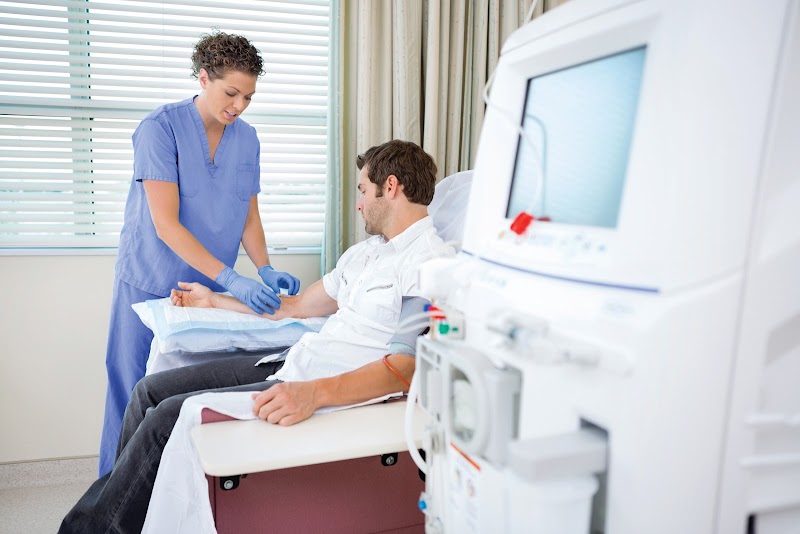
Who Owns and Operates Elevate Care Chicago North?

ELEVATE CARE CHICAGO NORTH is owned by a for-profit company. For-profit facilities operate as businesses with obligations to shareholders or private owners. The facility is operated by ELEVATE CARE, a chain that manages multiple nursing homes. With 312 certified beds and approximately 160 residents (about 51% occupancy), it is a large facility located in CHICAGO, Illinois.
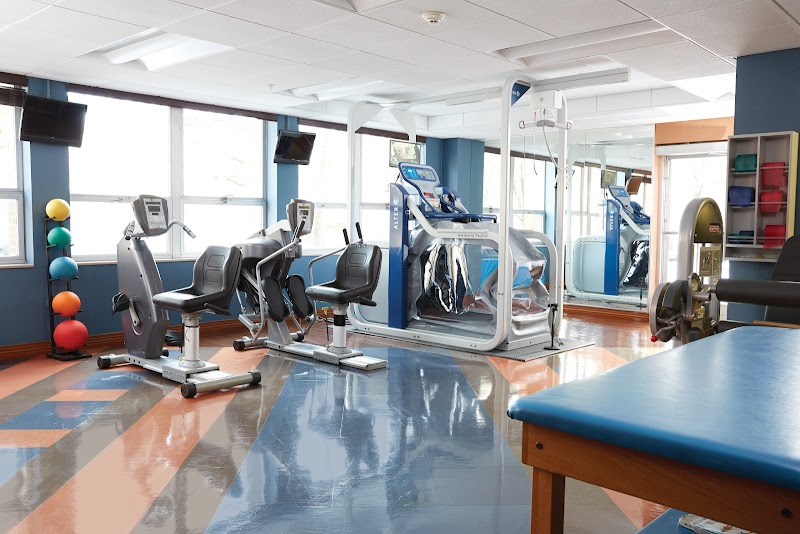
How Does Elevate Care Chicago North Compare to Other Illinois Nursing Homes?

Compared to the 100 nursing homes in Illinois, ELEVATE CARE CHICAGO NORTH's overall rating (1 stars) is below the state average of 2.5, staff turnover (72%) is significantly higher than the state average of 46%, and health inspection rating (1 stars) is much below the national benchmark.

What Should Families Ask When Visiting Elevate Care Chicago North?

Based on this facility's data, families visiting should ask: "What changes have been made since the serious inspection findings, and how are you preventing similar issues?" "What safeguards and monitoring systems are in place to protect residents from abuse or neglect?" "How do you ensure continuity of care given staff turnover, and what is your staff retention strategy?" "Can you walk me through typical staffing levels on day, evening, and night shifts?" These questions are particularly relevant given the facility's Immediate Jeopardy citations, the substantiated abuse finding on record, the facility's high staff turnover rate, and the below-average staffing rating.

Is Elevate Care Chicago North Safe?

Based on CMS inspection data, ELEVATE CARE CHICAGO NORTH has documented safety concerns. The facility has 1 substantiated abuse finding (meaning confirmed case of resident harm by staff or other residents). Inspectors have issued 1 Immediate Jeopardy citation (the most serious violation level indicating risk of serious injury or death). The facility has a 1-star overall rating and ranks #100 of 100 nursing homes in Illinois. Families considering this facility should ask detailed questions about what corrective actions have been taken since these incidents.

Do Nurses at Elevate Care Chicago North Stick Around?

Staff turnover at ELEVATE CARE CHICAGO NORTH is high. At 72%, the facility is 26 percentage points above the Illinois average of 46%. Registered Nurse turnover is particularly concerning at 71%. RNs handle complex medical decisions and coordinate care — frequent RN changes can directly impact care quality. High turnover means new staff may not know residents' individual needs, medications, or preferences. It can also be disorienting for residents, especially those with dementia who rely on familiar faces. Families should ask: What is causing the turnover? What retention programs are in place? How do you ensure care continuity during staff transitions?

Was Elevate Care Chicago North Ever Fined?

ELEVATE CARE CHICAGO NORTH has been fined $118,198 across 2 penalty actions. This is 3.4x the Illinois average of $34,261. Fines at this level are uncommon and typically indicate a pattern of serious deficiencies, repeated violations, or failure to correct problems promptly. CMS reserves penalties of this magnitude for facilities that pose significant, documented risk to resident health or safety. Families should request specific documentation of what issues led to these fines and what systemic changes have been implemented.

Is Elevate Care Chicago North on Any Federal Watch List?

ELEVATE CARE CHICAGO NORTH is not on any federal watch list. The most significant is the Special Focus Facility (SFF) program, which identifies the bottom 1% of nursing homes nationally based on persistent, serious quality problems. Not being on this list means the facility has avoided the pattern of deficiencies that triggers enhanced federal oversight. This is a positive indicator, though families should still review the facility's inspection history directly.