FARGO HEALTH CARE CENTER
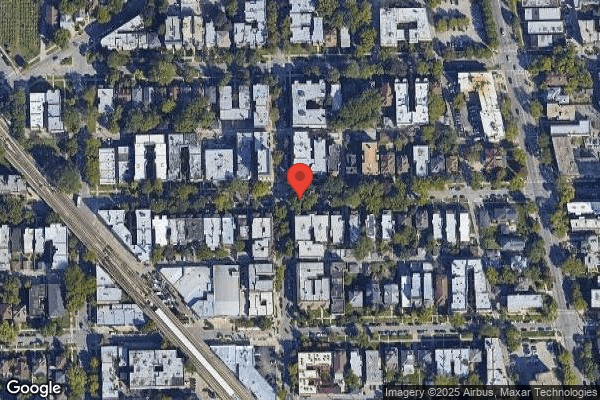
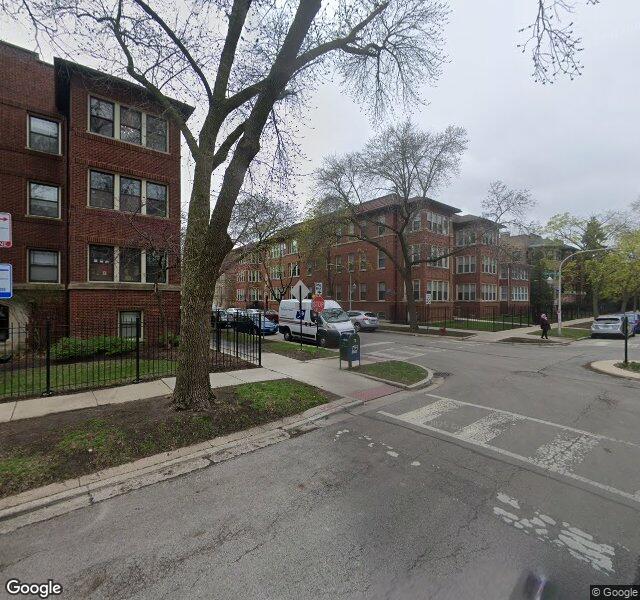
1512 WEST FARGO, CHICAGO, IL 60626 (773) 465-7751
For profit - Limited Liability company 99 Beds Independent Data: November 2025
Trust Grade
0/100
#359 of 665 in IL
Last Inspection: May 2024

Within standard 12-15 month inspection cycle. Federal law requires annual inspections.

Overview

Fargo Health Care Center has a Trust Grade of F, indicating a poor rating with significant concerns about care quality. Ranked #359 out of 665 facilities in Illinois, they are in the bottom half, and #117 out of 201 in Cook County, meaning there are better options available nearby. The facility appears to be improving, with a decrease in issues from 13 in 2024 to 2 in 2025, but still has serious staffing and safety concerns. Staffing turnover is relatively low at 30%, which is a strength, but the facility has incurred significant fines totaling $171,824, higher than 83% of Illinois facilities, indicating ongoing compliance issues. Specific incidents include a resident sustaining a broken nose due to abuse from a roommate and another resident suffering a bruise and skin tear from physical abuse, showing serious safety risks that families should consider.

Trust Score
F
0/100
In Illinois
#359/665
Bottom 47%
Safety Record
High Risk
Review needed
Inspections
Getting Better
13 → 2 violations
Staff Stability
✓ Good
30% annual turnover. Excellent stability, 18 points below Illinois's 48% average. Staff who stay learn residents' needs.
Penalties
⚠ Watch
$171,824 in fines. Higher than 93% of Illinois facilities. Major compliance failures.
Skilled Nurses
○ Average
Each resident gets 32 minutes of Registered Nurse (RN) attention daily — about average for Illinois. RNs are the most trained staff who monitor for health changes.
Violations
⚠ Watch
34 deficiencies on record. Higher than average. Multiple issues found across inspections.
★★☆☆☆
2.0
Overall Rating
★★☆☆☆
2.0
Staff Levels
★★★★☆
4.0
Care Quality
★★☆☆☆
2.0
Inspection Score
Stable
2024: 13 issues
2025: 2 issues

The Good

  • 4-Star Quality Measures · Strong clinical quality outcomes
  • Low Staff Turnover (30%) · Staff stability means consistent care
  • Full Sprinkler Coverage · Fire safety systems throughout facility
  • No fines on record
  • Staff turnover is low (30%)

    18 points below Illinois average of 48%

Facility shows strength in quality measures, staff retention, fire safety.

The Bad

2-Star Overall Rating

Below Illinois average (2.5)

Below average - review inspection findings carefully

Federal Fines: $171,824

Well above median ($33,413)

Significant penalties indicating serious issues

The Ugly 34 deficiencies on record

5 actual harm
Aug 2025 1 deficiency
CONCERN (E) 📢 Someone Reported This

A family member, employee, or ombudsman was alarmed enough to file a formal complaint

Potential for Harm - no one hurt, but risky conditions existed

Resident Rights (Tag F0550)

Could have caused harm · This affected multiple residents

**NOTE- TERMS IN BRACKETS HAVE BEEN EDITED TO PROTECT CONFIDENTIALITY** Based on observation, interviews and review of records the facility failed to provide admission contract/agreement packets in a ...

Read full inspector narrative →
**NOTE- TERMS IN BRACKETS HAVE BEEN EDITED TO PROTECT CONFIDENTIALITY** Based on observation, interviews and review of records the facility failed to provide admission contract/agreement packets in a timely manner to 5 out of 5 residents (R1, R6, R7, R8 and R9). Findings include: R1 is [AGE] years old, initially admitted on [DATE]. R1 medical diagnosis includes hypertension, major depression (single episode), bipolar disorder, anxiety disorder. Per MDS assessment of R1 dated 06/20/2025, R1 has a BIMS (Brief Interview of Mental Status) score of 15 or cognition is intact. On 08/26/2025 at 10:12 AM, R1 stated that facility let him sign a contract for services recently. R1 presented a Resident admission Packet. R1 stated that it is a contract for services and terms and condition for resident to be in the facility. R1 stated that he dislikes the contract because there are blank areas and missing pages. R1 stated that facility did not give him enough time to review the contract. R1 stated that V1 (Administrator) called him to a meeting. In that meeting, V1 told him that he told other residents not to sign the contract which was not true. V1 stated that he was upset because the contract may change his living arrangement. R1 said, I have been living for two (2) and a half year and I don't want to change what I can and cannot do because of the contract. On 08/26/2025 at 12:36 PM, V6 (MDS Coordinator/Licensed Practical Nurse) stated that the only time she encountered R1 about admission contract was when there was a meeting on the conference room. R1 came in saying don't force me to sign. V1 (Administrator) told R1 to talk in her office. On 08/26/2025 at 01:01 PM V3 (Director of Social Services/PRSD) stated that admission contract includes policies and regulation, resident rights, position and payment. Facility is three (3) years behind in providing resident admission contracts to residents already in the facility. For that reason, facility hired a consultant (V5). V3 stated that admission contract packet needs to be provided during admission. V3 stated that admission contract is important because it provides information about living in a nursing home. V3 stated that R1 was provided admission contract about a month ago. Per R1's record (face sheet), R1 has been a resident in the facility since 01/10/2023. On 08/26/2025 at 01:29 PM, V1 (Administrator) stated that every resident coming in the facility needs admission contract. V1 stated that about seven (7) months ago when she did an audit there are residents that was not offered an admission contract. V1 stated that V5 (Social Service Consultant/Outside Vendor) was hired to address this issue by offering admission contracts to residents. V1 stated that admission contracts need to be given to residents upon admission. V1 stated that R1 did not sign the admission contract. V1 provided list of five (5) residents that does not have admission contracts based on facility's audit. Five (5) residents are as follows: R1 first admission date 01/10/2023, R6 first admission date 10/05/2023, R7 first admission date 02/11/2025, R8 first admission date 10/03/2023 and R9 first admission date 06/03/2024. Majority of residents (R1, R6, R8 and R9) were without admission contracts for more than a year after admitted in the facility. Facility was requested to provide policy and procedure to address concerns related to residents not provided Resident Admissions Packet / Contract during or at the time of admission. Facility presented admission Policies dated 01/2025 that does not include providing residents admission Packet / Contract during or at the time of admission. Per facility's Resident admission Packet (by Health Care Council of Illinois) dated 12/2022. The admission packet is a contract that defines the relationship between resident and facility. It provides the following: Facility's rights and obligations, resident's rights and obligations, financial agreement between facility and residents, term and termination of the contract with automatic renewal every year and other stipulations that will affect both residents and facility.
Jan 2025 1 deficiency 1 Harm
SERIOUS (G) 📢 Someone Reported This

A family member, employee, or ombudsman was alarmed enough to file a formal complaint

Actual Harm - a resident was hurt due to facility failures

Free from Abuse/Neglect (Tag F0600)

A resident was harmed · This affected 1 resident

**NOTE- TERMS IN BRACKETS HAVE BEEN EDITED TO PROTECT CONFIDENTIALITY** Based on observation, interviews and record review, the facility failed to ensure that one resident (R2) was free from abuse fro...

Read full inspector narrative →
**NOTE- TERMS IN BRACKETS HAVE BEEN EDITED TO PROTECT CONFIDENTIALITY** Based on observation, interviews and record review, the facility failed to ensure that one resident (R2) was free from abuse from her roommate (R3). This failure resulted in R2 being struck by R3 and sustaining a broken nose. Findings include: R2 is an [AGE] year old with diagnosis including but not limited to: unspecified dementia, unspecified severe protein-calorie malnutrition, age - related osteoporosis without chronic pathological fracture, chronic pain and cognitive communication deficit. R3 is a [AGE] year old with diagnosis including but not limited to: bipolar disorder, generalized anxiety disorder, major depressive disorder, type 2 diabetes mellitus, restlessness and agitation. R7 is a [AGE] year old with diagnosis including but not limited to: essential hypertension, chronic obstructive pulmonary disease with acute exacerbation, pain in left leg, major depressive disorder and anxiety disorder. R7 has a BIMS (Brief Interview of Mental Status) score of 14, which indicates cognitively intact. On 01/06/2025 at 10:15 AM, V1 (Administrator) said that R2 had been transferred out of the facility per family's wishes after R2 was hit by another resident. On 01/06/2025 at 12:39 PM, V2 (DON/Director of Nursing) said that R3 was no longer in the facility and that she was sent out for aggressive behavior and allegedly punching R2 in the nose. On 01/06/2025 at 3:12 PM, R7 (R2 and R3's former roommate) was observed lying in her bed. R7 was asked about the incident involving R2 and R3. On 01/06/2025 at 3:14 PM, R7 said, The night that R2 was hit, I was asleep, but I heard her (R2) yell out and when I woke up, R3 was wide awake and walking around the room. R3 would always yell at and intimidate R2. She (R3) once told R2 that she wished that she (R2) would die. R2 would cry out a lot and the nurse would come in and check on R2 then leave. R3 was abusive to everyone and the staff knew it. She (R3) would cuss at staff and was always angry and demanding. At night, R2 would talk a lot and that would set R3 off. R3 would become very upset with R2. I didn't say anything because I was afraid of R3 retaliating against me. One night, I opened my eyes and R3 was standing near my bed. R3 was very unpredictable and always targeted R2. On 01/06/2025 at 1:10 PM, V8 (CNA/Certified Nurse Assistant) said, I saw R2 at around 7:30 AM during breakfast, I went in to feed her. Her face was covered with a blanket and when I removed the blanket, she was bloody and her face was bruised. R2 had told me that the little lady hit her but did not say a name. R3 had recently moved from the first floor and was one of R2's roommates. R3 does not talk but she is a mean person. When R2 yells out, R3 yells and tells her to shut her mouth. R7 had told me that R3 was standing over her two months ago in the middle of the night. On 01/06/2025 at 1:26 PM, V9 (CNA) said that she was assigned to R2 on 12/16/24 and that the previous CNA did not mention anything about any injuries. On 01/07/2025 at 12:15 PM, V2 (DON) said that she was not aware of R3 allegedly targeting or being mean to R2 in the past and that she (V2) would expect for any possible signs of abuse to be reported. Surveyor inquired about the purpose of staff members reporting possible signs of abuse. On 01/07/2025 at 1:30 PM, V1 (Administrator) said that the purpose of the staff reporting any signs of possible abuse is to prevent the abuse from occurring. Resident statement by R2 on 12/16/24 documents, the little lady hit me. Resident statement by R7 on 12/16/24 documents, I heard her (R2) scream three times and my curtain was pulled. I did not see any individual come in my room. I didn't pull the call light because I've pulled the call light before and the nurse would come in to see and check on her (R2) and then say she's ok, so I didn't think that pulling the call light would make a difference. However last night was a different type of scream. Employee statement by V8 (CNA/Certified Nurse Assistant) on 12/16/24 documents, V8 was preparing to feed R2 and saw R2's right eye bruised and swollen; R2 said the lady hit me. Employee statement by V15 (Housekeeping Supervisor) on 12/18/24 documents the following: V15 was told by R7 that R3 physically abused R2 and that the CNA was notified; the CNA would come and check on R2, then would say that there are no bruises and would leave the room; R3 also verbally abused R2 and wished that she would die. Facility document titled Preliminary Incident Investigation Report dated 12/16/24 documents, R2 was found by staff at approximately 7:50 AM in bed with swelling, discoloration and a laceration to her left eye. Facility document titled Final Incident Investigation Report dated 12/18/24 documents the following: R2 identified as the abused; on 12/16/24, R2 was found by V8 (CNA) with laceration and visible blood on her right eye; R2 said, the little lady hit me; physical abuse was founded. Facility Census report dated 01/06/2025 excludes R2 and R3 as residents in the facility. Facility Abuse policy documents the following: Staff obligations to prevent and report abuse; Employees are required to report any incident, allegation or suspicion of potential abuse; any incidents or allegation involving abuse, neglect, exploitation, mistreatment or misappropriation of resident property will result in an investigation; residents who allegedly abused another resident will be removed from contact with other residents during the course of the investigation.
Dec 2024 2 deficiencies 1 Harm
SERIOUS (G) 📢 Someone Reported This

A family member, employee, or ombudsman was alarmed enough to file a formal complaint

Actual Harm - a resident was hurt due to facility failures

Free from Abuse/Neglect (Tag F0600)

A resident was harmed · This affected 1 resident

**NOTE- TERMS IN BRACKETS HAVE BEEN EDITED TO PROTECT CONFIDENTIALITY** Based on interview and record review, the facility failed to ensure that a resident (R3) was free from physical abuse. This fail...

Read full inspector narrative →
**NOTE- TERMS IN BRACKETS HAVE BEEN EDITED TO PROTECT CONFIDENTIALITY** Based on interview and record review, the facility failed to ensure that a resident (R3) was free from physical abuse. This failure resulted in R3 sustaining a bruise and skin tear to the left arm that required a dressing twice a day and R3 being afraid at the facility. Findings include: The facility's Preliminary Incident Investigation Report to the local state agency dated 11/22/24 completed by V1 (Administrator) shows a report of physical abuse with alleged individual V11 (CNA/Certified Nursing Assistant) and R3. The facility's Completed Incident Investigation Report to the local state agency dated 11/27/24 competed by V1 documents, in part On 11/24/24 (should be 11/22/24) at approximately 11:45 am, R3's CNA (V14) was making rounds. V14 stated, I (V14) saw bleeding on the left arm. I (V14) asked what happen and R3 said the night CNA did that to me. Based on the known facts, medical record review, and interviews, the following conclusion have (sic) been determined about the allegation: Abuse-Neglect Founded. Based on statements from R3 and staff an investigation was conducted by V1, and incident noted to be founded. R3 stated that V11 (CNA) was turning him over hard. R3's Brief Interview for Mental Status (BIMS) dated 11/22/24 shows that R3 has a BIMS of 15 which indicates that R3 is cognitively intact. On 12/16/24 at 11:52 am, V3 (Licensed Practical Nurse, LPN) stated that V3 is familiar with R3 at the facility. When V3 was asked regarding the event with R3 on 11/22/24, V3 stated that V3 recalls on 11/22/24 at around 7:15 am, V14 (Certified Nursing Assistant, CNA) informed V3 that R3 wanted to see V3 regarding R3's arm. V3 stated that when she (V3) went to R3's room, V3 observed R3's left forearm with ecchymosis (bruising), red and, bleeding. V3 then stated that V3 asked R3 what happened to R3's left arm and R3 stated that the 11:00 pm - 7:00 am, CNA (who has been identified as V11 [CNA]) pulled R3's arm roughly bruising and tearing the skin to R3's left forearm. V3 explained that V3 assessed R3's left forearm and informed V2 (Director of Nursing/DON) regarding R3's left forearm injury. V3 then stated that V2 asked R3 additional questions and V3 left R3's room to inform R3's physician and family of the event. V3 further explained that R3's physician gave treatment orders for R3's bleeding left forearm injury and for an X ray of R3's left forearm. On 12/16/24 at 12:02 pm, V5 (Certified Nursing Assistant, CNA) was asked regarding the event with R3 on 11/22/24, V5 stated that V5 recalled the event with R3 on 11/22/24. V5 explained that R3 told V5 that V11 (Certified Nursing Assistant, CNA) held R3 very hardly by R3's arm and caused bruising to R3's left arm. V5 stated that V5 observed R3's left arm with bruising. V5 stated that V5 did not recall the color of R3's left arm bruising on 11/22/24. V5 stated that V5 then reported R3's concern and injury regarding R3's left arm to V3 (Licensed Practical Nurse, LPN) (R3's nurse) on 11/22/24. On 12/17/24 at 11:04 am, V17 (Registered Nurse, RN) stated that V17 is familiar with R3 at the facility. V17 then stated that R3 is alert , oriented and able to make R3's needs known at the facility. V17 stated that V17 was R3's 11:00 pm to 7:00 am nurse on 11/22/24 and that V17 recalled being phoned and questioned by V2 (Director of Nursing, DON) and asked if V11 (CNA); (R3's CNA on 11/22/24) made any reports to V17 regarding R3 during V17 shift on 11/22/24. V17 stated that V17 informed V2 that V17 was not made aware of any incidents or reports with R3 during V17's shift on 11/22/24. V17 stated that R3 slept during V17's shift on 11/22/24 and that V17 last saw R3 in bed sleeping around 5:30 am, when V17 was administering medication to R3's roommate. V17 denied witnessing any neglect, abuse, or injury to R3 at the facility. On 12/17/24 at 11:36 am, V11 (Certified Nursing Assistant, CNA) stated that V11 has worked at the facility for over 1 year and is scheduled to work at the facility on Monday's, Tuesdays, Thursdays, and every other weekend. V11 also stated that V11 recalls R3 at the facility and that V11 hasn't worked with R3 since 11/22/24. V11 stated that on 11/22/24 V11 provided incontinence care to R3 around 6:20 am and left R3's room. V11 then explained that around 6:30 am, R3 pulled the call light for V11 to come back into R3's room. V11 further explained when V11 went back into R3's room, R3 showed V11 a skin tear to R3's left inner arm, that needed to be covered up. V11 then explained that R3 stated that the skin tear to R3's left arm happened while V11 provided care to R3 around 6:20 am on 11/22/24. V11 denied causing injury to R3's left arm. When V11 was asked to describe how V11 last saw R3's left arm, V11 described R3's left arm at 6:30 am on 11/22/24 as opened with skin pulled back that looked tender, bruise and red, but not bleeding. V11 further explained that V11 informed R3 that V11 did not see the injury to R3's left arm when V11 provided care to R3 at 6:20 am. When V11 was asked when was the last time V11 provided care to R3 prior to 6:20 am and V11 stated that V11 did not provide any incontinence care to R3 prior to 6:20 am and that V11 only completed the round book to check to make sure R3 was ok and breathing well. V11 stated that V11 did not see bruising to R3's left arm until R3 pointed out R3's injury at 6:30 am. When V11 was asked if V11 reported R3's injury to R3's nurse V11 stated that R3's nurse left the first-floor unit and went to the third-floor unit prior to V11 providing care to R3 and that V11 did not report R3's injury to R3's nurse or any other nurse at the facility. V11 further explained that around 7:00 am, V11 informed V14 (CNA) for the 7:00 am to 3:00 pm CNA, that R3 needed the nurse and to let the nurse who comes in for the morning shift know. When V11 was asked regarding when V11 was scheduled to return to work at the facility V11 stated, They have not put me on the schedule yet, I am still suspended. On 12/17/24 at 1:48 pm, V14 (Certified Nursing Assistant, CNA) stated that V14 provides care to R3 daily on the 7:00 am to 3:00 pm shift at the facility. When V14 was asked regarding R3's event on 11/22/24, V14 stated that on 11/22/24 around 7:00 am, V14 began rounding for V14's 7:00 am to 3:00 pm shift on the first-floor unit at the facility when R3 stated to V14 Look at what the night CNA (referring to V11) did to my (R3) left arm. V14 stated that V14 observed R3's left arm red, bruising and with visible red blood from R3's left lower arm extending to above R3's left elbow. V14 then explained that V11 (CNA) was still in the facility and, V14 went to V11 and asked V11 if she knew what R3 was saying about R3's left arm injury. V14 further explained that V11 stated that V11 didn't know how R3's left arm injury happen and that V11 then left the facility for the day. V14 then explained that the day shift nurse V3 (Licensed Practical Nurse, LPN) arrived at the facility around 7:15 am, and V14 reported to the day shift nurse V3 that R3 had left arm bruising that R3 stated V11 (CNA) caused. On 12/17/24 at 2:04 pm, Surveyor observed R3 in R3's room, in bed, awake, alert and oriented times four. Surveyor observed R3's left arm area with pink discoloration, and the skin intact. R3 stated that a few weeks ago around 6:15 am, a night shift CNA intentionally caused an injury to R3's left arm. R3 explained that on 11/22/24 the CNA from the night shift (referring to V11) came into to R3's room to assist R3 with changing R3's incontinent brief. R3 further explained that V11 dug V11's fingers into R3's left arm to reposition R3 onto R3's right side. R3 then stated that R3's left arm began to bleed. R3 further stated that R3 told V11 that R3's arm was bleeding and asked V11 to get the nurse. However, V11 didn't. R3 stated that R3 waited until a staff member from the morning shift placed a bandage onto R3's left arm. R3 stated that R3 felt that V11 purposely injured R3's left arm because V11 would often speak meanly to R3 at the facility. R3 finally explained that V2 (Director of Nursing, DON) questioned R3 regarding the incident with R3 and V11 and informed R3 that V11 would not be allowed to work on the first floor with R3 again. When R3 was asked if R3 felt safe at the facility R3 stated, No! I (R3) am afraid that she (V11) will come back during the night from another floor and hurt me again. On 12/18/24 at 9:46 am, V2 (Director of Nursing, DON) stated V2 is familiar with R3 and that R3 is an alert and oriented times 3-4 resident at the facility. When V2 was asked regarding R3's event on 11/22/24, V2 explained that on 11/22/24 around 9:00 am, V2 recalls V3 (Licensed Practical Nurse, LPN ) informing V2 that R3 had an injury to R3's left arm that was bleeding. V2 stated that V2 then went to assess R3's left arm and observed a skin tear that was approximately 4.0 cm (centimeters) in length by 4.0 cm width, red, open skin, and slightly bleeding. V2 then stated that V2 asked R3 what happened to R3's left arm and R3 stated The nightshift CNA (referring to V11) was cleaning me (R3) up, grabbed my arm and dug into it. Then she (V11) flipped me over to change me and when I (R3) looked at my (R3) arm it was all bloody. V2 further explained that R3 stated that R3 asked V11 if she would tell the nurse and V11 said that she would. R3 then stated that V11 had been mean to R3 for a while and that R3 didn't tell anyone because R3 thought V11 was going to change. V2 then stated that V2 immediately reported R3's allegations against V11 to V1 (Administrator) and that V1 immediately started an investigation. V2 further explained that V1 and V2 phoned V11 and informed V11 of R3's statement regarding V11 injuring R3's left arm. V2 stated that when V2 initially spoke with V11, V11 stated that nothing happened to R3's left arm, then after V2 told V11 that R3 had a skin tear to R3's left arm and asked V11 if V11 knew anything regarding R3's left arm injury again, V11 was quiet and denied R3's arm was bleeding and refused to acknowledge seeing R3's left arm injury during V11's shift. V2 further explained that V11 did not acknowledge R3's left arm injury until V2 explained to V11 that V2 had spoken with V14 (CNA) who stated that he (V14) spoke with V11 regarding R3's left arm injury on 11/22/24 prior to V11 leaving the facility. V2 then stated that V11 finally acknowledged R3's left arm injury and stated I (V11) saw it, but it wasn't bleeding. I (V11) couldn't tell the nurse because the nurse was working another floor, but I told CNA (referring to V14). V2 stated after V11 changed her (V11's) story she (V11) was suspended until further investigation and then terminated by V1 (Administrator) and V2, after V1 concluded V1's investigation regarding R3's left arm injury. V2 then stated that V2 informed R3 that V11 would not be working with R3 anymore at the facility. When V2 was asked regarding what could happen if a staff grabs a residents' arm, digs into the resident's arm, and flips the resident over and V2 stated, They (referring to staff) can cause an injury, break the skin, cause a sore or an infection to the resident. Residents who have fragile skin can be harmed, possibly have psychological problems, and not feel safe. On 12/18/24 at 10:43 am, V18 (R3's physician) stated that V18 is familiar with R3. V18 explained that R3 is alert, oriented, able to make needs known, and ambulatory with the use of a cane with a history of falls. V18 explained that V18 last saw R3 a few weeks ago after R3 was sent out to the local hospital for something that happened to R3 at the facility (V18 could not recall). When V18 was asked regarding R3's incident on 11/22/24, V18 stated that V18 received a call from R3's nurse at the facility who stated that the staff was changing R3 when R3 acquired a skin tear on the arm that was superficial. V18 stated that V18 could not remember what orders were given regarding the incident. When V18 was asked regarding what could happen if a staff member digs their nail in R3's arm and flips R3 over onto R3's side and V18 stated that staff should not dig into a resident arm and flip a resident over because the staff can scratch and injure the skin. V18 then explained that R3 has fragile skin from receiving chemotherapy and staff should not be using their nails to reposition R3 or any resident because it can cause a nail mark or abrasion or injury to the resident. V18 stated, Repositioning should not be done with someone using their nails. Who is doing that? I (V18) was not informed that happened. On 12/18/24 at 11:19 am, V1 (Administrator) stated that V1 is the facility's abuse coordinator. V1 stated that V1 has been the Administrator at the facility for about one month. V1 then stated that V1 is familiar with R3 at the facility. V1 stated that V1 is alert, oriented, articulate, and able to make needs known. V1 explained on 11/22/24 V1 was called to R3's room and observed a reddish skin tear to R3's left forearm area that looked fresh and had a little blood to it. V1 explained that V1 asked R3 what happened and R3 stated that (the night shift CNA on 11/22/24) (referring to V11 (CNA)), had been treating R3 roughly for a long time and that R3 did not say anything because R3 thought It would get better. V1 further explained that R3 did not identify the CNA by name however, R3 stated that he was referring to the overnight CNA that had left the morning of 11/22/24. V1 then explained that V1 looked at the nursing schedule to identify the night shift CNA that left the morning of 11/22/24 and determine the CNA was V11. V1 further stated that V1 immediately suspended and removed V11 from schedule and notified the police. V11 then explained that the Police came to the facility, interviewed R3, observed R3's arm, gave a report number and left the facility. V1 stated that during V1's investigation, V1 found that V11 did not report R3's injury to the nurse on 11/22/24. V1 further explained that V11 stated, that V11 informed V14 (CNA) regarding R3's left arm on 11/22/24. V1 then explained that V1 suspended V11 then terminated V11 for improper reporting of abuse and resident injury. V1 stated that V11 denied ever abusing R3 and that V11 was not aware that R3 had a skin tear to R3's arm when V1 asked V11 regarding R3's left arm injury on 11/22/24. V1 stated that V11 was suspected of abusing R3 because R3 stated that V11 was the staff who injured R3's arm. When V1 was asked regarding what can happen if a staff handles a resident roughly and dig their nails into the residents skin and V1 stated, That is physical abuse. That is not tolerated by the facility. R3's progress note dated 11/22/24 at 12:59 pm, authored by V3 (Licensed Practical Nurse, LPN) documents, in part: Resident received alert and oriented at the beginning of the shift. At about 8.00 am the CNA notified the writer that the resident was found with ecchymosis in the lower left forearm. R3 said he got the bruises early in the morning when the CNA was cleaning him. The wound was cleaned with normal saline, and bacitracin was applied and properly dressed. He (R3) voiced no pain at that time and all due medication was administered and he is stable. V/S (vital signs) b/p (blood pressure) -130/69, PR (pulse rate)-75, RR (respiratory rate)-18, 02 Sat -(oxygen saturation) 97%, T (temperature)-96.9*F (Fahrenheit). R3's physician was notified with the order to carry out x-ray to rule out fracture's. The administrator and DON made aware. The resident was notified. R3's Physician Order Sheet (POS) dated 11/22/2024 shows an order for R3 to cleanse left arm with normal saline and apply bacitracin ointment and cover with dry gauze BID (twice a day) till (until) healed. R3's X-ray report dated 11/22/24 at 3:39 pm and titled Left Forearm 2V (view) documents, in part: left radius and ulna have normal ossification pattern. No fracture or dislocation reviewed. The facility's document titled Employee Report documents, in part: The above stated employee after an investigation was done allegedly caused an injury to a resident R3 and failed to report it properly as a result the employee is terminated. The facility's document dated 11/22/2024 and titled Victim Information Notice/Police Department documents, in part: Incident number JH517396: Incident: Aggravated (aff) Battery ([NAME]) Senior Citizen. Name of victim/complainant R3. The facility document dated 18 November 16 and titled Abuse Prevention Program Facility Procedure documents, in part: Abuse is defined as the willful infliction of injury, unreasonable confinement, intimidation or punishment with resulting physical harm, pain, or mental anguish . III Orientation and Training of Employees: During orientation of new employees, the facility will cover at least the following topics: . Staff obligation to prevent and report abuse, neglect, exploitation, mistreatment, and misappropriation of resident property.
CONCERN (D) 📢 Someone Reported This

A family member, employee, or ombudsman was alarmed enough to file a formal complaint

Potential for Harm - no one hurt, but risky conditions existed

Report Alleged Abuse (Tag F0609)

Could have caused harm · This affected 1 resident

Based on interview, and record review the facility failed to submit the final investigation of an alleged abuse to IDPH (Illinois Department of Public Health) within 5 days of the alleged allegation. ...

Read full inspector narrative →
Based on interview, and record review the facility failed to submit the final investigation of an alleged abuse to IDPH (Illinois Department of Public Health) within 5 days of the alleged allegation. This failure affected two residents (R1 and R2) reviewed for resident-to-resident abuse. Findings Include: A facility reported incident was sent to IDPH (Illinois Department of Public Health) on 11/1/24. The reportable offenses documented on the Immediate Incident Investigation Report had check marks by physical, verbal, or mental abuse. Circumstances of alleged incident: On 11/1/24, R1 reported that earlier in the day he (R1) and co-resident (R2) allegedly engaged in a verbal and physical altercation. Both residents were separated immediately. No injuries were noted. On (11/1/24) IDPH was notified of the (11/1/24) incident involving R1 & R2 however a final report was not received. On 12/17/24 9:50 am, V1 (Administrator) stated, I do not know if the final was submitted to IDPH. I was not employed here at the time the incident occurred. I did look for the paperwork from the old administrator, but did not see it, so I can't say if it was submitted to IDPH (Illinois Department Public Health) or not. I did find a final incident Investigation Report, but do not know if it was sent. I could not find any confirmation that it was sent. Facility's documents dated 18-Nov-16 and titled Abuse policy documented in part, External Reporting: 2. Five- day Final Investigation Report. Within Five working days after the report of the occurrence, a complete written report of the conclusion of the investigation, including steps the facility has taken in response to the allegation, will be sent to the Department of Public Health .
May 2024 9 deficiencies 1 Harm
SERIOUS (G)

Actual Harm - a resident was hurt due to facility failures

Accident Prevention (Tag F0689)

A resident was harmed · This affected 1 resident

**NOTE- TERMS IN BRACKETS HAVE BEEN EDITED TO PROTECT CONFIDENTIALITY** Based on interview and record review, the facility failed to prevent a resident's fall from the bed to the floor, who was assess...

Read full inspector narrative →
**NOTE- TERMS IN BRACKETS HAVE BEEN EDITED TO PROTECT CONFIDENTIALITY** Based on interview and record review, the facility failed to prevent a resident's fall from the bed to the floor, who was assessed as a two person assist for bed mobility. This failure affected 1 (R44) of 28 residents reviewed for falls. R44 was emergently transferred to the hospital with increased pain and experiences psychosocial harm, feeling scared and afraid while being turned in bed by staff. Findings include: On 5/20/24 at 11:13am, R44 stated that R44 has been in the facility for almost 2 years, and I (R44) don't walk. R44 stated, I fell out of bed about 2 months ago. I had moved to (another floor) because they needed my room as an isolation room. R44 stated that in R44's current room, R44's bed is up against the wall and that the room on the other floor (where R44 had been temporarily transferred on 2/13/24) didn't have a wall next to R44's bed, so R44's bed was open on both sides. R44 stated, (V20 Certified Nursing Assistant/CNA) was on the same (one) side and pushed me over to change me. I was holding onto the end table. When (V20) pushed my (incontinence brief), (V20) pushed it under my buttock, and I fell face first on the floor. I had bruises on my right knee and feet and my toes and elbow hurt. There was no side rail. When asked if one or two CNAs assisted R44 with turning in bed for incontinence or activities of daily living (ADL) care, R44 stated that there was one CNA, but now, a majority of the time, there's 2 people. When asked if the staff move the bed away from the wall to stand on one side (with other CNA on the other side), R44 stated, No. I roll to the side and hang onto the wall. My body hits against the wall to keep me propped up. R44 said that both CNAs stay on the one side for R44's care. R44 stated, I am not over it. I still have issues of getting too close to the side. When asked how does this make R44 feel, R44 stated, I feel afraid on the inside. I talked to my psychiatrist (V24) about it. R44 said that R44 even asked V24 if it was R44's fault that R44 fell, and V24 said, You have nothing to do with it. It's not your fault. They had one aide there. It was their mistake. R44 stated that V24 said to get it out of R44's head and to not think about it. R44 stated that R44 talked to V24 shortly after the fall happened on 2/23/24 with V2 (Director of Nursing/DON). On 5/22/24 at 9:38 am, R44 was reinterviewed and stated that it was at 8:30pm on 2/23/24 when R44 fell from the bed to the floor. When asked if R44 has expressed R44's feelings after R44's fall, R44 stated, I told (V2), and I had talked to (V24) after I had fallen. I still have a phobia to falling off the side of my bed. R44 stated, (V2) was in the room with (V24) when I said that I am scared about rolling off the bed. I told (V2) the other day too. R44 stated that before this fall on 2/23/24, I have never fallen before. When asked about a fall mat as a fall precaution, R44 stated that there was one in the room but that there was problem with the bedside table not rolling on it. R44 stated, I rely on that table. I tried it, and it wouldn't roll at all. R44 stated, since I am larger, it's harder for me to move in bed. I can't move my legs. I have so much pain. R44 stated, I can pull with my arms. They had even talked about a trapeze, but that didn't come to be. R44's Face Sheet documents, in part, diagnoses of idiopathic peripheral autonomic neuropathy; chronic obstructive pulmonary disease with (acute) exacerbation; asthma, uncomplicated; acute embolism and thrombosis of other specified deep vein of right lower extremity; pain in left leg; anxiety disorder due to known physiological condition; arthropathy; obesity; essential (primary) hypertension; heart failure, unspecified; cramp and spasm; hypoparathyroidism; localized edema; major depressive disorder; hyperlipidemia; presence of left artificial knee joint; non-pressure chronic ulcer of unspecified part of left lower leg limited to breakdown of skin; body mass index [BMI] 34.0-34.9, adult; and bacterial pneumonia. R44's Minimum Data Set (MDS), dated [DATE], documents, in part, a Brief Interview of Mental Status (BIMS) score of 15 which indicates that R44 is cognitively intact. R44's bed mobility of rolling left and right is indicated as substantial/maximal assistance. R44's MDS, dated [DATE] and 4/17/24, indicate no side rails in use. R44's Care Plan, active effective date of 1/13/24, documents, in part, a focus of (R44) is at risk for falls related to impaired mobility, pain on right lower extremity, unable to stand without staff assistance, use of psychotropic medication with a goal of R44 being free from falls until next review and interventions of anticipate resident needs in relation to present ADL function and provide education on safety techniques. R44's Fall Risk Assessment, dated 1/12/24, documents, in part, a score of 10 which is a high fall risk. R44's Census Activity, documents, in part, that R44 was transferred to another room on another floor on 2/13/24. On 5/22/24 at 2:43pm, V20 (CNA) stated that R44 is alert, and (R44) is bed bound. When asked about R44's fall incident on 2/23/24, V20 stated that V20 was taking care of R44 in R44's new room on the 3:00pm to 11:00pm shift, and it was about 8:30pm. V20 stated, I (V20) was changing (R44's) (incontinence brief), cleaning (R44) on the bed. There's no bed rail. (R44's) bed was not against the wall. I turned (R44) by myself. (R44) usually holds onto the side of the bed frame with (R44's) hand on that side. I was just ready to bring (R44) back to me when I realized that (R44) fell. I hollered help. No one came. I had to come out the room. I said to (V27, Security), 'Please call the nurse (V18, Registered Nurse/RN). I need help'. V20 stated that V18 then came into R44's room, assessed R44, and then 911 emergency services were called. When asking V20 about what action in R44's care was V20 performing when R44 fell off the bed, V20 stated, I was putting (incontinence brief) on (R44). I (V20) had rolled (R44) away from me. I was behind (R44), and I pull (R44) back to put clean (incontinence brief) under (R44's) hip. I just slid it (clean incontinence brief) under hips, and R44 fall out of bed. When asked how high the bed was during R44's care on 2/23/24 at 8:30pm, V20 stated that V20 had raised to the height of R44's bed to about V20's waist for V20 to provide R44's care. When asked if R44 was in the middle of the bed when turning R44, V20 said that V20 usually makes sure that residents are in the middle but didn't with R44. V20 stated that R44 landed on the floor, and I run around the bed and look at (R44) on the floor. That's the first thing I did, run around and see (R44). Then I hollered for help. No one. Then I run out by the room door and holler to (V27) to send in (V18). V20 stated that after V18 responded, V18 informed V20 that two staff members usually turn R44 in bed. V20 stated that V20 told V18, I never had a problem with (R44) before, but (R44) was in a room with bed against the wall. This bed was open on both sides. I didn't think something like this was going to happen. Can (R44) have a bed rail? I cared for (R44) before with one person. Bed was against the wall, I did it before. When asked, how does V20 know how many staff persons it takes to assist residents with bed mobility, V20 stated, I look at their size. I had been able to do (R44) with one before, but I know now that I need two. If it's a large person, common sense tells you, you need two. When asked if V20 looks in the chart for assistance level, V20 stated yes, but couldn't tell where to this surveyor. On 2/23/24, V20 was asked if R44 needed two staff persons for assistance with turning, V20 stated, At that time, no. Not need two people. (sic) When asked if R44 moves R44's legs in bed, (V20 shaking V20's head no) and stated, (R44) does not move (R44) legs. On 5/21/24 at 2:19pm, V18 (RN) stated that R44 is alert, oriented, stays in the bed and is almost bed bound. When asked about R44's fall incident on 2/23/24, V18 stated that V18 was made aware of R44's fall when V20 (CNA) came to V18 and said that R44's on the floor. V18 stated that V18 went to the room, and R44 was laying, face down on the floor and that R44 said R44 fell when V20 was taking care of R44. When asked if V18 had performed incontinence care with R44 prior to the fall on 2/23/24, V18 stated that V18 had an admission that day. V18 stated that when R44 fell, I (V18) called 911. (R44) is very big (weight). There was one CNA (V20) on the floor. (V20) was elderly. (R44) stayed on the floor. When asked about R44's position, V18 stated that R44's bed was open on both side with no side rails, and R44's position on floor was face first. V18 stated that R44's body on the floor was parallel with the bed and was in between the wall and nightstand (end table) where there was a wall near R44's head. V18 stated that R44 was alert and said that R44 bumped R44's head on the wall. When asked if R44 complained of pain after the fall on 2/23/24 at 8:30pm, V18 stated, Yes, (R44) had pain. I gave (R44) pain meds a few hours before the fall. I gave (R44) all (R44's) meds. When asked about where R44 was complaining of pain, V18 stated, (R44) didn't talk much due to position (laying face down on floor). I just moved (R44's) head to put pillow and and use sheet to cover (R44). (R44) was naked. V18 stated that (R44) did have redness to right side of R44's face. V18 stated that V18 did not medicate R44 with any pain medication due to already giving R44's pain medication prior to R44's fall. V18 stated that when V18 gave R44 the medications before R44's fall, R44's bed was in the low position; however, when V18 went in with V20 (CNA) after the fall, (R44's) bed was high. (V20) was taking care of (R44). In R44's Progress Note, dated 2/23/24 at 9:09pm, V18 (RN) documents, in part, At 8:40pm, writer was informed by (V20, CNA) that resident fell off the bed while giving care. Writer immediately went to resident room and found (R44) on the floor facing down, initials assessment done, noted with redness on right-side of the face, no bleeding noted, voiced 5/10 on pain scale, resident states 'I hit my head on the wall'. R44's February 2024 MAR (Medication Administration Record) shows that on 2/23/24 from 3:00pm to 11:00pm, there is no documentation of Hydrocodone 5 milligram (mg)/Acetaminophen 325 mg tablet oral every 6 hours PRN (whenever needed) was noted. Facility document, titled CNA Assignment Sheet and dated 2/23/24 for 3:00pm to 11:00pm shift (on R44's new floor from transfer date of 2/13/24), documents, in part, that V18 is the nurse assigned, and V20 is the one CNA assigned to the floor. R44's emergency hospital records, dated 2/23/24, document, in part, that R44 was being changed at the nursing home and fell off of the bed. (R44) with head strike and pain to right arm, bilateral feet, and that R44's pain to right arm and bilateral ankles is exacerbated from baseline. On 5/22/24 at 10:16am, V4 (Restorative Nurse, Licensed Practical Nurse/LPN) stated that R44 was receiving bed mobility for restorative therapy because R44 had reached R44's maximum potential with transfers in skilled therapy. V22 stated that with standing, (R44) could not do it. (R44) can't with left leg. When asked about bed mobility for R44, V4 stated that it's how (R44) can maneuver left to right in bed and repositioning. V4 stated that it's done with the CNA staff and also with the restorative aide (V5). When asked what R44's bed mobility staff assistance level for turning left to right in bed is, V4 stated, Substantial maximum assist with 2 persons. It needs to be 2 persons. It's for safety purposes. (R44) has no side rails. One person is on one side of the bed and the other person is on the other side of the bed to avoid falls. When asked how this is done when one side of R44's bed is up against the wall, V4 stated that the aides will move the bed from the wall, so that one person is on one side and the other person is on the opposite side. When asked about side rails as an option for R44, V4 stated that it's our facility policy of no side rails. We don't have side rails. V4 stated, That's why at all times for R44's changes (incontinence care), it has to be 2 persons. When asked about R44's fall on 2/23/24, V4 stated, (V20) tried doing (R44's) care alone. It caused the fall. There was no other CNA on the floor. That was the problem. When this surveyor informed V4 that R44 stated R44 is utilizing the end table next to R44's bed for support when there is one CNA turning R44 in bed, V4 stated, That's not acceptable. (R44) should not be holding that. There should be someone there. The nightstand is used for (R44's) personal things. V4 stated, (R44) has pain all the time with legs causing decreased mobility in bed which is why R44 is a two person assist for bed mobility. R44's Restorative Program Notes, dated 1/15/24, documents, in part, that R44 is receiving bed mobility restorative therapy with (R44) is working towards set bed mobility goal of turning onto left side with substantial maximal assist from staff, goal ongoing and that R44 has presence of left artificial knee joint, weakness, other lack of coordination and pain in left leg, and has decreased ROM (range of motion) to BLE (bilateral lower extremity). R44's Restorative Functional Assessment, dated 1/17/24, documents, in part, that R44 was noted with decreased bed mobility skills, total to substantial maximal assist from staff was provided to resident when performing bed mobility maneuvering and repositioning and that R44 is non-ambulatory/wheelchair/bedbound. On 5/22/24 at 11:20am, V2 (DON) stated that V2 was notified by V18 (RN) on 2/23/24 about R44's fall. When asked if V2 inquired about details of the fall incident, V2 stated, I (V2) asked what happened and (V18) said that (V2) was repositioning (R44) and (R44) fell. I (V2) asked (V18) if (V20) asked (V18) for help because (R44) is a two person assist. (V18) said no. When asked about R44's fall on 2/23/24, V2 stated that (R44) had never fallen before, and that since R44 had surgery on left leg with a pin inserted, R44 cannot bend the left knee. V2 stated that R44 has received multiple skilled therapy sessions to strengthen R44's legs, but R44 has reached the maximum potential. V2 stated that R44 sees V24 (Psychiatrist) for depression. When asked if V2 was with V24 (Psychiatrist) on 3/7/24, when V24 was talking to R44 after the fall on 2/23/24, Yes, I did rounds with (V24) after the fall. (R44) said that (R44) was scared and apprehensive with (staff) turning her. I assured (R44) that we will make sure proper staff provide R44's care. When asked if V2 has spoken to R44 about still feeling scared with receiving care in bed, V2 said that V2 hasn't and will make sure that V2 supervises R44's care. V2 stated, I understand that (R44's) kind of scared but will have to overcome that gradually. V2 stated that two persons are there during care so R44 should not have that feeling of being scared. This surveyor informed V2 that R44 said that when staff turn R44 now, R44 uses the wall as a support device, and V2 stated, That should never be. That's inappropriate. It should be two persons. V2 stated, It's never appropriate to use the wall like that. It should never happen. V2 stated, (R44's) care planned for two people to assist. When asked if using two persons for turning R44 in bed is ensuring that R44 is feeling safe and not scared, V2 stated, Yes. On 5/23/24 at 4:46pm, V24 (Psychiatrist) stated that V24 sees R44 in the facility for depression and anxiety. This surveyor explained to V24 about the review of R44's fall incident on 2/23/24 in the facility. When asked if R44 and V24 had a conversation about R44's fall after it occurred, Yes. V24 stated, It was the caregiver (V20) turning (R44) too fast or positioning. I provided (R44) more comfort. I told (R44) not to feel anxious about this one caregiver (V20) and try not to generalize it to all staff. When asked if R44 stated to V24 that R44 was still feeling afraid and scared after the fall when R44 is having care rendered by staff, V24 stated, Correct. V24 stated that R44 has a fear of falling from this fall incident on 2/23/24. When asked if V24 has visited R44 since having this conversation, V24 stated that V24 couldn't recall but doesn't think so. In R44's Progress Notes, dated 3/14/23 at 9:03pm, V24 documents, in part, that R44's last date seen was 3/7/24. Facility policy (undated) titled Fall Prevention Policy documents, in part, It is the policy of (Facility) to identify residents at risk for falls and to implement a fall prevention approach to reduce the risk of falls and possible injury . Every resident will be evaluated for falls upon admission and subsequently thereafter when the resident's condition changes or at least quarterly. The care plan will state the goals, interventions and approaches to every resident who was identified as being at risk for falls. Staff will be trained to be alert to risk and hazards for falls in the environment. Facility policy (undated) titled Facility Policy Regarding Resident Falls documents, in part, Overview: This facility is committed to minimizing resident falls so as to maximize each resident's physical, mental and psychosocial well-being. While preventing all resident falls is not possible, it is this facility's policy to act in a proactive manner to identify and assess those residents at risk for falls, plan for preventative strategies, and facilitate as safe an environment as possible. Facility policy (undated) titled Personal Care Services documents, in part, Policy: Each resident shall receive nursing care and supervision based on individual needs. Each resident shall show evidence of good personal hygiene. A patient care plan for each resident is developed based on the nature of the illness, treatment prescribed, long and short term goals, and other pertinent information. The nursing care plan is a personalized plan of care for individual residents. It indicates what nursing care is needed, how it can be accomplished for each resident, how the resident likes things done, what methods and approaches are most Successful; and what modifications are necessary t (to) insure (ensure) best results. Nursing care plans are available to all nursing personnel assigned to a resident. Procedure: . Incontinent residents: Incontinent residents shall have partial baths and clean linen each time the bed or clothing is soiled. Facility job description, dated May 2003 and titled Certified Nursing Assistant, documents, in part, Purpose of the Position: The primary purpose of the position is to provide your assigned residents with routine daily nursing care in accordance with our established nursing care procedures, and as may be directed by your supervisors. Duties and Responsibilities: . Nursing Care Functions: . 25. Perform ADL programming in accordance with each resident's individual care plan goal . Safety and Sanitation: . 8. Follow established safety precautions in the performance of all duties.
CONCERN (D)

Potential for Harm - no one hurt, but risky conditions existed

Deficiency F0578 (Tag F0578)

Could have caused harm · This affected 1 resident

**NOTE- TERMS IN BRACKETS HAVE BEEN EDITED TO PROTECT CONFIDENTIALITY** Based on interview and record review, the facility failed to ensure that there is a code status documented under the physicians ...

Read full inspector narrative →
**NOTE- TERMS IN BRACKETS HAVE BEEN EDITED TO PROTECT CONFIDENTIALITY** Based on interview and record review, the facility failed to ensure that there is a code status documented under the physicians order in a resident's electronic medical record (EMR) which affected one resident (R11) in a sample of 28 residents reviewed for advance directives. Findings include: R11's face sheet shows that R11 has a diagnosis which includes but not limited to paranoid schizophrenia, epilepsy, essential hypertension, asthma, type 2 diabetes, and chronic obstructive pulmonary disease. R11's Minimum Data Set (MDS), dated [DATE], documents, in part, a Brief Interview of Mental Status (BIMS) score of 14 which indicates that R11 is cognitively intact. On 05/20/24 at 12:30 pm, R11's Physician Order (POS), dated 05/20/24, which includes all active orders, showed no code status order is noted for R11. Full code orders for R11 entered on R11's POS, 05/20/24 at 2:12 pm, after surveyor requested R11's advance directives orders. R11's care plan dated 04/29/24 shows that R11 has no advanced directives at this time and that R11 is a full code. This care plan for R11 was created without any orders for code status on R11's POS. R11's care plan dated 05/20/24 shows that R11 has no advanced directives at this time and that R11 is a full code. This care plan for R11 was created on 05/20/24 after surveyor requested R11's advanced directive care plan and was presented to surveyor on 05/21/24. R11's Physician Order for Life-Sustaining Treatment (POLST) shows that R11's POLST completed on 05/20/24 after surveyor requested R11's POLST. On 05/21/24 at 10:05 am, V16 (Social Service Director) stated that the admitting nurse on the floor enters the residents code status order upon admission to the facility. V16 explained upon admission to the facility the resident should have a code status entered on the residents POS. V16 explained that it is important that the resident has a code status order upon admission to that the facility so the facility will know how the resident would like to be treated, to address the resident in the highest dignity and to ensure the resident will have their wishes honored. On 05/21/24 at 1:15 pm, V2 (Director of Nursing/DON) stated that immediately upon admission the admitting nurse should enter a code status order on the residents POS. When V2 was asked about R11's code status orders on R11's POS, V2 stated, I (V2) missed putting his (R11) code status order in the computer when he (R11) was admitted to the facility. When V2 was asked about the importance of residents having advanced directives and a code status order on the residents POS, V2 stated, If they (referring to the resident) code, the nurse needs to make sure they are following the residents wishes and caring properly and adequately. Facility's policy dated 01/01/17 and titled Advance Directive, documents, in part, Policy: Upon admission, all residents will be provided information (in the admission Packet) on Advanced Directives. Procedures: . If the resident does not provide an Advance Directive, the resident will be treated as a full code.
CONCERN (D)

Potential for Harm - no one hurt, but risky conditions existed

Safe Environment (Tag F0584)

Could have caused harm · This affected 1 resident

Based on observation, interview, and record review the facility failed to provide a safe and functional environment for two residents (R9 and R13) in the sample of 28 residents reviewed for homelike e...

Read full inspector narrative →
Based on observation, interview, and record review the facility failed to provide a safe and functional environment for two residents (R9 and R13) in the sample of 28 residents reviewed for homelike environment. Findings include: R9's Brief Interview for Mental Status (BIMS) dated 05/16/24 shows that R9 has a BIMS score of 15 which indicates that R9 is cognitively intact. R9 has a diagnosis which includes but not limited to schizophrenia, essential hypertension, and pain. R13 BIMS dated 03/22/24 shows that R13 has a BIMS score of 15 which indicates that R13 is cognitively intact. R13 has a diagnosis which includes but not limited to schizophrenia, essential hypertension, major depression, disorder of bone and insomnia. On 05/20/24 at 11:06 am, R13's room privacy curtain was observed to be soiled with a brown stool like substance visibly smeared. R13 stated that R13 does not know when the privacy curtain was last cleaned. R13 stated that R13 wants the privacy curtain cleaned. On 05/20 /24 at 11:14 am, R9 was observed without a window screen. When R9 was asked how long R9's room window has been missing a window screen, R9 stated that R9 never had a window screen in the window. R9 stated that flies sometimes get into R9's room and that R9 wanted a window screen. On 05/21/24 at 11:34 am, R9's room window was still observed without a window screen. On 05/21/24 at 11:35 am, R13's privacy curtain was still observed soiled. On 05/21/24 at 1:31 pm, Surveyor brought R9's missing window screens observation to V8 (Maintenance Director) and V8 stated that V8 is responsible for checking the residents' windows for window screens. V8 stated that V8 is not sure how long R9's room window has been missing a window screen. V8 stated that V8 buys the materials to make the window screens at the facility and that V8 would provide R9's room window with a window screen. When V8 was asked regarding the importance of resident's windows to have a window screen, V8 stated, It (referring to window screens) prevents flies and mosquitoes from entering the resident's room and facility. On 05/21/24 at 1:37 pm, Surveyor brought R13's privacy curtain observation to V17 (Housekeeping Supervisor) and V17 stated that the housekeeping staff is responsible for cleaning the resident's privacy curtains. V17 stated that staff cleans the resident's privacy curtains as needed. V17 also explained that the housekeeper assigned to the resident's room should be inspecting the resident's privacy curtains daily when the resident's room is being cleaned. V17 stated that if a housekeeper observes a dirty privacy curtain upon cleaning the resident's room, the housekeeper should remove the privacy curtain and the privacy curtain should be cleaned. When V17 was asked the importance of residents having clean privacy curtains V17 stated, To prevent smells, germs, and to give the residents a clean environment. The facility's job description dated 01/01/2015 and titled Director of Maintenance documents in part: Purpose of your job position: The primary purpose of your job position is to plan, organize, develop, and direct the overall operation of the Maintenance Department in accordance with current federal, state, and local standards, guidelines, and regulations governing our facility, and as may be directed by the Administrator, to assure that our facility is maintained in a safe and comfortable manner . Safe and Sanitation: . Ensure that supplies, equipment, etc., are maintained to provide a safe comfortable environment. The facility's job description dated 01/01/2015 and titled Housekeeper documents in part: Purpose of your job position: The primary purpose of your job position is to perform the day-to-day activities of the Housekeeping Department in accordance with current federal, state, and local standards, guidelines and regulations governing our facility, and as may be directed by the Administrator, and/or Director of Housekeeping, to assure that our facility is maintained in a clean, safe, and comfortable manner . Safe and Sanitation: . Ensure that assigned work areas are maintained in a clean, safe, comfortable, and attractive manner.
CONCERN (D)

Potential for Harm - no one hurt, but risky conditions existed

Deficiency F0676 (Tag F0676)

Could have caused harm · This affected 1 resident

Based on observation, interviews, and record review, the facility failed to ensure that residents receive assistance with shaving facial hair. This failure has affected one (R12) of six residents revi...

Read full inspector narrative →
Based on observation, interviews, and record review, the facility failed to ensure that residents receive assistance with shaving facial hair. This failure has affected one (R12) of six residents reviewed for personal hygiene and care. Findings include: R12 has diagnoses including but not limited to: Inflammatory polyneuropathy, age-related osteoporosis, essential hypertension, and Hyperlipidemia. R12's BIMS (Brief Interview for Mental Status) Score is 12, which indicates moderate impairment. On 5/20/2024 at 11:08 AM, R12 was observed walking in the hallway on the first floor. At that time, Surveyor noted that R12 had facial hair (both above lip and on chin). Surveyor inquired about R12's shaving schedule. On 5/20/2024 at 11:10 AM, R12 said, I was supposed to get shaved yesterday (Sunday), but I didn't have anyone to help me. I can shave myself if they just give me a razor, but they usually always shave my face for me. It's ok. I just have to wait. Surveyor asked if R12 wanted her face shaved now. At that time, R12 said, Yes, I would love to have my face shaved now. It itches and I feel much better when it's shaved. On 5/20/2024 at 11:20 AM, V5 (CNA/Certified Nurse Assistant) said, I usually shave R12 on the weekends, but I was off this past weekend. I'm going to shave her now. Surveyor inquired about R12's ability to shave herself with set-up and minimal assistance as needed. At that time, V5 (CNA) said, She (R12) can probably shave herself, but we just do it for her. Surveyor inquired about the expectations with facial hair on residents. On 5/21/2024 at 1:10 PM, V2 (DON/Director of Nursing) said, I would expect for the facial hair to be cut on a resident. It could be irritating, itchy and masculine looking for the female resident. R12' MDS (Minimum Data Set), Functional abilities and goals section documents, R12 requires partial/moderate assistance with personal hygiene, including shaving; Helper does more than half the effort. Helper lifts or holds trunk or limbs and provides more than half the effort. R12's Care Plan documents, Resident is on a dressing and grooming program due to self-care deficit; resident to be provided with training in all aspects of dressing and or grooming in order to promote resident's highest level of independent performance. Facility policy titled, Personal Care Services documents, each resident shall receive services based on individual needs. Resident's hair shall be kept clean, neat, and well groomed.
CONCERN (E)

Potential for Harm - no one hurt, but risky conditions existed

Deficiency F0558 (Tag F0558)

Could have caused harm · This affected multiple residents

**NOTE- TERMS IN BRACKETS HAVE BEEN EDITED TO PROTECT CONFIDENTIALITY** Based on observation, interview, and record review, the facility failed to ensure that the residents' call light device was with...

Read full inspector narrative →
**NOTE- TERMS IN BRACKETS HAVE BEEN EDITED TO PROTECT CONFIDENTIALITY** Based on observation, interview, and record review, the facility failed to ensure that the residents' call light device was within a residents reach to call for staff assistance which affected 4 residents (R37, R54, R56, R245) in the sample of 28 residents reviewed. Findings include: 1) On 5/20/24 at 11:02 am, R54 was observed in bed with R54's call light device (orange string) hanging from the switch on the wall and hanging down towards the floor behind R54's end table (small dresser with drawers). When asked what R54 does if R54 needs help from staff, R54 stated that R54 doesn't know where the call light string is and that R54 can't reach it. On 5/21/24 at 9:57 am, R54 was observed in bed with R54's call light string hanging from the wall switch then twisted with R54's over the bed light string (which is yellow). Both strings are hanging down towards the floor behind R54's head of bed out of R54's reach. On 5/21/24 at 1:31 pm, V4 (Licensed Practical Nurse/LPN) was observed administering a medication via R54's gastrostomy tube. When asked if R54's call light is within reach, V4 stated that it was, and must have been moved by the CNA (Certified Nurse Aid) staff since they just finished providing activities of daily living (ADL) care for R54. This surveyor informed V4 that with observations on 5/20/24 and this morning on 5/21/24, R54's call light string has been in the exact same place. V4 stated, It should be within reach attached on the pillow. R54's Face Sheet, documents, in part, diagnoses of cerebral infarction; neuroleptic induced parkinsonism; essential (primary) hypertension; extrapyramidal and movement disorder, unspecified; schizophrenia, unspecified; age-related nuclear cataract, bilateral; gastrostomy status; and chronic obstructive pulmonary disease, unspecified. R54's Minimum Data Set (MDS), dated [DATE], documents, in part, of a Brief Interview for Mental Status (BIMS) score of 7 which indicates that R54 has severe cognitive impairment. R54's Care Plan, active effective date of 5/4/24, documents, in part, a focus of falls in which R54 is at risk for falls related to cerebral vascular accident (CVA), impaired cognition, and use of psychotropic medication with an intervention of place call light within easy reach. 2) On 5/20/24 at 11:08 am, R245 was observed sleeping in bed with the call light string hanging down from the wall switch towards the floor behind R245's headboard, not within R245's reach. On 5/21/24 at 9:59 am, R245 was observed awake in bed. R245's call light string is hanging from the wall switch towards floor, behind the head of R245's bed, not within reach. When asked if R245 can reach the call light string, R245 stated, No. R245's Face Sheet, documents, in part, diagnoses of schizophrenia; arthropathy; edema; scoliosis; unspecified dementia; and adult failure to thrive. R245's MDS, dated [DATE], documents, in part, a BIMS score of 14 which indicates that R245 is cognitively intact. R245's Care Plan, active effective date of 5/13/24, documents, in part, a focus of falls in which R245 is at risk related to daily use of psychotropic medication with an intervention of anticipate resident needs in relation to present ADL function. 3) On 5/20/24 at 11:29 am, R37 was observed sleeping in bed with R37's call light string hanging down towards the floor from the wall switch. R37's call light is notably visible out of R37's reach on the opposite side of R37's end table which is next to R37's bed. On 5/21/24 at 9:51 am, R37 was observed awake in bed. R37's call light string observed in the same position as observed on 5/20/24 with the call light string hanging from the wall switch towards the floor far from R37's reach. R37's Face Sheet, documents, in part, diagnoses of unspecified dementia; essential (primary) hypertension; dysphagia; arthropathy; schizoaffective disorder; major depressive disorder; pain, unspecified; cognitive communication deficit; restlessness and agitation; and hyperlipidemia. R37's MDS, dated [DATE], documents, in part, a Staff Assessment for Mental Status indicates that R37's Cognitive Skills for Daily Decision Making is severely impaired. R37's Care Plan, active effective date of 2/3/23, documents, in part, a focus of falls for R37 being at risk for falls related to history of fall, unsteady gait, poor safety awareness, impaired judgement and daily use of psychotropic medication with an intervention of (R37) instructed to use the call light for assistance and to wait for staff to come and assist (R37) to the bathroom to prevent recurrence. 4) On 5/20/24 at 11:32 am, R56 was observed in bed with the call light string hanging from the wall switch down towards the floor, behind the end table. When asked if R56 can reach the call light string from bed position, R56 said, No. On 5/21/24 at 9:50 am, R56 was observed in bed with the call light string hanging from switch on the wall towards floor and behind the end table. When asked if R56 is able to reach the call light string, R56 stated, I can't. R56's Face Sheet documents, in part, diagnoses of pulmonary embolism; hyperlipidemia; essential (primary) hypertension; dysphagia; pain; acute respiratory failure with hypoxia; and hypokalemia. R56's MDS, dated [DATE], documents, in part, a BIMS score of 15 which indicates that R56 is cognitively intact. R56's Care Plan, active effective date of 2/21/24, documents, in part, a focus of visual function with R56 being at risk for injury with an intervention of encourage to ask for assistance as needed. On 5/22/24 at 11:20 am, V2 (Director of Nursing/DON) stated, Call light strings are to be positioned with residents in bed attached to the pillow so the resident can reach them. When asked the purpose of having the call light strings within a resident's reach in bed, V2 stated, If they (residents) need help, they have to let staff know to come help me (the resident). If it's not there, they can't. The call light lets the nurse or CNA know especially for those who can't verbalize or yell out. It's reassurance that the resident can expect someone will come help me (the resident). Facility undated policy titled Call Light Response documents, in part, Policy: It is the policy of this facility to promptly and efficiently respond to residents requests for assistance. All call lights must be within residents reach. Facility job description, dated May 2003 and titled Certified Nursing Assistant, documents, in part, Purpose of the Position: The primary purpose of the position is to provide your assigned residents with routine daily nursing care in accordance with our established nursing care procedures, and as may be directed by your supervisors. Duties and Responsibilities . Safety and Sanitation: . 6. Keep the nurses' call system within easy reach of the resident.
CONCERN (E)

Potential for Harm - no one hurt, but risky conditions existed

Deficiency F0741 (Tag F0741)

Could have caused harm · This affected multiple residents

Based on observation, interview, and record review, the facility failed to have a Psychiatric Rehabilitation Services Coordinator (PRSC) to meet the individualized psychosocial and mental health needs...

Read full inspector narrative →
Based on observation, interview, and record review, the facility failed to have a Psychiatric Rehabilitation Services Coordinator (PRSC) to meet the individualized psychosocial and mental health needs of residents. This failure has the potential to affect all 68 residents with diagnoses of Severe Mental Illness and other residents in the facility who require psychosocial support. Findings include: On 5/20/24 at 10:15am after the entrance conference, V1 (Administrator) presented the facility census as 96 residents. On 5/21/23 at 2:20pm, V21(RN/Registered Nurse/Care Plan Nurse) presented the list of 68 residents with severe mental illness (SMI) and stated, We have a total of 68 SMI residents. On 5/20/24 between 10:30am and 12:00pm, several residents including R65, R79, R86, R88, and R195, were observed just sitting in the room with flat affect and low mood. On 5/21/24 at 10:44am, both R86 and R88 (roommates) were observed sitting in their beds doing nothing. The surveyor asked both residents about receiving the services of a counselor, PRSC, or a therapist. R88 stated I have not seen any counselor or therapist since I came here. I've been here for 4 months. R86 stated No one cares to know how you're feeling. Also, R65, R79, and R195 denied seeing or talking with a counselor/PRSC recently. On 5/21/24 at 11:55am, V10 (Licensed Practical Nurse/LPN) and V11 (Certified Nurse Assistant/CNA) were observed and interviewed on the nursing units regarding the availability of social service staff to speak with residents individually. V10 stated that V16 (Social Services Director/PRSD - Psychiatric Rehabilitation Services Director), is the Social Worker for all the residents. Again, on 5/21/24 between 10:20am and 12:00pm, no PRSC was observed on the nursing units to interact with the residents. On 5/21/24 at 10:22am, V16 (Social Services Director/PRSD - Psychiatric Rehabilitation Services Director), was asked to explain how she (V16) was able to provide individualized psychosocial and mental health services to all 96 residents in the facility and especially the 68 residents with diagnoses of SMI. V16 stated that she (V16) recently started work at the facility and she is doing her best with the residents. V16 stated a therapist comes twice a week to do groups for the residents. V16 was asked about what services the PRSC is supposed to provide for residents if a PRSC is hired. V16 stated Assessments, groups, and sometimes 1:1 as needed. On 5/21/24 at 11:25am, the surveyor called V1 (Administrator) to express the concern that only V16 (PRSD/Social Services Director) is responsible for providing psychosocial services for 96 residents, including those with diagnoses of severe mental illness. V1 stated that they had advertised the positions and made efforts to hire more people to meet the needs of the residents. The surveyor inquired from V1 how many PRSC's the facility is trying to hire. V1 stated that they need one full time PRSC and one part-time PRSC. Facility's document dated 1/1/2015 titled Job Description of the Psychiatric Rehabilitation Service Coordinator (PRSC) states The primary purpose of your job position is to assist in planning, developing, organizing, implementing, evaluating, and directing social service programs in accordance with current existing federal, state, and local standards, as well as our established policies and procedures, to assure that the medically related emotional and social needs of the residents are met/maintained on an individual basis. Facility's Policy on Psychosocial Programming, under Policy Statement states: The purpose of this Psychosocial program is to assist each resident in meeting his or her psychosocial needs and learning to cope successfully with his or her disability and adjusting to life in the facility. The program is based on the principles of sequential skill development. The program is carried out under the coordination of the PRSC. #1: Identify the resident's functional skills in the areas of self-care, social skills, community living skills, and vocational skills. In addition, identify physical, cognitive, communication, psychosocial, mood, and behavior problems that impair functioning. Facility's Facility-Wide Assessment document Part 2 states in part: Services and care we offer based on our resident's needs. Find below the types of care that our resident population requires and that we provide for our resident population: Mental Health and Behavior - Manage the medical conditions and medication related issues causing psychiatric symptoms and behavior. Identify and implement interventions to help support individuals with issues such as dealing with anxiety, individuals with depression, care of individuals with trauma, care of individuals with other psychiatric diagnosis etc. (etcetera)
CONCERN (E)

Potential for Harm - no one hurt, but risky conditions existed

Deficiency F0742 (Tag F0742)

Could have caused harm · This affected multiple residents

Based on observation, interview, and record review, the facility failed to provide appropriate person-centered and individualized psychosocial and mental health services to meet residents' needs. This...

Read full inspector narrative →
Based on observation, interview, and record review, the facility failed to provide appropriate person-centered and individualized psychosocial and mental health services to meet residents' needs. This affected 5 of 5 residents (R65, R79, R86, R88, and R195) reviewed for individualized psychosocial needs and interventions from social services staff, as stated in the care plans. Findings include: On 5/20/24 at 10:15am after the entrance conference, V1 (Administrator) presented the facility census as 96 residents. On 5/21/23 at 2:20pm, V21 (RN/Registered Nurse/Care Plan Nurse) presented the list of 68 residents with severe mental illness (SMI) and stated, We have a total of 68 SMI residents. On 5/20/24 between 10:30am and 12pm, Several residents including R65, R79, R86, R88, and R195, were observed just sitting in the room with flat affect and low mood. On 5/21/24 at 10:44am, both R86 and R88 (roommates) were observed sitting in their beds doing nothing. The surveyor asked both residents about receiving the services of a counselor or PRSC (Psychiatric Rehabilitation Services Coordinator) or therapist. R88 stated I have not seen any counselor or therapist since I came here. I've been here for 4 months. R86 stated No one cares to know how you're feeling. Also, R65, R79, and R195 denied seeing or talking with a counselor/PRSC recently. MDS (Minimum Data Status) shows the residents' BIMS (Basic Interview for Mental Status) scores shows that all 5 residents are cognitively intact as follows: R65 - 14 R79 - 15 R86 - 15 R88 - 15 R195 - 15. On 5/21/24 at 11:55am, V10 (Licensed Practical Nurse/LPN) and V11(Certified Nurse Assistant/CNA) were observed and interviewed on the nursing units regarding the availability of social services staff to speak with residents individually. V10 stated that V16 (Social Services Director/PRSD - Psychiatric Rehabilitation Services Director), is the Social Worker for all the residents. On 5/21/24 between 10:20am and 12:00pm, no PRSC was observed on the nursing units to interact with the residents. On 5/21/24 at 10:22am, V16 (Social Services Director/PRSD - Psychiatric Rehabilitation Services Director), was asked to explain how she (V16) was able to provide individualized psychosocial and mental health services to all 96 residents in the facility and especially the 68 residents with diagnoses of SMI. V16 stated that she (V16) recently started work at the facility and she is doing her best with the residents. V16 stated a therapist comes twice a week to do groups for the residents. V16 was asked about what services the PRSC is supposed to provide for residents if a PRSC is hired. V16 stated Assessments, groups, and sometimes 1:1 as needed. On 5/21/24 at 11:25am, the surveyor called V1 (Administrator) to express the concern that only V16 (PRSD/Social Services Director) is responsible for providing psychosocial services for 96 residents, including those with diagnoses of severe mental illness. V1 stated that they had advertised the positions and made efforts to hire more people to meet the needs of the residents. The surveyor inquired from V1 how many PRSC's the facility is trying to hire. V1 stated that they need one full time PRSC and one part-time PRSC. Records reviewed show the following examples of the diagnoses and psychosocial/ mental health needs that the social services department are supposed to provide to the following residents, according to the care plans: R65 - Face sheet shows diagnosis of Schizophrenia. Care plan dated 3/18/24 states: To provide encouragement to verbalize thoughts and feelings; Teach stress and anxiety management techniques to help the resident cope with anger, for ability to deal with frustration, impulsive and impatient behavior. R79 - Face sheet shows diagnoses of Major Depression Disorder and Anxiety Disorder. Care plan dated 1/16/23 says to encourage verbalization of feelings. R86 - Face sheet shows diagnosis of Bipolar Disorder and Recurrent Depressive Disorders. Care plan intervention dated 10/30/23 states to provide supportive group intervention or 1:1 intervention. R88 - Face sheet shows diagnoses of Major Depressive Disorder and Anxiety Disorder. Individualized treatment care plan dated 2/8/24 states: Resident has a diagnosis and history of severe mental illness; Observe medical/psychiatric/cognitive conditions that may require ongoing assessment, consultation, and intervention such as personality disorder symptoms. R195 - Face sheet shows diagnoses of Major Depressive Disorder and Anxiety Disorder. Care Plan dated 5/20/24 states that resident has behavior symptoms of resisting care, related to demonstration of fear and paranoia. Intervention states to redirect negative behaviors. Facility's document dated 1/1/2015 titled Job Description of the Psychiatric Rehabilitation Service Coordinator (PRSC) states The primary purpose of your job position is to assist in planning, developing, organizing, implementing, evaluating, and directing social service programs in accordance with current existing federal, state, and local standards, as well as our established policies and procedures, to assure that the medically related emotional and social needs of the residents are met/maintained on an individual basis. Facility's Policy on Psychosocial Programming, under Policy Statement states: The purpose of this Psychosocial program is to assist each resident in meeting his or her psychosocial needs and learning to cope successfully with his or her disability and adjusting to life in the facility. The program is based on the principles of sequential skill development. The program is carried out under the coordination of the PRSC. #1: Identify the resident's functional skills in the areas of self-care, social skills, community living skills, and vocational skills. In addition, identify physical, cognitive, communication, psychosocial, mood, and behavior problems that impair functioning. Facility's Facility-Wide Assessment document Part 2 states in part: Services and care we offer based on our resident's needs. Find below the types of care that our resident population requires and that we provide for our resident population: Mental Health and Behavior - Manage the medical conditions and medication related issues causing psychiatric symptoms and behavior. Identify and implement interventions to help support individuals with issues such as dealing with anxiety, individuals with depression, care of individuals with trauma, care of individuals with other psychiatric diagnosis etc. (etcetera)
CONCERN (E)

Potential for Harm - no one hurt, but risky conditions existed

Safe Environment (Tag F0921)

Could have caused harm · This affected multiple residents

Based on observation, interview, and record review, the facility failed to ensure that the air-conditioner in a resident's room was working, failed to repair a broken wall heat vent cover, and failed ...

Read full inspector narrative →
Based on observation, interview, and record review, the facility failed to ensure that the air-conditioner in a resident's room was working, failed to repair a broken wall heat vent cover, and failed to clean and cover the air-conditioner air filter in residents' rooms. These failures have the potential to affect 7 residents (R73, R84, R81, R89, R86, R65, R82) in a total of 28 residents reviewed for environment. Findings include: On 5/20/24 between 11:00am and 11:45am, the following were observed on the third floor: In R65 and R82's room , the wall heat vent cover was observed hanging and almost falling off, and window shades were torn and worn out on the left side. In R86's room, R86 stated It's hot here. The surveyor observed the air-conditioner blowing warm air. The on/off button did not work either. In R73, R84, R81, and R89's room, the air-conditioner air-filter was observed without the vent cover and the filter had a thick layer of accumulated dust. On 5/21/24 at 10:45am V8 (Maintenance Staff) was notified and shown the Maintenance Log sheet on the third floor that did not show that staff reported the issues or that maintenance staff was in the process of repairing them. V8 stated that he (V8) will fix the issues as soon as possible. Facility's job description dated 01/01/2015 and titled Director of Maintenance documents in part: Purpose of your job position: The primary purpose of your job position is to plan, organize, develop, and direct the overall operation of the Maintenance Department in accordance with current federal, state, and local standards, guidelines, and regulations governing our facility, and as may be directed by the Administrator, to assure that our facility is maintained in a safe and comfortable manner . Safe and Sanitation: . Ensure that supplies, equipment, etc., are maintained to provide a safe comfortable environment. The facility did not follow these guidelines.
CONCERN (F)

Potential for Harm - no one hurt, but risky conditions existed

Food Safety (Tag F0812)

Could have caused harm · This affected most or all residents

Based on observation, interview, and record review the facility failed to ensure that residents' food items in the facility kitchen are dated when received and when opened; failed to discard expired f...

Read full inspector narrative →
Based on observation, interview, and record review the facility failed to ensure that residents' food items in the facility kitchen are dated when received and when opened; failed to discard expired food items; failed to follow proper food storage practices and labeling food to prevent food-borne illnesses; and failed to ensure that staff store their drinks out of the facility kitchen used for residents. These failures have the potential to affect all 94 residents receiving an oral diet in the facility. Findings include: On 5/20/24 at 9:27 am, this surveyor entered the facility's kitchen area.V9 (Dietary Manager) was observed at the cook station. At 9:28 am, surveyor and V9 toured the facility's kitchen with the following observations: In the walk-in cooler surveyor and V9 observed: Walk-in cooler temperature log sheets are complete. The walk-in cooler temperature is at 40 degrees Fahrenheit (F). 24 bowls of apple sauce are seen on the top shelf in the walk-in cooler undated; A metal cart to the left of the walk-in cooler seen with a tray of deli meat cheese sandwiches undated; A block of cheese out of the original packaging wrap in plastic wrap undated; To the right of the walk-in cooler on the middle shelf are two crates with carrots, cabbage, onion, and celery; The walk-in cooler top shelf has seven packages labeled Premium sliced ham that expired May 17, 2024. When V9 was asked about the importance of labeling, dating, and discarding expired foods V9 stated, To make sure the foods stay fresh, are good to use and that no one gets sick. In the freezer surveyor and V9 observed: Freezer temperature logs were completed and the freezer temperature is at -8 degrees F. In the deep freezer, a water bottle is seen containing a dark liquid color. V9 stated That is the staff. That should not be in there. When V9 was asked the importance of staff not storing drinks in the kitchen deep freezer, V9 stated, It can contaminate my products. In the dry storage area, there is a container of navy beans seen with an expiration date of April 31, 2024. The facility's document dated 05/21/24 and titled Client List Report shows that the facility has 94 residents receiving an oral diet in the facility. The facility's undated document titled Storage of Refrigerated Foods documents, in part: Policy: Refrigerated food is stored in a manner that ensures food safety and preservation of nutritive value and quality. Procedure: Food in the refrigerator is covered, labeled and dated with a use by date. The facility's undated document titled Labeling and Dating Foods documents, in part: Policy: To decrease the risk of foodborne illness and to provide the highest quality, food is labeled with the date received, the date opened and the date by which the item should be discarded. The Facility's document dated 01/01/15 and titled Director of Food Service/Dietary manager documents, in part: Purpose: The primary purpose of your job position is to assist the Dietitian in planning, organizing, developing and directing the overall operation of the Dietary Department in accordance with current federal, state, and local standards, guidelines and regulations governing our facility and as may be directed by the Administrator, to assure the quality nutritional services are provided on a daily basis and that the dietary department is maintained in a clean, safe, and sanitary manner . Essential Job Functions and Responsibilities: . Inspect food storage rooms, utility/janitorial closets, etc. for upkeep and supply control.
Apr 2024 2 deficiencies 1 Harm
SERIOUS (G) 📢 Someone Reported This

A family member, employee, or ombudsman was alarmed enough to file a formal complaint

Actual Harm - a resident was hurt due to facility failures

Free from Abuse/Neglect (Tag F0600)

A resident was harmed · This affected 1 resident

**NOTE- TERMS IN BRACKETS HAVE BEEN EDITED TO PROTECT CONFIDENTIALITY** Based on interviews and review of records, the facility failed to protect the residents' right to be free from physical abuse by...

Read full inspector narrative →
**NOTE- TERMS IN BRACKETS HAVE BEEN EDITED TO PROTECT CONFIDENTIALITY** Based on interviews and review of records, the facility failed to protect the residents' right to be free from physical abuse by resident (R2) against another resident (R1). The facility failed to follow their abuse policy by not having preventative measures in place for a resident with a history of physical, verbal, and sexually inappropriate behavior. The facility failed to have preventative measures in residents (R1) care plan before and after a resident (R1) was physically abused. These failures led to a resident (R2) physically assaulting another resident (R1) causing multiple injuries. Findings include: Facility reportable dated 8/1/2023 between R1 and R2: Per report facility substantiated the incident of physical abuse between R1 and R2 did occur, and that due to the incident R1 sustained injuries. Per hospital records dated 8/2/2023 R1 sustained multiple bruises to the right side of her face, under her right eye, right upper arm and forearm, left shoulder, and scratches to her left forearm. R1 is [AGE] years old, initially admitted in the facility on 9/6/2022. R1's medical diagnosis includes atherosclerotic heart disease of native coronary artery. R1's cognition is intact with a brief interview of mental status (BIMS) dated 2/12/2024 with a score of 15. On 4/23/2024 at 12:40 PM, R1 was seen sitting on her bed inside her room. R1 was alert, verbally responsive, and able to express her thoughts during conversation. R1 stated that 8/1/2023 was the day when R2 hit her on her face. R1 stated that when R2 was first admitted it became clear that R2 has changes in behavior and becomes darker and darker, violent, and bullies her. R1 said that she is afraid that R2 will hurt another person in another facility. R1 said that R2 was very violent and that R2 was even physically aggressive with a social worker staff in the facility. R2 is [AGE] years old, initially admitted in the facility on 4/28/2023. R2's medical diagnosis includes psychosis, schizophrenia, restlessness, auditory hallucination (threatening to harm himself and others), and agitation. R2's cognition is intact with a brief interview of mental status (BIMS) dated 5/4/2023 with a score of 15. Per census record, R2 was discharged from the facility against medical advice on 8/18/2023. Identified Offender Report of R2 recorded the following: Armed habitual criminal, unlawful use of weapon, multiple aggravated battery, multiple domestic battery, multiple aggravated robbery, home invasion, resisting peace officer. Per R2's progress notes, R2 has multiple incidents of physical, verbal, and sexually inappropriate behavior to both staff and residents in the facility. Progress notes of R2 are as follows: On 5/2/2023, V22 (Activity Aide) documents: R2's diagnosis includes depression with psychosis, auditory hallucination, hearing voices, threatening to harm self and others, seeing dead bodies, non-compliant with medication. On 6/8/2023, V23 (Social Worker) documents: R2 yelling and angry said barely got sleep due to his roommate being loud and calling his name. 6/13/2023 R2 was horse playing with another resident, R2 was being too rough with that resident. On 6/13/2023, V19 (Registered Nurse) documents: R2 was raising voice towards staff and co-resident because of co-resident's complaint of disturbing his sleep due to female resident present in his room. On 6/15/2023, V9 (Registered Nurse) documents that R2 was under suspicion of drinking ETOH or alcoholic drinks. On 7/5/2023, V20 (Licensed Practical Nurse) documents: R2 started playing loud music at 10:30 PM and was verbally inappropriate toward staff and residents. On 7/2/2023, V19 (Registered Nurse) documents that R2 was agitated and verbally aggressive towards staff and refused to let female resident leave the room. 7/3/2023 documents: R2 was ordered by V16 (Psychiatrist/Physician) via involuntary petition due to aggressive behavior. Police intervention was needed prior to transfer to the hospital. On 7/27/2023, V9 (Registered Nurse) documents: R2 was reported to attempt to touch on another staff buttocks while the staff was getting the food cart. On 7/31/2023, V21 (Director of Nursing) documents: dietary staff reported that R2 touched her inappropriately by brushing against her. On 8/1/2023, V9 (Registered Nurse) documents that R2 was physically aggressive to R1 resulting in multiple injuries. On 8/2/2023, V8 (Licensed Practical Nurse) documents that R2 was admitted for aggressive behavior to the hospital. On 8/15/23, V9 (Registered Nurse) R2 was readmitted back to the facility. On 8/18/2023, V11 (Social Worker) documents: R2 assaulted writer (V11), hit her in the head three times, once in the ear and twice on the neck. On 4/24/2024 at 12:38 PM, V11 (Former Social Worker) stated that since the start of her employment in the facility around July 2023, R2's behavior was making her feel uncomfortable. R2 was very aggressive and violent. He (R2) punched another Social Worker (V10) very hard on his face. V11 stated when she saw R1's face after the incident that happened on 8/1/2023 it was hurt badly. V11 confirmed that R1 and R2 are in a relationship. V11 stated that there was no determination or assessment as to R1 and R2's safety in their relationship with R2's behavioral concerns. On 4/24/2023 at 1:08 PM, V10 (Former Social Worker) stated that R2 assaulted him and V11. R2 was abusive to staff members and also directed his abuse to residents. R2 targets certain residents, including R1 even before the incident on 8/1/2023 happened. V10 stated R1 and R2 were separated and that he told R2 that he was restricted to go to a specific floor. V10 did a care plan on his (R2) behavior. Abuse Prevention Program Facility Procedures dated November 18, 2016, reads: Abuse is defined as the willful infliction of injury, unreasonable confinement, intimidation or punishment with resulting harm, pain, or mental anguish. Under pre-admission screening of potential residents. The facility shall check the criminal history background on any resident seeking admission to the facility in order to identify previous criminal conviction. While the background or fingerprint check, and/or Identified Offender Report and Recommendation are pending, the facility shall take steps necessary to ensure safety. Under resident assessment, as part of the resident social history evaluation and MDS (Minimum Data Set) assessments, staff will identify residents with increased vulnerability for abuse, neglect, exploitation, mistreatment, or misappropriation of resident property or who have needs and behaviors that might lead to conflict. Through the care planning process, staff will identify problems, goals, and approaches, which would reduce the chances of abuse, neglect, exploitation, mistreatment, or misappropriation of resident property for these residents. Staff will continue to monitor the goals and approaches on a regular basis. For residents who are identified offenders, the facility shall incorporate the Identified Offender Report and Recommendations Report into the identified offenders plan of care including the security measures listed. Abuse policy of the facility clearly instruct for facility staff to identify residents with increased vulnerability of abuse or who have behavior that might lead to conflict. R2's care plan does not address any of the incidents on R2's progress notes to address his physical, verbal, and sexually inappropriate behavior. No psychiatric notes or any medical notes by physician(s) were documented on R2's progress notes that addresses R2's inappropriate behavior. On 4/24/2024 at 2:48 PM, V1 (Nurse Consultant) was informed about R2's lack of documentation and that he wasn't seen by a psychiatrist or any physician on his progress notes. After V1 reviewed R2's electronic record, V1 stated that she cannot find any documentation. V1 stated that there should be a sit down and facility staff should work together to determine that residents are safe and that R2 needs to be seen by a psychiatric or medical doctor when initially admitted and readmitted within 72-hours after admission. V1 said, I don't know why there is no documentation that R2 was not seen by any doctor. As to R1's care plan, it does not address potential abuse prior to and actual abuse after the physical abuse incident happened on 8/1/2023. On 4/24/2024 at 11:45 AM, V7 (Social Service Director) stated that currently she is in-charge of the whole facility and all residents since she is the only social worker in the facility. V7 was asked about R1 being a victim of abuse and if there is a need for this to be care planned. V7 said, I am new to this position. I don't know that an abuse incident should be care planned for the resident that experienced abuse. For me, I will talk to the admin for best practices. V7 was asked if there is a need to determine safety of both residents for residents that are couple. V7 said, If both can give consent. I don't know if I need to check on the safety of residents that are a couple even when a resident has a record of domestic violence. Hypothetically, I don't really know the guidelines on how to protect the victim from the perpetrator. These are all new to me. V7 then stated that room changes and coordination of outside services for domestic violence are possible interventions. After request for behavioral services, policies, and procedures V7 said, I don't know what are those (sic) behavioral services that the facility offers. The facility's Behavioral Management Protocol and Guidelines for Handling Behavioral Emergencies and Reducing Hospitalization dated January 2019, reads: Staff need to decide how likely a resident is to lose control by determine (sic) if there is a history of aggressive and /or unpredictable behavior. If a resident is the person making delusional (untrue) statements. If a resident behavior is illogical. The facility's Abuse Prevention Program Facility Procedures dated November 18, 2016, reads: Through the care planning process, staff will identify any problems, goals and approaches which would reduce the changes of abuse, neglect, exploitation, mistreatment, or misappropriation of resident property for these residents. Staff will continue to monitor the goals and approaches on a regular basis.
CONCERN (F) 📢 Someone Reported This

A family member, employee, or ombudsman was alarmed enough to file a formal complaint

Potential for Harm - no one hurt, but risky conditions existed

Deficiency F0925 (Tag F0925)

Could have caused harm · This affected most or all residents

Based on observations, interviews, and review of records the facility failed to have an effective pest control program and failed to monitor and log pest issues related to the presence of cockroaches ...

Read full inspector narrative →
Based on observations, interviews, and review of records the facility failed to have an effective pest control program and failed to monitor and log pest issues related to the presence of cockroaches in the kitchen. These failures have the potential to affect all 98 residents' food preparation and consumption due to presence of cockroaches in the kitchen. Findings include: During random conversation with residents, a resident stated that she experienced that there was a cockroach in her tray. On 4/24/2024 at 11:27 PM, V3 (Maintenance Director) stated that since February 2024 there were no complaints of pests in the facility. V3 stated that a pest control company comes to the facility twice a month and leaves traps in the kitchen. On 4/24/2024 at 11:40 AM, the kitchen was observed with V3. Two traps were seen with cockroaches present. One trap was located under the three-sink compartment and another trap was located under the deep freezer. V3 presented the Pest Control report dated 4/6/2024 and 3/6/2024. V15 (Housekeeping Supervisor) stated that pest control was called due to the presence of cockroaches in the kitchen. Pest control came but she was not in the facility at the time because it was a Saturday. On both 3/6/2024 and 4/6/2024 pest control reports document that the main kitchen area equipment, stoves, and preparation tables had activity or the presence of German roaches. On 4/24/2024 at 12:02 PM, V3 stated that he needs to call pest control again because the facility is still having a problem with roaches. Pest monitoring logs were requested from V3. V3 stated, There is no documentation that staff was reporting to me about the pest problem in the kitchen. I don't know what to tell you. The facility's policy for pest control not dated, reads: To ensure that the facility is free from refuse, litter insect and rodent breeding areas. Building and grounds shall be kept free of possible infestations of insects and rodents by eliminating sites of breeding and harborage inside and outside of building. Maintenance will make routine checks of building to monitor any pest issues. Housekeeping will monitor on daily cleaning and report to maintenance. A log will be maintained of pest issues and maintenance will review and clean areas of potential problems.
Aug 2023 1 deficiency 1 Harm
SERIOUS (G) 📢 Someone Reported This

A family member, employee, or ombudsman was alarmed enough to file a formal complaint

Actual Harm - a resident was hurt due to facility failures

Accident Prevention (Tag F0689)

A resident was harmed · This affected 1 resident

**NOTE- TERMS IN BRACKETS HAVE BEEN EDITED TO PROTECT CONFIDENTIALITY** Based on observation, interview and record review the facility failed to ensure the resident receives adequate supervision and a...

Read full inspector narrative →
**NOTE- TERMS IN BRACKETS HAVE BEEN EDITED TO PROTECT CONFIDENTIALITY** Based on observation, interview and record review the facility failed to ensure the resident receives adequate supervision and assistance devices to prevent accidents in 1 (R1) of three residents (R1, R3 and R4) included in the sample. This failure resulted in R1 sustaining a closed fracture of phalanx of right fourth toe with laceration requiring 3 sutures. Findings include: R1 is a [AGE] year-old male with a diagnosis including COPD, Schizophrenia, and Parkinson's Disease. R1 has a Brief Interview for Mental Status of 11/15. R1 requires 1-person physical assistance for transfer and walking in room. R1 uses a wheelchair to ambulate. R1 wanders and has an electric monitoring device on ankle to help prevent elopement. Incident report sent to Illinois Department of Public Health shows on 6/11/23 at 6:45AM resident accidentally ran over by staff with his wheelchair, resulting in R1 sustaining a laceration to his right 4th toe, first aid rendered. Resident transferred to hospital and returned the same day. Received 3 sutures to his laceration on the 4th toe. Facility document titled Accident includes statement on 6/12/2023 6AM CNA observed bleeding from his socks and informed the nurse on duty. Nurse on duty assessed and notes with bleeding under the 4th toe, initiate first aid treatment by cleaning with saline and applied gauze and tape. Resident went out to hospital and returned with 3 sutures. Resident has a diagnosis of Parkinson's and he became restless during the night and was attempting to get out of the bed. Night CNA assisted him out of bed and he has tremors, she mistakenly hit his foot with the wheelchair. Hospital record dated 6/11/23 shows laceration of fourth toe of right foot, initial encounter. Closed fracture of phalanx of right fourth toe, initial encounter. On 8/7/23 at 11:00 AM R1 was observed in his room in bed. R1 was clean, odor free and appropriately dressed. Attempt was made to interview him. R1 could only respond, I don't know and I don't remember. R1's wheelchair did not have footrests attached to wheelchair during this interview. R1's footrests were not in his room when surveyor searched. A second attempt to interview R1 was made on 8/7/23 at 11:07 AM. R1 stated, I don't know how I cut my toe. I may have bumped it while in my wheelchair. The nurse saw it and I had to go to hospital. I am ok now. On 8/7/23 V4 (Physician) stated R1 could have gotten the cut injury by hitting his foot while in the wheelchair. It was not by being run over by the wheelchair. R1 is very restless and resistive to care. Due to his cognition, it is hard to interview him so we could not get him to tell us what happened himself. On 8/7/23 at 12PM R1 was observed in the dining room eating lunch. R1 was in wheelchair. R1 did not have footrest attached or in the immediate area for staff to use while transporting. R1 had on socks. R1's feet were in contact with the floor. On 8/7/23 at 12:05PM V2 (DON) stated R1's footrest are supposed to be attached to wheel chair. V2 stated, I don't know why they are not. I am also the restorative nurse. The CNA involved in this incident was identified as V3 (CNA). During interview with surveyor on 8/7/23 at 10:42AM V3 denied allegation she injured R1 per following interview. V3 (CNA) stated, That day I put (R1) in the chair. I pushed the chair to the nurse station. There was no injury at that time. I came back to (R1) ten minutes later and there was blood from his toe. I told the nurse. Nurse came and looked at it. She treated it. I had nothing to do with injury. I did not see the injury until I came back to him. He did not move from the location I pushed him to in front of the nurses station. On 8/8/23 at 1:33PM V6 (RN) stated, I was called to the floor at nurses station by the CNA (V3). (R1) was in his wheelchair. His foot was bleeding. There was a cut between the 4th and pinky toe. I assessed, cleaned and wrapped in gauze. I notified the physician and (R1) was sent out. That is all I remember. He did not say how he did it. The CNA did not say how it happened. On 8/7/23 at 11:58AM V2 (DON) stated, I was told that a (V3 CNA) ran over his foot during transfer. (R1) did not have any footrest on his wheelchair. I don't know why (R1) is missing footrest on his chair. I was told it was a mistake by (V3) herself. This was reported to Public Health. We re-educated (V3) on proper transfer to wheelchair and transport. I do not know why (V3) admitted to me running over (R1's) foot and then telling you she didn't. On the day he got hurt, (V3) told me he didn't have his footrest for his wheelchair. On 8/7/23 at 12:05PM V4 (CNA/ Restorative Aid) stated R1 is supposed to have his footrest attached to his wheelchair when being transported. On the day he was injured he did not have footrest attached. V4 stated, I do not know where his footrest are at this time. They are not on his chair or his room. He could easily hit his feet without the footrest in place on his wheelchair. On 8/7/23 at 12:15PM V4 (CNA/ Restorative Aid) stated, I was able to locate the footrest of (R1). Another CNA borrowed (R1's) footrest to use on another resident. The CNA never brought them back. On 8/10/23 at 10:09 AM V2 (DON) on inquiry as to whether there is a policy for staff transporting a resident in a wheelchair and the use of footrest, stated we do not have a specific policy on the use of footrests for wheelchair transfer and transport of resident. The CNAs are taught that when in school. Facility policy titled Lifting and Transferring Residents include statements: Standard: Residents are lifted and transferred safely in all instances. Policy: Residents are assessed and determinations made for lifting and transfer requirements and the procedure for each resident. All members of the nursing staff, nurses, nursing assistant are responsible for using good body mechanics, knowing the proper procedures, and properly operating assistive devices.
Jun 2023 9 deficiencies
CONCERN (D)

Potential for Harm - no one hurt, but risky conditions existed

Deficiency F0658 (Tag F0658)

Could have caused harm · This affected 1 resident

Based on observation, interview and record review, the facility failed to follow the protocol for medication administration by not checking all medications against the MAR (Medication Administration R...

Read full inspector narrative →
Based on observation, interview and record review, the facility failed to follow the protocol for medication administration by not checking all medications against the MAR (Medication Administration Record) during preparation of medications for two residents (R36 and R71) out of 5 residents reviewed for medication administration in the total sample of 28 Residents. Findings include: On 6/28/23 at 7:54 AM, the surveyor observed V16 (LPN/Licensed Practical Nurse) prepare scheduled morning medications for R71. The laptop on V16's medication cart was noted to be open, but the screen was black as if the laptop was not on at all. V16 proceeded to prepare 3 medications without using the eMAR (electronic Medication Administration Record) to confirm that the correct medication was being prepared. After administering the medications to R71, V16 turned the laptop on, which took a while to load, and signed the medications off in the MAR. V16 stated that she (V16) had to reboot the laptop because it kept shutting off earlier. On 6/28/23 at 8:05 AM, V16 started to prepare scheduled morning medications for R36. V16 tapped the laptop to turn the screen on, but once again did not scroll through or glance at the MAR while preparing the medications. At 8:11 AM, the screen shut off and V16 continued to prepare the medications without opening the screen back up. On 6/28/23 at 8:18 AM, the surveyor inquired how V16 knew which medications to prepare. V16 stated, I looked on the EMAR. I went through them already. The surveyor clarified and asked if V16 was using the eMAR while preparing the medications. V16 did not answer yes or no but replied, When I opened the MAR, I glanced through it and looked to see if there were any changes in the medication, and there was no change. On 6/28/23 around 11:00 AM, the surveyor performed a medication reconciliation comparing the medications that were administered to the medications that were ordered. For R71, the surveyor noted that there were four 8 am medications signed off on the MAR, however, the surveyor observed V16 only prepare 3 medications. A Vitamin D3 25 mcg (microgram) tablet was signed off as administered by V16. On 6/23/23 at 11:59 AM, V16 stated that when she (V16) went back to look at the MAR, she realized that one medication had been omitted so she (V16) went back and administered it to R71. On 6/28/23 at 10:33 AM, V2 (DON/Director of Nursing) stated that when preparing medications, You have to look at the MAR. V2 added that the nurse should take the medication card (bingo card) and verify the dose on the MAR because sometimes the order may say two tablets instead of one, for example. R71's Resident Face Sheet documents diagnoses including but not limited to type 2 diabetes mellitus, essential (primary) hypertension, vitamin D deficiency, and schizophrenia. R71's 4/25/2023 BIMS (Brief Interview for Mental Status) determined a score of 7, indicating that R71's cognition is severely impaired. R71's Physician's Orders documents an order for Vitamin D3 25 mcg (1,000 unit) tablet, give 1 tablet by oral route once daily. R36's Resident Face Sheet documents diagnoses including but limited to asthma, chronic obstructive pulmonary disease, essential (primary) hypertension, acute embolism, and thrombosis of deep vein of right lower extremity, and anxiety disorder. R36's 4/4/23 BIMS (Brief Interview for Mental Status) determined a score of 12, indicating that R36's cognition is moderately impaired. The 11/4/15 Medication Pass Protocol/Administration documents, in part, . 11. Check all medications against the MAR prior to administering. The LPN (Licensed Practical Nurse) Job Description documents, in part, Purpose of your job position: The primary purpose of your job position is to provide direct nursing care to the residents .Drug Administration Functions: Prepare and administer medications as ordered by the physician .Review medication cards for completeness of information, accuracy in the transcription of the physician's order .
CONCERN (D)

Potential for Harm - no one hurt, but risky conditions existed

Deficiency F0676 (Tag F0676)

Could have caused harm · This affected 1 resident

Based on observation, interview and record review, the facility failed to assist one resident (R1) with nail care out of 6 residents reviewed for ADL (Activities of Daily Living) care in the total sam...

Read full inspector narrative →
Based on observation, interview and record review, the facility failed to assist one resident (R1) with nail care out of 6 residents reviewed for ADL (Activities of Daily Living) care in the total sample of 28 residents. Findings include: On 6/27/23 at 12:12 PM, R1 was observed with fingernails in both hands that were irregular lengths and jagged. R1 looked at his (R1) hands and stated, This one is too long. This one is half long. I need them cut. The surveyor inquired if R1 can trim his (R1) nails himself. R1 stated, I could probably do it myself, but I would like some assistance. This observation was brought to the attention of V10 (LPN/Licensed Practical Nurse) who stated, They need to trim it. On 6/28/23 at 10:25 AM, V2 (DON/Director of Nursing) stated that she (V2) expects the staff to make sure all residents are well groomed and their nails are trimmed. V2 stated that you can't assume a resident does not want their nails cut. V2 added that anyone that observes a resident needing care should ask if the resident needs assistance; this includes nurses, CNAs (Certified Nursing Assistants), or even housekeeping who can pass the information on to a nurse, according to V2. R1's Resident Face Sheet documents diagnoses including but not limited to type 2 diabetes mellitus, schizoaffective disorder, essential tremor, age-related nuclear cataract, bilateral and presbyopia. R1's 4/4/23 BIMS (Brief Interview for Mental Status) determined a score of 14, indicating R1's cognition is intact. R1's 4/4/23 MDS (Minimum Data Set) section G for functional status documented, in part, that R1 coded a 1. Supervision-oversight, encouragement or cueing for ADL (Activities of Daily Living) Self-Performance and a 1. Setup help only for the ADL Support provided for the task of personal hygiene. The revised 01/08 Personal Care Services policy documents, in part, Policy: Each resident shall receive nursing care and supervision based on individual needs. Each resident shall show evidence of good personal hygiene .Procedure: Nails: Resident fingernails and toenails will be kept cleaned and trimmed.
CONCERN (D)

Potential for Harm - no one hurt, but risky conditions existed

ADL Care (Tag F0677)

Could have caused harm · This affected 1 resident

Based on observation, interview, and record review, the facility failed to ensure that a resident who depends on staff's assistance for ADL (Activities of Daily Living) care gets help with shaving. Th...

Read full inspector narrative →
Based on observation, interview, and record review, the facility failed to ensure that a resident who depends on staff's assistance for ADL (Activities of Daily Living) care gets help with shaving. This affects one resident (R41) reviewed for ADL care and grooming, in a total sample of 28 residents. Findings include: On 6/26/23 at 10:20 am, R41 was observed in his room with a lot of facial hair. Resident told the surveyor that he would like to shave but needed help of staff because of hand tremors. According to R41's face sheet, R41 has a diagnosis of Parkinson's Disease. Again, on 6/26/23 at 11:30 am, R41 was not shaved. At this time, V15(CNA/Certified Nurse Assistant) was asked why no staff assisted R41 with shaving. V15 stated that she (V15) would ensure to help R41 with shaving. On 6/28/23 at 11:45 am, V2 (Director of Nursing) was interviewed about who was responsible to shave the residents who need assistance. V2 stated that the CNAs are responsible. At this time, V2 presented the care plans for R2 dated 5/25/23 that states that R41 requires assistance with ADL care and grooming: R41's MDS (Minimal Data Status) Section G dated 10/1/2020 shows that R41 is dependent on staff for grooming and ADL care. Facilities policy on personal care services with revision date 01/08 states in part: Each resident shall receive nursing care and supervision based on individual needs. Each resident shall show evidence of good personal hygiene. Facility's CNA (Certified Nursing Assistant) job description with revision date 5/03, states under #7: Shave or prompt male residents to shave.
CONCERN (D)

Potential for Harm - no one hurt, but risky conditions existed

Quality of Care (Tag F0684)

Could have caused harm · This affected 1 resident

**NOTE- TERMS IN BRACKETS HAVE BEEN EDITED TO PROTECT CONFIDENTIALITY** Based on observation, interviews, and record review the facility failed to ensure that a water flush order was followed for one ...

Read full inspector narrative →
**NOTE- TERMS IN BRACKETS HAVE BEEN EDITED TO PROTECT CONFIDENTIALITY** Based on observation, interviews, and record review the facility failed to ensure that a water flush order was followed for one resident (R63), who depends on g- tube for nutrition and hydration, out of 6 residents reviewed for quality care in the total sample of 28 Residents. Findings include: R63 is [AGE] year old with diagnosis including but not limited to: Gastro-esophageal Reflux Disease, Dysphagia, Gastroparesis, Severe Protein- calorie malnutrition, Functional Dyspepsia, Artificial Opening of Gastrointestinal Tract, Malignant Neoplasm of lung, and Malignant Neoplasm of Brain. R63's BIMS (Brief Interview of Mental Status) score is documented as a 15, which indicates cognitively intact. On 6/26/2023, at 10:45 am, Surveyor observed R63 sitting in bed with g-tube (Gastrostomy Tube) feeding in place and running. R63's g-tube was connected to a feeding pump, which was connected to a tube feeding bottle (containing feeding supplement) and a water bag. R63's tube feeding bottle contained 1/3 of supplement in the bottle. R63's Water bag was completely full. Feeding supplement was programmed in feeding pump at 55 mL/ hour (milliliters per hour). Water Flush was programmed at 0 mL every 0 hours. On 6/26/23 at 10:53 am, V5 (Licensed Practical Nurse) said, According to the orders, R63's flush order is 150 mL of water every 8 hours via feeding pump, and 100 mL of water with medication. Surveyor asked if R63 had received water through the feeding pump as ordered. V5 said, I'm not sure. I think the pump is already programmed to flush. Surveyor inquired about why R63's water flush read zero mL. on the feeding pump. V5 said, When I (V5) turned on the pump, it asked if I wanted to keep the same settings and I pressed yes. I didn't make any changes or add any flushes to the machine. Surveyor asked what the previous water flush settings were on the pump. V 5 said, The previous settings for R63's water flush was 0 mL. R63's feeding was started yesterday at 5 pm and runs until this morning. I got here at 7 am and I checked it but, no I did not add the water flush. Surveyor asked R63 if he had drank any water. On 6/26/26 at 12:39 pm, R63 said, I can't swallow food or water. I can only swish and spit the water out. On 9/28/23 at 9:50 am, V2 (Director of Nursing) said, If a resident has an order for water flushes for the feeding pump, the water flushes should be programmed into the pump. V5 is a new nurse and probably forgot to program the flushes but V5 did state that she manually flushed R63's g-tube when she gave his medication. I'm not sure. On 9/28/23 at 9:50 am, V2 said, If a flush order is not followed and a resident is not being hydrated, the resident can become dehydrated, malnourished, become heat exhausted, develop urinary tract infections, and even die. There are many risks to not being hydrated. I did order Stat labs for V5. On 9/28/23 at 9:50 am, V2 said, No, R63 cannot swallow water, R63 has a fistula in his esophagus that is not repairable. R3 is only allowed to swish water around in his mouth to clean and wet his mouth and spit the water out. On 9/28/23 at 11:59 am, V17 (Licensed Practical Nurse) said, When I (V17) come in, I check the pump and set it each time. If the water flush reads zero, we (Nurses) have to set it according to how many mL (milliliters) are ordered. If the feeding pump is not programmed, it will not administer water to the resident. R63's Physician Order Sheet documents, H2O 250 cc (ml) flush every 8 hours (150 ml on the pump and 100 ml for medication flush). Ok to swish and spit liquids. R63's Care Plan effective 6/12/2023 documents, R63 was found to have tracheoesophageal fistula which could not be surgically repaired. R63 was made NPO (Nothing by mouth); relaying on enteral feedings for all of his nutritional needs. R63's Care Plan effective 6/12/2023 documents, Interventions: Check feeding pump before each feeding; Administer feeding formula with required amount of water as prescribed by MD; Encourage fluids unless medically contraindicated; R64 is entirely feeding tube dependent, does not actually swallow solids/ liquids. Facility document titled Protocol for Tube Fed residents documents, for each resident on tube feeding, nursing will maintain in a flow sheet documenting the amount of feeding water flushes given each shift.
CONCERN (D)

Potential for Harm - no one hurt, but risky conditions existed

Infection Control (Tag F0880)

Could have caused harm · This affected 1 resident

Based on observation, interview and record review, the facility failed to ensure that oxygen tubing was contained when not in use for one resident (R37) on PRN (as needed) oxygen therapy out of 6 resi...

Read full inspector narrative →
Based on observation, interview and record review, the facility failed to ensure that oxygen tubing was contained when not in use for one resident (R37) on PRN (as needed) oxygen therapy out of 6 residents reviewed for infection control related to oxygen use in the total sample of 28 residents. Findings include: On 6/27/23 at 10:33 AM, R37's oxygen nasal cannula tubing was observed lying on the floor next to R37's bed. When the surveyor inquired if R37 wears oxygen all the time. R37 replied, No. On 6/27/23 at 10:39 AM, this observation was brought to the attention of V10 (LPN/Licensed Practical Nurse) who confirmed that the tubing was on the floor and stated that R37 had the nasal cannula on earlier that morning when he (V10) gave R37 his medication. When V10 left the room to get new tubing, R37 stated, That's weird, I haven't had anything on for long. The surveyor asked, You haven't had it on all morning? R37 replied, No. On 6/28/23 10:29 AM, V2 DON (Director of Nursing) stated that there are bags that are usually taped to the oxygen concentrator in which oxygen tubing should be stored when not in use. R37's Resident Face Sheet documents diagnoses including but not limited to systolic (congestive) heart failure, acute respiratory failure, and wheezing. R37's 6/6/23 BIMS (Brief Interview for Mental Status) determined a score of 13, indicating that R37's cognition is intact. R37's 5/31/23 Physician's Orders documents, in part, Oxygen therapy at 2 L (Liters) NC (Nasal Cannula) PRN for SpO2-below 90 or shortness of breath. Oxygen Administration policy documents in part, Purpose: To administer oxygen to the resident. Procedure: . 8. At regular intervals check and clean oxygen equipment, masks, tubing with cannulas or pre-filled humidifier bottles .11. When oxygen therapy is discontinued dispose of all disposable equipment properly.
CONCERN (E)

Potential for Harm - no one hurt, but risky conditions existed

Safe Environment (Tag F0921)

Could have caused harm · This affected multiple residents

Based on observation, interview, and record review, the facility failed to maintain the second-floor bathroom wall tiles in good repair, failed to repair the peeling paint in the second-floor dayroom,...

Read full inspector narrative →
Based on observation, interview, and record review, the facility failed to maintain the second-floor bathroom wall tiles in good repair, failed to repair the peeling paint in the second-floor dayroom, and failed to keep the heating vent in the day room in good repair. These failures have the potential to affect all 33 residents on the second floor. Findings include: On 6/26/23 at 10 am, after the entrance conference with V1 (Administrator), the facility's census that was presented shows that 33 residents live on the second floor. On 6/26/23 between 10:30 am and 11:30 am during observation on the second floor, the following were observed: Broken and missing tiles by the shower stall of the only shower room on the second floor, peeling paints and peeling wallpaper in the dayroom, and the heating vent had a lot of rust all over the vent. The second floor's Maintenance log book was reviewed and there was nothing written on the log to show that any staff made a report to the Maintenance staff. On 6/27/23 at 10:47 am, shower room walls, the day-room walls and heating vent were still in the same conditions. At this time, V3 (Maintenance Director) was interviewed regarding the disrepair. V3 stated that he (V3) would ensure that the repairs are done. Facility's document titled Job Description for the Assistant Director of Maintenance states in part: Assist in establishing an effective preventive maintenance program of cleaning, painting, maintaining equipment as necessary/approved.
CONCERN (F)

Potential for Harm - no one hurt, but risky conditions existed

Deficiency F0761 (Tag F0761)

Could have caused harm · This affected most or all residents

Based on observation, interview and record review, the facility failed to ensure that cigarettes and loose pills were not stored in medication carts and failed to ensure that the basement medication s...

Read full inspector narrative →
Based on observation, interview and record review, the facility failed to ensure that cigarettes and loose pills were not stored in medication carts and failed to ensure that the basement medication storage room was free of clutter and expired medications. These failures have the potential to affect all 89 residents residing at the facility. Findings include: On 6/27/23 at 9:55 AM, the surveyor inspected the 3rd floor medication cart with V10 (LPN/Licensed Practical Nurse). V10 stated that this cart serves all 28 residents residing on the 3rd floor. In the second drawer of the medication cart where individual resident medication cards are stored, a total of 5 loose pills with paper scraps were observed. V10 stated that the medication cart is cleaned every shift. In the top drawer, on the right side of the drawer, a pack of cigarettes with R1's name written on it was observed. V10 stated, I don't know why it's in here. On 6/28/23 at 8:39 AM, V8 (ADON/Assistant Director of Nursing) assisted the surveyor with observing the medication storage room located in the basement which is used to restock all 3 resident floors in the facility. V8 stated, I have limited space in here because I share this room with maintenance. Inside of a locked storage room with maintenance supplies was another locked closet-sized room containing house-stock medications, treatment supplies, diapers and tube feeding supplies among other items. The room was cluttered with boxes of what V8 stated were diapers stacked up against the shelves, which needed to be moved in order to view what was behind them. Immediately upon entering this storage room, a 177 ml (milliliter) bottle of liquid Mucus Relief was observed on the floor with an expiration date of 9/21. On the middle shelf against the wall, inside of an open box, an expired Unna Boot with zinc and calamine-1 roll was observed. V8 confirmed, It says 10/2019. The surveyor inquired how often this medication storage room is cleaned. V8 replied, When I can, adding that she (V8) holds many hats at the facility including infection preventionist, wound care nurse, and QA (Quality Assurance). V8 added that before she (V8) brings anything up to the floors, she (V8) checks the expirations. On 06/28/23 at 11:45 AM, the surveyor inspected the 1st floor medication cart with V17 (LPN). V17 stated that this cart serves all 28 residents residing on the 1st floor. In the second drawer of the medication cart where individual resident medication cards are stored, a total of 3 loose pills were observed. On 06/28/23 at 10:38 AM, V2 (DON/Director of Nursing) stated, Absolutely not to cigarettes being stored in the medication cart. Regarding the basement medication storage room, V2 stated, I know when you open the door there's boxes there. I know it needs to be organized. We just haven't had a chance to do it. V2 stated that expired medications should be thrown out because you can accidentally pass it to someone on the floor. V2 added, They could get sick or the med (medication) might not be effective for the reason that you are giving it to the person. At 12:07 PM, V2 stated that there shouldn't be any loose medications in the medication cart because they are contaminated and you don't want anyone to assume that the medication came from a certain medication card and accidentally administer it to a resident. The 6/26/2023 Resident Demographic Detail Report documents a total of 28 residents on both the 1st and 3rd floors. The undated General Rules for Administration of Medication and Storage policy documents, in part, .8. House stocked medications should not be administered after expiration date located on the manufacturer's bottle .19. Never use medicine from an unmarked container.
CONCERN (F)

Potential for Harm - no one hurt, but risky conditions existed

Food Safety (Tag F0812)

Could have caused harm · This affected most or all residents

Based on observation, interview and record review, the facility failed to document the temperature on the temperature log for two freezers located in the kitchen area. This failure has the potential t...

Read full inspector narrative →
Based on observation, interview and record review, the facility failed to document the temperature on the temperature log for two freezers located in the kitchen area. This failure has the potential to affect all 89 residents residing in the facility. Findings include: On 06/26/23 at 9:39 am, this surveyor and V4 (Dietary Supervisor) conducted an observation of the chest freezers. Surveyor requested the temperature inside of chest freezer #1 from V4. V4 stated there is no thermometer inside or around the chest freezer #1 located in the kitchen. V4 could not provide an on-the-spot temperature to the surveyor for the freezer chest #1. V4 stated the temperature for the chest freezer #1 is to be taken daily. V4 stated the cooks are responsible for checking the temperature in the chest freezer #1 daily. V4 provided the June 2023 temperature log for the chest freezer #1, which had missing documentation of a temperature for 6/18/2023 (5am) and 6/19/2023 (5am). On 06/26/23 at 9:45 am, this surveyor and V4 conducted an observation of chest freezer #3 located in the dry storage room. V4 stated there is no thermometer located inside of chest freezer #3. V4 was unable to provide the surveyor with an on-the-spot temperature for freezer chest #3. V4 stated the cooks are responsible for taking the temperature in the chest freezer #3. V4 stated the cooks should be making sure a thermometer is in the chest freezers. Surveyor requested the June 2023 temperature log for chest freezer #3, surveyor observed missing documentation of a temperature for June 18, 2023 (5am) and June 19, 2023 (5am) on the June 2023 temperature log for chest #3. On 6/28/2023 at 12:22 pm, V4 stated the staff need to make sure the temperatures are okay in the freezers so that the food does not spoil. V4 stated the residents would get sick if the residents are served spoiled food. V4 stated the temperature in the freezers should be at zero degrees or below. On 6/28/2023 at 1:00 pm, reviewed an undated policy titled, Storage of Frozen Foods which documents, in part, underneath Procedure: Air temperature inside the freezer is checked and recorded twice daily. On 6/28/2023 at 1:15 pm, V4 presented a signed statement to this surveyor which documents, in part, Freezer temperatures are taken and recorded by cooks twice a day, morning cook and night cook.
CONCERN (F)

Potential for Harm - no one hurt, but risky conditions existed

Garbage Disposal (Tag F0814)

Could have caused harm · This affected most or all residents

Based on observation, interview and record review, the facility failed to maintain the trash bags in a trash dumpster and ensure that the dumpsters were always closed. These failures have the potentia...

Read full inspector narrative →
Based on observation, interview and record review, the facility failed to maintain the trash bags in a trash dumpster and ensure that the dumpsters were always closed. These failures have the potential to affect all 89 residents residing at the facility. Findings include: The (6/26/2023) facility census was 89 residents. On 6/26/2023 at 10:02 am, this surveyor observed approximately fourteen black bags of trash sitting on the ground just after exiting the staircase in the back of the building. The surveyor pointed this out to V3 (Maintenance Director) who stated the trash bags should be in the dumpster. V3 stated the trash disposal company did not pick up the trash from the facility on this Saturday (referring to 6/24/2023). V3 stated I did not want to overfill the trash dumpster. V3 stated the trash disposal company comes on Mondays, Wednesdays, Fridays, and Saturdays; four times a week. V3 stated the facility only has one dumpster from the trash disposal company. On 6/27/2023 at 3:40 pm, this surveyor observed the blue trash dumpster (which has 3 separate black lids to cover the trash placed inside each section of the dumpster), the first and the second black lids were open, with bags of trash preventing the lids from closing. This surveyor observed three birds sitting on top of the exposed bags of trash. On 6/28/2023 at 1:01 pm, V3 stated it is not appropriate for the trash bags to be maintained on the ground. V3 stated there is a risk of pest coming around if the trash bags are located on the ground. V3 stated the trash dumpster lids are to be always closed. This is done to prevent rodents from getting inside of the trash dumpster. V3 stated a better option would be if the facility gets a bigger trash dumpster or a second dumpster. V3 stated the facility does not have a policy regarding waste disposal or a policy regarding the outside dumpster. Review of the undated Residents' Rights for People in Long Term Care Facilities presented by the facility documents, in part, your facility must be clean and stay at a healthy temperature.
Jun 2023 1 deficiency
CONCERN (D) 📢 Someone Reported This

A family member, employee, or ombudsman was alarmed enough to file a formal complaint

Potential for Harm - no one hurt, but risky conditions existed

Quality of Care (Tag F0684)

Could have caused harm · This affected 1 resident

Based upon record review and interview the facility failed to follow physician orders, failed to implement care plan interventions and failed to follow facility policy for one of four (R4) residents r...

Read full inspector narrative →
Based upon record review and interview the facility failed to follow physician orders, failed to implement care plan interventions and failed to follow facility policy for one of four (R4) residents reviewed for diabetes mellitus. Findings include: On 5/25/23, IDPH received allegations concerning resident's hypoglycemia is not being managed by the facility. R4's diagnoses include type II diabetes mellitus. R4's POS (Physician Order Sheets) include (5/24/23) Glucophage 1,000mg (milligrams) BID (twice daily). Blood glucose check BID. HgbA1C (Hemoglobin A1C) lab every 3 months. On 6/14/23 at 11:55 am, V2 (DON/Director of Nursing) affirmed that resident blood glucose levels are documented on the MAR (Medication Administration Record). R4's (June 2023) MAR affirms blood glucose orders are excluded and blood glucose levels are not documented. On 6/15/23 at 10:28 am, surveyor inquired about R4's current diabetic medication orders. V5 (Licensed Practical Nurse) stated, She gets Metformin 1,000 mg at 8 am and 4 pm. Surveyor inquired about R4's blood glucose levels. V5 responded, It's checked on the overnight shift. V5 accessed R4's electronic medical records (as requested) and affirmed that R4's blood glucose level was last documented on 7/22/22 (roughly 11 months ago). Surveyor inquired about R4's current blood glucose orders. V5 stated, R4's blood glucose checks are scheduled BID. V5 subsequently highlighted R4's (5/24/23) blood glucose order which states Currently standing. Surveyor inquired about Nursing standards of practice when administering oral hypoglycemic medications to residents. V5 responded, We should be checking the blood sugar, but it's not scheduled for the 8am med pass. On 6/15/23 at 10:34 am, surveyor inquired about R4's blood glucose levels. V2 (DON) stated, I know she (R4) was refusing and we were getting hemoglobin A1C's on her. Surveyor inquired when R4's blood glucose was last documented. V2 responded, I'm seeing here July 22 (2022) it was 96. Surveyor inquired if staff are documenting R4's blood glucose twice daily as ordered. V2 replied, No, they're not and they probably should have taken that out (referring to R4's blood glucose orders). It's ordered in here but it's not being done. Surveyor requested R4's HgbA1C results. V2 reviewed R4's electronic medical records with surveyor and stated, On 4/21/23 it was 5.8 and 1/20/23 was 6.2 so, within normal limits. Surveyor requested that staff check R4's blood glucose at this time. R4's (2/7/23) care plan includes non-insulin dependent diabetes mellitus. Intervention: monitor blood glucose level as ordered by medical doctor. Blood glucose check BID. [Resident non-compliance is excluded]. R4's (5/8/23) BIMS (Brief Interview Mental Status) determined a score of 15 (cognitively intact). On 6/15/23 at 10:48 am, surveyor inquired when R4's blood sugars are checked. R4 responded, It's once a month or once a quarter from my hand pointed to the back of her hand and affirmed that someone from the lab draws her blood. Surveyor inquired if staff perform finger sticks twice daily to monitor blood sugars. R4 replied, No, it wasn't that. On 6/15/23 at 11:07 am, V2 (DON) affirmed that R4 allowed staff to check her blood glucose (as requested) and stated It was 123. The nursing care of the resident with diabetes mellitus policy (revised April 2007) states management of individuals with diabetes mellitus should follow relevant protocols and guidelines. The physician will order the frequency of glucose monitoring. Documentation should reflect the carefully assessed diabetic resident and include blood sugar results.
Mar 2023 2 deficiencies
CONCERN (D) 📢 Someone Reported This

A family member, employee, or ombudsman was alarmed enough to file a formal complaint

Potential for Harm - no one hurt, but risky conditions existed

Deficiency F0761 (Tag F0761)

Could have caused harm · This affected 1 resident

Based on observation, interview and record review the facility failed to ensure that medication was locked away in the medication cart and not stored on over the bed side table visible to the hallway ...

Read full inspector narrative →
Based on observation, interview and record review the facility failed to ensure that medication was locked away in the medication cart and not stored on over the bed side table visible to the hallway and not in visual proximity of nurse to prevent tampering and accidental hazard and inhaler medication was not properly labelled for one resident (R1) in the sample of 9. This failure affected R1 whose medication inhaler was not labelled, biotin and nasal spray was left on the bedside side table without a physician order. This failure also has potential to affect all 26 residents residing on the 1st floor of the facility. Findings include: On 03/23/23 at 11:00 am, R6 was observed in the room sitting in the bed. On the over the bed side table Ventolin HFA (Albuterol Sulfate inhalation aerosol) with no name, no direction on usage and not in manufacturer's package box. Biotin bottle and a Deepsea nasal spray premium saline. R6 stated that these medications are mine and I (R6) use them. R6 stated they were given to (R6) by the nurse because they know I (R6) need them. At 11:12 am, V10 LPN (Licensed Practical Nurse) assigned to R6 was made aware. V10 stated that medicine must not be kept at the bedside, I (V10) don't normally work on the 1st floor, some of these residents are stubborn and want to keep medicine at their bed side. V6 stated all medication should be labelled with name of the resident and how to use them and what route it should be taken. V6 stated that R6 is not on self-administration program and does not have the order to keep medicine at the bed side. When the surveyor and V10 checked R6's electronic medication order, R6 has an order for Albuterol Sulfate HFA 90MCG/ actuation aerosol inhaler to be inhale 2 (two) puffs (180mcg) by inhalation every 6 (six) hours as needed for sob (Shortness of Breath) with order that resident can keep at bedside. Ocean Nasal 0.65% spray aerosol spray 2spray by nasal route 2 (two) times per day with no order to keep at bed side, and biotin moisturizing mouth mucosal spray membrane route once daily as needed also with no order to keep at bedside. At 11:18 am, V2 DON (Director of Nurse's) was made aware and shown the medication and was asked about facility policy on medication pass and medication being stored at the bedside not labelled with resident's name and usage instruction and not in manufactures package. V2 stated that medications are not to be kept at the bedside without Doctor's order and they (medication) should have pharmacy label of the resident name on it and the instructions on what route it should be given and how many times a day it should use. V2 stated that self-medication is not allowed without doctor's order. On 03/23/23 at 11:58 am, V2 came to the surveyor and stated that after my (V2) investigation the medication found in (R6)'s room (at the bedside) was mistakenly left at the bedside by the night nurse. V2 stated the inhaler will have to be reordered to have a label. Both V10 and V2 could not present any order for R6 to keep biotin and nasal spray at the bed side. And no R6's assessment for self-administration. R6's medical record face sheet documented last admission date as 03/03/2023 with diagnoses that includes but not limited to Secondary malignant neoplasm, Major depressive disorder, Chronic obstructive pulmonary disease, unspecified, Schizophrenia, Pain and acute and chronic respiratory failure with hypoxia. R6's assessment tool in assessing all resident MDS (Minimum Data Set) code R6 BIMS (Brief Interview for Mental Status) as 15. The facility presented a policy on General Rules for Administrations of Medication. They adopted the named policy from the previous ownership of the facility. The policy listed rules that includes but not limited to; no medication may be given without physician order, self-administration of medication by residents is permitted only when ordered in writing by physician and never use medicine from unmarked container bearing unclear or stained labels to pharmacy for relabeling. The facility policy on Self-Administration of medication presented with revised date 2012 documented in part that each resident has a right to self-administer drugs unless the interdisciplinary team (IDT) has determined for each resident that this practice is unsafe. Should a resident choose to self-medicate, the (IDT) team must assess the resident's cognitive and physical ability. The right to self-administration of drugs also includes but not limited to, 'over the counter' medication and injectables
CONCERN (E) 📢 Someone Reported This

A family member, employee, or ombudsman was alarmed enough to file a formal complaint

Potential for Harm - no one hurt, but risky conditions existed

Resident Rights (Tag F0550)

Could have caused harm · This affected multiple residents

Based on observation, interview and record review, the facility failed to ensure that privacy is afforded for one (R1) in the sample of nine residents by not discussing personal information in the hal...

Read full inspector narrative →
Based on observation, interview and record review, the facility failed to ensure that privacy is afforded for one (R1) in the sample of nine residents by not discussing personal information in the hallway. And failed to log off the facility computer on the 1st floor with residents' information visible to the hallway. This failure affected R1 who was not afforded privacy by facility staff discussing R1's personal information in the hallway resulting in R1 getting agitated and yelling. The failure has the potential to affect all 26 residents residing on the first floor. Findings include: R1's medical record face sheet recorded last admission date as 03/26/2022 at 4:30pm with diagnosis that includes but not limited to Human immunodeficiency virus [HIV] disease, chronic obstructive pulmonary disease, unspecified, Major depressive disorder, single episode, mild, Rash and other non-specific skin eruption, Drug induced foliate deficiency anemia, Nicotine dependence, unspecified, uncomplicated, Gastro-esophageal reflux disease without esophagitis, Vitamin deficiency, unspecified, Constipation, unspecified, insomnia, unspecified, Tinea corporis, Seborrhea capitis, Pain, unspecified. On 3/23/23 at 1:19 pm, interview with V3 regarding privacy and confidentiality. V3 SSD (Social Services Director) stated that I last spoke to R1 on 3/6/23 in the hallway and I assisted R1 in filling out a change of personal physician form. We (referring to self and V13 NP (Nurse Practitioner) fill up the form in the hallway. The surveyor asked V3 what the facility policy on resident rights to privacy is, V3 stated we (referring to facility staff) must take HIPPAA policy into account. V3 stated R1 was ok with filling the form, signing, and giving the information. When the surveyor asked what the HIPPAA policy says, V3 replied not disclosing personal information around other residents but that R1 was ok. The surveyor then asked whether it was appropriate to discuss resident personal information in the presence of others or in the hallway where others could hear it. V13 stated that No it is not appropriate to discuss resident information where others can hear it. R6's electronic record progress note dated 3/06/2023 timed 2:36 pm, V13 documented in part that on 03/06/23, R1 requested to see (V13) to discuss some tests that were done, as per request (V13) went up to R1's room, R1 was standing in the front of the room at the hallway. V13 just started talking to (R1) and (R1) said we could go into the room. As soon as I (V13) got into the room, R1 became angry and agitated over not being seen for a couple of months and I (V13) tried talking to R1 outside the hallway. V13 documented that no medications and test were discussed at the time but that R1 kept yelling you have no time, you are talking to me at the hallway, R1 was agitated and asked V13 to leave the room and that R1 will call the State (IDPH) to complain. V13 documented reporting that to V3, SSD (Social Services Director) and V12 (Administrator). On 03/27/23 at 10:45 am, interview conducted with V13 NP (Nurse Practitioner) regarding discussing R1's personal information in the hallway. V13 stated that The last time I (V13) saw R1 was when R1 came to me in the office while I (V13) was talking to the receptionist and said I (R1) would like to talk with you. (V13) stated, I told R1 that I will come to (R1) room upstairs. When I (V13) got upstairs, R1 was standing in front of the room, in the hallway, I said Hi and told R1 that I (V13) met with the (V2) DON (Director of Nurse's), that V2 told me (V13) that you have some test done. R1 said we should go into (R1)'s room. When we went to R1's room, R1 started yelling that I (V13) don't have time for (R1). (R1) said that is why you are talking to me in the hallway. I (R1) don't want you anymore. I (V13) got the social worker (referring to V3 (SSD) Social Service Director) to talk to (R1) because I know R1 was upset about something. R1 started yelling that both of you (referring to V3 and V13) were talking to me (R1) in the hallway. And talking about me in the hallway. R1 said I (R1) will report to the state (referring to IDPH). The surveyor asked V13 did you discuss with R1 the lab result in the hallway. V13 replied I was just talking to R1 about it when R1 told me to go in the room. The surveyor then asked V13 whether it is appropriate to discuss any resident personal information in the hallway. V13 stated not at all (V3) came out of the stairs and I (V13) came out of R1's room and I was just telling (V3) to talk to (R1) when (R1) was yelling. On 03/27/23 at 11:03 am, interview conducted with V12 regarding the right to privacy and confidentially regarding residents right concerning R1. V12 stated in part that I (V12) was only told of R1 accusing V13 NP (Nurse Practitioner) of it. That was it. The (V3) SSD (Social Service Director) was not brought up. The surveyor asked V12 whether it is appropriate to discuss resident personal information in the hallway? V12 stated that off course not, everything medical must be discussed in private, it is the violation of HIPPAA, I will have to go to my boss on that and there will be a disciplinary action taken. R1 did not come to me about it, V13 came to me (V12) about it and said R1 was having problems and was agitated over R1 wanting to change (R1)'s doctor. On 03/27/23 at 12:06 pm, on the first floor of the facility surveyor observed that the resident information computer was left unlocked and unattended to and visible to residents and visitors walking past. The surveyor made V2 DON (Director of Nurse's) aware and was shown the open computer. V2 stated that the staff on the computer should log out after use. V2 identified the nurse as V15 LPN (Licensed Practical Nurse) who at the time was in the dining area. At 12:10 pm, when the surveyor made V15 aware of the observation and was asked about the facility protocol on resident right concerning the patient's personal information when using the electronic computer. V15 stated that we (referring to the staff) must log out of the computer it is also HIPPAA regulation to keep resident's personal information private and confidential. On 03/27/23 at 12:14 pm, V12 (Administrator) was asked about the facility policy on the residents' personal information regarding computer information confidentiality. V12 stated that the computer should be closed on the floor, information must be concealed. The facility policy on confidentiality of information with revised date 2012 documented that it is the policy of this facility to treat all resident information on a confidential basis. The facility presented the Resident Rights for people in Long-Term care facility pamphlet that documented that the residents have a right to make their own choice. And under the right to privacy and confidentiality listed rights includes but not limited to having right to privacy and confidentiality of personal and medical records. Your (referring to residents) medical and personal care are private. The facility may not give information about you or your care to unauthorized persons without your permission unless you are being transferred to a hospital or to another facility. You have the right to ask any visitor to leave your personal living area at any time. Under the rights as a citizen and a facility resident listed rights includes but not limited to you (residents) have the right to complain to your facility and get a prompt response.
Feb 2023 1 deficiency
CONCERN (D) 📢 Someone Reported This

A family member, employee, or ombudsman was alarmed enough to file a formal complaint

Potential for Harm - no one hurt, but risky conditions existed

Free from Abuse/Neglect (Tag F0600)

Could have caused harm · This affected 1 resident

**NOTE- TERMS IN BRACKETS HAVE BEEN EDITED TO PROTECT CONFIDENTIALITY** Based on interview and record review, the facility failed to protect a resident from another resident with known psychological p...

Read full inspector narrative →
**NOTE- TERMS IN BRACKETS HAVE BEEN EDITED TO PROTECT CONFIDENTIALITY** Based on interview and record review, the facility failed to protect a resident from another resident with known psychological problems from abuse. This failure affects one of three residents (R2) reviewed for abuse in a total sample of three residents. Findings include: R1 is [AGE] year-old female. R1's diagnoses are but not limited to schizoaffective disorder, schizophrenia, bipolar disorder, and high blood pressure. R1's BIMS (Brief Interview for Mental Status) dated 1/05/2023, notes R1 is alert. R2 is a [AGE] year-old female. R2's diagnoses are but not limited to fibromyalgia, bipolar disorder, and depression. R2's BIMS dated 1/16/2023, notes R2 is alert. Progress note dated 1/18/2023, notes R1 yelling on and off in delusional thought process out of R1's room accusing everyone of taking R1's belonging. R1 points out the belongings R1 claims has been taken to staff stating There they are. They are taking them. A few attempts to get R1 to see logic-reason (that the items R1 claims are stolen is right in front of R1) to no avail. R1 has some fine psychomotor agitation as well. Progress note dated 1/19/2023, notes social worker reported to the writer that R1 told him, that Chucky, the doll, makes R1 pregnant. The doll wants R1 to get an abortion and the doll stole R1's money. R1 accuses R1's co peers of stealing R1's ice pitcher. Also, R1 tried to knock down co peer's pitcher of ice and in doing so, the water splash on co peers and for no apparent reason. On 1/19/2023, the facility interviewed R1. On 1/19/2023, at 4:25 PM, R1 stated, R2 stole my clothing this afternoon. I pulled R2's hair. On 1/19/2023, the facility interviewed R2. On 1/19/2023, at 4:30 PM, R2 stated, R1 tried to take my pants. R1 and R2 got into a physical altercation. R1 ripped R2's shirt and pulled R2's hair. On 2/11/2023, at 10:59 AM, R2 stated, R1 wanted my pajamas. R1 kept saying there were R1's but they were mine. That is what it was all about. R1 slapped me in my face. There was no one around. But this happened in my room. The door was open. Staff heard R1. I do not remember their names. On 2/11/2023, at 11:39 AM, V2 (Registered Nurse) stated, I did not witness this. This was reported to me by the activity aide. The activity aide reported the water splashing to me. I went right away to the administrator. I told the administrator that it was reported to me that R1 splashed some water on the co-peers. I worked with R1 previously. R1 had hallucinations, delusions and argued with co-peers. On 2/11/2023, at 12:34 PM, V4 (Licensed Practical Nurse) stated, R1 was sent out to the hospital. When I came to the facility, I came late. R1 was in process to be sent out to the hospital. I was making rounds. When I entered the room, I saw R2 standing by R1. They were pulling the pants from each other. They were fighting over pants. Later, R2 stated that R1 pulled my hair and tore my shirt. I did not see anything. R2 just told me that R1 pulled my shirt. I assessed R2 from head to toe and there was not an injury. R2 did have a little torn shirt. On 2/11/2023, at 1:20 PM, V1 (Administrator) stated, All residents have the right to be free from abuse.
Aug 2022 5 deficiencies
CONCERN (D)

Potential for Harm - no one hurt, but risky conditions existed

Deficiency F0558 (Tag F0558)

Could have caused harm · This affected 1 resident

Based on observation, interview and record review, facility failed to follow their call light policy to ensure call lights are placed within reach for 1 resident (R26) reviewed for call lights in a fi...

Read full inspector narrative →
Based on observation, interview and record review, facility failed to follow their call light policy to ensure call lights are placed within reach for 1 resident (R26) reviewed for call lights in a final sample of 18. Findings include: On 08/16/2022 at 12:38 PM, surveyor observed R26 laying in his bed unable to move well. R26's call light was hanging off behind R26's bed. R26 stated he cannot reach the call light. On 08/18/2022 at 11:55 PM, V2 (Director of Nursing) stated, hourly rounding is done every two hours. As soon as they see a call light, the nurse or CNA should tend to it. When the staff does hourly rounding, they are to check to see if their resident needs anything; like to be changed, food, water, also that their call light should be placed within reach of the resident. If the call light is not within reach, they cannot call for their needs. R26's care plan documents in part: Keep call light within easy reach. Facility's Call light policy documents in part: When the resident is in bed or confined to a chair, staff shall ensure the call lights is within reach of the resident.
CONCERN (D)

Potential for Harm - no one hurt, but risky conditions existed

Pressure Ulcer Prevention (Tag F0686)

Could have caused harm · This affected 1 resident

Based on observation, interviews and record reviews, the facility failed to follow their policy and procedure on wound assessment and manufacturer's instruction for proper setting on the low air loss ...

Read full inspector narrative →
Based on observation, interviews and record reviews, the facility failed to follow their policy and procedure on wound assessment and manufacturer's instruction for proper setting on the low air loss mattress for 1 of 3 residents (R6) reviewed for pressure ulcers in a sample of 18. Findings include: On 8/17/2022 at 10:54 AM, surveyor observed R6 resting comfortably in bed. Alert and verbally responsive. R6's low air loss mattress weight control knob was set between 320-350 pounds (lbs.). At 10:59 AM, surveyor asked assistance from V8 (Quality Assurance/Infection Preventionist). V8 stated that she (V8) is also the wound care nurse. Observed R6's coccyx wound dressing intact. V8 stated that R6 has one pressure ulcer on R6's coccyx that was healed and re-opened when R6 went out to the hospital. V8 stated that the low air loss mattress is set based on the resident's weight. At 11:03 AM, surveyor asked V9 (Licensed Practical Nurse) to check R6's weight in the electronic health record (EHR). V9 stated that R6's current weight is 185 lbs. V9 stated that the nurses are supposed to be monitoring that the air loss mattress is in the correct setting. At 11:05 AM, surveyor entered R6's room with V8 and confirmed R6's air loss mattress was set to an incorrect weight. V8 stated that the purpose of the low air loss mattress is to promote wound healing. V8 stated if the low air loss mattress is in the wrong setting, R6's wound could deteriorate and could get worse. V8 stated, I don't know why the setting was incorrect maybe the CNAs (Certified Nursing Assistants) accidentally changed it. I don't know. A record review of R6's progress notes entered by V8 on 3/21/22 at 10:01 AM reads in part, Wound note: resident seen and examined by V12 (Wound Doctor) today. Resident has healed wound noted reopen on readmission. Site: Coccyx stage 3 -L- 2.2, W- 0.8, D-0.2, Treatment, Apply zinc ointment three times per day. A record review of R6's WOUND ASSESSMENT DETAILS REPORT dated 8/11/2022 at 3:53 PM indicates R6's stage 3 coccyx wound measured L- 1.30cm, W- 1.20cm, and D- 1.00cm (Length x Width x Depth). R6's Minimum Data Set (MDS) with assessment reference date of 7/29/2022 shows R6 is cognitively impaired and is total dependent with 2 staff support for bed mobility and transfer. R6's physician order sheet (POS) reads in part, May Have Pressure Relieving Mattress/Device ordered on 3/13/2022. R6's weight from the electronic health record shows current weight of 185 pounds dated 8/8/2022. The facility's policy titled, Wound Assessment revised 11/18 reads in part: Procedure: 5. Residents needing a low air loss mattress based on assessment: a. The air loss mattress will be ordered. b. The air loss mattress manufacturers' instructions will be followed. c. To ensure effectiveness of the air loss mattress, only one sheet will be applied-no extra padding. The low air loss mattress manufacturer's operation manual provided by the facility reads in part: OPERATING INSTRUCTIONS Step 6 Determine the patient's weight and set the control knob to that weight setting on the control unit.
CONCERN (D)

Potential for Harm - no one hurt, but risky conditions existed

Deficiency F0744 (Tag F0744)

Could have caused harm · This affected 1 resident

**NOTE- TERMS IN BRACKETS HAVE BEEN EDITED TO PROTECT CONFIDENTIALITY** Based on record review and interview the facility failed to develop a person-centered dementia care plan for 1 of 1 resident (R6...

Read full inspector narrative →
**NOTE- TERMS IN BRACKETS HAVE BEEN EDITED TO PROTECT CONFIDENTIALITY** Based on record review and interview the facility failed to develop a person-centered dementia care plan for 1 of 1 resident (R64) reviewed for dementia care in a sample of 18 residents. Findings Include: R64 was initially admitted to the facility on [DATE]. R64 has a diagnosis, that is not limited to, Dementia in Other Diseases Classified Elsewhere with Behavioral Disturbance. According to R64's most recent minimum data set (MDS), R64 is cognitively impaired. On 08/18/2022 at 12:00 PM, R64's care plans were reviewed in the electronic medical record and no person-centered care plan with person centered interventions for dementia was identified. On 08/18/2022 at 12:05 PM, V5 (PRSD/Psych Rehab Service Director) stated, R64 has a diagnosis of dementia. If a resident has a diagnosis of dementia the dementia care plan lets the staff working with the resident understand how to educate and assist the resident. The nurses, the nurses' aides, and the all the services should have access to the resident's dementia care plan. On 08/18/22 at 12:20 PM, V5 stated, R64 does not have a dementia care plan, it was archived when he was sent out to the hospital. The dementia care was not added back in when he returned to the facility. R64 should have a dementia care plan included in his comprehensive care plan. I did add his dementia care plan back today. Policy titled; Dementia Care Policy reads: Process 5. The facility will initiate a person-centered care plan and will continue to revise and evaluate the care plan if the resident continues to meet the criteria for placement on the secured facility and whether the interventions are meeting the resident's needs.
CONCERN (D)

Potential for Harm - no one hurt, but risky conditions existed

Unnecessary Medications (Tag F0759)

Could have caused harm · This affected 1 resident

Based on observation, interview and record review, the facility failed to follow their policy and procedure in administering eye drop medications and maintain a medication error rate of less than 5% f...

Read full inspector narrative →
Based on observation, interview and record review, the facility failed to follow their policy and procedure in administering eye drop medications and maintain a medication error rate of less than 5% for 1 of 4 residents (R7) reviewed for medication administration. There were a total of 25 opportunities with 3 errors observed, which resulted in a medication error rate of 12%. Findings include: On 8/17/2022 at 12:02 PM, surveyor observed V9 (Licensed Practical Nurse) administer three eye drop medications to R7's right eye. It was observed that after V9 administered the Timolol 1 drop to R7's right eye, V9 waited 30 seconds and then V9 administered Brimonidine 1 drop to R7's right eye. V9 waited 17 seconds and administered Dorzolamide 1 drop to R7's right eye. At 12:06 PM, an interview conducted with V9. V9 stated that she (V9) waits 5 seconds in between when administering eye drops. On 8/18/2022 at 8:56 AM, an interview conducted with V2 (Director of Nursing). V2 stated that when administering medications, she (V2) expects nurses to make sure they are giving the correct medication and following correct procedures. V2 stated that the correct way to administer different eye drop medications on the same eye for a resident is that the nurse has to wait 10-15 minutes before administering the other eye drop medication. A record review of R7's physician order sheet (POS) indicates the following eye drops orders: Timolol Maleate 0.5% eye drops instill 1 drop by ophthalmic in right eye 4 times per day, Brimonidine 0.2% eye drops instill 1 drop by ophthalmic in right eye every 6 hours, and Dorzolamide 2% eye drops instill 1 drop by ophthalmic in right eye every 6 hours. All three eye drops are scheduled to be administered at 12:00 PM. The facility's policy titled, SPECIFIC MEDICATION ADMINISTRATION PROCEDURES IIB5: EYE DROP ADMINISTRATION effective date July 2018 reads in part: Procedures J. If another drop of the same or different medication is prescribed for administration in the same eye at the same time, wait 10 minutes, then repeat procedure above.
CONCERN (E)

Potential for Harm - no one hurt, but risky conditions existed

Infection Control (Tag F0880)

Could have caused harm · This affected multiple residents

**NOTE- TERMS IN BRACKETS HAVE BEEN EDITED TO PROTECT CONFIDENTIALITY** Based on observation, interview, and record review, the facility failed to have personal protective equipment (PPE) readily acce...

Read full inspector narrative →
**NOTE- TERMS IN BRACKETS HAVE BEEN EDITED TO PROTECT CONFIDENTIALITY** Based on observation, interview, and record review, the facility failed to have personal protective equipment (PPE) readily accessible to enter 1 of 1 resident (R138) room on transmission-based precautions. This failure had the potential to affect all 30 residents that reside on the 3rd floor. Findings Include: On 08/16/2022 at 12:40 PM, Contact and Droplet isolation signage was observed on R138's door. Signage instructed persons entering R138's room to put on the following PPE: isolation gown, gloves, facemask, and face shield. None of the required personal protective equipment (PPE) to enter R138's room was observed near or close to R138's room. On 08/16/2022 at 12:43 PM V6 (LPN) stated, R138 is on contact and droplet isolation for 10 days. R138 was admitted to the facility on [DATE], so his isolation ends on 08/19/2022. R138 should have an isolation bin stocked with PPE in front of his room. Someone took the isolation bin from in front of his room. I will call downstairs and have it brought back. We do not have any other isolation bins on this floor. On 08/16/2022 at 12:50 PM, surveyor inspected the entire 3rd floor, and no PPE required for contact and droplet isolation was stored in any of the hallways or the nurse's station. On 08/17/2022 at 02:32 PM, V8 (Quality Assurance/Infection Control) stated, (R138) must be on isolation until 08/19/2022. (R138) should have an isolation bin and in front of his room. The isolation bin was taken by accident, and it has been replaced. On 08/18/2022 at 12:14 PM, V8 stated, (R138) should have had an isolation bin in front of his room on 8/16/2022 so staff could have access to personal protective equipment to enter (R138's) room. (R138) is a patient under investigation (PUI) and requires contact and droplet isolation for 10 days. Required PPE for contact and droplet isolation is a gown, face mask, face shield, and gloves. R138 was admitted to the facility on [DATE] with a diagnosis not limited to Human Immunodeficiency Virus. R138 is cognitively intact, according to R138's most recent minimum data set (MDS). Policy titled, PPE, reads: The recommended PPE to wear while working with COVID-19 patients who are on Contact/Droplet isolation precautions are Gloves, Gown, Mask (surgical or N95/KN95), and Eye protection (Goggles or face shield). The following is based on recommendations from the CDC, CDPH or IDPH. o Face Masks must be worn at all times. o Eye protection must be worn at all times while providing care. o Full PPEs as listed above must be worn on all COVID-19 + (or PUI) units and rooms. Gowns must be changed prior to exiting COVID-19 positive rooms. Gloves should be changed after providing care to a resident. Policy titled, Infection Prevention and Control Program, reads: The facility shall ensure that necessary training, equipment and supplies are maintained to carry out an effective Infection Control Program.
Understanding Severity Codes (click to expand)
Life-Threatening (Immediate Jeopardy)
J - Isolated K - Pattern L - Widespread
Actual Harm
G - Isolated H - Pattern I - Widespread
Potential for Harm
D - Isolated E - Pattern F - Widespread
No Harm (Minor)
A - Isolated B - Pattern C - Widespread

Questions to Ask on Your Visit

  • "What safeguards are in place to prevent abuse and neglect?"
  • "Can I speak with families of current residents?"
  • "What's your RN coverage like on weekends and overnight?"

Our Honest Assessment

Strengths
  • • 30% annual turnover. Excellent stability, 18 points below Illinois's 48% average. Staff who stay learn residents' needs.
Concerns
  • • Multiple safety concerns identified: Federal abuse finding, 5 harm violation(s), $171,824 in fines, Payment denial on record. Review inspection reports carefully.
  • • 34 deficiencies on record, including 5 serious (caused harm) violations. Ask about corrective actions taken.
  • • $171,824 in fines. Extremely high, among the most fined facilities in Illinois. Major compliance failures.
  • • Grade F (0/100). Below average facility with significant concerns.
Bottom line: This facility has a substantiated abuse finding. Extreme caution advised. Explore alternatives.

About This Facility

What is Fargo Health's CMS Rating?

CMS assigns FARGO HEALTH CARE CENTER an overall rating of 2 out of 5 stars, which is considered below average nationally. Within Illinois, this rating places the facility higher than 0% of the state's 100 nursing homes. A rating at this level reflects concerns identified through health inspections, staffing assessments, or quality measures that families should carefully consider.

How is Fargo Health Staffed?

CMS rates FARGO HEALTH CARE CENTER's staffing level at 2 out of 5 stars, which is below average compared to other nursing homes. Staff turnover is 30%, compared to the Illinois average of 46%. This relatively stable workforce can support continuity of care.

What Have Inspectors Found at Fargo Health?

State health inspectors documented 34 deficiencies at FARGO HEALTH CARE CENTER during 2022 to 2025. These included: 5 that caused actual resident harm and 29 with potential for harm. Deficiencies causing actual harm indicate documented cases where residents experienced negative health consequences.

Who Owns and Operates Fargo Health?

FARGO HEALTH CARE CENTER is owned by a for-profit company. For-profit facilities operate as businesses with obligations to shareholders or private owners. The facility operates independently rather than as part of a larger chain. With 99 certified beds and approximately 95 residents (about 96% occupancy), it is a smaller facility located in CHICAGO, Illinois.

How Does Fargo Health Compare to Other Illinois Nursing Homes?

Compared to the 100 nursing homes in Illinois, FARGO HEALTH CARE CENTER's overall rating (2 stars) is below the state average of 2.5, staff turnover (30%) is significantly lower than the state average of 46%, and health inspection rating (2 stars) is below the national benchmark.

What Should Families Ask When Visiting Fargo Health?

Based on this facility's data, families visiting should ask: "What safeguards and monitoring systems are in place to protect residents from abuse or neglect?" "Can you walk me through typical staffing levels on day, evening, and night shifts?" "Can I visit during a mealtime to observe dining assistance and food quality?" "How do you handle medical emergencies, and what is your hospital transfer rate?" These questions are particularly relevant given the substantiated abuse finding on record and the below-average staffing rating.

Is Fargo Health Safe?

Based on CMS inspection data, FARGO HEALTH CARE CENTER has documented safety concerns. The facility has 1 substantiated abuse finding (meaning confirmed case of resident harm by staff or other residents). The facility has a 2-star overall rating and ranks #100 of 100 nursing homes in Illinois. Families considering this facility should ask detailed questions about what corrective actions have been taken since these incidents.

Do Nurses at Fargo Health Stick Around?

Staff at FARGO HEALTH CARE CENTER tend to stick around. With a turnover rate of 30%, the facility is 16 percentage points below the Illinois average of 46%. Low turnover is a positive sign. It means caregivers have time to learn each resident's needs, medications, and personal preferences. Consistent staff also notice subtle changes in a resident's condition more quickly.

Was Fargo Health Ever Fined?

FARGO HEALTH CARE CENTER has been fined $171,824 across 3 penalty actions. This is 4.9x the Illinois average of $34,797. Fines at this level are uncommon and typically indicate a pattern of serious deficiencies, repeated violations, or failure to correct problems promptly. CMS reserves penalties of this magnitude for facilities that pose significant, documented risk to resident health or safety. Families should request specific documentation of what issues led to these fines and what systemic changes have been implemented.

Is Fargo Health on Any Federal Watch List?

FARGO HEALTH CARE CENTER is not on any federal watch list. The most significant is the Special Focus Facility (SFF) program, which identifies the bottom 1% of nursing homes nationally based on persistent, serious quality problems. Not being on this list means the facility has avoided the pattern of deficiencies that triggers enhanced federal oversight. This is a positive indicator, though families should still review the facility's inspection history directly.