HARMONY HEALTHCARE & REHAB CTR
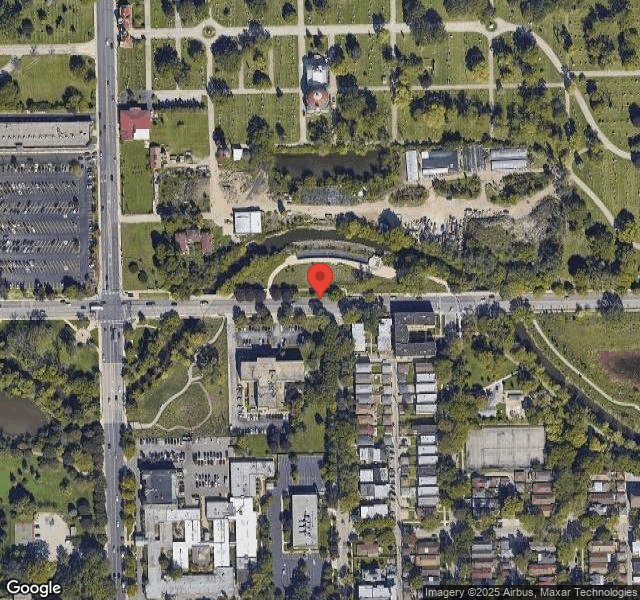

3919 WEST FOSTER AVENUE, CHICAGO, IL 60625 (773) 588-9500
For profit - Corporation 180 Beds LEGACY HEALTHCARE Data: November 2025
Trust Grade
63/100
#152 of 665 in IL
Last Inspection: September 2024

Within standard 12-15 month inspection cycle. Federal law requires annual inspections.

Overview

Harmony Healthcare & Rehab Center in Chicago has a Trust Grade of C+, indicating it is slightly above average but not outstanding. It ranks #152 out of 665 facilities in Illinois, placing it in the top half, and #52 out of 201 in Cook County, suggesting there are only a few local options that are better. The facility is on an improving trend, with issues decreasing from 11 in 2024 to just 1 in 2025. Staffing is rated as average with a turnover rate of 40%, which is better than the state average of 46%, and they have more RN coverage than 84% of Illinois facilities, ensuring better oversight of residents' care. However, there are some concerning incidents. A serious issue was noted where a resident sustained a fall resulting in fractures due to a lack of supervision, revealing potential gaps in safety protocols. Additionally, the facility failed to properly sanitize food items, which could affect many residents, and there were lapses in using appropriate personal protective equipment in isolation rooms, raising infection control concerns. While there are strengths in staffing and overall care, families should weigh these concerns when considering this facility for their loved ones.

Trust Score
C+
63/100
In Illinois
#152/665
Top 22%
Safety Record
Moderate
Needs review
Inspections
Getting Better
11 → 1 violations
Staff Stability
○ Average
40% turnover. Near Illinois's 48% average. Typical for the industry.
Penalties
○ Average
$5,244 in fines. Higher than 51% of Illinois facilities. Some compliance issues.
Skilled Nurses
✓ Good
Each resident gets 51 minutes of Registered Nurse (RN) attention daily — more than average for Illinois. RNs are trained to catch health problems early.
Violations
⚠ Watch
36 deficiencies on record. Higher than average. Multiple issues found across inspections.
★★★★☆
4.0
Overall Rating
★★★☆☆
3.0
Staff Levels
★★★★☆
4.0
Care Quality
★★★★☆
4.0
Inspection Score
Stable
2024: 11 issues
2025: 1 issues

The Good

  • 4-Star Quality Measures · Strong clinical quality outcomes
  • Full Sprinkler Coverage · Fire safety systems throughout facility
  • No fines on record
  • Staff turnover below average (40%)

    8 points below Illinois average of 48%

Facility shows strength in quality measures, fire safety.

The Bad

Staff Turnover: 40%

Near Illinois avg (46%)

Typical for the industry

Federal Fines: $5,244

Below median ($33,413)

Minor penalties assessed

Chain: LEGACY HEALTHCARE

Part of a multi-facility chain

Ask about local staffing decisions and management

The Ugly 36 deficiencies on record

1 actual harm
Feb 2025 1 deficiency
CONCERN (D) 📢 Someone Reported This

A family member, employee, or ombudsman was alarmed enough to file a formal complaint

Potential for Harm - no one hurt, but risky conditions existed

Deficiency F0658 (Tag F0658)

Could have caused harm · This affected 1 resident

**NOTE- TERMS IN BRACKETS HAVE BEEN EDITED TO PROTECT CONFIDENTIALITY** Based on interview and record review, the facility failed to access EMS (Emergency Medical Services) for one of one residents (R...

Read full inspector narrative →
**NOTE- TERMS IN BRACKETS HAVE BEEN EDITED TO PROTECT CONFIDENTIALITY** Based on interview and record review, the facility failed to access EMS (Emergency Medical Services) for one of one residents (R1) reviewed for change in condition in a total sample of three residents. Findings include: R1's face sheet documents R1 is a [AGE] year-old admitted to the facility on 12.12.2024, with diagnoses including but not limited to: Intrahepatic Bile Duct Carcinoma, Acquired Total Absence of Pancreas, Muscle Wasting and Atrophy, Adult Failure to Thrive, Type 2 Diabetes Mellitus, and Hypertension. R1's MDS (Minimum Data Set of 12.14.2024) documents R1 is moderately cognitively impaired. 1.6.2025, 9:00 PM, General Progress Note documents in part: 3:30 PM- noted resident lying on bed comfortably. No respiratory distress noted. Vital signs taken as follows BP 110/ 64, respiratory rate 20, heart rate 84, oxygen level 92% RA (room air), temperature 98.7, blood sugar 128. Due meds given and well tolerated. At around 5:00 PM, NOD (Nurse On Duty) made a quick round and noted resident verbalized that he feels nauseated. vital signs taken, BP (blood pressure)104/61, HR (heart rate) 97, temperature 100.5, oxygen 89% RA (room air), RR (respiratory rate) 20. The physician was updated and made an order to put resident on oxygen treatment, start an IVF (intravenous fluid) treatment for hydration and STAT (immediate) lab works. At around 5:30 PM, resident's vitals were taken as follows BP 114/ 67, RR 20, HR 91, Temp 98.6, O2 96% via nasal cannula. Resident is easily arousable to tactile stimuli. 1.6.2025, 11:55 PM, General Progress Note documents in part: 11:00 PM, received resident in bed, on moderate high back rest, awake, not in distress, with oxygen inhalation via nasal cannula at 2LPm (liters per minute). Resident denies any discomfort. Vital taken as follows; BP 98/56, HR 92, RR 18, 02 sat-98%. At 11:53 PM NOD (nurse on duty) received chest x-ray result and relayed results to the physician. New orders made and carried out. 1.7.2025, 3:35 AM, General Progress Note documents in part: 1:45 AM, routine rounds made. Resident is alert and sleeping with interval, appear weaker. Vital signs taken as follows: BP 88/ 56, HR-89, RR -17, 02 sat-98%. Placed resident in Trendelenburg position. Physician made aware. Orders made & carried out. At 2:00 AM- vital signs rechecked. BP-68/52, HR-91, RR-18, 02 sat 97% VNC (via nasal cannula). Resident is easily arousable to tactile stimuli. Not in distress. Incontinent care done by staff. Physician made aware and order given to transfer the resident to hospital emergency department. Called (private) ambulance. At 3:15 AM-(Private) ambulance arrived. At 3:28 AM, resident left the facility via stretcher accompanied by 3 paramedics going to (local) hospital ER; remains awake, weakness noted. 1.7.2025, 7:20 AM, General Progress Note documents in part: 7:00 AM- called (local) hospital for follow up but found out that resident was rerouted to (911 hospital) and admitted to MICU (Medical Intensive Care Unit) with diagnosis of septic shock. 1.7.2025, 7:20AM, General Progress Note: 7:00 AM- called local hospital for follow up but found out that resident was rerouted to different hospital and admitted to local hospital with diagnosis of septic shock. 2.22.2025, at 4:09 PM, via telephone, V9 (RN-Registered Nurse) said, I was worried about R1's blood pressure. I don't know why I didn't call 911. I should have, I'm sorry. I think I made a mistake. I did contact V11 (Physician). I think I gave R1 an antibiotic (by mouth), I think I started an IV. His blood pressure was not stable, it kept dropping. I was monitoring him frequently. Yes, septic shock is serious. 2.22.2025, at 4:35 PM, V10 (RN-Registered Nurse) said she checked on R1 at the start of shift; his vital signs were good, he was in no distress. V10 said during med pass, I can't remember what time, he said he was nauseated. I took his vital signs. His blood pressure dropped. He had a fever and his oxygen saturation was 89% on room air. I contacted V11 (Physician) and received orders to put R1 on oxygen, start an IV and obtain STAT labs. I gave him Tylenol for his fever. I continued to monitor him. I would have called 911 and not waited for the private ambulance when his blood pressure dropped. 2.22.2025, at 5:02 PM, via telephone, V11 (Physician) said, I don't remember anything about it (R1). Surveyor read above referenced progress notes to V11. V11 said, I would have sent R1 to the hospital via 911, not a private ambulance, when his blood pressure was below 90. When asked what could possibly happen if access to acute care is delayed, V11 said recovery period could be prolonged, his condition could have worsen if the resident had comorbidities. V11 continued, R1 didn't develop hypoxia because he was awake/alert and coherent. His oxygen level was stable and the resident was stable. 2.22.2025, at 6:03 PM, V3 (ADON-Assistant Director of Nursing) said, V9 (RN-Registered Nurse) was doing close monitoring of R1. R1 was receiving IV fluids and the resident was not in distress. V3 continued, management wise they were able to intervene, but you know the resident came in with stomach cancer. The low blood pressure could be due to the metastatic disease. It seems the blood pressure was stable enough. V3 said constant monitoring was being done though not specified in documentation; it appears the resident stabilized. R1 was still responsive; he could verbalize if he was not doing well. At that time since there were no signs of distress, it was okay during that situation to wait for the private ambulance. Based on the documentation of the nurse, I would have waited for (private ambulance), not called 911.
Sept 2024 9 deficiencies
CONCERN (D)

Potential for Harm - no one hurt, but risky conditions existed

Resident Rights (Tag F0550)

Could have caused harm · This affected 1 resident

Based on observation, interview, and record review, the facility: failed to ensure staff did not stand while feeding 2 (R34, and R95) residents that are dependent on staff for assistance with eating a...

Read full inspector narrative →
Based on observation, interview, and record review, the facility: failed to ensure staff did not stand while feeding 2 (R34, and R95) residents that are dependent on staff for assistance with eating and Failed to treat one resident (R417) with respect and dignity by not passing out meals to all residents sitting at the same table at the same time during dining observation in a sample of 33. Findings include: 1. R34's face sheet documents in part; medical diagnoses including but not limited to Hemiplegia and Hemiparesis following Cerebral Infarction, Dysphagia, Acute Cough, and other Seizures. R34's physician orders sheet document in part; R34 requires total assistance with meals, strict aspiration precautions. On 09/03/24 at 12:24 PM, R34 was in bed with head of the bed elevated. R34's bed was close to the floor, and there was a chair at R34's bed side. V24 (Restorative Aide) stood on R34's right side and fed R34. V24 was standing and not at eye level with R34. V24 stated that V24 forgot to sit, and that V24 should be seated to feed R34 to keep R34 at eye level and to prevent R34 from choking. On 09/04/24 at 11:17 AM, V26 (Certified Nursing Assistant/CNA) stated when a resident is in bed or up in chair, the staff should be sitting at eye level when feeding the resident, and to prevent the resident from choking. On 09/05/24 at 10:48 AM, V2 (Director of Nursing) stated, if a resident is dependent on assistance with eating, the staff need to sit with the resident while providing feeding assistance to provide eye level contact for proper observation, to prevent choking and V2 stated it is a dignity issue which should be respected. Facility's Privacy and Dignity policy, last revised 8/16/24, documents in part: It is the facility's policy to ensure that resident's privacy and dignity is respected by the staff at all times. Surveyor also reviewed facility's Restorative Nursing Program policy, last revised 8/19/24. No procedures on how to maintain a resident's dignity during meal assistance. 3. On 9/3/24 at 11:53 AM, R417 observed sitting up on wheelchair waiting for lunch tray. She is seated at the same table with R94, R135 and R158. At 12:18pm, R135 was served a meal tray. Lunch tray with rice, ground meat, and mixed vegetables, coffee and juice. She is able to spoon feed self post tray set up. At 12:19pm, Meal tray was served to R158. Lunch tray with rice, ground meat and mixed vegetables. She can spoon feed self post tray set up. At 12:21pm, Meal tray was served to R94. Lunch tray with Rice, 2 eggrolls, mixed vegetables, coffee, juice. R94 can feed self post tray set up with good appetite. At 12:48pm, Surveyor asked V7 (Certified Nursing Assistant / CNA) and stated R417 did not eat lunch yet, they are following up meal ticket to the kitchen and meal will be provided. At 12:50pm, Lunch tray was served to R417, other 3 residents (R94, R135 and R158) seated in the same table with R417 had finished eating already. R94, R135 and R158 with good appetite, consumed almost 100% of the food served. At 2:49pm, V2 (Director of Nursing / DON) said staff are expected to serve meal tray almost at the same time for those residents seated at one table. It is dignity issue if residents at the same table are almost done eating and another resident is not eating and waiting for meal tray. On 9/4/24 at 10:45am, V1 (Administrator) stated we don't have a policy for meal tray distribution, but it is a best practice that people sitting at the same table should be served at the same time. To ensure that no one is looking at someone else's food and wishing they had food to eat. Facility's policy for privacy and dignity dated 8/16/24 documented in part: It is the facility's policy to ensure that resident's privacy and dignity is respected by the staff at all times. 2. R95 has diagnosis not limited to Congenital Kyphosis, Thoracic Region, Gastro-Esophageal Reflux Disease, Essential (Primary) Hypertension, Unspecified Protein-Calorie Malnutrition, Unspecified Dementia, Unspecified Severity, with Agitation, Restlessness and Agitation, Schizoaffective Disorder, Mood [Affective] Disorder, Hyperlipidemia, Alzheimer's Disease, Syncope and Collapse and Rectal Prolapse. R95's MDS (Minimum Data Set) BIMS (Brief Interview for Mental Status) document 0, resident is rarely/never understood. R95's meal ticket document in part: Food tray set up, (Partial Feeding Assist). On 09/03/24 at 12:35 PM, R95 was observed sitting in a chair in the fourth-floor dining room with a lunch tray in front of her. There was a general mechanical soft meal that contained vegetables, ground meat on a bun, a chocolate ice cream cup and juice. V16 (Activity Aide) was observed standing next to and feeding R95. After V16 was observed standing feeding R95 a staff member brought a chair for V16 to sit in. V16 then sat in the chair next to R95 and continued to provide feeding assistance to R95. On 09/03/24 12:47 PM, V18 (Memory Care Director) was observed standing on R95's right side attempting to feed R95. Surveyor asked V18 the reason for standing next to R95 feeding her. V18 responded, I was encouraging R95. On 09/05/24 at 12:06 PM, V2 (Director of Nursing) stated when feeding a resident, it is common sense to maintain eye contact you have to sit down and maintain a level to see the resident reaction, for social interaction, how the resident eats and dignity with the resident.
CONCERN (D)

Potential for Harm - no one hurt, but risky conditions existed

Deficiency F0554 (Tag F0554)

Could have caused harm · This affected 1 resident

**NOTE- TERMS IN BRACKETS HAVE BEEN EDITED TO PROTECT CONFIDENTIALITY** Based on observation, interview, and record review the facility failed to determine self-administration of medication was approp...

Read full inspector narrative →
**NOTE- TERMS IN BRACKETS HAVE BEEN EDITED TO PROTECT CONFIDENTIALITY** Based on observation, interview, and record review the facility failed to determine self-administration of medication was appropriate for one resident (R70) in a sample of 33. Findings include: R70's face sheet documents in part medical diagnoses including but not limited to Hemiplegia and Hemiparesis following Cerebral Infarction, flexion deformity left fingers joints, pain in left fingers, and adult failure to thrive. R70's Minimum Data Set (MDS) dated [DATE] shows R70 is moderately cognitively intact. On 09/03/24 at 10:48 AM, surveyor observed Lidocaine 4% External Analgesic Cream on R70's bed side table. R70 stated one of the nurses gave R70 the Lidocaine cream couple of months ago for R70's left finger pain. R70 stated R70 uses the cream every other day, and R70 had used the cream this morning. On 09/03/24 at 2:53 PM, interviewed V12 (Registered Nurse/RN) who stated that all medications must have a doctor's order, and no medication either over the counter (OTC) or prescription should be kept at the bed side. V12 stated there should be an order for self-administration. On 09/03/24 at 3:40 PM, when V23 (Licensed Practical Nurse/LPN) was asked if medication should be kept at bed side. V23 stated no medication should be placed at bed side without doctor's order. V23 stated Normally, we are supposed to get an order for the resident to self-administer medicine. V23 stated that R70 did not have an order to self-administer the medication. V23 stated the potential problem is that any confused resident can walk into R70's room to swallow the medication, R70 can overdose the medication, and it is a safety issue. On 09/03/24 at 3:47 PM, V2 (Director of Nursing/DON) stated that for medication administration, the nurse is expected to complete hand hygiene, check the five rights before administering any medications. V2 stated it is V2's expectation that nurses will not leave any medication at bed side without a doctor's order. V2 stated that the potential problem is medication error, other resident could take wrong medication, and could cause medical problem. On 09/03/24 at 3:50 PM, R70's Physician Order Sheet (POS) with active order as of 9/3/24 shows no order for self-administration of Lidocaine 4% cream and to keep medication at bed side. R70's electronic health record (EHR) was reviewed, no Medication Self-Administration Evaluation Form was completed. Review of Medication Pass policy revised 8/16/24. Policy statement: It is the policy of the facility to adhere to all federal and state regulations with medication pass procedures. Review of Self-Administration of Medication policy revised 6/2/24, states: The resident may store the medication at bedside if there is a physician order to keep it at bedside. Policy Statement: A resident who requests to self-administer medications will be assessed to determine if resident is able to safely self-medicate. Procedure 1. The IDT will assign a staff to evaluate resident's ability to safely administer medication. A self-administration evaluation will be filled out to determine capability. A return demonstration will be done to accurately evaluate resident's ability after the health teaching.
CONCERN (D)

Potential for Harm - no one hurt, but risky conditions existed

Deficiency F0578 (Tag F0578)

Could have caused harm · This affected 1 resident

**NOTE- TERMS IN BRACKETS HAVE BEEN EDITED TO PROTECT CONFIDENTIALITY** Based on interview and record review the facility failed to obtain a Physician order and update the resident record with the cor...

Read full inspector narrative →
**NOTE- TERMS IN BRACKETS HAVE BEEN EDITED TO PROTECT CONFIDENTIALITY** Based on interview and record review the facility failed to obtain a Physician order and update the resident record with the correct code status for 1 (R85) resident reviewed for Advance Directives in a sample of 33. Findings Include: R85 has diagnosis not limited to Primary Osteoarthritis, Right Ankle and Foot, Alzheimer's Disease with Late Onset, Type 2 Diabetes Mellitus, Hyperlipidemia, Essential (Primary) Hypertension, Nontoxic Single Thyroid Nodule, Chronic Kidney Disease, Stage 3, Dementia, Long Term (Current) use of Oral Hypoglycemic Drugs, Long Term (Current) use of Insulin, Primary Generalized (Osteo) Arthritis, Cerebral Infarction due to Thrombosis of Right Middle Cerebral Artery, Hemiplegia and Hemiparesis Following Cerebral Infarction Affecting Left Non-Dominant Side, Major Depressive Disorder, Hypothyroidism, Long Term (Current) use of Anticoagulants, Localized Edema, Anxiety Disorders, Muscle Wasting and Atrophy, Need for Assistance with Personal Care, Difficulty In Walking and Abnormalities of Gait and Mobility. R85's MDS (Minimum Data Set) BIMS (Brief Interview for Mental Status) document 04 indicating cognitive function as severely impaired. On [DATE] at 10:29 AM, surveyor asked V14 (Registered Nurse) R85's code status. V14 looked in the computer. V14 stated R85 has no code status. Let me check. V14 called admissions/social service and asked can they check the code status for R85 because it's not there. The surveyor asked V14 to print R85's face sheet and physician orders prior to making any changes. The surveyor then asked V14 if a resident was observed unresponsive without a code status what would be done. V14 responded, If I observed the resident with no code status unresponsive and they needed CPR (Cardiopulmonary Resuscitation) I still have to assess the resident. I understand you need that code status, and it is very important. It is still my judgement if the resident does not have the Do Not Resuscitate POLST (Physician Order for Life Sustaining Treatment) form. On [DATE] at 10:39 AM, V4 (Social Service Director) arrive to the fourth floor and stated there is no code status order for R85 at the moment. The code status is usually just on the POS (Physicians Order Sheet) if they are a full code or Do Not Resuscitate. The responsibility for the code status would be conjoined between social service and nursing to make sure the POS matches the care plan. If there is no code status that would be an error on our part, that we did not audit. It may have been from a readmission, and it was not caught that the code status was not in place. On [DATE] after V14 (Registered Nurse) spoke to V4 (Social Service Director) and V14 was instructed by V4 to enter the physicians order for R85's code status. V14 entered R85's physician order for the code status of Full Code then printed R85's Face Sheet and Physicians Order to reflect R85' code status as Full Code. On [DATE] at 12:06 PM, V2 (Director of Nursing) stated Advance directives for the patient are the DNR (Do Not Resuscitate) status and we call the doctor for the order. Surveyor asked V2 the policy for Advance Directives. V2 stated, we always presume if a resident is a full code, they do not have to have an order. R85's care plan was not updated because there was no change of code status, that is what I am presuming. If a resident needs CPR (Cardiopulmonary Resuscitation) the first thing the nurse does is go to the computer, the POLST (Physicians Order for Life Sustaining Treatment) binder is the back up if the computer is down. If a resident is admitted to the hospital all the orders are discontinued. When the resident is readmitted , the nurse has to get new orders and look at the discharge orders from the hospital. The care plan is focused on the physician orders and the resident needs. The care plan and the physician orders should match. Care Plan document in part: Focus: Advance Directives - R85 has appointed her POA (Power of Attorney) of healthcare and he wishes for R85 to remain a full code at this time. Date Initiated: [DATE]. Interventions: All staff will be made aware of the resident's wishes related to Advance Directives Date Initiated: [DATE]. Review directives with family as needed. Document titled Order Details dated [DATE] at 10:39 document in part: Order Type: Advance Directives. Order Summary: Full Code Document titled Order Listing Report document in part: R85's Full Code Status dated [DATE]. Policy: Titled Advance Directives revised [DATE] document in part: 5. Appropriate information will be added to Physician Order Sheet (POS). 6. The resident's Advance Directive choices/options shall be reviewed during the reassessment and quarterly care planning process. 7. Discussion of Advance Directives and treatment options/refusals will be addressed in appropriate chart documentation as well as care planning during the admission process, as indicated. Review of Advance Directives: 1. Advance Directive information shall be reviewed periodically during the resident's stay, but no less than once a year.
CONCERN (D)

Potential for Harm - no one hurt, but risky conditions existed

Deficiency F0657 (Tag F0657)

Could have caused harm · This affected 1 resident

**NOTE- TERMS IN BRACKETS HAVE BEEN EDITED TO PROTECT CONFIDENTIALITY** Based on interview and record review the facility failed to ensure a resident's Advance Directives care plan was revised after t...

Read full inspector narrative →
**NOTE- TERMS IN BRACKETS HAVE BEEN EDITED TO PROTECT CONFIDENTIALITY** Based on interview and record review the facility failed to ensure a resident's Advance Directives care plan was revised after three hospitalizations and readmissions to the facility for 1 (R85) resident reviewed for Advance Directives in a sample of 33. Findings Include: R85 has diagnosis not limited to Primary Osteoarthritis, Right Ankle and Foot, Alzheimer's Disease with Late Onset, Type 2 Diabetes Mellitus, Hyperlipidemia, Essential (Primary) Hypertension, Nontoxic Single Thyroid Nodule, Chronic Kidney Disease, Stage 3, Dementia, Long Term (Current) use of Oral Hypoglycemic Drugs, Long Term (Current) use of Insulin, Primary Generalized (Osteo) Arthritis, Cerebral Infarction due to Thrombosis of Right Middle Cerebral Artery, Hemiplegia and Hemiparesis Following Cerebral Infarction Affecting Left Non-Dominant Side, Major Depressive Disorder, Hypothyroidism, Long Term (Current) use of Anticoagulants, Localized Edema, Anxiety Disorders, Muscle Wasting and Atrophy, Need for Assistance with Personal Care, Difficulty In Walking and Abnormalities of Gait and Mobility. R85's MDS (Minimum Data Set) BIMS (Brief Interview for Mental Status) document 04 indicating cognitive function as severely impaired. Care Plan document in part: Focus: Advance Directives - R85 has appointed her POA (Power of Attorney) of healthcare and he wishes for R85 to remain a full code at this time. Date Initiated: [DATE]. Interventions: All staff will be made aware of the resident's wishes related to Advance Directives Date Initiated: [DATE]. Review directives with family as needed. R85 was admitted to the facility on [DATE]. R85 was hospitalized three times on [DATE], readmitted [DATE], [DATE] readmitted on [DATE] and [DATE] readmitted [DATE]. On [DATE] at 10:29 AM, surveyor asked V14 (Registered Nurse) R85's code status. V14 looked in the computer. V14 stated R85 has no code status. Let me check. V14 called admissions/social service and asked can they check the code status for R85 because it's not there. The surveyor asked V14 to print R85's face sheet and physician orders prior to making any changes. The surveyor then asked V14 if a resident was observed unresponsive without a code status what would be done. V14 responded, If I observed the resident with no code status unresponsive and they needed CPR (Cardiopulmonary Resuscitation) I still have to assess the resident. I understand you need that code status, and it is very important. It is still my judgement if the resident does not have the Do Not Resuscitate POLST (Physician Order for Life Sustaining Treatment) form. On [DATE] at 10:39 AM V4 (Social Service Director) arrive to the fourth floor and stated there is no code status order for R85 at the moment. The code status is usually just on the POS (Physicians Order Sheet) if they are a full code or Do Not Resuscitate. The responsibility for the code status would be conjoined between social service and nursing to make sure the POS matches the care plan. If there is no code status that would be an error on our part, that we did not audit. It may have been from a readmission, and it was not caught that the code status was not in place. On [DATE] after V14 (Registered Nurse) spoke to V4 (Social Service Director) and was instructed to enter the physicians order for R85's code status by V4, V14 entered then printed R85's Face Sheet and Physicians Order to reflect R85' code status as Full Code. On [DATE] at 12:06 PM, Surveyor asked V2 (Director of Nursing) the policy for Advance Directives. V2 stated, we always presume if a resident is a full code, they do not have to have an order. R85's care plan was not updated because there was no change of code status, that is what I am presuming. If a resident is admitted to the hospital all the orders are discontinued. When the resident is readmitted , they have to get new orders and look at the discharge orders from the hospital. The care plan is focused on the physician orders and the resident needs. The care plan and the physician orders should match. Document titled Order Details dated [DATE] at 10:39 document in part: Order Type: Advance Directives. Order Summary: Full Code Document titled Order Listing Report document in part: R85's Full Code Status dated [DATE]. Policy: Titled Advance Directives revised [DATE] document in part: 5. Appropriate information will be added to Physician Order Sheet (POS). 6. The resident's Advance Directive choices/options shall be reviewed during the reassessment and quarterly care planning process. 7. Discussion of Advance Directives and treatment options/refusals will be addressed in appropriate chart documentation as well as care planning during the admission process, as indicated. Review of Advance Directives: 1. Advance Directive information shall be reviewed periodically during the resident's stay, but no less than once a year. Titled Care Plan revised [DATE] document in part: It is the policy of the facility to ensure that all care plans including base line care plans are in conjunction with the federal regulations. A comprehensive care plan must be developed after the comprehensive assessment of the resident. 5. These will be periodically reviewed and revised by a team of qualified person after each assessment.
CONCERN (D)

Potential for Harm - no one hurt, but risky conditions existed

Respiratory Care (Tag F0695)

Could have caused harm · This affected 1 resident

**NOTE- TERMS IN BRACKETS HAVE BEEN EDITED TO PROTECT CONFIDENTIALITY** 2. On 09/03/24 at 11:02 AM, observed R50 sleeping in bed with oxygen infusing per nasal cannula. Observed oxygen concentrator in...

Read full inspector narrative →
**NOTE- TERMS IN BRACKETS HAVE BEEN EDITED TO PROTECT CONFIDENTIALITY** 2. On 09/03/24 at 11:02 AM, observed R50 sleeping in bed with oxygen infusing per nasal cannula. Observed oxygen concentrator infusing at 3.5 liters per minute. On 09/03/24 at 11:23 AM, with surveyor V13 (Registered Nurse) observed R50's oxygen infusing rate and stated, it's set at 3.5 liters per minute. V13 then went to medication cart and looked up R50's oxygen order in R50's electronic health record (EHR). V13 stated R50's order is for 2 liters per minute PRN. V13 stated V13 does not know how the oxygen rate got up to 3.5 liters per minute because when V13 checked R50's rate earlier this morning it was set at 2 liters per minute. V13 stated R50 cannot reach the oxygen concentrator so R50 could not have changed the rate. V13 stated the rate should not be that high based on the doctor's order, it should be infused at 2 liters per minute. On 09/03/24 at 11:27 AM, V13 checked R50's oxygen saturation rate which was 99%. V13 turned down R50's oxygen rate to 2 liters per minute. R50's diagnosis included but not limited to Cerebral Infarction, Type 2 Diabetes Mellitus with Diabetic Neuropathy, Hyperlipidemia, Peripheral Vertigo Unspecified Ear, Hearing Loss Bilateral, Tinnitus, Unspecified Ear, Hypertension, Cerebral Infarction Due To Unspecified Occlusion Or Stenosis Of Basilar Artery, Cerebral Infarction Due To Unspecified Occlusion Or Stenosis Of Unspecified Cerebral Artery, Asthma, Dysphasia, Dizziness And Giddiness, Syncope And Collapse, Long Term Use Of Insulin, Acquired Claw Hand, Left Hand R50's Order Listing Report dated 09/03/24 documents in part, oxygen 2L/min via nasal cannula to maintain oxygen saturation level equal or above 92% as needed for asthma. R50's oxygen care plan dated 09/03/24 documents in part, give oxygen as ordered by the physician at 2 LPM (liters per minute) via nasal cannula. Based on observation, interview and record review the facility failed to ensure oxygen tubing was properly labeled for 1 (R136) resident, and to ensure residents received the correct oxygen flow rate as ordered by the physician for 2 (R50, R136) out of 2 residents reviewed for respiratory care. Findings Include: 1. On 9/3/24 at 10:51 AM, R136 was lying in bed alert and able to verbalize needs. R136 was using oxygen via nasal cannula. R136's oxygen concentrator flow rate was set to 3.5 liters per minute (LPM). R136's oxygen tubing was not labeled when it was last changed. R136 stated R136 has Chronic Obstructive Pulmonary Disease (COPD) and nursing staff sets R136's oxygen. R136 denied changing the flow rate of the oxygen concentrator. At 10:53 AM, interviewed V21 (Registered Nurse) and stated oxygen tubing is changed weekly and as needed. V21 stated oxygen tubing is supposed to be labeled to let the staff know when it was last changed. V21 stated R136 is supposed to be getting oxygen at 3LPM continuously. R136's electronic health records show R136 was admitted in the facility on 5/30/24 with diagnoses included but not limited to chronic obstructive pulmonary, pulmonary hypertension, adult failure to thrive, and emphysema. R136's Minimum Data Set (MDS) dated [DATE] shows R136 has moderately impaired cognition. R136's physician order reads in part: Oxygen 3L/min continues for CHRONIC OBSTRUCTIVE PULMONARY DISEASE WITH (ACUTE) EXACERBATION. R136's care plan date initiated on 6/3/24 reads in part: Give oxygen as ordered by the physician at 3LPM continuously. On 9/3/24 at 2:41 PM, interviewed V2 (Director of Nursing) and stated that it is the facility's policy to change the oxygen tubing weekly and as needed. V2 stated nurses must label the tubing when it was changed. V2 stated the purpose for that is for infection control that it's changed timely when it's supposed to be. V2 stated, nurses must follow the physician's order when administering the oxygen and should monitor the residents' oxygen that it's on the correct setting. The facility's policy titled; Oxygen Therapy and Administration dated 8/16/24 reads in part: Oxygen therapy shall be administered to patients as indicated and upon a physician's order. Confirm order from physician. Assemble equipment as needed. Date your equipment. Oxygen setups should be changed every seven days and as needed if heavy soiling is present.
CONCERN (D)

Potential for Harm - no one hurt, but risky conditions existed

Deficiency F0810 (Tag F0810)

Could have caused harm · This affected 1 resident

**NOTE- TERMS IN BRACKETS HAVE BEEN EDITED TO PROTECT CONFIDENTIALITY** Based on observation, interview, and record review, the facility failed to ensure adaptive eating equipment was provided to 2 (R...

Read full inspector narrative →
**NOTE- TERMS IN BRACKETS HAVE BEEN EDITED TO PROTECT CONFIDENTIALITY** Based on observation, interview, and record review, the facility failed to ensure adaptive eating equipment was provided to 2 (R96 and R135) residents to facilitate self-feeding. This failure affected 2 (R96 and R135) of 2 residents reviewed for assistive device during mealtime in the sample of 33 residents. The findings include: R96's admission record documented admission date on 10/21/2023 with diagnoses not limited to Parkinson's disease without dyskinesia, Difficulty in walking, Alzheimer's disease, Unspecified dementia, Adult failure to thrive, Anemia, Presence of cardiac pacemaker. R135's admission record documented admission date on 6/7/2023 with diagnoses not limited to Huntington's disease, Adjustment disorder with depressed mood, Dysphagia, Anemia, Unspecified dementia. On 9/3/24 at 12:18 PM, During dining observation, R135 sitting up on wheelchair in the dining room. Lunch tray served with divider plate with rice, ground meat, mixed vegetables, juice, coffee. R135 observed with involuntary movements, able to spoon feed self post tray set up. R135 wearing protective clothing with food spillage on it. R135's meal ticket showed Divider plate to use + adaptive utensils (silver wares with rubber handles). Adaptive utensil was not provided at mealtime. R135 was using regular silver with no rubber handles and food was falling / spilling on her protective clothing. V5 (Registered Nurse / RN) requested to the dining room and confirmed adaptive utensil was not available for R135. V5 said she will follow up in the kitchen. At 12:33 PM, R96 observed sitting up on wheelchair in the dining room. Lunch tray served with divider plate with rice, ground meat, mixed vegetables. Observed R96 feeding self and having difficulty scooping out food. Observed spillage of food on lunch tray and clothing. Meal ticket indicated plate guard, but no plate guard was provided. On 9/3/24 at 2:49 pm, V2 (Director of Nursing / DON) said adaptive eating equipment is recommended by therapist. Kitchen is responsible for providing and cleaning the equipment. Adaptive eating equipment helps or assist resident during mealtime, maintain level of functioning and promote independence at mealtime. On 9/4/24 at 10:50 am, V11 (Director of Therapy) said has been working in the facility about 2 years. Adaptive eating equipment is recommended by OT (Occupational Therapist) to promote independence at mealtime. He said example of adaptive eating equipment is weighted utensil and plate guard. Weighted utensil is recommended for resident who have tremors, easier for the resident to bring food into their mouth to prevent spillage of food and better control from hand to mouth. It will provide more independence with eating. Possible more spillage of food when eating adaptive equipment was not provided. The use of plate guard is for resident having a hard time scooping food. Plate guard is use for easier scooping of food to prevent spillage and promote independence with feeding. V11 stated R135 was recommended with adaptive eating utensil due to her diagnosis of Huntington's disease, she has involuntary movements. R96's POS (physician order sheet) showed active order not limited to general diet, mechanical soft texture. MDS (minimum data set) dated 7/5/2024 showed R96's cognition was severely impaired. He needed partial / moderate assistance with eating. R96's meal ticket showed adaptive equipment: Plate guards. R135's POS (physician order sheet) showed active order not limited to general diet, mechanical soft texture. Divider plate, adaptive utensils / spoon. Care plan dated 6/8/23 documented in part: R135 have an ADL (activities of daily living) self-care performance deficit and impaired mobility. Eating: require partial weight assistance to eat using a weighted utensils for good holding and grip and divider plate to keep the food from spilling. R135's meal ticket showed divider plate to use + adaptive utensils (silver wares with rubber handles). MDS dated [DATE] showed R135's cognition was moderately impaired. She needed Supervision / touching assistance with eating. Facility's policy for restorative nursing program dated 8/19/24 documented in part: Evaluation as to the need of adaptive equipment / enabling devices to help accommodate the resident's needs, promote optimal functioning and self-sufficiency in ADL's.
CONCERN (E)

Potential for Harm - no one hurt, but risky conditions existed

Deficiency F0553 (Tag F0553)

Could have caused harm · This affected multiple residents

**NOTE- TERMS IN BRACKETS HAVE BEEN EDITED TO PROTECT CONFIDENTIALITY** Based on observation, interview, and record review, the facility failed to ensure residents participated in care planning confer...

Read full inspector narrative →
**NOTE- TERMS IN BRACKETS HAVE BEEN EDITED TO PROTECT CONFIDENTIALITY** Based on observation, interview, and record review, the facility failed to ensure residents participated in care planning conferences for 5 (R14, R4, R136, R20, R59) out of 5 residents reviewed in a final sample of 33. Findings Include: On 9/4/24 at 9:52 AM, interviewed R14 and stated admitted in the facility four months ago. R14 stated has not attended any care plan meeting to discuss R14's plan of care. R14's electronic health records show R14 was admitted in the facility on 4/30/24 with diagnoses included but not limited to acute and chronic respiratory failure with hypoxia, dysphagia, major depressive disorder, generalized anxiety, and schizoaffective disorder. R14 had a completed quarterly Minimum Data Set (MDS) assessment with assessment reference date (ARD) of 7/22/24. R14's Brief Interview for Mental Status (BIMS) was coded as 13, which means R14 is cognitively intact. R14's EHR lacked documentation if a care conference was conducted for R14. On 9/4/24 at 9:56 AM, interviewed R136 and stated admitted in the facility two months ago. R136 stated that the facility has not conducted any care plan meeting since R136's admission. R136's EHR shows R136 was admitted in the facility on 5/30/24 with diagnoses included but not limited to chronic obstructive pulmonary, pulmonary hypertension, adult failure to thrive, and emphysema. R136 had a completed admission MDS assessment with ARD of 6/1/24. R136's BIMS was coded as 11 which means R136 has moderately impaired cognition. R136's EHR lacked documentation if a care conference was conducted for R136 since admission date. On 9/4/24 at 10:01 AM, interviewed R4 and stated was admitted in the facility back in December 2023. R4 stated that the last care plan meeting R4 received was four months ago. R4's EHR shows R4 was admitted in the facility on 12/6/23 with diagnoses included but not limited to metabolic encephalopathy, chronic respiratory failure, essential hypertension, type 2 diabetes mellitus, and anxiety disorder. R4 had a completed quarterly MDS assessment with ARD of 8/22/24. R4's BIMS was coded as 12 which means R4 has moderately impaired cognition. R4's EHR lacked documentation if a care conference was conducted for R4. On 9/4/24 at 10:07 AM, interviewed R20 and stated was admitted in the facility one year ago. When asked about a care plan conference R20 attended recently with the interdisciplinary team, R20 stated, I don't think they ever did one. R20's EHR shows R20 was admitted in the facility on 8/23/23 with diagnoses included but not limited to end-staged renal disease, essential hypertension, spinal stenosis, obesity, and type 2 diabetes mellitus. R20 had a completed annual MDS assessment with ARD of 7/3/24. R20's BIMS was coded 10 which means R10 has moderately impaired cognition. R20's EHR lacked documentation if a care conference was conducted for R20. On 9/5/24 at 9:44 AM, interviewed R59 and stated R59 was admitted in the facility in March. R59 stated has not attended any care plan meeting to discuss R59's plan of care. R59 stated, They have not done that with me. R59's EHR shows R59 was admitted in the facility on 3/6/24 with diagnoses included but not limited to dysphagia, malignant neoplasm of pancreas, anxiety disorder, and severe protein-calorie malnutrition. R59 had a completed quarterly MDS assessment with ARD of 6/7/24. R59's BIMS was coded as 12 which means R59 had moderately impaired cognition. R59's EHR lacked documentation if a care conference was conducted for R59. On 9/4/24 at 11:30 AM, interviewed V19 (MDS Coordinator) and stated V19 is responsible in scheduling and sending out invites for the long-term care residents' care plan conferences. V19 stated, We mail the invites to the responsible parties. We verbally invite the residents. Care plan conference are held every quarter. For new admits the social service department schedules it. They are the ones that send invites also. V19 stated V19 is not sure how care plan conferences are scheduled for new admissions. V19 stated normally within 7 days. V19 stated care plan conferences are scheduled and should be held quarterly according to the MDS calendar and as requested. V19 stated care plan conferences should be attended by the interdisciplinary team (IDT) someone from nursing, social worker, dietary, restorative, activity, and therapy if resident is on therapy. V19 stated care plan conferences calendar is emailed and shared to the department heads. V19 stated there are no documentation that the invites are sent. V19 stated all documentation of care plan conference minutes are electronic. V19 stated care plan conference is documented that it was held in the resident's EHR under assessment titled; LCHC-Multidisciplinary Care Conference. V19 stated even if the resident or the family did not attend, care plan conference still should be held with the IDT to discuss the resident's plan of care. Surveyor reviewed R14, R4, R136, R20, and R59's EHR together with V19. V19 confirmed these residents had no documentation indicating care plan conferences were held according to the MDS calendar. V19 stated R14 had MDS in 7/22/24 and should have had a care plan conference in July. V19 stated R4 had MDS completed on 8/22/24 and should have had a care plan conference in August. V19 stated R136 was admitted on [DATE] with the last quarterly MDS review on 8/27/24, but no documentation if R136 had care plan conferences for both the admission and quarterly review. V19 stated R20 had a completed MDS on 7/3/24 and should have had a care plan conference in July. V19 stated R59 had a completed MDS on 6/7/24 and should have had a care plan conference in June. The facility's policy titled; Care Plan Conference dated 7/26/24 reads in part: Resident care conferences are held within the first 72 hours of admission, upon completion of the comprehensive care plan and at least quarterly thereafter in coordination with the MDS schedule and process. Resident / Resident Representative will be invited to the care conference. The care conference is intended to be an interactive meeting with the resident, resident representative(s), and interdisciplinary team representatives to review the care plan, clarify service and contact information, and provide a forum for the resident and/or resident representative(s) to relate satisfaction or dissatisfaction with care. Social Services staff follow up with any complaints or concerns aired during care conference following the facility grievance procedure. Those attending the care conference or participating in the development of the care plan includes but is not limited to the attending physician, a licensed nurse with knowledge of the resident, a nurse aide with responsibility for the resident, a member from dietary, a member of the activity department, a member of the therapy/restorative department, social services personnel, the resident is practicable, the resident's representative if possible. During the care conference the care plan is reviewed with the resident and/or resident's representative.
CONCERN (E)

Potential for Harm - no one hurt, but risky conditions existed

Menu Adequacy (Tag F0803)

Could have caused harm · This affected multiple residents

Based on observation, interview, and record review the facility failed to ensure resident individualized diet order and food plan was followed affecting one resident (R159) out of 6 residents reviewed...

Read full inspector narrative →
Based on observation, interview, and record review the facility failed to ensure resident individualized diet order and food plan was followed affecting one resident (R159) out of 6 residents reviewed for nutrition. The facility also failed to ensure the diet spreadsheet and recipes were followed for pureed food preparation affecting all 22 residents receiving pureed diets in the facility's kitchen. Findings Include: On 09/03/24 at 10:41 AM, R159 said, all my meals are pureed, and I get mashed potatoes at almost all my meals which I am really sick of. I don't know why they cannot puree other things for me, so I don't get the same thing every day. R159 stated R159 is not allowed any liquids except water and is only allowed to have ice cream once a day. R159 said, it's because of my swallowing. Sometimes thin liquids go into my lungs instead of into my stomach. On 9/03/24 12:37 PM, observed R159 eating lunch in R159's room. R159 received single portions of pureed pork, what appeared to be mashed potatoes (pureed rice listed on menu), pureed vegetable, ice cream, yellowed colored juice, applesauce, fortified pudding. No water on tray was provided on R159's tray. No gravy was seen on R159's pureed food. Observed R159's meal ticket documented in part, TRIPLE PORTIONS (3X) Food Serving, Fortified Pudding, Applesauce and Only Water for Liquids on Tray. Extra gravy is not listed on meal ticket. R159 stated I should not have been given the juice; I'm only supposed to get water. R159 says R159 gets given cartons of milk, juice, and coffee on R159's meal tray way too often. R159 stated, that juice shouldn't be on my tray. It is a mistake. R159 stated the amount of food R159 received does not look like triple portions to him and that R159 usually only receives single portions. R159 stated R159 usually eats 100% of his meals. On 09/03/24 at 12:56 PM, observed R159's lunch tray. R159 had consumed 100% of all the pureed food on his tray, 100% ice cream, 0% juice, 100% applesauce, 100% fortified pudding. On 09/04/24 at 12:45 PM, observed R159's lunch tray. R159 received singled portions of pureed meat with gravy, pureed green vegetable, pureed bread, mashed potatoes with gravy, fortified pudding, vanilla pudding. There was no water or applesauce on R159's tray. On 09/04/24 at 12:47 PM, surveyor observed with V27 (Certified Nursing Assistant), R64's pureed lunch tray. R64 received single portions of pureed food. On 09/04/24 at 12:50 PM, surveyor observed with V27, R159's pureed lunch tray and V27 stated the portions R159 received looked the same as the portions R64 received. V27 stated R159 did not receive double or triple portions of pureed food. V27 stated V27 gives R159 ice cream after R159 finishes R159's meal because R159 does not like it melted. On 09/04/24 at 12:55 PM, V13 (Registered Nurse) viewed R159's lunch tray and reviewed R159's meal ticket and stated R159 is only allowed water based on R159's meal ticket and R159 should be provided with water on R159's tray. V13 stated R159 was not provided with any water on R159's tray and V13 does not know why it is missing. On 09/04/24 at 12:57 PM, R159 stated, I'm also missing applesauce from my tray which I use because it helps me swallow my food better. R159 looked at the mashed potatoes on R159's tray and stated, see? They gave me mashed potatoes again. Scalloped pureed potatoes sound very good to me. Some variety would be good! R159 stated R159 is not aware of R159 ever being given triple portions and said, that would be a lot of food on my plate and would be something I'd notice. R159 stated R159 usually eats 100% of the pureed food and stated R159 feels R159 could eat more food than is provided to R159. R159 stated the staff always gives R159 ice cream after R159 eats R159's lunch meal. On 09/04/24 at 2:00 PM, V28 (Registered Dietitian) stated the kitchen should be following the menus and recipes to make sure the residents are receiving a variety of food and the appropriate nutrition for the day. V28 stated residents on pureed diets should not receive mashed potatoes every day and today residents on pureed diets should have received pureed scalloped potatoes if that is what the other residents are receiving. V28 stated residents on pureed diets should receive the same items served to residents on regular diet consistency except in a pureed form, assuming the food can be pureed safely. V28 stated the staff should be following the meal tickets and provide the food listed on the meal tickets because the meal tickets list the resident's diet order and any other special instructions specific to that resident. V28 stated based on R159's meal ticket R159 should have received triple portions of pureed foods, applesauce, and water with meals, no juice or other type of liquid. V28 stated it is important to provide R159 with water on R159's tray because this is R159's primary source of water which R159 needs for hydration. V28 stated R159 should not have been provided juice because this has the potential to cause an infection if R159 aspirated the juice. V28 stated R159 should have received applesauce on R159's tray because it is listed on R159's meal ticket. V28 stated R159 is eating well and meeting baseline nutritional needs but if R159 received double or triple portions this could potentially promote weight gain which would be beneficial to R159. On 09/04/24 at 1:18 PM, V29 (Speech Language Pathologist) stated R159 recently had a Modified Barium Swallow Study, and the recommendations were for R159 to stay on pureed diet consistency and with thin water only with meals (no other liquids), one ice cream per day and extra gravy with meals. V29 stated it is safer to aspirate water versus something that is different than what the body normally has inside it compared to the juice which has sugar and coloring in it. V29 stated if R159 aspirated juice it could go into his lungs which could be painful, and water is safer. V29 stated R159 has a very good appetite and when V29 was working with R159 he routinely consumed 100% of the meal. V29 stated applesauce was R159's preference and if R159 feels like the applesauce helps R159 facilitate swallowing then it definitely could and should be provided to R159. V29 stated R159 should not have received the juice on R159's tray and R159 should have received water on R159's tray. V29 stated R159 should be receiving extra gravy with all meals to help the food go down better. On 09/05/24 at 9:57 AM, V31 (Dietary Director) stated the meal tickets reflect the physician generated diet order and any recommendations which come from the Registered Dietitian including food preferences and additional food items. V31 stated it is important for the staff to read the meal tickets carefully to make sure they pick up details of the resident's meal plan. V31 stated it is important for the staff to follow the meal tickets, so the resident receives the correct diet order and dietary interventions based on the physician diet order and Registered Dietitian's recommendations. V31 stated the potential problem of a resident not receiving extra portions when its part of their diet order is that their intake would be lesser than what they should receive for that meal which over time could potentially lead to weight loss. V31 stated R159 should have received triple portions and applesauce as listed on the meal ticket. V31 stated the kitchen staff is not responsible for putting liquids on resident meal trays, that is something the nursing staff does. R159's diagnosis includes but not limited to Pneumonitis Due To Inhalation Of Food and Vomit, Muscle Wasting And Atrophy, Dysphasia Oropharyngeal Phase, Difficulty Walking, Cognitive Communication Deficit, Needs For Assistance Personal Care, Chronic Idiopathic Constipation, Anemia, Severe Protein Calorie Malnutrition, Disorders of Electrolyte and Fluid Balance, Disturbance of Salivary Secretion, Repeated Falls, Cachexia, Reduced Mobility, Specified Disorders Of Bone Density And Structure, Adult Failure To Thrive, Sepsis. R159's MDS (Minimum Data Set) dated 06/14/24 BIMS (Brief Interview for Mental Status) was 12 out of 15 indicating moderately impaired cognition. R159's Order Listing Report printed 09/03/24 documents in part, general diet pureed texture, thin liquids consistency, WATER ONLY. Triple portions with all meals. Applesauce with all meals. Mashed banana with breakfast, extra gravy with meal, may have 1 ice cream per day and fortified pudding with meals for supplementation. R159's meal tickets document in part, general type diet pureed consistency, (3x) TRIPLE PORTIONS food serving applesauce with all meals, ONLY water for liquids on tray. Mashed banana with breakfast and extra gravy with meals are not listed on R159's meal tickets. R159's swallowing/nutrition care plan documents in part, R159 is at risk to potentially choke or aspirate food or liquids. This problem is related to dysphagia. BMI 17.2 underweight. Potential for weight changes due to disease and age process. R159 is malnourished. Interventions include double portions with all meals, applesauce with all meals, pudding with all meals, mashed banana with breakfast when available and prepare/serve the resident's nutritional diet as ordered. On 9/4/24 at approximately 10:39 AM, Surveyor observed the pureed preparation in the kitchen. V33 (Assistant Cook) pureed the braised beef tips with gravy and the garlic green beans. V33 did not prepare the pureed scalloped potatoes. V33 stated that V33 only prepared the pureed braised beef and the green beans because V33 already prepared the powdered mashed potato from the box, and this will be served to all residents on pureed diet. V33 stated that V33 used the powdered prepacked mashed potato and poured it with boiled water. V33 stated did not put any other ingredients because it's in a pack, just mix the powder with water and its instant mashed potato. V33 stated will not prepare the pureed dinner roll because there is already the mashed potato to be served. V33 and V31 (Dietary Director) stated that the recipe book and the diet spreadsheets are followed when preparing pureed food. V31 further stated that the residents' meal tickets should be followed, and everything listed on the meal ticket should be served to the resident. On 9/4/24, during lunch observation on the 3rd and 4th floors, survey team observed mashed potatoes being served to residents on pureed diet. At 3:07 PM, a follow up visit was conducted in the kitchen and obtained a copy of the Pureed Scalloped Potatoes. V31 stated that V33 added a scalloped seasoning when preparing the powdered mashed potato. Surveyor asked V31 to show the scalloped seasoning that was used. V31 stated it's not available since it was all used up this morning. The facility's Diet Spreadsheet shows for Day: 11 - Wednesday lunch, residents on pureed diet to receive pureed braised beef tips with gravy, pureed scalloped potatoes, pureed garlic green beans, pureed creamy custard pie, pureed buttered dinner roll, and beverage. The facility's Pureed Scalloped Potatoes recipe reads in part: Place prepared scalloped potatoes in a clean and sanitized food processor. Add milk gradually, as needed and blend until smooth. The facility's Diet Type Report printed on 9/5/24 shows there are 22 residents receiving pureed diet in the facility. The facility's job description for the [NAME] dated 12/1/19 shows that it is the Cook's duties and responsibilities to ensure trays are prepared according to diet cards in an efficient manner to meet scheduled meal and snack times.
CONCERN (E)

Potential for Harm - no one hurt, but risky conditions existed

Infection Control (Tag F0880)

Could have caused harm · This affected multiple residents

Based on observation, interview, and record review the facility failed to (a) ensure staff handled medications in a sanitary manner and performed hand hygiene for 4 (R53, R99, R114, R153) of 5 residen...

Read full inspector narrative →
Based on observation, interview, and record review the facility failed to (a) ensure staff handled medications in a sanitary manner and performed hand hygiene for 4 (R53, R99, R114, R153) of 5 residents reviewed during the medication administration; (b) post Enhanced Barrier Precautions (EBP) signage for 2 (R30 and R64) residents with an indwelling medical device, and (c) wear proper PPE (Personal Protective Equipment) during high contact resident care activities. These failures have the potential to affect 55 residents residing on 3rd floor and 59 residents residing on 4th floor as of census dated 9/3/24. The findings include: On 9/03/24 at 10:18 AM, R30 Observed lying in bed, head of bed slightly elevated, alert with confusion. Observed with IV fluids D5 0.45% NACL infusing on right arm at 40cc/hr. Requested V5 (Registered Nurse / RN) to R30's room, V5 donned gloves and access IV site by removing kerlix wrap to check IV dressing. V5 did not wear gown. No EBP signage posted on room entrance, no PPE supplies available nearby or by the hallway. She said IV fluid was started 3-4 days ago for hydration. At 11:58 am, V7 (Certified Nursing Assistant / CNA) stated has been working in the facility for 21 years and regularly assigned on 4th floor. Stated she is working with R30. She said R30 is incontinent of bowel and bladder, requires total assistance with transfer, bed mobility and toileting hygiene. V7 said incontinence care was done earlier and wore gloves. Stated did not wear gown because R30 is not on isolation. At 2:49 pm, Interview with V2 (Director of Nursing / DON) said resident who has foley cath, wounds, G-tube, colonized MDROs, with peripheral line, PICC line, central line, dialysis access site should be placed under Enhanced Barrier Precautions (EBP) and signage should be posted by resident's door so everyone would be alerted when going inside the room. V2 said staff should be wearing proper PPE (Personal Protective Equipment) such as gown, gloves when providing high care activities such as accessing IV site, providing incontinence care, ADL (activities of daily living) care. Wearing proper PPE is for staff and resident protection to prevent cross contamination. PPE supplies should be available at least 2 rooms apart. On 9/5/24 at 11:35 am, V3 (Infection Preventionist / IP nurse) said has been working in the facility for a year. Residents who have indwelling medical devices such as IV access site, central line and dialysis access site, wounds should be placed under EBP. Signage kept in front of the door; PPE supplies keep in bins shared in between every 2 -3 resident's rooms. She said EBP signage is posted so staff is aware that resident is on EBP in that room and instructions of PPE requirements, when to put it on. High contact activities / care such as changing bed, linens, incontinence care and IV dressing. Staff should be wearing proper PPE such as gloves and gown and mask if needed. V3 said if staff is not wearing proper PPE, could potentially Introducing possible infection to the residents. Protection for staff and residents. MDS (minimum data set) dated 6/3/24 showed R30's cognition was severely impaired. She needed substantial / maximal assistance with eating, oral and personal hygiene, shower / bathe self, upper body dressing, Dependent with toileting hygiene and lower body dressing. MDS showed R30 was incontinent of bowel and bladder. R30's POS (physician order sheet) showed active order not limited to: Dextrose - NaCl solution 5-0.45% (Dextrose - Sodium Chloride) use 40ml/hr intravenously every shift for hydration for 3 days. Order date 8/31/24. Facility's policy for Enhanced Barrier Precaution dated 7/26/24 documented in part: EBP involves the use of gowns and gloves to reduce transmission of resistant organisms during high contact resident care activities for residents known to be colonized or infected with MDROs as well as residents with wounds and / or indwelling medical devices. The EBP requires the use of gown and gloves during high-contact resident care activities that provide opportunities for transfer of XDROs to staff hands and clothing. Examples of high contact resident care activities requiring gown and gloves use among resident s that trigger EBP use include: dressing, bathing/showering, transferring, providing hygiene, changing linens, changing briefs or assisting with toileting, device care use. On 09/03/24 at 11:03 AM, observed tube feeding pole at R64's bedside with no tube feeding hung or infusing. There was no Enhanced Barrier Precaution (EBP) signage posted outside R64's room. On 09/03/24 at 11:11 AM, V13 (Registered Nurse) stated residents on Enhanced Barrier Precaution include those who have any indwelling catheter for urinary, feeding tube, central line or open wounds. V13 stated Enhanced Barrier Precaution signage is posted outside the resident's room to give a visual alert to staff and visitors so they know to do hand hygiene before and after entering the room or wear personal protective equipment (PPE) when administering care. V13 stated R64 has a gastrostomy tube and R64's tube feeding is administered at night. On 09/03/24 at 12:19 PM, V13 looked in R64's electronic health record (EHR) and stated R64 has a physician order for Enhanced Barrier Precaution dated 09/02/24. V13 observed that there was no Enhanced Barrier Precaution sign outside R64's room and stated V13 does not know why there is no Enhanced Barrier Precaution sign outside R64's door. V13 stated R64 should have an Enhanced Barrier Precaution sign posted outside R64's room because R64 has a gastrostomy tube. On 09/03/24 at 12:21 PM, observed V13 posting Enhanced Barrier Precaution sign outside R64's room on R64's door. V13 stated, V13 called the Infection Preventionist Nurse who told V13 to post the EBP sign outside R64's room. On 09/05/24 at 9:40 AM, V2 (Director of Nursing) stated if a resident has a feeding tube there should be Enhanced Barrier Precaution signage outside the resident's door to tell the staff what type of PPE to wear and when to where it. V2 stated the potential problem if there is no EBP signage on the resident's door is the staff may not know to wear PPE when providing care which would be an infection control concern because of the potential for cross contamination. On 09/05/24 at 10:22 AM, V3 (Infection Preventionist Nurse) stated V3 is the one who reviews all new admissions to see if they require contact isolation. If a resident has an indwelling catheter or open wound(s) they are placed on Enhanced Barrier Precautions. V3 stated V3 is responsible for putting up the Enhanced Barrier Precaution sign outside the resident's room. V3 stated the purpose of putting up the Enhanced Barrier Precaution sign is to notify the staff what PPE they have to wear when providing direct care to the resident and alert visitors to do hand hygiene before/after entering the room. V3 stated the potential problem if the Enhanced Barrier Precaution sign is not posted outside the resident's room who required EBP is that the staff would not know to put on PPE for high contact care activities and therefore there would be an increased risk of the resident getting an infection from the staff. V3 stated V3 put in an order into R64's EHR on 09/02/24 for Enhanced Barrier Precaution when V3 found out R64 was receiving tube feedings. V3 stated R64 should have had an Enhanced Barrier Precaution sign posted outside R64's room because R64 has a feeding tube. V3 stated, it was an oversight. R64's diagnosis included but not limited to Hemiplegia and Hemiparesis Following Cerebrovascular Disease Affecting Right Dominant Side, Dysphasia, Aphasia, Encounter for Attention to Gastrostomy, Difficulty in Walking, Abnormalities of Gait Mobility, Cognitive Communication Deficit, Muscle Wasting and Atrophy, Need For Assistance With Personal Care, Type 2 Diabetes Mellitus, Long Term Use Of Insulin, Encephalopathy, Malignant Neoplasm Of Unspecified Part Of Unspecified Bronchus Or Lung, Cerebral Infarction, Depression, Asthma, Chronic Pain, Gastroesophageal Reflux Disease Without Esophagitis, Osteoarthritis Left Knee, Spinal Stenosis, Intervertebral Disc Degeneration, Hyperlipidemia, Hypertension, Hypertensive Heart Disease With Heart Failure, Radiculopathy. R64's Order Summary Report dated 09/03/24 documents in part enteral feeding order dated 08/03/24 Nepro 75 ml per hour, on at 4 PM, off at 8 AM and Enhanced Barrier Precaution: Enteral feeding tube every shift dated 09/02/24. R64's MDS (Minimum Data Set) from 08/05/24 documents in part, BIMS (Brief Interview for Mental Status) score is 0 (could not be conducted) resident is rarely/never understood indicating severely impaired cognition, and nutritional approaches include feeding tube and the proportion of total calories the resident is receiving through tube feeding is 51% or more. R64's infection control care plan dated 09/02/24 documents in part, (R64) is on Enhanced Barrier Precaution for enteral feeding tube. On 09/03/24 at 09:17 AM, V13 (Registered Nurse) entered R153's room with signage posted Enhanced Barrier Precautions with the blood pressure monitor obtaining a blood pressure reading of 114/71 pulse 74. V13 exited R153's room without performing hand hygiene and began preparing R153 medications. On 09/03/24 at 09:24 AM, V13 (Registered Nurse) entered R153's room and administered R153 medications. On 09/03/24 at 09:31 AM, V13 (Registered Nurse) entered R114's room with signage posted Enhanced Barrier Precautions and assisted R114 with dressing. V13 exited R114's room without performing hand hygiene and began preparing R114 medications. V13 reentered R114's room to administer R114's medications. On 09/03/24 at 09:37 AM, V13 (Registered Nurse) returned to the medication cart to document in the computer without performing hand hygiene. V13 then put on gloves and began cleaning the blood pressure monitor. On 09/03/24 at 09:39 AM, surveyor asked V13 (Registered Nurse) what she should have done after obtaining R153's blood pressure, before preparing R153 medication, after assisting R114 with dressing, before preparing R114's medications and before applying gloves to clean the blood pressure monitor. V13 responded, hand sanitizing. I used gloves, but it is for infection control. On 09/03/24 at 09:46 AM, V12 (Registered Nurse) proceeded down the hallway and pushed R53 in her wheelchair to her room. V12 returned to the medication cart and began preparing R53's medications without performing hand hygiene. On 09/03/24 at 09:50 AM, V12 (Registered Nurse) entered R53's room and administered R53's medication. V12 retrieved the medication cup, placed R53's call light closer to her, returned to the medication cart, and discarded the medication cup. On 09/03/24 at 09:54 AM, V12 (Registered Nurse) entered R99's room with signage posted indicating Enhanced Barrier Precautions with the blood pressure monitor obtaining a blood pressure reading of 133/65 pulse 75. On 09/03/24 at 10:01 AM, V12 (Registered Nurse) returned to the medication cart without performing hand hygiene then began preparing R99's medications. V12 reentered R99's room and administered R99's medications. V12 then exited R99's room without performing hand hygiene, retrieved a pair of gloves then reentered R99's room and repositioned R101 in the bed. On 09/03/24 at 10:05 AM, surveyor asked V12 (Registered Nurse) what she should have done after pushing R53 in the wheelchair and before preparing R53 medications. V12 responded, Hand hygiene, wash or do something to prevent any cross infection. When asked should hand hygiene be done before applying gloves, V12 responded, technically if my hands are clean, I would not do it. When asked after administering medication and touching the medication cup that the resident took the medication cup would her hands be considered unclean. V12 responded, yes, they would be contaminated. When asked are gloves used as a substitution for hand hygiene. V12 responded, gloves are not used as a substitute for hand hygiene. Hand hygiene should be done before the gloves are applied. On 09/05/24 at 12:06 PM, V2 (Director of Nursing) stated when staff is passing medications at the beginning and completion of the task, hand washing or hand hygiene with the sanitizer should be done. After touching the wheelchair, the nurse hands were contaminated, and she should have done hand washing or sanitizing before preparing the medication. After touching the blood pressure monitor, the nurse should have washed her hands before preparing the medication. That is standard precautions for infection control. The nurse should have washed her hands before applying the gloves and repositioning R101. Gloves are not used as a substitution for hand hygiene. Always hand washing then gloves. Before and after resident contact hand hygiene should be performed. Policy: Titled Medication Pass revised 08/16/24 document in part: Policy Statement: It is the policy of the facility to adhere to all Federal and State regulations with medication pass procedures. 7. PO (by mouth) meds: a. Follow hand hygiene procedure before and after each resident. Titled Hand Hygiene revised 07/30/24 document in part; Policy Statement: Hand hygiene is important in controlling infections. Hand Hygiene consists of either hand washing or the use of alcohol gel. The facility will comply with the CDC (Centers for Disease Control and Prevention) Guidelines in regard to hand hygiene. Procedures 1. Hand Hygiene using alcohol-based hand rub recommended during the following situations: a. Before and after direct resident contact. i. after removing gloves including during wound dressing change.
Mar 2024 1 deficiency
CONCERN (D) 📢 Someone Reported This

A family member, employee, or ombudsman was alarmed enough to file a formal complaint

Potential for Harm - no one hurt, but risky conditions existed

Accident Prevention (Tag F0689)

Could have caused harm · This affected 1 resident

**NOTE- TERMS IN BRACKETS HAVE BEEN EDITED TO PROTECT CONFIDENTIALITY** Based on observation, interview and record review, the facility failed to implement fall precaution interventions for one (R2) r...

Read full inspector narrative →
**NOTE- TERMS IN BRACKETS HAVE BEEN EDITED TO PROTECT CONFIDENTIALITY** Based on observation, interview and record review, the facility failed to implement fall precaution interventions for one (R2) resident identified as a fall risk out of three residents reviewed for fall precautions. Findings include: On 03/23/2024 at 9:02AM, surveyor observes a yellow star on R2's door next to R2's name. R2 observed lying in R2s' bed resting inside of R2s' room in a supine position with head of bed elevated at 45 degrees. R2s' floor mat was observed located in between two closet cabinets leaning against them in R2's room. R2's bed also observed to not be in the lowest position. On 03/23/2024 at 9:08AM, V5 (Agency Certified Nursing Assistant/CNA) states she works for an agency and this is the first time she has ever worked at the facility. V5 states she is the CNA responsible for caring for R2. V5 states she is aware that the yellow stars next to resident names indicate the resident is a fall risk. V5 states she was made aware by V4 (LPN) that V5 (Agency CNA) should watch those residents closely. V5 states she is not familiar with all the resident's fall precaution interventions. V5 states she is aware that she has only one major fall precaution resident to watch closely (identified as R4). V5 states R4 is the only resident she implemented fall precautions for. On 03/23/2024 at 9:15AM, V4 (Licensed Practical Nurse/LPN) located inside of R2's room and observes R2s' floor mat is not in place next to R2's bed. V4 also observes R2's bed was not in the lowest position. Surveyor observes V4 attempting to lower R2's bed and V4 states R2's bed remote is not working and R2's bed cannot be lowered. V4 states she has to call maintenance to fix R2's bed remote. V4 states R2 is a fall risk and R2's floor mat should have been on the floor next to R2's bed. V4 also states R2's bed should always be kept in the lowest position. V4 states if these fall precaution interventions are not implemented, then R2 can fall and hurt herself. On 03/23/2024 at 1:15PM, V8 (Fall Coordinator/RN) states she is the fall coordinator and has been working at the facility since November 2022. V8 states when a resident is admitted , they are assessed for their risk for falls by completing a fall risk assessment. V8 states the facility checks to make sure the residents are assessed for proper fall risk interventions and those interventions are then implemented. V8 states fall risk interventions are documented in the resident care plans. V8 states the yellow stars on the resident's doors are fall risk identifiers. V8 states in an effort to ensure staff is made aware of resident's fall precaution interventions, there is a stand up and stand down meeting held everyday, especially on the 4th floor. V8 states there is a green binder kept at every nurses' station that serves the purpose of a Fall communication tool for the nurses and CNAs. V8 states the green binders lists the residents who are on fall precautions, their acuity level, and the assistance they require. V8 states she is familiar with R2 and R2 should have floor mats and R2's bed in the lowest position as fall precaution interventions. V8 states R2 has never fallen at the facility but R2 has a history of seizures and is at risk for falls. On 03/23/2024 at 1:37PM, V8 returns with the green binder assigned to the 4th floor of the facility. V8 hands surveyor a document titled Weekly Fall Prevention Report 4th Floor. V8 states she prints new report sheets and puts them in the green binders every week on Fridays. Facility's 4th floor weekly fall prevention report documents R2's fall interventions requires R2 to have floor mats and R2's bed to be in the lowest position. R2's care plan dated 01/31/2024 documents a fall precaution intervention for R2's bed to be in the lowest position. R2's care plan does not document an intervention for floor mats. R2's fall risk assessment dated [DATE] documents R2 has a fall risk score of 9/10, indicating R2 is at high risk for falls. Facility policy dated 07/17/2023 titled Fall Occurrence documents in part, It is the policy of the facility to ensure that residents are assessed for risk for falls, that interventions are put in place, and interventions are reevaluated and revised as necessary. Procedure- 2. Those identified as high risk for falls will be provided fall interventions. 8. The Fall Coordinator will add the interventions in the resident's care plan.
Feb 2024 1 deficiency
CONCERN (D) 📢 Someone Reported This

A family member, employee, or ombudsman was alarmed enough to file a formal complaint

Potential for Harm - no one hurt, but risky conditions existed

Deficiency F0583 (Tag F0583)

Could have caused harm · This affected 1 resident

Based on interviews and record reviews the facility failed to maintain a resident's (R2) rights to privacy and confidentiality of personal and medical information for 1 of 3 residents reviewed for res...

Read full inspector narrative →
Based on interviews and record reviews the facility failed to maintain a resident's (R2) rights to privacy and confidentiality of personal and medical information for 1 of 3 residents reviewed for residents' rights. Findings include: On 02/16/2024 at 3:00 PM, V8 (R1's Power of Attorney for Healthcare) stated during R1's discharge, V9 put a bunch of medications in a bag and gave it to V8 without individually going through each medication blister pack. V8 did not realize R2's medications were also in the bag until a few days later. V8 received blister packs of R2's Escitalopram Oxalate 5 MG (milligram) and Levothyroxine 50 MCG (microgram). V8 stated the blister packs contain R2's name, doctor, medication name, dosage, and why R2 is on the medication - depression and hypothyroidism. V8 provided a picture of R2's medication label for Levothyroxine 50 MCG and Escitalopram 5 MG. Levothyroxine label documents in part prescription number, date of 11/22/2023, R2's previous room number, R2's name, medication name, dosage, frequency, and indication-hypothyroidism. Label also documents in part the pharmacy name and V10's (R2's Primary Physician's) name. The Escitalopram label documents in the prescription number, date of 12/02/2023, R2's current room number, R2's name, medication name, dosage, frequency, and indication-depression. Label also documents in part the pharmacy name and V10's (R2's Primary Physician's) name. On 02/18/2024 at 1:25 PM, V1 stated facility uses the pharmacy that was in the photo. R2's face sheet and physician orders document in part a medical diagnosis of hypothyroidism. R2's physician order sheets and medication administration records document in part an order for Escitalopram Oxalate Tablet 5 MG (milligram) Give 1 tablet by mouth one time a day for Depression and Levothyroxine Sodium Oral Tablet 50 MCG (microgram) Give 1 tablet by mouth in the morning for hypothyroidism. On 02/18/2024 at 8:36 AM, V4 (Nurse) stated the facility's medication blister packs for the residents contain the resident's name, room number, primary physician, medication name, dosage, frequency, and resident's diagnoses or indication as to why the resident is taking the medication. On 02/18/2024 at 10:58 AM, V7 (Memory Care Director) stated R1 and R2 were roommates. V7 stated there was no relation to the two. V7 stated R1's family or representatives should not have access to R2's personal or medical information. V7 stated only the people listed on the resident's face sheet should have access to the resident's personal information. Additionally, the resident or guardian will need to sign a release form to grant access for someone to receive a resident's personal and medical information. V7 stated there were no medical record release forms for R1 or R1's representatives to have access to R2's records. Reviewed R2's face sheet and it does not list R1 or V8 under 'Contacts.' Facility's Privacy and Dignity policy last revised 07/28/2023 documents in part: It is the facility's policy to ensure that resident's privacy and dignity is respected by the staff at all times. Residents health information will not be shared to anyone who is not involved in resident's care and to anyone whom the alert and oriented resident does not wish to share his/her information with.
Oct 2023 3 deficiencies
CONCERN (D) 📢 Someone Reported This

A family member, employee, or ombudsman was alarmed enough to file a formal complaint

Potential for Harm - no one hurt, but risky conditions existed

Deficiency F0602 (Tag F0602)

Could have caused harm · This affected 1 resident

**NOTE- TERMS IN BRACKETS HAVE BEEN EDITED TO PROTECT CONFIDENTIALITY** Based on interview and record review, the facility failed to ensure that resident belongings were returned after discharge for o...

Read full inspector narrative →
**NOTE- TERMS IN BRACKETS HAVE BEEN EDITED TO PROTECT CONFIDENTIALITY** Based on interview and record review, the facility failed to ensure that resident belongings were returned after discharge for one (R2) of three residents reviewed for misappropriation of resident property. Findings include: R2's face sheet documents that R2 was discharged from the facility to a local psychiatric hospital on [DATE]. R2 is no longer at the facility. On 09/30/2023 at 12:05 PM, V8 (R2's family member) stated that approximately at the end of August 2023, she informed V3 (Social Services Director) and V4 (Social Services Coordinator) of R2's missing money totaling $49 dollars and R2's missing belongings. V8 stated that she had been in contact with V3 and V3 told her that R2 did not have any belongings at the facility. V8 stated she had been in contact with V4 and V4 stated that he would follow up with V8 regarding R2's missing belongings. V8 stated it had been weeks since she heard anything so she contacted V1 (Assistant Administrator) and told V1 about R2's missing belongings. V8 stated that R2 informed her that R2 just received his $49 dollars last night after waiting over a month to receive it. V8 stated that she was informed by R2 that someone from the facility dropped R2's money off at R2's current nursing home residence but R2 is unaware of who dropped off his money to him. V8 stated that R2 signed his name that he received his money. V8 stated R2 is still missing items that was ordered online by V8 and other family members. V8 stated R2 is missing a box with multiple bags of snacking chips, 4 pairs of reading glasses, and 2 large print books. V8 stated another family member ordered the box of chips for R2 and V8 ordered the 2 large print books recently. V8 states that an email confirmation from an online store shows that R2's package was delivered to the facility. V8 stated she spoke with V1 (Assistant Administrator) this week on Monday and V1 informed V8 that V8 has to purchase new items and show proof of those receipts before the facility will reimburse V8. V8 stated she does not agree with that decision. V8 states that she is familiar with how the long-term care process works. V8 states when a resident is sent out to the hospital, the facility is supposed to keep the resident's items in a storage room until the resident returns from the hospital. On 09/30/2023 at 1:30PM, V1 (Assistant Administrator) stated when a resident leaves the facility, their belongings are put into storage. V1 states she spoke with V8 (R2's family member) and told V8 that R2's money would be dropped off to R2. V1 stated R2's money is the only thing that the facility had and V3 (Social Services Director) was in possession of R2's money. V1 stated she searched the storage room and could not find R2's belongings. V1 stated that other staff members also searched the facility and could not find R2's belongings. V1 stated V9 (Environmental Services Director) is usually the person responsible for placing the resident items in storage when a resident is admitted to the hospital. On 09/30/2023 at 3:00PM, V9 (Environmental Services Director) stated she has been working at the facility for 31 years. V9 stated the protocol when a resident is discharged to the hospital is the staff will first disinfect the room. If the admission department informs us that a resident will not be returning to the facility, then we are instructed to put the resident belongings in storage. I was made aware that R2 was not coming back to the facility by V10 (Admissions Director). V10 informed me of this information about 5-7 days after R2 was hospitalized . An inventory of R2's belongings was not made when R2 went out to the hospital. Once I was made aware, I went into R2's room with V13 (Laundry Aide) about 5-7 days after R2 went out to the hospital. There were other housekeeping staff assigned to clean R2's room when R2 was in the hospital. I asked them have they seen any of R2's belongings and they have not seen them either. V13 and I both went into R2's room together. V13 stated to me that she searched the laundry room for R2's belongings and did not find any belongings for R2. Myself and V13 searched R2's room for any other belongings, we checked everything inside of R2's room and even the drawers but we did not see any of R2's belongings. There was nothing. I do remember seeing R2 with some glasses, they were big glasses. When we started looking for R2's belongings. I checked the storage room and there was nothing. If there is nothing found in the resident's room, then there is nothing to be filled out. If there are items found in a resident's room, then we fill out an inventory form that documents the resident's name, the date, and the items found. Myself, V13, and V1 all searched the storage room in hopes of finding R2's belongings. The storage room is located on the first floor of the facility. The housekeeping staff has access to and shares one key to the storage room. The CNAs are responsible for obtaining an inventory list of all the resident's belongings upon admission and discharge. We also tell residents and their family to let us know if they bring in or purchase new items for the resident so that we can update the resident's inventory list. On 09/30/203 at 1:55 PM, V3 (Social Services Director) stated I gave R2 an envelope to put his money in before R2 was going out to the hospital so that R2 could take his money with him. R2 left the envelop at the facility when he went out to the hospital. I am not aware of any other missing belongings that R2 had, I only know about the money. On 09/30/203 at 2:29PM, V2 (Director of Nursing/DON) presented R2's resident belongings log dated 04/13/2023. R2's resident belonging log documents 1 pair of glasses and $8 in cash. On 10/01/2023 at 9:21 AM V10 (Admissions Director) stated I was made aware of R2's missing items by the nursing and housekeeping staff. I was informed that R2 had some money, books, and glasses, and some clothes. I observed R2's inventory list when R2 was discharged from the facility. I saw the items on the list that R2's family was inquiring about. I saw this inventory list probably less than a week after R2 was sent to the hospital. To my knowledge, the housekeeping staff packed up all of R2's belongings and it should be in the storage room. I did not see R2's items and belongings but I did see the actual inventory list. This list is kept in the resident's chart. I have seen this inventory list in R2's medical chart, it is in there. When a resident is not returning back to the facility, I always tell the housekeeping staff to search the resident's room. I instruct the housekeeping staff to pack the resident's belongings because I know that the family will need them. I was informed that V1 (Assistant Administrator) addressed the concerns with R2's missing money and R2's money was returned and dropped off to R2 by V3 (Social Services Director). On 10/01/2023 at approximately 2:15 PM, Surveyor requested an inventory list of R2's belongings upon discharge from V2 (Director of Nursing). R2's discharge inventory list was not provided to surveyor. There was no documentation presented during this survey to show that R2's belongings were inventoried after R2's discharge from the facility. On 10/01/2023 at 10:57 AM, V4 (Social Services Coordinator) stated I've been working here for four months. I spoke with V8 (R2's family member) when she called and V8 told me about R2's missing items. V8 asked about R2's money which was $49 dollars and other items missing but I can only remember V8 mentioning some pairs of glasses that were missing. I told V8 that I would inform V1 (Assistant Administrator). On 10/01/2023 at 2:10 PM, V1 (Assistant Administrator) presents surveyor with a written concern/grievance form dated 09/20/2023 documenting a concern made by R2's family about R2's missing items. V1 stated she was currently in the process of awaiting a receipt from V8 (R2's family member) to attach to the form so she had the form in her possession. V1 stated she forgot to give the concern/grievance form to surveyor when the concern/grievance logs were requested and reviewed by surveyor on 09/30/2023. On 10/02/2023 at 2:19 PM, V16 (Ombudsman) stated she was informed of R2's missing belongings by V8 (R2's family member). V16 stated that V8 informed her that R2 was missing money, books, eyeglasses, and clothes. V16 stated she reached out to the facility to address V8's concerns but has not heard back from anyone at the facility. Facility policy dated 11/28/2017, titled Abuse and Neglect documents in part, It is the policy of the facility to provide professional care and services in an environment that is free from any type of abuse, corporal punishment, misappropriation of property, exploitation, neglect, or mistreatment. The facility follows the federal guidelines dedicated to prevention of abuse and timely and thorough investigations of allegations. 6. Financial/Misappropriation of property: financial abuse includes, but not limited to deliberate misplacement, misappropriation, exploitation or otherwise taking advantage of a resident's money or property temporarily or permanently. Must be reported includes theft of personal property, including but not limited to jewelry, computer, phone, and other valuable items such as eyeglasses and hearing aides. Facility policy dated 07/28/2023, titled Transfers and Discharges, documents in part, After transfer or discharge if it becomes clear the resident will not return to the facility, facility staff will pack the former resident's belongings within 24 hours . the former resident's belongings will be safely stored by the facility for no less than 30 days or no more than 60 days. Facility policy dated 07/28/2023, titled Personal Belongings List documents in part, It is the policy of the facility to protect the resident's belongings from being misplaced and from theft. In order to prevent this, the facility will ensure that the resident's belongings are tracked accurately. 5. All missing items alleged as missing by the resident or family member will be investigated thoroughly.
CONCERN (D) 📢 Someone Reported This

A family member, employee, or ombudsman was alarmed enough to file a formal complaint

Potential for Harm - no one hurt, but risky conditions existed

Report Alleged Abuse (Tag F0609)

Could have caused harm · This affected 1 resident

Based on interview and record review, the facility failed to report and investigate misappropriation of property for one (R2) of three residents reviewed for misappropriation of resident property. Fin...

Read full inspector narrative →
Based on interview and record review, the facility failed to report and investigate misappropriation of property for one (R2) of three residents reviewed for misappropriation of resident property. Findings include: On 09/30/203 at 12:05 PM, V8 (R2's family member) stated that approximately at the end of August 2023, she informed V3 (Social Services Director) and V4 (Social Services Coordinator) of R2's missing money totaling $49 dollars and R2's missing belongings. V8 stated that she had been in contact with V3 and V3 told her that R2 did not have any belongings at the facility. V8 stated she had been in contact with V4 and V4 stated that he would follow up with V8 regarding R2's missing belongings. V8 stated it had been weeks since she heard anything so she contacted V1 (Assistant Administrator) and told V1 about R2's missing belongings. On 09/30/2023 at 3:35 PM, V1 (Assistant Administrator) stated she did not report allegations of theft to the state agency and was currently in the process of reporting to the state agency. V1 states she did not report this because the term theft was never mentioned to her by R2's family whom V1 has been speaking with. V1 stated she was made aware by V8 (R2's family member) of R2's missing money and belongings on 09/20/2023. V1 stated that based on surveyor's questions and inquiries of theft, she would file a report with the state agency, surveyor does not consult V1 on any actions to take. Facility reported incident reviewed for the past 3 months and does not document a report of theft or misappropriation of property for R2. Facility policy dated 11/28/2017, titled Abuse and Neglect documents in part, It is the policy of the facility to provide professional care and services in an environment that is free from any type of abuse, corporal punishment, misappropriation of property, exploitation, neglect, or mistreatment. The facility follows the federal guidelines dedicated to prevention of abuse and timely and thorough investigations of allegations. V. Investigation: Investigate all allegations of abuse, neglect, exploitation, and misappropriation of property. Thorough documentation of the investigation. VII. All allegations and/or suspicions of abuse must be reported to the administrator immediately. If the Administrator is not present, the report must be made to the Administrator's Designee.
CONCERN (D) 📢 Someone Reported This

A family member, employee, or ombudsman was alarmed enough to file a formal complaint

Potential for Harm - no one hurt, but risky conditions existed

Deficiency F0625 (Tag F0625)

Could have caused harm · This affected 1 resident

**NOTE- TERMS IN BRACKETS HAVE BEEN EDITED TO PROTECT CONFIDENTIALITY** Based on interview and record review, the facility failed to provide their bed hold policy, upon discharge to hospital, for one ...

Read full inspector narrative →
**NOTE- TERMS IN BRACKETS HAVE BEEN EDITED TO PROTECT CONFIDENTIALITY** Based on interview and record review, the facility failed to provide their bed hold policy, upon discharge to hospital, for one (R2) of three resident reviewed. Findings include: R2's medical record (Face Sheet, MDS/Minimum Data Set, dated [DATE] documents R2 is a [AGE] year-old male who is cognitively intact with a BIMS/ Brief Interview for Mental Status score of 14/15. R2 has diagnoses not limited to: metabolic encephalopathy, dysphagia, schizoaffective disorders, major depressive disorder, atrial fibrillation, chronic kidney disease, and post-traumatic stress disorder. On 10/01/2023 at 9:21 AM V10 (admission Director) stated I sent out a bed hold notification to management and it's a template that I always follow when I send out the bed hold notifications. I send this template out via email every time a resident goes out to the hospital. I am not familiar with the bed hold policy but I do not send anything directly to the resident or their families, I only send it internally to V11 (Hospital Liaison) and the managers. The facility is required to hold a residents' bed for 10 days during hospitalization in order to accommodate the resident. On 10/01/2023 at 1:55 PM, V1 (Assistant Administrator) states that a bed hold notification was not provided to R2 or R2's family. There is no documentation to show that R2 or R2's family was made aware of the facility's bed hold policy. Facility's policy dated 07/27/2023, titled Bed Hold and Readmission documents in part 1. The facility must inform the resident or family member being transferred of the duration of bed hold in writing. Facility policy dated 07/28/2023, titled Transfers and Discharges, documents in part, The resident will then be given a bed reserve policy upon discharge to the hospital.
Aug 2023 5 deficiencies
CONCERN (D)

Potential for Harm - no one hurt, but risky conditions existed

Quality of Care (Tag F0684)

Could have caused harm · This affected 1 resident

Based on observation, interview and record review the facility failed to provide required oxygenation assistance for one resident (R30). This failure has the potential to affect one resident R30 out a...

Read full inspector narrative →
Based on observation, interview and record review the facility failed to provide required oxygenation assistance for one resident (R30). This failure has the potential to affect one resident R30 out a sample of 57. Findings: R30 has a diagnosis of but not limited to Hemiplegia and Hemiparesis following Cerebral Infarction, Benign Neoplasm of Cerebral Meninges, Type 2 Diabetes Mellitus, Chronic Respiratory Failure, Chronic Embolism and Thrombosis of unspecified Vein and Chronic Obstructive Pulmonary Disease with Acute Exacerbation. R30's Brief Interview for Mental Status is 07 that indicates moderately impaired. On 8/28/2023 at 10:55 am, surveyor observed R30 wearing a nasal cannula and the oxygen concentrator set at 0 liters. On 8/28/2023 at 10:56 am, V7 (RN) stated that R30's oxygen concentrator was on 2 liters, but it is on 0 liters now and he is not getting oxygen through his nasal cannula. On 8/30/2023 at 3:00 pm, V2 (DON) stated the expectation is for the nurses to carry out and implement the doctor's order. V2 stated that the oxygen concentrator should be set at the desired level based on the doctor's order and that a potential problem for the resident not receiving the prescribed oxygen is that the resident can develop hypoxemia. Order Listing Report with active orders for 8/01/2023-8/31/2023 documents, in part, Check and Record Oxygen Saturation every shift, and Oxygen continuous 2L/min via nasal cannula R/T (related to) COPD every shift. R30's Care plan focus for Oxygen Therapy dated 3/29/2023 documents, in part, give oxygen as ordered by the physician at 2 liter per minute. Oxygen Therapy and Administration policy with a revised dated of 7/28/2023 states, in part, oxygen therapy shall be administered to patients as indicated and upon a physician's order and to assure adequate oxygenation to all spontaneously breathing dependent patients. Physician Orders with a revised date of 7/28/2023 documents, in part, it is the policy of this facility to ensure that all resident/patient medications, treatment and plan of care must be in accordance to the licensed physician's orders and the facility shall ensure to follow physician's orders as it is written in the POS.
CONCERN (D)

Potential for Harm - no one hurt, but risky conditions existed

Respiratory Care (Tag F0695)

Could have caused harm · This affected 1 resident

Based on observation, interview and record review, the facility failed to label and date oxygen tubing per the facility policy. This failure affected one resident (R90) reviewed for oxygen equipment, ...

Read full inspector narrative →
Based on observation, interview and record review, the facility failed to label and date oxygen tubing per the facility policy. This failure affected one resident (R90) reviewed for oxygen equipment, in a total sample of 57 residents. Findings include: On 08/29/23 at 10:30 am, surveyor observed R90 in bed awake and alert. R90 was observed with 2 liters oxygen via nasal cannula with tubing in place unlabeled and not dated. When R90 was asked regarding R90's nasal cannula oxygen tubing, R90 stated, You would do better by asking the nurse when the oxygen tubing was last changed, I really do not pay attention when the nurse comes in to change the oxygen tubing. On 08/29/23 at 10:43 am, V17 (LPN/Licensed Practical Nurse) stated I don't see a label dated with a date that the oxygen tubing was changed. V17 stated the nurse should put a label on the oxygen tubing indicating the date the tubing was changed. V17 stated placing a date on the oxygen tubing avoids the tubing being in place too long and the resident getting an infection. V17 stated the nurse is responsible for changing the oxygen tubing every week or as needed. V17 stated the change of the oxygen tubing is usually done every Sunday on the 11pm-7am shift. On 08/30/2023 at 2:12 pm, V2 (DON/Director of Nursing) stated the nurses are responsible for changing the oxygen tubing. V2 stated the oxygen tubing should be changed every Sunday, at least weekly on the 11pm to 7am shift. V2 stated the nurses should label the oxygen tubing with a date on a label indicating the date the oxygen tubing was changed. V2 stated the oxygen tubing is labeled for infection control purposes and as a reminder for the nursing staff to change the oxygen tubing every seven days. R90's Face Sheet documents that R90 has the following diagnosis that include, but are not limited to, acute kidney failure, unspecified, cognitive communication deficit, cardiomegaly, chronic kidney disease, stage 3 unspecified, acute on chronic systolic (congestive) heart failure, constipation, unspecified, benign prostatic hyperplasia without lower urinary tract symptoms, hydroureter, obstructive and reflux uropathy, unspecified, muscle wasting and atrophy, not elsewhere classified, unspecified site, difficulty in walking, not elsewhere classified, unspecified hydronephrosis, retention of urine, unspecified, ileus, unspecified, hypo-osmolality and hyponatremia, hyperkalemia, dehydration, other specified abnormalities of plasma proteins, repeated falls, atherosclerotic heart disease of native coronary artery with other forms of angina pectoris, type 2 diabetes mellitus with other specified complication, chronic viral hepatitis b without delta-agent, unspecified mental disorder due to known physiological condition, personal history of colonic polyps, other fatigue, other chest pain, presence of aortocoronary bypass graft, pure hypercholesterolemia, unspecified, essential (primary) hypertension, dermatitis, unspecified, tinea pedis, unspecified osteoarthritis, unspecified site, carpal tunnel syndrome, right upper limb, hyperlipidemia, unspecified. R90's Brief Interview for Mental Status (BIMS) dated 08/18/23 documents that R90 has a BIMS score of 12, which indicates that R90's cognition is moderately impaired. R90's MDS (Minimum Data Set) Section O. dated 08/18/2023 documents, in part, 00100. Special Treatments, Procedures, and Programs, Respiratory Treatments C. Oxygen Therapy. R90's Physician Order Summary Report dated 08/30/23 documents, in part, Oxygen (O2) at 2L(liters)/min(minute) every shift for hypoxia. R90's Physician Order Summary Report dated 08/30/23 documents, in part, change oxygen tubing/bubblers weekly and PRN (as needed) every night shift every Sunday. The facility's policy dated 08/08/2016 titled Oxygen Therapy and Administration documents, in part, underneath Procedure: Date your equipment.
CONCERN (E)

Potential for Harm - no one hurt, but risky conditions existed

Pressure Ulcer Prevention (Tag F0686)

Could have caused harm · This affected multiple residents

**NOTE- TERMS IN BRACKETS HAVE BEEN EDITED TO PROTECT CONFIDENTIALITY** Basedonobservations interviews andrecordreviews thefacilityfailedtoensure that thelowairlossmattressissetonthe appropriatesettin...

Read full inspector narrative →
**NOTE- TERMS IN BRACKETS HAVE BEEN EDITED TO PROTECT CONFIDENTIALITY** Basedonobservations interviews andrecordreviews thefacilityfailedtoensure that thelowairlossmattressissetonthe appropriatesettingfor4 residents(R0, R2, R4, andR36) reviewedforpressureulcerpreventioninthetotalsampleof57 residents Findingsinclude 1. On08/28/23 10:34 AM R2 waslyingonalowairlossmattresswithasettingbelow80lbs ThisobservationwaspointedouttoV4 (CertifiedNursingAssistant. V4 statedsettingisbelow80 andnormalpressure On08/28/23 10:53 AM V1 (WoundCareCoordinator statedI(V1) amcheckingthesettingofthelowairlossmattresses I(V1) startedatthe4thfloorgoingdownto2ndfloor V1 checkedR2'sweightonthesheetofpaperV1 washoldingontherequestofthesurveyorandstatedshe(R2) weighs157lbs V1 thencheckedR2'ssettingoflowairlossmattressandstateditsbelow80lbs Thesupportsurfaceismuchsofter thelowairlossmattressisnotusedtothefullextent On08/30/2023 at12:45 pm V11 statedifthe residentweighs157 pounds thesettingofthelowairlossmattressshouldnotbebelow80lbs Itistoolow Thelowairlossmattressdoesnotprovideenoughsupporttotheresidentandmaycontributetoimpairedskinintegrity itmaycauseaskinbreakdown R2's(ActiveOrderAsOf 08/29/2023) OrderSummaryReportdocumented inpartDiagnoses (includebutnotlimitedto hypertension seniledegenerationofbrain andencounterforpalliativecare R2's(03/08/2021) BradenScaleforPredictingPressureSoreRiskdocumentedthatR2 scored16. IndicatingR2 wasatriskfordevelopingpressuresore R2's(08/29/2023) PreventiveInterventionsWorksheetdocumentedthatR2'sBradenscorewas15. Atriskfordevelopingpressuresore R2's(undated WeightsandVitalsExceptiondocumentedthaton08/15/2023, R2 weighed157.0lbs R2's(08/15/2023) MinimumDataSetdocumented inpartSectionC CognitivePatterns C500. BIMS(BriefInterviewforMentalStatus SummaryScore 'noentry. C700. ShorttermmemoryOK 1. Memoryproblem C800. LongtermmemoryOK 1. Memoryproblem SectionM SkinConditions M150. RiskofPressureUlcersInjuries Yes M200. SkinandUlcer InjuryTreatments B Pressurereducingdeviceforbed The(undated 8 AlternatingPressure& LowAirLossMattressSystemwithFoamBaseUserManualdocumented inpartIntendedUse Thepumpandmattressareintendedtohelpreducetheincidenceofpressureulcerswhileoptimizingpatientcomfort PressureAdjustKnobadjustablebypatientsweight Turnthepressureadjustknobtosetacomfortablepressurelevelbyusingtheweightscaleasaguide OperatingInstruction 9. TurnthePressureAdjustKnobtosetacomfortablepressurelevelusingtheweightscaleasaguide 2. R30 has a diagnosis of but not limited to Hemiplegia and Hemiparesis following Cerebral Infarction, Benign Neoplasm of Cerebral Meninges, Type 2 Diabetes Mellitus, Chronic Respiratory Failure, Chronic Embolism and Thrombosis of unspecified Vein and Chronic Obstructive Pulmonary Disease with Acute Exacerbation. R30's Brief Interview for Mental Status is 07 that indicates Moderately impaired. On 8/28/2023 at 10:55 am, surveyor observed R30's low air loss mattress set at about 120lbs. On 8/29/2023 at 2:31 pm, surveyor reviewed R30's weights and vitals in PCC (Point Click Care Software) and R30's weight is 127.6lbs as of 8/04/2023. On 8/30/2023 at about 12:30 pm, R30's low air loss mattress was set at about 120lbs. R30's Order Listing Report with active orders as of 8/30/2023 documents, in part, LAL (Low Air Loss) pressure alternating mattress for offloading. R30's care plan focus for actual impairment to skin integrity dated 1/29/2023 documents, in part, alternating low air loss mattress in use. 3. R94 has a diagnosis of but not limited to Alzheimer's Disease, Major Depressive Disorder, Malignant Neoplasm of Colon, Type 2 Diabetes, and Protein-Calorie Malnutrition. R94's Brief Interview for Mental Status is 99 that indicates the individual chooses not to participate, or 4 or more items were coded 0 because the individual chose not to answer or gave a nonsensical response. On 8/28/2023 at 11:31 am, surveyor observed R94's low air loss mattress set at about 120lbs. On 8/29/2023 at 2:31 pm, surveyor reviewed R94's weights and vitals in PCC (Point Click Care Software) and R94's weight is 88.2lbs as of 8/4/2023. On 8/30/2023 at about 12:30 pm, R94's low air loss mattress was set at about 238lbs. R94's care plan focus for potential impairment to skin integrity date 3/30/2023 documents, in part, LAL (Low Air Loss) mattress for treatment and prevention of pressure injury. R94's Order Listing Report with active orders as of 8/30/2023 documents, in part, LAL (Low Air Loss) Mattress for treatment and prevention of pressure injury. On 8/30/2023 at 12:39 pm, V11 (Wound Care Coordinator) stated the wound care staff initially do the settings for the low air loss mattresses and stated that the low air loss mattress should be set for comfort and the weight of the resident. Stated if the setting is high, based on the resident's weight, you are putting more pressure on the wound and if the setting is too low it would not provide enough support for the resident. 4. On 8/28/23 at 10:59 am, R136 was observed on Low Air Loss Mattress (LALM) with setting at 270 pounds. Again at 11:45 am, the LALM was still at the same setting of 270 pounds. R136's weight records show that R136 weighs only 90.8 pounds. R136's care plan dated 5/10/23 states that R136 is a [AGE] year-old resident with potential for impairment to skin integrity related to multiple diagnoses. R136's Physician Order Sheet dated 2/14/23 states Low Air Loss Mattress for prevention and treatment of pressure injury. R136's pressure ulcer risk assessment dated [DATE] states that R136 had a score of 12 (high risk for pressure ulcer). Latest assessment dated [DATE] had a score of 13 (moderate risk). On 8/30/23 at 11:55 am, V11 (Wound Care Coordinator) was asked about the importance of correct weight settings for LALM in pressure ulcer prevention. V11 stated that the mattress should be at the correct weight settings.
CONCERN (E)

Potential for Harm - no one hurt, but risky conditions existed

Pharmacy Services (Tag F0755)

Could have caused harm · This affected multiple residents

Based on observations, interviews, and record review, the facility failed to ensure incoming and outgoing nurses counted the controlled medications during shift change, failed to document dispensing o...

Read full inspector narrative →
Based on observations, interviews, and record review, the facility failed to ensure incoming and outgoing nurses counted the controlled medications during shift change, failed to document dispensing of controlled medication, and failed to follow pharmacy instruction to refrigerate medications. These failures affected 4 residents (R27, R110, R140, and R141) reviewed for pharmacy services and records and have the potential to affect all 44 residents on 2nd floor Team 2 and 3rd floor Team 3. Findings include: The (08/31/2023) email correspondence with V1 (Administrator) documented that 2nd floor Team 2 include residents in rooms 214, 215-2, 217-229; and 3rd floor Team 3 include residents in rooms 303, 305, 306-312. The (08/28/2023) Daily Census documented that there were 27 residents in 2nd floor Team 2 and 17 residents in 3rd floor Team 3. On 08/29/2023 at 12:01 pm, on 3rd floor, during the medication storage and labeling task of the medication cart labeled as Team 3, surveyor along with V19 (Registered Nurse) observed that R141's Morphine Sul (sulfate) Tab 30 mg ER (extended release) Individual Controlled Substance Record indicated that there were 12 tablets left in the controlled cart. V19 (Registered Nurse) stated there were 11 tablets left in R141's dispensing card. I (V19) have not signed out yet the one I (V19) gave this morning. I (V19) am supposed to sign after I (V19) gave the medication. On 08/29/2023 at 12:33 pm, on 2nd floor, during the medication storage and labeling task of Team 2 medication cart along with V21 (Registered Nurse), surveyor observed R27's, R110's, and R140's Dronabinol's dispensing cards kept in the controlled medication box, and not in the refrigerator. R27's, R110's, and R140's Dronabinol's Controlled Drug Administration Record Tablet sheets had instruction to Refrigerate. V21 stated I (V21) kept these in the med cart this morning when (V21) counted the controlled medications with the outgoing nurse. The (08/2023) Controlled Substance Check Form on 2nd Floor Team 2 has missing signatures on day 3, 11-7 shift, Nurse On; day 4, 7-3 shift, Nurse Off and 11-7 shift, Nurse On; day 5, 7-3 shift, Nurse OFF, and 11-7 shift, Nurse On; day 6 7-3 shift, Nurse OFF; day 11, 11-7 shift, Nurse On; day 21, 7-3 shift, Nurse OFF; day 26 11-7 shift, Nurse On; day 27, 7-3 shift, Nurse OFF. The (08/2023) Controlled Substance Check Form in 3rd Floor has missing signatures on day 10, 11-7 shift, Nurse On; day 25, 11-7 shift, Nurse On; day 26, 11-7 shift, Nurse OFF. On 08/30/2023 at 12:00 pm, V2 (Director of Nursing) stated there should be a count of the controlled medications during the shift change between the incoming and outgoing nurses. The two nurses should sign after they counted the medications. These are controlled medication, there is a proper counting of controlled medications. It is part of regulation, to get accurate count of the controlled medication. Staff are expected to sign immediately after counting. On 08/30/2023 at 12:03 pm, V2 stated that immediately after they have dispensed the controlled medication, the staff is expected to document that the controlled medication is dispensed from the controlled by signing it off. For proper accounting of controlled medications. On 08/30/2023 at 12:12 pm, V2 stated if the pharmacy recommendation is to refrigerate the medication, then the medication should be refrigerated. To maintain the potency of the medication and to keep the consistency of the medication. Dronabinol gel could get soft. The expectation is to follow the pharmacy recommendation. R27's (Active Order As Of: 08/29/2023) Order Summary Report documented, in part Diagnoses: (include but not limited to) multiple sclerosis. Order Summary. Dronabinol Capsule 5mg give 5mg by mouth two times a day. R27's (Date Received: 08/15/23) Controlled Drug Administration Record Tablet documented, in part Dronabinol 5mg cap. Refrigerate. R110's (Active Order As Of: 08/29/2023) Order Summary Report documented, in part Diagnoses: (include but not limited to) heart failure, hypertension, and protein calorie malnutrition. Order summary. Dronabinol Capsule 2.5mg give 1 capsule by mouth one time a day. R110's (date received: 8/3/23) Controlled Drug Administration Record Tablet documented, in part Dronabinol 2.5mg cap. Refrigerate. R140's (Active Order As Of: 08/29/2023) Order Summary Report documented, in part Diagnoses: (include but not limited to) wedge compression fracture, hypertension, and spinal stenosis. Order Summary. Dronabinol Oral capsule 2.5mg give 2 capsule(s) by mouth one time a day. R140's (Date Received: 8/22/23) Controlled Drug Administration Record Tablet documented, in part Dronabinol 2.5mg cap. Refrigerate. R141's (Active Order As Of: 08/29/2023) Order Summary Report documented, in part Diagnoses: (include but not limited to) malignant neoplasm of lymph node, palliative care, and hypertension. Order Summary. Morphine Sulfate tablet 15mg. Give 2 tablets every 12 hours for severe pain. R141's (Schedule date: 08/29/2023 - 08/29/2023) Medication Admin (Administration) Audit Report documented, in part Order Summary. Morphine Sulfate Tablet 15MG Give 2 tablets by mouth every 12 hours. Schedule date. 08/29/2023 09:00 (9am). Administration Time. 08/29/2023 09:18 (9:18am). Doc'd (documented) by V19 (RN). R141's (Date Received: 8/10/23) Individual Controlled Substance Record for Morphine Sul (Sulfate) Tab 30MG ER documented that the last entry was on 'Date' 8/28, 'Time' 9pm, 'Amount Remaining' 12. The (7/2023) Controlled Medications Count policy and procedure documented, in part Policy Statement. It is the policy of the facility to maintain an accurate count of Scheduled II controlled medications. Procedure. 1. After removing the controlled medication from the bingo card or individual packet, the nurse will sign of the accompanying controlled medication sheet indicating the medication is taken. The (08/2020) Storage of Controlled Substance policy and procedure documented, in part Policy. Medications classified by the Drug Enforcement Administration (DEA) as controlled substance are subject to special handling, storage, disposal, and recordkeeping in the facility in accordance with federal, state, and other applicable laws and regulations. Procedures. 3. Controlled substances that require refrigeration are stored within a locked box within the refrigerator. 5. Unless otherwise indicated in a facility policy and/or as required by state regulations, the following will be performed: a. At each shift change, or when keys are transferred, a physical inventory of all controlled substances, including refrigerated items, is conducted by two licensed personnel and is documented. 7. Controlled substance inventory is regularly reconciled to the Medication Administration Record (MAR) and documented on a control count sheet (or similar form) or in accordance with facility policy and state regulation.
CONCERN (E)

Potential for Harm - no one hurt, but risky conditions existed

Deficiency F0761 (Tag F0761)

Could have caused harm · This affected multiple residents

**NOTE- TERMS IN BRACKETS HAVE BEEN EDITED TO PROTECT CONFIDENTIALITY** Based on observations, interviews and record reviews, the facility failed to ensure medication vials are contained in original p...

Read full inspector narrative →
**NOTE- TERMS IN BRACKETS HAVE BEEN EDITED TO PROTECT CONFIDENTIALITY** Based on observations, interviews and record reviews, the facility failed to ensure medication vials are contained in original packaging for 1 resident (R142), failed to discard expired flu vaccine, failed to check the temperature of vaccine refrigerator at a minimum of two times daily, and failed to ensure the refrigerator was within the required temperature. These failures have the potential to affect all the residents on 3rd floor. Findings include: On [DATE] at 11:48 am, on 3rd floor, during the medication storage and labeling task of the medication cart labeled as Team 3 along with V19 (Registered Nurse), surveyor observed 4 cyclosporin eye drop vials in the first drawer without labels and not contained in original packaging. This was pointed out to V19. V19 stated those are for (R142); they are not in original packaging. V19 opened the bottom drawer of the medication cart and showed this surveyor the original packaging of the cyclosporin eye drop vials. The original packaging had R142's identifier and inside the box were foil containers where the cyclosporin vials were stored. V19 stated these (referring to the cyclosporin vials not in original packaging) should be in original packaging to prevent contamination and to prevent giving to another resident because these are not labeled. On [DATE] at 12:13 pm, on 3rd floor during the medication storage and labeling task with V20 (Registered Nurse) of the 3rd floor medication storage room, surveyor observed that the medication refrigerator had 8 vials of pneumococcal vaccine polyvalent 23, 6 prefilled syringe pneumococcal 13-valent conjugate vaccines, and 1 prefilled syringe influenza Vaccine with expiration date of 2023-Apr-30. On [DATE] at 12:20 pm, the thermometer inside the medication refrigerator registered the temperature at 30F. V20 stated the temperature is not within the range. The purpose of keeping the medication refrigerator within the temperature range is to make sure the medications are still viable and effective. On [DATE] at 12:22 pm, surveyor inquired how often the facility checked the medication refrigerator temperature. V20 stated we check the temperature once a day by the night shift nurse. On [DATE] at 12:05 pm, V2 (Director of Nursing) stated the expectation is for the nurse to check the temperature of the refrigerator twice daily, if there are vaccines. The importance is to make sure the temperature is maintained during storage. To maintain the potency and effectiveness of the vaccines. It is not expected to store expired vaccines because it may be given to the resident. On [DATE] at 12:08 pm, V2 stated refrigerator temperature should be between 36F to 46F per manufacturing guideline. Thirty degrees Fahrenheit is too cold. It can affect the potency of the vaccines and medications. On [DATE] at 12:17 pm, V2 stated medications should be kept in original packaging because the identifier of the resident and the instruction on how to give the medication is in the original packaging. R142's (Active Order As Of: [DATE]) Order Summary Report documented, in part Diagnoses: (include but not limited to) primary hypertension, osteoarthritis, and shortness of breath. Order Summary. Cyclosporine emulsion 0.05% instill 1 drop in both eyes every morning and at bedtime. The (08/2023) Daily Temperature Log in 3rd floor Nurses Station indicated the refrigerator temperature was checked once nightly. Refrigerator Temperature Range low- 34 degrees (F). High - 42 degrees (F). The (undated) Temperature Monitoring Best Practices for Refrigerated Vaccines-Fahrenheit (F) documented, in part 1. Store vaccines at ideal temperature: 40F. Within range 36F to 46F. 2. Record daily temperatures. 3steps daily: 1. Note: if your device does not display min (minimum)/max (maximum) temperatures, then check and record current temperature a minimum of 2 times (at start and end of workday). The (08-2020) Storage of Medications policy and procedure documented, in part Policy. Medications and biologicals are stored safely, securely, and properly, following manufacturer's recommendations or those of the supplier. I. Procedures. 1. The provider pharmacy dispenses medications in containers that meet regulatory requirement, including standards set forth by the United States Pharmacopeia (USP). Medications are kept in these containers. 3. All medications dispensed by the pharmacy are stored in the container with the pharmacy label. 8. Outdated medications are immediately removed from inventory, disposed of according to procedures for medication disposal. II. Temperature. 1. All medications are maintained within the temperature ranges noticed in the USP and by the Centers for Disease Control (CDC). c. Refrigerated: 36F to 46F with a thermometer to allow temperature monitoring. 2. Medications and biologicals are stored at their appropriate temperature and humidity according to the USP guideline for temperature ranges. 3. Medications requiring refrigeration are kept in a refrigerator at temperature between 36F and 46F. 7. The facility should check the refrigerator or freezer in which vaccines are stored, at least two times a day, per CDC Guidelines. III. Expiration Dating (Beyond-use dating). 8. All expired medication will be removed from the active supply and destroyed in the facility.
Jul 2023 1 deficiency
CONCERN (D) 📢 Someone Reported This

A family member, employee, or ombudsman was alarmed enough to file a formal complaint

Potential for Harm - no one hurt, but risky conditions existed

ADL Care (Tag F0677)

Could have caused harm · This affected 1 resident

**NOTE- TERMS IN BRACKETS HAVE BEEN EDITED TO PROTECT CONFIDENTIALITY** Based on observation, interview and record review, the facility failed to follow their policy and procedure and the resident's c...

Read full inspector narrative →
**NOTE- TERMS IN BRACKETS HAVE BEEN EDITED TO PROTECT CONFIDENTIALITY** Based on observation, interview and record review, the facility failed to follow their policy and procedure and the resident's comprehensive care plan to ensure incontinence care was provided for a dependent resident for 1 (R2) of 3 residents reviewed for ADL (Activities of Daily Living). Findings Include: R2's clinical records show R2 has diagnoses not limited to right and left knee contractures, dementia, seizures, and aphasia. R2's Minimum Data Set, dated [DATE] shows R2 is cognitively impaired, always incontinent of bowel and bladder, and requires total assistance from staff with toileting. R2's incontinence care plan initiated on 10/1/18 shows R2 has functional bladder incontinence related to activity intolerance, confusion, dementia, and impaired mobility, and one intervention reads, Check and change every 2 hours/during rounds and as required for incontinence. Wash, rinse and dry perineum. Change clothing PRN after incontinence episodes. Keep clean, dry, odor free and comfortable. No skin breakdown r/t incontinence. On 7/6/23 at 11:19 AM, surveyor entered R2's room with V8 (Certified Nursing Assistant). R2 was non-verbal and with contractures to all extremities. Surveyor asked V8's assistance to check on R2 and noted R2's incontinence product saturated with urine that seeped through R2's underpad all the way to R2's back. V8 stated that R2 is a heavy wetter. V8 stated, When I came in [R2] was not wet at all so I haven't changed her. V8 stated that V8 came in at 7:00 AM to start her shift. At 1:37 PM, V2 (Director of Nursing) stated that nursing staff should make rounds every 2 hours and check if the resident is wet and provide incontinence care when needed. V2 stated that if the resident is dry then nursing staff should check again within two hours. The facility's policy titled, Incontinent and Perineal Care dated 7/28/22 documents that it is the policy of the facility to provide perineal care to ensure cleanliness and comfort to the resident, to prevent infection and skin irritation, and to observe the resident's skin condition. This policy documents a procedure of doing rounds at least every 2 hours to check for incontinence during shift.
Jun 2023 2 deficiencies
CONCERN (D) 📢 Someone Reported This

A family member, employee, or ombudsman was alarmed enough to file a formal complaint

Potential for Harm - no one hurt, but risky conditions existed

Respiratory Care (Tag F0695)

Could have caused harm · This affected 1 resident

Based on observation, interview and record reviews, the facility failed to attach a resident's nasal cannula to the oxygen concentrator during the administration of oxygen. This failure affected one (...

Read full inspector narrative →
Based on observation, interview and record reviews, the facility failed to attach a resident's nasal cannula to the oxygen concentrator during the administration of oxygen. This failure affected one (R2) resident reviewed for oxygen administration in the total sample of 5 residents. Findings include: On 05/30/2023 at 11:48 AM, R2's nasal cannula was not connected to the oxygen concentrator. On 05/30/2023 at 12:00 PM, this surveyor requested V17 (Registered Nurse) to check if R2's nasal cannula was connected to the oxygen concentrator. V17 stated, It was not connected. On 05/30/2023 at 12:10 PM, V5 (Assistant Director of Nursing) checked if R2's nasal was connected to the oxygen concentrator. V5 stated, It is not connected. The oxygen delivery is not effective. No oxygen is going to the cannula. The oxygen concentrator gauge is at 3L right now. On 05/30/2023 at 4:24 PM, V17 stated if the nasal cannula is not attached to the concentrator, the resident is not getting the oxygen. If not attached the resident may have difficulty of breathing, and this can cause confusion due to lack of oxygen. On 06/01/2023 at 11:41 AM, V2 (Director of Nursing) stated, with the administration of oxygen, we must make sure the tubing is connected to the concentrator and to the resident as well. This is a doctor's order and there is an indication or rationale why it has to be given to the resident. Resident may suffer respiratory distress or low oxygen in the blood and brain. Resident may have a respiratory arrest. R2's admission Record documented, in part Diagnosis Information. chronic obstructive pulmonary disease R2's (Active Orders As Of: 06/01/2023) Order Summary Report documented, in part Diagnoses: Acute and chronic Respiratory failure, malignant neoplasm of upper lobe, right bronchus or lung. Order Summary: Oxygen 3L/min per NC (nasal cannula) every shift. Active 05/03/2023. R2's (05/04/2023) Minimum Data Set documented, in part Section C. Cognitive Patterns. C0500. BIMS (Brief Interview for Mental Status) Summary Score: 15. Indicating R2's mental status as cognitively intact. R2's (04/26/2023) Care Plan documented, in part Focus: at risk for alteration in respiratory functioning. Goal: will not have respiratory distress. Intervention: Administer oxygen and other medications and treatment as ordered. The (7/28/22) Facility Policy and Procedure Oxygen Therapy Administration documented, in part Oxygen therapy shall be administered to patients as indicated and upon a physician's order. Purpose. To assure adequate oxygenation to all spontaneously breathing and ventilator dependent patients. Procedure: Confirm order from physician (this should include liter flow, FIO2 and delivery device). Assemble equipment as needed. Use a humidifier for all patients requiring nasal cannula. Before placing on the patient, test the setup by feeling for flow at the patient connection
CONCERN (E) 📢 Someone Reported This

A family member, employee, or ombudsman was alarmed enough to file a formal complaint

Potential for Harm - no one hurt, but risky conditions existed

Accident Prevention (Tag F0689)

Could have caused harm · This affected multiple residents

Based on observation, interview, and record review, the facility failed to maintain a hazard free environment. This failure affected one resident (R5) reviewed for safe environment and has the potenti...

Read full inspector narrative →
Based on observation, interview, and record review, the facility failed to maintain a hazard free environment. This failure affected one resident (R5) reviewed for safe environment and has the potential to affect all 52 residents residing on the 3rd floor. Findings include: The 05/30/2023 facility census on 3rd floor was 52. On 05/30/2023 at 11:03 AM, there was a medicine cup in the med cart's trash can with multiple medications inside. This observation was brought to the attention of V13 (Clinical Care Coordinator). V13 stated medication should not be thrown in the trash can for safety reason. On 05/30/2023 at 12:01 PM, V17 (Registered Nurse) was later identified as the nurse who disposed of the medications in the med cart's trash can. V17 stated, medications can be disposed of in the medication trash can. V13 (Clinical Care Coordinator) was present during this conversation and stated medications should not be disposed of in the med cart's trash can. On 05/30/2023 at 4:16 PM, V17 stated, the medications were for R5. V17 stated, (R5) agreed for me (V17) to give the medications, I (V17) prepared the medications, I (V17) accidentally dropped some on the floor and some at the top of the medication cart. I (V17) picked up the meds on the floor and on top of the cart and disposed of them in the trash can located at the side of the med cart. I (V17) prepared another set. I (V17) got confused. I (V17) should have not thrown the medications in the trash can; some residents may pick the medications and take them. 3rd floor is skilled nursing floor. We also have confused residents on 3rd floor. On 06/01/2023 at 11:39 AM, V2 (Director of Nursing) stated medication should be disposed of in a closed container or the sharp container because we (facility) don't want any residents and staff, and visitors to have access to the medications. That is a safety issue. If any resident saw it, they may take the medications and we (facility) don't know the side effect of this medications to the residents. The (undated) Residents' Rights for People in the Long-Term Care Facilities documented, in part As a long -term care resident in the (state), you are guaranteed certain rights, protections and privileges according to state and federal laws. Your rights to safety. Your facility must be safe, clean, comfortable and homelike. The (08/2020) Medication Destruction for Non-Controlled Medications documented, in part Policy. Destruction methods comply with federal and state laws and regulation for medication destruction. Procedures: 3.c. the facility may engage a bio-hazard company to pick up unwanted, unused non-controlled medications.
Jan 2023 2 deficiencies 1 Harm
SERIOUS (G) 📢 Someone Reported This

A family member, employee, or ombudsman was alarmed enough to file a formal complaint

Actual Harm - a resident was hurt due to facility failures

Accident Prevention (Tag F0689)

A resident was harmed · This affected 1 resident

**NOTE- TERMS IN BRACKETS HAVE BEEN EDITED TO PROTECT CONFIDENTIALITY** Based upon observation, interview and record review the facility failed to provide supervision to (R2, R4) and failed to impleme...

Read full inspector narrative →
**NOTE- TERMS IN BRACKETS HAVE BEEN EDITED TO PROTECT CONFIDENTIALITY** Based upon observation, interview and record review the facility failed to provide supervision to (R2, R4) and failed to implement appropriate fall prevention interventions for three of four residents (R2, R3, R4) reviewed for falls. These failures resulted in R2 sustaining (1/5/23) fall with facial injury and (acute) right tibia & fibula fractures. Findings include: R2's diagnoses include Alzheimer's disease, repeated falls. (8/17/22) fracture of shaft of left fibula and (9/8/22) fracture of shaft of right tibia. R2 was transferred to the hospital (1/11/23) and did not return to the facility. R2's (11/23/22) BIMS (Brief Interview Mental Status) determined a score of 5 (severe impairment). R2's (11/23/22) functional assessment affirms (2 person) physical assist is required for bed mobility and transfer. R2's (11/23/22) fall risk evaluation states right lower extremity is weak with tendency to go externally with non-mixed minimal foot drop. (Left) lower extremity is with limited movement related to fracture of the fibula with tendency to internally rotate. Extensive assist of 2 on mobility. (High risk for fall). R2's initial FRI (Facility Reported Incident) includes type of incident: unwitnessed fall (with injury). Location of incident: Bedroom. On 1/5/23 at 6:45 pm, resident was observed lying on the floor. Resident was observed with a bump on the left side of the head. Resident was sent to hospital for further evaluation. On 1/27/23 at 8:32 am, surveyor inquired about R2's (1/5/23) fall V3 (Family) stated She (R2) was [AGE] years old. I don't know how she (R2) would fall because she's bed bound. They (Facility) said that she (R2) fell face down on the floor and couldn't give me a direct answer on how it happened. Surveyor inquired about R2's fall prevention interventions prior to (1/5/23) fall V3 responded they (Facility) don't have any mats on the floor, they didn't have anything. R2's (8/17/22) care plan states resident is at risk for falls related to medication use, poor safety awareness, unsteady gait and disease process. Side rails to prevent rolling out of bed. Use assistive device during ambulation to prevent falls. Keep call light within reach when in bedroom or bathroom. [Floor mats were excluded prior to 1/5/23 fall]. On 1/28/23 at 3:08 pm, surveyor inquired about R2's cognitive and functional status. V2 (Director of Nursing) stated, She's alert and oriented times one and I believe she has dementia as well. She's totally dependent (2 person assist) as far as bed mobility and self-performance. Surveyor inquired if R2 was ambulatory. V2 responded, She's bed bound. Surveyor inquired about R2's fall prevention interventions prior to (1/5/23) fall. V2 replied, Resident was categorized as a high risk for falls so the call light is within reach, she was in therapy for mobility and strength, bed in the lowest position and after the fall the intervention was the floor mats. On 1/29/23 at 11:40 am, surveyor inquired about R2's (1/5/23) fall V10 (Agency Registered Nurse) stated I was in the middle of an admission. She (R2) was found on the floor they (staff) came and told me. When I (V10) got there, she (R2) was face down in the prone position (beside the bed). Surveyor inquired if R2 was ambulatory. V10 responded, She's bed bound, she can't walk. Surveyor inquired if fall preventive interventions were in place prior to R2 falling. V10 replied, I think there was rails raised on the bed and affirmed that she (V10) was unsure. R2's (1/5/23) hospital progress notes state patient is [AGE] years old admit after a fall with multiple injury to face and right lower leg fracture. R2's (1/6/23) right ankle x-ray includes comminuted fracture through the distal tibia and fibula. R2's (1/6/23) history & physical states patient fell at nursing home and had acute pain. Workup shows (acute) tibia/fibula fracture on the right. On 1/29/23 at 2:26 pm, surveyor inquired about potential harm to a resident that sustains an unwitnessed fall V13 (Medical Director) stated It could be anything. Surveyor responded what type of injuries could be sustained? V13 replied, I'm sorry I cannot exactly recall any type of injury. Surveyor inquired about potential harm to a resident post fall (in general) like skin impairment, fracture, or subdural hematoma. V13 stated, Patients could have injuries after falls, it could be something it could be nothing. It could be something small it could be something large it could be anything. Surveyor inquired what anything entails. V13 responded, We have a whole set of procedures I couldn't get into the details right now because every case is individualized and refrained from answering the questions directly. __ R4's diagnoses include dementia with mood disorder, anxiety disorder, cognitive communication deficit and difficulty in walking. R4's (11/21/22) BIMS determined a score of 4 (severe impairment). R4's (11/21/22) functional assessment affirms (2 person) physical assist is required for bed mobility and transfer. R4's (1/21/23) fall risk assessment determined a score of 15 (high risk). R4's (11/17/22) care plan states resident is at high risk for falls related to periods of anxiety. Provide me with activities to minimize the potential for falls while providing diversion and distraction while in the activity room specially in the morning while waiting for breakfast. Toilet me every 2 hours and as needed to prevent unassisted attempts to go to the toilet. R4's incident reports include (12/26/22) & (1/21/23) falls. On 1/28/23 at 12:56 pm, surveyor inquired about R4's fall prevention interventions. V9 (Licensed Practical Nurse) stated, We usually making sure when she's in the bed it's in the low position, the floor mat in place we also give her the call light within reach and all her personal belonging close to her for reach. Remind her that if she need anything to call, she can use the call light. Also, we do the frequent rounding to check on her. She cannot walk. We do have CNA's (Certified Nursing Assistants) who is usually watching them, we have some other patients too needing watched. Surveyor inquired about R4's (1/21/23) fall. V9 responded, The patient was in the dining room. Activity (staff) just called me and said she (R4) was on the floor. She (R4) was lying on her right side next to her (Brand name wheelchair). It was unwitnessed fall so I'm not really sure what happened to her or how she end up on the floor. Surveyor inquired if the dining room is supposed to be supervised when residents are placed there. V9 responded, Yes, we have like two (2) activity aides and one (1) CNA (Certified Nursing Assistant) in there. On 1/27/23 at 12:55 pm, R4 was observed (in the dining room) seated in a modified wheelchair (reclined position) with both legs dangling over the arm of the wheelchair and arms flailing about. R4 was also noted to be wearing a (soft collar) neck brace. V5 (Activity Aide) attempted to place pillows next to R4 to no avail because R4 was restless, removed the pillows and would not follow redirection. Surveyor inquired about R4. V5 stated, When she's done eating already, she wants to just keep on moving. She's the same language and dialect as me so I can communicate that you're gonna fall or that one. Surveyor inquired about R4's fall preventions interventions V5 replied We just watch her one on one with her pillows. Surveyor inquired why R4 was attempting to get out of the wheelchair. V5 stated, She's just only trying to move, she don't say anything to me. V5 made no attempt to provide a diversion, distraction and/or activity [as directed per care plan]. __ R3's diagnoses include dementia and morbid obesity. R3's (1/16/23) BIMS determined a score of 9 (Moderate Impairment) R3's (1/16/23) functional assessment affirms (2 person) physical assist is required for bed mobility and transfer. R3's (1/16/23) fall risk assessment determined a score of 13 (high risk). R3's (3/13/20) care plan states resident is at risk for falls related to incontinence, forgetfulness, and bilateral lower extremity weakness. Follow the facility fall protocol. The resident needs a safe environment with a working reachable call light and bed in low position. On 1/27/23 at 12:37 pm, surveyor observed R3 (from the hallway) lying in bed and the bed was in high position. On 1/27/23 at 12:42 pm, surveyor inquired about R3's fall prevention interventions. V4 (Registered Nurse) stated, We have the bed set in lowest position and the call light is within reach. She's alert and oriented. Surveyor inquired about the current height of R3's bed. V4 subsequently observed R3 and responded, The bed just need to lower it a little more because it's not in the lowest position. Surveyor entered the room and affirmed that the height of R3's bed was thigh level. The call light button was observed near R3's right elbow however R3's right hand was splinted. Surveyor inquired about R3's call light access, R3 struggled to access the call light button due to placement (near elbow), right hand splinted and left hand severely contracted. Surveyor inquired if R3 was able to activate the call light. R3 was unable to push the button with her fingers and/or thumb therefore activated the button by hitting herself with the device (on the forehead) multiple times before able to do so. Surveyor inquired about concerns with R3's handheld call light. V4 responded. She has to put it on her head, she needs like a push button. The fall occurrence policy (reviewed 5/17/22) states those identified as high risk for falls will be provided fall interventions. The call light policy (reviewed 7/27/22) states be sure call lights are placed within reach of residents who are able to use it at all times. If a call light is not functional, evaluate and provide another means in order for the resident to call for assistance.
CONCERN (D) 📢 Someone Reported This

A family member, employee, or ombudsman was alarmed enough to file a formal complaint

Potential for Harm - no one hurt, but risky conditions existed

Deficiency F0558 (Tag F0558)

Could have caused harm · This affected 1 resident

Based upon observation, interview and record review the facility failed to follow the call light policy and failed to provide a modified call light to one of four dependent residents (R3) in the sampl...

Read full inspector narrative →
Based upon observation, interview and record review the facility failed to follow the call light policy and failed to provide a modified call light to one of four dependent residents (R3) in the sample. Findings include: R3's diagnoses include dementia and morbid obesity. R3's (1/16/23) BIMS (Brief Interview Mental Status) determined a score of 9 (Moderate Impairment) R3's (1/16/23) functional assessment affirms (1-2 person) physical assist is required for ADL (Activities of Daily Living) care. R3's (3/13/20) care plan states resident is at risk for falls. The resident needs a safe environment with a working reachable call light. On 1/27/23 at 12:42 pm, R3 was lying in bed. The call light button was observed near R3's right elbow however R3's right hand was splinted. Surveyor inquired about R3's call light access. R3 struggled to access the call light button due to placement (near elbow), right hand splinted and left hand severely contracted. Surveyor inquired if R3 was able to activate the call light. R3 was unable to push the button with her fingers and/or thumb therefore activated the button by hitting herself with the device (on the forehead) multiple times before able to do so. Surveyor inquired about concerns with R3's handheld call light. V4 (Registered Nurse) responded, She has to put it on her head, she needs like a push button. The call light policy (reviewed 7/27/22) states be sure call lights are placed within reach of residents who are able to use it at all times. If a call light is not functional, evaluate and provide another means in order for the resident to call for assistance.
Nov 2022 11 deficiencies
CONCERN (D)

Potential for Harm - no one hurt, but risky conditions existed

Deficiency F0554 (Tag F0554)

Could have caused harm · This affected 1 resident

Based on observation, interview, and record review, the facility failed to assess/monitor one resident (R38) for self-administration of medication out of a sample of 31 residents reviewed. Findings in...

Read full inspector narrative →
Based on observation, interview, and record review, the facility failed to assess/monitor one resident (R38) for self-administration of medication out of a sample of 31 residents reviewed. Findings include: On 11/01/2022 at 10:50 am, surveyor observed R38 located sitting in a wheelchair inside of R38's room next to R38's bedside table. Surveyor observed 4 unidentified oblong shaped pills inside of a medication cup on R38's bedside table. R38 stated V9 (Agency LPN #1) left my pills here because V9 knew that I was going to take my medication when I came back in my room. On 11/01/2022 at 10:53 am, V9 located inside of R38's room and observed R38's medication on R38s' bedside table. V9 stated I just sat those pills there because I knew that R38 was going to take them later. R38 always take R38's pills later, R38 takes R38's own time to take R38's medication, that's just how R38 is. On 11/03/2022 at 10:03 am, V2 (Director of Nursing) stated In order for a resident to be able to self-medicate, first the resident should be alert and oriented x3. Then the resident is visually observed and assessed to make sure that the resident is able to self-medicate themselves. The next thing is that we obtain a physician order for bedside medication administration. There is only one resident here at the facility who has been assessed to self-medicate, I will provide you with information. If a resident who has not been assessed to self-medicate has their medications left at the bedside, then there is potential for the resident to overdose or underdose. The nurse may not know for sure if the resident has received the medication and there could be multiple missed doses of resident medications. The nurses should make sure the residents are administered their medications. Review of R38's Facesheet, Physician order sheet (POS), care plan, progress notes, and MDS reflects that R38 does not have a physician order and has not been assessed to store medication at the bedside and self-medicate. Facility document provide to surveyor by V2 does not list R38 as a resident who has been assessed to self-medicate. Facility did not provide surveyor with a Medication Self Administration Evaluation Form for R38. Facility document dated 07/28/2022 titled Self-Administration of Medication documents in part A resident who requests to self-administer medications will be assessed to determine if resident is able to safely self-medicate. 1. The IDT will assign a staff to evaluate resident's ability to safely administer medication. A Self-Administration Evaluation will be filled out to determine capability. 2. The resident may store the medication at the bedside if there is a physician order to keep it at bedside.
CONCERN (D)

Potential for Harm - no one hurt, but risky conditions existed

ADL Care (Tag F0677)

Could have caused harm · This affected 1 resident

**NOTE- TERMS IN BRACKETS HAVE BEEN EDITED TO PROTECT CONFIDENTIALITY** Based on observation, interviews and record reviews, the facility failed to follow their policy and procedure and the comprehens...

Read full inspector narrative →
**NOTE- TERMS IN BRACKETS HAVE BEEN EDITED TO PROTECT CONFIDENTIALITY** Based on observation, interviews and record reviews, the facility failed to follow their policy and procedure and the comprehensive care plan to ensure incontinence care was provided for a dependent incontinent resident in a timely manner for 1 (R71) of 4 residents reviewed for ADL (Activities of Daily Living) care in a sample of 31. Findings include: On 11/01/22 at 11:16 AM, R71 was observed lying in bed on her (R71) night gown. Noted with bilateral upper extremities contractures. Alert and able to verbalize needs. R71 stated, I'm really really wet. I need to be changed. The last time they changed my diaper was at 1:00 AM. Nobody has checked on me since then. Surveyor immediately asked V18 (Memory Care Director) to get assistance for R71. At 11:20 AM, V18 and V19 (Certified Nursing Assistant) entered R71's room to assist her (R71) with incontinence care. Observed R71's incontinence brief and underpad saturated with stool and urine. R71 stated, I'm wet all over. At 11:28 AM, an interview conducted with V19. V19 stated that she (V19) started at 9:00 AM and was attending to other residents. V19 stated, This is the first time I changed her (R71). On 11/03/22 at 10:10 AM, an interview conducted with V2 (Director of Nursing). V2 stated that incontinence care is provided to dependent residents at least every 2 hours and as needed. V2 stated that dependent residents could develop UTI (Urinary Tract Infection) or skin breakdown if incontinence care is not provided in a timely manner. V2 stated that R71 is incontinent of bowel and bladder and requires staff assistance with bed mobility and toileting. A review of R71's Minimum Data Set (MDS) with assessment reference date (ARD) of 8/04/22 shows R71 is cognitively intact and is incontinent of bowel and bladder. It also shows that R71 has functional limitations on both upper and lower extremities, requires extensive two staff assistance with bed mobility, and extensive one staff assistance with toileting. A review of R71's comprehensive care plan shows that R71 has has the potential for impairment to skin integrity related to age [AGE], impaired mobility, ADLs functional impairment, incontinence date initiated on 3/12/20 with one intervention that reads, Keep skin clean and dry. Use lotion on dry skin. R71's comprehensive care plan also shows that R71 has functional, mixed bladder incontinence with one intervention initiated on 3/13/20 reads, INCONTINENT: Check resident every two hours/during rounds and assist with incontinent care . Keep clean , dry , odor free and comfortable . No skin breakdown r/t incontinence. and as required for incontinence. Wash, rinse and dry perineum. Change clothing PRN after incontinence episodes. A review of facility's policy titled Incontinent and Perineal Care with revision date of 7/28/22 reads in part: Policy Statement It is the policy of the facility to provide perineal care to ensure cleanliness and comfort to the resident, to prevent infection and skin irritation, and to observe the resident's skin condition. Procedures 1. Do rounds at least every 2 hours to check for incontinence during shift.
CONCERN (D)

Potential for Harm - no one hurt, but risky conditions existed

Quality of Care (Tag F0684)

Could have caused harm · This affected 1 resident

**NOTE- TERMS IN BRACKETS HAVE BEEN EDITED TO PROTECT CONFIDENTIALITY** Based on observation, interview, and record review, the facility failed to provide nursing services and care to ensure continuit...

Read full inspector narrative →
**NOTE- TERMS IN BRACKETS HAVE BEEN EDITED TO PROTECT CONFIDENTIALITY** Based on observation, interview, and record review, the facility failed to provide nursing services and care to ensure continuity of care for 1 resident (R309) out of a sample of 31 residents reviewed. Finding include: On 11/01/2022 at 10:35 am, R309 stated I was admitted to the facility last night around 6:30 pm. On 11/01/2022 at 12:44 pm, surveyor asked V9 (Agency LPN #1) who is the nurse that is assigned to care for R309 residing in room [ROOM NUMBER]. V9 then stated There are no residents residing in room [ROOM NUMBER]. I am assigned to care for the residents residing in rooms 305-312. On 11/01/2022 at 12:45 pm, V10 (Agency LPN #2) stated I am assigned to care for the residents residing in rooms 301, 302-1, and 324-329. On 11/01/2022 at 12:47 pm, V11 (Agency LPN #3) states When I first started my shift today, the supervisor did not tell me that I am assigned to care for R309 in room [ROOM NUMBER]. According to my census, there are no residents located in room [ROOM NUMBER]. V11 then shows surveyor a facility census dated 10/31/2022 and surveyor observed that R309s' name did not appear on the census. V11 states See, I am assigned to care for the residents residing in rooms 302-2, 304, and 313-323. I will go and ask V2 (Director of Nursing) what my correct assignment is. V11 then observed getting onto the elevator and exiting off of the 3rd floor unit. On 11/01/2022 at 12:59 pm, V11 returned to the 3rd floor of the facility and stated I just spoke with V2 (Director of Nursing) and V2 said that R309 is assigned to the nurse who is assigned to medication cart #2. On 11/01/2022 at 1:07 pm, V9 located at the 3rd floor nurses station accessing the electronic medication administration record (eMAR) via computer and states Are you talking about R309 who is in room [ROOM NUMBER]? That is not my assigned resident because that would mean that I would now be responsible for 19 residents. Surveyor observed residents' eMARs on V9s' computer and observed R309 as one of the residents listed as an assigned resident for V9 to care for. On 11/01/2022 at 1:14 pm, V2 (Director of Nursing) located on the 3rd floor of the facility at the nurses station. Surveyor informed V2 that all of the nurses on the 3rd floor of the facility are stating that they are not assigned to care for R309. On 11/01/2022 at 1:14 pm, V2 states to V9 R309 is assigned to medication cart #2 and R309 is your assigned resident to care for. V9 then states I did not even know that R309 was residing in room [ROOM NUMBER], no one gave report to me when I started my shift. On 11/03/2022 at 10:03 am, V2 stated Usually the nurses divide the 3rd floor assignment into teams which consists of team 1, team 2, and team 3. Whatever team a nurse has reflects what medication cart the nurse will have. The nurses should round on their assigned residents as soon as they get report and start their shift. Yes, it is an issue that all the nurses used a census that was dated 10/31/2022 when they were caring for residents on 11/01/2022. I had a talk and educated the nurses on this issue. There was a delay in R309s' medication administration due to this. Record review documents that V9, V10, and V11 utilized facility census that were dated 10/31/2022 to distribute nursing care assignments for residents residing on the 3rd floor of the facility on 11/01/2022. Record review also documents that facility census dated 10/31/2022 did not list R309 as a resident residing on the 3rd floor of the facility. Facility census dated 11/01/2022 lists R309 as a resident residing on the 3rd floor of the facility in room [ROOM NUMBER].
CONCERN (D)

Potential for Harm - no one hurt, but risky conditions existed

Deficiency F0760 (Tag F0760)

Could have caused harm · This affected 1 resident

Based on interview and record review the facility failed to assess/document a blood pressure assessment and failed to ensure medications were administered as ordered by the residents' physician for on...

Read full inspector narrative →
Based on interview and record review the facility failed to assess/document a blood pressure assessment and failed to ensure medications were administered as ordered by the residents' physician for one (R309) resident out of a sample of 31 residents reviewed. Findings Include: On 11/01/2022 at 10:35 am, R309 stated I have not received my morning medication and it is almost 11 o'clock. On 11/01/2022 at 12:42 pm, V28 (R309s' family) stated R309 still has not received any medications. On 11/01/2022 at 1:07 pm, V9 (Agency LPN #1) located at the 3rd floor nurses station accessing the electronic medication administration record (eMAR) via computer. Surveyor observed residents' eMARs on V9s' computer and observed R309s' eMAR was red in color. On 11/01/2022 at 1:14 pm, V2 (Director of Nursing/DON) located on the 3rd floor of the facility at the nurses station. Surveyor informed V2 that R309 has not received prescribed medications. On 11/01/2022 at 1:14 pm, V2 states to V9 R309 is your assigned resident to care for. You need to follow your eMAR because R309s' medication is assigned to your medication cart. On 11/03/2022 at 10:03 am, V2 (DON) stated We follow the 10 rights of medication administration. In order for a resident's medication orders to populate on the eMAR, there has to be a physician's order. Our medication administration range times are 1 hour before and 1 hour after the scheduled medication time in the eMAR. If a residents' blood pressure is not assessed, then it can cause harm to the resident because we would not know what the resident's blood pressure is and the resident can potentially have a stroke. In the eMAR, there are color codes, the color red means that the allowed time has passed for that medication administration time. The color green means that the medication has been given and yellow means that the medication administration time is within time range to be administered. R309's facesheet documents that R309 has diagnoses not limited to: unspecified fracture of right femur, long term use of aspirin, muscle wasting and atrophy, need for assistance with personal care, essential hypertension R309's Physician order sheet (POS) dated 11/01/2022 documents in part the following orders: Aspirin Chewable 81mg- Give 1 tab by mouth one time a day Ferrous Sulfate 325mg- Give 1 tab by mouth one time a day Lisinopril 5mg- Give 1 tab by mouth one time a day Milk of Magnesia Suspension 400mg/5ml- Give 5ml by mouth two times a day Review of R309's medication administration record dated 11/01/2022 documents that the following medications were not given: Aspirin Chewable 81mg scheduled at 8:00am Ferrous Sulfate 325mg scheduled at 8:00am Lisinopril 5mg scheduled at 8:00am, blood pressure assessment scheduled at 8:00am Milk of Magnesia Suspension 400mg/5ml scheduled at 9:00am R309's care plan dated 11/01/2022 documents in part R309 is at risk for altered cardiovascular functioning related to congestive heart failure (CHF), hypertension (HTN), hyperlipidemia (HLD). Administer medications as ordered. Monitor vital signs as ordered. Facility policy dated 07/28/2022 titled Medication Pass states in part 7. PO meds: e. After medication is administered to each resident, sign MAR that it was given. Facility document dated 07/28/2022 titled Physician Orders documents in part 6. Physician orders will be carried out at a reasonable time.
CONCERN (D)

Potential for Harm - no one hurt, but risky conditions existed

Deficiency F0805 (Tag F0805)

Could have caused harm · This affected 1 resident

**NOTE- TERMS IN BRACKETS HAVE BEEN EDITED TO PROTECT CONFIDENTIALITY** Based on observations, interview and records review, the facility failed to follow their policy of diets & diet orders and faile...

Read full inspector narrative →
**NOTE- TERMS IN BRACKETS HAVE BEEN EDITED TO PROTECT CONFIDENTIALITY** Based on observations, interview and records review, the facility failed to follow their policy of diets & diet orders and failed to follow their food menu/mechanical soft diet for one resident (R20) reviewed for diets & diet orders in a sample of 6 residents. Findings include: R20 is an [AGE] year-old individual admitted to the facility on [DATE]. R20 has medical diagnosis including but not limited to: Dysphagia, oropharyngeal phase. R20 is on Mechanical soft diet. On 11/01/2022 at 12:20 pm, R20 was observed in the dining room eating lunch. R20 was observed eating a toasted slice of garlic bread and R20 was observed trying to bite the bread. At 12:42 pm, R20 was observed coughing as R20 was eating toasted garlic bread. On 11/01/2022 at 12:35 pm, V7 (Activity aide) said that staff passing residents trays should check the food on resident tray to make sure what is on the resident tray matches the resident diet. V7 said V7 did not know which staff served R20's lunch. V7 was observed going to V7 and patting R20 as R20 was coughing as R20 ate the toasted garlic bread. On 11/01/2022 at 12:27 pm, V4 (Dietary Manager) was called to the dining room to come observe the food on R20's plate, especially the bread on R20's plate. V4 said R20 should not be eating toasted bread because R20 is on mechanical soft diet and R20 should be eating a regular bread instead of the toasted bread. V4 said any resident on mechanical soft diet should not be eating toasted bread. V4 said toasted bread can cause difficult chewing and swallowing. V4 said the hazard that toasted bread can cause is choking when resident is swallowing. On 11/2/2022 at 1:51 pm, V29 (Registered Dietitian) said residents on mechanical soft diet should not be on toasted bread as this can cause difficult chewing, resident can choke on the food, and it can cause pneumonia. V29 said residents should receive diet as prescribed. Facility policy titled Food and Nutrition Services; Diets & Diet orders dated 2021 documents; Food will be provided in a form designed to meet individual needs. The highest practicable level of eating will be provided. Fork-tender meatloaf without a hard crust and soft casseroles may be served. Facility menu titled Daily Spreadsheet; Week 4 Tuesday documents; Mech Soft (Mechanical Soft Diet)-soft garlic tx tst ( Texan Toast)(1/2sl)-Half slice.
CONCERN (D)

Potential for Harm - no one hurt, but risky conditions existed

Deficiency F0813 (Tag F0813)

Could have caused harm · This affected 1 resident

Based on observation, interview and record review the facility failed to follow their policy of food from outside for one of six residents (R62) reviewed for food from outside labeling in a sample of ...

Read full inspector narrative →
Based on observation, interview and record review the facility failed to follow their policy of food from outside for one of six residents (R62) reviewed for food from outside labeling in a sample of 6 residents. Findings include: On 11/02/2022 at 12:25 pm, R62 was observed in R62's room eating lunch. In R62's room was observed a small black fridge placed on a table next to the window. R62 said That is my food that my wife brings for me from home. R62 gave surveyor and V30 (Certified Nursing Assistant-CNA) permission to check what was in R62's Fridge. On 11/02/2022 at 12:30 pm, V30 opened R62's fridge and inside R62's fridge was observed : o 1 black container with cooked oatmeal. No date when oatmeal was brought to R62, or when food should be eaten by. o 1 black container with cooked white rice. No date when rice was brought to R62, or when rice should be eaten by. o I clear cup with pineapple. No date when pineapple was brought to R62, or when pineapple should be eaten by. o Three cups pink lemonade. No date when lemonade was brought to R62, or when lemonade should be drank by. o 1 cup grape juice. No date when grape juice was brought to R62, or when grape juice should be drank by. o 1 cup orange juice. No date when orange juice was brought to R62, or when orange juice should be drank by. o A slice of pound cake in a Ziploc bag. No date when pound cake was brought to R62, or when cake should be drank by. V30 (Certified Nursing Assistant-CNA) said all food brought by family members should be labeled with the date the food was brought in and the date the food should be eaten by. V30 said it's important to label food with date the food was brought in and eat by date to prevent residents from eating spoiled food that can cause food poisoning. On 11/2/2022 at 1:51pm, V29 (Registered Dietitian) said that the facility is supposed to educate the resident family to make sure the family bring the resident the right food for resident diet. V29 said that the food that a resident family brings has to be dated on the day the food is brought in, with use by date and monitor the temperature on the fridge. V29 said that food is good for resident consumption for three days or 72 hours from the day the food is brought into the facility. V29 said after three days or 72 hours, the food should be discarded. V29 said staff member taking care of the resident should be labeling the food before the food is put in the fridge. V29 said if a resident eats food that is stale or old, the resident can get food poisoning and the resident can get sick. On the fridge door was observed a paper taped to the outside of the fridge that said Food Policy and documented: Food should be dated upon the day of arrival, and its due date or use by date within 3-5 days after which the food will be disposed. Facility Policy titled; Food from the Outside Policy, dated 7/28/2022, documented in part: All food brought by visitors and family members from the outside of the facility will be labeled with the date it was brought to the facility. After 3-5 days, these food items will be discarded. All undated food items will be discarded to ensure safety of the resident.
CONCERN (E) 📢 Someone Reported This

A family member, employee, or ombudsman was alarmed enough to file a formal complaint

Potential for Harm - no one hurt, but risky conditions existed

Deficiency F0558 (Tag F0558)

Could have caused harm · This affected multiple residents

Based on observation, interview, and record review, the facility failed to answer a call light in a timely manner for 1 (R309) of 4 residents reviewed for call lights. Findings include: On 11/01/2022 ...

Read full inspector narrative →
Based on observation, interview, and record review, the facility failed to answer a call light in a timely manner for 1 (R309) of 4 residents reviewed for call lights. Findings include: On 11/01/2022 at approximately 10:25 am, surveyor located outside of R309's room. Surveyor observed V28 (R309's family) standing in the doorway of R309's room with the door open. Surveyor observed that R309 was lying in bed with the call light audibly alarming and illuminating, indicating that R309's call light was turned on. V28 stated R309 turned the call light on about 5 minutes ago and no one has come to answer it yet. I went to the nurses station to inform V9 (Agency LPN #1) that R309 needs assistance. V9 told me that V14 (CNA) is the assigned CNA for R309 and V9 just sat back down at the nurses station. R309 has to use the bathroom. On 11/01/2022 at 10:26 am, surveyor now located inside of R309's room interviewing R309 and V28 (R309's family). Surveyor remained in R309's room for approximately 10 minutes while R309's call light continued to alarm. Surveyor observed that no one came into R309's room to assist R309 with R309's needs while surveyor was inside of R309's room. On 11/01/2022 at approximately 10:37 am, surveyor exits R309's room and is now located at the 3rd floor nurses station with V9. Surveyor informs V9 that R309's call light has not been answered and R309 is still in need of assistance but no one has come to assist R309. V9 stated V28 (R309's family) only asked me who R309's CNA was. I did not know that R309's call light was on. I over heard V14 say that V14 had answered a call light so I thought that R309's call light was answered by V14. I sat back down at the nurses station because I was charting. R309's call light remained illuminated and was audibly heard from the 3rd floor nurses station while surveyor was located at 3rd floor nurses station with V9. On 11/01/2022 at approximately 10:40 am, V13 (Agency CNA) was observed entering R309's room. At approximately 10:42 am, V13 was observed exiting R309's room and stated I just returned from my break and was informed that R309's call light was on. The assigned CNA for R309 was busy so I just answered R309's call light and assisted R309. V28 asked for a bed pan for R309 so that R309 can use the bathroom. I just gave R309 a bed pan and left R309's room to allow R309 some privacy. Everyone is responsible for answering call lights. On 11/03/2022 at 10:03 am, V2 (Director of Nursing) stated A reasonable time for staff to answer call lights should be within 5 to 10 minutes. Everyone is responsible for answering call lights. R309's facesheet documents that R309 has diagnoses not limited to: unspecified fracture of right femur, long term use of aspirin, muscle wasting and atrophy, need for assistance with personal care, essential hypertension Facility document dated 07/27/2022 titled Call Light Policy documents in part It is the policy of this facility to ensure that there is prompt response to the resident's call for assistance. 1. Facility shall answer call lights in a timely manner.
CONCERN (E)

Potential for Harm - no one hurt, but risky conditions existed

Respiratory Care (Tag F0695)

Could have caused harm · This affected multiple residents

**NOTE- TERMS IN BRACKETS HAVE BEEN EDITED TO PROTECT CONFIDENTIALITY** Based on observation, interview, and record review, the facility failed to obtain a physician order for oxygen therapy for one r...

Read full inspector narrative →
**NOTE- TERMS IN BRACKETS HAVE BEEN EDITED TO PROTECT CONFIDENTIALITY** Based on observation, interview, and record review, the facility failed to obtain a physician order for oxygen therapy for one resident (R210). The facility also failed to properly label oxygen tubing with a date for six residents (R3, R310, R64, R312, R313, R127). The facility failed (a) to follow their policy and procedure and comprehensive care plan to ensure the correct oxygen flow rate was received as ordered by the physician for one resident (R123), and (b) to follow their policy and procedure to ensure humidifier bottle had at least an inch of water and was properly labeled for 1 (R123) of 8 residents reviewed for respiratory care. Findings include: On 11/01/22 during the facility tour R210 was observed in bed receiving oxygen at 5 liters per nasal canula. R210 asked the surveyor what is the oxygen set on and the surveyor responded 5 liters. On 11/01/22 at 10:25 AM, observed R123 sitting up in chair alert and able to verbalize needs. Observed R123's using her (R123) oxygen concentrator and was set to 3 liters per minute (LPM) via nasal cannula. Noted R123's humidifier bottle connected to R123's oxygen concentrator and oxygen tubing was dry and empty. R123's oxygen (O2) tubing had no date when it was last changed. Oxygen humidifier bottle also had no date when it was last changed. At 10:38 AM, Surveyor requested assistance from V17 (Registered Nurse) in R123's room. V17 confirmed R123's oxygen flow rate was set to 3LPM, and R123's O2 tubing and humidifier bottle were not dated. V17 stated that O2 tubing is changed as needed and should be dated. V17 also stated that the humidifier bottle should be filled with water and not empty. At 10:43 AM, V17 checked R123's physician order sheet (POS) in the electronic health record (EHR) and confirmed that R123's oxygen order is 2LPM every shift. On 11/01/2022 at 10:57am, R313 observed lying in R313's bed sitting in a high-fowlers' position. R313 observed receiving prescribed oxygen therapy via nasal cannula with oxygen tubing connected to humidifier and oxygen concentrator next to R313's bed. Surveyor observed that R313's humidifier was dated 10/23/2022. Surveyor observed that R313's nasal cannula oxygen tubing was not properly labeled with a date. On 11/01/2022 at 11:00 am, R312 observed lying in R312's bed sitting in a semi-Fowlers' position. R312 observed receiving prescribed oxygen therapy via nasal cannula with oxygen tubing connected to humidifier and oxygen concentrator next to R312's bed. Surveyor observed that R312's humidifier was dated 10/23/2022. Surveyor observed that R312's nasal cannula oxygen tubing was not properly labeled with a date. On 11/01/2022 at 11:11 am, R127 observed lying in R127's bed sitting in a semi-Fowlers' position. R127 observed receiving prescribed oxygen therapy via nasal cannula with oxygen tubing connected to humidifier and oxygen concentrator next to R127's bed. Surveyor observed that R127's humidifier was dated 10/23/2022. Surveyor observed that R127's nasal cannula oxygen tubing was not properly labeled with a date. On 11/01/2022 at 11:26 am, R310 observed lying in R310's bed sitting in a high-fowlers' position. R310 observed receiving prescribed oxygen therapy via nasal cannula with oxygen tubing connected to humidifier and oxygen concentrator next to R310's bed. Surveyor observed that R310's nasal cannula oxygen tubing was not properly labeled with a date. On 11/01/22 at 2:21 PM, surveyor observed R3 was receiving oxygen via nasal canula. R3's nasal canual tubing and humidifier cannister was not dated. On 11/02/22 at 11:35 AM, R210 was observed sitting in bed receiving oxygen at 5 liters per nasal cannula with the oxygen tubing and humidity bottle dated 10/30/22. R210 asked the surveyor was the oxygen on 5 liters and the surveyor responded yes. R210 physician orders checked and there was no order for oxygen therapy. On 11/02/2022 at 11:27 am, R64 observed lying in R64s' bed sitting in a semi-Fowlers' position. R64 observed receiving prescribed oxygen therapy via nasal cannula with oxygen tubing connected to humidifier and oxygen concentrator next to R64's bed. Surveyor observed that R64's nasal cannula oxygen tubing was not properly labeled with a date. On 11/02/2022 at 11:27 am, V23 (Registered Nurse) located inside of R64's room at R64's bedside. V23 states No, I don't see a date labeled on R64's oxygen tubing. I know that the staff are supposed to change the tubing every week on the 11pm-7am shift. On 11/02/22 at 11:41 AM, surveyor asked V23 (Registered Nurse) does R210 have an order for oxygen. V23 responded let me check then proceeded to the medication cart, logged into the computer and stated I don't see an order for the oxygen. The resident should not have oxygen without an order. V23 spoke to the doctor that was on the nurse unit. V26 (Attending Physician) gave an order for R210 oxygen at 4 liters per nasal cannula and to maintain oxygen saturation at or above 92%. On 11/02/22 1:24 PM, V2 (Director of Nursing/Infection Control Preventionist) stated the doctor give the order and it is carried out. The physician order depends on the frequency and liters of oxygen per minute. If the resident does not have an order for oxygen, they should not be receiving the oxygen. If a resident that does not supposed to have oxygen receive oxygen there is a potential to develop dependence on oxygen and it could cause harm depending on the number of liters. On 11/03/22 at 10:10 AM, an interview conducted with V2 (Director of Nursing). V2 stated that oxygen flow rate should be ordered by the physician. V2 stated, Based on whatever the doctor order that's where we determine how many liters per minute or the dosage needs to be given to the resident. V2 further stated that oxygen tubing and humidifier bottle are changed every 7 days and as needed. V2 stated that oxygen tubing and humidifier bottle should be dated when they were last changed. V2 stated that the humidifier bottle should not be empty when oxygen is being used. V2 stated that R123 has COPD and uses oxygen continuously for shortness of breath. Record review of R310's POS have the following orders: Oxygen via nasal cannula at 4 L/min continuously. Record review of R312's POS have the following orders: Oxygen at 2 L/min every shift for hypoxia. Change R312's oxygen tubing/humidifier weekly and as needed every night shift every Sunday. Record review of R313's POS have the following orders: Oxygen at 3 L/min via nasal cannula continuous. Change R313's oxygen tubing every night shift every Saturday Facility document dated 07/28/2022 titled Oxygen Therapy and Administration states in part Oxygen therapy shall be administered to patients as indicated and upon a physician's order. Procedure: Confirm order from physician. Date your equipment. b. Oxygen rounds should be completed weekly by RN or RCP, depending on facility. 1. Oxygen rounds include checking, that the humidifier bottle has at least an inch of water. c. Oxygen setups should be changed every seven days and as needed if heavy soiling is present. Record review of R127's POS have the following orders: Oxygen at 2 L/min via nasal cannula to maintain oxygen saturation level equal or above 92%. Change R127's oxygen tubing/humidifier weekly and as needed every night shift every Monday. R123's EHR shows an initial admission date of 1/13/21 with listed diagnoses not limited to acute on chronic systolic (congestive) heart failure (CHF), chronic obstructive pulmonary disease (COPD), unspecified dementia without behavioral disturbances, and Parkinson's disease. R123's POS reads, Oxygen(O2) at 2 L/min via nasal cannula every shift ordered on 8/27/22. A review of R123's comprehensive care plan indicates R123 is at risk for alteration in respiratory functioning related to CHF and COPD initiated on 8/01/22. One intervention reads in part, Administer oxygen and other medications and respiratory treatments as ordered. Record review of R64s' POS have the following orders: Oxygen at 2 L/min via nasal cannula every shift. Change R64s' oxygen tubing/humidifier weekly and as needed every night shift every Saturday. Reviewed R3's Physician Orders, care plan: No order for oxygen noted and not care planned. R210 was admitted to the facility on [DATE] with diagnosis not limited to Chronic Obstructive Pulmonary Disease with Acute Exacerbation, Muscle Weakness and Atrophy, Chronic Respiratory Failure, Generalized Anxiety, Essential (Primary) Hypertension and Major Depressive Disorder. MDS (Minimum Data Set) Section C Cognitive Patterns BIMS (Brief Interview for Mental Status) score of 14 indicating intact cognition. Care plan document in part: Focus: R210 is at risk for alteration in respiratory functioning related to COPD, chronic respiratory failure Date Initiated: 10/26/2022. Intervention: Administer oxygen and other medications and respiratory treatments as ordered. Date Initiated: 10/26/2022. Physician order entered 11/02/22 at 11:46 AM document in part: O2 (Oxygen) at 4L/min (Liters per minute). Physician order entered 11/02/22 at 11:46 AM document in part: Oxygen to keep oxygen saturation greater than or equal to 92%; Check oxygen saturation every shift Titled Physician Orders revised 07/28/22 document in part: it is the policy of this facility to ensure that all resident/patient medications, treatment, and plan of care must be in accordance to the licensed physician's orders. Procedures: 1. Upon admission and readmission, the facility will verify transfer orders from the hospital with the resident's attending physician or physician on call. 9. Provision of care, treatment and services administered by the facility to the patient must be approved by the attending physician unless these treatment and services are governed by the facility's clinical policy and procedures as approved by the medical director.
CONCERN (E)

Potential for Harm - no one hurt, but risky conditions existed

Deficiency F0761 (Tag F0761)

Could have caused harm · This affected multiple residents

Based on observations, interviews and record reviews, the facility failed to (a) properly date opened multi-dose inhalers for 4 residents (R35, R76, R73, R159); (b) properly discard multi-dose insulin...

Read full inspector narrative →
Based on observations, interviews and record reviews, the facility failed to (a) properly date opened multi-dose inhalers for 4 residents (R35, R76, R73, R159); (b) properly discard multi-dose insulin pen after 28 days of opening for 1 resident (R104); and properly discard expired house stock medications on expiration date that could potentially affect all 20 residents residing on 4th floor team 1 from three of four medication carts inspected for medication storage and labeling. Findings include: On 11/01/2022 at 10:50 AM, inspected 4th floor medication cart team 2 with V17 (Registered Nurse). The following were noted: - R35's Symbicort inhaler without the date opened on the label. - R104's Novolog insulin pen with date opened 10/3/22 written on the label. On 11/01/2022 at 11:49 AM, inspected 4th floor medication cart team 1 with V3 (Licensed Practical Nurse). The following was noted: - 1 bottle of house stock Omeprazole 20mg medications with expiration date on the bottle that reads, 5/2022. V3 stated that expired medications should be discarded and not kept in the medication cart to prevent it to be given to the residents. V3 stated that if expired medications are given to a resident, it could cause adverse reactions, or the medication will not be as effective. On 11/02/22 at 12:49 PM, inspected 3rd floor medication cart team 1 with V38 (Licensed Practical Nurse). The following were noted: - R76's Albuterol Sulfate inhaler without the date opened on the label. - R73's Albuterol Sulfate inhaler without the date opened on the label. - R159's Anoro Ellipta inhaler without the date opened on the label. Label also indicates to discard 6 weeks. On 11/03/22 at 10:10 AM, an interview conducted with V2 (Director of Nursing). V2 stated that all insulin pens/vials and inhalers should be labeled when opened. V2 stated that insulin pens and vials need to be discarded after 28 days of opening. V2 further stated that any expired medications should be properly discarded and not kept in the medication cart. A review of the facility's policy titled, Medication Storage, Labeling, and Disposal with revision date of 10/24/22 reads in part: Policy Statement It is the facility's policy to comply with federal regulations in storage, labelling, and disposal of medications. Procedures 2. House stocks designed for multiple administration will be labelled with the name of the medication, the strength, instruction, and expiration. The information from the manufacturer is enough to meet this requirement. The facility does not date this medication when opened. And the medication automatically expires based on the expiration date based on the manufacturer's guidelines. A review of the facility's policy titled, Injectable Medication Administration with revision date of 8/22 reads in part: Procedures I. General Procedures Write DATE OPENED and EXPIRATION DATE on the container if a new vial is being used.
CONCERN (F)

Potential for Harm - no one hurt, but risky conditions existed

Food Safety (Tag F0812)

Could have caused harm · This affected most or all residents

Based on observations, interviews and records review, the facility failed to follow their policy on sanitation and food safety by failing to date open food items with open date and use by date. This f...

Read full inspector narrative →
Based on observations, interviews and records review, the facility failed to follow their policy on sanitation and food safety by failing to date open food items with open date and use by date. This failure has the potential to affect 151 residents who are on an oral diet. Findings include: On 11/01/2022 at 9:53 am, in the kitchen freezer, surveyor and V4 (Dietary Manger) observed the following open food items with no opened by date and no use by date: Carrots in a plastic bag, noted bag on the bottom shelf on top of a box. No open or use by date. Chocolate vanilla/strawberry ice-cream, No open on date or use by date. Chicken legs in a knotted plastic bag, placed in a tin pan. The chicken legs were observed to have a lot of ice inside the plastic bag. No open on date or use by date. Beef sausages in a knotted plastic bag. No open date or use by date. In the fridge was observed: 4 small containers of facility made salad dressing with use by date of 10/29/2022. In the dry food section was observed: An open bag of potato chips, no open on date or use by date. Open 50lb bag of dry oatmeal, no open on date or use by date. V4 (Dietary Manager) said all these foods should be labeled with the open by date and the use by date. I don't know when these foods were opened. Staff opening foods in the kitchen should be labeling the remaining food with the open by and use by date. If food is not labeled, there is risk of cooking expired foods for the residents, and this can make residents sick if they eat spoiled food or expired food. On 11/2/2022 at 1:51 pm, V29 (Registered Dietitian) said foods that are opened in the kitchen should be labelled with open by and use by date to prevent using expired foods that can cause food borne illness to the residents. Facility Policy titled Food & Nutrition Services; Sanitation &food Safety dated 2017 documents; Refrigerated food is stored in a manner that ensures food safety and preservation of nutritive value and quality. Food in the refrigerator is covered, labeled and dated on use by date. Open products that have not been properly sealed and dated are discarded.
CONCERN (F)

Potential for Harm - no one hurt, but risky conditions existed

Infection Control (Tag F0880)

Could have caused harm · This affected most or all residents

Based on observation, interview and record review the facility failed to ensure a.) staff donned the appropriate PPE (Personal Protective Equipment) prior to entering Transmission Base Precaution Room...

Read full inspector narrative →
Based on observation, interview and record review the facility failed to ensure a.) staff donned the appropriate PPE (Personal Protective Equipment) prior to entering Transmission Base Precaution Rooms and b.) failed to ensure linen was stored on the linen cart to prevent contamination. This deficient practice has to potential to affect all residents residing on the 3rd floor of the facility. Third floor census= 52 residents. Finding Include: On 11/01/2022 at 12:23 pm, V13 (Agency CNA) observed standing inside of R9 and R107's room (identified as a contact isolation room). V13 observed wearing an N95 mask and face shield only while standing inside of R9 and R107's room. V13 states I am supposed to be wearing a gown and gloves while inside of R9 and R107s' room. If I am not wearing proper PPE then I can spread an infection. V14 (CNA) observed walking into R9 and R107's room with a meal tray and briefly walking back out with the same meal tray. Isolation cart with gowns and gloves inside of cart observed located outside of R9 and R107s' room. Contact isolation signs documenting the appropriate PPE to be worn while inside of R9 and R107s' room observed posted on R9 and R107s' room door. During the facility tour on 11/01/22 at 12:25 PM a linen cart located on the COVID wing of the 3rd floor hallway was observed to have the cover flap open exposing the linen. On the top shelf of the linen cart there were briefs, towels, a box of gloves, hand sanitizer, shampoo, a box of facial tissue and a black sweater was observed on top of the towels. On 11/01/22 at 12:26 PM, surveyor asked V24 (Certified Nurse Assistant), who did the sweater belong to and V24 responded that is my sweater. I didn't want to leave it sitting on the thing. V24 proceeded to remove the sweater from the linen cart and close the flap cover. On 11/01/2022 at 12:31 pm, V14 states I walked into R9 and R107s' room by accident, I know I am supposed to wear a gown and gloves whenever I enter their room to keep from spreading any kind of infections. On 11/01/22 at 1:04 PM, V24 (Certified Nurse Assistant) stated linen is transported to the floor on a large linen cart and stored in the linen room. We transfer linen onto the smaller linen carts. No personal items should be stored on the linen cart because it can cause contamination. On 11/02/22 at 11:16 AM, the small linen cart was observed on the COVID wing of the 3rd floor hallway with the linen cart cover flap open exposing the linen. Briefs, towels, a gait belt, shampoo, hand sanitizer, cup lid covers, straws, a box of gloves, a box of mask and perineal cleaner was observed on the top shelf of the linen cart. On 11/02/22 at 11:46 AM, V25 (Certified Nurse Assistant) was observed entering R30 room without donning a gown. On 11/02/22 at 11:48 AM, V25 (Certified Nurse Assistant) was observed exiting R30 room. Surveyor asked V25 what PPE (Personal Protective Equipment) should be worn when entering a Transmission Base Precaution room. V25 stated my gown, gloves, face shield and N95 mask. I forgot my gown. I should wear the PPE for the protection of the residents and myself. I am not sure who gait belt that is on the linen cart. The flap should be down on the linen cart to prevent contamination. On 11/02/2022 at approximately 12:05 pm, surveyor located inside of R9 and R107s' room wearing full PPE. V27 (Social Services Director) observed entering R9 and R107s' room without wearing a gown or gloves. Surveyor reminded V27 that R9 and R107s' room is a contact isolation room and appropriate PPE should be donned prior to entry. V27 apologizes and exits R9 and R107s' room. On 11/02/2022 at 12:13 pm, V27 located in the hall of the 3rd floor of the facility. V27 stated That was totally my fault, I did not read the signs on R9 and R107s' door. On 11/02/22 at 2:03 PM, V2 (Director of Nursing/Infection Control Preventionist) stated if a resident has COVID the PPE (Personal Protective Equipment) that should be worn before entering the room is a N95 mask, face shield or goggle, disposable gowns and glove. Anytime staff or visitors enter the room they are to have on the PPE. There is a potential for cross contamination. The purpose of the PPE is to protect the staff and residents. On 11/03/22 at 9:49 AM, V34 (Housekeeping) stated The linen is transported to the floor on the large covered linen carts and the floor staff put linen on the smaller covered linen carts on the floors. No personal items should be put on the linen cart. This can cause contamination. Record of In - Service Education dated 11/02/22 document in part: PPE (Personal Protective Equipment) use in COVID Unit and Transmission Base Isolation. Attendee: V25 (Certified Nurse Assistant). Titled Infection Prevention and Control revised 07/28/22 document in part: The facility has established a policy to identify, Record, Investigate, Control, Test and Prevent infections in the facility. 19. Staff will be educated about current infection control practices and procedure through in-service. 3> Droplet Precautions - intended to prevent transmission through close respiratory or mucous membrane contact with respiratory secretions. b. Gown, gloves, eye protection and mask should be worn for closed contact with the resident. Titled Linen Handling By Laundry Staff revised 07/28/22 document in part: 8. Clean linens may be placed in a clean linen room or left in the cart that is protected from the environment.
Understanding Severity Codes (click to expand)
Life-Threatening (Immediate Jeopardy)
J - Isolated K - Pattern L - Widespread
Actual Harm
G - Isolated H - Pattern I - Widespread
Potential for Harm
D - Isolated E - Pattern F - Widespread
No Harm (Minor)
A - Isolated B - Pattern C - Widespread

Questions to Ask on Your Visit

  • "Can I speak with families of current residents?"
  • "What's your RN coverage like on weekends and overnight?"

Our Honest Assessment

Strengths
  • • 40% turnover. Below Illinois's 48% average. Good staff retention means consistent care.
Concerns
  • • 36 deficiencies on record, including 1 serious (caused harm) violation. Ask about corrective actions taken.
Bottom line: Mixed indicators with Trust Score of 63/100. Visit in person and ask pointed questions.

About This Facility

What is Harmony Healthcare & Rehab Ctr's CMS Rating?

CMS assigns HARMONY HEALTHCARE & REHAB CTR an overall rating of 4 out of 5 stars, which is considered above average nationally. Within Illinois, this rating places the facility higher than 99% of the state's 100 nursing homes. This rating reflects solid performance across the metrics CMS uses to evaluate nursing home quality.
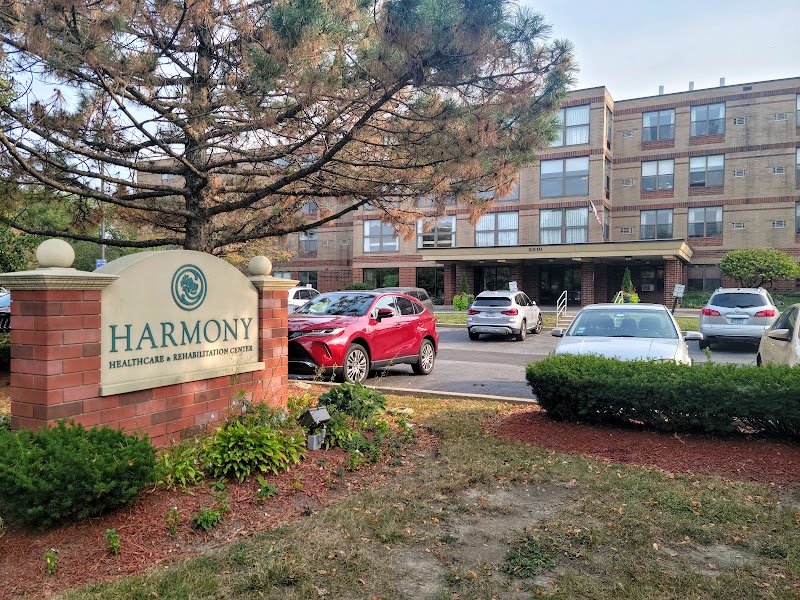
How is Harmony Healthcare & Rehab Ctr Staffed?

CMS rates HARMONY HEALTHCARE & REHAB CTR's staffing level at 3 out of 5 stars, which is average compared to other nursing homes. Staff turnover is 40%, compared to the Illinois average of 46%. This relatively stable workforce can support continuity of care.

What Have Inspectors Found at Harmony Healthcare & Rehab Ctr?

State health inspectors documented 36 deficiencies at HARMONY HEALTHCARE & REHAB CTR during 2022 to 2025. These included: 1 that caused actual resident harm and 35 with potential for harm. Deficiencies causing actual harm indicate documented cases where residents experienced negative health consequences.
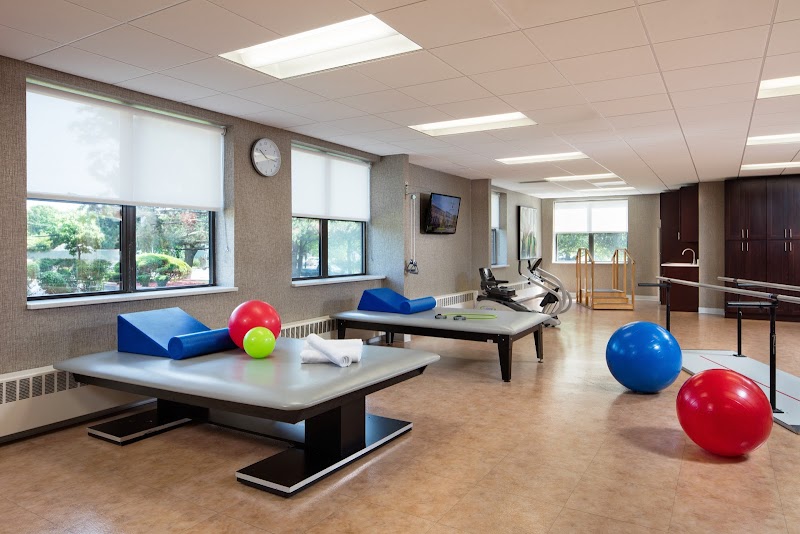
Who Owns and Operates Harmony Healthcare & Rehab Ctr?

HARMONY HEALTHCARE & REHAB CTR is owned by a for-profit company. For-profit facilities operate as businesses with obligations to shareholders or private owners. The facility is operated by LEGACY HEALTHCARE, a chain that manages multiple nursing homes. With 180 certified beds and approximately 171 residents (about 95% occupancy), it is a mid-sized facility located in CHICAGO, Illinois.
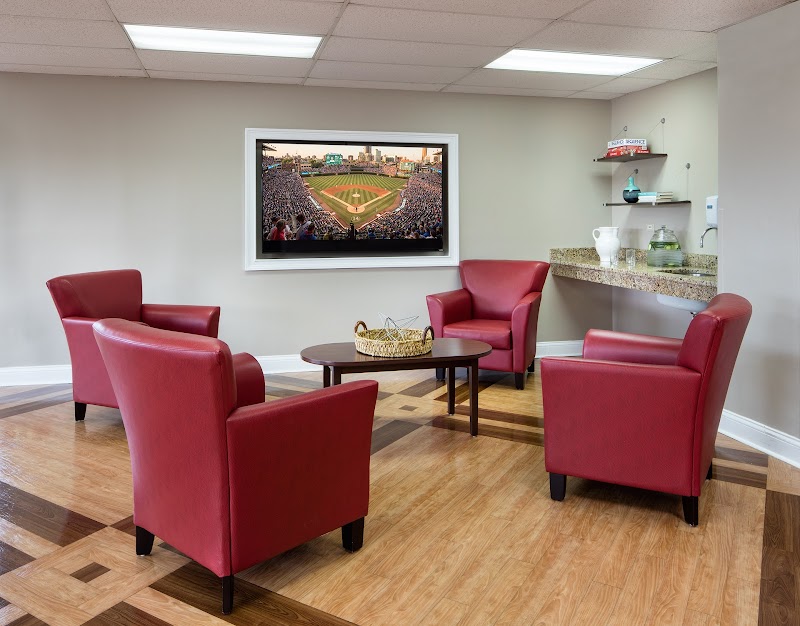
How Does Harmony Healthcare & Rehab Ctr Compare to Other Illinois Nursing Homes?

Compared to the 100 nursing homes in Illinois, HARMONY HEALTHCARE & REHAB CTR's overall rating (4 stars) is above the state average of 2.5, staff turnover (40%) is near the state average of 46%, and health inspection rating (4 stars) is above the national benchmark.

What Should Families Ask When Visiting Harmony Healthcare & Rehab Ctr?

Based on this facility's data, families visiting should ask: "Can I visit during a mealtime to observe dining assistance and food quality?" "How do you handle medical emergencies, and what is your hospital transfer rate?" "Can I speak with family members of current residents about their experience?"

Is Harmony Healthcare & Rehab Ctr Safe?

Based on CMS inspection data, HARMONY HEALTHCARE & REHAB CTR has a clean safety record: no substantiated abuse findings (meaning no confirmed cases of resident harm), no Immediate Jeopardy citations (the most serious violation level indicating risk of serious injury or death), and is not on the Special Focus Facility watch list (a federal program monitoring the lowest-performing 1% of nursing homes). The facility has a 4-star overall rating and ranks #1 of 100 nursing homes in Illinois. While no facility is perfect, families should still ask about staff-to-resident ratios and recent inspection results during their visit.

Do Nurses at Harmony Healthcare & Rehab Ctr Stick Around?

HARMONY HEALTHCARE & REHAB CTR has a staff turnover rate of 40%, which is about average for Illinois nursing homes (state average: 46%). Moderate turnover is common in nursing homes, but families should still ask about staff tenure and how the facility maintains care continuity when employees leave.

Was Harmony Healthcare & Rehab Ctr Ever Fined?

HARMONY HEALTHCARE & REHAB CTR has been fined $5,244 across 1 penalty action. This is below the Illinois average of $33,131. While any fine indicates a compliance issue, fines under $50,000 are relatively common and typically reflect isolated problems that were subsequently corrected. Families should ask what specific issues led to these fines and confirm they've been resolved.

Is Harmony Healthcare & Rehab Ctr on Any Federal Watch List?

HARMONY HEALTHCARE & REHAB CTR is not on any federal watch list. The most significant is the Special Focus Facility (SFF) program, which identifies the bottom 1% of nursing homes nationally based on persistent, serious quality problems. Not being on this list means the facility has avoided the pattern of deficiencies that triggers enhanced federal oversight. This is a positive indicator, though families should still review the facility's inspection history directly.