IRVING PARK LIVING & REHAB CTR
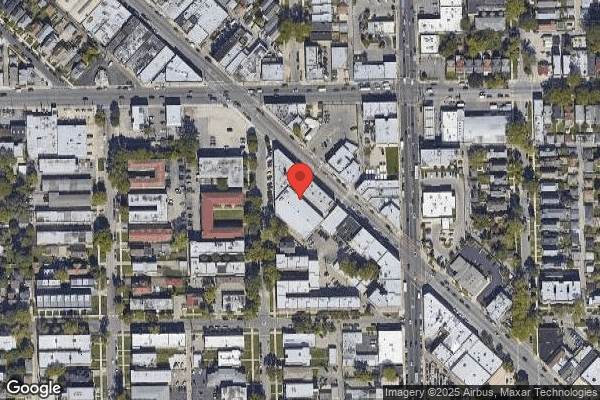

4340 NORTH KEYSTONE, CHICAGO, IL 60641 (773) 545-8700
For profit - Individual 117 Beds Independent Data: November 2025
Trust Grade
0/100
#555 of 665 in IL
Last Inspection: January 2025

Within standard 12-15 month inspection cycle. Federal law requires annual inspections.

Overview

Irving Park Living & Rehab Center has received a Trust Grade of F, indicating significant concerns regarding care quality. The facility ranks #555 out of 665 in Illinois and #174 out of 201 in Cook County, placing it in the bottom half of all local options. The situation appears to be worsening, with the number of issues reported increasing from 10 in 2024 to 16 in 2025. Staffing is rated poorly with a score of 1 out of 5, and the turnover rate is 52%, which is around the state average, suggesting a lack of stability among caregivers. The facility has accumulated $152,680 in fines, which is concerning as it is higher than 76% of Illinois facilities, indicating repeated compliance problems. Specific incidents highlight serious concerns: one resident with cognitive impairments fell due to inadequate supervision, resulting in a significant injury, while another resident reported experiencing sexual abuse within the facility. Additionally, the staff failed to implement necessary fall prevention measures for several residents, leading to serious injuries. While there is some RN coverage, it remains average, which may not be sufficient to ensure the safety and well-being of residents. Overall, families should weigh these serious weaknesses against any potential strengths when considering this nursing home for their loved ones.

Trust Score
F
0/100
In Illinois
#555/665
Bottom 17%
Safety Record
High Risk
Review needed
Inspections
Getting Worse
10 → 16 violations
Staff Stability
⚠ Watch
52% turnover. Above average. Higher turnover means staff may not know residents' routines.
Penalties
✓ Good
$152,680 in fines. Lower than most Illinois facilities. Relatively clean record.
Skilled Nurses
✓ Good
Each resident gets 49 minutes of Registered Nurse (RN) attention daily — more than average for Illinois. RNs are trained to catch health problems early.
Violations
⚠ Watch
61 deficiencies on record. Higher than average. Multiple issues found across inspections.
★☆☆☆☆
1.0
Overall Rating
★☆☆☆☆
1.0
Staff Levels
★★☆☆☆
2.0
Care Quality
★★☆☆☆
2.0
Inspection Score
Stable
2024: 10 issues
2025: 16 issues

The Good

  • Full Sprinkler Coverage · Fire safety systems throughout facility
  • No fines on record

Facility shows strength in fire safety.

The Bad

1-Star Overall Rating

Below Illinois average (2.5)

Significant quality concerns identified by CMS

Staff Turnover: 52%

Near Illinois avg (46%)

Higher turnover may affect care consistency

Federal Fines: $152,680

Well above median ($33,413)

Significant penalties indicating serious issues

The Ugly 61 deficiencies on record

6 actual harm
Jul 2025 1 deficiency 1 Harm
SERIOUS (G) 📢 Someone Reported This

A family member, employee, or ombudsman was alarmed enough to file a formal complaint

Actual Harm - a resident was hurt due to facility failures

Accident Prevention (Tag F0689)

A resident was harmed · This affected 1 resident

**NOTE- TERMS IN BRACKETS HAVE BEEN EDITED TO PROTECT CONFIDENTIALITY** Based on interviews and record reviews, the facility failed to provide adequate supervision for one cognitive impaired resident ...

Read full inspector narrative →
**NOTE- TERMS IN BRACKETS HAVE BEEN EDITED TO PROTECT CONFIDENTIALITY** Based on interviews and record reviews, the facility failed to provide adequate supervision for one cognitive impaired resident (R2) who is a high fall risk with a history of falls with injury out of a sample of four [R1, R3, R4] residents reviewed for falls. This failure resulted in R2 falling, transferred to the emergency department, and sustained a left eye orbital fracture.Findings Include, R2 ‘s clinical record indicates the following in part: R2 was admitted with hemiplegia and hemiparesis following cerebral infarction affecting left dominant side, essential hypertension, vitamin D deficiency, restlessness, history of falling, type II diabetes, anxiety disorder, depression, and fracture of upper end of left humerus. R2's minimum data set [MDS] Section [C] Brief Interview Mental Status score [11]. Indicates R2 is mildly cognitively impaired. MDS Section [GG] indicates R2 requires maximal assistance with toileting, personal hygiene, and transfers.R2's Facility IDPH Reportable in part:6/3/26 at 7:05 AM, Upon staff rounds observed R2 on the floor at bedside. R2 noted with left eye and forehead discoloration. Neuro checks initiated. Physician gave order to send R2 to the emergency department. R2 was admitted to the hospital for a left orbital wall fracture.R2's Care Plan in part:12/15/25R2 is a high fall risk.R2 is incontinent of bowel and bladder, requires incontinent care.12/27/25R2 primarily speaks mandarin, understand basic English. R2 is forgetful at times.12/29/25R2 has dementia with impaired decision making.R2 requires the support, care, and services of a long-term care facility. R2 demonstrates symptoms of cognitive impairment.R2 living with chronic psychiatric illness. R2 has ineffective coping modalities, disorganized thought process and mood patterns, delusions, hallucinations, difficulty meeting basic self-care needs. Having reduced insight and judgment related to schizoaffective disorder.R2's Fall Incidents in part:[R2 was admitted on [DATE]]12/16/24, R2 was observed on the floor mat in her bedroom. Intervention: Bed will remain in lowest position, floor mats in place, make sure all needs are met.1/12/25, R2 was observed on the floor in her bedroom lying on the stomach near wheelchair. The wheelchair footrest was on top of R2's calf. R2 was sent to the emergency room and sustained a left arm fracture. Interventions: Monitor for ortho hypertension.1/18/25, R2 was observed on the floor in her room near the closet. R2 said the closet door hit her head. R2 was sent to the emergency room, no injury noted. Intervention: There was no intervention in care plan.2/25/25, R2 was observed siting on the floor in her bedroom, no injury. Intervention: Continue therapy, staff to anticipate needs related to ADL care.Anti-anxiety medications [Power of Attorney refused medications]6/3/25, R2 was observed on the floor in her bedroom. R2 was sent to the emergency room and sustained a left eye orbital fracture. Interventions: [None] R2 did not return back facility.Interviews:On 7/17/25 at 10:20 AM, V13 [Certified Nurse Assistant] stated, On 6/3/25, I was R2's first shift certified nurse assistant. It was around 7:00 AM, I was at the nursing station getting myself together, when I heard a loud noise and heard R2 yell out. I went into her room and looked like she fell out the bed on to the floor. I ran and told the 11PM - 7AM nurse that R2 was on the floor. The nurses assessed R2 and we put her into the wheelchair. Typically, I make rounds when I get to the nursing unit, but I was getting my assignment. R2 has fallen in the past. R2 needs close monitoring all the time. R2 fell during shift change when everyone was at the nursing station, third shift and first shift staff.On 7/17/25 at 10:50 AM, V16 [Certified Nurse Assistant] stated, I was the night shift aide, worked on 6/3/25, when R2 fell. I provided care to R2 around 6:00 AM. Around 7:10 AM, all the first-floor staff was at the nursing station when we heard a noise. I ran into R2's room and she on the floor. R2 left side of her face was discolored dark. R2 needs close monitoring. R2 needs to go to the bathroom frequently and it takes a long time to take her. R2 knows how to place on her call light sometimes, but she does not wait for assistance, she will try to take herself and will fall. Some of R2's fall interventions are, close monitoring, floor mats, low bed and keep the call light in reach. R2 constantly tries to transfer herself all the time.On 7/17/25 at 12:30 PM, V14 [Licensed Practical Nurse] stated, I was R2's third shift nurse. Around 7:05 AM the nursing staff was all at the nursing station. I was giving report to the first shift nurse when we heard a noise came from R2's room. The certified nurse assistance went to her room first to check on the resident. I was called to R2's room I saw R2 on the floor lying on her left side. R2 said she was okay, and after assessing her she was placed into her wheelchair noted with her left side of face was discolored dark. R2 requires constant supervision. Through the night shift the Certified Nurse Assistant sits in a chair outside R2's room to provide one to one monitoring. R2 pulled the call light, but before someone was able to answer her call light, she tried to transfer herself. This happens all the time. I saw her last around 6:00 AM, she was resting in bed. The first shift nurse took over and notified the physician, family, and administration. On 7/17/25 at 2:00PM, V15 [Registered Nurse] stated, I was R2's nurse on 6/3/25, working first shift. I was at the nursing station waiting to get nurse report. Certified Nurse Assistant came and said R2 was on the floor. Everyone ran into R2's room. R2 was lying on the floor with a bruise to her left side of her face. R2 said she was okay. R2 vital signs were with in normal range, and I started neuro checks. R2's physician gave an order to send R2, to the emergency department. Later, the hospital called and said R2 had a left eye orbital fracture. I notified the administration. R2 needs frequent supervision and monitoring. When R2 places on the call light, you have to answer call light immediately or R2 will try to take herself to the bathroom and fall.On 7/16/25 at 11:00 AM, V2 [Director of Nursing/ Fall Coordinator] stated, I been working here since 1/16/25 as the Director of Nursing and Fall Coordinator. On 6/3/25, during shift change, staff heard a noise, went to R2's room and observed her laying on the floor and noted with left side facial discoloration. R2 was sent to the emergency department and R2 was diagnosis with a left orbital eye fracture. R2 had a total of five falls with two falls resulted in an arm fracture and then a left orbital eye fracture. R2 needs supervision, close monitoring, practically one to one supervision. The facility is not able to provide R2 with a one-to-one sitter all the time. R2's fall interventions should be patient centered for each fall to assisted in preventing another fall.On 7/18/25 at 11:00AM, V18 [Physician] stated, R2 is very confused with left sided weakness and need close supervision. R2 has anxiety and needed antianxiety medication. R2's power of attorney refused for R2 to take antianxiety medication. During the examination of R2, it takes two staff members to assist me, because R2 is always trying to get up. R2 had an arm fracture from a fall, and recently a left eye orbital fracture. The falls were avoidable, if R2's power of attorney would have allowed R2 to take antianxiety medication to help her.Policy documents in part:Falls and Fall Prevention:To ensure a fall prevention program will include measures which will determine the individual need of each resident by assessing the risk of falls and implementation of appropriate interventions to provide necessary supervision and assistive devices as indicated based on assessment.Resident will be reassessed quarterly and after each fall.Immediate change in intervention that were successful.Documentation as indicated.Resident fall risk intervention will be identified on the care plan.The frequency of safety monitoring will be determined by the resident's risk factors and care plan.Resident care plan intervention will be as indicated.IDT [Team] to discuss post incident/accident and or fall incident to ensure prevention from reoccurring.
Jan 2025 15 deficiencies
CONCERN (D)

Potential for Harm - no one hurt, but risky conditions existed

Deficiency F0578 (Tag F0578)

Could have caused harm · This affected 1 resident

**NOTE- TERMS IN BRACKETS HAVE BEEN EDITED TO PROTECT CONFIDENTIALITY** Based on interviews and record reviews, the facility failed to follow its policy and procedure to ensure advance directives are ...

Read full inspector narrative →
**NOTE- TERMS IN BRACKETS HAVE BEEN EDITED TO PROTECT CONFIDENTIALITY** Based on interviews and record reviews, the facility failed to follow its policy and procedure to ensure advance directives are included in residents' comprehensive care plans and updated as indicated for three (R32, R47, R63) out of 12 residents reviewed for advance directives in a final sample of 48 residents. Findings include: R47 was admitted to the facility on [DATE], and diagnosis included but was not limited to Parkinson's Disease and Neurocognitive Disorder with Lewy Bodies. R47 MDS dated 12/2024 documents in part, resident is rarely/never understood. R47's Physician Orders dated [DATE] documents in part Do Not Resuscitate (DNR) ordered [DATE]. R47's POLST (Practitioner Order for Life-Sustaining Treatment) Form dated [DATE] documents, in part, no CPR: Do Not Attempt Resuscitation (DNAR). R47's Advance Directives/Code Status care plan dated [DATE] documents in part, I wish for my code status to be FULL CODE. I am my own decision maker and have no POLST form on file at this time. On [DATE] at 8:55 AM, V10 (Social Service Director) reviewed R47's EHR (Electronic Health Record) and stated R47 has a physician order dated [DATE] for DNR and a POLST Form dated [DATE] for DNR. V10 stated that R47's advance directives care plan says full code, and that is a mistake. V10 stated that R47's care plan should have been updated to be DNR. V10 stated that the resident's wishes in the care plan should match the physician's orders and that the resident's care plans should be updated to reflect the resident's wishes. V10 stated it is important for the advance directive care plan to be updated so the nurses and the rest of the team know the code status of the resident and the plan of care in case of an emergency. R63 was admitted to the facility on [DATE], and the diagnosis included but was not limited to Age-Related Osteoporosis, Glaucoma, and Chronic Pain. R63's Physician Orders dated [DATE] documents in part, full code ordered [DATE]. On [DATE] at 02:54 PM, the surveyor reviewed R63's care plans. R63 has no care plan for advance directives in R63's EHR. On [DATE] at 8:59 AM, V10 (Social Service Director) reviewed R63's EHR and stated R63 is full code. V10 stated R63 does not have a care plan for advance directives but R63 should have one. Facility provided policy titled Advance Directives dated [DATE], which documents in part advance directive (s) shall be included in the resident's care plan and will be reviewed quarterly and updated, as needed. The facility provided policy titled Comprehensive Care Plan dated [DATE], which documents in part: 1.) Purpose to develop a comprehensive care plan that directs the care team and incorporates the resident's goals, preferences, and services that are to be furnished to attain or maintain the resident's highest practicable physical, mental, and psychosocial well-being. 2.) Any services that would otherwise be required but are not provided due to the resident's exercise of rights, including the right to refuse treatment. 3.) The care plan should be revised on an ongoing basis to reflect changes in the resident and the care that the resident is receiving. The findings include: R32's face sheet documented admission date on [DATE] with diagnoses not limited to Hemiplegia following cerebral infarct affecting right dominant side; Malignant neoplasm of prostate; Chronic systolic (congestive) heart failure; Essential (primary) hypertension; Type 2 diabetes mellitus without complications. On [DATE] At 8:48 am Surveyor interviewed V10 (SSD / Social Service Director) and said Advance directives include code status of the resident, to see what they would like or their wishes for medical care. She said code status is very important so staff will be able to know how to proceed when there is an emergency. V10 stated there should be a Care plan for advance directives so nurses know how to care for the resident during emergency whether to do CPR (Cardiopulmonary Resuscitation) for Full Code and or DNR (Do Not Resuscitate). She said Code status should have an order either full code or DNR. Surveyor reviewed R32's EHR (Electronic Health Record) with V10, no care plan found for advance directives. On [DATE] at 12:56pm Surveyor interviewed V18 (DON / Director of Nursing) and said resident should have Advance directives / code status and should be care plan so staff can carry out the resident's wishes for medical care whether to proceed with full CPR or DNR during emergency situation. MDS (Minimum Data Set) dated [DATE] showed R32's cognition was intact. R32's physician order dated [DATE] showed order not limited to: Advance Directives - Full code. R32's care plan reviewed and found no care plan for advance directives.
CONCERN (D)

Potential for Harm - no one hurt, but risky conditions existed

Deficiency F0694 (Tag F0694)

Could have caused harm · This affected 1 resident

Based on observation, interview and record review, the facility failed to provide treatment and care in accordance with professional standards for a PICC (Peripherally Inserted Central Catheter) line ...

Read full inspector narrative →
Based on observation, interview and record review, the facility failed to provide treatment and care in accordance with professional standards for a PICC (Peripherally Inserted Central Catheter) line for 1 (R130) of 3 (R17, R132) sampled residents related to the maintenance of intravenous access devices. Findings Include: R130 has diagnosis not limited to Encounter for Other Orthopedic Aftercare; Primary Generalized (Osteo)Arthritis; Chronic Obstructive Pulmonary Disease, Type 2 Diabetes Mellitus, History of Falling, Hyperlipidemia, Hypothyroidism, Polycythemia Vera, Bipolar Disorder, Effusion, Right Knee, Pyogenic Arthritis, Klinefelter Syndrome, Spinal Stenosis, Testicular Hypofunction, Depression, Retention of Urine, Morbid (Severe) Obesity, Iron Deficiency Anemia and Muscle Spasm. R130's Care Plan document in part: Focus: Intravenous Therapy: Antibiotic therapy. Resident has a need for IV (Intravenous) antibiotic therapy ceftriaxone 2-gram solution due to osteomyelitis. IV site will remain free of signs and symptoms of infection. R130's Resident Medication Administration Record provided by facility on 01/14/25 document in part: PICC (Peripherally Inserted Central Catheter) line IV catheter-change catheter dressing site dressing, start date: 01/14/25 with blank entry on date of 01/14/25. Resident Medication Administration Record provided by facility on 01/16/25 document in part: PICC line dressing change dated 01/15/25. On 01/14/25 at 09:32 AM R130 was observed lying in bed with a right arm PICC line dressing dated 01/07/25. On 01/15/25 at 09:29 AM R130 was observed lying in bed with a single lumen PICC line to the right arm with dressing dated 01/07/25. R130 stated they said that they will be back in to change the dressing. I receive IV antibiotics every morning. On 01/15/25 at 10:00 AM V4 (Registered Nurse) stated the PICC line dressing is change every 7 days and I would assume it would be in the morning. It would be documented on R130's 11pm-7am TAR (Treatment Administration Record). On 01/16/25 at 09:13 AM V18 (Director of Nursing) stated the PICC line dressing are changed weekly or as needed. When the dressing is changed it is signed and dated. If the PICC line dressing is not changed as ordered there's a potential for infection control and the assessment of the site. The dressing is changed to see if there is any change in the PICC line length and the site to see if there are any signs of infection. If R130's PICC line was dated 01/7/25 it should be changed the 01/14/25. Policy: Titled PICC Line / Midline Dressing Change Policy dated 04/23 document in part: PICC line/Midline catheter dressings will be changed at specific intervals, or when needed, to prevent catheter related infections associated with contaminated, loosened, or soiled catheter-site dressings. Guidelines: 1. Change PICC/Midline catheter dressings 24 hours after catheter insertion, every 5-7 days, or if it is wet, dirty, not intact, or compromised in any way. Documentation: The following information should be recorded in the resident's medical record. a. Date and time dressing as changed.
CONCERN (D)

Potential for Harm - no one hurt, but risky conditions existed

Respiratory Care (Tag F0695)

Could have caused harm · This affected 1 resident

Based on observation, interview, and record review the facility failed to ensure a resident with a tracheostomy had the required emergency equipment at the bedside for 1 (R17) resident reviewed for re...

Read full inspector narrative →
Based on observation, interview, and record review the facility failed to ensure a resident with a tracheostomy had the required emergency equipment at the bedside for 1 (R17) resident reviewed for respiratory care in a sample of 48. Findings Include: R17 has diagnosis not limited to Tracheostomy, Chronic Respiratory Failure, Gastrostomy, Dysphagia, Morbid Obesity, Hemiplegia and Hemiparesis following Cerebral Infarction affecting Right Dominant Side, Major Depressive Disorder, Anxiety Disorder, Hypertensive heart disease, Epilepsy, Shortness of Breath Type 2 Diabetes Mellitus and Primary (Essential) Hypertension. R17's Physician's Orders document in part: Tracheostomy tube changes every 3 months and prn (as needed). (Tracheostomy tube) 6 as needed. Change Inner Cannula (Tracheostomy tube) 6 once daily and prn. R17's Care Plan document in part: Focus: Tracheostomy: Resident with tracheostomy r/t (related/to) dx (diagnosis) of chronic respiratory failure. On 01/14/25 at 01:12 PM Enhanced Barrier Precaution signage was observed on R17's entrance door. Upon entering R17's room, a suction machine, suction catheters, ambu bag and oxygen concentrator was observed at the bedside. On 01/14/25 at 01:17 PM V4 (Registered Nurse) stated R17 has oxygen but really don't use it because he is pretty stable. Surveyor asked V4 the location of R17's emergency step-down trach (Tracheostomy). V4 stated R17 wears an emergency step down #6 (tracheostomy tube trach). V4 proceeded to look in the medication cart drawer then pulled out an inner cannula that was not compatible with the trach that R17 has in use. On 01/14/25 at 01:26 PM V4 (Registered Nurse) entered R17 room then looked at R17 trach and stated R17 has a (tracheostomy tube) XLT (Extra Length Tracheostomy) #6, and the step down should be a #5. V4 looked in the bedside cabinet, on the counter at the bedside and could not locate the emergency step-down trach. V4 exited R17 room and stated, I will have to look for the emergency step-down (tracheostomy tube) trach. On 01/14/25 at 01:32 PM V4 (Registered Nurse) went to a room then returned to the nurse station with a tracheostomy in a box and stated it was in the supply room. When asked, if R17's tracheostomy had dislodged what would she (V4) do. V4 responded, I would have to get the one on the crash cart. I can put this one in R17's room, it is a #6 (tracheostomy tube) XLT. On 01/16/24 at 09:20 V18 (Director of Nursing) stated the tracheostomy supplies at the bedside should be a tracheostomy cannula step down by the wall, that is priority. Suction equipment should always be at the bedside. We should have the trach in the supply room, trach care kit, ties, and dressing change. In case the tracheostomy gets dislodge there is a potential for the stoma closing. It is not good if the stoma closes because that provides an airway for the resident. If the tracheostomy gets dislodged that is bad and the airway could possibly close. The stoma can close. The emergency tracheostomy should be easily assessable at the head of the bed so you can easily grab it. Policy: Titled Tracheostomy Care revised 11/24 document in part: 2. Gather the necessary equipment; (c) Emergency tracheostomy tube replacement the same size or one size smaller (should be kept at the bedside). (g) Trach care kit.
CONCERN (D)

Potential for Harm - no one hurt, but risky conditions existed

Pharmacy Services (Tag F0755)

Could have caused harm · This affected 1 resident

Based on observation, interview, and record review the facility failed to a.) ensure the accurate shift change reconciliation accountability record for controlled substance and b.) ensure an accurate ...

Read full inspector narrative →
Based on observation, interview, and record review the facility failed to a.) ensure the accurate shift change reconciliation accountability record for controlled substance and b.) ensure an accurate accountability for 2 controlled substances (Clonazepam/Tramadol) by resolving discrepancies in a timely manner. This deficient practice was identified for 1 of 3 medication carts used to store controlled narcotics. Findings Include: Document titled Shift Change Accountability Record for Controlled Substance document in part: 2nd Month-Year January 2025: nurse Initials were missing for 01/13/25 second shift, third shift and 01/14/25 first shift. R9's Control Drug Receipt/Record/Disposition Form: document Date received 07/19/24, Drug Name/Strength: Tramadol HCL Tab 50 mg (Milligrams), Directions: One tablet by mouth every 6 hours as needed for pain. Quantity Received: 30. Amount Left: 16. R9's Bingo Medication Card contain a total of 15 Tramadol HCL Tabs indicating one missing tablet. R59's Control Drug Receipt/Record/Disposition Form: document Date received 10/31/24, Drug Name/Strength: Clonazepam 0.5 mg Directions: Two tablets (1 mg) per g (gastric) - tube three times daily. Quantity Received: 60. Amount Left: 41. R59's Bingo Medication Card contains a total of 39 Clonazepam 0.5 mg indicating two missing tablets. On 01/14/25 at 12:02 PM the second-floor medication cart one was reviewed with V7 (Licensed Practical Nurse). V7 stated when we come in, we count and sign off on the Narcotic Accountability Sheet at the beginning and end of each shift. The narcotics are signed out once given. If there is a discrepancy, we inform the director of nursing. On 01/16/25 at 09:27 V18 (Director of Nursing) stated the purpose of the Shift Change Accountability Record for Controlled Substance is to ensure the narcotic count is completed at the beginning and the end of each shift. Two people should sign it and if it is not signed the narcotic count was not done. If there is a discrepancy the supervisor or director of nursing should be notified and an investigate is done to check for what's going on, check medication card and reprimand whoever was involved. If there are narcotics missing, there is a potential that someone is stealing medication, or the medication is not being giving. Policy: Titled Narcotic/Controlled Substance Counting Policy revised 09/24 document in part: To ensure controlled medications are counted and verified with (2) license nurses on each shift to verify the accuracy of narcotic log sheets. Procedure: 2. Obtain sign-in/sign-out-controlled log sheet and keys to the controlled storage compartment. 4. Have co-nurse assist in the count, if the co-nurse is not available, call the director of nursing. 9. Verbally state medication count to person with sign-out record. 10. Listen while co-nurse verifies the count. 13. Sign name, time, and date of completed count. Procedure for errors in controlled substance count: 1. If the count is not correct and/or the narcotic log sheet from the previous shift was not signed, inform the director of nursing, or administrative nursing staff.
CONCERN (D)

Potential for Harm - no one hurt, but risky conditions existed

Deficiency F0760 (Tag F0760)

Could have caused harm · This affected 1 resident

Based on observation, interview, and record review the facility failed to ensure a resident received the prescribed amount of insulin for 1 (R25) resident reviewed for significant medication error in ...

Read full inspector narrative →
Based on observation, interview, and record review the facility failed to ensure a resident received the prescribed amount of insulin for 1 (R25) resident reviewed for significant medication error in a sample of 48. Findings Include: R25 has diagnosis not limited to Paraplegia, Essential (Primary) Hypertension, Atrial Fibrillation, Benign Prostatic Hyperplasia with Lower Urinary Tract Symptoms, Hyperlipidemia, Peripheral Vascular Disease, Polyneuropathy, Type 2 Diabetes Mellitus, Major Depressive Disorder, Pain in Right Knee, Pain in Left Knee, Foot Drop, Right Foot, Obstructive and Reflux Uropathy, Chronic Kidney Disease, Urethral Stricture, Retention of Urine, Hyperkalemia, Schizoaffective Disorder and Shortness of Breath. R25's Physician Order document in part: Basaglar Kwik Pen U-100 Insulin 100 unit/ml (milliliter) (3 ml) subcutaneous, inject 15 units by subcutaneous route Twice a day. Monitor Blood Sugar AC/HS (before meals/hour of sleep. R25's Care Plan document in part: Focus: Diabetes Mellitus: Resident has elevated blood glucose level secondary to diagnosis of NIDDM (Non-Insulin Dependent Diabetes Mellitus). Interventions: Monitor blood glucose level as ordered by MD (Medical Doctor). On 01/14/25 09:40 V4 (Registered Nurse) prepared R25's medication and placed a needle on the insulin Kwik pen then set the dial to 15 units without priming the needle. On 01/14/25 at 09:56 AM V4 (Registered Nurse) said I am going to check R25's blood glucose. The nurse may have missed the blood sugar. I think he (R25) should be fine because he has already eaten. V4 entered R25's room and administered the Basaglar insulin 15 units to R25's left lower abdomen. On 01/14/25 at 10:07 AM V4 (Registered Nurse) stated I figured since R25 had eaten, the blood glucose would not be accurate, and I felt it was safe to give 15 units of insulin as ordered. I should have primed the Kwik pen after putting on the needle. There is a potential R25 did not get the full dose of the insulin. On 01/16/24 at 09:36 AM V18 (Director of Nursing) stated the procedure when giving insulin is to check if it is for the resident, right dose medication, get the needle out, check to see what I am about to give, clean the top with an alcohol wipe, apply the sterile needle then prime the needle with two units, check dose and go to that dose. The nurse should explain what is being done, clean the site then administer the insulin. The purpose for priming the needle is not to give air and to give the exact dose. If priming the needle is not done the resident won't get the correct dose and air is injected into the residents' skin that is not needed. This would result in not giving the correct dose that the doctor ordered and that would be a medication error. Policy: Titled Medication Administration Policy updated 01/24 document in part: 17. Qualified nursing personnel shall perform monitoring (apical pulse, blood pressure, blood sugar test, etc.) prior to medication administration. Medication may be withheld in conjunction with monitoring results. Titled Insulin Administration Policy revised 07/02/24 document in part: To ensure proper administration of insulin. 1. Perform hand hygiene and apply clean gloves. Title Flex Pen Insulin Administration reviewed 09/24 document in part: Flex Pen is used to administer manmade insulin to control high blood sugars on residents with diagnosis of Diabetes Mellitus. Procedure: 1) Wash Hands. 6) To avoid injecting air and ensure proper dosing, perform air shot before each injection. 7) Turn dose selector to 2 units, hold Flex Pen with needle pointing upwards, tap cartridge gently 2 times with finger a few times. Keep needle pointing upwards and press push button all the way in and see a drop of insulin appears at the end of the needle tip.
CONCERN (D)

Potential for Harm - no one hurt, but risky conditions existed

Deficiency F0813 (Tag F0813)

Could have caused harm · This affected 1 resident

Based on observation, interview, and record review the facility failed to a.) label/date food items in resident personal refrigerator, b.) discard undated and expired foods in resident personal refrig...

Read full inspector narrative →
Based on observation, interview, and record review the facility failed to a.) label/date food items in resident personal refrigerator, b.) discard undated and expired foods in resident personal refrigerators, c.) ensure resident refrigerators are in proper working order. This has the potential to effect one resident (R53) out of six residents reviewed for personal food storage in a total sample of 48. Findings include: On 01/14/25 at 12:21 PM, R53 gave surveyor permission to look in R53's personal refrigerator at bedside. The inside of R53's refrigerator was warm, not cold, or cool. All items inside felt warm to the touch. Thermometer located inside R53's refrigerator read 58 degrees Fahrenheit (F). The temperature log on the outside of R53's refrigerator documented in part that on 01/14/25 the refrigerator temperature was 38 degrees F. Inside R53's refrigerator found the following items: 1.) Two unopened 2-ounce packages labeled Smoked Ham and printed on packaging use by September 25, 2024 by manufacturer. 2.) In freezer compartment of refrigerator found fully defrosted box labeled Beef Pot Pie. Cardboard packaging was completely wet, saturated with water. Not dated. 3.) Two unopened 7-ounce containers labeled as Strawberry Crème Parfait. Not dated. 4.) One unopened 8-ounce container labeled as [NAME] Pudding with Cinnamon. Not dated. On 01/14/25 at 12:35 PM, V14 (Certified Nursing Assistant) it is housekeeping's responsible to check the temperatures of the resident's refrigerators every day and the CNAs assist with cleaning out the resident's refrigerators and check the date of the food items before giving an item to the resident to make sure it has not expired. On 01/14/25 at 12:40 PM, V14 observed items inside R53's refrigerator and stated the deli ham had expired and should be thrown out. V14 stated the Beef Pot Pie should be frozen solid and there is no date on it so there is no way to know how long it has been in there. V14 felt the Strawberry Crème Parfait and [NAME] Pudding containers and stated they feel like they are at room temperature, and they should be cold. V14 stated, that refrigerator is hot in there and maintenance is needed and that is a serious concern. V14 stated it is important for the temperature of the refrigerator to be cold to keep the food fresh and safe for the residents to eat. On 01/14/25 at 1:21 PM, V6 (Maintenance Director) stated the housekeeping staff checks the temperatures of the resident's refrigerators daily and let V6 know if the temperatures are higher than 40 degrees F or below 30 degrees F. V6 stated V6 is responsible for making sure the resident's refrigerators are in working order and V6 rounds once a week to check to see if they are in working order. On 01/14/25 at 1:29 PM, V6 observed R53's refrigerator and stated the temperature is 60 degrees and it's pretty warm in there and none of the items inside are cold at all. V6 stated the risk to the resident if the refrigerator temperature is not at the right temperature being 40 degrees or less is the food could spoil and make them sick if they ate any of the food inside it. On 01/14/25 at 9:56 AM, V12 (Dietary Manager) stated the refrigerator temperatures should be 40 degrees F or below. On 01/16/25 at 11:35 AM, V19 (Consultant Registered Dietitian) all food items in resident personal refrigerators should be labeled and dated to prevent food borne illness and expired items should be discarded so they are not consumed by the resident. On 01/16/25 at 9:20 AM, V2 (Interim Director of Nursing) stated it is the CNAs responsibility to label and date food items in a resident's refrigerator, and to discard any expired items. V2 stated it is important that this is done because the food can spoil and if the resident was to eat any of those expired items they would get sick. R53's Refrigerator Log dated January 2025 documents in part, food refrigerator temperature to range 36-40 degrees F. Facility provided policy titled, Refrigerators (Resident) Policy for Maintaining and Cleaning undated, documents in part: 1.) The maintenance/housekeeping staff is responsible for ensuring that a resident's refrigerator is in proper working order. 2.) The CNA responsible for overseeing care for a resident with a refrigerator will check all contents for proper date of food items and check for cleanliness of the refrigerator on a weekly basis. 3.) If the CNA finds that the refrigerator has outdated food, the CNA will dispose of all outdated food and notify the resident. Facility provided policy titled, Food from Family, Visitors, Community dated 2020 documents in part, in order to prevent foodborne illness outbreaks, the facility staff will ensure proper handling, serving, and storage of any food items brought into the community and food stored for residents should be labeled and dated appropriately and discarded per safe food storage guidelines.
CONCERN (E)

Potential for Harm - no one hurt, but risky conditions existed

Resident Rights (Tag F0550)

Could have caused harm · This affected multiple residents

Based on interviews and record reviews, the facility failed to provide a $60 monthly allowance to eligible residents receiving SSA (Social Security Administration) since the increase from $30 to $60 i...

Read full inspector narrative →
Based on interviews and record reviews, the facility failed to provide a $60 monthly allowance to eligible residents receiving SSA (Social Security Administration) since the increase from $30 to $60 in January 2024. This failure affected 16 eligible residents receiving SSA allowance per resident fund management service (RFMS) dated 1/3/25 in a sample of 48 residents. The findings include: R33's face sheet documented admission date on 7/25/19 with diagnoses not limited to Congestive heart failure, Ischemic cardiomyopathy, Essential (primary) hypertension, Presence of cardiac pacemaker, Venous insufficiency, Benign prostatic hyperplasia, Type 2 diabetes mellitus, Chronic obstructive pulmonary disease. On 1/15/25 at 10 a.m., the Surveyor conducted a resident council meeting, and R33 was one of the attendees. He is alert and oriented x 3 and verbally responsive. R33 said he has been receiving a $30$ monthly allowance given by the facility, the last of which he received a week or so ago. He said there was never an increase in his monthly allowance. On 1/15/25 at 11:04 a.m., the Surveyor interviewed V23 (HR/Human Resource and BOM/Business Office Manager), who has been working in the facility for over a year. Stated she is assisting corporate staff who is distributing resident's trust funds or monthly allowance and is coming to the facility at least once a month. V23 said a resident gave and signed a receipt that a trust fund / monthly allowance was provided. V23 said residents are receiving $ 30 per month, and she is aware that there has been an increase from $ 30 to $ 60 since last year (January 2024) for residents receiving SSA. She said the facility has not implemented it yet. On 1/15/25 at 12:01 p.m., the Surveyor interviewed V1 (the Administrator). She said the facility has been providing a $30$ monthly allowance to residents who are qualified to receive it. She stated she would verify with corporate regarding the monthly allowance and was aware of the increase for certain qualified residents. On 1/15/25 at 12:20 p.m., V1 (Administrator) verified a monthly allowance of R33 and stated he should be receiving a 60$ monthly allowance because he is under SSA. V1 said she spoke with corporate and will provide R33 with back pay as the increase in monthly allowance started last year (January 2024). V1 said it is a resident's rights who are qualified for $60 monthly allowance to receive the correct amount. On 1/16/25 at 10 a.m. V23 (HR / BOM) confirmed with corporate that 16 residents, including R33, reside in the facility under SSA and will be given back payment since there was an increase in monthly allowance from $30 to $60. She said there was only 1 corporate person giving trust funds for 7 facilities and was running behind, so an increase from 30$ to 60$ was not implemented yet. The company has already hired 2 more staff to help distribute trust funds / monthly allowance, and all residents eligible to get $60 will be given a back payment as it is their right to receive the correct amount. MDS (Minimum Data Set) dated 10/9/24 showed R33's cognition was intact. R33's RFMS (resident fund management service) statement dated 1/15/25 showed in part: Allowance = $60.00. Resident advance cash of $30.00 was given every month from January 2024 to January 2025. The facility's RFMS transaction report dated 1/16/25 showed 16 residents under SSA. Provider notice issued 1/25/24 documented in part: This notice informs nursing Facilities (NF) that effective January 1, 2024, provides for the increase in the personal needs allowance (PNA) from $30 per month to $60 per month for nursing home residents who reside in a nursing facility licensed under the Nursing Home Care Act and who are determined to be eligible for Medical Assistance. The facility's Trust Fund Policy, dated 1/2024, documents in part that residents have a right to manage their own funds or to have the facility manage their funds. The patient allowance for residents who receive Social Security benefits or other pension benefits will be $60.00 per month. Facility's resident's rights policy (undated) documented in part: No resident shall be deprived of any rights, benefits, or privileges guaranteed by law, the constitution of the state of Illinois, or the Constitution of the United States solely on account of his or her status as a resident of this community. Illinois Long-Term care Ombudsman Program Residents' Rights for people in long term care facilities dated 11/18 documented in part: Your rights regarding your money.
CONCERN (E) 📢 Someone Reported This

A family member, employee, or ombudsman was alarmed enough to file a formal complaint

Potential for Harm - no one hurt, but risky conditions existed

Safe Environment (Tag F0584)

Could have caused harm · This affected multiple residents

**NOTE- TERMS IN BRACKETS HAVE BEEN EDITED TO PROTECT CONFIDENTIALITY** On 01/15/25 at 09:44 AM R25 stated I have complained of the water being warm for at least the pass 2 weeks. I don't know if ther...

Read full inspector narrative →
**NOTE- TERMS IN BRACKETS HAVE BEEN EDITED TO PROTECT CONFIDENTIALITY** On 01/15/25 at 09:44 AM R25 stated I have complained of the water being warm for at least the pass 2 weeks. I don't know if there is something wrong with the boiler. I have not taken a shower because the water is too cold. I can't do anything for myself and have not had a bed bath. On 01/15/25 at 09:51 AM V4 (Registered Nurse) stated sometimes the residents make the complaint about the water being cold and we try to run the water long enough so that it will warm up. If they want it warmer, we use the microwave so it will be to the residents liking. We have a temperature thing in this room. V4 left the nurse station searching for the device that the water temperature is checked with then returned to the nurse station and stated we normally feel the water and ask the resident is it okay. They will confirm yah or [NAME]. I have not heard any further complaints outside of running or microwaving the water. On 01/14/25 at 01:05 PM R57 stated there have been no hot water for about 3 weeks. Half of the time it is cold, and they will warm the water up. I take a shower at least once a week, twice if possible. I have received 3 showers in the last 3 weeks. Having to bathe in cold water, that makes me feel terrible. I get a bed bath twice a week. Based on observation, interviews, and record reviews the facility failed to maintain a safe, comfortable home like environment [A] failed to maintain hot water temperatures for six [R24, R25, R52, R57, R58, R73] resident's rooms and the third-floor shower room, [B] failed to maintain a safe smoking patio environment related to not removing snow and ice for six [R25, R38, R52, R53, R73, R74] residents outside smoking reviewed in a sample of 18 residents. Findings include, On 1/14/25 at 9:40 AM R24 stated, In my bedroom the water does not get warm enough for two weeks. I'am tired of going to the first floor to take a shower. When I just want to give my self a bed bath, the nurse assistant warms up my water in the microwave. Sometime the water is too hot, and the nurse assistant would have to go bath and forth to get the basin water temperature right. Its not just my room, I been hearing other residents say they don't have warm water either. On 1/14/25 at 10:00 AM, V14 [Certified Nurse Assistant] stated, The water in a few rooms has not been warm for about a week or more. I reported the cool water to V6 [Maintenance Director] and Administration. To have warm water for the residents, I warm up the water basin in the microwave. I test the water temperature by touching the water. The residents are taken down to the first floor for showers, but some residents refuse to go down to the first floor. On 1/14/25 at 12:10 PM, V17 [Certified Nurse Assistant] stated, The water has not been hot for a couple of weeks, but when I need warm water for the residents, I warm up the water in the microwave. I don't know what temperature the water should be at, but I put my finger in the water to see if the water is too hot before washing up the residents. The administration people are made aware the water is not warm. On 1/15/25 at 8:20 AM, R73 stated, The bathroom water is cold, its s been over a week. On 1/15/25 at 2:30 PM, V6 [Maintenance Director] and surveyor obtain water temperatures in the following areas: Residents' bathroom water temperature measured: R24 [ 66 degrees Fahrenheit] [F]. R52 and R58 [63 degrees F]. R25 [72 degrees F]. R57 [72 degrees F]. R73 [65 degrees F]. Third floor shower room temperature measured 64 degrees F. On 1/16/25 at 1:00 PM, V6 [Maintenance Director] stated, The resident's areas such as their bathrooms and shower rooms the water temperature should be 110 degrees Fahrenheit. The whole facility is not affected. The first-floor shower rooms are 110 degrees F. The kitchen is 140 degrees F and laundry is 140 degrees F. The facility has two hot water tanks. One tank was rusted and went out on 1/7/25. The administrator and corporate was made aware the water tank need to be replaced. On 1/10/25 the water tank was ordered and will take up to two weeks for delivery. Once the tank is delivered, it will be installed with in 24-hours. For the rooms with cool water, the nursing staff can go to other areas for warm water. On 1/16/25 at 2:40 PM V1 [Administrator] stated, I was made aware the hot water tank was not working. Corporate was contacted and a new tank was ordered on 1/10/25, should be delivered with in two weeks. There is hot water in other parts of the facility and first floor. I was not aware the nursing staff was warming up basins of water in the microwave. I will provide an in-service and thermometers to all nursing staff to make sure the water is not too hot. Using microwave water could potentially cause burn injury to the resident. Also, all nursing staff will be in-serviced that the first-floor shower room is available for resident showers. On 1/14/25 at 1:35 PM, V1 [Administrator], V10 [Social Service Director], and surveyor observed six residents [R25, R38, R52, R53, R73, R74] and V23 [Assistant Director of Social Service] on the outside smoking. The smoking patio ground was covered with snow and ice. V23 was monitoring residents outside smoking. On 1/14/25 at 1:35 PM, V10 [Social Service Director] stated, I can see the smoking patio from the office window. The snow and ice need removing. I will call V6 [Maintenance Director] to come clear the smoking patio now. On 1/16/25 at 11:38 AM, V23 [Assistant Director of Social Service] stated, I was outside on the smoke patio monitoring the 1:30PM smoke break on 1/14/25. Earlier that morning it was snowing, but the snow had stopped. Typically, V6 [Maintenance Director] would have been contacted to remove the snow and ice to prevent an accident. I allowed the residents to go outside on the smoking patio because the snow and ice was not so bad. On 1/16/25 at 12 PM, V6 stated, On 1/14/25 it did snow in the morning. However, our annual survey started, and I was busy. I forgot to shovel the smoking patio. The social service department was able to shovel the smoking patio as well or they should not have allowed the residents outside on the smoking patio. On 1/16/24 at 12:15 PM, V1 [Administrator] stated, Protocol for snow and ice removal is the Maintenance Director [V6] wound monitor the snow and inclement weather reports and outside premises. V6 is responsible to remove the snow and salt the ground for any ice. The residents should not have been outside on the snow and ice. It snowed this morning [1/14/25], but by the 1:30PM smoke break, my expectation was the snow and ice should have been removed before the residents were allowed outside on the smoking patio. The snow and ice could have potentially caused a fall.' Policies documented in part: Water Temperature Policy date 4/2007. The hot water temperatures are maintained by regulating valves. Resident services 110 degrees Fahrenheit [F] Smoking Safety Policy dated 4/2010 Provide a safe and healthy living environment with respect for the health and well-being needs of each resident. The facility recognizes the potential harm that may result from careless, hazardous smoking and has implemented this policy to maintain a safe living environment. Fall Prevention policy dated 11/28/2012. To assure the safety of all residents in the facility. Identify risk factors, use and implement of professional standards of practice, and communication with staff members. Safety interventions will be implemented for each resident. Maintenance Policy Inspections verify that all equipment and furnishings are clan and free from safety hazards internal and external the building. Building inspections include Water temperatures. The findings included: R58's face sheet documented admission date on 6/23/23 with diagnoses not limited to Essential (primary) hypertension; Folate deficiency anemia; Rash and other nonspecific skin eruption. On 1/15/25 at 10:00 am Surveyor conducted resident council meeting attended by residents including R58 who is alert and oriented x 3, verbally responsive. R58 said about a week ago, facility have an ice-cold water that he needed to go to his daughter's house to take a shower. R58 said water in 3rd floor shower room is warm and not comfortable for shower. MDS (Minimum Data Set) dated 12/5/24 showed R58's cognition was intact.
CONCERN (E)

Potential for Harm - no one hurt, but risky conditions existed

Deficiency F0761 (Tag F0761)

Could have caused harm · This affected multiple residents

Based on observation, interview, and record review the facility failed to a.) to ensure medications were securely stored during medication administration, b,) ensure expired medications were removed f...

Read full inspector narrative →
Based on observation, interview, and record review the facility failed to a.) to ensure medications were securely stored during medication administration, b,) ensure expired medications were removed from 1 of 2 medication storage rooms and 1 of 3 medications carts and c.) ensure medication was labeled after opening for 1 of 3 medication carts reviewed for medication storage and labeling. Findings Include: On 01/14/25 at 09:25 AM V4 (Registered Nurse) prepared and administered medication standing at the medication cart to R38 in a medication cup and supplied R38 with a cup of water. During R38 medication preparation V4 wasted (Aspirin 325 mg (milligram)) orange pills in the top drawer of the medication cart. V4 put on gloves then placed the pills in a clear drinking cup (half full) and placed the cup on top of the medication cart. On 01/14/25 at 09:32 AM V4 (Registered Nurse) entered R130 and left the clear cup with the Aspirin on top of the medication cup unattended. On 01/14/25 09:40 V4 (Registered Nurse) entered R25's room leaving the clear cup with the Aspirin on top of the medication cart unattended. On 01/14/25 at 10:07 AM V4 (Registered Nurse) returned to the medication cart then placed the clear cup with the Aspirin 325 mg in the drawer of the medication cart. Surveyor asked was the clear cup of orange pills (Aspirin 325 mg) supposed to be left on top of the medication cart unattended. V4 responded I inadvertently left the pills in the cup on top of the medication cart. Someone could have taken the pills. On 01/14/25 at 11:44 AM the 2nd floor medication storage room was reviewed with V7 (Licensed Practical Nurse) One bottle of Liquid Pain Relief Acetaminophen 160 mg/5ml was observed in the cabinet with an expiration date of 12/24. V7 removed the medication from the medication storage room. On 01/14/25 at 11:49 AM the 2nd floor medication cart 1 was reviewed with V7 (Licensed Practical Nurse). One bottle of B complex was observed with an expiration date of 10/24 and One bottle of docusate sodium liquid 50mg/5ml with an expiration date of 10/24. On 01/14/25 at 12:51 PM the second-floor medication cart 2 was reviewed with V8 (Agency Licensed Practical Nurse) R1 Breztri aerosphere dispensed 12/27/24 was observed in the medication drawer with no open date. On 01/16/25 at 09:43 AM V18 (Director of Nursing) stated expired medications should be removed from the medication cart and medication room and properly disposed of. This should be done so you don't give a resident expired medication. When medications are opened it should be dated to know when to dispose of it. On 01/16/23 at 02:33 PM V2 (Interim Director of Nursing) stated medications should not be left on top of the medication carts because anyone can get them. Policy: Titled Medication Storage in the Facility effective date 07/18 document in part: medications and biologicals are stored safely, securely, and properly, following manufacturers recommendations for those of the supplier. The medication supply is accessible only to licensed nursing personnel, pharmacy personnel, four staff members lawfully authorized to administer medications. E. Except for those requiring refrigeration or freezing, medications intended for internal use are stored in a medication cart designated area. Expiring Date: B. Drugs dispensed in the manufacturers original container will be labeled with the manufacturer's expiration date. E. When the original seal of a manufacturers container or vial is initially broken, the container or vial will be dated. 1) the nurse shall place a date opened sticker on the medication and enter the date opened and the new date of expiration (NOTE: the best sticker to affix contain both a date opened and expiration' notation line). H. All expired medications will be removed from the active supply and destroyed in the facility, regardless of the amount remaining. The medication will be destroyed in the usual manner. Titled Medication Storage revised 07/02/24 document in part: To ensure proper storage, labeling and expiration dates of medications, biologicals, syringes, and needles. 3.2 Facility should ensure that all medications and biologicals, including treatment items, are securely stored in a locked cabinet/cart or locked medication room that is inaccessible by residents and visitors. 4. Facility should ensure that medications and biologicals that: (1) have an expired date on the label; (2) have been retained longer than recommended by manufacturer or supplier guidelines: or (3) have been contaminated or deteriorated, are stored separate from other medications until destroyed or returned to the supplier. 5. Once any medication or biological package is opened, Facility should follow manufacturer/supplier guidelines with respect to expiration dates for opened medications. Facility staff should record the date opened on the medication container when the medication has a shortened expiration date once opened.
CONCERN (E)

Potential for Harm - no one hurt, but risky conditions existed

Menu Adequacy (Tag F0803)

Could have caused harm · This affected multiple residents

Based on observation, interview, and record review the facility failed to follow standardized pureed recipe during food preparation. This failure has the potential to affect seven residents (R9, R10, ...

Read full inspector narrative →
Based on observation, interview, and record review the facility failed to follow standardized pureed recipe during food preparation. This failure has the potential to affect seven residents (R9, R10, R31, R35, R47, R56) receiving pureed diets prepared in the facility's kitchen based on list of residents receiving pureed diets dated 01/16/25 in a sample of 48. Findings Include: On 01/14/25 at 11:52 PM, during unit dining tours observed residents on regular diet consistencies receive roast turkey, egg noodles, mixed vegetables, fruit cup, and bread with margarine. Observed R9, R31, R35, R47, R56 who were on pureed diets receive pureed turkey, mashed potatoes, pureed vegetable, and pureed dessert. Pureed bread was not served. Pureed buttered noodles were not served. On 01/14/25 at 12:07 PM, observed lunch tray line in the kitchen still in progress with V12 (Cook) serving the food. V12 stated residents on regular diets and mechanical soft diets are receiving egg noodles and the pureed diets are receiving mashed potatoes in place of the egg noodles. On 1/14/25 at 12:08 PM, V11 (Dietary Manager) stated the residents on pureed diets get the same food as the residents on regular diet consistencies except in pureed form. On 01/14/25 at 12:09 PM, V12 stated V12 made mashed potatoes instead of pureeing the egg noodles. V12 stated V12 did not prepare pureed bread so the residents on pureed diets did not get it today. V12 stated, I just didn't do it. I didn't have time. On 01/15/25 at 7:30 AM, observed breakfast tray line in progress with V12 (Cook) serving the food. Observed one large pan of oatmeal. Surveyor observed oatmeal to be thick and lumpy. V12 stated V12 does not puree the oatmeal and that residents on regular and pureed diet receive the same oatmeal because the oatmeal is soft enough to give to the pureed diets. On 01/15/25 at 7:49 AM, V11 (Dietary Manager) stated giving the same oatmeal to the residents on regular and pureed diets is okay because the oatmeal is real soft. V11 stated the oatmeal does not need to be pureed. On 01/16/25 at 9:33 AM, via phone interview V21 (Speech Language Pathologist) stated a resident could require a pureed diet for overt mastication difficulties which means the resident cannot break down the food properly and this could lead to choking and/or aspiration. V21 stated pureed foods should be a smooth consistency with no lumps or bumps. V21 stated oatmeal should be pureed after it is cooked to prevent lumps and bumps; it should have a flow to it and not be too thick or sticky. V21 stated as a preventative measure the oatmeal should be pureed to be safer for a resident on a pureed diet. V21 stated serving oatmeal which is too thick and/or has lumps in it could potentially lead to swallowing difficulties. On 01/16/25 at 11:13 AM, V19 (Consultant Registered Dietitian) stated the kitchen should be following the spreadsheets and serving all the items listed. V19 stated this is important to make sure the meals fall within the parameters of the diet for calories, and protein. V19 stated if items listed on the spreadsheets are not being provided over time there is the potential for weight loss. V19 stated the spreadsheets and recipes should also be followed to make sure the kitchen is providing the correct texture and consistency for the diet order as generated by the physician. V19 stated if the food can be pureed safely, and the pureed item is palatable the pureed diets should be receiving the same foods as the residents on a regular diet consistency except in pureed form. V19 stated pureed diet consistencies should be smooth and free from chunks and hot oatmeal needs to be pureed because of the lumps. V19 stated the pureed diets should have received pureed egg noodles instead of mashed potatoes. V19 stated this is important for an eating enjoyment component in terms of offering greater variety of items to residents on pureed diets and from a dignity standpoint as residents on pureed diets have the right to be served the same meal as the regular diet consistencies. Facility provided copy of R9, R10, R31, R35, R47, R56's physician order sheets which document in part pureed diet texture as part of diet order. Facility provided copy of R9, R10, R31, R35, R47, R56's meal tickets which document in part, pureed diet texture and list pureed buttered noodles and pureed buttered white bread to be served on lunch - day 17 and pureed hot cereal to be served on breakfast - day 18. Facility provided copy of Diet Spreadsheet Tuesday day - 17 which documents in part for pureed to be served at lunch pureed buttered noodles, and pureed buttered white bread. Facility provided copy of recipes titled Pureed Buttered Noodles dated 2024, Pureed Buttered Dinner Roll dated 2025 and Pureed Hot Cereal dated 2024. Facility provided document titled, Pureed dated 2022 which documents in part hot oatmeal should be modified in a blender or food processor for pureed diets and pureed regular bread continue to be pureed as a separate menu item. Facility provided document titled, Cycle Menu dated 2018 which documents in part, the menu spreadsheets will be used in tray service. Facility provided document [NAME] dated 01/05 documents in part, duties, and responsibilities to include prepared food according to written menus and use standardized recipes.
CONCERN (E)

Potential for Harm - no one hurt, but risky conditions existed

Deficiency F0808 (Tag F0808)

Could have caused harm · This affected multiple residents

Based on observations, interviews, and record reviews, the facility failed to provide fortified supplement as prescribed by the physician for six (R4, R10, R15, R23, R34, R55) residents reviewed in a ...

Read full inspector narrative →
Based on observations, interviews, and record reviews, the facility failed to provide fortified supplement as prescribed by the physician for six (R4, R10, R15, R23, R34, R55) residents reviewed in a total sample of 48. Finding include: On 01/15/25 at 7:30 AM, observed breakfast tray line in progress with V12 (Cook) serving the food. Observed one large pan of oatmeal. V12 stated V12 only prepared one type of hot cereal for the meal which was the oatmeal and that V12 had not prepared super cereal. V12 stated the oatmeal V12 prepared is like super cereal because V12 adds brown sugar, and cinnamon to it. V12 stated the oatmeal is prepared with water. On 01/15/25 at 7:47 AM, V11 (Dietary Manager) stated super cereal is a fortified food and is used for residents who need to gain weight. V11 stated super cereal is recommended by the Registered Dietitian and ordered by the resident's physician. V11 stated super cereal is listed on the resident's meal ticket to be served at breakfast daily. V11 stated super cereal is not the same as regular oatmeal and that there is a specific recipe for super cereal which the cook should be following. V11 stated the cook should have made super cereal today. On 01/16/25 at 11:13 AM, V19 (Consultant Registered Dietitian) stated fortified foods are used to add extra calories and protein to a resident's diet. V19 stated V19 may use super cereal as a nutrition intervention for an additional calorie source if a resident is losing weight. V19 stated if super cereal is ordered by the physician, then it should be made and provided to the resident. V19 stated if the resident had an order for super cereal but was not being provided with the super cereal then the planned and/or desired weight gain may not occur. Facility provided copy of R4, R10, R15, R23, R34, R55's breakfast meal tickets which list Super Cereal to be provided. Facility provided copy of R4, R10, R15, R23, R34, R55's Physician Orders which document in part, super cereal at breakfast. Facility provided recipe titled Super Cereal dated 2025 includes ingredients not limited but including non-fat dried milk, evaporated milk, margarine, brown sugar, granulated sugar. Facility provided recipe titled Choice of Hot or Cold Cereal dated 2024 includes ingredients not limited to water to prepare hot cereal and salt. Facility provided policy titled Fortified Foods dated 2017 which documents in part, fortified foods may be tried for clients who have difficulty meeting their nutritional needs with the regular food provided at mealtimes, fortified foods include items such as super cereal, and information on serving the fortified foods will be on the tray ticket.
CONCERN (E)

Potential for Harm - no one hurt, but risky conditions existed

Deficiency F0883 (Tag F0883)

Could have caused harm · This affected multiple residents

**NOTE- TERMS IN BRACKETS HAVE BEEN EDITED TO PROTECT CONFIDENTIALITY** Based on interview and record review, the facility failed to (1) provide eligible residents and/or resident representatives educ...

Read full inspector narrative →
**NOTE- TERMS IN BRACKETS HAVE BEEN EDITED TO PROTECT CONFIDENTIALITY** Based on interview and record review, the facility failed to (1) provide eligible residents and/or resident representatives education regarding the benefits and potential side effects of all available pneumococcal vaccinations; (2) assess eligibility and offer pneumococcal vaccinations to five (R10, R11, R18, R25, R35) of eight residents reviewed for pneumococcal vaccinations in a sample of 48 residents. The findings include: 1. R10's face sheet admission date on 12/31/08, age [AGE], with diagnoses not limited to -Alzheimer's disease and essential (primary) hypertension. R10's physician order dated 1/15/25 showed an order not limited to the pneumococcal vaccine unless contraindicated. MDS (Minimum Data Set) dated 1/2/25 showed R10's cognition was severely impaired. MDS showed that the Pneumococcal vaccine was not given and was not offered. R10's has no pneumococcal immunization record. No education or assessment eligibility for pneumococcal vaccination was found in R10's record. 2. R11's face sheet documented admission date on 1/3/23, age [AGE] with diagnoses not limited to Alzheimer's disease; Type 2 diabetes mellitus; -Chronic kidney disease, stage 3. R11's physician order dated 1/15/25 showed an order not limited to the pneumococcal vaccine unless contraindicated. MDS dated [DATE] showed R11's cognition was severely impaired, and the Pneumococcal vaccine was not given and was not offered. R11 has no pneumococcal immunization record. No education or assessment eligibility for pneumococcal vaccination was found in R11's record. 3. R18's face sheet documented admission date on 6/4/24, age [AGE] with diagnoses not limited to Dementia; Essential (primary) hypertension; Encephalopathy, unspecified. MDS dated [DATE] showed R18's cognition was severely impaired, and the Pneumococcal vaccine was not given and was not offered. R18's immunization record showed Pneumovax23 was given on 11/2/16. 4. R25's face sheet showed admission date on 11/9/21, age [AGE] with diagnoses not limited to Paraplegia; I10-Essential (primary) hypertension; Unspecified atrial fibrillation; Peripheral vascular disease, unspecified; Type 2 diabetes mellitus; chronic kidney disease, stage 3. MDS, dated [DATE], showed R25's cognition was intact. R25 has no pneumococcal immunization record. No education or assessment eligibility for pneumococcal vaccination was found in R25's record. 5. R35's face sheet documented admission date on 6/5/24, age [AGE], with diagnoses not limited to Malignant neoplasm of the prostate; Essential (primary) hypertension; -chronic kidney disease, stage 3. R35's physician order dated 1/15/25 showed an order not limited to the pneumococcal vaccine unless contraindicated. MDS dated [DATE] showed R35's cognition was severely impaired. R35's has no pneumococcal immunization record. No education or assessment eligibility for pneumococcal vaccination was found in R35's record. On 1/15/25 at 2:09 PM, the Surveyor interviewed V3 (Infection Preventionist / IP nurse), who stated she has been working in the facility for 18 years. She said they are following CDC (Centers for Disease Control) guidelines regarding Pneumococcal immunization. V3 said all eligible residents should receive Prevnar 20. She said assessments are done for pneumococcal vaccination to determine if they are eligible, provide education, and document in resident's health records. She said that those residents who are eligible to receive the Pneumococcal vaccine should be offered at least annually, document education, or refusal. The surveyor reviewed pneumococcal immunizations for the following residents with V3 (IP nurse) and said R25's pneumonia vaccine (pcv23) was given on 10/19/14. V3 said they are waiting for PCV20 vaccine. No education or assessment found in R25's record. V3 said R10, has no Pneumococcal immunization record. No education provided or assessment found in R10's record. V3 said R18 pneumo vaccine (PPSV23) was given on 11/02/16. No education or assessment found in R18's record. V3 said R35 has no record of the pneumonia vaccine. No assessment or education found in R35's record. V3 said R11 PPSV23 was given on 10/1/15. PCV13 was given on 10/31/19. No assessment or education found in R35's record. V3 said Pneumonia vaccine is given to residents for preventative measures to prevent possible severe complications. The pneumonia vaccine is not guaranteed to have 100% protection from pneumonia, but it could possibly or potentially prevent severe symptoms or complications from the disease. On 1/16/25 at 12:56 PM, the Surveyor interviewed V18 (DON / Director of Nursing) and said Pneumonia immunization is offered and encouraged to all residents. Assessment should be done to determine the eligibility for the vaccine; education should be provided and documented in the resident's record. V18 said the Pneumo vaccine is given to boost resident's immune systems related to pneumonia and is not 100% guaranteed protection but could prevent severe complications. She said facility is Following CDC guidelines regarding pneumococcal immunization. The facility's resident pneumococcal vaccination info showed: R25 PPSV23 was given on 8/19/15 with no education. R10 no pneumococcal vaccine record and no education. R18 PCV13 was given on 10/1/19, but no education was provided. R35 no pneumococcal vaccine record and no education. R11 PCV13 was given on 10/31/19, no education provided The facility's influenza and pneumococcal policy dated 4/21/22 was documented in part to minimize the risk of residents acquiring, transmitting, or experiencing complications from influenza and pneumococcal pneumonia. The facility shall provide residents or legal representatives with pertinent information about the significant risks and benefits of vaccines. Each resident is offered a pneumococcal immunization per CDC recommendations. The resident's medical record includes documentation that indicates, at a minimum, the following: that the resident or resident's representative was provided education regarding the benefits and potential side effects of immunization and either received or did not receive the pneumococcal immunization due to medical contraindications or refusal. CDC's Pneumococcal Vaccination 2024 showed in part: age [AGE] Years or Older who have not previously received a dose of PCV13, PCV15 or PCV20 or whose previous vaccination history is unknown: 1 dose PCV15 or 1 dose PCV20. Previously received PCV 13: 1 dose PCV20 or 1 dose PPSV23. Previously received only PPSV23: 1 dose PCV15 or 1 dose PCV20. Administer PCV15 or PCV20 at least 1 year after the last PPSV23 dose. age [AGE]-64 years with certain underlying medical conditions or other risk factors who have not previously received a PCV13, PCV15, or PCV20 or whose previous vaccination history is unknown: 1 dose PCV15 or 1 dose PCV20.
CONCERN (F)

Potential for Harm - no one hurt, but risky conditions existed

Food Safety (Tag F0812)

Could have caused harm · This affected most or all residents

Based on observations, interviews, and record reviews, the facility failed to a.) ensure food items were properly labeled and dated, b.) discard expired food based on use by guidelines and date, c.) s...

Read full inspector narrative →
Based on observations, interviews, and record reviews, the facility failed to a.) ensure food items were properly labeled and dated, b.) discard expired food based on use by guidelines and date, c.) sanitize cooking equipment based on manufacturers' directions. These failures have the potential to affect all 75 residents receiving food prepared in the facility's kitchen. Findings include: On 01/14/25 at 9:45 AM, during initial kitchen tour observed V11 (Cook) washing cooking equipment in the three-compartment sink. Observed V12 dipping the cooking equipment into the third sink containing sanitizing solution for less than 10 seconds and then putting the items on the side to air dry. On 01/14/25 at 9:48 AM, surveyor asked V12 to watch V11 washing various cooking equipment pieces and observed V11 dipping the cooking equipment quickly into the sanitizing solution and pulling them out to air dry. None of the items were submerged in the sanitizing liquid for more than 10 seconds. On 01/14/25 at 9:50 AM, V12 stated the cooking equipment must sit in the sanitizing solution for a full 60 seconds to sanitize the item. V12 stated the problem with the items not being fully sanitized is that all the bacteria on the item is not cleaned off which could potentially cause a food borne illness. On 01/14/25 at 9:45 AM, V12 (Dietary Manager) stated all food items should be labeled and dated with a prepared and use by date. V12 stated It is important to have both dates on each food item so the staff knows when to throw out the food and so they do not serve an expired item. V12 stated prepared/opened items use by date range between three to seven days depending on what the food item is. On 01/14/25 at 9:51 AM, observed the following items in the reach in coolers: 1.) Opened 2.5-pound package of deli ham wrapped in plastic wrap with no open or use by date. V12 stated the deli ham should be dated with an opened and use by date and the ham should be used within seven days of the package being opened. 2.) Opened package of sliced deli turkey wrapped in plastic wrap stored inside a box of labeled as bacon. The opened package of sliced deli turkey was not labeled with an open or use by date. V12 stated all items should be labeled and dated and if there is no date there is no way to know how long that item has been sitting there. 3.) Opened 5-pound package of sliced Swiss Cheese wrapped in plastic wrap with no open or use by date on it. 4.) Unopened 5-pound bag labeled as Grated Parmesan Cheese dated with a use by date of 04/11/25 with visible spots of green circles inside the bag of cheese. V12 stated, that's mold! 5.) Opened box of cucumbers dated with a delivery date of 01/02/24. Six out of 14 cucumbers inside the box had visible signs of deterioration including very soft spots, large circle spots of white/light green fuzzy material, and wrinkled areas. V12 stated, those look like they went bad and need to go into the garbage and those cucumber should not be moldy, soft, and bad like that. 6.) Metal container labeled butterscotch pudding labeled with prepared date 01/09/25 and use by date 01/12/25. V12 stated this item was labeled incorrectly and should have been labeled with a use by date of 01/15/25. 7.) Opened half full 46-ounce container of Lemon-Flavored Water Nectar Consistency labeled with an opened date 12/28/24 and use by date 01/08/25. V12 stated once opened this item must be used within seven days. V12 stated V12 would not give this product to a resident because it is passed the seven days and therefore expired and needs to be thrown out. On 01/16/25 at 10:46 AM, V16 (Regional Culinary Specialist) stated the facility uses a quat (quaternary) sanitizer for their three-compartment sink to sanitize cooking equipment. V16 stated the items being washed need to be submerged in the solution for at least one minute to sanitize the item(s). V16 stated all items in the refrigerators should be labeled and dated with a prepared or opened date and a use by date to make sure the products are still in food condition for service and that expired items are not served to residents to prevent food borne illnesses. On 01/14/25, facility provided list of diet orders for all residents in the facility. The diet order list indicates there are three residents receiving nothing by mouth (NPO). Facility provided policy titled OnTray Dietary Policies and Procedures undated documents in part sanitize items in the 3rd sink and submerge items for at least 60 seconds and purpose is to ensure food safety. Facility provided policy titled Food Storage (Dry, Refrigerated, and Frozen) dated 2020 documents in part, all food items will be labeled, and the label must include the name of the food, the date by which it should be consumed, or discarded and discard food that has passed the expiration date. Facility provided policy titled OnTray Use By Guidelines undated which documents in part, pudding should be use by 3 days.
CONCERN (F)

Potential for Harm - no one hurt, but risky conditions existed

Garbage Disposal (Tag F0814)

Could have caused harm · This affected most or all residents

Based on observation, interview, and record review, the facility failed to ensure the dumpster was covered to prevent the harborage and feeding of pests, insects, and rodents. This deficient sanitatio...

Read full inspector narrative →
Based on observation, interview, and record review, the facility failed to ensure the dumpster was covered to prevent the harborage and feeding of pests, insects, and rodents. This deficient sanitation practice has the potential to affect all 78 residents. Findings include: On 01/15/25 at 8:02 AM, during observation of the outside dumpster with V12 (Cook), one smaller dumpster close to the back door was overfilled with garbage bags with the lid opened. Observed a second larger dumpster in the corner of the parking lot propped open with empty cardboard boxes and the resident's personal refrigerator with some garbage bags inside towards the back of the dumpster. V12 stated that the smaller dumpster close to the back of the door was too full, and that was why the lid was not closed. V12 stated the larger dumpster is mostly empty, with room to put more garbage, but the lid is being kept open because someone did not push the old refrigerator and boxes all the way inside to allow the lid to close. V12 stated the lids should be closed because rats could get up in there. On 01/15/25 at 8:18 AM, V6 (Maintenance Director) observed the dumpsters outside with opened lids and stated the lids should not be open because rodents can get inside because they are attracted to the garbage inside. V6 stated the pest control company the facility uses has rat houses set up outside around the building. On 01/16/25 at 8:03 AM, observed small dumpster close to the back of the door with more garbage bags in it than seen on 01/15/25 and the lid of the dumpster was open. Facility policy titled, Dumpster/Waste Pick-Up Containment dated July 1, 2024 documents in part, the facility will ensure timely pick-up of garbage and proper containment of garbage to prevent pests and the maintenance director/designee must ensure the dumpster is covered at all times.
CONCERN (F)

Potential for Harm - no one hurt, but risky conditions existed

Infection Control (Tag F0880)

Could have caused harm · This affected most or all residents

Findings include: On 01/14/25 at 09:25 AM V4 (Registered Nurse) prepared and administered medication standing at the medication cart to R38 in a medication cup and supplied R38 with a cup of water. R3...

Read full inspector narrative →
Findings include: On 01/14/25 at 09:25 AM V4 (Registered Nurse) prepared and administered medication standing at the medication cart to R38 in a medication cup and supplied R38 with a cup of water. R38 took her medication then handed the medication and water cup to V4. V4 retrieved the medication and water cup and placed it in the medication cart garbage then began preparing R130's medication without performing hand hygiene. R130 has diagnosis not limited to Orthopedic Aftercare, Effusion Right Knee, Primary Generalized Osteoarthritis, Chronic Obstructive Pulmonary Disease, Type 2 Diabetes Mellitus, History of Falling, Pyogenic Arthritis, Klinefelter Syndrome, Spinal Stenosis, Hyperlipidemia, Hypothyroidism, Polycythemia, Bipolar Disorder, Depression, Retention of Urine, Iron Deficiency Anemia and Muscle Spasm. R130's Physician's Orders document in part: Focus: Enhanced Barrier Precautions: Device IV (Intravenous access site. R130's Care Plan document in part: Focus: Enhanced Barrier Precautions: Resident has a device-Right arm PICC line, wound -right knee surgical site, small opening to great toe, Foley Catheter needing Enhanced Barrier Precautions as prevention. Goals: Staff will prevent the spread of infection. Interventions: Maintain Enhanced Barrier Precautions for High-Risk Contact. Maintain infection control practices through proper handwashing. 01/14/25 at 09:32 AM V4 (Registered Nurse) entered R130 room with Signage posted on the entry door indicating Enhance Barrier Precautions and administered R130 medications. At 09:38 AM V4 returned to the medication cart without performing hand hygiene. R25 has diagnosis not limited to Paraplegia, Essential (Primary) Hypertension, Atrial Fibrillation, Benign Prostatic Hyperplasia with Lower Urinary Tract Symptoms, Hyperlipidemia, Peripheral Vascular Disease, Polyneuropathy, Type 2 Diabetes Mellitus, Major Depressive Disorder, Pain in Right Knee, Pain in Left Knee, Foot Drop, Right Foot, Obstructive and Reflux Uropathy, Chronic Kidney Disease, Urethral Stricture, Retention of Urine, Hyperkalemia, Schizoaffective Disorder and Shortness of Breath. R25's Physician Order document in part: Enhance Barrier Precautions: Klebsiella Pneumoniae. R25's Care Plan document in part: Focus: Enhanced Barrier Precautions. Goals: Staff will prevent the spread of infection. Interventions: Maintain Enhanced Barrier Precautions. Maintain infection control practices through proper handwashing. On 01/14/25 09:40 V4 (Registered Nurse) put on a pair of gloves then entered R25's room with Signage posted on the entry door indicating Enhance Barrier Precautions and administered R25's medications. V4 Administered the Basaglar insulin 15 units to R25's left lower abdomen. On 01/14/25 at 10:04 AM V4 (Registered Nurse) returned to the medication cart removed the gloves then put on another pair of gloves without performing hand hygiene. V4 reentered R25 room and proceeded to R25's roommate R7 bed, obtain the gastric tube syringe and water container, went to the bathroom to get water, returned to the bedside then flushed R7 gastric tube with 60 ml (milliliters) of water without putting on a gown. On 01/14/25 at 10:07 AM V4 (Registered Nurse) returned to the medication cart and removed the gloves. V4 was made aware that she (V4) was not observed performing hand hygiene between residents. V4 stated There is a potential for the spread of infection. When flushing R7's gastric tube I should have worn a gown. On 01/16/25 at 09:48 AM V18 (Director of Nursing) stated when passing medication at the start the nurse should wash their hands with soap and water. When going between residents use hand sanitizer so you won't spread infection from one resident to the other. Complete hand washing should have been done, the nurse should have put on a gown and gloves before going to do the gastric tube flush to prevent the spread of infections. Document Titled Enhanced Barrier Precautions document in part: Every Must: Clean their hands, including before entering and when leaving the room. Providers and Staff must also: Wear gloves and a gown for the following High-Contact Resident Care Activities. Device care or use: central line, urinary catheter, feeding tube, tracheostomy. Policy: Titled Enhanced Barrier Precautions dated 03/01/23 document in part: Enhance Barrier Precautions are indicated (when contact precautions does not otherwise apply). 3. Gloves and gowns must be worn for the following High-Contact Care Activities. Device care or use: central line, urinary catheter, feeding tube and tracheostomy. 4. Enhanced Barrier Precautions are indicated for all residents with any of the following: Wounds and/or indwelling medical devices (e.g., Central line, urinary catheter, feeding tube). 5. During High-Contact of these resident's care. Enhanced Barrier Precautions will be implemented. Titled Hand Hygiene Policy and Procedure undated document in part: Purpose: Effective hand hygiene reduces the incidence of healthcare-associated infections. All members of the healthcare team will comply with current Centers of Disease Control and Prevention (CDC) hand hygiene guidelines. Indications for handwashing and Hand rubbing: A. Indications for Handwashing: 3. Handwashing may also be used for routinely decontaminating hands in the following clinical situations: Before having direct contact with patients. After contact with inanimate objects (including medical equipment) in the immediate vicinity of the patient. After removing gloves. B. Indications for Hand rubbing: If hands are not visibly soiled, an alcohol-based hand rub may be used routinely decontaminating hands in the following clinical situations: Before having direct contact with patients. After contact with a patient's intact skin. After contact with inanimate objects (including medical equipment) in the immediate vicinity of the patient. After removing gloves. Based on observation, interview, and record review, the facility failed to ensure (a) hand hygiene was performed between each resident contact during medication administration; (b) proper PPE (Personal Protective Equipment) was worn during a High-Contact Resident Care Activity (gastric tube flush) for a resident on Enhanced Barrier Precautions; (c) proper handling and storing of linens; (d) ensure IPCP (Infection Prevention and Control Program) standard policies and procedures are reviewed at least annually. These failures could affect all 78 residents residing in the facility as of census dated 1/14/25. The findings included: On 01/14/25, at 2:40 p.m., the Surveyor observed 7 uncovered bins with clean linens, washcloths, towels, gowns, bed sheets, fitted sheets, and pillowcases by the basement hallway exposed to the air. On 01/14/25, at 2:52 pm, V6 (Maintenance Director) stated that he has been working in the facility for 9 years and is also responsible for laundry services. V6 said the linens in the bins by the basement hallway were all clean and should be covered when not in use to avoid exposure to contaminants. He said clean linens are used for all residents in the facility, and if clean linens are not stored properly, there could be potential contamination. On 1/15/25, at 8:40 a.m., the Surveyor and survey team observed bins with clean linens uncovered by the basement hallway, exposed to contaminants. On 1/15/25 at 2:09 pm, the Surveyor interviewed V23 (Infection Preventionist / IP Nurse). She said she has been working in the facility for 18 years. She said clean linens should be stored or contained properly to prevent exposure to contaminants or potential contamination. On 1/16/25, at 9:45 a.m., the Surveyor toured the laundry room with V6 and observed loose, soiled linens (towels and sheets) not properly bagged inside the chute container. The surveyor also observed a soiled towel not bagged inside the laundry room bin. V6 said staff should properly bag soiled linens/towels for infection control and to prevent contamination. On 1/16/25 at 11:05 a.m., V3 (IP Nurse) said that the policy and procedures provided to the Surveyor, including IPCP standards, are all current / updated. On 1/16/25, at 12:56 pm, the Surveyor interviewed V18 (DON / Director of Nursing). She said clean linens need to be covered to prevent potential contamination or exposure to contaminants. She said clean linens are used by all residents in the facility. V18 said soiled linens and residents' personal clothing should be bagged properly before being sent to the laundry chute for infection control to prevent contamination. The facility's census report dated 1/14/25 showed 78 active residents. The facility's laundry/linen policy and procedure dated 12/23 documented in part: All linen is handled, stored, transported, and processed in a manner that will prevent contamination and maintain a clean environment for patients, healthcare workers, and visitors. The nursing department assumes the direct and immediate responsibility for safely securing all clean and soiled linens. Linens soiled with body fluids shall be placed in a plastic bag before being sent to the laundry for processing. All soiled linens must be bagged in/near the room in which the procedure is being performed. Bags must be securely sealed before being removed from the room. Clean linen must be stored in the linen rooms on each unit. If the facility utilizes a linen chute, no loose items can be thrown down the linen chute and must be bagged per this policy. Facility's infection prevention and control program policy dated 11/2/23: The infection control program meets the guidelines of the US department of health and human services' centers for disease control and prevention, The occupational health and safety administration, local, state and federal rules.
Dec 2024 1 deficiency
CONCERN (D) 📢 Someone Reported This

A family member, employee, or ombudsman was alarmed enough to file a formal complaint

Potential for Harm - no one hurt, but risky conditions existed

Notification of Changes (Tag F0580)

Could have caused harm · This affected 1 resident

Based on interviews and review of records, facility failed to follow their policy to ensure family members were notified of resident's change in condition for one (R1) out of three residents reviewed ...

Read full inspector narrative →
Based on interviews and review of records, facility failed to follow their policy to ensure family members were notified of resident's change in condition for one (R1) out of three residents reviewed for right to be notified of changes, in a total sample of 3. Findings include: On 11/30/2024, at 9:30 AM, V3 (R1's POA/Complainant) stated that she is R1's POA (Power of Attorney) with her husband. V3 stated that she had requested a report from the facility on what happened to R1 the night he was sent to the hospital. V3 stated that she requested R1's report of the transfer to the hospital on November 5th, 2024, and still has not received an update. On 11/30/2024, at 9:50 AM, V1 (Administrator) stated that V3 requested a report from them on 11/5/2024, regarding what transpired with R1 on 10/31/2024; he was sent to the hospital. V1 stated she notified V2 right away. On 11/30/2024, at 10:00 AM, V2 (Director of Nursing) stated that R1 was a resident on the 3rd floor. V2 stated that on Thursday, sometime in October, R1 was sent out to the hospital because he said he wanted to jump out of the window. V2 stated that she was notified by V1 (Administrator) via email about V3's request on 11/5/2024, regarding R1's incident that took place on 10/31/2024. V2 stated that she called V3 that same day to update her on what happened. When surveyor asked for documentation, V2 presented surveyor with a facility concern form that was hand-written, without any name of the resident on the form or signature of R1 or V3. V2 stated that she did not document on R1's electronic health record progress notes about the update to V3. V2 stated that a facility concern form is not the resident's electronic health record. V2 also stated that if it is not documented in the resident's electronic health record that means the action is not done. V2 stated that from now on she will make sure to document in their progress note any time we notify the family. Reviewed facility's concern/compliment form for notifying V3 on R1's change in condition on 10/31/2024. The form does not have name of the resident, name of the person sharing the concern, date, or signature of R1 or V3. Reviewed R1's progress notes. No documentation of facility notifying R1's family on the details of R1's hospitalization on 10/31/2024, due to suicidal ideation. Reviewed email from V3 (R1's POA) on 11/5/2024, requesting a report from incident on 10/31/2024. Facility's Physician and Family Notification Policy (08/2024) documents in part: Charge nurse will document in the Electronic Health Record progress notes when the physician is notified. The documentation should include who was notified, date, time and physician response. Documentation will also occur related to family such as identifying individual who was notified and if individual was spoken to or message was left for return call.
Aug 2024 1 deficiency
CONCERN (D) 📢 Someone Reported This

A family member, employee, or ombudsman was alarmed enough to file a formal complaint

Potential for Harm - no one hurt, but risky conditions existed

Investigate Abuse (Tag F0610)

Could have caused harm · This affected 1 resident

**NOTE- TERMS IN BRACKETS HAVE BEEN EDITED TO PROTECT CONFIDENTIALITY** Based on the interview and record review, the facility failed to thoroughly and timely investigate a situation of potential staf...

Read full inspector narrative →
**NOTE- TERMS IN BRACKETS HAVE BEEN EDITED TO PROTECT CONFIDENTIALITY** Based on the interview and record review, the facility failed to thoroughly and timely investigate a situation of potential staff-to-resident abuse for one resident (R1) reviewed for physical abuse in the sample of three. Findings include: On 8/20/2024 at 2:00 PM, V3 stated I got a call from the R1 family, and she reported that V5 struck R1 in the penis on 8/6/2024 while giving patient care, and nothing was being done. She also informed me the facility has not started working on R1 discharge planning. After speaking with the family, I immediately came out to visit R1 and informed the facility Administrator on 8/15/2024. On 8/20/2024 at 11:36 AM, R1 states on the evening of 8/6/2024, the CNA(V5) came to my room. I pulled the call light because I needed to be changed. I told the CNA I think I had a bowel movement. The CNA came over to check to see if I was wet and struck me in my private area, and I yelled. I was yelling because I didn't understand why he would check me like that, and I have a urinary catheter that caused me so much pain. V6 came in, and I informed her and told her I didn't want V5 taking care of me anymore. He was very rough with me. I called my sister and told her that night. On 8/21/2024 at 11:17 AM V1(Administrator)states, initially this was reported as a concern on the 8/6/2024 that V5 touched the catheter which caused pain and V5 did not know he had catheter. V6 reported to ADON. ADON spoke to V2 and there was a concerned filled out for patient care. Staff made sure V5 was not scheduled to work that set. R1 reported to the nurse that everything was okay. On 8/15/2024, the ombudsman came in and reported to me that the family called and informed him that he was struck by [NAME] while giving patient care. I interviewed R1, and he showed me how he was checking his diaper, and he was touching the catheter, and that it hurt, and he didn't want [NAME] taking care of him. He reports [NAME] struck him while checking to see if he was dry. The resident reported he allowed [NAME] to change him. I immediately started my investigation and reported that to IDPH.V5 was suspended until further investigation. Final was sent this Monday 8/19/2024 to IDPH and completed full investigation 8/16/2024. All staff, clinical or non-clinical, should report any allegations of abuse. On 8/21/2024 at 9:20 AM V2 states, V9 informed me that R1 family called 8/7/2024 and reported V5 was rough with this resident during patient care on 8/6/2024. At the time, we viewed this as a concern and made sure V5 was no longer assigned to take care of R1.V5 also completed an in-service. On 8/15/2024, the ombudsman notified my administrator that the family had called in to report that V5 had struck R1 in the groin area. If a resident informs the nurse that a staff member is being rough or reports any abuse, this should be reported immediately to the administrator. On 8/21/2024 at 11:39 AM, V9(ADON) states, I found out about the incident from V8 (Family). She called in the late afternoon of 8/7/2024 to speak to a supervisor, so the call was directed to me. V8 was yelling on the phone and screaming at me stating she didn't want V5 taking care of R1 and she wanted her brother discharged . She reported that V5 was rough with her brother. I asked the family to explain exactly what R1 reported to her. V8 really didn't want to speak with me. She wanted to speak to the administrator. She did not report that R1 was struck, kicked or hit by V5. I thought this happened that same day, so I went down to the second floor to see R1 and V5. I saw V5 in dining area feeding residents and I ask what happened the night before with the R1. The sister just called and reported you were being rough with the resident. V5 reported it happened yesterday. He was trying to see if R1 had a bowel movement. He saw call light on, and he went to check him V5 reported he was unaware R1 had a foley catheter in so he took off brief the resident yelled that hurt and I have a catheter why would I be wet. R1 reported to V6 that he was being rough with him. No documentation in the medical record regarding the allegations reported dated 8/6/2024. Reviewed 24-hour incident investigation report started 8/15/2024. Reviewed final report dated 8/19/2024. Facility policy date 10/22/2024 titled Abuse Prevention Policy documents in part, section V, employees are to report any incident, allegation or suspicious of potential abuse, neglect, exploitation, mistreatment or misappropriation of resident property they observe hear about, or suspect to the administrator immediately.
May 2024 2 deficiencies 1 Harm
SERIOUS (G) 📢 Someone Reported This

A family member, employee, or ombudsman was alarmed enough to file a formal complaint

Actual Harm - a resident was hurt due to facility failures

Free from Abuse/Neglect (Tag F0600)

A resident was harmed · This affected 1 resident

**NOTE- TERMS IN BRACKETS HAVE BEEN EDITED TO PROTECT CONFIDENTIALITY** Based on interview and record review, the facility failed to ensure that a resident was free from sexual abuse. This failure aff...

Read full inspector narrative →
**NOTE- TERMS IN BRACKETS HAVE BEEN EDITED TO PROTECT CONFIDENTIALITY** Based on interview and record review, the facility failed to ensure that a resident was free from sexual abuse. This failure affected 1 resident (R1) in the sample of 8. This failure resulted in R1 experiencing psychosocial harm by feeling violated and victimized by R2 due to R2's unwanted touching. Findings include: On 5/29/24 at 2:00 pm, R1 stated that R1 was a resident in the facility for about 2 years. R1 stated, I (R1) did not get out of bed because the electric wheelchair didn't work. I would stay in my bed. R1 stated, (R2) was staring at me (R1). I couldn't sleep. (R2) would try to go under my blanket. Tried to get under my covers. Tried to touch my body. (R2) tried to go and put hands near my privates. I would yell at (R2) to stop. When asked if R2 touched R1's p****, R1 stated, (R2) tried to. (R2) put (R2's) hand under my blanket. I wasn't sleeping. I always had an eye open knowing that I was watched. I left there because I didn't feel safe. R1 stated that R1 recorded a video on R1's cellular phone of R2 touching R1 on 5/6/24 around 6:30 pm. When asked if R1 showed this video (from 5/6/24 around 6:30 pm) to anyone in the facility, R1 stated, Yes, I showed (V4, Social Services Director, SSD) and V1 (Administrator). R1 stated I also showed the cops. R1 stated while in the hospital, I showed them (hospital staff). When asked to describe the video contents, R1 stated that R2 was coming to R1's bed, walking to R1's bed and R1 pushing call light. R2 was then over R1's bedside before they (staff) come in my room. R2 was touching my (R1) body, going under my covers. When asked if this happened the one-time R1 recorded it, R1 stated that it occurred different time periods. When asked if facility staff members knew that R2 was coming over unwanted to R1, V1 stated, Staff members and (V1) knew. I have problems with (V4, SSD). I (R1) said that I am being attacked over here. Nothing got done. Now it involved me (R1) taking pictures. No one is protecting me. Yep, I am protecting myself with the video. R1 stated that it's the same video that R1 showed V1 and V4 where R2 went under R1's covers to try to touch R1's private area. R1 stated, (R4) saw everything. When asked if R2 has come over to R1's bedside and tried to touch R1 before R1 making the video, R1 stated, Most definitely. (R2's) done it before. Trying to touch me. Stealing stuff from my table. I would be calling out. I was agitated. (R2) keeps doing the same thing to me. I wasn't alone. (R2) did that to (R4). I saw him do that to (R4). When asked how it made R1 feel when R2 was touching R1's body on 5/6/24, R1 stated, Very uneasy. I (R1) just don't like to be a victim. I'm watching (R2) all night watch (R1). (R2) pulls my (privacy) curtain and keeps coming in. I say, 'Why are you in my space?' It's a violation of my space. Violation of my body. No matter how many times I brought it up (to staff), it keeps happening. R1's Face Sheet documents, in part, diagnoses of hemiplegia and hemiparesis following other nontraumatic intracranial hemorrhage affecting right dominant side; contracture of muscle, multiple sites; unspecified convulsions; chronic kidney disease, stage 3 unspecified; adult failure to thrive; traumatic hemorrhage of cerebrum, unspecified, without loss of consciousness, sequela; personal history of traumatic brain injury; essential (primary) hypertension; anxiety disorder, unspecified; hyperlipidemia, unspecified; epilepsy, unspecified, intractable, without status epilepticus; major depressive disorder, recurrent, unspecified; neuromuscular dysfunction of bladder, unspecified; schizoaffective disorder, unspecified; old myocardial infarction; other chronic pain; and muscle weakness (generalized). R1's Minimum Data Sheet (MDS), dated [DATE], documents, in part, that R1's Brief Interview for Mental Status (BIMS) score is 13 which indicates that R1 is cognitively intact. R1's Functional Abilities and Goals for functional limitation in range of motion documents, in part, impairment on one side of upper extremities and impairment on both sides of lower extremities. R1's mobility for bed to chair transfer is coded as Dependent - Helper does all the effort. Resident does none of the effort to complete the activity, and walk 10 feet is coded as Not attempted due to medical or safety concerns. On 5/28/24 at 1:28 pm, R4 stated that R4 remembers R1 as a former roommate, but that R1 is not in the facility anymore. R4 stated that R4 knows R2 and that R2 is still in the facility. R4 stated, (R2) walked towards my bed and (R2) was going under my covers (while pointing towards R4's left lower leg) and I kicked my foot at (R2). I told (R2) no and (R2) stopped. When asked if R4 had reported this incident with R2 to any facility staff, R4 stated, I (R4) told a number of CNAs and told one of the nurses, but R4 didn't remember their names. When asked if R4 had witnessed R2 going over towards R1's bed touching R1 inappropriately on R1's body, R4 stated, I (R4) did see that. R4 stated that R4 couldn't remember the date but that R2 went to R1's bedside, more than one time. R4 stated that R1 told R2, Stop doing that when R2 touched R1 under the covers, and on that same day, R2 tried to touch R4 under R4's cover. R4 said that R2 kept doing it to R1. R4's Face Sheet documents, in part, diagnoses of Parkinson's disease with dyskinesia, without mention of fluctuations; dyskinesia of esophagus; unspecified severe protein-calorie malnutrition; multiple subsegmental pulmonary emboli without acute cor pulmonale; Dysarthria and anarthria; personal history of other venous thrombosis and embolism; cerebral infarction, unspecified; major depressive disorder, recurrent, mild; posttraumatic stress disorder, chronic; polyneuropathy, unspecified; essential (primary) hypertension; venous insufficiency; spinal stenosis, cervical region; hyperlipidemia, unspecified; pain, unspecified; other lack of coordination; cognitive communication deficit; unspecified voice and resonance disorder; muscle weakness (generalized); and need for assistance with personal care. R4's MDS, dated [DATE], documents, in part, that R4's BIMS score is 15 which indicates that R4 is cognitively intact. On 5/7/24 at 3:15 pm, V16 (Hospital Registered Nurse, Sexual Assault Nurse Examiner) documents, in part, in R1's hospital emergency records, (R1) states 'I have been being touched by (R2) and I have told staff, and no one believes me. (R2) has been coming to my bed and touching my leg and chest and is trying to move my gown. I have told (R2) to leave me alone. I told (R2) I don't want to be touched' . (R1) stated (R1) had video on (R1's) phone of (R2) touching (R1) and showed the video to (V16). (V16) observed (R2) wearing a hospital gown walking towards the victim (R1) and touching (R1) on the leg and (R1) telling (R2) to stop touching (R1). The video also shows (R2) also touching (R1) on the abdomen and trying to move (R1's) gown. (R1) states 'I have informed staff, and no one believed me until I told them I had video of (R2) touching me.' R1's Police Report, dated 5/7/24 at 12:00 midnight, documents, in part, the incident of battery; with R1 as the victim; and violent crimes and special victims' units are managing R1's case. On 5/29/24 at 10:11 am, V4 (SSD) stated that on 5/7/24, V4 was doing rounds on the floor and spoke with R1. V4 stated that R1 is alert, oriented, stays in bed and does not ambulate. V4 stated that R1 told V4 that R2 approached R1's bed, tried touching R1's stuff and tried to grab R1's covers. V4 stated that R1 informed V4 that staff members were aware with R1 saying 'I (R1) told everybody.' V4 stated that the only names that V4 can remember from R1 are V10 (Certified Nursing Assistant, CNA) and V14 (CNA). When this surveyor showed a witness statement to V4, dated 5/7/24 with R1's name and statement written on it, V4 stated that V4 authored the document from R1's interview on 5/7/24. After reading aloud this authored witness statement from R1, V4 stated that R1 said that R2 touched R1 above R1's stomach and on the knee. V4 stated that this was the first expressed to me that R2 had been walking over to R1's bedside. V4 confirmed that on 5/7/24, R1 showed V4 the video on R1's cellular phone of R2 coming over to R1's bedside. When asked if R2 is clearly identifiable in R1's video, V4 stated, Yes. It was clear that it was (R2). Facility document titled Witness Statement, dated 5/7/24 with R1's printed name, and signed by R1, documents, in part, (R1) reported that incident occurred on May 6, 2024, around change of 2nd shift. (R1) stated, 'Last night, (R2) standing in window and (R2) walks to my way and tries to touch me. I (R1) see (R2) try to put (R2's) hand here and here but I put my leg up so (R2) can get (R2) away from me.' . (R1) pointed to kneecap and gown. R1's ADT (Admissions, Discharges, Transfers) History document indicates that R1 was admitted to the facility on [DATE] and discharged to another long-term care facility on 5/17/24. R1's room remained the same in the facility from admission to discharge. Facility document titled Census Detail Report, dated 5/6/24, documents, in part, that R1, R2 and R4 were roommates. In R1's Social Services-Screening to Determine Abuse, dated 5/7/24, V4 (SSD) documents, in part, an abuse screening indicator score is 5 which indicates that R1's risk measure for likelihood for a history of previous/recent mistreatment and/or potential future problems/symptoms related to mistreatment is high. In review of R1's complete care plan, printed on 5/28/24, no focus, goal or interventions are documented for R1's allegation of sexual assault from R2 or R1's risk of abuse. On 5/28/24 at 1:25 pm, R2 stated that R2 does not remember R2's former roommate, R1, and that on May 6, 2024, R2 did not touch R1's body. R2 stated that R2 walks around with a walker (observed next to R2's bed). When asked if R2 has recently been hospitalized after incident in facility with R1, R2 stated, No. No. R2's Face Sheet documents, in part, diagnoses of dementia in other diseases classified elsewhere, unspecified severity, with other behavioral disturbance; hypothyroidism, unspecified; atherosclerosis of aorta; dysphagia, unspecified; cognitive communication deficit; difficulty in walking, not elsewhere classified; adult failure to thrive; muscle weakness (generalized); need for assistance with personal care personal history of transient ischemic attack (TIA), and cerebral infarction without residual deficits; pain, unspecified; dehydration; and pneumonia, unspecified organism. R2 resides in a room by himself. R2's MDS, dated [DATE], documents, in part, a BIMS score of 6 which indicates that R2 has severe cognitive impairment. R2's ADT History document indicates that R2 was a roommate of R1's since 1/2/24 and was hospitalized from [DATE] to 5/20/24. On 5/29/24 at 10:11 am, V4 (SSD) stated that R2 does not converse a lot, is not all the way there and is in (R2's) bubble. V4 stated that R2 has not many issues at all, but when asked about R2 being placed in different rooms several times in May 2024 and R1 and R4's statements of R2 coming to their bedsides uninvited, V4 stated that R2 has poor personal boundary issue. In R2's Progress Notes, dated 5/7/24 at 7:21 pm, V4 (SSD) documents, in part, Resident (R2) was involved in alleged sexually inappropriate behaviors. This resident (R2) has multiple medical diagnoses. Resident (R2) presents with no unusual behaviors . Resident (R2) was interviewed by the appropriate staff. Resident presents with poor insight to (be) interviewed and denies any behaviors. On 5/29/24 at 10:28 am, V3 (RN) stated that V3 was R1 and R2's primary nurse routinely on the day shift. V3 stated that on 5/7/24, V11 (Agency CNA) informed V3 that R1 had taken a video of R2 on R1's phone. V3 stated that on 5/7/24, R1 had not voiced R1's allegation of R2 touching R1, and V3 educated R1 on not taking pictures of fellow residents. V3 stated that V3 did not view R1's cellular phone video of R2. V3 stated that later 5/7/24 at 11:00 am to noon, V4 (SSD) was talking to R1, and then V3 removed R2 from R1's room. This surveyor read V3's progress note from 5/7/24 about R2 being sexually inappropriate towards a care giver, and V3 stated that V11 (Agency CNA) informed V3 on 5/7/24 that R2 has touched V11's body while V11 was rendering R2's care. When asked what part of V11's body did V11 say that R2 touched, V3 stated, (V11) said it was on (V11's) side (pointing to hip) close to buttock area. V3 stated that V3 sent R1 to the hospital for evaluation and that R1 returned to the facility on 5/7/24. V3 also stated that a couple weeks prior, R2 was taking R1's food from R1's bedside and that V3 told R2 to stay on R2's side of room and don't touch other residents' items. In R2's Progress Notes, dated 4/21/24 at 5:52 pm, V3 (RN) documents, Observe resident (R2) taking personal belongings (food items) from roommate's bedside table, educated resident (R2) to keep to (R2's) side of room and not to interfere with roommate's belongings, stated I (R2) know, I know, will continue to monitor and educate. In R2's Progress Notes, dated 5/7/24 at 4:23 pm, V3 (RN) documents, 9;(:)30 am - Resident (R2) sexually inappropriate toward caregiver (V11, Agency CNA), counseled and educated on appropriate behavior, verbalized understanding, will continue to monitor. On 5/29/24 at 12:45 pm V11 (Agency CNA) stated that V11 works in the facility 3 to 4 times a week primarily on R1, R2, and R4's floor. V11 stated that R1 is alert, oriented, normal, always is in bed and needs help with personal care needs. V11 stated that R2 is more confused and walks with an unsteady gait, and that V11 has observed R2 walking unassisted in R1, R2 and R4's room. When asked about V11 reporting to V3 on 5/7/24 that R2 was sexually touching V11, V11 stated that R2 is confused, but then R2 says, I like it. V11 stated that V11 told R2 that it's inappropriate to touch someone like that. V11 stated that R2 touched V11 on the lower back while V11 was rendering activities of daily living care with R2 behind the privacy curtain on the morning of 5/7/24. V11 stated that when V11 told R2 to stop touching V11 inappropriately, V11 heard R1 say from behind the privacy curtain, (R2) do that to me too and (R2) comes to my bed. V11 stated that R1 then showed V11 a video of R2 next to R1's bed. V11 stated that when asked about R2's behavior of touching staff inappropriately, V11 stated that all the CNAs complain about it. V11 stated that V11 provided a statement to V1 for the abuse investigation for R1 and R2 on 5/7/24 and that R1 said that R2 is always trying to be friends with R1. V11 stated that R1 said, I (R1) don't want to be friends with (R2). Those were (R1's) words. On 5/29/24 at 2:54 pm, V15 (Agency RN) stated that V15 was working on 5/6/24 from 3:00 pm to 11:00 pm and remembers R1 and R2. V15 stated that during V15's shift on 5/6/24, V15 heard R1 yelling out, and V15 immediately went to R1's room. V15 stated that V15 observed R2 standing next to R2's bed, and R1 laying in the bed saying that R2 was coming over to R1. When asked what was R1 yelling out to get V15's attention, V15 said that V15 can't recall if R1 said help but what R1 was saying was in a louder tone. V15 stated that when V15 went in R1 and R2's room, Someone (R2) was by (R1) that doesn't belong there. On 5/29/24 at 2:37 pm, V14 (CNA) stated that V14 was working on 5/6/24 from 3:00 pm to 11:00 pm and is familiar with R1 and R2. V14 stated that R2 is a wanderer, confused with R2's mind be all over the place and that R2 just like to get into things a lot of the time. V14 stated that on 5/6/24 during the evening shift, V14 answered R1's call light to observe that R2 was by R1's bed. V14 stated, (R1) would be screaming or on a call light for someone to remove (R2). On 5/29/24 at 3:20 pm, V6 (CNA) stated that V6 was working on 5/6/24 from 3:00 pm to 11:00 pm and that V6 answered the call light two times, for R1, with R2 observed at the end of R1's bed. V6 stated, They (R1 and R4) would pull the light when they see (R2) coming towards in their direction. Both of them (R1 and R4). On 5/29/24 at 2:43 pm, V7 (CNA) stated that V7 was working on 5/6/24 from 3:00 pm to 11:00 pm and that V7 answered R1's call light to observe R2 standing in the middle of their room trying to come over to R1's side of room. V7 stated that V7 takes R2 back to R2's bed saying that R2 can't go over to R1's bedside. On 5/29/24 at 11:05 am, V9 (CNA) stated that V9 was working on 5/6/24 from 3:00 pm to 11:00 pm and that R1 doesn't get out of bed and is a mechanical lift transfer. V9 stated that R2 is confused and walks independent in R2's room. V9 stated that on 5/6/24, V9 stated, I (V9) only heard (R1) shouting, then then nurse (V15) went into R1's room. V9 stated that later on 5/6/24 shift, around bedtime, V9 came into R1's room when R1 was shouting. V9 stated that V9 asked why R1 was shouting, and that R1 said that it was R1's roommate (R2) again. V9 stated that V9 told R1, You (R1) have to calm down. By shouting, think of your head. On 5/29/24 at 11:35 am, V10 (CNA) stated that V10 routinely works on R1 and R2's floor. V10 stated that R1 is alert and oriented, and that V10 assists R1 with all ADL care except feeding R1. V10 stated that R1 would use call light and or would shout out for help, and V10 would come into room. V10 stated that R1 would not want R2 on R1's side of room and that R2 was touching R1's personal belongings. On 5/30/24 at 10:50 am, V2 (Director of Nursing, DON) stated that nursing staff are to treat residents with respect, perform purposeful rounding and there's not subpar nursing in this facility. When asked if R1 has the right to be free from R2 coming into R1's space and touching R1's things or person, V2 stated, Yes, that is correct. V2 stated that R2 would walk in room with a shuffle gait; that R2 would walk over to R1's bedside; and that (R2) is harmless. When asked if a resident should feel safe to not have another resident touching them, V2 stated, No, they should not experience that. V2 further stated, regarding R2 staff know to keep an eye on them, they do purposeful rounding, make sure he is getting enough to eat and give R2 something to do. On 5/30/24 at 12:54 pm, V1 (Administrator) stated that V1 is the abuse coordinator for the facility with the responsibility is to ensure safety of the residents. V1 stated that on 5/7/24, V1 was notified of R1's allegation of R2 touching R1 inappropriately. V1 stated that V1 interviewed R1 on 5/7/24, and asked R1 where R2 touched R1. V1 stated that R1 said that R2 was by R1's bedside and that R1 touched over (R1's) diaper to indicate where R2 had touched R1. V1 stated that R1 then showed V1 the video on R1's cellular phone with no sound, with a date stamped of 5/6/24 after dinner around 6:30 pm, and V1 could clearly see that it was R2 in the video at R1's bedside. Facility policy titled Abuse Prevention and Reporting-Illinois with effective date of 11/28/2016 and last revision date of 10/24/2022, documents, in part, Guidelines: This facility affirms the right of our residents to be free from abuse . or mistreatment. This facility therefore prohibits abuse . and mistreatment of residents. In order to do so, the facility has attempted to establish a resident sensitive and resident secure environment. The purpose of this policy is to assure that the facility is doing all that is within its control to prevent occurrences of abuse . and mistreatment of residents. This will be done by: . Establishing an environment that promotes resident sensitivity, resident security and prevention of mistreatment; Identifying occurrences and patterns of potential mistreatment . Definitions: Abuse: Abuse means any physical or mental injury or sexual assault inflicted upon a resident other than by accidental means . Having a mental disorder or cognitive impairment does not automatically preclude a resident from engaging in deliberate or non-accidental actions . Sexual abuse includes, but is not limited to, . sexual assault . 'Sexual abuse' is non-consensual sexual contact of any type with a resident. Sexual abuse includes, but is not limited to: Unwanted intimate touching of any kind especially of breasts or perineal area . Generally, sexual contact is nonconsensual if the resident . does not want the contact to occur. Facility policy titled Behavior Management and dated August 2006 documents, in part, Behavior management of residents in the facility is the responsibility of the interdisciplinary team, which includes nurses, nursing assistants, social service staff, activity staff and facility administration. Residents with a diagnosis of dementia or mental illness may display inappropriate or unacceptable behavior.
CONCERN (D) 📢 Someone Reported This

A family member, employee, or ombudsman was alarmed enough to file a formal complaint

Potential for Harm - no one hurt, but risky conditions existed

Deficiency F0697 (Tag F0697)

Could have caused harm · This affected 1 resident

**NOTE- TERMS IN BRACKETS HAVE BEEN EDITED TO PROTECT CONFIDENTIALITY** Based on interview and record review, the facility failed to ensure that a as needed (PRN) dose of pain medication was administe...

Read full inspector narrative →
**NOTE- TERMS IN BRACKETS HAVE BEEN EDITED TO PROTECT CONFIDENTIALITY** Based on interview and record review, the facility failed to ensure that a as needed (PRN) dose of pain medication was administered to a resident for breakthrough pain which affected one (R3) resident in the total sample of 8 residents reviewed. Findings include: On 5/28/24 at 1:41 pm, R3 stated, There was a mix up, and the nurses were not giving me (R3) the PRN medication for pain when I was receiving the scheduled pain medication every 8 hours. They (nurses) were not wanting to give me the PRN medication if it hadn't been a lapse of 4 hours after my scheduled dose. That means that I would only be able to have 3 PRN doses per day (24 hours) when I should be able to get 4 PRN doses. R3 stated that R3's doctor wrote instructions for the nurses not to wait until 4 hours after the scheduled dose to give the PRN. R3 stated that the instructions also restrict the total doses of the PRN pain medication to 4 doses every 24 hours. R3 stated that R3 requests for the PRN pain medication, if I (R3) hurt in between scheduled doses. R3 stated, I think the doctor's intent didn't mesh up with the nurses doing the orders, and the nurses needed teaching notes. I explained to the nurses, but they weren't accepting it. I was a medic. When asked about R3's allegation of not receiving R3's PRN pain medication on 4/23/24 at 11:40 pm, R3 said, I didn't get this PRN dose when I asked the nurse when R3 was experiencing pain. R3 stated that R3 has chronic back pain, and it comes from an injury from R3's service in the military. R3's Face Sheet documents, in part, diagnoses chronic pain syndrome; other chronic pain; essential tremor; hyperlipidemia, unspecified; major depressive disorder, single episode, unspecified; hypothyroidism, unspecified; opioid dependence, uncomplicated; type 2 diabetes mellitus without complications; sleep disorder, unspecified; other abnormalities of gait and mobility; muscle weakness; and need for assistance with personal care. R3's admission date to the facility is documented as 2/14/24. R3's Minimum Data Set, dated [DATE], documents, in part, that R3's Brief Interview for Mental Status (BIMS) score is 15 which indicates that R3 is cognitively intact. R3's Order Form dated 4/22/24 at 3:45 pm and authored by V20 (Advanced Practical Registered Nurse, APRN) documents, in part, Medication Directions. Notes: To Whom It May Concern at (Facility): The following pertains to our patient (R3) . Please DO NOT withhold administration of as needed 10 mg Oxycodone based upon administration time of last scheduled dose of Oxycontin. Please base administration times of as needed 10 mg Oxycodone on time of last administered as needed 10 mg Oxycodone. Please limit as needed 10 mg Oxycodone to one tablet every four hours, with a maximum of four tablets per day. Please administer scheduled 60 mg Oxycontin to one tablet every eight hours, no more than three tablets per day. Please DO NOT withhold administration of scheduled 60 mg Oxycontin based upon last administration time of as needed 10 mg Oxycodone. Facility document titled Daily Nursing Schedule and dated 4/23/24, documents, in part, that V5 (Registered Nurse, RN) was working on R3's floor from 3:00 pm to 11:00 pm and 11:00 pm to 7:00 am. On 5/29/24 at 3:08 pm, V5 (RN) stated that V5 is familiar with R3's care and that R3 receives scheduled and PRN pain medication. V5 stated that R3 does have complaints of pain and asks for R3's PRN pain medication after R3 receives the scheduled pain medication every 8 hours. When asked where is R3's pain, V5 stated, It's in (R3's) back. (R3) was in the military and has chronic pain. This surveyor reviewed R3's current pain medications with V5: Oxycodone 10 mg oral every 4 hour for PRN pain and Oxycontin 60 mg extended release (ER) oral every 8 hours. When V5 was asked if R3 receives a scheduled dose of Oxycontin ER, can R3 receive an PRN dose of the Oxycodone 10 mg for breakthrough pain 2 hours later, V5 stated, Yes, now (R3) can. The pain clinic approved the PRN dose. When asked if V5 did not administer a PRN dose of Oxycodone to R3 if R3 requested the PRN dose less than 4 hours after receiving the scheduled Oxycontin ER dose, V5 stated, Yes. V5 stated that V5 would ask R3 to wait for R3's PRN medication because it was only 1 hour after the scheduled Oxycontin was given, and it hasn't really kicked in. V5 stated that one week after R3 went to the pain clinic, V5 knows now that R3 can have the PRN dose of Oxycodone every 4 hours for breakthrough pain. V5 stated that V5 would administer R3's scheduled Oxycontin ER dose at 10:00 pm, and then R3 would usually ask for the PRN Oxycodone 45 minutes to 1 hour after that. V5 stated that V5 would inform R3 that it usually takes 30 minutes to 1 hour for an oral pain medication to take it's full effect. When asked if there is a difference with absorption for full effectiveness of extended-release medications, like Oxycontin 60 mg ER, V5 stated, It takes a long time. It wouldn't be effective within 30 minutes to 1 hour. V5 stated that R3 can only have 4 tablets of Oxycodone PRN daily and can have both the scheduled and PRN doses. When asked about R3 requesting the PRN Oxycodone dose on 4/23/24 at 11:40 pm (per R3's statement), V5 stated, I (V5) do not recall. When asked where V5 documents administration of R3's medications, V5 stated that it would be in the electronic medication administration record (EMAR). When this surveyor stated that there are no doses of PRN Oxycodone documented for R3 on 4/23/24 to 4/24/24 while V5 was working (3-11 pm shift and 11 pm-7 am shift), V5 stated that it may be on the narcotic log which is in paper form where V5 would remove the controlled substance (Oxycodone) from the locked medication cart. R3's EMAR, dated April 2024, documents, in part: Oxycodone 20 mg (milligram) tablet . Give 0.5 tablet (10 mg) by oral route every 4 hours as needed with a start order date of 2/15/24 and Oxycontin 60 mg tablet, extended release, give 1 tablet by oral route every 8 hours . do not crush or chew with a start order date of 3/26/24. On R3's April 2024 EMAR, nurses' documentation for administration of R3's scheduled pain medicine (Oxycontin 60 mg extended-release oral every 8 hours) is as follows: 4/23/24 at 2:00 pm as not administered for the reason of awaiting pharmacy (with V21's initials); 4/23/24 at 10:00 pm as administered (with V5's initials); and 4/24/24 at 6:00 am as administered (with V5's initials). On R3's April 2024 EMAR, on 4/23/34 and 4/24/24, nurses' documentation for R3's PRN pain medicine (Oxycodone 10 mg oral every 4 hours PRN) is indicated charted with PRN. In this PRN section for R3's PRN Oxycodone, the type is administered for R3's Oxycodone 10 mg every oral 4 hours PRN on 4/23/23 at 11:31 am (by V21, Agency Licensed Practical Nurse, LPN) and then next on 4/24/24 at 7:24 am (by V12, Agency LPN). No Oxycodone 10 mg PRN was administered to R3 for pain complaint at 4/23/24 at 11:40 pm, per R3's allegation. Facility document for R3's 60 tablets of Oxycodone 10 mg (4 a day) is a paper log signed by nurses with the date, time administered, quantity used, and quantity left for a controlled drug accountability record. On 4/23/24 at 11:31 am, V21's initials are noted for quantity used of 10 mg (Oxycodone) with the quantity left as 45. On 4/24/24 at 7:24 am, V12's initials are noted for quantity used of 10 mg (Oxycodone) with the quantity left as 44. No documentation is noted from V5 of removing or administering R3 the PRN Oxycodone 10 mg on 3:00 pm to 11:00 pm shift or 11:00 pm to 7:00 am shift as R3's nurse. Facility document for R3's 90 tablets of Oxycontin ER 60 mg tablets is a paper log signed by nurses with the date, time administered, amount given, and amount left for a controlled drug accountability record. On 4/23/24 at 6:00 am, V22 (Agency LPN) documents that 1 tablet of Oxycontin ER 60 mg is given with the quantity left as 8. On 4/23/24 at 10:00 pm, V5 documents that tablet of Oxycontin ER 60 mg is given with the quantity left as 7. No documentation is noted from V21 (who previously charted not given due to awaiting pharmacy) of removing or administering R3's Oxycontin 60 mg dose on 4/23/24 at 2:00 pm. On 5/30/24 at 10:31 am, V2 (Director of Nursing, DON) stated, Once you take a resident (in the facility), you have to meet the services of that resident. V2 stated that nurses are to document administration of medications to residents in the EMAR. V2 stated that the controlled substance receipt form is used for total medication count to ensure that the count is accurate when nurses remove the controlled substance medications for administration. R3's Care Plan, dated 2/14/24, documents, in part, a focus of pain management that (R3) has alteration in comfort: Pain related to dx (diagnosis) of chronic pain with an intervention of administer medications as ordered by MD (doctor). On 5/30/24 at 10:50 am, V2 stated that V2 is very familiar with R3's pain management care. When asked the process of nurses assessing for a resident's pain, V2 stated, Nurses must assess pain. Every shift and as needed. V2 stated that when a resident is admitted to the facility, the nurse will perform a full pain assessment and screening, review medications, and then call the physician to verify medication orders. When asked about R3's pain, V2 stated that R3 experiences back pain from a long time ago and that R3 is anxious especially with (R3's) pain meds. I (V2) give (R3) assertion that (R3's) meds are here. V2 stated, If (R3's) suffering pain, it's pain. Then that's (R3's) opinion and that the facility treats R3's pain. V2 stated that R3 receives scheduled Oxycontin ER every 8 hours at 2:00 pm, 10:00 pm, and 6:00 pm. V2 stated, We have a lot of agency nurses who were not giving (R3's) Oxycodone. V2 stated that R3 was requesting for PRN Oxycodone 1-2 hours after receiving the scheduled Oxycontin, and then the doctor said it was okay to give within a 2-hour span. V2 stated that V2 educated all the nurses, and said, This is the order that R3 can have Oxycodone every 4 hours for breakthrough pain. V2 stated, I made this clear to them (nurses). V2 stated, Our nurses (facility nurses) knew what to do. But agency nurses follow stuff by the book. V2 stated, We (facility) took complete control over (R3's) meds. When (R3) first came, it was 30 tabs a month. Now, we have 90 tabs a month. V2 stated that R3 was worried that the facility would run out of R3's pain medications; therefore, V2 has approved receiving 90 tablets from the pharmacy. V2 stated that R3 can't wait for pain medications to arrive from pharmacy when R3's in pain. This surveyor showed V2 R3's April 2024 EMAR, asking what 'PRN' means, and V2 stated that PRN means that the nurse gave the PRN medication with the administer type, date, and time, that would be documented in the PRN section on the EMAR. On 5/30/24 at 2:32 pm, surveyor reviews with V2 the EMAR for R3 for April 2024, with R3's PRN Oxycodone 10 mg oral every 4 hours PRN documented as administered on 4/23/23 at 11:31 am and then next dose on 4/24/24 at 7:24 am. When asked about this time frame (approximately 19-20 hours) in between PRN Oxycodone doses for R3 on 4/23/24 to 4/24/24, V2 stated that a PRN Oxycodone was not administered, and it's safe to say it. The computer doesn't lie. Facility policy titled Pain Management and dated 2/23/2022 documents, in part, Purpose: The purposes of this procedure are to help the staff to identify pain in the resident, and to develop interventions that are consistent with the resident's goals and needs and that address the underlying causes of pain. 1. The pain management program is to provide comfort to the resident. 2. 'Pain Management' is defined as the process of alleviating the resident's pain to a level that is acceptable to the resident and is based on his or her clinical condition and established treatment goals . Steps in the Procedure: . 3. Review the medication administration record to determine how often the individual requests and receives pain medication, and to what extent the administered medications relieve the resident's pain . Implementing Pain Management Strategies: . 2. Pharmacological interventions (i.e. {that is}, analgesics) may be prescribed to manage pain . b. If the pain medication given to the resident is not effective, then a stronger type of pain medication may be given if ordered by the physician. 3. Addiction to narcotic analgesics is not likely if used appropriately for moderate to severe pain . 5. Strategies that may be employed when establishing the medication regimen include but not limited to: . c. Combining long acting medications with PRNs for breakthrough pain. Facility policy titled Medication Administration and Storage Policy and dated 7/2/2018 documents, in part, Policy: To ensure medications are administered & (and) stored in accordance with Standard of Practice. Procedure: . 19. Narcotics must be signed out in the EHR (Electronic Health Record) and the narcotic sheet.
Jan 2024 6 deficiencies
CONCERN (D) 📢 Someone Reported This

A family member, employee, or ombudsman was alarmed enough to file a formal complaint

Potential for Harm - no one hurt, but risky conditions existed

Deficiency F0688 (Tag F0688)

Could have caused harm · This affected 1 resident

Based on observation, interview, and record review the facility failed to follow physician's orders and apply hand splint/brace for two of six residents (R2 and R4) with limited range of motion and fa...

Read full inspector narrative →
Based on observation, interview, and record review the facility failed to follow physician's orders and apply hand splint/brace for two of six residents (R2 and R4) with limited range of motion and failed to provide documentation related to application refusal of splint/brace. This failure affected R2 and R4 reviewed for assistive devices in the total of 86 residents. Findings include: On 01/23/23 1:41pm, R2 was noted lying in bed using the right hand to lift left hand trying to make sure it did not get caught up in the linen. R2 complained that the staff is not helping in applying the hand sling/brace. At 1:48pm, when this observation was brought to V12 CNA (Certified Nurse's Aide) assigned to R2 attention, V12 stated that I don't know about the hand splint, whether R2 is to wear it. V12 looked for the device in R2's bed side dresser drawer and V12 stated they are not in here (referring to the hand device splint/brace). V12 stated that the restorative devices are applied by the restorative aides. At 1:49pm V13 (Restorative Coordinator) who was on the floor at the time was called to R2's room and V13 stated that the R2's sling should be applied in the morning at least at 9:00am. That the staff for restorative called off, and there are not enough people to work. So, I have not been able to apply any splint for any of the residents. I'm working on getting this assessment done, I'm trying to catch up on the new admissions too. V13 stated in part that the sling helps R2 to move the hand easily. When asked whether this device is beneficial to R2, V13 stated definitely it is beneficial. R2's medical record listed diagnosis includes but not limited to Cerebral infarction, Hemiplegia and hemiparesis following cerebral infarction affecting left non-dominant side. R2's electronic medical record showed documentation that showed a renewal for R2's restorative care with physician sign off dated 01/01/24 for R2 to have left hand and elbow extender orthosis on times one (1) hour as tolerated, nursing to monitor skin integrity, up as tolerated. R2's care plan was not updated to reflect new order dated 01/01/2024 timed 7:44pm. R2's plan of care with effective date 8/18/2023 on ADL (Activities of Daily Living) Active Range of Motion deficit documented under goals that R2 needs one staff stand by assistance for AROM (Active Range of Motion). Splint or brace assistance application program effective date 8/18/2023. Type of splint/brace to be used left hand, wrist resting splint, elbow extender to be on AM (Morning), Off PM (Evening) and during ADL care. R2's care plan for splint or brace assistance intervention with effective date 10/05/2023 documented interventions that includes that R2 will be assigned to a specific restorative/rehab aide to oversee the implementation of the daily program and treatment techniques. At 2:19pm, R4 observed sitting in bed in the room with V13 present at the time, R4's left hand appears weak and left thumb appears contracted. R4 observed using the right hand in moving and straightening the left hand, V13 stated R4 should have a splint to the left hand and wrist. V13 repeated there is no restorative aide to assist me (V13) in doing this. R4 then stated they (staff) have not been putting it on for a long time. R4's medical record listed Diagnosis includes but not limited to cerebral infarction, hemiplegia and hemiparesis following cerebral infarction affecting left non-dominant side. R4's medical record showed standing order dated 08/17/2023 documented to apply splint as instructed, type of splint/brace. Wrist and thumb restriction splint. Location of application on left hand and wrist, thumb restriction splint, and left foot AFO. R4's plan of care documented focus on ADL: splint or brace assistance documented that R4 has observed to need assistance in performing some portion of splint /brace application program with effective date 08/03/2023. Goal includes but not limited to having it on in AM (morning) and off PM (afternoon) or during ADL care with effective date 11/06/2023. This plan of care was not followed. R4's care plan for splint or brace assistance intervention with effective date 08/03/2023 documented interventions that include R4 be assigned to a specific restorative/rehab aide to oversee the implementation of the daily program and treatment techniques. R2 and R4's electronic medical record reviewed did not show any documentation of R2 and R4's refusal to use of splint/brace. On 01/23/24 at 3:15pm, V2 (Nurse Consultant/ Acting DON) informed about the resident's not getting appropriate restorative care as needed and ordered and are not following the plan of care. V2 stated in part that she was not aware. V2 stated the facility just employees newly V13 (Restorative Coordinator) and she is now catching up with what to do. V2 stated in part that restorative orders must be followed as ordered, and plan of care updated. On 1/30/24 at 11:36am, V2 stated regarding splint/brace devices. I (V2) cannot defend why the splint/braces was not applied because V14 did not tell me (V2) about the splint/brace not been applied. I could have asked the other departmental heads staff member that are nurses to help. V2 stated some of the restorative orders were changed but the former Restorative nurse is no longer working here (referring to the facility). V13 is just starting to revise the restorative plan of care. V2 stated (V13) did not show up today. On 1/30/24 as at 4:00pm, the facility was unable to present any documentation that showed that R2 and R4 had refused care regarding the splint and braces or that R2 was refusing to use the extender orthosis device. The facility Restorative Nursing Assessment Policy dated 10/2023 presented, documented that the purpose of this policy includes to ensuring residents are maintained and/or restore to maximal level of function. Listed procedure includes residents assessed as possible candidate for restorative nursing will have a restorative assessment protocol implemented.
CONCERN (D) 📢 Someone Reported This

A family member, employee, or ombudsman was alarmed enough to file a formal complaint

Potential for Harm - no one hurt, but risky conditions existed

Accident Prevention (Tag F0689)

Could have caused harm · This affected 1 resident

Based on observation, interview, and record review the facility failed to ensure that the residents environment remains free of accidental hazard by not leaving sharp items, disposable shaving razor a...

Read full inspector narrative →
Based on observation, interview, and record review the facility failed to ensure that the residents environment remains free of accidental hazard by not leaving sharp items, disposable shaving razor and scissors that could harm the residents at the bedside. This failure affected R2 who had scissors on the bed and visible to the hallway and R12 who had disposable shaving razor on the bedside table. This has potential to affect all the residents residing on the 2nd and 3rd floor of the facility. Findings include: On 01/23/24 at 1:41pm, R2 noted in bed with four blankets covering, a pair of scissors was noted upon entering the room on R2's bed and visible to the hallway. R2's electronic medical record Face Sheet showed listed diagnosis information that includes but not limited to Cerebral infarction, Hemiplegia and hemiparesis following cerebral infarction affecting left non-dominant side, Cerebral atherosclerosis, Major depressive disorder, Mild intermittent asthma, Dementia in other diseases classified elsewhere, unspecified severity with psychotic disturbances, Pain unspecified, Pain in right shoulder, Shortness of breath and Chronic obstructive disease. On 1/23/23 at 2:30pm, R12 was noted in R12s room and on the bedside table observed one used disposable shaving razor. R12 stated there was nowhere to keep it. When this was shown to V9 LPN (Licensed Practical Nurse) who identified self as the nurse assigned to R12 care. V9 stated that no sharp object should be kept at the bedside. V9 stated that the disposable razors are kept at the front in the supply room and the used ones should be disposed of after use for safety in the sharp's container because any of these residents can pick them up and injure themselves or others. R12's electronic medical record Face Sheet listed diagnoses includes paraplegia unspecified, peripheral vascular disease, major depressive disorder single episode severe with psychotic features, and schizoaffective disorder, bipolar type. -At 2:05pm V2 (Nurse Consultant / Acting DON) stated that the sharps are not supposed to be at the bedside. -At 2:10pm V3 (Interim DON) when asked what the facility policy on sharps that includes scissor storage and disposal. V3 stated let me check on that and I will let you know. On 01/24/24 at 11:10am, V3 stated that we are not supposed to have razors and scissors at the bedside or in the rooms because they are considered weapons and the residents are supposed to be kept safe. Facility policy on Disposal of Razors with revision date 08/22 documented that used razors/sharps are disposed of safely in conformance with applicable laws and safety regulations. Listed procedure includes but not limited to avoid risk of residents hurting themselves: used razors, are to be disposed in a sharp's container immediately after use.
CONCERN (D) 📢 Someone Reported This

A family member, employee, or ombudsman was alarmed enough to file a formal complaint

Potential for Harm - no one hurt, but risky conditions existed

Deficiency F0725 (Tag F0725)

Could have caused harm · This affected 1 resident

Based on observation, interview, and record review the facility failed to provide enough staffing to meet the needed restorative services for two of six residents (R2 and R4) with limited ROM/range of...

Read full inspector narrative →
Based on observation, interview, and record review the facility failed to provide enough staffing to meet the needed restorative services for two of six residents (R2 and R4) with limited ROM/range of motion and who are dependent on staff assistance in applying hand splint/brace devices. This failure affected R2 and R4 whose splint/braces are not applied, and this has the potential to affect all 74 residents identified as residents on restorative program and 22 residents on splint program. Findings include: On 01/23/24 between 1:00pm to 2:00pm, R2 and R4 were noted in their rooms with their splint/braces not in use as ordered by their physician. On 01/23/24 at 1:50pm V13 (Restorative Coordinator) who was on the floor at the time was called to R2's room and V13 stated that the R2's sling should be applied in the morning at least at 9:00am the staff for restorative called off, there are not enough people to work. So, I have not being able to apply any splint for any of the resident. I'm working on getting this assessment done I'm trying to catch up on the new admissions too. V13 stated in part that the sling helps R2 to move the hand easily. When asked whether this device is beneficial to R2. V13 stated definitely it is beneficial. V13 stated that none of the residents will be receiving any restorative care such as assistance in putting the sling/brace today because V13 has been instructed to complete assessments that are pending and the newly admitted residents. On 1/30/24 at 11:36am, V2 (Nurse Consultant / Acting Director of Nurse's) interviewed regarding splint/brace devices. V2 stated that I (V2) cannot defend why the splint/braces was not applied because V13 did not tell me (V2) about the splint/brace not being applied I (V2) could have had the other departmental heads staff member that are nurses to help. V2 in part stated that the physician order with the resident care plan must be followed. The facility Staffing Policy presented with revision date 10-2023 documented that the facility shall schedule nursing personnel so that the nursing needs of all the residents are met accordingly. The facility Restorative Nursing Assessment Policy dated 10/2023 presented documented that the purpose of this policy includes to ensuring residents are maintained and/or restore to maximal level of function. Listed procedure includes residents assessed as possible candidate for restorative nursing will have a restorative assessment protocol implemented.
CONCERN (D) 📢 Someone Reported This

A family member, employee, or ombudsman was alarmed enough to file a formal complaint

Potential for Harm - no one hurt, but risky conditions existed

Deficiency F0761 (Tag F0761)

Could have caused harm · This affected 1 resident

Based on observation, interview and record review the facility failed to ensure that medication is stored in a locked cart when not in proximity of the nurse for two of three residents (R2 and R3) in ...

Read full inspector narrative →
Based on observation, interview and record review the facility failed to ensure that medication is stored in a locked cart when not in proximity of the nurse for two of three residents (R2 and R3) in the sample reviewed for medication administration. This failure affected R2 and R3 whose medications were left at the bedside without physician order to do so and has the potential to affect all 30 residents residing on the 3rd floor. Findings include: On 01/23/24 at 1:41pm, R2 noted in bed with four blankets covering, a pair of scissors noted upon entering the room on R2's bed and visible to the hallway. An open bottle of medication Methyl Salicylate Camphor (Menthol counter irritant) not labeled with name and directions noted on the overbed side table. R2 stated I use that for my leg pain. The medicine is from Philippines. During the same observation, R3 observed in bed with albuterol inhaler, artificial tears, fluticasone propionate, and deep-sea nasal spray noted on the bedside table visible to the hallway. R3 stated the nurse gave it to me (referring to self) and I (R3) use them. R3 stated that I (R3) can keep them with me (referring to bedside). When shown to V6 LPN (Licensed Practical Nurse), V6 stated that there should be no medication stored at bedside without physician order. I am not sure whether (R3) has an order to keep this medication at bedside because I don't work at this facility, I was sent from another facility to help because there was no nurse to work this morning. When asked whether these medications were administered this morning to R3. V6 stated I am not sure let me check. At 1:56pm, V6 searched the EMAR (Electronic Medication Administration Record), V6 stated that there was no physician order for R3 to have this medication at bedside and was unable to present any self-administration of medication assessment done to determine whether R3 can self-administer medication safely. V6 could not present any physician order for Methyl Salicylate Camphor (Menthol counter irritant) for R2. V6 stated the family might have brought the medication. V6 stated in part that this medication must still be ordered by the primary physician for R2 for administration and to be kept at bed side. At 2:04pm, V2 (Nurse Consultant / Acting DON) stated that the medication is not supposed to be at the bedside when there is no order to keep them at the bedside. Review of R3's MAR (Medication Administration Record) and `Physician order sheet with V6 showed R3's orders of Deep Sea nasal 0/65% spray aerosol scheduled to be instill 2 (Two) sprays in both nostrils every 4 (Four)hours, Albuterol sulfate HFA 90mcg/actuation aerosol inhaler to be dispensed inhale 2 puffs by mouth every six hours as needed, Artificial Tears (pg400-hypromeliglycerin) 1%-0.2%-2% to be instill every 2 drops every 4 hours as needed for dry eyes, Fluticasone propionate 50 mcg/actuation nasal spray, suspension with instruction to instill one (1) spray in both nostrils at bedtime scheduled for 9:00pm. All the medication shows no physician order to keep at bedside. R2's electronic medical record Face Sheet showed listed diagnosis information that includes but not limited to cerebral infarction, Hemiplegia and hemiparesis following cerebral infarction affecting left non-dominant side, cerebral atherosclerosis, major depressive disorder, mild intermittent asthma, dementia in other diseases classified elsewhere, unspecified severity with psychotic disturbances, pain unspecified, pain in right shoulder, shortness of breath and chronic obstructive disease. R3's electronic medical record face sheet showed listed diagnosis information that includes but not limited to epilepsy, unspecified, not intractable, without status epilepticus, other muscle spasm, anxiety disorder, gastro-esophageal reflux disease without esophagitis, pain unspecified, vitamin deficiency unspecified, essential (primary) hypertension, chronic obstructive pulmonary disease, drug induced diabetes mellitus with diabetic nephropathy, unspecified hemorrhoids, generalized abdominal pain, major depressive disorder recurrent unspecified, nasal congestion, and dry eye syndrome. On 1/24/24 at 11:12am, V2 stated that with medication being left at the bedside, we don't encourage that. V2 medications should not be left at the bedside in the rooms without orders. On 1/30/24 at 1:08pm, R3 noted in bed, on the bedside table noted two (2) plastic medication cup containing a total of seven (7) medications. R3 stated those are my medicine and the nurse gave them to me. R3 identified the nurse as V19 RN (Registered Nurse). R3 stated I (R3) was not ready to use them when (V19) gave them to me. I will use it please don't let them be mad at me. At 1:12pm, V20 LPN (Licensed Practical Nurse) who was present on the floor stated V19 RN (Registered Nurse) was on break. V20 stated that no medication should be left at the bedside without physician order and the nurse must witness the resident taking the medication. The surveyor asked V20 to count how many medications were in the cup, after counting V20 stated there were 7 (seven) pills but was unable to identify the pills by name. At 1:15pm, V2 (Nurse Consultant/Acting DON) stated that the medications should not be left at the bedside without physician order to do so. V2 stated in part that the family member is not allowed to just bring any over the counter medication to the resident because all medication being administered in the facility must have a physician order. At 1:16pm, V19 stated that when he (V19) left the medications as R3 was not ready to take them. When asked about the professional standards in medication administration, V19 stated I should not have left the medications on the side table. V19 confirmed that he left 7 (seven) medications in total and they were all the afternoon medications and not the AM (Morning) Medications. Facility policy on Medication Administration and Storage with revised date 08/22 presented documented in part that the policy is to ensure medications are administered and stored in accordance with standard of practice. Procedure listed includes but not limited to no medication may be given without a physician's order, self-administration of medications by residents is permitted only when resident has been assessed and is capable of self -medication administration and a physician order has been written for self-medication administration. The facility presented pharmacy Medication Storage in Facility policy with effective date July 2018 documented in part under storage of medications that medications and biologicals are stored safely, securely, and properly. The medication supply is accessible only to licensed nursing personnel, or staff members lawfully authorized to administer medications. Procedures listed includes but not limited to medications supplies are locked when not attended by persons with authorized access. The facility policy on Self-Administration of Medication documented in part that Each resident has a right to self-administer drugs unless the interdisciplinary team has determined each resident that this practice is unsafe. The interdisciplinary team must assess the resident should a resident choose to self-medicate.
CONCERN (E) 📢 Someone Reported This

A family member, employee, or ombudsman was alarmed enough to file a formal complaint

Potential for Harm - no one hurt, but risky conditions existed

Safe Environment (Tag F0584)

Could have caused harm · This affected multiple residents

**NOTE- TERMS IN BRACKETS HAVE BEEN EDITED TO PROTECT CONFIDENTIALITY** Based on observation, interview and record review the facility failed to ensure that the residents' rooms temperature are within...

Read full inspector narrative →
**NOTE- TERMS IN BRACKETS HAVE BEEN EDITED TO PROTECT CONFIDENTIALITY** Based on observation, interview and record review the facility failed to ensure that the residents' rooms temperature are within the required comfortable and safe degrees Fahrenheit of between 71 to 81 degrees for 37 residents (R1, R2, R3, R4, R5, R6, R7, R8, R9, R10,11, R12, R13, R14, R15, R16, R17, R18, R19, R20, R21, R22, R23, R24, R25, R26, R27, R28, R29, R30, R31, R32, R33, R34, R35, R36, and R37) reviewed for comfort and safe environment. This failure affected (R1, R2, R3, R4, R5, R6, R7, R8, R9, R10,11, R12, R13, R14, R15, R16, R17, R18, R19, R20, R21, R22, R23, R24, R25, R26, R27, R28, R29, R30, R31, R32, R33, R34, R35, R36, and R37) residing on the 2nd and 3rd floor and has the potential to affect all 86 residents residing in the facility. Findings include: On 01/23/23 at 12:58pm, V5 (Wound Care Nurse) stated that most of the residents have been complaining that their rooms are cold. V5 stated this was reported to V4 (Maintenance Director). V4 identified R13 as one of the residents actively complaining about the room temperature. V5 stated R13 has being complaining since sometime last week. V4 (Maintenance Director) who was present at the time stated in part that, but we are working on it. On 1/23/24 between 1:00pm and 2:00pm, on the 3rd floor during environmental observation with V4 (Maintenance Director) regarding temperatures in the resident rooms the following observations were made: On the 3rd floor of the facility Temperature in room [ROOM NUMBER] measured 59.9-degrees Fahrenheit room [ROOM NUMBER] measures 58.8-degrees Fahrenheit room [ROOM NUMBER] measures 66.9-degrees Fahrenheit room [ROOM NUMBER] measures 69.6-degrees Fahrenheit room [ROOM NUMBER] measures 69.4-degrees Fahrenheit-degrees Fahrenheit room [ROOM NUMBER] measures 68.4-degrees Fahrenheit 1:13pm South hallway 68.2-degree Fahrenheit room [ROOM NUMBER] 67.6-degrees Fahrenheit room [ROOM NUMBER] 63.8-degrees Fahrenheit room [ROOM NUMBER] 65.1-degrees Fahrenheit At 1:40pm, both R2 noted in bed with four blankets covering, R2 and R3 who are roommates complained that the room is too cold, and nothing has been done to make it warm. room [ROOM NUMBER] 67.6-degrees Fahrenheit room [ROOM NUMBER] 63.8-degrees Fahrenheit room [ROOM NUMBER] 65.1-degrees Fahrenheit. At 2:20pm, R4 observed in the room, R4 complained stating that the room has been very cold lately. On 1/23/23 at 3:00pm, V4 was not putting any intervention in place to correct the low temperature until prompted by the surveyor. At 3:04pm, V4 could not present how the temperature is being monitored and what specific intervention is being made to correct the low temperatures readings. V2 (Nurse consultant/ Acting DON) who was present at this time then turned to V4 asking V4 to go now and start working on correcting this observation. V2 stated that this correction should have been started right away. On 1/24/24 at 9:59am, V1 (Administrator) stated that the temperature in the facility has not been fixed. V1 stated that V4 and V18 (Maintenance Supervisor) are in the outside hardware store to get some parts needed to fix the radiator (heating system). V1 stated in part that she is new to the building and from her understanding the 3rd floor is affected more than the other floors because there is no insulation in the ceiling. V1 stated as soon as the snow on the roof melts an outside company will come and check the roof to know what is needed to fix the problem. On 1/24/24 at 11:28am environment rounds made with V4 and V21 (Cooperate Maintenance Director). The surveyor asked V4 and V18 about what the root cause of the 3rd floor being mostly affected in the low temperature problem. V18 stated that some of the rooms are cold possibly because the staff opens the window during the care. We (referring to the facility) must call outside company to check on the roof maybe they can do better in correcting the problem. V18 stated the ceiling on the 3rd floor is not insulated and this can make the 3rd floor colder than the rest (referring to other floor of the facility). On the 3rd floor the following observation were made: South hallway 67.7-degree Fahrenheit West hallway 68.8 -degrees Fahrenheit room [ROOM NUMBER] 66.2-degrees Fahrenheit room [ROOM NUMBER] 69.0-degrees Fahrenheit room [ROOM NUMBER] 66.3-degrees Fahrenheit room [ROOM NUMBER] 68.5-degrees Fahrenheit room [ROOM NUMBER] 69.6-degrees Fahrenheit room [ROOM NUMBER] 69.4-degrees Fahrenheit. These readings showed that some rooms are still having temperature that are below the required 71-degree Fahrenheit. On 1/24/24 at 1:15pm, V14 (Activity Director) confirmed the complaint, V14 stated in part that V4 was notified, and rounds were made on the floors. AC and windows were covered with plastic. V14 stated this mainly happens on the 3rd floor and all the residents were provided with extra blankets. The facility policy presented with revised date 1/16 titled Room Temperature Checks documented that the policy is to ensure proper room temperature is maintained at the acceptable range. Procedure listed includes that the room temperature must be maintained at the acceptable range of 71 to 81 degrees Fahrenheit. The room temperature that falls below the acceptable range of 71 degrees Fahrenheit listed steps to be taken includes but not limited to the staff will monitor the heating unit (winter) to ensure it is in proper working condition. And the retake of room temperatures will be reflected on the temperature log form. The facility policy on titled Director of Environment Services presented as the Job description for Maintenance Director documented in part that the primary purpose of the position is to plan, organize, implement, evaluate and maintenance departments in accordance with current, federal, state and local standards. guidelines, and regulations governing the facility and as directed by the administrator to assure that the facility is maintained in a safe and comfortable manner.
CONCERN (E) 📢 Someone Reported This

A family member, employee, or ombudsman was alarmed enough to file a formal complaint

Potential for Harm - no one hurt, but risky conditions existed

Safe Environment (Tag F0921)

Could have caused harm · This affected multiple residents

Based on observation, interview, and record review the facility failed to ensure that the facility temperature in the common areas on the 2nd and 3rd floor meet the required temperature of between 71-...

Read full inspector narrative →
Based on observation, interview, and record review the facility failed to ensure that the facility temperature in the common areas on the 2nd and 3rd floor meet the required temperature of between 71-degree Fahrenheit to 81-degree Fahrenheit. This failure has the potential to affect all residents residing on the 2nd and 3rd floor of the facility. Findings include: On 01/23/23 at 12:56pm, V5 (Wound Care Nurse) stated that most of the residents have been complaining that the dining rooms are cold, and the staff can feel it in the hallways and dining area. V5 stated this was reported to V4 (Maintenance Director). V4 identified R13 one of the residents actively complaining about the room temperature. V5 stated R13 has being complaining since sometime last week. On 01/23/23 between 1:00pm to 2:00pm, during environmental rounds with V4 (Maintenance Director) regarding facility temperature. The following observations were made: At 1:00pm-Temperature measures on the 3rd floor the [NAME] Hallway 69.2-degree Fahrenheit, South Hallway 67.1-degree Fahrenheit, Dining room =69.0-degree Fahrenheit. When V4 was asked about what the required range of temperature, V4 stated between 73 to 76 degrees. V4 acknowledge that these temperature readings are below the required range of 73 degrees. V4 stated that some of the residents would be cold at that temperature but not all of them. At 1:13pm on the 2nd floor, the South hallway 68.2-degree Fahrenheit and the dining room measures 67.4. At 1:21pm the surveyor asked V4 about how often the facility temperature is monitored. V4 stated I (V4) take it twice a week. V4 stated in part that yes, I (V4) should have it done daily. V4 stated the facility temperature has not been taken today stating but we are doing it now. On 1/23/23 at 3:00pm, V4 was unable to present any documentation that showed that the temperatures had been corrected. V2 who was present at this time then turned to V4 asking V4 to go and start working on correcting this observation. On 1/24/24 at 3:18pm, interview with V5 LPN (Licensed Practical Nurse) about how many residents uses the dining, V5 stated all the residents on the floors used the dining room if not for dining it is for activities. The facility policy presented with revised date 1/16 titled Room Temperature Checks documented that the policy is to ensure proper room temperature is maintained at the acceptable range. Procedure listed includes that the room temperature must be maintained at the acceptable range of 71 to 81 degrees Fahrenheit. The room temperature that falls below the acceptable range of 71 degrees Fahrenheit listed steps to be taken includes but not limited to the staff will monitor the heating unit (winter) to ensure it is in proper working condition. And the retake of room temperatures will be reflected on the temperature log form. The facility policy on titled Director of Environment Services presented as the Job description for Maintenance Director documented in part that the primary purpose of the position is to plan, organize, implement, evaluate and maintenance departments in accordance with current, federal, state and local standards guidelines, and regulations governing the facility and as directed by the administrator to assure that the facility is maintained in a safe and comfortable manner.
Nov 2023 10 deficiencies
CONCERN (D)

Potential for Harm - no one hurt, but risky conditions existed

Safe Environment (Tag F0584)

Could have caused harm · This affected 1 resident

Based on observation, interview and record review, the facility failed to ensure a homelike environment for one resident (R59) in the sample of 41 residents. Findings include: R59's diagnosis include...

Read full inspector narrative →
Based on observation, interview and record review, the facility failed to ensure a homelike environment for one resident (R59) in the sample of 41 residents. Findings include: R59's diagnosis includes but are not limited to, Parkinson's disease, neurocognitive disorder with Lewy bodies, cerebral ischemia, hyperlipidemia, insomnia, essential hypertension, neuralgia and neuritis, spinal stenosis, hypothyroidism, vitamin D deficiency, contracture (right ankle) and contracture (left ankle). R59's Brief Interview for Mental Status (BIMS) dated 9/20/2023 documents that R59 has a BIMS score of 10 which indicates that R59 has some cognitive impairments. On 11/28/2023 at 10:05 am surveyor observed chipping paint located behind the head of R59's bed, the chipping paint was observed to be on the wall extending the entire length of R59's headboard. On 11/29/2023 at 12:15 pm V12(Maintenance/ Housekeeping Director) stated the paint chips are behind the bed because the head of the bed is constantly pushing and digging into and against the wall. V12 stated the Maintenance Director is responsible for the repair of the walls. V12 stated the chipping of paint on the wall does not represent a homelike environment for the resident. On 11/29/2023 reviewed the Director of Environmental Services job description dated 9/2022 which documents, in part, underneath Environmental Service Functions: 1. Assure that the facility is maintained in a clean and safe manner for resident comfort and convenience by assuring that necessary equipment and supplies are maintained and operable to perform necessary duties and services. On 11/29/2023 reviewed the Illinois Long-Term Care Ombudsman Program Residents' Rights for People in Long-Term Care Facilities policy (revision date 11/18) provided by the facility, which documents in part, your facility must be safe, clean, comfortable, and homelike.
CONCERN (D)

Potential for Harm - no one hurt, but risky conditions existed

Deficiency F0638 (Tag F0638)

Could have caused harm · This affected 1 resident

**NOTE- TERMS IN BRACKETS HAVE BEEN EDITED TO PROTECT CONFIDENTIALITY** Based on interviews and record review, the facility failed to ensure that a MDS (Minimum Data Set) assessment was completed quar...

Read full inspector narrative →
**NOTE- TERMS IN BRACKETS HAVE BEEN EDITED TO PROTECT CONFIDENTIALITY** Based on interviews and record review, the facility failed to ensure that a MDS (Minimum Data Set) assessment was completed quarterly for one resident (R64) reviewed in a sample of 41 residents. Findings include: R64 is [AGE] year-old with diagnosis including but not limited to: Anxiety disorder, Major Depressive Disorder, Chronic Obstructive Pulmonary Disease, Idiopathic Epilepsy and Hypertension. On 11/29/23 during investigation, Surveyor requested R64's previous MDS from V19 (MDS Coordinator). On 11/29/23, at 2:03 PM, V19 said, I just started here. I believe that the last MDS is in the old charting system. We recently converted over to a new charting system. I will check for you. On 11/29/23 at 2:35 PM, V19 presented Surveyor with MDS documentation for R64. Surveyor reviewed R64's MDS and inquired about the deadlines regarding MDS assessments. On 11/29/23 at 2:35 PM, V19 said, the MDS assessments are supposed to be completed on a quarterly basis, for insurance purposes. I'm not sure why it was not done in time. If the last one was done on 7/12/23, the next one should have been completed in October. Facility document titled Minimum Data Set documented, resident R64 and date of completion 7/12/23. Facility document titled Minimum Data Set documented, resident R64 and date of completion 11/20/23. Facility document titled Assessments for the RAI (Resident Assessment Instrument) documents, Assessment timing refers to when and how often assessments must be conducted, based upon the resident's length of time in between ARDs (Assessment Reference Data); Assuming the resident did not experience a significant change in status, was not discharged , and did not have a Significant Correction to prior Comprehensive assessment completed, assessment scheduling would then move through a cycle of three Quarterly Assessments followed by an Annual assessment.
CONCERN (D) 📢 Someone Reported This

A family member, employee, or ombudsman was alarmed enough to file a formal complaint

Potential for Harm - no one hurt, but risky conditions existed

ADL Care (Tag F0677)

Could have caused harm · This affected 1 resident

**NOTE- TERMS IN BRACKETS HAVE BEEN EDITED TO PROTECT CONFIDENTIALITY** R33 is [AGE] years old with diagnosis including but not limited to: Anxiety Disorder, Presence of Unspecified Artificial Hip Joi...

Read full inspector narrative →
**NOTE- TERMS IN BRACKETS HAVE BEEN EDITED TO PROTECT CONFIDENTIALITY** R33 is [AGE] years old with diagnosis including but not limited to: Anxiety Disorder, Presence of Unspecified Artificial Hip Joint, Major Depressive Disorder, Unilateral Primary Osteoarthritis, Right Hip, Anemia, Essential Hypertension, Insomnia, Cerebral Infarction Without Residual Effects, Constipation and Acute Embolism and Thrombosis of Other Specified Deep Vein of Left Lower Extremity, Pain in Left Hip and Hypokalemia. R33's MDS (Minimum Data Set) Section GG dated 9/9/2023 documents E. shower/bathe self-1. admission Performance 03. Partial/moderate assistance. R33's Brief Interview for Mental Status (BIMS) documents a score of 9 which indicates R33's cognition is moderately impaired. On 11/29/2023 at 11:36am V1(Administrator) stated I am familiar with R33. V1 stated R33 nor R33's family did not report to me that R33 was not receiving showers twice a week. V1 stated I received an email from the ombudsman. V1 stated I do not remember if I addressed the issues with the ombudsman that R33 was having. On 11/29/2023 at 11:50am V21(CNA/Certified Nursing Assistant) stated showers and bed baths are provided to the residents every day or as directed by the nurse. V21 stated the CNA is responsible for providing the bed bath or shower to the resident. V21 stated we are to document that a bed bath or shower was given to the resident. V21 stated the CNA's document on a form located in the shower book. V21 stated I report to the nurse if a resident refuses a bed bath or shower. Surveyor inquired about R33's shower day. V21(CNA) provided Surveyor with shower schedule which was located at the second-floor nurse's station. Reviewed the second-floor shower schedule which documents in part, Morning shift 7am-3pm Tuesday room [ROOM NUMBER]-1, Wednesday room [ROOM NUMBER]-2 and Thursday room [ROOM NUMBER]-3 receives a shower or bed bath. Evening shift 3pm-11pm Monday room [ROOM NUMBER]-3, Saturday room [ROOM NUMBER]-4, Sunday rooms 203-1 and 203-2 receives bed bath of shower. Night shift 11pm-7am Tuesday room [ROOM NUMBER]-4 receives a bed bath or shower. R33 was scheduled to receive a shower on Wednesday 7am-3pm shift and Sunday 3pm-11pm shift. On 11/29/2023 at 2:42pm V2(DON/Director of Nursing) stated bed baths or showers are provided to the residents two times a week and as needed. V2 stated the certified nursing assistant is responsible for providing the bed bath or shower for the resident. V2 stated the certified nursing assistants are to document on the shower sheets that the shower or bed bath was provided for the resident. V2 stated the nurse must sign the shower sheet also indicating that the certified nursing assistant has provided a shower or bed bath to a particular resident. V2 stated we (the staff) need to ensure that everyone gets the shower or bed bath as scheduled. V2 stated my expectation is that every resident gets a shower or bed bath as scheduled. V2 stated the certified nursing assistants should communicate with all staff that a resident did not receive a shower on the resident's scheduled day. V2 stated the certified nursing assistants should follow up with other staff to let the other staff know a resident did not get their scheduled shower. V2 stated the nursing staff need to document a resident's refusal of a shower or bed bath, so that staff can care plan this behavior. On 11/29/2023 reviewed R33's Shower Day Worksheets from 9/7/2023 to 11/22/2023. The Shower Day Worksheets document R33 received a shower or bed bath on the following dates: 9/7/2023 (bed bath), 9/9/2023 (bed bath), 9/30/2023 (bed bath), 10/13/2023 (shower), 11/18/2023 (bed bath) and 11/22/2023 (shower). Reviewed facility's Personal Care Services Policy which documents underneath Baths: Residents shall bathe, be bathed, or assisted with bathing as necessary. Residents shall be showered at least twice a week. Reviewed the Certified Nursing Assistant job description dated 9/2022 which documents in part, underneath nursing care functions 6. Assist or prompt residents with bath functions (i.e., bed bath, tub or shower, bath etc.) as directed and assigned. Based on observation, interview, and record review, the facility failed to ensure that residents who depend on staff's assistance for their ADL (Activities of Daily Living) care and grooming receive mouth care, grooming and showers as scheduled. These failures affected two residents (R25 and R33) out of 4 residents reviewed for ADL care and grooming, in a total sample of 41 residents. Findings include: R25's face sheet shows diagnoses include but are not limited Pressure Ulcer of Sacral Region, Cerebral Infarction, and Osteoarthritis. On 11/27/23 at 10:40am, R25 was observed in the day room with other residents. R25's mouth was dry and sticky with thick secretions, and the teeth had visible accumulation of creamy brown material. Again at 11:30am, R25 was observed in the same condition. At this time, V20(CNA/Certified Nurse Assistant) was notified. V5 stated I will make sure he (R25) gets cleaned up now. V 9(LPN/Licensed Practical Nurse) was also notified and V9 stated that R25's mouth and face should have been cleaned. V9 then took R25 to the room. R25's care plan dated 8/18/23 states that R25 has been observed to need assistance in performing some portion of his ADL dressing and grooming. R25's MDS (Minimum Data Status) section G dated 8/24/23 states that R25 requires assistance from staff for ADL care and grooming. Facility's Policy on Personal Care Services with revision date 01/23 states: Each resident shall receive nursing care and supervision based on individual needs. Each resident shall show evidence of good personal hygiene. Under Oral Hygiene, it says: Residents shall be assisted with oral hygiene to keep their mouth, teeth, and dentures clean at least twice daily. Measures shall be used to prevent dry cracked lips. Facility's document CNA (Certified Nursing Assistant) job description states under Nursing Care Functions #6: Assist or prompt residents with daily dental and mouth care (brushing teeth or dentures, oral hygiene, special mouth care).
CONCERN (D)

Potential for Harm - no one hurt, but risky conditions existed

Quality of Care (Tag F0684)

Could have caused harm · This affected 1 resident

**NOTE- TERMS IN BRACKETS HAVE BEEN EDITED TO PROTECT CONFIDENTIALITY** Based on interviews and record review, the facility failed to ensure that an abnormal lab and abnormal blood glucose were relaye...

Read full inspector narrative →
**NOTE- TERMS IN BRACKETS HAVE BEEN EDITED TO PROTECT CONFIDENTIALITY** Based on interviews and record review, the facility failed to ensure that an abnormal lab and abnormal blood glucose were relayed to the Medical Doctor for one resident (R41). This failure has affected one of 41 residents reviewed for nursing care. Findings include: R41 is [AGE] year-old with diagnosis including but not limited to: Type 2 Diabetes Mellitus with Diabetic Neuropathy, Diabetes Mellitus due to underlying condition, Non-Pressure Chronic Ulcer of Other Part of Left Foot with Necrosis of Muscle, Pure Hypercholesterolemia, Polyneuropathy and Hypertension. R41 has a BIMS (Brief Interview of Mental Status) score of 15, which indicates cognitively intact. On 11/27/23 during investigation, Surveyor observed R41 sitting in his room. On 11/27/23 at 10:45 AM, R41 said, Sometimes my blood glucose is uncontrolled. I have not seen an Endocrinologist. My blood sugar was 43 on last Saturday. At that time, R41 pulled out his cellular device to show Surveyor blood glucose recording of 43 (mg/dL- Milligrams per deciliter) on an application. On 11/27/23 at 10:45 AM, R41 said, This app is connected to my transmitter device that is on my stomach to measure my blood sugar. My doctor was supposed to change my insulin order because I receive 12 units 3 times a day and I told him (the Doctor) that is too much because my blood sugar drops fast. I need to be on a sliding scale or something. This is why I don't like to take the insulin sometimes because it is too much. I haven't seen the Doctor since I first got here in March 2023. At that time, R41, lifted his shirt to reveal a transdermal device that was located on his lower left quadrant. On 11/29/23 at 2:03 PM, V17 (Licensed Practical Nurse/ LPN) said, R4's blood sugar fluctuates a lot. A lot of times it is above 300 (mg/dL-). I am not aware of R41's Hemoglobin A1C (Glycated Hemoglobin Test) being 9.8% (per 10/06/23 Laboratory Report reviewed). Wow! That's too high. It I had received a result that high; I would have notified the Doctor immediately for orders. On 11/29/23 at 2:35 PM, V2 (Director of Nursing) said, I was not aware of R41's Hemoglobin A1C results. I didn't know that R41's blood glucose was so high. The nurses are expected to relay abnormal lab results to the Doctor once they (results) are received I don't know how it was missed. Once a lab is reported to the Doctor, it is documented in the resident's chart that it was relayed to the Doctor and any new orders are implemented. Surveyor inquired about the possible outcomes of uncontrolled blood glucose. On 11/29/23 at 2:35 PM, V2 (Director of Nursing) said, If a resident's blood sugar (glucose) goes up and down like that, it is not good. A resident could possibly have problems with vision and amputation of a limb. I will follow- up with the Doctor. Surveyor asked if R41's blood glucose was controlled. On 11/29/23 at 3:06 PM, V29 (Medical Doctor) said, No, R41's blood sugar is not controlled at all. I cannot control R41's blood sugar. I can send R41 to see a specialist, but it is hard to find an Endocrinologist that takes his insurance. I told him that he can find a specialist himself. R41 refuses care and I suggest that he (R41) find another medical provider. Surveyor inquired expectations regarding R41's elevated blood glucose and elevated Hemoglobin A1C test results. On 11/29/23 at 3:06 PM, V29 (Medical Doctor) said, I did not know about R41's elevated blood sugar or elevated A1C. No one told me. I always tell the nurses they can call me if the blood sugar goes below 70 or above 400. He should have gone to the hospital then. Surveyor inquired about possible outcomes related to prolonged uncontrolled blood glucose. On 11/29/23 at 3:06 PM, V29 (Medical Doctor) said, He (R41) could die. R41's Care Plan documents, Resident has elevated blood glucose level secondary to diagnosis of NIDDM. Goals: Resident will demonstrate a blood glucose level within normal limits. Interventions: Monitor blood glucose level as ordered by Medical Doctor. R31's Physician Order Sheet include orders including but not limited to glipizide 5 mg by mouth twice daily; Jardiance 25 mg by mouth twice daily; Insulin lispro 100 unit/mL inject 12 units three times daily with meals; Insulin Glargine 100 unit/mL inject 25 mL at bedtime, and Transmitter device apply one applicator full by subcutaneous route 3 times per day as needed. Facility document titled Clinical Monitoring Detail Report documents the following blood sugar levels for R41: 10/26/23 blood sugar (glucose) 507 mg/dL; 11/3/23 blood sugar 419 ml/dL; 11/14/23 blood sugar 428 mg/dL; 11/15/23 blood sugar 443 mg/dL; 11/17/23 blood sugar 441 mg/dL; 11/26/23 blood sugar 417 ml/dL; and 11/27/23 blood sugar 466 mg/dL. Facility document titled Laboratory Report, reported 10/06/23, documents Hemoglobin A1C results 9.8 % (reference range < 5.7%). Per the American Diabetes Association: Glycemic goal for adults with diabetes is < 7%. Facility policy titled Hyperglycemia and Hypoglycemia documents, appropriate medical and nursing care are provided to residents with diabetes mellitus who require insulin or oral diabetic agents to minimize the risk and ensure prompt recognition of hyperglycemia and hypoglycemia. Facility policy titled Physician notification Policy documents, Physician will be informed of any significant changes in the resident's condition and or any abnormal labs/ x-ray results.
CONCERN (D)

Potential for Harm - no one hurt, but risky conditions existed

Pressure Ulcer Prevention (Tag F0686)

Could have caused harm · This affected 1 resident

**NOTE- TERMS IN BRACKETS HAVE BEEN EDITED TO PROTECT CONFIDENTIALITY** Based on observation, interview, and record review, the facility failed to have low air loss mattress at the correct weight sett...

Read full inspector narrative →
**NOTE- TERMS IN BRACKETS HAVE BEEN EDITED TO PROTECT CONFIDENTIALITY** Based on observation, interview, and record review, the facility failed to have low air loss mattress at the correct weight settings for a resident with pressure ulcer who is at high risk for further pressure ulcers. This failure affected one resident (R56) of two residents, reviewed for pressure ulcer prevention interventions, in a total sample of 41 residents. Findings include: On 11/27/23 at 11:00am during observation, R56 was observed on a low-air-loss mattress (LALM) with the machine weight setting at 300 pounds. Again on 11/28/23 at 10:10am, R56's LALM was still at a weight setting of 300 pounds. R56's weight records show that R56 only weighs 120 pounds. On 11/28/23 at 11:55am, V16 (Wound Care Nurse) was interviewed and requested to observe R56's LALM wrong settings and change the weight setting to the correct weight. V16 stated (R56) should be on air mattress for pressure ulcers, and the weight setting should always be at the patient's weight. I usually go round every week to check the air mattress settings for all the residents. I will remind the CNAs (Certified Nurse Assistants) to make sure they don't put the weight at the wrong setting. R56's Pressure Ulcer Risk assessment dated [DATE] shows a score of 12 (high risk). R56's skin care plan dated 11/28/23 states in part: (R56) is at further risk for skin impairment. Intervention states to use pressure relieving device in chair and mattress on bed. R56's MDS (Minimum Data Status) section M dated 8/18/23 states that R56 should have a pressure reducing device for chair and bed and that R56 has unhealed pressure ulcers. R56's POS (Physician Order Sheet) dated 8/9/23 states that R56 should have Pressure Relieving Devices Per Facility Policy. V16 presented the Operations Manual for the Low Air Loss Mattress for R56. This document states in #6: Determine the patient's weight and set the control knob to that weight setting on the control unit. Facility's Wound Assessment policy dated to 2/2022 states in #5B: The air loss mattress manufacturers' instructions will be followed.
CONCERN (D)

Potential for Harm - no one hurt, but risky conditions existed

Respiratory Care (Tag F0695)

Could have caused harm · This affected 1 resident

**NOTE- TERMS IN BRACKETS HAVE BEEN EDITED TO PROTECT CONFIDENTIALITY** Based on observation, interviews and record review, the facility failed to ensure that oxygen tubing was replaced for two reside...

Read full inspector narrative →
**NOTE- TERMS IN BRACKETS HAVE BEEN EDITED TO PROTECT CONFIDENTIALITY** Based on observation, interviews and record review, the facility failed to ensure that oxygen tubing was replaced for two residents (R58 and R19). This failure has the potential to affect 13 other residents who receive oxygen or nebulizer treatments in the facility. Findings include: R19 is [AGE] year-old with diagnosis including but not limited to: Chronic Obstructive Pulmonary Disease, Chronic Kidney Disease, Unspecified Cough, Hypertension and Hyperlipidemia. R58 is [AGE] year-old with diagnosis including but not limited to: Chronic Pulmonary Embolism, Chronic Obstructive Pulmonary Disease, Generalized Anxiety Disorder, Hyperlipidemia and Morbid Obesity. On 11/27/23 R19 and R58 were both observed in their bedroom, which they shared. On 11/27/23 at 11:40 AM, Surveyor observed R58's breathing treatment tubing and mask on the bedside stand next to his bed. R58's oxygen tubing and mask were not contained and was noted with a date of 10/16/23 on it. At that time, R19's breathing treatment tubing and mask was observed on the bedside table uncontained and with a label dated 11/14/23 on it. Surveyor inquired about the expectation regarding labeling and storage of oxygen tubing. On 11/27/23 at 11:45 AM, V17 (LPN/ Licensed Practical Nurse) said, Normally, the oxygen and nebulizer tubing are supposed to be changed weekly. The tubing can be changed by any nurse, but the night shift nurse mostly changes the tubing. If there is no label on the oxygen tubing it is not possible to tell when the tubing was last changed. When the tubing is not in use, we usually will store it in a plastic bag. Surveyor inquired about the possible outcomes related to oxygen tubing not changed or stored properly. On 11/27/23 at 11:45 AM, V17 (LPN) said, If a resident's oxygen tubing is outdated or not stored properly, it could collect dust or moisture in it that the patient could breathe in and cause respiratory issues. R58's Physician Order Sheet includes the following order: Albuterol Sulfate 2.5mg/ 3mL solution for nebulization every 8 hours as needed. R19's Physician Order Sheet includes the following order: Oxygen at 2 Liters as needed. Facility document titled Oxygen list PRN (as needed) documents a total of 10 residents (including R19) with active oxygen orders. Facility document titled Nebulizer Treatment List documents a total of 5 residents (including R58) with active nebulizer treatment orders. Facility policy titled Oxygen Administration documents, at regular intervals check and clean oxygen equipment, masks, tubing with cannulas or prefilled humidifier bottles should be changed every 72 hours.
CONCERN (D)

Potential for Harm - no one hurt, but risky conditions existed

Infection Control (Tag F0880)

Could have caused harm · This affected 1 resident

Based on observations, interviews, and record reviews, the facility failed to label with date a resident central venous line dressing in an effort to prevent infection. This failure affected R180 revi...

Read full inspector narrative →
Based on observations, interviews, and record reviews, the facility failed to label with date a resident central venous line dressing in an effort to prevent infection. This failure affected R180 reviewed for infection control in a total sample of 41 residents. Findings include: On 11/27/23 at 11:07 am, there was an empty bag of IV (intravenous) medication with R180's identifiers. R180 stated the reason is because when I (R180) was in the hospital, they said I (R180) have bacteria in my (R180) blood. I (R180) need to get antibiotic for 35 days. I (R180) started getting the antibiotic on November 3. On 11/27/2023 at 11:09am, R180 had a central venous line on the left arm; dressing was not dated. R180 stated the dressing was applied 1-2 weeks ago. On 11/27/23 at 11:30 AM, V6 (Licensed Practice Nurse) checked R180's central venous line dressing per this surveyor's request and stated I (V6) don't see a date. It is not dated. On 11/29/2023 at 12:12pm, V2 (Director of Nursing) stated the expectation for the PICC (peripherally inserted central catheter) line dressing, that it has to be clean and intact and changed once a week and as needed. When the dressing was changed, it had to be dated with the date it was changed and initialed by the Registered Nurse. LPN cannot change the dressing. That is our policy. The purpose of changing the dressing weekly is to prevent infection and to make sure the line is secured. The purpose of dating the central venous line dressing is so we know when it is supposed to be changed. Let us say today's date is the 29th of November and the date on the dressing was 11/14. So, we know it was not changed. R180's Physician 's Orders documented, in part Active Diagnoses: (include but not limited to) spinal stenosis, cellulitis of unspecified part of limb, and bacteremia. Physician's Orders: name of medication 2gram(s) intravenous solution. Inject 2 grams by intravenous route every 8hours for 35 days. Schedule: every day at 6:00am; 2:00pm; 10:00pm for 35 days. General Order: PICC (peripherally inserted central catheter) - change catheter site dressing. Schedule: Every 7days at 11:00pm - 7:00am. Original Order Date: 11/13/2023. R180's (undated) Minimum Data Set documented, in part Section C. Cognitive Patterns. C0500. BIMS (Brief Interview for Mental Status) Summary Score: 15. Indicating R180's mental status as cognitively intact. Section O - Special Treatments, Procedures, and Programs. H1. IV (intravenous). b. While a Resident. O1. IV Access. b. While a Resident. R180's (reference date: 11/15/2023) Minimum Data Set documented, in part Section C. Cognitive Patterns. C0500. BIMS (Brief Interview for Mental Status) Summary Score: 15. Indicating R180's mental status as cognitively intact. R180's (11/03/2023) Care Plan documented, in part Focus: Intravenous Therapy: Antibiotic Therapy. Resident has a need for IV antibiotic therapy due to possible abscess or (of) iliac psoas muscle phlegmon bursitis times/x (5weeks) started here on 11/3/2023 till 12/12/2023. Goals: Resident left upper arm IV site will remain free of signs and symptoms of infection. Interventions: Monitor IV site every shift and as needed. dressing change as order(ed). The (11/28/2023) email correspondence with V1 (Administrator) and V2 (Director of Nursing) documented, in part Kindly provide the following policies and procedures: Frequency of changing and labeling of central line dressing. The facility provided (Revised 2022) Subclavian/Jugular dressing application (upon the request of this surveyor for Frequency of changing and labeling of central line dressing policy and procedure) documented, in part Subclavian/jugular intravenous (IV) site dressings are aseptically changed to clean and observe the site. Policy: Subclavian/jugular IV site dressing are changed by the Registered Nurse (RN) every three days and as needed, unless otherwise ordered by physician. A Central line dressing change kit may be used for each change. Procedures. 18. Document on dressing the date and time of dressing change, date of insertion and initials.
CONCERN (E)

Potential for Harm - no one hurt, but risky conditions existed

Deficiency F0813 (Tag F0813)

Could have caused harm · This affected multiple residents

R74's diagnosis includes but are not limited to other specified Chronic Obstructive Pulmonary Disease, Gout, Pain, Nausea/Vomiting, Hyperlipidemia, Constipation, and other Chronic Pain. R74's Brief I...

Read full inspector narrative →
R74's diagnosis includes but are not limited to other specified Chronic Obstructive Pulmonary Disease, Gout, Pain, Nausea/Vomiting, Hyperlipidemia, Constipation, and other Chronic Pain. R74's Brief Interview for Mental Status (BIMS) dated 11/02/2023 Section C -C0500 documents that R74 has a BIMS score of 15 which indicates that R74's cognition is intact. On 11/28/2023 at 10:11am observed R74 with a black colored refrigerator on top of a stand in R74's room. Surveyor observed a temperature log affixed on the front of the refrigerator. The temperature log was completed by facility staff and documented refrigerator temperatures from 11/01/2023 to 11/27/2023. On 11/28/2023 at 10:13am R74 stated I just got the refrigerator on Friday 11/24/2023. R74 stated my niece brought it (the refrigerator) for me. R74 presented the surveyor a receipt for the purchase of the refrigerator, the receipt documented a purchase date of 11/24/2023. On 11/29/2023 at 12:20 pm V12(Maintenance/Housekeeping Director) stated Housekeeping is responsible for maintaining the temperature logs for resident's personal refrigerators. V12 stated the temperatures are checked once a day for resident's personal refrigerators. V12 stated yes, R74 just got the refrigerator last week. V12 stated I am not sure how temperatures were obtained and documented prior to R74 receiving the refrigerator on 11/24/2023. On 11/29/2023 reviewed the Director of Environmental Services job description dated 9/2022 which documents, in part, underneath environmental services functions 16. Make daily rounds to assure that housekeeping and laundry personnel are performing required duties and to assure that appropriate housekeeping procedures are being rendered to meet the needs of the facility. Based on observation, interview and record review, the facility failed to provide thermometers for resident's personal refrigerators for 2 residents (R56 and R70), failed to discard expired food from resident's personal refrigerator for 1 resident (R56), and failed to properly log refrigerator temperatures for 3 residents (R56, R74, and R181). These failures affected 3 (R56, R74, and R181) residents reviewed for personal food items in a total sample of 41 residents. Findings include: On 11/27/2023 at 11:00AM, during observation of R56's personal refrigerator, the following were observed: The refrigerator was without a temperature thermometer. The refrigerator was without a temperature log. The 4-ounce rice pudding located in the refrigerator had an expiration date of 11/02/2023. On 11/27/2023 at 11:05AM, this surveyor inquired how often staff are checking temperature readings and contents of the refrigerator. R56 stated they hardly ever come in to check this refrigerator. This refrigerator is from the kitchen. On 11/27/2023 at 11:10AM, V7 (Certified Nursing Assistant) was informed of the observation. V7 stated I (V7) don't know who is responsible but if I (V7) see expired food, I (V7) will toss it. R56's admission Record documents, in part Parkinson's disease, dyskinesia of esophagus, dysarthria and anarthria, multiple subsegmental pulmonary emboli without acute cor pulmonale, cerebral infarction, dysphagia, hyperlipidemia, and major depressive disorder. R56's (8/18/2023) Minimum Data Set documented, in part Section C. Cognitive Patterns. C0500. BIMS (Brief Interview for Mental Status) Summary Score: 11. Indicating R56's mental status as moderately impaired. Findings include: On 11/27/23 at 11:34 AM, R181's refrigerator has 2 cartons of milk and 2 small tubs of mixed berry yogurt. The last entry on R181's (11/2023) Refrigerator Temperature Log sheet was on 11/14/23. On 11/27/23 at 11:38 AM, R70's refrigerator temperature log was missing and there was no thermometer inside the refrigerator. There were boxes of juice in the refrigerator. This observation was brought to the attention of V7 (Certified Nursing Assistant). V7 stated there is no temperature log and there is no thermometer for (R70)'s refrigerator. I (V7) am not sure who is in charge of checking the resident's refrigerator. On 11/28/2023 at 9:42am, V6 (Licensed Practice Nurse) checked R181's personal refrigerator log and stated last entry on the log was on 11/14/2023. On 11/28/2023 at 9:48am V12 (Maintenance/Housekeeping Director) stated housekeeping checks the resident's personal refrigerator temperature daily as housekeeping clean the room to ensure the food items don't get spoiled and the food items are on right temperature. A thermometer is needed to check the refrigerator temperature. On 11/28/2023 at 9:48am, V12 checked R181's refrigerator and stated there are yogurts and a carton of milk in the refrigerator. V12 checked R181's personal refrigerator temperature log and stated the last entry was on 11/14. On 11/28/2023 at 9:52am, R70 personal refrigerator now has a temperature log and thermometer. V12 stated we (facility) provided her (R70) with a log sheet and thermometer. On 11/28/2023 at 11:00am, V12 stated that the facility does not have a policy regarding checking of personal refrigerator. R70's Physician's Orders documented, in part Active Diagnoses: (include but not limited to) Cerebral Infarction, Hemiplegia, And Dysphagia. R70's (undated) Minimum Data Set documented, in part Section C. Cognitive Patterns. C0500. BIMS (Brief Interview for Mental Status) Summary Score: 09. Indicating R70's mental status as moderately impaired. R70's (reference date: 11/14/2023) Minimum Data Set documented, in part Section C. Cognitive Patterns. C0500. BIMS (Brief Interview for Mental Status) Summary Score: 09. Indicating R70's mental status as moderately impaired. R181's (undated) Physician Order documented, in part Active Diagnoses: (include but not limited to) peripheral vascular disease, primary hypertension, and chronic pulmonary embolism. R181's (undated) Minimum Data Set documented, in part Section C. Cognitive Patterns. C0500. BIMS (Brief Interview for Mental Status) Summary Score: 15. Indicating R181's mental status as cognitively intact. R181's (reference date: 11/15/2023) Minimum Data Set documented, in part Section C. Cognitive Patterns. C0500. BIMS (Brief Interview for Mental Status) Summary Score: 15. Indicating R181's mental status as cognitively intact. The (11/28/2023) email correspondence with V12 documented, in part Maintenance/Housekeeping is to ensure temps (temperatures) are logged in daily while cleaning and servicing rooms. The (09/2022) Housekeeper Job Description documented, in part Purpose of the position. The primary purpose of the position is to perform the day-to-day activities of the Housekeeping Department in accordance with current federal, state, and local standards, guidelines and regulations governing our facility, and as may be directed by the Administrator, and/or the Director of Housekeeping, to assure that our facility is maintained in a clean, safe, and comfortable manner. Housekeeping functions: 8. Perform day-to-day housekeeping function as assigned. 26. Other(s) that may become necessary/appropriate to assure that our facility is maintained in a clean, safe, and comfortable manner.
CONCERN (F)

Potential for Harm - no one hurt, but risky conditions existed

Food Safety (Tag F0812)

Could have caused harm · This affected most or all residents

Based on observations, interviews, and record reviews, the facility failed to label/date food items, failed to dispose of food items beyond the use by date, failed to ensure freezer' and cooler' tempe...

Read full inspector narrative →
Based on observations, interviews, and record reviews, the facility failed to label/date food items, failed to dispose of food items beyond the use by date, failed to ensure freezer' and cooler' temperatures were monitored and logged, failed to ensure staff' lunch bag was not stored in the Kitchen cooler, and failed to ensure the test strips used to check the solution in the sanitize sink was not expired in an effort to prevent food borne illnesses. These failures have the potential to affect all 73 residents receiving oral nutrition at the facility. Findings include: The (11/30/2023) email correspondence with V1 (Administrator) documented that there were 3 residents not taking oral nutrition at the facility. On 11/27/2023 at 9:31am, the reach in cooler labeled C had a tub of cottage cheese dated 11/5/23 and 11/20/23; and had 3 pieces of pancakes on styro foam plate dated 11/22/23. V5 (Dietary Manager) stated the tub of cottage cheese should have been thrown out on 11/20/23 and the pancakes are good for 3 days only. The pancakes should have been thrown out on 11/25/23. On 11/27/2023 at 9:34am, the reach in cooler labeled D had a box of oranges with no label, an open container of shredded parmesan cheese with no label, and 10 blocks of margarine with no label. On 11/27/2023 at 9:36am, the reach in cooler labeled E had 2 cases of pasteurized eggs. The container of the pasteurized eggs had no label. Also observed was a lunch bag inside the reach in cooler labeled E. V5 stated (V5) let them (staff) keep their (staff) lunch bag here because they don't have any place to keep it. On 11/27/2023 at 9:37am, there were two rolls of ground beef on a deep pan and 2 bags of pork on shallow pan with no dates. V5 stated. I would not know when staff put the ground beef and the pork in the reach in cooler, these are not dated. On 11/27/2023 at 9:42am, V5 took a piece of a test strip to check the sink labeled 'sanitize' of the 3-compartment sink. The test strip did not change color. This surveyor requested V5 to check for the expiration date of the test strip. The test strip expiration date was on 8/30/23. V5 then took another roll of test strip, the expiration date of the test strip was 3/31/2023. V5 then stated let me get another roll of test strips from my office. V5 came back empty handed and stated I don't have anything available in my office. On 11/27/2023 at 9:45am, there was a chest freezer inside the 'Dry Storage Food' room. Inside the chest freezer were bags of sweet potatoes, green peas, onion rings, Italian vegetable blend, zucchini, spinach, and roasted corn. V5 checked for the thermometer upon the request of this surveyor to check the temperature of the chest freezer. V5 showed this surveyor a broken thermometer, with glass missing from the thermometer and stated the thermometer is broken. I (V5) don't know how long it has been broken. I (V5) don't know how staff checked the chest freezer temperature. On 11/28/2023 at 9:24am, V5 stated we (facility) still don't have the test strips for the 3-compartment sink. V24 (Vice President of Operations-Entree) is supposed to bring the test strip here. We (facility) are supposed to check the 'sanitize' sink every day, but I (V5) don't have test strips. On 11/28/2023 at 3:08pm, in reference to a tub of cottage cheese dated 11/5/23 and 11/20/23, V5 stated the cottage cheese is outdated and should be thrown away because it is a hazard to residents we serve. On 11/28/2023 at 3:09pm, in reference to the ground beef and V5 stated when we (facility) thaw food items, these should be dated with date when we take the food items from the freezer to the cooler. On 11/28/2023 at 3:10pm, in reference to the undated parmesan cheese and margarine, V5 stated the parmesan cheese and margarine should be dated so we know until when we can use these food items. On 11/28/2023 at 3:11pm, in reference to the expired test strips, V5 stated we should check the solution in the 'sanitize' sink of the 3 compartments sink with unexpired test strips so we know the solution is working properly in sanitizing kitchen equipment. On 11/28/2023 at 3:13pm, in reference to the unlabeled food items in the chest freezer inside the 'Dry Storage Food' room, V5 stated the marker doesn't write well on the bag, it is hard. If we have enough space in the chest freezer, we can write the date on the box. These should be labeled with the date these were delivered to make sure the food items are safe to consume. On 11/28/2023 at 3:15pm, in reference to the lunch bag inside the reach in cooler labeled E, V5 stated that we (facility) are not supposed to store personal items or to bring in outside food in the cooler because it can cause contamination. On 11/28/2023 at 3:16pm, in reference to the thermometer inside the chest freezer, V5 stated I (V5) already fixed the broken thermometer inside the chest freezer. The importance of placing a working thermometer inside the chest freezer is so we can monitor the temperature inside the chest freezer properly. On 11/29/2023 at 11:34am, V1 (Administrator) stated we (facility) don't have a policy about staff belongings. We (facility) have a locker on first floor at the back exit. The expectation is to put their (staff) stuff in their (staff) locker or car or in the Manager's office so it will not contaminate anything including the residents' food. The (11/2023) Freezer Kitchen A has no entry on evening shift on days 8, 9, 10, 13, 14, 15, 16, 18, 19, 21, 22, 23, and 24. The (11/2023) Freezer Kitchen B has no entry on evening shift, temperature, and employee initials on days 3, 8, 9, 10, 13, 14, 15, 16, 18, 19, 21, 22, 23, and 24. The (11/2023) Freezer Kitchen B has no entry on evening shift, temperature, and employee initials on days 3, 8, 9, 10, 13, 14, 15, 16, 18, 19, 21, 22, 23, and 24. The (11/2023) Refrigerator Kitchen Milk has no entry on evening shift, temperature, and employee initials on days 3, 8, 9, 10, 13, 14, 15, 16, 18, 19, 21, 22, 23, and 24. The (11/2023) Refrigerator Kitchen C has no entry on evening shift, temperature, and employee initials on days 8, 9, 10, 13, 14, 15, 16, 18, 19, 21, 22, 23, and 24. The (11/2023) Refrigerator Kitchen D has no entry on evening shift, temperature, and employee initials on days 8, 9, 10, 13, 14, 15, 16, 18, 19, 21, 22, 23, and 24. The (11/2023) Refrigerator Kitchen E has no entry on evening shift, temperature, and employee initials on days 8, 9, 10, 13, 14, 15, 16, 18, 19, 21, 22, 23, and 24. The (11/2023) Freezer Storage Room F has no entry on evening shift, temperature, and employee initials on days 8, 9, 10, 13, 14, 15, 16, 18, 19, 21, 22, 23, and 24. The (09/2022) Dietary Aide job description documented, in part The primary purpose of the position is to provide assistance in all dietary functions as directed or instructed and in accordance with established dietary policies and procedures. Dietary Service Functions. 6. Adheres to good sanitation and safety procedures. The (undated) Food Storage (Dry, Refrigerated, and Frozen documented, in part Guideline: Food shall be stored on shelves in a clean, dry are free from contaminants. Food shall be stored at appropriate temperature and using appropriate methods to ensure the highest level of food safety. Procedure: 1. General storage guidelines to be followed: a. all food items will be labeled. The label must include the name of the food and the date by which it should be consumed or discarded. c. Discard food that has passed the expiration date, and discard food that has been prepared in the facility after seven days of storing under proper refrigeration. Left over contents of cans and prepared food will be stored in covered, labeled, and dated containers in refrigerator and /or freezers. F. Raw animal food such as eggs should be stored in drip proof containers. Never leave any food item not labeled. The (undated) Refrigerator and Freezer Temperatures documented, in part Guideline: To ensure all perishable foods stay fresh and palatable, temperatures will be recorded on all refrigerators and freezers in use, including unit refrigerators located in nourishment rooms. Procedure: 1. Dining services will be responsible for taking temperatures on all kitchen and nourishment room refrigerators and freezers, and recording temperatures on temperature report logs daily, during each shift. The (undated) Delivery Guidelines documented, in part Guidelines: Food deliveries will be accepted according to the following guidelines. Procedure: 6. All perishable food items shall be promptly covered, labeled, and stored in the refrigerator or freezer.
CONCERN (F)

Potential for Harm - no one hurt, but risky conditions existed

Garbage Disposal (Tag F0814)

Could have caused harm · This affected most or all residents

Based on observation, interview and record review the facility failed to ensure the outside dumpsters' lids were closed in an effort to prevent pest and rodents from migrating into the dumpster. This ...

Read full inspector narrative →
Based on observation, interview and record review the facility failed to ensure the outside dumpsters' lids were closed in an effort to prevent pest and rodents from migrating into the dumpster. This failure has the potential to affect all 76 residents at the facility. Findings include: On 11/27/2023 at 9:52am, one of the two small outside dumpsters was open with overflowing trash and 1 of the 6 lids of the big outside dumpster was open with overflowing trash. V5 (Dietary Manager) attempted to close the dumpsters to no avail. V5 stated these are nursing staff. Housekeeping should ensure the lids are close. V5 pointed out to this surveyor the space available in the big dumpster and stated (V5) I don't know why they keep on throwing stuff here (pointing to the open part of the dumpster) when there's more space (pointing to the rear of the big dumpster) on that side of the dumpster. On 11/28/23 at 3:18pm, V5 stated everybody is using the dumpster. Anyone who uses the dumpster must make sure to close the lids to keep pests and rodents out of the dumpster. On 11/28/2023 at 9:53am, V12 (Maintenance/Housekeeping Director) stated it is expected of the staff to ensure the dumpsters' lids are close to prevent rats or rodents from migrating to the dumpster. The (11/27/2023) Service Inspection Report documented, in part Pest Activity: German Roaches. Areas: 1. Pest Total: 20. The (11/15/2023) Service Inspection report documented, in part Area comments: Dead Roaches were seen at the time of service. The (11/04/2023) Service Inspection documented, in part Pest Activity: German Roaches. Areas: 3. Pest totals: 60. The (undated) Dumpster/Waste Pick Up and Containment documented, in part Policy: the building will ensure timely pick up of garbage on a weekly basis and containment of garbage is maintained. Procedure: The maintenance director/designee shall ensure the dumpster is covered at all times.
Oct 2023 1 deficiency
CONCERN (D) 📢 Someone Reported This

A family member, employee, or ombudsman was alarmed enough to file a formal complaint

Potential for Harm - no one hurt, but risky conditions existed

Quality of Care (Tag F0684)

Could have caused harm · This affected 1 resident

**NOTE- TERMS IN BRACKETS HAVE BEEN EDITED TO PROTECT CONFIDENTIALITY** Based on observation, interviews, and record reviews the facility failed ensure 1 [R1] of 3 residents pain medication was availa...

Read full inspector narrative →
**NOTE- TERMS IN BRACKETS HAVE BEEN EDITED TO PROTECT CONFIDENTIALITY** Based on observation, interviews, and record reviews the facility failed ensure 1 [R1] of 3 residents pain medication was available on 1 of 3 medication carts. Findings include: R1's clinical record indicates in part: R1 is a [AGE] year-old, admitted on [DATE], with medical diagnosis of but not limited to paraplegia, injury to cervical spinal cord, neuralgia, type II diabetes, lumbago sciatica, heart disease, anxiety disorder, morbid-server obesity, major depression, essential hypertension, and acute respiratory failure. R1's Physician orders: -9/11/23 - acetaminophen 300 mg-codeine 30 mg tablet: 1 tablet by mouth every 4 hours as needed for pain. -9/11/23- gabapentin 800 mg tablet 3x daily for pain -9/11/23- lidocaine 5% topical patch daily for pain. -9/11/23- baclofen 10mg give 1/2 tablet [5mg] every 8hrs for pain. R1's minimum data set [MDS] Brief Interview Mental Status Score [ 15] indicates R1 is cognitively intact. On 10/10/23 at 11:40 AM, R1 stated, This past weekend, I ran out of my acetaminophen 300 mg-codeine 30 mg tablets, I take for pain. I also take other medications for pain. The acetaminophen 300 mg-codeine 30 mg tablet is the medication that really takes away my pain completely. When the nurses see my medication getting low to five pills, they should re-order the medication. The nurses explain the acetaminophen 300 mg-codeine 30 mg tablet, is a narcotic and needs special authorization. Seems like the nurse should get the authorization before the medication runs out. When the medication runs out, the nurse gives me regular extra strength acetaminophen, and baclofen, I can take for pain as needed. Also, I have lidocaine 5% topical pain patches, and gabapentin that I take daily. When I take all the pills and use patch together, my pain is at minimum. I would not have to take the extra medication if I did not run out of my acetaminophen 300 mg-codeine pill. On 10/10/23 at 12:05 PM, V6 [Licensed Practical Nurse] and surveyor completed an audit of the narcotics and controlled drug receipt record forms. Observed R1's acetaminophen 300 mg-codeine 30 mg tablet-controlled drug receipt record form indicated; the facility received the medication on 9/27/23, [30 pills] and on 10/4/23 at 2:00 PM, R1 received the last acetaminophen 300 mg-codeine pill. The facility received a need blister pack of R1's acetaminophen 300 mg-codeine pills [30 count] on 10/6/23, and R1 received a pill on 10/6/23 at 1 AM. [R1 did not have acetaminophen 300 mg-codeine pills for 2 days] On 10/10/23 at 12:07 PM, V6 stated, We have an emergency box to retrieve narcotic medications. However, the nurses need to obtain authorization from the pharmacy. The pharmacy cannot give the nurses authorization because R1's insurance does not pay for the acetaminophen 300 mg-codeine. The nurse offers R1 other pain medication on her file, and apply pain patches, to help ease R1's pain. On 10/10/23 at 3:56 PM, V2 [Director of Nursing] stated. R1's insurance does not cover the cost for acetaminophen 300 mg-codeine, the facility has to give authorization to the pharmacy to bill the facility to cover the cost of the medication. I am the only person that can sign for authorization to bill the facility. The only time R1 may run out of the medication is over the weekend when I'm not here to sign the paperwork. R1 has other pain medication to help her pain. The nursing staff cannot utilize the emergency medication box for R1's acetaminophen 300 mg-codeine, because I did not sign the paperwork with pharmacy. Policy documented in part: Controlled Substance dated 7/2018 -All controlled medications are reordered when a minimum three-day supply remains to allow time for acquisitions and transmittal of the required original written prescription to the provider pharmacy. -The director of nursing and the consultant pharmacist in collaboration maintain the facility's compliance with federal and state laws and regulations in the handling of controlled medications.
Sept 2023 1 deficiency
CONCERN (F) 📢 Someone Reported This

A family member, employee, or ombudsman was alarmed enough to file a formal complaint

Potential for Harm - no one hurt, but risky conditions existed

Food Safety (Tag F0812)

Could have caused harm · This affected most or all residents

Based on observations, interviews, and record reviews, the facility failed to ensure the high temperature dish machine reached a temperature of 180F during final rinse and failed to ensure the high te...

Read full inspector narrative →
Based on observations, interviews, and record reviews, the facility failed to ensure the high temperature dish machine reached a temperature of 180F during final rinse and failed to ensure the high temperature dish machine was monitored two times daily. These failures have the potential to affect all 78 residents taking oral nutrition at the facility. Findings include: The (09/01/2023) Facility census was 81 residents. The (09/02/2023) Residents who are NPO (nothing per-mouth) documented that there were 3 residents on NPO. On 09/01/2023 at 1:17pm, V9 (Dietary Manager) stated we (facility) are using high temp dish machine. V9 pointed the round thermometer attached to the dish machine. The number on the thermometer attached to the dish machine was barely visible. V9 stated I (V9) don't know; it is hard to see the number on the thermometer. We (facility) use temperature strip to check it. On 09/01/2023 at 1:19pm, Requested to see the August 2023 temperature log for the dish machine. The temperature log was noted with bar on the temperature strips not completely turning bright orange and there were missing temperature strips on 'PM'. These were pointed out to V9. V9 stated the bars should change to orange and the pm shift did not check the temperature. On 09/01/2023 at 1: 22pm, Requested V9 to run a temperature test of the dish machine. V9 instructed V10 (Dietary Aide) to run the test. V10 secured a Dishwasher temperature strip on a fork, placed the fork in the middle of a dish rack with the black bar of the temperature strip facing upward, and placed it inside the dish machine. V10 pulled the hood of the dish machine and pressed 'start'. The cycle took about 1minute and 10 seconds. V10 opened the hood of the dish machine. The color of the bar on the temperature strip did not change to bright orange. This was pointed out to V9. V9 did not give a respond. On 09/01/2023 at 1:58pm, observed the process of sanitizing the dishes using the high temp dish machine. V7 checked the thermometer located on the lower left of the dish machine which registered below 150F; and the two thermometers located on the booster heater. Both thermometers did not register a temperature above 180F. V7 also checked the thermometer on the upper right of the dish machine, which remained not clear but a decipherable shape of 40, 60, 80 and a letter C on the face plate of the thermometer could be noted. The dial did not pass the number 80 during the cycle. Using a computing device. 80C to Fahrenheit. Eighty degrees Celsius is equivalent to 176F. This was pointed out to V7. V7 stated it means it was below the regulation which is 180F. I (V7) will adjust the booster to make it 180F. I (V7) will also replace the whole thermometer monitor so we (facility) can read it clearly. On 09/01/2023 at 2:28pm, V9 stated the dish machine temperature should reach 180F during the final rinse. I (V9) am not going to dispute your findings. I (V9) have been requesting for a new dish machine. It is already on its last leg. At this time, this surveyor showed again the test strips to V9 and pointed out the test strips on days: 1, 17, 27, 30, and 31; and also the missing strips on the Dish Machine - High Temperature Sanitizing log for 08/2023. V9 stated it means it did not reach the proper temperature of 180F. The high temperature of 180 is what kills the bacteria and germs. And if not reaching the right temperature, the staff has to let me know. They (staff) did not report to me (V9) that it (dish machine) was not reaching the right temp. I (V9) need to inservice them, so moving forward, we (facility) need to make sure we (facility) reach the correct temperature. We are supposed to check the temperature twice daily. The importance of checking the temperature twice daily is to make sure it is on the proper temperature. We (facility) usually check it at 9:30am after breakfast and after the lunch. We check the temperature with just the strip, no plates or dishes, secured to a fork. It is the last thing we do after we sanitized the dishes. On 09/02/2023 at 2:08pm, requested V10 to run a test of the dish machine temperature with a strip. This testing was done in the presence of V15 (Cook) and V16 (Dietary Aide). V10 secured a Dishwasher temperature strip on a fork, placed the fork on the middle of a dish rack with the black bar of the strip facing upward, and placed it inside the dish machine. V10 pulled the hood down and pressed 'start'. V10 stated (pointing to the cycle light) the light will turn off once the cycle is done. The cycle took about 1minute and 10 seconds. V10 opened the hood of the dish machine. The color of the bar did not change to bright orange. This was pointed out to V10, V15, V16. V15 inspected the dishwasher temperature strip and stated it's no good. The (undated) Temp Rite T****R documented, in part Dishwasher Temperature Single use FDA (Food and Drug Administration) Food Code Compliance 180F/82C. High Color Contrast Change to verify that proper sanitizing temperature is reached. Directions: 1. Attach the test strip to a utensil or rack by wrapping around and slipping the color bar through the slit under the T****r name. Wash the item. 2. If the color bar has turned bright orange, the dishwasher is maintaining the proper temperature. The (undated) Machine Washing and Sanitizing (High Temperature Dishwashing Machine) documented, in part Policy: Dishwashing machines will be operated in accordance with the manufacturer's instructions. Dishwashing machines may be used for cleaning and sanitizing tableware, utensils, equipment, pots, and pans. Procedure: High Temperature Dishwashing Machine. Dishwashing machine using hot water for sanitizing may be used if the temperature of the wash water is no less than that specified by the manufacturer, which may vary from 150F to 165F, depending on the type of machine, and if the final rinse temperature is no less than 180F. The final rinse temperature is tested with a paper thermometer. Place the paper thermometer on the plate or utensil prior to loading the dishwashing machine rack. Run the loaded dishwashing machine rack through the dishwashing machine. Check the paper thermometer when the rack comes out of the machine. Utensil surface reflects 180F at the manifold where the temperature of the dishwashing machine final rinsed is measured.
Jun 2023 2 deficiencies
CONCERN (D) 📢 Someone Reported This

A family member, employee, or ombudsman was alarmed enough to file a formal complaint

Potential for Harm - no one hurt, but risky conditions existed

ADL Care (Tag F0677)

Could have caused harm · This affected 1 resident

Based on observations, interviews, and record reviews, the facility failed to follow their policy for incontinence care by not checking and providing proper incontinence care at least every 2 hours. T...

Read full inspector narrative →
Based on observations, interviews, and record reviews, the facility failed to follow their policy for incontinence care by not checking and providing proper incontinence care at least every 2 hours. This failure applies to one (R5) of 3 residents reviewed for improper nursing care. The findings include: R5 admission date was on 2/8/2023 with diagnoses not limited to Hemiplegia and hemiparesis following cerebral infarction affecting right dominant side, Dysarthria and Dysphagia following unspecified cerebrovascular disease, Morbid obesity due to excess calories, Hypertensive heart and chronic kidney disease with heart failure, Atherosclerotic heart disease, Hyperlipidemia, Mild intermittent asthma, Heart failure, Long term use of aspirin, Major depressive disorder, Unspecified dementia with behavioral disturbance, Personal history of COVID-19, Other sequelae of cerebral infarction, Opioid dependence, Presence of coronary angioplasty implant and graft, Prediabetes. On 6/27/23 at 11:10 am R5 was lying on bed, head of bed slightly elevated, wearing hospital gown. R5 was alert and verbally responsive. R5 stated she wanted to be changed. R5 had a strong odor of urine. R5 stated that the last time she was changed was last night. R5 pressed the call light and staff responded. At 11:18 am V7 stated that he (V7) is assigned to R5. V7 stated that when he did his 1st rounding R5 did not verbalize that R5 wanted to be changed. V7 stated that R5 was not changed since the start of the shift at 7am, R5 stated V7 never got a chance to change her yet. Observed incontinence care with V7. Observed V7 wearing gloves and brought incontinence pads, wipes, gown, linens to R5's room. Observed R5 with overflowing brown feces on the incontinence pad. Observed incontinence pad heavily soaked with urine and feces. Observed V7 wiped R5's genitalia and buttocks area with disposable wet wipes. V7 applied a clean incontinence pad. V7 changed R5's hospital gown. V7 wore the same gloves during the whole incontinence care. V7 touched dirty to clean surfaces wearing soiled gloves. Observed V7 remove soiled gloves and not performing hand hygiene. On 6/29/23 at 9:56 V2 (Registered Nurse Consultant, Acting Director of Nursing) was interviewed and stated that between nurse and CNA rounding is done at least every hour. V2 stated that incontinence care should be done every 2 hours and as needed to prevent skin issues / breakdown, to provide dignity and comfort of the resident. V2 stated that gloves should be changed when touching from dirty to clean area. V2 stated that hand washing / hand hygiene should be done before and after incontinence care, before donning and after removing gloves. R5's minimum data set (MDS) with assessment reference date (ARD) of 5/16/23 documented that R5 has moderate impaired cognition. R5 needed extensive assistance with bed mobility, transfer, locomotion on and off unit, dressing. R5 needed total assistance with toilet use and personal hygiene. R5's MDS indicated frequently incontinent of bowel and bladder. R5's care plan dated 6/27/23 documented in part: Resident has bladder incontinence related to Impaired Mobility r/t (related to) dx (diagnosis) of CVA (Cerebro Vascular Disease) with hemiplegia. R5's care plan interventions included but not limited to: Incontinent: Check every two hours and as required for incontinence. Wash, rinse and dry perineum. Change clothing PRN after incontinence episodes. Grievance or concern log reviewed and documented 2 concerns for incontinence care dated 2/20/23 and 6/26/23. Facility's policy for incontinence care dated 4/20/21 documented in part: Purpose: To prevent excoriation and skin breakdown, discomfort and maintain dignity. Guidelines: Incontinent resident will be checked periodically in accordance with the assessed incontinent episodes or approximately every two hours and provided perineal and genital care after each episode. Procedure: 4. Soap one cloth at a time to wash genitalia using a clean part of the cloth for each swipe. a) Wash the labia first then groin areas. b) Rinse with remaining cloth using clean surfaces for all three surface areas (female). Do not place soiled soapy cloths back in clean basin water until procedure completed. c) Clean / rinse inner / upper thigh areas to remove urine moisture. 6. Gently pat area dry with a towel from anterior to posterior. 8. Using the final rinse cloth, from front washing, wash and rinse the peri-anal area. Pat dry. 9. Change gloves and perform hand hygiene. 12. Remove gloves and perform hand hygiene. Do not touch any clean surfaces while wearing soiled gloves.
CONCERN (D) 📢 Someone Reported This

A family member, employee, or ombudsman was alarmed enough to file a formal complaint

Potential for Harm - no one hurt, but risky conditions existed

Pressure Ulcer Prevention (Tag F0686)

Could have caused harm · This affected 1 resident

**NOTE- TERMS IN BRACKETS HAVE BEEN EDITED TO PROTECT CONFIDENTIALITY** Based on observation, interviews, and record reviews, the facility failed to ensure that residents with pressure ulcer receives ...

Read full inspector narrative →
**NOTE- TERMS IN BRACKETS HAVE BEEN EDITED TO PROTECT CONFIDENTIALITY** Based on observation, interviews, and record reviews, the facility failed to ensure that residents with pressure ulcer receives necessary treatment consistent with professional standards of practice, to promote healing and prevent infection by not ensuring that the wound dressing was in place for stage 3 pressure ulcer at sacrum. This failure applies to one (R6) of 3 residents reviewed for improper nursing care. The findings include: R6 initial admission date was on 5/8/2023 with diagnoses not limited to Malignant neoplasm of cervix, Adult failure to thrive, Convulsions, Human immunodeficiency virus (HIV) disease, Pulmonary embolism, Anemia in chronic kidney disease, Urinary tract infection, Fistula of vagina to large intestine, Low back pain, Pressure ulcer of sacral region Stage 3, Unspecified severe protein-calorie malnutrition, Gastrostomy status, Unspecified hydronephrosis, Generalized muscle weakness, Gastrointestinal hemorrhage, Difficulty in walking, Lack of coordination, Need for assistance with personal care, Acute embolism and thrombosis of deep veins of unspecified upper and lower extremity. On 6/28/23 at 10:21 am R6 was sitting up in the wheelchair and observed to be able to propel self. R6 is alert and oriented x 3, verbally responsive. R6 stated that when she was admitted in the facility, she (R6) was incontinent of bowel and bladder and needed assistance from staff. R6 stated she had received therapy services and now is able to ambulate in short distances with walker. Observed with air loss mattress with display setting: Normal pressure. R6 observed able to transfer self from wheelchair to bed and able to position self in bed. At 10:51 am Wound care observation done with V24 (Wound care coordinator, Licensed Practical Nurse / LPN) assisted with V25 (Restorative aide). R6 was wearing disposable pull up brief and R6's sacrum wound had no dressing in placed. The wound appeared pinkish. V24 cleansed sacrum wound with normal saline, applied calcium alginate and covered with gauze and foam dressing. At 11:10 am V24 (Wound care coordinator, Licensed Practical Nurse / LPN) was interviewed and confirmed that R6's stage 3 pressure ulcer on sacrum had no wound dressing. V24 stated that R6 is non complaint with treatment regimen. V24 stated that maybe R6 had removed the wound dressing. V24 stated that wound treatment was provided to R6 last night. R6's EHR (electronic health record) was reviewed with V24 and stated that sacrum wound was present on admission and was identified as Stage 3 pressure ulcer. V24 stated that initial assessment and latest assessment dated [DATE] and 6/25/23 sacrum wound measured 10.5 x 2.2 x 0.3 cm and 5.2 x 0.2 x 0.1cm respectively. V24 stated that scale assessment on 6/23/23 indicated R6 is at risk for skin breakdown. V24 stated that R6 active treatment order for sacrum wound: Cleanse with normal saline, calcium alginate and cover with dressing 3 times per week and as needed. V24 stated that the purpose of wound treatment and dressing is to promote wound healing and to prevent infection. V24 stated that if there is no wound dressing in placed wound could be contaminated and lead to infection. On 6/29/23 at 9:56 Interview with V2 (Registered Nurse Consultant, Acting Director of Nursing) was interviewed and stated to provide wound treatment per doctor's order. V2 stated that if wound dressing fell off or was soiled or contaminated, nurse should reinforce or provide wound treatment as ordered to promote wound healing. V2 stated that wound dressing should be monitored. V2 stated that the purpose of the wound dressing is to avoid contamination of the wound that could lead to infection. R6's treatment administration record documented in part: Sacrum - Cleanse sacrum wound with NSS (normal saline solution), apply calcium Alginate and cover with dressing three times a week every day shift every Monday, Wednesday, Friday, and PRN (as needed). R6's minimum data set (MDS) with assessment reference date (ARD) of 5/15/2023 documented in part: R6 is cognitively intact. R6 needed extensive assistance with bed mobility, transfer, dressing, toilet use, personal hygiene. MDS indicated frequently incontinent of bladder and always incontinent of bowel. MDS indicated that R6 has 1 stage 3 pressure ulcer that was present upon admission. R6's care plan dated 5/23/23 documented in part: R6 has potential for pressure ulcer development and has stage 3 sacral pressure and has potential for pressure ulcer related to needing assistance with bed mobility. R6's care plan interventions included but not limited to: o Administer treatments as ordered and monitor for effectiveness. o Monitor dressing to ensure it is intact and adhering. Report loose dressing to treatment nurse. Grievance or concern log reviewed and documented 1 concern of wound care dated 2/20/23. Facility's policy for wound management dated 12/20/13 documented in part: B. Utilizing a dressing that keeps the wound bed moist and the surrounding intact skin dry. Facility's wound treatment procedure (undated) documented in part: 21. Apply treatment to wound. 22. Apply appropriate dressing and cover dressing if indicated.
Jun 2023 8 deficiencies 2 Harm
SERIOUS (G) 📢 Someone Reported This

A family member, employee, or ombudsman was alarmed enough to file a formal complaint

Actual Harm - a resident was hurt due to facility failures

Accident Prevention (Tag F0689)

A resident was harmed · This affected 1 resident

Based upon observation, interview and record review the facility failed to provide fall prevention interventions on two of three residents (R1, R8) care plans, failed to ensure staff were aware of (R1...

Read full inspector narrative →
Based upon observation, interview and record review the facility failed to provide fall prevention interventions on two of three residents (R1, R8) care plans, failed to ensure staff were aware of (R1, R5, R8) fall prevention interventions and failed to implement fall prevention interventions for two of three residents (R1, R8) reviewed for falls. These failures resulted in R1 sustaining acute rib fractures on the left from a fall on 2/12/23. Findings include: 1.R1's diagnoses include absence of right leg below knee. R1's (2/9/23) fall evaluation determined a score of 60 (high risk). R1's (2/24/23) Physical Therapy Evaluation & Plan of Treatment states patient requiring SUP (Supination) for slide board transfers. Chair/bed to chair transfer = Dependent. R1's (3/2/23) functional assessment affirms (2 person) physical assist is required for transfers. R1's (9/17/20) care plan includes risk for falls related to right leg below knee amputation however interventions exclude SUP for slide board transfers and/or 2 persons assist during transfers. R1's (2/12/23) incident report states patient fell on the floor in her room during transfer. R1's (3/2/23) BIMS (Brief Interview Mental Status) determined a score of 15 (cognitively intact). On 4/10/23 at 1:56pm, R1 stated, I was on my bed, and they (2 staff) went to help me get in the chair. They (staff) tried and then they (staff) dropped me. There was one (staff) on each side by my arm. Four (4) of my ribs got fractured when I fell on the floor. A gait belt was inquired in use during (2/12/23) transfer. R1stated, No, I have a sliding board and affirmed a sliding board was also not in use. On 4/10/23 at 2:24pm, V4 (Certified Nursing Assistant) affirmed she was currently assigned to R1. V4 stated, She calls when she needs assisted. She has a slide board. She has slip resistant socks and a boot that helps her balance. V4, stated Half go on the wheelchair, half on the bed and one side on the wheelchair let up. V4 inquired how many staff are required to transfer R1. V4 replied, One person. [R1 requires 2 persons assistance]. On 4/11/23 at 1:30pm, V13 (Registered Nurse) stated, The CNA (Certified Nursing Assistant) was about to transfer her (R1). I asked her (CNA) to step away and before I stepped next to her (R1) she (R1) had fallen over. It happened essentially as soon as the CNA stepped away. V13 stated, I thought it would be quicker for me to transfer (R1) and the CNA to assist another resident needing help. V13 inquired if R1 transfers by himself. V13 replied, Yes. V13 stated, I don't recall if there's an order to be transferring her (R1) with two (2) individuals or using a lift. V13 reviewed R1's care plan and stated Nope, nothing about a slider board. On 4/12/23 at 11:52am, V17 (Minimum Data Set Coordinator) stated, The intervention when she came back (from the hospital) was to make her a mechanical lift. V17 stated, It will show up on their care plan in PC (electronic program). V17 stated, The DON (Director of Nursing) will usually let the staff know if there's something new. On 4/12/23 at 2:11 pm, V 21 (Medical Director) inquired about potential harm when a resident falls, V21 stated, It could be anything it can be something small it can be something big. I don't have a crystal ball I can't say for sure. V 21 stated, There could be no injury there could be a large injury potentially anything could be possible. A scrape to anything it could be anything. V 21 stated, Right away the patient should be assessed and sent out for evaluation. If there's head trauma, we have to send them right away it depends on the assessment. R1's (2/13/23) Abdomen & Pelvis CT (Computed Topography) includes acute rib fractures on the left. 2. R5's diagnoses include morbid obesity and unsteadiness on feet. R5's (2/6/23) fall risk assessment determined a score of 80 (high risk). R5's (3/20/23) functional assessment affirms set up is required for transfers and locomotion (uses walker). R5's (12/16/22) care plan includes risk for falls. On 4/10/23 at 2:24pm, V 5 (Agency Nurse) affirmed he was currently assigned to R5. V 5 stated, I could find out but the system is down so I can't and affirmed he was unaware. V 5 advised that the facility phone and Internet were not working. R5's (3/20/23) BIMS determined a score of 15 (cognitively intact). On 4/10/23 at 2:26 pm, R5 stated, I did have a couple falls, they (staff) tell me four (4). 3. R8's diagnoses include abnormalities of gait and mobility. R8's (3/21/23) functional assessment affirms (2 person) physical assistance is required for transfers. R8's (3/21/23) fall risk evaluation determined a score of 36 (moderate risk for falling). R8's (3/21/23) BIMS determined a score of 13 (cognitively intact). R8's comprehensive care plan excludes risk for falls and/or fall prevention interventions. On 4/10/23 at 2:44 pm, R8's was lying in bed while in high position. R8's call light was tied to the side rail however dangling below the mattress. R8 attempted to locate the call light and stated, Uh oh, I think I dropped it. It's not there. R8 stated, No, I'm not able to walk. They (staff) need like 2 people to put me in the wheelchair. R8 stated, Oh yes, I've had a few falls. I fell in the room and shortly after that I fell again going to the door to get some money. I got dizzy, collapsed and fell on the floor. On 4/10/23 at 2:55 pm, V5 (Agency Nurse) affirmed he was currently assigned to R8. V5 stated, Off the top of my head I don't know but usually they'll put a pad on the floor and the bed will be at the lowest level, but I can't really see because the system is down. R8's bed was inquired to V5. V5 responded, I would say the bed is all the way up. R8's call light inquired to V5. V5 replied, It should be clipped on her. V5 stated, No floor mats were besides R8's bed. V5 states to R8, I'm going bring your bed down because it should be low and going to give you a call light because it should be by you. R8 responded, Ok. The Fall Prevention Program (revised 11/22/22) states care plan incorporates identification of all risk/issue. Addresses each fall. Interventions are changed with each fall, as appropriate. Nursing personnel will be informed of residents who are at risk of falling. The fall risk interventions will be identified on the care plan. Safety interventions will be implemented for each resident identified at risk. All assigned Nursing personnel are responsible for ensuring ongoing precautions are put in place and consistently maintained. The bed will be maintained in a position appropriate for resident transfers.
SERIOUS (G) 📢 Someone Reported This

A family member, employee, or ombudsman was alarmed enough to file a formal complaint

Actual Harm - a resident was hurt due to facility failures

Deficiency F0760 (Tag F0760)

A resident was harmed · This affected 1 resident

Based upon record review and interview the facility failed to ensure that three of three residents (R1, R5, R8) reviewed for medication administration were free from significant medication errors. Thi...

Read full inspector narrative →
Based upon record review and interview the facility failed to ensure that three of three residents (R1, R5, R8) reviewed for medication administration were free from significant medication errors. This failure resulted in R1 and R5 sustaining critical high (above 300) blood sugars. Findings include: R5's diagnoses include type II diabetes mellitus with hyperglycemia. R5's (3/20/23) BIMS (Brief Interview Mental Status) determined a score of 15 (cognitively intact). On 4/10/23 at 2:26pm, R5 stated, About a week ago Saturday we had no Nurse on the floor (2nd floor) for all 3 shifts. They (Nurse) did my blood sugar the following day and it was 500 because I didn't get my medication. On (4/7/23) R1's blood sugar was 551 (critical high) at 7:30am. R5's POS (Physician Order Sheet) includes but not limited to (12/17/22) Glipizide (Oral Hypoglycemic) 10mg (milligrams) twice daily, Metformin (Oral Hypoglycemic) 1,000mg twice daily, Humalog (Insulin) 10 units before meals and Lantus 58 units at bedtime. R5's (April 2023) MAR (Medication Administration Record) affirms scheduled medications were not documented on 4/4 and 4/7. R5's (4/7/23) Humalog and/or blood sugar were not documented at 4:00pm, Metformin & Glipizide were not documented at 6:00pm, and Lantus was not documented at 9:00pm (as scheduled). __ R1's diagnoses include diabetes mellitus. R1's (4/2/23) POS includes but not limited to Lantus (Insulin) 10 units every morning and at bedtime for diabetes. R1's (3/2/23) BIMS determined a score of 15. On 4/11/23 at 1:57pm, R1 denied medication administration concerns however R1's (April 2023) MAR affirms scheduled medications were not documented on 4/2, 4/3 and 4/8. On 4/2/23 & 4/3/23, R1's Lantus is not documented at 6:30am and 9:00pm. R1's (6:30am) blood sugars were 347 (critical high) on 4/2/23 and 349 (critical high) on 4/3/23. __ R8's diagnoses include schizoaffective disorder, depressive type. R8's (3/21/23) BIMS determined a score of 13 (cognitively intact). On 4/10/23 at 2:44pm, R8 stated, There was a problem with them not giving me enough Clozapine so I let the Administrator know, he (Administrator) said he would take care of it. R8's POS includes but not limited to (12/21/22) Clozapine (Antipsychotic) 300mg at bedtime and Clozapine 25mg once daily. R8's (April 2023) MAR affirms scheduled medications (including Clozapine) are not documented 4/7, 4/8, 4/9 and 4/10. On 4/18/23 at 12:07pm, V30 (Physician) stated, Both of them could cause some problems. They (residents) could get hyperglycemia or other problems like mental status not being controlled if they're not receiving medication. The (undated) Medication Administration policy states medications are administered in accordance with written orders of the prescriber. The resident's MAR is initialed by the person administering the medication, in the space provided under the date, and on the line for that specific medication dose administration.
CONCERN (D) 📢 Someone Reported This

A family member, employee, or ombudsman was alarmed enough to file a formal complaint

Potential for Harm - no one hurt, but risky conditions existed

Free from Abuse/Neglect (Tag F0600)

Could have caused harm · This affected 1 resident

Based upon interview and record review, the facility failed to ensure that residents were free of abuse/physical assault. This failure affected one resident (R7) of three residents reviewed for reside...

Read full inspector narrative →
Based upon interview and record review, the facility failed to ensure that residents were free of abuse/physical assault. This failure affected one resident (R7) of three residents reviewed for resident-to-resident abuse. Findings include: On 3/22/23 Illinois Department of Public Health (IDPH) received a complaint which includes (3/22/23) abuse between R6 and R7. On 3/28/23 final incident investigation states (R6) were observed hitting (R7) on the face where a red mark was noted on R7's face by staff. R6 and R7 were both sent out to the hospital for evaluations. R6's admission record includes but not limited to diagnoses of Hepatitis C, Anemia, Opioid Abuse, and schizoaffective disorder. R6's (1/10/23) cognitive assessment determined a score of 14 (cognitively intact). On 4/11/23 at 11:00 am, R6 stated I don't remember what happened with R7. I don't know but I was ok. R6's (3/22/23) progress notes states staff was alerted to residents (R6 and R7) room due to loud commotion. Resident (R6) was observed with physical aggression toward roommate (R7) and hard to re-direct. Resident (R6) denied any physical aggression despite being witnessed by staff. R6's (3/22/23) care plan documents, Behavior: R6 displays behavioral symptoms related to poor and/or ineffective coping skills. R6 involved in incident with roommate on 3/22/23, where he (R6) displayed physically aggressive behavior. R7's admission record includes but not limited to hemiplegia and hemiparesis following Cerebrovascular Disease affecting right dominant side, Dysphasia, Contracture of right hand, expressive language disorder. R7's (1/5/23) cognitive assessment determined a score of 13 (cognitively intact). On 4/11/23 at 11:30 am, R7 stated R6 came over and started hitting R7 in the face and pulled R7's shirt over R7's face. R7 stated don't know why R6 started hitting R7. R7's progress notes documents in part, resident (R7) was involved in a physical altercation with roommate (R6). R7 states he did not initiate the incident and had no idea why it had happened. R7 was sent out to hospital for medical evaluation. R7 returned to facility on same day. R7's (3/22/23) Active order status, documents to send out to emergency for medical evaluation. R7's care plan (3/22/23) documents, R7 involved in physical altercation with roommate on 3/22/23. Interventions: intervene when any inappropriate behavior is observed. Communicate that the resident is responsible for exercising control over impulses and behavior. On 4/10/23 at 2:55 pm V8 (License Practical Nurse, LPN) stated, The CNA (Certified Nursing Assistant) was screaming for help, so I got up and went to the room of R6 and R7. When I got to the room, I saw R6 and R7 separated. I took R6 out of the room and put him (R6) in the dining room. I assessed R6 and R7 for injuries. I did not see any injuries on R6 or R7, but when there is an incident with a physical altercation, we send the resident out to the hospital. On 4/11/23 at 12:41 pm V14 (Psychotropic Nurse) stated, During morning rounds on the third floor I heard the CNA calling out for assistance. When I got to the room, they were taking R6 out of the room and the CNA had R7. I witness the steps after the incident. When I spoke to R6 he was upset and said R7 was talking nonsense and had initiated the incident. I went to R7 to see what happened and R7 stated that R6 came up to him and started punching him in the face. He had some redness to his face and lip no skin break or bleeding was noted. I called the in-house psych doctor and got an order to send out R6 for a psych evaluation. I did the petition on R6 to send out to the hospital. On 4/12/23 at 11:40 am V25 CNA (Certified Nursing Assistant) stated, I was going down the hallway I heard some sounds like someone getting hit. I went to the room where the sound was coming from. I went to R6's bed and R6 was not there. I went to R7's bed and I saw R6 over R7's bed punching him (R7) in the face. R7 was trying to fend R6 off with his (R7) good arm. When I saw what R6 was doing I (V25) grabbed R6's sweater, and R6 snatched away and started hitting R7 again in the face. I (V25) saw I could not handle the situation, so I called for help. I called out to the Nurse V8 they (R6, R7) are fighting. V28 (Housekeeper), and V8 came into the room. I can't remember everyone that came into the room. When R6 heard me calling for the nurse, he (R6) hit him (R7) two more times then walked out of the room. On 4/13/23 at 12:14 pm V1 (Administrator) stated, I was not in the building when the incident with R6 and R7 happened. I did the initial report. I was familiar with the two residents (R6, and R7) and never had them had behaviors like that before. A police report was done. The abuse with the residents were identified. The abuser stayed in the hospital for a week when R6 came back was moved to the second floor. Police report dated 3/22/23 documented, in part, Incident: Battery, Name of victim R7. Case Name -People of the state of Illinois/City of Chicago vs (verses) R6. Facility Abuse Prevention and Reporting Policy (4/29/22), documents, in part, Guidelines: The resident has the right to be free from abuse, neglect, misappropriation of resident property, and exploitation.
CONCERN (D) 📢 Someone Reported This

A family member, employee, or ombudsman was alarmed enough to file a formal complaint

Potential for Harm - no one hurt, but risky conditions existed

Report Alleged Abuse (Tag F0609)

Could have caused harm · This affected 1 resident

**NOTE- TERMS IN BRACKETS HAVE BEEN EDITED TO PROTECT CONFIDENTIALITY** Based on interviews and record reviews, the staff failed to report to the abuse coordinator, an allegation of sexual abuse by an...

Read full inspector narrative →
**NOTE- TERMS IN BRACKETS HAVE BEEN EDITED TO PROTECT CONFIDENTIALITY** Based on interviews and record reviews, the staff failed to report to the abuse coordinator, an allegation of sexual abuse by an employee (V40 formerly V3, COTA-Certified Occupational Therapy Assistant) for one of three residents (R4 formerly R1), reviewed for sexual abuse. Findings include: Intake Report dated 3/8/23, documents: Resident (R4) sexually harassed by staff member (V40- COTA-Certified Occupational Therapist Assistant) at the facility. R4 was sent to the hospital (on 2/20/23) and chose not to go back to the facility. R4 is currently living in the community. On 3/18/2023 at 10:02 AM, V37 (R4's Father) said R4 came to live with V37 after R4's discharge from hospital and that R4 had passed away a couple of months ago. R4's death certificate documents R4's date of death as 3/16/23. R4's medical record (Face Sheet, MDS-Minimum Data Set) documents R4 is a [AGE] year-old admitted to the facility on [DATE] with diagnoses including but not limited to: Hemiplegia and Hemiparesis Following Cerebral Infarction Affecting Left Non-Dominant Side, Cerebral Infarction Due to Embolism of Right Middle Cerebral Artery, Diabetes Mellitus Due to Underlying Condition with Diabetic Autonomic (Poly)Neuropathy, and End Stage Renal Disease. MDS dated [DATE] documents R4's cognitive score /BIMS (Brief Interview for Mental Status) as 15/15, indicating R4 was fully cognitively intact. On 2/16/2023 at 12:03 PM, R4 agreed to speak with surveyor regarding incident involving V40 (Contract COTA-Certified Occupational Therapist). R4 said, The day it happened (1/31/2023), I was sitting on the bed, like I am now, with my legs closed. I was wearing two gowns (using one as a robe). The door was closed, the privacy curtain was drawn (to end of bed). V40 said we were going to do arm stretches. V40 came in front of me, forcing his knee in between my knees. Now V40 is right in my face, my head was on his chest. I had to move my head in order to breathe. He wrapped his arms around me, forcing his way to get through my gown, to get at my skin. He was breathing heavily into my ear. Somehow, he got his hands under the waist band of my panties, onto my buttocks. V40 grabbed my butt, thrusting into my body. I said (to myself), this isn't right, he's not supposed to be grabbing my a**. V40 touched my vagina; grabbed my hair as if he was going to kiss me. I put my arm between him and myself (demonstrated putting arm across chest). I felt his erection. I felt uncomfortable. I said to V40, I think I've had enough for today. I did cry out (in pain), I said, 'ow.' Then he said let's do some leg stretches. I was flat in bed, one leg over the knee. I had my hand over my forehead (demonstrated hand to forehead, palm out). V40 tickled the palm of my hand. In my culture when someone does that, it means they want to have sex; he did this twice. I told V40 it's too much, I can't, I can't, I'm in too much pain in order to end the session. This happened during my third session with V40. The second session was pretty much like the third session; he was pushing really close to my body, breathing heavily into my ear. During the first session, V40 did leg stretches, pushing my leg towards my head. I had on a gown but no panties. My gown was up to here (indicates groin area). I felt uncomfortable. R4 said, I told V13 (RN-Registered Nurse), two-three days after the incident. I told V13 that I had an interaction with V40 that made me feel uncomfortable. V13 did not probe further but did reassure me that I had the right to feel safe in the facility. On 5/18/2023 at 9:00 AM and 10:59 AM, V13 (RN-Registered Nurse) said, I remember R4, I remember speaking with R4, I remember taking care of R4. One of the conversations I had (with R4) was about one of the people from physical therapy working with R4 being physically inappropriate with R4 when V40 was guiding R4 through exercises. In the original conversation, R4 was vaguer, and I didn't realize that R4 was getting physically touched. I thought R4 was getting a bad feeling from V40. In the second conversation, after R4 had spoken up about it, R4 was a little bit clearer when R4 talked to me. R4 was feeling emboldened because R4 didn't expect to be believed. R4 described in a little more detail, how V40 was pressing up against R4, putting V40's hands where they didn't need to go. But by that time the facility had acted, they had terminated the employee and contacted the authorities. V13 said, I didn't probe any further the first time I spoke with R4 because it just didn't occur to me that R4 was talking about anything more than a negative feeling. I wish I would have. R4 talked a lot about feeling uncomfortable. I think R4 would have told me more if I had asked for specific details. Unfortunately, it didn't occur to me that R4 was talking about more than that. I didn't report (the incident) to anyone after I spoke with R4 the first time, I thought it was a personality issue. On 6/6/2023 at 1:46 PM, V1 (Administrator) said, V13 did not report to V1 that R4 felt uncomfortable with V40. V1 said V13 should have reported this to V1. Abuse Prevention and Reporting-Illinois policy, effective date 11/28/2016 documents in part: Internal Reporting Requirements and Identification of Allegations: Employees are required to report any incident, allegation or suspicion of potential abuse, neglect, exploitation, mistreatment, or misappropriation of resident property they observe, hear about, or suspect to the administrator immediately, or to an immediate supervisor who must then immediately report it to the administrator. In the absence of the administrator, reporting can be made to an individual who has been designated to act as administrator in the administrator's absence.
CONCERN (D) 📢 Someone Reported This

A family member, employee, or ombudsman was alarmed enough to file a formal complaint

Potential for Harm - no one hurt, but risky conditions existed

Deficiency F0657 (Tag F0657)

Could have caused harm · This affected 1 resident

Based upon record review and interview the facility failed to revise the comprehensive care plan for two of three residents (R1, R8) reviewed for falls. Findings include: R1's diagnoses include abse...

Read full inspector narrative →
Based upon record review and interview the facility failed to revise the comprehensive care plan for two of three residents (R1, R8) reviewed for falls. Findings include: R1's diagnoses include absence of (right) leg below knee. R1's (2/24/23) Physical Therapy Plan of Treatment states patient requiring SUP (Supination) for slide board transfers. R1's (3/2/23) functional assessment affirms (2 person) physical assist is required for transfers. R1's (2/12/23) incident report states patient fell on the floor in her room during transfer. R1's (9/17/20) care plan includes risk for falls related to right leg below knee amputation however interventions exclude SUP for slide board transfers, 2 persons assist during transfer, and/or 2/12/23 fall. [the last intervention was documented 2/8/21 - over 2 years ago]. On 4/11/23 at 1:30pm, surveyor inquired if R1's fall care plan includes slide board use V13 (Registered Nurse) reviewed R1's care plan and stated Nope, nothing about a slider board. Surveyor inquired when care plans should be revised. V13 responded, When there's a change in condition. Surveyor inquired if a fall is considered a change in condition V13 replied, Absolutely. __ R8's diagnoses include abnormalities of gait and mobility. R8's (3/21/23) fall risk evaluation determined a score of 36 (moderate risk for falling). R8's comprehensive care plan excludes risk for falls. On 4/12/23 at 11:52am, surveyor inquired about the regulatory requirement for care plan revision V17 (Minimum Data Set Coordinator) stated It's within 7 days of OBRA (Omnibus Reconciliation Act) assessments, excluding the admission assessment that the quarterly, significant changes and then the annuals are done. The comprehensive care plan policy (revised 11/19/21) states the care plan should be revised on an ongoing basis to reflect changes in the resident and the care that the resident is receiving. The Fall Prevention Program (revised 11/22/22) states care plan interventions are changed with each fall, as appropriate. The fall risk interventions will be identified on the care plan.
CONCERN (D) 📢 Someone Reported This

A family member, employee, or ombudsman was alarmed enough to file a formal complaint

Potential for Harm - no one hurt, but risky conditions existed

Deficiency F0688 (Tag F0688)

Could have caused harm · This affected 1 resident

**NOTE- TERMS IN BRACKETS HAVE BEEN EDITED TO PROTECT CONFIDENTIALITY** Based on observation, interview, and record review, the facility failed to provide one resident (R2) for an orthopedic device fo...

Read full inspector narrative →
**NOTE- TERMS IN BRACKETS HAVE BEEN EDITED TO PROTECT CONFIDENTIALITY** Based on observation, interview, and record review, the facility failed to provide one resident (R2) for an orthopedic device for right knee and ankle as indicated for contractures in physical therapy discharge summary. This failure affects one resident (R2) of three residents reviewed for restorative care. Finding include: R2 admission record includes but not limited to hemorrhage of cerebrum, epilepsy, chronic kidney disease, hypertension, schizoaffective, depression, gastro esophageal reflux, traumatic brain injury, hemiplegia, and hemiparesis. R2's (2/6/23) cognitive assessment determined a score of 13 (cognitively intact). On 4/10/23 at 1:00 pm, R2 stated, I have not had my braces on for a while. A blue device on the floor next to R2's bed observed. R2 stated, the brace is there and pointed to the blue device on floor next to R2's bed. On 4/11/23 at 12:05 pm, observed R2 in bed, and the brace on the floor next to R2's bed. R2 stated, Staff did not apply my brace on yesterday. On 4/12/23 at 3:00 pm, observed R2 in bed and R2's brace on the floor next to R2's bed. R2 stated, Staff still has not put my brace on. On 4/12/23 at 2:40 pm V29 stated, she is the restorative aide on the third floor and has never put on a brace for R2. V29 stated, I do not know who put the brace on. On 4/13/23 at 2:00 pm observed a brace on R2's right leg. V29 stated, I put the brace on R2. V29 stated, She did not know she was supposed to put on R2's brace. On 4/12/23 at 10:00 am V16 (Director of Therapy) stated, R2 received splints in January. R2 received a knee brace and elbow wrist brace. He needs to have on when he is in bed. The discharge summary recommends 4 hours on and 4 hours off any time of day daily. We do follow up to see if he has them on. V16 further stated, R2 do not need the sling he has it more for comfort. The braces were transitioned to restorative department. the staff was trained on how to don and doff the devices. On 4/12/23 at 10:30 am, V17 (Restorative Nurse) stated, R2 was fitted for a specialty brace and the brace has not come in. V17 stated, R2 came into the facility with braces that were tattered and caused skin breakdown. V17 stated, restorative is only doing PROM (Passive Range of Motion). On 4/I3/23 at 10:10 am, V26 (Physical Therapist) stated, R2 did not come in the facility with a brace. The facility provided R2 with a brace. R2 has a knee brace and angle brace for contractures. R2's Therapy was discharged , and restorative is responsible for putting on the brace. V26 stated, Training was provided to staff on how to put the brace on. R2's Physical Therapy Discharge summary dated [DATE] documents, in part, Discharge Recommendations and Status: Restorative Programs: Range of Motion Program Established/Trained: RLE (Right Lower Extremity) ROM (Range of Motion)/stretches followed by donning right knee and ankle orthotics. Assess skin integrity. Facility policy titled Restorative Nursing Program dated 1/4/2019, documents, in part, Purpose: To promote each resident's ability to maintain or regain the highest degree of independence as safety as possible. Includes but is not limited to, programs in walking, mobility, dressing, grooming, eating, and swallowing, transferring, bed mobility, communication, splint or brace assistance, amputation car and continence programs.
CONCERN (F) 📢 Someone Reported This

A family member, employee, or ombudsman was alarmed enough to file a formal complaint

Potential for Harm - no one hurt, but risky conditions existed

Deficiency F0725 (Tag F0725)

Could have caused harm · This affected most or all residents

Based upon interview and record review the facility failed to schedule sufficient Nursing staff, failed to ensure that Nursing staff arrive as scheduled and/or on time to meet resident needs, failed t...

Read full inspector narrative →
Based upon interview and record review the facility failed to schedule sufficient Nursing staff, failed to ensure that Nursing staff arrive as scheduled and/or on time to meet resident needs, failed to implement (R1) fall prevention interventions, and failed to ensure that medications were administered as ordered to three of three residents (R1, R5, R8) reviewed for medication administration. These failures have the potential to affect 75 residents. Findings include: The (4/10/23) census includes 75 residents. R1's (3/2/23) BIMS (Brief Interview Mental Status) determined a score of 15 (cognitively intact). R1 resides on 1st floor. On 4/10/23 at 1:56pm, R1 stated, Last night we didn't have no CNA (Certified Nursing Assistant) so the CNA from 3rd floor came down (to 1st floor) then went back up, worked both floors. The (4/9/23) schedule affirms a 1st floor (3pm-11pm) assigned CNA was marked NCNS (No Call No Show). R1's diagnoses include absence of right leg below knee. R1 stated, I was on my bed, and they (2 staff) went to help me get in the chair. They (staff) tried and then they (staff) dropped me. There was one (staff) on each side by my arm. Four (4) of my ribs got fractured when I fell on the floor. Surveyor inquired if a gait belt was in use during (2/12/23) transfer. R1 responded, No, I have a sliding board and affirmed a sliding board was also not in use. R5's (3/20/23) BIMS (Brief Interview Mental Status) determined a score of 15 (cognitively intact). R5 resides on 2nd floor. On 4/10/23 at 2:26pm, R5 stated, About a week ago Saturday we had no Nurse on the floor (2nd floor) for all 3 shifts. They did my blood sugar the following day and it was 500 because I didn't get my medication. R5's (4/7/23) MAR (Medication Administration Record) affirms oral hypoglycemic medication(s) and insulin(s) were not documented (as ordered), R5's blood sugar was 551. The (Saturday) 4/1/23 (2nd floor) schedule affirms the (7am-3pm) assigned Nurse called off. The (4/1/23) time sheets affirm the alternate Nurse assigned clocked in at 7:44am (44 minutes late). The assigned (3pm-11pm) Nurse clocked in at 3:05pm (5 minutes late). The assigned (11pm-7am) Nurse clocked in at 11:28 (28 minutes late). R8's (3/21/23) BIMS determined a score of 13 (cognitively intact). On 4/10/23 at 2:44pm, surveyor inquired about concerns at the facility. R8 stated, There was a problem with them not giving me enough Clozapine, so I let the Administrator know. He (Administrator) said, he would take care of it. R8's MAR affirms Clozapine was not documented 4/7, 4/8, 4/9 and 4/10 (as ordered). On 4/10/23 at 3:01pm, V7 (Registered Nurse) stated We could use one more CNA and affirmed there were 2 Nurses and 2 CNAs currently assigned to 31 residents. On 4/11/23 at 1:30pm, V13 (Registered Nurse) stated, They need more staff. I needed to come in yesterday to do some documentation cause the system was down all the weekend. A co-worker mentioned to me that there were 2 nurses staying till 5:00pm and one nurse stayed till 4pm (the day prior). The next Nurse came in at 7pm and the nursing supervisor at some point came in and took over the 2 other floors. On 4/13/23 at 1:35pm, V3 (Licensed Practical Nurse) stated, For 2nd and 3rd floor sometimes they have 2 CNA's but 3 would be better. There's, 32-38 residents on each floor. They (2nd/3rd floor) have a couple g-tubes, foleys, there's a couple (mechanical) lifts and incontinent residents. On 4/12/23 at 1:55pm, V24 (Staffing Coordinator) stated, if the census is 75 and below, we run on the 1st floor 1 Nurse and 1 CNA (all shifts) then, 2nd floor, and 3rd floor has 1 Nurse and a split nurse (9am-5pm) with 2 CNA's. We do have people to call in and the Nurse managers must step up. When it comes to the weekend there's struggles with the Nurses, but a seasoned nurse is ok working the floor by herself. V24 stated, there was a CNA call off (on 1st floor), so we had our activity aide (who is CNA certified) work. The shift starts at 7am but the person that was scheduled didn't call off timely, so she (activity aide) got here between 8:30 and 9am (1.5-2 hours late]. The first-floor Nurse helped the (2nd floor) Agency Nurse (days and evening shift) because it was their first day at the facility. The (4/2/23) schedule affirms there was no split Nurse scheduled on 2nd floor. One of the assigned (3rd floor) CNAs called off (7am-3pm) the other assigned CNA (7am-3pm) is scratched out, the alternate (7am-3pm) CNA is marked Coming late. The (4/1/23-4/9/23) schedule affirms a (2nd floor) split Nurse was not scheduled on 4/2, 4/5, 4/7, 4/8 and 4/9. A (3rd floor) split Nurse was not scheduled on 4/8 and 4/9 (as stated). On 4/11/23 at approximately 2:20pm, the staffing policy was requested V1 (Administrator) subsequently presented Title 77: Public Health Chapter 1: Department of Public Health Subchapter e: Long Term Care Facilities Part 300 Skilled Nursing and Immediate Care Facilities Code. Section 300.1230 Direct Care Staffing and stated the facility follows the Administrative Code for staffing. Section 300.1230 Direct Care Staffing states the number of staff who provide direct care who are needed at any time in the facility shall be based on the needs of the residents.
CONCERN (F) 📢 Someone Reported This

A family member, employee, or ombudsman was alarmed enough to file a formal complaint

Potential for Harm - no one hurt, but risky conditions existed

Infection Control (Tag F0880)

Could have caused harm · This affected most or all residents

Based upon observation, interview, and record review the facility failed to implement infection control practices to prevent the spread of disease for one of three residents (R1) reviewed for infectio...

Read full inspector narrative →
Based upon observation, interview, and record review the facility failed to implement infection control practices to prevent the spread of disease for one of three residents (R1) reviewed for infection. This failure has the potential to affect 75 residents. Findings include: The (4/10/23) census includes 75 residents. The (2023) Covid positive resident log includes 47 residents (from 2/20 through 3/13) therefore more than half the residents. R5's (3/20/23) BIMS (Brief Interview Mental Status) determined a score of 15 (cognitively intact). On 4/10/23 at 2:26pm, R5 stated, This whole floor (2nd floor) was ravaged with Covid, and we couldn't leave our room to do anything. On 4/11/23 at 2:40pm, V14 (Infection Preventionist) stated, Our first case started towards the end of February which was one resident on the 3rd floor and then we had a major outbreak. I would say there were a little more than 40 that were Covid positive. This resident didn't go out on appointment or out on pass, so we concluded that the Nurse (V15/Agency Nurse) that worked that unit's (daughter) tested positive. The Nurse (V15) was asymptomatic and later tested positive. V15 stated, If there's an exposure to a household as long as they (staff) are asymptomatic they (staff) can work, and we just do antigen (rapid) testing to make sure they're not positive because if they're positive they can't work. The resident tested positive over the weekend so when I did the contact tracing on Monday [days later], I called her (V15) she (V15) tested positive that day. V14 replied, We have patients with MDRO's (Multiple Drug Resistant Organisms) they're on contact isolation. So, the staff wear PPE when they enter the room. V14 stated, In the isolation carts there's a card in there that has the reasoning for the infection and the site of the infection. V14 stated, There's a contact sign that says stop and it tells you, the isolation for that room. On 4/10/23 at 1:56pm, a PPE (Personal Protective Equipment) bin was observed (in the hallway) outside R1's room however an isolation sign was not present. V3 (Licensed Practical Nurse) stated, Yes R1 is on isolation, For VRE (Vancomycin Resistant Enterococci) and Klebsiella Pneumoniae of the urine. V3 searched for a signage on R1 door and stated, There was a paper there, but I don't see it. The infection control interim Covid 19 policy (revised 10/31/22) states establish a process to make everyone entering the facility aware of recommended actions to prevent transmission to others if they have any of the following: close contact with someone with SARS-CoV2 infection (for patients and visitors) or a higher risk exposure (for healthcare personnel). The Infection Prevention Control policy (revised 11/28/22) states the facility has established an infection control program which addresses all phases of the organization's operation to reduce or prevent the risks of nosocomial infections in residents and health care workers. [Posting required isolation signs is excluded].
Feb 2023 1 deficiency 1 Harm
SERIOUS (G) 📢 Someone Reported This

A family member, employee, or ombudsman was alarmed enough to file a formal complaint

Actual Harm - a resident was hurt due to facility failures

Free from Abuse/Neglect (Tag F0600)

A resident was harmed · This affected 1 resident

**NOTE- TERMS IN BRACKETS HAVE BEEN EDITED TO PROTECT CONFIDENTIALITY** Based on observation, interview, and record review, the facility failed to protect residents from sexual abuse by an employee fo...

Read full inspector narrative →
**NOTE- TERMS IN BRACKETS HAVE BEEN EDITED TO PROTECT CONFIDENTIALITY** Based on observation, interview, and record review, the facility failed to protect residents from sexual abuse by an employee for three of three residents (R1, R2, R3) reviewed for abuse. This deficient practice caused residents to experience fear, shame, and anger. Findings include: An investigation was initiated in response to incident reports submitted to IDPH (Illinois Department of Public Health) on 02.13.2023 and 02.14.2023. Both reports alleged sexual abuse of R1 and R2 by V3 (Contract COTA-Certified Occupational Therapy Assistant). 1)R1's medical record (Face Sheet, MDS-Minimum Data Set) documents R1 is a cognitively intact [AGE] year-old admitted to the facility on 01.24.2023 with diagnoses including but not limited to: Hemiplegia and Hemiparesis Following Cerebral Infarction Affecting Left Non-Dominant Side, Cerebral Infarction Due to Embolism of Right Middle Cerebral Artery, Diabetes Mellitus Due to Underlying Condition with Diabetic Autonomic (Poly)Neuropathy, and End Stage Renal Disease. On 02.15.2023 at 10:30 AM, V1 said, R1 reported to V1, around 02.08.2023, that R1 initially felt uncomfortable in therapy. A concern form was completed (dated 02.03.2023). Local police were notified but not IDPH because there was no allegation of abuse. An investigation was later initiated and reported to IDPH after R1 alleged V3 touched R1's vaginal area during therapy session. R2 reported to V1 on 02.08.2023 that V3 raped R2 in R2's room after a therapy session. V1 said R1's investigation was in progress; allegation would not be substantiated; R2's allegation was not substantiated. On 02.16.2023 at 12:03 PM, R1 was observed sitting on the side of bed eating lunch. R1 was pleasant, neat, clean, and dressed in-patient gown. R1 agreed to speak with surveyor regarding incident involving V3 (Contract COTA-Certified Occupational Therapist). R1 said, The day it happened (01.31.2023), I was sitting on the bed, like I am now, with my legs closed. I was wearing two gowns (using one as a robe). The door was closed, the privacy curtain was drawn (to end of bed). V3 said we were going to do arm stretches. V3 came in front of me, forcing V3's knee in between my knees. Now V3 is right in my face, my head was on V3's chest. I had to move my head in order to breathe. V3 wrapped V3's arms around me, forcing V3's way to get through my gown, to get at my skin. V3 was breathing heavily into my ear. Somehow V3 got V3's hands under the waist band of my panties, onto my buttocks. V3 grabbed my butt, thrusting into my body. I said (to myself), this isn't right, V3's not supposed to be grabbing my a**. V3 touched my vagina; grabbed my hair as if V3 was going to kiss me. I put my arm between V3 and myself (demonstrated putting arm across chest). I felt V3's erection. I felt uncomfortable. I said to V3, I think I've had enough for today. I did cry out (in pain), I said, 'ow.' Then V3 said let's do some leg stretches. I was flat in bed, one leg over the knee. I had my hand over my forehead (demonstrated hand to forehead, palm out). V3 tickled the palm of my hand. In my culture when someone does that, it means they want to have sex. V3 did this twice. I told V3 it's too much, I can't, I can't, I'm in too much pain in order to end the session. This happened during my third session with V3. The second session was pretty much like the third session. V3 was pushing really close to my body, breathing heavily into my ear. During the first session, V3 did leg stretches, pushing my leg towards my head. I had on a gown but no panties (was recently admitted to facility and did have their clothing). My gown was up to here (indicates groin). I felt uncomfortable. Surveyor asked R1 why they did not report this immediately, R1 said, I was molested by a family member when I was five years old. I asked (myself) am I overthinking this, am I letting my past get the best of me? I needed to process this. After the third session, but before I made the complaint, I was afraid I would run into V3. I told my father the day it happened. I told V4 (RN-Registered Nurse), two-three days after the incident. I told V4 that I had an interaction with V3 that made me feel uncomfortable. V4 did not probe further but did reassure me that I had the right to feel safe in the facility. I reported V3 to V5 (Guest Relations) the next day (after speaking with V4). R1 said, what V3 did was wrong. V3 took advantage over the situation, the power V3 held over me. It was disgusting, horrible. R1 was tearful at times during the interview. R1's abuse/neglect care plan (initiated/revised 02.09.2023) documents in part, R1 demonstrates difficulty in adjustment and general mood distress, observable signs of distress, verbal expressions of distress. Final incident report (02.17.2023) documents in part, R1 informed V1 and V9 (Police Detective) on 02.13.2023 that V3 provided R1 physical therapy on 01.31.2023 and R1 feels that V3 touched R1 inappropriately. The report does not document if allegation was substantiated or unsubstantiated. 2)R2's medical record (Face Sheet, MDS) documents R2 is a cognitively intact [AGE] year-old admitted to the facility on 04.23.2021 with diagnoses including, but not limited to: Major Depressive Disorder, Recurrent; Moderate Bipolar, Current Episode Depressed; Opioid Dependence, Other Sites of Candidiasis. On 02.26.2023 at 1:10 PM, R2 was observed sitting in their room. R2 was neat, clean and dressed appropriately, soft spoken (tracheostomy tube in place, which R2 covered with their finger in order to speak). R2 agreed to speak with surveyor. Surveyor asked R2 if they would tell surveyor about the incident between R2 and V3. R2 became upset, asking surveyor how they knew about the incident and said, I'm so tired of repeating it. How am I supposed to heal? Surveyor explained how they had knowledge of the incident and what the investigative process is in general, involved. R2 said, Okay, I'll talk to you, have a seat. R2 said, when I got here, they told me I needed therapy and I was like, okay. V7 (OT-Occupational Therapist) evaluated me. On 10.25.2022, I had a session with V3 in my room. The door was closed, the privacy curtain was drawn. I was in bed, facing the TV. I got up to walk V3 to the door because my room is my home. V3 threw me on the bed, I landed on all fours. I went to get up and V3 threw me on the bed again. V3 pulled my pants down and played with my nana (genital area) but did not put V3's fingers in my vagina. Then V3 took V3's pants down or off, I was facing the window. I said, what the f*** (V3), what are you doing to me? V3 just rammed into me. The next thing I knew, V3 was pulling out. I saw V3 was coming into a glove (exam glove). V3 said give me a minute then left. I stood there in shock. I said, I can't believe this s**t just happened to me. I didn't tell anyone. I just sat there for a good hour. I felt no one would believe me if I told them. I wrote down what happened and told V5 (Guest Relations) last week. The turning point was when I heard some lady down the hall was calling the police because V3 touched her inapproiately. A bulb went on. I was mad at myself because I let it happen. I felt relieved when I told V5. I had just blocked it out. R2 appeared anxious as evidenced by pacing at times, during the interview. R2's abuse/neglect care plan (initiated 02.08.2023, revised 02.09.2023) documents in part, R2 demonstrates difficulty in adjustment and general mood distress, observable signs of distress, verbal expressions of distress. Final incident report (02.14.2023) documents in part, R2 reported to V1 on 02.08.2023, that V3 allegedly raped R2 in R2's room on 10.25.2022 after providing R2 physical therapy session. The alleged employee has no known record of sexual abuse on file. MD, family, and Ombudsman were notified of the outcome of the outcome of the investigation and are happy with the outcome. The report does not document if allegation was substantiated or unsubstantiated. 3)R3's medical record (Face Sheet, MDS) document R3 is a moderately cognitively impaired [AGE] year-old admitted to the facility on 10.11.2022 with diagnoses including, but not limited to: Alzheimer's Disease, Dementia, Paranoid Schizophrenia with Agitation, Psychosis, and Neurocognitive Disorder. On 02.16.2023 at 2:25 PM, R3 was observed sitting on the edge of bed, eating candy and watching TV. R3 agreed to speak with surveyor about the incident involving V3. R3 was pleasant and spoke clearly and concisely during the interview. V3 said, V3 came here (in resident's room), giving me exercises. Then V3 wanted to unbuckle my bra. V3 said to me, let me unbuckle your bra so you can be more comfortable. I said, no, I'm comfortable. V3 did stop. It made me feel bad. I was going to tell V3 that V3 is a pervert, but I didn't want to hurt V3's feelings. This happened sometime last year in my room. V3 did come back another day and asked me if I wanted therapy. I said no, I didn't want V3 to come and give me therapy after that (incident). V3 would stand in front of me and put V3's hands like this (demonstrated putting hands into R3's sleeves) and massage my back. V3 would massage my back, my legs. I never told V3 that my shoulders hurt. No other therapist ever massaged me. The door was closed, the (privacy) curtain was drawn.I did not report this. I was afraid they would fire V3. I told my daughter a month later. She came to the facility and spoke with V1. On 02.21.2023 at 7:24 PM via Telephone, V11 (R3's Daughter) said, I bring R3 home on weekends. (R3) mentioned, was complaining of, a lot of pain, body hurting. R3 was receiving therapy in R3's room. R3 keeps R3's bra on all the time, even while sleeping. R3 told me V3 came into R3's room and asked to remove R3's bra. Can you remove it or can I remove it so you'll be more comfortable, V3 said. R3 told me V3 was standing so close R3 that R3 could feel V3's hard penis on R3's chest; R3's face was in V3's belly. R3 didn't report V3 because R3 was afraid V3 might get fired. The day after R3 told me this, I told the facility what R3 told me. I went to the facility. I met with V1 and other staff. I told them what R3 told me. R3's Trauma-Informed Care care plan (initiated/revised 12.01.2022) documents in part R3 demonstrates difficulty in adjustment and general mood distress at times. Facility final incident report (11.30.2022) documents in part, on 11.29.2022, R3 notified V1 that V3 attempted to unstrap R3's bra during Occupational Therapy session in September 2022. R3 did not remember the date, day or tine of alleged incident. The allegation of sexual abuse was not substantiated. Surveyor asked V1 if there had been any prior allegations of sexual abuse involving V3. V1 said yes, there was one last year. R3 alleged V3 attempted to remove R3's bra during therapy. The allegation was not substantiated. On 02.15.2023 at 2:44 PM, V8 (Regional Director of Rehab) said, when these allegations were brought to my attention, I informed the company's compliance department. They deferred the investigation to the facility; there is no internal investigation being conducted. V3 is on administrative leave pending outcome of facility's investigation. On 02.16.2023 at 3:31 PM, V5 (Guest Relations) said, R2 came to me some time last week and ask me what was going on in the therapy department, specifically V3. R2 said, V3 did me. I asked R2 what that meant. R2 responded V3 was in my room doing therapy with me; the door was closed. V3 was leaning over me, massaging my back. I stood up to walk V3 out, my room is like my home. V3 flipped R2 onto the bed, on R2's hands and knees, pulled R2's pants down. R2 said whoa, V3 responded, it's okay (R2), it will be over in a minute. The next thing I knew V3 was inside of me. I asked if V3 finished, R2 said yes. I asked if V3 came inside R2, R2 said in a glove. I reported it to V1. V5 said, on 02.03.2023 I came into work at 8:20 something. V14 (RN) informed me R1 needed to speak with me. I asked R1 what was wrong. R1 said during the 2nd and 3rd sessions of therapy with V3, R1 felt uncomfortable. R1 said V3 would lean over R1; V3 would go under R1's gown; R1 would put R1's arm across R1's chest as a barrier. V5 said Rl told V5 that V3 tried to put V3's knee in between R1's legs; R1 would try to keep R1's legs closed. On 02.16.2023 at 4:00 PM, V6 (Director of Rehab) said, R3's daughter mentioned sometime around Thanksgiving, that R3 was uncomfortable with V3's treatments. The daughter said R3 told her V3 may have pulled R3's bra down. I don't know what would have triggered that (V3 pulling down R3's bra). The next resident was R1. R1 said R1 felt uncomfortable during some sessions with V3; that V3 would stand too close. I don't know why V3 would massage R1 from the front. It made me feel uncomfortable when I heard that. On 2.22.2023 at 1:39 PM, V7 (Contract OTR-Occupational Therapist Registered and Licensed) reviewed the following documents: R1's Occupational Therapy Evaluations and Plan of Treatment (01.25.2022) and Treatment Encounter Notes (01.25.2022, 01.27.2022, 01.30.2022, 02.01.2022), R2's Occupational Therapy Evaluations and Plan of Treatments (10.17.2022) and Treatment Encounter Notes (10.18.2022, 10.19.2022, 10.25.2022-10.27.2022), and R3's Occupational Therapy Evaluations and Plan of Treatments (09.19.2022) and Treatment Encounter Notes (09.19.2022-09.22.2022, 09.26.2022, 09.27.2022, 09.29.2022, 09.30.2022). V7 said I performed Occupational Therapy Evaluations for R1, R2, and R3 and developed their Treatment Plans as well. V7 said that V7 did not include massage therapy as a treatment approach for R1, R2, or R3. V7 said that V3 did not document massage therapy as a therapeutic approach in R1's, R2's, or R3's Treatment Encounter Notes. V7 said, if the resident was sitting in a chair, shoulder massage should be performed while standing behind the resident; if the resident is sitting on the edge of the bed, shoulder massage should be performed while standing next to the resident. V7 said, I think it was unprofessional that V3 massaged the residents while standing in front of the. I need to have some professional distance between myself and the resident. 2)R2's medical record (Face Sheet, MDS) documents R2 is a cognitively intact [AGE] year-old admitted to the facility on 04.23.2021 with diagnoses including, but not limited to: Major Depressive Disorder, Recurrent; Moderate Bipolar, Current Episode Depressed; Opioid Dependence, Other Sites of Candidiasis. On 02.26.2023 at 1:10 PM, R2 was observed sitting in their room. R2 was neat, clean and dressed appropriately, soft spoken (tracheostomy tube in place, which R2 covered with their finger in order to speak). R2 agreed to speak with surveyor. Surveyor asked R2 if they would tell surveyor about the incident between R2 and V3. R2 became upset, asking surveyor how they knew about the incident and said, I'm so tired of repeating it .how am I supposed to heal? Surveyor explained how they had knowledge of the incident and what the investigative process, in general, involved. R2 said, Okay, I'll talk to you, have a seat. R2 said, when I got here, they told me I needed therapy and I was like, okay. V7 (OT-Occupational Therapist) evaluated me. On 10.25.2022, I had a session with V3 in my room. The door was closed, the privacy curtain was drawn. I was in bed, facing the TV. I got up to walk V3 to the door because my room is my home. V3 threw me on the bed, I landed on all fours. I went to get up and V3 threw me on the bed again. V3 pulled my pants down and played with my nana (genital area) but did not put V3's fingers in my vagina. Then V3 took V3's pants down or off, I was facing the window. I said, what the f*** (V3), what are you doing to me? V3 just rammed into me. The next thing I knew, V3 was pulling out. I saw V3 was coming into a glove (exam glove). V3 said give me a minute then left. I stood there in shock. I said, I can't believe this s**t just happened to me. I didn't tell anyone. I just sat there for a good hour. I felt no one would believe me if I told them. I wrote down what happened and told V5 (Guest Relations) last week. The turning point was when I heard some lady down the hall was calling the police because V3 touched her inapproiately. A bulb went on. I was mad at myself because I let it happen. I felt relieved when I told V5. I had just blocked it out. R2 appeared anxious as evidenced by pacing at times, during the interview. R2's abuse/neglect care plan (initiated 02.08.2023, revised 02.09.2023) documents in part, R2 demonstrates difficulty in adjustment and general mood distress, observable signs of distress, verbal expressions of distress. Final incident report (02.14.2023) documents in part, R2 reported to V1 on 02.08.2023, that V3 allegedly raped R2 in R2's room on 10.25.2022 after providing R2 physical therapy session. The alleged employee has no known record of sexual abuse on file. MD, family, and Ombudsman were notified of the outcome of the outcome of the investigation and are happy with the outcome. The report does not document if allegation was substantiated or unsubstantiated. 3)R3's medical record (Face Sheet, MDS) document R3 is a moderately cognitively impaired [AGE] year-old admitted to the facility on 10.11.2022 with diagnoses including, but not limited to: Alzheimer's Disease, Dementia, Paranoid Schizophrenia with Agitation, Psychosis, and Neurocognitive Disorder. On 02.16.2023 at 2:25 PM, R3 was observed sitting on the edge of bed, eating candy and watching TV. R3 agreed to speak with surveyor about the incident involving V3. R3 was pleasant and spoke clearly and concisely during the interview. V3 said, V3 came here (in resident's room), giving me exercises. Then V3 wanted to unbuckle my bra. V3 said to me, let me unbuckle your bra so you can be more comfortable. I said, no, I'm comfortable. V3 did stop. It made me feel bad. I was going to tell V3 that V3 is a pervert, but I didn't want to hurt V3's feelings. This happened sometime last year in my room. V3 did come back another day and asked me if I wanted therapy. I said no, I didn't want V3 to come and give me therapy after that (incident). V3 would stand in front of me and put V3's hands like this (demonstrated putting hands into R3's sleeves) and massage my back. V3 would massage my back, my legs. I never told V3 that my shoulders hurt. No other therapist ever massaged me. The door was closed, the (privacy) curtain was drawn I did not report this. I was afraid they would fire V3. I told my daughter a month later. She came to the facility and spoke with V1. On 02.21.2023 at 7:24 PM via Telephone, V11 (R3's Daughter) said, I bring R3 home on weekends. (R3) mentioned, was complaining of, a lot of pain, body hurting. R3 was receiving therapy in R3's room. R3 keeps R3's bra on all the time, even while sleeping. R3 told me V3 came into R3's room and asked to remove R3's bra. Can you remove it or can I remove it so you'll be more comfortable, V3 said. R3 told me V3 was standing so close R3 that R3 could feel V3's hard penis on R3's chest; R3's face was in V3's belly. R3 didn't report V3 because R3 was afraid V3 might get fired. The day after R3 told me this, I told the facility what R3 told me. I went to the facility. I met with V1 and other staff. I told them what R3 told me. R3's Trauma-Informed Care care plan (initiated/revised 12.01.2022) documents in part R3 demonstrates difficulty in adjustment and general mood distress at times. Facility final incident report (11.30.2022) documents in part, on 11.29.2022, R3 notified V1 that V3 attempted to unstrap R3's bra during Occupational Therapy session in September 2022. R3 did not remember the date, day or tine of alleged incident. The allegation of sexual abuse was not substantiated. On 02.15.2023 at 10:30 AM, V1 said, R1 reported to V1, around 02.08.2023, that R1 initially felt uncomfortable in therapy. A concern form was completed (dated 02.03.2023). Local police were notified but not IDPH because there was no allegation of abuse. An investigation was later initiated and reported to IDPH after R1 alleged V3 touched R1's vaginal area during therapy session. R2 reported to V1 on 02.08.2023 that V3 raped R2 in R2's room after a therapy session. V1 said R1's investigation was in progress; allegation would not be substantiated; R2's allegation was not substantiated. Surveyor asked V1 if there had been any prior allegations of sexual abuse involving V3. V1 said yes, there was one last year. R3 alleged V3 attempted to remove R3's bra during therapy. The allegation was not substantiated. On 02.16.2023 at 2:44 PM, V8 (Regional Director of Rehab) said, when these allegations were brought to my attention, I informed the company's compliance department. They deferred the investigation to the facility; there is no internal investigation being conducted. V3 is on administrative leave pending outcome of facility's investigation. On 02.16.2023 at 3:31 PM, V5 (Guest Relations) said, R2 came to me some time last week and ask me what was going on in the therapy department, specifically V3. R2 said, V3 did me. I asked R2 what that meant. R2 responded V3 was in my room doing therapy with me; the door was closed. V3 was leaning over me, massaging my back. I stood up to walk V3 out, my room is like my home. V3 flipped R2 onto the bed, on R2's hands and knees, pulled R2's pants down. R2 said whoa, V3 responded, it's okay (R2), it will be over in a minute. The next thing I knew V3 was inside of me. I asked if V3 finished, R2 said yes. I asked if V3 came inside R2, R2 said in a glove. I reported it to V1. V5 said, on 02.03.2023 I came into work at 8:20 something. V14 (RN) informed me R1 needed to speak with me. I asked R1 what was wrong. R1 said during the 2nd and 3rd sessions of therapy with V3, R1 felt uncomfortable. R1 said V3 would lean over R1; V3 would go under R1's gown; R1 would put R1's arm across R1's chest as a barrier. V5 said Rl told V5 that V3 tried to put V3's knee in between R1's legs; R1 would try to keep R1's legs closed. On 02.16.2023 at 4:00 PM, V6 (Director of Rehab) said, R3's daughter mentioned sometime around Thanksgiving, that R3 was uncomfortable with V3's treatments. The daughter said R3 told her V3 may have pulled R3's bra down. I don't know what would have triggered that (V3 pulling down R3's bra). The next resident was R1. R1 said R1 felt uncomfortable during some sessions with V3; that V3 would stand too close. I don't know why V3 would massage R1 from the front. It made me feel uncomfortable when I heard that. On 2.22.2023 at 1:39 PM, V7 (Contract OTR-Occupational Therapist Registered and Licensed) reviewed the following documents: R1's Occupational Therapy Evaluations and Plan of Treatment (01.25.2022) and Treatment Encounter Notes (01.25.2022, 01.27.2022, 01.30.2022, 02.01.2022), R2's Occupational Therapy Evaluations and Plan of Treatments (10.17.2022) and Treatment Encounter Notes (10.18.2022, 10.19.2022, 10.25.2022-10.27.2022), and R3's Occupational Therapy Evaluations and Plan of Treatments (09.19.2022) and Treatment Encounter Notes (09.19.2022-09.22.2022, 09.26.2022, 09.27.2022, 09.29.2022, 09.30.2022). V7 said I performed Occupational Therapy Evaluations for R1, R2, and R3 and developed their Treatment Plans as well. V7 said that V7 did not include massage therapy as a treatment approach for R1, R2, or R3. V7 said that V3 did not document massage therapy as a therapeutic approach in R1's, R2's, or R3's Treatment Encounter Notes. V7 said, if the resident was sitting in a chair, shoulder massage should be performed while standing behind the resident; if the resident is sitting on the edge of the bed, shoulder massage should be performed while standing next to the resident. V7 said, I think it was unprofessional that V3 massaged the residents while standing in front of the. I need to have some professional distance between myself and the resident. On 02.21.2023 at 10:10 AM via telephone, V3 said, I was performing my job responsibility with them (R1, R2, and R3). One young lady, R1, I guess, I'm not exactly sure what R1 said. R1 said I touched R1's vagina. I did not. I heard that a complaint was made. Why would do that? I responded to V1. When I start therapy (skilled sessions), look at the evaluation to see what the treatment plan is. I focus on short term goal and core strength is a big part of it. Core activation is a big part of my treatment method to promote sitting and standing balance. Yeah, so I do a lot of stretching of the shoulders, lower back. I did shoulder stretches and massage. I try to get them in the state of mind where they relax. It takes a little to get used to each other when I have a new patient until we figure it out. I'll do the neck and shoulder in front of her while she's sitting on the side of the bed; hamstrings, lower back and hip when supine in bed, I'm on the side of the bed. I didn't touch anybody inappropriately. I wasn't sexually inappropriate to any resident. The facility's Abuse Prevention and Reporting policy and procedures effective 11.26.16 and revision date 10.22.22 included the following: This facility affirms the right of our residents to be free from abuse, neglect, exploitation, misappropriation of property, deprivation of goods and services by staff or mistreatment. This facility therefore prohibits abuse, neglect, exploitation, misappropriation of property, and mistreatment of residents. In order to do so, the facility has attempted to establish a resident sensitive and resident secure environment. This will be done by but not limited to the following: Establishing an environment that promotes resident sensitivity, resident security, and prevention of mistreatment. Implementing systems to promptly and aggressively investigate all reports and allegations of abuse, neglect, exploitation, misappropriation of property and mistreatment, and making the necessary changes to prevent future occurrences. -Sexual Abuse includes, but is not limited to, sexual coercion, or sexual assault including non-consensual or non-competent to consent sexual activity. Sexual abuse includes but is not limited to: Unwanted intimate touching of any kind especially of breasts or perineal area. Generally, sexual contact is nonconsensual if the resident either: appears to want the contact to occur but lacks the cognitive ability to consent; or does not want the contact to occur. Orientation and Annual Training of Employees to cover but not limited to the following: Sensitivity to resident rights and resident needs. Establishing a resident sensitive environment. Concern identification and follow-up: Resident and family concerns will be recorded, reviewed, addressed, and responded to using the facility's grievance procedures. Residents and families will be informed of the facility's grievance procedures. Resident Assessment: As part of the resident's life history on the admission assessment, comprehensive care plan, and MDS (minimum data set) assessments, staff will identify residents with increased vulnerability for abuse, neglect, exploitation, mistreatment, history of trauma or misappropriation of resident property, who have needs, triggers and behaviors that might lead to conflict. Through the care planning process staff will identify any problems. Staff Supervision: Supervisors will monitor the ability of the staff to meet the needs of residents, including that assigned staff have knowledge of individual resident care needs. Situations such as inappropriate language, insensitive handling. or impersonal care will be corrected as they occur. The term staff includes employees, consultants, contractors, volunteers and other caregivers who provide care and services to residents on behalf of the facility. The (Rehab Company) Employee Handbook (Version 2.2021) included the following: It is the policy of (Rehab Company) to assure that all residents be free from physical abuse, sexual abuse, emotional or psychological abuse, financial or material exploitation, neglect, abandonment, self-neglect, and involuntary seclusion.
Feb 2023 1 deficiency
CONCERN (D) 📢 Someone Reported This

A family member, employee, or ombudsman was alarmed enough to file a formal complaint

Potential for Harm - no one hurt, but risky conditions existed

ADL Care (Tag F0677)

Could have caused harm · This affected 1 resident

**NOTE- TERMS IN BRACKETS HAVE BEEN EDITED TO PROTECT CONFIDENTIALITY** Based on observation, interview, and record review, the facility failed to provided incontinence care to a dependent resident. T...

Read full inspector narrative →
**NOTE- TERMS IN BRACKETS HAVE BEEN EDITED TO PROTECT CONFIDENTIALITY** Based on observation, interview, and record review, the facility failed to provided incontinence care to a dependent resident. This failure affects one of three residents (R2), in a total sample of ten residents. Findings include: R2 is a [AGE] year-old male resident. R2's diagnoses are but not limited to prostate cancer, heart failure, anemia, diabetes, muscle wasting, kidney disease, and abnormalities with gait and mobility. R2's BIMS (Brief Interview for Mental Status) dated 12/25/2022, notes R2 is alert. R2's MDS (Minimum Data Set) dated 12/25/20233, notes R2 requires extensive two-person assistance with toileting. R2's care plan notes R2 has contractures of both lower limbs, R2 has bladder and bowel incontinence, and had a functional deficit in bed mobility due to lower extremity deficits. On 02/04/2023, at 10:27AM, R2 stated, I have not been changed today. I have not been changed since yesterday. I am wet. On 2/04/2023, at 10:55AM, V5 (Certified Nursing Assistant) stated, I have not changed R2 yet. I work my way around. I try to get them all changed by lunch. I got report this morning, but I do not know about R2. When I came up to the floor there was only the one aide I got report from. On 02/04/2023, at 11:00AM, R2 stated to V5, What happened to the staff yesterday? I was only changed once yesterday. During R2's incontinence care, R2 had very dark brown stains around R2's bottom on the gown and the sheet. V5 states it is taking V5 much longer than usual to change the residents because many of them have not been changed properly. V5 states residents are supposed to be changed at least two times in a shift. V5 states the R2 has dried feces on the bed, and it has been a while since R2 has been changed. V5 agrees that the R2 was not changed. R2 is covered in feces. V5 states the whole front side of the building was super wet and full of feces.
Dec 2022 11 deficiencies 1 Harm
SERIOUS (G)

Actual Harm - a resident was hurt due to facility failures

Accident Prevention (Tag F0689)

A resident was harmed · This affected 1 resident

**NOTE- TERMS IN BRACKETS HAVE BEEN EDITED TO PROTECT CONFIDENTIALITY** Based on observation, interview and record review the facility failed to implement interventions to reduce the risk of accidents...

Read full inspector narrative →
**NOTE- TERMS IN BRACKETS HAVE BEEN EDITED TO PROTECT CONFIDENTIALITY** Based on observation, interview and record review the facility failed to implement interventions to reduce the risk of accidents for 1 resident (R53) of 6 residents reviewed for falls. This failure resulted in R53 sustaining multiple falls and sustained a hip fracture. Findings include: On 12/06/22 at 12:35 PM, observed R53 pushing wheeled bed table from R53's room toward the doorway of the room wearing dark blue regular socks. There were no non-skid strips on the socks. On 12/06/22 at 12:40 PM, V18 (Restorative Aide) stated that R53 likes to push his over the bed table out of his room and down the hall. V18 stated R53 is sometimes difficult to redirect and is at high risk for falling. On 12/07/22 at 11:24 AM, V14 (MDS/Restorative Coordinator) stated that R53 has dementia and is very confused. V14 stated that R53 has a short attention span, is difficult to redirect and won't stay involved in activities. V14 stated that R53 has been having multiple falls back-to-back. V14 stated that any resident who has a fall is accessed for injury by the nurse on duty, and that the nurse on duty then notifies the doctor and family and completes a post fall evaluation form. V14 stated every fall is discussed with a team made of up the DON, Therapy Director and herself and care plans would then be modified. V14 stated all care plan interventions should be specific and evaluated for effectiveness. During interview on 12/08/22 at 09:42 PM, V18 stated that R53 is allowed to walk unassisted and that R53 is constantly getting up and down throughout the day unless he (R53) is sleeping. V18 stated that R53 does not want to sit down for very long and wants to be constantly walking around. V18 estimated R53 will sit down for a total of 15 minutes and then get up to walk around, and then sit back down for 15 minutes and then get back up again to walk around in his (R53)'s room and on the unit. V18 stated R53 has had multiple falls and that the staff tries to keep a closer eye on him (R53) but that it is hard because he (R53) is so active. V18 stated that she (V18) has known R53 for over one year and that R53's mental status has been decreasing. V18 stated that R53 is more forgetful, has greater difficulty understanding/following direction, and does not always respond to verbal cues. V18 stated R53 now requires extensive assistance with ADL care. V18 stated that interventions in place to help prevent R53 from falling include R53 wearing non-skid socks. On 12/08/22 at 9:54 AM V22 (Director of Rehabilitation) stated that R53 has a history of falls and that R53 was referred to physical and occupational therapy due to falls. Occupational therapy was discontinued 10/21/22, and physical therapy is still working with R53 on functional ambulation, balance, and transfers. On 12/8/22 at 12:20 PM, V3 (Acting Director of Nursing/Nurse Consultant) stated that anytime a resident has a fall an investigation needs to be done to look at reasons for the fall. V3 stated that The Morse Fall Scale Evaluation is completed by nursing after every fall and that once the root cause for the fall is determine then there should be intervention(s) updated on the resident's care plan. The interventions should be re-evaluated and adjusted as needed or as appropriate for that resident. V3 stated that some of the root causes of falls may be cognition based and that the overall goal of the facility is to prevent future falls. On 12/8/22 at 12:33 PM, V28 (Occupational Therapist) stated R53's falls are related to cognition, mood and behavior and that R53 won't stay in one place for long. V28 states R53's physician ordered for R53 to wear a helmet however R53 refused to wear it. On 12/8/22 at 2:19 PM, V14 (MDS/Restorative Coordinator) stated that R53 required a combination of supervision and limited assistance for bed mobility, transfer, walking in room and locomotion on the unit based on the MDS dated [DATE] which is before R53 started having multiple falls. V14 stated that based on the 09/09/22 Significant Change MDS R53's functional status changed from supervision and limited assistance to extensive assistance for bed mobility, transfers, walking in room, and locomotion on unit. V14 stated that the change in function was caused by the hip fracture injury sustained from the fall. V14 stated that a Morse Fall Scale Evaluation is to be completed by the nurse on duty after every fall and that it is the Director of Nursing responsibility to update the fall care plan within 24-72 hours after every fall. V14 stated that R53's fall on 8/22/22 was not care planned, only the intervention of putting R53 on the Falling Leaf Program was added. V14 stated that the Falling Leaf Program notifies the staff that that particular resident is at high risk for falls by using a visual picture of a leaf outside R53's door but that there are no specific interventions associated with this program. V14 stated there were no changes made to R53's fall care plans interventions after the following falls had occurred: 10/6/22, 10/20/22, 10/31/22, 11/4/22. On 12/8/22 at 3:10 PM, V27 (Nurse Practitioner) stated that R52 sustained a hip fracture from a fall and dislocated his finger due to falls. V27 stated that the injuries were directly related to fall and that the injuries caused a change in R53's condition. V27 stated that R53 is very confused and difficult to redirect. V27 stated that R53 does not have a walking problem and that the falls are attributed to R53's cognition related to dementia. V27 stated R53 is not aware of his (R53) surroundings, does not always respond to redirection and can yell and become physical with staff. V27 stated that R53 needs one on one supervision to prevent continued falls however the facility is not able to provide one on one supervision. R53 was admitted to the facility on [DATE] with diagnosis included but not limited to Unspecified Dementia, Unspecified Protein Calorie Malnutrition, Age Related Cataract Bilateral, Hallucinations. R53's care plan dated 11/2/20 documents R53 is at high risk for falls related to cognitive impairments secondary to dementia, generalized weakness, poor safety awareness and impulsive behavior. R53's MDS (Minimum Data Set) from 07/06/22 BIMS (Brief Interview for Mental Status) score is 06 indicating severe cognitive impairment. R53's MDS from 07/06/22 functional status documents in part R53 required supervision (encouragement, oversight or cueing) for walking in room and locomotion on unit and limited assistance (resident highly involved in activity, staff to provide non-weight-bearing assistance) for bed mobility, transfer and walk in corridor. Per record review, on 08/22/22 at 03:48 AM, R53 had an unwitnessed fall in his (R53)'s room while trying to go to the bathroom with no acute signs of injury. No imaging ordered. R53's fall risk care plan dated 11/02/20 documents in part as an intervention on 08/22/22 as Falling Leaf. Surveyor reviewed records and no other interventions were added at that time. No Morse Fall Scale Evaluation or Post Fall Observation Assessment on 08/22/22 or 08/23/22. Per record review on 08/30/22 at 7:20 AM, R53 had an unwitnessed fall in the hallway. Morse Scale Evaluation (post fall) completed on 08/30/22 documents in part R53's score as 65 indicating high risk. Radiology scans from 08/31/22 documented in part R53 complaining of pain and limping, and findings consistent with intertrochanteric fracture. R53 was sent to the emergency room (ER) for evaluation on 08/31/22. R53's hospital discharge records document in part diagnosis Closed Avulsion Fracture of Greater Trochanter of Femur, Left. R53 was not a surgical candidate and was transferred back to the facility on [DATE]. R53's care plan was updated on 08/31/22 to include in part, provide non-skid footwear, room close to nursing station for observation, and Physical and Occupational Therapy evaluation. On 09/01/22 R53 sustained another fall. Surveyor reviewed records and there was no documentation in progress notes about this fall on this date. At 21:52 on 09/01/22, a Morse Fall Scale Evaluation was completed by nursing post fall. Nurse Practitioner progress note on 09/05/22 documents in part, upon return to the facility from the hospital (8/31/22) the following day R53 had another fall. R53 had new care plan created on 09/01/22 due to significant change status related to left hip fracture. There were no changes made to the fall risk care plan at this time. R53's Significant Change MDS (Minimum Data Set) from 09/09/22 BIMS (Brief Interview for Mental Status) score is 05 indicating severe cognitive impairment. R53's MDS from 09/09/22 section G for functional status documents in part R53 required extensive assistance (staff providing weight-bearing support) walking in room, locomotion on unit, bed mobility, transfer, and walk in corridor. Per nursing progress notes on 09/27/22 at 18:10, R53 had a witnessed fall wherein R53 lost his balance, leaned against bathroom door, and slid down to the floor. Surveyor reviewed fall care plan and the only intervention added was redirection by staff as needed on 09/27/22. Note R53 already had an intervention in place which stated, redirect resident when noted to be agitated from 01/18/21. Per nursing progress notes on 09/29/22 at 08:12 AM, R53 had a witnessed fall in R53's room wherein he(R53) landed on his (R53)'s buttocks. Per nursing progress notes on 09/29/22 at 12:12, documents in part, R53 had another fall in the hallway wherein he (R53) lost his balance and fell to the floor. R53's left hand 4th finger noted to be abnormally aligned and moved left hand with some difficulty. R53 was transferred to the ER and returned with diagnosis Closed Dislocation of Finger of Left Hand, 4th finger with brace on 09/29/22 at 21:46. Surveyor reviewed fall care plan with new intervention added (10/4/22) for titration of Namenda. Per nursing progress notes on 10/06/22 at 17:30, documents in part R53 had a fall. Morse Fall Scale Evaluation (post fall) completed on 10/06/22. Surveyor reviewed fall care plan with no new interventions added. Per nursing process notes on 10/16/22 documents in part, R53 had a recent fall. Morse Fall Scale Evaluation (post fall) completed 10/17/22. Surveyor reviewed fall intervention care plan with new intervention added on 10/17/22 to remove tray immediately after all meals. Per nursing progress notes on 10/20/22 at 8:32, documents in part, R53 observed laying on the floor by the food of bed. Surveyor reviewed fall prevention care plan with no new interventions added. Per nursing process notes on 10/31/22 at 14:18, documents in part, R53 had a recent fall. Morse Fall Scale Evaluation (post fall) completed on 10/31/22. Surveyor reviewed fall prevention care plan with no new interventions added. Per nursing progress notes on 11/12/22 at 7:00, documents in part, R53 had a recent fall. Morse Fall Scale Evaluation (post fall) completed on 11/12/22. Surveyor reviewed fall prevention care plan with new intervention for helmet use added on 11/13/22. Per nursing progress notes on 11/14/22 at 3:10, documents in part, nursing heard a loud boom and observed resident laying on the floor next to the bed and body assessment completed with small laceration to the inside of the left ear and laceration to the left elbow and elbow was swollen. Surveyor reviewed fall prevention care plan with no new interventions added. Facility policy titled, Morse Fall Scale Evaluation and Falling Leaf Program dated 10/18/22 documents in part that the facility targets selected residents who are at risk for falls, fall risk is based on the fall risk factors, the fall scale is completed after a fall. Residents placed on the Falling Leaf Program may have a falling leaf placed outside their door, above their bed to visually identify the resident needing special precautions to avoid falls. Facility policy titled, Fall Prevention Program dated 11/21/17 documents in part, the purpose is to assure the safety of all residents in the facility, implementation of appropriate interventions to provide necessary supervision, care plan to address each fall, interventions are changed with each fall, as appropriate, and a Fall Risk Assessment will be performed after any fall incident.
CONCERN (D)

Potential for Harm - no one hurt, but risky conditions existed

Resident Rights (Tag F0550)

Could have caused harm · This affected 1 resident

Based on interviews and record reviews, the facility failed to provide an escort to assist a resident (R68) to outside appointments for 1 of 1 resident reviewed for appointments in a total sample of 1...

Read full inspector narrative →
Based on interviews and record reviews, the facility failed to provide an escort to assist a resident (R68) to outside appointments for 1 of 1 resident reviewed for appointments in a total sample of 18 residents. Findings include: R68's face sheet documents in part medical diagnoses that include but are not limited to interstitial pulmonary disease, malignant neoplasm of stomach, chronic obstructive pulmonary disease, and monoclonal gammopathy. On 12/06/22 at 10:53 AM, surveyor entered R68's room for an interview. R68 was oriented to person, place, and time. R68 stated [R68] missed a few appointments to outside physicians' services because staff can't find an escort to take [R68]. R68 stated [R68] is not allowed to go to the appointments on own. R68 stated staff repeatedly reschedules [R68's] appointments because of escort issues. R68 stated [R68] was supposed to go to an appointment this week but staff rescheduled it again. On 12/06/2022 at 10:56 AM, V6 (Nurse) stated R68 was supposed to go out on appointment yesterday but did not go. V6 stated I informed [V1 (Administrator)] about [R68] needing to go out on an appointment but [V1] said since we were running out of time to send [R68], we should just reschedule it. V6 checked R68's electronic medical record. V6 stated R68 was supposed to go out on appointment to see outside primary physician but V6 rescheduled it for 12/12/2022. On 12/06/2022 at 12:17 PM, V6 stated a CNA (Certified Nurse Aides) usually goes with R68 to outside appointments. V6 stated usually the issue right now is because of short staffing. If I send my CNA, then who will take care of my residents here. V6 stated [V6] reschedules R68's appointments when there are only two CNAs on the unit and facility cannot find anyone else to cover. On 12/06/2022 at 12:31 PM, V25 (CNA) stated R68 misses a lot of appointments which has been happening frequently. V25 stated R68's unit is supposed to have three CNAs during the day but there are usually two CNAs. V25 stated if there are two CNAs on the unit, it is difficult to pull one CNA to do escorts because facility must make sure someone else can take care of the residents. V25 stated it is a lot of work to leave one CNA for all the residents on the unit. Reviewed R68's progress notes. V26's (Physician Assistant) progress note, dated 11/07/2022 8:49 PM, documents in part that R68 was disappointed in missing two appointments that day due to lack of transportation. Requested a list of all R68's appointments including all those that were rescheduled. Did not receive the list that depicted which ones the facility cancelled and rescheduled. An e-mail from V1 dated 12/08/2022 11:22 AM, documents in part that the facility follow's physician orders for appointments. Facility's Facility Assessment Tool documents in part: Daily schedules are planned to meet individual needs and preference in the facility. With the assistance of the activity department, individuals are encouraged to create their preferred schedules and facility provides adequate staffing to meet these needs and preferences.
CONCERN (D)

Potential for Harm - no one hurt, but risky conditions existed

Deficiency F0558 (Tag F0558)

Could have caused harm · This affected 1 resident

Findings include: On 12/6/22 at 11:50 AM, observed R72 lying in bed with the call light wedged underneath R72's side of the bed toward the floor, out of R72's reach. R72 stated that he (R72) does use...

Read full inspector narrative →
Findings include: On 12/6/22 at 11:50 AM, observed R72 lying in bed with the call light wedged underneath R72's side of the bed toward the floor, out of R72's reach. R72 stated that he (R72) does use the call light to call the nurses for help. Surveyor asked R72 to demonstrate how to use the call light. Surveyor observed R72 try to grab the call light cord and pull it toward him but the call light cord did not budge. The call light button was stuck. R72 stated, it's not coming up, it's stuck! It is not reachable. R72 stated that if he (R72) cannot reach the call light to call the nurse sometimes you just have to shout out loud. On 12/6/22 at 11:57 AM, V7 (Registered Nurse) tried to pull at R72's call light cord and stated, it is stuck. V7 stated that the call light should be clipped to R72's bedding or gown for easy access and to prevent the call light from falling off R72's bed and out of reach. V7 stated that potential problem if R72 does not have access to the call light is that R72 would not be able to call the nurses when he (R72) needs help. On 12/8/22 at 12:20 PM, V3 (Acting Director of Nursing/Nurse Consultant) stated that the purpose of the call light system is for the residents to communicate to the staff if they need any sort of assistance. V3 stated that all residents should have a call light and be able to access it. If a resident does not access to a call light system the resident would not be able to communicate to nursing that they need help, and the resident could potentially try to do fix the problem on their own. R72 was admitted to the facility 10/16/22 with diagnosis which included but not limited to Malignant Neoplasm of Left Upper Lobe Bronchus or Lung, Secondary Malignant Neoplasm of Bone, Adult Failure to Thrive, Cerebral Infarction. R72's MDS (Minimum Data Set) from 10/25/22 BIMS (Brief Interview for Mental Status) score is 01 indicating severe cognitive impairment. R72's nursing care plan for all risk documents intervention in part to keep call light within reach. Facility policy titled, Call Light undated, documents, in part that the purpose is to respond to residents' requests and needs in a timely and courteous manner and that all residents shall have the nurse call light system available at all times and within easy accessibility to the resident at the bedside or other reasonable accessible location. Based on observations, interviews, and record reviews, the facility failed to replace R39's wheelchair in a timely manner and ensure R72's call light was within reach affecting 2 of 18 residents reviewed for accommodation of needs. Findings include: On 12/06/2022 at 11:24 AM, surveyor entered R39's room for interview. Observed R39's wheelchair with multiple rips and tears. Left hand rest with two large tears exposing the foam underneath. There was a missing left side panel underneath the armrest. R39 also had a specialized cushion on the wheelchair with tears. R39 was alert and oriented to person, place, and time during the interview. R39 stated the facility is supposed to get [R39] a new wheelchair but staff have been saying that for months. On 12/07/2022 at 9:55 AM, R39 stated facility told [R39] around August that they were going to provide R39 with a new wheelchair. R39 stated the left armrest started ripping a few months ago. R39 stated facility already replaced the armrest before but they need to replace it again. On 12/07/2022 at 11:24 AM, V14 (Restorative Nurse/MDS, Minimum Data Set Nurse) stated R39 has a standard wheelchair that facility provided to [R39]. V14 stated facility assess the residents' standard wheelchairs every quarter but staff clean them nightly. If there are any issues, staff are to report them to maintenance. V14 stated maintenance can fix or replace the wheelchairs as needed based on findings. V14 stated [V14] last assessed R39's wheelchair during [R39's] last MDS Assessment on 10/05/2022. V14 was not aware of any issues with R39's current wheelchair. Surveyor informed V14 the state of R39's current wheelchair. V14 stated facility can replace the wheelchair today because maintenance has a storage room with extra wheelchairs for the residents. Facility's Facility Assessment Tool documents in part that the facility provides residents with wheelchairs. Facility's process to ensure adequate supply, appropriate maintenance, and replacement includes to do weekly checks or daily checks where applicable and as needed. Facility's Preventative Maintenance Program documents in part: To conduct environmental tours/safety audits of the facility, using the following criteria: 1. Random rounds conducted by the Director of Maintenance and/or Director of Housekeeping. 3. Preventative Maintenance Program will review the following areas during random rounds: 4. Resident equipment is in working order. (i.e.: Hoyer lifts, beds, wheelchairs, etc.)
CONCERN (D)

Potential for Harm - no one hurt, but risky conditions existed

Deficiency F0604 (Tag F0604)

Could have caused harm · This affected 1 resident

**NOTE- TERMS IN BRACKETS HAVE BEEN EDITED TO PROTECT CONFIDENTIALITY** Based on observations, interviews and record review of records the facility failed to follow policy on restraint for 2 of 2 resi...

Read full inspector narrative →
**NOTE- TERMS IN BRACKETS HAVE BEEN EDITED TO PROTECT CONFIDENTIALITY** Based on observations, interviews and record review of records the facility failed to follow policy on restraint for 2 of 2 residents (R4 and R27) for a total of 18 reviewed for restraint use. Findings include: R4 was [AGE] years old, with medical diagnosis of hemiplegia affecting left dominant side. R4's brief interview for mental status dated 10/4/2022 was 2. That means R4's cognitively impaired. On 12/06/2022 at 12:25 PM. R4 was seen sitting in his wheelchair, R4 had a light brown helmet that covered up the ears area. R4 was wearing it while being in the dining room. R4 unable to be interviewed due to not responding to questions when asked. V3 (Acting Director of Nursing/Nurse Consultant) was informed by surveyor that upon review of R4'2 medical records, no assessment was seen to determine if the helmet R4 was using was restraining him because it might cover both of his ears and impede his hearing. V3 stated she will review and will provide restraint assessment if available. On 12/07/2022 at 10:02 PM. Per V3 no restraint assessment was done because, R4 is able to take off helmet. V3 presented Restorative Device Quarterly Observation dated yesterday (12/06/2022) that does not address determination whether or not helmet was restraining R4's access to his head area. And the question that reads, alternatives have been tried since last assessment was marked nonapplicable (N/A). On 12/07/2022 at 11:35 PM. At the Nurse's Station, V15 (Nurse Practitioner) said, R4 cannot take off his helmet by himself, I mean I don't think so. Recently, R4 declined as to his ability. And he has weakness on one side of his body. I think, V6 (LPN) would know better because he takes care of R4 on a regular basis. I mean, with R4's cognition and medical diagnosis, I don't think R4 is capable of taking off his helmet. On 12/07/2022 at 11:43 PM. With V6 (Licensed Practical Nurse) said, No, R4 cannot surely take off his helmet by himself. We, I mean me, and my CNA (Certified Nursing Assistant) had to put his helmet on. And can only remove it, not R4. R4 cannot take off his helmet or do much of his hands, that is why I put him as a feeder during mealtimes. Because even eating during meals, R4 needs to be helped. On 12/07/2022 12:07 PM. With V20 (Certified Nursing Assistant) and V21 (Restorative Aide) were at the dining room. V20 asked R4 multiple times to take off his helmet. R4 was not able to take off the helmet even when the strap was placed loose. R4 was struggled to take off his helmet and eventually gave up. On 12/07/2022 at 02:10 PM. V14 (Restorative Nurse) said, There must be an assessment for restraint before starting any equipment that resident use and consider restraint. As to R4, I would think that he can take it off by himself. V14 was asked if there was documentation or assessment done in order to determine that R4 can easily take off the helmet? Or any other less restrictive method was considered before using the helmet. V14 said, I don't have any restraint assessment, but had I known that R4 cannot take off his helmet. I would have done the restraint assessment. Yes, the same as with R27, his belt does not have restraint assessment. On 12/06/2022 11:36 AM R27 was seen in the dining room sitting in a wheelchair with a belt on his waist. On 12/07/2022 at 10:34 AM. R27 was seen like yesterday, using belt attached to the wheelchair on resident's waist area. R27 is [AGE] years old, with medical diagnosis of multiple sclerosis, dementia with psychotic disturbance. R27's brief interview for mental status dated 10/3/2022 was 6. That means R27's cognitively impaired. R27 had no assessment documented to rule out restraint or documentation that least restrictive method was considered before using the belt on his wheelchair. Facility Policy on Restraint dated 5/24/2018 as revised, in part documented as follows: To ensure that each resident is to attain and maintain his/her highest practicable well-being in an environment that prohibits the use of restraints for discipline or convenience and limits restraint use to circumstances in which the resident has medical symptoms that warrant the use of restraints. To ensure residents are provided a safe environment and the use of restraint is carefully monitored to protect resident rights, personal comfort and safety, assuring the least restrictive means are used. Restraint assessments are performed at a minimum with the initial application, change in type of restraint and change in the resident's condition which affects how the resident responds to current treatment. Less restrictive measures such as pillows, pads, low bed, removable lap trays, or behavior plans together with appropriate exercise shall be considered prior to use of more restrictive restraints. Physical restraints are any manual method, or physical or mechanical device, material, or equipment attached or adjacent to the resident's body that the individual cannot remove easily which restricts freedom of movement to normal access to one's body.
CONCERN (D)

Potential for Harm - no one hurt, but risky conditions existed

Tube Feeding (Tag F0693)

Could have caused harm · This affected 1 resident

Based on observations, interviews and review of records the facility failed to follow policies for 2 out of 2 residents (R27 and R30) for a total number of 18 residents reviewed for enteral feeding. F...

Read full inspector narrative →
Based on observations, interviews and review of records the facility failed to follow policies for 2 out of 2 residents (R27 and R30) for a total number of 18 residents reviewed for enteral feeding. Failures include 1 resident (R27) Gastrostomy Tube patency check for administering medication was not checked. And failed to determine the need for a Gastrostomy Tube of 1 resident (R30). Findings include: On 12/07/2022 at 08:40 AM. R30 was not reviewed for medication administration via Gastronomy Tube because V6 (Licensed Practical Nurse) informed writer that R30 takes his medication and food by mouth and not via Gastronomy Tube (G Tube). V6 said, We give R30's medicine by mouth. He (R30) takes food and medication by mouth. But he (R30) still has his G Tube (Gastrostomy Tube). At 08:45 AM with V29 (Licensed Practical Nurse) in lieu of R30 was observed administering medication for R27 via Gastrostomy Tube. Before administering medication V29 did not checked R27 for patency. Then using a syringe, V29 mixed the medications with water and administered it to R27via Gastrostomy Tube. At 10:45 AM, V3 (Acting Director of Nursing / Nurse Consultant) stated that the patency must be checked before administering medication via G Tube. On 12/09/2022 at 9:28 AM. V3 (Acting Director of Nursing / Nurse Consultant) said, I cannot change the fact that R30 was not seen by GI (Gastrointestinal) Doctor to determine if he still needs his G Tube (Gastrostomy Tube). But R30 was seen by Speech Therapist and was evaluated. That is why R30's order was changed from mechanical soft to regular diet. Moving forward, we will schedule R30 to see a GI doctor to determine if his G Tube can be discontinued. On 12/09/2022 at 9:34 AM. V19 (Registered Dietitian / Consultant) said, I discontinued nocturnal feeding or feeding during night which is via GT (Gastrostomy Tube) because from 4/15/2022 R30 was improving very well with his intake by mouth. I mean he (R30) even was gaining weight. I recommended to discontinue his Gastrostomy Tube feeding. I understand what you mean that since April R30 was doing well with his nutritional intake by mouth. And there should have been determination whether or not Gastrostomy Tube was still necessary. V19 Dietary Notes for R30 documents as follows: On 04/14/2022 R30 was on dual feeding (Physician Order dated 04/15/2022 discontinued Gastrostomy Feeding). From 04/15/2022 to present (12/09/2022) R30 does not receive nutritional feeding via G Tube. On 05/25/2022 V19 documents that +9.7% weight gain in 6 months, +7.3% weight gain in 3 months. Nocturnal feeding discontinued due to ability to meet estimated nutrition needs via oral intake. On 06/08/2022 V19 documents that +9.7% weight gain in 6 months, +7.3% weight gain in 3 months. Weight gain planned and desirable. Nocturnal feeding discontinued due to ability to meet estimated nutrition needs via oral intake. On 06/30/2022 V19 documents nocturnal feeding discontinued due to ability to meet estimated nutrition needs via oral intake. Diet tolerated. Meal intake 50% to 100% of meal. Weight stable for 1 month. Body Mass Index with normal range. On 08/29/2022 V19 documents nocturnal feeding discontinued due to ability to meet estimated nutrition needs via oral intake. Diet tolerated. Meal intake 50% to 100% of meal. Weight stable for 1 month. Body Mass Index with normal range. On 09/30/2022 V19 documents nocturnal feeding discontinued due to ability to meet estimated nutrition needs via oral intake. Diet tolerated. Meal intake 50% to 100% of meal. Weight stable for 1 month. Body Mass Index with normal range. On 10/30/2022 V19 documents nocturnal feeding discontinued due to ability to meet estimated nutrition needs via oral intake. Diet tolerated. Meal intake 50% to 100% of meal. Weight stable for 1 month. Body Mass Index with normal range. On 11/27/2022 V19 documents nocturnal feeding discontinued due to ability to meet estimated nutrition needs via oral intake. Diet well tolerated. Appetite remains fair to good. R30 most current diet order dated 12/7/2022 was regular texture, thin consistency. That means R30 can take regular food and water. Facility Policy on Enteral Nutrition (EN) - Tube Feeding dated 2020 in part reads: Enteral Nutrition (EN) may be instituted for individuals who have an intact gastrointestinal tract but unable or unwilling to take food by mouth in amount that will support adequate nutrition. Facility Policy on Gastrostomy Tube Medication Administration dated 8/3/2020 as revised in part reads: The following procedures should be followed: Check tube for proper placement. Aspirate to visually verify stomach contents. If there is a suspicion of feeding tube misplacement, notify physician to request an X-ray to confirm feeding tube placement.
CONCERN (D)

Potential for Harm - no one hurt, but risky conditions existed

Deficiency F0919 (Tag F0919)

Could have caused harm · This affected 1 resident

**NOTE- TERMS IN BRACKETS HAVE BEEN EDITED TO PROTECT CONFIDENTIALITY** Based on observation, interview and record review the facility failed to provide call light for 1 (R22) of 6 residents reviewed ...

Read full inspector narrative →
**NOTE- TERMS IN BRACKETS HAVE BEEN EDITED TO PROTECT CONFIDENTIALITY** Based on observation, interview and record review the facility failed to provide call light for 1 (R22) of 6 residents reviewed in a total sample of 18 for call lights. Findings include: On 12/6/22 at 11:13 AM, observed R22 lying in bed with no call light within reach and no call light cord or hardware in the electrical socket or switch with cord attached on the walls for R22's bed. V8 (Infection Preventionist) acting as interpreter to conduct interview with R22. R22 stated that he (R22) uses the call light when he (R22) has access to it. R22 stated that he (R22) could not see a call light during the time of the interview and stated that since there was no call light available, he (R22) would have to call out for the nurse to get help. On 12/6/22 at 11:16 AM, V8 stated that she (V8) did not see a call light for near R22 to use and that there was no call light for R22 attached to the wall. V8 stated that V8 should have a call light in place for him to use. V8 stated that the potential problem with R22 not having use or access to a call light is that R22 may not receive the assistance he (R22) needs, and it could lead to a potential fall. On 12/8/22 at 12:20 PM, V3 (Acting Director of Nursing/Nurse Consultant) stated that the purpose of the call light system is for the residents to communicate to the staff if they need any sort of assistance. V3 stated that all residents should have a call light and be able to access it. If a resident does not access to a call light system the resident would not be able to communicate to nursing that they need help, and the resident could potentially try to do fix the problem on their own. R22 was admitted to the facility on [DATE] with diagnosis which included but not limited to: Hemiplegia and Hemiparesis following Cerebrovascular Disease Affecting Left Non-Dominant Side, Cerebral Infarction, Psychosis, Cataract, Schizoaffective Disorder, Anemia. R22's MDS (Minimum Data Set) from 10/25/22 BIMS (Brief Interview for Mental Status) score is 11 indicating moderate cognitive impairment. R22's care plan for ADL Self Performance Deficit related to hemiplegia, impaired balance dated 01/27/20 documents intervention in part, to encourage resident to use bell to call for assistance. R22's care plan for fall risk dated 01/27/20 document intervention in part, to be sure call light is within reach and encourage resident to use it for assistance. Facility policy titled, Call Light dated 2/2/18 documents, in part that the purpose is to respond to residents' requests and needs in a timely and courteous manner and that all residents shall have the nurse call light system available at all times and within easy accessibility to the resident at the bedside or other reasonable accessible location. Facility policy titled, Preventative Maintenance Program undated documents in part the Preventative Maintenance Program will review the following areas during random rounds which includes that the call light system is in working condition.
CONCERN (E)

Potential for Harm - no one hurt, but risky conditions existed

Deficiency F0687 (Tag F0687)

Could have caused harm · This affected multiple residents

Based on observations, interviews, and record reviews, the facility failed to provide podiatry services for a resident (R9) and have services done every 60 days. These failures affected 9 (R4, R6, R9,...

Read full inspector narrative →
Based on observations, interviews, and record reviews, the facility failed to provide podiatry services for a resident (R9) and have services done every 60 days. These failures affected 9 (R4, R6, R9, R22, R27, R32, R39, R53, R64) residents out of a final sample of 18 residents reviewed for podiatry services and potentially affecting all residents in the facility who require podiatry services. Findings include: R9's face sheet documents in part an initial admission date of 5/12/2022. R9's medical diagnoses include but are not limited to Paraplegia and type 2 Diabetes Mellitus. R9's physician order sheets document in part: May see podiatrist ordered 08/09/2022. On 12/06/2022 at 11:12 AM, R9 stated the facility's podiatrist has not evaluated R9. R9 stated [R9] needs to see the podiatrist due to history of diabetes. R9 stated [R9's] nails need cutting because they are so long, they are starting to grow to the side. On 12/06/2022 at 12:26 PM, surveyor entered R9's room with V6 (Nurse) to conduct feet assessment. V6 removed R9's left sock. V6's eyes widened. V6 stated yes, podiatrist should see you. R9 with dry, scaly skin to left ankle and plantar foot. All nails to left foot long with great toenail growing to the side. V6 removed R9's right sock. R9's right foot with dry, scaly skin around ankle, plantar, and arch of foot. V6 stated I know you were supposed to see podiatrist. Podiatrist should step in and see your feet. On 12/06/2022 at 12:29 PM, V6 stated according to social services, the podiatrist should be at the facility on the 18th of every month. V6 stated all diabetic residents should be on the list for podiatry. Reviewed R9's progress notes from October 2022 to 12/06/2022. No notes regarding podiatry services. Reviewed R9's comprehensive care plan. No focus regarding R9's podiatry needs. On 12/06/2022 at 2:36 PM, V9 (Social Services Director) stated communication with the (previous) podiatry group is done through email. V9 stated typically what they do is they send me a list from their previous visit, and they ask us to verify the list to see if anyone needs to be added or removed from it. Then once we do that, I send it back to them and they will then send me a date. V9 stated the podiatrist is supposed to come to the facility monthly around the 18th. V9 stated the next scheduled service date is the 16th of this month. Regarding diabetic residents, V9 stated we are supposed to notify them who the diabetics are and then they add them automatically to the list. All diabetics are supposed to be seen by podiatry. On 12/07/22 at 9:14 AM, surveyor reviewed (previous) podiatry group's lists sent to the facility. The lists are from August, September, and December. R9 was not in any of them. On 12/07/22 at 9:23 AM, V9 stated the date at the top of the printed list is the planned service date. Facility receives the list a week before the podiatrist is due to come into the facility. V9 stated the podiatrist is supposed to come every month but at least every 60 days for the residents. V9 stated the podiatrist did not come October or November. On 12/07/22 at 9:25 AM, surveyor reviewed the printed lists. List sent for August documents in part Next Date of Service: 08/26/2022. All residents on list (including R4, R6, R22, R27, R32, R39, R53, and R6) except one resident who was pending insurance, were last seen greater than 120 days ago. September list documents in part that the podiatrist did not provide services on the planned schedule date of 08/26/2022. Days between visits now 149 days or greater. Next Date of Service was on 09/23/2022. No list provided for October or November. Next list provided is for December with a Next Date of Service date of 12/16/2022, which is more than 60 days from 09/23/2022. On 12/07/22 at 12:14 PM, V1 (Administrator) provided surveyors with a copy of their new podiatry services contract. Contract is as of 12/06/2022. V1 stated [V1] did not have input as to why facility switched. It was a corporate decision, but facility now has a new podiatry group. Requested to see the old podiatry group's contract. Did not receive it at the completion of the survey. On 12/08/22 at 11:07 AM, V1 stated there is no podiatry policy but residents should be seen every 60 days by podiatry. Anyone that needs the services should be put on the list.
CONCERN (E)

Potential for Harm - no one hurt, but risky conditions existed

Deficiency F0725 (Tag F0725)

Could have caused harm · This affected multiple residents

Based on observations, interviews, and record reviews, the facility failed to provide adequate staffing to provide individual needs such as providing escorts to assist a resident (R68) to appointments...

Read full inspector narrative →
Based on observations, interviews, and record reviews, the facility failed to provide adequate staffing to provide individual needs such as providing escorts to assist a resident (R68) to appointments. This has the potential to affect all the residents that reside on the third floor. Findings include: On 12/06/22 at 10:53 AM, surveyor entered R68's room for an interview. R68 was oriented to person, place, and time. R68 stated [R68] missed a few appointments to outside physicians' services because staff can't find an escort to take [R68]. R68 stated staff repeatedly reschedules [R68's] appointments because of escort issues. R68 stated [R68] was supposed to go to an appointment this week but staff rescheduled it again. On 12/06/2022 at 10:56 AM, V6 (Nurse) stated R68 was supposed to go out on appointment yesterday but did not go. V6 stated I informed [V1 (Administrator)] about [R68] needing to go out on an appointment but [V1] said since we were running out of time to send [R68], we should just reschedule it. On 12/06/2022 at 12:17 PM, V6 stated a CNA (Certified Nurse Aides) usually goes with R68 to outside appointments. V6 stated usually the issue right now is because of short staffing. If I send my CNA, then who will take care of my residents here. V6 stated there are two CNAs on the floor now. V6 stated because we have more than 30 residents and at least 16 residents that need total care, we should have three CNAs and need three CNAs but if we're short then we have to work with what is available. Facility's Daily Nursing Schedule for 12/06/2022 documents in part two CNAs which are V20 and V25 for day shift. On 12/06/22 at 12:21 PM, V20 stated there are supposed to be three CNAs on the third floor but they usually only have two. V20 stated it is difficult with two CNAs since some residents need help with feeding and a few people who require their needs met right away. On 12/06/2022 at 12:31 PM, V25 stated R68 misses a lot of appointments which has been happening frequently. V25 stated R68's unit is supposed to have three CNAs during the day but there are usually two CNAs. V25 stated if there are two CNAs on the unit, it is difficult to pull one CNA to do escorts because facility must make sure someone else can take care of the residents. V25 stated it is a lot of work to leave one CNA for all the residents on the unit. V25 stated on [V25's] side of the unit, there are two that require feeding assistance. V25 stated If I'm feeding one then the other's tray might be getting cold. On 12/08/22 at 9:30 AM, V30 (Staffing Coordinator) stated the third floor is currently staffed with two CNAs, but the goal is to have three CNAs. V30 stated the facility has open shifts for staff to pick up extra but the facility is trying to staff it with three CNAs permanently. Facility's Facility Assessment Tool documents in part: Daily schedules are planned to meet individual needs and preference in the facility. With the assistance of the activity department, individuals are encouraged to create their preferred schedules and facility provides adequate staffing to meet these needs and preferences.
CONCERN (E)

Potential for Harm - no one hurt, but risky conditions existed

Pharmacy Services (Tag F0755)

Could have caused harm · This affected multiple residents

**NOTE- TERMS IN BRACKETS HAVE BEEN EDITED TO PROTECT CONFIDENTIALITY** Based on observations, interviews and review of records the facility failed to account all narcotics medication including those ...

Read full inspector narrative →
**NOTE- TERMS IN BRACKETS HAVE BEEN EDITED TO PROTECT CONFIDENTIALITY** Based on observations, interviews and review of records the facility failed to account all narcotics medication including those provided by hospice for 1 out of 2 medication storage room reviewed for 2 residents (R232 and R233). Failed to follow policy on administration of medication via gastrostomy route to 1 resident (R27). These failures have the potential to affect all 35 residents on the 3rd Floor as it relates to accounting of narcotic medications. And 1 resident (R27) receiving medication via Gastrostomy. Findings include: On [DATE] at 11:21 AM. With V6 (Licensed Practical Nurse) Inside the medication room the following narcotic medication were found: R232, R233, R73 Lorazepam 2MG per ML. V6 stated that R232 and R233 are not in the facility because they were already expired. V6 was asked how nursing staff account for these narcotics since during review of narcotics it was not found on both narcotic books. V6 said that these narcotics should have been discarded. And that he (V6) in his experience does not include R232 and R233 Lorazepam during change of shift counting. V6 said, I don't think we are counting these (while holding R232 and R233 Lorazepam medications). On [DATE] at 02:35 PM. V3 (Acting Director of Nursing / Nurse Consultant) stated that R232 does not have order for Lorazepam. R232 physician order history was reviewed and was confirmed that there was no order for Lorazepam. Further review of R232's medical records reads that hospice noted on [DATE] that Lorazepam was included in the list for comfort medication kit. On [DATE] at 10:45 AM. V3 was asked how the facility was accounting R232 narcotic medication when it was not included in the physician's order? And that R232's Lorazepam was found to be opened and not in its full amount? V6 stated, I was not sure why it was not in the order. But it should have been included. All narcotics including narcotics provided by hospice must be accounted. On [DATE] at 08:45 AM. V29 (Licensed Practical Nurse) was observed administering medication for R27 via Gastrointestinal Tube. Included are the following medications. Metoprolol 25MG half tablet and Vitamin D 25MCG 2 tablets. V29 crushed all 3 medications and mixed it on a single cup with water. Then using a syringe V29 mixed the medications with water and administered it to R27 via Gastrointestinal Tube. At 10:45 AM, V3 stated that the proper way per policy is to administer each medication separately. And flushed it with water in between administration. Facility Policy on Gastrostomy Tube Medication Administration dated [DATE] as revised in part reads: If more than one medication is being given at a dosing time, administer each medication separately, flushing the tube with approximately 10 ML of tepid water between medication, or enough to clear the tubing. Per Facility Policy on Narcotic / Controlled Substances Counting dated [DATE] in part reads: To count controlled substances with a partner and to verify the accuracy of the log. V6 was asked how does the facility account for narcotic medication delivered by hospice and not by pharmacy? Since R232 and R233 came from hospice and was not accounted during change of shift. V6 stated that nurses should include accounting of all narcotics including those provided by hospice. V6 said, I don't see it in our policy, but all narcotics must be accounted.
CONCERN (E)

Potential for Harm - no one hurt, but risky conditions existed

Deficiency F0761 (Tag F0761)

Could have caused harm · This affected multiple residents

**NOTE- TERMS IN BRACKETS HAVE BEEN EDITED TO PROTECT CONFIDENTIALITY** Based on observations, interviews, and review of records the facility failed to follow their policy for storage of medications f...

Read full inspector narrative →
**NOTE- TERMS IN BRACKETS HAVE BEEN EDITED TO PROTECT CONFIDENTIALITY** Based on observations, interviews, and review of records the facility failed to follow their policy for storage of medications for 2 out of 3 medication carts and 1 out of 2 medication room for not dating insulin for 1 resident (R40). Failed to maintain medication cart free from expired insulin medication for 1 resident (R31). Failed to lock refrigerator that contains narcotic medication for 3 residents (R73, R232, R233). These failures have the potential to affect 35 residents on the 3rd Floor and 1 resident (R31) on the 2nd Floor receiving insulin. Findings include: On [DATE] at 10:40 AM. V6's (Licensed Practical Nurse) medication cart was reviewed. R40's Insulin Aspart that was opened did not have any date written. V6 said, Yea, it is open. I think who ever open this insulin forgot to place open and expiration date. It should have been dated. On [DATE] at 11:21 AM. With V6 in the Medication Room was reviewed, there was a refrigerator that had padlock hanging and was not locked. V6 stated that the padlock does not have a key. That is why it was left unlocked. Upon checking inside the refrigerator are the following narcotics were found: R232, R233, R73 Lorazepam 2MG per ML. Per V6 stated that R232 and R233 are not in the facility because they were already expired. And that R232 and R233 Lorazepam should have been discarded. V6 then took both Lorazepam and placed it at the top of the box. And V6 said, I will just leave it there and discard it later. V6 was asked how they are securing narcotic medication inside the refrigerator since they cannot lock it because they do not have the key? V6 said, I know you are right. Anyone can open the fridge upon entering the medication room. And there are narcotics inside. I will inform the maintenance to provide us a key or change the lock. On [DATE] at 11:29 AM. V3 (Acting DON/Nurse Consultant) - V3 stated that narcotic medication must be kept on double lock. And the refrigerator lock must be locked and not left hanging and unlocked. On [DATE] at 12:28 PM. With V7 (Registered Nurse) in the 2nd Floor medication cart the following were found: R31 Lantus vial had a yellow sticker that dispalyed: Date vial opened [DATE], Date vial expires [DATE] , Discard after 28 days. V7 said, This insulin was opened on [DATE] and expired on [DATE]. This insulin is expired. I agree medication cart needs to be free from expired medication. Because it is possible for nurses to use expired medication to the residents. Facility's policy for Medication Storage dated [DATE] as revised, reads in part: Facility should store Scheduled II Controlled Substances and other medication deemed by Facility to be at risk for abuse or diversion in a separate compartment. Facility should ensure that Schedule II - V controlled substances are only accessible to licensed nursing, Pharmacy, and medical personnel designated by Facility. After receiving controlled substances and adding to inventory, the Facility should ensure that Schedule II - V controlled substances are immediately placed in a secure storage area (i.e. a safe, self-locked cabinet, or locked room, in all cases in accordance with Applicable Law) and double locked (i.e. locked narcotic drawer inside locked medication cart or locked [NAME] inside locked medication room). Facility should ensure that all controlled substances are stored in a manner that maintain their integrity and security. To ensure proper storage, labeling and expiration dates of medications, biologicals, syringes and needles. Facility should ensure that only authorized Facility staff, as defined by Facility, should have possession of the keys, access cards, electronic, or combinations which open medication storage areas. Authorized staff may include nursing supervisors, charge nurses, licensed nurses, and other personnel authorized to administer medications in compliance with Applicable Law. Facility should ensure that all medications and biologicals, including treatment items, are securely stored in a locked cabinet/cart or locked medication room that is inaccessible by residents and visitors. Facility should ensure that medications and biological package that: (1) have an expired date on the label; (2) have been retained longer than recommended by manufacturer or supplier guidelines. Once any medication or biological package is opened, Facility should follow manufacturer/supplier guidelines with respect to expiration dates for opened medications. Facility staff should record the date opened on the medication container when the medication has a shortened expiration date once opened. Upon request, Facility provided document titled Expiration Dates for Certain Drugs, Biologicals, and Records that in part reads: The following list represents revised recommendations based on manufacturer's literature and pharmacy industry standards for expiration dates for these drugs and biologicals. Insulin 28 days refrigerated/unrefrigerated after 1st use. Lantus may be kept in the refrigerator or as cool as possible (less than 86 degrees Fahrenheit) after opening for up to 28 days. Refrigerate prior to that.
CONCERN (E)

Potential for Harm - no one hurt, but risky conditions existed

Infection Control (Tag F0880)

Could have caused harm · This affected multiple residents

Based on observation, interview, and record review, the facility failed to ensure the appropriate use of personal protective equipment (PPE) worn by visitors while visiting a resident (R55) with an in...

Read full inspector narrative →
Based on observation, interview, and record review, the facility failed to ensure the appropriate use of personal protective equipment (PPE) worn by visitors while visiting a resident (R55) with an infectious disease. This failure had the potential to affect all ten residents residing on the first floor of the facility. Findings include: On 12/06/2022 at 11:14am, surveyor observed V12 (Case Manager) sitting in a chair inside of R55s' room. V12 observed inside of R55s' room without gloves or a gown on. On 12/06/2022 at 11:14am, surveyor observed sign outside of R55s' room door that read Contact Isolation, prior to entering rooms, clean hands, wear gown, wear gloves eye protection, and clean hands after leaving the room. Surveyor also observed an isolation cart located outside of R55s' room with gowns and gloves inside of the cart. On 12/06/2022 11:16am, V12 observed exiting R55s' room and did not perform hand hygiene upon exiting R55s' room. V12 stated I do not work here and this is my first time coming here. I do not know why R55 is on isolation and no one told me R55s' status and why R55 is on isolation. The facility should have informed me of that before I entered R55s' room. Yes, I saw the signs outside of R55s' room but the facility still should have made sure that I was informed of R55s's status. On 12/06/2022 at 11:19am, V11 (Restorative Aide) stated There are signs posted outside the door but the visitors usually stop at the nurses station and the nurses tell them what kind of PPE should be worn while in the room. On 12/06/2022 at 11:24am, V13 (Licensed Practical Nurse) stated If appropriate PPE is not worn when inside of R55s' room then there could be a risk of spreading the infection that R55 has. On 12/08/2022 at 10:10am, V8 (LPN/Infection Preventionist) stated If a resident is on contact isolation, then anyone entering the room should wear a mask, gown, gloves, and a face shield. They should also perform hand hygiene before entering the room and after leaving the room. If the appropriate PPE is now worn inside of a contact isolation room, then there is risk for potential exposure of the microorganism and the spread of infection to others. R55s' POS (physician order sheet) documents that R55 has a diagnosis of skin candidiasis auris and rectal acinetobacter baumannii dated 09/07/2021 and is on contact isolation with a start date of 10/14/2022. R55s' care plan dated 10/14/2022 documents that R55 is on isolation precautions secondary to bacterial organism. Interventions include to educate R55 and or family on the use of prevention and hand washing. Facility census report dated 12/06/2022 handed to surveyor by V1 (Administrator) lists 10 residents who reside on the 1st floor of the facility. Facility policy titled Infection Control- Interim COVID-19 policy dated 02/25/2022 documents in part HCP should perform hand hygiene before and after all resident contact, contact with potentially infectious material, and before putting on and after removing PPE, including gloves. Follow Standard Precautions (as well as Transmission-Based Precautions such as Contact, Droplet, Airboirne, if required based on the suspected diagnosis). Gown, gloves, and eye protection should be used based on anticipated exposures and suspected or confirmed diagnoses.
Understanding Severity Codes (click to expand)
Life-Threatening (Immediate Jeopardy)
J - Isolated K - Pattern L - Widespread
Actual Harm
G - Isolated H - Pattern I - Widespread
Potential for Harm
D - Isolated E - Pattern F - Widespread
No Harm (Minor)
A - Isolated B - Pattern C - Widespread

Questions to Ask on Your Visit

  • "Can I speak with families of current residents?"
  • "What's your RN coverage like on weekends and overnight?"

Our Honest Assessment

Strengths
  • • Licensed and certified facility. Meets minimum state requirements.
Concerns
  • • Multiple safety concerns identified: 6 harm violation(s), $152,680 in fines, Payment denial on record. Review inspection reports carefully.
  • • 61 deficiencies on record, including 6 serious (caused harm) violations. Ask about corrective actions taken.
  • • $152,680 in fines. Extremely high, among the most fined facilities in Illinois. Major compliance failures.
  • • Grade F (0/100). Below average facility with significant concerns.
Bottom line: Trust Score of 0/100 indicates significant concerns. Thoroughly evaluate alternatives.

About This Facility

What is Irving Park Living & Rehab Ctr's CMS Rating?

CMS assigns IRVING PARK LIVING & REHAB CTR an overall rating of 1 out of 5 stars, which is considered much below average nationally. Within Illinois, this rating places the facility higher than 0% of the state's 100 nursing homes. A rating at this level reflects concerns identified through health inspections, staffing assessments, or quality measures that families should carefully consider.

How is Irving Park Living & Rehab Ctr Staffed?

CMS rates IRVING PARK LIVING & REHAB CTR's staffing level at 1 out of 5 stars, which is much below average compared to other nursing homes. Staff turnover is 52%, compared to the Illinois average of 46%. RN turnover specifically is 56%, which is notably high. RNs provide skilled clinical oversight, so turnover in this role can affect medical care quality.

What Have Inspectors Found at Irving Park Living & Rehab Ctr?

State health inspectors documented 61 deficiencies at IRVING PARK LIVING & REHAB CTR during 2022 to 2025. These included: 6 that caused actual resident harm and 55 with potential for harm. Deficiencies causing actual harm indicate documented cases where residents experienced negative health consequences.

Who Owns and Operates Irving Park Living & Rehab Ctr?

IRVING PARK LIVING & REHAB CTR is owned by a for-profit company. For-profit facilities operate as businesses with obligations to shareholders or private owners. The facility operates independently rather than as part of a larger chain. With 117 certified beds and approximately 86 residents (about 74% occupancy), it is a mid-sized facility located in CHICAGO, Illinois.

How Does Irving Park Living & Rehab Ctr Compare to Other Illinois Nursing Homes?

Compared to the 100 nursing homes in Illinois, IRVING PARK LIVING & REHAB CTR's overall rating (1 stars) is below the state average of 2.5, staff turnover (52%) is near the state average of 46%, and health inspection rating (2 stars) is below the national benchmark.

What Should Families Ask When Visiting Irving Park Living & Rehab Ctr?

Based on this facility's data, families visiting should ask: "Can you walk me through typical staffing levels on day, evening, and night shifts?" "Can I visit during a mealtime to observe dining assistance and food quality?" "How do you handle medical emergencies, and what is your hospital transfer rate?" "Can I speak with family members of current residents about their experience?" These questions are particularly relevant given the below-average staffing rating.

Is Irving Park Living & Rehab Ctr Safe?

Based on CMS inspection data, IRVING PARK LIVING & REHAB CTR has a clean safety record: no substantiated abuse findings (meaning no confirmed cases of resident harm), no Immediate Jeopardy citations (the most serious violation level indicating risk of serious injury or death), and is not on the Special Focus Facility watch list (a federal program monitoring the lowest-performing 1% of nursing homes). The facility has a 1-star overall rating and ranks #100 of 100 nursing homes in Illinois. While no facility is perfect, families should still ask about staff-to-resident ratios and recent inspection results during their visit.

Do Nurses at Irving Park Living & Rehab Ctr Stick Around?

IRVING PARK LIVING & REHAB CTR has a staff turnover rate of 52%, which is 6 percentage points above the Illinois average of 46%. Moderate turnover is common in nursing homes, but families should still ask about staff tenure and how the facility maintains care continuity when employees leave.

Was Irving Park Living & Rehab Ctr Ever Fined?

IRVING PARK LIVING & REHAB CTR has been fined $152,680 across 2 penalty actions. This is 4.4x the Illinois average of $34,606. Fines at this level are uncommon and typically indicate a pattern of serious deficiencies, repeated violations, or failure to correct problems promptly. CMS reserves penalties of this magnitude for facilities that pose significant, documented risk to resident health or safety. Families should request specific documentation of what issues led to these fines and what systemic changes have been implemented.

Is Irving Park Living & Rehab Ctr on Any Federal Watch List?

IRVING PARK LIVING & REHAB CTR is not on any federal watch list. The most significant is the Special Focus Facility (SFF) program, which identifies the bottom 1% of nursing homes nationally based on persistent, serious quality problems. Not being on this list means the facility has avoided the pattern of deficiencies that triggers enhanced federal oversight. This is a positive indicator, though families should still review the facility's inspection history directly.