KENSINGTON PLACE NRSG & REHAB
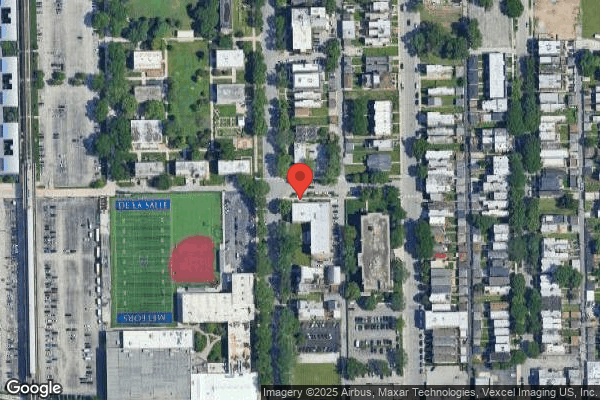
3405 SOUTH MICHIGAN AVENUE, CHICAGO, IL 60616 (312) 791-0035
For profit - Partnership 155 Beds Independent Data: November 2025
Trust Grade
10/100
#557 of 665 in IL
Last Inspection: May 2025

Inspected within the last 6 months. Data reflects current conditions.

Overview

Kensington Place Nursing & Rehab has received a Trust Grade of F, indicating poor performance with significant concerns. It ranks #557 out of 665 facilities in Illinois, placing it in the bottom half, and #175 out of 201 in Cook County, meaning there are only a few local options that are better. The facility is showing an improving trend, with the number of issues decreasing from 21 in 2024 to 19 in 2025, but it still has serious concerns, including incidents of physical abuse where residents have been harmed. Staffing is a relative strength, with a turnover rate of 43%, which is slightly better than the state average, but the overall staffing rating is low at 1 out of 5 stars. The facility has faced $36,465 in fines, which is average, and the RN coverage is considered average as well, meaning they have enough registered nurses to help oversee care. Specific incidents include a resident sustaining a laceration from another resident's aggression and another resident being struck, resulting in an eye injury. Families should weigh these factors carefully when considering care for their loved ones.

Trust Score
F
10/100
In Illinois
#557/665
Bottom 17%
Safety Record
High Risk
Review needed
Inspections
Getting Better
21 → 19 violations
Staff Stability
○ Average
43% turnover. Near Illinois's 48% average. Typical for the industry.
Penalties
○ Average
$36,465 in fines. Higher than 56% of Illinois facilities. Some compliance issues.
Skilled Nurses
⚠ Watch
Each resident gets only 20 minutes of Registered Nurse (RN) attention daily — below average for Illinois. Fewer RN minutes means fewer trained eyes watching for problems.
Violations
⚠ Watch
58 deficiencies on record. Higher than average. Multiple issues found across inspections.
★☆☆☆☆
1.0
Overall Rating
★☆☆☆☆
1.0
Staff Levels
★★★☆☆
3.0
Care Quality
★☆☆☆☆
1.0
Inspection Score
Stable
2024: 21 issues
2025: 19 issues

The Good

  • Full Sprinkler Coverage · Fire safety systems throughout facility
  • No fines on record
  • Staff turnover below average (43%)

    5 points below Illinois average of 48%

Facility shows strength in fire safety.

The Bad

1-Star Overall Rating

Below Illinois average (2.5)

Significant quality concerns identified by CMS

Staff Turnover: 43%

Near Illinois avg (46%)

Typical for the industry

Federal Fines: $36,465

Above median ($33,413)

Moderate penalties - review what triggered them

The Ugly 58 deficiencies on record

2 actual harm
May 2025 15 deficiencies
CONCERN (D)

Potential for Harm - no one hurt, but risky conditions existed

Deficiency F0583 (Tag F0583)

Could have caused harm · This affected 1 resident

Based on observation, interviews and record review, the facility failed to maintain confidentiality of personal and medical information for two residents (R225 and R69) out of the 54 residents reviewe...

Read full inspector narrative →
Based on observation, interviews and record review, the facility failed to maintain confidentiality of personal and medical information for two residents (R225 and R69) out of the 54 residents reviewed for privacy and confidentiality of records. Findings include: 1. On 4/28/2025 at 10:05am R225 observed in room, lying in the bed. R225 stated I came to this facility on Thursday (4/24/2025) from the hospital. Observed a white band on R225 's left wrist. R225 stated this is the band I had at the hospital. R225 stated none of the staff have asked me if I wanted the band removed. Observed the following information documented on R225 's white wrist band: MRN# (medical record number), AD (admission date): 04/13/2025, and R225's date of birth . R225's Face sheet which documents in part, last qualifying hospital stay: 04/13/2025-04/24/2025. 2. On 4/28/2025 at 10:35am R69 observed lying in bed watching television. Observed a white band on R69's right wrist. R69 stated I went to the hospital about two months ago. R69 stated this is the band I got in the hospital. Observed the following information documented on R69's white band: Name, DOB (date of birth ), admitted : 3/19/25, MD (medical doctor's name). R69's Face sheet which documents in part, last qualifying hospital stay: 3/19/2025-03/26/2025. On 4/28/2025 at 10:45am V15 (RN/Registered Nurse) stated the nurses are responsible for removing the hospital bands when the resident is admitted back into the facility. V15 stated the purpose of removing the band is due to HIPPAA (Health Insurance Portability and Accountability Act) concerns. On 4/30/2025 at 12:05pm V2(DON/Director of Nursing) stated there is no time frame for the removal of a resident's hospital band once the resident is admitted into this facility. V2 stated the resident must request for the hospital band to be removed. V2 stated the hospital bands usually have the resident's name, date of birth , and clinical number on them. V2 stated the purpose of removing the resident's hospital band once the resident is admitted back into this facility is to prevent giving out the resident's information. V2 stated this (resident continuing to wear the hospital band once admitted back into the nursing facility) is a HIPPA (Health Insurance Portability and Accountability Act) issue. The Illinois Long-Term Care Ombudsman Program Residents' Rights for People in Long-Term Care Facilities policy presented by the facility, which documents in part, you have a right to privacy and confidentiality of your personal and medical records. Your medical and personal care are private.
CONCERN (D)

Potential for Harm - no one hurt, but risky conditions existed

Deficiency F0604 (Tag F0604)

Could have caused harm · This affected 1 resident

**NOTE- TERMS IN BRACKETS HAVE BEEN EDITED TO PROTECT CONFIDENTIALITY** Based on observation, interview, and record review the facility failed to ensure resident was free of confinement to bed with al...

Read full inspector narrative →
**NOTE- TERMS IN BRACKETS HAVE BEEN EDITED TO PROTECT CONFIDENTIALITY** Based on observation, interview, and record review the facility failed to ensure resident was free of confinement to bed with all four side rails up. This failure has the potential to affect 1 resident (R40) of 1 resident reviewed in a sample size of 54 residents. Findings include: R40 Face Sheet documents a diagnosis of Hypertension, Psychotic Disturbance, Schizophrenia, and Gastro-esophageal reflux disease. On 4/28/2025 at 11:09 AM, R40 was noted lying in bed with all four side rails up. R40's Physician Order Sheet dated 3/29/2025 -4/29/2025 does not document an active order for a restraint. R40's Physician Order Sheet dated 3/29/25 - 4/29/25 documents an active order with a start date of 11/25/2024 with an end date of Open Ended, documents Half Side Rails to bed for mobility. Special Instructions: half side rails x 2 as a enable for mobility and repositioning while in bed. R40's Minimum Data Set, dated [DATE], Section C documents in part, A Brief Interview Mental Status (BIMS) score of 6 out of 15 which is indicative of cognitive impairment. R40's Minimum Data Set, dated [DATE], Section P documents in part, Physical Restraints side rails are used daily. R40's Care Plan dated 4/15/2025 documents no restraint problem. R40s Care Plan dated 4/15/2025 was updated for a problem for half side rails with a start date of 4/30/2025. On 04/29/25 at 11:41 AM, R26, (Registered Nurse-(RN), stated R40 will try and climb out of bed. V26 stated R40 can fall and hurt herself with all 4 side rails up. V26 verified R40 has an active order for half side rails up for bed mobility while in bed. On 4/30/2025 at 9:55 AM, V45, Certified Nurses Assistant-(CNA) stated Yes, all 4 side rails were up when (R40) was in bed. V45 stated V45 was unaware of why all 4 side rails were up on R40's bed and the surveyor will have to ask V23, (Licensed Practical Nurse-(LPN). V45 stated I don't think they are supposed to be up. 04/30/25 at 10:42 AM, V23, (Licensed Practical Nurse-(LPN) stated One side rail should be down. I use it for safety, the one side rail by the window ledge at the foot of the bed. V23 verified the physicians order sheet documents an order for half side rails. Facilities Policy titled Physical Restraint Policy dated February 2014 documents the following: Purpose: To achieve a restraint free environment to improve or maintain quality of life and processes re implemented to pursue this goal. Restraints shall not be used for the purpose of punishment of for staff convenience. Periodic assessments shall address the resident's status in an effort to reduce or eliminate restraints whenever possible and assure the least restrictive method is used which allows the resident to function at their highest practicable level. Definitions: Physical restraints are any manual method, or physical or mechanical device, material or equipment attached or adjacent to the resident's body that the individual cannot easily remove and that restricts freedom of movement or normal access to one's body. A physician order for a restraint will be valid for thirty (30) days. After 30 days, the Restraint Observation must be completed to determine if the restraint is required further. Physician orders for restraint shall be complete and specifically define the type, reason, duration, and justification for use.
CONCERN (D)

Potential for Harm - no one hurt, but risky conditions existed

PASARR Coordination (Tag F0644)

Could have caused harm · This affected 1 resident

**NOTE- TERMS IN BRACKETS HAVE BEEN EDITED TO PROTECT CONFIDENTIALITY** Based on interview and record review, the facility failed to refer residents with possible serious mental disorders for Screenin...

Read full inspector narrative →
**NOTE- TERMS IN BRACKETS HAVE BEEN EDITED TO PROTECT CONFIDENTIALITY** Based on interview and record review, the facility failed to refer residents with possible serious mental disorders for Screening and Resident Review to the appropriate state-designated authority for further assessment as required. This failure affects 2 residents (R106 and R110) reviewed for pre-admission screening in the sample list of 54 residents. Findings include: 1. R106's face sheet documents, in part, admit date : [DATE] 01:48 PM (latest return); 05/11/2023 02:34 PM (current). R106's face sheet documents R106's diagnoses that include but are not limited to schizophrenia (date diagnosed 7/05/24). R106's care plan, edited date 3/31/25, documents, in part, (R106) has displayed aggression and was recently involved in an incident with another peer where he was NOT the aggressor. This may be potentially related to his mental health issues of Delusional Disorder and Personality Disorder. [NAME] can also at times exhibit verbally inappropriate behaviors towards staff/peers. Review of R106's Notice of PASRR (Pre-admission Screening and Resident Review) Level I Screen Outcome, dated 4/3/23, documents, in part, PASRR Level 1 Determination: No Level II Required - No SMI (serious mental illness)/ID (intellectual disability). Evidence shows R106 was diagnosed with a serious mental illness (schizophrenia) after R10's Level I PASARR was completed. This requires another PASARR submission which was not done by the facility. 2. R110's face sheet documents, in part, admit date : [DATE] 05:27 PM (latest return); 07/09/2024 02:21 PM (current). R110's face sheet documents R110's diagnoses that include but are not limited to schizophrenia (date diagnosed 9/13/24). R110's active order, start date 4/11/25, documents, in part, quetiapine 50 mg once a morning and quetiapine 100 mg at bedtime. R110's care plan, edited date 4/15/25, documents, in part, (R110) has a diagnosis of schizophrenia delirium to psychological condition. Review of R110's Notice of PASRR Level I Screen Outcome, dated 7/4/24, documents, in part, PASRR Level 1 Determination: No Level II Required - No SMI (serious mental illness)/ID (intellectual disability). Evidence shows R110 was diagnosed with a serious mental illness (schizophrenia) after R110's Level I PASARR was completed. This requires another PASARR submission which was not done by the facility. On 4/29/25, surveyor asked for the employee responsible for the completion of PASARRs and V1 (Administrator) referred V25 (Business Office Manager/admission Director). On 4/29/25 at 10:41am, V25 (Business Office Manager/admission Director) said, I am not the only one responsible for the PASARRs. (V3 (SSD/Social Services Director)) has a part too. (R106) and (R110) don't have a PASARR 2 because the PASARR 1 shows that they (R106 and R110) didn't need one. They (R106 and R110) were diagnosed with schizophrenia after the initial PASARR was done. I have to check to see if they (R106 and R110) would need another PASARR submitted. Yes, everyone needs an initial PASARR screening. Before the resident come here, the place the resident is coming from submits the PASARR and we (facility) get the results. It (PASARR) tell us (facility) if the resident is appropriate for our facility. I don't know. This (PASARRs) is new to me. PASARRs identify if our facility is an appropriate setting for the incoming resident. PASARR II identifies residents that have dementia, schizophrenia, things like that. I give (V3) the information on the resident and V3 enters the information. I think certain diagnoses would trigger a PASARR II to be done. (V3) and myself collaborate. On 4/30/25 at 10:40am, V3 (SSD/Social Services Director) said, I don't collaborate with anyone for the PASARRs. The only thing I do is put in the information from the MATRIX to determine if the level of nursing care is appropriate. PASARR II is for psychosis and IOP (Identified Offenders Program). PASARR II is for diagnoses like schizophrenia and Bipolar. New diagnoses of schizophrenia and Bipolar would need a new submission for a PASARR II if a PASARR was already done. On 4/30/25 at 11:36am, V25 (Business Office Manager/admission Director) said, I did speak with (agency that completes PASARR screenings) and they had me submit for (R106) and (R110) to have new PASARR screenings done due to their diagnoses. Facility policy titled, PASSAR Guideline, revised date 11/2017, documents, in part, The objective of the PASARR guideline is to ensure that individuals with mental illness and intellectual disabilities receive the care and services that they need in the most appropriate setting. The PASARR will be evaluated annually and upon any significant change for those individuals identified. PROCEDURE 1. admission and readmission The facility will participate in or complete the Level I screen for all potential admissions regardless of payer source to determine if the individual meets the criterion for mental disorder (SMI/SMD), intellectual disability (ID) or related condition. b. Based upon the Level I screen, if an individual is determined to meet the above criterion, the facility will not admit an individual, the facility will refer the potential admission to the State PASARR representative for the Level II screening process. c. Upon completion of the Level II screen, the facility will review the screen recommendations and determine the facility's ability to provide the specialized services outlined. admission decision will be determined and notification to the State PASARR representative, resident and resident representative will be completed. d. readmission i. The PASARR screening process will not apply to those identified individuals, who after being admitted to the facility, were transferred for an acute care stay . iv. The facility will refer all level II residents and all residents with newly evident or possible serious mental disorder, intellectual disability, or related condition for a level II review upon a significant change in status assessment to the State PASARR representative . Facility policy titled, Residents' Rights for People in Long-term Care Facilities, revision date 3/17, documents, in part, safety and good care. Your facility must provide services to keep your physical and mental health, and sense of satisfaction. Your facility must make reasonable arrangements to meet your needs and choices.
CONCERN (D)

Potential for Harm - no one hurt, but risky conditions existed

Respiratory Care (Tag F0695)

Could have caused harm · This affected 1 resident

Based on observation and interview, the facility failed to have signage posted identifying a resident who has oxygen in use in the resident's room to prevent a possible hazard. This affected one resid...

Read full inspector narrative →
Based on observation and interview, the facility failed to have signage posted identifying a resident who has oxygen in use in the resident's room to prevent a possible hazard. This affected one resident (R69) in a total sample of 54 residents. Findings include: On 04/28/2025 at 10:355am observed nasal cannula in R69's nares, with tubing leading to an oxygen concentrator machine next to R69's bed. The oxygen concentrator machine was set to deliver oxygen at two liters per minute. R69 stated I have been on oxygen for three months now. There was no Oxygen in Use sign posted on the outside of R69's door indicating that oxygen was in use in R69's room. On 4/28/2025 at 10:45am V15 (RN/Registered Nurse) stated R69 is on as needed oxygen. V15 was asked what would indicate that R69 was receiving oxygen. V15 stated when you enter the room you see the concentrator machine. V15 stated a sign would be on R69' s door before entering the room. V15 stated the sign is missing from R69's door. V15 stated the purpose of the sign is for safety reasons. V15 stated IP (infection preventionist) is responsible for placing the oxygen sign on the door. On 4/30/2025 at 12:03pm V2(DON/Director of Nursing) stated if a resident is receiving oxygen therapy, then yes, a sign is to be posted on the resident's room door. V2 stated the nurse is responsible for placing the oxygen in use sign on the resident's room door. V2 stated the purpose of the oxygen in use sign is to let people know that the oxygen is flammable. V2 stated if someone is smoking near a room where oxygen is in use, this can cause a fire. R69's diagnosis includes, but are not limited to, bilateral primary osteoarthritis of knee, hypertensive heart disease with heart failure, other asthma, chronic obstructive pulmonary disease, unspecified, muscle wasting and atrophy, not elsewhere classified, right lower leg, muscle wasting and atrophy, not elsewhere classified, left lower leg, chronic kidney disease, unspecified, and dyspnea, unspecified. R69 has a Brief Interview for Mental Status (BIMS) dated 04/01/2025 which documents R69 has a BIMS score of 14, indicating R69's cognition is intact. R69's most current Physician Order Report (03/30/2025-04/30/2025) documents in part, O2(oxygen) at 2-liter PRN (as needed). R69's care plan documents in part, Problem: R69 has ineffective breathing pattern R/T (related to) dyspnea. Approach: Administer oxygen. Observe oxygen precautions. On 04/30/2025 reviewed the facility's policy dated 05/2023 and titled Oxygen Therapy, which documents in part, Underneath Equipment 4. Oxygen in use sign. Underneath Safety Factors: 1. Must have Oxygen in Use sign posted in space that is visible prior to actually entering room. On 04/30/2025 reviewed the facility's undated policy, titled Smoking Policy, which documents in part, No Smoking signs will be posted by the oxygen storage rooms and by the door of any resident who is receiving oxygen.
CONCERN (E)

Potential for Harm - no one hurt, but risky conditions existed

Deficiency F0645 (Tag F0645)

Could have caused harm · This affected multiple residents

**NOTE- TERMS IN BRACKETS HAVE BEEN EDITED TO PROTECT CONFIDENTIALITY** 4. On 04/29/2025 at 10:30am surveyor requested R46's PASARR (Preadmission Screening and Resident Review) from the facility staff...

Read full inspector narrative →
**NOTE- TERMS IN BRACKETS HAVE BEEN EDITED TO PROTECT CONFIDENTIALITY** 4. On 04/29/2025 at 10:30am surveyor requested R46's PASARR (Preadmission Screening and Resident Review) from the facility staff. On 04/29/2025 at 10:55am V25(Business Office Manager/ Admissions Director) stated I work with the Social Services Director to do the PASARRs for residents. V25 stated the PASARR is used to identify what type of facility the resident goes to, to make sure the resident is in the appropriate setting. V25 stated R46 came to this facility in 2019, R46 did not have a PASARR. V25 stated I spoke with the state agency representative regarding R46's PASARR. The state agency representative informed me to start a PASARR Level I for (R46). Based on interview and record review, the facility failed to ensure preadmission screening assessments were completed as needed for residents identified to have a mental illness. This failure affects 4 residents (R10, R33, R40, and R46) reviewed for pre-admission screening in the sample list of 54 residents. Findings include: 1. R10's face sheet documents, in part, admit date : [DATE] 05:15 PM (latest return); 09/21/2015 06:47 PM (current). R10's face sheet documents R10's diagnoses that include but are not limited to schizophrenia (date diagnosed 10/01/15). R10's active order, start date 1/7/24, documents, in part, risperidone (antipsychotic) 2mg (milligram) orally twice a day. Review of R10's health records do not show that a Level I Pre-admission Screening and Resident Review (PASARR) was completed for R10. 2. R33's face sheet documents, in part, admit date : [DATE] 06:53 PM (latest return); 07/07/2010 12:01 AM (current). R33's face sheet documents R33's diagnoses that include but are not limited to schizophrenia (date diagnosed 1/21/18) and other schizoaffective disorders (date diagnosed 9/30/17). R33's active orders documents, in part, risperidone (antipsychotic) start date 3/14/25, 0.25mg at bedtime. Review of R33's health records do not show that a Level I Pre-admission Screening and Resident Review (PASARR) was completed for R33. On 4/29/25, surveyor asked for the employee responsible for the completion of PASARRs and V1 (Administrator) referred V25 (Business Office Manager/admission Director). On 4/29/25 at 10:41am, V25 (Business Office Manager/admission Director) said, I am not the only one responsible for the PASARRs. (V3 (SSD/Social Services Director)) has a part too. (R10) and (R33) never had an initial PASARR done. Not sure why. Yes, everyone needs an initial PASARR screening. Before the resident come here, the place the resident is coming from submits the PASARR and we (facility) get the results. It (PASARR) tell us (facility) if the resident is appropriate for our facility. I don't know. This (PASARRs) is new to me. PASARRs identify if our facility is an appropriate setting for the incoming resident. PASARR II identifies residents that have dementia, schizophrenia, things like that. I give (V3) the information on the resident and (V3) enters the information. I think certain diagnoses would trigger a PASARR II to be done. (V3) and myself collaborate. On 4/30/25 at 10:40am, V3 (SSD/Social Services Director) said, I (V3) don't collaborate with anyone for the PASARRs. The only thing I (V3) do is put in the information from the MATRIX to determine if the level of nursing care is appropriate. PASARR II is for psychosis and IOP (Identified Offenders Program). PASARR II is for diagnoses like schizophrenia and Bipolar. New diagnoses of schizophrenia and Bipolar would need a new submission for a PASARR II if a PASARR was already done. On 4/30/25 at 11:36am, V25 (Business Office Manager/admission Director) said, I (V25) did speak with (agency that completes PASARR screenings) and they had me submit for R10 and R33 to have PASARR screenings done. Facility policy titled, PASSAR Guideline, revised date 11/2017, documents, in part, The objective of the PASARR guideline is to ensure that individuals with mental illness and intellectual disabilities receive the care and services that they need in the most appropriate setting. The PASARR will be evaluated annually and upon any significant change for those individuals identified. PROCEDURE 1. admission and readmission The facility will participate in or complete the Level I screen for all potential admissions regardless of payer source to determine if the individual meets the criterion for mental disorder (SMI/SMD), intellectual disability (ID) or related condition. b. Based upon the Level I screen, if an individual is determined to meet the above criterion, the facility will not admit an individual, the facility will refer the potential admission to the State PASARR representative for the Level II screening process. c. Upon completion of the Level II screen, the facility will review the screen recommendations and determine the facility's ability to provide the specialized services outlined. admission decision will be determined and notification to the State PASARR representative, resident and resident representative will be completed. d. readmission i. The PASARR screening process will not apply to those identified individuals, who after being admitted to the facility, were transferred for an acute care stay . iv. The facility will refer all level II residents and all residents with newly evident or possible serious mental disorder, intellectual disability, or related condition for a level II review upon a significant change in status assessment to the State PASARR representative . Facility policy titled, Residents' Rights for People in Long-term Care Facilities, revision date 3/17, documents, in part, safety and good care. Your facility must provide services to keep your physical and mental health, and sense of satisfaction. Your facility must make reasonable arrangements to meet your needs and choices. 3. R40's Face Sheet documents a diagnosis of Hypertension, Major Depressive Disorder, Dementia, Psychotic Disturbance, Schizophrenia, and Gastro-esophageal reflux disease. R40's Minimum Data Set, dated [DATE], Section C documents in part, A Brief Interview Mental Status score of 6 which is indicative of cognitive impairment. R40's Minimum Data Set, dated [DATE], Section D Mood documents in part, a Mood Total Severity Score of 12 which is indicative of Moderate Depression. On 04/30/25 at 10:40 AM, V25, (Business Office Manager-(BOM) stated V25 called Maximus about R40 regarding a Preadmission Screening and Resident Review (PASARR) because R40's admission date was in 2008 when the requirement was just an Omnibus Budget Reconciliation Act of 1987. V25 stated Maximus informed V25 that a (PASARR) should have been submitted when Maximus took over. V25 stated that nobody ever submitted it to Maximus, so V25 submitted R40's PASARR. V25 stated V25 enters the data and then social service enters the resident's history. V25 stated now V25 knows that when a resident have a psychiatric diagnosis, the PASARR Level I will trigger a PASARR Level II. On 04/30/25 at 11:11 AM, V3, (Social Services Director-(SSD), stated the business office does the Preadmission Screening and Resident Review (PASARR). V3 stated Yes, every resident should have a PASARR completed if the resident has a mental health diagnosis. V3 stated when residents go out to the hospital, residents may be diagnosed with a new mental health diagnosis. V3 stated in the case of a new mental health diagnosis, V25, (Business Office Manager-(BOM) completes the PASARR and both V3 and V25 play a part tag teaming on it. V3 affirmed R40 should have a PASARR I and a PASARR II.
CONCERN (E)

Potential for Harm - no one hurt, but risky conditions existed

Pharmacy Services (Tag F0755)

Could have caused harm · This affected multiple residents

Based on observation, interview, and record review the facility failed to ensure two licensed personnel conducted a physical inventory of controlled substances at each change of shift. This failure ha...

Read full inspector narrative →
Based on observation, interview, and record review the facility failed to ensure two licensed personnel conducted a physical inventory of controlled substances at each change of shift. This failure has the potential to affect 4 out of 18 residents who are prescribed controlled substances from the second-floor long hall medication cart. Findings include: On 04/29/2025 at 1:26 pm, review of the 2nd Floor long hall medication cart with V15 (RN/Registered Nurse) surveyor observed the Controlled Substances Check Form for April 2025. The Nurse's Initials On box was left blank for April 17, 2025 (3-11 shift). The Nurse's Initials Off box was left blank for April 17, 2025(11-7 shift). The Nurse's Initials Off box was left blank for April 20, 2025 (11-7 shift). The Nurse's Initials On box was left blank for April 21, 2025 (3-11 shift). The Nurse's Initials On box was left blank for April 23, 2025(3-11 shift). The Nurse's Initials On box was left blank for April 26, 2025 (3-11 shift). The Nurse's Initials Off box was left blank for April 26, 2025 (11-7 shift). The Nurse's Initials On box was left blank for April 27, 2025(7-3 shift). The Nurse's Initials On box was left blank for April 27, 2025 (3-11 shift). The Nurse's Initials Off box was left blank for April 27, 2025 (3-11 shift). The Nurse's Initials Off box was left blank for April 27, 2025(11-7 shift). The Nurse's Initials On box was left blank for April 28, 2025 (3-11 shift). The Nurse's Initials Off box was left blank for April 28, 2025 (11-7 shift). The blank spaces on the facility's-Controlled Substances Check Form indicate the controlled substances were not reconciled at the end and beginning of the shift on the specified days. On 4/29/2025 at 1:26pm V15 stated the shift-to-shift controlled substances check form is used by the nurses to count the narcotics. V15 stated two nurses are to count the narcotics together, the nurse going off the shift and the nurse coming on the shift. V15 stated both nurses are to make sure the count of the narcotics is correct and document their initials on the form if the narcotic count is correct. On 4/30/2025 at 12:07am V2 (DON/Director of Nursing) stated the Controlled Substances Check Form is used to verify the count for the narcotics is correct. V2 stated the nurse coming on shift and the nurse leaving the shift are to count the narcotics together and sign off on the Controlled Substances Check Form that the count of the narcotics is correct. V2 stated it is my expectation that two nurses (the incoming nurse and the outgoing nurse) are counting the narcotics and initialing the Controlled Substances Check Form indicating that the count of the narcotics is correct. The facility's policy dated 05/24 and titled Controlled Drug Policy and Procedure which documents in part, 1. Controlled drugs, as determined by the facility, are counted every shift by the nurse reporting on duty with the nurse reporting off-duty. 3. The controlled drug checklist must be signed by the nurse coming on duty and going off duty to verify that the count of all controlled drugs is correct, if used at facility discretion. The facility's undated Registered Nurse job description which documents in part, underneath Duties/ Responsibilities/Function: 11. Ensure that appropriate documentation/charting is completed as required and in accordance with established policies and procedures. 14. Ensure that narcotic records are accurate for your shift. Immediately notify the DON/ADON (Director of Nursing/Assistant Director of Nursing) of any identified drug discrepancies. The facility's undated Licensed Practical Nurse job description which documents in part, underneath Duties/ Responsibilities/Function: 10. Ensure that appropriate documentation/charting is completed as required and in accordance with established policies and procedures. 13. Ensure that narcotic records are accurate for your shift. Immediately notify the DON/ADON (Director of Nursing/Assistant Director of Nursing) of any identified drug discrepancies.
CONCERN (E)

Potential for Harm - no one hurt, but risky conditions existed

Deficiency F0883 (Tag F0883)

Could have caused harm · This affected multiple residents

Based on interview and record review, the facility failed to follow policies and procedures for immunization of residents against pneumococcal disease in accordance with national standards of practice...

Read full inspector narrative →
Based on interview and record review, the facility failed to follow policies and procedures for immunization of residents against pneumococcal disease in accordance with national standards of practice. The facility failed to vaccinate eligible residents with the pneumococcal vaccine. The facility failed to document the refusal and/or the benefits and side effects in the resident's electronic medical records. This deficient practice affected 9 residents (R21, R25, R33, R39, R64, R68, R69, R102, R115) sampled in a total sample size of 54 and has the potential to affect all eligible residents that reside at the facility. Findings include: Review of records for R21, R25, R33, R39, R64, R68, R69, R102, and R115 from admission dates to 04/30/25 have no findings of documentation of pneumococcal vaccine offering or education of the vaccine. Review of physician orders for R21, R25, R33, R39, R64, R68, R69, R102 and R115 from admission to 04/30/25 show no orders for pneumococcal vaccination. Immunization records for R21, R25, R33, R39, R64, R68, R69, R102 and R115 has no current pneumococcal vaccination listed. On 04/29/25 at 11:30am V4 (Infection Preventionist/IP) stated that pneumococcal vaccines are offered to residents upon admission and during influenza season. V4 stated that she does not have proof of offering the residents the pneumococcal vaccine besides the undated and incomplete consent forms. V4 stated that she does not usually document the resident's refusal for vaccination in the resident's chart. V4 stated that she does not know why she did not add the date or finish filling out the vaccination forms. Facility's policy titled Pneumococcal Vaccine dated 11/2009 documents in part, All residents will be offered the Pneumovax (Pneumococcal vaccine) to aid in preventing pneumococcal infections .Policy Interpretation and Implementation .1. Prior to or upon admission, residents will be assessed for eligibility to receive the Pneumovax (pneumococcal vaccine), and when indicated, will be offered the vaccination withing thirty days of admission to the facility unless medically contraindicated for the resident has already been vaccinated .3. Pneumococcal vaccinations will be administered to residents (unless medically contraindicated, already given, or refused) per our facility's physician approved pneumococcal vaccination protocol. 4. Residents/representatives have the rights to refuse vaccination. If refused, appropriate entries will be documented in each resident's medical record indicating the date of the refusal of the pneumococcal vaccination. Facility's policy titled Infection Control Policy dated 06/2020 documents in part, Objective: The facility's written program is for the implementation of systems that provide a safe, sanitary and comfortable environment and helps prevent the development and transmission of communicable diseases and infections. The facility's infection control program include: 1. A system for preventing, identifying, reporting, investigating, and controlling infections and communicable disease for residents, staff, visitors and other individuals providing services based upon the facilities assessment in conjunction with hazards and vulnerability analysis that is consistent with national standards. Policy is reviewed annually . 15. The facility maintains procedures for managing outbreaks of infection and pandemics. The facility will follow guidance as provided by the Local Health Department, State Regulatory and/or Communicable disease division, CMS (Centers for Medicare and Medicaid Services) and CDC (Centers for Disease Control) . 19. The facility maintains a program of immunizations for residents to include pneumonia and influenza immunization programs . 24. The facility appoints an Infection preventionist (IP) who is responsible for coordinating the infection control program . a. The IP will be an advocate for each resident to monitor that standards of practice to prevent and control infections is carried out.
CONCERN (F)

Potential for Harm - no one hurt, but risky conditions existed

Deficiency F0730 (Tag F0730)

Could have caused harm · This affected most or all residents

**NOTE- TERMS IN BRACKETS HAVE BEEN EDITED TO PROTECT CONFIDENTIALITY** Based on interview and record review, the facility failed to complete performance evaluations for certified nursing assistants a...

Read full inspector narrative →
**NOTE- TERMS IN BRACKETS HAVE BEEN EDITED TO PROTECT CONFIDENTIALITY** Based on interview and record review, the facility failed to complete performance evaluations for certified nursing assistants and failed to ensure 12-hours of in-servicing was completed for certified nursing assistants annually. This failure affects all 127 residents that reside within the facility. Findings include: Record review of facility provided census (4/28/2025) documents that 127 residents reside in the facility. On 5/1/2025 at 9:51 AM, annual performance evaluations and documentation of in-servicing for the last year was requested for V18 (Certified Nursing Assistant/CNA) and V27 CNA. No annual performance evaluation documentation was received prior to the end of the survey. The facility provided in-servicing documents titled CNA (Certified Nursing Assistant) Competency Checklist for V18 and V27 does not document training/in-servicing, nor the hours (time) it took to complete this competency. On 5/1/2025 at 1:26 PM, V4 (Registered Nurse, Infection Preventionist/Quality Assurance Nurse) affirmed that V4 is responsible for educating and in-servicing the staff within the facility. V4 stated that V4 was told by V1 (Assistant Administrator) that the facility does not complete performance evaluations because of the union contract but that the surveyor would have to verify with V1. V4 stated that V4 was unsure how many hours of in-servicing certified nursing assistants were required annually and stated, I think maybe 20 or so?. V4 affirmed that the process for training CNAs is a skills fair where they come in to get checked off on skills competency. V4 stated that the skills fair takes about 6 hours or so. Additional in-servicing documents were requested to verify how many hours of in-servicing V18 and V27 received within the last year. V4 stated, I don't think we have any documentation on our in-service forms that document how long each training occurred. V1 stated to V4, we need to start tracking that from now on. No further in-servicing records were provided during the survey that affirms V18 or V27 received at least 12 hours of in-servicing within the last year. On 5/1/2025 at 1:49 PM, V1 (Assistant Administrator) affirmed that the facility does not complete performance evaluations for certified nursing assistants. V1 explained, due to the union contract, we are unable to complete performance evaluations. All pay increases have already been decided in the contract. On 5/1/2025 at 3:47 PM, V1 stated that there is no facility policy for annual performance reviews for certified nursing assistants. The facility assessment dated [DATE] documents in part, . Required in-service training for nurse aides. In-service training must: - Be sufficient to ensure the continuing competence of nurse aides, but must be no less than 12 hours per year . - address areas of weakness as determined in nurse's aides performance reviews and facility assessment and may address the special needs of residents as determined by facility staff .
CONCERN (F)

Potential for Harm - no one hurt, but risky conditions existed

Staffing Information (Tag F0732)

Could have caused harm · This affected most or all residents

Based on observation, interview and record review, the facility failed to post required staffing information in a high visibility area. This failure affects all 127 residents that reside within the fa...

Read full inspector narrative →
Based on observation, interview and record review, the facility failed to post required staffing information in a high visibility area. This failure affects all 127 residents that reside within the facility. Findings include: The facility census for 4/28/2025 documents 127 residents reside within the facility. On 4/28/2025 at 11:19 AM, surveyor requested the daily staffing posting for the facility. V1 (Assistant Administrator) grabbed a document (titled Nursing Schedule) that was observed on top of the ledge of the 1st floor nurse's station, facing the ceiling (not visible to residents). V1 affirmed this was the document that the facility uses to post the staffing information. V2 (Director of Nursing) affirmed that this posting is kept at the nurse's station. The facility provided document from V1 titled, Nursing Schedule (dated 4/28/2025), does not document the following required information: A) Facility Name B) The total number and the actual hours worked by registered nurses, licensed practical nurses, and certified nursing assistants directly responsible for resident care per shift C) Resident census. Facility policy titled Posting Direct Care Daily Staffing Numbers documents in part, Policy Statement Our facility will post, on a daily basis for each shift, the number of nursing personnel responsible for providing direct care to residents . At the beginning of each shift facility shall post the nurse staffing data as required by state and federal regulations.
CONCERN (F)

Potential for Harm - no one hurt, but risky conditions existed

Deficiency F0802 (Tag F0802)

Could have caused harm · This affected most or all residents

Based on interview and record review, the facility failed to ensure that all kitchen staff have active food handler certifications to provide safe and competent food and sanitation service to resident...

Read full inspector narrative →
Based on interview and record review, the facility failed to ensure that all kitchen staff have active food handler certifications to provide safe and competent food and sanitation service to residents which has the potential to affect all 127 residents receiving oral diets in the facility. Findings include: On 4/29/25 at 2:25 pm, this surveyor requested V16 (Cook), V21 (Dietary Aide), V29 (Dietary Aide), and V31's (Dietary Aide) food handler certifications. V13 confirmed in viewing the kitchen employee schedule (April 2025) provided to survey team that there are 10 kitchen employees (excluding V13) working all shifts in the facility kitchen. On 4/30/25 at 10:00 am, V13 stated that V13 requested the food handler certifications from V21, and (V21) hasn't responded and (V29) started (V29's certification test) today but can't pay for it until tomorrow. On 4/30/25 at 11:15 am, V13 stated that of the 4 kitchen staffs' (V16, V21, V29 and V31) food handler certificates not yet presented to this surveyor, both V16 and V31 were taking the food handler tests today. V13 stated that V16 and V31 informed V13 that both of their previous food handler certificates were expired. V13 stated that it's the kitchen employees' responsibility to maintain a current food handler certification. V13 stated that in different facility kitchens that V13 has worked in, all kitchen staffs' food handler certificates are posted in the kitchen. V13 stated that the dietary manager can then see when they are expiring and can give reminders to the staff. V13 stated, But they are not posted here (facility). V13 stated that the kitchen staff must have an active food handler certification; It's part of their union hand book to be certified to work in the facility. V13 stated that the importance of having an active food handler certification is so they (kitchen staff) will know what they can and can't do for cross contamination. To know what the law is. This is these people's (residents') home. We are making their food in the kitchen, and it can affect any resident eating from this kitchen. On 4/30/25 at 1:18 pm, V13 stated that the kitchen staffs' roles are broken up by the title and shift of cook and dietary aides. V13 stated that there are two shifts for cooks, one that starts the early shift at 5:00 am, which is V16; and the other cook's shift is 11:30 am to 8:00 pm. V13 stated that dietary aides have shifts from 6:00 am to 2:30 pm, 6:30 am to 3:00 pm, 11:30 am to 8:00 pm, and 4:00 to 8:00 pm. V13 stated that they have on cook working on each of the two cook shifts. V13 stated that two dietary aides work between the two early shifts (6 am-2:30 pm; 6:30 am-3:00 pm); two dietary aides work on the 11:30 am to 8:00 pm shift and one dietary aide from the 4:00 to 8:00 pm on 3 to 4 days a week. V13 stated, We need at least the 2 dietary aides and one cook per shift. V13 presented this surveyor with the kitchen job descriptions saying that the shifts listed are for the dietary aides, and the other one is for the cook. On 4/30/25 at 1:51 pm, V13 presented copy of V31's food handler certificate which was completed on 4/30/25. V13 stated, (V31) did it today. On 4/30/25 at 2:15 pm, V13 stated that V13 does not keep or catalog the kitchen staffs' food handler certificates, and that V13 doesn't really know who maintains copies of the kitchen staffs' food handler certificates. V13 stated that this surveyor can check with V1 (Assistant Administrator) for the remaining kitchen staffs' food handler certificates. On 5/1/25 at 9:19 am, when requesting for food handler certificates for V16, V21, V29 and V31 prior to 4/30/25, V1 (Assistant Administrator) stated that V1 was going to speak with V13 about the food handler certificates. On 5/1/25 at 10:48 am, this surveyor received V16's food handler certificate, dated 4/30/25. On 5/1/25 at 11:26 am, this surveyor received V31's food handler certificate, dated 4/30/25. On 5/1/25 at 11:34 am, this surveyor received an email notice from V13 documenting the following, The following employees don't have their Food Handler Certification. (V21)-Dietary Aide. (V29)-Dietary Aide. Employee facility list documents, in part, the hire dates of the following kitchen staff: V16 on 11/1/2010; V21 on 5/25/2022 (rehire date); V29 on 5/11/2023; and V31 on 2/2/2024. V16 (Cook) and V21 (Dietary Aide) certificates document, in part, that their food handler certificates for Employee Food Safety Course and Exam were completed on 4/30/25. On 5/1/25 at 9:57 am, V32 (Registered Dietitian) stated that that the kitchen staff should have, at a minimum, a current food handler certification. V32 stated that the importance of all kitchen staff having a current food handler certification is to ensure the overall residents' safety and having no cross contamination in the kitchen. Facility kitchen employee schedule, dated April 2025, documents, in part that there are 10 kitchen employees (excluding V13, Dietary Manager). During facility kitchen tours on 4/28/25 and 4/29/25, this surveyor observed V16, V21 and V31 working, and V29 was scheduled on the 4 - 8 pm shift on 4/30/25. Facility list reviewed shows all of the current residents receiving oral diets (dated 4/29/25), and V1 (Assistant Administrator) confirmed with survey team that the total resident census is 127 residents. Facility Job Description (undated) titled Cook documents, in part, Purpose: The primary purpose of this position is to: Prepare meals in accordance with recipes and written planned menus . Ensure that the kitchen is maintained in a clean, sanitary and orderly fashion. Ensure that 'safe food handling' procedures are being consistently maintained. Maintain all federal, state and local nutritional/dietary regulations . Qualifications & Essential Requirements: . Must possess sanitation certification. Facility Job Description (undated) for the Dietary Aide, 6 am to 2:30 pm shift, documents, in part, a timed list of job responsibilities which include set up coffee and start coffee machine, setup juice and milk, start tray line, call the dietary line, help other dietary aides, wash dishes, and sweep and mop. Facility Job Description (undated) for the Dietary Aide, 6:30 am to 3 pm shift, documents, in part, a timed list of job responsibilities which include prepare dessert, help cook on line, setup tray line and milk, call the tray line, help other dietary aides, wash dishes, and sweep and mop. Facility Job Description (undated) for the Dietary Aide, 11:30 am to 8:00 pm shift, documents, in part, a timed list of job responsibilities which include help on line, supplement setup (for 10 am, 2 pm and 7 pm), start dessert (follow all recipe), set up cart for dinner (salt, pepper, sugars), do juice for breakfast, prepare sandwiches for snacks, and setup for dinner meal. Facility Job Description (undated) for the Dietary Aide, 4 pm to 8 pm shift, documents, in part, a timed list of job responsibilities which include pour juice for breakfast (follow menus as to what juice to pour, spread sheet book), help cook on line, wash dishes, and sweep and mop.
CONCERN (F)

Potential for Harm - no one hurt, but risky conditions existed

Food Safety (Tag F0812)

Could have caused harm · This affected most or all residents

Based on observation, interview, and record review, the facility failed to label and date an opened refrigerated food item; kitchen staff failed to perform appropriate hand hygiene in the kitchen; fai...

Read full inspector narrative →
Based on observation, interview, and record review, the facility failed to label and date an opened refrigerated food item; kitchen staff failed to perform appropriate hand hygiene in the kitchen; failed to sanitize the thermometer probe in between obtaining temperature readings of each hot food item; failed to properly clean food processor equipment; failed to allow food processor equipment to fully air dry before use; failed to ensure that kitchen staffs' personal belongings are not stored on kitchen equipment where resident food is prepared; and failed to ensure that kitchen staffs' food and drink items are not stored in the facility kitchen dedicated for resident food and drinks. These failures affect all 127 residents receiving oral diets in the facility. Findings include: On 4/28/25 at 9:35 am, during the initial tour of the facility kitchen's walk in refrigerator and freezer with V13 (Dietary Manager) and V16 (Cook), a 16.9 fluid ounce bottle of water (frozen) observed on the shelf inside the freezer. When asked if this is a water bottle for resident use, V16 stated, No. It's someone else's. In the walk in refrigerator, an opened package of bologna slices wrapped in clear plastic wrap is observe with no label or date. V16 stated that V16 is not sure when the bologna slices package was opened. Ten water bottles (16.9 fluid ounces) and two ginger ale bottles (20 ounce bottles) are observed on a shelf inside the walk in refrigerator. When asked who's water and soda bottles are these, V13 stated, Employees. Next to the water and soda bottles on the shelf, a gray grocery sack is observed. V13 retrieved this sack from the shelf and opened the grocery sack revealing an opened package of polish beef sausages (identified by V13). When asked is this for the residents' menu, V13 stated, No, it's someone's (staff) lunch. V13 stated that staff's food should not be stored in the residents' kitchen refrigerator. On 4/28/25 at 9:53 am, clean plate covers are observed stacked on the main food preparation (prep) table in the center of the kitchen. At the end of this food prep table (closest to the dishwasher room), an employee's cellular phone is observed connected to a phone charger cable plugged into the outlet at the end of the food prep table. This employee phone is next to the clean plate covers. On 4/28/25 at 11:45 am, the same employee's cellular phone is observed again on the food prep table connected to phone charger next to the clean plate covers. Also, a set of keys with 2 car fobs (on a key ring with a lanyard) is observed next to the phone. On 4/28/25 at 11:46 am, V16 (Cook) observed plating residents' lunch plates on tray line service at the main food prep table. V16, with gloved hands, is observed taking V16's left hand, and with the back of V16's left gloved hand, wipes V16's perspiration on V16's forehead. V16 then continues to plate the macaroni with meat sauce and hamburgers on buns on the resident lunch plates. No hand hygiene and glove change are performed by V16. On 4/28/25 at 12:48 pm, a condiment tray (open cart on wheels with bins of salt, peppers, sugars, and sweeteners) observed parked at end of the main food prep table. A blue tumbler cup with an open clear lid is observed on this cart. V19 (Cook) observed preparing peanut butter and jelly sandwiches and bologna sandwiches on the kitchen prep table. When asked whose tumbler cup is this, V19 stated, I (V19) don't know. V19 then calls out to the kitchen staff, Whose cup is on the cart? V21 (Dietary Aide) said that it was V20's (Dietary Aide) cup, and V21 walked over to remove V20's tumbler cup from the condiment cart out of the kitchen. V19 stated, No one should be drinking in here (the kitchen). On 4/28/25 at 12:49 pm, this surveyor pointed to the cellular phone and car keys observed on the same kitchen table that V19 is preparing food sandwiches on, asking whose personal items are these? V19 stated that V19 doesn't know whose they are. When asked are these personal items to be stored in the kitchen on the food prep table and the condiment cart, V19 stated, Not that I am aware of. On 4/29/25 at 9:21 am, for the puree food preparation, V16 (Cook) is observed with food supplies on the main kitchen prep table near the food processor and the covered meat slicer. V16 stated that V16 is going to be making pureed beef steaks and creamed corn. A music speaker, white and gray in color and cylindrical in shape, is observed on the kitchen prep table in between the food processor and the meat slicer. Another cellular phone is observed on top of the meat slicer ledge and is connected to a charging cable plugged into the outlet on the opposite end (closest to the 3 compartment sink) of the main kitchen prep table. V16 observed preparing the pureed beef patties in the food processor, and V16 transfers the pudding like consistency of pureed beef steak patties from the food processor base into a clean pan. On 4/29/25 at 9:26 am, V16 observed taking the used food processor base, cover and blade over to the small sink next to the oven and rinsed the food processor equipment under the running water. V16 then walked the 3 food processor items over to the 3 compartment sink and placed the blade in the wash compartment, next the rinse compartment and lastly the sanitize compartment. V16 placed the food processor blade on the counter next to the small sink to air dry. V16 returned to the wash basin of the 3 compartment sink, washed and scrubbed the food processor base and lid, and then moved the 2 items to the rinse compartment. V16 placed both items in the sanitizer compartment to dwell. V16 then removed paper towels from the dispenser to dry off V16's hands. V16 observed touching and moving the gray garbage can lid covering the garbage can to place the used paper towel in the garbage can. V16 did not perform hand hygiene after touching the garbage can lid. V16 next retrieved the food processor base and cover from dwelling inside the sanitize 3 compartment sink. While holding onto to the food processor base and cover, V16 shook these items in front of V16's body and picked up the blade from the small sink counter. V16 walked back over to the main food prep table where V16 assembled the base with the blade inside, and visible moisture droplets are observed on the food processor base. In addition, 2 pieces of beef steak patties residue is observed on the food processor base. V16 removed the creamed corn from the oven and ladled scoops of creamed corn into the dirty food processor base. V16 continued the puree preparation of the creamed corn via the same food processor equipment. After creamed corn puree preparation was completed, V16's cellular phone, which is on top of the covered meat slicer ledge, rings, and V16 answers the phone call. On 4/29/25 at 11:30 am, V16 is observed with an electric thermometer preparing to obtain temperatures of the hot foods assembled on the main kitchen table. V16 pulls the foil covers back from hot food items and begins taking food temperatures. V16 inserts the thermometer probe into the mashed potatoes which read 200 degrees Fahrenheit. V16 removes the thermometer probe from the mashed potatoes and does not sanitize the probe with alcohol pads. V16 then inserts the same thermometer probe into a beef patty for a reading of 185.6 degrees Fahrenheit. V16 removes the thermometer probe and residual white mashed potatoes are visible on the beef steak patty where V16 inserted the same electric thermometer. V16 stated that V16 uses the alcohol pads to clean off the thermometer probe so there's no cross contamination. V16 stated, I (V16) don't want each food going into a different food. V16 gave example of not wanting beef steak patty to go into this or that pointing to the mashed potatoes or creamed corn, despite mashed potato residual being visible on a beef steak patty. On 4/30/25 at 11:15 am, V13 (Dietary Manager) stated that kitchen staff are supposed to wash their hands, after put on their hair nets, enter the kitchen and go over and wash their hands. Anytime they go in and out of the kitchen, touch their nose or face with fingers. It doesn't matter how many times they go in and out of the kitchen, they have to wash their hands. V13 stated that if kitchen staff are wearing gloves, are serving food on the tray line, and wipe their sweat from their forehead with the gloved hand, then they must take off the gloves and wash their hands. Use paper towel and let hands dry and put on new gloves. V13 stated that purpose of kitchen staff performing hand hygiene is to keep hands sanitized and to keep down cross contamination so not everyone will get sick. V13 stated that after kitchen staff are touching their face with a gloved hand during tray line or touching the garbage lid and not washing their hands, Well that's just nasty and is cross contamination. V13 stated that kitchen staff should not keep their personal items, such as cellular phones, music speakers, keys, or drinking cups, in the kitchen. V13 stated that kitchen staffs' personal items are not supposed to be around food. This is where we prepare food for the residents. Their (staffs') personal items are not to be in there (kitchen) at all. V13 stated that it is not acceptable for kitchen staff to have personal items in the kitchen, not on the condiment cart, not on the prep table with everything that's in there. No. V13 stated that V13 will in-service kitchen staff, but they should know. When asked when should a food item that is opened and is refrigerated, what should be labeled on the plastic wrap covering, and V13 stated, The date when it's opened and when it expires. It depends on the item. V13 stated that if a food item is refrigerated and remains in refrigerator past the expiration date, then if it's served to residents, it can have a possible bad effect, food poisoning, diarrhea. When asked about the employees water and soda bottles observed in the refrigerator and freezer on 4/28/25, V13 stated that V13 normally comes in and checks the refrigerators on Monday mornings. V13 stated that V13 had just came in to the kitchen on Monday, when survey team entered, and wasn't able to do the check of the refrigerator and freezer. V13 stated that V13 will normally remove everything from Friday, Saturday and Sundays. Everyone don't do it, and I can't speak for them. I throw out the staff's stuff in the garbage. V13 stated that the polish beef sausage in the grocery bag in the refrigerator observed on 4/28/25 is not on the menu to be served to the residents. V13 stated, That wasn't supposed to be there. It was an employees' (food). V13 stated that kitchen staff can't keep their food in there (kitchen refrigerator). It's for the residents. It's not for the staffs' food. V13 stated that the process of kitchen staff obtaining temperatures of hot foods before tray line service is to open and use an alcohol wipe on the thermometer probe; allow to air dry; place the probe into one food item; read the electric thermometer; remove the probe; and clean and sanitize the thermometer probe with a fresh alcohol wipe; and allow to air dry before moving to the next food item. V13 stated that the purpose of using alcohol to clean the thermometer probe in between each food item is to keep it sanitized and not have food cross over to contaminate the other food. It's common practice. V13 stated that the process for the 3 compartment sink is there are separate wash, rinse and sanitize compartments. V13 stated that the kitchen staff are to remove food off the pan or equipment and scrub the item in the wash basin with warm water. V13 stated that the item is then placed in the rinse basin after washing and finally immersed in the sanitizing basin to dwell. V13 stated that the sanitizing compartment is a combination of bleach and water. V13 stated, Then (staff) put it on the counter by sink and let it sit there completely air dry. Do not dry with a towel. V13 stated that the purpose of allowing the pan or equipment to air dry completely and not use a towel to dry it, V13 stated that they don't want to transfer food products or lint from the towels onto the clean and sanitized pan. V13 stated that if the item is not completely air dried and there are visible droplets of moisture on the item after the 3 compartment sink process, V13 stated, Those droplets can get into the food. Droplets of bleach water. It would actually be like poisoning. There should be no droplets residual whatsoever after air drying is complete. V13 stated, They (staff) need to wait to let it dry. V13 stated that staff must redo the whole process (3 compartment sink process) from the beginning if food particles are visible on the item after staff washed, rinsed and sanitized it. V13 stated that this would be cross contamination. It's not supposed to happen. On 5/1/25 at 9:57 am, V32 (Registered Dietitian) stated that V32 is a contracted registered dietitian for the facility. V32 stated that V32 expects kitchen staff to properly label and contain open foods in the refrigerator when they are removed from their original containers. V32 stated, They are dated and are in container they are able to see through the front. V32 stated, The date they (staff) opened it (food) is what is to be labeled on the plastic wrap of an opened food item. V32 stated that when the kitchen staff are obtaining temperatures of hot foods, the purpose of sanitizing the thermometer probe with alcohol in between each hot food item is to prevent cross contamination. V32 stated that if kitchen staff are touching the garbage can lid with their hands, they should remove their gloves, wash their hands and reglove. Facility list reviewed shows all of the current residents receiving oral diets (dated 4/29/25), and V1 (Assistant Administrator) confirmed with survey team that the total resident census is 127 residents. Facility kitchen menu from 4/27/25 to 5/3/25 titled Week at a Glance for General Week 3 documents, in part, that for lunch on 4/29/25, lunch meal is country fried steak, garlic mashed potatoes, roasted corn, brown gravy and oatmeal raisin cookie. Facility kitchen policy dated November 16, 2017, and titled Safe Food Preparation and Handling documents, in part, Policy: Food will be prepared to conserve maximum nutritive value in a safe and sanitary environment. Policy Specifications: The following safe food preparation and handling practices will be followed: 1. Strict personal hygiene will be followed. Hands will be washed properly, frequently, and at appropriate times. Proper hand washing techniques will be used . If gloves are used, they will be single-use gloves . Regulatory guidelines will be followed. Facility kitchen policy (undated) titled Labeling and Dating Foods documents, in part, Policy: Prepared and packaged foods will be labeled and rotated to decrease the risk of food borne illnesses, provide the highest quality product for the residents and minimize waste. Policy Specifications: . Refrigerator Stores: . Commercially processed foods that have been prepared and packaged by a food processing place will be labeled with the date it is opened. This will be discarded by the 3rd day or by 'Best Used By' date. Facility kitchen policy (undated) titled Storage of Refrigerated Foods documents, in part, Policy: Refrigerated food is stored in a manner that ensures food safety and preservation of nutritive value and quality. Facility kitchen policy (undated) titled Manual Sanitizing in Three-Compartment Sink documents, in part, Policy: A sink with three compartments is used for manually washing, rinsing and sanitizing utensils and equipment that can be submerged. It may also be used for tableware. Procedure: Manufacturer's instruction on the wall poster above the three-compartment sink are followed. Three-Compartment Sink Manufacturer's Poster (undated) titled Three Sink Washing & Sanitizing documents, in part, the Wash Setup, Sanitize Setup, and the Washing Procedures. The Washing Procedures are as follows: 1: Thoroughly pre-scrape food soil into waste receptacle, 2: Place ware into detergent sink and wash with pad or brush, 3: After washing, dip ware into middle sink to thoroughly rinse, 4: After rinsing ware, submerge into sanitizer sink for at least 1 minute, 5: Once sanitized, remove ware from sink and place onto drain board to air dry. Facility kitchen policy (undated) titled Sanitizing Food Thermometers documents, in part, Policy: Food thermometers will be sanitized between taking food temperatures. Procedure: When taking food temperatures, use an alcohol swab to sanitized the thermometer in between taking the temperature of each food. Facility Job Description (undated) titled Cook documents, in part, Purpose: The primary purpose of this position is to: Prepare meals in accordance with recipes and written planned menus . Ensure that the kitchen is maintained in a clean, sanitary and orderly fashion. Ensure that 'safe food handling' procedures are being consistently maintained. Maintain all federal, state and local nutritional/dietary regulations . Qualifications & Essential Requirements: . Must possess sanitation certification . Duties/Responsibilities/Function: . Follow all dietary policies and procedures. This includes, but is not limited to, Proper sanitation procedures, proper food and chemical storage procedures, proper operation of facility equipment (dishwasher, stove, oven, etc {and the rest}) . cleaning procedures . hand washing and infection control compliance . monitor food preparation and tray line activity to assure that: foods are handled under 'safe food handling' techniques . Follow all safety rules and regulations. Follow all facility policies and procedures . Ensure compliance with infection control standards.
CONCERN (F)

Potential for Harm - no one hurt, but risky conditions existed

Deficiency F0838 (Tag F0838)

Could have caused harm · This affected most or all residents

Based on interview and record review, the facility failed to complete an accurate facility assessment. This failure has the potential to affect all 127 residents that reside within the facility. Findi...

Read full inspector narrative →
Based on interview and record review, the facility failed to complete an accurate facility assessment. This failure has the potential to affect all 127 residents that reside within the facility. Findings include: The facility provided census (4/28/2025) documents 127 residents reside in the facility. The facility assessment (4/25/25) documents the following inaccuracies, including but not limited to: 1) No staff, resident, or family names that participated in the development of the facility assessment (pg. 6) 2) 803 residents with Heart/Circulation conditions (pg. 8) 3) 447 residents with metabolic conditions (pg. 8) 4) 252 residents that have > 252 diseases (pg. 8) 5) 383 residents were in the facility from 3/1/2025 to 4/1/2025 (pg. 8) 6) (Facility) is unable to care for and/or accept residents with a primary diagnosis of mental illness (pg. 8) when page 7 identifies that the facility has a long term/Psych unit 7) Acuity (Pg. 9) lists the facility as (Another Facility) 8) Identifies that 95% of the facility population has care needs related to urinary incontinence/indwelling catheters (pg. 10) 9) 94% of the facility population has care needs related to impaired nutritional status (pg. 11) 10) 100% of the facility population has care needs related to pressure ulcers (pg. 11) 11) Lists the facility as (Another Facility) and has a 30% of the resident population of Polish decent (pg. 11). 12) Lists the facility as (Another Facility) (pg. 12) 13) Identifies the need for a dementia unit coordinator (pg. 15). There is no dementia unit identified within the facility. 14) The staffing plan identifies the facility as (Another Facility) and identifies that the facility needs 17 Registered Nurses, 8 Licensed Practical Nurses and 53 Certified Nursing Assistants 15) facility assessment does not describe the facility's recruitment and retention of staff initiatives 16) does not describe the facility's contingency staffing plans 17) does not identify QAPI (Quality Assuracnce Performance Improvement) training as required area of training. On 4/29/2025 at 12:11 PM, the facility assessment was reviewed with V1 (Assistant Administrator) and V43 (Nurse Consultant). V1 and V43 affirmed that the IDT (Interdisciplinary Team) participated in the development of the facility assessment. V43 stated that the facility assessment is important because it identifies care needs of the residents within the facility, dictates what the facility can and cannot accept, outlines staffing needs, etc. The inaccuracies identified were reviewed with V1 and V43 and V43 stated, these must be typos. V43 could not explain how or why (Another Facility) name and data was described within the facility assessment. V43 stated the two must have gotten jumbled up. V43 could not give a reason how the facility assessments got jumbled up as the other nursing home is not within their multi-facility oversight. V1 affirmed there was no other facility assessment for (Facility) and no other facility assessments were provided prior to the exit of the survey. Facility policy titled Facility Assessment Tool (undated) documents in part, Requirement Nursing facilities will conduct, document, and annually review a facility wide assessment, which includes both their resident population and the resources the facility needs to care for their residents.
CONCERN (F)

Potential for Harm - no one hurt, but risky conditions existed

Infection Control (Tag F0880)

Could have caused harm · This affected most or all residents

**NOTE- TERMS IN BRACKETS HAVE BEEN EDITED TO PROTECT CONFIDENTIALITY** Based on observation, interview and record review the facility failed to wear personal protective equipment (PPE) while performi...

Read full inspector narrative →
**NOTE- TERMS IN BRACKETS HAVE BEEN EDITED TO PROTECT CONFIDENTIALITY** Based on observation, interview and record review the facility failed to wear personal protective equipment (PPE) while performing gastrotomy (G-tube) care for one resident (R104) on enhanced barrier precautions (EBP). This failure affected one resident (R104) in a total sample size of 54 residents. The facility also failed to do hand hygiene while performing laundry duties. This failure has the potential to affect all 127 residents residing in the facility. Findings include: 1. On 4/28/25 at 10:28 am, R104 observed in bed with a tube feeding pump hanging on a pole with a piston syringe for a G-tube. R104 stated that R104 went back to the hospital recently to have R104's G-tube replaced, and R104 pointed to R104's covered stomach saying that the G-tube is clamped now. An Enhanced Barrier Precautions (EBP) sign is observed visibly posted on R104's room door. On 4/29/25 at 10:41 am, R104 observed in bed with a tube feeding pump hanging on a pole with a piston syringe for a G-tube, and R104's G-tube is clamped. An EBP sign is observed visibly posted on R104's room door. On 4/30/25 at 10:15 am, V15 (Registered Nurse, RN) stated that R104 has a G-tube. This surveyor requested to view R104's G-tube site and for placement check. An EBP sign is observed visibly posted on R104's room door. V15 did not put on a gown prior to R104's G-tube care. With gloves on, V15 pulled back R104's shirt and touched R104's G-tube dressing to show that it was intact. V15 removed the piston syringe from the plastic bag, removed the cap from R104's G-tube, and connected the piston syringe into R104's open G-tube port. V15 pulled back on the piston syringe for a gastric residual check for placement which revealed approximately 30 milliliters of stomach contents. While holding the G-tube connecting port and piston syringe with one hand, V15 removed the plunger from within the piston syringe with the other hand which opened the end of the syringe to allow for R104's gastric contents to flow slowly by gravity first into R104's G-tube and next into R104's stomach. V15 then disconnected the piston syringe from R104's G-tube connecting port and clamped R104's G-tube. V15 stated that R104's tube feedings and G-tube dressing change are done on the night shift. As V15 doffed gloves upon exiting R104's room, this surveyor pointed to R104's Enhanced Barrier Precautions sign. V15 stated that the purpose of residents on EBP is to protect the patient from us (staff). V15 stated that EBP applies to residents who have openings such as residents with G-tubes, indwelling urine catheters, and open wounds, and when staff are performing care related to these sites, staff wear gowns and gloves, despite V15 not donning a gown. V15 stated that wearing the gown and gloves will prevent transfer of contamination of microbes from V15's person, who provides care to other residents, and transferring the unknown microbes to the residents who have body openings like G-tubes. On 4/30/25 at 10:57 am, V4 (Infection Preventionist, Quality Assurance, RN) stated that the purpose of EBP is to protect them (residents) from us (staff). We use protection (PPE) on us for them (residents). V4 stated that EBP is for residents who receive treatments to open wounds, has a G-tube, indwelling catheter or surgical sites. V4 stated that EBP is for anywhere where microbes can get in. Transferred from person to person, from staff who is providing care to residents. V4 stated that EBP constitutes staff wearing a gown and gloves when performing direct care to these residents. When asked if a nurse is caring for a G-tube resident and opens the G-tube to check for G-tube placement, what PPE does the nurse need to be wearing, and V4 stated, Gown and gloves. The nurse needs to have the stuff on. Because that's going to expose contaminants to that area. We (staff) are considered dirty and contaminated. They (staff) should have PPE when they are messing with catheters or G-tubes. It can be possible harm to the patient by introducing microbes which cause infection. Facility sign posted on R104's door (undated) titled Enhanced Barrier Precautions documents, in part, Stop . Providers and Staff Must Also: Wear gloves and a gown for the following High-Contact Resident Care Activities: . Device care or use: . feeding tube. R104's Face Sheet documents, in part, diagnoses of gastrostomy status, hypertensive hear disease, elevated white blood cell count, hypo-osmolality and hyponatremia, intestinal obstruction, chronic kidney disease, nausea with vomiting, anemia, hyperlipidemia, pelvic varices, and acquired absence of right leg above the knee. R104's Minimum Data Set (MDS), dated [DATE], documents, in part, that R104's Brief Interview for Mental Status (BIMS) score is 9 which indicates that R104 has moderate cognitive impairment. R104's Swallowing/Nutritional Status documents, in part, that R104 has a feeding tube (G-tube). R104's Physician Order Report, dated 4/28/25, documents, in part, an active orders (from 3/25/25) of enteral feeding general flush with water (150 milliliters, ml) every shift, and Jevity 1.2 at 75 ml/hour from 6 pm to 6 am. R104's Care Plan, start date of 2/7/25 and edited date of 2/13/25, documents, in part, a problem of R104 has a diagnosis of gastrostomy status with an approach of check placement and patency of feeding tube every 8 hours. Facility list (undated) titled Enhanced Barrier Precaution documents, in part, that R104 is on the EBP list which was provided to the survey team by V4 (Infection Preventionist/Quality Assurance Registered Nurse, RN). Facility policy dated 4/28/24 and titled Enhanced Barrier Precautions Policy documents, in part, Policy: Enhanced Barrier Precautions (EBP) is designed to reduce transmission of multidrug-resistant organisms (MDROs) and Extensively drug-resistant organisms (XDROs) in nursing homes. It is the policy of this facility that Enhanced Barrier Precautions, in addition to Standard and Contact Precautions will be implement during high-contact resident care activities when caring for residents that have an increased risk of acquiring a multidrug-resistant organism (MDRO) such as a resident with wounds, indwelling medical devices or residents with infection or colonization with an MDRO or XDRO. Overview: The purpose of Enhanced Barrier Precautions is to prevent opportunities for transfer of MDROs to employees hands and clothing during cares, beyond situations in which staff anticipate exposure to blood or body fluids . Procedure: 1. Standard Precautions should always be applied to all residents at all times. 2. In addition to Standard Precautions, residents will be assessed to determine whether Contact Precautions or Enhanced Barrier Precautions will be implemented . 9. Personal Protective equipment is required for all staff providing high-contact resident care activities to include . vii. Device care or use: . feeding tube . 19. Enhanced Barrier Precautions are intended to be in place for the duration of a resident's stay in the facility or until resolution of the wound or discontinuation of the indwelling medical device. Facility Job Description (undated) titled RN documents, in part Purpose: The primary purpose of this position is to: . Provide licensed nursing care to residents on assigned unit in accordance with current federal, state and local standards, guidelines and regulations . Duties/Responsibilities/Function: . 24. Ensure compliance with infection control standards. 2. On 04/29/25 at 11:07am V11 (Housekeeping Supervisor) observed pushing soiled linen cart into the soiled linen area of the laundry room with his bare hands. V11 then observed removing items from the washing machine and touching multiple surfaces without performing hand hygiene. Observed soiled linen in the laundry chute that was not contained in a bag. On 04/29/25 at 11:07am V11 (Housekeeping Supervisor) stated that he should have performed hand hygiene after pushing the soiled linen cart and touching the clean items. V11 stated that the items that he removed from the washing machine were clean items and that he should not have touched them without washing his hands. V11 stated that soiled linen should not be in the laundry chute without a bag. V11 stated that the soiled linen should be contained in a bag to prevent contamination of other items. On 04/29/25 at 1:14pm V4 (Infection Preventionist/IP) stated that hand hygiene should be performed when moving from a dirty task to a clean task. V4 stated that the soiled linen cart is considered dirty, and hand hygiene should be performed after touching the cart. Facility's policy titled Handling of Contaminated Linen Policy dated 02/2014 documents in part, Policy To protect employees and residents from cross-contamination while handling contaminated linen .Policy Specifications: .2. Contaminated linen will be placed in a biohazard bag. Facility's policy titled Hand-Washing/Hand Hygiene Policy dated 03/2020 documents in part, Policy: It is the policy of the facility to assure staff practice recognized hand washing/hand hygiene procedures as a primary means to prevent the spread of infections among residents, personnel, and visitors. Alcohol based hand rubs can be used for hand hygiene when hands are not visibly soiled or contaminated with blood or bodily fluids .Policy Specifications: 1. All personnel shall be educated on recognized hand washing/hand hygiene procedures and shall follow such procedures .4. When hands are not visibly soiled, employees may use an alcohol-based hand rub containing at least 60% alcohol in all of the following situations . j. After handling used dressing, potentially contaminated equipment . l. After contact with potentially infectious material.
CONCERN (F)

Potential for Harm - no one hurt, but risky conditions existed

Safe Environment (Tag F0921)

Could have caused harm · This affected most or all residents

Based on observation and interview the facility failed to clean the lint screen thoroughly to provide a safe environment for the residents. This failure has the potential to affect all 127 residents t...

Read full inspector narrative →
Based on observation and interview the facility failed to clean the lint screen thoroughly to provide a safe environment for the residents. This failure has the potential to affect all 127 residents that reside in the facility. Findings include: On 04/29/25 at 11:07am, a large amount of lint is observed in all three of the dryers covering the lint trap catcher and the base of the dryers located in the facility's laundry area. Also observed a large amount of lint on the floor surrounding the three dryers. On 04/29/25 at 11:07am V11 (Housekeeping Supervisor) stated that he cleans the lint traps every three days. V11 stated that there is a loose wire in one of the dryers and the repair guy is coming to fix the wire. V11 stated that he is unable to physically move the dryers to clean around them and will do so when the repair guy comes to fix the dryer. V11 stated that it is important to clean the dryer's lint traps and surrounding areas because they are fire hazards and could cause a fire. On 05/01/25 at 12:56pm V1 (Assistant Administrator) sent an email that stating, There is no policy for the Lint Traps and there is no specific policy for the laundry area.
CONCERN (F)

Potential for Harm - no one hurt, but risky conditions existed

Deficiency F0944 (Tag F0944)

Could have caused harm · This affected most or all residents

Based on interview and record review, the facility failed to ensure all staff were trained on Quality Assurance (QA)and Performance Improvement (QAPI). This failure affects all 127 residents that resi...

Read full inspector narrative →
Based on interview and record review, the facility failed to ensure all staff were trained on Quality Assurance (QA)and Performance Improvement (QAPI). This failure affects all 127 residents that reside within the facility. Findings include: Record review of facility provided census (4/28/2025) documents that 127 residents reside in the facility. On 4/28/2025 at 10:52 AM, V44 (Housekeeper) stated that V44 did not know what QAPI was and had never received training on QAPI. On 4/28/2025 at 11:14, V26 (Registered Nurse) stated that V26 was unsure what QAPI or QA was. V26 could not recall when the last time V26 was in-serviced on QAPI. On 4/29/2025 at 12:11, V1 (Assistant Administrator) stated, we do train on QAPI, like we just got done training everyone on handwashing. The line staff get training on hire. When asked if the floor staff get trained on QAPI, V1 replied they don't participate in the QAPI meeting. V43 (Nurse Consultant) and V1 (Administrator) were unsure if it was a requirement that all staff receive QAPI training. V43 stated, I will have to check on that. On 4/30/2025 at 10:32 AM, V4 (Registered Nurse, Infection Preventionist/QA Nurse) affirmed that V4 is responsible for the QAPI programming in the facility. V4 affirmed that the purpose of QAPI is to improve systems and identify/correct deficient practices within the facility. V4 stated that the facility had not completed all staff QAPI training but was currently working on it. V4 provided a document titled IN-SERVICE TRAINING REPORT that indicated QAPI training began on 4/29/2025, after the survey had begun. Record review of facility assessment (4/16/2025) does not identify that the staff require training on quality assurance and performance improvement (QAPI).
Apr 2025 1 deficiency
CONCERN (D) 📢 Someone Reported This

A family member, employee, or ombudsman was alarmed enough to file a formal complaint

Potential for Harm - no one hurt, but risky conditions existed

Free from Abuse/Neglect (Tag F0600)

Could have caused harm · This affected 1 resident

**NOTE- TERMS IN BRACKETS HAVE BEEN EDITED TO PROTECT CONFIDENTIALITY** Based on interview and record review, the facility failed to ensure that residents remain free of abuse for one of three residen...

Read full inspector narrative →
**NOTE- TERMS IN BRACKETS HAVE BEEN EDITED TO PROTECT CONFIDENTIALITY** Based on interview and record review, the facility failed to ensure that residents remain free of abuse for one of three residents (R5) reviewed for abuse in the sample of eight. Findings include: Facility's final incident report dated (3/21/2025) documents in part, on 3/16/2025, staff observed (R4) acted inappropriately towards (R5). Staff immediately intervened and both residents were separated. (R5) indicated (R4) walked up in a conversation he was having with another peer at the end of the 3rd floor hallway. (R5) alleged that (R4) began to use profanity towards him and touched him inappropriately across his eyes with an open hand. Peer (R6) that was speaking to (R5) indicated that (R4) walked up and stated, I'm tired of your stuff and acted inappropriately towards R5. He (R6) stated it was unprovoked. On 4/16/2025, at 10:26 AM, V4 (Assistant Director of Social Service) said it was reported that R4 and R5 were in the long hall on third floor. R5 said R4 walked up to R5 while R4 was having conversation with another peer. R4 started using profanity, then with his hand, went across R5's eyes with an open hand. On 4/16/2025, at 10:33 AM, R6 said I was talking to R5. R4 walked up to R5 and hit R5 in the face. He (R4) hit him (R5) the face real hard. It was unprovoked. On 4/16/2025, at 10:38 AM, R4 said R5 jumped me. He (R5) got out of his wheelchair and punched me in the back, then I hit him in the face. They sent me out to the hospital. I was gone for three days. On 4/16/2025, at 2:54 PM, R5 said I was talking to R6 in the hallway. R4 came out of his room and said I'm gonna f*** you up. I said to R4, would you hit a man in a wheelchair; he (R4) hit me across the face with an open hand. I never touched him. There were no staff that witnessed the incident. On 4/17/2025, at 10:17 AM, V2 (DON-Director of Nursing) said, it was reported to me that they (R4 and R5) had an altercation. I was told that R4 hit R5. R4 was sent out for psychiatric evaluation. He's never done that before. R4's medical record documents R4 was dmitted to the facility on [DATE], with diagnoses including but not limited to: Hypertensive heart disease with heart failure, Psychotic disorder, Left bundle-branch block, and Thrombocytopenia. R4's MDS (Minimum Data Set of 3/30/25) documents a BIMS (Brief Interview for Mental Status) as 13 denoting the resident is cognitively intact. R5's medical record documents R4 was admitted to the facility on [DATE] with diagnoses including but not limited to: Chronic obstructive pulmonary disease, Inflammatory and immune myopathies, Opioid dependence, Effusion, right kneeR4's MDS (Minimum Data Set of 3/30/2025) documents a BIMS (Brief Interview for Mental Status) as 15 denoting the resident is cognitively intact. Abuse Policy (Reviewed 1.18.2024) documents, POLICY This facility affirms the right of our residents to be free from abuse, neglect, exploitation, misappropriation of proper, deprivation of goods and services by staff or mistreatment. This facility therefore prohibits abuse, neglect, exploitation, misappropriation of property, and mistreatment of residents. In order to do so, the facility has attempted to establish a resident sensitive and resident secure environment. The purpose of this policy is to assure that the facility is doing all that is within its control to prevent occurrences of abuse, neglect, exploitation, misappropriation of property, deprivation of goods and services by staff and mistreatment of residents. Definitions Abuse: Abuse means any physical or mental injury or sexual assault inflicted upon a resident other than by accidental means. Abuse is the willful infliction of injury, unreasonable confinement, intimidation, or punishment with resulting in physical harm, pain, or mental anguish to a resident. The term willful in the definition of abuse means the individual must have acted deliberately, not that the individual must have intended to inflict injury or harm. Verbal Abuse is the use of oral, written, or gestured language that willfully includes disparaging and derogatory terms to residents or families, or within their hearing distance, regardless of an individuals' age, ability to comprehend, or disability. Examples of verbal abuse include, but are not limited to, threats of harm, saying things to frighten a resident, such as telling a resident that he/she will never to be able to see his/her family again.
Feb 2025 2 deficiencies
CONCERN (F) 📢 Someone Reported This

A family member, employee, or ombudsman was alarmed enough to file a formal complaint

Potential for Harm - no one hurt, but risky conditions existed

Deficiency F0575 (Tag F0575)

Could have caused harm · This affected most or all residents

**NOTE- TERMS IN BRACKETS HAVE BEEN EDITED TO PROTECT CONFIDENTIALITY** Based on observation, interview, and record review the facility failed to post the required information for [NAME] Program infor...

Read full inspector narrative →
**NOTE- TERMS IN BRACKETS HAVE BEEN EDITED TO PROTECT CONFIDENTIALITY** Based on observation, interview, and record review the facility failed to post the required information for [NAME] Program information in areas where it is easily accessible to the residents. This failure has the potential affect all the 125-residents residing in the facility. Findings include: On 02/18/2025 at 10:40am, on the 3rd floor of the facility the surveyor observed no required posting of [NAME] Program information poster on any area of the floor that is accessible to the residents. On 02/18/2025 at 11:20am V7 SSD (Social Service Director) stated that I don't post anything, I (V7) have never posted it personally and I don't know where it is posted. We tell them about it, and the agency sends their representatives (referring to [NAME] Program staff) to come and educate the residents. At 11:22am, V7 stated that I have never been given any poster and did not know that it should be posted on the floors. During the same observation rounds between 11:22am to 11:30am with V7 on the 1st and the 2nd there was no posting noted about the [NAME] Program hotline or information posted. On 02/18/2025 at 11:36am, when this was brought to V1's attention, V1 (Administrator) stated that regarding [NAME] Program posting. The information should be posted on each floor on the floor. Yes, it should be posted, and I (V1) will correct that right away. As at 02/19/25 at 4:30pm, V1 and V7 could not present any facility policy on [NAME] Program posting.
CONCERN (F) 📢 Someone Reported This

A family member, employee, or ombudsman was alarmed enough to file a formal complaint

Potential for Harm - no one hurt, but risky conditions existed

Safe Environment (Tag F0921)

Could have caused harm · This affected most or all residents

**NOTE- TERMS IN BRACKETS HAVE BEEN EDITED TO PROTECT CONFIDENTIALITY** Based on observation, interview, and record review the facility failed to ensure the facility temperature in residents' rooms, c...

Read full inspector narrative →
**NOTE- TERMS IN BRACKETS HAVE BEEN EDITED TO PROTECT CONFIDENTIALITY** Based on observation, interview, and record review the facility failed to ensure the facility temperature in residents' rooms, common area hallways, and dining area on the 1st, 2nd, and 3rd floor meet the required temperature of 71-degree Fahrenheit to 80-degree Fahrenheit. This failure has the potential all the 120-resident residing in the facility. The facility aslo failed to ensure that residents sinks were functioning properly for two (R1 and R3) of five residents reviewed for physical environment. Finding include: 1. On 02/18/25 the following observation were made: Temperatures on the 3rd floor selected rooms and hallways did not meet the required 71 to 80-degree Fahrenheit. South hallway = 63.9 degrees Fahrenheit, room [ROOM NUMBER] =68.2 degrees Fahrenheit, room [ROOM NUMBER]=62.6 degrees Fahrenheit room [ROOM NUMBER]= 67.3 degrees Fahrenheit room [ROOM NUMBER]= 66.9 degrees Fahrenheit room [ROOM NUMBER]=57.2 degrees Fahrenheit room [ROOM NUMBER]= 64.8 degrees Fahrenheit Residents observed in the dining room wearing their winter coat. On 02/18/25 at 10:45am, to 11:00am on the 2nd floor census on the floor 41. Dining area = 64.8 degrees Fahrenheit, South hallway lower end 59.2=degrees Fahrenheit room [ROOM NUMBER]= 61.7 degrees Fahrenheit room [ROOM NUMBER]=66.9 degrees Fahrenheit room [ROOM NUMBER] = 66.6 degrees Fahrenheit room [ROOM NUMBER] = 61.8 degrees Fahrenheit North hallway = 64.8 degrees Fahrenheit At 11:05am to 11:20am on the 1st floor with a residnet census of 36. South hallway = 69.8 degrees Fahrenheit room [ROOM NUMBER] = 67.3 degrees Fahrenheit North hallway = 70 degrees Fahrenheit room [ROOM NUMBER]= 67.5 degrees Fahrenheit. On the 3rd floor 11:10am, V3 (Lincensed Practical Nurse/LPN) stated that some of the residents complained but plastic covers were put over their windows about one and half months ago to block the cracks in the window. (R7) complained that the rooms are cold. V11 (Housekeeper) stated that it seems a little bit chilly especially on the lower end side of the hallway (North hallway). Between 11:11am to 11:18am, R8, R9 and R10 complained that the rooms are very cold day and night and there is no extra blanket provided. They stated that it is cold around here (facility) and most of the nighttime. R10 stated they (referring to the staff) don't have any blanket to give me (R10). At 11:24am V8 (Maintenance Director) stated that the normal temperatures in here (referring to the facility) should be between 75 to 80 degrees Fahrenheit. When the surveyor asked how often V8 checks the temperature in the facility that includes the residents' room and whether the reading of the temperatures is appropriate. V8 stated that I (V8) only check on the temperatures when it is cold or hot on severe whether days. In addition, V8 stated that the temperatures can be a little bit higher. The windows are not really sealed some of them have air coming in through the windows gap. Some of the tapes are off now in some rooms and needs to be put back on (referring to replacing the tape) I can see why some of the residents are saying is cold in their rooms. At 11:45am, R2 observed in the room covering the AC (Air Conditioning) with facility incontinent pad stating that it is cold in the room. R2 stated I am cold. When asked whether R2 notified any of the staff, R2 stated they (staff) don't do nothing for me. At 11:58am, R11 stated it is always cold in here (facility), the rooms are cold, the hallways are cold the dining room is cold. They know but don't do nothing. On 2/18/25 at 4:30pm, V8 was unable to present any temperature log for the month of December 2024 to February 2025. On 2/18/25 at 2:52pm V1 (Assistant Administrator) stated she was not aware that the facility temperatures are not meeting the required temperature of 71 to 80-degree Fahrenheit. V1 stated that V8 did not show the temperature logs to her and did not report that the temperature was still in sixties. V1 stated V8 said the windows in the rooms were taped but she (V1) did not physically check on the windows. On 02/19/25 at 9:35am, the facility presented a temperature log showing the facility temperature readings did not meet the required 71 to 80-degree Fahrenheit. When this was shown to V1, V1 stated V8 did not make her aware of the low temperature. V1 further stated that V14 (Administrator) is not aware of this situation because V14 comes in and goes out. V1 explained that V14 would have discussed this with her (V1). V1 stated the window gaps are supposed to have been fixed. V1 stated she was thinking it has been taken care of. V1 stated that V8 reports to V14 and V1. V1 acknowledge that this issue has never occurred. The facility policy on Loss of Heat During Cold Weather presented dated February documented that the policy is to establish guidelines to maintain a safe and comfortable environment in the event of the loss of heat. The facility shall be equipped with heating system that can maintain indoor temperatures between 75-degree Fahrenheit and 80-degree Fahrenheit. Facility Job Description for Maintenance Director documented in part that the primary purpose of this position is to maintain the orderly functioning of all equipment in the facility. Listed main duties includes but not limited to checking periodically and document the temperature in residents' rooms. Assure the proper maintenance 2 R1's medical record documents diagnoses including: hypertensive heart disease, dementia, schizophrenia, gastro-esophageal reflux, localized edema. The Minimum Data Set, dated [DATE] showed R1's cognition was intact with a score of 15 on the Brief Interview of Mental Status. On 2/18/25 at 11:18 am, R1 stated that my plumbing in the bathroom has not worked ever since the first week of January 2025. R1 stated she use to get my water from the bathroom sink but the sink no longer works, so R1 must go to community bathroom and get water from that sink. R1 also stated she has never requested that staff bring her water because she is independent, R1 prefers to get water by herself in her water bottle. R1 stated staff refused to allow her to retrieve water from community hydration station utilizing her plastic water bottle. That is why she gets water from community bathroom sink. R1 also stated her sink has an out of order sign with plastic wrapping on sink and there is no soap and water available in her room. R1 stated after she uses the toilet, she puts her own soap and water in a bottle, washes her hands over the garbage can, and then dries her hands with tissue paper. R1's sink was observed nonfunctional with plastic wrapping and out of order sign. There are no paper towels available in bathroom. 3. R3's medical record documents a diagnoses including: hemiplegia, dementia, hypertensive heart disease, type 2 diabetes mellitus, anemia, chronic kidney disease, benign prostate hyperplasia, syncope, chest pain, acquired absence of kidney. The Minimum Data Set, dated [DATE] showed R3's cognition was moderately intact with a score of 13 on the Brief Interview of Mental Status On 2/18/2025 at 11:46am, R3 stated his sink has been broken for a long time and staff sometimes brings him water. R3 stated after he uses the toilet he just puts soap on his hands and takes a paper towel and wipes his hands dry. He doesn't use water because the sink is not working. On 2/18/25 at 1:58pm,V8 (Maintenance Director) stated he was informed last week on Wednesday, February 12, 2025, that the sinks in R1 and R3's rooms were not working. V8 stated he attempted to repair the issue but was unsuccessful. That is when he called the plumber on February 12, 2025, but realized that the company went out of business. V8 stated on February 12, 2025, he reached out to another plumber and was given a date of February 19, 2025, at 9am for a plumber to come and assess the sink concern. V8 stated he has attempted to repair the sink issue again today by himself but was unsuccessful. V8 stated the resident's with the clogged sinks that are not working could have moved to another room but nursing department handles the moves. On 2/18/25 at 3:10pm V1 (Assistant Administrator) stated bed management for residents depends on what the concern is with the resident at the time there is a need to change rooms. V1 stated that she was never made aware that the sinks for R1 and R3 were not operative and stated V8 Maintenance director never informed her that the sink were not operative. V1 stated V8 reports directly to her and is responsible for reporting concerns. Facility policy dated February 2014 Preventive Maintenance Policy to assure that all equipment included in the Preventative Maintenance program includes testing, maintenance and repair information at the established intervals. 1.The Maintenance Department checks for preventative maintenance program equipment work orders and evaluates/ repairs the malfunction described. 2.If equipment must be removed from the user area for more than a day, the maintenance Department will notify the respective department. 3.When maintenance is to be performed by an external vendor, the Maintenance Department contacts the vendor and instructs the vendor to pick up the equipment, to perform the maintenance detailed in the work order, and to document accordingly
Feb 2025 1 deficiency
CONCERN (D) 📢 Someone Reported This

A family member, employee, or ombudsman was alarmed enough to file a formal complaint

Potential for Harm - no one hurt, but risky conditions existed

Free from Abuse/Neglect (Tag F0600)

Could have caused harm · This affected 1 resident

Based on interview and record review, the facility failed to ensure that residents were free from physical abuse from fellow residents. This failure affected two residents R3(who was physically abused...

Read full inspector narrative →
Based on interview and record review, the facility failed to ensure that residents were free from physical abuse from fellow residents. This failure affected two residents R3(who was physically abused by R2) and R5(who was physically abused by R4), that were reviewed for resident versus resident physical abuse. Findings include: R2's diagnoses include but are not limited to Schizophrenia, Delusional Disorders, Schizoaffective Disorders, Psychotic Disorder with Delusions, and Anxiety. BIMS (Basic Interview for Mental Status) score dated 10/7/24 is 15(Cognitively Intact). R3's diagnoses include but are not limited to Schizophrenia and Bipolar disorder. BIMS score dated 11/14/24 is 10(Moderate Cognitive Impairment). R4's diagnoses include but are not limited to Bipolar Disorder, Schizophrenia, Depressive Disorders, Psychotic Disorder, Obsessive Compulsive Disorder, Manic Episodes, and Violent Behavior. BIMS score dated 12/31/24 is 15(Cognitively Intact). R5's diagnoses include but are not limited To Schizophrenia, Psychotic Disturbance, Mood Disturbance, and Anxiety. BIMS score dated 1/25/25 is 15(Cognitively Intact). 1. On 1/27/25 at 2:45pm, R3 stated She (R2) hit me from behind at the back of my head, I didn't do nothing to her. I don't know why. No pain, I feel safe. R3 added that R2 doesn't live here no more. On 1/27/25 at 1:04pm, V10 (LPN/Licensed Practical Nurse) stated It was on the third floor. I saw (R2) hitting (R3) with a closed fist and staff immediately pulled her (R2) away. She (R2) was sent to the hospital. In a statement dated 1/8/25 written by V23 (LPN), V23 stated that R2 ran up on R3 and started hitting R3 and verbalizing paranoia and sexual statements. V23 added We quickly separated her (R2) from (R3) and monitored her in a room one to one. Facility's report that was sent to the state agency on 1/8/25 states that R2 was going down the hallway in his wheelchair when R2 grabbed R3 several times in the head. During this investigation, R2 was no longer at the facility, and could not be interviewed. 2. On 1/27/25 at 10:57am, R4 stated Yes, I hit her (R5) with a magazine because she (R5) made me upset. I don't want to talk about it no more. It's over with. On 1/27/25 at 11:22am, R5 stated She (R4) hit me on the head with the magazine, and I didn't do nothing to her. R5 was asked about feeling safe and stated that she feels safe and does not see R4 again. On 1/27/25 at 12:42pm, V9 (Activity Aide) stated It was during activity in the basement dining area. (R4) usually wanted to get in everyone's conversation. I saw (R4) was sitting in her chair when she (R4) used her magazine to swat (R5) on the head and (R5) did not do anything in return. (R5) was in the wheelchair and (R4) was in her chair. Staff came immediately and separated them. Facility's report that was sent to the state agency on 12/27/24 states that R5 told R4 to stop jumping into her conversation, and R4 became upset, exchanged words with R5, and swatted R5 with a magazine twice on the head. R4 was sent to the hospital for psychiatric evaluation where she was admitted . On 1/28/25 at 2:19pm, V3 (Social Services Director) stated When a resident attacks or hits or strikes other residents, that is physical abuse. When they make physical contact, that is abuse. With the population that we serve, they(residents) can have hallucination or delusions at any time, but we try to be proactive. We try to redirect the one that is able to listen and use de-escalation techniques. On 1/28/25 at 10:00am, V1 (Abuse Coordinator/Assistant Administrator) stated When 2 residents have physical altercation, it's a form of physical abuse. We will notify the doctor and the family and send the aggressor to the hospital. If they live in the same hallway, I will transfer the aggressor to another room in another hallway or another floor. Facility's Abuse Policy with latest revision 1/18/2024, states in part: This facility affirms the right of our residents to be free from abuse, neglect, exploitation, misappropriation of property, deprivation of goods and services by staff or mistreatment. This facility therefore prohibits abuse, neglect, exploitation This facility is committed to protecting our residents from abuse, neglect, exploitation . This policy further states that the definition of abuse is Any physical or mental injury or sexual assault inflicted upon a resident other than by accidental means. Abuse is the willful infliction of injury, physical harm, pain
Nov 2024 1 deficiency
CONCERN (D) 📢 Someone Reported This

A family member, employee, or ombudsman was alarmed enough to file a formal complaint

Potential for Harm - no one hurt, but risky conditions existed

Accident Prevention (Tag F0689)

Could have caused harm · This affected 1 resident

Based on interviews and record reviews the facility failed to follow their Nursing Service Policy to identify and assess a resident's needs, musculoskeletal status, need for assistive devices, and saf...

Read full inspector narrative →
Based on interviews and record reviews the facility failed to follow their Nursing Service Policy to identify and assess a resident's needs, musculoskeletal status, need for assistive devices, and safety needs for one (R1) of three residents reviewed for accidents. Findings include: R1's clinical record indicates the following: R1 is a seventy-eight-year-old admitted with medical diagnosis of chronic gout, multiple sites, liver cancer, limitation of activities due to disability, reduced mobility, muscle wasting and atrophy, lack of coordination, abnormal gait and mobility, chronic viral hepatitis C, primary osteoarthritis right ankle and foot, spinal stenosis, hypertensive heart disease, and carcinoma of liver gallbladder and bile ducts. R1's Minimum Data Set [MDS] Brief Interview for Mental Status score is 15, which indicates R1 is cognitively intact, alert and oriented x3 and able to make his needs known. MDS section GG indicates R1 uses a wheelchair and is unable to walk alone, and is unable to wheel the wheelchair 150 feet, due to medical conditions and safety concerns. R1's Care Plan indicates in part: R1 has activity intolerance related to limitation of activities due to disability, and reduced mobility. Interventions: Provide adaptive equipment, observe for safe and proper use of assistive devices. On 11/23/24 at 9:02 AM, R1 stated, I do not remember every detail, I went out to my medial appointment and (V6 [R1's Family Member]) met me there. (V5 [Certified Nurse Assistant]) had a hard time pushing me around because I did not have on any footrest on my wheelchair. When I am in the nursing facility, I can sometimes move my feet to help me get around, for short distance. On the way into my appointment, the door opened for us to enter. (V5) told me to hold up my feet so she could push me, but my feet kept falling, because I got tired, I have cancer and sometimes I feel weak. I did the best I could, when my legs gave out (V5) stopped pushing me and I rested for a few minutes. We stopped frequently off and on all the way to the clinic. Once we made it to the clinic that door did not open automatically. (V5) turned me backwards as she tried to hold the door open and pull me into the office as the same time. The door bumped into my legs, but I was okay. It was nothing we could do, I needed to see my doctor. After I saw the physician (V5) turned me backwards again to get me out the clinic door, and the door that time did not bump my leg, but it hit the wheelchair, I knew to move my legs out the way. (V5) kept pulling my wheelchair backwards all the way to the main door. I was not hurt, but I did not like being pulled the wrong way with my feet dragging the floor. I did not like the way my wheelchair was pulled. The facility knew about my appointment, and they should have placed footrest on my wheelchair. Now I have both footrest on my wheelchair. On 11/23/24 at 12:30 PM, V5 [Certified Nurse Assistant] stated, I was asked to escort (R1) to his medical appointment. (R1) got off the elevator ready to go. I did notice, (R1) did not have wheelchair footrest on his wheelchair, but I did not inquire about (R1)'s footrest, because I was told (R1) could walk. Transportation assisted (R1) onto the transportation vehicle. Transportation dropped (R1) and I off at the hospital door. (R1)'s appointment was in a clinic that was located inside hospital. As (R1) and was approaching the main door, (V6 [R1's Family Member]) met (R1) to attend his medical appointment. (R1) was holding up his legs as I was pushing him to the hospital, and (V6) started yelling at me that (R1) did not have any wheelchair footrest in place. While I was pushing (R1) he was holding his legs up. There were several times his feet fell onto the ground, and I stopped pushing giving (R1) time to rest. As we entered the hospital door, I pushed the handicap door button and the door opened. I was able to push (R1) into the main hospital door without any problems. Once we made it the medical clinic there was another door to enter, that door did not have a handicap button for the door to open automatically. I turned (R1) backwards in his wheelchair, while I opened the door and was holding the door open with my foot as I was pulling the wheelchair into the clinic reception area. Once I pulled (R1) into the room his legs and feet were the last to enter the clinic and the door bumped against his wheelchair and his legs. After (R1)'s appointment the nurse brought (R1) to the reception area. (V6) waited for (R1)'s paperwork, I proceeded to leave out the clinic headed to the transportation bus. I turned (R1) around backwards to exit the clinic door, and no one attempted to assist holding the door open. I held the door with my foot as I tried to get (R1) out the door. I was able to pull (R1) backwards out the door before it closed on his wheelchair, then the door slammed closed. (V6) ran over to the door screaming that the door hit (R1)'s feet. The receptionist came to the door, and she said (R1) was okay, and the door did not hit (R1)'s feet. (V6) started saying she was going to sue the facility and fight me; I could not believe how (V6) was screaming at me. Once (V6) said she wanted to fight me, I kept (R1) backwards and pulled him to the main door to exit the hospital as swift as I could to get away from (V6). The door bumped (R1)'s leg one time, I did not mean for that to happen. I pulled (R1)'s wheelchair backwards because that was the safest way to exit the hospital away from (V6). On 11/23/24 at 1:33 PM, V2 [Director of Nursing] stated, On 11/15/24, I was not in the facility. I received a phone call from (V5), she said (R1)'s family member [V6] was cursing her out. (V5) told me she was pulling (R1) the wrong way backwards to get him in the door safely. During the entire time I could hear (V6) yelling and cursing at (V5). After the medical staff took (R1) back into the exam room, I instructed (V5) to wait in the reception area to distance herself from (V6), due to (V6) saying she was going to fight (V5). All residents that are being pushed needs to have on footrest on their wheelchair to prevent injury and for safety. If a resident in being pushed and their holding up their feet and the feet fall to the ground, it could potentially cause the resident to fall out the wheelchair or and cause an injury. If a staff member is pulling a resident backwards in a wheelchair without footrest, it could potentially cause an injury to the resident feet or legs. On 11/23/24 at 11:40 AM, V1 [Administrator] stated, On 11/15/24 (V6 [R1's Family Member]) came into the facility with concerns. (V6) said during (R1)'s medical appointment the facility's escort (V5) was behind (R1)'s wheelchair pulling him out of the door outside in the lobby when his leg hit the corner of the door. (V6) said she asked (V5) to stop pulling the wheelchair and (V5) started speaking to her [V6] in a rude manner, and (V5) and (V6) was having words back and forth to each other. (V6) showed me a letter from the medical clinic that indicated two medical staff members witnessed his leg hitting on the door. I read the letter and apologized to (V6) and (V7 [R1's Power of Attorney]) and told both family members I would investigate. (R1) said he did not like the way (V5) maneuvered his wheelchair. (R1) said his feet hit the door while entering the medical clinic and this was potentially a result of (V5) talking on the cell phone and having an earpiece on. (R1) also said he was not abused or injured and felt safe at the facility. Nursing staff completed a head-to-toe assessment and (R1) had no swelling, bruising, pain nor injury observed. During my investigation, I learned that (V5) was on her phone speaking to the (V2) regarding (V6) yelling at (V5) during R1's medical appointment. Also, R1's wheelchair did not have wheelchair leg rest that could have potentially contribute to R1's leg hitting the door. Policy document in part: Nursing Service Policy dated 1/24 It is the policy of this facility that each resident shall receive nursing care supervision to obtain and maintain the highest practical physical mental psychosocial well-being. Nursing care is provided to meet resident needs by: Promptly identifying and assessing the resident needs, providing care designed to prevent the complications of immobility, providing care in a matter which the resident is treated with respect and dignity. Nursing assessments it will be coordinated for the resident muscular skeletal status and the need for assistive devices, assess for pain and comfort and assess for safety needs.
Nov 2024 5 deficiencies 1 Harm
SERIOUS (G) 📢 Someone Reported This

A family member, employee, or ombudsman was alarmed enough to file a formal complaint

Actual Harm - a resident was hurt due to facility failures

Free from Abuse/Neglect (Tag F0600)

A resident was harmed · This affected 1 resident

**NOTE- TERMS IN BRACKETS HAVE BEEN EDITED TO PROTECT CONFIDENTIALITY** Based on observation, interviews, and record review the facility failed to protect the resident's right (R2) to be free from phy...

Read full inspector narrative →
**NOTE- TERMS IN BRACKETS HAVE BEEN EDITED TO PROTECT CONFIDENTIALITY** Based on observation, interviews, and record review the facility failed to protect the resident's right (R2) to be free from physical abuse by another resident (R1) out of six residents reviewed for abuse in the sample. This failure resulted in R2 sustaining a laceration to the right center of the head requiring four sutures to close the wound. Findings include: R1's medical record face sheet documented that R1 was admitted on [DATE] and latest admission was on 10/25/24. Listed diagnoses includes but not limited to type 2 diabetes mellitus with other specified complications, other schizoaffective disorders, and other symptoms and signs involving appearance and behavior. R1's MDS (Minimum Data Set) dated 08/28/24 section C scored R1's BIMS (Brief Interview for Mental Status) as 15 indicating that R1 is cognitively intact. R1 care plan for aggression documented that R1 has history of demonstrating aggressive behaviors that can exacerbate at times due to instability to R1's mental illness. R1 as a history of being physically aggressive at times. R2's face sheet showed documentation that R2 was admitted [DATE] with listed diagnoses that includes but not limited to schizoaffective disorder, psychosis, and major depression disorder, type 2 diabetes mellitus with other specified complications, headaches. R2's medical record care plan for abuse showed R2 is potentially at risk for abuse/neglect secondary to diagnosis of schizoaffective disorder, psychosis, and major depression disorder. R2's (MDS) dated [DATE] scored R2's BIMS as 13 indicating that R2 is cognitively intact. R2's medical record Progress Notes dated 10/18/24 timed 10:58pm showed documentation that R2 returned to the facility, from (local hospital) via ambulance with 4 (four) sutures on the right center of the head. R2's emergency room discharge paper dated 10/18/24 presented showed that R2 was seen and attended to for acute head injury. On 10/31/24 at 12:46pm, R1 noted in the room sitting on the bed with a liquid filled plastic coffee cup, R1 was unable to recollect what happened on 10/18/24. R1 was just talking about something irrelevant to a question that was asked. On 10/31/24 at 12:48pm, R2 was observed in bed, R2 stated that I did not do anything to (R1). (R1) came to the bathroom and hit me in my head with a shoe and a cup. (R1) wanted to kill me. I was in pain. Blood everywhere. I have been living in this place for 3 years and (R1) wanted to take me out. R1's facility witness statement dated 10/18/24 timed 1:05pm documented in part that R1 stated that R2 was disrespectful and opening things that don't belong to R2, bothering R1, throwing cup of water at R1, and expressing delusional thinking of R2 doing things to her hair and putting things in her scalp. On 10/31/24 at 12:50pm, V6, Licensed Practical Nurse/LPN, stated that I was in the nursing station charting and I heard a loud yelling noise coming from the common bathroom on the 3rd floor. I got up to see (R2) standing by the sink brushing (R2)'s teeth because (R2) had toothpaste on the mouth and holding the hand over the head with blood. There was a plastic coffee cup on the floor in the bathroom. I had (R1) go to the room and (R2) was brought to the nurse's station with (R2)'s head leaking (bleeding) blood with a small laceration noted on top of (R2)'s head. When asked whether V6 heard or saw both resident arguing, V6 stated I was busy with my (assigned) residents. I did not see or hear any verbal arguments. When asked about how often rounds are made, V6 stated that we are supposed to make rounds every two hours. I have my own residents. V6 stated the assigned nurse (referring to V5, LPN) was not on the floor at the time of incident. V6 stated V5 was on lunch break. On 10/31/24 at 2:57pm, V12 ADON (Assistant Director of Nurse's) stated that the incident between R1 and R2 on 10/18/24 is considered as abuse. On 11/06/24 at 2:30pm, V13 (Physician) stated that it is an occurrence in many places with this type of population to act out, start fights. They are psyche patients but don't get me wrong they (residents) need to be monitored and separated from each other. V13 stated, I don't want any laceration, and (R1) hitting (R2) in the head can cause a bleeding into the brain and the patient (resident) die. The facility Abuse policy presented with revised date of 1/18/2024 documented that the facility affirms the right of the residents to be free from abuse. The purpose of the policy is to assure that the facility is doing all that is within its control to prevent occurrences of abuse, neglect, and mistreatment of residents.
CONCERN (D) 📢 Someone Reported This

A family member, employee, or ombudsman was alarmed enough to file a formal complaint

Potential for Harm - no one hurt, but risky conditions existed

Report Alleged Abuse (Tag F0609)

Could have caused harm · This affected 1 resident

**NOTE- TERMS IN BRACKETS HAVE BEEN EDITED TO PROTECT CONFIDENTIALITY** Based on interview and record review the facility failed to immediately report an allegation of verbal abuse for one resident (R...

Read full inspector narrative →
**NOTE- TERMS IN BRACKETS HAVE BEEN EDITED TO PROTECT CONFIDENTIALITY** Based on interview and record review the facility failed to immediately report an allegation of verbal abuse for one resident (R5) out of six residents reviewed for abuse in the sample. Findings include: R5's medical record Face Sheet documented that R5 was admitted on [DATE] with diagnoses list that includes but not limited to Meningitis due to other specified causes, other unspecified anemias, other seizures, abnormality of gait and mobility, muscle wasting, and atrophy not elsewhere classified, other lack of coordination and need assistance with personal care and cognitive communication deficit. R5's medical record Progress notes dated 10/30/24 timed 2:10pm showed that R5 was discharged AMA (Against Medical Advice) with family from the facility. On 10/29/24 at 12:38pm, V3 LPN (Licensed Practical Nurse) stated that she is familiar with R5 and that she is the assigned nurse for R5's care. V3 stated that R5 is ambulatory with assist. V3 stated that R5 was on contact isolation previously and just finished antibiotics, R5 has intermittent confusion, and requires constant redirection. V3 stated that R5 is at risk for fall and most of the time tries to ambulate without assistance. The surveyor asked V3 whether they have been rough, hit, or cursed at R5 at any time? V3 stated I am very stern and (R5) may have taken it offensively thinking that is harsh or rude. Therefore, (R5) refused the medications, so I had to ask my peer (referring to V4, Registered Nurse/RN) to give (R5) medicine and care directly for (R5). (R5) may think that is harsh. The surveyor asked what V3 meant by being stern, V3 stated, very strict and direct that is the way I talk, I never cursed, or pushed (R5). When asked whether V1 (Administrator) and V2 DON (Director of Nurses) was aware that you are not able to care for R5 needs and how long it had been going on, V3 stated it started since day two of (R5)'s admission (referring to 10/20/24) and V2 is aware. R5 was admitted [DATE]. When asked whether this can be an abuse situation, V3 stated abuse is abuse and walked away. On 10/29/24 at 12:40pm, V4 (RN) stated I give (R5) daily medication in the morning shift. Because (R5) complained to me about (V3)'s treatment of (R5). V4 stated that to avoid the confusion, I just took over giving (R5) medication, needs, and concerns. The surveyor asked V4 what she meant by confusion, V4 stated that (R5) complained about (V3)'s tone of voice. Being harsh. V4 stated I think (V3) talks like that but (R5) is complaining about it. The surveyor then asked whether this was reported and V4 stated that she did not report it to either V1 or V2. V4 stated that she did not report it. The surveyor then asked V4 whether in her own professional opinion talking to residents in a harsh manner would be considered a form of abuse. V4 stated Yes, and it can be emotional too. V4 stated I should you have reported it. When V1 and V2 were made aware of this allegation. V1 and V2 said they are not aware of this allegation and stated that V4 should have reported it immediately. On 10/29/24 at 2:11pm, V2 stated she was not aware of the alleged abuse and that the expectation from the nurses regarding any form of abuse is that V2 expected the nurses to advocate for the patients (Residents). Treat them (referring to residents) with respect. When the surveyor asks about the facility protocol/policy regarding reporting of any allegation of abuse and whether in this situation the staff (V4) should have made her aware. V2 stated that yes, (V3 and V4) should have made me aware. The facility Abuse policy presented with reviewed date 1/18/24 documented under internal reporting requirements and identification of allegations that employees are required to report any incident that includes but not limited to allegation or suspicion of potential abuse to an immediate supervisor who must then immediately report it to the administrator. Under internal investigation the policy documented that any incident or allegation involving abuse will result in investigation. Under external reporting the policy stated in part that when allegation of abuse has been made the administrator or the designees hall notify the Department of Public Health.
CONCERN (D) 📢 Someone Reported This

A family member, employee, or ombudsman was alarmed enough to file a formal complaint

Potential for Harm - no one hurt, but risky conditions existed

Deficiency F0658 (Tag F0658)

Could have caused harm · This affected 1 resident

**NOTE- TERMS IN BRACKETS HAVE BEEN EDITED TO PROTECT CONFIDENTIALITY** Based on interview and record review the facility failed to meet professional standard of medication administration and failed t...

Read full inspector narrative →
**NOTE- TERMS IN BRACKETS HAVE BEEN EDITED TO PROTECT CONFIDENTIALITY** Based on interview and record review the facility failed to meet professional standard of medication administration and failed to follow their facility policy on medication administration for one resident (R5) in the sample. This failure affected R5 whose medication was prepared by one nurse but administered by a different nurse putting R5 at risk for medication error. Findings include: On 10/29/24 at 12:38pm, during an interview with V3 LPN (Licensed Practical Nurse), V3 stated that she has not been administering R5's medication since the 2nd day of admission that instead it is V4 (RN) who has been the nurse that has been administering R5's medication. R5's medical record Face Sheet documented that R5 was admitted on [DATE] R5's MAR (Medication Administration Record) dated 10/01/24 to 10/31/24 showed documentation that V3 has been signing out the administration of R5's medication. On 10/31/24 at 12:17pm, when this discrepancy was shown to V2 DON (Director of Nurses), V2 stated both V3 and V4 prepared the medication ordered for R5. It was V4 who gave (administered) the medications to R5, but it was V3 who signed out the medication in the MAR (Medication Administration Record). When asked about the professional standard of medication administration, V2 stated that the nurse that prepared and administered the medication should be the one to sign the MAR. V2 stated that V4 should be nurse who signed the MAR. On 10/31/24 at 1:05pm, V4 stated that she did not sign out the medication for R5, that she watched V3 put the medication in the cup, but she (V4) was the one that gave it. When asked about the professional standard in medication administration and facility policy, V4 stated that she should have been the one who signed it out and prepared them (referring to the medications). The facility policy on Medication Administration with updated date of March 2022 documented that the policy is to authorize licensed nursing personnel RN (Registered Nurse) and LPN (Licensed Practical Nurse). Policy specifications listed includes but not limited to the same licensed nurse who prepares the medications shall also administer those medications to resident for whom they were ordered. Medication shall be recorded on MAR promptly after each administration by individual who administer the drug. This guideline was not followed.
CONCERN (D) 📢 Someone Reported This

A family member, employee, or ombudsman was alarmed enough to file a formal complaint

Potential for Harm - no one hurt, but risky conditions existed

Deficiency F0725 (Tag F0725)

Could have caused harm · This affected 1 resident

**NOTE- TERMS IN BRACKETS HAVE BEEN EDITED TO PROTECT CONFIDENTIALITY** Based on interview and record review, the facility failed to schedule sufficient staff to meet the behavioral needs of one resid...

Read full inspector narrative →
**NOTE- TERMS IN BRACKETS HAVE BEEN EDITED TO PROTECT CONFIDENTIALITY** Based on interview and record review, the facility failed to schedule sufficient staff to meet the behavioral needs of one resident (R1) out of out of six residents reviewed for sufficient staffing in the sample of six. Findings include: R1's medical record face sheet documented that R1 was admitted on [DATE] and latest admission was on 10/25/24. Listed diagnoses includes but not limited to type 2 diabetes mellitus with other specified complications, other schizoaffective disorders, and other symptoms and signs involving appearance and behavior. R1's MDS (Minimum Data Set) dated 08/28/24 section C scored R1's BIMS (Brief Interview for Mental Status) as 15 indicating that R1 has no cognitive deficit. R1 care plan for aggression documented that R1 has history of demonstrating aggressive behaviors that can exacerbated at times due to instability to R1's mental illness. R1 as a history of being physically aggressive at times. R2's face sheet showed documentation that R2 was admitted [DATE] with listed diagnoses that includes but not limited to schizoaffective disorder, psychosis, and major depression disorder, type2 diabetes mellitus with other specified complications, headaches. R2's medical record care plan for abuse showed R2 is potentially at risk for abuse/neglect secondary to diagnosis of schizoaffective disorder, psychosis, and major depression disorder. According to the facility FRI (Facility Reported Incident) of 10/18/24. R1 hit R2 in the head with a plastic coffee cup while R2 was in the bathroom. As a result, R2 sustained a laceration to the top of the head and was sent to the hospital where R2 received four sutures to the head laceration. R1 was also sent to the local hospital for psyche-evaluation. The facility investigation showed documentation that none of the staff scheduled on the 3rd floor on 10/18/24 witnessed or knew what happened happened between R1 and R2. The assigned licensed nurse for both residents was not on the floor at the time of incident. The was only a CNA in the dining area monitoring other residents. On 10/31/24, review of 10/18/24 daily staffing schedule on 10/18/24 showed there were two nurses and one CNA (Certified Nurses Aide) scheduled to work. On 10/31/24 at 12:50pm, V6 (Licensed Practical Nurse/LPN) stated that I was in the nursing station charting and I heard a loud yelling noise coming from the common bathroom on the 3rd floor. I got up to see R2 standing by the sink brushing her teeth because she had toothpaste on the mouth and holding her hand over the head with blood. There was a plastic coffee cup on the floor in the bathroom. I had (R1) go to the room and (R2) was brought to the nurse's station with R2's head leaking (bleeding) blood with a small laceration noted on top of (R2)'s head. I was the only nurse on the floor because the other nurse (referring to V5/LPN) was on break and the only CNA on the floor was in the dining area monitoring the residents. When asked how often (V6) makes rounds and she saw both residents going into the bathroom together arguing, V6 stated I was busy with my (assigned) residents. I did not see or hear any verbal arguments. V6 stated that we (referring to staff) are supposed to make rounds every two hours. V6 restated that she has her own residents. On 11/04/24 the facility daily schedule staffing assignment presented dated 10/18/24 showed that two nurse's and one CNA were scheduled to work on the 3rd floor. On 11/04/24 at 1:57pm, V9 CNA (Certified Nurses Aide) stated that on 10/18/24, I (V9) was up there (3rd floor). I was in the day room with the residents. I was the only CNA working that day, normally we have two CNAs. On 11/04/24 at 2:09pm, when the surveyor asked about the staffing on the 3rd floor on and how many CNAs and how many nurses are normally scheduled on the 3rd floor, V2 DON (Director of Nurses) stated that usually two nurses and two CNAs are scheduled on every shift. The surveyor asked how many staff were scheduled on 10/18/24, the day of the incident. V2 stated looking at the schedule two nurses and one CNA. When asked whether that is appropriate staffing in meeting the residents' needs, V2 stated No. When asked about the facility plan for staffing incase the facility is short of staff, V2 stated some of the staff volunteer to work overtime or some are called to work overtime and at times some departmental heads who are nurses/supervisors are used to work on the floor. V2 could not explain or give any answer as to why this wasn't done and documented on 10/18/24. On 11/4/24 at 2:56pm V12 ADON (Assistant Director of Nurses) stated that the staffing for the 3rd floor normally is to have two nurses and two CNAs. On 11/06/24 at 2:30pm, V13 (Physician) stated that it is an occurrence in many places with this type of population to act out start fights, they are psyche patients but don't get me wrong they (residents) need to be monitored and separated from each other. V13 stated I don't want any laceration, and R1 hitting R2 in the head can cause bleeding into the brain and the patient (resident) die. V13 stated this can become very serious. The facility Staffing Guidelines policy presented with revised date 7/17 documented that the primary purpose of this plan is to support the provision of safe patient care and adequate nursing staff.
CONCERN (E) 📢 Someone Reported This

A family member, employee, or ombudsman was alarmed enough to file a formal complaint

Potential for Harm - no one hurt, but risky conditions existed

Accident Prevention (Tag F0689)

Could have caused harm · This affected multiple residents

Based on observation, interview, and record review the facility failed to ensure that medication was locked up safely in the treatment cart when not in use and when not in proximity of the nurse, to p...

Read full inspector narrative →
Based on observation, interview, and record review the facility failed to ensure that medication was locked up safely in the treatment cart when not in use and when not in proximity of the nurse, to prevent tampering and accidental hazard. This failure has the potential to affect all the residents residing on the 1st and 2nd floor of the facility. Findings include: On 10/29/24 at 12:46pm, the 2nd floor treatment cart was observed in the hallway unlocked and unattended to. When this was shown to V4 RN (Registered Nurse) and V4 was asked about the facility policy on medication storage. V4 stated that the cart should be locked. V4 stated we have a treatment nurse who should have locked the cart because I did not see that it was not locked. On 10/29/24 at 12:56pm the 1st floor treatment cart was noted in the hallway with no nurse present and unlocked. At 1:00pm, the surveyor showed that observation to V15 (RN). V15 stated that they (referring to Treatment Nurse) don't normally locked the treatment cart on this floor just in case she (V15) needs to use it. The surveyor then asked what the professional standard of medication storage and cart storage is. V15 stated that it should be locked when not in use. V15 stated that she did not pay any attention to it. V15 stated that the facility policy is that it should be locked when not in use. On 10/29/24 at 2:11pm this observation was brought to V2's (DON) attention and V2 was asked what the facility policy on medication storage and cart storage was. V2 stated that the medication cart should always be locked when not in use and not in visible sight of the nurse. The facility policy on storage of Medications presented with effective date 10/25/24 documented that medications and biologicals are stored safely, securely, and properly. The medication supply is accessible only by the licensed nursing personnel, pharmacy personnel, or staff members lawfully authorized to administer medications.
Oct 2024 1 deficiency
CONCERN (D) 📢 Someone Reported This

A family member, employee, or ombudsman was alarmed enough to file a formal complaint

Potential for Harm - no one hurt, but risky conditions existed

Free from Abuse/Neglect (Tag F0600)

Could have caused harm · This affected 1 resident

**NOTE- TERMS IN BRACKETS HAVE BEEN EDITED TO PROTECT CONFIDENTIALITY** Based on interview and record review, the facility failed to protect a resident from physical abuse. This failure affected one r...

Read full inspector narrative →
**NOTE- TERMS IN BRACKETS HAVE BEEN EDITED TO PROTECT CONFIDENTIALITY** Based on interview and record review, the facility failed to protect a resident from physical abuse. This failure affected one resident (R1) of seven residents reviewed for abuse. Findings Include: Facility's Investigation Report (dated 09/13/2024) notes, on 09/06/2024, (R1) engaged in an altercation with (R2), staff immediately intervened and separated the residents. Body assessment conducted. (R1) was noted with a laceration. MD (Medical Doctor) aware and emergency contacts made aware. (Local Police Department) contacted, administration. (R1) stated she was sitting down at a table eating her snacks and watching television while in the 3rd floor dining room when (R2) approached her and became aggressive. She indicated no precipitating factors that led to the altercation. Residents who witnessed the incident stated (R1) was sitting at the table when (R2) suddenly engaged in an altercation with (R1) for no reason. Staff interviews indicated overhearing yelling and observed (R1) and (R2) engage in an altercation. They immediately separated both residents to different areas of the dining room. Staff questioned (R2) what triggered her behavior, however, (R2) exhibited paranoid delusions related to others' intents towards her. Body assessment conducted. (R1) was noted with a superficial skin laceration to forehead. Area was cleansed and treatment was given. (R2) was petitioned to community hospital for psychiatric evaluation where she was admitted . (R1) was sent to a community for evaluation, she returned the same day. Facility's Abuse Policy (revised 10/2022) notes: This facility affirms the right of our residents to be free from abuse, neglect, exploitation, misappropriation of property, deprivation of goods and services by staff or mistreatment. This facility therefore prohibits abuse, neglect, exploitation, misappropriation of property, and mistreatment of residents. R1's Face Sheet documents resident is a [AGE] year-old with diagnoses including but not limited to: Atherosclerotic heart disease of native coronary artery without angina pectoris, Acute respiratory failure with hypoxia, Epilepsy, unspecified, not intractable, with status epilepticus, Paranoid schizophrenia, Pure hyperglyceridemia, Dysphagia, unspecified, Bipolar disorder, unspecified, Major depressive disorder, recurrent, mild, Type 2 diabetes mellitus without complications, Gastro-esophageal reflux disease without esophagitis. Care plan (dated 09/16/2024) documents that R1 is potentially at risk for abuse/neglect related to continued, anxious, repetitive requests as well as delusional thinking and aggressive behavior. She was recently involved in an incident in which she was not the initial aggressor. This may be related to her various psychiatric diagnosis including bipolar disorder and Schizophrenia. R2 has a diagnosis of major depressive disorder, recurrent mild. MDS (Minimum Data Set) section C (dated 09/12/2024) documents that R1 has a BIMS (Brief Interview for Mental Status) score of 15, indicating that R1's cognition is intact. R2's Face Sheet documents resident is a [AGE] year-old with diagnoses including but not limited to: hypertensive heart disease without heart failure, other schizophrenia, hypothyroidism, unspecified, delusional disorders, decreased white blood cell count, unspecified, other symptoms and signs involving appearance and behavior. Care plan (dated 09/17/2024) documents that R2 has a history of aggressive behaviors per hospital paperwork. In addition, she was recently involved in an incident with another peer; she was the initial aggressor. This is potentially secondary to history of delusional behavior and her psychiatric diagnosis. R2 has a history of aggressive behaviors per hospital paperwork. On 10/05/2024, at 10:34 AM, V6 (Psychiatric Rehabilitation Services Director) stated, On 09/06/2024, (R1) was sitting in the 3rd floor community room eating her snacks. While (R1) was eating her snacks, (R2) approached (R1) and became verbally aggressive. (R2) hit (R1) on her head. (R1) had a superficial skin laceration on her forehead from (R2)'s attack. (R1) did not provoke (R2) in any way. There was no reason why (R2) physically attacked (R1). (R2) attacked (R1) without being provoked because (R2) was symptomatic due to her psychosis. (R2) has paranoid schizophrenia and became symptomatic immediately when (R2) admitted to the facility as a new resident. (R2) was only in the facility for about 45 minutes before she walked up to (R1) and attacked her for no reason without being provoked. Staff intervened right away and separated the residents. The nurse on duty assessed (R1) and noticed that (R1) had a laceration from the attack. The nurse on duty cleansed the area and treatment was provided to (R1)'s forehead. (R2) was petitioned and was sent to the hospital for psychiatric evaluation. (R2) was admitted as inpatient in a psychiatric unit. (R1) was sent out to the hospital for medical evaluation and returned the same day. (R2) was a new resident to the facility and within the first hour of admission, (R2) attacked (R1). On 10/05/2024, at 10:55 AM, R1 was observed lying down in her bed. R1 was observed to be comfortable within her environment. R1 stated, On 09/23/2024, I was sitting in the dining room and eating my potatoes chips and (R2) started fighting with me and pulled my wig off. (R2) started fighting with me. I did not do anything to (R2) at all. (R2) physically attacked me and hit me for no reason. (R2) and I did not have any argument or anything. (R2) just came up to me and started hitting me. (R2) started eating my potato chips and drinking my pop. Staff broke the fight up between me and (R2). I was sent to the hospital after the fight. I did not do anything to provoke (R2). I feel safe here in the facility. Staff broke the fight up right away and I was sent to the hospital. There was no prior argument between me and (R2) before the physical altercation occurred. I am not afraid to be here. I'm not afraid of (R2). On 10/05/2024, at 11:06 AM, R2 was observed in her room, sitting on the edge of her bed. R2 was observed to be calm and cooperative. R2 stated, I don't remember having an altercation with anybody. I don't know who (R1) is, and I don't remember attacking her. I can't recall having a physical altercation with anyone. I feel safe here. On 10/05/2024, at 12:19 PM, V10 (Psychiatric Rehabilitation Services Coordinator) stated, On 09/06/2024, I was in the medication room which is right by the dining room. I heard the screaming coming from the dining room. I immediately ran into the dining room. I saw (R2) on top of (R1). (R1) was sitting down in the dining room and (R2) was standing over (R1) hitting and scratching (R1). (R1) was trying to defend herself, while (R2) was hitting (R1). I immediately intervened and attempted to break up the altercation. V11 (certified nursing assistant) also assisted with separating the residents. (R1) had scratches in her forehead and (R1) was bleeding from the physical altercation. (R1) was sent to the hospital for medical evaluation because of the physical altercation. (R1) said that she felt after the altercation and she was sent for evaluation. (R2) was sent out to the hospital for psychiatric evaluation. (R1) is not an aggressive resident and there was no prior incident between the two residents that provoked the altercation. (R2) was admitted to the facility for only about an hour. (R2) was new to the facility and within the first hour (R2) attacked (R1). On 10/05/2024, at 12:41 PM, V12 (Registered Nurse) stated, On 09/06/2024, I was at the desk around 5:45 PM. (R2) came out of the room. She entered the dining room and saw (R1) sitting at the dining room table. (R2) walked up to (R1) and struck (R1), while (R1) was eating her dinner. (R2) struck (R1) twice on the face. The first time (R2) struck (R1) on her head and the second time she struck (R1) on the face. (R2) also removed the wig off (R1) and threw it on the floor. (V11, Certified Nursing Aassistant/CNA) immediately intervened and separated (R1) and (R2). (R2) was placed in her room and a certified nursing assistant stayed with (R2) to provide 1 to 1 behavior monitoring. I went to assess (R1) who remained in the dining room. I saw that (R1) had superficial scratches and (R1) was bleeding from three different sites on her forehead. I cleansed the area with normal saline and applied the pressure dressing. I checked (R1)'s vital signs and I made (R1)'s personal contact notified of the incident. (R1) and (R2)'s physician gave the order for (R1) to be sent to the hospital via 911 for medical clearance. (R1)'s physician wanted (R1) to go to the nearest hospital due to (R1) being hit in the head. The physician gave the order for (R2) to be sent to a different hospital for psychiatric evaluation via petition. (R2) was a new admission to the facility. (R2) was in the facility only for about 45 minutes before (R2) attacked (R1). (R2) was delirious and was saying things that did not make sense and she attacked (R1) without being provoked. (R2) just walked right up to (R1) and struck (R1). When the hospital gave the facility report on (R2) before she arrived at this facility, the nurse never mentioned that (R2) was capable of physical aggression without any warning and without being provoked. (R1) returned to the facility the same day. On 10/05/2024, at 3:20 PM, V11 (CNA) stated, On 09/06/2024, I was inside a resident room doing patient care and I heard shouting. I ran out of the resident room and ran into the dining room. I separated (R1) and (R2) immediately. (R2) was punching (R1). I separated the two residents immediately. (R2) was placed in her room on 1 to 1 monitoring. (R1) was assessed by the nurse. (R1) and (R2) were both sent out to the hospital. R1's Progress Notes (dated 09/06/2024) documents, Resident in dining room eating dinner. Peer walked up and pull resident's wig off. The resident struck another resident multiple times. Resident separated by staff was put on 1on 1 monitoring. MD notified. An order was given to send resident back to the closest hospital. Further assessment notes superficial skin laceration to front forehead. No active bleeding to the area. The area was cleansed with normal saline and covered with a dry dressing. R1's Progress Notes (dated 09/06/2024) documents, 911 called. Resident stated she felt dizzy. Resident transferred to community hospital. R2's Progress Note (dated 09/06/2024) documents, Resident come to dining room. Resident started to strike peer numerous of times. Peer sustained facial laceration. Resident separated by staff and escorted to room. Resident placed on 1 to 1 monitoring. R2's Progress Note (dated 09/06/2024) documents, Resident was involved in an altercation with another resident. Resident was the aggressor. Intervention: Staff intervened and separated the residents. Social services spoke with resident to make sure she was okay and attempted to process on what triggered her reaction. Resident stated she's tired of people and she felt the resident deserved what she got. Resident maintained on 1:1 monitoring until arrival of the ambulance. Resident was sent out to the hospital. Resident Response: Resident stated she's tired of people and she felt the resident deserved what she got. Resident was delusional. Plan: Social services will continue to monitor resident behavior.
Sept 2024 3 deficiencies
CONCERN (D) 📢 Someone Reported This

A family member, employee, or ombudsman was alarmed enough to file a formal complaint

Potential for Harm - no one hurt, but risky conditions existed

Deficiency F0925 (Tag F0925)

Could have caused harm · This affected 1 resident

Based on observation , interview and record review the facility fails to maintain an effective pest control program so that the facility is free of insect pests in 1 of 4 facility levels in one reside...

Read full inspector narrative →
Based on observation , interview and record review the facility fails to maintain an effective pest control program so that the facility is free of insect pests in 1 of 4 facility levels in one residents room. Findings include: On 9/10/24 at 11 AM R17's room was observed with an active infestation of fruit flies. A 5x5 inch hole was observed at the floor wall junction next to the toilet room entrance. 100 plus fruit flies were observed originating from the hole. Fruit flies were observed on all wall surfaces and ceiling. R17 was sitting on his bed. Fruit flies were observed on R17's face and arms. On 9/10/24 at 11:05AM R17 stated yes the fruit flies are bad in this room. They are coming from the hole in the wall. There was a water leak from that hole. It has been like this for a couple weeks. On 9/11/24 at 10AM V11 (Maintenance Supervisor) stated R17 has a behavior of clogging up the toilet and hand sink in the bathroom. The water overflows and floods the room and rooms below all the way to the basement. The hole in wall is from water damage and the fruit fly infestation is coming from inside the wall. Facility policy titled Guideline for Pest Control Effective date 11/1/23 states: Purpose : The facility maintains an effective pest control program to remain free of pests and rodents. Facility wide pest control program to remain free of pests and rodents. Facility wide pest control strategies are developed emphasizing kitchens, dining rooms, laundries, central supply, garbage storage areas, and other areas prone to pest infestations.
CONCERN (E) 📢 Someone Reported This

A family member, employee, or ombudsman was alarmed enough to file a formal complaint

Potential for Harm - no one hurt, but risky conditions existed

Deficiency F0914 (Tag F0914)

Could have caused harm · This affected multiple residents

Based on observation, interview, and record review, the facility failed to ensure that residents have privacy curtains which extend around the bed. This failure affected seven residents (R21, R22, R23...

Read full inspector narrative →
Based on observation, interview, and record review, the facility failed to ensure that residents have privacy curtains which extend around the bed. This failure affected seven residents (R21, R22, R23, R24, R25, R26, and R27) reviewed for residents' privacy. Findings include: On 09/10/24 between 11:10 am and 11:30am on the second and third floors, the Surveyor observed R21, R22, R23, R24, R25, R26, and R27 with missing privacy curtains. On 09/11/24 at 11:00 am on the second floor, all of the residents' privacy curtains were still missing and the surveyor called V18(RN/Registered Nurse) and showed V18 the missing privacy curtains for R21, R22, R23, R24 and R25. V18 stated that she would ask housekeeping because they sometimes take the curtains for washing. On 9/11/24 at 11:25am on the third floor, the privacy curtains of R26 and R27 were also still missing, and the surveyor called the attention of V19(CNA/Certified Nurse Assistant). V19 stated that she(V19) would ask the Housekeeper. On 9/11/24 at 11:03am, the Surveyor interviewed V21 (Housekeeping Supervisor). V21 stated We have no privacy curtains in the laundry room and none in the housekeeping office. We're still waiting for when Administration will order new curtains. They are aware that some residents need the curtains. On 09/11/24 at 11:30 am, V11 (Maintenance Supervisor) stated I can put up the privacy curtains when they are available. The facility's document titled Residents Rights documents, in part: your rights so privacy and confidentiality: you have a right to privacy and confidentiality of your personal and medical records. Your medical and personal care are private. Facility staff must respect your privacy when you are being examined or given care. Facility staff must knock before entering your room. The facility's policy titled Quality of Life - Dignity with revision date August 2009 states: each resident shall be cared for in a manner that promotes and enhances quality of life, dignity, respect, and individuality. #10 states: Staff shall promote, maintain, and protect resident privacy, including bodily privacy during assistance with personal care and during treatment procedures.
CONCERN (E) 📢 Someone Reported This

A family member, employee, or ombudsman was alarmed enough to file a formal complaint

Potential for Harm - no one hurt, but risky conditions existed

Deficiency F0919 (Tag F0919)

Could have caused harm · This affected multiple residents

Based on observation, interview, and record review, the facility failed to have a functioning call light in the community shower rooms on the second floor and third floor of the facility. This failure...

Read full inspector narrative →
Based on observation, interview, and record review, the facility failed to have a functioning call light in the community shower rooms on the second floor and third floor of the facility. This failure has the potential to affect all 38 residents on the second and all 48 residents on the third floor. Findings include: On 9/10/24 at 10:30am after the entrance conference, V2(Assistant Administrator) presented the residents census as follows: Second Floor - 38 residents and Third Floor - 48 residents. On 09/10/24 between 11:10 am and 11:50am on the second and third floors, the Surveyor observed that the call lights by the toilet in both community shower rooms were not functional. On 09/11/24 at 11:25 am on the second floor with V16((CNA/Certified Nurse Assistant), the call light in the second-floor community shower room was still not working when it is pulled. V16 pulled it again and V16 stated It's not lighting up or making any sound, I will let them know. On 9/11/24 at 11:45am on the third floor with V19(CNA), the surveyor observed that the call light by the toilet in the community shower room was still not functional. V19 pulled the call light and stated, I will call Maintenance. On 09/11/24 at 11:30 am, V11(Maintenance Supervisor) stated I check the maintenance logbook every morning and no one informed me that call lights were not working. I will fix the lights. On 9/11/24 at 11:45am, the surveyor inquired from V20(LPN/Licensed Practical Nurse) for how long the light has been broken and why nursing staff did not write it in the maintenance log and the importance of call light in the community shower room. V20 stated Shower room Call lights should be working because residents go in there, and we would not know if they needed help if they pull the call light and it didn't work. I will call maintenance now. The surveyor and V20 looked through the maintenance logbook and there was no record of call light malfunction that needed to be fixed. Facility's policy on call lights dated 05/17 states in part: Objective - To respond to residents' requests and needs. Equipment - Functioning call light. #8 states: If call light is defective, report immediately to maintenance.
Jun 2024 1 deficiency
CONCERN (D) 📢 Someone Reported This

A family member, employee, or ombudsman was alarmed enough to file a formal complaint

Potential for Harm - no one hurt, but risky conditions existed

ADL Care (Tag F0677)

Could have caused harm · This affected 1 resident

**NOTE- TERMS IN BRACKETS HAVE BEEN EDITED TO PROTECT CONFIDENTIALITY** Based on observation, interview and record review, the facility failed to (a) ensure incontinence care is provided in a timely m...

Read full inspector narrative →
**NOTE- TERMS IN BRACKETS HAVE BEEN EDITED TO PROTECT CONFIDENTIALITY** Based on observation, interview and record review, the facility failed to (a) ensure incontinence care is provided in a timely manner for one (R1) resident who needed assistance with toileting; and (b) provide a shower as scheduled for one (R1) resident who needed assistance with shower / bathe. These failures affected one (R1) of three residents reviewed for improper nursing care. The findings include: R1's health record documented diagnoses not limited to Spinal stenosis, cervical region, Hypertensive heart disease without heart failure, Other specified anemia, Nontoxic multinodular goiter, Carpal tunnel syndrome left upper limb, Type 2 diabetes mellitus with other specified complication, Celiac artery compression syndrome, Other specific joint derangements of right hip, Primary generalized (osteo)arthritis, Other neuromuscular dysfunction of bladder, Overactive bladder, Unspecified lump in the right breast, Personal history of other venous thrombosis and embolism, Pain in leg. On 6/16/24 at 10:45am Observed R1 lying on bed, on moderate high back rest. Alert and oriented x 3, verbally responsive, with air mattress in place mm. Stated she is incontinent of bowel and bladder, uses incontinence brief and needed to be changed at this time. Stated she had informed staff that she needed to be changed. R1 said she was never changed yet for this morning shift. She said incontinence care has never been done every 2 hours. R1 stated she is always waiting for more than 2 hours to be changed. At 11:01am Requested V4 (Certified Nursing Assistant / CNA) in R1's room. Incontinence care observation conducted with V4. Observed incontinence brief soiled with urine. R1 observed with bowel movement and had another incontinence episode with urine while in the process of V4 doing incontinence care. V4 completed incontinence care and stated this is the first time R1 had been changed for this shift. At 11:17am R1 stated if she is requesting for bed pan to urinate and for bowel movement, staff would respond to her to go in her incontinence brief. R1 stated she felt that she was wet between 5am-6am this morning. Stated when she got done with breakfast, she told assigned CNA that she needed to be changed. R1 said a shower has not been given to her for a long time and couldn't remember the last time she had shower, maybe more than couple weeks ago or even a month. Stated she just came back recently from another facility and never had a shower since then. At 11:35am Surveyor reviewed shower binder with V4 (CNA), V5 (CNA) and V6 (Licensed Practical Nurse / LPN), stated R1 is scheduled for shower every Monday and Thursday 11-7 shift. V6 said R1 was recently admitted on [DATE] after discharging to another nursing facility. V4, V5 and V6 said they are unable to find shower sheet on 6/13/24 (Thursday) that shower was provided to R1 as scheduled. At 1:48am V3 (Director of Nursing / DON) said has been working in the facility for 20 years. She said staff is expected to do rounding at least every 2 hours and as needed that would include incontinence care. She said Incontinence care should be done timely or promptly to prevent skin breakdown, irritation. V3 said showers are to be given as scheduled 2 times per week and as needed for hygiene, dignity, and infection control. She said staff is expected to complete the shower sheet once shower is provided, inform nurse and document if resident is refusing for shower. V3 stated standard nursing practice if not documented, care was not provided or given. MDS (Minimum Data Set) dated 05/28/2024 showed R1 cognition was moderately impaired. She needed Substantial/maximal assistance with eating, oral hygiene, shower / bathe self, upper body dressing; Dependent with toileting and personal hygiene, lower body dressing, chair / bed transfer. MDS showed R1 was always incontinent of bowel and bladder. V3 provided R1's bath schedule and stated that on 6/13/24 shower / bath was not signed that it was provided. No documentation in R1's progress notes that R1 refused for shower / bath. Facility's incontinence care policy (undated) documented in part: Incontinence care is provided to keep residents as dry, comfortable and odor free as possible. It also helps in preventing skin breakdown. Incontinent residents are changed every 2 hours and more frequently if needed. Facility's bath / shower policy dated 2/2024 documented in part: To be completed for all residents at least twice weekly based on facility bathing schedule. Shower / bathing and hair wash schedule may be increased based on resident request or needs. During bath / shower, if the CNA, notes any new skin issues they will document in the shower sheets. Shower sheets will be completed.
May 2024 1 deficiency
CONCERN (D) 📢 Someone Reported This

A family member, employee, or ombudsman was alarmed enough to file a formal complaint

Potential for Harm - no one hurt, but risky conditions existed

Free from Abuse/Neglect (Tag F0600)

Could have caused harm · This affected 1 resident

**NOTE- TERMS IN BRACKETS HAVE BEEN EDITED TO PROTECT CONFIDENTIALITY** Based on interviews and record review, the facility failed to protect the resident's right to be free from physical abuse by ano...

Read full inspector narrative →
**NOTE- TERMS IN BRACKETS HAVE BEEN EDITED TO PROTECT CONFIDENTIALITY** Based on interviews and record review, the facility failed to protect the resident's right to be free from physical abuse by another resident for one (R1) resident out of five residents reviewed for abuse in a sample of five. Findings Include: The facility's incident final report shows incident date of 4/15/24 with description of occurrence that reads in part: On 4/15/2024 at approximately 6:25PM, staff observed (R1) hit (R2) unprovoked in facial area with chair. Staff immediately intervened and separated both residents. (R2) was assessed by NOD [Nurse on Duty], with injury noted. R1's progress notes written by V5 (Licensed Practical Nurse/LPN) dated 4/15/24 at 5:14 PM documents in part that during dinner time V5 was informed that R1 had thrown a chair at another resident, hitting the resident in the lower eye causing laceration with light bleeding. R2's progress notes written by V12 (Registered Nurse/RN) dated 4/15/24 at 5:23 PM documents that R2 was hit in the face with a chair unprovoked by another resident and sustained a small open area to right eye. R2's progress notes on 4/15/24 at 9:15 PM shows R2 was sent to acute hospital. R2' progress notes on 4/16/24 at 2:14 AM written by V8 (LPN) documents that R2 returned to the facility from acute hospital and noted with a small scratch and discoloration at R2's right side of right eye. R5's witness statement dated 4/16/24 at 1:30 PM documents that R5 was sitting in the hallway when R5 observed R1 walk into the dayroom, sat down, and suddenly got up and threw a chair towards R2. V11's (Certified Nursing Assistant/CNA) witness statement dated 4/22/24 at 4:15 PM documents V11 was walking down the hallway when V11 saw the chair on the floor. V11 rushed to the dining room and saw R1 looking at R2. V11 intervened and removed R1 from the dining room. R2's hospital records dated 4/15/24 shows R2 was seen in the hospital for eye trauma. R1's clinical records show R1 was discharged on 4/15/24. R1's Minimum Data Set (MDS) dated [DATE] shows R1 has memory problem, is moderately impaired with decision making, and walks with no assistive device. R1's comprehensive care plan last reviewed on 4/16/24 shows R1 displays aggressive behaviors towards peers and staff in which often results in psychiatric hospitalizations. R1's care plan also shows R1 is an Identified Offender with history of qualifying convictions of domestic battery/bodily harm (6/03/2002), criminal trespass to land (11/22/2004), assault (7/24/2001), and attempted murder (6/09/1993). On 5/19/24 at 8:30 AM, interviewed V5 about R1 and R2's altercations on 4/15/24. V5 stated that V5 was starting medication pass at the nurses' station and heard R2 yell that R1 hit R2. When V5 turned, V5 saw R1 standing by R2. R2 was sitting on R2's wheelchair. R1 was not holding a chair. V5 stated that according to R2, R1 had hit R2 but could not explain further what happen. V5 stated R2 was assessed with a laceration on R2's right upper eyebrow and was sent to the hospital. On 5/19/24 at 9:00 AM, interviewed R2 about the incident that happened on 4/15/24 with R1. R2's Minimum Data Set (MDS) dated [DATE] shows R2 has memory problems. R2 has slurred speech and difficulty making himself understood. R2 stated that a couple of months ago (R2 does not remember the exact date), R1 hit R2 with a chair somewhere on R2's face. R2 stated that R2 was not hurt, and the staff separated R1 from R2. On 5/19/24 at 11:06 AM, interviewed R5 about what R5 witnessed on 4/15/24 between R1 and R2's altercation in the 3rd floor dining room. R5's MDS dated [DATE] shows R5 is cognitively intact and walks with a rolling walker. R5 stated that the incident happened last month around 3:00 or 4:00 pm in the dining room. R5 stated that R5 was in the hallway by the dining room. R5 stated that R5 saw R1 walk in the dining room, pull a chair and hit R2 in the face. R2 screamed and then V5 came. R5 stated that R2 had a cut in R2's face. The facility's Abuse Prevention Program-Policy with no date reads in part: Residents have the right to be free from abuse, neglect, exploitation, misappropriation of property or mistreatment. Abuse means any physical or mental injury or sexual assault inflicted upon a resident other than by accidental means. Abuse is also willful infliction of injury, unreasonable confinement, intimidation, or punishment with resulting physical harm, pain, or mental anguish to a resident.
Mar 2024 7 deficiencies
CONCERN (D)

Potential for Harm - no one hurt, but risky conditions existed

Safe Environment (Tag F0584)

Could have caused harm · This affected 1 resident

**NOTE- TERMS IN BRACKETS HAVE BEEN EDITED TO PROTECT CONFIDENTIALITY** Based on observations, interviews and records review, the facility failed to follow their policy on Resident rights for one (R36...

Read full inspector narrative →
**NOTE- TERMS IN BRACKETS HAVE BEEN EDITED TO PROTECT CONFIDENTIALITY** Based on observations, interviews and records review, the facility failed to follow their policy on Resident rights for one (R36) of six residents reviewed for clean comfortable and homelike environment in a sample of 24. Findings include: R36 is a [AGE] year-old individual first admitted to the facility on [DATE] and readmitted on [DATE]. R36 Medical diagnosis listed in his current face sheet include but not limited to: Type 2 diabetes mellitus with hyperglycemia, other schizophrenia, Legal blindness, as defined in USA, Other cerebral infarction, and his MDS (Minimum Data Set) SECTION C (Cognitive pattern) documents R36's Brief Interview for Mental Status dated 1/15/2/24 as 15/15 indicating R36 has intact cognation. R36's MDS section GG (Functional abilities and Goals) dated 01/17/2024 documents R36 needs supervision or touching assistance with activities of daily living. On 03/12/24 11:32 am, R36 was observed laying on his bed in his room. R36 stated he has not changed for two days now because he does not have clean clothes, and he has been asking the CNAs (certified Nursing Assistants-no names provided) to give him a bag to put his dirty clothes so they can take them to laundry, but no one has brought the bag to him. R36 pointed to the corner of his room near his bed and stated the pile of dirty clothes were on the floor, and the rest of the dirty clothes were in his dresser on the second drawer. R36 further stated his bed has not been changed for several days despite him asking for the bedding to be changed. R36 stated he felt neglected because his bed was dirty, and he did not have any clean clothes to change into. On 03/12/2024 at 11:35am, V4(Certified Nursing Assistant-CNA) and surveyor observed R36 in his room laying on his bed. R36 stated his bed has not been changed for a couple of days now, and he has been asking for it to be changed but no one is changing it for him. V4 stated she was not R36's CNA today. V4 stated R36's bed was dirty and described the bedsheets as being dingy, grey like looking instead of white, with pen and marker ink on them. V4 stated resident's beddings should be changed every day for the resident's comfort, to prevent bacteria and bugs growth and to provide a home like environment for the resident. V4 observed R36's dirty clothes piled on the corner of his room and more dirty clothes were on the second drawer of the nightstand. V4 stated resident clothes are washed two times a week and R36's clothes should have been washed since R36 had so many dirty clothes. R36's care plan dated 05/03/2023 documents R35 has impaired vision R/T (related to) Legal Blindness, and he requires training and skill practice in dressing/grooming 6-7 days a week, and further documents R36 is at risk for deterioration in current level of function R/T weakness and mobility. Facility policy titled Resident Rights, no date, documents: -Your facility must provide services to keep your physical and mental health, at their highest practical levels. -Your facility must be safe, clean comfortable and homelike.
CONCERN (D)

Potential for Harm - no one hurt, but risky conditions existed

Deficiency F0604 (Tag F0604)

Could have caused harm · This affected 1 resident

Based on observations, interview and review of records, facility failed to follow their policy to ensure the safe use of side rails as resident mobility aids and to prohibit the use of side rails as r...

Read full inspector narrative →
Based on observations, interview and review of records, facility failed to follow their policy to ensure the safe use of side rails as resident mobility aids and to prohibit the use of side rails as restraints for one (R51) of three residents reviewed for restraints in a sample of 24. Findings include: On 03/12/2024 at 10:30 AM, surveyor observed R51 laying in her bed. R51 has her bed rail up on the left side of the bed that prevents her from get out of bed freely and the wall on her right side of her bed. On 03/13/2024 at 11:39 AM, surveyor observed R51 continues has that left bed rail up that prevents her from getting out of bed. On 03/13/2024 at 01:02 PM, V2 (Director of Nursing) stated that bed rails are only up if the resident or the POA (Power of Attorney) consents to using the bedrails to help them with mobility. If the whole bed rails are up there should be a doctor's order and it should be care planned otherwise it is considered a restraint. On 03/13/24 at 01:28 PM, V10 (Licensed Practical Nurse) stated that R51's side rails are up because she is a high fall risk. So, to prevent her (R51) from falling we put the side rails up. On 03/13/24 at 01:42 PM, V8 (Restorative Nurse) stated that the facility does not use restraints in the facility. V8 stated that if the side rails being up to be used for bed mobility, is not ordered by a doctor or care planned, then that is considered a restraint. V8 also stated that if a resident cannot move or use the side rails to turn in bed or put the side rails down themselves then that is considered a restraint and should not be up. V8 stated side rails are not used to prevent residents from falling or just because a resident is a high fall risk. Reviewed R51's care plan and physician order sheet. No documentation of using side rails to help with bed mobility. No documentation of assessment of R51 when it comes to using side rails for bed mobility. R51's MDS (Minimum Data Set) section GG (2/24/2024) documents in part: Roll left and right/admission Performance - The ability to roll from lying on back to left and right side, and return to lying on back: Substantial/Maximal assistance. The facility's Proper Use of Side Rails (12/2016) policy documents in part: The purpose of these guidelines are to ensure the safe use of side rails as resident mobility aids and to prohibit the use of side rails as restraints. Physical restraints are defined by CMS (Center for Medicare/Medicaid Services) as any manual method or physical or mechanical device, mechanical device, material or equipment attached or adjacent to the resident's body that the individual cannot remove easily which restricts freedom of movement. Side rails are only permissible if they are used to assist a resident with mobility and transfer of residents. An assessment will be made to determine the resident's symptoms, risk of entrapment and reason for using side rails. The use of bed rails as an assistive device will be addressed in the resident's care plan. Bed mobility devices will require physicians order. R51's Resident Bed Rail Consent Form (3/6/2024) documents in part: I understand that, in addition to this signed consent form authorizing the use of bed rails for this resident, a written order from the resident's attending physician, specifying the medical rational and circumstances for use, must be obtained prior to the installation of this medical treatment device.
CONCERN (D)

Potential for Harm - no one hurt, but risky conditions existed

Comprehensive Care Plan (Tag F0656)

Could have caused harm · This affected 1 resident

Based on interview and record review, the facility failed to ensure a resident had an individualized comprehensive care plan to meet the residents' medication need for one (R3) of four residents revie...

Read full inspector narrative →
Based on interview and record review, the facility failed to ensure a resident had an individualized comprehensive care plan to meet the residents' medication need for one (R3) of four residents reviewed for care plans in a sample of 24. Findings include: R3 facesheet provided by facility 3/14/24, reads in part: diagnoses include but are not limited to chronic pulmonary embolism, chronic kidney disease, stage 1. R3 physician order summary, 2/14/24-3/14/24, reads in part: warfarin tablet, 2 mg (milligram) oral at bedtime; start date 12/6/2023. On 3/14/24 approximately 12:00 PM, surveyor requested the care plan for R3's anticoagulant usage. Surveyor was given a care plan reading in part: Problem start date 3/8/2024, Nursing care plan: R3 has increased risk for bleeding and bruising r/t (related to) anticoagulant therapy, created 3/14/2024. On 3/14/24 at 12:16 PM, V16 (Care Plan Coordinator) stated I did not have a care plan for R3's Warfarin. I was only told to do a care plan for Lovenox injection. Warfarin is an anticoagulant. The purpose of the care plan is so the residents, staff will be aware of diagnosis and the care for each diagnosis that the resident is receiving. I care plan according to the resident diagnosis. Warfarin should be care planed because it's an anticoagulant and there is risk for bleeding and bruising. Resident is at risk for bleeding, bruising and there was no care plan. I do care plans upon admission, quarterly, annually, and significant change. Facility policy Care Plans (Comprehensive) 10/2022, documents in part: An individualized comprehensive care plan that includes measurable objectives and timetables to meet the resident's medical, nursing, mental and/or psychological needs is developed for each resident. Each resident's comprehensive care plan has been designed to: a. incorporate identified problem areas, b. incorporate risk factors associated with identified problems. Care plans are revised as changes in the resident's condition dictates.
CONCERN (D)

Potential for Harm - no one hurt, but risky conditions existed

Deficiency F0688 (Tag F0688)

Could have caused harm · This affected 1 resident

**NOTE- TERMS IN BRACKETS HAVE BEEN EDITED TO PROTECT CONFIDENTIALITY** Based on observation, interview and record review, the facility failed to ensure that a resident with limited range of motion re...

Read full inspector narrative →
**NOTE- TERMS IN BRACKETS HAVE BEEN EDITED TO PROTECT CONFIDENTIALITY** Based on observation, interview and record review, the facility failed to ensure that a resident with limited range of motion received appropriate treatment and services to prevent further decrease in range of motion by not applying/maintaining a left hand splint. This failure affects one (R21) of four residents reviewed for limited range of motion in a total sample of 24 residents. The findings include: R21's Facesheet documents R21 was admitted to the facility on [DATE]. R21 has diagnosis not limited to: Hemiplegia and hemiparesis following cerebrovascular disease affecting left non-dominant side, Dementia, hypertensive heart disease with heart failure, and Type 2 diabetes mellitus. On 03/13/2024 at 8:51AM, R21 observed on the third floor of the facility self-ambulating in a manual wheelchair down the halls. R21's left hand observed contracted and immobile. No device or splint observed on R21's left arm or hand. On 03/13/2024 at 9:40AM, surveyor located at the third floor nurses' station with V5 (Registered Nurse/RN) with R21's electronic health record displayed on the computer. V5 states R21 has an order for a left hand splint. V5 asks R21 to ambulate to the nurses' station and observes R21. V5 then states she does not see R21's left hand splint in place. V5 states R21 should have his left hand splint applied while he is up and out of bed. On 03/13/2024 at 10:04AM, V11 (Restorative Aide) observed exiting the third floor elevator and entering onto the third floor unit with a splint device in her hand. V11 observes R21 and transports R21 and the splint device to R21's room. On 03/13/2024 at 10:06AM, V8 (Restorative Nurse) located on the third floor of the facility and observes R21 and states she does not see R21's left hand splint applied on R21's left hand. V8 states the restorative aides and the certified nursing assistants/CNAs are responsible for applying R21's left hand splint. V8 states R21's left hand splint should be applied daily when R21 is up and out of bed. V8 states if R21's left hand splint is not applied as ordered by the physician, then R21's contractures can worsen. On 03/13/2024 at 10:08AM, V11 observed inside of R21's room applying a splint to R21's left hand. V11 states she started her shift at 7AM this morning. V11 states R21's left hand splint was not applied this morning when R21 got out of bed because since V11 started her shift, V11 had been trying to find a more comfortable splint to apply to R21's left hand. R21's Physician Order Sheet/POS with order dated 12/27/2022 documents in part, Restorative splint special instructions: Apply left hand splint in the AM and remove at bedtime, mealtime, activities, and any pain or discomfort. R21's Care Plan dated 12/28/2023 documents in part, R21 will be assisted with application and removal of left-hand splint and left leg brace with staff supervision/assistance Apply splint/brace per physician's orders. R21's Minimum Data Set/MDS dated [DATE] documents that R21 has a Brief Interview for Mental Status/BIMS of 15/15, indicating that R21 is cognitively intact. R21 requires substantial/maximal assistance with mobility, shower/bathing, oral hygiene, toileting, and personal hygiene. R21 requires partial/moderate assistance with eating, upper and lower body dressing, and putting on/taking off footwear. R21 is incontinent of bowel and bladder. Facility policy undated, titled Restorative Nursing Policy documents in part, Policy: Each program purpose is directed toward assisting residents to achieve and maintain optimal levels of self-care and independence, thus enhancing self-esteem, promoting active participation in daily living and improving quality of life. Definition: Restorative Nursing Programs: a. Range of Motion b. Splint or brace assistance. 17. Equipment necessary for the implementation of rehabilitative measures shall be available to meet identified care plan interventions of all residents when recommended by a healthcare professional.
CONCERN (E)

Potential for Harm - no one hurt, but risky conditions existed

Pharmacy Services (Tag F0755)

Could have caused harm · This affected multiple residents

Based on interview, and record review, the facility failed to ensure controlled substances were counted and documented at the beginning and end of each shift for 26 out of 34 shifts and failed to keep...

Read full inspector narrative →
Based on interview, and record review, the facility failed to ensure controlled substances were counted and documented at the beginning and end of each shift for 26 out of 34 shifts and failed to keep an accurate count of all narcotic medications for one (R24) resident. These failures have the potential to affect 72 residents residing in the facility. Findings include: On 03/12/2024 at approximately 9:55AM, V9 (Registered Nurse/RN) states she did perform a narcotic drug count with another nurse but did not sign the Controlled Substances Check Form. V9 was responsible for the 1st floor medication cart. On 03/12/2024 at approximately 9:55AM, review of the Controlled Substances Check Form for the month of March 2024 for a medication cart identified as the First Floor medication cart located on the 1st floor of the facility indicates the nurses had not counted and docuemnted the controlled substances for 17 shifts in the month of March 2024. The following dates were missing signatures: On 03/01/24, 1st shift (7am-3pm) and 3rd shift (11pm-7am) On 03/02/24, 1st shift (7am-3pm) On 03/03/24, 3rd shift (11pm-7am) On 03/04/24, 1st shift (7am-3pm) On 03/06/24, 1st shift (7am-3pm) and 3rd shift (11pm-7am) On 03/07/24, 1st shift (7am-3pm) On 03/08/24, 1st shift (7am-3pm) and 3rd shift (11pm-7am) On 03/09/24, 1st shift (7am-3pm) and 3rd shift (11pm-7am) On 03/10/24, 1st shift (7am-3pm) and 3rd shift (11pm-7am) On 03/11/24, 1st shift (7am-3pm) and 3rd shift (11pm-7am) On 03/12/24, 1st shift (7am-3pm) On 03/12/2024 at approximately 10:20AM, surveyor located on the second floor of the facility with V10 (Licensed Practical Nurse/LPN). V10 states she did perform a narcotic drug count but did not sign the Controlled Substances Check Form. V10 was responsible for both 2nd floor medication carts. On 03/12/2024 at approximately 10:20AM, review of the Controlled Substances Check Form for the month of March 2024 for a medication cart identified as the Second Floor 2 short pink medication cart located on the 2nd floor of the facility indicates the nurses had not counted and documented the controlled substances for nine shifts in the month of March 2024. The following dates were missing signatures: On 03/08/24, 1st shift (7am-3pm), 2nd shift (3pm-11pm) On 03/09/24, 1st shift (7am-3pm) On 03/10/24, 1st shift (7am-3pm), 2nd shift (3pm-11pm) On 03/11/24, 1st shift (7am-3pm), 2nd shift (3pm-11pm), 3rd shift (11pm-7am) On 03/12/24, 1st shift (7am-3pm) On 03/12/2024 at 10:25AM, surveyor and V10 (LPN) located on the 2nd floor of the facility performing a controlled substance count and record review for medication cart identified as the Second Floor 2 long blue medication cart. Surveyor observed the following: A medication bingo card labeled (R24), Lacosamide 200mg (miligram), surveyor observed there were 0 pills inside of the medication bingo card. R24's controlled drug receipt record documents a count of one pill. V10 states she administered the medication to R24 this morning and forgot to document that she administered it. Facility Census dated 03/12/2024 documents a total of 34 residents resides on the first floor of the facility. Facility Census dated 03/12/2024 documents a total of 38 residents resides on the second floor of the facility. Facility policy, dated 10/25/2014, titled Controlled Substance Storage documents in part, Policy- Medications included in the Drug Enforcement Administration (DEA) classification as controlled substances are subject to special handling, storage, disposal and recordkeeping in the facility in accordance with federal, state, and other applicable laws and regulations. Procedures- E. At each shift change, or when keys are transferred, a physical inventory of all controlled substances, including refrigerated items is conducted by two licensed nurses F. 4. Controlled substance inventory is regularly reconciled to the Medication Administration Record (MAR) and FORMS: CONTROLLED SUBSTANCE COUNT RECORD. G. Current controlled substance accountability records are kept in the MAR, or designated book.
CONCERN (F)

Potential for Harm - no one hurt, but risky conditions existed

Deficiency F0761 (Tag F0761)

Could have caused harm · This affected most or all residents

Based on observation, interview, and record review the facility failed to ensure medications were locked and secured while unattended, remove and discard expired medication, and label liquid medicatio...

Read full inspector narrative →
Based on observation, interview, and record review the facility failed to ensure medications were locked and secured while unattended, remove and discard expired medication, and label liquid medications that had been opened in five of five medication carts reviewed for medication labeling and storage. These failures have the potential to affect all 113 residents residing in the facility. Findings Include: On 03/12/2024 at 9:39AM, surveyor located on the first floor of the facility. Surveyor observes a medication cart (identified as the First Floor medication cart) unlocked and unattended. Surveyor observes five pills inside of an unlabeled clear medication cup on top of the unattended medication cart with the following pills inside: one small, pink, oblong pill one small, orange, square pill one yellow capsule one small white, circle pill one small, yellow circle pill Surveyor also observes the following medication bingo cards on top of the unattended medication cart: One medication bingo card labeled: Metoprolol 25mg with R56's name and 15 pills inside of medication bingo card. One medication bingo card labeled: Eliquis 5mg with R56's name and 2 pills inside of medication bingo card. One medication bingo card labeled: Quetiapine Fumarate 25mg with R48's name and 7 pills inside of medication bingo card. One medication bingo card labeled: Risperidone 0.5mg with R36's name and 5 pills inside of medication bingo card. On 03/12/2024 at 9:39AM, V9 (Registered Nurse/RN) exits R41's room. V9 states she is the nurse responsible for the First Floor medication cart and just finished assessing R41's blood pressure to administer blood pressure medication to R41. V9 states she prepared the unattended 5 pills inside of the clear medication cup to administer to R54. V9 states she placed the unattended medication bingo cards on top of the medication cart because she planned to re-order those medications from the pharmacy. V9 states she is busy and running behind schedule and have to do many things. V9 states the protocol to follow when leaving a medication cart unattended is to place medications inside of the medication cart and to lock the cart. V9 states if medications are left unattended and the medication cart is left unlocked, then residents can obtain medications not intended for their use and could potentially cause harm to the residents. On 03/12/2024 at approximately 10:00AM, surveyor walks away from V9 and the First Floor medication cart. On 03/12/2024 at 10:02AM, surveyor returns to the First Floor medication cart and observes the First Floor medication cart unlocked and unattended. V9 observed exiting R41's room and states she should not have left the First Floor medication cart unlocked and unattended again. On 03/12/2024 at 10:12AM, surveyor located on the second floor of the facility with V10 (Licensed Practical Nurse/LPN). V10 states she is responsible for two medication carts on the second floor of the facility. Surveyor observes on medication cart (identified as the 2 short pink medication cart) a bottle of liquid cough medication labeled Geri-tussin 16oz. Liquid cough medication observed open and without an open date labeled on the bottle. Surveyor observes on medication cart (identified as the 2 long blue medication cart) a bottle of house stock medication labeled Aspirin 325mg with an expiration date of October 2023 with an open date labeled as 02/29/2024. V10 states expired medications should not be stored in the medication carts and should be discarded. V10 also states all opened liquid medications should be labeled with an open date. On 03/13/2024 at 8:18AM, surveyor located on the third floor of the facility and observed V5 (Registered Nurse/RN) walking away from the nurses' station leaving two medication carts (identified as the Third Floor Short and Third Floor Long medication carts) unlocked and unattended. Surveyor also observes the third floor medication storage room left open, unlocked, and unattended. Surveyor observes six pills inside of an unlabeled clear medication cup on top of one of the unattended medication carts with the following pills inside: one blue capsule one white oblong pill one small, green, oval pill one small, beige, circle pill one small, blue, oblong pill one small, white, circle pill On 03/13/2024 at 8:19AM, V5 returns to the nurses' station where the medication carts are located. V5 states she prepared the unattended 6 pills inside of the clear medication cup to administer to R92. V5 states leaving medications unlocked and unattended could result in residents accessing the medications not intended for them. V5 states residents could potentially self-administer the medications and there could be a potential for medication errors. Facility Census dated 03/12/2024 documents a total of 113 residents resides in the facility. Facility policy, dated 10/25/2014, titled Storage of Medications documents in part, Procedures: B. Medication rooms, carts, emergency kits/boxes, and medication supplies are locked when not attended by persons with authorized access. E. Except for those requiring refrigeration or freezing, medications intended for internal use are stored in a medication cart or other designated area. H. Outdated, contaminated, or deteriorated medications and those in containers that are cracked, soiled, or without secure closures are immediately removed from inventory, disposed of according to procedures for medication disposal. Expiration Dating: E. When the original seal of a manufacturer's container or vial is initially broken, the container or vial will be dated. 1. The nurse shall place a date opened sticker on the medication and enter the date opened and the new date of expiration. H. All expired medications will be removed from the active supply and destroyed in the facility, regardless of amount remaining.
CONCERN (F)

Potential for Harm - no one hurt, but risky conditions existed

Food Safety (Tag F0812)

Could have caused harm · This affected most or all residents

**NOTE- TERMS IN BRACKETS HAVE BEEN EDITED TO PROTECT CONFIDENTIALITY** Based on observation, interview and review of records, facility failed to follow proper sanitation and food handling practices t...

Read full inspector narrative →
**NOTE- TERMS IN BRACKETS HAVE BEEN EDITED TO PROTECT CONFIDENTIALITY** Based on observation, interview and review of records, facility failed to follow proper sanitation and food handling practices to prevent the outbreak of foodborne illness. This failure has the potential to affect all 113 residents in the facility. Findings include: On 03/12/2024 at 09:30 AM, surveyor observed the foods in the dry food storage room. Surveyor observed opened bread package without any date. V3 (Dietary Manager) stated that the bread should have a date. Surveyor also observed foods inside the freezer with V3. Surveyor noted the ham and the chicken patties package inside the freezer were not dated. V3 stated that the ham and chicken patties should have been dated. V3 stated that her aide did date the package but apparently not. V3 stated that it is important to date foods when opened to know how long the foods are good for before going bad. On 03/12/2024 at 09:47 AM, surveyor asked V3 for the temperature logs for the refrigerator and freezer. V3 provided surveyor with the temperature logs for the month of March 2024. V3 stated that there are missing temperature logs for March 8th, 9th, 10, and 11th. V3 also stated, the dates March 20th till March 30th was filled out with temperatures by someone. V3 stated that these dates should not have been filled out preemptively. V3 stated that she doesn't know who filled out these logs. On 03/12/2024 at 12:00 PM, surveyor observed dietary staff serve food on resident food trays. Surveyor observed V3 help serve food. V3 was wearing gloves but placed her hands on the table in between grabbing each plate. V3 then took the resident's plate and grabbed garlic bread with her hands to place on the plate. On 03/13/2024 at 10:28 AM, surveyor observed V17 (Cook) puree the carrots in the food processing machine. After pureeing the carrots, V17 ran the food processing bowl through the three compartment sink. V17 dipped the food processing bowl in each compartment for 5 seconds. After V17 dipped the food processing bowl in the sanitizing compartment, V17 immediately placed the bowl back on the food processing machine without allowing the bowl to air dry. While the food processing bowl was still wet with sanitizer, surveyor observed V17 pour in the ground beef. On 03/14/2024 at 12:54 PM, V3 stated You are always supposed to have a serving utensil for each type of food so that cross contamination does not take place. Any pots and pans are cleaning in soap water compartment and then you rinse it the rinse compartment. From the rinse water compartment we put the pots and bowls to the sanitizer compartment. I am not sure how long we are supposed to leave in the sanitizing compartment. After the sanitizing compartment they then take the pots and bowls out and place them on the drying rack to air dry. Once the bowl completely air dry you can use the pot again. I don't know the time. When it comes to puree food, we use the (Food Processor) to puree our food. V3 stated that in between each type of food to puree, they are supposed to run the food processing bowl through the three-compartment sink. V3 stated We are supposed to air dry the robo [NAME] bowl before using it again to puree food. This is so that there is no cross contamination between the food and the chemical. Facility's Food Storage policy and procedure manual (undated) documents in part: Food should be dated as it is placed on the shelves. Date marking should be visible on all high risk food to indicate the date by which a ready to eat food should be consumed, sold or discarded. Leftover food should be stored in a covered container clearly labeled and dated being refrigerated. Leftover food must be used within 7 days or discarded as per the 2022 Federal Food Code. Periodically take temperatures of refrigerated foods to assure temperatures are maintained at or below 41 degree Fahrenheit. Thermometers should be checked at least two times each day. Freezer temperatures should be checked at least two times each day. All foods inside the freezer should be covered, dated and labeled. All foods will be checked to assure that foods will be consumed by their use-by dates or discarded.
Jan 2024 2 deficiencies
CONCERN (D) 📢 Someone Reported This

A family member, employee, or ombudsman was alarmed enough to file a formal complaint

Potential for Harm - no one hurt, but risky conditions existed

Transfer Requirements (Tag F0622)

Could have caused harm · This affected 1 resident

Based upon record review and interview the facility failed to ensure that required medical records were provided to EMS (Emergency Medical Service) for one of three residents (R1) reviewed for transfe...

Read full inspector narrative →
Based upon record review and interview the facility failed to ensure that required medical records were provided to EMS (Emergency Medical Service) for one of three residents (R1) reviewed for transfer. Findings include: R1's (12/11/23) progress notes state resident called 911 and was transported to hospital for evaluation. [Medical records provided to EMS was not documented]. R1's diagnoses include asthma. R1's (1/23/23) BIMS (Brief Interview Mental Status) determined a score of 14 (cognitively intact). On 1/9/24 at 2:24pm, surveyor inquired about concerns with R1's (12/11/23) hospital transfer. R1 stated I couldn't breathe, I have asthma. I called 911 myself. The ambulance driver said he didn't get a face sheet, list of meds I take, or nothing. On 1/16/24 at 9:27am, surveyor inquired about the requirement for transferring residents to the hospital. V2 (Director of Nursing) stated We just send the face sheet and POS (Physician Order Sheets) and give it to the ambulance attendant. Surveyor inquired if an SBAR (Situation, Background, Assessment Recommendation) form - which includes change in resident condition is also required V2 responded No. Surveyor inquired about R1's (12/11/23) hospital transfer V2 replied I was on vacation at that time. On 1/16/24 at 10:18am, surveyor inquired if R1's required medical records were provided to EMS prior to (12/11/23) hospital transfer. V7 (Licensed Practical Nurse) stated I was trying to get the face sheet and the printer wasn't working at that exact time affirming that they were not. Surveyor inquired if anyone was notified that R1 was sent to the hospital without required medical records (i.e.: face sheet, medication list, transfer form). V7 responded I called my supervisor at the end of shift, I was calling and texting and letting people know. Surveyor inquired which supervisor was notified. V7 replied The DON (V2) however V2 was on vacation at that time. Surveyor inquired if R1's required medical records were sent to the hospital electronically (on 12/11/23). V7 responded I'm not 100% sure because it was the next nurse that would have sent it. The (September 2016) Transfer and Discharge Policy states for any inter-facility transfer, a transfer form, which includes specific medical and pertinent psychosocial related information, will be completed by a licensed nurse. Additional documents may be copied from the clinical record and attached to the original transfer form. The facility will identify in the resident's clinical record which documents were transferred. Additional documents may include the following: medications and additional documents as required by the state.
CONCERN (D) 📢 Someone Reported This

A family member, employee, or ombudsman was alarmed enough to file a formal complaint

Potential for Harm - no one hurt, but risky conditions existed

Quality of Care (Tag F0684)

Could have caused harm · This affected 1 resident

Based upon record review and interview the facility failed to follow policies/procedures, failed to timely follow-up on x-ray results, failed to timely notify the physician of serious injury, and fail...

Read full inspector narrative →
Based upon record review and interview the facility failed to follow policies/procedures, failed to timely follow-up on x-ray results, failed to timely notify the physician of serious injury, and failed to provide timely care for one of three residents (R3) reviewed for injury of unknown origin. R3 had an acute fracture to the distal right fibula. R3 went 5 days without treatment or care for the fracture. Findings include: R3's diagnoses include but not limited to heart failure, difficulty in walking, and non-displaced oblique fracture of right fibula. R3's (12/21/23) right ankle x-ray affirms soft tissue swelling and acute fracture distal right fibula. Electronically signed by physician 12/21/23 at 7:43pm. R3's progress notes include (12/21/23) Right ankle swelling noted, circulation good at site. Denies pain. Doctor notified, order for right ankle x-ray received. Resident received (portable) x-ray of right ankle. (12/26/23) Results from (x-ray department) received with finding fracture of right tibula (sic). Doctor informed, received orders to transfer resident to hospital for medical evaluation [5 days after fracture was confirmed via x-ray]. R3's (11/8/23) BIMS (Brief Interview Mental Status) determined a score of 15 (cognitively intact). R3's (11/20/23) care plan states resident has diagnosis of weakness, difficulty walking, lack of coordination, and need for assistance with personal care. Give resident verbal reminders not to ambulate/transfer without assistance. On 1/9/24 at 2:46pm, surveyor inquired about R3's (right fibula) fracture. R3 stated I was on the toilet and fell getting up by myself (referring to 12/3/23 incident) and affirmed there were no other incidents incurred after that time. On 1/17/24 at 10:19am, surveyor inquired about the expectation of staff following up on resident x-ray results. V4 (Assistant Director of Nursing) stated They should follow up within some hours to at least a day. The floor nurses are responsible to follow up. Surveyor inquired why V4 and/or administrative staff did not follow-up on R3's (12/21/23) x-ray. V4 responded That wasn't even brought to my attention that anything had occurred and affirmed the expectation is for nursing staff to let administration know of any resident changes in condition. On 1/17/24 at 10:37am, surveyor inquired about R3's (12/21/23) injury. V15 (Licensed Practical Nurse) stated I just noticed that his right ankle was swollen. He didn't say anything happened; he couldn't tell me how it occurred. I took his vital signs, called the doctor, informed him of my findings and he (doctor) ordered an x-ray. Surveyor inquired about following up on R3's (12/21/23) x-ray. V15 responded When I got the results, I followed up. Surveyor inquired exactly when V15 followed-up on R3's (12/21/23) x-ray and/or notified the physician of R3's fracture. V15 replied Its whatever I documented because I can't remember the days. [V15 documented R3's x-ray results and physician notification on 12/26/23 - 5 days after x-ray was obtained]. Surveyor inquired who should be notified when resident x-ray orders are received due to change in condition. V15 stated When I obtain an order, I tell the supervisor or manager on duty however was unable to state which supervisor and/or manager was notified of R3's (12/21/23) change in condition. On 1/17/24 at 1:05pm, surveyor inquired about the expectation of facility staff following up on resident x-rays. V2 (Director of Nursing) stated I expect that they should be following up within 24 hours and notifying the doctor of the findings. Surveyor inquired how nursing staff communicate resident change in condition to administrative staff. V2 responded My department heads should come in and read our 24 hours report in the computer and the QA (Quality Assurance) or myself will go on the floors to read the reports on the floors, so nothing gets missed. The (February 2014) accident/incident and unusual occurrence policy states in part all employees are responsible for reporting to their immediate supervisor each accident/incident occurrence that has/could have resulted in injury to residents. The change in resident's condition policy (revised August 2008) states our facility shall promptly notify the resident, his or her attending physician and representative of changes in the resident's medical/mental condition. Notification will be made as soon as possible (within 24 hours of a change occurring in a resident's medical/mental condition).
Dec 2023 2 deficiencies
CONCERN (D) 📢 Someone Reported This

A family member, employee, or ombudsman was alarmed enough to file a formal complaint

Potential for Harm - no one hurt, but risky conditions existed

Free from Abuse/Neglect (Tag F0600)

Could have caused harm · This affected 1 resident

**NOTE- TERMS IN BRACKETS HAVE BEEN EDITED TO PROTECT CONFIDENTIALITY** Based on interviews and records review, the facility failed to protect resident's right (R3) to be free from physical abuse by a...

Read full inspector narrative →
**NOTE- TERMS IN BRACKETS HAVE BEEN EDITED TO PROTECT CONFIDENTIALITY** Based on interviews and records review, the facility failed to protect resident's right (R3) to be free from physical abuse by another resident (R2). These failures affect 2 residents (R2 and R3) out of 4 residents reviewed for abuse. Findings include: R3 is [AGE] years old, initially admitted on [DATE]. R2 has diagnosis that includes, but not limited to, Cerebral Palsy, schizoaffective disorder; profound intellectual disabilities; cognitive communication deficit; epileptic spasms, not intractable, without status epilepticus. R3 minimum data set assessment dated [DATE] shows Brief Interview of Mental status (BIMS) scored as 15 out of 15. R2 is a [AGE] year-old admitted to the facility on [DATE]. R2 has a primary diagnosis of Diabetes mellitus Type II and an admission diagnosis of other bipolar disorder; Later was diagnosed with other symptoms and signs involving appearance and behavior and schizophrenia. R2 minimum data set (MDS) assessment dated [DATE] shows Brief Interview of Mental status (BIMS) scored as 12. On 11/30/23 at 10:05 am R3 was seen sitting in a chair in the activity room in the basement. Staff was seen conducting activities. R3 is oriented to self, able to answer question regard the incident, but did not remember the date. R3 is ambulatory. R3 says someone hit him because of his hat. R3 says he feels safe at the facility. R3 was friendly and calm during the conversation. On 11/30/23 at 10:57 am V7 (Nurse) says R2 sometimes gets upset because he wants to talk with his sister all day and his sister doesn't have much time to live and has required to talk to him in a specific time. V7 states R2 can be aggressive, but he can be easily redirected. On 11/30/23 at 11:23 am V13 (Psychiatrist Rehabilitation Service Coordinator- PRSC) observed making rounds on the 3rd floor. V13 says she is there to monitor residents and intervene, to deescalate in case a behavior situation happens. V13 says R2 has been calm, and both R2 and R3 has had not been involved in any altercation. V13 says R2 and R3 are easily redirected. If I see R2 out of his baseline, we deescalate and redirect him. We want to make sure R2, and everybody is in compliance with their medication as well. On 11/30/23 at 11:34 am R2 says he had an altercation with R3 because R3 was provoking him. R2 says he just had enough so he hit R3 to make him stop. R2 says he sees R3 walking around, but they are not close to each other. R2 says he understands now that he needs to talk to staff when something is upsetting him before he reacts to whatever is upsetting him. On 12/13/23 V14 at 09:14 am (LPN) states The elevator opened to the floor, and I saw R2 and R3 inside the elevator. R2, without any notice, hits the back of R3's head with his fist. R2 sometimes becomes aggressive but is easily redirectable. Before this, I'm not sure if R2 has been physically aggressive, but he is verbally aggressive. When I asked why R2 had hit R3, R2 said that R3 had his hat, which was not true. We separated them immediately. I did a head-to-toe assessment in R3, called the doctor, and was ordered to send R2 for a psychological evaluation. R3 had no injuries, no loss of consciousness, no complaints of pain. On 12/13/23 at 10:59 am V15 (Social Service Director Assistant) says the incident happened during the weekend. V15 says she interviewed the residents who tend to be in the common areas and are also smokers. If the incident would come from the smoking break, they could have been witness of any situation that would lead to the incident or see it happening. V15 states R3 was in the elevator returning to the floor. It just happened randomly, there was no indication that R2 would do that. I interviewed R3 first, and he said nothing had precipitated between them prior to. R2 has history of behavioral problem including physical aggression. Notes of V13 (PRSC) dated 8/31/23 as follows: The resident was sent out to the hospital 8/30/2023 due to physical aggression. The resident was reminded to use his coping skills. Walking away to deescalate the situation or call for social services. The resident was receptive to counsel and re-education on his temperament. After council resident went to smoke, then returned to the third-floor day room. Resident showed no signs of aggressive behavior at this time. Social service will continue to monitor and follow up. Facility abuse prevention policy reads Residents have the right to be free from abuse, neglect, exploitation, misappropriation of property or mistreatment. This includes but is not limited to corporal punishment, involuntary seclusion, and any physical or chemical restrain not required to treat the resident's medical symptoms. Purpose: The purpose of this policy and the Abuse Prevention Program is to describe the process for identification, assessment, and protection of residents from abuse, neglect, misappropriation of property and exploitation. This will be accomplished by: Establishing an environment that promotes resident sensitivity, resident security, and prevention of mistreatment. Identify occurrences and patterns of potential mistreatment; or mistreatment named. Abuse prevention program toolkit reads: Definitions: Physical abuse is the infliction of injury on a resident that occurs other than by accidental means and that requires medical attention. Physical abuse incudes hitting, slapping, pinching, kicking, and controlling behavior through corporal punishment. Facility Physical abuse Incident Response guide reads: Proceed with investigation procedures and interviews. Determine if an allegation of physical abuse was because a willful action, i.e., hitting slapping, pinching, kicking, or corporal punishment, or if the allegation was because of accidental improper handling.
CONCERN (D) 📢 Someone Reported This

A family member, employee, or ombudsman was alarmed enough to file a formal complaint

Potential for Harm - no one hurt, but risky conditions existed

Safe Environment (Tag F0921)

Could have caused harm · This affected 1 resident

Based on observation, interviews, and record review, the facility failed to provide a sanitary environment by failing to ensure that resident rooms were free of pests, failing to implement cleaning of...

Read full inspector narrative →
Based on observation, interviews, and record review, the facility failed to provide a sanitary environment by failing to ensure that resident rooms were free of pests, failing to implement cleaning of resident drawers, and failing to notify the appropriate department of the presence of pests detected. The facility also failed to ensure a functional environment by failing to notify maintenance about equipment that needed repair. As a result, roaches were found in a resident's room and a broken faucet that needed repair was not fixed in a timely manner. This failure affected two residents (R1 and R5) of the 4 residents reviewed. Findings include: On 11/30/23 during the tour of the facility, noticed that the sink in R1 ' s room had a constant flow of water. When checking the faucets, it was noted that they didn't work. The bathtub in the short hallway has a constant flow of water as well. On 11/30/23 at 09:40 am R1 says the constant flow of water in the sink has been like that for weeks. R1 says he saw roaches in the closet drawer in room XXX (R5's current room) when he was there. He says he called the CNA (Certified Nursing Assistant), they swept everything out and didn't do anything else. R1 cannot say when it happened but showed a video footage of the drawer showing several alive roaches inside the drawer. On 11/30/23 at around 10:00 am V10 (CNA) enters R1's room, I ask V10 if she has noticed that there is water running in the sink. V10 says: yes, but I haven't checked to see if it's broken. V10 says she will call maintenance to check the faucet. On 11/30/23 at 10:35 am V9 (Housekeeping) states I clean the rooms twice a day. I work from 7 am to 3 pm. I went to clean R1's room, but he was in the bathroom and asked me to come back later. I saw the water running in the sink, but I don't have a way to stop it from running. I didn't notify maintenance. They told me not to clean inside of the drawers. That is Nurses' and CNAs' responsibility. On 11/30/23 at 11:12 am asked the nurse (V7) to check the closet and nightstand in room XXX. Roaches were seen in the second nightstand drawer. Inside the closet drawer there were many plastic bags, empty soda cans, and a food tray with the plate of food. V7 removed the tray, and then removed the empty cans and bags. On 11/30/23 at 01:28 pm V5 (Housekeeping Supervisor) states The pest control company comes once a week. They target certain areas, common areas such as the kitchen, nursing station, boiler room, meds room. Any employee can write in the pest control log, which is located on each floor, so that pest control has a pinpoint to go to in addition to the general areas. Sometimes employee tells me, or I find out when I do the rounds. I go to the residents' rooms, I don't check inside the closet and nightstand drawers, that's a nursing thing. If they need us to clean the inside of the drawer, they (staff) must let us know. I was informed of roaches in room XXX this morning after Surveyor identified the concern. I sent my housekeeping to spray and clean, making sure there was no food or anything that would attract bugs. When pest control arrives, we will focus on that area, and I will follow up to ensure the control was effective and to make sure there is nothing that was there before to attract bugs. Pest control report date 11/22/23 shows activity in the kitchen storage room. On 11/30/23 at 11:20 am V11 (Maintenance) states I was told this morning that the sink in R1's room has a broken tap. If they (staff) don't write down in that board, (V11 points to the nursing station) we don ' t know. We came up here every day, me, and my supervisor. Every floor has a maintenance board and is located in the nursing station. On 11/30/23 at 11:25 am V7 (Nurse) states we write down the problems on the board and maintenance comes every day to check. The surveyor asked to see the board. There is only one written issue, dated 11/8/23, regarding a broken call light for room AAA-2. Facility policy named Work Order Policy reads effective Feb.2014 reads: Policy: To assure that equipment in need of repair is identified and a priority of maintenance service is established. Policy specifications: 1.If a staff member observes any piece of equipment in need of repair, a work order is to be completed and placed in the designated location for the Maintenance Department to review. Facility policy named Pest Control Policy reads: Purpose: to keep building free of any possible infestation of insects and rodents by eliminating site of breeding and harborage inside and outside the building. The policy provided is a general policy and does not describe the steps facility should take to implement their pest control policy.
Oct 2023 1 deficiency
CONCERN (D) 📢 Someone Reported This

A family member, employee, or ombudsman was alarmed enough to file a formal complaint

Potential for Harm - no one hurt, but risky conditions existed

Comprehensive Care Plan (Tag F0656)

Could have caused harm · This affected 1 resident

**NOTE- TERMS IN BRACKETS HAVE BEEN EDITED TO PROTECT CONFIDENTIALITY** Based interviews, and review of records the facility failed to provide a person-centered care plan for refusal of care for 1 out...

Read full inspector narrative →
**NOTE- TERMS IN BRACKETS HAVE BEEN EDITED TO PROTECT CONFIDENTIALITY** Based interviews, and review of records the facility failed to provide a person-centered care plan for refusal of care for 1 out of 3 residents (R1) for a total of 3 residents reviewed for plan of care. Findings include: R1 is [AGE] years old, initially admitted on [DATE]. R1 has a BIMS score dated 8/23/2023 of 15 indicating his cognition is intact. On 10/17/2023 at 11:31 AM R1 was seen in his bed alert and verbally able to express his thoughts during conversation. On 10/17/2023 at 12:51 PM, V12 (Psychiatric Residential Service Coordinator) stated that R1 likes to use words with profanity aimed at staff and at times, is verbally aggressive. V12 also stated R1 refuses care multiple times. On 10/17/2023 at 1:29 PM V6 (Licensed Practical Nurse) stated that R1 refuses care and does not let staff change him (R1). Progress notes of R1 documents verbal aggression to staff and refusal of care. Notes dated 9/22/2023 by V6 (Licensed Practical Nurse) and V12 (Psychiatric Residential Service Coordinator) document that R1 became verbally aggressive calling staff names and using profanity. Notes dated 8/23/2023 by V4 (Licensed Practical Nurse) and V12 (Psychiatric Residential Service Coordinator) document that R1 refused care multiple times. Review of R1's full care plan does not address the behavior of R1's refusal of care. On 10/17/2023 at 12:51 PM V12 (Psychiatric Residential Service Coordinator) stated that the behavior of R1 should be care planned to include refusal of care. On 10/17/2023 at 1:41 PM V14 (Care Plan Coordinator) stated that the care plan should be individualized and person-centered, it should address the identified problems like the behavior of the resident including refusal of care. RAI (Resident Assessment Instrument) 3.0 Manual, it reads: The comprehensive care plan is an interdisciplinary communication tool. It must include measurable objectives and time frames and must describe the services that are to be furnished to attain or maintain the resident's highest practicable physical, mental, and psychosocial well-being.
Aug 2023 1 deficiency
CONCERN (D) 📢 Someone Reported This

A family member, employee, or ombudsman was alarmed enough to file a formal complaint

Potential for Harm - no one hurt, but risky conditions existed

Transfer Requirements (Tag F0622)

Could have caused harm · This affected 1 resident

**NOTE- TERMS IN BRACKETS HAVE BEEN EDITED TO PROTECT CONFIDENTIALITY** Based on interview and record review, the facility failed to ensure that an involuntary discharge was not solely based on the re...

Read full inspector narrative →
**NOTE- TERMS IN BRACKETS HAVE BEEN EDITED TO PROTECT CONFIDENTIALITY** Based on interview and record review, the facility failed to ensure that an involuntary discharge was not solely based on the residents' condition at the time of transfer to acute care and failed to provide Physician's documentation of the reasons a resident was involuntarily discharged from the facility and any needs the facility is unable to meet in the resident's medical record. These deficient practices affected two of three residents (R1 and R3) reviewed for involuntary discharge. Findings include: On 8/11/2023 at 11:0 0 AM, V1 stated there were only 2 involuntary discharges for since June of 2023. 1. R1 is a [AGE] year-old female admitted to the facility on [DATE] and discharged to the hospital on 6/20/23 with the following medical history: Polyosteoarthritis, Paranoid Schizophrenia, Hyperlipidemia, Major Depressive Disorder, Seizures, Legal Blindness, Rhabdomyolosis. R1's progress notes document the following: 6/19/23 by V3 (Licensed Practical Nurse/LPN): Nurse on duty observed resident aggressive behavior on this shift. Nurse on duty report to Director of Nursing/DON at this time the healthcare team are search for a better fitted facility to serve the patient mental health needs. This patient also has other health concerns etc. (etcetera): Alert & Oriented times 4, seizures and Rhabdomyolysis. 6/19/23 by V4 (Registered Nurse/RN) 3-11 charting: Res observed lying on the floor in her room and very hard to be redirected. Refused her dinner and her po medication. Res monitored frequently. Safety helmet is in place. Vita Signs/V/S refused. Will continue to monitor. 6/20/23 by V3 (LPN): Nurse on duty observed resident behavior such as yelling, cursing, refusing care from staff and inflicting harm to herself. This resident is harmful to others because she will not follow facility regulations in order to keep a safe environment for the other residents. At this time, this facility does not have the appropriate environment to care proper for this resident. 6/20/23 by V5 (Social Services Director): PRSD spoke to V6 (sister to resident). Explained to her the resident's current and historical behavior and inability for this facility to meet her needs. She was informed regarding this facility issuing resident with an involuntary discharge and her right to appeal decision. She was informed that document would be sent via certified mail with stamped envelope and PRSD confirmed her address as listed on file. She stated, well do whatever you got to do, she needs to go to a place that meets her needs. The resident was also educated regarding this facility's decision of issuing an involuntary discharge and her right to appeal. She was provided with envelope containing Involuntary Discharge/IVD and stamped envelope as well. She chose to provide it to the nurse to hold on until she left to the hospital. When given the option to appeal, she stated I'm not happy here, I want to go to a nursing home like the first one I went to. She couldn't recall name of nursing facility. She was informed additional copy would go with EMTs and that her sister, V6, was aware. Interdisciplinary Team/IDT made aware. On 8/11/2023 at 10:35 AM, V6 (sister to resident) stated: My sister cannot see, they lied and said that R1 was throwing chairs and was aggressive, they didn't want her in the facility because she has seizures. I didn't want her to come back. I didn't want her there. I told the hospital staff I didn't want her to come back to that facility. R1 was involuntarily discharged because of behaviors. I received a mail the following day, saying she was petitioned for involuntary discharge due to behaviors and that it said I have 10 days to appeal it, but I didn't do it because I didn't want her to come back there. On 8/11/2023 at 12:12 PM, V5, Social Service Director stated, R1 was involuntarily discharged because this facility is not appropriate for her. We are unable to meet her needs due to the increase in her aggression, self-inflicting behavior where she would hit her head against the wall, pick up furniture and throw it, and those continued patterns of behavior. R1 wasn't here very long. She is more appropriate in a state facility, where they have different guidelines from a nursing home. We were trying to find a more appropriate place for R1. We want the family to understand, we informed V6, family member, on several occasions but the family member was not willing (for R1) to be transferred and wanted her to stay here. The process for Involuntary discharge is we notify our facility attorney, we notify the Ombudsman, we send a copy to IDPH, we send a copy to the hospital with the patient, and we also send a copy to the family. R1 was sent out to the hospital twice during her stay at the facility, 6/13/23 and 6/20/23. R1's Care Plan for Aggression/Behavioral Issues with an Edited Date of 6/13/2023 under Approach documents in part: Make the appropriate referral that will improve the negative behaviors of R1. Review of R1's entire medical record does not provide any documentation that R1 was seen by any psychiatrist or psychologist to manage these behaviors. V5 stated, that the two times that the psychiatrist was in the facility to see patients, R1 was in the hospital both times. On 8/11/2023 at 1:00 PM, in the presence of V1 (Administrator), V5 (Social Service Director) stated, R1 has been in and out of the facility several times due to behaviors, we attempted to try to meet R1's needs and this time on 6/20/23, we determined that R1's behaviors that day, she has to be involuntary discharge. R1 was referred to the Psychiatrist because of R1's behaviors and the PRSC/Psychiatric Rehabilitation Service Coordinator. Review of medical records does not document what interventions were implemented when R1 exhibited behaviors on 6/20/23 leading to the hospital admission. The facility provided R1's file that contained the papers for the involuntary discharge. Not included in the medical record: Physician documentation regarding the reason for involuntary discharge and any needs the facility is unable to meet. 2. R3 is [AGE] year-old female admitted to the facility on [DATE] and discharged to the hospital on 6/29/2023 with the following medical history: Chronic Obstructive Pulmonary Disease, Bipolar Disorder, Hypertensive Heart Disease without heart failure, Type 2 Diabetes Mellitus, Anemia, Osteoarthritis, Latent syphilis, Schizoaffective Disorder, Opioid Abuse withdrawal and other conduct disorders. Progress notes dated 6/29/2023 by V10 (LPN) documents in part: Resident observed with orange juice in bubble humidifier resident removed the water and replaced it with orange juice, resident refused taking 9 am medication. Doctor informed of resident behavior order to transfer resident to hospital for psych eval, report given to Emergency Nurse/ER nurse. On 8/11/2023 at 1:00 PM, in the presence of V1 (Administrator), V5 (Social Service Director) stated, For R3, the PRSC would meet with her one on one. She wanted to smoke, we would go and assist her to smoke and remove the oxygen while she was smoking. That's when her behaviors would increase. The day she was discharged , R3 was verbally aggressive to staff, unable to be redirected, and became delusional, stating You all removing (sic) my oxygen for me. Because of her behaviors, that day, we determined the facility would not be able to meet her needs. She wanted to smoke with her oxygen, and it just became very unsafe for her, even if it was explained to her that the facility had designated smoke time. Before she would be easily redirected, but this particular day, it was x10 for her aggressiveness. R3's Care Plan for Verbal Aggression with a Created Date of 5/05/2023 under Approach documents in part: Refer to psychiatry as warranted. Review of R3's entire medical record does not provide any documentation that R3 was seen by any psychiatrist or psychologist to manage these behaviors. Review of medical records does not document what interventions were implemented when R3 exhibited behaviors on 6/29/23 leading to the hospital admission. The facility provided R3's file that contained the papers for the involuntary discharge. Not included in the medical record: Physician documentation regarding the reason for involuntary discharge and any needs the facility is unable to meet. Facility presented an undated policy titled Involuntary relocation documents: It is the policy of this facility that each resident be permitted to remain in the facility and not be transferred involuntarily unless absolutely necessary and in accordance with resident Rights.
Jun 2023 1 deficiency
CONCERN (D) 📢 Someone Reported This

A family member, employee, or ombudsman was alarmed enough to file a formal complaint

Potential for Harm - no one hurt, but risky conditions existed

Accident Prevention (Tag F0689)

Could have caused harm · This affected 1 resident

Based on observation, interview, and record review, facility to follow their policy to ensure that residents are free from accidental hazards to prevent them from falls for 1 (R1) out of 3 residents r...

Read full inspector narrative →
Based on observation, interview, and record review, facility to follow their policy to ensure that residents are free from accidental hazards to prevent them from falls for 1 (R1) out of 3 residents reviewed for falls. Finding include: On 06/13/2023 at 1:15 PM, surveyor observed R1 was being fed. R1's progress note on 08/21/2022 at 11:30 AM, documents in part: The nurse was informed by CNA (Certified Nurse Assistant) that R1 was observed in the elevator on the floor. CNA had propelled R1 to the lower level for activities. Afterwards, another resident was attempting to propel R1 in his wheelchair into the elevator and R1 fell forward out of his wheelchair per another resident's account. R1 was assisted back to his wheelchair per certified nursing assistant and brought back to first floor. Small knot noted to resident's right forehead. On 06/13/2023 at 11:18 AM, V3 (Falls Coordinator/Assistant Director of Nursing) stated he did not have an investigation done for his fall because we did not pull a report for the month of august. We do not know who the resident was who was helping him into the elevator. V3 stated R1 was not sent to the hospital after fall. On 06/13/2023 at 1:00 PM, V2 (Director of Nursing) stated that the expectation is after a fall, the falls coordinator (V3) should get notified by the nurse and then V3 will do an investigation. V2 stated V3 is supposed to do an investigation after every fall. We did not send R1 to the hospital after the fall. V2 stated she doesn't know who the other resident was who wheeled R1 in the elevator when R1 fell. On 06/13/2023 at 1:40 PM, V8 (R1's Primary Doctor) stated, if it is a witnessed fall, you can watch them for 72 hours neuro check. If it is an unwitnessed fall, it may be a hard hit and then we absolutely need to send them in for a CT. Unwitnessed fall always requires CT. If it is witnessed, you do not need a CT. You can monitor and see first. Reviewed R1's care plan. No initial fall care plan documented. No interventions after fall of 8/2022 documented. Fall policy (08/2008) documents in part: The staff will evaluate, and document falls that occur while the individual is in the facility. For example, where and where the resident fell, any observations of the events. For an individual who has fallen, staff will attempt to define possible causes within 24 hours of the fall. The staff and physician will continue to collect and evaluate information until either the cause of the falling is identified, or it is determined that the cause cannot be found. Staff will try various relevant interventions based on assessment of the nature or category of falling, until falling reduces or stops.
May 2023 1 deficiency
CONCERN (F) 📢 Someone Reported This

A family member, employee, or ombudsman was alarmed enough to file a formal complaint

Potential for Harm - no one hurt, but risky conditions existed

Food Safety (Tag F0812)

Could have caused harm · This affected most or all residents

Based on observation, interview, and record review, the facility failed to maintain sanitary food service areas (floors, equipment surfaces). This failure has the potential to affect all 111 residents...

Read full inspector narrative →
Based on observation, interview, and record review, the facility failed to maintain sanitary food service areas (floors, equipment surfaces). This failure has the potential to affect all 111 residents in the facility. Findings include: On 05/09/2023 the following dietary service observations were made: 12:51pm- V6 (Dietary Manager) observed preparing residents' food while standing/walking in a puddle of water. Water observed black/green in color and measuring approximately 2ft x 2ft in area and splashing as V6 walked through the puddle. The flooring surfaces in the kitchen food preparation area observed heavily soiled with several puddles of water along with accumulations of dirt and food debris. V6 stated that V7 (Cook) had caused the puddle but did not clean it up. No wet floor/hazard sign observed. V6 observed continuing to walk through the puddle stating that V6 was busy then yelled out to V8 (Dietary Aide) to mop the floor. 12:52pm-V7 (Cook) observed washing dishes at the 3-compartment sink with faucet valves turned on while standing in a large puddle of water that was actively leaking from pipes underneath the sink. Leaking water observed spewing onto V7 legs, shoes, and the floor while V7 continued to wash dishes. With faucet valves turned off, pipelines located beneath the 3-compartment sink was continuously leaking water onto the floor creating a puddled floor area beneath and in front of the sink measuring approximately 4ft x 3ft in area. V7 observed standing in the puddle of water. No wet floor/hazard sign observed. V7 reported not knowing how long the 3-compartment sink had been leaking. V6 also present and reported being unaware of the leaking 3-compartment sink until today. V6 stated that V6 did not have a work order but instead called a local grease trap cleaning company out to the facility to come and service the 3-compartment sink today. 1:01pm- Equipment surfaces throughout the kitchen were excessively soiled with accumulations of food debris, splatters, and liquid leaks. The table-mounted can opener and receiver were soiled with accumulations of food debris. V6 observed opening several can of beets using the table-mounted can opener. V6 observed spilling large quantities of beet juice onto the food preparation table and the floor as V6 opened the cans. Spillage observed landing on an unplugged electrical cord from the meat slicer. Juice liquid spillage measured approximately 1ft x 1ft in area. V6 insisted that V6 was busy and did not clean up the spillage. V6 continued to prepare resident food. V8 (Dietary Aide) observed mopping/cleaning up the spillage instead. 1:03pm- Black water and debris observed seeping up from a drain in the kitchen located between the handwashing station and the food preparation table. 1:06pm-The flooring surface in the adjacent dishwasher room was soiled throughout with accumulations of debris and water. 1:13pm- Water observed dripping from the coffee machine and onto the floor. V6 stated that dripping water is coming from a back flow valve located on the coffee machine. V6 stated that V6 should have turned the coffee machine off to prevent the leaking water. On 05/10/2023 at 11:51pm V11 (Maintenance Director) verbalized not being made aware of the leaks in the kitchen until today when V11 arrived at work. On 05/10/2023 at 1:51pm, V8 (Dietary Aide) stated that V8 noticed the leaking water from the 3-compartment sink for a couple of days now and that kitchen staff was aware, but no one did anything about it. On 05/11/2023 the following dietary service observations were made: 9:48am- The flooring surface in the dishwasher room remained soiled throughout with accumulations of water measuring approximately 5ft x 1ft in area. The puddled floor area beneath and in front of the 3-compartment sink remained soiled with accumulations of water. The 3-compartment sink remains continuously dripping water with faucet valves turned off. On 05/11/2023 at 9:53am, V20 (Dietary Aide) stated I just mopped the floor in the dishwasher room about 10 minutes ago. I think there is a leak somewhere because water keeps accumulating. It has been like this since I started working here about 2 months ago. On 05/11/2023 at 9:57am, V19 (Cook) stated that V19 has known that the 3-compartment sink has been leaking for at least 2 months now. V6 (Dietary Manager) is supposed to notify maintenance when something needs to be fixed. V19 and V20 observed inside the dishwasher room and verbalized seeing the pipe leaking from underneath the dishwasher sink. Kitchen work order reports documents that the facility had issues with the 3-compartment sink since last year on 07/25/22 with hot water from the sink not turning off. Facility policy titled Housekeeping Services Policy undated states Policy Specifications: To ensure that the facility, equipment, are maintained in a sanitary manner; . to prevent the development and transmission of infection. The Resident Census report dated 05/09/2023 documents 111 residents reside in the facility.
Apr 2023 1 deficiency
CONCERN (D) 📢 Someone Reported This

A family member, employee, or ombudsman was alarmed enough to file a formal complaint

Potential for Harm - no one hurt, but risky conditions existed

Free from Abuse/Neglect (Tag F0600)

Could have caused harm · This affected 1 resident

Based on interview and record review the facility failed to affirm the right of the resident to be free from physical abuse. This deficient practice affected 4 (R2, R3, R5, R6) of 7 residents reviewed...

Read full inspector narrative →
Based on interview and record review the facility failed to affirm the right of the resident to be free from physical abuse. This deficient practice affected 4 (R2, R3, R5, R6) of 7 residents reviewed for abuse. This failure resulted in R5 and R6 having an altercation, resulting in R6 scratching R5's forehead. This failure also resulted in R2 and R3 engaging in physical altercation. Findings Include: 1.) Facility Final Incident Report (dated 04/04/2023) regarding R5 and R6 documents in part: R5 alleged that R5 was lying in her bed when R6 approached the head of the bed and scratched R5 from behind. R5 denies any precipitating factors. R6 initially denied the allegation. R6 then stated that R5 had gotten in her space within the bedroom and R6 thought that R5 was going to jump her. R6 indicated that R6 defended herself but refused to divulge further information. R5's Face Sheet documents R5's diagnoses including but not limited to: Asthma, Other schizophrenia, Hypertensive heart disease without heart failure, Other hyperlipidemia, Secondary osteoarthritis, other specified site, Epileptic spasms, not intractable, without status epilepticus, Gastro-esophageal reflux disease without esophagitis, Other recurrent depressive disorders, Contact with and (suspected) exposure to other viral communicable diseases, Other conduct disorders, Other specified hearing loss, bilateral, Need for assistance with personal care. Minimum Data Set Section C (MDS) (dated 01/25/2023) scored R5 as (15) indicating resident is cognitively intact. Care Plan (dated 09/01/2022) documents that R5 is limited in ability to communicate d/t unspecified hearing loss, bilateral, and requires a restorative communication program. R6's Face Sheet documents R6's diagnoses including but not limited to: Low back pain, Paranoid schizophrenia, Hypertensive heart disease without heart failure, Other hyperlipidemia, Type 2 diabetes mellitus with other specified complication, Respiratory syncytial virus as the cause of diseases classified elsewhere, Acute upper respiratory infection, unspecified, Other psychotic disorder not due to a substance or known physiological condition, Contact with and (suspected) exposure to other viral communicable diseases, other schizophrenia. Minimum Data Set Section C (MDS) (dated 03/13/2023) scored R6 as (15) indicating resident is cognitively intact. Care plan (dated 03/14/2023) documents that R6 has a diagnosis of paranoid schizophrenia, other psychotic disorder, symptoms, and signs involving appearance and behavior. Resident Rights Policy (undated) states: Every resident shall be free from verbal, sexual, mental, and physical abuse, corporal punishment, involuntary seclusion, and free from chemical and physical restraints except as authorized in writing by a physician for a specified and limited period of time, or when necessary to protect the patient from injury to himself or to others. On 04/11/2023 at 9:24am, surveyor met with R5, who is non-verbal and bilaterally deaf, to conduct an interview pertaining to the altercation that occurred on 03/29/3023, between R5 and R6. Surveyor utilized a communication board to interview the resident. R5 wrote that R6 scratched R5's forehead. R5 wrote that there was no prior argument or tension between R5 and R6 before the incident occurred. R5 wrote that R5 sustained 3 small scratches on her forehead. R5 wrote that R5 feels safe in the facility. R5 stated that the scratches R5 sustained did not hurt R5. On 04/11/2023 at 10:05am, R6 stated, I did not hit R5. I did not scratch R5's forehead. I don't have an issue with R5, and I would not want to hurt her. On 04/11/2023 V3 (Licensed Practical Nurse/LPN) at 10:35am stated, On 03/29/2023, I was the nurse on duty for R5 and R6. I noticed that R5 had 3 small scratch marks on R5's forehead. I signaled R5 to come to me, and I gave R5 a piece of paper and asked R5 what happened to her forehead. R5 wrote down that R6 scratched R5. I cleaned R5's forehead and I went to interview R6. R6 denied scratching R5. I called social service and the physician. The doctor gave me an order to send R6 to the hospital for psychiatric evaluation due to aggressive behavior. R5 and R6 were immediately separated. When I went to interview R6, R6 was peacefully sitting in the room. R6's look was blank when I interviewed R6, and she denied the allegation. There were never any issues between the roommates. There was never any issues or altercations between the two residents. R6 was sent out for psychiatric evaluation for aggressive behavior. I have never seen R6 acting aggressively towards any resident or towards R5. On 04/12/2023 at 2:54pm, V8 (Assistant Director of Social Services) stated, On 03/29/2023, the nurse noticed 3 small scratched on R5's forehead. R5 alleged that R6 approached R5, while R5 was lying down on the bed and scratched R5 on the forehead. R6 denied scratching R5. R6 stated that R5 got into R6's space in the room, and R6 thought that R5 was going to jump her. R6 stated that R6 defended herself. R6 stated that R5 tends to be loud and does not allow R6 to sleep. R6 acknowledged that there was an incident between R5 and R6. R6 never specifically admitted that R6 scratched R5, but she basically said that R6 thought that R5 was going to jump R6, so she acted in self-defense. This was a misunderstanding between R5 and R6. R5 is hearing impaired so maybe she went into R6's space and R6 misunderstood and scratched R5. R5 was upset that the altercation happened. R5's Progress Note (dated 03/29/2023) documents, Resident wrote on paper that roommate scratches her last night in face, body checked 3 cm scratches noted on forehead no drainage or swelling noted. Area clean with normal saline, resident denies pain. vs t97.4 r18 p68 bp 138 8. Dr. notified. No new order staff continue to monitor. Resident denies pain. Voice (message) left for guardian to call facility. Residents separated. R6's Progress Note (dated 03/29/2023) documents, It was report by resident who wrote incident that roommate scratches her in face last night. Body checked no injury noted .t98 p76 r18 bp 136< Dr. notify order to transfer resident to the hospital for psych eval. Resident's sister notified. Residents separated and monitored until resident is transferred to the hospital. R6's Progress Note (dated 03/30/2023) documents, Resident admitted to the hospital with dx aggressive behavior. 2.) On 04/11/2023, R3 stated that on 03/07/2023, R3 was in his room watching television, when R2 came up to R3 and asked why R3 was cursing at R2. R3 stated that R3 told R2 that R3 did not say anything and R3 did not use any profanity, and that is when the argument started. R3 stated that R2 grabbed R3 by his shirt and then R3 grabbed R2 by his shirt. R3 denied getting hit by R2. R3 stated that R2 and R3 were only holding one to each other's upper part of the shirt. R3 stated that R2 never struck R3. R3 stated that as the two residents were pulling on each other, R2 and R3 lost balance and fell to the ground, and at that point staff ran into the room and the two residents were immediately separated. R3 stated that R2 and R3 were both sent out to the hospital for psychiatric evaluation. R3 denied sustaining an injury. R3 stated that R3 feels safe in the facility and does not have any bad feelings towards R2. On 04/11/2023 V2 (primary physician) stated that on 03/07/2023, R2 and R3 were involved in an altercation. V2 stated that V2 received the call from the facility, and V2 gave order to send both residents to the hospital. V2 stated that R3 sustained a fibular fracture because R3 lost balance and fell to the floor. V2 stated that residents fight at times because of a simple small misunderstanding. V2 stated that at times staff can't prevent these incidents from happening because some residents will fight over anything or because there is a misunderstanding. V2 stated that R2 and R3 are residents who walk independently and do not require a lot of supervision. V2 stated that R2 and R3 are being treated by a psychiatrist and they are not the violent residents. V2 stated that R2 and R3 did not have any behavioral issues with aggressive behavior prior to the incident. V2 stated that R2 did not hit R3, they just pulled on each other ' s shirts, and lost balance and fell. On 04/12/2023 V4 (Registered Nurse) stated that staff informed V4 that R2 and R3 were fighting, and they were on the third floor inside of their room, near the bathroom door. V4 stated that R2 and R3 were roommates at that time. V4 stated that R2 and R3 were separated and V4 called the doctor to find out what the doctor wants done. V4 stated that at the time, both R2 and R3 appeared to be aggressive towards each other. V4 stated that the physician ordered both R2 and R3 to be send out for psychiatric evaluation due to the aggressive behavior. V4 stated that after the incident, R2 walked to the assigned new room and went to sleep. V4 stated that R3 was also assessed after the altercation and there were no signs of injury. V4 stated that V4 assessed R2 and there was no visible sign of injury and there was no sign of difficulty with walking and no swelling to the ankle or any other sign of injury. V4 stated that when the ambulance arrived to take R2 to the hospital for psychiatric evaluation, R2 appeared to have difficulty and pain when R2 was attempting to walk. V4 stated that V4 notified the physician that R2 had a swollen ankle, which was not visible right after the incident. During observations from 04/11/2023 to 04/13/2023, R3 appeared to feel safe and comfortable in R3 ' s environment. R2's Progress Note (03/07/2023) documents, Resident verbalized having altercation with roommate. Further assessment reveals no visible sign of injury. MD notified gave order to send resident to ER for Further elevation and medical clearance. Ambulance notified; emergency contact notified. Received call from ambulance regarding transportation put 3 to 4 hours. R3 ' s Progress Note (dated 03/07/2023) documents, Staff reported to this writer resident struck peer in room. Further assessment reveals no visible sign of injury. MD notified order to send resident to hospital for psychiatrist evaluation. No emergency defined social services notified for follow up. Ambulance notified for transportation.
Feb 2023 8 deficiencies
CONCERN (D)

Potential for Harm - no one hurt, but risky conditions existed

Deficiency F0578 (Tag F0578)

Could have caused harm · This affected 1 resident

**NOTE- TERMS IN BRACKETS HAVE BEEN EDITED TO PROTECT CONFIDENTIALITY** Based on interviews and records review and interviews the facility failed to document code status preference in the resident pro...

Read full inspector narrative →
**NOTE- TERMS IN BRACKETS HAVE BEEN EDITED TO PROTECT CONFIDENTIALITY** Based on interviews and records review and interviews the facility failed to document code status preference in the resident profiles for 2 residents (R14, R255) in a sample of 21 residents reviewed. Findings include: On [DATE] at 11:26am R255 was observed in the dining room watching TV. R255 was alert and oriented to person, place, and time. R255 said that R255 has a POA (Power of Attorney) for health, who makes R255's health decisions. R255 was admitted to the facility on [DATE]. R255's diagnosis includes but not limited to: Hemiplegia and hemiparesis following cerebral infarction affecting right dominant side, Other cerebrovascular disease, Chronic obstructive pulmonary disease with (acute) exacerbation, Aphasia: Broca's Aphasia. R255's Brief Interview for Mental Status (BIMS) [DATE] document R255's BIMS as 13. R255's Activities of Daily Living (ADL) Assistance dated [DATE] document R255's ADL needs as R255 needing extensive assistance with ADLs. On [DATE] at 12:44pm during tour and record review of R255's medical records, surveyor did not find Advance directives for R255 in the binder facility advance directives on the 3rd floor. V4(Licensed Practical Nurse/LPN), looked in the Advance directives binder and said R255 does not have a code status in in the advance directive binder. V4 said the advance directives are supposed to be in the unit to let nurses know what the residents code is and what to do in case of a medical emergency. V4 said If there is a code emergency for R255, nursing staff would not know if R255 is a full code and if CPR (Cardio-Pulmonary Resuscitation) would be needed, this might delay R255's care. On [DATE] at 12:48pm, V16(Social Services Director) said every resident is supposed to have advance directives in their files and on the face sheet so that everyone can know what to do in case of an emergency. V16 said V16 should have checked to make sure each resident has advance directives. V16 said that when a resident goes off the facility to the hospital and comes back, V16 and other social workers are supposed to check the resident's medical records from the hospital and put the Advance Directives/Code Status for the resident in the binder in the resident unit. V16 said we call the facility to request if they have advance directives, then we request a copy. If they don't, we educate them about importance of advance directives and we sit down and complete one with them. Advanced directives are in the book on each floor, each resident is supposed to have it in binder in the unit and matrix under resident, documents. Surveyor observed that there is no POLST (Practitioner order for life-sustaining treatment) form for R14 in the Advance Directives book at the nursing station on the 1st floor. Surveyor reviewed R14 electronic chart, there is no completed POLST form for R14. On [DATE] at 1:12 PM, V2 (Director of Nursing) stated The advance directives information is on each floor in the book. Each floor has a book with a list of resident names with their code status (DNR (Do not resuscitate) or full code). The POLST forms are also in the books for each resident on the floor. Social Service updates the books. Code status is also in the resident's electronic charts. The nurse should look in the book to know what the residents code status is. That tells the nurse whether to do CPR (cardiopulmonary resuscitation) or not. If the resident is not on the list or the POLST form is not in the book, the nurse is to assume that the resident is a full code. If we provide CPR and the resident is DNR then we are going against the residents wishes. On [DATE] at 2:00 PM, V16 (Social Services Director) stated that the POLST forms for R14 in the Advance Directives book at the nursing station must have been depleted. The facilities policy, Advance Directives, revised [DATE], reads in part: 1. Upon admission: A. An Advance Directive form (as provided by the healthcare facility) will be completed with resident and/or legal representative to verify treatment options as well as code status (full code vs. DNR using the POLST document). E. The facility shall document the individual's choices on the POLST and communicate the resident's choices to the interdisciplinary team through paper or virtual chart communication and/or team meetings, as appropriate.
CONCERN (D)

Potential for Harm - no one hurt, but risky conditions existed

Deficiency F0688 (Tag F0688)

Could have caused harm · This affected 1 resident

Based on observation, interview and record review the facility failed to provide the appropriate equipment for residents with contractures to prevent further decrease in range of motion for one of thr...

Read full inspector narrative →
Based on observation, interview and record review the facility failed to provide the appropriate equipment for residents with contractures to prevent further decrease in range of motion for one of three residents (R9) reviewed for range of motion in the sample of 21. Findings include: R9's medical record (Face Sheet, MDS-Minimum Data Set 1/23/2023) notes R9 is severely cognitively impaired and was admitted to the facility with diagnoses including but not limited to Chronic Obstructive Pulmonary Disease, Dementia, Adult Failure to Thrive, and Gastrostomy Tube. R9 has functional limitation in range of motion to the upper extremity (left hand). On 2/1/2023 at 11:28 AM, R9 was observed sitting in wheelchair at dining room table without splint to left hand. On 2/1/2023 at 12:32 PM, V19 (Certified Nursing Assistant/CNA) said V19 should have a splint on left hand. V19 said, I didn't put it on. I'll go and look in V9's room for it (hand splint). V19 returned to the dining room with a splint and was observed attempting to apply the splint to R9's right hand without success. V19 said, I don't think R9 is going to let me put it (splint) on and placed splint on dining room table. On 2/2/2023 at 9:09 AM, V20 (Physical Therapist) said, the thumb position of hand splints is different, a left-hand splint cannot be applied to the right hand and vice versa. On 2/3/2023 at 8:56 AM via telephone, V25 (Restorative Aide) said, R9 has a contracture to the left hand; R9's splint should be applied every morning by the CNA when the resident gets up; if the splint is not applied, the contracture could get worse. R9's Physician Order Sheet (1/2/2023-2/2/2023) notes: May have splint to left hand per wearing schedule. R9's care plan, initiated 1/23/2023, documents in part, R9 has a splint/brace to left related to contracture/hemiplegia and requires restorative splint/brace program. Apply splint/brace per physician's orders.
CONCERN (D)

Potential for Harm - no one hurt, but risky conditions existed

Respiratory Care (Tag F0695)

Could have caused harm · This affected 1 resident

Based on observation, interview and record review the facility failed to label, date, and store oxygen tubing for 1 (R8) resident out of 5 reviewed for oxygen therapy out of a total sample of 21. Find...

Read full inspector narrative →
Based on observation, interview and record review the facility failed to label, date, and store oxygen tubing for 1 (R8) resident out of 5 reviewed for oxygen therapy out of a total sample of 21. Findings Include: R8 has diagnosis not limited to Chronic Obstructive Pulmonary Disease, Dementia, Hypertensive Heart Disease with Heart Failure, Shortness of Breath. R8's MDS (Minimum Data Set) from 11/10/22 BIMS (Brief Interview for Mental Status) score is 08 indicating moderately impaired cognition. R8's Physician Order Report dated 01/01/2023-02/01/2023 documents, in part oxygen with nasal cannula rate at 2L oxygen per minute as needed with start date from 12/02/2022. On 01/31/23 at 12:48 PM, surveyor observed R8 in R8's room with oxygen concentrator at bedside with nasal cannula tubing wrapped in a ball around the outside of the oxygen concentrator. The nasal cannula tubing was not in a bag. The oxygen tubing was dated 01/15/23. On 01/31/23 at 12:49 PM, R8 stated that R8 uses the oxygen when R8 needs it. R8 stated, there is no bag for me to put the tubing into. R8 was not aware if or when staff changed and labeled the oxygen tubing. On 01/31/23 at 12:57 PM, V6 (Licensed Practical Nurse/MDS Coordinator) stated that the oxygen tubing should be in a bag to keep the tubing clean and sterile to prevent risk of infection. V6 stated that the oxygen tubing should be changed and dated every week. On 02/02/23 at 02:57 PM, V2 (Director of Nursing) stated that oxygen tubing should be labeled with a date and changed weekly. V2 stated that the oxygen tubing should not be bundled up or draped on the oxygen concentrator. V2 stated that the oxygen tubing should be stored in a plastic bag when not in use. V2 stated that if the oxygen tubing is not changed weekly or stored in a bag when not in use this could cause a potential risk for contamination and has the potential for the resident to get an infection. V2 stated that R8's oxygen tubing dated 01/15/23 should have been changed 1 week after this date. Facility policy titled; Oxygen Therapy dated 05/2017 documents in part oxygen set-up (cannula/mask, tubing) must be exchanged weekly.
CONCERN (D)

Potential for Harm - no one hurt, but risky conditions existed

Deficiency F0808 (Tag F0808)

Could have caused harm · This affected 1 resident

Based on observation, interview, and record review, the facility staff failed to ensure a resident received and consumed liquids in the appropriate consistency according to physician orders for one(R9...

Read full inspector narrative →
Based on observation, interview, and record review, the facility staff failed to ensure a resident received and consumed liquids in the appropriate consistency according to physician orders for one(R9) of three residents who was on nectar thickened liquids. Findings include: R9's medical record (Face Sheet, MDS-Minimum Data Set 1/23/2023) notes R9 is severely cognitively impaired and was admitted to the facility with diagnoses including but not limited to Chronic Obstructive Pulmonary Disease, Dementia, Adult Failure to Thrive, and Gastrostomy Tube. On 2/1/2023 at 12:05 PM, R9 was observed seated in a wheelchair at the dining room table during the lunch meal, drinking from a brown cup. Upon closer look, there was a red liquid in the cup and the liquid did not appear to be nectar thick. R9's meal ticket documented R9 was to receive with nectar thick liquids. On 2/1/2023 at 12:10 PM, V18 (Licensed Practical Nurse) said R9 should have nectar thick liquids but she has thin; a resident could aspirate if given the wrong consistency of fluids. On 2/3/2023 at 7:37 AM via telephone, V24 (Speech-Language Pathologist/SLP) said R9 has a history of dysphagia and currently receiving a therapeutic diet of pureed solids with nectar thick liquids. V24 said R9 experiences coughing with upgraded diets (mechanical soft, regular) which places R9 at higher risk for choking; R9 should receive nectar thick liquids at all meals. SLP Evaluation & Plan of Treatment, dated 1/19/2023, documents in part, diet recommendations pureed solids, nectar thick liquids; due to impairments and associated functional deficits the patient is at risk for aspiration and pneumonia. R9's Physician Order Sheet (1/2/2023-2/2/2023) documents: Skilled ST (Speech Therapy) services 3 times/week for 4 weeks for dysphagia treatment, diet analysis, and patient/nursing training in compensatory strategies and swallow precautions, per plan of care. Diet: Puree, nectar thick liquids.
CONCERN (E)

Potential for Harm - no one hurt, but risky conditions existed

Resident Rights (Tag F0550)

Could have caused harm · This affected multiple residents

Based on observation, interview and record review the facility failed to ensure the residents were treated with respect and dignity by not passing out meals to all residents sitting at a table at the ...

Read full inspector narrative →
Based on observation, interview and record review the facility failed to ensure the residents were treated with respect and dignity by not passing out meals to all residents sitting at a table at the same time. These failures affected 11 residents (R11, R12, R24, R25, R39, R82, R84, R86, R99, R255, and R306) reviewed during dining in a total sample of 21 residents. Findings include: On 01/31/23 at 11:44 AM, observed the following residents (R24, R25, R39 and R99) sitting at the same table in the unit dining room. At 11:45 AM, observed R99 eating R99's lunch tray. At 11:48 AM, R24 received R24's lunch tray and began to eat. At 11:53 PM, 2nd cart arrived on the unit. At 11:55 AM, R25 received R25's lunch tray and began to eat. Surveyor observed R39 sitting at the table watching R24, R25 and R99 eating and drinking. At 12:02 PM, R39 received R39's lunch tray and R39 started eating immediately. On 01/31/23 at 11:44 AM, observed the following residents (R12, R255, R306) sitting at the same table in the unit dining room. At 11:50 PM, observed R12 and R255 eating lunch. Surveyor observed R306 watching R12 and R255 eating. At 11:54 AM, R306 stated to surveyor, I am hungry, where is my food? At 12:05 PM, R306 received lunch tray and started eating right away. On 01/31/23 at 11:44 AM, observed R11, R82, R84 and R86 sitting at the same table in the unit dining room. At 11:49 AM, observed R11 receive R11's lunch tray and began to eat. Surveyor observed R82, R84 and R86 watching R11 eating. At 11:59 AM, R84 received R84's lunch tray and began to eat. Surveyor observed R82 and R86 watching R11 and R84 as R11 and R84 ate. At 12:02 PM, R82 received R82's lunch tray and began to eat. At 12:03 PM, R86 received R86's lunch tray and began to eat right away. On 01/31/23 at 12:11 PM, V4 (Licensed Practical Nurse) stated that there are 3 carts sent to the 3rd unit for lunch. The 1st meal cart is delivered on its own first and then the 2nd and 3rd meal cart are delivered together later. V4 stated that the residents have designated seats in the unit dining room, and that none of the residents receive early trays on a regular basis. V4 stated that the staff delivers meal trays to the residents in the order that the trays are organized on the meal carts sent from the kitchen. V4 stated that the meal trays are not organized by where the residents sit. On 02/01/23 at 12:39 PM, V4 stated that the unit used to have a seating schedule which was posted on the wall in the unit dining room which indicated where the residents sat at meals. V4 stated that the seating schedule is no longer posted anywhere and there is not a seating schedule available on the unit or nursing station. On 02/02/23 at 12:20 PM, V4 stated that residents sitting at the same table should receive their food trays at the same time. V4 stated that otherwise the residents who have not received food get upset because they are hungry and must watch the other residents sitting at their table eating. On 02/02/23 at 1:03 PM, V1 (Assistant Administrator) stated that it is not okay for some residents to have to watch other residents at their table eating while they are without food. V1 stated that everyone sitting at the same table should receive their food at the same time and that the meal tickets should be organized according to the tables the residents sit at. On 02/02/23 at 2:09 PM, R306 stated that R306 would like to get food served to him (R306) at the same time as the people at R306's table. R306 stated, I don't want to have to wait for my food and watch other residents eating at my table especially because I am usually hungry. Facility provided document titled, Residents' Rights for People in Long-Term Care Facilities undated, which documents in part the facility must treat you with dignity and respect. Policy titled, Order of Trays Served dated 10/2020 documents in part, resident trays will be served per table to make the dining experience pleasurable for each resident, meal tickets will be sorted prior to meal service in a sequential order so that trays are served per table, and trays to be passed to the residents per table so everyone eating together receives their food at the same time.
CONCERN (E)

Potential for Harm - no one hurt, but risky conditions existed

Menu Adequacy (Tag F0803)

Could have caused harm · This affected multiple residents

Based on observation, interview and record review the facility failed to follow the menus for pureed diet consistency for 4 residents (R9, R15, R26, and R53) reviewed for special diets. Findings Inclu...

Read full inspector narrative →
Based on observation, interview and record review the facility failed to follow the menus for pureed diet consistency for 4 residents (R9, R15, R26, and R53) reviewed for special diets. Findings Include: On 01/31/23 after initial kitchen tour, V7 (Food Service Manager) provided document titled, Client List Report printed 01/31/23 at 10:13 AM. Five residents receive pureed diets prepared in the facility however one of the residents listed on the diet census was transferred to the hospital (01/29/23) and therefore was not included in this review. On 02/01/23 at 09:30 AM, observed V9 (Kitchen Cook) use an industrial blender to pureed lima beans. V9 did not measure the amount of lima beans added into the blender. V9 then added 1 large scoop of food thickener to the blender and then a large amount of chicken broth (unmeasured) from a pitcher. Surveyor asked V9 for the amount of lima beans V9 added to the blender and V9 stated, enough for 5 purees. Surveyor asked how much chicken broth V9 was added and V9 responded 2 Tablespoons at a time. There were no other food ingredients added to the pureed lima beans. Surveyor did not see V9 follow a recipe or have any access to a printed recipe during this time. On 02/01/23 at 09:37 AM, V9 added 2 chicken thighs to the industrial blender container, a scoop of food thickener and a large amount of chicken broth (unmeasured). V9 placed lid on industrial blender and pureed the chicken. V9 did not follow a recipe or have any access to a printed recipe during this time. On 02/02/23 at 1:25 PM, V7 stated that the recipes should be followed and that if too much liquid is added to pureed food items it would water down the nutritional value of the item. Surveyor reviewed the recipes provided including Lima Bean Puree which lists ingredients as 10-ounce package frozen lima beans, ½ teaspoon minced garlic, ½ teaspoon grated orange rind, 2 to 4 tablespoons unsalted butter, water, or broth to cover, salt and pepper for a 2 serving yield. V7 state that V7 obtained this recipe from an internet source, not from the contracted food company. On 02/02/23 at 3:58 PM, conducted phone interview with V22 (Registered Dietitian). V22 stated that V22 has been covering the facility since March 2021. V22 stated that the menus are approved by a Registered Dietitian and are planned out to meet specific nutritional requirements including calories, protein, and nutrients to meet the nutritional requirements of the residents at the facility. V22 stated that for this reason it is important for the kitchen staff to follow the recipes produced by the food company, otherwise residents could potentially not receive adequate nutrition. V22 stated that recipes from an internet sourced cooking magazine would not be appropriate to use in an institutional setting as those recipes are not approved by Registered Dietitian or incorporated into the overall menu program. V22 stated that if too much liquid is added to a food being pureed then that food item would be deluded which would mean the resident would be receiving less nutrition from that item. V22 stated that if this is consistently done over every meal there is a potential that the resident may not get enough calories or protein which could potentially lead to weight loss. V7 provided surveyor with recipe titled, Smoky Mountain Chicken Pureed dated 2020 from contracted food company menus system for allergies to ham, pork. This recipe documents in part, for 5 servings 1 teaspoon beef, 1 cup water, 1 pound garlic roasted pork and in part that any liquid specified in the recipe is a suggested amount of liquid (if needed) and that some recipe items will require no liquid added to achieve the desired consistency. R9 has diagnosis not limited to Chronic Obstructive Pulmonary Disease, Dementia, Dysphagia. R9's Physician Order Report dated 01/01/2023-02/01/2023 documents in part pureed diet. R15 has diagnosis not limited to Anoxic Brain Damage, Dysphagia, Legal Blindness. R15's Physician Order Report dated 01/01/2023-02/01/2023 documents in part, pureed diet. R26 has diagnosis not limited to Dementia, Moderate Protein-Calorie Malnutrition, Cachexia, Dysphagia. R26's Physician Order Report dated 01/01/2023-02/01/2023 documents in part, pureed diet. R53 has diagnosis not limited to Neoplasm of Abdomen, Cachexia, Dysphagia. R53's Physician Order Report dated 01/01/2023-02/01/2023 documents in part, pureed diet. Facility policy titled, Standardized Recipes undated documents in part, standardized recipes will be used when preparing menu items and cooks/chefs are expected to use and follow the recipes provided.
CONCERN (F)

Potential for Harm - no one hurt, but risky conditions existed

Food Safety (Tag F0812)

Could have caused harm · This affected most or all residents

Based on observation, interview and record review, the facility failed to follow procedure for sanitizing cook/service ware in three-compartment sink according to manufacturing guidelines, failed to f...

Read full inspector narrative →
Based on observation, interview and record review, the facility failed to follow procedure for sanitizing cook/service ware in three-compartment sink according to manufacturing guidelines, failed to follow the procedure for cleaning dishware, and failed to perform hand hygiene. These deficient practices have the potential to affect all 101 residents receiving food prepared in the facility's kitchen. Findings include: On 02/01/23 at 09:30 AM, observed V9 (Kitchen Cook) finish using industrial blender to pureed lima beans. At 09:35 AM, observed V9 bring industrial blender to the three-compartment sink and begin to wash plastic blender lid, metal blade, and plastic base of blender. At 09:36 AM, V9 rinsed each item and then quickly dipped each item in the sink containing sanitizer for less than 10 seconds. At 09:36 AM, V7 (Food Service Manager) came out of V7's office with a different blender base which was stainless steel instead of plastic and gave the stainless-steel base to V9 who then placed the stainless-steel blender base in the sink containing sanitizer. V9 removed the stainless-steel base after 10 seconds and then placed the stainless-steel base back on to the blender motor. V9 put the metal blade inside the stainless-steel base. Surveyor observed water dripping down the sides of the stainless-steel base and pooling the bottom of the stainless-steel base and on metal blade. At 09:37 AM, V9 added chicken thighs to the blender container and began the puree process. On 02/01/23 at 9:41 AM, surveyor observed V10 (Dietary Aide) working alone in the dish room feeding a tray of dirty cups and bowls into the dish machine. Without performing hand hygiene surveyor then observed V10 touch clean meal trays and stack these meal trays into a pile at 9:43 AM. At 9:44 AM, surveyor observed V10 touch the garbage can. Without performing hand hygiene surveyor observed V10 removed clean cups and bowls from the dish machine at 9:45 AM. At 9:46 AM, surveyor observed V10 try to give V10's set of keys to another employee but V10's keys fell to the floor. Surveyor observed V10 pick up the keys up off the floor and give them to the employee. Without performing hand hygiene surveyor then observed V10 touch clean cups and bowls to turn them over to drain out extra water at 9:47 AM. On 02/01/23 at 9:57 AM, V7 stated that there should be two people working in the dish room. One person to break down and wash the dirty items and another person to pull out the clean items from the dish machine. V7 stated that the dirty and clean areas need to be separated to prevent cross contamination. On 02/01/23 at 11:29 AM, V7 stated that any item washed using the three-compartment sink need to sit in the sink containing sanitizer for 1 minute to sanitize the item correctly and to decrease the bacterial count. V7 stated that after an item is removed from the sink containing sanitizer the cookware item needs to air dry because the water could contain bacteria which could promote bacterial growth. On 02/01/23 at 11:30AM, surveyor observed laminated manufacturing guidelines for washing and sanitizing posted on the wall at eye level above the three-compartment sink. Manufactured guidelines titled, Three Sink Washing and Sanitizing undated documents in part, after rinsing ware, submerge into sanitizer sink for at least 1 minute and place on drain board to air dry. Nutrition consulting company policy titled, Cleaning Dishes/Dish Machine dated 2017 documents in part, the person loading dirty dishes will not handle the clean dishes unless they wash hands thoroughly before moving from dirty to clean dishes, dishes should be air dried. Facility policy titled, Hand Washing dated 11/2021 documents in part dietary employees will practice safe food handling to prevent foodborne illness, dietary employees will thoroughly wash their hands at the following time including after touching anything unsanitary (garbage, dirty dishes).
CONCERN (F)

Potential for Harm - no one hurt, but risky conditions existed

Garbage Disposal (Tag F0814)

Could have caused harm · This affected most or all residents

Based on observation, interview and record review, the facility failed to ensure garbage and refuse were disposed of properly by not closing the lids of the dumpsters outside the facility. This defici...

Read full inspector narrative →
Based on observation, interview and record review, the facility failed to ensure garbage and refuse were disposed of properly by not closing the lids of the dumpsters outside the facility. This deficient sanitation practice has the potential to affect all 102 residents who reside in the facility. Findings include: On 02/01/23 at 9:59 AM, an observation of the outside garbage dumpster was conducted with V7 (Food Service Manager). Surveyor observed one large garbage dumpster outside with two of the lids fully opened. On 02/01/23 at 10:00 AM, V7 stated that the lids of the dumpster should be kept closed to prevent pests from getting inside. On 02/01/23 at 12:59 PM, V13 (Housekeeping Supervisor) stated that all of the lids to the dumpster need to be closed when not in use to prevent pests from entering the dumpsters and from attracting more pests by providing a food supply for them. Kitchen Facility policy titled, Garbage Disposal undated documents in part that purpose is to prevent odors, minimize breeding places for insects and rodents and procedure including to keep dumpster closed at all times.
Dec 2022 3 deficiencies 1 Harm
SERIOUS (G) 📢 Someone Reported This

A family member, employee, or ombudsman was alarmed enough to file a formal complaint

Actual Harm - a resident was hurt due to facility failures

Free from Abuse/Neglect (Tag F0600)

A resident was harmed · This affected 1 resident

Based upon record review and interview the facility failed to ensure that one of three residents (R2) in the sample remained free from physical abuse and failed to assess (R1) prior to hospital transf...

Read full inspector narrative →
Based upon record review and interview the facility failed to ensure that one of three residents (R2) in the sample remained free from physical abuse and failed to assess (R1) prior to hospital transfer. On 11/9/22, R1 struck R2 in the eye. R1 sustained a fracture of the right 5th distal metacarpal and R2 sustained discoloration to the right eye. Findings include: The initial facility incident report states on 11/10/22 at approximately 8:45am, staff observed (R2) with discoloration to right eye. When asked what occurred (R2) alleged (R1) hit her on 11/10/22 afternoon [per R2's 11/10/22 statement the incident occurred 11/9/22 after lunch]. She (R2) is just now reporting it to staff. Body assessment was conducted by Nurse on duty. R1 was observed with discoloration to right eye. [R2's physical assessment is excluded]. The final facility incident report states (R1) was sent to the hospital for psychiatric evaluation. (R1) initially denied the allegation however when staff visited (R1) in the hospital she admitted to hitting (R2). R2's diagnoses include schizophrenia and hearing loss. R2's (10/27/22) BIMS (Brief Interview Mental Status) determined a score of 15. On 12/21/22 at 12:27pm, surveyor inquired about R2's means of communication. V4 (Social Service) stated, She can't talk. She uses sign language or writes things down. Surveyor inquired about the (11/9/22) altercation. R2 wrote down (R1's name) she was bossy then motioned that she was struck in the right eye. On 12/21/22 at 1:47pm, surveyor inquired about the (11/9/22) incident which occurred between R1 and R2. V12 (Licensed Practical Nurse) stated, I was making rounds and I noticed (R2's) eye so I wrote to her could you tell me what happened to her eye. Her (R2) reply to me was (R1) had hit her (R2) in the eye the night before. I called the doctor and informed him what had happened and received orders to transfer (R1) out. I did assessments on (R2) to see if she was having blurred vision or pain. Surveyor inquired if V12 assessed R1 prior to transfer. V12 responded, No. R1's (11/10/22) hospital history & physical states patient presents from nursing home after having a confrontation with another resident where she reports that she punched a person in the face with her right hand. Complains of painful swelling to the (right) hand 5th metacarpal region. R1's (11/30/22) BIMS (Brief Interview Mental Status) determined a score of 15. R1's (11/10/22) right hand x-ray states there is an acute boxer's fracture of the right 5th distal metacarpal. There is mild to moderate volar angulation of the distal fracture fragments. There is soft tissue swelling. On 12/22/22 at 10:55am, surveyor inquired about potential harm to a resident that gets struck in the eye. V13 (Medical Director) stated, The potential harm is blindness if somebody gets hit, its injury to the eye (if you want to take it to the extreme level) to a minor thing being an abrasion. It depends how hard they got punched or where they got punched. The (11/22/17) abuse prevention policy states residents have the right to be free from abuse, neglect, exploitation, misappropriation of property or mistreatment.
CONCERN (D) 📢 Someone Reported This

A family member, employee, or ombudsman was alarmed enough to file a formal complaint

Potential for Harm - no one hurt, but risky conditions existed

Deficiency F0602 (Tag F0602)

Could have caused harm · This affected 1 resident

**NOTE- TERMS IN BRACKETS HAVE BEEN EDITED TO PROTECT CONFIDENTIALITY** Based upon record review and interview the facility failed to ensure that resident belongings were returned after discharge for ...

Read full inspector narrative →
**NOTE- TERMS IN BRACKETS HAVE BEEN EDITED TO PROTECT CONFIDENTIALITY** Based upon record review and interview the facility failed to ensure that resident belongings were returned after discharge for one of three residents (R3) reviewed for abuse. R3's belongings were all disposed of. Findings include: R3's face sheet includes the following: four (4) emergency contacts and phone numbers. discharged : 10/26/22. R3's progress notes include (10/11/22) resident responding to delusion. Doctor aware of resident behavior orders to transfer resident to hospital for psychiatric evaluation. (10/12/22) Resident admitted to hospital. [Discharge and/or disposition of belongings are excluded]. On 12/20/22 at 11:50am, surveyor inquired about the disposition of R3's belongings. V5 (Assistant Administrator) responded, They're not here anymore. Whenever a person leaves here their stuff is put in storage. I spoke with (V9 Housekeeping Supervisor) about her belongings he (V9) said he held onto the clothes for the past 30 days and he got rid of em. On 12/20/22 at 11:56am, surveyor inquired about the storage of resident belongings. V9 stated, I follow the building protocol, which is 30 days from their discharge day. They have 30 days to pick up their belongings. Surveyor inquired about R3's belongings. V9 responded, The family said they was coming to get it. I had it sitting up here (in the housekeeping office) for over a week and no one came and got it. They said they was coming on a Friday after 3:00pm, it stood up here the whole weekend, they never came. Surveyor inquired if V9 documented the arrangements for picking up R3's belongings V9 replied No ma am, all that stuff went through Social Service. Social service does all that I don't put anything in the computer. At 12:08pm, V9 presented R3's (10/15/22-10/26/22) Resident Belongings log and stated, She had 2 TV's that were broken, a tote with an empty box of cigarettes, 2 bags of clothes and some shoes it was disposed of. We don't keep nothing. We discard it unless the family wants to donate it. Surveyor inquired when R3's belongings were disposed of. V9 responded, I took it out Friday of last week and the following Monday or something the sister called. On 12/20/22 at 1:16pm, surveyor inquired about requesting R3's belongings. V11 (Social Worker from current facility) stated, I spoke with the Social Worker (V4) and a woman as well. When she (R3) first came here (admitted [DATE]) I called to set up picking up her things. I called ahead (the scheduled day/Sunday) to make sure they had it ready, but it wasn't ready. I spoke to the person from housekeeping or the building manager something like that. I do not have actual dates but (R3) was with me when I called. I did make communication with them (facility staff) like 2 times but had to reschedule because I had an emergency so I couldn't come. Surveyor inquired if R3 and/or V11 were told there was a deadline date to pick up R3's belongings. V11 replied, They never no ma am, they never mentioned that to us. I actually left my personal cell phone just in case they (facility staff) can't get me at my desk. They never once told me they don't have the clothes, they just agreed that we could come pick it up. On 12/21/22 at 10:52am, surveyor inquired about R3's belongings. V4 (Social Service) stated, She went out to the hospital, and they decided to transfer her. I spoke to her sister-in-law and a person at (facility name) we had arranged for her twice for her to get it and they never came. One day was a Sunday and another day was the following Monday and affirmed he was unsure of actual dates. Surveyor inquired if V4 documented the arrangements for picking up R3's belongings. V4 responded, No, we don't actually document on a patient's file when they are not in the building. There was no documentation presented during this survey to affirm that R3, emergency contacts and/or V11 were provided an opportunity to obtain R3's belongings and/or notified that there was a deadline date for retrieval. The (11/22/17) abuse prevention policy states residents have the right to be free from abuse, neglect, exploitation, misappropriation of property or mistreatment. Misappropriation of resident property means the deliberate misplacement, exploitation, or wrongful temporary or permanent use of a resident's belongings or money without the resident's consent.
CONCERN (F) 📢 Someone Reported This

A family member, employee, or ombudsman was alarmed enough to file a formal complaint

Potential for Harm - no one hurt, but risky conditions existed

Deficiency F0727 (Tag F0727)

Could have caused harm · This affected most or all residents

Based upon record review and interview the facility failed to ensure the facility had RN (Registered Nurse) coverage for at least 8 consecutive hours a day, 7 days a week. This failure has the potenti...

Read full inspector narrative →
Based upon record review and interview the facility failed to ensure the facility had RN (Registered Nurse) coverage for at least 8 consecutive hours a day, 7 days a week. This failure has the potential to affect 106 residents. Findings include: The (12/19/22) facility census includes 106 residents. The (11/20/22-12/20/22) nursing schedules were reviewed for RN coverage. The Saturday (12/3/22) schedule excludes RNs and there were no nurse call offs documented. On 12/20/22 at 10:37am, V2 (Director of Nursing) affirmed that she's responsible for scheduling nurses. Surveyor inquired about the regulatory requirements for staffing. V2 stated, We should have one RN on staff at least 8 hours on a shift in a day. Surveyor inquired about the (12/3/22) RN coverage. V2 reviewed the nursing schedule and responded, Miss (V7 Registered Nurse) usually works on Saturday, she's my RN maybe she might have called off. Surveyor inquired if any call offs were documented on the (12/3/22) schedule. V2 replied, She would have been noted on there, but I don't know what happened. So, I'm not sure where I went wrong on here. The staffing policy (November 2017) states our facility maintains adequate staffing on each shift to ensure that our residents' needs, and services are met. Licensed registered nursing and licensed nursing staff are able to provide and monitor the delivery of resident care services. [The required RN coverage is excluded].
Understanding Severity Codes (click to expand)
Life-Threatening (Immediate Jeopardy)
J - Isolated K - Pattern L - Widespread
Actual Harm
G - Isolated H - Pattern I - Widespread
Potential for Harm
D - Isolated E - Pattern F - Widespread
No Harm (Minor)
A - Isolated B - Pattern C - Widespread

Questions to Ask on Your Visit

  • "What safeguards are in place to prevent abuse and neglect?"
  • "Can I speak with families of current residents?"
  • "What's your RN coverage like on weekends and overnight?"

Our Honest Assessment

Strengths
  • • 43% turnover. Below Illinois's 48% average. Good staff retention means consistent care.
Concerns
  • • Multiple safety concerns identified: Federal abuse finding, 2 harm violation(s), $36,465 in fines. Review inspection reports carefully.
  • • 58 deficiencies on record, including 2 serious (caused harm) violations. Ask about corrective actions taken.
  • • $36,465 in fines. Higher than 94% of Illinois facilities, suggesting repeated compliance issues.
  • • Grade F (10/100). Below average facility with significant concerns.
Bottom line: This facility has a substantiated abuse finding. Extreme caution advised. Explore alternatives.

About This Facility

What is Kensington Place Nrsg & Rehab's CMS Rating?

CMS assigns KENSINGTON PLACE NRSG & REHAB an overall rating of 1 out of 5 stars, which is considered much below average nationally. Within Illinois, this rating places the facility higher than 0% of the state's 100 nursing homes. A rating at this level reflects concerns identified through health inspections, staffing assessments, or quality measures that families should carefully consider.
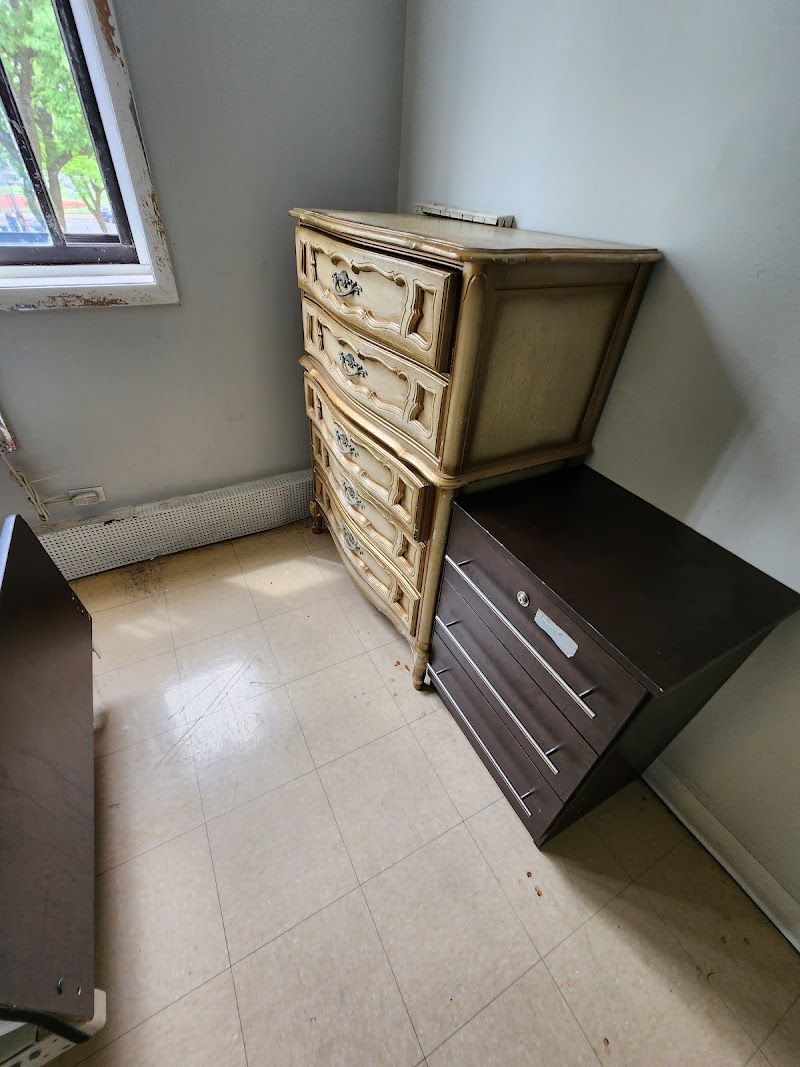
How is Kensington Place Nrsg & Rehab Staffed?

CMS rates KENSINGTON PLACE NRSG & REHAB's staffing level at 1 out of 5 stars, which is much below average compared to other nursing homes. Staff turnover is 43%, compared to the Illinois average of 46%. This relatively stable workforce can support continuity of care.

What Have Inspectors Found at Kensington Place Nrsg & Rehab?

State health inspectors documented 58 deficiencies at KENSINGTON PLACE NRSG & REHAB during 2022 to 2025. These included: 2 that caused actual resident harm and 56 with potential for harm. Deficiencies causing actual harm indicate documented cases where residents experienced negative health consequences.
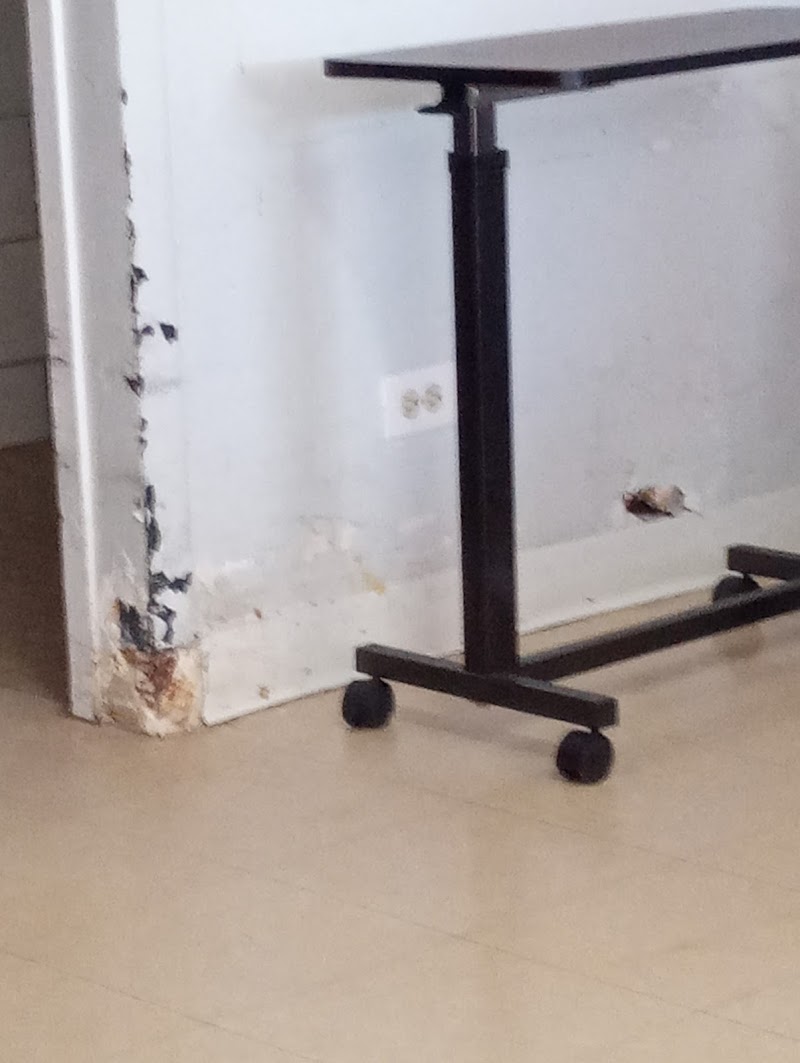
Who Owns and Operates Kensington Place Nrsg & Rehab?

KENSINGTON PLACE NRSG & REHAB is owned by a for-profit company. For-profit facilities operate as businesses with obligations to shareholders or private owners. The facility operates independently rather than as part of a larger chain. With 155 certified beds and approximately 127 residents (about 82% occupancy), it is a mid-sized facility located in CHICAGO, Illinois.
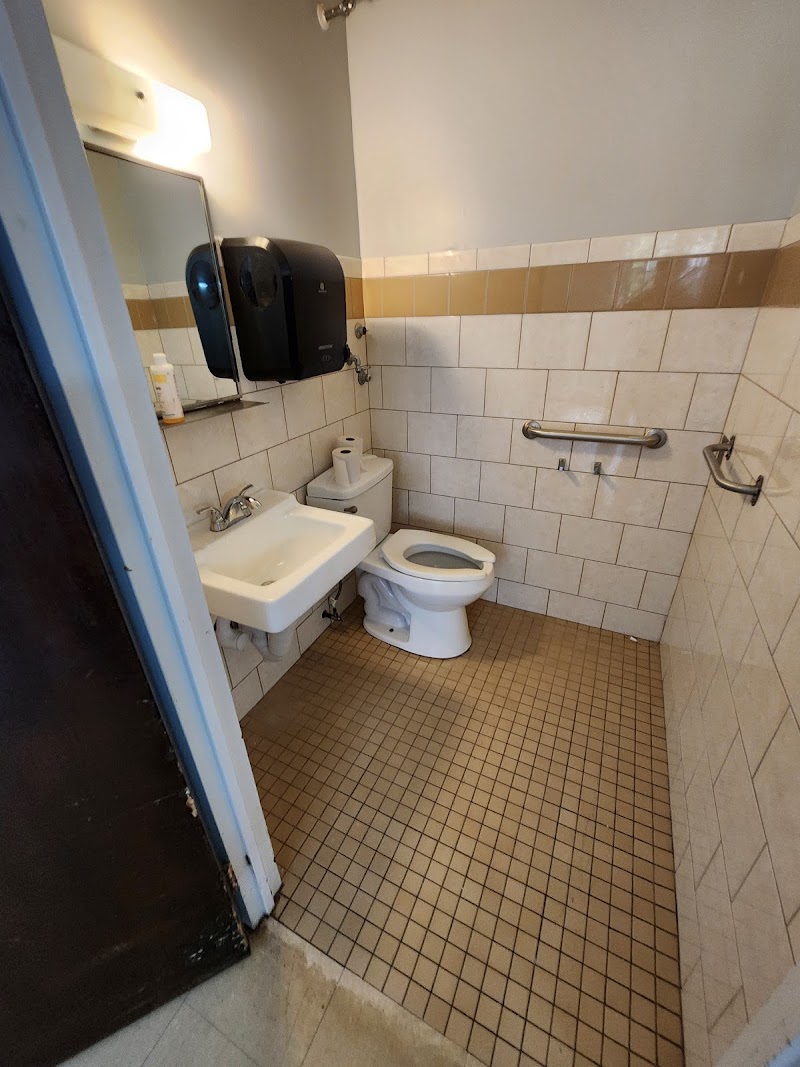
How Does Kensington Place Nrsg & Rehab Compare to Other Illinois Nursing Homes?

Compared to the 100 nursing homes in Illinois, KENSINGTON PLACE NRSG & REHAB's overall rating (1 stars) is below the state average of 2.5, staff turnover (43%) is near the state average of 46%, and health inspection rating (1 stars) is much below the national benchmark.

What Should Families Ask When Visiting Kensington Place Nrsg & Rehab?

Based on this facility's data, families visiting should ask: "What safeguards and monitoring systems are in place to protect residents from abuse or neglect?" "Can you walk me through typical staffing levels on day, evening, and night shifts?" "Can I visit during a mealtime to observe dining assistance and food quality?" "How do you handle medical emergencies, and what is your hospital transfer rate?" These questions are particularly relevant given the substantiated abuse finding on record and the below-average staffing rating.

Is Kensington Place Nrsg & Rehab Safe?

Based on CMS inspection data, KENSINGTON PLACE NRSG & REHAB has documented safety concerns. The facility has 1 substantiated abuse finding (meaning confirmed case of resident harm by staff or other residents). The facility has a 1-star overall rating and ranks #100 of 100 nursing homes in Illinois. Families considering this facility should ask detailed questions about what corrective actions have been taken since these incidents.

Do Nurses at Kensington Place Nrsg & Rehab Stick Around?

KENSINGTON PLACE NRSG & REHAB has a staff turnover rate of 43%, which is about average for Illinois nursing homes (state average: 46%). Moderate turnover is common in nursing homes, but families should still ask about staff tenure and how the facility maintains care continuity when employees leave.

Was Kensington Place Nrsg & Rehab Ever Fined?

KENSINGTON PLACE NRSG & REHAB has been fined $36,465 across 1 penalty action. The Illinois average is $33,444. While any fine indicates a compliance issue, fines under $50,000 are relatively common and typically reflect isolated problems that were subsequently corrected. Families should ask what specific issues led to these fines and confirm they've been resolved.

Is Kensington Place Nrsg & Rehab on Any Federal Watch List?

KENSINGTON PLACE NRSG & REHAB is not on any federal watch list. The most significant is the Special Focus Facility (SFF) program, which identifies the bottom 1% of nursing homes nationally based on persistent, serious quality problems. Not being on this list means the facility has avoided the pattern of deficiencies that triggers enhanced federal oversight. This is a positive indicator, though families should still review the facility's inspection history directly.