BRANDEL HEALTH AND REHAB
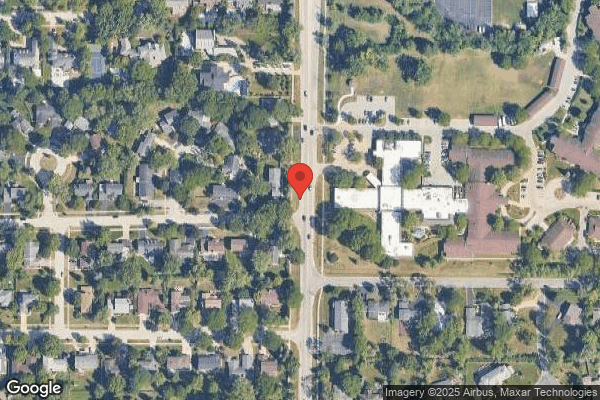
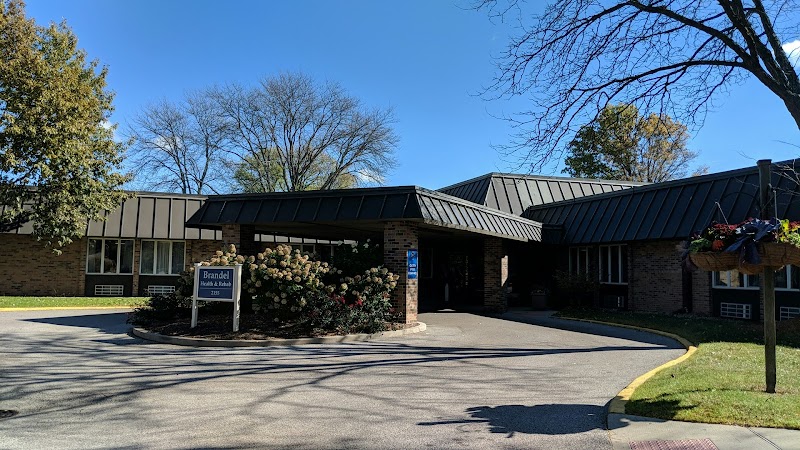
2155 PFINGSTEN ROAD, NORTHBROOK, IL 60062 (847) 480-6350
Non profit - Corporation 102 Beds COVENANT LIVING Data: November 2025
Trust Grade
93/100
#19 of 665 in IL
Last Inspection: April 2025

Within standard 12-15 month inspection cycle. Federal law requires annual inspections.

Overview

Brandel Health and Rehab has received an A trust grade, indicating excellent quality and a highly recommended facility for care. It ranks #19 out of 665 nursing homes in Illinois, placing it in the top half of facilities in the state, and #6 out of 201 in Cook County, meaning only five local options are better. The facility is new with its first inspection showing a stable trend and a low staffing turnover rate of 28%, which is well below the Illinois average. There have been no fines, which is a positive sign, and they have average RN coverage, ensuring that residents receive adequate medical attention. However, there were two specific concerns noted during inspections: the facility failed to conduct background checks for staff before they began working, and there were lapses in implementing abuse prevention policies, which could impact resident safety. Overall, while Brandel has many strengths, families should be aware of these areas needing improvement.

Trust Score
A
93/100
In Illinois
#19/665
Top 2%
Safety Record
Low Risk
No red flags
Inspections
Too New
0 → 2 violations
Staff Stability
✓ Good
28% annual turnover. Excellent stability, 20 points below Illinois's 48% average. Staff who stay learn residents' needs.
Penalties
✓ Good
No fines on record. Clean compliance history, better than most Illinois facilities.
Skilled Nurses
✓ Good
Each resident gets 52 minutes of Registered Nurse (RN) attention daily — more than average for Illinois. RNs are trained to catch health problems early.
Violations
✓ Good
Only 2 deficiencies on record. Cleaner than most facilities. Minor issues only.
★★★★★
5.0
Overall Rating
★★★★☆
4.0
Staff Levels
★★★☆☆
3.0
Care Quality
★★★★★
5.0
Inspection Score
Stable
: 0 issues
2025: 2 issues

The Good

  • 4-Star Staffing Rating · Above-average nurse staffing levels
  • Low Staff Turnover (28%) · Staff stability means consistent care
  • Full Sprinkler Coverage · Fire safety systems throughout facility
  • No fines on record
  • Staff turnover is low (28%)

    20 points below Illinois average of 48%

Facility shows strength in staffing levels, staff retention, fire safety.

The Bad

Chain: COVENANT LIVING

Part of a multi-facility chain

Ask about local staffing decisions and management

The Ugly 2 deficiencies on record

Sept 2025 1 deficiency
CONCERN (E) 📢 Someone Reported This

A family member, employee, or ombudsman was alarmed enough to file a formal complaint

Potential for Harm - no one hurt, but risky conditions existed

Abuse Prevention Policies (Tag F0607)

Could have caused harm · This affected multiple residents

**NOTE- TERMS IN BRACKETS HAVE BEEN EDITED TO PROTECT CONFIDENTIALITY** Based on observation, interview, and record review the facility failed to implement policies and procedures to prohibit and prev...

Read full inspector narrative →
**NOTE- TERMS IN BRACKETS HAVE BEEN EDITED TO PROTECT CONFIDENTIALITY** Based on observation, interview, and record review the facility failed to implement policies and procedures to prohibit and prevent Abuse. This deficiency affects all five (R1, R3, R4, R5 and R6) residents reviewed for Abuse Prevention Program.Findings include: R1On 9/9/25 at 9:51AM, Observed R1 lying in bed with low air loss mattress. She has oxygen via nasal cannula. She is lethargic but arousable and weak. She needs total care with ADLs (Activity of Daily Living) and transfers. Both V6 RN (Registered Nurse) and V7RN said R1 has declined in mental status and ADLs. She is re-admitted yesterday from hospital with pneumonia. R1 is initially admitted on [DATE] and re-admitted on [DATE] with diagnosis listed I part but not limited to Atherosclerotic heart disease, Hypertension, Stage 3 Kidney disease, Stage 4 sacral pressure ulcer, Dysphagia, Cognitive and communication deficit, Gait and mobility abnormalities, Severe protein calorie malnutrition, Chronic embolism, and thrombosis of femoral vein. Comprehensive care plan indicated: She has history of Stage 4 sacral pressure ulcer and at risk for developing. She has ADLs and mobility deficit. She is at risk for falls related injury. She has history of depression with insomnia managed with medication. Trauma screening assessment was not upon initial admission. Trauma screening was only completed when R1 was re-admitted on [DATE]. R1 has reported mental abuse allegation on 6/3/25. No trauma assessment was done after the abuse allegation. No Abuse prevention care plan was developed.R3On 9/9/25 at 10:05AM, Observed R3 up on high back wheelchair in front of her room. V7 RN said, R3 has bilateral shin protector due for skin tear prevention. R3 need total assist with ADLs and uses mechanical lift for transfer. She is awake but confused. R3 is admitted on [DATE] with diagnosis listed in part but not limited to Cerebral infarction due to embolism, Hemiplegia affecting left non dominant side, Dysphagia, Type 2 Diabetes Mellitus, Atrial fibrillation, Hypertension, Gait and mobility abnormalities, Lack of coordination, Metabolic encephalopathy. Comprehensive care plan indicated: She is at risk for falls related injury. She has ADLs and mobility deficit. She has cognitive and communication impairment due to CVA. She is at risk for inadequate oral/fluid intake. She is on hospice care 8/13/25. She is on psychotropic medications for antipsychotic and anti-anxiety. R3 refused admission Trauma screening/assessment as indicated in assessment dated [DATE]. R3 is a vulnerable resident with cognitive impairment and behavioral issues. No Abuse prevention care plan was initiated upon admission. R3 has reported sexual abuse allegation on 8/25/25. No trauma assessment was done after the abuse allegation. No Abuse prevention care plan was developed.R4On 9/9/25 at 10:58AM, Observed R4 up in wheelchair in the activity/dining room. She has hard of hearing. She is alert and confused, responsive to simple questions. She needs assistance with ADLs and transfers. R4 is admitted on [DATE] with diagnosis listed in part but not limited to Age-related osteoporosis, Alzheimer's disease, Dementia, Type 2 Diabetes Mellitus, Depression, Lack of coordination, Gait and mobility abnormalities, Repeated falls. R4 refused trauma assessment upon admission as indicated in assessment. Comprehensive care plan indicated: She is at risk for falls related injury. She has depression managed by medication. She has ADLs and mobility deficit. She is at risk for inadequate oral/fluid intake. She has cognitive deficits due to Alzheimer's and Dementia. She refused Trauma assessment as indicated in assessment. She has physical abuse allegation report on 9/1/25. No trauma assessment was done after the abuse allegation. No Abuse prevention care plan was developed.R5On 9/10/25 at 10:17AM, Observed R5 up in recliner chair. She is alert and responsive with period of confusion. She needs maximum assistance with ADLs and transfers. R5 is admitted on [DATE] with diagnosis listed in part but not limited to Cerebral infarction, hemiplegia affecting right dominant side, Dementia with mood disturbance, Anxiety disorder, Depression, Gait and mobility abnormalities, Dysphagia. Comprehensive care plan indicated she is prone to skin tear or bruising related to fragile skin. She has history of depression and anxiety managed by medications. She has ADLs and mobility deficit. She has presented with rapid significant health declined. Family wishes comfort measures only. She is on hospice care on 2/11/25. No Trauma assessment done upon admission. R5 is a vulnerable resident with cognitive impairment and behavioral issues. No abuse prevention care plan was initiated upon admission. R5 has physical abuse allegation (employee to resident) report on 3/26/25. No trauma assessment was done after the abuse allegation. No Abuse prevention care plan was developed.R6 was admitted on [DATE] with diagnosis listed in part but not limited to Urinary Tract Infection, Congestive heart failure, Atrial fibrillation, Parkinson's disease with dyskinesia, Type 2 Diabetes mellitus, gait and mobility abnormalities, lack of coordination, Dementia, Cognitive deficit. Comprehensive care plan indicated he is at risk for falls related injury. ADLs (Activity of daily living) and mobility deficits. He has short term memory deficit and moderately impaired decision making. He has shortness of breath on exertion and when lying in bed. He is at risk for inadequate oral/fluid intakes. No care plan for abuse prevention. No trauma screening assessment was done upon admission. R6 was sent out to the hospital on 5/23/25 for shortness of breathing and was admitted with diagnosis of hypoxia and ribs fracture. Facility completed and reported injury of unknown origin on 5/24/25. On 9/9/25 at 10:40Am, V3 SSD (Social Service Director) said that she completes trauma screening assessment of resident upon admission. They used trauma screening instead of abuse screening/assessment. She was told trauma assessment was only done upon admission. She said, she did not do trauma assessment after resident has reported abuse allegation. She did not develop abuse prevention care plan for vulnerable resident with cognitive impairment and behavioral issues nor develop abuse prevention care plan for resident who reported abuse allegation.On 9/9/25 at 11:47AM, V1 Administrator said that she is the abuse coordinator. She initiates reported abuse allegation investigation. They screen employees and residents as part of the abuse prevention program. The admission coordinator screens the resident prior to admission by checking criminal background checks. Upon admission, the social service does the trauma screening instead of abuse screening. V1 is not aware how often the trauma screening/assessment is done in the facility. She said that resident should be assessed after allegation of abuse has been reported. Trauma assessment should be completed. Reviewed Facility's policy on abuse prevention program revised 7/12/23 with V1 Administrator. Informed V1 that their policy did not have resident screening to prohibit and prevent both abuse and neglect. She said it should indicate screening for both resident and employees to prohibit and prevent abuse. She said that she will inform their corporate and consultant. On 9/9/25 at 12:19PM, Reviewed R1, R3, R4, R5 and R6 medical records with V2 DON and V3 SSD. Informed V2 DON and V3 SSD of concerns identified from the following residents: R1 is initially admitted on [DATE]. Trauma screening was not done upon admission. It was done completed when R1 was re-admitted on [DATE]. R1 has abuse allegation report on 6/3/25. No trauma screening was done. No abuse prevention care plan was developed. V3 said that she was on vacation when the abuse allegation incident occurred. V14 Memory Care coordinator was in charged in her absence. R3 is admitted on [DATE]. R3 refused trauma screening as indicated in R3's assessment. R3 is a vulnerable resident with cognitive impairment and behavioral issues. No Abuse prevention care plan was initiated upon admission. R3 has abuse allegation report on 8/25/25. No Trauma screening was done. No Abuse prevention care plan was developed. V3 said that she was on vacation when the abuse allegation incident occurred. V14 Memory Care coordinator was in charged in her absence. R4 is admitted on [DATE]. Trauma screening was not done. R4 has abuse allegation report on 9/1/25. No Trauma screening was done. No Abuse prevention care plan was developed. V3 said that she was on vacation when the abuse allegation incident occurred. V14 Memory Care coordinator was in charged in her absence. R5 is admitted on [DATE]. Trauma screening was not done upon admission. R5 is a vulnerable resident with cognitive impairment and behavioral issues. No abuse prevention care plan was initiated upon admission. R5 has abuse allegation report on 3/26/25. No trauma screening was done. No abuse prevention care plan was developed. R6 was admitted on [DATE]. No care plan for abuse prevention. No trauma screening assessment was done upon admission. R6 was sent out to the hospital on 5/23/25 for shortness of breathing and was admitted with diagnosis of hypoxia and ribs fracture. Facility completed and reported injury of unknown origin on 5/24/25. On 9/9/25 at 12:30PM, Both V2 DON and V3 SSD said that Trauma screening assessment should be done upon admission. Trauma assessment should be done to the resident after allegation of resident abuse. Abuse prevention care plan should be formulated after abuse allegation made. Abuse prevention care plan should also be developed for those vulnerable residents who has cognitively impaired with behavioral issues. On 9/10/25 at 10:37AM V15MDS Coordinator/Care Plan Coordinator said that Trauma screening assessment should be done upon admission. If resident has reported allegation of abuse, the social service should complete resident trauma assessment and develop abuse prevention care plan. Vulnerable resident who are cognitively impaired, with behavioral issues should be care planned for abuse prevention because resident can react negatively to other resident and the other way around. On 9/10/25 at 12:33PM, V14 Memory Care Coordinator said that she covers for V3 SSD in her absence. She said that upon admission, they completed resident's trauma screening /assessment. They use trauma assessment instead of abuse screening. She was told only do the trauma assessment once upon admission. She does not update resident's trauma assessment after allegation of abuse.On 9/10/25 at 2:30PM, Informed V1 Administrator and V2 DON of above concerns regarding implementation of abuse prevention program. Facility's policy on Abuse Prevention Program revised 7/12/23 did not indicated screening of residents as indicated in State Operating Manual. Facility's policy on Trauma-informed and culturally competent care revised August 2022 indicated: Purpose: To guide staff in providing care that is culturally competent and trauma-informed in accordance with professional standards of practice. To address the needs of trauma survivors by minimizing triggers and or re-traumatization. Resident screening: 1. Performed universal screening of residents, which includes a brief, non-specialized identification of possible exposure to traumatic events.Resident Care Planning:1. Develop individualized care plans that address past trauma in collaboration with the resident and family.
Apr 2025 1 deficiency
CONCERN (F)

Potential for Harm - no one hurt, but risky conditions existed

Deficiency F0729 (Tag F0729)

Could have caused harm · This affected most or all residents

Based on interview and record review, the facility failed to conduct a Health Care Worker Registry background verification for an employee before working and caring for residents in the long term care...

Read full inspector narrative →
Based on interview and record review, the facility failed to conduct a Health Care Worker Registry background verification for an employee before working and caring for residents in the long term care facility. This failure has the potential to affect all 66 residents currently residing in the facility. Findings include: On 4/21/25 at 9:30 AM, V1, Administrator presented the survey team with the facility matrix showing 66 current residents. On 4/22/25 at 11:07 AM, V6, Human Resource Director was inquired of completing background screening checks for staff. V6 said, Yes, we check them upon hire. The health care worker background check was completed for random Certified Nurse Assistants (CNAs) and other direct care access staff members with V6. V3, CNA was hired in August of 2000. Upon review of V3 CNA's background check it was identified that the facility did not complete a UCIA (Uniform Conviction Information Act) check upon hire. The facility was also unable to provide V3's fingerprint based background check upon hire. On 4/22/25 at 12:42 PM, V6 said, We don't have any other background checks for V3 until 2006. On 4/23/25 at 10:25 AM, V6 provided this surveyor with a IDPH Health Care Worker Registry background check for V3 CNA completed on 4/23/25 at 8:03 AM. The September 2018 Illinois Department of Public Health Employer Health Care Worker Registry states in part: FINGERPRINTS/BACKGROUND CHECKS WHICH EMPLOYEES NEED TO BE FINGERPRINTED FOR A BACKGROUND CHECK? Health care employers must ensure that a fingerprint-based background check, initiated as a Fee Applicant Inquiry to the Illinois State Police, has been conducted for each employee who falls under the jurisdiction of the Health Care Worker Registry (HCWR). The HCWR is governed by the Health Care Worker Background Check Act [225 ILCS 46] and the Health Care Worker Background Check Code [77 Ill. Adm. Code 955]. The Act and the Code mandate which employees fall under the jurisdiction of the HCWR. The following types of employees fall under the HCWR's jurisdiction: o For all health care employers, an unlicensed individual employed as a home health care aide, a nurse aide, a personal care assistant, a private duty nurse aide, a day training personnel, or an individual working in any similar health-related occupation where he/she provides direct care. o Additionally, for long-term care facilities ONLY, an unlicensed individual who has or may have contact with long-term care residents or access to the living quarters or financial, medical, or personal records of long-term care residents (access workers). Therefore, the only employees who fall under the HCWR's jurisdiction are unlicensed staff providing direct care or unlicensed staff in long-term care facilities who have access to resident's living quarters or records. Licensed staff (such as nurses) do not fall under the HCWR jurisdiction and should not be added to the HCWR or sent for a fingerprint-based background check through the HCWR. Likewise, staff who do not provide direct care (except for access workers in long-term care facilities) also do not fall under the HCWR jurisdiction; those staff should not be added to the HCWR or sent for a fingerprint-based background check through the HCWR. Employers may have policies that require fingerprint-based background checks to be completed on all employees. For staff that do not fall under the jurisdiction of the HCWR, however, employers must have an alternative way to conduct those background checks. Background checks for those employees cannot be initiated through the HCWR. If a background check for an employee who does not fall under the jurisdiction of the HCWR discloses disqualifying convictions, the HCWR cannot process a waiver application for that employee, since that employee is not under our jurisdiction. WHAT IS A UCIA BACKGROUND CHECK? UCIA, which stands for the Uniform Conviction Information Act, is the type of background checks used by the HCWR prior to the implementation of the fingerprint-based background checks (prior to October 2007). A UCIA background check is no longer valid for use with the HCWR. If someone on the HCWR has a UCIA background check, that person's Work Eligibility will show Not Yet Determined. A new or potential employer must initiate a Livescan request to conduct a fingerprint-based background check for that individual. The March 2019 Personnel and Staffing Background Screening Investigation policy states in part: Policy Statement Our facility conducts employment background screening checks, reference checks and criminal conviction investigation checks on all applicants for positions with direct access to residents (direct access employees). Policy Interpretation and Implementation 1. For purposes of this policy direct access employee means any individual who has access to a resident or patient of a long term care (LTC) facility or provider through employment or through a contract and has duties that involve (or may involve) one-on-one contact with a patient or resident of the facility or provider, as determined by the state for purposes of the national background check program. 2. The director of personnel, or designee, conducts background checks, reference checks and criminal conviction checks (including fingerprinting as may be required by state law) on all potential direct access employees and contractors. Background and criminal checks are initiated within two days of an offer of employment or contract agreement and completed prior to employment. 3. For any individual applying for a position as a certified nursing assistant, the state nurse aide registry is contacted to determine if any findings of abuse, neglect, mistreatment of individuals, and/or theft of property have been entered into the applicant's file.
Understanding Severity Codes (click to expand)
Life-Threatening (Immediate Jeopardy)
J - Isolated K - Pattern L - Widespread
Actual Harm
G - Isolated H - Pattern I - Widespread
Potential for Harm
D - Isolated E - Pattern F - Widespread
No Harm (Minor)
A - Isolated B - Pattern C - Widespread

Questions to Ask on Your Visit

  • "Can I speak with families of current residents?"
  • "What's your RN coverage like on weekends and overnight?"

Our Honest Assessment

Strengths
  • • Grade A (93/100). Above average facility, better than most options in Illinois.
  • • No major safety red flags. No abuse findings, life-threatening violations, or SFF status.
  • • No fines on record. Clean compliance history, better than most Illinois facilities.
  • • Only 2 deficiencies on record. Cleaner than most facilities. Minor issues only.
Concerns
  • • No significant concerns identified. This facility shows no red flags across CMS ratings, staff turnover, or federal penalties.
Bottom line: Generally positive indicators. Standard due diligence and a personal visit recommended.

About This Facility

What is Brandel Health And Rehab's CMS Rating?

CMS assigns BRANDEL HEALTH AND REHAB an overall rating of 5 out of 5 stars, which is considered much above average nationally. Within Illinois, this rating places the facility higher than 99% of the state's 100 nursing homes. This rating reflects solid performance across the metrics CMS uses to evaluate nursing home quality.
How is Brandel Health And Rehab Staffed?

CMS rates BRANDEL HEALTH AND REHAB's staffing level at 4 out of 5 stars, which is above average compared to other nursing homes. Staff turnover is 28%, compared to the Illinois average of 46%. This relatively stable workforce can support continuity of care.

What Have Inspectors Found at Brandel Health And Rehab?

State health inspectors documented 2 deficiencies at BRANDEL HEALTH AND REHAB during 2025. These included: 2 with potential for harm.
Who Owns and Operates Brandel Health And Rehab?

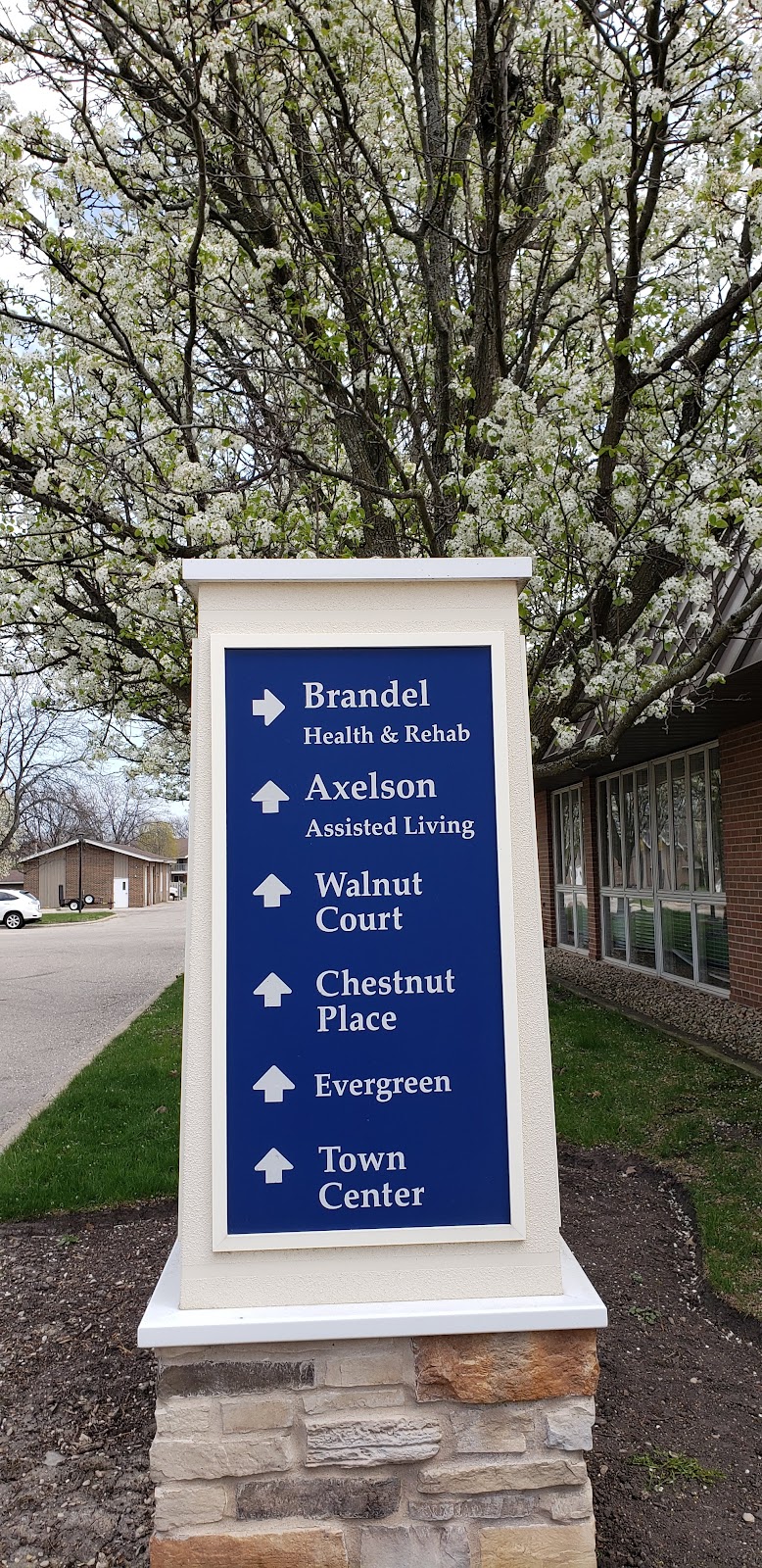
BRANDEL HEALTH AND REHAB is owned by a non-profit organization. Non-profit facilities reinvest revenue into operations rather than distributing to shareholders. The facility is operated by COVENANT LIVING, a chain that manages multiple nursing homes. With 102 certified beds and approximately 71 residents (about 70% occupancy), it is a mid-sized facility located in NORTHBROOK, Illinois.
How Does Brandel Health And Rehab Compare to Other Illinois Nursing Homes?

Compared to the 100 nursing homes in Illinois, BRANDEL HEALTH AND REHAB's overall rating (5 stars) is above the state average of 2.5, staff turnover (28%) is significantly lower than the state average of 46%, and health inspection rating (5 stars) is much above the national benchmark.

What Should Families Ask When Visiting Brandel Health And Rehab?

Based on this facility's data, families visiting should ask: "Can I visit during a mealtime to observe dining assistance and food quality?" "How do you handle medical emergencies, and what is your hospital transfer rate?" "Can I speak with family members of current residents about their experience?"

Is Brandel Health And Rehab Safe?

Based on CMS inspection data, BRANDEL HEALTH AND REHAB has a clean safety record: no substantiated abuse findings (meaning no confirmed cases of resident harm), no Immediate Jeopardy citations (the most serious violation level indicating risk of serious injury or death), and is not on the Special Focus Facility watch list (a federal program monitoring the lowest-performing 1% of nursing homes). The facility has a 5-star overall rating and ranks #1 of 100 nursing homes in Illinois. While no facility is perfect, families should still ask about staff-to-resident ratios and recent inspection results during their visit.

Do Nurses at Brandel Health And Rehab Stick Around?

Staff at BRANDEL HEALTH AND REHAB tend to stick around. With a turnover rate of 28%, the facility is 18 percentage points below the Illinois average of 46%. Low turnover is a positive sign. It means caregivers have time to learn each resident's needs, medications, and personal preferences. Consistent staff also notice subtle changes in a resident's condition more quickly.

Was Brandel Health And Rehab Ever Fined?

BRANDEL HEALTH AND REHAB has no federal fines on record. CMS issues fines when nursing homes fail to meet care standards or don't correct problems found during inspections. The absence of fines suggests the facility has either maintained compliance or corrected any issues before penalties were assessed. This is a positive indicator, though families should still review recent inspection reports for the full picture.

Is Brandel Health And Rehab on Any Federal Watch List?

BRANDEL HEALTH AND REHAB is not on any federal watch list. The most significant is the Special Focus Facility (SFF) program, which identifies the bottom 1% of nursing homes nationally based on persistent, serious quality problems. Not being on this list means the facility has avoided the pattern of deficiencies that triggers enhanced federal oversight. This is a positive indicator, though families should still review the facility's inspection history directly.