LAKEVIEW REHAB & NURSING CENTER
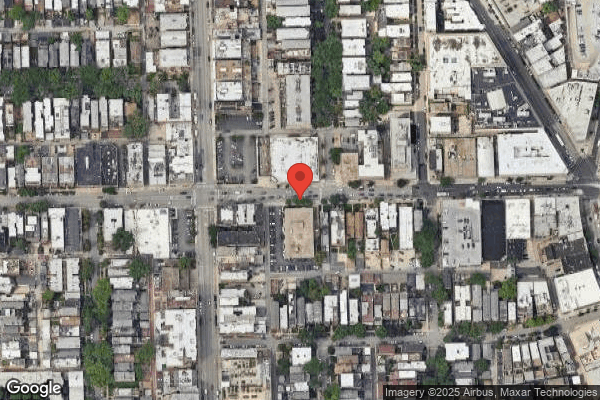
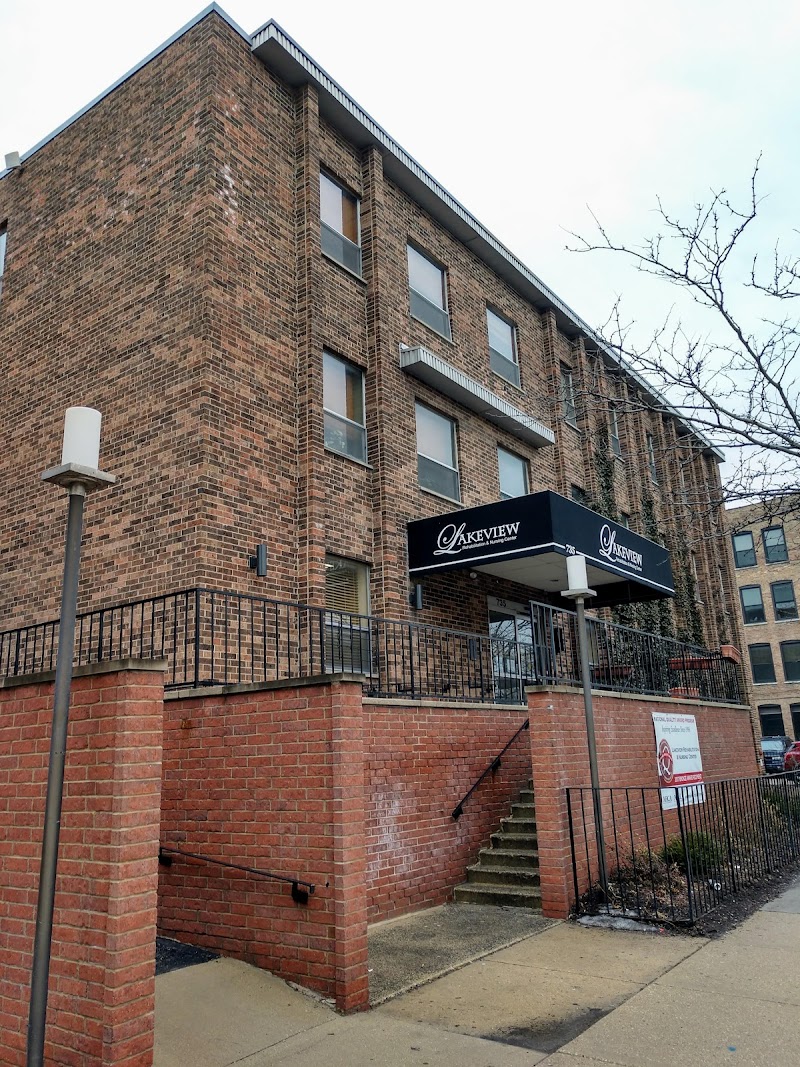
735 WEST DIVERSEY, CHICAGO, IL 60614 (773) 348-4055
For profit - Limited Liability company 178 Beds INFINITY HEALTHCARE CONSULTING Data: November 2025
Trust Grade
0/100
#564 of 665 in IL
Last Inspection: June 2025

Inspected within the last 6 months. Data reflects current conditions.

Overview

Lakeview Rehab & Nursing Center has received a Trust Grade of F, indicating significant concerns about the facility's care and operations. With a state rank of #564 out of 665, they are in the bottom half of nursing homes in Illinois, and locally they rank #177 out of 201 in Cook County, which implies that there are many better options nearby. The facility is showing signs of improvement, having reduced the number of issues from 23 in 2024 to 17 in 2025. However, staffing is a notable weakness, with a poor rating of 1 out of 5 stars and a 39% turnover rate, which is still below the Illinois average. Additionally, the facility has been fined $82,329, which is concerning but fairly average compared to other facilities in the state. Specific incidents of concern include a failure to protect residents from physical and verbal abuse, leading to injuries such as fractures. For example, one resident sustained a foot fracture following a physical confrontation, while another resident experienced a knee fracture after an accident in the facility. Furthermore, there were failures to follow care plans and address residents' complaints of pain, contributing to avoidable injuries. Overall, while there are some improvements, families should weigh these serious issues against the facility's strengths before making a decision.

Trust Score
F
0/100
In Illinois
#564/665
Bottom 16%
Safety Record
High Risk
Review needed
Inspections
Getting Better
23 → 17 violations
Staff Stability
○ Average
39% turnover. Near Illinois's 48% average. Typical for the industry.
Penalties
✓ Good
$82,329 in fines. Lower than most Illinois facilities. Relatively clean record.
Skilled Nurses
○ Average
Each resident gets 33 minutes of Registered Nurse (RN) attention daily — about average for Illinois. RNs are the most trained staff who monitor for health changes.
Violations
⚠ Watch
76 deficiencies on record. Higher than average. Multiple issues found across inspections.
★☆☆☆☆
1.0
Overall Rating
★☆☆☆☆
1.0
Staff Levels
★★☆☆☆
2.0
Care Quality
★★☆☆☆
2.0
Inspection Score
Stable
2024: 23 issues
2025: 17 issues

The Good

  • Full Sprinkler Coverage · Fire safety systems throughout facility
  • No fines on record
  • Staff turnover below average (39%)

    9 points below Illinois average of 48%

Facility shows strength in fire safety.

The Bad

1-Star Overall Rating

Below Illinois average (2.5)

Significant quality concerns identified by CMS

Staff Turnover: 39%

Near Illinois avg (46%)

Typical for the industry

Federal Fines: $82,329

Well above median ($33,413)

Moderate penalties - review what triggered them

Chain: INFINITY HEALTHCARE CONSULTING

Part of a multi-facility chain

Ask about local staffing decisions and management

The Ugly 76 deficiencies on record

6 actual harm
Jun 2025 13 deficiencies
CONCERN (D)

Potential for Harm - no one hurt, but risky conditions existed

Deficiency F0558 (Tag F0558)

Could have caused harm · This affected 1 resident

Based on observation, interview, and record review, the facility failed to ensure that the call lights were accessible as stated in the care plans. This failure affected two (R14 and R88) of two resid...

Read full inspector narrative →
Based on observation, interview, and record review, the facility failed to ensure that the call lights were accessible as stated in the care plans. This failure affected two (R14 and R88) of two resident reviewed for accommodation of needs in a sample of 64. Findings include: 1. On 6/9/25 at 11:38 am, R88 was observed awake in bed trying to feel where his call light was located. R88 stated, Please, can you help find the call light? Do you know I'm blind? I think the staff that came to change me this morning did not put the call light back here. V4 (Assistant Director of Nursing) was notified at the nursing station. V4 came and got the call light from between the siderail and the floor and stated that staff will be reminded to always put resident's call light where he can reach it. R88's records reviewed are as follows: Face sheet shows diagnoses which include but are not limited to Encephalopathy, Weakness, Acquired Absence of Left Leg Below Knee, Osteomyelitis, And Reduced Mobility. Care plan dated 10/5/22 states in part that R88 have self-care deficits. Interventions states to be sure the resident's call light is within reach and encourage the resident to use it for assistance. Basic Interview for Mental Status (BIMS) Score is 9 out of 15 (Moderate Cognitive Impairment). On 06/09/25 at 10:42 AM, R14's was lying on a low air loss mattress. R14 stated, I don't know where my call device is. V7 (Licensed Practice Nurse) came to check for R14's call device. V7 checked the back of R14's headboard and stated, It is literally stuck on the headboard. V7 clipped R14's call device on R14's blanket, within reach of R14. R14 then stated, Now I can reach it. 2. On 06/09/25 at 10:42 AM, R14's was lying on a low air loss mattress. R14 stated, I don't know where my call device is. V7 (Licensed Practice Nurse) came to check for R14's call device. V7 checked the back of R14's headboard and stated, It is literally stuck on the headboard. V7 clipped R14's call device on R14's blanket, within reach of R14. R14 then stated, Now I can reach it. On 06/11/2025 at 9:59am, V2 (Director of Nursing) stated the expectation is call light should be within reach of a resident so the resident can ask for assistance. The purpose of keeping the call light within reach is to prevent falls. R14's (Active Order as Of: 06/09/2025) Order Summary Report documented, in part Diagnoses: (include but not limited to) primary osteoarthritis, essential hypertension, and history of falling. R14's (05/27/2025) Minimum Data Set documented, in part Section C. Cognitive Patterns. C0500. BIMS (Brief Interview for Mental Status) Summary Score: 99. C0700. Short-Term memory Ok: 1 memory problem. C0800. Long-Term Memory Ok: 1. Memory Problem. C1000. Cognitive Skills for daily decision making: 3 severely impaired. R14's (Revision on: 04/04/2025) care plan documented, in part Focus: I'm at Risk for Falls as evidenced by the following risk factors and potential contributing Diagnosis: Decreased Safety Awareness, General Weakness. Intervention(s): Place my call light within reach and encourage me to use it for assistance as needed. Focus: I could benefit from use of 'non-restrictive' side rails. Intervention(s): place my call light within reach and encourage me to use it for assistance. The (undated CNA (Certified Nursing Assistant) job description documented, in part The certified Nursing Assistant provides each assigned resident with routine daily nursing care and services in accordance with the resident's assessment and care plan, and as may be directed by supervisors. The person holding this position is delegated the administrative authority, responsibility, and accountability for carrying out established duties and responsibilities in accordance with current existing federal and state regulations and established company policies and procedures. H. Role Responsibilities - Safety: 4. Keeps the nurse's call system within easy reach of the resident. The (undated) Call Lights documented, in part Purpose: 1. To respond promptly to resident's call for assistance. Procedure: 10. Be sure call lights are placed within resident reach.
CONCERN (D)

Potential for Harm - no one hurt, but risky conditions existed

Deficiency F0605 (Tag F0605)

Could have caused harm · This affected 1 resident

Based on record review and staff interview, the facility failed to provide clinical rationale or physician documentation justifying the increase in dosage of a psychotropic medication. This affected o...

Read full inspector narrative →
Based on record review and staff interview, the facility failed to provide clinical rationale or physician documentation justifying the increase in dosage of a psychotropic medication. This affected one of one resident (R102) reviewed for appropriate and necessary use of psychotropic medications in a sample of 64. Findings include: R102's Face Sheet dated 6/11/2025 documents in part a diagnosis of but not limited to Depression, Schizoaffective Disorder/Bipolar Type, Major Depressive Disorder, Alcoholism-Dependence/Withdrawal, and anxiety disorder. R102's Physician Order Sheet dated 6/11/2025 documents an active order dated 5/14/2025 with a start date of 5/15/2025, Venlafaxine HCL ER Oral Tablet Extended Release 24 Hour 150 MG Give 300 mg by mouth one time a day related to major depressive disorder, single episode, severe psychotic features. R102's Minimum Data Set-Section C dated April 15, 2025 documents a BIMS (Brief Interview Mental Status) of 15 which indicates R102 is cognitively intact. R102's Primary Physician: All Progress Note Type with an Effective date of 5/8/2025 authored by V2, (Director of Nursing-(DON) documents Note text: IDT (Interdisciplinary Team) completed GDR (Gradual Dose Reduction) Meeting with MD (Medical Doctor) and recommends for Venlafaxine 225 mg (milligram) to be reduced to 150 MG daily. Per MD resident has a good response to treatment and requires this dose for condition stability. Behavior Monitoring remain implemented. Resident made aware of clinical updates. No GDR indicated at this time. On 6/11/2025 at 1:34 pm, R102's Medication Administration Record for the month of May documents a scheduled order for Venlafaxine HCL ER Oral Tablet Extended Release 24-hour 75 mg (Give 1 tablet by mouth one time a day related to Major Depression Disorder, Single Episode, Severe Psychotic Features Take Along with 150 mg ER to equal 225 mg. Start date 1/9/2025 0900 Discontinue date 5/14/2025. On 6/11/2025 at 1:38 pm, V2, (Director of Nursing-(DON) affirmed R102's Medication Administration Record (MAR) documents a schedule order for the month of May for Venlafaxine HCL Extended Release (ER) Oral tablet Extended Release 24 Hour 150 mg (Venlafaxine HCL) Give 300 mg by mouth one time a day related to Major Depression Disorder, Single Episode, Severe Psychotic Features with a start date of 5/15/2025. V2 could not provide a progress note documenting an IDT Meeting describing the need for behavior interventions for increasing R102's psychotropic medication Venlafaxine HCL. On 6/11/2025 at 1:41 pm, V2, (Director of Nursing-(DON) affirmed that according to R102's June Medication Administration Record (MAR), R102 received Venlafaxine HCL Extended Release 300 mg orally at 9 o'clock am on the following dates: 6/1/2025, 6/2/2025, 6/3/2025, 6/4/2025, 6/5/2025, 6/6/2025, 6/7/2025, 6/8/2025, 6/9/2025, 6/10/2025, and 6/11/2025. Facility's Policy titled Policy and Procedure Psychotropic Drugs Usage undated documents the following: 1. Psychotropic drug use is based upon the comprehensive assessment of the resident. Psychotropic medications are given as necessary to treat a specific condition that is diagnosed and documented. 2. Residents receiving psychotropic medications will have gradual dose reductions and behavioral interventions implemented unless contraindicated. 3. Dosage reduction of psychotropics, anxiolytics, and hypnotics are attempted per CMS guidelines unless clinically contraindicated.
CONCERN (D)

Potential for Harm - no one hurt, but risky conditions existed

Deficiency F0688 (Tag F0688)

Could have caused harm · This affected 1 resident

**NOTE- TERMS IN BRACKETS HAVE BEEN EDITED TO PROTECT CONFIDENTIALITY** 2. On 6/9/25 at 11:26 am, R74 complained that staff has not been giving range of motion exercises for the left arm and left leg....

Read full inspector narrative →
**NOTE- TERMS IN BRACKETS HAVE BEEN EDITED TO PROTECT CONFIDENTIALITY** 2. On 6/9/25 at 11:26 am, R74 complained that staff has not been giving range of motion exercises for the left arm and left leg. R74 explained he has left side weakness from the stroke, and he does not want to get contracted. 3. On 6/9/25 11:41am, R57 complained staff has not helped him with range of motion exercises for more than 2 weeks. On 6/9/25 at 12:45 pm, V29 (Restorative Aide) stated that he (V29) is the restorative aide for the second floor and R57 is not on the list of residents he performs range of motion (ROM) exercises for. The surveyor asked V29 for the list of residents on range of motion exercises for the second floor. V29 Presented a list titled Restorative Hot List dated 6/26/24, that did not include R57 but includes R74. V29 added that the list needs to be updated. In the presence of R74 (cognitively intact resident), V29 stated he (V29) has not been able to do ROM (range of motion) exercises for everyone on the list because of time. V29 added, Sometimes, I go on escort with residents. Sometimes, I work on the floor if there is a call off. Today, I have to do escort at 12:15pm. On 6/9/25 at 1:10pm, V30 (Restorative Nurse) stated all residents are supposed to be on restorative range of motion exercises. V30 stated the list presented by V29 was an old list. At this time, V30 presented another list titled Restorative Nursing Programs Master Log that includes almost all residents. This list shows R74 is supposed to have passive range of motion (PROM), active range of motion (ROM), splint or brace, and receive assistance with bathing and dressing. The list also shows R57 is supposed to have passive range of motion and bed mobility exercises. R74's records reviewed are as follows: Face sheet shows diagnoses which include but are not limited to Hemiplegia and Hemiparesis, Paralytic Gait, Lack of Coordination, History of Falling, Polyosteoarthritis, Pain in Right Lower Leg, and Generalized Muscle Weakness. Care plan dated 9/14/22 states that R74 would benefit from participation in range of motion and that the restorative aide or unit aide will complete range of motion for resident. Brief Interview for Mental Status (BIMS) Score is 14 out of 15 (No Cognitive Impairment). R57's records reviewed are as follows: Face sheet shows diagnosis which include but are not limited to lack of coordination, abnormalities of gait and mobility, weakness, are still arthritis, and reduced mobility. Care Plan dated 8/3/22 States that R57 would benefit from bed mobility restorative nursing program. Intervention states that the restorative aid or certified nursing assistant will provide bed mobility restorative program six to seven days weekly. BIMS Score is 11 out of 15(Mild Cognitive Impairment). Facility's Policy and Procedure on Restorative Nursing Program states in part: The facility must ensure that the resident reaches and maintains his or her highest level of range of motion and to prevent avoidable decline in range of motion. Facility's Document titled CNA (Certified Nurse Assistant) Job Description states in part: #D7: Provides daily range of motion exercises and records data as instructed. #C21: Performs restorative and rehabilitative procedures as instructed. Based on observations, interviews, and record reviews, the facility failed to provide range of motion exercises and apply restorative devices, potentially contributing to the progression of contractures. This deficient practice affected three (R57, R73, and R74) of three residents reviewed for restorative care in a sample of 64. Findings include: 1. On 06/9/25 at 10:08 AM, R73 was observed in bed no hand protector/splint in place. On 6/11/2025 at 9:45 AM, R73 was observed in bed resting with contractures to R73's right and left hand. No hand splits, hand rolls or other restorative braces/services observed in place. V30 (Restorative Nurse, Licensed Practical Nurse) and V31 (Certified Nursing Assistant) entered the room, observed R73 and affirmed that no hand protectors, braces, or other restorative braces/services were in place. V30 stated R73 is on Passive range of motion programs for all extremities and is to receive two sets of 10 reps (repetitions) and wear bilateral splints for hands but can alternate with palm protectors. V30 checked the dresser of R73 and stated that there was no splint or palm protector in available and that she (V30) was informed this week and informed the administrator to order the devices. V30 stated a kerlix or towel could be used in place for temporary use until device arrives at the facility and was not sure why these interventions were not put into place. V31 explained R73 tolerates all rehab but has not had splint available for use in a while. R73's face sheet dated June 11, 2025, documents in part diagnosis information: Contracture of right and left hand, contracture of muscle of left upper arm, quadriplegia, dementia, major depressive disorder, anxiety, unspecified intellectual disabilities. R73's Minimum data set (MDS) dated [DATE], documents in part that R73 has impairment with short term and long-term memory, is rarely/never understood, and has impairment of both upper and lower extremities. R37's care plan (12/27/2022) identifies R73 benefits from a splint/brace due to impaired range of motion/loss of functional movement and has an intervention including but not limited to, staff to apply splint/palm protector for 4-6 hours daily or as tolerated. R73's Physician order summary report dated 6/11/2025, documents in part that R73 may use right palm guard for 4-6 hours, if palm guard unavailable may use rolled hand towel. Purchase form dated 6/9/2025 documents Palm guard x 4 was ordered by V30 (Restorative Nurse, Licensed Practical Nurse) . On 06/11/25 at 10:14am V2 (Director of Nursing) stated it is the expectation for the restorative nurse/aide to check the resident's skin and perform range of motion exercises to prevent further breakdown, a rolled hand towel that could be stabilized with a kerlix should be utilized if a splint/ palm protector isn't available. V2 stated V2 was just informed today by V30 that there were no available splints/palm protectors available in the facility, V30 is responsible to track supplies and order all restorative supplies and equipment, Job description titled Restorative nurse undated, documents in part; . the restorative nurse is responsible for the development, implementation, monitoring, and supervision of the restorative nursing program; .Essential job functions: . 9. maintain current listing by resident of all assistive devices and care plan each .18. ensure that restorative equipment and supplies are available as needed .21. Educate and manage the facilities activity of daily living documentation and training program . Job description titled Restorative aide undated, documents in part; .4. Assist residents to apply and remove splints or protheses .
CONCERN (D)

Potential for Harm - no one hurt, but risky conditions existed

Pharmacy Services (Tag F0755)

Could have caused harm · This affected 1 resident

Based on observations, interviews, and record review, the facility failed to ensure controlled medications were stored in a double locked setting, failed to ensure completed controlled medications wer...

Read full inspector narrative →
Based on observations, interviews, and record review, the facility failed to ensure controlled medications were stored in a double locked setting, failed to ensure completed controlled medications were returned to the pharmacy, and failed to ensure out going nurse signed the Narcotic/Controlled Substance Shift-to-Shift Count Sheet. These failures affected 3 (R14, R106, and R150) residents reviewed for controlled medications in the total sample of 64 residents. Findings include: On 06/09/2025 at 11:52 am, during the medication storage task with V7 (Licensed Practice Nurse). V7 opened the 3rd floor medication storage room using a key code. There was a small refrigerator inside the 3rd floor medication storage room. V7 opened the small refrigerator by unlatching the door. This surveyor inquired if the refrigerator was locked. V7 stated there is no lock, I just unlatched it. Requested V7 to check if the small refrigerator has controlled substances. V7 showed R14's two boxes of Lorazepam 2mg/ml. V7 stated the refrigerator should be locked because we have controlled medications in the refrigerator. V7 searched for the lock and stated the lock is on the floor. R14's (printed: 06/11/2025) Order Summary Report documented, in part Diagnoses: (include but not limited to) primary osteoarthritis, essential hypertension, and history of falling. Lorazepam oral concentrate 2mg/ml give 0.5 by mouth every 2 hours as needed for 14 days. Order Status: completed. End date: 06/04/2025. Lorazepam 2mg/ml give 1ml by mouth every 15minutes as needed for active seizure for 14 days. Order Status: Completed. End date: 06/04/2025. Lorazepam 2mg/ml give 1mg by mouth every 2 hours for 14 days. Order Status: completed. End date: 06/04/2025. Of note, R14's Lorazepam was completed on 06/04/2025. On 06/11/2025 at 11:52 am, V34 (Clinical Nurse Consultant) stated the expectation is if the controlled medication is already completed, it should be completely out of the facility. Meaning, the controlled medications should be returned to the pharmacy and not kept in the cart or storage room. On 06/09/2025 at 12:05 pm, during the medications storage task with V9 (Licensed Practice Nurse) the (June 2025) 2nd Floor Team 2 Narcotic/Controlled Substance Shift-to-Shift Count Sheet had missing entries on Date: 7, 3rd shift, Off going Nurse and on Date: 8, 3rd shift, Off-going Nurse. This observation was pointed out to V9. V9 stated (V11 - LPN) did not sign when she got off on 06/07/25 and 06/08/25. The expectation is to sign the shift to shift count sheet to document the oncoming and outgoing nurses counted the controlled medications during shift change to ensure the count is good. V9 stated they only have two residents in Team 2 that have controlled medications. They are (R106 and R150). On 06/11/2025 at 10:00am, V2 (Director of Nursing) stated, Controlled medications should be double locked to prevent theft. It is also a safety issue if controlled medications are not properly stored. We are using the key now on our refrigerators in our medication storage rooms. No more codes so nurses don't have to memorize the codes. On 06/11/2025 at 10:10am, V2 stated at the beginning of the shift of the incoming nurse and end of the shift of the outgoing nurse, they must count all controlled medications to ensure all controlled medications in the cart are accounted for. The incoming nurse is taking responsibility of all the controlled meds in the cart. The outgoing nurse and incoming nurse must sign in the shift to shift count sheet to document the controlled medications were counted. R106's (Active Order as of: 06/09/2025) Order Summary Report documented, in part Diagnoses: (include but not limited to) neuralgia and neuritis, hemiplegia and hemiparesis, and low back pain. Order Summary: Clonazepam Oral tablet give 0.25mg by mouth three time a day. Order Date: 05/21/2025. Zolpidem 10mg. give 10mg by mouth at bedtime. Order Date: 05/01/2025. R106 (05/01/2025) Controlled Drug Receipt/Record Disposition Form documented, in part Zolpidem Tab 10mg. R106 (06/07/2025) Controlled Drug Receipt/Record Disposition Form documented, in part Clonazepam 0.5mg take 1/2 tab by mouth three times daily. R150s' (Active Order as of: 06/09/2025) Order Summary Report documented, in part Diagnoses: (include but not limited to) post-traumatic stress disorder, sleep disorder and wedge compression fracture of first lumbar vertebra. Order Summary: Oxycodone 5mg. give 5mg by mouth every 6 hours. Order Date: 06/04/2025. R150's (Controlled Drug Receipt/Record Disposition Form documented, in part Oxycodone 5mg every 6 hours. The (undated) Licensed Practical Nurse Job Description documented, in part Position summary: The Licensed Practical Nurse provides direct nursing care to the residents and supervises the day-to-day nursing activities performed by nursing assistants. The person holding this position is delegated the administrative authority, responsibility, and accountability for carrying out the assigned duties and responsibilities in accordance with current existing federal and state regulations and established company policies and procedures to ensure that the highest degree of quality care is maintained at all times. C. Role Responsibilities - Drug Administration: 6. Ensures that narcotic records are accurate for your shift. 10. Dispose of drugs and narcotics as required, and in accordance with established procedures. The (undated) Registered Nurse Job Description documented, in part Position summary: The Registered Nurse provides direct nursing care to the residents and supervises the day-to-day nursing activities performed by nursing assistants. The person holding this position is delegated the administrative authority, responsibility, and accountability for carrying out the assigned duties and responsibilities in accordance with current existing federal and state regulations and established company policies and procedures to ensure that the highest degree of quality care is maintained at all times. C. Role Responsibilities - Drug Administration: 6. Ensures that narcotic records are accurate for your shift. 10. Dispose of drugs and narcotics as required, and in accordance with established procedures. The (May 2024) Medication Storage in the facility documented, in part Policy: Medications and biologicals are stored safely, securely, and properly following the manufacture or supplier recommendations. The medication supply is accessible only to licensed nursing personnel, pharmacy personnel, or staff members lawfully authorized to administer medications. Procedure: 9. All drugs classified as Schedule II of the Controlled Substance Act will be stored under double locks. The (May 2024) Controlled substances documented, in part Policy: Medications classified by the FDA (Food and Drugs Administration) as controlled substances have high abuse potential and may be subject to special handling, storage, and record keeping. Procedure: 4. While a controlled substance is in use, the nursing staff will maintain the following medication records: b. All schedule II controlled substances (and other schedules, if facility policy so dictates will be counted each shift of whenever there is an exchange of keys between off-going and on-coming licensed nurses. The two nurses will 2. Both nurses will count the number of packages of controlled substances that are being reconciled during the shift/shift count and document on the Shift Controlled Substance Count Sheet. 4. Both nurses will sign the Shift/Shift controlled substances count Sheet acknowledging that the actual count of controlled substances and count sheet matches the quantity documented.
CONCERN (E)

Potential for Harm - no one hurt, but risky conditions existed

ADL Care (Tag F0677)

Could have caused harm · This affected multiple residents

**NOTE- TERMS IN BRACKETS HAVE BEEN EDITED TO PROTECT CONFIDENTIALITY** Based on observations, interviews, and record reviews, the facility failed to ensure that residents who depend on staff assistan...

Read full inspector narrative →
**NOTE- TERMS IN BRACKETS HAVE BEEN EDITED TO PROTECT CONFIDENTIALITY** Based on observations, interviews, and record reviews, the facility failed to ensure that residents who depend on staff assistance for ADL (Activities of Daily Living) care and hygiene were provided oral care and timely incontinence care. These failures affected four residents (R74, R115, R132, and R140) reviewed for ADL Care assistance, in a total sample of 64 residents. Findings include: 1. On 6/9/25 11:25 AM, R140 was observed in bed. R140's teeth were observed to have accumulated creamy brown sediments. The surveyor inquired from R140 about mouth care, but R140 could not respond due to cognitive impairment. 2. On 6/9/25 11:29 AM, R74 was observed in bed. R74's teeth had accumulated brown sediments. R74 stated no staff has assisted him with mouth care in a long time. Two hours later (about 2pm) R74's oral care issue was still in the same condition. On 6/9/25 at 2:15pm, V2 (Director of Nursing) was notified. V2 stated she (V2) would ensure that staff do oral care for both residents. R74's records reviewed are as follows: Face sheet shows diagnoses which include but are not limited to Hemiplegia and Hemiparesis, Paralytic Gait, Lack of Coordination, History of Falling, Polyosteoarthritis, Pain in Right Lower Leg, and Generalized Muscle Weakness. Care plan dated 3/21/22 states in part that R74 has self-care deficit related to diagnoses. Interventions states to provide extensive assistance with Oral Care, bathing, dressing and personal hygiene. Basic Interview for Mental Status (BIMS) Score is 14 out of 15(No Cognitive Impairment). R140's records reviewed are as follows: Face sheet shows diagnoses which include but are not limited To Traumatic Brain Injury, Gastrostomy Status, Cerebral Infarction, Weakness, And Reduced Mobility. Care plan dated 4/9/25 states in part that R140 has self-care deficit related to diagnoses. Interventions states to provide assistance with ADL's as required including bathing, dressing and personal hygiene. Basic Interview for Mental Status (BIMS) Score could not be assessed due to Severe Cognitive Impairment. Facility's Policy on ADL Care states in part: Assisting the resident in personal care such as bathing, .oral care, nail care .as indicated and as per care plan. Facility's Document titled CNA (Certified Nurse Assistant) Job Description states in part: #C2: Assist residents with daily dental and mouth care like brushing teeth or dentures, oral hygiene and mouth care. #E7 states: Performs after meal care such as brushing teeth, and cleaning resident's hands and face. 3. On 6/9/2025 at 11:05 AM observed R115 laying in the bed, fully clothed with shoes on and a left arm brace in place. R115 was watching TV. R115 stated that R115 does not get changed often. R115 stated the morning CNA (Certified Nurse Assistant) will come and get R115 up to the chair around 10:30 AM or later. R115 said that is when R115 gets incontinence care and change of undergarments and then R115 stays in the wheelchair for most of the day. R115 stated the next shift aide is the one that gets R115 back in the bed and that is usually when R115 gets another incontinence care. R115 stated R115 stays sitting in the wheelchair in the wet undergarment for a long time and doesn't get back to bed until evening hours. R115 said R115 feels that the incontinence care should be provided more often. R115 stated R115 is paraplegic and cannot move legs or feel sensation of urination, therefore R115 does not feel wetness. R 115s face sheet documents in part diagnosis included but not limited Quadriplegia, Neuromuscular Dysfunction of Bladder, Paraplegia, Ankylosis of Left Hip, History of Urinary Tract Infections. R115's Minimum Data Sheets (MDS), dated [DATE], in section C -Cognitive Patterns, documents Brief Interview for Mental Status (BIMS) Summary Score of 14, which indicates intact cognitive function. R115's MDS, dated [DATE], in section H - Bladder and Bowel, showed R115 always incontinent. R115's Care Plan, revised 11/19/2024 showed in part that R115 is paraplegic and needs assistance with activities of daily living (ADL) and that R115 need's cleaning perineal area when incontinent. 4. On 6/9/2025 at 12:05 the surveyor observed in R132's room, an unpleasant, strong, urine and feces odor. Surveyor observed the call light was on and working properly. Surveyor observed R132 laying in the bed unclothed, with no shirt on, covered with white bed sheet. R132 stated that R132 pushed call light about 5 min ago because R132 was incontinent and in need of incontinence care. R132 stated that sometimes the wait for the staff to answer the call light is longer than one hour. On 6/9/2025 at 12:30, V22 (Licensed Practical Nurse/LPN), was observed to answer the call light in R132's room. Stated that V22 was busy in another room. F132's face sheet documents diagnosis that includes but are not limited to Unstable Burst Fracture of T7-T8 Vertebra, Neck Fracture, Neurogenic Bladder, Neuromuscular Dysfunction of Bladder, History of Traumatic Fracture, Carpal Tunnel Syndrome bilateral, Weakness, Anxiety Disorder, History of Urinary Tract Infections, Diaper Dermatitis, Major Depressive Disorder. R132's Minimum Data Sheets (MDS), dated [DATE], in section C -Cognitive Patterns, documents Brief Interview for Mental Status (BIMS) Summary Score of 15, which indicates intact cognitive function. R132's MDS, dated [DATE] in section H - Bladder and Bowel documents that R132 is always incontinent. R132's Care Plan, revised 7/16/2024 showed in part that R132 is paraplegic and needs assistance with activities of daily living (ADL) and that R132 has self-care deficit and need's assistance with incontinence care. On 6/10/2025 at 14:35 PM V21 Certified Nurse Assistant (CNA) stated that residents that are paraplegic or dependent should be turned or have incontinence care performed every two hours or as needed, but not always it gets done. V21 stated that R132 might be getting up and get the incontinence care by the morning shift aide 10:30 AM, but then the resident might not get another change until next shift comes on. V21 said the next aide starts at 3pm and that shift usually gets residents back in the bed around 6pm. V21 said V21 worked pm shifts as well and that is how V21 is aware of when the dependent residents get returned in bed. On 6/10/2025 at 14:40 PM V2, Director of Nursing (DON) stated residents should be repositioned every 2 hours and the incontinence care should be also done every two hours for all dependent residents. Facility's policy titled Activities of Daily Living (Routine Care), undated, showed in part that residents should be given routine daily care and bedtime care by a nurse aides and nurses to promote hygiene. Activities of Daily Living (ADL) care is provided throughout the day, evening and night and as needed per care plan. Facility's policy titled Incontinence Care, undated, showed that residents receive as much assistance as needed for cleansing the perineum and buttocks after and incontinent episode or with routine daily care. The policy also showed the frequency of peri care should be every two hours, and as needed and as per plan of care. Facility's Director of Nursing Job Description, undated, showed in part that the Director of Nursing (DON) has the authority, responsibility, and accountability for the functions, activities, and training of the nursing services staff. Document also showed in part that DON is responsible for the overall management of resident care 24 hours a day, seven days per week. Facility's Licensed Practical Nurse Job Description, showed in part that the licensed practical nurse (LPN), provides direct nursing care to the residents, and supervises the day-to-day nursing activities performed by nursing assistants. Facility's Certified Nursing Assistant Job Description, undated, showed in part that the nurse assistant performs all assigned tasks in accordance with facility's policies and procedures and as instructed by supervisors. The document also showed that one of the role responsibilities included but not limited to making resident comfortable and assists residents with bathing and daily hygiene, dressing and undressing, keeping residents dry, assisting residents with bowel and bladder functions and keeps incontinent residents clean and dry.
CONCERN (E)

Potential for Harm - no one hurt, but risky conditions existed

Pressure Ulcer Prevention (Tag F0686)

Could have caused harm · This affected multiple residents

**NOTE- TERMS IN BRACKETS HAVE BEEN EDITED TO PROTECT CONFIDENTIALITY** Based on observation, interview, and record review, the facility failed to ensure that the low air loss mattress ordered for a r...

Read full inspector narrative →
**NOTE- TERMS IN BRACKETS HAVE BEEN EDITED TO PROTECT CONFIDENTIALITY** Based on observation, interview, and record review, the facility failed to ensure that the low air loss mattress ordered for a resident at risk for pressure ulcer is functioning while the resident is in bed. This failure has the potential to affect one resident (R71) of three residents, reviewed for pressure ulcer prevention interventions, in a total sample of 64 residents. Findings include: On 6/9/25 at 11:39 am, R71 was observed awake in bed. R71's low air loss mattress (LALM) was not functional, and the mattress was almost flat. V4 (Assistant Director of Nursing) was summoned to the room and stated that the machine was not working because the green light was off, and the power was off. V4 turned on the power for the LALM, and stated that if it's not turned on, it cannot work for the resident and that it's possible that someone mistakenly turned it off. V4 added that she (V4) believes the mattress will inflate according to the settings and will remind staff to always ensure that the power is not turned off for the machine. R71's records reviewed are as follows: Face sheet shows diagnoses which include but are not limited to Protein Calorie Malnutrition, Venous Insufficiency, Dementia, Muscle Wasting and Atrophy, Poly-Osteoarthritis, and Dermatitis. POS (Physician Order Sheets) dated 5/2/25 shows that R71 has physician orders for low air loss mattress. Pressure Ulcer Risk assessment dated [DATE] stated R71 is at risk for pressure ulcer. Care plan dated 3/22/22 states R71 is at increased risk for alteration in skin integrity related to: Impaired Mobility Status, Comorbidities, Incontinence of bladder, Incontinence of bowel. Intervention states to use Pressure reducing/relieving mattress and Wheelchair Cushions. Basic Interview for Mental Status (BIMS) Score is 13 out of 15 (No Cognitive Impairment). Facility's Guidelines for Prevention Treatment of Pressure Injuries states: It is the intent of the facility to recognize the following information and to act on it in such a way as to practice evidence-based recommendations for the prevention treatment of pressure injuries to the residents who reside in this facility. Facility's Guidelines for Low Air Loss Mattress Use states: To provide the features of a support system for the resident that provides a flow of air to assist in managing the heat and humidity of the skin. While pressure ulcer/pressure injury prevention and treatment are paramount goals for all residents, it is imperative that facility comply with what is considered non-deficient practice as stated below: Provide preventive care, consistent with professional standards of practice, to residents who may be at risk for development of pressure injuries. Provide treatment consistent with professional standards of practice to an existing pressure ulcer/pressure injury.
CONCERN (E)

Potential for Harm - no one hurt, but risky conditions existed

Respiratory Care (Tag F0695)

Could have caused harm · This affected multiple residents

**NOTE- TERMS IN BRACKETS HAVE BEEN EDITED TO PROTECT CONFIDENTIALITY** 3. Review of R17's physician orders documents an active physician order for Oxygen at (2) L/Min (liters per minute) per Nasal Ca...

Read full inspector narrative →
**NOTE- TERMS IN BRACKETS HAVE BEEN EDITED TO PROTECT CONFIDENTIALITY** 3. Review of R17's physician orders documents an active physician order for Oxygen at (2) L/Min (liters per minute) per Nasal Cannula. On 6/9/2025 at 11:05 AM, R17 was observed lying in bed receiving oxygen from an oxygen concentrator via nasal cannula at 2 liters per minute. No sign was observed on R17's door or in the near vicinity of R17's room to alert others of oxygen in use. V6 (Registered Nurse) observed the resident's door and affirmed that there should be an oxygen sign on the door and the sign must have fell off. V6 searched the nearby vicinity of R17's room and affirmed that there was no sign that fell. V6 stated, I will go get a sign and put it on now. 4. On 6/09/25 at 11:31am, R20 was observed, in her (R20) room, sitting on the side of bed. Observed R20's nasal cannula tubing hanging over the oxygen concentrator laying on the floor. Also observed was R20's nebulizer mask connected to the nebulizer laying on the floor. R20 said, I (R20) don't know why my (R20) stuff is on the floor. This place is gross. Everything about this place is gross. R20's face sheet documents diagnoses that include but are not limited to chronic obstructive pulmonary disease, acute respiratory failure with hypoxia, and pulmonary embolism. R20's Brief Interview of Mental Status (BIMS) score, dated 5/23/25, documents, in part, a BIMS score of 15 which indicates R20 is cognitively intact. R20's Order Summary Sheet, dated 6/11/25, documents, in part, Oxygen at (2) L/Min per Nasal Cannula as needed for Shortness of Breath maintain O2 sats above (92%). R20's care plan, date initiated 6/02/25, documents, in part, Active Infection (R20) has tested positive for COVID-19. This places resident at high risk for developing Acute Respiratory Distress, Secondary infections such as Pneumonia, and increased risk for Fluid Volume Deficit. The following clinical symptoms have been noted: _Cough, _Fever, _SOB, _Fatigue, _Headache, _Congestion, or _Other . with interventions that document, in part, . oxygen per order . On 6/11/25 at 10:17am, V2 (Director of Nursing/DON) said, Oxygen tubing is changed weekly and as needed. The oxygen tubing should be labeled with the date it was changed. Resident's oxygen tubing and masks should be put in a bag when not in use to keep it clean and for infection control. Facility policy titled, Guidelines for Transporting And Storage Of Oxygen, dated 10/12/22, documents, in part, It is the policy of the facility to ensure that oxygen is stored and transported safely . Facility policy titled, Resident Rights, undated, documents, in part, .The facility must care for you in a manner and environment that enhances or promotes your quality of life . You have the right to receive services with reasonable accommodations to individual needs and interests . The facility must provide a safe, clean, comfortable, home-like environment, allowing you the opportunity to use your personal belongings to the extent possible. The facility will provide housekeeping and maintenance services . 5. On 6/9/2025 at 11:26 am, observed R102 with a nasal cannula applied to his face and connected to R102's oxygen concentrator which was set at 5 Liters Per Minute. R102 stated, My oxygen should be set at 3 Liters Per Minute. On 6/9/2025 at 11:31 am, V13, (Registered Nurse-(RN) stated R102's oxygen concentration is supposed to be set on 2-3 Liters Per Minute as needed. V13 stated oxygen concentration levels set higher than physician's order recommendations can result in hyperoxygenation. V13 stated all staff nurses are assigned to check their resident's oxygen concentration settings daily and/or every shift. On 6/9/2025 at 11:36 am, V13, (Registered Nurse-(RN) affirmed R102's nasal cannula tubing connected to R102's nebulizer machine was not labeled and not bagged. R102's Face Sheet dated 6/11/2025, documents in part a diagnosis of but not limited to Chronic Obstructive Pulmonary disease, Barret's Esophagus without Dysplasia, Shortness of Breath, Chest Pain, and Hypertensive Heart Disease without heart failure. R102's Physician Order Sheet dated 6/11/2025 documents an active order dated 5/20/2025, O2 at 2-3 Liters via nasal cannula as needed for shortness of breath. 6. On 6/9/2025 at 12:01 pm, R41's oxygen tank was observed in a holder next to his bed with a nasal cannula undated and unbagged hanging on the oxygen tank's handle. V14, (Certified Nurse Aid) stated the oxygen tank belonged to R41. On 6/9/2025 at 12:07 pm, V13, (Registered Nurse-(RN) assessed R41's nasal cannula tubing attached to R41's oxygen tank and affirmed the tubing was not labeled and not bagged. V13 stated all oxygen tubing, masks, and nasal cannulas should be labeled and bagged. V13 stated undated and unbagged oxygen supplies poses an infection risk to the resident. R41's Face Sheet dated June 11, 2025, documents in part a diagnosis of but not limit Acute Respiratory Failure, Chronic Obstructive Pulmonary Disease, and Essential Hypertension. R41's Physician's Order Sheet documents an active order dated 2/19/2024 for Oxygen 2-3 Liters Per Minute Per Nasal Cannula continuously for shortness of breath. R41's Physician's Order Sheet documents an active order dated 3/19/2023 Change Oxygen tubing and bottle weekly on Sunday. Facility's Policy undated and titled Oxygen Administration documents It is the policy of the facility to provide oxygen to maintain levels of saturation the resident as needed and as ordered by the attending physician. Portable oxygen units are used to support resident mobility in the facility and for outside the facility. 1. Check orders for accurate oxygen liter flow. 2. Tubing, Humidifier bottles and filters will be changed, cleaned and maintained no less than weekly and PRN. Each will be labeled with date, time and initiated by staff completing this service to equipment. Based on observations, interviews and record reviews, facility failed to contain and label oxygen equipment properly; failed to display oxygen in use signage and failed to follow physician order for oxygen use. These failures affected six (R17, R20, R24, R41, R102, R124) of six residents reviewed for respiratory care in the sample of 64 residents. Findings include: 1. On 6/9/2025 at 11:25 AM, observed in R124's room, nasal cannula on the top of the oxygen tank, not contained, not labeled nor dated, hanging curled on the top of the canister. R124'S Face sheet documented diagnosis that included but are not limited to Centrilobular Emphysema, Nephropathy, Liver disease, Weakness, Nasal Congestion, Primary Insomnia. R124's Minimum Data Sheets (MDS), dated [DATE], in section C -Cognitive Patterns, documents Brief Interview for Mental Status (BIMS) Summary Score of 15, which indicates intact cognitive function. R124's care plan dated 2/19/2024, showed in part that the nasal cannula and/or mask should be monitored. R124's Order Summary Report, included active orders as of 6/11/2025, but not limited to oxygen nasal cannula at 3-4 liters for shortness of breath every day and night. 2. On 6/9/2025 at 11:45 AM, observed R24's room empty with oxygen nasal cannula, wrapped around the bed's rail and touching the floor. Nasal cannula was not labeled or dated. R24's face sheet documents in part diagnosis included but not limited to History of Sepsis, Chronic Kidney Disease, Acute Kidney Failure, Seizures, Obstructive and Reflux Uropathy, Hypertensive Heart Disease, Hypothyroidism, Myoneural Disorder, Personal history of COVID 19, Localized swelling, mass and lump in a trunk, Functional Quadriplegia, TIA. R24's Minimum Data Sheets (MDS), dated [DATE], in section C - Cognitive Patterns, documents Brief Interview for Mental Status (BIMS) Summary Score of 7, which indicates severe impaired cognitive function. R24's care plan, revised on 9/8/2023, showed in part that R24 receives oxygen 2 liters per minute via nasal cannula and showed to administer oxygen as ordered per MD. Care plan also showed in part, to monitor that nasal cannula and/or mask is properly positioned. R24's Order Summary Report from 6/11/2025, showed in part an active order dated 3/30/2025, to change oxygen tubing and bottle weekly on Sunday. Order Summary Report also showed active order dated 4/28/2025, for Oxygen 2-3 liters/minute per Nasal Cannula every day and night. On 6/9/2025 at 11:27 AM, R24's said that R24 uses nasal cannula at night and that the R24 coiled it on the top of the oxygen tank, so it does not touch the floor because there was no bag to place the tubing into. On 6/11/2025 at 10:17 AM, V2 (Director of Nursing) stated that oxygen tubing should be changed every week and according to MD's (medical doctor) orders, or as needed. V2 stated, that the oxygen tubing should be contained in a plastic bag when not in use, and labeled with a date on the bag so the staff would know when to change the tubing next. V2 also said, that containment of Oxygen tubing in a plastic bag, helps with infection control. The oxygen canisters should also be labeled and dated and replaced every 30 days. Facility's Director of Nursing Job Description, undated, showed in part that the Director of Nursing (DON) has the authority, responsibility, and accountability for the functions, activities, and training of the nursing services staff. Document also showed in part that DON is responsible for the overall management of resident care 24 hours a day, seven days per week.
CONCERN (E)

Potential for Harm - no one hurt, but risky conditions existed

Deficiency F0761 (Tag F0761)

Could have caused harm · This affected multiple residents

Based on observation, interview, and record review, the facility failed to refrigerate unopened insulin pens, label multi-dose medications, discard expired medications, and monitor refrigerator temper...

Read full inspector narrative →
Based on observation, interview, and record review, the facility failed to refrigerate unopened insulin pens, label multi-dose medications, discard expired medications, and monitor refrigerator temperatures. These failures affected seven residents (R1, R50, R64, R67, R74, R97, R100) and has the potential to affect all 57 residents on the 3rd floor. Findings include: The (06/09/2025) 3rd floor census was 57 residents. On 06/09/2025 at 11:34 am, during the medication storage and labeling task with V6 (Registered Nurse) of the 3rd floor Team 1 cart with the following observations: 1. R67's Latanoprost has no open date. 2. R64's unopened Insulin Glargine in the med cart. R64's unopened Glargine has pharmacy auxiliary label which read Refrigerate. 3. R50's fluticasone nasal spray has no open date. On 06/09/2025 at 11:43 am, V6 stated her (R64) unopened Lantus (Insulin Glargine) should be stored in the refrigerator. Latanoprost and Fluticasone should have open dates, so V6 knows how long these have been opened to prevent giving expired medications to residents. On 06/09/2025 at 11:50 am, during the storage and labeling task with V7 (Licensed Practice Nurse) of the 3rd floor medications storage room observed 'The (June 2025) 3rd floor Daily check Refrigerator Temperature Log has missing entries on Date: 7, Temperature, and Initial.' This observation was pointed out to V7. V7 stated the night shift nurse are supposed to check the refrigerator temperature nightly to ensure the medications in the refrigerator are kept in correct temperature so medications will not go bad. V7 said, We keep our unopened insulin pens in the refrigerator. The refrigerator is used to keep medications that need refrigeration for all the residents on the 3rd floor. On 06/09/2025 at 11:58am, during the medication storage task with V9 (Licensed Practice Nurse) of the 2nd floor Team 2 medication cart with the following observations: 4. R1's Artificial Tears with open dated 5/6/25 5. R74's Artificial Tears with open date 4/25/25. On 06/09/2025 at 12:25pm, during the medication storage task with V10 (Licensed Practice Nurse) of the 1st floor medication room. The (June 2025) 1st floor daily check Refrigerator Temperature Log was monitored once daily. Inquiring if there are vaccines in the refrigerator. V10 took out from the refrigerator the following vaccines: 6. R97's Prevnar 20. 7. R100's Prevnar 20. On 06/09/2025 at 12:26pm, inquiring how often the facility should check the temperature if vaccines were in the refrigerator, V10 stated, I have to check with my supervisor. On 06/10/2025 at 2:56pm, V34 (Clinical Nurse Consultant) stated the expectation is to the follow the pharmacy auxiliary label on the Lantus which is to refrigerate. On 06/11/2025 at 10:01am, V2 (Director of Nursing) staff are expected to check the refrigerator temperature daily to maintain proper temperature for medications to prevent bacterial built up and to keep potency of medications. On 06/11/2025 at 10:03am, V2 stated eye drops should be labeled with the date it was opened so we can monitor when the medications expires and to prevent giving expired medications. R1's (Active Order as of: 06/09/2025) Order Summary Report documented, in part Diagnoses: (include but not limited to) nervousness, ocular manifestation of Vitamin A deficiency, and hyperlipidemia. Order Summary: Artificial Tears Ophthalmic solution. Order Status: Active. Order Date: 03/15/2025. R50's (Active Order as of: 06/10/2025) Order Summary Report documented, in part Diagnoses: (include but not limited to) hypoxemia, personal history of covid-19, and Gastroesophageal reflux disease. Order Summary: Fluticasone allergy relief. Order date: 09/05/2023. R64's (Active Order as of: 06/09/2025) Order Summary Report documented, in part Diagnoses: (include but not limited to) cerebrovascular disease, primary hypertension, and Type 2 Diabetes Mellitus. Order Summary: insulin glargine inject 10 units subcutaneously at bedtime. Order Date: 05/16/2025. R67's (Active Order as of: 06/09/2025) Order Summary Report documented, in part Diagnoses: (include but not limited to) Type 2 Diabetes Mellitus, primary hypertension, and benign prostatic hyperplasia. Order Summary: Latanoprost Ophthalmic solution. Order date: 05/02/20255. R74's (Active Order as of: 06/09/2025) Order Summary Report documented, in part Diagnoses: (include but not limited to) hemiplegia and hemiparesis, cerebral infarction, and blepharoconjunctivitis. Order Summary: Artificial Tears Ophthalmic solution. Order Date: 10/08/2024. R97's (printed on: 06/12/2025) completed Order Summary Report documented that R97's Diagnoses: (include but not limited to) acute respiratory failure, primary hypertension, and personal history of Covid-19. Order summary documented R97 was ordered Prevnar 20 on 04/09/2025 and on 04/13/2025. R100's (printed: 06/12/2025) Completed Order Summary Report documented R100's Diagnoses: (include but not limited to) convulsion, dysphagia, and anemia. Order Summary documented R100 was ordered Prevnar 20 on 04/09/2025 and 04/13/2025. The (06/11/2025) email correspondence with V34 (Clinical Nurse Consultant) documented, in part, We don't have specific policies as you requested but please see below our expectations. We expect nurses to follow the pharmacy labels on the multi dose vial medications. For insulins, they should be refrigerated upon receipt from the pharmacy. Artificial tears expire 30 days after opening. Also, if there are vaccines in the med-room refrigerators, refrigerator temps should be monitored twice daily. For refrigerators with no vaccines, it will be once daily temp monitoring. Should Artificial Tears and Fluticasone be labeled with Open Date? V34 responded 'They should be dated when opened. The (May 2024) Medication Storage in the facility documented, in part Policy: Medications and biologicals are stored safely, securely, and properly following the manufacture or supplier recommendations. The medication supply is accessible only to licensed nursing personnel, pharmacy personnel, or staff members lawfully authorized to administer medications. Procedure: 11. Medications requiring refrigeration or temperatures between 36 degrees F and 46 degrees F are kept in the refrigerator. Medications requiring storage in cool place are refrigerated unless otherwise directed on the label. 14. Outdated drugs will be immediately withdrawn from the stock by the facility. 18. Facility staff will assure that the multidose vial is stored following manufacturer's suggested storage conditions.
CONCERN (E)

Potential for Harm - no one hurt, but risky conditions existed

Deficiency F0813 (Tag F0813)

Could have caused harm · This affected multiple residents

**NOTE- TERMS IN BRACKETS HAVE BEEN EDITED TO PROTECT CONFIDENTIALITY** Based on observation, interview, and record review, the facility failed to provide thermometers and maintain refrigerator logs f...

Read full inspector narrative →
**NOTE- TERMS IN BRACKETS HAVE BEEN EDITED TO PROTECT CONFIDENTIALITY** Based on observation, interview, and record review, the facility failed to provide thermometers and maintain refrigerator logs for four residents' personal refrigerators. These failures affected four (R112, R120, R132, R550) of four residents reviewed for safe storage of personal food in a sample of 64. Findings include: On 6/09/2025 at 10:54am during observation of R120's personal refrigerator the following was observed: R120's Refrigerator Temperature Log Month/Year 3/2025 had missing initials and temperatures on 3/1/25, 3/2/25, 3/7/25, 3/8/25, 3/9/25, 3/10/25, 3/11/25, 3/13/25, 3/14/25, 3/15/25, 3/16/25, 3/17/25, 3/18/25, 3/19/25, 3/20/25, 3/21/25, 3/22/25, 3/23/25, 3/24/25, 3/25/25, 3/26/25, 3/27/25, 3/28/25, 3/29/25, 3/30/25, and 3/31/25. R120's Refrigerator Temperature Log Month/Year 6/2025 with missing initials and temperatures on 6/1/25, 6/2/25, 6/3/25, 6/4/25, 6/5/25, 6/6/25, 6/7/25, and 6/8/25. On 6/09/25 at 10:54 am, R120 said, Yes, this is my (R120) fridge. My friend brings me food in all the time. They (staff) don't check my fridge every day. Only certain staff check it. Unless they're (staff) checking it (personal refrigerator) when I'm (R120) not here but doubt that. R120's face sheet documents diagnosis that include but are not limited to weakness, abnormalities of gait and mobility, repeated falls, and mononeuropathies of bilateral lower limbs. R120's Brief Interview of Mental Status (BIMS) score, dated 6/04/25, documents, in part, a score of 15 which indicates R120 is cognitively intact. On 6/09/25 at 11:08am, during observation of R112's personal refrigerator the following was observed: R112's Refrigerator Temperature Log Month/Year : (Blank) had no documentation of temperature checks and employees' initials. There were no other Refrigerator Temperature Log Month/Year observed. Surveyor attempted to interview R112 but was unable to complete interview due to R112's altered mental status. R112's face sheet documents diagnosis that include but are not limited to weakness, abnormalities of gait and mobility, repeated falls, and mononeuropathies of bilateral lower limbs. R112's Brief Interview of Mental Status (BIMS) score, dated 5/12/25, documents, in part, a score of 99 which indicates R112 was unable to complete the interview. On 6/10/25 at 1:50 pm, V2 (Director of Nursing/DON) said, Yes, residents' personal refrigerator's temperature should be checked daily. The purpose of checking the temperatures is to make sure foods are stored correctly and so bacteria doesn't build up. Each resident's personal refrigerator should have a temperature log and a thermometer. The temperature should be checked every shift by housekeeping. On 6/11/25 at 10:47 am, V16 (Housekeeping Director) said, My staff (housekeeping) and maintenance take care of residents' personal refrigerators, but usually us (housekeeping staff). We (housekeeping staff) check whether or not temp (temperature of refrigerator) is 40 degrees, and if not we (housekeeping staff) adjust it. We (housekeeping staff) tell all the staff and patients to properly label outside food with dates and if (outside food) more than 3 days old we (housekeeping staff) toss (dispose of) the items. Expiration dates are checked so all the items aren't spoiled and kept at healthy temps (temperatures) and not freeze or get too warm to a point that the food is not healthy to eat. If patients (residents) eat foods past expiration they (residents) can get sick like a stomach illness. Temperatures of personal fridges are checked daily. Staff should put temp (temperature reading) and their (staff) initials on the refrigerator log sheet daily. All personal fridges should have thermometers and if not they (staff) should notify me (V16). Facility policy titled, Unit (Resident Room) Refrigerators, undated, documents, in part, It is the policy of the facility to assure that perishable food requiring refrigeration is stored at the proper temperature . All unit refrigerators will be maintained regarding temperature and cleanliness . Each refrigerator will be provided with a thermometer to ensure that the refrigerator is maintained between 35 degrees and 40 degrees Fahrenheit . Refrigerator temps will be checked and documented daily . Facility policy titled, Resident Rights, undated, documents, in part, .The facility must care for you in a manner and environment that enhances or promotes your quality of life . You have the right to receive services with reasonable accommodations to individual needs and interests . The facility must provide a safe, clean, comfortable, home-like environment, allowing you the opportunity to use your personal belongings to the extent possible. The facility will provide housekeeping and maintenance services . On 6/9/2025 at 11:46 AM, in R550's room, surveyor observed personal refrigerator had a missing log sheet form. Inside of the fridge the food items observed with no concerns. On 6/9/2025 at 11:47 AM, R550 stated, when R550 got admitted , the staff cleaned the fridge and put R550's food items inside and must have forgotten to put the log sheet on the side of the fridge. R550's face sheet documents in part diagnosis included but not limited to Type 2 Diabetes Mellitus, Pyoderma Gangrenosum, Weakness, Atherosclerosis, Peptic Ulcer, Abdominal pain, Atherosclerotic Heart Disease, Cardiac Pacemaker, Hyperlipidemia, Hypertension. R550's Minimum Data Sheets (MDS), dated [DATE], in section C -Cognitive Patterns, documents Brief Interview for Mental Status (BIMS) Summary Score of 15, which indicates intact cognitive function. On 6/9/2025 at 12:05 PM in R132's personal refrigerator, surveyor observed no thermometer inside and missing refrigerator' s daily log sheet. Items inside a fridge observed without concerns. On 6/9/2025 at 12:06 PM R132 stated, that R132 is not sure where the thermometer is, or why the log sheet is missing, the staff should be maintaining it. R124'S Face sheet documented diagnosis that included but are not limited to Centrilobular Emphysema, Nephropathy, Liver disease, Weakness, Nasal Congestion, Primary Insomnia. R124's Minimum Data Sheets (MDS), dated [DATE], in section C -Cognitive Patterns, documents Brief Interview for Mental Status (BIMS) Summary Score of 15, which indicates intact cognitive function. On 6/10/2025 at 13:51 PM V2 (DON) stated that the refrigerators in the resident's rooms should have thermometers and temperature's log sheets. V2 stated that refrigerator's temperatures should be checked and documented on the forms. These log sheets should be checked daily every shift and should be the housekeeping's responsibility. The reason for the checks is to make sure that the food in the refrigerators don't get spoiled, or expired and so residents won't get sick, or the food won't spread infection. Facility's policy titled Unit (Resident Room) refrigerators, undated, showed in part, that each refrigerator should be provided with a thermometer to ensure that the refrigerator is maintained in proper temperatures and that the temperatures should be checked and documented daily.
CONCERN (F)

Potential for Harm - no one hurt, but risky conditions existed

Food Safety (Tag F0812)

Could have caused harm · This affected most or all residents

Based on observation, interview, and record review, the facility failed to ensure that a wet kitchen sanitation cloth is kept in the sanitizing bucket and failed to discard expired milk cartons from t...

Read full inspector narrative →
Based on observation, interview, and record review, the facility failed to ensure that a wet kitchen sanitation cloth is kept in the sanitizing bucket and failed to discard expired milk cartons from the walk-in cooler of the kitchen. These failures have the potential to cause food borne illness in residents with a potential to affect all 150 residents that receive food from the facility's kitchen. Findings include: On 6/9/25 after the entrance conference, V1 (Administrator) presented the facility census as 150. On 6/9/25 at 10:15 am during observation of the Walk-in cooler in the kitchen with V33 (Dietary Manager from Corporate Office), the following were observed: Two 8-ounce cartons of Skim Milk with expiration dates 6/7/25. One 8-ounce carton of Skim Milk with expiration date 6/4/25. V33 stated the two dietary aides on duty were supposed to look through the walk-in cooler and throw out expired food items. On 6/9/25 at 10:19 am, a white wet rag was observed on the food preparation counter in the kitchen. V33 stated that one of the kitchen staff used it to wipe the counter and that it was supposed be kept in the sanitizing solution in the red bucket. V33 added, I will in-service all of them to remind them. On 6/10/25 at 11:0 0 AM, V33 presented a Facility Document titled In-Service Sheet dated 6/10/25 states: All towels must be put back into sanitation bucket after use. Another Inservice sheet dated 6/9/25 states Look at all dates on milk. Facility's policy on sanitation and food safety states: To assure food quality and food safety, food products are rotated. Food products are used by the expiration date. Food products not used by the expiration dates are discarded. Facility's Policy titled sanitizing buckets states: Sanitation solution will be used on items too large to immerse in sink and areas of production. #5 states: When in use, sanitation clothes (wipes) can be left in sanitation bucket. #6 states: When not in use, sanitation buckets and clothes are stored clean and dry.
CONCERN (F)

Potential for Harm - no one hurt, but risky conditions existed

Garbage Disposal (Tag F0814)

Could have caused harm · This affected most or all residents

Based on observation, interview, and record review, the facility failed to ensure that the outside garbage waste dumpsters are closed with the lids to prevent pest infestation and foul odor. This fail...

Read full inspector narrative →
Based on observation, interview, and record review, the facility failed to ensure that the outside garbage waste dumpsters are closed with the lids to prevent pest infestation and foul odor. This failure affects all 150 residents residing in the facility. Findings include: Facility's Census dated 6/9/2025 documents that 150 residents are residing in the facility. On 6/10/2025 at 1:10 pm with V33 (Dietary Manager from Corporate Office), 2 of the 3 outside dumpsters were observed to be overfilled with garbage and the lids were left partially opened. V33 stated that it's not only dietary staff, but other departments at the facility also dump garbage into the dumpsters and was not sure who left the dumpsters open. V33 added that some of the items in those dumpsters are also recyclables. On 6/11/25 at 9:48am, V2 (Director of Nursing) stated that housekeeping staff dump garbage in the dumpsters and all staff will be in-serviced. On 6/11/25 at 10:47am, V16 (Housekeeping Director) stated all housekeeping staff throw garbage into the outside dumpster, and he (V16) would in-service all of the staff. Facility's Policy titled Garbage Disposal with latest review date of April 2022 documents in part, Dispose of garbage and refuse properly to reduce the risk of foodborne illness. #1: Keep dumpster closed at all times. #2: Keep the dumpster and surrounding area clean and free of debris. If the dumpster becomes full, contact the garbage service for removal.
CONCERN (F)

Potential for Harm - no one hurt, but risky conditions existed

Infection Control (Tag F0880)

Could have caused harm · This affected most or all residents

**NOTE- TERMS IN BRACKETS HAVE BEEN EDITED TO PROTECT CONFIDENTIALITY** Based on observation, interview, and record review, the facility failed to follow infection control protocols by not providing t...

Read full inspector narrative →
**NOTE- TERMS IN BRACKETS HAVE BEEN EDITED TO PROTECT CONFIDENTIALITY** Based on observation, interview, and record review, the facility failed to follow infection control protocols by not providing trash receptacles in transmission-based precaution rooms and not maintaining contact/droplet isolation for COVID-19 positive residents. These failures affected two (R20 and R126) of two residents reviewed for infection control and has the potential to place all 150 residents at risk for the spread of infection. Findings include: R126's Brief Interview Mental Status (BIMS) dated 03/26/25 shows R126 with a score of 14 which indicates R126 is cognitively intact. R126's face sheet has a diagnosis which includes but not limited to COVID-19. R126's Physician Order Sheet (POS) dated 06/03/25 shows R126 has orders for Contact/Droplet Isolation Precautions COVID positive every shift for infection prevention for 10 days. R126's care plan dated 06/04/25 documents in part: Focus R126 is on isolation related to (R/T) COVID. Interventions: Set up isolation per facility protocol. On 06/09/25 at 10:52 am, R126 was observed in R126's rooms in bed awake, with a conjoining shared bathroom with R63 and R72's room. R126 stated R126 uses R126 bathroom and also the Rehab bathroom in the hallway available for residents and staff use on the second-floor unit. R126 denied R126's room and bathroom is cleaned daily at the facility and explained housekeeping cleanse R126's room and bathroom [ROOM NUMBER]-3 times per week at the facility. R126's room was observed without a trash receptacle to discard Personal Protective Equipment (PPE). On 06/09/25 at 11:15 am, V15 (Certified Nursing Assistant, CNA) stated V15 is assigned to R126. V15 explained R126's room does not have a trash receptacle to discard PPE and there is nowhere for V15 or staff to discard PPE when prior to leaving R126's room. V15 explained V15 has asked for a trash receptacle to discard V15's PPE from management at the facility and V15 was not given an answer. On 06/09/25 at 11:16 am, V13 (Registered Nurse, RN) stated V13 is R126's nurse and has worked at the facility for three weeks. V13 stated V13 has asked where to discard PPE used for R126 and has not received an answer from management. V13 explained V13 takes V13's used PPE from R126's room and throws the used PPE in a trash receptacle in the hallway outside of R126's room after V13 is finished caring for R126. V13 is unsure of what bathroom R126 uses at the facility. On 06/09/25 at 11:28 am, V25 (Housekeeping) stated V25 is responsible for cleaning the residents' rooms and bathrooms on the second floor. V25 stated the residents' rooms and bathrooms should be cleaned once a day and as needed. V25 stated V25 cleans R126's bathroom once a day at the end of V25's shift and the detachment mop head is then sent to laundry for cleaning. V25 stated V25 was not aware of R126 having orders to only use the Rehab bathroom on the second-floor hallway. V25 stated the Rehab bathroom is unlocked, available for anyone to use, and should be cleaned once a day at the facility. When V25 was asked regarding R126's trash receptacle to discard used PPE, V25 stated, There is not one inside his (R126's) room. It is V5 (Infection Preventionist, IP, Licensed Practical Nurse, LPN) responsibility to ensure there are red bins in the isolation rooms to discard used PPE. I (V25) just remove mine and throw it in the trash can down the hall when I leave the room. On 06/09/25 at 11:40 am, V2 (Director of Nursing, DON) and V5 (Infection Preventionist/Licensed Practical Nurse IP, LPN) both stated residents on isolation should have a white trash receptacle to discard PPE inside the residents' room prior to leaving the isolation room. V5 stated if staff do not have trash receptacles to discard PPE, then there is nowhere to discard used PPE. V2 and V5 both stated R126 was instructed and agreed to use the Rehab bathroom on the second-floor unit. V2 and V5 both stated there is no sign posted on R126 room bathroom to redirect R126 to the Rehab hallway bathroom and they were not aware R126 was using the bathroom inside of R126's room is shared with R63 and R72. V2 and V5 both stated there is a potential for R126 to spread infection to R63 and R72 if R126 is sharing a bathroom with R63 and R72 and the bathroom is not properly cleaned. V2 and V5 was unaware of the cleaning schedule for R63, R72 and R126's shared bathroom. V5 (Infection Preventionist/Licensed Practical Nurse), stated the Rehab bathroom on the second-floor unit remains unlocked at all times, and anyone can use the bathroom. V5 stated there is no sign alerting/notifying staff, residents, or visitors to not use the Rehab bathroom on the second-floor hallway. V5 stated if staff, visitors, or other residents use the shared Rehab bathroom with R126 on the second-floor hallway, there is potential to spread infection throughout the entire facility. V2 and V5 was also unaware of the cleaning schedule for the Rehab bathroom on the second-floor hallway. The facility policy dated 05/23/23 and titled Post Public Health Emergency - Standard and Guidelines documents, in part: Policy: The facility will follow CDC (Center for Disease Control) guidelines including prompt detection, triage, and isolation of potentially infectious residents to prevent unnecessary exposure of COVID 19 . Resident placement: Residents with suspected or confirmed SARS-CoV-2 infection will be placed in a single person room if possible. The resident should have a dedicated bathroom if possible. The facility's job description document titled Housekeeper documents, in part: Under the direction of the Director of Housekeeping, the Housekeeper is responsible for cleaning resident rooms and other interior and exterior facility areas and assisting in maintaining a clean and attractive environment for the residents. The person holding this position is delegated responsibility for carrying out the assigned duties and responsibilities in accordance with current existing federal and state regulations and established company policies and procedures. Essential Job Functions- Job Knowledge /Duties: D. Role Responsibility- Infection Control: 4. Complies with all established infection control and standard precautions practices when performing housekeeping procedures. On 6/09/25 at 11:31am, a contact/droplet isolation sign was observed on R20's door. No trash receptacle was observed in or near R20's room for disposal of PPE (personal protective equipment). R20 was observed, in her (R20) room, sitting on the side of her (R20) bed. R20 said, Being on isolation sucks. I have COVID (coronavirus). I (R20) didn't need oxygen until now. I (R20) don't know why my (R20) stuff is on the floor. This place is gross. Everything about this place is gross. I'm (R20) just allowed to go smoke, but not with the other residents. I (R20) have to wear a mask when I (R20) leave my room. A mask, not sure if I (R20) need special one but I (R20) have this one. R20 showed surveyor a multi-colored cloth mask. R20's face sheet documents diagnoses that include but are not limited to Human Immunodeficiency Virus (HIV), anxiety disorder, bipolar disorder, chronic obstructive pulmonary disease, acute respiratory failure with hypoxia, and pulmonary embolism. R20's Brief Interview of Mental Status (BIMS) score, dated 5/23/25, documents, in part, a BIMS score of 15 which indicates R20 is cognitively intact. R20's Respiratory Panel, result date 6/02/25, documents, in part, Positive for Human Coronavirus. R20's care plan, date initiated 6/02/25, documents, in part, Active Infection (R20) has tested positive for COVID-19. This places resident at high risk for developing Acute Respiratory Distress, Secondary infections such as Pneumonia, and increased risk for Fluid Volume Deficit. The following clinical symptoms have been noted: _Cough, _Fever, _SOB, _Fatigue, _Headache, _Congestion, or _Other . with interventions that document, in part, Encourage resident to remain room . oxygen per order . On 6/09/25 at 12:06 pm, observed R49 in a wheelchair, wheeling herself (R49) into R20's room. On 6/09/25 at 12:15 pm, observed R20 smoking on the wheelchair ramp of the facility, with other resident and employees walking by R20. On 6/09/25 at 12:10pm, V10 (Licensed Practical Nurse/LPN) said, Let me go get (R49) out of (R20's) room. She 9R49) should not be in there. There should be bigger white trash cans for the PPE equipment. Let me find out where they are. On 6/09/25 at 12:29 pm, with V2 (Director of Nursing/DON), observed R20 come in through the front door of the facility, walk through the hallway, with a multi-colored cloth mask not covering R20's nose. V2 said, (R20) please pull your (R20) mask over your (R20) nose. On 6/10/25 at 10:30 am, R20 was observed at resident council removing her (R20) mask and coughing. On 6/10/25 at 2:33 pm, V5 (Infection Preventionist/IP) said, (R20) is not supposed to be off isolation today. R20 comes out of isolation on the 12th (6/12/25). Residents with COVID can leave their room with a disposable blue mask, they (residents) should not be wearing linen masks. (R20) can leave her (R20) just to go smoke but must be 6 feet minimum from front of building, with no other residents. No, R20 should not be smoking on the wheelchair ramp. R20 should be in her (R20) room with the door closed. There should be white cans to dispose of the gowns and gloves. (R20) has been told all of this. This can affect everyone at the facility. Everyone has the potential to get COVID if (R20) isn't following procedure. Facility policy titled, Infection Control/Isolation Guidelines, revised date February 2023, documents, in part, Objective: To prevent unprotected exposure of residents, visitors and staff to potentially infectious microorganisms or diseases and to decrease the spread of in-house or community acquired infections .Droplet Precautions---intended to reduce the risk of respiratory droplet transmission of infectious agents. This involves contact of the mucous membranes with large-particle droplets generated from the infectious resident. Droplets are generated primarily from coughing, sneezing, talking, or during the performance of certain procedures involving the respiratory tract (e.g., suctioning). Transmission requires close contact because droplets do not remain suspended in the air and generally travel only short distances .F. Droplet Precautions requires the use of surgical/procedural mask when entering the resident's environment/room . Always use the highest level of PPE if the resident is on multiple isolations (Example: Airborne and Droplet, would call for the use of an N95 even though Droplet only requires a surgical mask) . Droplet Precautions . Limit resident transport outside of resident's environment/room only for medically necessary reasons . Ambulating outside of the room: A. Residents on Droplet or Enhanced Isolation Precautions must wear a mask when outside of the room and keep a distance of at least 6 feet from other residents and also from the staff as much as possible. These residents must also be accompanied by appropriate clinical or therapy staff . Facility policy titled, Respiratory Illness, updated date 10/24/24, documents, in part, .Once tested, and SARS-CoV-2 (only) is confirmed: Resident(s) should be placed on Transmission-Based Precautions. Resident(s) should be placed in a single room, if available, or housed with residents with only SARS-CoV-2 infection. If unable to move a resident (available rooms, refusal to move, etc.), he or she could remain in current room with measures in place to reduce transmission to roommates . Duration of Transmission-Based Precautions for Residents with SARS-CoV-2 Infection: Non-Test Based Strategy: Residents with mild to moderate illness: At least 10 days have passed since symptoms first appeared and At least 24 hours have passed since last fever without the use of fever-reducing medications and Symptoms have improved. Asymptomatic residents: At least 10 days have passed since the date of their first positive viral test . Facility policy titled, Resident Rights, undated, documents, in part, .The facility must care for you in a manner and environment that enhances or promotes your quality of life . You have the right to receive services with reasonable accommodations to individual needs and interests . The facility must provide a safe, clean, comfortable, home-like environment, allowing you the opportunity to use your personal belongings to the extent possible. The facility will provide housekeeping and maintenance services .
CONCERN (F)

Potential for Harm - no one hurt, but risky conditions existed

Safe Environment (Tag F0921)

Could have caused harm · This affected most or all residents

Based on observation, interview, and record review, the facility failed to empty the lint compartment and filter. This failure creates an unsafe environment and a fire hazard which has the potential t...

Read full inspector narrative →
Based on observation, interview, and record review, the facility failed to empty the lint compartment and filter. This failure creates an unsafe environment and a fire hazard which has the potential to affect all 150 residents. Findings include: On 06/09/25 at 1:03 pm, during tour of laundry area with V16 (Housekeeping/Laundry Director), observed the lint trap/screen compartment to the dryer for residents personal use not emptied with a large buildup of lint in the lint trap/screen compartment. V16 stated the lint trap does not have a log sheet and there is no procedure or schedule for the laundry staff to clean the lint trap/screen for the residents personal dryer. V16 stated, I check it when I can. I don't know when I'm not here who checks it. V16 explained if the lint trap/screen has lint build up it could overheat the dryer and/or cause a fire. On 06/09/25 at 1:08 pm, V17 (Housekeeper/Laundry Aide) stated the laundry aides do not check the dryer for residents' personal use. V17 stated the laundry staff only log and check the main dryers in the laundry area after every 2 loads. V17 explained that V17 has never checked the lint trap/screen dryers for residents' personal use when V17 works in laundry. The facility undated document titled Laundry Policies and Procedures for Laundry Personnel documents, in part: Drying: . All dryer lint screens must be cleaned by laundry staff after every 2 loads and documented on the Laundry Daily Lint Screen Cleaning Form. The facility's job description document titled Laundry Aide documents, in part: position summary: the duties of the laundry age shall be insured to ensure facility linen and residence personal clothing are properly collected, sorted, laundered, distributed and or stored according to facility policy. The person holding this position is delegated the responsibility for carrying out the assigned duties and responsibilities in accordance with the current existing federal and state regulations and established company policies and procedures. Essential job functions: C. Role Responsibilities -Safety: use this facility equipment safely. The facility's job description document titled Director of Housekeeping documents, in part: Under the direction of the Administrator, the Director of Housekeeping, is responsible for daily operations of the housekeeping department, including staffing, supply ordering and supervision. The person holding this position is delegated the responsibility for carrying out the assigned duties and responsibilities in accordance with current existing federal and state regulations and established company policies and procedures. Essential Duties and Responsibilities - Job Knowledge/Duties: B. Role Responsibility- Administrative Duties: Maintains pertinent records, manages budgets and supplies, and functions as a working supervisor in all areas of responsibility as the department's budgeted hours and workload.
May 2025 1 deficiency
CONCERN (D) 📢 Someone Reported This

A family member, employee, or ombudsman was alarmed enough to file a formal complaint

Potential for Harm - no one hurt, but risky conditions existed

Free from Abuse/Neglect (Tag F0600)

Could have caused harm · This affected 1 resident

**NOTE- TERMS IN BRACKETS HAVE BEEN EDITED TO PROTECT CONFIDENTIALITY** Based on interview and document review the facility failed to ensure resident the right to be free from abuse in 2 of 4 resident...

Read full inspector narrative →
**NOTE- TERMS IN BRACKETS HAVE BEEN EDITED TO PROTECT CONFIDENTIALITY** Based on interview and document review the facility failed to ensure resident the right to be free from abuse in 2 of 4 residents included in a total sample of 8 residents. Findings include: R2 is a [AGE] year old female with a diagnosis including Emphysema, Hypothyroidism and Liver disease. R2 was first admitted to the facility on [DATE]. R2's BIMS (Brief Interview of Mental Status) score is 15/15. R2 care plans include conflictual, difficult behavior with other persons. Symptoms are manifested by covert/open conflict with of repeated criticism of staff. Behavior is manifested by unprovoked expressions of anger towards staff and peers. Behaviors of false allegations, initiates false reports and allegations of mistreatment perpetrated by others. History of aggression, accused of being inconsiderate to her roommates feelings as well as being discourteous. R2 is also care planned for being susceptible to abuse. R3 is a [AGE] year old male with a diagnosis including Vertebra fracture, Neurogenic bowel, Anxiety disorder, Depressive disorder, and Angina pectoris. R3 was first admitted to the facility on [DATE]. R3 has a BIMS (Brief Interview of Mental Status) score of 15/15. R3's care plan includes R3 is susceptible to abuse due to his past trauma and current physical limitations. Displays socially inappropriate & maladaptive behavior as evidenced by being involved in a verbal disagreement with a peer, as evidenced by playing his radio/music at a high volume despite redirection. Demonstrates behavioral distress related to ineffective coping mechanisms. Problems manifested by use of profanity demeaning statements, verbal threats and yelling at others. Facility Abuse prevention investigation dated 5/14/25, shows that on 5/8/25, R2 and R3 had a verbal encounter, and R3 spilled water on R2. This prompted investigation into the incident which was found to have caused no harm to either party. Both residents received psychiatric services with respect to behaviors. R3 is on a medication to help manage anxiety and agitation. After R2 had provided a signed statement that she feels safe and that nothing detrimental had occurred, CPD (Chicago Police Department) was notified. No further action was taken by CPD. R2 was satisfied with the outcome and voiced no other concerns. The facility verified that there was no harm to either R2 and R3 and both residents expressing feeling safe and having experienced no mental/emotional harm. R2 and R3 attested they have not experienced any type of abuse at the facility. Both residents refused a room change. Other residents were interviewed, and they raised no safety concerns. Family and MD's will be notified of the outcome of the investigation. R2's progress note dated 05/05/2025, states nurse (V4) observed resident and peer having a verbal disagreement. Residents were separated and kept safe. Psych made of aware of behaviors. Resident was able to be redirected and remain calm and cooperative. Resident alert, oriented. Resident offered a room change in which resident refuse. Resident prefers to stay in room. Social worker to follow up. On 5/27/25, at 1:20 PM, V4 (LPN) stated, I heard commotion. I was at the nurses station I heard R2 say 'you poured water on me'. Then I heard R3 say now who is the wetback. I separated them and reported to V5 (Last administrator/abuse prevention coordinator). R2 called police and they arrived. That is all I know about the incident. R2 and R3's room were next to each other. R2 had an issue with R3's music being too loud. R3 was moved a few rooms down and now there are no issues between the both of them. On 5/27/25, at 11:55 AM, R2 stated, Yes R3 threw water at me in the corridor when we got into a verbal altercation. It got me wet but didn't hurt me. I called the police, and they came. I was in the room next to him. He played his radio too loud, so I called police on him. We got into a verbal altercation where he called me a lot of bad names. I moved to a new room, and I don't hear the loud radio anymore. I feel safe now, but he did assault me with the water. On 5/27/25, at 1:00 PM, R3 stated Yes, I threw water at R2 from my water cup. She called me a wetback mother------. She is a real problem since she came from another floor. I play my TV and radio and she keeps complaining that it's too loud. She called the police on me several times. I actually apologized to her for the water incident, but she keeps complaining about me. Facility policy titled Abuse Prevention Program Policy includes: It is the policy of this facility to prohibit and prevent resident abuse, neglect, exploitation, mistreatment, and misappropriation of resident property and a crime against a resident in the facility.
May 2025 1 deficiency
CONCERN (D) 📢 Someone Reported This

A family member, employee, or ombudsman was alarmed enough to file a formal complaint

Potential for Harm - no one hurt, but risky conditions existed

Free from Abuse/Neglect (Tag F0600)

Could have caused harm · This affected 1 resident

**NOTE- TERMS IN BRACKETS HAVE BEEN EDITED TO PROTECT CONFIDENTIALITY** Based on interview and record review, the facility failed to prevent and protect residents from resident-to-resident physical an...

Read full inspector narrative →
**NOTE- TERMS IN BRACKETS HAVE BEEN EDITED TO PROTECT CONFIDENTIALITY** Based on interview and record review, the facility failed to prevent and protect residents from resident-to-resident physical and verbal abuse. This failure affects two (R2, R4) residents out of five residents reviewed for abuse in a total sample of five. As a result of this failure, R1 pushed R2 on 04/6/25. R1 punched and yelled derogatory words to R4 on 04/29/25. Findings include: Facility reported incident/FRI dated 04/06/2025, documents the facility reported an altercation between R1 and R2. FRI documents R1 made alleged contact with R2. Staff intervened and separated R1 and R2. Facility reported incident/FRI dated 04/29/2025, documents the facility reported an altercation between R1 and R4. FRI documents R1 made alleged contact with R4. Staff intervened and separated R1 and R4. 1. On 05/07/2025, at 2:15 PM, R2 was laying on his bed, easily aroused, and in no apparent distress. R2 stated he got a minor scrape on his right elbow during the incident that had to do with R1. R2 reports he and R1 argued because R2 told R1 to move because R1 was standing in front of R2, in the hallway, outside of R2's room. R2 stated he was going to walk out of R2's room. R2 stated R1 was not his roommate. R2 stated that is when he told R1 to move. R1 didn't want to move and R1 then turned around and pushed R2. R2's elbow hit something. R2 stated he feels safe right now. R2's current face sheet document R2 is an [AGE] year-old individual admitted to the facility on [DATE], and has diagnoses not limited to parkinsonism, weakness, cognitive communication deficit. R2's MDS/Minimum Data Set, dated [DATE], documents R2 has a BIMS/Brief Interview for Mental Status score of 09/15, indicating R2 has moderate cognitive impairment. R2's nurse's note dated 04/06/2025, at 2:54 AM, writer was informed alleged inappropriate contact was made, involving co- peer. Both parties immediately separated and assessed. Resident was assessed by clinical team with skin alteration to left elbow. Resident states he feels safe in the facility and denies pain at this time. On 05/06/2025, at 1:51 PM, via telephone V11 (Certified Nursing Assistant) stated the incident regarding R1 and R2 occurred on the third floor and V11 was in a different resident's room. V11, I (V11) just got done doing patient care, and I heard a small sound like if someone bumped the wall; like if someone opens the door too hard. I came out of the patient's room and R2 was standing in the doorway hallway. V11 reported he assumed R2 pushed the door and V11 told the nurse regarding the noise V11 heard. V11 reports he saw R1 standing in the hallway. V11 stated when he asked R2 if he was ok, R2 responded 'yes, I am fine', and R2 walked off. 2. On 05/07/25, at 11:16 AM, R4 sitting on his bed, wearing his own clothes, in no apparent distress. R4 noted with yellow/bluish discoloration to right eye. R4 stated last week when R1 punched him. R1 was playing the television loud, late at night around 3:00 AM. R4 stated R4 asked R1 to lower the volume and R1 swore at R4, F*** you! R4 stated R1 came out of nowhere and punched him on his right eye. R4 stated before, R1 was quiet. I think R1 was off his medications or something. R4 stated R1 punched R4 just once and denied any other physical altercation. R4 stated R4 denied hitting R1. R4 reported the nurse came in the room and R1 started swinging on her. R4 stated he denied for police to take his report. R4 stated he is fine, and it didn't hurt him. R4 stated, I think they took (R1) away. R4's current face sheet document R4 is a [AGE] year-old individual admitted to the facility on [DATE] and has diagnoses not limited to chronic systolic (congestive) heart failure, other abnormalities of gait and mobility, weakness, essential (primary) hypertension. R4's MDS/Minimum Data Set, dated [DATE], documents R4 has a BIMS/Brief Interview for Mental Status score of 14/15, indicating R4 has intact cognition. R4's nursing progress note dated 04/29/2025, at 5:30 AM, documents in part, resident (R4) co peer was alleged inappropriate towards him. Code purple initiated with both parties separated. Resident (R4) declined police notification and states he feels safe in the facility. No mental or emotional distress noted. On 05/07/2025, at 9:50 AM, via telephone V12 (Licensed Practical Nurse) stated she was the nurse on duty the night shift the incident between R1 and R4 occurred. V12 reported it was early in the morning. V12 stated, I (V12) was in the nurse's station and the patient (R4) screamed for help. V12 stated R1 and R4 were roommates in a four-bed room. V12 stated when she arrived at the residents' room, V12 saw R1 standing in front of R4's bed. V12 stated she asked what happened and R4 said to her, he hit me, he hit me. V12 stated she tried to redirect R1 to step out of the room and R1 said R1 was not going to move out of the room and threatened to punch R4 again and told R4 you b****. V12 stated she yelled out for help and asked V18 (Certified Nursing Assistant) for help. V12 stated she kept telling R1 to step back and then R1 punched V12 on the shoulder and continued to threaten to punch V12 and R4. V12 stated when she asked R4 what happened. V12 reported R4 informed her R4 asked R1 to lower the loud music on the phone and then R1 got up and punched R4. V12 stated when R1 was in the dining room, V18 called V12 (Licensed Practical Nurse) and told V12 R1 was heading back to the room. V12 stated R1 remained on 1:1 monitoring. V12 stated she notified V2 (Director of Nursing) and V1 (Administrator). V12 stated R1 refused to leave the room despite staff's attempt to redirect R1. R1 refused any medication. V12 stated R4 was in the room and V12 stated R1 threatened to punch R4 once more. V12 reported V12 called 911 and began the petition for R1 to be sent out. When the ambulance arrived, V12 stated she assessed R4 and noted right eye area with redness and a bump. No bleeding noted. V12 stated R4 denied having the police involved and R4 denied any other injuries. On 05/08/2025, at 3:16 PM, V18 (Certified Nursing Assistant) stated she remembers V18 heard one of the residents, I don't know which one, yelling, V12 (Licensed Practical Nurse) walked over there. I ended up coming there too because I heard more hollering, when I (V18) got there. V18 reports R1 was yelling in V12's face and pointing at V12's face. V18 states she denies witnessing any physical altercation between R1 and R4. V18 stated V12 and V18 were trying to get R1 to back away from V12. V18 stated R1 was also yelling at R4. V18 stated, Basically cursing at him (R4), calling him (R4) out of his name. V18 stated she was monitoring R1 one to one in the dining area until R1 didn't want to sit anymore in the dining area and went back to R1's room. V18 stated her shift ended soon after, but she found out R1 was sent out to the hospital. V18 reports V1 (Administrator) is the abuse coordinator. V18 stated physical, mental, verbal, taking things from residents are types of abuses. R1's face sheet documents R1 is a [AGE] year-old individual admitted to the facility on [DATE], and has diagnoses not limited to major depressive disorder, recurrent, unspecified, aphasia, other abnormalities of gait and mobility, cerebral infarction, unspecified, hemiplegia, unspecified affecting unspecified side. R1's trauma screening assessment dated [DATE], documents in part R1 is at risk for abuse due to an allegation of resident (R1) having inappropriate boundaries with peer 4/6/25 and was hospitalized . R1's MDS/Minimum Data Set, dated [DATE], documents R1 has a BIMS/Brief Interview for Mental Status score of 12/15, indicating R1 has moderate cognitive impairment. R1's petition for involuntary form dated 04/06/25, documents in part R1 is displaying increased aggression towards peers/staff not easily redirected. R1's petition for involuntary form dated 4/29/25, documents in part R1 display harm to others, not easily redirected, refused PRN (as needed) medication, 911 notified for assist. R1's care plan documents in part resident (R1) presented with socially inappropriate behavior of playing loud music/videos, notedly disturbing roommates/others. Intervention includes teach/model socially appropriate behaviors specifically r/t playing music/videos at ss reasonable volume in areas shared by others. provide redirection/education as indicated to promote goal compliance. encourage the use of headphones. R1's care plan documents in part resident (R1) is susceptible to abuse due to resident's depressive symptoms as well as his diagnosis upon admission, resident is also a young adult in a nursing home. Resident may lack insight into symptoms of his altered mental status/psychosis symptoms which may impact his interpersonal interactions. Resident also at risk for abuse due to an allegation of resident having inappropriate boundaries with peer 4/29/25. 4/07/25 Resident involved in altercation r/t (related to) exercising impaired reasoning/judgment AEB (as evidenced by) extreme reaction to a co peers pushing/touching of chair. Facility document dated 03/01/21, titled abuse prevention program documents in part, it is the policy of this facility to prohibit and prevent resident abuse, neglect, exploitation, mistreatment, and misappropriation of resident property. Verbal Abuse: Any use of oral, written, or gestured language includes disparaging and derogatory terms to residents or their families, or within their hearing distance, to describe residents, regardless of their age, ability to comprehend or disability. Physical Abuse: Hitting, slapping, pinching, kicking, etc. It also includes controlling behavior through corporal punishment.
Mar 2025 2 deficiencies
CONCERN (D) 📢 Someone Reported This

A family member, employee, or ombudsman was alarmed enough to file a formal complaint

Potential for Harm - no one hurt, but risky conditions existed

Deficiency F0558 (Tag F0558)

Could have caused harm · This affected 1 resident

Based on observation, interview and record review the facility failed to meet the needs of residents by not responding to the nurse call activation in a timely manner in 3 of 10 residents included in ...

Read full inspector narrative →
Based on observation, interview and record review the facility failed to meet the needs of residents by not responding to the nurse call activation in a timely manner in 3 of 10 residents included in the sample. Findings include: Resident Council Meeting Minutes for January 2025 includes a statement that CNAs are not responding to call lights. They are constantly hiding, sleeping, and disappearing especially at meal time. Noted to have nasty dispositions. They are rude and hostile. Always talking on the phone. Concerns are listed every month no changes this far. Residents requesting for ice and water have to go find a CNA. Resident Council Meeting Minutes for February 2025 include statement Residents are not being changed on time. Call lights are on for a very long time. On 3/19/25 at 12:35AM R1 stated, There is a real problem with the CNAs here. They don't answer the nurse calls on any shift and it is worse on the night shift. Sometimes I activate the call and it can take two hours for a CNA to answer. Sometimes they never show up. This is ongoing and other residents are bringing up this issue constantly. On 3/19/25 at 12:50PM R3 stated, The CNAs do not answer the nurse calls. The nurse call takes too long when I activate it, sometimes two hours and that is unacceptable. There are plenty of CNAs they are just too slow. The CNAs are also very rude when I ask them about it. I need ADL care and sometimes lay in my urine for over two hours before getting changed. On 3/24/25 at 10:30AM surveyor entered the 2nd floor. The nurse station nurse call panel was beeping, and one room's signal light was on at the nurses station and above the room on ceiling of corridor. The room entrance was observed, and no staff entered the room to respond to the light during observations 10:30AM to 10:55AM. After inquiring V5 (LPN) and V6 (CNA) on the response of the call light, the nurse call light was still not answered. Surveyor left the floor approximately 11:15AM. On 3/24/25 at 10:55AM R6 stated, I activated my nurse call 1.5 to 2 hours ago and no one answered the call. I need ADL care. I watched two TV programs since the call was activated and no response. On 3/24/25 at 10:56AM V5 (LPN) stated, Yes, I am very busy here and that is why I haven't answered the call light. I am aware that the room nurse call light has been activated. V5 failed to answer the light or see that other staff would answer the call light. On 3/24/25 at 10: 58AM V6 (CNA) stated, Yes, I am aware that the light has been going off. It goes off all the time. Yes, this is my assigned room. I am just too busy right now. V6 (CNA) failed to answer the call light after being interviewed and alerted about the room nurse call activation. Facility policy and procedure titled Call Lights state including: Procedure: 1. All facility personnel must be aware of call lights at all times. 2. Answer all call lights promptly whether or not the staff person is assigned to the resident. 3. Answer all call lights in a prompt, calm, courteous manner ; turn off the call light as soon as possible. 4. Never make the resident feel you are too busy to give assistance; offer further assistance before you leave the room.
CONCERN (D) 📢 Someone Reported This

A family member, employee, or ombudsman was alarmed enough to file a formal complaint

Potential for Harm - no one hurt, but risky conditions existed

Free from Abuse/Neglect (Tag F0600)

Could have caused harm · This affected 1 resident

**NOTE- TERMS IN BRACKETS HAVE BEEN EDITED TO PROTECT CONFIDENTIALITY** Based on interview and record review the facility failed to ensure the right to be free of abuse in 2 (R1, R2) of 4 residents re...

Read full inspector narrative →
**NOTE- TERMS IN BRACKETS HAVE BEEN EDITED TO PROTECT CONFIDENTIALITY** Based on interview and record review the facility failed to ensure the right to be free of abuse in 2 (R1, R2) of 4 residents resulting in minor injury to R1 and R2. Findings include: R1 is a [AGE] year old female with a diagnosis including Diabetes 2, Anxiety Disorder, Heart Disease and Pyoderma Gangrenosum. R1 was first admitted to the facility on [DATE]. R1 has a BIMS (Brief Interview for Mental Status) score of 15/15. R2 is a [AGE] year old female with a diagnosis including Diabetes 2, Chronic Respiratory Failure, Peripheral Vascular Disease and Congestive Heart Failure. R2 was first admitted to the facility on [DATE]. R2 has a BIMS (Brief Interview for Mental Status) score of 15/15. Facility Resident Abuse Investigation dated 2/21/25 shows R1 made contact with R2. Staff intervened and separated R1 and R2. Body assessment completed with no pain noted from both parties. R1 and R2 placed on increased monitoring and transferred out of facility for a psych evaluation. Family and MD notification made. R1 and R2 declined police involvement. Both parties feel safe in the facility. On 3/19/25 at 12:30PM R1 stated, Yes R2 and I were roommates. We were playing cards. I wanted the door left open and she didn't. We started arguing and we both made contact with each other. R2 scratched my forearm, and she got a small mark under her eye when I struck her in the face. The nurses came in right away and separated us. They assessed us and sent us both to the hospital for psych evaluations. We did not go to the hospital for any injuries. I was not afraid of her after it happened. I am not afraid now. We are good friends again and we play cards. They put us in different rooms. They also asked us if we wanted to file police reports and we both declined. I am safe here and the staff take good care of us. R1 progress note dated 2/22/25 shows R1 returned back from hospital in stable condition. Head to toe assessment completed with a superficial scratch to right arm, no active bleeding noted, no pain or swelling noted, area cleansed with NSS, and bacitracin ointment applied, resident expresses she feels safe at the facility. Resident denies emotional/mental distress at this time. Vitals wnl. Resident oriented to room [ROOM NUMBER] and remains on frequent monitoring. On 3/19/24 at 1PM R2 stated, I was roommates with R1. We were playing cards and we got into an argument over the doors to the room being closed. We had contact with each other. I got a very small mark under my eye when R1 hit my face. The staff quickly came in and separated us. We were both sent to the hospital with no injury. They sent us for a psych eval. We were both put in different rooms. The police didn't have to be involved. I never felt unsafe. We are friends now and I wish we were roommates again. We have not had any other issues and we still play cards. R2 progress note dated 2/22/25 shows R2 returned back from the hospital in stable condition. Head to Toe assessment completed with discoloration noted to the left eye. No swelling noted. No vision concerns. Slight redness under the left clavicle area. Denies pain. States that she feels safe in the facility. R2 expressed no mental distress at this time. MD updated and made aware of the residents return. Frequent monitoring remains implemented. On 3/24/25 at 10:16AM V4 (LPN) stated, I was charting and heard commotion coming from R1 and R2's room. I ran down and it was a physical altercation between R1 and R2. R1 was striking R2. I immediately separated R1 and R2. I called a code purple which is a behavior code. Other staff came in and took over. It was the end of my shift, and I left after the incident. Both R1 and R2 were sent to the hospital for a psych evaluation. Facility Policy Titled Abuse Prevention Program shows: Policy: It is the policy of this facility to prohibit and prevent resident abuse, neglect, exploitation, mistreatment, and misappropriation of resident property and a crime against a resident in the facility.
Dec 2024 1 deficiency
CONCERN (D) 📢 Someone Reported This

A family member, employee, or ombudsman was alarmed enough to file a formal complaint

Potential for Harm - no one hurt, but risky conditions existed

Free from Abuse/Neglect (Tag F0600)

Could have caused harm · This affected 1 resident

**NOTE- TERMS IN BRACKETS HAVE BEEN EDITED TO PROTECT CONFIDENTIALITY** Based on interview and record review, the facility failed to follow their policy to ensure a resident is free from abuse. This f...

Read full inspector narrative →
**NOTE- TERMS IN BRACKETS HAVE BEEN EDITED TO PROTECT CONFIDENTIALITY** Based on interview and record review, the facility failed to follow their policy to ensure a resident is free from abuse. This failure affected 1 (R2) out of 3 residents reviewed for abuse. The findings include: R2's admission record showed admission date on 10/16/2023 with diagnoses not limited to Localization-related (focal) (partial) symptomatic epilepsy and epileptic syndromes with complex partial seizures, Cerebral infarction, Chronic respiratory failure, Unspecified convulsions, Psychotic disorder with delusions due to known physiological condition, Alcohol abuse, Bipolar disorder, Major depressive disorder, Anxiety disorder, Essential (primary) hypertension. MDS (minimum data set) dated 9/25/2024 showed R2's cognition was moderately impaired. On 12/17/24 at 12:40 PM Surveyor observed R2 sitting up on the side of the bed, alert, and oriented x 3, verbally responsive. R2 stated he is ambulatory with walker / rollator. R2 was able to remember the incident that happened on 11/30/24 and stated he was coming off the 1st floor elevator when R1 punched him at the back for no reason at all. R2 said, R1 hit me at the back forcefully. R2 said, I feel abused, R1 punched me in the back. R2 stated he did not fight back and kept his cool. R2 asked R1, What are you doing? Why did you hit me? R2 stated staff separated them. R2 said he was hurt a little bit, there was no swelling / redness / bruising. R2 stated there were residents and staff who witnessed the incident but could not remember their names. R2 stated he feels safe in the facility. On 12/17/24 at 2:41 PM V38 (LPN / Licensed Practical Nurse) stated has been working in the facility for a month. V38 stated, she did not witness the incident on 11/30/24 between R1 and R2, there was a Code PURPLE (behavior code in the building) called by the receptionist. V38 went down to 1st floor right away. V38 said, R1 was sitting up on wheelchair very agitated and wanted to go outside the building to smoke and was assisted by staff. V38 said, V49 (Receptionist) informed her that R1 punched / hit R2. V38 said, full body assessment was done for R1 and R2, no redness, no bruising, no swelling noted, denied pain. V38 said R1 was transferred to the hospital for psychiatric evaluation. On 12/18/24 at 11:19 AM V6 (Social Service Director/ SSD) stated, V6 has been working in the facility since February 2024. V6 said had been informed about the incident on 11/30/24 between R1 and R2. They had a verbal altercation / disagreement. R1 was sent out to hospital with a petition for psychiatric evaluation. V6 said, stated potentially residents could be vulnerable for abuse living in the facility. V6 said, abuse care plans should be developed for all residents. Surveyor reviewed R1's care plan with V6 and abuse care plan was not found. On 12/18/24 at 1:26pm V48 (CNA / Certified Nursing Assistant) said, V48 had worked with R2 and had verbalized that he was hit / punch by R1. On 12/18/24 at 1:46pm V50 (CNA) stated, V50 has been working in the facility for more than a year. V50 said, V50 has been regularly assigned on the 2nd floor. V50, stated had worked with R2 and verbalized that he was hit in the back by R1. V50 said, V50 did not observe R2 with any injury, no redness, no bruising, no swelling, and he did not c/o pain. V50 said the nurse on duty already knew as they called code purple (behavior) to the first floor. V50, stated R13 (female resident on the first floor) witnessed the incident. On 12/18/24 at 2:10 pm observed R13 sitting up on wheelchair, alert, and oriented x 3, verbally responsive. R13 was able to recall the incident on 11/30/24 between R1 and R2. R13 said, it happened by the 1st floor elevator. R1 was very agitated, cursing, wanted to smoke. R13 said, R2 passed by R1 to get into the elevator and R1 hit R2 in the back. R13 said, it was deliberate / purposeful. R13 stated she saw R1 hitting R2. R13 said, To me it was a physical abuse. R13 said R1 was aggressive. R13 further stated that R2 did not fight / hit back R1. MDS dated [DATE] showed R13's cognition was intact. On 12/19/24 at 10:16am V2 (Director of Nursing / DON) stated has been working in the facility for a year. V2 said around lunch time on 11/30/24, she received a call from V38 (LPN) who did not witness and was only informed regarding the incident between R1 and R2. V2 said R1 made contact with R2 or had touched his back area. V2, stated R2 was assessed, no apparent injury and that R1 was placed on 1:1 until paramedics came and transferred him to the hospital as ordered for psychiatric evaluation. V2 said, R2 reported that R1 hit his back. On 12/19/24 at 11:38 am V49 (Activity Aide / Receptionist) stated has been working in the facility for 9 years. V49, stated on 11/30/24, she witnessed the incident between R1 and R2. It was smoke break in the morning, R1 came out of the elevator moody, talking to self, he started yelling about cigarette asking him to calm down and he started to argue with R13. V49 said, R2 came to the door, walking pass by R1 and hit him at the back. V49 said, R1 deliberately / purposely hit R2 at the back. V49 stated R2 did not fight back and said ouch, why did you hit me. V49 said R1 physically abused R2 because he hit him purposely in the back. V19 stated, V21 (Receptionist) coded purple (behavior). On 12/19/24 at 1:45PM V1 (Administrator) stated he is the abuse coordinator, and it is their policy that resident should be free from abuse in the facility. V1 said, R2 alleged that he was hit in back by R1. V1stated abuse should be willful or deliberate act to cause harm. V1 said, hitting is an example of physical abuse. On 12/19/24 at 2:30pm V21 (Receptionist) stated she knows R1 and R2 and there was an incident between them on 11/30/24 in the morning smoke break. V21 stated, R2 has a green pass and can go anytime for smoking until 8pm. R1 was in the hallway, yelling, by the dining room door and elevator. R1 was yelling about going to smoke. R2 was coming in the building from smoking and gave her the cigarette as he always does and heading to the elevator and heard the commotion. V21 said, she heard someone said that R1 hit R2 in the back but did not see / witness the incident. V21 stated she called the code purple (Behavior) through overhead paging. Staff members came down and 2 residents were separated. V21 stated V49 (Activity Aide) and R13 were there during the incident. Reviewed R2's Nursing Progress Note dated 11/30/2024 read in part: Resident reported alleged inappropriate contact against co peer. Head to toe assessment completed with no skin injures and denies pain. Reviewed R2's Trauma Screening dated 12/2/2024 documented in part: Score: 8 = Significant Trauma-Related Symptomology. Resident alleged that peer made physical contact with him. MDS dated [DATE] showed R1's cognition was moderately impaired. R1's Screening Assessment for Indicators of Aggressive and/or Harmful Behavior dated 12/11/2024 documented in part: Score: 5.0 = Moderate Risk. History of abuse / neglect as a recipient or perpetrator including abusive and / or inappropriate sexual behavior. R1's care plan reviewed on 12/17/24 with no abuse care plan found. Reviewed R1's Progress notes dated 11/30/2024 documented in part: Resident made alleged contact with a co peer. Resident was assessed with no injuries noted and immediately place on 1:1. Psych MD notified with ordered to transfer to nearest hospital for psych eval. Petition to be completed. Resident was transported to Hospital. R1's Progress notes dated 12/1/24 documented in part: Resident has been admitted for aggression. R1's hospital records dated 12/1/24 by V35 (R1's Hospital Psychiatrist) documented in part: Patient is psychotic, agitated in the nursing home, non-redirectable, unable to care for self, danger to self and others. R1's Hospital records dated 12/3/24 by V33 (Hospital Attending Physician) documented in part: resident of Nursing Home admitted via ED (Emergency Department) on petition due to aggressive behavior. Facility's emergency codes (undated) documented in part: Code Purple = Behavior/ Facility's residents' rights policy dated 11/18 documented in part: You must not be abused, neglected, exploited by anyone - financially, physically, verbally, mentally or sexually. Facility's abuse prevention program policy dated 1/2019 documented in part: it is the policy of this facility to prohibit and prevent resident abuse, neglect, exploitation, mistreatment, and misappropriation. Abuse: the willful infliction of injury, unreasonable confinement, intimidation, or punishment. Willful, as used in this definition of abuse, means the individual must have acted deliberately, not that the individual must have intended to inflict injury or harm. Physical abuse: hitting, slapping, pinching, kicking, etc. Through the care planning process, the staff will identify any problems, goals, and approaches which would reduce the chances of mistreatment for these residents. Staff will continue to monitor the goals and approaches on a regular basis.
Oct 2024 1 deficiency
CONCERN (D) 📢 Someone Reported This

A family member, employee, or ombudsman was alarmed enough to file a formal complaint

Potential for Harm - no one hurt, but risky conditions existed

Free from Abuse/Neglect (Tag F0600)

Could have caused harm · This affected 1 resident

**NOTE- TERMS IN BRACKETS HAVE BEEN EDITED TO PROTECT CONFIDENTIALITY** Based on interview and record review, the facility failed to prevent staff (V3-Former Receptionist) from verbally abusing one of...

Read full inspector narrative →
**NOTE- TERMS IN BRACKETS HAVE BEEN EDITED TO PROTECT CONFIDENTIALITY** Based on interview and record review, the facility failed to prevent staff (V3-Former Receptionist) from verbally abusing one of three residents (R2), reviewed for abuse in a total sample of three residents. Findings include: R2's Face Sheet documents R2 is a [AGE] year-old admitted to the facility on 8.3.2021, with diagnoses including but not limited to: Diabetes Mellitus with Hyperglycemia, Venous Insufficiency (Chronic) (Peripheral), Lack of Coordination, and Morbid (Severe) Obesity Due to Excess Calories. R2's MDS (Minimum Data Set, dated 9.24.2024) documents R2's BIMS (Brief Interview for Mental Status) as 15 or cognitively intact. Facility's Final Incident Report of 9.13.2024, documents: Brief Description of Incident: Resident (R2) alleged that receptionist (V3-Former Receptionist) was verbally discourteous to her (R2). Immediate Action Taken: Body assessment completed with no findings. (R2) states she feels safe in the facility. (R2) declined (local police) involvement. (R2) was assessed for safety. No concern noted. Physician was notified. Employee was suspended pending investigation. Conclusion: Investigation completed. (R2) declined police involvement. (R2) stated that she was not physically hurt and did not suffer any emotional or mental distress as result of the conversation that occurred between her and the receptionist. After investigating the matter and speaking to possible witnesses, the (facility) was able to (unsubstantiate) any allegation of abuse. (R2) feels safe in the facility. Assessments and care plans will be updated as needed. 10.8.2024, at 3:01 PM, R2 said two CNAs (Certified Nursing Assistants) were by the main entrance, asking what the security code was for the door. R2 said she said the code out loud and V3 (Former Receptionist) yelled at R2, shut the f*** up. R2 said R4 was a witness to the incident. R2 said she reported the incident to V1 (Administrator) who apologized to R2. R2 said felt V3's behavior was abusive. 10.8.2024, at 1:45 PM, R4 said she heard V3 (Former Receptionist) curse at R2 because R2 gave her the code to the door. 10.8.2024, at 10:31 AM, V5 (Receptionist) said she heard about the incident involving R2 and V3 (Former Receptionist). V5 said it's abuse, staff can't swear at residents. 10.9.2024, at 11:27 AM, V7 (Restorative Aide) said R2 approached V7 on 9.10.24. R2 asked if she could ask V7 a question. V7 said R2 asked her if a staff member told R2 to shut the f*** up, was that, okay? V7 said, I told R2 no, that's verbal abuse. I told her she needed to report it to V1 (Administrator). I notified V2 (Director of Nursing) of R2's allegation. 10.10.2024, at 10:18 AM via telephone, V10 (Certified Nursing Assistant) said, I was working on 9.10.2024. I was going out of the building, V3 (Former Receptionist) buzzed me out. I don't recall seeing any staff or residents in the reception area, I don't recall V3 saying anything. V10 said it's considered verbal abuse if a staff member swears at resident. 10.10.2024, at 11:35 AM V2 said, I wasn't in the facility when the incident (alleged staff to resident verbal abuse involving V3-Former Receptionist and (R2) happened. V7 (Restorative Aide) reported the incident to me when V7 could not reach V1 (Administrator).V2 said, I was able to reach V1. V2 said if there were witnesses, then it's considered abuse, if there are no witnesses then it's a he said, she said (argument or dispute where the truth is hard to determine due to conflicting accounts of those involved). R2 told me what happened the next day. R2 asked me if I heard what happened, that V3 told R2 to shut the f*** up. 10.10.2024, at 12:05 PM V11 (Social Service Coordinator) said, I was not present when incident happened. I was told by my supervisor to follow up with R2. R2 told me she was sitting at the front desk, that V3 (Former Receptionist) said something disrespectful to R2. I can't remember if R2 said V3 cursed at her, that's verbal abuse. If the statement was made, regardless of whether the resident said they felt safe in the facility or did not feel threatened, that's still abuse. 10.10.2024, at 12:42 PM V4 (Admissions Director) said if a staff member tells a resident to shut the f*** up that is verbal abuse regardless of whether that resident says they feel safe in the facility or do not feel threatened. 10.10.2024, at 1:41 PM, V1 (Administrator) said, I was made aware via phone by V2 (Director of Nursing) that R2 might have some concerns. I called the facility, I spoke with V3 (Former Receptionist). I asked V3 if she had any interactions with R2, she said yes. V3 told me R2 was sitting by the wall (reception area) and was giving the building code to other residents that were passing by or in the area. She (V3) said she told her (R2) to stop passing the code out. I told her that a resident stated that she used profanity, V3 denied it. She was suspended pending outcome of the investigation. I investigated incident. At the end of the investigation, I was not able to substantiate abuse but determined that V3 may have had an inappropriate communication with R2. I couldn't figure out what verbiage V3 used but determined that she most certainly made R2 feel uncomfortable. R2 said she felt safe, did not experience physical or emotional disturbance from the incident. If a staff member curses at a resident, it is considered verbal abuse. 10.9.2024, 6:52 PM Nursing Progress Note Late Entry documents in part: Writer was informed by administrator, that resident reported that staff was (inappropriate) towards. Resident immediately removed from the scene and assessed by clinical nurse with no injuries notes (noted). Resident denies pain, vitals (vital) signs are WNL (within normal limits). Per administrator resident did not want to notify 911. Resident is responsible party and MD (Medical Doctor) were notified with no new orders. Facility protocol implemented. Facility's Abuse Prevention Program policy (Revised 1.2029) documents in part: Policy: It is the policy of this facility to prohibit and prevent resident abuse, neglect, exploitation, mistreatment, and misappropriation of resident property and a crime against a resident in the facility. Abuse and Crime Reporting Policy: This facility will not tolerate resident abuse or mistreatment or crimes against a resident by anyone, including staff members, other residents, consultants, volunteers, and staff of other agencies, family member, legal guardians, friends, or other individuals. For the purposes of this policy, and to assist staff members in recognizing abuse, the following definitions shall pertain: 2. Verbal Abuse: Any use of oral, written, or gestured language that includes disparaging and derogatory terms to residents or their families, or within their hearing distance, to describe residents, regardless of their age, ability to comprehend or disability.
Aug 2024 1 deficiency
CONCERN (D) 📢 Someone Reported This

A family member, employee, or ombudsman was alarmed enough to file a formal complaint

Potential for Harm - no one hurt, but risky conditions existed

Deficiency F0697 (Tag F0697)

Could have caused harm · This affected 1 resident

**NOTE- TERMS IN BRACKETS HAVE BEEN EDITED TO PROTECT CONFIDENTIALITY** Based on interview, and record review the facility failed to provide a scheduled pain medication per doctor's order for effectiv...

Read full inspector narrative →
**NOTE- TERMS IN BRACKETS HAVE BEEN EDITED TO PROTECT CONFIDENTIALITY** Based on interview, and record review the facility failed to provide a scheduled pain medication per doctor's order for effective pain management treatment for one (R1) resident out of four residents reviewed. Findings include: R1's Face sheet documents R1 is a [AGE] year-old female admitted to the facility on [DATE] who has diagnoses not limited to: limited to progressive systemic sclerosis, Raynaud's syndrome without gangrene, other abnormalities of gait and mobility, unspecified lack of coordination, weakness. 08/20/2024 10:23 AM observed V3 (Registered Nurse) standing by the nurse's medication cart. V3 stated she has been working for the facility for three months. V3 stated she has two more residents to give out morning medications to. V3 stated she will be passing out medications to R1 and R3. 08/20/2024 10:25 AM observed V3 take R1's blood pressure reading via wrist blood pressure monitor. R1 observed lying on her bed, wearing own clothes. Observed R1's blood pressure reading to be 108/78, pulse-121. V3 stated she will recheck R1's pulse using a pulse oximetry. Surveyor observed R1 laying on her bed, slight facial grimacing, bilateral finger joints contracted. No respiratory distress noted. 08/20/2024 10:28 AM V3 returned to R1 with a pulse oximeter. R1 stated, please don't press hard, I'm having withdrawal, I'm cold and hot. Is the tramadol in?. V3 unable to obtain a pulse reading. R1 stated, I know why you aren't able to get a reading, my fingers are cold, I'm telling you, I'm serious. V3 stated the script was sent to the doctor. V3 obtained heart rate pulse reading is 100 bpm (beats per minute). 08/20/2024 10:35 V3 stated she does not see R1's tramadol in the medication cart. V3 stated she will have to follow up with the doctor. V3 stated whether he signed it and faxed it to the facility or pharmacy. V3 stated she usually does not work on this resident set. Surveyor asked V3 what the reason was R1 is taking Tramadol. V3 stated R1 is taking it for pain. V3 stated she will ask R1 if she wants to take Tylenol. V3 stated since R1 has order as needed. Surveyor observed V3 inform R1 tramadol had not come in yet. V3 offered R1 Tylenol as needed, R1 stated, Tylenol is not going to do anything to me, but I'll take it. R1's Minimum Data Set (MDS) dated [DATE] documents R1 has a Brief Interview for Mental Status (BIMS) of 15 out of 15, indicating R1 is cognitively intact. 08/20/2024 10:50 AM R1 stated, They seem confused. I heard you ask her why I am taking tramadol and she answered incorrectly. The reason I'm taking tramadol it's because I have a condition called scleroderma, my body stiffens. R1 stated she is in pain. R1 stated her Tramadol medication ran out. R1 stated on Sunday morning, R1 stated she woke up with a lot of pain. R1 stated she saw V4 (LPN) had worked all weekend. R1 stated V4 could have helped the nurses that haven't worked with R1. 08/21/2024 11:45 AM observed R1 walking to the restroom, in no apparent distress. R1 stated, You see, I am doing better when I take the tramadol medication. R1 stated she did receive her medication on 08/20/2024 and this morning. R1 stated she did not receive her medication at all on Sunday 08/18/2024 and on Monday 08/19/2024. R1 stated she would never refuse to take Tramadol. R1 stated without taking Tramadol, R1 is not able to get out of the bed without a lot of pain and discomfort in her joints and body. 08/20/2024 11:15 AM V2 stated she has sent another script over to pharmacy. V2 stated she will get R1's tramadol order from the emergency medication system. Surveyor followed V2 to the emergency medication system. V2 stated the system is offline and is not working. V2 stated occasionally it goes offline. Observed V2 calling pharmacy. 08/20/2024 11:51 AM V2 approached surveyor in the conference room and V2 stated she will be retrieving the Tramadol medication from the emergency medication system. Surveyor observed V2 (Director of Nursing) retrieve Tramadol medication from the emergency medication box. 08/20/2024 12:14pm V2 (DON) stated Tramadol medication has been reordered with a new refill prescription. R1's progress note dated 8/19/2024 09:58 AM documents in part: Tramadol tablet script needs signing. This progress note had a strike out on 08/20/2024 11:28 AM. Strike out reason: Incorrect documentation. R1's progress note created date on 8/20/2024 12:33 PM documents in part effective date 08/19/2024 9:32 AM, resident (R1) refused to take Tramadol. (R1) likes her oxycodone, oxycodone not available need pending prescription. R1's strike out progress note dated 8/18/2024 1:06PM documents in part, The writer (V8) called pharmacy to refill the resident Tramadol, but the pharmacy needed the prescription. The NP (nurse practitioner) will sign it tomorrow 08/19/24. 08/20/2024 2:06 PM V2 stated when V3 (RN) strikes her note it linked to the other medication notes. V2 stated she cannot fix it. V2 stated the actual nurses can fix the notes. V2 stated R1 did need new prescriptions for both tramadol and oxycodone. V2 stated V5 gave new order to discontinue oxycodone and ordered Norco. 08/20/2024 12:53 PM via telephone V7 (Licensed Practical Nurse) stated she works for the facility full-time. V7 stated she worked yesterday, 8/19/2024. V7 stated she has not had to use the emergency medication system for any of the residents she has taken care of. V7 stated R1 was experiencing a lot of pain yesterday. R1 was schedule to receive tramadol, and she had an as needed order to administer oxycodone. V7 stated R1 didn't have any tramadol or oxycodone available in the medication cart. V7 stated she did not administer tramadol and oxycodone to R1 at all yesterday. V7 stated she did not strike out her documentation regarding R1's medication note. 08/20/2024 1:14pm via V4 (Licensed Practical Nurse) stated she worked with V8 (Registered Nurse) on Sunday 08/18/2024. V4 stated V8 asked V4 what she should do since R1 didn't have tramadol medication. V4 stated she told V8 to call V2 and the pharmacy. V4 stated she was busy with her residents and V4 left it alone. 08/20/2024 12:00 PM V5 (Nurse Practitioner) stated progressive systemic sclerosis is more of a nerve neurodegeneration. V5 stated R1 has a long-term diagnosis of this condition. V5 stated sometimes this condition is permanent, unfortunately, which will affect her. V5 stated symptoms can include affecting the muscle, joints, the nerve signals are compromised, and it will affect the muscle, strength, sensation, it depends how severe. V5 stated R1 can have pain with this condition. V5 stated he was notified yesterday R1 needed a new Tramadol refill prescription. V5 stated he was not aware she didn't receive Tramadol medication. V5 stated the nurse could have called the 24-hour service. V5 there is always an on-call provider. V5 stated, Most of the time, she has mild to moderate pain. I assume she would have moderate pain. I assume it would be mild to moderate pain. They could have called the on-service. V5 stated they don't just shrug their shoulders. V5 stated if staff cannot get a medication, R1 can be sent out, V5 stated if it is severe pain. V5 stated the on-call will give an emergency refill prescription. V5 stated the provider can call or fax over the order, or the pharmacy can get the verbal order. 8/21/2024 10:58 AM via telephone V8 (Registered Nurse) stated she was the nurse for R1 on Sunday 08/18/2024. V8 stated on Sunday, R1 didn't have tramadol medication in the medication cart. V8 stated she texted V2. V8 stated V2 told her to call pharmacy and get Tramadol from the emergency medication system. V8 stated she did administer Tramadol medication to R1 on Sunday 8/18/2024. V8 stated she does not recall the time she gave Tramadol to R1. V8 stated when she called the pharmacy, pharmacy told her R1 needed a new prescription. V8 stated nurses shouldn't wait for the last minute or until the resident finishes the medication. R1's active physician order set dated 08/21/2024 documents in part, Tramadol oral tablet 50mg (milligram) give 150 mg one time a day for pain with start date of 05/30/2024. R1's medication administration record (MAR) documents in part, Tramadol 150mg by mouth one time a day was not administered on 08/19/2024. There was no documentation that R1 refused Tramadol medication from August 01, 2024, through August 18, 2024. R1's care plan documents in part R1 has potential for complications, discomfort, s/s (signs and symptoms) R/T (related to) diagnosis of systemic sclerosis. R1 will remain free of complications or discomfort .administer medications as ordered and monitor for side effects, effectiveness. R1's controlled drug receipt form documents in part, Tramadol tab 50mg, take 3 tablets by mouth daily .08/17/2024, 9AM, 3 tablets given, amount left 0. No documentation on 08/19/2024 of R1's pain assessment. Facility document not dated, titled Drug Administration-General Guidelines documents in part Medications are administered as prescribed, in accordance with good nursing principles and practices.
Jul 2024 4 deficiencies 3 Harm
SERIOUS (G) 📢 Someone Reported This

A family member, employee, or ombudsman was alarmed enough to file a formal complaint

Actual Harm - a resident was hurt due to facility failures

Free from Abuse/Neglect (Tag F0600)

A resident was harmed · This affected 1 resident

**NOTE- TERMS IN BRACKETS HAVE BEEN EDITED TO PROTECT CONFIDENTIALITY** Based on interviews and record reviews, the facility failed to protect two (R1, R2) residents' rights to be free from physical a...

Read full inspector narrative →
**NOTE- TERMS IN BRACKETS HAVE BEEN EDITED TO PROTECT CONFIDENTIALITY** Based on interviews and record reviews, the facility failed to protect two (R1, R2) residents' rights to be free from physical and verbal abuse out of three sampled residents. This failure resulted in R2 experiencing right foot pain and sustaining subacute fracture of distal right fourth metatarsal. Findings Include: The facility's abuse reportable dated 6/28/24 documents that on 6/24/24, R1 and R2 had a verbal disagreement regarding the washroom in R1 and R2's room. R2 stated that contact was made to R1's face. R1 stated R2 did make contact with R1's face, but stated R1 was not physically harmed, not in pain, not mental or emotionally distressed. R1's clinical records show R1 went out on pass on 7/9/24. R1's face sheet shows an admission date of 6/18/24 with diagnoses not limited to Bipolar Disorder, Anxiety Disorder, Alcohol Use, and Depression. R1's Minimum Data Set (MDS) dated [DATE] shows R1 is cognitively intact and is independent with activities of daily living. R2's clinical records show an initial admission date of 8/26/23 with diagnoses not limited to Alcohol Abuse and Muscle Weakness. R2's Minimum Data Set (MDS) dated [DATE] shows R2 is cognitively intact. R2's Sit to stand functional abilities in the MDS was answered, Not attempted due to medical or safety concerns and R2 uses a manual wheelchair. R2's psychiatric hospital records dated 6/24/24 shows R2's assessment was aggressive behavior and right foot injury. R2's X-Ray result dated 6/30/24 shows, New healing subacute fracture distal right 4th metatarsal. Correlate clinically. Soft tissue swelling. R2's hospital records dated 7/1/24 History of Present Illness (HPI) reads in part, R2 is a [AGE] year old presenting to the emergency department who presented with complaints of right foot pain. [R2] says that [R2] was involved in an altercation about 1 week ago. [R2] said that [R2] had foot pain at the time. [R2] is currently using his wheelchair because [R2] has an injury in the past and [R2] is in a nursing facility because of that. The patient endorses pain of the right foot but denies any numbness or tingling. On 7/10/24 at 1:05 PM, R2 stated R1 and R2 had a fight on 6/24/24 at around 1:00 PM. R2 stated, I was eating lunch and [R1] was defecating in the bathroom with the door open and I could smell it. I got mad. I went up the nurse's station and talked to [V10 Licensed Practical Nurse]. I said [R1] got to go. [R1] was being disrespectful to me. I came back to the room and [R1] started talking sh*t. [R1] was disrespecting me. I went back to the nurses' station and told [V10] that [R1] was cursing at me. [R1] followed me at the nurses' station. [R1] stood up by the elevator yelling at me saying 'fu*k you'. [V10] heard. Everybody heard. They did not do anything. Nobody could do anything. Everybody was ignoring [R2]. [R1] walked up to me from the elevator aggressively. I felt threatened so I scooped [R1] up from his legs and slammed [R1] on the floor then I landed on top of [R1]. I accidentally stood up from my wheelchair when I grabbed [R1]. It had bad impact on my right foot. They sent me to the hospital for psych eval but my right foot kept hurting. The hospital didn't do anything because I was just there for psych. I came back to the facility, and I kept complaining to the nurses that my right foot was hurting. They kept ignoring me. I don't remember who the nurses were. I told a lot of nurses. What I did was I wrapped it because it hurts. Then finally [V10] listened to me and [V10's] the one that made the appointment for my right foot for the X-ray. It was a week that I was hurting. It's healing now but I was hurting for a week. I didn't hurt my foot anywhere or bumped it anywhere only that time with [R1] when I stood up and picked [R1] up and slammed him on the floor. I was not supposed to stand up but out of anger I did so I hurt my foot. On 7/9/24 at 10:49, V12 (Social Service Director) stated that V12 heard a commotion and witnessed R1 was grabbing R2's shirt. On 7/9/24 at 11:20 AM, V14 (Certified Nursing Assistant) stated V14 witnessed R1 and R2's altercation. V14 stated that it was around 1:00 or 1:30 PM, R2 came out the room and asked if someone can get R1 out of the bathroom because R1 was using the bathroom with the door open and R2 was eating in the room. R2 said R1 was making noises. R2 was talking with V14 and V10 at the nurses' station when R1 came out the room and heard R2. R1 said something to R2 and then R2 rolled towards the elevator, and they were verbally arguing in the hallway. R1 and R2 were swearing at each other. V14 said R1 and R2 always going 'back and forth at each other' and do not get along. R1 and R2 were roommates. On 7/10/24 at 2:03 PM, V14 stated that R2's right foot looked swollen and red right after the incident that happened with R1. V14 stated that R2 could not stand up. V14 stated that R2 used to stand up on his own before, but after the altercation with R1, R2 could not stand up anymore. V14 stated R2 told [V4 Licensed Practical Nurse] that R2's right foot was hurting. On 7/10/24 at 9:49 AM, during a phone interview V10 (Licensed Practical Nurse) stated that V10 witnessed R1 and R2 in the first-floor hallway on the floor grabbing each other and fighting. V10 stated, [R2] and [R1] were in the room arguing. So, I was walking towards the front of the nurses' station, I could hear that the arguments getting loud. Then [R2] came up to the nurses' station and informed us that [R1] was using the bathroom with the door opened. As I heard them arguing I began to proceed at the front by the time I got there they were grabbing each other. [R2] was saying, This rude motherfu*ker [R1] made a bowel movement in the bathroom and I was eating and [R1] didn't close the door. At 1:46 PM, a second phone interview conducted with V10. V10 stated that V10 saw R2's right foot wrapped with an All-Cotton Elastic (ACE) wrap on 6/28/24. V10 asked R2 what happened and R2 said R2's right foot was hurting. When V10 assessed R2's right foot, it looked swollen. V10 stated that V10 informed V25 (Physician) and ordered an X-ray of the right foot. On 7/10/24 AT 2:36 PM, interviewed V4 (Licensed Practical Nurse) and stated that after the altercation with R1, R2 complained of pain on R2's right foot. V4 stated that V4 administered R2's pain medication on 6/27/24, but there was no documentation that V25 was notified of R2's right foot pain and no documentation that it was assessed. On 7/9/24 at 11:36 AM, interviewed V1 (Administrator) and stated when there's abuse, V1 expects the staff to first intervene immediately and separate the residents and report to the supervisor immediately. V1 stated, First is the safety of the residents. Separate them and keep an eye on them. V1 stated the types of abuse are physical, financial, verbal, involuntary seclusion, emotional, mental abuse, and sexual. V1 stated that an example of a physical abuse between resident to resident is physical interactions that are not welcomed by the resident. V1 stated that examples of verbal abuse are yelling, calling names, or swearing. V1 further stated that every single resident has the right to a safe environment and has the right to not experience unwelcome physical or verbal interactions. The facility's policy titled; ABUSE PREVENTION PROGRAM dated 1/19 reads in part: The facility desires to prevent abuse, neglect, exploitation, misappropriation, and a crime against a resident by establishing a resident-sensitive and resident-secure environment. Verbal Abuse: Any use of oral, written, or gestured language that includes disparaging and derogatory terms to residents or their families, or within their hearing distance, to describe residents, regardless of their age, ability to comprehend or disability. Physical Abuse: Hitting, slapping, pinching, kicking, etc. It also includes controlling behavior through corporal punishment.
SERIOUS (G) 📢 Someone Reported This

A family member, employee, or ombudsman was alarmed enough to file a formal complaint

Actual Harm - a resident was hurt due to facility failures

Quality of Care (Tag F0684)

A resident was harmed · This affected 1 resident

**NOTE- TERMS IN BRACKETS HAVE BEEN EDITED TO PROTECT CONFIDENTIALITY** Based on observation, interview and record review, the facility failed to follow professional standards of practice and facility...

Read full inspector narrative →
**NOTE- TERMS IN BRACKETS HAVE BEEN EDITED TO PROTECT CONFIDENTIALITY** Based on observation, interview and record review, the facility failed to follow professional standards of practice and facility policy in maintaining a safe environment free of injury, failed to follow a resident's (R2) care plan, and failed to follow up on residents' complaints of pain for two (R2, R5) out of a sample of three residents. These failures resulted in R2 experiencing new onset of right foot pain which started on 6/24/24 and R2's physician was notified four days later on 6/28/24. X-Ray was obtained for R2 on 6/30/24 with findings revealed a new healing subacute fracture of distal right fourth metatarsal. These failures also resulted in R5 experiencing left knee pain for one week and a left femoral condyle fracture diagnosed on [DATE], 7 days after injury on 7/3/2024. Findings Include: On 7/9/2024 at 10 AM R5 stated on 6/20/2024, R5 went down the outside ramp of the facility while sitting in her wheelchair. R5 stated, I plowed into a brick wall, and I broke my knee cap. R5 stated both knees hurt after the incident, but the left knee hurt worse than the right knee. The facility sent R5 to the hospital where R5 stated she was diagnosed with a left broken knee cap. R5 stated, They gave me a knee brace for my left knee. R5 stated on 7/3/2024 a Certified Nurse Aide (CNA) was assisting her to bed and R5's right knee bumped into the bedframe. R5 stated, It hurt. It was a '10' on a scale of 1-10. I was in such agony. They have been giving me pain medicine and pain patches, but I would like an x-ray to see if something has been broken or fractured. R5 stated during the day on 7/3/2024, R5 was starting to do good in therapy. R5 stated, The therapist said the next time I would stand for 10 minutes. I walked from the bed to and from the bathroom twice and the physical therapist was very pleased. He said I would do more tomorrow and then I bumped the bedframe with my right knee evening. Since I bumped my knee, I have not been able to do much in therapy. R5 stated, I am not currently walking. I am very dependent now. I was walking prior to hitting my right knee on the bedframe. The therapist was a bit dismayed they haven't taken x-rays of the right knee. R5's right knee was observed to be swollen and had ecchymosis with a pea-sized scabbed area at medial-lateral distal right knee. A white patch with the word Lidocaine was observed rolled in a trifold on the right lateral knee with a handwritten date of 7/7/2024 on the patch. R5 stated, That pain patch has been on a few days. The left knee was observed to be swollen with a white patch with the word Lidocaine across the distal left knee. R5 stated, They put pain patch on the other day. There was no date on left knee lidocaine patch. On 7/9/2024 at 10:30 AM V4 (Licensed Practical Nurse) measured an ecchymosis area on the right knee as two inches by one half inch. V4 described the right knee as Discolored, purple, bruised, swollen. Rt knee is very swollen with a little gash is scabbed over. There is no drainage. V4 described the left knee as swollen. V4 removed the lidocaine patch on the left knee and stated there was no opening to the skin and no bruising. V4 stated, There may be a little redness under the lidocaine patch. V4 stated, I am not sure how often we are changing the left knee pain patch. I will check the right knee pain patch. The patch on the left knee is dated 7/7/2024. [R5] was out with activities and tried to go down the ramp along and hit the wall. is what happened with the left knee. Both knees were x-rayed on day and the left knee was fractured, not the right. This is the first I am aware of the right knee. I got no report about the right knee. V4 reviewed R5's progress notes and stated there were no notes of an injury to the right knee on 7/3/2024. On 7/9/2024 at 10:50 AM, V5 (Physical Therapist) stated, I was working with R5 last week. Occupational Therapy (OT) was working with R5 too. I was taking care of R5 before R5 fell down the ramp. When R5 fell, R5 hurt her left knee. R5 hit the right knee too, but the fracture was of her left knee. I saw R5 on 7/1/2024 and 7/2/2024. R5 was hesitant on 7/1/2024, but she was able to shift weight on both sides and stand for 2 minutes. She did better and had more confidence on 7/2/2024. V5 stated when he saw R5 on the 7/5/2024, R5 Could not even move her right knee. That was a change. She wasn't able to stand up because of right knee pain. She said she hurt her right knee when she hit it on the bed on Wednesday night 7/3/2024. V5 stated, I talked to the nurse and told them there was new swelling and bruising on the right knee. I recommended an x-ray. I think I spoke to a different nurse on 7/8/2024 and told her about the swelling. The CNAs said they had the same observation. We used a mechanical lift on the 7/8/2024 to get R5 up to the wheelchair. We haven't tried to put weight on the right leg. Once the issue with the right leg is cleared up, we will work with her on walking again. I don't know if they notified the doctor or if an x-ray was done. On 7/9/2024 the Physical Therapy (PT) note dated 7/5/2024 stated in part: Comments: Subjective/objective: noted with swelling and 10/10 pain on right knee. Pain and tenderness upon palpation and upon active/passive movement of the affected joint. Nurse on Duty (NOD) made aware, recommending x-ray to rule out fracture. Patient reports hitting right knee on the bed during bed to/from wheelchair transfer. Provided right leg rest to support and protect right lower extremity for comfort when sitting in wheelchair. Review of PT progress note dated 7/8/2024 stated in part: Comments: Subjective/Objective: noted with swelling and bruising on right knee with 10/10 pain upon active and passive movement of affected joint. Ability to reposition self greatly limited due to pian on right knee. Defer weight bearing on right lower extremity due to complaints of pain, to rule out possible fracture from acute injury. NOD made aware. On 7/9/2024 at 11:15 AM V2 (Director of Nursing) stated at the time of the fall down the ramp, both knees were x-rayed. V2 stated there has been no report of further injury or accident since R5 fell down the ramp. V2 stated there has been no verbal report or incident report of an injury to R5's right knee on 7/3/2024. Surveyor and V2 visited R5 and R5 stated she hit her right knee on the bedframe when the CNA was transferring her to bed on the evening of 7/3/2024. R5 stated since time, R5 has not been able to get out of bed other than with a mechanical lift transfer into the wheelchair so R5 can take a smoking break. On 7/9/2024 at 11:57 AM R5 observed with no movement, lying in bed, the pain in the right knee is seven on a scale of one to ten with one being little to no pain and ten being the worst imaginable pain. The pain on the left side is five out of ten with no movement when lying in bed. R5 stated with movement, the pain worsens, but it is hard to rate the pain because it depends on the type of movement. On 7/9/2024 at 3:08 PM V22 (Certified Nurse Aide) stated on 7/3/2024, another CNA asked V22 to help her transfer R5 into the bed. V22 stated R5 did not say anything during the transfer and had no complaints. On 7/9/2024 at 3:12 PM V23 (Certified Nurse Aide) stated she helped R5 back to bed. V23 stated, We transferred R5 from the chair to the bed with two-person assist. R5 could walk and stand. We put on the gait belt and two of us transferred R5 to the bed. It was easy. The nurse came to check R5 because the other CNA told V23 sometimes the nurse has to see if the person is ok. R5 was already in bed. V23 stated R5 did not have any complaints after the transfer. When V23 was asked if any part of R5's body hit the wheelchair or the bed during the transfer, V23 stated, No Ma'am. V23 stated R5 asked for water and ice, but V23 did not know what R5 needed the ice for. On 7/10/2024 at 9 AM, review of R5's electronic health record include a general note by V2 (Director of Nursing) and was dated 710/2024 at 5:30 AM. The Note Text stated: X-ray report impression completed and reviewed with medical doctor. Impression: Intraarticular fracture involving the right femoral condyle. This appears to be a complex fracture, please consider CT scan for further evaluation. Soft tissue swelling and joint effusion. New orders given for resident to be transferred to outside facility for a CT scan. Clinical Team made aware. On 7/10/2024 at 9:22 AM the MDS dated [DATE] was reviewed and stated the R5's BIM score was 15. On 7/10/2024 at 9:26 AM V19 (Activity Aide) stated, R5 went down the ramp and got hurt. R5 went outside. I told R5 to wait for me. R5 didn't listen and R5 went down the ramp. R5 was sitting in the wheelchair with her knees against the wall when V19 got to her. V19 stated R5 listens most of the time, but R5 likes to do things on her own. V19 stated there are usually three staff working during smoke breaks. On 6/20/2024, there were two staff working during the smoke break. V19 stated the other activity aide was on the porch with R5 when R5 went down the ramp. On 7/10/2024 at 10:04 AM V18 (Director of Life Enrichment) stated, R5 was unable to propel so she needed assistance going up/down the ramp. R5 was dependent in her movement in the wheelchair. V18 stated V18 was not physically there when R5 fell, but the life enrichment aides were helping other residents down to the porch to smoke. V18 stated, R5 was supposed to be next to go down to the porch, but R5 didn't wait. R5 was non-weight-bearing so she could not keep herself from falling. R5 was impulsive. On 7/10/2024 at 11:53 AM V2 (Director of Nursing) stated R5 was sent local hospital this morning where she will undergo a CT of her right knee. It is an ER visit. They are going to do an ER visit too. On 7/10/2024 at 1:27 PM V2 (Director of Nursing) stated V2 followed up about R5's complaints of right knee pain and R5's report of a 7/3/2024 incident. V2 stated, I spoke to V5 (Physical Therapist) yesterday. He should have let me know, or his supervisor know, R5 complained of an injury on 7/3/2024 and had pain in the right knee. V5 thought the nurse knew what was going on with R5's right knee. V2 stated, I have suspended two nurses and one certified nurse's aide for not reporting a change in condition pending my investigation of what happened to R5 on 7/3/2024. The staff have had in-services, so they know they have to let me know if an incident occurs. V2 stated V5 had moved R5 from ambulating to a mechanical lift transfer after the 7/3/2024 incident. V2 stated, I wasn't aware. On 7/11/2024 at 8 AM R5 was observed lying in bed with bilateral knee immobilizers in place. R5 stated, The doctors said my right knee is fractured. They put a brace on my right knee. The pain is not as bad with the brace on. On a scale of one to ten with zero to one being little to no pain and ten being the worst imaginable pain, R5 stated the pain in her right knee was an eight and the pain in her left knee was a five. On 7/11/2024 at 10:49 AM V1 (Administrator) and V2 (Director of Nursing) stated the 6/20/2024 event resulted in a fracture of the left knee, but both knees were injured. When R5 was sent to the hospital, R5 was diagnosed with a left knee fracture. On 7/5/2024 Physical Therapy worked with R5 and R5 complained of right knee pain. V2 stated R5's pain was being addressed on 7/5/2024. The doctor was called for complaints of pain and Tylenol was ordered. V1 stated he spoke to R5 on 7/9/2024 and R5 stated both knees were hurting after the 6/20/2024 incident. The left knee was hurting more than the right knee. V2 stated R5 told her on Monday the right knee was hurting. Lidocaine was ordered on 7/8/2024 and V2 knew R5 was seeing the orthopedic physician on 7/11/2024 so V2 told R5 to talk to the doctor about the right knee pain. V1 stated he suggested x-rays of the right knee on 7/9/2024. V1 stated, The assumption is the right knee fracture occurred on 6/20/2024. R25 (Physician) thinks the fracture of the right knee occurred on 6/20/2024. V1 stated, Because I am a nurse and I saw the right knee on 7/9/2024, I knew as a nurse we needed to look at the right knee and get an x-ray. On 7/11/2024 at 12:17, CT of the right knee dated 7/10/2024 was reviewed. Findings/impression: Acute inter-articular, displaced fracture of the lateral femoral epicondyle and condyle. There is some cortical irregularity and buckling noted within this region. A large fracture plan extends into the lateral aspect of the femoral notch posteriorly and lateral femoral trochlear anterolaterally. This extends into the patellofemoral joint laterally and knee joint centrally within the notch region. Moderate-sized lipohemiarthrosis is present within the knee joint. Diffuse decreased bone density is noted some areas of suspected hemorrhage are noted within the distal femur. Moderate lipohemarthrosis and adjacent subcutaneous fat stranding/edema. Extensive arterial calcifications. On 7/11/2024 at 12:30 PM, V25 (Physician) was interviewed and stated, If there are new findings, then it is new. CT scan is saying acute. This appears to be acute. I will say the resident probably had injury to the right knee on 6/20/2024. The incident on 7/3/2024 made it worse. I cannot tell whether the fracture occurred on 6/20/2024 or 7/3/2024. It is hard to know whether there is an acute fracture occurred on 6/20/2024 and 7/3/2024. There was probably a contusion on 6/20/2024 was worsened by the 7/3 incident. On 7/11/2024 at 1:23 PM V29 (Orthopedic Physician) was interviewed and stated V29 saw R5 last month for a left knee fracture. V29 stated R5 was in the emergency room at an outside facility yesterday for acute onset of right knee pain. V29 stated the right knee findings are a new injury occurred after the 6/20/2024 injury. Policy titled Change in Resident's Condition or Status with no date stated in part: Policy: It is the policy of the facility to ensure the resident's attending physician or representative are notified of changes in the resident's condition or status. Procedure: 1. The nurse will notify the resident's attending physician when: Bullet number 1: The resident is involved in any accident or incident results in injury including injuries of unknown origin. Bullet number 3: There is a significant change in the resident's physical, mental or psychological status. 2. Unless otherwise instructed by the resident (if the resident is alert and oriented and their own representative) the nurse will notify the resident's representative when: Bullet number 1: The resident is involved in any accident or incident results in an injury including injuries of unknown origin. Bullet number 3: There is a significant change in the resident's physical, mental or psychosocial status. Policy titled Outside Community Pass Privileges Policy revised 11/2014 stated in part: Policy: Facility emphasizes the safety of all residents, visitors and staff .Many individuals admitted to the facility have a medical need requiring clinical supervision. Procedure: b. Bullet point two: Yellow Pass: Residents who may go out in the community with a responsible party. Policy titled Standard Supervision and Monitoring dated 5/17/2023 stated in part: Purpose: This guideline emphasizes a proactive intervention promoting enhanced physical and psychosocial well-being. The facility recognizes supervision and guidance to the resident is an essential part of nursing care in which standard approaches are successful in meeting the resident's physical and psychosocial needs. Policy titles Incidents/Accidents/Falls with no date stated in part: Policy: It is the policy of the facility to ensure any incident/accident to include falls is reported immediately to the nurse or appropriate person designated to be in charge .The facility will ensure incidents and accidents occur involving residents are identified, reported, investigated and resolved. Procedure: 1. If a resident is involved in an incident/accident an immediate assessment of the resident will be completed by the nurse. 4. The nurse will notify the resident's attending physician, nurse practitioner, director of nursing, administration and the resident's responsible party. 7.The occurrence will be documented (usually in the Risk Management section of the electronic health record). The progress note within the resident's medical record is to be included. Documentation in the medical record should include the following: Description of the occurrence to include time and place, physical and mental status of the resident, time of physician notification and physician response/orders, time of notification of resident's family/representative-including all attempts made until successful. 10. The occurrence is to be communicated shift to shift as part of the report until the resident is stabilize. On 7/10/24 at 1:05 PM, surveyor interviewed R2. R2 stated that R2 and R1 had a fight on 6/24/24 at around 1:00 PM. R2 stated, [R1] walked up to me from the elevator aggressively. I felt threatened so I scooped [R1] up from his legs and slammed [R1] on the floor then I landed on top of him. I accidentally stood up from my wheelchair when I grabbed [R1]. It had bad impact on my right foot. They sent me to the hospital for psych eval but my right foot kept hurting. The hospital didn't do anything because I was just there for psych. I came back to the facility, and I kept complaining to the nurses that my right foot was hurting. They kept ignoring me. I don't remember who the nurses were. I told a lot of nurses. What I did was I wrapped it because it hurts. Then finally [V10 Licensed Practical Nurse] listened to me and [V10's] the one that made the appointment for my right foot for the X-ray. It was a week that I was hurting. It's healing now but I was hurting for a week. I didn't hurt my foot anywhere or bumped it anywhere only that time with [R1] when I stood up and picked [R1] up and slammed him on the floor. I was not supposed to stand up but out of anger I did so I hurt my foot. On 7/10/24 at 9:49 AM, a phone interview conducted V10 (Licensed Practical Nurse). V10 stated that V10 witnessed R1 and R2 in the first-floor hallway on the floor grabbing each other and fighting. At 1:46 PM, a second phone interview conducted with V10. V10 stated that V10 saw R2's right foot wrapped with an All-Cotton Elastic (ACE) wrap on 6/28/24. V10 asked R2 what happened and R2 said R2's right foot was hurting. When V10 assessed R2's right foot, it looked swollen. V10 stated that V10 informed V25 (Physician) and ordered an X-ray of the right foot. On 7/10/24 at 2:03 PM, interviewed V14 (Certified Nursing Assistant). V14 stated that R2's right foot looked swollen and red right after the incident that happened with R1. V14 stated that R2 could not stand up. V14 stated that R2 used to stand up on his own before, but after the altercation with R1, R2 could not stand up anymore. V14 stated that R2 told [V4 Licensed Practical Nurse] that R2's right foot was hurting. On 7/10/24 AT 2:36 PM, interviewed V4 (Licensed Practical Nurse) and stated that after the altercation with R1, R2 complained of pain on R2's right foot because R2 stood up and R2 was not supposed to stand up. V4 stated that V4 administered R2's pain medication on 6/27/24, but no documentation that V25 was notified of R2's right foot pain and no documentation that it was assessed. On 7/10/24 at 6:38 PM, a phone interview conducted with V25 (Physician). V25 stated if a resident is having a new complaint of pain, the expectation is for the nurses to assess the resident and provide complete information and description of the resident's pain to the resident's healthcare provider. V25 stated that depending on the location of the pain for example if it's a bone, an X-ray would be ordered. V25 stated that if there was a visible injury or looks like possibility of injury or fracture X-ray is ordered. V25 stated that healthcare providers rely on the nurses to assess and notify the providers of the residents' condition so that providers can address and provide orders appropriately. Surveyor asked V25 what the meaning of R2's X-ray result of New healing subacute fracture distal 4th metatarsal. V25 stated it means the fracture is some time ago because healing cannot occur a day or two after the fracture. V25 stated after a day or two, the swelling might not be seen in the first few hours or even after a day. On 7/11/24 at 11:35 AM, interviewed V2 (Director of Nursing) and V1 (Administrator). V2 stated that after the altercation with R1, R2 went to Psychiatric hospital and was assessed for behaviors. V2 stated Psychiatric hospital does not do X-rays and only addresses behavioral issues. V2 stated the facility did not receive R2's discharge summary report from the psychiatric hospital. V2 stated that V2 expects the nurses to assess and call the doctor if any resident has new onset of pain. V1 stated that any staff can report the residents complains of pain to the nurses and the expectation is for the nurse to assess and notify the doctor. R2's clinical records show an initial admission date of 8/26/23. R2's Minimum Data Set (MDS) dated [DATE] shows R2 is cognitively intact. R2's Sit to stand functional abilities in the MDS was answered, Not attempted due to medical or safety concerns and R2 uses a manual wheelchair. R2's pain care plan interventions read in part, Assess physical as well as, psychosomatic reasons for the pain. Recognize that psychosomatic pain may cause physical distress. Explore possible causal factors for pain and Notify MD for any new resident complaints of pain and/or S/S of pain to obtain new order for medication regimen or break-through pain management. R2's psychiatric hospital records dated 6/24/24 shows R2's assessment was aggressive behavior and right foot injury. R2's progress notes dated 6/24/24 to 6/27/24 do not show that V25 (Physician) was notified of R2's right foot pain and no documentation on a follow up related to R2's right foot injury. R2's progress notes dated 6/24/24 at 9:45 PM written by V32 (Registered Nurse) revealed that R2 came back from psychiatric hospital with no discharge paper. No documentation if facility did any follow up of R2's assessments from the psychiatric hospital. R2's progress notes revealed R2 received pain medications on 6/25/24 at 8:06 PM, 6/26/24 at 8:03 PM, and 6/27/24 at 12:29 PM, but no documentation of where the pain was and no documentation of notification to R2's healthcare provider. R2's electronic health records do now show a clinical pain assessment was completed from 6/24/24 to 6/28/24. R2's X-Ray result dated 6/30/24 shows New healing subacute fracture distal right 4th metatarsal. Correlate clinically. Soft tissue swelling. R2's hospital records dated 7/1/24 History of Present Illness (HPI) reads in part, R2 is a [AGE] year old presenting to the emergency department who presented with complaints of right foot pain. [R2] says that [R2] was involved in an altercation about 1 week ago. [R2] said that [R2] had foot pain at the time. [R2] is currently using his wheelchair because [R2] has an injury in the past and [R2] is in a nursing facility because of that. The patient endorses pain of the right foot but denies any numbness or tingling.
SERIOUS (G) 📢 Someone Reported This

A family member, employee, or ombudsman was alarmed enough to file a formal complaint

Actual Harm - a resident was hurt due to facility failures

Accident Prevention (Tag F0689)

A resident was harmed · This affected 1 resident

Based on observation, interview and record review, facility failed to ensure a resident (R3) with history of unsafe and self-harmful behaviors was supervised and monitored while in the day room. This ...

Read full inspector narrative →
Based on observation, interview and record review, facility failed to ensure a resident (R3) with history of unsafe and self-harmful behaviors was supervised and monitored while in the day room. This failure affected one resident (R3) out of a sample of three residents resulting in R3 sustaining a nasal fracture. Findings: On 7/9/2024 at 10 AM, R3's Electronic Health Record was reviewed. R3's diagnoses with onset of 4/8/2024 included schizoaffective disorder, depressive type, autistic disorder, gastroesophageal reflux disease without esophagitis, pain in left shoulder, delirium due to known physiological condition, weakness and other abnormalities of gait and mobility. R3's additional diagnosis with onset date of 6/19/2024 was fracture of the nasal bones. R3's Care Plan included the following areas of focus: paranoia, suicidal ideation, rummaging, severe mental illness, history of physically aggressive behavior towards nursing staff, unsafe behavior, mood distress, agitation, cognitive loss, maladaptive behavior symptoms, history of self-harmful behavior, psychosocial well-being. R3's Minimum Data Set Section C dated 4/15/2024 documents a Brief Interview for Mental Status (BIMS) score of six. On 7/9/2024 at 10 AM, R3's facial bone x-ray report was reviewed. Impression was a very subtle fracture lucency with irregularity along distal tip of the nasal spine. No acute osseous findings. On 7/9/2024 at 1:15 PM R3 was observed to have a pea-size discoloration to the corner of R3's right eye. R3 was unable to state name. R3 provided verbal tones, but no words. On 7/9/2024 at 3:28 PM V2 (Director of Nursing) stated that on 6/17/2024, staff said R3 was observed hitting himself in the face in the dining room. On 6/19/2024 it was noticed he had discoloration to his facial area. V28 (Licensed Practical Nurse) noticed the discoloration, called the doctor and the doctor ordered x-rays to the facial area. X-rays were completed and showed a fracture of the nasal bridge area. V2 stated, There were no other incidents around this time would have created the fracture. V2 stated, V30 (Certified Nurse Aide) was in the dining room when this happened when R3 started hitting himself. V30 called for help which is when V27 went in to the dining room. On 7/11/2024 at 9:43 AM V10 (Nurse) stated, I worked with R3 on 6/19/2024 and sent him to the hospital. I got report we were monitoring him and laying eyes on him and documenting his actions. It was a safety precaution for himself and the other residents. There was an incident prior to day. V10 stated, There was yellow bruising to R3's eye which is why we were monitoring him. There was an incident where R3 was found in the dining room hitting himself. I am not sure if anyone was with him. is what was endorsed to me. He became agitated in the dining room and was hitting himself. I can't recall specific date happened. It was before 6/19 because I came in at 7 AM he was already being monitored. On 7/11/2024 at 9:13 PM V30 (Certified Nurse Aide) was interviewed and stated, I found R3 in the day room by himself. R3 was scratching his face. I went immediately to R3 and held his arm and called V27 for help. V30 stated, It was last month, but I don't remember the date or the day of the week. I was not assigned to R3 day. I just saw R3 in the day room. On 7/11/2024 at 9:15 PM V27 (Licensed Practical Nurse) stated, I don't remember the date. I remember I was coming off the elevator and V30 called me and said R3 was banging himself on his face. I called the nurse and stayed with R3. The nurse gave R3 a medication. V27 stated, R3 was aggressive on day. R3 was trying to punch himself and trying to move the table. The only thing I saw was R3 punching his face. V27 stated, I looked at R3's face, but I didn't see anything. The next day, a nurse told me to look at his face and I noticed yellow and redness to his face. The other nurse called the doctor and got an order for the x-ray. On 7/12/2024 at 8:35 AM V28 (Licensed Practical Nurse) stated, Back in June, R3 was noted to have discoloration to his face. It was a light-yellow discoloration under the eye and around the nose on the left side of the face. It was super faint. The doctor ordered x-rays. R3 doesn't voice too much pain. We just have to observe him. When I noticed the discoloration, I don't recall if he was on monitoring like every 15-minute checks. We are constantly monitoring him though because of his behavior. In general, R3 has psych issues. He can't express himself. He expresses himself through body languages. Watching him is hard because of staffing. We try to check on R3 as frequently as possible. On 7/12/2024 at 11:33 AM, V2 (Director of Nursing) stated the day R3 hit his face was 6/17/2024. V2 stated, R3 was being supervised. He was in the dining room. Staff were with him. V30 (Certified Nurse Aide) was present when R3 started to hit himself. On 7/12/2024 at 2:47 PM, outside facility records were reviewed. History or Present Illness dated 6/20/2024 at 5;16 AM stated: Sent from nursing home because of self-injurious behavior. Has been striking his head against the wall. Lakeview Nursing Observation Sheet documented 15-minute checks on R3 were initiated at 6:30 PM on 6/17/2024. Review of Electronic Medical Record entry by V2 (Director of Nursing) dated 6/17/2024 at 22:56 as a late entry stated in part: Writer was contacted resident was observed on the unit hitting himself in facial areas while in supervised dining area. 6/19/2024 eInteract Transfer form completed 19:22 stated, Wondering into other resident rooms combative. Not easily directed, self-harming hitting self in the face. 6/24/2024 Admission/readmission Alterations in Skin Integrity completed at 21:03 - No alterations in skin integrity documented. Policy titled Change in Resident's Condition or Status with no date stated in part: Policy: It is the policy of the facility to ensure the resident's attending physician or representative are notified of changes in the resident's condition or status. Procedure: 1. The nurse will notify the resident's attending physician when: Bullet number 1: The resident is involved in any accident or incident results in injury including injuries of unknown origin. Bullet number 3: There is a significant change in the resident's physical, mental or psychological status. 2. Unless otherwise instructed by the resident (if the resident is alert and oriented and their own representative) the nurse will notify the resident's representative when: Bullet number 1: The resident is involved in any accident or incident results in an injury including injuries of unknown origin. Bullet number 3: There is a significant change in the resident's physical, mental or psychosocial status. Policy titled Guidelines for Handling and Addressing Behavioral Emergencies dated 3/18/2023 stated in part: 1. the first step involves recognizing and handling behavior in the earliest stages: A. Assess whether the anger/acting out is related to mental illness, dementia or other probable and perhaps transient factors. 2. The Escalating Resident A. Staff need to be aware of how likely a resident is to lose control and exhibit a behavior- especially a behavior will escalate-this comes from knowledge obtained on resident assessment as well as care plan. 1.The duration of 1:1 supervision or every fifteen minute checks will be based on each individual/resident.
CONCERN (D) 📢 Someone Reported This

A family member, employee, or ombudsman was alarmed enough to file a formal complaint

Potential for Harm - no one hurt, but risky conditions existed

Pharmacy Services (Tag F0755)

Could have caused harm · This affected 1 resident

Based on observation, interview and record review, facility failed to provide medication in compliance with standards of professional practice and facility policy for one resident (R5) out of a sample...

Read full inspector narrative →
Based on observation, interview and record review, facility failed to provide medication in compliance with standards of professional practice and facility policy for one resident (R5) out of a sample of two residents. Findings: On 7/9/2024 at 10 AM R5's rt knee was observed. A white patch with the word Lidocaine was observed rolled in a trifold on the right lateral knee with a handwritten date of 7/7/2024 on the patch. R5 stated, That pain patch has been on a few days. The left knee was observed to have a white patch with the word Lidocaine across the distal left knee. R5 stated, They put that pain patch on the other day. There was no date on left knee lidocaine patch. On 7/9/2024 at 10:30 AM V4 (Licensed Practical Nurse) stated, I am not sure how often we are changing the right knee lidocaine pain patch. The patch on the right knee is dated 7/7/2024. I will need to check on the left knee pain patch too. There is no date on the left knee patch. V4 reviewed R5's orders and stated that there is no order for Lidocaine patches. V4 stated, I didn't even know that she had lidocaine patches on her knees. She has no lidocaine patches on the medication cart. Each resident has their own Lidocaine patches with their name on the box. She doesn't have a box of Lidocaine patches. V4 looked in the stock medication drawer in the medication cart and stated, We do have house stock Lidocaine, but R5 doesn't have an order. On 7/10/2024 at 12:24 PM, all orders for R5 were run by V2 (Director of Nursing) and included a discontinued order dated 7/8/2024 for Acetaminophen oral tablet 325 mg give one tablet by mouth every 6 hours as needed for pain may give lidocaine patch 5% as needed for additional pain, a discontinued order dated 5/27/2024 with an end date of 7/16/2024 for Lidocaine external patch 5% apply to one patch at affected area topically in the morning for pain for 50 days, a discontinued order dated 5/27/2024 for Lidocaine external patch 5% apply to affected area topically in the morning for one patch for pain, and an active order dated 7/10/2024 for Lidocaine Patch 5% apply to right knee topically on in the AM, off at HS for pain apply patch to right knee at 6 AM and remove at 6 PM. On 7/10/2024 at 1:27 PM, V2 (Director of Nursing) reviewed the medication administration record (MAR) of R5. V2 stated that there was no order for Lidocaine patch on 7/7/2024. V2 stated, There was no active order for lidocaine patches until 7/8/2024. The nurse wrote the wrong date on the lidocaine patch that you saw on the right knee. That patch was put on R5 on 7/8/2024, not 7/7/2024. The nurse did not document the lidocaine patch application on 7/8/2024. V2 stated when an order is discontinued for a future date, the stop date would be on the actual order, but the nurse would not see the order in the MAR. V2 looked at R5's MAR on 7/7/2024 and stated, There was no order for lidocaine patches on 7/7/2024. V2 stated, R5 had an order for lidocaine patch in June, but that order was discontinued in June. There was no active order for lidocaine before 7/8/2024. There was no documentation of a lidocaine patch administration until 7/9/2024 at 1731 when V4 (LPN) documented the application. V2 stated Lidocaine is per the physician's order. V2 stated, When I called the doctor 7/9/2024, I noticed that there was no frequency on the order, so he said the lidocaine patch should be changed every twelve hours, so I adjusted the order. V2 stated, The nurse should have asked for clarification when she got the order on 7/8/2024. The nurse should also have documented the lidocaine patch when she applied it on 7/8/2024. On 7/11/2024 at 8:17 AM R5 was observed to have bilateral knee immobilizers in place and two lidocaine patches on the right knee with no date on the patches. V3 (LPN) was asked about the lidocaine patches for R5. V3 observed the right knee and stated that there were 2 patches on the right knee. There was no date on the patches. V3 stated, We normally date the patch when we put it on. We are supposed to write the date on patches when we apply them. Everyone should know that. V3 stated, The look like they were put on this morning, but I don't know. because it is not documented, and it wasn't told to me by the night nurse in report this morning. The night nurse also did not tell me about the brace on the right knee. I will replace the lidocaine patch myself this morning because I am unaware of the date or time that the patches were applied. On 7/11/2024 V2 (Director of Nursing) provided Medication Administration Record documentation of the lidocaine patch application for R5 at 5:58 AM on 7/11/2024. V2 stated, The order was for one patch. If there are two patches on R5, I will need to get clarification. On 7/11/2024 at 9:54 V10 (Licensed Practical Nurse) stated that she worked with R5 on Monday 7/8/2024. V10 stated, I did not apply lidocaine patches on R5 on 7/8/2024. There was a patch on her right knee when I started my shift at 7 AM on 7/8/2024. The left knee was in an immobilizer. I don't recall if there was a pain patch on the left knee. I did not apply a pain patch to the left knee on 7/8/2024. Policy titled Medication Administration with no date stated in part: Purpose: To ensure that resident medications are administered in a timely manner and documentation is completed to substantiate administration. Policy: 1. Licensed professional nurses administer medications according to times documented on the Medication Administration Record. 4. Medication Administration Record will be signed after for each medication administered to the resident. Policy titled Physician Orders (Following Physician Orders) with no date stated in part: Policy: It is the policy of the facility to follow the orders of the physician.
May 2024 12 deficiencies
CONCERN (D)

Potential for Harm - no one hurt, but risky conditions existed

Resident Rights (Tag F0550)

Could have caused harm · This affected 1 resident

Based on observation, interview, and records reviewed, the facility failed to ensure resident information inside the resident's room were not in plain view of other residents and visitor. This failure...

Read full inspector narrative →
Based on observation, interview, and records reviewed, the facility failed to ensure resident information inside the resident's room were not in plain view of other residents and visitor. This failure affected 1 (R39) resident reviewed for dignity in the total sample of 59 residents: Findings include: On 05/20/2024 at 10:45am, there were signs posted 'Patient is now on Honey Thick Liquid. Thank you. Speech Therapy' and 'Aspiration Precautions - HOB (Head of Bed elevated/ EOB. - Tray Set up. - Distant Supervision. - Slow rate. - small cup sips. - No straw. - Alternate puree then cup sip honey thick liquids. - every few bites, clear throat' by R39 head of the bed bulletin board. On 05/20/2024 at 10:46am, V4 (Registered Nurse) stated maybe 'speech' put the signs there (pointing to the signs). On 05/20/2024 at 12:56pm, V10 (Speech Language Pathology/Rehab Manager) stated he (R39) is on honey thick liquid. He (R39) used to be on nectar thick liquid. (V11- SLP) was the one who posted the signs. I (V10) want to make sure the staff follow the signs. On 05/21/2023 at 2:32pm, V23 (Registered Nurse) stated all of his (R39) roommates can walk around the room and they (roommates) can read too. On 05/21/2024 at 2:51pm, V11 (SLP) stated I (V11) put a little precaution in his (R39) room, and they told me if I (V11) were to do that, I (V11) need to put a cover for dignity of the resident. I (V11) put the precaution there probably 3 months ago. On 05/22/2024 at 12:10pm, V2 (DON/RN) stated the information by the resident's head of bed (bulletin board) should be covered for dignity and HIPAA (Health Insurance Portability and Accountability Act). People may be coming in and out of his (R39) room, like family member, and see the resident's information. R39's (5/21/2024) Order Summary Report documented, in part Diagnoses: (include but not limited to) dysphagia (difficulty in swallowing) and essential primary hypertension. Order Summary: General diet Pureed texture, Honey consistency, add ready care shake w/ (with) breakfast. Order Date: 11/02/2023. R39's (04/04/2024) Minimum Data Set documented, in part Section C0500. BIMS (Brief Interview for mental status) Summary Score: no entry. Section K- Swallowing/Nutritional Status. K0520. C. Mechanically altered diet - require change in texture of food or liquids (e.g., pureed food, thickened liquids). Cross (x) mark on 3. While a resident. R39's (4/4/2024) care plan documented, in part 1/8/24 no significant wt changes noted. Diet: Gen. (general) Pureed, HTL (honey thick liquid. Goal: the resident will be free of aspirations. Interventions: ST (Speech therapy) evaluation and treatment as ordered. The (05/21/24) In-Service Sheet documented, in part Type of In-Service: dignity/covering the pt (patient) information. Presented by: V10 (Speech Language Pathology/Rehab Manager). The (undated) resident rights documented, in part As a resident of this facility, you have the right to a dignified existence and to communicate with individuals and representatives of choice. The facility will protect and promote your rights as designated. Dignity. The facility will treat you with dignity and respect in full recognition of your individuality.
CONCERN (D)

Potential for Harm - no one hurt, but risky conditions existed

Deficiency F0676 (Tag F0676)

Could have caused harm · This affected 1 resident

**NOTE- TERMS IN BRACKETS HAVE BEEN EDITED TO PROTECT CONFIDENTIALITY** Based on observation, interview and record review, the facility failed to provide communication devices identified on the reside...

Read full inspector narrative →
**NOTE- TERMS IN BRACKETS HAVE BEEN EDITED TO PROTECT CONFIDENTIALITY** Based on observation, interview and record review, the facility failed to provide communication devices identified on the resident's care plan. This failure affected 1 resident (R54) in a sample of 59 residents. Findings include: On 5/20/24 at 11:39, Observed R54 laying in fowlers position watching television in Spanish. R54 was unable to answer questions in English or Spanish and could only respond using hand gestures. When R54 was asked if he could communicate R54's needs, R54 shrugged R54's shoulder. No communication devices were observed within R54's room. On 5/21/24 at 12:13 PM, V38 (R54's family member) confirmed that R54's primary language is Spanish. V38 stated that the facility is unable to communicate with R54 without accommodations, such as a communication board and Spanish translation services. V38 stated that the facility staff have not utilized any interventions to improve R54's communication impairment. 05/22/24 10:53 AM V28 (Licensed Practical Nurse (LPN) stated that V28 is the nurse responsible for R54. V28 stated that if V28 needs to communicate and is having difficulty communicating with R54, V28 gets a Spanish speaking staff member from the housekeeping to translate. V28 stated that R54 can use gestures to communicate yes or no answers. V28 confirmed that the facility had not been using a communication board to assist with communication and that R54 would benefit from a communication board to help R54 communicate R54's needs. R54's admission Record's documents in part a diagnosis of Cerebral Infarction, Aphasia. R54's Minimum Data Set, dated [DATE] documents in part the following: in section B0600 Speech Clarity 2 indicating resident has absence of spoken words, B0700 Makes Self Understood 2 indicating sometimes understood (ability is limited to making concrete requests). R54's Care Plan documents in part .ability to communicate related to: Impaired speech (non-verbal) Problems are evidenced by: Problems with transmission of information, becoming increasingly frustrated when unable to convey (R54's) message. Interventions Utilize appropriate devices . communication boards, large print signs, writing pad, etc. Help the resident to acquire and learn to use appropriate devices. Facility policy titled Guidelines for Communication with Non-English Speaking Residents, dated 2/6/24, documents in part, . 2) Resident and/or responsible party will have input as to how best to communicate with the resident . The resident's method(s) for communication will be care planned specifically for any individual who has a communication barrier for any reason.
CONCERN (D)

Potential for Harm - no one hurt, but risky conditions existed

Deficiency F0694 (Tag F0694)

Could have caused harm · This affected 1 resident

Based on observation, interview and record review, the facility failed to follow facility policy of changing a midline catheter dressing. This applies to 1 (R54) resident reviewed for catheter care in...

Read full inspector narrative →
Based on observation, interview and record review, the facility failed to follow facility policy of changing a midline catheter dressing. This applies to 1 (R54) resident reviewed for catheter care in the sample of 59. Findings include: R54's Order Summary Report documents in part an order was given to place midline catheter on 5/15/2024. R54's progress notes documents in part on 5/15/24 at 14:52, Note Text: Resident received midline to left arm, no infiltration noted, receiving 0.9 NSS 110ml/hr On 05/22/24 at 11:01 AM, Observed midline dressing to R54's right upper arm dated 05/15/2024. On observation of midline dressing, noted R54's reddened skin around the chlorohexidine patch under the transparent area of midline catheter dressing. V29 (Registered Nurse (RN) Stated that V29 is responsible for maintaining and administering intravenous (IV) fluids through R54's midline catheter. V29 confirmed that the date (5/15/24) was the date the dressing was applied and has not been changed since. V29 stated that redness near the chlorohexidine patch could be a sign of infection and should be reported to the resident's physician. On 05/22/24 at 11:37 AM, V2 (Director of Nursing (DON) stated that midline dressings should be changed weekly and as needed if the dressing is not intact. V2 stated the dressing should be dated when changed, and the site should be monitored every shift for signs of infection. V2 stated that signs of midline catheter infection include redness, swelling, and/or warmth to the touch. Facility policy titled Catheter Insertion and Care Midline Dressing Changes, dated July 2016, documents in part, . General Guidelines 1. Change midline catheter dressing 24 hours after catheter insertion, every 5-7 days, or if it is wet, dirty, not intact, or compromised in any way.
CONCERN (D)

Potential for Harm - no one hurt, but risky conditions existed

Respiratory Care (Tag F0695)

Could have caused harm · This affected 1 resident

Based on observation, interview, and record review the facility failed to ensure the nebulizer mask was secured when not in use for one resident (R10) and the oxygen tubing was changed weekly for one ...

Read full inspector narrative →
Based on observation, interview, and record review the facility failed to ensure the nebulizer mask was secured when not in use for one resident (R10) and the oxygen tubing was changed weekly for one resident (R65). These failures affected 2 residents out of a sample of 59 residents. Findings include: On 5/20/2024 at 11:25am observed R10's nebulizer mask sitting on the bedside table which is covered with a white bath towel; the nebulizer mask was not contained in a plastic bag while not in use. On 05/21/2024 at 2:21pm surveyor brought the observation to V19's (LPN/Licensed Practical Nurse) attention; V19 stated the nebulizer mask should have a plastic bag containing the mask when the mask is not in use by the resident. V19 stated the mask is contained in a plastic bag to keep the germs off the mask. On 5/22/2024 at 9:25am V2(DON/Director of Nursing) stated when the nebulizer mask is not in use by the resident, the nebulizer mask is put into a plastic bag. V2 stated placing the nebulizer mask in a plastic bag when not in use by the resident is done for infection control purposes. V2 stated the bag is changed weekly. R10's face sheet indicates that R10 has diagnosis which includes but are not limited, to chronic obstructive pulmonary disease, anemia, unspecified, bipolar disorder, and schizoaffective disorder. R10's Brief Interview for Mental Status (BIMS) dated 2/27/2024 documents R10 has a BIMS score of 11, which indicates R10's cognition is moderately impaired. R10's Physician Order Sheet (POS) with active orders as of 5/22/2024 documents in part, change nebulizer mask and tubing in the morning every Sunday. Reviewed facility's undated policy titled Oxygen Administration which documents in part, 4. Tubing, humidifier bottles and filters will be changed, cleaned, and maintained no less than weekly and PRN (as needed). Reviewed facility's undated policy titled 5.14: Inhalation (Oral and Nasal) Administration which documents in part, 8. After administration, the nebulizers should be cleaned and stored as per facility policy. Findings include: On 05/20/2024 at 11:17am, R65's nasal canula, attached to an Oxygen tank, was dated 5/6/2024. This observation was pointed out to V4 (Registered Nurse). V4 stated it is dated 5/6/2024. The nasal cannula should be changed weekly on Sunday by the night shift nurse. That is our protocol. On 05/22/2024 at 12:17pm, V2 (Director of Nursing) stated the expectation is to change the nasal cannula weekly and to date it with the date it was changed. It is an infection control issue because it could get dirty. R65's (05/21/2024) Order Summary Report documented, in part diagnoses: (include but not limited to) chronic obstructive pulmonary disease with acute exacerbation, pneumonia and heart failure. Order summary change oxygen to being and bottle weekly on Sunday every night shift. Order Date: 4/21/24. R65's (5/14/24) Minimum Data Set documented, in part Section C0500. BIMS (Brief Interview for mental status) Summary Score: 11. Indicating R65's mental status as moderately impaired. Section O - special treatments, procedures, and programs. O 0110. C1. Oxygen therapy while a resident. R65's (5/21/24) care plan documented, in part Focus: displays complications with gas exchange D/T (due to)(COPD) chronic obstructive pulmonary disease: and receives oxygen. Goal: will have adequate gas exchange and will not exhibit s/s (sign and symptoms) respiratory distress. Interventions: Administer 02 as ordered. The (undated) Oxygen Administration documented, in part policy. It is the policy of this facility to provide oxygen to maintain levels of saturation to residents as needed and as ordered by the attending physician. Procedures. 4. Tubing will be changed, cleaned and maintained no less that (than) weekly and PRN (as needed). Each will be labeled with date, time and initialed by staff completing the service equipment.
CONCERN (E)

Potential for Harm - no one hurt, but risky conditions existed

Deficiency F0554 (Tag F0554)

Could have caused harm · This affected multiple residents

Based on observation, interview, and record review, the facility failed to ensure medication and/or treatment was not left inside the room of a resident whose ability to safely self-administer medicat...

Read full inspector narrative →
Based on observation, interview, and record review, the facility failed to ensure medication and/or treatment was not left inside the room of a resident whose ability to safely self-administer medications and/or treatments was not assessed. This failure affected 1 (R28) resident reviewed for self-administration of medication and/or treatment and has the potential to affect all 54 residents on the 3rd floor. Findings include: On 05/20/24 at 12:40PM, there was a small plastic bag with a tube inside on top of R28's bedside table. On the plastic bag were stickers with R28's identifier, name of medication, dated 04/04/2024 with instruction to 'apply to right thigh, perineal topically three times a day for skin condition for 10days. This observation was pointed out to V4 (Registered Nurse). V4 stated that is for her (R28) treatment. I (V4) don't have a knowledge of that. On 05/22/2024 at 2:39pm, V36 (MDS Coordinator/LPN) stated she (R28) did not have self-administration of medication careplan. On 05/22/2024 at 12:12pm, V2 (Director of Nursing) stated if a resident is on self-administration of medication, it means the resident is cognitive and able to self-administer the medication. Leaving the medication at bedside pose a risk to other residents. They (other residents) could grab the medication and take the medication. There is a potential harm for other residents. They (other residents) could ingest R28's cream and have a reaction to it. There are residents on R28's floor who are ambulatory. It is a mixed crowd; some are confused, and some are not. On 05/22/2024 at 12:16pm, V2 (Director of Nursing) stated she (R28) did not have self-administration of medication assessment. Self-administration of medication should have doctor's order. R28's (Active Order As Of: 04/04/2024) Order Summary Report documented, in part Diagnoses: (include but not limited to) hemiplegia (complete paralysis on one side of the body) and hemiparesis (partial weakness on one side of the body), Type 2 Diabetes Mellitus and Essential Primary Hypertension. Order Summary: Mupirocin Calcium External Cream 2%. Apply to R) thigh, perineal topically three times a day for skin condition for 10 days. Order Date: 04/04/2024. End Date: 04/15/2024. Of note, no order written to self-administer the medication. R28's (04/10/2024) Minimum Data Set documented, in part Section C0500. BIMS (Brief Interview for mental status) Summary Score: 03. Indicating R28's mental status as severely impaired. The (05/22/2024) email correspondence with V2 documented, in part Clarifying that the resident did not have a self administration assessment or self administration care plan in place. The (undated) Self-Administration of Medications by residents documented, in part Policy: Self-administration (of) medications will be encouraged if it is desired by the resident, safe for the resident and other residents of the facility, ordered by the attending physician, and approved by the interdisciplinary Team. Procedure. 3. An interdisciplinary team determines the residents's ability to self-administer medication by mean of skill assessment. 5. A Physician order is obtained to self-administer medications. The (undated) Resident Rights documented, in part As a resident of this facility, you have the right to a dignified existence and to communicate with individuals and representatives of choice. The facility will protect and promote your rights as designated. Self-administration of drugs - you may self-administer drugs if determined safe by the interdisciplinary care team.
CONCERN (E)

Potential for Harm - no one hurt, but risky conditions existed

Safe Environment (Tag F0584)

Could have caused harm · This affected multiple residents

Findings include: On 5/20/2024 at 11:04am observed the faux wood covering on the foot board of R129's bed peeling and hanging off the foot board of the bed. On 5/20/2024 at 11:14am observed a hole i...

Read full inspector narrative →
Findings include: On 5/20/2024 at 11:04am observed the faux wood covering on the foot board of R129's bed peeling and hanging off the foot board of the bed. On 5/20/2024 at 11:14am observed a hole in the bottom of the wall underneath the window near the baseboard in R103 and R42's room. On 5/22/2024 at 3:07pm V32(Maintenance Director) stated the foot board of the bed can be glued back on. V32 stated the bed R129 is sleeping in is very old. V32 stated the hole in the lower wall in R103 and R42's room is due to the beds pushing against the walls. V32 stated the hole in the wall can be fixed. On 5/22/2024 at 3:15pm V32 stated these things do not represent a homelike environment for the residents. Based on observations, interviews, and records reviewed, the facility failed to provide a home like environment for 5 (R8, R13 R42, R103, and R129) residents reviewed for home like environment in a total sample of 59 residents. Findings include: On 05/20/2024 at 11:30am, there were holes and cracks on the wall inside R8 and R13's room. These were pointed out to V4 (Registered Nurse). V4 stated maybe when the staff pushed the bed, hit the wall and put a dent on the wall. On 05/20/2024 at 11:36am, V6 (Maintenance Assistant) checked R8's and R13's room and stated there are holes, cracks and chipped paints on the wall and window. On 05/20/2024 at 11:38am, surveyor inquired if chipped paints and holes and cracks on the wall provided a home-like environment to residents. V6 stated to tell you honestly, we are not. R8's (05/21/2024) Order Summary Report documented, in part Diagnoses: (include but not limited to) cerebral palsy and spinal stenosis. R8's (03/22/2024) Minimum Data Set documented, in part Section C0500. BIMS (Brief Interview for mental status) Summary Score: 15. Indicating R13's mental status as cognitively intact. R13's (05/21/2024) Order Summary Report documented, in part Diagnoses: (include but not limited to) wedge compression fracture of thoracic vertebra and gastrointestinal hemorrhage. R13's (03/07/2024) Minimum Data Set documented, in part Section C0500. BIMS (Brief Interview for mental status) Summary Score: 15. Indicating R13's mental status as cognitively intact. The (undated) resident rights documented, in part As a resident of this facility, you have the right to a dignified existence and to communicate with individuals and representatives of choice. The facility will protect and promote your rights as designated. Environment the facility must provide a safe, clean, comfortable, home like environment.
CONCERN (E)

Potential for Harm - no one hurt, but risky conditions existed

Pressure Ulcer Prevention (Tag F0686)

Could have caused harm · This affected multiple residents

On 5/20/24 at 11:56 AM, Observed R82 lying in left side-lying position. Observed low-air-loss (LAL) mattress set on 400 lb., firm setting. On 5/20/24 at 12:06 PM, V7 (Wound Care Coordinator, LPN) che...

Read full inspector narrative →
On 5/20/24 at 11:56 AM, Observed R82 lying in left side-lying position. Observed low-air-loss (LAL) mattress set on 400 lb., firm setting. On 5/20/24 at 12:06 PM, V7 (Wound Care Coordinator, LPN) checked R82's LAL mattress settings with surveyor and confirmed that the setting was set at 400 lbs. V7 stated that LAL should be set to 210 lbs. V7 confirmed wound care is in charge of addressing LAL mattress settings and currently auditing all of the LAL mattresses for accuracy. V7 provided facility document titled Low Air Loss Mattresses which indicates that R82 should be set at 210 lbs. V7 stated that the resident may not get adequate pressure relief if not programmed correctly. R82's Care plan documents in part, I (R82) am at increased risk for alteration in skin integrity related to: Incontinence of bladder, Incontinence of bowel, Impaired Mobility Status, Decreased sensory perception, Diabetes, Unavoidability related to condition/disease process .Air mattress on bed .Pressure reducing/relieving mattress and W/C cushion as needed 5/20/24 at 11:39 Observed R54 laying in in bed in fowlers position. Observed LAL mattress set to 350 lbs. firm. On 5/20/24 at 12:56 PM Observed V27 (Licensed Practical Nurse) checked with surveyor R54's LAL mattress settings. V27 confirmed resident is not 350 lbs. and LAL should be set at 201 lbs. V27 stated that housekeeping sets up the LAL mattress and restorative checks the settings. V27 stated that if setting is not set to the correct weight, it will not release pressure to areas and places resident at risk for skin breakdown. Facility document titled Low Air Loss Mattresses indicates that R54's LAL mattress should be set to 134.5 lbs. R54's Care plan states in part, (R54) risk for further alteration in skin integrity related to: Impaired Cognition, Impaired Communication, Incontinence of bladder, Incontinence of bowel, Impaired Mobility Status . Pressure reducing/relieving mattress and W/C cushion as needed Based on observations, interviews, and record reviews, the facility failed to ensure the low air loss mattresses were set on appropriate setting for 4 residents (R54, R72, R81, and R82) reviewed for pressure ulcer prevention in the total sample of 59 residents. Findings include: On 05/20/2024 at 11:46am, R72 was lying on a low air loss mattress set at 240lbs alternating every 5minutes. This was pointed out to V4 (Registered Nurse. V4 stated setting of her (R72) low air loss mattress is 240lbs alternating. At this time, surveyor requested V4 to check R72's weight on R72's electronic health record. On 05/20/2024 at 11:50am, V4 stated she (R72) weighs 168.4lbs on 05/08/2024. She (R72) had a pressure ulcer on her (R72) sacrum that has healed. The treatment nurse is responsible for the air mattress. On 05/20/2024 at 11:59am, R81 was lying on a low air loss mattress set at 250lbs, static off. This observations was pointed out to V4 and stated his (R81) mattress is set at 250lbs static off. On 05/20/24 at 12:23 PM, V2 (Director of Nursing) stated the purpose of the low air loss mattress is to prevent further skin breakdown and provide circulation and blood flow to the body. The setting of the low air loss mattress is based on the resident's weight. If a resident weighs 170 lbs setting should be at 170. Setting should not be higher than the resident's weight because it is going to mess with the circulation and it will be too hard for the resident. We (facility) have to follow the resident's weight for the setting of teh low air loss mattress. On 05/20/2024 at 12:26pm, V2 checked the setting of R81's low air loss mattress and stated setting is at 250lbs static off. On 05/20/2024 at 12:28pm, V2 checked the setting of R72's low air loss mattress and stated setting is at 240lbs alternating every 5 minutes static off. R72's (05/21/2024) Order Summary Report documented, in part Diagnoses: (include but not limited to) pressure ulcer of left ankle and type 2 Diabetes Mellitus. Order Summary. Low air loss mattress. Order date: 02/15/2024. R72's (05/08/2024) weight was 168.4lbs. R72's (05/07/2024) Minimum Data Set documented, in part Section C0500. BIMS (Brief Interview for mental status) Summary Score: no entry. Section GG. GG0170. Mobility. A. roll left and right: 02 - Substantial/maximal assistance. Section M. Skin conditions. M0150. Risk for Pressure Ulcers/Injuries. Is this resident at risk for developing pressure ulcers/injuries? 1- Yes. M1200. Skin and Ulcer Injury Treatments. B. Pressure reducing device for bed. R72's (revision date 2/7/2024) care plan documented, in part Focus: has alteration in skin integrity due to impaired mobility. Goal: will be free of any additional skin integrity issues. Interventions: pressure reducing/ relieving mattress. R81's (05/21/2024) Order Summary Report documented, in part Diagnoses: (include but not limited to) protein malnutrition and quadriplegia. Order Summary. Low air Loss Mattress. Order Date: 02/23/2023. R81's (05/08/2024) weight was 123.8lbs. R81's (05/15/2024) Minimum Data Set documented, in part Section C0500. BIMS (Brief Interview for mental status) Summary Score: no entry. Section M. Skin conditions. M0100. Determination of Pressure Ulcers/Injury Risk. A. Resident has a pressure ulcer/injury. M0150. Risk for Pressure Ulcers/Injuries. Is this resident at risk for developing pressure ulcers/injuries? 1- Yes. M1200. Skin and Ulcer Injury Treatments. B. Pressure reducing device for bed. R81's (4/30/2024) care plan documented, in part focus: alteration in skin integrity and is at risk for additional and/ or worsening of skin integrity issues. Goal: will be free of any additional skin integrity issues. Interventions: air mattress on bed. The (05/10/2024) Low Air Loss Mattress list documented that R72's weight was 168.4lbs and R81's weight was 123.8lbs. The (undated) True Low Air Loss Mattress System With Alternating Pressure And Pulsation documented, in part 2. INTENDED USE. The mattress system is intended for prevention of pressure ulcer. The mattress system may be used in a variety of settings including but not limited to long term care patients suffering from pressure ulcers or pain management as prescribed by physician. 3. PRODUCT DESCRIPTION. The mattress system is an alternating pressure air mattress replacement system use for the prevention of pressure ulcer by using the established principles of alternating therapy. 5.1.8 Comfort control. Comfort controls the air pressure output level. Press FIRM button and the output pressure will increase and higher pressure output will support heavier weight patient, for decreasing air pressure, vice versa. General operation. According to the weight of the patient, adjust the pressure setting to the most suitable level without bottoming out. The (undated) Alternating Pressure And Lower Loss Mattress Replacement System With Defined Perimeter documented, in part General. Drive Support Surfaces are high quality and affordable air replacement mattress system. Specifically designed to redistribute pressure. This system offers a solution for the prevention and treatment of pressure ulcers and offers an optimal solution for pressure redistribution and microclimate control. Weight Setting Buttons. The weight setting buttons can be used to adjust the pressure of the inflated cells based on the patient's weight. The (undated) Guidelines For Prevention/ Treatment Of Pressure Injuries documented, in part Purpose: It is the intent of the facility to recognize the following information and to act on it in such a way as to practice evidence based recommendations for the prevention/ treatment of pressure injuries to the residents who reside in the facility. Objectives 1) A resident receives care, consistent with professional standards of practice; to prevent pressure ulcers and does not develop pressure ulcers. Strategies for pressure injury preventions. 4) Positioning and mobilization. Tissue closest to the bone may be the first tissue to undergo changes related to pressure. Support services (mattresses) should be pressure-relieving rated.
CONCERN (F)

Potential for Harm - no one hurt, but risky conditions existed

Free from Abuse/Neglect (Tag F0600)

Could have caused harm · This affected most or all residents

Based on interview and record review, the facility failed to perform criminal background checks for new residents within 24 hours of admission and failed to obtain fingerprint order within 72 hours of...

Read full inspector narrative →
Based on interview and record review, the facility failed to perform criminal background checks for new residents within 24 hours of admission and failed to obtain fingerprint order within 72 hours of a hit on the preliminary criminal history search. These failures affected R44, R50, R114, R119, R123, R128, R134, R135, R292 and R293 in the sample of 59 residents reviewed for abuse and have the potential to affect all 137 residents residing in the facility. Findings include: The facility Midnight Census Report dated 5/20/24 documents, in part, that there are 137 active residents in the facility. On 5/22/24 at 12:12pm, V1 (Administrator) said, I (V1) am familiar with screening residents. If the facility is accepting a resident, we (facility) should put the resident in an isolated room until the CHIRP (Criminal History Information Response Process) results are received. I (V1) hope they are doing that here. This protects all residents in the facility. Admissions would know more about this. On 5/22/24 at 12:15pm, V33 (Admissions Director) stated, Social Services is mainly in charge of the identified offenders. Upon admission, I (V33) put the resident information into the CHIRP (Criminal History Information Response Process) system and once I (V33) get a response and if there is a hit, I (V33) notify Social Services. The CHIRP is done upon admission, within 24 hours. On 5/22/24 at 1:22pm, V31 (Social Service Director) stated, When a resident comes in, the CHIRP (Criminal History Information Response Process) is ran by admissions not social services. Then admissions send the results to us (social services), and we (social services) run the rest of the checks and contact the (fingerprint company) to obtain fingerprints if needed. Fingerprints are due within 72 hours. This surveyor and V31 (Social Services Director) reviewed the requested criminal background checks for R44, R50, R114, R119, R123, R128, R134, R135, R292 and R293 as follows: 1. R44's CHIRP (Criminal History Information Response Process) was completed over 72 hours from admission date and there is no date for when R44's fingerprints were ordered. 2. R128's CHIRP (Criminal History Information Response Process) was completed almost 2 months from admission date and there is no date for when R128's fingerprints were ordered. 3. R123's CHIRP (Criminal History Information Response Process) was completed over 48 hours from admission date; Illinois Sex Offender Registry, National Sex Offender Registry and Illinois Department of Corrections was completed over 9 months from admission date and there is no date for when R123's fingerprints were ordered. 4. R293's CHIRP (Criminal History Information Response Process) was completed over 48 hours from admission date and there is no date for when R293's fingerprints were ordered. 5. R292 has no documentation that any background checks were done. 6. R135's CHIRP (Criminal History Information Response Process) was completed over 1 month from admission date and there is no date for when R135's fingerprints were ordered. 7. R134's CHIRP (Criminal History Information Response Process) was completed over a week from admission date and there is no date for when R134's fingerprints were ordered. 8. R50's CHIRP (Criminal History Information Response Process) was completed almost a month from admission date; Illinois Sex Offender Registry, National Sex Offender Registry and Illinois Department of Corrections were completed over 5 months from admission date and there is no date for when R50's fingerprints were ordered. 9. R119's CHIRP (Criminal History Information Response Process) was completed over 2 months from admission date and there is no date for when R119's fingerprints were ordered. 10. R114's CHIRP (Criminal History Information Response Process) was completed almost 2 months from admission date and there is no date for when R114's fingerprints were ordered. I (V31) could not find any papers showing that any backgrounds were ran on R292. I (V31) was not here back then. When asked about the missing background checks and fingerprints on the list of residents V31 was given for the Resident Identified Offender Protocol Worksheet, V31 replied, That was all I (V31) could find. I (V31) just recently started in this position. On 5/23/2024 at 9:28am, V1 (Administrator) said, We (facility) understand how serious this is. The admission Director and Social Service Coordinator have already been educated on a new plan, so the background checks and fingerprints are completed and completed on time. R44's face sheet documents, in part an admission date of 12/22/23. R44's diagnosis includes, but are not limited to: major depressive disorder, schizoaffective disorder, bipolar type, and anxiety disorder. R128's face sheet documents, in part an admission date of 11/03/23. R128's diagnosis includes but are not limited to: alcohol abuse and major depressive disorder. R123's face sheet documents, in part an admission date of 7/28/23. R123's diagnosis includes but are not limited to: schizoaffective disorder. R293's face sheet documents, in part an admission date of 4/19/22. R239's diagnosis includes but are not limited to: schizophrenia and depression. R292's face sheet documents, in part an admission date of 12/24/18. R292's diagnosis includes but are not limited to: cerebral infarction and seizures. R135's face sheet documents, in part an admission date of 1/3/24. R135's diagnosis includes but are not limited to: schizoaffective disorder. R134's face sheet documents, in part an admission date of 12/17/23. R134's diagnosis includes but are not limited to: liver disease and nephropathy induce by unspecified drug. R50's face sheet documents, in part an admission date of 6/02/23. R50's diagnosis includes but are not limited to: adjustment disorder with mixed disturbance of emotions and conduct and unspecified dementia. R119's face sheet documents, in part an admission date of 12/23/22. R119's diagnosis includes, but are not limited to: unspecified dementia, unspecified severity, with other behavioral disturbance and major depressive disorder. R114's face sheet documents, in part an admission date of 10/21/22. R114's diagnosis includes, but are not limited to: cocaine abuse, psychoactive substance uses and major depressive disorder. Facility policy title, Abuse Prevention Program, undated, documents, in part, It is the policy of this facility to prevent resident abuse, neglect, mistreatment and misappropriation of property. Each resident receives care and services in a person-centered environment in which all individuals are treated as human beings.Residents who allegedly mistreat another resident will be immediately removed from contact .The facility will not tolerate resident abuse . Facility policy title, RESIDENT RIGHTS, undated, documents, in part, As a resident of this facility, you have the right to a dignified existence and to communicate with individuals and representatives of choice. The facility will protect and promote your rights The facility must provide a safe .home-like environment The facility must implement procedures that protect you from abuse . Facility job description titled, Administrator, revised date 8/21/23, documents, in part, Is aware of Resident Abuse Reporting Law and Policy while acting as the Abuse Coordinator .Ensure understanding of, and compliance with, all rules regarding residents' rights. Facility job description titled, Social Services, effective date 1/29/24, documents, in part, The Director of Social Services is responsible for providing related social work services so that each resident may attain the highest practicable level of physical, mental, and psychosocial well-being. The person holding this position will be held accountable and is responsible for the decision making for carrying out the assigned duties and responsibilities in accordance with current existing federal and state regulations and established company policies and procedures .Completes the Screening Assessment for Indicators of Aggressive and/or Harmful Behavior within 72 hours .Is aware of the Resident Abuse Reporting Policy & Procedure. Facility job description titled, Admissions Director, effective date 1/29/24, documents, in part, the Admissions Director is responsible for coordinating all admissions and transfers to the facility and works closely with the nursing staff and social services relating to psych/service needs of prospective residents. The person holding this position is held accountable and is responsible for the decision for carrying out the assigned duties and responsibilities in accordance with current existing federal and state regulations and established company policies and procedures. Informs appropriate Social Worker at facility of admission information.
CONCERN (F)

Potential for Harm - no one hurt, but risky conditions existed

Abuse Prevention Policies (Tag F0607)

Could have caused harm · This affected most or all residents

Based on interview and record review, the facility failed to ensure Health Care Worker Background Checks were thoroughly complete and done in a timely manner in an effort to prevent abuse. This failur...

Read full inspector narrative →
Based on interview and record review, the facility failed to ensure Health Care Worker Background Checks were thoroughly complete and done in a timely manner in an effort to prevent abuse. This failure has the potential to affect all 137 residents residing in the facility. Findings include: The facility Midnight Census Report dated 5/20/24 documents, in part, that there are 137 active residents in the facility. On 5/22/24 at 11:30am, V34 (Regional Human Resource Director) said, The facility runs state and criminal background checks on employees to ensure the residents will be safe. We (facility) do a second check on abuse and neglect as well. Employees are checked within 10 days of hire. When we (facility) receive the results of the background check we (facility) look at whether the state says an employee is eligible for hire or not. On 5/22/24 at 11:41am, this surveyor and V34 (Regional Human Resource Director) discussed the Health Care Worker Background Check as follows: V26's (Cook) paper file was reviewed. V26's Illinois Department of Public Health: Health Care Worker Registry, dated 8/7/19, documents, in part, Work Eligibility: Not Yet Determined .Click here for Fingerprinting form. V26's date of hire was 5/22/98. When asked why the background checks were completed over 20 years after V26's hire date and why no further action was taken for V26 such as finger since printing due to V26's work eligibility is not yet to be determined, V34 replied, Ugh. Yeah, I (V34) seen that one (referring background check file). His (V26) being eligible to work shows not yet determined and he's (V26) been here quite a while. It's unfortunate. He (V26) should have went for fingerprints. I (V34) cannot explain why it wasn't done properly. I'm (V34) not gonna even try to explain. There's a checklist human resource is given to ensure this doesn't happen. I'm (V34) not sure why the previous Human Resource Director didn't do it, but she's gone now. Facility presented document titled New Hire Checklist, undated, documents, in part, Items to be completed before first day . Background Results. Facility policy title, Abuse Prevention Program, undated, documents, in part, It is the policy of this facility to prevent resident abuse, neglect, mistreatment and misappropriation of property. Each resident receives care and services in a person-centered environment in which all individuals are treated as human beings .Prior to a new employee starting a work schedule: File a Criminal History Check per STATE STATUE on all new hires. Facility policy title, (Facility) Facility Assessment Tool, reviewed date 1/18/24, documents, in part, Potential candidates for employment are considered contingent upon meeting the requirements .as well as a satisfactory criminal background check, healthcare work registry . Facility policy title, RESIDENT RIGHTS, undated, documents, in part, As a resident of this facility, you have the right to a dignified existence and to communicate with individuals and representatives of choice. The facility will protect and promote your rights The facility must provide a safe .home-like environment The facility must implement procedures that protect you from abuse . Facility job description dated 1/24/24 and titled Job Description Position Title: Human Resource Director, documents, in part, The Human Resources Director is responsible for HR administration at the facility, including payroll, new hire orientation . The person holding this position will be held accountable and is responsible for the decision making for carrying out the assigned duties and responsibilities in accordance with current existing federal and state regulations and established company policies and procedures Conducts new hire orientation. Ensures all new hire paperwork is complete . Verifies and maintains license certifications, criminal background checks, nurse aide registry checks and recertification.
CONCERN (F)

Potential for Harm - no one hurt, but risky conditions existed

Staffing Information (Tag F0732)

Could have caused harm · This affected most or all residents

Based on observation, interview and record review, the facility failed to post the daily nursing staffing and failed to ensure the daily nursing staffing information was complete and accurate. These f...

Read full inspector narrative →
Based on observation, interview and record review, the facility failed to post the daily nursing staffing and failed to ensure the daily nursing staffing information was complete and accurate. These failures have the potential to affect all 137 residents residing in the facility. Findings include: On 5/20/24 at 9:00am, upon entrance to the facility, surveyor observed daily nursing staffing posted with a date of 5/17/24 near the receptionist area. On 5/20/2024 at 11:23am this surveyor observed the Daily Nursing Staffing posted with a date of 5/17/2024. This surveyor inquired with V2 (Director of Nursing) and V2 said, I will ensure an updated one is posted. On 5/20/24 at 11:24am, the 5/17/24 Daily Nursing Staffing was replaced with a current date of 5/20/24 and census of 138. On 5/20/24, V1 (Administrator) confirmed that the resident census is 137 active residents. On 5/21/2024 at 11:47am, V18 (receptionist) stated, I (V18) am responsible for entering the information for the Daily Nursing Staffing and posting it every day. I (V18) was not here on Monday (5/20/24). I (V18) am not sure why an updated one was not posted since 5/17/24. I (V18) post the Daily Nursing Staffing by 6:45am. Facility document title, (Facility) DAILY NURSE STAFFING - BY SHIFT, which was posted on Monday, May 20, 2024, at 11:23am, showed the wrong day and no specific unit(s) was reflected on the daily posting. Facility document title, (Facility) DAILY NURSE STAFFING - BY SHIFT, which was posted on Monday, May 20, 2024, at 11:24am, showed an inaccurate census and no specific unit(s) was reflected on the daily posting.
CONCERN (F)

Potential for Harm - no one hurt, but risky conditions existed

Food Safety (Tag F0812)

Could have caused harm · This affected most or all residents

Based on observation, record review and interview, the facility failed to maintain adequate monitoring of food storage temperatures. This failure has the potential to affect all residents (Census 137)...

Read full inspector narrative →
Based on observation, record review and interview, the facility failed to maintain adequate monitoring of food storage temperatures. This failure has the potential to affect all residents (Census 137) of the facility. Findings include: On 05/20/24 at 10:05 AM Reviewed Milk Cooler refrigerator temperature log dated May 2024. Noted no temperature recordings on log for AM or PM shift on 5/13/24 and no recordings for the PM shift on 5/14/24 and 5/16/24. On 05/20/24 at 10:05 AM V24 (Dietary Manager) confirmed that the temperature log should have been completed two times a day. V24 stated that it is important to track the temperature of the cooler and if milk is not kept to an appropriate temperature, it can cause it to spoil. Facility policy titled Storage of Refrigerated/Frozen Foods, dated 4/2017, documents in part, .Monitoring of food temperatures and functioning of the refrigeration/freezer units will be in place.
CONCERN (F)

Potential for Harm - no one hurt, but risky conditions existed

Infection Control (Tag F0880)

Could have caused harm · This affected most or all residents

Findings include: R136's admission diagnoses include but not limited to Diabetes, Gastrostomy Status, Benign Prostatic Hyperplasia. Hemiplegia and Hemiparesis affecting left dominant side. On 5/20/24...

Read full inspector narrative →
Findings include: R136's admission diagnoses include but not limited to Diabetes, Gastrostomy Status, Benign Prostatic Hyperplasia. Hemiplegia and Hemiparesis affecting left dominant side. On 5/20/24 at 10:40 am, observed an isolation bin in the hallway outside of R136's room with no precaution sign posted on R136's door. On 5/20/24 at 10:45 am, surveyor inquired to V14 LPN (License Practical Nurse) about the isolation cart outside of R136's room, with no signage on the door. V14 stated, R136 is not on isolation. He (R136) has a g-tube and indwelling catheter, and the isolation cart is for enhance barrier precautions. There should be an enhance barrier precautions sign on the door, it must have fallen off. On 05/20/2024 at 11:32 am, V4 RN (Registered Nurse) stated The EBP sign should go whichever room the resident go so staff know what they have to wear when they do care to the resident. On 5/22/24 at 2:54 pm, V2 DON (Director of Nursing) stated, Every room that has an isolation bin outside the door should have a precaution sign posted on the door. R136's Physician Order Set (POS) dated 2/24/24 documents in part, Enhance Precautions relating to g-tube (gastrostomy tube). Dated 5/6/24 may re-insert Foley (Indwelling) catheter. R136's (revised 3/6/24) care plan documents in part, Focus: R136 is on enhanced barrier precautions for feeding tube. Facility policy) Infection Control/Isolation Guidelines (revised 2/2023) documented in part, Enhanced Barrier Precautions: A. Used for the following: 2. Indwelling medical devices regardless of MDRO (Multidrug-Resident Organism) status (example . urinary catheter, feeding tube .) E. Post Enhance Barrier Precautions sign CDC (Center for Disease Control) on the door (indication not to enter without checking at Nurse's station for instruction/education). Based on observations, interview, and record review, the facility failed to ensure staff dispose of used personnel protective equipment after sorting dirty linens and failed to ensure a sign was posted appropriately for a resident on enhanced barrier precaution in an effort to prevent spread of infectious microorganism. These failures affected R136 and has the potential to affect all the residents at the facility. Findings include: On 05/21/2024 at 12:17pm, there was a blue plastic gown hanging inside the 'Soiled Linen Room located in the Laundry room. V17 (Laundry Aide) stated, as translated by V16 (Laundry Aide), I (V17) use the gown (referring to the gown hanging inside the Soiled Linen room) throughout the shift. I (V17) hang the blue gown so I (V17) can wear it (used blue plastic gown) again when I (V17) sort soiled linens. I (V17) throw the blue plastic gown at the end of the shift. I (V17) work for 8 hours, and I (V17) sort dirty linens about 6times per shift. I (V17) use the same gown during the shift. I (V17) have been working at the facility for 6 years now. I (V17) was not told that I (V17) have to wear new gown each time I (V17) sort dirty linens. On 05/21/24 at 03:57PM, V3 (Infection Preventionist/LPN) stated when staff are anticipating to touch anything soiled, they are expected to wear gown and gloves. For infection control view, it is expected of staff to doff gloves and gown after touching soiled linens to prevent any infection or spreading of microorganism or any fungal, bacterial, and viral microorganisms. It is a standard precaution. Staff are not expected to wear one gown throughout the shift. The (undated) Laundry Aide Job Description documented, in part POSITION SUMMARY: the duties of the laundry aide shall be to ensure facility linens and residents' personal clothing are properly collected, sorted, laundered, distributed and/ or stored according to the facility policy. The person holding position is delegated the responsibility for carrying out the assigned duties and responsibilities in accordance with current existing federal and state regulations and established company policies and procedures. D. Role responsibilities- infection control: 4. Understands and complies with all infection control and standard precautions practices are maintained when performing housekeeping procedures. The (undated) INFECTION CONTROL/ISOLATION GUIDELINES documented, in part Objective: To prevent unprotected exposures of residents, visitors and staff to potentially infectious microorganism or diseases and to decrease the spread of in house or community acquired infection. Laundry. A. The risk of this transmission from laundry is negligible when it is handled, transported, and laundered in a safe manner per policy and regulation. B. Treat all laundry as if it is contaminated. D. Avoid contact with one's body or uniform/ clothing-with contaminated/ soiled items. The (08/17/2023) GUIDELINES FOR LINEN HANDLING/STORAGE/ TRANSPORT documented in part Policy: It is the policy of the facility to ensure that linens are handled/stored/transported properly to minimize the potential for transmission of pathogens or potentially harmful microorganisms or disease spreading pests. Procedure: SOILED LINEN HANDLING AND TRANSPORT. 1) Because it is not always known which residents are infected or colonized with infectious microorganisms, soiled linen of all residents should be handled as if it is known to be contaminated. The use of protective apparel (gloves, gowns or aprons) should be used when handling soiled linen based on the likelihood of contact of exposed skin and clothing with the soiled linen. The (undated) GUIDELINES FOR INFECTION PREVENTION AND CONTROL documented, in part Purpose: It is the intent of the facility to establish, maintain and manage an effective infection prevention and control program. The infection prevention and control program is designed to provide a safe, sanitary, and comfortable environment and to help prevent the development and transmission of communicable diseases and infection. The facility personnel will handle/store/process and transport linens so as to prevent the spread of infection. FACILITY Infection Control 05/21/24 03:36 PM (Infection Preventionist/LPN) just this month I have been certified. When they hired we ask for copy of the immunization including covid series and booster, it is a requirement, but changed bivalent. Last year bivalent covers all the previous series and booster yearly. Ebp paient ex candida auris/mdro cre-mdro, foley g-tube and centralized when they are doing no ADL (Activities of Daily Living) care not doff and don gloves. high contact put on glvoes, gown prefer to wear mask. Any form of touching the resident they need to wear gown, gloves, and mask. When feeding them too. No residents on transmission based precaution. Ebp a lot, every two room hand dispenser need to sanitize hand. legionella to be determined. Whenever a resident comes without vaccine educate by giving consent. They can also refuse, keep a report. Infection surveillance, I go by symptoms I have available. Flu and covid test, and wounds also have affiliation NP I expect them to wear gloves and gowns. 05/21/24 03:57 PM IP (Infection Preventionist) stated, when staff touch anything soiled they are expected to wear gown and gloves. It is a standard precaution. To prevent any infection or spreading of microorganism or any fungal or bacterial nad viral microorganism. From the infection side it is expected for staff to doff gloves after touching soiled linens. Staff are not expected to wear one gown throughout the shift. If your touching from clean to dirty staff is expected to don new gown and gloves, because we don't know exactly what they are wearing not expected. 05/21/24 04:06 PM Contact physician let what is going on. Physician wants the labs, and urine. We don't start antibiotic, we want to see first what is going on. V3 showed this surveyor the antibiotic stewardship program. sent via email. We do provide the flu starting October 1 march 31, covid when consented, pneumonia as required. The ( 12/13/2022) Special Pathogens laboratory/The Legionella Experts documented, in part location 118 sink. result: not detected.
Apr 2024 1 deficiency
CONCERN (D) 📢 Someone Reported This

A family member, employee, or ombudsman was alarmed enough to file a formal complaint

Potential for Harm - no one hurt, but risky conditions existed

Accident Prevention (Tag F0689)

Could have caused harm · This affected 1 resident

**NOTE- TERMS IN BRACKETS HAVE BEEN EDITED TO PROTECT CONFIDENTIALITY** Based on interview and record review the facility failed to follow their policy and procedure for resident assessment and docume...

Read full inspector narrative →
**NOTE- TERMS IN BRACKETS HAVE BEEN EDITED TO PROTECT CONFIDENTIALITY** Based on interview and record review the facility failed to follow their policy and procedure for resident assessment and documentation after a fall/incident for 1 resident (R1) of 3 residents reviewed for improper nursing care. The findings include: R1's health record documented admission date on 10/10/2023 with diagnoses not limited to Hemiplegia and hemiparesis following unspecified cerebrovascular disease affecting right non-dominant side, Obstructive sleep apnea, End stage renal disease, Dependence on renal dialysis, Heart failure, Malignant neoplasm of bladder, Benign essential microscopic hematuria, Other abnormalities of gait and mobility, Weakness, History of falling, Unspecified sequelae of cerebral infarction, Personal history of transient ischemic attack, and cerebral infarction without residual deficits, Unspecified ptosis of left eyelid, Facial weakness, Dysarthria and anarthria, Conversion disorder with seizures or convulsions, Fistula, left shoulder, Anxiety disorder, Depression, Essential (primary) hypertension, Anemia, Disorder of thyroid, Bipolar disorder, Hyperlipidemia. On 4/7/24 at 10:00am R1 was transferred to the hospital. On 4/7/24 at 10:48am V6 (Licensed Practical Nurse/LPN) said nurses are doing 12-hour shifts. V6 stated R1 was transferred to hospital this morning. V6 said R1 had self-reported incident and reviewed R1's electronic health record (EHR). V6 said R1 claimed he had a fall on 3/24/24 early morning. V6 said R1 was interviewed and stated R1 fell on the floor and got up by himself and reported the incident to the CNA (Certified Nursing Assistant). V6 stated she does not know if it was reported to the nurse. On 4/7/24 at 12:25pm V7 (Certified Nursing Assistant / CNA) said on 3/24/24 between 4-5am, R1 told her that he fell on the floor but got up by himself. V7 stated she informed V5 (Registered Nurse/RN) and the other nurse (V9) overheard it and V9 said she is the assigned nurse and proceeded to check on R1. V7 said she went to R1's room to make sure R1 was okay. R1 told V7 that V9 will be coming back to R1's room. V7 stated she did not check R1's vital signs. V7 said that the nurse (V9) will check his vital signs and do assessment. On 4/7/24 at 1:40pm Observed R1 sitting on the side of the bed, can ambulate with steady gait, alert, and oriented x 4, verbally responsive. R1 stated he came back from hospital around 1:30pm. R1 said on 3/24/24 early morning, while sleeping in bed he rolled over, fell on the floor, got up by himself and went back to bed. R1 stated the call light was activated and V7 (Certified Nursing Assistant / CNA) responded. R1 asked for cup of ice and informed V7 that he fell on the floor but no big deal. R1 said the nurse came in, he did not know her name and asked him if he was okay. R1 replied, I fell on the floor but I'm fine. R1 said the nurse walked out of the room, did not assess him, or check his vital signs. R1 said another nurse (V5) came into his room and asked him if he wanted to go to the hospital and R1 said, No, I'm fine. On 4/7/24 at 2:40pm V2 (Director of Nursing / DON) said after a fall incident she expects the nurse to complete an incident report, document in resident's electronic health record (progress notes), perform comprehensive assessment, check vital signs and ROM (range of motion). V2 said nurses should follow up documentation every shift x 72 hours to monitor or assess resident for any injury post fall. V2 said documentation is done in resident's electronic health record under progress notes. MDS dated [DATE] showed R1's cognition was intact. R1 needed supervision/touching assistance with eating, oral, toileting and personal hygiene, shower/bathe self, upper and lower body dressing, chair/bed and toilet transfer. MDS showed R1 was always continent of bowel and bladder. R1's Nursing Progress Note dated 3/24/2024 documented in part: The resident (R1) reported that he fell during the night to the Physical therapist. R1 stated the fall happened around 4 am this morning. R1 reported this fall to the therapist around 10AM. Fall was unwitnessed. The resident (R1) stated he woke up in the middle of the night on the ground lying in a prone position on the right side of his bed. R1 reported that once he woke up on the ground, he quickly got himself off the floor and back into his bed. R1 stated he reported the fall to a night shift CNA. Care are plan dated 10/24/2023 documented in part: R1 at Risk for Falls as evidenced by the following risk factors and potential contributing Diagnosis: General Weakness, H/O or S/P CVA with Hemiparesis or Hemiplegia. o Nursing Staff will complete a Fall Risk Assessment per Facility Fall Protocol. o Follow the facility Fall Protocol. R1's electronic health record reviewed, no nursing documentation of R1's physical and mental status on 3/26/24. No immediate comprehensive assessment and incident report found in R1's EHR completed by nurse on duty on 7pm -7am shift. Facility's accident incident reporting policy dated 4/15/13 documented in part: - If a resident is involved in an accident / incident an immediate assessment of the resident will be completed. - The nurse responsible for the oversight and care of the resident will complete an incident / accident report. - Documentation of the resident's physical and mental status will be completed each shift following the incident for a minimum of 72 hours.
Mar 2024 3 deficiencies
CONCERN (D) 📢 Someone Reported This

A family member, employee, or ombudsman was alarmed enough to file a formal complaint

Potential for Harm - no one hurt, but risky conditions existed

ADL Care (Tag F0677)

Could have caused harm · This affected 1 resident

**NOTE- TERMS IN BRACKETS HAVE BEEN EDITED TO PROTECT CONFIDENTIALITY** Based on observations, interviews, and record reviews, the facility failed to provide timely incontinence care for R8 out of sev...

Read full inspector narrative →
**NOTE- TERMS IN BRACKETS HAVE BEEN EDITED TO PROTECT CONFIDENTIALITY** Based on observations, interviews, and record reviews, the facility failed to provide timely incontinence care for R8 out of seven residents reviewed for activities of daily living care. Findings include: R8's face sheet, physician order sheets, and comprehensive care plan document in part hemiplegia (paralysis) and hemiparesis (weakness) following cerebral infarction (stroke) affecting the left non-dominant side, lack of coordination, abnormalities of gait and mobility, muscle weakness, and weakness. R8's comprehensive care plan contains a focus initiated 3/21/2022. It documents in part that R8 is frequently incontinent of bowel and bladder. Goal, last revised 7/10/2023, is for R8 to be clean, dry and odor free thought the next review date on 4/28/2024. R8's care plan also documents in part that R8 has a self-care deficit and requires assistance with activities of daily living to maintain the highest possible level of functioning (revised 9/12/2022). Intervention initiated 3/21/2022 documents in part that R8 usually requires extensive assistance with two-person support for toileting. R8's quarterly MDS (Minimum Data Set) assessment dated [DATE] documents in part that R8 is cognitively intact and is dependent for toileting hygiene. R8's Restorative Nursing Screener / Section GG Evaluation dated 1/29/2024 document in part that R8 requires substantial/maximal assistance for toileting hygiene. On 3/26/2024 at 2:43 PM, R8's call light was on (light indicator on the wall, buzzing noise from nurses' station). During interview, R8 was alert and oriented to person, place, and time. R8 used an analog clock on the wall for time reference. R8 stated call light is on because R8 was sitting in a soiled incontinence product and needed staff to change [R8]. R8 stated turning the call light on around 1:00 PM and has been on for an hour and a half. R8 stated a staff member came into the room earlier but did not return to change R8. At 3:02 PM, V21 (Certified Nurse Aide) answered the call light. R8 asked for incontinence care and V21 proceeded to change R8. Facility's Call Lights policy, dated 07/2011, documents in part: To respond promptly to resident's call for assistance. All facility personnel must be aware of call lights at all times. Answer all call lights promptly whether or not the staff person is assigned to the resident. Never make the resident feel you are too busy to give assistance; offer further assistance before you leave the room.
CONCERN (D) 📢 Someone Reported This

A family member, employee, or ombudsman was alarmed enough to file a formal complaint

Potential for Harm - no one hurt, but risky conditions existed

Deficiency F0688 (Tag F0688)

Could have caused harm · This affected 1 resident

**NOTE- TERMS IN BRACKETS HAVE BEEN EDITED TO PROTECT CONFIDENTIALITY** Based on observations, interviews, and record reviews, the facility failed to follow their policy to conduct quarterly restorati...

Read full inspector narrative →
**NOTE- TERMS IN BRACKETS HAVE BEEN EDITED TO PROTECT CONFIDENTIALITY** Based on observations, interviews, and record reviews, the facility failed to follow their policy to conduct quarterly restorative assessments, follow therapy recommendations, follow residents' comprehensive care plan, and provide restorative services for two (R8 and R9) of nine residents reviewed for improper nursing care. Findings include: 1. R8's face sheet, physician order sheets, and comprehensive care plan document in part diagnoses of hemiplegia (paralysis) and hemiparesis (weakness) following cerebral infarction (stroke) affecting the left non-dominant side, lack of coordination, abnormalities of gait and mobility, muscle weakness, and weakness. R8's quarterly MDS (Minimum Data Set) assessment dated [DATE] documents in part that R8 is cognitively intact. R8 has functional impairment/limitation in range of motion to one side of the upper extremity and both lower extremities. R8's comprehensive care plan contains a focus for passive range of motion initiated 6/21/2022 and last revised 9/12/2022. It documents in part that R8 would benefit from participation in a passive range of motion restorative nursing program as evidenced by range of motion deficits to left upper and lower extremity. R8's comprehensive care plan contains a focus for active range of motion initiated 6/21/2022 and last revised 9/12/2022. It documents in part that R8 would benefit from participation in an active range of motion restorative nursing program as evidenced by the range of motion deficits, general weakness, and history of stroke with weakness/paralysis. On 3/26/2024 at 2:43 PM, R8 was lying in bed. R8 was alert and oriented to person, place, and time. R8 with functional limitation in range of motion to left hand and bilateral lower extremities. R8 stated facility is not providing exercises and restorative program. On 3/26/2024 at 3:35 PM, V15 (Restorative Director) stated R8 is not on any restorative program. V15 stated starting at the facility January 2024. R8 has not been on restorative program since V15 started working as Restorative Director. On 3/26/2024 at 3:38 PM, V16 (Rehab Director) stated R8 should be on restorative programs. V16 stated when the therapy department discharges a resident, they write program recommendations and hand it off to the restorative department. Physical Therapy Discharge summary dated [DATE] documents in part recommendations of active range of motion, passive range of motion and bed mobility program. Therapy Recommendation form dated 1/31/2024 documents in part recommendations of active assisted range of motion to bilateral lower extremities, bed positioning, bed turning, bed rolling, and get up list. Occupational Therapy Discharge summary dated [DATE] documents in part recommendations of active range of motion and transfers. Therapy Recommendation form dated 3/22/2024 documents in part recommendations to continue to improve sitting tolerance and range of motion to lower extremities to increase functional positioning in the custom, power wheelchair. On 3/27/2024 at 10:15 AM, V25 (Restorative Aide) and V26 (Restorative [NAME]) stated R8 was not on any restorative program. Requested R8's last four restorative evaluations from V2 (Director of Nursing). V2 provided surveyor with R8's most recent Restorative Nursing Screener / GG Evaluation dated 1/29/2024. No other evaluation provided. 2. R9's face sheet, physician order sheets, and comprehensive care plan document in part diagnoses of quadriplegia (paralysis of all limbs), weakness, and lack of coordination. R9's quarterly MDS (Minimum Data Set) assessment dated [DATE] documents in part that R9 is cognitively intact. It also documents in part that R9 has functional impairment/limitation to bilateral upper and lower extremities. R9's comprehensive care plan contains a focus for active assisted range of motion initiated 7/29/2022 and last revised 11/15/2022. It documents in part that R9 would benefit from an active assisted range of motion restorative nursing program for all extremities as evidenced by diagnoses of quadriplegia, weakness, and lack of coordination. On 3/26/2024 at 11:38 AM, R9 was sitting up in a custom, power wheelchair. R9 was alert and oriented to person, place, and time. R9 with functional limitation to upper and lower extremities. R9 stated facility is supposed to provide R9 with restorative exercises every day but does not get them daily. R9 has a menu taped to the wall behind head of the bed. R9 stated the X indicate all the days that the facility failed to provide restorative exercises (March 2, 6-8, 10, 11, 16, 18, and 21-25). R9 stated the facility has two restorative aides but they constantly get pulled to the floor or out to do escort service for residents. R9 stated when the restorative aides get pulled, facility doesn't provide restorative exercises. On 3/26/2024 at 1:55 PM, V15 (Restorative Director) stated facility has not provided R9 with restorative services daily for the past two weeks. V15 stated CNAs (Certified Nurse Aides) keep calling off and the restorative aides keep getting pulled to cover the floor to be CNAs. On 3/27/2024 at 10:15 AM, V25 (Restorative Aide) and V26 (Restorative [NAME]) stated R9 likes to exercise every day but cannot get the restorative services daily because the facility keeps pulling V25 and V26 away from restorative duties. Physical Therapy Discharge summary dated [DATE] documents in part recommendations for transfers and bed mobility. Therapy Recommendations form dated 4/19/2022 documents in part recommendations for active assisted range of motion exercises for bilateral upper and lower extremities. Occupational Therapy Discharge summary dated [DATE] documents in part recommendations for transfers and active range of motion. Therapy Recommendations form dated 2/8/2023 documents in part recommendation for continuous motion bilateral upper extremity active range of motion as tolerated. Requested R9's last four restorative evaluations from V2 (Director of Nursing). V2 provided surveyor with R9's most recent Restorative Nursing Screener / GG Evaluation dated 2/01/2024. No other evaluation provided. On 3/27/2024 at 12:10 PM, V2 stated facility does not have any other restorative evaluations for R8 or R9. V2 stated when [V2] started working at the facility in December, there was really no restorative. Facility's Range of Motion (ROM) and Splint Policy and Procedure, dated 2/20/2015, documents in part: The Restorative Nurse and/or Nurse Designee will complete a ROM risk assessment for all residents that are admitted to the facility to determine if they have any ROM deficits and/or are at risk for development of a reduction in their current ROM status. Residents that have been assessed to have a reduction in their ROM will be placed in appropriate ROM programming (AROM, AAROM, or PROM) to increase ROM and/or to prevent further decrease in their ROM status. The Restorative Nurse and/or Nurse Designee will complete the ROM/Loss of Functional Movement risk assessment upon admission, quarterly annually and upon determination of a significant change in status. The nurse will complete the ROM assessment using the MDS schedule and observation period. The Restorative Nurse and/or Nurse designee will initiate a ROM program for any resident identified to have a ROM and/or Loss of Function Movement deficit. The determination of the type of ROM program initiated will be contingent on the resident's ability to participate in the ROM exercises. Residents with inability to move or assist with the ROM exercises will be placed into a PROM program (passive range of motion). Residents that are actively involved in the ROM exercises, but need some assistance from staff will be placed into an AAROM program (active assistance range of motion). Residents that have full ability to participate in the ROM exercise with just need supervision/verbal cues will be placed into an AROM program (active range of motion).
CONCERN (F) 📢 Someone Reported This

A family member, employee, or ombudsman was alarmed enough to file a formal complaint

Potential for Harm - no one hurt, but risky conditions existed

Deficiency F0725 (Tag F0725)

Could have caused harm · This affected most or all residents

**NOTE- TERMS IN BRACKETS HAVE BEEN EDITED TO PROTECT CONFIDENTIALITY** Based on interviews and record reviews, the facility failed to provide adequate staffing to ensure that restorative services are...

Read full inspector narrative →
**NOTE- TERMS IN BRACKETS HAVE BEEN EDITED TO PROTECT CONFIDENTIALITY** Based on interviews and record reviews, the facility failed to provide adequate staffing to ensure that restorative services are provided for two residents (R8 and R9). This has the potential to affect all residents that reside in the facility. Findings include: 1. R8's quarterly MDS (Minimum Data Set) assessment dated [DATE] documents in part that R8 is cognitively intact. It also documents R8 has functional impairment/limitation in range of motion to one side of the upper extremity and both lower extremities. R8's comprehensive care plan contains a focus for passive range of motion and active range of motion (initiated 6/21/2022 and last revised 9/12/2022). On 3/26/2024 at 2:43 PM, R8 stated facility is not providing exercises and restorative program. On 3/26/2024 at 3:35 PM, V15 (Restorative Director) stated R8 is not on any restorative program. On 3/27/2024 at 10:15 AM, V25 (Restorative Aide) and V26 (Restorative [NAME]) stated R8 was not on any restorative program. 2. R9's quarterly MDS (Minimum Data Set) assessment dated [DATE] documents in part that R9 is cognitively intact. It also documents R9 has functional impairment/limitation to bilateral upper and lower extremities. R9's comprehensive care plan contains a focus for active assisted range of motion (initiated 7/29/2022 and last revised 11/15/2022). On 3/26/2024 at 11:38 AM, R9 was sitting up in a custom, power wheelchair. R9 was alert and oriented to person, place, and time. R9 with functional limitation to upper and lower extremities. R9 stated facility is supposed to provide R9 with restorative exercises every day but does not get them daily. R9 has a menu taped to the wall behind head of the bed. R9 stated the X indicate all the days that the facility failed to provide restorative exercises (March 2, 6-8, 10, 11, 16, 18, and 21-25). R9 stated the facility has two restorative aides but they constantly get pulled to the floor or out to do escort service for residents. R9 stated when the restorative aides get pulled, facility doesn't provide restorative exercises. On 3/26/2024 at 1:55 PM, V15 (Restorative Director) stated facility has not provided R9 with restorative services daily for the past two weeks. V15 stated CNAs (Certified Nurse Aides) keep calling off and the restorative aides keep getting pulled to cover the floor to be CNAs. On 3/27/2024 at 10:15 AM, V25 (Restorative Aide) and V26 (Restorative [NAME]) stated the facility is supposed to have three restorative aides but they are the only ones right now. Both stated that the facility keeps pulling them to work the floors as CNAs or to escort residents to their appointments. V25 and V26 stated the facility pulls them away from restorative duties because CNAs call off and they're short-staffed. They stated the facility pulls them away from restorative duties about three to four times a week. During the weekends, it is more difficult because it is one restorative aide for all the residents. V25 stated the residents complain because [V25] and V26 cannot do restorative services daily. Both stated R9 wants restorative exercises daily but they cannot provide it due to their workload. V26 stated R9 was upset over the weekend because [V26] was working alone and could not do exercises with R9 for both days. V25 stated there are more residents on splints, exercises, and restorative programs now as compared to a year ago. When they get pulled to do other duties, they can't do the residents' range of exercises, walking program, or get people up out of bed. On 3/27/2024 at 11:34 AM, V29 (CNA) stated the facility calls one to two times a week to see if V29 can pick up extra shifts because they are short-staffed. On 3/27/2024 at 11:37 AM, V30 (CNA) stated facility staffing varies with some days being short-staffed. On 3/27/2024 at 11:38 AM, V31 (CNA) stated facility staffing varies with some days being short-staffed. On 3/27/2024 at 12:10 PM, V2 (Director of Nursing) stated when [V2] started working at the facility in December, there was really no restorative. Facility's Range of Motion (ROM) and Splint Policy and Procedure, dated 2/20/2015, documents in part: Residents that have been assessed to have a reduction in their ROM will be placed in appropriate ROM programming (AROM, AAROM, or PROM) to increase ROM and/or to prevent further decrease in their ROM status. Facility Assessment Tool last revised 1/3/2024, documents in part: In determining appropriate staffing and resources, the facility takes into account a variety of factors. The facility considers acuity level of the patients, number of patients in-house, cultural and religious preferences and needs, diagnoses served, and level of assistance need. Additionally, the facility considers personal patient preferences such as desired time for waking and sleeping, activities, meals, bathing and grooming, and therapy.
Nov 2023 5 deficiencies 1 Harm
SERIOUS (G) 📢 Someone Reported This

A family member, employee, or ombudsman was alarmed enough to file a formal complaint

Actual Harm - a resident was hurt due to facility failures

Quality of Care (Tag F0684)

A resident was harmed · This affected 1 resident

**NOTE- TERMS IN BRACKETS HAVE BEEN EDITED TO PROTECT CONFIDENTIALITY** Based on interviews and records review, the facility failed to conduct an ongoing assessment of one resident (R4) following an i...

Read full inspector narrative →
**NOTE- TERMS IN BRACKETS HAVE BEEN EDITED TO PROTECT CONFIDENTIALITY** Based on interviews and records review, the facility failed to conduct an ongoing assessment of one resident (R4) following an incident, out of 3 residents reviewed for improper nursing care. This failure resulted in a delay in care for R4, who sustained a left femur fracture, causing R4 to suffer pain level of 10 out of 10 and not receiving care for the fracture until being sent to the hospital on 9/30/23. Findings include: On 11/14/23 at 09:50 AM, R7 stated, It wasn't like a big sound; it was more like R4 slid in slow motion to the floor. It was not a hard fall. R4 has fallen before. I called the nurse (R7's room is right in front of the nursing station). They came right in. I don't remember their names. I think it was an agency nurse and a Certified Nurse Assistant (CNA). They pulled R4 up and put her in bed. R4 was yelling my leg, my leg in Spanish. I called R16 (CNA)to translate. R16 is the one who said R4 was saying my leg in Spanish. R4 was sitting in the floor because I could see her legs and her shoulder. I saw her leg, there was nothing there, there was no visible injury at that time. I put the sheet on her. I saw her leg and there was no visible bruise or anything there. I think it was evening. The niece (V43) came in the next day and uncovered R4's leg and it was black and blue and swollen. I think she slid out of bed. The fall was on the west side of the bed. V45 (nurse) didn't know about the fall; apparently the nurse (V46) did not write it in the chart. V45 was worried V45 was getting in trouble because nobody wrote down as an accident. We have a lot of agency people. On 11/14/23 at 10:20 AM, R8 (R4's roommate) said R4 fell and had just come out of the hospital. R8 said, I heard when she (R4) fell. She was laying down in the floor. R7 called the nurse to help R4. R4 wasn't yelling. On 11/14/23 at 12:31 pm, V43 (R4's Power of Attorney/niece) stated, (R4) fell on September 29th, Friday night. It was after dinner because the roommate, R7 told me. R7 said she heard the fall. I went to visit R4 just to make sure everything was okay with her. I arrived there on 9/30/23 around 3:30 pm and it was a normal visit. No one had called me. I found R4 distressed, she was showing pain in her facial expression, she was grimacing, about to cry, and she was saying that she was in pain 10 out of 10. R4 said in a shaky voice that she had fallen last night. When I asked where, she showed her knee, and it was black. I told V45 (Nurse) and he said, no, she didn't fall, and that no one had reported it. V45 continued denying the fall. 'I said look at her knee!' Several people, including Certified Nursing Assistant (CNA), said they thought it was strange that R4 hadn't gotten up that day and wasn't in the dining room for breakfast and lunch. Someone said R4 complained of pain, and they gave her Tylenol, but I don't think they checked why she was in pain. The case manager, V25, came after I talked to V45. V45 called V39 (nurse coordinator) and V25 (case manager). V25 went to see R4, they couldn't believe R4 had fallen that bad and hadn't been reported. They called the ambulance, which I waited for 6 hours. When R4 arrived at the hospital, she had not been treated for a femur fracture for 24 hours. When I arrived, her leg (R4) was swollen, and she smelled like urine. After I made a big deal, everyone was there. The CNA was changing her. I helped them change R4 and noticed her feces was dry and stuck to her butt. The urine was already dry on the bed. I don't know, but this wasn't her first fall. R4 had fallen several times, I know that. Every time she fell, they called me, so I was surprised when she fell, and they didn't call me. On 11/14/23 at 01:53 pm V17 (nurse consultant) stated, In case of fall we have to do neuro checks and observation for 72 hours after the fall. Since we have 12 hours shift, it should be twice a day, every 12 hours, and as needed. We must stay with resident. The nurse should do the assessment, check if there is no injury or pain that it is a concern. The nurse should move the resident up off the floor with the Hoyer lift. If there is a concern of injury, we are not moving the resident and should let the doctor know and transfer to ER per MD orders. The assessment should include a skin check, range of motion, pain, neuro checks. We would ask the resident to move the extremities, see if the resident is in the base line. If there is any pain indication, such as touching their limbs, grimacing or showing any other signs of pain. The assessment should be one time initially, neuro check should be 72 hours and the range motion checking while you're doing the neuro checks. As needed, we should check if the resident is complaining of pain or you see anything that is abnormal. We should check based on that. If a fall happened after dinner time, we should check again the next day morning. Neuro checking should be every time 30 minutes for a certain time and then, after 12 hours. We also check the range motion since you are there, you want to access your resident, see if there is any change of the baseline assessment. I believe they are doing the neuro checks on paper. Obviously, there should be progress notes. For a fall there is a document on the portal. A risk management is different for fall risk assessment form. It tells you what happened and what and actions taken, if there any statement, family notification, we put it in there. We did report it to the State agency. If someone is in the floor, they need to report to lets us know so you can guide them. The CNA should report to the nurse, the nurse report to the doctor. At minimum the nurse assesses the resident and let the family knows and call the doctor. What I do know is that we observed a skin alteration and swollen of R4's leg and she was having pain. We sent her to the hospital for evaluation since she had an injury. The resident herself (R4) said she had fallen. I believe she said to the family in the day she was sent out. That is the day she said to staff. Maybe she thought she fell, and it was a misinterpretation is what the staff told us is in the risk manager report. Surveyor asked to whom R4 verbalized she had fallen, V17 said, I don't know could be the niece, but she verbalized in general, she had a fall. I don't know if she is falling risk. There should be a fall risk form completed, care plan and intervention should put in place. On 11/15/23 at 11:39 am V17 said, We found out about the incident on 9/30/23, the day of the incident report was filled out. The incident report is our investigation. The incident report contains the name of the nurse who was at the facility when the incident happened. On 11/15/23 at 12:12 PM V34 (CNA) stated, The nurse asked me to help her pull the resident. The bed was flat. R4 was lying at the bottom of the bed. I'm not sure who helped before. When I got there R4 wasn't on the floor, she was lying at the foot of the bed. We grabbed the chucks (disposable pads) and slid her up. The resident was saying dolor and she was kind of holding her leg, I said to the nurse I think she is saying she is in pain. The nurse said I already have pain meds for her. I'm pretty sure it was around 9:50-10pm because I had done my work and was available and that's why I helped the nurse. I was not the CNA for R4. V18 was the CNA assigned to R4. The only thing I noticed she was holding her leg and saying dolor. R4 is easy going and never complains. R4 is not one of those people who yells. Once I saw her saying pain out loud and she was trying to get my attention (V34 then demonstrates with body language how R4 was trying to get her attention by touching V34 in his arms), so I knew that she was in pain. I told the nurse what she meant by 'dolor' because I don't think the nurse understood. I spoke to V39 almost a week later. That happened on Friday, and I think I came back Tuesday. V39 asked me what happened. V39 asked if I remember coming into the room because they checked the cameras. I told them that the nurse had asked for general help and I told V39 what I saw. On 11/15/23 at 2:22 pm, V25 (Social Services) stated, As I recall, the POA (V43) was there and had reported to staff in general, that R4 was in pain and her leg was swollen and bruised. V39 was there and we both noticed that R4 had a bruise on her knee. They (nurses) were giving her pain meds. I saw a big bruise on her knee and they (nurses) were doing everything they have to do to send her to the hospital. When I saw R4 she was in kind of pain. If there is any family concern, we (social services) got involved. That's why they called me. I spoke to V43 and let her know we would send R4 to the hospital and update her on any changes. On 11/17/23 at 12:06 V39 (Nurse Coordinator) stated, At the time I was made aware is the time I charted. V24 (RN) came to get me, but V45 (RN) was the nurse in charge of R4. V24 told me they wanted me to look at R4, to assess R4. They did not say R4 had a fall. I looked in R4's leg. R4's leg was swelling, warm and bruised. I initiated an investigation to see what may have caused the injury. I notified management and I interviewed staff that were working that day and went back to see who was working the day before. They told me R4 did not fall, that she was not complaining any pain and they didn't observe her in the floor. The staff notified me because R4's leg was swelling. I don't know how the staff learned about the swelling. The niece maybe told them. All this information is in the incident report. The incident report form is the investigation. I don't remember, the exact date I reported to Illinois Department of Public Health (IDPH) but was in the frame which is in 24 hours When I saw R4 she was complaining of pain, and I called the NP and got an order for pain medication. The pain level R4 was presenting is the pain level documented in the pain assessment. I assume a bruise, and swelling is a type of injury. I wasn't sure what had cause it, not at the time. Based on the investigation, it was concluded that she potentially could had hurt herself when she is scooting or trying to sit on the side of the bed. She was not observed on the floor. I interviewed all the staff and they did not observe R4 on the floor. I also spoke with roommate who did not observe either. I spoke with the nurse from the previous shift (V46), and she said there was no fall and no need for documentation. I think the nurse had been repositioning R4 by herself the first time, and then called for assistance from another staff the second time. R4 had a knee replacement and femur, she has severe osteopenia. R4 did not fall. The reason of the delay in transfer R4 to hospital, would be the transportation. I have no control of that. I called for the ambulance. I don't remember the time. I think the nurse documented it. V39 stated regarding V39's expectation of what the nurse should have done or not done, I think the nurse (V46) did what was supposed to be done. The nurse ultimately assessed the resident for pain, and it there was no obvious sign, bruise or swelling. Ideally, the nurse should have written a note saying what she did. Because there is no observation the resident was in the floor, she did not document it. R4's progress notes reviewed and there is no documentation dated 09/29/23 in regarding any incident or R4's complaining of pain. Pain Review documentation dated 9/30/23 at 4 pm documents R4 was presenting pain 10/10 with pain documented 1-2 days, non-verbal pain scale showing hurts a whole lot, face expression, site lower left extremity/knee and saying the pain had initiated the day before and it was constant, and the pain last since the last night. The medication Administration Record (MAR) review shows no medication for pain was given to R4 on 09/29/23. MAR documents pain scale is documented as zero, no pain on 9/29 on both 12 hours shifts, and zero in the 12 hours (7 am -7pm) of the 9/30/23. V46 (nurse) documents pain zero on 9/29/23 second shift - no pain med given at any time. There is no pain medication recorded as given on 9/29/23 7 pm to 7 am PRN (as needed). MAR documents pain was documented on 9/30/23 on the second shift as level 6 (moderate) and acetaminophen was given on 9/30/23 at 20:47 pm. MAR documents pain medication (Norco) was given on 9/30/23 at 05:49 pm after facility made aware by R4's niece of R4's leg injury. Physician Order sheet shows order for Norco 10-325 mg one time for left knee dated 9/30/23 at 16:05 R4's progress note dated 10/1/23 at 05:24 am reads: Writer spoke with RN and was informed resident will be admitted for a traumatic femur fracture. NOD made aware. R4's progress note dated 10/1/23 at 08:49 AM signed by V 39 reads: Nurse Practitioner updated on resident's status, communicated resident admitted to IMMC with diagnosis traumatic femur fracture. Hospital records reads: R4 is an [AGE] year-old female with past medical history of dementia, hypertension who presents status post unwitnessed fall at nursing home. Per Emergency Medical Services (EMS), nursing home residents reported hearing patient yelling for help last night. Unclear from Nursing Home report whether pt fell. Power Of Attorney (POA)/patient's niece visited patient today and called EMS due to pt's complaint of headache and Left knee pain. Mental Status at baseline per POA. Impression and plan: Injuries: Left intra-articular distal femur fracture. Consults: Orthopedic Surgery Procedure: Left complex total knee arthroplasty with distal femoral replacement Exposure: Left knee swelling and ecchymoses; Physical exam: Musculoskeletal: Left knee swelling and ecchymoses, left thigh swelling. Left thigh compartments soft and compressible. Pre -op diagnosis: Left commuted distal femur fracture and left knee arthritis; Procedure: Left complex total knee arthroplasty with distal femoral replacement. Facility policy titled Incidents/Accidents/Falls reads Policy: It is the policy of the facility to ensure that any incident/accident to include falls is reported immediately to the nurse or appropriate person designated to be in charge. After the resident has had immediate attention and their safety is established, a written report will be entered into Risk Management (usually Risk Management section of pcc). The facility will ensure that incidents and accidents that occur involving residents are identified, reported, investigated, and resolved. The facility will create a data base related to incidents/accidents as part of the QAPI process to enable trending and tracking. This information will be used to implement corrective actions to include any needed training to prevent reoccurrences when possible. It will be part of the QAPI (Quality Assurance-monthly meeting) Agenda. Procedure: 3. The nurse responsible for the oversight and care of the resident will complete an incident/ accident report (usually Risk Management section of PCC). When possible, a descriptive statement(s) will be obtained from the resident and/or any witnesses, 6. The incident/accident report will be completed as soon as information is obtained. The report should be finished as much as possible before the nurse ends the shift. The nurse who completes the report is the nurse who signs the report. An exact description of the circumstances (not opinion or conjecture) surrounding the incident/accident are to be documented. 9. Documentation of the physical and mental status of the resident(s) involved will be completed each shift (every 8 hours minimally) over the next 72 hours or until the resident(s)'s condition improves. Neuro checks will be completed after any head trauma as well as after any unwitnessed fall (even if the resident states they did not hit their head) as per policy. 10. The occurrence is to be communicated shift to shift as part of the report until the resident is stabilize.
CONCERN (D) 📢 Someone Reported This

A family member, employee, or ombudsman was alarmed enough to file a formal complaint

Potential for Harm - no one hurt, but risky conditions existed

Report Alleged Abuse (Tag F0609)

Could have caused harm · This affected 1 resident

**NOTE- TERMS IN BRACKETS HAVE BEEN EDITED TO PROTECT CONFIDENTIALITY** 2. On 11/14/23 at 11:52 AM, V15 (Certified Nursing Assistant/CNA) stated V15 worked with R1 but could not remember when. R1 repo...

Read full inspector narrative →
**NOTE- TERMS IN BRACKETS HAVE BEEN EDITED TO PROTECT CONFIDENTIALITY** 2. On 11/14/23 at 11:52 AM, V15 (Certified Nursing Assistant/CNA) stated V15 worked with R1 but could not remember when. R1 reported to V15 that another CNA scratched R1 during care. V15 stated R1 did not tell V15 who the CNA was and when it happened. V15 stated, I reported it to the nurse in charge. When surveyor asked to identify the nurse, V15 stated, I could not tell you. V15 stated V15 did not check if R1 had the scratch at time. On 11/15/23 at 9:23 AM, Surveyor notified V1 (Administrator) of R1's abuse allegation about a staff being rough and scratched R1 during care. Surveyor notified V1 according to V15, R1 reported another CNA scratched R1 during care but V15 could not tell who the CNA was involved. According to V15, V15 reported R1's concerns to the nurse in charge but V15 could not recall who was the nurse and when it happened. V1 stated V1 was not made aware of R1's allegation. On 11/16/23 at 10:12 AM, Surveyor requested and emailed V1 to provide the initial report submitted to Illinois Department of Public Health (IDPH) for R1's allegation was discussed with V1 on 11/15/23 at 9:23 AM. Facility did not provide this requested document. At 11:01 AM, Surveyor asked V1 if V1 submitted the initial report to IDPH regarding R1's abuse allegation was discussed with V1 on 11/15/23 at 9:23 AM. V1 answered, Which one the scratch? I did not. At 11:41 AM, Surveyor asked V1 again if the initial reporting was sent to IDPH regarding R1's abuse allegation of staff being rough and scratching R1 during care. V1 stated that V15 said R1 reported to V15 a staff member scratched [R1] during care and being rough was not mentioned. V1 stated V1 would not consider this as an abuse allegation and it's more of an accident happened during care. Therefore, V1 would not report it to IDPH. Surveyor asked if V1 does not consider a staff scratching a resident as an abuse allegation. V1 stated V1 would review it as case-by-case basis. R1's Minimum Data Set (MDS) dated [DATE] shows R1 was frequently incontinent of bowel and bladder, and required extensive two staff assistance with toileting, bed mobility, and transfer. R1's MDS also shows R1 was cognitively intact. The facility's policy and procedure titled; ABUSE PREVENTION PROGRAM dated 01/2019 reads in part: V. Identification of Allegations/Internal Reporting Requirements Employees are required to immediately report any incident, allegation or suspicion of potential abuse, neglect, exploitation, misappropriation of resident property, mistreatment, or a crime against a resident they observe, hear about, or suspect to the Administrator if available or an immediate supervisor who must immediately report it to the administrator. Procedure: Any alleged violations involving mistreatment, abuse, neglect, exploitation, misappropriation of resident property, any injuries of an unknown origin, or reasonable suspicion of a crime against a resident MUST be reported to the Administrator or Director of Nursing. The Administrator is the Abuse Coordinator of the facility. This report shall be made immediately, but no later than two hours after the allegation is made. Based on interviews and records review, the facility failed to report and initiate an investigation of an injury of unknown source in the time frame required and failed to report an alleged misappropriation of property. This failure affected 2 residents (R4,R1) out of 6 residents reviewed for reporting alleged violations. Findings include: 1. On 11/14/23 at 12:31 pm V43 (R4's Power of Attorney/niece) stated, (R4) fell on September 29th, Friday night. It was after dinner because the roommate, R7 told me. R7 said she heard the fall. I went to visit R4 just to make sure everything was okay with her. I arrived there on 9/30/23 around 3:30 pm and it was a normal visit. No one had called me. I found R4 distressed, she was showing pain in her facial expression, she was grimacing, about to cry, and she was saying that she was in pain 10 out of 10. R4 said in a shaky voice that she had fallen last night. When I asked where, she showed her knee, and it was black. I told V45 (Nurse) and he said, no, she didn't fall, and that no one had reported it. V45 continued denying the fall. 'I said look at her knee!' Several people, including Certified Nursing Assistant (CNA), said they thought it was strange that R4 hadn't gotten up that day and wasn't in the dining room for breakfast and lunch. Someone said R4 complained of pain, and they gave her Tylenol, but I don't think they checked why she was in pain. The case manager, V25, came after I talked to V45. V45 called V39 (nurse coordinator) and V25 (case manager). V25 went to see R4, they couldn't believe R4 had fallen that bad and hadn't been reported. On 11/14/23 at 01:53 Pm V17 (nurse consultant) said, What I do know is that we observed a skin alteration and swelling on R4's leg and she was in pain. We sent her to the hospital for evaluation as she suffered an injury. The resident herself (R4) said that she had fallen. I believe she told her family the day she was sent out. This is the day she told the staff. Maybe she (R4) thought she had fallen, and it was a misinterpretation. That is what the staff told us is in the risk management report. Surveyor asked to whom R4 verbalized that she had fallen, V17 said, I don't know, it could be the niece, but she verbalized, in general, that she had a fall. On 11/15/23 at 11:39 am V17 said, We found out about the incident on 9/30/23, the day of the incident report was filled out. The incident report is our investigation. The incident report contains the name of the nurse who was at the facility when the incident happened. On 11/15/23 at 12:12 PM V34 (CNA) stated, The nurse asked me to help her pull the resident. The bed was flat. R4 was lying at the bottom of the bed. I'm not sure who helped before. When I got there R4 wasn't on the floor, she was lying at the foot of the bed. We grabbed the chucks (disposable pads) and slid her up. The resident was saying dolor and she was kind of holding her leg, I said to the nurse I think she is saying she is in pain. The nurse said I already have pain meds for her. I'm pretty sure it was around 9:50-10pm because I had done my work and was available and that's why I helped the nurse. I was not the CNA for R4. V18 was the CNA assigned to R4. The only thing I noticed she was holding her leg and saying dolor. R4 is easy going and never complains. R4 is not one of those people who yells. Once I saw her saying pain out loud and she was trying to get my attention (V34 then demonstrates with body language how R4 was trying to get her attention by touching V34 in his arms), so I knew that she was in pain. I told the nurse what she meant by 'dolor' because I don't think the nurse understood. I spoke to V39 almost a week later. That happened on Friday, and I think I came back Tuesday. V39 asked me what happened. V39 asked if I remember coming into the room because they checked the cameras. I told them that the nurse had asked for general help and I told V39 what I saw. On 11/17/23 at 12:06 V39 (Nurse Coordinator) stated, At the time I was made aware is the time I charted. V24 (RN) came to get me, but V45 (RN) was the nurse in charge of R4. V24 told they wanted me to look at R4's to assess R4. They did not say R4 had a fall. I looked at R4's leg. R4's leg was swollen, warm and bruised. I initiated an investigation to see what may have caused the injury. I notified management and I interviewed staff that were working that day and went back to see who was working the day before. They told me R4 did not fall, that she was not complaining any pain and they didn't observe her in the floor. The staff notified me (V39) because R4's leg was swelling. I don't know how the staff learned about the swelling. The niece maybe told them. All this information is in the incident report. The incident report form is the investigation. I don't remember, the exact date I reported to Illinois Department of Public Health (IDPH) but was in the frame which is in 24 hours. I assume a bruise, and swelling is a type of injury. I wasn't sure what had cause it, not at the time. Based on the investigation, it was concluded that she potentially could had hurt herself when she is scooting or trying to sit on the side of the bed. The facility incident report documented is dated 9/30/23 at 04:00 pm and has the title, Injury of. R4's progress note dated 9/30/23 at 04:33 pm signed V39 reads: NP on call for Dr. contacted. Communicated resident's left knee is increasingly swollen, bruised, warm to touch and resident complains of pain 10/10. Order received to send resident to hospital for further evaluation and treatment. Order received to give Norco 10/325mg by mouth x 1. Verified orders through read back; noted and carried out. Medication administered as ordered. Niece, (V43) at bedside and updated on plan. Agreement verbalized. Facility Reported Incident documents facility sent the initial investigation to Illinois Department of Public Health (IDPH) on October 1 at 11:52 PM and says R4 had been admitted with diagnosis of left femur fracture, investigation ongoing. Facility Reported Incidents provided by facility documents the final report was sent to IDPH on October 7, 2023. Facility abuse prevention program revised on 3/1/21 reads: Investigation: For resident injuries not involving an allegation of abuse or neglect, the administrator will appoint a person to gather further facts to decide as to whether the injury should be classified as an Injury of Unknown Origin. An injury should be classified as an Injury of Unknown Origin when both of the following conditions are met: ¢ The source of the injury was not observed by any person, or the source of the injury could not be explained by the resident; and ¢ The injury is suspicious because of the extent of the injury or the location of the injury (the injury is in an area not generally vulnerable to trauma) or the number of injuries observed at one particular point in time or the incidence of injuries over time. If there is an Injury of Unknown Origin, the person gathering facts will complete an Incident report. If the injury is classified as an Injury of Unknown Origin, the time frames for reporting and investigating abuse will be followed. The final investigation report will be completed within five (5) working days of the reported incident. The final report shall include facts determined during the process of the investigation, review of medical records, personnel files, and interview of witnesses. All residents that are near the alleged incident and in the facility will be interviewed for concerns relating to abuse during the abuse investigation. The final investigation shall also include a conclusion of the investigation based on known facts. The Administrator or in the absence of the Administrator the DON will review the report. The Administrator or in the absence of the Administrator the DON is then responsible for forwarding a final written report of the results of the investigation and of any corrective action taken to the Department of Public Health within five working days of the reported incident. On 11/14/23 at 12:31 PM V93 (R4's niece/POA) stated, Regarding the stollen money, I didn't know this had happened. I believe I was working in Hawaii when it happened. I'm a travel nurse. My grandmother, who is R4's sister, is [AGE] years old and she was the one who discovered that $400 was missing from R4's drawer. My grandmother usually left $20 for her sister every time she visited her and R4 used it to buy the things she wanted. R4 asked people to buy her things at Target, places like that, but R4 deteriorated and started collecting the money in the locked drawer. My grandmother noticed because the key to the drawer was hanging around my aunt's neck (R4), and my grandmother noticed that the key string was getting shorter and shorter and shorter, and then the next time, she noticed that the money was missing. She told the social worker, and the facility blamed my grandmother, making her feel so bad. They made her feel terrible for trying to help her sister. They were saying she shouldn't have given R4 that money, things like that, and to take all of R4's stuff. My grandmother took all R4's belongings. But it was a private drawer in the nightstand next to R4's bed. It was locked and R4 usually had the key around her neck, and no one should be going through R4's personal belongings. My grandmother never told me about people's names. I don't remember when it happened, but it was less than a year ago. My grandmother reported this to them. They said they couldn't prove it was $400 and that had been taken. I don't have names, nor dates either. When I asked about names, they didn't provide any saying because they were investigating it. On 11/16/23 at 09:57 am V8 (SSD) stated, R4's sister left a voice mail, introduced herself because the POA (V43) was out of the State. I added her in the record. She is very nice, speaks only Spanish and sometimes was hard to communicate with when me and her was just. We had a social worker that was Spanish speaker, and she was R4's social worker. She is no longer working for this facility. I believe the second time we spoke, she (R4's sister) mentioned that money was missing and it was a few hundreds. There were a bunch of people who came to celebrate R4's birthday and I guess they gave R4 some money. The sister was telling us that's how R4 got a few hundreds. The sister at some point called and said the money wasn't there. I said I will talk to R4. I went to check R4's drawer, asked R4 if she was missing some dinero. R4 said she was looking for her money. I kind of went through R4's papers and found R4's passport, some ID that I believe was R4's Permanent Resident card, and insurance's paperwork. I found some money. It was inside several envelops, some like $15, $20, but the total was less than $100, maybe $90ish. I gathered everything that might have had some sensitive information and put it in a plastic bag and I held it in the Social Services office because R4 is so forgetful she would not be able to manage it. I called the sister and she said the next time she came to visit, she would pick it up. R4's sister understood we would not replace any money for R4 if we did not know how much money she was missing. R4's sister understood and as far I know that was it. I definitively remember having a conversation with R4's sister saying that if she had any concern regarding money issue she could tell me, but she said it was fine. If there is any missing item that was inventoried, we have to open a concern form and ask all the departments to see if they have it. If it's not located, then we replace the item. Sometimes the family is ok not to replace, or some wants the monetary equivalent. If it is money and cannot be located, we usually offer reimbursement to the family. I offered a reimbursement to R4's sister, but since we were able to locate some money, she said everything was fine. The money I found was more like $90, less than $100 for sure. I explained to R4's sister that if there wasn't any way we can get any record that the money was given to her, the amount given, we would not be able to reimburse if it was not in the inventory. Surveyor asked how V8 communicated with R4's sister since R4's sister only spoke Spanish. V8 said, I said it in broken Spanish. Para dinero [NAME] important necessity inventario, necessita come to a trabajo social porque is mucho dinero. At the time, I did not ask anyone to translate, but when I spoke to R4's sister in the hallway it was one of the housekeepers there and she helped. I said I would go to the administrator to see if we could reimburse, but since she we did not have any proof that the money was there probably would not be reimbursed. Surveyor asked the types of abuse V8 is aware of, V8 stated, If there is a suspicion of abuse, meaning a malicious act toward someone it is an abuse. I told the administrator at that time R4's sister was looking for R4's money. I told the administrator I had talked to the family and explained R4 wasn't able to keep any money. In order to identify if there is an abuse or not, we have to investigate it. Misappropriation is considered abuse. If I had to do it again, I would report it to the administrator immediately. I think I just told his office, did not documented in a written form that I told them. I documented this concern in the concern form. The concern form dated 11/18/22 reads: Person of concern: R4, and reads: Sister states R4 is missing her money in her drawer. On 11/16/23 at 11:20 am V1 stated, I haven't seen anything on R4 about any kind of abuse investigation as of 1/1/23. V1 stated, This is the first time I heard about that (R4's money missing). I was told this today. I was hired in January 2023. Facility's Abuse Prevention Program reads: I. Identification of Allegations/ Internal Reporting Requirements Employees are required to immediately report any incident, allegation or suspicion of potential abuse, neglect, exploitation, misappropriation of resident property, mistreatment, or a crime against a resident they observe, hear about, or suspect to the Administrator if available or an immediate supervisor who must immediately report it to the administrator. In the absence of the Administrator, reporting can be made to the DON. Any incident, allegation or suspicion of potential abuse, neglect, exploitation, misappropriation of resident property, mistreatment or a crime against a resident is reported to a covered individual; covered individuals are notified annually of these reporting requirements. Investigation All incidents, allegations or suspicion of abuse, neglect, exploitation, misappropriation of property, or a crime against a resident will be documented. Any incident or allegation involving abuse, neglect, exploitation, misappropriation of resident property, or a crime against a resident will result in an abuse investigation.
CONCERN (D) 📢 Someone Reported This

A family member, employee, or ombudsman was alarmed enough to file a formal complaint

Potential for Harm - no one hurt, but risky conditions existed

Investigate Abuse (Tag F0610)

Could have caused harm · This affected 1 resident

**NOTE- TERMS IN BRACKETS HAVE BEEN EDITED TO PROTECT CONFIDENTIALITY** Based on interviews and records review, the facility failed to thoroughly investigate an injury of unknown source/accident and f...

Read full inspector narrative →
**NOTE- TERMS IN BRACKETS HAVE BEEN EDITED TO PROTECT CONFIDENTIALITY** Based on interviews and records review, the facility failed to thoroughly investigate an injury of unknown source/accident and failed to investigate an alleged violation of misappropriation of resident property for one resident (R4) out of 4 residents reviewed for abuse. Findings include: On interview R7 and R8, both R4's roommate said R4 had fallen on 6/29/23. On 11/14/23 at 12:31 pm V43 (R4's Power of Attorney/niece) stated, (R4) fell on September 29th, Friday night. It was after dinner because the roommate, R7 told me. R7 said she heard the fall. I went to visit R4 just to make sure everything was okay with her. I arrived there on 9/30/23 around 3:30 pm and it was a normal visit. No one had called me. I found R4 distressed, she was showing pain in her facial expression, she was grimacing, about to cry, and she was saying that she was in pain 10 out of 10. R4 said in a shaky voice that she had fallen last night. When I asked where, she showed her knee, and it was black. I told V45 (Nurse) and he said, no, she didn't fall, and that no one had reported it. V45 continued denying the fall. 'I said look at her knee!' Several people, including Certified Nursing Assistant (CNA), said they thought it was strange that R4 hadn't gotten up that day and wasn't in the dining room for breakfast and lunch. Someone said R4 complained of pain, and they gave her Tylenol, but I don't think they checked why she was in pain. The case manager, V25, came after I talked to V45. V45 called V39 (nurse coordinator) and V25 (case manager). V25 went to see R4, they couldn't believe R4 had fallen that bad and hadn't been reported. On 11/14/23 at 01:53 pm V17 (nurse consultant) stated, In case of fall we have to do neuro checks and observation for 72 hours after the fall. Since we have 12 hours shift, it should be twice a day, every 12 hours, and as needed. We must stay with resident. The nurse should do the assessment, check if there is no injury or pain that it is a concern. The nurse should move the resident up off the floor with the Hoyer lift. If there is a concern of injury, we are not moving the resident and should let the doctor know and transfer to ER per MD orders. The assessment should include a skin check, range of motion, pain, neuro checks. We would ask the resident to move the extremities, see if the resident is in the base line. If there is any pain indication, such as touching their limbs, grimacing or showing any other signs of pain. The assessment should be one time initially, neuro check should be 72 hours and the range motion checking while you're doing the neuro checks. As needed, we should check if the resident is complaining of pain or you see anything that is abnormal. We should check based on that. If a fall happened after dinner time, we should check again the next day morning. Neuro checking should be every time 30 minutes for a certain time and then, after 12 hours. We also check the range motion since you are there, you want to access your resident, see if there is any change of the baseline assessment. I believe they are doing the neuro checks on paper. Obviously, there should be progress notes. For a fall there is a document on the portal. A risk management is different for fall risk assessment form. It tells you what happened and what and actions taken, if there any statement, family notification, we put it in there. We did report it to the State agency. If someone is in the floor, they need to report to lets us know so you can guide them. The CNA should report to the nurse, the nurse report to the doctor. At minimum the nurse assesses the resident and let the family knows and call the doctor. What I do know is that we observed a skin alteration and swollen of R4's leg and she was having pain. We sent her to the hospital for evaluation since she had an injury. The resident herself (R4) said she had fallen. I believe she said to the family in the day she was sent out. That is the day she said to staff. Maybe she thought she fell, and it was a misinterpretation is what the staff told us is in the risk manager report. Surveyor asked to whom R4 verbalized she had fallen, V17 said, I don't know could be the niece, but she verbalized in general, she had a fall. I don't know if she is falling risk. There should be a fall risk form completed, care plan and intervention should put in place. No neuro checks of R4 was provided by facility. On 11/15/23 at 12:12 PM V34 (CNA) stated, The nurse asked me to help her pull the resident. The bed was flat. R4 was lying at the bottom of the bed. I'm not sure who helped before. When I got there R4 wasn't on the floor, she was lying at the foot of the bed. We grabbed the chucks (disposable pads) and slid her up. The resident was saying dolor and she was kind of holding her leg, I said to the nurse I think she is saying she is in pain. The nurse said I already have pain meds for her. I'm pretty sure it was around 9:50-10pm because I had done my work and was available and that's why I helped the nurse. I was not the CNA for R4. V18 was the CNA assigned to R4. The only thing I noticed she was holding her leg and saying dolor. R4 is easy going and never complains. R4 is not one of those people who yells. Once I saw her saying pain out loud and she was trying to get my attention (V34 then demonstrates with body language how R4 was trying to get her attention by touching V34 in his arms), so I knew that she was in pain. I told the nurse what she meant by 'dolor' because I don't think the nurse understood. I spoke to V39 almost a week later. That happened on Friday, and I think I came back Tuesday. V39 asked me what happened. V39 asked if I remember coming into the room because they checked the cameras. I told them that the nurse had asked for general help and I told V39 what I saw. On 11/15/23 at 12:58 pm V18 (certified Nursing Assistant - CNA) stated, I did a double shift that day. I worked 7 to 3pm and 3pm to 11 pm with R4. R4 was sit in the dining room on the wheelchair. R4 had dinner and after dinner I took her to the restroom, she can pivot. I put a gown and a pull-up on her and put her in bed. She was fine. This was about 6 to 6:30 pm. The dinner was served around 5:30 pm. I did my round on her around 8:30 pm. I checked her, she was not wet. I pulled the cover up and she had on pull-up and it had a blue line meaning it was not wet. It changes to green when wet. The call light was there and she was saying no, not wet, she was ok. She is capable to move and sit up on the side of the bed and pull the call light. She was fine, she was not complaining of anything. I left my shift around 10:50 pm. I saw the bruises in the next day. I worked 7 -3 pm. I saw her knee and it was bruised, I asked what happened to her? Last time I checked her it 9:50 pm and she was sleeping, she was fine. On 11/16/23 at 11:00 Am V1 stated, It is generally the nurse who makes the incident report. Nurses are the only ones who do this. The best practice is that the person involved is the one who should make the report. V39 was my interim DON over the summer. Personally, I appreciate that communication is done right away, meaning any incident is reported as soon as it happens. Normally I investigate the abuse, but depending on what it is I may delegate it to social services and if it is clinical, to the DON. To carry out an investigation, it is necessary to interview residents, employees, family members to obtain information, and any observations that contribute to the investigation. Factual and historical information. V39 (Provisional DON) did the investigation. V39 interviewed the resident. V39 used a translator because R4 is not 100% verbal in English. V39 interviewed the nurse who assisted R4. The CNAs who assisted R4 to find out who helped, who didn't help, and why she fell. Trying to find factual and observational data about what was provided to the resident. V1 was asked if he knew who the CNA was who helped the nurse put R4 back in bed, how did the staff transfer R4 to the bed, if the CNA who was assigned to R4 made the rounds, and what did the staff involved do before, during and after the incident? V1 said these would be questions for V39. V1 stated, These would be the questions to find out what exactly happened, and yes, I would like to know these answers. V1 said the facility has cameras in the corridors, which can show who entered R4's room and at what time. On 11/17/23 at 12:06 V39 (Nurse Coordinator) stated, At the time I was made aware is the time I charted. V24 (RN) came to get me, but V45 (RN) was the nurse in charge of R4. V24 told they wanted me to look at R4's to assess R4. They did not say R4 had a fall. I looked at R4's leg. R4's leg was swollen, warm and bruised. I initiated an investigation to see what may have caused the injury. I notified management and I interviewed staff that were working that day and went back to see who was working the day before. They told me R4 did not fall, that she was not complaining any pain and they didn't observe her in the floor. The staff notified me (V39) because R4's leg was swelling. I don't know how the staff learned about the swelling. The niece maybe told them. All this information is in the incident report. The incident report form is the investigation. I don't remember, the exact date I reported to Illinois Department of Public Health (IDPH) but was in the frame which is in 24 hours. I assume a bruise, and swelling is a type of injury. I wasn't sure what had cause it, not at the time. Based on the investigation, it was concluded that she potentially could had hurt herself when she is scooting or trying to sit on the side of the bed. Final report sent to IDPH documents the conclusion of the facility investigation reads: Facility completed its investigation. Resident verbalized she fell. Nurse and CNA verbalized resident was observed to be half in bed and half out the bed. Resident was assessed by the nurse and assisted back to bed. Resident later complained of pain. Pain medication given. Pain monitored. NP updated. Resident sent to hospital for further evaluation and treatment. Orthopedic physician notes indicate significant osteopenia and severe left knee arthritis. Resident underwent a TKA with distal femoral replacement on 19/4/23. Returned to facility on 10/6/23. Follow up appointment with orthopedic physician in 2 weeks. Care plan reviewed and updated. Family and MD/NP updated and notified of outcome of investigation. R4's progress notes reviewed and there is no documentation dated 09/29/23 in regarding any incident or R4's complaining of pain. Pain Review documentation dated 9/30/23 at 4 pm documents R4 was presenting pain 10/10. With indicator of pain documented 1-2 days, non-verbal pain scale showing hurts a whole lot, face expression. Site: lower left extremity/knee. Resident saying the pain had initiated the day before and it was constant, and the pain last since the last night. The medication Administration Record (MAR) review shows no medication for pain was given to R4 on 09/29/23. MAR documents pain scale is documented as zero, no pain on 9/29 on both 12 hours shifts, and zero in the 12 hours (7 am -7pm) of the 9/30/23. V46 (nurse) documents pain zero on 9/29/23 second shift - no pain med given at any time. There is no pain medication recorded as given on 9/29/23 7 pm to 7 am PRN (as needed). MAR documents pain was documented on 9/30/23 on the second shift as level 6 (moderate) and acetaminophen was given on 9/30/23 at 20:47 pm. MAR documents pain medication (Norco) was given on 9/30/23 at 05:49 pm after facility made aware by R4's niece of R4's leg injury. Physician Order sheet shows order for Norco 10-325 mg one time for left knee dated 9/30/23 at 16:05 R4's progress note dated 10/1/23 at 05:24 am reads: Writer spoke with RN and was informed resident will be admitted for a traumatic femur fracture. NOD made aware. R4's progress notes show no record of the R4 incident dated 9/29/23. The internal incident report was completed by V39 on 9/30/23 after being informed of R4's injury. The investigation carried out by the institution has no information on how R4 ended up fracturing her femur. There is no documentation of who entered R4's room between 6:30 pm and 10 pm or the interval in which V35 (CNA) made 2 rounds to check R4. There is no chronological information about who entered in R4's room to help decide who to interview. According to V1, the facility has cameras in the corridors, and this could be used to check who entered R4's room. The unit's investigation states that the staff (nurse and CNA) both said R4 was found half in the bed and half out of bed. In the Incident Report provided by the facility and said to be the investigation of the incident, it does not document the CNA said R4 was half in bed and half out of bed. The CNA interviewed was V34 who said she was only there for about 2 minutes to help the nurse pull up R4 and it was around 9:50 pm to 10 pm. This statement is inconsistent with the times given by V18 as the time she checked R4 on 9/29/23. There is no documentation of an interview with R4. There is no documentation of an interview with the staff that provided care to R4 on 09/30/23 on the morning shift to identify why R4 was complaining of pain or showed any other sign of injury. On 11/14/23 at 12:31 PM V93 (R4's niece/POA) stated, Regarding the stollen money, I didn't know this had happened. I believe I was working in Hawaii when it happened. I'm a travel nurse. My grandmother, who is R4's sister, is [AGE] years old and she was the one who discovered that $400 was missing from R4's drawer. My grandmother usually left $20 for her sister every time she visited her and R4 used it to buy the things she wanted. R4 asked people to buy her things at Target, places like that, but R4 deteriorated and started collecting the money in the locked drawer. My grandmother noticed because the key to the drawer was hanging around my aunt's neck (R4), and my grandmother noticed that the key string was getting shorter and shorter and shorter, and then the next time, she noticed that the money was missing. She told the social worker, and the facility blamed my grandmother, making her feel so bad. They made her feel terrible for trying to help her sister. They were saying she shouldn't have given R4 that money, things like that, and to take all of R4's stuff. My grandmother took all R4's belongings. But it was a private drawer in the nightstand next to R4's bed. It was locked and R4 usually had the key around her neck, and no one should be going through R4's personal belongings. My grandmother never told me about people's names. I don't remember when it happened, but it was less than a year ago. My grandmother reported this to them. They said they couldn't prove it was $400 and that had been taken. I don't have names, nor dates either. When I asked about names, they didn't provide any saying because they were investigating it. On 11/16/23 at 09:57 am V8 (SSD) stated, R4's sister left a voice mail, introduced herself because the POA (V43) was out of the State. I added her in the record. She is very nice, speaks only Spanish and sometimes was hard to communicate with when me and her was just. We had a social worker that was Spanish speaker, and she was R4's social worker. She is no longer working for this facility. I believe the second time we spoke, she (R4's sister) mentioned that money was missing and it was a few hundreds. There were a bunch of people who came to celebrate R4's birthday and I guess they gave R4 some money. The sister was telling us that's how R4 got a few hundreds. The sister at some point called and said the money wasn't there. I said I will talk to R4. I went to check R4's drawer, asked R4 if she was missing some dinero. R4 said she was looking for her money. I kind of went through R4's papers and found R4's passport, some ID that I believe was R4's Permanent Resident card, and insurance's paperwork. I found some money. It was inside several envelops, some like $15, $20, but the total was less than $100, maybe $90ish. I gathered everything that might have had some sensitive information and put it in a plastic bag and I held it in the Social Services office because R4 is so forgetful she would not be able to manage it. I called the sister and she said the next time she came to visit, she would pick it up. R4's sister understood we would not replace any money for R4 if we did not know how much money she was missing. R4's sister understood and as far I know that was it. I definitively remember having a conversation with R4's sister saying that if she had any concern regarding money issue she could tell me, but she said it was fine. If there is any missing item that was inventoried, we have to open a concern form and ask all the departments to see if they have it. If it's not located, then we replace the item. Sometimes the family is ok not to replace, or some wants the monetary equivalent. If it is money and cannot be located, we usually offer reimbursement to the family. I offered a reimbursement to R4's sister, but since we were able to locate some money, she said everything was fine. The money I found was more like $90, less than $100 for sure. I explained to R4's sister that if there wasn't any way we can get any record that the money was given to her, the amount given, we would not be able to reimburse if it was not in the inventory. Surveyor asked how V8 communicated with R4's sister since R4's sister only spoke Spanish. V8 said, I said it in broken Spanish. Para dinero [NAME] important necessity inventario, necessita come to a trabajo social porque is mucho dinero. At the time, I did not ask anyone to translate, but when I spoke to R4's sister in the hallway it was one of the housekeepers there and she helped. I said I would go to the administrator to see if we could reimburse, but since she we did not have any proof that the money was there probably would not be reimbursed. Surveyor asked the types of abuse V8 is aware of, V8 stated, If there is a suspicion of abuse, meaning a malicious act toward someone it is an abuse. I told the administrator at that time R4's sister was looking for R4's money. I told the administrator I had talked to the family and explained R4 wasn't able to keep any money. In order to identify if there is an abuse or not, we have to investigate it. Misappropriation is considered abuse. If I had to do it again, I would report it to the administrator immediately. I think I just told his office, did not documented in a written form that I told them. I documented this concern in the concern form. The concern form dated 11/18/22 reads: Person of concern: R4, and reads: Sister states R4 is missing her money in her drawer. On 11/16/23 at 11:20 am V1 stated, I haven't seen anything on R4 about any kind of abuse investigation as of 1/1/23. V1 stated, This is the first time I heard about that (R4's money missing). I was told this today. I was hired in January 2023. Facility's Abuse Prevention Program reads: I. Identification of Allegations/ Internal Reporting Requirements Employees are required to immediately report any incident, allegation or suspicion of potential abuse, neglect, exploitation, misappropriation of resident property, mistreatment, or a crime against a resident they observe, hear about, or suspect to the Administrator if available or an immediate supervisor who must immediately report it to the administrator. In the absence of the Administrator, reporting can be made to the DON. Any incident, allegation or suspicion of potential abuse, neglect, exploitation, misappropriation of resident property, mistreatment or a crime against a resident is reported to a covered individual; covered individuals are notified annually of these reporting requirements. Investigation All incidents, allegations or suspicion of abuse, neglect, exploitation, misappropriation of property, or a crime against a resident will be documented. Any incident or allegation involving abuse, neglect, exploitation, misappropriation of resident property, or a crime against a resident will result in an abuse investigation.
CONCERN (E) 📢 Someone Reported This

A family member, employee, or ombudsman was alarmed enough to file a formal complaint

Potential for Harm - no one hurt, but risky conditions existed

Deficiency F0583 (Tag F0583)

Could have caused harm · This affected multiple residents

**NOTE- TERMS IN BRACKETS HAVE BEEN EDITED TO PROTECT CONFIDENTIALITY** Based on review of records and interviews, the facility failed to follow policy related to confidentiality of medical records an...

Read full inspector narrative →
**NOTE- TERMS IN BRACKETS HAVE BEEN EDITED TO PROTECT CONFIDENTIALITY** Based on review of records and interviews, the facility failed to follow policy related to confidentiality of medical records and social media policy by using social media platform messages including names, symptoms, placements, smoking and out on pass status of 8 out of 8 residents (R19, R20, R21, R22, R23, R24, R26, and R27) reviewed for privacy and confidentiality. These failures resulted in 8 residents' (R19, R20, R21, R22, R23, R24, R26, R27) information being made available in a social media platform and potentially have their information shared during messaging and accessed by third party. Findings include: On 11/14/2023 at 9:29 AM, V9 (Attorney Representative) stated facility uses a messaging platform that is not safe in maintaining privacy and confidentiality of residents. At 10:10 AM, V9 via email sent documentation of exchanges by staff members in the facility with multiple dates (4/16/2018, 8/30/2021) which showed residents' complete names, symptoms, smoking status, placements, insurance status, and other information related to residents. Part of messages are as follows: - V29 (Former ADON / Infection Control) messaging the group indicating to V30 (Former Social Services Director), R19 needs insurance change during open enrollment. - V8 (Social Service Director) messaging the group that R26's right knee pain and has been feeling strained. R22 indicating Medicaid needs long term stay and to turnover income. R23 has only 20 days left for Medicaid. R24 is a smoker and yellow pass. R27 is in smoking program. - V31 (Receptionist) messaging the group asking if R20's son is allowing R20 to go out. - V27 (Former Minimum Data Set / Licensed Practical Nurse) messaging the group R21 is on psychotropic medication. On 11/15/2023 at 9:23 AM, V1 (Administrator) stated facility does not allow staff to use social media platforms. V1 said, We have a separate cellphone policy that requires staff not to use social media, although this platform (WhatsApp) is not included. V1 was requested to verify names and titles of facility staff who were exchanging messages and information via social media platform (WhatsApp). The following staff were verified by V1: V27 (Former MDS, LPN) V28 (Former admission Director) V29 (Former ADON/Infection Control) V30 (Former SSD) V31 - Cellphone Number withheld - (Current Receptionist) V8 - Cellphone Number withheld (Current Social Service Director). On 11/15/2023 at 11:14 AM, V31 (Receptionist) was asked to verify her cellphone number. V31 stated the same number that was used in messaging in social media platform. V31 stated facility was using WhatsApp (social media platform) in the past. V31 stated she was included by V44 (Former Administrator) in the group. V31 stated she remembers including names of residents and their placements but she did not know it was illegal to do those things. V31 said she was in-serviced about HIPAA (Health Insurance Portability Accountability Act) and now knows not to include names, pictures, and other data of resident in social media. On 11/15/2023 at 12:08 PM, V8 (Social Service Director) was asked her cellphone number. V8 stated the same number that was used in messaging social media platform. V8 stated facility staff were using WhatsApp (social media platform) in the past. Messages included room changes, new admission, involved names of residents, includes if the resident is smoker. V8 was asked if she remembers messaging about R26's knee pain, or members of the group messaging resident was in psychotropic. V8 said, I cannot remember, but if it is there in the messaging then it is true. V8 stated it was started by V44 (Former Administrator). V8 said she is not sure if messages communicated via WhatsApp (social media platform) may be access by 3rd party. V8 said, It might not be a secure form of communication. I am not sure of the danger if a 3rd party may access messages. It might not be a secure form of communication against 3rd party access. I doubt if consent were obtained from residents mentioned in those messages. On 11/16/2023 at 11:28 AM. V1 (Administrator) stated since there is a litigation involving the same issues. The issues regarding privacy does not apply to the survey process. V1 said, There is no regulation that regulates it. It is more of a legal issue than a regulation. PHI (protected health information) is for facility staff members. Everybody on app is staff members and encrypted. V1 was asked if facility is still using the same social media platform (WhatsApp), V1 said, I recommended they (facility staff) don't use it. I educated them (facility staff) back in August because we are switching to a different platform. I am not familiar with (WhatsApp) social media platform but I know the administrator of the group can add members on the group. Those members will have access with messages when added by the administrator. Once they are removed, they cannot access messages but can still access past messages. V1 was asked what would prevent staff from sharing information made by the group, V1 said, I don't know. Confidentiality of Medical Records policy and procedure dated 7/2018, reads: The purpose of the policy and procedure is to adhere to the requirements of the Health Insurance Portability Accountability Act (HIPAA). The resident has the right within the law to personal and information privacy. The facility respects this right of privacy for all its residents. CMS (Centers for Medicare & Medicaid Services) HIPAA (Health Insurance Portability Accountability Act) Basics for Providers: Privacy, Security, & Breach Notification Rules dated 2/2023, reads: PHI (Protected Health Information) The Privacy Rule protects PHI you hold or transmit in any form, including electronic, paper, or verbal. PHI includes information about: Common identifiers, such as name, address, birth date, and SSN The patient's past, present, or future physical or mental health condition Health care you provide to the patient. The past, present, or future payment for health care you provide to the patient, Requirements The Privacy Rule requires you to: Notify patients about their privacy rights and how you use their information. Adopt privacy procedures and train employees to follow them, Assign an individual to make sure you're adopting and following privacy procedures. Secure patient records containing PHI, so they aren't readily available to those who don't need to see them. Social Media Policy dated 7/15/2017, reads: The following are guidelines for facility employees, interns, volunteers, and anyone else providing services or is in contact with residents, who participates in social media. Social media includes personal blogs and other websites, including but not limited to Facebook, Snapchat, Instagram, Linkedin, MySpace, Twitter, YouTube, or others. These guidelines apply whether employees, intern, volunteers, or any other covered staff are posting to their own sites or commenting on other sites. On their website Whatsapp, it reads: Our App More than 2 billion people in over 180 countries use WhatsApp1 to stay in touch with friends and family, anytime and anywhere. WhatsApp is free2 and offers simple, secure, reliable messaging and calling, available on phones all over the world. 1 And yes, the name WhatsApp is a [NAME] on the phrase What's Up. 2 Data charges may apply. Our Mission WhatsApp started as an alternative to SMS. Our product now supports sending and receiving a variety of media: text, photos, videos, documents, and location, as well as voice calls. Some of your most personal moments are shared with WhatsApp, which is why we built end-to-end encryption into our app. Behind every product decision is our desire to let people communicate anywhere in the world without barriers.
CONCERN (E) 📢 Someone Reported This

A family member, employee, or ombudsman was alarmed enough to file a formal complaint

Potential for Harm - no one hurt, but risky conditions existed

Pharmacy Services (Tag F0755)

Could have caused harm · This affected multiple residents

Based on observation, interview, and record review, the facility failed to follow their policy to administer medications in accordance with written orders of the attending physician. This failure coul...

Read full inspector narrative →
Based on observation, interview, and record review, the facility failed to follow their policy to administer medications in accordance with written orders of the attending physician. This failure could potentially affect 4 (R9, R12, R14 and R15) residents reviewed for medication administration. On 11/14/23 at 10:36 am Medication administration conducted with V3. Observed V3 prepared the following medications for R12: 1. Allopurinol 100mg 1 tablet. 2. Duloxetine 30mg 3 capsules. 3. Gabapentin 300mg 1 capsule. 4. Isosorbide ER 30mg 1 tablet. 5. Isosorbide ER 60mg 1 tablet. 6. Metoprolol ER 200mg 1 tablet. 7. Methocarbamol 750mg 1 tablet. 8. Pantoprazole 40mg 1 tablet. 9. Nifedipine ER 60mg 1 tablet. 10. Levetiracetam 500mg 1 tablet. 11. Valsartan 40mg 1 tablet. 12. Aspirin 81mg g1 tablet. 13. Artificial tears 1 drop to both eyes. 14. Oxycodone HCL 10mg 1tablet given per R12's request. Observed R12 took all prepared medications by mouth. R12's MAR (Medication Administration Record) and POS (Physician Order Sheet) reviewed with orders not limited to: 1. Allopurinol 100mg give 1 tablet by mouth two times a day. Ordered time at 9:00am and 5:00pm. 2. Duloxetine HCL 30mg give 3 capsules by mouth one time a day. Ordered time at 9:00am. 3. Gabapentin 300mg give 1 capsule by mouth one time a day. Ordered time at 9:00am. 4. Isosorbide Mononitrate ER (extended release) 30mg give 1 tablet by mouth one time a day. Ordered time at 9:00am. 5. Isosorbide Mononitrate ER 60mg give 1 tablet by mouth three times a day. Ordered time at 9:00am, 5:00pm and 9:00pm. 6. Metoprolol Succinate ER 200mg give 1 tablet by mouth three times a day. Ordered time at 9:00am, 1:00pm and 9:00pm. 7. Methocarbamol 750mg give 1 tablet by mouth one time a day. Ordered time at 9:00am. 8. Pantoprazole sodium 40mg give 1 tablet by mouth one time a day. Ordered time at 9:00am. 9. Nifedipine ER 60mg give 1 tablet by mouth one time a day. Ordered time at 11:00am. 10. Levetiracetam 500mg give 1 tablet by mouth two times a day. Ordered time at 9:00am and 5:00pm. 11. Valsartan 40mg give 1 tablet by mouth one time a day. Ordered time at 9:00am. 12. Aspirin 81mg give 0.5 tablet by mouth one time a day. Ordered time at 9:00am. 13. Visine dry eye ophthalmic solution instill 1 drop in both eyes three times a day. Ordered time at 9:00am, 1:00pm and 6:00pm. 14. Oxycodone HCL 10mg give 1 tablet by mouth every 6 hours as needed. Ordered time PRN (as needed). 15. Cyanocobalamin Oral Tablet 100 MCG Give 1 tablet by mouth one time a day. Ordered time at 9:00 am. Medication was not given to R12 during medication administration observation. 16. Divalproex Sodium ER Tablet Extended Release 24 Hour 500 MG Give 1 tablet by mouth in the morning. Ordered time at 9:00 am. Medication was not given to R12 during medication administration observation. 17. Spironolactone Oral Tablet 25 MG Give 0.5 tablet by mouth one time a day. Ordered time at 9:00 am. Medication was not given to R12 during medication administration observation. 18. Vitamin D Oral Tablet 50 MCG (2000 UT) (Cholecalciferol) Give 1 tablet by mouth in the morning. Ordered time MORN (Morning). Medication was not given to R12 during medication administration observation. 19. Ticagrelor Oral Tablet 90 MG Give 1 tablet by mouth two times a day. Ordered time at 9:00am and 9:00pm. Medication was not given to R12 during medication administration observation. 20. Topiramate Oral Tablet 25 MG Give 1 tablet by mouth two times a day. Ordered time at 9:00am and 5:00pm. Medication was not given to R12 during medication administration observation. At 10:55am Observed V3 prepared and administered the following medications to R15: 1. Ferrous sulfate 325mg 1 tablet 2. Isosorbide 5mg 1 tablet 3. Nifedipine 60mg 2 tablets 4. Carvedilol 25mg 1 tablet 5. Lispro insulin 6 units scheduled and 5 units per sliding scale total of 11 units, injected on R15's abdomen. Observed R15 took prepared medications by mouth. R15 POS and MAR reviewed with orders not limited to: 1. Ferrous sulfate 325mg give 1 tablet by mouth three times a day. Ordered time at 9:00am, 5:00pm and 9:00pm. 2. Isosorbide Dinitrate 5mg give 5mg by mouth three times a day. Ordered time at 9:00am, 1:00pm and 9:00pm. 3. Nifedipine 60mg give 120mg by mouth one time a day. Ordered time MORN. 4. Carvedilol 25mg give 25mg by mouth two times a day. Ordered time at 9:00am and 9:00pm. 5. Lispro insulin inject 6 units subcutaneously with meals at 7:30am, 12:00pm and 5:00pm. Lispro insulin per sliding scale. Blood sugar 201-250=5 units. 6. Aspirin Oral Tablet Chewable (Aspirin) Give 81 mg by mouth in the morning. Ordered time MORN. Medication was not given to R15 during medication administration observation. 7. MiraLax Oral Packet (Polyethylene Glycol 3350) Give 17 gram by mouth one time a day. Ordered time at 9:00am. Medication was not given to R15 during medication administration observation. 8. Spironolactone Oral Tablet 25 MG (Spironolactone) Give 25 mg by mouth in the morning. Ordered time MORN. Medication was not given to R15 during medication administration observation. At 11:17 am Observed V3 prepared and administered the following medications to R14: 1. Fluoxetine hcl 60mg 1 tablet 2. Gabapentin 300mg 1 capsule 3. Nifedipine ER 90mg 1 tablet 4. Valsartan 80mg 1 tablet 5. Glipizide ER 5mg 1 tablet 6. Aspirin 81mg 1 tablet 7. MVI (multivitamins) 1 tablet Observed R14 took all prepared medications by mouth. Observed V3 injected Humulin R 2units on left arm. R14 POS and MAR reviewed with orders not limited to: 1. Fluoxetine hcl 60mg give 60mg by mouth one time a day. Ordered time at 9:00am. 2. Gabapentin 300mg give 1 capsule by mouth two times a day. Ordered time at 9:00am and 1:00pm. 3. Nifedipine ER 90mg give 1 tablet by mouth one time a day. Ordered time at 9:00am. 4. Valsartan 80mg give 1 tablet by mouth one time a day. Ordered time at 9:00am. 5. Glipizide ER 5mg give 1 tablet by mouth one time a day. Ordered time at 9:00am. 6. Aspirin 81mg give 1 tablet by mouth one time a day. Ordered time at 9:00am. 7. Multivitamins with minerals give 1 tablet by mouth one time a day. Ordered time at 9:00am. 8. Famotidine Oral Tablet 20 MG (Famotidine) Give 1 tablet by mouth two times a day. Ordered time at 9:00am and 5:00pm. Medication was not given to R14 during medication administration observation. 9. Ticagrelor Oral Tablet 60 MG (Ticagrelor) Give 1 tablet by mouth two times a day. Ordered time at 9:00am and 5:00pm. Medication was not given to R14 during medication administration observation. At 11:28 am Observed V3 prepared and administered the following medications to R9: 1. Arginaid 1 packet dissolved in a cup of water. 2. Tolterodine tartrate ER 4mg 1 capsule 3. Calcium 600mg 1 tablet 4. Ferrous Sulfate 325mg 1 tablet 5. Magnesium Oxide 400mg 1 tablet 6. Multivitamins 1 tablet R9 POS and MAR reviewed with order not limited to: 1. Arginaid two times a day. Mix 1 packet as directed. Ordered time at 9:00am and 5:00pm. 2. Tolterodine tartrate ER 4mg give 1 capsule by mouth one time a day. Ordered time at 9:00am. 3. Calcium 600mg give 600mg by mouth two times a day. Ordered time at 9:00am and 5:00pm. 4. Ferrous Sulfate 325mg give 1 tablet by mouth one time a day. Ordered time at 9:00am. 5. Magnesium Oxide 400mg give 1 tablet by mouth one time a day. Ordered time at 9:00am. 6. Multiple vitamins give 1 tablet by mouth one time a day. Ordered time at 9:00am. 7. Ascorbic Acid Tablet 500 MG Give 1 tablet by mouth one time a day. Ordered time at 9:00am. Medication was not given to R9 during medication administration observation. 8. Bictegravir-EmtricitabTenofov Oral Tablet 50- 200-25 MG Give 1 tablet by mouth in the morning. Ordered time MORN. Medication was not given to R9 during medication administration observation. 9. Polyethylene Glycol Powder (Polyethylene Glycol 1450) Give 17 gram by mouth one time a day Dissolve 1 capful (17 GM) in 8oz of water. Ordered time at 9:00am. Medication was not given to R9 during medication administration observation. 10. Famotidine 20mg give 1 tablet by mouth two times a day. Ordered time at 9:00am and 6:00pm. Medication was not given to R9 during medication administration observation. At 2:30 pm V17 (Nurse Consultant) said she is covering / helping facility as DON just resigned and ADON had medical emergency. V17 stated nurses are expected to follow 5Rs (right medication, right resident, right route, right dosage, right time) when giving medication. V17 stated the standard of practice when giving medication is 1 hour before and 1 hour after the ordered time. If medication is given after an hour from the ordered time is considered late and not following doctor's order. V17 stated all medications should be given according to physician order and if medications ordered to residents were not completely given could adversely affect the resident. V17 stated if blood pressure medication was not given, resident could have high blood pressure reading and if stool softener or laxative was not given to resident could possibly lead to constipation. Facility's drug administration general guidelines policy (undated) documented in part: - Medications are administered as prescribed, in accordance with good nursing principles and practices. - Medications are administered in accordance with written orders of the attending physician. - Medications are administered within 60 minutes of scheduled times, except before or after meal orders, which are administered precisely as ordered.
Aug 2023 1 deficiency
CONCERN (F) 📢 Someone Reported This

A family member, employee, or ombudsman was alarmed enough to file a formal complaint

Potential for Harm - no one hurt, but risky conditions existed

Food Safety (Tag F0812)

Could have caused harm · This affected most or all residents

Based on observation, interview and record review, the facility failed to follow policy and procedure for food temperature by not maintaining hot foods temperature at a minimum of 135F to prevent the ...

Read full inspector narrative →
Based on observation, interview and record review, the facility failed to follow policy and procedure for food temperature by not maintaining hot foods temperature at a minimum of 135F to prevent the risk of food borne illness. This failure can potentially affect 139 residents residing in the facility as of census dated 8/22/23. The findings include: R1's health record documented admission date of 7/14/23 with diagnoses not limited to Aortic aneurysm of unspecified site, Aneurysm of heart, Atherosclerotic heart disease of native coronary artery without angina pectoris, Other intervertebral disc degeneration lumbar region, Personal history of traumatic brain injury, Migraine without aura, Post-traumatic stress disorder chronic, Difficulty in walking, Unspecified lack of coordination, Schizoaffective disorder bipolar type, Mixed hyperlipidemia. On 8/22/23 at 10:50 am R1 observed sitting on the side of the bed, ambulatory with steady gait, alert and verbally responsive. Appears well groomed, no odor. Stated that breakfast today was dried powder egg, piece of toast, coffee. R1 stated that food items were cold when served. R1 stated that breakfast is usually served around 8:30 am to 9:00 am, lunch around 1:00pm. Stated that meals are always served late. At 12:45 pm Meal cart delivered to 1st floor. Observed with beverages like juice, coffee, hot and cold water. At 12:55pm 2nd meal cart was delivered to 1st floor. Observe staff passing meal trays. At 1:13 pm Observed test tray requested by surveyor with 2 slices of turkey with gravy, mashed potatoes, and mixed vegetables. Food temperature checked with V8 (Dietary Supervisor), turkey showed 125F, mashed potatoes showed 139F and mixed vegetables showed 132F in thermometer display. V8 stated no left over for cake available. On 8/23/23 at 10:52 am V8 (Dietary Supervisor) stated he has been working in the facility for 35 years. V8 stated there are 2 cooks working every day, 1 cook in the morning and another cook in the afternoon. V8 stated 2 dietary aides work in the morning and afternoon. V8 stated there are 4 staff including V8 working in the kitchen every day. V8 stated food temperature is checked prior to placing it in the steam table. V8 stated food should reach at least 165F otherwise food will be put back in the oven for reheating. V8 stated the purpose of checking the food temperature is to make sure that temperature is not in the redzone meaning it should not be below 135F for hot food. V8 stated a lot of things could happen if hot food temperature is below 135F like it can produce a lot of bacteria and resident could get sick. V8 stated no residents on NPO (nothing by mouth) in the facility as of census 8/22/23. On 8/24/23 at 10:00 am V1 (Administrator) confirmed 139 residents as of census dated 8/22/23 with no residents on NPO (nothing by mouth). Facility's resident list report dated 8/22/23 documented 139 residents. Facility's policy and procedure for Food Temperature dated April 2017 documented in part: - Food temperatures will meet appropriate criteria for cooking and service to prevent the risk of food borne illness. - Hot foods will be held at a minimum of 135F during tray assembly.
Jul 2023 3 deficiencies 1 Harm
SERIOUS (G) 📢 Someone Reported This

A family member, employee, or ombudsman was alarmed enough to file a formal complaint

Actual Harm - a resident was hurt due to facility failures

Accident Prevention (Tag F0689)

A resident was harmed · This affected 1 resident

**NOTE- TERMS IN BRACKETS HAVE BEEN EDITED TO PROTECT CONFIDENTIALITY** Based on observation, interview, and record review the facility failed to 1.) provide appropriate staff assistance to transfer o...

Read full inspector narrative →
**NOTE- TERMS IN BRACKETS HAVE BEEN EDITED TO PROTECT CONFIDENTIALITY** Based on observation, interview, and record review the facility failed to 1.) provide appropriate staff assistance to transfer one resident (R2) of three residents reviewed for falls. This failure resulted in R2 sustaining a right ankle fracture and a fracture of right distal tibia. 2.) The facility failed to follow fall care plan interventions and provide appropriate assistance for a resident (R1) with multiple history of falls; and failed to properly transfer a resident (R1) back to bed after a fall. These failures resulted in R1 sustaining a hip fracture. Findings include: 1. R2 was admitted to the facility on [DATE] with diagnosis including but not limited to hemiplegia and hemiparesis following cerebral infarction affecting left non-dominant side, acute embolism, and thrombosis of unspecified deep veins of lower extremity, bilateral, lack of coordination, paralytic gait, unspecified abnormalities of gait and mobility, history of falling, and generalized muscle weakness. R2's care plan dated 04/01/22 documents in part R2 is at risk for falls as evidenced by history of Cerebrovascular Accident with hemiplegia/hemiparesis, generalized weakness, incontinence of bladder and bowel, paralytic gait, and anxiety with intervention to utilize two person assist transfers with (total body mechanical lift) and provide support to legs as needed during transfer. R2's care plan dated 06/21/22 documents in part R2 has been assessed for transfer self-performance and support and needs and requires mechanical lift assistance with two staff members to operate a (total body mechanical lift) to complete the transfer and intervention includes R2 will be transferred with a two person transfer when using a (total body mechanical lift). Fall Risk Review dated 02/14/23 documents R2's score at 15, Fall Risk Review dated 04/02/23 documents R2's score at 13. Fall Risk Review form documents that a score of 10 or above represents high risk. Restorative Nursing Review assessment dated [DATE] document in part R2 requires total dependence with transfer with two+ persons physical assist using (total body mechanical lift). R2's fall report dated 06/21/23 completed by V26 (Agency LPN) documents, V26 called to room by staff and observed resident on the floor, assessed resident, has no open wounds or bruising noted, vitals within normal limits and staff assisted resident to bed, called the doctor for x-ray order. Witnesses listed as V25 (Certified Nursing Assistant) who provide the following statement, (R2) was scheduled for a shower and was transferring him (R2) from the bed to the shower chair. He (R2) became unsteady and was lowered to the floor. V16 (Housekeeper) document the following statement, I was moving on to clean the next room and I heard a loud noise, I opened the door and observed resident (R2) on the floor. R2's nurse progress notes dated 06/21/23 by V26 (Agency Licensed Practical Nurse) documents in part, Writer called to room by staff and observed resident on the floor connected to the (total body mechanical) lift machine. Resident assessed by writer and accompanying staff. Resident has no open wounds or bruising noted resident vitals are within normal limits. Writer called the doctor for x-ray orders. Writer gave resident pain medication. Resident says his pain is at a ten. R2's nurse progress note dated 06/22/23 by V30 (Registered Nurse) documents in part, V30 received call from portable diagnostic company regarding abnormal x-ray results. V28 (R2's Nurse Practitioner) notified with order to send resident to hospital. R2's Radiology report dated 06/22/23 completed at the facility documents in part acute nondisplaced transverse fracture of the distal right tibia. Acute fracture of the lateral malleolus was slight interior and lateral displacement of the distal fracture fragment. R2's hospital records of CT (Computed Tomography) Lower Extremity on 06/22/23 documents in part impression mildly displaced lateral malleolus fracture, and nondisplaced and/or minimally displaced distal tibial fractures. R2's MDS (Minimum Data Set) dated 07/03/23 indicates R2 has intact cognition and requires extensive assistance with two+ persons physical assist for bed mobility, transfer, dressing, toilet use, and personal hygiene. On 07/25/23 at 11:27 AM, R2 was lying in bed with right leg in cast. R2 stated, V25 (CNA) came into R2's room on the day R2 fell with the total body mechanical lift and said V25 was going to give R2 a shower. R2 stated V25 was alone, there were no other staff in the room. R2 stated usually when the staff bring the lift into R2's room they come in with two CNAs. R2 stated that R2 asked V25, Aren't you supposed to have another person with you when you do this? R2 stated V25 responded, No, I know what I'm going. R2 stated, V25 got R2 up into the Hoyer machine but V25 kept turning the top where the straps hook and R2 could tell it was twisted. R2 stated V25 was alone, there was no other staff in the room during this time and V25 was operating the total body mechanical lift on her own. R2 stated the next thing R2 realized is R2 was falling onto the floor and the rest of the total body mechanical lift just collapsed right on top of R2. R2 stated, I hit the floor hard. R2 stated V25 just stood there like a deer in headlights. On 07/26/23 at 8:18 AM, V1 (Interim Director of Nursing) stated a resident being transferred using a total body mechanical lift requires two staff members to be present during the transfer. V1 stated two staff are always required for safety to prevent the resident from falling. V1 stated R2 requires a total body mechanical lift with two people assist for all transfers. V1 stated on 06/21/23, R2 was being transferred from the bed to the shower chair using the total body mechanical lift and that V25 (CNA) was the only staff member in the room with R2. V1 stated there should have been two staff members in the room when V25 was transferring R2. V1 stated if two staff members were in the room there is a possibility the resident could have been eased to the floor and prevented the injury. On 07/26/23 at 8:46, V16 (Housekeeper) stated V16 was in the next room next to R2's doing V16's daily cleaning routine when V16 heard a big heavy thump sound from R2's room. R2 stated R2 went right away to R2 room, opened R2's door and saw R2 lying on the floor. V16 stated there was only R2 and R2's CNA (V25) in R2's room. V16 stated there was no other staff in the room and that V25 was standing over R2 who was lying on the floor. On 07/26/23 at 1:45 PM, V8 (Restorative Director) stated R2 needs to be transferred via total mechanical lift with two staff members. V8 stated V8 was working on the unit the day of R2's fall but did not witness the fall. V8 stated V8 interviewed V25 that day as part of the post fall investigation and stated V25 told V8 that V25 was by herself in the room with R2 during the time of the fall. V8 stated V25 was transferring R2 so V25 could give R2 a shower. V8 stated V8 worked the floor that day and V25 did not come to V8 or any of the other CNAs to ask for help to transfer R2. On 07/26/23 at 2:50 PM, V28 (R3's Nurse Practitioner) stated R2 has contractures, is immobile and bed bound. V28 stated R2 is dependent on total body mechanical lift for transfers and there should always be two staff members when R2 is transferred. V28 was notified by the facility on 06/21/23 that R2 had sustained a fall and x-rays were ordered. V28 stated on 06/22/23 R2 was sent to the hospital due to x-ray results which showed acute right ankle distal fracture of tibia and fibula. V28 stated having only one staff present when R2 was being transferred in the mechanical lift could have contributed to R2 falling and that there should have been two staff present. On 07/27/23 at 9:45 AM, V7 (CNA) stated V7 was working on the unit the day of R2's fall. V7 stated V25 did not ask V7 to help when transferring R2. On 07/27/23 at 9:56 AM, V31 (CNA) stated via phone interview that V31 was working on the unit the day of R2's fall. V31 stated V25 did not ask V31 to assist V25 with transferring R2 on that day. On 07/27/23 at 10:08 AM, V44 (CNA) stated via phone interview that V44 was working on the unit the day of R2's fall. V44 stated V25 did not ask V44 to help transfer R3 that day. On 07/27/23 at 12:11 PM, V25 (CNA) stated via phone interview, This is not a good time for me. I don't want to talk about that incident. I already wrote a statement with respect to the fall. I don't want to talk to you. Attempts to contact V26 (Agency LPN) via phone at the following dates/times: 07/26/23, 8:59 AM, 07/26/23, 12:02 PM, 07/27/23, 12:13 PM were unsuccessful. V26's voicemail box not set up to leave messages. On 07/27/23 at 12:16 PM, V1 stated V1 took V25's statement because V1 was in the building when R2's fall happened. V1 stated V25 told V1 that V25 was the only staff in the room at that time of R2's fall. V1 stated V1 has texted V26 three times to request V26 to call the facility to talk to surveyor and can see that V26 read the text messages but V26 never responded. Facility policy and procedure titled, Mechanical Lift Transfer (Full Size/Hoyer Type Lift) dated 10/10/11 documents in part the purpose is to assure that all residents that are assessed to require extensive assistance high (with minimal to no ability to bear weight of bilateral lower extremities and/or total assistance in transfer are transferred safely with no injury to resident or care handler and the operating of the lift requires a minimum of two trained operators. 2. R1's Fall incident report dated 6/17/23 at 5:14 PM shows R1 was observed on the floor leaning to R1's left side, with R1's wheelchair behind R1. Prior to the incident R1 was sitting in the hallway in R1's wheelchair. R1's Fall incident report dated 5/27/23 shows at approximately 10:00 PM, R1 was observed on the floor on a sitting position and leaning to the right side (location not indicated). Prior to incident R1 was sitting in the hallway in R1's wheelchair after refusing to go to bed. R1's clinical records show R1 had a multiple history of unwitnessed falls on 4/1/23 and 4/10/23. R1's Minimum Data Set (MDS) dated [DATE] shows R1 had severe cognitive impairment and required extensive two staff assistance for transfer and locomotion off unit. R1's MDS dated [DATE] shows R1 had severe cognitive impairment, required extensive two staff assistance for transfer, and required extensive one person assist for locomotion on and off unit. One of R1's fall care plan interventions initiated on 5/27/23 reads, When out of bed have resident supervised in common area, engage as able. Offer resident color activities. R1's comprehensive care plan also shows R1 has a self-care deficit with interventions initiated on 3/22/22 to provide extensive assistance with one person support for locomotion on unit with wheelchair. On 7/25/23 at 3:50PM, a phone interview conducted with V18 (Agency Licensed Practical Nurse) regarding R1's 5/27/23 fall. V18 stated V18 was the nurse in charge for R1. V18 stated nobody saw how R1 fell, and it was around 8:00 PM to 10:00 PM. V18 stated before the fall, R1 was sitting in the wheelchair in the hallway because R1 refused to go to bed. V18 stated V18 was passing medication and did not witness how R1 fell. V18 stated V18 was made aware that R1 fell, V18 went in the room and found R1 sitting on the floor. On 7/27/23 at 10:23 AM, a phone interview conducted with V20 (Nurse) regarding R1's fall on 5/27/23. V20 stated, Actually, I was not the nurse, but I was coming from the elevator, and I heard someone screaming for help. The nurse was passing meds in the hallway. I went in the room and I found [R1] on the floor. [R1] was sitting on the floor by the wheelchair. V20 stated V20 is not sure how R1 got inside other resident's room. V20 stated R1 knew how to get around in R1's wheelchair. V20 stated V19 was assigned to R1 and was doing patient care with another resident and also did not witness how R1 fell. V20 stated R1 had no injuries and did not complain of pain. On 7/27/23 at 12:09 PM, during phone interview conducted with V19 stated, V19 does not remember R1's fall on 5/27/23. R1's Fall incident report dated 6/22/23 at 12:15 PM documented by V15 (Agency Licensed Practical Nurse) shows R1 had an unwitnessed fall in R1's room, was found lying on the floor attempting to walk while holding onto the bedside table. R1's hospital records dated 6/23/23 shows R1 sustained a left hip fracture. On 7/25/23 at 12:06 PM, V8 (Restorative Director) stated on 6/22/23 around a little after noon, V8 heard a loud noise and immediately went in R1's room with V41 (Former Assistant Director of Nursing). V8 stated R1 was found in the bathroom sitting on the floor with R1's head against the wall by the grip bar and the bedside table was flipped over on top of R1's waist. V8 stated R1 kept saying R1 had pain on R1's head. V8 stated V8 and V41 moved the bedside table, brought the wheelchair in the bathroom, lifted R1's arms and legs and sat R1 on the chair to put R1 back to bed. V8 stated R1 kept holding R1's head. V8 stated V15 (Agency Licensed Practical Nurse) assessed R1 and called the doctor On 7/26/23 at 7:09 AM, a phone interview with V19 (Certified Nursing Assistant/CNA). V19 stated R1 had fallen several times and at the time of R1's fall on 6/17/23, V19 was on the 3rd floor nurses' station doing something in the computer. V19 stated that R1 was in the hallway in front of R1's room. V19 stated that no one saw R1 when R1 fell. V19 stated V19 was not watching R1 because V19's back was turned away from R1. V19 stated R1 was not assigned to any one-on-one staff supervision. V19 stated R1 had gotten up off the chair, V19 heard the noise, and found R1 on the floor by the door of the nurses' station. V19 stated V19 yelled for help, and everybody came to assist R1. On 7/26/23 at 10:13 AM, a phone interview conducted with V7 (Certified Nursing Assistant) for R1's 6/17 fall. V7 stated it was before dinner R1 was sitting in the hallway. V7 was in another room with a different resident. V7 stated that 15-20 minutes before R1 fell, V7 locked R1's wheelchair and placed R1 in the hallway a few feet from R1's room. V7 stated V7 heard a noise, and someone yelled that someone fell. V7 stated V7 came out the room and saw R1 on the floor by the nurses' station. V7 stated when R1 was in the hallway R1 would just sit there. On 7/27/23 at 9:30 AM, V17 (Licensed Practical Nurse) stated when R1 fell on 6/17/23, V17 was doing medication pass in another resident's room. V17 stated V17 heard V19 said something that R1 was on the floor. V17 stated V17 did not see how R1 fell. V17 stated R1 did not sustain any injuries. V17 stated V17 walked past R1 approximately 10 minutes before R1 fell, and R1 was sitting in the wheelchair in the hallway by the nurses' station. V17 stated R1 was calm at that time. V17 stated V17 is not sure who was watching R1 when R1 was in the hallway. V17 stated, With [R1] age we have to watch [R1]. At 1:55 PM, V1 (Interim Director of Nursing) stated, If a resident has fallen on the floor after the nurse has does an assessment the resident would be transferred from the floor to the bed or from the floor to the wheelchair using a [Mechanical] lift with 2 staff members regardless if the resident requires using a [Mechanical] lift or not before the fall. If their limbs are out of alinement or if the resident is complaining of neck pain, the nurses would not move the resident from the floor and would call 911. The facility's policy titled; Fall Prevention Protocol dated 8/03/17 reads in part: Risk Assessment III. Fall Prevention B. Implement individualized approaches/interventions based upon resident risk V. Care plan A. Interdisciplinary care plan is implemented for residents at risk and may include 1. Interventions to prevent falls The facility's policy titled; Post Fall Management Protocol dated 8/03/17 reads in part: I. Post fall physical assessment A. If fracture or head injury is suspected, DO NOT MOVE resident and advise resident not to move affected area; complete assessment.
CONCERN (D) 📢 Someone Reported This

A family member, employee, or ombudsman was alarmed enough to file a formal complaint

Potential for Harm - no one hurt, but risky conditions existed

Quality of Care (Tag F0684)

Could have caused harm · This affected 1 resident

**NOTE- TERMS IN BRACKETS HAVE BEEN EDITED TO PROTECT CONFIDENTIALITY** Based on observation, interview, and record review, the facility failed to ensure residents receive medications in accordance wi...

Read full inspector narrative →
**NOTE- TERMS IN BRACKETS HAVE BEEN EDITED TO PROTECT CONFIDENTIALITY** Based on observation, interview, and record review, the facility failed to ensure residents receive medications in accordance with physician's order. This failure affected 2 (R9 and R10) of 7 residents reviewed for improper nursing care. Findings include: R9's health record documented admission date of 2/24/23 with diagnoses not limited to Spondylosis with myelopathy cervical region, Fusion of spine cervical region, Malignant neoplasm of bladder, Type 2 diabetes mellitus, Unspecified open wound of scrotum and testes, Abnormalities of gait and mobility, Difficulty in walking, Weakness, Lack of coordination, Fracture of nasal bones, Fracture of T9-T10 vertebra, Fournier gangrene, Essential primary hypertension, Mixed Hyperlipidemia, Gastro-esophageal reflux disease. R10's health record documented admission date of 6/2/23 with diagnoses not limited to Parkinson's disease, Chronic obstructive pulmonary disease, Type 2 diabetes mellitus, Spinal stenosis thoracolumbar region, Arthropathy, Polyneuropathy, Muscle weakness, Difficulty in walking, Benign prostatic hyperplasia, Anxiety disorder, Major depressive disorder, Insomnia, Cramp and Spasm. On 7/26/23 at 10:24 am Medication administration observation conducted with V34 (Agency Licensed Practical Nurse / LPN). Observed V34 (LPN) prepare the following medications for R10: 1. Bupropion HCl ER (XL) 150 mg (milligram) 1 tablet. 2. Cymbalta 60 MG 2 capsule 3. Donepezil HCl Oral Tablet 5 MG 1 tablet 4. Empagliflozin 5 mg 1 tablet 5. Fluticasone Propionate Suspension 50 MCG/ACT nasal spray 6. Glipizide 10 MG 1 tablet 7. Multiple Vitamin 1 tablet 8. Metformin HCl 1000 MG 1 tablet 9. Oxybutynin Chloride 5 MG 1 tablet 10. Gabapentin 300 MG 3 capsule 11. Probiotic 1 capsule Observed R10 take prepared medications by mouth. Observed V34 hand Fluticasone nasal spray to R10. Observed R10 self-administer 2 sprays of Fluticasone to each nostril. R10 POS (Physician Order Sheet) and MAR (Medication Administration Record) documented in part: Fluticasone Propionate Suspension 50 MCG/ACT 1 spray in each nostril one time a day. Order time at 9:00 am. At 10:51 am Observed V34 prepare the following medications for R9: 1. Multivitamin 1 tablet 2. Eliquis 5mg 1 tablet 3. Furosemide 20mg tablet 4. Mirtazapine 15mg 1 tablet 5. Metformin HCL 1000mg 1 tablet 6. Jardiance 25mg 1 tablet 7. Zinc sulfate 220mg 1 tablet 8. Carvedilol 6.25mg - held due to BP = 96/46mmhg. 9. Potassium Chloride solution 20meq/15ml, observed V34 poured 20ml (milliliter) in medication cup. 10. Norco 5/325mg 1 tablet, R9 with complaint of knee pain. Pain scale = 6/10. Observed R9 take prepared medications by mouth. R9 POS and MAR documented in part: Potassium Chloride Liquid 20 MEQ/15ML (10%) Give 15 ml by mouth two times a day, total dose=20mEq. Order time at 9:00 am and 5:00 pm Observed that V34 did not prepare and did not administer Acidophilus Oral Capsule. R9 POS and MAR documented in part: Acidophilus Oral Capsule (Lactobacillus) Give 1 capsule by mouth one time a day. Order time at 9:00 am. On 7/27/23 at 10:54 am V1 (Interim Director of Nursing / DON) stated she has been working in the facility since February 2022 and became interim DON on June 1st, 2023. V1 stated the nurses are expected to follow the 5 R's (Right resident, right medication, right dose, right route, right time) in medication administration. V1 stated medications should have a physician order and should be followed. V1 stated medication should be administered as ordered and timely. V1 stated facility's protocol in giving medication is 120 minutes within the prescribed time, meaning 2 hours before and 2 hours after the ordered time. V1 stated resident can self-administer medication after self-administration assessment has been done or completed by the nurse and order should be obtained from physician. V1 stated R10 does not have an order and assessment to self-administer Fluticasone nasal spray. V1 stated the purpose of self-administration assessment is to determine if resident can safely self-administer medication. Order summary reviewed with V1 and confirmed R9 has an active order of Fluticasone Propionate Suspension 50 MCG/ACT 1 spray in each nostril one time a day. Order summary confirmed with V1, R10 has active order of Potassium Chloride Liquid 20 MEQ/15ML (10%) Give 15 ml by mouth two times a day, total dose=20mEq and Acidophilus Oral Capsule (Lactobacillus) Give 1 capsule by mouth one time a day. Minimum Data Set (MDS) dated [DATE] showed R9's cognition was intact. R9 needed extensive assistance with bed mobility, transfer, locomotion on and off unit, dressing, toilet use, personal hygiene; supervision with eating. MDS dated [DATE] showed R10's cognition was intact. R10 needed extensive assistance with bed mobility, transfer, dressing, toilet use; limited assistance with walk in room and corridor, locomotion on and off unit and personal hygiene; supervision with eating. Facility's policy and procedure for Drug administration - General guidelines (undated) documented in part: - Medications are administered in accordance with written orders of the attending physician. - Residents are allowed to self-administer medications when specifically authorized by the attending physician and in accordance with facility procedures for self-administration of medications. Facility's policy and procedure for medication self-administration (undated) documented in part: - Residents who request to self-administer drugs will be assessed at the time of admission or thereafter to determine if the practice is safe, based on the results of the Resident Assessment - Self-administration Tool. - The assessment results will be discussed with the attending physician and an order obtained to self-administer if appropriate.
CONCERN (D) 📢 Someone Reported This

A family member, employee, or ombudsman was alarmed enough to file a formal complaint

Potential for Harm - no one hurt, but risky conditions existed

Tube Feeding (Tag F0693)

Could have caused harm · This affected 1 resident

**NOTE- TERMS IN BRACKETS HAVE BEEN EDITED TO PROTECT CONFIDENTIALITY** Based on observation, interview, and record review the facility failed to follow policy and procedure for enteral tube care and ...

Read full inspector narrative →
**NOTE- TERMS IN BRACKETS HAVE BEEN EDITED TO PROTECT CONFIDENTIALITY** Based on observation, interview, and record review the facility failed to follow policy and procedure for enteral tube care and feeding by not ensuring or verifying physician order for administering the correct amount of enteral tube feeding and enteral water flushing for 1 (R4) of 3 residents reviewed for enteral tube feeding management in a sample of 10. Findings include: R4's health record documented initial admission date of 3/28/23 and readmission date of 7/11/23 with diagnoses not limited to Malignant neoplasm of mouth, Secondary malignant neoplasm of bone. Encounter for attention to gastrostomy, Unspecified severe protein-calorie malnutrition, Dysphagia oropharyngeal phase, Chronic obstructive pulmonary disease, Neoplasm related pain acute and chronic, Peripheral vascular disease, Anemia, Occlusion and stenosis of left vertebral artery, Essential primary hypertension, Hyperlipidemia, Hypothyroidism, Depression, Tobacco use. On 7/25/23 at 10:59am R4 was lying in bed on his back, head of bed elevated, alert and verbally responsive. Observed with Oxygen at 4 liters/minute via nasal cannula. Observed with enteral tube feeding Jevity 1.5, pump display setting showed 100ml/hour with total volume infused of 200ml (milliliter). Enteral pump machine was beeping. At 11:15 am V3 (Registered Nurse / RN) requested to R4's room due to beeping of enteral tube pump machine. Observed V3 disconnected enteral administration tubing. V3 stated R4 received 200ml of Jevity 1.5 over 2 hours. Observed V3 flush enteral tube with water. V3 confirmed that V3 flushed 60ml of water. Observed enteral tube site with undated dressing. V3 stated enteral tube dressing is changed every day and as needed by night shift and should be dated. V3 confirmed enteral tube dressing has no date on it. Observed V3 hang uncapped end of administration set tubing on a pole at bedside. V3 stated enteral feeding set will be used for the whole day. Observed enteral feeding formula with approximately 800 ml remaining. On 7/26/23 at 10:34 am R4 was lying in bed, alert and verbally responsive. Observed enteral tube formula Jevity 1.5 dated 7/25/23 with uncapped end of administration tubing set hanging on a pole at bedside with remaining formula of approximately 200ml. On 7/27/23 at 10:54 am V1 (Interim Director of Nursing / DON) stated she has been working in the facility since February 2022 and interim DON on June 1st, 2023. V1 stated enteral feeding and flushing should have a doctor's order and should be followed. V1 stated enteral feeding can be bolus, intermittent or continuous and order should be obtained and followed. V1 stated if enteral feeding and flushing is not being followed per doctor's order it can potentially lead to weight loss if given less than the amount prescribed or can cause abdominal distention / discomfort or vomiting if given more than the amount prescribed. During review of R4's health record, V1 stated R4 has an order of Bolus Jevity 1.5, 100ml (milliliter) every 3 hours as needed and flush enteral tube with 30ml water before and after medications every day and night shift. After enteral feed observation with V3 (RN), there was an additional order dated 7/25/23 at 12:20 pm of Jevity 1.5, 200ml over 2 hours at 100ml per hour every 3 hours as needed. V1 confirmed the active order. V1 stated R4's hospice order was discontinued on 6/30/23 when he (R4) was hospitalized . V1 stated R4 was admitted under palliative care on 7/14/23. R4's electronic health record order summary documented in part: - Flush enteral tube with 30mL H2O before and after medications every day and night shift. Order date 7/11/23 - Bolus Jevity 1.5, 100ML every 3Hrs As Needed every 3 hours as needed for Comfort feeding. Order date 7/11/23 - Additional order dated 7/25/23 at 12:20 pm Jevity 1.5, 200ml over 2 hours at 100ml per hour every 3 hours as needed for comfort feeding. Stop if the resident feels discomfort. - No order for enteral tube dressing. R4's care plan dated 12/6/22 documented in part: Receiving a tube feeding & it has been determined to be medically necessary and at risk for complications: leaking, abdominal wall abscess, erosion at the insertion site, perforation of the stomach or small intestine with resultant peritonitis, esophagitis, ulcerations, strictures, tracheoesophageal fistula of the esophagus, clogging of the tube, nausea, vomiting, inadequate calorie or protein intake, altered hydration, hypo/hyperglycemia, aspiration, & Pneumonia. The use of the feeding tube has been assessed to be Unavoidable & is being used with a PO (per oral) diet to supplement the source of nutrition & hydration. Care plan interventions included but not limited to: - Infuse feeding as ordered on the POS (physician order sheet). - Flush the tube with water flushes each shift and before and after giving medications as ordered. - Apply and change a tube feeding dressing per MD orders. Minimum Data Set (MDS) dated [DATE] showed that R4's cognition was intact. R4 needed extensive assistance with bed mobility, transfer, walk in room, locomotion on and off unit, dressing, eating, toilet use and personal hygiene, limited assistance with walk in corridor. R4 was frequently incontinent of bowel and bladder. MDS showed R4 had feeding tube. Facility's policy and procedure for Enteral tube care and feeding (undated) documented in part: - Verify physician orders. - Follow physician's order to either leave site open to air or apply dressing. - Remove cap from end of administration set and place in a clean area such as cap holder on back of pump. - Administer water for flushes as ordered. - When the feeding is completed, flush tube again with minimum of 30cc water. - Keep administration set intact for feeding.
May 2023 1 deficiency 1 Harm
SERIOUS (G) 📢 Someone Reported This

A family member, employee, or ombudsman was alarmed enough to file a formal complaint

Actual Harm - a resident was hurt due to facility failures

Accident Prevention (Tag F0689)

A resident was harmed · This affected 1 resident

Based on observation, interview, and record review, facility failed to follow their policy to ensure fall prevention interventions in the care plan are updated and followed for 1 (R1) out of 3 residen...

Read full inspector narrative →
Based on observation, interview, and record review, facility failed to follow their policy to ensure fall prevention interventions in the care plan are updated and followed for 1 (R1) out of 3 residents reviewed for accident and prevention. This failure led to R1 falling and hitting her head against the wall twice in a month where both falls resulted in a subdermal hematoma in her head. Findings include: On 05/16/2023 at 11:00 AM, surveyor observed R1 sitting in wheelchair in the dining room. R1 stood up by herself and pushed her wheelchair back. CNA helped R1 to sit back down. On 05/17/2023 at 10:07 AM, surveyor observed R1 sleeping in her bed with no supervision. On 05/16/2023 at 12:10 PM, V3 (Restorative Director) stated, that V3 is the falls coordinator and that she updates the care plan. V3 stated she is familiar with R1. Fall risk assessment are done quarterly, annually, at admissions and after a fall. After the assessments are done the fall risk care plan are done. V3 stated that R1 has had two falls. V3 stated that any time a resident falls, she updates the care plan with the date of the fall and any updated interventions. V3 stated, Today R1 was irritated, she is pushing herself around, and there is no telling what she might do. She (R1) needs to have eyes on her at all times. For R1's fall on April 10th, 2023, we did the incident report on 04/12/2023. She fell at 6:10 PM. R1 was in bed and in an upright position. At 6:10, R1 was found in the bathroom on the floor with her head against the floor. When she (R1) fell, it was an unwitnessed fall. V3 stated R1 was unable to state what happened. V3 stated, R1 was sent to hospital when the Doctor ordered R1 to be sent out to the hospital and that's where they found the (R1's) hematoma. V3 stated. So, when she (R1) fell she was by herself. At that time, we didn't have anyone watching her (R1). All falls can be prevented. After the fall on 04/01/2023 we put her on 1 on 1. One on one intervention is not added in the care plan. We were going to put it in there but the interdisciplinary team decided not to because we don't have the staff for it. On 05/16/2023 at 1:28 PM, V2 (Director of Nursing) stated, upon admission there is a nursing assessment form, skin and body check, baseline care plan, fall risk assessment. Whoever does the fall risk assessment, determines whether the resident is a high fall risk or a moderate fall risk. V2 stated, If it is not documented, then it is not done. We can't put someone on 1 to 1 supervision all the time because we do not have the staff for it. But we started frequently monitoring R1. The intervention we added after her first fall on 02/2023 was taking her to bathroom before meals because we noticed a pattern that she wound tend to get up right when she is about to eat. R1 was placed 1 on 1 after her second fall on 04/01/2023 for a short while and once we continued to notice a pattern that she would get up around meal times we enforced the intervention of taking her to the bathroom right when the food got to her and after she eats. That 1 on 1 intervention was never added on R1's care plan. I want someone to always keep an eye. I don't know if it is documented that V8 (Agency Certified Nursing Assistant) toileted R1 on 04/10/2023 when she got her dinner meal tray. 05/17/2023 at 1:15 PM, V7 (Registered Nurse) stated she was the nurse for R1 when R1 fell on 4/10/2023 in the bathroom. V7 stated that she checked on R1 at 5:00 pm and at 6:00 PM she heard a big sound in her (R1's) room. When V7 and a CNA ran in there, they found R1 laying on the bathroom floor with her head against the wall. V7 stated V6 was the CNA who gave R1 her dinner tray on 04/10/2023 prior to her fall. On 05/17/2023 at 1:30 PM, V4 (R1's primary doctor) stated, most falls will be prevented if staff are checking on the residents frequently and seeing if there is a pattern when resident is getting up out of wheelchair or bed. Interventions such as going to the bathroom before or after meals can help prevent falls. Interventions in care plan are to be followed. On 05/18/2023 at 11:40 AM, surveyor observed R1 laying in her bed. Surveyor also observed V7 (Registered Nurse) sitting at the 3rd floor nurse station with her back to R1's room talking on the phone through her Bluetooth headphones. Surveyor also noticed a call light going off on the 3rd floor with no nurses attending to the call light. On 05/18/2023 at 12:52 PM, surveyor observed R1 eating lunch on her bed in her room. V9 (3rd floor Certified Nursing Assistant) stated that she is R1's CNA for today. V9 stated the last time she took R1 to the bathroom was this morning and not when her lunch was brought up. Reviewed R1's falls record: 1. Fall on 2/8/2023 2. Fall on 4/1/2023 resulted in hematoma to the head, evidenced by CT 3. Fall on 4/10/2023 led to hematoma in the head, evidenced by CT. R1's hospital record on 4/1/2023 documents in part: CT scan findings - complex acute on subacute left sided subdural hematoma measuring up to approximately 2.2 cm. R1's hospital record on 04/10/2023 documents in part: CT of head: CT findings - Left cerebral convexity acute on chronic subdural hematoma measuring up to 1.6 cm. 4 mm rightward midline shift. 2. Small acute subdural hematoma over the right posterior temporal lobe measures 3 mm in maximal thickness. CT of the head shows acute on chronic subdural hematoma with small amount of midline shift. Discharge instructions - Patient will require 24/7 supervision at discharge. Patient would benefit from subacute rehab. Facility's final investigation report for R1's fall on 4/10/2023 documents in part: Statement from V7 stated she saw resident at approximately 5:00 PM and resident was in bed with no complaints. At approximately 6:10 PM, R1 was noted on the floor in her bathroom. She was unable to verbalize what happened. Statement from V8 (Agency certified nursing assistant) states, I toileted R1 approximately 2 hours before her dinner. Conclusion: R1 was transferred to an acute care setting for further evaluation post fall and was admitted for subdural hematoma. R1 returned to the facility on 4/12/2023 with no changes to plan of care. R1's care plan documents in part: On 2/8/2023, R1 placed on toileting program with focus on toileting before meals. offer assistance with toileting before lunch. Added 4/1/23, when patient in bed monitor for positioning and ensure patient in center in bed for comfort. Added 4/10/23, place resident on toileting program with focus on toileting before meals. No new interventions documented. R1's progress notes by V7 (4/10/2023) documents in part: At 6.10pm the resident was observed in the bathroom in a sitting position with head against the wall. Resident unable to state what happened or when the incident occurred. Physical assessment completed. Immediate fall intervention of mat was initiated and put into place. V10 (R1's Nurse Practitioner) covering for V4 (R1's PCP) notified. New orders to transfer residents to outside hospital received. R1's progress note on 4/1/2023 documents in part: Prior to the fall writer assisted resident back to bed approximately two minutes before fall occurred. Patient confirms hitting her head. Order received to transfer resident to outside hospital for CT-scan. R1's MDS Section C (3/3/2023) documents in part: R1's BIMS score is 5. R1 is not cognitively intact. R1's MDS section G (3/3/2023) documents in part: R1 needs oversight, supervision and cuing when eating. R1 is also an extensive assist for transfer and walking. R1 requires two person assist for transfer and walking. Facility's fall policy (undated) documents in part: All falls will have a site investigation by appropriate staff in an effort to define the root cause of the fall. This will help provide information to enable staff to roll out interventions to prevent another similar occurrence. Each fall needs a new intervention rolled out. Based on the results of the fall, the resident' care plan will be addressed to ensure that any needed points of focus have measurable goals with appropriate interventions in place.
Apr 2023 21 deficiencies
CONCERN (D)

Potential for Harm - no one hurt, but risky conditions existed

Deficiency F0583 (Tag F0583)

Could have caused harm · This affected 1 resident

Based on observation, interview, and record review the facility failed to provide privacy and confidentiality for one [R14] resident's personal medication administration record. These deficient practi...

Read full inspector narrative →
Based on observation, interview, and record review the facility failed to provide privacy and confidentiality for one [R14] resident's personal medication administration record. These deficient practices have the potential to affect 30 residents residing on the first floor of the facility. Finding include, On 4/11/23 at 11:44 AM, Observed V9 [Registered Nurse] prepared glucose machine to obtain R14's blood glucose level. V9 walked away from the medication cart and down the hallway into R14's room, with the computer screen unlocked exposing R14's mediation administration record on the open screen. On 4/11/23 at 11:56 AM, V9 stated, I should have locked the computer screen to provide privacy, so no one could see R14's information and medications. I forgot to lock the screen. R14 medical record documents in part; R14 physician order dated 7/25/22-accu check [Blood Glucose] four times a day related to type 2 diabetes mellitus at 6:30 AM, 11:30 AM, 4:30 PM, and 8:30 PM. On 4/13/23 at 10:30 AM, V3 [Assistant Director of Nursing] stated, The nurses should lock their computer screens before walking away to provide the resident privacy. If the computer screen is unlocked, anyone, residents, and visitors can see the resident personal information. Policy-Documents in part: Resident Rights -You have the right to privacy over your personal and clinical records Document titled Record of Conversation dated 04/11/23 document in part: V9 [Registered Nurse] Educated on privacy and lock the computer screen. Document titled Inservice dated 04/11/23 document in part: Educator: ADON (Assistant Director of Nursing) and Infection Control. Topic: Infection Control, Blood pressure cuff sanitizing between residents and monitor that tubing is off the floor and covered when not in use. Privacy-locking computer.
CONCERN (D)

Potential for Harm - no one hurt, but risky conditions existed

Comprehensive Care Plan (Tag F0656)

Could have caused harm · This affected 1 resident

**NOTE- TERMS IN BRACKETS HAVE BEEN EDITED TO PROTECT CONFIDENTIALITY** Based on interview and record review the facility failed to ensure that the comprehensive care plan was updated for 1 (R123) res...

Read full inspector narrative →
**NOTE- TERMS IN BRACKETS HAVE BEEN EDITED TO PROTECT CONFIDENTIALITY** Based on interview and record review the facility failed to ensure that the comprehensive care plan was updated for 1 (R123) resident reviewed for accidents and hazards in a sample of 27. Findings Include: On 04/11/23 at 11:03 AM R123 was observed sitting in a recliner chair in R123 room unsupervised with the call light on the opposite side of the bed out of reach. Upon a physical assessment, R123 was observed to have an indented area to the left side of the head due to a craniotomy. R123 helmet was observed on the window seal. On 04/11/23 at 11:05 AM surveyor asked V8 (Registered Nurse) when does R123 wear the helmet. V8 stated they put on R123 helmet when he (R123) goes to the dining room. R123 was admitted on [DATE] with diagnosis not limited to Restlessness and Agitation, Nontraumatic Intracranial Hemorrhage, Lack of Coordination, Traumatic Brain Compression with Herniation, Hemiplegia and Hemiparesis Following Cerebral Infarction Affecting Right Dominant Side, Gastrostomy, Encephalopathy, Dysphagia, Essential (Primary) Hypertension, Anemia and Paroxysmal Atrial Fibrillation. MDS (Minimum Data Set) Section C Cognitive Pattern document in part: Resident is rarely/never understood. Physician order dated 04/13/23 at 11:20 AM document: Helmet when up in wheelchair unless in Geri chair (Recliner Chair). Document titled Geri Chair Review dated 04/13/23 document in part: resident clarification of Geri chair use, he may use Geri chair when out of bed to provide / promote comfort and positioning when out of bed. resident is working on use of wheelchair to aid in improving truck control and lack of coordination, use of Geri chair for generalized long term out of bedtime frames while in facility. Document titled Occupational Therapy Discharge summary dated [DATE] document in part: Discharge recommendations: Head Protection OOB (Out of Bed). High back W/C (Wheelchair) with leg rest for OOB. On 04/13 /23 at 01:45 PM V11 (Restorative Nurse) stated from what I understand therapy initially does the resident assessment and send me the recommendation sheet. R123 was already on restorative for the helmet and splint. When I started working here in March, I saw the helmet in R123 room. R123 is to wear the helmet when up. R123 had a craniotomy and should have had the helmet on. On 04/13/23 at 02:32 PM V35 (Director of Rehab/Speech Therapist) stated R123 Helmet was physically ordered for him (R123) in February. I will have to check the exact date. On 04/13/23 at 03:45 PM V38 (Corporate MDS Consultant) stated when a resident come to the facility, we have 21 days from admission to complete the comprehensive assessment. Whenever a change happens, we update the care plan. We take our computer to the meeting and make the change right then. For a resident with a helmet restorative would update the care plan. Policy: Titled Policy and Procedure of Comprehensive Care Plans revised 12/17 document in part: Policy: Comprehensive Care Plans are to be done with every new admission, Annual, Significant change in status and every Quarterly. Comprehensive Care Plan will be developed for each resident that includes: problem/need of the resident, measurable objectives, and interventions to meet the resident's medical, nursing and mental and psychosocial needs that are identified in the comprehensive assessment. 5. The Comprehensive Care Plans will be reviewed and updated every quarter (90) days at minimum. The facility may need to review the care plans more frequently based on changes in the resident's condition and/or newly developed health/psychosocial well-being issues.
CONCERN (D)

Potential for Harm - no one hurt, but risky conditions existed

Deficiency F0658 (Tag F0658)

Could have caused harm · This affected 1 resident

Based on observations, interviews, and record review, the facility failed to meet professional standards of care in pharmaceutical services for 2 [R72, R120] of 27 sampled residents reviewed. Finding...

Read full inspector narrative →
Based on observations, interviews, and record review, the facility failed to meet professional standards of care in pharmaceutical services for 2 [R72, R120] of 27 sampled residents reviewed. Finding include, On 4/11/23 at 9:54 AM, during medication administration surveyor observed V7 [Licensed Practical Nurse] prepare R72's medications; sertraline HCl Oral Tablet 100 MG, olanzapine Tablet 2.5 MG, Lisinopril Tablet 20 MG, metformin HCl ER Tablet Extended Release 24 Hour 500 MG, finasteride Tablet 5 MG, and cyanocobalamin Tablet 1000 MCG. V7 stated, R72 has a problem swallowing his medication, I will crush all of R72's medications. On 4/11/23 at 12:50 PM V7 [Licensed Practical Nurse] stated, I crushed all R72's morning medications. I usually work on the first floor, and I am not familiar with the residents on this floor [3rd] The nurse-to-nurse report that I received, the night nurse told me that R72 was crush all medications. I do not know the reason why. Metformin Extended release should have not been crushed. I will call R72's physician. 4/12/23 at 11:42 AM, V19 [Pharmacist] stated, Metformin 500mg Extended Release [ER] should not be crushed. Metformin ER works slowly release over 24-hours to lower the blood glucose. If the medication was crushed and given to a resident, the blood glucose levels should be monitored at least every four hours, crushing the medication could exacerbate lowering the blood glucose. Metformin ER does not come in a liquid form. The physician needs to be contacted to change the order to regular metformin, which could be crushed. On 4/13/23 at 10:35 AM, V3 [Assistant Director of Nursing] stated, During medication administration, my expectations are for the nurse to review the resident's medication before crushing or administration. Extended-release medications cannot be crushed. If a resident that is prescribe an extended-release medication and cannot swallow the drug, the physician needs to be called for orders. Metformin extended release if crushed can potentially cause the resident blood glucose level decrease at a faster rate. Once the nurse realized the medication error, the resident's blood glucose should have been monitored closely, notify the physician and document blood glucose levels monitored in the progress notes or electronic medication administration record. The physician should adjust R72's metformin 500mg extended-release medication. V8 is a new nurse working here, I will in-service him. 4/11/23 at 10:16 AM, during medication administration surveyor observed V8 [Registered Nurse] obtain R120's blood pressure using a wrist blood pressure device. V8 stated, R120's blood pressure is 239 over something, I will retake the blood pressure, I know that reading cannot be correct. V8 re-took R120's blood pressure with the same wrist blood pressure device, R120's blood pressure read 124/66, and heart rate was 55 beats per minute. V8 stated, I will not give R120 her amlodipine besylate tablet 10 mg, because R120's heart rate is 55. Surveyor observed V8 administer the following medications: metoprolol succinate 25mg ER tablet extended Release 24 Hour, isosorbide mononitrate tablet 20 MG, lisinopril tablet 20 MG, fluoxetine HCl capsule 10 MG, clopidogrel bisulfate tablet 75 MG, atorvastatin calcium tablet 20 MG, levetiracetam tablet 250 MG, and empagliflozin tablet 10 MG. On 4/12/23 at 9:20 AM, V8 [Registered Nurse] stated, I been working her for six months, but been a registered nurse for two years. On 4/11/23 during the medication pass, at first, I took R120's blood pressure with my blood pressure wrist device, R120's blood pressure was high, I forgot the reading. I re-took R120's blood pressure with my same wrist blood pressure device and read 124/66 heart rate was 55 beats per minute. I administered metoprolol 25mg-an anti-hypertensive and lower heart rate, lisinopril 20mg an anti-hypertensive, levetricetam250mg for anti-seizures, Jardiance 10mg for diabetes, isosorbide monorail 20mg an anti-hypertensive, fluoxetine 10mg an anti-depressant, clopidogrel bisulfate 75mg is a blood thinner, atorvastatin 20mg is for high cholesterol, and I did not give the amlodipine 10mg an anti-hypertensive, because of the low heart rate of 55. Now that I think about it, I should have held the metoprolol 25mg, because metoprolol affects the heart rate more than the amlodipine 10mg. I did not write a nursing progress noted. In R120's electronic medication record, I placed the number five, which means I held the medication. I did not get a chance to call the physician, place a progress note, or re-check 120's blood pressure, because as the day went on, I got busy. The wrist blood pressure device is my personal device. When I started working here at this facility the other nurses told me to buy my own supplies. I ordered my wrist blood pressure device off the internet. I would have re-checked R120's blood pressure manually, but I have not seen any facility manual blood pressure cuffs. Maybe the facility have them, but I just have not seen any. On 4/13/23 at 10:40 AM, V3 [Assistant Director of Nursing] stated, My expectation during medication pass, is for the nurses to obtain blood pressure reading, prior to giving blood pressure medication. If the nurse obtains an abnormal blood pressure reading either high or low, using an electronic blood pressure device, professional standards of care the nurse should re-take the blood pressure with a manual blood pressure cuff to check for accuracy. Nurses cannot hold any medication without physician approval. Holding an anti-hypertensive medication, it can potentially cause an increase in blood pressure. Policy documents in part: -Standards of Practice You are held accountable for professional standards of care. When administrating meds, you need to know the indication of the medication side/adverse effects, nursing implications, signs of effectiveness, patient teachings, and contraindications. Utilize the drug handbook. Oral Dosage Forms that should not be crushed list 2015 -Metformin slow release (page 6)
CONCERN (D)

Potential for Harm - no one hurt, but risky conditions existed

Accident Prevention (Tag F0689)

Could have caused harm · This affected 1 resident

**NOTE- TERMS IN BRACKETS HAVE BEEN EDITED TO PROTECT CONFIDENTIALITY** Based on observation, interview, and record review the facility failed to a.) ensure safety measures for a high fall risk reside...

Read full inspector narrative →
**NOTE- TERMS IN BRACKETS HAVE BEEN EDITED TO PROTECT CONFIDENTIALITY** Based on observation, interview, and record review the facility failed to a.) ensure safety measures for a high fall risk resident were followed for supervision and b.) ensure recommended safety equipment was in use for 1 (R123) resident reviewed for safety in a sample of 27. Findings Include: On 04/11/23 at 11:03 AM R123 was observed sitting in a recliner chair in the room unsupervised with the call light on the opposite side of the bed out of reach. Upon a physical assessment, R123 was observed to have an indented area to the left side of the head due to a craniotomy. R123 helmet was observed on the window seal. On 04/11/23 at 11:05 AM surveyor asked V8 (Registered Nurse) when does R123 wear the helmet. V8 stated, They put on R123 helmet when he (R123) goes to the dining room. Surveyor asked V8 the position of R123 call light. V8 stated, They should put the call light where R123 can reach it. V8 proceed to the opposite side of the bed, unwrapped the call light from the side rail then attempted to place the call light in R123 lap but the call light was unable to reach. V8 stated, Let me move you (R123) a little closer then positioned R123 recliner chair closer to the bed and placed the call light in R123 lap. R123 was admitted on [DATE] with diagnosis not limited to Restlessness and Agitation, Nontraumatic Intracranial Hemorrhage, Lack of Coordination, Traumatic Brain Compression with Herniation, Hemiplegia and Hemiparesis Following Cerebral Infarction Affecting Right Dominant Side, Gastrostomy, Encephalopathy, Dysphagia, Essential (Primary) Hypertension, Anemia and Paroxysmal Atrial Fibrillation. MDS (Minimum Data Set) Section C Cognitive Pattern document in part: Resident is rarely/never understood. Physician order dated 04/13/23 at 11:20 AM document: Helmet when up in wheelchair unless in Geri chair (Recliner Chair). Document titled Geri Chair Review dated 04/13/23 document in part: resident clarification of Geri chair use, he may use Geri chair when out of bed to provide / promote comfort and positioning when out of bed. resident is working on use of wheelchair to aid in improving truck control and lack of coordination, use of Geri chair for generalized long term out of bedtime frames while in facility. Document titled Fall Risk Review dated 12/31/23 document in part: High Fall Risk. Fall Risk: Does the resident have a history of falls within the last 3 months (yes). Medications: Is resident receiving a medication that affects awareness, judgement, or safety? (e.g. (example) Anti-Anxiety, Antibiotics, Anticoagulants, Antihistamines, Anti-hypertensives, Anti-Parkinson, Anti-seizure, Diuretics, Narcotics, Psychotropics, Sedative/Hypnotics) (yes). A score of 10 or ABOVE represents HIGH RISK. (To obtain the Fall Risk Score, answer ALL the required questions and then select SAVE. The Score that appears at the top of the page is the Fall Risk Score) Total Score 15. Progress note dated 11/16/2022 21:45 document in part: SBAR (Situation Background Assessment and Recommendations) Summary for Providers Situation: The Change in Condition/s reported on this CIC (Change in Condition) Evaluation are/were: Falls Progress note dated 11/17/2022 00:13 document in part: Incident Note: 11/16/22 9:45 pm NOD (Nurse on Duty) called by staff, R123 observed on the floor mat on his left side near the low bed. Head to toe assessment done. MD (Medical Doctor) made aware, order to send resident to Hospital for evaluation. Care Plan Focus: R123 have a Self-Care Deficit and I require assistance with ADL's to maintain the highest possible level of functioning AEB (as evidenced by) the following limitations and potential contributing factors: Dysphagia, encephalopathy, paroxysmal atrial fibrillation, traumatic brain compression, Anemia, hypertension, restlessness. - General weakness. Intervention: 4/13/23 May use Helmet when out of bed in W/C (Wheelchair), provide reminders to keep on, resident is able to self-remove. needs frequent reminders and assist to keep for safety. Focus R123 at Risk for Falls as evidenced by the following risk factors and potential contributing Diagnosis: Decreased Strength and Endurance, General Weakness, Impaired Gait and Balance. Intervention; 11/16/22: Bilateral floor mats to both sides of his bed. 11/17/22: Resident to be OOB (Out of Bed) by the nurse's station in Geri-chair for increased supervision and stimulation. R123 would like staff to provide me with a safe environment with floors free from spills and/or clutter, adequate glare-free lighting, a working and reachable call light, my bed in the lowest position at night, and bed mobility positioning devices and transfer devices as applicable to support my highest level of bed mobility and transfer independence. Place my call light within reach and encourage me to use it for assistance as needed. Focus: R123 have poor sitting balance and R123 unable to maintain upright position when in a wheelchair. Intervention: check and change every 2-3 hours Document titled Falls dated 11/15/22 document in part: Background: resident is restless, confused, oriented x1. Situation: Resident was noted on the floor on the right side of the bed. Recommendation: Care plan reviewed and updated. Nursing Description: NOD (Nurse on Duty) called by the staff. Resident observed on the floor by his left side. Half of his body on the mat and the upper body on the floor. Document titled Occupational Therapy Discharge summary dated [DATE] document in part: Discharge recommendations: Head Protection OOB (Out of Bed). High back W/C (Wheelchair) with leg rest for OOB. On 04/13/23 at 09:24 AM V3 (Assistant Director or Nursing) stated The call light should be within reach of the resident in case the resident need something it can be assessable to them. On 04/13/23 at 01:45 PM V11 (Restorative Nurse) stated, From what I understand therapy initially does the resident assessment and send me the recommendation sheet. R123 was already on restorative for the helmet and splint. When I started working here in March, I saw the helmet in R123 room. R123 is to wear the helmet when up, is a fall risk and is to be supervised when up in the chair. Normally when the staff get R123 up they are to bring R123 to the dining room or outside of the nurse station where we can monitor R123. There is a potential that R123 could have fallen and R123 also has seizure activity, and no one would have known. R123 had a craniotomy and should have had the helmet on. No one should be put in their room unsupervised if they are a fall risk. If R123 had fallen R123 could have had extensive injuries to the head because there is no cranium to that area to protect the brain. The call light should have been kept within reach. On 04/13/23 at 02:32 PM V35 (Director of Rehab/Speech Therapist) stated, R123 did not come to the facility with a helmet. R123 helmet was physically ordered for him (R123) in February. I will have to check the exact date. On 04/13/23 at 03:45 PM V38 (Corporate MDS Consultant) stated, When a resident comes to the facility, we have 21 days from admission to complete the comprehensive assessment. Whenever a change happens, we update the care plan. For a resident with a helmet restorative would update the care plan. Policy: Titled Standard Supervision and Monitoring undated document in part: Purpose: This guideline emphasizes a proactive intervention prompting enhanced physical and psychosocial well-being. The facility recognizes supervision and guidance to the resident is an essential part of nursing care in which standard approaches are successful in meeting the resident's physical and psychosocial needs. 2. A staff member that has been assigned to care for the resident will visualize the resident at the start and the end of the shift, during mealtimes, and a minimum every 2 hours between.
CONCERN (D)

Potential for Harm - no one hurt, but risky conditions existed

Respiratory Care (Tag F0695)

Could have caused harm · This affected 1 resident

**NOTE- TERMS IN BRACKETS HAVE BEEN EDITED TO PROTECT CONFIDENTIALITY** Based on observation, interviews and record reviews the facility failed to follow policy and procedure on oxygen administration ...

Read full inspector narrative →
**NOTE- TERMS IN BRACKETS HAVE BEEN EDITED TO PROTECT CONFIDENTIALITY** Based on observation, interviews and record reviews the facility failed to follow policy and procedure on oxygen administration to check physician's order for accurate liter flow for one (R11) of 2 residents reviewed for Oxygen use in a sample of 26. The findings include: On 4/11/23 at 10:21 Observed R11 lying on bed, alert and verbally responsive. R11 observed with oxygen via nasal cannula at 5L. At 10:47am V6 stated that R11 is under hospice care and is using oxygen continuously via nasal cannula. On 4/13/23 at 10:35 AM V3 (Assistant Director of Nursing - ADON) and V25 (Regional Nurse Consultant) were interviewed and stated that oxygen administration should have a doctor's order. V25 stated that nurse should check MD's (medical doctor) order for oxygen liter flow and method of administration. V25 stated if there is no order of oxygen and was administered then the nurse is not following physician's order. R11's record reviewed and documented that R11 admission was on 3/8/22 with diagnosis not limited to Malignant neoplasm of lower lobe, right bronchus, or lung; Kaposi's sarcoma of unspecified lung; Lymphoblastic lymphoma; Malignant neoplasm of prostate; Pleural effusion; [NAME] systolic congestive heart failure; Paroxysmal Atrial Fibrillation; Anemia; Essential hypertension; Other Ascites. R11 medication administration record (MAR) reviewed with no documentation regarding oxygen. R11 physician order sheet (POS) reviewed with V25 and stated unable to see doctor's order for oxygen. V25 stated that if there is no order of oxygen in POS then it will not reflect in the MAR. Reviewed facility's policy and procedures for oxygen administration (no date) documented in part: To provide oxygen to maintain levels of saturation to residents as needed and as ordered by the attending physician. Orders are entered into the clinical record under medication administration record. 1. Check orders for accurate oxygen liter flow.
CONCERN (D)

Potential for Harm - no one hurt, but risky conditions existed

Pharmacy Services (Tag F0755)

Could have caused harm · This affected 1 resident

**NOTE- TERMS IN BRACKETS HAVE BEEN EDITED TO PROTECT CONFIDENTIALITY** Based on observation, interview, and record review, the facility failed to follow their Medication Administration Guidelines for...

Read full inspector narrative →
**NOTE- TERMS IN BRACKETS HAVE BEEN EDITED TO PROTECT CONFIDENTIALITY** Based on observation, interview, and record review, the facility failed to follow their Medication Administration Guidelines for 2[R72, R120] of 5 residents observed during medication administration. Findings include, On 4/11/23 at 9:54 AM, during medication administration surveyor observed V7 [Licensed Practical Nurse] prepare R72's medications; sertraline HCl Oral Tablet 100 MG, olanzapine Tablet 2.5 MG, Lisinopril Tablet 20 MG, metformin HCl ER Tablet Extended Release 24 Hour 500 MG, finasteride Tablet 5 MG, and cyanocobalamin Tablet 1000 MCG. V7 stated, R72 has a problem swallowing his medication, I will crush all of R72's medications. On 4/11/23 at 12:50 PM V7 [Licensed Practical Nurse] stated, I crushed all R72's morning medications. I usually work on the first floor, and I am not familiar with the residents on this floor [3rd] The nurse-to-nurse report that I received, the night nurse told me that R72 was crush all medications. I do not know the reason why. Metformin Extended release should have not been crushed. I will call R72's physician. 4/12/23 at 11:42 AM, V19 [Pharmacist] stated, Metformin 500mg Extended Release [ER] should not be crushed. Metformin ER works slowly release over 24-hours to lower the blood glucose. If the medication was crushed and given to a resident, the blood glucose levels should be monitored at least every four hours, crushing the medication could exacerbate lowering the blood glucose. Metformin ER does not come in a liquid form. The physician needs to be contacted to change the order to regular metformin, which could be crushed. Reviewed R72's medical record documents in part; medical diagnosis chronic inflammatory demyelinating polyneuritis, type II diabetes, and polyneuropathy. Physician order dated 9/8/22- metformin ER [extended release] 24-hour 500mg, give by mouth two times a day. Face-sheet, physician order sheets, minimum data set [MDS], care plans, medication administration record, treatment administration record, and progress notes. On 4/13/23 at 10:35 AM, V3 [Assistant Director of Nursing] stated, During medication administration, my expectations are for the nurse to review the resident's medication before crushing or administration. Extended-release medications cannot be crushed. If a resident that is prescribe an extended-release medication and cannot swallow the drug, the physician needs to be called for orders. Metformin extended release if crushed can potentially cause the resident blood glucose level decrease at a faster rate. Once the nurse realized the medication error, the resident's blood glucose should have been monitored closely, notify the physician and document blood glucose levels monitored in the progress notes or electronic medication administration record. The physician should adjust R72's metformin 500mg extended-release medication. V8 is a new nurse working here, I will in-service him. 4/11/23 at 10:16 AM, during medication administration surveyor observed V8 [Registered Nurse] obtain R120's blood pressure using a wrist blood pressure device. V8 stated, R120's blood pressure is 239 over something, I will retake the blood pressure, I know that reading cannot be correct. V8 re-took R120's blood pressure with the same wrist blood pressure device, R120's blood pressure read 124/66, and heart rate was 55 beats per minute. V8 stated, I will not give R120 her amlodipine besylate tablet 10 mg, because R120's heart rate is 55. Surveyor observed V8 administer the following medications: metoprolol succinate 25mg ER tablet extended Release 24 Hour, isosorbide mononitrate tablet 20 MG, lisinopril tablet 20 MG, fluoxetine HCl capsule 10 MG, clopidogrel bisulfate tablet 75 MG, atorvastatin calcium tablet 20 MG, levetiracetam tablet 250 MG, and empagliflozin tablet 10 MG. On 4/12/23 at 9:20 AM, V8 [Phone Interview- [630] [PHONE NUMBER]] V8 [Registered Nurse] stated, I been working her for six months, but been a registered nurse for two years. On 4/11/23 during the medication pass, at first, I took R120's blood pressure with my blood pressure wrist device, R120's blood pressure was high, I forgot the reading. I re-took R120's blood pressure with my same wrist blood pressure device and read 124/66 heart rate was 55 beats per minute. I administered metoprolol 25mg-an anti-hypertensive and lower heart rate, lisinopril 20mg an anti-hypertensive, levetricetam250mg for anti-seizures, Jardiance 10mg for diabetes, isosorbide monorail 20mg an anti-hypertensive, fluoxetine 10mg an anti-depressant, clopidogrel bisulfate 75mg is a blood thinner, atorvastatin 20mg is for high cholesterol, and I did not give the amlodipine 10mg an anti-hypertensive, because of the low heart rate of 55. Now that I think about it, I should have held the metoprolol 25mg, because metoprolol affects the heart rate more than the amlodipine 10mg. I did not write a nursing progress noted. In R120's electronic medication record, I placed the number five, which means I held the medication. I did not get a chance to call the physician, place a progress note, or re-check 120's blood pressure, because as the day went on, I got busy. The wrist blood pressure device is my personal device. When I started working here at this facility the other nurses told me to buy my own supplies. I ordered my wrist blood pressure device off the internet. I would have re-checked R120's blood pressure manually, but I have not seen any facility manual blood pressure cuffs. Maybe the facility have them, but I just have not seen any. On 4/13/23 at 10:40 AM, V3 [Assistant Director of Nursing] stated, My expectation during medication pass, is for the nurses to obtain blood pressure reading, prior to giving blood pressure medication. If the nurse obtains an abnormal blood pressure reading either high or low, using an electronic blood pressure device, professional standards of care the nurse should re-take the blood pressure with a manual blood pressure cuff to check for accuracy. Nurses cannot hold any medication without physician approval. Holding an anti-hypertensive medication, it can potentially cause an increase in blood pressure. Reviewed R120's medical record documents in part: medical diagnosis-essential hypertension, cerebral infarction affecting left side, myocardial infarction, and atherosclerotic heart disease of native coronary artery. Physician order dated 8/30/22-amlodipine besylate 10mg for hypertension, dated 11/18/22-Isosorbide mononitrate 20mg for antianginal agent, lisinopril 20mg for hypertension, and metoprolol succinate ER-24-hour 25mg for hypertension. Progress notes dated for 4/11/22, there is no documentation noted related to R120's low heart rate. Face-sheet, physician order sheets, minimum data set [MDS], care plans, medication administration record, and treatment administration record. Policy documents in part: Document titled Record of Conversation dated 04/11/23 document in part: V7 (Licensed Practical Nurse) Educated on reviewed all meds (Medications) prior to crushing them. Medication Administration (5.2) -Crush medications only after checking with the Crush List reference. -Any situation that requires monitoring requires an accompanying note. Medication Administration Guidelines -The Right medication -Crush oral meds only in accordance with pharmacy guidelines -Standards of Practice You are held accountable for professional standards of care. When administrating meds, you need to know the indication of the medication side/adverse effects, nursing implications, signs of effectiveness, patient teachings, and contraindications. Utilize the drug handbook. Oral Dosage Forms that should not be crushed list 2015 -Metformin [Fortamet] slow release (page 6)
CONCERN (D)

Potential for Harm - no one hurt, but risky conditions existed

Unnecessary Medications (Tag F0759)

Could have caused harm · This affected 1 resident

Based on observations, interviews, and record reviews, the facility failed to maintain a medication error rate below 5% as evidence by 2 medication errors out of 25 opportunities, resulting in a medic...

Read full inspector narrative →
Based on observations, interviews, and record reviews, the facility failed to maintain a medication error rate below 5% as evidence by 2 medication errors out of 25 opportunities, resulting in a medication error rate of 8% for 2 [R72, R120] of 5 residents observed during medication administration. Findings include, On 4/11/23 at 9:54 AM, during medication administration surveyor observed V7 [Licensed Practical Nurse] prepare R72's medications; sertraline HCl Oral Tablet 100 MG, olanzapine Tablet 2.5 MG, Lisinopril Tablet 20 MG, metformin HCl ER Tablet Extended Release 24 Hour 500 MG, finasteride Tablet 5 MG, and cyanocobalamin Tablet 1000 MCG. V7 stated, R72 has a problem swallowing his medication, I will crush all of R72's medications. On 4/11/23 at 12:50 PM V7 [Licensed Practical Nurse] stated, I crushed all R72's morning medications. I usually work on the first floor, and I am not familiar with the residents on this floor [3rd] The nurse-to-nurse report that I received, the night nurse told me that R72 was crush all medications. I do not know the reason why. Metformin Extended release should have not been crushed. I will call R72's physician. 4/12/23 at 11:42 AM, V19 [Pharmacist] stated, Metformin 500mg Extended Release [ER] should not be crushed. Metformin ER works slowly release over 24-hours to lower the blood glucose. If the medication was crushed and given to a resident, the blood glucose levels should be monitored at least every four hours, crushing the medication could exacerbate lowering the blood glucose. Metformin ER does not come in a liquid form. The physician needs to be contacted to change the order to regular metformin, which could be crushed. Reviewed R72's medical record documents in part; medical diagnosis chronic inflammatory demyelinating polyneuritis, type II diabetes, and polyneuropathy. Physician order dated 9/8/22- metformin ER [extended release] 24-hour 500mg, give by mouth two times a day. Face-sheet, physician order sheets, minimum data set [MDS], care plans, medication administration record, treatment administration record, and progress notes. On 4/13/23 at 10:35 AM, V3 [Assistant Director of Nursing] stated, During medication administration, my expectations are for the nurse to review the resident's medication before crushing or administration. Extended-release medications cannot be crushed. If a resident that is prescribe an extended-release medication and cannot swallow the drug, the physician needs to be called for orders. Metformin extended release if crushed can potentially cause the resident blood glucose level decrease at a faster rate. Once the nurse realized the medication error, the resident's blood glucose should have been monitored closely, notify the physician and document blood glucose levels monitored in the progress notes or electronic medication administration record. The physician should adjust R72's metformin 500mg extended-release medication. V8 is a new nurse working here, I will in-service him. 4/11/23 at 10:16 AM, during medication administration surveyor observed V8 [Registered Nurse] obtain R120's blood pressure using a wrist blood pressure device. V8 stated, R120's blood pressure is 239 over something, I will retake the blood pressure, I know that reading cannot be correct. V8 re-took R120's blood pressure with the same wrist blood pressure device, R120's blood pressure read 124/66, and heart rate was 55 beats per minute. V8 stated, I will not give R120 her amlodipine besylate tablet 10 mg, because R120's heart rate is 55. Surveyor observed V8 administer the following medications: metoprolol succinate 25mg ER tablet extended Release 24 Hour, isosorbide mononitrate tablet 20 MG, lisinopril tablet 20 MG, fluoxetine HCl capsule 10 MG, clopidogrel bisulfate tablet 75 MG, atorvastatin calcium tablet 20 MG, levetiracetam tablet 250 MG, and empagliflozin tablet 10 MG. On 4/12/23 at 9:20 AM, V8 [Registered Nurse] stated, I been working her for six months, but been a registered nurse for two years. On 4/11/23 during the medication pass, at first, I took R120's blood pressure with my blood pressure wrist device, R120's blood pressure was high, I forgot the reading. I re-took R120's blood pressure with my same wrist blood pressure device and read 124/66 heart rate was 55 beats per minute. I administered metoprolol 25mg-an anti-hypertensive and lower heart rate, lisinopril 20mg an anti-hypertensive, levetricetam250mg for anti-seizures, Jardiance 10mg for diabetes, isosorbide monorail 20mg an anti-hypertensive, fluoxetine 10mg an anti-depressant, clopidogrel bisulfate 75mg is a blood thinner, atorvastatin 20mg is for high cholesterol, and I did not give the amlodipine 10mg an anti-hypertensive, because of the low heart rate of 55. Now that I think about it, I should have held the metoprolol 25mg, because metoprolol affects the heart rate more than the amlodipine 10mg. I did not write a nursing progress noted. In R120's electronic medication record, I placed the number five, which means I held the medication. I did not get a chance to call the physician, place a progress note, or re-check 120's blood pressure, because as the day went on, I got busy. The wrist blood pressure device is my personal device. When I started working here at this facility the other nurses told me to buy my own supplies. I ordered my wrist blood pressure device off the internet. I would have re-checked R120's blood pressure manually, but I have not seen any facility manual blood pressure cuffs. Maybe the facility have them, but I just have not seen any. On 4/13/23 at 10:40 AM, V3 [Assistant Director of Nursing] stated, My expectation during medication pass, is for the nurses to obtain blood pressure reading, prior to giving blood pressure medication. If the nurse obtains an abnormal blood pressure reading either high or low, using an electronic blood pressure device, professional standards of care the nurse should re-take the blood pressure with a manual blood pressure cuff to check for accuracy. Nurses cannot hold any medication without physician approval. Holding an anti-hypertensive medication, it can potentially cause an increase in blood pressure. Reviewed R120's medical record documents in part: medical diagnosis-essential hypertension, cerebral infarction affecting left side, myocardial infarction, and atherosclerotic heart disease of native coronary artery. Physician order dated 8/30/22-amlodipine besylate 10mg for hypertension, dated 11/18/22-Isosorbide mononitrate 20mg for antianginal agent, lisinopril 20mg for hypertension, and metoprolol succinate ER-24-hour 25mg for hypertension. Progress notes dated for 4/11/22, there is no documentation noted related to R120's low heart rate. Face-sheet, physician order sheets, minimum data set [MDS], care plans, medication administration record, and treatment administration record. Policy documents in part: Medication Administration (5.2) -Crush medications only after checking with the Crush List reference. -Any situation that requires monitoring requires an accompanying note. Medication Administration Guidelines -The Right medication -Crush oral meds only in accordance with pharmacy guidelines -Standards of Practice You are held accountable for professional standards of care. When administrating meds, you need to know the indication of the medication side/adverse effects, nursing implications, signs of effectiveness, patient teachings, and contraindications. Utilize the drug handbook. Oral Dosage Forms that should not be crushed list 2015 -Metformin [Fortamet] slow release (page 6)
CONCERN (D)

Potential for Harm - no one hurt, but risky conditions existed

Deficiency F0760 (Tag F0760)

Could have caused harm · This affected 1 resident

Based on interviews and record reviews the facility failed to (a) ensure that resident is free of any significant medication errors; (b) follow policy and procedure on medication administration to che...

Read full inspector narrative →
Based on interviews and record reviews the facility failed to (a) ensure that resident is free of any significant medication errors; (b) follow policy and procedure on medication administration to check physician order before administering medication. These failures apply to one (R55) resident in a sample of 27. The findings include: On 4/11/23 At 11:47am Placed a call to V29 (R55 Son) via phone and stated that he (V29) was informed by facility staff on 4/9/23 (Easter Sunday) that R55 was given Morphine that was not ordered for the R55. V29 stated that R55 was also given a Naloxone after doctor's order. R55 record reviewed and documented that R55 admission date was on 1/12/16 with diagnosis not limited to Hemiplegia and hemiparesis following Cerebral infarction; Type 2 Diabetes Mellitus; Chronic Kidney Disease; Asthma; Unspecified Atrial Fibrillation; Unspecified Dementia; Essential Hypertension. R55's progress notes dated 4/9/23 at 8:00 am documented in part: Per night nurse, the resident received a medication that was not ordered for him. Per nursing report, MD (Medical Doctor) has been notified and all new orders were carried out. Per MD's instructions, to continue to monitor resident's status. Upon rounding, resident noted in bed sleeping. RR (Respiratory Rate) 17, no distress noted. Vital signs taken: BP (Blood Pressure) 135/73, PR (Pulse Rate) 55, Temp 97.6, 98% O2 (Oxygen) saturation on room air. R55 progress notes dated 4/9/23 at 2:16pm documented in part: Call received from resident's son. Communicated resident received medication that was not prescribed this morning, naloxone administered per MD (Medical Doctor) order. Resident is in stable condition and without any adverse reactions. R55 physician order sheet (POS) reviewed with no order for Morphine. R55 vital signs reviewed and documented within normal limits. R55 medication administration record (MAR) reviewed with no order of Morphine. R55 MAR documented in part: Naloxone HCL inject 1ml intramuscularly one time only for opioid exposure prophylaxis and was administered on 4/9/23 at 6:30am. At 2:33pm V6 was interviewed and stated that on 4/9/23 during nurse shift to shift report, V6 was informed that R55 was given morphine with no order by V28 (Agency Nurse). V6 further stated that morphine was taken from a hospice resident (R11). V6 stated, I think morphine was given early morning on 4/9/23. V6 stated that attending physician was notified and ordered Naloxone as prophylaxis. V6 stated that nursing supervisor was aware. V6 stated that R55 was closely monitored. V6 stated no changes with R55 condition observed. V6 stated that R55 was stable with no adverse reactions noted. V6 stated that R55 son was informed as well. At 3:10pm V26 (RN - Registered Nurse supervisor) was interviewed and V1 (administrator) was also present during the interview. V26 stated that on 4/9/23 around 6am resident was given Morphine 90mg with no order by V28 (Agency nurse). V26 stated that morphine medication was taken from another resident on hospice care (R11). V26 stated that V28 then informed R55's attending physician and Naloxone was given as ordered. V26 stated that Naloxone was given as preventative measures. V26 stated that R55 was monitored and there were no adverse reactions noted from Morphine. V26 stated that R55 was continuously monitored. V26 stated that R55 son was informed about the incident. V26 stated that V1 was also made aware. V1 stated that incident was not reported to state agency due to adverse reactions noted from Morphine. RN stated that incident was not reported to state agency due to adverse reactions noted from Morphine. R55 EHR reviewed with no documentation done by V28 regarding the wrong medication given. V26 confirmed that there was no documentation from V28. V26 stated that she (V26) was the one who documented the incident. V26 and V1 stated that the expectation for all nurses including agency nurse is to document any pertinent information regarding the resident. V1 and V26 stated that Agency nurse has access to facility software and to resident EHR. V1 and V26 stated that agency nurse had been educated to always document in resident EHR. Attempted to call Agency nurse 2 times to no avail. Surveyor unable to leave message due to VM was full. Requested facility to call agency nurse and to connect to surveyor but to no avail. At 3:32 pm V27 was interviewed via phone and stated that a nurse called him on 4/9/23 early morning that R55 was given Morphine that was not ordered for the R55. V27 stated that he (V27) ordered Naloxone as preventative for R55 so not to get any side effects from morphine. V27 stated that R55 is aphasic and is not able to verbalize any untoward reactions from Morphine so Naloxone was ordered to make sure nothing happen to R55 due to Morphine. V27 stated that he (V27) also instructed the nurse to closely monitor R55. V27 also stated that he (V27) order to send R55 to the hospital if any changes in condition observed and to call V27. Reviewed facility's policy for medication administration (no date) documented in part: 3. Review the resident's Medication Administration Record (MAR). Read each order entirely. 5. If there is any discrepancy between the MAR and the label, check physician orders before administering medication. 13. Identify resident before administering medication.
CONCERN (D)

Potential for Harm - no one hurt, but risky conditions existed

Medical Records (Tag F0842)

Could have caused harm · This affected 1 resident

Based on observation, interviews, and review of records the facility failed to maintain accurate resident record for a newly admitted resident (R281) with suspected Covid-19 to rule out Covid-19 infec...

Read full inspector narrative →
Based on observation, interviews, and review of records the facility failed to maintain accurate resident record for a newly admitted resident (R281) with suspected Covid-19 to rule out Covid-19 infection for 1 out of 27 residents records reviewed out of 27 total residents. This failure has the potential to affect 1 resident (R281) in determining correct infection status of the resident. Findings include: On 04/11/2023 at 11:04 AM. R281 was seen in his room alert and verbally able to express his thoughts well during conversation. R281 said he has C. Diff infection when he came from the hospital. On 04/11/2023 at 01:06 PM. R281's discharge hospital records dated 04/07/2023 documented isolation order that reads: Contact precautions and special respiratory precautions due to suspected Covid-19 infection and Contact Plus precautions for Diarrhea. On 04/12/2023 at 11:10 AM. V3 (Assistant Director of Nursing) said, I don't know about infection control. I think V4 (Infection Preventionist) can answer your questions. On 04/12/2023 at 11:43 AM. V4 was informed about isolation orders from the hospital. V4 said, Oh no, I did not see that order for Contact and Respiratory order for isolation in that hospital record. To think that R281 was with 2 other residents and not yet tested. I will test R281 right away to make sure he is negative. On 04/12/2023 at 01:38 PM. V4 stated that per facility's policy isolation and testing is not done when resident is not symptomatic. But since R281 has an order for isolation and is suspected of having Covid-19 infection the best way to rule out Covid-19 infection is to test the resident. On 04/13/2023 at 09:36 AM. V3 (Assistant Director of Nursing) with V25 (Regional Nursing Consultant) were interviewed. V3 said, I need to know the hospital discharge instructions and to follow physician order from the hospital. Then the nurse needs to verify in house physician and needs to document if there was a change of hospital order. V25 said, Yes, there must be documentation for any change of order by primary care physician with regards to hospital order. Yes, we did inquiry yesterday when we knew about the order for isolation. I agree if it is not documented it is not done. I agree, the nurse (V32) should document change of orders by in house doctor and Covid-19 testing on resident's progress notes. We will correct her and give instructions or in-service. The nurse (V32) is here right now, she told us that she did rapid testing during admission. She (V32) has testing document and it may be in resident's chart on the floor, but that document is not yet uploaded. V3 and V25 were requested to see documentation of testing that we (writer, V3 and V32) go to the floor and check the chart / binder to see the document that testing was done to rule out Covid-19 during admission. V25 said, I checked the cart yesterday but there was no documentation of testing. It may be placed on the bin to upload the document. But I did not check the bin. V25 did not respond when asked why she did not check the bin. On 04/13/2023 at 10:07 AM at the nurse's station, R281's chart was reviewed with no Covid-19 testing document found. The following documents were in the chart: Face Sheet, POST form for full code, belongings list which is blank and resident / family education form that was also blank. V31 (Certified Nursing Assistant) verified and said, I don't see any Covid-19 testing form, I think resident is new, he just came. At 10:20 AM, on the hallway V32 (Registered Nurse) said, I was the nurse who admitted R218, I did not document that testing was done. I know that no documentation means that it was not done. R281 does not have any orders from the hospital for isolation. V32 was notified that part of R281 resident record under documents, isolation orders for both Covid-19 and C. Diff were documented on R281's hospital discharged instructions. V32 checked resident record and found the order for isolation. V32 said, I did not check that document. Facility provided full progress notes of R281 from 04/07/2023 to 04/11/2023 no documentation related to Covid-19 testing was documented. V25 submitted rapid Covid-19 testing document created on 04/13/2023 and signed by V32 back dated on 04/07/2023. V25 said, We just did this document today, and need to submit this to you. V25 was informed that document cannot be accepted because it does not reflect correct date when it was signed. V25 said, I agree, will make some changes. V25 re-submitted same Covid-19 test documentation changing the date from 04/07/2023 to 04/13/2023.
CONCERN (E)

Potential for Harm - no one hurt, but risky conditions existed

Deficiency F0558 (Tag F0558)

Could have caused harm · This affected multiple residents

On 4/11/23 at 9:46 AM Observed R22 lying on bed, alert and oriented 4, nonverbal but able to make needs known by typing on his tablet. Observed call light wrapped around the bedrail hanging on the flo...

Read full inspector narrative →
On 4/11/23 at 9:46 AM Observed R22 lying on bed, alert and oriented 4, nonverbal but able to make needs known by typing on his tablet. Observed call light wrapped around the bedrail hanging on the floor. R22 attempted to reach the call light but unable to reach it. At 9:50 AM R111 observed lying in bed, alert and verbally responsive. Observed call light hanging on the door of bedside table, R111 unable to reach it. At 9:52 AM V5 (Certified Nursing Assistant - CNA) requested to R22 and R111's room and stated that she (V5) has been working full time for almost 1 yr. Observed V5 removed the call light from R22 bed rail and placed the call light within easy reach. Observed V5 removed the call light from R111 bedside table door and placed it within easy access. V5 stated that call light should be within reach to resident otherwise resident can't call for help. At 10:02 AM Observed R45 lying on bed, alert and verbally responsive. Observed call light hanging on the side of the bed almost on the floor. R45 stated that he wanted to call for staff assistance to close the privacy curtain. R45 stated, I don't know where's my call light. R45 unable to reach the call light. At 10:08 AM Requested V6 to R45's room and assisted R45. Observed V6 removed R45 call light from the side of the bed and placed the call light within easy reach. R22's record reviewed and documented that R22 admission date was on 1/29/23 with diagnosis not limited to Marfan's syndrome, Weakness, Hereditary and Idiopathic neuropathy, Cerebral infarction. R22's care plan interventions documented in part: Keep call light in reach. R111's record reviewed and documented that R111 admission date was on 5/5/22 with diagnosis not limited to Encephalopathy, Hyperlipidemia, Cardiomyopathy, Secondary parkinsonism, Essential hypertension, chronic kidney disease. R111's care plan interventions documented in part: Keep call light in reach. R45's record reviewed and documented that R45 admission date was on 3/15/23 with diagnosis not limited to Neoplasm of unspecified behavior of digestive system, Acute respiratory failure, Chronic obstructive pulmonary disease, Essential hypertension, Osteoarthritis. R45's care plan interventions documented in part: Place call light within reach. On 4/13/23 at 10:35 AM V3 (Assistant Director of Nursing - ADON) and V25 (Regional Nurse Consultant) were interviewed and stated to make sure that call light is working and within easy access to resident. V25 also stated that call light would be answer promptly. V25 stated that if call light is not within easy reach, resident could not communicate with staff and resident needs would not be met. Reviewed facility's call lights policy (no date) documented in part: Always place the call light in an accessible location to where the resident is located in their room. Tell the resident where it is. Call light cords are not to be wrapped around bed rails or bed frames which would cause them to be pulled out of the wall with movement of the bed or rail. On 04/11/23 at 11:34 AM, observed R79's call light out of reach. Call light observed wrapped around side rails and dangling toward the floor. R79 stated, It's on the floor, I cannot reach it. On 04/11/23 at 11:40 AM, V10 (Certified Nursing Assistant) stated R79 uses the call light to let the staff know when R79 needs help from staff and that R79 needs help with activities of daily living care. Surveyor asked V10 to locate R79's call light. V10 stated, I don't see the call light, it should be within her (R79) reach. V10 located R79's call light dangling off the side of R79's bed toward the ground and stated that R79 could not reach the call light from where it currently was and that R79's call light should be within R79's reach. V10 stated that it is a problem if R79 cannot reach the call light because then R79 cannot ask the staff for help. On 04/12/23 at 12:00 PM, V3 (Assistant Director of Nursing) stated all residents need to have access to a call light so they can communicate with the staff when they need help. V3 stated the call lights should be within reach of the residents and that if the call light is not within reach of the resident, they would not be able to communicate with staff and if they are waiting for help the risk is the resident could try to get up on their own, causing a fall risk. On 04/12/23 at 12:20 PM, V20 (Certified Nursing Assistant Coordinator) stated all resident call lights should be within reach of the residents so that they can call for staff assistance and the potential risk if they are not within reach is an increased risk for falls and potential for skin breakdown if incontinence care is needed but not provided. R79 has diagnosis which includes Hemiplegia and Hemiparesis Following Cerebral Infarction Affecting Left Non-Dominant Side, Malignant Neoplasm of Pancreas, Secondary Neoplasm of Liver and Intrahepatic Bile Duct, Abnormalities of Gait and Mobility, Lack of Coordination, Weakness, Reduced Mobility, Dependence on Wheelchair, Neoplasm Related Pain, Cognitive Communication Deficit. R79's MDS (Minimum Data Set) dated 02/28/23 BIMS (Brief Interview for Mental Status) score is 15 indicating intact cognition and section G (Functional Status) documents in part that R79 requires extensive assistance with bed mobility, transfer, walk in room and corridor, locomotion on/off unit, dressing, eating, toilet use and personal hygiene. R79's care plan for impaired bed mobility undated, documents in part R79 requires extensive assistance with most ADLs and to ensure that my call light is in reach at all times, keep my call light in reach. R79's care plan for fall risk undated, documents in part R79 is at risk for falls and place call light within reach and encourage to use it for assistance as needed. Facility document titled, Call Lights undated, documents in part to always place the call light in an accessible location to where the resident is located in their room. Based on observations, interviews and record reviews the facility failed to follow their call light policy to always place the call light in an accessible location for 6 (R22, R45, R79, R110, R111, R123) residents in a sample of 27. Findings Include: On 04/11/23 at 10:20 AM R110 call light was observed connected to the light switch string out of reach over the head of R110. R110 was unaware where the call light was located when asked by the surveyor. R110 has diagnosis not limited to Lack of Coordination, Reduced Mobility, Dependence on Wheelchair and Weakness. R110 MDS (Minimum Data Set) Section C Cognitive Patterns BIMS (Brief Interview for Mental Status) score of 14 indicating cognitively intact. Care Plan document in part: Focus: R110 have a self-care deficit: Impaired Bed Mobility. Requires Extensive Assist for Bed Mobility, requires 1 person assist, General Weakness, Impaired balance and gait dysfunction, Impaired strength and endurance, Musculoskeletal Disorders - Polyarthritis, and COPD (Chronic Obstructive Pulmonary Disease). R110 has a Self-Care Deficit and R110 require assistance with ADL's (Activities of Daily Living) to maintain the highest possible level of functioning. R110 at Risk for Falls as evidenced by the following risk factors and potential contributing Diagnosis: Diagnosis: Diabetes Mellitus, Diagnosis: Arthritis, Rheumatoid Arthritis, Osteoporosis, DJD (Degenerative Joint Disease) and/or any other Musculoskeletal Disorders, General Weakness, has episodes of Incontinence of Bowel, Impaired Coordination, Impaired Gait and Balance. Intervention: Ensure that my call light is in reach at all times and encourage me to use the call light to call for assistance. Place my call light within reach and encourage me to use it for assistance as needed. Keep my call light in reach. On 04/11/23 at 11:03 AM R123 was observed sitting in a recliner chair in the room unsupervised with the call light out of reach on the opposite side of the bed. On 04/11/23 at 11:05 AM surveyor asked V8 (Registered Nurse) the position of R123 call light. V8 stated, they should put the call light where R123 can reach it. V8 proceeded to the opposite side of the bed, unwrapped the call light from the side rail then attempted to place the call light in R123 lap but the call light was unable to reach. V8 stated, Llet me move you (R123) a little closer, then V8 positioned R123 recliner chair closer to the bed and placed the call light in R123 lap. On 04/11/23 at 11:30 AM V8 (Registered Nurse) was asked by the surveyor to enter R110 room. V8 and surveyor entered R110 room than surveyor asked the position of V8 call light. V8 stated the call light is connected to the light cord under the light. V8 proceeded to disconnect the call light from the light cord and placed it on R110 bed within reach. On 04/13/23 at 09:24 AM V3 (Assistant Director or Nursing) stated, The call light should be within reach of the resident in case the resident need something it can be assessable to them. On 04/13 /23 at 01:45 PM V11 (Restorative Nurse) stated, No one should be put in their room unsupervised if they are a fall risk. R123 could have had extensive injuries to the head because there is no cranium to that area to protect the brain. The call light should have been kept within reach.
CONCERN (E)

Potential for Harm - no one hurt, but risky conditions existed

Deficiency F0761 (Tag F0761)

Could have caused harm · This affected multiple residents

Based on observation, interview, and record review the facility failed to ensure that medications 1 of 6 medication carts were locked while not in use or in view. These deficient practices have the po...

Read full inspector narrative →
Based on observation, interview, and record review the facility failed to ensure that medications 1 of 6 medication carts were locked while not in use or in view. These deficient practices have the potential to affect 30 residents residing on the first floor of the facility. Finding include, On 4/11/23 at 11:44 AM, Observed V9 [Registered Nurse] prepared the glucose machine to obtain R14's blood glucose level. V9 walked away, and down the hallway from medication cart into R14's room, without locking the medication cart. On 4/11/23 at 11:56 AM, V9 stated, I should have locked the medication cart, before walking down the hallway into R14's room. Residents or other staff could have gone into the medication cart. R14 medical record documents in part; R14 physician order dated 7/25/22-accu check [Blood Glucose] four times a day related to type 2 diabetes mellitus at 6:30 AM, 11:30 AM, 4:30 PM, and 8:30 PM. On 4/13/23 at 10:03 AM, V3 Assistant Director of Nursing] stated, My expectation for all the nurses is to lock the medication cart before walking away from the cart. Nurses should lock the cart so no other resident or unauthorized staff could have access to the medications. If a resident took any un-prescribed medications, it could potentially cause their health to be at risk for harm in many ways. Policy documents in part: Document titled Record of Conversation dated 04/11/23 document in part: V9 [Registered Nurse] Educated on privacy and lock the computer screen. Medication Administration Guidelines (undated) -Always make sure that med carts are locked when you are away from the cart medication carts were locked while not in use or in view. These deficient practices have the potential to affect 30 residents residing on the first floor of the facility.
CONCERN (E)

Potential for Harm - no one hurt, but risky conditions existed

Menu Adequacy (Tag F0803)

Could have caused harm · This affected multiple residents

Based on observation, interview, and record review the facility failed to follow the menu spreadsheets and recipe for pureed bread for 12 residents receiving a pureed diet consistency in a total sampl...

Read full inspector narrative →
Based on observation, interview, and record review the facility failed to follow the menu spreadsheets and recipe for pureed bread for 12 residents receiving a pureed diet consistency in a total sample of 27 residents reviewed. Findings Include: On 04/11/23 at 9:40 AM, during initial kitchen tour observed large supply of fresh bread in dry storage area. On 04/11/23 at 1:03 PM, during lunch tray line service observed pureed diets receiving pureed fish, pureed stewed tomatoes, pureed rice, and pureed fruit. Pureed diets did not receive any pureed bread. Mechanical soft and regular diet consistency diets received baked fish, stewed tomatoes, rice, fruit cup, and a slice of bread. On 04/12/23, V1 provided surveyor with list of residents receiving pureed diets, copy of menu spreadsheets for 04/11/23 and recipe for pureed bread. On 04/12/23 at 11:09 AM, V22 (Cook) stated V22 did not prepare pureed bread yesterday for lunch service and therefore residents on pureed diet did not receive any pureed bread. On 04/13/23 at 11:29 AM, V34 (Registered Dietitian) stated the menus are signed off by a RD to make sure the menus are adequate to meet the resident's nutritional needs including providing adequate amounts of calories, protein, vitamins, and minerals. V34 stated the cooks should be following the menus and spreadsheets and prepare all the items listed to make sure residents are receiving adequate nutrition and for menu variety. V34 stated residents receiving pureed diets are already at risk for weight loss and we don't want their appetite to go down. V34 stated if pureed food items such as pureed bread are routinely not being prepared by the kitchen overtime those residents may not be getting adequate nutrition. On 04/13/23 at 11:55 AM, V21 (Food Service Director) stated that the residents on pureed diet should be receiving the same food items as residents on regular consistency diets except in pureed form. V21 stated some food items are not appropriate to be pureed because they don't puree to a smooth consistency. V21 stated V21 was not aware pureed bread was not served at lunch on 04/11/23 and stated that it should have been prepared and served because it was listed on the spreadsheet. V21 stated the kitchen usually makes the pureed bread using fresh bread instead of a pureed bread mix and it was a mistake that the pureed bread was not served. V21 stated that the problem with not serving food listed on the menu spreadsheet is residents are not getting as much nutrition as they should. Kitchen policy titled, Standardized Recipes dated 4/2017 documents in part standardized recipes will be available in the kitchen and used for food preparation, and all foods will be prepared using standardized recipes on the menu cycle spreadsheets. Kitchen document titled, Explanation of Diets - Pureed undated, documents in part this (pureed) consistency follow the regular diet with foods pureed. Facility job description for position title cook undated, documents in part prepares meals in accordance with planned menus, prepares food in accordance with standardized recipes and special diet order. Facility document titled, Daily Spreadsheet Week 2 Tuesday documents in part, for lunch pureed diet pur (pureed) bread 1 slice = #16 scoop. Facility recipe titled, Pureed Bread documents in part directions to make Scratch Puree Bread.
CONCERN (E)

Potential for Harm - no one hurt, but risky conditions existed

Infection Control (Tag F0880)

Could have caused harm · This affected multiple residents

On 04/11/23 at 11:04 AM, surveyor observed R380 receiving oxygen via nasal cannula and R380's oxygen tubing laying on the floor by bed. Surveyor also observed R380's oral suction tube wrapped around b...

Read full inspector narrative →
On 04/11/23 at 11:04 AM, surveyor observed R380 receiving oxygen via nasal cannula and R380's oxygen tubing laying on the floor by bed. Surveyor also observed R380's oral suction tube wrapped around bed rail dangling toward the floor. Oral suction tube was not covered and there was no protective bag in view. On 04/11/23 at 11:05 AM, R380 stated that the oral suction tube is used. R380 stated that when R380 was in the hospital R380 was given a plastic covering for the oral suction tube. R380 stated R380 was not given any covering or protective bag to put the oral suction tube in since R380 has been at the facility. On 04/11/23 at 11:15 AM, V9 (Registered Nurse) observed R380 oxygen tubing laying on the floor next to R380's bed and stated, the tubing should not be laying on the floor because of infection control concerns. V9 observed R380's uncovered oral suction tube and stated the oral suction tube is exposed which could make R380 sick if R380 puts the oral suction tube in R380's mouth. V9 verbalized that V9 did not see any container or bag for R380 to put the oral suction tube in. On 04/12/23 at 11:55 AM, V3 (Assistant Director of Nursing) stated the oxygen tubing should not be on the floor and that the oral suction tube should be wrapped in a covering to prevent the risk of infection. V3 stated an organism could get on the oral suction tube and then when the resident puts the oral suction tube in their mouth could infect the resident. On 04/13/23 at 9:08 AM, V30 (Respiratory Therapist) stated if an oral suction tube is open and used then it should be put in a storage bag or some type of covering and dated. V30 stated the oral suction tube is directly inserted into a resident's mouth and therefore would be a source of potential infection if the oral suction tube was not kept clean. V30 stated oxygen tubing should not be laying on the floor as this would also be an infection control concern. R380 has diagnoses not limited to Chronic Respiratory Failure with Hypoxia, Chronic Obstructive Pulmonary Disease, Pneumonia, Emphysema, Chronic Diastolic (Congestive) Heart Failure, Obstructive Sleep Apnea, Weakness, Methicillin Resistant Staphylococcus Aureus Infection. R380's MDS (Minimum Data Set) from 11/21/22 BIMS (Brief Interview for Mental Status) score is 15 indicating intact cognition. R380's Physician Orders include but not limited to suction airway as needed dated 4/7/23 and oxygen at 6 liters/minute per nasal cannula continuously dated 4/8/23. R380's Baseline Care Plan dated 4/7/23 documents in part special treatments include oxygen therapy and suctioning. On 04/12/23 at 9:59 AM, surveyor requested facility policy on oxygen equipment storage from V1 (Administrator) via email. On 04/13/23 at 1:33 PM, V1 stated V1 has contacted the facilities corporate office to obtain the requested policy on oxygen equipment storage. On 04/13/23 at 2:28 PM, V1 stated the facility does not have a policy on oxygen equipment storage. On 4/11/23 at 9:35 AM, observed V7 [Licensed Practical Nurse] for medication administration. On 4/11/23 at 9:38 AM, V7 obtained R119's blood pressure with a wrist blood pressure machine. R119's blood pressure read 125/83, heart rate read 83 beats per minute. The wrist blood pressure machine was not sanitized. On 4/11/23 at 9:41 AM, V7 obtained R117 blood pressure with a wrist blood pressure machine. R117's blood pressure read 154/87, and heart rate read 50 beats per minute. The wrist blood pressure machine was not sanitized. On 4/11/23 at 9:54 AM, V7 obtained R72's blood pressure with a wrist blood pressure machine. R72's blood pressure read 132/77, and heart rate read 69 beats per minute. The wrist blood pressure machine was not sanitized. On 4/11/23 at 10:00 AM, V7 stated, Oh wow, I forgot to clean my wrist blood pressure machine. I will clean the machine now. Not cleaning the wrist blood pressure machine, I could spread infection to the residents. The wrist blood pressure machine is my personal one, that I purchased myself. The facility has manual blood pressure cuff somewhere, but I have not seen any lately. On 4/13/23 at 10:11 AM, V3 [Assistant Director of Nursing] stated, The nurses should clean the blood pressure cuff between residents to prevent the spread of infection. Based on observation, interview, and record review the facility failed to a.) properly store respiratory supplies for one resident (R380); b.) ensure reusable equipment was cleaned after each resident use for seven (R8, R16, R18, R72, R117, R119, R120) residents observed during medication administration. These failures affected eight (R8, R16, R18, R72, R117, R119, R120, R380) of 15 residents reviewed for infection control in the survey sample of 27 residents. Findings include: On 04/11/23 at 09:47 AM V8 (Registered Nurse) was observed obtaining R16 blood pressure with a wrist blood pressure cuff while R16 was sitting in a wheelchair next to the third-floor nurse station with a reading of 113/73 pulse 67. V8 turned to and placed the wrist blood pressure cuff on top of the medication cart without cleaning it. V8 began preparing and administered R16 medications. On 04/11/23 at 09:55 AM V8 (Registered Nurse) returned to the medication cart, obtained the wrist blood pressure cuff then entered R18 room and stated, I am going to check your blood pressure. V8 obtained R18 blood pressure reading of 127/74 pulse 61 then returned to and placed the wrist blood pressure cuff on top of the medication cart without cleaning it. V18 prepared and administer R18 medication. On 04/11/23 at 10:00 AM V8 (Registered Nurse) retrieved the wrist blood pressure cuff from the top of the medication cart and entered R8 room to obtain a blood pressure reading of 115/64 pulse 59. V8 returned to the medication cart and placed the wrist blood pressure cuff on top of the medication cart without cleaning it. On 04/11/23 at 10:01 AM V8 (Registered Nurse) prepared and administered R8 medications. On 04/11/23 at 10:08 AM V8 (Registered Nurse) retrieved the wrist blood pressure cuff from the top of the medication cart and entered R120 room to obtain a blood pressure reading of 124/66 pulse 55. On 04/11/23 at 10:12 AM V8 (Registered Nurse) returned to and placed the wrist blood pressure cuff on top of the medication cart without cleaning it. On 04/11/23 at 11:30 AM surveyor asked V8 (Registered Nurse) the policy for cleaning reusable equipment. V8 stated, The wrist blood pressure cuff supposed to be sanitized after each resident use to not spread infections. On 04/13/23 at 09:24 AM ALAA WASFI V3 (Assistant Director or Nursing) stated, The reusable equipment should be disinfected with sanitizing wipes between each resident use to prevent the spread of infection. We In-serviced V7 (Licensed Practical Nurse) and V8 (Registered Nurse) individually and then all the nurses and Certified Nurse Assistants about disinfecting the equipment. Document titled In service dated 04/11/23 document in part: Educator: ADON (Assistant Director of Nursing) and Infection Control. Topic: Infection Control, Blood pressure cuff sanitizing between residents and monitor that tubing is off the floor and covered when not in use. Privacy-locking computer. Policy: Titled Cleaning, Disinfection and Sterilization dated 11/08 document in part: Purpose: To provide supplies and equipment that are adequately cleaned, disinfected, or sterilized. It is the policy of this facility to maintain the cleanliness of supplies and equipment to prevent the spread of infection. I. Cleaning: A. Supplies and equipment will be cleaned immediately after use. Titled Equipment Cleaning undated document in part: Purpose: To ensure proper cleaning of equipment. Policy: It is the policy of this facility that all resident care equipment is cleaned and decontaminated after use and prepared for reuse by the same or another resident to limit the transmission of organisms and prevent the spread of infection and that non-resident care equipment is cleaned as appropriate. III. Other Equipment A. All equipment is returned to central supply or designee for cleaning between residents. B. Equipment is cleaned as soon as possible after use. C. All equipment is cleaned using and approved cleaning agent for as recommended by CDC (Centers of Disease Control) guidelines.
CONCERN (E)

Potential for Harm - no one hurt, but risky conditions existed

Deficiency F0883 (Tag F0883)

Could have caused harm · This affected multiple residents

Based on interview and record reviews the facility failed to ensure that residents' vaccination status is tracked and to follow facility's policy and procedure for influenza and pneumococcal immunizat...

Read full inspector narrative →
Based on interview and record reviews the facility failed to ensure that residents' vaccination status is tracked and to follow facility's policy and procedure for influenza and pneumococcal immunization to provide education regarding immunization for five (R50, R69, R74, R95 R108) residents reviewed for immunization in a sample of 27. The findings include: On 4/12/23 at 10:30 AM reviewed records of the following residents: 1. R74 initial admission was on 7/1/2022 with diagnosis not limited to Acute respiratory failure with hypoxia, Chronic obstructive pulmonary disease, Essential hypertension. R74 electronic health record (EHR) with no documentation regarding pneumococcal vaccine. No education regarding pneumococcal vaccine provided by facility. Reviewed pneumococcal immunization report of R74 no documentation found. 2. R108 initial admission was on 11/9/21 with diagnosis not limited to Unspecified protein calorie malnutrition, weakness, personal history of Covid-19. R108 Influenza immunization report documented in part: refused Influenza immunization (no date); Pneumovax 23 TBD (To be determine - undated). R108 clinical immunization documented that R108 refused influenza with no education provided. R108 with no education documented / provided for pneumococcal vaccine. 3. R95 initial admission was on 10/12/22 with diagnosis not limited to Nontraumatic intracerebral hemorrhage in cerebellum, Cerebral atherosclerosis, Anemia, Essential hypertension, Unspecified Dementia. R95 immunization report documented in part: Refused Influenza (no date); refused Prevnar-13 (no date). R95 clinical immunization documented that R95 refused for Influenza and Prevnar-13 with no education provided. 4. R69 initial admission was on 1/28/22 with diagnosis not limited to Venous insufficiency, Acute kidney failure, Essential hypertension. R69 immunization report documented in part: refused Influenza immunization (no date). R69 clinical immunization documented that R69 refused influenza with no education provided. 5. R50 initial admission was on 4/3/15 with diagnosis not limited to Chronic obstructive pulmonary disease, Atherosclerotic heart disease, Asthma, Anemia, Essential hypertension. R50 immunization report documented in part: refused Influenza and Prevnar-13 (no date). R50 clinical immunization refused influenza and Prevnar 13 immunization with no education provided. On 4/12/23 at 11:10 AM V4 was interviewed and stated that the facility has no tracker / log for Influenza and Pneumococcal immunization for residents at this time and that she (V4) is about to start the immunization tracker / log. Residents' Immunization report for Influenza and Pneumococcal was printed instead and was provided to the surveyor. V4 stated that if resident refused for pneumococcal or influenza vaccine, education should be provided to either resident or representative regarding risk and benefits of the vaccines. V4 stated that a consent for Influenza and Pneumococcal vaccination should be obtained and education should be provided as well. V4 stated that she (V4) will create tracker for pneumonia and flu vaccines to easily monitor residents who declined / refused the vaccination so reeducation can be provided if need be. Reviewed facility's policy and procedure for influenza and pneumococcal immunization revised on 11/28/16 documented in part: to minimize the risk of residents acquiring, transmitting, or experiencing complications from influenza and pneumococcal pneumonia. Assure that each resident is informed about the benefits and risks of immunizations and has the opportunity to receive, unless medically contraindicated or refused; assure documentation in the resident' medical record of the information / education provided regarding the benefits and risks of immunization. Influenza immunization - 4. Immunization Documentation: The administration of the influenza vaccine is to be documented on the resident's immunization log. This documentation is to include information confirming that the resident received the influenza vaccine, type of vaccine, the date the vaccine was administered, who administered it and the lot number. If the influenza vaccine is not given to a new admission due to the vaccination has already been received prior to admission, this is to be documented on the immunization log. Pneumococcal immunization: 4. Immunization Documentation: The administration of the Pneumococcal vaccine is to be documented on the resident's immunization log. This documentation is to include information confirming that the resident received the Pneumococcal vaccine, type of vaccine, the date the vaccine was administered, who administered it and the lot number. If the Pneumococcal vaccine is not given to a new admission due to the vaccination has already been received prior to admission, this is to be documented on the immunization log.
CONCERN (F)

Potential for Harm - no one hurt, but risky conditions existed

Food Safety (Tag F0812)

Could have caused harm · This affected most or all residents

Based on observation, interview and record review, the facility failed to a.) ensure food items were properly labeled with dates; b.) follow manufacturer guidelines for sanitizing and air-drying cooki...

Read full inspector narrative →
Based on observation, interview and record review, the facility failed to a.) ensure food items were properly labeled with dates; b.) follow manufacturer guidelines for sanitizing and air-drying cooking equipment; c.) clean walk-in refrigerator and freezer door gaskets. These deficient practices have the potential to affect all 133 residents receiving food prepared in the facility's kitchen. Findings include: On 04/11/23 at 9:20 AM, during initial kitchen tour V21 (Food Service Manager) stated all items are labeled and dated with a delivery date, an open date, and a use by date. On 04/11/23 at 9:30 AM, observed the following items in the walk-in cooler: 1.) Yellow Mustard labeled with delivery date of 07/25/22. One gallon container was opened with 75% still in container. There was no open date or use by date on the yellow mustard container. 2.) Worcestershire Sauce labeled with delivery date of 01/22/22 and opened date 12/7/22. There was no use by date on the container. On 04/11/23 at 9:45 AM, V21 stated each of these items should be labeled with a delivery, an open date, and a use by date. V21 stated the problem with food items not being dated with an open date or use by date is the staff has no idea how long the items have been sitting in the walk-in cooler and if the items are still safe to use. On 04/11/23 at 9:48 AM, observed the gasket seal on the refrigerator and freezer door to contain multiple spots of a black substance in between the grooves of the seals present up and down the gasket. V21 stated, it looks like mold and it shouldn't be there. I'll get someone to clean it. On 04/12/23 at 11:10 AM, observed V22 (Cook) measure out portions of mixed vegetables into metal industrial blender as part of the pureed vegetable preparation. After V22 finished pureeing the mixed vegetables, surveyor observed V22 hand the blender container and lid to V23 (Cook). On 04/12/23 at 11:20 AM, observed V23 bring the blender container and lid to the 3-compartment sink. Observed V23 wash blender lid in 1st sink, then rinse in 2nd sink, then submerge in 3rd sink containing chemical sanitizer. The blender lid was left in the chemical sanitizer for 26 seconds and then V23 removed the lid from the 3rd compartment sink and placed the lid of the blender on the side of 3rd compartment sink. Surveyor then observed V23 wash the blender container in 1st sink, rinse it in the 2nd sink, and then submerge it in 3rd sink containing chemical sanitizer. The blender container was left in the chemical sanitizer for 31 seconds and then V23 removed the blender container from the 3rd sink and placed it on the side of the sink. On 04/12/23 at 11:21 AM, V23 returned to the food prep area and placed the blender container on the blender motor base. Surveyor observed thin layer of liquid covering the entire bottom inside of the blender container. On 04/12/23 at 11:22 AM, observed V22 begin to add pasta to the blender, cover with the lid of the blender and then turn on the blender to puree the pasta. On 04/12/23 at 11:27 AM, V22 emptied pureed pasta into a metal container and then gave the blender container and lid to V23 to be cleaned. On 04/12/23 at 11:28 AM, V23 observe V23 bring the blender container and lid to the 3-compartment sink. Observed V23 wash blender lid in 1st sink, then rinse in 2nd sink, then submerge in 3rd sink containing chemical sanitizer. The blender lid was left in the chemical sanitizer for 22 seconds and then V23 removed the lid and placed the lid of the blender on the side of 3rd compartment sink. V23 then washed the blender container in 1st sink, then rinse it in the 2nd sink, and then submerge it in 3rd sink containing chemical sanitizer. The blender container was left in the chemical sanitizer for 12 seconds and then V23 removed the blender container from the 3rd sink and placed it on side of 3rd compartment sink. On 04/12/23 at 11:30 AM, V23 returned blender container and lid to the food prep area and placed the blender container on the blender motor base. Surveyor observed liquid pooling in the inside bottom of the blender. On 04/12/23 at 11:30 AM, V22 added meat sauce to the blender container, cover with the lid of the blender and then turn on the blender to puree the meat sauce to desired consistency. On 04/12/23 at 11:35 AM, V23 stated that an item has to be left in the chemical sanitizer in the 3rd compartment sink for one minute to sanitize the item and then allow the item to dry for one minute. On 04/12/23 at 3:38 PM, V21 (Food Service Manager) stated the kitchen follows the chemical manufacturer's guidelines for sanitizing equipment cleaned in the 3-compartment sink. V21 pointed to the laminated instructions posted on the wall above the 3-compartment sink and V21 read out loud, immerse utensils in sanitizer sink for a full minute and remove utensils from sanitizer sink. Invert drain. Let them air dry, do not wipe. V21 stated the chemical sanitizer is filled in the 3rd sink which is the last step in the cleaning process and that if the kitchen equipment being washed is left in the sanitizing solution for less than one minute then the item would not be sanitized, and this would be potentially harmful because it could lead to cross contamination and food borne illness. V21 stated after an item comes out of the chemical sanitizer the item should be allowed to air dry fully so there are no drips of liquid on the item because the liquid could carry bacteria and/or chemicals. Kitchen policy titled, Guidelines for Labeling Unopened and Opened Food Items dated 4/2023, documents in part foods will be labeled upon delivery to the facility and then labeled with an opened and use by date according to the food storage guidelines. Kitchen policy titled, Three Compartment Sink Use dated 4/2017, documents in part the facility will clean and sanitize food service equipment, utensils, dishes, and tableware using the proper procedure, and food service employees are trained on the use of the 3-compartment sink according to the chemical manufacturer's specifications and instructions. Chemical Manufacture's Guidelines documents in part immerse utensils in sanitizer sink for a full minute and remove utensils from sanitizer sink. Invert drain. Let them air dry, do not wipe.
CONCERN (F)

Potential for Harm - no one hurt, but risky conditions existed

Garbage Disposal (Tag F0814)

Could have caused harm · This affected most or all residents

Based on observation, interview and record review, the facility failed to ensure the dumpster lids were fully closed to prevent the harborage of pests. This deficient sanitation practice has the poten...

Read full inspector narrative →
Based on observation, interview and record review, the facility failed to ensure the dumpster lids were fully closed to prevent the harborage of pests. This deficient sanitation practice has the potential to affect all 133 residents who reside in the facility. Findings include: On 04/11/23 at 12:15 PM, an observation of the outside garbage dumpster was conducted with V21 (Food Service Manager). Surveyor observed that the three lids on the dumpster were in the closed position however the lid on the right side did not lay flat leaving an approximate 4-inch open area. V21 stated the metal on the dumpster is bent upwards and therefore the plastic lid do not lay flat. V21 stated that because of this, animals could get inside the dumpster through this open area. V21 stated if animals were able to get inside the dumpster, they could eat food from the garbage, and this would attract more animals. On 04/13/23 at 11:06 AM, V13 (Housekeeping Director) stated that the housekeeping department uses the outside dumpster to throw garbage in and that V13 educates the housekeeping staff to make sure the lids to the dumpster always fully closed after use. V13 stated this is because of infection control factors and we don't want to invite rats into the dumpster. V13 stated that the pest control company the facility contracts with has put black boxes around the facility and especially toward the back of the building because there are rat holes back there. V13 stated the rat holes can usually be seen near trees and that is where the rats hide especially in the winter. V13 stated that the kitchen garbage has food in it, and this can attract animals. On 04/13/23 at 11:11 AM, surveyor walked outside the facility with V13 to observe the dumpster and surrounding area. Observed dumpster with middle lid propped open with a large plastic bag filled with garbage. V13 stated the middle lid is not fully closed and that the garbage bag protruding out of the middle section should have been put in one of the other sections of the dumpster which were less full so that the middle lid could be closed completely. V13 viewed the right side of the dumpster and noted that the right sided lid did not lay completely flat because the metal dumpster container was bent upward. V13 estimated that the opening was approximately 3-4 inches wide and that a rat could easily fit into that space. Surveyor observed a small hole near the base of a tree close to the dumpster and V13 stated that the hole was a rat hole. Surveyor also observed multiple rat traps around the dumpster area. V13 stated, We don't want the rats to be attracted toward the building. On 04/13/23 at 7:43 AM, surveyor requested facility policy on garbage disposal including dumpster use from V1 (Administrator) via email. On 04/13/23 at 9:39:10 surveyor received email confirmation V1 had viewed this email. On 04/13/23 at 1:33 PM, V1 stated V1 has contacted the facilities corporate office to obtain the requested policy on garbage disposal. On 04/13/23 at 2:28 PM, V1 stated the facility does not have a policy on garbage disposal.
CONCERN (F)

Potential for Harm - no one hurt, but risky conditions existed

Deficiency F0887 (Tag F0887)

Could have caused harm · This affected most or all residents

Based on interviews and record reviews, the facility failed to develop policies and procedures to ensure each resident and staff member is educated and offered the COVID-19 vaccine. The facility also ...

Read full inspector narrative →
Based on interviews and record reviews, the facility failed to develop policies and procedures to ensure each resident and staff member is educated and offered the COVID-19 vaccine. The facility also failed to provide education regarding the benefits and potential risks associated with COVID-19 vaccine to a resident (R108) who refused vaccination. This failure has the potential to affect all residents in preventing COVID-19 infection. Findings include: On 04/11/2023 at 9:06 AM, survey team conducted the Entrance Conference with V1 (Administrator). Part of the Entrance Conference was to provide the survey team with COVID-19 Healthcare Staff and Resident Vaccination Policies and Procedures These documents are due within four hours of the entrance. Survey team requested these policies and procedures from V4 (Infection Preventionist) at 11:50 AM but did not receive them at the completion of the first survey day. Survey team set up a meeting with V4 on for the following day (04/12/2023) at 10:00 AM to go over the requested policies and procedures. On 04/12/2023 at 10:38 AM, surveyors interviewed V4 in private office. V4 provided survey team with a copy of facility's COVID-19 Resident and Staff Guidance / Outbreak Protocol last revised 10/25/2022. It does not read in part sections for offering the COVID-19 vaccination to residents and staff, administering the vaccination, adverse event reporting, and refusals and documentation requirements. Survey team asked for facility's complete policies and procedures regarding staff and resident COVID-19 vaccination. V4 also provided a [facility's electronic medical record] generated list of residents and their COVID-19 vaccination. Surveyor asked V4 how the facility monitors which residents decline the vaccination and which residents qualify for boosters. V4 stated [V4] did not have a tracker and will ask corporate Infection Preventionist. On 04/13/2023 at 2:45 PM, surveyor requested facility's written policies and procedures to ensure each resident and staff member is educated and offered the COVID-19 vaccine from V1 and V25 (Regional Nurse Consultant). On 04/14/2023 at 11:21 AM, facility emailed surveyor copies of forms that the facility will utilize moving forward to educate and offer vaccines to residents and staff. On 04/12/2023 at 10:38 AM, V4 stated that staff should educate residents who decline COVID-19 vaccination about the benefits and potential risks associated with COVID-19 vaccine. V4 stated there is a section in the electronic medical record that staff can check off to document that they provided education to the residents and their representatives. On 04/13/2023, survey team received copies of R108's Clinical - Immunization documentation for the COVID-19 vaccine from V4. At 11:20 AM, survey team reviewed the documents from 6/28/2022, 7/4/2022, and 10/4/2022. They read in part that R108 refused the COVID-19 vaccine. The box that indicates if staff provided education to resident or family was not checked off for any of the listed dates. At 11:38 AM, V25 stated [V25] will search R108's progress notes to see if staff provided education and provide a copy to the survey team. Surveyor also searched R108's progress notes. They do not read in part that facility educated R108 regarding the COVID-19 vaccine.
CONCERN (F)

Potential for Harm - no one hurt, but risky conditions existed

Deficiency F0888 (Tag F0888)

Could have caused harm · This affected most or all residents

Based on interviews and record reviews, the facility failed to develop policies and procedures to ensure that all staff are fully vaccinated for COVID-19. This failure has the potential to affect all ...

Read full inspector narrative →
Based on interviews and record reviews, the facility failed to develop policies and procedures to ensure that all staff are fully vaccinated for COVID-19. This failure has the potential to affect all residents in preventing COVID-19 infection. Findings include: On 04/11/2023 at 9:06 AM, survey team conducted the Entrance Conference with V1 (Administrator). Part of the Entrance Conference was to provide the survey team with COVID-19 Healthcare Staff Vaccination Policies and Procedures and information on how the facility ensures contract staff are compliant with the vaccination requirement. These documents are due within four hours of the entrance. Second request for these documents was through V4 (Infection Preventionist) at 11:50 AM. At 03:27 PM, survey team did not receive the list of contract companies and the rest of the associated documents to ensure COVID-19 staff vaccination. Survey team set up a meeting with V4 on for the following day (04/12/2023) at 10:00 AM to go over the requested documents. On 04/12/2023 at 10:38 AM, surveyors interviewed V4 in private office. V4 stated [V4] was new to the facility and the Infection Prevention role (approximately 2.5 weeks). Prior to V4 starting the role, the facility's Corporate Infection Preventionist was covering the role. During the meeting, V4 provided a list of agency nurses and certified nurse aides (CNAs). V4 stated [V4] did not have a complete list of the contracted companies. Surveyor asked how facility ensures contract staff are compliant with the vaccination requirement. V4 stated [V4] does not monitor contract staff's COVID-19 vaccination status and needed to find out if corporate did it. V4 provided survey team with copy of facility's COVID-19 Resident and Staff Guidance / Outbreak Protocol last revised 10/25/2022. It did not read in part how facility ensures that all staff including contracted staff are fully vaccinated for COVID-19. At 12:35 PM, survey team requested complete list of contracted companies and associating staff COVID-19 vaccination documents from V1. At 1:30 PM, survey team requested an update on the list of contracted companies and associating documents from V1. V1 stated facility was working on it. At 3:15 PM, V1 stated it is a verbal communication and agreement with contracted companies and staff that they are required to be vaccinated for COVID-19 unless exempt. V1 stated facility requests the contracted staff's vaccination information from their respected companies only as needed. Survey team requested facility's policies and procedures to ensure that all staff are fully vaccinated for COVID-19. On 04/13/2023 at 2:45 PM, surveyor requested facility's written policies and procedures to ensure that all staff are fully vaccinated for COVID-19 from V1 and V25 (Regional Nurse Consultant). Survey team did not receive it at the completion of the survey. Interim Guidance for Managing Healthcare Personnel with SARS-CoV-2 Infection or Exposure to SARS-CoV-2 Updated Sept. 23, 2022, in part reads: Healthcare Personnel (HCP): HCP refers to all paid and unpaid persons serving in healthcare settings who have the potential for direct or indirect exposure to patients or infectious materials, including body substances (e.g., blood, tissue, and specific body fluids); contaminated medical supplies, devices, and equipment; contaminated environmental surfaces; or contaminated air. HCP include, but are not limited to, emergency medical service personnel, nurses, nursing assistants, home healthcare personnel, physicians, technicians, therapists, phlebotomists, pharmacists, dental healthcare personnel, students and trainees, contractual staff not employed by the healthcare facility, and persons not directly involved in patient care, but who could be exposed to infectious agents that can be transmitted in the healthcare setting (e.g., clerical, dietary, environmental services, laundry, security, engineering and facilities management, administrative, billing, and volunteer personnel). For this guidance, HCP does not include clinical laboratory personnel.
MINOR (C)

Minor Issue - procedural, no safety impact

Deficiency F0577 (Tag F0577)

Minor procedural issue · This affected most or all residents

Based on observation, interview and record review, the facility failed to have the most recent survey results for the facility in a prominent and accessible area for residents and visitors to review. ...

Read full inspector narrative →
Based on observation, interview and record review, the facility failed to have the most recent survey results for the facility in a prominent and accessible area for residents and visitors to review. Findings include: On 04/12/23 at 09:59 AM During the resident council meeting the participants denied being aware that there were any results from the survey that they could view. On 04/12/23 at 10:37 AM Surveyor went to the reception desk and did not observe a Survey Binder being available for review by residents. Survey asked V18 (Receptionist) for the survey binder and V18 got up from the receptionist desk to locate the Survey Binder. The Survey Binder was not in a prominent and accessible area for residents and visitors. On 04/12/23 at 10:38 AM 18 (Receptionist) stated, I had it on the table in the hallway. Let me look in the conference room. I am not able to locate the Survey Binder, they may have it in one of the offices. On 04/12/23 at 10:42 AM V13 (Environmental Director) stated, When I moved the table there was no binder on top of the table. On 04/12/23 at 01:22 PM V1 (Administrator) stated, The Survey Binder is generally at the reception desk, and we also have a table there as well. The Survey Binder was displaced at the first-floor nursing station and was brought back to the lobby. I think there is a casing in the lobby that has the notice posted of the availability of the Survey results. On 04/12/23 at 03:07 PM surveyor reviewed the facility survey binder that was placed on the counter at the receptionist desk containing survey results from 2019, 2020 and 2021. The survey binder did not contain survey results from the surveys conducted 2022 and 2023. On 04/13/23 at 03:45 PM V25 (Regional Nurse Consultant) stated, The survey binder should be in the front assessable to the residents and the family.
MINOR (C)

Minor Issue - procedural, no safety impact

Deficiency F0865 (Tag F0865)

Minor procedural issue · This affected most or all residents

Based on interview, and record review the facility failed to follow Quality Assurance / Performance Improvement Program (QAPI) policy and procedure by not establishing any QAPI programs to address car...

Read full inspector narrative →
Based on interview, and record review the facility failed to follow Quality Assurance / Performance Improvement Program (QAPI) policy and procedure by not establishing any QAPI programs to address care and services for the year 2022. These failures can affect all 133 residents in receiving well planned care and services in facility. Findings include: On 04/13/2023 at 01:41 PM. V1 (Administrator) said, I only have project or program for March 16, 2023, because for the year 2022 there were no projects done. I think they just met in groups but did not utilize QAPI for making any project to identified problems. I understand that what is needed is that facility using QAPI as a tool to help care and services in facility. The facility needs to establish baselines by using QAPI, but they did not have any formal process last year (2022). Again, that was what I was trying to say. I don't think they were doing any projects in 2022. I know they had a vacant Administrator for quite some time. Again, if you are asking for documentation that QAPI was utilized there are no verifiable documents that projects were done in 2022. Moving forward, I will continue this project that I started on February 2023 related to Point of Care (POC) compliance report. I know I have a lot of work to do but I cannot be blamed because of past administration mistakes. Quality Assurance / Performance Improvement Program (QAPI) policy and procedure dated as revised 03/09/2022, in part reads: To provide a process that will enhance the care and experience for all residents, improve the work environment for stakeholders, and quality of all services provided by the facility. It is the intent of this facility to conduct an on-going Quality Assurance / Performance Improvement Program (QAPI) program designed to systematically monitor, evaluate, and improve the quality and appropriateness of resident care. Under procedure, the program will be a coordinated effort among all department and services within the facility. The Quality Assurance / Performance Improvement Program (QAPI) committee will meet at a minimum of monthly and as needed. The QAPI Committee is responsible for establishing priorities, approving key quality indicators and assigning program teams.
MINOR (C)

Minor Issue - procedural, no safety impact

QAPI Program (Tag F0867)

Minor procedural issue · This affected most or all residents

Based on interview, and record review the facility failed to follow Quality Assurance / Performance Improvement Program (QAPI) policy and procedure by not obtaining any data or feedback due to lack of...

Read full inspector narrative →
Based on interview, and record review the facility failed to follow Quality Assurance / Performance Improvement Program (QAPI) policy and procedure by not obtaining any data or feedback due to lack of QAPI program established for the year 2022. These failures can affect all 133 residents in receiving well planned care and services in facility. Findings include: On 04/13/2023 at 01:41 PM. V1 (Administrator) said, I only have project or program for March 16, 2023, because for the year 2022 there were no projects done. I think they just met in groups but did not utilize QAPI for making any projects to an identified problem. I understand that what is needed is that facility using QAPI as a tool to help care and services in facility. The facility needs to establish baselines by using QAPI, but they did not have any formal process last year (2022). Again, that was what I was trying to say. I don't think they were doing any projects in 2022. I know they had a vacant Administrator for quite some time. Again, if you are asking for documentation that QAPI was utilized there are no verifiable documents that project was done in 2022. Moving forward, I will continue this project that I started on February 2023 related to Point of Care (POC) compliance report. I know I have a lot of work to do but I cannot be blamed because of past administration mistakes. Quality Assurance / Performance Improvement Program (QAPI) policy and procedure dated as revised 03/09/2022, in part reads: To provide a process that will enhance the care and experience for all residents, improve the work environment for stakeholders, and quality of all services provided by the facility. It is the intent of this facility to conduct an on-going Quality Assurance / Performance Improvement Program (QAPI) program designed to systematically monitor, evaluate, and improve the quality and appropriateness of resident care. Under procedure, the facility will identify areas for QAPI monitoring and tools / resources to be utilized. These monitoring activities should focus on those processes that significantly affects resident outcomes. The QAPI Committee will review, and coordinate audits and assessments based on the QAPI process. Completion of additional audits and assessments will be determined by concerns identified through the QAPI committee. Policy and procedure has criteria for selecting additional aspects of care for performance improvement. The QAPI agenda will be followed, with additions as identified by the facility Administrator. Documentation of items discussed at the QAPI meeting will be maintained by the facility Administrator. The facility Administrator will assign audits and assessments to be completed for the next based on the QAPI facility process. Based on audit findings, plans will be developed, and tasks assigned appropriate employees to include required completion dates.
Mar 2023 4 deficiencies
CONCERN (D) 📢 Someone Reported This

A family member, employee, or ombudsman was alarmed enough to file a formal complaint

Potential for Harm - no one hurt, but risky conditions existed

Deficiency F0554 (Tag F0554)

Could have caused harm · This affected 1 resident

Based on observation, interview and record review the facility failed to assess two residents (R6 and R7) in the sample for knowledge and ability to self-administer medication safely and accurately be...

Read full inspector narrative →
Based on observation, interview and record review the facility failed to assess two residents (R6 and R7) in the sample for knowledge and ability to self-administer medication safely and accurately before permitting R6 and R7 to do so without supervision. This failure affected R6 who has unprescribed medication at bedside and R7 whose inhaler medications were left at bed side without a physician order. This has the potential to affect all 103 residents residing on the 2nd and 3rd floor of the facility. Findings include: On 03/06/23 at 10:43am, on R6's over bedside table Advair Diskus inhaler 250/50 (Fluticasone Propionate and salmeterol inhalation powder250mcg/50mcg) were on the over the bedside table with R6's name written on with a marker. At 10:45am, the medication was shown to V10 RN (Registered Nurse). V10 was asked regarding the facility policies on medication storage, medication administration and self-administration. V10 stated, It (referring to the inhaler) should not be left at the bed side without a physician order. V10 further stated, maybe the nurse (unidentified) threw it in the garbage and R6 picked it up because I (V10) have another inhaler in the med-cart (Medication Cart). V10 stated, R6 is not on self-administration program and there is no physician order for keeping it at the bedside nor was there an assessment done for that. On 03/06/23 at 10:58am, R7 was observed in the room reading. Surveyor observed Visine eye drop and Nasal spray Oxymetazoline HCL 0.05% nasal decongestant on R7's bedside table. Medication had no resident name and medication was not in manufacturers package laying on the over bedside table. R7 stated, It's mine, I use it when I need them. At 11:00am, when this was shown to V11 (RN) in charge of R7's medication, V11 stated, these are not prescribed for R7, may be one of R7's friend brought it for R7. V11 stated, Medication should not be kept at bed side unless there is an order by physician, R7 is not in self-administration program. V11 stated, All medication should be kept in the medication cart locked. On 03/06/23 at 2:12pm, V2 DON (Director of Nurse's) stated, regarding the facility policy on medication administration, self-administration, and medication being left at bed side, medication is not to be left at bed side without doctor's order and residents are to be assessed for self -administration before any of the residents are allowed to self-medicate. The facility policy presented on Self-Administration of medications by Residents documented that self-administration medications will be encouraged if it is desired by the resident, safe for the resident and other residents of the facility, ordered by the attending physician and approved by the Interdisciplinary Team (IDT). Procedure includes but not limited to if the resident desires to self-administer medications, and assessment is conducted by the (IDT). This assessment includes the resident's cognitive, Physical, and visual ability to carry out this responsibility. If the resident demonstrates the ability to safely administer medications, a further assessment of the safety of bedside medication storage is conducted. A physician order is obtained to self-administer medications if the storage and skilled assessment has been approved for the resident by the IDT. The order is recorded in the MAR (Medication Administration Record). Update residents care plan. The facility policy on Medication Storage in The Facility presented with no date documented in part that Medications and biologicals are stored securely and properly following the manufacture or supplier recommendations. Procedure listed includes but not limited to locking of medication carts and medication supplies.
CONCERN (E) 📢 Someone Reported This

A family member, employee, or ombudsman was alarmed enough to file a formal complaint

Potential for Harm - no one hurt, but risky conditions existed

Deficiency F0558 (Tag F0558)

Could have caused harm · This affected multiple residents

Based on observation, interview and record review the facility failed to ensure that resident call light was within reach for four of four residents (R8, R10, R13, R14) in the sample reviewed for call...

Read full inspector narrative →
Based on observation, interview and record review the facility failed to ensure that resident call light was within reach for four of four residents (R8, R10, R13, R14) in the sample reviewed for call lights accessibility. Findings include: On 03/06/23 at 10:13am, R10 observed in bed with call light behind the headboard on the floor not within R10's reach. At 10:14am, when V6 LPN (Licensed Practical Nurse) was made aware of this observation and was asked about the facility policy on call light, V6 stated, the call light should be next to the resident within reach. At 10:16am R8 noted in bed. R8's call light was on the floor beside R8's bed not within R8's reach. R8 stated, I (R8) don't know where it (call light) is. I can't get it. On 03/06/23 at 2:10pm, interview with V2 regarding facility policy on call light. V2 stated, the call light should be accessible when the resident is in the room within reach, and everyone (referring to facility staff) is responsible to answer the call light when it is on. 03/07/23 10:03am, on the 3rd floor R13 observed in bed with call light not within reach. R13 asked the surveyor to help in calling the nurse. The surveyor asked R13 to use the call. R13 stated, I can't reach that. V17 (Nurse) stated, the call light should be within reach. On 03/07/23 10:15am, R14 was in bed with call light on the floor under the bed. This observation was brought to V19's attention. V19 stated, the call light should be attached to the bed or placed where it can be reached by the residents. R8's facility assessment tool in assessing the facility residents MDS (Minimum Data Set) dated 2/17/23 coded R8's BIMS as 15. R10's facility assessment tool in assessing the facility residents MDS (Minimum Data Set) dated 2/13/23 coded R10's BIMS as 15. R13's facility assessment tool in assessing the facility residents MDS (Minimum Data Set) dated 2/8/23 coded R13's BIMS as 15. R14's facility assessment tool in assessing the facility residents MDS (Minimum Data Set) coded R14's BIMS as 12. The facility Call Lights policy presented undated documented in part that it is the policy of the facility to have system in place to allow the staff to respond promptly to a resident's call for assistance. Procedure listed includes but not limited to always place the call light in an accessible location to where the resident is in the room.
CONCERN (E) 📢 Someone Reported This

A family member, employee, or ombudsman was alarmed enough to file a formal complaint

Potential for Harm - no one hurt, but risky conditions existed

Deficiency F0583 (Tag F0583)

Could have caused harm · This affected multiple residents

Based on observation, interview and record review, the facility failed to ensure privacy was provided for residents' personal information in the electronic medical record and failed to ensure urine co...

Read full inspector narrative →
Based on observation, interview and record review, the facility failed to ensure privacy was provided for residents' personal information in the electronic medical record and failed to ensure urine collection bag was not visible to others from the hallway on the 3rd floor of the facility. This failure affected R13 whose urine collection bag was visible from the hallway and has the potential to affect all the 47 residents residing on the 3rd floor of the facility. Findings include: On 03/06/23 at 10:28am, on the 3rd floor hallway one medication cart was unlocked and the computer screen was open and unattended with resident information visible. Surveyor brought this observation to V4's LPN (Licensed Practical Nurse) attention. V4 stated, When the computer is not in use and out of sight of the nurse it should be closed or log out of it. I (V4) forgot to log off. I (V4) know what I (V4) should have done, I just forgot. On 03/06/23 at 2:05pm, during interview with V2 DON (Director of Nurse's) regarding the facility policy on medication cart. V2 stated whenever the medication cart is not visible, when they (Licensed Nurse's) are in resident room the medication cart should be locked. The surveyor asked V2 whether it is appropriate to leave medication on the medication cart unsupervised. V2 stated, medications should not be left on top of the medication cart without supervision. On 03/07/23 at 10:03am, on the 3rd floor R13 observed in bed with urine collection bag visible to the hallway without a privacy bag. Surveyor made V18 RN (Registered Nurse) aware of the observation. V18 stated, The bag (referring to the urine collection bag) should have a privacy bag over it. The facility Dignity policy presented documented that the urinary drainage bags will be covered unless resident are in their rooms, at which time the bag will be placed so as not to be visible from the hall if possible. Residents will not have their personal information able to be viewed by passersby. This includes but not limited to computer screens on med cart (medication Cart). The facility policy and procedure on Indwelling Urinary Catheter care presented documented under complete care plan for indwelling interventions that include but not limited to provide a catheter bag to promote dignity.
CONCERN (E) 📢 Someone Reported This

A family member, employee, or ombudsman was alarmed enough to file a formal complaint

Potential for Harm - no one hurt, but risky conditions existed

Deficiency F0761 (Tag F0761)

Could have caused harm · This affected multiple residents

Based on observation, interview and record review, the facility failed to ensure that the medication cart was locked when not in visual proximity of the nurse and not in use to prevent tampering and a...

Read full inspector narrative →
Based on observation, interview and record review, the facility failed to ensure that the medication cart was locked when not in visual proximity of the nurse and not in use to prevent tampering and accidental hazard. This failure affected R5 whose medication was left on top of the medication cart unattended and has the potential to affect all 47 residents residing on the 3rd floor of the facility. Findings include: On 03/06/23 at 10:28am, on the 3rd floor hallway one medication cart was noted unlocked with R5's medication Furosemide 20mg, Atorvastatin calcium 20mg, Hydrochlorothiazide 12.5mg left on top of the medication cart. When the surveyor showed this observation to V4 LPN (Licensed Practical Nurse) who was the assigned nurse in charge of the medication cart and was asked about the facility policy, V4 stated that the medication cart should be locked, I(V4) forgot to lock it. I (V4) know what I (V4) should have done. I (V4) put R5's medication on top of the cart because I'm about to give it to R5. On 03/06/23 at 2:00pm, interview with V2 DON (Director of Nurse's) regarding the facility policy on medication cart. V2 stated whenever the medication is not visible, when they (Licensed Nurse's) are in resident room the medication cart should be locked. The surveyor asked V2 whether it is appropriate to leave medication on the medication cart unsupervised. V2 stated that medications should not be left on top of the medication cart without supervision. The facility policy on Medication Storage in The Facility presented with no date documented in part that Medications and biologicals are stored securely and properly following the manufacture or supplier recommendations. Procedure listed includes but not limited to locking of medication carts and medication supplies. The Drug Administration-General guidelines policy presented with no date documented procedure that includes but not limited to during routine administration of medication the medication cart is kept in the doorway of the resident's room with open drawers facing inward and all other sides closed. No medications are kept on top of the cart. The cart must be visible to the personnel administering medications, and all outward must be inaccessible to residents or others passing by. The Drug Administration-General guidelines policy presented with no date documented that Medications are administered as prescribed in accordance with good nursing principles and practices and only by persons legally authorized to do so. The licensed nurse is aware of an indication for the resident receiving medication, usual dose, parameters and routes, contraindication, allergies, precautions, and side effects. Listed procedure includes but not limited to residents are allowed to self-administer medications when specifically authorized by the attending physician and in accordance with facility procedures for self-administration of medications Facility Tips for Safe Medication Administration presented with no date listed tips that include but not limited to cart must be visible to nurse administering medications. Do not administer medication that is not from the pharmacy, unless it appropriately labelled.
Feb 2023 1 deficiency
CONCERN (D) 📢 Someone Reported This

A family member, employee, or ombudsman was alarmed enough to file a formal complaint

Potential for Harm - no one hurt, but risky conditions existed

Accident Prevention (Tag F0689)

Could have caused harm · This affected 1 resident

**NOTE- TERMS IN BRACKETS HAVE BEEN EDITED TO PROTECT CONFIDENTIALITY** Based on interview and record review the facility failed to provide adequate supervision and assistive devices to prevent accide...

Read full inspector narrative →
**NOTE- TERMS IN BRACKETS HAVE BEEN EDITED TO PROTECT CONFIDENTIALITY** Based on interview and record review the facility failed to provide adequate supervision and assistive devices to prevent accidents in 1 of 3 residents in the sample. Findings include: R1 is a [AGE] year-old male resident with a diagnosis including Fusion of Spine, Spondylosis, Spinal Stenosis, Osteomyelitis of Vertebra, Type 2 Diabetes, Encephalopathy, Lack of Coordination, Weakness and Abnormalities of Gait and Mobility. R1 has a BIMS (Brief Interview of Mental Status) of 14/15. R1 uses a walker and wheelchair for mobility, R1 is a two-person physical assist for transfer, bed mobility, dressing, toilet use and personal hygiene. Facility fall incident dated 10/25/22 included the following information. #1831 Fall. Notes. Background: R1 is alert and oriented X 3. R1 has a history of spinal stenosis fusion with chronic pain. R1 needs HA assistance for ADLs and 2 person for transfers. After R1 was assisted with incontinence care, R1 was assisted up to sit on side of bed. While waiting for resident to gain his balance at bedside one CNA went out to dispose of dirty linens and the other aid remained at bedside with R1. R1 started to reach for walker and stand when the restorative asked R1 to wait for the other CNA. R1 continued to stand, and the one CNA was unable to hold him alone and R1 went down on the floor in front of wheelchair. No obvious injury but sent to hospital due to pain and hx of spinal diagnosis. Patient returned the same day from hospital with no injuries. R1 general progress note dated 10/25/22 states at 0730, R1 observed in bed, stable condition with head of bed elevated position awaiting breakfast. During ADL care R1 was repositioned on the side of the bed awaiting transfer. CNA states R1 stood with walker and lost balance. R1 stated he wanted to get in the chair and attempt to do it himself and lost his balance. VS BP 138/76 HR 88, RR,18 T 97.6, O2 98. Pain was rated at 5. R1 is alert and oriented X3. Nurse noted no LOC. R1 stated he hit his head and back. ROM of all extremities WNL. No new skin alteration observed. Apparent injury not present. R1 transferred to bed by 2 staff members via mechanical lift. 911 called and R1 was transferred to local hospital to be evaluated and treated per MD orders. Poa was notified of accident. R1 first interview: On 1/30/23 11:12AM R1 stated, I was in room. The physical therapist had me stand up. Then he told me to take a step forward. I did. Then he told me to sit back down in my wheelchair. I went to sit, and the wheelchair slipped out from under me, and I fell on the floor. He didn't lock the wheels. I had to go to the hospital. It hurt my back. I was getting physical therapy until I went to the hospital. Last week I had three sessions. I haven't had any yet this week. I am getting physical therapy. I am not getting any discharge help. If I have a doctor, a nurse and a CNA I can go home. R1 second interview: On 1/31/23 1:26AM R1 stated I was in room. There were two therapists in the room. One, a big white guy stated ok take two steps back. He was behind the wheelchair. I did not have my walker at the time. I walked without any assistance for a couple steps from my bed. I turned around and stepped back, he said OK then I went to sit in wheelchair, and it slipped back, and I fell on my hip and hit my head on the heat register. I swore and asked the staff guy 'why didn't lock the wheels?' He said, 'I did.' I yelled you liar. I was in a lot of pain in my hip. On 1/31/23 1:57PM V10 (Restorative Aid/CNA) stated V10 and V11 (Restorative Aid/CNA) were in R1s room to get him up to go to therapy. We approached the bed. R1 sat on edge of the bed. V11 forgot the gait belt. I didn't have the gait belt. She went out of room to get the gait belt. I was about 3 feet from R1. R1 was very restless and would not listen. He stood up from the bed and started walking towards the wheelchair. I tried to stop him, but he lost balance and fell on his buttocks on the floor. We called in other staff and they assessed him and sent him to the hospital for evaluation. Facility Job Description Titled CNA includes the following. Essential Job Functions. 15. Wears and/or uses safety equipment and supplies when lifting or moving residents (back brace, mechanical lifts etc.) Facility Policy and procedure titled Standard Supervision and Monitoring includes Procedure: 3. At any time that the resident is being supervised and requires redirection, the direct care staff member may need to redirect the resident through verbal and /or physical guidance and or care.
Understanding Severity Codes (click to expand)
Life-Threatening (Immediate Jeopardy)
J - Isolated K - Pattern L - Widespread
Actual Harm
G - Isolated H - Pattern I - Widespread
Potential for Harm
D - Isolated E - Pattern F - Widespread
No Harm (Minor)
A - Isolated B - Pattern C - Widespread

Questions to Ask on Your Visit

  • "What safeguards are in place to prevent abuse and neglect?"
  • "Can I speak with families of current residents?"
  • "What's your RN coverage like on weekends and overnight?"

Our Honest Assessment

Strengths
  • • 39% turnover. Below Illinois's 48% average. Good staff retention means consistent care.
Concerns
  • • Multiple safety concerns identified: Federal abuse finding, 6 harm violation(s), $82,329 in fines, Payment denial on record. Review inspection reports carefully.
  • • 76 deficiencies on record, including 6 serious (caused harm) violations. Ask about corrective actions taken.
  • • $82,329 in fines. Extremely high, among the most fined facilities in Illinois. Major compliance failures.
  • • Grade F (0/100). Below average facility with significant concerns.
Bottom line: This facility has a substantiated abuse finding. Extreme caution advised. Explore alternatives.

About This Facility

What is Lakeview Rehab & Nursing Center's CMS Rating?

CMS assigns LAKEVIEW REHAB & NURSING CENTER an overall rating of 1 out of 5 stars, which is considered much below average nationally. Within Illinois, this rating places the facility higher than 0% of the state's 100 nursing homes. A rating at this level reflects concerns identified through health inspections, staffing assessments, or quality measures that families should carefully consider.

How is Lakeview Rehab & Nursing Center Staffed?

CMS rates LAKEVIEW REHAB & NURSING CENTER's staffing level at 1 out of 5 stars, which is much below average compared to other nursing homes. Staff turnover is 39%, compared to the Illinois average of 46%. This relatively stable workforce can support continuity of care.

What Have Inspectors Found at Lakeview Rehab & Nursing Center?

State health inspectors documented 76 deficiencies at LAKEVIEW REHAB & NURSING CENTER during 2023 to 2025. These included: 6 that caused actual resident harm, 67 with potential for harm, and 3 minor or isolated issues. Deficiencies causing actual harm indicate documented cases where residents experienced negative health consequences.

Who Owns and Operates Lakeview Rehab & Nursing Center?

LAKEVIEW REHAB & NURSING CENTER is owned by a for-profit company. For-profit facilities operate as businesses with obligations to shareholders or private owners. The facility is operated by INFINITY HEALTHCARE CONSULTING, a chain that manages multiple nursing homes. With 178 certified beds and approximately 145 residents (about 81% occupancy), it is a mid-sized facility located in CHICAGO, Illinois.

How Does Lakeview Rehab & Nursing Center Compare to Other Illinois Nursing Homes?

Compared to the 100 nursing homes in Illinois, LAKEVIEW REHAB & NURSING CENTER's overall rating (1 stars) is below the state average of 2.5, staff turnover (39%) is near the state average of 46%, and health inspection rating (2 stars) is below the national benchmark.

What Should Families Ask When Visiting Lakeview Rehab & Nursing Center?

Based on this facility's data, families visiting should ask: "What safeguards and monitoring systems are in place to protect residents from abuse or neglect?" "Can you walk me through typical staffing levels on day, evening, and night shifts?" "Can I visit during a mealtime to observe dining assistance and food quality?" "How do you handle medical emergencies, and what is your hospital transfer rate?" These questions are particularly relevant given the substantiated abuse finding on record and the below-average staffing rating.

Is Lakeview Rehab & Nursing Center Safe?

Based on CMS inspection data, LAKEVIEW REHAB & NURSING CENTER has documented safety concerns. The facility has 1 substantiated abuse finding (meaning confirmed case of resident harm by staff or other residents). The facility has a 1-star overall rating and ranks #100 of 100 nursing homes in Illinois. Families considering this facility should ask detailed questions about what corrective actions have been taken since these incidents.

Do Nurses at Lakeview Rehab & Nursing Center Stick Around?

LAKEVIEW REHAB & NURSING CENTER has a staff turnover rate of 39%, which is about average for Illinois nursing homes (state average: 46%). Moderate turnover is common in nursing homes, but families should still ask about staff tenure and how the facility maintains care continuity when employees leave.

Was Lakeview Rehab & Nursing Center Ever Fined?

LAKEVIEW REHAB & NURSING CENTER has been fined $82,329 across 3 penalty actions. This is above the Illinois average of $33,902. Fines in this range indicate compliance issues significant enough for CMS to impose meaningful financial consequences. Common causes include delayed correction of deficiencies, repeat violations, or care failures affecting resident safety. Families should ask facility leadership what changes have been made since these penalties.

Is Lakeview Rehab & Nursing Center on Any Federal Watch List?

LAKEVIEW REHAB & NURSING CENTER is not on any federal watch list. The most significant is the Special Focus Facility (SFF) program, which identifies the bottom 1% of nursing homes nationally based on persistent, serious quality problems. Not being on this list means the facility has avoided the pattern of deficiencies that triggers enhanced federal oversight. This is a positive indicator, though families should still review the facility's inspection history directly.