


NORWOOD CROSSING

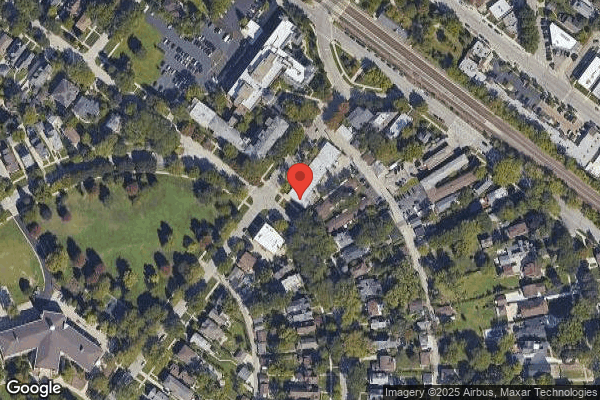
6016 NORTH NINA AVENUE, CHICAGO, IL 60631 (773) 631-4856
Non profit - Other 131 Beds Independent Data: November 2025
Trust Grade
40/100
#270 of 665 in IL
Last Inspection: June 2024

Within standard 12-15 month inspection cycle. Federal law requires annual inspections.

Overview

Norwood Crossing in Chicago has a Trust Grade of D, indicating below-average care with some concerns. It ranks #270 out of 665 facilities in Illinois, which places it in the top half, and #84 out of 201 in Cook County, meaning only a few local options are ranked higher. The facility is improving, as the number of reported issues has decreased from 10 in 2024 to 4 in 2025. Staffing is a relative strength with a rating of 4 out of 5 stars, but the turnover rate is average at 50%. However, the facility has accumulated $78,435 in fines and has faced serious incidents, such as failing to monitor residents' weight leading to significant weight loss and inadequate supervision during transfers, which resulted in a resident sustaining a skin tear requiring stitches. Overall, while there are some positive indicators like staffing and a downward trend in issues, the facility has critical areas that need attention.

Trust Score
D
40/100
In Illinois
#270/665
Top 40%
Safety Record
High Risk
Review needed
Inspections
Getting Better
10 → 4 violations
Staff Stability
⚠ Watch
50% turnover. Above average. Higher turnover means staff may not know residents' routines.
Penalties
○ Average
$78,435 in fines. Higher than 70% of Illinois facilities. Some compliance issues.
Skilled Nurses
✓ Good
Each resident gets 85 minutes of Registered Nurse (RN) attention daily — more than 97% of Illinois nursing homes. RNs are the most trained staff who catch health problems before they become serious.
Violations
⚠ Watch
29 deficiencies on record. Higher than average. Multiple issues found across inspections.
★★★☆☆
3.0
Overall Rating
★★★★☆
4.0
Staff Levels
★★☆☆☆
2.0
Care Quality
★★★☆☆
3.0
Inspection Score
Stable
2024: 10 issues
2025: 4 issues

The Good

  • 4-Star Staffing Rating · Above-average nurse staffing levels
  • Full Sprinkler Coverage · Fire safety systems throughout facility
  • No fines on record

Facility shows strength in staffing levels, fire safety.

The Bad

3-Star Overall Rating

Near Illinois average (2.5)

Meets federal standards, typical of most facilities

Staff Turnover: 50%

Near Illinois avg (46%)

Higher turnover may affect care consistency

Federal Fines: $78,435

Well above median ($33,413)

Moderate penalties - review what triggered them

The Ugly 29 deficiencies on record

2 actual harm
Feb 2025 1 deficiency
CONCERN (E) 📢 Someone Reported This

A family member, employee, or ombudsman was alarmed enough to file a formal complaint

Potential for Harm - no one hurt, but risky conditions existed

Deficiency F0761 (Tag F0761)

Could have caused harm · This affected multiple residents

Based on observation, interview, and record review the facility failed to ensure medications were not left at bedside for one (R2) resident and failed to ensure a treatment cart was locked when not in...

Read full inspector narrative →
Based on observation, interview, and record review the facility failed to ensure medications were not left at bedside for one (R2) resident and failed to ensure a treatment cart was locked when not in visual proximity of the nurse and not in use. This failure has the potential to affect all 36-residents residing on the 4th floor of the facility. Findings include: 1. On 02/24/25 at approximately 11:12am, R2 noted in bed, on the cabinet in the room a bottle of Fluocinonide topical solution with instruction to apply to scalp topically@ bedtime with a pharmacy label to Avoid contact with eyes. In addition, a tube of Econazole nitrate cream 1% left on the table. When V4 ADON (Assistant Director of Nurse's) was shown and was asked about the facility policy/protocol on medication storage at the bedside. V4 stated no medicine should be left at bedside without an order (referring to physician order) but let me check if there is an order to leave at the bedside. V4 then took the medications to V5 RN (Registered Nurse) assigned to R2. Both V4, V5 and the surveyor checked the EPO (Electronic Physician Order) for R2 there was no written order for R2 to keep those medication at the bedside or self-administer the medication. V5 asked the surveyor whether topical medications can be kept at bedside. The surveyor asks V5 about the professional standard of medication storage/ administration. V5 stated I don't know, can we move to the next question. V4 who was present at the time stated, I will have to educate the nurses on medication storage when there is no order (Physician Order) to do so. On 02/24/25 at 11:58am V2 DON (Director of Nurse's) stated that all medication should be locked in the medication cart unless the physician ordered it to be kept at bedside. The facility policy and professional standard of medication administration is that any medication should be prescribed by the doctor (physician). Any one on elf-administration program will be evaluated and see if they are able to self-administer the medication. 2. On 02/24/25 at 10:57am, on the 4th floor upon getting on the floor treatment cart with treatment medications noted unlocked with no licensed nurse or any staff at the nurse's station. When this was shown to V5 RN (Registered Nurse) and was asked about the facility policy on medication storage and cart policy. V5 stated it is not my cart, but the treatment cart should always be locked when not in use. On 02/24/25 at 11:05am, V4 ADON (Assistant Director of Nurse's) who was present on the floor was asked about the facility policy on carts storage, medication storage and expectation of the licensed nurse staff responsibility. V4 stated that the medication carts that includes treatment cart should be locked always when the nurse is not in view of the cart. It should not be left unlocked. On 02/24/25 at 11:22am, the surveyor asks V6 (RN) assigned to the treatment cart about the treatment cart that was left unattended and unlocked. V6 stated that when she got to work this morning (02/24/25, she did not look (check) at the treatment cart, but it should be locked (treatment cart) when not visual few. On 02/24/25 at 11:56am, V2 DON (Director of Nurse's) stated that medication cart and treatment carts should be locked. Nurses has the key to the treatment cart and the medication cart for each side assigned so they are to make sure the carts are locked when not in few of the nurse. On 02/25/25 at 11:50am, on the 2nd floor treatment cart noted unlocked on the (odd side) of the floor. V16 CNA (Certified Nurse's) stated that the nurse on this side (odd) is on lunch break but the other nurse (referring to V5) is in the dining room passing medicine. V5 was shown the treatment and she stated it should be locked always. V12 IP (Infection Preventionist) nurse who was on the 2nd floor was asked about the facility policy on medication and cart storage. V12 stated that the carts should be locked always when not in the nurse view. On 02/25/25 at 11:55am, when the surveyor made V11 RN (Registered Nurse) assigned to the odd side aware the observation and was asked about the facility policy on medication storage and treatment cart storage. V11 stated I was so sure I locked the treatment cart, V5 then told V11 that it was not locked. then V11 stated it (referring to the treatment cart) should be locked every time is not in use or leave it. On 02/25/25 at 12:03pm, V12 RN (Registered Nurse) / IP (Infection Preventionist) stated that all carts containing any medication should be locked when not in use and in view of the nurse. The facility policy on Medication Storage presented with revised date 04/2024 documented that the standard is medications will be stored correctly. Listed procedure includes but not limited to nursing staff is responsible for maintaining medication storage and compartments that includes carts containing medications and biologicals are locked when not in use and carts used in transport such items are not left unattended if open or otherwise potentially available to others.
Feb 2025 3 deficiencies
CONCERN (D) 📢 Someone Reported This

A family member, employee, or ombudsman was alarmed enough to file a formal complaint

Potential for Harm - no one hurt, but risky conditions existed

Resident Rights (Tag F0550)

Could have caused harm · This affected 1 resident

Based on observation, interview and record review the facility failed to ensure that one resident (R1) was treated in a dignified manner. This failure affected one resident (R1) out of four residents ...

Read full inspector narrative →
Based on observation, interview and record review the facility failed to ensure that one resident (R1) was treated in a dignified manner. This failure affected one resident (R1) out of four residents reviewed for dignity. Findings include: On 02/19/25 at 11:36am V6 (Registered Nurse/RN) stated that she placed signs on R1's wall to remind other nurses to change R1's wound dressing. On 02/19/25 at 11:50am observed 3 handwritten paper signs taped to walls in various locations of R1's room. Signs document in part, 7-3 shift nurse: AM (morning) nurse please do wound care dressing on left lower leg on Tuesday and Saturday mornings. Resident will call DON (Director of Nursing)/Supervisor if it's not being done!! Foot doctor do not do resident dressing or his wound. On 02/20/25 at 11:40am, V3 (DON) stated that instructions should not be posted on resident walls because of confidentiality not so much dignity. Facility's policy dated 12/2024, titled Dignity documents in part, Policy and Procedure: 1. Residents are treated with dignity and respect at all times .10. Staff are to follow HIPAA (Health Insurance Portability and Accountability Act) guidelines at all times to maintain residents' privacy. Facility's undated policy titled Resident's Rights documents in part, Your rights to dignity and respect .Your facility must treat you with dignity and respect .Your rights to privacy and confidentiality .You have a right to privacy and confidentiality of your personal and medical records. Your medical and personal care are private.
CONCERN (D) 📢 Someone Reported This

A family member, employee, or ombudsman was alarmed enough to file a formal complaint

Potential for Harm - no one hurt, but risky conditions existed

Quality of Care (Tag F0684)

Could have caused harm · This affected 1 resident

**NOTE- TERMS IN BRACKETS HAVE BEEN EDITED TO PROTECT CONFIDENTIALITY** Based on interview and record review, the facility failed to ensure that one resident (R1) with a venous stasis ulcer received t...

Read full inspector narrative →
**NOTE- TERMS IN BRACKETS HAVE BEEN EDITED TO PROTECT CONFIDENTIALITY** Based on interview and record review, the facility failed to ensure that one resident (R1) with a venous stasis ulcer received the necessary treatment and services to promote wound healing. This failure affected one resident (R1) out of four residents reviewed for wound care. Findings include: R1's medical diagnoses include but are not limited to myositis, hypertensive heart disease with heart failure, nonrheumatic aortic stenosis, non-pressure chronic ulcer of unspecified part of left lower leg, muscle weakness, peripheral vascular disease. R1's Minimum Data Set (MDS) dated [DATE] has a Brief Interview for Mental Status score of 15, which indicates R1's cognition is intact. R1's care plan dated 11/13/24 documents in part, R1 at risk for pressure ulcer/skin breakdown due to impaired mobility and bilateral leg edema. Bilateral lower leg venous statis ulcers .Administer treatments as ordered and monitor for effectiveness. R1's physician orders dated with a start date of 12/14/24 documents in part, Left heel apply bordered foam dressing every day shift every Tuesday, Thursday, Saturday for DTI (Deep Tissue Injury) R1's physician orders dated with a start date of 01/21/25 documents in part, Left lateral lower leg wound, cleanse wound with saline, pat dry, apply Aquacel Ag, cover with gauze and abdominal pad and wrap with roll gauze and secure tape. Apply single tubugrip on left leg only per resident request .every day shift every Tuesday, Thursday, Saturday. R1's Treatment Administration Record shows no documentation for the completion of R1's left heel or left lateral lower leg wound care on Tuesday 01/21/25. R1's physician order dated with a start date of 12/07/24 documents in part, Left lateral lower leg wound cleanse wound with saline, pat dry, apply prisma and xeroform, cover with gauze and abdominal pad and wrap wit roll gauze and secure tape .every day shift every Tuesday, Thursday, Saturday. R1's Treatment Administration Record shows no documentation for the completion of R1 left lateral lower leg wound care on Tuesday 01/14/25. R1's physician order with a start date of 01/25/25 and discontinue date of 02/06/24 documents in part, left lateral lower leg wound cleanse wound with saline, pat dry, apply prisma cover with gauze and abdominal pad and wrap with roll gauze and secure tape .every day shift every Tuesday, Thursday, Saturday. R1's Treatment Administration Record shows no documentation for the completion of R1's left lateral lower leg wound care on Tuesday 01/28/25. On 02/19/25 at 11:36am, V6 (Registered Nurse/RN) stated that R1 went to the wound clinic every Thursday and the facility was responsible for changing R1's wound care dressings on Tuesdays and Saturdays. V6 stated that R1 had complained to her about not having his wound dressing changed on some Tuesdays. V6 stated that she told R1 to remind the staff to change his wound bandage because he is alert and oriented. V6 stated that she put an order on R1's physician orders to make sure staff are changing R1's wound. V6 stated that she placed signage on R1's bedroom walls to remind staff to change R1's wounds. R1's physician order dated 02/06/25 documents in part, AM (morning) nurse to do wound dressing on the left lateral lower leg, foot doctor do not do the dressing on the leg every day shift every Tuesday, Saturday .FYI (for your information) resident goes to wound care clinic (WCC) on Thursday. On 02/20/25 V3 (Director of Nursing/DON) stated that if there is no documentation then it may not have been done. V3 stated the facility has a podiatrist that comes to the facility to see residents on Tuesdays. V3 stated that there was a mix up and the nurses thought that R1 was being seen by the podiatrist on Tuesdays, so the nurse was not changing the bandages of R1. V3 stated that if wounds dressings are not changed that the wounds could get worse. R1's left lateral lower leg wound measured 2.8 centimeters length by 1 centimeter width by 0.1 centimeter depth on 12/12/24. R1's wound for pre debridement and post debridement measured 5 centimeters length by 2 centimeters width by 0.2 centimeters depth on 2/6/25. Facility's job description for Registered nurse dated 04/2013 documents in part, Essential Duties and Responsibilities: .Perform treatments in a timely manner, using proper techniques.
CONCERN (F) 📢 Someone Reported This

A family member, employee, or ombudsman was alarmed enough to file a formal complaint

Potential for Harm - no one hurt, but risky conditions existed

Food Safety (Tag F0812)

Could have caused harm · This affected most or all residents

Based on observation, interview, and record review the facility failed to properly log refrigerator and freezer temperatures in the facility kitchen; and failed to properly log the checking of the dat...

Read full inspector narrative →
Based on observation, interview, and record review the facility failed to properly log refrigerator and freezer temperatures in the facility kitchen; and failed to properly log the checking of the dating and labeling of food items and removal of expired items in the facility kitchen. These failures have the potential to affect all 104 residents receiving an oral diet in the facility. Findings include: On 02/19/25 at 12:06pm, with V4 (Director of Dietary Services), during observation of the facility's main walk-in freezer, walk-in refrigerators (coolers), and Ice Cream freezer, the following was observed: 1. The walk-in freezer's temperature log titled, Freezer/Refrigerator Temperatures, dated February 2025, documents, in part, -10 degrees Fahrenheit on 2/20/25 AM shift. This was observed on 2/19/25 which indicates the temperature of the walk-in freezer was documented for a future date. 2. The Ice Cream freezer's temperature log titled, Freezer/Refrigerator Temperatures (with the word Ice cream written at the top right corner of the document), dated February 2025, documents, in part, 5am 3.2 (degrees Fahrenheit) on 2/20/25 AM shift. This was observed on 2/19/25 which indicates the temperature of the Ice Cream freezer was documented for a future date. 3. The Refrigerator #1 (Cooler #1) temperature log titled, Freezer/Refrigerator Temperatures (with the words Cooler #1 written at the top right corner of the document), dated February 2025, documents, in part, 5am 37 (degrees Fahrenheit) on 2/20/25 AM shift. This was observed on 2/19/25 which indicates the temperature of Refrigerator #1 (Cooler #1) was documented for a future date. 4. Refrigerator #2 (Cooler #2) temperature log titled, Freezer/Refrigerator Temperatures (with the words Cooler #2 written at the top right corner of the document), dated February 2025, documents, in part, 5am 36 (degrees Fahrenheit) on 2/20/25 AM shift. This was observed on 2/19/25 which indicates the temperature of Refrigerator #2 (Cooler #2) was documented for a future date. 5. Facility document titled, (Facility Name) Dietary Audit Form: Dating and Labeling of Food Items and removal of expired items in the main kitchen, dated February 2025, documents, in part, that the ice cream freezer, produce, dairy, freezer, dry storage was checked for dating and labeling of food items as well as removal of expired items in the main kitchen on 2/20/25. This was observed on 2/19/25 which indicates the checking for dating and labeling of food items as well as removal of expired items in the main kitchen was done on a future date. On 02/19/25 at 12:10pm, when asked what the facility's expectations on documenting temperatures for the refrigerators and freezers in the kitchen; and documenting the checking of the dating and labeling of food items and removal of expired items in the facility kitchen, V4 (Director of Dietary Services) replied, I'm (V4) going to talk to this employee about this documentation. This should be done on am shift and pm shift. This is a mistake. It should not for the following day. When asked the purpose for properly documenting refrigerator and freezer temperatures and the checking for dating and labeling of food items, V4 replied, To make sure the coolers and freezers are working good so the food doesn't go bad. If the food goes bad the residents can get sick. We (kitchen staff) actually checking the expirations on the food twice a day. Same thing. Expired food can cause the residents to get sick. I (V4) think she was just confused on the date. The facility's document, titled (Facility) Diet Type Report, dated 2/20/25, shows that the facility has 1 resident that does not have an oral diet. Facilities policy titled, Food Storage, dated 3/23, documents, in part, . Sufficient storage facilities will be provided to keep foods safe, wholesome, and appetizing. Food will be stored in an area that is clean, dry, and free from contaminants. Food will be stored at appropriate temperatures and by methods designed to prevent contamination or cross contamination . A thermometer will be present in the storeroom and will be monitored on a regular basis . Refrigerators should maintain food temperatures at or below 41 ° F and freezer temperatures to keep food frozen solid . Temperatures for refrigerators should be between 35 to 39° F. Thermometers should be checked at least two times each day . Freezer temperatures should be checked at least two times each day . Facility's job description titled, Food Service Manager, revised date October 2013, documents, in part, . Manage all kitchen staff and front of the house operations to ensure the highest quality of customer service to residents . Ensures that all services and programs are in compliance with federal, state, and/or local regulations, laws and statues . Facility's job description titled, Dining Service Manager, revised date October 2013, documents, in part, . manage all kitchen staff and front of the house operations to ensure the highest quality of customer service to residents . Ensures that all services and programs are in compliance with federal, state, and/or local regulations, laws and statues . Facility's job description titled, Kitchen Supervisor, revised date October 2024, documents, in part, . manage all kitchen staff and front of the house operations to ensure the highest quality of customer service to residents . Ensures that all services and programs are in compliance with federal, state, and/or local regulations, laws and statues . Facility's job description titled, Dietary Aide, revised date March 2013, documents, in part, . To assist the Clinical Dietitian with food service to the skilled nursing patients, so that each receives the correct diet at the specified time .
Jun 2024 10 deficiencies 1 Harm
SERIOUS (G)

Actual Harm - a resident was hurt due to facility failures

Deficiency F0692 (Tag F0692)

A resident was harmed · This affected 1 resident

**NOTE- TERMS IN BRACKETS HAVE BEEN EDITED TO PROTECT CONFIDENTIALITY** Based on interviews and record reviews, the facility failed to obtain monthly weights and recognize, evaluate, and address weigh...

Read full inspector narrative →
**NOTE- TERMS IN BRACKETS HAVE BEEN EDITED TO PROTECT CONFIDENTIALITY** Based on interviews and record reviews, the facility failed to obtain monthly weights and recognize, evaluate, and address weight loss for three (R17, R66, and R61) residents out of a total sample of 22 residents. This failure resulted in R17 having a 15.7 percent decrease in weight in six months between 12/4/2023 (121 pounds) and 6/4/2024 (102 pounds). Findings include: 1. On 6/11/2024 at 10:48 AM and at 1:26 PM, R17 was observed sleeping in bed with an intravenous (IV) in the left hand and 0.9 percent Dextrose with Sodium Chloride running at a rate of eighty milliliters per hour. On 06/11/24 at 2:47 PM V9 (Registered Nurse) stated that R17 felt weak, threw up and had diarrhea the morning of 6/11/2024. R17's blood pressure was also low. V9 called the doctor who ordered intravenous (IV) fluid. R17 was interviewed and stated that she was dizzy the morning of 6/11/2024. R17 stated I don't like the food here. R17 stated that she felt better after receiving the IV fluid and resting. On 06/11/24 at 03:17 PM R17's weights were read in the electronic health record as: 124 pounds on 7/22/2023, 125 pounds on 8/2/2023, 126.8 pounds on 8/7/2023, no weight was obtained in September 2023 or October 2023, 122 pounds on 11/8/2023, 121 pounds on 12/4/2023, no weight obtained in January 2024, 104.8 pounds on 2/5/2024, 105 pounds on 2/16/2024, 104.8 pounds on 2/26/2024, 98.6 pounds on 3/7/2024, 107 pounds on 3/16/2024, 107 pounds on 3/23/2024, 98.6 pounds on 4/14/2024, 105 pounds on 5/9/2024, 102.6 pounds on 5/23/2024 and 102 pounds on 6/4/2024. R17 had a 7.85 percent weight loss and an 8.4 pound weight loss in one month between 3/16/2024 (107 pounds) and 4/14/2024 (98.6 pounds). R17 had a 15.7 percent decrease in weight in six months between 12/4/2023 (121 pounds) and 6/4/2024 (102 pounds). On 6/12/2024 at 10:05 AM V12 (Registered Dietician) was interviewed and stated that facility policy is that residents are weighed monthly. The facility has a weekly Nutrition-At-Risk meeting. The purpose of the meeting is to discuss any weight concerns or any other nutrition concerns that staff may have about a resident. Residents are discussed at the Nutrition-At-Risk meeting if the resident is newly admitted , is readmitted to the facility, or if nursing staff, dietary staff, the resident, or the family have concern about the resident's weight or nutritional status. If there are concerns about a resident's weight or nutritional status, V12 stated we then get weekly weights. Weekly weights are documented in the weight section of the electronic health record. V12 stated that she would be concerned about a resident's weight if there was a five percent decrease in one month, a seven and a half percent decrease in three months or a ten percent decrease in six months. V12 stated that if there was a concern about a resident's weight or nutritional status, V12 would assess the resident's food intake, supplement intake, diet order, any concerns about fluid retention and any use of diuretics. V12 would also speak to the resident, physician, and nursing staff to assess for any change in the resident's medical status or food intake. V12 stated that she speaks to the resident about food preferences and the possible need for supplements. Sometimes V12 encourages family to bring food in if that might be helpful. V12 considers appetite stimulants and if there are any chewing or swallowing issues, V12 considers a diet change. V12 reviewed R17's dietary progress note dated 2/24/2024 and stated that the resident had a weight warning because of significant weight loss at three and six months. The plan was for weekly weights and to continue same diet. V12 stated that R17 was again seen by the dietician on 3/16/2024. At that time, R16 continued weekly weights and R17's weight was trending back up. There was a concern about a weight that was low and that she was not eating all three meals a day. V12 reviewed R17's weights documented in the electronic health record. V12 stated the weekly weights were not documented. V12 stated There was significant weight loss in April. It doesn't look like anything was documented on that significant weight loss of 107 pounds on 3/23/2024 to 98.6 pounds on 4/14/2024. It also looks like the weight of 105 pounds on 5/9/2024, 102.6 pounds on 5/23/2024 and 102 pounds on 6/4/2024 triggered in the electronic health record as a significant weight loss, but no dietary assessment was completed. V12 stated that R17 should have had a dietary assessment after the 4/14/2024 weight of 98.6 pounds. V12 stated R17 is due for her quarterly assessment. She is on my list today so I will be seeing her. There may not have been follow up on R17's weight loss because there were several dieticians who were covering the Dietician position; some part time and some remotely, before V12 was hired. V12 stated now knowing that R17 has this weight loss, I will do her assessment today. On 6/11/2024 at 3:30 PM, the dietary progress note of R17 written by V20 (Dietician) dated 2/24/2024 was read and stated in part: Weight review/weight warning: 105 pounds. Body mass index (BMI) 17.5 underweight. Significant weight loss at 3 and 6 months noted, resident weight overall stable this month. Added to weekly weights for monitoring of weight loss. The dietary progress note of R17 written by V20 (Dietician) dated 3/16/2024 stated in part: R17 continues on weekly weight with interdisciplinary team following. Weight trending back up but question other weights of 90 pounds. Will continue supplements and weekly weights. The electronic health record had no dietary progress notes after 3/16/2024. Policy titled 3.01 Philosophy and Standards of Clinical Care, Section: Clinical Nutrition revised 1/2024 stated in part: Procedure: This area provides state of the art nutritional care and education to the patients, residents, medical staff, associates and the communicate. The Registered Dietician Nutritionist (RDN) will follow the standards of clinical care including: 3. The RDN will assess the nutritional status of those patients/residents identified at risk and will communication information that impacts care to the health care team. Procedure: 1. The RDN should be alerted to significant weight changes including loss/gain of 5% in a month and/or three points/week through communication with nursing staff. In addition, monthly weight charts should be monitored closely for weight loss trends. 3. The resident should be placed on weekly weights and monitored for one month until weight change is resolved. Nutrition Risk Criteria for the Geriatric Resident: Nutritional High-Risk Indicators: Significant weight loss over 6 months (180 days) or 5% in 30 days. Policy titled Weights and Heights with revision date of October 6, 2011, stated in part: Standard: Accurate weight and height of each resident will be obtained and monitored. Policy and Procedure: Bullet 1: Monthly weights will be completed by the tenth weekday of each month. Bullet 2: Weekly weights will be completed each week for applicable residents. Bullet 9: All information will be discussed at the weekly weight monitoring meeting and followed up with physician if indicated. 3. R61's electronic health records (EHR) show an admission date of 5/1/20. R61's Minimum Data Set, dated [DATE] shows R61 has impaired cognitive skills and requires substantial/maximal assistance with eating. R61's weight records show the following readings: 5/31/24 134.0 pounds, 4/24/24 135.0 pounds, 2/26/24 133.0 pounds, 12/2/23 145.0 pounds, and 11/26/23 144.0 pounds. No weights were obtained in January and March 2024. R61's weights show R61 had a 12 pounds weight loss from 12/2/23 to 2/26/24. R61's records do not show any documentation that R61's weight loss was recognized, evaluated, and addressed. R61 was evaluated by V33 (Registered Dietician) not until 5/2/24 and did not address the weight loss. On 6/12/24 at 11:52 AM, a phone interview was conducted with V13 (Regional Nutrition Director). V13 stated that R61's January and March weights are missing. V13 stated that the December and February weights show a significant weight loss and that should have been triggered and should have been addressed by the Dietician. V13 stated that V13 was not the consultant that was in the facility at that time and does not know if the weight loss was referred to a Dietician. V13 stated that V13 does not see any notes or assessment completed addressing the weight loss. V13 stated that an annual assessment was done on 5/2/24 and the last progress notes was in September 2023. V13 stated, I don't see any further interventions were put into place addressing the weight loss. V13 stated V13 would benefit for a nutritional supplement that would increase R61's calories and protein intake. V13 stated that it would at least maintain R61's weight. V13 stated that the goal is for R61 to have no more weight loss. 2. R66's weights are as follows: 10/20/2023 - 178 lbs (pounds) 12/07/2023 - 161 lbs 1/29/2024 - 175 lbs 2/22/2024 - 164 lbs 5/14/2024 - 165 lbs There was a severe weight loss of 6.28% from January to February. Dietary progress note dated 2/24/2024 9:20 AM documents in part R66's weight change. It also states in part that facility will obtain new monthly weight and continue to monitor weights monthly and as needed. Facility failed to obtain new weight and monthly weights for March and April. No other recent Dietary Note as of 6/11/2024. On 6/12/2024 at 11:41 AM, surveyors interviewed V12 (Registered Dietitian) in-person with V13 (Regional Nutrition Director) on the phone. Both stated V12 was new to the facility and prior to that there were different consultants in the previous months. When asked about R66, V12 stated [V12] has not evaluated R66 and staff did not notify V12 that R66 had weight loss. V13 stated R66's most recent weight was from 5/14/2024 and prior to that it was from 2/22/2014. V12 stated significant weight loss is 5% in a month, 7.5% in three months, and 10% in six months. V13 stated when staff notify Dietitians of weight loss, then Dietitians will consult to add weekly weights for the residents. V13 stated at the minimum, staff should weigh residents monthly. V13 did not see documentation as to why staff did not do R66's weights. V13 also stated that if there is a questionable weight or weight loss, the Dietitians will request a re-weigh. V13 stated there was no re-weigh after 2/22/2024 weight. On 6/13/2024 at 11:35 AM, V2 (Director of Nursing) stated the Certified Nurse Aides (CNAs) weigh the residents. At the minimum the staff must weigh all residents monthly. If they cannot weigh the resident, the CNAs must notify the nurse so that the following shift can follow-up or staff can attempt the next day. V2 stated Dietary is supposed to do the weight calculations and address the weight loss. Facility's Policy: 3.01 Philosophy and Standards of Clinical Care Section: Clinical Nutrition, last revised 1/2024, documents in part: The Registered Dietitian Nutritionist (RDN) will assess the nutritional status of those patients/residents identified 'at risk,' and will communicate information that impacts care to the health care team. All nutritional care is recorded in the medical record in accordance with facility policy/protocol. Timely and periodic assessments of patients'/residents' tolerance, acceptance and appropriateness of their prescribed diet will be conducted. Facility's Policy: 3.14 (LTC/AL) Unintentional Weight Change Monitoring Section: Clinical Nutrition, last revised 1/2024, documents in part: The Registered Dietitian Nutritionist (RDN) should be alerted to significant weight changes including loss/gain of 5% in a month and/or three (3) pounds/week through communications from the nursing staff. In addition, monthly weight charts should be monitored closely for weight loss trends. Prior to initiation of a nutrition intervention, weight change should be validated by a reweight. Once actual loss/gain has been established and determined to be a nutritional concern, a nutrition reassessment/progress note is completed. The resident should be placed on weekly weights and monitored for one month until the weight change is resolved. Facility's Weights and Heights, last revised 10/06/2011, documents in part: Monthly weights will be completed by the 10th weekday of each month. Staff to request assistance if needed for completion. If there is a weight discrepancy the resident will be reweighed to ensure accuracy. Monthly weights will be documented on weight flow sheet.
CONCERN (D)

Potential for Harm - no one hurt, but risky conditions existed

Deficiency F0554 (Tag F0554)

Could have caused harm · This affected 1 resident

Based on observation, interview, and record review the facility failed to ensure a resident who was self-administering medications had a self-administration of medications assessment, a physician's or...

Read full inspector narrative →
Based on observation, interview, and record review the facility failed to ensure a resident who was self-administering medications had a self-administration of medications assessment, a physician's order, and a care plan completed for 1 (R54) resident reviewed for self-administration of medications in a sample of 22. Findings Include: R54 has diagnosis not limited to Chronic Obstructive Pulmonary Disease with (Acute) Exacerbation, Acute on Chronic Diastolic (Congestive) Heart Failure, Hypertensive Heart Disease with Heart Failure, Atrial Fibrillation, Dependence on Supplemental Oxygen, Major Depressive Disorder, Anxiety Disorder, Acute Respiratory Failure with Hypoxia, Muscle Weakness, Difficulty in Walking, Need For Assistance with Personal Care, Atherosclerotic Heart Disease of Native Coronary Artery, Gastro-Esophageal Reflux Disease, Presence of Cardiac Pacemaker, Patient's Noncompliance with other Medical Treatment and Regimen for other Reason. Order Summary Report dated 06/12/24 document in part: Spiriva Respimat Inhalation Aerosol Solution 2.5 MCG (microgram)/ACT (Tiotropium Bromide Monohydrate) 1 puff inhale orally one time a day. Ventolin HFA Inhalation Aerosol Solution 108 (90 Base) MCG/ACT (Albuterol Sulfate) 2 puff inhale orally every 6 hours as needed for SOB (Shortness of breath), wheezing. R54 Medication Administration Record document in part: Spiriva Respimat Inhalation Aerosol Solution 2.5 MCG (microgram)/ACT (Tiotropium Bromide Monohydrate) 1 puff inhale orally one time a day. Ventolin HFA Inhalation Aerosol Solution 108 (90 Base) MCG/ACT (Albuterol Sulfate) 2 puff inhale orally every 6 hours as needed for SOB (Shortness of breath), wheezing. Care Plan document in part: Focus: R54 has Emphysema/COPD (Chronic Obstructive Pulmonary Disease). Interventions: Give aerosol or bronchodilators as ordered. Monitor/document any side effects and effectiveness. Give oxygen therapy as ordered by the physician. On 06/11/24 at 11:04 AM R54 was observed sitting in bed with oxygen at 3.5 liters per nasal cannula in use. An albuterol inhaler was observed inside a tissue box at the bedside.) (Spiriva was observed in the top drawer of R54 bedside table). R54 stated I take the Spiriva once a day. If my shortness of breath starts up, I take a spray of the Albuterol every 4-6 hours. On 06/11/24 at 11:17 AM V7 (Agency Registered Nurse) stated R54 is completely alert and oriented. R54 does not have an assessment for medication self-administration. When asked by the surveyor was V7 aware that R54 had the albuterol and Spiriva inhalers in her room V7 responded I did know that. She uses the inhaler as a rescue. R54 will need some more education on that. On 06/13/24 the facility provided surveyor with R54 Self-Administration Evaluation dated 06/12/24. Self-Administration of Medications Evaluation of Resident's Ability dated 06/12/24 document in part: Medication name: Ventolin INH 2 puffs every 6 hours prn wheezing, SOB. Medication Name: Spiriva 2.5 mg INH 1 puff Daily COPD. Self-Administration of Medication Evaluation dated 06/12/24 and signed by the physician 06/13/24. On 06/13/24 at 09:11 AM V2 (Director of Nursing) stated There should be an assessment done for medication self-administration. Medication at the bedside pose a potential for error. Policy: Titled Self-Administration of Drugs revised 08/10 document in part: Residents in the facility who wish to self-administer their medications may do so, if it is determined that they are capable of doing so. Assessment of self-administration of drugs. 1. When a resident expresses a desire to self-administer one or more of their medications, the staff and practitioner will assess that resident's mental and physical abilities to determine whether a resident is capable of self-administering medications. 2. In addition to general evaluation of decision-making capacity, the staff and practitioner will perform a more specific skill assessment, including (but not limited to) the residents. a. Ability read and understand medication labels, b. Comprehension of the purpose and proper dosage and administration time for his or her medications. c. Ability to remove medications from a container and to ingest and swallow (or otherwise administer) them. d. Ability to reliably verify whether they have taken the medication and e. Ability to recognize risks and major adverse consequences of his or her medications. The staff and practitioner will document their findings in the medical record. Titled Medication Self-Administration revised 10/06/11 document in part: Assessment of self-administration of drugs. 1. As part of their overall evaluation, the staff and practitioner will assess each resident's mental and physical abilities, to determine whether a resident is capable of self-administering medications. Special Skill Assessment: 2. In addition to general evaluation of decision-making capacity, the staff and practitioner will perform a more specific skill assessment. Documentation: 5. The staff and practitioner will document their findings and the choices of residents who are potentially capable of self-administering medications. Documentation Responsibilities: 6. For self-administering residents, the nursing staff may rely on the resident's verification that the medications were taken. Quarterly Review of Self-Administration Ability: 10. The staff and practitioner will periodically to reevaluate a resident's ability to continue to self-administer medications. Titled Care Plans revised 11/13/23 document in part: To develop, implement and monitor care plans based on effective and person-centered care policy & procedure: 3. Care plans are to reflect person centered care and be unique to the resident and his/her individualized needs. 4. care plans are to be reviewed quarterly, annually, as needed or upon request of the family/resident representative/resident 5. care plans are to be updated to reflect the ongoing needs, goals, and interventions of the resident.
CONCERN (D)

Potential for Harm - no one hurt, but risky conditions existed

Deficiency F0578 (Tag F0578)

Could have caused harm · This affected 1 resident

**NOTE- TERMS IN BRACKETS HAVE BEEN EDITED TO PROTECT CONFIDENTIALITY** Based on interview and record review, the facility failed to ensure that the provider order and care plan reflected the resident...

Read full inspector narrative →
**NOTE- TERMS IN BRACKETS HAVE BEEN EDITED TO PROTECT CONFIDENTIALITY** Based on interview and record review, the facility failed to ensure that the provider order and care plan reflected the resident's wishes on the Provider Order for Life-Sustaining Treatment (POLST) form for one residents (R78) out of twenty-two total residents in the sample. Findings: On [DATE] at 12:57 PM the electronic medical record of R78 was reviewed. The Provider Order for Life-Sustaining Treatment (POLST) for R78 dated [DATE] stated: Section A: Do Not Attempt Resuscitation/Do Not Resuscitate (DNR). Section B: Selective Treatment: Primary goal of treating medical conditions with selected medical measures. In addition to treatment described in comfort-focused treatment, use medical treatment, intravenous (IV) fluids and IV medications (may include antibiotics and vasopressors) as medically appropriate and consistent with patient preference. Do not intubate. May consider less invasive airway support (e.g. CPAP, BiPAP) Transfer to hospital, if indicated. Generally avoid the intensive care unit. On [DATE] V30 (Physician) gave an order for DNR which was entered into R78's electronic health record. On [DATE] at 12:02 PM V23 (Director of Social Services) was interviewed and stated that upon resident admission, If a resident has a POLST and it is completed and signed by a physician, we implement it. V23 stated The directives in the POLST go in as a provider order and on the status bar. Part A would direct us to do cardiopulmonary resuscitation (CPR) or not do CPR. V23 stated We don't document full treatment, selective treatment or comfort measures. Most Nurses would look at the document itself and read the POLST. V23 stated We don't differentiate selective or comfort care in the DNR order. V23 stated that if a resident's POLST stated Part A: DNR and Part B: Full treatment, We consider that a partial code and color code the paper chart in yellow as a partial code. Partial code means that if they have no pulse, we would not do compressions or rescue breathing. If the heart is still pumping and they may or may not be breathing, they would want mechanical ventilation, rescue breathing and send the resident off to the hospital. On [DATE] at 3:31 PM V2 (Director of Nursing) was interviewed and stated that if a resident has a POLST that in section A stated do not resuscitate (DNR) and section B stated selective treatment, the nurse would not do resuscitation. The nurse would call the doctor and tell the doctor that the resident has a DNR order and would carry out the doctor's orders. V2 was asked what a nurse would do if the resident had a partial code order and V2 stated I am not familiar with that code. V2 asked to check on that type of order and returned to the interview with V19 (Infection Prevention Nurse). V19 stated that the facility does not have a partial code order and then stated Can we have this evening to look into this and get back together tomorrow? V19 stated We shouldn't be accepting an order for a partial code. We need more detail. On [DATE] at 10:01 AM, V2 (Director of Nursing) and V19 (Infection Control Nurse) were interviewed. V19 stated The POLST form is uploaded into the resident's chart. Social Services Department is responsible for getting that information from the resident. The order is then put in the chart. Do not resuscitate (DNR) is entered into the electronic health record if Section A of the POLST states DNR. For Section B, the nurses should 'ideally' look at the POLST if something happens to see if there is any specific changes such as comfort care, special instructions, or specifics like don't do compressions or give me oxygen. I am not going to lie. I don't know if they always do that. V19 stated We spoke to Administration about this last night. We don't have a good process. We should not be using the term partial code. V19 stated that the facility should have a way to enter the orders specific to Section B of a POLST form. V19 stated that the facility plans to work with the electronic health system vendor to see what options for POLST order entry are available. V19 stated For now, we are going to educate the staff and set expectation that they have to look at the POLST if there is an emergency with a resident. That is where we get lost. We don't have a process. Policy entitled Advance Directives revision date [DATE] stated in part: Standard: Facility will remain in compliance with Illinois state law regarding advance directives. Policy and Procedure: 1. Social services will review what/if any advance directives are in place. 2. If the desired advanced directives are in place, they are uploaded to the resident chart and a paper copy placed in resident hard chart. 6. The resident and/or representative is made aware they may modify their advance directives at any time. 7. These documents will be revised and discussed with the physician.
CONCERN (D)

Potential for Harm - no one hurt, but risky conditions existed

Deficiency F0657 (Tag F0657)

Could have caused harm · This affected 1 resident

Based on observations, interviews, and record reviews, the facility failed to follow physician orders and update a resident's (R14) care plan for one resident out of a total sample of 22 residents. Fi...

Read full inspector narrative →
Based on observations, interviews, and record reviews, the facility failed to follow physician orders and update a resident's (R14) care plan for one resident out of a total sample of 22 residents. Findings include: R14's Order Summary Report documents in part: Regular diet Regular texture, Regular / thin consistency, for 1:1 assist. Order date and start date listed as 4/17/2024. R14's care plan documents in part that R14 is at risk for alteration in nutrition related to diagnosis of cellulitis, blindness, chronic kidney disease, hyperlipidemia, gastroesophageal reflux disease, small bowel obstruction, metabolic encephalopathy, and significant, unplanned weight loss (last revised 5/28/2024). Intervention last revised 5/28/2024 documents in part to provide necessary assistance at mealtimes and between meals. R14's care plan also documents in part that R14 has an activities of daily living self-care performance deficit due to decreased activities of daily living, decreased functional transfers and balance, deceased activity intolerance, left eye blindness with right eye visual impairment (last revised 5/29/2024). Intervention regarding 'EATING' documents in part that it was not updated to reflect 4/17/2024 order for 1:1 assist. On 6/11/2024 at 12:11 PM, R14 ate lunch alone at a table in the dining room. During multiple observations at 12:17 PM, 12:21 PM, and 12:28 PM, surveyor observed R14 eating without staff assistance. On 6/12/2024 at 11:10 AM, R14 stated staff do not sit with or assist R14 during meals. R14 stated [R14] eats without staff assistance most of the time. At 12:15 PM, R14 sat alone at a table in the dining room. V15 (Certified Nurse Aide) dropped off R14's lunch tray, provided set up help, and left to get back into tray line. Observed R14 during entirety of lunch meal (R14 completed lunch at 12:31 PM). No staff provided one-to-one assistance to R14. At 12:33 PM, V16 (Certified Nurse Aide) stated [V16] takes care of R14 about three times a week. V16 stated staff do not provide one-to-one meal assistance to R14. At 12:36 PM, surveyor showed V17 (Nurse) R14's active diet order. V17 stated 1:1 assist stands for one-to-one assist. V17 was not sure why R14 required one-to-one assistance with meals. At 12:39 PM, surveyor showed V10 (Nurse) R14's active diet order. V10 stated 1:1 assist means one staff must feed the resident. V10 was not sure why R14 was on one-to-one assistance with meals. At 3:09 PM V29 (Nurse) stated entering the 1:1 assist after R14 returned from the hospital. V29 stated the order was either on the hospital discharge papers or through verbal report. V29 stated the order was for R14 to be fed by one staff. Reviewed R14's admission Telephone Report dated 4/17. It documents in part that V28 (Nurse) took the verbal report from the hospital staff. At 3:24 PM, surveyor reviewed the document with V28. V28 stated writing need 1:1 assist for feeding order because the hospital staff reported it as R14's order at the hospital and it was the recommended order for discharge back to the facility. On 6/13/2024 at 11:35 AM, V2 (Director of Nursing) stated the hospital reported to the facility that R14 needed one-to-one feeding assistance because R14 was too weak at the time. Facility's Feeding Residents policy, last revised 2/27/2023, documents in part: Standard: Assisting residents with meals. It documents in part procedural steps which include sitting down with the resident, preparing the food for eating, and assisting them with their meal.
CONCERN (D)

Potential for Harm - no one hurt, but risky conditions existed

Deficiency F0688 (Tag F0688)

Could have caused harm · This affected 1 resident

**NOTE- TERMS IN BRACKETS HAVE BEEN EDITED TO PROTECT CONFIDENTIALITY** Based on observation, interview and record review, the facility failed to apply splint and complete quarterly restorative assess...

Read full inspector narrative →
**NOTE- TERMS IN BRACKETS HAVE BEEN EDITED TO PROTECT CONFIDENTIALITY** Based on observation, interview and record review, the facility failed to apply splint and complete quarterly restorative assessments that detail the progress or lack of progress in the restorative services for 1 (R61) out of 1 resident reviewed for limited range of motion and restorative services in the final sample of 22. Findings Include: On 6/11/24 at 11:07 AM, R61 was sleeping in bed. Surveyor noted R61 has both hands contractures, and no assistive devices/splints were in place. On 6/12/24 at 2:23 PM, interviewed V22 (Wound Care Nurse/Restorative Nurse Supervisor) and stated that R61 is on active and passive range of motion restorative programs. V22 stated that R61 is supposed to have a splint for the contracted hand. V22 stated, I forgot which hand. [R61] should always have it every day except during incontinence care or when bathing. Restorative assessment should be completed quarterly. Surveyor and V22 reviewed R61's electronic health records (EHR) and found that the last restorative assessment completed for R61 was in 8/1/23. There was no documentation found in R61's records that details R61's progress or lack of progress in the restorative services. V22 stated that it was a while that the facility had no full time restorative nurse. On 6/12/24 at 2:50 PM, interviewed V27 (MDS Coordinator) and stated that R61 has physical limitations with R61's hands. V27 stated that R61 is a feeder and on restorative programs that are addressed in the care plan. V27 stated that restorative assessments should be completed quarterly. R61's Minimum Data Set, dated [DATE] shows R61 has impaired cognitive skills, has functional limitation in range of motion on one side of R61's upper extremity, and is dependent of staff with activities of daily living (ADL). R61's ADL care plan shows that R61 is on restorative programs: bed mobility, dressing/grooming, and active range of motion. R61's physician orders with active orders as of 6/11/24 shows an order that reads, Remove right hand resting splint at bedtime. The facility's Restorative Policy dated 1/12/24 reads in part: Policy & Procedure: 1. The facility shall ensure that Restorative Care approaches and principles aimed at preventing deterioration or maintaining a resident's functional level ad quality of life are integrated into the home programs and individual care plans of all residents. 2. The program descriptions should include resident focused goals, program protocols, and monitoring and evaluation aimed at improving or maintaining the resident's function.
CONCERN (E)

Potential for Harm - no one hurt, but risky conditions existed

Pressure Ulcer Prevention (Tag F0686)

Could have caused harm · This affected multiple residents

**NOTE- TERMS IN BRACKETS HAVE BEEN EDITED TO PROTECT CONFIDENTIALITY** Based on observations, interviews, and record reviews, the facility failed to follow their policy and procedure to ensure proper...

Read full inspector narrative →
**NOTE- TERMS IN BRACKETS HAVE BEEN EDITED TO PROTECT CONFIDENTIALITY** Based on observations, interviews, and record reviews, the facility failed to follow their policy and procedure to ensure proper linens were used on the low air loss mattress for 2 residents (R1, R63) and to ensure low air loss mattress devices were functioning and on the correct settings for 2 (R61, R90) out of 4 dependent residents who are at risk in developing pressure ulcer in a final sample of 22 residents. Findings Include: 1. On 6/11/24 at 11:05 AM, R61 was sleeping in bed and noted low air loss mattress weight control knob was set between 287 and 375 pounds. R61's clinical records show R61 has diagnoses not limited to Alzheimer's Disease and Type 2 Diabetes Mellitus. R61's Minimum Data Set (MDS) dated [DATE] shows R61 is cognitively impaired and is dependent on staff for turning and repositioning in bed. R61's care plan with review completed on 5/6/24 shows R61 had a history of having sacral pressure ulcer and requires an air loss mattress as one intervention. R61's current weight documents as 134 pounds dated 5/31/24. 2. On 6/11/24 at 11:52 AM, and on 6/12/24 at 9:57 AM, R63 was noted lying in bed alert and able to verbalize needs. R63 was noted on a low air low mattress lying on a flat sheet and a green non-disposal incontinence pad on top of the mattress. R63's clinical records show R63 has diagnoses note limited to Adult Failure to Thrive and Dementia. R63's MDS dated [DATE] shows R63 is cognitively impaired and requires substantial/maximal assistance for turning and repositioning in bed. R63's care plan with review completed on 5/16/24 shows R63 is at risk for pressure ulcer/skin breakdown due to impaired mobility and air mattress in place as one intervention. 3. On 6/12/24 at 9:55 AM, R1 was watching television in bed alert and able to verbalize needs. R1 was noted on a low air low mattress lying on a flat sheet and a green non-disposal incontinence pad on top of the mattress. R1's clinical records show R1 has diagnoses not limited to Major Depressive Disorder and Congestive Heart Failure. R1's MDS dated [DATE] shows R1 is cognitively intact and requires substantial/maximal assistance for turning and repositioning in bed. R1's care plan with review completed on 4/15/24 shows R1 has a potential for pressure ulcer development due to impaired strength and mobility and air mattress in place as one intervention. 4. On 6/12/24 at 10:55 AM, R90 was in lying in bed non-verbal. Surveyor noted R90's low air loss machine was turned off. At 10:57 AM, Surveyor asked for assistance from V21 (Nursing Supervisor) and entered R90's room. V21 stated that R90's low air loss machine might have been disconnected. R90's clinical records show R90 has diagnoses not limited to Malignant Neoplasm of Pancreas and Dementia. R90's MDS dated [DATE] shows R90 is cognitively impaired and is dependent with staff for turning and repositioning in bed. R90's care plan with review completed on 5/23/24 shows R90 is at risk for pressure ulcer/skin breakdown due to impaired mobility. R90's physician orders with active orders as of 6/12/24 documents Air mattress in place. On 6/12/24 at 10:59, interviewed V22 (Wound Care Nurse/Restorative Nurse Supervisor) and stated that for residents who are dependent with staff for turning and repositioning in bed, they are placed on an air loss mattress to prevent them from developing pressure ulcer. V22 stated that if a resident is in bed, the low air loss mattress should be always turned on. V22 stated that the purpose of the low air loss mattress is to relieve pressure on the bony prominences that would help prevent pressure wounds. V22 stated that if the low air loss mattress' setting is too high it would be too hard and if it's too low, they'll sink and the resident would not get the benefits of the mattress. V22 stated that R1, R61, R63, and R90 are at risk in developing pressure ulcers due to their impaired mobility. On 6/12/24 at 11:07 AM, interviewed V21 and stated that the low air loss mattress should be set based on the current weight of the resident. V21 stated that linens to use for the low air loss mattress should be just a flat sheet or one non-disposal incontinence pad and cannot be both. The facility's policy titled; Low Air-Loss Mattress with no date documents in part: To maintain skin integrity and promote wound healing of existing pressure ulcers. Place a thin cotton flat sheet over the top of the air loss mattress so air flow will not be impeded Use only disposable incontinence pads and only if really needed Putting layers of linen disrupts the air flow of the mattress
CONCERN (E)

Potential for Harm - no one hurt, but risky conditions existed

Respiratory Care (Tag F0695)

Could have caused harm · This affected multiple residents

On 6/11/24 at 11:03 AM, surveyor and V5 [Agency Registered Nurse] observed R41 's open oxygen tubing on bed side nightstand without a date. V5 stated, R41 was using his oxygen this morning when I made...

Read full inspector narrative →
On 6/11/24 at 11:03 AM, surveyor and V5 [Agency Registered Nurse] observed R41 's open oxygen tubing on bed side nightstand without a date. V5 stated, R41 was using his oxygen this morning when I made rounds. R41 usually wants on his oxygen during the night while he is sleeping. The oxygen tubing should be dated and changed weekly by the night nurse. On 6/11/24 at 11:05 AM, R41 stated, I used my oxygen last night. I use it every night, but not during the daytime. R41's Care plan dated 5/10/22- R41 receives oxygen as needed for oxygen absorption. On 6/11/24 at 11:10 AM, surveyor and V6 [Registered Nurse] observed R70's suction machine with whitish colored liquid in the suction canister and attached oral suction tube uncovered on the floor between R70's bed and nightstand table. V6 stated, R70's suction machine and attached oral suction tube should never be on the floor. The suction machine should have been placed on the bed side nightstand table next to the bed. The oral suction tube should have been stored in plastic bag, not on the floor. R70's physician orders. Dated 6/6/24 May suction secretions PRN (as needed). On 6/11/24 at 11:18 AM, surveyor and V6 [Registered Nurse] observed R60's oxygen infusing per nasal cannula dated 6/3/24. Also, another oxygen green tank on the back of R60's wheelchair with oxygen tubing attached and laying on the wheelchair's footrest with no date and not stored in a bag, that was placed in the seat of the wheelchair. V6 stated, The oxygen tubing should be dated when the tubing is removed from the package. The dated oxygen tubing should be placed in plastic bag for infection control. R60 do get up in his wheelchair, and the oxygen tank on the back is for him to use while up in the chair. The oxygen tubing in the wheelchair should be dated and placed in a plastic bag, not laying on the wheelchair leg rest. On 6/11/24 at 11:30 AM, V14 [R60's Care Provider] stated, I been R60's care provider for several years. R60 always needs oxygen. When R60 gets up into his wheelchair, he switches and use the oxygen tubing that hooked on the wheelchair. R60's Physician orders: -3/7/23 O2 2L/NC (liters/nasal cannula) PRN keep O2 between 90-92% every shift. -CPAP (continuous positive airway pressure) while sleeping, setting 12/5 to keep SPO2 (peripheral oxygen capillary saturation) 92% or higher. Every shift for apply BiPap if resident is sleeping or napping. On 6/13/24 at 1:22 PM, V2 [Director of Nursing] stated, All oxygen tubing should be dated and placed in a plastic bag weekly. The night nurse is responsible to complete changing of oxygen tubing. Suction equipment, tubing, and oral suction tubes must be kept on a table next to the bedside. Once an oral suction tube is used it should be discarded after use. The yankauer oral suction tube is stored in a place bag and dated. All oxygen and oral suction devices should be dated and kept in a plastic bag to prevent infection. Policy: Documents in part Oxygen Concentrators and Tubing -Oxygen tubing, cannula, mask, and humidifier will be changed weekly and as needed. -Oxygen tubing must be stored in a protective plastic bag when not in use -Once weekly, the oxygen plastic bag will be changed and dated. The cannula will be dated and placed in a plastic bag. Based on observation, interview, and record review the facility failed to ensure (R54) residents' oxygen was on the correct setting as ordered by the physician, ensure (R4) residents' oxygen tubing was connected and functioning properly, ensure (R41, R54, R60) residents oxygen supplies were labeled and dated per the facilities policy and ensure (R41, R60, R70) residents respiratory supplies were stored to prevent contamination in a sample of 22. Findings Include: R4 has diagnosis not limited to Heart Failure, Depressive Episodes, Mild Cognitive Impairment, Chronic Obstructive Pulmonary Disease, Hypertensive Heart Disease, Personal History of Transient Ischemic Attack and Need for Assistance with Personal Care. Care Plan document in part: R4 has COPD (Chronic Obstructive Pulmonary Disease). The resident will display optimal breathing pattern daily through review date. 04/09/24 2L O2 via NC (nasal canula) to keep O2 > 92%. Give oxygen therapy as ordered by the physician. Monitor for s/sx (signs/symptoms) of acute respiratory insufficiency: Anxiety, Confusion, Restlessness, SOB at rest, Cyanosis, Somnolence. Order Summary Report dated 06/11/24 document in part: 2L O2 via NC (nasal canula) to keep O2 > 92%. On 06/11/24 at 10:37 AM R4 was observed sitting in the wheelchair watching television with oxygen at 2 liters per nasal cannula in use. Oxygen connector tubing from the oxygen concentrator to the humidity bottle was observed disconnected with the oxygen nasal canula tubing kinked near the humidity bottle. R4 stated I get out the bed and pull the tubing. Surveyor exited the room to get the nurse and asked V7 (Agency Registered Nurse) to check R4 oxygen. On 06/11/24 at 10:39 AM V7 (Agency Registered Nurse) stated let me get my pulse oximeter then V7 entered R4 room with the surveyor. V7 placed the pulse oximeter on R4 left index finger and was unable to obtain a reading. R4 stated my fingers are cold, and I have on nail polish. V7 turned the pulse oximeter to the side of R4 left index finger and was unable to obtain a reading. V7 removed the pulse oximeter then placed it on R4 right finger and obtained a reading of 90%. Surveyor asked V7 to check the oxygen concentrator and how many liters of oxygen was R4 receiving. V7 responded 2 liters then observed and stated, the oxygen tubing was kinked, and the tubing was not connected to the humidifier part. R54 has diagnosis not limited to Chronic Obstructive Pulmonary Disease with (Acute) Exacerbation, Acute on Chronic Diastolic (Congestive) Heart Failure, Hypertensive Heart Disease with Heart Failure, Atrial Fibrillation, Dependence on Supplemental Oxygen, Major Depressive Disorder, Anxiety Disorder, Acute Respiratory Failure with Hypoxia, Need For Assistance with Personal Care, Atherosclerotic Heart Disease of Native Coronary Artery, Presence of Cardiac Pacemaker, Patient's Noncompliance with other Medical Treatment and Regimen for other Reason. Order Summary dated 03/29/24 document in part: O2 at 4 lpm (liters per minute) via NC (nasal cannula), every shift related to Chronic Obstructive Pulmonary Disease With (Acute) Exacerbation titrate O2 (oxygen) to keep Spo2 (oxygen saturation) between 90-92% Care Plan document in part: Focus: R54 has Emphysema/COPD (Chronic Obstructive Pulmonary Disease). Interventions: Give aerosol or bronchodilators as ordered. Monitor/document any side effects and effectiveness. Give oxygen therapy as ordered by the physician. On 06/11/24 at 11:04 AM R54 was observed sitting in bed with oxygen at 3.5 liters per nasal cannula in use. R54 stated I turn the oxygen to 4 liters when I go to therapy because I get short of breath. When I am finish with therapy, I turn the oxygen to 3.5 liters. On 06/11/24 at 11:17 AM V7 (Agency Registered Nurse) stated R54 is completely alert and oriented. I believe the oxygen tubing is changed every week during night shift. R54 Oxygen order is for 4 liters. On 06/11/24 at 11:29 AM V7 (Agency Registered Nurse) was observed at the nurse station labeling oxygen tubing and a humidity bottle. When asked was she (V7) going to R54 room to change the humidity bottle and oxygen tubing V7 responded, yes. On 06/13/24 at 09:11 AM V2 (Director of Nursing) stated Oxygen should be checked to make sure it is the right order. The nurse should check to make sure that the oxygen tubing is connected and not kinked. There is a potential that the resident might have shortness of breath, might get sick or something. If the oxygen tubing is not connected to the oxygen concentrator or kinked it can affect the residents pulse ox if not, they are not receiving the oxygen. The oxygen tubing is changed every week and it should be labeled and dated make sure we change the tubing regularly. The nurse should check to make sure the oxygen is set on the correct liters of oxygen. If a resident changes the oxygen settings, we need to educate the resident not to change the setting because it is already set as ordered. Policy: Titled Oxygen Concentrator and Tubing revised 08/10/18 document in part: Standard: Residents will receive supplemental oxygen per physician's orders in a clean and sanitary manner. 1. Oxygen will be administered as per physician's order. 5. Oxygen tubing, cannula, mask, and humidifier will be changed weekly and prn (as needed). Oxygen tubing must be stored in a protective plastic bag by nursing personnel when not in use. 6. Once weekly, the oxygen plastic bag will be changed and dated. In addition, cannula will be dated and placed in a plastic bag.
CONCERN (E)

Potential for Harm - no one hurt, but risky conditions existed

Deficiency F0761 (Tag F0761)

Could have caused harm · This affected multiple residents

**NOTE- TERMS IN BRACKETS HAVE BEEN EDITED TO PROTECT CONFIDENTIALITY** Based on observations, interviews, and record reviews, the facility failed to label a personal use medication (R8), discard medi...

Read full inspector narrative →
**NOTE- TERMS IN BRACKETS HAVE BEEN EDITED TO PROTECT CONFIDENTIALITY** Based on observations, interviews, and record reviews, the facility failed to label a personal use medication (R8), discard medications past the 'Best By date,' discard open medications not in their original packaging and return discontinued medications (R15). This has the potential to affect R8 and all residents that receive medications from the fourth floor, odd side, medication cart. Findings include: On [DATE] at 11:45 AM, surveyor reviewed the fourth floor, odd side, medication cart with V9 (Nurse). On the first drawer, there was an open bottle of Multivitamin with Minerals with a stamped Best By 4/24. V9 stated using the medications from the bottle that morning. On the top section of the first drawer there were two unknown, loose, green tablets at the bottom of the drawer. The tablets were out of their original packaging. On [DATE] at 12:05 PM, surveyor reviewed the controlled medications bin with V9. There was a blister pack of Alprazolam 0.25 milligram for R15. The seals for pill slots 28 and 29 were broken with clear tape reinforcing the back side to keep them closed. V9 stated the pills in slots 28 and 29 are supposed to be Alprazolam but was not sure. V9 stated [V9] was not sure why the seals were broken. V9 stated the medication is written for night shift and was not sure if R15 was still on it. V9 stated [V9] did not know the facility protocol for medications outside of their original packaging. V9 did not know the facility protocol for accurate reconciliation and accounting for controlled medications. R15's Order Summary Report as of [DATE] documents in part that R15 was no longer on Alprazolam. R15's Medication Administration Record documents in part that facility discontinued R15's Alprazolam on [DATE]. On [DATE] at 12:30 PM, V10 (Nurse) stated discontinued medications get returned to the pharmacy. The nursing supervisors make rounds daily to collect the medications that need to be returned to the pharmacy and pharmacy stops by daily to collect them. On [DATE] at 2:44 PM, surveyor reviewed the second floor, even side, medication cart with V6 (Nurse). In the fifth drawer there was a bottle of Audiologist Choice Wax Softener. The seal was broken. It was not in its original bag and there was no resident name or open date on the bottle. V6 did not know who it belonged to but stated that the Audiologist was recently at the facility. After looking it up on the computer, V6 stated the bottle belonged to R8. R8's Order Summary Report as of [DATE] documents in part: Audiologist Choice Wax softener ear drops. Instill 5 drops to both ears two times a day for earwax for 5 days (order date [DATE]). On [DATE] at 2:37 PM, V2 (Director of Nursing) stated the nurses are responsible for their medication carts. In addition, night shift nurses are responsible for reviewing the medication carts to make sure everything is up to date and not expired. V19 (Infection Preventionist) stated the facility uses the Best By date as the expiration date for medications. V19 stated staff should toss medications after the Best By date. On [DATE] at 11:35 AM, V2 stated staff should discard loose medications or medications not in their original packaging. If the seal is broken, staff must take it out and waste it in the treatment destroyer jug because it's been exposed, and it can be contaminated. Anything not sealed in its original blister packet must be discarded because it is not safe to keep it. Facility's Medication Storage policy, last updated [DATE], documents in part: Medications and biologicals are stored in the packaging, containers or other dispensing systems in which they are received. Only the issuing pharmacy is authorized to transfer medications between containers. The nursing staff is responsible for maintaining medication storage and preparation areas in a clean, safe, and sanitary manner. If the facility has discontinued, outdated or deteriorated medications or biologicals, the dispensing pharmacy is contacted for instructions regarding returning or destroying these items. Medications are stored in an orderly manner in cabinets, drawers, carts, or automatic dispensing systems. Facility's Destruction of Medications policy, last revised [DATE], documents in part: All unused medication will be destroyed or returned to pharmacy. If a medication dose is not given it will be placed in a plastic bag and marked as not given in the [Medication Administration Record]. Any discontinued narcotic must be returned to the nursing office for destruction.
CONCERN (F)

Potential for Harm - no one hurt, but risky conditions existed

Food Safety (Tag F0812)

Could have caused harm · This affected most or all residents

Based on observations, interviews, and record reviews the facility failed to label, and date stored food, failed to discard expired food, and failed to store food items separate from cleaning products...

Read full inspector narrative →
Based on observations, interviews, and record reviews the facility failed to label, and date stored food, failed to discard expired food, and failed to store food items separate from cleaning products. These failures have the potential to affect 106 residents in the facility who is receiving an oral diet. The facility's Tally sheet documents 109 residents in the facility with 3 being NPO [nothing by mouth]. Findings include: On 6/11/24 at 8:55 AM, during the initial tour of the kitchen with V8 [Food Service Director] the following was observed in the walk-in refrigerator/Dairy cooler: [NAME] container of egg salad half filled with no date On 6/11/24 at 9:04 AM the following items were observed in the walk-in freezer: Open to air plastic bag of bread sticks, no date of open or expire, open to air plastic bag of French Fries no date, open to air box of corn of the cob no date, open to air plastic bag of pepperoni no date, plastic bag of shrimp half filled with no date and open loose bag with a personal pan pizza no date. On 6/11/24 at 9:07AM, V8 stated, I will discard these items, all food items must be covered securely and dated to prevent contamination and food born illness. On 6/11/24 at 9:20 AM, the following items were observed in the dry storage room: Half-open lid of chocolate cake frosting dated 2/1/24 [Date opened], open plastic bag of pasta with no date, dry seasoning with no date: Ground Nutmeg, Ground Cinnamon, Black pepper, Cajun, Lemon Pepper, and Season Sea Salt. On 6/11/24 at 9:28 AM, V8 stated, Open cake frosting is only good for 90 days. The chocolate cake frosting should have been discarded on 5/1/24. Dry open seasonings is good for six months, the bottles should have been dated to keep up with the expired date. On 6/11/24 at 10:01 AM, V8 stated, All food items stored in the cooler, freezer and dry storage areas should have an open and discard date wrote on the packaging and always covered to decrease the risk of food borne illness and to prevent cross contamination. Serving residents food that does not have an open or discard date could potentially cause a food borne illness. Policy: 3.4 Storing: Food and Equipment -Team members must store food in a manner that ensures quality, freshness and safeguards against food borne illness. -Label: Ensure all food items are labeled. Be especially cautions to label all food items that are: Not kept in their original containers Label Information: Each label must contain the following information. -Product name -Use by Date -Date the product was prepared or opened -Time prepared and team member initials where applicable -Date Frozen, Date thawed Freezing Foods: -The calculation for seven days must still take into account the number of days from initial date of preparation//opening. Refrigerator Storage: Storage Practices: -Store all food containers so they are protected from contamination -Cover, date, and label food removed from its original container Maximum storage period: -Seasonings and spices open are good for six months -Cake icing open are good for 90 days On 6/11/2024 at 12:30 PM, surveyor reviewed the fourth-floor medication room with V10 (Nurse). In the bottom right metal cabinet, there were eight 4.5-ounce containers of applesauce next to a bottle of (Disinfecting Spray). V10 stated applesauce were not supposed to be there and didn't know who stored them there. Document titled 4th Floor residents who use applesauce lists 24 residents who usually consume applesauce. On 6/11/2024 at 2:56 PM, surveyor reviewed the second-floor medication room with V6 (Nurse). In the bottom left metal cabinet, there were three 187-milliliter bottles of cabernet sauvignon stored next to bleach sanitation wipes. The wine holder had R53's first name on it. V6 stated it was for R53 but did not know why it was stored next to the bleach wipes. R53's Order Summary Report as of 6/11/2024 documents in part: May have 30 [milliliter] of wine (mix [with] water) [with] dinner [as needed]. [Please] keep wine in med room. Dietary will provide as needed for pleasure. Order active as of 10/28/2020. On 6/13/2024 at 11:35 AM, V2 (Director of Nursing) stated staff should not be hoarding applesauce and storing next to cleaning products. V2 stated resident food should not be stored in the lower metal cabinets in the medication rooms. The lower cabinets are for dry paper goods and other supplies. Facility's Storage Practices, Part 1: General Guidelines training material, dated 4/26/2023, documents in part: Store all food containers so they are protected from direct, insects or rodents, overhead leakage, or other sources of contamination. Food should be stored in a clean, dry location away from dust or other contaminants. Non-food items, such as chemicals, should be stored separately from food items. Facility's 3.4 Storing: Food and Equipment policy from the Food Safety Manual Version 090619 documents in part: Designated Areas. Store all items in designated storage areas. Store like items together--food items with food items, cleaning products with cleaning products and paper products with paper products.
CONCERN (F)

Potential for Harm - no one hurt, but risky conditions existed

Infection Control (Tag F0880)

Could have caused harm · This affected most or all residents

Based on observation, interview and record review, the facility failed to maintain enhanced barrier precautions for three residents (R28, R64, R78), failed to educate visitors on contract isolation pr...

Read full inspector narrative →
Based on observation, interview and record review, the facility failed to maintain enhanced barrier precautions for three residents (R28, R64, R78), failed to educate visitors on contract isolation precautions for one resident (R166), failed to maintain suction equipment within professional standards of practice for one resident (R78) and failed to annually update policies relative to infection prevention and control. This failure has the potential to affect the entire facility census of one hundred and nine residents. Findings Include: On 6/11/2024 at 2:34 PM R78 had an EBP (enhanced barrier precautions) sign on the door. V10 (Registered Nurse) entered R78's room without performing hand hygiene and touched R78's suction equipment. On 6/11/2024 at 2:42 PM R78 had an EBP (enhanced barrier precautions) sign on the door. V10 (Registered Nurse) entered R78's room without performing hand hygiene and changed the suction cannister. On 06/11/24 at 1:33 PM R78's suction tubing was observed on the bedside table with the suction catheter open and in the packaging. V10 (Registered Nurse) was at bedside and stated that R78 gets suctioned each shift as needed. V10 stated We change the suction catheter each time we suction R78. This suction catheter is open, so I am not sure if we used it on him. It looks like the outside covering is dirty, but the catheter has not been used. I am not sure. On 6/12/2024 at 10 AM R78's suction machine, suction cannister, suction tubing and suction catheter was observed on the bedside table in a plastic bag. The suction catheter was in its original packaging and sealed. On 6/12/2024 at 10:47 AM an EBP (enhanced barrier precautions) sign was observed on R64's door. V17 (Registered Nurse) entered R64's room without performing hand hygiene. On 06/11/24 at 12:00 PM V19 (Infection Prevention Nurse) was interviewed and stated that during new hire orientation nurses and certified nursing assistants review policies with V19. V19 does in-services with the staff and reminds staff about the policies related to infection prevention and control. V19 stated that she reviews enhanced barrier precautions (EBP) and EBP signage and its importance with staff. Staff non-compliance with hand hygiene and enhanced barrier precautions and infection prevention results in on-the-spot education by V19. On 6/13/2024 at 10:01 AM V2 (Director of Nursing) and V19 (Infection Control Nurse) were interviewed. V19 stated that the facility does not have a policy on suctioning or suction equipment maintenance. V19 stated that the suction catheter is kept in the packaging until it is to be used. It is single use so once it is opened, it should be discarded. Suction catheters should never be left open and in the room. Policy titled Hand Hygiene was last updated on 3/6/2020 and stated in part: Standard: To protect our residents and others, facility promotes hand hygiene practices during all care activities and throughout the facility. Policy titled Infection Control was revised September 2016 and stated in part: Standard: The facility will establish and maintain an infection control program designed to provide a safe, sanitary and comfortable environment and to help prevent the development and transmission of disease and infection. Policy titled Enhanced Barrier Precautions was approved 9/26/2023 and stated in part: Purpose: A resident-centered and activity-based approach to preventing MDRO transmission. Policy and Procedure: 1. Employees will implement enhanced barrier precautions on residents who meet the criteria, to prevent the spread of MDROs from resident to staff. This process will decrease the risk of staff transferring MDRO's to other residents and areas. 2. Staff will utilize minimally, gowns, gloves and hand washing for any high contact resident care for individuals who meet criteria. Signage entitled Enhanced Barrier Precautions stated in part: Everyone must: Clean their hands, including before entering and when leaving the room. Policy titled Protective Equipment had a revision date of December 2020. Policy titled Antimicrobial Stewardship was approved November 5, 2022. Policy titled Facility TB Infection Control Policy and Protocol was updated 2/3/2023. Policy titled Immunization Policy had a revision date of May 8, 2023. Facility census provided at the start of survey documented one hundred and nine residents residing in the facility. R28's admission Record documents in part diagnosis of gastrostomy status. R28's Order Summary Report documents in part orders for some medications to be given via gastrostomy tube. R28's care plan documents in part that R28 is on Enhanced Barrier Precautions (EBP) related to gastrostomy tube and left hip pressure ulcer (last revised 5/31/2024). Intervention documents in part to wear gloves and a gown for high contact resident care activities. Provided list does not include device care or use. On 6/11/2024 at 1:05 PM, V10 (Nurse) prepared medications for R28. There was an EBP sign on the door. It documents in part for providers and staff to wear gloves and a gown for high-contact resident care activities. Activities included device care or use for feeding tubes. At 1:12 PM, V10 entered the room with R28's medications which included Calcium Carbonate Antacid 500 MG (milligram), Gabapentin 300 MG, Guaifenesin 10 ML (milliliter), and Midodrine Hydrochloride 5 MG. V10 donned gloves and administered medications via R28's gastrostomy tube. V10 completed medication administration at 1:22 PM. V10 did not wear a gown throughout the high contact resident care activity. Facility's Enhanced Barrier Precautions policy, dated 9/26/2023, documents in part: Purpose: A resident-centered and activity-based approach for preventing MDRO (Multi-Drug Resistant Organism) transmission. Standard: To utilize enhanced barrier precautions to decrease the transfer of MDRO's to staff hands and clothing and transferring resident to resident. Staff will utilize minimally, gowns, gloves and hand washing for any high contact resident care for individuals who meet the criteria. These precautions will be utilized with residents who have indwelling medical devices including feeding tubes. Enhanced barrier precautions will be required for high-contact residents care including tube feeding care. R166 has diagnosis not limited to Urinary Tract Infection, Sepsis, Personal History of Transient Ischemic Attack, Hypertensive Heart and Chronic Kidney Disease, Alzheimer's Disease with Early Onset, Hydronephrosis, Type 2 Diabetes Mellitus, Chronic Diastolic (Congestive) Heart Failure, Chronic Kidney Disease, Stage 3, Hyperlipidemia, Benign Prostatic Hyperplasia with Lower Urinary Tract Symptoms, Insomnia, Retention of Urine, Occlusion and Stenosis of Unspecified Carotid Artery, Gastro-Esophageal Reflux, Anxiety Disorder, Vascular Dementia, Major Depressive Disorder, Abnormal Findings of Blood Chemistry, Metabolic Encephalopathy, Elevated [NAME] Blood Cell Count, Muscle Weakness, Need For Assistance With Personal Care, Difficulty In Walking, Dysphagia, Oropharyngeal Phase, Cognitive Communication Deficit and Extended Spectrum Beta Lactamase (Esbl) Resistance. Order Summary Report dated 06/11/24 document in part: Contact Isolation precautions 06/05/24 - 06/16/24 off Isolation 06/17/24. Care Plan document in part: Focus: R166 has a Urinary Tract Infection Contact Precautions - ESBL in urine Interventions: Contact Isolation ESBL in urine - All staff and visitors to wear gloves and gowns with all resident contact. Dispose of PPE in red biohazard containers in room. Wash hands before and after all resident contact. Signage indicating Contact Precautions document in part: (Stop) Contact Precautions Everyone Must: Put on gloves before room entry. Discard gloves before room exit. Put on gown before room entry. Discard gown before room exit. On 06/11/24 at 10:56 AM V11 (R166's Family Member) was observed in the hallway near R166 room. V11 stated this is R166 fifth day here. R166 is usually in memory. Signage indicating Contact Precautions was observed on R166 entrance door indicating (Stop) Contact Precautions Everyone Must: Put on gloves before room entry. Discard gloves before room exit. Put on gown before room entry. Discard gown before room exit. There was a bin containing PPE (Personal Protective Equipment) located near R166 door. V11 entered R166 room without donning PPE and said to R166 I can't take you outside because you are on isolation. On 06/11/24 at 11:00 AM a staff member donned PPE, entered R166 room then exited R166 room. On 06/11/24 at 11:02 AM V11 (R166's Family Member) exited R166 room. Surveyor asked V11 did the staff member inform him that he needed to put on a gown. V11 responded yes. Surveyor asked V11 how often he visits R166. V11 responded I have visited R166 every day and this is the first day that they told me to wear a gown. On 06/11/24 at 11:20 AM surveyor asked V7 (Agency Registered Nurse) what type of PPE should be worn in R166 room. V7 responded a gown and gloves, even for visitors. We definitely would not let anyone go in R166 room without the PPE and if they did, we would redirect them. On 06/13/24 at 09:11 AM V2 (Director of Nursing) stated Anyone entering a resident room that is on Contact Precautions should wear the gown and gloves. The purpose is to protect themselves and to prevent cross contamination. Policy: Titled Protective Equipment revised 12/20 document in part: Protective Equipment must be worn to prevent contamination from any bodily fluid or infectious material. When contamination is possible from bodily fluid or infectious material, protective equipment must be worn: this can include but is not limited to goggles, mask, gown, face shield, protective eyewear, and head protection.
Aug 2023 6 deficiencies
CONCERN (D)

Potential for Harm - no one hurt, but risky conditions existed

Deficiency F0558 (Tag F0558)

Could have caused harm · This affected 1 resident

Based on observation, interview and record review the facility failed to ensure the call light was within reach for 1 (R65) of 23 residents reviewed for call lights on the total sample of 23. Findings...

Read full inspector narrative →
Based on observation, interview and record review the facility failed to ensure the call light was within reach for 1 (R65) of 23 residents reviewed for call lights on the total sample of 23. Findings Include: R65 has diagnosis not limited to Metabolic Encephalopathy, Type 2 Diabetes Mellitus with Unspecified Complications, Acute Kidney Failure, Dementia, Muscle Weakness, Difficulty in Walking and Need for Assistance with Personal Care. Care Plan document in part: R65 is at risk for falls d/t (Due/to) impaired mobility, Gait/balance problems, Dementia, and incontinence. Intervention: Be sure the resident's call light is within reach and encourage the resident to use it for assistance as needed. On 08/08/23 at 11:20 AM R65 was lying in bed on a low air loss mattress. R65 call light was wrapped around and hanging from the left upper side rail touching the floor. When R65 was asked the location of her call light? R65 responded, I don't know where the call light is. On 08/08/23 at 11:22 AM V9 (Registered Nurse) entered R65's room. When asked the location of R65's call light, V9 approach R65 bed pointing to the floor. V9 stated (R65) rarely calls, and I don't know if (R65) would be able to reach the call light. The purpose of the call light is so the resident can call if they need something. The call light should be located within reach of the resident. On 08/08/23 at 11:43 AM V8 (Certified Nurse Assistant) stated I will take the blame for (R65) call light being out of reach. I changed the sheet on the bed because it had a hole in it, and I forgot to put the call light back in place. On 08/09/23 01:29 PM V3 (Director of Nursing) stated the call light needs to be answered promptly. The call light should be within the reach of the resident so they can put it on the moment that they need it, and so that the staff can meet the resident's needs. Facility Policy documents: Titled Call Light Education dated 07/21 document in part: The purpose of this procedure is to ensure timely responses to the resident's request and needs. General Guidelines: Educate resident on locations of call light. Staff are to ensure that the call light is plugged in and functioning at all times. When the resident is in bed or confined to a chair be sure the call light is within easy reach of the resident.
CONCERN (D)

Potential for Harm - no one hurt, but risky conditions existed

Pressure Ulcer Prevention (Tag F0686)

Could have caused harm · This affected 1 resident

Based on observation, interview, and record review, the facility failed to ensure an air mattress used for pressure reduction was on and operating while the resident was in bed, for one (R23) of four ...

Read full inspector narrative →
Based on observation, interview, and record review, the facility failed to ensure an air mattress used for pressure reduction was on and operating while the resident was in bed, for one (R23) of four residents reviewed for wound prevention in a sample of 23. Findings Include: R23 has diagnosis not limited to Fracture of Superior Rim of Right Pubis, Chronic Obstructive pulmonary Disease, Major Depressive Disorder and Dementia. Care Plan document in part R23 is at risk for pressure ulcer/skin breakdown d/t (Due/to) impaired mobility, right pelvic fracture, and incontinence. Intervention: Air mattress in place. Order Summary report dated 08/09/23 document in part: Air mattress. On 08/08/23 at 10:33 AM R23 was lying in bed asleep on a low air loss mattress the was not on and operating. R23 was sunken in the middle of the air mattress. On 08/08/23 at 10:38 AM V7 (Registered Nurse) entered R23's room. V7 was asked if R23's low air loss mattress was on and operating. V7 responded it was on when I came in here earlier. It may have gotten loose a little bit ago. V7 tuned on the low air loss mattress pump, bent over, and touched the edge of the mattress then said, the mattress is still firm, someone may have bumped it. On 08/09/23 at 01:29 PM V3 (Director of Nursing) stated my expectations are that the staff are supposed to check the low air loss mattress machine and make sure it is in good working condition. The low air loss mattress should be turned on, so it does what it supposed to do, relieve pressure, and prevent pressure ulcers. Facility Policy documents: Titled Low Air-Loss Mattress undated document in part: Purpose: To maintain skin integrity and to promote healing of existing pressure ulcers. The Air Loss Mattress: These mattresses are a great solution for patients that are bound to their beds or simply spend a lot of time in them. They will fend off skin sores and any other conditions that appear as a result of prolonged stay in one's bed. Low air loss mattresses are use for patients who may be in bed for long periods of time. A patient using a low air loss mattress will help prevent bed sores. Air loss mattresses take the pressure off of a patient's body.
CONCERN (D)

Potential for Harm - no one hurt, but risky conditions existed

Respiratory Care (Tag F0695)

Could have caused harm · This affected 1 resident

**NOTE- TERMS IN BRACKETS HAVE BEEN EDITED TO PROTECT CONFIDENTIALITY** 2) On 08/08/23 at 11:28 AM, observed R98 sitting in chair at bedside with oxygen concentrator behind R98, oxygen was not infusin...

Read full inspector narrative →
**NOTE- TERMS IN BRACKETS HAVE BEEN EDITED TO PROTECT CONFIDENTIALITY** 2) On 08/08/23 at 11:28 AM, observed R98 sitting in chair at bedside with oxygen concentrator behind R98, oxygen was not infusing. There was an empty plastic bag attached to the side of the oxygen concentrator. R98 stated I sleep at night with the oxygen. R98's nasal canula tubing dated 08/07/23 was wrapped around R98's bed rail with the end of the tubing laying on R98's sheets. R98 stated sometimes the Certified Nursing Assistant (CNA) puts the oxygen tubing in the plastic bag, sometimes they don't, it depends on who the CNA is that's assigned and today, the CNA must not have put it in the bag. On 08/08/23 at 11:37 AM, V7 (Registered Nurse) observed the location of R98's oxygen tubing and stated the tubing should be in a plastic bag to keep it clean. On 08/10/23 at 11:04 AM, V3 (Director of Nursing) stated oxygen tubing has to be stored in a plastic bag to prevent infection and to make sure that when the resident needs to use the tubing it is clean and ready to use. V3 stated it is the staff responsibility to put the oxygen tubing in the plastic storage bag. R98 has diagnosis not limited to Pneumonia, Acute Respiratory Failure with Hypoxia, Pulmonary Embolism without Acute Cor Pulmonale, Parkinson's Disease, Steele-[NAME]-[NAME], Intervertebral Disc Degeneration, Low Back Pain, Acute Embolism and Thrombosis, Anxiety Disorder, Insomnia, Obstructive Sleep Apnea, Repeated Falls, Muscle Weakness, Dysphagia, Unsteadiness on Feet, Reduced Mobility, Reduced Mobility, Need for Assistance with Personal Care. R98's Order Listing Report dated 08/10/23 documents in part oxygen 2-3 liters per minute nasal cannula to keep oxygen saturation above 92% every shift ordered 09/10/22. R98's Care Plan documents in part R98 has oxygen due to respiratory failure and R98 has altered respiratory status due to pulmonary embolism and respiratory failure. R98's MDS (Minimum Data Set) dated 08/11/23 indicates intact cognition. The Facility's policy titled, Oxygen Concentrators and Tubing dated 08/04/10 documents in part the oxygen tubing must be stored in a protective plastic bag by nursing personnel when not in use. Based on observations, interviews, and record reviews, the facility failed to follow their policy by not administering oxygen per physician's orders and not storing oxygen tubing in a protective plastic bag when not in use for 2 (R5, R98) residents reviewed for respiratory care out on a total sample of 23 residents. Findings include: 1) R5's face sheet documents in part medical diagnoses of COPD (Chronic Obstructive Pulmonary Disease) and emphysema. R5's comprehensive care plan contains a focus for R5's diagnoses of COPD and emphysema. Intervention created 1/13/2023 documents in part to give oxygen therapy as ordered by the physician. R5's physicians' order sheets contain an active order dated 5/05/2023 that documents in part oxygen 2L (liters) continuously via nasal cannula every shift for shortness of breath. On 8/08/2023 at 10:43 AM, R5 was lying in bed and breathing with mouth open. Nasal cannula was on R5's face. The end of the tubing was on the floor at the head of the bed. Oxygen concentrator was turned to 4L and humidification bottle was bubbling; however, R5's nasal cannula was not connected to the humidification bottle or oxygen concentrator. Conducted follow-up observations at 11:09 AM, 11:40 AM, and 11:51 AM. R5's nasal cannula remained unplugged from the oxygen concentrator. During observations, R5 remained in bed, asleep, and with mouth open. At 12:06 PM, V6 (Nurse) was at R5's bedside. R5's nasal cannula remained unplugged from the oxygen concentrator. V6 stated [V6] was going to administer a nebulizer treatment for R5. V6 was concerned because R5's oxygen saturation was low at 89% (below normal) about 15 minutes ago. At 12:11 PM, V6 rechecked R5's oxygen saturation which was at 91% on room air (nasal cannula remained disconnected from the oxygen concentrator). V6 stated R5 is supposed to be on oxygen 2L continuously. V6 stated [V6] had to turn it up to 3-4L because R5's oxygen saturation was low. V6 checked the oxygen concentrator and the humidification bottle but failed to observe that the nasal cannula was not connected. At 12:15 PM, R5's oxygen saturation was 89%. V6 was shown that R5's nasal cannula was not connected. V6 re-inspected the nasal cannula and found the end of the tubing on the floor. V6 stated [V6] was not aware that it was disconnected and reconnected R5's nasal cannula. The Facility's policy documents: Oxygen Concentrators and Tubing policy, dated 8/04/23, documents in part: Oxygen will be administered as per physician's orders.
CONCERN (E)

Potential for Harm - no one hurt, but risky conditions existed

Resident Rights (Tag F0550)

Could have caused harm · This affected multiple residents

**NOTE- TERMS IN BRACKETS HAVE BEEN EDITED TO PROTECT CONFIDENTIALITY** Based on observation, interview and record review the facility failed to ensure dependent residents requiring 1:1 feeding were t...

Read full inspector narrative →
**NOTE- TERMS IN BRACKETS HAVE BEEN EDITED TO PROTECT CONFIDENTIALITY** Based on observation, interview and record review the facility failed to ensure dependent residents requiring 1:1 feeding were treated with respect and dignity by not being fed simultaneously with the other residents. These failures affected 4 residents (R8, R42, R78, R96) reviewed during dining observations in a total sample of 23 residents. Findings include: 1) R96 has diagnosis not limited to Subluxation of C1/C2 Cervical Vertebrae, Acute Kidney Failure, Generalized Anxiety Disorder, Dementia with Agitation, Psychotic Disorder with Delusions, Major Depressive Disorder, Insomnia, Vitamin D Deficiency, Dysphagia, Cognitive Communication Deficit, Need for Assistance with Personal Care and Psychosis. R96's Order Summary Report dated 08/09/23 documents in part: Regular diet, Pureed texture, Regular/thin consistency, 1:1 Feeding Assistance with meals. R96's Care Plan document in part: R96 is at nutritional risk. Intervention Provide diet as prescribed: Regular, puree texture, thin liquids, 1:1 feeding assistance for meals. R96 has an ADL (Activities of Daily Living) self-care performance deficit with intervention for eating stating R96 requires 1:1 staff assistance with eating. R96's MDS (Minimum Data Set) dated 08/03/23 indicates severely impaired cognition and total dependence required for eating. On 08/10/23 at 11:10 AM, V3 (Director of Nursing) stated a resident who requires 1:1 feeding assistance must be fed by a CNA (Certified Nursing Assistant) or a nurse. V3 stated the food should be fed to the residents when the food is served and when the resident is ready to be fed, not when it is convenient for staffing. V3 stated it is unacceptable for R96 to have to wait 1 ½ hours before being fed. V3 stated it is a dignity concern to have R96 sit there and stare at other people eating and for R96 not to be fed. Facility provided document titled, Mission Statement undated, which documents in part (the facility) enhances the independence and well-being of older adults by maintaining a comfortable, secure, home-like, loving family environment that promotes dignity and self-worth. Facility provided document titled, ADL dated 09/09/17 which documents in part dependence on others for ADLs (Activities of Daily Living) assistance can lead to feelings of helplessness, isolation, diminished self-worth, and loss of control over one's [NAME]. 2) R42's face sheet documents in part a medical diagnosis of tremors. R42's comprehensive care plan contains a focus last revised on 8/04/2023 that documents in part that R42 has an ADL (Activities of Daily Living) self-care performance deficit due to impaired mobility and strength. Intervention last revised 8/04/2023 documents in part that R42 requires one-to-one assistance for eating. R42's POS (Physician Order Sheets) documents in part an active order for one-to-one feeding assistance with meals. On 8/08/2023 at approximately 11:50 AM, V25 (Dietary Aide) and staff started lunch services on the fourth-floor dining room. At about 12:20 PM, most of the residents that eat independently completed their meals. At 12:22 PM, R42 stated I want some food. V25 stated almost. V26 (Certified Nurse Aide) came over and told R42 [V26] will come over soon to feed R42. At 12:27 PM, R42 stated you ready for me yet? V26 stated yeah, I'm going to get ready to feed you soon. At 12:28 PM, R42 stated loudly help! V26 stated [R42] I'm here. I promise. I'm going to get you food. At 12:31 PM, R42 stated Help, I'm waiting for some food here. V25 stated it's coming. At 12:32 PM, V26 placed R42's food on table next to R42. V26 started feeding R42 at 12:33 PM. 3) R78's comprehensive care plan contains a focus last revised on 4/14/2022 that documents in part R78 has an ADL (Activities of Daily Living) self-care performance deficit due to impaired mobility and strength. Intervention last revised on 8/07/2023 documents in part that R78 requires one-to-one assistance with eating. R78's physician orders documents in part an active order for one-to-one feeding assistance with meals. On 8/08/2023 at approximately 11:50 AM, V25 and staff started lunch services on the fourth-floor dining room. At about 12:20 PM, most of the residents that eat independently had completed their meals. V26 did not feed R78 until 12:45 PM. 4) R8's comprehensive care plan contains a focus initiated on 3/11/2022 that documents in part R8 has an ADL (Activities of Daily Living) self-care performance deficit. Intervention, last revised on 01/27/2021, documents in part that R8 requires one staff assistance with eating for one-to-one feeding assistance during meals. R8's POS documents in part an active order for one-to-one feeding assistance with meals. On 8/08/2023 at approximately 11:50 AM, V25 and staff started lunch services on the fourth-floor dining room. At about 12:20 PM, most of the residents that eat independently had completed their meals. At about 12:55 PM, V25 plated R8's meal (the last one plated) and cleaned up the steam table. At 12:58 PM, V26 started feeding R8. R8 was the last one eating in the dining room. Facility's Residents' Rights for People in Long-term Care Facilities pamphlet by State of Illinois Department on Aging documents in part Your facility must provide services to keep you physical and mental health, and sense of satisfaction. Facility's Mission statement documents in part: [Facility Name] enhances the independence and well-being of older adults. By; Maintaining a comfortable, secure, home-like, 'loving family' environment that promotes dignity and self-worth. On 08/08/23 at 11:46 AM lunch service in the second-floor dining room began. Staff was observed serving residents seated in the dining room. R96 was observed sitting at a table in the dining room and R95 in a high back reclining wheelchair with a cervical collar in place. Staff was observed placing a clothing protector around R96 neck. R95 was served and completed her lunch while R96 sat across from R95, unserved and began fidgeting and removing the clothing protector. Staff continued to pass the lunch trays in the dining room then passed lunch trays to residents that were eating in their rooms. V8 (Certified Nurse Assistant) announced she was going on break while R96 sat at the table not fed and without a lunch tray. On 08/08/23 at 12:56 PM V13 (Dietary Aide) was observed wiping off tables in the dining room and was asked, has everyone been served?. V13 responded No. On 08/08/23 at 01:11 PM V12 (Agency Certified Nurse Assistant) approached and placed the clothing protector around R96 neck then exited the dining room. On 08/08/23 at 01:19 PM V13 (Dietary Aide) told R96 your food is coming. On 08/08/23 at 01:20 PM V12 (Agency Certified Nurse Assistant) placed R96's lunch tray on the table and began feeding R96. When asked if R96 always eat this late, V12 responded, it depends on the staff size, and we have a few feeders. R96 is a feeder and is assigned to me. During the dining observation it took 1 hour and 34 minutes before R96 was served and fed lunch.
CONCERN (E)

Potential for Harm - no one hurt, but risky conditions existed

Infection Control (Tag F0880)

Could have caused harm · This affected multiple residents

Based on observations, interviews and record review, the facility failed to ensure shared equipment was cleaned and decontaminated between each use for four [R28, R65, R81, R105] of seven residents re...

Read full inspector narrative →
Based on observations, interviews and record review, the facility failed to ensure shared equipment was cleaned and decontaminated between each use for four [R28, R65, R81, R105] of seven residents reviewed for medication administration observation on the total sample of 23. Findings included: On 8/8/23 at 9:37 AM, medication pass was observed with V9 [Registered Nurse]. There was a blood pressure machine on top on the medication cart. V9 placed the blood pressure machine on R105's lap and obtained R105's blood pressure on the right arm [114/53, pulse 64]. V9 did not clean the blood pressure machine before or after use. On 8/8/23 at 9:50 AM, V9 place the blood pressure machine on R81, and obtained R81's blood pressure [114/76, pulse 86]. V9 did not clean the blood pressure machine before or after use. On 8/8/23 at 10:06 AM, V9 placed the blood pressure machine on the dining room table and obtained R28's blood pressure [135/76 pulse 71]. V9 used a pulse oximeter finger device on R28's finger [97% oxygen and pulse 70]. V9 did not clean the blood pressure machine or pulse oximeter device before or after use. On 8/8/23 at 10:50 AM, V9 placed the blood pressure machine on R65's air loss mattress, and obtained R65's blood pressure [154/72, pulse 62]. V9 used the pulse oximeter finger device on R65's finger [99% oxygen and pulse 65]. V9 did not clean the blood pressure machine or pulse oximeter device before or after use. On 8/8/23 at 10:53 AM, V9 stated, I been working here at this facility for a year. However, I been a registered nurse for three years. I forgot to clean the blood pressure machine and the pulse oximeter before and after each resident use. I was focused on administering medications. I could have spread infection from one resident to another. I should have cleaned the blood pressure machine and pulse oximeter with a sanitizing wipe after each use to prevent the spread of infections. On 8/10/23 at V3 [Director of Nursing] stated, My expectation for shared blood pressure machines and pulse oximetry devices is for the nurses to clean and disinfect the shared resident devices before and after each resident use. If the nurse does not disinfect the shared devices, that could potentially spread infection from one resident to the next resident. V9 have been in-services in June 2023, and August 8, 2023. V9 knew the importance of cleaning the blood pressure machine and pulse oximetry device between each resident to prevent the possibility of spreading an infection. Facility forms document: (1)-In-Service Attendance, dated 8/8/23: Cleaning and disinfecting of reusable machine and equipment. Reinforced education about cleaning and disinfecting residents' usable equipment such as blood pressure cuff and machine. Nurse to clean and disinfect machine in between resident use. Nurse to observe infection control. (2)-In-Service Attendance, dated 6/12/23: blood pressure cuff, re-educated on cleaning and disinfecting- use one minute kill time. Noted V9's name printed with signature. . Facility Policy's: Documents: Reusable blood pressure cuff and machine-cleaning and disinfection dated 5/2023 -To ensure infection control practice is observed with cleaning and disinfection of reusable blood pressure cuff and machine -Reusable blood pressure cuff, machine, tubing, will be clean using germicidal wipes
CONCERN (F)

Potential for Harm - no one hurt, but risky conditions existed

Food Safety (Tag F0812)

Could have caused harm · This affected most or all residents

Based on observation, interview and record review, the facility failed to ensure food items were properly labeled, dated, and stored and failed to store equipment in separate area from bulk food bins....

Read full inspector narrative →
Based on observation, interview and record review, the facility failed to ensure food items were properly labeled, dated, and stored and failed to store equipment in separate area from bulk food bins. This deficient practice has the potential to affect all 112 residents receiving food prepared in the facility's kitchen. Findings include: On 08/08/23 at 9:19 AM, during initial kitchen tour, V14 (Food Service Director) stated all opened food items need to be labeled and dated with a delivery date, an open date, and an expiration date. V14 stated labeling and dating food items are important, so the staff knows how and when to rotate them. On 08/08/23 at 9:23 AM, observed in the facility walk-in dairy refrigerator an opened 1-gallon container of Fat Free Skim Milk with sell by date of 08/03/23. The plastic milk carton was not labeled with a delivery or opened date. V14 stated the milk was expired and should be thrown out. On 08/08/23 at 9:28 AM, observed the following items in the walk-in fruit/vegetable/meat refrigerator: Opened 1 gallon container of Ranch Dressing dated with delivery date 12/16 and opened date 05/10/23. There was no expiration date printed on the container by the manufacturer. V14 stated this product is good for 30 days once it has been opened and will be thrown out since it is over 30 days. Opened 1 gallon container of Sweet Relish dated with delivery date 6/6. There was no opened or use by date labeled on the product. V14 stated there should be an opened and use by date labeled on this item otherwise the staff doesn't know when to discard it. Opened 1 gallon Teriyaki Sauce dated with delivery date 12/30. There was no opened or use by date. V14 stated there should be an opened and use by date labeled on this item otherwise the staff doesn't know when to stop using it. Opened 1 gallon container of Balsamic Vinaigrette dated with opened date 5/5. There was no manufacturer's expiration date printed on the container. V14 stated the product is good for 30 days after being opened and will be discarded today. Opened 1 gallon container of Mild Chunky Salsa dated with delivery date 03/28/23 and opened date of 5/ (specific day not documented). V14 stated the product is good for 30 days after being opened and will be rotated out of stock today. Opened 1 gallon container of Slaw Dressing dated with delivery date 6/23. There was no opened or use by date on the product. There was no manufacturer's expiration date printed on the container. V14 stated the product should have been labeled with an opened and use by date. On 08/08/23 at 9:56 AM, observed large bulk bins with flour, oats, and cornstarch in them. None of the bulk containers were labeled with an opened or use by date. V14 stated once the dry food items are opened and filled into the bulk bins the bulk containers should be labeled and dated. V14 stated I know they get rotated but without the dates you don't know. On 08/08/23 at 9:57 AM, observed in the flour bulk container a small saucepan covered in flour and a square metal container in the cornstarch bulk bin. V14 stated the staff must be using those items to get the product out of the bin. V14 stated there should not be anything stored in the bulk containers to prevent risk of cross contamination. V14 stated if an employee did not change gloves or perform hand washing after using a piece of equipment to portion out the bulk food items and then placed those pieces of equipment back into the bulk containers this could cause a cross contamination concern. V14 stated V14 expectation is that the staff would use a scoop as a single use item and bring to the dish room when finished with it, not put it back into the bulk container. On 08/08/23 at 10:57 AM, V14 provided requested information on diet lists, spreadsheets, and menu cycle. V15 (Registered Dietitian) stated there are 2 residents who receive nothing by mouth and therefore do not receive any trays from the kitchen. On 08/08/23 at 12:10 PM, during dining observations in the unit dining room observed numerous 8 ounce milk cartons in a large container of ice and Certified Nursing Assistants (CNAs) pulling milk cartons from the container and serving to residents as part of the meal service process. Observed 8-ounce carton of Fat Free Chocolate Milk date 08/07/23. V13 (Dietary Aide) serving the food stated, we wouldn't serve this because it's expired and normally we check the milk cartons for expiration dates. V17 (Resident Assistant) viewed the carton of milk dated 08/07/23 and stated, it should have been tossed yesterday. On 08/10/23 at 10:02 AM, V14 stated if there is no expiration date printed on a food container such as salad dressings or mayonnaise-based item than the kitchen would go by 30 days for use from the opened date. V14 stated if there is no open date or use by date the staff won't know when the item would expire and there would be no way to identify when it should be used by or disposed of. V14 stated this could potentially cause cross contamination and cause a resident to get sick. V14 stated the chocolate milk dated 08/07/23 being served on 08/08/23 should not have been delivered to the unit and it should have been identified down in the kitchen and discarded. The facility's policy, titled Food Storage & Labeling dated 10/14/28 documents in part, to ensure that food is properly stored and rotated so that food past its expiration date does not occur and discarded if necessary and each label must contain the following information: product name, use-by-date if applicable, date the product was prepared or opened and discard: throw out food that has passed its manufacturer's use-by or expiration date. The facility's policy, titled Maximum Storage Period of Dried Goods dated 9/22 documents in part opened sauces 6 months, relish 2 months, acidic vegetables (tomatoes) 7 days, salad dressings expiration date, mayonnaise expiration date. Kitchen policy titled 3.4 Storing: Food & Equipment undated, documents in part on page 46 label food bins, scoops may be used for flour, sugar, cereals and other grain products. Store scoops in a covered area next to the container and not in food the food container.
Mar 2023 1 deficiency 1 Harm
SERIOUS (G) 📢 Someone Reported This

A family member, employee, or ombudsman was alarmed enough to file a formal complaint

Actual Harm - a resident was hurt due to facility failures

Accident Prevention (Tag F0689)

A resident was harmed · This affected 1 resident

**NOTE- TERMS IN BRACKETS HAVE BEEN EDITED TO PROTECT CONFIDENTIALITY** Based on observation, interview and record review the facility failed to ensure the resident received adequate supervision and a...

Read full inspector narrative →
**NOTE- TERMS IN BRACKETS HAVE BEEN EDITED TO PROTECT CONFIDENTIALITY** Based on observation, interview and record review the facility failed to ensure the resident received adequate supervision and assistive devices to prevent serious injury to the resident. This failure affected one (R2) of three residents (R1, R2 and R8) reviewed for accident prevention by not using proper transfer practices. This failure resulted in R2 sustaining a skin tear during transfer, which required sutures at the local hospital. Findings include: R2 is a [AGE] year-old female resident with diagnoses including Heart Failure, Dementia with Psychotic Disturbance and History of Falls. R2's BIMS (Brief Interview for Mental Status) score indicated R2 is not able to be interviewed. Minimum Data Set scores R2 at 3 (Extensive Assistance) with 2 (One-person physical assist) for transfer. R2 is care planned as a high risk for falls due to impaired mobility, strength and cognition related to Dementia, Urinary Tract Infection, Dysuria, arthritis, malaise and fatigue and history of falls. Facility Incident Report dated 3/2/23 states that on 3/2/23 at 13:15, R2 was transferred to the bed from her wheelchair by V13 (Certified Nursing Assistant/CNA) and sustained a skin tear. Wheelchair was beside bed with chair legs still attached. V13 stated that resident was not letting go of the wheelchair during transfer and her leg brushed against the bedframe causing the skin tear. A gait belt was not used during transfer. The bedframe was noted to have missing covers over the aspects of the frame. Skin tear measures 7X3 cm. Bleeding at site noted. Resident denied pain at this time. ROM (Range of Motion) to BLE (Bilateral Lower Extremities) is at baseline. Noted no swelling or bruising at site. MD was notified and ordered to send to emergency room for evaluation. Following evaluation, writer notified that resident received sutures to site and they are to be removed in 10-14 days. Conclusion: It was concluded that resident sustained a skin tear during transfer due to resisting care. Interventions: Bedframe covers to be installed on bed. V13 was educated to remove wheelchair leg rests, use a gait belt during transfer, and to go at resident pace during transfers, thus decreasing chance of injury. Going at the resident pace will decrease chance of resident resisting care and holding onto the wheelchair during transfers. Resident is now a 2-person transfer. On 3/13/23 at 12:50PM, R2 was observed in corridor being assisted with lunch directly outside her room. R2's bed was against the wall. A floor matt was next to the bed. The metal bed frame directly under the mattress protrudes approximately 2 inches out from bottom of mattress. At this time the exposed metal bedframe was observed with foam padding on outside frame rail. This was done after the 3/2/23 incident. Hospital record dated 3/2/23 shows R2 was diagnosed with a left lower leg laceration of 9 centimeters in length which required 8 sutures. On 3/14/23 at 3:06PM, V13 (Agency CNA) with V2 (Director of Nursing/DON) present stated, I have been a CNA almost 4 years. I am a certified CNA. On the day of incident, I was about to take my break; the nurse told me I had to transfer R2. I had to use rest room. I finished and went to R2's room. I needed to transfer R2 into the bed from the wheelchair. I put my arms under R2's armpits. I lifted R2. As I lifted R2 she held onto the arms of wheelchair. It became clumsy. I managed to pivot R2 to the bed. R2's legs hit the metal sides of the bed. When she was fully in bed, I saw she was injured on R2's right leg. There was an open wound. The skin was cut open; you could see the flesh behind the skin. I went to tell the nurse. We went back to the room. The nurse went to tell V16 (Assistant Director of Nursing/ADON). R2 did not cry or anything. V16 came. V16 asked me what happened, and I told her. V16 told me I shouldn't have proceeded to transfer when I saw the condition of R2 holding the arms of wheelchair. R2 wasn't combative. V16 told me I should have used a gait belt to do the transfer. I have worked in the facility several times. I haven't had any incidents during transfers at this facility before. The facility trained me in transfer. When transferring you should check the assistance needed and whether it's one, two or three-person transfer. R2 was a one-person transfer. This is displayed on the entrance of room. I am supposed to use a gait belt. If the person is not able to stand then you use a gait belt. When you do a one person transfer you are supposed to use a gait belt. R2 needed a gait belt. I didn't have the gait belt on me. I forgot the gait belt when I went in her room. I am familiar with the facility transfer policy which states to use a gait belt. I am familiar with the policy by inservices given regularly. On 3/16/23 at 9:50AM V16 (Assistant Director of Nursing) stated, I was with R2 after the incident happened. I saw the skin tear. R2 was assessed and sent to the hospital. I told V13 (CNA) that he shouldn't have proceeded with the transfer from wheelchair to bed if she was holding onto the arms of the wheelchair. I told V13 that he was supposed to use a gait belt for the transfer. V13 did not have his gait belt. On 3/14/23 at 1PM, V11 (Registered Nurse/RN) stated, I take care of R2. She had her stitches taken out today. I wasn't here when the accident happened. I heard that a CNA was transferring R2 from wheelchair to bed. The CNA bumped R2's leg on the bedframe and caused a skin tear. She had to go to the hospital. R2 was a 1-person transfer. Since the accident she is now a two-person transfer. The CNAs are supposed to use a gait belt for all transfers. I don't think the CNA used a gait belt. On 3/14/23 1:10PM, V12 (RN) stated, R2 was injured during a wheelchair to bed transfer. R2 hit her leg on the bedframe. She got stitches out today. All staff are supposed to use a gait belt when transferring a resident. The staff who transferred R2 did not use a gait belt. On 3/15/23 at 11AM, V2 (DON) stated, All staff are to use a gait belt during transfer of a resident. This is facility policy. V13 (CNA) was supposed to use a gait belt during the transfer of R2. V13 failed to use a gait belt. If V13 used a gait belt it could have prevented injury to R2. On 3/15/23 at 1:35PM, V7 (Medical Director) stated R2 sustained a skin tear from bumping her leg on the metal bedframe of her bed. It is very possible that the accident could have been prevented if the CNA used a gait belt for a better transfer. R2 has skin that is very thin and brittle due to age. Her skin is easily injured. Facility Resident Handling Policy documents, Gait belt usage is mandatory for all resident handling with exception of bed mobility and medical contraindications. The gait belt will be considered a part of the certified nursing assistants' uniform.
May 2022 8 deficiencies
CONCERN (D)

Potential for Harm - no one hurt, but risky conditions existed

Resident Rights (Tag F0550)

Could have caused harm · This affected 1 resident

Bases on observation, interviews and record review, the facility failed to follow policy and procedure to maintain dignity for 1[R70} of 25 residents in the sample. Findings include, On 05/11/22 at 8:...

Read full inspector narrative →
Bases on observation, interviews and record review, the facility failed to follow policy and procedure to maintain dignity for 1[R70} of 25 residents in the sample. Findings include, On 05/11/22 at 8:59 AM, during medication administration was observed V13 [ Registered Nurse] preparing medications. V13 then entered R70's room without knocking or announcing herself. On 05/11/22 at 10:02 AM V13 stated, I forgot to knock on the door. I worked here for years, and all the residents know me. I knew to knock before I entered the room, to provide privacy. R70 is alert and oriented, and able to make their needs known. On 05/11/22 at 10:20 AM V2[ Director of Nursing] stated, Before anyone enters a resident room, they should knock on the door, and wait for permission to enter the room. If staff do not knock before entering a room, it can potentially cause the resident to be surprised, and cause a dignity issue. Policy- Documents in part: -Dignity Policy dated (No date) Staff are expected to knock and request permission before entering residents' rooms. -Residents Rights (No date) Rights to dignity and respect, Your facility must treat you with dignity and respect and must care for you in a manner that promotes your quality of life
CONCERN (D)

Potential for Harm - no one hurt, but risky conditions existed

Quality of Care (Tag F0684)

Could have caused harm · This affected 1 resident

**NOTE- TERMS IN BRACKETS HAVE BEEN EDITED TO PROTECT CONFIDENTIALITY** Based on observations, interviews, and record reviews the facility failed to (a) follow a dietary recommendation, (b) follow a r...

Read full inspector narrative →
**NOTE- TERMS IN BRACKETS HAVE BEEN EDITED TO PROTECT CONFIDENTIALITY** Based on observations, interviews, and record reviews the facility failed to (a) follow a dietary recommendation, (b) follow a resident's (R117) dietary care plan intervention, and (c) revise the comprehensive dietary care plan for a resident (R117) who has a significant weight loss. These failures have the potential to affect 1 (R117) of 6 residents reviewed for weight loss in a total sample of 25. Findings include: On 5/10/22 at 12:38 PM, surveyor entered R117's room. Noted R117 finished eating lunch. R117 stated he was not hungry. R117's lunch ticket reads regular diet. R117 ate approximately 75% of his chicken noodle soup and drank all his ensure. R117 did not eat anything from his entrée and dessert which consisted of meatloaf, potatoes, spinach, and cake. R117 stated, I don't have an appetite to eat anything else. Surveyor asked if staff offered R117 other food alternatives. R117 stated that he does not want to eat anymore. R117's electronic health record (EHR) shows an initial admission of 12/10/20 with listed diagnoses not limited to mild protein-calorie malnutrition, malignant neoplasm of stomach, dysphagia, iron deficiency anemia, and cerebrovascular disease. R117's Quarterly Minimum Data Set (MDS) with Assessment Reference Date (ARD) 5/6/22 shows R117 is cognitively intact and has a weight loss of 5% or more in the last month or loss of 10% or more in last 6 months that is not prescribed as weight-loss regimen. A record review of R117's MINI NUTRITIONAL ASSESSMENT 100219 dated 4/26/22 at 10:43 AM revealed R117's most recent weight was 118 lbs on a standing scale dated 4/25/22 at 7:43 PM. Dietary recommendation reads in part to reweigh R117 and then monitor weight weekly x 4 weeks then monthly due to significant weight loss. R117's recorded weights in R117's EHR reveals the following: 10/21- 129.2 pounds (lbs.), 11/21- 131.2 lbs., 12/21- 125.6 lbs., 1/22- 128.8 lbs., 2/22- 127.0 lbs., 3/22- 132.0 lbs., 4/22- 132.0 lbs., and 5/22- 121.4 lbs. Weight records do not document R117's weekly weights were obtained. R117's Dietary Quarterly assessment dated [DATE] at 8:54 AM shows R117's recent hospitalization caused decreased intake and weight loss that is unplanned. Dietary monitoring/evaluation on effectiveness of interventions indicates to monitor po (by mouth) intake and report fair 50-75% and poor 0-50% to Dietitian. R117's care plan with last revision date of 3/19/22 reads in part, R117 is at nutritional risk and one intervention reads, Monitor po intake and report fair 50-75% and poor 0-50% to Dietitian. On 5/11/22 at 11:51 AM, an interview conducted with V2 (Director of Nursing). V2 stated R117's meal intakes are documented by the Certified Nursing Assistants (CNAs) after each meal in R117's electronic health record. V2 stated CNAs should also be reporting to the nurses' if any resident refuses to eat or has poor appetite. Surveyor requested from V2 to provide copies of documentation of R117's meal intakes from 4/1/22 to 5/11/22. At 12:32 PM, V2 provided printed copies of documentation of R117's meal intakes from 4/12/22 to 5/6/22. No meal intake documentation provided from 4/1/22 to 4/11/22. R117's meal intakes were also not documented on these dates and meal times: 4/12/22 breakfast; 4/13/22 breakfast and dinner; 4/14/22 breakfast and lunch; 4/15/22 breakfast and lunch; 4/16/22-4/19/22 breakfast, lunch and dinner; 4/26/22-4/29/22 breakfast, lunch and dinner; 4/30/22 dinner; 5/1/22 dinner; 5/3/22-5/5/22 breakfast, lunch and dinner; 5/6/22 breakfast and dinner; 5/7/22-5/10/22 breakfast, lunch and dinner; and 5/11/22 breakfast. On 4/15/22 and 5/1/22 at 9:56 PM revealed R117 ate 26%-50%, and on 4/14/22 and 5/2/22 at 10:36PM revealed R117 ate 51%-75%. Reviewed R117's progress notes with V2 from 4/1/22 to 5/11/22 and confirmed no documentation of R117's meal intakes were reported to the Dietitian. At 3:59 PM, an interview conducted with V19 (MDS Coordinator). V19 stated residents' care plans should be updated quarterly, annually, and if with significant change. V19 also stated care plans are updated right away for any acute change in condition of the resident. On 5/12/22 at 9:56 AM, an interview conducted with V18 (Certified Nursing Assistant). V18 stated that R117's meal intakes are documented in the computer. V18 stated that if R117 does not want to eat or has poor appetite, nurses are being notified. At 10:50 AM, surveyor asked V20 (Assistant Director of Nursing) to re-weigh R117. Surveyor observed V20 re-weighed R117 using a standing weighing scale on the 4th floor. R117's weight read, 120.8 lbs. Reviewed the facility's policy titled, 3.14 (LTC/AL) UNINTENTIONAL WEIGHT CHANGE MONITORING revised on 10/21 reads in part: Nutrition intervention are initiated for any resident identified with unintentional significant weight loss/gain. Procedure: 1. The Registered Dietitian Nutritionist (RDN) should be alerted to significant weight changes including loss/gain of 5% in a month and/or three (3) pounds/week through communication from the nursing staff. In addition, monthly weight charts should be monitored closely for weight loss trends. 3. The resident should be placed on weekly weights and monitored for one month until the weight change is resolved. 6. Interventions are documented in the progress notes. The care plan is modified to reflect current approaches. The resident is added to high risk documentation as determined by high risk criteria including unintended weight loss.
CONCERN (D)

Potential for Harm - no one hurt, but risky conditions existed

Respiratory Care (Tag F0695)

Could have caused harm · This affected 1 resident

**NOTE- TERMS IN BRACKETS HAVE BEEN EDITED TO PROTECT CONFIDENTIALITY** On 05/10/2022 at 11:45 AM, R371 was observed lying in bed. Nasal cannula tubing observed in R371's bed. Nasal cannula tubing not...

Read full inspector narrative →
**NOTE- TERMS IN BRACKETS HAVE BEEN EDITED TO PROTECT CONFIDENTIALITY** On 05/10/2022 at 11:45 AM, R371 was observed lying in bed. Nasal cannula tubing observed in R371's bed. Nasal cannula tubing not covered and not in a bag. On 05/11/2022 at 11:45 AM, R371 stated, I use oxygen sometimes if I am short of breath. I do not need it right now. On 05/11/2022 at 10:25 AM, V2 (DON) stated, oxygen tubing should be stored in a bag to prevent contamination. If a resident is using oxygen, it should be in the baseline care plan. R371's entire baseline care plan was reviewed on 05/10/2021 and no care plan for Oxygen was identified. R371 was admitted to the facility on [DATE] with a primary diagnosis, not limited to, influenza due to identified novel influenza A virus with other respiratory manifestations. Based on observation, interview, and record review the facility failed to a.) properly store respiratory supplies to prevent contamination for 3 (R25, R65, R371) out of 7 (R49, R77, R120) residents and b.) ensure residents received proper treatment and care related to oxygen not administered as ordered by the Physician for 1 (R25) of 6 (R49, R65, R77, R120, R371) residents reviewed for respiratory care in sample of 25 residents. The facility also failed to develop a baseline oxygen care plan for R371. Findings Include: R65 has diagnosis not limited to Sleep Apnea, Major Depressive Disorder, Unspecified Psychosis, Dementia in Other Diseases Classified Elsewhere with Behavioral Disturbance and Alzheimer's Disease with Late Onset. R65's MDS (Minimum Data Set) BIMS (Brief Interview for Mental Status) score is 99 indicating unable to complete the interview. On 05/10/22 at 11:14 AM R65 was observed lying in bed asleep. R65's CPAP (Continuous Positive Airway Pressure) mask was observed lying on the bedside table unlabeled and not in a protective bag. Physician orders document 3L (Liters) O2 (Oxygen) via nasal cannula as needed for Spo2 <93 (Saturation) Q (Every) shift PRN (As Needed) auto CPAP Machine (6cmH2O) (Centimeters/water) every evening shift for sleep apnea apply at bedtime and every day shift, for sleep apnea remove in the AM (Morning) when she (R65) awakens. Care Plan document the resident has altered respiratory status d/t (Due/to) sleep apnea. Intervention: auto CPAP Machine every night for sleep apnea remove in am when she (R65) awakens. R25 has diagnosis not limited to Chronic Obstructive Pulmonary Disease with (Acute) Exacerbation, Acute Respiratory Failure with Hypoxia, Unspecified Asthma, Emphysema, Dependence on Supplemental Oxygen, Major Depressive Disorder, Anxiety Disorder and Centrilobular Emphysema. R25's MDS (Minimum Data Set) BIMS (Brief Interview For Mental Status) score is 15 indicating intact cognitive response. On 05/10/22 at 11:17 AM R25 stated I don't have my oxygen. I don't know what is going on. I am short of breath. R25's oxygen tubing was observed hanging over the light switch string tied to the left upper side rail out of R25's reach. Oxygen tubing was not observed in a protective bag and the oxygen concentrator was set at 3 liters of oxygen. On 05/10/22 at 11:21 AM V6 (Registered Nurse) entered R25's room with the surveyor. Surveyor asked V6, what was R25's oxygen concentrator flow rate set on. V6 responded a little over 2 liters on 3 liters. V6 asked R25, where is your oxygen, then placed the nasal cannula on R25's face. R25 responded I did not remove it. V6 stated R25 is on continuous oxygen. R25's oxygen tank on the back of the wheelchair was observed with oxygen tubing connected to the oxygen tank and not in a protective bag. On 05/10/22 at 11:25 AM V6 (Registered Nurse) checked R25's pulse ox with the pulse oximeter on the right index finger with a reading of 83%. V6 stated it may be because of R25 nail polish, then placed the pulse oximeter on R25's pinky finger with an oxygen saturation reading of 93%. V6 stated the oxygen tubing should be stored in a bag. I will get another bag and put the oxygen tubing in it again. There is a potential that the oxygen tubing can get dirty, and the bag is used to maintain the oxygen tubing to be clean. Physician orders document Oxygen inhalation at 2 liters per nasal cannula continuously to keep SP02 >92%. Care Plan document in part: The resident has COPD (Chronic Obstructive Pulmonary Disease), Give oxygen therapy as ordered by the physician. 02/01/22- 2L (Liter) oxygen per nasal cannula continuously. Monitor for s/sx (Signs /Symptoms) of acute respiratory insufficiency: Anxiety, Confusion, Restlessness, SOB (Shortness of Breath) at rest, Cyanosis, Somnolence. The resident has Oxygen d/t (Due/to) COPD, Asthma, and CHF (Congestive heart Failure). OXYGEN SETTINGS: O2 (Oxygen) via nasal cannula continuously. 02/16/22- 2L per nasal cannula continuously. On 05/11/22 at 12:51 PM R65 was observed lying in bed. R65 CPAP (Continuous Positive Airway Pressure) mask was observed lying on the bedside table unlabeled and not in a protective bag. On 05/11/22 at 2:30 PM V1 (Administrator) stated that is the only oxygen policy. On 05/12/22 at 9:45 V4 (Assistant Director of Nursing/Restorative Nurse) stated the oxygen tubing, CPAP mask and nebulizer set up should be in the red mesh bag used for infection control. If it is not stored in the mesh bag it can become contaminated. Policy: Titled Oxygen Administration undated document in part Residents in need of supplemental oxygen will be provided with it as needed. Oxygen will be administered as per doctor's order.
CONCERN (E)

Potential for Harm - no one hurt, but risky conditions existed

Deficiency F0688 (Tag F0688)

Could have caused harm · This affected multiple residents

Based on observations, interviews and record reviews, the facility failed to (a) apply splints and immobilizer for 2 (R39, R47) residents; (b) complete quarterly restorative assessments that detail th...

Read full inspector narrative →
Based on observations, interviews and record reviews, the facility failed to (a) apply splints and immobilizer for 2 (R39, R47) residents; (b) complete quarterly restorative assessments that detail the progress or lack of progress in the restorative services for 3 (R9, R70, R95) residents; and (c) follow restorative care plan interventions for 3 (R9, R70, R95) residents reviewed for limited range of motion and/or restorative services in the sample of 25. Findings include: On 5/10/22 at 11:32 AM, surveyor entered R9's room with V20 (Assistant Director of Nursing). R9 lying in bed, alert but non-verbal. V20 stated R9 is bed bound and needs assistance with activities of daily living (ADL). At 11:36 AM, observed R95 lying comfortably in bed alert and able to verbalize needs. Noted with right arm and hand contractures with right hand assistive device in place. Also noted with bilateral legs contractures. R95 stated, I suffered a stroke a couple of years ago. Surveyor asked R95 if he's (R95) receiving range of motion exercises from staff. R95 stated, I haven't had lately. At 11:46 AM, observed R70 sitting up on a wheelchair with right leg up on a footrest and right foot boot in place. R70 was alert and able to verbalize needs. R70 stated, I had a knee replacement a couple of years ago and got infected. My whole right leg got infected. They totally had to fuse it. This was 2 years ago. Now I can't walk anymore. I used to go for therapy but I ran out of benefits for I'm just doing some exercises on my own. I can't walk. I can't stand on my own. Staff uses a Hoyer lift to transfer me from my bed to the chair and back. Surveyor asked R70 if she's (R70) receiving her restorative programs. R70 stated, I don't think so. Surveyor asked R70 is she's (R70) receiving range of motion exercises from staff. R70 answered, No. I do it myself. On 5/11/2022, between 8:45 AM to 10:40 AM on the 4th floor, there were no restorative services being provided during this time. R9, R70 and R95 were observed lying in bed. R95 stated he (R95) did not get any range of motion exercises this morning. At 10:09 AM, an interview conducted with V4 (Assistant Director of Nursing/Restorative Nurse). V4 stated R95 is on bed mobility and dressing restorative programs and the goal for him (R95) is maintaining mobility and preventing further contractures. V4 stated R95 has right leg and right arm contractures and should be getting at least 15 minutes a day of restorative programs. V4 stated the facility has no employed restorative aides but the CNAs (Certified Nursing Assistants) should be providing the restorative programs for the residents. V4 stated that she (V4) has not scheduled the restorative programs for R95 yet for the CNAs to do it every shift. V4 stated restorative programs should be scheduled in R95's electronic health record (EHR) for the CNAs to know what programs to provide. V4 stated if R95 does not receive restorative programs, R95's contractures will get worse and he'll (R95) decline physically. V4 stated R70 should be receiving assisted active range of motion (AAROM), AFO to right ankle, dressing and grooming restorative programs. V4 stated R70 should be getting at least 15 minutes a day of restorative programs. V4 stated R70 could get contracted if she (R70) does not get these restorative programs. V4 stated R70 needs a lot of assistance from staff. V4 stated that she (V4) has not scheduled R70's restorative programs in R70's EHR. V4 stated R9 is on restorative program passive range of motion (PROM) to all extremities, eating, and bed mobility. V4 stated the CNAs should be providing at least 15 minutes a day of restorative programs to R9. V4 stated if R9 does not receive these programs, R9's contractures could get worse. V4 stated R9 has both upper and lower all limbs contractions, and is total assist. V4 further stated restorative programs are reviewed quarterly and are supposed to be in the care plans. V4 stated care plans are supposed to be individualized. V4 stated restorative programs are initiated based on the recommendations of the therapy. V4 stated restorative programs should be updated quarterly. Surveyor requested from V4 to provide copies of documentation restorative programs were provided for R95, R9, and R70 in the last 7 days. Also requested to provide copies of recent restorative assessments for R95, R9, and R70. At 10:32 AM, an interview conducted with V18 (Certified Nursing Assistant). V18 stated she (V18) is the regular CNA for R9, R70 and R95. Surveyor asked how V18 schedules her (V18) restorative programs for R70, R9 and R95. V18 answered, What is that? I'm sorry I don't know what that is. I provide care for them like washing, dressing, change their diapers, and I make sure they are clean. At 1:09 PM, 2nd request from V4 to provide copies of recent restorative assessments for R95, R9, R70. At 3:26 PM, a second interview conducted with V4. V4 did not provide documentation of restorative assessments for R9, R70 and R95. V4 stated that restorative assessments are done quarterly to review the residents' restorative programs and see if their progress remains the same or if something declines or improves, and to check if the programs are still appropriate for the residents. Reviewed R9's EHR with V4. V4 stated R9 only has one restorative progress note in 11/22/21 that shows R9 is on PROM and bed mobility programs. This note does not detail the progress or lack of progress in the restorative services for R9. V4 stated there was no quarterly restorative assessment completed for R9. Reviewed R95's EHR with V4. V4 stated last restorative note was done in December 2021, and it does not detail the progress or lack of progress in the restorative services for R95. V4 stated there was no quarterly restorative assessment completed for R95. Reviewed R70's EHR with V4. V4 stated that the last restorative note was done in 4/15/22 that shows R70 is on restorative dressing, grooming and AAROM. This note does not detail the progress or lack of progress in the restorative services for R70. V4 stated there was no quarterly restorative assessment completed for R70. On 5/12/22 between 9:50 AM to 11:17 AM on the 4th floor, there were no restorative services being provided during this time. R9 and R95 were observed lying in bed. R70 and R95 stated they did not get any range of motion exercises from staff this morning. R9's EHR shows an initial admission date of 5/6/19. R9's Quarterly Minimum Data Set (MDS) with assessment reference date (ARD) of 2/2/22 shows R9 is cognitively impaired and has limitations on both upper and lower extremities. R9's comprehensive care plan reviewed on 2/16/22 shows restorative intervention that reads in part, Restorative PROM: Gentle PROM to be performed to upper and lower extremities daily as tolerable. R9's Restorative minutes from 5/5/22 to 5/10/22 shows R9 did not receive his (R9) restorative programs every day. R70's EHR shows an initial admission of 9/18/20. R70's Quarterly MDS with ARD 12/30/21 shows R70 is cognitively intact and has lower extremity impairment on one side. R70's comprehensive care plan reviewed on 4/4/22 shows restorative interventions read in part, Restorative ROM: resident to perform ROM to BUE and LLE and AAROM to RLE for 15 mins/day for 5-7 reps. R70's restorative minutes from 5/5/22 to 5/10/22 shows R70 did not receive her (R70) restorative programs every day. R95's EHR shows an initial admission of 1/8/21. R95's Quarterly MDS with ARD 4/25/22 shows R95 is cognitively intact and has lower extremity impairment on one side. R95's comprehensive care plan review completed on 5/6/22 shows R95's restorative care plan intervention that reads in part, Restorative Bed Mobility: the resident requires one staff max participation to reposition and turn in bed and Restorative Dressing: The resident requires one staff moderate assistance to dress upper body and total assist for lower body. R95's restorative minutes from 4/30/22 to 5/6/22 shows R95 did not receive his (R95) restorative programs on 5/1/22 to 5/6/22. The facility's Restorative Policy reads in part: Policy & Procedure: 1. The facility shall ensure that Restorative Care approaches and principles aimed at preventing deterioration or maintaining a resident's functional level ad quality of life are integrated into the home programs and individual care plans of all residents. 2. The program descriptions should include resident focused goals, program protocols, and monitoring and evaluation aimed at improving or maintaining the resident's function. R39 has diagnosis not limited to Unspecified Sequelae of Cerebral Infarction, Psychosis, Major Depressive Disorder, Chronic Pain Syndrome, Anxiety Disorder, Age-Related Osteoporosis and Hemiplegia and Hemiparesis Following Unspecified Cerebrovascular Disease Affecting Left Non-Dominant Side. On 05/10/22 at 11:11 AM R39 was observed in bed with a wedge supporting a right-side lying position, left hand contracted with no splint in place. R39 stated they do not put a splint on me. R39 Care plan document in part Resident at risk for Skin Breakdown d/t (Due/to) impaired mobility, incontinence, and history of CVA (Cerebral Vascular Accident). 12/14/18-Left hand carrot splint on and removed Q (Every) shift for skin checks. every shift for contracture. The resident has an ADL (Activities of Daily Living) Self Care Performance Deficit secondary to impaired mobility, decrease in ADLs, Physical Limitations: Balance problems, gait, strength, endurance. Dx: (Diagnosis) CVA w/ (With) left hemiplegia, CHF (Congestive Heart Failure), A-Fib (Atrial Fibrillation). The resident will maintain current level of function in (Bed Mobility, Transfers, Eating, Dressing, Toilet Use and Personal Hygiene; ADL Score) through the review Restorative Splint: Left hand Carrot splint on and removed Q (Every) shift for skin checks. R47 has diagnosis not limited to Alzheimer's Disease, Fracture of Unspecified Part of Neck of Right Femur, History of Falling, Vascular Dementia with Behavioral Disturbance, Seizures, Anxiety Disorder, Psychosis, and Injury of Head. On 05/10/22 at 11:35 AM R47 was observed lying in bed with both legs contracted, right hand contracture with rolled towel in place. On 05/11/22 at 03:20 PM V4 (Assistant Director of Nursing/Restorative Nurse) stated R39 has a left-hand carrot splint. R39 is supposed to have the splint remove every shift for skin checks. If the carrot splint might be soiled, we use a washcloth. R47 have carrots splints for both hands. I do not see R47 splints in the care plan, I have to check with Occupational Therapy. R47 Lower extremity are contracted at both knees. R47 is able to rotate the hips and was assessed by Physical Therapy. I don't know if R47 has any braces. If the splints are not applied there is a potential that the contractures can get worst. The nurses or Certified Nurse Assistants can apply the splints as long as they are educated. R47 Care plan document in part 03/07/22- The resident has Right distal femur fracture s/p (Status post) fall. The resident will remain free of complications related to right femur fracture, such as contracture formation, embolism and immobility through review date: Resident has immobilizer brace to right leg. Staff to monitor for skin breakdown. The resident has an ADL (Activities of Daily Living) Self Care Performance Deficit secondary to impaired mobility, decrease in ADLs. Physical Limitations: Balance problems, gait, strength, endurance. Dx: (Diagnosis) Right Hip fracture, Dementia w/ (With) behavior, depression, psychosis, and seizure disorder. 03/08/22- s/p Right hip fracture. The resident will maintain current level of function in (Bed Mobility, Transfers, Eating, Dressing, Toilet Use and Personal Hygiene; ADL Score) through the review date: o Carrots to bilateral hands- staff to check skin integrity q (Every) shift. Physician order dated 04/20/22 document in part: Immobilizer brace to right leg at all times. Carrots to bilateral hands, check skin q shift every shift dated 05/11/22. Progress note dated 05/05/22 18:33 (6:33 PM) document in part Nurses Notes Note Text: Per ortho appt (Appointment) - Resident to continue wearing brace. Can be removed for care/bathing. F/U (Follow/up) appt in 2 months on 07/05/22. On 05/12/22 at 9:45 V4 (Assistant Director of Nursing/Restorative Nurse) stated R39 has a Left-hand carrot splint ordered and care planned. The splint might have been soiled. R47 followed up with ortho and R47 just has the bilateral hand splints. We're going to have Physical Therapy follow up with R47 once R47 finished with ortho. On 05/12/22/at 12:22 PM V16 (Occupational Therapist) stated R47 just got the carrot splints but I did not work with R39. The carrot splints should be worn all time except during hygiene, if the resident is able to use their hands or if they are uncomfortable. The only time the carrot splints should be removed is to check the skin and during hygiene. On 05/12/22 at 12:25 PM V17 (Physical Therapist) stated R47 immobilizer should be in pace at all times if that is the order. There could be a potential to aggravate the fracture. The immobilizer should be removed only for hygiene purposes. Policy: Titled ADL (Activities of Daily Living) revised 09/10/17 document in part 1. Programs will be developed and implemented to enhance ADL independence and address potential decline.
CONCERN (E)

Potential for Harm - no one hurt, but risky conditions existed

Accident Prevention (Tag F0689)

Could have caused harm · This affected multiple residents

**NOTE- TERMS IN BRACKETS HAVE BEEN EDITED TO PROTECT CONFIDENTIALITY** Based on observations, and interviews, the facility failed to ensure the storage of cleaning chemicals were locked on the housek...

Read full inspector narrative →
**NOTE- TERMS IN BRACKETS HAVE BEEN EDITED TO PROTECT CONFIDENTIALITY** Based on observations, and interviews, the facility failed to ensure the storage of cleaning chemicals were locked on the housekeeper cart for 11 [R13, R14, R33, R37, R52, R67, R74, R85, R89, R90, and R119] residents who ambulate and/or self-propel of 33 residents that resides on the third floor. Finding include, On 05/11/22 at 8:21 AM, observed V12 [ Housekeeper] in R43's room cleaning. The housekeeper cart was in the hallway with no staff present. The cleaning cart door was open with four bottles of chemicals in sight and in reach, with a piece plastic bag twisted on the door lock. Inside the open cart door observed a bottle of sanitizing 365 heavy duty cleanser/disinfectant, bottle of lemon-[NAME] cleanser, bottle of oasis 497 disinfectant/CBC Plus bowl cleanser, and a bottle of eco lab multipurpose sanitizer with a bold label that read DO NOT DRINK. On 5/11/22 at 8:33 AM observed V12 down the hallway inside of R74 and R119's room cleaning with the housekeeper cleaning cart in hallway with no staff present. The cleaning cart door was open with bottles of chemicals in sight and in reach. On 05/11/22 at 8:37 AM V12 stated, I started my shift at 7AM, and realized the lock on the cart was broke. I tore a piece of plastic bag and tried to connect the broke lock and the cart door together, but it did not keep the door close. The cleaning cart door is supposed to be locked at all times, because it has cleaning chemicals in there. If a resident drinks or get the chemicals in their eyes it can potentially cause harm to the residents. On 05/11/22 at 8:40 AM observed V12, continued to clean R74 and R119 room with the housekeeping cart unlock and unattended. On 05/11/22 at 10:20 AM V2 [Director of Nursing] stated, Storage of chemicals should always be kept in a locked area. The housekeeper's cleaning solutions should always be locked on their cart. If a resident swallow the chemicals or get into their eyes, it can potentially cause harm to the resident. On 05/11/22 at 11:19 AM V8 [ Director of Housekeeping] stated, Housekeeping carts should always be locked all the time, because the carts contain chemicals. If a resident gets into the chemicals, it can cause harm to the resident. I was not aware the housekeeper cart on the third-floor lock was broke, until V12 called me at around 9:30 AM. At that time the maintenance worker repaired the lock on the cart. On 05/11/22 at 1:00 PM, requested storage of chemical policy from V1[Administrator]. On 05/12/22 at 11:30 AM requested storage of chemicals policy from V1. On 05/12/22 at 12:15 PM V1 stated, I do not have any policy for storage of chemicals.
CONCERN (E)

Potential for Harm - no one hurt, but risky conditions existed

Deficiency F0800 (Tag F0800)

Could have caused harm · This affected multiple residents

**NOTE- TERMS IN BRACKETS HAVE BEEN EDITED TO PROTECT CONFIDENTIALITY** Based on observation, interview and record review the facility failed to prepare and serve pureed food at the appropriate temper...

Read full inspector narrative →
**NOTE- TERMS IN BRACKETS HAVE BEEN EDITED TO PROTECT CONFIDENTIALITY** Based on observation, interview and record review the facility failed to prepare and serve pureed food at the appropriate temperature for 20 (R1, R9, R19, R26, R44, R46, R47, R50, R51, R53, R65, R72, R79, R95, R99, R100, R107, R109, R111, R120) of 20 residents receiving a pureed diet prepared in the facilities kitchen. Findings Include: On 05/11/22 at 9:36am V9 (Cook) stated I and going to puree the fish, sloppy joe, Capri vegetables and rice. At 9:37 AM V9 put 20 pieces of fish, 3 ½ cup of water, 10 slices of bread, lemon juice in the blender. V9 then put the pureed fish in serving pans in the electric hot boxes On 05/11/22 at 9:54 AM V9 (Cook) retrieved the sloppy joe and put the sloppy joe and 2 cups of beef broth into the blender. The recipe called for hamburger buns to be added and no hamburger buns were observed being added to the sloppy joe. V9 then put the pureed sloppy joe in serving pans in the electric hot boxes. On 05/11/22 at 10:17 V9 (Cook) pureed the mix vegetables adding 2 cups of water, ½ cup of butter. V9 then put the pureed mixed vegetables in serving pans in the electric hot boxes. On 05/11/22 at 11:17 AM staff was observed transferring prepared food items from the electric hot boxes into the portable hot boxes, then transported the hot boxes to the resident units. On 05/11/22 at 11:21 AM V11 (Dietary Aide) placed the food items on the steam table on the second floor. At 11:29 AM the food on the steam table was temped and the results were: Pureed sloppy joe 152.2 degrees Fahrenheit, pureed vegetables 150.6 degrees Fahrenheit, Beef Barely soup 156.5 degrees Fahrenheit and pureed fish 158.2 degrees Fahrenheit. On 05/11/22 at 12:02 PM R19 was served a pureed diet from the second-floor steam table. On 05/11/22 at 12:06 R72 was served a pureed diet from the second-floor steam table. V11 stated if the food is not at the correct temperature I would not serve it. Production Recipe for Sloppy [NAME] Pur (Puree) prepared and served 05/11/22 document in part 2. Add hamburger buns and puree. 4. Reheat to serving Temp. of 165 degrees Fahrenheit. Production Recipe for [NAME] Plain Pur prepared and served 05/11/22 document in part 1. Reheat to serving Temp. of 165 degrees Fahrenheit. Production Recipe for Vegetable Blend Capri Pur prepared and served 05/11/22 document in part 5. Reheat to serving Temp. (minimum 165 degrees Fahrenheit).
CONCERN (E)

Potential for Harm - no one hurt, but risky conditions existed

Menu Adequacy (Tag F0803)

Could have caused harm · This affected multiple residents

Based on observation, interview and record review the facility failed to follow the recipe for a therapeutic pureed diet for 20 (R1, R9, R19, R26, R44, R46, R47, R50, R51, R53, R65, R72, R79, R95, R99...

Read full inspector narrative →
Based on observation, interview and record review the facility failed to follow the recipe for a therapeutic pureed diet for 20 (R1, R9, R19, R26, R44, R46, R47, R50, R51, R53, R65, R72, R79, R95, R99, R100, R107, R109, R111, R120) of 20 residents who received a pureed diet. Findings Include: On 05/11/22 at 9:36am V9 (Cook) stated I and going to puree the fish, sloppy joe, Capri vegetables and rice. On 05/11/22 at 9:54 AM V9 (Cook) retrieved the sloppy joe and put the sloppy joe and 2 cups of beef broth into the blender. The recipe called for hamburger buns to be added and no hamburger buns were observed being added to the sloppy joe. V9 then put the pureed sloppy joe in serving pans in the electric hot boxes. On 05/11/22 at 10:20 AM V9 stated I use white bread because hamburger buns and are white bread too. On 05/11/22 at 12:02 PM R19 was served a pureed diet from the second-floor hot table. On 05/11/22 at 12:06 R72 was served a pureed diet from the second-floor hot table. Diet Type Report dated 05/12/22 indicate 20 residents receive Pureed Diets prepared in the facility. Policy: Titled Recipe Usage revised 09/21 document in part Recipes are to be used for all menu items. 3. Staff are trained on reading and following the appropriate steps of the recipe for food production.
CONCERN (F)

Potential for Harm - no one hurt, but risky conditions existed

Food Safety (Tag F0812)

Could have caused harm · This affected most or all residents

Based on observation, interview and record review the facility failed to a.) ensure food was properly labeled and stored, b.) clean kitchen equipment and c.) perform hand hygiene. These deficient prac...

Read full inspector narrative →
Based on observation, interview and record review the facility failed to a.) ensure food was properly labeled and stored, b.) clean kitchen equipment and c.) perform hand hygiene. These deficient practices have the potential to affect 117 residents receiving food prepared in the facility kitchen. Findings Include: 0n 05/10/22 at 9:42 AM During the initial kitchen tour the large floor mixer stand, can opener piercer/holder that is attached to the table were unclean. V5 (Director of Dietary) stated I will have that cleaned. One open bottle of soy sauce reading refrigerate after opening was stored on the spice shelf. On 05/10/22 at 10:05 AM one large bag of imitation crab meat, 2 six pack turkey patties, one large bag of meat balls, one large bag of ravioli and 3 blue berry pies were observed in the walk-in freezer out of the original box, unlabeled and undated. V5 stated that was an oversight, those items should be labeled and dated once taken out of the box. On 05/11/22 at 09:34 AM during the kitchen tour V10 (Dietary Aide) was observed feeding dirty dishes into the dish washer with a blue glove on the right hand then removing the clean dishes from the other side of the dish washer without performing hand hygiene. On 05/11/22 at 09:54 AM One open 48-ounce bottle of Lemon Juice was observed on the bottom shelf of the prep table unlabeled, with no open date or use by date and manufacturer label reading refrigerate after opening. V5 (Director of Dietary) stated that Lemon Juice was being used for food preparation and will be put back in the refrigerator. On 05/11/22 at 10:31 AM V10 (Dietary Aide) stated I wash the dishes. I rinsed and scrub, the dirty dishes then send them through the dish washer. I retrieve the clean dishes on the opposite side then check to see if the dishes are clean inside. I should wash my hands before taking the clean dishes out of the dish washer. On 05/11/22 at 10:53 AM V5 (Director of Dietary) stated the dishes that are fed into the dishwasher are considered dirty. When the dishes are retrieved from the other side, they are considered clean, upon inspection. If the dishes are not clean, they are scrubbed and run through the dish washer again. Hand sanitizer should be used after putting the dirty dishes in the dish washer and before retrieving the clean dishes from the dish washer. Resident census obtained from facility 672 form. Policy: Titled Policies and Procedures Food Storage and Labeling revised 10/14/18 document in part To ensure that food is properly stored and rotated so that food past its expiration date does not occur and discarded if necessary. Label Information: Each label must contain the following information: Product name (or a common name or identifying description), Use by date, if applicable. Titled Storing: Food and Equipment undated document in part Team members must store food in a manner that ensures quality, freshness and safeguards against foodborne illness. Items to label: Ensure all food items are labeled. Be especially cautious to label all food items that are: Not kept in their original containers. Label Information: Each label must contain the following information: Product name. Use by date. Date the product was prepared or opened. Titled Hand Hygiene revised 03/06/20 document in part To protect our residents and others the facility promotes hand hygiene practices during all care activities and throughout the facility. Purpose: Transmission through contaminated health care workers' hands is the most common method of spreading health care-associated pathogens. Hand hygiene is the primary method proven to be effective in preventing health care-associated illnesses. All staff have the responsibility to follow hand hygiene policies and procedures. This include all direct care staff and all ancillary personnel that perform other duties within the facility. Suggested times for hand hygiene include but are not limited to: Before and after wearing disposable gloves and PPE (Personal Protective Equipment) equipment. Titled Surface: Cleaning and Sanitizing undated document in part Team members must maintain the food service operation in a clean and sanitary manner. Sanitize: Clean surfaces. Non-Food Contact surfaces Must be cleaned and rinsed. Food Contact Surfaces Must be cleaned, rinsed and sanitized. Examples: other equipment that touches food. When: After use. Titled Equipment: Cleaning and Sanitizing undated document in part Team members must clean, rinse and sanitize food contact equipment after each use or as regularly as required by this policy or applicable regulation. General Equipment Cleaning and Sanitizing. 6. Wash the equipment surfaces using a cleaning solution prepared with an approved cleaner. Use appropriate tools such as nylon brush or pad or a cloth towel. Titled Dish machine undated document in part Team members must clean, rinse and sanitize table wear, dishes, utensils and other approved equipment after each use. General use: Run racks of dishes and flat wear through the dish machine. Use clean hands and wear a clean apron when removing clean dishes from machine.
Understanding Severity Codes (click to expand)
Life-Threatening (Immediate Jeopardy)
J - Isolated K - Pattern L - Widespread
Actual Harm
G - Isolated H - Pattern I - Widespread
Potential for Harm
D - Isolated E - Pattern F - Widespread
No Harm (Minor)
A - Isolated B - Pattern C - Widespread

Questions to Ask on Your Visit

  • "Can I speak with families of current residents?"
  • "What's your RN coverage like on weekends and overnight?"

Our Honest Assessment

Strengths
  • • Licensed and certified facility. Meets minimum state requirements.
Concerns
  • • Multiple safety concerns identified: 2 harm violation(s), $78,435 in fines, Payment denial on record. Review inspection reports carefully.
  • • 29 deficiencies on record, including 2 serious (caused harm) violations. Ask about corrective actions taken.
  • • $78,435 in fines. Extremely high, among the most fined facilities in Illinois. Major compliance failures.
  • • Grade D (40/100). Below average facility with significant concerns.
Bottom line: Trust Score of 40/100 indicates significant concerns. Thoroughly evaluate alternatives.

About This Facility

What is Norwood Crossing's CMS Rating?

CMS assigns NORWOOD CROSSING an overall rating of 3 out of 5 stars, which is considered average nationally. Within Illinois, this rating places the facility higher than 99% of the state's 100 nursing homes. This mid-range rating indicates the facility meets federal standards but may have areas for improvement.

How is Norwood Crossing Staffed?

CMS rates NORWOOD CROSSING's staffing level at 4 out of 5 stars, which is above average compared to other nursing homes. Staff turnover is 50%, compared to the Illinois average of 46%.

What Have Inspectors Found at Norwood Crossing?

State health inspectors documented 29 deficiencies at NORWOOD CROSSING during 2022 to 2025. These included: 2 that caused actual resident harm and 27 with potential for harm. Deficiencies causing actual harm indicate documented cases where residents experienced negative health consequences.

Who Owns and Operates Norwood Crossing?

NORWOOD CROSSING is owned by a non-profit organization. Non-profit facilities reinvest revenue into operations rather than distributing to shareholders. The facility operates independently rather than as part of a larger chain. With 131 certified beds and approximately 112 residents (about 85% occupancy), it is a mid-sized facility located in CHICAGO, Illinois.

How Does Norwood Crossing Compare to Other Illinois Nursing Homes?

Compared to the 100 nursing homes in Illinois, NORWOOD CROSSING's overall rating (3 stars) is above the state average of 2.5, staff turnover (50%) is near the state average of 46%, and health inspection rating (3 stars) is at the national benchmark.

What Should Families Ask When Visiting Norwood Crossing?

Based on this facility's data, families visiting should ask: "Can I visit during a mealtime to observe dining assistance and food quality?" "How do you handle medical emergencies, and what is your hospital transfer rate?" "Can I speak with family members of current residents about their experience?"

Is Norwood Crossing Safe?

Based on CMS inspection data, NORWOOD CROSSING has a clean safety record: no substantiated abuse findings (meaning no confirmed cases of resident harm), no Immediate Jeopardy citations (the most serious violation level indicating risk of serious injury or death), and is not on the Special Focus Facility watch list (a federal program monitoring the lowest-performing 1% of nursing homes). The facility has a 3-star overall rating and ranks #1 of 100 nursing homes in Illinois. While no facility is perfect, families should still ask about staff-to-resident ratios and recent inspection results during their visit.

Do Nurses at Norwood Crossing Stick Around?

NORWOOD CROSSING has a staff turnover rate of 50%, which is about average for Illinois nursing homes (state average: 46%). Moderate turnover is common in nursing homes, but families should still ask about staff tenure and how the facility maintains care continuity when employees leave.

Was Norwood Crossing Ever Fined?

NORWOOD CROSSING has been fined $78,435 across 4 penalty actions. This is above the Illinois average of $33,863. Fines in this range indicate compliance issues significant enough for CMS to impose meaningful financial consequences. Common causes include delayed correction of deficiencies, repeat violations, or care failures affecting resident safety. Families should ask facility leadership what changes have been made since these penalties.

Is Norwood Crossing on Any Federal Watch List?

NORWOOD CROSSING is not on any federal watch list. The most significant is the Special Focus Facility (SFF) program, which identifies the bottom 1% of nursing homes nationally based on persistent, serious quality problems. Not being on this list means the facility has avoided the pattern of deficiencies that triggers enhanced federal oversight. This is a positive indicator, though families should still review the facility's inspection history directly.